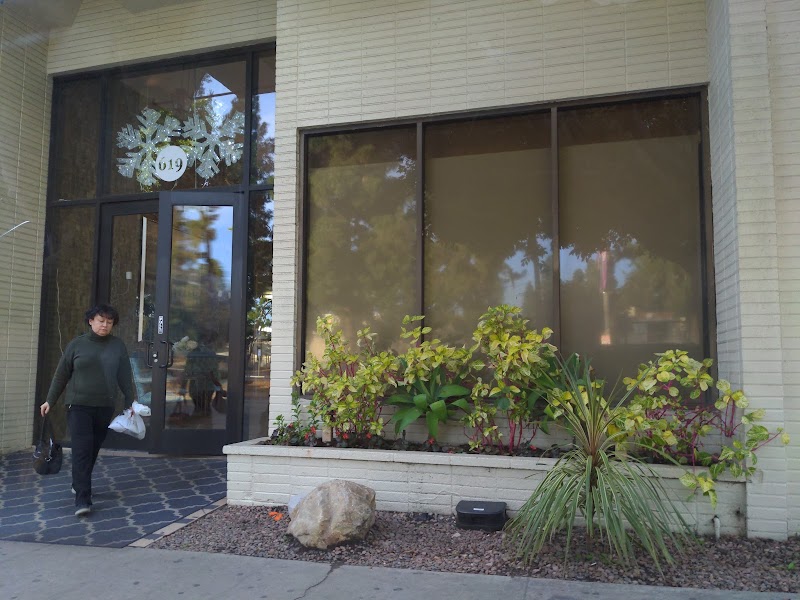
KENNEDY CARE CENTER

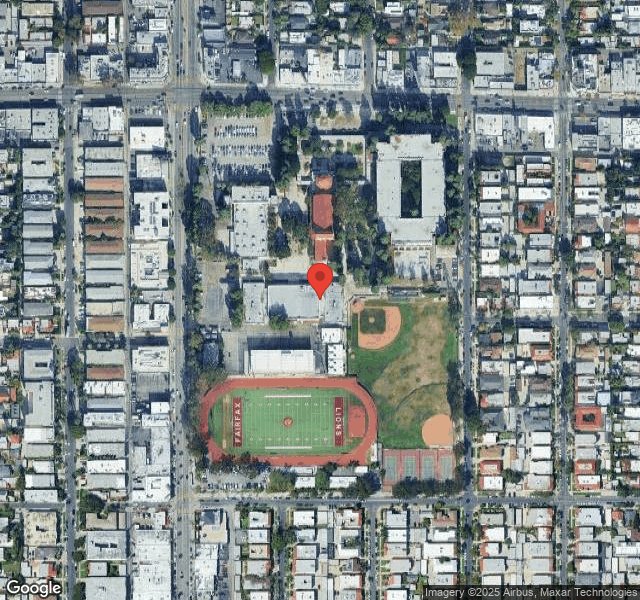
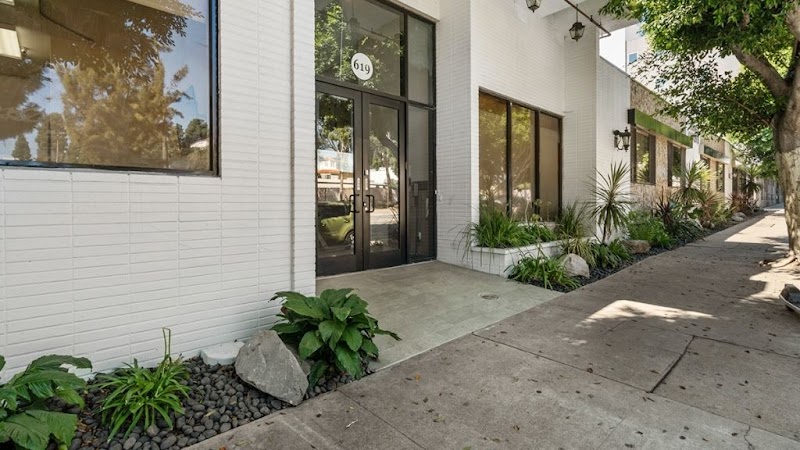
619 N. FAIRFAX AVE, LOS ANGELES, CA 90036 (323) 383-9897
For profit - Limited Liability company 97 Beds PACS GROUP Data: November 2025
Trust Grade
30/100
#831 of 1155 in CA
Last Inspection: August 2025

Inspected within the last 6 months. Data reflects current conditions.

Overview

Kennedy Care Center has received a Trust Grade of F, indicating poor quality and significant concerns about the facility. It ranks #831 out of 1155 nursing homes in California, placing it in the bottom half of the state, and #197 out of 369 in Los Angeles County, meaning there are better options nearby. The facility is showing some improvement, as the number of issues decreased from 43 in 2024 to 33 in 2025. However, staffing is a significant weakness, with a low 1-star rating and higher than average turnover at 47%, which may affect the quality of care. Additionally, the facility has accumulated $58,880 in fines, which is concerning as it is higher than 84% of other California facilities. Specific incidents include a failure to provide proper foot care for a resident, inadequate COVID-19 infection control measures among staff, and serious issues with food storage and sanitation that could lead to foodborne illnesses. Overall, while there are some areas of improvement, the facility has notable weaknesses that families should consider.

Trust Score
F
30/100
In California
#831/1155
Bottom 29%
Safety Record
High Risk
Review needed
Inspections
Getting Better
43 → 33 violations
Staff Stability
⚠ Watch
47% turnover. Above average. Higher turnover means staff may not know residents' routines.
Penalties
✓ Good
$58,880 in fines. Lower than most California facilities. Relatively clean record.
Skilled Nurses
⚠ Watch
Each resident gets only 15 minutes of Registered Nurse (RN) attention daily — below average for California. Fewer RN minutes means fewer trained eyes watching for problems.
Violations
⚠ Watch
105 deficiencies on record. Higher than average. Multiple issues found across inspections.
★★☆☆☆
2.0
Overall Rating
★☆☆☆☆
1.0
Staff Levels
★★★★★
5.0
Care Quality
★☆☆☆☆
1.0
Inspection Score
Stable
2024: 43 issues
2025: 33 issues

The Good

  • 5-Star Quality Measures · Strong clinical quality outcomes
  • Full Sprinkler Coverage · Fire safety systems throughout facility
  • No fines on record

Facility shows strength in quality measures, fire safety.

The Bad

2-Star Overall Rating

Below California average (3.1)

Below average - review inspection findings carefully

Staff Turnover: 47%

Near California avg (46%)

Higher turnover may affect care consistency

Federal Fines: $58,880

Above median ($33,413)

Moderate penalties - review what triggered them

Chain: PACS GROUP

Part of a multi-facility chain

Ask about local staffing decisions and management

The Ugly 105 deficiencies on record

2 actual harm
Sept 2025 4 deficiencies
CONCERN (D) 📢 Someone Reported This

A family member, employee, or ombudsman was alarmed enough to file a formal complaint

Potential for Harm - no one hurt, but risky conditions existed

Resident Rights (Tag F0550)

Could have caused harm · This affected 1 resident

**NOTE- TERMS IN BRACKETS HAVE BEEN EDITED TO PROTECT CONFIDENTIALITY** Based on observation, interview, and record review, the facility failed to protect the residents' privacy and dignity by failing...

Read full inspector narrative →
**NOTE- TERMS IN BRACKETS HAVE BEEN EDITED TO PROTECT CONFIDENTIALITY** Based on observation, interview, and record review, the facility failed to protect the residents' privacy and dignity by failing to ensure the indwelling urinary catheter (a soft hollow tube which is passed into the bladder to drain urine, for persons who cannot empty their bladder in the usual way) drainage bag was always covered for one of three sampled residents (Resident 1).This deficient practice had the potential to affect Resident 1's sense of self-worth and self-esteem.During a review of Resident 1's admission Record, it indicated Resident 1 was originally admitted to the facility on [DATE] and readmitted on [DATE] with diagnosis including toxic encephalopathy (a disease in which the functioning of the brain is affected by some agent or condition-such as viral infection or toxins in the blood), obstructive and reflux uropathy (a condition in which the flow of urine is blocked and urine flows backward from your bladder into your kidneys) and depression (a mood disorder that causes persistent feeling of sadness and loss of interest). During a review of the Minimum Data Set (MDS - resident assessment tool) dated 6/20/2025, indicated Resident 1's cognitive (mental action or process of acquiring knowledge and understanding) skills for daily decisions were moderately impaired. The MDS indicated Resident 1 required maximal assistance from staff for activities of daily living (ADLs- routine tasks/activities such as bathing, dressing and toileting a person performs daily to care for themselves). The MDS also indicated Resident 1 has an indwelling urinary catheter. During a review of Resident 1's Order Summary Report, dated 6/13/2025, it indicated that physician ordered, Indwelling urinary catheter is in privacy bag and catheter leg strap/leg bag on at all times. During a review of Resident 1's Care Plan (CP) for bladder: at risk for complications with urinary system related to complaints of dysuria (refers to pain or discomfort during urination), complaints or urinary frequency, indwelling catheter, dated 5/22/2025 and revised on 9/2/2025, the CP indicated an intervention that included, privacy cover to catheter bag as indicated to promote dignity. During an observation of Resident 1 on 9/11/2025 at 9:22 a.m., observed Resident 1's indwelling urinary catheter with no privacy bag. Resident 1 had two other roommates in the same room. During an interview with Treatment Nurse 1 (TXN 1) on 9/11/2025 at 9:24 a.m., TXN stated and confirmed, Resident 1's urinary catheter does not have any privacy bag, and it is being exposed to other residents, visitors and staff. During an interview with Director of Nursing (DON) on 9/11/2025 at 1:12 p.m., DON stated, urinary catheter should be covered with privacy bag for resident's dignity. DON stated, they need to educate residents and resident's family members the importance of privacy in resident's foley catheter collection bag. During a review of facility's policy and procedure (P&P), titled, Urinary Catheters approved on 8/18/2021, the P&P indicated preventative measures for controlling common infections are critical component of the overall plan of care for residents with a urinary catheter. During a review of facility's P&P titled, Dignity, reviewed date 4/2025, the P&P indicated, Each resident shall be cared for in a manner that promotes and enhances his or her sense of well-being, level of satisfaction with life, and feelings of self-worth and self-esteem. Demeaning practices and standards of care that compromise dignity are prohibited. Staff are expected to promote dignity and assist residents; for example: a. helping the resident to keep urinary catheter bags covered.
CONCERN (D) 📢 Someone Reported This

A family member, employee, or ombudsman was alarmed enough to file a formal complaint

Potential for Harm - no one hurt, but risky conditions existed

Deficiency F0583 (Tag F0583)

Could have caused harm · This affected 1 resident

Based on interview and record review the facility failed to ensure residents' information was not sent to the personal cell phones of facility staff members. This deficient practice had the potential ...

Read full inspector narrative →
Based on interview and record review the facility failed to ensure residents' information was not sent to the personal cell phones of facility staff members. This deficient practice had the potential for unauthorized release of residents' information to the public. During an interview on 9/11/25 at 9:06 a.m., restorative nursing assistant (RNA 1, a certified nursing assistant (CNA) with specialized training in rehabilitation skills) stated she received text messages on her personal cellphone from the rehabilitation department regarding residents who would need to be on the RNA program. RNA 1 stated the text messages would include the name of the residents and their room number. During an interview on 9/11/25 at 10:18 a.m. the physical therapist (PT) stated when a resident needs to be on the RNA program, a group text message would be sent to the director of rehabilitation, the physical therapist, occupational therapist, director of staff development and the RNA. The PT stated the text messages would include the name of the residents, their room number and the specific RNA program. The PT stated the purpose of the text message was for the group to know that there is an RNA program for the resident. During an interview on 9/11/25 at 10:26 a.m., certified nursing assistant (CNA 2) stated she receive text messages on her personal cellphone that would include the name of the resident, the care they would need and their room number. During an interview on 9/11/25 at 1:16 p.m., the director of nursing (DON) stated .personal phones should not be used when the patients (residents) name and room number are included. DON further stated don't transmit resident information to staff personal phone. DON stated this is due to the Health Insurance Portability and Accountability Act (HIPAA, establishes standards to protect people's medical records and other protected health information). During a review of the facility's policy and procedures (P&P) titled Telephones, Employee Use of reviewed on 4/25, the P&P indicated cell phones may be used for personal calls and text messaging when the employee is on meal and break periods. Employee cell phones remain off and/or silent during all other work hours. During a review of the facility's P&P titled Compliance Risks - Privacy, Security and Breach Notifications reviewed on 4/25, the P&P indicated the facility complies with the laws governing privacy, security, and breach notification of protected health information set forth in the Health Insurance Portability and Accountability Act (HIPAA) and other privacy and security rules. The same Policy indicated personnel are trained in the policies and practices that protect the privacy, confidentiality and security of resident-identifiable information throughout the facility.
CONCERN (D) 📢 Someone Reported This

A family member, employee, or ombudsman was alarmed enough to file a formal complaint

Potential for Harm - no one hurt, but risky conditions existed

Quality of Care (Tag F0684)

Could have caused harm · This affected 1 resident

**NOTE- TERMS IN BRACKETS HAVE BEEN EDITED TO PROTECT CONFIDENTIALITY** Based on interview and record reviews, the facility failed to ensure resident received treatment and care in accordance with pro...

Read full inspector narrative →
**NOTE- TERMS IN BRACKETS HAVE BEEN EDITED TO PROTECT CONFIDENTIALITY** Based on interview and record reviews, the facility failed to ensure resident received treatment and care in accordance with professional standards of practice for one of three sampled residents, (Resident 1) by failing to follow and implement physician's order and when Resident 1's blood pressure was elevated according to facility's policy and procedure titled, Changes in Resident's Condition or Status.This deficient practice placed Resident 1 in delayed intervention to provide treatment for urinary tract infection (UTI- an infection in the bladder/urinary tract) as required per facility's policy and procedure upon changes in condition.During a review of Resident 1's admission Record, it indicated Resident 1 was originally admitted to the facility on [DATE] and readmitted on [DATE] with diagnosis including toxic encephalopathy (a disease in which the functioning of the brain is affected by some agent or condition-such as viral infection or toxins in the blood), obstructive and reflux uropathy (a condition in which the flow of urine is blocked and urine flows backward from your bladder into your kidneys) and depression (a mood disorder that causes persistent feeling of sadness and loss of interest). During a review of the Minimum Data Set (MDS - resident assessment tool) dated 6/20/2025, indicated Resident 1's cognitive (mental action or process of acquiring knowledge and understanding) skills for daily decisions were moderately impaired. The MDS indicated Resident 1 required maximal assistance from staff for activities of daily living (ADLs- routine tasks/activities such as bathing, dressing and toileting a person performs daily to care for themselves). The MDS also indicated Resident 1 has an indwelling urinary catheter (a soft hollow tube which is passed into the bladder to drain urine, for persons who cannot empty their bladder in the usual way). During a review of Resident 1's Care Plan (CP) for indwelling catheter: urinary retention: dated 6/16/2025 and revised on 9/2/2025, the CP indicated a goal of, (Resident 1) will show no signs and symptoms (s/sx) of urinary infection. During a concurrent interview and record review with Director of Nursing (DON) on 9/11/2025 at 12:42 p.m., DON stated, on 8/23/2025, Resident 1 complained of pain and weakness and staff notified the Medical Doctor 1 (MD 1). DON stated, she interviewed Registered Nurse 1 (RN 1) and found out that MD 1 ordered for a urine sample to be collected and to test for UTI, but it was not carried out by RN 1. DON reviewed Resident 1's medical record and stated the order for urine sample was not entered in Resident 1's medical record, and there was no change of condition documentation completed on 8/23/2025 when Resident 1 complained of pain and weakness. DON stated the urine sample order for Resident 1 was missed and delayed for two days. DON stated, Resident 1 had a delay in the care and treatment. During a review of facility's policy and procedure (P&P) titled, Change in a Resident's Condition or Status, reviewed date 4/2025, the P&P indicated, The nurse will notify the resident's attending physician or physician on call when there has been a(an): i. specific instruction to notify the physician of changes in the resident's condition. Prior to notifying the physician or healthcare provider, the nurse will make detailed observations and gather relevant and pertinent information for the provider, including (for example) information prompted by the Interact SBAR (situation, background, assessment, recommendation-a communication tool used by healthcare workers when there is a change of condition among the residents) Communication Form. The nurse will record in the resident's medical record information relative to changes in the resident's medical/mental condition or status. During a review of facility's P&P titled, Urinary Tract Infection/Bacteriuria - Clinical Protocol, review date April 2025, the P&P indicated, The physician will order appropriate treatment for verified or suspected UTIs and/or urosepsis based on a pertinent assessment.
CONCERN (D) 📢 Someone Reported This

A family member, employee, or ombudsman was alarmed enough to file a formal complaint

Potential for Harm - no one hurt, but risky conditions existed

Infection Control (Tag F0880)

Could have caused harm · This affected 1 resident

**NOTE- TERMS IN BRACKETS HAVE BEEN EDITED TO PROTECT CONFIDENTIALITY** Based on observation, interview, and record review, the facility failed to ensure staff follow physician's order and facility's ...

Read full inspector narrative →
**NOTE- TERMS IN BRACKETS HAVE BEEN EDITED TO PROTECT CONFIDENTIALITY** Based on observation, interview, and record review, the facility failed to ensure staff follow physician's order and facility's policy with wearing personal protective equipment (PPE-a barrier precaution which includes the use of gloves, gown, mask, face shield, when anticipating coming in contact with blood, body fluids or other communicable toxins or agents) when providing care to one of three sampled residents (Resident 2) who was on an enhanced barrier precaution (utilized to prevent the spread of multi-drug resistant organisms) room. This deficient practice placed residents at a higher risk of acquiring and transmitting infections to other residents, staff and visitors in the facility.During a review of Resident 2's admission Record, it indicated Resident 2 was admitted to the facility on [DATE] with diagnosis including sepsis (a life-threatening blood infection), urinary tract infection (UTI- an infection in the bladder/urinary tract), and chronic kidney disease (CKD-a longstanding disease of the kidneys leading to renal failure). During a review of the Minimum Data Set (MDS - resident assessment tool) dated 9/5/2025, indicated Resident 2's cognitive (mental action or process of acquiring knowledge and understanding) skills for daily decisions were moderately impaired. The MDS indicated Resident 2 required maximal assistance from staff for activities of daily living (ADLs- routine tasks/activities such as bathing, dressing and toileting a person performs daily to care for themselves). During a review of Resident 2's Order Summary Report (OSR) dated 8/31/2025, the OSR indicated, physician ordered, Enhanced Barrier Precautions during high contact resident care activities. During a concurrent interview and observation with Licensed Vocational Nurse 2 (LVN 2) on 9/11/2025 at 9:56 a.m., LVN 2 was observed inside Resident 2's room and changing Resident 2's incontinent brief while Resident 2 was lying on her side. LVN 2 stated, I'm changing the resident right now. LVN 2 was observed not wearing complete PPE while providing close contact care to Resident 2. During a follow-up interview with LVN 3 on 9/11/2025 at 9:50 a.m., LVN 3 stated, Resident 2 asked to be checked if her incontinent brief was wet, so she went ahead and checked Resident 2's incontinent brief. LVN 3 stated, she was not wearing the full PPE because she was in and out of the room and forgot to put a complete PPE back on. When asked what type of transmission-based precaution Resident 2 was on, LVN 3 stated, I think she was on droplet precaution (safety measures used to stop the spread of germs that travel in the small, wet drops that come from a person's mouth or nose when they cough, sneeze, or talk). During an interview with Director of Nursing (DON) on 9/11/2025 at 1:12 p.m., DON stated, residents who are on enhanced barrier precautions, staff must wear full PPE which included gowns, gloves, goggles or face shield if needed when dealing with body fluids. DON stated, if staff do not wear full PPE while providing close contact care, it puts others at risk of infection. DON further stated, Resident 2 was on an enhanced barrier precaution, not droplet precaution for transmission-based precaution. During a review of the facility's policy and procedure (P&P) titled, Enhanced Barrier Precautions, revised on 4/2025, the P&P indicated, Enhanced Barrier Precautions (EBP) are utilized to prevent the spread of multi-drug resistance organisms (MDROs - bacteria that are resistant to more than one antibiotic and can cause serious infections) to residents. EBP refer to infection prevention and control interventions designed to reduce the transmission of MDROs during high contact resident care activities. Examples of high contact resident care activities requiring the use of gown or gloves for EBPs include: dressing, bathing/showering, providing hygiene or grooming, changing briefs or assisting with toileting, transferring, providing bed mobility, changing linens, prolonged, high-contact with items in the resident's room, with resident's equipment or with resident's clothing or skin, device care or use and wound care.
Aug 2025 15 deficiencies
CONCERN (D)

Potential for Harm - no one hurt, but risky conditions existed

Grievances (Tag F0585)

Could have caused harm · This affected 1 resident

**NOTE- TERMS IN BRACKETS HAVE BEEN EDITED TO PROTECT CONFIDENTIALITY** Based on observation and interview, the facility failed to allow one of six sample residents (Resident 49) to retain his persona...

Read full inspector narrative →
**NOTE- TERMS IN BRACKETS HAVE BEEN EDITED TO PROTECT CONFIDENTIALITY** Based on observation and interview, the facility failed to allow one of six sample residents (Resident 49) to retain his personal possession(s). This failure resulted in Resident 49 feeling angry because he could not call his family member(s). Findings: During a record review, Resident 49's admission record indicated Resident 49 was admitted to the facility on [DATE] and was re-admitted to the facility on [DATE] with a diagnoses of muscle weakness (lack of physical or muscle strength), paraplegia (a condition where a person has partial or complete paralysis or the lower half of their body, including both legs). During a record review, Resident 49's Minimum Data Set (MDS- a resident assessment tool) dated 7/5/2025, indicated the resident was cognitively intact (the mental ability to make decisions of daily living), and required moderate to maximum assistance with Activities of Daily Living (ADL- activities related to personal care). During a record review, Resident 49's care plan initiated on 7/15/2025, indicated, Focus: (Resident 49) receive physical therapy due to balance deficit, impaired dynamic balance, impaired range of motion, and impaired static balance. During an observation and interview in Resident 49's room, on 8/5/25 at 8:32 AM, Resident 49 noted in his room and sitting in a wheelchair next to his bed. Resident 49 stated that approximately 2 weeks ago his former roommate stole his cellphone and cellphone charger. Resident 49 stated his family member (FM) has since replaced the cellphone and the cellphone charger. Resident 49 stated he reported the theft to the facility Social Worker (SW), Director of Nursing (DON), and the Administrator on several occasions about his cell phone and cellphone charger stolen. Resident 49 stated the facility has not replaced his cellphone and cellphone charger. Resident 49 stated the Social Worker, Administrator, and the DON, told him that the facility was going to replace his cell phone and cellphone charger and that as of today (8/5/2025), the facility has not replaced them. Resident 49 stated having his cell phone and cell phone charger stolen made him feel angry that he could not call his family member(s). During an interview and concurrent record review on 8/8/25 at 9:23 AM, with the Social Service Director (SSD), Resident 49's inventory list dated 5/4/2025 was reviewed. SSD stated Resident49's inventory list was completed on the same day the resident was admitted to the facility on [DATE] and that Resident 49 had a cellphone. SSD stated the inventory list was incomplete. SSD stated that the Social Service Assistant (SSA) informed her in 5/2025 (unable to recall the exact date), that Resident 49's cell phone and cell phone charger were missing. SSD stated she did not document in Resident 49's medical record regarding the lost/theft of the cell phone and cell phone charger. SSD stated the facility is liable to replace Resident 49's cell phone and cell phone charger. SSD stated she will find out the cost of Resident 49's cell phone and cell phone charger and replace them. SSD stated the facility dropped the ball with replacing the Resident 49's cellphone and cell phone charger. During an interview on 8/8/25 at 2:39 PM, SSA stated that back in 5/2025, Resident 49 reported to her that his cellphone and cellphone charger had been stolen. SSA stated that she forgot to follow-up with the Administrator to get approval to replace Resident 49's stolen cellphone and cellphone charger. SSA stated if the resident personal belongings are stolen or lost, the resident can feel sad or angry. SSA stated it is her responsibly to assist the residents will all of their needs in a timely manner. During an interview on 8/8/25 at 3:55 PM, the Administrator stated that the facility dropped the ball causing a delay in replacing Resident 49's stolen/lost cellphone and cell phone charger. The Administrator stated the facility is going to replace Resident 49's cellphone and cellphone charger today on 8/8/25. During a record review, the facility policy and procedures titled Personal Property revise on 4/2025, indicated, Policy Statement: Residents are permitted to retain and use personal possessions, including furniture and clothing, as space permits unless doing so would infringe on the rights or health and safety of other residents. Policy Interpretation and implementation: 2. Residents belongings are treated with respect by facility staff, regardless of perceived value.
CONCERN (D)

Potential for Harm - no one hurt, but risky conditions existed

Free from Abuse/Neglect (Tag F0600)

Could have caused harm · This affected 1 resident

Based on interviews and concurrent record review the facility failed to conduct a background search for one out of seven employees (Housekeeping) prior to working in the facility: This failure had the...

Read full inspector narrative →
Based on interviews and concurrent record review the facility failed to conduct a background search for one out of seven employees (Housekeeping) prior to working in the facility: This failure had the potential to expose the residents to abuse.Findings: During an interview and concurrent record review with the Director of Staff Development (DSD) on 8/7/25 at 8:42 AM, Housekeeping employee file was reviewed which indicated that Housekeeping was hired in the facility on 8/22/2024. The housekeeping employee file indicated there was no background search report. DSD stated she has been employed with the facility for 2 years. DSD stated employee background checks/search are completed to ensure that the staff that are hired do not have a criminal background and to ensure the safety of the residents. During a record review, the facility document titled Facility Assessment Tool dated 3/28/2025, under staff training/education and competencies, indicated that, New hires must undergo background checks .
CONCERN (D)

Potential for Harm - no one hurt, but risky conditions existed

Deficiency F0635 (Tag F0635)

Could have caused harm · This affected 1 resident

**NOTE- TERMS IN BRACKETS HAVE BEEN EDITED TO PROTECT CONFIDENTIALITY** Based on observations, interviews, and concurrent record reviews, the facility failed to implement the physician orders to admin...

Read full inspector narrative →
**NOTE- TERMS IN BRACKETS HAVE BEEN EDITED TO PROTECT CONFIDENTIALITY** Based on observations, interviews, and concurrent record reviews, the facility failed to implement the physician orders to administer Trazadone (medication used to treat depression) for one of one sampled resident (Resident 106). These failures resulted in Resident 106 inability to sleep and the resident feeling angry. Cross Reference F0760Findings: During a record review, Resident 106 admission record indicated Resident 106 was admitted to the facility on [DATE] with a diagnoses of human immunodeficiency virus disease (a virus that weakens the body's defense system also called HIV) and essential hypertension (high blood pressure). During a record review of Resident 106's Minimum Data Set (MDS- a resident assessment tool) dated 8/8/2025, indicated the resident was cognitively intact (mental ability to make decisions of daily living). During a record review, Resident 106's care plan initiated 8/4/2025, indicated, Resident 106 uses antidepressant medication related to depression (a serious mood disorder that affects how you feel, think, and handle daily activities) manifested by inability to sleep. During a record review, Resident 106's Order Summary Report indicated an order dated 8/3/2025 that Resident 106 receive trazadone HCL (medication used to treat depression) oral (by mouth) tablet 50 milligrams (mg - unit of measurement) Give 1 tablet by mouth at bedtime for depression manifested by inability to sleep. During a record review, Resident 106's Medication Administration Record (MAR) indicated that on 8/3/2p25 and on 8/5/2225, Resident 106 did not receive trazadone HCL oral tablet 50 mg. During a record review, Resident 106's Progress Notes dated 8/3/25 at 5:33 p.m., indicated All medication and orders reviewed, verified and approved by MD (Medical Doctor) at this time. All medications faxed over to pharmacy as ordered. During a record review, the facility medication list stored in Polaris PRX11 (publix - automated medication dispenser) dated 8/8/25 at 9:26 AM inventory on hand, indicated trazadone 50 mg tablet was in stock. During a record review, Resident 106's pharmacy packing slip proof of delivery indicated that Resident 106's medication arrived at the facility on 8/3/25 at 11:28 PM. Observation and concurrent interview on 8/6/25 at 7:55 AM, Resident 106 noted sitting up in bed in his room. Resident 106 stated that on on 8/3/2025 at approximately 10:00 PM and at 11:50 PM, he asked the Registered Nurse (RN - not able to recall name) for his trazadone HCL oral tablet 50 mg on the night he was admitted to the facility and the RN told him that his medication had not been delivered from the pharmacy. Resident 106 stated that on 8/5/25 at approximately 9:50 PM, he asked the nurse (unknown) for his trazadone HCL oral tablet 50 mg, and the nurse never gave it to him. Resident 106 stated if he does not take his trazadone at bedtime, he is up all night and feels tired the next day and it keeps him from being productive the next day. Resident 106 stated the delays in receiving his trazadone makes him angry and sad. During an interview and concurrent record review on 8/8/25 at 8:19 AM, with the Director of Nursing (DON)stated Resident 106's physician orders dated 8/3/25 at 4:08 P.M. and MAR were reviewed. The DON confirmed and stated that the facility admitted Resident 106 was 8/3/25 at 3:28 P.M., and that the physician orders indicated Resident 106 to receive trazodone HCL oral tablet 50 mg 1 tablet 1 mg at bedtime. DON stated the admitting nurse is supposed to check the residents discharge medication orders, notify the primary care physician, and enter the medication orders into Point Click Care (PCC - electronic medical chart), and fax the orders to the pharmacy as a backup. The DON stated the facility has an emergency kit and a Publix which contained certain medications. The DON stated the pharmacy has scheduled delivery to the facility every 2-3 hours for new admissions. A record review of Resident 106's MAR indicated Resident 106 did not receive Trazadone on 8/3/2025 and 8/5/2025. A record review with DON of the facility Polaris Publix medication list, indicated that Trazadone 50 mg tablets were available. The DON stated the nurse could have notified the pharmacy and the physician to administer the medication the Resident 106 because it was a scheduled medication. During a concurrent review of Resident 106's medication bubble card in medication cart, indicated that Resident 106's trazadone is 50 mg tablet scheduled to be given on 8/5/2025 was still in the bubble pack. During a concurrent record review with the DON of Resident 106's Nurses Progress Notes, indicated there was no documented evidence why Trazadone 50 mg was not given to Resident 106. DON stated if Resident 106 do not receive trazadone 50 mgs he will not have good sleep, will not feel good, and become agitated the next day. During an interview and concurrent record review with Registered Nurse (RN) 1 on 8/8/25 at 10:09 AM, RN1 stated she worked double shift on 8/3025 on the 7 AM to 3 PM and 3 PM-11 PM shifts. RN1 stated she she admitted Resident 106 on 8/3/2025 and that pharmacy did not deliver Resident 106's medication before her shift ended at11 P.M. on 8/3/2025. RN1 stated she do not know why she did not notify the pharmacy that the resident's medications including Trazadone were not delivered in time to administer to Resident 106. RN1 stated she endorsed the 11P.M to 7 A.M., licensed shift nurse to follow up with the delivery of Resident 106's medications from the pharmacy. RN1 stated she did not notify the doctor that Resident 106 was requesting his Trazadone at bedtime. RN1 stated the facility has a publix medication dispenser in the facility. RN1 stated she has been in-serviced on how to use the publix medication dispenser. RN1 stated she does not usually check the publix medication dispenser unless the medication is important or the resident requests the medication. RN1 stated trazadone is an important medication. During a concurrent record review with RN1, Resident 106's physician order dated 8/3/2025, indicated the resident to receive trazadone HCL oral tablet 50 mg (Trazadone HCL) Give 1 tablet by mouth at bedtime for depression manifested by inability to sleep. RN1 stated if the Residents do not get their m trazadone HCL oral tablet 50 mg (Trazadone HCL) on time it can cause the resident to become agitated. During a record review, the facility policy and procedures titled Administering Medications reviewed on 4/2025, indicated, Policy Statement: Medications are administered in a safe manner, and as prescribed. Policy Interpretated and implementation: 3. Staffing schedules are arranged to ensure that medications are administered without unnecessary interruptions. 7. Medications are administered within one hour of their prescribed time, unless otherwise specified (for example before and after meals).
CONCERN (D)

Potential for Harm - no one hurt, but risky conditions existed

Comprehensive Assessments (Tag F0636)

Could have caused harm · This affected 1 resident

Based on interview and record review, the facility failed to ensure residents' Annual Minimum Data Set assessments (MDS, a standardized assessment and care screening tool) was completed in accordance ...

Read full inspector narrative →
Based on interview and record review, the facility failed to ensure residents' Annual Minimum Data Set assessments (MDS, a standardized assessment and care screening tool) was completed in accordance with the timeline set forth by the Center for Medicare Services (CMS) system for one out of 13 sampled residents (Resident 11). This deficient practice had the potential to result in delayed services for Resident 11. During a record review, Resident 11's admission record indicated the facility originally admitted the resident on 6/2/2021 and re-admitted the resident on 6/23/2023 with diagnoses that included Alzheimer's Disease , chronic kidney disease (kidneys are damaged and cannot filter blood as well as they should) and dementia (a progressive state of decline in mental abilities). During a concurrent interview and record review on 8/7/2025 at 10:07 AM, with the Minimum Data Set Assistant (MDSA), Resident 11's most recent Annual MDS was reviewed. MDS Assessment Reference Date (ARD - the last day of the observation or look-back period for the MDS assessment) dates and submission dates were reviewed. The MDSA stated Resident 11's last annual MDS was dated 7/4/2025. The MDSA stated the MDS was still in progress and had not been submitted to CMS. The MDSA also stated the facility was late in submitting Resident 11's MDS. The MDSA further stated the facility has 14 days from the time of opening and initiating the assessment to submitting the assessment to CMS. The MDSA stated the facility could incur penalties from not submitting the MDS on time. During an interview on 8/8/2025 at 12:59 PM, the Director of Nursing (DON) stated on 6/4/2025 the facility discovered there were late MDS assessments. The DON further stated the facility hopes to have all late assessments completed by 9/1/2025. The DON stated a potential outcome from not submitting the MDS within CMS timeframe could lead to the resident needs not being attend to or provided. During an interview on 8/8/2025 at 12:59 PM, the Director of Nursing (DON) stated on 6/4/2025 the facility discovered there were late MDS assessments. The DON further stated the facility hopes to have all late assessments completed by 9/1/2025. The DON stated a potential outcome from not submitting the MDS within CMS timeframe could lead to the resident needs not being attend to or provided. During a record review, the facility policy and procedures (P&P) titled MDS Completion and Submission Timeframes, reviewed 4/2025, indicated ) Assessment Schedule reviewed 1/18/2024, indicated Our facility will conduct and submit resident assessments in accordance with current federal and state submission timeframes. The P&P also indicated the assessment coordinator or designee is responsible for ensuring resident assessments are submitted to CMS' Internet Quality Improvement Evaluation System (IQIES) in accordance with current federal and state guidelines and timeframes for completion and submission of assessments is based on the current requirements published in the Resident Assessment Instrument Manual.
CONCERN (D)

Potential for Harm - no one hurt, but risky conditions existed

Deficiency F0638 (Tag F0638)

Could have caused harm · This affected 1 resident

Based on interview and record review, the facility failed to ensure residents' Minimum Data Set assessments (MDS, a standardized assessment and care screening tool) were transmitted timely to the Cent...

Read full inspector narrative →
Based on interview and record review, the facility failed to ensure residents' Minimum Data Set assessments (MDS, a standardized assessment and care screening tool) were transmitted timely to the Center for Medicare Services (CMS) system for four out of 13 sampled residents (Resident 17, Resident 40, Resident 57 and Resident 63). This deficient practice had the potential to result in delayed services for Resident 17, Resident 40, Resident 57 and Resident 63. During a record review, Resident 17's admission record indicated the facility originally admitted the resident on 12/30/2023 and re-admitted the resident on 3/31/2025 diabetes mellitus (high blood sugar), dementia (a decline in mental ability severe enough to interfere with daily life), and kidney failure (a medical condition where the kidneys lose their ability to effectively filter waste and excess water from the blood, and maintain proper chemical balance in the body). During a record review, Resident 40's admission record indicated the facility originally admitted the resident on 6/2/2021 and re-admitted the resident on 6/23/2023/16/2022 with diagnoses including major depressive disorder (a mood disorder that causes a persistent feeling of sadness and loss of interest) and atrial fibrillation (AFib - an irregular heartbeat that can lead to blood clots and increases the risk of stroke and other heart complications). During a record review of Resident 57's admission record indicated the facility originally admitted the resident on 12/26/2024 and re-admitted the resident on 2/21/2025 with diagnoses including lymphedema (condition in which fluid builds up in the body causing swelling, most commonly in an arm or leg), and high blood pressure. During a record review of Resident 63's admission record indicated the facility originally admitted the resident on 12/29/2023 and re-admitted the resident on 12/26/2024 with diagnoses including congestive heart failure (CHF - a condition where the heart muscle is not pumping blood as well as it should, leading to a buildup of fluid in the lungs and other body tissues) and diabetes mellitus. During a concurrent interview and record review on 8/7/2025 at 10:07 AM, with the Minimum Data Set Assistant (MDSA), Resident 17, Resident 40, Resident 5 and Resident 63's last quarterly MDS were reviewed. The MDSA stated Resident 17's Quarterly MDS was dated 7/2/2025 and was still in progress and the facility did not submit Resident 17's MDS to CMS. The MDSA stated the facility should have submitted Resident 17's Quarterly MDS by 7/16/2025. The MDSA stated Resident 57's quarterly MDS was dated 7/3/2025, was still in progress and the facility had not submitted the MDS to CMS. The MDSA stated Resident 63's quarterly MDS was dated 7/3/2025. The MDSA further stated the quarterly was still in progress and had not been submitted to CMS. The MDSA further stated the MDS is an assessment of the resident and should reflect the acuity and the care the facility should provide to the resident. The MDSA further stated the facility has 14 days from the time of opening and initiating the assessment to submitting the assessment to CMS. The MDSA stated the facility could incur penalties from not submitting the MDS on time. During an interview on 8/8/2025 at 12:59 PM, the Director of Nursing (DON) stated on 6/4/2025 the facility discovered there were late MDS assessments for the residents. The DON further stated the facility hopes to have all late assessments completed by 9/1/2025. The DON stated a potential outcome from not submitting the MDS within CMS timeframe could lead to the resident needs not being attend to or provided. During a record review, the facility policy and procedures (P&P) titled MDS Completion and Submission Timeframes, reviewed 4/2025, indicated that, Our facility will conduct and submit resident assessments in accordance with current federal and state submission timeframes. The P&P also indicated the assessment coordinator or designee is responsible for ensuring resident assessments are submitted to CMS' Internet Quality Improvement Evaluation System (IQIES) in accordance with current federal and state guidelines and timeframes for completion and submission of assessments is based on the current requirements published in the Resident Assessment Instrument Manual.
CONCERN (D)

Potential for Harm - no one hurt, but risky conditions existed

MDS Data Transmission (Tag F0640)

Could have caused harm · This affected 1 resident

Based on interview and record review, the facility failed to ensure residents' Minimum Data Set assessments (MDS, a standardized assessment and care screening tool) were transmitted timely to the Cent...

Read full inspector narrative →
Based on interview and record review, the facility failed to ensure residents' Minimum Data Set assessments (MDS, a standardized assessment and care screening tool) were transmitted timely to the Center for Medicare Services (CMS) system for 11 out of 13 sampled residents (Resident 8, Resident 10, Resident 11, Resident 17, Resident 40, Resident 43, Resident 51, Resident 52, Resident 57, Resident 63 and Resident 104). This deficient practice had the potential to result in delayed services for Resident 10, Resident 11, Resident 17, Resident 40, Resident 43, Resident 51, Resident 52, Resident 57, Resident 63 and Resident 104. During a record review, Resident 8's admission record indicated the facility originally admitted the resident on 8/19/2023 and re-admitted the resident on 2/4/2025 with diagnoses including end stage renal disease (ESRD - irreversible kidney failure) and anemia (a condition where the body does not have enough healthy red blood cells). During a record review, Resident 10's admission record indicated the facility originally admitted the resident on 11/8/2023 and re-admitted the resident on 6/21/2024 with diagnoses including prostate cancer, Alzheimer's Disease (a disease characterized by a progressive decline in mental abilities) and Diabetes Mellitus (DM-a disorder characterized by difficulty in blood sugar control and poor wound healing) and high blood pressure. During a record review, Resident 11's admission record indicated the facility originally admitted the resident on 6/2/2021 and re-admitted the resident on 6/23/2023 with diagnoses that included Alzheimer's Disease , chronic kidney disease (kidneys are damaged and cannot filter blood as well as they should) and dementia (a progressive state of decline in mental abilities). During a record review, Resident 17's admission record indicated the facility originally admitted the resident on 12/30/2023 and re-admitted the resident on 3/31/2025 diabetes mellitus, dementia and kidney failure. During a record review, Resident 40's admission record indicated the facility originally admitted the resident on 6/2/2021 and re-admitted the resident on 6/23/2023/16/2022 with diagnoses including major depressive disorder (a mood disorder that causes a persistent feeling of sadness and loss of interest) and atrial fibrillation (AFib - an irregular heartbeat that can lead to blood clots and increases the risk of stroke and other heart complications). During a record review, Resident 43's admission record indicated the facility originally admitted the resident on 8/1/2022 and re-admitted the resident on 5/28/2025 with diagnoses including aphasia (a disorder that makes it difficult to speak), chronic kidney disease and diabetes mellitus. During a record review, Resident 51's admission record indicated the facility originally admitted the resident on 6/17/2024 and re-admitted the resident on 7/20/2024 with diagnoses including congestive heart failure (CHF-a heart disorder which causes the heart to not pump the blood efficiently, sometimes resulting in leg swelling) and epilepsy (seizure disorder). During a record review, Resident 57's admission record indicated the facility originally admitted the resident on 12/26/2024 and re-admitted the resident on 2/21/2025 with diagnoses including lymphedema (condition in which fluid builds up in the body causing swelling, most commonly in an arm or leg), and high blood pressure. During a record review, Resident 63's admission record indicated the facility originally admitted the resident on 12/29/2023 and re-admitted the resident on 12/26/2024 with diagnoses including congestive heart failure and diabetes mellitus. During a record review, Resident 104's admission record indicated the facility originally admitted the resident on 9/29/2022 and re-admitted the resident on 12/31/2024 with diagnoses including benign prostatic hyperplasia (BPH- prostate gland enlargement), heart failure (condition in which the heart muscle is unable to pump enough blood to meet the body's needs for blood and oxygen) and bipolar disorder (sometimes called manic-depressive disorder; mood swings that range from the lows of depression to elevated periods of emotional highs). During a concurrent interview and record review on 8/7/2025 at 10:07 AM, with the Minimum Data Set Assistant (MDSA), Resident 8, Resident 10, Resident 11, Resident 17, Resident 40, Resident 43, Resident 51, Resident 57, Resident 63 and Resident 104, MDS Assessment Reference Date (ARD - the last day of the observation or look-back period for the MDS assessment) dates and submission dates were reviewed. MDSA stated the residents MDS were either not submitted within the CMS timeframe. The MDSA stated Resident 8's quarterly MDS was dated 5/15/2025 and was submitted to CMS on 6/7/2025 (23 days later). The MDSA stated Resident 10's annual MDS was dated 6/27/2025 and was still in progress and was not submitted to CMS. The MDSA stated Resident 11's las annual MDS was dated 7/4/2025. The MDSA stated the MDS was still in progress and had not been submitted to CMS. The MDSA also stated the facility was late in submitting Resident 11's MDS. The MDSA stated Resident 17's Quarterly MDS was dated 7/2/2025 and was still in progress and the facility did not submit Resident 17's MDS to CMS. The MDSA stated the facility should have submitted Resident 17's Quarterly MDS by 7/16/2025. The MDSA stated Resident 104's quarterly MDS was dated on 3/21/2025 and was submitted to CMS three days late on 4/7/2025. The MDSA stated Resident 40 last quarterly MDS was dated 6/27/2025. The MDSA stated Resident 40's MDS was still in progress and very late. The MDSA stated Resident 43's annual MDS was dated 5/12/2025. The MDS stated Resident 43's MDS was then submitted over a month later. The MDS further stated Resident 43's MDS was submitted very late. The MDS stated Resident 51's quarterly MDS was dated 3/26/2025 and was submitted [22 days later] on 4/17/2025. The MDSA stated Resident 57's quarterly MDS was dated 7/3/2025, was still in progress and the facility had not submitted the MDS to CMS. The MDSA stated Resident 63's quarterly MDS was dated 7/3/2025. The MDSA further stated the quarterly was still in progress and had not been submitted to CMS. The MDSA further stated the MDS is an assessment of the resident and should reflect the acuity and the care the facility should provide to the resident. The MDSA further stated the facility has 14 days from the time of opening and initiating the assessment to submitting the assessment to CMS. The MDSA stated the facility could incur penalties from not submitting the MDS on time. During an interview on 8/8/2025 at 12:59 PM, the Director of Nursing (DON) stated that on 6/4/2025 the facility discovered there were late MDS assessments. The DON further stated the facility hopes to have all late assessments completed by 9/1/2025. The DON stated a potential outcome from not submitting the MDS within CMS timeframe could lead to the resident needs not being attend to or provided. During a record review, the facility policy and procedures (P&P) titled MDS Completion and Submission Timeframes, reviewed 4/2025, indicated Our facility will conduct and submit resident assessments in accordance with current federal and state submission timeframes. The P&P also indicated the assessment coordinator or designee is responsible for ensuring resident assessments are submitted to CMS' Internet Quality Improvement Evaluation System (IQIES) in accordance with current federal and state guidelines and timeframes for completion and submission of assessments is based on the current requirements published in the Resident Assessment Instrument Manual.
CONCERN (D)

Potential for Harm - no one hurt, but risky conditions existed

Tube Feeding (Tag F0693)

Could have caused harm · This affected 1 resident

Based on observation, interview and record review, the facility failed to ensure the tube feeding (TF - a form of nutrition that is delivered into the digestive system as a liquid) was administered as...

Read full inspector narrative →
Based on observation, interview and record review, the facility failed to ensure the tube feeding (TF - a form of nutrition that is delivered into the digestive system as a liquid) was administered as ordered for one of two sampled residents (Resident 27). This deficient practice had the potential to cause Resident 27 to take in an inadequate amount of calories and nutrition and weight loss. During a record review, Resident 27's admission record indicated the facility admitted the resident on 7/19/2024 with diagnoses that included protein calorie malnutrition (a condition in which a person does not consume enough protein and calories to meet their body's needs), chronic obstructive pulmonary disease (COPD-a chronic lung disease causing difficulty in breathing) and chronic kidney disease (progressive damage and loss of function in the kidney). During a record review, Resident 27's History and Physical, dated 10/17/2024, indicated the resident was at high risk for decompensation (the loss of the ability to cope or function normally) and readmission [to a general acute care hospital] due to multiple comorbidities (having two or more diseases at the same time). During a record review, Resident 27's Minimum Data Set (MDS, a resident assessment tool), dated 4/25/2025, indicated Resident 27 had severe cognitive impairment (trouble remembering, learning new things, concentrating, or making decisions that affect their everyday life) and total dependence on staff for eating, toileting hygiene, bathing and personal hygiene. The MDS further indicated the resident had a feeding tube and received 51% or more of the resident's total daily calories from the tube feeding. During a record review, Resident 27's Enteral Nutrition care plan, initiated 7/20/2024, indicated the resident required enteral nutrition due to diagnoses of stroke and dysphagia (difficulty swallowing). The care plan interventions Jevity (nutritional formula) 1.5 at 60cc per hour for 20 hours to provide 1200cc/1800kcal, monitor weight and report significant changes to physician and to monitor intake and output. During a record review, Resident 27's physician order, dated 7/30/2025, indicated every shift Administer Jevity 1.5 (a specific type of TF) at 60 cubic centimeters per hour (cc - a unit of volume [1 cc =1 milliliter (ml)]) administration) [for] 20 [hours] via enteral pump (a pump that administers TF at a controlled rate) to provide 1200 cc and 1800 kcal (a unit of measurement and another word for what's commonly called a calorie) and 70 grams of protein. They physician order further indicated staff were to start the TF administration at 2 pm to 10 am or until total volume was delivered. During an observation on 8/5/2025 at 9:24 AM in Resident 27's room, Jevity 1.5 was infusing at 60 mL/h based on the settings visualized on the enteral pump machine with the bottle was dated 8/4/2025 at 2 PM. The feeding pump was observed on, alarming and with an alert on the screen reading Notice Pump Inactive. The screen also read Pump has been idle for 10 minutes. Press Continue. The machine further indicated 166 ml of TF had been administered, which was less than 1200 milliliters (ml) ordered by the physician (equal to 1800 kcal). During the same observation, a staff member enters the room, the pump again alarmed. The staff member does not address the resident or the alarming machine and leaves the resident's room. During a concurrent interview and observation 8/5/2025 at 9:39 AM [21 minutes prior to the scheduled completion of the residents TF dose of 1200 cc] at Resident 27's bedside, Registered Nurse (RN) 2 stated, the pump screen indicated the pump had been idle for 10 minutes. RN 2 then checked the dose settings screen and stated the pump indicated 166 ml of TF had been administered, and 1034 ml needed to infuse. RN 2 then went to get the licensed vocational nurse (LVN) 1 to explain the discrepancy. During a concurrent observation and interview with LVN 1, on 8/5/2025 at 9:48 AM at Resident 27's bedside, LVN 1 stated Resident 27's tube feeding had been infusing since 8/4/2025 at 2PM per the bottle label. LVN 1 also stated Resident 27 had received a total of 400 cc since 2 pm yesterday. LVN 1 further stated Resident 27 not receiving the total amount of TF ordered could cause the resident to lose weight and not receive the total amount of nutrition ordered. During an observation and concurrent interview on 8/5/2025 at 10 AM with the Director of Nursing (DON), Resident 27's TF was observed. The DON stated Resident 27's TF was off schedule and that the facility would assess the resident and inform the physician. During an interview on 8/8/2025 at 12:56 PM, the DON stated staff should monitor Resident 27's TF to ensure the feed was infusing appropriately. The DON stated staff should have checked the resident and the alarming TF machine when they observed TF discrepancy. The DON further stated Resident 27 is now on weekly weights and the registered dietician (RD) has evaluated the resident. The DON then stated if TF was not administered as ordered, there was risk for the resident to suffer from dehydration and malnutrition. During a record review the facility policy and procedures (P&P) titled, Enteral Nutrition, dated 4/2025, indicated, Adequate nutritional support through enteral nutrition is provided to residents as ordered.
CONCERN (D)

Potential for Harm - no one hurt, but risky conditions existed

Deficiency F0760 (Tag F0760)

Could have caused harm · This affected 1 resident

**NOTE- TERMS IN BRACKETS HAVE BEEN EDITED TO PROTECT CONFIDENTIALITY** Based on observations, interviews, and concurrent record reviews, the facility failed to administer Trazadone (Medication to tre...

Read full inspector narrative →
**NOTE- TERMS IN BRACKETS HAVE BEEN EDITED TO PROTECT CONFIDENTIALITY** Based on observations, interviews, and concurrent record reviews, the facility failed to administer Trazadone (Medication to treat depression) per physician orders for one of one sampled resident (Resident 106)These failures resulted in Resident 106 inability to sleep and feeling angry. Cross Reference F0635Findings: During a record review, Resident 106 admission record indicated Resident 106 was admitted to the facility on [DATE] with a diagnoses of human immunodeficiency virus disease (a virus that weakens the body's defense system also called HIV) and essential hypertension (high blood pressure). During a record review of Resident 106's Minimum Data Set (MDS- a resident assessment tool) dated 8/8/2025, indicated the resident was cognitively intact (mental ability to make decisions of daily living). During a record review, Resident 106's care plan initiated 8/4/2025, indicated, Resident 106 uses antidepressant medication related to depression (a serious mood disorder that affects how you feel, think, and handle daily activities) manifested by inability to sleep. During a record review, Resident 106's Order Summary Report indicated an order dated 8/3/2025 that Resident 106 receive trazadone HCL (medication used to treat depression) oral (by mouth) tablet 50 milligrams (mg - unit of measurement) Give 1 tablet by mouth at bedtime for depression manifested by inability to sleep. During a record review, Resident 106's Medication Administration Record (MAR) indicated that on 8/3/2p25 and on 8/5/2225, Resident 106 did not receive trazadone HCL oral tablet 50 mg. During a record review, Resident 106's Progress Notes dated 8/3/25 at 5:33 p.m., indicated All medication and orders reviewed, verified and approved by MD (Medical Doctor) at this time. All medications faxed over to pharmacy as ordered. During a record review, the facility medication list stored in Polaris PRX11 (publix - automated medication dispenser) dated 8/8/25 at 9:26 AM inventory on hand, indicated trazadone 50 mg tablet was in stock. During a record review, Resident 106's pharmacy packing slip proof of delivery indicated that Resident 106's medication arrived at the facility on 8/3/25 at 11:28 PM. Observation and concurrent interview on 8/6/25 at 7:55 AM, Resident 106 noted sitting up in bed in his room. Resident 106 stated that on on 8/3/2025 at approximately 10:00 PM and at 11:50 PM, he asked the Registered Nurse (RN - not able to recall name) for his trazadone HCL oral tablet 50 mg on the night he was admitted to the facility and the RN told him that his medication had not been delivered from the pharmacy. Resident 106 stated that on 8/5/25 at approximately 9:50 PM, he asked the nurse (unknown) for his trazadone HCL oral tablet 50 mg, and the nurse never gave it to him. Resident 106 stated if he does not take his trazadone at bedtime, he is up all night and feels tired the next day and it keeps him from being productive the next day. Resident 106 stated the delays in receiving his trazadone makes him angry and sad. During an interview and concurrent record review on 8/8/25 at 8:19 AM, with the Director of Nursing (DON)stated Resident 106's physician orders dated 8/3/25 at 4:08 P.M. and MAR were reviewed. The DON confirmed and stated that the facility admitted Resident 106 was 8/3/25 at 3:28 P.M., and that the physician orders indicated Resident 106 to receive trazodone HCL oral tablet 50 mg 1 tablet 1 mg at bedtime. DON stated the admitting nurse is supposed to check the residents discharge medication orders, notify the primary care physician, and enter the medication orders into Point Click Care (PCC - electronic medical chart), and fax the orders to the pharmacy as a backup. The DON stated the facility has an emergency kit and a Publix which contained certain medications. The DON stated the pharmacy has scheduled delivery to the facility every 2-3 hours for new admissions. A record review of Resident 106's MAR indicated Resident 106 did not receive Trazadone on 8/3/2025 and 8/5/2025. A record review with DON of the facility Polaris Publix medication list, indicated that Trazadone 50 mg tablets were available. The DON stated the nurse could have notified the pharmacy and the physician to administer the medication the Resident 106 because it was a scheduled medication. During a concurrent review of Resident 106's medication bubble card in medication cart, indicated that Resident 106's trazadone is 50 mg tablet scheduled to be given on 8/5/2025 was still in the bubble pack. During a concurrent record review with the DON of Resident 106's Nurses Progress Notes, indicated there was no documented evidence why Trazadone 50 mg was not given to Resident 106. DON stated if Resident 106 do not receive trazadone 50 mgs he will not have good sleep, will not feel good, and become agitated the next day. During an interview and concurrent record review with Registered Nurse (RN) 1 on 8/8/25 at 10:09 AM, RN1 stated she worked double shift on 8/3025 on the 7 AM to 3 PM and 3 PM-11 PM shifts. RN1 stated she she admitted Resident 106 on 8/3/2025 and that pharmacy did not deliver Resident 106's medication before her shift ended at11 P.M. on 8/3/2025. RN1 stated she do not know why she did not notify the pharmacy that the resident's medications including Trazadone were not delivered in time to administer to Resident 106. RN1 stated she endorsed the 11P.M to 7 A.M., licensed shift nurse to follow up with the delivery of Resident 106's medications from the pharmacy. RN1 stated she did not notify the doctor that Resident 106 was requesting his Trazadone at bedtime. RN1 stated the facility has a publix medication dispenser in the facility. RN1 stated she has been in-serviced on how to use the publix medication dispenser. RN1 stated she does not usually check the publix medication dispenser unless the medication is important or the resident requests the medication. RN1 stated trazadone is an important medication. During a concurrent record review with RN1, Resident 106's physician order dated 8/3/2025, indicated the resident to receive trazadone HCL oral tablet 50 mg (Trazadone HCL) Give 1 tablet by mouth at bedtime for depression manifested by inability to sleep. RN1 stated if the Residents do not get their m trazadone HCL oral tablet 50 mg (Trazadone HCL) on time it can cause the resident to become agitated. During a record review, the facility policy and procedures titled Administering Medications reviewed on 4/2025, indicated, Policy Statement: Medications are administered in a safe manner, and as prescribed. Policy Interpretated and implementation: 3. Staffing schedules are arranged to ensure that medications are administered without unnecessary interruptions. 7. Medications are administered within one hour of their prescribed time, unless otherwise specified (for example before and after meals).
CONCERN (D)

Potential for Harm - no one hurt, but risky conditions existed

Deficiency F0940 (Tag F0940)

Could have caused harm · This affected 1 resident

Based on interviews and concurrent record review, the facility failed to ensure three out of seven employees (Licensed Vocational Nurse (LVN) 1, Housekeeping, Activities Assistant, and Occupational Th...

Read full inspector narrative →
Based on interviews and concurrent record review, the facility failed to ensure three out of seven employees (Licensed Vocational Nurse (LVN) 1, Housekeeping, Activities Assistant, and Occupational Therapist (OT - assess a person's physical, cognitive, and emotional abilities and develops treatment plans to improve their functional skills, adapting the environment or activities as needed) completed their competencies annually and or upon hire. This failure had the potential for the staff not to provide the appropriate nursing skills and related care and services for all residents in accordance with resident care plans and the facility assessment.Findings: During an interview and concurrent record review on 8/7/25 at 8:42 AM, four of seven employee files were reviewed with the Director of Staff Development (DSD and the following were noted: 1. LVN 1 was hired on 3/14/2022. There was no annual physical examination for years 2023 and 2024, there was no annual Tuberculin (TB - is a serious illness that mainly affects the lungs) skin test for the years 2023 and 2024, no background check since 2022, no annual skills competency for the years 2023 and 2025, and no abuse training for 2023 or 2025. 2. Housekeeping was hired on 8/22/2024, there were no annual skills competencies and no abuse training for 2025.3. Occupational Therapist was hired on 10/3/2022. There were no annual skills competencies for 2023, 2024, and 2025,4. Activities Assistant was hired on 7/30/2019. There were no annual skills for 2022, 2023, 2024, and 2025.During the same interview on 8/7/2025 at 8:42 AM, DSD stated she has been employed with the facility for 2 years. DSD stated abuse training is completed upon hire, every 4 months, and as needed. DSD stated the importance of annual skills competencies is to ensure the nurse skills are following the correct protocol and to make sure the nurses are capable of caring out the skills to complete their job efficiently. DSD stated that the importance of abuse training is to ensure all the staff is very well trained on how to report abuse, and how to prevent the different types of abuse, so that the facility staff can keep the residents safe. During an interview with Director of Nursing (DON) on 8/7/2025 at 9:19 AM, DON stated all staff are supposed to complete annual competencies, physicals, TB skin test upon hire and yearly. DON stated if the staff do not complete annual competencies yearly, they can forget how to care for the residents and could make mistakes with certain skills. DON stated it is very important that all of the staffs trainings is completed on time to prevent harm to the residents and to ensure all of the residents receive the best possible care. During a record review, the facility document titled Facility Assessment Tool dated 3/28/2025, under staff/training//education and competencies, indicated that Competency evaluation is checked upon hire and annually thereafter. During a record review, the facility policy and procedures (P&P) titled Staffing, Sufficient and Competent Nursing with a revised date of 4/2025, the P&P indicated, Policy Statement: Our facility provides sufficient numbers of nursing staff with the appropriate skills and competency necessary to provide nursing and related care and services for all residents in accordance with resident care plans and the facility assessment. Competent Staff: 2. All nursing staff must meet the specific competency requirements of their respective licensure and certification requirements defined by the state law.
CONCERN (E)

Potential for Harm - no one hurt, but risky conditions existed

Quality of Care (Tag F0684)

Could have caused harm · This affected multiple residents

**NOTE- TERMS IN BRACKETS HAVE BEEN EDITED TO PROTECT CONFIDENTIALITY** Based on observation, interview, and record review, the facility failed to answer call lights in a timely manner for six of six ...

Read full inspector narrative →
**NOTE- TERMS IN BRACKETS HAVE BEEN EDITED TO PROTECT CONFIDENTIALITY** Based on observation, interview, and record review, the facility failed to answer call lights in a timely manner for six of six sample (Residents 18, 28, 49, 71, 75, and 106). This failure had the potential to cause a delay in care and services necessary for the residents. Findings: During a record review, Resident 18's admission Record indicated Resident 18 was admitted to the facility on [DATE] with a diagnosis of muscle weakness (decrease in the force your muscles can generate, making it harder to move your body) and Displaced intertrochanteric fracture of the left femur (break in your thigh bone). During a record review, Resident 18's History and Physical (H&P) dated 7/18/25, indicated the resident was alert and cooperative. During a record review, Resident 18's Minimum Data Set (MDS- a resident assessment tool) dated 7/27/2025, indicated the resident was cognitively intact (mental ability to make decisions of daily living), and needed minimal to moderate assistance with activity of daily living (ADL-basic task we do every day to take care of ourselves). During a record review, Resident 18's care plan on skin initiated on 7/29/2025, indicated the resident was at risk for pressure sore or skin breakdown related to bowel (stool) and bladder (urine) incontinence (inability to voluntarily pass urine and stool), had limitation in mobility 2nd to s/p left hip fracture. During a record review, Resident 28's admission Record indicated Resident 28 was admitted to the facility on [DATE] with a diagnoses of fibromyalgia (a ongoing condition that causes pain all over the body, along with fatigue and sleep) and spinal stenosis (when the spaces within your spine narrow, putting pressure on your spinal cord and nerves). During a record review of Resident 28's H&P dated 12/3 /2024, indicated Resident 28 has the capacity to understand and make decisions. During a record review, Resident 28's MDS dated [DATE], indicated the resident was cognitively intact, and was independent with ADL. During a record review, Resident 49's admission Record indicated Resident 49 was admitted to the facility on [DATE] and re-admitted to the facility on [DATE] with a diagnosis of muscle weakness (lack of physical or muscle strength) and paraplegia (a condition where a person has partial or complete paralysis or the lower half of their body, including both legs). During a record review, Resident 49's MDS dated [DATE], indicated the resident was cognitively intact, and required moderate to maximum assistance with ADL. During a record review, Resident 49's care plan initiated on 7/15/2025, indicated Resident 49 had balance deficit, impaired dynamic balance, impaired range of motion, and impaired static balance. During a record review, Resident 71's admission Record indicated Resident 71 was admitted to the facility on [DATE] with a diagnoses of acute kidney failure (a sudden and rapid loss of kidney function) and essential hypertension (high blood pressure). During a record review, Resident 71's H&P dated 4/7/2025, indicated the resident had the capacity to understand and make decisions. During a record review, Resident 71's MDS dated [DATE], indicated the resident was cognitively intact, and needed moderate to maximum assistance with ADL. During a record review, Resident 71's care plan initiated on 5/22/2025, indicated the resident had impaired balance, loss of muscle strength, and weakness. During a record review, Resident 75's admission Record indicated Resident 75 was admitted to the facility on [DATE] with a diagnosis of muscle weakness (decrease in the force your muscles can generate, making it harder to move your body) and Type 2 diabetes (a condition where your body has trouble using insulin, a hormone that regulates blood sugar, or doesn't make enough of it) During a record review, Resident 75's H&P dated 2/1/25, indicated Resident 75 was able to decide for ADL, and was able to make needs known. During a record review Resident 75's MDS dated [DATE], indicated the resident was independent with ADL. During a record review, Resident 106 admission Record indicated Resident 106 was admitted to the facility on [DATE] with a diagnoses of human immunodeficiency virus Disease (HIV - a virus that weakens the body's defense system) and essential hypertension. During a record review, Resident 106's MDS dated [DATE], indicated the resident was cognitively intact. During an interview on 8/5/2025 at 8:32 A.M., Resident 49 stated when he calls the nurse for assistance it takes 1 to 2 hours before he can get assistance to empty his urinal or to get a cup of ice and water. Resident 49 stated it makes him angry when getting assistance from the staff is delayed for long periods of time. During an observation and interview on 8/5/2025 at 10:10 A.M., Resident 71 noted sitting in his wheelchair in the hallway. Resident 71 stated there is a delay in answering call lights at night on the 3 P.M. to 11 P.M. shift. Resident 71 stated about 1 month ago (unable to recall the date) he pressed the call light for the nurses to assist him with changing his adult incontinent brief. Resident 71 stated the nurse never came and he fell asleep. Resident 71 stated he felt angry and ashamed that he must wait long periods of time to get assistance. During an interview on 8/5/2025 at 11:19 A.M., Resident 28 stated the nurses are very nice to her and treat her with dignity and respect, but during the 3 P.M. to 11 P.M. shift the nurses do not answer her call light in a timely manner. Resident 28 stated that approximately 2 weeks ago (unable to recall the date) she called the nurse to get her some ice and water, and it took the nurse approximately 1 and a half hours before she brought the ice to her room. Resident 28 stated it makes me angry when there is a delay with assistance. During an observation and interview on 8/5/2025 12:23 PM, Resident 75 noted sitting up on the side of her bed. Resident 75 stated it takes over an hour to two hours to get towels at night. Resident 75 stated she feels sad and angry that it takes that long when she calls for the nurses' assistance. During an observation and interview on 8/6/2025 at 7:55 A.M., Resident 106 noted sitting up in bed in his room. Resident 106 stated the delays in his care, makes him angry and sad. Resident 106 stated the nurses on the 3 P.M to 11 P.M. shift do not answer his call light on time. Resident 106 stated he waits in excess of 1 hour or more to get assistance. During an observation and interview on 8/6/2025 at 9:34 A.M., Resident 18 noted sitting up in bed. Resident 18 stated the nurses treat her with dignity and respect but they just do not answer the call lights on time. Resident 18 stated she is waiting at least 1 hour or more for the staff to answer her call light on the 3 P.M. to 11 P.M. shift. Resident 18 stated she reported to the Charge Nurse (name unspecified), but nothing was done about it. Resident 18 stated it makes her upset that she must wait long periods of time to get assistance to the bathroom. Resident 18 she is glad she is going home in a few days. During a record review, the facility policy and procedures titled Answering the call light revised on 4/2025, indicated, Purpose: The purpose of this procedure is to respond to the residents and needs.
CONCERN (E)

Potential for Harm - no one hurt, but risky conditions existed

Deficiency F0800 (Tag F0800)

Could have caused harm · This affected multiple residents

Based on interview and record review, the facility failed to provide each resident with a nourishing and palatable diet for five out of five sampled residents (Residents 17, 18, 28, 49, and 75). This ...

Read full inspector narrative →
Based on interview and record review, the facility failed to provide each resident with a nourishing and palatable diet for five out of five sampled residents (Residents 17, 18, 28, 49, and 75). This failure had the potential to result in weight loss, functional decline, dehydration, and skin impairment for Residents 17, 18, 28, 49, and 75). Resident 17 stated not getting nourishing and palatable diet makes him angryFindings: During an interview on 8/5/25 at 9:02 A.M., Resident 49 stated the food is not palatable and the dietary department is serving chicken too often at least 4 times a week. Resident 49 stated he spoke with the facility Dietary Supervisor (DS) and expressed his concerns about the food and nothing has changed. During an interview on 8/6/2025 at 9:34 A.M., Resident 18 stated the food in the facility does not taste very good and that the food tasted unseasoned and the cooks serves chicken almost every day either for lunch or dinner. Resident 18 stated she is glad she is going home on 8/8/2025. Resident 18 stated she spoke with the DS when she was admitted and gave DS her food preferences, but the cooks serve whatever they want to Resident 18. Resident 18 stated, some days the food is so horrible I do not know what it is. During an interview on 8/5/25 at 10:10 A.M , Resident 17 stated the food that is served in the facility is not palatable (not edible), has no taste, and sometimes I cannot recognize what food product is on my plate. Resident 17 stated the dietary staff serve chicken at least 4 times in one week. Resident 17 stated it makes him angry that he cannot receive a decent tasty meal for 1 whole week. During an interview on 8/5/25 at 11:19 a.m., Resident 28 stated the cooks prepare too much chicken in one week. Stated there is no seasoning on the food and the food is not cooked well enough for her. Resident 18 stated the vegetables lack nutrition because they are boiled and watered down. Resident 28 stated it makes her angry that she has to purchase food from the grocery store so that she can eat a decent meal. Stated she has reported the food palatability and food choices with the Dietary Supervisor at least 10 times and nothing has changed. During an interview on 8/5/25 at 12:23 P.M., Resident 75 stated she often asks her family to bring her food from the outside because the food served from the kitchen does not taste good and requests for a sandwich if she does not like her food. Resident 75 stated the eggs served for breakfast are too rubbery to chew. Resident 75 stated the cooks in the kitchen need to create a better food menu. Resident 75 stated she is tired of eating the same thing day after day. Resident 75 stated she has discussed the palatability of the food and food preferences on several occasions and nothing has changed. During the lunch dining observation on 8/7/25 at 12:45 PM, Resident 87 food did not look palatable or nutritious. During an interview with the Registered Dietician (RD) on 8/8/25 at 1:29 PM, RD stated she comes to the facility once a week on Tuesdays and that the DS has not brought to her attention the complaints about the food, palatability, and textures of the food from the residents. The RD stated she interviewed the new residents upon admission and followed up with them quarterly and as needed about their diets and food choices. The RD stated the DS is supposed to follow-up with the residents about any food complaints, food palatability, food dislikes, and reports back to her. Stated Complaints about the food are directed to the DS. RD stated she has tasted the food on 7-31-25 and 8-5-25 during lunch time for both dates. RD stated the staff cooked boiled chicken. RD stated it would be nice to put some seasonings on the boiled chicken because it lacked flavor. RD stated the puree mash potatoes also needed more seasoning. Stated the DS can at any time report to her about the residents not liking the food. RD stated she can change the food menu at any time to meet the nutritional needs for the Residents. During an interview with the Dietary Supervisor on 8/8/25 at 1:59 PM, the Dietary Supervisor (DS) stated she has been employed with the facility for 2 years. DS stated she was not aware the Residents are complaining about personal preferences for food. The DS stated she provides a weekly menu and alternative menus to all the residents and place a copy in their room. The DS stated she also posts a copy of the weekly menu on the wall in the resident room or gives the residents a copy of the menus in their hand to read especially if they are bed bound. The DS stated she discussed the menu with the residents upon admission to the facility. DS stated if the residents are admitted after hours, she will meet with the residents the next day to discuss their food preferences. DS stated the RD is the only one that can change the food menus. Stated healthcare menu direct contracted company that provide the menu. State she orders the food from Dairy King. Stated the resident's food menu is a cycled menu that changes every winter, summer, spring, and fall. DS stated she informs the DSD that the residents are not eating the food. The DS stated she does not keep a log of the food trays not eaten by the residents. DS stated if the residents are not eating the right amount of nutrition daily, they can lose weight and their health can decline. During an interview with the DSD on 8/8/25 at 2:22 PM, the DSD stated that the DS has never reported to her that the residents were not eating their meals. DSD stated the nurses assigned to the residents are also responsible for reporting to the Charge Nurses if the Resident are not eating their food. DSD stated if the residents are not eating a nutritive diet daily they can develop pressure injuries and can become dehydrated. During a record review, the facility policy and procedures titled Food Preparation dated 2023, indicated, Policy: Food shall be prepared by methods that conserve nutritive value, flavor, and appearance. Procedure: Poorly prepared food will not be served-such food is to either be improved, prepared again, or replaced with an appropriate substitution. Note that increased amounts of herbs and spices (not salt) may be added, since potency of products may vary.
CONCERN (E)

Potential for Harm - no one hurt, but risky conditions existed

Deficiency F0804 (Tag F0804)

Could have caused harm · This affected multiple residents

**NOTE- TERMS IN BRACKETS HAVE BEEN EDITED TO PROTECT CONFIDENTIALITY** Based on observation, interview and record review, the facility failed to serve palatable food for seven of seven residents (Res...

Read full inspector narrative →
**NOTE- TERMS IN BRACKETS HAVE BEEN EDITED TO PROTECT CONFIDENTIALITY** Based on observation, interview and record review, the facility failed to serve palatable food for seven of seven residents (Residents 7, 17, 18, 24, 28, 49, and 75) reviewed for food palatability reviewed for food palatability. This deficient practice had the potential to result in meal dissatisfaction, decrease food intake and placed residents at risk for unplanned weight loss for the residents. 1. During a record review, Resident 7’s admission Record indicated the facility originally admitted the resident on 2/27/2024 and readmitted the resident on 5/17/2025 with diagnoses including diabetes mellitus (DM-a disorder characterized by difficulty in blood sugar control and poor wound healing), muscle weakness and anemia (a condition where the body does not have enough healthy red blood cells). During a record review, Resident 7’s nutritional malnutrition, initiated 2/28/2024, indicated Resident 7 was at risk for malnutrition due to diagnosis of diabetes. The care plan goal was for the resident to not have significant weight loss to the extent possible. A further review of the care plan indicated the interventions included to cater to the resident’s food preferences and to monitor the resident’s intake and output (the measurement and recording of all fluids entering and leaving a person’s body). During a record review, Resident 7’s quarterly Minimum Data Set (MDS – a resident assessment tool), dated 5/24/2025, indicated the resident had moderate cognitive impairment. The MDS also indicated Resident 7 had adequate hearing and vision, clear speech, able to be understood and able to understand others. The MDS further indicated the resident required supervision or touching assistance (helper provides verbal cues and/or touching/steadying and/or contact guard assistance as resident completes activity. assistance may be provided throughout the activity or intermittently) with eating. During a record review, Resident 7’s Dietary Note, dated 7/17/2025 indicated the resident had poor oral intake. The note further indicated the registered dietician recommended to increase the resident nutritional supplement to three times per day due to the resident’s poor oral intake. During a record review, Resident 7’s Order Summary Report, dated 8/11/2025 indicated the physician ordered Resident 7 to receive a: - Regular controlled carbohydrate diet (a diet that focuses on provident the same amount of carbohydrates every day to control blood sugar levels) on 5/18/2025; and -No added sugar house shakes on 7/17/2025. During an interview during lunch on 8/5/2025 at 1:17 PM, Resident 7 stated the food at the facility was horrible. Resident 7 stated he believed he lost 20 pounds in the recent months. During a concurrent observation of the amount eaten on Resident 7’s meal tray, Resident 7 consumed about 10% of the lunch served. During an interview on 8/8/2025 at 1:54 PM, the Dietary Supervisor (DS) stated being aware of Resident 7’s complaints about the food. The DS stated if Resident 7 requests an alternative meal of grilled cheese when Resident 7 doesn’t like the meal served. The DS further stated Resident 7 has requested a grilled cheese sandwich about three days out of the week. 2.During a record review, Resident 24’s admission Record indicated Resident 24 was admitted to the facility on [DATE] with diagnoses that included displaced intertrochanteric fracture of the right femur (fracture of the hip bone), left bundle-branch block (a problem in the heart's electrical system), polyneuropathy (malfunction of multiple nerves throughout the body), muscle weakness and hypertension (high blood pressure). During a record review of Resident 24’s history and physical (H&P) dated 7/15/2025 indicated Resident 24 has the capacity to understand and make decisions. During a record review, Resident 24's Minimum Data Set (MDS - a resident assessment tool) dated 7/15/2025, indicated the resident 24’s cognition (The mental ability to make decisions of daily living) was moderately impaired, Resident 24’s required setup or clean-up assistance with eating, oral hygiene and personal hygiene. During a facility tour on 8/5/2025 at 10:50 A.M., Resident 24 stated she has been in the facility for 3 weeks and the quality, appearance and taste of food provided by the facility was disgusting stating she sent her food tray back most of the time without touching it. Resident 24 stated she has had to request her niece to bring bought food from the restaurant. During a follow-up visit with Resident 24 on 8/7/2025 at 12:41 P.M., Resident 24 stated she was unable to eat the eggs served for breakfast at the facility, Resident 24 stated the eggs appeared unappealing, were rubbery to touch and tasted awful. Resident 24 stated she felt desperate, stating she needed to use additional expenses to her have her niece bring food from the restaurant. During an observation on 8/5/2025 at 12:46 P.M., Resident 24’s family member was observed removing pre-parked meals from a tall lunch bag and organizing the meals for Resident 24 at the bedside. During an interview on 8/8/2024 at 1:26 P.M., Registered Dietician (RD), stated, she was unaware of any complaints regarding food taste, texture, appearance and palatability. RD stated comes to the facility every Monday and visits newly admitted Residents to discuss their dietary orders. RD stated she did not recall visiting Resident 24 who had been in the facility for 3 weeks. RD stated she sampled lunch food tray audit on 7/5/2025 for the puree diet, it needed a little salt and she also sampled a lunch on 7/31/2025, the chicken was boiled, she (RD) told DM “it would be nice to put a little seasoning.” RD further stated complaints regarding food taste, texture, appearance and palatability are addressed by the Dietary Manager (DM). During an interview on 8/14/2025 at 1:55 P.M., DM stated most complaints from residents regarding food are personal preferences. DM stated she does not keep a log of the amount of food that returns to the kitchen uneaten. DM stated she visits Resident’s if a complaint is brought to her attention and/or quarterly. DM stated the facility uses a contracted company for menus, states menus are posted in the Resident rooms weekly and copies are provided to Residents, DM stated she does not change the menu, she (DM) notifies RD if there is an issue with the menus and/or food. DM stated Resident who do not eat their meals are at risk weight loss and can get sick from lack of nutrition. During an interview on 8/8/2025 at 4:39 P.M.,, Director of Nursing (DON) stated she was unaware Residents had complaints regarding facility food. DON stated DM is supposed to report food concerns to the DON, also, department heads are assigned rooms to check on Residents Monday -Friday for any concerns and issues. DON stated if Resident do not eat their food, nutritional needs are not met placing Residents at risk for weight loss, dehydration, skin breakdown complications from inadequate food intake. 3. During an interview on 8/5/25 at 9:02 A.M., Resident 49 stated the food is not palatable and the dietary department is serving chicken too often at least 4 times a week. Resident 49 stated he spoke with the facility Dietary Supervisor (DS) and expressed his concerns about the food and nothing has changed. During an interview on 8/6/2025 at 9:34 A.M., Resident 18 stated the food in the facility does not taste very good and that the food tasted unseasoned and the cooks serves chicken almost every day either for lunch or dinner. Resident 18 stated she is glad she is going home on 8/8/2025. Resident 18 stated she spoke with the DS when she was admitted and gave DS her food preferences, but the cooks serve whatever they want to Resident 18. Resident 18 stated, some days the food is so horrible I do not know what it is. During an interview on 8/5/25 at 10:10 A.M , Resident 17 stated the food that is served in the facility is not palatable (not edible), has no taste, and sometimes I cannot recognize what food product is on my plate. Resident 17 stated the dietary staff serve chicken at least 4 times in one week. Resident 17 stated it makes him angry that he cannot receive a decent tasty meal for 1 whole week. During an interview on 8/5/25 at 11:19 A.M., Resident 28 stated the cooks prepare too much chicken in one week. Stated there is no seasoning on the food and the food is not cooked well enough for her. Resident 18 stated the vegetables lack nutrition because they are boiled and watered down. Resident 28 stated it makes her angry that she has to purchase food from the grocery store so that she can eat a decent meal. Stated she has reported the food palatability and food choices with the Dietary Supervisor at least 10 times and nothing has changed. During an interview on 8/5/25 at 12:23 P.M., Resident 75 stated she often asks her family to bring her food from the outside because the food served from the kitchen does not taste good and requests for a sandwich if she does not like her food. Resident 75 stated the eggs served for breakfast are too rubbery to chew. Resident 75 stated the cooks in the kitchen need to create a better food menu. Resident 75 stated she is tired of eating the same thing day after day. Resident 75 stated she has discussed the palatability of the food and food preferences on several occasions and nothing has changed. During a record review, the facility policy and procedures (P&P) titled, “Food and Nutrition Services,” reviewed 4/2025, indicated, “Each resident is provided with a nourishing, palatable, well-balanced diet that meets his or her daily nutritional and special dietary needs, taking into consideration the preferences of each resident.” The P&P further indicated, “reasonable efforts will be made to accommodate resident choices and preferences.”
CONCERN (E)

Potential for Harm - no one hurt, but risky conditions existed

Infection Control (Tag F0880)

Could have caused harm · This affected multiple residents

Based on interviews and concurrent record review, the facility failed to ensure staff completed annual and upon hire Tuberculin (TB - is a serious illness that mainly affects the lungs) skin test, sta...

Read full inspector narrative →
Based on interviews and concurrent record review, the facility failed to ensure staff completed annual and upon hire Tuberculin (TB - is a serious illness that mainly affects the lungs) skin test, staff had TB skin test results on file, and annual physical examination completed for four out of seven employees (Licensed Vocational Nurse (LVN 1 and 2, Occupational Therapist (OT - assess a person's physical, cognitive, and emotional abilities and develop treatment plans to improve their functional skills, adapting the environment or activities as needed), and Treatment Nurse). This failure had a high probability of TB transmission to residents, guests, and staff to result in the facility.Findings: During an interview and concurrent record review on 8/7/25 at 8:42 AM, seven of seven employee files were reviewed with the Director of Staff Development (DSD) and the following were noted: 1. LVN 1 was hired on 3/14/2022. There was no annual Tuberculin (TB - is a serious illness that mainly affects the lungs) skin test for the years 2023 and 2024, no background check since 2022, no annual skills competency for the years 2023 and 2025, and no abuse training for 2023 or 2025. 2. LVN 2 was hired on 9/17/2024. TB skin test was completed on 9/17/2024, however, there was no documented TB test result.3. Treatment Nurse was hired on 7/11/2025 and there was no TB skin test or result.4. Occupational Therapist was hired on 10/3/2022. There was annual TB skin test, no abuse training since 2022. During the same interview on 8/7/2025 at 8:42 AM, DSD stated she has been employed with the facility for 2 years. DSD stated she is not sure how many years documents are supposed to be kept in the employees files. DSD stated that the facility Medical Director (MD) completes the employees' physical examination annually. During a concurrent record review there was no Tuberculin (TB) skin test for LVN 1 for the years 2023 and 2024. DSD stated TB skin tests are supposed to be completed annually. DSD stated the importance of TB skin test is to ensure the nurses do not infect the residents with TB. During an interview with Director of Nursing (DON) on 8/7/2025 at 9:19 AM, DON stated all staff are supposed to complete TB skin test upon hire and yearly. DON stated if the staff do not complete annual competencies yearly, they can forget how to care for the residents and could make mistakes with certain skills. During a record review, the facility policy and procedures (P&P) titled Tuberculosis, Employee Screening for revised 4/2025, indicated, Screening1. Each newly hired employee as screened for LTBI and active TB afetr an employment has been made but prior to the employee's duty assignment.
CONCERN (F)

Potential for Harm - no one hurt, but risky conditions existed

Food Safety (Tag F0812)

Could have caused harm · This affected most or all residents

Based on observation, interviews, and record review, the facility failed to ensure safe and sanitary food storage and food preparation practices in the kitchen for 76 of 76 residents when: Improper St...

Read full inspector narrative →
Based on observation, interviews, and record review, the facility failed to ensure safe and sanitary food storage and food preparation practices in the kitchen for 76 of 76 residents when: Improper Storage of Fooda. Improper Storage and labeling of Food b. Prepared leftover tuna stored in the refrigerator c. Dietary staff did not follow cool down methodd. Multiple food items with expiration datese. Dietary Cooks did not follow the thawing process 2. Equipment Cleanliness/Cross-contaminationa. The stove was dirtyb. The floor in front of the stove was dirtyc. Multiple large silver pans were dirty 3. Dietary staff was competent in the thawing process for large pork roast.These failures had the potential to result in harmful bacteria growth and cross contamination (a transfer of harmful bacteria from one place to another or one object to another) that could lead to foodborne illness (illness caused by food contaminated with bacteria, viruses and other toxins) medically compromised residents who received food from the kitchen. Findings: During the initial tour to the kitchen on 8/5/2025 at 8 A.M., entered the kitchen and met with Dietary [NAME] (DC) 1. During the observation of the walk-in refrigerator, observed the following:2 large pieces of cooked pork roast with a prepared on 8/1/2025 and a use by date of 8/6/2025A large container of cooked left-over chicken noodle soupA large container of prepared tuna,The stove top, kitchen floor, and large silver pans were dirty. During a concurrent interview, DC 1 stated the pork roast was prepared by night shift Dietary [NAME] 3. DC 1 stated the cooked pork roast stored in the refrigerator was not safe to eat and was going to prepare a new pork roast for lunch today. During a concurrent record review with DC 1, the facility of the cooling down method log was reviewed,. DC 1 stated the cool down method it was not followed properly. DC 1 stated if the cool down method is not followed properly and the meat is not cooked correctly the residents can get very sick. DC 1 stated if cooked food is not stored properly the residents can get very sick, get stomach aches, and vomiting. During a follow-up visit to the kitchen and interview Dietary Supervisor (DS) on 8/5/2025 at 10:46 A.M., DS stated the staff are not supposed to keep cooked food in the refrigerator for longer than 72 hours. DS stated if food is not cooked and stored properly the residents can vomit and have stomach aches. DS stated that all dishes, pots, and pans are supposed to be washed properly to prevent bacteria growth. DS stated improperly washed dishes can cause bacteria to get in the food the residents are consuming and make the residents sick. DS stated the dietary staff is supposed to mop the kitchen floor and clean the stove as needed and after cooking each meal. During an interview with Registered Dietician (RD) on 8/5/25 at 10:56 a.m., RD stated she discarded the cooked pork roast that was stored in the refrigerator. RD stated cooked food is only supposed to be stored in the refrigerator for 72 hours. RD stated the Dietary staff is not supposed to store cook leftover foods in the refrigerator. Dietary Cooks and kitchen staff are not supposed to store cooked foods in the refrigerator for longer than 72 hours. RD stated dietary cooks and kitchen staff are not supposed to store leftover cooked food in the refrigerator. During a follow-up visit to the kitchen and interview on 8/6/2025 at 2:45 P.M., DC 2 stated the thawing process for large pork roast is to sit it in the refrigerator for 3-4 hours before cooking. DC 2 stated he has been training from the DS regarding the thawing process. DC 2 stated if food is not thawed properly, cooked, and stored properly the residents can get very sick. During a record review, the facility policy and procedures titled Thawing of Meats dated 2023, indicated, Procedure: Thawing meat properly can be done in these four ways: 1. In the refrigerator at 41-degree Fahrenheit or colder. Allow 2 to 3 days to defrost, depending on the quantity and total weight of the meat. Label defrosting meat with pull and use by date. During a record review, the facility P&P titled Leftover Foods dated 2023, indicated, Policy: Leftover foods will be stored and served in a safe manner. Procedure: 1. Storage of leftovers b. Label and date c. Use refrigerated leftovers within 72 hours.
MINOR (B)

Minor Issue - procedural, no safety impact

Deficiency F0912 (Tag F0912)

Minor procedural issue · This affected multiple residents

**NOTE- TERMS IN BRACKETS HAVE BEEN EDITED TO PROTECT CONFIDENTIALITY** Based on observation, interview and record review, the facility failed to provide at least 80 square feet (sq. ft. -unit of meas...

Read full inspector narrative →
**NOTE- TERMS IN BRACKETS HAVE BEEN EDITED TO PROTECT CONFIDENTIALITY** Based on observation, interview and record review, the facility failed to provide at least 80 square feet (sq. ft. -unit of measure) per resident in one of 35 multiple resident bedrooms (room [ROOM NUMBER])This deficient practice had the potential to result in inadequate useable living space for the residents and working space for the health caregivers.Findings: During a record review, the facility Request for Room Size Waiver letter, dated 8/5/2025, submitted by the Administrator, indicated room [ROOM NUMBER] did not meet the 80 square feet requirement per resident according to federal regulation. The request for room size waiver letter indicated that the room size did not adversely affect any resident or any resident's special needs. The letter also indicated that both ambulatory and non-ambulatory residents can freely move in the rooms without harm or impediment and there have been no grievances from residents, family members or staff regarding the size of room [ROOM NUMBER]. During a record review, the facility Client Accommodations Analysis dated 8/5/2025 submitted by the facility indicated the following room with it's corresponding measurements:Rooms # total Sq. Ft # Beds Floor Area Sq. Ft/Resident.room [ROOM NUMBER] 154 Sq. Ft 2 beds (77.62 Sq. Ft/Resident)The minimum square footage for a 2-bed room should be 160 sq. ft. per federal regulation. During the general observations of the residents' rooms on 8/5/2025 to 8/8/2025, the residents had ample space to move freely inside the rooms. There was sufficient space to provide freedom of movement for the residents and for nursing staff to provide care for the residents. There was also sufficient space for beds, side tables and resident care equipment. During an observation and interview on 8/5/2025 at 2:30 pm Resident 106 was observed ambulating in room without difficulty, Resident 23 did not state any concerns regarding his room size.The minimum square footage for a 2-bed room should be 160 sq. ft. per federal regulation.
Jul 2025 1 deficiency
CONCERN (D) 📢 Someone Reported This

A family member, employee, or ombudsman was alarmed enough to file a formal complaint

Potential for Harm - no one hurt, but risky conditions existed

Deficiency F0919 (Tag F0919)

Could have caused harm · This affected 1 resident

**NOTE- TERMS IN BRACKETS HAVE BEEN EDITED TO PROTECT CONFIDENTIALITY** Based on observation, interview, and record review, the facility failed to ensure the call system was functional including the a...

Read full inspector narrative →
**NOTE- TERMS IN BRACKETS HAVE BEEN EDITED TO PROTECT CONFIDENTIALITY** Based on observation, interview, and record review, the facility failed to ensure the call system was functional including the audible sounds to alert the staff for one out of five sampled residents (Resident 2).This deficient practice had potential in a delay in meeting the residents' needs for assistance and could lead to frustration, falls and accidents.Findings:During a review of the admission Record indicated Resident 2 was admitted to the facility on [DATE] with diagnosis including bilateral primary osteoarthritis of the hip (means that both hip joints are experiencing a wearing down of cartilage, leading to pain and stiffness, without any specific, identifiable cause), asthma (respiratory condition marked by spasms in the bronchi of the lungs, causing difficulty in breathing) and urinary tract infection (UTI- an infection in the bladder/urinary tract).During a review of the Minimum Data Set (MDS - resident assessment tool) dated 6/28/2025, indicated Resident 2's cognitive (mental action or process of acquiring knowledge and understanding) skills for daily decisions was intact. The MDS indicated Resident 3 required moderate to maximal assistance from staff for activities of daily living (ADLs- routine tasks/activities such as bathing, dressing and toileting a person performs daily to care for themselves).During a concurrent observation and interview with Resident 2 on 7/2/2025 at 10:26 a.m., Resident 2 stated, there were a few instances when staff in the facility does not answer her call light, sometimes it was delayed, sometimes, they never answered her call light at all. Resident 2 stated, she needs help getting her incontinent brief to be changed and needed to go the toilet. On 7/2/2025 at 10:31 a.m., Observed Resident 2 pressed her call light but the light outside her room did not turn on. At 10:38 a.m. and at 10:47 a.m., Resident 2 pressed her call again and again, the light outside her room did not turn on.During a concurrent observation and interview with Maintenance Director (MTD) on 7/2/2025 at 10:50 a.m., MTD checked Resident 2's call light system and tried to press the call button. MTD pressed the call button and the light outside Resident 2's room turned on. At 10:51 a.m., MTD again, pressed the call button but the light did not turn on this time. MTD stated, it looks like the call button was not properly functioning as there is crack in between the red button. MTD stated that the call button needs to be changed as there may be an issue with the wiring.During an interview with Director of Nursing (DON) on 7/2/2025 at 2:00 p.m., DON stated, if the call lights are not functioning properly, staff may not be able to know if residents need help and assistance. DON stated, this puts residents at risk for skin issues, accidents and falls. DON stated, call lights should be answered timely as it is the residents' way of communicating with the staff.During a review of the facility's policy and procedure (P&P) titled, Answering the Call Light, review date 4/2025, the P&P indicated, The purpose of this procedure is to ensure timely responses to the resident's requests and needs. Be sure that the call light is plugged in and functioning at all times.During a review of the facility's P&P titled, Maintenance Service, review date 4/2025, the P&P indicated, The maintenance department is responsible for maintaining the buildings, grounds, and equipment in a safe and operable manner at all times. Functions of maintenance personnel include, but are not limited to: maintaining the paging system in good working order.
May 2025 2 deficiencies
CONCERN (E) 📢 Someone Reported This

A family member, employee, or ombudsman was alarmed enough to file a formal complaint

Potential for Harm - no one hurt, but risky conditions existed

Safe Environment (Tag F0584)

Could have caused harm · This affected multiple residents

**NOTE- TERMS IN BRACKETS HAVE BEEN EDITED TO PROTECT CONFIDENTIALITY** Based on observation, interview and record review, the facility failed to provide a homelike environment by failing to ensure tw...

Read full inspector narrative →
**NOTE- TERMS IN BRACKETS HAVE BEEN EDITED TO PROTECT CONFIDENTIALITY** Based on observation, interview and record review, the facility failed to provide a homelike environment by failing to ensure two of two shower rooms (Shower room [ROOM NUMBER] and Shower room [ROOM NUMBER]) were clean and free from urine smell. This failure resulted in a foul-smelling environment and the adjacent hallway. Findings: .During a review of the admission Record indicated Resident 9 was admitted to the facility on [DATE] with diagnosis including type II Diabetes Mellitus (DM-a disorder characterized by difficulty in blood sugar control and poor wound healing), muscle weakness (weakening, shrinking, and loss of muscle), asthma (respiratory condition marked by spasms in the bronchi of the lungs, causing difficulty in breathing) and anxiety disorder (a mental health disorder characterized by feelings of worry, anxiety or fear that are strong enough to interfere with one ' s daily activities). During a review of the Minimum Data Set (MDS – resident assessment tool) dated 3/27/2025, it indicated Resident 9 ' s cognitive skills (mental action or process of acquiring knowledge and understanding) for daily decisions were intact. The MDS indicated Resident 9 required clean-up and set-up assistance from staff for activities of daily living (ADLs- routine tasks/activities such as bathing, dressing and toileting a person performs daily to care for themselves). During an interview with Resident 9 on 5/5/2025 at 12:25 p.m., Resident 9 stated that she does not like using the shower rooms in the facility because it usually has a foul-smelling odor and urine stench. Resident 9 stated, she would see soiled incontinent brief in the trash cans that were left open, so the smell of the urine spreads in the room. Resident 9 further stated the staff were aware but has not done much anything about it. During an observation of the facility on 1/10/2024 at 12:03 p.m., observed shower room [ROOM NUMBER] with wet floor, soiled incontinent brief in the trash can that were not sealed properly, and a foul-smelling urine odor was perceived upon opening the shower door rooms. Observed Shower room [ROOM NUMBER] with the same situation, and a foul-smelling urine odor was perceived upon opening the shower door room. During a concurrent interview and observation of Shower room [ROOM NUMBER] and Shower room [ROOM NUMBER] with Activity Director (AD) on 5/5/2025 at 2:03 p.m., AD observed Shower room [ROOM NUMBER] and Shower room [ROOM NUMBER] with the same appearance and still with a foul-smelling urine odor. AD stated, she saw soiled incontinent briefs in the trash cans. During an interview with Director of Nursing (DON) on 5/5/2025 at 11:18 a.m., DON stated, the showers were deep cleaned twice daily by the housekeeping. DON stated, after each use, the staff must clean after themselves and they should not leave the soiled incontinent brief open in the trash cans, and they should properly seal it with each own plastic bags. A review of the facility ' s policy and procedure (P&P) titled, Homelike Environment, revised on 4/2025, the P&P indicated, Residents are provided with a safe, clean, comfortable and homelike environment and encouraged to use their personal belongings to the extent possible . The facility staff and management maximize, to the extent possible, the characteristics of the facility that reflect a personalized, homelike setting. These characteristics include clean, sanitary and orderly environment; pleasant, neutral scents.
CONCERN (E) 📢 Someone Reported This

A family member, employee, or ombudsman was alarmed enough to file a formal complaint

Potential for Harm - no one hurt, but risky conditions existed

Pharmacy Services (Tag F0755)

Could have caused harm · This affected multiple residents

**NOTE- TERMS IN BRACKETS HAVE BEEN EDITED TO PROTECT CONFIDENTIALITY** Based on observation, interview, and record review, facility failed to : I. Ensure one of four sampled residents (Resident 6) ' ...

Read full inspector narrative →
**NOTE- TERMS IN BRACKETS HAVE BEEN EDITED TO PROTECT CONFIDENTIALITY** Based on observation, interview, and record review, facility failed to : I. Ensure one of four sampled residents (Resident 6) ' s medications were properly stored and documented according to facility ' s policy and procedures (P&P). II. Ensure the medications were administered timely as ordered by the physician for three of three sampled residents (Resident 6, Resident 8 and Resident 9) according to facility ' s P&P. This deficient practice increased the risk for accidents, unintended complications from receiving more or less than the required medications dose and jeopardized resident ' s health and safety by failing to administer necessary medications in accordance with the physician order. Findings: 1. During a review of the admission Record indicated Resident 6 was originally admitted to the facility on [DATE] and readmitted on [DATE] with diagnosis including psoriatic arthritis mutilans (a severe, rare form of psoriatic arthritis that causes significant joint damage and bone loss, often in the hands and feet), muscle weakness (weakening, shrinking, and loss of muscle) and major depressive disorder (a mood disorder that causes a persistent feeling of sadness and loss of interest). During a review of the Minimum Data Set (MDS – resident assessment tool) dated [DATE] indicated Resident 6 ' s cognitive (mental action or process of acquiring knowledge and understanding) skills for daily decisions was mildly impaired. The MDS indicated Resident 6 required moderate assistance from staff for activities of daily living (ADLs- routine tasks/activities such as bathing, dressing and toileting a person performs daily to care for themselves). During a review of Resident 6 ' s Order Summary Report (OSR), the OSR indicated there was no lidocaine patch medication ordered by the physician, with no direction how to use it. The OSR indicated the following medications were ordered by the physician to be administered at 9 a.m., i. Febuxostat (a medication used to treat gout, a condition caused by high levels of uric acid in the body) Oral Tablet 40 milligram (MG – unit measurement) - Give 1 tablet by mouth in the morning ii. DULoxetine HCl Oral Capsule Delayed Release Sprinkle 30 MG (medication that's used to treat various conditions, including depression, anxiety, and certain types of chronic pain) Give 60 mg by mouth one time a day for chronic pain iii. Isosorbide Mononitrate ER Oral Tablet Extended Release (a medicine that helps prevent chest pain (angina) caused by heart disease) 60 MG - Give 120 mg by mouth one time a day iv. Aspirin Low Strength Oral Tablet Chewable 81 MG (used for preventing blood clots) Give 1 tablet by mouth one time a day v. Cyanocobalamin Tablet (used in medications and supplements to treat vitamin B12 deficiency, a condition where your body doesn't have enough of this essential nutrient)1000 microgram (MCG – unit of measurement) - Give 1 tablet by mouth one time a day for supplement vi. Cholecalciferol Tablet (a nutrient that your body needs to function and stay healthy) 1000 UNIT Give 1 tablet by mouth one time a day for supplement vii. Lexapro (oral medication known to help improve mood and reduce symptoms associated with depression or anxiety) Oral Tablet 10 MG - Give 1 tablet by mouth one time a day viii. Triamterene &Hydrochlorothiazide Oral Tablet 37.5-25 MG (a combination medicine used to treat high blood pressure and swelling) - Give 1 tablet by mouth one time a day ix. Otezla Oral Tablet 30 MG (a prescription pill used to treat certain inflammatory conditions) Give 1 tablet by mouth two times a day. During a review of Resident 6 ' s Medication Administration Audit Report (MAAR) for 5/2025, the MAAR indicated: i. On [DATE], medications scheduled for 9 a.m., were administered at 2:39 p.m. ii. On [DATE], medications scheduled for 9 a.m., were administered at 11:10 a.m. iii. On [DATE], medications scheduled for 9 a.m., were administered at 2:44 p.m. During a concurrent observation and interview with Resident 6 on [DATE] at 1:02 p.m., Resident 6 stated, she keeps all her medications with her at bedside because her own pharmacy supplies her medications. Resident 6 stated, she also uses all the medications that she keeps in her drawer. Observed Resident 6 ' s cabinet full of medications such as pills and patches. Observed lidocaine patch (a pain-relieving patch that is put on the skin) in the cabinet. Resident 6 stated, she uses the lidocaine patch to help with her pain and she has been using this medication for a while now. Resident 6 further stated, her family member brings her medication to the facility, she then would remove the pills from the old bottle and combined all pills from the new bottle. Resident 6 stated also stated, there are times when her medications were not being administered on time. During an interview with Licensed Vocational Nurse 1 (LVN 1) on [DATE] at 3:51 p.m., LVN 1 stated, Resident 6 keeps her medication in her cabinet per resident ' s request. LVN 1 stated, she was aware of Resident 6 ' s lidocaine patch in her cabinet drawer and she had not given lidocaine patch to Resident 6. 2a. During a review of the admission Record indicated Resident 8 was originally admitted to the facility on [DATE] and readmitted on [DATE] with diagnosis including metabolic encephalopathy (a chemical imbalance in the blood affecting the brain), type II Diabetes Mellitus (DM-a disorder characterized by difficulty in blood sugar control and poor wound healing) and epilepsy (a disorder in which nerve cell activity in the brain is disturbed causing seizures). During a review of the MDS dated [DATE], it indicated, Resident 8 ' s cognitive skills for daily decisions were severely impaired. The MDS indicated Resident 8 required total dependence from staff for ADLs. During a review of Resident 8 ' s OSR, it indicated the following medications were ordered by the physician to be administered at 9 a.m. i. Aspirin 81 Oral Tablet Chewable - Give 1 tablet by mouth one time a day ii. Eliquis Oral Tablet 5 MG (a medication used to prevent and treat blood clots) Give 5 mg by mouth two times a day iii. Fenofibrate Oral Tablet 48 MG (medicine that helps manage the amount of fats in the blood) Give 1 tablet by mouth one time a day iv. Entresto Oral Tablet 24-26 MG (medication used to treat heart failure, a condition where the heart can't pump blood effectively enough to meet the body's needs) Give 0.5 tablet by mouth two times a day v. Jardiance Oral Tablet 10 MG (a medication used to treat DM and certain heart and kidney conditions) - Give 1 tablet by mouth one time a day vi. Keppra Oral Tablet 500 MG (a medication used to treat seizures in people with epilepsy) Give 1 tablet by mouth two times a day vii. Multi-Vitamin/Minerals Tablet (a dietary supplement containing a mix of vitamins and minerals) Give 1 tablet by mouth one time a day viii. Atrovent Solution (helps people with breathing problems) 1 inhalation inhale orally via nebulizer two times a day ix. Lexapro Oral Tablet 10 MG (Escitalopram Oxalate) Give 1 tablet by mouth one time a day x. Pro-Stat Liquid (used to help people with specific health needs like wounds, muscle loss, or malnutrition) Give 30 ml by mouth two times a day xi. Furosemide Oral Tablet 20 MG (medicine that helps body get rid of extra fluid and salt through urine) Give 1 tablet by mouth one time a day xii. Zinc Sulfate Capsule 220 (medication that contains zinc, which is a mineral the body needs to stay healthy) MG Give 1 tablet by mouth one time a day xiii. Potassium Chloride (medication used to treat or prevent low potassium levels in blood) Tablet Extended Release 10 milliequivalent (MEQ – unit of measurement) Give 1 tablet by mouth one time a day xiv. Calcium Carbonate Tablet (medication used for occasional heartburn, indigestion, or upset stomach) Chewable 500 MG Give 1 tablet by mouth one time a day During a review of Resident 8 ' s MAAR for 5/2025, the MAAR indicated: i. On [DATE], medications scheduled for 9 a.m., were administered at 11:24 a.m. ii. On [DATE], medications scheduled for 9 a.m., were administered at 2:57 p.m. iii. On [DATE], medications scheduled for 9 a.m., were administered at 11:08 a.m. iv. On [DATE], medications scheduled for 9 a.m., were administered at 11:09 a.m. 2b. During a review of the admission Record indicated Resident 9 was admitted to the facility on [DATE] with diagnosis including DM, muscle weakness, asthma (respiratory condition marked by spasms in the bronchi of the lungs, causing difficulty in breathing) and anxiety disorder (a mental health disorder characterized by feelings of worry, anxiety or fear that are strong enough to interfere with one ' s daily activities). During a review of the MDS dated [DATE], it indicated Resident 9 ' s cognitive skills for daily decisions were intact. The MDS indicated Resident 9 required clean-up and set-up assistance from staff for ADLs. During a review of Resident 9 ' s OSR, it indicated the following medications were ordered by the physician to be administered at 9 a.m. i. diazePAM Oral Tablet 5 MG (works by slowing down the activity of the nervous system, leading to a calming and relaxing effect) Give 1 tablet by mouth every 12 hours ii. metFORMIN HCl ER Oral Tablet Extended Release 24 Hour 500 MG (helps control blood sugar levels) Give 1 tablet by mouth two times a day iii. buPROPion HCl ER (XL) Oral Tablet Extended Release 24 Hour (medication that primarily acts as an antidepressant) Give 150 mg by mouth one time a day iv. Cetirizine HCl Oral Tablet 10 MG (used to relieve allergy symptoms) Give 1 tablet by mouth two times a day v. Geri-Lanta Oral Suspension 200-200-20 MG/5ML (medicine that helps with stomach problems like heartburn, indigestion, and gas) Give 30 milligram by mouth two times a day vi. Amantadine HCl Oral Capsule (used to treat the symptoms of Parkinson's disease (PD; a disorder of the nervous system that causes difficulties with movement, muscle control) Give 100 mg by mouth two times a day vii. amLODIPine Besylate Oral Tablet (lowers blood pressure by relaxing the blood vessels so the heart does not have to pump as hard) Give 10 mg by mouth one time a day viii. Amoxicillin Oral Tablet 875 MG (a medicine that fights bacterial infections) Give 1 tablet by mouth every 12 hours for dental procedure During a review of Resident 9 ' s MAAR for 5/2025, the MAAR indicated: i. On [DATE], medications scheduled for 9 a.m., were administered at 11:09 a.m. ii. On [DATE], medications scheduled for 9 a.m., were administered at 4:12 p.m. iii. On [DATE], medications scheduled for 9 a.m., were administered at 11:26 a.m. During an interview with Resident 9 on [DATE] at 12:25 p.m., Resident 9 stated that medications were scheduled in the morning were usually being given late and not on time. Resident 9 stated, she would ask the nurses to wake them up in the morning so she could get her medications on time but it doesn ' t usually happen. Resident 9 further stated, it is the same with her roommate, Resident 10, who needs his inhaler medications due to his respiratory issues. During an interview with Director of Nursing (DON) on [DATE] at 3:37 p.m., DON stated, all medications that Resident 6 keeps in her cabinet should be documented and there should be an order for all her medications. DON stated, if a resident uses lidocaine patch, Resident 6 may be in pain that were not being assessed properly because there is no documentation of the lidocaine patch medication. DON stated, if medication pills were mixed from the old bottle to the new bottle, then the medications would have different expiration date, and they would not know if the medications were not expired. DON stated, medications should be administered as physician ' s order, if not, they need to document if resident refused it during scheduled time and notify physicians for ongoing refusals. During a review of the facility ' s P&P titled, Administering Medications, reviewed on [DATE], the P&P indicated, Medications are administered in accordance with prescriber orders, including any required time frame . Medications are administered within one (1) hour of their prescribed time, unless otherwise specified . The expiration/beyond use date on the medication label is checked prior to administering. When opening a multi-dose container, the date opened is recorded on the container.
Mar 2025 6 deficiencies 1 Harm
SERIOUS (G) 📢 Someone Reported This

A family member, employee, or ombudsman was alarmed enough to file a formal complaint

Actual Harm - a resident was hurt due to facility failures

Deficiency F0687 (Tag F0687)

A resident was harmed · This affected 1 resident

**NOTE- TERMS IN BRACKETS HAVE BEEN EDITED TO PROTECT CONFIDENTIALITY** Based on interview and record review, the facility failed to provide foot care consistent with professional standards to maintai...

Read full inspector narrative →
**NOTE- TERMS IN BRACKETS HAVE BEEN EDITED TO PROTECT CONFIDENTIALITY** Based on interview and record review, the facility failed to provide foot care consistent with professional standards to maintain skin integrity for one of four sampled residents (Resident 1) by failing to: 1.Ensure that the Magnetic Resonance Imaging (MRI - uses a strong magnetic field and radio waves to create detailed images of the inside of the body, aiding in the diagnosis and monitoring of various conditions) recommended by the Wound Physician Specialist (WPS) to rule out (R/O) osteomyelitis (a bone infection that can occur when bacteria spread to the bone, causing pain, swelling, and potentially leading to serious complications if left untreated) on 2/12/2025 after Resident 1's left plantar foot (located on the bottom of the foot) wound has reopened. 2.Implement the facility's policy and procedures (P&P) titled, Wound Care by completing the documentation of the services provided on 2/7/2025 through 2/11/2025, 2/13/2025, 2/14/2025, 2/15/2025, 2/16/2025, 2/18/2025, and 2/19/2025 and following a professional standard practice of an accurate and thorough patient-centered assessment in Resident 1's medical record. 3. Develop an individualized care plan (CP) for Resident 1's left lower foot wound when Resident 1 was readmitted on [DATE]. These deficient practices resulted in Resident 1 being transferred to the general acute care hospital 1 (GACH 1) on 2/19/2025 with admitting diagnosis of sepsis (a life-threatening blood infection) due to necrotizing soft tissue infection (a rare but life-threatening bacterial infection that rapidly destroys the skin, muscle, and fascia [connective tissue]) of left lower extremity (LLE) and a left ankle disarticulation (a type of limb amputation that is performed by separating the limb through a joint instead of cutting through a bone) was performed on 2/20/2025. Then on 2/27/2025, an incision and drainage (I&D - a medical procedure used to treat abscesses) and left below the knee amputation (BKA - a surgical procedure where the lower leg and foot are removed below the knee joint) was performed on 2/27/2025 on Resident 1. Findings: During a review of Resident 1's admission Record indicated Resident 1, was admitted to the facility on [DATE] and readmitted on [DATE] with diagnosis including epilepsy (a disorder in which nerve cell activity in the brain is disturbed causing seizures, [a sudden, temporary disruption of the brain's normal electrical activity, potentially causing changes in behavior, movements, feelings, or awareness]), chronic kidney disease (CKD-a longstanding disease of the kidneys leading to renal failure), chronic congestive heart failure (CHF-a heart disorder which causes the heart to not pump the blood efficiently, sometimes resulting in leg swelling) and a past medical history of type II diabetes mellitus (DM-a disorder characterized by difficulty in blood sugar control and poor wound healing). During a review of the Minimum Data Set (MDS - resident assessment tool) dated 2/1/2025, it indicated Resident 1's cognitive (mental action or process of acquiring knowledge and understanding) skills for daily decisions were moderately impaired. The MDS indicated Resident 1 required maximum assistance to totally dependent on staff for activities of daily living (ADLs- routine tasks/activities such as bathing, dressing and toileting a person performs daily to care for themselves). During a review of Resident 1's Physician History and Physical (H&P), dated 1/28/2025, the H&P indicated, Resident 1 can make needs known but cannot make medical decisions. During a review of Resident 1's Braden Scale (a tool used in healthcare to assess a patient's risk of developing pressure injurie Pressure injuries [areas of skin damage caused by prolonged pressure, often over bony areas, leading to reduced blood flow and tissue damage] by evaluating six key areas: sensory perception, moisture, activity, mobility, nutrition, and friction/shear) dated 1/19/2024, it indicated, Resident 1's score was 13 (a score of 13 indicates a moderate risk, meaning that the individual is at a higher risk of developing a pressure injury than someone with a higher score). During a review of Resident 1's WPS progress notes, it indicated the following: i.Dated 1/24/2024, This patient (Resident 1) was readmitted with a left lower leg wound. ii.Dated 7/17/2024, This patient (Resident 1) was reconsulted for the evaluation and treatment for a blister (a small, fluid-filled pocket that forms on the upper layers of the skin) located on the left plantar foot. iii.Dated 9/4/2024, The left foot wound is shrinking and is expected to heal within the next few weeks. The wound has been reclassified from a blister to arterial ulcer (open wounds that develop when there is inadequate blood flow to the affected area). iv.Dated 2/12/2025, This patient (Resident 1) left plantar foot wound has reopened [according to the facility's SBAR dated 2/7/2025], and treatment is being resumed. Due to the depth extension of the side, it is warranted to have the patient undergo an MRI to rule out osteomyelitis. v.Dated 2/19/2025, This patient (Resident 1) was evaluated today, and it was noted that he developed a boggy (abnormal texture of tissues characterized by sponginess, usually because of high fluid content) necrotic (dead or dying tissue in the body, often caused by a lack of blood supply or other injuries) area on the dorsal aspect of the foot (refers to the top or upper side of the foot, opposite the sole or bottom) which is suspected to be communicating with the lateral (to the side) metatarsal (long bones that form the main part of the foot) wound. There is suspicion for osteomyelitis and possible wet gangrene (a serious condition where tissue dies due to a bacterial infection). Current measurements: 4.5-centimeter (cm, unit of measurement) (length) by (x) 3.5 cm (width) x UTD (undetermined [depth]). During a review of Resident 1's CP, the CP indicated the following Resident 1 was: i.At risk for hyperglycemia (high blood sugar, occurs when there's too much glucose [sugar] in the bloodstream) / hypoglycemia (low blood sugar) due to diagnosis of DM initiated on 9/29/2022, the CP had a goal of, will be free from signs and symptoms (s/s) of hypo/hyperglycemia daily, with interventions including, monitor skin for redness and circulatory problems, report to medical doctor any abnormal findings. ii.At risk for skin breakdown related to Braden risk score: 13, date initiated 6/17/2024, the CP had a goal of, (Resident 1) will prevent or delay skin breakdown to the extent possible given risk factors; and (Resident 1) will be compliant with treatments and intervention measures to prevent skin breakdown. iii.At risk for skin breakdown related to open wound to left outer foot, initiated on 2/7/2025, the CP had a goal of, (Resident 1) will be compliant with treatments and intervention measures to prevent skin breakdown and will prevent or delay skin breakdown to the extent possible given risk factors. During a concurrent interview with Registered Nurse 1 (RN 1) and record review of Resident 1's CP on 3/20/2025 at 12:53 p.m., RN stated, there was no CP developed in regard to Resident 1's left foot wound when Resident 1 was readmitted on [DATE]. RN 1 further stated, there was also no CP developed on Resident 1's a blister on the left plantar foot was reopened on 7/17/2024 and when the blister was reclassified from a blister to arterial ulcer on 9/4/2024. RN 1 stated, an individualized CP should be developed with interventions so that all staff are on the same page to manage residents' care. During a review of Resident 1's Physician Order Summary Report (POSR), the POSR indicated: i.Dated 2/7/2025, Treatment - left foot open wound - cleanse with normal saline (NS - a mixture of salt and water that can be applied directly to the wound site) pat dry, apply Medi-honey (a brand of medical-grade honey-based dressings used for wound and burn management, promoting a moist environment for healing and debridement), dress with cushion dressing (Cushion dressing [a type of wound dressing, like a soft, padded bandage, designed to protect and cushion a wound, often made of foam or similar materials, and can absorb fluid.]) every shift. (order was discontinued on 2/10/2025) ii.Dated 2/10/2025, Treatment- left foot open wound- Cleanse with NS, Pat Dry, Apply Santyl (used to remove dead tissue from wound) and Mupirocin (a medication that treats skin infections caused by bacteria) two percent (% - unit of measurement) ointment, dress with cushion dressing every shift. (order was discontinued on 2/12/2025) iii.Dated 2/12/2025, Treatment- left foot open wound- Cleanse with NS, Pat Dry, Apply Santyl and Mupirocin (Mupirocin (used to treat secondarily infected skin lesions [any abnormal changes or growths on the skin] due to specific bacteria) used to treat secondarily infected traumatic skin lesions due to specific bacteria) 2% ointment, Dress with Gentell super absorbent dressing (offers excellent absorbent capacity for the treatment of moderate or heavy exuding [discharge] wound) every shift. During a review of Resident 1's situation, background, assessment, recommendation (SBAR - a communication tool used by healthcare workers when there is a change of condition among the residents), dated 2/7/2025, the SBAR indicated, Resident (1) is noted with Moisture-Associated Skin Damage (MASD - a type of skin inflammation and erosion caused by prolonged exposure to moisture) to sacrum (the large, triangle-shaped bone in the lower spine that forms part of the pelvis) and left outer foot open wound. Left foot open wound appears approximately 1 centimeter (cm - unit of measurement) in size, skin open, area reddened. During a review of Resident 1's Interdisciplinary Team (IDT - a group of dedicated healthcare professionals who work to bring knowledge together to help residents receive the care they need) Wound Note on 2/13/2025, the IDT wound note indicated, Resident (1) was seen and assessed by WPS and noted with left plantar foot ulcer 2.0 cm (length) x 1.5 cm (width) x 0.9 cm (depth). During a review of Resident 1's medical record in GACH 1, it indicated: i.admission diagnosis of sepsis due to necrotizing soft tissue infection of LLE ii.Date of admission: [DATE] at 12:21 a.m.: emergency room physical exam upon admission indicated, Musculoskeletal (the system comprising muscles, bones, joints, and connective tissues like tendons and ligaments that work together to enable movement and provide structure to the body): Bilateral (both) Lower Extremity (BLE): swelling and tenderness present, BLE edema (a condition characterized by an excess of watery fluid collecting in the cavities or tissues of the body), thrombotic thrombocytopenic purpura (TTP - a rare, life-threatening blood disorder) to left foot, ankle to calf, copious purulent drainage (a large or excessive amount of fluid or discharge) noted coming from the left dorsum of foot (the upper surface or top of the foot) Sacral decubitus ulcer (a localized area of skin damage that develops over a bony prominence) noted. Skin: wound to lateral plantar surface of left foot. Active purulent and watery gaseous, foul-smelling discharge. iii.Operative report dated 2/20/2025 indicated, Procedure performed: ankle disarticulation, left side. The necrotic area was large over the dorsum of the foot (the upper surface or top of the foot). The leg was edematous, and it was difficult to tell if the infection spread proximally. Surgical pathology (the study of tissues and fluids removed during surgery to help diagnose diseases and guide treatment decisions, using both visual inspection and microscopic examination) report dated 2/21/2025 indicated, gangrenous ulcer (acute necrotizing inflammation) a sudden, severe inflammation that causes tissue death, often due to bacterial infection, and requires immediate medical attention) of the left ankle (a severe infection where dead tissue (necrosis) forms in an open wound or ulcer) with underlying abscess (a localized collection of pus that forms in the body's tissues due to a bacterial infection) formation with acute necrotizing inflammation, fat necrosis (a condition where fat cells die and break down), and fibrosis (the scarring or thickening of tissue, often occurring as a body's response to injury or chronic inflammation, leading to stiffening and potentially affecting organ function); iv.Operative report date 2/27/2025 indicated, Procedure performed: below knee amputation, through tibia and fibula (the two long bones in the lower leg), left side. v.Surgical pathology report dated 2/27/2025 indicated, skin with ulceration (a break in the skin that does not heal properly), underlying focal (localized) purulent fasciitis (also known as flesh-eating disease is a bacterial infection where bacteria invade the body, often through a cut or wound, and spread rapidly, causing the death of soft tissue) and devitalized bone (bone tissue that has lost its vitality or is no longer living). During a concurrent interview and record review with Licensed Vocational Nurse 1 (LVN 1), on 3/18/2025 at 1:28 p.m., LVN 1 stated, she documented the change of condition on 2/7/2025 when Resident 1's left foot wound was observed to be reopened. LVN 1 stated, Resident 1's WPS changed the skin treatment order when he (WPS) came in the facility on 2/12/2025 and she does not know about WPS's order for MRI to rule out osteomyelitis. LVN 1 reviewed WPS's progress notes on 2/12/2025. LVN 1 appeared to be surprised when she reviewed the notes and stated, LVN 1 appeared to be surprised when she reviewed the notes and stated, I didn't know about the MRI recommendation. I didn't know about that [MRI]. When asked to describe Resident 1's left plantar foot during her skin treatment of Resident 1. During a review of Resident 1's Treatment Administration Record (TAR) for left foot open wound, the TAR indicated, LVN 1 changed Resident 1's wound dressing during the morning (AM: 7 am - 3:30 p.m.) shift on 2/15/2025, 2/16/2025 and 2/17/2025. During an interview with Certified Nursing Assistant 1 (CNA 1) on 3/18/2025 at 1:48 p.m., CNA 1 stated, Resident 1 complained a lot and refuses for his legs to be touched. CNA 1 stated, Resident 1 required at least two persons assist and even then, he does not want to be repositioned because of his legs. During an interview with LVN 2, on 3/18/2025 at 3:17 p.m., LVN 2 stated, she was a permanent licensed nurse during evening (PM: 3:30 p.m. - 11 p.m.) shift. LVN 2 stated, Resident 1 was non-compliant during nursing care and would verbally say, do not touch me, or don't move me. LVN 2 stated, she was unsure of what kind of skin treatment was being done for Resident 1's left foot wound and was unable to describe the status of Resident 1's skin. LVN 2 reviewed Resident 1's TAR record which indicated, she documented the treatment dressing changes for the left open wound on 2/19/2025 during evening shift. LVN 2 stated, the WPS changed Resident 1's left foot wound dressing in the morning of 2/19/2025 and was ordered to be transferred to GACH 1 but she (LVN 2) was unable to explain how she did the dressing changes and describe Resident 1's left foot prior during the evening shift and prior to Resident 1 transferring to GACH 1. During a review of Resident 1's TAR for left foot open wound on 2/16/2025, 2/17/2025, 2/18/2025 and 2/19/2025, the TAR indicated, LVN 2 changed Resident 1's wound dressing during the PM shift. During an interview with Treatment Nurse (TXN 1) on 3/19/2025 at 3:02 p.m., TXN 1 stated, Resident 1 has an arterial wound on his foot and the dressing change are done on a daily basis with the help of other staff. TXN1 stated, Resident 1 would yell and scream if he was being repositioned or when his foot and legs are being touched. TXN 1 stated, when the WPS came in the morning of 2/19/2025, they did the dressing changed together and there was purulent pus drainage coming out from the wound with odor. TXN 1 further stated, when he (TXN 1) does daily dressing changes, they do not document the complete assessment data in residents' medical record. During a review of Resident 1's TAR on 2/13/2025, 2/14/2025, 2/17/2025, 2/18/2025, and 2/19/2025. for left foot open wound, the TAR indicated, TXN 1 changed Resident 1's wound dressing during the morning shift. During an interview with LVN 3, on 3/19/2025 at 3:47 p.m., LVN 3 stated, she was a permanent licensed nurse during evening shift. LVN 3 stated, Resident 1 has a dark-pigmented skin and does not like to be repositioned or moved. During a review of Resident 1's TAR on 2/15/2025, 2/16/2025, and 2/17/2025 for left foot open wound, the TAR indicated, LVN 3 changed Resident 1's wound dressing during the PM shift. During an interview with LVN 4, on 3/20/2025 at 9:27 a.m., LVN 4 stated, she was a permanent licensed nurse during the night (11:30 p.m. - 7 a.m.) shift. LVN 4 stated, Resident 1 required at least two staff with repositioning and nursing care. LVN 4 stated, Resident 1 has a wound on his foot, and she does the skin treatment during her shift. LVN 4 stated, she was unable to recall and describe Resident 1's left foot. LVN 4 stated, they (facility LVNs) do not document any skin assessment data after doing skin treatment, they only sign the TAR. During a review of Resident 1's TAR on 2/12/2025, 2/13/2025, 2/14/2025 and 2/18/2025. for left foot open wound, the TAR indicated LVN 4 changed Resident 1's wound dressing during the night shift. During a follow-up interview with Registered Nurse 1 (RN 1) on 3/20/2025 at 1:06 p.m., RN 1 stated, if there was an order of MRI by a specialist, they need to get an order from the primary physician and transfer resident to a hospital to conduct the MRI test. RN 1 further stated, it is very important to have proper lighting when doing a skin treatment especially at night so they can assess thoroughly and monitor the skin while doing the treatment. During an interview with the Medical Director (MDD), on 3/20/2025 at 12:19 pm, MDD stated, it is very important to follow up on a doctor's order and recommendation such as an MRI because it is used to rule out osteomyelitis. MDD stated that residents with DM have a delayed wound healing, and they need to monitor their blood sugar level. MDD stated, if a resident has osteomyelitis, the treatment may include amputation or a long-term antibiotic treatment. MDD stated, not all residents with osteomyelitis wound end up being amputated. During an interview with WPS, on 3/20/2025 at 1:22 p.m., WPS stated, he recommended to do an MRI on Resident 1's left foot on 2/12/2025 because of how deep the wound was and he was not sure if it was extending to the bone, so he wanted to rule out osteomyelitis. WPS stated, he was also concerned for ischemia (a condition where there is a reduced blood flow to a specific part of the body) and possible gangrene. WPS stated, on 2/19/2025, a week after, he was shocked when he observed a wound on Resident 1's left dorsal foot which looked like a wet gangrene. WPS stated it was very atypical (not typical) to have a wound on dorsal foot and he was not sure if the nurses who do the routine dressing changes noticed but it was very noticeable when he first removed the old dressing. WPS stated, Resident 1 was very sensitive, and he needed to be very delicate with him which required assistance with another nurse when he does his skin treatment. WPS stated, he uses a flashlight and an overhead light when he does Resident 1's skin treatment because of his dark-pigmented skin. WPS stated, it is very important to use proper lighting when doing any skin treatment and dressing changes on residents especially with a person who has a dark-skinned because a wound may be more severe than it would look it. During an interview with Director of Nursing (DON), on 3/20/2025 at 3:18 p.m., DON stated, during skin treatment, it is important to have proper lighting so they can do a full visual and fully assessed wounds especially with residents with dark-pigmented skin. DON stated, if there were any changes on the skin, nurses need to document it on residents' medical records. DON stated, if a resident refuses treatment and is non-compliant with nursing care, they should have a care plan with specific goals and interventions to manage the care. During a review of the facility's P&P titled, Wound Care, dated 4/17/2024, the P&P indicated, The purpose of this procedure is to provide guidelines for the care of wounds to promote healing . The following information should be recorded in the residents' medical record: 1.The type of wound care given. 2.The date and time the wound care was given. 3.The position in which the resident was placed. 4.The name and title of the individual performing wound care. 5.Any change in the resident's condition. 6.All assessment data (i.e., wound bed color, size, drainage, etc.) obtained when inspecting the wound. 7.How the resident tolerated the procedure. 8.Any problems or complaints made by the resident related to the procedure. 9.If the resident refused the treatment and the reason(s) why. 10.The signature and title of the person recording the data. Report other information in accordance with facility policy and professional standards of practice. During a review of the facility's P&P titled, Prevention/Management of Pressure Ulcers/Injuries [is a localized area of skin damage that develops when prolonged pressure is applied to the body], dated 4/17/2024, the P&P indicated, The purpose of this procedure is to provide information regarding identification of pressure ulcer/injury risk factors and interventions for specific risk factors. Inspect the skin daily when performing or assisting with personal care or ADLs. a. Identify any signs of developing pressure injuries (i.e., non-blanchable erythema [a persistent redness of the skin that does not fade when pressure is applied]). For darkly pigmented skin, inspect for changes in skin tone, temperature, and consistency. During a review of the facility's P&P titled, Foot Care, revised on 4/17/2024, the P&P indicated, Residents are provided with foot care and treatment in accordance with professional standards of practice. Overall foot care includes the care and treatment of medical conditions to prevent foot complications from these condition (e.g., diabetes, peripheral vascular disease (a condition that affects the blood vessels outside of the heart and brain) ) immobility, etc). During a review of the facility's P&P titled, Refusal of Treatment, dated 4/17/2024, the P&P indicated, The date and time the staff tried to give a medication or treatment was attempted; a.The medication or treatment refused; b.The resident's response and reason(s) for refusal; c.The name of the person attempting to administer the treatment; d.That the residents were informed (to the extent of their ability to understand) of the purpose of the treatment and the consequences of not receiving the medication/or treatment; e.The residents' condition and any adverse effects due to such refusal; f.The date and time the physician was notified as well as the physician's response; g.All other pertinent observations; and h.The signature and title of the person recording the data.
CONCERN (D) 📢 Someone Reported This

A family member, employee, or ombudsman was alarmed enough to file a formal complaint

Potential for Harm - no one hurt, but risky conditions existed

Comprehensive Care Plan (Tag F0656)

Could have caused harm · This affected 1 resident

**NOTE- TERMS IN BRACKETS HAVE BEEN EDITED TO PROTECT CONFIDENTIALITY** Based on interview and record review, the facility failed to develop and/or implement a comprehensive care plan that met the car...

Read full inspector narrative →
**NOTE- TERMS IN BRACKETS HAVE BEEN EDITED TO PROTECT CONFIDENTIALITY** Based on interview and record review, the facility failed to develop and/or implement a comprehensive care plan that met the care/services based on the resident's individual assessed needs for one of four sampled residents (Resident 1) by failing to: a. Developed and implemented an individualized CP for Resident 1 ' s left lower foot wound when Resident 1 was readmitted on [DATE]. b. Developed an individualized CP for Resident 1 ' s complaint of pain and discomfort. c. Developed an individualized CP for Resident 1 ' s refusal of turning and repositioning schedules to prevent skin breakdown. d. Implementing a person-centered CP when Resident 1 had episodes of aggressiveness toward staff. These deficient practices had the potential to result negative impact on residents ' health and safety, as well as the quality of care and services received. Findings: During a review of Resident 1 ' s admission Record indicated Resident 1, a [AGE] year-old male resident was admitted to the facility on [DATE] and readmitted on [DATE] with diagnosis including epilepsy (a disorder in which nerve cell activity in the brain is disturbed causing seizures), chronic kidney disease (CKD-a longstanding disease of the kidneys leading to renal failure), chronic congestive heart failure (CHF-a heart disorder which causes the heart to not pump the blood efficiently, sometimes resulting in leg swelling) and a past medical history of type II diabetes mellitus (DM-a disorder characterized by difficulty in blood sugar control and poor wound healing). During a review of the Minimum Data Set (MDS – resident assessment tool) dated 2/1/2025, indicated Resident 1 ' s cognitive (mental action or process of acquiring knowledge and understanding) skills for daily decisions were moderately impaired. The MDS indicated Resident 1 required maximum assistance to total dependent from staff for activities of daily living (ADLs- routine tasks/activities such as bathing, dressing and toileting a person performs daily to care for themselves). During a review of Resident 1 ' s Braden Scale (a tool used in healthcare to assess a patient's risk of developing pressure injuries by evaluating six key areas: sensory perception, moisture, activity, mobility, nutrition, and friction/shear) dated 1/19/2024 indicated, Resident 1 ' s score was 13 (a score of 13 indicates a moderate risk, meaning that the individual is at a higher risk of developing a pressure injury than someone with a higher score). During a review of Resident 1 ' s Wound Physician Specialist (WPS) progress notes indicated, This patient (Resident 1) was readmitted with a left lower leg wound., dated 1/24/2024. During a review of Resident 1 ' s Care Plan (CP), indicated the following: i. At risk for skin breakdown related to Braden risk score 13, date initiated on 6/17/2024, the CP had a goal of, (Resident 1) will prevent or delay skin breakdown to the extent possible given risk factors; (Resident 1) will improve functional mobility to decrease risk for skin breakdown, and (Resident 1) will be compliant with treatments and intervention measures to prevent skin breakdown. ii. At risk for skin breakdown related to open wound to left outer foot, initiated on 2/7/2025, the CP had a goal of, (Resident 1) will be compliant with treatments and intervention measures to prevent skin breakdown and will prevent or delay skin breakdown to the extent possible given risk factors. iii. potential to be verbally aggressive (towards staff, outburst of yelling and profanity use) related to ineffective coping skills, initiated on 1/17/2025, the CP included an intervention to, Analyze of key times, places, circumstances, triggers, and what de-escalates behavior and document, and Assess and anticipate resident ' s needs: food, thirst, toileting needs, comfort level, body positioning, pain, etc. During a concurrent interview with Registered Nurse 1 (RN 1) and record review of Resident 1 ' s CP on 3/20/2025 at 12:53 p.m., RN 1 stated, there was no CP developed and/or revised in regard to Resident 1 ' s left foot plantar open wound when Resident 1 was readmitted on [DATE], and when a blister on the left plantar foot was reopened on 7/17/2024 and when the blister was reclassified from a blister to arterial ulcer on 9/4/2024. There was also no individual CP developed regarding Resident 1 ' s refusal of turning and repositioning and complaint of pain. RN 1 stated, an individualized CP should be developed with interventions so that all staff are on the same page to manage residents ' care. During an interview with Certified Nursing Assistant 1 (CNA 1) on 3/18/2025 at 1:48 p.m., CNA 1 stated, Resident 1 complained a lot and refused for his legs to be touched. CNA 1 stated, Resident 1 required at least two persons assist and even then, he does not want to be repositioned because of his legs. During an interview with Certified Nursing Assistant 2 (CNA 2) on 3/18/2025 at 2:02 p.m., CNA 2 stated, Resident 1 would treat her badly, he yelled and screamed at them if they try to reposition and turn him to the sides and would tell them to leave. CNA 2 stated, if they leave him be and not move him, Resident 1 would be in a good mood and smiles but when they try to do ADLs and repositioned him, then he was verbally agressive. During an interview with Certified Nursing Assistant 3 (CNA 3) on 3/18/2025 at 2:13 p.m., CNA 3 stated, it was hard for them to repositioned and check Resident 1 ' s skin properly because he yelled and screamed when touched and Resident 1 would verbally say, don ' t touch my legs, it ' s painful. CNA 3 stated, they reported to the charge nurses every time he (Resident 1) refused to be turned and when he yelled and screamed. During an interview with Licensed Vocational Nurse 3 (LVN 3) on 3/19/2025 at 3:47 p.m., LVN 3 stated, Resident 1 yelled and screamed if being touched and repositioned so she tried not to bother him. When asked what they do when Resident 1 showed behavior disturbances, LVN3 stated, they just let him be and they try not to bother him. During an interview with Licensed Vocational Nurse 4 (LVN 4) on 3/19/2025 at 4:35 p.m., LVN 4 stated, Resident 1 was confused at times and has behavioral of yelling and screaming. LVN 4 stated, when Resident 1 yelled and screamed, they go in the room and asked what Resident 1 needed, and Resident 1 would verbally say, I need to get up, or I need to get ready for work. During a review of Resident 1 ' s Medical Record as of 3/20/2025, there were no documentations of the behavioral monitoring and assessments of Resident 1 ' s ineffective coping skills. During an interview with Registered Nurse 1 (RN 1) on 3/20/2025 at 1:06 p.m., RN 1 stated, Resident 1 has behavioral disturbances and had episodes of yelling and screaming at least twice in a shift. RN 1 stated, it is important to monitor and document resident ' s behavioral disturbances to manage and assess what was the reason of his behavior ' s symptoms. RN 1 stated, these behavioral disturbances may be a symptom of pain and discomfort. During an interview with Director of Nursing (DON) on 3/20/2025 at 3:18 p.m., DON stated, for any behavioral disturbances, staff need to notify the physician, and maybe refer to psychiatric evaluation, monitor the behavior and the social services have to get involved and do visits for psychosocial assessment and support to ensure what was causing the behavior and control the behavior as possible. DON stated, signs and symptoms of pain includes facial grimacing, and behavioral issues such as yelling and screaming. DON stated, they need to do more comprehensive assessment when residents showed symptoms of pain. DON stated, if there were any changes on the skin, nurses need to document it on residents ' medical record. DON further stated, if a resident refuses treatment and are non-compliant with nursing care, they should have care plan with specific goals and interventions to manage the care. During a review of the facility ' s policy and procedure (P&P) titled, Care Plans, Comprehensive Person-Centered dated 4/17/2024, the P&P indicated, A comprehensive, person-centered care plan that includes measurable objectives and timetables to meet the resident's physical, psychosocial and functional needs is developed and implemented for each resident . The comprehensive, person-centered care plan: a. includes measurable objectives and timeframes; b. describes the services that are to be furnished to attain or maintain the resident's highest practicable physical, mental, and psychosocial well-being . Assessments of residents are ongoing and care plans are revised as information about the residents and the residents' conditions change. During a review of facility ' s P&P titled, Refusal of Treatment, dated 4/17/2024, the P&P indicated, If the resident's refusal brings about a significant change, a reassessment will be made, and such information will be incorporated into the resident's care plan. Should the resident refuse to accept treatment, detailed information relating to the refusal must be entered into the resident's medical record. Documentation pertaining to a resident's refusal of treatment shall include at least the following: a. The date and time the staff tried to give a medication or treatment was attempted; b. The medication or treatment refused; c. The resident's response and reason(s) for refusal; d. The name of the person attempting to administer the treatment; e. That the resident was informed (to the extent of their ability to understand) of the purpose of the treatment and the consequences of not receiving the medication/or treatment; f. The resident's condition and any adverse effects due to such refusal; g. The date and time the physician was notified as well as the physician's response; h. All other pertinent observations; and i. The signature and title of the person recording the data.
CONCERN (D) 📢 Someone Reported This

A family member, employee, or ombudsman was alarmed enough to file a formal complaint

Potential for Harm - no one hurt, but risky conditions existed

Pressure Ulcer Prevention (Tag F0686)

Could have caused harm · This affected 1 resident

**NOTE- TERMS IN BRACKETS HAVE BEEN EDITED TO PROTECT CONFIDENTIALITY** Based on observation, interviews and record review, the facility failed to ensure the skin assessments were accurate upon admiss...

Read full inspector narrative →
**NOTE- TERMS IN BRACKETS HAVE BEEN EDITED TO PROTECT CONFIDENTIALITY** Based on observation, interviews and record review, the facility failed to ensure the skin assessments were accurate upon admission ad the skin impairment did not get worse for one of three sampled residents (Resident 5). This deficient practice had the potential to delay the provision of necessary care and services and deterioration of residents ' current wounds. Findings: During a review of the admission Record indicated Resident 5 was admitted to the facility on [DATE] with diagnosis including fracture of neck of left femur (a break, crack or crush injury of the thigh bone), muscle weakness (weakening, shrinking, and loss of muscle) and Alzheimer ' s Disease (a disease characterized by a progressive decline in mental abilities). During a review of the Minimum Data Set (MDS – resident assessment tool) dated 4/22/2025 indicated Resident 5 ' s cognitive (mental action or process of acquiring knowledge and understanding) skills for daily decisions was intact. The MDS indicated Resident 5 required moderate to maximal assistance from staff for activities of daily living (ADLs- routine tasks/activities such as bathing, dressing and toileting a person performs daily to care for themselves). During a review of General Acute Care Hospital 1 (GACH 1) Progress Notes, dated 4/15/2025, it indicated, Resident 5 had an impaired skin integrity/wound skin tear (a type of wound where the skin is torn or separated from the underlying tissues) in the sacrum (a triangular-shaped bone located at the base of spine) for 4 days. During a review of Resident 5 ' s Admission/readmission Evaluation/Assessment, dated 4/16/2025, it indicated that, Resident 5 ' s skin is intact besides surgical site. During a review of Resident 5 ' s Wound Physician ' s Specialist 2 (WPS 2) progress notes indicated, Initial evaluation was done on 4/23/2025, Patient (Resident 5) presents with a scar tissue (a mark or patch of tissue that forms after an injury, like a cut, burn, or surgical incision, has healed) to the right buttock. No open ulcers are present at this time. During a review of Resident 5 ' s SBAR (situation, background, assessment, recommendation-a communication tool used by healthcare workers when there is a change of condition among the residents), dated 4/23/2025, the SBAR indicated that, Sacral pressure injury found. During an interview with Resident 5 on 5/5/2025 at 3:17 p.m., Resident 5 stated, she has this wound on her back which she thinks had gotten worse because she does not move much on the bed. Resident 5 further stated, she doesn ' t know if it needs to be addressed in a special way and no one really checked it daily. During a concurrent observation and interview with TXN 1 on 5/5/2025 at 3:22 p.m., TXN 2 stated, Resident 5 had a scar tissue on her buttocks that has been resolved. Resident 5 ' s sacral skin with TXN 1 and Resident 5 ' s skin appeared open, yellowish, green in color, with some light fluid drainage. TXN 2 stated, it looked like it had a fissure (tear) on the left side of the wound. During a concurrent interview and record review with Director of Nursing (DON) on 5/6/2025 at 3:37 p.m., DON reviewed Resident 5 ' s admission Assessment/Evaluation on 4/16/2025, which indicated Resident 5's skin was intact besides the surgical site. DON reviewed, WPS progress notes on 4/23/2025 that indicated, Resident 5 had a scar tissue on the sacral area. DON stated, there were no documentations on how Resident 5 developed a scar tissue when she (Resident 5) did not have any skin impairment upon admission. DON reviewed Resident 5 ' s GACH 1 ' s record which indicated, on 4/15/2025, Resident 5 had a skin tear on the sacrum. DON stated, it looked like Resident 5 ' s skin impairment on the sacrum was not assessed properly and it was missed during skin assessment. DON stated, they need to closely evaluate residents upon admission, and they should monitor resident ' s skin even if a skin impairment has been resolved. During a review of facility ' s policy and procedure (P&P), titled, Prevention/Management of Pressure Ulcers/Injuries, reviewed 4/16/2025, the P&P indicated, Assess the resident on admission (within 8 hours) for existing pressure ulcer/injury risk factors utilizing Braden Scale Evaluation in PCC. Repeat the assessment weekly x 4 weeks, quarterly, annually, and upon any applicable changes in condition . Inspect the skin daily when performing or assisting with personal care or ADLs. a. Identify any signs of developing pressure injuries. For darkly pigmented skin, inspect for changes in skin tone, temperature, and consistency b. Inspect pressure points (sacrum, heels, buttocks, coccyx, elbows, ischium, trochanter, etc.) c. Wash the skin after any episodes of incontinence d. Moisturize dry skin daily as applicable; and e. Reposition resident frequently and for comfort.
CONCERN (D) 📢 Someone Reported This

A family member, employee, or ombudsman was alarmed enough to file a formal complaint

Potential for Harm - no one hurt, but risky conditions existed

Deficiency F0688 (Tag F0688)

Could have caused harm · This affected 1 resident

**NOTE- TERMS IN BRACKETS HAVE BEEN EDITED TO PROTECT CONFIDENTIALITY** Based on interview, and record review, the facility failed to ensure resident receives appropriate treatment and services to inc...

Read full inspector narrative →
**NOTE- TERMS IN BRACKETS HAVE BEEN EDITED TO PROTECT CONFIDENTIALITY** Based on interview, and record review, the facility failed to ensure resident receives appropriate treatment and services to increase, prevent, or maintain the range of motion (ROM- the extent of movement of a joint) and mobility for one of four sampled resident (Resident 1) according to facility ' s policy and procedure (P&P) titled, Repositioning. This deficient practice had the potential to place Resident 1 at risk for further ROM decline and contracture (a condition of shortening and hardening of muscles, tendons, or other tissue, often leading to deformity and rigidity of joints). Findings: During a review of Resident 1 ' s admission Record indicated Resident 1, a [AGE] year-old male resident was admitted to the facility on [DATE] and readmitted on [DATE] with diagnosis including epilepsy (a disorder in which nerve cell activity in the brain is disturbed causing seizures), chronic kidney disease (CKD-a longstanding disease of the kidneys leading to renal failure), chronic congestive heart failure (CHF-a heart disorder which causes the heart to not pump the blood efficiently, sometimes resulting in leg swelling) and a past medical history of type II diabetes mellitus (DM-a disorder characterized by difficulty in blood sugar control and poor wound healing). During a review of the Minimum Data Set (MDS – resident assessment tool) dated 2/1/2025, indicated Resident 1 ' s cognitive (mental action or process of acquiring knowledge and understanding) skills for daily decisions were moderately impaired. The MDS indicated Resident 1 required maximum assistance to total dependent from staff for activities of daily living (ADLs- routine tasks/activities such as bathing, dressing and toileting a person performs daily to care for themselves). During a review of Resident 1 ' s Care Plan (CP) for at ADL self-care performance deficit related to seizure disorder, requires total assist with ADLs, initiated on 9/29/2022, the CP included an intervention to, Monitor/document/report to MD PRN any changes, any potential for improvement, reasons for self-care deficit, expected course, declines in function. During a review of Resident 1 ' s CP for at risk for skin breakdown related to Breaden scale risk (a tool used in healthcare to assess a patient's risk of developing pressure injuries by evaluating six key areas: sensory perception, moisture, activity, mobility, nutrition, and friction/shear): score 13 (a score of 13 indicates a moderate risk, meaning that the individual is at a higher risk of developing a pressure injury than someone with a higher score), date initiated 6/17/2024, the CP had a goal of, (Resident 1) will improve functional mobility to decrease risk for skin breakdown. During an interview with Certified Nursing Assistant 1 (CNA 1) on 3/18/2025 at 1:48 p.m., CNA 1 stated, Resident 1 complained a lot and refuses for his legs to be touched. CNA 1 stated, Resident 1 required at least two persons assist and even then, he does not want to be repositioned because of his legs. CNA 1 stated, they would try to reposition him to his side, but he goes back to prone position (lying horizontally on your back with your face and torso pointing upwards). During an interview with Certified Nursing Assistant 2 (CNA 2) on 3/18/2025 at 2:02 p.m., CNA 2 stated, Resident 1 would complaint of pain every time they try to reposition him. CNA 2 stated, he would yell and scream at them if they tried to reposition and turn him to the sides. During an interview with Certified Nursing Assistant 3 (CNA 3) on 3/18/2025 at 2:13 p.m., CNA 3 stated, it was hard for them to repositioned and checked Resident 1 ' s skin properly because he would yell and scream when touched and Resident 1 would verbally say, don ' t touch my legs, it ' s painful. CNA 3 stated, they reported to the charge nurses every time he (Resident 1) refused to be turned. During an interview with Licensed Vocational Nurse 1 (LVN 1) on 3/18/2025 at 1:28 p.m., LVN 1 stated, Resident 1 was to be repositioned every 2 hours to prevent further immobility and skin breakdown. LVN 1 stated, they tried to reposition Resident 1 as tolerated but he sometimes would want to go back on his previous position, Resident 1 was not able to move on his own at all, he was being repositioned by CNAs. During an interview with Licensed Vocational Nurse 3 (LVN 3) on 3/19/2025 at 3:47 p.m., LVN 3 stated, Resident 1 does not like to be bothered during night shift and she just let him be. LVN 3 stated, Resident 1 yelled and screamed if being touched and repositioned so she tried not to bother him. When asked if they developed a CP for his refusal to be repositioned and his behavior, LVN 3 stated, she had done CP in a long time. During an interview with Registered Nurse 1 (RN 1) on 3/20/2025 at 1:06 p.m., RN 1 stated, Resident 1 was at high risk of immobility and required at least two persons assist for turning and repositioning. RN 1 stated, Resident 1 needed to be repositioned at least every two hours to prevent further skin breakdown, but he would refuse to be repositioned. RN 1 stated, a CP should be developed on refusals and behavior so that each staff was on the same page to manage his care. During an interview with Director of Nursing (DON) on 3/20/2025 at 3:18 p.m., DON stated, a CP for refusal to be repositioned and turning should be developed and there should be a documentation when resident refuses care. DON stated, they also need to notify the physician. During a review of the facility ' s P&P titled, Repositioning, dated 4/17/2024, the P&P indicated, The purpose of this procedure is to provide guidelines for the evaluation of resident repositioning needs, to aid in the development of an individualized care plan for repositioning . A turning/repositioning program includes a continuous consistent program for changing the Resident's position and realigning the body. A program is defined as a specific approach that is organized, planned, documented, monitored and evaluated . Residents who are in bed should be on at least an every-two-hour (q2 hour) repositioning schedule . Documentation: 5. If the resident refused the care and the reason(s) why.
CONCERN (D) 📢 Someone Reported This

A family member, employee, or ombudsman was alarmed enough to file a formal complaint

Potential for Harm - no one hurt, but risky conditions existed

Deficiency F0697 (Tag F0697)

Could have caused harm · This affected 1 resident

**NOTE- TERMS IN BRACKETS HAVE BEEN EDITED TO PROTECT CONFIDENTIALITY** Based on interview and record review, the facility failed to effectively manage one of four sampled residents, (Resident 1 ' s) ...

Read full inspector narrative →
**NOTE- TERMS IN BRACKETS HAVE BEEN EDITED TO PROTECT CONFIDENTIALITY** Based on interview and record review, the facility failed to effectively manage one of four sampled residents, (Resident 1 ' s) pain by not properly identifying the characteristics of pain with consistent approach and a standardized pain assessment instrument appropriate to resident ' s cognitive level according to the facility ' s policy and procedure titled, Pain – Clinical Protocol. This deficient practice resulted in Resident 1 experienced unnecessary pain. Findings: During a review of Resident 1 ' s admission Record indicated Resident 1, a [AGE] year-old male resident was admitted to the facility on [DATE] and readmitted on [DATE] with diagnosis including epilepsy (a disorder in which nerve cell activity in the brain is disturbed causing seizures), chronic kidney disease (CKD-a longstanding disease of the kidneys leading to renal failure), chronic congestive heart failure (CHF-a heart disorder which causes the heart to not pump the blood efficiently, sometimes resulting in leg swelling) and a past medical history of type II diabetes mellitus (DM-a disorder characterized by difficulty in blood sugar control and poor wound healing). During a review of the Minimum Data Set (MDS – resident assessment tool) dated 2/1/2025, indicated Resident 1 ' s cognitive (mental action or process of acquiring knowledge and understanding) skills for daily decisions were moderately impaired. The MDS indicated Resident 1 required maximum assistance to total dependent from staff for activities of daily living (ADLs- routine tasks/activities such as bathing, dressing and toileting a person performs daily to care for themselves). During a review of Resident 1 ' s Physician Order Summary Report (POSR), the POSR indicated, i. Assess pain on a scale of 0-10 (zero out of ten) everyday for pain monitoring, dated 9/20/2022 ii. Nonpharmacological intervention (any healthcare intervention that doesn't primarily rely on medication or drugs) for pain prior to administering pain med: 1. Back rub; 2. Repositioning; 3. Warm drink; 4. TV/Music; 5. Ice Pack; 6. None, every shift, dated 8/1/2022 iii. Acetaminophen (used to relieve mild to moderate pain) tablet 325 milligram (mg – unit of measurement) – give two tablets by mouth every six hours as needed for mild pain (1-3/10), dated 7/3/2023 iv. Tramadol (an opioid medicine used for the short-term relief of moderate to severe pain) tablet 50 mg – give 1 tablet by mouth every 24 hours as needed for moderate to severe pain (4-10/10), dated 12/1/2023. During a review of Resident 1 ' s CP for at risk for skin breakdown related to Breaden scale risk (a tool used in healthcare to assess a patient's risk of developing pressure injuries by evaluating six key areas: sensory perception, moisture, activity, mobility, nutrition, and friction/shear): score 13 (a score of 13 indicates a moderate risk, meaning that the individual is at a higher risk of developing a pressure injury than someone with a higher score), date initiated 6/17/2024, the CP had a goal of, (Resident 1) will verbalize pain controlled to a tolerable level. During a review of Resident 1 ' s Medication Administration Record (MAR) for the month of 2/2025, the MAR indicated: i. Pain scale assessment documented by licensed nurses as 0 (no pain) ii. Nonpharmacological intervention for pain every shift, documented by licensed nurses as 6 (none). During an interview with Certified Nursing Assistant 1 (CNA 1) on 3/18/2025 at 1:48 p.m., CNA 1 stated, Resident 1 was alert but confused at times and (Resident 1) complained a lot because he didn ' t want to be repositioned. CNA 1 stated, Resident 1 would put his legs down and he doesn ' t let them touch his legs during care. During an interview with Certified Nursing Assistant 2 (CNA 2) on 3/18/2025 at 2:02 p.m., CNA 2 stated, Resident 1 always have wounds on his legs and his skin is dry and fragile. CNA 2 stated, Resident 1 yelled and screamed if they try to repositioned and touched his legs. CNA 2 stated, they reported it the charge nurses. During an interview with Certified Nursing Assistant 3 (CNA 3) on 3/18/2025 at 2:13 p.m., CNA 3 stated, it was hard for them to repositioned and checked Resident 1 ' s skin properly because he yelled and screamed when touched and Resident 1 would verbally say, don ' t touch my legs, it ' s painful. CNA 3 stated, they reported to the charge nurses every time he (Resident 1) refused to be turned. During an interview with Licensed Vocational Nurse 1 (LVN 1) on 3/18/2025 at 1:28 p.m., LVN 1 stated, Resident 1 was alert but confused and forgetful. LVN 1 stated, Resident 1 has a behavior issue of yelling and screaming and confused when asked why he (Resident 1) was screaming. LVN 1 stated, they talked and reoriented Resident 1 but sometimes he doesn ' t understand. When asked if Resident 1 was in pain, LVN 1 stated, no because Resident 1 would verbally say no, so they did not administer as needed (prn) pain medications. During an interview with Licensed Vocational Nurse 3 (LVN 3) on 3/19/2025 at 3:47 p.m., LVN 3 stated, Resident 1 does not like to be bothered during night shift and she just let him be. LVN 3 stated, Resident 1 yelled and screamed if being touched and repositioned so tried not to bother him. LVN 3 stated, Resident 1 would verbally say, it hurts, but she does not remember administering pain medications or provide any pain regimen because Resident 1 does not asks for it. During an interview with Registered Nurse 1 (RN 1) on 3/20/2025 at 1:06 p.m., RN 1 stated, Resident 1 had episodes of yelling and screaming. RN 1 stated, it could be because he has a behavior issue or he was in pain. RN 1 stated, when nurses asked Resident 1 if he was in pain, Resident 1 would say, no, but yelling and screaming and refusing to be repositioned is one of the symptoms that resident may be in pain. During an interview with Director of Nursing (DON) on 3/20/2025 at 3:18 p.m., DON stated, signs and symptoms of pain includes facial grimacing, and behavioral issues such as yelling and screaming. DON stated, they need to do more comprehensive assessment when residents showed symptoms of pain. During a review of the facility ' s policy and procedures (P&P) titled, Pain – Clinical Protocol, dated 4/17/2024, the P&P indicated, The nursing staff will assess each individual for pain upon admission to the facility, at the quarterly review, whenever there is a significant change in condition, and when there is onset of new pain or worsening of existing pain . The staff and physician will identify the characteristics of pain such as location, intensity, frequency, pattern, and severity. Staff will use a consistent approach and a standardized pain assessment instrument appropriate to the resident's cognitive level. The nursing staff will identify any situations or interventions where an increase in the resident's pain may be anticipated; for example, wound care, ambulation, or repositioning.
CONCERN (D) 📢 Someone Reported This

A family member, employee, or ombudsman was alarmed enough to file a formal complaint

Potential for Harm - no one hurt, but risky conditions existed

Deficiency F0740 (Tag F0740)

Could have caused harm · This affected 1 resident

**NOTE- TERMS IN BRACKETS HAVE BEEN EDITED TO PROTECT CONFIDENTIALITY** Based on interview and record review, facility failed to provide necessary behavioral health care and services to attain or main...

Read full inspector narrative →
**NOTE- TERMS IN BRACKETS HAVE BEEN EDITED TO PROTECT CONFIDENTIALITY** Based on interview and record review, facility failed to provide necessary behavioral health care and services to attain or maintain the highest practicable physical, mental, and psychosocial well-being, in accordance with the comprehensive assessment and plan of care to one of one sampled resident (Resident 1) by failing to address behavioral health care needs and implementing a person-centered care plan when Resident 1 had episodes of aggressiveness toward staff. This deficient practice had the potential to negatively affect the delivery of behavioral health care and services to Resident 1. Findings: During a review of Resident 1 ' s admission Record indicated Resident 1, a [AGE] year-old male resident was admitted to the facility on [DATE] and readmitted on [DATE] with diagnosis including epilepsy (a disorder in which nerve cell activity in the brain is disturbed causing seizures), chronic kidney disease (CKD-a longstanding disease of the kidneys leading to renal failure), chronic congestive heart failure (CHF-a heart disorder which causes the heart to not pump the blood efficiently, sometimes resulting in leg swelling) and a past medical history of type II diabetes mellitus (DM-a disorder characterized by difficulty in blood sugar control and poor wound healing). During a review of the Minimum Data Set (MDS – resident assessment tool) dated 2/1/2025, indicated Resident 1 ' s cognitive (mental action or process of acquiring knowledge and understanding) skills for daily decisions were moderately impaired. The MDS indicated Resident 1 required maximum assistance to total dependent from staff for activities of daily living (ADLs- routine tasks/activities such as bathing, dressing and toileting a person performs daily to care for themselves). During a review of Resident 1 ' s Care Plan (CP) for potential to be verbally aggressive (towards staff, outburst of yelling and profanity use) related to ineffective coping skills, initiated on 1/17/2025, the CP included an intervention to, Analyze of key times, places, circumstances, triggers, and what de-escalates behavior and document, and Assess and anticipate resident ' s needs: food, thirst, toileting needs, comfort level, body positioning, pain, etc. During a review of Resident 1 ' s Medical Record as of 3/20/2025, there were no documentations of the behavioral monitoring and assessments of Resident 1 ' s ineffective coping skills. During an interview with Certified Nursing Assistant 2 (CNA 2) on 3/18/2025 at 2:02 p.m., CNA 2 stated, Resident 1 would treat her badly, he would yell and scream at them if they try to reposition and turn him to the sides and would tell them to leave. CNA 2 stated, if they leave him be and not move him, Resident 1 would be in a good mood and smiles but when they try to do ADLs and repositioned him, then he would start to yell and scream at them. CNA 2 further stated, Resident 1 always have wounds on his legs and his skin is dry and fragile. During an interview with Certified Nursing Assistant 3 (CNA 3) on 3/18/2025 at 2:13 p.m., CNA 3 stated, Resident 1 was noncompliant with turning and it was hard for them to repositioned and checked Resident 1 ' s skin properly because he yelled and screamed when touched and Resident 1 would verbally say, don ' t touch my legs, it ' s painful. CNA 3 stated, they reported to the charge nurses every time he (Resident 1) refuses to be turned and when he yelled and screamed at them. During an interview with Licensed Vocational Nurse 3 (LVN 3) on 3/19/2025 at 3:47 p.m., LVN 3 stated, Resident 1 yelled and screamed if being touched and repositioned so she tries not to bother him. When asked what they do when Resident 1 showed behavior disturbances, LVN3 stated, they just let him be and tried not to bother him. LVN 3 stated, Resident 1 would verbally say, it hurts, but she does not remember administering pain medications or provide any pain regimen because Resident 1 did not asked for it. During an interview with Licensed Vocational Nurse 4 (LVN 4) on 3/19/2025 at 4:35 p.m., LVN 4 stated, Resident 1 was confused at times and has behavioral of yelling and screaming. LVN 4 stated, they would hear him screaming and yelling and they do in the room and asked what Resident 1 needs, and Resident 1 would verbally say, I need to get up, or I need to get ready for work. During a follow-up interview with Registered Nurse 1 (RN 1) on 3/20/2025 at 1:06 p.m., RN 1 stated, Resident 1 has behavioral disturbances and had episodes of yelling and screaming at least twice in a shift. RN 1 stated, it is important to monitor and document resident ' s behavioral disturbances to manage and assess what was the reason of his behavior ' s symptoms. RN 1 stated, these behavioral disturbances may be a symptom of pain and discomfort. During an interview with Director of Nursing (DON) on 3/20/2025 at 3:18 p.m., DON stated, for any behavioral disturbances, staff need to notify the physician, and maybe refer to psychiatric evaluation, monitor the behavior and the social services have to get involved and do visits for psychosocial assessment and support to ensure what was causing the behavior and control the behavior as possible. During a review of the facility ' s policy and proceures (P&P) titled, Behavioral Assessment, Intervention and Monitoring, dated 4/17/2024, the P&P indicated, The facility will provide and residents will receive behavioral health services as needed to attain or maintain the highest practicable physical, mental and psychosocial well-being in accordance with the comprehensive assessment and plan of care . The nursing staff will identify, document, and inform the physician about specific details regarding changes in an individual's mental status, behavior, and cognition, including: a. onset, duration, intensity and frequency of behavioral symptoms; b. any recent precipitating or relevant factors or environmental triggers (e.g., medication changes, infection, recent transfer from hospital); and c. appearance and alertness of the resident and related observations.
Feb 2025 1 deficiency
CONCERN (D) 📢 Someone Reported This

A family member, employee, or ombudsman was alarmed enough to file a formal complaint

Potential for Harm - no one hurt, but risky conditions existed

Quality of Care (Tag F0684)

Could have caused harm · This affected 1 resident

**NOTE- TERMS IN BRACKETS HAVE BEEN EDITED TO PROTECT CONFIDENTIALITY** Based on observation, interview, and record review, the facility failed to provide preventive care consistent with professional ...

Read full inspector narrative →
**NOTE- TERMS IN BRACKETS HAVE BEEN EDITED TO PROTECT CONFIDENTIALITY** Based on observation, interview, and record review, the facility failed to provide preventive care consistent with professional standards of practice to one of four sampled residents (Resident 1) who was at risk for development of pressure injuries, by failing to: 1. Ensure the appropriate setting of the low air loss mattress (LAL-a mattress designed to prevent and treat pressure wounds) was properly set up according to physician ' s (MD) order. 2. Ensure Resident 1 ' s weight was monitored and recorded according to facility ' s policy and procedure (P&P). These deficient practices placed Resident 1 at risk of poor wound healing of the current pressure ulcer (injury to skin and underlying tissue resulting from prolonged pressure on the skin) and possibly development of a new pressure injury. Findings: During record review, the admission Record indicated Resident 1 was admitted to the facility on [DATE] and readmitted on [DATE] with diagnoses including venous insufficiency (a condition where the veins in the legs do not function properly, allowing blood to pool and flow backward instead of upwards to the heart), type II diabetes mellitus (DM-a disorder characterized by difficulty in blood sugar control and poor wound healing), and muscle weakness (weakening, shrinking, and loss of muscle). During record review, the Minimum Data Set (MDS – resident assessment tool) dated 1/10/2025, indicated Resident 1 ' s cognitive (mental action or process of acquiring knowledge and understanding) skills for daily decisions were intact. The MDS indicated Resident 1 required maximal assistance from staff for activities of daily living (ADLs- routine tasks/activities such as bathing, dressing and toileting a person performs daily to care for themselves). During record review, Resident 1 ' s order summary report (OSR), dated 6/12/2024, OSR indicated, Pressure reducing mattress. During record review, Resident 1 ' s Care Plan (CP) indicated: i. Nutritional risk: Resident (1) has the potential for altered nutrition and/or potential for altered nutrition and/or hydration related to resident ' s diagnosis (dx), with interventions that included, to weight weekly times (x) four weeks upon admission and then monthly if stable, initiated on 4/5/2024 ii. Resident 1 has potential for pressure ulcer development, with interventions that included, follow facility ' s policies/protocols for the prevention/treatment of skin breakdown, initiated on 4/5/2024. During record review, Resident 1 ' s medical record as of 2/20/2025, there are weight record done by the facility since admission. Duringrecord review, General Acute Care Hospital (GACH) 1 ' s medical record, Resident 1 ' s weight was 215 pounds (lbs. unit of measurement) on 1/29/2025. During a concurrent observation and interview with Resident 1 on 2/20/2025 at 1:32 p.m., Resident 1's LAL mattress knob setting was at 400 lbs. Resident 1 stated his mattress is not comfortable at all. During an interview with Registered Nurse (RN) 1 on 2/20/2025 at 3:09 p.m., RN 1 stated, Resident 1 ' s does not weigh 400 lbs. RN 1 further stated, there should be weight recorded to Resident 1 and the setting of the LAL mattress are accordingly to LAL mattress manufacturer. During record review, the facility P&P titled, Support Surface Guidelines, reviewed on 4/17/2024, the P&P indicated, Redistributing support surfaces are to promote comfort for all bed- or chairbound residents, prevent skin breakdown, promote circulation and provide pressure relief or reduction. During record review, the facility P&P titled, Weight Assessment and Intervention, reviewed on 4/17/2024, the P&P indicated, Resident weights are monitored for undesirable or unintended weight loss or gain . Weights are recorded in each unit ' s weight record chart and in the individual ' s medical record.
Jan 2025 1 deficiency
CONCERN (D) 📢 Someone Reported This

A family member, employee, or ombudsman was alarmed enough to file a formal complaint

Potential for Harm - no one hurt, but risky conditions existed

Deficiency F0551 (Tag F0551)

Could have caused harm · This affected 1 resident

**NOTE- TERMS IN BRACKETS HAVE BEEN EDITED TO PROTECT CONFIDENTIALITY** Based on interview, and record review, the facility failed to ensure one of four sampled residents, Resident 1 ' s court delegat...

Read full inspector narrative →
**NOTE- TERMS IN BRACKETS HAVE BEEN EDITED TO PROTECT CONFIDENTIALITY** Based on interview, and record review, the facility failed to ensure one of four sampled residents, Resident 1 ' s court delegated general power of attorney (POA – authorizes someone else to handle certain matters, such as finances or health care, on someone ' s behalf. If a power of attorney is durable, it remains in effect if the person become incapacitated for any reason, including illness and accidents) was informed of Resident 1 ' s health care decision. This deficient practice violated Resident 1 ' s legal POA to be notified and placed the resident at risk for making informed decisions he was not able to recognize based on the medical condition. Findings: A review of the Face sheet indicated Resident 1 was originally admitted to the facility on [DATE] and readmitted on [DATE] with diagnosis including unspecified dementia (a progressive state of decline in mental abilities), chronic kidney disease (CKD-a longstanding disease of the kidneys leading to renal failure) and atherosclerotic heart disease (build-up of fats, cholesterol, and other substance in and on the arterial walls). The same Face sheet indicated, Resident 1 ' s emergency contact was Responsible Party 2 (RP 2). A review of the Minimum Data Set (MDS – resident assessment tool) dated 12/23/2021, indicated Resident 1 ' s cognitive (mental action or process of acquiring knowledge and understanding) skills for daily decisions were intact. A review of Resident 1 ' s General Power of Attorney, dated 4/4/2018 indicated, Resident 1 designate Responsible Party (RP 1) attorney-in-fact to act as set forth below, in my name, in my stead and for my benefit, hereby revoking any and all powers of attorney I may have executed in the past: Power to make payments or collect monies owed .health care (to take any and all steps necessary to arrange for my admission to any type of health care facility, including, without limitation, a hospital, rehabilitation facility, skilled nursing facility, or hospice . A review of Resident 1 ' s Progress Notes dated 12/18/2021 indicated, Resident ' s RP 1 provided facility with POA paperwork . Resident (1) ' s face sheet will be updated. A review of Resident 1 ' s Progress Notes dated 1/19/2022 indicated, Resident (1) was discharged today with RP 2, signed Against Medical Advice (AMA) . Discharge papers and medication explained to RP 2. During an interview with Social Services Director (SSD) on 1/16/2025 at 11:12 a.m., SSD stated, Resident 1 ' s POA in the beginning of the admission in 2018 was RP 2. When asked if they have a documentation that prove Resident 1 ' s POA was RP 2, SSD was unable to provide documents. SSD stated, RP 1 was Resident 1 ' s care giver and they have RP 2 as Resident 1 ' s emergency contact. SSD reviewed medical record of Resident 1 and verified, RP 2 was Resident 1 ' s POA, dated 4/4/2018, for health care and financial decision. SSD stated, they did not get a copy of Resident 1 ' s POA document until 2021. SSD stated, they should have obtained Resident 1 ' s POA timely when it was acquired in 2018 and they should have updated Resident 1 ' s face sheet. A review of the facility ' s policy and procedure (P&P) titled, Advance Directives, reviewed 4/17/2024, the P&P indicated, Advance directives are honored in accordance with state law and facility policy . Prior to or upon admission of a resident, the social services director or designee inquiries of the resident, his/her family members and/or his or her legal representative, about the existence of any written advance directives . If the resident or the resident ' s representative has executed one or more advance directive(s), or executes one upon admission, copies of these documents are obtained and maintained in the same section of the residents ' medical record and are readily retrievable by any facility staff.
Jan 2025 3 deficiencies
CONCERN (D) 📢 Someone Reported This

A family member, employee, or ombudsman was alarmed enough to file a formal complaint

Potential for Harm - no one hurt, but risky conditions existed

Comprehensive Care Plan (Tag F0656)

Could have caused harm · This affected 1 resident

**NOTE- TERMS IN BRACKETS HAVE BEEN EDITED TO PROTECT CONFIDENTIALITY** Based on interview and record review, the facility failed to implement a comprehensive care plan that met the care/services base...

Read full inspector narrative →
**NOTE- TERMS IN BRACKETS HAVE BEEN EDITED TO PROTECT CONFIDENTIALITY** Based on interview and record review, the facility failed to implement a comprehensive care plan that met the care/services based on the resident's individual assessed needs for one of two sampled residents (Resident 4) by failing to ensure that a comprehensive (CP) was developed after Resident 2 had a change of condition for dislodgment of nephrostomy tube (a thin, flexible tube inserted into the kidney through the skin to drain urine directly into a collection bag). This deficient practice had the potential to result negative impact on residents ' health and safety, as well as the quality of care and services received. Findings: A review of the admission Record indicated Resident 4 was originally admitted to the facility on [DATE] and readmitted on [DATE] with diagnosis including displacement of nephrostomy catheter (it can occur when the tube falls out or becomes mispositioned, which can lead to decreased or absent urine output), and fibromyalgia (a condition that causes pain all over the body, sleep problems, fatigue, and often emotional and mental distress). A review of the Minimum Data Set (MDS – resident assessment tool) dated 11/7/2024, indicated Resident 4 ' s cognitive (mental action or process of acquiring knowledge and understanding) skills for daily decisions were mildly impaired. The MDS indicated Resident 4 required total dependent from staff for activities of daily living (ADLs- routine tasks/activities such as bathing, dressing and toileting a person performs daily to care for themselves). A review of Resident 4 ' s Order Summary Report, dated 6/14/2024, Left and Right flank (the areas around the sides of your body from your upper abdomen to your back) nephrostomy drainage: monitor for change in urine character. A review of Resident 4 ' s SBAR (situation, background, assessment, recommendation-a communication tool used by healthcare workers when there is a change of condition among the residents) indicaterd the following: i. dated 5/9/2024 indicated, noted that L (left) flank Nephrostomy tube had been dislodge from site. ii. Dated 5/20/2024 indicated, Resident (4) is noted with blood in left nephrostomy drainage bag. iii. Dated 5/28/2024 indicated, Minimal output to bilateral nephrostomy. iv. Dated 6/9/2024 indicated, Resident is noted with right nephrostomy tube dislodge. v. Dated 12/7/2024 indicated, Hematuria (the presence of red blood cells in the urine) noted on R (right) nephrostomy drainage bag, foul odor noted on the site. A review of Resident 4 ' s electronic health record and paper health record indicated, there was no care plan developed and revised with a goal and interventions on change of condition for Resident 4 ' s nephrostomy tube. During a record review and interview with Registered Nurse 1 (RN 1) on 1/3/2025 at 1:48 p.m., RN 1 stated, there should be a care plan when Resident 4 had displacement of nephrostomy tube and was sent out to GACH 1 on several incidents. RN 1 stated, CP should be in place so that staff are all on the same page when doing interventions for the care of nephrostomy tube. During a review of the facility ' s policy and procedure (P&P) titled, Care Plans, Comprehensive Person-centered, reviewed on 4/14/2024, the P&P indicated, A comprehensive, person-centered care plan that includes measurable objectives and timetables to meet the resident's physical, psychosocial and functional needs is developed and implemented for each resident . The interdisciplinary team reviews and updates the care plan when there has been a significant change in the resident's condition.
CONCERN (D) 📢 Someone Reported This

A family member, employee, or ombudsman was alarmed enough to file a formal complaint

Potential for Harm - no one hurt, but risky conditions existed

Deficiency F0694 (Tag F0694)

Could have caused harm · This affected 1 resident

**NOTE- TERMS IN BRACKETS HAVE BEEN EDITED TO PROTECT CONFIDENTIALITY** Based on observation, interview and record review, the facility failed to ensure a resident's peripheral catheter (is a thin tub...

Read full inspector narrative →
**NOTE- TERMS IN BRACKETS HAVE BEEN EDITED TO PROTECT CONFIDENTIALITY** Based on observation, interview and record review, the facility failed to ensure a resident's peripheral catheter (is a thin tube inserted into a vein for therapeutic purposes such as administration of medications, fluids and/or blood products) dressing was labeled and documented as indicated in the facility policy for one out of two sampled resident (Resident 2). This deficient practice had the potential to place residents at risk for developing infections at the IV site. Findings: A review of the admission Record indicated Resident 2 was originally admitted to the facility on [DATE] and readmitted on [DATE] with diagnosis including polymyositis with myopathy (refers to a condition where polymyositis, an inflammatory muscle disease, is accompanied by muscle weakness, dysphagia (difficulty swallowing) and cerebral atherosclerosis (build-up of fats, cholesterol, and other substance in and on the arterial walls). A review of the Minimum Data Set (MDS - resident assessment tool) dated 12/23/2024, indicated Resident 2's cognitive (mental action or process of acquiring knowledge and understanding) skills for daily decisions were severely impaired. A review of Resident 2's Order Summary Report, dated 1/2/2025 indicated, establish IV line. During an observation of Resident 2 on 1/3/2025 at 10:47 a.m. with Licensed Vocational Nurse 1, observed Resident 1 ' s PIV line with no date on the transparent dressing. The IV catheter site. During an interview with Registered Nurse 1 (RN 1) on 1/3/2024 at 11:02 a.m., RN 1 stated, the PIV line and dressing should be labeled when it was inserted so that they know when it is due to be changed. RN 1 stated, PIV line should be changed every three days. During a review of the facility's policy and procedure (P&P) titled, Peripheral IV Dressing Changes, revised 5/2022, the P&P indicated, Change the dressing at the time of catheter site rotation (every 72 to 96 hours) or immediately upon observing that the integrity of the dressing has been compromised . Label dressing with date, time, and initials.
CONCERN (E) 📢 Someone Reported This

A family member, employee, or ombudsman was alarmed enough to file a formal complaint

Potential for Harm - no one hurt, but risky conditions existed

Deficiency F0727 (Tag F0727)

Could have caused harm · This affected multiple residents

Based on observation, interview and record review, the facility failed to ensure that a Director of Nursing (DON) works onsite for at least 8 consecutive hours a day from 11/2024 to 1/3/2025. This def...

Read full inspector narrative →
Based on observation, interview and record review, the facility failed to ensure that a Director of Nursing (DON) works onsite for at least 8 consecutive hours a day from 11/2024 to 1/3/2025. This deficient practice had the potential for facility ' s inability to manage and oversee nursing services provided to the residents. Findings: During an interview with Registered Nurse 1 (RN 1) on 1/3/2025 at 3:17 p.m., RN 1 stated, the DON has been out of sick leave since November 2024. RN 1 stated, there is no DON interim since the DON has been out. RN 1 stated, she does now know who the clinical consultant in the facility and had not seen any and there is no managing the nursing services. During a concurrent interview and record review of the DON ' s timesheet record with Medical Record Director (MRD) as of 1/3/2024, the MRD stated, the DON does not have any timesheet record available. During an interview with Administrator-in-Training on 1/3/2025 at 3:39 p.m., AIT stated, the DON has been out on leave since November 2024. AIT stated, there is no DON interim in the facility, and they did not send any fax notification to the State Agency regarding DON interim who will be in place of the DON ' s absence. A review of facility ' s job description titled, Director of Nursing, prepared on 7/2018 indicated, The DON is a registered nurse who oversees and supervises the care of all the residents . Essential Duties include: overall management of the entire nursing department and staffing levels, develop and implement nursing policies and procedures and ensure compliance, responsible for ensuring resident safety and that all residents are treated with utmost respect.
Nov 2024 1 deficiency
CONCERN (D) 📢 Someone Reported This

A family member, employee, or ombudsman was alarmed enough to file a formal complaint

Potential for Harm - no one hurt, but risky conditions existed

Resident Rights (Tag F0550)

Could have caused harm · This affected 1 resident

**NOTE- TERMS IN BRACKETS HAVE BEEN EDITED TO PROTECT CONFIDENTIALITY** Based on observation, interview and record review, the facility failed to provide care in a manner that maintained or enhanced a...

Read full inspector narrative →
**NOTE- TERMS IN BRACKETS HAVE BEEN EDITED TO PROTECT CONFIDENTIALITY** Based on observation, interview and record review, the facility failed to provide care in a manner that maintained or enhanced a resident's dignity and respect in full recognition of her individuality for five out of four sampled residents (Resident 1) by failing to ensure the staff was not standing over the Resident 61 while feeding and assisting her during a meal. This deficient practice had the potential to result in feelings of decreased self-esteem and self-worth for Resident 1. Findings: A review of the admission Record indicated Resident 1 was admitted to the facility on [DATE] with diagnosis including unspecified dementia (a progressive state of decline in mental abilities) and chronic kidney disease (CKD-a longstanding disease of the kidneys leading to renal failure). A review of the Minimum Data Set (MDS - a resident assessment tool) dated 11/1/2024, indicated Resident 1's cognitive (mental action or process of acquiring knowledge and understanding) skills for daily decisions was moderately impaired. The MDS indicated Resident 1 required moderate to maximal assistance from staffs for activities of daily living (ADLs- routine tasks/activities such as bathing, dressing and toileting a person performs daily to care for themselves). During a meal observation on 11/20/2024 at 12:45 p.m. in Resident 1's room, Resident 1 was observed on bed while Certified Nursing Assistant (CNA) 2 was standing over Resident 1's while feeding him lunch. Resident 1 was observed looking up at CNA 2 and requested to have his head of bed higher because he complained of neck pain. During an interview with CNA 2, on 11/20/2024 at 1:46 p.m., CNA 2 stated, when feeding resident, staff should be sitting down and feeding resident so that it is more comfortable for resident, and she could see his face. CNA 2 stated, there was no chair available, so she just stood over Resident 1. During an interview with Registered Nurse Supervisor (RN) 1, on 11/20/2024 at 12:58 p.m., RN 1 stated, staffs should be sitting down while feeding and assisting residents for their dignity. RN 1 stated, staff should find an available chair while feeding residents and they have enough chairs in the facility. During a review of the facility's policies and procedures (P&P) titled Assistance with Meals, reviewed April 17, 2024, the P&P indicated, Residents who cannot feed themselves will be fed with attention to safety, comfort and dignity, for example: not standing over residents while assisting them with meals.
Nov 2024 2 deficiencies
CONCERN (D) 📢 Someone Reported This

A family member, employee, or ombudsman was alarmed enough to file a formal complaint

Potential for Harm - no one hurt, but risky conditions existed

Deficiency F0553 (Tag F0553)

Could have caused harm · This affected 1 resident

**NOTE- TERMS IN BRACKETS HAVE BEEN EDITED TO PROTECT CONFIDENTIALITY** Based on interview, and record review, the facility failed to implement its policy and procedures (P&P) titled Resident Rights, ...

Read full inspector narrative →
**NOTE- TERMS IN BRACKETS HAVE BEEN EDITED TO PROTECT CONFIDENTIALITY** Based on interview, and record review, the facility failed to implement its policy and procedures (P&P) titled Resident Rights, reviewed on 4/17/2024. By failing to inform one of four sampled residents (Resident 1 ' s) legal representatives of a change in the condition or status of the resident on 8/6/2024. This deficient practice violated the resident and legal representative right to be notified and participate in changes to the plan of care. Findings: A review of the admission Record indicated Resident 1 was originally admitted to the facility on [DATE] with diagnosis including urinary tract infection (UTI- an infection in the bladder/urinary tract) and unspecified dementia (a progressive state of decline in mental abilities). A review of Resident 1 ' s History and Physical dated 7/21/2024 indicated, Resident 1 had fluctuating capacity to understand and make decisions. A review of Resident 1 ' s Minimum Data Set (MDS – a federally mandated resident assessment tool) dated 7/26/2024, indicated Resident 1 ' s cognitive (mental action or process of acquiring knowledge and understanding) skills for daily decisions were mildly impaired. The MDS indicated Resident 1 required maximal assistance and was dependent on facility staff for activities of daily living (ADLs- routine tasks/activities such as bathing, dressing and toileting a person performs daily to care for themselves). A review of Resident 1 ' s Durable Power of Attorney (DPOA – authorizes someone else to handle certain matters, such as finances or health care, on someone ' s behalf. If a power of attorney is durable, it remains in effect if the person become incapacitated for any reason, including illness and accidents) for healthcare signed and dated on 4/8/2024, indicated Resident 1 ' s family member 1 (FM 1) was Resident ' s 1 appointed DPOA. A review of Resident 1 ' s SBAR (situation, background, assessment, recommendation-a communication tool used by healthcare workers when there is a change of condition [COC] among the residents) dated 8/6/2024, the SBAR indicated, Resident 1 ' s had a COC of weight gain of three pounds (lbs. – unit of measurement) in a week. The SBAR indicated Resident 1 was self-responsible and there was no notification sent to Resident 1 ' s legal representative. During a concurrent interview with Registered Nurse 1 (RN 1) and record review on 11/6/2024 at 12:50 p.m., RN 1 stated, Resident 1 had a COC on 8/6/2024 and confirmed that there was no family notification done on and after 8/6/2024 for the COC. RN 1 stated facility staff had to notify family member and/or residents ' legal representative of any COC as it is part of their rights. A review of facility ' s P&P titled Resident Rights, reviewed on 4/17/2024, the P&P indicated, Federal and state laws guarantee certain basic rights to all residents of this facility. These rights include the resident ' s right to . be notified of his or her medical condition and of any changes in his or her condition; be informed of, and participate in, his or her care planning and treatment. A review of facility ' s P&P titled, Care Planning – Interdisciplinary Team, reviewed on 4/17/2024, the P&P indicated, The resident, the resident ' s family and/or the resident ' s legal representative/guardian or surrogate are encouraged to participate in the development of and revisions to the resident ' s care plan.
CONCERN (D) 📢 Someone Reported This

A family member, employee, or ombudsman was alarmed enough to file a formal complaint

Potential for Harm - no one hurt, but risky conditions existed

Deficiency F0573 (Tag F0573)

Could have caused harm · This affected 1 resident

**NOTE- TERMS IN BRACKETS HAVE BEEN EDITED TO PROTECT CONFIDENTIALITY** Based on interview and record review the facility failed to ensure medical records were readily available and producible upon re...

Read full inspector narrative →
**NOTE- TERMS IN BRACKETS HAVE BEEN EDITED TO PROTECT CONFIDENTIALITY** Based on interview and record review the facility failed to ensure medical records were readily available and producible upon request for one of four sampled residents (Resident 1) as per facility policy procedures (P&P) titled Access to Personal and Medical Records, reviewed on 4/17/2024. By failing to: 1. Ensure Resident 1's medical records were kept up to date with the most recent Durable Power of Attorney (POA – authorizes someone else to handle certain matters, such as finances or health care, on someone ' s behalf. If a power of attorney is durable, it remains in effect if the person become incapacitated for any reason, including illness and accidents) for healthcare doucmentation. 2. Provide Resident 1's DPOA with a medical record release form when requested. This deficient resulted in Resident 1 ' s DPOA for healthcare not having access to medical records and important medical history and treatment records. Findings: A review of the admission Record indicated Resident 1 was originally admitted to the facility on [DATE] with diagnosis including urinary tract infection (UTI- an infection in the bladder/urinary tract), and unspecified dementia (a progressive state of decline in mental abilities). A review of Resident 1 ' s History and Physical dated 7/21/2024 indicated, Resident 1 had fluctuating capacity to understand and make decisions. A review of Resident 1 ' s Minimum Data Set (MDS – a federally mandated resident assessment tool) dated 7/26/2024, indicated Resident 1 ' s cognitive (mental action or process of acquiring knowledge and understanding) skills for daily decisions was mildly impaired. The MDS indicated Resident 1 required maximal assistance and was dependent on facility staff for activities of daily living (ADLs- routine tasks/activities such as bathing, dressing and toileting a person performs daily to care for themselves). A review of Resident 1 ' s DPOA for healthcare signed and dated on 4/8/2024, indicated Resident 1 ' s family member 1 (FM 1) was Resident ' s 1 appointed DPOA. During an interview with Family Member 1 (FM 1) on 11/6/2024 at 10:51 a.m., FM 1 stated, he requested Resident 1 ' s medical record to review them, but never received the request form from the facility. FM 1 stated, he had talked with the Medical Record Director (MRD), but he never got a follow-up call back from the facility staff. A review of Resident 1 ' s Progress Notes on 9/1/2024 at 1:49 p.m., indicated, Resident (1) FM1 requested access to chart and would like to review Resident 1 ' s medical chart with Registered Nurse 1 (RN 1). RN 1 notified FM 1 of process how to request access from the MRD for further assistance. During an interview with RN 1 on 11/6/2024 at 1:21 p.m., RN 1 stated and confirmed, FM 1 requested to review Resident 1 ' s medical record with her, but there ' s a process how to request to release resident ' s medical record. RN 1 stated, she notified MRD so that MRD would follow-up with FM 1 and provide FM 1 with the medical record request release form. During an interview with MRD on 11/6/2024 at 1:08 p.m., MRD stated, she was notified that FM 1 wanted to obtain a copy of Resident 1 ' s medical record and confirmed never sending FM 1 the medical record release form. MRD stated, she should have followed up with FM 1 and sent FM 1 the release form via email. A review of facility ' s P&P titled, Resident Rights, reviewed on 4/17/2024, the P&P indicated, Federal and state laws guarantee certain basic rights to all residents of this facility. These rights include the resident ' s right to . access personal and medical records pertaining to his or herself. A review of facility ' s P&P titled, Access to Personal and Medical Records, reviewed on 4/17/2024, the P&P indicated, Each resident has the right to access and/or obtain copies of his or her personal and medical records upon request The resident, or his/her legal representative, may grant others the right to access the resident ' s records if such request is made in writing and identifies the information that is of released and to whom the information is to be released.
Oct 2024 2 deficiencies
CONCERN (D) 📢 Someone Reported This

A family member, employee, or ombudsman was alarmed enough to file a formal complaint

Potential for Harm - no one hurt, but risky conditions existed

Report Alleged Abuse (Tag F0609)

Could have caused harm · This affected 1 resident

**NOTE- TERMS IN BRACKETS HAVE BEEN EDITED TO PROTECT CONFIDENTIALITY** Based on observation, interview and record review, the follow it ' s Policy and procedure by failing to report an Unusual Occurr...

Read full inspector narrative →
**NOTE- TERMS IN BRACKETS HAVE BEEN EDITED TO PROTECT CONFIDENTIALITY** Based on observation, interview and record review, the follow it ' s Policy and procedure by failing to report an Unusual Occurrence (Resident elopement) within 24hrs to the State Survey Agency for one out of 3 sampled residents (Residents 1). This deficiency practice placed the health and safety of Resident 1 at risk of exposure to heat or cold exposure, dehydration, other medical complications and being struck by a motor vehicle. Findings: A review of Resident 1 ' s admission Record indicated, Resident 1 was admitted to the facility on [DATE] with diagnoses that include schizoaffective disorder (a chronic mental health condition characterized primarily by symptoms, such as hallucinations or delusions, and mood disorder), Post-Traumatic Stress Disorder (a disorder that develops when a person has experienced or witnessed a scary, shocking, terrifying, or dangerous event), Major depressive disorder (a serious mental health condition that involves a persistent low mood, loss of interest in activities, and other symptoms that interfere with daily life), osteoarthritis (a degenerative joint disease, in which the tissues in the joint break down over time.), muscle weakness and cardiomyopathy (a disease that affects the heart muscle, making it difficult for the heart to pump blood). A review of Resident 1 ' s history and physical (H&P) indicated, Resident 1 was recently hospitalized due to psychiatric disorder with depression, suicidal ideation, hallucination, and anxiety. Resident 1 could make needs known but could not make medical decisions. A review of Resident 1's Minimum Data Set (MDS, a federally mandated resident assesement tool) dated 7/1/2024, indicated the Resident 1 ' s mental cognition (skills for daily decision-making) was intact. Resident 1 independent for eating and oral hygiene and upper body dressing, toileting hygiene, shower/bathing self, and lower body dressing. A review of Resident 1 ' s facility progress notes dated 10/8/2024 indicated, on 7/3/2024 at 6:45am while Licensed Vocational Nurse (LVN1) was passing medication housekeeper (HK1) approached LVN1 stating she (HK1) met Resident 1 at the front facility entrance door around 6am and Resident 1 told HK1 he was leaving the facility. During an interview on 10/22/2024 at 12:50PM, Licensed Vocational Nurse (LVN1) stated on 7/3/2025 at 6:40am Housekeeping (HK1) asked LVN1 if it was okay to clean Resident 1 ' s room since he (Resident 1) had left the facility. LVN1 stated HK1 said she found Resident 1 by the facility front entrance with his belongings and had stated to HK1 as he walked out, he was leaving the facility. LVN1 stated she immediately started searching for Resident 1 because Resident 1 did not have authorization to leave the facility, LVN1 stated she searched for Resident 1 inside and outside the facility but could not find Resident 1. During an interview on 10/22/2024 at 1:10pm Housekeeping (HK1) stated as she walked into the facility to start her work shift at 6:00am, Resident 1 was at the facility entrance with his belongings, HK1 states she said, good morning to Resident 1 and asked him you ' re leaving, Resident 1 responded yes. HK1 states she proceeded to her workstation in the facility basement gathered her cleaning supplies and cart, came upstairs at 6:40am to ask LVN1 if she could clean Resident 1 ' s room since he had just left the facility. HKI stated LVN1 panicked and stated to HK1 that Resident 1 did not have authorization to leave the facility and started running in the hallways while reaching out to other staff to assist her in finding Resident 1. HK1 stated she does not know if the nurses ever found Resident 1. During an interview on 10/22/2024 at 3:45pm the Director of Nursing (DON) stated upon admission to the facility on 6/25/2024, Resident 1 was alert and oriented person, place, time, and event (a/a/ox4), was able to make decisions, DON stated Resident 1 was discharged from acute care with no suicidal ideation and had been started on psychiatric medications in the acute hospital, and continued in facility. DON stated Resident 1 signed all his admission paperwork including consent, was seen by psychiatric doctor in acute and had received a follow-up visit from the psychiatrist while in the facility. DON stated she received a call from LVN1 stating Resident 1 had left the facility without authorization to leave. DON stated LVN1 notified Resident 1 ' s doctor of Resident 1 ' s unauthorized leave and was given an order allowing Resident to leave against medical advice. DON stated, Resident 1 ' s unauthorized leave was documented as leaving against medical advice (AMA) and not an elopement from the facility. During a review of facility's policy and procedure (P&P) titled Unusual Occurrence, dated 4/17/2024, the P&P indicated. As required by federal or state regulations, our facility reports unusual occurrences or other reportable events which affect the health, safety, or welfare of our residents , Policy further states, unusual occurrences shall be reported via telephone to appropriate agencies as required by current law and/or regulations within twenty-four (24) hours of such incident or as otherwise required by federal and state regulations.
CONCERN (D) 📢 Someone Reported This

A family member, employee, or ombudsman was alarmed enough to file a formal complaint

Potential for Harm - no one hurt, but risky conditions existed

Accident Prevention (Tag F0689)

Could have caused harm · This affected 1 resident

**NOTE- TERMS IN BRACKETS HAVE BEEN EDITED TO PROTECT CONFIDENTIALITY** Based on interview and record review, the facility failed to provide monitoring and supervision for one of three sampled residen...

Read full inspector narrative →
**NOTE- TERMS IN BRACKETS HAVE BEEN EDITED TO PROTECT CONFIDENTIALITY** Based on interview and record review, the facility failed to provide monitoring and supervision for one of three sampled residents (Resident 1) by failing to ensure Resident 1 did not elope from the facility (leaving the facility premises safe area without the facility's knowledge and supervision). This deficiency practice placed the health and safety of Resident 1 at risk of exposure to heat or cold exposure, dehydration, other medical complications and death. Findings: A review of Resident 1's admission Record indicated, Resident 1 was admitted to the facility on [DATE] with diagnoses that include schizoaffective disorder (a chronic mental health condition characterized primarily by symptoms, such as hallucinations or delusions, and mood disorder), Post-Traumatic Stress Disorder (a disorder that develops when a person has experienced or witnessed a scary, shocking, terrifying, or dangerous event), Major depressive disorder (a serious mental health condition that involves a persistent low mood, loss of interest in activities, and other symptoms that interfere with daily life), osteoarthritis (a degenerative joint disease, in which the tissues in the joint break down over time.), muscle weakness and cardiomyopathy (a disease that affects the heart muscle, making it difficult for the heart to pump blood). A review of Resident 1's history and physical (H&P) indicated, Resident 1 was recently hospitalized due to psychiatric disorder with depression, suicidal ideation, hallucination, and anxiety. Resident 1 could make needs known but could not make medical decisions. A review of Resident 1's Minimum Data Set (MDS, a federally mandated resident assessment tool) dated 7/1/2024, indicated the Resident 1 ' s mental cognition (skills for daily decision-making) was intact. Resident 1 independent for eating and oral hygiene and upper body dressing, toileting hygiene, shower/bathing self, and lower body dressing. A review of Resident 1's facility progress notes dated 10/8/2024 indicated, on 7/3/2024 at 6:45am while Licensed Vocational Nurse (LVN1) was passing medication housekeeper (HK1) approached LVN1 stating she (HK1) met Resident 1 at the front facility entrance door around 6am and Resident 1 told HK1 he was leaving the facility. During an interview on 10/22/2024 at 12:50PM, Licensed Vocational Nurse (LVN1), stated on 7/3/2025 at 6:40am Housekeeping (HK1) asked LVN1 if it was okay to clean Resident 1 ' s room since he (Resident 1) had left the facility. LVN1 stated HK1 said she found Resident 1 by the facility front entrance with his belongings and had stated to HK1 as he walked out, he was leaving the facility. LVN1 stated she immediately started searching for Resident 1 because Resident 1 did not have authorization to leave the facility, LVN1 stated she searched for Resident 1 inside and outside the facility but could not find Resident 1. During an interview on 10/22/2024 at 1:10pm Housekeeping (HK1), stated as she walked into the facility to start her work shift at 6:00am, Resident 1 was at the facility entrance with his belongings, HK1 states she said, good morning to Resident 1 and asked him you ' re leaving, Resident 1 responded yes. HK1 states she proceeded to her workstation in the facility basement gathered her cleaning supplies and cart, came upstairs at 6:40am to ask LVN1 if she could clean Resident 1 ' s room since he had just left the facility. HKI stated LVN1 panicked and stated to HK1 that Resident 1 did not have authorization to leave the facility and started running in the hallways while reaching out to other staff to assist her in finding Resident 1. HK1 stated she does not know if the nurses ever found Resident 1. During an interview on 10/22/2024 at 3:45pm, the Director of Nursing (DON), stated upon admission to the facility on 6/25/2024, Resident 1 was alert and oriented person, place, time and event (a/a/ox4), was able to make decisions, was discharged from acute with no suicidal ideation, had been started on psychiatric medications in the acute hospital, and continued in facility. DON stated Resident 1 signed all his admission paperwork including consent, was seen by psychiatric doctor in acute and had received a follow-up visit from the psychiatrist while in the facility. DON stated during Resident 1 ' s facility stay, Resident 1 did not express any suicidal ideation and had stated he was going to live with his brother who is a veteran post discharge from the facility. DON further stated, Acute Discharge summary indicated Resident 1 did not exhibit any signs and symptoms of anxiety, depression, hallucination and/or mood problems at time of discharge from the hospital, Resident 1 ' s discharge records indicated he was alert and oriented x3 and was admitted to the facility for physical and occupational therapy and to continue to manage his medications, because Resident 1 had been off his medications for a while. Dueing a review of facility's policy and procedures titled Wandering and Elopement dated, 04/17/2024, the P&P indicated, The facility will identify residents who are at risk of unsafe wandering and strive to prevent harm while maintaining the least restrictive environment for residents. Policy further stated, 1. If identified as at risk for wandering, elopement, or other safety issues, the resident's care plan will include strategies and interventions to maintain the resident's safety. 2. If an employee observes a resident leaving the premises, he/she should: a. attempt to prevent the resident from leaving in a courteous manner. b. get help from other staff members in the immediate vicinity, if necessary; and c. instructs another staff member to inform the charge nurse or director of nursing services that a resident is attempting to leave or has left the premises.
Jul 2024 18 deficiencies
CONCERN (D)

Potential for Harm - no one hurt, but risky conditions existed

Deficiency F0554 (Tag F0554)

Could have caused harm · This affected 1 resident

**NOTE- TERMS IN BRACKETS HAVE BEEN EDITED TO PROTECT CONFIDENTIALITY** Based on observation, interview, and record review, the facility's interdisciplinary team (IDT-a coordinated group of experts fr...

Read full inspector narrative →
**NOTE- TERMS IN BRACKETS HAVE BEEN EDITED TO PROTECT CONFIDENTIALITY** Based on observation, interview, and record review, the facility's interdisciplinary team (IDT-a coordinated group of experts from several different fields who work together) failed to ensure that a resident would not be allowed to keep medications at the bedside without a physician's order and/or without being assessed to determine if the resident is capable to self-administer medications for one of 18 sample residents (Resident 292). This deficient practice had a potential for resident 292 to self-medicate himself and delayed necessary health intervention. Findings: A review of Resident 292's admission Record indicated Resident 292 was originally admitted to the facility on [DATE] with diagnoses that included Paraplegia (the inability to voluntarily move the lower parts of the body), Dorsalgia (low back pain, mid back pain or sciatic nerve related pain, that originate in muscles, nerves or joints), muscle weakness, immunodeficiency (The decreased ability of the body to fight infections and other diseases), Malignant neoplasm of prostate (a cancerous tumor in the gland of the male reproductive system), and type 2 diabetes (elevated levels of blood glucose (or blood sugar). A review of Resident 292's Minimum Data Set (MDS-a standardized assessment and care screening tool), dated 7/16/2024 indicated Resident 292's cognition ((the mental ability to understand and make decisions of daily living) was moderately impaired, was independent with eating, required partial/moderate assistance with upper body dressing and lower body dressing. The MDS indicated Resident 292 was non-ambulatory. During an initial tour observation and concurrent interview with Resident 292 on 7/20/24 at 8:27 AM, Resident 292's personal belonging was observed to have observed to have a bottle of Norco (controlled medication issued to relieve moderate to severe pain) 10-325 (unit dose), milligrams (mg-Unit of measure) x 29 pills, at the resident's bedside table. Resident 292 stated he was admitted to the facility on [DATE] and, came with the Norco from the hospital. During an interview with Licensed Vocational Nurse 5 (LVN 5), LVN 5 stated Resident 292 was not supposed to have the Norco at bedside unless Resident 292 had a self-administration order and had demonstrated the ability to safely self-administer the medication (Norco). LVN 5 further stated Resident 292 was at risk for overdose if he took the Norco without notifying the nurse. LVN 5 stated that a wandering Resident could gain access to the Norco, placing that resident at risk for overdose or an allergic reaction. During an interview with the Director of nursing (DON) on 7/21/2024 at 8:30 PM, the DON stated having the medication at bedside placed Resident 292 was at risk for overdose through self-administration of medication. A review of the facility's policy and procedures (P&P) titled Self-Administration of medication, dated 10/2024 indicated, the interdisciplinary (IDT- a coordinated group of experts from several different fields who work together) assess each Resident's cognitive and physical abilities to determine whether self-administering medications is safe and appropriate for the Resident.
CONCERN (D)

Potential for Harm - no one hurt, but risky conditions existed

Deficiency F0578 (Tag F0578)

Could have caused harm · This affected 1 resident

**NOTE- TERMS IN BRACKETS HAVE BEEN EDITED TO PROTECT CONFIDENTIALITY** Based on interview and record review, the facility failed to ensure residents were informed, offered or followed up regarding Ad...

Read full inspector narrative →
**NOTE- TERMS IN BRACKETS HAVE BEEN EDITED TO PROTECT CONFIDENTIALITY** Based on interview and record review, the facility failed to ensure residents were informed, offered or followed up regarding Advance Directive (ACHD - written statement of a person's wishes regarding medical treatment made to ensure those wishes are carried out should the person be unable to communicate them to a doctor) in a timely manner for four of 18 sampled residents (Resident 61). This deficient practice had the potential to cause conflict with Resident 61's wishes regarding health care. Findings: A review of Resident 61's admission Record indicated the resident was admitted to the facility on [DATE] with diagnoses including unspecified sequelae of cerebral infarction (lack of blood flow resulting in severe damage to some of the brain tissue), type two diabetes mellitus (DM-a chronic condition that affects the way the body processes blood sugar [glucose]), and major depressive disorder (a mental health condition that causes a persistently low or depressed mood and a loss of interest in activities that once brought joy). A review of the Minimum Data Set (MDS-standardized screening and assessment tool for all residents of long-term care facilities), dated 5/2/2024, indicated Resident 61's cognitive (mental action or process of acquiring knowledge and understanding) skills for daily decision-making were severely impaired and required supervision to maximal assistance from staff for activities of daily living (ADLs- eating, oral hygiene, toileting hygiene, personal hygiene, repositioning from wit to lying, sit to stand and chair/bed-to-chair transfer). A review of Resident 61's Physician Orders for Life Sustaining Treatment form (POLST-a medical order from a physician that aids people with serious illnesses more control over their own care by stating the type of treatment they want to receive) indicated, Resident does not have an ACHD. During a concurrent interview and record review with Social Services Director 2 (SSD 2) on 7/20/2024 at 3:32 p.m., Resident 61's medical records were reviewed. SSD 2 stated, Resident 61 does not have an ACHD and there was no indication if facility followed up with Resident 61 and/or if the responsible party was given information if they would like to create one. A review of Resident 61's Progress Notes, written by SSD 2, dated 7/21/2024 indicated, SSD 2 reached out to resident responsible party . explained and requested a copy of any legal documentation like Advance Directive . advance directive acknowledgment form for signature and clearance of advance directive. A review of the facility's policy and procedures (P&P) titled, Advance Directive, revised on 5/2024 indicated, A POLST paradigm form is not an advance directive . Prior to or upon admission of a resident, the social services director or designee inquiries of the resident, his/her family members and/or his or her legal representative, about the existence of any written advance directives.
CONCERN (D)

Potential for Harm - no one hurt, but risky conditions existed

Comprehensive Care Plan (Tag F0656)

Could have caused harm · This affected 1 resident

**NOTE- TERMS IN BRACKETS HAVE BEEN EDITED TO PROTECT CONFIDENTIALITY** Based on interview and record review, the facility failed to implement a comprehensive care plan (CP) that met the care/services...

Read full inspector narrative →
**NOTE- TERMS IN BRACKETS HAVE BEEN EDITED TO PROTECT CONFIDENTIALITY** Based on interview and record review, the facility failed to implement a comprehensive care plan (CP) that met the care/services based on the resident's individual assessed needs for one of six sampled residents (Resident 16) by failing to ensure that a comprehensive CP was developed and implemented for Resident 16's low-air-loss (LAL - a mattress designed to prevent and treat pressure wounds) mattress. This deficient practice had the potential to result in a negative impact on residents' health and safety and the quality of care and services received increasing the risk for Resident 16 to develop pressure ulcers/injuries (injury to skin and underlying tissue resulting from prolonged pressure on the skin). Cross Reference F686 Findings: A review of Resident 16's admission Record indicated the resident was originally admitted on [DATE] and was re-admitted on [DATE] with diagnoses including encephalopathy (a disease in which the functioning of the brain is affected by some agent or condition-such as viral infection or toxins in the blood), type two diabetes mellitus (DM-a chronic condition that affects the way the body processes blood sugar [glucose]), and chronic obstructive pulmonary disease (COPD - a group of lung diseases that block airflow and make it difficult to breathe). A review of Resident 16's Miimum Data Set (MDS- a standardized assessment and care screening tool) dated 6/28/2024, indicated Resident 16 had severely impaired cognition and requiring maximal assistance to total dependence from staff for ADL-repositioning from sit to lying, sit to stand, rolling left and right. The MDS also indicated Resident 16 was at risk of developing pressure ulcers/injuries and was on a pressure reducing device for bed. A review of Resident 16's CP for high risk for developing pressure ulcer related to needs assistance with ADLs, initiated on 11/27/2023 indicated, Low air loss mattress for skin management. Set according to resident weight. A review of Resident 16's Order Summary Report (OSR), dated 9/8/2022 indicated a physician ordered, Low-air- for skin management. Monitor for proper functioning and settings per resident's weight. A review of Resident 16's Weight Summary Report, dated 7/16/2024 indicated, Resident 1's weighed 98 pounds (lbs. - unit of measurement). During an observation of Resident 16 on 7/19/2024 at 6:49 p.m., Resident 16 was in bed, lying on a LAL mattress with the LAL mattress knob set at 130. Resident 16 stated, the LAL mattress, feels just ok and feels firm. During a concurrent observation and interview with Licensed Vocational Nurse 2 (LVN 2) on 7/20/2024 at 6:50 p.m., Resident 16's LAL mattress was observed with a setting of 130. LVN 2 stated, the knob setting indicated the weight in lbs. and that the current LAL mattress setting for Resident 16's LAL mattress was incorrect. LVN 2 stated, the setting should be close to 98 lbs. which was Resident 16's current weight. A review of facility's policy and procedures (P&P), titled, Care Plans, Comprehensive Person-Centered reviewed on 4/17/2024 indicated, A comprehensive, person-centered care plan should include measurable objectives and timetables to meet the resident's physical, psychosocial and functional needs.
CONCERN (D)

Potential for Harm - no one hurt, but risky conditions existed

Accident Prevention (Tag F0689)

Could have caused harm · This affected 1 resident

**NOTE- TERMS IN BRACKETS HAVE BEEN EDITED TO PROTECT CONFIDENTIALITY** Based on observation, interview, and record review, the facility failed to ensure two of five sampled residents (Resident 61 and...

Read full inspector narrative →
**NOTE- TERMS IN BRACKETS HAVE BEEN EDITED TO PROTECT CONFIDENTIALITY** Based on observation, interview, and record review, the facility failed to ensure two of five sampled residents (Resident 61 and Resident 63), who were at high risk for fall and injuries and who required extensive assistance during repositioning according to the residents care plan. This failure had the potential to place Residents 61 and 63 at risk for falls or injury possible fracture (break in bone) while being transferred from wheelchair to the bed solely by Certified Nursing Assistant 3 (CNA 3). Findings: A. A review of Resident 61's admission Record indicated the resident was admitted to the facility on [DATE] with diagnoses including unspecified sequelae of cerebral infarction (lack of blood flow resulting in severe damage to some of the brain tissue), type two diabetes mellitus (DM-a long term condition that affects the way the body processes blood sugar [glucose]), and major depressive disorder (a mental health condition that causes a persistently low or depressed mood and a loss of interest in activities that once brought joy). A review of the Minimum Data Set (MDS-standardized screening and assessment tool), dated 5/2/2024, indicated Resident 61's cognitive (mental action or process of acquiring knowledge and understanding) skills for daily decision-making were severely impaired and required moderate to maximal assistance from staff for activities of daily living (ADLs- repositioning from sit to lying, sit to stand and chair/bed-to-chair transfer). A review of Resident 61's Care Plan (CP) for high risk for falls and injuries related to history of falling, initiated on 11/1/2022, indicated, with interventions/task including: the resident needs a safe environment. A review of Resident 61's Physical Therapist (PT - a health specialist who evaluates and treats human body disorders) Treatment Notes, dated 7/10/2024 indicated, Resident 61 required maximal assists with two persons assist during transfers. During an observation on 7/20/2024 at 1:08 p.m. at Resident 61's room, Resident 61 was observed being transferred from a wheelchair to the bed by CNA 3, no other staff assisting CNA 3 was observed while Resident 61 was transferred to the bed. CNA 3 transferred Resident 61 by having Resident 61 draped both legs around CNA 3's waist and both arms wrapped around CNA 3's neck. B. A review of Resident 63's admission Record indicated the resident was originally admitted to the facility on [DATE] and readmitted on [DATE] with diagnoses including muscle weakness, acute respiratory failure (condition in which your blood does not get enough oxygen or has too much carbon dioxide), and contracture (a shortening of muscles, tendons, skin, and nearby soft tissues that causes the joints to shorten and become very stiff, preventing normal movement). A review of the MDS dated [DATE], indicated Resident 63's skills for daily decision-making were severely impaired and required total dependence from staff for ADLs- repositioning from sit to stand and chair/bed-to-chair transfer). A review of Resident 63's CP for falls: unwitnessed fall and is at risk for change in neurological status, injury, pain, recurring falls, initiated on 12/16/2023 indicated a goal that resident will not have any major injuries related to the occurrence of a fall. During an observation on 7/20/2024 at 1:12 p.m. at Resident 63's room, Resident 63 was observed being transferred from a wheelchair to the bed by CNA 3, no other staff assisting CNA 3 was observed while Resident 63 was transferred to the bed. CNA 3 transferred Resident 63 by having Resident 63 draped both legs around CNA 3's waist and both arms around CAN 3's neck. During an interview with CNA 3 on 7/20/2024 at 1:16 p.m., CNA 3 stated, she transferred both Resident 61 and Resident 63 on her own, and she did not need any assistance from other staff as it is okay to transfer both residents with one person assist. CNA 3 further stated and demonstrated that she had Resident 61 and Resident 63's arms wrap around her neck and both legs draped around her waist. During an interview with Registered Nurse Supervisor 1 (RNS 1) on 7/20/2024 at 1:17 p.m., RNS 1 stated, staff should use proper body alignment when transferring residents and should transfer residents who are at high risk for falls with two persons assist to prevent falls and injuries. RNS 1 stated, staff should not ask residents to drape both legs around staff's waist and both arm around their neck as this is not the proper body alignment when transferring residents. During an interview with the Director of Nursing (DON) on 7/21/2024 at 9:08 p.m., The DON stated, when transferring a resident from wheelchair to bed, staff have to slowly transfer residents using proper body alignment and use a two-person assists and/or mechanical lift if needed to prevent injury and accidents. A review of the facility's policy and procedures (P&P) titled, Repositioning, revised 5/2024 indicated, Repositioning the Resident in Bed: Check the care plan, assignment sheet or the communication system to determine resident's specific positioning needs including special equipment, resident level of participation and the number of staff required to complete the procedure. A review of the facility's P&P titled, Activities of Daily Living (ADL), Supporting, reviewed 4/17/2024, indicated, Residents will be provided with care, treatment and services as appropriate to maintain or improve their ability to carry out ADLs.
CONCERN (D)

Potential for Harm - no one hurt, but risky conditions existed

Deficiency F0725 (Tag F0725)

Could have caused harm · This affected 1 resident

**NOTE- TERMS IN BRACKETS HAVE BEEN EDITED TO PROTECT CONFIDENTIALITY** Based on interview and record review the facility failed to ensure the call lights were answered timely for three of six residen...

Read full inspector narrative →
**NOTE- TERMS IN BRACKETS HAVE BEEN EDITED TO PROTECT CONFIDENTIALITY** Based on interview and record review the facility failed to ensure the call lights were answered timely for three of six residents sampled (Residents 37, 50 and 59). This deficient practice resulted in a delay to services and care required by Residents 37, 50, and 59. Findings: A review of Resident 37's admission Record, dated 7/21/24, indicated Resident 37 was admitted to the facility on [DATE], with diagnoses including diabetes mellitus type two, ulcerative colitis (an inflammatory bowel disease causing irritation and ulcers in the lining of your large intestine), generalized muscle weakness, abnormal gait and mobility, and hypertensive (high blood pressure) heart failure (a condition in which the heart has trouble pumping blood thought the body). A review of Resident 37's History and Physical (H&P), dated 7/18/24, indicated, the resident has the capacity to understand and make decisions. A review of Resident 37's Minimum Data Set (MDS, a standardized assessment and screening tool), dated 6/5/24, indicated the resident required set up or clean-up assistance with eating, and was dependent on staff for toileting, bathing, dressing and personal hygiene, bed mobility and transfers. A review of Resident 50's admission Record, dated 7/21/24, indicated Resident 50 was admitted to the facility on [DATE], with diagnoses including diabetes mellitus type two (a condition were your body has trouble controlling the level of sugar in the blood), end stage renal disease (ESRD, the stage of renal impairment that appears irreversible and permanent, and requires a regular course of dialysis or kidney transplantation to maintain life) with dependance on dialysis (treatment that helps your body remove extra fluid and waste products from your blood), generalized muscle weakness, ad reduced mobility. A review of Resident 50's MDS, dated [DATE], the MDS indicated, Resident 50 had intact cognition (ability to think, understand and make daily decisions). The MDS indicated Resident 50 required partial/moderate assistance from staff for eating and oral hygiene, and was dependent on staff for toileting, bathing, dressing and personal hygiene, bed mobility and transfers. A review of Resident 59's admission Record, dated 7/21/24, indicated Resident 59 was admitted to the facility on [DATE], with diagnoses including diabetes mellitus type two, peripheral vascular disease (PVD, a circulatory condition in which narrowed blood vessels reduce blood flow to the limbs), generalized muscle weakness, difficulty walking, hear failure and lymphedema (Swelling, most often in an arm or leg, caused by a lymphatic system [a group of organs, vessels and tissues that protect you from infection and keep a healthy balance of fluids throughout your body] blockage). A review of Resident 59's H&P, dated 6/13/24, indicated, the resident had the capacity to understand and make decisions. A review of Resident 59's MDS dated [DATE], indicated the resident required set up or clean-up assistance with eating, and required maximal assistance from staff for toileting, bathing, dressing and personal hygiene, bed mobility and transfers. During an interview with Resident 50 on 7/19/24 at 7:49 pm, the resident stated the call lights take a long time to be answered. Sometimes she has to wait for longer than 45 minutes to get help. The resident further stated all shift are affected by long wait times to get help. During an interview with Resident 59 on 7/19/24 at 8:30 pm, the resident stated the call lights take a long time to be answered if at all. Resident 59 stated that now the uses the TV by putting the volume all the way up and that seems to bring the staff in to help the resident. During an interview with Resident 37 on 7/20/24 at 8:41 am, the resident stated the staff take a long time to answer the call light and he needs help frequently throughout the day. Sometimes he will have to wait for the Certified Nursing Assistants (CNAs) to help him get cleaned up and then that can delay his physical therapy. Resident 37 stated they (facility) needs a better coordination. During an interview with Director of Nursing (DON) on 7/21/24 at 8:44 pm, the DON stated, the call lights should be answered as soon as possible and by everyone, no one should pass by a call light. They should step in and ask if the resident needs help. A review of the facility's policy and procedures Answering the Call Light, reviewed 4/17/24, indicated, the purpose of this procedure is to respond to the resident's requests and needs . Answer the resident's call as soon as possible.
CONCERN (D)

Potential for Harm - no one hurt, but risky conditions existed

Staffing Information (Tag F0732)

Could have caused harm · This affected 1 resident

Based on observation, interview and record review, the facility failed to post in a visible and prominent place daily; the actual hours worked by licensed and unlicensed nursing staffing directly resp...

Read full inspector narrative →
Based on observation, interview and record review, the facility failed to post in a visible and prominent place daily; the actual hours worked by licensed and unlicensed nursing staffing directly responsible for resident care per shift for three of three sampled days (7/19/2024, 7/20/2024, and 7/21/2024). This deficient practice had the potential to prevent residents and visitors from knowing the accurate and final Direct Care Services Hours Per Patient Day (DHPPD) and had the potential to cause inadequate staffing. Findings: During an observation on 7/19/2024 at 9:19 p.m., located in the nurses' station, nurse staffing hours information dated 7/19/2024 was posted with missing actual nursing staffing hours. During an observation on 7/20/2024 at 9:45 a.m., located in the nurses' station, nurse staffing hours information dated 7/20/2024 was posted with missing actual nursing staffing hours. During an observation on 7/21/2024 at 9:52 a.m., located in the nurses' station, nurse staffing hours information dated 7/21/2024 was posted with missing actual nursing staffing hours. During an interview with the Director of Staff and Development (DSD) on 7/21/2024 at 9:54 a.m., the DSD stated DSD only post the projected hours, not the actual hours. The DSD stated, it was important to post the actual nursing hours to make sure that the required nursing hours are being followed and that they have the sufficient nursing staff working each shift. During an interview with the Director of Nursing (DON) on 7/21/2024 at 8:45 pm., The DON stated the nursing actual and projected hours should be posted on a daily basis. A review of facility's policy and procedure (P&P), titled, Posting Direct Care Daily Staffing Numbers reviewed 5/2024, indicated, the facility will post the following information within two hours of the beginning of each shift the following: i. Facility name ii. Current date iii. Resident census iv. Actual hours worked of all the licensed and unlicensed nursing staff directly responsible for resident care per shift. The P&P also indicated, the previous shift's forms are maintained with the current shift form for a total of 24 hours of staffing in a single location.
CONCERN (D)

Potential for Harm - no one hurt, but risky conditions existed

Deficiency F0761 (Tag F0761)

Could have caused harm · This affected 1 resident

**NOTE- TERMS IN BRACKETS HAVE BEEN EDITED TO PROTECT CONFIDENTIALITY** Based on observation, interview, and record review the facility failed to ensure Resident 29's Yupelri (Revefenacin-medication b...

Read full inspector narrative →
**NOTE- TERMS IN BRACKETS HAVE BEEN EDITED TO PROTECT CONFIDENTIALITY** Based on observation, interview, and record review the facility failed to ensure Resident 29's Yupelri (Revefenacin-medication being given via inhalation [inhaling medication in the form of gas or vapor] used to help muscles around the airways of the lungs to relax) inhalation solution was stored properly per manufacturer's policy. This deficient practice had the potential to compromise the safety and effectiveness of medication, resulting in medication error when administered to Resident 29. Findings: A review of Resident 29's admission Record, indicated Resident 29 was originally admitted to the facility on [DATE] and was re-admitted on [DATE], with diagnoses including asthma (respiratory condition marked by spasms in the bronchi of the lungs, causing difficulty in breathing), pneumonia (PNA-infection that inflames air sacs in one or both lungs which may fill with fluid) and generalized muscle weakness. A review of Resident 29's Minimum Data Set (MDS - a comprehensive standardized assessment and care-screening tool), dated 5/5/2024, indicated Resident 29 had severely impaired cognition (mental action or process of acquiring knowledge and understanding) for daily decision-making and requiring moderate assistance from staff for activities of daily living (ADL-bed mobility, surface transfer, eating, walk in room, dressing, toileting, and personal hygiene). A review of Resident 29's Order Summary Report (OSR), dated 4/1/2023, indicated an order for Yupelri inhalation solution 175 microgram (mcg - unit of measurement) per three milliliter (ml - unit of measurement), to inhale 1 vial via nebulizer (inhalation machine) one time a day. During a concurrent observation and interview with Registered Nurse Supervisor 1 (RNS 1) on 7/20/2024 at 2:46 p.m., observed Resident 29's Yupelri box inside the medication fridge. RNS 1 stated RNS 1 was not aware that it should be in the fridge and will follow up with the pharmacist for storing medication. During an interview with Licensed Vocational Nurse 5 (LVN 5) on 7/20/2024 at 2:51 p.m., LVN 5 stated LVN 5 had put Yupelri medication in the fridge since it was supposed to be refrigerated until it is being used due to medication being in a liquid form. During an interview with the Director of Nursing (DON) on 7/21/2024 at 1:13 p.m., The DON stated that Yupelri was not supposed to be refrigerated and putting the medication in the fridge can affect the patency of the medication. A review of Yupelri's package inserts, undated, indicated, per manufacturer's policy, under storage and handling, to store medication at room temperature from 68-degree Fahrenheit to 77-degree Fahrenheit.
CONCERN (D)

Potential for Harm - no one hurt, but risky conditions existed

Deficiency F0804 (Tag F0804)

Could have caused harm · This affected 1 resident

**NOTE- TERMS IN BRACKETS HAVE BEEN EDITED TO PROTECT CONFIDENTIALITY** Based on observation, interview, and record review, the facility failed to provide palatable flood for two of six residents samp...

Read full inspector narrative →
**NOTE- TERMS IN BRACKETS HAVE BEEN EDITED TO PROTECT CONFIDENTIALITY** Based on observation, interview, and record review, the facility failed to provide palatable flood for two of six residents sampled (Residents 59 and 84). This failure resulted in bland, unpalatable food being served to the residents and surveyors. Findings: A review of Resident 59's admission Record, dated 7/21/24, indicated Resident 59 was admitted to the facility on [DATE], with diagnoses including diabetes mellitus type two, peripheral vascular disease (PVD - a disorder that involves the narrowing of peripheral blood vessels), generalized muscle weakness, difficulty walking, hear failure and lymphedema (tissue swelling). A review of Resident 59's History and Physical (H&P), dated 6/13/24, indicated, the resident had the capacity to understand and make decisions. A review of Resident 59's Minimum Data Set (MDS - A standardized assessment and care screening tool) dated 4/11/24, indicated the resident required set up or clean-up assistance with eating, and required maximal assistance from staff for toileting, bathing, dressing and personal hygiene, bed mobility and transfers. A review of Resident 84's admission Record, dated 7/21/24, indicated Resident 84 was admitted to the facility on [DATE], with diagnoses including hypertension, generalized muscle weakness, anemia (low levels of healthy red blood cells to carry oxygen throughout your body), fibromyalgia (disorder characterized by widespread musculoskeletal pain accompanied by fatigue, sleep, memory and mood issues) and abnormal posture. A review of Resident 84's H&P, dated 6/14/24, indicated, the resident had the capacity to understand and make decisions. A review of Resident 84's MDS dated [DATE], indicated the resident required set up or clean-up assistance with eating, and was dependent on staff for bed mobility, toileting, bathing, dressing and personal hygiene. During an interview on 7/19/24 at 8:04 pm with Resident 59, the resident stated overall the food could be better and there is no variety when she (Resident 59) asks for something different for the resident's sack lunch. During an observation on 7/20/24 at 10:10 am, Morning [NAME] (AMC) was observed frying hamburger patties, and not seasoning them. During a regular diet test tray evaluation on 7/20/24 at 12:35 pm by three surveyors, the test tray was noted to have a hamburger that was bland and had a soggy bottom bun, a peach pie that was smashed and potato salad that was also bland in taste. During an interview on 7/21/24 at 7:47 pm with Resident 84, the resident stated the food was bland, and needed seasoning. States she regularly had to add salt and sometimes cannot find the packet on her tray. A review of the facility's policy and procedures titled Resident Food Preferences, reviewed 4/17/24, indicated, Individual food preferences will be assessed upon admission and communicated to the interdisciplinary team. Modifications to diet will only be ordered with the resident's or representative's consent. The resident has a right not to comply with therapeutic diets . if the resident refuses or is unhappy with his or her diet, the staff will create a care plan that the resident is satisfied with.
CONCERN (D)

Potential for Harm - no one hurt, but risky conditions existed

Food Safety (Tag F0812)

Could have caused harm · This affected 1 resident

Based on observation, interview, and record review, the facility failed implement appropriate sanitation and food handling practices by failing to discard expired food stored in the resident's nutriti...

Read full inspector narrative →
Based on observation, interview, and record review, the facility failed implement appropriate sanitation and food handling practices by failing to discard expired food stored in the resident's nutrition refrigerators. This deficient practice had the potential to result in unsafe food management. Findings: During an observation with concurrent interview on 7/21/24 at 10:38 a.m. with the Dietary Supervisor (DS), the facility's resident nutrition refrigerator was reviewed. There was one container of food labeled with a use by date of 6/27/24 and another with a brought in date of 7/18/24. The DS stated those containers of food with past use by dates should have been thrown out, because it is past the use by date or 48 hours after the food was brought in. A review of the facility's policy and procedures (P&P), titled Foods Brought by Family/Visitors, reviewed 4/17/24, indicated, Food brought to facility by visitors and family is permitted . Family/visitors are asked to prepare and transport food using safe flood handling practices . Food brought by family/visitors that is left with the resident to consume later is labeled and stored in a manner that is clearly distinguishable from facility prepared food . Containers are labeled with the resident's name, the item and the use by date. The nursing staff will discard perishable foods on or before the use by date.
CONCERN (E)

Potential for Harm - no one hurt, but risky conditions existed

Resident Rights (Tag F0550)

Could have caused harm · This affected multiple residents

**NOTE- TERMS IN BRACKETS HAVE BEEN EDITED TO PROTECT CONFIDENTIALITY** Based on observation, interview, and record review, the facility failed to provide care in a manner that maintained or enhanced ...

Read full inspector narrative →
**NOTE- TERMS IN BRACKETS HAVE BEEN EDITED TO PROTECT CONFIDENTIALITY** Based on observation, interview, and record review, the facility failed to provide care in a manner that maintained or enhanced a resident's dignity and respect in full recognition of his/her individuality for five of 18 sampled residents (Residents 27, 37, 50 61, and 81) by failing to: A. Ensure staff did not stand over Resident 61 while feeding and assisting the resident during a meal. Facility failed to ensure staff are not standing over resident while feeding for Resident 61 B. Assist Resident 27 with setting-up dinner tray on the resident's bedside table. C. Assist Resident 81 clean-up food crumbs on the resident's clothes and bed linen after the resident had finished eating dinner. D. Ensure staff did not speak in a language not understood by Residents 50 and 37 in accordance with the facility's employee handbook updated 6/2021. These deficient practice had the potential to result in feelings of decreased self-esteem and self-worth for Residents 27, 61 81, and Resident 50 and 37's primary language not being respected and had the potential to affect the resident's communication and understanding with the staff Findings: A. A review of Resident 27's admission Record (Face Sheet) indicated Resident 27 was originally admitted to the facility on [DATE] and readmitted on [DATE] with diagnoses that included metabolic encephalopathy (a condition in which brain function is disturbed due to different diseases or toxins in the body), severe dementia (loss of memory, language, problem-solving and other thinking abilities that are severe enough to interfere with daily life.), schizophrenia (a mental disorder characterized by disruptions in thought processes, perceptions, emotional responsiveness, and social interactions), and hypertension (abnormally high blood pressure). A review of Resident 27's Minimum Data Set (MDS-a standardized assessment and care screening tool), dated 6/12/2024 indicated Resident 27's cognition (the mental ability to understand and make decisions of daily living) was moderately impaired, required set-up or clean up assistance with eating, the MDS indicated Resident 27 required substantial/maximal assistance for to move from a lying to sitting position on the bed and was non-ambulatory. A review of Resident 81's admission Record indicated Resident 81 was originally admitted to the facility on [DATE] with diagnoses that included encephalopathy (a group of conditions that cause brain dysfunction), type 2 diabetes mellitus (A lifelong, chronic, metabolic disease characterized by elevated levels of blood glucose (or blood sugar)), cognitive communication deficit (difficulty paying attention to a conversation, staying on topic, remembering information, responding accurately, understanding, or following directions.), schizophrenia (a mental disorder characterized by disruptions in thought processes, perceptions, emotional responsiveness, and social interactions) and hypertension (high blood pressure) A review of Resident 81's MDS, dated [DATE] indicated Resident 81's cognition was severely impaired and required supervision and touching assistance with eating. The MDS indicated Resident 81 required substantial/maximal assistance with upper and lower body dressing and the resident was non-ambulatory (did not walk). During an initial tour observation and concurrent interview on 07/19/24 at 7:10 PM, Resident 81 was observed awake in bed with left-over food crumbs on the resident's t-shirt and bed linens. Resident 81 stated he finished eating dinner at 6 pm and had that a staff member (unidentified) picked his dinner tray picked up by staff. During an interview with certified nurse assistant 5 (CNA 5) on 7/19/2024 at 7:43 PM, CNA 5 stated leaving food on t-shirt and linen is a dignity issue. CNA 5 stated Resident is supposed to be cleaned up and not left with food crumbs on his linens and t-shirt. During a tour observation and concurrent interview with Resident 27 on 7/20/24 at 12:55 PM, Resident 27 was observed lying flat in bed, raising, and lowering his head while attempting to eat the lunch meal that was placed directly in-front of him on a bedside table that was slightly elevated above the resident's head. Resident 27 was holding a cup of water in the right hand. Resident 27's right hand was observed with tremors (shaking) as the resident was trying to place the cup of water on the bedside table. During an interview with Licensed Vocational Nurse 6 (LVN 6) on 7/20/2024 at 1:05 PM, LVN 6 stated, Resident 27 was at risk of aspirating (choking) his food to the lungs while eating and lying flat in bed. LVN 6 further stated aspirating food to the lungs good lead to pneumonia which would result in unnecessary hospitalization, poor outcomes and even death. During an interview with the Director of Nursing (DON) ON 7/21/2024 at 8:30 PM, the DON stated all residents should be provided with care and cleaned before and after meals. The DON stated leaving resident with food on their clothes and linens is a dignity issue. Staff must ensure there is no spillage of food on Residents clothes and/or linen because this could lead resident to looking dirty and unclean and/or unkempt. The DON further stated, all Residents head of bed must be raised when eating to prevent aspiration of food which could result in unnecessary hospitalization and poor outcomes for the Resident. A review of the facility's policy and procedures (P&P) titled Assistance with meals dated 4/17/2024, indicated, Residents shall receive assistance with meals in a manner that meets the individual needs of each resident . Facility staff will serve resident trays and will help residents who require assistance with eating. A review of the facility's P&P titled Dignity, dated 4/17/2024, indicated, each resident shall be cared for in a manner that promotes and enhances his or her sense of well-being . when assisting with care, residents are supported in exercising their rights. For example, residents are provided with a dignified dining experience. C. During a review of Resident 50's admission Record, dated 7/21/24, indicated Resident 50 was admitted to the facility on [DATE], with diagnoses including diabetes mellitus type two (a condition were your body has trouble controlling the level of sugar in the blood), end stage renal disease (ESRD, the stage of renal impairment that appears irreversible and permanent, and requires a regular course of dialysis or kidney transplantation to maintain life) with dependance on dialysis (treatment that helps your body remove extra fluid and waste products from your blood), generalized muscle weakness, ad reduced mobility. The same admission record further indicated the resident's primary language as English. During a review of Resident 50's MDS, dated [DATE], the MDS indicated, Resident 50 had intact cognition. The same MDS indicated Resident 50 required partial/moderate assistance from staff for eating and oral hygiene, and was dependent on staff for toileting, bathing, dressing and personal hygiene, bed mobility and transfers. During a review of Resident 37's admission Record, dated 7/21/24, indicated Resident 37 was admitted to the facility on [DATE], with diagnoses including diabetes mellitus type two, ulcerative colitis (an inflammatory bowel disease causing irritation and ulcers in the lining of your large intestine), generalized muscle weakness, abnormal gait and mobility, and hypertensive (high blood pressure) heart failure (a condition in which the heart has trouble pumping blood thought the body). The same admission record further indicated the resident's primary language as English. During a review of Resident 37's History and Physical (H&P), dated 7/18/24, indicated, the resident had the capacity to understand and make decisions. During a review of Resident 37's MDS dated [DATE], indicated the resident required set up or clean-up assistance with eating, and was dependent on staff for toileting, bathing, dressing and personal hygiene, bed mobility and transfers. During an interview on 7/19/24 at 8:04 pm with Resident 50, the resident stated when staff come in her room, sometimes they were speaking in a language the resident did not understand. During an interview on 7/19/24 at 8:30 pm with Resident 37, the resident stated, it is difficult to communicate with some of the staff because they frequently speak a language he does not understand, and occasionally they do not understand what he is saying. During an interview on 7/21/24 at 8:44 pm with Director of Nursing (DON), the DON stated the expectation is that the staff speak English in the patient care area, unless the resident speaks a different language then that would be their preference. A review of the facility's employee handbook (updated June 2021), indicated, English-only rules, an English-only rule will be allowed only for the following . communications with residents, resident's families, coworkers or supervisors who only speak English . for cooperative work assignment to promote efficiency. B. A review of Resident 61's admission Record indicated the resident was admitted to the facility on [DATE] with diagnoses including unspecified sequelae of cerebral infarction (lack of blood flow resulting in severe damage to some of the brain tissue), type two diabetes mellitus (DM-high blood sugar) and major depressive disorder (a mental health condition that causes a persistently low or depressed mood and a loss of interest in activities that once brought joy). A review of Resident 61's MDS, dated [DATE], indicated Resident 61's cognitive skills for daily decision-making were severely impaired and required supervision to maximal assistance from staff for activities of daily living (ADLs- eating, oral hygiene, toileting hygiene, personal hygiene, repositioning from wit to lying, sit to stand and chair/bed-to-chair transfer). During a meal observation on 7/20/2024 at 1 p.m. in Resident 61's room, Resident 61 was observed sitting on a wheelchair while Certified Nursing Assistant 3 (CNA 3) was standing over Resident 61's while feeding the resident lunch. Resident 61 was observed refusing to eat while CNA 3 insisted on trying to feed Resident 61. During an interview with CNA 3 on 7/20/2024 at 1:03 p.m., CNA 3 stated, when feeding resident, staff should be sitting down and feeding resident on an eye to eye level so that resident's don't feel inferior while being fed. CNA 3 stated, she could not find a chair and was trying to squat while feeding Resident 61 and stated, it is okay to squat while feeding residents. During an interview with Registered Nurse Supervisor 1 (RNS 1) on 7/20/2024 at 1:09 p.m., RNS 1 stated, staff should be sitting down while feeding and assisting residents while feeding and squatting is not acceptable. Staff should find an available chair while feeding residents. A review of the facility's policy and procedures (P&P) titled Assistance with Meals, reviewed 4/17/2024 indicated, Residents who cannot feed themselves will be fed with attention to safety, comfort and dignity, for example: not standing over residents while assisting them with meals.
CONCERN (E)

Potential for Harm - no one hurt, but risky conditions existed

Deficiency F0552 (Tag F0552)

Could have caused harm · This affected multiple residents

**NOTE- TERMS IN BRACKETS HAVE BEEN EDITED TO PROTECT CONFIDENTIALITY** Based on interview, and record review, the facility failed to ensure the residents and/or responsible party (RP) was informed an...

Read full inspector narrative →
**NOTE- TERMS IN BRACKETS HAVE BEEN EDITED TO PROTECT CONFIDENTIALITY** Based on interview, and record review, the facility failed to ensure the residents and/or responsible party (RP) was informed and consented in advance, of the risks and benefits of pneumonia (PNA-infection that inflames air sacs in one or both lungs and can be life-threatening to anyone but particularly to infants, children, and people over [AGE] years old) vaccines and immunization (a simple, safe, and effective way of protecting people against harmful diseases, before they come into contact) for one of five sampled residents (Resident 52). This deficient practice violated the resident's right to make an informed decision regarding the use of vaccinations and immunizations. Findings: A review of Resident 52's admission Record, indicated Resident 26 was originally admitted to the facility on [DATE] and was readmitted on [DATE] with diagnoses including acute respiratory failure (condition in which your blood does not get enough oxygen or has too much carbon dioxide), dementia (loss of cognitive functioning-thinking remembering, and reasoning) in other diseases, and bipolar disorder (a disorder associated with episodes of mood swings ranging from depressive lows to manic highs). A review of Resident 52's Minimum Data Set (MDS - a comprehensive standardized assessment and care-screening tool), dated 4/8/2024, indicated Resident 52 had severely impaired cognition (mental action or process of acquiring knowledge and understanding) for daily decision-making and required maximal assistance to total dependent from staff with ADLs- eating, oral hygiene, toileting hygiene, shower/bathe, and personal hygiene. During a review of Resident 52's Immunization Report and a concurrent interview with the Infection Preventionist Nurse (IPN) on 7/21/2024 at 3:33 p.m , the record indicated Resident 52 received the pneumococcal vaccine in the facility on 10/26/202 and 2/1/2023. IPN reviewed Resident 52's medical record with the surveyor and was unable to find any informed consent that Resident 52 and/or responsible party signed prior to administering the vaccine. IPN stated, an informed consent should be in placed prior to administering the vaccine and an education should be provided regarding adverse reaction and it is residents' rights. During an interview with the Director of Nursing (DON) on 7/21/2024 at 9:05 p.m., the DON stated, residents should be offered immunizations if they are eligible and an informed consents are needed prior to administering any vaccines in the facility. A review the facility's policy and procedures (P&P) titled Pneumococcal Vaccine, revised 10/2023 indicated, Before receiving a pneumococcal vaccine, the resident or legal representative receives information and education regarding the benefits and potential side effects of the pneumococcal vaccine . Provision of such education is documented in the resident's medical record.
CONCERN (E)

Potential for Harm - no one hurt, but risky conditions existed

Deficiency F0558 (Tag F0558)

Could have caused harm · This affected multiple residents

**NOTE- TERMS IN BRACKETS HAVE BEEN EDITED TO PROTECT CONFIDENTIALITY** 3. A review of the Resident 51's admission Record indicated the facility admitted Resident 51 on 05/17/2019 with diagnoses cereb...

Read full inspector narrative →
**NOTE- TERMS IN BRACKETS HAVE BEEN EDITED TO PROTECT CONFIDENTIALITY** 3. A review of the Resident 51's admission Record indicated the facility admitted Resident 51 on 05/17/2019 with diagnoses cerebral infarction (stroke- damage to tissues in the brain), malignant neoplasm of the prostate (a cancerous tumor in the gland of the male reproductive system.), overactive bladder (has an urgent need to urinate multiple times per day and/or night), dysphagia (difficulty with swallowing) abnormality with gait and mobility (alterations in the way of walking) and hypertension (high blood pressure). A review of Resident 51's Minimum Data Set (MDS - a standardized assessment and care screening tool) dated 05/11/2024, indicated Resident 51 had severe cognitive impairment (The mental ability to make decisions of daily living), required partial/moderate assistance with eating and upper body dressing. The MDS indicated Resident 51 required substantial/maximal assistance with lower body dressing, toileting, and was non-ambulatory. During an initial tour observation on 7/19/24 at 7:07 PM, Resident 51 was observed lying on his bed, alert, and calm. Resident 51 did not have a call light (a way for patients to communication tool for Residents to alert their care providers when they need assistance) within reach. During an interview with Licensed Vocational Nurse 2 (LVN 2) on 07/19/24 at 7:16 PM, LVN 2 stated, a call light is a means of communication between Residents and staff. Not having a call light within reach is very risky, denies [Resident 51] the ability to communicate his needs because he has no way of getting anyone's attention. During an interview with the Director of Nursing (DON) on 7/21/2024 at 8:30 PM, the DON stated call light response is every staff's responsibility. The DON stated call lights must be accessible to all resident to communicate their needs to the staff. The DON stated failure to have an accessible call light could cause delay in care for assistance, could lead to poor outcomes and even unnecessary hospitalization. A review of the facility's policy and procedures (P&P) titled Answering the Call light dated 4/17/2024, indicated, when a resident is in bed , ensure call light is within easy reach of the resident. Based on observation, interview, and record review, the facility failed to ensure residents' call light (a device used to notify the nurse that the resident needs assistance) were within reach for three out of 18 sampled residents (Resident 66, 192, and 51). This deficient practice had the potential to result in the residents not being able to summon staff for assistance for care and services as needed, which could lead to accidents such as falls with injuries for Residents 66, 91, and 51. Findings: 1. A review of Resident 66's admission Record indicated resident was originally admitted to the facility on [DATE] and was readmitted on [DATE], with diagnosis including chronic kidney disease (CKD-a longstanding disease of the kidneys leading to renal failure), Alzheimer's disease (a progressing brain disorder that destroys memory and other important mental function), and dysphagia (difficulty swallowing food or liquid). A review of Resident 66's Minimum Data Set (MDS - a comprehensive standardized assessment and care-screening tool), dated 7/3/2024, indicated Resident 66 had severely impaired cognition (mental action or process of acquiring knowledge and understanding) for daily decision-making and required total dependence from staff for activities of daily living (ADL-eating, oral hygiene, toileting hygiene, personal hygiene). During a concurrent observation with Resident 66 on 7/19/2024 at 7:47 p.m., Resident 66 was observed lying in bed, eyes closed, unable to find Resident 66's call light in bed. During a concurrent observation and interview with Licensed Vocational Nurse 2 (LVN 2) on 7/19/2024 at 7:49 p.m., LVN 2 observed Resident 66's call light and found that the call light was not connected to Resident 66's bed. LVN 2 stated and confirmed that Resident 66's call light was not within the resident's reach, and this prevents her (Resident 66) from communicating her needs. LVN 2 further stated the call light should still be within the resident's reach. 2. A review of Resident 192's admission Record indicated Resident 192 was admitted to the facility on [DATE], with diagnoses including dysphagia, malignant neoplasm of rectum (rectal cancer - a type of cancer that forms in the tissues of the rectum), and chronic kidney disease. A review of Resident 192's MDS dated [DATE], indicated Resident 192 had severely impaired cognition for daily decision-making and required maximal assistance from staff for ADL- oral hygiene and toileting hygiene, repositioning from sit to lying and lying to sitting on side of bed. A review of Resident 192's care plan (CP) for high risk for falls, initiated on 4/18/2024 indicated an intervention that included, Be sure her [Resident 192] call light is within reach and encourage the resident to use it for assistance as needed During a concurrent observation with Resident 192 on 7/19/2024 at 7:44 p.m., Resident 192 was observed lying in bed, eyes closed, call light was on the floor away from Resident 192's reach. During a concurrent observation and interview with LVN 2 on 7/19/2024 at 7:47 p.m., LVN 2 observed Resident 192's call light on the floor, picked it up and put in Resident 192's reach. LVN 2 stated and confirmed, Resident 192's call light was not within her reach, which prevents her (Resident 192) from communicating her needs. During an interview with the Director of Nursing (DON) on 7/21/2024 AT 8:57 p.m., the DON stated call light should always be within residents' reach. A review of the facility's policy and procedures (P&P), titled, Answering the Call Light, reviewed on 4/17/2024, indicated, When the resident is in bed or confined to a chair be sure the call light is within easy reach of the resident. Some residents may not be able to use their call light. Be sure you check these residents frequently.
CONCERN (E)

Potential for Harm - no one hurt, but risky conditions existed

Safe Environment (Tag F0584)

Could have caused harm · This affected multiple residents

**NOTE- TERMS IN BRACKETS HAVE BEEN EDITED TO PROTECT CONFIDENTIALITY** Based on interview and record review, the facility failed to provide a safe, comfortable, and homelike environment for three out...

Read full inspector narrative →
**NOTE- TERMS IN BRACKETS HAVE BEEN EDITED TO PROTECT CONFIDENTIALITY** Based on interview and record review, the facility failed to provide a safe, comfortable, and homelike environment for three out of 18 sampled residents (Resident 44, 74 and 59) by failing to: 1. Ensure residents' rooms were kept with comfortable sound levels maintained for two of three sampled residents (Resident 59 and 74). 2. Ensure the window blind, bedside drawer and electric wall plug were maintained and in functional working condition for one of three sampled resident (Resident 44). These deficient practices had the potential to negatively impact the resident's quality of life and placed Residents 59, 74, and 44 an increased level of discomfort and inability to sleep during the night. Findings: 1. During a review of Resident 59's admission Record, dated 7/21/24, indicated Resident 59 was admitted to the facility on [DATE], with diagnoses including diabetes mellitus type two, peripheral vascular disease (PVD, a circulatory condition in which narrowed blood vessels reduce blood flow to the limbs), generalized muscle weakness, difficulty walking, hear failure and lymphedema (Swelling, most often in an arm or leg, caused by a lymphatic system [a group of organs, vessels and tissues that protect you from infection and keep a healthy balance of fluids throughout your body] blockage). During a review of Resident 59's History and Physical (H&P), dated 6/13/24, indicated, the resident had the capacity to understand and make decisions. During a review of Resident 59's Minimum Data Set (MDS - a comprehensive standardized assessment and care-screening tool) dated 4/11/24, indicated the resident required set up or clean-up assistance with eating, and required maximal assistance from staff for toileting, bathing, dressing and personal hygiene, bed mobility and transfers. During an interview with Resident 59 on 7/19/24 at 8:30 pm, the resident stated, the facility is noisy and the staff make it even noisier, people slam the doors and the building shakes, making it hard to rest. During an interview with the Director of Nursing (DON) on 7/21/24 at 8:44 pm, the DON stated the noise level should be controlled and comfortable for the residents. A review of the facility's policy and procedures (P&P) Homelike Environment revised 2/2021, indicated, residents are provided with a safe, clean, comfortable and homelike environment . The facility staff and management maximizes, to the extent possible, the characteristics of the facility that reflect a personalized, homelike setting. These characteristics include . comfortable sound levels. A review of the facility's P&P, titled, Homelike Environment, reviewed on 4/17/2024, indicated, Residents are provided with a safe, clean and homelike environment, including a comfortable sound levels. 3. A review of Resident 44's admission Record indicated Resident 44 was admitted to the facility on [DATE] with diagnoses including Parkinsonism (an umbrella term that refers to brain conditions that cause slowed movements, rigidity [stiffness] and tremors), metabolic encephalopathy (a disease in which the functioning of the brain is affected by some agent or condition-such as viral infection or toxins in the blood), and respiratory disorders, (or lung diseases, are pathological conditions affecting the organs and tissues that make gas exchange difficult). A review of Resident 44's MDS dated [DATE], MDS indicated Resident 44 had a moderately intact cognition for daily decision-making. During a concurrent interview with Resident 44's Caregiver 1 (CG 1) on 7/20/2024 at 2:43 p.m., CG 1 stated, the window chain is broken which caused the window to not fully closed and it gets extremely hot in the morning. The bedside drawer is also broken, and they must place it in a certain position or else. The drawers would open on its own and its unable to also fully closed. The electric wall plug does not work as well, and they (caregivers) are scared to use it because they may be some issues with the wiring. CG 1 further stated, the facility staff, are aware of these issues but have not seen them trying to fix these issues. During a concurrent interview and observation with the Maintenance Supervisor (MS) on 7/21/2024 at 9:41 a.m., the MS observed Resident 44's room and stated he was aware that the window chain, bedside drawer, and electric wall plug in Resident 44's room are broken and are not properly working. The MS stated, MS knew about the issues (aforementioned) in the past two weeks ago. The MS further stated, he needed to check the wiring of the electric wall plug and fix it immediately. During an interview with the DON on 7/21/2024 at 8:57 p.m., the DON stated, the facility supplies, and equipment should be in proper working condition, and they should be reasonably accommodating residents, if there are broken equipment, this may affect their preferences and comfortability. A review of the facility's P&P titled, Maintenance Service, reviewed 4/17/2024 indicated, Maintenance Department is responsible for maintaining the buildings, grounds, and equipment in a safe and operable manner at all times. Functions of maintenance personnel include, but are not limited to: maintaining the building in good repair and free from hazards. 2. A review of Resident 74's admission Record indicated Resident 74 was originally admitted to the facility on [DATE] and was re-admitted on [DATE], with diagnoses including cerebrovascular disease (condition that affect blood flow in the brain), diabetes mellitus (DM-a long term condition that affects the way the body processes blood sugar [glucose]) and generalized muscle weakness. A review of Resident 74's MDS dated [DATE], indicated Resident 74 had moderately intact cognition (mental action or process of acquiring knowledge and understanding) for daily decision-making and requiring supervision from staff for activities of daily living (ADL-bed mobility, surface transfer, eating, walk in room, dressing, toileting, and personal hygiene). During an interview with Resident 74 on 7/19/2024 at 7:18 p.m., Resident 74 stated that the facility becomes noisy during after hours at night and because of the noise, Resident 74 was not able to sleep or rest. During an interview with the Director of Nursing (DON) on 7/21/2024 at 8:45 p.m., the DON stated that noise level should be reduce at all times especially during the evening time.
CONCERN (E)

Potential for Harm - no one hurt, but risky conditions existed

Pressure Ulcer Prevention (Tag F0686)

Could have caused harm · This affected multiple residents

**NOTE- TERMS IN BRACKETS HAVE BEEN EDITED TO PROTECT CONFIDENTIALITY** Based on observation, interview, and record review, the facility failed to provide preventive care consistent with professional ...

Read full inspector narrative →
**NOTE- TERMS IN BRACKETS HAVE BEEN EDITED TO PROTECT CONFIDENTIALITY** Based on observation, interview, and record review, the facility failed to provide preventive care consistent with professional standards of practice to three of three sampled residents (Residents 1, 16, and 292), who was at risk for developing of pressure injuries (Damage to an area of the skin caused by constant pressure on the area for a long time), by failing to: 1. Ensure Resident 292 had bilateral heel protectors (devices that include foam or gel that are used to help prevent heel pressure ulcers) placed while in bed per physician's order (MD order). 2. Ensure the appropriate settings for the low air loss mattress (LALM-a mattress designed to prevent and treat pressure wounds) for Residents 1 and 16 according to MD's order and/or the facility's policy. These deficient practices placed Residents 1, 16, and 292 at risk of poor wound healing of the current pressure ulcer (injury to skin and underlying tissue resulting from prolonged pressure on the skin) and development of new pressure injury/ies. Cross Reference F656 Findings: A review of Resident 292's admission Record indicated Resident 292 was originally admitted to the facility on [DATE] with diagnoses that included Paraplegia (the inability to voluntarily move the lower parts of the body), Dorsalgia (low back pain, mid back pain or sciatic nerve related pain, that originate in muscles, nerves or joints), muscle weakness, immunodeficiency (The decreased ability of the body to fight infections and other diseases), Malignant neoplasm of prostate (a cancerous tumor in the gland of the male reproductive system), and type 2 diabetes (elevated levels of blood glucose (blood sugar)). A review of Resident 292's Minimum Data Set (MDS-a standardized assessment and care screening tool), dated 7/16/2024 indicated Resident 292's cognition ((the mental ability to understand and make decisions of daily living) was moderately impaired, was independent with eating, required partial/moderate assistance with upper body dressing and lower body dressing. The MDS indicated Resident 292 was non-ambulatory. Findings: During an initial tour observation and concurrent interview with Resident 292 on 7/20/24 at 8:27 AM, Resident 292 stated he had pressure sores (ulcer/injury) on bilateral (both) heels, he has been wearing waffle boots (heel protectors) but did not know where they were placed after they were moved yesterday evening (7/19/2024). Resident 292's bilateral heels were observed open to air and resting directly on his nursing home bed mattress. During an interview with the Treatment Nurse 1 (TXT1) on 7/20/2024 at 8:38 AM, TXT1 stated Resident 292, has wounds to bilateral heels. He is supposed to have waffle boots placed on his bilateral heels to promote wound healing and prevent worsening of the wounds. A review of Resident 292's medical record titled Progress Notes dated 7/10/2024, indicated, Resident 292 had a diabetic ulcer to the left heel measuring 5.0 cm Length (L) x 8.0 cm Width (W) x UTD cm Depth (D)., and right heel measuring 3.0 cm L x 3.0 cm W x (unstageable full thickness skin/tissue loss- Depth unknown (UTD) cm D. A review of Resident 292's medical record titled Order Summary Report, dated 7/21/2024, indicated an order to offload bilateral heel with heel protector at all times. A review of Resident 292's medical record titled care plan revised 7/17/2024, indicated Administer treatment as ordered. During an interview with the Director of nursing (DON) on 7/21/2024 at 8:30 PM, the DON stated offloading heels is important to promote healing, not following doctor's orders could delay healing of wounds. A review of the facility's policy and procedures titled Prevention of Pressure Ulcers dated, 04/2020 indicated, . provide support devices and assistance as needed. 2b. A review of Resident 16's admission Record indicated the resident was originally admitted on [DATE] and was re-admitted on [DATE] with diagnoses including encephalopathy, DM, and chronic obstructive pulmonary disease (COPD - a group of lung diseases that block airflow and make it difficult to breathe). A review of Resident 16's MDS dated [DATE], indicated Resident 16 had severely impaired cognition and requiring maximal assistance to total dependence from staff for ADL-repositioning from sit to lying, sit to stand, rolling left and right. MDS also indicated Resident 16 is at risk of developing pressure ulcers/injuries (injury to skin and underlying tissue resulting from prolonged pressure on the skin) and Resident 16 is on pressure reducing device for bed. A review of Resident 16's care plan for high risk for developing pressure ulcer related to needs assistance with ADLs, initiated on 11/27/2023 indicated, Low air loss mattress for skin management. Set according to resident weight. A review of Resident 16's OSR, dated 9/8/2022 indicated physician ordered, Low-air-loss (LAL - a mattress designed to prevent and treat pressure wounds) for skin management. Monitor for proper functioning and settings per resident's weight. A review of facility's policy and procedure (P&P), titled, Beds, Special-Low Air Loss Therapy, reviewed on 4/2024, P&P indicated, the facility to utilize low air loss therapy under the direction of a physician's order and a company representative supplying the bed on an individual resident basis will adjust pressure settings of bed. 2a. A review of Resident 1's admission Record indicated the resident was originally admitted on [DATE] and was re-admitted on [DATE] with diagnoses including encephalopathy (a disease in which the functioning of the brain is affected by some agent or condition-such as viral infection or toxins in the blood), obesity (a disorder involving excessive body fat that increases the risk of health problems), and diabetes mellitus (DM-a long term condition that affects the way the body processes blood sugar [glucose]). A review of Resident 1's MDS dated [DATE], indicated Resident 1 had a severely impaired cognition (ability to think and make decisions) and requiring maximal assistance from staff for activities of daily living (ADL-bed mobility, surface transfer, eating, walk in room, dressing, toileting, and personal hygiene).MDS also indicated Resident 9 was admitted with a stage four (4) pressure ulcer. A review of Resident 1's Order Summary Report (OSR), dated 9/10/2023, the OSR indicated that Resident 1 has an order for pressure reducing mattress. A review of Resident 1's Weight Summary Report (WSR), dated 7/9/2024, the WSR indicated Resident 1 weighed 178 pounds (lbs - unit of measurement). During a concurrent observation and interview with Licensed Vocational Nurse 7 (LVN 7) on 7/19/2024 at 7:48 p.m., Resident 1's LAL mattress was observed at a setting between 80 lbs. to 160 lbs. with a weight sticker posted in the LAL mattress machine, indicating 119 lbs. LVN 7 stated the LAL mattress should be set via weight or the comfort of the resident. LVN 7 also stated that Resident 1's LAL mattress setting should be between 160 lbs. to 240 lbs. since Resident 1 weighed 178 lbs. During an interview with the Director of Nursing (DON) on 7/21/2024 at 1:27 p.m., the DON stated that the LAL common nursing practice for the LAL mattress setting should be based on resident's weight. The DON stated that since Resident 1 weighed 178 lbs., Resident 1's LAL mattress setting should be between 160 lbs. to 240 lbs. The DON also verified that Resident 1 was unable to state any discomfort. A review of facility's policy and procedures (P&P), titled, Beds, Special-Low Air Loss Therapy, reviewed on 4/2024, P&P indicated, the facility to utilize low air loss therapy under the direction of a physician's order and a company representative supplying the bed on an individual resident basis will adjust pressure settings of bed.
CONCERN (E)

Potential for Harm - no one hurt, but risky conditions existed

Medication Errors (Tag F0758)

Could have caused harm · This affected multiple residents

**NOTE- TERMS IN BRACKETS HAVE BEEN EDITED TO PROTECT CONFIDENTIALITY** 2. A review of Resident 52's admission Record, indicated Resident 26 was originally admitted to the facility on [DATE] and was r...

Read full inspector narrative →
**NOTE- TERMS IN BRACKETS HAVE BEEN EDITED TO PROTECT CONFIDENTIALITY** 2. A review of Resident 52's admission Record, indicated Resident 26 was originally admitted to the facility on [DATE] and was readmitted on [DATE] with diagnoses including dementia (loss of cognitive functioning-thinking, remembering, and reasoning) in other diseases, schizophrenia and bipolar disorder (a disorder associated with episodes of mood swings ranging from depressive lows to manic highs). A review of Resident 52's dated 4/8/2024, indicated Resident 52's cognitive skills for daily decision-making was severely impaired and required maximal assistance to total dependent from staff with ADLs- eating, oral hygiene, toileting hygiene, shower/bathe, and personal hygiene. A review of Resident 52's OSR, dated 12/27/2023, indicated a physician order for the following: i. Escitalopram oral tablet 20 milligram (mg - unit of measurement) - give one tablet for depression manifested by (m/b) verbalization of sadness verified informed consent obtained by physician (MD). ii. Seroquel (an antipsychotic medication that treats several kinds of mental health conditions including schizophrenia and bipolar disorder) oral tablet 8.6 mg - give 1 tablet one tablet at bedtime for schizophrenia m/b outburst anger verified informed consent obtained by MD. A review of Resident 52's medical record with the Medical Record Director (MRD) on 7/21/2024 at 8:30 p.m., the MRD stated and indicated, there was no Informed Consent on 12/27/2023 for physician's order of Resident 52's escitalopram and Seroquel medications. During a concurrent interview with the DON on 7/21/2024 at 8:57 p.m., the DON stated, an informed consent should be in place and timely signed for all psychotropic medications. A review of facility's P&P titled, Psychoactive/Psychotropic Medication Use, revised on 7/2024 indicated, Prior to administration of a psychotropic medication, the prescribing clinician will obtain informed consent from the resident (or as appropriate, the resident representative), and document the consent in the medical record. Based on interview and record review, the facility failed to ensure that two of five sampled residents (Residents 26 and 52) psychotropic (A drug or other substance that affects how the brain works and causes changes in mood) medication regimens were managed and monitored to promote or maintain the highest practicable mental, physical, and psychosocial well-being by failing to: 1. Ensure implementation of the facility's pharmacy recommendation for Resident 26's Risperdal (anti-psychotic medication) use. 2. Ensure the informed consents were in placed timely for Resident 52's physician's order for psychotropic medications. These deficient practices had the potential to place Resident 26 and 52 at risk of receiving unnecessary medications and/or overuse of medication and adverse consequences while using the medications. Findings: 1. A review of Resident 26's admission Record, indicated Resident 26 was admitted to the facility on [DATE] with diagnoses including hemiplegia (paralysis on one side of the body) and hemiparesis (weakness on one side of the body) following cerebral infarction (lack of blood flow resulting in severe damage to some of the brain tissue) and schizophrenia (a mental health problem that primarily affects a person's emotional state. A review of Resident 26's Minimum Data Set (MDS - a comprehensive standardized assessment and care screening tool), dated 6/25/2024, indicated Resident 26's cognitive (mental action or process of acquiring knowledge and understanding) skills for daily decision-making was severely impaired and dependent from staff with activities of daily living (ADLs- eating, toileting hygiene, shower/bathe self, upper and lower body dressing, and personal hygiene). A review of Resident 26's Order Summary Report (OSR), dated 3/8/2024, indicated a physician order for a Risperdal 1 milligram (mg- unit of measurement) by mouth two times a day. A review of facility's Pharmacy Note to Attending Physician/Prescriber (PNAPP), dated 6/7/2024, PNAPP indicated, the medication must undergo a psychotropic drug regimen review with evaluation for dose reduction unless contraindicated. The PNAPP also indicated that Resident 26's attending physician agreed, documented and signed PNAPP that a dose adjustment will be done with physician (MD) order to discontinue Risperdal. During a concurrent interview and record review with the Director of Nursing (DON) on 7/21/2024 at 4:32 p.m., Resident 26's progress notes and Medical Doctor (MD) order was reviewed, missing documentation and/or MD order to discontinue Risperdal medication. The DON stated that pharmacy recommendations must be checked and completed by the physician and nursing staff was supposed to verify and carry out physician's response. A review of facility's policy and procedures (P&P), titled, Medication Regimen Review, revised on 4/17/2024, indicated, the consultant pharmacist contacts the physician immediately to report and identified medication irregularities verbally and documents the notification and physician documents in the medical record that the irregularity has been reviewed and what action was taken to address it. A review of facility's P&P, titled, Tapering Medications and Gradual Drug Dose Reduction, revised on 4/17/2024, indicated, residents who use antipsychotic drugs shall receive gradual dose reductions and behavioral interventions, unless clinically contraindicated, in an effort to discontinue these drugs.
CONCERN (E)

Potential for Harm - no one hurt, but risky conditions existed

Infection Control (Tag F0880)

Could have caused harm · This affected multiple residents

**NOTE- TERMS IN BRACKETS HAVE BEEN EDITED TO PROTECT CONFIDENTIALITY** Based on observation, interview, and record review, the facility failed to: a. Ensure one of five sampled residents (Resident 66...

Read full inspector narrative →
**NOTE- TERMS IN BRACKETS HAVE BEEN EDITED TO PROTECT CONFIDENTIALITY** Based on observation, interview, and record review, the facility failed to: a. Ensure one of five sampled residents (Resident 66) who was on a transmission-based isolation for extended spectrum beta-lactamase (ESBL - an enzyme found in some strains of bacteria that can't be killed by many of the antibiotics that doctors use to treat infections) was placed into a private single room. b. Ensure staff wore appropriate Personal Protective Equipment (PPE- equipment worn to minimize exposure to hazards that cause serious workplace injuries and illnesses, PPE may include respirators, gloves, overalls, boots, disposable gowns, and goggles) when providing care to one of four sampled residents (Resident 192) who is on a transmission-based precaution room. c. Ensure one of five sampled residents, (Resident 292), who had an active infection of Escherichia coli in urine (E. coli - bacteria that normally lives harmlessly in the human intestinal tract, but it can cause serious infections if it gets into the urinary tract) was placed into a contact precaution room according to facility's policy and procedures (P&P) and Centers of Disease Control and Prevention (CDC). These deficient practices placed increased the risk of acquiring and transmitting infections to other residents, staff and visitors in the facility. Findings: A review of facility's license, effective date 11/1/2023 indicated, the facility has a licensed bed capacity of 97 residents. 1a. A review of Resident 66's admission Record indicated the resident was originally admitted to the facility on [DATE] and was readmitted on [DATE], with diagnoses including chronic kidney disease (CKD-a longstanding disease of the kidneys leading to renal failure), Alzheimer's disease (a progressing brain disorder that destroys memory and other important mental function), and dysphagia (difficulty swallowing food or liquid). A review of Resident 66's Minimum Data Set (MDS - a comprehensive standardized assessment and care-screening tool), dated 7/3/2024, indicated Resident 66 had severely impaired cognition (mental action or process of acquiring knowledge and understanding) for daily decision-making and required total dependence from staff for activities of daily living (ADL-eating, oral hygiene, toileting hygiene, personal hygiene). A review of Resident 1's Physician Order Summary dated 7/13/2024, indicated a physician ordered, Contact Isolation (residents with known or suspected infections that represent an increased risk for contact transmission) every shift for ESBL in the urine. 1b. A review of Resident 192's admission Record indicated the resident was admitted to the facility on [DATE], with diagnosis including malignant neoplasm of rectum (rectal cancer - a type of cancer that forms in the tissues of the rectum), chronic kidney disease and respiratory disorders (a type of disease that affects the lungs and other parts of the respiratory system [nose, mouth, throat, voice box, windpipe and lungs]). A review of Resident 192's MDS dated [DATE], indicated Resident 192 had severely impaired cognition for daily decision-making and required maximal assistance from staff for ADL- oral hygiene and toileting hygiene, repositioning from sit to lying and lying to sitting on side of bed. A review of Resident 192's Order Summary Report as of 7/21/2024 indicated, there are no physician's order for transmission-based precaution. A review of facility's census indicated indicated that: On 7/19/2024, the facility had 85 residents with 12 empty beds, On 7/20/2024, the facility had 85 residents with 12 empty beds; and On 7/21/2024, the facility had 87 residents with 10 empty beds. During a concurrent observation and interview with Licensed Vocational Nurse 2 (LVN 2) on 7/19/2024 at 7:49 p.m., LVN 2 stated and confirmed Resident 66 was on contact isolation for ESBL and that Resident 66 sahred the same room with Resident 192. LVN 2 stated Resident 66 and Resident 192 were not on any contact isolation. During an observation on 7/19/2024, 7/20/2024, and 7/21/2024, Resident 66, who was on contact precaution isolation, was placed in a room shared with one other resident, Resident 192. During an interview with the Infection Preventionist Nurse (IPN) on 7/21/2024 at 3:38 p.m., the IPN stated, residents who are on contact precaution should be placed in a private room if there are room available in the facility. The IPN stated, the facility had empty rooms available on 7/19/2024, 7/20/2024, and 7/21/2024. The IPN stated, this place other residents at risk of contacting the infection. During an interview with the Director of Nursing (DON) on 7/21/2024 at 9:10 p.m., the DON stated residents on contact isolation should be placed in a private single room if the facility is able to accommodate them. The DON further stated, the facility had empty rooms available. The DON further stated, Resident 192, is being co-horted (share) with [Resident 66] who is on contact precaution isolation. A review of the facility's policy and procedures titled Isolation - Transmission-Based Precautions and Enhanced Barrier Precautions, reviewed on 4/17/2024 indicated, The individual on contact precautions is placed in a private room if possible. If a private room is not available, the infection preventionist will assess various risks associated with other resident placement options. 2. A review of Resident 192's admission Record indicated the resident was admitted to the facility on [DATE], with diagnoses including malignant neoplasm of rectum, chronic kidney disease and respiratory disorders A review of Resident 192's MDS dated [DATE], indicated Resident 192 had severely impaired cognition for daily decision-making and required maximal assistance from staff for ADL- oral hygiene and toileting hygiene, repositioning from sit to lying and lying to sitting on side of bed. During an observation of Resident 192 on 7/19/2024 at 6:25 p.m., Resident 192's room was observed with a signage of contact isolation room. Certified Nursing Assistant 4 (CNA 4) was observed feeding Resident 192 inside Resident 192's room and was not wearing any appropriate PPE. During an interview with CNA 4 on 7/19/2024 at 6:40 p.m., CNA 4 stated, she does not need to wear full PPE while assisting Resident 192 and/or going inside Resident 192. CNA 4 further stated, Resident 192's roommate (Resident 66), is the one with a contact precaution isolation order and I was told that I did not need to wear full PPE by other CNAs (unidentified) during hand-off reports. During an interview with LVN 2 on 7/19/2024 at 7:49 p.m., LVN 2 stated, staff need to wear full PPE before entering Resident 192 and Resident 66's room, because the whole room is a contact isolation room. During an interview with the IPN on 7/21/2024 at 3:38 p.m., the IPN stated, all staff should wear full PPE before entering a contact isolation room. The IPN stated, if they don't wear full PPE, if places risk of transmitting the infection to other residents, staff and visitors in the facility. 3. A review of Resident 292's admission Record indicated resident was admitted to the facility on [DATE] with diagnoses including DM, respiratory disorders in diseases, and malignant neoplasm of prostate (prostate cancer - a disease in which malignant (cancer) cells form in the tissues of the prostate). A review of Resident 292'2 MDS dated [DATE], indicated Resident 292's cognitive skills for daily decision-making mildly impaired. A review of Resident 292's Lab Results Report, collected on 7/12/2024 indicated, Resident 292's urine culture (a test healthcare providers use to check for a UTI by seeing if bacteria or fungi can grow from a sample of urine) tested positive for e-coli. A review of Resident 292's Order Summary Report dated 7/15/2024 indicated, a physician ordered, macrobid (medication used to treat and prevent urinary tract infections) 100 milligrams (mg - unit of measurement) by mouth twice daily for Urinary Tract Infection (UTI). The Order Summary Report did not indicate Resident 292 had an order for contact isolation. During an observation of Resident 292 on 7/21/2024 at 4:05 p.m., Resident 292 was placed in a room shared with two other residents and Resident 292. There was no signage for contact precaution isolation posted outside the door. During an interview with the IPN on 7/21/2024 at 5:33 p.m., the IPN stated, Resident 292, is on enhanced precaution room and not on any contact precaution room. The IPN stated, Resident 292 has an indwelling catheter (a device that drains urine (pee) from urinary bladder into a collection bag outside of the body when a person can't pass urine on their own or for various medical reasons) and incontinent for bowel and bladder. The IPN stated, there is difference between enhanced precaution room and contact precaution isolation. During an interview with DON on 7/21/2024 at 9:12 p.m., DON stated resident who have e-coli in urine does not need to be placed in a contact precaution room according to their policy. DON further stated, they have empty beds available in the facility. A review of the facility's policy and procedures titled Isolation - Transmission-Based Precautions and Enhanced Barrier Precautions, reviewed on 4/17/2024 indicated, Contact precautions are implemented for residents knows or suspected to be infected with microorganisms that can be transmitted by direct contact with the resident or indirect contact with environmental surfaces or resident-care items in the resident's environment. A review of Centers of Disease Control and Prevention (CDC), Infection Control Guidelines titled, Type and Duration of Precautions Recommended for Selected Infections and Conditions, updated 9/2018 indicated, CDC recommends, for E. coli infection, residents should be placed under Contact Precautions for diapered or incontinent persons for the duration of illness or to control institutional outbreaks.
MINOR (B)

Minor Issue - procedural, no safety impact

Deficiency F0837 (Tag F0837)

Minor procedural issue · This affected multiple residents

Based on observations, interviews, and record review the facility's governing body (individuals such as facility owner(s), Chief Executive Officer(s), or other individuals who are legally responsible ...

Read full inspector narrative →
Based on observations, interviews, and record review the facility's governing body (individuals such as facility owner(s), Chief Executive Officer(s), or other individuals who are legally responsible to establish and implement policies regarding the management and operations of the facility) failed provide effective leadership oversight of processes and policies and procedures by failing to ensure the administrator was onsite and available via phone on a full-time basis. This deficienct practice had the potential to not meet/address direct the day-to day functions of the facility in accordance with current federal, state, and local standard, guidelines, and regulations that govern nursing facilities to assure that the highest degree of quality care is provided to the residents. Findings: During an initial facility tour on 7/19/2024 at 8:30PM, the Administrator in Training (AIT) was observed present and working in the facility without the supervision of a licensed and qualified Administrator (ADM) on 7/19/2024 at 5:30pm. During a concurrent interview, the AIT stated, I am newly licensed Administrator and is scheduled to take over the daily operations of the facility on 8/1/2024. During an interview on 07/21/24 at 08:15 PM with the AIT, the AIT stated, AIT started to work at the facility on 7/1/2024. The AIT stated the facility's current ADM, will not be available during the recertification survey due to family issue. The AIT stated AIT is aware that the current licensed ADM should in the facility to follow/supervise the AIT. The AIT stated that the facility's current, Administrator is aware that the recertification survey is currently in process in the facility. A review of the AIT's employment offer letter dated 11/19/2023, indicated, the AIT started working at facility on 7/1/2024. A review of the facility's job description titled Administrator in Training (AIT) dated 03/2017, indicated, AIT reports to Administrator-preceptor, the roles, and responsibilities of the AIT . is a training position with direct oversight by a licensed precepting Administrator. The job description further states All Essential Duties and Responsibilities of this position (AIT) are under the direct supervision of the Preceptor (ADM). A review of the facility's job description titled Administrator (ADM), dated 12/2018, indicated, the primary purpose of your position is to direct the day-to day functions of the facility in accordance with current federal, state, and local standard, guidelines, and regulations that govern nursing facilities to assure that the highest degree of quality care can be always provided to residents.
MINOR (B)

Minor Issue - procedural, no safety impact

Deficiency F0912 (Tag F0912)

Minor procedural issue · This affected multiple residents

**NOTE- TERMS IN BRACKETS HAVE BEEN EDITED TO PROTECT CONFIDENTIALITY** Based on observation, interview, and record review, the facility failed to provide at least 80 square feet (sq. ft. -unit of mea...

Read full inspector narrative →
**NOTE- TERMS IN BRACKETS HAVE BEEN EDITED TO PROTECT CONFIDENTIALITY** Based on observation, interview, and record review, the facility failed to provide at least 80 square feet (sq. ft. -unit of measure) per resident in one of 35 multiple resident bedrooms (room [ROOM NUMBER]) This deficient practice had the potential to result in inadequate useable living space for the residents and working space for the health caregivers. Findings: A review of the facility's Request for Room Size Waiver letter, dated 4/19/2024, submitted by the Administrator, indicated there is 1 room not meeting the 80 square feet requirement per resident according to federal regulation. The letter indicated that the the room size (room [ROOM NUMBER]) does not adversely affect any residents or any resident's special needs. The letter also indicated both ambulatory and non-ambulatory residents can freely move in the rooms without harm or impediment and there have been no grievances from residents, family members or staff regarding he room size of the room in question. A review of the undated Client Accommodations Analysis submitted by the facility indicated the following rooms with their corresponding measurements: Rooms # Total Sq. Ft Resident # Beds Floor Area Sq. Ft/Resident. room [ROOM NUMBER] 154 square feet 2 beds occupancy 77 square feet per resident The minimum square footage for a 2-bed room should be 160 sq. ft. per federal regulation. During the general observations of the residents' rooms from 7/19/2024 to 7/21/2024, the residents in room [ROOM NUMBER] had ample space to move freely inside the rooms. There were sufficient spaces to provide freedom of movement for the residents and for nursing staff to provide care to the residents. There was also sufficient space for beds, side tables and resident care equipment. During an interview with Certified Nurse Assistant 6 (CNA 6) on 07/21/24 4:23 PM, CNA 6 stated, room [ROOM NUMBER] feels small, when cleaning or changing Residents. CNA 6 stated CNA 6 must move the residents chair and bedside table out of the room to have enough space to do activities of daily living (ADLs). CNA 6 stated no Resident's or family have complained about the room size.
May 2024 1 deficiency
CONCERN (D) 📢 Someone Reported This

A family member, employee, or ombudsman was alarmed enough to file a formal complaint

Potential for Harm - no one hurt, but risky conditions existed

Infection Control (Tag F0880)

Could have caused harm · This affected 1 resident

**NOTE- TERMS IN BRACKETS HAVE BEEN EDITED TO PROTECT CONFIDENTIALITY** Based on observation, interview and record review, the facility failed to maintain infection control measures necessary to preve...

Read full inspector narrative →
**NOTE- TERMS IN BRACKETS HAVE BEEN EDITED TO PROTECT CONFIDENTIALITY** Based on observation, interview and record review, the facility failed to maintain infection control measures necessary to prevent the spread of infections by failing to ensure the staff wore full personal protective equipment (PPE-mask, gown, eye protection, gloves) per facility policy and procedures (P&P) titled Enhanced Barrier Precautions (EBP) with an effective date of 4/1/2024 before providing care and treatment for one of one sampled resident (Resident 1) requiring enhanced barrier precautions (an infection control intervention designed to reduce transmission of multidrug-resistant organisms [MDROs] in nursing homes). This deficient practice had the potential to result in the spread of disease and infection to all 90 residents, visitors, and staffs. Findings: A review of Resident 1's admission Record indicated resident was admitted to the facility on [DATE] with diagnosis including malignant neoplasm of spinal cord (a disease in which malignant (cancer) cells form in the tissues of the spinal cord), type 2 diabetes mellitus (DM-a chronic condition that affects the way the body processes blood sugar [glucose]), and immunodeficiency (weaken the immune system, allowing infections and other health problems to occur more easily). A review of the Minimum Data Set (MDS - a comprehensive assessment and care screening tool), dated 4/19/2024, indicated Resident 1's cognitive (mental action or process of acquiring knowledge and understanding) skills for daily decision-making were mildly impaired and the resident required maximal assistance from staff for activities of daily livings (ADLs- roll left and right, sit to lying). A review of Resident 1's Order Summary Report dated 4/24/2024 indicated the following: i. enhanced barrier precautions due to wound every shift. ii. Sacro gluteal (buttocks) Kennedy ulcer (a distinct type of pressure ulcer that primarily affects individuals in the terminal stages of illness or nearing the end of life) - cleanse with normal saline (generally used for wound irrigation, cleansing and rinsing), pat dry with gauze (thin medical fabric with a loose open weave used in wound care), apply zinc oxide ointment (used to treat skin irritations by forming a barrier on the skin to protect it from irritants/moisture), cover with foam dressing (used to provide a moist wound environment, most commonly in wounds with moderate-to-heavy exudate [fluids produced by wounds as it heals]). A review of Resident 1's Care Plan for enhanced barrier precautions, initiated on 4/24/2024 indicated, a goal of enhanced barrier precautions to be followed during high-contact resident care activities with interventions including, utilize PPE during high-contact resident care activities (dressing, bathing/showering, transferring, hygiene, linen changes, brief changes, toileting assistance, device care, wound care). During an observation with Treatment Nurse 1 (TXN1) in Resident 1's room on 5/7/2024 at 10:29 a.m., observed TXN1 was observed providing skin treatment care to Resident 1. TXN1 removed Resident 1's incontinent brief and removed an old dressing on the resident's buttocks. TXN1 was observed not wearing full PPE prior to entering the room and while providing skin treatment to Resident 1. During an interview with TNX1 on 5/7/2024 at 10:45 a.m., TXN 1 stated, Resident 1 was on enhanced precautions due to an infected wound and staff needed to wear full PPE when providing high-contact care. When asked if he (TXN) was wearing full PPE while doing skin treatment, TXN1 stated, no. TXN1 stated, he was in a hurry and was rushing. During an interview with Director of Nursing (DON) on 5/8/2024 at 3:24 p.m., DON stated, staff were required to wear full PPE when providing care to residents with enhanced precautions. The DON stated not wear full PPE when providing care to residents on enhanced precautions placed others at risk of contamination and cross infection. A review of the facility's P&P titled, Enhanced Barrier Precautions (EBP), effective date 4/1/2024, the P&P indicated, EBP use targeted gown and glove use prior to performing the high contact resident activity . examples of high contact resident care activities requiring the use of gown and gloves for EBPs include wound care (any skin opening requiring a dressing) or unhealed pressure injury care.
Apr 2024 3 deficiencies
CONCERN (D) 📢 Someone Reported This

A family member, employee, or ombudsman was alarmed enough to file a formal complaint

Potential for Harm - no one hurt, but risky conditions existed

Deficiency F0658 (Tag F0658)

Could have caused harm · This affected 1 resident

**NOTE- TERMS IN BRACKETS HAVE BEEN EDITED TO PROTECT CONFIDENTIALITY** Based on observation, interview, and record review, the facility failed to follow professional standards of practice and impleme...

Read full inspector narrative →
**NOTE- TERMS IN BRACKETS HAVE BEEN EDITED TO PROTECT CONFIDENTIALITY** Based on observation, interview, and record review, the facility failed to follow professional standards of practice and implement the facility policy and procedure (P&P) titled, Administering Medications for one of four sampled residents (Resident 3), when resident refused her eyedrop medication. This deficient practice has the potential to result in Resident 3 in unintended complications related to the management of glaucoma (a group of eye diseases that can cause vision loss and blindness by damaging a nerve in the back of your eye called the optic nerve). Findings: A review of Resident 3's admission Record indicated resident was admitted to the facility on [DATE], with diagnoses including toxic encephalopathy (a chemical imbalance in the blood affecting the brain), unspecified glaucoma, and muscle weakness. A review of the Minimum Data Set (MDS - a comprehensive assessment and care screening tool), dated 3/22/2024, indicated Resident 3's cognitive (mental action or process of acquiring knowledge and understanding) skills for daily decision-making were severely impaired and required total dependent from staff for activities of daily living (ADLs- toileting hygiene, shower/bathing, personal hygiene. The MDS also indicated, Resident 3 is severely impaired with vision (no vision or sees only light, colors or shapes). A review of Resident 3s' Order Summary Report, physician order dated 2/25/2024, indicated, dorzolamide hydrochloride (used to treat glaucoma, a condition in which increased pressure in the eye can lead to gradual loss of vision) ophthalmic solution 1 percent (% - unit of measurement) - instill 1 drop in both eyes one time a day for glaucoma. During a medication pass observation with Licensed Vocational Nurse 1 (LVN 1) on 4/5/2024 at 9:40 a.m., with Resident 3. LVN 1 prepared Resident 3's eyedrop medication, entered room and notified Resident 3 regarding her eyedrop in which Resident 3 stated, no eyedrops LVN 1 answered, Okay, fine by me . Before leaving the room, LVN 1 mentioned the eyedrops again and stated, are you sure you don't want your eyedrops? , and Resident 3 replied, no eyedrops , LVN 1 then stated, okay. During a follow-up observation and interview with LVN 1 on 4/5/2024 at 9:45 a.m., observed LVN 1 documented, refused on Resident 3's Medication Administration Record (MAR) for dorzolamide solution. LVN 1 stated, when resident refused medications, they need to check back with resident and offer three times and ask why resident refuses the medications. LVN 1 stated and confirmed, she did not ask Resident 3 why she refused her eyedrops and she did not ask her three times before making sure that she does not want the medication. During an interview with Director of Nursing (DON) on 4/5/2024 at 12:36 p.m., DON stated, residents have a right to refuse medications and licensed nurses have to offer the medication three times within the hour of the medication administration schedule. DON further stated, they also need to ask and explain the risk and benefits of refusing medications. A review of the online reference, National institute of Health, published by the National Library of Medicine, indicated If a patient has been determined to have the capacity and has refused care, healthcare providers still play an important role. In addition to assessing capacity, it is also the healthcare professional's responsibility to share their knowledge, experience, and advice regarding the medical decision at hand. The goal of this effort may not be to change the patient's mind, or pressure the patient into accepting care, but rather to ensure the patient is making an informed decision, knows their options, and has their concerns addressed. Sometimes filling gaps in knowledge or reassuring a patient about the risks of a procedure can positively influence patient decisions and facilitate better patient care. A review of the facility's policy and procedures (P&P) titled, Administering Medications , reviewed on 4/19/2023 indicated, If a drug is withheld, refused, or given at a time other than the scheduled time, the individual administering the medication shall initial and circle the MAR space provided for that drug and dose. A review of the facility's P&P titled, Requesting, Refusing and/of Discontinuing Care or Treatment , reviewed on 4/19/2023 indicated, If a resident/representative requests, discontinues or refuses care or treatment, an appropriate member of the Interdisciplinary Team (IDT - a group of dedicated healthcare professionals who work to bring knowledge together to help residents receive the care they need) will meet with the resident/representative to determine why he or she is requesting, refusing or discontinuing care or treatment; try to address his or her concerns and discuss alternative options; and discuss the potential outcomes or consequences (positive and negative) of the decision . The healthcare practitioner must be notified of refusal of treatment, in a time frame determined by the resident's condition and potential serious consequences of the request.
CONCERN (D) 📢 Someone Reported This

A family member, employee, or ombudsman was alarmed enough to file a formal complaint

Potential for Harm - no one hurt, but risky conditions existed

Deficiency F0687 (Tag F0687)

Could have caused harm · This affected 1 resident

**NOTE- TERMS IN BRACKETS HAVE BEEN EDITED TO PROTECT CONFIDENTIALITY** Based on observation, interview and record review, the facility failed to provide care consistent with professional standards to...

Read full inspector narrative →
**NOTE- TERMS IN BRACKETS HAVE BEEN EDITED TO PROTECT CONFIDENTIALITY** Based on observation, interview and record review, the facility failed to provide care consistent with professional standards to maintain skin integrity to one of four sampled residents (Resident 2) by failing to: 1. Ensure Resident 2's received foot care and surgical wound skin treatment as ordered by the physician. 2. Implement the facility's policy and procedures (P&P) titled, Wound Care to promote healing of Resident 2's surgical wound. These deficient practices had the potential to result in Resident 2 in unintended complications related to the management of his surgical wounds. Cross Reference F755 Findings: A review of Resident 2's admission Record indicated resident was admitted to the facility on [DATE], with diagnoses including displaced spiral fracture (the parts of the bone at the break no longer line up correctly) of shaft of right fibula (calf bone) and tibia (shinbone), type 2 diabetes mellitus (DM-a chronic condition that affects the way the body processes blood sugar [glucose]), atrial fibrillation (afib- an irregular and very rapid heart rhythm that and can lead blood clots in the heart) A review of the Minimum Data Set (MDS - a comprehensive assessment and care screening tool), dated 3/19/2024, indicated Resident 2's cognitive (mental action or process of acquiring knowledge and understanding) skills for daily decision-making were intact and required moderate assistance from staff for activities of daily living (ADLs- toileting hygiene, shower-bathe self, lower body dressing and personal hygiene). The MDS also indicated, Resident 2 has surgical wounds and receiving surgical wound care. A review of Resident 2's Order Summary Report dated 3/21/2024 indicated, physician ordered for treatment of right lower extremity surgical site - cleanse with hydrogen peroxide (antiseptic liquid used to treat cuts or other skin wounds, and kill germs) and re-cleanse with normal saline (wound cleansing solution), pat dry, every day shift for 14 days. A review of Resident 2's Care Plan for potential for pressure ulcer (localized skin and soft tissue injuries that form as a result of prolonged pressure and shear) development related to displaced fracture of right tibia, fibula, right leg, revised on 4/1/2024 indicated a goal of Resident (2) will have intact skin, free from redness, blisters or discoloration. During a concurrent observation in Resident 2s' room and interview with Resident 2 on 4/5/2024 at 10:16 a.m., Resident 2 stated, he keeps a bottle of normal saline and hydrogen peroxide at this bedside table as the staffs hasn't been cleaning his surgical wounds on time. Resident 2 stated, he mixes the normal saline and hydrogen peroxide together and uses a cotton bud to apply to his surgical wounds. Resident 2 further stated the nurses are aware that he sometimes does his own skin treatment. Observed a large, opened bottle of normal saline with a date written on the bottle: 3/15/2024 and a bottle of hydrogen peroxide in Resident 2's bedside table. During a concurrent observation and interview with Treatment Nurse 1 (TXN 1) on 4/5/2024 at 10:44 a.m., TXN stated, Resident 2 has an external fixator (used to keep fractured bones stabilized and in alignment) and surgical wounds that are being cleaned once a day per physician's order. TXN stated, the order is to clean with hydrogen peroxide using a gauze pad (a thin, translucent fabric with a loose open weave), apply normal saline after then pat dry. Observed Resident 2's bedside table where a bottle of Normal Saline and hydrogen peroxide was being kept and stored with TXN 1. TXN 1 stated and confirmed, Resident 2 is keeping the medications at bedside which they are not allowed unless they have a physician's order and self-administration assessment is done. TXN 1 further stated, Resident 2 does not have an order to keep medications at bedside and there was no self-administration of medication assessment was completed for Resident 2. TXN 1 stated, this puts Resident 2's at risk of delay of wound healing and infection as they don't know if Resident 2 is doing the skin treatment correctly. During an interview with Director of Nursing (DON) on 4/5/2024 at 1:00 p.m., DON stated, residents are not allowed to keep medication at bedside and do their own skin treatment without assessment done and physician's order. DON stated, if a resident does their own skin treatment and keeping medications at bedside to clean their own surgical wounds, it compromises the healing process puts them at risk of infection. A review of the facility's P&P titled, Wound Care , reviewed on 4/19/2023 indicated, Review the resident's care plan to assess for any special needs of the resident. A review of the facility's P&P titled, Self-Administration of Medications , reviewed on 4/19/2023 indicated, The Interdisciplinary Team (IDT - a group of dedicated healthcare professionals who work to bring knowledge together to help residents receive the care they need) considers the following factors when determining whether self-administration of medications is safe and appropriate for the resident: the medication is appropriate for self-administration; the resident is able to read and understand medications labels; the resident can follow directions and tell time to know when to take the medications; . the resident is able to safely and securely store the medication . self-administered medications are stored in a safe and secure place, which is not accessible by other residents . Any medications found at the bedside that are not authorized for self-administration are turned over to the nurse in charge for return to the family of responsible party.
CONCERN (D) 📢 Someone Reported This

A family member, employee, or ombudsman was alarmed enough to file a formal complaint

Potential for Harm - no one hurt, but risky conditions existed

Pharmacy Services (Tag F0755)

Could have caused harm · This affected 1 resident

**NOTE- TERMS IN BRACKETS HAVE BEEN EDITED TO PROTECT CONFIDENTIALITY** Based on observation, interview, and record review, the facility failed to provide pharmaceutical services including procedures ...

Read full inspector narrative →
**NOTE- TERMS IN BRACKETS HAVE BEEN EDITED TO PROTECT CONFIDENTIALITY** Based on observation, interview, and record review, the facility failed to provide pharmaceutical services including procedures that assure the accurate acquiring and administering of all drugs and biologicals to meet the needs of each resident for one of four sampled residents (Resident 2) by failing to ensure that Resident 2's medications were not left unattended at the bedside. This deficient practice had the potential to result in Resident 2 in unintended complications related to the management of medications. Findings: A review of Resident 2's admission Record indicated resident was admitted to the facility on [DATE], with diagnoses including displaced spiral fracture (the parts of the bone at the break no longer line up correctly) of shaft of right fibula (calf bone) and tibia (shinbone), type 2 diabetes mellitus (DM-a chronic condition that affects the way the body processes blood sugar [glucose]), atrial fibrillation (afib- an irregular and very rapid heart rhythm that and can lead blood clots in the heart) A review of the Minimum Data Set (MDS - a comprehensive assessment and care screening tool), dated 3/19/2024, indicated Resident 2's cognitive (mental action or process of acquiring knowledge and understanding) skills for daily decision-making were intact and required moderate assistance from staff for activities of daily living (ADLs- toileting hygiene, shower-bathe self, lower body dressing and personal hygiene). The MDS also indicated, Resident 2 has surgical wounds and receiving surgical wound care. A review of Resident 2's Order Summary Report dated 3/21/2024 indicated, physician ordered for treatment of right lower extremity surgical site - cleanse with hydrogen peroxide (antiseptic liquid used to treat cuts or other skin wounds, and kill germs) and re-cleanse with normal saline (wound cleansing solution), pat dry, every day shift for 14 days. A review of Resident 2's Care Plan for potential for pressure ulcer (localized skin and soft tissue injuries that form as a result of prolonged pressure and shear) development related to displaced fracture of right tibia, fibula, right leg, revised on 4/1/2024 indicated a goal of Resident (2) will have intact skin, free from redness, blisters or discoloration. During a concurrent observation in Resident 2s' room and interview with Resident 2 on 4/5/2024 at 10:16 a.m., Resident 2 stated, he keeps a bottle of normal saline and hydrogen peroxide at this bedside table as the staffs hasn't been cleaning his surgical wounds on time. Resident 2 stated, he mixes the normal saline and hydrogen peroxide together and uses a cotton bud to apply to his surgical wounds. Resident 2 further stated the nurses are aware that he sometimes does his own skin treatment. Observed a large, opened bottle of normal saline with a date written on the bottle: 3/15/2024 and a bottle of hydrogen peroxide in Resident 2's bedside table. During a concurrent observation and interview with Treatment Nurse 1 (TXN 1) on 4/5/2024 at 10:44 a.m., TXN stated, Resident 2 has an external fixator (used to keep fractured bones stabilized and in alignment) and surgical wounds that are being cleaned once a day per physician's order. TXN stated, the order is to clean with hydrogen peroxide using a gauze pad (a thin, translucent fabric with a loose open weave), apply normal saline after then pat dry. Observed Resident 2's bedside table where a bottle of Normal Saline and hydrogen peroxide was being kept and stored with TXN 1. TXN 1 stated and confirmed, Resident 2 is keeping the medications at bedside which they are not allowed unless they have a physician's order and self-administration assessment is done. TXN 1 further stated, Resident 2 does not have an order to keep medications at bedside and there was no self-administration of medication assessment was completed for Resident 2. TXN 1 stated, this puts Resident 2's at risk of delay of wound healing and infection as they don't know if Resident 2 is doing the skin treatment correctly. During an interview with Director of Nursing (DON) on 4/5/2024 at 1:00 p.m., DON stated, residents are not allowed to keep medication at bedside and do their own skin treatment without assessment done and physician's order. DON stated, if a resident does their own skin treatment and keeping medications at bedside to clean their own surgical wounds, it compromises the healing process puts them at risk of infection. A review of the facility's policy and procedures (P&P) titled, Self-Administration of Medications , reviewed on 4/19/2023 indicated, The Interdisciplinary Team (IDT - a group of dedicated healthcare professionals who work to bring knowledge together to help residents receive the care they need) considers the following factors when determining whether self-administration of medications is safe and appropriate for the resident: the medication is appropriate for self-administration; the resident is able to read and understand medications labels; the resident can follow directions and tell time to know when to take the medications; . the resident is able to safely and securely store the medication . self-administered medications are stored in a safe and secure place, which is not accessible by other residents . Any medications found at the bedside that are not authorized for self-administration are turned over to the nurse in charge for return to the family of responsible party. A review of the facility's P&P titled, Storage of Medications , reviewed date 4/19/2023 indicated, Drugs and biologicals used in the facility are stored in locked compartments under proper temperature, light and humidity controls. Only persons authorized to prepare and administer medications have access to locked medications.
Mar 2024 2 deficiencies
CONCERN (D) 📢 Someone Reported This

A family member, employee, or ombudsman was alarmed enough to file a formal complaint

Potential for Harm - no one hurt, but risky conditions existed

Transfer Requirements (Tag F0622)

Could have caused harm · This affected 1 resident

**NOTE- TERMS IN BRACKETS HAVE BEEN EDITED TO PROTECT CONFIDENTIALITY** Based on interview and record review, the facility failed to ensure the discharge summary was documented by the physician for on...

Read full inspector narrative →
**NOTE- TERMS IN BRACKETS HAVE BEEN EDITED TO PROTECT CONFIDENTIALITY** Based on interview and record review, the facility failed to ensure the discharge summary was documented by the physician for one of five sampled residents (Resident 5). This deficient practice resulted in incomplete records for Resident 5. Findings: A review of the admission record indicated Resident 5 was admitted to the facility on [DATE] with diagnoses including atrial fibrillation (a heart condition that causes an irregular and often abnormally fast heart rate), heart failure (when the heart muscle cannot pump enough blood to meet the body's needs), and acute kidney failure (a condition in which the kidneys stop working and are not able to remove waste and extra water from the blood). A review of Resident 5 ' s Minimum Data Set (MDS - a comprehensive assessment and care screening tool) dated 12/4/2023, indicated the resident was cognitively intact (undamaged mental abilities, including remembering things, making decisions, concentrating, or learning), and required partial/moderate assistance with dressing, personal hygiene and eating. The MDS indicated Resident 5 was able to walk 50 feet with supervision. A review of the Progress Note dated 12/20/2023 indicated the paramedics pronounced Resident 5 dead on 12/20/2023 at 9:24 PM. Resident 5 ' s physician was notified at 9:35 PM and gave verbal consent to sign the death certificate for Resident 5. A review of the Certificate of Death, dated 12/20/2024, indicated Resident 5 ' s final disease, or condition resulting in the death, was atherosclerotic cardio-vascular disease (a general medical term that refers to normally flexible artery walls becoming hard or stiff). A review of the Funeral Home Information Guide Releasing Remains, dated 12/21/2024, indicated Resident 5 ' s body had been released to the coroner. During a concurrent closed record review and interview with the Medical Record Director (MRD) on 3/1/2024 at 1:09 PM, the MRD stated she noted there was no discharge summary or physician ' s progress note about the death in Resident 5 ' s chart. The MRD was not able to provide documentation regarding contacting the physician to provide a discharge summary to the facility. The MRD stated that the discharge summary was part of a resident ' s chart and had to be signed by the physician within 30 days after a resident ' s discharge. During an interview on 3/2/2024 at 2:30 PM, the Director of Nursing (DON) stated there should be a discharge summary or physician ' s progress note about Resident 5 ' s discharge in the resident ' s chart. A review of the facility's revised policy and procedure dated 4/19/2023, titled, Discharge Summary and Plan, indicated a copy of the following was provided to the resident and receiving facility and a copy will be filed in the resident ' s medical record, the discharge summary.
CONCERN (D) 📢 Someone Reported This

A family member, employee, or ombudsman was alarmed enough to file a formal complaint

Potential for Harm - no one hurt, but risky conditions existed

Staffing Information (Tag F0732)

Could have caused harm · This affected 1 resident

Based on observation, interview, and record review, the facility failed to ensure the Direct Care Service Hours Per Patient Day (DHPPD - refers to the actual hours of work performed per patient day by...

Read full inspector narrative →
Based on observation, interview, and record review, the facility failed to ensure the Direct Care Service Hours Per Patient Day (DHPPD - refers to the actual hours of work performed per patient day by a direct caregiver) was posted daily. As a result, the actual hours of work performed per patient day by a direct caregiver were not readily accessible to residents and visitors. Findings: During an observation on 3/2/2024 at 5:41 AM, the posted DHPPD included the projected hours for 3/1/2024. The facility did not post a DHPPD to indicate the actual direct care service hours for 3/1/2024 or the projected hours for 3/2/2024. During a concurrent observation and interview on 3/2/2024 at 2:45 PM with the Director of Nursing (DON), the DON stated the Director of Staff Development (DSD) was responsible for calculating the DHPPD hours. The DON stated there were no calculated actual DHPPD hours for 3/1/2024 and no projected hours for 3/2/2024. The DON also stated the facility staff were required to post the projected and actual DHPPD staffing hours daily to allow residents and visitors to see the accurate hours that staff have worked in the facility. A review of the facility's policy and procedure titled, Staffing, Sufficient and Competent Nursing, revised April 192023, indicated direct care daily number of nursing personnel responsible for providing direct care to resident are posted in the facility for every shift.
Feb 2024 6 deficiencies
CONCERN (D) 📢 Someone Reported This

A family member, employee, or ombudsman was alarmed enough to file a formal complaint

Potential for Harm - no one hurt, but risky conditions existed

Report Alleged Abuse (Tag F0609)

Could have caused harm · This affected 1 resident

**NOTE- TERMS IN BRACKETS HAVE BEEN EDITED TO PROTECT CONFIDENTIALITY** Based on interview and record review, the facility failed to implement their policy regarding reporting of residents ' allegatio...

Read full inspector narrative →
**NOTE- TERMS IN BRACKETS HAVE BEEN EDITED TO PROTECT CONFIDENTIALITY** Based on interview and record review, the facility failed to implement their policy regarding reporting of residents ' allegation of abuse and to submit a conclusion report of investigation within five days or in accordance with state or federal law for two of five sampled residents (Resident 3 and Resident 4). This resulted in a delay of an onsite inspection by the Department of Public Health to ensure the residents' allegation of abuse was investigated which can also lead to a delay in prevention of further abuse for Resident 3 and 4. Findings: a. A review of admission Record indicated Resident 3 was originally admitted to the facility on [DATE] and readmitted on [DATE], with diagnoses including unspecified asthma (respiratory condition marked by spasms in the bronchi of the lungs, causing difficulty in breathing), atrial fibrillation (afib- an irregular and very rapid heart rhythm that and can lead blood clots in the heart) and muscle weakness. A review of the Minimum Data Set (MDS - a comprehensive assessment and care screening tool) dated 12/25/2023, indicated Resident 3 ' s cognitive (mental action or process of acquiring knowledge and understanding) skills for daily decisions was moderately impaired. The MDS indicated Resident 2 required maximal assistance to dependent from staffs for activities of daily living (ADLs – toileting hygiene, shower/bathe, lower and upper body dressing, and personal hygiene). A review of Resident 3 ' s medical record as of 2/8/2024 indicated, there was no progress notes and/or Change of Condition (COC) documented regarding any form of abuse that was reported by Resident 3. b. A review of admission Record indicated Resident 4 was admitted to the facility on [DATE] with diagnoses including encephalopathy (a disease in which the functioning of the brain is affected by some agent or condition-such as viral infection or toxins in the blood), sepsis (a life-threatening condition that arises when the body ' s response to infection causes injury to its own tissues and organs) and diabetes mellitus (DM-a chronic condition that affects the way the body processes blood sugar [glucose]). A review of the MDS dated [DATE], indicated Resident 4 ' s cognitive skills for daily decisions was moderately impaired. The MDS indicated Resident 2 required maximal assistance to dependent from staffs for ADLs – toileting hygiene, shower/bathe, lower body dressing, and personal hygiene. A review of Resident 4 ' s medical record as of 2/8/2024 indicated, there was no progress notes and/or Change of Condition (COC) documented regarding any form of abuse that was reported by Resident 3. During an interview with Certified Nursing Assistant 5 (CNA 5), on 2/8/2024 at 3:45 p.m., about two weeks ago, the staffing made changes on her assignment because two of the residents (Resident 3 and 4) complained about her. CNA 5 stated, the Registered Nurse 1 (RN 1) supervisor talked to her about it as the Licensed Vocational Nurse 3 (LVN 3) reported to RN 1 that Resident 3 and 4 complained, CNA 5 then asked for a writing description of what Resident 3 and Resident 4 complained about. CNA 5 stated, the management did not follow-up on her request and does not know what Resident 3 and 4 complained about. CNA 5 further stated, they did not put her on leave after the reported incident. During an interview with RN 1 on 2/8/2024 at 3:53 p.m., RN 1 stated, CNA 5 ' s assignment was changed because of Resident 3 and 4 ' s complained of being rough while they were being cleaned and while changing their incontinent briefs. RN 1 stated, Resident 3 and 4 reported to her that CNA 5 was rough and they felt being rushed and disregarded their request to slow down on doing ADL care. RN 1 further stated, they did not monitor Resident 3 and 4 and there was no investigation completed with Resident 3 and 4 ' s allegation and did not monitor after they (Resident 3 and 4) reported the incident. During an interview with Resident 4 on 2/8/2024 at 4:01 p.m., Resident 4 stated, she remembers one of the staff was rough while doing ADL care. Resident 4 stated, she felt rushed and abrupt on the staff ' s care, that staff was not only rough on doing ADL care but also rough on how she talked to the residents. Resident 4 stated, both her and her roommate (Resident 3) reported it to the LVN that was assigned to them that day. During an interview with Director of Nursing (DON), on 2/8/2024 at 4:19 p.m., DON stated, any form of abuse should be investigated and documented. DON stated, this allegation was not investigated, residents were not monitored and followed through to make sure there were not negative outcome and results. DON further stated this incident was not reported to the state agency, Ombudsman, etc. and all staffs are mandated reporter. A review of the facility ' s policy and procedures (P&P) titled, Abuse, Neglect, Exploitation or Misappropriation – Reporting and Investigating, reviewed 4/19/2023 indicated, All reports of resident abuse (including injuries of unknown origin), neglect, exploitation, or theft/misappropriation of resident property are reported to local, state and federal agencies (as required by current regulations) and thoroughly investigated by facility management . The administrator or the individual making the allegation immediately reports his or her suspicion to the following persons or agencies: the state licensing/certification agency responsible for surveying/licensing the facility; the local/state ombudsman; the resident ' s representative; adult protective services; law enforcement officials; the resident ' s attending physician; and the facility medical director . Within five (5) business days of the incident, the administrator will provide a follow-up investigation report, the follow-up investigation report will provide sufficient information to describe the results of the investigation, and indicate any corrective actions taken if the allegation was verified.
CONCERN (D) 📢 Someone Reported This

A family member, employee, or ombudsman was alarmed enough to file a formal complaint

Potential for Harm - no one hurt, but risky conditions existed

Investigate Abuse (Tag F0610)

Could have caused harm · This affected 1 resident

**NOTE- TERMS IN BRACKETS HAVE BEEN EDITED TO PROTECT CONFIDENTIALITY** Based on interview and record review, the facility failed to implement its abuse prevention policy by failing to report an alleg...

Read full inspector narrative →
**NOTE- TERMS IN BRACKETS HAVE BEEN EDITED TO PROTECT CONFIDENTIALITY** Based on interview and record review, the facility failed to implement its abuse prevention policy by failing to report an allegation of abuse within 2 hours or in accordance with state or federal law for two of two sampled residents (Resident 3 and Resident 4). This resulted in a delay of an onsite inspection by the Department of Public Health to ensure the residents' allegation of abuse was investigated which can also lead to a delay in prevention of further abuse for Resident 3 and Resident 4. Cross Reference F609. Findings: a. A review of admission Record indicated Resident 3 was originally admitted to the facility on [DATE] and readmitted on [DATE], with diagnoses including unspecified asthma (respiratory condition marked by spasms in the bronchi of the lungs, causing difficulty in breathing), atrial fibrillation (afib- an irregular and very rapid heart rhythm that and can lead blood clots in the heart) and muscle weakness. A review of the Minimum Data Set (MDS - a comprehensive assessment and care screening tool) dated 12/25/2023, indicated Resident 3 ' s cognitive (mental action or process of acquiring knowledge and understanding) skills for daily decisions was moderately impaired. The MDS indicated Resident 2 required maximal assistance to dependent from staffs for activities of daily living (ADLs – toileting hygiene, shower/bathe, lower and upper body dressing, and personal hygiene). A review of Resident 3 ' s medical record as of 2/8/2024 indicated, there was no progress notes and/or Change of Condition (COC) documented regarding any form of abuse that was reported by Resident 3. b. A review of admission Record indicated Resident 4 was admitted to the facility on [DATE] with diagnoses including encephalopathy (a disease in which the functioning of the brain is affected by some agent or condition-such as viral infection or toxins in the blood), sepsis (a life-threatening condition that arises when the body ' s response to infection causes injury to its own tissues and organs) and diabetes mellitus (DM-a chronic condition that affects the way the body processes blood sugar [glucose]). A review of the MDS dated [DATE], indicated Resident 4 ' s cognitive skills for daily decisions was moderately impaired. The MDS indicated Resident 2 required maximal assistance to dependent from staffs for ADLs – toileting hygiene, shower/bathe, lower body dressing, and personal hygiene. A review of Resident 4 ' s medical record as of 2/8/2024 indicated, there was no progress notes and/or Change of Condition (COC) documented regarding any form of abuse that was reported by Resident 3. During an interview with Certified Nursing Assistant 5 (CNA 5), on 2/8/2024 at 3:45 p.m., about two weeks ago, the staffing made changes on her assignment because two of the residents (Resident 3 and 4) complained about her. CNA 5 stated, the Registered Nurse 1 (RN 1) supervisor talked to her about it as the Licensed Vocational Nurse 3 (LVN 3) reported to RN 1 that Resident 3 and 4 complained, CNA 5 then asked for a writing description of what Resident 3 and Resident 4 complained about. CNA 5 stated, the management did not follow-up on her request and does not know what Resident 3 and 4 complained about. CNA 5 further stated, they did not put her on leave after the reported incident. During an interview with RN 1 on 2/8/2024 at 3:53 p.m., RN 1 stated, CNA 5 ' s assignment was changed because of Resident 3 and 4 ' s complained of being rough while they were being cleaned and while changing their incontinent briefs. RN 1 stated, Resident 3 and 4 reported to her that CNA 5 was rough and they felt being rushed and disregarded their request to slow down on doing ADL care. RN 1 further stated, they did not monitor Resident 3 and 4 and there was no investigation completed with Resident 3 and 4 ' s allegation and did not monitor after they (Resident 3 and 4) reported the incident. During an interview with Resident 4 on 2/8/2024 at 4:01 p.m., Resident 4 stated, she remembers one of the staff was rough while doing ADL care. Resident 4 stated, she felt rushed and abrupt on the staff ' s care, that staff was not only rough on doing ADL care but also rough on how she talked to the residents. Resident 4 stated, both her and her roommate (Resident 3) reported it to the LVN that was assigned to them that day. During an interview with Director of Nursing (DON), on 2/8/2024 at 4:19 p.m., DON stated, any form of abuse should be investigated and documented. DON stated, this allegation was not investigated, residents were not monitored and followed through to make sure there were not negative outcome and results. DON further stated this incident was not reported to the state agency, Ombudsman, etc. and all staffs are mandated reporter. A review of the facility ' s policy and procedures (P&P) titled, Abuse, Neglect, Exploitation or Misappropriation – Reporting and Investigating, reviewed 4/19/2023 indicated, All reports of resident abuse (including injuries of unknown origin), neglect, exploitation, or theft/misappropriation of resident property are reported to local, state, and federal agencies (as required by current regulations) and thoroughly investigated by facility management . The administrator or the individual making the allegation immediately reports his or her suspicion to the following persons or agencies: the state licensing/certification agency responsible for surveying/licensing the facility; the local/state ombudsman; the resident ' s representative; adult protective services; law enforcement officials; the resident ' s attending physician; and the facility medical director . Immediately is defined as: within two hours of an allegation involving abuse or result in serious injury; or within 24 hours of an allegation that does not involve abuse or result in serious bodily injury . Any employee who has been accused of resident abuse is placed on leave with no resident contact until the investigation is complete.
CONCERN (D) 📢 Someone Reported This

A family member, employee, or ombudsman was alarmed enough to file a formal complaint

Potential for Harm - no one hurt, but risky conditions existed

Comprehensive Care Plan (Tag F0656)

Could have caused harm · This affected 1 resident

**NOTE- TERMS IN BRACKETS HAVE BEEN EDITED TO PROTECT CONFIDENTIALITY** Based on interview and record review, the facility failed to develop and implement a comprehensive care plan that met the care/s...

Read full inspector narrative →
**NOTE- TERMS IN BRACKETS HAVE BEEN EDITED TO PROTECT CONFIDENTIALITY** Based on interview and record review, the facility failed to develop and implement a comprehensive care plan that met the care/services based on the resident's individual assessed needs for one of five sampled residents (Resident 1) by failing to develop a comprehensive care plan for Resident 1 ' s self-administration medications and own medications at bedside. This deficient practice had the potential to result negative impact on residents ' health and safety, as well as the quality of care and services received. Cross Reference F761. Findings: A review of admission Record indicated Resident 1 was admitted to the facility on [DATE], with diagnoses including fibromyalgia (a condition that causes pain all over the body, sleep problems, fatigue, and often emotional and mental distress), type II diabetes mellitus (DM-a chronic condition that affects the way the body processes blood sugar [glucose]), and unspecified asthma (respiratory condition marked by spasms in the bronchi of the lungs, causing difficulty in breathing). A review of the Minimum Data Set (MDS - a comprehensive assessment and care screening tool) dated 1/26/2024, indicated Resident 1 ' s cognitive (mental action or process of acquiring knowledge and understanding) skills for daily decisions was intact. The MDS indicated Resident 1 required moderate to maximal assistance from staffs for activities of daily living (ADLs – toileting hygiene, shower/bathe, upper and lower body dressing, and personal hygiene). A review of Resident 1 ' s Physician ' s order dated 1/22/2024, the Physician orders indicated the following: i. Fluticasone proprionate nasal suspension (treats allergy symptoms like sneezing, itching and a runny or stuffy nose by helping to breathe easier by reducing inflammation in the nose) 50 microgram (mcg/act) 2 spray in nostril two times a day for asthma. ii. Levalbuterol tartrate inhalation aerosol (a medication that treats lung conditions like asthma) 45 mcg/act – 2 puff inhale orally as needed for shortness of breath (SOB) iii. Trelegy ellipta inhalation aerosol 100-62.5-25 mcg/act – 1 puff inhale orally one time a day for asthma. A further review of Resident 1 ' s Physician orders as of 2/8/2024 indicated, there was no physician order that Resident 1 may self-administer her own supply of medications. A review of Resident 1 ' s care plan for asthma, initiated on 1/26/2024 indicated a goal of, (Resident 1) will remain free from complications of asthma, with interventions included to, education resident/family/caregivers regarding side effects and overuse of inhalers and nebulizers and give medications as ordered. A further review of Resident 1 ' s care plan as of 2/8/2024 indicated, there was no care plan regarding Resident 1 ' s self-administration medications and keeping own medications at bedside. A review of Resident 1 ' s medical chart for Self-Administration Medication Assessment as of 2/8/2024, there was no assessment completed if Resident 1 may self-administer her own medications. A further review of Resident 1 ' s medical chart for Interdisciplinary Team (IDT - a group of dedicated healthcare professionals who work to bring knowledge together to help residents receive the care they need) as if 2/8/2024, there was no care planning by the IDT team regarding Resident 1 ' s request of self-administration of her own medications. During a concurrent observation and interview with Resident 1 on 2/8/2024 at 11:09 a.m., observed resident ' s own supply of medications at bedside: fluticasone, levalbuterol, trelegy and ipratropium inhaler (used to relieve a runny nose caused by the common cold or seasonal allergies). Resident 1 stated, she uses her own supply of inhalers as needed for SOB. Resident 1 further stated, the staffs are sometimes late on administering her as needed inhaler medications when she request for it, therefore, she told that staffs that she will keep her own medications and administer the inhalers when she needs to. During a concurrent interview and observation of Resident 1 with Licensed Vocational Nurse 1 (LVN 1) on 2/8/2024 at 12:15 p.m., LVN 1 observed Resident 1 ' s own supply of medications at bedside with the surveyor and confirmed, Resident 1 keeps her own supply of medications at bedside. LVN 1 stated, there are no order for Resident 1 to keep her own medications at bedside, and there was no assessment completed if Resident 1 may administer her own medications. LVN 1 stated, she is aware that Resident 1 is keeping her own medications at bedside and that she is medicating herself with her own inhalers as needed. When asked why there is no physician ' s order and self-administration assessment completed for Resident 1 regarding self-medicating Resident 1 ' s own medications, LVN 1 did not answer. During an interview with Director of Nursing (DON), on 2/8/2024 at 4:19 p.m., DON stated, residents may not keep own medications at bedside without physician ' s order. DON stated, they need to be assessed if they keep medications at bedside. DON further stated this puts resident at risk of not properly using the medications correctly. A review of the facility ' s policy and procedures (P&P) titled, Self-Administration of Medications, reviewed 4/19/2023 indicated, Residents have the right to self-administer medications if the interdisciplinary team has determined that it is clinically appropriate and safe for the resident to do so . If it is deemed safe and appropriate for a resident to self-administer medications, this is documented in the medical record and the care plan .Self-administered medications are stored in a safe and secure place, which is not accessible by other residents. If safe storage is not possible in the resident ' s room, the medications of residents permitted to self-administer are stored on a central medication cart or in the medication room . Any medications found at the bedside that are not authorized for self-administration are turned over to the nurse in charge for return to the family or responsible party. A review of the facility ' s P&P titled, Care Plans, Comprehensive Person-Centered reviewed on 4/19/2023 indicated, A comprehensive, person-centered care plan should include measurable objectives and timetables to meet the resident ' s physical, psychosocial and functional needs . A comprehensive, person-centered care plan should be developed within the seven (7) days of the completion of the required MDS assessment .
CONCERN (D) 📢 Someone Reported This

A family member, employee, or ombudsman was alarmed enough to file a formal complaint

Potential for Harm - no one hurt, but risky conditions existed

Deficiency F0761 (Tag F0761)

Could have caused harm · This affected 1 resident

**NOTE- TERMS IN BRACKETS HAVE BEEN EDITED TO PROTECT CONFIDENTIALITY** Based on observation, interview, and record review the facility failed to ensure one out of six sampled residents (Resident 1) m...

Read full inspector narrative →
**NOTE- TERMS IN BRACKETS HAVE BEEN EDITED TO PROTECT CONFIDENTIALITY** Based on observation, interview, and record review the facility failed to ensure one out of six sampled residents (Resident 1) medications were properly stored and secured per facility ' s policy. This deficient practice had the potential to lead to medication under and/or overdosing which could result in serious injury, harm, and death. Findings: A review of admission Record indicated Resident 1 was admitted to the facility on [DATE], with diagnoses including fibromyalgia (a condition that causes pain all over the body, sleep problems, fatigue, and often emotional and mental distress), type II diabetes mellitus (DM-a chronic condition that affects the way the body processes blood sugar [glucose]), and unspecified asthma (respiratory condition marked by spasms in the bronchi of the lungs, causing difficulty in breathing). A review of the Minimum Data Set (MDS - a comprehensive assessment and care screening tool) dated 1/26/2024, indicated Resident 1 ' s cognitive (mental action or process of acquiring knowledge and understanding) skills for daily decisions was intact. The MDS indicated Resident 1 required moderate to maximal assistance from staffs for activities of daily living (ADLs – toileting hygiene, shower/bathe, upper and lower body dressing, and personal hygiene). A review of Resident 1 ' s Physician ' s order dated 1/22/2024, the Physician orders indicated the following: i. Fluticasone proprionate nasal suspension (treats allergy symptoms like sneezing, itching and a runny or stuffy nose by helping to breathe easier by reducing inflammation in the nose) 50 microgram (mcg/act) 2 spray in nostril two times a day for asthma. ii. Levalbuterol tartrate inhalation aerosol (a medication that treats lung conditions like asthma) 45 mcg/act – 2 puff inhales orally as needed for shortness of breath (SOB) iii. Trelegy ellipta inhalation (maintenance treatment of adults with asthma) aerosol 100-62.5-25 mcg/act – 1 puff inhale orally one time a day for asthma. A further review of Resident 1 ' s Physician orders as of 2/8/2024 indicated, there was no physician order that Resident 1 may self-administer her own supply of medications. A review of Resident 1 ' s care plan for asthma, initiated on 1/26/2024 indicated a goal of, (Resident 1) will remain free from complications of asthma, with interventions included to, education resident/family/caregivers regarding side effects and overuse of inhalers and nebulizers and give medications as ordered. A review of Resident 1 ' s medical chart for Self-Administration Medication Assessment as of 2/8/2024, there was no assessment completed if Resident 1 may self-administer her own medications. A further review of Resident 1 ' s medical chart for Interdisciplinary Team (IDT - a group of dedicated healthcare professionals who work to bring knowledge together to help residents receive the care they need) as if 2/8/2024, there was no care planning by the IDT team regarding Resident 1 ' s request of self-administration of her own medications. During a concurrent observation and interview with Resident 1 on 2/8/2024 at 11:09 a.m., observed resident ' s own supply of medications at bedside: fluticasone, levalbuterol, trelegy and ipratropium inhaler (used to relieve a runny nose caused by the common cold or seasonal allergies). Resident 1 stated, she uses her own supply of inhalers as needed for SOB. Resident 1 further stated, the staffs are sometimes late on administering her as needed inhaler medications when she requests for it, therefore, she told that staffs that she will keep her own medications and administer the inhalers when she needs to. During a concurrent interview and observation of Resident 1 with Licensed Vocational Nurse 1 (LVN 1), on 2/8/2024 at 12:15 p.m., LVN 1 observed Resident 1 ' s own supply of medications at bedside with the surveyor and confirmed, Resident 1 keeps her own supply of medications at bedside. LVN 1 stated, there are no order for Resident 1 to keep her own medications at bedside, and there was no assessment completed if Resident 1 may administer her own medications. LVN 1 stated, she is aware that Resident 1 is keeping her own medications at bedside and that she is medicating herself with her own inhalers as needed. When asked why there is no physician ' s order and self-administration assessment completed for Resident 1 regarding self-medicating Resident 1 ' s own medications, LVN 1 did not answer. During an interview with Director of Nursing (DON), on 2/8/2024 at 4:19 p.m., DON stated, residents may not keep own medications at bedside without physician ' s order. DON stated, they need to be assessed if they keep medications at bedside. DON further stated this puts resident at risk of not properly using the medications correctly. A review of the facility ' s policy and procedures (P&P) titled, Self-Administration of Medications, reviewed 4/19/2023 indicated, Residents have the right to self-administer medications if the interdisciplinary team has determined that it is clinically appropriate and safe for the resident to do so . If it is deemed safe and appropriate for a resident to self-administer medications, this is documented in the medical record and the care plan .Self-administered medications are stored in a safe and secure place, which is not accessible by other residents. If safe storage is not possible in the resident ' s room, the medications of residents permitted to self-administer are stored on a central medication cart or in the medication room . Any medications found at the bedside that are not authorized for self-administration are turned over to the nurse in charge for return to the family or responsible party. A review of the facility ' s P&P titled, Storage of Medications, reviewed 4/19/2023 indicated, The facility stores all drugs and biologicals in a safe, secure, and orderly manner.
CONCERN (E) 📢 Someone Reported This

A family member, employee, or ombudsman was alarmed enough to file a formal complaint

Potential for Harm - no one hurt, but risky conditions existed

Deficiency F0697 (Tag F0697)

Could have caused harm · This affected multiple residents

**NOTE- TERMS IN BRACKETS HAVE BEEN EDITED TO PROTECT CONFIDENTIALITY** Based on interview and record review, the facility failed to effectively manage a resident's pain by not ordering and following ...

Read full inspector narrative →
**NOTE- TERMS IN BRACKETS HAVE BEEN EDITED TO PROTECT CONFIDENTIALITY** Based on interview and record review, the facility failed to effectively manage a resident's pain by not ordering and following up on physician ' s order upon admission of Resident 1 on 1/22/2024 for one five sampled residents (Resident 1). This deficient practice resulted in Resident 1 experienced unnecessary pain. Findings: A review of admission Record indicated Resident 1 was admitted to the facility on [DATE], with diagnoses including fibromyalgia (a condition that causes pain all over the body, sleep problems, fatigue, and often emotional and mental distress), type II diabetes mellitus (DM-a chronic condition that affects the way the body processes blood sugar [glucose]), and muscle weakness. A review of the Minimum Data Set (MDS - a comprehensive assessment and care screening tool) dated 1/26/2024, indicated Resident 1 ' s cognitive (mental action or process of acquiring knowledge and understanding) skills for daily decisions was intact. The MDS indicated Resident 1 required moderate to maximal assistance from staffs for activities of daily living (ADLs – toileting hygiene, shower/bathe, upper and lower body dressing, and personal hygiene). A review of Resident 1 ' s Physician Order Summary Report indicated the following: i. dated 1/22/2024: tramadol (used to relieve pain moderate to severe enough to require opioid treatment and when other pain medicines did not work well) oral tablet 50 milligram (mg-unit of measurement) - give one tablet by mouth every 12 hours as needed for moderate to severe pain (4-10/10 [pain level]). ii. dated 1/28/2024: diclofenac sodium (reduces swelling (inflammation) and pain) external gel 1 percent (%) – apply to feet bilaterally topically every 6 hours as needed for pain mild (1-3/10). A review of Resident 1 ' s Interfacility transfer report (documentation and hand-over of the resident at the receiving facility to maintain the continuity of medical care) from General Acute Care Hospital 1 (GACH 1) dated 1/22/2024, indicated a physician ' s order to continue diclofenac 1% gel twice daily as needed. A review of Resident 1 ' s Care plan for potential for pain, initiated on 1/26/2024, had a goal that resident (Resident 1) will not have an interruption in normal activities due to pain with an intervention including, to administer analgesia as per orders, and to anticipate resident ' s need for pain relief and respond immediately to any complaint of pain. A review of Resident 1 ' s Medication Administration Record (MAR) for the month of January 2024, indicated no tramadol was administered. A review of Resident 1 ' s MAR for the month of January 2024, indicated diclofenac was administered on 1/30/2024 at 4:25 a.m., and 10:40 a.m. During an interview with Resident 1 on 2/8/2024 at 11:09 a.m., Resident 1 stated, when she got admitted to the facility on [DATE], the facility did not have her pain medications of tramadol and diclofenac available as the staff did not order her medications that were ordered by the physician to be continued from GACH 1. Resident 1 further stated, she was experiencing pain level of 8/10 constantly. During an interview with Pharmacy Technician 1 (PT 1), from Pharmacy 1 on 2/8/2024 at 3:35 p.m., PT 1 stated, Resident 1 ' s tramadol medication was delivered on 2/7/2024 which was the first and last time it was ordered by the facility. PT 1 further stated the diclofenac gel medication was delivered on 1/29/2024 and 2/8/2024. PT 1 further stated, tramadol and diclofenac medications were not ordered by the facility upon Resident 1's admission. During an interview with Director of Nursing (DON), on 2/8/2024 at 4:09 p.m., DON stated, she was unsure why Resident 1 ' s medication was not ordered from the pharmacy upon admission. DON stated, not providing pain medications as ordered by the physician puts Resident 1 at risk of pain not properly managed. A review of the facility ' s policy and procedures (P&P) titled, Pain Assessment and Management, reviewed 4/19/2023 indicated, The purposes of this procedure are to help the staff identify pain in the resident, and to develop interventions that are consistent with the resident's goals and needs and that address the underlying causes of pain . The medication regimen is implemented as ordered. Results of the interventions are documented and communicated directly to the provider when appropriate. Ongoing communication between the prescriber and the staff is necessary for the optimal and judicious use of pain medications.
CONCERN (E) 📢 Someone Reported This

A family member, employee, or ombudsman was alarmed enough to file a formal complaint

Potential for Harm - no one hurt, but risky conditions existed

Menu Adequacy (Tag F0803)

Could have caused harm · This affected multiple residents

**NOTE- TERMS IN BRACKETS HAVE BEEN EDITED TO PROTECT CONFIDENTIALITY** Based on observation, interview, and record review, the facility failed to follow its diet menu instructions with garlic bread f...

Read full inspector narrative →
**NOTE- TERMS IN BRACKETS HAVE BEEN EDITED TO PROTECT CONFIDENTIALITY** Based on observation, interview, and record review, the facility failed to follow its diet menu instructions with garlic bread for six out of six sampled residents (Residents 1, 2, 3, 4, 5, 6). This had the potential for residents to not receive the nutrition they need. Findings: A review of admission Record indicated Resident 1 was admitted to the facility on [DATE], with diagnoses including fibromyalgia (a condition that causes pain all over the body, sleep problems, fatigue, and often emotional and mental distress), type II diabetes mellitus (DM-a chronic condition that affects the way the body processes blood sugar [glucose]), and muscle weakness. A review of the Minimum Data Set (MDS - a comprehensive assessment and care screening tool) dated 1/26/2024, indicated Resident 1 ' s cognitive (mental action or process of acquiring knowledge and understanding) skills for daily decisions was intact. The MDS indicated Resident 1 required moderate to maximal assistance from staffs for activities of daily living (ADLs – toileting hygiene, shower/bathe, upper and lower body dressing, and personal hygiene). During an interview with Resident 1 on 2/8/2024 at 11:09 a.m., Resident 1 stated, the kitchen staffs do not follow the menu with her meal preferences and she (Resident 1) often received the wrong order of her meals. During an observation of lunch tray meal pass on 2/8/2024 at 12:27 p.m., observed lunch trays that was served to the residents with a regular white bread not toasted with garlic and morning bread rolls. During an interview with Dietary Supervisor (DS) on 2/8/2024 at 12:36 p.m., DS stated, the menu for today ' s lunch included a garlic bread. DS stated and confirmed, they were not able to do the garlic bread as the cook did not follow the recipe for today ' s lunch. During an interview with [NAME] 1 (CK 1) on 2/8/2024 at 12:56 p.m., CK 1 stated, he had forgotten to make the garlic bread for today ' s lunch. CK 1 stated, he did not follow the recipe to make the garlic bread. A review of the facility ' s policy and procedures titled, Menu Planning, reviewed on 4/19/2023 indicated, The menus are planned to meet nutritional needs of residents in accordance with established national guidelines, physician ' s orders and, to the extent medically possible, in accordance with the most recent recommended dietary allowances of the Food and Nutrition Board of the National Research Council National Academy of Sciences .
Jan 2024 2 deficiencies
CONCERN (D) 📢 Someone Reported This

A family member, employee, or ombudsman was alarmed enough to file a formal complaint

Potential for Harm - no one hurt, but risky conditions existed

Quality of Care (Tag F0684)

Could have caused harm · This affected 1 resident

**NOTE- TERMS IN BRACKETS HAVE BEEN EDITED TO PROTECT CONFIDENTIALITY** Based on observation, interview and record review, the facility failed to follow its policy on Answering the Call Light by faili...

Read full inspector narrative →
**NOTE- TERMS IN BRACKETS HAVE BEEN EDITED TO PROTECT CONFIDENTIALITY** Based on observation, interview and record review, the facility failed to follow its policy on Answering the Call Light by failing to ensure the call light (a device used by a resident to call for help) for 2 of 5 sampled residents (Resident 4 and Resident 5) were answered timely. This deficient practice resulted to a delay in answering Resident 4 ' s and Resident 5 ' s request for help. Findings: A review of Resident 4 ' s admission Record (Face Sheet) indicated Resident 4 was admitted to the facility on [DATE] with diagnoses that included chronic respiratory failure (a long-term condition where the lungs have a hard time loading your blood with oxygen or removing carbon dioxide) and chronic obstructive pulmonary disease (COPD, a group of diseases that cause airflow blockage and breathing-related problems). A review of the Minimum Data Set (MDS, a comprehensive assessment), dated 1/19/2024, indicated Resident 4 had moderate cognitive (thought process) impairment. The MDS also indicated Resident 4 needed setup or clean up assistance with eating and substantial / maximal assistance (helper does more than half the effort) for toileting hygiene, shower and person hygiene. A review of Resident 5 ' s admission Record (Face Sheet) indicated Resident 5 was admitted to the facility on [DATE] with diagnoses that included fibromyalgia (a chronic [long-lasting] disorder that causes pain and tenderness throughout the body, as well as fatigue and trouble sleeping) and Coronavirus-19 (COVID-19, a virus that causes respiratory illness that can spread from person to person). A review of the MDS, dated [DATE], indicated Resident 5 had intact cognition (thought) process. The MDS indicated Resident 5 needed supervision (helper provides verbal cues) when eating and needed substantial / maximal assistance (helper does more than half the effort) for toileting hygiene, shower, upper body dressing and lower body dressing. During an observation on 1/29/2024 at 11:58 am, the call light in Resident 4 ' s and Resident 5 ' s room were on. During an observation on 1/29/2024 at 12:23 pm, Certified Nursing Assistant 3 (CNA 3) answered Resident 4 ' s call light. During an observation on 1/29/2024 at 12:27 pm, Licensed Vocational Nurse 2 (LVN 2) answered Resident 5 ' s call light. During an interview on 1/29/2024 at 2:19 pm, LVN 2 stated and confirmed that her and a fellow CNA (CNA 3) is in charge of only six residents in the facility ' s red zone (a designated area in the facilty where COVID-19 positive residents are located). LVN 2 stated the acceptable time to answer a call light is 5 minutes. LVN 2 stated it is important to answer call lights immediately, so they know what is going on with the resident and check them in case they are in any kind of distress. During an interview on 1/29/2024 at 2:50 pm, Resident 5 stated and confirmed she pressed her call light and called for help around noon because she was feeling nauseous and wanted a nausea medication. Resident 5 stated she usually waits 15-20 minutes for the nurse to respond to her call light. During a concurrent follow-up interview and record review on 1/29/2024 at 3:05 pm, LVN 2 stated and confirmed that she gave Resident 5 zofran (a nausea medication) at 12:33 pm as illustrated in Resident 5 ' s Medication Administration Record (MAR). A review of the facility ' s policy and procedures titled Answering the Call Light, reviewed on 4/19/2023, indicated that when a resident is in bed or confined to a chair, the facility would ensure the call light is within easy reach of the resident and that the staff would answer the resident ' s call light as soon as possible. A review of the facility ' s policy titled Resident Rights, reviewed 4/19/2023, indicated residents are to be treated with respect, kindness and dignity. The policy also indicated residents have the right to access people and services both inside and outside of the facility.
CONCERN (D) 📢 Someone Reported This

A family member, employee, or ombudsman was alarmed enough to file a formal complaint

Potential for Harm - no one hurt, but risky conditions existed

Deficiency F0806 (Tag F0806)

Could have caused harm · This affected 1 resident

**NOTE- TERMS IN BRACKETS HAVE BEEN EDITED TO PROTECT CONFIDENTIALITY** Based on interview and record review, the facility failed to accommodate resident allergies, intolerances and preferences for 1 ...

Read full inspector narrative →
**NOTE- TERMS IN BRACKETS HAVE BEEN EDITED TO PROTECT CONFIDENTIALITY** Based on interview and record review, the facility failed to accommodate resident allergies, intolerances and preferences for 1 of 5 sampled residents (Resident 5) by failing to ensure: 1. A dietary screening assessment was performed when Resident 5 was admitted to the facility. 2. Resident 5 does not receive foods she is allergic to. This deficient practice had the potential for the resident to experience an allergic reaction and had the potential for the resident to consume less food than their body needed, which could lead to weight loss and malnutrition. Findings: A review of Resident 5 ' s admission Record (Face Sheet) indicated Resident 5 was admitted to the facility on [DATE] with diagnoses that included fibromyalgia (a chronic [long-lasting] disorder that causes pain and tenderness throughout the body, as well as fatigue and trouble sleeping) and Coronavirus-19 (COVID-19, a virus that causes respiratory illness that can spread from person to person). The admission record indicated Resident 5 was allergic to chicken and chicken dervied substance. A review of the MDS, dated [DATE], indicated Resident 5 had intact cognition (thought) process. The MDS indicated Resident 5 needed supervision (helper provides verbal cues) when eating and needed substantial / maximal assistance (helper does more than half the effort) for toileting hygiene, shower, upper body dressing and lower body dressing. During an interview on 1/29/2024 at 2:50 pm, Resident 5 stated and confirmed she is allergic to chicken but the facility continues to serve her chicken on her meals. Resident 5 stated she received chicken for lunch today but did not eat it. Resident 5 stated she has previously informed the nurse of her allergy but she does not understand why she keeps receiving chicken in her meals. Resident 5 stated consuming chicken makes her nauseous. During an interview on 1/29/2024 at 3:10 pm, Licensed Vocational Nurse 2 (LVN 2) stated and confirmed Resident 5 informed her yesterday and today that she is allergic to chicken. LVN 2 stated and confirmed Resident 5 received chicken for lunch yesterday and today. LVN 2 stated she informed the Registered Nurse Supervisor of Resident 5 ' s allergies yesterday but They keep sending chicken every meal. During a concurrent interview with LVN 2 and concurrent record review of Resident 5 ' s Electronic Medical Record on 1/29/2024 at 3:15 pm, LVN 2 stated and confirmed that Resident 5 ' s electronic medical record indicated Resident 5 is allergic to chicken dervied substance. During an interview on 1/29/2024 at 3:38 pm, the Dietary Supervisor (DS) stated and confirmed the facility failed to perform a dietary screen when Resident 5 was admitted to the facility last 1/22/2024. The DS stated it is important to perform a dietary screen on newly admitted resident so the facility can learn of the resident ' s food preferences, accommodate nutritional needs, meet caloric needs, and know of the resident ' s food allergies. The DS stated a dietary screen should be performed on all newly admitted residents within 72 hours from admission. During an interview on 1/29/2024 at 3:50 pm, the Dietary Supervisor (DS) stated and confirmed that Resident 5 received chicken for lunch on 1/28/2024 and chicken pasta for lunch on 1/29/2024. The DS stated and confirmed Resident 5 is allergic to chicken derived substance as indicated in her medical record. The DS stated if she had known Resident 5 was allergic to chicken, the kitchen staff wound not have served her chicken for lunch yesterday and today. A review of the facility ' s policy and procedures titled Food Preferences, reviewed on 4/19/2023, indicated that resident food preferences will be obtained as soon as possible through the initial resident screen. The policy indicated the food preference assessment must be completed within seven (7) days of admission by the Food and Nutrition Services Director from the resident, family or staff members. A review of the facility ' s policy and procedures titled Food Allergies, reviewed on 4/19/2023, indicated that residents with food allergies will be identified up on admission, allergies will be noted in the medical record, allergies will be communicated in writing directly to the Food and Nutrition Services director by nursing, appropriate food substitutions will be offered for foods the resident cannot eat and allergies will be noted on the tray card and the resident diet profile.
Jan 2024 6 deficiencies
CONCERN (D) 📢 Someone Reported This

A family member, employee, or ombudsman was alarmed enough to file a formal complaint

Potential for Harm - no one hurt, but risky conditions existed

Resident Rights (Tag F0550)

Could have caused harm · This affected 1 resident

**NOTE- TERMS IN BRACKETS HAVE BEEN EDITED TO PROTECT CONFIDENTIALITY** Based on observation, interview, and record review, the facility failed to protect the residents' privacy and dignity by failing...

Read full inspector narrative →
**NOTE- TERMS IN BRACKETS HAVE BEEN EDITED TO PROTECT CONFIDENTIALITY** Based on observation, interview, and record review, the facility failed to protect the residents' privacy and dignity by failing to ensure the urinary catheter (foley catheter - a soft hollow tube which is passed into the bladder to drain urine, for persons who cannot empty their bladder in the usual way) drainage bag was always covered for one of one sampled resident (Resident 1). This deficient practice had the potential to affect Resident 1's sense of self-worth and self-esteem. Findings: A review of Resident 1's admission Record indicated Resident 1 was originally admitted to the facility on [DATE] and readmitted on [DATE] with diagnoses including sepsis (a life-threatening condition that arises when the body ' s response to infection causes injury to its own tissues and organs), extended spectrum beta lactamase resistance, (ESBL- a type of enzyme or chemical produced by bacteria that can cause resistance to some antibiotics when treating bacterial infections), type II diabetes mellitus (DM-a chronic condition that affects the way the body processes blood sugar [glucose]) and depression (a mood disorder that causes persistent feeling of sadness and loss of interest). A review of Resident 1's History and Physical (H&P), dated 10/25/2023 indicated, Resident 2 does not have the capacity to understand and make decisions. A review of Resident 1's Order Summary Report, dated 10/25/2023 indicated, physician ordered indwelling urinary (foley) catheter is in privacy bag and catheter leg strap on at all times. A review of Resident 1's care plan indicates no current care plan was initiated and developed regarding Resident 1's urinary catheter care. During an observation of Resident 1 on 1/10/2024 at 11:09 a.m., Resident 1 was observed lying on bed, with eyes closed. Resident 1 was observed with a foley catheter hanging on the side of the bed with no privacy bag, a clean, dark yellow urine was observed inside the bag. Resident 1 has two other roommates in the same room. During a concurrent observation and interview with Treatment Nurse 1 (TXN 1) on 1/10/2024 at 11:11 a.m., TXN 1 observed Resident 1's foley catheter bag and confirmed, Resident 1 ' s foley catheter bag does not have any privacy covering. TXN 1 stated, foley catheter should be covered with privacy bag for resident ' s dignity. During an interview with Director of Nursing (DON) on 1/12/2024 at 12:06 p.m., DON stated, all foley catheter bag should have privacy bag covering for residents' dignity and privacy. A review of the facility 's policy and procedures (P&P) titled, Dignity, reviewed on April 19, 2023 indicated, Residents are treated with dignity and respect at all times . Demeaning practices and standards of care that compromise dignity are prohibited. Staff are expected to promote dignity and assist residents; for example: helping the resident to keep urinary catheter bags covered.
CONCERN (D) 📢 Someone Reported This

A family member, employee, or ombudsman was alarmed enough to file a formal complaint

Potential for Harm - no one hurt, but risky conditions existed

Comprehensive Care Plan (Tag F0656)

Could have caused harm · This affected 1 resident

**NOTE- TERMS IN BRACKETS HAVE BEEN EDITED TO PROTECT CONFIDENTIALITY** Based on interview and record review, the facility failed to develop and implement a comprehensive care plan that met the care/s...

Read full inspector narrative →
**NOTE- TERMS IN BRACKETS HAVE BEEN EDITED TO PROTECT CONFIDENTIALITY** Based on interview and record review, the facility failed to develop and implement a comprehensive care plan that met the care/services based on the resident's individual assessed needs for one of five sampled residents (Resident 1) by failing to develop a comprehensive care plan for Resident 1's indwelling urinary catheter (foley catheter - a hollow tube left implanted in a body canal or organ, especially the bladder, to promote drainage). This deficient practice had the potential to result negative impact on residents' health and safety, as well as the quality of care and services received. Cross Reference F550. Findings: A review of Resident 1's admission Record indicated Resident 1 was originally admitted to the facility on [DATE] and readmitted on [DATE] with diagnoses including sepsis (a life-threatening condition that arises when the body ' s response to infection causes injury to its own tissues and organs), extended spectrum beta lactamase resistance, (ESBL- a type of enzyme or chemical produced by bacteria that can cause resistance to some antibiotics when treating bacterial infections), type II diabetes mellitus (DM-a chronic condition that affects the way the body processes blood sugar [glucose]) and depression (a mood disorder that causes persistent feeling of sadness and loss of interest). A review of Resident 1's History and Physical (H&P), dated 10/25/2023 indicated, Resident 2 does not have the capacity to understand and make decisions. A review of Resident 1's Order Summary Report, dated 10/25/2023 indicated, physician ordered indwelling urinary (foley) catheter is in privacy bag and catheter leg strap on at all times. A review of Resident 1's care plan indicates no current care plan was initiated and developed regarding Resident 1's urinary catheter care. During an observation of Resident 1 on 1/10/2024 at 11:09 a.m., Resident 1 was observed lying on bed, with eyes closed. Resident 1 was observed with a foley catheter hanging on the side of the bed with no privacy bag, a clear, dark yellow urine was observed inside the bag. Resident 1 has two other roommates in the same room. During an interview with Director of Nursing (DON) on 1/12/2024 at 12:06 p.m., DON stated, a comprehensive care plan should be developed and in placed so that staffs know the plan of care. A review of the facility 's policy and procedures (P&P) titled, Care Plans, Comprehensive Person-Centered, reviewed on April 19, 2023, indicated, A comprehensive, person-centered care plan for the resident should be developed by the interdisciplinary team (IDT), with input from the resident, and his/her family or legal representative . The comprehensive person-centered care plan should be developed within the seven (7) days of the completion of the required MDS assessment.
CONCERN (D) 📢 Someone Reported This

A family member, employee, or ombudsman was alarmed enough to file a formal complaint

Potential for Harm - no one hurt, but risky conditions existed

Accident Prevention (Tag F0689)

Could have caused harm · This affected 1 resident

**NOTE- TERMS IN BRACKETS HAVE BEEN EDITED TO PROTECT CONFIDENTIALITY** Based on observation, interview, and record review, the facility failed to ensure precautions were taken for resident ' s indivi...

Read full inspector narrative →
**NOTE- TERMS IN BRACKETS HAVE BEEN EDITED TO PROTECT CONFIDENTIALITY** Based on observation, interview, and record review, the facility failed to ensure precautions were taken for resident ' s individual safety, as well as the safety of others in the facility for one of four sampled residents (Resident 3). The facility was aware Resident 3 used a personal lighter and cigarettes and oxygen concentrators were stored together in Resident 3 ' s room. This deficient practice had the potential for fire related accidents in the facility among residents, staffs, and visitors. Findings: A review of Resident 3's admission Record indicated Resident 3 was originally admitted to the facility on [DATE] and readmitted on [DATE] with diagnoses including idiopathic peripheral autonomic neuropathy (happens when the nerves that are located outside of the brain and spinal cord [peripheral nerves] are damaged), anxiety disorder (a mental health disorder characterized by feelings of worry, anxiety or fear that are strong enough to interfere with one ' s daily activities), hypertension (HTN - elevated blood pressure) and major depressive disorder (a mental disorder that have a persistent feeling of loss of pleasure or interest in life). A review of the Minimum Data Set (MDS - a comprehensive assessment and care screening tool) dated 11/26/2023, indicated Resident 3 ' s cognitive (mental action or process of acquiring knowledge and understanding) skills for daily decisions was moderately impaired. The MDS indicated Resident 3 required moderate to maximal assistance from staffs for activities of daily living (ADLs - shower/bathe self, lower body dressing, putting on/taking off footwear, toilet transfer, tub/shower transfer). A review of Resident 3's Smoking Observation/Assessment dated 1/5/2024 indicated, Resident 3 may smoke without supervision. A review of Resident 3's Care plan for potential for injury related to smoking, revised on 11/24/2023 indicated a goal of resident safety and hygiene will be maintained every shift, with interventions to assess resident ' s ability to smoke safely. A further review of Resident 3's Care plan for impaired cognitive function/dementia or impaired thought process related to confusion, revised on 11/27/2023 indicated an intervention provide a program of activities that accommodates the resident's abilities and use task segmentation to support short term memory deficits. During a concurrent observation and interview with Resident 3 on 1/10/2024 at 11:30 a.m., Resident 3 was observed with a box of cigarette and a lighter by the foot of her bed. Resident 3 was observed with an oxygen concentrator machine at the bedside. Resident 3 stated, she can smoke anytime without supervision, and she is allowed to keep her cigarettes and lighters with her. Resident 3 stated, she keeps it anywhere and does not have a designated storage area to keep her cigarettes and lighters. Resident 3 further stated, she is also on oxygen therapy as needed. During a concurrent observation and interview with Registered Nurse 1 (RN 1) on 1/10/2024 at 11:40 a.m., RN 1 stated and confirmed, Resident 3 ' s cigarettes and lighter were at not properly stored with Resident 3's possession. Furthermore, Resident 3 is on oxygen therapy which can cause smoking hazard. RN 1 stated, the cigarette and lighter should be placed in a secured area and away from oxygen. A review of the facility 's policy and procedures (P&P) titled, Smoking Policy - Residents, revised on October 2023 indicated, This facility has established and maintains safe resident smoking practices . Resident smoking status is evaluated upon admission. If a smoker, the evaluation includes current level of tobacco consumption; method of tobacco consumption, desire to quit smoking; and ability to smoke safely with or without supervision. Oxygen use is prohibited in smoking areas. A review of the facility 's P&P titled, Oxygen Administration, reviewed on April 19, 2023, indicated, The purpose of this procedure is to provide guidelines for safe oxygen administration . remove all potentially flammable items (e.g., lotions, oils, alcohol, smoking articles, etc.) from the immediate area where the oxygen is to be administered.
CONCERN (D) 📢 Someone Reported This

A family member, employee, or ombudsman was alarmed enough to file a formal complaint

Potential for Harm - no one hurt, but risky conditions existed

Respiratory Care (Tag F0695)

Could have caused harm · This affected 1 resident

**NOTE- TERMS IN BRACKETS HAVE BEEN EDITED TO PROTECT CONFIDENTIALITY** Based on observation, interview, and record review, the facility failed to provide necessary respiratory care services for one o...

Read full inspector narrative →
**NOTE- TERMS IN BRACKETS HAVE BEEN EDITED TO PROTECT CONFIDENTIALITY** Based on observation, interview, and record review, the facility failed to provide necessary respiratory care services for one out of one sampled resident (Resident 3) by failing to: 1. Ensure Resident 3's nasal cannula (NC -a connector attached to oxygen) tubing and humidifier (a device used to make supplemental oxygen moist) was changed per facility ' s policy. 2. Ensure Resident 3's NC was not on the floor. 2. Ensure a physician's order are in place for oxygen therapy. These deficient practices had the potential for the residents to develop respiratory infection. Findings: A review of Resident 3's admission Record indicated Resident 3 was originally admitted to the facility on [DATE] and readmitted on [DATE] with diagnoses including idiopathic peripheral autonomic neuropathy (happens when the nerves that are located outside of the brain and spinal cord [peripheral nerves] are damaged), anxiety disorder (a mental health disorder characterized by feelings of worry, anxiety or fear that are strong enough to interfere with one ' s daily activities), hypertension (HTN - elevated blood pressure) and major depressive disorder (a mental disorder that have a persistent feeling of loss of pleasure or interest in life). A review of the Minimum Data Set (MDS - a comprehensive assessment and care screening tool) dated 11/26/2023, indicated Resident 3's cognitive (mental action or process of acquiring knowledge and understanding) skills for daily decisions was moderately impaired. The MDS indicated Resident 3 required moderate to maximal assistance from staffs for activities of daily living (ADLs - shower/bathe self, lower body dressing, putting on/taking off footwear, toilet transfer, tub/shower transfer). During a concurrent observation and interview with Resident 3 on 1/10/2024 at 11:30 a.m., Resident 3 was observed with an oxygen concentrator machine at the bedside. Resident 3 stated, she uses oxygen therapy as needed. Observed Resident 3's NC tubing and humidifier with no date labeled when it was started. Furthermore, the NC was observed on the floor. During a concurrent observation and interview with Registered Nurse 1 (RN 1) on 1/10/2024 at 11:40 a.m., RN 1 stated and confirmed, Resident 3 is on oxygen therapy as needed. RN 1 stated and confirmed, Resident 3's NC tubing and humidifier did not have a label when it was started. RN 1 further stated the NC tubing was on the floor and it shouldn ' t be on the floor. RN 1 stated, this puts Resident 3 at risk of infection. A review of Resident 1's Order Summary Report indicated, there was no active physician ordered was in place for Resident 3's oxygen therapy. During an interview with Director of Nursing (DON) on 1/12/2024 indicated, an oxygen therapy order should be in placed in resident 's medical record. DON further stated, NC tubing and humidifier should be dated as well and not be on the floor for infection control. A review of the facility 's policy and procedures (P&P) titled, Oxygen Administration, reviewed on April 19, 2023 indicated, The purpose of this procedure is to provide guidelines for safe oxygen administration . After completing the oxygen setup or adjustment, the following information should be recorded in the resident's medical record: the date and time that the procedure was performed. A review of the facility 's P&P titled, Policies and Practices - Infection Control, reviewed on April 19, 2023 indicated, This facility ' s infection control policies and practices are intended to facilitate maintaining a safe, sanitary and comfortable environment and to help prevent and manage transmission of diseases and infections . Establish guidelines for the availability and accessibility of supplies and equipment necessary for Standard and Transmission-Based Precautions.
CONCERN (E) 📢 Someone Reported This

A family member, employee, or ombudsman was alarmed enough to file a formal complaint

Potential for Harm - no one hurt, but risky conditions existed

Deficiency F0804 (Tag F0804)

Could have caused harm · This affected multiple residents

**NOTE- TERMS IN BRACKETS HAVE BEEN EDITED TO PROTECT CONFIDENTIALITY** Based on observation, interview and record review, the facility failed to ensure food served was palatable and at the proper tem...

Read full inspector narrative →
**NOTE- TERMS IN BRACKETS HAVE BEEN EDITED TO PROTECT CONFIDENTIALITY** Based on observation, interview and record review, the facility failed to ensure food served was palatable and at the proper temperature. The deficient practice had a potential for resident in the facility not to eat the served food and had the potential to cause weight loss and dehydration that may result in nutritional requirements not being met. Findings: A review of Resident 5's admission Record indicated the resident was admitted to the facility on [DATE] with diagnoses including adult failure to thrive (a syndrome of weight loss, decreased appetite and poor nutrition, and inactivity, often accompanied by dehydration, depressive symptoms, impaired immune function, and low cholesterol), asthma (respiratory condition marked by spasms in the bronchi of the lungs, causing difficulty in breathing) and muscle weakness. A review of Resident 5's Minimum Data Set (MDS - a comprehensive standardized assessment and care-screening tool), dated 1/4/2023, indicated Resident 32 has moderately impaired cognition (mental action or process of acquiring knowledge and understanding) for daily decision-making. During an interview with Resident 5 on 1/10/2024 at 11:49 a.m., Resident 5 stated, there were times when the meal trays were delivered late, and the food was in room temperature instead of hot or warm. During a test tray tasting on 1/10/2024 at 1:08 p.m., with [NAME] Staff 1 (CK 1), the test trays had the following food: an oven crisp fish fillet, tater tots and seasoned carrots, wheat roll and apple hill cake. The lunch tray tests results were as follows: the food temperature reading of the oven crisp fist fillet was 110 degrees Fahrenheit (°F), tater tots was 100 °F, and the seasoned carrots was 100 °F. During an interview with Dietary Supervisor (DS), on 1/10/2024 at 1:20 p.m., the food temperature for hot entrée should be at least 120°F. DS stated the lunch today (fish fillet, carrots and tater tots) was not within the temperature according to their policy. DS further stated the lunch tray was not delivered on time and was delivered late. DS stated, lunch trays were scheduled to be delivered to residents starting at 12:15 p.m., but the lunch trays were delivered at 1:00 p.m. DS stated, this could have caused the temperature of the food not within the recommended temperatures. During an interview with Director of Nursing (DON), on 1/12/2024 at 12:06 p.m., DON stated, the meal tray and food of residents should be within the recommended temperature for food safety and comfort of the residents. A review of the facility's policy and procedure (P&P) titled, Meal Service, dated 2018 indicated, Meals that meet the nutritional needs of the resident will be served in an accurate and efficient manner, and served at the appropriate temperatures . Recommended temperature at delivery to residents: hot entrée: greater or equal to 120 °F, starch: greater or equal to 120 °F, vegetables: greater or equal to 120 °F.
CONCERN (E) 📢 Someone Reported This

A family member, employee, or ombudsman was alarmed enough to file a formal complaint

Potential for Harm - no one hurt, but risky conditions existed

Infection Control (Tag F0880)

Could have caused harm · This affected multiple residents

**NOTE- TERMS IN BRACKETS HAVE BEEN EDITED TO PROTECT CONFIDENTIALITY** Based on observation, interview and record review, the facility failed to maintain an infection prevention and control program a...

Read full inspector narrative →
**NOTE- TERMS IN BRACKETS HAVE BEEN EDITED TO PROTECT CONFIDENTIALITY** Based on observation, interview and record review, the facility failed to maintain an infection prevention and control program according to their policy and procedure by failing to ensure the Hoyer cloth slings (patient lift slings) are properly stored in a clean storage area. This deficient practice placed residents and staffs at risk at a higher risk of acquiring and transmitting infections to other residents in the facility. Findings: During an observation of the facility on 1/10/2024 at 12:03 p.m., observed shower room [ROOM NUMBER] with wet floor, shower chairs and laundry bin. Observed multiple Hoyer lift slings hanging inside the shower room, some were touching the floor. Observed the shower room with a laundry bin with no cover, full of soiled cloths, towels and linen used by the residents. During an interview with Director of Staff and Development (DSD) on 1/10/2024 at 12:06 p.m., DSD stated, the shower room is being used by multiple residents on a daily basis. DSD further stated, inside the shower room is where they store the clean and unused Hoyer lift slings. During an interview with Director of Nursing (DON) on 1/10/2024 at 12:10 p.m., DON stated and confirmed, inside the shower room is where multiple residents are being washed daily and where the dirty laundry of clothing, linen and towels are stored after residents are showered. DON stated, the clean and unused Hoyer lift slings are being mixed with dirty equipment and linen inside the shower room and therefore are no longer considered clean. A review of the facility 's policy and procedures (P&P) titled, Laundry and Bedding, Soiled, reviewed on April 19, 2023 indicated, Soiled laundry/bedding shall be handled, transported and processed according to best practices for infection prevention and control . Clean linen is stored separately, away from soiled linens, at all times . Clean linen is kept separate from contaminated linen. The use of separate rooms, closets, or other designated spaces with a closing door are used to reduce the risk of accidental contamination. A review of the facility 's P&P titled, Policies and Practices - Infection Control, reviewed on April 19, 2023 indicated, The objectives of our (facility) infection control policies and practices are to: maintain a safe, sanitary, and comfortable environment for personnel, residents, visitors, and the general public . provide guidelines for the safe cleaning and reprocessing of reusable resident-care equipment.
Nov 2023 1 deficiency
CONCERN (E) 📢 Someone Reported This

A family member, employee, or ombudsman was alarmed enough to file a formal complaint

Potential for Harm - no one hurt, but risky conditions existed

Pressure Ulcer Prevention (Tag F0686)

Could have caused harm · This affected multiple residents

**NOTE- TERMS IN BRACKETS HAVE BEEN EDITED TO PROTECT CONFIDENTIALITY** Based on interview and record review, the facility failed to ensure three of four sampled residents (Resident 2, Resident 3, and...

Read full inspector narrative →
**NOTE- TERMS IN BRACKETS HAVE BEEN EDITED TO PROTECT CONFIDENTIALITY** Based on interview and record review, the facility failed to ensure three of four sampled residents (Resident 2, Resident 3, and Resident 4) who were admitted to the facility with wounds received the necessary care and services for wound care treatment as evidenced by: 1. Failing to transcribe and document the wound care specialist and medical doctor ' s recommendation on wound care treatment for Resident 2 ' s right leg chronic wound and Resident 3 ' s left ankle diabetic ulcer. 2. Failing to ensure wound care treatments were documented for Resident 4. These deficient practices had the potential to worsen Resident 2, Resident 3 and Resident 4 ' s wound and place Resident 2, Resident 3, and Resident 4 at risk for infection. Findings: A review of Resident 2 ' s admission Record (Face Sheet) indicated Resident 2 was admitted to the facility on [DATE] with diagnoses that included necrotizing fasciitis (a rare but severe type of bacterial infection that spreads rapidly and can destroy muscle and fat in the body), neuralgia (sharp pain that follows the path of a nerve) and neuritis (inflammation of a nerve). A review of Resident 2 ' s care plan titled Skin: Resident has impaired skin integrity, initiated on 7/1/2023, indicated Resident 2 has impaired skin integrity that was present on admission as evidenced by a surgical incision on his right lower leg, a right leg chronic open wound, and diagnosis of necrotizing fasciitis. Some of the goals of the care plan was for the right leg wound to decrease in size until resolved and for the wound to heal without complications. Some of the interventions included in the care plan was to administer treatment as ordered and to monitor for effectiveness (of treatment), keep skin clean and dry to the extent possible, and for wound consultant to see resident. A review of Resident 2 ' s History and Physical, dated 7/10/2023, indicated Resident 2 had a wound on his right lower leg. A review of Resident 2 ' s Minimum Data Set (MDS, a comprehensive assessment and screening tool), dated 7/10/2023, indicated Resident 2 had moderate impairment in his cognitive (thought) process. The MDS also indicated Resident 2 needed extensive assistance (resident involved in activity but staff provide weight-bearing support) in bed mobility, transfer, walking, dressing, toilet use and personal hygiene. A review of Resident 2 ' s care plan titled Skin: Resident is at risk for skin breakdown, initiated on 8/13/2023, indicated Resident 2 was at risk for skin breakdown related to his diagnosis of necrotizing fasciitis, decreased physical mobility, limited mobility, neuralgia, neuritis, and history of having a chronic wound which was present from admission. The goal of the care plan was for Resident 2 to be compliant with treatment and intervention, to prevent skin breakdown and to prevent or delay skin breakdown to the extent of possible given factors. Interventions included in the care plan were to administer treatments as ordered, apply barrier cream as indicated, turn, and reposition as indicated, check skin daily and to notify the physician for abnormal findings and to keep skin clean and dry to the extent possible. A review of Resident 2 ' s Physician Order, dated 10/7/2023, indicated an order for Treatment: R (Right) Leg: Cleanse with NS (normal saline, a salt solution) pat dry, apply silver collagen (silver alginate – an antimicrobial wound dressing that prevents infection, absorb exudates and maintain a moist environment to promote rapidhealing; collagen - protein), non-adherent abdominal pad (a pad used for wounds that require high absorbency), wrap and secure with tape every day shift for R. (right) leg chronic wound for 14 days. A review of the Progress Note by Wound Care Specialist and Medical Doctor 1 (WCMD 1), dated 10/19/2023, indicated Resident 2 ' s right leg wound was progressing slowly and was measured at 46.7 cm (centimeters, unit of measurement) in length x 12.2 cm in width and 0.3 cm in diameter. The progress note indicated that the right leg wound had serosanguineous (clear drainage mixed with blood) drainage. The treatment plan for the wound was to apply silver alginate, collagen and to cover the wound with non-adherent abdominal pads (a pad used for wounds that require high absorbency) and wrap with dressing daily and as needed. A review of Resident 2 ' s Treatment Administration Record (TAR) indicated a scheduled treatment for R (Right) Leg: Cleanse with NS, pat dry, apply silver collagen, non-adherent, abdominal pad, wrap and secure with tape every day shift for R. (right) leg chronic wound for 14 days. A review of the TAR indicated treatment was documented as preformed from 10/8/2023 to 10/21/2023. No wound treatments for the right leg were documented as performed after 10/21/2023 to 10/24/2023. A review of the Progress Note by Wound Care Specialist and Medical Doctor 1 (WCMD 1), dated 10/25/2023, indicated Resident 2 ' s right leg chronic open wound was measured at 46.0 cm (centimeters, unit of measurement) in length x 10.1 cm in width and 0.3 cm in diameter. The treatment plan for the right leg wound was to apply collagen (protein) then silver alginate (an antimicrobial wound dressing that prevent infection, absorb exudates, and maintain a moist environment to promote rapidhealing), cover with non-adherent abdominal pads and wrap with dressing daily and as needed. The progress note indicated the right leg wound had a seropurulent drainage (a drainage that appears as a yellow, green, brown, or tan fluid and is often indicative of a developing or clearing infection). The progress note also indicated that the wound had copious amounts of drainage and a PCR (polymerase chain reaction – a wound swab testing that identifies bacteria cultures in skin and soft tissue infections) was obtained. A review of Resident 2 ' s Progress Note, dated 10/25/2023, indicated Resident 2 was transferred to the hospital secondary to sore throat, cough, congestion, and a positive test for Coronavirus - 19 (COVD-19, a virus that causes respiratory illness that can spread from person to person). During an interview on 11/7/2023 at 9:30 am, the Director of Nursing (DON) stated and confirmed there was no treatment orders for Resident 2 ' s right leg wound after 10/21/2023 and there was no documented treatment for Resident 2 ' s right leg from 10/22/2023 to 10/24/2023. The DON stated the treatment orders should have been renewed. The DON claimed that although there was no order or proof that a treatment was done, the treatment was most likely done because the wound was chronic, and the patient was alert and oriented. A review of Resident 3 ' s admission Record (Face Sheet) indicated Resident 3 was admitted to the facility on [DATE] with diagnoses that included type 2 diabetes (a chronic condition that affects the way the body regulates sugar) and anemia (a condition where the body does not get enough oxygen-rich blood). A review of Resident 3 ' s admission Assessment, dated 10/16/2023, indicated Resident 3 was admitted to the facility with a right buttock and left ankle wounds. A review of Resident 3 ' s care plan titled Potential for pressure ulcer development, initiated on 10/17/2023, indicated Resident 3 had the potential for pressure ulcer development related to his activity intolerance, impaired balance, shortness of breath, difficulty walking, anemia, diabetes, and a history of having left ankle diabetic ulcer. The goal of the care plan was for Resident 3 to have an intact skin that was free from redness, blisters, or discoloration by 1/15/2024. The interventions included in the care plan were to administer treatments as ordered and to monitor the effectiveness of the treatment and to monitor dressing to ensure it was intact and adhering. A review of Resident 3 ' s MDS, dated [DATE], indicated Resident 3 had intact cognition (thought process). The MDS indicated Resident 3 needed maximum assistance (staff does more than half of the effort) in upper body dressing and personal hygiene. A review of the Progress Note by WCMD 1, dated 10/25/2023, indicated Resident 3 had a left ankle diabetic ulcer (an open sore or wound that occurs in patients with diabetes) that was stable and was measured at 0.7 cm in length x 0.4 cm in width x 0.1 cm in diameter. The progress note indicated a treatment plan of applying xeroform (a wound dressing that encourages wound healing) to the wound bed and to cover the wound with bordered dressing daily and as needed if soiled or dislodged. A review of Resident 3 ' s Order Summary Report for October 2023 did not indicate WCMD 1 ' s recommendations were transcribed as a physician order. During an interview on 10/31/2023 at 10:10 am, Resident 3 stated someone came in every day to check his left ankle wound and changed the dressing while in the facility. However, a review of Resident 3 ' s Treatment Administration Record (TAR) from date of admission [DATE] to 10/31/2023 indicated there no documentation that a treatment was performed on Resident 3 ' s left ankle ulcer. During an interview on 11/7/2023 at 9:50 am, the Director of Nursing (DON) stated and confirmed Resident 3 was admitted to the facility on [DATE] with a pre-existing diabetic ulcer wound on his left ankle. The DON stated and confirmed there was no wound care treatment order for Resident 3 ' s left ankle from the day Resident 3 arrived at the facility up to the day Resident 3 was discharged (11/3/2023). The DON stated and confirmed Resident 3 only had proof of wound care treatment from WCMD 1 on 10/25/2023 and 10/31/2023 but there was no proof of wound care treatments from the wound care nurse on other days. The DON stated the treatment was most likely done because Resident 3 was alert and able to make needs known even though there was no documentation. 2. A review of Resident 4 ' s admission Record (Face Sheet) indicated Resident 4 was admitted to the facility on [DATE] and re-admitted on [DATE] with diagnoses that included peripheral vascular disease (a circulatory condition in which narrowed blood vessels reduce blood flow to the limbs) and acquired absence of the right leg above the knee. A review of Resident 4 ' s MDS, dated [DATE], indicated Resident 4 had moderate impairment in her cognition (thought) process. The MDS indicated Resident 4 needed extensive assistance with transfer, toilet use and personal hygiene. A review of Resident 4 ' s Change in Condition Evaluation, dated 10/12/2023, indicated Resident 4 was noted with skin breakdown and edema on her left leg. A review of Resident 4 ' s Physician ' s order, dated 10/12/2023, indicated an order to cleanse Resident 4 ' s wound with normal saline (a salt solution), pat dry, apply collagen (protein) and xeroform (a wound dressing that encourages wound healing) and cover with abdominal pad (a pad used for wounds that require high absorbency) and wrapped with gauze (a bandage) two times a day to be applied to the back of the left leg and big toe on the left foot. A review of the Progress Note by WCMD 1, dated 10/25/2023, indicated Resident 4 had a left lower extremity vascular stasis ulcer (VSU – leg ulcers caused by problems with blood flow in the leg veins) that was stable and was measured at 14.5 cm in length x 5.5 cm in width and 0.2 cm in diameter. The progress note indicated a treatment plan of applying collagen and xeroform to the wound, then cover the wound with non-bordered abdominal pad to be secured by rolled gauze and tape twice a day. During an interview on 10/31/2023 at 10:50 am, Resident 4 stated she received wound care treatment for her left leg every day. However, a review of Resident 4 ' s Treatment Administration Record (TAR) indicated that treatment was not documented as performed on 10/14/2023 at 6:00 pm, 10/26/2023 at 9:00 am, and 10/29/2023 at 9:00 am. During an interview on 11/7/2023 at 10:05 am, the DON stated and confirmed the facility ' s process is to document after a wound care treatment was performed as proof that treatment was done as ordered. A review of the facility ' s policy and procedures titled Wound Care, reviewed on 4/19/2023, indicated that the purpose of the facility ' s wound care policy was to provide guidelines for the care of wounds to promote healing. in preparation for a wound care, the facility staff must verify that there was a physician ' s order for the wound care treatment / procedure. The policy indicated that documentation of the wound care should be recorded in the resident ' s medical record and should include the type of wound care given, the date and time the wound care was given, the position in which the resident was placed, the name and title of the individual performing the wound care, any change in the resident ' s condition, all assessment data obtained when inspecting the wound, how the resident tolerated the procedure, any problems or complaints made by the resident related to the procedure, if the resident refused the treatment and the reasons why and the signature and title of the person recording the data.
Oct 2023 1 deficiency
CONCERN (D) 📢 Someone Reported This

A family member, employee, or ombudsman was alarmed enough to file a formal complaint

Potential for Harm - no one hurt, but risky conditions existed

Deficiency F0558 (Tag F0558)

Could have caused harm · This affected 1 resident

**NOTE- TERMS IN BRACKETS HAVE BEEN EDITED TO PROTECT CONFIDENTIALITY** Based on observation, interview and record review, the nursing staff failed to answer the call light or call bell promptly for o...

Read full inspector narrative →
**NOTE- TERMS IN BRACKETS HAVE BEEN EDITED TO PROTECT CONFIDENTIALITY** Based on observation, interview and record review, the nursing staff failed to answer the call light or call bell promptly for one of three sampled resident's (Resident 1). This deficient practice had the potential to result in a delay in receiving the necessary care and services and to cause the resident to suffer harm and injury. Findings: A review of Resident 1's admission record indicated Resident 1 was admitted to the facility on [DATE] with diagnoses that included chronic kidney disease (CKD - longstanding disease of the kidneys' failure to filter waste from the blood and excrete into the urine), epilepsy (a broad term used for a brain disorder that causes seizures [may cause loss of consciousness, falls, or massive muscle spasms]), and type 2 diabetes mellitus (a chronic condition that affects the way the body processes blood sugar). A review of Resident 1's care plan for potential for falls, initiated on 9/22/2022, indicated to keep the call bell in reach and to answer promptly. A review of the Minimum Data Set (MDS- a comprehensive assessment and care screening tool), dated 8/1/2023, indicated Resident 1 was mildly cognitively impaired (some difficulty in new situations only) and required extensive assistance with two people assistance for bed mobility and required total dependence with two people assist for transfers, and total dependence with one person assist for toilet use. During an observation on 10/10/2023 at 11:23 AM, in Resident 1's room, Resident 1's call bell was pushed on. During a concurrent observation and interview on 10/10/2023 at 11:30 AM, while in Resident 1's room, with Licensed Vocational Nurse 1 (LVN 1), he stated Resident 1's call bell was answered at 11:30 AM. He stated call lights should be answered right away or within five minutes. He stated the potential outcome of not answering call lights promptly is to suffer harm or injury. During an interview on 10/18/2023 at 11:36 AM, with the Director of Nursing (DON), she stated call lights should be answered promptly by facility staff. The DON stated, if facility staff failed to answer calls for assistance, there is a potential it could delay resident care and residents could suffer harm and injury. During a review of the facility's policy and procedure (P&P) titled, Answering the Call Light, revised 4/19/2023, the P&P indicated, staff should answer the resident's call light as soon as possible.
Oct 2023 1 deficiency
CONCERN (D) 📢 Someone Reported This

A family member, employee, or ombudsman was alarmed enough to file a formal complaint

Potential for Harm - no one hurt, but risky conditions existed

Deficiency F0657 (Tag F0657)

Could have caused harm · This affected 1 resident

**NOTE- TERMS IN BRACKETS HAVE BEEN EDITED TO PROTECT CONFIDENTIALITY** Based on interview and record review, the facility failed to develop a care plan to address Resident 1's refusal to be repositio...

Read full inspector narrative →
**NOTE- TERMS IN BRACKETS HAVE BEEN EDITED TO PROTECT CONFIDENTIALITY** Based on interview and record review, the facility failed to develop a care plan to address Resident 1's refusal to be repositioned and for perineal (between the legs) care for one of two sampled residents (Resident 1). This deficient practice had the potential to result in a delay in the treatment plan, lead to inadequate care, and potentially cause injury to the resident. Findings: A review of Resident 1's admission Record indicated the resident was admitted to the facility on [DATE] with diagnoses including multiple sclerosis (a progressive disease involving damage to part of the nerve cells in the brain and spinal cord), osteomyelitis (infection in a bone), and pressure ulcers (pressure injury - localized damage to the skin and/or underlying soft tissue usually over a bony prominence or related to a medical or other device) of the right and left heel. A review of Resident 1's Minimum Data Set (MDS- a standardized assessment and care screening tool) dated 8/24/2023, indicated the resident was cognitively intact (decisions consistent / reasonable) and required extensive assistance and one-person physical assistance for bed mobility, dressing, and personal hygiene. A review of Resident 1's change of condition form, dated 9/7/2023, indicated Resident 1 refused care, became physical with staff and hit a staff member during an attempt to turn and reposition the resident. Resident 1 refused to continue with the plan of care. The nursing supervisor was aware. Resident 1 was educated about the importance of repositioning. Resident 1 refused the plan of care. A review of Resident 1's Care Plans (written guide that organizes information about the resident's care) indicated no care plan was developed to address Resident 1's refusal to be repositioned and for perineal care on 9/7/2023. During an interview on 9/19/2023 at 12:50 PM, Registered Nurse 1 (RN 1) stated she was informed by Certified Nursing Assistant 1 (CNA 1), that Resident 1 refused perineal care a couple of times. She stated she could not remember what time that was. RN 1 stated she asked Resident 1 what happened, but Resident 1 did not want her diaper changed. RN 1 stated after the conversation with Resident 1, she indicated she acknowledged Resident 1's wish to be left alone and no care was to be provided to her. A review of the facility's policy and procedure (P&P) titled, Care plans, comprehensive Person Centered, 4/19/2023, indicated a comprehensive, person-centered care plan for the resident should be developed by the interdisciplinary team, with input from the resident, and his/her family or legal representative.
Sept 2023 1 deficiency
CONCERN (D) 📢 Someone Reported This

A family member, employee, or ombudsman was alarmed enough to file a formal complaint

Potential for Harm - no one hurt, but risky conditions existed

Pressure Ulcer Prevention (Tag F0686)

Could have caused harm · This affected 1 resident

**NOTE- TERMS IN BRACKETS HAVE BEEN EDITED TO PROTECT CONFIDENTIALITY** Based on observation, interview, and record review, the facility failed to ensure one of two sampled residents (Resident 1) were...

Read full inspector narrative →
**NOTE- TERMS IN BRACKETS HAVE BEEN EDITED TO PROTECT CONFIDENTIALITY** Based on observation, interview, and record review, the facility failed to ensure one of two sampled residents (Resident 1) were provided necessary treatment and services to prevent formation of and promote healing of pressure sore (a wound caused when an area of skin is placed under constant pressure) by: -Failing to transcribe physician's orders for Resident 1's left heel pressure sore. -Failing to document and treat wound care provided for Resident 1's left heel wound from 8/25/2023 through 8/29/2023. -Failing to develop a care plan for Resident 1's left heel pressure sore for 18 days. These deficient practices had the potential to delay provision of necessary care to promote Resident 1's wound healing. Findings: A review of the admission record indicated the facility readmitted Resident 1 on 6/23/2023, with diagnoses including Alzheimer's disease (a progressive disease that destroys memory and other important metal functions), dementia (memory disorders, personality changes, and impaired reasoning) and carotid occlusion and stenosis (narrowing of the carotid arteries resulting in reduced blood flow to the brain and, in some cases, a complete blockage of the artery). A review of Resident 1's History and Physical, dated 6/28/2023, indicated the resident's skin was intact. A review of the Minimum Data Set (MDS - a standardized comprehensive assessment and care screening tool) dated 7/3/2023, indicated Resident 1 was rarely/never able to understand or be understood, required total assistance with two-person physical assistance with bed mobility and transferring, was at risk of developing pressure sore and required a pressure reducing device for bed. A review of the Braden Scale for Predicting Pressure Sore Risk form, dated 7/21/2023, indicated Resident 1 was very limited in sensory perception (responds only to painful stimuli), skin was occasionally moist (requiring an extra linen change about once per day), and Resident 1 had a score of 11 representing a high risk for pressure sore development. According to a review of the Change in Condition (COC) Evaluation form dated 8/24/2023, Resident 1 had a skin change to her left heel and the treatment nurse notified the wound specialist. The COC form indicated the physician's recommendation included to apply Santyl ointment (a topical medication that removes dead tissue from wounds) to the left heel topically every day for 21 days. A review of the Wound Specialist (PHY) Progress Notes, dated 8/24/2023, indicated Resident 1 developed an unstageable left heel wound due to her decreased mental capacity preventing her from following offloading protocols. The wound bed was 100% necrotic (covered in dead body tissue), was debrided and reclassified to Stage IV pressure sore (deep wound reaching the muscles, ligaments, or bones) due to the depth extension after necrotic tissue was debrided. The progress note indicated the treatment plan for Resident 1 was to apply Santyl, secure with foam dressing daily and that the orders were discussed with the facility's wound nurse. A review of Resident 1's August 2023 Treatment Administration Record (TAR) indicated Resident 1 received treatment for the left heel pressure sore on 8/30 and 8/31/2023. There was no documentation Resident 1 received the left heel wound treatment on 8/25 - 8/29/2023. During an observation on 9/11/2023 at 9:30 AM in Resident 1's room, Resident 1's wound care treatment was observed. Resident 1 was lying in bed, on a low air loss (LAL) mattress. The Wound Care Physician (PHY) changed Resident 1's wound dressing. The PHY removed the old dressing, and on the dressing was yellowish green discharge. The PHY cleansed the wound applied Santyl and covered with Optifoam (a waterproof wound dressing used for draining wounds). During an interview on 9/11/2023 at 11:36 AM, Treatment Nurse 1 (TN 1) stated Resident 1's left heel wound was first observed on 8/24/2023. At that time, the PHY debrided the wound and gave the wound care order. TN 1 stated she did not transcribe the order because she was behind in documenting and inputting orders. TN 1 further stated Resident 1's wound care was completed but not documented on the TAR. TN 1 further stated that a care plan for Resident 1's left heel wound treatment was not initiated until 9/11/2023. TN 1 stated a possible outcome for not implementing a care plan was missing interventions to stop infection or further skin breakdown. During an interview on 9/11/2023 at 1:55 PM, the Director of Staff Development (DSD) stated Resident 1's left heel treatment order should have been transcribed on 8/24/2023 when ordered, and all treatments provided should be documented. On 9/11/2023 at 2:14 PM, during an interview, the Director of Nursing (DON) stated TN 1 was behind in placing orders and Resident 1's left heel treatment order should have been put in right away on 8/24/2023. She stated a possible outcome could have been a missed treatment and it could delay the improvement of the wound. The DON stated Resident 1's pressure sore care plan was also delayed because the treatment nurse was behind. During an interview on 9/18/2023 at 11:33 AM, Certified Nursing Assistant (CAN) 1 stated on 8/23/2023 she saw a black mark on Resident 1's sheet and noticed the drainage came from Resident 1's heel, as there was a bad order. CNA 1 stated she reported this to TN 1 and the next day the wound doctor came and took care of it. During an interview on 9/18/2023 at 12:24 PM, the DSD stated the Braden Scale Risk form was done to see if the resident was at risk for skin breakdown and a care plan should be initiated if the resident was deemed a high risk for skin breakdown. The care plan was important to prevent further deterioration. During an interview on 9/18/2023 at 1:40 PM, the DON stated Resident 1 was readmitted to the facility on [DATE] and she did not have any pressure sores or wounds. The DON stated Resident 1 was at risk for skin breakdown due to her age, decreased mobility, functional mobility and her nutrition had declined. The DON stated her skin impairment care plan enveloped all the risk factors identified on the Braden scale form. A review of the facility's policy and procedure (P&P) titled, Verbal Orders, reviewed 4/19/2023, indicated verbal orders are those given by an authorized practitioner directly to a person authorized to receive and transcribe orders on his or her behalf. It also indicated the individual receiving the verbal order will read the order back to the practitioner to ensure that the information is clearly understood and correctly transcribed, record the ordering practitioner's last name and his or her credentials and record the date and time of the order. A review of the facility's P&P titled, Administering Medications, reviewed 4/19/2023, indicated the individual administering the medication records in the resident's medical record, the date and time the medication was administered, the dosage, the route of administration and the signature and title of the person administering the drug. A review of the facility's P&P titled, Care Plans, Comprehensive Person-Centered, reviewed 4/19/2023, indicated the comprehensive person-centered care plan should include measurable objectives and time frames and it should describe the services that are to be furnished in an attempt to assist the resident attain or maintain the level of physical wellbeing that the resident desires or that is possible. It also indicated the interdisciplinary team should review and update the care plan when there has been a significant change in the resident's condition. A review of the facility's policy and procedure titled, Prevention of Pressure Injuries, reviewed 4/19/2023, indicated the purpose of this procedure was to provide information regarding identification of pressure injury risk factors and interventions for specific risk factors. It also indicated in preparation, one should review the resident's care plan and identify the risk factors as well as interventions designed to reduce or eliminate those considered modifiable. It also indicated under the section for Monitoring to review the interventions and strategies for effectiveness on an ongoing basis. A review of the facility's P&P titled, Wound Care, reviewed 4/19/2023, indicated that as a part of preparation for wound care, one should verify that there was a physician's order for the procedure and to review the resident's care plan to assess for any special needs of the resident.
Aug 2023 1 deficiency
CONCERN (D) 📢 Someone Reported This

A family member, employee, or ombudsman was alarmed enough to file a formal complaint

Potential for Harm - no one hurt, but risky conditions existed

Resident Rights (Tag F0550)

Could have caused harm · This affected 1 resident

Based on observation, interview, and record review, the facility failed to provide a privacy cover for the urinary drainage bag for one of two sampled residents (Resident 1). This deficient practice c...

Read full inspector narrative →
Based on observation, interview, and record review, the facility failed to provide a privacy cover for the urinary drainage bag for one of two sampled residents (Resident 1). This deficient practice caused an increased risk for Resident 1's loss of privacy and dignity. Findings: A review of Resident 1's admission record indicated the facility re-admitted the resident on 7/29/2023 with diagnoses including a pressure ulcer (pressure injury - localized damage to the skin and/or underlying soft tissue usually over a bony prominence) on the right buttocks Stage IV, attention to gastrostomy (GT- a small tube surgically inserted through the abdomen wall and into the stomach for nutrition, medication, and fluid administration), and fracture of the sacrum (triangular-shaped bone at the bottom of the spine). A review of Resident 1's Minimum Data Set (MDS- a standardized assessment and care screening tool) dated 6/24/2023 indicated the resident was moderately cognitively impaired (decisions poor; cues/supervision required) and required extensive assistance with one-person assist for bed mobility, eating, and personal hygiene. According to a review of the Physician's Order, dated 7/20/2023, Resident 1 received an indwelling urinary catheter (a hollow flexible tube inserted in the bladder to drain urine) and monitoring for placement and function for wound management. During an observation on 8/24/2023 at 12:23 PM, with Licensed Vocational Nurse 1 (LVN 1), in Resident 1's room, the indwelling urinary catheter bag was observed without a privacy cover. During a concurrent interview, LVN 1 stated there was no privacy cover for Resident 1's urinary catheter bag. He stated residents should have a privacy cover for dignity. During an interview on 8/24/2023 at 12:35 PM, Certified Nursing Assistant 1 (CNA 1) stated she removed the privacy bag this morning because there was a slight tear. She stated she requested a new privacy cover for Resident 1's urinary catheter bag but did not receive one, and was not able to put one on yet. CNA 1 stated the urinary catheter bag was required to have a privacy cover to provide dignity to the resident. On 8/28/2023 at 11:45 AM, during an interview, the Director of Nursing (DON) stated residents deserve dignity and all urinary catheter drainage bags must have a privacy cover for dignity and privacy. The DON stated the facility staff failed to cover the urinary bag with a privacy cover for Resident 1 and had the potential for loss of dignity for the resident. A review of the facility's policy and procedure (P&P) titled, Dignity, dated 4/19/2023, indicated staff were expected to promote dignity and assist residents; for example, helping the resident to keep urinary catheter bag covered.
Aug 2023 2 deficiencies
CONCERN (D) 📢 Someone Reported This

A family member, employee, or ombudsman was alarmed enough to file a formal complaint

Potential for Harm - no one hurt, but risky conditions existed

Deficiency F0808 (Tag F0808)

Could have caused harm · This affected 1 resident

Based on interview, and record review, the facility failed to ensure one of four sampled residents (Resident 1) received care and services in accordance with the Physician's Orders by failing to ensur...

Read full inspector narrative →
Based on interview, and record review, the facility failed to ensure one of four sampled residents (Resident 1) received care and services in accordance with the Physician's Orders by failing to ensure Resident 1 was seen and evaluated by a Registered Dietician (RD-a professional who has training and education in food and nutrition). This deficient practice resulted in the failure to deliver necessary care and services for Resident 1. Findings: A review of Resident 1's admission Record indicated the facility admitted the resident on 8/4/2023, with diagnoses including depression ( a mood disorder that causes feeling of sadness, and loss of interest), and anxiety disorder (repeated episodes of sudden feelings of fear or worry). A review of Resident 1's Minimum Data Set (MDS- a standardized assessment and care screening tool) dated 8/9/2023, indicated the resident had intact cognition (decisions consistent/reasonable) and required extensive assistance with one person physical assist for bed mobility, transfer, dressing, toilet use, and personal hygiene. A review of Resident 1's Physician's Order Summary dated 8/5/2023, indicated an order for Registered Dietician consulting. A review of Resident 1's Nursing Progress Note dated 8/5/2023 at 11:32 AM, indicated the Nurse Practitioner (NP) visited and evaluated Resident 1 with new orders of Registered Dietitian consulting and vegetarian diet. The note further indicated that the new orders were noted and carried out. During an interview on 8/14/2023 at 12:08 PM, Resident 1 stated she was a vegetarian and she was not provided with vegetarian menu while in the facility. Resident 1 stated she ordered food from outside for the entire duration of her stay at the facility. Resident 1 stated she had never been evaluated by an RD. Resident 1 resided at this facility for 10 days. A review of Resident 1's Assessments on 8/16/2023 at 3:15 PM, did not indicate any notes or assessments from the RD. During an interview on 8/17/2023 at 12:20 PM, the Registered Dietician (RD) stated she did provide the services in the month of August, but she did not consult with Resident 1. The RD stated when a resident was admitted to the facility, a staff member from dietary touches base with the resident within 72 hours. The RD stated the dietician sees residents within 14 days of admission. The RD stated, I am not familiar with Resident 1, but I would assume that she did not have any triggers that would have constituted a need for a consult. The RD stated if there was a physician's order for RD consult, I am usually notified by Dietary Supervisor (DS). The RD stated Resident 1's physician's order for consultation was not communicated with her. The RD stated if she was made aware of a need for a consult, she would have performed one during her next visit with the resident. The RD stated the potential outcome of not conducting a physician ordered consultation was that Resident 1 did not receive the ordered services. During an interview on 8/17/2023 at 2:26 PM, the Dietary Supervisor (DS) stated if there was an order for RD consult, the licensed staff place a note in the communication list. The RD checks the communication list during either her Tuesday or Thursday shifts. The DS stated, If the order is not placed in the communication section of a resident medical records, the nurses provide me with a list of residents who require an RD consult. The DS stated, There were no notes in communication section for Resident 1. I was not informed by nursing staff regarding Resident 1's RD consult order. This was missed. Consequently, I did not inform the RD regarding Resident 1's existing order for consultation. During an interview on 8/17/2023 at 3:07 PM, the Director of Nursing (DON) stated, staff were required to follow physician's orders. The DON stated when a physician places an order for RD consult, that order should be entered in the communication section of the resident's medical records. The licensed staff were required to inform the RD. The Dietary Supervisor also had the similar role to notify RD. The DON stated Resident 1 was not consulted by RD. A review of the facility's undated policy and procedure titled, Nutritional Screening / Assessments / Resident Care Planning, indicated the Dietary Supervisor will complete Dietary Interview/Pre-Screen initial, quarterly, and as needed and communicate to the facility Registered Dietician (RD). This way RD will be aware of all dietetic changes, new residents, consults, tube feedings, weight changes, residents who eat poorly, etc., as noted on the Dietician Assessment and Monitoring Sheet. Follow up documentation will be done on nutrition progress notes. A review of the facility's Registered Dietician job description, indicated the RD assesses nutritional needs, diet restrictions and current health plans in order to develop and implement dietary care plans and provides nutritional counseling as needed.
CONCERN (E) 📢 Someone Reported This

A family member, employee, or ombudsman was alarmed enough to file a formal complaint

Potential for Harm - no one hurt, but risky conditions existed

Accident Prevention (Tag F0689)

Could have caused harm · This affected multiple residents

**NOTE- TERMS IN BRACKETS HAVE BEEN EDITED TO PROTECT CONFIDENTIALITY** Based on observation, interview, and record review, the facility failed to implement accident risk and hazard interventions for ...

Read full inspector narrative →
**NOTE- TERMS IN BRACKETS HAVE BEEN EDITED TO PROTECT CONFIDENTIALITY** Based on observation, interview, and record review, the facility failed to implement accident risk and hazard interventions for two of four sampled residents (Resident 1 and Resident 3) by failing to complete Smoking Assessments for Residents 1 and 3 and failing to initiate a smoking care plan for Resident 3. These deficient practices had the potential to place Residents 1 and 3 at risk for burns and other injuries caused by fire. Findings: a. A review of Resident 1's admission Record indicated the facility admitted the resident on 8/4/2023, with diagnoses including depression (a mood disorder that causes feeling of sadness, and loss of interest), and anxiety disorder (repeated episodes of sudden feelings of fear or worry). A review of Resident 1's Smoking Observation/Assessment form dated 8/5/2023, indicated Resident 1 was a smoker, and smoked between one and two times per day. The assessment did not indicate whether or not the resident required a smoking apron, cigarette holder, supervision, or one-on-one assistance while smoking at the facility. Further review of the assessment indicated the form was not signed by the evaluating staff. A review of Resident 1's Minimum Data Set (MDS- a standardized assessment and care screening tool) dated 8/9/2023, indicated the resident had intact cognition (decisions consistent/reasonable) and required extensive assistance with one person physical assist for bed mobility, transfer, dressing, toilet use, and personal hygiene. During an interview with Licensed Vocational Nurse 1 (LVN1) on 8/16/2023 at 11:16 AM, LVN 1 stated, Resident 1 was vaping at the facility's second patio. During an interview with Certified Nursing Assistant 1 (CNA1) on 8/16/2023 at 12:43 PM, CNA1 stated, Resident 1 was a smoker and Resident 1 would go outside, have her coffee and smoke. b. A review of Resident 3's admission Record indicated the facility admitted the resident on 7/21/2023, with diagnoses including dementia (loss of memory , thinking and reasoning), and anxiety disorder. A review of Resident 3's Smoking Observation/Assessment form dated 7/21/2023, indicated Resident 3 was a smoker, had cognitive loss, and smoked between two to five times per day. The assessment did not indicate whether or not the resident required a smoking apron, cigarette holder, supervision, or one-on-one assistance while smoking at the facility. A review of Resident 3's MDS dated [DATE], indicated the resident had severely impaired cognition (never/rarely made decisions) and required supervision with bed mobility, transfer, walking, and toilet use. During an observation on 8/16/2023 at 10:50 AM, Resident 3 was observed in the patio while sitting and smoking by herself. No staff member was observed in the designated smoking patio. A review of Resident 3's care plans on 8/16/2023 at 3:20 PM, indicated the licensed staff did not initiate and complete a smoking care plan for Resident 3. During a concurrent interview, and record review on 8/17/2023 at 1 PM, with the facility's Director of Nursing (DON), and Registered Nurse Supervisor 1 (RN1), both DON and RN 1 confirmed that Resident 1 and Resident 3's Smoking Assessments were incomplete. RN 1 stated licensed staff were required to complete residents smoking assessment upon their admission to the facility. RN 1 stated she started filling out the smoking assessments for both residents, but did not complete them. RN 1 stated she was relatively new to the facility, and she was not certain about the portions to fill out on the smoking assessment form. During a record review with the DON and RN 1, Resident 3's care plans were reviewed. The DON and RN 1 stated that staff did not initiate a person-centered smoking care plan for Resident 3. During a concurrent interview, and record review on 8/17/2023 at 1:20 PM, the MDS Coordinator Nurse (MDSN) stated there was no smoking care plan in Resident 3's medical records. The MDSN confirmed that Resident 3 was a smoker. The MDSN stated licensed nurses were required to initiate a care plan for all the residents who smoke at the facility and the potential outcome of not initiating a care plan for a resident who smoked was that the interventions they need are not implemented. The MDSN stated Residents 1 and Resident 3's Smoking Assessments were incomplete. The MDSN stated licensed nurses were required to check whether or not a resident was able to smoke independently, or they required supervision, or assistance when smoking. The MDSN stated the potential outcome of not having a completed smoking assessment were accidents, injuries, and burn. During an interview on 8/17/2023 at 3 PM, the DON stated, The licensed nurses are required to identify if a resident smokes upon admission. The IDT members (Intradisciplinary Team-a group of health care professionals who work together to provide care) are required to follow up to see if residents require supervision or no supervision when smoking at the facility. The DON stated Resident 1 was not a smoker. The DON stated Resident 3's smoking assessment was incomplete, however, that was a documentation issue. The DON stated, As far as monitoring and safety of Resident 3, she was being observed and monitored when smoking. The DON stated staff were required to initiate a smoking care plan for all residents who smoke at the facility. The DON stated the potential outcome of not initiating a smoking care plan were safety issues, and injuries. A review of facility's policy and procedure titled, Smoking Policy-Residents, revised August 2022, indicated this facility had established and maintains safe resident smoking practices. Resident smoking status was evaluated upon admission. If a smoker, the evaluation includes ability to smoke safely with or without supervision (per completed Safe Smoking Evaluation). Any smoking related privileges, restrictions, and concerns are noted on the care plan, and all personal caring for the resident shall be alerted to these issues.
Aug 2023 2 deficiencies
CONCERN (D) 📢 Someone Reported This

A family member, employee, or ombudsman was alarmed enough to file a formal complaint

Potential for Harm - no one hurt, but risky conditions existed

Quality of Care (Tag F0684)

Could have caused harm · This affected 1 resident

**NOTE- TERMS IN BRACKETS HAVE BEEN EDITED TO PROTECT CONFIDENTIALITY** Based on interview and record review, the facility failed to ensure one of two sampled residents (Resident 1) received treatment...

Read full inspector narrative →
**NOTE- TERMS IN BRACKETS HAVE BEEN EDITED TO PROTECT CONFIDENTIALITY** Based on interview and record review, the facility failed to ensure one of two sampled residents (Resident 1) received treatment and care in accordance with professional standards of practice. The physician was not informed of Resident 1's elevated blood sugar greater than 400 milligrams (mg) per deciliter (dL), or the missed doses of diabetic medications. These deficient practices caused an increased risk in Resident 1's quality of care and potentially delaying the ordering of necessary interventions. Findings: A review of the admission record indicated the facility admitted Resident 1 on 7/8/2023, with diagnoses including Type II diabetes mellitus (high blood sugar), vascular dementia (changes to memory, thinking, and behavior resulting from conditions that affect the blood vessels in the brain) and atrial fibrillation (an irregular heartbeat). A review of Resident 1's Physician's Order, dated 7/8/2023, included but were not limited to the following: - glipizide (used to treat high blood sugar) 5 mg one time in the morning for Type II Diabetes Mellitus, - metformin HCL (used to treat high blood sugar) 500 mg four times a day for diabetes. A review of Resident 1's Physician's Order, dated 7/9/2023, indicated to do fingerstick blood sugar monitoring for hypo/hyperglycemia episodes as diabetes management two times a day. A review of Resident 1's Medication Administration Record (MAR) dated 7/9/2023 indicated Resident 1 had a blood sugar level of 431 mg/dL (normal fasting 70 - 100 mg/dL), did not receive the 6 AM dose of glipizide and did not receive the metformin at 8 AM or 2 PM. According to a review of Resident 1's MAR notes and nurses notes for 7/9/2023, there was no documentation to indicate the physician was notified of Resident 1's elevated blood sugar of 431 mg/dL. A review of Resident 1's Medication Administration Record (MAR) dated 7/10/2023 indicated Resident 1 had a blood sugar level of 421 mg/dL but did not receive the 6 AM dose of glipizide and did not receive the metformin at 8 AM or 2 PM. A review of the History & Physical (H&P), dated 7/10/2023, indicated Resident 1 lacked the capacity to make medical decisions. A review of the Diabetes Care Plan, undated, indicated Resident 1 had altered blood glucose and was at risk for ill effects such as hypo / hyperglycemia. The care plan goal indicated Resident 1 would not have any complications of diabetes through the next review. The care plan interventions indicated to administer meds as ordered and evaluate the effect, document and notify physician of obtained blood glucose levels as needed, report to MD any abnormal findings promptly. A review of the Minimum Data Set (MDS - a comprehensive assessment and care screening tool), dated 7/11/2023, indicated Resident 1 was admitted from general acute care hospital and her cognition was moderately impaired (decisions poor; cues/supervision required). The MDS indicated Resident 1 required extensive assistance with activities of daily living and had an active diagnosis of diabetes mellitus. During an interview on 8/1/2023, Resident 1's Family Member 1 (FM 1) stated she visited Resident 1 on Sunday, 7/9/2023 and the resident had not received any of her antihyperglycemic medications since she was admitted to the facility on [DATE]. FM 1 stated she asked a nurse to take Resident 1's blood sugar and it was 432. During a concurrent interview and record review on 8/7/2023, Resident 1's electronic chart (e-chart) was reviewed with Licensed Vocational Nurse 2 (LVN 2). LVN 2 stated she worked as Resident 1's nurse on 7/9/2023 during the 3 PM to 11 PM shift. She took Resident 1's blood sugar and the result was 431. LVN 2 further stated that she did not notify the attending physician, and she endorsed the result to the registered nurse supervisor because she was busy and behind schedule that day. LVN 2 stated the blood sugar was high and should have been reported to the physician and the physician may have ordered insulin, which would have brought down her blood sugar. LVN 2 stated she could not find a note indicating the physician was called regarding Resident 1's elevated blood sugar level. LVN 2 stated she could not remember the name of the RN Supervisor. During an interview on 8/8/2023 at 10:28 AM, the Director of Staff Development (DSD) stated a blood sugar of 431 was very high and she would expect the nurse to contact the physician with or without an order. The DSD stated the registered nurse supervisor on duty 7/9/2023 during the 3 PM to 11 PM shift was Registered Nurse Supervisor 2 (RNS 2). During a phone interview on 8/8/2023 at 11:44 AM, RNS 2 stated she could not remember if she contacted the physician regarding Resident 1's blood sugar. During an interview on 8/8/2023 at 11:55 AM, the Director of Nursing (DON) stated there was a miscommunication on 7/9/2023 regarding Resident 1's blood sugar results. The DON stated LVN 2 reported the blood sugar result to the registered nurse (RN) so that the RN could follow through, however it was the charge nurse's responsibility to call the doctor. On 7/9/2023, the nurse should have called the doctor because the blood sugar was high. You have to be guided by the doctor and he may have wanted to add a medication. A review of the facility's policy and procedure titled, Guidelines for Notifying Physicians of Clinical Problems, revised 9/2017, indicated the guidelines were intended to help ensure medical care problems were communicated to the medical staff in a timely, efficient, and effective manner. The policy indicated symptoms of sudden onset, or a marked change compared to usual status should prompt immediate notification to the physician, after an appropriate nursing evaluation. Nursing observations that might require physician action include significant fluctuations in blood sugar. A review of the facility's policy and procedure (P&P) titled, Obtaining a Finger-stick Glucose Level, revised 10/2011, indicated to the charge nurse or supervisor should contact the attending physician if a clinical situation appears to require immediate discussion and management. A review of the facility's P&P titled, Lab and Diagnostic Test Results - Clinical Protocol, revised 9/2012, indicated a nurse will review all results and the person who communicates the results to the physician will review and be prepared to discuss how test results might relate to the individual's current status, treatments, or medications.
CONCERN (E) 📢 Someone Reported This

A family member, employee, or ombudsman was alarmed enough to file a formal complaint

Potential for Harm - no one hurt, but risky conditions existed

Deficiency F0760 (Tag F0760)

Could have caused harm · This affected multiple residents

**NOTE- TERMS IN BRACKETS HAVE BEEN EDITED TO PROTECT CONFIDENTIALITY** Based on interview and record review, the facility failed to administer four doses of Metformin (medication used to treat high b...

Read full inspector narrative →
**NOTE- TERMS IN BRACKETS HAVE BEEN EDITED TO PROTECT CONFIDENTIALITY** Based on interview and record review, the facility failed to administer four doses of Metformin (medication used to treat high blood sugar) and two doses of glipizide (medication used to treat high blood sugar) on 7/9 and 7/10/2023, per physician's order, to one of two sampled residents (Resident 1). These deficient practices jeopardized Resident 1's health and safety causing an increase in the resident's blood glucose level (hyperglycemia, blood sugar rises above a healthy range that can be dangerous and require immediate treatment) and increased the risk of medical complications, such as eye, kidney, or heart disease or nerve damage. Findings: A review of the admission record indicated the facility admitted Resident 1 on 7/8/2023, with diagnoses including Type II diabetes mellitus (impairment in the way the body regulates and uses sugar [glucose] as a fuel), vascular dementia (changes to memory, thinking, and behavior resulting from conditions that affect the blood vessels in the brain) and atrial fibrillation (an irregular heartbeat). A review of Resident 1's Physician's Order, dated 7/8/2023, included but were not limited to the following: -glipizide 5 mg one time in the morning for Type II Diabetes Mellitus, -metformin HCL 500 mg four times a day for diabetes A review of Resident 1's Physician's Order, dated 7/9/2023, indicated to do fingerstick blood sugar monitoring for hypo/hyperglycemia episodes as diabetes management two times a day. According to a review of the Medication Administration Record (MAR) dated 7/9/2023, Resident 1 had an elevated blood sugar level of 431 mg/dL (normal fasting 70 - 100 mg/dL) and did not receive the 6 AM dose of glipizide and did not receive the metformin at 8 AM and 2 PM. A review of Resident 1's Medication Administration Record (MAR) dated 7/10/2023 indicated Resident 1 had an elevated blood sugar level of 421 mg/dL but did not receive the 6 AM dose of glipizide and did not receive the metformin at 8 AM and 2 PM. A review of Resident 1's July Medication Administration Record indicated the reason for Resident 1's missed doses of glipizide and metformin on 7/9/2023 and 7/10/2023 were due to not being delivered by the pharmacy. A review of the History & Physical (H&P), dated 7/10/2023, indicated Resident 1 lacked the capacity to make medical decisions. A review of Resident 1's Diabetes Care Plan, undated, indicated to administer metformin as ordered. A review of the Minimum Data Set (MDS - a comprehensive assessment and screening tool), dated 7/11/2023, indicated Resident 1 was admitted from an acute hospital and her cognitions was moderately impaired (decisions poor; cues/supervision required). It also indicated Resident 1 required extensive assistance (resident involved in activity, staff provide weight-bearing support) with bed mobility, dressing, eating, toileting and personally hygiene. According to a review of the facility's Pharmacy Delivery Manifest, undated, Resident 1's Metformin 500 mg tablets were delivered on 7/9/2023 at 3:34 PM. During an interview on 8/1/2023, Resident 1's Family Member 1 (FM 1) stated she visited the resident on Sunday, 7/9/2023, the resident had not received any of her antihyperglycemic medications since she was admitted to the facility on [DATE]. FM 1 stated she asked a nurse to take Resident 1's blood sugar and the nurse replied, I can take her blood sugar, but I don't have any medication as to give as of yet. FM 1 stated Resident 1's blood sugar level was 432. FM 1 further stated later that night after midnight, the facility informed her Resident 1 was having trouble breathing and they called 911 and she was being taken to a general acute care hospital (GACH). During a concurrent interview and record review on 8/7/2023 at 10:55 AM, Resident 1's electronic chart (e-chart) was reviewed with Licensed Vocational Nurse 2 (LVN 2). LVN 2 stated she worked as Resident 1's nurse on 7/9/2023 during the 3 PM to 11 PM shift. She took Resident 1's blood sugar and the result was 431 which was high. LVN 2 stated Resident 1's metformin did not arrive until 4 PM on 7/9/2023 and she gave the resident her first dose of metformin since arriving at the facility at 8 PM that night. During an interview on 8/8/2023 at 11:55 AM, the Director of Nursing (DON) stated their pharmacy had issues with staffing and this caused a delay in the delivery of Resident 1's medications. A review of the facility's policy and procedure (P&P) titled, Administering Medications, revised 4/2019, indicated medications are administered in accordance with prescriber orders, including any required time frame. A review of the facility's P&P titled, Medication Ordering and Receiving, dated 2/23/2022, indicated new medications, except for emergency medication are ordered as follows: If needed before the next regular delivery, phone the medication order to the pharmacy immediately upon receipt. Inform pharmacy of the need for prompt delivery and request delivery within 4 hours. Timely delivery of new orders is required so that medication administration is not delayed. The emergency kit is used when the resident needs a medication prior to pharmacy deliver.
May 2023 1 deficiency
CONCERN (E) 📢 Someone Reported This

A family member, employee, or ombudsman was alarmed enough to file a formal complaint

Potential for Harm - no one hurt, but risky conditions existed

Infection Control (Tag F0880)

Could have caused harm · This affected multiple residents

**NOTE- TERMS IN BRACKETS HAVE BEEN EDITED TO PROTECT CONFIDENTIALITY** Based on observation, interview, and record review, the facility failed to ensure standard infection control practices were foll...

Read full inspector narrative →
**NOTE- TERMS IN BRACKETS HAVE BEEN EDITED TO PROTECT CONFIDENTIALITY** Based on observation, interview, and record review, the facility failed to ensure standard infection control practices were followed to avoid the spread of Coronavirus disease 2019 (COVID 19, is an infectious disease caused by virus that can result in different symptoms from mild to severe respiratory illnesses and is spread during close contact and through the air from person to person) by failing to ensure: 1. The back door entrance was kept closed to avoid entry without screening for Covid 19 (checking temperature, completing a COVID 19 screen questionnaire, and getting a new mask). 2. That staff and family members were screened for COVID 19 at the reception area. These deficient practices had the potential to result in the spread of COVID 19 in the facility resulting in an outbreak. Findings: During an unannounced visit for a COVID 19 outbreak investigation on 5/20/2023 at 10:52 am while in the parking garage of the facility, the back door leading into the facility was observed to be open. This surveyor was able to go to get to the lobby without being asked to get screened through the main entrance at the lobby. During an interview and concurrent record review with the receptionist (RCP), on 5/20/2023 at 10:55 am, the RCP stated that everyone coming into the facility had to be screened stating that it was important in that symptomatic are not allowed in because of infection control. A review of the staff screening log binder (binder where all the staff are required to complete the covid screening before entering the facility), indicated that out of the 19 staff that were on shift that morning only eight were screened. During an interview with the Director of Nursing (DON), on 5/20/2023 at 3:02 pm, the DON conformed that the back door was kept open. The DON stated that keeping the door open would risk missed screenings of staff and visitors. The DON further stated that the potential for not screening was a risk for spreading infection to resident, staff, and visitors. A review of the facility's policy and procedures titled Infection Prevention and [NAME] Program, revised 7/2020 indicated the facility follows recommended standard and transmission-based precautions, environmental cleaning. and social distancing practice to prevent the transmission of COVID-l9 within the facility. It further indicated the following: 1. Points of entry into the facility arc temporarily limited. Closed entrances are monitored, exits, and means of exits remain accessible in the event of a fire. 2. Anyone entering the facility (including staff) is screened and triaged for symptoms of exposure to others with .includes: a. fever (measured temperature of l 00 F or subjective fever. b. cough. c. shortness of breath or difficulty breathing. d. fatigue. e. muscle or body aches f. Headache g. New loss of taste of smell h. Sore throat I. Congestion or runny nose j. Nausea or vomiting, and or k. Diarrhea
May 2023 1 deficiency
CONCERN (D) 📢 Someone Reported This

A family member, employee, or ombudsman was alarmed enough to file a formal complaint

Potential for Harm - no one hurt, but risky conditions existed

Deficiency F0557 (Tag F0557)

Could have caused harm · This affected 1 resident

**NOTE- TERMS IN BRACKETS HAVE BEEN EDITED TO PROTECT CONFIDENTIALITY** Based on observation, interview, and record review, the facility failed to treat one of three sampled residents (Resident 1) wit...

Read full inspector narrative →
**NOTE- TERMS IN BRACKETS HAVE BEEN EDITED TO PROTECT CONFIDENTIALITY** Based on observation, interview, and record review, the facility failed to treat one of three sampled residents (Resident 1) with respect and dignity by failing to ensure that the nursing staff would not stand over the resident while assisting with feeding. This deficient practice had the potential to negatively impact on Resident 1`s psychosocial well-being. Findings: A review of Resident 1's admission Record indicated the facility originally admitted the resident on 7/20/2015, and readmitted on [DATE], with diagnoses including Alzheimer's disease ( a progressive disease that destroys memory and other important mental functions), and history of falling. A review of Resident 1's Minimum Data Set (MDS- a standardized assessment and screening tool) dated 3/26/2023, indicated the resident had severely impaired cognition (never/rarely made decisions). The MDS indicated Resident 1 required extensive assistance with one-person physical assist with eating and is total dependent for transfer, dressing, toilet use, and personal hygiene. During a concurrent observation and interview on 5/2/2023 at 1:10 PM, inside Resident 1`s room, Certified Nursing Assistant 1 (CNA 1) was observed standing over Resident 1 while feeding the resident. CNA 1 stated it is more comfortable for me to stand and feed as opposed to sitting when the bed is elevated. CNA1 further stated that she should have been sitting while assisting Resident 1 with her lunch. During an interview with the Director of Social Services (DSS) present at Resident 1`s bedside on 5/2/2023 at 1:12 PM, DSS stated staff are required to feed the residents at sitting position next to the residents. During an interview with the Director of Nursing (DON) on 5/2/2023 at 1:14 PM, the DON stated staff are required to maintain residents' dignity by sitting at eye level during mealtime. A review of the facility's policy and procedure titled, Dignity, reviewed on 4/19/2023, indicated each resident shall be cared for in manner that promotes and enhances his or her sense of well-being, level of satisfaction with life, and feeling of self-worth and self-esteem. When assisting with care, residents are supported in exercising their rights. For example, residents are provided with a dignified dining experience.
Apr 2023 1 deficiency
CONCERN (D) 📢 Someone Reported This

A family member, employee, or ombudsman was alarmed enough to file a formal complaint

Potential for Harm - no one hurt, but risky conditions existed

Deficiency F0573 (Tag F0573)

Could have caused harm · This affected 1 resident

Based on interview and record review, the facility failed to provide copies of personal and medical records within two working days for one of two residents (Resident 1). This deficient practice denie...

Read full inspector narrative →
Based on interview and record review, the facility failed to provide copies of personal and medical records within two working days for one of two residents (Resident 1). This deficient practice denied the right of Resident 1 and/or his Representative access to personal and medical records. Findings: A review of the admission Record indicated the facility admitted Resident 1 on 10/26/2022 with diagnoses including hypertension (HTN - elevated blood pressure), diabetes mellitus type II (a chronic condition that affects the way the body processes blood sugar [glucose]), and unspecified dementia (decline in mental ability severe enough to interfere with daily functioning/life). A review of Resident 1's Minimum Data Set (MDS - a standardized assessment and screening tool), dated 12/26/2022, indicated Resident 1's cognition (thought process) was moderately impaired (decisions poor; cues/supervision required). The MDS indicated Resident 1 required extensive assistance with one person assist for activities of daily living including bed mobility, eating, and personal hygiene. A review of the release of records log indicated medical records request for Resident 1 was received on 3/14/2023 and released on 3/16/2023. A review of emails from Medical Records Director (MRD) dated 3/16/2023, indicated medical records for Resident 1 were sent to facility attorney on 3/16/2023. The email dated 3/21/2023 indicated facility attorney emailed the medical records to Requestor 1 on 3/21/2023. During an interview on 4/13/2023 at 10:50 AM, with Medical Records Director, MRD stated the request for medical record for Resident 1 was received on 3/14/2023. She stated Resident 1's medical record were provided via email to the facility Risk Management on 3/16/2023. MRD stated the email dated 3/21/2023 indicated the requested medical records were sent via secure email link to Requestor 1 on 3/21/2023. She stated that is not within the required two business days for release of medical records. She stated the potential outcome of not providing records within the two days is the resident or representative could be denied timely access to requested medical records. During an interview on 4/13/2023 at 11:15 AM, with Director of Nursing (DON), DON stated the request for Resident 1 ' s medical record was submitted on 3/14/2023. She stated the medical records were not provided until 3/21/2023. She stated the facility failed to provide Resident 1 ' s medical records within 48 hours or two business days per facility policy and procedure. DON stated the potential outcome is Resident 1 or representative would not have timely access to requested medical records. A review of the facility's policy and procedures titled, Access to Personal and Medical Records, revised on 5/2017, indicated a resident may obtain a copy of his or personal or medical record within two business days of an oral or written request.
Nov 2022 2 deficiencies 1 Harm
SERIOUS (G) 📢 Someone Reported This

A family member, employee, or ombudsman was alarmed enough to file a formal complaint

Actual Harm - a resident was hurt due to facility failures

Infection Control (Tag F0880)

A resident was harmed · This affected 1 resident

**NOTE- TERMS IN BRACKETS HAVE BEEN EDITED TO PROTECT CONFIDENTIALITY** Based on observation, interview, and record review, the facility failed to maintain a system to prevent and control the transmis...

Read full inspector narrative →
**NOTE- TERMS IN BRACKETS HAVE BEEN EDITED TO PROTECT CONFIDENTIALITY** Based on observation, interview, and record review, the facility failed to maintain a system to prevent and control the transmission of COVID-19 (Coronavirus disease 2019 is an infectious disease caused by virus that can result in different symptoms from mild to severe respiratory illnesses and is spread during close contact and through the air from person to person) infection for eight of eight sampled residents (Resident 1, 2, 3, 4, 5, 6, 7 and 8) by failing to ensure seven staff: -Housekeeper [HK] 1, -Occupational Therapy Aide [OTA], -Maintenance Director, -Laundry Worker [LW] 1, Licensed Vocational Nurse [LVN] 1, Certified Nursing Assistant [CNA] 1 and CNA 2) were fit tested (a test to verify that a respirator is both comfortable and provides the wearer with the expected protection) for their N95 mask (a respirator, a respiratory protective device designed to achieve a very close facial fit and provide efficient filtration of airborne particles). As a result, on 8/25/2022, the OTA tested positive for COVID-19 after not being fit tested, the facility had a COVID-19 Outbreak (when a disease or illness spreads rapidly among individuals in an area or population at the same time), and on 9/1, 9/8, and 9/9/2022, Residents 1 and 2, Residents 3, 4, 5, 6 and Residents 7 and 8 respectively, tested positive for COVID-19 (eight total residents). This placed all staff and residents in the facility at risk of being infected and becoming seriously ill, possibly leading to hospitalization and / or death. Findings: a.A review of the color-coded facility floor plan dated 8/24/2022, indicated that all 76 residents were in the green zone (space designated for residents not exposed to COVID-19). A review of the OTA ' s laboratory result dated 8/25/2022, indicated she tested positive for COVID-19. A review of Resident 2 ' s admission record indicated the facility admitted the resident on 6/21/2022 with diagnoses including, high blood pressure, and muscle weakness. A review of the Minimum Data Set (MDS - an assessment and care screening tool) dated 6/27/2022 indicated Resident 2 was cognitively intact (had no trouble remembering, learning new things, or making decisions) and required extensive assistance with one person assist for bed mobility, dressing, eating and personal hygiene. According to a review of Resident 2 ' s nursing progress notes, dated 8/30 and 8/31/2022, the resident experienced fevers of 99.8 degrees Fahrenheit and 100.1 degrees Fahrenheit, respectively. Resident 2 received cooling measures. A review of Resident 2 ' s Physician's Order, dated 8/31/2022, indicated Resident 2 was to receive a stat (right away) chest x-ray for cough, administer Paxlovid (a medication used to treat COVID-19) one tablet one time a day until 9/6/2022 for COVID-19 and azithromycin (an antibiotic) 250 milligram (mg) tablet one time a day until 9/4/2022 for pneumonia (lung infection). A review of the results of Resident 2 ' s chest x-ray dated 8/31/2022 indicated the resident had pneumonia. A review of Resident 2 ' s laboratory result dated 9/1/2022 indicated the resident tested positive for COVID-19. According to a review of the COVID-19 Outbreak Notification Letter from the Los Angeles County Department of Public Health (LAC DPH), dated 9/2/2022, indicated the facility was experiencing a COVID-19 outbreak. A review of the Medication Administration Record (MAR) dated 8/2022 and 9/2022, indicated Resident 2 received supplemental oxygen of one liter (L) per minute from 8/31/2022 to 9/10/2022, when her oxygen saturation fell below 97%. A review of the facility line list dated 9/9/2022 indicated the OTA had close contact (being within six feet of another person for at least 15 minutes) with Resident 2 and Resident 6 on 8/23 and 8/24/2022. A review of the Center for Disease Control and Prevention (CDC) Guideline titled, What to Do If You Were Exposed to COVID-19, indicated one can develop COVID-19 up to ten days after being exposed (https://www.cdc.gov/coronavirus/2019-ncov/your-health/if-you-were-exposed.html). A review of Resident 6 ' s admission record indicated the facility readmitted the resident on 8/1/2022 with diagnoses including respiratory failure, atrial fibrillation and high blood pressure. According to a review of Resident 6 ' s MDS dated [DATE], the resident ' s cognition was severely impaired (trouble remembering, learning new things, or making decisions) and required one-person physical assist with toileting and personal hygiene. A review of Resident 6 ' s Change of Condition form dated 8/26/2022 indicated he was exposed to COVID-19 by staff (OTA). A review of Resident 6 ' s Interdisciplinary Team note dated 8/26/2022 indicated he was directly exposed to COVID-19, was being monitored for signs and symptoms of COVID-19 and would remain in the yellow zone (space designated to be occupied by residents potentially exposed to COVID-19). A review of the laboratory tests dated 9/8/2022, indicated Resident 6 tested positive for COVID-19. During an observation on 9/21/2022 at 1:53 PM of the personal protective equipment (PPE) storage area, the Maintenance Director was observed wearing a Honeywell TC-84A-8480 N95 mask. During a concurrent interview, the Maintenance Director stated he was not fit tested and was given his mask by the facility. During an observation and concurrent interview on 9/21/2022 at 2:25 PM, Housekeeper (HK1) was observed wearing a Honeywell TC-84A-8480 N95 mask. HK1 stated she was not fit tested for this mask and, I got it from the front desk (facility reception area). HK1 stated she worked in the yellow and red zones (space designated specifically for COVID-19 positive residents). During an interview on 9/21/2022 at 2:48 PM and concurrent review of the facility ' s N95 fit test log, the Infection Preventionist (IP) stated she could not find any fit testing documentation for HK1, the Maintenance Director, or Licensed Vocational Nurse (LVN) 1. During an interview on 9/21/2022 at 2:57 PM, LVN 1 stated she had not been fit tested for a N95 respiratory mask. During an interview on 10/6/2022 at 2:40 PM, the IP stated she could not provide fit testing documentation for the OTA, Laundry Worker and CNA1 or CNA2. She stated that all staff were to be N95 tested yearly, or upon hire. The IP stated N95 masks protect us and others from COVID-19 and other airborne viruses. b. A review of Resident 1 ' s admission record indicated the facility admitted Resident 1 on 4/28/2022 with diagnoses including dementia (loss of memory, thinking and reasoning) and hypothyroidism (a condition where the thyroid gland does not produce enough hormone). A review of Resident 1 ' s MDS dated [DATE], indicated the resident had moderately impaired cognition (decisions poor, cues/supervision required), and required extensive assistance with one person assist for personal hygiene, dressing, bed mobility, transfer, and toilet use. A review of the laboratory test dated 9/1/2022 indicated Resident 1 tested positive for COVID-19. A review of the social services note dated 9/1/2022, indicated Resident 1 was moved to the red zone. A review of Resident 3 ' s admission record indicated the facility admitted the resident on 5/9/2022 with diagnoses including peripheral vascular disease (PVD -a slow and progressive circulation disorder) and chronic kidney disease (kidneys are damaged and unable to filter blood the way they should). A review of Resident 3 ' s IDT note dated 8/28/2022 indicated Resident 3 was placed in the yellow zone for exposure from a COVID-19 positive staff member working at the facility from 8/23/2022 to 8/24/2022. A review of Resident 3 ' s change in condition (COC) form dated 9/8/2022 indicated Resident 3 tested positive for COVID-19 and complained of a sore throat. A review of Resident 4 ' s admission record indicated the facility admitted the resident on 6/21/2022 with diagnoses including emphysema (a lung condition that causes shortness of breath), heart failure and Type II diabetes (impairment in the way the body regulates and uses sugar [glucose] as a fuel, high blood sugar). A review of the COC form dated 9/8/2022 indicated Resident 4 tested positive for COVID-19 on 9/7/2022. A review of Resident 5 ' s admission record indicated the facility re-admitted the resident on 11/20/2020 with diagnoses including protein calorie malnutrition (a condition where one does not consume enough to meet their nutritional needs which can lead to a weak immune system) and atherosclerotic heart disease (a buildup of fats, cholesterol and other substances that decreases blood flow to the heart). A review of the MDS dated [DATE] indicated Resident 5 ' s cognition was mildly impaired and required extensive assistance with one person assist for personal hygiene, dressing, bed mobility, transfer, and toilet use. A review of the facility census dated 9/7/2022 indicated Residents 5, 7, and 8 shared a room. A review of COC dated 9/8/2022 indicated Resident 5 tested positive for COVID-19. A review of Resident 7 ' s admission record indicated the facility re-admitted the resident on 7/5/2017 with the diagnoses including pancreatic cancer, Type II diabetes, and protein calorie malnutrition. A review of Resident 7 ' s MDS dated [DATE] indicated the resident had moderately impaired cognition and required extensive assistance with one person assist for dressing, bed mobility, personal hygiene, and toilet use. A review of Resident 7 ' s IDT note dated 8/28/2022 indicated Resident 7 was exposed to a COVID-19 positive staff member working at the facility from 8/23/2022 and 8/24/2022 and that the resident would remain in isolation (in the yellow zone) for 14 days. A review of Residents 7 and 8 COVID-19 laboratory tests dated 9/9/2022 indicated the tests were positive. A review of Resident 8 ' s admission record indicated the resident was readmitted to the facility on [DATE] with diagnoses including shortness of breath, paranoid schizophrenia (a severe mental illness) and benign prostatic hyperplasia (enlargement of the prostate). A review of Resident 8 ' s MDS dated [DATE] indicated the resident had moderately impaired cognition and required extensive assistance with one person assist for dressing, bed mobility, personal hygiene, and toilet use. A review of Resident 8 ' s IDT note dated 8/28/2022 indicated Resident 8 was in isolation due to exposure from a COVID-19 positive staff working at the facility from 8/23/2022 to 8/24/2022, would be monitored for symptoms of COVID-19 and will continue with isolation for 14 days. During a phone interview with the facility ' s Medical Director on 10/27/2022 at 10:35 AM, when asked about the importance of fit testing, he stated, This is the first time I am hearing of fit testing. It ' s not uniform in every facility or hospital. I am completely unaware that this is a mandatory test. I go there (to the facility) and they give me a mask, I was never tested. A review of the Center for Disease Control and Prevention (CDC) guideline titled, The Respiratory Protection Information Trusted Source, revised 9/3/2021, indicated users were required to be fit tested to confirm the fit of any respirator that forms a tight seal on your face before using it in the workplace. Fit testing was important to ensure the expected level of protection was provided by minimizing the total amount of contaminant leakage into the facepiece through the seal. It also indicated that one should be fit tested yearly to ensure that N95 mask fits properly (https://www.cdc.gov/niosh/npptl/topics/respirators/disp_part/respsource3fittest.html#:~:text=You%20should%20be%20fit%20tested,type%2Fbrand%2C%20or%20size). A review of the facility ' s policy and procedure titled, Coronavirus (COVID-19) - Infection Prevention and Control Measures, revised July 2020, indicated that while in the building, personnel were required to strictly adhere to established infection prevention and control policies including appropriate use of PPE. A review of the facility ' s policy and procedure titled, Coronavirus Disease 2019 (COVID-19) Mitigation Plan for Skilled Nursing Facilities, undated, indicated that facility staff were fit tested for N95 masks.
CONCERN (D) 📢 Someone Reported This

A family member, employee, or ombudsman was alarmed enough to file a formal complaint

Potential for Harm - no one hurt, but risky conditions existed

Deficiency F0888 (Tag F0888)

Could have caused harm · This affected 1 resident

Based on interview and record review, the facility failed to implement their policies and procedures in tracking the Coronavirus 2019 (COVID-19, a respiratory infection disease that is highly contagio...

Read full inspector narrative →
Based on interview and record review, the facility failed to implement their policies and procedures in tracking the Coronavirus 2019 (COVID-19, a respiratory infection disease that is highly contagious though to spread mainly from person to person through respiratory droplets produced when an infected person coughs, sneezes, or talks) immunization status of each staff member. The infection preventionist (IP) failed to ensure that each active employee ' s COVID-19 immunization was organized and accurately documented. This deficient practice had the potential to increase the spread of COVID-19 disease in the facility. Findings: During an interview on 10/6/2022 at 3:01 PM, and concurrent review of the the facility ' s staff vaccination records, the IP stated the log indicated nine out of 106 employees had not received their COVID-19 booster. The IP stated the matrix indicated Licensed Vocational Nurse (LVN) 2 had not received a booster and that she had not spoken to the employee regarding why they had not received their boosters. During an interview with LVN 2 on 10/6/2022 at 3:09 PM, the facility ' s staff vaccination records were reviewed. LVN 2 stated that she received both doses of her primary vaccination series and received her booster dose. LVN 2 revealed a picture of COVID-19 vaccination card with her booster dose documented as given on 11/3/2021 and LVN 2 stated, I don ' t know why they don ' t have it. During an interview on 10/6/2022 at 3:14 PM, the IP stated she needed to go back to all the staff and see if they received their COVID-19 booster. The IP stated, I am going to start working on the vaccinations. A review of the California Department of Public Health All Facilities Letter 21-28.3 dated 2/22/2022, titled, Coronavirus Disease 2019 (COVID-19) Testing, Vaccination Verification and Personal Protective Equipment (PPE) for Health Care Personnel (HCP) at Skilled Nursing Facilities (SNF), indicated that SNFs were to develop and implement a process for verifying the vaccination status of all HCP.
Nov 2021 15 deficiencies
CONCERN (D)

Potential for Harm - no one hurt, but risky conditions existed

Resident Rights (Tag F0550)

Could have caused harm · This affected 1 resident

Based on observation and interview, the facility failed to ensure that a urinary catheter bag (A device to collect urine from the bladder) had a cover to ensure privacy and dignity for one of five sam...

Read full inspector narrative →
Based on observation and interview, the facility failed to ensure that a urinary catheter bag (A device to collect urine from the bladder) had a cover to ensure privacy and dignity for one of five sampled residents (Resident 52). This deficient practice had the potential to lowered self-esteem and violated the right to be treated with respect and dignity for Resident 52. Findings: A review of Resident 52's admission Record, indicated the facility originally admitted Resident 52 on 10/5/2021, with diagnoses not limited to malignant neoplasm (cancer) of bladder, sepsis (A life-threatening complication of an infection) Urinary Tract Infection (UTI-An infection in any part of the urinary system), anemia (A condition where the body does not have enough healthy red blood cells) in chronic kidney disease (Longstanding disease of the kidneys leading to renal failure), thrombocytopenia (a condition of not having enough platelets [Tiny cells in the blood that help form clots to slow or stop bleeding and to help wounds heal] in the blood), hyperlipidemia (a high amount of fats in the blood), metabolic encephalopathy (A chemical imbalance that causes a problem in the brain), chronic kidney disease (a condition in which the kidneys are damaged and cannot filter blood the way they should), and other abnormalities of gait and mobility (when a person is unable to walk in the usual way). A review of Resident 52's Minimum Data Set (MDS- a standardized assessment and care screening tool), dated 11/07/2021, indicated Resident 52 had impaired cognition (mental action or process of acquiring knowledge and understanding), and required substantial assistance with activities of daily living (ADL- bed mobility, surface transfer, dressing, toileting, and personal hygiene). During an observation on 11/23/2021 at 8:24 a.m., Resident 52's urinary catheter bag was hanging on the resident's bedside rail. The urinary catheter bag did not have a privacy cover to ensure the resident's dignity was maintained. During an interview with Licensed Vocational Nurse/Treatment Nurse (LVN TX) on 11/23/2021 at 1:44 p.m., the LVN TX stated Resident 52's urine catheter bag did not have a privacy cover. A review of the facility's policy and procedures titled Quality of Life-Dignity, revised on 02/2020, indicated that demeaning practices and standards of care that compromise dignity are prohibited. Staff are expected promote dignity and assist residents . Help the resident to keep urinary catheter bags covered.
CONCERN (D)

Potential for Harm - no one hurt, but risky conditions existed

Deficiency F0583 (Tag F0583)

Could have caused harm · This affected 1 resident

Based on observation, interview, and record review, the facility failed to draw the privacy curtain or close the room door during application of a medication patch to the right hip for one of four res...

Read full inspector narrative →
Based on observation, interview, and record review, the facility failed to draw the privacy curtain or close the room door during application of a medication patch to the right hip for one of four residents (Resident 6) per facility's policy and procedures titled quality of life-dignity. The deficient practice had the potential for embarrassment, humiliation, and a lowered self-esteem for Resident 6. Findings: During medication administration observation in Nursing Unit 1 on 11/23/21 at 9:00 a.m., Licensed Vocational Nurse 2 (LVN 2) was observed apply a lidocaine patch (a topical patch used to treat pain) to Resident 6's right hip. LVN 2 did not draw Resident 6's privacy curtain nor close the door to the resident's room. During an interview with LVN 2 on 11/23/21 at 9:07 a.m., LVN 2 stated she failed to draw the privacy curtain nor close the door when applying lidocaine patch to Resident 6's right hip. LVN 2 further stated the practice violated Residents 6' privacy and was a dignity issue when privacy curtain was not drawn during treatment or medication application to a resident's sensitive body areas. During a review of the facility's policy and procedures titled Quality of Life - Dignity revised February 2020, indicated Staff promote, maintain and protect resident privacy, including bodily privacy during assistance with personal care and during treatment procedures.
CONCERN (D)

Potential for Harm - no one hurt, but risky conditions existed

Quality of Care (Tag F0684)

Could have caused harm · This affected 1 resident

Based on observation, interview, and record review, the facility failed to ensure one of two sampled residents (Resident 12), was transferred from Geri chair ([or geriatric chairs] are large, padded c...

Read full inspector narrative →
Based on observation, interview, and record review, the facility failed to ensure one of two sampled residents (Resident 12), was transferred from Geri chair ([or geriatric chairs] are large, padded chairs with wheeled bases, and are designed to assist seniors with limited mobility) to a bed using a two-person assist with mechanical lift. This deficient practice had the potential to result in falls or injuries to Resident 12 and/or the Certified Nursing Assistant (CNA 3) who transferred Resident 12 from the Geri chair to bed solely. Findings: During an observation with concurrent interview on 11/22/21 at 03:39 PM, Resident 12 was observed transferred from Geri chair by CNA 3 alone using a Mechanical lift (device used to transfer) to a clean bed. CNA 3 stated she should have had another person to assist her in the use of lift for safety. A review of Resident 12's Face Sheet(admission record), indicated an original admission date of 05/23/2016 with a latest return date of 06/07/2021. The Face Sheet further indicated Resident 12 had diagnoses not limited to: adult failure to thrive (a state of decline that is multifactorial and may be caused by chronic [continuing for a long time, repeated] concurrent diseases and functional impairments), muscle weakness (generalized), abnormalities of gait (way person walks) and mobility (the ability or capacity to move), abnormal posture and other lack of coordination. A review of Resident 12's Care Plan under the heading Problems for Falls, edited 11/12/21, and under the heading Approach, indicated, Hoyer Lift (a mechanical device to help caregivers, families, and their loved ones move about their home) Pro Re Nata ([PRN], as needed) and 2 person assist with all transfers. During a review of Resident 12's Minimum Data Set ([MDS] a standardized assessment and care screening tool) Section C, Cognitive (the way a person thinks, makes decisions) Patterns, dated 8/13/21, indicated Resident 12 was rarely/ never understood. A review of Resident 12's MDS Section G, Functional Status, dated 8/13/21, indicated Resident 12 required two plus persons physical assistance with transfers. A review of the facility's policy and procedure titled, Lifting Machine, Using a Mechanical indicated, General Guidelines 1. At least two (2) nursing assistants are needed to safely move a resident with a mechanical lift.
CONCERN (D)

Potential for Harm - no one hurt, but risky conditions existed

Pressure Ulcer Prevention (Tag F0686)

Could have caused harm · This affected 1 resident

**NOTE- TERMS IN BRACKETS HAVE BEEN EDITED TO PROTECT CONFIDENTIALITY** Based on observation, interview and record review, the facility failed to ensure the appropriate setting of the low air loss mat...

Read full inspector narrative →
**NOTE- TERMS IN BRACKETS HAVE BEEN EDITED TO PROTECT CONFIDENTIALITY** Based on observation, interview and record review, the facility failed to ensure the appropriate setting of the low air loss mattress (LAL-a mattress designed to prevent and treat pressure wounds) was properly set up for Resident 25 and 327 according to the residents' needs and professional standard of care. This deficient practice placed the residents at risk of poor wound healing of the current pressure ulcer and had a potential to develop new pressure sores/wounds. Findings: 1. A review of Resident 25's admission Record indicated the resident was originally admitted to the facility on [DATE], and readmitted on [DATE]. Resident 25's diagnoses included, but were not limited to, Type II diabetes (a chronic condition that affects the way the body processes blood sugar [glucose]), contracture of muscle on multiple sites and peripheral vascular disease (a circulatory condition in which narrowed blood vessels reduce blood flow to the limbs). A review of Resident 25's Minimum Data Set (MDS - a comprehensive standardized assessment and care screening tool), dated 9/9/2021, indicated Resident 25 had moderately impaired cognition (mental action or process of acquiring knowledge and understanding) for daily decision-making and requires total assistance from staff with transfer, toilet use and bathing. During an initial tour of the facility on 11/22/2021 at 8:56 a.m., Resident 25 was observed lying on a LAL mattress bed, alert, and calm. The LAL mattress machine setting knob on bed indicated the bed mattress was set for weight of 400 pounds (lbs). Resident 25 did not respond when asked if the bed was comfortable to her. A review of Resident 25's Vital Report, dated 11/17/2021, indicated, Resident 25's weight was 141 lbs. A review of Resident 25's Physician's Order Report, dated 9/3/2021, indicated, LAL mattress for wound management monitor for proper settings and functioning every shift. Setting according to patient's weight. A review of Resident 25's Treatment Administration History for LAL mattress for wound management monitor for proper settings and functioning every shift, indicated the documentation for following dates and shift were blank, with no initial, comments and explanation: i. 11/19/2021 - evening ii. 11/20/2021 - day iii. 11/20/2021 - evening. 2. A review of Resident 327's admission Record indicated the resident was admitted to the facility on [DATE], Resident 327's diagnoses included, but were not limited to, fracture of left femur (a break, crack, or crush injury of the thigh bone), Alzheimer's disease (a progressive disease that destroys memory and other important mental functions), and history of falling. A review of Resident 327's MDS, dated [DATE], indicated Resident 327 had severely impaired cognition (mental action or process of acquiring knowledge and understanding) for daily decision-making and requires extensive assistance from staff for dressing, eating and personal hygiene. During an initial tour of the facility on 11/22/2021 at 9:33 a.m., Resident 327 was observed lying on a LAL mattress bed, alert, and calm. The LAL mattress machine setting knob on bed indicated the bed mattress was set for weight of 400 pounds (lbs). Resident 327 did not respond when asked if the bed was comfortable to him. A review of Resident 327's Vital Report, dated 11/19/2021, indicated, Resident 327's weight was 130 lbs. A review of Resident 327's Physician's Order Report, dated 11/19/2021, indicated, LAL mattress for wound management monitor for proper settings and functioning every shift setting per resident's weight. During a concurrent observation and interview with the Licensed Vocational Nurse/Treatment Nurse (LVN/TX) on 11/22/2021 at 11:03 a.m., LVN TX stated the LAL mattress was in the correct setting for Resident 25 and 327. LVN TX further stated that if the LAL mattress is not in the correct setting, the resident might develop pressure injury. During an interview with Director of Nursing (DON) on 11/25/21 at 8:41 a.m., the DON stated, if the administration record documentation is blank, it means it was never completed and the order was not carried out. A review of facility's policy and procedure titled, Prevention of Pressure Injuries, revised April 2020, indicated, Prevention: Select appropriate support surfaces based the resident's risk factors, in accordance with current clinical practice.
CONCERN (D)

Potential for Harm - no one hurt, but risky conditions existed

Tube Feeding (Tag F0693)

Could have caused harm · This affected 1 resident

**NOTE- TERMS IN BRACKETS HAVE BEEN EDITED TO PROTECT CONFIDENTIALITY** Based on observation, interview, and record review, the facility failed to ensure the gastrostomy tube site (GT - a tube inserte...

Read full inspector narrative →
**NOTE- TERMS IN BRACKETS HAVE BEEN EDITED TO PROTECT CONFIDENTIALITY** Based on observation, interview, and record review, the facility failed to ensure the gastrostomy tube site (GT - a tube inserted through the abdomen that delivers nutrition directly to the stomach) was cleansed daily and as needed with dressing care as ordered for one of eight sampled resident (Resident 14) who were fed by enteral means. This deficient practice had the potential to result in developing an infection due inadequate GT site and dressing care. Findings: A review of Resident 14's admission Record indicated the resident was originally admitted to the facility on [DATE]. Resident 14's diagnoses included, but were not limited to, dysphagia (difficulty swallowing - taking more time and effort to move food or liquid from your mouth to your stomach), anorexia (eating disorder causing people to obsess about weight and what they eat), and muscle weakness. A review of Resident 14's Minimum Data Set (MDS - a comprehensive standardized assessment and care screening tool), dated 8/20/2021, indicated Resident 14 had severely impaired cognition (mental action or process of acquiring knowledge and understanding) for daily decision-making and required total assistance from staff with transfer, eating and toilet use. During an initial tour of the facility on 11/22/2021 at 10:20 a.m., Resident 14 was observed lying on a bed, being cleaned by certified nursing assistant (CNA 4) while receiving enteral tube feeding. Soiled and leaking tube feeding dressing on GT site was observed in the presence of CNA 4. CNA 4 acknowledged and confirmed the tube feeding dressing was soiled. Resident 14's skin was wet with feeding formula on it. During an interview with Licensed Vocational Nurse/Treatment Nurse (LVN TX) on 11/22/2021 at 11:03 a.m., LVN TX stated Resident 14's tube feeding dressing on GT site was soiled and dirty earlier. LVN TX also stated and confirmed, the tube feeding dressing on GT site should be monitored closely and changed daily and as needed per physician's order. LVN TX further stated she had already changed the dressing today, but she did not know if it was changed yesterday. A review of Physician's Order Report, dated 12/29/2018, indicated, Gastrostomy (GT) site, cleanse with Normal Saline (NS), pat dry, cover with dry dressing daily and as needed if soiled. A review of Resident 14's Treatment Administration History for GT site, dated 11/20/2021, indicated the documentation was blank with no comments, initial or explanation in the record for cleanse with NS, pat dry, cover with dry dressing daily and as needed if soiled. During an interview with the director of nursing (DON) on 11/25/21 at 8:41 a.m., the DON stated, if the administration record documentation is blank, it means it was never completed and the order was not carried out. A review of the facility's policy and procedure, titled, Enteral feedings - Safety precautions, revised November 2018, indicated, the facility will remain current in and follow accepted best practices in enteral nutrition.
CONCERN (D)

Potential for Harm - no one hurt, but risky conditions existed

Drug Regimen Review (Tag F0756)

Could have caused harm · This affected 1 resident

**NOTE- TERMS IN BRACKETS HAVE BEEN EDITED TO PROTECT CONFIDENTIALITY** The facility failed to implement its policies and procedures which addressed action and documentation by the facility staff and/...

Read full inspector narrative →
**NOTE- TERMS IN BRACKETS HAVE BEEN EDITED TO PROTECT CONFIDENTIALITY** The facility failed to implement its policies and procedures which addressed action and documentation by the facility staff and/or the prescriber in providing the rationale for disagreeing on pharmacy recommendations from the pharmacist medication regimen review (MRR) for two of 42 sampled residents (Resident 37 and 56). This deficient practice increased the risk for adverse medication outcome from possibly unnecessary medication use, leading to negative impact on residents' health and well-being. Findings: a. A review of the face sheet (admission record) indicated Resident 37 was admitted to the facility on [DATE] with diagnoses including, but not limited to sepsis (a life-threatening complication of an infection), syndrome of inappropriate secretion of antidiuretic hormone (a condition where high levels of hormone cause the body to retain water), paranoid schizophrenia (a mental disorder where people interpret reality abnormally), major depressive disorder (a mental disorder characterized by persistently depressed mood or loss on interest in activities), anxiety disorder (increased anxiety that interferes with daily life) and urinary tract infection (an infection in any part of the urinary system). A review of Resident 37's Minimum Data Set (MDS- a comprehensive assessment and care screening tool), dated 9/24/2021, indicated the resident had intact cognition (mental action or process of acquiring knowledge and understanding), yet required extensive assistance with activities of daily living (ADLs- bed mobility, surface transfer, dressing, toileting, and personal hygiene). A review of the facility's Consultant Pharmacist's Medication Regimen Review report created between 09/01/2021 and 09/30/2021 by the consultant pharmacist for recommendations to consider to review and document the duration of therapy for Heparin (an anticoagulant [blood thinner] that prevents the formation of blood clots.) for DVT (deep vein thrombus [clots]) prophylaxis (measures guard against disease by taking action ahead of time) During an interview with the DON and the facility Nurse Consultant (NC) on, 11/25/2021 at 10:05 a.m., The DON and NC both stated that the Medical Doctor (MD) should document the reasons why he/she may disagree with pharmacist's recommendation. The DON stated that the facility was unable to provide supporting documentation regarding why the MD disagreed with pharmacist recommendation concerning the duration of therapy for Heparin for Resident 37. b. A review of Resident 56's admission Record indicated the resident was admitted to the facility on [DATE]. Resident 56's diagnoses included, but were not limited to, hyperlipidemia (abnormally high levels of fats in the blood), hypokalemia (low level of potassium [important mineral and electrolytes in the body] in the blood), dementia (loss of cognitive functioning-thinking, remembering, and reasoning), depression (a mood disorder that causes persistent feeling of sadness and loss of interest), and hypertension (HTN-elevated blood pressure). A review of Resident 56's Minimum Data Set (MDS - a comprehensive standardized assessment and care screening tool), dated 10/17/2021, indicated Resident 56 had severely impaired cognition (mental action or process of acquiring knowledge and understanding) for daily decision-making. A review of Resident 56's physician order report, indicated on 4/23/2021, Resident 56 had a medication order for ferrous sulfate (medication to treat or prevent low blood levels of iron [mineral in the body that promotes growth and development]) 325 milligrams (mg) to be given by mouth twice daily. A review of the facility's Note to attending Physician/ Prescriber, along with medication regimen review (MRR) dated 10/24/2021, indicated that Resident 56 was receiving an iron therapy twice daily with recommendations to decrease the dose to daily as it is recommended for the elderly. The record review further indicated that the physician disagreed on the recommendation with a note, stating Nurse Practitioner (NP) said keep it for now, signed on 11/10/2021. A review of Resident 56's medical records in chart, indicated no documentation for the rationale with the physician's disagreement on iron therapy recommendation given by the pharmacist. During an interview with Licensed Vocational Nurse 4 (LVN4) on 11/24/2021 at 2:46 p.m., LVN4 stated that when reviewing a pharmacy medication recommendation, the physician either agrees or disagrees on the pharmacy recommendation but he or she must document a reason for disagreeing. During a concurrent interview with the Director of Nursing (DON) and with the Nurse Consultant (NC) on 11/25/2021 at 10:05 a.m., they verified and stated that there was no documentation of the reason for disagreeing iron therapy on the pharmacy recommendation for Resident 56. Both stated that it is important for the physician to document the reason for the disagreement. A review of facility's policy and procedure (P&P) titled, Consultant Pharmacist Reports, effective on 12/2016, indicated, Recommendations are acted upon and documented by the facility staff and or the prescriber and provides an explanation for disagreeing. In addition, the Director of Nursing or designated licensed nurse addresses and documents recommendations that do not require a physician intervention, e.g., monitor blood pressure. A review of facility's P&P titled, Medication Regimen Review, revised on 5/2019, the P&P indicated, The goal of the MRR is to promote positive outcomes while minimizing adverse consequences and potential risks associated with medication.
CONCERN (D)

Potential for Harm - no one hurt, but risky conditions existed

Unnecessary Medications (Tag F0759)

Could have caused harm · This affected 1 resident

Based on observation, interview, and record review, the facility failed to ensure that its medication error rate was less than five percent (%). Two medication errors out of 28 total opportunities con...

Read full inspector narrative →
Based on observation, interview, and record review, the facility failed to ensure that its medication error rate was less than five percent (%). Two medication errors out of 28 total opportunities contributed to an overall medication error rate of 7.14% affecting two of four residents observed for medication administration (Residents 24 and 34.) The deficient practices of failing to administer medications with good technique or in accordance with the attending physician's orders increased the risk that Residents 24 and 34 may have experienced health complications related to incorrect medication administration which could have negatively impacted their health and well-being. Findings: During an observation on 11/22/21 at 9:10 AM in Nursing Unit 2, Resident 34 was observed lying in bed with the head of the bed elevated to approximately a 45 degree angle. During an observation on 11/22/21 at 9:13 AM in Nursing Unit 2, the Director of Staff Development (DSD) was observed administering Combigan eye drops (a medication used to treat eye problems) to Resident 34 without lowering the head of the bed to a lower angle or tilting the resident's head back. During an interview on 11/22/21 at 10:42 AM with the DSD, the DSD stated she should have lowered the head of Resident 34's bed to a lower angle prior to attempting to administer the Combigan eye drops to ensure the eye drops would be accurately administered. DSD stated that if the angle is too vertical during the administration of eye drops, there is a risk that the resident may not receive the full dose of the eye drops which could lead to health complications. During an observation on 11/23/21 at 8:31 AM in Nursing Unit 1, the licensed vocational nurse (LVN 2) was observed administering two capsules of fish oil (a supplement) 500 milligrams (mg - a unit of measure for mass) to Resident 24. During a review of Resident 24's Physician Order Report, from 10/23/21 to 11/23/21, the Physician Order Report indicated that Resident 24's order for fish oil, dated 9/8/21, was for 2000 mg by mouth twice daily. During an interview on 11/23/21 at 9:55 AM with LVN 2, LVN 2 stated she administered the wrong dose of fish oil to Resident 24. LVN 2 stated, per the physician order, Resident 24 should have received 2000 mg of fish oil instead of 1000 mg. LVN 2 stated that she failed to accurately review the order and confused the strength of the capsule in the order with the total dose. LVN 2 stated that administering the incorrect dose of medications could cause health complications that could possibly lead to hospitalization. During a review of the facility policy titled Administering Medications', revised April 2019, the policy indicated Medications are administered in a safe and timely manner, and as prescribed . Medications are administered in accordance with prescriber orders .
CONCERN (D)

Potential for Harm - no one hurt, but risky conditions existed

Deficiency F0912 (Tag F0912)

Could have caused harm · This affected 1 resident

**NOTE- TERMS IN BRACKETS HAVE BEEN EDITED TO PROTECT CONFIDENTIALITY** Based on observation, interview and record review, the facility failed to ensure one of 36 resident rooms met the square footage...

Read full inspector narrative →
**NOTE- TERMS IN BRACKETS HAVE BEEN EDITED TO PROTECT CONFIDENTIALITY** Based on observation, interview and record review, the facility failed to ensure one of 36 resident rooms met the square footage requirement of 80 square feet (sq. ft.) per resident. This deficient practice had the potential to result in inadequate space to provide safe nursing care and privacy for the residents. Findings: On 11/24/2021, the facility administrator (ADM) provided a copy of the Client Accommodation Analysis and a facility letter requesting for a room waiver. A review of the Client Accommodation Analysis indicated one of 31 rooms did not have at least 80 square feet per resident. The room waiver request and Client Accommodation Analysis indicated the following: Room # Beds Sq.Ft. Sq.Ft per resident 31 2 155.24 77.62 The minimum requirement for a 2-bedroom should be at least 160 sq. ft. During the resident council meeting on 11/23/2021 at 2:04 p.m., the attendees did not voice any issues or concerns regarding the room size. During multiple observations from 11/22/2021 through 11/25/2021, both residents and staff had enough space to move about freely inside the rooms. The nursing staff had enough space to safely provide care to the residents with space for the beds, side tables, dressers, and resident care equipment. Room waiver is recommended. During an interview with the Maintenance Supervisor (MS) on 11/25/2021 at 8:10 a.m., the MS stated that room [ROOM NUMBER] is a two bedded room with less than 80 sq. ft per resident. He stated the room size should be at least 80 sq. ft per resident. A review of the facility's policy and procedures titled, Accommodation of Needs, revised 1/2020, indicated, The facility's environment and staff behaviors are directed toward assisting the resident in maintaining and/or achieving safe independent functioning, dignity and well-being and that in order to accommodate individual needs and preferences, adaptations may be made to the physical environment, including the resident's bedroom and bathroom, as well as the common areas in the facility.
CONCERN (E)

Potential for Harm - no one hurt, but risky conditions existed

Deficiency F0558 (Tag F0558)

Could have caused harm · This affected multiple residents

**NOTE- TERMS IN BRACKETS HAVE BEEN EDITED TO PROTECT CONFIDENTIALITY** c. A review of Resident 327's admission Record indicated the facility admitted Resident 327 was admitted on [DATE], with diagnos...

Read full inspector narrative →
**NOTE- TERMS IN BRACKETS HAVE BEEN EDITED TO PROTECT CONFIDENTIALITY** c. A review of Resident 327's admission Record indicated the facility admitted Resident 327 was admitted on [DATE], with diagnoses that included and not limited to fracture of left femur (a break, crack, or crush injury of the thigh bone), Alzheimer's disease, and history of falling. A review of Resident 327's MDS dated [DATE], indicated Resident 327 had severely impaired cognition for daily decision-making and required extensive staff assist with ADL. During the initial tour of the facility on 11/22/2021 at 9:33 a.m., Resident 327 was bed and alert. The call light was behind Resident 327's bed and not with the resident's reach. Resident 327 did not answer when the surveyor asked how the resident called the facility staff for assistance. During a concurrent observation and concurrent interview with Certified Nursing Assistant 4 (CNA 4) on 11/22/2021 at 10:20 a.m., the call light was behind Resident 327's bed. CNA 4 stated and confirmed that the call light was behind Resident 327's bed and not within the resident's reach. CNA 4 further stated the call light was supposed to be within Resident 327's reach. During an interview with the Director of Nursing (DON) on 11/24/2021 at 3:19 p.m., the DON stated all residents' call lights must always be within reach. A review of facility's policy and procedures titled, Answering the Call Light, revised March 2021, indicated, when the resident is in bed or confined to a chair, be sure the call light is within easy reach of the resident. A review of facility's policy and procedures titled, Answering the Call Light, revised March 2021, indicated, when the resident is in bed or confined to a chair, be sure the call light is within easy reach of the resident. Based on observation, interview and record review, the facility failed to ensure the call light (a device used to notify the nurse that the resident needs assistance) weas within reach for three of 42 sampled residents (Residents 44, 55 and 327). This deficient practice had the potential to delay care and emergent service necessary for Residents 44, 55 and 327. Findings: a. A review of Resident 44's admission Record, indicated the facility re-admitted Resident 44 resident on 2/9/2021, with diagnoses that included and not limited to hypokalemia (low level of potassium [important mineral and electrolytes in the body] in the blood), COVID-19 (a deadly respiratory disease transmitted from person to person) exposure, muscle weakness, and unsteadiness on feet. A review of Resident 44's Minimum Data Set (MDS - a standardized assessment and care-screening tool), dated 9/23/2021, indicated Resident 44 had moderately impaired cognition (mental action or process of acquiring knowledge and understanding) for daily decision-making and requires extensive staff assist for activities of daily living (ADL-surface transfer, dressing, and toilet use). During the initial tour of the facility on 11/22/2021 at 9:44 a.m., Resident 44 was in bed, the call light observed hanging at the back of bed and was not within Resident 44's reach. Resident 44 did not answer/ respond when the surveyor asked how the resident called for the facility staff for assistance. During a concurrent observation and interview with Licensed Vocational Nurse/ treatment Nurse (LVNTX) on 11/22/2021 at 10:04 a.m., LVNTX verified and stated the call light was not within Resident 44's reach. LVNTX further stated the call light was supposed to be near and within Resident 44's reach for safety issues. A review of Resident 44's care plan on fall initiated on 8/23/2021, the approach indicated to keep Resident 44's call light and personal items within easy reach. b. A review of Resident 55's admission Record indicated the facility re-admitted Resident 55 on 10/8/2021, with diagnoses that included and not limited to Alzheimer's disease (a progressing brain disorder that destroys memory and other important mental function), dementia (loss of cognitive functioning-thinking, remembering, and reasoning), palliative care (interdisciplinary medical caregiving approach aimed at optimizing quality of life to patients who have serious or life-threatening disease or illness) , and chronic kidney disease (a gradual loss of kidney function). A review of Resident 55's MDS, dated [DATE], indicated Resident 55 had severely impaired cognition for daily decision-making and required limited staff assist for ADLs. During the initial tour of the facility on 11/22/2021 at 8:44 a.m., Resident 55 was asleep on the bed, and the with call light was hanging on Resident 55's roommate wall away from Resident 55's reach. During a concurrent observation and interview with the LVNTX on 11/22/2021 at 8:49 a.m., LVNTX verified and stated that Resident 55's call light should not be away from Resident 55's reach for safety purposes, and in case the resident needed some assistance. A review of Resident 55's care plan on fall initiated on 7/23/2021, the approach indicated to place Resident 55's call light within easy reach.
CONCERN (E)

Potential for Harm - no one hurt, but risky conditions existed

Comprehensive Care Plan (Tag F0656)

Could have caused harm · This affected multiple residents

**NOTE- TERMS IN BRACKETS HAVE BEEN EDITED TO PROTECT CONFIDENTIALITY** 2. A review of Resident 14's admission Record indicated the resident was originally admitted to the facility on [DATE], with dia...

Read full inspector narrative →
**NOTE- TERMS IN BRACKETS HAVE BEEN EDITED TO PROTECT CONFIDENTIALITY** 2. A review of Resident 14's admission Record indicated the resident was originally admitted to the facility on [DATE], with diagnoses that included, but not limited to, dysphagia (difficulty swallowing - taking more time and effort to move food or liquid from your mouth to your stomach), anorexia (eating disorder causing people to obsess about weight and what they eat), and muscle weakness. A review of Resident 14's MDS dated [DATE], indicated Resident 14 had severely impaired cognition for daily decision-making and was dependent on staff for transfer, eating and toilet use. During the initial tour of the facility on 11/22/2021 at 10:20 a.m., Resident 14 was observed in bed, on enteral tube feeding, and CNA 4 was cleaning the resident and the resident's skin was wet. Resident 14's tube feeding dressing was wet and soiled (stained). During a concurrent interview, CNA 4 confirmed and stated Resident 14's tube feeding dressing was soiled, and that the resident's skin was wet from the feeding formula. During an interview with LVN TX on 11/22/2021 at 11:03 a.m., LVN TX stated Resident 14's tube feeding dressing was soiled and dirty earlier in the day. LVN TX further confirmed and stated Resident 14's tube feeding dressing should be monitored closely and changed daily and as needed per physician's order. LVN TX further stated she had changed the Resident 14's tube feeding dressing on 11/22/2021, however, LVNTX did not know if the dressing was changed on 11/21/2021. During a review of Resident 14's Physician's Order Report, dated 12/29/2018, indicated, Gastrostomy (GT-A tube inserted through the wall of the abdomen directly into the stomach to allow air and fluid to leave the stomach. GT can be used to give drugs and liquids, including liquid food) site, cleanse with Normal Saline (NS-solution for skin/wound care), pat dry, cover with dry dressing daily and as needed if soiled for Resident 14. During a review of Resident 14's Treatment Administration History document dated 11/20/2021, indicated to cleanse the GT with NS, pat dry, cover with dry dressing daily and as needed if soiled. However, the Treatment Administration History did not have any documentation, staff nor explanation on the document. During an interview with Director of Nursing (DON) on 11/25/21 at 8:41 a.m., the DON stated, if the administration record documentation is blank, it means it was never completed and the order was not carried out. DON further stated, the staff should implement Resident 14's care plan and follow physician's order on GT care. A review of Resident 14's Risk for Impaired Skin Integrity Care Plan dated 1/16/2016, indicated Resident 14 was at risk for skin breakdown due to and not limited to, impaired physical mobility, ski fragility and advanced age. The approach, indicated to, assess skin daily and as needed and keep clean and dry. A review of the facility's P&P titled, Enteral feedings - Safety precautions, revised November 2018, indicated, the facility will remain current in and follow accepted best practices in enteral nutrition. 3. A review of Resident 25's admission Record indicated the facility originally admitted Resident 25 on 11/7/2020, and readmitted on [DATE] with diagnoses that included, but not limited to, Type II diabetes (a chronic condition that affects the way the body processes blood sugar (glucose), contracture (a permanent tightening of the muscles, tendons, skin, and nearby tissues that causes the joints to shorten and become very stiff) of muscle multiple sites and peripheral vascular disease (a circulatory condition in which narrowed blood vessels reduce blood flow to the limbs). A review of Resident 25's MDS dated [DATE], indicated Resident 25 had moderately impaired cognition for daily decision-making and required total staff assist with transfer, toilet use and bathing. During the initial tour of the facility on 11/22/2021 at 8:56 a.m., Resident 25 was lying on a LAL mattress bed, alert, and calm. The LAL mattress machine setting knob was set at 400 pounds (lbs-unit to measure weight). Resident 25 did not respond when the surveyor asked the resident if the LAL mattress was comfortable. A review of Resident 25's Vital Report dated 11/17/2021, indicated Resident 25 weighed 141 lbs. A review of Resident 25's Physician's Order Report dated 9/3/2021, indicated LAL mattress for wound management monitor for proper settings and functioning every shift. Setting according to patient's weight for Resident 25. A review of Resident 25's Treatment Administration History for LAL mattress for wound management, indicated to monitor the LAL for proper settings and functioning every shift. However, the Treatment Administration History for LAL mattress for wound management lacked documentation, staff initials, comments and explanation for the following dates and shift: 11/19/2021 - evening 11/20/2021 - day 11/20/2021 - evening. A review of Resident 25's Risk for Impaired Skin Integrity Care Plan dated 11/7/2020, indicated Resident 25 was at risk for skin breakdown due to and not limited to, impaired physical mobility, skin fragility and advanced age. The approach indicated to provide LAL mattress to Resident 25. Based on observation, interview, and record review, the facility failed to: 1. Ensure the call light (a device used to notify the nurse that the resident needs assistance) was within reach for three of 42 sampled residents (Resident 44, 55 and 327) as indicated in the care plan. 2. Ensure that low air loss mattress (LAL-a mattress designed to prevent and treat pressure wounds) was set as per the weight for one of four sampled residents (Resident 25). 3. Monitor and assess the enteral tube feeding (Nutrition taken through a tube directly to the stomach or small intestine) dressing per physician's order to prevent skin breakdown for one of seven sampled residents (Resident 14) as indicated in the care plan. 4. Develop and implement a person-centered care plan for Resident 56's new start of an anti-depressant medication. These deficient practices had the potential for harm, and or a delay of care and services necessary/required for Resident 14, 25, 44, 55, 56 and 327. Findings: 1a. A review of Resident 44's admission Record, indicated the facility re-admitted Resident 44 resident on 2/9/2021, with diagnoses that included and not limited to hypokalemia (low level of potassium [important mineral and electrolytes in the body] in the blood), COVID-19 (a deadly respiratory disease transmitted from person to person) exposure, muscle weakness, and unsteadiness on feet. A review of Resident 44's Minimum Data Set (MDS - a standardized assessment and care-screening tool), dated 9/23/2021, indicated Resident 44 had moderately impaired cognition (mental action or process of acquiring knowledge and understanding) for daily decision-making and requires extensive staff assist for activities of daily living (ADL-surface transfer, dressing, and toilet use). During the initial tour of the facility on 11/22/2021 at 9:44 a.m., Resident 44 was in bed, the call light observed hanging at the back of bed and was not within Resident 44's reach. Resident 44 did not answer/ respond when the surveyor asked how the resident called for the facility staff for assistance. During a concurrent observation and interview with Licensed Vocational Nurse/ treatment Nurse (LVNTX) on 11/22/2021 at 10:04 a.m., LVNTX verified and stated the call light was not within Resident 44's reach. LVNTX further stated the call light was supposed to be near and within Resident 44's reach for safety issues. A review of Resident 44's care plan on fall initiated on 8/23/2021, the approach indicated to keep Resident 44's call light and personal items within easy reach. 1b. A review of Resident 55's admission Record indicated the facility re-admitted Resident 55 on 10/8/2021, with diagnoses that included and not limited to Alzheimer's disease (a progressing brain disorder that destroys memory and other important mental function), dementia (loss of cognitive functioning-thinking, remembering, and reasoning), palliative care (interdisciplinary medical caregiving approach aimed at optimizing quality of life to patients who have serious or life-threatening disease or illness) , and chronic kidney disease (a gradual loss of kidney function). A review of Resident 55's MDS, dated [DATE], indicated Resident 55 had severely impaired cognition for daily decision-making and required limited staff assist for ADLs. During the initial tour of the facility on 11/22/2021 at 8:44 a.m., Resident 55 was asleep on the bed, and the with call light was hanging on Resident 55's roommate wall away from Resident 55's reach. During a concurrent observation and interview with the LVNTX on 11/22/2021 at 8:49 a.m., LVNTX verified and stated that Resident 55's call light should not be away from Resident 55's reach for safety purposes, and in case the resident needed some assistance. A review of Resident 55's care plan on fall initiated on 7/23/2021, the approach indicated approach to place Resident 55's call light within easy reach. 1c. A review of Resident 327's admission Record indicated the facility admitted Resident 327 was admitted on [DATE], with diagnoses that included and not limited to fracture of left femur (a break, crack, or crush injury of the thigh bone), Alzheimer's disease, and history of falling. A review of Resident 327's MDS, dated [DATE], indicated Resident 327 has severely impaired cognition for daily decision-making and requires extensive assistance from staff. A review of Resident 327's Risk for Falls Care Plan dated 11/19/2021, indicated that the resident has an impaired physical mobility due to the following, but not limited to, recent surgery, generalized weakness and recent fall with fracture; approach indicated to, keep call light in reach at all times. During an initial tour of the facility on 11/22/2021 at 9:33 am, observed Resident 327 lying on a bed, alert, and calm with the call light device behind the bed, away from Resident 327's reach. When asked how he calls for assistance from the staffs, Resident 327 did not answer. During a concurrent interview with observation of Resident 327 with Certified Nursing Assistant (CNA 4) on 11/22/2021 at 10:20 am, Resident 327's call light device was still behind 327's bed. CNA 4 stated and confirmed that the call light was behind the bed and not within reach of Resident 327 which is not where it's supposed to be. A review of facility's policy and procedures (P&P) titled Answering the Call Light, revised March 2021, indicated, when the resident is in bed or confined to a chair, be sure the call light is within easy reach of the resident. 4. A review of Resident 56's admission Record, indicated that the facility admitted Resident 56 on 4/12/2021, with diagnoses that included and not limited to, hyperlipidemia (abnormally high levels of fats in the blood), hypokalemia, dementia, depression (a mood disorder that causes persistent feeling of sadness and loss of interest), and hypertension (HTN-elevated blood pressure). A review of Resident 56's MDS, dated [DATE], indicated Resident 56 had severely impaired cognition for daily decision-making. A review of Resident 56's Physician Order report dated 11/11/2021, indicated Resident 56 to receive trazodone (anti-depressant medication) 50 milligrams (mg-unit dose measurement) via mouth every night for depression (A mental health disorder characterized by persistently depressed mood or loss of interest in activities, causing significant impairment in daily life) manifested by crying episodes. A review of Resident 56's care plan and medical chart indicated no documentation on the use of trazodone 50 mg for Resident 56. During an interview and concurrent record review Licensed Vocational Nurse 4 (LVN 4) on 11/24/2021 at 2:46 p.m., LVN4 stated Resident 56 did not a baseline care plan on trazodone. LVN 4 further stated it is important for a resident to have a centered care plan specific for the use of any anti-depressant because the medication was a high-risk drug for elderly. A review of facility's P&P, titled, Depression-Clinical Protocol, revised on 11/2018, indicated under monitoring and follow-up that The staff and physician will monitor resident's response to treatment for a mood disorder and will document approaches, timetables, and goals of treatment in the interdisciplinary care plan and progress notes and facility will also monitor the resident carefully for side effects of any medications used to treat a mood disorder as well as interactions between other antidepressants and other classes of medication. A review of facility's P&P titled, Care Plans, Comprehensive Person-Centered, revised December 2016, indicated, A comprehensive, person-centered care plan that includes measurable objectives and timetables to meet the resident's physical, psychosocial and functional needs is developed and implemented for each resident. The P&P further indicated, areas of concern that are identified during the resident assessment will be evaluated before interventions are added to the care plan and that assessments of residents are ongoing and care plans are revised as information about the residents and the residents' conditions change. A review of facility's Charge Nurse roles and responsibilities, undated, indicated Charge nurse are delegated as an administrative authority, responsible and accountable on carrying out assigned duties such developing nursing care plans to meet total resident needs which include recognition of emotional, social and cultural factors and implementation of restorative nursing practices.
CONCERN (E)

Potential for Harm - no one hurt, but risky conditions existed

Deficiency F0658 (Tag F0658)

Could have caused harm · This affected multiple residents

**NOTE- TERMS IN BRACKETS HAVE BEEN EDITED TO PROTECT CONFIDENTIALITY** 1c. A review of Resident 68's admission Record dated 11/24/2021 at 4:03 p.m., indicated the facility admitted Resident 68 on 6/1...

Read full inspector narrative →
**NOTE- TERMS IN BRACKETS HAVE BEEN EDITED TO PROTECT CONFIDENTIALITY** 1c. A review of Resident 68's admission Record dated 11/24/2021 at 4:03 p.m., indicated the facility admitted Resident 68 on 6/10/2021, with diagnoses that included and not limited to Anemia (condition in which you lack enough healthy red blood cells to carry adequate oxygen to your body's tissues), unspecified atrial fibrillation, and congestive heart failure (a condition in which the heart has trouble pumping blood thought the body). A review of Resident 68's Physician's Order dated 10/29/2021, indicated to monitor use of Eliquis (anticoagulant, blood thinner prescribed for patients with Atrial fibrillation [An irregular, often rapid heart rate that commonly causes poor blood flow]) side effects. Monitor for discolored urine, black tarry stools, sudden severe headache, Nausea and Vomiting (N&V), diarrhea, muscle joint pain, lethargy (state of sleepiness or deep unresponsiveness), bruising, sudden changes in mental status and/or vital signs, shortness of breath (SOB), nosebleeds. Every shift, 1. Day, 2. Evening, 3. Night. A review of Resident 68's MDS dated [DATE], section N under medications, indicated Resident 68 received anticoagulation therapy. A review of Resident 68's Medication Administration Records and Treatment Administration Records for the months of 10/21/2021 and 11/21/2021, did not indicate the facility documented/monitored the side effects of Eliquis. A review of Resident 68's Care Plan on Eliquis dated 10/17/2021, under problem indicated, Resident 68 was at risk for bleeding / bruising R/T (related to) the use of ELIQUIS. The long term goal indicated Resident 68 will not have overt bleeding or injury while taking anticoagulant therapy. The Approach indicated to observe Resident 68 for signs and symptoms of bleeding including tarry (dark, without visible blood) stools, blood in urine, bruising and petechiae (tiny round brown-purple spots due to bleeding under the skin). During an interview with the Administrator on 11/25/2021 at 11:50 a.m., the Administrator stated, if there is an order to monitor side effects of anticoagulation therapy it should be documented. A review of facility's P&P titled Anticoagulation - Clinical Protocol, Monitoring and Follow-up revised 11/2018, indicated . 5. The staff and physician will monitor for possible complications in individuals who are being anticoagulated and will manage related problems. Based on observation, interview, and record review, facility failed to meet professional standards of quality for five of five sampled residents (Residents 25, 37, 56, 68 and 327) by failing to: 1. Ensure to document anticoagulant (Medication used to prevent blood clots) side effects for Resident 37, 56 and 68. 2. Ensure residents received the necessary care and treatment as per physician' order by the physician for two of five sampled residents (Residents 25 and 327) These deficient practices had the potential to result in unintended adverse effects (harmful effect resulting from a medication or other intervention) related to the use Anticoagulation therapy and had the potential to affect negatively the delivery of care services. Findings: 1a. A review of Resident 37's admission Record, indicated the facility admitted Resident 37 on 6/19/2021 with diagnosis that included and not limited to sepsis (A life-threatening complication of an infection), syndrome of Inappropriate Secretion of Antidiuretic Hormone (A condition where high levels of hormone cause the body to retain water), paranoid schizophrenia (A mental disorder where people interpret reality abnormally), major depressive disorder (a mental disorder characterized by persistently depressed mood or loss on interest in activities), anxiety disorder (increased anxiety that interferes with daily life) and urinary tract infection (UTI-An infection in any part of the urinary system). A review of Resident 37's Minimum Data Set (MDS- a standardized assessment and care screening tool) dated 2/10/2018, indicated Resident 37 had intact cognition (mental action or process of acquiring knowledge and understanding), yet requires extensive assistance with activities of daily living (ADLs- bed mobility, surface transfer, dressing, toileting, and personal hygiene). A review of Resident 37's lectronic Medication Administration Record (eMAR- technology that electronically documents the administration of medication) on 11/23/2021 at 9:57 a.m., indicated the facility did not document monitoring of Heparin (medication used to prevent the formation of blood clots) anticoagulation therapy. During an interview with the Director of Nursing (DON) on 11/24/2021 at 11:20 a.m., the DON stated there is no actual documentation or orders placed for monitoring for the adverse effects of Heparin anticoagulation therapy. A review of the facility's policy and procedures (P&P) titled Anticoagulation-Clinical Protocol: Monitoring and Follow-Up, revised on 11/2018, indicated The staff and physician will monitor for possible complications in individuals who are being anticoagulated, and will manage related problems. 2a. A review of Resident 25's admission Record, indicated the facility originally admitted Resident 25 on 11/7/2020, and readmitted the resident on 9/3/2021, with diagnoses that included and not limited to, Type II diabetes (a chronic condition that affects the way the body processes blood sugar (glucose), contracture of muscle, multiple sites (a permanent tightening of the muscles, tendons, skin, and nearby tissues that causes the joints to shorten and become very stiff) and peripheral vascular disease (a circulatory condition in which narrowed blood vessels reduce blood flow to the limbs). A review of Resident 25's MDS dated [DATE], indicated Resident 25 had moderately impaired cognition for daily decision-making and requires total assistance from staff with transfer, toilet use and bathing. During the initial tour of the facility on 11/22/2021 at 8:56 a.m., Resident 25 was observed with a suprapubic catheter (a surgically created connection between the urinary bladder and the skin used to drain urine from the bladder in individuals with obstruction of normal urinary flow). A review of Resident 25's Treatment Administration History dated 11/20/2021, indicated no documentations nor staff initial, comments and or explanation for the following: i. A and D ointment (Vitamin A and D - lanolin. A skin protectant used as a moisturizer to treat or prevent dry, rough, scaly, itchy skin and minor skin irritations)). Instructions included to apply A&D daily for skin maintenance to Resident 25's Right foot and Left foot extending to right ankle and left ankle for skin maintenance. ii. Suprapubic catheter. Instruction included to monitor Resident 25's suprapubic catheter for sediments (solid material), hematuria (blood in urine) and cloudy urine every shift and notify MD (Medical Doctor). iii. Suprapubic catheter care daily. Instructions included to cleanse Resident 25's suprapubic catheter with NS (Normal Saline-cleansing solution), pat dry, cover with drain dressing daily. iv. Zinc Oxide (medication used to treat and prevent minor skin irritations) paste 25%. Instructions included to cleanse Resident 25's left buttock excoriation (wearing off the skin) with NS, pat dry, apply zinc oxide, and cover with dry patch every shift. 2b. A review of Resident 327's admission Record, indicated the facility admitted Resident 327 on 11/18/2021, with diagnoses that included and not limited to fracture of left femur (a break, crack, or crush injury of the thigh bone), Alzheimer's disease (a progressive disease that destroys memory and other important mental functions), and history of falling. A review of Resident 327's MDS dated [DATE], indicated Resident 327 had severely impaired cognition for daily decision making and required extensive staff assist with ADL. During the initial tour of the facility on 11/22/2021 at 9:38 a.m., Resident 327 was in bed, alert, and was observed with multiple purplish skin discoloration (A change in skin color) and wound on both arms and hands. A review of Resident 327's Treatment Administration History for 11/20/2021, did not have documentations, staff initial, comments and explanation for the following: i. A and D ointment. Instructions included to cleanse Resident 327's left heel injury with soap and water, pat dry and apply A and D ointment daily for 14 days. ii. Hydrogel (medication to promote healing, provide moisture, and offer pain relief with their cool, high-water content). Instructions included to cleanse Resident 327's coccyx (tail bone) pressure injury, cleanse with normal saline (NS), pat dry, apply hydrogel daily and as needed then cover with dry dressing x 14 days. iii. Left hand multiple skin discoloration: Monitor Resident 327 for skin breakdown every shift x 14 days iv. Left upper arm multiple skin discoloration: Monitor Resident 327 for skin breakdown every shift x 14 days v. Right hand multiple skin discoloration: Monitor Resident 327 for skin breakdown every shift x 14 days vi. Right lower arm multiple skin discoloration: Monitor Resident 327 for skin breakdown every shift x 14 days vii. Zinc oxide ointment: Instructions included to cleanse Resident 327's Right and left buttock scattered moisture-associated skin damage (MASD) with soap and water, pat dry, apply zinc oxide every shift x 14 days. During an interview with Licensed Vocational Nurse/Treatment Nurse (LVNTX) on 11/25/2021 at 9:03 a.m., LVNTX stated the facility did not document on Resident 327's Treatment Administration Record. LVNTX further stated it means it (ordered treatment) was not done and carried out. LVN TX further stated she would investigate why the treatment administrations for Resident 327 were not done as per physician's order. During an interview with Director of Nursing (DON) on 11/25/2021 at 8:41 am, DON stated, if the administration record documentation is blank, it means it was never completed and the order was not carried out. A review of facility's undated Treatment Nurse Job Roles and Responsibilities, indicated, the primary purpose of job position is to provide primary skin care to residents under the medical direction and supervision of the resident's attending physicians, the Director of Nursing Services, or the Medical Director of the facility, with an emphasis on treatment and therapy of skin disorders. A review of facility's P&P titled, Documentation of Medication Administration, revised on 4/2007, indicated A nurse of certified medication aide shall document all medications administered to each resident on the resident's medication administration record (MAR). 1b. A review of Resident 56's admission Record, indicated the facility admitted Resident 56 on 4/12/2021, with diagnoses that included, and not limited to, hyperlipidemia (abnormally high levels of fats in the blood), hypokalemia (low level of potassium [important mineral and electrolytes in the body] in the blood), dementia (loss of cognitive functioning-thinking, remembering, and reasoning), depression (a mood disorder that causes persistent feeling of sadness and loss of interest), and hypertension (HTN-elevated blood pressure). A review of Resident 56's MDS dated [DATE], indicated Resident 56 had severely impaired cognition for daily decision-making. A review of Resident 56's Physician Order dated 5/15/2021, indicated Resident 56 to receive Aspirin (ASA-medication used to treat pain, fever [high body temperature], headache, inflammation and can also reduce the risks of heart attack) 81 mg (milligrams-unit dose measurement) via mouth daily (PO) and Plavix (blood thinner medication that can prevent stroke, heart attack and other heart problems) 75 mg PO daily. The physician's order further indicated that ASA and Plavix medications were for CVA (Cerebrovascular accident-also known as stroke [when a blood flow to a part of your brain is stopped either by a blockage or rupture of a blood vessel]) prophylactic (prevention). A review of Resident 56's Physician Order 10/29/2021, indicated to monitor Resident 56 for use of Plavix and ASA side effects- monitor for discolored urine, black tarry stools, sudden severe headache, nausea and vomiting, diarrhea (loose stool), muscle joint pain, lethargy (abnormal drowsiness), bruising, sudden changes in mental status and/or vital signs, shortness of breath, and nosebleeds every shift. A review of Resident 56's Medication Administration Record (MAR) dated 11/1/2021 to 11/24/2021, indicated the facility did not document/monitor Resident 56 for the aforementioned side effects of ASA and Plavix every shift as ordered by the physician. During a concurrent interview and a review of Resident 56's medical chart with the Licensed Vocational Nurse 4 (LVN4) on 11/24/2021 at 2:46 p.m., LVN4 verified and stated that the facility did not document nor monitor the side effects of ASA and Plavix every shift for Resident 56. LVN 4 further stated it is important to monitor and document the side effects of ASA and Plavix as per physician's order. LVN4 stated if it was not documented, the monitoring was not provided as ordered by the physician. A review of facility's Consultant Pharmacist's Medication Regimen Review, report created by the facility's contracted pharmacist between 10/4/2021 to 10/28/2021, indicated the consultant pharmacist saw Resident 56 and recommended to monitor the resident for side effects of Plavix and ASA such as discolored urine, black tarry stools, sudden severe headache, nausea and vomiting, diarrhea (loose stool), muscle joint pain, lethargy (abnormal drowsiness), bruising, sudden changes in mental status and/or vital signs, shortness of breath, and nosebleeds every shift. A review of facility's P&P titled Consultant Pharmacist Reports, effective on 12/2016, indicated Recommendations are acted upon and documented by the facility staff and or the prescriber and in addition, the Director of Nursing or designated licensed nurse addresses and documents recommendations that do not require a physician intervention, e.g., monitor blood pressure. A review of facility's P&P titled, Anticoagulation-Clinical Protocol, revised on 11/2018, indicated, As part of the initial assessment, the physician and staff will identify individuals and who are currently anticoagulated and will assess for any signs and symptoms related to adverse reaction due to the medication alone or in combination with other medications. A review of facility's Charge Nurse roles and responsibilities, undated, indicated Charge nurse are delegated as an administrative authority, responsible and accountable on carrying out assigned duties such as maintaining acceptable standards of nursing practice and responsible for interpretation and execution of the physician's orders.
CONCERN (E)

Potential for Harm - no one hurt, but risky conditions existed

Deficiency F0760 (Tag F0760)

Could have caused harm · This affected multiple residents

**NOTE- TERMS IN BRACKETS HAVE BEEN EDITED TO PROTECT CONFIDENTIALITY** Based on observation, interview, and record review, the facility failed to ensure licensed staff did not administer 28 doses of ...

Read full inspector narrative →
**NOTE- TERMS IN BRACKETS HAVE BEEN EDITED TO PROTECT CONFIDENTIALITY** Based on observation, interview, and record review, the facility failed to ensure licensed staff did not administer 28 doses of expired insulin (a medication used to treat high blood sugar) between [DATE] and [DATE] for one of two residents for whom expired medication was found (Resident 15). This deficient practice increased the risk that Resident 15 may have experienced medical complications due to receiving insulin that had become ineffective possibly resulting in hospitalization or death. Findings: During a concurrent observation and interview on [DATE] at 3:19 PM with the licensed vocational nurse (LVN 2) in Nursing Unit 1, one vial of Humalog (a type of insulin) for Resident 15 was found in Station 1 Medication Cart labeled with an open date of [DATE]. LVN 2 stated that Humalog insulin is only good for 28 days once it is first used or stored in the medication cart at room temperature. LVN 2 stated that administering expired medication to the residents could result in the medications not working properly which could adversely affect the residents' overall health and well-being. During a review of Resident 15's undated Face Sheet (a document containing a resident demographic and diagnostic information), the Face Sheet indicated Resident 15 was admitted to the facility on [DATE] with diagnoses including type 2 diabetes mellitus (a medical condition characterized by an inability to control blood sugar). During a review of Resident 15's Physician Order Report, from [DATE] to [DATE], the Physician Order Report indicated the physician prescribed Humalog insulin to be given by subcutaneous (under the skin) injection twice daily (6:30 AM and 4:30 PM) via a sliding scale (dose depending on blood sugar reading) on [DATE]. During a review of Resident 15's Medication Administration Record ([MAR] - a record of all medications administered and monitoring performed for a resident), dated [DATE], the MAR indicated between [DATE] and 6:30 AM on [DATE], Resident 15 received 28 doses of Humalog from various licensed staff. During an interview on [DATE] at 1:45 PM with LVN 2, LVN 2 agreed the vial of Humalog found in Station 1 Medication Cart with an open date of [DATE] expired on [DATE]. LVN 2 stated there was not any other open source of Humalog for Resident 15 other than the vial found expired in Station 1 Medication Cart. LVN 2 stated she administered Humalog to Resident 15 on [DATE] at 4:30 PM per her initials in the MAR. LVN 2 stated that it was not possible she administered expired insulin to Resident 15 but could not explain where the doses of Humalog administered on and after [DATE] came from. During an interview on [DATE] at 2:00 PM with the Director of Nursing (DON), the DON stated she was unable to find any other open source of Humalog in any of the other medication carts or the medication storage room for Resident 15 and that it appeared that several licensed staff might have failed to check the expiration date of Resident 15's open vial of Humalog prior to administering it. The DON stated that administering expired insulin to Resident 15 could cause medication complications which could result in a decline in his medical condition possibly leading to hospitalization. During an interview on [DATE] at 11:10 AM with the DON, the DON stated after reviewing Resident 15's pharmacy delivery history, there was no other Humalog ordered to explain doses given between [DATE] and [DATE] at 6:30 AM. The DON stated several licensed staff failed to check the expiration date on Resident 15's Humalog vial prior to administering it. During a review of the facility policy titled Storage of Medications, revised [DATE], the policy indicated .Discontinued, outdated, or deteriorated drugs or biologicals are returned to the dispensing pharmacy or destroyed . During a review of the facility policy titled Administering Medications, revised [DATE], the policy indicated Medications are administered in a safe and timely manner, and as prescribed . The expiration/beyond use date on the medication label is checked prior to administering .
CONCERN (E)

Potential for Harm - no one hurt, but risky conditions existed

Deficiency F0761 (Tag F0761)

Could have caused harm · This affected multiple residents

Based on observation, interview, and record review the facility failed to: 1.Ensure expired insulin (a type of medication used to treat high blood sugar) was removed from the medication cart for Resid...

Read full inspector narrative →
Based on observation, interview, and record review the facility failed to: 1.Ensure expired insulin (a type of medication used to treat high blood sugar) was removed from the medication cart for Residents 15 and 44 in one of two inspected medication carts (Station 1 Medication Cart.) 2. Ensure medications requiring refrigeration were stored in the refrigerator per the manufacturer's requirement for Resident 55 in one of two inspected medication carts (Station 1 Medication Cart.) 3. Ensure one opened vial of eye drops were labeled with an open date per the manufacturer's requirement for Resident 4 in one of two inspected medication carts (Station 1 Medication Cart.) 4. Monitor the temperature in the medication storage room and medication storage room refrigerator in one of two inspected medication rooms (Station 1 Medication Room.) The deficient practices of failing to store or label medications per the manufacturer's requirements, remove expired medications from the medication cart, or monitor temperature in the medication storage room increased the risk that Residents 4, 15, 44, and 55 could have received medication that had become ineffective or toxic due to improper storage or labeling possibly leading to health complications resulting in hospitalization or death. Findings: During a concurrent observation and interview with the licensed vocational nurse (LVN 2) in Nursing Unit 1 on 11/22/21 at 3:19 p.m., the following medications were found either expired, stored in a manner contrary to their respective manufacturer's requirements, or not labeled with an open date as required by their respective manufacturer's specifications: 1. One bottle of lorazepam (a medication used to treat mental illness) 2 milligrams (mg - a unit of measure for mass) per milliliter (ml - a unit of measure for volume) oral solution for Resident 55 was found stored at room temperature. Per the manufacturer's product labeling, lorazepam 2 mg/ml oral solution must be stored in the refrigerator. 2. One vial of Humulin R (a type of insulin) for Resident 44 was found labeled with an open date of 10/15/21 (expiring 11/15/21). Per the manufacturer's product labeling, vials of Humulin R must be discarded 31 days after their first use. 3. One vial of Humalog (a type of insulin) for Resident 15 was found labeled with an open date of 10/10/21 (expiring 11/7/21). Per the manufacturer's product labeling, vials of Humalog must be discarded 28 days after their first use or once stored at room temperature. 4. One open vial of latanoprost (a medication used to treat eye problems) eye drops for Resident 4 was found not labeled with an open date. Per the manufacturer's product labeling, vials of latanoprost eye drops must be used or discarded within 42 days of opening. LVN 2 stated the insulin for Residents 15 and 44 was expired based on the open date. LVN 2 stated the lorazepam oral solution for Resident 55 was not stored in the refrigerator per the manufacturer's requirements. LVN 2 stated the vial of latanoprost for Resident 4 was open but was not labeled with an open date. LVN 2 stated that administering expired medication or medication that was not stored correctly to the residents could result in the medications not working properly which could adversely affect the residents' overall health and well-being. During a concurrent observation and interview with the Director of Nursing (DON) in Nursing Unit 1 on 11/22/21 at 4:17 p.m., no log of temperature monitoring for Station 1 Medication Room and the refrigerator inside the medication room could be found. The DON stated the facility failed to monitor the temperature of the medication room or the refrigerator inside. The DON stated it is important to monitor the conditions of storage for residents' medications to ensure they work properly when administered. During a review of the facility policy titled Storage of Medications, revised 11/2020, the policy indicated The facility stores all drugs and biologicals in a safe, secure, and orderly manner .discontinued, outdated, or deteriorated drugs or biologicals are returned to the dispensing pharmacy or destroyed . Medications requiring refrigeration are stored in a refrigerator located in the drug room at the nurses' station or other secured locations. During a review of the facility policy titled Administering Medications, revised 4/2019, the policy indicated When opening a multi-dose container, the date opened is recorded on the container.
CONCERN (E)

Potential for Harm - no one hurt, but risky conditions existed

Food Safety (Tag F0812)

Could have caused harm · This affected multiple residents

Based on observation, interview, and record review, the facility failed to ensure proper sanitation and food handling practices by failing to: 1. Ensure the scoopers for food thickener and flour were ...

Read full inspector narrative →
Based on observation, interview, and record review, the facility failed to ensure proper sanitation and food handling practices by failing to: 1. Ensure the scoopers for food thickener and flour were kept in a protected container or cover per facility's policy 2. Ensure dry food bin containers for condiments/ salad dressing packets, peanut butter single used cup and crackers were kept clean and sanitary. 3. Ensure the refrigerator and freezer temperature log was completed from the evening of 11/18/21 through the morning of 11/22/21. 4. Ensure the chlorine-based red sanitation bucket had a chlorine concentration between 50 parts per million (ppm) to 100 ppm on two separate occasions. 5. Ensure the fans above the food preparation station were clear of dust and grime buildup, the hood, sides and base of the stove were clear of grime and grease buildup, and the areas underneath the dishwashing station and corners were free from dirt and debris. These deficient practices had the potential to result in compromised food qualities, harmful bacteria growth and cross contamination that could lead to foodborne illness in 67 out of 75 medically compromised residents living in the facility. Findings: 1. During an observation in the dry storage room on 11/23/2021 at 7:00 a.m., two scoopers were on top of the food thickener and flour lid containers. During a concurrent interview with Dietary Service Supervisor (DSS) on 11/23/2021 at 7:15 a.m., the DSS stated that as long as the scoopers were not touching the food, it was acceptable to leave the scoopers on top of the container lids unprotected and uncovered. A review of the facility's policy and procedure titled, Ingredient Bin, revised 2018, indicated, Ingredient bins must be kept clean and covered to prevent food contamination. If scoops are used, they are to be kept in a protected container/ cover, conveniently located near the bins. 2. During an observation in the dry storage room on 11/23/2021 at 7:44 a.m., the bottom of the dry food bin containers for condiments/ salad dressing packets, peanut butter single used cup and crackers were observed with some early, dried food residues and crumbs. During a concurrent interview on 11/23/2021 at 7:44 a.m., the DSS verified and stated bin containers should be cleaned at least weekly for high risk of contamination. A review of facility's policy and procedure titled, Sanitation, revised 2008, indicated, The food service area shall be maintained in a clean and sanitary manner. A review of facility's policy and procedure titled, Storage of Food and Supplies, dated 2020, indicated, food and supplies will be stored properly and in a safe manner and do not add more product to a bin container until it is empty and sanitized. 3. During a concurrent interview and record review with [NAME] 1 on 11/22/21 at 8:36 a.m., the refrigerator and freezer temperature log was not completed for 7:00 pm on 11/19/21 through 5:00 am 11/22/21. [NAME] 1 stated it should be filled out by the cook at the beginning of the shift. During an interview on 11/23/21 at 7:16 am , the DSS stated the refrigerator and freezer temperature log should be completed every shift. 4. During an observation and concurrent interview with [NAME] 1 on 11/22/21 at 8:30 a.m., [NAME] 1 was observed making a chlorine-based red sanitation bucket (a red bucket that is made with water and chlorine to use during the shift to sanitize food preparation areas). [NAME] 1 took the bleach bottle, poured a cap and a half of bleach into the water in the one gallon red bucket. [NAME] 1 then tested the solution with a chlorine test strip. The test strip developed a dark purple color (almost black), which was compared against the colors on the side of the container. The dark purple color indicated concentration level was over 200 ppm. [NAME] 1 stated it was too dark, and she needed to remake the bucket. During an observation and concurrent interview on 11/23/21 at 6:45 a.m., [NAME] 2 was observed testing the solution of the red sanitation bucket. The test strip again developed a dark purple color indicating concentration level of 200 ppm. [NAME] 2 stated he needed to remake the bucket by putting in less bleach. During an interview and concurrent observation on 11/23/21 at 7:45 am, the DSS stated there should be a teaspoon of bleach added to the red bucket water to get the correct solution ppm, and there soul be a measuring teaspoon attached to the bleach bottle. The DSS was unable to find the measuring teaspoon on the bottle or anywhere in the area around to the red bucket. The DSS further stated it must have been thrown out with the old bleach bottle. A review of the facility's policy and procedure titled, Sanitization revised 10/2008, indicated 4. Sanitizing of environmental surfaces must be performed with one of the following solutions: a. 50-100 ppm chlorine solution. A review of the facility's Red Bucket instructions, undated, indicated, 1. [NAME] will prepare new sanitation mixture of bleach and water, 2. 1 gallon of room temperature water, 3. 2 teaspoons of bleach, 4. Stir, 5. Test strips - dip one in for a few seconds, 6. Test strip should come out to be 50-100 ppm (compare color to the container). 5. During an observation on 11/22/21 at 8:55 a.m., dirt and debris were noted under the dishwashing station, in corners of the kitchen and under storage carts. During an observation on 11/22/21 at 9:09 a.m., food drippings, grime, and grease buildup were observed on the sides, hood and base of the stove and oven equipment. During an observation on 11/23/321 at 7:13 a.m., the air conditioning unit above food preparation area, and the fan above dishwashing area were observed having buildup of dust and grime. During an interview with the DSS on 11/23/21 at 7:30 a.m., the DSS stated her staff were responsible for cleaning the kitchen to avoid infection control problems. A review of the facility's policy and procedure titled, Sanitization, revised 10/2008, indicated, 17. The Food Services Manager will be responsible for scheduling staff for regular cleaning of kitchen and dining areas. Food service staff will be trained to maintain cleanliness throughout their work areas during all tasks, and to clean after each task before proceeding to the next assignment .
CONCERN (E)

Potential for Harm - no one hurt, but risky conditions existed

Infection Control (Tag F0880)

Could have caused harm · This affected multiple residents

**NOTE- TERMS IN BRACKETS HAVE BEEN EDITED TO PROTECT CONFIDENTIALITY** Based on observation, interview, and record review, the facility failed to observe infection control measures for two of 42 samp...

Read full inspector narrative →
**NOTE- TERMS IN BRACKETS HAVE BEEN EDITED TO PROTECT CONFIDENTIALITY** Based on observation, interview, and record review, the facility failed to observe infection control measures for two of 42 sampled residents (Resident 14, 25) As a result, two Certified Nursing Assistants (CNA) did not perform hand hygiene prior to entering and exiting residents' rooms; one Housekeeper did not remove glove and perform hand hygiene prior to exiting resident's room. These deficient practices had the potential to result in the spread of diseases and infection to residents, staffs and visitors. Findings: 1. During an observation on 11/22/21 at 8:50 a.m., Certified Nursing Assistant (CNA 1) entered Resident 25's room and helped Resident 25 without first performing hand hygiene; CNA 1 exited the resident's room after care and did not perform hand hygiene. During an interview on 11/22/2021 at 8:54 a.m., CNA 1 stated she forgot to use the hand sanitizer prior to entering and exiting Resident 25's room. When asked if she used hand sanitizer prior to entering Resident 25's room, CNA 1 answered no. CNA 1 further stated she should have used hand sanitizer upon entering and exiting the resident's room. A review of Resident 25's admission Record indicated the resident was originally admitted to the facility on [DATE], and readmitted on [DATE]. Resident 25's diagnoses included, but were not limited to, Type II diabetes (a chronic condition that affects the way the body processes blood sugar [glucose]), contracture of muscle on multiple sites and peripheral vascular disease (a circulatory condition in which narrowed blood vessels reduce blood flow to the limbs). A review of Resident 25's Minimum Data Set (MDS - a comprehensive standardized assessment and care screening tool), dated 9/9/2021, indicated Resident 25 had moderately impaired cognition (mental action or process of acquiring knowledge and understanding) for daily decision-making. 2. During an observation on 11/22/21 at 10:10 a.m., CNA 4 entered Resident 14's room, answered call light and did not perform hand hygiene. CNA 4 exited Resident 14's room, grabbed linen from the clean linen cart in the hallway and entered Resident 14's room again without first performing hand hygiene. During an interview on 11/22/2021 at 10:18 a.m., CNA 4 stated he forgot to use the hand sanitizer prior to entering and exiting Resident 14's room. When asked what could happen if he did not perform proper hand hygiene, CNA 4 stated it could put residents at risk for infection. A review of Resident 14's admission Record indicated the resident was originally admitted to the facility on [DATE]. Resident 14's diagnoses included, but were not limited to, dysphagia (difficulty swallowing - taking more time and effort to move food or liquid from your mouth to your stomach), anorexia (eating disorder causing people to obsess about weight and what they eat), and muscle weakness. A review of Resident 14's MDS, dated [DATE], indicated Resident 14 had severely impaired cognition (mental action or process of acquiring knowledge and understanding) for daily decision-making and required total assistance from staff with transfer, eating and toilet use. 3. During an observation on 11/24/21 at 9:03 a.m., Housekeeper (HS 1) exited a resident's room with the gloves on and started removing it outside the hallway. When asked if she should be wearing gloves in the hallway, HS 1 stated, no, I shouldn't wear this, HS 1 further stated she was in a hurry. During an interview with Infection Preventionist (IPN) on 11/23/2021 at 9:42 a.m., the IPN stated, staffs should perform hand hygiene in between resident's care and prior to entering and exiting residents' rooms to maintain infection control in the facility. When asked what could happen if staff did not perform proper hand hygiene, the IPN stated, it might cause transferring infection from one person to another. A review of the facility's policy and procedures, titled, COVID-19 Mitigation Plan/Policies and Procedures, updated October 28, 2021, indicated, healthcare personnel (HCP) shall perform hand hygiene before and after all resident encounters including in multi-occupancy rooms .all staff, residents, and visitors shall perform hand hygiene frequently including every time they enter and exit the facility, resident rooms, and common areas .
Understanding Severity Codes (click to expand)
Life-Threatening (Immediate Jeopardy)
J - Isolated K - Pattern L - Widespread
Actual Harm
G - Isolated H - Pattern I - Widespread
Potential for Harm
D - Isolated E - Pattern F - Widespread
No Harm (Minor)
A - Isolated B - Pattern C - Widespread

Questions to Ask on Your Visit

  • "Can I speak with families of current residents?"
  • "What's your RN coverage like on weekends and overnight?"

Our Honest Assessment

Strengths
  • • Licensed and certified facility. Meets minimum state requirements.
Concerns
  • • Multiple safety concerns identified: 2 harm violation(s), $58,880 in fines, Payment denial on record. Review inspection reports carefully.
  • • 105 deficiencies on record, including 2 serious (caused harm) violations. Ask about corrective actions taken.
  • • $58,880 in fines. Extremely high, among the most fined facilities in California. Major compliance failures.
  • • Grade F (30/100). Below average facility with significant concerns.
Bottom line: Trust Score of 30/100 indicates significant concerns. Thoroughly evaluate alternatives.

About This Facility

What is Kennedy's CMS Rating?

CMS assigns KENNEDY CARE CENTER an overall rating of 2 out of 5 stars, which is considered below average nationally. Within California, this rating places the facility higher than 0% of the state's 100 nursing homes. A rating at this level reflects concerns identified through health inspections, staffing assessments, or quality measures that families should carefully consider.

How is Kennedy Staffed?

CMS rates KENNEDY CARE CENTER's staffing level at 1 out of 5 stars, which is much below average compared to other nursing homes. Staff turnover is 47%, compared to the California average of 46%.

What Have Inspectors Found at Kennedy?

State health inspectors documented 105 deficiencies at KENNEDY CARE CENTER during 2021 to 2025. These included: 2 that caused actual resident harm, 100 with potential for harm, and 3 minor or isolated issues. Deficiencies causing actual harm indicate documented cases where residents experienced negative health consequences.

Who Owns and Operates Kennedy?

KENNEDY CARE CENTER is owned by a for-profit company. For-profit facilities operate as businesses with obligations to shareholders or private owners. The facility is operated by PACS GROUP, a chain that manages multiple nursing homes. With 97 certified beds and approximately 84 residents (about 87% occupancy), it is a smaller facility located in LOS ANGELES, California.

How Does Kennedy Compare to Other California Nursing Homes?

Compared to the 100 nursing homes in California, KENNEDY CARE CENTER's overall rating (2 stars) is below the state average of 3.1, staff turnover (47%) is near the state average of 46%, and health inspection rating (1 stars) is much below the national benchmark.

What Should Families Ask When Visiting Kennedy?

Based on this facility's data, families visiting should ask: "Can you walk me through typical staffing levels on day, evening, and night shifts?" "Can I visit during a mealtime to observe dining assistance and food quality?" "How do you handle medical emergencies, and what is your hospital transfer rate?" "Can I speak with family members of current residents about their experience?" These questions are particularly relevant given the below-average staffing rating.

Is Kennedy Safe?

Based on CMS inspection data, KENNEDY CARE CENTER has a clean safety record: no substantiated abuse findings (meaning no confirmed cases of resident harm), no Immediate Jeopardy citations (the most serious violation level indicating risk of serious injury or death), and is not on the Special Focus Facility watch list (a federal program monitoring the lowest-performing 1% of nursing homes). The facility has a 2-star overall rating and ranks #100 of 100 nursing homes in California. While no facility is perfect, families should still ask about staff-to-resident ratios and recent inspection results during their visit.

Do Nurses at Kennedy Stick Around?

KENNEDY CARE CENTER has a staff turnover rate of 47%, which is about average for California nursing homes (state average: 46%). Moderate turnover is common in nursing homes, but families should still ask about staff tenure and how the facility maintains care continuity when employees leave.

Was Kennedy Ever Fined?

KENNEDY CARE CENTER has been fined $58,880 across 1 penalty action. This is above the California average of $33,668. Fines in this range indicate compliance issues significant enough for CMS to impose meaningful financial consequences. Common causes include delayed correction of deficiencies, repeat violations, or care failures affecting resident safety. Families should ask facility leadership what changes have been made since these penalties.

Is Kennedy on Any Federal Watch List?

KENNEDY CARE CENTER is not on any federal watch list. The most significant is the Special Focus Facility (SFF) program, which identifies the bottom 1% of nursing homes nationally based on persistent, serious quality problems. Not being on this list means the facility has avoided the pattern of deficiencies that triggers enhanced federal oversight. This is a positive indicator, though families should still review the facility's inspection history directly.