LOS ANGELES COMM HOSPITAL
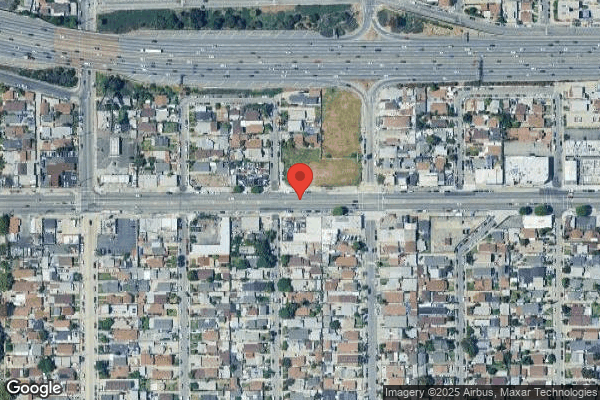
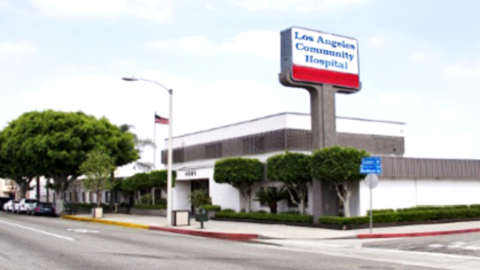
4081 EAST OLYMPIC BLVD, LOS ANGELES, CA 90023 (323) 267-0477
For profit - Corporation 39 Beds Independent Data: November 2025
Trust Grade
58/100
#622 of 1155 in CA
Last Inspection: November 2024

Within standard 12-15 month inspection cycle. Federal law requires annual inspections.

Overview

Los Angeles Community Hospital has a Trust Grade of C, which means it is average and falls in the middle of the pack among nursing homes. It ranks #622 out of 1155 facilities in California, placing it in the bottom half, and #120 out of 369 in Los Angeles County, indicating that only a few local options are better. The facility's trend is worsening, with issues increasing from 6 in 2023 to 12 in 2024. While staffing is a strength, rated 1 out of 5 stars but with a 0% turnover, meaning staff remain stable, the RN coverage is good, surpassing 91% of California facilities. However, $4,938 in fines is concerning, and some specific incidents include failures in staff training, improper food preparation procedures, and unsafe kitchen practices that could lead to foodborne illnesses. Overall, while there are strengths in staffing and some quality measures, the increasing number of issues and specific deficiencies highlight areas that need significant improvement.

Trust Score
C
58/100
In California
#622/1155
Bottom 47%
Safety Record
Low Risk
No red flags
Inspections
Getting Worse
6 → 12 violations
Staff Stability
○ Average
Turnover data not reported for this facility.
Penalties
⚠ Watch
$4,938 in fines. Higher than 83% of California facilities, suggesting repeated compliance issues.
Skilled Nurses
✓ Good
Each resident gets 87 minutes of Registered Nurse (RN) attention daily — more than 97% of California nursing homes. RNs are the most trained staff who catch health problems before they become serious.
Violations
⚠ Watch
27 deficiencies on record. Higher than average. Multiple issues found across inspections.
★★★☆☆
3.0
Overall Rating
★☆☆☆☆
1.0
Staff Levels
★★★★☆
4.0
Care Quality
★★★★☆
4.0
Inspection Score
Stable
2023: 6 issues
2024: 12 issues

The Good

  • 4-Star Quality Measures · Strong clinical quality outcomes
  • Full Sprinkler Coverage · Fire safety systems throughout facility
  • No fines on record

Facility shows strength in quality measures, fire safety.

The Bad

3-Star Overall Rating

Near California average (3.1)

Meets federal standards, typical of most facilities

Federal Fines: $4,938

Below median ($33,413)

Minor penalties assessed

The Ugly 27 deficiencies on record

Nov 2024 12 deficiencies
CONCERN (D)

Potential for Harm - no one hurt, but risky conditions existed

Deficiency F0577 (Tag F0577)

Could have caused harm · This affected 1 resident

Based on observation, interview, and record review, the facility failed to: 1. Post the report of complaint investigation results by California Department of Public Health ([CDPH] state licensing and...

Read full inspector narrative →
Based on observation, interview, and record review, the facility failed to: 1. Post the report of complaint investigation results by California Department of Public Health ([CDPH] state licensing and certification agency) during the three preceding years in the areas of the facility that are prominent and accessible to the residents, visitors, family members, or resident representative. This deficient practice placed the residents, visitors, family members, or resident representative at risk of not knowing the status of the facility non-compliance outcome results and past performance history. Findings: During a concurrent observation and interview on 11/23/2024 at 1:09 p.m., with the Director of Nursing (DON) at odd nursing station hallway, the DON stated the survey binder posted on the wall included only the last recertification survey conducted by the CDPH last year. The DON stated the facility was visited by the CDPH for a complaint visit last year and this year. The DON stated the complaint investigation results by the CDPH in the past 2 years were not included in the survey binder. The DON stated all survey results should be posted and accessible to residents, visitors and family members for them to know the findings identified by the CDPH and facility's plan of correction. The DON stated it was a violation of resident's rights by not posting the complaint investigation results by CDPH. During an interview on 11/24/2024 at 1:19 p.m., with the Associate Chief of Nursing (ACON), the ACON stated posting of survey and complaint investigation results are federal requirements. The ACON stated it was the responsibility of the DON to post the survey and complaint investigation results. The ACON stated it was important to post the survey and complaint investigation results so the resident, resident representative and facility staff could review the facility's plan of action so the deficient practice would not happen again. During a review of the facility's admission packet, titled Attachment F Resident [NAME] of Rights, dated 5/2011, the form indicated A resident has the right to examine the results of the most recent survey of the facility conducted by Federal or State surveyors and any plan of correction in effect with respect to the facility. The facility must make the results available for examination in a place readily accessible to residents and must post a notice of their availability.
CONCERN (D)

Potential for Harm - no one hurt, but risky conditions existed

Assessment Accuracy (Tag F0641)

Could have caused harm · This affected 1 resident

**NOTE- TERMS IN BRACKETS HAVE BEEN EDITED TO PROTECT CONFIDENTIALITY** Based on interview and record review, the facility failed to ensure an accurate Minimum Data Set ([MDS] - a resident assessment ...

Read full inspector narrative →
**NOTE- TERMS IN BRACKETS HAVE BEEN EDITED TO PROTECT CONFIDENTIALITY** Based on interview and record review, the facility failed to ensure an accurate Minimum Data Set ([MDS] - a resident assessment tool) was completed accurately for one of 12 sampled residents (Resident 8) by failing to: 1. Ensure Resident 8's Psychiatric/Mood Disorder under section I (Active Diagnoses) diagnosis of Psychotic Disorder (a severe mental condition in which thought, and emotions are so affected that contact is lost with reality) was encoded correctly. This deficient practice resulted in incorrect data transmitted to Center for Medicare and Medicaid Services (CMS) and had the potential to negatively affect Resident 8's plan of care. Findings: During a review of Resident 8's Face Sheet (front page of the chart that contains a summary of basic information about the resident), the Face Sheet indicated, Resident 8 was admitted to the facility on [DATE]. The Face Sheet indicated Resident 183's diagnoses included chronic respiratory failure (a serious condition that makes it difficult to breathe on your own) with tracheostomy (a surgical procedure that creates an opening in the neck into the windpipe to help a person to breathe) and gastrostomy tube (a surgical opening fitted with a device to allow feedings to be administered directly to the stomach common for people with swallowing problem). During a review of Resident 8's MDS, dated [DATE], the MDS indicated, Resident 8's cognitive (ability to think and reason) skills for daily decision making was severely impaired. The MDS indicated, Resident 8 was dependent (helper does all of the effort) on staff with oral hygiene, toileting hygiene, and personal hygiene. During a review of Resident 8's Patient Orders (a document containing active physician order), dated 11/23/2024, the Patient Order indicated, Resident 8 has an active order of Quetiapine (a psychotropic drug - any drug that affects brain activities associated with mental process and behavior) 50 milligrams ([mg] - metric unit of measurement, used for medication dosage and/or amount) every 12 hours (9 a.m. and 9 p.m.) for psychosis manifested by pulling out tubes. During a concurrent interview and record review on 11/23/2024 at 6:30 p.m., with the Minimum Data Set Nurse (MDS Nurse), Resident 8's MDS assessment, dated 10/31/2024, was reviewed. The MDS Nurse stated Resident 8's MDS assessment was completed inaccurately. The MDS Nurse stated there was a wrong entry on the MDS assessment under Section I. The MDS Nurse stated there should be a checked mark on MDS assessment under Section I5950 for psychotic disorder since Resident 8 was receiving Quetiapine for psychosis. The MDS Nurse stated accuracy of MDS assessment was important for facility reimbursement and for proper care of resident . During an interview on 11/24/2024 at 1:19 p.m., with the Associate Chief Nursing Officer (ACON), the ACON stated accuracy of MDS assessment was essential because it reflects the care provided by facility staff to resident. The ACON stated Resident 8's MDS assessment should be corrected and modified immediately to reflect his diagnosis of psychotic disorder. During a review of facility's undated policy and procedure titled, Assessment and Care Planning, the P&P indicated, The assessment is certified for accuracy by means of a signature of individuals who complete any portion of the assessment.
CONCERN (D)

Potential for Harm - no one hurt, but risky conditions existed

PASARR Coordination (Tag F0644)

Could have caused harm · This affected 1 resident

**NOTE- TERMS IN BRACKETS HAVE BEEN EDITED TO PROTECT CONFIDENTIALITY** Based on interview and record review, the facility failed to: 1. Complete and re-submit the Preadmission Screening and Resident ...

Read full inspector narrative →
**NOTE- TERMS IN BRACKETS HAVE BEEN EDITED TO PROTECT CONFIDENTIALITY** Based on interview and record review, the facility failed to: 1. Complete and re-submit the Preadmission Screening and Resident Review ([PASRR - a tool to determine if the person had, or was suspected of having a mental illness, intellectual disability, or related condition) Level one (I) screening and refer one of two sampled residents (Resident 8) who had a new diagnosis of psychosis (a severe mental condition in which thought, and emotions are so affected that contact is lost with reality) to the appropriate state-designated authority for PASRR Level two (II) evaluation and determination. This deficient practice had the potential to result in Resident 8 not receiving specialized services for mental illness. Cross Reference F641. Findings: During a review of Resident 8's Face Sheet (front page of the chart that contains a summary of basic information about the resident), the Face Sheet indicated, Resident 8 was admitted to the facility on [DATE]. The Face Sheet indicated Resident 183's diagnoses included chronic respiratory failure (a serious condition that makes it difficult to breathe on your own) with tracheostomy (a surgical procedure that creates an opening in the neck into the windpipe to help a person to breathe) and gastrostomy tube (a surgical opening fitted with a device to allow feedings to be administered directly to the stomach common for people with swallowing problem). During a review of Resident 8's Patient Orders (a document containing active physician order), dated 11/23/2024, the Patient Order indicated, Resident 8 has an active order of Quetiapine (a psychotropic drug - any drug that affects brain activities associated with mental process and behavior) 50 milligrams ([mg] - metric unit of measurement, used for medication dosage and/or amount) every 12 hours (9 a.m. and 9 p.m.) for psychosis manifested by pulling out tubes. During a review of Resident 8's MDS, dated [DATE], the MDS indicated, Resident 8's cognitive (ability to think and reason) skills for daily decision making was severely impaired. The MDS indicated, Resident 8 was dependent (helper does all of the effort) on staff with oral hygiene, toileting hygiene, and personal hygiene. During a concurrent interview and record review on 11/23/2024 at 6:16 p.m., with the Director of Nursing (DON), Resident 8's PASRR level I Screening completed 4/21/2023, was reviewed. The PASRR Level I screening indicated, Resident 8 had no serious mental illness diagnosis and not receiving psychotropic medications. The PASRR level I screening also indicated, Resident 8's case was closed and, and a PASRR level II mental health evaluation was not required. The DON stated she was responsible for completing and submitting PASRR. The DON stated Resident 8 was receiving Quetiapine 50mg every 12 hours for psychosis manifested by pulling out tubes as ordered by the physician on 9/5/2024. The DON stated she should have submitted a new PASRR level I for Resident 8 since he had a new diagnosis of psychosis. The DON stated once the PASRR level 1 was submitted, then the state mental health agency would decide if level II evaluation was necessary. The DON stated it was important for Resident 8 to be referred to PASRR state mental health agency so she could avail additional resources, support, and services for treatment of his psychosis. During a review of PASRR reference manual, dated 2/2023, the PASRR reference manual indicated, An additional requirement has been added for NF's to promptly notify the state mental health and/or intellectual or developmental disability authority, as applicable, if there is a significant change in the physical or mental condition of an individual who is mentally ill or has an intellectual or developmental disability. This would warrant a re-evaluation to determine if NF is still the most appropriate setting and/or if the individual could benefit from specialized services for his/her mental illness or intellectual disability.
CONCERN (D)

Potential for Harm - no one hurt, but risky conditions existed

Deficiency F0657 (Tag F0657)

Could have caused harm · This affected 1 resident

**NOTE- TERMS IN BRACKETS HAVE BEEN EDITED TO PROTECT CONFIDENTIALITY** Based on observation, interview, and record review the facility failed to: 1. Ensure one of six sampled residents (Resident 25) ...

Read full inspector narrative →
**NOTE- TERMS IN BRACKETS HAVE BEEN EDITED TO PROTECT CONFIDENTIALITY** Based on observation, interview, and record review the facility failed to: 1. Ensure one of six sampled residents (Resident 25) had a revised care plan for interventions on the non-behavioral restraint (a device or method used to restrict a patient's movement preventing them from removing medical tubes or lines) flow sheet. This deficient practice of not having a revised care plan for the Non-Behavioral Restraint Flow Sheet had the potential to increase Resident 25's discomfort. Findings: During a review of Resident 25's admission Record (Face Sheet), the Face Sheet indicated Resident 25 was admitted to the facility on [DATE]. Resident 25's initial diagnose was respiratory failure (a serious condition that makes it difficult to breathe on your own). During a review of Resident 25's History and Physical (H&P), dated 1/7/2024, the H&P indicated, Resident 25's diagnoses included seizure (a sudden, uncontrolled electrical disturbance in the brain which can cause uncontrolled jerking, blank stares, and loss of consciousness), pneumonia (an infection/inflammation in the lungs), and supplemental oxygen therapy (a medical treatment that provides extra oxygen to people who have difficulty breathing). During a review of Resident 25's Minimum Data Set ([MDS] a resident assessment tool), dated 10/6/2024, the MDS indicated Resident 25's cognition (ability to learn, reason, remember, understand, and make decisions) was severely impaired and never/rarely made decisions. The MDS indicated Resident 25 was dependent for eating, oral hygiene, and showering. The MDS indicated Resident 25's limb restraints used in bed daily. During an observation on 11/23/2024 at 9:40 a.m. in Resident 25's room, Resident 25 had non-behavioral soft restraints attached to his right and left wrist. During a review of Resident 25's Sub-Acute Restraints Care Plan titled, Physical mobility impaired related to use of bilateral restraints, dated 11/1/2024, the Sub-Acute Restraints Care Plan Indicated Resident 25 will not pull tubes out. The staff interventions included to release restraints for 15 minutes every two hours, reposition the restraints every two hours under direct supervision for comfort, and check for circulation. During a review of Resident 25's blank restraint flow sheet, titled Non-Behavioral Restraint Order and Flow Sheet, dated 5/2015, the Non-Behavioral Restraint Order and Flow Sheet had no indication of how long to the release restraints and how often to reposition the restraints. During a concurrent interview and record review on 11/24/2024 at 9:27 a.m. with Minimum Data Set (MDS) Nurse, Resident 25's Sub-Acute Restraints Care Plan titled, Physical mobility impaired related to use of bilateral restraints, dated 11/1/2024, was reviewed. The Sub-Acute Restraints Care Plan Indicated Resident 25 will not pull tubes out. The staff interventions included to release restraints for 15 minutes every two hours, reposition the restraints every two hours under direct supervision for comfort, and check for circulation. In addition, Resident 25's Non-Behavioral Restraint Order and Flow Sheet, dated 5/2015, the Non-Behavioral Restraint Order and Flow Sheet had no indication of how long to release the restraints and how often to reposition the restraints. The MDS Nurse stated the Non-Behavioral Order and Restraint Flow Sheet should reflect the care plan approaches and interventions was reviewed. The MDS Nurse stated on the Non-Behavior Order and Restraint Flow Sheet did not indicate to release the restraints for 15 minutes and reposition the restraints every two hours in comparison to the care plan. The MDS Nurse stated not having the proper time on the Non-Behavior Order and Restraint Flow Sheet had the potential for the restraints to stay on longer than necessary. The MDS Nurse stated if the restraints were to stay on longer it had the potential to cause discomfort for Resident 25. During a concurrent interview and record review on 11/14/2024 at 9:53 a.m. with Licensed Vocational Nurse (LVN) 3, Resident 25's Sub-Acute Restraints Care Plan titled, Physical mobility impaired related to use of bilateral restraints, dated 11/1/2024, was reviewed. The Sub-Acute Restraints Care Plan Indicated Resident 25 will not pull tubes out. The staff interventions included to release restraints for 15 minutes every two hours, reposition the restraints every two hours under direct supervision for comfort, and check for circulation. In addition, Resident 25's Non-Behavioral Restraint Order and Flow Sheet, dated 5/2015, the Non-Behavioral Restraint Order and Flow Sheet had no indication of how long to release the restraints and how often to reposition the restraints was reviewed. LVN 3 stated the Non-Behavioral Restraint Order and Flow Sheet does not give specific times when to release the restraints and when to reposition the restraints. LVN 3 stated having the time on the Non-Behavioral Restraint Order and Flow Sheet would help to keep track of how long it took before Resident 25 before he would pull on the tubing. LVN 3 stated the release of the restraints, the length of time would be documented, and would be a good indicator to notify the physician to discontinue the restraints to keep the resident comfortable. During a review of the facility's policy and procedure (P&P) titled, Assessment/Reassessment/Care Planning Documentation Instructions, dated 10/2022, the P&P indicated care planning document the maps the information from the care plan in real time. The P&P documentation of use of protective restraints and restraint monitoring. The P&P identification of goals, interventions, and evaluation of patient progress. During a review of the facility's policy and procedure (P&P) titled, Assessment and Care Planning, dated 10/2022, the P&P indicated the comprehensive care plan is prepared to meet the needs of the resident. The P&P indicated to update the resident care plan post admission and no less than three months thereafter.
CONCERN (D)

Potential for Harm - no one hurt, but risky conditions existed

ADL Care (Tag F0677)

Could have caused harm · This affected 1 resident

**NOTE- TERMS IN BRACKETS HAVE BEEN EDITED TO PROTECT CONFIDENTIALITY** Based on observation, interview, and record review the facility failed to: 1. Ensure one out six sampled residents (Resident 11...

Read full inspector narrative →
**NOTE- TERMS IN BRACKETS HAVE BEEN EDITED TO PROTECT CONFIDENTIALITY** Based on observation, interview, and record review the facility failed to: 1. Ensure one out six sampled residents (Resident 11) hair was shampooed twice a week. The deficient practice had the potential for Resident feeling unkept and not clean. Findings: During a review of Resident 11's admission Record (Face Sheet), the Face Sheet indicated Resident 11 was admitted to the facility on [DATE]. Resident 11's diagnose was chronic respiratory failure (a serious condition that occurs when the lungs can't get enough oxygen into the bloodstream and can't remove enough carbon dioxide). During a review of Resident 11's History and Physical (H&P), dated 1/7/2024, the H&P indicated, Resident 11's diagnoses included sepsis (a life-threatening blood infection), tracheostomy (a surgical procedure that creates an opening in the neck and inserts a tube into the windpipe to help with breathing), and encephalopathy (a group of conditions that cause brain dysfunction). The H&P indicated Resident 11 was unable to give any information regarding her state of health. During a review of Resident 11's Minimum Data Set ([MDS] a resident assessment tool), dated 10/5/2024, the MDS indicated Resident 11's cognition (ability to learn, reason, remember, understand, and make decisions) persistent vegetative state (when a person has severe brain damage and is in a state of partial arousal, and not aware of their surrounds)/no discernible(something that can be seen, smelled, and tasted) consciousness severely impaired and never/rarely made decisions. The MDS indicated Resident 11 was dependent for eating, oral hygiene, showering, and personal hygiene. During an observation on 11/23/2024 at 10:30 a.m. in Resident 11's room, Resident 11 hair was matted and had an abundance amount of dandruff (flakes of skin to fall off the scalp) throughout her hair. During a review of Resident 11's Care Plan, titled Resident 11 requires total assist in all Activities of Daily Living (ADLs- routine tasks/activities such as bathing, dressing, and toileting a person performs daily to care for themselves) secondary to medical condition, dated 3/2023, the Care Plan indicated provide total care in all ADLs. The Care Plan indicated to bath and shampoo as scheduled and as ordered. During a concurrent observation and interview on 11/23/2024 at 6:10 p.m. with Certified Nursing Assistant (CNA) 1, in Resident 11's room, Resident 11's hair was matted and had an abundance amount of dandruff through her hair. CNA 1 stated hair care is provided on the residents' shower day which would be twice a week. CNA 1 stated Resident 11's hair looked dirty. CNA 1 stated it was important to wash the resident hair to avoid dryness and dandruff to the hair. CNA 1 stated after the hair is washed its important to comb the hair out to avoid the hair from tangling up. During a concurrent observation and interview on 11/23/2024 at 6:22 p.m. with Associate Chief Nursing Officer (ACNO), the ACNO stated Resident 11's hair is part of the ADLs, and her hair should have been shampooed on her shower days. The ACNO stated the CNAs were to provide hair care by softening the hair to prevent the matting and loosen the knots in the hair. The ACNO stated the hair care is a part of Resident 11's hygiene. The ACNO stated clean hair would help to keep Resident 11 comfortable and to prevent infection on her scalp. During a review of the facility's policy and procedure (P&P) titled, Hair and Scalp, Care, dated unknown, the P&P indicated to provide comfort, increase circulation, maintain cleanliness, provide an attractive appearance, and improve resident's self-image. The P&P indicated shampoo of the hair shall be performed as part of a resident's bathing program. The P&P indicated to observe the condition of hair and scalp. The P&P indicated if hair is tangled cream rinse may be sued to assist with removal.
CONCERN (D)

Potential for Harm - no one hurt, but risky conditions existed

Respiratory Care (Tag F0695)

Could have caused harm · This affected 1 resident

**NOTE- TERMS IN BRACKETS HAVE BEEN EDITED TO PROTECT CONFIDENTIALITY** Based on observation, interview, and record review, the facility failed to: 1. Ensure the corrugated (a flexible tube that deliv...

Read full inspector narrative →
**NOTE- TERMS IN BRACKETS HAVE BEEN EDITED TO PROTECT CONFIDENTIALITY** Based on observation, interview, and record review, the facility failed to: 1. Ensure the corrugated (a flexible tube that delivers oxygen to a patient from an oxygen source, such as a tank or concentrator) oxygen (air) was labeled with a date of change for one of five sampled residents (Resident 183). This deficient practice had the potential to cause respiratory infection for Resident 183. Findings: During a review of Resident 183's Face Sheet (front page of the chart that contains a summary of basic information about the resident), the Face Sheet indicated, Resident 183 was admitted to the facility on [DATE]. The Face Sheet indicated Resident 183's diagnoses included chronic respiratory failure (a serious condition that makes it difficult to breathe on your own) with tracheostomy (a surgical procedure that creates an opening in the neck into the windpipe to help a person to breathe) and gastrostomy tube (a surgical opening fitted with a device to allow feedings to be administered directly to the stomach common for people with swallowing problem). During a review of Resident 183's admission Nursing Note, dated 11/2/2024, the admission Nursing Note indicated, Resident 183's current functional level was totally dependent on staff with bathing, dressing, and eating. During a review of Resident 183's Patient Orders (a document containing active physician order), dated 11/22/2024, the Patient Order indicated, Resident 183 had an active order of oxygen therapy via cool aerosol (a mist of sterile water that is delivered to the upper airways) at Fraction of Inspired Oxygen ([Fio2] percentage of oxygen in the gas mixture a person inhales) at 28 percent [%] unit of measurement) daily. During a concurrent observation and interview on 11/23/2024 at 9:51 a.m., with Respiratory Therapist 1 (RT 1) in Resident 183's room, Resident 183 was observed in bed asleep with tracheostomy and on oxygen therapy continuously. RT 1 stated the corrugated oxygen tubing of Resident 183 was not dated. RT 1 stated it was her first day to work with Resident 183. RT 1 stated it was unknown when Resident 183's corrugated oxygen tubing was changed because it was not dated and labeled. RT 1 stated it was important to label and put the date it was changed the corrugated oxygen tubing for infection control purposes. During an interview on 11/23/2024 at 6:04 p.m., with the Director of Nursing (DON), the DON stated it is facility's policy to label with a date of change all respiratory equipment. The DON stated a clogged oxygen tubing would not deliver the right amount of oxygen concentration that could likely result in shortness of breath of resident. During an interview on 11/24/2024 at 1:19 p.m., with the Associate Chief Nursing Officer (ACNO), the ACNO stated all oxygen tubing should be changed and dated at the same time once a week or as needed to prevent further infection that can develop in the oxygen tubing. During a review of the facility's P&P titled, Routine Responsibilities and Equipment Schedule, dated 4/1/2014, the P&P indicated, all equipment will be changed as needed or when visibly dirty and dated.
CONCERN (D)

Potential for Harm - no one hurt, but risky conditions existed

Drug Regimen Review (Tag F0756)

Could have caused harm · This affected 1 resident

**NOTE- TERMS IN BRACKETS HAVE BEEN EDITED TO PROTECT CONFIDENTIALITY** Based on interview and record review, the facility failed to: 1. Ensure a pharmacy consultant (a professional responsible for r...

Read full inspector narrative →
**NOTE- TERMS IN BRACKETS HAVE BEEN EDITED TO PROTECT CONFIDENTIALITY** Based on interview and record review, the facility failed to: 1. Ensure a pharmacy consultant (a professional responsible for reviewing each resident's medication profile monthly to identify and report changes) recommendation to review and provide justification for restarting of Quetiapine (a psychotropic drug - any drug that affects brain activities associated with mental process and behavior) for one of out of five sampled residents (Resident 8) was acknowledged and acted upon. This deficient practice for failing to respond to recommendation from the pharmacy consultant placed Resident 8 at risk for unnecessary medication administration. Cross Reference F758. Findings: During a review of Resident 8's Face Sheet (front page of the chart that contains a summary of basic information about the resident), the Face Sheet indicated, Resident 8 was admitted to the facility on [DATE]. The Face Sheet indicated Resident 183's diagnoses included chronic respiratory failure (a serious condition that makes it difficult to breathe on your own) with tracheostomy (a surgical procedure that creates an opening in the neck into the windpipe to help a person to breathe) and gastrostomy tube (a surgical opening fitted with a device to allow feedings to be administered directly to the stomach common for people with swallowing problem). During a review of Resident 8's Patient Orders (a document containing active physician order), dated 11/23/2024, the Patient Order indicated, Resident 8 has an active order of Quetiapine (a psychotropic drug - any drug that affects brain activities associated with mental process and behavior) 50 milligrams ([mg] - metric unit of measurement, used for medication dosage and/or amount) every 12 hours (9 a.m. and 9 p.m.) for psychosis manifested by pulling out tubes. During a review of Resident 8's MDS, dated [DATE], the MDS indicated, Resident 8's cognitive (ability to think and reason) skills for daily decision making was severely impaired. The MDS indicated, Resident 8 was dependent (helper does all of the effort) on staff with oral hygiene, toileting hygiene, and personal hygiene. During a review of Resident 8's Psychiatric Progress Notes, dated 9/24/2024, 10/29/2024, and 11/19/2024, the Psychiatric Progress notes, did not indicate, Resident 8 had a diagnosis of mental illness of psychosis and receiving Quetiapine. During a concurrent interview and record review on 11/24/2024 at 11:15 a.m., with the Director of Nursing (DON), Resident 8's Consultant Pharmacist Medication Regime Review (MRR), dated 9/30/2024, was reviewed. The MRR report indicated, Resident 8 was started back on Quetiapine on 9/2024 but documentation could not be found in the resident's record as to why it was re-started. Also, the psych progress notes from 9/24/2024 did not include the use of Quetiapine or diagnosis. Please review and make sure justification is provided for restarting this medication. The DON stated she was responsible for following up all pharmacy consultant recommendation to resident's physician. The DON stated the timeline to follow-up pharmacy consultant recommendation is 1 month before the next scheduled visit of the pharmacy consultant. The DON stated the facility did not follow-through the pharmacy consultant recommendation, dated 9/30/2024, to Resident 8's physician. The DON stated it was important to address all pharmacy consultant recommendations to be compliant with the regulations and to avoid residents receiving unnecessary medications. During a review of the facility's policy and procedure (P&P) titled, Medication Regimen Review, dated 6/5/2024, the P&P indicated, The attending/prescriber should address the consultant pharmacist recommendation no later than their next scheduled visit to the facility to assess the resident, per facility policy and state or federal regulations. The P&P also indicated the attending physician should document in the resident's health record that the identified irregularity has been reviewed and what, if any action has been taken to address it.
CONCERN (D)

Potential for Harm - no one hurt, but risky conditions existed

Medication Errors (Tag F0758)

Could have caused harm · This affected 1 resident

**NOTE- TERMS IN BRACKETS HAVE BEEN EDITED TO PROTECT CONFIDENTIALITY** Based on interview and record review, the facility failed to: 1. Ensure there were consistent indication and behavior was specif...

Read full inspector narrative →
**NOTE- TERMS IN BRACKETS HAVE BEEN EDITED TO PROTECT CONFIDENTIALITY** Based on interview and record review, the facility failed to: 1. Ensure there were consistent indication and behavior was specifically identified and non-pharmacological interventions were attempted to support the use of Quetiapine (a psychotropic drug - any drug that affects brain activities associated with mental process and behavior) for one of five sampled residents (Resident 8). This deficient practice had the potential to develop an undesired effect due to unnecessary psychotropic drug use for Resident 8. Findings: During a review of Resident 8's Face Sheet (front page of the chart that contains a summary of basic information about the resident), the Face Sheet indicated, Resident 8 was admitted to the facility on [DATE]. The Face Sheet indicated Resident 183's diagnoses included chronic respiratory failure (a serious condition that makes it difficult to breathe on your own) with tracheostomy (a surgical procedure that creates an opening in the neck into the windpipe to help a person to breathe) and gastrostomy tube (a surgical opening fitted with a device to allow feedings to be administered directly to the stomach common for people with swallowing problem). During a review of Resident 8's Patient Orders (a document containing active physician order), dated 11/23/2024, the Patient Order indicated, Resident 8 has an active order of Quetiapine (a psychotropic drug - any drug that affects brain activities associated with mental process and behavior) 50 milligrams ([mg] - metric unit of measurement, used for medication dosage and/or amount) every 12 hours (9 a.m. and 9 p.m.) for psychosis manifested by pulling out tubes. During a review of Resident 8's MDS, dated [DATE], the MDS indicated, Resident 8's cognitive (ability to think and reason) skills for daily decision making was severely impaired. The MDS indicated, Resident 8 was dependent (helper does all of the effort) on staff with oral hygiene, toileting hygiene, and personal hygiene. During a concurrent interview and record review on 11/23/2024 at 6:16 p.m., with the Director of Nursing (DON), Resident 8's Psychiatric Progress Notes, dated 9/24/2024, 10/29/2024, and 11/19/2024, were reviewed. The DON stated, Resident 8's Psychiatric Progress Notes, did not indicate Resident 8's had a diagnosis of mental illness of psychosis and receiving Quetiapine. The DON stated Resident 8's Quetiapine was ordered on 9/4/2024. The DON stated the facility had no documentation of Resident 8's behavior of pulling out tubes and attempted behavioral interventions 72 hours prior to initiating Quetiapine. The DON stated Resident 8 had no pattern of pulling out tubes behavior that would necessitate the use of Quetiapine. During an interview on 11/23/2024 at 6:30 p.m., with the Director of Staff Development (DSD), the DSD stated pulling out of tubes was not a specific behavior of a resident with psychotic feature. The DSD stated facility's psychiatrist attended monthly meeting to discuss all residents receiving psychotropic medications. The DSD stated he could not explain why the psychiatrist did not identify Resident 8's diagnosis of psychosis. The DSD stated Resident 8's Quetiapine was considered as unnecessary medication. The DSD stated use of psychotropic medications could affect or alter resident's behavior, chemical imbalance (occurs when there is to much or too little of a substance that helps the body function normally), and cardiac complications that would likely result in resident's hospitalization. During an interview on 11/24/2024 at 1:19 p.m., with the Associate Chief Nursing Officer (ACON), the ACON stated the facility should have utilized least restrictive measures such as hand mittens (type of glove that covers the hand and wrist), redirection of behavior, and providing a staff as one on one sitter to closely monitor Resident 8's behavior of pulling out tubes before he was started on Quetiapine. The ACON stated psychotropic medication has sedating effect to the resident that would put their safety at risk. During a review of facility's policy and procedure (P&P) titled, Psychoactive Medications, dated 10/2022, the P&P indicated, When psychoactive medications are ordered, the assessment process will be utilized to assure alternative interventions/behavior management programs have been attempted prior to the use of psychoactive medications. The P&P also indicated when psychoactive medications are initiated on the unit, the resident's medical record will contain completed assessments, documented interventions, before the drug is administered.
CONCERN (D)

Potential for Harm - no one hurt, but risky conditions existed

Unnecessary Medications (Tag F0759)

Could have caused harm · This affected 1 resident

Based on observation, interview and record review, the facility failed to: 1. Ensure the medication error rate was less than 5%. This deficient practice resulted in medication errors. Findings: During...

Read full inspector narrative →
Based on observation, interview and record review, the facility failed to: 1. Ensure the medication error rate was less than 5%. This deficient practice resulted in medication errors. Findings: During an observation of 27 medication administration opportunities, on 11/25/2024, at 8:15 a.m., 2 routine medications out of 27 were not administered at its scheduled time. During a concurrent medication administration observation and record review, on 11/25/2024, at 8:19 a.m., with Licensed Vocational Nurse 1 (LVN 1), LVN 1 stated protocol for administering medication was one hour before and one hour after the scheduled time. LVN 1 stated a nebulizer (a device for producing a fine spray of liquid) medication, levalbuterol (a medication used to prevent or relieve the wheezing, shortness of breath, coughing, and chest tightness), was to be administered 7:00 a.m. by the respiratory therapist (a health professional who evaluates and treats patients with breathing or lung disorders) that morning for Resident 27. LVN 1 stated from observation of the Medication Administration Record (MAR- a report detailing the drugs administered to a patient by a healthcare professional), the medication was not administered nor documented as being administered at that time. LVN 1 stated the risk of not administering routine medications at a scheduled time could result in medication errors. During a concurrent medication administration observation and record review, on 11/25/2024, at 8:40 a.m., with Licensed Vocational Nurse 2 (LVN 2), LVN 2 was observed administering medications to Resident 17. LVN 2 stated a nebulizer medication, albuterol/ipratropium (a medication used to help control the symptoms of lung diseases, such as asthma, chronic bronchitis, and emphysema), was to be administered 7:00 a.m. by the respiratory therapist. LVN 2 stated from observation of the MAR, the medication was not administered. LVN 2 stated the risk of not administering routine medication at a scheduled time could result in medication errors or overmedicating a resident. During a concurrent observation, interview, and record review, on 11/25/24, at 9:46 a.m., with the Director of Respiratory Therapy (DRT), the DRT stated if a medication had a red box on its scheduled time, it indicated the medication was not administered. The DRT observed a picture of Resident 27's and Resident 17's nebulizer medication respectively on each MAR and acknowledged the medications were not administered at the scheduled times. The DRT stated both medications were administered after their scheduled times. The DRT stated the risk of not administering medication at its scheduled time could result in a medication error, overmedicating the residents, and a lack of communication between staff. The DRT stated, I will speak to all the respiratory therapists about administering medications on time. During a review of the facility's policy and procedures, titled Medication Administration, dated 10/2022, indicated, Medications shall be charted immediately after being administered. and Documentation of medication doses administered shall be charted as soon as possible after administration to any individual resident.
CONCERN (D)

Potential for Harm - no one hurt, but risky conditions existed

Deficiency F0761 (Tag F0761)

Could have caused harm · This affected 1 resident

**NOTE- TERMS IN BRACKETS HAVE BEEN EDITED TO PROTECT CONFIDENTIALITY** Based on observation and interview, the facility failed to: 1.Ensure an intravenous (fluids given directly into the blood stream...

Read full inspector narrative →
**NOTE- TERMS IN BRACKETS HAVE BEEN EDITED TO PROTECT CONFIDENTIALITY** Based on observation and interview, the facility failed to: 1.Ensure an intravenous (fluids given directly into the blood stream) medication, Amikacin (an antibiotic used to treat serious infections that are caused by bacteria), was refrigerated as labeled. This deficient practice had the potential to result in administering an ineffective medication. Findings: During a concurrent observation and interview, on [DATE], at 1:51 p.m., of the intravenous medication cart (IV cart- a medical cart used to store and transport IV supplies and equipment), with Registered Nurse 1 (RN 1), RN 1 stated intravenous medications were stored in the IV cart or refrigerator, if needed. RN 1 observed an IV medication, dextrose (a sterile solution used to provide your body with extra water and carbohydrates) 5% with Amikacin, had a refrigerate label. RN 1 stated the IV medication was scheduled to be given at 9:00 p.m. RN 1 stated the medication should had been refrigerated and not in the IV cart. RN 1 stated the risk of not refrigerating a medication could result in a medication being ineffective or expired. During a review of the policy and procedures, titled Medication Storage, dated 8/2023, the policy and procedures indicated, Drugs shall be stored under the proper conditions of sanitation, temperature, light, moisture, ventilation, organization, segregation and security.
CONCERN (E)

Potential for Harm - no one hurt, but risky conditions existed

Infection Control (Tag F0880)

Could have caused harm · This affected multiple residents

**NOTE- TERMS IN BRACKETS HAVE BEEN EDITED TO PROTECT CONFIDENTIALITY** Based on observation, interview, and record review the facility failed to: 1. Ensure Resident 19's peripheral line (a small flex...

Read full inspector narrative →
**NOTE- TERMS IN BRACKETS HAVE BEEN EDITED TO PROTECT CONFIDENTIALITY** Based on observation, interview, and record review the facility failed to: 1. Ensure Resident 19's peripheral line (a small flexible tube inserted into a vein near the skin surface to administer fluids and medications) to his right forearm dressing was changed every 72 hours (three days) per policy and procedure. 2. Ensure Resident 17's peripheral line to his right-hand dressing was changed every 72 hours per policy and procedure. 3. Ensure the Medication Cart (Cart 1) was cleaned after a sticky liquid medication had spilled onto other medications. These deficient practices of not changing the peripheral lines dressing placed Resident 19 and 17 at risk for infection at the insertion site. In addition, the sticky liquid medication spill had the potential to result in cross-contamination with other medications. Findings: a. During an observation on 11/23/2024 at 9:46 a.m. in Resident 19 room, Resident 19 had a right forearm peripheral line with a dressing dated 11/16/2024. During a review of Resident 19's admission Record (Face Sheet), the Face Sheet indicated Resident 19 was admitted to the facility on [DATE]. Resident 19's diagnoses included were ventilator dependent (a patient is unable to breathe independently) and respiratory distress (a patient is having difficulty breathing). During a review of Resident 19's History and Physical (H&P), dated 4/26/2024, the H&P indicated, Resident 19's diagnose tracheostomy (a surgical procedure that creates an opening in the neck and inserts a tube into the windpipe to help with breathing). The H&P indicated Resident 19 opens eyes only responsive to painful stimuli. During a review of Resident 19's Minimum Data Set ([MDS] a resident assessment tool), dated 10/23/2024, the MDS indicated Resident 19's cognition (ability to learn, reason, remember, understand, and make decisions) persistent vegetative state (when a person has severe brain damage and is in a state of partial arousal, and not aware of their surrounds)/no discernible(something that can be seen, smelled, and tasted) consciousness severely impaired and never/rarely made decisions. The MDS indicated Resident 19 was dependent for eating, oral hygiene, showering, and personal hygiene. During an interview on 11/24/2024 at 8:17 a.m. with Director of Nursing (DON), the DON stated the peripheral lines dressings should be changed every 96 hours (every 4 days). The DON stated it was important to change the peripheral lines every 4 days to decrease the risk of infection to the insertion sites. b. During an observation on 11/23/2024 at 10:03 a.m. in Resident 17 room, Resident 17 had a right-hand peripheral line with a dressing dated 11/17/2024. During a review of Resident 17's admission Record (Face Sheet), the Face Sheet indicated Resident 17 was admitted to the facility on [DATE]. Resident 17's diagnose was respiratory failure (a serious condition that occurs when the lungs can't get enough oxygen into the bloodstream and can't remove enough carbon dioxide). During a review of Resident 17's History and Physical (H&P), dated 2/9/2024, the H&P indicated, Resident 17's diagnose tracheostomy (a surgical procedure that creates an opening in the neck and inserts a tube into the windpipe to help with breathing. During a review of Resident 17's Minimum Data Set ([MDS] a resident assessment tool), dated 11/21/2024, the MDS indicated Resident 17's cognition (ability to learn, reason, remember, understand, and make decisions) persistent vegetative state (when a person has severe brain damage and is in a state of partial arousal, and not aware of their surrounds)/no discernible(something that can be seen, smelled, and tasted) consciousness severely impaired and never/rarely made decisions. The MDS indicated Resident 17 was dependent for eating, oral hygiene, showering, and personal hygiene. During an interview on 11/24/2024 at 8:30 a.m. with Registered Nurse (RN) 1, RN 1 stated the dressing for peripheral lines should be changed every 4 days. RN 1 stated when the dressing is removed the staff is to check for infiltration (leakage of intravenous fluids into surrounding tissues), redness, and swelling around the insertion site. RN 1 stated the dressing change is to prevent infection. During a review of the facility's policy and procedure (P&P) titled, Intravenous (IV) Policies, General, dated 9/2022, the P&P indicated to provide and maintain standard, and safety related to IV therapy. The P&P indicated responsibility of nurse on unit was IV sites are to be dressed with dry sterile dressing on insertion, dressings to be changed every 72 hours and documented. The P&P indicated the indwelling cannula should not be left in place longer than 72 hours. C. During a concurrent observation and interview, on 11/23/2024, at 1:32 p.m., with Licensed Vocational Nurse (LVN 1), LVN 1 observed a red sticky substance (Ketoconazole shampoo- an antifungal medication that treats yeast and fungal infections of the skin and scalp) had spilled in Medication Cart 1 onto other medications. LVN 1 stated the protocol was to keep medication carts free of spills. LVN 1 stated the risk of the medication cart being soiled could result in cross-contamination and ineffectiveness of medications. During a review of the policy and procedures, titled Medication Storage, dated 8/2023, the policy and procedures indicated, Drugs shall be stored under the proper conditions of sanitation, temperature, light, moisture, ventilation, organization, segregation and security.
MINOR (B)

Minor Issue - procedural, no safety impact

Deficiency F0912 (Tag F0912)

Minor procedural issue · This affected multiple residents

**NOTE- TERMS IN BRACKETS HAVE BEEN EDITED TO PROTECT CONFIDENTIALITY** Based on observation, interview and record review, the facility failed to meet a minimum of 80 square feet (sq. ft.) per residen...

Read full inspector narrative →
**NOTE- TERMS IN BRACKETS HAVE BEEN EDITED TO PROTECT CONFIDENTIALITY** Based on observation, interview and record review, the facility failed to meet a minimum of 80 square feet (sq. ft.) per resident in one room (room [ROOM NUMBER]). This failure to provide adequate space created the potential for adversely affecting the quality of life, safety, health, and the provision of care of residents who may had occupied room [ROOM NUMBER]. Findings: During the entrance conference, on 11/23/2024 at 9:13 a.m., the facility's Director of Nursing (DON) stated the facility had requested and submitted a room waiver for a room variance. The DON provided a copy of room waiver request letter to continue with the waiver request, dated 9/27/2024, indicating room [ROOM NUMBER] (one room with an approved capacity of 2), totaled in size of 157 square feet while the required room size was 160 square feet per room. During an observation, on 11/25/2024, at 2:55 p.m., with the Director of Nursing and the Maintenance Supervisor (MS), the MS measured room [ROOM NUMBER]. The MS indicated the actual square footage of room [ROOM NUMBER] was 155 square feet and did not meet the required room size as followed: Room number Floor square footage Bed per room room [ROOM NUMBER] 157 sq. ft. 2 During a concurrent observation and interview, on 11/25/24 at 3:04 p.m., with the Director of Nursing (DON), the DON stated room [ROOM NUMBER] was an unoccupied, non-vent (a room that does not have ventilator or tracheostomy access) room. The DON stated the facility had sent a room waiver every year for approval due to not meeting the required square feet requirements. The DON stated the facility had submitted a room waiver for approval for 2024. The DON stated although the room measured to be 157 sq ft, there was no harm to a resident's safety or well-being. Multiple observations made to the rooms through 11/23/2024 to 11/24/2024, indicated the room sizes of the above rooms did not adversely affect the residents' health and/or safety.
Nov 2023 5 deficiencies
CONCERN (D)

Potential for Harm - no one hurt, but risky conditions existed

Transfer Notice (Tag F0623)

Could have caused harm · This affected 1 resident

**NOTE- TERMS IN BRACKETS HAVE BEEN EDITED TO PROTECT CONFIDENTIALITY** Based on interview and record review the facility failed to communicate with one of six sampled residents' (Resident 12) represe...

Read full inspector narrative →
**NOTE- TERMS IN BRACKETS HAVE BEEN EDITED TO PROTECT CONFIDENTIALITY** Based on interview and record review the facility failed to communicate with one of six sampled residents' (Resident 12) representative that Resident 12 was transferred to General Acute Care Hospital (GACH) intensive care unit (residents who are dangerously ill are kept under constant observation) due to labored breathing. This failure had the potential to result in Resident 12's representative being unaware of the residents' medical condition and status. Findings: During a review of Resident 12's admission Record (Face Sheet), the Face Sheet indicated Resident 12 was admitted to the facility on [DATE] and readmitted on [DATE]. Record indicated Resident 12's emergency contact was Family Member 1. During a review of Resident 12's History and Physical (H&P), dated 7/30/2023, the H&P indicated Resident 12's diagnoses included respiratory failure (when blood does not have enough oxygen), intracerebral brain hemorrhage ([ICH] bleeding in the brain), seizure disorder (a sudden, uncontrolled burst of electrical activity in the brain). The H&P indicated Resident 12 was clinically quadriplegic (not able to move all for extremities), aphasic dysphasia (affects the ability to produce and understand spoken language). During a review of Resident 12's Minimum Data Set ([MDS] a comprehensive assessment and care-screening tool), dated 11/19/2023, the MDS indicated Resident 12's cognition (ability to learn, reason, remember, understand, and make decisions) was persistent vegetative state (a chronic state of brain dysfunction in which a person shows no signs of awareness) and no discernible consciousness (ability to learn, reason, remember, understand, and make decisions). The MDS indicated Resident 12 was total dependent for activities of daily living ([ADL] activities related to personal care) when eating, oral hygiene, bathing, and toileting. During a concurrent interview and record review on 11/28/2023 at 2:32 p.m. with Director of Sub-Acute, Resident 12 Nursing Narrative Note, dated 6/13/2023 and the Discharge Summary dated 6/24/2023 was reviewed. The Nursing Narrative Note indicated, Resident 12 was hospitalized and sent to intensive care unit due to labored breathing on 6/13/2023 and there was no documentation the responsible party was notified. The Director of Sub-Acute stated the facility did not contact the resident representative by phone nor in writing to notify that Resident 12 went to the hospital. The Director of Sub-Acute was not able to locate documentation that Family Member 1 was notified of the transfer to the hospital. The Director of Sub-Acute stated it was important to notify the resident representative, so they will be aware of what was going on with the resident. During an interview on 11/29/2023 at 2:39 p.m. with Licensed Vocational Nurse (LVN) 2. LVN 2 stated if there was a change in condition, she would notify the charge nurse, and the charge nurse will call the doctor and notify the family regarding resident ' s change of condition. LVN 2 stated she was not able to locate a record the responsible party was notified Resident 12 was transferred to GACH on 6/13/2023. LVN 2 stated it was important to involve the family to let them know what was going on so they can be involve in the treatment plan. During an interview on 11/29/2023 at 2:58 p.m. with Registered Nurse (RN) 1, RN 1 stated the process when there was a change of condition was to call the physician and to notify the family of the change in condition. RN 1 stated it was important to notify the family so the family would know what was going with the resident. During a review of the facility's Policy and Procedure (P&P) titled, Change in Resident Condition/Notification of Changes, date unknown, the P&P indicated, that all changes in resident condition and other changes , as required by regulations, will be communicated to the physician and family or psychosocial status .If unable to reach physician or family/legal representatives, the notifications, including calls to physicians or exchanges requesting callbacks, will be documented on the Nursing Narrative notes .If a decision to transfer or discharge a resident is made, the charge nurse will notify the family or legal representative promptly
CONCERN (D)

Potential for Harm - no one hurt, but risky conditions existed

Deficiency F0760 (Tag F0760)

Could have caused harm · This affected 1 resident

Based on observation, interview, and record review the facility failed to clarify the physician order for the administration route of Pioglitazone (medication to treat high blood sugar levels) for one...

Read full inspector narrative →
Based on observation, interview, and record review the facility failed to clarify the physician order for the administration route of Pioglitazone (medication to treat high blood sugar levels) for one of seven sampled residents (Resident 27). This failure placed Resident 27 at risk for aspiration due to inability to swallow medications. Findings: During a review of Resident 27's admission Record (face sheet), the face sheet indicated Resident 27 was admitted to the sub-acute on 8/25/2023. Resident 27 ' s diagnoses included hypertension (the pressure in the blood vessels is too high) metabolic syndrome (a cluster of conditions that increase the risk of heart disease), respiratory failure (the blood does not have enough oxygen), tracheostomy (an incision to relieve an obstruction to breathing). During a review of Resident 27's History and Physical (H&P), dated 8/25/2023, the H&P indicated, Resident 27 was alert and oriented and able to verbalize wishes. During a review of Resident 27's Minimum Data Set ([MDS] a comprehensive assessment and care-screening tool), dated 8/29/2023, the MDS indicated Resident 27 ' s cognition (ability to learn, reason, remember, understand, and make decisions) was intact and required maximal assistance for eating. During a concurrent interview, and record review on 11/28/2023 at 8:25 a.m. with Licensed Vocational Nurse (LVN) 1, Resident 27's Patient Orders (Physician Orders) dated 11/28/2023 was reviewed. LVN 1 stated the order indicated Resident 27 was to receive Pioglitazone 30 mg one tablet by mouth daily. LVN 1 stated Resident 27 cannot swallow pills at this time, and she should use the gastrostomy tube ([G-tube] is a tube inserted through the belly that brings nutrition directly to the stomach) to administer the medication. During a concurrent observation and interview on 11/28/2023 at 8:40 a.m., with Licensed Vocational Nurse (LVN) 1, LVN 1 was observed crushing and administered Pioglitazone 30 mg to Resident 27 via G-tube. LVN 1 stated Resident 27 cannot swallow pills at this time, and she should use the G-tube to administer the medication. During a concurrent interview and record review on 11/29/2023 at 2:45 p.m. with LVN 2, Resident 27's Patient Orders (Physician Orders), dated 11/7/2023 was reviewed. LVN 2 stated the order indicated, Pioglitazone 30 mg oral daily. LVN 2 stated she administered the Pioglitazone 30 mg via G-tube. LVN 2 stated Resident 27 was not able to swallow pills and the medications should be given via G-tube. LVN 2 stated the nurses should notify the physician that Resident 27 was unable to swallow pill and get clarification that medication should be administered via G-tube. LVN 2 stated they should not give the medication until the medication was clarified. LVN 2 stated it was important to get clarification of the order to avoid Resident 27 from choking on the tablet. LVN 2 stated she or Registered (RN) 1 should have obtained the correct order and should have verified the correct route for the medications because Resident 27 could not swallow pills. During a concurrent interview and record review on 11/29/2023 at 2:58 p.m. with LVN 2, Resident 27's Patient Orders, dated 11/7/2023 was reviewed. The Patient Order indicated Pioglitazone 30 mg oral to be given daily. RN 1 stated Resident 27 cannot swallow pill and was being given medications via G-tube. RN 1 stated the LVNs failed to get clarification of the order and should have the medication route switched from oral to G-tube. RN 1 stated the LVNs should have reported these concerns to the RNs. RN 1 stated Resident 27 was at risk for aspiration, and the discrepancy should have been reported to her. During a concurrent interview and record review on 11/29/2023 at 5:22 p.m. with the Director of Sub-Acute, Resident 27's Patient Orders, dated 11/7/2023 was reviewed. The Director of Sub-Acute stated Resident 27 had trouble with swallowing, and the physician order indicated to give Pioglitazone 30 mg daily via mouth. The Director of Sub-Acute stated they should not give the medication when there was a discrepancy on the physician order and should have clarified the order to the physician first. The Director of Sub-Acute stated Resident 27 should have not received the medication until the order was clarified. The Director of Sub-Acute stated it was important to clarify the order from the physician because the wrong order can potentially harm Resident 27 since he has trouble swallowing. During a review of the facility's policy and procedure titled, Preparation and Administration of Medications, dated 2/2021, the P&P indicated, To facilitate the safe, effective, and accurate dispensing, administration, and monitoring of medication by qualified members of the hospital .the order shall include the route of administration .When a patient unable to swallow a prescribed tablet notify the pharmacy .The pharmacist or RN may contact the physician for more appropriate medication if an equivalent alternative is not available.
CONCERN (D)

Potential for Harm - no one hurt, but risky conditions existed

Infection Control (Tag F0880)

Could have caused harm · This affected 1 resident

**NOTE- TERMS IN BRACKETS HAVE BEEN EDITED TO PROTECT CONFIDENTIALITY** Based on observation, interview and record review, the facility failed to ensure Licensed Vocational Nurse (LVN) 2 performed han...

Read full inspector narrative →
**NOTE- TERMS IN BRACKETS HAVE BEEN EDITED TO PROTECT CONFIDENTIALITY** Based on observation, interview and record review, the facility failed to ensure Licensed Vocational Nurse (LVN) 2 performed hand hygiene during a wound dressing change for one of four Residents (Resident 19). This deficient practice placed Resident 19 at increased risk of contamination of the sacral (near the lower back and spine) wound during a dressing change. Findings: During a review of Resident 19's admission Record (Face Sheet), the Face Sheet indicated Resident 19 was admitted to the facility on [DATE]. During a review of Resident 19's History and Physical (H&P), dated 7/12/2023, the H&P indicated Resident 19's diagnoses included respiratory failure (when blood does not have enough oxygen), sepsis (the body's extreme response to an infection). The H&P indicated Resident 19 was clinically quadriplegic (not able to move all for extremities). During a review of Resident 19's Minimum Data Set ([MDS] a comprehensive assessment and care-screening tool), dated 8/29/2023, the MDS indicated Resident 19's cognition (ability to learn, reason, remember, understand, and make decisions) was sometimes understood and ability was limited to making concrete request. The MDS indicated Resident 19 was total dependent for activities of daily living ([ADL] activities related to personal care) when eating, oral hygiene, bathing, and toileting. During an observation on 11/29/2023 at 2:16 p.m. in Resident 19's room, LVN 2 was observed changing a dressing to the sacral wound (skin injuries that occur in the region of the body, near the lower back and spine). LVN 2 removed the soiled dressing from sacral wound and the wound had visible copious (liquid or discharge those oozes from a wound) drainage on dressing. LVN 2 removed soiled gloves and put on new gloves without performing hand hygiene and continued to touch the wound and performed wound care. During an interview on 11/29/2023 at 3:00 p.m., LVN 2 stated she did not wash her hands or used hand sanitizer after touching soiled dressing with drainage from the sacral wound. LVN 2 stated she should wash her hands after removing the soiled gloves with soap and water. LVN 2 stated after removing the soiled dressings and touching contaminated items, she should have washed her hands before continuing performing wound care. LVN 2 stated she thought her hands were not considered soiled because she cleaned and sanitized her hands before the wound treatment. LVN 2 stated since she did not wash her hands after removing the soiled gloves and touching contaminated items, she put the resident at risk for bacteria cross contamination and it could affect the sacral wound healing. During an interview on 11/29/2023 at 3:13 p.m. with Registered Nurse (RN) 1. RN 1 stated even if the staff were wearing gloves during a wound care, the hands should be washed after touching contaminated or dirty items because the hands were dirty from touching the soiled dressing. RN 1 stated when hand washing was not done after removing soiled dressing, bacteria could be introduced to the wound and put the resident at risk for infection. During an interview on 11/29/2023 at 3:30 p.m. with the Director of Sub-Acute. The Director of Sub-Acute stated when the soiled dressing was removed, we take off the soiled gloves and put the soiled items in the trash including the gloves. The Director of Sub-Acute stated the next was to wash hands after removing soiled gloves and put on clean gloves. The Director of Sub-Acute stated LVN 2 did not use clean technique when doing the dressing change for Resident 19 and exposed Resident 19 for risk of potential infection to the open wound and the wound could get worse. During a review of the facility's Policy and Procedure (P&P) titled, Hand Hygiene, dated 2/2019, the P&P indicated, When hands are visibly dirty or contaminated with proteinaceous material or are visibly soiled with blood or body fluids, wash hands with either non-antimicrobial or microbial soap, and water. During a review of the facility's Policy and Procedure (P&P) titled, Dressing-Sterile/Non-Sterile, dated 10/2022, the P&P indicated, To provide cleanliness to prevent infection, to provide protection to the skin surface, and to promote resident comfort and wound healing .For Non-Sterile dressings remove and [NAME] nonsterile disposable gloves in plastic bag at bedside .Wash hands thoroughly.
CONCERN (E)

Potential for Harm - no one hurt, but risky conditions existed

Deficiency F0761 (Tag F0761)

Could have caused harm · This affected multiple residents

Based on observation, interview, and record review the facility failed to remove expired insulin (medication used to regulates the amount of glucose in the blood) vials for three of six residents (Res...

Read full inspector narrative →
Based on observation, interview, and record review the facility failed to remove expired insulin (medication used to regulates the amount of glucose in the blood) vials for three of six residents (Residents 25, 27, and 30) receiving insulin. This deficient practice placed the residents at risk for not receiving the proper strength of insulin doses. Findings: During a concurrent observation, interview, and record review on 11/29/2023 at 5:00 p.m., with the Director of the Sub-Acute unit, in Medication Cart 4 there were three vials of expired insulin. The three insulin vials expired more than 28 days ago. The insulin vials included: 1. Glargine (medication used to reduced blood sugar level) had labeled opened date 10/31/2023 and expiration date of 11/28/2023. 2. Lispro (medication used to reduced blood sugar) had labeled opened date 10/31/2023 and an expiration date on 11/28/2023. 3. Lispro labeled opened date 10/26/2023 and an expiration date on 11/23/2023. The Director of the Sub-Acute unit stated once an insulin vial was opened the opened and expired dates were placed on the vial. Once opened the vials are only good for 28 days. The Director of the Sub-Acute stated the nursing practice was to check at the beginning of the shift to see if there were any expired medications. The Director of the Sub-Acute also stated, the facility failed to check and see if there were expired medications. Administrating insulin after the expiration date could influence the potency (strength) of the medication resulting in the resident not receiving the correct dose. During an interview on 11/30/2023 at 8:47 a.m., Licensed Vocational Nurse (LVN) 3, stated once the insulin vial was opened it was only good for 28 days. LVN 3 stated after opening the insulin vial, she placed an opened date label on the insulin vial and an expiration date of 28 days. LVN 3 also stated before administrating the medication she will look to see if the medication was expired. If the medication was expired, she would not administer the medication because the chemical components in the insulin can influence the effect on the resident. The insulin can either make the resident hypoglycemic (low blood sugar level) or hyperglycemic (high blood sugar level) due to the changing chemical strength of the insulin. During an interview on 11/30/2023 at 8:53 a.m., Registered Nurse (RN) 1 stated, insulin when opened should have an open date and an expiration date of 28 days. RN 1 also stated before giving insulin to the residents the dates need to be checked. If the insulin vial was expired the medication needs to be pulled from the medication cart and disposed. It was important to be aware of the expiration dates so the medication will not have an effect and will be more efficient for the residents. RN 1 stated if the expired medication was administered the medication may be less potent after 28 days. During a review of the facility's Policy and Procedure (P&P) titled, Expiration Date, dated 8/2023, the P&P indicated, Expiration dates shall be used on medications dispensed to the patients .The expiration date refers to the date beyond which the drug may lose it effectiveness and should not be dispensed or administered to a patient .The expiration date assigned to opened multiple dose vials is twenty-eight days, or manufacturer's guidelines.
MINOR (B)

Minor Issue - procedural, no safety impact

Deficiency F0912 (Tag F0912)

Minor procedural issue · This affected multiple residents

**NOTE- TERMS IN BRACKETS HAVE BEEN EDITED TO PROTECT CONFIDENTIALITY** Based on observation, interview and record review, the facility failed to ensure one of one resident rooms (Rooms # 16) met the ...

Read full inspector narrative →
**NOTE- TERMS IN BRACKETS HAVE BEEN EDITED TO PROTECT CONFIDENTIALITY** Based on observation, interview and record review, the facility failed to ensure one of one resident rooms (Rooms # 16) met the requirements of 80 square feet (sq. ft.) for each resident. This deficient practice had the potential to result in an inadequate provision of safe nursing care, and privacy for the residents. Findings: During a record review on 11/27/23 at 9:44 a.m., the Administrator (ADM) provided a copy of the facilities annual request for waiver letter. A review of the letter indicated there are 12 resident room with less than the required 80 sq. ft. per resident, and the rooms are monitored to ensure that furnishing and equipment in the room does not hamper provision of needed care and there is sufficient space to meet the needs of both residents. ADM stated the facility would be requesting a room waiver for 2024. According to the Client Accommodations Analysis form, dated 12/13/2016, the facility had room [ROOM NUMBER] that measured less than 199 sq. ft. per resident. However the accurate room measurement was as follow: room [ROOM NUMBER] (2 beds) 158.05 sq. ft. During observations, from 11/27/23 - 11/30/23, the residents residing in these rooms had enough space to move freely inside the rooms. Each resident in the above rooms had beds and side tables with drawers. There was adequate room for the operation and use of wheelchairs, walkers, or canes. Room size did not affect the nursing care or privacy provided to the residents.
Jul 2023 1 deficiency
CONCERN (D) 📢 Someone Reported This

A family member, employee, or ombudsman was alarmed enough to file a formal complaint

Potential for Harm - no one hurt, but risky conditions existed

Notification of Changes (Tag F0580)

Could have caused harm · This affected 1 resident

**NOTE- TERMS IN BRACKETS HAVE BEEN EDITED TO PROTECT CONFIDENTIALITY** Based on observation, interview, and record review, the facility failed to inform the responsible party (RP), for one of three s...

Read full inspector narrative →
**NOTE- TERMS IN BRACKETS HAVE BEEN EDITED TO PROTECT CONFIDENTIALITY** Based on observation, interview, and record review, the facility failed to inform the responsible party (RP), for one of three sampled residents (Resident 1), of the development of a blister to Resident 1's left heel. This deficient practice resulted in Resident 1's RP to not be informed of Resident 1's change of condition. Findings: During an observation on 7/6/2023 at 1:45 p.m., in the Subacute Unit, Resident 1 was observed in bed. Resident 1 had splints placed to both feet. The left heel had a bandage dressing. Resident 1 was non-verbal and unresponsive. During a concurrent interview on 7/6/2023 at 1:45 p.m., with the charge nurse (CN), the CN stated Resident 1 had a popped blister to the left heel. During a review of Resident 1's Face Sheet, the Face sheet indicated Resident 1 was admitted to the facility on [DATE] for chronic respiratory failure (when lungs cannot get enough oxygen into the blood). Resident 1's ER (Emergency) Contact Name was Responsible Party (RP). During a review of Resident 1's History and Physical (H&P), dated 4/17/2023, the H&P indicated Resident 1 was admitted to the facility in a vegetative state (brain dysfunction in which a person shows no signs of awareness), ventilator dependent (person who required a breathing machine to breathe). During a review of Resident 1's Wound Care Reassessment, dated 5/24/2023 at 6:18 p.m., the documentation indicated Resident 1 had blood filled blister to the left heel. During a review of Resident 1's Nursing Narrative Note, dated 6/26/2023 at 3:10 p.m., the Nursing Narrative Note indicated the following: Resident 1's Responsible Party (RP) visited and expressed concerns and issued .RP made aware that Resident 1's Family Member (FM) made aware ., who was visiting, was informed of the closed blister to the left heel on 5/24/2023. RP stated she (RP) does not have a good relationship with FM and they (RP and FM) do not communicate. Any changes in Resident 1's condition, RP should be notified . During an interview on 7/6/2023 at 2:16 p.m., with the Nurse Manager for Wound care (NMWC), the NMWC stated the following: Resident 1 developed a blister to the left heel on 5/24/2023 and the blister has since popped. This was considered a change of condition and the responsible party (RP) should be notified of the change of condition. Resident 1's responsible party was notified on 6/26/2023, a month later. During an interview and record review on 7/6/2023 at 3 p.m., with the Director of the Subacute Unit (DSAU), the DSAU stated the following: Resident 1 developed a blister on the left heel on 5/24/2023. Resident 1's RP found out of blister to the left heel while visiting on 6/26/2023. Another family member (FM) was informed of the blister to the left heel, while visiting on 5/23/2023. Resident 1's RP should have been informed on 5/24/2023. During a review of the undated facility's policy and procedure (P&P) titled, Change in Resident Condition/Notification of Changes, the P&P indicated, The responsible party for making medical decisions regarding the resident will be notified that there has been a change in the resident's condition, and what steps are being taken .
Nov 2022 9 deficiencies
CONCERN (D)

Potential for Harm - no one hurt, but risky conditions existed

Deficiency F0688 (Tag F0688)

Could have caused harm · This affected 1 resident

**NOTE- TERMS IN BRACKETS HAVE BEEN EDITED TO PROTECT CONFIDENTIALITY** Based on observation, interview, and record review, the facility failed to ensure one of seven sampled residents (Resident 6), w...

Read full inspector narrative →
**NOTE- TERMS IN BRACKETS HAVE BEEN EDITED TO PROTECT CONFIDENTIALITY** Based on observation, interview, and record review, the facility failed to ensure one of seven sampled residents (Resident 6), who had limited range of motion (ROM - movement of the joints), received appropriate treatment and services to increase, prevent, or maintain ROM mobility. This deficient practice had the potential for Resident 6 to have further worsening contractures (a permanent tightening of the muscles, tendons, skin and nearby tissues that causes the joints to shorten and become very stiff). Findings: During a review of Resident 6's admission Record (Face Sheet), the Face Sheet indicated Resident 6 was admitted to the facility on [DATE], and last re- admitted on [DATE]. Resident 6's diagnoses included anemia (lack of healthy red blood cells), atrial fibrillation (an irregular, often rapid heart rate that commonly causes poor blood flow), quadriplegia (a symptom of paralysis [inability to move] that affects a person's limbs and body from the neck down), and hypertension (high blood pressure). During a review of Resident 6's Minimum Data Set (MDS), a standardized assessment and care screening tool, dated 8/30/2022, the MDS indicated Resident 6's cognitive (the ability to understand or to be understood by others) skills for daily decision making were severely impaired. The MDS indicated Resident 6 required total assistance with eating, bed mobility, transfer, dressing, toilet use, personal hygiene, and bathing. During a record review of Resident 6's Physician's Order dated 9/30/2022, the order indicated for RNA program for A/PROM ([A] active, [P] passive ROM] full movement potential of a joint, how far one can move or stretch a part of the body) of the BUE/BLEs ([BUE] bilateral (both) upper extremities, arms; [BLE] bilateral lower extremities, legs) five days a week. Apply bilateral elbow splints 8 hours a day for 5 days a week. During a record review of Resident 6's RNA Flowsheet, for the month of October 2022, the flowsheet indicated on 10/5/2022, 10/7/2022 and 10/20/2022, Resident 6 did not have a splint applied and/or the section was marked as not applicable. During an interview with the Director of Nursing (DON) on 11/3/2022 at 2:22 p.m., the DON stated the restorative nursing assistants ([RNAs] special knowledge, skills, and techniques in therapeutic rehabilitation and work alongside rehab staff caring for patients with limited mobility and capacity for self care) were the one's providing exercises to residents. The DON stated it was important to make sure residents with an order should receive appropriate RNA services to prevent further stiffness or contracture. The DON stated she was not sure why the RNA documented not applicable on Resident 6's RNA flow sheet. During an interview with RNA 1 on 11/3/2022 at 2:30 p.m., RNA 1 stated Resident 6 sometimes had pain while applying the splint to the resident's elbow. RNA 1 stated Resident 6 moaned or grimaced and that was why he did not apply the splint to the resident's elbow. RNA 1 stated he did not document anywhere in Resident 6's medical records and did not inform the licensed nurse when it happened. RNA 1 stated he should have told the nurses but he never did. During a review of the facility's policy and procedure (P&P) titled, Splint Application and Use, dated 3/2022, the P&P indicated the facility would utilize splints to prevent contractures or the progression of contractures. The P&P indicated splints are to be worn according to the schedule determined by written order of the MD (physician). The P&P indicated the Physical Therapist assesses for proper fit and instructs the RNA in proper application. The P&P indicated any problem with fit or resident tolerance is relayed to the Physical Therapist for reassessment.
CONCERN (D)

Potential for Harm - no one hurt, but risky conditions existed

Deficiency F0757 (Tag F0757)

Could have caused harm · This affected 1 resident

**NOTE- TERMS IN BRACKETS HAVE BEEN EDITED TO PROTECT CONFIDENTIALITY** Based on interview and record review, the facility failed to ensure each resident's drug regimen was free of unnecessary medicat...

Read full inspector narrative →
**NOTE- TERMS IN BRACKETS HAVE BEEN EDITED TO PROTECT CONFIDENTIALITY** Based on interview and record review, the facility failed to ensure each resident's drug regimen was free of unnecessary medication for two of two sampled residents (Residents 14 and Resident 29) by failing to: 1. Ensure the use of anti-psychotropic (medications that affect mental function, behavior, and experience) medication was appropriately assessed before starting, and re- assessed quarterly or as needed to determine if a gradual dose reduction ([GDR] the tapering of a dose) was appropriate. This deficient practice had the potential to place Residents 14 and 29 at risk of receiving unnecessary medication. Findings: a. During a review of Resident 14's admission Record (Face Sheet), the Face Sheet indicated Resident 14 was admitted to the facility on [DATE]. Resident 14's diagnoses included respiratory failure, hyperlipidemia (high levels of lipids [fat] in the blood) and congestive heart failure (CHF- a chronic condition in which the heart does not pump blood as well as it should). During a review of Resident 14's Minimum Data Set (MDS), a standardized assessment and care screening tool, dated 9/14/2022, the MDS indicated Resident 14's cognitive (the ability to understand or to be understood by others) skills for daily decision making were severely impaired. The MDS indicated Resident 14 required total assistance with eating, bed mobility, transfer, dressing, toilet use, personal hygiene, and bathing. During a concurrent interview with the Director of Nursing (DON) on 11/3/2022 at 4:36 p.m. and record review of Resident 14's Anti- Psychotropic Assessment dated 12/7/2022, the assessment indicated Resident 14 had a score of 3 which meant mild behavior. The DON stated Resident 14's assessment was incorrect since the score was low and indicated the resident did not need psychotropic medication. The DON stated she did not complete the form appropriately. b. During a review of Resident 29's admission Record (Face Sheet), the Face Sheet indicated Resident 29 was admitted to the facility on [DATE]. Resident 29's diagnoses included respiratory failure (condition that makes it difficult to breathe on your own), hypertension (high blood pressure), and cerebrovascular accident (CVA- a stroke, or a brain attack is an interruption in the flow of blood to cells in the brain). During a review of Resident 29's MDS dated [DATE], the MDS indicated Resident 29's cognitive skills for daily decision making were intact and the resident was usually able to understand others. The MDS indicated Resident 29 required supervision with eating, bed mobility, transfer, dressing, personal hygiene, and limited assistance with toilet use and bathing. During a concurrent interview with the DON and record review of Resident 29's Physician's Order dated 7/12/2022, on 11/3/2022 at 1:00 p.m., the order indicated to administer Seroquel (medication used to treat mental illness) 50 milligrams ([mg] unit of measurment) daily and Klonopin (medication used to treat panic disorder and anxiety [feelings of unease]) 0.5 mg every 12 hours. During an interview with the DON on 11/3/2022 at 2:00 p.m., the DON stated when a resident begins a psychotropic medication, the resident needed an assessment and consent from the resident and/or resident's responsible party, a physician's order, and a care plan. During an interview with the MDS Nurse and DON on 11/3/2022 at 4:04 p.m. the MDS Nurse stated the consent form and the physician's order should reflect the same milligrams (of the medication being given). The DON stated it was not an acceptable consent form. The DON stated there should be another consent if the dosage was increased but just writing the name of the medications on the consent form was not a valid consent. The DON and MDS Nurse stated the facility assesses the resident when they start the psychotropic medication but not quarterly or during changes of the psychotropic or anxiety medication. During a concurrent interview with the DON on 11/3/2022 at 4:29 p.m. and record review of the Resident 29's medical records, the records indicated the resident's Anti- Psychotropic Assessment was unable to locate. The DON stated the resident's Anti- Anxiety Assessment indicated a mild score which indicated Resident 29 did not need medication. The DON stated when Resident 29 was admitted to the facility in April 2022, the resident was agitated (feelings of unease). The DON stated Resident 29 needed to be re- assessed quarterly to check whether the medication was still needed or not. During a record review of the facility's policy and procedure (P/P), dated 10/2022 and titled, Psychoactive Medication, the P/P indicated when psychoactive medications are ordered, the assessment process will be utilized to assure the drug regimen is free from unnecessary drugs. The P/P indicated nursing will complete the Abnormal Involuntary Movement Scale (AIMS TEST) or the Dyskinesia Identification System, Condensed Use Scale (DISCUS) for residents receiving anti-psychotic medications in conjunction with the psychoactive medication assessment process. The AIMS Test or the Discus (whichever utilized) will be updated at least quarterly, annually and at a change of condition.
CONCERN (E)

Potential for Harm - no one hurt, but risky conditions existed

Assessment Accuracy (Tag F0641)

Could have caused harm · This affected multiple residents

**NOTE- TERMS IN BRACKETS HAVE BEEN EDITED TO PROTECT CONFIDENTIALITY** Based on interview and record review, the facility failed to ensure: 1. All clinical assessments were completed quarterly for th...

Read full inspector narrative →
**NOTE- TERMS IN BRACKETS HAVE BEEN EDITED TO PROTECT CONFIDENTIALITY** Based on interview and record review, the facility failed to ensure: 1. All clinical assessments were completed quarterly for three of six sampled residents (Resident 6, 14 and 29). 2. The Minimum Data Set Assessment (MDS- a core set of screening, clinical and functional status elements, including common definition and coding categories which forms the foundation of a comprehensive assessment for all residents of nursing homes certified to participate in Medicare or Medicaid) was exported and accepted to the Centers for Medicaid and Medicare (CMS) for three of six sampled residents (Residents 16,18 and 20). These deficient practices had the potential to negatively affect Residents 6, 14, 16, 18, 20 and 29's plan of care and delivery of necessary services. Findings: a. During a review of Resident 6's admission Record (Face Sheet), the Face Sheet indicated Resident 6 was admitted to the facility on [DATE] and last re- admitted on [DATE]. Resident 6's diagnoses included anemia (lack of enough healthy red blood cells), atrial fibrillation (an irregular, often rapid heart rate that commonly causes poor blood flow), quadriplegia (a symptom of paralysis [inability to move] that affects all a person's limbs and body from the neck down) and hypertension (high blood pressure). During a review of Resident 6's Minimum Data Set (MDS), a standardized assessment and care screening tool, dated 8/30/2022, the MDS indicated Resident 6's cognitive (the ability to understand or to be understood by others) skills for daily decisions were severely impaired due to being comatose. The MDS indicated Resident 6 required total assistance with eating, bed mobility, transfer, dressing, toilet use, personal hygiene, and bathing. During a record review of Resident 6's medical records, there was no other re-assessments documented in the records. During a review of Resident 14's admission Record (Face Sheet), the Face Sheet indicated Resident 14 was admitted to the facility on [DATE]. Resident 14's diagnoses included respiratory failure (serious condition that makes it difficult to breathe on your own), hyperlipidemia (high levels of lipids [fats] in the blood) and congestive heart failure ([CHF] chronic condition in which the heart does not pump blood as well as it should). During a review of Resident 14's MDS, dated [DATE], the MDS indicated Resident 14's cognitive skills for daily decisions were severely impaired. The MDS indicated Resident 14 required total assistance with eating, bed mobility, transfer, dressing, toilet use, personal hygiene, and bathing. During a record review of Resident 14's clinical assessments dated 10/16/2019, the records indicated there were no other reassessments including the quarterly and annual assessments found in the medical chart. During a review of Resident 29's admission Record (Face Sheet), the Face Sheet indicated Resident 29 was admitted to the facility on [DATE]. Resident 29's diagnoses included respiratory failure, hypertension, and cerebrovascular accident (CVA- a stroke, or a brain attack is an interruption in the flow of blood to cells in the brain). During a review of Resident 29's MDS dated [DATE], the MDS indicated Resident 29's cognitive skills for daily decision making were intact and was usually able to understand others. The MDS indicated Resident 29 required supervision with eating, bed mobility, transfer, dressing, personal hygiene, and limited assistance with toilet use and bathing. During an interview with the Director of Nursing (DON) on 11/2/2022 at 4:05 p.m., the DON stated the initial assessment for clinical assessment was completed only once the resident was admitted to the facility and never re- assessed quarterly. The DON stated the Pain and Braden assessments were being assessed every shift, and the Fall assessment was completed when there was a fall incident. The DON stated there was no re-assessments for Residents 6, 14 and 29. During a concurrent interview with the MDS Coordinator and record review on 11/3/2022 at 12:02 p.m., the MDS Coordinator he did not perform clinical re- assessments for any of the residents that were due for the MDS assessment. The MDS Coordinator stated he could not show any documentation where he coded for re- assessment. The MDS Coordinator stated he went by the day of the assessment or during the assessment reference date (ARD). The MDS Coordinator stated he should have been re-assessing the residents because it was important to know if they were improving or declining so you could easily improve nursing services as needed. b. During a review of Resident 16's admission Record (Face Sheet), the Face Sheet indicated Resident 16 was admitted to the facility on [DATE]. Resident 16's diagnoses included anemia, hypertension quadriplegia and seizure disorder (central nervous system [neurological] disorder in which brain activity becomes abnormal, causing seizures or periods of unusual behavior, sensations and sometimes loss of awareness. During a review of Resident 16's MDS, dated [DATE], the MDS indicated Resident 16's cognitive skills for daily decision making were severely impaired due to being comatose. The MDS indicated Resident 16 required total assistance with eating, bed mobility, transfer, dressing, toilet use, personal hygiene, and bathing. During a review of Resident 18's admission Record (Face Sheet), the Face Sheet indicated Resident 18 was admitted to the facility on [DATE]. Resident 18's diagnoses included hypertension, anemia, diabetes mellitus (high blood sugar) and Alzheimer's disease (progressive mental deterioration that can occur in middle or old age). During a review of Resident 18's MDS, dated [DATE], the MDS indicated Resident 18's cognitive skills for daily decision making were severely impaired. The MDS indicated Resident 18 required total assistance with one person assist with eating, bed mobility, transfer, dressing, personal hygiene, toilet use and bathing. During a review of Resident 20's admission Record (Face Sheet), the Face Sheet indicated Resident 20 was admitted to the facility on [DATE]. Resident 20's diagnoses included respiratory failure, hypertension and diabetes mellitus. During a review of Resident 20's MDS, dated [DATE], the MDS indicated Resident 20's cognitive skills for daily decision making were severely impaired due to being comatose. The MDS indicated Resident 20 required total assistance one person assist with eating, bed mobility, transfer, dressing, personal hygiene, toilet use and bathing. During an interview with the DON on 11/2/2022 at 2:16 p.m., the DON stated she was the one signing for the completion of the MDS. The DON stated the DON or the MDS Coordinator was the one exporting the completed MDS to the CMS system. During a record review of the CMS' RAI version 3.0 Manual dated October 2019, the manual indicated that data collected for the Skilled Nursing facility Quality reporting program (SNF QRP) was submitted through the quality improvement evaluation system (QIES) assessment submission and processing(ASAP) system as it is for other MDS assessment.
CONCERN (E)

Potential for Harm - no one hurt, but risky conditions existed

Comprehensive Care Plan (Tag F0656)

Could have caused harm · This affected multiple residents

**NOTE- TERMS IN BRACKETS HAVE BEEN EDITED TO PROTECT CONFIDENTIALITY** Based on observation, interview, and record review, the facility failed to develop and/or implement an individualized resident-c...

Read full inspector narrative →
**NOTE- TERMS IN BRACKETS HAVE BEEN EDITED TO PROTECT CONFIDENTIALITY** Based on observation, interview, and record review, the facility failed to develop and/or implement an individualized resident-centered plan of care with measurable objectives, timeframe's, and interventions to meet the residents' current needs for one of 4 sampled residents (Resident 2 ). This deficient practice had the potential to negatively affect the delivery of necessary care and services. Findings: During a review of Resident 2's admission Record (Face Sheet), the admission Record indicated Resident 2 was admitted to the facility on [DATE]. Resident 2's diagnoses included respiratory failure (develops as lungs cannot get enough oxygen into the blood), sepsis (potentially life-threatening condition that occurs when the body's response to an infection damages its own tissues), metabolic encephalopathy (an alteration of brain function or consciousness due to failure of other internal organs), anemia (lack of enough healthy red blood cells to carry adequate oxygen to your body's tissues), acute kidney failure (rapid development in which the kidneys suddenly cannot filter waste from the blood), hypertension (high blood pressure), hemiplegia (one-sided muscle weakness or partial paralysis [inability to move]), and pressure injury of the skin. During a review of Resident 2's Minimum Data Set (MDS, a comprehensive standardized assessment and care-screening tool), dated 6/29/2022, the MDS indicated Resident 2 had severely impaired cognition (ability to think and reason). The MDS indicated Resident 2 required total dependence with bed mobility, transfer, eating, dressing, and toilet use, personal hygiene and bathing. During a review of Resident 2's Braden Scale Risk Skin Assessment (BSR) dated 11/1/2022, the BSA skin assessment indicated Resident 2 was at risk for pressure ulcer development (injury to the skin and underlying tissue caused by prolonged pressure to the area). During a review of Resident 2's Wound Care Reassessment on 10/31/2022, the wound care reassessment indicated Resident 2 had the following skin conditions: 1. Stage 4 pressure ulcer (full thickness skin loss with damage to the muscle, bone, or supporting structure) on the transgluteal (across or though the gluteal [buttocks] cleft) measuring 6 centimeters ([cm] unit of measurement) by (x) 4 cm x 0.5 cm. 2. Non-pressure atypical ulcer on the mid-back superior (toward the head end of the body) measuring 1 cm x 0.3 cm x 0.1 cm. 3. Non-pressure atypical ulcer on the mid-back inferior (away from the head of the body, lower) measuring 2 cm x 1.5 cm x 0.5 cm. During a review of Resident 2's Physician's Order, start date from 10/5/2022 to 10/28/2022, the physician's order indicated to cleanse wounds with normal saline (medical solution used to cleanse wounds), pat dry, and apply Silvasorb gel (protects and hydrates dry wounds). Pack cavity with Maxorb rope (highly absorbent wound dressing), cover with foam dressing. Change every 3 days and prn (as needed) if soiled and/or displaced. Re-evaluation in 7 days. During a review of Resident 2's Treatment Administration Record (TAR) dated 10/11/2022 and 10/20/2022, the TAR indicated treatment was to be performed to Resident 2's superior and inferior mid-back, with abscess. The TAR indicated wound care treatment was not provided. The TAR indicated the wound was intact, clean and dry. During a review of Resident 2's TAR, the TAR indicated Resident 2 had a Stage 4 pressure ulcer to the sacrum on 10/31/2022 at 8:10 a.m.; and on 11/1/2022 at 8:15 a.m. The TAR indicated wound dressing change done, however there was no documentation was recorded indicating the wound size, description of the drainage and type of wound treatment. There was no pain medication administered during the wound dressing change. During an interview with Certified Nursing Assistant (CNA) 1 and Licensed Vocational Nurse (LVN) 2 on 11/1/2022 at 10:30 a.m., CNA 1 stated Resident 2 should be turned every 2 hours to prevent his pressure ulcer from worsening and prevent [NAME] new pressure ulcers from developing. LVN 2 stated Resident 2 had a pressure ulcer on the sacrum (lower base of the spine, tailbone) and lower back. LVN 2 stated wound care treatment was done every 3 days and as needed. During an interview with the Wound Care Coordinator (WCC) on 11/3/2022 at 11:45 p.m. in the subacute unit, WCC stated the licensed nurses were trained and instructed to perform the wound care treatment as ordered by the physician. WCC stated licensed nurse performed a daily assessment, and the WCC performed wound care re-evaluations on a weekly basis. WCC stated transgluteal was the same as sacrum. During an interview with LVN 1 on 11/3/2022 at 1:30 p.m., in Resident 2's room, LVN 1 stated Resident 2 had wound care treatment scheduled every seventy-two (72) hours and prn (as needed) if dressing was soiled and/or displaced. LVN 1 stated wound care treatment should be done as ordered every 72 hours, whether or not the wound dressing was intact, clean and dry to prevent wound infection. During a concurrent observation and interview with LVN 1 on 11/3/2022 at 1:45 p.m., in Resident 2's room, Resident 2 was observed lying in bed, non-verbal, with a ventilator (machine to help one breathe), indwelling urinary catheter (flexible tube inserted into the bladder to drain urine) and rectal tube (long, slender tube inserted into the rectum to drain waste). Resident 2 was observed with a soiled and saturated wound dressing on the sacrum, mid-back superior and mid-back inferior. The wound dressing had no date labeled. LVN 1 stated the dressing should have a date on it so the incoming nurse would know if a wound dressing change was due. LVN 1 confirmed Resident 2's TAR indicated that the last wound dressing change was on 11/1/2022 at 8:15 a.m., however there was no documentation recorded for the wound size, description of the drainage and type of wound treatment. LVN 1 stated he assumed it was not done because it was not documented. During a concurrent interview with LVN 1 and review of Resident 2's Turning side-side every 2 hours task document dated from 10/1/2022 to 10/31/2022, the document did not indicate which side the resident was being repositioned on every 2 hours. LVN 1 stated Resident 2 should be re-positioned to different sides to prevent developing new pressure ulcer development and worsening of the present pressure ulcer. During concurrent interview and record review with the Director of the Subacute Unit (DSU) on 11/3/2022 at 4:30 p.m., DSU stated that all licensed nurses should do wound care treatment as ordered by the physician and it should be documented promptly on the resident's chart. DSU stated that wound care treatment should not be missed nor delayed in order to promote wound healing and prevent the wound from worsening. During a review of Resident 2's care plan initiated titled, At risk for skin breakdown ruled out (R/T) impaired mobility and incontinence, dated 7/23/2021 and target date 8/24/2022. The goals indicated Resident 2 would maintain skin integrity as evidenced by intact skin x 90 days. The staff's interventions indicated the following approaches: 1. Assess resident for presence of risk factors. Treat, reduce, eliminate risk factors to extent possible. 2. Keep skin clean and dry as possible. Minimize skin exposure to moisture. 3. Keep linen clean, dry and wrinkle free. 4. Conduct a systematic skin inspection weekly. Pay particular attention to bony prominence's. 5. Turn and reposition every 2 hours and as needed. Assess skin areas for redness every time. 6. Keep bony prominence's from direct contact with one another with pillows. 7. Monitor and report labs, albumin, total protein, H&H as ordered. 8. Provide incontinence care after each episode. 9. Report any signs of skin breakdown as evidenced by sore, redness, tenderness or broken areas. After further review of the care plan, there was no review date indicated. During a review of Resident 2's care plan titled, At risk for complications of urinary tract infections ([UTI] bladder infection) and decubitus (pressure) ulcer, initiated 7/23/2021 and target date of 8/24/2022, the care plan indicated Resident 2 was incontinent (inability to control) of bowel and bladder (B/B) functions with no ability to participate in retraining program. The goals indicated Resident 2 would be kept clean and dry every shift daily x 90 days, would have no signs and symptoms (S&S) of UTI daily in the next 90 days, would have regular bowel movement at least every 3 days x 90 days and would not develop decubitus (pressure) ulcer in the next 90 days. The staff's interventions included the following: 1. Check every 2 hours for soiled diaper and provide incontinence care for each episode. 2. Observe resident for S&S of UTI. 3. Notify MD for any abnormal changes. 4. Give fluids as ordered. 5. Provide privacy during activities of daily living (ADL) care. 6. Keep resident clean and dry. After further review of the care plan, there was no review date indicated. During a review of Resident 2's medical records on 11/3/2022 at 4 p.m., the medical records indicated the following: 1. Care plans addressing Resident 2's indwelling catheter and rectal tube for wound management was incomplete with no goals and interventions indicated. 2. No care plan to address Resident 2's Stage 4 pressure ulcer to the sacrum. 3. No care plans to address Resident 2's wounds to the superior and inferior mid-back. 4. No care plan to address Resident's risk for pain. During a review of the facility's undated policy and procedure (P/P) titled, Care Planning, the P/P indicated the purpose is to assure a coordinated and comprehensive written plan is developed based on the resident assessment instrument and on the individual needs of the resident. The P/P indicated that within 24 hours of admission, a coordinated and comprehensive written plan is developed based on the resident assessment instrument and on the individual needs of the resident. Resident care planning includes participation from all involved health care disciplines at resident care conferences with continual reassessment, and updating at least quarterly, and upon change of condition, until resident's discharge. 1. Resident Care Plan form will be in black ink and maintained as part of the resident health record. 2. Each diagnosis will be listed and updated as necessary. 3. The long term goal is stated in relation to the expected outcome of the resident's condition and is determined collectively by the health care team as part of the review of the care plan. Reviews will be recorded by date in number sequence. 4. Identify the problems or needs. After information has been gathered, the data is analyzed to determine what problems and needs exist. a) The date recorded should reflect when the problem was identified. b) A problem is a difficulty or concern experienced by the resident. c) The problems include currently existing difficulties as well as potential problems as identified by the MDS. d) Problem statements should be followed with a related to or secondary phrase, which relates to the problem when appropriate. e) Objectives/goals are expectations, within the resident's abilities, which can be reached realistically. Each problem should have an objective/goal that is simple, specific and measurable within a specified time frame. 5. Select actions approaches. When selecting appropriate actions or approaches toward resolving the resident's problems, the following must be remembered: a) Actions must be clearly stated and be specific as to how. b) Some actions or approaches may be more appropriate to defer or may be medically deferred until a later time. c) Although specific actions are performed by the individual responsible discipline, the interdisciplinary team's collective actions provide the most effective effort toward resolution of the resident's problems. 6. Determine the responsible discipline. The discipline with expert knowledge is the one that can best meet the resident's needs or accomplish the selected actions. 7. Evaluating the Plan. When evaluating and reassessing the plan of care for the resident the following shall be considered: a. Are the resident's problems still current? Are there new problems? b. Are the actions approaches appropriate and effective? c. Are the objectives being met within the designated time frames? d. Are all appropriate members of the interdisciplinary team involved in the plan of care as needed. 8. Document resolution of the problem. When a problem is resolved the appropriate date will be indicated on the resident care plan.
CONCERN (E)

Potential for Harm - no one hurt, but risky conditions existed

Pressure Ulcer Prevention (Tag F0686)

Could have caused harm · This affected multiple residents

**NOTE- TERMS IN BRACKETS HAVE BEEN EDITED TO PROTECT CONFIDENTIALITY** Based on observation, interview, and record review, the facility failed to ensure one of 4 sampled residents (Resident 2) receiv...

Read full inspector narrative →
**NOTE- TERMS IN BRACKETS HAVE BEEN EDITED TO PROTECT CONFIDENTIALITY** Based on observation, interview, and record review, the facility failed to ensure one of 4 sampled residents (Resident 2) received care consistent with professional standards of practice, to prevent pressure ulcers (localized areas of injury that occur when skin and underlying tissue are compressed between a bony prominence and an external surface such as a mattress) and receives necessary treatment and services to promote healing, prevent infection and prevent new pressure ulcers from developing. This deficient practice placed Resident 2 at risk of poor wound healing and deterioration of current wounds and pressure ulcer. Findings: During a review of Resident 2's admission Record (Face Sheet), the admission Record indicated Resident 2 was admitted to the facility on [DATE]. Resident 2's diagnoses included respiratory failure (develops when the lungs cannot get enough oxygen into the blood), sepsis (potentially life-threatening condition that occurs when the body's response to an infection damages its own tissues), metabolic encephalopathy (an alteration of brain function or consciousness due to failure of other internal organs), anemia (lack of healthy red blood cells to carry adequate oxygen to your body's tissues), acute kidney failure (occurs when your kidneys suddenly become unable to filter waste products from your blood), hypertension (high blood pressure), hemiplegia (muscle weakness or partial paralysis [inabilty to move] on one side of the body that can affect the arms, legs, and facial muscles), and pressure injury of the skin. During a review of Resident 2's Minimum Data Set (MDS, a comprehensive standardized assessment and care-screening tool), dated 6/29/2022, the MDS indicated Resident 2 had severely impaired cognition (ability to think and reason). The MDS indicated Resident 2 required total dependence from staff with bed mobility, transfer, eating, dressing, and toilet use, personal hygiene and bathing. During a review of Resident 2's Braden Scale Risk Skin Assessment (BSR) dated 11/1/2022, athe BSA skin ssessment indicated Resident 2 was at risk for pressure ulcer development. During a review of Resident 2's Wound Care Reassessment on 10/31/2022, the wound care reassessment indicated Resident 2 had the following skin conditions: 1. Stage 4 pressure ulcer (full thickness skin loss with damage to the muscle, bone, or supporting structure) on the transgluteal (across or though the gluteal [buttocks] cleft) measuring 6 centimeters ([cm] unit of measurement) by (x) 4 cm x 0.5 cm. 2. Non-pressure atypical ulcer on the mid-back superior (toward the head end of the body) measuring 1 cm x 0.3 cm x 0.1 cm. 3. Non-pressure atypical ulcer on the mid-back inferior (away from the head of the body, lower) measuring 2 cm x 1.5 cm x 0.5 cm. During a review of Resident 2's Physician's Order, start date from 10/5/2022 to 10/28/2022, the physician's order indicated to cleanse wounds with normal saline (medical solution used to cleanse wounds), pat dry, and apply Silvasorb gel (protects and hydrates dry wounds). Pack cavity with Maxorb rope (highly absorbent wound dressing), cover with foam dressing. Change every 3 days and prn (as needed) if soiled and/or displaced. Re-evaluation in 7 days. During a review of Resident 2's Treatment Administration Record (TAR) dated 10/11/2022 and 10/20/2022, the TAR indicated treatment was to be performed to Resident 2's superior and inferior mid-back, with abscess. The TAR indicated wound care treatment was not provided. The TAR indicated the wound was intact, clean and dry. During a review of Resident 2's TAR, the TAR indicated Resident 2 had a Stage 4 pressure ulcer to the sacrum on 10/31/2022 at 8:10 a.m.; and on 11/1/2022 at 8:15 a.m. The TAR indicated wound dressing change done, however there was no documentation was recorded indicating the wound size, description of the drainage and type of wound treatment. There was no pain medication administered during the wound dressing change. During an interview with Certified Nursing Assistant (CNA) 1 and Licensed Vocational Nurse (LVN) 2 on 11/1/2022 at 10:30 a.m., CNA 1 stated Resident 2 should be turned every 2 hours to prevent his pressure ulcer from worsening and prevent [NAME] new pressure ulcers from developing. LVN 2 stated Resident 2 had a pressure ulcer on the sacrum (lower base of the spine, tailbone) and lower back. LVN 2 stated wound care treatment was done every 3 days and as needed. During an interview with the Wound Care Coordinator (WCC) on 11/3/2022 at 11:45 p.m. in the subacute unit, WCC stated the licensed nurses were trained and instructed to perform the wound care treatment as ordered by the physician. WCC stated licensed nurse performed a daily assessment, and the WCC performed wound care re-evaluations on a weekly basis. WCC stated transgluteal was the same as sacrum. During an interview with LVN 1 on 11/3/2022 at 1:30 p.m., in Resident 2's room, LVN 1 stated Resident 2's wound care treatment was scheduled every seventy-two (72) hours and prn (as needed) if dressing soiled and/or displaced. LVN 1 stated wound care treatment should be done as ordered every 72 hours, whether the wound dressing was intact, clean and dry to prevent wound infection. During a concurrent observation and interview with LVN 1 on 11/3/2022 at 1:45 p.m., in Resident 2's room, Resident 2 was observed lying in bed, non-verbal, with a ventilator (machine to help one breathe), indwelling urinary catheter (flexible tube inserted into the bladder to drain urine) and rectal tube (long, slender tube inserted into the rectum to drain waste). Resident 2 was observed with a soiled and saturated wound dressing on the sacrum, mid-back superior and mid-back inferior. The wound dressing had no date labeled. LVN 1 stated the dressing should have a date on it so the incoming nurse would know if a wound dressing change was due. LVN 1 confirmed Resident 2's TAR indicated that the last wound dressing change was on 11/1/2022 at 8:15 a.m., however there was no documentation recorded for the wound size, description of the drainage and type of wound treatment. LVN 1 stated he assumed it was not done because it was not documented. During a concurrent interview with LVN 1 and review of Resident 2's Turning side-side every 2 hours task document, for the month of October 2022, the document indicated Resident 2 was repositioned, however there was no documentation indicated which actual side the resident was positioned. LVN 1 stated Resident 2 should be re-positioned on different sides to prevent development and worsening of present pressure ulcers. During a concurrent interview and record review with the Director of Nursing (DON) on 11/3/2022 at 4:30 p.m., the DON stated all licensed nurses should perform wound care treatment as ordered by the physician and should be documented promptly in the resident's medical records The DON stated wound care treatment should not be missed nor delayed to promote wound healing and prevent from worsening. During a review of Resident 2's care plan titled, At risk for skin breakdown ruled out (R/T) impaired mobility and incontinence, initiated 7/23/2021 and target date 8/24/2022, the goals indicated the resident would maintain skin integrity as evidenced by skin intact for 90 days. The staff's approaches indicated the following: 1. Assess resident for presence of risk factors. Treat, reduce, eliminate risk factors to extent possible. 2. Keep skin clean and dry as possible. Minimize skin exposure to moisture. 3. Keep linen clean, dry and wrinkle free. 4. Conduct a systematic skin inspection weekly. Pay particular attention to bony prominences. 5. Turn and reposition every 2 hours and as needed. Assess skin areas for redness every time. 6. Keep bony prominences from direct contact with one another with pillows. 7. Monitor and report labs, albumin, total protein, H&H as ordered. 8. Provide incontinence care after each episode. 9. Report any signs of skin breakdown as evidenced by sore, redness, tenderness or broken areas. During a review of Resident 2's care plan titled, At risk for complications of urinary tract infections ([UTI] bladder infection) and decubitus (pressure) ulcer, initiated on 7/23/2021, the care plan indicated the resident was incontinent (inability to control) of bowel and bladder (B/B) functions with no ability to participate in a retraining program. The goals indicated Resident 2 would be kept clean and dry every shift daily for 90 days and would not develop decubitus ulcer in the next 90 days. The staff's approaches indicated the following: 1. Check Resident 2 every 2 hours for soiled diaper and provide incontinence care for each episode. 2. Notify MD (physician) for any abnormal changes. 3. Give fluids as ordered. 4. Provide privacy during activities of daily living (ADL) care. 5. Keep resident clean and dry. During a review of Resident 2's medical records on 11/3/2022 at 4 p.m. the medical records indicated there were no care plans developed to address Resident 2's pressure ulcers and/or injuries. During a review of the facility's P/P titled, Pressure Injury Prevention and Treatment Program, dated 6/2019, the P/P indicated the purpose was to provide guidelines in identification of all patients at risk of developing pressure injuries, the level and nature of risk(s), and the presence of pressure injuries. The P/P indicated this will establish a protocol to provide a pressure injury prevention and treatment program as collaborated by the wound care team to all patients admitted to the facility with the Braden scale screening score of 16 and below based on the assessment completed by the admitting licensed nurse upon admission, every shift, or with any change of condition. Prevention and management include but are not limited to the following: 1. Provide pressure redistribution mattress and offloading devices. 2. Perform wound care evaluation, initiate treatment, plan of care implementation, recommendation, clarification of orders to physician. 3. Collaborate with bedside nursing for continuity of care and prevention. a. Wound care dressing recommendation. b. Skin care prevention and treatment protocol. c. Incontinence-associated dermatitis protocol.
CONCERN (E)

Potential for Harm - no one hurt, but risky conditions existed

Medication Errors (Tag F0758)

Could have caused harm · This affected multiple residents

**NOTE- TERMS IN BRACKETS HAVE BEEN EDITED TO PROTECT CONFIDENTIALITY** Based on observation, interview and record review, the facility failed to ensure side effects of psychotropic drugs (any drug th...

Read full inspector narrative →
**NOTE- TERMS IN BRACKETS HAVE BEEN EDITED TO PROTECT CONFIDENTIALITY** Based on observation, interview and record review, the facility failed to ensure side effects of psychotropic drugs (any drug that affects brain activities associated with mental processes and behavior) were monitored, and documented for three (3) of 4 sample residents (Resident 2, 14, and 29). This deficient practice had the potential to place Resident 2, 14 and 29 at risk of receiving unnecessary medication and at risk for unrecognized adverse reactions associated with the use of psychotropic drug (Quetiapine). Findings: a. During a review Resident 2's admission Record (Face Sheet), the Face Sheet indicated Resident 2 was admitted on [DATE]. Resident 2's diagnoses included admission diagnosis of respiratory failure, sepsis (a potentially life-threatening condition that occurs when the body's response to an infection damages its own tissues), metabolic encephalopathy (an alteration of brain function or consciousness due to failure of other internal organs), anemia (a condition in which not enough healthy red blood cells to carry adequate oxygen to body's tissues), acute kidney failure, hypertension (high blood pressure), hemiplegia (paralysis of one side of the body), and pressure injury of the skin. During a review of Resident 2's Minimum Data Set ([MDS], a comprehensive standardized assessment and care-screening tool), dated 6/29/2022, the MDS indicated Resident 2's severely impaired cognition (ability to think and reason). The MDS indicated Resident 2 was total dependent with bed mobility, transfer, eating, dressing, and toilet use, personal hygiene, and bathing. During a review of Resident 2's Physician order dated 5/31/2022, indicated to give the resident Quetiapine 50 milligram (mg) TID (three times a day) for psychosis manifested by (M/B) pulling out medical devices. During a review of Resident 2's plan of care developed on 7/23/2021, and target date on 8/24/2022, for Quetiapine used for psychosis M/B pulling out medical devices indicated intervention was to monitor side effects of medications such as dry mouth, urinary retention, constipation, postural hypotension, tachycardia (heart rate faster than normal), sedation, rigidity and tremors. During a review of the Medication Administration Record (MAR) from 10/1/2022, to 10/31/2022, indicated Resident 2 has been administered Quetiapine 50 mg every day TID, however was not monitored for any adverse effect of antipsychotic medication. During a concurrent observation and interview on 11/1/2022 at 10:00 a.m., in room [ROOM NUMBER]A, Resident 2 was lying on bed and asleep. LVN 2 stated Resident 2 was always sleeping and very seldom to interact. LVN 2 confirmed that Resident 2 was taking Quetiapine, an antipsychotic medication and should be monitored for side effects. b. During a review of Resident 14's Face Sheet, the Face Sheet indicated Resident 14 was admitted to the facility on [DATE]. Resident 14's diagnoses included respiratory failure (a serious condition that makes it difficult to breathe on your own), hyperlipidemia (high lipids in your blood) and congestive heart failure ([CHF] a chronic condition in which the heart doesn't pump blood as well as it should). During a review of Resident 14's MDS, dated [DATE], the MDS indicated Resident 14 has no speech, resident's cognitive skills for daily decisions were severely impaired. The MDS indicated Resident 14 requires total assistance with eating, bed mobility, transfer, dressing, toilet use, personal hygiene, and bathing. During a concurrent observation and interview on 11/1/2022 at 10:38 a.m., in room [ROOM NUMBER]A, Resident 14 was observed lying on bed and asleep. LVN 2 stated Resident 14 eyes were always closed and non-verbal. LVN 2 confirmed Resident 14 was taking Quetiapine, an antipsychotic medication. During a review of Resident 14's Physician Order dated 11/4/2019, indicated to give the resident every 12 hours for psychosis manifested by hitting himself. During a review of Resident 14's plan of care developed on 11/4/2019, and target date on 12/28/2022, for Quetiapine used for psychosis M/B hitting himself indicated intervention was to monitor side effects of medications such as dry mouth, urinary retention, constipation, postural hypotension, tachycardia, sedation rigidity and tremors. During a review of Resident 14's MAR from 10/1/2022, to 10/31/2022, indicated Resident 14 has been administered Quetiapine 100 mg every 12 hours, however, was not monitored for any adverse effect of antipsychotic medication. c. During a review of Resident 29's Face Sheet, the Face Sheet indicated Resident 29 was admitted to the facility on [DATE]. Resident 29's diagnoses included respiratory failure (a serious condition that makes it difficult to breathe on your own), hypertension (high blood pressure) and Cerebrovascular Accident (CVA- a stroke, or a brain attack is an interruption in the flow of blood to cells in the brain). During a review of Resident 29's MDS, dated [DATE], the MDS indicated Resident 29 has a clear speech, resident's cognitive (the ability to understand or to be understood by others) were intact and usually able to understand others. The MDS indicated Resident 29 requires supervision with eating, bed mobility, transfer, dressing, personal hygiene, and limited assistance with, toilet use and bathing. During a concurrent observation and interview on 11/1/2022 at 10:45 a.m., in room [ROOM NUMBER]B, Resident 29 was sitting on edge of the bed, alert and oriented times 3. Resident verbalized that he was okay. LVN 2 confirmed Resident 29 was taking Quetiapine, an antipsychotic medication. During a review of Resident 29's Physician Order dated 4/6/2022, record indicated to give Resident 29 Quetiapine 50 mg QD (once a day) for psychosis M/B pulling out medical devices. During a review of Resident 29's plan of care developed on 4/6/2022, and target date on 7/25/2022, for Quetiapine used for psychosis M/B pulling out medical devices indicated intervention was to monitor side effects of medications such as dry mouth, urinary retention, constipation, postural hypotension, tachycardia, sedation rigidity and tremors. During a review Resident 29's MAR from 10/1/2022, to 10/31/2022, indicated Resident 29 has been administered Quetiapine 50 mg once a day, however, was not monitored for any adverse effect of antipsychotic medication. During an interview with the Director of Nursing (DON) on 11/2/2022 at 11:58 p.m., DON was not able to provide documented evidence Resident 2, 14 and 29 were monitored for adverse reactions associated with the use of psychotropic drugs (Quetiapine). DON said that all psychotropic medications needed monitoring of TCAP [T for tardive dyskinesia (facial, tongue movement); C for cognitive impairment (decreased mental status); A for akathisia (inability to sit still); P for Parkinsonism (tremors, drooling, rigidity)], to recognized adverse reactions. During a review of facility's policy and procedures (P/P) titled Psychoactive Medication, dated effective 10/2022,P/P indicated that when psychoactive medications are ordered, the assessment process will be utilized to assure: Presence of clinical symptomology/diagnosis warranting chemical intervention; The drug regimen is free from unnecessary drugs; Early identification and evaluation, interventions, monitoring of response, and reporting of drug side effects/BPS (extra pyramidal signs) are documented; Physician is provided with summaries of resident's behavioral manifestation, frequency, response to behavioral programs and medication, as well as recommendations for changes in medication. The policy also indicated that for anti-psychotic medications, nursing will document the frequency of incidents of the targeted behavior each shift, to demonstrate the necessity for treatment with anti-psychotic medications; Nursing will complete the Abnormal Involuntary Movement Scale (AIMS TEST) OR THE Dyskinesia Identification System; Condensed Use Scale (DISCUS) for residents receiving anti-psychotic medications in conjunction with the Psychoactive Medications Assessment process. Use of PRN anti-psychotics more than two times in seven days will be assessed by the Interdisciplinary Team for side effects and continued use.
CONCERN (F)

Potential for Harm - no one hurt, but risky conditions existed

Deficiency F0730 (Tag F0730)

Could have caused harm · This affected most or all residents

Based on interview and record review, the facility failed to maintain an effective tracking system to ensure the Restorative Nursing Aides ([RNAs]) received twelve hours of mandatory in-service traini...

Read full inspector narrative →
Based on interview and record review, the facility failed to maintain an effective tracking system to ensure the Restorative Nursing Aides ([RNAs]) received twelve hours of mandatory in-service training. This was identified for one of one RNA personnel files reviewed. This deficient practice had the potential to result in inadequate care and services provided to residents. Findings: During a concurrent interview with the Director of Staff Development (DSD) and record review of the Yearly In- Service Training Calendar, on 11/13/2022 at 1:18 p.m., the DSD stated he followed and provided training's indicated on the calendar. The DSD stated he in- serviced new staff upon hire regarding dementia care. The DSD stated he could not locate the in-service training file for RNAs. The DSD stated RNAs who were hired after 4/30/2012, received mandatory in- service training in September 2022. The DSD stated he was not aware why the RNAs were unable to attend the in-service training's. During a record review of the facility's Sub- Acute Unit In- Service Calendar Topics for 2022, the calendar indicated September 2022's topic Dementia I (Intro and Definition), Dementia II (Recognition and Signs/Symptoms), and Dementia III (Care Of and Disease Process). During a record review of the Dementia I In-Service Training, dated 9/13/2022, the document indicated the training was a total of one (1) education hours. During a record review of the Dementia II In-Service Training, dated 9/15/2022, the document indicated the training was a total of one (1) education hours. During a record review of the Dementia III In-Service Training, dated 9/227/2022, the document indicated the training was a total of one (1) education hours.
CONCERN (F)

Potential for Harm - no one hurt, but risky conditions existed

Menu Adequacy (Tag F0803)

Could have caused harm · This affected most or all residents

Based on observation, interview, and record review, the facility failed to: 1.Follow an approved and updated recipe during food preparation. 2.Review and update the recipe binder the cook used to prep...

Read full inspector narrative →
Based on observation, interview, and record review, the facility failed to: 1.Follow an approved and updated recipe during food preparation. 2.Review and update the recipe binder the cook used to prepare food. These failures had the potential for residents to not receive the food prepared to meet individual needs. Findings: During an initial tour on 11/1/2022 at 10:14 a.m., and concurrent interview with [NAME] (CK 1), observed [NAME] (CK 1) preparing lunch food with no menu and recipe around the kitchen area. CK 1 stated that he was preparing marinara sauce with meatballs. During a follow up observation and interview on 11/1/2022 at 10:20 a.m., CK1 stated that he prepared food according to the spread sheet, CK 1 stated that he has been using the recipe that was prepared by the previous Dietary Staff Supervisor (DSS), CK 1 stated that he was never informed of the new recipe book, and still used the old one prepared by the previous DSS. CK1 stated there was no menu for the salad at the recipe binder he used to prepare lunch. During a record review of the menu for Tuesday 11/1/2022, menu indicated that residents on the regular diet will receive meatballs, wheat penne pasta, fresh roasted carrots, salad, and ranch 1 packet. During a record review of the menu marinara sauce classic Italian tomato sauce dated 09/23/2018, the menu for lunch day three included petite garden green salad or petite garden green salad, no tomatoes. During an interview on 11/1/2022 at 10:45 a.m., with Registered Dietician (RD), RD stated that it was the first time she saw the recipe binder the cook followed to prepare for the food, and she has not reviewed it yet, so there was no RD signature to indicate it was reviewed. RD stated they have the recipe at the system the corporate provides but the approved recipe was not in the recipe binder the cook used in preparing the food. During an interview on 11/1/2022 at 11:30 a.m. with the Dietary Service Supervisor (DSS), DSS stated they have the recipe at their system, but have not updated the one in the recipe binder they currently used, DSS stated they reviewed the one in the system at the beginning of the year and should update the recipe binder they used to prepare food. During a record review of the facility's policy and procedure(P/P) titled Patient Menus, dated 10/14, the P/P indicated the menu is evaluated annually and updated as needed. The dietician participates with the Director in menu revisions. The clinical dietetic staff assists in the evaluation of new products and recipes for patient service.
CONCERN (F)

Potential for Harm - no one hurt, but risky conditions existed

Food Safety (Tag F0812)

Could have caused harm · This affected most or all residents

Based on observation, interview, and record review, the facility failed to ensure safe food preparation practices in the kitchen when: A. The big can opener has black sticky substance in it. B. Dieta...

Read full inspector narrative →
Based on observation, interview, and record review, the facility failed to ensure safe food preparation practices in the kitchen when: A. The big can opener has black sticky substance in it. B. Dietary Staff such as cook (CK), and assistant cook (ACK) was not wearing a hair net under the chef's hat during food preparation to fully cover exposed hair. C. Several food items and bulk items were not dated, labeled, and sealed after opened in the food preparation area, walk in freezer and dry storage area. D. Dishwasher 1 (DW 1) used expired sanitizer test strip to use for the dish machine and unable to verbalize the correct acceptable range of sanitizer solution to washed and sanitized the dishes. These failures had the potential to result in harmful bacteria growth and cross contamination (transfer of harmful bacteria from one place to another) that could lead to foodborne illness for medically compromised residents who was receiving food from the kitchen. Findings: A. During a kitchen tour observation on 11/1/2022 at 9:02a.m., with the Registered Dietician (RD) and CK 1, CK 1 removed the can opener blade from the base and showed RD it was dirty. There was grime build up on the can opener blade attachment, around the base and the chute cavity. During an observation and interview on 11/1/2022 at 9:05 a.m., with RD, RD stated She saw the can opener was dirty when CK 1 removed the can opener from the base, RD stated the can opener needed to be cleaned each time it was used to prevent food borne illness from the dirty equipment, RD stated that all equipment in the kitchen needed to be clean each time it was used by any staff especially in the kitchen. B. During an observation of food preparation on 11/1/2022 at 9:35 a.m. at the kitchen with CK 1 and ACK, both CK 1 and ACK were observed wearing the chef's hat but no hair net underneath to fully cover exposed body hair during food preparation. During an interview on 11/1/2022 at 9:45 a.m., with RD and Dietary Service Supervisor (DSS), DSS stated that CK 1 and ACK does not need a hairnet underneath the chef's hat since they were wearing a chef's hat, DSS stated that has been the practice ever since. During a record review of the facility's policy and procedure(P/P) titled Infection control Practices, dated 10/2014, P/P indicated that to prevent contamination of food with infectious microorganisms, food and nutrition services associates are expected to observe the following dietetic employees will be clean, wear clean clothing including a cap/and or hairnet and will be excluded from duty when affected by skin infection or communicable diseases. Beards and mustaches, which are not closely cropped and neatly trimmed, will be covered. C. During an initial tour in the kitchen and concurrent interview on 11/1/2022 at 9:06 a.m. with RD, nine items (apple sauce, hot sauce, salt, mayonnaise, pasta, tartar sauce, relish, salad dressing and pepper) were found at the dry storage area with no labels and not dated when it was replenished. RD stated that all foods should be labeled and dated when it was received and RD unable to indicate which one of the food items came in first that needed to be used first without the label and date. During a review of the facility's P/P titled Food Supply and Storage Procedures, dated 10/2016, indicated to cover, label and date unused portions and open packages. Arrange items neatly on the shelves in the same order as the inventory book. Date and rotate items. First in, first out. Remove from storage any items for which the expiration date has expired. D. During an observation of the dishwashing process on 11/1/2022 at 10:32a.m., with Dishwasher 1, DW1 stated she was washing the dirty breakfast plates, she scraped the food and pre- washed the plates then put it in the dishwasher, DW1 handed Health Facilities Evaluator Nurse (HFEN) a precision chlorine test paper lot number 042419 with an expiration date of 09/2021. DW1 stated that she used the expired chlorine test paper to check chlorine and compared to the color chart on the chlorine container to compare the color of the test strip. DW1 stated that she checked if it was at 200 parts per million(ppm) and unable to verbalize the correct acceptable range of chlorine to safely washed the dishes. During an interview on 11/1/2022 at 10:35 a.m. with RD and DSS, DSS stated that the acceptable chlorine level range to wash the dishes safely and effectively should be in between 50-100 ppm. During an interview on 11/3/2022 at 4:50 p.m. with the Chief Nurse Officer (CNO), CNO stated that if the chlorine test paper strip that DW used to check the chlorine was expired it will give an inaccurate reading. CNO stated that DW1 should checked the expiration date before using the strip to safely wash the dishes. During a review of the facility's P/P titled Required cleaning and sanitization, dated 10/2014, P/P indicated to follow manufacturer's directions for using detergents and sanitizers. Use proper devices/dispenser units in solution preparation. During a review of the facility's P/P, titled Dish Machine Temperatures, dated 10/2014, the P/P indicated the final rinse sanitizer Solution concentration should be 50-100 ppm sodium hypochlorite on dish surface in final rinse.
Understanding Severity Codes (click to expand)
Life-Threatening (Immediate Jeopardy)
J - Isolated K - Pattern L - Widespread
Actual Harm
G - Isolated H - Pattern I - Widespread
Potential for Harm
D - Isolated E - Pattern F - Widespread
No Harm (Minor)
A - Isolated B - Pattern C - Widespread

Questions to Ask on Your Visit

  • "Can I speak with families of current residents?"
  • "What's your RN coverage like on weekends and overnight?"

Our Honest Assessment

Strengths
  • • No major safety red flags. No abuse findings, life-threatening violations, or SFF status.
  • • $4,938 in fines. Lower than most California facilities. Relatively clean record.
Concerns
  • • 27 deficiencies on record. Higher than average. Multiple issues found across inspections.
  • • Grade C (58/100). Below average facility with significant concerns.
Bottom line: Mixed indicators with Trust Score of 58/100. Visit in person and ask pointed questions.

About This Facility

What is Los Angeles Comm Hospital's CMS Rating?

CMS assigns LOS ANGELES COMM HOSPITAL an overall rating of 3 out of 5 stars, which is considered average nationally. Within California, this rating places the facility higher than 0% of the state's 100 nursing homes. This mid-range rating indicates the facility meets federal standards but may have areas for improvement.
How is Los Angeles Comm Hospital Staffed?

CMS rates LOS ANGELES COMM HOSPITAL's staffing level at 1 out of 5 stars, which is much below average compared to other nursing homes.

What Have Inspectors Found at Los Angeles Comm Hospital?

State health inspectors documented 27 deficiencies at LOS ANGELES COMM HOSPITAL during 2022 to 2024. These included: 25 with potential for harm and 2 minor or isolated issues.
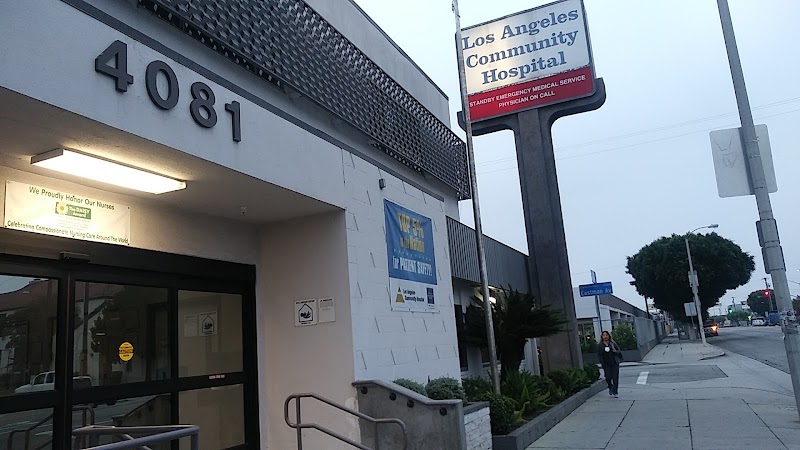
Who Owns and Operates Los Angeles Comm Hospital?

LOS ANGELES COMM HOSPITAL is owned by a for-profit company. For-profit facilities operate as businesses with obligations to shareholders or private owners. The facility operates independently rather than as part of a larger chain. With 39 certified beds and approximately 38 residents (about 97% occupancy), it is a smaller facility located in LOS ANGELES, California.
How Does Los Angeles Comm Hospital Compare to Other California Nursing Homes?

Compared to the 100 nursing homes in California, LOS ANGELES COMM HOSPITAL's overall rating (3 stars) is below the state average of 3.1 and health inspection rating (4 stars) is above the national benchmark.

What Should Families Ask When Visiting Los Angeles Comm Hospital?

Based on this facility's data, families visiting should ask: "Can you walk me through typical staffing levels on day, evening, and night shifts?" "Can I visit during a mealtime to observe dining assistance and food quality?" "How do you handle medical emergencies, and what is your hospital transfer rate?" "Can I speak with family members of current residents about their experience?" These questions are particularly relevant given the below-average staffing rating.

Is Los Angeles Comm Hospital Safe?

Based on CMS inspection data, LOS ANGELES COMM HOSPITAL has a clean safety record: no substantiated abuse findings (meaning no confirmed cases of resident harm), no Immediate Jeopardy citations (the most serious violation level indicating risk of serious injury or death), and is not on the Special Focus Facility watch list (a federal program monitoring the lowest-performing 1% of nursing homes). The facility has a 3-star overall rating and ranks #100 of 100 nursing homes in California. While no facility is perfect, families should still ask about staff-to-resident ratios and recent inspection results during their visit.

Do Nurses at Los Angeles Comm Hospital Stick Around?

LOS ANGELES COMM HOSPITAL has not reported staff turnover data to CMS. Staff turnover matters because consistent caregivers learn residents' individual needs, medications, and preferences. When staff frequently change, this institutional knowledge is lost. Families should ask the facility directly about their staff retention rates and average employee tenure.

Was Los Angeles Comm Hospital Ever Fined?

LOS ANGELES COMM HOSPITAL has been fined $4,938 across 2 penalty actions. This is below the California average of $33,128. While any fine indicates a compliance issue, fines under $50,000 are relatively common and typically reflect isolated problems that were subsequently corrected. Families should ask what specific issues led to these fines and confirm they've been resolved.

Is Los Angeles Comm Hospital on Any Federal Watch List?

LOS ANGELES COMM HOSPITAL is not on any federal watch list. The most significant is the Special Focus Facility (SFF) program, which identifies the bottom 1% of nursing homes nationally based on persistent, serious quality problems. Not being on this list means the facility has avoided the pattern of deficiencies that triggers enhanced federal oversight. This is a positive indicator, though families should still review the facility's inspection history directly.