Maple Healthcare Center
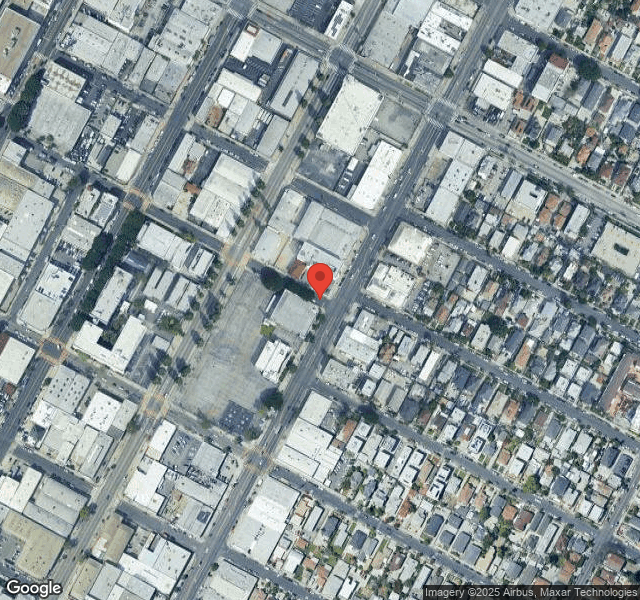
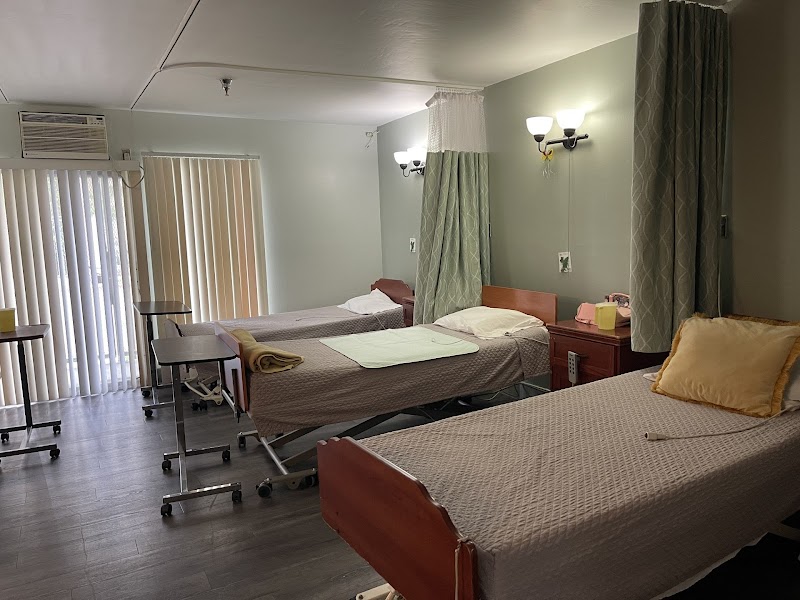
2625 MAPLE AVE., LOS ANGELES, CA 90011 (213) 747-6371
For profit - Limited Liability company 59 Beds HELENE MAYER Data: November 2025 2 Immediate Jeopardy citations
Trust Grade
0/100
#1071 of 1155 in CA
Last Inspection: July 2025

Inspected within the last 6 months. Data reflects current conditions.

Overview

Maple Healthcare Center has a Trust Grade of F, indicating significant concerns about the facility's care and operations. It ranks #1071 out of 1155 nursing homes in California, placing it in the bottom half of facilities statewide, and #326 out of 369 in Los Angeles County, suggesting there are many better local options. While the facility's trend is improving, reducing issues from 50 to 6 over the past year, it still faces serious challenges, with a concerning 72% staff turnover rate and $176,644 in fines, which is higher than 98% of California facilities. Staffing is rated average, but the facility has less RN coverage than 86% of its peers, which is a concern since RNs are crucial for monitoring residents' health. Recent incidents include a resident with a history of wandering who was not adequately monitored and another resident who experienced both physical and verbal abuse from staff, highlighting serious safety and care issues that families should consider carefully.
Trust Score
F
0/100
In California
#1071/1155
Bottom 8%
Safety Record
High Risk
Review needed
Inspections
Getting Better
50 → 6 violations
Staff Stability
⚠ Watch
72% turnover. Very high, 24 points above average. Constant new faces learning your loved one's needs.
Penalties
✓ Good
$176,644 in fines. Lower than most California facilities. Relatively clean record.
Skilled Nurses
⚠ Watch
Each resident gets only 18 minutes of Registered Nurse (RN) attention daily — below average for California. Fewer RN minutes means fewer trained eyes watching for problems.
Violations
⚠ Watch
71 deficiencies on record. Higher than average. Multiple issues found across inspections.
★☆☆☆☆
1.0
Overall Rating
★★★☆☆
3.0
Staff Levels
★★★★☆
4.0
Care Quality
★☆☆☆☆
1.0
Inspection Score
Stable
2024: 50 issues
2025: 6 issues

The Good

  • 4-Star Quality Measures · Strong clinical quality outcomes
  • Full Sprinkler Coverage · Fire safety systems throughout facility
  • No fines on record

Facility shows strength in quality measures, fire safety.

The Bad

1-Star Overall Rating

Below California average (3.1)

Significant quality concerns identified by CMS

Staff Turnover: 72%

26pts above California avg (46%)

Frequent staff changes - ask about care continuity

Federal Fines: $176,644

Well above median ($33,413)

Significant penalties indicating serious issues

Chain: HELENE MAYER

Part of a multi-facility chain

Ask about local staffing decisions and management

Staff turnover is very high (72%)

24 points above California average of 48%

The Ugly 71 deficiencies on record

2 life-threatening 6 actual harm
Jun 2025 1 deficiency 1 Harm
SERIOUS (G) 📢 Someone Reported This

A family member, employee, or ombudsman was alarmed enough to file a formal complaint

Actual Harm - a resident was hurt due to facility failures

Free from Abuse/Neglect (Tag F0600)

A resident was harmed · This affected 1 resident

**NOTE- TERMS IN BRACKETS HAVE BEEN EDITED TO PROTECT CONFIDENTIALITY** Based on observation, interview, and record review, the facility failed to ensure one of three sampled residents (Resident 1) wh...

Read full inspector narrative →
**NOTE- TERMS IN BRACKETS HAVE BEEN EDITED TO PROTECT CONFIDENTIALITY** Based on observation, interview, and record review, the facility failed to ensure one of three sampled residents (Resident 1) who had a diagnosis of dementia (a progressive state of decline in mental abilities) was free from physical abuse (any intentional act causing injury or trauma to another person through bodily contact) and verbal abuse (abuse that involves the use of oral or written language directed to a victim, can include the act of harassing, labeling, insulting, scolding, rebuking, or excessive yelling towards an individual) by failing to: Ensure the facility's Security Guard (Sec 1) did not curse (using words in a negative or aggressive way to express anger, disrespect, or to cause distress) at Resident 1 and did not hit Resident 1 on the back of the head with an open hand on 6/19/2025 at approximately 9:40 PM. On 6/19/2025 at approximately 9:40 PM, Certified Nursing Assistant 1 (CNA1) witnessed Sec1 arguing with Resident 1 and saw Sec 1 hit Resident 1 on the back of Resident 1's head with an open palm. On 6/20/2025 at 3:14 PM Resident 1 went to the General Acute Care Hospital (GACH) for further evaluation. This failure resulted in Resident 1 being physically abused by Sec1, experienced pain in his head, expressed being embarrassed, and required a transfer to the GACH. Findings: During a review of Resident 1's admission Record dated 6/23/2025, the admission Record indicated Resident 1 was admitted on [DATE] with the diagnoses of encephalopathy (a disease or damage that affects the brain, leading to a change in how it functions), muscle weakness, Alzheimer's disease (a disease characterized by a progressive decline in mental abilities), dementia, lack of coordination, bipolar disorder (sometimes called manic-depressive disorder; mood swings that range from the lows of depression to elevated periods of emotional highs), low back pain, other abnormalities of gait and mobility (a person's way of walking or moving is different from what's considered normal), cerebral infarction (what happens when part of your brain does not get enough blood and oxygen, leading to tissue damage or death). During a review of Resident 1's History and Physical (H&P) dated 1/9/2025, the H&P indicated Resident 1 was not competent (having the necessary ability, knowledge, or skill to do something successfully) to understand his medical condition. During a review of Resident 1's Care Plan Report dated 1/9/2025, the Care Plan Report indicated if Resident 1 would become hostile or angry during care, the staff (in general) needed to stop giving care and attempt again at a later time. The Care Plan Report indicated for the staff (in general) to ask for assistance if Resident 1 would get resistive. During a review of Resident 1's Minimum Data Set (MDS - a resident assessment tool) dated 4/14/2025, the MDS indicated Resident 1 had the ability to understand others and make himself understood. The MDS indicated Resident 1 used a wheelchair. During a review of Resident 1's Situation Background and Recommendation form (SBAR, tool used by healthcare workers when there is a change of condition among the residents) dated 6/19/2025 at 9:45 PM, the SBAR indicated Resident 1 had approached the nursing station yelling out loud because a staff (unidentified) had redirected Resident 1 not to enter the women's hall. The SBAR indicated Resident 1 became irritable and a CNA (unidentified on the SBAR) was called to help escort Resident 1 to his room. The SBAR indicated Sec 1 yelled out to stop to Resident 1 and Resident 1 was heard yelling and cursing. The SBAR indicated the staff (unidentified on the SBAR) asked Resident 1 to please go to your room. The SBAR indicated the CNA (unidentified on the SBAR) reported Sec 1 hit Resident 1 on the top of the head with an open hand. During a review of Resident 1's Progress Notes dated 6/19/2025 at 9:56 PM, the Progress Note indicated at approximately 9:40 PM Sec1 allegedly (something is claimed to have happened, but there is no concrete proof, or it has not been proven) assaulted Resident 1. The Progress Notes indicated the facility notified Resident 1's Medical Doctor (MD) and the local police department. The Progress Notes indicated Sec1 was not allowed to return to the facility. During a review of Resident 1's Police Investigation Report dated 6/19/2025, the Police Investigation Report indicated the date and time of the occurrence was 6/19/2025 at 10 PM. The Investigation Report indicated PD 1 and PD 2 were sent to Resident 1's facility on 6/20/2025 at approximately 12:15 AM. The Investigation Report indicated Resident 1 stated he (Resident 1) was assaulted by a staff member at the resident's facility. The Investigation Report indicated Resident 1 was not happy with his care level. The Investigation Report indicated Resident 1 believed the janitor or security slapped him with his left hand to the back of his head. The Investigation Report indicated the suspect cursed at Resident 1. The Investigation Report indicated Resident 1 advised the officers he (Resident 1) had a lump on the back of his head cause by the suspect, but the lump was not visible to the officers. The Investigation Report indicated the suspect was Sec 1 and indicated Sec 1 fled prior to police arrival. The Investigation Report indicated the police searched for the suspect but did not find him. During a review of Resident 1's Progress Notes dated 6/20/2025 at 7:38 AM, the Progress Notes indicated Resident 1 was being monitored for victim altercation, and able to accurately recall some details of the situation to the police officers. During a review of Resident 1's Phone Order dated 6/20/2025, at 10:26 AM, indicated to transfer Resident 1 to the GACH for evaluation. During a review of Resident 1's Interdisciplinary Team (IDT, a group of healthcare professionals from different disciplines caring for the resident) Review General note dated 6/20/2025 at 11:20 AM, the IDT Review General note indicated the guy (Sec 1) slapped him on his head. The IDT Review General note indicated Resident 1 stated his head hurt (no pain level indicated on the IDT General note) and requested something for pain. The IDT Review-General note indicated the IDT recommendation was to send Resident 1 to the Emergency Department (ER) for an evaluation and treatment as needed. During a review of Resident 1's GACH Patient Information indicated Resident 1's admit date was 6/20/2025 at 3:14 PM for Aggressive Behavior. During a review of Resident 1's Progress Notes dated 6/21/2025, at 12:16 AM, The Progress Notes indicated Resident 1 returned back to the facility at 11:56 PM (6/20/2025). The Progress Notes indicated the GACH no longer accepted aggressive residents. During a concurrent observation in Resident 1's room and interview on 6/23/2025 at 10:21 AM, Resident 1 appeared to be groggy (feeling tired, weak, and not fully awake or clear-headed) and talked in a low voice. Resident 1 stated he did not know why Sec 1 hit him. Resident 1 stated Sec1 hit him on the back of the head and could not recall the date and time. During an interview on 6/23/2025 at 11:20 AM with Sec 1, Sec 1 stated CNA 1 was assisting Resident 1 and wheeling Resident 1 to his room. Sec 1 stated he (Sec1) went over to CNA 1 and Resident 1 because Resident 1 had been acting out. Sec 1 stated he (Sec1) tried to calm Resident 1 down and put his arm up to Resident 1 to say sorry to try to calm Resident 1 down. Sec 1 stated Resident 1 balled his fist and stated Resident 1 tried to hit him (Sec 1). Sec 1 stated he (Sec 1) raised his hand to protect himself/duck out of Resident 1's way to avoid getting hit by Resident 1. During a follow up interview on 6/23/2025 at 12:50 PM with Sec 1, Sec 1 stated did not receive abuse training (you learn how to protect people from being hurt or mistreated by others) from the facility and was employed with the security company on 6/16/2025. Sec 1 stated he just signed a bunch of papers. During an interview on 6/23/2025 at 12:55 PM with CNA 1, CNA 1 stated he (CNA1) was taking Resident 1 from the female side (the side of the facility where the women reside) during the evening shift on 6/19/2025 when Resident 1 got into an argument with Sec 1. CNA 1 stated he (CNA1) took Resident 1 back to the resident's room to get him away, from Sec 1 who followed Resident 1 and CNA 1 to Resident 1's room. CNA 1 stated Resident 1 was sitting in a wheelchair facing the drawers at the head of his bed. CNA 1 stated Resident 1 had his back to the doorway when Sec 1 came through the door and hit Resident 1 on the back of his head with an open palm. CNA 1 stated the sound the hit made was loud enough for the nurse outside (unidentified) of the room to ask what happened. CNA 1 stated he (CNA1) then told Sec 1 he (Sec1) should never hit any of the residents. During an interview on 6/23/2025 at 1:27 PM with Resident 1, Resident 1 stated when Sec1 hit Resident 1 (6/19/2025), the resident felt pain at a level of 8 out of 10 (a numerical scale used to assess pain intensity, where 0 indicates no pain and 10 represents the worst pain imaginable. 0-3 mild pain, 4-6 moderate pain, 7-9 severe pain, 10 worst pain imaginable) Resident 1 also reported feeling bad and embarrassed. During an interview on 6/23/2025 at 1:44 PM with the Director of Nursing (DON) and the facility Administrator (Adm), the DON stated abuse training was required for all staff working at the facility as well as anyone working in the resident care area. The DON stated she (DON) only received verbal understanding that Sec 1 had received abuse training. The DON stated the Director of Staff Development (DSD) was responsible for verifying Sec 1's abuse training was completed. The DON stated the DSD was not at the facility because the DSD was sick. The DON stated if the DSD was not available then it would be DON's responsibility to verify Sec 1 received abuse training. The DON stated she met with Sec 1 on 6/9/2025 and Sec 1 received orientation from the DON who went over de-escalation tactics (ways to calm down a tense or potentially violent situation without using force) with Sec 1. The DON stated abuse training was part of the requirement for competent staffing (making sure your team has the right people with the right skills in the right places to get the job done well) and stated the alleged abuse by Sec 1 on Resident 1 could have been prevented. During a telephone interview on 7/3/2025 at 2:11 PM, with Registered Nurse (RN1), Resident 1's IDT Review General note dated 6/20/2025 at 11:20 AM was reviewed. RN1 stated the IDT Review General note indicated Resident 1 stated his head hurt and the Director of Nursing (DON) asked if the nurse (unidentified) gave him any medication for pain and the resident replied No. RN1 stated the IDT notes did not indicate the pain level of Resident 1's head pain. RN1 stated the IDT notes did not indicate Resident 1 received pain relief medication for head. During the concurrent telephone interview on 7/3/2025 at 2:37 PM, with RN1 Resident 1's Progress Notes for 6/20/2025 and the Medication Administration Record (MAR) for the month of June 2025 were reviewed. RN1 stated the Progress Notes and the (MAR) did not indicate Resident 1 received pain relief medication for head and did not indicate the pain level of Resident 1's head pain. During a review of the facility's P&P titled Abuse Prevention Program dated 1/16/2025, the P&P indicated Our residents have the right to be free from abuse, neglect, misappropriation of property (when someone uses money or property that doesn't belong to them for their own personal use or another unauthorized purpose, without permission from the actual owner) and exploitation (the act of using someone or something unfairly for one's own advantage). This includes but is not limited to freedom from corporal punishment (a punishment which is intended to cause physical pain to a person), involuntary seclusion (means being forced to stay in a room or confined space against your will, where you cannot leave), verbal, mental, sexual, or physical abuse and physical (limiting someone's movement) or chemical restraint (when medication is used to control a person's behavior, not because it's the right treatment for their condition, but to make them less active or easier to manage) not required to treat the resident's symptoms (what you feel or notice when you're sick or have a health problem). The P&P indicated the facility would protect our residents from abuse from anyone including, but not necessarily limited to: facility staff, other residents, consultants (a specialized expert brought in from outside to help a company or organization with a specific problem or goal), volunteers, staff from other agencies, family members, legal representatives (someone authorized to act on behalf of another person or entity in legal matters), friends, visitor, or any other individual (person). The P&P indicated the facility would require staff training/orientation (the initial period where a new hire gets introduced to the company, their team, and their specific job duties and helps them understand the company's culture, policies, and expectations, and get comfortable in their new role) programs that include such topics as abuse prevention, identification and reporting of abuse, stress management (learning to cope with stress in healthy ways), and handling verbally or physically aggressive resident behavior.
Feb 2025 1 deficiency
CONCERN (D) 📢 Someone Reported This

A family member, employee, or ombudsman was alarmed enough to file a formal complaint

Potential for Harm - no one hurt, but risky conditions existed

Deficiency F0552 (Tag F0552)

Could have caused harm · This affected 1 resident

Based on interview and record review the facility failed to obtain informed consent (voluntary agreement to accept treatment and/or procedures after receiving education regarding risks, benefits and a...

Read full inspector narrative →
Based on interview and record review the facility failed to obtain informed consent (voluntary agreement to accept treatment and/or procedures after receiving education regarding risks, benefits and alternatives offered) for one of three sampled residents (Resident 1). For Resident 1, the facility failed to obtain informed consent from Resident 1 and Resident 1 ' s responsible party (RP) before administering the Haldol (medication used to treat certain mental/mood disorders) on 1/26/25. This deficient practice resulted in Resident 1 and Resident 1 ' s RP not given their right to know the risks and benefits of taking the Haldol and alternative treatment available. Findings: During a review of the admission Record indicated the facility admitted Resident 1 on 1/3/25 with diagnoses including schizoaffective disorder (chronic mental illness that causes a person to experience dramatic changes in their thoughts, moods, and behaviors) and hypothyroidism (when the thyroid gland [small, butterfly-shaped gland in front of neck] creates less than the normal amount of thyroid hormone). During a review of the Minimum Data Set (MDS, a resident assessment tool) dated 1/8/25 indicated Resident 1 was cognitively intact. Resident 1 needed set-up (helper sets up, resident completes activity) with eating, oral hygiene, toileting hygiene, shower/bathe self, personal hygiene and independent with upper /lower body dressing and putting/taking off footwear. During a review of Resident 1's Behavior Note dated 1/26/25 at 2:25 p.m., indicated Resident 1 was exhibiting physical and verbal aggression towards staff. Resident 1 ' s psychiatrist was notified and gave one time order that included Haldol five milligrams (mg. - metric unit of measurement, used for medication dosage and/or amount) to be administered intramuscularly (IM, the injection of medication into a muscle). During a review of Resident 1 ' s Medication Administration Record (MAR, a daily documentation record used by a licensed nurse to document medications and treatments given to a resident) dated 1/26/25 indicated the Haldol was given to Resident 1 on 1/26/25 at 2:11 p.m. During a review of Resident 1 ' s care plan initiated on 1/26/25 indicated Resident 1 had an episode of verbal and physical aggression towards staff. The care plan goal indicated Resident 1 will verbalize understanding of need to control physically aggressive behavior through the review date. The care plan intervention included to give Resident 1 as many choices as possible about care and activities. During a concurrent interview and record review on 2/14/25 at 11:27 a.m., Resident 1 ' s MAR and progress notes dated 1/26/25 were reviewed with the director of staff development (DSD). DSD stated Resident 1 had verbal and aggressive behavior towards staff on 1/26/25. Resident 1 ' s psychiatrist was notified and gave order that included to give Resident 1 Haldol five mg. IM as one time order. DSD stated the Informed Consent should be obtained and filled out even though the Haldol was a one-time order. During an interview on 2/14/25 at 12:35 p.m., LVN 1 stated informed consent should be obtained from Resident 1 ' s RP before administering the Haldol. During review of the email sent on 2/14/25 at 2:36 p.m., the medical record director (MRD) confirmed that Resident 1 had no informed consent for the Haldol. During a review of the facility's policy and procedures (P&P) titled Informed Consent reviewed on 1/16/25, the P&P indicated, it is the policy of the facility to involve residents in their care decisions by facilitating information and obtaining consent for the use of psychotropic drugs, physical restraints and medical devices that may lead to the inability of a patient to regain use of a normal bodily functions after prolonged use. The same Policy indicated in an emergency in which it is impractical to obtain the consent order for psychotropic drugs, may be initiated upon a physician order without informed consent for a period of 48 hours. Informed consent must then be obtained to continue the medication, physical restraint or medical device. Based on interview and record review the facility failed to obtain informed consent (voluntary agreement to accept treatment and/or procedures after receiving education regarding risks, benefits and alternatives offered) for one of three sampled residents (Resident 1). For Resident 1, the facility failed to obtain informed consent from Resident 1 and Resident 1's responsible party (RP) before administering the Haldol (medication used to treat certain mental/mood disorders) on 1/26/25. This deficient practice resulted in Resident 1 and Resident 1's RP not given their right to know the risks and benefits of taking the Haldol and alternative treatment available. Findings: During a review of the admission Record indicated the facility admitted Resident 1 on 1/3/25 with diagnoses including schizoaffective disorder (chronic mental illness that causes a person to experience dramatic changes in their thoughts, moods, and behaviors) and hypothyroidism (when the thyroid gland [small, butterfly-shaped gland in front of neck] creates less than the normal amount of thyroid hormone). During a review of the Minimum Data Set (MDS, a resident assessment tool) dated 1/8/25 indicated Resident 1 was cognitively intact. Resident 1 needed set-up (helper sets up, resident completes activity) with eating, oral hygiene, toileting hygiene, shower/bathe self, personal hygiene and independent with upper /lower body dressing and putting/taking off footwear. During a review of the Behavior Note dated 1/26/25 at 2:25 p.m., indicated Resident 1 was exhibiting physical and verbal aggression towards staff. Resident 1's psychiatrist was notified and gave one time order that included Haldol five milligrams (mg. - metric unit of measurement, used for medication dosage and/or amount) to be administered intramuscularly (IM, the injection of medication into a muscle). During a review of Resident 1's Medication Administration Record (MAR, a daily documentation record used by a licensed nurse to document medications and treatments given to a resident) dated 1/26/25 indicated the Haldol was given to Resident 1 on 1/26/25 at 2:11 p.m. During a review of Resident 1's care plan initiated on 1/26/25 indicated Resident 1 had an episode of verbal and physical aggression towards staff. The care plan goal indicated Resident 1 will verbalize understanding of need to control physically aggressive behavior through the review date. The care plan intervention included to give Resident 1 as many choices as possible about care and activities. During a concurrent interview and record review on 2/14/25 at 11:27 a.m., Resident 1's MAR and progress notes dated 1/26/25 were reviewed with the director of staff development (DSD). DSD stated Resident 1 had verbal and aggressive behavior towards staff on 1/26/25. Resident 1's psychiatrist was notified and gave order that included to give Resident 1 Haldol five mg. IM as one time order. DSD stated the Informed Consent should be obtained and filled out even though the Haldol was a one-time order. During an interview on 2/14/25 at 12:35 p.m., LVN 1 stated informed consent should be obtained from Resident 1's RP before administering the Haldol. During review of the email sent on 2/14/25 at 2:36 p.m., the medical record director (MRD) confirmed that Resident 1 had no informed consent for the Haldol. During a review of the facility's policy and procedures titled Informed Consent reviewed on 1/16/25, the P&P indicated, it is the policy of the facility to involve residents in their care decisions by facilitating information and obtaining consent for the use of psychotropic drugs, physical restraints and medical devices that may lead to the inability of a patient to regain use of a normal bodily functions after prolonged use. The same Policy indicated in an emergency in which it is impractical to obtain the consent order for psychotropic drugs, may be initiated upon a physician order without informed consent for a period of 48 hours. Informed consent must then be obtained to continue the medication, physical restraint or medical device.
Jan 2025 2 deficiencies
CONCERN (D) 📢 Someone Reported This

A family member, employee, or ombudsman was alarmed enough to file a formal complaint

Potential for Harm - no one hurt, but risky conditions existed

Deficiency F0658 (Tag F0658)

Could have caused harm · This affected 1 resident

**NOTE- TERMS IN BRACKETS HAVE BEEN EDITED TO PROTECT CONFIDENTIALITY** Based on interview and record review the facility failed to ensure the medication administration was in accordance with the prof...

Read full inspector narrative →
**NOTE- TERMS IN BRACKETS HAVE BEEN EDITED TO PROTECT CONFIDENTIALITY** Based on interview and record review the facility failed to ensure the medication administration was in accordance with the professional standard of practice for one of three sampled residents (Resident 1). For Resident 1, the facility failed to record the administration site when Resident 1 was given the Lantus (drug used to control the amount of sugar in the blood) 20 units subcutaneously (SQ, under the skin) during the month of 12/24. This deficient practice had the potential for Resident 1 to have the Lantus given SQ in the same injection site that could lead to skin damage. Findings: During a review of the admission Record indicated the facility originally admitted Resident 1 on 7/21/23 and re-admitted on [DATE] with diagnoses including diabetes mellitus (DM, a disorder characterized by difficulty in blood sugar control and poor wound healing), long term use of insulin (hormone that removes excess sugar from the blood, can be produced by the body or given artificially by medication) and lack of coordination. During a review of the Minimum Data Set (MDS, resident assessment tool) dated 12/31/24 indicated Resident 1 had moderately impaired cognitive skills. Resident 1 needed moderate assistance (helper does less than half of the effort) with toileting hygiene, shower/bathe self, lower body dressing, putting on/taking off footwear and supervision with eating, oral hygiene and upper body dressing. During a review of Resident 1's Medication Administration Record (MAR, daily documentation record used by a licensed nurse to document medications and treatments given to a resident) for 12/24 indicated a physician order for Lantus inject 20 units give SQ at bedtime for diabetes. The MAR indicated to record the site of the injection. The injection site was recorded as not applicable (NA) on 12/1/24, 12/2/24, 12/5/24, 12/6/24, 12/11/24, 12/12/24, 12/13/24, 12/14/24, 12/16/24, 12/17/24, 12/18/24, 12/19/24 and 12/20/24. During a telephone interview on 1/28/25 at 11:06 a.m., licensed vocational nurse (LVN 1) stated NA means not applicable. LVN 1 stated she documented by mistake. LVN 1 stated she administered the Lantus SQ to Resident 1. LVN 1 stated she would usually give the Lantus to Resident 1on alternate sites such as on the left arm, right arm and in the abdomen and should be documented. During a concurrent interview and record review Resident 1's MAR for 12/24 was reviewed with the director of nursing (DON) on 1/28/25 at 11:41 a.m. The DON stated the NA entry in the MAR was not correct. The DON stated injection site for the Lantus administration should be documented in Resident 1's MAR. During a review of the facility's policy and procedures (P&P) titled Documentation of Medication Administration, reviewed on 1/16/25, the P&P indicated the facility shall maintain a medication administration record to document all medications administered. Documentation must include as a minimum that included method of administration (e.g. oral, injection (and site). During a review of the facility's P&P titled Administering Medications reviewed on 1/16/25, the P&P indicated medications are administered in accordance with prescriber orders, including any timeframe. The same Policy indicated as required or indicated for a medication, the individual administering the medication records in the resident's medical record included the route of administration and the injection site (if applicable).
CONCERN (D) 📢 Someone Reported This

A family member, employee, or ombudsman was alarmed enough to file a formal complaint

Potential for Harm - no one hurt, but risky conditions existed

Deficiency F0760 (Tag F0760)

Could have caused harm · This affected 1 resident

**NOTE- TERMS IN BRACKETS HAVE BEEN EDITED TO PROTECT CONFIDENTIALITY** Based on interview and record review the facility failed to reconcile (a process of reviewing complete medication regimen during...

Read full inspector narrative →
**NOTE- TERMS IN BRACKETS HAVE BEEN EDITED TO PROTECT CONFIDENTIALITY** Based on interview and record review the facility failed to reconcile (a process of reviewing complete medication regimen during admission, transfer or discharge) a physician order upon re-admission to the facility for one for three sampled residents (Resident 1). For Resident 1, the facility failed to continue the physician's order for Lantus (drug used to control the amount of sugar in the blood) 20 units subcutaneously (SQ, under the skin) once a day at bedtime when Resident 1 was re-admitted to the facility on [DATE]. This deficient practice resulted in Resident 1 not given the Lantus 20 units SQ for six days and had the potential for Resident 1 to suffer from hyperglycemia (high blood sugar). Findings: During a review of the admission Record indicated the facility originally admitted Resident 1 on 7/21/23 and re-admitted on [DATE] with diagnoses including diabetes mellitus (DM, a disorder characterized by difficulty in blood sugar control and poor wound healing), long term use of insulin (hormone that removes excess sugar from the blood, can be produced by the body or given artificially by medication) and lack of coordination. During a review of the Minimum Data Set (MDS, resident assessment tool) dated 12/31/24 indicated Resident 1 had moderately impaired cognitive skills. Resident 1 needed moderate assistance (helper does less than half of the effort) with toileting hygiene, shower/bathe self, lower body dressing, putting on/taking off footwear and supervision with eating, oral hygiene and upper body dressing. During a review of the general acute hospital (GACH 1) Patient's Home Medications on discharge date d 12/26/24 indicated to continue taking the following medications that included Lantus 20 units SQ once a day at bedtime. During a review of Resident 1's Medication Administration Record (MAR, daily documentation record used by a licensed nurse to document medications and treatments given to a resident) for 12/24 indicated the Lantus 20 units SQ, had an x from 12/26/25 to 1/1/25. During a review of the Physician Order dated 1/1/25 at 11:52 p.m., indicated an order to give Resident 1 Lantus inject 20 units SQ at bedtime. During a telephone interview on 1/28/25 at 11:06 a.m., licensed vocational nurse (LVN 1) stated Resident 1 should be given Lantus and if not given Resident 1's .blood sugar will skyrocket. During a concurrent interview and record review on 1/28/25 at 11:41 a.m., Resident 1's MAR for 12/24 and Resident 1's GACH 1 Patient's Home Medications on Discharge dated 12/26/24 were reviewed with the director of nursing (DON). The DON stated the Lantus 20 units was not included in the admission physician orders when Resident 1 was re-admitted to the facility on [DATE]. DON stated the Lantus should have been included in the admission order on 12/26/24. As a result, Resident 1 missed the doses of Lantus 20 units for six days. DON stated Resident 1 needed the Lantus because without the Lantus Resident 1 had the potential for alteration in glucose level and potential hyperglycemia. DON stated LVN 1 called the physician on 1/1/25 and received an order to give Resident 1 Lantus 20 units at bedtime. During a review of the facility's policy and procedures (P&P) titled admission Assessment and Follow Up: Role of the Nurse reviewed on 1/16/25, the P&P indicated reconcile the list of medications from the medication history, admitting orders, the previous MAR (if available) and the discharge summary from the previous institution, according to established procedures. The same Policy indicated to contact the attending physician to communicate and review the findings of the initial assessment and any other pertinent information and obtain admission orders that are based on these findings.
Jan 2025 2 deficiencies
CONCERN (D) 📢 Someone Reported This

A family member, employee, or ombudsman was alarmed enough to file a formal complaint

Potential for Harm - no one hurt, but risky conditions existed

Deficiency F0557 (Tag F0557)

Could have caused harm · This affected 1 resident

Based on interview and record review the facility failed to implement measures to prevent loss of personal belongings for one of three sampled residents (Resident 1). For Resident 1, the facility fail...

Read full inspector narrative →
Based on interview and record review the facility failed to implement measures to prevent loss of personal belongings for one of three sampled residents (Resident 1). For Resident 1, the facility failed to: 1.Ensure Resident 1's belongings list was reviewed and itemized to ensure all the personal belongings were given to Resident 1 when Resident 1 was discharged from the facility on 12/6/24. 2.Ensure the replacement hearing aids received by Resident 1 on 1/7/25 was an appropriate and correct fit for Resident 1. These deficient practices resulted in Resident 1 not given his right to keep his belongings secure while at the facility and to receive all the belongings when Resident 1 was discharged from the facility on 12/6/24. Findings: During a review of admission Record of Resident 1, the admission Record indicated the facility admitted Resident 1 on 2/9/24 with diagnoses including dementia (progressive state of decline in mental abilities), difficulty walking and abnormalities of gait and mobility. During a review of Resident 1's Minimum Data Set (MDS, a resident assessment tool) dated 11/15/24, the MDS indicated Resident 1 had minimal difficulty in hearing. The MDS also indicated Resident 1 had moderately impaired cognitive skills. Resident 1 had behavior of inattention (difficulty focusing attention such as being easily distracted or having difficulty keeping track of what is being said) that was continuously present. Resident 1 needed supervision with upper body dressing, putting on/taking off footwear, personal hygiene, set up with oral hygiene, toileting hygiene, lower body dressing and independent with eating. 1.During a review of Resident 1's Resident's Clothing and Possessions (On Admission) dated 2/19/24, the document indicated Resident 1 had belongings that included two hearing aids, one pair of slippers, two chargers, one razor machine, five t-shirts, four sweatpants. However, Resident 1's Resident's Clothing and Possessions were not filled out to indicate what belongings Resident 1 received when Resident 1 was discharged from the facility on 12/6/24. During a review of Resident 1's next of kin (NOK) electronic mail (email) dated 1/5/25 at 3:03 p.m., sent to the social service designee (SSD), the email indicated Resident 1 was missing hearing aids, phone charger, shaver, slippers, one t-shirt and a pair of sweats. During a concurrent interview and record review on 1/6/25 at 10:50 a.m., the email sent by Resident 1's NOK dated 1/5/25 was reviewed with the administrator (ADM). The ADM stated Resident 1's NOK informed him that Resident 1 did not get all his belongings. Resident 1's NOK stated that the staff did not went over the inventory list when Resident 1 was discharged on 12/6/24. The ADM stated the facility should have gone over the inventory list with Resident 1's NOK but was not done. During a concurrent interview and record review on 1/15/25 at 10:42 a.m. Resident 1's Resident's Clothing and Possessions was reviewed with the director of nursing (DON). The DON stated when Resident 1 was discharged on 12/6/24 the staff should have reviewed the belongings list with Resident 1's NOK to ensure all belongings were given to Resident 1. 2.During an interview on 1/15/25 at 9:26 a.m., the social service designee (SSD) stated Resident 1 lost his hearing aids on 5/7/24. The SSD stated the hearing aids were replaced and Resident 1 received the hearing aids on 9/25/24, but Resident 1 lost the same hearing aids the following day 9/26/24. The SSD stated Resident 1 was discharged to another facility on 12/6/24 to Facility B without the replacement hearing aids. The SSD stated the replacement hearing aids were mailed to Resident 1 and was received by Resident 1 on 1/7/25. The SSD further added the hearing aid center was not able to do the replacement hearing aid fitting (includes ensuring the hearing aids are fitted correctly, have the right settings and how to use the hearing aids) for Resident 1 because the hearing aid center does not service Facility B area, where Resident 1 currently resides. During a telephone interview on 1/17/25 at 3:47 p.m., Resident 1's NOK stated the replacement hearing aid was received on 1/7/25 but Resident 1 was unable to use the replacement hearing aid. The NOK stated the hearing aid center who replaced Resident 1's hearing aid does not go to Facility B to do the hearing aid fitting The NOK further added .there's no one available to show how to use the hearing aids, how to turn it on, there was no direction on how to use the hearing aid and there was no charger. Resident 1's NOK stated Resident 1 had no hearing aid since 5/24. During a review of the facility Policy titled Discharging the Resident reviewed on 4/11/24, the Policy indicated when discharging the resident to home or another long-term facility, review the personal effects inventory with the resident or responsible party and have them sign off that they have received all personal effects and have them sign off that they have received all personal effects. During a review of the facility Policy titled Lost and Found reviewed on 4/11/24, the Policy indicated our facility shall assist all personnel and residents in safeguarding their personal property.
CONCERN (D) 📢 Someone Reported This

A family member, employee, or ombudsman was alarmed enough to file a formal complaint

Potential for Harm - no one hurt, but risky conditions existed

Comprehensive Care Plan (Tag F0656)

Could have caused harm · This affected 1 resident

Based on interview and record review the facility failed to develop and implement care plan for one of three sampled residents (Resident 1). For Resident 1 who had severe hearing loss on the left and ...

Read full inspector narrative →
Based on interview and record review the facility failed to develop and implement care plan for one of three sampled residents (Resident 1). For Resident 1 who had severe hearing loss on the left and right ears, the facility failed to: 1. Ensure Resident 1's care plan included appropriate interventions for Resident 1 who had severe hearing loss and needed hearing aids to hear clearly. 2. Address and provide appropriate interventions when Resident 1 constantly misplaced his hearing aids. Resident 1 lost his hearing aids on 5/7/24 and lost the replacement hearing aids on 9/26/24. These deficient practices had the potential for Resident 1 to have sensory deprivation and affect Resident 1's mental, physical, and psychosocial well-being. Findings: During a review of the admission Record of Resident 1, the admission Record indicated the facility admitted Resident 1 on 2/9/24 with diagnoses including dementia (progressive state of decline in mental abilities), difficulty walking and abnormalities of gait and mobility. During a review of Resident 1's Care Plan initiated on 3/18/24, the Care Plan indicated Resident 1 was hard of hearing and used hearing aid to hear clearly. The care plan goal included Resident 1 will show gradual positive progress towards interacting with others at least once a week for three months. However, care plan interventions did not address Resident 1's condition of hard of hearing, the use of the hearing aids and Resident 1's identified behavior of constantly losing the hearing aids. During a review of the Social Service Note dated 5/14/24 at 1:18 p.m., the Note indicated on 5/7/24 at 3:45 p.m., Resident 1 reported that he lost his hearing aids. The SSD Notes indicated SSD and other staff looked for Resident 1's hearing aids in Resident 1's room, trash cans and laundry area but was unable to find the missing hearing aids. The SSD notes also indicated Resident 1's hearing aid center was notified, and the hearing aid will be replaced. During a review of the Pure Tone Audiogram (routine clinical examination used to identify hearing loss) dated 5/14/24, the document indicated Resident 1 had severe hearing loss on the left and right ears. During a review of the Licensed Nurses Notes dated 9/26/24 at 3:39 p.m., the Nurses Notes indicated Resident 1 (who received the replacement hearing aids on 9/25/24) lost the replacement hearing aids on 9/26/24. Resident 1 stated he did not know what happened to the hearing aids. During a review of Resident 1's Minimum Data Set (MDS, a resident assessment tool) dated 11/15/24, the MDS indicated Resident 1 had minimal difficulty in hearing. The MDS indicated Resident 1 had moderately impaired cognitive skills. Resident 1 had behavior of inattention (difficulty focusing attention such as being easily distracted or having difficulty keeping track of what is being said) that was continuously present. Resident 1 needed supervision with upper body dressing, putting on/taking off footwear, personal hygiene, set up with oral hygiene, toileting hygiene, lower body dressing and independent with eating. During an interview on 1/6/25 at 9:55 a.m., licensed vocational nurse (LVN 1) stated Resident 1 was .very forgetful and requires a lot of redirections and reminders so it would not have been a good idea to keep his hearing aids at bedside. LVN 1 further stated Resident 1 was very hard of hearing and .you would have to speak to him very close to his ear. During a concurrent interview and record review on 1/6/25 at 12:32 p.m., Resident 1's Care Plan dated 3/18/24 was reviewed with the director of nursing (DON). The DON stated Resident 1 was able to read your lips, understand written words and had to be spoken to loudly. The DON stated she was unable to find care plan interventions for Resident 1's condition of hard of hearing. During an interview on 1/15/25 at 9:26 a.m., the social service designee (SSD) stated Resident 1 . easily loses the hearing aid, he loses it frequently. Once reported, we search the room, and we will find the hearing aid under the bed or on the side of his bed. The SSD stated on 5/7/24 the staff reported that Resident 1 lost the hearing aids, and the facility was unable to find the lost hearing aids. The SSD stated it took four months to replace Resident 1's hearing aids. On 9/25/24, the SSD stated, Resident 1 received the replacement hearing aids but lost the hearing aids the next day on 9/26/24. During an interview on 1/15/25 at 10:03 a.m., LVN 2 stated there was a care plan created for Resident 1 regarding Resident 1's condition of hard of hearing and use of hearing aids, but the interventions were incomplete. LVN 2 stated interventions would include risk for miscommunication, risk for fall. LVN 2 further added that there are a lot of interventions that could be implemented for Resident 1. During an interview on 1/15/25 at 10:39 a.m., certified nursing assistant (CNA 1) stated Resident 1 constantly loses his hearing aids. CNA 1 stated we look for the hearing aid and most of the time we find it in the cabinet, under the bed or under his pillows. During a review of the facility Policy titled Care Plans, Comprehensive Person-Centered reviewed on 4/11/24, the Policy indicated a comprehensive, person-centered care plan that includes measurable objectives and timetables to meet the resident's physical, psychosocial and functional needs is developed and implemented for each resident. The same Policy indicated the comprehensive, person-centered care plan will include: 1.describe the services that are to be furnished to attain or maintain the resident's highest practicable physical, mental, and psychosocial well-being. 2.incorporate identified problem areas. 3.incorporate risk factors associated with identified problems. 4.build on the resident's strengths. 5.aid in preventing or reducing decline in the resident's functional status and /or functional levels. The same policy also indicated the assessments of residents are ongoing and care plans are revised as information about the residents and the residents' condition change.
Oct 2024 3 deficiencies
CONCERN (D) 📢 Someone Reported This

A family member, employee, or ombudsman was alarmed enough to file a formal complaint

Potential for Harm - no one hurt, but risky conditions existed

Deficiency F0551 (Tag F0551)

Could have caused harm · This affected 1 resident

**NOTE- TERMS IN BRACKETS HAVE BEEN EDITED TO PROTECT CONFIDENTIALITY** Based on observation, interview, and record review, the facility failed to ensure one sampled resident (Resident 1), who had sev...

Read full inspector narrative →
**NOTE- TERMS IN BRACKETS HAVE BEEN EDITED TO PROTECT CONFIDENTIALITY** Based on observation, interview, and record review, the facility failed to ensure one sampled resident (Resident 1), who had severe cognitive impairment, had legally documented representation for decision making on behalf of the resident. This deficient practice caused Resident 1's rights to be violated as a resident living in the facility. Findings: A review of Resident 1's admission record (facesheet) indicated the resident was admitted to the facility on [DATE], with diagnoses including epilepsy (a disorder in which nerve cell activity in the brain is disturbed), schizophrenia (a disorder that affects a person's ability to think, feel and behave clearly), unspecified psychosis (a mental disorder characterized by a disconnection from reality), and anxiety disorder (intense, excessive, and persistent worry and fear about everyday situations). The admission record indicated Resident 1 was self responsible. A review of Resident 1's History and Physical dated 6/4/24 indicated, General consent for medical care and treatment was obtained verbally from the resident, next of kin, and / or decision maker: consent to all medical and surgical care, examinations and tests determined by physician to be necessary. A review of the Physician's Order Summary Report dated 8/9/24 indicated facility staff was to monitor Resident 1 for the use of Ativan (a controlled substance used to treat anxiety), Haldol (an antipsychotic medication treats mental disorders) and Ziprasidone (an anitpsychotic treats schizophrenia). The Physician's Order Summary Report indicated the consent for the medications was obtained by the physician and not the resident or responsible party. A review of Resident 1's Minimum Data Set (MDS - a federally mandated resident assessment tool), dated 6/3/24 and 9/7/24 indicated the resident had severe cognitive impairment (problems with a person's ability to think, remember, use judgement, and make decisions). The MDS indicated Resident 1 had inattention, behavior indicators of psychosis, hallucinations, and verbal behavioral symptoms directed toward others. During interview on 10/8/24 at 2:05 p.m., the Activities Assistant (AA) stated Resident 1 was doing well in participation with activities, enjoyed coloring, but did have an outbursts in the past. During concurrent interview and record review on 10/9/24 at 8:12 a.m. with the Social Services Director (SSD), Resident 1's physical chart was reviewed. The SSD stated Resident 1 was self-responsible because the resident had no family members, but the resident had a case manager and the case manager was notified if there was an issue or change of condition. During observation on 10/9/24 at 10:19 a.m., in the activity room, Resident 1 was standing and screaming, then was escorted out of the activity room. During a concurrent interview and record review on 10/9/24 at 11:15 a.m. with the Minimum Data Set Nurse (MDSN), Resident 1's MDS was reviewed. The MDSN stated that upon admission on [DATE] and on 9/7/24, Resident 1's BIMS score (brief interview for mental status) was 7, which indicated severe cognitive impairment. During telephone interview on 10/10/24 at 2:30 p.m., the Director of Nursing (DON) stated she was unsure what the facility policy indicated regarding residents with cognitive issues who were deemed self-responsible but require representation. The DON stated their practice was to have legal documentation indicating an assigned representative for the resident. The DON did not provide legal documentation for Resident 1's representative. A review of the facility's policy and procedure titled, Resident Representative, dated 2/2021 indicated, Documentation designating that the representative has been delegated the necessary authority to exercise the resident's rights for decision-making issues is obtained by the director of nursing or a designee.
CONCERN (D) 📢 Someone Reported This

A family member, employee, or ombudsman was alarmed enough to file a formal complaint

Potential for Harm - no one hurt, but risky conditions existed

Deficiency F0552 (Tag F0552)

Could have caused harm · This affected 1 resident

**NOTE- TERMS IN BRACKETS HAVE BEEN EDITED TO PROTECT CONFIDENTIALITY** Based on observation, interview, and record review, the facility failed to ensure one sampled resident (Resident 1), who had sev...

Read full inspector narrative →
**NOTE- TERMS IN BRACKETS HAVE BEEN EDITED TO PROTECT CONFIDENTIALITY** Based on observation, interview, and record review, the facility failed to ensure one sampled resident (Resident 1), who had severe cognitive impairment, or the resident representative was informed and participated in the resident's care and treatment. This deficient practice caused Resident 1's rights to be violated as a resident living in the facility. Findings: A review of Resident 1's admission record (facesheet) indicated the resident was admitted to the facility on [DATE], with diagnoses including epilepsy (a disorder in which nerve cell activity in the brain is disturbed), schizophrenia (a disorder that affects a person's ability to think, feel and behave clearly), unspecified psychosis (a mental disorder characterized by a disconnection from reality), and anxiety disorder (intense, excessive, and persistent worry and fear about everyday situations). The admission record indicated Resident 1 was self responsible. A review of Resident 1's History and Physical dated 6/4/24 indicated, General consent for medical care and treatment was obtained verbally from the resident, next of kin, and / or decision maker: consent to all medical and surgical care, examinations and tests determined by physician to be necessary. A review of the Physician's Order Summary Report dated 8/9/24 indicated facility staff was to monitor Resident 1 for the use of Ativan (a controlled substance used to treat anxiety), Haldol (an antipsychotic medication treats mental disorders) and Ziprasidone (an anitpsychotic treats schizophrenia). The Physician's Order Summary Report indicated the consent for the medications was obtained by the physician and not the resident or responsible party. A review of Resident 1's Minimum Data Set (MDS - a federally mandated resident assessment tool), dated 6/3/24 and 9/7/24 indicated the resident had severe cognitive impairment (problems with a person's ability to think, remember, use judgement, and make decisions). The MDS indicated Resident 1 had inattention, behavior indicators of psychosis, hallucinations, and verbal behavioral symptoms directed toward others. During interview on 10/8/24 at 2:05 p.m., the Activities Assistant (AA) stated Resident 1 was doing well in participation with activities, enjoyed coloring, but did have an outbursts in the past. During concurrent interview and record review on 10/9/24 at 8:12 a.m. with the Social Services Director (SSD), Resident 1's physical chart was reviewed. The SSD stated Resident 1 was self-responsible because the resident had no family members, but the resident had a case manager and the case manager was notified if there was an issue or change of condition. During observation on 10/9/24 at 10:19 a.m., in the activity room, Resident 1 was standing and screaming, then was escorted out of the activity room. During a concurrent interview and record review on 10/9/24 at 11:15 a.m. with the Minimum Data Set Nurse (MDSN), Resident 1's MDS was reviewed. The MDSN stated that upon admission on [DATE] and on 9/7/24, Resident 1's BIMS score (brief interview for mental status) was 7, which indicated severe cognitive impairment. During telephone interview on 10/10/24 at 2:30 p.m., the Director of Nursing (DON) stated she was unsure what the facility policy indicated regarding residents with cognitive issues who were deemed self-responsible but require representation. The DON stated their practice was to have legal documentation indicating an assigned representative for the resident. The DON did not provide legal documentation for Resident 1's representative. A review of the facility's policy and procedure titled, Resident Representative, dated 2/2021 indicated, Documentation designating that the representative has been delegated the necessary authority to exercise the resident's rights for decision-making issues is obtained by the director of nursing or a designee.
CONCERN (D) 📢 Someone Reported This

A family member, employee, or ombudsman was alarmed enough to file a formal complaint

Potential for Harm - no one hurt, but risky conditions existed

Abuse Prevention Policies (Tag F0607)

Could have caused harm · This affected 1 resident

**NOTE- TERMS IN BRACKETS HAVE BEEN EDITED TO PROTECT CONFIDENTIALITY** Based on interview and record review, the facility failed to ensure Staff 1 (the housekeeper) had proper documentation of a back...

Read full inspector narrative →
**NOTE- TERMS IN BRACKETS HAVE BEEN EDITED TO PROTECT CONFIDENTIALITY** Based on interview and record review, the facility failed to ensure Staff 1 (the housekeeper) had proper documentation of a background check in the employee file as part of abuse prevention. This failure had the potential to result in an employee working at the facility with potential violations of abuse. Findings: A review of Resident 3's admission record indicated the resident was admitted to the facility on [DATE] with diagnoses including fracture of the left tibia (the inner and typically larger of the two bones between the knee and the ankle), lack of coordination, essential hypertension (high blood pressure). A review of Resident 3's Minimum Data Set (MDS - a federally mandated resident assessment tool) dated 3/27/24 indicated the resident had no acute change in mental status, had symptoms of feeling down with little interest or pleasure in doing things. A review of Resident 3's care plan for Alteration in Psychosocial Wellbeing related to alleged physical altercation with staff (Staff 1, housekeeper) dated 9/26/24, indicated to identify issues causing stress to the resident and address issues of concerns. During concurrent interview and record review on 10/9/24 at 11:57 a.m. with the Director of Staff Development (DSD), Staff 1's employee file indicated there was no background check included in the file. The DSD stated Staff 1 was hired in January 2023. This indicated for over one year, Staff 1 worked at the facility in housekeeping, but had no background check completed. During further review of Staff 1's employee file, there was no evidence of abuse training upon hire. The DSD stated all employees should receive Abuse Training upon hire, quarterly, and as needed (when an incident occurred). During interview on 10/9/24 at 1:55 p.m., the DSD stated a background check was completed 'today' on 10/9/24 for Staff 1. During interview on 10/9/24 at 2:08 p.m., the Administrator, who was the Abuse Coordinator, confirmed Staff 1 did not have a background check included in the employee file. A review of facility's policy and procedure titled, Abuse Prevention Program, dated 4/11/24, indicated as part of the resident abuse prevention program, the Administrator would conduct employee background checks.
Sept 2024 1 deficiency
CONCERN (D) 📢 Someone Reported This

A family member, employee, or ombudsman was alarmed enough to file a formal complaint

Potential for Harm - no one hurt, but risky conditions existed

Accident Prevention (Tag F0689)

Could have caused harm · This affected 1 resident

Based on interview and record review, the facility failed to ensure one of two sampled residents (Resident 2), who was a known wanderer, received services to prevent accidents. Resident 2 was not supe...

Read full inspector narrative →
Based on interview and record review, the facility failed to ensure one of two sampled residents (Resident 2), who was a known wanderer, received services to prevent accidents. Resident 2 was not supervised or monitored per the physician's order and the person centered care plan. This deficient practice caused an increased risk for accidents and injuries. Findings: A review of Resident 2 ' s admission Record (Face Sheet) indicated the facility admitted the resident on 6/3/2024, with diagnoses including dementia (loss of cognitive functioning- thinking, remembering, and reasoning- to such an extent that the loss interferes with a person ' s daily life and activities), schizophrenia (a serious mental disorder in which people interpret reality abnormally), and anxiety disorder (a condition in which a person has excessive feelings of fear, and uneasiness). A review of the admission / re-admission Data Tool Form dated 6/3/2024, indicated Resident 2 was transferred from another facility due to the need for close monitoring because of his confusion, and per his family request. A review of the Physician ' s Order dated 6/3/2024, indicated to provide visual checks for Resident 2 every hour, alternating between Licensed Nurses and Certified Nursing Assistants (CNA). A review of the Physician ' s History and Physical (H&P) dated 6/4/2024, indicated Resident 2 was not competent (capable) to understand his medical condition. A review of Resident 2 ' s Wandering Assessment Form dated 6/7/2024, indicated the resident did not understand his surroundings, was experiencing feelings of anger / fear of abandonment, had diagnoses of dementia with psychosis (when people lose some contact with reality), and was a known wanderer with history of wandering. A review of the At Risk for Wandering / Elopement Care Plan dated 6/7/2024, indicated Resident 2's goal was to minimize the risks of wandering out of facility daily for three months. The care plan interventions indicated to orient the resident to key areas in the facility such as dining room, bathroom, business office, and kitchen and to assist him to go to key areas as needed, to provide visual checks for the resident every hour alternating between licensed nurse and CNA, and to monitor resident's location through visual checks and redirect as needed. A review of Resident 2 ' s Minimum Data Set (MDS - a federally mandated resident assessment tool) dated 9/9/2024, indicated the resident's cognitive skills for daily decision making (ability to think, remember, express thoughts, and make decisions) was severely impaired (never/rarely made decisions). The MDS indicated Resident 2 did not exhibit wandering behavior (when a person with dementia roams around with no clear destination, becomes lost or confused about their location) which was a discrepancy compared to the care plan and the wandering assessment. During an interview on 9/26/2024 at 8:50 AM, Certified Nursing Assistant (CNA) 1 stated Resident 2 was confused and staff were monitoring Resident 2 frequently because he was a wanderer. CNA 1 was not able to state how often the staff were monitoring Resident 2 nor the location of the documented monitoring. During a concurrent interview and record review on 9/26/2024 at 12 PM, with the facility's Infection Preventionist Nurse (IP), Resident 2's care plans and MARs were reviewed. The IP stated licensed nurses were required to document their monitoring inside the resident's Medication Administration Record (MAR). The IP stated there were no documentations of visual checks or monitoring inside Resident 2's MAR for the months of July, August, or September 2024. During a concurrent interview and record review on 9/26/2024 at 12:11 PM, with the facility's Director of Nursing (DON), Resident 2's Physician's Orders and MARs were reviewed. The DON stated there were no hourly monitoring documented by licensed nurses for Resident 2 in the medical record for the months of July, August, and September 2024. The DON stated CNAs were completing the high risk for wandering visual check logs every 15 minutes for all residents who were at high risk for wandering and elopement. However, there were days that this visual monitoring log was not completed for Resident 2. The DON stated there was no one hour visual monitoring log available for CNAs to complete for Resident 2. The DON stated staff was required to implement the interventions of the person-centered care plans. The DON further stated the potential outcome of not monitoring residents who were at high risk for wandering was accidents and injuries. A review of the facility's policy and procedure titled, Routine Resident Checks, dated 4/11/2024, indicated the nursing supervisor / charge nurse shall keep documentation related to these routine resident checks, including the time, identity of the person making checks, and the outcome of each check. A review of the facility's policy and procedure titled, Safety and Supervision of Residents, dated 4/11/2024, indicated resident supervision was a core component of the systems approach to safety. The type and frequency of resident supervision was determined by the individual resident's assessed needs and identified hazards in the environment. The type and frequency of resident supervision may vary among residents and over time for the same resident.
Sept 2024 1 deficiency
CONCERN (D) 📢 Someone Reported This

A family member, employee, or ombudsman was alarmed enough to file a formal complaint

Potential for Harm - no one hurt, but risky conditions existed

Safe Environment (Tag F0584)

Could have caused harm · This affected 1 resident

**NOTE- TERMS IN BRACKETS HAVE BEEN EDITED TO PROTECT CONFIDENTIALITY** Based on observation and interview, the facility failed to provide a clean, free of odor, safe and home like environment by fail...

Read full inspector narrative →
**NOTE- TERMS IN BRACKETS HAVE BEEN EDITED TO PROTECT CONFIDENTIALITY** Based on observation and interview, the facility failed to provide a clean, free of odor, safe and home like environment by failing to ensure that: 1. One of seven sampled residents (Resident 2) had a home like environment free of offensive odors. 2. The kitchen staff had a safe and sanitary environment to work in. This deficient practice resulted in Resident 2 having feelings of disgust and feeling unheard as well as lead to a disruption in disruption of their duties. Findings: 1. A review of the admission Record (FS) for Resident 2 indicated that Resident 2 was admitted on [DATE] with diagnoses including major depressive disorder (a mental health condition that causes a persistently low or depressed mood and a loss of interest in activities that once brought joy), anxiety disorder (a mental health disorder characterized by feelings of worry, anxiety or fear that are strong enough to interfere with one's daily activities), and essential (primary) hypertension (hypertension occurs when you have abnormally high blood pressure that's not the result of a medical condition). A review of Resident 1's Minimum Data Set (MDS- a standardized assessment and care screening tool), dated 7/17/2024, indicated Resident 2 was cognitively intact (mental ability to make decisions of daily living) and was independent for all Activities of Daily Living (ADLs-eating, oral hygiene, toileting hygiene, shower/bathe self, upper & lower dressing, putting on/taking off footwear, and personal hygiene). During an interview with the Housekeeper 1 (HK 1) on 9/7/24 at 10:15 am, HK 1 confirmed that the shower was clogged. HK 1 confirmed and stated that the shower frequently broke down but that that was the longest time it went without getting unclogged. During a concurrent observation and interview with Resident 2 on 9/7/24 10:30 am., Resident 2's room was noted to have a strong musty odor that was emanating from the shower room across the hallway and adjacent to Resident 2's room. Resident 2 stated that the strong musty odor was so bad that it made Resident 2 feel so disgusted and sometimes nauseas especially during meals. Resident 2 stated that she had reported to the staff several times, and nothing was done about it. Resident 2 stated that she felt like she was not being heard and finally just gave up reporting about the odor coming from the shower room. During an interview with the Maintenance Supervisor (MS) on 9/7/24 at 11:48 am, the MS confirmed that the shower drain was clogged. The MS stated that it had been clogged since Thursday and was unclogged yesterday Friday but then got clogged back again because the tool they had used was not long enough. He stated that he had reached out to a Plumber 1 (PLM 1) who was scheduled to fix it today. He confirmed the shower was the only one used by all 50 residents in the facility. During an interview with PLM 1 on 9/7/23 at 1:29 pm, PLM 1 confirmed that there was standing water on the shower floor from the drain being clogged causing the offensive odor. 2. During a concurrent observation and interview with Dietary Aide 1 (DA 1) on 9/7/24 at 9:44 am, the dry wall on the ceiling next to the back door was observed to have been removed. The area exposed a dark ceiling with metal pipes which included one that was dripping water that fell into a water bucket. The approximately 15-quart (unit of measurement) bucket was about halfway filled with yellowish water and some brownish residue at the bottom. The floor around the bucket some dried water marks. DA 1 did not know exactly when the water started leaking but that the staff were responsible to mop the floor whenever the water overflew. He admitted that the regular duties were to be placed on duty while attending to the water on the floor. During an interview with the Dietary Supervisor (DS) on 9/7/24 at 10:45 am, the DS admitted that there was a leaking pipe in the kitchen. The DS stated that she had noticed the leak on Wednesday when the DS had noticed water on the floor. The DS confirmed and stated that the kitchen staff had been mopping water to keep the floor dry to prevent accidents and prevent unsanitary environment. During an interview with the MS on 9/7/24 at 11:48 am, the MS stated that MS was first made aware about the leak in the kitchen on Wednesday 9/4/2024 early in the morning via a text. The MS stated that between 4:30-to-5 pm, the MS called the plumber to come out but was told that they would not come out until he figured out there the leak was coming from. The MS stated that on Thursday night, MS removed the dry wall from the roof and finally found the leak and the plumber came out on Friday to assess the water leak. The MS stated that it (repair) was a big project which would require about 3 nights because they could not work during the day when the kitchen had to be used. During an interview with the MS on 9/7/24 at 1:45 pm, the MS stated that the plumbers had stated that the piping was going to be replaced because the current pipes were made of old material which rots quickly, so the whole 10 feet (ft) would have to be replaced. The MS stated that the project (repair) would be started on Monday 9/9/2024. The MS confirmed and stated that having water dripping down on the floor was unsanitary. During an interview with the Director of Nursing (DON) on 9/7/24 at 11:48 am, the DON stated that having a homelike environment included having included having neutral scents. The DON confirmed and stated that having an uncovered sealing and a leaking pipe would invite bugs that dwelled in the walls but did not answer when asked if that was an unsanitary environment. During a review of a Policy and Procedures (P&P) titled Homelike Environment, reviewed 2/2021, indicated, Residents are provided with a safe, clean, comfortable, and homelike environment and encouraged to use their personal belongings to the extent possible. The facility to the extent possible would reflect a personalized homelike setting and include characteristics such as: pleasant, neutral scents. During a review of a P&P titled Policies and Practices - Infection Control, reviewed 10/2018 indicated, This facility's infection control policies and practices are intended to facilitate maintaining a safe, sanitary and comfortable environment and to help prevent and manage transmission of diseases and infections. The same P&P listed under the objectives of their practices included: - Maintain a safe, sanitary, and comfortable environment for personnel, residents, visitors, and the general public.
Aug 2024 1 deficiency
CONCERN (D) 📢 Someone Reported This

A family member, employee, or ombudsman was alarmed enough to file a formal complaint

Potential for Harm - no one hurt, but risky conditions existed

Report Alleged Abuse (Tag F0609)

Could have caused harm · This affected 1 resident

**NOTE- TERMS IN BRACKETS HAVE BEEN EDITED TO PROTECT CONFIDENTIALITY** Based on interview and record review, the facility failed to report an allegation of abuse to the State Survey Agency, local law...

Read full inspector narrative →
**NOTE- TERMS IN BRACKETS HAVE BEEN EDITED TO PROTECT CONFIDENTIALITY** Based on interview and record review, the facility failed to report an allegation of abuse to the State Survey Agency, local law enforcement, and Ombudsman within two hours for one of five sampled residents (Resident 1). The deficient practice resulted in a delay of an on-site inspection by the State Survey Agency to ensure investigating Resident 1's allegation of abuse. Findings: A review of Resident 1's Face sheet indicated Resident 1 was admitted to the facility on [DATE] with diagnoses including lack of coordination, schizoaffective disorder - unspecified, and major depressive disorder without psychotic features. During an interview on 8/28/2024 at 11:30 AM, Resident 1 stated over a week ago, she was trying to return a coffee cup to the kitchen and got hit on her back by one of the residents (Resident 2). Resident 1 stated, early morning around 6 AM (unable to recall specific day) Resident 2 came behind her cursing at her, asking why she was getting a coffee, then Resident 2 hit Resident 1 on the back between her shoulders. Resident 1 stated a Certified Nursing Assistant (CNA 1) witnessed the incident and I remember it was two days before Sunday. Resident 1 stated, When Resident 2 hit me in the back, I had to turn away quickly and I felt pain and a spasm (muscle cramp) below my back neck area. During an interview on 8/28/2024 at 1:06 PM, the Director of Staff Development (DSD) stated abuse prevention and mandatory abuse reporting training was provided to LVN 1 during hire, as needed, and annually. The DSD stated abuse allegations had to be reported within two hours with injury or twenty-four hours if there was no injury. The DSD stated, I have interviewed the charge nurse (LVN 1) on the morning of the incident and LVN 1 failed to report the incident to facility leadership and appropriate agencies. During an interview on 8/28/2024 at 1:21 PM, CNA 1 stated on the morning of 8/16/2024 around 6 AM, she heard a commotion in front of the kitchen area and ran towards Resident 1 and Resident 2, who were arguing about a coffee. CNA 1 stated, I did not witness a physical contact, but I had to separate the aggressor (Resident 2) from the victim (Resident 1), who claimed she was hit by Resident 2. CNA 1 stated, I separated the residents and reported the incident to the night shift charge nurse (LVN 1). A review of the facility document indicated this incident between Resident 1 and Resident 2 was reported with the allegation of abuse to the California Department of Public Health (Department), on 8/19/2024 at 10:56 AM (three days after the incident). A review of Resident 1's Radiology Report dated 8/24/2024, indicated the reason for the study was pain in thoracic spine (upper middle back). The report indicated Resident 1's conclusion findings was a cervical spasm (involuntary contractions or tightening of the neck muscles). A review of Resident 1's Medication Administration Record (MAR) dated 8/24/2024, indicated to apply Lidocaine External Patch 5% (a medicated adhesive patch to relieve pain) to posterior cervical spine (the neck region of spinal backbone) in the morning for pain every 12 hours. During an interview on 8/28/2024 at 1:26 PM, the Director of Nursing (DON) stated LVN 1 previously received abuse prevention and abuse reporting training. LVN 1 has acknowledged that he was supposed to report the incident to the facility's abuse coordinator and appropriate agencies within the specific time frame, depending on the severity of the abuse. The DON stated LVN 1 was terminated from the facility for failure to report this abuse allegation timely. During an interview on 8/28/2024 at 2:25 PM, the facility abuse coordinator / Administrator (ADM) stated the facility leadership was not informed at the time of the incident and as soon as she was aware of the incident an investigation and report was made. The ADM stated any abuse allegations should be reported within two hours when there was an injury and twenty-four hours if there was no evidence of injury. The ADM acknowledged the facility failed to report an abuse allegation timely. A review of the facility's policy and procedure (P&P) titled, Abuse Investigation and Reporting, dated 4/11/2024, indicated all alleged violations of abuse, neglect would be reported immediately, but not later than two (2) hours if the alleged violation involved abuse or resulted in serious bodily injury.
Jul 2024 31 deficiencies 1 Harm
SERIOUS (G) 📢 Someone Reported This

A family member, employee, or ombudsman was alarmed enough to file a formal complaint

Actual Harm - a resident was hurt due to facility failures

Free from Abuse/Neglect (Tag F0600)

A resident was harmed · This affected 1 resident

**NOTE- TERMS IN BRACKETS HAVE BEEN EDITED TO PROTECT CONFIDENTIALITY** Based on interview and record review, the facility failed to protect the resident's right to be free from abuse (deliberate, agg...

Read full inspector narrative →
**NOTE- TERMS IN BRACKETS HAVE BEEN EDITED TO PROTECT CONFIDENTIALITY** Based on interview and record review, the facility failed to protect the resident's right to be free from abuse (deliberate, aggressive, or violent behavior with the intention to cause harm) for two of three sampled residents (Resident 5 and Resident 35). The facility failed to: -Ensure Resident 5 was free from physical abuse and was not struck in the face by Resident 206 with an open hand on 6/23/2024. -Prevent Resident 206 from splashing coffee onto Resident 35 on 6/3/2024, when Resident 206 had an aggressive behavior, was angry and upset. and splashed coffee onto another resident (Resident 35). These deficient practices resulted in Resident 5 and Resident 35 being subjected to abuse and psychosocial (mental health) harm by Resident 206, while under the care of the facility. Resident 5 asked the police to take Resident 206 away. Findings: A review of Resident 206's admission Record indicated the resident was admitted to the facility on [DATE], with diagnoses including schizophrenia (a serious mental disorder in which people interpret reality abnormally), bipolar disorder (a mental illness that causes unusual shifts in a person's mood, energy, activity levels, and concentration), Parkinson disease (a brain condition that causes problems with movement, mental health, sleep, pain and other health issues), and major depressive disorder (a mood disorder that causes a persistent feeling of sadness and loss of interest). A review of Resident 206's History and Physical (H&P) dated 5/9/2024, indicated the resident was not competent to understand her medical condition. A review of Resident 206's Care Plan for the Alteration in Psychosocial Well-being related to schizophrenia and bipolar disease initiated on 5/9/2024, indicated Resident 206 had a history of self-harm. The care plan goal was for the resident to show gradual positive progress towards interacting with others for the next three months. The care plan interventions indicated to allow the resident to verbalize feelings, concerns, or fears, to identify issues causing stress to the resident, address issues of concerns, identify issues important to the resident and offer social services assistance if needed, and to encourage active involvement in activities for socialization and stimulation. A review of Resident 206's Care Plan for Bipolar disorder initiated on 5/11/2024, indicated the goal for the resident was to not have injuries to herself or others during outbursts for three months. The care plan interventions indicated to monitor the resident for signs of impeding violence such as increasing activities, clenching fists, teeth and to keep the resident away from proximity of others, if above symptoms were exhibited, to provide diversional activities to keep the resident occupied and to review medications and diagnoses for possible causes of behaviors and address issues of concerns. According to a review of Resident 206's Minimum Data Set (MDS - a standardized assessment and care screening tool) dated 5/14/2024, the resident's cognitive skills (ability to think, remember and make decisions) for daily decision making was intact, but had trouble concentrating on things such as reading the newspaper. The MDS indicated Resident 206 had trouble falling or staying asleep, was feeling tired or having little energy, and did not display any psychosis (symptoms that happen when a person was disconnected from reality) behavior. A review of Resident 206's Nursing Progress Note dated 6/2/2024 at 9:45 AM, indicated the resident was being monitored for aggressive behavior, was redirected at times during the shift, and was re-educated on appropriate behaviors in activity room and hallways. A review of Resident 206's Social Service Note dated 6/3/2024 at 1:54 PM, indicated the resident was being monitored for aggressive behavior, as the resident got angry and upset and splashed coffee onto another resident (Resident 35). The note indicated Resident 206's conservator (a person appointed by the court to make decisions about personal matters for a person who is not able to make his/her own decision, including decisions about medical care, food, clothing, where the person will live) and psychiatric doctor (a medical practitioner specializing in the diagnosis and treatment of mental illness) were made aware. This social service note was stricken by Social Services Director (SSD) on 6/24/2024 at 3:57 PM, and was marked as incorrect documentation. A review of Resident 206's Change of Condition - SBAR Form (Situation-Background-Assessment and Recommendation - a written communication tool that helps provide important information) dated 6/23/2024 at 1:05 PM, indicated Resident 206 displayed aggressive behavior towards her roommate (Resident 5). According to a review of the Nursing Progress Note dated 6/23/2024 at 2:23 PM, Resident 206 assaulted (hit in the face with an open hand) another resident (Resident 5) at 2 PM, the Police Department arrived at the facility and arrested Resident 206 for assault. A review of Resident 5's admission Record indicated the facility readmitted the resident on 1/10/2024, with diagnoses including dementia (a general term for loss of memory, language, problem-solving and other thinking abilities that are severe enough to interfere with daily life), Parkinson disease (a brain condition that causes problems with movement, mental health, sleep, pain and other health issues), and anxiety disorder (a mental health disorder characterized by feelings of worry, or fear that are strong enough to interfere with one`s daily activities). A review of Resident 5's MDS dated [DATE], indicated the resident's cognitive skills for daily decision making was moderately impaired (decisions poor, cues/supervision required). A review of Resident 5's History and Physical (H&P) dated 5/31/2024, indicated that the resident had the capacity to understand and make decisions. A review of Resident 5's Nursing Progress Notes dated 6/23/2024 at 2 PM, indicated the resident was struck three times with an open hand by her roommate (Resident 206). According to a review of Resident 5's Nursing Progress Notes dated 6/23/2024 at 2:25 PM, on 6/23/2024 at around 2 PM, Resident 5 was walking out of her room while Resident 206 was standing by at the front of the door. Resident 5 wanted to pass through the door and asked to be excused and Resident 206 did not respond. The note further indicated that Resident 206 hit Resident 5 for no reason. A review of Resident 35's admission Record indicated the facility readmitted the resident on 5/15/2023, with diagnoses including dementia (a general term for loss of memory, language, problem-solving and other thinking abilities that are severe enough to interfere with daily life), and schizoaffective disorder ( a mental illness that can affect your thoughts, mood, and behavior). A review of Resident 35's MDS dated [DATE], indicated the resident's cognitive skills for daily decision making was severely impaired (never/rarely made decisions). A review of Resident 35's History and Physical (H&P) dated 5/9/2024, indicated the resident was not competent to understand her medical condition. During an interview on 7/10/2024 at 8:30AM, inside Resident 5's room, with Certified Nursing Assistant (CNA) 4, Resident 5 stated she never had any issues with any of her roommates. During a concurrent interview at 8:40 AM, Resident 5 asked CNA 4 Why did Resident 206 hit me? Resident 5 stated, She just did not like me. CNA 4 stated, On 6/23/2024, in the afternoon Resident 5 asked me for toothpaste and a brush. I went to the supply room at the end of the hallway. When I looked back, I saw Resident 5 was standing at her door and Resident 206 was standing in the hallway. I witnessed Resident 206 hit Resident 5 three times one on her head, one on her cheek and one on her neck. When the police came Resident 5 asked the police to take her (Resident 206) away. During an interview on 7/10/2024 at 10:45 AM, Licensed Vocational Nurse (LVN) 1 stated, Resident 206 had behavioral issues, and was extremely frustrated because she did not receive her monthly money from her conservator. LVN 1 stated Resident 206 was Resident 5's roommate and on 6/23/2024, Resident 5 and Resident 206 were talking in the hallway next to their room, in a verbal altercation. Then Resident 206 started hitting Resident 5 three times with an open hand. LVN 1 stated Resident 5 requested the police to come. Resident 5 kept saying she wanted to call the police. Resident 206 stated she was going to do it again. The police came and arrested Resident 206 for an assault. On 7/10/2024 at 11:26 AM, during an interview, the Social Services Director (SSD) stated Resident 206 was involved in another resident-to-resident altercation before 6/23/2024. The SSD stated Resident 206 threw coffee at another resident (Resident 35), but did not remember which resident. The SSD further stated, On 6/2/2023, both residents were in the activity room. Resident 206 got upset and she threw coffee at the other resident (Resident 35). I made some notes in Resident 206's chart regarding her aggressive behavior on 6/2/2024, however, I deleted the notes because a lot had happened, and I wanted to add some more information. The SSD stated licensed staff did not develop a change of condition - SBAR for this incident for Resident 206. The SSD stated, The other affected resident was not monitored for any emotional distress after the incident. During an interview on 7/10/2024 at 11:49 AM, CNA 5 stated, I heard that Resident 206 threw coffee at another resident on 6/2/2024. In the morning huddle we were told to keep a close eye on Resident 206. During an interview on 7/10/2024 at 11:57 AM, LVN 3 stated, Resident 206 was alert, ambulatory and a smoker. She had days that she was calm and days that she was mad. Resident 206 would throw coffee and food on the floor. During a telephone interview on 7/10/2024 at 12:41 PM, the Activity Assistant (AA) stated on Sunday 6/2/2024 at around 5 PM, Resident 206 threw coffee at Resident 35 inside the activity room. AA stated, I asked her why she did it and she did not answer. We had to call a charge nurse to check Resident 35. Resident 35 was assessed, and was fine. During an interview on 7/10/2024 at 1:02 PM, inside Resident 35's room, Resident 35 stated that Resident 206 threw coffee at him. Resident 35 stated he was sitting in activity room and Resident 206 threw coffee at him for no reason. He stated the coffee hit him at his chest, face and in his eyes. He stated the coffee was not hot and he did not get burned. Resident 35 stated, I did not tell Resident 206 anything because she was a girl. I just let it go. On 7/10/2024 at 2 PM, during an interview, the facility's Director of Nursing (DON) stated Resident 5 did not sustain any injuries and she verbalized that she was feeling safe in the facility. Resident 206 was removed from the facility by the police. The DON stated, I have a binder and there is documentation regarding Resident 206 throwing coffee at another resident on 6/2/2024. However, the incident was not documented as an allegation of abuse. The DON stated he was not sure what interventions were done for Resident 206 after the incident on 6/2/2024. During an interview on 7/10/2024 at 2:20PM, the facility's Administrator (ADM) stated that the incident on 6/2/2024, between Resident 206 and Resident 35 was not reported to the Department, ombudsman, or the police department. The ADM stated this was a reportable incident. The ADM stated she was in charge of reporting the allegation of physical abuse between Resident 206 and Resident 35. The ADM stated, The potential outcome of not reporting a resident-to-resident physical altercation is a delay in the investigation and delivery of necessary interventions to ensure resident safety. A review of the facility's documentation of its Leadership Staff dated from 10/2023 to 6/27/2024 indicated the facility had an Interim DON working at the time of this incident and an Interim Administrator was also working during this incident. The Interim Administrator last day was 6/3/2024, and the abuse was not reported or investigated. A review of the facility's policy and procedure titled, Abuse, Neglect, Exploitation and Misappropriation Prevent Program, reviewed April 2024, indicated residents have the right to be free from abuse, neglect, misappropriation of resident property and exploitation. The resident abuse, neglect and exploitation prevention program consists of a facility-wide commitment and resource allocation to support the following objectives: identify and investigate all possible incidents of abuse, neglect, mistreatment, or misappropriation of resident property. Investigate and report any allegation within timeframe required by federal requirements. Protect residents from further harm during investigation. Implement measures to address factors that may lead to abusive situations. A review of the facility's policy and procedure titled, Abuse Prevention Program, reviewed 4/11/2024, indicated as a part of abuse prevention, the administration will protect our residents from abuse by anyone including, but not necessarily limited to facility staff, other residents, consultants, volunteers, staff from other agencies, family members, legal representatives, friends, visitors, or any other individual. Develop and implement policies and procedures to aid our facility in preventing abuse, neglect, or mistreatment of our residents. Identify and assess all possible incidents of abuse. Investigate and report any allegations of abuse within timeframes as required by federal requirements.
CONCERN (D)

Potential for Harm - no one hurt, but risky conditions existed

Deficiency F0554 (Tag F0554)

Could have caused harm · This affected 1 resident

**NOTE- TERMS IN BRACKETS HAVE BEEN EDITED TO PROTECT CONFIDENTIALITY** Based on observation, interview, and record review, the facility failed to ensure residents do not self-administer medications w...

Read full inspector narrative →
**NOTE- TERMS IN BRACKETS HAVE BEEN EDITED TO PROTECT CONFIDENTIALITY** Based on observation, interview, and record review, the facility failed to ensure residents do not self-administer medications without prior approval by allowing one of five residents observed for medication administration (Resident 19) to self-administer fluticasone (a medication used to treat allergies) nasal spray without an interdisciplinary team (IDT - a multi-discipline group of healthcare professionals involved in periodically meeting and planning care for individual residents) evaluation or a physician's approval. The deficient practice of allowing Resident 19 to self-administer medication without an IDT evaluation for safety or physician's order increased the risk that he may have administered the wrong dose of fluticasone due to poor technique possibly resulting in medical complications. Findings: During an observation on 7/9/24 at 8:40 AM, Resident 19 was observed self-administering Fluticasone (Flonase) nasal spray prepared by the licensed vocational nurse (LVN 2). A review of Resident 19's admission Record indicated he was admitted to the facility on [DATE] with diagnoses including anxiety disorder (a mental health disorder characterized by feeling or worry or fear that are strong enough to interfere with daily activities). A review of Resident 19's History and Physical dated 5/9/24, indicated he was not competent to understand his medical condition. A review of Resident 19's Order Summary Report dated 5/31/24, indicated he was prescribed Flonase nasal spray to administer one spray in each nostril one time a day for allergic rhinitis (allergies) to be clinician administered. A review of Resident 19' Self-Administration of Medication Evaluation, dated 5/26/23, indicated Resident 19 did Not wish to self-administer medications. A review of Resident 19's clinical record indicated there was no documentation from an IDT evaluation or physician's order indicating it was safe for Resident 19 to administer his own medications. During an interview on 7/9/24 at 9:52 AM, LVN 2 stated she allowed Resident 19 to administer his own Flonase nasal spray this morning because it was his preference. LVN 2 stated there was no prior approval or physician's order for Resident 19 to self-administer fluticasone. LVN 2 stated Resident 19's Flonase was supposed to be clinician administered rather than self-administered. LVN 2 stated when an order was listed for clinician administered for any medication requiring any form of technique, she would be required to don gloves, instruct the resident on how to prepare, and administer the dose personally to the resident. LVN 2 stated allowing residents to self-administer without any sort of evaluation for safety increased the risk that they may administer the wrong dose of the medication due to poor technique possibly resulting in medical complications. A review of the facility's policy titled, Administering Medications, revised April 2019, indicated medications were administered in a safe and timely manner, and as prescribed. Residents may self-administer their own medications only if the attending physician, in conjunction with the interdisciplinary care planning team, have determined that they have the decision-making capacity to do so safely. A review of the facility's policy titled, Self-Administration of Medications, last revised February 2021, indicated residents had the right to self-administer medication when the interdisciplinary team had determined that it was clinically appropriate and safe for the resident to do so. As part of the evaluation comprehensive assessment, the IDT assesses each resident's cognitive and physical abilities to determine whether self-administering medication was safe and clinically appropriate for the resident. If it was deemed safe and appropriate for a resident to self-administer medication, this was documented in the medical record and care plan.
CONCERN (D) 📢 Someone Reported This

A family member, employee, or ombudsman was alarmed enough to file a formal complaint

Potential for Harm - no one hurt, but risky conditions existed

Report Alleged Abuse (Tag F0609)

Could have caused harm · This affected 1 resident

**NOTE- TERMS IN BRACKETS HAVE BEEN EDITED TO PROTECT CONFIDENTIALITY** Based on interview and record review, the facility failed to report a resident-to-resident altercation to the State Survey Agenc...

Read full inspector narrative →
**NOTE- TERMS IN BRACKETS HAVE BEEN EDITED TO PROTECT CONFIDENTIALITY** Based on interview and record review, the facility failed to report a resident-to-resident altercation to the State Survey Agency (SSA) within the appropriate time frame for two of three sampled residents (Resident 35 and Resident 206). This deficient practice resulted in a delay of onsite inspections by the Department of Public Health (DPH) and placed the residents at risks of further abuse (inappropriate treatment of an individual). Findings: A review of Resident 206's admission Record indicated the facility admitted the resident on 5/8/2024, with diagnoses including schizophrenia (a serious mental disorder in which people interpret reality abnormally), bipolar disorder (a mental illness that causes unusual shifts in a person's mood, energy, activity levels, and concentration), Parkinson disease (a brain condition that causes problems with movement, mental health, sleep, pain and other health issues), and major depressive disorder (a mood disorder that causes a persistent feeling of sadness and loss of interest). A review of Resident 206's History and Physical (H&P) dated 5/9/2024, indicated the resident was not competent to understand her medical condition. A review of the Alteration in Psychosocial Well-being Care Plan related to schizophrenia and bipolar disease initiated on 5/9/2024, indicated Resident 206 had history of self-harm. The care plan goal was for the resident to show gradual positive progress towards interacting with others for the next three months. The care plan interventions indicated to allow the resident to verbalize feelings, concerns, or fears, to identify issues causing stress to the resident, address issues of concerns, identify issues important to the resident and offer social services assistance if needed, and to encourage active involvement in activities for socialization and stimulation. According to a review of Resident 206's Minimum Data Set (MDS - a standardized assessment and care screening tool) dated 5/14/2024, the resident's cognitive skills (ability to think, remember and make decisions) for daily decision making was intact, but had trouble concentrating on things such as reading the newspaper. The MDS indicated Resident 206 had trouble falling or staying asleep, was feeling tired or having little energy, and did not display any psychosis (symptoms that happen when a person was disconnected from reality) behavior. A review of Resident 206's Nursing Progress Note dated 6/2/2024 at 9:45 AM, indicated the resident was being monitored for aggressive behavior, was redirected at times during the shift, and was re-educated on appropriate behaviors in activity room and hallways. A review of Resident 206's Social Service Note dated 6/3/2024 at 1:54 PM, indicated the resident was being monitored for aggressive behavior, as the resident got angry and upset and splashed coffee onto another resident. The note indicated Resident 206's conservator (a person appointed by the court to make decisions about personal matters for a person who is not able to make his/her own decision, including decisions about medical care, food, clothing, where the person will live ) and psychiatric doctor were made aware. This social service note was stricken by Social Services Director (SSD) on 6/24/2024 at 3:57 PM, and was marked as incorrect documentation. A review of Resident 35's admission Record indicated the facility readmitted the resident on 5/15/2023, with diagnoses including dementia (a general term for loss of memory, language, problem-solving and other thinking abilities that are severe enough to interfere with daily life), and schizoaffective disorder ( a mental illness that can affect your thoughts, mood, and behavior). A review of Resident 35's MDS dated [DATE], indicated the resident's cognitive skills for daily decision making was severely impaired (never/rarely made decisions). During an interview on 7/10/2024 at 11:26 AM, the Social Services Director (SSD) stated Resident 206 was a young resident who had episodes of aggression and would snap. (SSD) stated Resident 206 was involved in another resident-to-resident altercation before 6/23/2024. The SSD stated Resident 206 threw coffee at another resident (Resident 35), but did not remember which resident. The SSD further stated, On 6/2/2023, both residents were in the activity room. Resident 206 got upset and she threw coffee at the other resident (Resident 35). I made some notes in Resident 206's chart regarding her aggressive behavior on 6/2/2024, however, I deleted the notes because a lot had happened, and I wanted to add some more information. The SSD stated this incident is considered a physical altercation and was a reportable incident. The SSD stated, I did not report this incident to Department of Public Health (DPH), Ombudsman (government employee who investigates and tries to resolve complaints), and the police. The SSD stated this incident was not investigated by any agencies. The SSD stated the potential outcome of not reporting an allegation of resident-to-resident altercation was the delay of the investigation by the appropriate agencies and harm to the residents. During an interview on 7/10/2024 at 11:49 AM, CNA 5 stated, I heard that Resident 206 threw coffee at another resident on 6/2/2024. In the morning huddle we were told to keep a close eye on Resident 206. During an interview on 7/10/2024 at 11:57 AM, LVN 3 stated, Resident 206 was alert, ambulatory and a smoker. She had days that she was calm and days that she was mad. Resident 206 would throw coffee and food on the floor. During a telephone interview on 7/10/2024 at 12:41 PM, the Activity Assistant (AA) stated on Sunday 6/2/2024 at around 5 PM, Resident 206 threw coffee at Resident 35 inside the activity room. AA stated, I asked her why she did it and she did not answer. We had to call a charge nurse to check Resident 35. Resident 35 was assessed, and he was fine. What was done for Resident 206? On 7/10/2024 at 2 PM, during an interview, the facility's Director of Nursing (DON) stated Resident 5 did not sustain any injuries and she verbalized that she was feeling safe in the facility. Resident 206 was removed from the facility by the police. The DON stated, I have a binder and there is documentation regarding Resident 206 throwing coffee at another resident on 6/2/2024. However, the incident was not documented as an allegation of abuse. The DON stated he was not sure what interventions were done for Resident 206 after the incident on 6/2/2024. During an interview on 7/10/2024 at 2:20 PM, the facility's Administrator (ADM) stated the incident on 6/2/2024, between Resident 206 and Resident 35 was not reported to CDPH, ombudsman, or the police department. The ADM stated this was a reportable incident. The ADM stated she began working in the facility from 6/3/2024, so she was not an employed Administrator when the incident between Resident 206 and Resident 35 occurred. The ADM stated the potential outcome of not reporting a resident-to-resident physical altercation was a delay in the investigation and delivery of necessary interventions to ensure resident safety. A review of the facility's documentation of it's Leadership Staff dated from 10/2023 to 6/27/2024 indicated the facility had an Interim DON working at the time of this incident and an Interim Administrator was also working during this incident. The Interim Administrator last day for 6/3/2024, and the abuse was not reported or investigated. A review of the facility's policy and procedure titled, Abuse, Neglect, Exploitation and Misappropriation Prevent Program, reviewed April 2024, indicated residents have the right to be free from abuse, neglect, misappropriation of resident property and exploitation. The resident abuse, neglect and exploitation prevention program consists of a facility-wide commitment and resource allocation to support the following objectives: identify and investigate all possible incidents of abuse, neglect, mistreatment, or misappropriation of resident property. Investigate and report any allegation within timeframe required by federal requirements. Protect residents from further harm during investigation. Implement measures to address factors that may lead to abusive situations. A review of the facility's policy and procedure titled, Abuse Prevention Program, reviewed 4/11/2024, indicated as a part of abuse prevention, the administration will protect our residents from abuse by anyone including, but not necessarily limited to facility staff, other residents, consultants, volunteers, staff from other agencies, family members, legal representatives, friends, visitors, or any other individual. Develop and implement policies and procedures to aid our facility in preventing abuse, neglect, or mistreatment of our residents. Identify and assess all possible incidents of abuse. Investigate and report any allegations of abuse within timeframes as required by federal requirements. A review of the facility's policy and procedure titled, Abuse Investigation and Reporting, revised July 2017, indicated all alleged violations involving abuse, neglect, exploitation or mistreatment, including injuries of an unknown origin source and misappropriation of property will be reported by the facility's Administrator, or his/her designee, to the following persons or agencies: the State licensing/certification agency responsible for surveying/licensing the facility, the local/State ombudsman, the resident's representative, adult protective services, law enforcement officials, the resident's attending physician and the facility's medical director. An alleged violation of abuse, neglect, exploitation, or mistreatment will be reported immediately, but no later than two hours if the allegation involves abuse or has resulted in serious bodily injury, or 24 hours if the alleged violation does not involve abuse and has not resulted in serious bodily injury.
CONCERN (D)

Potential for Harm - no one hurt, but risky conditions existed

MDS Data Transmission (Tag F0640)

Could have caused harm · This affected 1 resident

Based on interview and record review, the facility failed to ensure the Minimum Data Set (MDS - a standardized assessment and carescreening tool) was transmitted timely to the Centers for Medicare and...

Read full inspector narrative →
Based on interview and record review, the facility failed to ensure the Minimum Data Set (MDS - a standardized assessment and carescreening tool) was transmitted timely to the Centers for Medicare and Medicaid Services (CMS) system for one sampled resident (Resident 29). This deficient practice had the potential to result in delayed services for the resident. Findings: A review of Resident 29's admission Record indicated the facility admitted the resident on 2/4/2023, with diagnoses including anxiety disorder (a condition in which a person has excessive worry and feelings of fear), and insomnia (a sleep disorder in which you have trouble falling and/or staying asleep). A review of Resident 29's MDS initiated on 3/7/2024, indicated the reason for this assessment was Resident 29's discharge, that the discharge was planned, and the assessment was completed on 7/9/2024. A review of the Physician's Order dated 3/7/2024, indicated Resident 29 was clear for discharge from the facility on 3/7/2024 at 3 PM. A review of Resident 29's Discharge Summary Report dated 3/7/2024, indicated the resident was discharged to a lower level of care (facilities for residents who need minimal assistance) on 3/7/2024. During a concurrent interview and record review on 7/10/2024 at 1:24 PM, with the MDS Coordinator (MDS), Resident 47's MDS assessments were reviewed. The MDS Coordinator stated it was required to complete a MDS assessment when a resident was being discharged from the facility. We have 14 days to complete the discharge MDS. Resident 47 was discharged from the facility on 3/7/2024, however the MDS for discharge was completed on 7/9/2024. The MDS Coordinator further stated, I completed Resident 47's discharge assessment on 7/9/2024, because it was incomplete, and it was open. I do not know why it was not completed. The potential outcome of not completing discharge MDS assessment on time was a delay in care and payment. A review of the facility's policy and procedure titled, Resident Assessment, revised November 2019, indicated a comprehensive assessment of every resident's needs was made at intervals designed by Omnibus Budget Reconciliation Act (OBRA- a set of national minimum set of standards of care and rights for people living in certified nursing facilities) and Prospective Payment System (PPS- a method of reimbursement in which Medicare payment is made based on a predetermined, fixed amount) requirements.
CONCERN (D)

Potential for Harm - no one hurt, but risky conditions existed

Assessment Accuracy (Tag F0641)

Could have caused harm · This affected 1 resident

**NOTE- TERMS IN BRACKETS HAVE BEEN EDITED TO PROTECT CONFIDENTIALITY** Based on interview and record review, the facility failed to accurately complete the minimum data set (MDS - a comprehensive res...

Read full inspector narrative →
**NOTE- TERMS IN BRACKETS HAVE BEEN EDITED TO PROTECT CONFIDENTIALITY** Based on interview and record review, the facility failed to accurately complete the minimum data set (MDS - a comprehensive resident assessment and care screening tool) assessment Section N (medications) on 3/28/24 by failing to indicate the resident's routine use of antipsychotic medication (medications used to treat mental illness) in one of five residents sampled for unnecessary medications (Resident 35.) The deficient practice of failing to accurately assess and indicate Resident 35's routine use of antipsychotic medication on the MDS comprehensive assessment Section N increased the risk that Resident 35 may not have received care planning and treatment according to his needs possibly leading to a decline in his overall health and well-being. Findings: A review of Resident 35's admission Record dated 7/9/24, indicated he was admitted to the facility on [DATE] and most recently readmitted on [DATE] with diagnoses including dementia (a group of conditions characterized by a decline in mental function including memory loss and judgement) and schizoaffective disorder (a mental illness characterized by hearing and seeing things that are not there, believing things that are not true, and mood swings.) A review of Resident 35s History and Physical dated 5/9/24, indicated he was not competent to understand his medical condition. A review of Resident 35's Order Summary Report dated 5/31/24, indicated on 5/7/24, Resident 35 was prescribed Seroquel (an antipsychotic medication used to treat mental illness) 37.5 milligrams (mg - a unit of measure for mass) three times a day related to schizoaffective disorder. Further review of Resident 35's Physician's Orders indicated he had been using Seroquel regularly since his admission to the facility. A review of Resident 35's MDS comprehensive assessment Section N, dated 3/28/24, indicated Resident 35 was assessed as antipsychotics were not received. During an interview on 7/10/24 at 10 AM with the Director of Nursing (DON), the DON stated the MDS Section N completed on 3/28/24 for Resident 35 was incorrect, as it indicated Resident 35 did not receive antipsychotic medications. The DON stated it was clear from the medical record that Resident 35 was receiving antipsychotics throughout his stay at the facility. The DON stated the MDS assessment should read that Resident 35 received antipsychotics on a regular basis and was recorded incorrectly. The DON stated failure to complete the MDS accurately could affect the accuracy and completeness of care planning for the resident which could negatively affect his quality of life. A review of the facility's policy titled, Resident Assessments, revised November 2019, indicated a comprehensive assessment of every resident's need was made and intervals designated by OBRA and PPS requirements. The resident assessment coordinator was responsible for ensuring that the interdisciplinary team conducts timely and appropriate residents assessments. A comprehensive assessment included completion of the Minimum Data Set (MDS).
CONCERN (D)

Potential for Harm - no one hurt, but risky conditions existed

Deficiency F0655 (Tag F0655)

Could have caused harm · This affected 1 resident

Based on interview and record review, the facility failed to develop a baseline care plan for one of two sampled residents (Resident 47) within 48 hours of resident's admission. This deficient practic...

Read full inspector narrative →
Based on interview and record review, the facility failed to develop a baseline care plan for one of two sampled residents (Resident 47) within 48 hours of resident's admission. This deficient practice had the potential for delayed administration of necessary care and services. Findings: A review of Resident 47's admission Record (Face Sheet) indicated the facility admitted the resident on 2/7/2024, with diagnoses including anxiety disorder (a condition with excessive worry and fear that interferes with daily activities), and dementia (loss of the ability to think, remember, and reason to levels that affect daily life and activities). A review of Resident 47's Minimum Data Set (MDS - a standardized assessment and care screening tool) dated 5/13/2024, indicated the resident's cognitive skills (ability to think, remember and make decisions) for daily decision making was severely impaired (never/rarely made decisions). The MDS indicated Resident 47 was independent for eating, oral hygiene, toileting hygiene, upper and lower body dressing, showering/bathing, and personal hygiene. A review of Resident 47's History and Physical (H&P) dated 2/8/2024, indicated the resident was currently competent but had a history of intermittent (on and off) confusion, which may impair (weaken) understanding. During a concurrent interview and record review, on 7/9/2024 at 9:35 AM, with the Licensed Vocational Nurse (LVN) 2, Resident 47's baseline care plan was reviewed. LVN 2 stated staff started to complete Resident 47's base line care plan on 2/7/2024. However, base line care plan's general information and initial goal sections were not completed. LVN 2 stated Resident 47's base line care plan was not complete. LVN 2 stated licensed nurses were required to complete a resident's base line care plan within 72 hours of admission. LVN 2 stated the potential outcome of not completing resident's base line care plan thoroughly and on time was the inability to meet resident's immediate care needs and lack of care. During an interview on 7/11/2024 at 12:21 PM, with the Director of Nursing (DON), the DON stated a resident's base line care plan was required to be completed within 48 hours of resident's admission to the facility. The DON stated Resident 47's base line care plan was not completed upon admission. A review of the facility's policy and procedure titled, Care Plans-Baseline, revised December 2016, indicated a baseline plan of care to meet the resident's immediate needs shall be developed for each resident within forty-eight (48) hours of admission. The interdisciplinary Team (IDT- a group of health care professionals who work together to provide care) will review the healthcare practitioner's orders and implement a baseline care plan to meet the resident's immediate care needs including, but not limited to the following: initial goals based on admission orders, physician orders, dietary orders, therapy services, and social services.
CONCERN (D)

Potential for Harm - no one hurt, but risky conditions existed

Comprehensive Care Plan (Tag F0656)

Could have caused harm · This affected 1 resident

**NOTE- TERMS IN BRACKETS HAVE BEEN EDITED TO PROTECT CONFIDENTIALITY** Based on interview and record review, the facility failed to develop individualized comprehensive person-centered care plan to m...

Read full inspector narrative →
**NOTE- TERMS IN BRACKETS HAVE BEEN EDITED TO PROTECT CONFIDENTIALITY** Based on interview and record review, the facility failed to develop individualized comprehensive person-centered care plan to meet the resident's needs for two of five sampled residents (Resident 8 and Resident 26) as evidenced by: -Failing to create a comprehensive care plan to address problematic behaviors of auditory and visual hallucinations seeing and hearing voices of people that are not there related to the use of risperidone (a medication used to treat mental illness) for Resident 8. This deficient practice increased the risk that psychotropic medications (affect brain activities associated with mental processes and behavior) used to manage behaviors would not be periodically reevaluated as intended. This increased the risk that Resident 8 may have experienced adverse effects related to psychotropic medications possibly leading to impairment or decline in her mental or physical condition, functional status, or psychosocial status. -Failing to develop a care plan with goal and interventions for administration of insulin (a medicine used to control the amount of sugar in the blood of patients with diabetes mellitus [DM-a disease that occurs when the sugar level is high in the blood]) for Resident 26. This deficient practice had the potential to lead to the inadequate care of Resident 26. Findings: a. A review of Resident 8's admission Record indicated she was admitted to the facility on [DATE] and most recently readmitted on [DATE] with diagnoses including encephalopathy (a brain disorder that causes changes in brain function or structure possibly leading to the inability to reason and concentrate, memory loss, personality change, seizures, or twitching) A review of Resident 8's History and Physical dated 1/22/24, indicated she did not have the capacity to understand and make decisions. A review of Resident 8's Order Summary Report dated 5/31/24, indicated on 5/7/24, Resident 8 was prescribed risperidone three (3) milligrams (mg - a unit of measure for mass) by mouth two times a day for schizophrenia manifested by auditory and visual hallucinations seeing and hearing voices of people that are not there. A review of Resident 8's available care plans indicated there was no care plan to address Resident 8's problematic behavior of auditory and visual hallucinations seeing and hearing voices of people that are not there related to the use of risperidone. During an interview on 7/9/24 at 12:01 PM with the Director of Nursing (DON), the DON stated Resident 8's available care plans did not contain any care plan for auditory and visual hallucinations seeing and hearing voices of people that are not there for which risperidone was listed as a targeted intervention. The DON stated the facility failed to create a comprehensive care plan to address this problematic behavior. The DON stated the failure to care plan behaviors appropriately increased the risk that Resident 8 may receive risperidone or other psychotropic medications longer or at higher doses than necessary, possibly leading to a decline in her quality of life. b. A review of Resident 26's admission Record (Face Sheet) indicated the facility admitted the resident on 2/9/2023, with diagnoses including unsteadiness on feet, major depressive disorder (a mental health condition that causes a low mood and a loss of interest in activities that once brought joy), and morbid obesity (a chronic disease characterized by an excess of body fat). A review of Resident 26's Minimum Data Set (MDS - a comprehensive assessment and care screening tool) dated 5/20/2024, indicated the resident's cognitive skills (ability to think, remember, and make decisions) for daily decision making was severely impaired (never/rarely made decisions). The MDS indicated Resident 26 required partial/moderate assistance with toileting hygiene, upper and lower body dressing, showering/ bathing, and personal hygiene. The MDS further indicated Resident 26 did not have diagnoses of diabetes and he was taking insulin. A review of the Physician's Orders dated 2/11/2024, indicated to administer regular insulin (a short-acting insulin that takes 30 minutes to one hour to start working, peaks in two to five hours, and lasts for up to 6 hours) subcutaneously (SQ- to inject under all the layers of the skin) as per sliding scale (varies the dose of insulin based on blood glucose level) if blood sugar is 150 - 199 milligrams per deciliter (mg/dl-unit of measurement [ normal range for a diabetic according to American Diabetes Association: 80-130 mg/dl]) administer 4 units (a unit of measurement for insulin); if 200 - 249 mg/dl = 6 units; if 250 - 299 = 8 units; if 300 - 349 = 10 units; if 350 - 399 = 12 units; if 400 - 401 = 14 units, before meals and at bedtime for DM. The physician's order further indicated to notify the physician if blood sugar level was greater than 401 mg/dL. A review of Resident 26's Care Plans on 7/9/2024, indicated there was no individualized person-centered care plan for insulin administration including measurable objectives, monitoring, and a timetable to meet resident`s needs. During a concurrent interview and record review on 7/9/2024 at 1 PM, with Licensed Vocational Nurse (LVN) 2, Resident 26's face sheet, care plans, and physician's orders were reviewed. LVN 2 stated Resident 26 did not have a diagnosis of DM according to her face sheet. However, Resident 26 had an order to administer regular insulin per sliding scale. LVN 2 stated staff did not develop a care plan with goal and appropriate interventions for Resident 26's insulin use. LVN 2 stated licensed staff were required to develop a care plan with interventions to monitor Resident 26's insulin use. LVN 2 stated the potential outcome of not developing a care plan with person-centered interventions was lack of care and monitoring for the resident. During an interview on 7/11/2024 at 12:24 PM, the DON stated licensed staff were required to develop a care plan with appropriate interventions when a resident was taking insulin. The DON stated, licensed staff did not develop a care plan for Resident 26's insulin use and the potential outcome was lack of care, monitoring, and delivery of necessary services. A review of the facility's policy titled, Behavioral Assessment, Intervention and Monitoring, revised March 2019, indicated the facility will provide, and residents will receive, behavioral health services as needed to attain or maintain the highest practicable physical, mental and psychosocial well-being in accordance with the comprehensive assessment and plan or care. The interdisciplinary team will evaluate behavioral symptoms in residents to determine the degree or severity, distress, and potential safety risk to the resident, and develop a plan of care accordingly. A review of the facility`s policy and procedure (P&P) titled Care Plans, Comprehensive Person-Centered, revised December 2016, indicated a comprehensive person-centered care plan that includes measurable objectives and timetables to meet the resident`s physical, psychosocial, and functional needs is developed and implemented for each resident. The comprehensive person-centered care plan will include measurable objectives and timeframes, describe the services that are to be furnished to attain or maintain the resident`s highest practicable physical, mental, and psychosocial well-being. Care plan interventions are chosen only after careful data gathering, proper sequencing of events, careful consideration of the relationship between the resident`s problem areas and their causes, and relevant clinical decision making. Assessments of the residents are ongoing and care plans are revised as information about the residents and the residents` conditions changed.
CONCERN (D)

Potential for Harm - no one hurt, but risky conditions existed

Deficiency F0657 (Tag F0657)

Could have caused harm · This affected 1 resident

**NOTE- TERMS IN BRACKETS HAVE BEEN EDITED TO PROTECT CONFIDENTIALITY** Based on observation, interview, and record review, the facility failed to update and revise the care plan for two of three samp...

Read full inspector narrative →
**NOTE- TERMS IN BRACKETS HAVE BEEN EDITED TO PROTECT CONFIDENTIALITY** Based on observation, interview, and record review, the facility failed to update and revise the care plan for two of three sampled resident's (Resident 12 and Resident 27). For Resident 27 after the resident sustained a fall on 5/31/2024 and Resident 12's hospice care plan (specialized care that provides physical comfort and emotional, social, and spiritual support for people nearing the end of life) did not reflect current physician's orders and had no been updated for over 10 months. This failure resulted in Resident 27 sustaining another fall on 7/2/2024 and had the potential to result in Resident 12 receiving inadequate care and services. Findings: a. A review of the face sheet indicated Resident 27 was re-admitted to the facility on [DATE], with diagnoses that included anxiety, depression, and congestive heart failure (a condition when the heart does not pump enough blood in the body). A review of the Minimum Data Set (MDS, a standardized assessment and care-screening tool) dated 7/3/2024 indicated Resident 27 was cognitively intact (able to think, remember clearly to perform daily tasks) and needed supervision when ambulating. A review of the care plan dated on 5/11/2024, indicated Resident 27 was at risk for falls related to his current medical condition. The goal indicated the facility would minimize Resident 27's risk for fall and injuries daily for 3 months. The care plan interventions included having the resident's bed in lowest position, monitor resident's location through visual checks, keep in frequently monitored areas for closer staff monitoring, and encourage resident to use the call light. A review of the Change of Condition Evaluation form dated 5/31/2024 indicated Resident 27 had a fall (was found on the floor) at 5:15 PM. Resident 27 appeared to be weak and drowsier than usual and facility arranged for transportation to the hospital. A review of the resident's progress notes showed no updates to Resident 27's care plan for falls after Resident 27 had a fall on 5/31/2024. A review of the Change of Condition Evaluation form dated on 7/2/2024, indicated the CNA reported that they found Resident 27 on the floor at 10 PM, noted with a jerking episode. The Medical Doctor (MD) was notified and 911 was called. During a concurrent interview and review of Resident 27's care plans with the Licensed Vocational nurse (LVN 3) on 7/10/2024 at 9 AM, LVN 3 stated Resident 27's care plans were not updated and that a resident's care plan should be updated whenever a resident had a change of condition. LVN 3 stated the care plan should have been updated after Resident 27's fall on 5/31/2024. LVN 3 stated that if Resident 27's fall risk care plan was updated it could have potentially prevented Resident 27 from having another fall on 7/2/2024. During a concurrent interview and record review with the Director of Nursing (DON) on 7/10/2024 at 9:19 AM, the DON stated that a resident's care plan was updated during the IDT conference or when there was a change of condition. After review of Resident 27's care plan dated 5/11/2024, the DON stated Resident 27 was a high risk for fall and the fall risk care plan should have been updated after Resident 27's fall incident on 5/31/2024. b. A review of Resident 12's admission Record indicated the facility re-admitted the resident on 9/16/2023 with diagnoses that included dementia (loss of memory, thinking and reasoning), encounter for palliative care (specialized medical care for people living with a serious illness, such as cancer or heart failure), muscle wasting and atrophy (decrease in size and thinning of muscle tissue), and contracture of muscle (occurs when your muscles, tendons, joints, or other tissues tighten or shorten causing a deformity). A review of Resident 12's care plan revised 8/22/2023, indicated the resident was admitted to the facility under the care of Hospice 1 for the diagnosis of Alzheimer's (a progressive disease that destroys memory and other important mental functions). A review of Resident 12's MDS dated [DATE], indicated the resident had severely impaired cognitive skills for daily decision making (never/rarely made decisions) and required assistance with oral hygiene, toileting hygiene, upper body/lower body dressing, and personal hygiene. A review of the Physician's Orders dated 5/20/2024, indicated the resident was to be placed on hospice with Hospice 2. During a concurrent interview and record review on 7/10/2024 at 8:39 AM, Resident 12's hospice care plan was reviewed. LVN 1 stated Resident 12 was being seen by Hospice 2 and that the Hospice care plan interventions were last revised on 8/22/2023. LVN 2 stated the care plan was not revised to reflect Resident 12 was in fact being seen by Hospice 2 and the care plan should be resident specific. During a concurrent interview and record review on 7/10/2024 at 9:10 AM, Resident 12's hospice care plan was reviewed with the Director of Nursing (DON). The DON stated the care plan indicated Resident 12 remained with Hospice 1, but the care plan should have been revised to indicate the resident was being seen by Hospice 2. The DON stated the care plan's focus and interventions were last revised on 8/22/2023 and should be updated and resident specific. The DON further stated care plans should be reviewed and revised quarterly and as needed. The DON stated if a care plan was not revised to reflect the resident's current needs and orders there was potential the resident may not receive necessary care. The DON stated it would be an unnecessary care plan. A review of the facility's policy and procedure titled, Care Plans, Comprehensive Person-Centered, revised 12/2016 indicated a comprehensive, person-centered care plan that includes measurable objectives and timetables to meet the resident's physical, psychosocial, and functional needs is developed and implemented for each resident. The interdisciplinary team (IDT), in conjunction with the resident and his/her family or legal representative, develops and implements a comprehensive, person-centered care plan for each resident. The comprehensive, person-centered care plan will: include measurable objectives and timeframes; describe the services that are to be furnished to attain or maintain the resident's highest practicable physical, mental, ad psychosocial well-being, reflect currently recognized standards of practice for problem areas and conditions. Assessments of residents are ongoing and care plans are revised as information about the residents and the residents' condition change. The interdisciplinary team must review and update the care plan: when there has been a significant change in the resident's condition; when the desired outcome is not met; when the resident has been readmitted to the facility from a hospital stay; and at least quarterly, in conjunction with the required quarterly MDS assessment.
CONCERN (D)

Potential for Harm - no one hurt, but risky conditions existed

ADL Care (Tag F0677)

Could have caused harm · This affected 1 resident

Based on observation, interview, and record review, the facility failed to provide oral care to one of three sampled residents (Resident 12). Resident 12 had dry, cracked lips and did not receive oral...

Read full inspector narrative →
Based on observation, interview, and record review, the facility failed to provide oral care to one of three sampled residents (Resident 12). Resident 12 had dry, cracked lips and did not receive oral care per the physician's order for 28 occurrences. This deficient practice had the potential for Resident 12 to develop a mouth infection and cause difficulty breathing. Findings: A review of Resident 12's admission Record indicated the facility re-admitted the resident on 9/16/2023 with diagnoses that included dementia (loss of thinking, remembering, and reasoning), encounter for palliative care (specialized medical care for people living with a serious illness, such as cancer or heart failure), muscle wasting and atrophy (decrease in size and thinning of muscle tissue), and contracture of muscle (occurs when your muscles, tendons, joints, or other tissues tighten or shorten causing a deformity). A review of Resident 12's Minimum Data Set (MDS, a standardized assessment and care screening tool) dated 4/16/2024, indicated the resident had severely impaired cognitive skills for daily decision making (never/rarely made decisions). The MDS indicated Resident 12 required assistance with oral hygiene, toileting hygiene, upper body/lower body dressing, and personal hygiene. A review of the Physician's Order dated 4/22/2024, indicated the resident was to be provided with oral care every two hours to prevent oral infection. A review of Resident 12's Treatment Administration Record (TAR) dated 6/1 -6/30/2024, indicated the resident was to receive oral care every two hours to prevent oral infection. The TAR further indicated there was no documentation to indicate oral care was provided for the following dates and times: -6/7/2024 at 2 AM, 4 AM, and 6 AM. -6/11/2024 at 12 AM, 2 AM, 4 AM, and 6 AM. -6/20/2024 at 6 AM. -6/21/2024 at 4 PM, 6 PM, 8 PM, 10 PM. -6/23/2024 at 6 AM. -6/24/2024 at 2 PM. -6/25/2024 at 6 AM. A review of Resident 12's TAR dated 7/1 -7/9/2024, indicated the resident was to receive oral care every two hours to prevent oral infection. The TAR further indicated there was no documentation to indicate oral care was provided for the following dates and times: -7/1/2024 at 4 PM, 6 PM, 8 PM and 10 PM. -7/2/2024 at 4 PM, 6 PM, 8 PM and 10 PM. -7/5/2024 at 4 PM, 6 PM, 8 PM and 10 PM. -7/9/2024 at 6 AM. During a concurrent observation and interview on 7/8/2024 at 8:53 AM, in Resident 12's room, the resident was observed with their mouth open, dry cracked lips, and with a dry brown film of saliva at the back and top of the resident's mouth. Licensed Vocational Nurse (LVN) 1 observed Resident 12 and verified the observation. LVN 1 stated Resident 12 needed oral care and that oral care was supposed to be provided many times trough out the day for the resident. During a concurrent interview and record review on 7/10/2024 at 9:10 AM, Resident 12's physician's order for oral care, the TAR dated 6/1 - 6/30/2024, and TAR dated 7/1 - 7/9/2024 were reviewed with the DON. The DON stated there were gaps in Resident 12's TAR documentation and there was no way to verify Resident 12 received oral care because there was no documentation on the dates. The DON stated dry, cracked lips, and dry saliva were indicative that Resident 12 did not receive oral care and the was a potential for Resident 12 to develop an infection and difficulty breathing if they did not receive oral care. A review of the facility's policy and procedure titled, Mouth Care, reviewed 4/11/2024, indicated the purpose was to keep the resident's lips and oral tissues moist, to cleanse and freshen the resident's mouth, and to prevent oral infection. Steps in the procedure indicated to gently turn the residents head towards you. Spread the towel under the resident's chin and across the pillow to protect the resident's clothing and/or bed covers. Position the emesis basin on the towel under the resident's chin. Gently open the resident's mouth. Hold the tongue in place with the tongue depressor. With your free hand, moisten the applicators with the mouthwash solution. Insert the applicator into the resident's mouth. Thoroughly wipe the roof of the resident's mouth, inside the cheeks, the tongue, and the teeth with the applicator. Rinse the resident's mouth by using fresh water on the applicators. Dry the resident's face and chin area. Remove the towel. Moisten the inside of the resident's mouth, tongue, and lips. Use a prepared swab or a water-soluble lubricant. The following information should be recorded in the resident's medical record. The date and time the mouth care was provided. The name and title of the individual (s) who provided the mouth care. All assessment data obtained concerning the resident's mouth. The certified nursing assistant should report to the licensed nurse to record in the medical record.
CONCERN (D)

Potential for Harm - no one hurt, but risky conditions existed

Quality of Care (Tag F0684)

Could have caused harm · This affected 1 resident

Based on observation, interview, and record review, the facility failed to ensure one sampled resident (Resident 48) skin protective arm sleeve was applied. This failure resulted in Resident 48's left...

Read full inspector narrative →
Based on observation, interview, and record review, the facility failed to ensure one sampled resident (Resident 48) skin protective arm sleeve was applied. This failure resulted in Resident 48's left arm to swell and turn red. Findings: A review of Resident 48's History and Physical dated 6/4/2024, indicated the resident had a past medical history of dementia (loss of memory, thinking and reasoning), with psychotic features (a mental disorder characterized by a disconnect from reality), seizure disorder (excessive surge of electrical activity in the brain), and anxiety disorder (mental health disorder characterized with feelings of worry or fear that interferes with one's daily activities). Resident 48 had diffused cherry angiomas (harmless, pinhead like bumps on skin) on skin. A review the Resident 48's Order Summary Report dated 6/6/2024 indicated may use a Geri-Sleeves (a device that protects the arm from skin abrasions, bruises, snags, and tears) as tolerated for skin management. A review of Resident 48's Minimum Data Set (MDS - a standardized assessment and care screening tool), dated 6/9/2024, indicated Resident 48 required assistance with bathing, dressing, toileting, and eating. During an observation on 7/8/2024 at 9:27 AM in Resident 48's room, Resident 48 was resting in bed. There were two black colored scabs on his left upper arm. The square sticky dressing was hanging off Resident 48's first arm wound, and the sticky dressing was completely off from the second arm wound. During a concurrent observation and interview on 7/9/2024 at 9:34 AM with Treatment Nurse in Resident 48's room, Resident 48's left arm was red and swollen. Resident 48's dressing was taped around his left arm with swelling and redness in between the tape. The Treatment Nurse stated the dressing was taped too tight causing Resident 48's arm to swell. The Treatment Nurse stated the dressing should not be taped that tight, because it could cause poor circulation. During interview on 7/10/2024, the Director of Nursing (DON) stated the process for dressing changes was to follow the order and reevaluate the dressing applied for therapeutic or non-therapeutic response. The DON looked at the dressing taped around Resident 48's left arm and stated that it was not the correct way to apply a dressing. The DON stated if he was applying the dressing, he would apply a sleeve over the dressing, make sure tape was on skin, and not too tight. The DON stated the dressing should be assessed every shift, the charge nurse was supposed to review and look at dressing. The DON stated the resident was at risk for poor circulation of the arm, the dressing sticking to the skin wound, and infection due to the improper application of the skin dressing.
CONCERN (D)

Potential for Harm - no one hurt, but risky conditions existed

Pressure Ulcer Prevention (Tag F0686)

Could have caused harm · This affected 1 resident

Based on observation, interview, and record review, the facility failed to maintain the correct Low Air Loss Mattress (LALM, a mattress designed to distribute the patient's body weight over a broad su...

Read full inspector narrative →
Based on observation, interview, and record review, the facility failed to maintain the correct Low Air Loss Mattress (LALM, a mattress designed to distribute the patient's body weight over a broad surface area and help prevent skin breakdown) settings for one of three sampled residents (Resident 12). This deficient practice had the potential to lead to poor circulation (reduced blood flow to various body parts) and cause a pressure injury (localized skin and soft tissue injuries that form because of prolonged pressure and shear, usually exerted over bony prominence's) for Resident 12. Findings: A review of Resident 12's admission Record indicated the facility re-admitted the resident on 9/16/2023 with diagnoses that included dementia (loss of memory, thinking and reasoning), encounter for palliative care (specialized medical care for people living with a serious illness, such as cancer or heart failure), muscle wasting and atrophy (decrease in size and thinning of muscle tissue), and contracture of muscle (occurs when your muscles, tendons, joints, or other tissues tighten or shorten causing a deformity). A review of Resident 12's Minimum Data Set (MDS, a standardized assessment and care screening tool) dated 4/16/2024, indicated the resident had severely impaired cognitive skills for daily decision making (never/rarely made decisions) and required assistance with personal hygiene. The MDS indicated Resident 12 was dependent on help for rolling left and right in bed, was at risk for developing pressure ulcers and utilized a pressure reducing device for bed. The MDS further indicated Resident 12 did not have any pressure ulcers. A review of Resident 12's Care Plan revised 6/26/2024, indicated the resident was at risk for skin breakdown due to incontinence (loss of bladder control), Alzheimer's (a progressive disease that destroys memory and other important mental functions), aging process, and the risk for unavoidable decline due to hospice (specialized care that provides physical comfort and emotional, social, and spiritual support for people nearing the end of life). The care plan interventions indicated Resident 1 could have a LALM to prompt circulation and to monitor the LALM's functionality and setting every shift. A review of the Physician's Order dated 7/8/2024, indicated Resident 12 could have a LALM to promote blood circulation and profusion (the passage of fluid though the blood system) and to monitor the resident's LALM for proper functionality and setting. The physician's order indicated Resident 12's LALM was to have a setting of 118 pounds (lbs.) every shift. During a concurrent observation and interview on 7/8/2024 at 8:53 AM, in Resident 12's room, the resident's LALM was observed with Licensed Vocational Nurse (LVN) 1. The settings indicated 320 lbs. and LVN 1 stated Resident 12 was not 320 lbs. LVN 1 stated the LALM should be based on Resident 12's weight and stated Resident 12's LALM should be set to 118 lbs. LVN 1 stated Resident 12 had a LALM to prevent pressure ulcers, did not currently have any pressure ulcers but could potentially develop one with the LALM on the wrong setting. During an interview on 7/10/2024 at 9:10 AM, the Director of Nursing (DON) stated the LALM settings were based on the resident's weight, with physician's orders for the LALM settings to be at 118 lbs. The DON stated placing the LALM settings for Resident 12 at 320 lbs. was incorrect, which could cause the resident to not have proper circulation and result in resident injury. A review of the user manual titled, Med-Aire Assure 14530 8, Alternating Pressure & Low Air Loss Mattress System with Foam Base, dated 2014, indicated the pressure adjust knob was adjustable by patient's weight: Turn the Pressure Adjust Knob to set a comfortable pressure level by using the weight scale as a guide. The Operating Instructions indicated to turn the Pressure Adjust Knob to set a comfortable pressure level using the weight scale as a guide. A review of the facility's policy and procedure titled, Support Surface Guidelines, reviewed 4/11/2024, indicated redistributing support surfaces were to promote comfort for all beds - or chairbound residents, prevent skin breakdown, promote circulation and provide pressure relief or reduction.
CONCERN (D)

Potential for Harm - no one hurt, but risky conditions existed

Accident Prevention (Tag F0689)

Could have caused harm · This affected 1 resident

**NOTE- TERMS IN BRACKETS HAVE BEEN EDITED TO PROTECT CONFIDENTIALITY** Based on interview and record review, the facility failed to ensure adequate supervision to prevent accidents for one of three s...

Read full inspector narrative →
**NOTE- TERMS IN BRACKETS HAVE BEEN EDITED TO PROTECT CONFIDENTIALITY** Based on interview and record review, the facility failed to ensure adequate supervision to prevent accidents for one of three sampled residents (Resident 27). Resident 27 did not receive frequent visual checks to monitor location, per the At Risk for Falls care plan. This failure resulted in the resident sustaining a fall on 5/31/24 and 7/2/24. Findings: A review of the face sheet indicated Resident 27 was re-admitted to the facility on [DATE], with diagnoses that included anxiety, depression, and congestive heart failure (a condition when the heart does not pump enough blood in the body). A review of the Minimum Data Set (MDS, a standardized assessment and care-screening tool) indicated Resident 27 was cognitively intact and needed supervision when ambulating due to issues with generalized weakness and impaired gait and mobility (difficulty with moving). A review of the At Risk for Falls care plan dated on 5/11/2024, indicated the goal for Resident 27 was to minimize the resident's risk for fall and injuries daily for three months. The care plan interventions indicated to have bed in lowest position, monitor resident's location through visual checks, keep in frequently monitored areas for closer staff monitoring, and encourage resident to use the call light. A review of the fall risk assessment dated on 5/31/2024, indicated Resident 27 was at risk for falls. A review of the Change of Condition Evaluation form dated on 5/31/2024 and 7/2/2024, indicated Resident 27 had a fall on 5/31/2024 and 7/2/2024. A review of the resident's progress notes indicated that from 5/11 to 5/31/2024 and from 6/5/2024 to 7/2/2024, there were no visual checks of Resident 27 documented. During an interview with Licensed Vocational Nurse (LVN) 2 on 7/9/2024 at 10:50 AM, LVN 2 stated that Resident 27 was a high risk for falls and had tremors (uncontrollable shaking) which caused Resident 27 to have gait and mobility issues. LVN 2 stated that due to Resident 27's condition Resident 27 should have been checked more frequently which could have prevented Resident 27 from falling. LVN 2 stated that visual checks should be documented in the nurse's progress notes. During an interview with the Director of Nursing (DON) on 7/10/2024 at 9:19 AM, the DON stated that visual checks for resident's were ordered for those resident's that were at a high risk for falls. The DON stated that visual checks should be done every two hours to ensure the resident was safe. The DON stated that if a resident was not being closely monitored the resident had a higher chance of an accident occurring. A review of the facility's revised policy dated March 2018 and titled, Falls and Fall Risk, Managing, indicated staff would monitor and document each resident's response to interventions intended to reduce falling or the risks for falling and if a resident continues to fall, staff would re-evaluate the situation and determine if it was appropriate to continue or change current interventions.
CONCERN (D)

Potential for Harm - no one hurt, but risky conditions existed

Deficiency F0692 (Tag F0692)

Could have caused harm · This affected 1 resident

**NOTE- TERMS IN BRACKETS HAVE BEEN EDITED TO PROTECT CONFIDENTIALITY** Based on interview and record review, the facility failed to ensure one of three sampled residents (Resident 47) maintained acce...

Read full inspector narrative →
**NOTE- TERMS IN BRACKETS HAVE BEEN EDITED TO PROTECT CONFIDENTIALITY** Based on interview and record review, the facility failed to ensure one of three sampled residents (Resident 47) maintained acceptable parameters of nutritional status by failing to obtain accurate weight and perform a nutritional assessment. This deficient practice had the potential to result in increased weight loss for Resident 47. Findings: A review of Resident 47's admission Record (Face Sheet) indicated the facility admitted the resident on 2/7/2024, with diagnoses including anxiety disorder (a condition with excessive worry and fear that interferes with daily activities), insomnia (a sleep disorder in which you have trouble falling and/or staying asleep), and dementia (loss of the ability to think, remember, and reason to levels that affect daily life and activities). A review of Resident 47's Nutritional Assessment Form for admission dated 2/7/2024, indicated the resident's most recent weight was 209 Pounds (lbs.- a unit of weight) which was measured by a standing scale. The assessment form indicated Resident 47's goal weight range was 116-163 lbs. The assessment form further indicated Resident is very new to the facility, and she is very confused. She stated she has allergies but is not able to recall to what items. Resident's weight and height were obtained from her previous chart. A review of Resident 47's physician History and Physical (H&P) dated 2/8/2024, indicated the resident was currently competent but had a history of intermittent (on and off) confusion which may impair (weaken) understanding. A review of Resident 47's Minimum Data Set (MDS - a standardized assessment and care screening tool) dated 5/13/2024, indicated the resident's cognitive skills (ability to think, remember, and make decisions) for daily decision making was severely impaired (never/rarely made decisions). The MDS indicated Resident 47 was independent for eating and personal hygiene. The MDS further indicated Resident 47 had a weight loss of 5% or more in the last month or loss of 10% or more in the last six months and she was not on physician-prescribed weight loss regimen. A review of Resident 47's Monthly Weight Record indicated the following: 7/3/2024 187.0 Lbs. Mechanical Lift (used to weigh non-ambulatory patients) 6/6/2024 190.0 Lbs. Mechanical Lift 5/2/2024 190.0 Lbs. Mechanical Lift 4/5/2024 191.0 Lbs. Mechanical Lift 3/6/2024 190.0 Lbs. Mechanical Lift 2/9/2024 198.0 Lbs. Mechanical Lift 2/7/2024 209.0 Lbs. Standing During a concurrent interview and record review on 7/9/2024 at 9:45 AM, with Licensed Vocational Nurse (LVN) 2, Resident 47's weights and nutritional assessments were reviewed. LVN 2 stated, Seems like Resident 47 lost weight since her admission to the facility. I did not report Resident 47's weight loss to the Registered Dietician (RD - a health professional with special training in diet and nutrition) or her physician. LVN 2 further stated, I do not see any nutritional assessments completed by RD for Resident 47 after the initial admission nutritional assessment dated [DATE]. over 5 months prior. During a concurrent interview and record review on 7/9/2024 at 3:29 PM, with the RD, Resident 47's weights and nutritional assessments were reviewed. The RD stated, On 2/7/2024, when I performed Resident 47's nutritional assessment upon admission, I did not obtain the resident's current weight and I used the weight indicated in her previous chart. I should have verified Resident 47's weight instead of using what they wrote in her previous chart. The RD stated Resident 47 was ambulatory and she was not using any ambulatory aids when she was walking. The RD stated, I do not know why staff used a mechanical lift to weigh Resident 47. Resident 47 was able to stand on the scale. The RD stated Resident 47 had weight loss since her admission, however, her weight loss was beneficial. The RD stated, I do not conduct quarterly nutritional assessments for all residents in the facility. My focus is the residents who lost weight or have nutritional issues. The RD stated that she did not perform any nutritional assessment for Resident 47 after her weight loss and that It was missed. The RD stated the potential outcome was lack of care and monitoring that could lead to further weight loss. During an interview on 7/11/2024 at 12:28 PM, the Director of Nursing (DON) stated staff were required to verify a resident's weight upon admission and to monitor his/her weight over time to identify weight loss/gain. The DON stated the RD was required to perform a thorough assessment for all residents upon admission, as needed. The DON stated the RD was required to conduct an assessment for residents who have lost weight and the RD did not perform any nutritional assessment for Resident 47 after she had lost weight. The DON stated even though the weight loss was beneficial for Resident 47, but an assessment was required. The DON stated the potential outcome was the inability to detect, care, and manage resident's increased weight loss. A review of the facility's policy and procedure titled, Nutritional Assessment, revised November 2017, indicated the dietitian, in conjunction with the nursing staff and healthcare practitioners, will conduct a nutritional assessment for each resident upon admission and as indicated by change in condition that places the resident at risk for impaired nutrition. A review of the facility's policy and procedure titled, Weight Assessment and Interventions, revised September 2008, indicated the nursing staff would measure resident weights on admission, the next day, and weekly for two weeks thereafter. If no weight concerns were noted at this point, weights will be measured monthly thereafter. Any weight change of 5% or more since the last weight assessment will be retaken the next day for confirmation. If the weight was verified, nursing will immediately notify the dietician in writing. Verbal notification must be confirmed in writing. The dietitian will respond within 24 hours of receipt of written confirmation. The dietitian will review the unit weight record by the 15th of the month to follow individual weight trends over time. Negative trends will be evaluated by the treatment team whether or not the criteria for significant weight change have been met. Assessment information shell be analyzed by the multidisciplinary team and conclusions shall be made regarding the relationship between current medical condition or clinical situation and recent fluctuations in weight and whether and to what extend weight stabilization or improvement can be anticipated.
CONCERN (D)

Potential for Harm - no one hurt, but risky conditions existed

Respiratory Care (Tag F0695)

Could have caused harm · This affected 1 resident

Based on observation, interview, and record review, the facility failed to ensure residents receiving respiratory care was in accordance with the physician's order for one sampled resident (Resident 4...

Read full inspector narrative →
Based on observation, interview, and record review, the facility failed to ensure residents receiving respiratory care was in accordance with the physician's order for one sampled resident (Resident 48). Resident 48's oxygen flow rate was not set to the physician ordered 2 liters. This failure had the potential to result in Resident 48 experiencing shortness of breath and lower oxygen saturation (the amount of oxygen carried by the red blood cells). Findings: A review of Resident 48's History and Physical dated 6/4/2024, indicated the resident had past medical history of chronic obstructive pulmonary disease (COPD - a lung disease that blocks airflow and make it difficult to breathe). A review the Resident 48's Order Summary Report, dated 6/3/2024, indicated, oxygen at 2 liters per minute via nasal cannula (thin, flexible tube that hooks around ears, with two prongs in the nose that delivers oxygen) continuously for diagnosis of COPD. A review of Resident 48's Minimum Data Set (MDS - a standardized assessment and care screening tool), dated 6/9/2024, indicated the resident required assistance with bathing, dressing toileting and eating. During a concurrent observation and interview on 7/9/2024 at 9:14 AM with Licensed Vocation Nurse (LVN) 1, in Resident 48's room, the oxygen flow rate was set at 1.5 liters per minute. LVN 1 stated the flow rate should be at 2 liters per minute due to Resident 48 having COPD. During interview on 7/10/2024 8:45 AM, the Director of Nursing (DON) stated if the order indicated 2 liters continuous then the setting should be 2 liters continuous. A review of the facility's policy and procedure titled, Oxygen Administration, dated 4/11/2024 indicated to verify that there was a physician's order for this procedure. Review the physician's orders or facility protocol for oxygen administration.
CONCERN (D)

Potential for Harm - no one hurt, but risky conditions existed

Deficiency F0726 (Tag F0726)

Could have caused harm · This affected 1 resident

Based on interview and record review, the facility failed to ensure staff competency evaluations were completed for one of three sampled Certified Nursing Assistants (CNA) 1. This failure had the pote...

Read full inspector narrative →
Based on interview and record review, the facility failed to ensure staff competency evaluations were completed for one of three sampled Certified Nursing Assistants (CNA) 1. This failure had the potential for a knowledge, training, and certification deficit which could lead to inadequate resident care. Findings: A review of CNA 1's employee file it indicated that CNA 1 was hired on 1/1/2023 and there was no competency evaluation completed. During a concurrent interview and record review on 7/11/2024 at 10:11 AM, the Director of Staff Development (DSD) stated the DSD was responsible for ensuring that newly hired employees completed their competency skills evaluation for their position. The DSD stated that completing a competency evaluation was important to determine if an employee was competent for the position. The DSD reviewed CNA 1's employee file and was unable to provide a competency skills evaluation for CNA 1. A review of the facility's revised policy and procedure dated April 11, 2024 and titled, Competency of Nursing Staff, indicated all nursing staff must meet the specific competency requirements defined by state law. In addition, licensed nurses and nursing assistants employed by the facility will participate in a facility-specific, competency-based staff development and training program, and demonstrate specific competencies and skill sets deemed necessary to care for the needs of residents.
CONCERN (D)

Potential for Harm - no one hurt, but risky conditions existed

Pharmacy Services (Tag F0755)

Could have caused harm · This affected 1 resident

Based on observation, interview, and record review, the facility failed to accurately account for two doses of controlled medications (a high potential for abuse) affecting Residents 2 and 3 in one of...

Read full inspector narrative →
Based on observation, interview, and record review, the facility failed to accurately account for two doses of controlled medications (a high potential for abuse) affecting Residents 2 and 3 in one of two inspected medication carts (Medication Cart 1). This deficient practice increased the risk of diversion (any use other than that intended by the prescriber) of controlled mediations and that Residents 2 and 3 could have received too much or too little medication due to lack of documentation, possibly resulting in serious health complications requiring hospitalization. Findings: During an observation and concurrent interview of Medication Cart 1, on 8/27/24 at 11:21 AM, with the Director of Staff Development (DSD), the following discrepancies were found between the Controlled Drug Record (a log signed by the nurse with the date and time each time a controlled substance is given to a resident) and the medication card (a bubble pack from the dispensing pharmacy labeled with the resident's information that contains the individual doses of the medication): -Resident 2's Controlled Drug Record for clonazepam (Klonopin, a medication used to treat mental illness) 1 milligram (mg - a unit of measure for mass) indicated there were 12 doses remaining, however the medication card contained 11 doses. -Resident 3's Controlled Drug Record for tramadol (Ultram, a medication used to treat pain) 50 mg indicated there were 11 doses remaining, however the medication card contained ten doses. During a concurrent interview, the DSD stated she gave the missing controlled medications to Residents 2 and 3 earlier today, but failed to sign the Controlled Drug Record at the time of administration. The DSD stated it was policy to sign the used dose of the controlled medication on the Controlled Drug Record immediately after removing it from the bubble pack and that his helped keep track of controlled medication in order to reconcile them and prevented residents from receiving the medications more often than prescribed. The DSD stated if residents received controlled medications more often than prescribed, it may cause health complications requiring hospitalization. A review of the facility's policy titled, Controlled Medications, dated August 2014, indicated when a controlled medication was administered, the licensed nurse administering the medication immediately enters the signature of the nurse administering the dose on the accountability record at the time the medication was removed from supply.
CONCERN (D)

Potential for Harm - no one hurt, but risky conditions existed

Deficiency F0757 (Tag F0757)

Could have caused harm · This affected 1 resident

**NOTE- TERMS IN BRACKETS HAVE BEEN EDITED TO PROTECT CONFIDENTIALITY** Based on interview and record review, the facility failed to provide sufficient documentation to support a diagnosis of seizure ...

Read full inspector narrative →
**NOTE- TERMS IN BRACKETS HAVE BEEN EDITED TO PROTECT CONFIDENTIALITY** Based on interview and record review, the facility failed to provide sufficient documentation to support a diagnosis of seizure disorder in one of five residents sampled for unnecessary medications (Resident 8.) -Monitor valproic acid levels (a laboratory test used to ensure medications used to treat seizures are present at a safe and effect level in the blood) related to the use of divalproex sodium (a medication used to treat seizures) in one of five residents sampled for unnecessary medications (Resident 8.) The deficient practices of failing to sufficiently document a diagnosis of seizure disorder and monitor valproic acid levels related to the use of divalproex increased the risk that Resident 8 could have experienced adverse effects (unwanted, uncomfortable, or dangerous effects that a drug may have) or seizures related to valproic acid levels being too high or too low leading to medical complications possibly resulting in hospitalization. Findings: A review of Resident 8's admission Record dated 7/9/24, indicated she was admitted to the facility on [DATE] and most recently readmitted on [DATE] with diagnoses including encephalopathy (a brain disorder that causes changes in brain function or structure possibly leading to the inability to reason and concentrate, memory loss, personality change, seizures, or twitching). A review of Resident 8's History and Physical dated 1/22/24, indicated she did not have the capacity to understand and make decisions. A review of the Order Summary Report indicated on 5/7/24, Resident 8 was prescribed divalproex sodium 250 milligrams (mg - a unit of measure for mass) by mouth two times a day for seizure disorders related to other encephalopathy. Further review of Resident 8's Order Summary Report indicated there were no orders to perform routine monitoring of valproic acid levels. A review of Resident 8's care plan for seizure disorder, dated 4/21/24, indicated to monitor labs and report any subtherapeutic or toxic results to MD (Depakote [brand of divalproex] level). A review of Resident 8's Minimum Data Set (MDS - a comprehensive resident assessment tool) assessment Section I (active diagnoses), dated 4/20/24, indicated she did not have a diagnosis of seizure disorder. A review of Resident 8's clinical record indicated there were no physician notes, neurologist notes, admission records, or any other clinical record indicating Resident 8 had a diagnosis of seizure disorder or any record that Resident 8 had a seizure in the facility or was ever hospitalized for a seizure. During an interview on 7/9/24 at 12:01 PM, the Director of Nursing (DON) stated the facility failed to document any evidence that Resident 8 had seizure disorder in the clinical record. The DON stated divalproex sodium was previously used for behavioral management due to the resident seeking exits and was converted to seizure disorder in April of 2024. The DON stated the facility did not order a laboratory draw to check the valproic acid level at that time to determine whether it was at an effective level in her blood. The DON stated the resident was at high risk for seizures due to her encephalopathy but had never had a documented seizure since her admission to the facility. The DON stated the MDS Quarterly assessment dated [DATE] Section I did not contain a diagnosis of seizure disorder. The DON stated the facility only measured the valproic acid level once upon admission in January 2024 and the result was at a level too low to be effective to control seizure disorder. The DON stated the facility did not recheck the valproic acid level at any later date or once its indication was changed to seizure disorder. The DON stated that failure to provide adequate documentation regarding this resident seizure disorder or monitor lab work necessary to ensure medication's safety and effectiveness increased the risk that Resident 8 could have seizures or toxicity from adverse effects of the medication possibly leading to medical complications requiring hospitalization. A review of the facility's policy titled, Medication and Treatment Orders, revised July 2016, indicated orders for medications will be consistent with principles or safe and effective order writing. A review of the facility's policy titled, Seizures and Epilepsy - Clinical Protocol, revised November 2018, indicated the physician will monitor antiepileptic medication blood levels periodically, where applicable, for individuals who have been seizure free for an extended time, the physician will periodically consider tapering antiepileptic medications. The physician will document clinically valid reasons for maintaining a current dose without attempting any reduction.
CONCERN (D)

Potential for Harm - no one hurt, but risky conditions existed

Medication Errors (Tag F0758)

Could have caused harm · This affected 1 resident

**NOTE- TERMS IN BRACKETS HAVE BEEN EDITED TO PROTECT CONFIDENTIALITY** Based on interview and record review, the facility failed to provide sufficient documentation to support a diagnosis of schizoph...

Read full inspector narrative →
**NOTE- TERMS IN BRACKETS HAVE BEEN EDITED TO PROTECT CONFIDENTIALITY** Based on interview and record review, the facility failed to provide sufficient documentation to support a diagnosis of schizophrenia (a mental illness characterized by seeing or hearing things that are not there) related to the use of risperidone (a medication used to treat mental illness) in one of five residents sampled for unnecessary medications (Resident 8.) The deficient practice of failing to ensure risperidone was only used to treat a medical condition as diagnosed and documented in the medical record increased the risk that Resident 8 could have experienced adverse effects (unwanted, uncomfortable, or dangerous effects that a drug may have) related to her medication therapy possibly leading to impairment or decline in her mental or physical condition or functional or psychosocial status. Findings: A review of Resident 8's admission Record indicated she was admitted to the facility on [DATE] and most recently readmitted on [DATE] with diagnoses including encephalopathy (a brain disorder that causes changes in brain function or structure possibly leading to the inability to reason and concentrate, memory loss, personality change, seizures, or twitching). A review of Resident 8's History and Physical dated 1/22/24, indicated she did not have the capacity to understand and make decisions. A review of Resident 8's Order Summary Report indicated on 5/7/24, Resident 8 was prescribed risperidone three (3) milligrams (mg - a unit of measure for mass) by mouth two times a day for schizophrenia manifested by auditory and visual hallucinations seeing and hearing voices of people that are not there. A review of Resident 8's minimum data set (MDS - a comprehensive resident assessment and care screening tool) dated 4/20/24, indicated she was assessed as not having schizophrenia as active diagnoses. A review of Resident 8's available care plans indicated there was no care plan to address Resident 8's problematic behavior of auditory and visual hallucinations seeing and hearing voices of people that are not there related to the use of risperidone. A review of Resident 8's clinical record indicated there were no physician notes, psychiatric notes, admission records, or any other clinical record indicating Resident 8 had a diagnosis of schizophrenia. A review of the consultant pharmacist's recommendations dated 4/17/24 and 5/8/24 indicated the consultant pharmacist asked the physician to reevaluate the use of risperidone in Resident 8 and ensure there was sufficient documentation and justification for its continued use. A review of Resident 8's clinical record indicated there was no physician response to any of the consultant pharmacist's recommendations made above to ensure there was adequate documentation and justification for the continued use of risperidone. During an interview on 7/9/24 at 12:01 PM, the Director of Nursing (DON) stated he was unable to provide any clinical evidence to support Resident 8's diagnosis of schizophrenia. The DON stated there was no psychiatric note or any other physician note indicating this resident had a diagnosis of schizophrenia present in her clinical record. The DON stated this diagnosis may have been made before the resident's admission to the facility but stated he could not demonstrate the diagnosis was present on any of her admission paperwork. The DON stated there was no evidence this diagnosis was evaluated by any of her present medical team since admission to this facility. The DON stated although Resident 8's order for Risperdal was listed as being used for schizophrenia, the MDS Quarterly assessment completed 4/20/24 did not contain a diagnosis of schizophrenia in Section I. The DON stated Resident 8's available care plans did not contain any care plan for auditory and visual hallucinations seeing and hearing voices of people that are not there for which risperidone was listed as a targeted intervention. The DON stated the failure to document diagnoses adequately, care plan behaviors appropriately, or respond to the pharmacist's requests for clinical justification on risperidone increased the risk that she may receive antipsychotic medication longer or at higher doses than necessary possibly leading to a decline in quality of life. A review of the facility's policy titled, Antipsychotic Medication Use, dated October 2017, indicated an antipsychotic medication should be used only for conditions/diagnoses as documented in the record and as meet the definition(s) in the Diagnostic and Statistical Manual of Mental Disorders, Fourth Edition, Training Revision (DSM-IV TR) or subsequent editions.
CONCERN (D)

Potential for Harm - no one hurt, but risky conditions existed

Garbage Disposal (Tag F0814)

Could have caused harm · This affected 1 resident

Based on observation, interview, and record review, the facility failed to dispose garbage and refuse properly by not maintaining the trash area free from excess trash, plastic, empty plastic bottles,...

Read full inspector narrative →
Based on observation, interview, and record review, the facility failed to dispose garbage and refuse properly by not maintaining the trash area free from excess trash, plastic, empty plastic bottles, soiled gloves, and other dirt debris. This deficient practice had a potential to attract birds, flies, insects, pest and possibly spread infection to 44 of 45 facility residents. Findings: During an observation of the dumpster area outside of the facility on 7/8/2024 at 11:40 AM, plastic bottles, paper, soiled gloves, trash was on the ground. During a concurrent interview the Dietary Supervisor (DS) stated the trash fell from the trash bins during the truck garbage collection and that it was important to maintain the cleanliness of the garbage for infection and pest control as it would prevent flies and mice from going in the kitchen. The DS stated it was housekeeping responsibilities to maintain the cleanliness of the area. During an interview with the Housekeeping Supervisor (HKS) on 7/9/2024 at 10:46 PM, she stated she was responsible for cleaning the trash area and that they clean it every Monday and Friday. The HKS stated it was important to maintain the cleanliness of the trash surroundings for infection control and that the trash could fall off on to the ground during trash collection. A review of the facility's policies and procedures (P&P) titled, Food-Related Garbage and Refuse Disposal, dated 4/11/2024, indicated food-related garbage and refuse are disposed of in accordance with the current state laws. Outside dumpsters provided by garbage pickup services will be kept closed and free of surrounding litter. A review of Food Code 2017, indicated, 5-501.15 Outside receptacles. (A) Receptacles and waste handling units for Refuse, recyclables, and returnable used with materials containing Food residue and used outside the Food Establishment shall be designed and constructed to have tight-fitting lids, doors, or covers. A review of Food Code 2017, indicated, 5-501.113 Covering Receptacles and waste handling units for refuse, recyclables, and returnable shall be kept covered: (A) Inside food establishment if the receptacles and units: (1) Contain food residue and are not in continuous use; or (2) After they are filled; and 174 (B) With tight-fitting lids or doors if kept outside the food establishment.
CONCERN (D)

Potential for Harm - no one hurt, but risky conditions existed

Medical Records (Tag F0842)

Could have caused harm · This affected 1 resident

**NOTE- TERMS IN BRACKETS HAVE BEEN EDITED TO PROTECT CONFIDENTIALITY** Based on observation, interview, and record review, the facility failed to maintain a complete and accurate medical record by fa...

Read full inspector narrative →
**NOTE- TERMS IN BRACKETS HAVE BEEN EDITED TO PROTECT CONFIDENTIALITY** Based on observation, interview, and record review, the facility failed to maintain a complete and accurate medical record by failing to record administered doses of clonazepam (Klonopin, a medication used to treat mental illness) for one of five sampled residents (Resident 45) observed for medication administration in the Medication Administration Record (MAR - a record of all medications administered, and monitoring performed for a resident) between 7/4/24 and 7/9/24. The deficient practice of failing to record administered doses of Klonopin in the MAR increased the risk that Resident 45 could have experienced medical complications related to administering Klonopin too frequently, possibly resulting in hospitalization. Findings: A review of Resident 45's admission Record indicated she was admitted to the facility on [DATE] with diagnoses including anxiety disorder (a mental health disorder characterized by feeling or worry or fear that are strong enough to interfere with daily activities). A review of the History and Physical dated 1/11/24, indicated Resident 45 was competent to understand her medical condition. A review of Resident 45's available Physician's Orders indicated there was no current order in Resident 45's clinical record for Klonopin 0.5 mg between 7/4/24 and 7/9/24. A review of Resident 45's MAR for July 2024 indicated there was no recorded doses of Klonopin or ability to record doses of Klonopin between 7/4/24 and 7/9/24. During an observation on 7/9/24 at 8:21 AM, Resident 45 was observed taking one tablet of Klonopin 0.5 milligrams (mg - a unit of measure for mass) prepared by the Licensed Vocational Nurse (LVN 1). During a concurrent observation of the pharmacy label Resident 45's Klonopin was filled on 7/4/24. During an interview on 7/9/24 at 9:58 AM, LVN 1 stated he administered Klonopin for Resident 45 this morning despite having no record of a physician's order in the resident's clinical record. LVN 1 stated he administered it because the pharmacy filled it recently on 7/4/24, the medication was available in the cart, and the MAR contained orders to monitor for adverse effects and behaviors related to its use. LVN 1 stated he failed to see that there was no way to record the administration of the Klonopin in the MAR since there was currently no record of an active physician's order. LVN 1 stated he should have held the medication and clarified whether there was an active physician's order for Resident 45's Klonopin prior to administering the medication. LVN 1 stated administering medications without an order or without a record of when it was given, increased the risk that Resident 45 could have experienced medical complications long-term possibly resulting in hospitalization. A review of the facility's policy titled, Administering Medications, revised April 2019, indicated medications were administered in a safe and timely manner, and as prescribed. Medications were administered in accordance with prescriber orders, including any time frame. The individual administering the medication checks the label THREE (3) times to verify the right medication before giving the medication. The individual administering the medication initials on the resident's MAR on the appropriate line after giving each medication and before administering the next ones. A review of the facility's policy titled, Documentation of Medication Administration, last revised April 2007, indicated the facility shall maintain a medication administration record to document all medications administered. A nurse shall document all medication administered to each resident on the resident's medication administration record (MAR.) Administration of medication must be documented immediately after (never before) it is given.
CONCERN (D)

Potential for Harm - no one hurt, but risky conditions existed

Safe Environment (Tag F0921)

Could have caused harm · This affected 1 resident

Based on observation, interview, and record review, the facility failed to maintain a safe, comfortable environment for one sample resident (Resident 44). Resident 44's toilet seat was not secure whic...

Read full inspector narrative →
Based on observation, interview, and record review, the facility failed to maintain a safe, comfortable environment for one sample resident (Resident 44). Resident 44's toilet seat was not secure which had the potential to place the resident at risk for injury. Findings: During an observation on 7/8/2024 at 8:29 AM, Resident 44's the toilet seat not secured. During a concurrent interview, Resident 44 stated the toilet seat in his bathroom was wiggly and that it was difficult for him to get up from the toilet seat because it was loose. Resident 44 also stated that he informed staff, but no one had come to fix it. During an interview on 7/9/2024 at 7:29 AM, Licensed Vocational Nurse (LVN) 2 stated that when there was a maintenance request it was written down in the maintenance log located in the nursing station. LVN 2 stated she was unaware of the loose toilet seat for Resident 44 and that the resident's toilet seat should not be loose. LVN 2 stated it was a safety hazard for the resident and she would request for the toilet seat to be fixed. During an interview with the Maintenance Supervisor (MS) on 7/9/2024 at 12:56 PM, the MS stated maintenance requests were requested using the maintenance log located in the nursing station and that he checked the maintenance log at least twice a day. During a concurrent observation, the MS saw the toilet seat and stated it was loose and that it was a safety hazard for the residents. The MS stated that no staff informed him of the loose toilet seat. The MS checked the maintenance log and saw no request had been made. A review of the facility's policy and procedure titled, Homelike Environment, reviewed 4/11/2024, indicated residents were provided with a safe, clean, comfortable, and homelike environment and encouraged to use their personal belongings to the extent possible. Staff provides person-centered care that emphasized the residents' comfort, independence, and personal needs and preferences. The facility staff and management maximize, to the extent possible, the characteristics of the facility that reflect a personalized, homelike setting, These characteristics include: clean, sanitary, and orderly environment, clean bed and bath linens that are in good condition. A review of the facility's policy and procedure titled, Maintenance Service, reviewed 4/11/2024, indicated maintenance service shall be provided to all areas of the building, grounds, and equipment. The maintenance department was responsible for maintaining the buildings, grounds, and equipment in a safe and operable manner at all times.
CONCERN (D)

Potential for Harm - no one hurt, but risky conditions existed

Deficiency F0925 (Tag F0925)

Could have caused harm · This affected 1 resident

Based on observation, interview, and record review, the facility failed to maintain sanitary conditions in the food services department when two flies were observed in the kitchen. This deficient prac...

Read full inspector narrative →
Based on observation, interview, and record review, the facility failed to maintain sanitary conditions in the food services department when two flies were observed in the kitchen. This deficient practice had a potential to result in 44 of 45 residents, who received food from the kitchen, to acquire food borne illnesses (caused by consuming contaminated foods or beverages) by consuming potentially contaminated food. Findings: During an observation of the facility's kitchen back door on 7/8/2024 at 8:20 AM, the back door was wide open. During concurrent observation of the facility's kitchen and interview with the Dietary Supervisor (DS) on 7/8/2024, at 9:29 AM, the DS stated the back door had been open since this morning and they kept it open because it was too hot in the kitchen, but the door was usually closed. During concurrent observation of the lunch trayline (an area where resident's food was assembled) and interview with the DS on 7/8/2024 at 12:06 PM, there was a fly flying around the trayline area. The DS stated the fly came from the outside because the back door was opened and that the potential outcome would be flies could go to the food and could bring dirt to the food causing cross-contamination. During an observation of the employees dishing out food for the residents on 7/8/2024 at 12:27 PM, there was a fly flying around the trayline area. A review of facility's Policy and Procedure (P&P), titled, Pest Control, dated 4/11/2024, indicated the facility shall maintain and effective pest control program and that the facility maintained an on-going pest control program to ensure that the building was kept free of insects and rodents.
CONCERN (E)

Potential for Harm - no one hurt, but risky conditions existed

Drug Regimen Review (Tag F0756)

Could have caused harm · This affected multiple residents

**NOTE- TERMS IN BRACKETS HAVE BEEN EDITED TO PROTECT CONFIDENTIALITY** Based on interview and record review, the facility failed to ensure the physician responded to the consultant pharmacist's recom...

Read full inspector narrative →
**NOTE- TERMS IN BRACKETS HAVE BEEN EDITED TO PROTECT CONFIDENTIALITY** Based on interview and record review, the facility failed to ensure the physician responded to the consultant pharmacist's recommendation from 4/17/24 and 5/8/24, to justify the use of risperidone (a medication used to treat mental illness) in one of five sampled residents (Resident 8.) -Ensure the physician responded to the consultant pharmacist's recommendation from 3/18/24 to obtain an ammonia level (a lab value used to ensure certain medications are used safely) related to the use of divalproex sodium (anticonvulsant, a medication used to treat seizures) in one of five sampled residents (Resident 8.) -Ensure the physician responded to the consultant pharmacist's recommendation from 3/18/24, 4/17/24, and 5/8/24, to justify the use of quetiapine (Seroquel, a medication used to treat mental illness) in one of five sampled residents (Resident 35.) The deficient practice of failing to ensure the physician evaluated and responded to medication irregularities (potential issues with a resident's medication regimen) identified by the consultant pharmacist during the Medication Regimen Review (MRR - a monthly report from the consultant pharmacist identifying any medication irregularities in a resident's current medication regimen) increased the risk that Residents 8 and 35 could have experienced adverse effects (unwanted, uncomfortable, or dangerous effects that a drug may have) related to their medication therapy possibly leading to impairment or decline in their mental or physical condition or functional or psychosocial status. Findings: a. A review of Resident 8's admission Record indicated she was admitted to the facility on [DATE] and most recently readmitted on [DATE] with diagnoses including encephalopathy (a brain disorder that causes changes in brain function or structure possibly leading to the inability to reason and concentrate, memory loss, personality change, seizures, or twitching). A review of the History and Physical dated 1/22/24, indicated Resident 8 did not have the capacity to understand and make decisions. A review of the consultant pharmacist's recommendation, dated 3/18/24, indicated the consultant pharmacist asked the physician to consider monitoring Resident 8's blood ammonia levels related to the use of divalproex sodium. A review of the Minimum Data Set (MDS - a comprehensive resident assessment and care screening tool) dated 4/20/24, indicated Resident 8 was assessed as having neither seizure disorder nor schizophrenia as active diagnoses. A review of the consultant pharmacist's recommendations dated 4/17/24 and 5/8/24 indicated the consultant pharmacist asked the physician to reevaluate the use of risperidone in Resident 8 and ensure there was sufficient documentation and justification for its continued use. A review of Resident 8's Order Summary Report indicated on 5/7/24 the resident was prescribed divalproex sodium 250 mg by mouth two times a day for seizure disorders related to other encephalopathy. A review of the Physician's Order Summary Report dated 5/31/24, indicated on 5/7/24, Resident 8 was prescribed risperidone three milligrams (mg - a unit of measure for mass) by mouth two times a day for schizophrenia (a serious mental illness that affects how a person thinks, feels, and behaves, may have grandiose delusions [strong beliefs of things that are untrue]) manifested by auditory and visual hallucinations seeing and hearing voices of people that are not there. A review of Resident 8's clinical record indicated there were no physician notes, psychiatric notes, admission records, or any other clinical record indicating Resident 8 had a diagnosis of schizophrenia or seizure disorder. A review of Resident 8's clinical record indicated there was no physician response to any of the consultant pharmacist's recommendations made above and no laboratory monitoring of blood ammonia levels had been ordered or conducted. b. A review of Resident 35's admission Record indicated he was admitted to the facility on [DATE] and most recently readmitted on [DATE] with diagnoses including dementia (a group of conditions characterized by a decline in mental function including memory loss and judgement) and schizoaffective disorder (a mental illness characterized by hearing and seeing things that are not there, believing things that are not true, and mood swings.) A review of Resident 35's H&P, dated 5/9/24, indicated he was not competent to understand his medical condition. A review of Resident 35's Order Summary Report, dated 5/31/24, indicated on 5/7/24, Resident 35 was prescribed quetiapine (Seroquel, an antipsychotic medication used to treat mental illness) 37.5 milligrams (mg - a unit of measure for mass) three times a day related to schizoaffective disorder. Further review of Resident 35's physician orders indicated he had been using Seroquel regularly since his admission to the facility. A review of the consultant pharmacist's recommendations dated 3/18/24, 4/17/24, and 5/8/24 indicated the consultant pharmacist asked the physician to reevaluate the use of Seroquel in Resident 35 to ensure there was sufficient documentation and justification for its continued use. A review of Resident 35's clinical record indicated there was no physician response to the pharmacist's recommendation to reevaluate the use of quetiapine to ensure there was sufficient justification and documentation for its continued use. During an interview on 7/9/24 at 2:41 PM, the Director of Nursing (DON) stated the facility failed to respond to the consultant pharmacist's MRR request to provide documentation to support the use of risperidone for Resident 8 on 4/17/24 and 5/8/24. The DON stated the facility also failed to respond to the consultant pharmacist's recommendation to monitor the ammonia level related to Resident 8's divalproex sodium made on 3/18/24. The DON stated the failure to respond to the pharmacist's requests for clinical justification on risperidone increased the risk that Resident 8 may receive antipsychotic medication longer or at higher doses than necessary possibly leading to a decline in quality of life. The DON stated the failure to respond to the pharmacist's request to monitor lab work increased the risk that the resident may experience toxicity from divalproex sodium, possibly leading to medical complication requiring hospitalization. During an interview on 7/10/24 at 10 AM, the DON stated the facility failed to respond to the consultant pharmacist's requests to provide a clinical justification to use Seroquel on 3/18/24, 4/17/24, and 5/8/24 for Resident 35. The DON stated because Resident 35 had dementia, the use of antipsychotic medication increased the risk of early death. The DON stated usually the physician would provide a written clinical justification explaining why the benefits outweigh the risks of continuing this medication, but the facility failed to follow up on the recommendation or receive any response back from the physician. The DON stated failing to respond to the pharmacist's recommendations increased the risk that Resident 35 may receive antipsychotic medications for longer or at higher doses than was necessary leading to a decline in his quality of life. A review of the facility's policy titled, Medication Regimen Review (monthly report), dated June 2021, indicated the consultant pharmacist performs a comprehensive medication regimen review (MRR) at least monthly. The MRR included evaluating the resident's response to medication therapy to determine that the resident maintains the highest practicable level of functions and prevents or minimizes adverse consequences related to medication therapy. Recommendations are acted upon and documented by the facility staff and/or the prescriber. The physician accepts and acts upon suggestion or rejects and provides an explanation for disagreeing by the next physician visit.
CONCERN (E)

Potential for Harm - no one hurt, but risky conditions existed

Unnecessary Medications (Tag F0759)

Could have caused harm · This affected multiple residents

**NOTE- TERMS IN BRACKETS HAVE BEEN EDITED TO PROTECT CONFIDENTIALITY** Based on observation, interview, and record review, the facility failed to ensure that its medication error rate was less than f...

Read full inspector narrative →
**NOTE- TERMS IN BRACKETS HAVE BEEN EDITED TO PROTECT CONFIDENTIALITY** Based on observation, interview, and record review, the facility failed to ensure that its medication error rate was less than five percent (%). Four medication errors out of 26 total opportunities contributed to an overall medication error rate of 15.38 % affecting three of five residents observed for medication administration (Residents 19, 35, and 45.) The medication errors noted were as follows: -Administration of clonazepam (Klonopin, a controlled substance medication, sedative, used to treat mental illness) to Resident 45 without a Physician's Order. -Allowed Resident 19 to self-administer fluticasone nasal spray (Flovent, a medication used to treat allergies) without prior approval. -Administration of Vitamin C (a supplement) to Resident 35 without a Physician's Order -Omitted one dose of Calcium/Vitamin D (a supplement) to Resident 35 The deficient practice of failing to administer medications in accordance with the physician's orders, including any required time frame, increased the risk that Residents 19, 35, and 45 may have experienced medical complications possibly resulting in hospitalization. Findings: During an observation on 7/9/2024 at 8:21 AM, Resident 45 was observed taking the following medication prepared by Licensed Vocational Nurse (LVN) 1: -One tablet of Kloniopin 0.5 milligrams (mg - a unit of measure for mass). A concurrent observation of the pharmacy label indicated Resident 45's Klonopin was filled on 7/4/2024. During an observation on 7/9/2024 at 8:40 AM, Resident 19 was observed self-administering Flonase nasal spray medication prepared by LVN 2. During an observation on 7/9/2024 at 8:49 AM, LVN 2 was observed preparing the following medications for Resident 35: -One tablet of aspirin (a medication used to prevent blood clots) 81 mg chewable -One tablet of finasteride (a medication used to treat prostate problems) 5 mg -One and one-half tablets of quetiapine (a medication used to treat mental illness) 25 mg -One tablet of Eliquis (a medication used to prevent blood clots) 5 mg -Two tablets of Vitamin C 250 mg. During an observation on 7/9/2024 at 8:54 AM, Resident 35 was observed taking all the medications above by mouth with juice. A review of Resident 45's admission Record indicated she was admitted to the facility on [DATE] with diagnoses including anxiety disorder (a mental health disorder characterized by feeling or worry or fear that are strong enough to interfere with daily activities). A review of Resident 45's History and Physical dated 1/11/2024, indicated she was competent to understand her medical condition. A review of Resident 45's available physician's orders indicated there was no current order in Resident 45's clinical record for Klonopin 0.5 mg between 7/4 and 7/9/2024. A review of Resident 45's Medication Administration Record for July 2024 indicated there was no recorded doses of Klonopin or ability to record doses of Klonopin between 7/4 and 7/9/2024. A review of Resident 19's admission Record indicated he was admitted to the facility on [DATE] with diagnoses including anxiety disorder. A review of Resident 19's H&P, dated 5/9/2024, indicated he was not competent to understand his medical condition. A review of Resident 19's Order Summary Report, dated 5/31/2024, indicated he was prescribed Flonase nasal spray to administer one spray in each nostril one time a day for allergic rhinitis (allergies) to be clinician administered. A review of Resident 19's Self-Administration of Medication Evaluation, dated 5/26/2023, indicated Resident 19 did Not wish to self-administer medications. A review of Resident 19's clinical record indicated there was no documentation from an interdisciplinary team (IDT - a multi-discipline group of healthcare professionals involved in periodically meeting and planning care for individual residents) or physician's order indicating it was safe for Resident 19 to administer his own medications. A review of Resident 35's admission Record indicated he was readmitted to the facility on [DATE] with diagnoses including dementia (a group of conditions characterized by a decline in mental function including memory loss and judgement) and schizoaffective disorder (a mental illness characterized by hearing and seeing things that are not there, believing things that are not true, and mood swings). A review of Resident 35s H&P, dated 5/9/2024, indicated he was not competent to understand his medical condition. A review of Resident 35's Order Summary Report, dated 5/31/2024, indicated he did not have an active physician's order for Vitamin C. Further review of the Order Summary Report indicated he was to receive one tablet of Calcium/Vitamin D 500 mg/200 International Unit (IU - a unit of dosage for Vitamin D) during the 9 AM medication pass. During an interview on 7/9/2024 at 9:52 AM, LVN 2 stated she accidentally administered Vitamin C to Resident 35 this morning instead of Calcium/Vitamin D 500/200. LVN 2 stated she was confused and accidentally administered the wrong medication. LVN 2 stated administering the wrong mediation to a resident could result in serious medical complications possibly resulting to hospitalization or death. LVN 2 stated she allowed Resident 19 to administer his own Flonase nasal spray this morning because it was his preference. LVN 2 stated there was no prior approval or physician's order for Resident 19 to self-administer Flonase. LVN 2 stated Resident 19's Flonase was supposed to be clinician administered rather than self-administered. LVN 2 stated when an order was listed for clinician administered for any medication requiring any form of technique, she would be required to don gloves, instruct the resident on how to prepare, and administer the dose personally to the resident. LVN 2 stated allowing residents to self-administer without any sort of evaluation for safety, increased the risk that they may administer the wrong dose of the medication due to poor technique, possibly resulting in medical complications. During an interview on 7/9/2024 at 9:58 AM, LVN 1 stated he administered Klonopin for Resident 45 this morning despite having no record of a physician's order in the resident's clinical record. LVN 1 stated he administered it because the pharmacy filled it recently on 7/4/2024. The medication was available in the cart, and the MAR indicated orders to monitor for adverse effects and behaviors related to its use. LVN 1 stated he failed to see that there was no way to record the administration of the Klonopin in the MAR since there was currently no record of an active physician's order. LVN 1 stated he should have held the medication and clarified whether there was an active physician's order for Resident 45's Klonopin prior to administering the medication. LVN 1 stated administering medications without an order or without a record of when it was given increased the risk that Resident 45 could have experienced medical complications long-term possibly resulting in hospitalization. A review of the facility's policy titled, Administering Medications, revised April 2019, indicated medications were administered in a safe and timely manner, and as prescribed. Medications were administered in accordance with prescriber orders, including any time frame. The individual administering the medication checks the label THREE (3) times to verify, the right medication, before giving the medication. The individual administering the medication initials on the resident's MAR on the appropriate line after giving each medication and before administering the next ones. Residents may self-administer their own medications only if the attending physician, in conjunction with the interdisciplinary care planning team, have determined that they have the decision-making capacity to do so safely. A review of the facility's policy titled, Documentation of Medication Administration, last revised April 2007, indicated the facility shall maintain a medication administration record to document all medications administered, a nurse shall document all medication administered to each resident on the resident's medication administration record (MAR.) Administration of medication must be documented immediately after (never before) it is given. A review of the facility's policy titled, Self-Administration of Medications, last revised February 2021, indicated residents have the right to self-administer medication if the interdisciplinary team determined that it was clinically appropriate and safe for the resident to do so. As part of the evaluation comprehensive assessment, the IDT assesses each resident's cognitive and physical abilities to determine whether self-administering medication was safe and clinically appropriate for the resident. If it was deemed safe and appropriate for a resident to self-administer medication, this was documented in the medical record and care plan.
CONCERN (E)

Potential for Harm - no one hurt, but risky conditions existed

Deficiency F0761 (Tag F0761)

Could have caused harm · This affected multiple residents

Based on observation, interview, and record review the facility failed to: -Discard and replace two expired insulin (a medication used to treat high blood sugar) pens affecting Residents 38 and 43 in...

Read full inspector narrative →
Based on observation, interview, and record review the facility failed to: -Discard and replace two expired insulin (a medication used to treat high blood sugar) pens affecting Residents 38 and 43 in one of two inspected medication carts (Medication Cart 2.) -Label one open bottle of latanoprost (a medication used to treat eye problems) with an open date affecting Resident 33 in one of two inspected medication carts (Medication Cart 1.) -Ensure an opened insulin (a medication is used to control high blood sugar) was not stored in the refrigerator per the manufacturer's requirements for Resident 26. The deficient practices of failing to label medications per the manufacturers' requirements and remove expired medications from the medication carts increased the risk that Residents 33, 38, and 43 could have received medication that had become ineffective or toxic due to improper storage possibly leading to health complications resulting in hospitalization or death. The deficient practice of ensuring an opened insulin was not stored in the refrigerator had the potential for Resident 26 to experience an uncomfortable burning and stinging sensation (a sudden burning pain) at insulin injection site. Findings: 1. During an observation on 7/9/24 at 10:53 AM of Medication Cart 2 with the licensed vocational nurse (LVN 1), the following medications were found either expired, stored in a manner contrary to their respective manufacturer's requirements, or not labeled with an open date as required by their respective manufacturer's specifications: a. One opened insulin lispro (a type of insulin) pen for Resident 38 was found labeled with an open date of 6/1/23. According to the manufacturer's product labeling, open insulin lispro pens should be used or discarded with 28 days after opening. b. One opened Lantus Solostar (a type of insulin) pen for Resident 43 was found labeled with an open date of 6/3/24. According to the manufacturer's product labeling, open Lantus Solostar pens should be used or discarded with 28 days after opening. During an interview on 7/9/24 11:05 AM with LVN 1, LVN 1 stated Resident 38's lispro and Resident 43's Lantus Solostar pens are expired and should have been removed from the cart and replaced as they have been open for longer than 28 days. LVN 1 stated if expired insulin is not removed from the carts there is a risk that it could be administered to the resident resulting in poor blood sugar control. LVN 1 stated if a resident has poor blood sugar control, over time it may lead to medical complications requiring hospitalization. 2. During a concurrent observation and interview on 7/9/24 at 11:12 AM of Medication Cart 1 with LVN 2, the following medications were found either expired, stored in a manner contrary to their respective manufacturer's requirements, or not labeled with an open date as required by their respective manufacturer's specifications: a. One opened bottle of latanoprost eye drops were found stored at room temperature not labeled with an open date. According to the manufacturer's product labeling, once stored at room temperature, latanoprost eye drops must be used or discarded within 6 weeks. LVN 2 stated the latanoprost for Resident 33 was opened and stored at room temperature but does not have an open date. LVN 2 stated it needs to be dated once it is open and stored at room temperature because it expires 42 days later. LVN 2 stated not labeling the open latanoprost with an open date increases the likelihood that Resident 33 may receive the latanoprost once its expired possibly leading to a worsening of his glaucoma or other medical complications. 3. A review of Resident 26's admission Record (Face Sheet) indicated the facility admitted the resident on 2/9/2023, with diagnoses including unsteadiness on feet (a pattern of walking that is unstable), major depressive disorder (a mental health condition that causes a low mood and a loss of interest in activities that once brought joy), and morbid obesity (a chronic disease characterized by an excess of body fat). A review of Resident 26's Minimum Data Set (MDS - a comprehensive assessment and care screening tool) dated 5/20/2024, indicated the resident`s cognitive skills (brain's ability to think, read, learn, remember, reason, express thoughts, and make decisions) for daily decision making was severely impaired (never/rarely made decisions). The MDS indicated that Resident 26 required partial/moderate assistance ( the helper does less than half the effort) with toileting hygiene, upper and lower body dressing, showering/ bathing, and personal hygiene. The MDS further indicated that Resident 26 did not have diagnoses of diabetes (a disease that occurs when the sugar level is high in the blood), and he was taking insulin. A review of Resident 26's Physician's Orders dated 2/11/2024, indicated to administer regular insulin (a short-acting insulin that takes 30 minutes to one hour to start working, peaks in two to five hours, and lasts for up to 6 hours) subcutaneously (SQ- to inject under all the layers of the skin) as per sliding scale (varies the dose of insulin based on blood glucose level) if blood sugar is 150 - 199 milligrams per deciliter (mg/dl-unit of measurement [ normal range for a diabetic according to American Diabetes Association: 80-130 mg/dl]) administer 4 units of insulin (a unit of measurement for insulin); if 200 - 249 = 6 units; if 250 - 299 = 8 units; if 300 - 349 = 10 units; if 350 - 399 = 12 units; if 400 - 401 = 14 units, before meals and at bedtime for DM. The physician order further indicated to notify the physician if blood sugar level is greater than 401 mg/dL. A review of Resident 26's Medication Administration Record (MAR) for July 2024, indicated that the resident received 4 units of regular insulin on 7/8/2024 at 9 PM. During a concurrent observation and interview on 7/9/2024 at 2:09 PM, with Licensed Vocational Nurse 2 (LVN 2), Resident 26's insulin bottle labeled with open date of 7/8/2024, and it was place inside the refrigerator. LVN 2 stated insulin bottles were not required to be stored in the refrigerator after being opened. LVN 2 stated I do not know why staff placed the opened insulin bottle in the fridge. LVN 2 stated the potential outcome of injecting a resident cold insulin was a burning sensation and discomfort. A review of the facility's policy titled, Storage of Medications, dated August 2019, indicated medications and biologicals are stored safely, securely, and properly, following manufacturer's recommendations of those of the supplier. Outdated, contaminated, or deteriorated medications are immediately removed from stock, disposed of according to procedures for medication disposal. A review of facility's policy and procedure titled, Storage of Medication, revised November 2020, indicated the facility stores all drugs and biologicals in safe, secure, and orderly manner. Drugs and biologicals used in the facility are stored in locked compartments under proper temperature, light and humidity control. A review of National Library of Medicine (NLM)'s Insulin and Syringes - Storage and Safety, section reviewed 8/12/2022, indicated to store opened insulin bottles or reservoirs or pens at a room temperature of 59 degrees Fahrenheit (59°F- temperature scale ) to 86°F. You can store most opened insulin at room temperature for a maximum of 28 days.
CONCERN (E)

Potential for Harm - no one hurt, but risky conditions existed

Deficiency F0802 (Tag F0802)

Could have caused harm · This affected multiple residents

Based on observations, interviews, and record review, the facility failed to ensure kitchen staff were routinely trained and evaluated for competency skills as followed: a. Staff failed to verbalize ...

Read full inspector narrative →
Based on observations, interviews, and record review, the facility failed to ensure kitchen staff were routinely trained and evaluated for competency skills as followed: a. Staff failed to verbalize when to perform hand hygiene, when going from dirty to clean area. b. Staff failed to verbalize proper dishwashing for air drying. c. Staff failed to verbalize how to check dish machine temperatures. d. Staff failed to verbalize and follow the manufacturer's guidelines of chlorine test paper (a type of test strip) when checking the chlorine (a chemical used to disinfect dishes) sanitizer concentration. e. Staff failed to demonstrate how to properly check Quaternary ammonium (QUAT, a chemical used to sanitize kitchen surfaces) sanitizer concentration based on manufacturer's instruction. These failures had a potential to result in cross-contamination (a transfer of bacteria from one object to another), unsanitized dishware and bacterial growth to food that could lead to food borne illness (an illness caused by contaminated food and beverages) in 44 of 45 medically compromised residents who received food and ice from the kitchen. Findings: a. During an observation of the dishwashing process on 7/9/2024 at 8:25 AM, Dietary Aide 1 (DA 1) touched the cleaned dishes then put away the clean dishes without washing hands or changing gloves. During a concurrent observation of DA 1 dishwashing and interview with Dietary Supervisor (DS) on 7/9/2024 at 8:30 AM, the DS stated staff could not change their gloves each time they go from dirty to clean as this was her first-time hearing that. The DS stated she was not sure if this practice was acceptable and needed to ask her counselor. During an interview with the Infection Prevention Nurse (IPN) on 7/9/2024 at 9:21 AM, the IPN stated staff should perform handwashing or hand hygiene when touching dirty items before handling clean items. The IPN stated anything that would contaminate the hands with microscopic (anything that could not be seen with the naked eye) bacteria could cause vomiting and diarrhea to the residents. A review of the facility's policy and procedure (P&P) titled, Preventing Foodborne Illness-Employee Hygiene and Sanitary Practices, dated 4/11/2024, indicated Food and nutrition services employees will follow appropriate hygiene and sanitary procedures to prevent the spread of foodborne illness. (6) Employees must wash their hands: (f) After handling soiled equipment or utensils; (h) after engaging in other activities that contaminate the hands. A review of the facility's P&P titled, Dishwashing Machine Use, dated 7/9/2024 indicated The following guidelines will be followed when dishwashing: (a) wash hands before and after running dishwashing machine, and frequently during the process. A review of the facility's job description titled, Dietary Supervisor, signed by the DS, dated 9/6/2023, indicated the DS essential duties and responsibilities included to ensure that safe food handling techniques are used. A review of the facility's competency checklist titled, Competency, signed by the DS and Registered Dietitian 1 (RD 1) on 7/9/2024, indicated the DS had met competency and had thorough knowledge of managing personnel to ensure compliance with safety and sanitation regulations. b. During an observation of the dishwashing process by DA 1 and the DS on 7/9/2024 at 8:47 AM, DA 1 and DS did not air dry the plates and trays and stacked the trays and plates wet. During concurrent observation of dishwashing process and interview with DS on 7/9/2024 at 8:58 AM, the DS stated the last step of dishwashing was air drying and they were not allowed to wipe the dishes with a towel. The DS stated the cups were stacked wet and it was an okay practice because it needed to be air dried. The DS stated the cups should be dried one at a time and it was okay to stack them wet. The DS stated DA 1 was trained by the staff that had three years of experience. A review of the facility's P&P titled, Dishwashing Machine Use, dated 7/9/2024 indicated Food staff required to operate the dishwashing machine will be trained in all steps of dishwashing machine use by the supervisor or a designee proficient in all aspects of proper use and sanitation. A review of the facility's P&P titled, Sanitation, dated 7/9/2024 indicated (10) Food preparation equipment and utensils that are manually washed will be allowed to air dry whenever practical. A review of the facility's job description titled, Dietary Aide, signed by DA 1, dated 1/16/2024, indicated that DA 1 essential duties and responsibilities included ensuring that a good standard of hygiene and cleanliness was maintained throughout the kitchen to meet the required standard of practice prescribed by environmental health agencies. A review of the facility's competency checklist titled, Food and Nutrition: Competency Checklist - Food Service Worker, signed by DA 1 and Registered RD 1, indicated DA 1 met competency in demonstrating correct sanitation of equipment, utensils, and surfaces. c. During concurrent observation of the dishwashing process and interview with DA 1 on 7/9/2024 at 9:11 AM, DA 1 stated he scraped the trash from the soiled dishes, placed the dishes in dishmachine and checked the machine temperature in the morning. DA 1 stated the dishmachine temperature had to be 110 degrees Fahrenheit (°F, a scale of temperature) to 120°F. DA 1 retrieved the chlorine test strips, pulled a strip and ran the machine. DA 1 lifted the dishmachine door after five seconds then dipped the chlorine test strip. DA 1 stated the test strip turned purple and it indicated 120°F. During concurrent observation of the dishwashing process and interview with Dietary Aide 4 on 7/9/2024 at 11 AM, DA 4 stated he helped with dishwashing but needing to ask as how to check the temperature of the dishmachine. DA 4 stated he had not done a whole lot of the washing, but he knew the temperature was at 120°F. A review of the facility's P&P titled, Dishwashing Machine Use, dated 7/9/2024, indicated (7) The operator will check temperature using the machine gauge with each dishwashing machine cycle and will record the results in a facility approved log. The operator will monitor gauge frequently during dishwashing machine cycle. Inadequate temperatures will be reported to the supervisor and corrected immediately. A review of the facility's P&P titled, Sanitation, dated 7/9/2024, indicated Dishwashing machines must be operated using the following specifications: Low temperature dishwasher (chemical sanitation) (a) wash temperature (120°F). A review of the facility's job description titled, Dietary Aide, signed by DA 4, dated 5/25/2024, indicated that DA 4 essential duties and responsibilities included ensuring that a good standard of hygiene and cleanliness was maintained throughout the kitchen to meet the required standard of practice prescribed by environmental health agencies. A review of the facility's competency checklist titled, Food and Nutrition: Competency Checklist - Food Service Worker, signed by DA 4 and RD 1, indicated DA 4 had no competency verification in operating dishmachine. d. During a concurrent demonstration of the dishmachine chlorine concentration testing and interview with DA 4 on 7/9/2024 at 11 AM, DA 4 dipped the chlorine test strips and compared it to the color chart and stated 50 parts per million ([ppm] measure of concentration) was not a good concentration. During a concurrent demonstration of the dishmachine chlorine concentration testing and interview with Dietary Aide 3 (DA 3) on 7/9/2024 at 11 AM, DA 3 stated it was the second cycle of the dishmachine when she checked the chlorine concentration in the dishmachine. DA 3 dipped and shook the chlorine test strip for four seconds then compared it to the color chart. DA 3 stated it was important to follow manufacturer's guidelines to make sure the chlorine was in the right concentration and that it was cleaning the dishes. DA 3 stated if the chlorine was not in the right concentration, it would not clean the dishes and could get the residents sick such as stomach flu. During concurrent review of the chlorine test paper and interview with DA 3 on 7/9/2024 at 11:35 AM, chlorine test strip manufacturer's guidelines indicated Lot 101221 Expiration date 2/2024. Dip one test strip into solution without agitation. Blot dry. Compare immediately to color chart. DA 3 stated she did not follow the chlorine manufacturer's guidelines. During an interview on 7/9/2024 at 11:26 AM, the DS stated it was important to follow the chlorine test strips manufacturer's guidelines to ensure the chlorine concentration was accurate to sanitize dishes. The DS stated potential outcome to the residents would be they could get sick of fever because of germs in the dishes. A review of facility's P&P titled, Dishwashing Machine Use, dated 7/9/2024, indicated Dishwashing machine chemical sanitizer concentrations and contact times will be as follows: chlorine 50-100 ppm with 10 seconds contact time. A review of the facility's job description titled, Dietary Aide signed by DA 3, dated 6/13/2023, indicated that DA 3 essential duties and responsibilities included ensuring that a good standard of hygiene and cleanliness was maintained throughout the kitchen to meet the required standard of practice prescribed by environmental health agencies. A review of the facility's competency checklist titled, Food and Nutrition: Competency Checklist - Food Service Worker, signed by DA 3 and RD 1, indicated DA 3 met competency in using proper sanitizer solution range, sanitizing strip log. e. During a concurrent demonstration of the red bucket sanitizing process and interview with DA 3 on 7/9/2024 at 11:20 AM, DA 3 stated red bucket was for sanitizer, and they used Hydrion test paper to check the proper concentration of the sanitizing solution. DA 3 stated they used hot water when testing the solution. Testing solution temperature was at 111°F. During concurrent review of the Quat sanitizer test strip manufacturer's guidelines and interview with DS on 7/9/2024 at 11:34 AM, Hydrion T-10 test strip indicated Lot 201122 Expiration date 1/1/2024, Instructions: (1) Dip paper in quat solution, not foam surface, for 10 seconds. Do not shake. Compare colors at once. (2) Testing solution should be between 65-75°. (3) Testing solution should have a neutral pH. (4) Follow manufacturer's dilution instructions carefully. The DS stated they do not monitor temperature for testing solution. The DS stated it was important to follow test strip manufacturer's guidelines to ensure the sanitizer was in the accurate concentration to clean and sanitize kitchen surfaces. A review of facility's P&P titled, Dishwashing Machine, dated 7/9/2024, indicated Quaternary ammonium (QAC) based sanitizers are often preferred over chlorine and iodine sanitizers due to its longer lifespan, non-corrosive nature and overall safeness. It's a lot less caustic than chlorine and can handle a lot more soiling than the other options. Testing your QUAT sanitizer is still just as important though as Quaternary ammonium does not function well in hard water. Concentration required 150-200 ppm. Water temperature required 75°F. A review of Food Code 2017 indicated 4-501.114 Manual and Mechanical Warewashing Equipment, Chemical Sanitation- Temperature, pH, Concentration, and Hardness. Verifying the adequacy of chlorine-based solutions can be accomplished on an on-going basis by confirming that the concentration, temperature, and pH of the sanitizing solutions comply with paragraphs 4-501.114 (A) using acceptable test methods and equipment. The manufacturer should provide methods (e.g. test strips, kits, etc.) to verify that the equipment consistently generates solution on-site at the necessary concentration to achieve sanitation.
CONCERN (E)

Potential for Harm - no one hurt, but risky conditions existed

Menu Adequacy (Tag F0803)

Could have caused harm · This affected multiple residents

Based on observation, interview, and record review, the facility failed to follow the facility menu when residents on a regular diet consistency (diets with no restriction) had no gravy on their trays...

Read full inspector narrative →
Based on observation, interview, and record review, the facility failed to follow the facility menu when residents on a regular diet consistency (diets with no restriction) had no gravy on their trays. This deficient practice had the potential to cause a decrease in food intake resulting to unintentional (not done on purpose) weight loss to 39 of 45 residents. Findings: A review of the facility's menu spreadsheet (a list containing types and amount of foods of what each diet type would receive) titled Daily Spreadsheet dated 7/8/2024, Monday, indicated residents on the following diets would receive gravy: -Regular diet one ounce ([1 oz] a unit of measurement) -No added salt diet ([NAS], no salt packets on the trays) 1 oz -Regular diet, large portion 2 oz -Regular diet, small portion 1 oz -Consistent Carbohydrate (diet that contained same servings of carbohydrate per meal to control blood glucose level), NAS 1 oz. During an observation of the trayline (an area where resident's foods were assembled) on 7/8/2024 at 12:06 PM, regular consistency diet trays had no gravy. During concurrent observation of a regular diet test tray and interview with the Dietary Supervisor (DS) on 7/8/2024 at 12:29 PM, there was no gravy on the tacos. The DS stated they only serve gravy on soft mechanical (diet that contained chopped foods) and puree (diet that contained foods with pudding like consistency) diets, however the daily spreadsheet indicated all the diets would get gravy. The DS stated she was not sure of the potential outcome for residents for not getting the gravy. During an interview with Registered Dietitian 1 on 7/8/2024 at 12:42 PM, RD 1 stated they follow the menu spreadsheet and serve the exact foods to the residents because of its nutritional content, calories, and nutrients. RD 1 stated the menu indicated regular consistency trays would get gravy. RD 1 stated the potential outcome to the residents were less calorie and nutrient intake leading to weight loss. RD 1 stated it could also affect the taste of the food leading to dissatisfaction to the residents. A review of facility's Policies and Procedures (P&P) titled, Menus, dated 4/11/2024 indicated Menus are developed and prepared to meet resident choices including religious, cultural and ethnic needs while following established national guidelines for nutritional adequacy. (1) Menus meet the nutritional needs of residents in accordance with the recommended dietary allowances of the Food and Nutrition Board (National Research Council and National Academy of Sciences). (8) Menu provides a variety of foods from the basic daily food groups and indicate standard portions at each meal. A review of P&P titled, Standardized Recipes, dated 4/11/2024 indicated, Standardized recipes shall be developed and used in the preparation of foods. A review of P&P titled, Food and Nutrition Services, dated 7/9/2024 indicated food and nutrition services staff will inspect food trays to ensure that the correct meal is provided to each resident.
CONCERN (E)

Potential for Harm - no one hurt, but risky conditions existed

Deficiency F0804 (Tag F0804)

Could have caused harm · This affected multiple residents

Based on observation, interview, and record review, the facility failed to prepare food by methods that conserved appetizing temperatures when cold foods were in the danger zone (a range of temperatur...

Read full inspector narrative →
Based on observation, interview, and record review, the facility failed to prepare food by methods that conserved appetizing temperatures when cold foods were in the danger zone (a range of temperature 41 degrees Fahrenheit ([°F], a scale of temperature) to 135°F in which bacteria grow rapidly) during trayline service. This deficient practice placed 44 of 45 facility residents at risk of unplanned weight loss, a consequence of poor food intake, getting food from the kitchen. Findings: A review of the facility's menu spreadsheet (a list containing types and amount of foods of what each diet type would receive) titled Daily Spreadsheet dated 7/8/2024, Monday, indicated regular, no added salt ([NAS], no salt packets on the tray), and consistent carbohydrate (diet that contained same serving of carbohydrate per meal aim to control blood glucose levels),NAS diet included the following food items on the tray: -Pork carnitas one (1) each -Great northern beans ½ cup ([c], a unit of measurement) -Gravy 1 oz -Fresh beets with orange ½ c -Flour tortilla 1 each -Choice of beverage 1 c -Apple pie 1/10 pie A review of the facility's recipe titled 'pork carnitas tacos 2 ounces' ([oz], a unit of measurement), undated, indicated the ingredients were shredded iceberg lettuce, fresh tomatoes, and shredded cheese. During a concurrent trayline observation and interview with the Dietary Supervisor (DS) on 7/8/2024 at 11:56 AM, fresh beets with oranges was and pork carnitas were at 167°F, fresh beets with oranges were at 60°F, cheese at 55°F, tomatoes at 55°F and lettuce at 61°F. The DS stated they would put the cold foods on ice to make the food cold. During a test tray conducted with the Dietary Supervisor (DS) on 7/8/2024 at 12:29 PM for regular diet (diet with no restrictions), the pork carnitas tacos with shredded cheese, shredded lettuce and tomatoes were 119°F and fresh beets with oranges were at 55°F. The DS stated the cold food temperature was not acceptable and should be at a temperature of less than 40°F as it might not be appetizing to the residents. The DS stated the potential outcome would be residents would start complaining because the temperature would not be as what they expected it to be. A review of the facility's policies and procedures (P&P) titled, Food and Nutrition Services. dated 7/9/2024, indicated each resident was provided with a nourishing, palatable, well-balanced diet that meets his or her daily nutritional and special dietary needs, taking into consideration the preference of each resident. (7) Food and nutrition service staff will inspect trays to ensure that the correct meal was provided to each resident, the food appears palatable and attractive, and was served at a safe and appetizing temperature.
CONCERN (E)

Potential for Harm - no one hurt, but risky conditions existed

Food Safety (Tag F0812)

Could have caused harm · This affected multiple residents

Based on observation, interview, and record review, the facility failed to ensure safe and sanitary food storage and food preparation practices in the kitchen, including cross-contamination (transfer ...

Read full inspector narrative →
Based on observation, interview, and record review, the facility failed to ensure safe and sanitary food storage and food preparation practices in the kitchen, including cross-contamination (transfer of harmful bacteria from one place to another), cleanliness of kitchen equipment, and hand hygiene. These failures had the potential to result in harmful bacteria growth and cross contamination which could lead to foodborne illness (transfer of bacteria from one object to another) in 44 of 45 medically compromised residents who received food and ice from the kitchen. Findings: A. a) During an initial kitchen tour observation on 7/8/2024 at 8:11 AM, the Dietary Supervisor (DS) was not wearing hairnet while working in the kitchen. The hairnet was not available in the front entrance instead hairnets were in the back entrance door. During an interview on 7/8/2024 at 8:15 AM, the DS stated the hair box on the front entrance broke last Friday and she was not able to have it fixed, as she was not here last Friday. The DS stated it was important to have hairnets available by the kitchen entrance because they worked with food and to ensure that hair would not fall into food and drinks. The DS stated the potential outcome for the residents would be cross-contamination. A review of the facility's Policies and Procedures (P&P) titled Preventing Foodborne Illness-Employee Hygiene and Sanitary Practices dated 4/11/2024, indicated 12. Hair nets or caps and or beard restraints must be worn to keep hair from contacting exposed food, clean equipment, utensils, and linens. b) During an initial kitchen tour observation on 7/8/2024 at 8:11 AM, the trash can by the hand washing sink was not covered. During an observation near the preparation areas on 7/8/2024 at 11:29 AM, two (2) black trash cans had no cover while not actively used. A review of the facility's P&P titled Food-Related Garbage and Refuse Disposal dated 4/11/2024, indicated (2) All garbage and refuse containers are provided with tight fitting lids or covers and must be kept covered when stored or not in continuous use. c) During an initial kitchen tour observation on 7/8/2024 at 8:11 AM, the handwashing sink was located side by side a rack containing salt packets, glasses, and other small kitchen equipment without a splash guard. During concurrent observation and interview with the DS on 7/8/2024 at 9:26 AM, the DS stated the water from the sink was going to the condiments making them wet hence they could not use the salt and sugar packets due to cross contamination. A review of the facility's P&P titled Food Preparation dated 7/9/2024, indicated (6) Handwashing sinks are located near food preparation and clean dishes and are separate from ware washing sinks. d) During concurrent observation of the dry storage area and interview with DS on 7/8/2024 at 8:52 AM, a shelf was three (3) in., above the ground. DS stated shelves had to be six (6) in. or more so they could clean below it and see the pest like ants. DS stated if the shelves were too low to the ground, other items and supply could be contaminated. During concurrent observation of the condiment rack and interview with DS on 7/8/2024 at 11:33 AM, the condiment rack was 3 in. high when measured using a tape measure. DS stated the rack must be 6 in. to prevent cross-contamination. A review of the facility's P&P titled Food Receiving and Storage dated 4/11/2024, indicated (6) Food in designated dry storage areas shall be kept off the floor (at least 18 inches) and clear of sprinkler heads, sewage/waste disposal pipes and vents. e) During an observation of the uncovered trash can while not in use on 7/8/2024 at 9:20 AM, the trash can was overflowing with soiled paper towels, and it was going to the clean bowls stored on a shelf near the dishwashing sink. During a concurrent observation and interview with DS on 7/8/2024 at 9:24 AM, DS stated she was aware that the trash can was not covered while not in use however, these were the only trash cans that they have. DS stated the trash was contaminating the clean bowls. A review of the facility's P&P titled Food-Related Garbage and Refuse Disposal dated 4/11/2024, indicated (2) All garbage and refuse containers are provided with tight-fitting lids or covers and must be kept covered when stored or not in continuous use. f) During concurrent observation of the thawing process in the two-compartment sink and interview with DS on 7/8/2024 at 9:23 AM, two (2) soiled pans were in the sink alongside the thawing ham. DS stated the dirty pans must not be in the thawing sink due to cross-contamination. A review of the facility's P&P titled Food Preparation and Service dated 7/9/2024, indicated (4) Appropriate measures are used to prevent cross-contamination. g) During concurrent observation and interview with DS on 7/8/2024 at 11:33 AM, a blue crate where paper containers were stored was on the floor. DS stated they used the paper containers as a backup when they run out of dishes. DS stated it had to be stored above the floor to prevent cross-contamination. A review of the facility's P&P titled Food Receiving and Storage dated 4/11/2024, indicated (6) Food in designated dry storage areas shall be kept off the floor (at least 18 inches) and clear of sprinkler heads, sewage/waste disposal pipes and vents. A review of Food Code 2017, indicated, 5-501.113 Covering Receptacles and waste handling units for refuse, recyclables, and returnable shall be kept covered: (A) Inside food establishment if the receptacles and units: (1) Contain food residue and are not in continuous use; or (2) After they are filled; and 174 (B) With tight-fitting lids or doors if kept outside the food establishment. A review of Food Code 2017 indicated 3-307.11 Miscellaneous Sources of Contamination. Food shall be protected from contamination that may result from a factor or source not specified under Subparts 3-301-3-306. A review of Food Code 2017, indicated 3-302.11 Packaged and Unpackaged Food-Separation, Packaging, and Segregation. (A) Food shall be protected from cross-contamination. (2) Except when combined as ingredients, separating types of raw animals from each other such as beef, fish, lamb, pork, and poultry during storage, preparation, holding, and display by: (b) Arranging each type of food in equipment so that cross-contamination of one type with another is prevented and (c) Preparing each type of food at different times or in separate areas. A review of Food Code 2017 indicated 3-305.11 Food Storage (A) Except as specified in (B) and (C) of this section, food shall be protected from contamination by storing the food: (3) at least 15 cm (6 inches) above the floor. B. a) During an initial kitchen tour observation of the refrigerator near the back door on 7/8/2024 at 8:21 AM, the refrigerator vent had black residue and yellow sticky particles. b) During an initial kitchen tour observation of the refrigerator near the back door on 7/8/2024 at 8:23 AM, the refrigerator shelves were not smooth, had crack and amber discoloration. c) During an initial kitchen tour observation of the freezer near the back door on 7/8/2024 on 8:28 AM, freezer gasket door had black dirt buildup. d) During an initial kitchen tour observation of the refrigerator near the front entrance on 7/8/2024 at 8:31 AM, refrigerator gasket door had brown dirt buildup. During concurrent observation of the refrigerators near the back door and front door and freezer near the back door and interview with DS on 7/8/2024 at 8:35 AM, DS stated the freezers and refrigerators were cleaned twice a week every Monday and Thursday. DS stated the refrigerator and freezer had to be cleaned as it could get residents sick with symptoms of fever, throwing up, body weakness. DS stated the refrigerator was old and shelves needed to be changed as the color was coming off and could go to the food, they could cause cross-contamination. DS stated the gasket was not clean and the staff did not clean it as the gaskets had dirt buildup. e.) During a concurrent observation of the freezer inside the dry storage area and interview with DS on 7/8/2024 at 8:52 AM, freezer had black dirt residue. DS stated the freezer will be cleaned today to prevent cross-contamination. A review of the facility's P&P titled Refrigerator and Freezers dated 4/11/2024, indicated This facility will ensure safe refrigerator and freezer maintenance, temperatures, and sanitation, and will observe food expiration guidelines. 9. Supervisors will inspect refrigerators and freezers monthly for gasket condition, fan condition, presence of rust, excess condensation, and any damage or maintenance needs. Necessary repairs will be initiated immediately. Maintenance schedules per manufacturer guidelines will be scheduled and followed. 10. Refrigerator and freezers will be kept clean, free of debris, and mopped with sanitizing solution on a scheduled basis and more often as necessary. f) During an observation of the condiment area on 7/8/2024 at 11:19 AM, the container for plastic spoon and forks had dirt residues. g) During an observation of the condiment area on 7/8/2024 at 11:20 AM, the black pepper and Chinese granulated garlic containers had dirt buildup. h) During a concurrent observation and interview with DS on 7/8/2024 at 11:24 AM, the can opener had dirt buildup. DS stated the can opener must be cleaned after use however there was a dirt buildup that needed to be cleaned. During an interview with DS on 7/8/2024 at 11:27 AM, DS stated she was the only one cleaning the spices and the can opener and told her staff plenty of times to clean however they started ignoring her. DS stated they have a cleaning schedule, and the staff knew exactly what to do and clean. i) During concurrent observation and interview with DS on 7/8/2024 at 11:26 AM, the knife container had dust and dirt. DS stated the knife in the knife container was not being used but needed to be cleaned to prevent cross contamination. j) During an observation of the dry storage area on 7/8/2024 at 11:44 AM, the vent had dust buildup. During concurrent observation of the dry storage vent and interview with DS on 7/9/2024 at 11:38 AM, DS stated she did not think staff cleaned the vent as it had dust buildup. DS stated it was important to clean the vent as the dust could go to the food and it could cause cross-contamination. A review of the facility's P&P titled Sanitization dated 4/11/2024 indicated The food service area shall be maintained in a clean and sanitary manner. (1) All kitchens, kitchen areas, and dining areas shall be kept clean, free from litter and rubbish and protected from rodents, roaches, flies, and other insects. (2) All utensils, counters, shelves, and equipment shall be kept clean, maintained in good repair and shall be free from breaks, corrosions, open seams, cracks, and chipped areas that may affect their use or proper cleaning. (3) All equipment, food contact surfaces shall be washed to remove or completely loosen soils by using manual or mechanical means necessary and sanitized using hot water and/or chemical sanitizing solutions. k) During concurrent review of the chlorine test paper label and interview with Dietary Aide 3 (DA 3) on 7/9/2024 at 11:10 AM, chlorine test paper indicated an expiry date of 2/2024. During a concurrent review of the chlorine test strips and interview with DS on 7/9/2024 at 11:26 AM, DS stated the chlorine test strips were no longer good to use as it was expired with a date of 2/2024. DS stated she ordered new ones, but it has not come yet. DS stated the expired test strips would not show accurate results of chlorine concentration therefore they were not sure if the dishmachine was sanitizing dishes properly. DS stated residents could have fever due to germs in the dishes as a potential outcome. During a concurrent review of the Hydrion T-10 test strips (test strips that measures QUAT sanitizer concentration) and interview with DS on 7/9/2024 at 11:34 PM, the Hydrion T-10 test strips had an expiration date of 1/1/2024. DS stated the QUAT sanitizer was used to sanitize kitchen surfaces and an expired test strips would not measure accurate concentration. DS stated potential outcome could be cross-contamination. l) During an observation of dishwashing process by DA 1 and DS on 7/9/2024 at 8:47 AM, DA 1 and DS did not air dry the plates and trays and stacked the trays and plates wet. During concurrent observation of dishwashing process and interview with DS on 7/9/2024 at 8:58 AM, DS stated the last step of dishwashing was air drying and they were not allowed to wipe the dishes with a towel. DS stated the cups were stacked wet and it was an okay practice because it needed to be air dried. DS stated the cups should be dried one at a time and it was okay to stack them wet. DS stated DA 1 was trained by the staff that had three (3) years of experience. A review of the facility's P&P titled Dishwashing Machine Use dated 7/9/2024 indicated Food staff required to operate the dishwashing machine will be trained in all steps of dishwashing machine use by the supervisor or a designee proficient in all aspects of proper use and sanitation. A review of the facility's P&P titled Sanitation dated 7/9/2024 indicated (10) Food preparation equipment and utensils that are manually washed will be allowed to air dry whenever practical. m) During concurrent observation of dishwashing process and interview with DA 1 on 7/9/2024 at 9:11 AM, DA 1 stated he scraped the trash from the soiled dishes, placed the dishes in dishmachine and checked the machine temperature in the morning. DS 1 stated the dishmachine temperature had to be 110°F to 120°F. DS 1 got the Quat sanitizer test strip and measured the temperature of the machine however after being coached by co-workers, he got the chlorine test strips. DS 1 got the chlorine test strips and pulled one strip and run the machine. DS 1 lifted the dishmachne door after five (5) seconds then dipped the chlorine test strip. DA 1 stated the test strip turned purple and it indicated 120°F. During concurrent observation of the dishwashing process and interview with Dietary Aide 4 on 7/9/2024 at 11:00 AM, DA 4 stated he helped with dishwashing but needing to ask as how to check the temperature of the dishmachine. DA 4 stated he has not done a whole lot of the washing, but he knew the temperature was at 120°F. A review of the facility's P&P titled Dishwashing Machine Use dated 7/9/2024, indicated (7) The operator will check temperature using the machine gauge with each dishwashing machine cycle and will record the results in a facility approved log. The operator will monitor gauge frequently during dishwashing machine cycle. Inadequate temperatures will be reported to the supervisor and corrected immediately. A review of the facility's P&P titled Sanitation dated 7/9/2024, indicated Dishwashing machines must be operated using the following specifications: Low temperature dishwasher (chemical sanitation) (a) wash temperature (120°F). n) During a concurrent demonstration of the dishmachine chlorine concentration testing and interview DA 4 on 7/9/2024 at 11:00 AM, DA 4 dipped the chlorine test strips and compared it to the color chart and stated 50 parts per million ([ppm] measure of concentration) was not a good concentration. During a concurrent demonstration of the dishmachine chlorine concentration testing and interview with Dietary Aide 3 (DA 3) on 7/9/2024 at 11:00 AM, DA 3 stated it was the second cycle of the dishmachine when she checked the chlorine concentration in the dishmachine. DA 3 dipped and shook the chlorine test strip for four (4) seconds then compared it to the color chart. DA 3 stated it was important to follow manufacturer's guidelines to make sure the chlorine was in the right concentration and that it was cleaning the dishes. DA 3 stated if the chlorine was not in the right concentration, it would not clean the dishes and could get the residents sick such as stomach flu. During concurrent review of the chlorine test paper and interview with DA 3 on 7/9/2024 at 11:35 AM, chlorine test strip manufacturer's guidelines indicated Lot 101221 Expiration date 2/2024. Dip one test strip into solution without agitation. Blot dry. Compare immediately to color chart. DA 3 stated she did not follow the chlorine manufacturer's guidelines. During an interview with DS on 7/9/2024 at 11:26 AM, DS stated it was important to follow the chlorine test strips manufacturer's guidelines to ensure the chlorine concentration was accurate to sanitize dishes. DS stated potential outcome to the residents would be they could get sick of fever because of germs in the dishes. A review of facility's P&P titled Dishwashing Machine Use dated 7/9/2024, indicated Dishwashing machine chemical sanitizer concentrations and contact times will be as follows: chlorine 50-100 ppm with 10 seconds contact time. A review of Food Code 2017 indicated 4-602.13 Nonfood-contact surfaces of equipment shall be cleaned at a frequency necessary to preclude accumulation of soil residues. A review of Food Code 2017 indicated 4-601.11 (A) Equipment Food Contact Surfaces and utensils shall be clean to sight and touch. 4-701.10 Food Contact Surfaces and Utensils shall be sanitized. 4-702.11 Before use After cleaning. Utensils and Food-Contact Surfaces of Equipment shall be sanitized before use after cleaning. A review of Food Code 2017 indicated 4-601.11 (A) Equipment Food Contact Surfaces and utensils shall be clean to sight and touch. (B) NonFood-Contact surfaces of equipment shall be kept free of an accumulation of dust, dirt, food residue and other debris. A review of Food Code 2017 indicated 4-202.11 Food-Contact Surfaces. (A) Multiuse Food-contact surfaces shall be (1) Smooth (2) Free of breaks, open seams, cracks, chips, inclusions, pits, and similar imperfections. A review of Food Code 2017 indicated 4-901.11 Equipment and Utensils, air-drying required. After cleaning and sanitizing equipment and utensils: (A) Shall be air-dried or used after adequate draining. (B) May not be cloth dried. A review of Food Code 2017, indicated 5-501.110 Mechanical Warewashing Equipment Wash Solution Temperature (B) The temperature of the wash solution in spray-type warewashers that use chemicals to sanitize may not be less than 120°F. A review of Food Code 2017 indicated 4-501.116 Warewashing Equipment, Determining Chemical Sanitizer Concentration. Concentration of the sanitizing solution shall be accurately determined by using a test kit or other device. A review of Food Code 2017 indicated 4-501.114 Manual and Mechanical Warewashing Equipment, Chemical Sanitation- Temperature, pH, Concentration, and Hardness. Verifying the adequacy of chlorine-based solutions can be accomplished on an on-going basis by confirming that the concentration, temperature, and pH of the sanitizing solutions comply with paragraphs 4-501.114 (A) using acceptable test methods and equipment. The manufacturer should provide methods (e.g. test strips, kits, etc.) to verify that the equipment consistently generates solution on-site at the necessary concentration to achieve sanitation. C. a) During concurrent observation of the thawing process in the two-compartment sink and interview with [NAME] 1 on 7/8/2024 at 9:06 AM, there was ham in a shallow pan under a running water. [NAME] 1 stated she usually thaw in the refrigerator for three (3) days, however she forgot to pull the ham from the freezer, placed it in the sink because she needed it today. [NAME] 1 stated she took the ham out at five (5) AM. During an interview with DS on 7/8/2024 at 9:09 AM, DS stated they thaw in the refrigerator for 3 days however her staff did not take the pork out. DS stated they put meat in the sink under running water to defrost perfectly and start preparing the meal. DS stated they use cold water in defrosting using the sink method however they do not water temperature. DS stated it would take two (2) hours maximum to thaw in the sink however they do not monitor time. DS stated they have to put the ham back in the refrigerator after 2 hours. DS stated they do not have a log as to what time they took it out, but the ham was out since 5 AM. During an observation and interview of DS on 7/8/2024 at 9:41 AM, the ham thawed in the sink was in the refrigerator with a temperature of 69°F. DS stated the ham was no longer safe for consumption as the temperature was not safe and the process of thawing was not right. DS stated the resident could get sick but could not remember what kind of sickness as a potential outcome. A review of the facility's P&P titled Food Preparation and Service dated 7/9/2024 indicated Thawing frozen food (1) Foods will be thawed at room temperature. Thawing procedures include: a. thawing in the refrigerator in a drip-proof container. b. completely submerging the items in cold running water (70°F or below) that is running fast enough to agitate and remove ice particles. (4) Potentially hazardous foods held in the danger zone for more than 4 hours (if being prepared from ingredients at room temperature) or 6 hours (if cooked and then cooled) may cause foodborne illness. A review of the facility's P&P titled Food Code Temperatures dated 7/11/2018, indicated raw animal products temperature must not be above 41°F for more than 4 hours of cumulative time. A review of Food Code 2017 indicated 3-501.13 Thawing. (B)Completely submerged under running water: (1) At a water temperature of 21°F (70°F) or below, (4) For a period of time that does not allow thawed portions of a raw animal food requiring cooking as specified under 3-4011.11 (A) or (B) to be above 5°C (41°F), for more than 4 hours including: (a) The time food is exposed to the running water and the time needed for preparation for cooking. b. During concurrent trayline observation and interview with DS on 7/8/2024 at 11:56 AM, fresh beets with orange was at pork carnitas was at 167°F, fresh beets with oranges were at 60°F, cheese at 55°F, tomatoes at 55°F and lettuce at 61°F. DS stated they will put the cold foods on ice to make the food cold. During a test tray conducted with the DS on 7/8/2024 at 12:29 PM for regular diet (diet with no restrictions), pork carnitas tacos with shredded cheese, shredded lettuce and tomatoes was t 119°F and fresh beets with oranges was at 55°F. DS stated the cold food temperature was not acceptable and should be at a temperature of less than 40°F for food safety. DS stated the potential outcome could get the residents sick. A review of the facility's P&P titled Food Preparation and Service dated 7/9/2024 indicated Food Preparation, Cooking and Holding Time/Temperatures. (1) The danger zone for food temperatures is between 41°F and 135°F. This temperature range promotes the rapid growth of pathogenic microorganisms that cause foodborne illness. (3) The longer food remains in the danger zone the greater the risk for growth of harmful pathogens. Therefore, PHF must be maintained below 41°F and above 135°F. c) During concurrent observation of the Resident's refrigerator and interview with Activities Director (AD) on 7/9/2024 at 11:45 AM, there was no thermometer inside the resident's refrigerator. AD stated it was important to monitor the refrigerator's temperature to ensure the resident's food was safe to eat. AD stated residents could be eating spoiled food that could cause vomiting as a potential outcome for the residents. A review of the facility's P&P titled Refrigerator and Freezers dated 4/11/2024, indicated This facility will ensure safe refrigerator and freezer maintenance, temperatures, and sanitation, and will observe food expiration guidelines. (1) Acceptable temperature ranges are 35°F to 40°F for refrigerators and less than 0°F for freezers. d) During concurrent observation of the Resident's refrigerator and interview with AD on 7/9/2024 at 11:45 AM, salami had no expiration date, six (6) kimchi packets were expired on 3/17/2024. AD stated they label resident's food with name, received date, room number and expiry date. AD stated they keep residents' food for no more than two (2) days and threw expired food as it would no longer be good and safe for human consumption. AD stated residents could get sick of food poisoning as a potential outcome. A review of the facility's P&P titled Food Bought by Family/Visitors dated 4/11/2024, indicated Food bought to the facility by visitors and family is permitted. Facility staff will strive to balance resident choice and a homelike environment with the nutritional and safety needs of residents. (5) Food brought by family/visitors that is left with the resident to consume later is labeled and stored in a manner that is clearly distinguishable from facility-prepared food. (b) Perishable foods are stored in resealable container with tightly fitting lids in a refrigerator. Containers are labeled with the resident's name, the item and the use by date. (6) Nursing staff will discard perishable foods on or before the use by date. A review of Food Code 2017, indicated 3-501.16 Time/Temperature for Safety Food, Hot and Cold Holding. (A) Except during preparation, cooking, or cooling, or when time is used as a public health control as specified under 3-501.19, and except as specified under (B) and in (C) of this section, Time/Temperature Control for safety food shall be maintained: (2) At 5°C (41°F) or less. A review of Food Code 2017 indicated, 4-204.112 Temperature Measuring Devices. (A) In a mechanically refrigerated or hot Food Storage unit, the sensor of a temperature Measuring Device shall be located to measurer the air temperature or a simulated product temperature in the warmest part of the mechanical refrigerated unit and in the coolest part of a hot food storage unit. A review of Food Code 2017 indicated 3-501.17 Commercially processed food, open and hold cold, (B) except specified in (E) - (G) of this section, refrigerated, ready-to-eat time/temperature control for food safety food prepared and packed by a food processing plant shall be clearly marked, at the time the original container is opened in a food establishment and if the food is held for more than 24 hours, to indicate the date or day by which the food shall be consumed on the premises, sold, or discarded, based on the temperature and time combinations specified in (A) of this section and (1) The day the original container is opened in the food establishment shall be counted as Day 1; and (2) The day or date marked by the food establishment may not exceed a manufacture's use-by- date if the manufacturer determined the use-by date based on food safety. D. a) During an observation of DA 1 handwashing and interview with DA 1 on 7/8/2024 at 11:47 AM, DA 1 touched the faucet dial, dried his hands then picked up a trash from the floor. DA 1 washed his hands with water without using soap and went back to work. DA 1 stated it was important to wash hands when touching trash to prevent contamination and bacteria going to the hands. DS 1 stated possible outcome could be contamination of resident's food with bacteria that would get them sick. During an interview with Dietary Aide 2 (DA 2) on 7/8/2024 at 11:50 AM, DA 2 stated not performing handwashing after picking up a trash was not a good practice because bacteria could get into your hands that could get to the food that they prepare that residents consume. DA 2 stated residents could get sick. A review of the facility's P&P titled Handwashing/Hand Hygiene dated 4/11/2024 indicated Procedure of washing hands: 1. Wet hands first with water, then apply an amount of product recommended by the manufacturer to hands. 2. Rub hands together vigorously for at least 15 seconds, covering all surfaces of the hands and fingers. 3. Rinse hands with water and dry thoroughly with a disposable towel. 4. Use towel to turn off the faucet. 5. Avoid using hot water, because repeated exposure to hot water may increase the risk of dermatitis. b) During an observation of the dishwashing process on 7/9/2024 at 8:25 AM, DA 1), DA 1 touched the cleaned dishes then put away the clan dishes without washing hands or changing gloves. During concurrent observation of DA 1 dishwashing and interview with DS on 7/9/2024 at 8:30 AM, DS stated staff could not change their gloves each time they go from dirty to clean as this was her first-time hearing that. DS stated she was not sure if this practice was acceptable and needed to ask her counselor. During an interview with Infection Prevention Nurse (IPN) on 7/9/2024 at 9:21 AM, IPN stated staff should perform handwashing or hand hygiene when touching dirty items before handling clean items. IPN stated anything that would contaminate the hands with microscopic (anything that could not be seen with the naked eye) bacteria could cause vomiting and diarrhea to the residents. A review of the facility's policy and procedure (P&P) titled Preventing Foodborne Illness-Employee Hygiene and Sanitary Practices dated 4/11/2024, indicated Food and nutrition services employees will follow appropriate hygiene and sanitary procedures to prevent the spread of foodborne illness. (6) Employees must wash their hands: (f) After handling soiled equipment or utensils; (h) after engaging in other activities that contaminate the hands. A review of the facility's P&P titled Dishwashing Machine Use dated 7/9/2024 indicated The following guidelines will be followed when dishwashing: (a) wash hands before and after running dishwashing machine, and frequently during the process. A review of the facility's P&P titled Handwashing/Hand Hygiene dated 4/11/2024, indicated The facility considers hand hygiene the primary means to prevent the spread of infections (1) All personnel shall be trained and regularly in-serviced on the importance of hand hygiene in preventing transmission of healthcare-associated infections. (2) All personnel shall follow the handwashing/hand hygiene procedures to help prevent the spread of infections to other personnel, residents, and visitors. d. During an observation of [NAME] 2 while preparing food on 7/8/2024 at 12:19 PM, [NAME] 2 had beard and was not wearing a beard guard. During an interview with DS on 7/9/2024 at 11:40 AM, DS stated staff needed to wear beard guard to protect hair from going to the food that could result from cross-contamination. A review of the facility's Policies and Procedures (P&P) titled Preventing Foodborne Illness-Employee Hygiene and Sanitary Practices dated 4/11/2024, indicated 12. Hair nets or caps and or beard restraints must be worn to keep hair from contacting exposed food, clean equipment, utensils, and linens. A review of [TRUNCATED]
MINOR (B)

Minor Issue - procedural, no safety impact

Deficiency F0911 (Tag F0911)

Minor procedural issue · This affected multiple residents

**NOTE- TERMS IN BRACKETS HAVE BEEN EDITED TO PROTECT CONFIDENTIALITY** Based on observation, interview, and record review, the facility failed to ensure room [ROOM NUMBER] and room [ROOM NUMBER] had ...

Read full inspector narrative →
**NOTE- TERMS IN BRACKETS HAVE BEEN EDITED TO PROTECT CONFIDENTIALITY** Based on observation, interview, and record review, the facility failed to ensure room [ROOM NUMBER] and room [ROOM NUMBER] had no more than two residents. This failure had the potential to have an adverse effect on the health and safety of the residents in room [ROOM NUMBER] and room [ROOM NUMBER] and impede the ability of any resident in the room to attain his or her highest practicable well-being. Findings: During an observation on 7/8/2024 at 8:05 AM of room [ROOM NUMBER], a total of six residents were in each room. During a concurrent interview Resident 14 stated he had no issues with his room and liked where he was at. Resident 14 stated he had enough space for his belongings and did not have any complaints. During an interview with the Licensed Vocational Nurse (LVN 3) on 7/10/2024 at 1:33 PM, LVN 3 stated she did not have any issues with the room space when providing care for the residents. During an interview on 7/9/2024 at 7:22 AM, the facility Administrator (ADM) stated she was unsure as to when or why six residents were moved into room [ROOM NUMBER] and room [ROOM NUMBER] and the ADM also stated there was no room waiver for room [ROOM NUMBER] or room [ROOM NUMBER]. A review of the facility's policy revised May 2017 and titled, Bedrooms, indicated all residents were provided with clean, comfortable, and safe bedrooms that meet federal and state requirements and bedrooms must accommodate no more than two residents at a time.
MINOR (B)

Minor Issue - procedural, no safety impact

Deficiency F0912 (Tag F0912)

Minor procedural issue · This affected multiple residents

**NOTE- TERMS IN BRACKETS HAVE BEEN EDITED TO PROTECT CONFIDENTIALITY** Based on observation, interview and record review, the facility failed to ensure 14 of 20 resident rooms (room [ROOM NUMBER], 2,...

Read full inspector narrative →
**NOTE- TERMS IN BRACKETS HAVE BEEN EDITED TO PROTECT CONFIDENTIALITY** Based on observation, interview and record review, the facility failed to ensure 14 of 20 resident rooms (room [ROOM NUMBER], 2, 4, 6, 7, 8, 9, 10, 11, 14, 17, 18, 19, and 20) met the space requirements of 80 square feet for each resident in multiple resident bedrooms. This deficient practice had the potential to result in inadequate space to provide safe nursing care and privacy for the impacted residents. Findings: On 7/8/2024 at 8:31 AM to 9:44 AM during a general tour of the facility, Rooms 1, 2, 4, 6, 7, 8, 9, 10, 11, 14, 17, 18, 19, and 20 were observed. room [ROOM NUMBER] and room [ROOM NUMBER] were observed with 6 residents each. The rooms were observed with enough space for nursing staff to provide care to the residents in the rooms. The rooms were observed with privacy curtains for each resident and with direct access to the corridors. During the resident council meeting (an organized group of residents who meet regularly to discuss and address concerns about their rights, quality of care, and quality of life) on 7/9/2024 at 10:16 AM, there were no concerns brought up by residents who attended the meeting regarding the size of the residents' rooms. A review of the Client Accommodations Analysis dated 7/8/2024, indicated the following rooms with their corresponding measurements: Room # # of beds Total Square Feet 1 6 455.0 2 3 220.0 4 3 220.0 6 3 455.0 7 3 220.0 8 3 220.0 9 3 234.0 10 6 455.0 11 3 220.0 14 3 220.0 17 3 222.0 18 3 222.0 19 3 222.0 20 3 222.0 The Client Accommodation Analysis indicated the above rooms measured less than the required 80 square footage per resident in multiple resident bedrooms. For a three-bed capacity room, the square footage requirements would be at least 240 square feet. For a six-bed capacity room, the square footage requirements would be at least 480 square feet. A review of a letter from the Administrator dated 7/9/2024, indicated the Administrator was requesting a waiver for rooms 1, 2, 4, 6, 7, 8, 9, 10, 11, 14, 17, 18, 19, and 20. The letter indicated that the rooms were in accordance with the special needs of the residents and would not have an adverse effect on residents' health and safety or impede the ability of any residents in the rooms to attain his or her highest practicable well-being. During a concurrent observation and interview on 7/10/2024 at 12:53 PM, room [ROOM NUMBER] was observed with three residents. Resident 11 was observed in the room with a wheelchair at bedside. Resident 11 was observed with a dresser and bedside table. No obstructions were observed in room [ROOM NUMBER]. Resident 11 stated there was no issues with the space in her room. Resident 11 stated the nurses had enough space to get around when they come into their room. Resident 11 stated they were happy with the space they had in the room. During an interview on 7/10/2024 at 12:56 PM Certified Nursing Assistant (CNA) 2 stated they can move things around to maneuver in the residents' room. CNA 2 stated they did not feel like they bumped into things when performing duties in the residents' rooms. During an interview on 7/10/2024 at 12:58 PM, CNA 3 stated there was enough room to do everything they needed to do in all the residents' room. CNA 2 stated none of the residents every complained to them about the size of the room. During a concurrent observation and interview on 7/10/2024 at 1:05 PM, room [ROOM NUMBER] was observed with three beds. Resident 45 was observed in the room with a cane at bedside, a dresser, and a bedside table. Resident 45 stated she had no issues with the space in the room. Resident 45 stated she was able to ambulate with her cane easily in the room. The room waiver was recommended to continue and was contingent with federal regulations at accommodation of needs (483.15 e) and Resident Rights (483.10).
May 2024 2 deficiencies 1 Harm
SERIOUS (G) 📢 Someone Reported This

A family member, employee, or ombudsman was alarmed enough to file a formal complaint

Actual Harm - a resident was hurt due to facility failures

Quality of Care (Tag F0684)

A resident was harmed · This affected 1 resident

**NOTE- TERMS IN BRACKETS HAVE BEEN EDITED TO PROTECT CONFIDENTIALITY** Based on interview and record review the facility failed to follow the physician order for one of two sample residents, Resident...

Read full inspector narrative →
**NOTE- TERMS IN BRACKETS HAVE BEEN EDITED TO PROTECT CONFIDENTIALITY** Based on interview and record review the facility failed to follow the physician order for one of two sample residents, Resident 1. The facility failed to carry out the physician order and transcribe the itraconazole (medication used to treat histoplasmosis (infection of the lungs caused by fungus [disease caused by mold] 200 milligrams (mg., unit of measurement) two times a day orally. On 3/19/24, the facility received an order from Resident 1 ' s general acute hospital (GACH 1) infectious disease physician (ID, medical doctor that specialized in in infectious diseases) to administer Resident 1 itraconazole 200 milligrams (mg., unit of measurement) orally three times a day for three days and followed by itraconazole 200 mg. orally two times a day. The facility administered the itraconazole 200 mg. orally three times a day for three days from 3/19/24 at 5 p.m. to 3/22/24 at 1 p.m. but failed to continue giving the itraconazole 200 mg. orally two times a day as ordered by the ID physician. Resident 1 did not receive itraconazole from 3/23/24 to 4/24/24. This deficient practice resulted in Resident 1 ' s histoplasmosis has spread from his lungs to his bones and requiring prolonged hospitalization from 4/25/24 to 5/14/24 to manage and treat the histoplasmosis. Findings: During a review of the admission Record, the admission Record indicated the facility admitted Resident 1 initially on 6/29/23 and re-admitted on [DATE]. During a review of the GACH 1 History and Physical Note (H&P, a physician ' s examination of the resident) dated 2/23/24 indicated Resident 1 had dementia (impaired ability to remember, think or make decisions that interferes with doing everyday activities) and pulmonary histoplasmosis. During a review of the GACH 1 ID Telephone Note dated 3/15/24 and sent to the facility on 3/19/24 by facsimile (fax) indicated The ID physician gave an order dated 3/15/24 to give Resident 1 itraconazole 200 mg. orally three times a day for three days followed by itraconazole 200 mg. orally two times a day for pulmonary histoplasmosis (no end date). During a review of Resident 1 ' s Progress Note (Health Status Note) dated 3/19/24 at 3:21 p.m., indicated Resident 1 is receiving itraconazole 200 mg. capsules three times a day for three days and after three days, Resident 1 should receive 200 mg. itraconazole orally two times a day until further notice. During a review of Resident 1 ' s Primary Physician Progress Note dated 3/21/24 indicated to continue the itraconazole as prescribed by Resident 1 ' s ID physician (itraconazole 200 mg. orally three times a day for three days followed by itraconazole 200 mg. orally two times a day for pulmonary histoplasmosis). During a review of Resident 1 ' s Minimum Data Set (MDS, standardized care and health screening tool) dated 3/30/24 indicated Resident 1 had severe cognitive impairment (loss of ability to remember things and solve problems resulting in inability to live independently). Resident 1 needed moderate assistance (helper does less than half the effort) with personal hygiene, putting/taking off footwear, lower body dressing, shower, toileting hygiene and supervision (helper provides verbal cues) with upper body dressing, oral hygiene and eating. During a review of the Social Service Note dated 4/8/24 at 3:23 p.m., indicated Resident 1 had an appointment with the pulmonologist (doctor who specialized in lung [breathing organ] health and breathing problems) on 4/25/25 at 2:30 p.m. During a review of the Pulmonary Clinic Note dated 4/25/24 at 2:54 p.m., the Pulmonary Clinic Note indicated Resident 1 ' s computed tomography (CT scan, a computer linked to an x-ray machine to make a series of detailed picture of areas inside the body) dated 4/24/24 indicated progression (becomes worse, spreads) of the histoplasmosis. The Notes indicated the pulmonologist was concerned about the result of the CT scan and that Resident 1 was not taking the itraconazole. The pulmonologist sent Resident 1 to GACH 1 for ID consultation due to the progressive and possible disseminated (spread of the histoplasmosis from the lungs to other parts of the body) histoplasmosis. During a review of the GACH 1 Emergency Department Note dated 4/25/24 at 4:40 p.m., the GACH 1 Emergency Department Note indicated Resident 1 ' s CT scan of the chest .showed innumerable pulmonary nodules (abnormal growth or mass that forms in the lungs) compared to prior imaging . The ER Notes indicated Resident 1 was admitted to GACH 1 for monitored therapy for histoplasmosis. During a review of the Nephrology (medical doctor who specialized in kidney care [a pair of small organs in the body that take away waste from the blood] and treating diseases of the kidneys) Consultation Note dated 4/27/24 at 12:08 p.m., indicated Resident 1 had not been receiving the itraconazole medication because the itraconazole serum level (blood test) showed less than 0.1 milligram per liter (mg./L, reference range is between one mg./L to four mg./L.). During a review of the ID Follow-up Consult Note dated 5/9/24 at 8:17 a.m., the ID follow-up consult note indicated Resident 1 had bone marrow biopsy (procedure in which bone samples from the soft tissue in the bone are removed with a special needle or during surgery to find infection) on 5/1/24 and the result dated 5/6/24 indicated the histoplasmosis had spread to Resident 1 ' s bones. The Notes further indicated Resident 1 not receiving the itraconazole medication while at the facility .are almost certainly the reason for patient ' s (Resident 1) disease progression. Resident 1 ' s treatment included (was treated with) itraconazole 200 mg orally two times a day, Amphotericin B (medication used to treat serious, life-threatening fungal infections) 350 mg intravenous (IV, given through a flexible tube through the vein) every 24 hours and isavuconazole (drugs used to treat yeasts, fungi, and molds) 372 mg. orally daily. During a review of Resident 1 ' s GACH 1 Discharge summary dated [DATE] indicated Resident 1 was at the GACH 1 for 20 days from 4/25/24 and discharged on 5/14/24 to another facility. During an interview on 5/9/24 at 9:59 a.m. Licensed Vocational Nurse (LVN 1) stated, Resident 1 went to his pulmonologist appointment on 4/25/24. LVN 1 stated Resident 1 was sent from the pulmonologist appointment to the GACH 1 and had not returned to the facility. During a concurrent interview and record review on 5/9/24 at 11:31 a.m., Resident 1 ' s Progress Notes dated 3/19/24 at 3:21 p.m., and physician order for itraconazole dated 3/19/24 . LVN 2 stated she was unable to find a physician order for the itraconazole 200 mg. orally two times a day on 3/19/24. During a telephone interview on 5/9/24 at 12:44 p.m., the GACH 1 pharmacist (Pharmacist 1) stated Resident 1 was supposed to receive itraconazole orally 200 mg. as maintenance dose (medication given to maintain desired level of the drug in the body) two times a day until Resident 1 is seen by the pulmonologist on 4/25/24. Pharmacist 1 stated it is important for Resident 1 to receive the itraconazole so that Resident 1 ' s pulmonary histoplasmosis will not worsen. Pharmacist 1 further stated the ability to supply the itraconazole is not a problem because GACH 1 pharmacy can always send the itraconazole to the facility. Pharmacist 1 stated when Resident 1 was seen by the pulmonologist on 4/25/24 Resident 1 ' s histoplasmosis had worsened and was sent to GACH 1 immediately for further treatment. During a concurrent interview and record review on 5/9/24 at 12:51 p.m., Resident 1 ' s Medication Administration Record (MAR) dated 3/19/24 to 4/25/24 was reviewed with Resident 1 ' s primary physician. Resident 1 ' s primary physician stated Resident 1 was not given the itraconazole 200 mg. for over a month. The last dose of itraconazole 200 mg was given on 3/19/24 at 1 p.m. and restarted 200 mg. itraconazole on 4/25/24 at 1 p.m. before Resident 1 was readmitted to GACH 1.Primary physician stated Resident 1 should have been given the itraconazole 200 mg. orally two times a day because Resident 1 ' s histoplasmosis can worsen. During a concurrent interview and record review on 5/9/24 at 1:01 p.m., the Resident 1 ' s Progress Notes dated 3/19/24 at 3:21 p.m., was reviewed with the Director of Nursing (DON). The DON stated the notes indicated itraconazole 200 mg capsule two tablets three times a day and then 200 mg. two times a day until further notice. The DON stated this means that the itraconazole should be given continuously to Resident 1 until the itraconazole was discontinued by the primary physician. The DON further stated the facility has protocol in getting telephone orders from the physician and that included to read back the order to the physician, enter the name of the ordering physician and enter the order in the physician order form. During a telephone interview on 5/15/24 at 11:53 a.m., Resident 1 ' s family member (FM) stated Resident 1 had fungal infection in his lungs. The facility stopped giving the itraconazole. Resident 1 ' s FM stated Resident 1 was admitted to GACH 1 and had to stay in GACH 1 for approximately four weeks because Resident 1 had to receive extra doses of the itraconazole and other treatment. FM also stated Resident 1 had to undergo bone biopsy and the result indicated the histoplasmosis had spread to Resident 1 ' s bones. During a review of the facility Policy titled Medication Ordering and Receiving from Pharmacy reviewed on 1/11/24 indicated medication orders are written on a medication order form (i.e., telephone order sheet, reorder form, etc.) provided by the pharmacy or written in the chart by the physician or authorized personnel and transmitted to the pharmacy. The written entry included the following: a. date ordered. b. whether the order is new or a repeat order (refill). b. medication name and strength when indicated. c. direction for use, is a new order, or direction changes to a previous order with indication as to whether a new supply is needed form the pharmacy. The Policy further indicated when re-ordering medication that requires special processing such as GACH 1 prescriptions, order as directed by the provider pharmacy. The nurse who re-orders the medication is responsible for notifying the pharmacy of changes in directions for use. During a review of the facility Policy titled Administering Medications, reviewed on 1/11/24 indicated medications are administered in a safe and timely manner, and as prescribed. During a review of the Medication and Treatment Orders reviewed on 1/11/24 indicated orders for medications and treatments will be consistent with principles of safe and effective order writing. Orders for medications must include: a. name and strength of the drug b. number of doses, start and stop date and/or specific duration of therapy. c. dosage and frequency of administration d. route of administration e. clinical condition or symptoms for which the medication is prescribed. f. interim follow-up requirements
CONCERN (D) 📢 Someone Reported This

A family member, employee, or ombudsman was alarmed enough to file a formal complaint

Potential for Harm - no one hurt, but risky conditions existed

Comprehensive Care Plan (Tag F0656)

Could have caused harm · This affected 1 resident

**NOTE- TERMS IN BRACKETS HAVE BEEN EDITED TO PROTECT CONFIDENTIALITY** Based on interview and record review the facility failed to develop and implement a comprehensive care plan for one of two sampl...

Read full inspector narrative →
**NOTE- TERMS IN BRACKETS HAVE BEEN EDITED TO PROTECT CONFIDENTIALITY** Based on interview and record review the facility failed to develop and implement a comprehensive care plan for one of two sample residents (Resident 1). For Resident 1, the facility failed to develop a care plan that would address Resident 1's diagnosis of pulmonary histoplasmosis [fungal (yeast or mold) infection affecting the lungs [organs in the chest that control breathing]. This deficient practice resulted in facility failing to meet Resident 1's needs that would help Resident 1 attain his highest practicable well-being. Findings: During a review of the admission Record indicated the facility admitted Resident 1 initially on 6/29/23 and re-admitted on [DATE]. During a review of the GACH 1 History and Physical (H&P, a physician's examination of the resident) dated 2/23/24 indicated Resident 1 had dementia (impaired ability to remember, think or make decisions that interferes with doing everyday activities) and pulmonary histoplasmosis. During a review of Resident 1's Progress Notes (Health Status Notes) dated 3/19/24 at 3:21 p.m., indicated Resident 1 is receiving itraconazole (medication used to treat histoplasmosis) two 100 mg. capsule three times a day for three days and after three days, Resident 1 should receive 200 mg. itraconazole two times a day until further notice. During a review of Resident 1's Minimum Data Set (MDS, standardized care and health screening tool) dated 3/30/24 indicated Resident 1 had severe cognitive impairment (loss of ability to remember things and solve problems resulting in inability to live independently). Resident 1 needed moderate assistance (helper does less than half the effort) with personal hygiene, putting/taking off footwear, lower body dressing, shower, toileting hygiene and supervision (helper provides verbal cues) with upper body dressing, oral hygiene and eating. During an interview on 5/9/24 at 11:31 a.m., Resident 1's Progress Notes and care plan was reviewed with LVN 1. During concurrent interview, LVN 1 stated she was unable to find a care plan for Resident 1 addressing Resident 1's pulmonary histoplasmosis or a care plan for the medication itraconazole. LVN 1 stated the care plan should be created because the care plan would outline the plan of care for Resident 1 and interventions would include monitor the effects of the itraconazole and monitor for adverse effects. A review of the facility's policy and procedures titled Care Plans, Comprehensive Person-Centered, reviewed on 1/11/24 indicated a comprehensive, person-centered care plan that includes measurable objectives and timetables to meet the resident's physical, psychosocial and functional needs is developed and implemented for each resident. The Policy indicated the comprehensive person-centered care plan will (that includes): a. Include measurable objectives and timeframes. b. describes the services that are to be furnished to attain or maintain the resident's highest practicable, physical, mental, and psychosocial well-being. d. reflects treatment goals, timetable, and objective in measurable outcomes. e. aid in preventing or reducing decline in the resident's functional status and/or functional levels.
May 2024 1 deficiency
CONCERN (D) 📢 Someone Reported This

A family member, employee, or ombudsman was alarmed enough to file a formal complaint

Potential for Harm - no one hurt, but risky conditions existed

Deficiency F0849 (Tag F0849)

Could have caused harm · This affected 1 resident

Based on observation, interview, and record review, the facility failed to ensure necessary care was consistently provided for one of three sampled residents (Resident 1), who was receiving hospice se...

Read full inspector narrative →
Based on observation, interview, and record review, the facility failed to ensure necessary care was consistently provided for one of three sampled residents (Resident 1), who was receiving hospice service (a program that gives special care to people who are near the end of life and have stopped treatment to cure or control their disease, offers physical, emotional, social, and spiritual support for residents and their families), by failing to: -Ensure the hospice agency staff signed the hospice sign in sheet. -Obtain the most recent hospice plan of care. -Communicate with the hospice staff participating in the care of the resident to ensure quality care for the resident. These deficient practices had the potential to result in a delay of care and lack of coordination in delivery of hospice care and services to Resident 1. Findings: A review of Resident 1's admission Record, indicated the facility admitted the resident on 3/23/2017, with diagnoses including dementia (loss of the ability to think, remember, and reason to levels that affect daily life and activities), dysphagia (difficulty swallowing foods or liquids), failure to thrive, and abnormalities of gait and mobility (when a person is unable to walk in a typical way). A review of the Physician's Orders dated 8/23/2023, indicated Resident 1 was to be admitted to hospice. A review of Resident 1's 60 - day Physician ' s Certification for Hospice Benefit, form dated 2/13/2024, indicated Resident 1 was eligible for the hospice services effective 2/21/2024 to 4/20/2024. A review of Resident 1's Minimum Data Set (MDS – a comprehensive assessment and care screening tool) dated 2/29/2024, indicated the resident's cognitive skills (ability to think, remember, and make decisions) for daily decision making was severely impaired (never/rarely made decision). The MDS also indicated the resident received hospice care. A review of Resident 1's Hospice Records dated from 3/1/2024 to 5/2/2024, the sign in sheets did not indicate visits from a skilled nurse (care provided by a registered nurse or licensed vocational nurse) or home health aide (person who assists clients in their daily personal tasks, such as bathing or dressing). During a concurrent interview and record review, on 5/3/2024 at 9:05 AM, with Charge Nurse, Resident 1's hospice records were reviewed. The charge nurse stated hospice staff were scheduled to visit Resident 1 twice a week on Tuesdays and Thursdays. However, based on Hospice Staff Visit Sign in Sheet, Resident 1 was seen by a hospice home health aide twice from 3/1/2024 to 3/24/2024. The charge nurse stated the facility staff did not check the hospice binder and he was not familiar with the hospice sign in sheet or the hospice calendar. The charge nurse stated by not knowing when the hospice staff would be visiting, Resident 1 could not have had any hospice visits. During a concurrent interview and record review on 5/3/2024 at 9:20 AM, with Social Services Director (SSD), Resident 1's hospice records were reviewed. The SSD stated she was the hospice coordinator in the facility and that Resident 1's hospice binder did not include a revised or updated hospice care plan. The SSD stated Resident 1 was required to be seen by the hospice aid twice a week and by hospice licensed staff once a week, but Resident 1's hospice staff visit sign in sheet did not reflect the required number for visits for hospice staff. The SSD further stated there should be a record of hospice staff visits and an updated hospice plan of care in the hospice binder. The SSD stated without an updated hospice plan of care and record of hospice staff visits, the staff would not know what the specific needs of the resident were, and the resident could have missed hospice visits. During an interview on 5/3/2024 at 10:23 AM, the Director of Nursing (DON) stated the facility staff should be communicating with the hospice staff during their visits, be informed of when they would be visiting and how often they were supposed to visit their hospice residents. A review of the facility's policy and procedures (P&P) titled, Hospice Program, revised 7/2017, indicated the facility was responsible in coordinating and communicating the resident's care with the hospice agency and Social Services was responsible for a. obtaining the most recent hospice plan of care specific to each resident, b. ensuring the facility staff provided orientation to the hospice agency on the P&P of the facility including record keeping requirements.
Apr 2024 1 deficiency
CONCERN (D) 📢 Someone Reported This

A family member, employee, or ombudsman was alarmed enough to file a formal complaint

Potential for Harm - no one hurt, but risky conditions existed

Free from Abuse/Neglect (Tag F0600)

Could have caused harm · This affected 1 resident

**NOTE- TERMS IN BRACKETS HAVE BEEN EDITED TO PROTECT CONFIDENTIALITY** Based on interview and record review, the facility failed to protect the resident ' s right to be free from physical abuse (deli...

Read full inspector narrative →
**NOTE- TERMS IN BRACKETS HAVE BEEN EDITED TO PROTECT CONFIDENTIALITY** Based on interview and record review, the facility failed to protect the resident ' s right to be free from physical abuse (deliberately aggressive or violent behavior with the intention to cause harm) for one of four sampled residents (Resident 2). By failing to ensure CNA3 who was assigned to monitor Resident 2 did not leave the resident unsupervised on 4/20/2024. As a result, Resident 1 punched Resident 2 with a closed fist in the face on 4/20/2024 at 7:15 P.M., after Resident 1 wandered into Resident 2 ' s room. Findings: A review of Resident 1 ' s admission Record indicated the facility admitted the resident on 10/27/2023 with diagnoses including chronic obstructive pulmonary disease (a group of diseases that cause airflow blockage and breathing-related problems), dementia (impaired ability to remember, think, or make decisions that interferes with doing everyday activities), and bipolar disorder (a serious mental illness that causes unusual shifts in mood, ranging from extreme high manic episodes to low depression episodes). A review of Resident 1 ' s Minimum Data Set (MDS – an assessment and care screening tool), dated 2/2/2024, indicated the resident had moderately impaired cognition (a moderate damaged mental abilities, including remembering things, making decisions, concentrating, or learning). The MDS further indicated that Resident 1 did not exhibit any physical or verbal behavioral symptoms directed towards others. A review of Resident 1 ' s care plan (a plan of care that summarizes a resident ' s health conditions, specific care needs, and current treatments) initiated 11/12/2023, indicated Resident 1 had alteration in behaviors manifested by aggression. The care plan interventions (specific care and services facility staff need to provide a resident to promote healing and prevent a worsening of a condition) indicated to attempt to remove or eliminate stimuli causing behavioral outbursts as possible. A review of Resident 1`s Situation-Background-Assessment and Recommendation Communication Form (SBAR- a written communication tool that helps provide important information), dated 4/20/2024, indicated that the resident was aggressive towards Resident 2 when Resident 2 entered Resident 1 ' s room. A review of Resident 2 ' s admission Record indicated the facility admitted the resident on 12/27/2022 with diagnoses including diabetes type 2 (a long-term medical condition in which the body does not use insulin [a hormone that lowers the level of sugar in the blood] properly), dementia, and schizoaffective disorder (a condition of combination of two mental illnesses schizophrenia [a serious mental disorder in which people interpret reality abnormally] and mood disorder [a disorder described by marked disruptions in emotions]). A review of Resident 2 ' s History and Physical (HP), dated 2/28/2024, indicated the resident did not have the capacity to understand and make decisions. A review of Resident 2 ' s MDS, dated [DATE], indicated the resident had difficulty focusing attention and had disorganized thinking as well as an altered level of consciousness (a change in a patient's state of awareness [ability to relate to self and the environment] and arousal [alertness]). The MDS indicated Resident 2 did not exhibit any physical or verbal behavioral symptoms directed towards others. A review of Order Summary Report, dated 4/1/2024, indicated physician order dated 03/21/2024 to provide every hour checks alternating between nurse and Certified Nursing Assistant (CNA). A review of Resident 2 ' s Care Plan, initiated 12/27/2022, indicated Resident 2 was at risk for wandering and/or elopement from the facility related to dementia. The Care Plan interventions updated on 03/20/2024 included visual checks every 15 minutes. The care plan indicated that no changes was made on 4/11/2024. A review of Resident 2 ' s medication administration record (MAR) from 4/1/2024 to 4/30/2024 indicated Resident 1 was to be monitored for the whereabouts every day at 1AM, 3AM, 5AM, 7AM, 9AM, 11AM, 1PM, 3PM, 5PM, 7PM, 9PM, and at11PM. A review of Resident 2`s SBAR Communication Form, dated 4/11/2024, indicated Resident 2 was in another resident ' s room and ran into the door when trying to leave. A review of Resident 2`s SBAR Communication Form, dated 4/20/2024, indicated that the resident was struck by Resident 1 when he wandered into Resident 1 ' s room. During an observation in Resident 2 ' s room on 4/25/2024 at 10:45 AM, the resident was observed to be well-groomed and fully dressed in his bed. Resident 2 was not able to answer when asked whether he (Resident 2) was struck by Resident 1. Resident 2 appeared confused and was nonreceptive to questions. During an observation in Resident 1 ' s room on 4/25/2024 at 10:56 AM, the surveyor observed Resident 1 inside his room laying in his bed. Resident 1 was unable to speak. Resident 1 started shaking his head and arms and making incoherent noises when asked if he struck another resident. During a telephone interview on 4/25/2024 at 1 PM, Certified Nursing Assistant 4 (CNA 4) stated, on 4/20/2024, during the 3PM-11PM shift, I was not assigned to Resident 1 or Resident 2. Two other CNAs [unnamed] were on their lunch break. I was in the hallway around 7:15 PM when I observed Resident 2 going very fast toward Resident 1 ' s room. I was trying to redirect Resident 2, but he was very fast and went inside Resident 1 ' s room where I witnessed Resident 1 punch Resident 2 in face and Resident 2 fell, sitting on the floor. CNA 4 stated, I interrupted the fight, called for help and when Certified Nursing Assistant 3 (CNA 3) came to help, together we removed Resident 2 from the room. During a telephone interview on 4/25/2024 at 12:52 PM, CNA 3 stated on 4/20/2024, during the 3PM-11PM shift, I was assigned to monitor elopement risk residents. I was at the nursing station doing the CNA ' s charting audit and heard that CNA 4 was screaming for help. I went over and observed Resident 2 sitting on the floor in Resident 1 ' s room, crawling back towards the door. CNA 4 was trying to pick Resident 2 up and I helped her. Resident 2 returned to his usual strolling in the hallway without any distress. We immediately notified Registered Nurse 1 (RN1) about the incident. During an interview on 4/25/2024 at 1:23PM, the Director of Nursing (DON) stated according to the job description, CNAs were responsible for resident monitoring were not supposed to do any other duties such as charting audits. The DON stated it was best practice not to send two CNAs on break at the same time to effectively monitor the residents with wandering and elopement behavior, as well as to prevent resident-to-resident abuse in the facility. During a concurrent interview and record review on 4/25/2024 at 3:15 PM, the Minimum Data Set Nurse (MDSN) reviewed Resident 2 ' s care plans and stated that no new interventions were implemented after the wandering episode of Resident 2 on 4/11/2024. The MDSN stated that care plan interventions were required to be updated after each episode of behavior to monitor for effectiveness. A review of the facility ' s policy and procedures (P&P) titled Wandering and Elopement, revised 3/21/ 2024, indicated: If identified as at risk for wandering, elopement, or other safety issues, the resident ' s care plan will include strategies and intervention to maintain the resident ' s safety. A review of the facility ' s P&P titled Abuse Prevention Program, revised December 2016, indicated: Our residents have the right to be free from abuse, neglect and misappropriation of resident property and exploitation. As part of the resident abuse prevention, the administration will protect our residents from abuse by anyone including but not necessarily limited to facility, staff, other residents, consultants, volunteers, staff from other agencies, family members, legal representatives, friends, visitors, or any other individuals.
Mar 2024 1 deficiency 1 IJ
CRITICAL (J) 📢 Someone Reported This

A family member, employee, or ombudsman was alarmed enough to file a formal complaint

Immediate Jeopardy (IJ) - the most serious Medicare violation

Accident Prevention (Tag F0689)

Someone could have died · This affected 1 resident

**NOTE- TERMS IN BRACKETS HAVE BEEN EDITED TO PROTECT CONFIDENTIALITY** Based on interview, and record review, the facility failed to ensure one of three sampled residents (Resident 5), who had no cap...

Read full inspector narrative →
**NOTE- TERMS IN BRACKETS HAVE BEEN EDITED TO PROTECT CONFIDENTIALITY** Based on interview, and record review, the facility failed to ensure one of three sampled residents (Resident 5), who had no capacity to understand, had history of elopement (when the resident leaves the premises or a safe area without the facility's knowledge or supervision), and was at risk for wandering and elopement, received the care and supervision needed to prevent elopement by failing to: -Develop a person-centered, comprehensive care plan to include frequency of monitoring Resident 5's location through visual checks, per the At Risk of Elopement care plan. -Review Resident 5's elopement assessment form for accuracy, per the previous IJ removal plan approved on 2/29/2024. -Revise / Update Resident 5's At Risk for Elopement care plan to include monitoring every 15 minutes, per the previous IJ removal plan approved on 2/29/2024. -Ensure adequate staffing for the 11 PM - 7 AM shift on 3/16/2024. As a result of these deficient practices, on 3/16/2024 around 5:15 AM, Resident 5 was found to have eloped from the facility and remains missing. Resident 5 has an increased risk of serious harm or death due to not receiving the physician ordered care, which includes administration of Haloperidol 5 mg (an antipsychotic medication used to treat schizophrenia, hallucinations and delusions) twice a day, Risperidone 3 mg (antipsychotic medication) every 12 hours and Physical Therapy Program for unsteadiness on feet. On 3/20/2024 at 4:15 PM, an Immediate Jeopardy (IJ - a situation in which the provider's noncompliance with one or more requirements of participation has caused, or is likely to cause serious injury, harm, impairment, or death to a resident) was called in the presence of the facility's Administrator (ADM) and Director of Nursing (DON) due to the facility's failure to develop a person-centered comprehensive elopement care plan and to implement the care planned interventions to monitor Resident 5's location through visual checks to prevent his elopement from the facility on 3/16/2024. This placed Resident 5 at an increased risk of serious harm or death due to not receiving medications and care. On 3/22/2024, the facility submitted an acceptable IJ Removal Plan (IJRP - interventions to immediately correct the deficient practices). After onsite verification of the facility's IJRP implementation through observation, interview, and record review, the IJ was removed on 3/22/2024 at 7:49 PM, in the presence of the facility's ADM and the Director of Nursing (DON). The facility's IJRP included the following immediate actions: -Resident 5 was identified to have eloped on 3/16/2024 around 5:15 am. Throughout the day and for the next two days, the facility received hourly calls from LAPD, inquiring if resident was found or had returned. Facility staff made several calls to different hospitals inquiring whether the resident was admitted . The undersigned together with a CNA went to several shelters, skid row, medical clinics, restaurants in the area throughout the weekend. As of 3/16/2024, the resident has not been located. - On 3/20 and 3/21/2024, the Director of Nursing and the Administrator reviewed the elopement assessments. As of 3/21/2024, out of 51 residents reviewed for elopement assessment, there were 16 residents identified that remained to be at risk for elopement. - The care plan of the 16 residents identified to be at risk for elopement were reviewed and the plan of care was updated on 3/20/2024 to indicate every 15 minutes visual monitoring of residents. - A dedicated staff for door monitoring was initiated on 3/19/2024 and as of 3/21/2024. There is a staff assigned for the 7-3, 3-11 and 11-7 shift. The door monitor designated staff will be sitting in the area across the front door to monitor and redirect residents who are approaching and walking towards the front doors. Another staff will be assigned when the door monitor staff takes a break for meals or bathroom breaks. -There are three exit doors of the facility, and the three exit doors were serviced for routine maintenance check on 3/19/2024, for another service maintenance check performed on the front doors and were found to be functioning normal. -The Maintenance Supervisor will be performing a daily check of all the three exit doors to ensure that they are functioning starting 3/21/2024. - In-service education was initiated by the Infection Prevention (IP) Nurse on 3/21/2024, at 10:30 am, regarding the Policy & Procedure for Elopement including the identified residents at risk for elopement, the action plan for visual check of residents whereabouts every 15 minutes. The in-service included the new action plan for the updated list dated 3/20/2024 of the identified resident elopement risk that needed every 15-minute visual check of whereabouts, the door monitor staff for additional safety support. Inservice education included documentation of the CNA of the 15-minute visual monitoring for whereabouts of the resident identified to be at risk for elopement. -Additional in-service education will be provided to staff on 3/21/2024 at 3:30 PM until 100% of staff are in-service regarding the plan for monitoring of at risk for elopement resident, the 15-minute visual check plan, the front door monitoring staff and the updated list that is in the binder with resident's pictures. -The updated list will be placed at the Elopement Risk Binder and will also contain the pictures of the residents identified to be at risk for elopement for easier identification. -The resident identified to be at risk for elopement will be monitored every 15 minutes and will be documented for the whereabouts in the form titled Visual Check Every 15 minutes which was in place since 2/27/2024 and will continue to use the same form as of 3/21/2024. - The charge nurses will monitor every shift that the identified resident to be at risk for elopement is monitored every shift for their whereabouts by the CNA starting 3/21/2024. -The Elopement at Risk Resident List will be reviewed by the IDT weekly every Friday starting 3/22/2024 x 6 months and the updated list will be placed at the binder. - Any findings from the monitoring of the above plans will be addressed to the QA Committee meeting x 6 months beginning 4/19/2024. The ultimate responsibility is the Administrator. Findings: A review of the admission Record indicated the facility admitted Resident 5 on 12/12/2023 with diagnoses including encephalopathy (the group of conditions that causes brain dysfunction [can appear as confusion, memory loss and personality change]), chronic obstructive pulmonary disease (a group of diseases that cause airflow blockage and breathing-related problems), dementia (impaired ability to remember, think, or make decisions that interferes with doing everyday activities), and schizophrenia (a serious mental illness that affects how a person thinks, feels, and behaves). A review of the History and Physical (H&P), dated 12/13/2023, indicated Resident 5 did not have the capacity to understand and make decisions. A review of the Minimum Data Set (MDS, a standardized assessment and care screening tool), dated 12/18/2023, indicated Resident 5 had severely impaired cognition (decisions poor; cues/supervision required) and needed supervision or touching assistance for eating, oral hygiene, toileting hygiene, showering, upper and lower body dressing, and personal hygiene. The MDS indicated Resident 5 did not have any wandering behavior. A review of the Elopement Risk Assessment, dated 12/20/2023, indicated Resident 5 did not readily accept nursing home placement and was at risk for elopement. A review of the At Risk for Wandering / Elopement Care Plan initiated on 1/12/2024, indicated this care plan was related to Resident 5's schizophrenia and schizoaffective disorder (a combination of symptoms of schizophrenia and mood disorder, such as depression or bipolar disorder. Symptoms may occur at the same time or at different times). The care plan goals for Resident 5 were to provide a hazard-free environment and keep him from wandering out of the facility. The interventions indicated to monitor the resident's location through visual checks, redirect him as needed and to speak with Resident 5's family or friends to record all information regarding the resident's history of wandering and areas where he might attempt to go. According to a review of the Progress Note, Intradisciplinary Team Review (IDT) meeting, dated 2/27/2024, Resident 5 was at risk for elopement, with no new attempts while in the facility. The progress note indicated Resident 5 needed simple, clear directions and constant redirection from the staff. A review of the Change of Condition / Situation, Background, Assessment and Recommendation (SBAR) dated 3/16/2024, indicated Resident 5 eloped from the facility on 3/16/2024 around 5:15 AM through the front door, while Licensed Vocation Nurse (LVN) 1 administered medications to another resident. On 3/19/2024 at 11:41 AM, during a phone interview, LVN 1 stated that around 5 AM, Resident 5 was in the hallway and asked about some Ensure (a nutritional supplement). LVN 1 stated he promised Resident 5 that he would come back to him in a few minutes. LVN 1 stated he was administering medication in another resident's room when he heard the front door alarm. LVN 1 stated he quickly went to the front door to find out who was trying to get in or out of the facility, because he did not know that residents could easily open the front door. LVN 1 stated he immediately sent two CNAs outside to look for the resident while he drove around the neighborhood. LVN 1 stated they could not find Resident 5 and reported the incident to the police. LVN 1 stated that on 3/16/2024 during the 11 PM - 7 AM shift, there was only 1 LVN and 3 CNAs for all 52 residents in the facility. LVN 1 stated there was no designated person to monitor the 16 residents with elopement risk and nobody to monitor the front door at 5 AM. LVN 1 stated the CNAs were monitoring the residents for elopement, while also providing the morning diaper changes to the residents. During a phone interview, on 3/19/2024 at 11:51 AM Certified Nurse Assistant 1 (CNA 1) stated that she was taking care of Resident 5 on 3/16/2024. CNA 1 stated Resident 5 required monitoring every 15 minutes due to his risk of elopement. CNA 1 stated that around 5 AM on 3/16/2023, she went with CNA 2 to another resident's room to provide a diaper change. CNA 1 stated when she heard the alarm go off, she went to look for Resident 5 in his room but did not find him there. On 3/19/2024 at 1:46 PM, during a phone interview, CNA 2 stated that on 3/16/2024 around 5 AM she was helping CNA 1 with a diaper change. CNA 2 stated she was taking the dirty linens out from room, when the front door alarm went off. CNA 2 stated she quickly ran to the front and saw there was nobody watching the front door at that time. During a concurrent interview and record review with the Director of Nursing (DON), on 3/19/2024 at 4:35 PM, the DON stated she did not document that she reviewed the elopement risk assessment dated [DATE] for Resident 5 or update the resident's At Risk for elopement care plan to include frequency of monitoring, and per the Immediate Jeopardy Removal Plan (IJRP) approved 2/29/2024. The DON reviewed a document called Visual Check every 15 minutes, dated 3/16/2024, implemented as part of the IJRP, approved 2/29/2024 and stated, Usually the facility had an extra CNA, who was designated to monitor the residents with elopement risk. The DON stated the CNAs were rotating every 30 minutes to provide monitoring for the 16 residents with elopement risk, while other CNAs were providing care to residents with Activities of Daily living (ADLs), but on 3/16/2024 there was no staff designated to monitor the residents with elopement risk. The DON stated that according to the Visual Check every 15 minutes, form dated 3/16/2024, There was to be a designated person to monitor the 16 residents with elopement risk. But there was not. Under the section titled, Name of Person Performing Monitoring, it did not indicate who was monitoring the residents or at what time. On 3/19/2024 at 5 PM, during interview, the Administrator stated that on 3/16/2024 the facility was short staffed with one LVN and three CNAs for 52 residents which resulted in Resident 5 being able to elope from the facility through the front door. A review of the facility's policy and procedure titled, Wandering and Elopement, revised March 2019, indicated if the resident was identified as at risk for elopement or other safety issues, the resident's care plan would include strategies and interventions to maintain the resident's safety and strive to prevent harm. A review of the facility's policy and procedure (P&P) titled, Routine Resident Checks, revised 7/2013, indicated, staff shall make routine resident checks to help maintain resident safety and well-being. A review of the facility's P&P titled, Safety and Supervision of Residents, revised in 7/2017, indicated residents' safety risks are identified on an ongoing basis through a combination of employee training, employee monitoring, and reporting processes. The P&P indicated the facility's individualized, resident-centered approach to safety addresses safety and accident hazards for individual residents. The P&P indicated resident supervision may need to be increased when there was a change in the resident's condition.
Mar 2024 1 deficiency
CONCERN (D) 📢 Someone Reported This

A family member, employee, or ombudsman was alarmed enough to file a formal complaint

Potential for Harm - no one hurt, but risky conditions existed

Comprehensive Care Plan (Tag F0656)

Could have caused harm · This affected 1 resident

**NOTE- TERMS IN BRACKETS HAVE BEEN EDITED TO PROTECT CONFIDENTIALITY** Based on interview and record review, the facility failed to develop/and or implement a resident specific care plan (a document ...

Read full inspector narrative →
**NOTE- TERMS IN BRACKETS HAVE BEEN EDITED TO PROTECT CONFIDENTIALITY** Based on interview and record review, the facility failed to develop/and or implement a resident specific care plan (a document that outlines the facility ' s plan to provide personalized care to a resident based on the resident ' s needs) for one of four sampled residents (Resident 4) by failing to develop and implement a care plan to monitor and provide interventions for Resident 4 ' s Zyprexa (a medication to treat mental disorders) use. This failure had the potential to result in Resident 4 not being assessed and monitored for the side effects of Zyprexa which included dizziness, constipation, bladder pain, difficulty swallowing, and swelling of hands and feet. Findings: A review of Resident 4 ' s admission Record indicated the resident was originally admitted to the facility on [DATE], and was readmitted on [DATE], with diagnoses that included polyneuropathy (weakness, numbness, and burning pain in the hands and feet and sometimes to other parts of the body), opioid dependence (reliance on a substance found in certain prescription pain medications or illegal drugs), and paranoid schizophrenia (a pattern of behaviors where a person feels distrustful and suspicious of other people). A review of Resident 4 ' s Minimum Data Set (MDS- a standardized assessment and screening tool) dated 3/5/2024, indicated Resident 4 was cognitively (brain ' s ability to think, read, learn, remember, reason, express thoughts, and make decisions) intact. The MDS indicated Resident 4 was independent with dressing, toilet use and personal hygiene. A review of Resident 4's Order Summary Report dated 2/28/2024, indicated Resident 4 was prescribed Zyprexa 10 milligrams (mg) two times daily for angry outburst related to paranoid schizophrenia. A review of Resident 4 ' s SBAR (situation, background, assessment, and recommendation), dated 3/15/2024, indicated Resident 4 was involved in a resident-to-resident physical altercation with Resident 4 ' s roommate. The SBAR indicated Resident 4 verbalized hearing voices before the incident. During a concurrent interview and record review on 3/19/2024 at 11:00 AM with Director of Nurses (DON), Resident 4 ' s care plans dated 2/28/2024 were reviewed. A care plan for Resident 4 ' s Zyprexa was not initiated on 2/28/2024. The DON confirmed no care plan was created on 2/28/2024 for Resident 4 ' s Zyprexa use. The DON stated it wasimportant to have care plans completed to match residents ' diagnosis so other disciplines (other facility staff providing care and services) could follow the plan of care. A review of the facility ' s policy and procedures (P&P) titled Care Plans - Baseline revision date of 12/2016, indicated that the facility shall develop a baseline care plan to meet the resident ' s immediate needs within 48 hours of admission, and the interdisciplinary team would review the healthcare practitioner ' s orders (example, dietary needs, medications, and routine treatment) for a person-centered care plan.
Mar 2024 4 deficiencies
CONCERN (D) 📢 Someone Reported This

A family member, employee, or ombudsman was alarmed enough to file a formal complaint

Potential for Harm - no one hurt, but risky conditions existed

Resident Rights (Tag F0550)

Could have caused harm · This affected 1 resident

**NOTE- TERMS IN BRACKETS HAVE BEEN EDITED TO PROTECT CONFIDENTIALITY** Based on interview, and record review, the facility failed to protect the resident's rights and dignity for one of three sampled...

Read full inspector narrative →
**NOTE- TERMS IN BRACKETS HAVE BEEN EDITED TO PROTECT CONFIDENTIALITY** Based on interview, and record review, the facility failed to protect the resident's rights and dignity for one of three sampled residents (Resident 1). On 3/4/2024, Resident 2 struck Resident 1 with a closed fist. Findings: A review of Resident 1's admission Record indicated the facility originally admitted the resident on 2/2/2023, and re-admitted on [DATE], with diagnoses including dementia (loss of memory, language, problem-solving and other thinking abilities that are severe enough to interfere with daily life), and schizoaffective disorder (a mental health problem where you experience psychosis [when people lose some contact with reality] as well as mood symptoms). A review of Resident 1's Minimum Data Set (MDS - an assessment and care screening tool) dated 2/8/2024, indicated the resident had severely impaired cognition (never/rarely made decisions). The MDS indicated Resident 1 required moderate assistance with personal hygiene, oral hygiene, upper and lower body dressing, shower/bathing, and toileting hygiene. The MDS further indicated Resident 1 had the behavior to wander however, Resident 1's wandering did not intrude (to cause to enter as if by force) significantly on the privacy or activities of others. A review of Resident 1's History and Physical (H&P) dated 4/20/2023, indicated the resident did not have the capacity to understand and make decisions. A review of the Physician's Orders dated 3/4/2024, indicated to monitor the whereabouts of the esident due to his wandering status. A review of Resident 1's SBAR Communication Form (Situation-Background-Assessment and Recommendation) dated 3/4/2024, indicated the resident was walking down the hallway, entered another resident's room, and was struck two times by another resident. A review of Resident 2's admission Record (Face Sheet) indicated the facility admitted the resident on 10/27/2023, with diagnoses including schizophrenia (a serious mental disorder in which people interpret reality abnormally), epilepsy (a brain condition that causes recurring seizures [a sudden, uncontrolled burst of electrical activity in the brain]), and anxiety disorder (a mental health disorder characterized by feelings of worry, or fear that are strong enough to interfere with one's daily activities). A review of Resident 2's MDS dated [DATE], indicated the resident had moderately impaired cognition (decisions poor, cues/supervision required). The MDS indicated the resident required staff supervision for oral hygiene, upper and lower body dressing, and personal hygiene, and required moderate assistance with oral hygiene, and showering/bathing. The MDS further indicated that Resident 2 did not exhibit any physical or verbal behavioral symptoms directed towards others. A review of Resident 2's SBAR Communication Form dated 3/4/2024, indicated that the resident was standing in his room when another resident entered his room. Resident 2 struck the other resident with a closed fist two times. During a concurrent observation and interview on 3/13/2024 at 8:35 AM, Resident 1 was inside his room. Resident 1 was able to state his name. Resident 1 stated, I am ok, and I have no pain. Resident 1 did not answer when asked whether he was struck by another resident. Resident 1 appeared confused and was nonreceptive. During an observation on 3/13/2024 at 9:08 AM, Resident 2 was inside his room organizing his closet. Resident 2 was smiling and unable to speak. Resident 2 nodded his head when the surveyor asked him if he was ok. He nodded no when the surveyor asked him if he struck another resident. During a telephone interview on 3/13/2024 at 11:07 AM, the Certified Nursing Assistant 1 (CNA1) stated, On 3/4/2024, during the 3 PM-11 PM shift, I was not assigned to Resident 1 and Resident 2. I was monitoring the hallways; it was passed dinner time and I just finished picking up the [NAME] when I observed Resident 1 inside Resident 2's room standing close to the bathroom. Resident 2 was close to the bathroom as well. I witnessed when Resident 2 struck Resident 1's face twice. CNA1 stated, I interrupted the fight and removed Resident 1 from the room. I don ' t know why Resident 1 was inside Resident 2's room. Resident 1 was a known wanderer and had a tendency to enter other residents rooms. During an interview on 3/13/2024 at 2:45 PM, with the facility's Administrator (ADM), the ADM stated that on 3/4/2024, around 6 PM, she received a call from staff regarding an allegation of physical abuse by Resident 2 on Resident 1. The ADM stated there was a witness to the incident. The ADM stated CNA1 observed Resident 1, who was inside Resident 2's room, was struck by Resident 2 on his face twice. The ADM stated, Resident 1 and Resident 2 were not roommates and Resident 1 somehow entered Resident 2's room. The ADM stated the facility staff try their best to monitor residents who wander in the facility. The ADM stated, There are designated staff members in each hallway who are responsible to monitor the residents and their movements. However, sometimes staff provide care for the residents inside their rooms which is when this incident occurred. The ADM stated if the staff would have monitored Resident 1 and stopped his entry into Resident 2's room, this incident wound not have occurred. The ADM stated Resident 2 was very territorial and he did not like any other resident except his roommate to enter his room. A review of the facility`s policy and procedure titled, Dignity, revised February 2021, indicated each resident shall be cared for in a manner that promotes and enhances his or her sense of well-being, level of satisfaction with life, and feeling of self-worth and self-esteem. Residents are treated with dignity and respect at all times. Residents may exercise their rights without interference, coercion, discrimination or reprisal from any person or entity assisted with the facility. A review of the facility's policy and procedure titled, Abuse Prevention Program, revised December 2016, indicated our residents have the right to be free from abuse, neglect and misappropriation of resident property and exploitation. As part of the resident abuse prevention, the administration will protect our residents from abuse by anyone including but not necessarily limited to facility, staff, other residents, consultants, volunteers, staff from other agencies, family members, legal representatives, friends, visitors, or any other individuals.
CONCERN (D) 📢 Someone Reported This

A family member, employee, or ombudsman was alarmed enough to file a formal complaint

Potential for Harm - no one hurt, but risky conditions existed

Transfer Requirements (Tag F0622)

Could have caused harm · This affected 1 resident

Based on interview and record review, the facility failed to ensure the discharge summary documented by the physician properly reflected the correct reason for discharge / transfer for one of three sa...

Read full inspector narrative →
Based on interview and record review, the facility failed to ensure the discharge summary documented by the physician properly reflected the correct reason for discharge / transfer for one of three sampled residents (Resident 3). This deficient practice resulted in the inaccurate information conveyed upon discharge for Resident 3. Findings: A review of Resident 3 ' s admission Record (Face Sheet) indicated the facility admitted the resident on 1/31/2024, with diagnoses including schizophrenia (a serious mental disorder in which people interpret reality abnormally), and fracture of lower end of left femur (thigh bone). A review of Resident 3 ' s Minimum Data Set (MDS - a standardized assessment and screening tool) dated 2/6/2024, indicated the resident had severely impaired cognition (never/rarely made decisions) and required maximum assistance with toileting hygiene, showering/bathing, and upper body dressing. A review of the Physician's undated Discharge Summary Report, indicated Resident 3's transfer / discharge was necessary because the resident's health had improved sufficiently enough in that she no longer required the services provided by the facility. A review of Resident 3's Notice of Transfer / discharge date d 3/7/2024, indicated Resident 3's transfer / discharge was necessary because the resident's health had improved sufficiently enough in that she no longer required the services provided by the facility. A review of Social Services Notes on 3/13/2024 at 1:40 PM, indicated Resident 3 expressed her wish to be transferred to another Skilled Nursing Facility (SNF). Resident 3 did not want to stay at SNF1. SNF 2 had an available bed. Resident 3 will be transferred to SNF 2. During an interview on 3/13/2024 at 1:48 PM, the Director of Social Services (DSS) stated, Resident 3 requested to be transferred to a different SNF. She wanted to be somewhere with more freedom. There was a bed available at SNF2 and we arranged for her transfer. The DSS stated Resident 3's transfer was a lateral transfer, and she will receive the same services she was receiving at SNF1. During a concurrent interview and record review on 3/13/2024 at 2:26 PM, with the facility's Administrator (ADM), Resident 3's Physician's Discharge Summery and Notice of Transfer / Discharge forms were reviewed. The ADM stated, Resident 3 requested a transfer to a different facility because she wanted more freedom. Resident 3 wanted to have her own TV instead of having to share a TV with a roommate. The ADM stated, The majority of the residents in SNF1 have psych issues and there is a lot of yelling and screaming in the residents ' rooms. As such, when Resident 3 requested to be transferred to a different SNF, I spoke to the Administrator of SNF2, she visited with Resident 3 and the resident agreed to be transferred to SNF2. The ADM stated Resident 3's physician's discharge summary indicated that the resident's health had improved sufficiently such that she no longer needed the services provided by the facility. The ADM stated that at SNF2 Resident 3 would be provided the same services as she received at SNF1. The ADM stated the physician should have selected another reason to discharge and also specify that the transfer was per Resident 3's request. The ADM stated Resident 3's physician was the facility's Medical Director who required training to complete an accurate discharge summery. The ADM stated the potential outcome of improper documentation as to why a resident was discharged was an incomplete and inaccurate medical record. A review of the facility's policy and procedure titled, Transfer or Discharge Documentation, revised December 2016, indicated when a resident was transferred or discharged , details of the transfer or discharge will be documented in the medical record and appropriate information will be communicated to the receiving health care facility. When a resident is transferred or discharged from the facility, the following information will be documented in the medical record: the basis of the transfer or discharge.
CONCERN (D) 📢 Someone Reported This

A family member, employee, or ombudsman was alarmed enough to file a formal complaint

Potential for Harm - no one hurt, but risky conditions existed

Deficiency F0637 (Tag F0637)

Could have caused harm · This affected 1 resident

**NOTE- TERMS IN BRACKETS HAVE BEEN EDITED TO PROTECT CONFIDENTIALITY** Based on interview and record review, the facility failed to follow its policy and procedure titled, Smoking Policy- Residents, ...

Read full inspector narrative →
**NOTE- TERMS IN BRACKETS HAVE BEEN EDITED TO PROTECT CONFIDENTIALITY** Based on interview and record review, the facility failed to follow its policy and procedure titled, Smoking Policy- Residents, and ensure a completed smoking assessment for one of three sampled residents (Resident 2). This deficient practice had the potential to lead to the inadequate care of Resident 2. Findings: A review of the admission Record (Face Sheet) indicated the facility admitted Resident 2 on 10/27/2023, with diagnoses including schizophrenia (a serious mental disorder in which people interpret reality abnormally), epilepsy (a brain condition that causes recurring seizures [a sudden, uncontrolled burst of electrical activity in the brain]), and anxiety disorder (a mental health disorder characterized by feelings of worry, or fear that are strong enough to interfere with one`s daily activities). A review of Resident 2's SBAR Communication Form (Situation-Background-Assessment and Recommendation) dated 11/12/2023, indicated the resident had aggressive behavior towards the staff such as striking the staff members. The SBAR further indicated that Resident 2 was upset and wanted to smoke. A review of the Minimum Data Set (MDS - a standardized assessment and care screening tool) dated 2/2/2024, indicated Resident 2 had moderately impaired cognition (decisions poor, cues/supervision required) and required staff supervision for oral hygiene, upper and lower body dressing, and personal hygiene, and required moderate assistance with oral hygiene and showering/bathing. A review of Resident 2's Smoking Assessments on 3/13/2024 at 12:40 PM, indicated that no smoking assessment was completed for Resident 2 upon his admission to the facility or after Resident 2 had a change of condition on 11/12/2023. There was a smoking assessment dated [DATE], however there were no entries in the assessment. During a concurrent interview and record review, on 3/13/2024 at 12:47 PM, with the facility's Director of Nursing (DON), Resident 2's Smoking Assessments were reviewed. The DON stated she initiated the smoking assessment dated [DATE], however she did not complete the assessment. The DON stated there was no smoking assessment completed for Resident 2 upon admission, or after his change of condition on 11/12/2023. The DON stated the change of condition on 11/12/2023, happened because Resident 2 wanted to smoke. The DON stated staff were required to complete a smoking assessment upon a resident's admission, quarterly, and after each change of condition. The DON stated the potential outcome was the inability to evaluate and gather correct information regarding resident and provide sufficient care and services regarding smoking. A review of facility's policy and procedure titled, Smoking Policy-Residents, revised July 2017, indicated the residents will be evaluated on admission to determine if she or he is a smoker or non-smoker. If a smoker, the evaluation will include current level of tobacco consumption, method of tobacco consumption, desire to quit smoking and ability to smoke safely with or without supervision. The resident's ability to smoke safely will be re-evaluated quarterly, upon a significant change (physical or cognitive) and as determined by the staff. A review of facility's policy and procedure titled, Charting and Documentation, revised July 2017, indicated documentation in the medical record will be objective, complete, and accurate.
CONCERN (D) 📢 Someone Reported This

A family member, employee, or ombudsman was alarmed enough to file a formal complaint

Potential for Harm - no one hurt, but risky conditions existed

Deficiency F0657 (Tag F0657)

Could have caused harm · This affected 1 resident

**NOTE- TERMS IN BRACKETS HAVE BEEN EDITED TO PROTECT CONFIDENTIALITY** Based on interview and record review, the facility failed to review and revise the Alteration in Psychosocial Well Being Care Pl...

Read full inspector narrative →
**NOTE- TERMS IN BRACKETS HAVE BEEN EDITED TO PROTECT CONFIDENTIALITY** Based on interview and record review, the facility failed to review and revise the Alteration in Psychosocial Well Being Care Plan for one of three sampled residents (Resident 1 ). This deficient practice had the potential to result in Resident 1 receiving inadequate care and supervision at the facility. Findings: A review of Resident 1 ' s admission Record indicated the facility originally admitted the resident on 2/2/2023, and re-admitted on [DATE], with diagnoses including dementia (loss of memory, language, problem-solving and other thinking abilities that are severe enough to interfere with daily life), and schizoaffective disorder (a mental health problem where you experience psychosis [ when people lose some contact with reality] as well as mood symptoms). A review of Resident 1 ' s Minimum Data Set (MDS - an assessment and care screening tool) dated 2/8/2024, indicated the resident had severely impaired cognition (never/rarely made decisions) and required moderate assistance with personal hygiene, oral hygiene, upper and lower body dressing, shower/bathing, and toileting hygiene. The MDS further indicated Resident 1 had the behavior to wander however, Resident 1's wandering did not intrude (to cause to enter as if by force) significantly on the privacy or activities of others. A review of the Physician's Orders dated 3/4/2024, indicated to monitor the whereabouts of Resident 1 due to his wandering status. A review of the SBAR Communication Form (Situation-Background-Assessment and Recommendation) dated 3/4/2024, indicated Resident 1 was walking down the hallway, entered another resident's room, and was struck two times by another resident. During a concurrent interview and record review, on 3/13/2024 at 12:17 PM with Licensed Vocational Nurse 1 (LVN1), Resident 1 ' s care plans were reviewed. LVN 1 stated the care plan for alteration in psychosocial wellbeing- resident had episodes of wandering to other resident's room was initiated on 4/19/2024, however this care plan was revised on 3/4/2024. LVN 1 further stated, Care plans are reviewed or revised as needed, with a change in condition, and every three months. LVN 1 stated Resident 1's care plan was not reviewed or revised after it was first developed. During a concurrent interview and record review, on 3/13/2024 at 12:39 PM, with the facility's Director of Nursing (DON), Resident 1 ' s care plans were reviewed. The DON stated Resident 1 ' s alteration in psychosocial wellbeing with episodes of wandering to other resident`s room was initiated on 4/19/2024. However, this care plan was not reviewed or revised after it was first developed through 3/4/2024. The DON stated care plans were required to be reviewed quarterly, and with every change of condition. The DON further stated the purpose of reviewing and re-evaluating the care plans was to check the effectiveness of the care plan interventions and make sure the residents were receiving appropriate care and services. The DON stated potential outcome was inadequate care and supervision. A review of the facility ' s policy and procedure titled, Care Plans, Comprehensive Person-Centered, revised December 2016, indicated assessments of residents are ongoing and care plans are revised as information about the residents and the residents' condition change. The interdisciplinary team must review and update the care plan where there has been a significant change in the resident's condition, when the desired outcome is not met, when the resident has been readmitted to the facility from hospital stay and at least quarterly, in conjunction with the required quarterly MDS assessment.
Feb 2024 3 deficiencies 1 IJ
CRITICAL (J) 📢 Someone Reported This

A family member, employee, or ombudsman was alarmed enough to file a formal complaint

Immediate Jeopardy (IJ) - the most serious Medicare violation

Accident Prevention (Tag F0689)

Someone could have died · This affected 1 resident

**NOTE- TERMS IN BRACKETS HAVE BEEN EDITED TO PROTECT CONFIDENTIALITY** Based on interview and record review, the facility failed to provide a safe environment and supervision for one sampled (Residen...

Read full inspector narrative →
**NOTE- TERMS IN BRACKETS HAVE BEEN EDITED TO PROTECT CONFIDENTIALITY** Based on interview and record review, the facility failed to provide a safe environment and supervision for one sampled (Resident 4), who was at risk for elopement (leaving the facility without notice or permission, presenting an imminent threat to resident's health and safety), at risk for wandering (a person with loss of memory, thinking, or reasoning roams around and becomes lost or confused about their location), and had diagnoses of schizophrenia (a mental illness that cause disturbed or unusual interest in life, and strong or inappropriate emotions; usually involves delusions [false beliefs], hallucinations [seeing or hearing things that don't exist]), and psychosis (a person loses contact with reality), to address Resident 1's history of elopement. The facility failed to: 1) Include Resident 4's two successful elopements from previous facility as part of their Interdisciplinary Team (IDT - a group of different healthcare professionals working together towards a common goal for a resident) review on 2/12/2024. 2) Address in the Interdisciplinary Team (IDT) meeting on 2/12/2024 about a call made to 911 (designated as a universal emergency number) when Resident 4 became very violent hitting the front glass door forcefully with her body weight and hands in an attempt to elope on 2/11/2024. 3) Provide adequate supervision to prevent elopement on Resident 4 who was identified as an at-risk for elopement resident. 4) Perform strict hourly checks on Resident 4 and all residents' locations and their conditions. 5) Conduct a Situation-Background-Assessment-Recommendation (SBAR - a technique that provides a framework for communication between members of the health care team and used as a tool to foster patient safety) to alert facility staff of Resident 4's attempt at elopement on 2/11/2024. These deficient practices placed Resident 4 at an increased risk of decline in physical, mental, and psychosocial needs due to interrupted medical care and medications, suffer injury, pain, serious harm, serious impairment or death when Resident 4 eloped from the facility on 2/22/2024 between 6:30 PM and 7 PM. Resident 4 has not been found nor returned to the facility as of 2/29/2024. On 2/26/2024 at 7:14 PM, an Immediate Jeopardy (IJ - a situation in which the provider's non-compliance with one or more requirements of participation has caused or is likely to cause serious injury, harm, impairment, or death to a resident) was identified in the presence of the Administrator (ADM), Director of Nursing (DON), Medical Records Director, Director of Staff Development, and Payroll clerk regarding the facility's failure to provide a safe environment for Resident 4 who eloped on 2/22/2024. On 2/29/2024 at 4:06 PM, while onsite at the facility, the IJ was removed in the presence of the ADM, and the DON, after the ADM submitted an acceptable Removal Plan (interventions and implementation to correct the deficient practices) which was verified and confirmed through observation, interview, and record review. The acceptable removal plan of action (POA) was as follows: -On 2/23/24 at 7 AM, the DON conducted an in-service education on the elopement incident, policy and procedure (P&P) on Wandering and Elopements for 25 of the 75 clinical and non-clinical staff. The completion date was 3/4/2024. -On 2/23/2024, the bathroom window in Room A was permanently closed with screws to prevent the window from opening more than an inch. -On 2/27/2024, the facility had the wooden fence, located on the west side of the facility building, inspected by a [NAME] Company (WC). The wooden fence was replaced with an expanded metal frame with an expected date of completion on 3/5/2024. -On 2/27/2024, the IDT identified 18 residents to be at risk for elopement and determined to cohort all at risk for elopement residents to Rooms 1, 2, 10, and 11 to enhance their monitoring and supervision by designated staff. One of the 18 residents who were at risk for elopement was Resident 4. -On 2/27/2024, the IDT conducted a review and revised the care plans of 18 at risk for elopement residents. -On 2/27/2024 at 1:30 PM and 3:30 PM, 2/28/2024 at 4 PM, and 2/29/2024 at 7 AM, the Infection Control and Prevention Nurse Consultant (IPNC) conducted an in-service education on At Risk for Elopement/Wandering Residents, P&P on Wandering and Elopements, and plan for a designated staff to monitor residents at risk for elopements for a total of 48 of the 75 clinical and non-clinical staff. The completion date was 3/4/2024. -On 2/27/2024, the facility created an At Risk for Elopement Log to be used as a tool for staff to identify which residents were at risk for elopement. Any findings will be reported to the Quality Assurance (QA - measures compliance against certain necessary standards focusing on individuals) Committee x3 months and reviewed on their next QA Committee meeting on 3/14/2024. The task was under the supervision of Medical Records Director (MRD). -On 2/27/2024, the facility created a Change of Condition Elopement Tracker to facilitate monitor compliance of facility process when a resident elopes This will be reviewed by the IDT. Any findings will be reported to the QA Committee x3 months and reviewed on their next QA Committee meeting on 3/14/2024. The task was under the supervision of DON. -On 2/27/2024, six of the 18 residents at risk for elopement room changes were implemented under the supervision of ADM and DON. -On 2/28/2024, six of the 18 at risk for elopement residents' room changes were implemented under the supervision of ADM and DON. -On 2/28/2024, five of the 18 at risk for elopement residents stayed in the same room. -On 2/28/2024, the facility created a Supervision Elopement Binder to ensure facility was following their plan of action. IDT reviews the binder daily for compliance. Any findings will be reported to the QA Committee x3 months and reviewed on their next QA Committee meeting on 3/14/2024. The task was under the supervision of ADM. -On 2/28/2024, a designated staff was responsible for providing every 15-minute monitoring/supervision of all at risk for elopement residents every shift. -On 2/28/2024, Social Services Designee (SSD) along with Licensed Vocational Nurse (LVN) 3 contacted family members/resident representatives of 18 at risk for elopement residents regarding residents' room change. Resident 3 was notified by LVN 3 and agreed with the room change. -On 2/29/2024, the Accounts Payable and Payroll clerk (APP) was assigned to send text notification to the remaining staff who were required to complete in-service education. A YouTube video (https://youtu.be/r3hzjFBMUz0?si=X8XrCz0PkdhdaCxa) was made available to staff to view followed by a post test. Results of the posttest was sent to APP. -On 2/29/2024, the Maintenance Supervisor (MS) installed a wooden board covering the broken wooden fence for safety purposes. Findings: a.A review of Resident 4's admission Record indicated the resident was admitted to the facility on [DATE] with diagnoses including fracture of medial malleolus (bone on the inside of the left ankle), schizophrenia and psychosis. A review of Resident 4's Resident Transfer Record from Skilled Nursing Facility 2, dated 2/9/2024, indicated the was transferred to SNF 1 because Resident 4 required a locked facility. SNF 1 indicated it was a partially locked facility. Resident 1 eloped from SNF 2 twice during her 24-hour stay. A review of Resident 4's Elopement Risk assessment dated [DATE], indicated the resident had a history of elopement / wandering / and getting lost. Resident 4's risk determination was considered at risk for elopement. A review of Resident 4's Wandering Risk assessment dated [DATE] and 2/22/2024, indicated the resident's behavior / mood was combative / severely agitated and experiencing feelings of anger and fear of abandonment. The assessment indicated Resident 4 was taking antipsychotic medications (medications work by altering brain chemistry to help reduce psychotic symptoms such as hallucinations, delusions and disordered thinking [disturbance in how thoughts are organized and expressed]) and a history of wandering (occurs when a person with loss of memory, thinking, or reasoning roams around and becomes lost or confused about their location). A review of Resident 4's history and physical (H&P), dated 2/10/2024, indicated, Resident 4 was not competent to understand her medical condition. A review of Resident 4's Interdisciplinary Team (IDT, a team of facility administrative personnel which include the facility's medical director, Director of Nursing (DON), social worker, registered nurse, and other staff as needed who work together to establish plans of care for residents) meeting notes dated 2/12/2024 at 10:04 AM, indicated Resident 4's two recent elopements from another facility were not addressed by the facility's IDT team during the meeting on 2/12/2024. The IDT meeting notes indicated a call was made to 911 (designated as a universal emergency number) on 2/11/2024 when Resident 4 became very violent hitting the front glass door forcefully with her body weight and hands while attempting to elope. The IDT meeting notes did not indicate any recommendations, needed updates to plans of care, or physician's orders were made to address the elopement attempt on 2/11/2024. A review of Resident 4's Documentation Survey Report v2, a documentation of visual checks performed every two hours by CNAs, indicated Resident 1 was visually checked from 2/12/2024 until 2/23/2024. Most visual checks were not documented every two hours. Resident 1 eloped on 2/22/2024 between 6:30 PM and 7 PM. According to a review of Resident 4's Social Service Assessment, dated 2/14/2024 at 5:22 pm, indicated the resident had a psychosocial adjustment problem and was still adjusting to the facility. The assessment did not indicate an assessment was completed by the social worker regarding the resident's elopement history or reasons why Resident 4 would want to elope from the facility. A review of Resident 4's Minimum Data Set (MDS - a comprehensive assessment and care screening tool), dated 2/15/2024, indicated the resident had intact cognition (mental ability to make decisions of daily living), had hallucinations but no delusions, and had wandering behavior occurred one to three days. The MDS indicated Resident 4 did not have a significant risk of getting to a potentially dangerous place such as outside of the facility. A review of Resident 4's Weekly Nursing Progress Notes dated 2/21/2024, indicated the resident had no change in condition, was compliant with medication and care, and was adjusting well to the facility. A review of Resident 4's undated care plan had a focus on Alteration in Psychosocial Well-Being related to aggressive behavior. The care plan this was manifested by Resident 4 hitting the door and trying to get out. The goal indicated gradual positive progress towards interacting with others at least once a week for three months, but the care plan did not have any timeframes. A review of Resident 4's undated care plan with a focus At risk for Wandering/Elopement from facility related to schizophrenia, psychosis, schizoaffective disorder (a long term mental health condition showing symptoms of mental illness such as hallucinations or delusions [false beliefs]), and mood disorder (inconsistent general emotional state), indicated a goal of resident will be accommodated in a hazard free environment and not wander out of facility daily for three months. The care plan indicated interventions needed to prevent elopement included monitor resident's location through visual checks and redirect as needed, speak with family or friends who are familiar with resident to determine any history of wandering out & areas where resident might attempt to go & record all information, and speak with resident to determine possible location of old address where resident might potentially end up going. The care plan did not indicate who was responsible for carrying out the interventions, where the information was to be documented, nor in what time frame the interventions needed to be carried out. During an interview on 2/24/2024 at 1:07 PM, CNA 2 was asked if her supervisor told her that Resident 4 was at risk for elopement. CNA 2 stated LVN 3 told her, We have to be sure with [Resident 4] because she is always close to the door. During an interview on 2/24/2024 at 1:39 PM, CNA 3 stated, I don't know if she (Resident 4) is looking for anything in particular, she (Resident 4) walks around near the exit doors. I think she's (Resident 4) checking out the door to see if it will be left open. According to a review of Resident 10's admission Record indicated Resident 10 was admitted to the facility on [DATE] with diagnoses including dementia (impaired ability to remember, think, or make decisions that interferes with doing everyday activities) and major depressive disorder (a common but serious mood disorder that causes a persistent feeling of sadness and loss of interest). A review of Resident 10's H&P dated 11/2/2023, indicated, Resident 10 did not have the capacity to understand and make decisions. A review of Resident 10's Wandering Risk assessment dated [DATE], did not indicate Resident 10's behavior/mood. The assessment indicated Resident 10 had diagnoses of early dementia and Alzheimer's disease (a common type of dementia that affects memory, thinking and behavior). A review of Resident 10's At Risk for Wandering/Elopement care plan initiated on 11/21/2023, indicated the resident had a history of trying to open the door related to dementia. The care plan's goal indicated Resident 10 would not wander out of facility daily x3 months with a revision date of 12/4/2023 and a target date of 5/7/2024. A review of Resident 10's Elopement Risk assessment dated [DATE], indicated the resident had a history of elopement / wandering / getting lost. Resident 10's risk determination was considered at risk for elopement. According to a review of Resident 10's MDS dated [DATE], indicated the resident had a severely impaired cognition (when a person has trouble remembering, learning new things, concentrating, or making decisions that affect their everyday life). A review of Resident 10's Documentation Survey Report v2, a documentation of visual checks performed every two hours by CNAs, indicated the resident was visually checked from 2/12/2024 until 2/27/2024. Most visual checks were not documented every two hours. A review of Resident 18's admission Record, indicated the resident was admitted to the facility on [DATE] with diagnoses including schizoaffective disorder, dementia, mood disorder, and anxiety disorder. A review of Resident 18's Elopement Risk assessment dated [DATE], indicated the resident had a history of elopement / wandering /getting lost. Resident 18's risk determination was considered at risk for elopement. A review of Resident 18's Wandering Risk assessment dated [DATE], indicated the resident's behavior / mood exhibited was expressed fear and / or anxiety. The assessment indicated Resident 18 was taking antipsychotic medications and did the assessment did not indicate Resident 18 to have a history of wandering. A review of Resident 18's H&P dated 2/8/2024, indicated the resident was currently competent, but had a history of intermittent confusion which may impair understanding. A review of Resident 18's Documentation Survey Report v2, a documentation of visual checks performed every two hours by CNAs, indicated Resident 18 was visually checked from 2/12/2024 until 2/27/2024. Most visual checks were not documented every two hours. A review of Resident 18's MDS dated [DATE], indicated Resident 18 had severely impaired cognition. Facility video footage observation was obtained indicating staff not providing the frequent visual checks. During an interview with Resident 19 on 2/24/2024 at 1:20 PM, Resident 19 was asked how she call for assistance from the staff. Resident 19 stated, Most of them [staff] are very busy. I can't find them a lot of times. During the day it's okay but in the evening and at night, they are not always around. During an interview with CNA 3 on 2/24/2024 at 1:39 PM, CNA 3 stated, We checked in on them every one hour sometimes more than that. During an interview with LVN 2 on 2/24/2024 at 1:54 PM, LVN 2 was asked what interventions were in place to ensure residents' safety. LVN 2 stated they monitor residents every 2 hours, everybody in the facility. Anybody can monitor a resident. We make sure we monitor the doorways. We can hear the alarm if the door is attempted to be open, we redirect the resident to go away from the door. LVN 2 was asked if their interventions were enough to prevent any resident from eloping. LVN 2 stated, If a resident wants to leave they will leave anyhow, they find a way out. During an interview with LVN 3 on 2/24/2024 at 2:29 PM, LVN 3 stated, I know [Resident 1] eloped from one of our facilities in Pasadena [SNF 2]. She was transferred to us because we are a locked facility. That makes her an elopement risk. LVN 3 was asked how residents were monitored to ensure their safety. LVN 3 stated, We monitor our residents. We do visual checks every one hour, to make sure they are in their rooms or we have to know where they are so we can account for their whereabouts. LVN 3 was asked if the current interventions were enough to prevent a resident from eloping. LVN 3 stated, As you can see if a resident is really determined, they will try to find a way to get out of the facility. During an interview with the DON on 2/24/2024 at 3:04 PM, the DON was asked what interventions were in placed prior to Resident 1's elopement on 2/22/2024. The DON stated, Monitoring by everyone every one hour, not just the assigned nurse but everyone to redirect the resident. I don't think what else we could do besides that. We cannot do a 1:1 due to staff issue. The DON was asked how if she knew the interventions were working or not. The DON stated, I don't know how to answer that. They [staff] are here watching them [residents] 24 hours every two hours obviously it still happened. During an interview with the ADM on 2/26/2024 at 12:15 PM, the ADM stated they have a monitoring system where CNAs and licensed nurses monitor the whereabouts of each of our residents. Every one hour by CNAs on all three shifts. Every two hours by licensed nurses on all three shifts. They [staff] go from room to room, they do body count, visual count, they check resident's room, activity room, lobby, smoking patio. The ADM was asked what interventions were in place prior to Resident 1's elopement on 2/22/2024. The ADM stated, Door alarms, monitoring by CNAs and LVNs, engage residents in activities, smoke breaks, chairs in hallways and lobby where residents sit down and talk with one another. The ADM was asked if she knew Resident 1's history of elopement including eloping twice from SNF 2. The ADM stated, Yes, I am aware of [Resident 1's] history of elopement, but I did not know about eloping twice while in SNF 2. A review of Resident 18's care plan with an initiation date of 02/27/2024, indicated a focus on, at risk for wandering/elopement from facility related to dementia .with other behavioral disturbance, schizoaffective disorder. The care plan's goal indicated resident will .not wander out of facility daily x3 months with a revision date of 02/28/2024 and a target date of 05/26/2024. A review of the facility's policy and procedure (P&P) titled, Routine Resident Checks, revised 7/2013, indicated, staff shall make routine resident checks to help maintain resident safety and well-being. A review of the facility's P&P titled, Safety and Supervision of Residents, revised in 7/2017, indicated residents' safety risks are identified on an ongoing basis through a combination of employee training, employee monitoring, and reporting processes. The P&P indicated the facility's individualized, resident-centered approach to safety addresses safety and accident hazards for individual residents. The P&P indicated resident supervision may need to be increased when there was a change in the resident's condition. A review of the facility's P&P titled, Wandering and Elopements, revised 3/2019, indicated, when a resident was identified as at risk for wandering [and] elopement, he resident's care plan will include strategies and interventions to maintain the resident's safety. A review of the facility's P&P titled, Behavioral Assessment, Intervention and Monitoring, revised 3/2019, indicated the IDT will evaluate behavioral symptoms in residents to determine the degree of severity, distress and potential safety risk to the resident and develop a care plan accordingly. The P&P indicated the director of nursing, or designee, will evaluate whether the staffing needs have changed based on acuity of the residents and their plans of care. Additional staff and/or training will be provided if it determined that the needs of the residents cannot be met with the current level of staff or staff training. b. Based on interviews and record reviews, the facility failed to provide adequate supervision and implement care plan interventions for two of three sampled residents (Resident 1 and 27), who had diagnosis of schizophrenia (mental disorder characterized by abnormal thought processes and an unstable mood) and prior resident to resident altercations in order to prevent resident harm. The facility failed to: - Implement and revise a comprehensive person-centered care plan to include individualized, resident centered supervision of Resident 1 and Resident 27 to prevent harm. As a result, on 1/31/2024 at 4:50 AM, Resident 1 was pushed to the ground by Resident 27, causing Resident 1 to feel upset and fearful. Resident 1 was transferred to the General Acute Care Hospital (GACH) Emergency Department (ED) where Resident 1 was unable to stand or ambulate (walk) due to pain. Findings: a.A review of Resident 1's admission record indicated the facility admitted the resident on 10/27/2023 with unspecified dementia (long term and often gradual decrease in the ability to think and remember severe enough to affect a person's daily functioning), schizoaffective disorder (mental disorder characterized by abnormal thought processes and an unstable mood), and anxiety disorder (a mental disorder characterized by feelings of excessive uneasiness and apprehension). A review of the Schizophrenia / Bipolar Disorder care plan dated 10/27/2023 indicated the goal included Resident 1 would have no injuries to self or other during outburst and no side effects to medication daily for three months. The intervention included to monitor for signs of impending violence and keep resident away from proximity of others if symptoms are exhibited. The care plan did not specify the frequency of the monitoring for signs of impending violence. A review of the Physician's History and Physical (H&P) dated 10/28/2023, indicated Resident 1 did not have the capacity to understand and make decisions. A review of Resident 1's Minimum Data Set (MDS- a standardized assessment and care screening tool,) dated 11/2/2023, indicated the resident was cognitively moderately impaired (decisions poor; cues/supervision required), had verbal behavioral symptoms (threatening others, screaming at others, cursing at others) directed towards others occurred one to three days. The MDS further indicated resident required partial/moderate assistance for toileting hygiene and personal hygiene. According to a review of Resident 1's Change of Condition (COC - technique provides a framework for communication between members of the health care team and used as a tool to foster patient safety) form, dated 1/28/2024 at 5:49 PM, Resident 1 was hit in the face by Resident 2 with an open hand. A review of the Patient-to-Patient Altercations care plan, initiated on 1/28/2024 manifested by increased agitation towards others, indicated Resident 1 would not engage in any altercations for three weeks. The care plan intervention indicated the resident would be attended to promptly in order to avoid incidents. A review of Resident 1's COC, dated 1/31/2024 (three days later), indicated at 4:50 AM, resident was involved in another resident-to-resident altercation, as Resident 1 was pushed to the ground by Resident 27. A review of Resident 1's General Acute Care Hospital (GACH) emergency department record, dated 1/31/2024, indicated there was no obvious deformity or skin discoloration, but Resident 1 was unable to stand or ambulate (walk) due to pain. According to a review of Resident 1's Patient-to-Patient Altercations care plan and the Schizophrenia / Bipolar Disorder care plan, neither care plan was revised or updated after Resident 1 was pushed to the ground by Resident 27 and transferred to the GACH on 1/31/2024. During an interview on 2/13/2024 at 10:50 AM, Resident 1 stated she was pushed to the floor, but did not remember how and when Resident 27 pushed her. Resident 1 stated she did not like to be hit or pushed and was mad and afraid. During a concurrent interview and record review on 2/14/2024 at 6:40 AM, with Licensed Vocational Nurse 1 (LVN 1), Resident 1's care plans, Schizophrenia / Bipolar Disorder and Patient to Patient Altercation care plan was reviewed. LVN 1 stated the care plans did not indicate how often to monitor for signs of impending violence. LVN 1 also stated the care plans were not revised after Resident 1 had an altercation on 1/31/2024. LVN 1 stated the care plans for Resident 1 should be revised to include interventions to prevent additional altercations after the incident on 1/31/2024. She stated the facility staff already conducts visual checks every two hours for all the residents as part of facility protocol but maybe more frequent supervision might be possible for resident safety for Resident 1. During an interview on 2/14/2024 at 10:28 AM, the Director of Nursing (DON) stated Resident 1 had a prior incident on 1/28/2024 when Resident 2 slapped her on the face. The DON stated Resident 1 could have benefited from either more frequent visual checks like every 30 minutes or even a one-to-one sitter for resident safety. The DON stated the more frequent visual check should have been incorporated into Resident 1's diagnosis of schizophrenia / bipolar disorder with episodes of aggression-risk for side effects care plan. She stated the facility did not provide a one-to-one sitter or more frequent visual check every 30 minutes for Resident 1. b.A review of Resident 27's admission record indicated the facility admitted the resident on 10/27/2023 with diagnoses including paranoid schizophrenia (a severe mental disorder that can result in hallucinations, delusions, and extremely disordered thinking and behavior), anxiety disorder, and hypertension (HTN - elevated blood pressure). A review of Resident 27's MDS dated [DATE], indicated the resident was cognitively moderately impaired (decisions poor; cues/supervision required), had verbal behavioral symptoms (threatening others, screaming at others, cursing at others) directed toward others and other behavioral symptoms not directed toward others (physical symptoms such as hitting or scratching self, pacing, screaming) which occurred one to three days. The MDS further indicated resident required supervision or touching assistance for transfer and walking. According to a review of Resident 27's COC, dated 11/25/2023 at 7:45 AM, Resident 27 physically assaulted Resident 5. A review of Resident 27's Alteration in Psychosocial well-being care plan dated 11/25/2023 indicated the resident was involved in an altercation with another resident. The care plan intervention indicated to identify issues causing stress to Resident 27 and address the issues of concern. A review of the Paranoid Schizophrenia care plan dated 11/25/2023 indicated Resident 27 was at risk of Zyprexa (antipsychotic medication treats mental disorders) side effects. The care plan intervention indicated to monitor for signs of impending violence and to keep Resident 27 away from proximity of others if symptoms observed. The care plan did not specify the frequency of the monitoring for signs of impending violence. A review of Resident 27's COC, dated 1/31/2024, indicated at 4:50 AM, Resident 27 was the aggressor in a resident-to-resident altercation and pushed Resident 1 to the ground. During an interview on 2/14/2024 at 10:29 AM, the Director of Nursing (DON), stated the visual check log for 1/2024 indicated staff conducted two-hour visual checks for Resident 1 and Resident 27 on 1/31/2024, and that it was not part of Resident 1 or Resident 27 care plans. The DON stated the care plans should include new or revised interventions to try to prevent another altercation. A review of the facility's policy and procedure titled, Safety and Supervision of Residents, reviewed 7/2017, indicated our individualized, resident-centered approach to safety addresses safety and accident hazards for individual residents. The care team shall target interventions to reduce individual risks related to hazards in the environment, including adequate supervision and assistive devices. A review of the facility's policy and procedure titled, Goals and Objectives, Care Plans, revised 4/2009, indicated when goals and objectives are not achieved, the resident's clinical record will be documented as to why the results were not achieved and what new goals and objectives have been established. Care plans will be modified accordingly. A review of the facility's policy and procedure titled, Care Plans, Comprehensive Person-Centered, reviewed 12/2016, indicated assessments of residents are ongoing and care plans are revised as information about the residents and the residents' conditions change. The Interdisciplinary team must review and update the care plan when there has been significant change in the resident's condition, and when the desired outcome is not met.
SERIOUS (G) 📢 Someone Reported This

A family member, employee, or ombudsman was alarmed enough to file a formal complaint

Actual Harm - a resident was hurt due to facility failures

Free from Abuse/Neglect (Tag F0600)

A resident was harmed · This affected 1 resident

**NOTE- TERMS IN BRACKETS HAVE BEEN EDITED TO PROTECT CONFIDENTIALITY** Based on interview and record review, the facility failed to protect the resident's right and ensure residents were free from ph...

Read full inspector narrative →
**NOTE- TERMS IN BRACKETS HAVE BEEN EDITED TO PROTECT CONFIDENTIALITY** Based on interview and record review, the facility failed to protect the resident's right and ensure residents were free from physical abuse (deliberately aggressive or violent behavior with the intention to cause harm) for one of three sampled residents (Resident 1). On 1/28/2024, Resident 2 hit Resident 1's face with an open hand. Resident 2, who was known to be aggressive, combative, would refuse her medications, with diagnoses including schizophrenia (a serious mental disorder in which people interpret reality abnormally, may result in delusions and behavior that impairs daily functioning) and refused her medications, did not receive monitoring, per the resident care plan. This deficient practice resulted in Resident 1 being subjected to physical abuse by Resident 2 on 1/28/2024 while under the care of the facility. Based on the reasonable person concept (hypothetical [suggested], average person's reaction to the actual circumstances) due to Resident 1's moderately impaired cognition (ability of think and make decisions), an individual subjected to physical abuse can have lifetime physical pain and or psychological (mental or emotional) effects including feelings of embarrassment and humiliation. Findings: a.A review of Resident 2's admission Record indicated the facility admitted the resident on 1/23/2024, with diagnoses including schizophrenia, major depressive disorder (a mood disorder with feelings of sadness, loss, anger, or frustration), and anxiety disorder. A review of the Physician's History and Physical (H&P) dated 1/24/2024, indicated Resident 2 was not competent (having capacity) to understand her medical condition. A review of the Physician's Orders dated 1/24/2024, indicated Resident 2 was to receive Quetiapine Fumarate (medication that treats several kinds of mental health conditions including schizophrenia) 100 milligrams (mg) two times a day for schizophrenia, Lorazepam 1 mg two times a day for anxiety and Clozapine (medication used to treat schizophrenia) 100 mg two tablets at bedtime. A review of Resident 2's Care Plan for schizophrenia initiated on 1/25/2024, indicated the goal was for the resident to not have injuries to self or others during outbursts. The care plan interventions indicated to monitor the resident for signs of impeding (about to happen) violence such as increasing activities, clenching fists (to press fingers tightly against the inside part of the hand, when angry), teeth and to keep the resident away from the proximity (closeness) of others if above symptoms were exhibited. A review of Resident 2's Medication Administration Records (MAR) indicated Resident 2 refused to take Clozapine on 1/25, 1/28, and 1/29/2024 at 9 PM. The MAR indicated that Resident 2 refused to take Lorazepam on 1/25, 1/26, and 1/28/2024 at 9 AM. The MAR further indicated Resident 2 refused to take Quetiapine 100 mg on 1/25/2024 at 5 PM, and on 1/26/2024 at 9 AM. A review of Resident 2's Change of Condition (COC) - Situation-Background-Assessment and Recommendation form (SBAR - a written communication tool that helps provide important information) dated 1/28/2024 at 4:33 PM, (five days after admission) indicated Resident 2 had an altercation with Resident 1 and hit Resident 1 on the face with an open hand. The SBAR form indicated Resident 2 had behavioral issues and was not compliant with commands (orders) and her medications. A review of the Physician's Orders dated 1/30/2024 (after the altercation) indicated Resident 2 was to receive monitoring of the behaviors of schizophrenia manifested by aggressive behavior and anxiety. Further review of the Physician's Orders (after the altercation) indicated Resident 2 to receive monitoring of behaviors of schizophrenia manifested by outburst (sudden violent expression of strong feeling) towards others every shift. A review of the Minimum Data Set (MDS - a standardized assessment and care screening tool) dated 1/31/2024, indicated Resident 2 had severely impaired cognition and required supervision with eating, toileting, oral, and personal hygiene. b. A review of Resident 1's admission Record indicated the facility admitted the resident on 10/27/2023, with diagnoses including dementia (loss of memory, thinking and reasoning), schizoaffective disorder (a mental health condition with symptoms of schizophrenia and mood disorder) and anxiety disorder (a mental health disorder characterized by feelings of worry, or fear that are strong enough to interfere with one's daily activities). A review of the Physician's History and Physical (H&P) dated 10/28/2023, indicated Resident 1 did not have the capacity to understand and make decisions. A review of Resident 1's MDS dated [DATE], indicated Resident 1 had severely impaired cognition (never/rarely made decisions) and required moderate assistance with toileting, personal hygiene and upper and lower body dressing. A review of Resident 1's COC - SBAR dated 1/28/2024 at 5:49 PM, indicated Resident 1 was hit on her face by another resident (Resident 2) with an open hand. The SBAR indicated the only witness to this altercation was another resident (Resident 3). The SBAR further indicated, Resident 1 was assessed, no further changes noted other than minimal pain. During an interview on 2/9/2024 at 9:10 AM, with Resident 1 inside the activity room, Resident 1 stated she did not recall being slapped on her face outside in the patio. A review of Resident 1's Care Plans on 2/9/2024 at 12 PM, indicated no care plan was initiated after Resident 1 was hit by Resident 2 on her face. c. A review of Resident 3's admission Record indicated the facility admitted the resident on 12/13/2023, with diagnoses including schizophrenia, major depressive disorder, and anxiety disorder. A review of the Physician's History and Physical (H&P) dated 12/14/2023, indicated Resident 3 was competent to understand her medical condition. A review of the MDS dated [DATE], indicated Resident 3 had intact cognition (decisions consistent/reasonable) and required supervision with upper and lower body dressing, and toileting, oral, and personal hygiene. During an interview on 2/9/2024 at 9:23 AM, with Resident 3 inside his room, Resident 3 stated he witnessed the physical altercation between Resident 1 and Resident 2. Resident 3 stated, On 1/28/2024, in the afternoon, I was outside in the patio. Resident 2 was laying on a bench covered with blankets. Resident 1 walked towards Resident 2 and tried to adjust her blankets. Out of nowhere, Resident 2 slapped Resident 1 on her face. Resident 1 did not fall or did not have any injuries. Resident 3 stated Resident 2 was transferred to hospital by the police because she had another incident with one of the staff in the facility. During an interview on 2/9/2024 at 10:02 AM, the Activity Assistant (AA) stated, On 1/28/2024, Sunday, I was working in the facility from 10 AM-6:30 PM. I was inside the activity room when Resident 3 came to me and stated, The lady got hit. I asked Resident 3 who hit who and stated, The black lady hit the older lady. The AA stated, Resident 1 came inside the activity room and told me that she offered to help Resident 2 to carry her blankets and Resident 2 slapped her on the face. The AA stated, I am not a nurse, but I checked Resident 1's face. There was no bleeding, redness, or injuries. The AA stated, I informed the Licensed Vocational Nurse (LVN 1) about the alleged abuse incident. During a telephone interview on 2/9/2024 at 10:11 AM, LVN 1 stated, Resident 2 was strange, she would put toothpaste all over her mouth. She would do some weird stuff; she would say non-logical stuff. She had psych issues. LVN 1 stated, The AA reported to me about the altercation between Resident 1 and Resident 2 and I went to the activity room and both residents were there. I made sure they were not together. Resident 1 and Resident 2 were not able to give me clear reports of what happened. Resident 3 told me that Resident 2 slapped Resident 1's face. LVN 1 stated, I assessed Resident 1's face, and there was no bruising, redness, or any injuries. LVN 1 stated, When I interviewed Resident 1, she did not say much about the incident, she was not able to tell me what had happened, she just mumbled. During an interview on 2/12/2024 at 11:40 AM, LVN 3 stated, Resident 2 was aggressive towards other residents; she was pushing other residents. Resident 2 was going inside other residents' room. LVN 3 stated there were two binders including monitoring logs for all residents for every two hours. One binder was for Certified Nursing Assistants (CNA) to document and the other one was for LVNs to complete. During a concurrent record review and interview with LVN 3, Active Residents Every Two-Hours Visual Check logs were reviewed. LVN 3 stated, This log has the residents' room numbers and not their names. We do not have time to complete this log every two hours for each resident. LVN 3 stated these binders were the only place staff documents residents` visual checks. LVN 3 stated the visual check log for 1/28/2024, for all residents was missing from the binder. LVN 3 stated the potential outcome of not monitoring the resident frequently was injuries or accidents. During a concurrent interview and record review, on 2/12/2024 at 12:10 PM, with the facility's Director of Nursing (DON), Resident 2's MAR for January, the care plans and the nursing progress notes were reviewed. The DON stated, Resident 2 was out of control, she was aggressive, combative, and would refuse her medications. The DON stated if a resident refused to take her medication on three different occasions, licensed staff were required to call the physicians and make them aware. The DON stated Resident 2 did refuse her medications, including her psychotropic medications on three different occasions. However, the required notification to the physician was not made. The DON stated the potential outcome of not taking psychotropic medication could be aggressive behavior and the potential outcome of not notifying the physician was the inability to take the appropriate steps as a result of the resident's refusal. The DON stated Resident 2's schizophrenia care plan was initiated on 1/25/2024 and was not revised after resident's physical altercation on 1/28/2024. The DON stated one of the interventions was to monitor for signs of impeding violence such as increasing activities, clenched fists, and teeth and to keep the resident away from others if symptoms were exhibited. The DON stated this intervention was not being implemented and documented anywhere in the resident`s medical record. The DON stated the only place that residents' visual monitoring was documented was the binder which included visual check logs. The DON confirmed the resident's visual check monitoring log was missing for 1/28/2024. The DON stated, This is not an effective way of monitoring residents. The DON stated the potential outcome of not monitoring residents with psychological problems was accidents, injuries, and harm to other residents. During a concurrent interview and record review on 2/12/2024 at 12:30 PM, with the DON, Resident 1's care plans were reviewed. The DON stated staff did not initiate a person-centered care plan for Resident 1 after Resident 2 hit her face with an open hand on 1/28/2024. The DON stated licensed staff were required to initiate a person-centered care plan for each resident after a change of condition. The DON stated the potential outcome was inability to establish interventions to monitor the resident and deliver appropriate care. A review of the facility's policy and procedure titled, Abuse Prevention Program, revised December 2016, indicated our residents have the right to be free from abuse, neglect and misappropriation of resident property and exploitation. As part of the resident abuse prevention, the administration will protect our residents from abuse by anyone including but not necessarily limited to facility, staff, other residents, consultants, volunteers, staff from other agencies, family members, legal representatives, friends, visitors, or any other individuals. A review of the facility's policy and procedure titled, Goals and Objectives, Care Plans, revised April 2017, indicated care plans shall incorporate goals and objectives that lead to the resident's highest obtainable level of independence. Care plan goals and objectives were defined as the desired outcome for a specific resident problem. When goals and objectives were not achieved, the resident's clinical record would be documented as to why the results were not achieved and what new goals and objectives have been established. Goals and objectives were reviewed and or revised where there has been a significant change in condition in the resident's condition.
CONCERN (D) 📢 Someone Reported This

A family member, employee, or ombudsman was alarmed enough to file a formal complaint

Potential for Harm - no one hurt, but risky conditions existed

Administration (Tag F0835)

Could have caused harm · This affected 1 resident

**NOTE- TERMS IN BRACKETS HAVE BEEN EDITED TO PROTECT CONFIDENTIALITY** Based on observation, interview, and record review, the facility Administration failed to provide effective leadership and overs...

Read full inspector narrative →
**NOTE- TERMS IN BRACKETS HAVE BEEN EDITED TO PROTECT CONFIDENTIALITY** Based on observation, interview, and record review, the facility Administration failed to provide effective leadership and oversight of processes and policies and procedures to ensure an effective system was in place to ensure Resident 4, who was known to have eloped twice from a previous facility, and all residents at risk for elopement (leaving the facility without notice or permission, presenting an imminent threat to resident's health and safety) did not elope from their facility. As a result, Resident 4 eloped from the facility on 2/22/2024. Resident was at risk of decline in physical, mental, and psychosocial condition due to interrupted medical care and medications, injury, pain, serious harm, or death. Resident had not been found nor returned to the facility as of 2/29/2024. Findings: A review of Resident 4's admission Record (background information; a document containing demographic and diagnostic information), indicated, Resident 4 was admitted to the facility on [DATE] with the diagnoses including fracture of medial malleolus (bone on the inside of the left ankle) of left tibia (inner bone of the lower leg), schizophrenia (a mental illness that cause disturbed or unusual interest in life, and strong or inappropriate emotions; usually involves delusions (false beliefs), hallucinations (seeing or hearing things that don't exist), schizoaffective disorder (a long term mental health condition showing symptoms of mental illness such as hallucinations or delusions [false beliefs] with symptoms of a mood disorder [inconsistent general emotional state]) and psychosis (a person loses contact with reality). A review of Resident 4's Resident Transfer Record from Skilled Nursing Facility (SNF - provides nursing care and rehabilitative services to individuals recovering from an illness, injury, or surgery) 2, dated 2/9/2024, indicated Resident 4 was transferred to facility because Resident 4 required a locked facility (a facility with a unit that is secured with locked doors to prevent residents from eloping). SNF1 was a partilaly locked facility. The transfer record indicated Resident 4 had eloped from SNF 2 twice in a 24-hour period. A review of Resident 4's Elopement Risk assessment dated [DATE], indicated Resident 4 had a history of elopement/wandering/getting lost. The assessment indicated Resident 4's risk determination was considered at risk for elopement. A review of Resident 4's Wandering Risk assessment dated [DATE] and 2/22/2024, indicated Resident 4's behavior/mood was combative/severely agitated and experiencing feelings of anger and fear of abandonment. The assessment indicated Resident 4 was taking antipsychotic medications (medications work by altering brain chemistry to help reduce psychotic symptoms such as hallucinations, delusions, and disordered thinking [disturbance in how thoughts are organized and expressed]) and a history of wandering (walking around with no set destination). A review of Resident 4's history and physical (H&P), dated 2/10/2024, indicated Resident 4 was not competent to understand her medical condition. A review of Resident 4's Interdisciplinary Team (IDT, a team of facility administrative personnel which include the facility's medical director, Director of Nursing (DON), social worker, registered nurse, and other staff as needed who work together to establish plans of care for residents) meeting notes dated 2/12/2024 at 10:04 AM, indicated Resident 4's two recent elopements from another facility were not addressed by the facility's IDT team during the meeting on 2/12/2024. The IDT meeting notes indicated a call was made to 911 (designated as a universal emergency number) on 2/11/2024 when Resident 4 became very violent hitting the front glass door forcefully with her body weight and hands while attempting to elope. The IDT meeting notes did not indicate any recommendations, needed updates to plans of care, or physician's orders were made to address the elopement attempt on 2/11/2024. A review of Resident 4's Social Service Assessment, dated 2/14/2024 at 5:22 pm, indicated Resident 4 had a psychosocial adjustment problem and was still adjusting to the facility. The assessment did not indicate an assessment was completed by the social worker regarding the resident's elopement history or reasons why Resident 4 would want to elope from the facility. A review of Resident 4's Minimum Data Set (MDS - a comprehensive assessment and care screening tool), dated 2/15/2024, indicated Resident 1 had intact cognition (mental ability to make decisions of daily living). The MDS indicated Resident 4 hallucinated but had no delusions and the wandering behavior occurred one to three days per week. A review of Resident 4's undated care plan with a focus At risk for Wandering/Elopement from facility related to schizophrenia, psychosis, schizoaffective disorder (a long term mental health condition showing symptoms of mental illness such as hallucinations or delusions [false beliefs]), and mood disorder (inconsistent general emotional state), indicated a goal of resident will be accommodated in a hazard free environment and not wander out of facility daily for three months. The care plan indicated interventions needed to prevent elopement included monitor resident's location through visual checks and redirect as needed, speak with family or friends who are familiar with resident to determine any history of wandering out & areas where resident might attempt to go & record all information, and speak with resident to determine possible location of old address where resident might potentially end up going. The care plan did not indicate who was responsible for carrying out the interventions, where the information was to be documented, nor in what time frame the interventions needed to be carried out. During an interview on 2/24/2024 at 1:07 PM, CNA 2 was asked if her supervisor told her that Resident 4 was at risk for elopement. CNA 2 stated LVN 3 told her, We have to be sure with [Resident 4] because she is always close to the door. During an interview on 2/24/2024 at 1:39 PM, CNA 3 stated, I don't know if she (Resident 4) is looking for anything in particular, she (Resident 4) walks around near the exit doors. I think she's (Resident 4) checking out the door to see if it will be left open. During an interview on 2/24/2024 at 1:54 PM, LVN 2 stated, [Resident 4] hangs out near the door, all three-exit doors at any time. LVN 2 was asked about interventions to prevent elopement and stated, if a resident wants to leave, they will leave anyhow, they will find a way out. During an interview with LVN 3 on 2/24/2024 at 2:29 PM, LVN 3 stated, I know (Resident 4) eloped from one of our facilities [SNF 2]. She (Resident 4) was transferred to us (the facility) because we are a locked facility. That makes her (Resident 4) an elopement risk. LVN 3 was asked how residents were monitored to ensure their safety. LVN 3 stated we (facility staff) monitor our residents. We (facility staff) do visual checks every one hour, to make sure they (residents) are in their rooms, or we (facility staff) have to know where they (residents) are so we (facility staff) can account for their (residents) whereabouts. LVN 3 was asked if the current interventions were enough to prevent a resident from eloping. LVN 3 stated, as you can see if a resident is really determined, they will try to find a way to get out of the facility. During an interview on 2/24/2024 at 11:50 AM, the DON stated that [Resident 4] has done this before. The DON was asked what was meant by done this before, the DON replied, she eloped before in another facility. During an interview on 2/24/2024 at 3:04 PM, the DON was asked what interventions were in place to prevent Resident 4 from eloping from the facility. The DON stated monitoring by everyone every one hour .not just the assigned nurse but everyone to redirect the resident .I don't think what else we (facility staff) could do besides that. We (facility staff) cannot do a 1:1(one on one supervision: one staff member assigned to always supervise the resident) due to staffing issues. The DON was asked how if she (the DON) could assess to ensure the interventions were working. The DON replied I don't know how to answer that. They (staff) are here watching them (residents) 24 hours every two hours obviously it still happened. During an interview on 2/26/2024 at 12:15 PM, the Administrator (ADM) was asked if she knew Resident 4's history of elopement including eloping twice from SNF 2. The ADM stated, Yes, I am aware of [Resident 4's] history of elopement, but I did not know about eloping twice while in SNF 2. A review of the facility's policy and procedures (P&P) titled, Safety and Supervision of Residents, revised in 7/2017, indicated residents' safety risks are identified on an ongoing basis through a combination of employee training, employee monitoring, and reporting processes. The P&P indicated the facility's individualized, resident-centered approach to safety addresses safety and accident hazards for individual residents. The P&P indicated resident supervision may need to be increased when .there is a change in the resident's condition. A review of the facility's P&P titled, Wandering and Elopements, revised in 3/2019, indicated, when a resident was identified as at risk for wandering [and] elopement . the resident's care plan will include strategies and interventions to maintain the resident's safety. A review of the facility's P&P titled, Behavioral Assessment, Intervention and Monitoring, revised in 03/2019, indicated the IDT will evaluate behavioral symptoms in residents to determine the degree of severity, distress and potential safety risk to the resident and develop a care plan accordingly. The P&P indicated the director of nursing, or designee, will evaluate whether the staffing needs have changed based on acuity of the residents and their plans of care. Additional staff and/or training will be provided if it determined that the needs of the residents cannot be met with the current level of staff or staff training.
Dec 2023 1 deficiency
CONCERN (D) 📢 Someone Reported This

A family member, employee, or ombudsman was alarmed enough to file a formal complaint

Potential for Harm - no one hurt, but risky conditions existed

Pharmacy Services (Tag F0755)

Could have caused harm · This affected 1 resident

**NOTE- TERMS IN BRACKETS HAVE BEEN EDITED TO PROTECT CONFIDENTIALITY** Based on interview and record review the facility failed to order physician prescribed medications from pharmacy and also failed...

Read full inspector narrative →
**NOTE- TERMS IN BRACKETS HAVE BEEN EDITED TO PROTECT CONFIDENTIALITY** Based on interview and record review the facility failed to order physician prescribed medications from pharmacy and also failed to follow up on the ordered medications with the pharmacy for one of three sampled residents (Resident 1). The facility admitted Resident 1 on 12/12/23, ordered Resident 1 ' s medications on 12/13/23, and administered the medications to Resident 1 on 12/14/23. These deficient practices resulted in Resident 1 not receiving her medications for 24 hours from 12/13/2023 to 12/14/2023 which delayed the care and treatment to meet the needs of Resident 1. Findings: During a review of the admission Record for Resident 1, indicated the facility admitted Resident 1 on 12/12/23 with diagnoses including major depression (a mood disorder that causes a persistent feeling of sadness and loss of interest), schizophrenia (serious mental illness that affects how a person thinks, feel, and behaves) and anxiety disorder. During a review of the Physician Telephone Order dated 12/12/23 at 5:57 p.m., for Resident 1, indicated an order to admit Resident 1 to the facility and to continue orders for 45 days unless otherwise specified. The same order indicated may use generic (drug with the exact same active ingredients as the brand name drug) medications unless otherwise indicated. During a review of the Physician Telephone Orders dated 12/13/23 at 12:25 p.m., for Resident 1, indicated the following orders: 1.Divalproex Sodium Oral tablets delayed release 250 milligrams (mg. unit of measurement) three times a day for bipolar disorder (serious mental illness that causes unusual shifts in mood ranging from extreme high to lows). 2. Glipizide oral tablet 5 mg. give one tablet by mouth two times a day for diabetes (high glucose (sugar) in the blood). 3.Ativan oral tablet one mg. give one tablet by mouth every six hours as needed for antipsychotic medication (used to treat schizophrenia). 4.Metformin hydrochloride (HCl) 1000 mg. give one tablet by mouth two times a day for diabetes. 5. Montelukast Sodium oral tablet 10 mg give one tablet by mouth every evening shift for antiinflammation (reduce swelling). 6.Dilantin oral capsule 100 mg. give 2 capsules by mouth two times a day for epilepsy (disorder of the brain characterized by repeated seizure). 7.Paroxetine HCL oral tablet 20 mg give one tablet by mouth every evening shift for depression and anxiety. 8.Diphenhydramine HCL oral tablet 25 mg give two tablets by mouth at bedtime for itching. 9.Clonazepam oral tablet one mg. give one tablet by mouth three times a day for agitation. 10.Haloperidol oral tablet 5 mg. give two tablets by mouth three times a day for anxiety. During a review of Resident 1 ' s Medication Administration Record (MAR) for 12/1/23 to 12/31/23, indicated diphenhydramine HCl was administered to Resident 1 on 12/13/23 at 9 p.m., however all the medications listed above, were not administered to Resident 1. The MAR indicated to see progress notes for Resident 1. During a review of the Progress Notes dated 12/13/23 at 2:29 p.m., indicated new resident, awaiting on meds (medication) from pharmacy. On 12/13/2023 at 8:37 p.m., the progress notes indicated new resident meds on order. On 12/13/2023 at 9:46 p.m., the progress notes indicated new resident meds on order. During a review of Resident 1 ' s Care Plan initiated on 12/14/23 indicated Resident 1 had diagnosis of schizophrenia with episodes of outburst of anger, at risk for side effects with haloperidol oral tablet. The care plan goal indicated resident will have no injuries to self or others during outbursts and no side effects to the medication daily for three months. Interventions included to administer medication as ordered, ensure acceptance, and advise physician of side effects that included dry mouth and sleepiness. During a review of the Care Plan initiated on 12/14/23 indicated Resident 1 was at risk for seizure episodes/injuries during seizure. The care plan goal indicated resident will be free of seizures and no injuries during seizures for three months. Intervention included administer medication as ordered. During an interview on 12/15/23 at 12:06 p.m., the Medication Administration Record (MAR) for the month of 12/23 was reviewed with licensed vocational nurse (LVN 1). During concurrent interview, LVN 1 stated Resident 1 was admitted on [DATE]. LVN 1 stated Resident 1 ' s medications were not available on 12/13/23 because the facility was waiting for pharmacy to deliver the medications. During an interview the director of nursing (DON), the DON stated Resident 1 was admitted to the facility on [DATE] and the request(s) for medications ordered (divalproex sodium, glipizide, Ativan, metformin HCl, montelukast sodium, Dilantin, paroxetine HCL, diphenhydramine HCL, clonazepam, and haloperidol) by the physician were not sent to the pharmacy timely. The DON stated, once the medications were verified with the physician, the medications should be sent to the pharmacy on the day of the admission. The DON confirmed and stated that there was no follow up on Resident 1 ' s medications. The DON stated the medications were not sent to the pharmacy until 12/13/23 and Resident 1 was administered the medications (listed above) on 12/14/23. The DON stated there was a delay in the therapeutic care of Resident 1 and can affect her negatively. During a review of the facility ' s policy and procedures (P&P) titled, Administering Medications reviewed on 1/27/23, indicated, medications are administered in accordance with prescriber orders, including any required time frame. During a review of the facility ' s P&P titled, Medication Ordering and Receiving from Pharmacy reviewed on 1/27/23, indicated, medications and related products are received from the dispensing pharmacy on a timely basis. New medications, except for emergency or stat (immediately) medications, are ordered, if needed before the next regular delivery, inform pharmacy of the need for prompt delivery.
Aug 2023 2 deficiencies
CONCERN (D) 📢 Someone Reported This

A family member, employee, or ombudsman was alarmed enough to file a formal complaint

Potential for Harm - no one hurt, but risky conditions existed

Pharmacy Services (Tag F0755)

Could have caused harm · This affected 1 resident

**NOTE- TERMS IN BRACKETS HAVE BEEN EDITED TO PROTECT CONFIDENTIALITY** Based on observation, interview and record review the facility failed to ensure medications were administered as ordered by the ...

Read full inspector narrative →
**NOTE- TERMS IN BRACKETS HAVE BEEN EDITED TO PROTECT CONFIDENTIALITY** Based on observation, interview and record review the facility failed to ensure medications were administered as ordered by the physician for one of three sampled residents (Resident 2). For Resident 2, the facility failed to: 1.Document medications were administered as soon as given and failed to document the reasons why the medications were not administered. 2.Ensure routine medications were administered as prescribed by the physician and medication was readily available to be administered. These deficient practices resulted in facility failing to determine if the medications were administered to the resident, prevent the potential for medication errors, medication duplication and delay in care and treatment to meet the needs of the resident. Findings: A review of Resident 2's admission Record indicated the facility admitted Resident 2 on 7/13/23 with diagnoses including schizoaffective disorder (mental condition that causes loss of contact with reality and mood problems), major depression, anxiety disorder and insomnia (inability to sleep). A review of Resident 2's MDS dated [DATE] indicated Resident 2 had severe cognitive impairment (difficulty remembering things, making decisions, concentrating, or learning). The MDS indicated Resident 2 needed supervision with bed mobility, transfer, dressing, toilet use, personal hygiene, and limited assistance with eating. A review of Resident 2's Medication Administration Record (MAR) indicated the following medications were not signed as given: 1.Risperidone 3 milligrams (mg.) give one tablet by mouth one time a day for schizoaffective disorder manifested by episodes of delusions. Not signed as given on 7/17/23 at 9 a.m. 2. Divalproex sodium oral tablet delayed release 500 mg give one tablet by mouth three times a day for anticonvulsant (anti seizures) not signed as given on 7/17/23 at 9 am and 1 pm. During a review of the MAR indicated Temazepam oral capsule 15 mg., give one capsule by mouth at bedtime for insomnia manifested by inability to sleep. Number 9 was entered on the following dates: dated 7/15/23, 7/17/23, 7/21/23 and 7/22/23. During a review of the Progress Notes dated 7/15/23 at 9:32 p.m., indicated the temazepam was .on order from pharmacy. During a review of the Progress Notes dated 7/17/23 at 9:02 p.m., indicated .waiting for delivery for the temazepam. During a review of the Progress notes dated 7/21/23 at 9:35 p.m., indicated .waiting for pharmacy for the temazepam. During a review of the Progress Notes dated 7/22/23 at 9:05 p.m., indicated temazepam was on .order with pharmacy. During an interview on 8/2/23 at 12:43 p.m., Resident 2 ' s MAR was reviewed with the director of nursing (DON) and the medical records director (MRD). DON and MRD confirmed that the Risperidone and the Divalproex were not signed in the MAR as given. DON stated the MAR should be signed as soon as the medications were given. DON further stated the temazepam were not given on 7/15/23, 7/17/23, 7/21/23 and 7/22/23 because they were waiting for the delivery from pharmacy. DON stated medications should be ordered from pharmacy when there were three to five tablets left. During the exit conference on 8/2/23 at 1:37 p.m., the DON stated the temazepam is for insomnia and when resident did not receive his temazepam he may continue to have insomnia. DON further stated when the resident did not receive his divalproex, Resident 2 may have seizure. A review of the facility's policy and procedures (P &P) titled, Documentation of Medication Administration, reviewed on 1/27/23 indicated the facility shall maintain a medication administration record to document all medications administered. The Policy indicated a nurse shall document all medications administered to each resident on the resident ' s medication administration record (MAR). Administration of medication must be documented immediately after (never) it is given. A review of the facility 's P & P titled, Administering Medications, reviewed on 1/27/23 indicated medications are administered in a safe and timely manner and as prescribed. The same Policy indicated medications are administered in accordance with prescriber orders, including any required time frame.
CONCERN (E) 📢 Someone Reported This

A family member, employee, or ombudsman was alarmed enough to file a formal complaint

Potential for Harm - no one hurt, but risky conditions existed

Deficiency F0655 (Tag F0655)

Could have caused harm · This affected multiple residents

**NOTE- TERMS IN BRACKETS HAVE BEEN EDITED TO PROTECT CONFIDENTIALITY** Based on interview and record review the facility failed to develop baseline care plan for two of three sampled residents, Resid...

Read full inspector narrative →
**NOTE- TERMS IN BRACKETS HAVE BEEN EDITED TO PROTECT CONFIDENTIALITY** Based on interview and record review the facility failed to develop baseline care plan for two of three sampled residents, Resident 1 and Resident 2. The facility failed to develop the baseline care plan within 48 hours of admission for Resident 1 who was admitted on [DATE] and for Resident 2 who was admitted on [DATE]. These deficient practices had the potential for the facility not to meet the residents ' immediate care needs. Findings: 1. A review of Resident 1's admission Record indicated the facility admitted Resident 1 on 7/11/23 with diagnoses including paranoid schizophrenia (mental disorder where a person feels distrustful and suspicious of other people), bipolar disorder (chronic mood disorder that causes intense shifts in mood, energy level and behavior) and anxiety disorder. During a review of the Minimum Data Set (MDS, standardized care and screening tool) dated 7/17/23, indicated Resident 1 had moderately impaired cognition (condition in which people have more memory or thinking problems than other people their age). Resident 1 needed supervision (oversight, encouragement or cuing) with transfer and limited assistance (resident highly involved in activity, staff provide guided maneuvering of limbs or other non-weight bearing assistance) with bed mobility, dressing, eating, toilet use, personal hygiene, and bathing. During a review of Resident 1 ' s care plan initiated on 7/11/23 indicated Resident 1 was at risk for wandering/elopement from the facility related to schizophrenia. A review of Resident 1's Care Plan initiated on 7/26/23 indicated Resident 1 had care plan that included diagnosis of bipolar disorder/paranoid schizophrenia, episodes of difficulty staying asleep at night – risk for side effects to medication, history of anxiety manifested by agitation, risk for side effects to medication. 2. A review of Resident 2's admission Record indicated the facility admitted Resident 2 on 7/13/23 with diagnoses including schizoaffective disorder (mental condition that causes loss of contact with reality and mood problems), major depression, anxiety disorder and insomnia (inability to sleep). A review of Resident 2's MDS dated [DATE] indicated Resident 2 had severe cognitive impairment (difficulty remembering things, making decisions, concentrating, or learning). The MDS indicated Resident 2 needed supervision with bed mobility, transfer, dressing, toilet use, personal hygiene, and limited assistance with eating. A review of Resident 2 ' s Care Plan initiated on 7/26/23 indicated Resident 2 had care plan that included at risk for wandering/elopement from facility related to schizoaffective disorder and anxiety, depression manifested by inability to sleep-at risk for side effects to medication, anxiety manifested by agitation-risk for side effects to medication and at risk for seizure episodes/injuries during seizure related to diagnosis of seizure disorder. During interview and concurrent record review on 8/2/23 at 12:27 p.m., Resident 1 and Resident 2 ' s care plan were reviewed with the director of nursing (DON) and medical record director (MRD). For Resident 1, the DON and the MRD stated a care plan was initiated on 7/11/23 that addressed Resident 1 ' s risk for wandering and MRD was unable to find other nursing care plan created during admission. MRD and DON stated Resident 1 ' s nursing care plan were created on 7/26/23. For Resident 2, the Care plan were initiated on 7/26/23. MRD stated she was unable to find nursing baseline care plans created for Resident 1 and Resident 2. DON and MRD stated the baseline care plan should be created within 48 hours of admission. The DON stated the care plan is the plan of care for the resident while they are in the facility. A review of the facility's policy and procedures titled, Care Plans – Baseline, reviewed on 1/27/23 indicated a baseline plan of care to meet the resident ' s immediate needs shall be developed for each resident within forty-eight hours of admission. The interdisciplinary team will review the healthcare practitioner ' s orders (e.g., dietary needs, medications, routine treatments, etc.) and implement a baseline care plan to meet the residents ' immediate needs including, but not limited to the following: a. initial goals based on admission orders. b. Physician orders c. Dietary orders d. Therapy services e. Social services The same policy indicated the baseline care plan will be used until the staff can conduct the comprehensive assessment and develop an interdisciplinary person-centered care plan.
Jul 2023 1 deficiency
CONCERN (F) 📢 Someone Reported This

A family member, employee, or ombudsman was alarmed enough to file a formal complaint

Potential for Harm - no one hurt, but risky conditions existed

Deficiency F0882 (Tag F0882)

Could have caused harm · This affected most or all residents

Based on interview and record review, the facility failed to designate one or more individual(s) as the Infection Preventionist (IP) responsible for the facility's Infection Control Practices. The IP ...

Read full inspector narrative →
Based on interview and record review, the facility failed to designate one or more individual(s) as the Infection Preventionist (IP) responsible for the facility's Infection Control Practices. The IP must have primary professional training in nursing and have completed specialized training in infection prevention and control. This deficient practice led to thirteen residents being positive with Coronavirus Disease (COVID-19) (a deadly respiratory disease transmitted from person to person) in the facility. Findings: On 7/19/23 at 11:00 a.m., an unannounced complaint visit was conducted at the facility to investigate a complaint regarding admission and Discharge Rights. During an interview with the Director of Nurses (DON), on 7/19/23 at 11:00 a.m., The DON stated the census was 53 with 4 bed holds and there were 13 COVID positive residents with COVID-19 in the facility. When requested to speak with the Infection Preventionist (IP), the DON stated the IP had resigned 5/18/23. The DON further confirmed and stated that when infection prevention goals and objectives are not being achieved in the facility, this could place the residents and community at risk for the spread of COVID-19. During an interview with the Administrator and the DON on 7/19/23 at 11:30 a.m., the Administrator stated the prior DON was the IP that resigned on 5/18/23. The Administrator stated, the current IP was the cooperation's IP nurse who comes when she is needed. the facility had been using the Corporations IP who comes when needed. The Administrator further stated, the facility hired a new Director of Staff Development (DSD) who has IP certified and works 8 hours a day. The Administrator further stated the DSD works 6 her on her role as the DSD and the 2 hours as IP nurse. Timecards were requested and should no designation of time for DSD and IP on the timecard. A review of facility's policy and procedures titled, Infection Control with revised date of 7/16/2016, indicated the infection preventionist is responsible for coordinating the implementation and updating of our established infection prevention and control policies and practices. The infection preventionist will collect, analyze, and provide infection and antibiotic usage data and trends to nursing staff and health care practitioners; consult on infection risk assessment and prevention control strategies; provide education and training; and implement evidence-based infection prevention and control practices. The policy did not include how many hours the infection preventionist was required to work to prevent the infections. A review of the The All Facilities Letter (AFL) notifies skilled nursing facilities (SNFs) of the passage of AB 2644 (Chapter 287, Statutes of 2020), requiring SNFs to have a full-time, dedicated infection preventionist (IP), a plan for infection prevention quality control, and annual training in infection prevention and control for all health care personnel (HCP). A review of the The All Facilities Letter (AFL) notifies skilled nursing facilities (SNFs) of the passage of AB 2644 e same document with an effective January 1, 2021, AB 2644 requires a SNF to have a full-time IP, a role that may be shared by two staff members if the total time dedicated to the IP role is equivalent to one full-time staff member. The IP must be a registered nurse or licensed vocational nurse, and the IP hours cannot be included in the 3.5 direct care service hours per patient day required in a SNF.
Jul 2023 2 deficiencies 1 Harm
SERIOUS (G) 📢 Someone Reported This

A family member, employee, or ombudsman was alarmed enough to file a formal complaint

Actual Harm - a resident was hurt due to facility failures

Accident Prevention (Tag F0689)

A resident was harmed · This affected 1 resident

**NOTE- TERMS IN BRACKETS HAVE BEEN EDITED TO PROTECT CONFIDENTIALITY** Based on interview and record review, the facility failed to provide supervision for one of three sampled residents (Resident 1)...

Read full inspector narrative →
**NOTE- TERMS IN BRACKETS HAVE BEEN EDITED TO PROTECT CONFIDENTIALITY** Based on interview and record review, the facility failed to provide supervision for one of three sampled residents (Resident 1), who was identified as severe cognitively impaired (confusion or memory loss that is happening more often or is getting worse during the past 12 months), wanderer (a person who had a random or repetitive locomotion), and high risk for elopement (leaving the facility unsupervised and without staff knowledge) by failing to 1. Ensure to evaluate and analyze hazard(s) and risk(s) of elopement when Resident 1 was observed hanging around and sitting by the front door of the facility. 2. Ensure to monitoring for effectiveness and modifying interventions of the At Risk of Elopement plan of care. 3. Implement the Routine Resident Checks policy to keep documentation related to these routine checks, including the time, identify of the person making checks, and any outcomes of each check. These deficient practices resulted in Resident 1 eloped on 7/7/2023 and was found by the paramedics (an allied health professional whose primary focus is to provide advanced emergency medical care for critical and emergent patients who access the emergency medical system) on the ground, unconscious, in a pool of blood, and taken to the general acute hospital (GACH) on 7/12/2023. Resident 1 was admitted in the Intensive Care Unit (ICU, a department of a hospital in which patients who are dangerously ill are kept under constant observation). Findings: A review of Resident 1's admission Record indicated Resident 1 was admitted to the facility on [DATE] with diagnosis including epilepsy (a disorder in which nerve cell activity in the brain is disturbed causing convulsions), encephalopathy (a disease in which the functioning of the brain is affected by some agent or condition-such as viral infection or toxins in the blood) and dementia (loss of cognitive functioning-thinking, remembering, and reasoning). A review of Resident 1's Minimum Data Set (MDS-a standardized assessment and care screening tool), dated 6/23/2023, indicated Resident 1's had severe cognitively impaired (confusion or memory loss that is happening more often or is getting worse during the past 12 months) and required supervision from staff for dressing, eating, toilet use and personal hygiene. During a review of Resident 1's Elopement Risk assessment dated [DATE], the Elopement Risk Assessment indicated Resident 1 was at risk for elopement. An updated Resident 1's Elopement Risk Assessment after 1/6/21 was requested to the facility but was not provided. During a review of Resident 1's At Risk for Wandering/Elopement from the Facility Care Plan with a date initiated on 3/26/2021 and revision date on 10/8/2022 indicated Resident 1 was at risk for wandering/elopement from facility indicated intervention includes Orient resident to key areas in the facility such as dining room, bathroom, business office and kitchen and assist to key areas as needed. Monitor resident's location through visual checks and redirect as needed. During a review of Resident 1's Progress Notes dated 7/7/2023, the Progress Notes indicated Resident 1 was last seen around 7/7/2023 around 5:45 AM and was not in their bed around 6 AM during medication pass. Staff stated that he (Resident 1) visits other residents' room. Progress Notes indicated staff had searched the facility and discovered Resident 1 was not inside the facility. Director of Nursing (DON), Administrator (FA) and police department was notified. During a review of Resident 1's Progress Notes dated 7/12/2023, the Progress Notes indicated Resident 1 was admitted in GACH on 7/12/2023. During an interview on 7/13/2023 at 9:37 AM with the Administrator (FA), FA stated, the last time staff saw Resident 1 was on 7/7/2023 was around 5:30 AM-5:45 AM. Around 6 AM, during medication pass, staff could not locate Resident 1. FA stated Resident 1 usually paces around the facility all day and night. FA stated the facility has a gate next to the outside patio where staff enters and leaves the facility. FA stated Resident 1 was assumed to be outside patio, near the gate and had waited for incoming morning shift staff to open the gate, to come in the facility. FA predicted Resident 1 could have exited the facility without staff knowing. FA stated the resident eloped the facility on 7/7/2023. FA stated the facility received a phone call from the hospital (GACH) that Resident 1 was admitted to the hospital on [DATE] for an injury. FA stated the gate can be opened by a remote control which allowed staff to go in and out of the facility. FA stated the parking was also located at the outdoor patio for residents in the facility. During an interview on 7/13/2023 at 10:10 AM with Registered Nurse Supervisor (RNS), RNS stated Resident 1 was confused and walks around the facility. RNS stated Resident 1 was currently not in the facility because he had eloped and has not returned since. RNS stated Resident 1 was still in GACH. During a concurrent interview and record review on 7/13/2023 at 10:39 AM with Social Services Director (SSD), Resident 1's care plan dated 3/26/2021 and Quarterly Risk Data Collection Tool dated 1/16/2021 and 12/27/2020 were reviewed. SSD stated there were no changes in the interventions of Resident 1's At Risk for Wandering/Elopement from the Facility Care Plan since 3/21/2021. SSD stated Resident 1 was at risk for elopement because he always walks around the facility. SSD stated Resident 1's cognitive baseline was confused. SSD further stated Resident 1 had eloped the facility on 7/7/2023 in the morning. SSD stated on 7/7/2023, staff, including herself, had walked around the facility area and could not locate Resident 1. SSD stated she reported Resident 1 missing to the administrative team. SSD stated local enforcement was notified and visited the facility on 7/7/2023. SSD stated GACH had called the facility on 7/12/2023 stating Resident 1 was found and was in the hospital. During an interview on 7/13/2023 at 11:05 AM with Licensed Vocational Nurse 1 (LVN 1), LVN 1 stated Resident 1 walks around the hallways and mostly hangs around with his walker by the front door of the facility. LVN 1 stated Resident 1 was always so close to the front door. During an interview on 7/13/2023 at 11:18 AM with LVN 2, LVN 2 stated Resident 1 sits by the front door of the facility all the time. LVN 2 stated Resident 1 was admitted to GACH on 7/12/2023 and had bruises to his face from either a fall or an altercation outside the facility. During an interview on 7/13/2023 at 1:27 PM with FA, FA stated Resident 1's care plan revised date on 10/8/2022, regarding elopement should have been reviewed at least quarterly and it was not a comprehensive person-centered care plan. FA stated the facility did not conduct an Interdisciplinary Team (IDT- a group of health care professionals from difference disciplines to help residents receive care needed) meeting regarding updating elopement risks and interventions for Resident 1. FA stated the facility did not document Resident 1's visual routine checks as indicated in the policy. During an interview on 7/13/2023 at 1:45 PM with Resident 1's Representative (RP 1), RP 1 stated on 7/7/2023 the facility notified her regarding Resident 1's elopement and was admitted to GACH. RP 1 stated that they had notified staff previously that Resident 1 needs to be in a locked facility to prevent Resident 1 from eloping. RP 1 stated he was absolutely an elopement risk and should not be around open doors. During an interview on 7/13/2023 at 2:42 PM with Intensive Care Unit Social Services Staff (ICUSS) from GACH, ICUSS stated Resident 1 was admitted to the hospital on [DATE]. ICUSS stated Resident 1 was brought in by ambulance to the Emergency Department because Resident 1 was found on the ground unconscious, in a pool of blood with injuries to the head. ICUSS stated Resident 1 was then placed in the ICU. During an interview on 7/13/2023 at 2:55 PM with Minimum Data Set Nurse (MDSN), MDSN stated Resident 1 paces back and forth in the facility. MDSN further stated Resident 1 will usually stay outside his room and hang out in the nursing station by the door. MDS stated Resident 1 was an elopement risk because of his disease processes (dementia and epilepsy) and forgetful. MDSN further stated elopement risk residents, including Resident 1, should be monitored every shift or hourly to monitor resident whereabouts. MDS stated they are a member of the IDT committee. MDS stated elopement risk factors are episodes of forgetfulness MDS stated Resident 1 skin was all intact and had no issues prior to his 7/7/2023 elopement. During an interview on 7/13/2023 at 3:09 PM with Resident 1's primary Medical Doctor (MD), MD stated Resident 1 had eloped the facility around 5 AM. MD stated Resident 1 needs to place in a locked facility, that's all that's needed. MD stated if residents are at risk of elopement, accidents, or at high-risk of harm, they go in a locked facility. MD stated he does not any more details about Resident'1 care, including the elopement. A review of the facility's policy and procedures (P & P) titled, Emergency Procedure- Missing Resident dated 8/2018, indicated Residents at risk for wandering and/or elopement will be monitored, and staff will take necessary precautions to ensure their safety. A review of the facility's P & P titled, Wandering and Elopements, dated 3/2019, indicated the facility will identify residents who are at risk of unsafe wandering and strive to prevent harm while maintaining the least restrictive environment for resident. If identified as at risk for wandering, elopement, or other safety issues, the resident's care plan will include strategies and interventions to maintain the resident's safety. A review of the facility's P & P titled, Safety and Supervision of Residents, dated 7/2017, indicated Our facility strives to make the environment as free from accident hazards as possible. Resident safety and supervision and assistance to prevent accidents are facility-wide priorities. Safety risks and environmental hazards are identified on an ongoing basis through a combination of employee training, employee monitoring, and reporting processes; QAPI reviews of safety and incident accident data; and a facility-wide commitment to safety at all levels of the organization. When accident hazards are identified, the QAPI/ safety committee shall evaluate and analyze the cause(s) of the hazards and develop strategies to mitigate or remove the hazards to the extent possible. The interdisciplinary care team shall analyze information obtain from assessments and observations to identify any specific accident hazards or risks for individual residents. A review of the facility's P & P titled, Routine Resident Checks dated 7/2013, indicated to ensure the safety and well-being of our residents, nursing staff shall make a routine resident check on each unit at least once per each 8 (eight) hour shift. Routine resident checks involve entering the resident's room and/or identifying the resident elsewhere on the unit to determine if the resident's needs are being met. The nursing supervisor/charge nurse shall keep documentation related to these routine checks, including the time, identify of the person making checks, and any outcomes of each check.
CONCERN (D) 📢 Someone Reported This

A family member, employee, or ombudsman was alarmed enough to file a formal complaint

Potential for Harm - no one hurt, but risky conditions existed

Comprehensive Care Plan (Tag F0656)

Could have caused harm · This affected 1 resident

**NOTE- TERMS IN BRACKETS HAVE BEEN EDITED TO PROTECT CONFIDENTIALITY** Based on interview and record review, the facility failed to develop an individualized person-centered plan of care for one of t...

Read full inspector narrative →
**NOTE- TERMS IN BRACKETS HAVE BEEN EDITED TO PROTECT CONFIDENTIALITY** Based on interview and record review, the facility failed to develop an individualized person-centered plan of care for one of three sampled residents (Resident 1). This failure had the potential for care plans to inaccurately reflect the care needed, being provided, or resident care needs to go unmet or the conditions to worsen. Findings: A review of Resident 1 ' s admission Record indicated Resident 1 was admitted to the facility on [DATE] with diagnosis including epilepsy (a disorder in which nerve cell activity in the brain is disturbed causing convulsions), encephalopathy (a disease in which the functioning of the brain is affected by some agent or condition-such as viral infection or toxins in the blood) and dementia (loss of cognitive functioning-thinking, remembering, and reasoning). A review of Resident 1 ' s Minimum Data Set (MDS-a standardized assessment and care screening tool), dated 7/23/2023, indicated Resident 1 ' s had severe cognitively impaired (confusion or memory loss that is happening more often or is getting worse during the past 12 months) and required supervision from staff for dressing, eating, toilet use and personal hygiene. During an interview on 7/13/2023 at 9:37 AM with Facility Administrator (FA), FA stated, the facility reported to the State (California Department of Public Health), ombudsman (an official appointed to investigate individuals' complaints against dishonest administration), and local law enforcement that Resident 1 had eloped the facility. FA stated the last time staff saw Resident 1 was on 7/13/2023 around 5:30 AM-5:45 AM. Around 6 AM, during medication pass, staff could not locate Resident 1. FA stated Resident 1 usually paces around the facility all day and night. FA stated the facility has a gate next to the outside patio where staff enters and leaves the facility. The gate can only be opened with a remote control. FA predicted Resident 1 was outside, near the gate and waited for staff to open the gate and could have exited the facility without staff knowing. FA stated the facility received a phone call from the hospital (GACH-general acute care hospital) on 7/13/2023, five (5) days after Resident 1 had gone missing, that Resident 1 was admitted to the hospital for an injury. During an interview on 7/13/2023 at 10:10 AM with Registered Nurse Supervisor (RNS), RNS stated Resident 1 was confused and walks around the facility. RNS stated Resident 1 was currently not in the facility because he had eloped and has not returned back since. RNS stated Resident 1 has never tried to elope the facility and was not at risk for elopement. During an interview on 7/13/2023 at 11:18 AM with Licensed Vocational Nurse 2 (LVN 2), LVN 2 stated Resident 1 sits by the front door of the facility all the time. LVN 2 stated the front door has an alarm but can still push through the door and it will open. During an interview on 7/13/2023 at 1:27 PM with FA, FA stated Resident 1 ' s care plan regarding elopement should have been reviewed at least quarterly and it was not a comprehensive person-centered care plan. During an interview on 7/13/2023 at 2:55 PM with Minimum Data Set Nurse (MDS), MDS stated Resident 1 paces back and forth in the facility but has never attempted to open the door. MDS stated Resident 1 will usually stay outside his room and hang out in the nursing station by the door. MDS stated Resident 1 was an elopement risk because of his disease processes and forgetful. MDS stated elopement risk residents, including Resident 1, should be monitored every shift or hour to monitor resident whereabouts. MDS stated care plan should be revised quarterly to prevent potential complications and early elopement. MDS stated elopement risk factors are episodes of forgetfulness and dementia. During an interview on 7/13/2023 at 3:09 PM with Resident 1 ' s primary Medical Doctor (MD), MD stated Resident 1 had eloped the facility around 5 AM. MD stated physicians are not there and we (physicians) are not security guards and have no clue how he (Resident 1) breached out of the facility. MD stated Resident 1 needs to placed in a locked facility, that ' s all that ' s needed. MD stated if residents are at risk of elopement, accidents, or at high-risk of harm, they go in a locked facility, the physicians don ' get involved, it ' s not medicine. During a review of Resident 1 ' s Care Plan with revision date on 3/31/2021, the Care Plan indicated Resident 1 was at risk for wandering/elopement from facility r/t (related to) impaired cognition secondary to diagnosis of dementia, bipolar disorder (serious mental illness that causes unusual shifts in mood ranging from extreme highs to lows), schizophrenia (having false beliefs, seeing or hearing things that do not exist, unusual behavior or disorganized thinking and speech). Care Plan goals indicated Resident will be accommodated in a hazard free environment and not wander out of facility daily x 3 months. (Facility) will minimize risks of wandering out of facility daily x3 months. Care Plan interventions indicated monitor resident ' s location through visual checks and redirect as needed. A review of the facility ' s policy and procedures titled, Care Plans, Comprehensive Person-Centered dated 12/2016, indicated A comprehensive, person-centered care plan that includes measurable objectives and timetable to meet the resident ' s physical, psychosocial and functional needs is developed and implemented for each resident. The IDT must review and update the care plan when there has been a significant change in the resident ' s condition, when the desired outcome is not met; at least quarterly, in conjunction with the required quarterly MDS assessment. The comprehensive, person-centered care plan will: · Include measurable objectives and timeframes; · Describe the services that are to be furnished to attain or maintain the resident ' s highest practicable physical, mental, and psychosocial well-being. · Reflect treatment goals, timetables and objectives in measurable outcomes.
Apr 2023 1 deficiency
CONCERN (E) 📢 Someone Reported This

A family member, employee, or ombudsman was alarmed enough to file a formal complaint

Potential for Harm - no one hurt, but risky conditions existed

Infection Control (Tag F0880)

Could have caused harm · This affected multiple residents

**NOTE- TERMS IN BRACKETS HAVE BEEN EDITED TO PROTECT CONFIDENTIALITY** Based on observation, interviews, and record review, the facility failed to observe infection control measures for one of 10 sta...

Read full inspector narrative →
**NOTE- TERMS IN BRACKETS HAVE BEEN EDITED TO PROTECT CONFIDENTIALITY** Based on observation, interviews, and record review, the facility failed to observe infection control measures for one of 10 staff members and two of eight sampled residents (Resident 1and Resident 2) by failing to ensure: 1. Housekeeping 1 (HK 1) wore a surgical mask (a covering over the mouth and nose) when entering resident care areas. 2. Skin scaping for scabies was conducted for Resident 1 and Resident 2 per facility policies and procedures. These deficient practices had the potential to further transmit infectious microorganisms and increase the risk of infection for the residents and staff. Findings: 1. A review of Resident 1's admission record indicated the facility originally admitted Resident 1 on 3/25/2021 and re-admitted Resident 1 back to the facility on 4/20/2023, with a diagnoses that included chronic urinary tract infection (an infection of the kidney, ureter, bladder and/or urethra) and schizophrenia (a disorder that affects a person's ability to think, feel, and behave clearly). A review of Resident 1's Minimum Data Set (MDS - a standardized assessment and care-screening tool), date 3/30/2023, indicated Resident 1 was severely cognitively (mental ability to make decisions of daily living) was impaired and Resident 1 required extensive staff assist for ADLs. During an interview on 4/27/2023, at 10:23 am, certified nursing assistant 1 (CNA 1), stated, Resident 1 was recently sent to the hospital for dry skin and scabies (an infestation of the skin by the human itch mite). CNA 1 stated Resident 1 shared a room with two other residents and that the residents were not placed in isolation (keep separate). CNA 1 stated Resident 1 had a rash all over the skin. CNA 1 stated she was assigned to Resident 1 before and was instructed to put on all her personal protective equipment (PPE - not limited to gown, face mask, eye protection, and gloves) when providing care to Resident 1. CNA 1 stated she was only assigned to Resident 1. CNA 1 stated Resident 1 was given a shower every day and an ointment treatment was applied afterwards on Resident 1. During an interview on 4/27/2023, at 10:32 am, the director of nursing (DON) stated Resident 1 had contact dermatitis (an itchy rash caused by direct contact with a substance) and not scabies. Resident 1 had creams prescribed and Resident 1 was not placed on any isolation precautions. During an interview on 4/27/2023, at 11:04 am, CNA 2 stated he was assigned to rooms three as a float CNA. CNA 2 stated he showered Resident 1 today in the shower room and that Resident 1 was not placed on isolation. CNA 2 stated Resident 1, does not have scabies and only had a rash that the resident scratches. During an interview on 4/27/2023, at 11:14 am, CNA 3 stated no residents were placed on any isolation and that all staff must wear surgical masks and gloves when going inside residents' rooms. CNA 3 stated Resident 1 had skin issues, was itching, and had bumps on their skin. CNA 3 stated they [nurses] were not told if Resident 1 had scabies. CNA 3 stated the facility her a specific soap to use on Resident 1's skin. CNA 3 stated the last time they were assigned to Resident 1 was a week ago and only used a mask and gloves when caring for the resident. During a record review of Resident 1's Change of Condition, dated 3/6/2023, indicated Resident 1 had itching on chest and abdomen and a physician was notified. A record review titled Resident 1's Progress Notes, dated 3/6/2023, indicated Resident 1 was diagnosed with non-specific dermatitis with treatment order for shower and anti-bacterial soap and triamcinolone cream. A record review titled Surgical Consult, dated 3/6/2023, indicated Resident 1's evaluation of skin lesions at the chest, abdomen, and groin. Examination of body area was performed, no procedure was performed, and etiology indicated dermatitis. A record review titled Surgical Consult dated 4/6/2023, indicated Resident 1's consultation for skin lesions located on the upper right quadrant, epigastric region (upper middle area of the abdomen), upper left quadrant, umbilical region (the central region of the abdomen), lower left quadrant, lower right quadrant abdomen, generalized body rash. Assessment and plan indicated the exact nature and cause of this generalized body, bilateral (relating to both sides) upper and lower extremities (arms and legs), trunk, and back r/o (rule out) unspecified dermatitis is unknown. Will treat with permethrin (medication used to treat scabies) and Hibiclens showers 3x a week, will repeat permethrin in 7 days. Etiology (the cause of disease or condition) indicated dermatitis. No procedure was performed. A record review of Surgical Consult dated 4/10/2023, indicated Resident 1's reason for visit [surgical consult] was to seek opinion on how to manage skin lesions at the upper right quadrant, epigastric region, upper left quadrant, umbilical regions, lower left quadrant, lower right quadrant abdomen. Etiology indicated dermatitis. Assessment and Plan indicated rash is persistent and continues to itch and medications Atarax (medication used to treat allergies) and Ivermectin (medication used to treat parasitic worms, lice and skin conditions) was prescribed. No procedure was performed. 2. A review of Resident 2's admission record indicated Resident 2 was admitted to the facility on [DATE], with a diagnoses that included chronic kidney disease (a longstanding disease of the kidneys leading to renal failure) and heart failure (a condition in which the heart does not pump blood as well as it should). A review of Resident 2's MDS, dated [DATE], indicated Resident 2 was severely cognitively impaired for daily decision-making and required limited staff assist for activities of daily living (ADLs-bed mobility, transfer, walk in room, dressing, toileting, and personal hygiene). During a concurrent interview and record review, on 4/27/2023, at 11:21 am, with Infection Preventionist Nurse (IPN), Interfacility Transfer dated 11/21/2022 for Resident 2 was reviewed. The Interfacility Transfer record indicated, Resident 2 had a known infection of scabies and was scheduled to be transferred back to the facility. The IPN stated although the Interfacility Transfer record indicated the resident had scabies, the physician for the facility did not diagnose Resident 2 with scabies. IPN stated Resident 2 was tested for blood cultures, but no skin scrapping testing results were found. The IPN stated according to Resident 1's physician consult notes, dated on 3/6/2023, 4/6/2023 and 4/10/2023, indicated scabies was ruled out and physicians had diagnosed Resident 1 with contact dermatitis. The IPN stated the wound doctor was seen and did not diagnose Resident 1 with scabies. The IPN stated a care plan was created for Resident 1 and was receiving Hibiclens (medication used to prevent infections caused by yeast) and Triamcinolone Acetonide cream (medication used to treat skin conditions) routinely. The IPN confirmed no skin scrapping test results was found. During a concurrent interview and record review, on 4/27/2023 at 1:21 pm, with Medical Records (MR), stated Resident 2 had a confirmed scabies diagnosis during a hospital stay on 11/21/2022. The MR stated Resident 1 and Resident 2 did not have confirmed diagnosis during their stay in the facility. The MR stated no scabies tests results were found for both residents, including skin scrapping. During a concurrent observation and interview on 4/27/2023, at 10:04 am, with Director of Nursing (DON), observed HK 1 in resident room talking to a resident without a surgical mask. The DON stated staff are allowed not to have a mask in the resident's room. The DON stated the facility does not have any residents placed in isolation and there are no residents with scabies (infestation of the skin by human itch mite) diagnosed. During the initial facility tour, observed no rooms placed on isolation. A record review of Resident 2's Infectious Disease (ID) Consultation Note dated 11/16/2022, indicated ID consult was requested because of skin lesions in whole body and skin assessment indicated possible skin lesion scabies. A record review of Resident 2's physician record, untitled, dated 10/18/2022 indicated wound assessment indicated body rash and consider bx (biopsy). A record review of Resident 2's physician record, untitled, dated 11/18/2022 indicated wound assessment indicated body rash and consider for biopsy. During an interview on 4/27/2023, at 10:08 am, with Licensed Vocational Nurse 1 (LVN 1), stated, there are no current residents in any isolation and all staff going into resident's rooms must wear surgical masks to prevent the spread of any infection. LVN 1 stated if residents are confirmed with scabies, patient will be placed in contact precautions and must wear gloves, mask, a gown, and face shield. During a concurrent observation and interview on 4/27/2023, at 10:12 am, with HK 1 and Medical Records (MR), HK 1 was observed not wearing a surgical mask walking in facility hallways. HK 1 stated they have forgotten to wear a mask when walking in the hallways and in the resident's rooms. HK 1 stated masks are personal protective equipment (PPE) used to prevent the spread of infection to staff and residents. During an interview on 4/27/2023, at 10:15 am, HK 2 stated, all staff must wear face masks and gloves when entering resident's rooms. HK 2 stated they are unaware if there are confirmed scabies or residents in isolation room. During a concurrent observation and interview, on 4/27/2023, at 10:27 am, LVN 2 stated staff must wear masks and gloves when going inside the resident's rooms. LVN 2 stated if patients are in contact isolation, staff must wear an N-95 mask, gown, gloves and goggles to prevent the spread of infection. LVN 2 stated she has been administering medications in rooms 10-20 and no rooms were in isolation and unaware if any residents have scabies. During an interview on 4/27/2023 at 1:45 pm, the IPN stated no Public Health Nurse (PHN) was contacted regarding concerns of scabies or contact dermatitis in the facility. During an interview on 4/27/2023 at 5:05 pm, the PHN stated Public Health Department (PHD) will conduct an unannounced visit to the facility on 4/28/2023. During an interview on 5/1/23 at 3:57 pm, with PHN, stated PHD had conducted an onsite facility visit and declared a scabies outbreak for not testing of suspicion of scabies. PHN stated an outbreak notification letter was given to the facility on 4/28/2023. During a review of the facility's policy and procedures titled, Personal Protective Equipment (PPE) - Using Face Masks, dated September 2010, indicated to put the mask on before entering the room and when providing treatment or services to a patient to prevent transmission of some infections. A review of the facility's policy and procedures titled, Standard Precautions, dated October 2018, indicated Standard precautions (set of infection control practices to prevent transmission of diseases which includes hand hygiene and the use of PPE) apply to the care of all residents in all situations regardless of suspected or confirmed presence of infectious diseases. A review of the facility's policy and procedures titled, Scabies Identification, Treatment and Environmental Cleaning, dated August 2016, indicated, · The purpose of this procedure is to treat and to prevent the spread of scabies to other residents and staff. · Diagnosis may be established by recovering the mite from its burrow and identifying it microscopically. Often diagnosis is made from signs and symptoms and treatment followed without scrapings, although scrapings are preferred. · Affected residents should remain on Contact Precautions until 24 hours after treatment. · Staff members who may have been exposed should report any rashes developing on their bodies to the IPN or DON. · Individuals who come into contact with the infected resident or with potentially contaminated bedding or clothing should wear a gown and gloves or other protective clothing established by the facility's infection and exposure control programs. · During a scabies outbreak among residents and/or personnel, the Infection Preventionist or Committee will coordinate interdepartmental planning to facilitate a rapid and effective treatment program. · Place residents with typical scabies on contact precautions during the treatment period. · Maintain contact precautions until treatment is completed and /or resident is determined (by dermatologist or primary care provider) to be scabies free.
Feb 2023 2 deficiencies
CONCERN (D) 📢 Someone Reported This

A family member, employee, or ombudsman was alarmed enough to file a formal complaint

Potential for Harm - no one hurt, but risky conditions existed

Deficiency F0637 (Tag F0637)

Could have caused harm · This affected 1 resident

Cross Reference: F657 Based on observation, interview, and record review, the facility failed to document appropriate assessment concerning a significant change in resident ' s skin condition in the ...

Read full inspector narrative →
Cross Reference: F657 Based on observation, interview, and record review, the facility failed to document appropriate assessment concerning a significant change in resident ' s skin condition in the resident ' s healthcare medical record for one of three sampled residents (Resident 3). This deficient practice had the potential for inappropriate treatment, delayed re-evaluation, and intervention for Resident 3 and a potential to compromise the safety, health, and well-being of all residents in the facility Findings: A review of the Resident 3 ' s admission record indicated the facility initially admitted Resident 3 on 11/29/2021 with diagnoses including, type 2 diabetes mellitus (a condition that affects the way the body processes blood sugar), hyperlipidemia (a condition in which there are high levels of fat particles in the blood), and major depressive disorder (a mental health disorder characterized by a depressed mood loss of interest in activities causing significant impairment in daily life). A review of Resident 3's Minimum Data Set (MDS - a standardized assessment and screening tool), dated 12/5/2022, indicated Resident 1 had severe cognitive (the mental ability to make decisions of daily living) impairment. On 2/3/2023 at 12:17pm, during an interview, Resident 3 stated he recently had some itching on this right and left thigh and his doctor visited with him and a nurse was applying a topical (related to skin) cream medication already to the affected body part daily for which provided relief and was healing. On 2/17/2023 at 12:40pm, during an interview and record review, Resident 3 ' s Physician order summary dated 2/16/2023 was reviewed with the Infection Preventionist (IP) nurse. The IP nurse stated the facility did not revise or update a care plan or document a change in condition (COC) related to Resident 3's skin to reflect onset date, observation, and relevant and pertinent information communicated to a doctor regarding the skin COC. The IP nurse was unable to explain the reason the facility did not revise or update the care plan or document the skin COC for Resident 3. The IP nurse stated nursing progress notes are important communication tool that reflect the progress of Resident 3's skin COC. The IP nurse also stated lack of documentation had a potential to not identify the appropriate treatment, timely re-evaluation, and intervention with the potential for poor outcomes, unnecessary pain and suffering to Resident 3. The IP nurse stated care plans are an important part of the Resident ' s health record because they provide detailed step by step guidelines, focused care and treatment, and the Resident ' s health history. The IP nurse further stated the facility did not implement/carry out the Physician ' s order summary to scrap Resident 3 ' s skin dated 1/27/2023. The IP nurse stated, failure to implement the physician ' s order for skin scraping place all residents in the facility at risk for spread of infection if Resident 3 had a transmissible contagious skin condition, which could compromise the health, safety, and wellbeing of all residents in the facility. A review of the facility's policy and procedures (P&P) titled Change in a Resident ' s Condition or status revised 2/2021, indicated the facility promptly notifies the attending physician of changes in the resident ' s medical condition and/or status. The P&P further indicated significant change of condition is a major decline in the resident ' s status that requires interdisciplinary review and/or revision of the care plan. A review of the Registered Nurse (RN) job descriptions lists essential duties and responsibilities in part as: a) Assessment and development of resident care plans b) Monitoring nursing staff to ensure they are complying with resident ' s care plan A review of the Licensed Vocational Nurse (LVN) job description lists essential duties and responsibilities in part as: a) Accurate and detailed charting of resident progress notes b) Timely reporting of change in resident ' s condition to the Nurse Supervisor.
CONCERN (D) 📢 Someone Reported This

A family member, employee, or ombudsman was alarmed enough to file a formal complaint

Potential for Harm - no one hurt, but risky conditions existed

Deficiency F0657 (Tag F0657)

Could have caused harm · This affected 1 resident

Cross Reference: F637. Based on observation, interview, and record review, for one of three sampled residents (Resident 3), the facility failed to develop and revise a care plan to reflect the plan of...

Read full inspector narrative →
Cross Reference: F637. Based on observation, interview, and record review, for one of three sampled residents (Resident 3), the facility failed to develop and revise a care plan to reflect the plan of action and expected outcomes for a change in skin condition. This deficient practice had the potential for inappropriate treatment, delayed re-evaluation, and intervention for Resident 3 and a potential to compromise the safety, health, and well-being of all residents in the facility. Findings: A review of the Resident 3 ' s admission record indicated the facility initially admitted Resident 3 on 11/29/2021 with diagnoses including, type 2 diabetes mellitus (a condition that affects the way the body processes blood sugar), hyperlipidemia (a condition in which there are high levels of fat particles in the blood), and major depressive disorder (a mental health disorder characterized by a depressed mood loss of interest in activities causing significant impairment in daily life). A review of Resident 3's Minimum Data Set (MDS - a standardized assessment and screening tool), dated 12/5/2022, indicated Resident 1 had severe cognitive (the mental ability to make decisions of daily living) impairment. On 2/3/2023 at 12:17pm, during an interview, Resident 3 stated he recently had some itching on this right and left thigh and his doctor visited with him and a nurse was applying a topical (related to skin) cream medication already to the affected body part daily for which provided relief and was healing. On 2/17/2023 at 12:40pm, during an interview and record review, Resident 3 ' s Physician order summary dated 2/16/2023 was reviewed with the Infection Preventionist (IP) nurse. The IP nurse stated the facility did not revise or update a care plan or document a change in condition (COC) related to Resident 3's skin to reflect onset date, observation, and relevant and pertinent information communicated to a doctor regarding the skin COC. The IP nurse was unable to explain the reason the facility did not revise or update the care plan or document the skin COC for Resident 3. The IP nurse stated nursing progress notes are important communication tool that reflect the progress of Resident 3's skin COC. The IP nurse also stated lack of documentation had a potential to not identify the appropriate treatment, timely re-evaluation, and intervention with the potential for poor outcomes, unnecessary pain and suffering to Resident 3. The IP nurse stated care plans are an important part of the Resident ' s health record because they provide detailed step by step guidelines, focused care and treatment, and the Resident ' s health history. A review of the facility's policy and procedures titled care planning-Interdisciplinary Team Revised 9/2013, indicated the resident is encouraged to development of and revision to the resident ' s care plan. A review of the facility's policy and procedures titled Medication Administration Revised April 2007 states, the facility shall maintain a medication administration record, documentation must include as a minimum . resident response to the medication. A review of the Registered Nurse (RN) job descriptions lists essential duties and responsibilities in part as: a) Assessment and development of resident care plans b) Monitoring nursing staff to ensure they are complying with resident ' s care plan A review of the Licensed Vocational Nurse (LVN) job description lists essential duties and responsibilities in part as: a) Accurate and detailed charting of resident progress notes b) Timely reporting of change in resident ' s condition to the Nurse Supervisor c) Collecting laboratory samples
Nov 2021 6 deficiencies 1 Harm
SERIOUS (G)

Actual Harm - a resident was hurt due to facility failures

Deficiency F0692 (Tag F0692)

A resident was harmed · This affected 1 resident

**NOTE- TERMS IN BRACKETS HAVE BEEN EDITED TO PROTECT CONFIDENTIALITY** Based on observations, interviews, and record reviews, the facility failed to ensure one of two sampled residents (Resident 53) ...

Read full inspector narrative →
**NOTE- TERMS IN BRACKETS HAVE BEEN EDITED TO PROTECT CONFIDENTIALITY** Based on observations, interviews, and record reviews, the facility failed to ensure one of two sampled residents (Resident 53) maintained parameters of acceptable nutrition and hydration and had adequate food and fluid intake. The facility failed to: -Assist Resident 53 with set up of meal trays, opening carton/containers, season food, and cut up food as indicated in Resident 53's plan of care. -Encourage Resident 53 to consume all food/fluids served and offer substitute food when the resident refused food or consumes less than 75 percent (%) of his meal as indicated in Resident 53's plan of care. -Notify the physician that Resident 53 was refusing food and consumed less than 75 % of meals. -Implement facility's policies and procedures to prevent significant weight loss for Resident 53. These deficient practices resulted in Resident 53 significant weight loss of (7.6 %) in three months. Findings: A review of Resident 53's admission Record indicated the resident was admitted to the facility on [DATE], and readmitted on [DATE] with diagnoses including major depressive disorder (a mental disorder characterized by long-term loss of pleasure or interest in life), cognitive communication deficit, paranoid schizophrenia (a mental disorder characterized by profound fear and anxiety along with loss of ability to tell what`s real and what`s not real), hypothyroidism (a condition in which the thyroid gland does not produce enough thyroid hormone) and hypertension (high blood pressure). A review of the Care Plan, dated 8/6/2014, indicated Resident 53 had occasional hand tremors with involuntary movements of mouth, tongue, and lips. The interventions indicated staff should set up meal trays by opening cartons/containers, season food as needed, cut up foods and butter bread as needed, assess any problem related to inability to feed self-related to hand tremors and to provide reassurance as needed to Resident 53. Was this care plan updated? Revised? A review of Resident 53's Physician's Order Summary Report dated 4/29/2020, indicated a diet order for fortified/high protein diet regular texture, thin consistency. A review of Resident 53's Care Plan, dated 8/6/2021, indicated resident had unplanned/unexpected weight loss related to poor appetite and alert dietitian if not consuming on a routine basis. The care plan indicated if weight decline persists, contact physician and dietitian immediately. According to a review of the Dietary Consultant notes dated from 8/6/2021 to 8/27/2021, Resident 53 had the following weight measures: -On 8/6/2021, 143 pounds (lbs.) with a Body Mass Index (BMI) of 22.4. -On 8/13/2021, 142 lbs. with a BMI of 22.2 -On 8/20/2021, 141 lbs. with a BMI of 22.1 -On 8/27/2021, 139 lbs. with a BMI of 21.8 A review of Resident 53's Food Intake Records, dated 8/7, 8/12, 8/18, 8/20, 8/24, 8/25, 8/27 and 8/30/2021 indicated the resident consumed 0 -25 % of his meals. A review of Resident 53's Speech Therapy Discharge summary dated [DATE], indicated Resident 53 required supervision for oral intake as a part of precautions to ensure Resident 53 did not choke on his food or fluids. A review of Resident 53's Dietary Consultant notes dated 9/6/2021 to 9/24/2021, indicated the following weight measures: -On 9/6/2021, 138 lbs. with a BMI of 21.5 -On 9/17/2021, 136 lbs. with a BMI of 21.3 -On 9/24/2021, 134 lbs. with a BMI of 21.0 A review of 53's Food Intake Records dated 9/1, 9/2, 9/4 -9/7, 9/15, 9/19, 9/22 - 9/24 and 9/27/2021, indicated the resident consumed less than 25 % to 50 % of his meals. According to a review of the Dietary Consultant notes dated 10/4 to 10/29/2021, Resident 53 had the following weight measures: -On 10/4/2021, 133 lbs. with a BMI of 20.8 -On 10/8/2021, 133 lbs. with a BMI of 20.8 -On 10/15/2021, 130 lbs. with a BMI of 20.4 -On 10/22/2021, 131 lbs. with a BMI of 20.5 -On 10/29/2021, 132 lbs. with a BMI of 20.7 A review of the Intake Records dated 10/4, 10/5, 10/11, 10/13, 10/19, 10/22, 10/24, 10/25, 10/30 and 10/31/2021, indicated Resident 53 consumed zero (0) to 25 % of his meals. A review of the Care Plan, dated 10/8/2021, indicated Resident 53 needed a regular diet, regular textured, risk for weight fluctuations, dehydration, and to monitor tolerance of diet and alter texture as needed. The care plan nursing interventions indicated to encourage resident to consume all foods/fluids served and offer substitutes if the resident refused or consumed less than 75 % of his meals. A review of the Minimum Data Set (MDS- a standardized assessment and screening tool) dated 10/14/2021, indicated Resident 53 had severe cognitive impairment and required set up help with meals from staffs. A review of Resident 53's Telephone Order, given by Resident 53's Occupational Therapist (OT), dated 10/22/2021, indicated resident may utilize sippy cup and built-up utensils with all meals. During an observation on 11/2/2021 at 12:20 p.m., Resident 53 was sitting at the edge of his bed in an upright position with meal tray that had regular sized utensils with cups and ice cream, which was covered with plastic wrap. During the observation, there were no specialized utensils or cups on the tray. Resident 53's hands were observed shaking and was unable to hold the regular size utensils and was unable to slice the steak on his plate into eatable slices. During a concurrent interview, Resident 53 stated he was unable to hold the regular size utensils during meals due to the tremors on his hands and expressed his frustration. There was no staff member available to assist Resident 53 with cutting his steak or opening his food and drink containers. During an interview on 11/2/2021 around 12:23 p.m., Certified Nurse Assistant (CNA) 1 stated Resident 53 could not hold regular utensils and needed to be assisted in setting up his meal tray, cut up and open up his foods because of his inability to hold or grab utensil due to hand tremor. CNA 1 stated and confirmed Resident 54 received regular utensils and cups on his meal trays, and not the specialized utensils or cups. During a lunch observation on 11/3/2021, at 12:46 p. m., Resident 53 had a regular lunch tray served with regular utensil and cups. Resident 53's hands were observed and were not able to hold the regular eating utensils to cut the cheese enchilada on his plate and could not eat it. During a concurrent interview, Resident 53 stated he could not hold the regular eating utensils to cut up his cheese enchilada and stated he was frustrated. There were no staff in the room to assist the resident with the setup of his meals or assisted of slicing or cutting his cheese enchilada. During an interview on 11/3/2021 at 12:55 p.m., CNA 2 stated Resident 53's lunch tray did not have specialized eating utensils or a cups on it and that Resident 53's cheese enchilada was not cut up for him. On 11/3/2021 at 1:05 p.m., during an interview, Licensed Vocational Nurse 1 (LVN 1) stated and verified Resident 53's cheese enchilada were not chopped for easy consumption. LVN 1 stated that not chopping his foods could result to further weight loss. According to LVN 1, Resident 53 had significant weight loss and stated the uncut food might be the reason Resident 53 was unable to eat his food and may be a contributing factor in Resident 53's weight loss. LVN 1 stated she would call the physician to obtain an order for chopped food. During an interview on 11/4/2021 at 10:20 a.m., the Registered Dietician (RD) stated, I was not aware of Resident 53's inability to cut the food and did not receive any phone calls from nursing staff regarding Resident 53's poor appetite or refusal to eat. The RD stated Resident 53 could benefit from having a chopped-food diet and would change his diet to chopped food as soon as possible. During an interview on 11/4/2021 at 12:20 p.m., the Director of Nursing (DON) stated he was not aware Resident 53 was not able to use regular utensils to cut his food or to open drink containers without assistance. The DON stated that uncut food might be the reason Resident 53 was unable to consume his food and may be a contributing factor to Resident 53's weight loss. The DON further stated the facility contacted Resident 53's physician on 11/3/2021 and received a new order for a chopped-food diet. During an interview on 11/9/2021 at 3 p.m., the DON verified Resident 53's order for utilizing sippy cup and built-up utensils with all meals, since 10/22/2021. The DON stated he could not find documentation of the facility providing a sippy cup and built-up utensils to Resident 53 but would ask for the Dietary Manager if she had that documentation. During a concurrent interview at 3:05 PM, the DON stated and acknowledged Resident 53's Food Intake Record for the months of August, September and October of 2021, indicated Resident 53 ate less than 25% of his meals or refused them all together, for a total of 64 meals, and ate between 25% and 50% of his meals, for a total of 38 times. On 11/9/2021 at 3:15 p.m., during an interview, the Administrator (ADM) agreed with the DON that for residents in the skilled nursing facilities, weight loss could be dangerous and led to serious illness, hospitalization, and death. The ADM stated the facility did not have a written protocol to identify residents who need assistance with opening drink and food contains, cutting their food, and feeding themselves, and did not have a protocol for what to do when a resident refused three or more meals in a row, or consumed less than 50% of their meals three or more meals in a row. The ADM stated the facility did not have a written protocol detailing how staff can document the specific assistances they provided to residents with meals. The ADM stated it was well known and an accepted standard of practice that the facility should and must follow the care plans they create for residents, and stated that not following the care plans can result in the residents not meeting their care plan goals, which can lead to their not obtaining their highest quality of life possible and serious illness, hospitalization, and death. During an interview on 11/9/2021 at 3:20 PM, the Dietary Manager (DM) stated she was not aware that Resident 53 required and had an order for a sippy cup and built-up utensils, but that the kitchen did have those items. A review of the facility's Lesson Plan for Monitoring, Assistance, Adaptive Equipment and Communication and Documentation, dated 11/10/2021, indicated the consequence of poor oral intake was decline in ADLs (activities of daily living), weight loss, dehydration, psychosocial effect such as activity participation, serious illness, hospitalization and death. According to a review of Position of the Academy of Nutrition and Dietetics: Individualized Nutrition Approaches for Older Adults: Long-Term Care, Post-Acute Care, and Other Settings, published by the Academy of Nutrition and Dietetics, dated 4/2018, indicated health care practitioners must assess risks vs benefits of therapeutic diets, especially for frail older adults. Food is an essential component of quality of life; an unpalatable or unacceptable diet can lead to poor food and fluid intake, resulting in malnutrition and related negative health effects. Including older individuals in decisions about food can increase the desire to eat and improve quality of life. A review of facility's policy titled, Accommodation of Needs, dated 1/2020, indicated the facility's environment and staff behaviors were directed toward assisting the resident in maintaining and/or achieving safe independent functioning, dignity and well-being. The resident's individual needs and preferences, including the need for adaptive devices and modifications to the physical environment, shall be evaluated upon admission and reviewed on an ongoing basis. A review of facility's policy titled, Therapeutic Diet, dated 10/2017, indicated therapeutic diets are prescribed by the attending physician to support the residents' treatment and plan of care and in accordance with his or her goals and preferences. The dietitian, nursing staff and attending physician will regularly review the need for and resident acceptance of, prescribed therapeutic diet. The dietitian and nursing staff will document significant information relating to the residents' response to his/her therapeutic diet in the resident`s medical record. A review of facility's policy and procedures titled, Weight Assessment and Intervention, revised September 2008, indicated interventions for undesirable weight loss shall be based on careful consideration of the following: resident choice and preferences, nutrition and hydration needs of the residents, functional factors that may inhibit independent eating, environmental factors that may inhibit appetite or desire to participate in meals, chewing and swallowing abnormalities and the need for diet modifications, medications that may interfere with appetite, chewing, swallowing or digestion, the use of supplementation and/or feeding tubes and end of life decisions and advanced directive. A review of facility's policy and procedures titled, Nutritional Assessment revised October 2017, indicated the dietitian in conjunction with the nursing staff and healthcare practitioners, will conduct a nutritional assessment for each resident upon admission and as indicated by change of condition that places resident at risk for impaired nutrition. As a part of comprehensive assessment, the nutritional assessment with be a systemic multidisciplinary process that includes gathering and interpreting data and using that data to help define meaningful interventions for the resident at risk for or with impaired nutrition.
CONCERN (D)

Potential for Harm - no one hurt, but risky conditions existed

Deficiency F0657 (Tag F0657)

Could have caused harm · This affected 1 resident

**NOTE- TERMS IN BRACKETS HAVE BEEN EDITED TO PROTECT CONFIDENTIALITY** Based on observation, interview, and record review, the nursing staff failed to initiate a care plan for Enoxaparin (a blood thi...

Read full inspector narrative →
**NOTE- TERMS IN BRACKETS HAVE BEEN EDITED TO PROTECT CONFIDENTIALITY** Based on observation, interview, and record review, the nursing staff failed to initiate a care plan for Enoxaparin (a blood thinner used to prevent and treat blood clots) for 1 of 14 sampled residents Resident 39. This deficient practice could have resulted in Resident 39 experiencing side effects from Enoxaparin such as uncontrolled bleeding, increased confusion and severe skin bruising. Findings: A review of Resident 39's admission record on 11/2/2021 indicated Resident 39 was admitted to the facility on [DATE] with Dementia (memory loss that gets worse over time), high cholesterol, high blood pressure. A review of the Minimum Data Set, dated [DATE], indicated Resident 39 had some difficulty with memory and answering some questions correctly. A review of Resident 39's Care Plan on 11/2/2021 at 10:40 AM did not indicate a Care Plan for use for Enoxaparin. During an interview and medication administration observation on 11/2/2021 at 10:40 AM, LVN 2 injected Enoxaparin 40 mg=0.4 ml into Resident 39's left lower stomach. LVN 2 stated he injected Enoxaparin into the resident's left lower stomach. During an interview and record review with LVN 2 on 11/2/2021 at 10:40 AM, LVN 2 reviewed Resident 39's Care Plan, LVN 2 could not find a Care Plan for Resident 39's use of Enoxaparin. LVN 2 stated, I don't have a care plan for heparin. According to the FDA-approved labeling revised 12/2018, a manufacturer label for Enoxaparin indicated to alternate injection sites between left and right. Geriatric patients: Monitor for increased risk of bleeding. A review of the EMAR (Electronic Medication administration record) for the month of October to November 2, 2021 indicated Resident 39 received injections of Enoxaparin. EMAR showed that LVN 2 injected Enoxaparin without rotating sites on the following dates: 10/1, 10/2, 10/3, 10/6, 10/7, 10/8, 10/9, 10/10, 10/12, 10/13, 10/14, 10/15, 10/18, 10/19, 10/20, 10/21, 10/24, 10/25, 10/26,10/27, 10/30, 10/31/2021, 11/1 and 11/2/2021. During an interview and record review with the Director of Staff development (DSD) on 11/4/2021 at 12:50 PM, the DSD reviewed LVN 2's training documentation and could not find documentation of the facility training LVN 2 on the administration of Enoxaparin to residents. The DSD could not provide a lesson plan for training staff about how to administer Enoxaparin to residents. The DSD stated that without training on how to administer Enoxaparin to residents, staff may not administer Enoxaparin according to the manufacturer's instructions, which could cause unnecessary and painful bruising, bleeding, skin irritation, serious hospitalization, injury and death. A review of the facility's policy and procedure titled, Subcutaneous Injections, dated 3/2011, indicated to Select Appropriate injection site.
CONCERN (D)

Potential for Harm - no one hurt, but risky conditions existed

Quality of Care (Tag F0684)

Could have caused harm · This affected 1 resident

**NOTE- TERMS IN BRACKETS HAVE BEEN EDITED TO PROTECT CONFIDENTIALITY** Based on observation, interview, and record review, the facility failed to correctly administer the medication Enoxaparin (a med...

Read full inspector narrative →
**NOTE- TERMS IN BRACKETS HAVE BEEN EDITED TO PROTECT CONFIDENTIALITY** Based on observation, interview, and record review, the facility failed to correctly administer the medication Enoxaparin (a medication used to prevent blood clots) to one of 15 sampled resident (Resident 39), when a nurse injected the resident with Enoxaparin in the same location multiple days in a row. This deficient practice could have caused Resident 39 to have unnecessary bleeding, increased confusion, and painful severe skin bruising. Findings: A review of Resident 39's admission Record indicated Resident 39 was admitted to the facility on [DATE] with a diagnoses including Dementia (a brain condition that causes memory loss and mental confusion), high cholesterol, and high blood pressure. A review of the History and Physical Examination, dated 9/26/2021, indicated Resident 39 had medical diagnoses of dementia, high cholesterol, and high blood pressure, and could make decisions regarding his care. A review of the Minimum Data Set, dated [DATE], indicated Resident 39 had some difficulty with memory and answering some question correctly. During an observation and interview, on 11/2/2021 at 10:40 AM, LVN 2 injected Enoxaparin into Resident 39's left lower abdomen. LVN 2 stated he injected Enoxaparin into the resident's left lower abdomen and always injects Resident 39's Enoxaparin in the same part of the abdomen. LVN 2 stated that always injecting Enoxaparin in the same place on a resident's body may cause the resident severe and painful bruising, uncontrolled bleeding and may lead to the resident's serious injury, hospitalization and death. A review of Resident 39's Electronic Medication Administration Record (EMAR), for the months of October and November of 2021, indicated LVN 2 injected Enoxaparin into the same place on Resident 39's abdomen multiple consecutive days without changing injection sites, on 10/1, 10/2, 10/3 (a total of three days in a row), 10/6, 10/7, 10/8, 10/9, 10/10 (a total of five days in a row), 10/12, 10/13, 10/14, 10/15 (a total of four days in a row), 10/18, 10/19, 10/20, 10/21 (a total of four days in a row), 10/24, 10/25, 10/26 ,10/27 (a total of four days in a row), and 10/30, 10/31/2021, 11/1, and 11/2/2021 (a total of four days in a row). During an interview and record review with the Director of Staff Development (DSD) on 11/4/2021 at 12:50 PM, the DSD reviewed LVN 2's training documentation and could not find documentation of the facility training LVN 2 on the correct way to administer Enoxaparin to residents. The DSD could not provide a lesson plan for training staff about how to administer Enoxaparin to residents. The DSD stated that without training on how to administer Enoxaparin to residents, staff may not administer Enoxaparin according to the manufacturer's instructions, which could cause resident severe and painful bruising, bleeding, skin irritation, serious hospitalization, injury and death. A review of the facility's policy and procedure titled, Subcutaneous Injections, dated 3/2011, indicated, Select Appropriate injection site. According to the FDA-approved labeling, dated 12/2018, a manufacturer label for Enoxaparin indicated Alternate injection sites between left and right. Geriatric patients: Monitor for increased risk of bleeding. A review of Highlights of Prescribing Information, published by Sanofi-Aventis which is the manufacturer of Enoxaparin, dated 2020, indicated, WARNINGS AND PRECAUTIONS Increased Risk of Hemorrhage: Monitor for signs of bleeding. ADVERSE REACTIONS Most common adverse reactions (>1%) were bleeding, anemia, thrombocytopenia, elevation of serum aminotransferase, diarrhea, nausea, ecchymosis, fever, edema, peripheral edema, dyspnea, confusion, and injection site pain. Geriatric Patients: Monitor for increased risk of bleeding. Subcutaneous Injection Technique. Alternate injection sites between the left and right anterolateral and left and right posterolateral abdominal wall.
CONCERN (D)

Potential for Harm - no one hurt, but risky conditions existed

Deficiency F0761 (Tag F0761)

Could have caused harm · This affected 1 resident

Based on observation, interview, and record review, the facility failed to follow their policy and procedures for medication storage to prevent deterioration of medications stored under refrigeration ...

Read full inspector narrative →
Based on observation, interview, and record review, the facility failed to follow their policy and procedures for medication storage to prevent deterioration of medications stored under refrigeration for the facility's one of one medication room's refrigerator. The facility failed to have a thermometer in the refrigerator to accurately monitor and document refrigerator temperature, to ensure appropriate storage of medications requiring refrigeration. This deficient practice had the potential to affect residents' well-being and health negatively by increasing their risk of receiving medications that may have become ineffective. Findings: During an observation and interview on 11/3/2021, at 11:20 a.m., with the Director of Nursing (DON) inside the facility's medication room, located behind Nursing Station 1, the DON opened the medication refrigerator. There was no thermometer observed inside the refrigerator and the DON stated, I do not see a thermometer in the refrigerator. There is a thermometer in the freezer. The DON stated the facility staff must have missed placed the thermometer and that there should have been a thermometer in the refrigerator. The DON stated the facility had one medication room and one medication refrigerator. During an observation and concurrent interview on 11/3/2021, at 12:24 p.m., in the presence of the DON, the facility's Maintenance Supervisor Assistant (MSA) used an infrared thermometer to check the refrigerator temperature. The MSA stated the refrigerator temperature measured 51 degrees Fahrenheit (F). During an interview on 11/3/20211, at 12:35 p.m., the DON stated the refrigerator that contained medications should maintain a temperature between 36 to 46 degrees Fahrenheit (F). The DON stated, Contents of the medication may be altered when medications are stored outside of temperature range. The medications may not be potent or effective and increase risk and danger to the resident. The following issues with medication requiring refrigerated storage were identified: -Six 5 ml (milliliters) each multiple use vials of Influenza Vaccine, Afluria Quadrivalent 2021-2022 Formula, (a medication used to prevent and reduce the spread of a viral infection, known as the flu which attacks the lungs, nose, and throat) -Four 1 ml (10 test each per 1 ml) multiple dose vials of Tuberculin Test (a test for the presence of tuberculosis, a contagious infection that usually attacks the lungs) -One refrigerated Emergency injectable (administering a liquid medication into body using a needle and a syringe) kit (E-kit) which included vials of insulin (medication to treat diabetes, high blood sugar level) and Lorazepam (used in emergency situations to treat seizures [a sudden, uncontrolled electrical disturbance in the brain] and anxiety (an intense, excessive, and persistent worry and fear about everyday situations]) -Two 1 ml Glucagon Emergency Kits (used to treat severe low blood sugar) - A Trulicity Pen (an insulin auto-injecting pen device used to treat diabetes - a disease that affects blood sugar) -A Levimir FlexTouch pen (an insulin auto-injecting pen device used to treat diabetes) -A Novolog Flexpen (an insulin auto-injecting pen device used to treat diabetes) - A Novolin R Flexpen (an insulin auto-injecting pen device used to treat diabetes) A review of the Medication Refrigerator Temperature Log for the months of September 2021, October 2021, and through November 2, 2021 indicated the temperature ranged from 36-46 degree F, between 9/1/2021 through 11/2/2021, there were no licensed staff initials or temperature measurements on the lines titled, 7-3 Shift, to demonstrate the refrigerator temperatures were checked during the 7 a.m. to 3 p.m. shift. During an interview on 11/3/2021, at 12:35 p.m., the DON stated there was no documentation to indicate the medication refrigerator temperature was checked during the 7 a.m. to 3 p.m. shift for the months of September 2021, October 2021 through November 2, 2021. During an interview on 11/3/2021, at 12:41 p.m., the facility's Infection Control Preventionist (ICP) stated she monitored the facility's Influenza Vaccines and the Tuberculin injectable test. The ICP stated the residents in the facility received their Influenza Vaccination during the month of October 2021 and she was not aware the medication refrigerator was out of range. The ICP stated, Residents may have a reaction, or the medication would not be effective if stored out of temperature range. During an interview on 11/3/2021, at 12:48 p.m., the DON stated the facility's maintenance was not notified regarding the medication refrigerator temperature was out of range. The DON stated he was unaware the thermometer in the refrigerator was missing and did not know how long medications were stored in the refrigerator at the incorrect temperature. During an interview on 11/4/2021, at 10:21 a.m., the DON stated the medication refrigerator temperatures were not checked by the facility's nurses during the 7 a.m. to 3 p.m., shift for the months of September 2021, October 2021 and through November 2, 2021. The DON stated medications should be stored according to the facility's policy and in accordance with the manufacturer's specification. A review of the facility's policy and procedure (P&P) titled, Medication Storage in the Facility, dated 4/2008, indicated medications requiring refrigeration or temperatures between two degrees C (Celsius or 36 degrees F) and eight degrees C (46 degrees F) are kept in a refrigerator with a thermometer to allow temperature monitoring. Medication storage conditions are monitored on a routine basis and corrective actions taken if problems are identified. According to a review of the manufacturer information for Influenza Vaccine Afluria Quadrivalent, AFLURIA QUADRIVALENT should be refrigerated at 2°C - 8°C (36°F to 46°F), protect from light and do not freeze. A review of the United States Food and Drug Administration (FDA), updated 9/2017, indicated according to the product labels from all three U.S. insulin manufacturers, it is recommended that insulin be stored in a refrigerator at approximately 36°F to 46°F. Unopened and stored in this manner, these products maintain potency until the expiration date on the package.
CONCERN (D)

Potential for Harm - no one hurt, but risky conditions existed

Infection Control (Tag F0880)

Could have caused harm · This affected 1 resident

Based on observation and interview. the facility failed to follow their policy and procedure for infection control for two of six sampled residents (Resident 51 and Resident 12) during medication pass...

Read full inspector narrative →
Based on observation and interview. the facility failed to follow their policy and procedure for infection control for two of six sampled residents (Resident 51 and Resident 12) during medication pass observation. The facility failed to ensure a licensed vocational nurse (LVN 1) washed and/or sanitized her hands before administering Resident 51 and Resident 12's morning medications. This deficient practice increased risk for the spread of infection and had the potential for the transmission of infectious agent between residents. Findings: During an observation on 11/3/2021 between 9:04 a.m. to 9:12 a.m., during a medication pass observation, LVN 1 prepared Resident 51's morning medications. LVN 1 stated she prepared three morning medications for Resident 51. LVN 1 during medication preparation was observed using her hands to repeatedly open and close the medication cart to remove and replace medication from the medication cart in the preparation of Resident 51's medication. LVN 1 was observed carrying the prepared medications into Resident 51's room and administered the medications to the resident without washing or sanitizing her hands before going to the next resident, Resident 12. During an observation on 11/3/2021 between 9:14 a.m. to 9:25 a.m., during a medication pass observation, LVN 1 prepared Resident 12's morning medications. LVN 1 stated she prepared four medications for Resident 12 and would have to call the resident's physician to order another medication for the resident's pain. LVN 1, during medication preparation, was observed using her hands to repeatedly open and close the medication cart to remove and replace medication from the medication cart, put on a pair of gloves and later removed them without washing or sanitizing her hands in the preparation of Resident 12's medication. LVN 1 was observed carrying the prepared medications into Resident 12's room and administered the medications to the resident without washing or sanitizing her hands. During an interview on 11/4/2021, at 7:55 a.m., LVN 1 stated, I should have washed my hands before and after preparing the medications, before administering the medication to the residents and before going to the next resident. LVN 1 stated there was a potential for the spread of infection or possibly cause contamination that could negatively affect the residents. LVN 1 stated and acknowledged that handwashing helps to prevent the spread of germs and disease. During an interview on 11/4/2021, at 8:04 a.m., the facilities infection preventionist (ICP) stated, I do hand hygiene (handwashing and/or alcohol-based hand rub/sanitizer) competency and random hand hygiene monitoring checks each shift. After reviewing the form titled, Hand Hygiene, the ICP stated the form did not include the names of the staff that were randomly monitored for hand hygiene and the ICP stated she did not have documentation to indicate if an in-service was provided to the facility staff when noncompliance with hand hygiene was identified during the random monitoring checks. The ICP stated the facility's staff must follow the facility's policy to wash or sanitize their hands between each resident, before entering and exiting a resident's room, before, during, and after passing medications, and the hands must be sanitized or wash before putting on gloves and after removal of gloves. A review of the facility's policy titled, Handwashing/Hand Hygiene, indicated all personnel shall follow the handwashing/hand hygiene procedures to help prevent the spread of infections to other personnel, residents, and visitors. Use alcohol-based hand rub containing at least 62 % alcohol; or, alternatively, soap (antimicrobial or non-antimicrobial) and water for the following situations: before and after direct contact with residents; before preparing or handling medications; before donning sterile gloves.
CONCERN (E)

Potential for Harm - no one hurt, but risky conditions existed

Pharmacy Services (Tag F0755)

Could have caused harm · This affected multiple residents

**NOTE- TERMS IN BRACKETS HAVE BEEN EDITED TO PROTECT CONFIDENTIALITY** Based on observation, interview, and record review, the facility failed to ensure pharmaceutical services met the needs of each ...

Read full inspector narrative →
**NOTE- TERMS IN BRACKETS HAVE BEEN EDITED TO PROTECT CONFIDENTIALITY** Based on observation, interview, and record review, the facility failed to ensure pharmaceutical services met the needs of each resident for one sampled resident (Resident 22) and failed to establish a system of pharmaceutical records. The facility did not reassess Resident 22 for continued need of pain medication, did not ensure the Emergency Medication Kit (E-Kit) that contained controlled (medications with a high potential for abuse or addiction) medication was replaced and did not remain in the facility for over 60 days once opened, and did not accurately document the physical inventory of controlled medications. These deficient practices had the potential for necessary medications not to be readily available when urgently needed for a resident and increased the risk for misuse, abuse, or diversion of controlled medications. Findings: a. A review of Resident 22's admission Record indicated the resident was admitted to the facility on [DATE] with diagnoses including age-related Osteoporosis (a disease that thins and weakens the bones). A review of the History and Physical (H&P), dated 7/21/2021, indicated Resident 22 had the mental capacity to make medical decisions. During a Medication Pass (MedPass) observation on 11/2/2021, at 9:06 a.m. with a Licensed Vocational Nurse (LVN 1) on Medication Cart 1, LVN 1 prepared morning medications for Resident 22 which included Voltaren Topical Gel 1 % (pain medication). LVN 1 used a measuring strip and squeezed out 4 gm of Voltaren Gel and placed the gel in one medication cup. LVN 1 measured and squeezed out another 4 gm of Voltaren Gel and placed it in a second medication cup. During an observation on 11/2/2021, at 9:33 a.m., LVN 1 applied the entire contents of one medication cup filled with Voltaren Gel to Resident 22's right hand and applied the entire contents of the second medication cup filled with Voltaren Gel to Resident 22's left hand. During an interview and concurrent record review, on 11/2/2021, at 11:26 a.m., with LVN 1, Resident 22's Physician's Order Summary Report, dated 10/26/2021 and Electronic Medication Administration Record (eMAR) for October 2021 and November 2021 were reviewed. The Order Summary Report and October 2021 and November 2021 eMAR for Resident 22 indicated orders for Voltaren Gel 1 %, dated 9/20/2020 with instructions to apply 2 gm of Voltaren Gel 1 % topically two times a day for pain on the right hand and upper extremities and 4 gm to lower extremities two times a day. LVN 1 stated she applied 4 gm of Voltaren Gel to Resident 22's left and right hand. LVN 1 stated, The order says apply 2 gm to the right hand. I did not apply the gel to the lower extremities. LVN 1 stated, I asked if she (Resident 22) had any pain and she said no. There should have been an order verification. I should have clarified the order. The order is confusing to me as written. During an interview and concurrent record review, on 11/2/2021, at 12:10 p.m., with the Director of Nursing (DON), Resident 22's October 2021 and November 2021 eMAR were reviewed. The DON stated Resident 22 Voltaren Gel was indicated for pain. The DON reviewed Resident 22's pain level assessment documented on the eMAR and initialed by licensed staff and stated the pain level indicated zero for the entire month of 10/2021 and for 11/1 - 11/2/2021 for a total of 33 days. During an interview and concurrent record review, on 11/2/2021, at 12:34 p.m., the DON stated Resident 22 was followed by a nurse practitioner for pain management. The DON stated the physician orders indicated Resident 22 was last seen by the nurse practitioner for pain on 5/31/2021. During an interview and concurrent record review, on 11/2/2021, at 12:44 p.m., with the DON, Resident 22's nursing progress notes were reviewed between 7/1/2021 - 11/2/2021. The DON stated there was no documented order to apply the Voltaren Gel to Resident 22's left hand and there was no documentation the prescriber was called to clarify the order or to reassess the resident for continued need of the medication. During an interview on 11/2/2021, at 2:10 p.m., with Resident 22 inside of the resident's room, Resident 22 stated, the facility nurses put the Voltaren Gel on both of her hands out of habit and she did not have pain in her left hand. Resident 22 stated, When I close my fingers, I can feel something up my arm. Resident 22 demonstrated with her right hand by touch her first finger to her thumb and stated, but it was not painful. A review of the facility's policy and procedure titled, Pain - Clinical Protocol, dated 3/2018, indicated if pain was stable and the underlying cause was resolved or it was unclear whether a source of pain remains, the physician will consider a trial reduction or elimination of analgesic medication. The policy indicated it should not just be assumed that the absence of pain symptoms implies the need for indefinite analgesic administration. Sometimes a trial tapering or discontinuation of analgesics is indicated to determine if current medications or doses are still needed. b. During a medication storage room inspection and interview on 11/3/2021, at 11:22 a.m., with the Director of Nursing (DON), the DON stated the facility's E-kit was used for first dose or emergency use. The DON stated, before opening the E-kit the license nurse must have a physician's order, then call the facility's dispensing pharmacy to receive an authorization number to open the E-kit to remove medication for resident use, and to request a replacement E-kit. the DON stated the E-kit was usually replaced within 24 to 72 hours. During an interview on 11/3/2021, at 11:32 a.m., the DON stated a red zip tie indicated a new, unopened E-kit and the yellow zip tie indicated an E-kit was opened or used. During an observation and concurrent interview on 11/3/2021, at 11:40 a.m., with the DON, a yellow zip tie was observed on the controlled medication E-kit which indicated the E-kit was previously opened. The DON opened the E-kit and inside was a Pharmacy Log, with documentation that indicated the E-kit was opened and the following controlled medications were marked removed by licensed staff initials for two different residents on 8/30/2021 at 12:05 a.m. and 11/3/2021, at 9:40 a.m., for Hydromorphone (controlled medication for pain) 2 mg (milligrams) one tablet and Hydrocodone and Acetaminophen (combination of a controlled medication for pain plus a nonprescription pain relieving medication) 5 mg/325 mg one tablet respectively. The DON could not explain the reason an opened E-kit remained at the facility for over 60 days. The DON stated the E-kit should have been replaced within 24 to 72 hours to prevent the risk for abuse, a potential delay in obtaining a medication urgently needed for a resident or a delay in identifying a loss or diversion of controlled medications. A review of the facility's policy and procedure titled, Emergency pharmacy Service and Emergency Kits, dated 4/2008, indicated before reporting off duty, the charge nurse indicated the 'opened' status of the emergency kit at the shift change report, opened kits are replaced with sealed kits within 72 hours of opening. The kits are checked by a pharmacist at least monthly. c. During an observation and concurrent interview on 11/3/2021, at 7:58 a.m., with Licensed Vocational Nurse (LVN 2) of Medication Cart 2, the shift change controlled medication accountability record was reviewed for 11/3/2021. LVN 2's signature was observed marked on the line dated 11/3/2021, timed at 3 p.m., labeled, Retiring Nurse and Key Delivered was marked Yes. The space labeled, Oncoming Nurse, was empty. During an interview on 11/3/2021, at 8 a.m., LVN 2 stated he signed the shift change controlled medication accountability record on 11/3/2021 at 7 a.m. and he signed the form in advance for 11/3/2021 for 3:30 p.m., because he always forgets. LVN 2 stated the shift change controlled medication accountability record should not be signed ahead of time. LVN 2 stated, Anything could happen. I might have to leave early. I would be responsible if something came up missing. A review of the facility's policy and procedure titled, Controlled Medication Storage, dated 4/2008, indicated at each shift change, a physical inventory of all controlled medications, including the emergency supply was conducted by two licensed nurses and was documented on the controlled medication accountability record. Any discrepancy in controlled substance medication counts was reported to the director of nursing immediately.
Understanding Severity Codes (click to expand)
Life-Threatening (Immediate Jeopardy)
J - Isolated K - Pattern L - Widespread
Actual Harm
G - Isolated H - Pattern I - Widespread
Potential for Harm
D - Isolated E - Pattern F - Widespread
No Harm (Minor)
A - Isolated B - Pattern C - Widespread

Questions to Ask on Your Visit

  • "What changes have you made since the serious inspection findings?"
  • "What safeguards are in place to prevent abuse and neglect?"
  • "Why is there high staff turnover? How do you retain staff?"
  • "Can I speak with families of current residents?"
  • "What's your RN coverage like on weekends and overnight?"

Our Honest Assessment

Strengths
  • • Licensed and certified facility. Meets minimum state requirements.
Concerns
  • • Multiple safety concerns identified: Federal abuse finding, 2 life-threatening violation(s), 6 harm violation(s), $176,644 in fines, Payment denial on record. Review inspection reports carefully.
  • • 71 deficiencies on record, including 2 critical (life-threatening) violations. These warrant careful review before choosing this facility.
  • • $176,644 in fines. Extremely high, among the most fined facilities in California. Major compliance failures.
  • • Grade F (0/100). Below average facility with significant concerns.
Bottom line: This facility has a substantiated abuse finding. Extreme caution advised. Explore alternatives.

About This Facility

What is Maple Healthcare Center's CMS Rating?

CMS assigns Maple Healthcare Center an overall rating of 1 out of 5 stars, which is considered much below average nationally. Within California, this rating places the facility higher than 0% of the state's 100 nursing homes. A rating at this level reflects concerns identified through health inspections, staffing assessments, or quality measures that families should carefully consider.
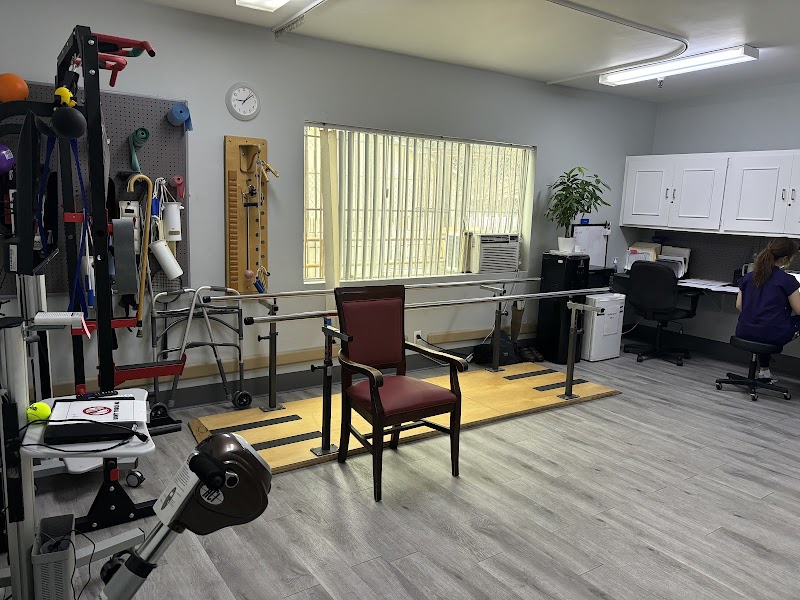
How is Maple Healthcare Center Staffed?
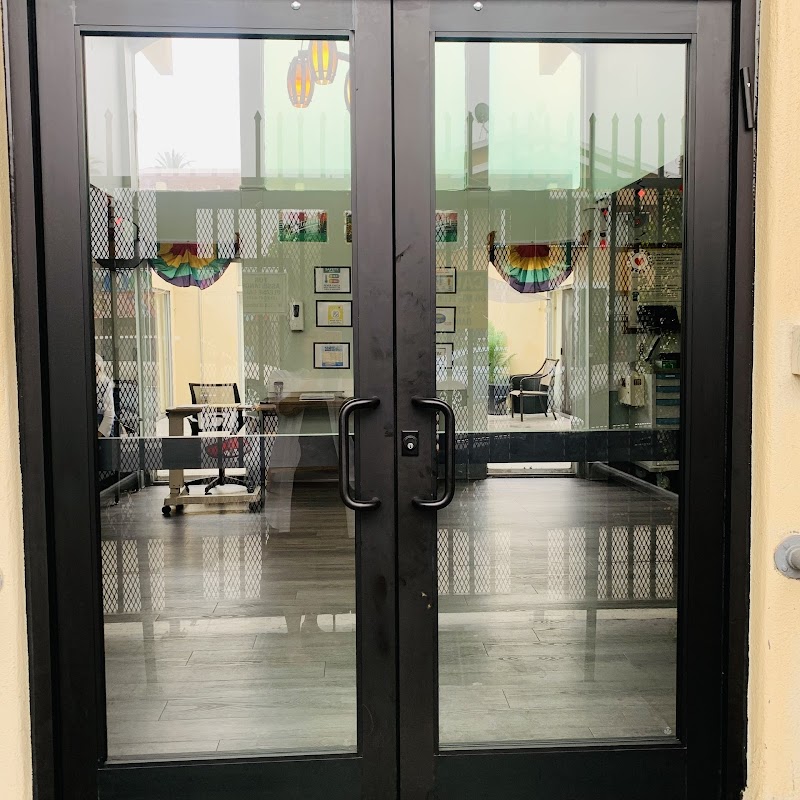
CMS rates Maple Healthcare Center's staffing level at 3 out of 5 stars, which is average compared to other nursing homes. Staff turnover is 72%, which is 26 percentage points above the California average of 46%. High turnover can affect care consistency as new staff learn residents' individual needs. RN turnover specifically is 78%, which is notably high. RNs provide skilled clinical oversight, so turnover in this role can affect medical care quality.

What Have Inspectors Found at Maple Healthcare Center?

State health inspectors documented 71 deficiencies at Maple Healthcare Center during 2021 to 2025. These included: 2 Immediate Jeopardy (the most serious level, indicating potential for serious harm or death), 6 that caused actual resident harm, 61 with potential for harm, and 2 minor or isolated issues. Immediate Jeopardy findings are rare and represent the most serious regulatory concerns. They require immediate corrective action.

Who Owns and Operates Maple Healthcare Center?

Maple Healthcare Center is owned by a for-profit company. For-profit facilities operate as businesses with obligations to shareholders or private owners. The facility is operated by HELENE MAYER, a chain that manages multiple nursing homes. With 59 certified beds and approximately 52 residents (about 88% occupancy), it is a smaller facility located in LOS ANGELES, California.

How Does Maple Healthcare Center Compare to Other California Nursing Homes?

Compared to the 100 nursing homes in California, Maple Healthcare Center's overall rating (1 stars) is below the state average of 3.1, staff turnover (72%) is significantly higher than the state average of 46%, and health inspection rating (1 stars) is much below the national benchmark.

What Should Families Ask When Visiting Maple Healthcare Center?

Based on this facility's data, families visiting should ask: "What changes have been made since the serious inspection findings, and how are you preventing similar issues?" "What safeguards and monitoring systems are in place to protect residents from abuse or neglect?" "How do you ensure continuity of care given staff turnover, and what is your staff retention strategy?" "Can I visit during a mealtime to observe dining assistance and food quality?" These questions are particularly relevant given the facility's Immediate Jeopardy citations, the substantiated abuse finding on record, and the facility's high staff turnover rate.

Is Maple Healthcare Center Safe?

Based on CMS inspection data, Maple Healthcare Center has documented safety concerns. The facility has 1 substantiated abuse finding (meaning confirmed case of resident harm by staff or other residents). Inspectors have issued 2 Immediate Jeopardy citations (the most serious violation level indicating risk of serious injury or death). The facility has a 1-star overall rating and ranks #100 of 100 nursing homes in California. Families considering this facility should ask detailed questions about what corrective actions have been taken since these incidents.

Do Nurses at Maple Healthcare Center Stick Around?

Staff turnover at Maple Healthcare Center is high. At 72%, the facility is 26 percentage points above the California average of 46%. Registered Nurse turnover is particularly concerning at 78%. RNs handle complex medical decisions and coordinate care — frequent RN changes can directly impact care quality. High turnover means new staff may not know residents' individual needs, medications, or preferences. It can also be disorienting for residents, especially those with dementia who rely on familiar faces. Families should ask: What is causing the turnover? What retention programs are in place? How do you ensure care continuity during staff transitions?

Was Maple Healthcare Center Ever Fined?

Maple Healthcare Center has been fined $176,644 across 6 penalty actions. This is 5.1x the California average of $34,845. Fines at this level are uncommon and typically indicate a pattern of serious deficiencies, repeated violations, or failure to correct problems promptly. CMS reserves penalties of this magnitude for facilities that pose significant, documented risk to resident health or safety. Families should request specific documentation of what issues led to these fines and what systemic changes have been implemented.

Is Maple Healthcare Center on Any Federal Watch List?

Maple Healthcare Center is not on any federal watch list. The most significant is the Special Focus Facility (SFF) program, which identifies the bottom 1% of nursing homes nationally based on persistent, serious quality problems. Not being on this list means the facility has avoided the pattern of deficiencies that triggers enhanced federal oversight. This is a positive indicator, though families should still review the facility's inspection history directly.