MEADOWBROOK BEHAVIORAL HEALTH CENTER
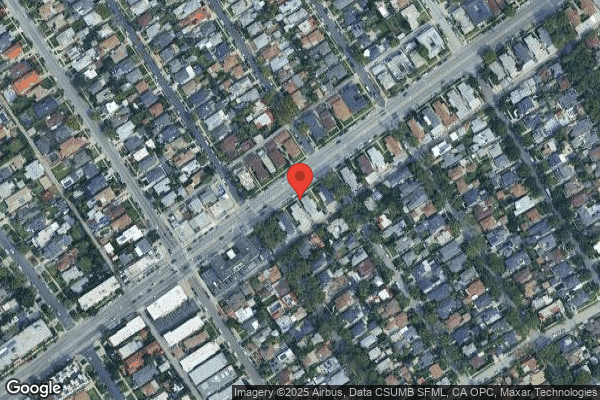
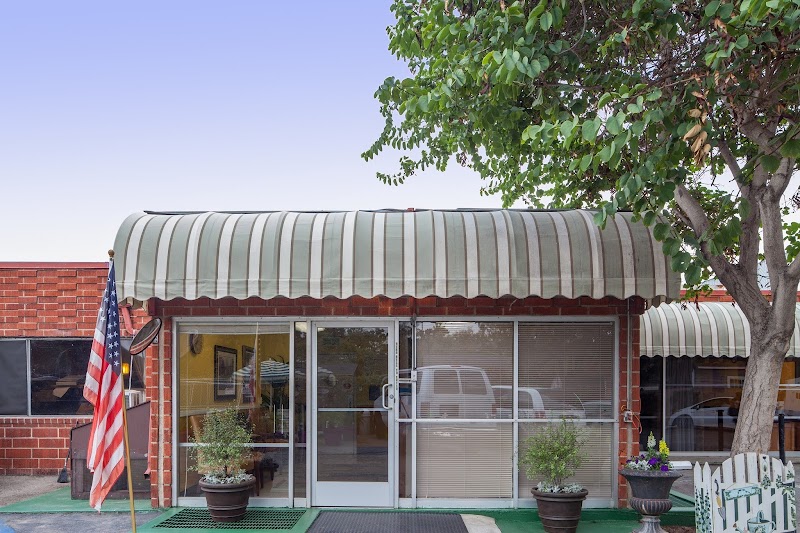
3951 EAST BLVD., LOS ANGELES, CA 90066 (310) 391-8266
For profit - Limited Liability company 77 Beds Independent Data: November 2025 2 Immediate Jeopardy citations
Trust Grade
6/100
#850 of 1155 in CA
Last Inspection: January 2025

Within standard 12-15 month inspection cycle. Federal law requires annual inspections.

Overview

Meadowbrook Behavioral Health Center has received a Trust Grade of F, indicating significant concerns about the quality of care provided. With a state rank of #850 out of 1155 and a county rank of #210 out of 369, the facility is in the bottom half for both California and Los Angeles County, suggesting many better options are available. The trend is worsening, with reported issues increasing from 13 in 2024 to 18 in 2025. Although staffing is a relative strength with a 4/5 star rating and a low turnover rate of 19%, the facility has been flagged for serious incidents, including critical failures to protect residents from sexual and physical abuse. While no fines have been issued, the overall environment raises significant concerns for families considering this facility for their loved ones.

Trust Score
F
6/100
In California
#850/1155
Bottom 27%
Safety Record
High Risk
Review needed
Inspections
Getting Worse
13 → 18 violations
Staff Stability
✓ Good
19% annual turnover. Excellent stability, 29 points below California's 48% average. Staff who stay learn residents' needs.
Penalties
✓ Good
No fines on record. Clean compliance history, better than most California facilities.
Skilled Nurses
⚠ Watch
Each resident gets only 21 minutes of Registered Nurse (RN) attention daily — below average for California. Fewer RN minutes means fewer trained eyes watching for problems.
Violations
⚠ Watch
45 deficiencies on record. Higher than average. Multiple issues found across inspections.
★★☆☆☆
2.0
Overall Rating
★★★★☆
4.0
Staff Levels
★★★★★
5.0
Care Quality
★☆☆☆☆
1.0
Inspection Score
Stable
2024: 13 issues
2025: 18 issues

The Good

  • 4-Star Staffing Rating · Above-average nurse staffing levels
  • 5-Star Quality Measures · Strong clinical quality outcomes
  • Low Staff Turnover (19%) · Staff stability means consistent care
  • Full Sprinkler Coverage · Fire safety systems throughout facility
  • No fines on record
  • Staff turnover is low (19%)

    29 points below California average of 48%

Facility shows strength in staffing levels, quality measures, staff retention, fire safety.

The Bad

2-Star Overall Rating

Below California average (3.1)

Below average - review inspection findings carefully

The Ugly 45 deficiencies on record

2 life-threatening 2 actual harm
Aug 2025 1 deficiency
CONCERN (E) 📢 Someone Reported This

A family member, employee, or ombudsman was alarmed enough to file a formal complaint

Potential for Harm - no one hurt, but risky conditions existed

Infection Control (Tag F0880)

Could have caused harm · This affected multiple residents

**NOTE- TERMS IN BRACKETS HAVE BEEN EDITED TO PROTECT CONFIDENTIALITY** Based on interview and record review, the facility failed to ensure that staff that was having signs and symptoms of respiratory...

Read full inspector narrative →
**NOTE- TERMS IN BRACKETS HAVE BEEN EDITED TO PROTECT CONFIDENTIALITY** Based on interview and record review, the facility failed to ensure that staff that was having signs and symptoms of respiratory infection (an illness caused by germs, like viruses or bacteria, that get into your breathing system -nose, throat, lungs, and airways and cause problems) stay home according to the facility's policy and procedures (P&P) titled Oxygen Therapy revised 1/27/2025. This deficient practice resulted in four out of 77 residents being positive for covid (COVID 19-A highly contagious respiratory disease).Findings: During a record review, Resident 6's admission Record indicated the facility admitted Resident 6 on 3/18/2019 and readmitted Resident 6 on 9/22/2021 with diagnoses including paranoid schizophrenia (a condition where someone has trouble telling what's real from what's not, experiencing intense paranoia, like believing they're being targeted or watched), major depressive disorder (a serious mood disorder where someone experiences a persistent deep sadness, loss of interest, or lack of pleasure in most activities), and unspecified convulsions (involuntary, sudden, and often violent muscle contractions that can occur in various parts of the body). During a record review, Resident 6's Minimum Data Set (MDS - a resident assessment tool) dated 7/5/2025, indicated Resident 6 was cognitively intact (when a person has no trouble remembering, learning new things, concentrating, or making decisions that affect their everyday life). The MDS indicated Resident 6 is independent with activities of daily living (ADLs- routine tasks/activities such as bathing, dressing and toileting a person performs daily to care for themselves). During a record review Resident 6's SBAR (situation, background, assessment, recommendation-a communication tool used by healthcare workers when there is a change of condition among the residents), dated 8/19/2025, at 10:03 P.M., indicated that Resident 6 tested positive for COVID 19. During a review, Resident 7's admission Record indicated the facility admitted Resident 7 on 5/19/2025 with diagnoses including schizophrenia (a chronic mental health condition that affects a person's thoughts, feelings, and behavior), diabetes mellitus (DM-a disorder characterized by difficulty in blood sugar control and poor wound healing), and depression (persistent feelings of sadness, hopelessness, and loss of interest). During a record review, Resident 7's MDS dated [DATE], indicated Resident 7 was cognitively intact (when a person has no trouble remembering, learning new things, concentrating, or making decisions that affect their everyday life). The MDS indicated Resident 6 is independent with activities of daily living (ADLs- routine tasks/activities such as bathing, dressing and toileting a person performs daily to care for themselves). During a record review, Resident 7's SBAR, dated 8/19/2025, at 11:50 P.M., indicated that Resident 7 tested positive to COVID 19. During a record review, Resident 8's admission Record indicated the facility admitted Resident 8 on 6/12/2017 and readmitted Resident 8 on 10/30/2018 with diagnoses including paranoid schizophrenia (a condition where someone has trouble telling what's real from what's not, experiencing intense paranoia, like believing they're being targeted or watched), hypertension (HTN-high blood pressure), and hyperglyceridemia (having too much of a certain type of fat, called triglycerides, in the blood). During a record review, Resident 8's MDS dated [DATE], indicated Resident 8 was cognitively intact. The MDS indicated Resident 6 is independent with ADLs. During a record review Resident 8's SBAR, dated 8/19/2025, at 10:19 P.M., indicated that Resident 8 tested positive to COVID 19. During a record review Resident 9's admission Record indicated the facility admitted Resident 9 on 3/10/2025 with diagnoses including schizoaffective disorder (a mental health condition that combines symptoms of a psychotic disorder, like schizophrenia [a condition where someone has trouble telling what's real from what's not, experiencing intense paranoia, like believing they're being targeted or watched], with symptoms of a mood disorder, such as bipolar disorder [a mental health condition characterized by extreme shifts in mood, energy, and behavior] or depression [persistent feelings of sadness, hopelessness, and loss of interest]), HTN, and hyperlipidemia (a condition where there are high levels of fats [lipids] in the blood). During a record review, Resident 9's MDS dated [DATE], indicated Resident 9 was cognitively impaired. The MDS indicated Resident 9 is independent with ADLs. During a record review, Resident 9's SBAR, dated 8/19/2025, at 7:03 P.M., indicated that Resident 9 tested positive to COVID 19. During an interview on 8/20/2025, at 2:34 P.M., with Certified nursing assistant 3 (CNA 3), CNA 3 stated that on Saturday, 8/16/2025, she did not feel well, she was having body aches, her throat was hurting and was feeling congested. On Monday, CNA 3 stated that she continued to feel unwell, had a runny nose and was coughing. On Tuesday, 8/19/2025, CNA 3 stated she still did not feel well and that's when she took a COVID test tested at the facility and tested positive for COVID. CNA 3 stated she was not supposed to come into work feeling sick and that she did not make the right decision. CNA 3 stated she should have stayed home to prevent spreading the infection in the facility. During an interview on 8/20/2025, at 4:30 P.M., with the infection prevention nurse (IPN), IPN stated that if a staff member if feeling sick and is having symptoms of runny nose, sore throat, coughing, sneezing, headache, teary eyes, red eyes or any other signs and symptoms of respiratory illness the staff need to stay home because if they come into the building with these symptoms it may cause the symptoms to go around the building and we need to keep the resident safe as the resident in the facility are vulnerable. The IPN stated that she called CNA 1 and asked her why she came to work when she was sick. IPN stated CNA 1 should not have come to work. During an interview on 8/20/2025, at 12 P.M., with Registered Nurse Supervisor (RNS) 1, RNS 1 stated that staff should stay away from work if they are exhibiting any signs and symptoms of respiratory infection such as sneezing, runny nose, fever to prevent them from passing the infection to the residents. During a record review, the facility Policy and Procedure (P&P), titled, Infection Prevention and Control Program effective 9/18/2024, indicated, PurposeAn infection prevention and control program (IPCP) is established and maintained to provide a safe, sanitary and comfortable environment and to help prevent the development and transmission of communicable diseases and infections.a. The facility has established policies and procedures regarding infection control among employees, contractors, vendors, visitors, and volunteers, including:1. Situations when these individuals should report their infections or avoid the facility (for example, . respiratory infections with considerable coughing and sneezing.
Jul 2025 1 deficiency 1 Harm
SERIOUS (G) 📢 Someone Reported This

A family member, employee, or ombudsman was alarmed enough to file a formal complaint

Actual Harm - a resident was hurt due to facility failures

Free from Abuse/Neglect (Tag F0600)

A resident was harmed · This affected 1 resident

**NOTE- TERMS IN BRACKETS HAVE BEEN EDITED TO PROTECT CONFIDENTIALITY** Findings: During a review of Resident 1's admission Record, the admission Record indicated Resident 1 was admitted to the facili...

Read full inspector narrative →
**NOTE- TERMS IN BRACKETS HAVE BEEN EDITED TO PROTECT CONFIDENTIALITY** Findings: During a review of Resident 1's admission Record, the admission Record indicated Resident 1 was admitted to the facility on [DATE] with diagnoses that included essential (primary) hypertension (when a person has abnormally high blood pressure that's not the result of a medical condition), paranoid schizophrenia (Persistent, false beliefs, often centered around persecution, where the individual believes they are being harmed or negatively affected by others). During a review of Resident 1's History and Physical (H&P) dated 10/30/2024, the H&P indicated Resident 1 did not have the capacity to understand and make decisions, however, he can make needs known. During a review of Resident 1's Minimum Data Set (MDS - a resident assessment tool) dated 6/4/2025, the resident's cognition (a person's mental ability to think, learn, remember, use judgement, and make decisions) was intact. The MDS indicated Resident 1 could communicate needs and wants; however, Resident 1 could not make medical decisions concerning care. During a review of Resident 1's Situation Background Assessment Recommendation (SBAR- is a structured communication framework that can help teams share information about the condition of a patient or team member or about another issue your team needs to address) Summary for providers dated 7/8/2025 at 10:44pm, the SBAR indicated that on 7/7/2025 at approximately 7:50pm, male peer (Resident 2) walked in the television (TV) room and hit resident (Resident 1) with close fist in the face area times three without provocation. The SBAR indicated a medical doctor (MD) and conservator (is a person appointed by a court to manage the financial affairs and/or healthcare decisions of an adult who is deemed unable to do so themselves due to a mental or physical disability) were notified, and the MD ordered X-ray to rule out (R/O) fracture (break in a bone). During a review of Resident 1's Care Plan (CP) titled Resident with Potential/risk to exhibit Psycho-Social (refers to anything that negatively impacts a person's mental well-being, like their thoughts, feelings, and emotions) distress related to abuse allegation, and initiated on 7/7/2025, indicated to monitor Resident 1 for potential for psychosocial harm, due to physical assault on two occasions, the first on 7/7/2025 and the second on 7/8/2025. During a review of Resident 1's Room Transfer/New Roommate Change Form., dated 7/7/2025 at 9 pm indicated Resident 1 (Resident 2's roommate) was moved to another room after an incident with roommate (Resident 2) on 7/7/2025. During a review of Resident 1's Progress Note dated 7/7/2025, the progress note indicated Resident 1 was placed on Q (every) 15 minutes monitoring (every 15 minutes report on the whereabouts and activity of the resident) checks for 72 hours per Medical Doctor (MD) 1 orders after witnessed incident of resident to resident (one resident abusing another resident withing the facility) abuse. During a review of Resident 1's Body Check Assessment Form dated 7/8/2025 indicated Skin coloration under right eye 1.5 cm X 3 cm, applied ice compress (cold therapy- is the application of cold to a body part to reduce pain, swelling, and inflammation [the body's response to injury or infection]) on affected area, and MD 1 notified. During a review of Resident 1's physician telephone order dated 7/8/2025 at 1:04pm, the physician telephone order indicated to perform stat (now) x-ray of the face to rule out fracture. During a review of Resident 1's Follow-up Documentation dated 7/10/2025 at 2:17pm, the follow up documentation indicated . Resident 1 has a purplish discoloration under right eye, swelling noted, and no visual disturbances noted. During a review of Resident 2's admission Record, indicated Resident 2 was admitted to the facility on [DATE] with diagnoses that included essential hypertension paranoid schizophrenia During a review of Resident 2's H&P dated 10/30/2024, the H&P indicated Resident 2 did not have the capacity to understand and make decisions, however, the resident could make needs known. During a review of Resident 2's MDS dated [DATE], the MDS indicated Resident's cognition was intact. The MDS indicated Resident 2 could communicate needs and wants but did not have the capacity to make decisions concerning care. During a review of Resident 2's CP titled physical altercation related to poor impulse control and resolving interpersonal conflicts initiated on 4/17/2025 and revised on 7/8/2025, the CP indicated to monitor Resident 2 to help prevent potential future physical altercations, related to Resident 2 hit male peer (Resident 1) three times in the head on 7/7/2025. The CP also indicated that on 7/8/2025, Resident 2 hit male peer (Resident 1) in the face with his hands. The CP interventions indicated that Resident 2 was on (Q) (every) 15 minutes (every 15 minutes report on the whereabouts and activity of the resident) checks monitoring. During a review of Resident 2's Nursing Note dated 7/7/2025 at 9:23 pm, the nursing note indicated a change of condition (COC- acute change of condition (ACOC), or significant change of condition) that Resident 2 hit another resident (Resident 1) in the face three times without provocation. The Nursing Note indicated MD 1 was notified and MD 1 gave an order for Resident 2 to be placed on Q15-minute checks for 72 hours. During a review of Resident 2 MD 1 telephone order dated 7/8/0225 at 6:38 pm, the telephone order indicated MD 1 placed Resident 2 on one to one (1:1) (close supervision to prevent aggressive behavior) monitoring precautions after the second incident of resident to resident (Resident 2 on Resident 1) abuse on 7/8/2025. Order stated the following: ok to place resident on 1:1 close supervision due to (d/t) aggressive behavior During an interview on 7/22/2025 at 9:07 am Resident 1 stated, on 7/7/2025 in the evening, Resident 1 was sitting in the residents group meeting room when Resident 2 came into the room and started punching him (Resident 1) in the face for no reason. Resident 1 stated facility staff came and stopped Resident 2 from hitting him in the face. Resident 1 stated that the next morning on 7/8/2025 both Resident 1 and Resident 2 were in another resident group activity on 7/8/2025, when Resident 2 came over to him and began hitting Resident 1 in the face for no reason. During an interview on 7/22/2025 at 10:35am, Behavioral Specialist (BS) (staff that assist residents and help monitor activity of residents throughout the day) 1 stated, that on 7/8/2025 during the first group meeting called News of the Day, both Resident 2 and Resident 1 were attending the same group. BS 1 stated once the group was over, Resident 2 walked over to Resident 1 and started hitting Resident 1 for no reason. BS 1 stated he told Resident 2 to stop hitting Resident 1, and Resident 2 complied and stopped hitting Resident 2. BS 1 stated Resident 2 was on Q15 minutes monitoring protocol. BS stated that Q15 means that certified nursing assistant (CNA) checks the residents whereabouts every 15 minutes. During an interview on 7/22/2025 at 11:27am, BS 2 stated that on 7/7/2025 he (BS 2) was downstairs in the dining room assisting with the News of the Day residents group meeting. BS 2 stated both Resident 1 and Resident 2 was in the same group meeting but seated at a different tables. News of the Day, BS 2 stated Resident 2 just got up, and walked over to Resident 1 and started hitting Resident 1 in the face. BS 2 stated Resident 2 did not say anything, just got up like he (Resident 2) was going to leave the room but instead turned and went over to Resident 1 and started hitting Resident 1 in the face. During an interview on 7/22/2025 at 12:08 pm, Certified Nurse Assistant (CNA) 1 stated that on 7/8/2025 she was assigned to monitor Resident 2 every 15 minutes. CNA 1 stated that when staff are assigned to monitor a resident every 15 minutes, that means the resident is on Q15 minute monitoring and that staff assigned to the resident must check on the resident every 15 minutes. CNA 1 stated that Q15 minute monitoring does not mean staying with the resident and reporting to staff every 15 minutes but to check on the whereabouts of the resident every 15 minutes. However, while the resident is in group, the resident is left with the staff that run the group. CNA 1 stated, even though she is assigned to perform to monitor the residents Q15 minutes, she still has six to eight other residents to attend to. During an interview on 7/22/2025 at 12:40 pm, Licensed Vocational Nurse (LVN) 1 stated, he was upstairs at the nursing station when he overheard one of the residents say that there was a fight downstairs. LVN 1 stated he went downstairs to see what was happening. LVN 1 stated once he was downstairs, he noticed that staff had already separated the residents (Resident 1 and Resident 2). LVN 1 stated he performed a visual assessment on Resident 1 to determine if he needed medical attention and Resident 1 stated he (Resident 1) was alright. During an interview on 7/22/2025 at 12:52 pm, the Program Counselor (PC -a staff that assists residents with group activities and assists in monitoring resident behavior) stated that on 7/7/2025, Resident 1 was participating in an evening group activity in the TV room. Resident 2 was not participating in this activity. The PC stated that at the end of the evening group activity, Resident 2 walked into the same TV room and starting hitting Resident 1 in the face. PC stated the facility Assistant Program Director (APD- the supervisor of the program counselors and behavioral specialists) was in the TV room and used crisis communication (firm commands to residents that stops negative behavior) to try and stop Resident 2 from continuing to hit Resident 1 in the face. During an interview on 7/22/2025 at 1:05 pm, the APD stated he was in the television room speaking to one of the counselors when suddenly Resident 2 came into the room and started hitting Resident 1. The APD stated he used verbal crisis communications, and Resident 2 then stopped his aggressive behaviors on Resident 1. During an interview on 7/22/2025 at 1:30pm, the Registered Nursing Supervisor (RNS) stated, after the first incident on 7/7/2025 Resident 2 was placed on Q15 minute monitoring and that after the second incident on 7/8/2025 the resident was placed on 1:1 monitoring by Medical Doctor (MD) 1. RNS stated that on 7/8/2025 the next day after the second incident, Resident 2 assaulted Resident 1 again in a group that they were both attending. During an interview on 7/22/2025 at 1:42 pm, MD1 stated, 1:1 order is used to monitor the residents very closely to prevent them from harming themselves or others. During a review of the facility Policy and Procedures (P&P) titled Resident Rights dated revised 2/25/2025, indicated: Policy StatementEmployees shall treat all residents with kindness, respect, and dignity.Policy Interpretation and Implementation1. Federal and state laws guarantee certain basic rights to all residents of this facility. These rights include the resident's right to:a. A dignified existence;b. Be treated with respect, kindness, and dignity;c. Be free from abuse, neglect, misappropriation of property, and exploitation. During a review of the facility P&P titled Abuse Prohibition Policy and Procedure dated revised 2/25/2025, indicated: Policy:HealthCare Centers prohibit abuse, mistreatment, neglect, misappropriation of resident property, and exploitation for all residents. This includes, but is not limited to, freedom from corporal punishment, involuntary seclusion, and any physical or chemical restraint not required to treat the patient's medical symptoms. The Center will implement an abuse prohibition program through the following: Screening of potential hires; Training of employees (both new employees and ongoing training for all employees); Prevention of occurrences; Identification of possible incidents or allegations which need investigation; Investigation of incidents and allegations; Protection of patients during investigations; and Reporting of incidents, investigations, and Center response to the results of their investigations.
Jun 2025 1 deficiency
CONCERN (E) 📢 Someone Reported This

A family member, employee, or ombudsman was alarmed enough to file a formal complaint

Potential for Harm - no one hurt, but risky conditions existed

Administration (Tag F0835)

Could have caused harm · This affected multiple residents

**NOTE- TERMS IN BRACKETS HAVE BEEN EDITED TO PROTECT CONFIDENTIALITY** Based on observation, interview, and record review, the facility's Administrator (ADM) failed to ensure to provide a safe enviro...

Read full inspector narrative →
**NOTE- TERMS IN BRACKETS HAVE BEEN EDITED TO PROTECT CONFIDENTIALITY** Based on observation, interview, and record review, the facility's Administrator (ADM) failed to ensure to provide a safe environment and oversee the safety of one of two sampled residents (Resident 10) by failing to: -Ensure Resident 10 who could not make her own decisions and Resident 9 who could not make his own decisions had a safe environment to engage in sexual activities that occurred in the facility. -Ensure all staff including Registered Nurse 1 (RN1) were aware Resident 9 and Resident 10 had sexual activities. These failures resulted for Resident 10 to feel unsafe, have emotional distress (mental suffering), and alleged Resident 9 was sexually and physically aggressive with her (Resident 10). Findings: During a review of Resident 9's admission Record, the admission Record indicated the facility admitted Resident 9 on 3/20/2025 with the diagnoses of schizoaffective disorder (a mental illness that can affect thoughts, mood, and behavior) and anxiety disorder (a mental health condition characterized by excessive and persistent worry, fear, and nervousness that can interfere with daily life). During a review of Resident 9's History and Physical (H&P) dated 3/20/2025, the H&P indicated Resident 9 could not make his own medical decisions but can make his needs known. During a review of Resident 9's Minute Order (summaries of the decisions made by the judge during a hearing) dated 5/15/2025, the Minute Order indicated Resident 9's conservatorship ([NAME] arrangement where a court appoints someone [the conservator] to handle the personal or financial affairs of an adult [the conservatee] was still in place. The Minute Order indicated Resident 9 was the conservatee under the care of a conservator. During an interview on 6/6/2025 at 11:43 AM with Resident 9, Resident 9 stated on 6/2/2025 (time not specified) he (Resident 9) went to hang out in Resident 10's room, but Resident 10 did not want to hang out so Resident 9 stated he broke up with Resident 10. Resident 9 stated he left Resident 10's room and went back to his room. Resident 9 stated Resident 10 followed him into his (Resident 9's) room and offered to have sex with him. Resident 9 stated he (Resident 9) had sex with Resident 10. During a review of Resident 10's admission Record, the admission Record indicated the facility admitted Resident 10 on 7/12/2023 with the diagnoses of paranoid (a pattern of behavior where a person feels distrustful and suspicious of other people and acts accordingly) schizophrenia (a mental illness that is characterized by disturbances in thought) and bipolar disorder (sometimes called manic-depressive disorder; mood swings that range from the lows of depression to elevated periods of emotional highs). During a review of Resident 10's H&P dated 10/30/2024, the H&P indicated Resident 10 could not make her own decisions but could make her needs known. During a review of Resident 10's Minimum Data Set (MDS, a resident assessment tool) dated 4/27/2025, the MDS indicated Resident 10 had potential indicators (something that gives you a clue or shows you something about a situation, like a sign) for psychosis ((a severe mental condition in which thought, and emotions are so affected that contact is lost with reality) such as hallucinations (experiencing something with your senses that isn't actually there, but feels real) and delusions (having false or unrealistic beliefs). During a review of Resident 10's Sexuality assessment dated [DATE], the Sexuality Assessment indicated Resident 10 was sexually active with Resident 9. During a review of Resident 10's Care Plan Report dated 6/2/2025, the Care Plan Report indicated Resident 10 exhibited psycho-social (focuses on the nature of self-understanding, social relationships, and the mental processes that support connections between the person and his/her social world) emotional distress and feeling unsafe. The Care Plan Report indicated Resident 10 reported I do not want to be here; I don't want to live in a co-ed facility. There is so much drama going to start after this. During a review of Resident 10's Change in Condition note dated 6/3/2025, the Change in Condition note indicated Resident 10 had sexual relations with a male peer (date of event and name of male peer not given). The Change in Condition note indicated Resident 10 broke up With him and seeing him triggered the behavior that resulted to panic anxiety, increased pacing in the hallway. The Change in Condition note indicated New or worsened delusions or hallucinations. The Change in Condition note indicated Resident stated I can ' t stand the COED (a facility where both men and women live) facility, I feel DTO (Danger to others - a person's behavior, actions, or mental state suggests they are likely to physically harm someone else) now, I want to hit someone if I don't leave this facility. During a review of Resident 10's Interdisciplinary (two or more different fields of study or areas of knowledge) Care Conference note dated 6/4/2025 indicated Resident 10 was evaluated by the Psychiatric Mobile Response Team (PMRT, non-law enforcement-based mobile crisis response for clients experiencing a psychiatric emergency) on 6/3/2025 because she (Resident 10) wanted to hurt others. The Interdisciplinary Care Conference note indicated Resident 10 was transferred to a General Acute Care Hosptial (GACH). The Interdisciplinary Care Conference note indicated Resident 10 ' s thoughts were disorganized (having trouble thinking clearly and logically), had auditory hallucinations (hearing sounds or voices that aren't actually there), tangential thoughts (getting sidetracked during a conversation or when thinking about something), and rambling speech (talking in a way that's unclear, confusing, and doesn't stick to one main point). During a review of Resident 10's Social Services Director note dated 6/5/2025 at 5:11 PM, the Social Services Director note indicated the GACH Doctor told Registered Nurse (RN) supervisor Resident 10 alleged her boyfriend (Resident 9) was aggressive with her. During a review of Resident 10's Medication Review Report dated 6/6/2025, the Medication Review Report indicated Resident 10 had an order to transfer to transfer to GACH due to danger to others. During a telephone interview on 6/6/2025 at 11:19 AM with Resident 10 who was at the GACH, Resident 10 stated she (Resident 10) had sex with Resident 9 but could not provide a date and time. Resident 10 was heard speaking very fast and unable to stay on topic. Resident 9 was difficult to understand and at times had rambling speech. Resident 10 stated it was too much (referring to having sex with Resident 9). Resident 10 stated she (Resident 10) did not want to back to the facility where she lived (Resident 10) and wanted to be placed at another facility once discharged from the hospital. During an interview on 6/6/2025 at 12:37 PM with Certified Nursing Assistant 6 (CNA 6), CNA 6 stated Resident 9 and Resident 10 had been hanging around for a while and had been in a relationship. CNA 6 stated Resident 9 and Resident 10 had been boyfriend and girlfriend. CNA 6 stated Resident 9 and Resident 10 had the privilege to have sex, and the facility could not deny them having sex. CNA 6 stated the residents (in general) would need to know what the consequences were for having sex and staff (in general) could offer the residents (in general) protection. CNA 6 stated if residents (in general) wanted to have sex, they (Residents in general) would need to speak with the licensed staff for an assessment. CNA 6 stated if staff saw residents (in general) hanging around together, they (staff in general) needed to alert the program director, especially if the residents (in general) held hands and or kissed. During an interview on 6/6/2025 at 12:58 PM with RN 1, RN1 stated he (RN1) was not aware Resident 9 and Resident 10 were having sex and stated he (RN1) had only seen them walking together. RN 1 stated Resident 9 and Resident 10 had not notified staff they were having sex or asked staff for any condoms. RN 1 stated if the residents (in general) wanted to have sex, the facility would need to monitor the residents (in general) to make sure it was consensual (done with the willing agreement of everyone involved). RN 1 stated residents (in general) could have sex in their room if their roommates were ok with it. [NAME] an interview on 6/6/2025 at 1:1PM with the Director of Nursing, the DON stated Resident 10 spoke very fast and kept changing topics (in general before Resident 10 went to the GACH). The DON stated Resident 10 appeared to be in a manic state (a period of unusually elevated mood and energy). The DON stated Resident 10 told her (DON) she (Resident 10) was DTO and wanted to hit others. The DON stated Resident 10 told her (DON) she (Resident 10) broke up with Resident 9. The DON stated Resident 10 told her she (Resident 10) did not want it (sex) anymore and the girls are talking about me. The DON stated Resident 10 told her (DON) she (Resident 10) did not want to live in a coed facility. During an interview on 6/6/2021 at 3:11 PM with the facility's Administrator (ADM), the ADM stated daily rounds (regular check-in where the medical team visits each patient to review their condition and plan for their care) we done all times. The ADM stated residents who could consent were monitored via the daily rounds and residents (in general) who could not consent needed to be monitored more closely. The ADM stated each program counselor had a specific case load of residents and the program counselors were obligated to check on their specific residents. The ADM stated residents were encouraged to have sex during specified times, specifically between six to seven PM. The ADM stated if the room was closed between six and seven PM, the staff could know to provide privacy and not enter a resident ' s room. The ADM stated residents would report to staff if they felt unsafe and staff were close to the rooms to be able to respond right away. During a review of the facility's investigation report letter dated 6/9/2025, the investigation report letter indicated the facility was investigating an alleged abuse on 6/5/2025 between the alleged victim (Resident 10) and the alleged aggressor (Resident 9). The investigation report letter indicated the facility received a call from the hospital informing the facility Resident 10 reported her boyfriend was sexually and physically aggressive with her during Resident 10 ' s time at the facility. During a review of the facility's job description titled Administrator, revised 10/2020, the job description indicated The primary purpose of this position is to direct the day-to-day functions of the facility in accordance with current federal, state and local standards, guidelines and regulations that govern nursing facilities to assure that the highest degree of quality care can be provided to residents at all times). The job description indicated the ADM would be responsible for all programs and activities. The job description indicated the ADM would have the following responsibilities: Ensure that each resident receives necessary care and services to attain and maintain the highest practical physical, mental and psychosocial well-being consistent with the resident ' s comprehensive assessment and plan of care Participate in the facility-wide assessment to determine what resources are necessary to care for residents competently during both day-to-day operations and during emergencies. Ensure the facility and resident environment remain as free of accidents as possible and that each resident receives adequate supervision and assistive devices to prevent accidents, including identifying and analyzing hazards and risks, implementing interventions and monitoring the effectiveness of those interventions when necessary. T Ensure that the therapeutic recreation activity programs are planned, implemented and evaluated to meet the needs and interests of residents to maximize resident quality of life and quality of care. Observe, monitor and evaluate outcomes of all facility programs, policies and procedures to ensure effectiveness and fulfill administrative and professional responsibility. Consult with department directors concerning the operation of their departments to assist in eliminating/correcting problem areas and/or improving services. Develop and implement a facility compliance program that meets state and federal requirements. Ensure that an adequate number of appropriately trained, competent, licensed professionals and nonlicensed personnel are on duty at all times to meet the needs of the residents. Ensure the planning, implementation and evaluation of an environmental safety program that will maintain the health, welfare and safety of residents, staff and visitors. Ensure the facility complies with applicable federal, state and local standards and regulations including the Americans with Disabilities Act, OSHA, Centers for Medicare and Medicaid Services (CMS), Life Safety Code, etc. Ensure that all facility personnel, residents, visitors, etc., follow established safety policies and procedures. Review accident/incident reports (e.g., falls, injuries of an unknown source, abuse, etc.); monitor to determine the effectiveness of the facility ' s safety and risk management programs. Is involved with residents, family members, personnel, visitors, government agencies/personnel, etc., under all conditions/circumstances. Must possess the ability to plan, organize, develop, implement and interpret the programs, goals, objectives, policies, procedures, etc., that are necessary for providing quality care and maintaining a sound operation. During a review of the facility ' s policy and procedure (P&P), titled Administrator, dated 3/2021, indicated A licensed administrator is responsible for the day-to-day functions of the facility. The P&P indicated the ADM would implement established resident care policies, personnel policies, safety and security policies, and other operational policies and procedures necessary to remain in compliance with current laws, regulations, and guidelines governing long-term care facilities and ensuring that the facility admits only those residents for whom it can provide adequate care.
May 2025 3 deficiencies 2 IJ
CRITICAL (J) 📢 Someone Reported This

A family member, employee, or ombudsman was alarmed enough to file a formal complaint

Immediate Jeopardy (IJ) - the most serious Medicare violation

Free from Abuse/Neglect (Tag F0600)

Someone could have died · This affected 1 resident

**NOTE- TERMS IN BRACKETS HAVE BEEN EDITED TO PROTECT CONFIDENTIALITY** Based on observation, interview, and record review, the facility failed to ensure one of six sampled residents (Resident 1) was ...

Read full inspector narrative →
**NOTE- TERMS IN BRACKETS HAVE BEEN EDITED TO PROTECT CONFIDENTIALITY** Based on observation, interview, and record review, the facility failed to ensure one of six sampled residents (Resident 1) was free from sexual abuse (non-consensual sexual contact of any type or sexual harassment) from Resident 2 who had a history of exchanging money for sex while residing at the facility. On [DATE] at approximately 8:13 PM Resident 2 went inside Resident 1's room while Resident 1 (who did not have the capacity to consent for sexual activities) was laying down and Resident 2 pulled out his genitals. Resident 1 told Resident 2 to stop, and Resident 2 was masturbating in front of Resident 1 and got on top of Resident 1 while Resident 1 laying down. Resident 2 touched and sucked on Resident 1's breasts. Resident 1 told Resident 2 to stop, and Resident 2 did not stop. This failure resulted for Resident 1 to experience sexual abuse from Resident 2 under the care of the facility and she (Resident 1) felt like an Object, and like I don't matter. On [DATE] at 4:23 PM, the Department called an Immediate Jeopardy Situation (IJ, a situation in which the provider's non-compliance with one or more requirements of participation has caused, or likely to cause, serious injury, harm impairment, or death to a patient) in the presence of the facility's Administrator (ADM) and the Director of Nursing (DON) related to the failure to protect Resident 1 from sexual abuse from Resident 2 and for allowing Resident 2 to exchange money for sex this placed Resident 1 and other potential unidentified residents in the facility at risk for sexual abuse. On [DATE] at 12:53 PM, the Department removed the IJ situation while onsite after the surveyor verified the facility's implementation of the IJ removal plan (includes all actions the agency has taken or will take to immediately address the noncompliance that resulted in or made serious injury, serious harm, serious impairment, or death likely) through observation, interview, and record review, which included: On [DATE], at 8:33 PM, the facility placed Resident 1 in a safe environment and a licensed nurse monitored Resident 1 every 15 minutes and notified Resident 1's Medical Doctor and the local law enforcement. On [DATE], at approximately 10:10 PM, the Program Director initiated a care plan to address the non-consensual sexual relationship with Resident 2 and placed Resident 2 on a one-to-one supervision (one-to-one sitters which patients are highly supervised to ensure safety). On [DATE], at 11:05 PM, the DON initiated a Change in Condition (COC, a sudden clinically important deviation from a patient's baseline in physical, cognitive (ability to think and process information), behavioral, or functional domains) to monitor Resident 2 for sexually inappropriate behavior towards Resident 1. On [DATE], at 9:45 PM, the facility sent Resident 1 to a General Acute Care Hospital for further evaluation and possible treatment. The facility readmitted Resident 1 on [DATE] and placed Resident 1 on a one-to-one supervision. On [DATE], at 5:17 PM, Nurse Practitioner 1 (NP1) determined Resident 1 lacked the capacity to consent for sexual activities. On [DATE], at 5:21 PM, NP1 determined Resident 2 lacked the capacity to consent for sexual activities. On [DATE], the DON conducted an audit of residents (77 current residents) with possible sexual activity. On [DATE], at approximately 1:30 to 2 PM, an outside consultant began to educate the staff (in general) including the DON, and Program Director on adherence to new protocols and abuse prevention. On [DATE], at approximately 8:30 PM, the Program Director initiated a care plan for Resident 2 to address behaviors related to exchanging money for sex. Findings: During a review of Resident 1's admission Record, the admission Record indicated the facility originally admitted Resident 1 on [DATE] and readmitted on [DATE]. The admission Record indicated the resident had diagnoses that included paranoid (unreasonably suspicious or mistrustful) schizophrenia (a mental illness that is characterized by disturbances in thought). During a review of Resident 1's History and Physical (H&P) dated [DATE], indicated Resident 1 could not make her own decisions but could make needs known. During a review of Resident 1's Mental Health Conservatorship (when a judge appoints another person to act or make decisions for the person who needs help), dated [DATE], the Mental Health Conservatorship indicated Resident 1 was a Conservatee (an adult who, due to a physical or mental condition, is legally deemed unable to manage their own affairs or care for themselves) granted on [DATE] and expired on [DATE]. During a review of Resident 1's Minute Order (a brief, written document that summarizes a judge's decision during a court hearing or proceeding), dated [DATE], the Minute Order indicated a Guardian was reappointed as Resident 1's conservator until [DATE]. During a review of Resident 1's Minimum Data Set (MDS, a resident assessment tool) dated [DATE], the MDS indicated Resident 1 had potential indicators of psychosis (loss of touch with reality), and delusions (misconceptions or beliefs, contrary to reality). During a review of Resident 1's Care Plan Report dated [DATE], the Care Plan Report indicated Resident 1 was at risk to exhibit psychosocial distress related to an abuse allegation. The Care Plan Report indicated Resident reported to staff experiencing a sexual assault by a male peer. She stated, Resident (unidentified) touched me, sucked my breast, and hugged me while I was saying stop and no. During a review of Resident 1's Nurses Progress Note dated [DATE], timed 8:13 PM, the Nurses Progress Note indicated Resident 2 entered Resident 1's room and pushed himself on Resident 1 digging his hands and face into Resident 1's breasts. The Nurses Progress Note indicated Resident 1 expressed Resident 1 was uncomfortable and asked Resident 2 to stop and Resident 2 refused. During a review of Resident 1's Nurses Progress Notes dated [DATE] at 11:06 PM, the Nurses Progress Notes indicated Resident 1 went to the nurse ' s station (on [DATE]) to report a sexual assault by a male peer (Resident 2). The Nurses Progress Notes indicated Resident 1 did not want Resident 2 to enter Resident 1's room again. The Nurses Progress Notes indicated Resident 1 was encouraged to Alert staff and get help if any man came to her room without her consensus. During a review of Resident 1's Social Service Progress Note dated [DATE] at 1:30 PM, the Social Service Progress Note indicated the DON, met with Resident 1 and Resident (Resident 1) reported that a male resident (Resident 2) entered the room, and although she (Resident 1) told him (Resident 1) to leave, he (Resident 2) proceeded to lie on top of her (Resident 1). The Social Service Progress Note indicated Resident 1 disclosed that she (Resident 1) had been in a brief relationship One week, (unidentified date) with a male resident (Resident 2). The Social Service Progress Note indicated the local police department interviewed (Resident 1). During a review of Resident 2's admission Record, the admission Record indicated the facility admitted Resident 2 on [DATE], with diagnoses that included schizophrenia and personal history of traumatic brain injury (TBI-a disruption in the normal function of the brain that can be caused by a bump, blow, or jolt to the head). During a review of Resident 2's History and Physical dated [DATE] indicated Resident 2 did not have the capacity to make his own decisions but could make needs known. During a review of Resident 2's General Progress Notes dated [DATE] timed at 1:41 PM, the General Progress Notes indicated the Program Counselor was the writer of the General Progress Notes. The General Progress Notes indicated Resident 2 was sexually active with different residents (unidentified) and would give money. During a review of Resident 2's Social Service Progress Note dated [DATE] at 11:52 AM, the Social Service Progress Note indicated the local police department went to speak with Resident 2 on [DATE] at 9:15 am, and did not question Resident 2 because Resident 2 was asleep. During a review of Resident 2's Nurses Progress Note dated [DATE] at 12:34 PM, the Nurses Progress Note indicated Resident 2 stated I touched her (Resident 1) breast, (on [DATE]). The Nurses Progress Note indicated Resident 2 was asked where he (Resident 2) touched Resident 1 and Resident 2 replied, I went to her (Resident 1) room, and I touched her (Resident 1) breast. The Nurses Progress Note indicated Resident 2 stated Resident 1 was in her bed and She (Resident 1) told me to stop then I left the room. The Nurses Progress Note indicated Resident 2 denied pulling down his pants and when asked what would happen if the resident (Resident 2) touched someone without consent, the resident replied, I will be in trouble. During a review of Resident 2's Nurses Progress Note dated [DATE] timed 12:45 AM, the Nurses Progress Note indicated Resident 2 reported he (Resident 2) went to Resident 1 ' s room and touched the resident ' s (Resident 1) breast Because she is hot. During an observation and interview on [DATE] at 8:33 am, Resident 2 was observed asleep in his room not able to be interviewed. During an interview on [DATE] at 1:27 PM, with Resident 2, Resident 2 stated he (Resident 2) touched Resident 1's breasts on [DATE] evening (unidentified time). Resident 2 stated Resident 1 did not give him (Resident 2) permission to touch Resident 1 ' s breasts. During an interview on [DATE] at 1:36 PM with Registered Nurse 1 (RN 1), RN 1 stated he (RN1) saw Resident 2 going in and out of Resident 1's room on the evening of [DATE] (unspecified time prior to 8:13 PM). RN 1 stated he (RN1) notified the ADM and the psychiatrist (a medical doctor who specializes in the diagnosis, treatment, and prevention of mental, emotional, and behavioral disorders) once Resident 1 informed him (RN1) Resident 2 allegedly sexually assaulted her (Resident 1) on [DATE] at 8:13 PM. During an interview on [DATE] at 2:02 PM with Resident 3 (Resident 1's roommate), Resident 3 stated she (Resident 3) was in the room on [DATE] evening when she (Resident 3) heard Resident 1 said Stop it. During an interview on [DATE] at 2:16 PM, with Certified Nursing Assistant 1 (CNA1), CNA1 stated Resident 1 and Resident 2 were in a relationship in the past (unidentified time and date) and she (CNA1) observed Resident 1 and Resident 2 undressed and having sex. CNA1 stated she (CNA1) could not tell how long ago Resident 1, and Resident 2 had sex. During an observation and interview on [DATE] at 12:19 PM with Resident 1, in the facility ' s meeting room Resident 1 was awake and stated on the day she (Resident 1) was assaulted ([DATE]), she (Resident 1) heard a knock on her door. Resident 1 stated she (Resident 1) saw Resident 2 and told him Hell no and Go away. Resident 1 stated Resident 2 went into her room where Resident 1 was lying down, and Resident 2 pulled out his genitals. Resident 1 stated she (Resident 1) told Resident 2 to stop, and Resident 2 was Jerking off in front of me and got on top of me while I was laying down and was playing with my breasts. Resident 1 stated she (Resident 1) kept asking Resident 2 to stop but Resident 2 did not stop. Resident 1 stated she (Resident 1) did not consent for Resident 2 to touch her (Resident 1). Resident 1 stated when Resident 2 touched her and did not stop, she (Resident 1) felt like an Object and Like I don't matter. During a telephone interview on [DATE] at 1:12 PM, with the Nurse Practitioner who was covering for the Medical Director, the Nurse Practitioner stated he (Nurse Practitioner) was not familiar with the sexual activities of the facility and that the residents (in general) who were not capable of making decisions were not supposed to engage in sexual activities. During the concurrent interview and record review on [DATE] at 1:32 PM with the DON Resident 2's General Progress Notes, dated [DATE], timed at 1:41 PM were reviewed. The DON stated the General Progress Notes indicated Resident 2 was sexually active with different residents (unidentified) and would give money. The DON stated she (DON) did not know and was not aware Resident 2 would give and receive money for sex. The DON stated she (DON) and the facility did not investigate the allegations of Resident 2 receiving money for sex. During an interview on [DATE] at 1:45 PM with the Program Counselor, the Program Counselor stated he (Program Counselor) worked with Resident 2 and he (Program Counselor) was familiar with Resident 2. The Program Counselor stated he (Program Counselor) was the writer of Resident 2's General Progress Notes, dated [DATE], timed at 1:41 PM. The Program Counselor stated Resident 2 told him on [DATE] at 1:41 PM, that he (Resident2) would give and receive money for sexual favors from Resident 1 and other residents (could not remember which residents and how much money). The Program Counselor stated he (Program Counselor) reported what Resident 2 told him regarding the money exchange for sex to a director (unidentified) who no longer worked at the facility. The Program Counselor stated he (Program Counselor) was supposed to also report the money exchange for sex to the DON and to the ADM as another form of abuse exploitation (taking advantage of a resident for personal gain, through the use of manipulation, intimidation, threats, or coercion). During an interview on [DATE] at 1:45 PM, the DON stated she (DON) was not aware until [DATE] regarding the sexual activities between Resident 1 and Resident 2. During an interview on [DATE] at 3:04 PM with Medical Doctor 1 (MD 1), MD 1 stated she (MD1) was not aware Resident 2 would give or receive money for sex. MD 1 stated that any illegal activity needed to be addressed by the facility. MD 1 stated a resident (in general) who would receive or give money for sex would be considered prostitution (the practice or occupation of engaging in sexual activity with someone for payment). During a review of the facility's Abuse Prohibition Policy and Procedure (P&P), with a revision date of [DATE], the P&P indicated Sexual Abuse was a non-consensual sexual contact of any type with a resident and included but was not limited to sexual harassment, sexual coercion or sexual assault. The P&P indicated the facility prohibited abuse, mistreatment, and exploitation for all residents. During a review of the facility's P&P titled Identifying Sexual Abuse and Capacity to Consent last reviewed on [DATE], indicated A resident ' s consent to sexual activity is not valid if obtained from a resident who lacks capacity to consent (means you understand enough about something to make a decision) or if consent was obtained through intimidation, fear, or coercion (using force, threats, or intimidation to make someone do something they don't want to do). The P&P indicated generally sexual contact is non-consensual (something is done without the free and willing agreement) if the resident is either: a. appears to want the contact to occur but lacks the cognitive ability (the skills your brain uses to think, learn, and understand things) to consent (give permission) or b. does not want the contact to occur. The P&P indicated any allegation (claim that someone has done something wrong) or suspicion (feeling that something might be true or has happened) of sexual abuse, the facility would immediately report the allegation to authorities.
CRITICAL (J) 📢 Someone Reported This

A family member, employee, or ombudsman was alarmed enough to file a formal complaint

Immediate Jeopardy (IJ) - the most serious Medicare violation

Abuse Prevention Policies (Tag F0607)

Someone could have died · This affected 1 resident

**NOTE- TERMS IN BRACKETS HAVE BEEN EDITED TO PROTECT CONFIDENTIALITY** Based on observation, interview, and record review, the facility failed to implement its Abuse Prohibition Policy and Procedure ...

Read full inspector narrative →
**NOTE- TERMS IN BRACKETS HAVE BEEN EDITED TO PROTECT CONFIDENTIALITY** Based on observation, interview, and record review, the facility failed to implement its Abuse Prohibition Policy and Procedure (P&P) to prohibit, prevent, and investigate allegations of sexual abuse (non-consensual contact of any type or sexual harassment), for two of six sampled residents (Resident 1 and Resident 2) by failing to ensure Resident 1 was free from sexual abuse from Resident 2 who had a history of exchanging money for sex while residing at the facility. On [DATE] at approximately 8:13 PM Resident 2 went inside Resident 1's room while Resident 1 (who did not have the capacity to consent for sexual activities) was laying down and Resident 2 pulled out his genitals. Resident 1 told Resident 2 to stop, and Resident 2 was masturbating in front of Resident 1 and got on top of Resident 1 while Resident 1 laying down. Resident 2 touched and sucked on Resident 1's breasts. Resident 1 told Resident 2 to stop, and Resident 2 did not stop. This failure resulted for Resident 1 to experience sexual abuse from Resident 2 under the care of the facility, and she (Resident 1) felt like an Object, and like I don't matter. On [DATE] at 4:23 PM, the Department called an Immediate Jeopardy Situation (IJ, a situation in which the provider's non-compliance with one or more requirements of participation has caused, or likely to cause, serious injury, harm impairment, or death to a patient) in the presence of the facility's Administrator (ADM) and the Director of Nursing (DON) related to the failure to implement P&P on abuse prevention and failure to protect Resident 1 from sexual abuse from Resident 2 and for allowing Resident 2 to exchange money for sex this placed Resident 1 and other potential unidentified residents in the facility at risk for sexual abuse. On [DATE] at 12:53 PM, the Department removed the IJ situation while onsite after the surveyor verified the facility's implementation of the IJ removal plan (includes all actions the agency has taken or will take to immediately address the noncompliance that resulted in or made serious injury, serious harm, serious impairment, or death likely) through observation, interview, and record review, which included: On [DATE], at 8:33 PM, the facility placed Resident 1 in a safe environment and a licensed nurse monitored Resident 1 every 15 minutes and notified Resident 1 ' s Medical Doctor and the local law enforcement. On [DATE], at approximately 10:10 PM, the Program Director initiated a care plan to address the non-consensual sexual relationship with Resident 2 and placed Resident 2 on a one-to-one supervision (one-to-one sitters which patients are highly supervised to ensure safety). On [DATE], at 11:05 PM, the DON initiated a Change in Condition (COC, a sudden clinically important deviation from a patient's baseline in physical, cognitive (ability to think and process information), behavioral, or functional domains) to monitor Resident 2 for sexually inappropriate behavior towards Resident 1. On [DATE], at 9:45 PM, the facility sent Resident 1 to a General Acute Care Hospital for further evaluation and possible treatment. The facility readmitted Resident 1 on [DATE] and placed Resident 1 on a one-to-one supervision. On [DATE], at 5:17 PM, Nurse Practitioner 1 (NP1) determined Resident 1 lacked the capacity to consent for sexual activities. On [DATE], at 5:21 PM, NP1 determined Resident 2 lacked the capacity to consent for sexual activities. On [DATE], the DON conducted an audit of residents (77 current residents) with possible sexual activity. On [DATE], at approximately 1:30 to 2 PM, an outside consultant began to educate the staff (in general) including the DON, and Program Director on adherence to new protocols and abuse prevention. On [DATE], at approximately 8:30 PM, the Program Director initiated a care plan for Resident 2 to address behaviors related to exchanging money for sex. Findings: During a review of Resident 1's admission Record, the admission Record indicated the facility originally admitted Resident 1 on [DATE] and readmitted on [DATE]. The admission Record indicated the resident had diagnoses that included paranoid (unreasonably suspicious or mistrustful) schizophrenia (a mental illness that is characterized by disturbances in thought). During a review of Resident 1's History and Physical (H&P) dated [DATE], it indicated Resident 1 could not make her own decisions but could make needs known. During a review of Resident 1's Mental Health Conservatorship (when a judge appoints another person to act or make decisions for the person who needs help), dated [DATE], the Mental Health Conservatorship indicated Resident 1 was a Conservatee (an adult who, due to a physical or mental condition, is legally deemed unable to manage their own affairs or care for themselves) granted on [DATE] and expired on [DATE]. During a review of Resident 1's Minute Order (a brief, written document that summarizes a judge's decision during a court hearing or proceeding), dated [DATE], the Minute Order indicated a Guardian was reappointed as Resident 1's conservator until [DATE]. During a review of Resident 1's Minimum Data Set (MDS, a resident assessment tool) dated [DATE], the MDS indicated Resident 1 had potential indicators of psychosis (loss of touch with reality), and delusions (misconceptions or beliefs, contrary to reality). During a review of Resident 1's Care Plan Report dated [DATE], the Care Plan Report indicated Resident 1 was at risk to exhibit psychosocial distress related to an abuse allegation. The Care Plan Report indicated Resident reported to staff experiencing a sexual assault by a male peer. She stated, Resident (unidentified) touched me, sucked my breast, and hugged me while I was saying stop and no. During a review of Resident 1's Nurses Progress Note dated [DATE], timed 8:13 PM, the Nurses Progress Note indicated Resident 2 entered Resident 1 ' s room and pushed himself on Resident 1 digging his hands and face into Resident 1 ' s breasts. The Nurses Progress Note indicated Resident 1 expressed Resident 1 was uncomfortable and asked Resident 2 to stop and Resident 2 refused. During a review of Resident 1's Nurses Progress Notes dated [DATE] at 11:06 PM, the Nurses Progress Notes indicated Resident 1 went to the nurse's station (on [DATE]) to report a sexual assault by a male peer (Resident 2). The Nurses Progress Notes indicated Resident 1 did not want Resident 2 to enter Resident 1 ' s room again. The Nurses Progress Notes indicated Resident 1 was encouraged to Alert staff and get help if any man came to her room without her consensus. During a review of Resident 1's Social Service Progress Note dated [DATE] at 1:30 PM, the Social Service Progress Note indicated the DON, met with Resident 1 and Resident (Resident 1) reported that a male resident (Resident 2) entered the room, and although she (Resident 1) told him (Resident 2) to leave, he (Resident 2) proceeded to lie on top of her (Resident 1). The Social Service Progress Note indicated Resident 1 disclosed that she (Resident 1) had been in a brief relationship One week, (unidentified date) with a male resident (Resident 2). The Social Service Progress Note indicated the local police department interviewed (Resident 1). During a review of Resident 2's admission Record, the admission Record indicated the facility admitted Resident 2 on [DATE], with diagnoses that included schizophrenia and personal history of traumatic brain injury (TBI-a disruption in the normal function of the brain that can be caused by a bump, blow, or jolt to the head). During a review of Resident 2's History and Physical dated [DATE] indicated Resident 2 did not have the capacity to make his own decisions but could make needs known. During a review of Resident 2's General Progress Notes dated [DATE] timed at 1:41 PM, the General Progress Notes indicated the Program Counselor was the writer of the General Progress Notes. The General Progress Notes indicated Resident 2 was sexually active with different residents (unidentified) and would give money. During a review of Resident 2's Nurses Progress Note dated [DATE] timed 12:45 AM, the Nurses Progress Note indicated Resident 2 reported he (Resident 2) went to Resident 1's room and touched the resident's (Resident 1) breast Because she is hot. During a review of Resident 2's Social Service Progress Note dated [DATE] at 11:52 AM, the Social Service Progress Note indicated the local police department went to speak with Resident 2 on [DATE] at 9:15 am, and did not question Resident 2 because Resident 2 was asleep. During a review of Resident 2's Nurses Progress Note dated [DATE] at 12:34 PM, the Nurses Progress Note indicated Resident 2 stated I touched her (Resident 1) breast, (on [DATE]). The Nurses Progress Note indicated Resident 2 was asked where he (Resident 2) touched Resident 1 and Resident 2 replied, I went to her (Resident 1) room, and I touched her (Resident 1) breast. The Nurses Progress Note indicated Resident 2 stated Resident 1 was in her bed and She (Resident 1) told me to stop then I left the room. The Nurses Progress Note indicated Resident 2 denied pulling down his pants and when asked what would happen if the resident (Resident 2) touched someone without consent, the resident replied, I will be in trouble. During an observation and interview on [DATE] at 8:33 am, Resident 2 was observed asleep in his room and not able to be interviewed. During an interview on [DATE] at 1:27 pm, with Resident 2, Resident 2 stated he (Resident 2) touched Resident 1 ' s breasts on [DATE] evening (unidentified time). Resident 2 stated Resident 1 did not give him (Resident 2) permission to touch Resident 1 ' s breasts. During an interview on [DATE] at 1:36 PM with Registered Nurse 1 (RN 1), RN 1 stated he (RN1) saw Resident 2 going in and out of Resident 1 ' s room on the evening of [DATE] (unspecified time prior to 8:13 PM). RN 1 stated he (RN1) notified the ADM and the psychiatrist (a medical doctor who specializes in the diagnosis, treatment, and prevention of mental, emotional, and behavioral disorders) once Resident 1 informed him (RN1) Resident 2 allegedly sexually assaulted her (Resident 1) on [DATE] at 8:13 PM. During an interview on [DATE] at 2:02 PM with Resident 3 (Resident 1 ' s roommate), Resident 3 stated she (Resident 3) was in the room on [DATE] evening when she (Resident 3) heard Resident 1 said stop it. During an interview on [DATE] at 2:16 PM, with Certified Nursing Assistant 1 (CNA1), CNA1 stated Resident 1 and Resident 2 were in a relationship in the past (unidentified time and date) and she (CNA1) observed Resident 1 and Resident 2 undressed and having sex. CNA1 stated she (CNA1) could not tell how long ago Resident 1, and Resident 2 had sex. During an observation and interview on [DATE] at 12:19 PM with Resident 1 in the facility ' s meeting room, Resident 1 stated she (Resident 1) was awake and stated on the day she (Resident 1) was assaulted ([DATE]), she (Resident 1) heard a knock on her door. Resident 1 stated she (Resident 1) saw Resident 2 and told him Hell no and Go away. Resident 1 stated Resident 2 went into her room where Resident 1 was lying down, and Resident 2 pulled out his genitals. Resident 1 stated she (Resident 1) told Resident 2 to stop, and Resident 2 was Jerking off in front of me and got on top of me while I was laying down and was playing with my breasts. Resident 1 stated she (Resident 1) kept asking Resident 2 to stop but Resident 2 did not stop. Resident 1 stated she (Resident 1) did not consent for Resident 2 to touch her (Resident 1). Resident 1 stated when Resident 2 touched her and did not stop, she (Resident 1) felt like an Object and Like I don't matter. During a telephone interview on [DATE] at 1:12 PM, with the Nurse Practitioner who was covering for the Medical Director, the Nurse Practitioner stated he (Nurse Practitioner) was not familiar with the sexual activities of the facility and that the residents (in general) who were not capable of making decisions were not supposed to engage in sexual activities. During the concurrent interview and record review on [DATE] at 1:32 PM with the DON Resident 2's General Progress Notes, dated [DATE], timed at 1:41 PM were reviewed. The DON stated the General Progress Notes indicated Resident 2 was sexually active with different residents (unidentified) and would give money. The DON stated she (DON) did not know and was not aware Resident 2 would give and receive money for sex. The DON stated she (DON) and the facility did not investigate the allegations of Resident 2 receiving money for sex. During an interview on [DATE] at 1:45 PM with the Program Counselor, the Program Counselor stated he (Program Counselor) worked with Resident 2, and he (Program Counselor) was familiar with Resident 2. The Program Counselor stated he (Program Counselor) was the writer of Resident 2's General Progress Notes, dated [DATE], timed at 1:41 PM. The Program Counselor stated Resident 2 told him on [DATE] at 1:41 PM, that he (Resident2) would give and receive money for sexual favors from Resident 1 and other residents (could not remember which residents and how much money). The Program Counselor stated he (Program Counselor) reported what Resident 2 told him regarding the money exchange for sex to a director (unidentified) who no longer worked at the facility. The Program Counselor stated he (Program Counselor) was supposed to also report the money exchange for sex to the DON and to the ADM as another form of abuse exploitation (taking advantage of a resident for personal gain, through the use of manipulation, intimidation, threats, or coercion). During an interview on [DATE] at 1:45 PM, the DON stated she (DON) was not aware until [DATE] regarding the sexual activities between Resident 1 and Resident 2. During an interview on [DATE] at 3:04 PM with Medical Doctor 1 (MD 1), MD 1 stated she (MD1) was not aware Resident 2 would give or receive money for sex. MD 1 stated that any illegal activity needed to be addressed by the facility. MD 1 stated a resident (in general) who would receive or give money for sex would be considered prostitution (the practice or occupation of engaging in sexual activity with someone for payment). During a telephone interview on [DATE] at 1:12 pm, with the Nurse Practitioner who was covering for the Medical Director, the Nurse Practitioner stated he (Nurse Practitioner) was not familiar with the sexual activities of the facility and that the residents who were not capable of making decisions were not supposed to engage in sexual activities. During an interview and record review on [DATE] at 1:32 pm with the DON Resident 2's General Progress Notes, dated [DATE], timed at 1:41pm were reviewed. The DON stated she (DON) was not aware Resident 2 would give and receive money for sex and that she (DON) and the facility did not investigate the allegations of Resident 2 receiving money for sex. During a review of the facility's Abuse Prohibition Policy and Procedure (P&P), with a revision date of [DATE], the P&P indicated Sexual Abuse was a non-consensual sexual contact of any type with a resident and included but was not limited to sexual harassment, sexual coercion or sexual assault. The P&P indicated the facility prohibited abuse, mistreatment, and exploitation for all residents. The P&P indicated the facility would implement an abuse prohibition program through the following: Reporting of incidents, and the facility would respond to the results of their investigations. The P&P indicated employees were designated as mandated reporters and were obligated to immediately report any suspicion of a crime against a resident. The P&P indicated reporting a suspicion of a crime only to an immediate supervisor does not meet the obligation to report. During a review of the facility's P&P titled Identifying Sexual Abuse and Capacity to Consent last reviewed on [DATE], indicated A resident ' s consent to sexual activity is not valid if obtained from a resident who lacks capacity to consent (means you understand enough about something to make a decision) or if consent was obtained through intimidation, fear, or coercion (using force, threats, or intimidation to make someone do something they don't want to do). The P&P indicated generally sexual contact is non-consensual (something is done without the free and willing agreement) if the resident is either: a. appears to want the contact to occur but lacks the cognitive ability (the skills your brain uses to think, learn, and understand things) to consent (give permission) or b. does not want the contact to occur. The P&P indicated any allegation (claim that someone has done something wrong) or suspicion (feeling that something might be true or has happened) of sexual abuse, the facility would immediately report the allegation to authorities.
CONCERN (E) 📢 Someone Reported This

A family member, employee, or ombudsman was alarmed enough to file a formal complaint

Potential for Harm - no one hurt, but risky conditions existed

Infection Control (Tag F0880)

Could have caused harm · This affected multiple residents

**NOTE- TERMS IN BRACKETS HAVE BEEN EDITED TO PROTECT CONFIDENTIALITY** Based on interview and record review the facility failed to maintain an infection prevention and control program (prevents or st...

Read full inspector narrative →
**NOTE- TERMS IN BRACKETS HAVE BEEN EDITED TO PROTECT CONFIDENTIALITY** Based on interview and record review the facility failed to maintain an infection prevention and control program (prevents or stops the spread of infections in healthcare settings) designed to provide a safe, sanitary (clean), and comfortable environment, and to help prevent the development and transmission of communicable diseases (illnesses that can spread from person to person) and infections for three of three sampled residents (Resident 4, Resident 5, and Resident 7) and infections by failing to: Ensure the facility implement appropriate precautions to prevent transmission of sexually transmitted infection (STI) among residents. Resident 7 who had a diagnosis of sexually transmitted diseases had unprotected sex (Sexual intercourse without a condom) with Resident 4. Resident 4 had also unprotected sex with Resident 5. This failure had a potential risk for Resident 4 and Resident 5 to be exposed or to get sexually transmitted infection. Findings: During a review of Resident 4's admission Record, the admission Record indicated the resident was admitted to the facility on [DATE] with diagnoses of paranoid (unreasonably suspicious or mistrustful) schizophrenia (a mental illness that is characterized by disturbances in thought) and impulse control disorder (a person has difficulty resisting strong urges to do something, even if it is harmful to themselves or others). During a review of Resident 4's History and Physical dated 9/16/2024, the History and Physical indicated Resident 4 did not have the capacity to understand and make decisions. During a review of Resident 4's Conservatorship (when a judge appoints another person to act or make decisions for the person who needs help), dated 11/14/2024 indicated Resident 4 was gravely disabled (someone is no longer able to provide for their own food, clothing, or shelter because of a mental health disorder) authorizing the conservator to place him into a facility. During a record review of Resident 4's Nursing Progress Notes dated 3/5/2025 at 4 PM, the Nursing Progress Notes indicated The resident (Resident 4) had an anal contact (through the butt) with female peer (Resident 7) without the use of a condom. During a record review of Resident 4's STI virus test collected on 3/6/2025, the STI virus test indicated it was negative on 3/8/2025. During a review of Resident 5's admission Record, the admission Record indicated the facility admitted Resident 5 on 10/8/2024 with diagnosis that included schizoaffective disorder (a mental illness that can affect thoughts, mood, and behavior). During a review of Resident 5's History and Physical dated 12/3/2024, the History and Physical indicted Resident 5 did not have the capacity to make her own decision but could make her needs known. During a review of Resident 5's Conservatorship dated 3/18/2024, the Conservatorship indicated Resident 5 was gravely disabled authorizing the conservator to place her into an institute of mental disease (IMD, a psychiatric hospital or other specialized facility that provides care, diagnosis, and treatment for individuals with severe mental health disorders). During a review of Resident 5's Social Services Progress Notes dated 3/11/2025 at 8:05 PM, the Social Services Progress Notes indicated the facility educated Resident 5 about the dangers of unprotected sex. During a review of Resident 5's STI virus test collected on 5/20/2025, the STI virus test indicated it was negative on 5/21/2025. During a review of Resident 5's Nursing Progress Notes dated 5/22/2025 at 12:29 PM, the Nursing Progress Notes indicated Resident 5 had unprotected sex with a male peer (unidentified) on three separate occasions. The Nursing Progress Notes indicated Resident 5 spoke with another female (unidentified) who disclosed she had STI virus and this female also had unprotected sex with the same male. The Nursing Progress Notes nursing notes indicated Resident 5 was anxious about the possibility of having contracted sexually transmitted virus. During a review of Resident 7's admission Record, the admission Record indicted the facility admitted the resident on 2/25/2020 with diagnosis that included paranoid schizophrenia, herpes viral infection, and sexually transmitted virus. During a review of Resident 7's Conservatorship dated 8/24/2024, the Conservatorship indicated Resident 7 was gravely disabled authorizing the conservator to place her into an institute of mental disease. During a review of Resident 7's laboratory (lab) results report dated 11/1/2024, the lab results indicated Resident 7's confirmation of sexually transmitted virus. During a review of Resident 7's History and Physical dated 2/9/2025, the History and Physical indicated Resident 7 did not have the capacity to make her own decisions but could make her needs known. During a review of Resident 7's Care Plan Report dated 1/23/2025, the Care Plan Report indicated the resident was at risk for complications related to history of herpes viral infection. The Care Plan Report indicated the facility would educate Resident 7 on proper personal hygiene (taking care of your body to keep it clean and healthy) and infection control such as using a condom for safe sex. During a review of Resident 7's Medication Administration Record (MAR) dated 6/3/2025, the MAR indicated Resident 7 was taking medication for sexually transmitted virus. During a review of Resident 7's social services progress notes dated 3/11/2025 at 8:02 PM, the social services notes indicated the facility educated Resident 7 about the dangers of unprotected sex. During an interview on 5/23/2025 at 3:23 PM with the Director of Nursing (DON), the DON stated Resident 4 had unprotected sex with Resident 5 on three occasions in the past (specific dates unknown). The DON also stated Resident 4 had sex with Resident 7 in the past (specific dates unknown). During an interview on 5/27/2025 at 10 AM with Resident 7, Resident 7 stated she (Resident 7) had unprotected sex with Resident 4 a few months ago but could not specify the exact dates. During an interview on 5/27/2025 at 10:31 AM with Resident 5, Resident 5 stated she had unprotected sex with Resident 4 on four or five occasions in the past. Resident 5 stated she (Resident 5) could not specify the exact dates. Resident 5 stated she (Resident 5) was worried she (Resident 5) got STI virus because Resident 7 told her (Resident 5) she (Resident 7) had STI virus. During a telephone interview on 5/27/2025 at 1:12 pm, with the Nurse Practitioner who was covering for the Medical Director, the Nurse Practitioner stated he (Nurse Practitioner) was not familiar with the sexual activities of the facility and that the residents (in general) who were not capable of making decisions were not supposed to engage in sexual activities. During an interview on 5/28/2025 at 1:35 PM with Primary Counselor 3 (PC 3), PC 3 stated residents (in general) could engage in sexual activity during Free time, between the hours of 6 to 7 PM. PC 3 stated residents (in general) would need to get consent from a roommate to be able to have sex in their room. PC 3 stated the facility could not force the roommate to leave the room while the residents had sex, but the residents who had sex were asked to keep the curtain closed if the roommate did not leave the room. When asked how the staff knew if the residents were practicing safe sex, PC 3 stated I don't know. When asked how the facility ensured residents practice safe sex, PC 3 stated I don't know. During an interview on 5/28/2025 at 2:04 PM with Certified Nursing Assistant 5 (CNA 5), CNA 5 stated If residents liked it each other, it would be hard to stop them from getting together. CNA 5 stated she (CNA5) would not question the residents who would go in and out of each other's room during Free time. CNA 5 stated she (CNA5) would question a resident (in general) who would go into another resident's room if it was not Free time. During an interview on 5/29/2025, at 3:09 pm, with the Infection Preventionist Nurse (IP, nurse who helps prevent and identify the spread of infectious agents like bacteria and viruses in a healthcare environment), the IP nurse stated the residents (in general) who had unprotected sex with any resident who had STI virus were at risk for contracting STI virus. During a review of the facility's policy and procedures (P&P) titled, Infection Prevention and Control Program, dated 2/26/2025, the P&P indicated the facility would establish and maintain a safe, sanitary and comfortable environment and to help prevent the development and transmission (spread) of communicable diseases and infections. The P&P indicated the infection prevention and control program are a facility-wide effort involving all disciplines (staff) and individuals. The P&P indicated the facility would identify infections or possible complication of existing infections and would institute measures to avoid complications or dissemination (spread). The P&P indicated the facility would follow established general and disease-specific guidelines such as those of the Centers for Disease Control (CDC - an organization that protects the public's health). During a review of the Centers for Disease (CDC) Guideline titled Preventing HIV, dated 9/26/2024, the CDC Guideline indicated not having sex and using condoms help to prevent HIV. Retrieved from https://www.cdc.gov/hiv/prevention/index.html#:~:text=You%20can%20choose%20not%20having,prevent%20transmitting%20HIV%20to%20others During a review of the CDC Guideline titled About HIV, dated 1/14/2025, the CDC Guideline indicated a person can spread HIV through anal or vaginal sex. The CDC guideline indicated body fluids such as blood (cum), pre-seminal fluid (pre-cum), rectal (butt) fluids, and vaginal fluids. The CDC Guideline indicated HIV spread could be prevented by using condoms the right way every time you have sex. Retrieved from: https://www.cdc.gov/hiv/causes/index.html.
Apr 2025 1 deficiency 1 Harm
SERIOUS (H) 📢 Someone Reported This

A family member, employee, or ombudsman was alarmed enough to file a formal complaint

Actual Harm - a resident was hurt due to facility failures

Free from Abuse/Neglect (Tag F0600)

A resident was harmed · This affected multiple residents

**NOTE- TERMS IN BRACKETS HAVE BEEN EDITED TO PROTECT CONFIDENTIALITY** Based on interview and record review, the facility failed to protect two of six sampled residents'(Resident 1 and Resident 4) ri...

Read full inspector narrative →
**NOTE- TERMS IN BRACKETS HAVE BEEN EDITED TO PROTECT CONFIDENTIALITY** Based on interview and record review, the facility failed to protect two of six sampled residents'(Resident 1 and Resident 4) right to be free from physical abuse when: - On 3/21/2025, Primary Counselor (PC) 1 physically fought Resident 1 inside Resident 1's assigned room and - On 4/2/2025 Resident 5 hit Resident 4 in the nose These deficient practices resulted in Resident 1 and Resident 4 being subjected to abuse and requiring x-rays after the assault and had the potential for all residents (77) to feel powerless and unprotected in the facility. Findings: A. A review of Resident 1's admission Record indicated the facility admitted the resident on 8/28/2024, with diagnoses including schizoaffective disorder (a mental illness that can affect thoughts, mood, and behavior) and bipolar disorder (sometimes called manic-depressive disorder; mood swings that range from the lows of depression to elevated periods of emotional highs). A review of Resident 1's History and Physical (H&P), dated 10/30/2024, indicated the resident could not make medical decisions but could make needs known. The H&P further indicated the resident's psychological insight/judgement was appropriate. A review of Resident 1's Care Plan for the Potential/Risk to exhibit Psycho-Social Distress, revised on 3/24/2025, indicated Resident 1 had the potential to have psycho-social distress related to an abuse allegation on 3/24/2025. The care plan goal was for Resident 1 to experience no psycho-social distress and for staff to observe no psycho-social distress in the resident. The care plan interventions indicated to allow the resident to verbalize feelings, for staff to provide education regarding the importance of utilizing coping skills and psychology/behavioral health consult as indicated. A review of Resident 1's Minimum Data Set (MDS - a resident assessment tool), dated 3/13/2025 indicated the resident's cognitive skills (ability to think, remember and make decisions) for daily decision making was intact. The MDS also indicated Resident 1 was independent with all activities of daily living (ADLs- activities such as bathing, dressing and toileting a person performs daily) but had trouble concentrating on things such as reading the newspaper. A review of Resident 1's Change in Condition (COC - a deviation from a patient's baseline state of health, often involving a sudden or clinically significant worsening) Evaluation, dated 3/22/2025 at 1:33 PM, indicated Resident 1 presented a swollen right palm to the charge nurse and reported falling in the bathroom around 9 PM the night before (on 3/21/2025). The COC also indicated the physician ordered an x-ray of the resident's hand. A review of Resident 1's COC, dated 3/24/2025, indicated Resident 1 reporting having a physical altercation with a staff member on 3/21/2025 at 9:30 PM. The COC further indicated the resident reported that resident's previous statement of falling in the bathroom was not true. The COC indicated the resident further stated he had an abrasion to the right abdominal area due to a scratch when the resident fell to the floor during the altercation. The COC indicated the resident further stated he used his right hand to prevent a fall, but the resident's stomach hit the edge of the roommate's bedside table. A review of Resident 1's Interdisciplinary Care Conference note, dated 3/25/2025, indicated the meeting was conducted on 3/25/2025. A review of the facility's written Follow-Up Investigation Report letter, dated 3/27/2025, indicated Resident 1 reported to the Director of Nursing (DON) the allegation of physical abuse towards Resident 1 by PC 1 on 3/24/2025. Resident 1 reported that he didn't fall but allegedly got into a physical altercation with PC 1. Resident 1 further reported PC 2 watched the altercation by PC 1 which occurred in the resident's room. The Follow-Up Investigation Report letter also indicated PC 2 reported witnessing a fight between Resident 1 and PC 1 after PC 1 and PC 2 approached Resident 1. The Follow-Up Investigation Report also indicated Resident 6 (Resident 1's roommate) witnessed the fight between Resident 1 and PC 1. The Follow-Up Investigation Report also indicated that on 3/28/2025, PC 1 and PC 2 were terminated. During an interview on 4/4/2025 at 10:44 AM, Resident 1 stated there was a physical fight between Resident 1 and PC 1 about two Fridays ago in March 2025. Resident 1 stated PC 1 and Resident 1 previously had physical and verbal altercations in the past. Resident 1 stated developed a bruise on his right abdomen from the fight with PC 1. During an interview on 4/4/2025 at 11:29 AM, Resident 6 stated that Resident 6 and Resident 1 shared a room. Resident 6 stated about a week ago at around 8 PM, Resident 1 and PC 1 fought inside Resident 6's room while PC 2 watched. Resident 6 stated watching the staff fight a resident made them feel unsafe and Resident 6 would like to move to a different facility. During a telephone interview with PC 1 on 4/4/2025 at 1:32 PM, PC 1 started to relay what happened and then the phone disconnected. On 4/4/2025 PC 1 was contacted via telephone, but the phone call went straight to automated voicemail (VM) which indicated that a VM could not be left because a VM was not set up. During an interview on 4/4/2025 at 1:57 PM, the Administrator (ADM) stated they investigated Resident 1's abuse allegation. ADM stated Resident 1's roommate saw the altercation between Resident 1 and PC 1. The ADM further stated based on the facility's investigation and witness statement, a physical altercation did take place between Resident 1 and PC 1 and PC 1 and PC 2 were fired. B. A review of Resident 4's admission Record indicated the facility admitted the resident on 10/8/2024 with diagnoses that included schizoaffective disorder and high blood pressure. A review of Resident 4's MDS, dated [DATE], indicated the resident could be understood and could understand others. The MDS also indicated the resident's cognition was intact and the resident was independent with all activities of daily living (ADLs- activities such as bathing, dressing and toileting a person performs daily). A review of Resident 4's potential/risk to exhibit psycho-social distress care plan, initiated 11/28/2024, indicated the resident was at risk for negative psychological impact after reporting an abuse allegation in November 2024. The care plan indicated the resident was at risk for negative psychological impact due to an episode on 4/2/2025 when the resident struck a female peer back. The care plan interventions included to assist the resident in identifying coping skills other than hitting back and to provide the resident one on one with resident to explore feelings and thoughts as needed. A review of Resident 4's nose pain care plan, initiated 4/2/2025, indicated the resident exhibited nasal (of the nose) pain related to a physical altercation that day [4/2/2025] with a female peer. The care plan interventions included for staff to monitor for non-verbal signs or symptoms of pain such as increase in agitation, grimace, resistance to care and to medicate for pain as ordered. The interventions also included an x-ray of the Resident 4's facial bones to rule out injury related to a resident-to-resident physical altercation and to report to the physician any significant changes in the resident's condition or significant/abnormal x-ray result. A review of Resident 4's Radiology Results Report, dated 4/2/2025, indicated the resident had an x-ray of the facial bones due to physical trauma to the nose. The Radiology Results Report further indicated there was no significant soft tissue swelling and there was no evident of fracture. c. A review of Resident 5's admission record indicated the facility admitted the resident on 9/5/2024 with diagnoses of schizoaffective disorder, right eye blindness and insomnia (trouble falling asleep or staying asleep). A review of Resident 5's MDS, dated [DATE], indicated the resident's skills (mental action or process of acquiring knowledge and understanding) for daily decision-making were intact. The MDS also indicated the resident's cognition was intact and the resident was independent with all ADLs. A review of Resident 5's COC, dated 4/2/2025, indicated Resident 5 had a physical altercation with a female peer. The COC also indicated the resident began yelling and cursing at the female peer while waiting in the medication line. The COC further indicated Resident 5 walked over to female peer's room and started swinging. Resident 5 was hit on both arms and chest with closed fist. A review of Resident 5's Individual Psychotherapy Progress Note, dated 4/2/2025, indicated the practitioner met with the resident after the resident's altercation with another resident. The Individual Psychotherapy Progress Note also indicated the resident was observed by staff instigating the altercation. The Individual Psychotherapy Progress Note further indicated the practitioner met with the nursing supervisor and advised a safety plan should include monitoring the resident every 15 minutes and staff supervision to avoid further contact with the other resident [Resident 4]. A review of Resident 5's Verbal and Physical Behavior care plan initiated 4/2/2025, the day of the alleged abuse, indicated Resident 5 exhibited verbally aggressive behavior with profanity and physically hit a female peer. The interventions included to assist the resident in identifying coping skills related to anger/agitation towards others, encourage the resident to participate in anger management to assist in management of verbal and physical aggressive behaviors. During an interview on 4/4/2025 at 9:13 AM, Resident 5 stated while walking in the facility hallway, Resident 4 was standing inside the resident's doorway that opened onto the hallway. Resident 5 approached Resident 4 and the two were yelling at each other. Resident 5 stated Resident 5 then hit Resident 4 first and then Resident 4 struck Resident 5 repeatedly and then PC 1 came over and separated Resident 4 and Resident 5. Resident 5 stated previously there was tension between Resident 5 and Resident 4. Resident 5 stated that Resident 4 and Resident 5 had been in verbal altercations previously, but it had never turned physical before. During an interview on 4/4/2025 at 9:30 AM, Resident 4 stated Resident 5 came up to my door and said why you are always staring at me. I said I wasn't staring at you and then (Resident 5) hit me and then I hit (Resident 5) back to protect myself. Resident 4 stated the fight lasted about for a minute before staff arrived to break it up. Resident 4 stated Resident 4 and Resident 5 had gotten into verbal fights in the past and this was the first time the interaction turned physical. Resident 4 stated both Residents 4 and 5 received an x-rays of their faces after the altercation. During an interview on 4/4/2025 at 12:24 PM, PC 3 stated Resident 4 and Resident 5 were yelling at each other. PC 3 stated then Resident 4 and Resident 5 started hitting each other. PC 3 stated although there were staff members closer to the fighting residents, PC 3 had to run over to Residents 4 and 5 because other staff members were not intervening. PC 3 stated the staff should have intervened when Resident 4 and Resident 5 first started yelling at each other. PC 3 stated the fight between Resident 4 and Resident 5 was inevitable because staff did not approach when Resident 4 and Resident 5 first started yelling. During an interview on 4/4/2025 at 2:04 PM, the Administrator (ADM) stated the facility's investigation between Resident 4 and Resident 5 was ongoing, however, it appeared that the investigation will be substantiated as staff witnessed the altercation. During a phone interview on 4/4/2025 at 2:31 PM Licensed Vocational Nurse (LVN) 1 stated LVN 1 and other staff heard Resident 4 and Resident 5 yelling back and forth at each other. LVN 1 stated Resident 5 then crossed to Resident 4's room and started punching Resident 4. LVN 1 further stated Resident 4 was to get a facial x-ray due to the resident stating they were hit in the nose. A review of the facility policy and procedures titled, Abuse Prohibition, revised 10/25/2024, indicated physical abuse includes hitting, slapping, pinching, kicking, etc.com, as well as controlling behavior through corporal punishment . The facility will protect patients from further harm .
Feb 2025 1 deficiency
CONCERN (D) 📢 Someone Reported This

A family member, employee, or ombudsman was alarmed enough to file a formal complaint

Potential for Harm - no one hurt, but risky conditions existed

Safe Transfer (Tag F0626)

Could have caused harm · This affected 1 resident

**NOTE- TERMS IN BRACKETS HAVE BEEN EDITED TO PROTECT CONFIDENTIALITY** Based on interview and record review, the facility failed to follow its' policy and procedures (P&P) by not allowing one of thre...

Read full inspector narrative →
**NOTE- TERMS IN BRACKETS HAVE BEEN EDITED TO PROTECT CONFIDENTIALITY** Based on interview and record review, the facility failed to follow its' policy and procedures (P&P) by not allowing one of three sampled residents (Resident 1) to return to the facility. Resident 1 was admitted to General Acute Care Hospital (GACH) on [DATE] and was had an order to dicharge back to the facility on [DATE]. This deficient practice resulted in Resident 1 remaining at the hospital longer than necessary (24 days as of [DATE]) and had the potential to affect the resident ' s psychosocial wellbeing. Findings: During a review of the admission record for Resident 1 indicated Resident 1 was admitted to the facility on [DATE] with diagnoses including paranoid schizophrenia (a mental illness that is characterized by disturbances in thought) and diabetes mellitus (DM-a high blood sugar). During a review of the Minimum Data Set (MDS – a resident assessment tool) dated [DATE], indicated Resident 1 had moderate cognitive impairment (a stage of cognitive decline that affects short-term memory and the ability to complete complex tasks). The same MDS indicated Resident 1 was independent for all Activities of Daily Living such as: (ADLs- routine tasks/activities such as eating, oral hygiene, toileting hygiene, shower/bathe self, personal hygiene, lower/upper body dressing, putting on/taking off footwear). During a review of a History and Physical (H&P-a term used to describe a physician's examination of a patient. In an H&P, the physician obtains a thorough medical history from the patient, performs a physical examination, and then documents their findings) for Resident 1 dated [DATE] indicated Resident 1 did not have the capacity to make decisions. During a review of an H&P for Resident 1 dated [DATE] at 10 am, indicated, Resident 1 was admitted to GACH for abdominal pain and shortness of breath. The H&P indicated under assessment diagnosis which included pneumonia (a lung infection that can cause inflammation and fluid in the air sacs of the lungs), fecal impaction (a condition where a large, hard mass of stool (fecal matter), and developmental delay (a condition where a child's development in one or more areas of cognitive, motor, language, social, or adaptive skills lags behind what is typically expected for their age). During a review of Resident 1 ' s GACH physician orders dated [DATE] indicated Please plan to discharge patient on oral Keflex (a cephalosporin antibiotic prescribed to treat bacterial infections) 500 mg (Milligrams- mg- metric unit of measurement, used for medication dosage and/or amount) q (every) 6 + probenecid 1 g (gram) p.o. (by mouth) daily both till [DATE]). During an interview with the Assistant Admissions Coordinator (AAC) on [DATE] at 12:31 pm, the AAC stated residents must be medically cleared and have an active physician ' s order for discharge before they are readmitted to the facility. AAC stated that whenever a resident is transferred to GACH, a 7 day bedhold (a resident ' s right to keep a bed vacant and available for seven days after their transfer to the hospital in anticipation of their return to the facility) goes into effect. AAC stated that she was informed by the Social Worker (SW) that they might be a discharge order for Resident 1 on [DATE], which was the 7th day of his bedhold. AAC stated that she then requested for records for GACH and gave them to the Director of Nursing for review. AAC stated that the DON informed her (AAC) that Resident 1 was not eligible for readmission because he was still on Intravenous (means within a vein. Most often it refers to giving medicines or fluids through a needle or tube inserted into a vein) antibiotics and needed to be on isolation due to his diagnosis of MSSA (Methicillin-Susceptible Staphylococcus aureus- a common cause of skin and soft tissue infections, as well as other infections such as pneumonia and bloodstream infections). AAC stated that she called the SW to notify that Resident 1 was not cleared for discharge because of the IV antibiotics. The SW stated that she was going to ask the physician if they wanted to switch the order to an oral antibiotic. AAC stated that the SW called her later the same day and informed her that the order was changed to an oral antibiotic. AAC stated that she informed the SW that Resident 1 was still not cleared due to the MSSA. AAC stated that on [DATE], Resident 1 ' s bed was then given to a new resident. During an interview with the DON on [DATE] 2:15 pm, the DON stated that Resident 1 was sent to GACH because of abdominal distention, constipation, and weakness where he (Resident 1) was diagnosed with fecal impaction becomes stuck in the rectum) and pneumonia. The DON stated that even though Resident 1 ' s IV antibiotic were changed to oral on the 7th day, the DON stated that Resident 1 should have been in isolation due to the MSSA. The DON confirmed that there was no order for Resident 1 to be in isolation. During a review of the facility's policy and procedures (P&P) titled, Bed-Holds and Returns, revised 10/2024, the P&P indicated, Residents and/or representatives are informed (in writing) of the facility and state (if applicable) bed-hold policies. The P&P ' s policy interpretation and implementation included: Residents who seek to return to the facility after the state bed-hold period has expired (or when state law does not provide for bed-holds) are allowed to return to their previous room if available or immediately to the first available bed in a semi-private room provided that the resident: a. still requires the services provided by the facility; and b. is eligible for Medicare skilled nursing facility or Medicaid nursing facility services.
Jan 2025 10 deficiencies
CONCERN (D)

Potential for Harm - no one hurt, but risky conditions existed

Assessment Accuracy (Tag F0641)

Could have caused harm · This affected 1 resident

**NOTE- TERMS IN BRACKETS HAVE BEEN EDITED TO PROTECT CONFIDENTIALITY** Based on interview and record review, the facility failed to: 1. Accurately code the Minimum Data Set (MDS - a resident assessme...

Read full inspector narrative →
**NOTE- TERMS IN BRACKETS HAVE BEEN EDITED TO PROTECT CONFIDENTIALITY** Based on interview and record review, the facility failed to: 1. Accurately code the Minimum Data Set (MDS - a resident assessment tool) for the section relating to Antipsychotic Medication (a class of medications that treat mental illness) use for one of four sampled residents (Resident 48). 2. Transmit the quarterly and annual assessments within 14 days after completion for two of four residents sampled (Residents 45 and (52). These deficient practices had the potential to incorrectly reflect Resident 48's plan of care, care, and services received Residents 45, 48, and 52. Findings: a. During record review, the admission record indicated Resident 48 was admitted to the facility on [DATE] with diagnoses of paranoid schizophrenia (a mental illness that is characterized by disturbances in thought), hyperlipidemia (high fat level in a person's blood) and high blood pressure. During record review, the Physician's Orders, dated 8/27/2021, indicated the facility to administer Zyprexia (medication to treat mental illness such as Schizophrenia) to Resident 48 as follows: - Zyprexa 10 milligrams (mg - measurement of a unit dose) one time a day related to paranoid schizophrenia - Zyprexa 20 mg by mouth at bedtime related to paranoid schizophrenia every AM (morning) order remains unchanged During record review the Quarterly MDS, dated [DATE], indicated Resident 48's cognition was intact. The MDS indicated the resident had a diagnosis of paranoid schizophrenia. Also, Section N0415 of the MDS indicated the resident was not taking antipsychotic medication. During record review, the Medication Administration Record (MAR) for 12/2024, indicated Resident 48 received Zyprexa, every day in the month of 12/2024. During an interview on 1/23/2025 at 1:33 PM, Registered Nurse Supervisor (RN) 1 stated Resident 48, has been taking the antipsychotic medication, Zyprexa, since 2021. During a concurrent interview and record review on 1/24/2025 at 10:10 AM, Resident 48's MDS, dated [DATE] and physician orders were reviewed with the Director of Nursing (DON). The DON stated the MDS incorrectly indicated Resident 48 did not take an antipsychotic medication. The DON stated the MDS was an overall assessment of the resident. The DON further stated the MDS has to accurately reflect what the care the resident was receiving. During record review, the Centers for Medicare and Medicaid Services (CMS) Long-Term Care Facility Resident Assessment Instrument (RAI) User's Manual Version 3.0, dated October 2024, indicated the person completing the MDS needs to check if any antipsychotic medication was taken by the resident at any time during the 7-day lookback period (or since admission/entry or reentry if less than 7 days) . During record review, the facility policy and procedures (P&P) titled, MDS Completion and Submission Timeframes, dated 7/2017, indicate, the assessment coordinator or designees is responsible for ensuring that resident assessments are submitted to CMS' Internet Quality Improvement Evaluation System (IQIES) in accordance with current federal and state guidelines. During record review, the facility's MDS/RAI Coordinator Job Description, revised 12/2022, indicated, the primary purpose of this position is to conduct and coordinate the development and completion of the resident assessment in accordance with the requirements of the state and the policies and goals of this facility. MDS/RAI Coordinator administrative functions included establishing the assessment reference date (ARD), reason for the assessment, accuracy, timely completion and submission for each assessment. b. During record review, the admission record indicated Resident 45 was admitted to the facility on [DATE] with diagnoses including, Schizophrenia (a mental illness that causes people to lose touch with reality), anemia (a blood disorder that occurs when the body doesn't produce enough healthy red blood cells). During record review, the MDS dated [DATE], indicated Resident 45's cognition was intact. The MDS indicated Resident 45 could perform all activities of daily living (ADL- getting out of bed to walk, eating, toilet use and personal hygiene)without assistance. During record review the admission record, indicated the facility admitted Resident 52 on 11/1/2022 with diagnoses including, Schizophrenia. During record review, the MDS dated [DATE], indicated Resident 52's cognition was intact. Resident 52 can perform all activities of daily living (ADL- getting out of bed to walk, eating, toilet use and personal hygiene) without assistance. During a concurrent interview and record review on 1/24/25 at 9:56 am with the Director of Nursing (DON), the MDS for Residents 45 and 52 were reviewed. The DOIN stated Resident 45's quarterly MDS assessment and Resident 52's annual MDS assessment has been completed however, the MDS hds not been transmitted. The DON stated that if the assessments had been successfully transmitted the screen would have shown accepted instead of completed. The DON stated she was not sure what happened, because the MDS nurse oversees completing and submitting the MDS in a timely manner according to policy and regulations. The DON stated, she will be sure to monitor the MDS records going forward to ensure that they are all submitted in a timely manner. During record review, the facility policy and procedures titled, MDS Completion and Submission timeframes dated July 2017, indicated Policy Statement. Our facility will conduct and submit resident assessments in accordance with current federal and state submission timeframes. Policy Interpretation and Implementation: 1. The Assessment Coordinator or designee is responsible for ensuring that resident assessments are submitted to CMS' QIES Assessment Submission and Processing (ASAP) system in accordance with current federal and state guidelines. 2. Timeframes for completion and submission of assessments is based on the current requirements published in the Resident Assessment Instrument Manual.
CONCERN (D)

Potential for Harm - no one hurt, but risky conditions existed

Comprehensive Care Plan (Tag F0656)

Could have caused harm · This affected 1 resident

**NOTE- TERMS IN BRACKETS HAVE BEEN EDITED TO PROTECT CONFIDENTIALITY** During record review, the admission record indicated an the facility admitted Resident 14 on 10/14/2024 with diagnoses of schizo...

Read full inspector narrative →
**NOTE- TERMS IN BRACKETS HAVE BEEN EDITED TO PROTECT CONFIDENTIALITY** During record review, the admission record indicated an the facility admitted Resident 14 on 10/14/2024 with diagnoses of schizophrenia (a mental illness that is characterized by disturbances in thought), anxiety disorder (a mental health condition with feeling of worry, anxiety, or fear interfering with one`s daily activities) and pain. During record review, the Physician Order, dated 12/20/2024 indicated the facility to administer to Buspirone (medication to treat anxiety) two 10 milligrams (mg-unit dose measurement) tablets (for a total of 20 mg) by mouth two times a day for anxiety manifested by racing thoughts related to schizophrenia. During record review, the Psychiatric Progress Notes, dated 12/13/2024, indicated Resident 14 was withdrawn, guarded, anxious and internally preoccupied. The Psychiatric Progress Notes also indicated the resident's cognition was intact and the resident's impulse control, insight and judgment are partially impaired. During record review, the MDS dated [DATE], indicated Resident 14's cognition was intact. The MDS also indicated the resident was diagnosed with an anxiety disorder receiving antipsychotic and antianxiety medication. During record review the Care Plans for Resident 14, indicated there were no individualized person-centered care plans with measurable objectives, monitoring, and a timetable to meet the resident's needs that addressed the resident's use of Buspirone. During a concurrent interview and record review on 1/23/2025 at 1:26 PM, Registered Nurse Supervisor (RN) 1 stated Resident 14 did not have a care plan that addressed the resident's use of Buspirone. RN 1 stated all psychotropic medications should have a care plan. RN 1 also stated the care plan prevents the resident from being injured due to side effects of the medication. During an interview on 1/24/2025 at 10:18 AM, the Director of Nursing (DON) stated psychotropic medications are care planned in order to monitor the side effects of the medications. During record review, the facility's P&P titled, Care Plan Comprehensive, dated 8/25/2021, indicated, The facility's Interdisciplinary team (comprises professionals from various disciplines who work in collaboration to address a patient with multiple physical and psychological need), in coordination with the resident and or his/her family or representative, must develop and implement a comprehensive person centered care plan for each resident, that includes measurable objectives and timeframes to meet a resident's medical, physical and mental and psychosocial needs that are identified in the comprehensive assessment. Based on interview and record review, the facility failed to develop/create and implement a person-centered comprehensive care plan plan (a resident-specific plan with defined clinical goals and interventions used to manage identified medical issues or other areas of concern) that addressed: 1. The psychotropic medication (a medication that affects behavior, mood, thoughts, or perception) medications and or medications and or medical needs and for one of six sampled residents (Resident 14). 2. The medical needs and goals for one of six sampled residents (Resident 16). These deficient practices had the potential to result in increased risks for Residents 14 and 16 to receive suboptimal care from facility staff in these care areas leading to diminished physical, mental, and psychosocial well-being. Findings: A review of Resident 16's admission record indicated Resident 16 was admitted to the facility on [DATE] with diagnoses that included herpes viral infection (a virus causing contagious sores, most often around the mouth or on the genitals) and immunodeficiency virus (a virus that attacks the body's immune system). A review of Resident 16's History and Physical dated 10/30/2024, indicated Resident 16 could not make own decisions but can make needs known. A review of Resident 16's Minimum Data Set (MDS- a resident assessment tool) dated 12/11/2024, indicated Resident 16 was cognitively intact (mental ability to make decisions of daily living) and did not require assistance with Activities of Daily Living (ADL's- activities related to personal care). During a review of Resident 16's care plan titled Baseline Care Plan dated 3/31/21, indicated the care plan did not have interventions and/or goals for the genital herpes for Resident 16. During an interview on 01/23/25 at 1:25 pm, Registered Nurse Supervisor (RNS) stated a baseline care plan is supposed to be developed and implemented within 48 hours of admitting a resident. RNS stated care plans are used for the wellbeing of the residents and to monitor for any changes are needed. RNS stated care plans also helps to direct the care of the residents. During an interview and concurrent record review on 01/24/25 at 9:48 am, with the Director of Nursing (DON), the care plans for Resident 16 were reviewed. The DON stated that there was no care plan or interventions for the diagnosis of herpes for Resident 16. DON stated initial care plans are developed and implemented within 48 hours of admitting a resident. DON stated if care plans are not developed and implemented within 48 hours, the facility is not in compliance with the facility's policy for care plans. DON stated, it is important to implement baseline care plan for all the residents so that can have an effective plan for their (residents) care. During record review, the facility policy and procedures (P&P) titled Care Plan-Baseline with an effective date of 8/25/21, indicated: I. Purpose: A baseline care plan for each resident that includes the instructions needed to provide effective and person-centered care of the resident that meet professional standards of quality care shall be developed and implemented for each resident by the interdisciplinary Team (IDT). II. Policy- The baseline care plan is developed within 48 hours of a resident's admission.
CONCERN (D)

Potential for Harm - no one hurt, but risky conditions existed

Deficiency F0726 (Tag F0726)

Could have caused harm · This affected 1 resident

Based on interview and record review the facility failed to: 1. Ensure staff are competent on what cleaning agents is effective to clean the facility to prevent the spread on viruses, bacteria, and in...

Read full inspector narrative →
Based on interview and record review the facility failed to: 1. Ensure staff are competent on what cleaning agents is effective to clean the facility to prevent the spread on viruses, bacteria, and infections. 2. Staff completed infection control skills competencies. These failure can cause or have the potential to cause a resident to contract an infection. Findings: During an interview on 01/23/25 at 02:36, Housekeeping Supervisor (HS) stated the disinfectant that the housekeepers clean the entire facility does not indicate what if any bacteria, infection, or viruses the disinfectant kills. HS stated if the solution does not kill the bacteria, infection, or virus the residents could get an infection that can spread to another resident and can make the residents very sick. HS stated he has never had an in-service or completed an infection control competency since being employed with the contracted cleaning service or with the facility. During an interview on 01/24/25 at 10:56 am, Director of Staff Development (DSD) stated she does not keep the files for any of the housekeepers due the housekeeping department being contracted employees. DSD stated that the Administrator (ADM) keeps the Housekeeping Supervisor's employee file in the ADM's office, and the contracted company keeps the files for the other housekeepers. DSD stated all of housekeeper's annual competencies are completed online with the contracted company. During a concurrent interview and record review on 01/24/25 at 1:56 pm, HS employee file was reviewed. The ADM there was not infection control in-service, competency, or any other training in the employee file for the HS. During record review, the facility's policy titled In-service Training, All Staff revised on 7/2022, indicated, Policy Interpretated and Implementation: 1. All staff are required to participate in regular in-service education. In-service education participation is considered working time for which staff are paid their regular wages. 2. For the purposes of this policy, Staff means all new and existing personnel, individuals providing services under contractual agreement, and volunteers. 6. Required training topics include the following: e. The infection prevention and control program standards, policies and procedures.
CONCERN (D)

Potential for Harm - no one hurt, but risky conditions existed

Staffing Information (Tag F0732)

Could have caused harm · This affected 1 resident

Based on observation, interview, and record review, the facility failed to ensure staffing information was posted and placed in a visible and prominent place daily. As a result, the total number of st...

Read full inspector narrative →
Based on observation, interview, and record review, the facility failed to ensure staffing information was posted and placed in a visible and prominent place daily. As a result, the total number of staff and the actual hours worked by the staff was not readily accessible to the residents and guests. Findings: During an observation on 1/22/2025 at 11:03 AM, the facility's Daily Nurse Staffing form was observed. The Daily Nurse Staffing form indicated the number of certified nursing assistants (CNAs), Licensed Vocational Nurses (LVNs) and Registered Nurses (RNs) scheduled to work the three eight hour shifts. The Staffing sheet was located in an area secured by yellow and black quarantine tape that cuts off the space just before the exit door. The exit is locked to prevent residents from wandering outside the facility. The area has the staff restroom and the staff exit to the front lobby. Residents are not permitted to enter the area where the staffing is posted. During a concurrent interview and observation on 1/22/2025 at 12:57 PM, the facility's Staffing Hours Posting was observed with the Director of Staff Development (DSD). The DSD stated the staffing is posted by the time clock, in an area that is not accessible to the residents. The DSD further stated residents can't read the staff posting where it is positioned. During an interview on 1/23/2025 at 9:41 AM, Resident 22 stated she would also be interested in knowing the number of staff on duty during the day. Resident 22 further stated that information is not available to the residents. During an interview on 1/24/2025 at 1:31 PM, the Director of Nursing (DON) residents are not allowed in the area where the nursing hours are posted and would not be able to see the posting. During record review, the facility policy and procedures titled Posting Direct Care Daily Staffing Numbers, revised 8/2022, indicated, Within two (2) hours of the beginning of each shift, the number of licensed nurses (RNs, LPNs, and LVNs) and the number of unlicensed nursing personnel (CNAs [Certified Nursing Assistants] and NAs [Nursing Aides]) directly responsible for resident care is posted in a prominent location (accessible to residents and visitors) and in a clear and readable format.
CONCERN (E)

Potential for Harm - no one hurt, but risky conditions existed

Deficiency F0577 (Tag F0577)

Could have caused harm · This affected multiple residents

**NOTE- TERMS IN BRACKETS HAVE BEEN EDITED TO PROTECT CONFIDENTIALITY** Based on observation, interview and record review, the facility failed to ensure resident's right to examine the results of the ...

Read full inspector narrative →
**NOTE- TERMS IN BRACKETS HAVE BEEN EDITED TO PROTECT CONFIDENTIALITY** Based on observation, interview and record review, the facility failed to ensure resident's right to examine the results of the most recent survey (an annual inspection of the facility by State or Federal surveyors) and any plan of correction in effect with respect to the facility by not posting the information in a readily accessible place for four of four sampled residents (Residents 68, 22, 74, and 29). This failure resulted in the denial of the resident's rights to information regarding there care while in the facility. Findings: During record review, the admission record indicated Resident 68 was admitted on [DATE], with diagnoses that included, diabetes mellitus (DM-a disease characterized by elevated levels of blood sugar), Schizophrenia (a mental illness that causes people to lose touch with reality), hyperlipidemia (an abnormally high concentration of fats or lipids in the blood). During record review, the Minimum Data Set (MDS - a resident assessment tool) dated 11/20/24, indicated Resident 68's cognition (a person's mental ability to think, learn, remember, use judgement, and make decisions) was intact. The MDS indicated Resident 68 could perform all activities of daily function (ADL- getting out of bed to walk, eating, toilet use and personal hygiene) without assistance. During an interview on 1/22/25 at 10:44 am, Resident 68 stated she was interested in reading/reviewing the results of last year's (20240 recertification survey, however, she did not know where the survey report is located. During record review, the admission record indicated Resident 22 was admitted to the facility on [DATE], with the diagnoses of, but not limited to, hypertension (high or raised blood pressure), DM, and Schizophrenia. During record review, the MDS dated [DATE], indicated Resident 22's cognition was intact. The MDS indicated Resident 22 could perform all ADL (getting out of bed to walk, eating, toilet use and personal hygiene) without assistance. During an interview on 1/22/25 on 10:41 am Resident 22 stated she would like to know the results of 2024 survey, it sounds like interesting reading. However, Resident 22 stated she did not know where the survey report is located. Resident 22 asked if the report was online and if so, how does she get to the report so that she could read it for herself. During record review, the admission record indicated Resident 74 was admitted to the facility on [DATE], with the diagnosis of, but not limited to, Schizophrenia and convulsions (uncontrolled, rapid shaking of the body due to uncontrolled muscle movements). During record review the MDS dated [DATE], indicated Resident 68's cognition was intact. The MDS indicated Resident 68 could perform all ADL (getting out of bed to walk, eating, toilet use and personal hygiene) without assistance. During an interview on 1/22/25 at 10:47 am Resident 74 stated she would be interested in reading the results of 2024 recertification survey to find out what problems were listed and if the facility had fixed the problems. During record review, the admission record indicated Resident 29 was admitted to the facility on [DATE], with diagnoses not limited to Schizophrenia, keratosis (a small, rough bump on the skin that could potentially turn into skin cancer if left untreated). During record review, the MDS dated [DATE], indicated Resident 29's cognition was intact. The MDS indicated Resident 68 could perform all ADL (getting out of bed to walk, eating, toilet use and personal hygiene) without assistance. During an interview on 01/22/25 at 10:49 am Resident 29 stated he would be interested in reading the results of 2024 recertification survey. During an interview on 1/22/25 at 10:53 am, the Program Manager (PM) stated she would investigate and find out where the binder containing 2024 survey results was located. The PM stated she has not seen the survey binder in the facility. During observation on 01/22/25 at 11:16 am of the facility bulletin board for posting information including the results of surveys was observed in an area which has the staff restroom, and the staff exit to the front lobby. The staff exit is locked to prevent residents from wandering outside the facility and the residents are not permitted to enter this area. Also, the binder containing the last three years survey results is kept in an area that is secured by yellow and black quarantine tape that cuts off an area just before the exit door. During an interview on 1/22/25 at 11:26 am, the Assistant Administrator (AA) stated the 2024 survey results are in the quarantine area. AA stated this area (where the survey binder is located) is quarantined to prevent residents from wandering near the door and that the residents are not permitted to enter the quarantined area. AA stated the survey binder cannot be identified when standing behind the quarantine tape, because the letters are too small for anyone to read unless they can get up close to the binder itself. During an interview on 01/22/25 at 12:52 pm, the Staffing Counselor (SC) 1 stated, the area containing the survey binder results is in the caution area and that the caution area (yellow and black taped area) is to inform/alert the residents not to go past the area with the black and yellow boundary line. During an interview on 1/22/25 at 1:22 pm, the Administrator (ADM) stated the survey results are in a binder in the caution area and that the residents do not have access to this area. The ADM stated that he would post something to let the residents know where the survey binder is located so that the residents can read the survey results. During record review, the facility policy and procedure titled STP203-CA Resident Rights dated effective Date: 11/01/17, indicated, Each resident admitted to a Special Treatment Program will have the rights listed below. A list of resident rights will be prominently posted in English and Spanish. [NAME] a right is denied, the reason given for denying the right must be provided to the resident. Rights may not be denied as a condition of admission, as art of a treatment plan, or for the convenience of staff nor may they be treated as a privilege to be earned. Interventions that restrict personal freedom will be used only when absolutely necessary and under the order of a physician. PURPOSE To assure that resident's personal dignity, well-being, and self-determination is maintained. To assure that residents are knowledgeable of their responsibilities in this regard.
CONCERN (E)

Potential for Harm - no one hurt, but risky conditions existed

Food Safety (Tag F0812)

Could have caused harm · This affected multiple residents

Based on observation, interview, and record review, the facility failed to ensure safe and sanitary food storage and preparation practices when: 1. Container of cooked leftover chicken was noted in t...

Read full inspector narrative →
Based on observation, interview, and record review, the facility failed to ensure safe and sanitary food storage and preparation practices when: 1. Container of cooked leftover chicken was noted in the refrigerator without a date on it. 2. Opened and unboxed bags of meatballs, egg rolls, and some type of meat were not labeled or dated in the kitchen's freezer. 3. A pan of uncooked chicken stored on top of raw vegetables in the refrigerator. These deficiencies had the potential to result in harmful bacteria growth that could place the residents at risk for food borne illness or contamination. Findings: During the initial tour of the kitchen and comcurrent interview with the Dietary Supervisor (DS) on 01/21/25 at 08:11 am, the following were observed: 1. Unlabeled and undated opened and unboxed bags of meatballs, egg rolls, and identified meat in the kitchen's freezer. 2. A pan of uncooked chicken sitting on top of raw vegetables. 3. A container of undated cooked chicken. 4. There was no documentation on the cooling down log for the cooked chicken that was stored in the refrigerator dated 1/20/25. During an interview, DS stated that he does not know which Dietary [NAME] stored the cooked food in the refrigerator. DS stated sitting raw chicken on top of fresh vegetables can make the resident s very sick. DS stated the fresh vegetables will have to be thrown out to prevent the residents from getting very sick. DS stated the staff is not supposed to store leftover cook food in the refrigerator because the left over food can make the residents very sick. DS stated all foods are supposed to be dated, labeled, and have expiration or used by dates on them. During an interview on 01/22/25 at 8:44 am, Dietary [NAME] stated he did not know who cooked, stored, and dated the cooked chicken that was stored in the refrigerator. Dietary [NAME] stated the cooks are not supposed to store cooked foods in the refrigerator unless the dietary staff follow the cool down method and log because it can make the residents sick. Dietary [NAME] stated the kitchen staff is not supposed to store raw chicken on top of fresh vegetables because it will contaminate the fresh vegetables and make the residents very sick. During record review, the facility's policy titled Food Receiving and Storage with a date of 3/1/27, indicated: Policy Statement: Food shall be received and stored in a manner that complies with safe food handling practices. Refrigerated/Frozen Storage: 9. Uncooked and raw animal products and fish are stored separately in drip-proof containers and below fruits, vegetables and other ready-to-eat foods to prevent meat juices from dripping on to these foods.
CONCERN (E)

Potential for Harm - no one hurt, but risky conditions existed

Infection Control (Tag F0880)

Could have caused harm · This affected multiple residents

**NOTE- TERMS IN BRACKETS HAVE BEEN EDITED TO PROTECT CONFIDENTIALITY** Based on observation, interview, and record review, the facility failed to: 1. Used a quality cleaning agent to prevent the spre...

Read full inspector narrative →
**NOTE- TERMS IN BRACKETS HAVE BEEN EDITED TO PROTECT CONFIDENTIALITY** Based on observation, interview, and record review, the facility failed to: 1. Used a quality cleaning agent to prevent the spread of infection. 2. Maintain adequate supply of N95 Masks (a personal protective equipment used to protect the wearer from particles or from liquid). These failures had the potential to result in the spread of infection to residents, staff, and guests. Findings: a. During an observation and concurrent interview on [DATE] at 2:36 pm, the Housekeepers cart parked by the conference room next to the Housekeeping Supervisor. A bottle of rapid multi surface disinfectant cleaner, and a bottle of bio-enzymatic odor eliminator was observed on top of the housekeeping cart. The Housekeeping Supervisor (HS) stated housekeepers use the disinfectant to clean the entire facility, however, the disinfectant did not indicate if the disinfectant can be used for bacteria/viruses. HS stated if the solution does not kill the bacteria or viruses the residents could get an infection and the infection can spread to other residents and make the resident very sick. HS stated he has never been in-service (trained) or completed a infection control competency with the contracted cleaning service or with the facility. During an interview on [DATE] at 3:06 pm, the Administrator stated the HS should be knowledgeable about the cleaning supplies including disinfectants to ensure the facility is using the right disinfectant to prevent the resident from acquiring an infection and becoming very ill. During record review, the facility policy and procedures (P&P) titled Infection Prevention and Control revised on 12/2023, indicated: Policy interpretation and implementation: 1. Infection prevention and control policies and procedures apply to all personal, consultants, contractors, residents, visitors and volunteers. 2. The objectives of the infection prevention and control policies and procedures are to: a. monitor, prevent, detect, investigate, and control infections in the facility. b maintain a safe, sanitary, and comfortable environment for personnel, residents, visitors, and the generalpublic. b. During an interview on [DATE] at 8:06 am Maintenance Supervisor (MS) stated the facility has all the supplies necessary to care for residents in case of an infection outbreak. MS stated he orders supplies every month and when needed. During observation of the supply of Personal Protective Equipment (PPE) on [DATE] at 8:13 am, the entire 4 cases supply of N95 masks had an expiration date of [DATE]. All other supplies were on hand, gloves, face shields, gowns were available. During an interview on [DATE] at 8:15 am, MS stated all the N95s had expired. MS stated that he will order a new supply of N95 masks in order to have current supplies on hand for staff in case of emergency. During concurrent observation and interview and reon [DATE] at 10:06 am with the Director of Nursing (DON), the entire 4 cases supply of N95 masks were observed. The DON stated, the N95 masks are expired, and they should be replaced. The DON stated the facility staff should have masks that are not expired for the resident's safety in order help prevent the spread of disease in case of a respiratory outbreak. During record review of the facility P&P titled Personal Protective Equipment Infection Control Undated, indicated, Personal protective equipment appropriate to specific task requirements is available at all times. 2. Personal protective equipment provided to our personnel includes but is not necessarily limited to: 1. Gowns/aprons/lab coats (disposable, cloth, and/or plastic); b. Gloves (sterile, non-sterile, heavy-duty and/or plastic); c. Masks or respirator; and 4. PPE required for transmission-based precautions is maintained outside and inside the resident's room, as needed.
CONCERN (E)

Potential for Harm - no one hurt, but risky conditions existed

Room Equipment (Tag F0908)

Could have caused harm · This affected multiple residents

Based on observation, interview, and record review, the facility failed to: 1. Repair leaking pipe under kitchen sink. 2. Repair entire wall panel from the sink that was completely separated from the...

Read full inspector narrative →
Based on observation, interview, and record review, the facility failed to: 1. Repair leaking pipe under kitchen sink. 2. Repair entire wall panel from the sink that was completely separated from the wall. These deficient practices could result in: 1. Growth in mold and become a breeding ground for bacteria due to the damp environment it creates. 2. Rodents entering in the kitchen. Findings: During the initial tour and interview to the kitchen on 01/21/25 at 8:11 am, with Dietary Supervisor (DS), the following were observed: 1. Unlabelled and undated opened and unboxed bags of meatballs, egg rolls, and some types of meat in the kitchen's freezer. 2. A pan of uncooked chicken sitting on top of raw vegetables. 3. A container of cooked chicken without a date on it. 4. No documentation on the cooling down log for the cooked chicken that was stored in the refrigerator. 5. Water leaking under the sink where the dishes are being washed. There was a red bucket underneath the leaking pipe to catch the water. 6. A rodent trap along the wall in the kitchen near the dishwashing area, holes underneath the kitchen sink where the dishes are being washed near the pipes and the boarder trim noted with holes/separated from of the wall. Interview: DS stated he was unaware that the kitchen sink was leaking water. DS stated staff could slip and fall and get injured or cause a mold problem that could make the residents sick and nsects could come/enter the kitchen. During a follow up visit to the kitchen on 01/22/25 at 9:22 am, water was observed leaking under the sink where the dishes were being washed. There was a red bucket underneath the leaking pipe to catch the water. During an interview and concurrent record review on 1/24/25 at 11:30 an, Maintenance Director stated he has been employed with the facility for 5 months. Stated he was unaware of the holes underneath the kitchen sink where the dishes are being washed near the pipes and the boarder trim noted with holes/separated from bottom of the walls or was he aware of the pipes leaking underneath the kitchen sink. MD stated he make rounds in the kitchen at least once a week and as needed. MD stated he do not keep a log of when he make rounds in the kitchen to check to see what need to be repaired. MD stated if the recommended repairs are not made pest and rodents can get into the kitchen. During a concurrent record review with the MD of the Ecolab pest invoice dated 12/17/24, indicated during the inspection of the kitchen area interior findings: The entire wall panel from the sink down is completely separated from the wall. Please seal the gap to prevent any unwanted pest. It further indicated to please address structural concern. During record review, the facility's Pest Control Invoice dated 12/17/2024, indicated, The entire wall panel from the sink down is completely separated from the wall. Please seal the gap to prevent any unwanted pest. It further indicated to please address structural concern. During record review, the facility's policy and procedures titled Maintenance Service revised on 2009, indicated: Policy Statement: 1. Maintenance services shall be provided to all areas of the building, grounds, and equipment. Policy Interpretation and Implementation: 1. Maintenance Department is responsible for maintaining the buildings, grounds, and equipment in a safe and operable manner at all times. 2. Functions of maintenance personnel include, but are not limited to: a. Maintaining the building in compliance with current federal, state, and local laws, regulations, and guidelines. f. Establishing priorities in providing repair service. i. Providing routinely scheduled maintenance service to all areas. 3. The Maintenance Director is responsible for developing and maintaining a schedule of maintenance service to assure that the buildings, grounds, and equipment are maintained in a safe operable manner. 4. A copy of the maintenance schedule shall be provided to each department director so that appropriate scheduling can be made without interruption of services to residents. 10. Records shall be maintained in the Maintenance Director's office.
MINOR (B)

Minor Issue - procedural, no safety impact

Deficiency F0911 (Tag F0911)

Minor procedural issue · This affected multiple residents

**NOTE- TERMS IN BRACKETS HAVE BEEN EDITED TO PROTECT CONFIDENTIALITY** Based on observation, interview, and record review, the facility failed to ensure three of 27 resident rooms (rooms [ROOM NUMBER...

Read full inspector narrative →
**NOTE- TERMS IN BRACKETS HAVE BEEN EDITED TO PROTECT CONFIDENTIALITY** Based on observation, interview, and record review, the facility failed to ensure three of 27 resident rooms (rooms [ROOM NUMBER]) accommodated no more than 4 residents per room. room [ROOM NUMBER] and room [ROOM NUMBER] had seven residents. room [ROOM NUMBER] had five residents. This deficient practice had the potential to affect the delivery of care and safety of the residents especially during an emergency. Findings: During a tour of the facility on 1/21/2024 at 8:36 AM in Rooms 3, 4 and 5 were observed. In room [ROOM NUMBER], three beds were observed with curtains closed around and three residents were not in the room. In room [ROOM NUMBER], there was one resident still in bed and in room [ROOM NUMBER], there were 2 residents in bed. There was a clear path to the bathroom in between all rooms. During a concurrent observation and interview on 1/21/2024 at 8:47 AM at Resident 60's bedside, Resident 60, stated the room gave each resident adequate space. During record review, the facility's room waiver request letter, dated 11/11/2024, indicated the facility's resident population were diagnosed with chronic and persistent mental illness and were otherwise healthy, ambulatory, and able to negotiate egress without the assistance of staff, as opposed to traditionally geriatric and physically compromised skilled nursing facility populations. The rooms did not have an adverse effect on the residents' health and safety nor impeded the ability of any resident in the room to attain their highest practicable well-being.
MINOR (B)

Minor Issue - procedural, no safety impact

Deficiency F0912 (Tag F0912)

Minor procedural issue · This affected multiple residents

Based on observation, interview, and record review, the facility failed to meet the requirement of 80 square feet per resident in six out of 27 resident rooms (Rooms 1, 3, 4, 5, 7, 8 and 9) in the fac...

Read full inspector narrative →
Based on observation, interview, and record review, the facility failed to meet the requirement of 80 square feet per resident in six out of 27 resident rooms (Rooms 1, 3, 4, 5, 7, 8 and 9) in the facility that did not meet the requirement of 80 square feet per resident. This deficient practice had the potential to result in inadequate usable living space for the residence Rooms 1, 3, 5, 7, 8, 9 and working space for the healthcare staff. Findings: During record review, the facility's room waiver letter and the client accommodations analysis form completed by the facility on 1/23/2025, indicated the following seven rooms provided less than 80 feet per resident: Rooms # Beds Room Size(ft.) Sq. Ft/Bed 1 2 140.6 70.3 3 6 469 78.1 5 5 336 67.2 7 2 138 69 8 2 138 69 9 2 138 69 During a concurrent an observation and interview on 1/21/2024 at 8:47 AM at Resident 60's bedside, Resident 60, stated the room gave each resident adequate space.
Dec 2024 2 deficiencies
CONCERN (D) 📢 Someone Reported This

A family member, employee, or ombudsman was alarmed enough to file a formal complaint

Potential for Harm - no one hurt, but risky conditions existed

Deficiency F0726 (Tag F0726)

Could have caused harm · This affected 1 resident

**NOTE- TERMS IN BRACKETS HAVE BEEN EDITED TO PROTECT CONFIDENTIALITY** Based on interview and record review, the facility failed to ensure that the nursing staff met the skills and staff competency e...

Read full inspector narrative →
**NOTE- TERMS IN BRACKETS HAVE BEEN EDITED TO PROTECT CONFIDENTIALITY** Based on interview and record review, the facility failed to ensure that the nursing staff met the skills and staff competency evaluation requirements and place them in the employee files for for out of four staff. This deficient practice had the potential for a knowledge, training, and certification deficit among the nursing staff, leading to inadequate or delay resident care. Findings: During a concurrent interview and record review on [DATE] at 1:33 pm, Director of Nursing (DON) of employee files for Licensed Vocational Nurses (LVN) 3 and LVN 2, and Certified Nursing Assistants (CNA) 1 and 2 were reviewed. There was no current LVN license, updated CPR card, annual competencies, or updated background check, and CNA license, cardiopulmonary resuscitation (CPR) care, annual competencies, and no abuse training found. The DON stated employee files should have update/current nursing license, CPR cards, abuse training records. DON stated the facility complete competencies annually includig abuse training. DON stated if annual competencies are not updated the nurses could forget their skills and knowledge in which could delay service to the residents. The DON stated skill and abuse training is mandatory at the facility. During an interview on [DATE] at 2:30 pm, LVN 1 stated he has not completed abuse training since he was hired. LVN 1stated he do not remember his last annual competency training and that it is important to complete annual competencies so that you don ' t forget how to care for the residents properly or forget how to complete certain task. During an interview on [DATE] at 9:26 am, LVN 2 stated he could not remember his last training for abuse, annual competencies, sexual harassment, and background check was when he was hired. LVN 2 stated it is very important to complete annual competencies so that the staff do not forget how to complete important task for the residents. A review of the Facility's policy and procedures titled Competency of Nursing Staff revised on 5/2019, indicated, facility and resident-specific competency evaluations will be conducted upon hire, annually and as deemed necessary based on the facility assessment.
CONCERN (E) 📢 Someone Reported This

A family member, employee, or ombudsman was alarmed enough to file a formal complaint

Potential for Harm - no one hurt, but risky conditions existed

Investigate Abuse (Tag F0610)

Could have caused harm · This affected multiple residents

**NOTE- TERMS IN BRACKETS HAVE BEEN EDITED TO PROTECT CONFIDENTIALITY** Based on observation, interview, and record review the facility failed to thoroughly investigate non-consensual (without permiss...

Read full inspector narrative →
**NOTE- TERMS IN BRACKETS HAVE BEEN EDITED TO PROTECT CONFIDENTIALITY** Based on observation, interview, and record review the facility failed to thoroughly investigate non-consensual (without permission) sexual abuse allegation by Licensed Vocational Nurse (LVN) 2 for one of three sampled residents (Resident 1). This failure resulted in Resident 1 feeling afraid to remain in the facility because the resident felt LVN 2 would touch her and kiss her again. Findings: A review of Resident 1 ' admission Record indicated Resident 1 was admitted on [DATE], with a diagnoses not limited to schizoaffective disorder, bipolar type (mental illness that combines symptoms) and hypertension (a condition where the pressure of blood in your blood vessels is consistently too high). A review of Resident 1's Minimum Data Set (MDS- a resident assessment tool) dated 10/21/2024, indicated Resident 1 had intact cognition (mental ability to understand and make decisions). A review of Resident 2 ' s admission Record indicated Resident 2 was ad mitted on 11/4/2024 with a diagnoses not limited to paranoid schizophrenia (mental illness where someone experiences intense, persistent feelings of suspicion and distrust towards others), hyperlipidemia (havening too much fat in your blood). A review of Resident 2's MDS dated [DATE], indicated Resident ' s 2 cognition was not intact. A review of Resident 6 ' s admission Record indicated Resident 6 was admitted on [DATE] with a diagnoses of but not limited to paranoid schizophrenia (a type of schizophrenia where someone experiences extreme paranoia, often believing that others art trying to harm them), essential hypertension (high blood pressure that is not due to another medical condition). A review of Resident 6's Minimum Data Set (MDS- a standardized assessment and screening tool) dated 9/17/2024, indicated the resident 6 ' s cognition is intact. During an interview on 12/3/24 at 1:33 pm, Director of Nursing (DON) stated she was first made aware of the sexual abuse allegation incident between LVN 2 and Resident 1 on 11-28-24 by the Administrator. The DON stated she interviewed Resident 1 on 12/2/2024, however, the alleged sexual abuse took place around 11/2024 at around 12 midnight. DON stated LVN 2 walked over to Resident 1's bed, kissed Resident 1 and told Resident 1 to wake up at 2 am and meet LVN 2 in the conference room because LVN 2 had something for Resident 1. DON stated Resident 1 said that she woke up, checked the time and it was 2 am, and the resident went to the chart room. Resident 1 stated LVN 2 touched her pointing at her vagina. DON stated Resident 1 said that LVN 2 gave her noodles after touching her. During an interview on 12/3/24 at 1:49 pm, the Program Director (PD) stated Resident 1 first told the Primary Counselor (PC) about the alleged sexual abuse incident between LVN 2 and Resident 1. PD stated she interviewed Resident 1 via telephone on 11/28/2024 and Resident 1 told her that in 10/2024, LVN 2 touched her vagina, kissed her in the mouth, and told Resident 1 to meet him in the chart room at 2 am because he had something for Resident 1. PD stated Resident 1 said that when Resident 1 met LVN 2 in the chart room he pulled her close to him and touched her vagina and kissed her in the mouth and then gave her some noodles. PD stated staff are not supposed to have residents in the chart room. During an interview on 12/3/24 at 2:16 pm, Social Services (SS) stated that PC informed her of Resident 1 ' s alleged sexual abuse. The SS stated she interviewed Resident 1 on 11/28/2024 and that she notified the Administrator by telephone. SS stated the Administrator conducted a telephone interview with Resident 1 with her presence, and in thepresence of the Program Manager. SS stated another resident (Resident 10 discharged from the facility) told SS that Resident 10 had sex with LVN 2 two times while she was a resident at the facility but later recanted the allegations. SS stated she interviewed Resident 1 on 11/28/2024 and Resident 1 said that LVN 2 came into her room and kissed her and touched her vagina. SS stated Resident 1 stated she met LVN 2 in the chart room at 2 am and that LVN 2 kissed Resident 1, touched the resident's vagina, and then gave the resident noodles to eat and then went back to her room. SS stated the staff are not supposed to bring outside food or buying clothes for the residents. During an interview on 12/3/24 at 2:30 pm, LVN 1 stated Resident 1 is very quiet and stays to herself. LVN 1 stated he has never asked any of the residents to meet him in the chart room. LVN 1 stated he has never brought clothes, shoes, or outside food for any of the Residents. During an interview on 12/4/24 at 8:33 am, PC stated she reported the alleged sex abuse incident between LVN 2 and Resident 1 on 11/28/2024 at 11:30 am. Stated Resident 1 met her by the time clock and asked to talk to her. Stated Resident 1 wanted to talk to her in private in the chart room with the door closed. PC stated resident 1 asked her if she knew LVN 2. PC stated that Resident 1 stated that LVN 2 came into her room he touched her vagina and kissed her and told her to meet him in the chart room at 2:00 am that he had something for her. PC asked Resident 1 when did the alleged abuse happen. PC stated that Resident 1 stated the alleged abuse happened around Halloween time in October. PC stated Resident 1 did not want to report him because she was in fear of the nurse getting fired and her being transferred to another facility. PC stated Resident 1 stated LVN 1 pulled her close to him rubbed on her vagina and kissed her in the mouth. PC stated Resident 1 reported to her because she feared no one else would believe her. PC stated after Resident 1 told her about the alleged abuse she to report the alleged abuse to the Program Manager, DON, and the Administrator on 11-28-2024 by telephone. PC stated she told Resident 1 that she did not do anything wrong. PC stated she told Resident 1 LVN 2 touches or kiss her again to report it right away to the staff. PC stated Resident 1 then stated she wanted to call and tell her mom and tell her what happened. PC stated Resident 1 reported to the Program Manager because she was still feeling uncomfortable about the alleged abuse from LVN 2. PC stated this was her first time dealing with this type of incident. PC stated LVN 2 is known for buying clothes and shoes for the female residents. PC stated LVN 2 purchased new clothing for Residents 6, 7, 8, 9, and 10 and takes them in the chart room. During an interview on 12/4/2024 at 9:26 am, LVN 2 stated he has been employed with the facility for 1 year and that he was the only LVN working 11/28/2024 night shift. LVN 2 stated he did have any encounter with Resident 1 on 11/28/2024 at approximately 10 pm. LVN 2 stated he gave Resident 1 some noodles because she is always hungry. LVN 2 stated he purchased clothes shoes, sweat jackets for some of the residents because he feels sorry for them because the residents do not have descent clothes and shoes. LVN 2 stated he is not supposed to be purchasing clothes and shoes for the residents and has never asked if he could give the residents food or clothing from the outside for the ressidents. LVN 2 stated he is not supposed to bring in outside food or clothing for the residents unless he clears it with the administrator. LVN 2 stated he has never touched or kissed Resident 1. LVN 2 stated he was in the chart room with Resident 1 alone but did not remember the exact date. LVN 2 stated it was approximately one or two months ago (10/2024/11/2024). LVN 2 stated the Staff Developer told him not to come to work during the investigation of alleged sex abuse on Resident 1. LVN 2 stated he has been in the chart room with other residents who were asking him for food. LVN 2 stated he is not supposed to be in the chart room alone with residents. During an interview on 12/4/24 at 11:00 am, the Administrator stated the nurses examined Resident 1 but did not take Resident 1 to the hospital for an further examination. Administrator stated the chart room a non-resident area and staff are not supposed to be in the chart room alone with the residents. Administrator stated staff are not supposed to purchase new clothes and shoes and are not supposed bring in outside food for the residents unless it is okayed by the dietician. Administrator stated LVN 2 said he resigning from the facility. During an interview on 12/4/24 at 11:53 am, Family Member (FM) 1 stated Resident 1 has been in the facility for two months. FM 1 stated Resident 1 first notified her about the sexual abuse but could remember the date. FM 1 stated Resident 1 loves to eat, is always happy and never depressed. FM 1 stated she called Resident 1 three days later (unable to recall theedate) when Resident 1 and told her that a male nurse touched the resident's vagina and kissed the resident in a room. FM 1 stated she did not have a reason to doubt Resident 1. FM 1 stated Resident 1 told FM 1 that the resident did not want to stay in the facility. During an interview on 12/4/24 at 1:04 pm, th DON stated LVN 2 stated he was resigning. DON stated staff are not allowed to be in the chart room alone with residents, are not allowed to purchase clothes and shoes for the residents, and not allowed to bring in food from the outside for the residents unless they are cleared by the dietician. DON stated if a resident report to staff a sexual encounter it is reportable to the Department of Public Health as soon as possible. DON stated Resident 1 was not taken to the hospital because the doctor did not order to transfer Resident 1 to a hosptal for further examination. During an interview on 12/4/24 at 1:38 pm, Resident 6 confirmed and stated thaat LVN 2 bought her clothes on two separate occasions about two months ago. Resident 6 stated LVN 2 had her come to the chart room to receive her clothing items. Resident 6 stated he was flirting with her but he never inappropriately touched her. Resident 6 stated LVN 2 made her feel very uncomfortable by the way he kept looking and smiling at her. Resident 6 stated she will never go back in the chart room with LVN 2 again. During an interview on 12/4/24 at 2:36 pm, Resident 1 stated that on 11/28/2024 at approximately 10 pm, LVN 2 came into her (Resident 1) room and touched her vagina (private part between her legs), kissed her in the mouth and told her to meet him (LVN 2) in the chart room at 2 am becausse he had something to give her (Resident 1). Resident 1 stated she met LVN 2 in the chart room at 2 am and while in the chart room LVN 2 touched her vagina and pulled her close to him and kissed Resident 1's mouth. Resident 1 stated LVN 2 is always in the chart room with different female residents every night he is on duty. Resident 2 stated when she was in the chart room with LVN 2 the door was partially closed. Resident 1 stated LVN 2 gave her noodles and then she went back to her room. Resident 1 stated she will be afraid if LVN 2 comes back to the facility because she feels LVN 2 would touch and kiss her again. Resident 1 stated she did not like and did not consent to LVN 2 touching and kissing her. Resident 1 stated she do not want to remain in the facility. A review of the facility's policy and procedures titled New Gen Healthcare Behavioral Health Region Supervision Level Protocol and Guidelines , undated, indicated residents on general supervision can move around the facility at will, except in areas that are designated as nonresident areas for safety reasons. Guidelines: 1. The assigned staff is responsible to observe the resident at designated intervals, document the observation in the resident's electronic medical record, and ensure that the resident is safe and stays in designated areas.
May 2024 1 deficiency
CONCERN (D) 📢 Someone Reported This

A family member, employee, or ombudsman was alarmed enough to file a formal complaint

Potential for Harm - no one hurt, but risky conditions existed

Free from Abuse/Neglect (Tag F0600)

Could have caused harm · This affected 1 resident

**NOTE- TERMS IN BRACKETS HAVE BEEN EDITED TO PROTECT CONFIDENTIALITY** Based on interviews, observations and record reviews, the facility failed to follow its policy and procedures (P&P) titled, Abus...

Read full inspector narrative →
**NOTE- TERMS IN BRACKETS HAVE BEEN EDITED TO PROTECT CONFIDENTIALITY** Based on interviews, observations and record reviews, the facility failed to follow its policy and procedures (P&P) titled, Abuse Prohibition Policy and Procedure dated 2/23/21. By failing to supervise Residents 1 and 2 while the resident were in the facility ' s staircase on 5/10/24. As a result, on 5/10/2024 at 10:40 AM Resident 2 pushed Resident 1 in the staircase, placing Resident 1 at risk for serious injury, harm, or death. Findings: A review of Resident 1 ' s Face Sheet indicated the resident was admitted to the facility on [DATE], with diagnoses that included paranoid schizophrenia (extremely disorganized or unusual behavior. This may show in several ways, from childlike silliness, delusions, hallucinations to being agitated for no reason). A review of Resident 1 ' s Minimum Data Set (MDS; a standardized assessment and care screening tool) dated 4/13/24, indicated Resident 1 had intact cognition (capable of remembering, learning new things, concentrating, or making decisions that affect everyday life). A review of Resident 1 ' s Care Plan dated 7/5/23, indicated Resident 1 exhibits symptoms of psychosis [a severe mental condition in which thought, and emotions are so affected that contact is lost with external reality] related to: perception disturbance and auditory hallucinations indicated interventions (specific care and services facility staff need to provide a resident to promote healing and prevent a worsening of a condition) for facility staff to carry out included: monitor medical conditions that may contribute to psychosis; encourage resident to participate in special treatment programs; and maintain reality through reorientation. A review of Resident 1 ' s Care Plan dated 4/10/24 indicated, Resident 1 exhibits verbal behaviors related to: poor impulse control and schizophrenia indicated interventions for facility staff to carry out included: monitor medications and side effect; evaluate nature and circumstances of behaviors with resident; and offer psych/behavioral consultation as needed. A review of Resident 1 ' s Care Plan dated 5/10/24 indicated, Resident with potential/risk to exhibit psycho-social distress related to alleged abuse indicated interventions for facility staff to carry out included: provide psychology/behavioral consult as tolerated; social services will provide monitoring for psychosocial distress/support; and mood/behavior monitoring. A review of Resident 1 ' s Progress Notes dated 5/10/24 at 12:11 PM indicated, At ~ (approximately)1040 this Resident (Resident 1) was observed in verbal argument with another female peer (Resident 2) as they were exiting the staircase. Resident 1 reported that female peer allegedly pushed her three times. A review of Resident 1 ' s Medication Administration Record (MAR) dated 5/1/24 to 5/31/24, indicated Resident 1 had episodes of labile (characterized by emotions that are easily aroused or freely expressed, and that tend to alter quickly and spontaneously; emotionally unstable) moods and suspicious behavior on consecutive days from 5/5/24 to 5/10/24. During an interview on 5/14/24 at 8:30 AM with Resident 1, Resident 1 stated, Resident 2 then told me You ' re a basketball player repeatedly. Then Program Coordinator (PC) said you go upstairs. Before that I told PC how she was disrupting the group. After that Resident 2 kept talking to me. I told her to stop talking to me. She pushed me. Then we were going up the stairs and got to the door of the stairwell and she pushed me three or four times. A review of Resident 2 ' s Face Sheet indicated the resident was admitted to the facility on [DATE], with diagnoses that included: paranoid schizophrenia (extremely disorganized or unusual behavior. This may show in several ways, from childlike silliness, delusions, hallucinations to being agitated for no reason). A review of Resident 2 ' s MDS dated [DATE], indicated Resident 2 was independent in performing activities of daily living (ADL ' s: activities related to personal care. They include bathing or showering, dressing, getting in and out of bed or a chair, walking, using the toilet, and eating). A review of Resident 2 ' s Care Plan dated 3/14/24 indicated, Resident 2 exhibits risk for distressed/fluctuating mood symptoms related to bipolar disorder as evidenced by expansive mood, excessive energy indicated interventions for facility staff to carry out included: encourage resident to participate in special treatment programs; allow time to express feelings; and programming staff to provide support. A review of Resident 2 ' s Care Plan dated 5/10/24 indicated, Resident exhibits physical behaviors towards peer related to poor impulse control indicated interventions for facility staff to carry out included: encourage evaluate need for psych/behavioral consult; seek staff support for distressed mood; remove resident from environment; and programming staff to provide support. A review of Resident 2 ' s Progress Notes dated 5/10/24 at 12:08 PM indicated, At ~1040 this Resident (Resident 2) was observed walking out of staircase door verbally arguing with female peer (Resident 1). Resident reported that she (Resident 2) allegedly pushed female peer (Resident 1) out of the way as she was blocking her from exiting. A review of Resident 2 ' s Progress Notes dated 5/10/24 at 1:08 PM indicated, reviewed incident report that occurred around 10:40 AM on 5/10/2024. This Resident was verbally disruptive in group continually speaking to female peer. Both were excused from group. Resident reports that while walking upstairs peer was blocking the door so she pushed peer out of the way. A review of Resident 2 ' s MAR dated 5/1/24 to 5/31/24, indicated Resident 2 had episodes of intrusiveness (being involved in a situation where you are not wanted or do not belong), lacking boundaries, disorganized thought process and being out of touch with reality on consecutive days from 5/6/24 to 5/10/24. During an interview on 5/14/24 at 9:00 AM with Resident 2, Resident 2 stated, I just made a comment to say that she ' s [Resident 1] tall do you play basketball and she got offended. She just got offended and we got upstairs. She stood by the door, and I thought she was threatening me. I just moved her out of the way. During an interview on 5/14/24 at 12:35 PM, the PC stated Resident 1 and Resident 2 get into an argument during a news group downstairs. The PC then excused Resident 1 and Resident 2 from the group and told the residents to go upstairs. PC stated, They were not supervised as they left, and both went up the stairs together back to their room. Then they got loud again at the top of the stairs. In hindsight they should have been supervised but I didn ' t expect them to go so quickly back to their rooms and I didn ' t expect for them to converge at the staircase. They should have been supervised. During an interview on 5/15/24 at 8:30 AM with CNA 2, CNA 2 stated that the stairwell was left unlocked at times without any staff assigned to supervise the stairs. CNA stated There is no specific person designated to supervise the stairs. After the programs end, they go four by four in the elevator upstairs. If there is space in the elevator a staff member will join in the elevator to supervise residents. They will go up the stairs if they don ' t want to wait. During an interview on 5/15/24 at 8:30 AM with CNA 3, CNA 3 stated, If a resident has behavior issues, we have to supervise them when they go upstairs. If there is an issue the counselor talks to them, and we monitor them every 15 minutes for three days minimum. If two residents are arguing they should not be allowed to go up the stairs unsupervised. The counselor should follow them up the stairs. They can start fighting if they are arguing downstairs in a group and go up the stairs unsupervised. During an interview on 5/15/24 at 11:02 AM with LVN 1, LVN 1 stated that he knew Resident 2 well and stated, a resident like her should not be allowed to use the stairway by themselves. They should be given counseling and redirection instead of being told to go upstairs if they behave badly during a group session. The consequences of not counseling and deescalating a resident that is acting out in a group are the agitation will continue and could escalate. In the process of going upstairs they could get into an altercation with another resident. In turn they can get harmed and might fall down the stairs. During an interview on 5/15/24 at 11:25 AM with LVN 2, LVN 2 stated, it is not safe for most of the residents here to go downstairs unsupervised, not even in the elevator because they have behavioral issues. I have seen them get into fights while in the elevator. The consequences of unsupervised residents going upstairs while agitated are an altercation, other residents may get involved and they can unexpectedly get harmed. During an interview on 5/15/24 at 11:45 AM with CNA 1, CNA 1 stated, sometimes residents use the elevator unsupervised, if they don ' t want to wait, they use the stairwell. During an observation of the facility stairwell leading downstairs to the group activity area and elevator (elevator and stairs are next to each other), on 5/15/24 at 12:00 PM, approximately 3 residents were observed using the stairwell unsupervised and approximately 4 residents were observed using elevator unsupervised. During an observation of the facility stairwell leading downstairs to the group activity area and elevator (elevator and stairs are next to each other), on 5/15/24 at 12:10 PM, approximately 5 residents were observed using the stairwell unsupervised and approximately 3 residents were observed using elevator unsupervised. During an observation of the facility stairwell leading downstairs to the group activity area and elevator (elevator and stairs are next to each other), on 5/15/24 at 12:30 PM, approximately 10 residents were observed using the stairwell unsupervised and approximately 5 residents were observed using elevator unsupervised. During an interview on 5/15/24 at 1:05 PM with the Director of Nursing (DON), the DON stated, If two residents get verbal with each other in a group we separate them. We have three counselors there that would separate them. They would be escorted from the meeting by two different counselors and de-escalated. After they are separated, they are placed on q15 monitoring for 72 hours. It would not be appropriate for the counselor to allow them to go back to their room by themselves. They should stay with the resident and escort them. The consequences are they might fight each other and get injured. I have seen residents use elevators by themselves. They should not be allowed to use the elevator or stairway unsupervised for their safety. During an interview on 5/15/24 at 1:43 PM with the Administrator (ADM)/Abuse Coordinator (AC), ADM stated, If two residents get into a verbal altercation in a group, the staff would try to deescalate the situation. Sometimes if they are disrupting others, they are told to excuse themselves. They can go back upstairs, go to the TV room but not stay in the group because they are disturbing the other group members, the session. A review of the facility ' s P&P titled, Abuse Prohibition Policy and Procedure dated 2/23/21 indicated, Purpose: to prevent occurrences of abuse for all patients. Actions to prevent abuse including injuries: identifying, correcting, and intervening in situations in which abuse is more likely to occur. If the suspected abuse is resident to resident the center will provide adequate supervision when the risk of resident-to-resident altercation is suspected. The Center is responsible for identifying residents who have a history of disruptive or intrusive interactions or who exhibit other behaviors that make them more likely to be involved in an altercation. A review of the facility ' s P&P titled Supervision Level Protocol and Guidelines undated, indicated, The interdisciplinary team will continually evaluate the need for increased supervision of residents who present with cognitive, behavioral, medical, or other conditions that put them or others at risk. The team will provide increased levels of supervision as appropriate to ensure optimal resident safety and outcome.
Mar 2024 1 deficiency
CONCERN (D) 📢 Someone Reported This

A family member, employee, or ombudsman was alarmed enough to file a formal complaint

Potential for Harm - no one hurt, but risky conditions existed

Free from Abuse/Neglect (Tag F0600)

Could have caused harm · This affected 1 resident

**NOTE- TERMS IN BRACKETS HAVE BEEN EDITED TO PROTECT CONFIDENTIALITY** Based on observation, interview and record review, the facility failed to the rights for one of two residents (Resident 1), to b...

Read full inspector narrative →
**NOTE- TERMS IN BRACKETS HAVE BEEN EDITED TO PROTECT CONFIDENTIALITY** Based on observation, interview and record review, the facility failed to the rights for one of two residents (Resident 1), to be free from physical abuse from Resident 2. This deficient practice resulted in Resident 1 sustaining injuries to his face. Findings: A review of Resident 1's admission Record indicated the resident was originally admitted to the facility on [DATE], with diagnoses of, but not limited, essential hypertension (HTN- high blood pressure) and paranoid schizophrenia (a pattern of behavior where a person feels distrustful and suspicious of other people and acts accordingly). A review of Resident 1's Minimum Data Set (MDS- a comprehensive standardized assessment and screening tool) dated 10/4/2023, indicated Resident 1 was cognitively intact (relating to mental ability to make decisions of daily living) and required no assistance for Activities of Daily Living (ADL ' s- activities related to personal care). A review of Resident 1 ' s Progress Note dated 2/9/2024, indicated Resident 1 had intact cognition. A review of Resident 1 ' s Hospital Transfer Form dated 3/11/2024, indicated Resident 1 was transferred to a general acute care hospital (GACH) for evaluation of wounds and bruises (contusion- is skin discoloration from damaged, leaking blood vessels underneath the skin). During an observation on 3/14/24 at 9:25 a.m., Resident 1 was sitting in bed in his room and was noted to have multiple bruises to the left and right side of his face. Noted with a laceration to his nose. During an interview with Resident 1 on 3/14/24 at 9:25 a.m., Resident 1 stated he was pacing back and forth in his room because he could not sleep, and Resident 2 got mad (angry) at Resident 1. Resident 1 stated Resident 2 got up out of bed and walked over to Resident 1 and started punching him in his face. Resident 1 stated he went to the nurse ' s station and reported to the nurse (stated he could not remember the nurses name) that Resident 1 hit him in his face. Resident 1 stated the staff started treating his face because he was bleeding. Resident 1 stated the staff called the police and moved him out of the room from Resident 2. A review of Resident 2's admission Record indicated the resident was admitted to the facility on [DATE], with diagnoses not limited schizoaffective disorder (a mental health disorder that is marked by a combination of schizophrenia symptoms, such as hallucinations or delusions, and mood disorder symptom, such as depression or mania. A review of Resident 2's MDS dated [DATE], indicated the resident was cognitively intact, and required no assistance ADL. A review of Resident 2 ' s progress note dated 2/9/2024, indicated Resident 2 was alert and oriented to self and situation, and cognition was intact. A review of Resident 2 ' s care plan with an initiated date of 6/27/2022, indicated resident 2 exhibits or is at risk for distressed/fluctuating mood symptoms related to anger/agitation as evidenced by past instances of physical aggression against staff at former facility. Also, resident to resident aggression. During an interview with Resident 2 on 3/14/24 at 10:10 a.m., Resident 2 stated that Resident 1 would not turn off the light at approximately 12:00 a.m., while he was trying to sleep. Resident 2 stated he exchanged words with Resident 1 and they started fighting. Resident 2 stated he regret hitting Resident 2 first. Resident 2 stated he had another fight with another resident in the past, but could not remember the date. Resident 2 stated he was sorry for hitting Resident 1 and next time he has a disagreement with another resident, he will notify the staff for assistance. During an interview on 3/14/24 at 10:30 a.m., with Director of nursing (DON), DON stated Registered Nurse Supervisor (RNS notified DON of the alleged abuse on 3/10/2024 at approximately 11:22 p.m. DON stated he instructed the RNS to transfer Resident 1 to a general acute care hospital (GACH) for evaluation. DON stated Resident 2 had some challenges with behavior and was moved to another room for safety. DON stated a physician's increased Resident 2 ' s medication. During an interview with Licensed Vocational Nurse 1 (LVN 1) on 3/14/24 at 10:49 a.m., LVN 1 stated Resident 2 has had issues in the past for alleged abuse of another resident, but LVN 1 could not remember the date. LVN 1 stated Resident 2 gets agitated easily by other residents and that Resident 1 was very pleasant and stays to himself. LVN 1stated Resident 2 received an order to increase medication dose on 3/11/2024 and had not had more episodes of aggression with other residents by Resident 2. had During an interview facility's Program Manager (PM) on 3/14/24 at 11:37 a.m., PM stated Resident 2 has fluctuating moods, has poor processing, and could be verbally aggressive with staff. During an interview with Certified Nursing Assistant (CNA 1) on 3/14/24 at 12:09 p.m., CNA 1 stated Resident 1 was very quiet and stays to himself. During an interview on 3/14/24 at 12:26 p.m., with Administrator. Stated he was notified on the day of the alleged incident by the nights shift Charge Nurse. Stated he agreed with the DON to transfer Resident 1 to the hospital for treatment and evaluation. A review of the facility's policy and procedures titled Abuse Prohibition and Procedures, reviewed on 2/23/21, indicated:, Healthcare prohibit abuse, mistreatment, neglect, misappropriation of resident property, and exploitation for all residents. This includes, but is not limited to, freedom from corporal punishment, involuntary seclusion, and any physical or chemical restraint not required to treat the patient ' s medical symptoms, physical abuse includes hitting, slapping, pinching, kicking, as well as controlling behavior through corporal punishment, the center will provide adequate supervision when the risk of resident-to resident altercation is suspected, and the center is responsible for identifying residents who have a history of disruptive or intrusive interactions or who exhibit other behaviors that make them more likely to be involved in an altercation.
Jan 2024 9 deficiencies
CONCERN (D)

Potential for Harm - no one hurt, but risky conditions existed

Safe Environment (Tag F0584)

Could have caused harm · This affected 1 resident

**NOTE- TERMS IN BRACKETS HAVE BEEN EDITED TO PROTECT CONFIDENTIALITY** Based on observation, interview and record review, the facility failed to ensure two (2) of five (5) sampled residents lived in ...

Read full inspector narrative →
**NOTE- TERMS IN BRACKETS HAVE BEEN EDITED TO PROTECT CONFIDENTIALITY** Based on observation, interview and record review, the facility failed to ensure two (2) of five (5) sampled residents lived in a homelike environment by providing comfortable and safe temperatures. This deficient practice resulted in the residents living under comfortable and safe temperatures, which could cause the residents to lose body heat leading to hypothermia (dangerously low body temperature). Findings: 1. A review of Resident 380's admission Record, dated 10/15/2020, indicated the facility admitted the resident on 10/15/2020 with diagnoses including paranoid Schizophrenia (a serious mental illness that affects how a person thinks, feels and behaves), chronic idiopathic constipation (is constipation without a known cause), prediabetes (prediabetes is a serious health condition where blood sugar levels are higher than normal, but not high enough yet to be diagnosed as type 2 diabetes, a disease that occurs when your blood glucose [blood sugar], is too high). A review of the Minimum Data Set (MDS-a standardized assessment tool that measures health status in nursing home residents), dated 10/31/2023, indicated Resident 380's cognition (the mental ability to make decisions of daily living) was intact. Resident 380 was independent and able to perform all activities of daily living (ADL-such as dressing, eating, bathing, walking, and using bathroom). During an observation on 1/09/24 at 09:07 a.m., Resident 380 was lying under her blanket dressed in her regular clothes. During an interview on 01/09/24 at 09:07 a.m., Resident 380 stated that her room was very cold, and it would get even colder at night. Resident 380 stated she did not like the cold temperature. Resident 380 further stated she was either ignored or told there was nothing that could be done when she asked to have the room temperature tuned up in her room. 2. A review of Resident 42 admission Record, dated 05/28/2019, indicated the facility admitted on [DATE] with diagnoses including Schizophrenia, hypertension (high blood pressure), constipation (unable to have a bowel movement). A review of the MDS dated [DATE] indicated Resident 42 was independent and able to perform all activities of daily living. During an observation on 1/09/24 at 08:55 a.m., Resident 42 was bundled up with her regular clothes and three additional blankets. During an interview on 1/09/24 at 08:55 a.m., Resident 42 stated that it had been very cold in her room, usually during the mornings and all through the night. Resident 42 stated that she had informed staff of the uncomfortable temperature, however, nothing was ever changed so she did not say anything anymore. During an observation 1/12/24 10:28 a.m., with the Maintenance supervisor (MS), resident room [ROOM NUMBER] measured the MS using the facility wall thermometer had a temperature of 69 Fahrenheit degrees. The thermometer had a reading of 64 Fahrenheit degrees in resident room [ROOM NUMBER]. During an interview on 1/12/24 10:28 a.m., the MS stated that the temperature logs were not available since he did not have access to the former maintenance supervisor's records. The MS stated the facility furnace had not been working, and that he had called for repair services. A review of the facility's policy and procedure (P&P) titled, Homelike Environment Quality of Life, revised 2/2021, indicated Residents are provided with a safe, clean, comfortable and homelike environment and encouraged to use their personal belongings to the extent possible. Policy Interpretation and Implementation. The P&P further indicated the facility staff and management maximized, to the extent possible, the characteristics of the facility that reflect a personalized, homelike setting. These characteristics include: h. comfortable and safe temperatures (71 degrees Fahrenheit - 81 degrees Fahrenheit).
CONCERN (D)

Potential for Harm - no one hurt, but risky conditions existed

Deficiency F0726 (Tag F0726)

Could have caused harm · This affected 1 resident

Based on record review and interview, the director of nursing (DON) failed to demonstrate knowledge of facility residents by incorrectly completing the Matrix for Providers (used to identify pertinent...

Read full inspector narrative →
Based on record review and interview, the director of nursing (DON) failed to demonstrate knowledge of facility residents by incorrectly completing the Matrix for Providers (used to identify pertinent care categories for all residents) during a Recertification Survey (conducted to ascertain whether a provider/supplier meets applicable requirements for participation in the Medicare and/or Medicaid programs) for 77 of 77 sampled residents. This deficient practice had a potential not to meet the residents' needs due to lack of knowledge of residents' health conditions. Findings On 1/9/2024 at 7:30 a.m., the California Department of Public Health (CDPH) entered the facility to conduct a recertification survey. During an interview on 1/9/2024 at 10:30 a.m., the administrator (Adm) stated the total in-house census (number of residents physically in the building) was 77. The Adm stated the facility did not have any residents on Hospice (specialized care that provides comfort and support to the terminally ill whose doctor believes they have six months or less to live), dialysis (procedure where blood is removed from the body through a needle and sent across a special filter to remove toxins and returned to the body in lieu of nonfunctioning kidneys) nor transmission based precautions (precautions taken to provide care for a resident with a known infection and includes wearing gowns, gloves and or masks when providing care). During a concurrent interview and record review with the DON on 1/10/2024 at 11:47 a.m., the Matrix for Providers indicated one resident on transmission-based precautions and one resident on hospice. The DON stated the Matrix should be an accurate reflection of the current health status of all residents and confirmed there were no residents on hospice and no residents in transmission-based precautions currently in house. The DON further stated she was new to the facility for one week but she was not new to the role of DON and knew the Matrix should accurately reflect resident conditions. During an interview on 1/10/2024 at 11:50 a.m., the consultant nurse (CN) stated the DON was also trained to be the minimum data set (MDS-a standardized assessment tool that measures health status in nursing home residents) nurse in the facility. The CN stated the Matrix was pulled from a report located within the MDS. The CN stated she pulled the Matrix report as the DON was still in training and confirmed it was not accurate. A review of the DON job description revised 10/2020 indicated the DON position had overall accountability for providing leadership, direction and administration of day-to day operations associated with direct patient care.
CONCERN (E)

Potential for Harm - no one hurt, but risky conditions existed

Deficiency F0578 (Tag F0578)

Could have caused harm · This affected multiple residents

**NOTE- TERMS IN BRACKETS HAVE BEEN EDITED TO PROTECT CONFIDENTIALITY** Based on interview, and record review the facility failed to follow its policy on Advanced Directives by failing to inform and d...

Read full inspector narrative →
**NOTE- TERMS IN BRACKETS HAVE BEEN EDITED TO PROTECT CONFIDENTIALITY** Based on interview, and record review the facility failed to follow its policy on Advanced Directives by failing to inform and documented notification to 4 of 6 sampled residents (Residents 67, 70, 51, and 40) and/or their representatives of their rights to formulate and advanced directive advance directives (written statement of a person's wishes regarding medical treatment made to ensure those wishes are carried out should the person be unable to communicate them to a doctor) upon admission to the facility. This deficient practice had the potential to deny the residents their rights to request or refuse medical care and treatment. Findings: a. A review of Resident 67's admission Record indicated the resident was admitted to the facility on [DATE], with diagnoses that included Essential (primary Hypertension [Abnormally high blood pressure that is not the result of a medical condition]) and Hypercholesterolemia (high levels of cholesterol in the blood). A review of Resident 67's Scheduled Minimum Data Set (MDS- a standardized assessment and screening tool) dated 11/25/2023, indicated the resident had intact cognition (mental ability to make decisions of daily living). The MDS indicated the resident needed minimal assistance with bed mobility, transfer, dressing, eating, toilet use and personal hygiene. A review of Resident 67's care plan (a plan of care that summarizes a resident's health conditions, specific care needs, and current treatments) indicated the resident's advanced directive was initiated on 02/14/2023. A review of Resident 67's complete medical record revealed there was no signed acknowledgement of receipt of information on advanced directives upon admission [DATE]). During a concurrent interview and record review on 1/10/2024 at 10:48 am, the Program Director (PD) stated Resident 67 was admitted to the facility on [DATE]. The PD reviewed the residents medical record and confirmed Resident 67 did not have an advanced directive or a signed acknowledgement of having received information about advanced directives. The PD reviewed the resident's medical record and stated there was no advance directive or progress note indicating Resident 67 was asked about an advanced directive or that the resident refused to sign an advance directive. b. A review of Resident 70's admission Record indicated the resident was admitted to the facility on [DATE] with diagnoses that included Type 2 diabetes (a disease that occurs when your blood glucose, also called blood sugar, is too high) and Hyperlipidemia (high cholesterol, is an excess of lipids or fats in your blood). A review of Resident 70's Scheduled MDS dated [DATE], indicated the resident intact cognition. The MDS indicated the resident needed no assistance with bed mobility, transfer, dressing, eating, toilet use and personal hygiene. A review of Resident 70's care plan indicated the resident's advance directive was initiated on 02/14/2023. A review of Resident 70's complete medical record revealed there was no signed acknowledgement of receipt of information on advanced directives upon admission [DATE]). During a concurrent interview and record review on 1/10/2024 at 11:33 am, the Program Director (PD) stated Resident 70 was admitted to the facility on [DATE]. The PD reviewed the residents medical record and confirmed Resident 70 did not have an advanced directive or a signed acknowledgement of having received information about advanced directives. The PD reviewed the resident's medical record and stated there was no advance directive or progress note indicating Resident 70was asked about an advanced directive or that the resident refused to sign an advance directive. c. A review of Resident 51's admission Record indicated the resident was admitted to the facility on [DATE] with diagnoses that included Impaired Glucose Tolerance (blood glucose is raised beyond normal levels, but not high enough to warrant a diabetes diagnosis) and insomnia (a common sleep disorder that can make it hard to fall asleep or stay asleep). A review of Resident 51's MDS dated [DATE], indicated the resident intact cognition. The MDS indicated the resident needed no assistance with bed mobility, transfer, dressing, eating, toilet use and personal hygiene. A review of Resident 51's care plan indicated the resident's advance directive was initiated on 02/03/2023. A review of Resident 51's complete medical record revealed there was no signed acknowledgement of receipt of information on advanced directives upon admission [DATE] During a concurrent interview and record review on 1/10/24 11:13 a.m., the PD stated Resident 51 was admitted to the facility on [DATE]. The PD reviewed the resident's medical record and confirmed the resident did not have an advanced directive acknowledgement on file. The PD reviewed the resident's medical record and stated there was no advance directive or progress note indicating Resident 51 was asked about an advanced directive or that the resident refused to sign an advance directive. d. A review of Resident 40's admission Record indicated the resident was re-admitted to the facility on [DATE] with diagnoses that included Type 2 diabetes (a disease that occurs when your blood glucose, also called blood sugar, is too high) and urinary incontinence (the unintentional passing of urine). A review of Resident 40's MDS dated [DATE], indicated the resident intact cognition. The MDS indicated the resident needed no assistance with bed mobility, transfer, dressing, eating, toilet use and personal hygiene. A review of Resident 40's care plan indicated the resident's advance directive was initiated on 02/03/2023. A review of Resident 40's complete medical record revealed there was no signed acknowledgement of receipt of information on advanced directives upon admission [DATE]). During a concurrent interview and record review on 1/10/2024 at 10:53 am, the Program Director (PD) stated Resident 40was admitted to the facility on [DATE]. The PD reviewed the residents medical record and confirmed Resident 40 did not have an advanced directive or a signed acknowledgement of having received information about advanced directives. The PD reviewed the resident's medical record and stated there was no advance directive or progress notes indicating Resident 40 was asked about an advanced directive or that the resident refused to sign an advance directive. A review of the facility's admission packet (paperwork reviewed with and copies provided to the residents upon admission advising them of their rights and responsibilities) indicated all residents were to be asked for copies of advanced directives if any had been established. The admission packet indicated if residents did not have advanced directives the facility was to provide the residents with information about advanced directives and have the resident and/or resident representative sign an advanced directive acknowledgment form. During an interview on 01/10/24 10:48 a.m., the PD stated advanced directives acknowledgements were supposed to be signed upon admission. When asked what could happen if a resident did not have an advanced directive in the medical record the PD stated the facility could go against the resident's rights and wishes. During review of the facility's Policy titled, Advance Directive, with a revised date of 03/23/2022, indicated: Purpose is to provide residents with the opportunity to make decisions regarding their health care. Policy further states at the time of admission, admission staff or designee will inquire about the existence of an advance directive.
CONCERN (E)

Potential for Harm - no one hurt, but risky conditions existed

Infection Control (Tag F0880)

Could have caused harm · This affected multiple residents

Based on interview and record review, the facility failed to ensure a water management program was in place to test the facilities water supply for disease causing pathogens (organisms that can cause ...

Read full inspector narrative →
Based on interview and record review, the facility failed to ensure a water management program was in place to test the facilities water supply for disease causing pathogens (organisms that can cause disease) as part of the facility's infection control program. This deficient practice had the potential to place residents at risk for water borne diseases including pneumonia (lung infection), which could lead to hospitalization of residents. Findings: During an interview on 1/10/24 at 12:24 p.m., the Maintenance supervisor (MS) stated he did not have a diagram of the facility water system. The MS stated he had no idea where a map of the water systems might be. The MS provided a written description of the water management program. During an interview on 1/10/24 at 12:40 p.m., the regional Maintenance supervisor (RMS) in charge of training stated, the facility had not tested the water for Legionella (bacteria can cause a serious type of pneumonia), because there were no known cases of the disease in the facility. The RMS stated that if there is an outbreak then the water is to be tested to find out the real cause of the problem. During a concurrent interview and review of the facility policy titled, Legionella Surveillance and Detection on 1/10/24 at 12:40 p.m., both RMS and MS stated that a testing component of the water was not included in the policy. During an interview on 1/11/24 at 02:20 p.m., the Administrator (Adm) stated the facility did not have a company to regularly test the facility's water supply for water borne pathogens, but he had ordered a Legionella testing kit. The Adm stated that testing the water supply for Legionella is important. A review of the facility's policy and procedure (P&P) titled, Legionella Surveillance and Detection undated, indicated, the facility is committed to the prevention, detection and control of water-borne contaminants, including Legionella. Legionnaire's disease is included as part of our infection surveillance activities. The P&P also indicated Legionella can grow in parts of building water systems that are continually wet (e.g., pipes, faucets, water storage tanks, decorative fountains), and certain devices can spread contaminated water droplets via aerosolization (having the form of a fine spray or colloidal suspension in the air).
CONCERN (E)

Potential for Harm - no one hurt, but risky conditions existed

Deficiency F0911 (Tag F0911)

Could have caused harm · This affected multiple residents

**NOTE- TERMS IN BRACKETS HAVE BEEN EDITED TO PROTECT CONFIDENTIALITY** Based on observation, interview and record review, the facility failed to ensure three (3) of 27 resident rooms (Rooms 3,4, and ...

Read full inspector narrative →
**NOTE- TERMS IN BRACKETS HAVE BEEN EDITED TO PROTECT CONFIDENTIALITY** Based on observation, interview and record review, the facility failed to ensure three (3) of 27 resident rooms (Rooms 3,4, and 5) were accommodated no more than four residents in each room. rooms [ROOM NUMBERS] had six (6) residents in each room while five (5) residents occupied room [ROOM NUMBER]. This deficient practice had the potential to affect the delivery of care and safety of the residents especially during an emergency. Findings: During an observation on 1/10/2024 at 8:31 a.m., in room [ROOM NUMBER], six (6) beds were observed with curtains closed around bed. There was a clear path to the bathroom in between all rooms. All residents were in bed with eyes closed. During an observation and concurrent interview on 1/10/2024 at 8:35 a.m., room [ROOM NUMBER] had six (6) beds in which five (5) were occupied. Resident 65 was observed walking around and moving freely in the room where the needs of the resident were accommodated. The facility staff were able to provide care safely and without restrictions. Resident 65 stated the room space was adequate and did not have any problems with his assigned room. During an observation and concurrent interview on 1/10/2024 at 9:01a.m., in Resident 55's room, Resident 55 was observed sitting up at bedside while bedside table noted against wall at head of bed and bed noted against the wall parallel to the window. Resident 55 stated after moving the bedside table to the current location, he had a lot more room to get around and no issues with the accommodation of space. A review of the facility ' s room waiver request dated 10/20/2023, indicated, The resident population of this facility to be different than a regular nursing home in that the facility ' s psychiatric (relating to mental illness or its treatment) resident population is otherwise healthy, ambulatory. There is adequate space for nursing care, and the health and safety of the residents occupying these rooms are not in jeopardy.
CONCERN (E)

Potential for Harm - no one hurt, but risky conditions existed

Safe Environment (Tag F0921)

Could have caused harm · This affected multiple residents

**NOTE- TERMS IN BRACKETS HAVE BEEN EDITED TO PROTECT CONFIDENTIALITY** Based on observation, interviews, and record reviews, the facility failed to ensure three out of six shower rooms (shower room n...

Read full inspector narrative →
**NOTE- TERMS IN BRACKETS HAVE BEEN EDITED TO PROTECT CONFIDENTIALITY** Based on observation, interviews, and record reviews, the facility failed to ensure three out of six shower rooms (shower room near room [ROOM NUMBER], shower room near room [ROOM NUMBER], and the shower room near the activities room) were in safe operating condition free form safety and fire hazards. This deficient practice placed the residents at risk for falls, cuts, and other illnesses caused by unhygienic conditions, which could lead to serious injury and/or death. Findings: During an observation of a facility shower room near room [ROOM NUMBER] on 1/10/24 at 11:29 a.m., with the facility Administrator (ADM) and a facility Maintenance worker (MW). The shower room was observed to be missing lightbulbs, a light fixture cover and a drain cover for the drain on the floor of the shower. The shower room also had exposed rusted pipes, peeling paint on the shower walls, and the shower floor was missing non-skid strips. During an observation of a facility shower room near room [ROOM NUMBER] on 1/10/24 at 11:39 a.m., with the facility Administrator (ADM) and a facility Maintenance worker (MW). The shower room was observed to be missing a cover on the drain on the floor of the shower, no covers on the light fixtures, and no nonskid strips on the floor of the shower. During an observation of a facility shower room next to the activities room on 1/10/24 at 11:49 a.m., with the facility Administrator (ADM) and a facility Maintenance worker (MW). The shower room was observed to be missing a cover on the drain on the floor of the shower, no covers on the light fixtures, and no non-skid strips on the floor of the shower. During an interview on 1/10/24 at 11:29 a.m., with ADM stated he do not know what happen to the light fixture cover in the shower room near room [ROOM NUMBER]. When asked what could happen to the facility residents if they showered with an exposed light bulb socket (missing light bulbs and cover) the ADM refused to answer. When asked what could happen to the residents if they took a shower without non-skid strips or shower mats on the floor to prevent the residents from falling, the ADM stated the residents' put towels on the floor when taking showers to prevent them from falling. During an interview on 1/10/24 11:50 at 11:00 a.m., the MW stated he did not know who left the covers off the light fixtures. When asked what could happen if the shower was missing drain covers on the floor and non-skid strips, the MW stated the resident could get electrocuted and hurt themselves. When asked what could happen if the residents took showers without non-skid strips on the floor, the MW stated the residents could slip and fall and hurt themselves. A review of the facility's policy titled Maintenance Service, indicated Maintenance service shall be provided to all areas of the building, grounds, and equipment. Functions of maintenance personnel include, but are not limited to: b. Maintaining the building in good repair and free from hazards. d. Maintaining the heat/cooling system, plumbing fixtures, wiring ect., in good working order.
CONCERN (F)

Potential for Harm - no one hurt, but risky conditions existed

Deficiency F0727 (Tag F0727)

Could have caused harm · This affected most or all residents

Based on Observation, interview, and record review, the facility failed to designate a registered nurse (RN) to serve as full-time Director of Nursing (DON) from 10/13/2023 until 12/26/2023. This defi...

Read full inspector narrative →
Based on Observation, interview, and record review, the facility failed to designate a registered nurse (RN) to serve as full-time Director of Nursing (DON) from 10/13/2023 until 12/26/2023. This deficient practice had the potential to result in the facility's inability to establish nursing standard of practices, compliance with the Stated and Federal agencies, handle emergencies in the facility, complete incident reports, initiate investigations on incidents, manage the entire nursing department and assume the responsibility for resident care in the absence of a physician, and the assume the responsibility of an Administrator in the absence of an Administrator. Placing all 77 residents at risk for harm due to lack of clinical oversight. Findings: A review of the facility's Licensed Nurse Schedule for the months of December 2023 and January 2024, indicated no DON was scheduled to work in the facility. A review of the facility's daily assignment sign in sheets for the months of December 2023 and January 2024 indicated there was no DON signed in as working in the facility. During an interview on 1/10/24 2:03 p.m., License Vocational Nurse 2 (LVN2). stated he had been employed with the facility for 18 years. LVN2 stated he was overworked, and the facility was short of staff since the DON left 3 months prior. LVN2 was not sure if the facility utilized the registry (a staffing agency specifically for healthcare workers). LVN2 stated the facility was without a DON for approximately 3 months. LVN2 stated every day he worked at the facility he had to stop doing his (LVN2's) work to assist other staff and provide them the things needed for the care of the facility's residents, which would put LVN2 behind in providing care and services to the residents LVN2 was assigned to care for. LVN2 stated providing staff with the supplies needed to provide care and services to the residents was the DON's responsibility. LVN2 stated there was no RN in the building during the 7am to 3pm shift. During an interview on 01/11/24 01:09 p.m., the facility Administrator (ADM) stated the facility was without a DON for a little over a month, but the ADM could not remember the exact dates. When asked what could happen in the facility if there was no DON the ADM refused to answer. During review of the facility's Policy titled, Director of Nursing Services, with a revised date of 8/2022, indicated The nursing services department is managed by the director of nursing services. The director is a registered nurse (RN), licensed by this state, and has experience in nursing service administration, rehabilitative and geriatric nursing. It further indicates the director is employed full-time (40-hours per week).
CONCERN (F)

Potential for Harm - no one hurt, but risky conditions existed

Food Safety (Tag F0812)

Could have caused harm · This affected most or all residents

Based on observation, interview, and record review the facility failed to store and label food in accordance with professional standards and facility policy to ensure food service safety. By failing t...

Read full inspector narrative →
Based on observation, interview, and record review the facility failed to store and label food in accordance with professional standards and facility policy to ensure food service safety. By failing to: 1. Label food with expiration dates. 2. Discard expired food stored in the resident's refrigerator. 3. Ensure the resident's snack refrigerator had a functional thermometer. This deficient practice placed all 77 residents with compromised health status at risk for foodborne illnesses. Findings: During an observation of resident's snack refrigerator, on 1/9/2024 at 9:27 a.m., multiple food items were observed without labels, dates, and six food items were observed to be past labeled expiration date as well as a sport drink with a date of 9/26/23, and an electrolyte drink dated 9/26/23. The refrigerator was noted without a lock on it. The residents snack refrigerator thermometer noted to not be working properly. License Vocational Nurse1 (LVN 1) Stated housekeeping was supposed to clean the resident snack refrigerator. When asked what could happen if the residents were given expired food, LVN 1 stated the residents could get sick. During an interview on1/9/2024 at 9:27 a.m., LVN 1 stated it is the license nurse's responsibility to inspect the resident's food to make sure it is within their diet, dated, and labeled properly. During an interview on 01/11/24 at 01:26 p.m., Housekeeping Supervisor. (HKS) stated the food storage refrigerator for the residents located in the nurse's station was cleaned every Friday by HKS or the Housekeepers (HK). During a record review on 01/11/24 at 01:36 p.m., HKS produced the refrigerator cleaning log and there was no record of the Residents refrigerator being cleaned for the month of January 2024. During an interview on 01/11/24 01:34 p.m., HK stated he had been working for the facility for 4 years. HK stated he cleaned the refrigerator every week on Fridays between 6:30 AM and 7:00 AM. HK stated he would get the keys for the resident's snack refrigerator from the nurses to unlock the refrigerator so that he can clean it. HK stated there was only one refrigerator for residents outside food and it was in the nurse's station. HK stated the nursing staff was responsible for labeling and dating the resident's food items. HK stated he check the dates on the food items when he cleaned the refrigerator and if it was more than 3 days old, HK would throw the expired food in the trash. When asked what could happen if the residents consumed expired food, HK stated the residents could get sick. A review of the facility policy and procedure titled Safe Handling of Foods from Visitors dated 8/25/2021, indicated labeled foods with the resident's name, and the current date and used by date (2 days from date when the food was brought in). Refrigerator/freezer for storage of foods brought in by visitors will be properly maintained. Daily monitoring for refrigerated storage duration and discard of any food items that have been stored for > 2 days and cleaned daily.
MINOR (B)

Minor Issue - procedural, no safety impact

Deficiency F0912 (Tag F0912)

Minor procedural issue · This affected multiple residents

Based on observation, interview, and record review the facility failed to ensure seven (7) of 27 resident rooms (1,3,5,7,8,9, and 16) met the requirement of 80 square feet (sf) per resident. These sev...

Read full inspector narrative →
Based on observation, interview, and record review the facility failed to ensure seven (7) of 27 resident rooms (1,3,5,7,8,9, and 16) met the requirement of 80 square feet (sf) per resident. These seven (7) rooms consisted of five two-bed rooms, one five-bed and one six-bed room. This deficient practice had the potential to result in inadequate useable living space for the residents in Rooms 1,3,5,7,8,9 and 16 and working space for the healthcare staff. Findings: On 10/20/2023, the Administrator submitted a room waiver letter which indicated Rooms 1,3,5,7,8,9 and 16 did not meet the requirement of 80 square foot per resident according to federal regulation. The letter also indicated Rooms 1,3,5,7,8,9, and 16 were assigned to ambulatory residents who spent most of their time outside of the room participating in groups, activities and or community outings. These residents were high functioning and able to provide for their own care with simple cues from staff. These rooms do not block any closets, lockers, bathrooms, or entrances. The room waiver letter further indicated the resident population of the facility to be different than a regular nursing home in that the facility's psychiatric (relating to mental illness or its treatment) resident population is otherwise healthy, ambulatory. There is adequate space for nursing care, and the health and safety of the residents occupying these rooms are not in jeopardy. These rooms are in accordance with the special needs of the residents and do not have an adverse effect on the residents' health and safety or impedes the ability of any resident in the rooms to attain his or her highest practicable well-being. The room waiver listed the following room beds and sizes: Room # #of beds Square Foot per room. Square Foot per resident 1 2 140.6 70.3 3 6 469 78.1 5 5 336 67.2 7 2 138 69 8 2 138 69 9 2 138 69 16 2 132 66 During an observation with concurrent interview in Resident 35 ' s room on 1/10/2024 at 9:01 a.m., Resident 35 was observed moving around the room safely and unbothered. Resident 35 stated he did not have any issues with the room size.
Oct 2023 2 deficiencies
CONCERN (D) 📢 Someone Reported This

A family member, employee, or ombudsman was alarmed enough to file a formal complaint

Potential for Harm - no one hurt, but risky conditions existed

Comprehensive Care Plan (Tag F0656)

Could have caused harm · This affected 1 resident

**NOTE- TERMS IN BRACKETS HAVE BEEN EDITED TO PROTECT CONFIDENTIALITY** Based on interview and record review the facility failed to develop and implement a comprehensive person-centered care plan for ...

Read full inspector narrative →
**NOTE- TERMS IN BRACKETS HAVE BEEN EDITED TO PROTECT CONFIDENTIALITY** Based on interview and record review the facility failed to develop and implement a comprehensive person-centered care plan for five of 12 sampled residents (Resident 1, 3, 5, 6, and 10) when Resident 1, 5, 6, and 10 refused pneumonia (PNA-infection that inflames air sacs in one or both lungs which may fill with fluid) vaccination in accordance with the facility's policy and procedures (P&P) titled, Care Plan Comprehensive, reviewed on 1/24/2023. Resident 3, who is high risk for PNA, was not offered a PNA vaccine. This deficient practice had the potential to result negative impact on Resident 1, 3, 5, 6, and 10's quality of care and services received. Findings: 1. During a review of Resident 1's admission Record, indicated the facility admitted Resident 1 on 4/6/2022, with diagnoses including schizophrenia (a mental health problem that primarily affects a person's emotional state), COVID-19 (Coronavirus- a deadly respiratory disease transmitted from person to person), overweight and diabetes mellitus (DM-a chronic condition that affects the way the body processes blood sugar [glucose]). During a review of Resident 1's Minimum Data Set (MDS - a standardized assessment and care-screening tool), dated 8/10/2023, the MDS indicated Resident 1's cognitive skill for daily decision-making was moderately impaired and independent for activities of daily livings (ADLs- bed mobility, dressing, toilet use, and personal hygiene) During a review of Resident 1's PNA immunization record, dated 4/29/2022, Resident 1 refused PNA vaccination. During a concurrent interview and record review with the Infection Preventionist Nurse (IPN) on 10/4/2023 at 11:14 a.m., Resident 1's care plan was reviewed. IPN verified and stated Resident 1 was high risk for PNA and was also missing PNA vaccine refusal care plan. IPN further stated, it is important to update plan of care to all residents that are high risk of contracting PNA. 2. During a review of Resident 3's admission Record, indicated the facility admitted Resident 3 on 2/5/2020, with diagnoses including schizophrenia, COVID-19 and DM. During a review of Resident 3's MDS, dated [DATE], the MDS indicated Resident 3's cognitive skill for daily decision-making was moderately impaired and independent for ADLs. During a review of Resident 3's immunization record, indicated missing PNA vaccination information. During a concurrent interview and record review with the IPN on 10/4/2023 at 11:14 a.m., Resident 3's care plan was reviewed. IPN verified Resident 3 was high risk for PNA and was missing PNA care plan. IPN also stated, it is important to update plan of care to all residents that are high risk of contracting PNA. 3. During a review of Resident 5's admission Record, indicated the facility admitted Resident 5 on 5/3/2010, with diagnoses including schizophrenia, COVID-19 and hypothyroidism (a condition in which the thyroid gland [a gland that controls hormones in the body] doesn't produce enough thyroid hormone). During a review of Resident 5's MDS, dated [DATE], the MDS indicated Resident 5's cognitive skill for daily decision-making was moderately impaired and independent for ADLs. During a review of Resident 5's PNA immunization record, dated 1/18/2016, Resident 1 refused PNA vaccination. During a concurrent interview and record review with the IPN on 10/4/2023 at 11:14 a.m., Resident 5's care plan was reviewed. IPN verified and stated Resident 5 was high risk for PNA and was missing PNA vaccine refusal care plan. IPN also stated, it is important to update plan of care to all residents that are high risk of contracting PNA. 4. During a review of Resident 6's admission Record, indicated the facility originally admitted Resident 6 on 6/13/2014, and was re-admitted on [DATE] with diagnoses including schizophrenia, COVID-19 and constipation. During a review of Resident 6's MDS, dated [DATE], the MDS indicated Resident 6's cognitive skill for daily decision-making was intact and independent for ADLs. During a review of Resident 6's PNA immunization record, dated 1/9/2019, Resident 6 refused PNA vaccination. During a concurrent interview and record review with the IPN on 10/4/2023 at 11:14 a.m., Resident 6's care plan was reviewed. IPN verified and stated Resident 6 was high risk for PNA and was missing PNA vaccine refusal care plan. IPN also stated, it is important to update plan of care to all residents that are high risk of contracting PNA. 5. During a review of Resident 10's admission Record, indicated the facility originally admitted Resident 10 on 3/18/2019, and was re-admitted on [DATE] with diagnoses including schizophrenia, COVID-19 and hypothyroidism. During a review of Resident 10's MDS, dated [DATE], the MDS indicated Resident 10's cognitive skill for daily decision-making was moderately impaired and independent for ADLs. During a review of Resident 10's PNA immunization record, dated 3/19/2019, Resident 10 refused PNA vaccination. During a concurrent interview and record review with the IPN on 10/4/2023 at 11:14 a.m., Resident 10's care plan was reviewed. IPN verified and stated Resident 10 was high risk for PNA and missing PNA vaccine refusal care plan. IPN also stated, it is important to update plan of care to all residents that are high risk of contracting PNA. During a review of the facility's policy and procedures (P&P) titled, Care Plan Comprehensive, reviewed on 1/24/2023, indicated, the facility must develop and implement a comprehensive person-centered care plan for each resident, that includes measurable objectives and timeframes to meet a resident's medical, physical, mental and psychosocial needs. Each resident's comprehensive care plan is designed to incorporate identified problem areas and risk and contributing factors associated with the identified problems.
CONCERN (D) 📢 Someone Reported This

A family member, employee, or ombudsman was alarmed enough to file a formal complaint

Potential for Harm - no one hurt, but risky conditions existed

Deficiency F0883 (Tag F0883)

Could have caused harm · This affected 1 resident

**NOTE- TERMS IN BRACKETS HAVE BEEN EDITED TO PROTECT CONFIDENTIALITY** Based on interview and record review, the facility failed to ensure Pneumonia (PNA-infection that inflames air sacs in one or bo...

Read full inspector narrative →
**NOTE- TERMS IN BRACKETS HAVE BEEN EDITED TO PROTECT CONFIDENTIALITY** Based on interview and record review, the facility failed to ensure Pneumonia (PNA-infection that inflames air sacs in one or both lungs which may fill with fluid) vaccine was offered and/or re-offered to four of 12 sampled residents (Resident 3, 5, 6 and 10) in accordance with the facility's policy and procedures (P&P) titled, Pneumococcal (PNA) Vaccine, reviewed on 1/24/2023. This deficient practice placed Residents 2, 4 and 5 at a higher risk of acquiring and transmitting pneumonia infection to other residents in the facility. Findings: 1. During a review of Resident 3's admission Record, indicated the facility admitted Resident 3 on 2/5/2020, with diagnoses including schizophrenia (a mental health problem that primarily affects a person's emotional state), COVID-19 (Coronavirus- a deadly respiratory disease transmitted from person to person) and diabetes mellitus (DM-a chronic condition that affects the way the body processes blood sugar [glucose]). During a review of Resident 3's Minimum Data Set (MDS - a standardized assessment and care-screening tool), dated 8/18/2023, the MDS indicated Resident 3's cognitive skill for daily decision-making was moderately impaired and independent for ADLs. During a review of Resident 3's immunization record, indicated missing PNA vaccination information. During a concurrent interview and record review with Infection Preventionist Nurse (IPN) on 10/4/2023 at 11:14 a.m., Resident 3's vaccination information was reviewed. IPN stated Resident 3 was high risk for PNA, Resident 3's PNA vaccine information was missing and that no documentation that PNA vaccine was assessed and offered to Resident 3 per facility's P&P. IPN also stated it is important to offer PNA vaccine to all residents that are high risk of contracting PNA. 2. During a review of Resident 5's admission Record, indicated the facility admitted Resident 5 on 5/3/2010, with diagnoses including schizophrenia, COVID-19 and hypothyroidism (a condition in which the thyroid gland [a gland that controls hormones in the body] doesn't produce enough thyroid hormone). During a review of Resident 5's MDS, dated [DATE], the MDS indicated Resident 5's cognitive skill for daily decision-making was moderately impaired and independent for activities of daily living (ADL). During a review of Resident 5's PNA immunization record, dated 1/18/2016, Resident 1 refused PNA vaccination. During a concurrent interview and record review with the IPN on 10/4/2023 at 11:14 a.m., Resident 5's vaccination information was reviewed. IPN stated PNA vaccine must be re-assessed and re-offered to Resident 5 because Resident 5 was a high risk for PNA infection. 3. During a review of Resident 6's admission Record, indicated the facility originally admitted Resident 6 on 6/13/2014, and was re-admitted on [DATE] with diagnoses including schizophrenia, COVID-19 and constipation. During a review of Resident 6's MDS, dated [DATE], the MDS indicated Resident 6's cognitive skill for daily decision-making was intact and independent for ADLs. During a review of Resident 6's PNA immunization record, dated 1/9/2019, indicated Resident 6 refused PNA vaccination. During a concurrent interview and record review with the IPN on 10/4/2023 at 11:14 a.m., Resident 6's vaccination information was reviewed. IPN stated Resident 6 must be reassessed and re-offered PNA vaccine because Resident 6 was a high risk for PNA infection. 4. During a review of Resident 10's admission Record, indicated the facility originally admitted Resident 10 on 3/18/2019, and was re-admitted on [DATE] with diagnoses including schizophrenia, COVID-19 and hypothyroidism. During a review of Resident 10's MDS, dated [DATE], the MDS indicated Resident 10's cognitive skill for daily decision-making was moderately impaired and independent for ADLs. During a review of Resident 10's PNA immunization record, dated 3/19/2019, Resident 10 refused PNA vaccination. During a concurrent interview and record review with the IPN on 10/4/2023 at 11:14 a.m., Resident 10's vaccination information was reviewed. IPN also stated Resident 10 must be reassessed and re-offered PNA vaccine because Resident 10 was a high risk for PNA infection. During a review of the facility's policy and procedures (P&P) titled, Pneumococcal (PNA) Vaccine, reviewed on 1/24/2023, P&P indicated, all residents will be offered PNA vaccines to aid in preventing PNA infections.
Feb 2023 8 deficiencies
CONCERN (D)

Potential for Harm - no one hurt, but risky conditions existed

Deficiency F0637 (Tag F0637)

Could have caused harm · This affected 1 resident

**NOTE- TERMS IN BRACKETS HAVE BEEN EDITED TO PROTECT CONFIDENTIALITY** Based on interview and record review, the facility failed to follow its policy and procedures (P&P) on Change of Condition (COC)...

Read full inspector narrative →
**NOTE- TERMS IN BRACKETS HAVE BEEN EDITED TO PROTECT CONFIDENTIALITY** Based on interview and record review, the facility failed to follow its policy and procedures (P&P) on Change of Condition (COC) for two of four sampled residents (Residents 36 & 74), by failing to ensure: 1. A COC assessment for a significant weight loss of more than 5% in month was done for Resident 36. 2. The COC for Resident 74's refusal to take medications as ordered by the physician was assessed and the physician was informed. 3. A care plan was developed for Resident 74's COC of refusing to take his medications on time and excessive sleeping during the day. These deficient practices had the potential to negatively affect the provision of necessary care and services. Findings: 1. A record review of Resident 36's admission Record (Face Sheet) indicated Resident 36 was originally admitted to the facility on [DATE], with diagnoses including paranoid schizophrenia (a serious mental disorder in which people interpret reality abnormally). A record review of Resident 36's most recent Minimum Data Set (MDS - a standardized assessment and care planning tool), dated 1/21/2023, indicated Resident 36's cognition (the mental action or process of acquiring knowledge and understanding through thought, experience, and the senses) was intact, and Resident 36 was independent with eating, dressing, toilet use, mobility, and personal hygiene. A record review of Resident 36's Monthly Weight Report indicated the following weight: December 2022 = 115 lbs. (pounds, unit of measurement) January 2023 = 116 lbs. February 2023 = 110 lbs. A record review of Resident 36's progress note authored by Dietician 1, dated 2/7/2023, indicated Resident 36 had a significant weight loss of -5.2% in one moth secondary to inconsistent PO (oral, by mouth) intake. The note indicated Resident 36 struggles with body dysmorphia and believes she is overweight and becomes angry with attempts to discuss her weight status. The note indicated Resident 36 is underweight. A record review of Resident 36's Interdisciplinary (IDT) note by the Director of Nursing (DON), dated 2/9/2023, indicated Resident 36's Responsible Party has been updated about resident's labile decision in meal consumption. During an interview on 2/23/2022 at 8:30 am, the DON stated and confirmed Resident 36 had a significant change of condition of decreased weight from 116 lbs. in January 2023 to 110 lbs. in February 2023. The DON confirmed and stated this was more than 5% weight loss in 30 days. The DON stated and confirmed the facility failed to do a change of condition assessment for Resident 36. The DON stated it was important to follow the change of condition policy so that everyone knows that Resident 36 had a significant weight loss so the nurses and Certified Nurse Assistants (CNAs) can monitor her. The DON further confirmed and stated a 72-hour monitoring was not performed per policy. A record review of the facility's policy titled Change in a Resident's Condition or Status, revised 02/2021, indicated if a significant change in the resident's physical or mental condition occurs, a comprehensive assessment of the resident's condition will be conducted as required by current OBRA (Omnibus Budget Reconciliation Act, Nursing Home Reform Act of 1987) regulations governing resident assessment and as outlined in the MDS instruction manual. 2 A review of Resident 74's admissions record (face sheet) indicated Resident 74 was admitted to the facility on [DATE] with diagnoses including paranoid schizophrenia, disturbances of salivary secretions (excessive saliva secretion), and unspecified tremor (Involuntary trembling or quivering of the whole body or certain body parts that are often caused by problems of the neurons responsible for muscle action). A review of Resident 74's nursing progress note dated 1/27/23 at 4:50 pm, indicated that Resident 74 had refused to take his medications. A review of Resident 74's social services note dated 2/5/23 at 7:57 am, indicated that Resident 74 stays in bed and needs prompting to get up for medication, showers, and room cleaning. A review of Resident 74's nursing progress note dated 2/19/2023 at 10:31 am, indicated that Resident 74 refused to take medications that morning. During an observation on 2/21/23, Resident was observed to be sleeping at 9:30 am, at 9:50 am, and at 9:56 am. CNA 2 was observed attempting to awake Resident 74 who looked drowsy. During an interview with CNA 2, on 2/21/23 at 9:56 am, CNA 2 stated Resident 74 often refuses to awaken for his morning medications and his personal hygiene activities. A review of Resident 74's medical chart indicated, there was no documented evidence of a COC, physician notification, or a care plan indicating the behavior change for Resident 74. During an interview with Licensed Vocational Nurse 1, (LVN 1), on 2/22/23 at 10:03 am, LVN 1 confirmed Resident 74 had not taken his morning medications which were ordered to be take between 8 am and 9 am. LVN 1 confirmed Resident 74 was not taking his medications as ordered. LVN 1 further stated a care plan should have been developed to address the change in behavior. During an interview with the Director of Nursing (DON), on 2/22/23 at 10:23 am, the DON stated a change in condition should have been completed to keep everyone informed including the physician for Resident 74's health and compliance. The DON further stated the physician should have been informed about his COC and a care plan developed to maintain his health. During an interview with Resident 74, on 2/22/23 at 11 am, Resident 74 stated he liked to sleep longer because he was feeling depressed ( a person in a state of general unhappiness). During an interview with the DON, on 2/23/23 at 9:10 am, the DON stated the physician was informed about Resident 74's COC. The DON stated the physician had stated that the Resident 74 was depressed and had insomnia (trouble falling asleep, staying asleep, or getting good quality sleep). The DON further stated Resident 74's physician ordered some trazodone (antidepressant used to treat depression, anxiety and insomnia) 50 mg at bedtime to address bot the depression and the insomnia. A review of the facility's policy and procedures titled Change in a Resident's Condition or Status, revised 2/2021, indicated, The facility promptly notifies the resident, his or her attending physician, and the resident representative of changes in the resident's medical/mental condition and/or status (e.g., changes in level of care) .the nurse will notify the resident's attending physician or physician on call when there has been a refusal or treatment or medications two (2) or more consecutive time .except in medical emergencies, notifications will be made within twenty-four (24) hours of a change occurring in the resident's medical/mental condition or status.
CONCERN (D)

Potential for Harm - no one hurt, but risky conditions existed

Assessment Accuracy (Tag F0641)

Could have caused harm · This affected 1 resident

**NOTE- TERMS IN BRACKETS HAVE BEEN EDITED TO PROTECT CONFIDENTIALITY** Based on interview and record review, the facility failed to accurately code the Minimum Data Set (MDS - a standardized assessme...

Read full inspector narrative →
**NOTE- TERMS IN BRACKETS HAVE BEEN EDITED TO PROTECT CONFIDENTIALITY** Based on interview and record review, the facility failed to accurately code the Minimum Data Set (MDS - a standardized assessment and screening tool) related to Coronavirus-19 (COVD-19, a virus that causes respiratory illness that can spread from person to person) and activities of Daily Living (ADLs) for two of four sampled residents (Residents 5 and 10) as evidenced by: 1. Resident 10's MDS wrongly coded COVID-19 diagnosis; and 2. Resident 5's MDS wrongly coded as independent on all ADLs These deficient practices had the potential to negatively affect Resident 10's and Resident 5's plan of care and delivery of necessary care and services. Findings: 1. A review of Resident 10's admission Record (Face Sheet) indicated the facility initially admitted Resident 10 on 1/20/2000 and was re-admitted on [DATE] with diagnoses that included paranoid schizophrenia (a serious mental disorder in which people interpret reality abnormally), hypertension (high blood pressure), and glaucoma (a condition of increased pressure within the eyeball, causing gradual loss of sight). A record review Resident 10's Minimum Data Set (MDS - a standardized assessment and care planning tool) Section I, dated 12/4/2022, indicated Resident 10 was diagnosed with COVID-19. During an interview on 2/23/2023 at 3:08 pm, the Director of Nursing (DON) stated and confirmed Resident 10's quarterly MDS assessment was wrongly coded because Resident 10 never tested positive for COVID-19. The DON stated it was important for the MDS assessment to be accurate because the information is sent to the Centers for Medicare and Medicaid Services (CMS - The federal agency that runs the Medicare, Medicaid, and Children's Health Insurance Programs), and could also affect billing for services. 2. A review of Resident 5's admission Record indicated the facility initially admitted Resident 5 in 2012 with diagnoses that included paranoid schizophrenia, history of COVID-19, and basal cell carcinoma (cancer) of skin of right upper limb including shoulder. A review of Resident 5's MDS - Section G, dated 12/26/2022, indicated the resident was independent in all activities of daily living A review of Resident 5's care plan titled Resident is a risk for further fall, initiated on 6/24/2022, indicated an intervention of Assist resident getting in and out of bed with 1 assistance and Assist resident with ambulation providing no device (resident preference) with staff on line of site (sight) and maintain close distance during ambulation. During an observation on 2/22/2023 at 12:00 pm, Certified Nursing Assistant 7 (CNA 7) helped Resident 5 set up his meal tray. CNA 7 assisted Resident 5 to get out of his bed and walk to the bathroom. During an interview on 2/22/2023 at 12:05 pm, CNA 7 stated and confirmed Resident 5 needed staff assist to set up meal tray and supervision while eating. CNA 7 stated Resident 5 also needed staff supervision during shower and assistance when dressing. During an interview on 2/23/2022 at 8:57 am, the DON stated and confirmed Resident 5 needed staff supervision when feeding, showering, smoking, and eating. The DON stated Resident 5 was able to ambulate independently but needed supervision and sometimes needed staff assist when ambulating. During an interview on 2/23/2023 at 1:49 am, the Social Services Designee (SSD) stated and confirmed Resident 5 needed staff assist with walking and eating. The SSD stated staff help Resident 5 set up his meal tray and also the resident needs supervision when eating. During an interview on 2/23/2023 2:37 pm, Licensed Vocational Nurse 2 (LVN 2) stated and confirmed Resident 5 needed staff assist with ADLs including setting up of meal tray, showering and dressing. A record review of the facility's policy and procedures titled Resident Assessments, revised March 2022, indicated the resident assessment coordinator is responsible for ensure that the interdisciplinary team conducts timely and appropriate resident assessments .
CONCERN (D)

Potential for Harm - no one hurt, but risky conditions existed

Comprehensive Care Plan (Tag F0656)

Could have caused harm · This affected 1 resident

**NOTE- TERMS IN BRACKETS HAVE BEEN EDITED TO PROTECT CONFIDENTIALITY** Based on interview and record review, for five of five sampled residents (Residents 10,16, 44, 66, and 74), the facility failed ...

Read full inspector narrative →
**NOTE- TERMS IN BRACKETS HAVE BEEN EDITED TO PROTECT CONFIDENTIALITY** Based on interview and record review, for five of five sampled residents (Residents 10,16, 44, 66, and 74), the facility failed to ensure care plan interventions included: a. Language interpretation hotline for Residents 10, 16, 44, and 66; and b. Develop a care plan for the Change in Condition for Resident 74. This deficient practice had the potential to negatively affect the delivery of care and services for Residents 10, 16, 44, 66, and 74. Findings: 1. A record review of Resident 10's admission Record (Face Sheet) indicated the facility initially admitted Resident 10 on 1/20/2000 and was re-admitted on [DATE] with diagnoses including paranoid schizophrenia (a serious mental disorder in which people interpret reality abnormally), hypertension (high blood pressure) and glaucoma (increased pressure within the eye). A record review of Resident 10's care plan titled The resident has impaired communication as evidenced by primary language other than English, initiated on 11/20/2012, indicated the following interventions: 1. Use short phrases that require yes or no answers 2. Monitor/document/report to physician any changes in patient's ability to communicate and request consults, as indicated 3. Speak in normal tone voice clearly and slowly 4. Reduce external noise when communicating with patient 5. Ensure patient is in close proximity to the speaker / leader 6. Speak facing the patient 7. Encourage resident to choose activities 8. Encourage the resident to participate in activity program that integrate communication and socialization The care plan, however, did not indicate any intervention related Resident 10's preference to communicate in his native language. During an interview on 2/21/2023 at 10:15 am, Resident 10 stated and confirmed he could speak a some English and preferred to communicate in his native language. During an interview and record review with the Social Services Designee (SSD) on 2/23/2023 at 1:36 pm, Resident 10's care plan was reviewed. The SSD stated and confirmed Resident 10's primary language was not English. The SSD confirmed and stated Resident 10's care plan did not include interventions such as interpretative services. The SSD stated it is important to include appropriate interventions in Resident 10's care plan so all facility staff can be aware Resident 10's needs. A record review of the facility's policy and procedures titled Care Plans, Comprehensive Person-Centered, revised March 2022, indicated the comprehensive, person-centered care plan describes the services that are to be furnished to attain or maintain the resident's highest practicable physical, mental, and psychosocial well-being. A review of Resident 16's admission Record indicated the facility initially admitted Resident 16 on 7/13/2006 and was readmitted on [DATE] with diagnoses including paranoid schizophrenia, convulsions (rapid, involuntary muscle contractions that cause uncontrollable shaking and limb movement), and hypertension (high blood pressure). A review of Resident 16's care plan initiated 6/29/2016, indicated Resident 16 had impaired communication evidenced by English as not the primary language. The goals included Resident 16 to communicate/express needs as needed daily. Interventions included: using short phrases, speak in normal tone voice, reduce external noise, speak facing the resident, encourage resident to speak slowly and to provide emotional support. However, the interventions did not include using a language interpretation hotline. A review of Resident 44's admission Record indicated, the facility admitted Resident 44 on 6/20/2018, with diagnosis including paranoid schizophrenia, diabetes mellitus type II (a condition where your body has trouble controlling the level of sugar in the blood) and gastroesophageal reflux disease (GERD, a condition where acid from the stomach irritates the food pipe tissues). The admission Record also indicated English was not Resident 44's primary language. A review of Resident 44's Minimum Data Set (MDS, a standardized assessment and care screening tool), dated 1/6/2023, indicated Resident 44 had intact cognition (thought, reasoning and understanding). A review of Resident 44's care plan for impaired communication initiated 6/21/2023, indicated English was not Resident 44's primary language. The interventions included to encourage the resident to participate in activity programs that integrate communication and socialization and speak facing the patient and speak in normal tone voice clearly and slowly. However, the care plan interventions did not indicate that staff to interpret for the resident or to use interpreter hotline to communicate with the resident. During an interview on 2/22/2023 at 9:08 am, Certified Nursing Assistant 5 (CNA 5) stated Resident 44 only spoke in his native language and does not understand much English. A review of Resident 66's admission Record indicated, the facility admitted Resident 66 on 6/12/2017 with diagnosis including paranoid schizophrenia, and Coronavirus 19 disease (COVID-19, is an infectious disease that can be transmitted from person to person and sometimes deadly). The admission Record also indicated Resident 66's as primary language was not English. A review of Resident 66's MDS dated [DATE], indicated Resident 66 had mild memory problems. A review of Resident 66's Care Plan for impaired communication initiated 6/13/2023, indicated English was Resident 66's secondary language. The interventions included to gain attention and eye contact before speaking to the resident, gently approach resident in an open, friendly, relaxed manner, encourage the resident to speak slowly, provide emotional support and encouragement, praise any efforts at communication attempts, use touch to help convey your message as tolerated by resident, and encourage the resident to participate in activity programs that integrate communication and socialization, and validate meaning of nonverbal communication. However, the interventions did not indicate to use interpreter hotline to communicate with Resident 66. During an interview on 2/23/2023 at 11:05 am, CNA 6 stated at the beginning of Resident 66 stay, the facility had a staff member who spoke Resident 66's native language. CNA 6 stated Resident 66 could speak and understand some English, however, all communication with Resident 66 was conducted in English and gestures. During an interview on 2/23/23 at 2:23 pm, the Director of Nursing (DON) stated a care plan should address language interpretation so that information communicated is clear and with no misunderstanding. A review of the facility's policy and procedures titled Care plans, Comprehensive Person-Centered', revised March 2022, indicated Care plan interventions are chosen only after data gathering, proper sequencing of events, careful consideration of the relationship between the resident's problem areas and their causes, and relevant clinical decision making. When possible, interventions address the underlying source(s) of problem area(s), not just symptoms or triggers. Assessments of residents are ongoing and care plans are revised as information about the residents and the residents' conditions change. The interdisciplinary team reviews and updates the care plan: when the desired outcome is not met. A review of the facility's Language Line Services, Quick Reference Guide posted in the Activities office indicated, an interpreter for various languages could be accessed from any phone for interpretation services at any time. 2.A review of Resident 74's Admissions Record indicated the facility admitted Resident 74 on 12/6/22 with diagnoses including paranoid schizophrenia, disturbances of salivary secretions (excessive saliva secretion), and unspecified tremor (Involuntary trembling or quivering of the whole body or certain body parts that are often caused by problems of the neurons responsible for muscle action). During an interview and record review with Licensed Vocational Nurse 1 (LVN 1) on 2/22/23 at 10:03 am, Resident 74's care plans were reviewed. LVN 1 stated and confirmed Resident 74 did take his morning medications ordered to taken between 8 am and 9 am. LVN 1 stated and confirmed that Resident 74 was not taking his medications as ordered, and a care plan was not developed and should have been developed to address the resident not taking his medications. A review of the facility's policy and procedures titled Care Plans, comprehensive person centered, revised 3/2022, indicated a comprehensive, person-centered care plan that includes measurable objectives and timetables to meet the resident's physical, physical, psychosocial and functional needs is developed and implemented for each resident. It further indicated that the comprehensive, person-centered care plan: describes the services that are to be furnished to attain or maintain the resident's highest practicable physical, mental, and psychosocial well-being.
CONCERN (D)

Potential for Harm - no one hurt, but risky conditions existed

Deficiency F0761 (Tag F0761)

Could have caused harm · This affected 1 resident

**NOTE- TERMS IN BRACKETS HAVE BEEN EDITED TO PROTECT CONFIDENTIALITY** Based on observation, interview, and review of facility document, the facility failed to discard expired medication in a timely ...

Read full inspector narrative →
**NOTE- TERMS IN BRACKETS HAVE BEEN EDITED TO PROTECT CONFIDENTIALITY** Based on observation, interview, and review of facility document, the facility failed to discard expired medication in a timely manner for one of two medication carts (Med Cart #1). The deficient practice had the potential to result in nursing staff administering expired medication to residents. Findings: During a concurrent observation and interview with LVN 2 in the medication room on [DATE] at 2:25 p.m., two doses of Epinephrine (a life-saving drug that treats the symptoms of a severe allergic reaction by stopping the airway from swelling) injection, 0.3mg (milligrams- unit dose measurement) dose, were found inside Med Cart #1 with expiration date of 11/2022. LVN 2 verified and stated that the epinephrine had expired and should not be in Med Cart #1. A review of the facility's policies and procedures titled Storage of Medications revised 1/2020, indicated, discontinued, outdated, or deteriorated drugs or biologicals are returned to the dispensing pharmacy or destroyed.
CONCERN (D)

Potential for Harm - no one hurt, but risky conditions existed

Food Safety (Tag F0812)

Could have caused harm · This affected 1 resident

Based on observation, interview, and record review the facility failed to ensure appropriate sanitation and food handling practices by failing to: 1. Ensure the fan vents above the food preparation ar...

Read full inspector narrative →
Based on observation, interview, and record review the facility failed to ensure appropriate sanitation and food handling practices by failing to: 1. Ensure the fan vents above the food preparation area in the kitchen were clear of dust and grease buildup; and 2. The areas underneath the dishwashing station and corners were free from dirt and debris. These deficient practices had the potential to result in compromised food qualities, and cross contamination. Findings: During an observation with concurrent interview with the Dietary Service Supervisor (DSS) in the facility's kitchen on 2/21/2023 at 10:19 am, the black vents above the stove and food prep (preparation) area were observed with grease and dust like buildup on all four vents. The DSS verified and stated the build up on the vents was grease and dust. We will get those cleaned; they should be clean. During an observation with concurrent interview with the DSS in the kitchen on 2/21/2023 at 10:19 am, dirt and debris like substance were noted under the dishwashing station, and in corners of the kitchen. The DDS stated and confirmed the substances were dirt and debris. The DSS stated the kitchen staff were responsible to clean the kitchen after food preparation and use of the dishwasher for cleanliness. A review of facility's policy and procedures titled, Sanitation revised 10/2008, indicated, The food service area shall be maintained in a clean and sanitary manner. All kitchens, kitchen areas and dining areas shall be kept clean free from litter and rubbish and protected from rodents, roaches, flies and other insects. Kitchen and dining room surfaces not in contact with food shall be cleaned on a regular schedule and frequently enough to prevent accumulation of grime.
CONCERN (E)

Potential for Harm - no one hurt, but risky conditions existed

Deficiency F0726 (Tag F0726)

Could have caused harm · This affected multiple residents

**NOTE- TERMS IN BRACKETS HAVE BEEN EDITED TO PROTECT CONFIDENTIALITY** Based on interview and record review the facility failed to ensure facility staff were aware of language interpretation services...

Read full inspector narrative →
**NOTE- TERMS IN BRACKETS HAVE BEEN EDITED TO PROTECT CONFIDENTIALITY** Based on interview and record review the facility failed to ensure facility staff were aware of language interpretation services hotline as a resource for communication for 2 of 2 sample residents. (Residents 44 and 66) This deficient practice had the potential to cause miscommunication between the residents and staff, and limit resident participation in Special Treatment Programs (STP, group programs for patients in a behavioral health setting). Findings: A review of Resident 44's admission Record indicated the facility admitted Resident 44 on 6/20/2018, with diagnosis including paranoid schizophrenia (a chronic and severe mental disorder that affects how the person thinks, feels, and behaves with extreme paranoia), diabetes mellitus type II (a condition were your body has trouble controlling the level of sugar in the blood) and gastroesophageal reflux disease (GERD, a condition where acid from the stomach irritates the food pipe tissues). The admission Record indicated English was Resident 44's primary language. A review of Resident 44's Minimum Data Set (MDS, a standardized assessment and care screening tool), dated 1/6/2023, indicated Resident 44 had intact cognition (thought, reasoning and understanding). A review of Resident 44's care plan for impaired communication initiated 6/21/2023, indicated English was not Resident 44's primary language. The interventions included to encourage the resident to participate in activity programs that integrate communication and socialization and speak facing the patient and speak in normal tone voice clearly and slowly. However, the care plan interventions did not indicate that staff to interpret for the resident or to use interpreter hotline to communicate with the resident. A review of Resident 44's Social Services Progress note dated 11/28/2022 indicated, Resident 44's participation is limited due to language barrier. During an interview on 2/22/2023 at 9:08 am, Certified Nursing Assistant 5 (CNA 5) stated Resident 44 only spoke in his native language and does not understand much English. A review of Resident 66's admission Record indicated, Resident 66 was admitted to the facility on [DATE], with diagnosis including paranoid schizophrenia (a chronic and severe mental disorder that affects how the person thinks, feels, and behaves with extreme paranoia) and Coronavirus 19 disease (COVID-19, is an infectious disease that can be transmitted from person to person and sometimes deadly). The same admission Record indicated Resident 66 has Vietnamese as primary language. A review of Resident 66's Minimum Data Set (MDS, a standardized assessment and care screening tool), dated 1/6/2023, indicated Resident 66 had mild memory problems. A review of Resident 66's Care Plan for impaired communication initiated 6/13/2023, indicated English was Resident 66's secondary language. The interventions included to gain attention and eye contact before speaking to the resident, gently approach resident in an open, friendly, relaxed manner, encourage the resident to speak slowly, provide emotional support and encouragement, praise any efforts at communication attempts, use touch to help convey your message as tolerated by resident, and encourage the resident to participate in activity programs that integrate communication and socialization, and validate meaning of nonverbal communication. However, the interventions did not indicate to use interpreter hotline to communicate with Resident 66. A review of Resident 66's Social Services progress note dated 11/1/2022 indicated Resident 66 had difficulty attending groups due to this language barriers. A review of Resident 66's Social Services progress note dated 1/13/2023 indicated, Resident 66 verbalized to his counselor the difficulty he had attending groups due to language barrier and not understanding English well. During an interview on 2/23/2023 at 11:05 am, CNA 6 stated at the beginning of Resident 66 stay, the facility had a staff member who spoke Resident 66's native language. CNA 6 stated Resident 66 could speak and understand some English, however, all communication with Resident 66 was conducted in English and gestures. A review of the facility's policy and procedures titled Information and Communication revised November 2020, indicated, This facility's language access program will ensure that individuals with Limited English Proficiency (LEP) shall have meaningful access to information and services provided by the facility. It is understood that providing meaningful access to services provided by this facility requires also that the LEP resident's needs and questions are accurately communicated to the staff. Oral interpretation services therefore include interpretation from the LEP resident's primary language back to English. A review of the facility's Language Line Services, Quick Reference Guide posted in the Activities office indicated, an interpreter for various languages could be accessed from any phone for interpretation services at any time.
MINOR (B)

Minor Issue - procedural, no safety impact

Deficiency F0911 (Tag F0911)

Minor procedural issue · This affected multiple residents

**NOTE- TERMS IN BRACKETS HAVE BEEN EDITED TO PROTECT CONFIDENTIALITY** Based on observation, interview and record review, the facility failed to ensure three of 27 resident rooms (rooms [ROOM NUMBER]...

Read full inspector narrative →
**NOTE- TERMS IN BRACKETS HAVE BEEN EDITED TO PROTECT CONFIDENTIALITY** Based on observation, interview and record review, the facility failed to ensure three of 27 resident rooms (rooms [ROOM NUMBER]) accommodated no more than four residents in each room. rooms [ROOM NUMBERS] had six residents in each room while five residents occupied room [ROOM NUMBER]. This deficient practice had the potential to affect the delivery of care and safety of the residents especially during an emergency. Findings: During an observation and concurrent interview on 2/23/23 at 9:40 a.m., Resident 74 was observed to ambulate and move freely in the room and accommodated the needs of the resident. The facility staff were able to provide care safely and without restrictions. Resident 74 stated the room space was adequate. During an observation and concurrent interview on 2/23/23 at 11 a.m., Resident 6 was observed to ambulate and move freely in the in the room and accommodated the needs of the resident. The resident shared the room with other residents. The facility staff were able to provide care safely and without restrictions. Resident 6 stated the room space was adequate and did not have any problems with his assigned room. During an observation and concurrent interview on 2/23/23 at 11:08 a.m., Resident 53 was observed to ambulate and move freely in the in the room and accommodated the needs of the resident. The resident shared the room with other residents. The staff were able to provide care safely and without restrictions. Resident 53 stated the room space was adequate and did not have any problems with his assigned room. A review of the facility's room waiver request letter dated 2/22/2023, indicated The resident population of the facility to be different than a regular nursing home in that the facility's psychiatric resident population is otherwise healthy, ambulatory. There is adequate space for nursing care, and the health and safety of residents occupying these room are not in jeopardy.
MINOR (B)

Minor Issue - procedural, no safety impact

Deficiency F0912 (Tag F0912)

Minor procedural issue · This affected multiple residents

Based on observation, interview, and record review, the facility failed to ensure seven of 27 resident rooms (Rooms 1, 3, 5, 7, 8, 9, and 16) met the requirement of 80 square feet per resident in mult...

Read full inspector narrative →
Based on observation, interview, and record review, the facility failed to ensure seven of 27 resident rooms (Rooms 1, 3, 5, 7, 8, 9, and 16) met the requirement of 80 square feet per resident in multiple resident rooms. These seven rooms consisted of five two-bed rooms, one five-bed room and one six-bed room. This deficient practice had the potential to result in inadequate useable living space for the residents in Rooms 1, 3, 5, 7, 8, 9, and 16 and working space for the healthcare staff. Findings: On 2/23/23, the Administrator submitted a room waiver letter which indicated Rooms 1, 3, 5, 7, 8, 9, and 16 did not meet the 80 square foot requirement per federal regulation. The letter also indicated Rooms 1, 3, 5, 7, 8, 9, and 16 were assigned to ambulatory residents who spent most of their time outside of the room participating in groups, activities and or community outings. These residents were high functioning and able to provide for their own care with simple cues from the staff. These rooms do not block any closets, lockers, bathrooms, exits or entrances. The room waiver letter further indicated the resident population of the facility to be different than a regular nursing home in that the facility's psychiatric resident population is otherwise healthy, ambulatory. There is adequate space for nursing care, and the health and safety of residents occupying these room are not in jeopardy. These rooms are in accordance with the special needs of the residents, and do not have an adverse effect on the residents' health and safety or impedes the ability of any resident in the rooms to attain his or her highest practicable well-being. The room waiver listed the following room beds and sizes: Room # # of Beds Sq. Ft. per room Sq. Ft per resident 1 2 140.6 70.3 3 6 469 78.1 5 5 336 67.2 7 2 138 69 8 2 138 69 9 2 138 69 16 2 132 66 During an observation with concurrent interview in Resident 53's room on 2/23/2023 at 11:08 am, Resident 53 was observed moving around the room safely and unbothered. Resident 53 stated he did not have any issues with the room size. During an observation with concurrent interview in Resident 6's room on 2/23/2023 at 11 am, Resident 6 was observed sitting on the side of his bed. Resident 6 stated, the room is OK.
Dec 2022 4 deficiencies
CONCERN (D) 📢 Someone Reported This

A family member, employee, or ombudsman was alarmed enough to file a formal complaint

Potential for Harm - no one hurt, but risky conditions existed

Deficiency F0836 (Tag F0836)

Could have caused harm · This affected 1 resident

Based on interview and record review, the facility failed to request for approval from the California Department of Public Health prior to converting the facility's Television (TV) room to a resident ...

Read full inspector narrative →
Based on interview and record review, the facility failed to request for approval from the California Department of Public Health prior to converting the facility's Television (TV) room to a resident room. The facility failed to ensure six residents were not placed in the facility's TV room without 6 feet of distance between beds and there was no full curtain privacy in between beds. This deficient practice could have an adverse effect on the resident ' safety and place residents at risk for lack of privacy, deprive residents of dignity, cause humiliation and / or decrease self-esteem. Cross Reference 837. Findings: During an interview on 11/18/2022 at 12:37 pm, the Director of Nursing (DON) and the Administrator confirmed the facility temporarily placed six residents in the TV room for Coronavirus 19 disease (COVID-19, is an infectious disease that can be transmitted from person to person and sometimes deadly) cohorting (grouping residents based on their risk of infection or whether they have tested positive for COVID-19 during an outbreak) reasons. The TV room does not have its own bathroom or hand washing area for residents and staff caring for these residents. The Administrator further stated six residents will be temporarily utilizing another resident room's bathroom. During a phone interview on 11/18/2022 at 12:45 pm, the Administrator confirmed and stated he did not request for a space conversion waiver to the California Department of Public Health prior to placing the six residents in the TV room. The administrator confirmed the conversion was only discussed with the local public health nurse (Los Angeles County Public Health). A record review of an email dated 11/18/2022 at 4:10 pm, the DON stated the facility does not have a policy on room conversion and space capacity. During a concurrent phone interview with the DON and Administrator, on 11/23/2022 at 10:49 am., the AFL 20-36 was reviewed. The DON read, as indicated in the AFL 20-36 under Title 22 CCR section 72603, that spaced approved for specific uses at the time of licensure shall not be converted to other uses with out the approval of the Department. Any additional beds added for temporary use, shall ensure patient privacy and shall be placed six feet apart in accordance with CDC guidance to prevent the spread of COVID-19. This includes beds temporarily set up in areas previous used for group activities including dining rooms or activity space. The Administrator stated and confirmed they did not get approval from the California Department of Public Health. The DON stated curtains were not used. The DON stated and confirmed 6 feet of distance was not provided. The DON further stated only 3-4 feet of distance was provided in between resident beds because the space in the TV room was limited.
CONCERN (D) 📢 Someone Reported This

A family member, employee, or ombudsman was alarmed enough to file a formal complaint

Potential for Harm - no one hurt, but risky conditions existed

Deficiency F0837 (Tag F0837)

Could have caused harm · This affected 1 resident

Based on interview and record review, the facility failed to provide a policy for space conversion and room capacity. The deficient practice potentially places adverse effect on residents' safety and ...

Read full inspector narrative →
Based on interview and record review, the facility failed to provide a policy for space conversion and room capacity. The deficient practice potentially places adverse effect on residents' safety and place residents at risk for lack of privacy. Cross Reference: F836 Findings: During an interview on 11/18/2022 at 12:37 pm, the Director of Nursing (DON) and the Administrator confirmed the facility temporarily placed six residents in the TV room for Coronavirus 19 disease (COVID-19, is an infectious disease that can be transmitted from person to person and sometimes deadly) cohorting (grouping residents based on their risk of infection or whether they have tested positive for COVID-19 during an outbreak) reasons. The TV room does not have its own bathroom or hand washing area for residents and staff caring for these residents. The Administrator further stated six residents will be temporarily utilizing another resident room's bathroom. During an interview on 11/18/2022 at 12:40 pm, the Administrator and the DON was asked to provide a policy regarding space conversion and room capacity. A record review of an email dated 11/18/2022 at 4:10 pm, the DON stated the facility does not have a policy on room conversion and space capacity.
CONCERN (D) 📢 Someone Reported This

A family member, employee, or ombudsman was alarmed enough to file a formal complaint

Potential for Harm - no one hurt, but risky conditions existed

Deficiency F0912 (Tag F0912)

Could have caused harm · This affected 1 resident

**NOTE- TERMS IN BRACKETS HAVE BEEN EDITED TO PROTECT CONFIDENTIALITY** Based on interview and record review, the facility failed to ensure that two of 27 resident rooms (room [ROOM NUMBER] and room [...

Read full inspector narrative →
**NOTE- TERMS IN BRACKETS HAVE BEEN EDITED TO PROTECT CONFIDENTIALITY** Based on interview and record review, the facility failed to ensure that two of 27 resident rooms (room [ROOM NUMBER] and room [ROOM NUMBER]) met the square footage requirement of 80 square feet per resident in two resident rooms for nine of 77 sampled residents (Residents 1, 9, 13, 14, 15, 16, 17, 18 and 19). This deficient practice had the potential to cause an inadequate living space for the residents and inadequate working space for the nursing staff to provide care services. Findings: A record review of the admission Record (Face Sheet) indicated Resident 1 was admitted to the facility on [DATE] with diagnoses that included paranoid schizophrenia (a serious mental disorder in which people interpret reality abnormally). A record review of the admission Record indicated Resident 9 was admitted to the facility on [DATE] with diagnoses of paranoid schizophrenia and COVID-19. A record review of the admission Record indicated Resident 13 was admitted to the facility on [DATE] with diagnoses of paranoid schizophrenia and hypertension (high blood pressure). A records review of the admission Record indicated Resident 14 was admitted to the facility on [DATE] with diagnoses of paranoid schizophrenia. A record review of the admission Record indicated Resident 15 was admitted to the facility on [DATE] with diagnoses of paranoid schizophrenia. A record review of the admission Record indicated Resident 16 was admitted to the facility on [DATE] with diagnoses of paranoid schizophrenia and basal cell carcinoma of skin of right upper limb (skin cancer on the right arm). A record review of the admission Record indicated Resident 17 was admitted to the facility on [DATE] with diagnoses of paranoid schizophrenia and type 2 diabetes mellitus (abnormal sugar regulation resulting to high blood sugar). A record review of the admission Record indicated Resident 18 was admitted to the facility on [DATE] with diagnoses of paranoid schizophrenia. A record review of the admission Record indicated Resident 19 was admitted to the facility on [DATE] with diagnoses of paranoid schizophrenia and type 2 diabetes mellitus (high blood sugar). A record review of the census on 11/17/2022 when the Department visited the facility, room [ROOM NUMBER] has four residents and room [ROOM NUMBER] has three residents. During a phone interview on 11/23/2022 at 10:49 am, the Director of Nursing (DON) stated and confirmed Resident 1 was moved to room [ROOM NUMBER] and Resident 9 was moved to room [ROOM NUMBER]. The DON stated and confirmed there are now five (5) residents in room [ROOM NUMBER] and four (4) residents in room [ROOM NUMBER]. A review of an email sent by the Administrator, dated 11/23/2022 at 2:25 pm, indicated room [ROOM NUMBER] had a size of 331.5 sq. ft. and room [ROOM NUMBER] has a size of 236 sq. ft. The minimum square footage for a 5-bed room was 400 sq.ft. and 4-bed room was 320 sq.ft. A review of an email sent by the Administrator, dated 11/23/2022 at 4:14 pm, indicated a room waiver was not submitted prior to placing Resident 1 to room [ROOM NUMBER] and Resident 9 to room [ROOM NUMBER].
CONCERN (E) 📢 Someone Reported This

A family member, employee, or ombudsman was alarmed enough to file a formal complaint

Potential for Harm - no one hurt, but risky conditions existed

Infection Control (Tag F0880)

Could have caused harm · This affected multiple residents

**NOTE- TERMS IN BRACKETS HAVE BEEN EDITED TO PROTECT CONFIDENTIALITY** Based on observation, interview and record review, the facility failed to maintain an infection prevention and control program d...

Read full inspector narrative →
**NOTE- TERMS IN BRACKETS HAVE BEEN EDITED TO PROTECT CONFIDENTIALITY** Based on observation, interview and record review, the facility failed to maintain an infection prevention and control program designed to help prevent the development and transmission of Coronavirus - 19 (COVD-19, a virus that causes respiratory illness that can spread from person to person) in the facility as evidenced by, the facility failed to: A. Separate COVID-19 positive residents (Residents 1 and 9) from COVID-19 negative residents (Residents 2, 3, 7 and 8) per the facility 's policy. B. Ensure interventions are in place to limit the spread of COVID-19 between COVID-19 positive and COVID-19 negative residents on nine of 77 sampled residents (Residents 1, 2, 3, 4, 5, 6, 7, 8 and 9). C. Ensure Certified Nursing Assistant 3 (CNA 3) cleaned and sanitized the blood pressure, thermometer (a device used to check a person 's temperature), and pulse oximeter (a device usually placed on a person ' s fingertip to measure the oxygen saturation level in the blood) in between resident use (Residents 7, 8 and 9). D. Ensure CNA 3 changed her personal protective equipment (PPE, specialized clothing or equipment worn to protection against infectious materials; gown, gloves, mask and/or eye shield) and perform hand hygiene (a way of cleaning one's hands that substantially reduces potential harmful microorganisms on the hands)between resident interactions (Residents 1, 2, 3, 4, 5, 6, 7, 8 and 9). E. Ensure CNA 3 was aware which residents tested positive for COVID-19 in the facility (Residents 1 and Resident 9). These deficient practices had the potential to spread COVID-19 in the facility. Findings: A record review of the facility ' s census indicated there are 77 residents in the facility. The Census also indicate the facility is at 100% occupancy. A record review of the admission Record (Face Sheet) indicated Resident 1 was admitted to the facility on [DATE] with diagnoses that included paranoid schizophrenia (a serious mental disorder in which people interpret reality abnormally). A record review of Resident 1 ' s COVID-19 Test Report, collected on 11/7/2022 and reported on 11/9/2022, indicated SARS-CoV-2 (COVID-19 virus) was detected on Resident 1 ' s nasal swab (COVID-19 positive). A record review of the Change in Condition Evaluation, dated 11/10/2022, indicated Resident 1 tested positive for COVID-19 on 11/9/2022. A records review of the admission Record (Face Sheet) indicated Resident 2 was admitted to the facility on [DATE] with diagnoses of paranoid schizophrenia, type 2 diabetes mellitus (abnormal sugar regulation) and hypertension (high blood pressure). A record review of Resident 2 ' s COVID-19 Test Reports, collected on 11/7/2022, 11/9/2022, 11/14/2022, and 11/16/2022, indicated SARS-CoV-2 (COVID-19) was not detected on Resident 2 ' s nasal swab (COVID-19 negative). A record review of the admission Record (Face Sheet) indicated Resident 3 was admitted to the facility on [DATE] with diagnoses of paranoid schizophrenia and type 2 diabetes mellitus. A record review of Resident 3 ' s COVID-19 Test Reports, collected on 11/2/2022, 11/7/2022, 11/9/2022 and 11/14/2022, indicated SARS-CoV-2 (COVID-19) was not detected on Resident 3 ' s nasal swab (COVID-19 negative). A record review of the admission Record (Face Sheet) indicated Resident 4 was admitted to the facility on [DATE] with diagnoses of paranoid schizophrenia and type 2 diabetes mellitus. A record review of Resident 4 ' s COVID-19 Test Reports, collected on 11/2/2022 and 11/14/2022, indicated SARS-CoV-2 (COVID-19) was not detected on Resident 4 ' s nasal swab (COVID-19 negative). A record review of the admission Record (Face Sheet) indicated Resident 5 was admitted to the facility on [DATE] with diagnoses of paranoid schizophrenia. A record review of Resident 5 ' s COVID-19 Test Reports, collected on 11/2/2022, 11/7/2022, 11/14/2022 and 11/16/2022, indicated SARS-CoV-2 (COVID-19) was not detected on Resident 5 ' s nasal swab (COVID-19 negative). A record review of the admission Record (Face Sheet) indicated Resident 6 was admitted to the facility on [DATE] with diagnoses of paranoid schizophrenia and type 2 diabetes. A record review of Resident 6 ' s COVID-19 Test Reports, collected on 11/2/2022, 11/7/2022 and 11/14/2022, indicated SARS-CoV-2 (COVID-19) was not detected on Resident 6 ' s nasal swab (COVID-19 negative). A record review of the admission Record (Face Sheet) indicated Resident 7 was admitted to the facility on [DATE] with diagnoses that included paranoid schizophrenia, type 2 diabetes mellitus and hypertension. A record review of Resident 7 ' s COVID-19 Test Reports, collected on 11/2/2022, 11/7/2022, 11/9/2022, and 11/14/2022, indicated SARS-CoV-2 (COVID-19) was not detected on Resident 7 ' s nasal swab (COVID-19 negative). A record review of the admission Record (Face Sheet) indicated Resident 8 was admitted to the facility on [DATE] with diagnoses of paranoid schizophrenia. A Record review of Resident 8 ' s COVID-19 Test Reports, collected on 11/2/2022, 11/7/2022, 11/9/2022 and 11/14/2022, indicated SARS-CoV-2 (COVID-19) was not detected on Resident 8 ' s nasal swab (COVID-19 negative). A record review of the admission Record (Face Sheet) indicated Resident 9 was admitted to the facility on [DATE] with diagnoses of paranoid schizophrenia and COVID-19. A record review of Resident 9 ' s COVID-19 Test Report, collected on 11/9/2022 and reported on 11/10/2022, indicated SARS-CoV-2 (COVID-19) was detected on Resident 9 ' s nasal swab (COVID-19 positive). A record review of the Change in Condition, dated 11/10/2022, indicated Resident 1 tested positive for COVID-19 on 11/9/2022. A record review of the email sent by Public Health Nurse 1 (PHN 1) to the Director of Nursing (DON) which the DON provided to writer, dated 11/10/2022, indicated a recommendation of If there are any more positive resident cases identified, please move these cases to the Red zone and the close contacts to the Yellow zone. The recommendation also indicated Please keep the curtains drawn between patients if 6 ft social distancing is not positive in the rooms and if it is not a safety concern for the residents. A concurrent observation of the facility and record review of the provided floor map and census indicated three red zone rooms (a designated area in the facility where COVID-19 confirmed residents stay for the duration of their quarantine). During a concurrent observation and interview on 11/17/2022 at 10:47 am, Certified Nursing Assistant 1 (CNA 1) stated and confirmed she was the assigned CNA for the red zone and there are three rooms in the facility considered to be red zone rooms. CNA 1 stated these three rooms consist of nine residents (Resident 1, Resident 2, Resident 3, Resident 4, Resident 5, Resident 6, Resident 7, Resident 8, and Resident 9) but only two residents (Resident 1 and Resident 9) tested positive for COVID-19. CNA 1 stated and confirmed Resident 1, Resident 2, Resident 3, Resident 4, Resident 5, and Resident 6 all share the same bathroom. During an interview on 11/17/2022 at 11:33 am, the Director of Nursing (DON) stated and confirmed Resident 1 tested positive for COVID-19 (COVID-19 positive) and is sharing the same room as Resident 2 and Resident 3 who tested negative for COVID-19 (COVID-19 negative). Resident 1 (who is COVID-19 positive) is also sharing the same bathroom as Resident 4, Resident 5 and Resident 6 who are COVID-19 negative. The DON also confirmed Resident 9, who tested positive for COVID-19, is sharing the same room and bathroom with Resident 7 and Resident 8 who are both COVID-negative. The DON stated Resident 1 and Resident 9 are asymptomatic (do not have symptoms of COVID-19) and are fully vaccinated against COVID-19 including their bivalent boosters (the most recent version of the COVID-19 vaccine). During an interview on 11/17/2022 at 11:49 am, the Facility Administrator (Admin) stated and confirmed that the facility is cohorting COVID-positive residents in the same room as COVID-negative and COVID-exposed residents. The administrator stated they ensured the COVID-negative residents are not infected by the COVID-positive residents in these rooms by making sure the curtains are drawn in between residents to limit the contact between residents. During an interview on 11/17/2022 at 2:05 pm, the DON stated Well according, now that I ' ve looked at it (COVID-19 positive and negative residents sharing the same room and bathroom), it shouldn ' t be happening, but we continued the curtains, because we are challenged with rooms for them. Our administrator and me and our group had to make a decision because to be honest because I don ' t know where I am going to put them, so we placed them in red and we put the curtains in the rooms and make sure all the recommendations are followed. During an interview on 11/17/2022 at 2:56 pm, the Infection Preventionist (IP) stated and confirmed the facility did not follow their policy on cohorting. The IP stated the facility should have placed COVID-positive residents into a separate room from COVID-negative and COVID-exposed residents. During an observation on 11/17/2022 at 3:30 pm, Residents 7, 8 and 9 were sitting down on their beds. The curtain between Residents 7 and 8 was not drawn. The curtain in between Residents 8 and 9 was not drawn. During an observation on 11/17/2022 at 3:38 pm, Resident 4, Resident 5, and Resident 6 ' s room share the same bathroom as Residents 1, 2, and 3. During an observation on 11/17/2022 at 3:45 pm, Resident 1, Resident 2 and Resident 3 are in the same room. The curtain in between Residents 1 and 2 was not drawn. The curtain in between Residents 2 and 3 was not drawn. During an interview on 11/17/2022 at 3:53 pm, Certified Nursing Assistant 3 (CNA 3) stated and confirmed all curtains on all three red zone rooms were not drawn between residents because the residents did not want them drawn. During a phone interview on 11/18/2022 at 10:53 am, the Director of Nursing (DON) stated and confirmed she misunderstood Public Health Nurse 1 ' s recommendation. The DON stated she thought since Resident 1 and Resident 9 received their COVID-19 bivalent boosters and are asymptomatic, they do not have to be moved to a separate room. The DON stated they (the facility) should not have cohorted COVID-positive and COVID-negative residents in the same room because, according to the regulation, it is not ok to mix red zone (COVID-positive residents), yellow zone (COVID-exposed residents) and green zone (COVID-negative) residents together. During a phone interview on 12/7/2022 at 2:48 pm, the administrator stated and confirmed the whole mitigation plan titled Coronavirus Disease 2022 (COVID-19) Mitigation Plan, including the section indicated as requirement, is the facility policy. A record review of the facility's policy and procedures titled Coronavirus Disease 2022 (COVID-19) Mitigation Plan, no date, indicated Residents with active COVID-19 infection confirmed by testing or those residents who are recovering from COVID-19 infection, have been separated from residents who are not infected or have unknown infection status. Where separation is possible, the SNF (Skilled Nursing Facility) is responsible for communicating with the LHD (local health department) and CDPH (California Department of Public Health) and transferring the resident to the hospital or alternate care site following the guidance in AFL (All Facilities Letter) 20-48.1. A record review of the facility's policy and procedures titled Cohorting Policies, dated 5/8/2020, indicated When a patient 's test returns positive, the patient must immediately be separated from COVID negative or untested roommate(s) per prior guidance. The policy also indicated that the preference is to move the COVID positive resident into a room with other COVID-positive patients, even if on another unit that has positive patients. If unable to cohort in a room with another positive patient, the room change for the COVID positive resident should be to private room on the same unit or private room on a unit where there are other positive residents. During an interview on 11/17/2022 at 2:56 pm, the Infection Preventionist (IP) stated staff are expected to change their entire PPE (including gown and gloves) and perform hand hygiene between resident care. During an observation on 11/17/2022 at 3:30 pm, CNA 3 applied the blood pressure cuff to Resident 8 ' s arm, pulse oximeter to Resident 8 ' s finger and held the thermometer near Resident 8 ' s forehead. After completing Resident 8 ' s vital signs (measurements of the body's most basic functions), CNA 3 doffed (removed) her gloves and donned (put on) a new pair of gloves. CNA 3 applied the blood pressure cuff to Resident 9 ' s arm, pulse oximeter to Resident 9 ' s finger and held the thermometer close to Resident 9 ' s forehead. CNA 3 did not perform hand hygiene (hand sanitize or hand wash) after doffing or before donning the new pair of gloves. CNA 3 also did not disinfect the blood pressure cuff, pulse oximeter and thermometer between use on Resident 8 and Resident 9 (COVID-19 positive). CNA 3 did not change her gown after each resident interaction. During observation on 11/17/2022 at 3:35 pm, CNA 3 took Residents 4, 5, and 6 's blood pressure, pulse oximetry and temperature. CNA 3 changed gloves in between her interaction with Residents 4, 5 and 6 but did not perform hand hygiene after each glove use. CNA 3 did not change her gown after each resident interaction. During an observation on 11/17/2022 at 4:45 pm, CNA 3 took Resident 1 (COVID-19 positive resident), Resident 2 and Resident 3 ' s blood pressure, pulse oximetry and temperature. While taking the residents ' vital signs, CNA 3 had contact with all three residents. CNA 3 changed gloves in between her interaction with Resident 1, Resident 2 and Resident 3 but did not hand sanitize after each glove use. CNA 3 did not change her gown after each resident interaction. During an interview on 11/17/2022 at 3:53 pm, CNA 3 stated and confirmed she donned the same gown when she took the vital signs of Resident 7, Resident 8, and Resident 9; the same gown for Resident 4, Resident 5, and Resident 6; and lastly the same gown for Resident 1, Resident 2, and Resident 3. CNA 3 stated she did not have to change her gown in between residents because she was not giving total care. CNA 3 confirmed she did not perform hand hygiene after doffing and/or before donning her gloves. CNA 3 stated she should have hand sanitized but forgot to do so. CNA 3 also confirmed she did not clean the blood pressure machine, thermometer and pulse oximeter in between resident use for Resident 7, Resident 8, and Resident 9 because she did not have the sanitizing wipes with her. CNA 3 stated it is important to clean equipment in between resident use to prevent spread of infection. CNA 3 stated she thinks Resident 1 and Resident 2 are the two positive residents in the facility. CNA 3 stated she does not know if Resident 9 is COVID-19 positive. During an interview on 11/17/2022 at 4:02 pm, the IP stated and confirmed staff are supposed to sanitize equipment, change gloves and hand sanitize between resident care. IP stated this is important practice to prevent contamination between residents. Furthermore, the IP stated equipment should be disinfected after each use to limit transmission of disease. The IP stated she thinks only one gown is donned in each room if there are no exchange in fluids. The IP stated CNAs are informed of the COVID-19 positive residents in the facility through shift huddle. The IP stated it is important for them (CNAs) to know (who are the COVID-19 positive residents) so they know what precautions to take. During a phone interview on 11/18/2022 at 10:53 am, the DON stated and confirmed equipment should be cleaned and sanitized in between resident use. The DON stated sanitizing equipment in between resident use is an important practice to prevent cross contamination (in between residents). The DON also stated and confirmed hand hygiene should be practiced in between resident care to prevent spread of infection. The DON stated the nurses are informed of the COVID-positive residents in the facility through shift huddle. The DON stated its important for the nurses to know who the COVID-positive residents in the facility are to help prevent the spread of infection. A record review of the facility's policy and procedures titled Handwashing / Hand Hygiene, revised 9/2022, indicated to use alcohol-based hand rub or soap before donning sterile gloves and after removing gloves. The policy also indicated hand hygiene is the final step after removing and disposing of personal protective equipment and the use of gloves does not replace hand washing / hand hygiene. A record review of the facility 's policy and procedures titled Cleaning and Disinfection of Resident-Care Items and Equipment, revised 9/2022, indicated reusable items are cleaned and disinfected or sterilized between residents. A record review of the facility 's policy and procedures titled Donning and Doffing Personal Protective Equipment (PPE), dated 3/2/2020, indicated hand hygiene should be performed before beginning the donning of PPE and donning should be followed with hand hygiene.
Understanding Severity Codes (click to expand)
Life-Threatening (Immediate Jeopardy)
J - Isolated K - Pattern L - Widespread
Actual Harm
G - Isolated H - Pattern I - Widespread
Potential for Harm
D - Isolated E - Pattern F - Widespread
No Harm (Minor)
A - Isolated B - Pattern C - Widespread

Questions to Ask on Your Visit

  • "What changes have you made since the serious inspection findings?"
  • "What safeguards are in place to prevent abuse and neglect?"
  • "Can I speak with families of current residents?"
  • "What's your RN coverage like on weekends and overnight?"

Our Honest Assessment

Strengths
  • • No fines on record. Clean compliance history, better than most California facilities.
  • • 19% annual turnover. Excellent stability, 29 points below California's 48% average. Staff who stay learn residents' needs.
Concerns
  • • Multiple safety concerns identified: Federal abuse finding, 2 life-threatening violation(s), 2 harm violation(s). Review inspection reports carefully.
  • • 45 deficiencies on record, including 2 critical (life-threatening) violations. These warrant careful review before choosing this facility.
  • • Grade F (6/100). Below average facility with significant concerns.
Bottom line: This facility has a substantiated abuse finding. Extreme caution advised. Explore alternatives.

About This Facility

What is Meadowbrook Behavioral's CMS Rating?

CMS assigns MEADOWBROOK BEHAVIORAL HEALTH CENTER an overall rating of 2 out of 5 stars, which is considered below average nationally. Within California, this rating places the facility higher than 0% of the state's 100 nursing homes. A rating at this level reflects concerns identified through health inspections, staffing assessments, or quality measures that families should carefully consider.
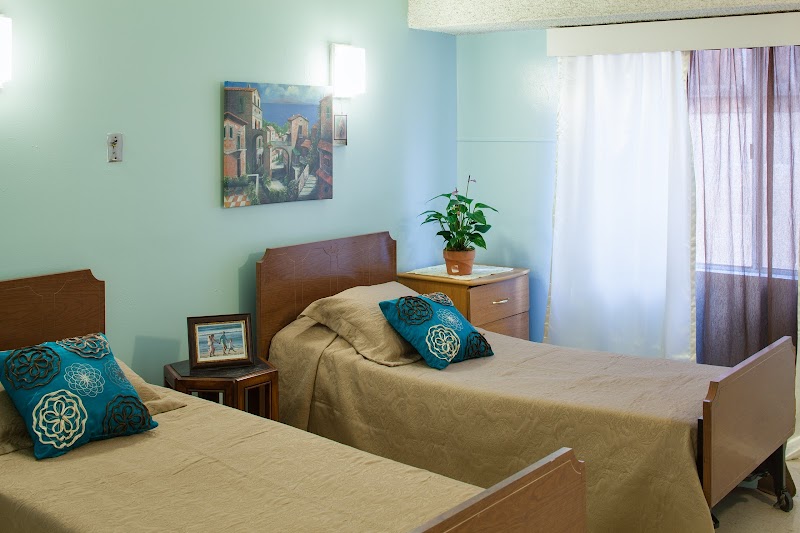
How is Meadowbrook Behavioral Staffed?

CMS rates MEADOWBROOK BEHAVIORAL HEALTH CENTER's staffing level at 4 out of 5 stars, which is above average compared to other nursing homes. Staff turnover is 19%, compared to the California average of 46%. This relatively stable workforce can support continuity of care.

What Have Inspectors Found at Meadowbrook Behavioral?

State health inspectors documented 45 deficiencies at MEADOWBROOK BEHAVIORAL HEALTH CENTER during 2022 to 2025. These included: 2 Immediate Jeopardy (the most serious level, indicating potential for serious harm or death), 2 that caused actual resident harm, 36 with potential for harm, and 5 minor or isolated issues. Immediate Jeopardy findings are rare and represent the most serious regulatory concerns. They require immediate corrective action.
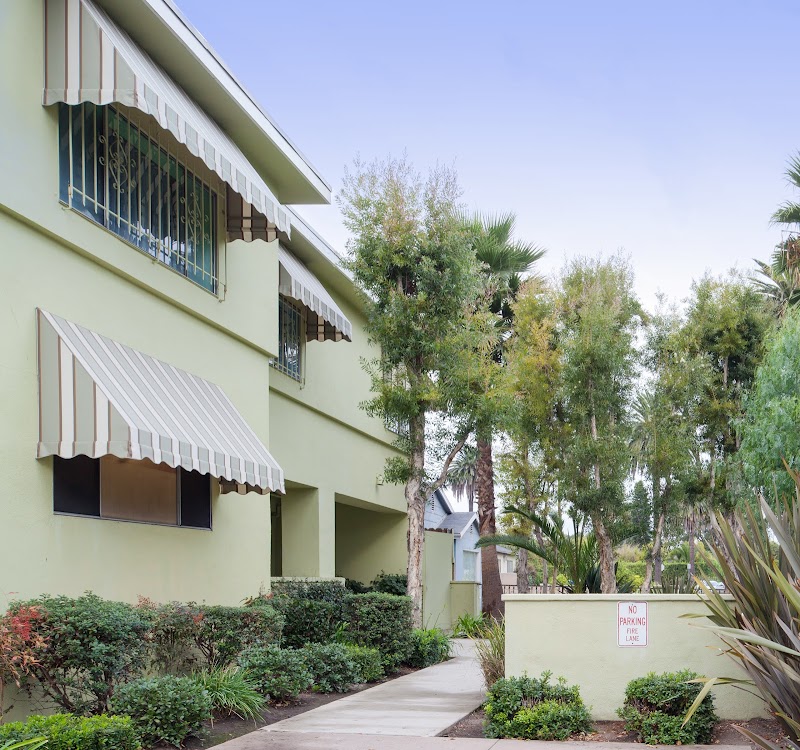
Who Owns and Operates Meadowbrook Behavioral?

MEADOWBROOK BEHAVIORAL HEALTH CENTER is owned by a for-profit company. For-profit facilities operate as businesses with obligations to shareholders or private owners. The facility operates independently rather than as part of a larger chain. With 77 certified beds and approximately 76 residents (about 99% occupancy), it is a smaller facility located in LOS ANGELES, California.
How Does Meadowbrook Behavioral Compare to Other California Nursing Homes?

Compared to the 100 nursing homes in California, MEADOWBROOK BEHAVIORAL HEALTH CENTER's overall rating (2 stars) is below the state average of 3.1, staff turnover (19%) is significantly lower than the state average of 46%, and health inspection rating (1 stars) is much below the national benchmark.

What Should Families Ask When Visiting Meadowbrook Behavioral?

Based on this facility's data, families visiting should ask: "What changes have been made since the serious inspection findings, and how are you preventing similar issues?" "What safeguards and monitoring systems are in place to protect residents from abuse or neglect?" "Can I visit during a mealtime to observe dining assistance and food quality?" "How do you handle medical emergencies, and what is your hospital transfer rate?" These questions are particularly relevant given the facility's Immediate Jeopardy citations and the substantiated abuse finding on record.

Is Meadowbrook Behavioral Safe?

Based on CMS inspection data, MEADOWBROOK BEHAVIORAL HEALTH CENTER has documented safety concerns. The facility has 1 substantiated abuse finding (meaning confirmed case of resident harm by staff or other residents). Inspectors have issued 2 Immediate Jeopardy citations (the most serious violation level indicating risk of serious injury or death). The facility has a 2-star overall rating and ranks #100 of 100 nursing homes in California. Families considering this facility should ask detailed questions about what corrective actions have been taken since these incidents.

Do Nurses at Meadowbrook Behavioral Stick Around?

Staff at MEADOWBROOK BEHAVIORAL HEALTH CENTER tend to stick around. With a turnover rate of 19%, the facility is 27 percentage points below the California average of 46%. Low turnover is a positive sign. It means caregivers have time to learn each resident's needs, medications, and personal preferences. Consistent staff also notice subtle changes in a resident's condition more quickly. Registered Nurse turnover is also low at 17%, meaning experienced RNs are available to handle complex medical needs.

Was Meadowbrook Behavioral Ever Fined?

MEADOWBROOK BEHAVIORAL HEALTH CENTER has no federal fines on record. CMS issues fines when nursing homes fail to meet care standards or don't correct problems found during inspections. The absence of fines suggests the facility has either maintained compliance or corrected any issues before penalties were assessed. This is a positive indicator, though families should still review recent inspection reports for the full picture.

Is Meadowbrook Behavioral on Any Federal Watch List?

MEADOWBROOK BEHAVIORAL HEALTH CENTER is not on any federal watch list. The most significant is the Special Focus Facility (SFF) program, which identifies the bottom 1% of nursing homes nationally based on persistent, serious quality problems. Not being on this list means the facility has avoided the pattern of deficiencies that triggers enhanced federal oversight. This is a positive indicator, though families should still review the facility's inspection history directly.