NEW VISTA POST-ACUTE CARE CENTER
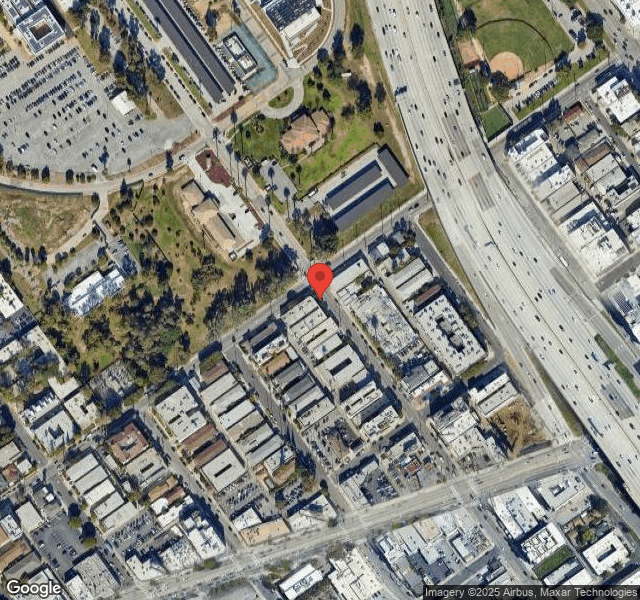
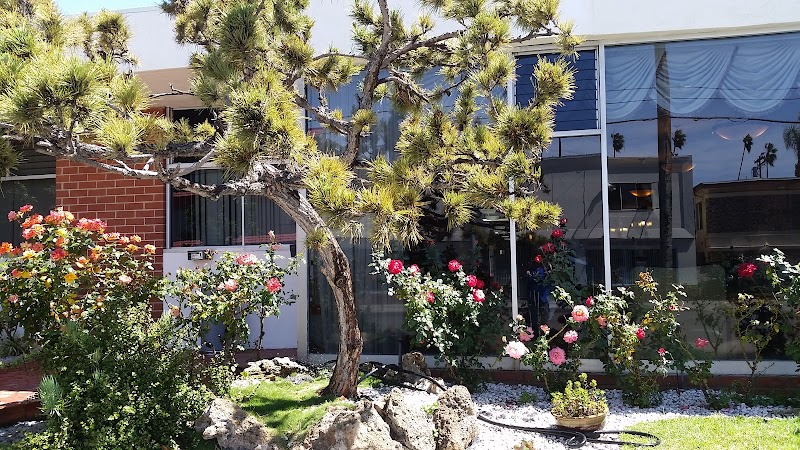
1516 SAWTELLE BLVD., LOS ANGELES, CA 90025 (310) 477-5501
For profit - Limited Liability company 116 Beds Independent Data: November 2025
Trust Grade
0/100
#1073 of 1155 in CA
Last Inspection: December 2024

Within standard 12-15 month inspection cycle. Federal law requires annual inspections.

Overview

New Vista Post-Acute Care Center has received a Trust Grade of F, indicating significant concerns about the care provided, which is among the lowest ratings in the industry. With a state rank of #1073 out of 1155 facilities in California and #328 out of 369 in Los Angeles County, it falls in the bottom half, suggesting limited options for families seeking better care nearby. Although the facility is trending toward improvement, reducing issues from 57 in 2024 to 13 in 2025, the current situation remains concerning, particularly with $61,789 in fines, which is higher than 82% of California facilities. Staffing is rated below average with a turnover of 46%, which is close to the state average, and while RN coverage is average, residents may not receive the attention they require. Specific incidents raised alarms, such as a failure to manage pain effectively for a resident with serious injuries, and a lack of supervision leading to a physical altercation between residents, resulting in injuries that required hospital treatment. Overall, while there are signs of improvement, families should weigh these serious issues against the facility's efforts to provide better care.

Trust Score
F
0/100
In California
#1073/1155
Bottom 8%
Safety Record
High Risk
Review needed
Inspections
Getting Better
57 → 13 violations
Staff Stability
⚠ Watch
46% turnover. Above average. Higher turnover means staff may not know residents' routines.
Penalties
✓ Good
$61,789 in fines. Lower than most California facilities. Relatively clean record.
Skilled Nurses
○ Average
Each resident gets 34 minutes of Registered Nurse (RN) attention daily — about average for California. RNs are the most trained staff who monitor for health changes.
Violations
⚠ Watch
130 deficiencies on record. Higher than average. Multiple issues found across inspections.
★☆☆☆☆
1.0
Overall Rating
★★☆☆☆
2.0
Staff Levels
★★☆☆☆
2.0
Care Quality
★☆☆☆☆
1.0
Inspection Score
Stable
2024: 57 issues
2025: 13 issues

The Good

  • Full Sprinkler Coverage · Fire safety systems throughout facility
  • No fines on record

Facility shows strength in fire safety.

The Bad

1-Star Overall Rating

Below California average (3.1)

Significant quality concerns identified by CMS

Staff Turnover: 46%

Near California avg (46%)

Higher turnover may affect care consistency

Federal Fines: $61,789

Above median ($33,413)

Moderate penalties - review what triggered them

The Ugly 130 deficiencies on record

3 actual harm
Sept 2025 1 deficiency
CONCERN (D) 📢 Someone Reported This

A family member, employee, or ombudsman was alarmed enough to file a formal complaint

Potential for Harm - no one hurt, but risky conditions existed

Infection Control (Tag F0880)

Could have caused harm · This affected 1 resident

**NOTE- TERMS IN BRACKETS HAVE BEEN EDITED TO PROTECT CONFIDENTIALITY** Based on observation, interview, and record review the facility failed to ensure staff followed proper infection prevention and ...

Read full inspector narrative →
**NOTE- TERMS IN BRACKETS HAVE BEEN EDITED TO PROTECT CONFIDENTIALITY** Based on observation, interview, and record review the facility failed to ensure staff followed proper infection prevention and control practices when attempting to provide care to one of three sampled residents, Resident 2. A Certified Nursing Assistant (CNA) 2 was observed dropping a clean towel onto the floor and then mixing the towel with clean linen and gown attempting to use the same towel on a resident. This deficient practice had the potential to place Resident 2 at risk of cross contamination and exposure to infectious agents from environmental surfaces. Findings:A review of Resident 2's admission record indicated, Resident 2 was admitted to the facility on [DATE] with a diagnosis including acute respiratory failure with hypoxia ((a condition in which your blood doesn't have enough oxygen causing shortness of breath and difficulty breathing, often caused by a disease or injury), benign neoplasm of meninges (a slow growing, non-cancerous tumor that develops around the brain and spinal cord), acute kidney failure (when kidneys are damaged and cannot filter blood as well as they should). A review of Resident 2's History and Physical (H&P) indicated, Resident 2 has tracheostomy (an opening created at the front of the neck so a tube can be inserted into the windpipe to help breathe). During an observation on 9/18/2025 at 10:36 AM, while surveyor conducting facility rounds in the hallway, CNA 2 was observed carrying towels, linen, gown, and chux pads (an absorbent, waterproof pad used to protect mattresses, from moisture by incontinence). A towel slipped from CNA 2's hand and fell on the floor. CNA 2 picked the towel up, mixed the towel with the rest of the clean towels, linen, gown and chux pad and proceeded towards Resident 2's room with the intention of using it. When confronted by the surveyor, CNA 2 placed all the items on hand on top of the Personal Protective Equipment (PPE) container in front of Resident 2's room. During an interview on 9/18/2025 at 10:36 with CNA2, CNA 2 acknowledged the towel had been on the floor and was about to be used for a resident. CNA 2 acknowledged it is a violation of infection prevention protocol and facility's practice, discarded the cross contaminated towels, linen, gown, and chux pad in a dirty linen bag. During an interview on 9/18/2025 at 11:25 AM with Licensed Vocational Nurse (LVN)1, LVN 1 stated, mixing dirty towel or linen to use on resident places residents at risk of being infected. Most of the residents in the facility are at risk of being infected and immunocompromised (having weak immune system). During an interview on 9/18/2025 at 11:36 AM with Infection Prevention Nurse (IP), IP stated, any apparels on the floor should not be used on a resident, because it is a risk for infection, against the infection prevention standards, and facility policies. During an interview on 9/18/2025 at 12:26 PM with the Director of Staffing Development (DSD), the DSD stated, infection prevention protocol and policy trainings are provided for staff involved in resident care upon hire and as needed. All staff is expected to practice standard infection precautions. Also stated, any resident care item on the floor should not be picked up for use on a resident because it exposes residents to infections.A review of the facility's Policies and Procedure (P&P) titled Infection Control Policy-Laundry Services reviewed 7/11/2025 indicated, Routine Handling of Linen: all used linen should be handled as potentially contaminated and standard precautions should be used.
Aug 2025 1 deficiency
CONCERN (E) 📢 Someone Reported This

A family member, employee, or ombudsman was alarmed enough to file a formal complaint

Potential for Harm - no one hurt, but risky conditions existed

Quality of Care (Tag F0684)

Could have caused harm · This affected multiple residents

**NOTE- TERMS IN BRACKETS HAVE BEEN EDITED TO PROTECT CONFIDENTIALITY** Based on observations, interviews, and record reviews, the facility failed to ensure one of two sample residents (Resident 1) re...

Read full inspector narrative →
**NOTE- TERMS IN BRACKETS HAVE BEEN EDITED TO PROTECT CONFIDENTIALITY** Based on observations, interviews, and record reviews, the facility failed to ensure one of two sample residents (Resident 1) received ophthalmology (is the branch of medicine dedicated to eye and vision care) services. This failure resulted in Resident 1 having untreated bilateral itchy and discolored (change in the color or pigmentation of the skin) eyes since 2023.Finding: During a record review, Resident 1's admission record indicated Resident 1 was admitted to the facility on [DATE] and re-admitted to the facility on [DATE] with a diagnoses of type 2 diabetes (a condition where your body either doesn't make enough insulin or can't use the insulin it makes to get energy from food), and essential hypertension (high blood pressure with no identifiable medical cause). During a record review, Resident 1's Minimum Data Set (MDS- a resident assessment and screening tool) dated 6/19/2025, indicated the resident's cognition (mental ability to make decisions) was moderately impaired. The MDS indicated Resident 1 required maximum assistance with Activities of Daily Living (ADL's- activities related to personal care). During a record review of Resident 1's Order Summary Report Active Orders as of 7/1/2025, there were no orders for Resident 1 to see the Ophthalmologist (is a medical doctor who specializes in the branch of medicine dedicated to eye and vision care). During an observation and concurrent interview on 8/20/25 at 10:35 a.m., Resident 1 was sitting up in bed. Resident 1 noted with dark skin discoloration to her right eye. Resident 1 stated none of the staff has ever abused her or hit her in her right eye. Resident 1 stated that sometimes her bilateral (both) eyes itch and rub them. Resident 1 stated she had no pain in the right eye. During an interview on 8/20/25 at 1:33 p.m., Certified Nursing Assistant (CNA) 1 stated that for two months, she noticed Resident 1 rub bilateral (both) eyes and had skin discoloration to the right eye for two months. CAN 1 stated that she did not report to the charge Nurse that the resident had discolored and itchy eyes. CNA 1 stated Resident 1 has discoloration has always been there due to Resident 1 always rubbing her eyes. During an interview on 8/20/25 at 1:52 p.m., Family Member (FM) 1 stated Resident 1 bilateral eyes have been itching since the resident was admitted to the facility and that was the reason the resident was constantly rubbing both eyes and would rub them. FM1 stated FM1 reported to a charge nurse (unable to recall the name) in 8/2024 that Resident 1's eyes were itching. FM1 stated over time the discoloration in the resident's both eyes got darker and darker and then would go away. FM1 stated FM1 thought the nurses had notified a medical doctor (MD) and that Resident 1 was already receiving medication for the itchy eyes. During an interview on 8/20/25 at 2:21 p.m., Registered Nurse Supervisor (RNS) stated none of the staff ever reported to her that Resident 1 had itchy eyes. The RNS stated Resident 1 has always had darker skin under both eyes During an interview on 8/20/25 at 2:24 p.m., License Vocational Nurse (LVN) stated Resident 1 had discoloration around both eyes since he started working at the facility. LVN stated he has witnessed Resident 1 rubbing both eyes early in the morning but never reported the itchy eyes to an MD. During an interview and concurrent record review on 8/20/25 at 2:57 p.m., Resident 1's physician orders and progress notes were reviewed with Director of Social Service (DSS). DSS stated she had not scheduled eye doctor appointment for Resident 1 because she (DSS) has not reviewed Resident 1's medical records. DSS stated there was no documented evidence that indicated that Resident 1 had been seen by an ophthalmologist since Resident 1 was admitted to the facility in 2/14/23. DSS stated it is very important that all the residents are seen by the eye doctor at least every 3 to 4 months and as needed to prevent a delay in eye care. During an interview and concurrent record review on 8/20/25 at 3:34 p.m., Director of Nursing (DON) stated according to the facility's Eye Care Policy and Procedures all residents are supposed to see the eye doctor approximately every 3-6 months and as needed. During an interview and concurrent record review of Resident 1's medical records with the DON, there was no documented evidence that an eye doctor had seen Resident 1 since 2/14/23. DON stated if residents are not seen by the eye doctor it can cause a delay in eye care. During an interview on 8/21/25 at 2:45 p.m., the Ophthalmologist stated he conducts eye visits once a year at the facility for the residents. The Ophthalmologist stated none of the nurses have ever reported to him that Resident 1 was experiencing itchy eyes or having discoloration bilaterally to her eyes. The Optometrist stated if the residents are experiencing issues with their eyes and a problem exists and left untreated the resident's eyes can get worse. During an interview on 8/20/25 at 3:59 p.m., the Administrator stated a resident only sees the ophthalmologist based on the resident's needs and that the optometrist only sees the residents in the facility as needed. The Administrator stated the facility does not have a policy for eye care or vision care.
Jun 2025 2 deficiencies
CONCERN (D) 📢 Someone Reported This

A family member, employee, or ombudsman was alarmed enough to file a formal complaint

Potential for Harm - no one hurt, but risky conditions existed

Notification of Changes (Tag F0580)

Could have caused harm · This affected 1 resident

**NOTE- TERMS IN BRACKETS HAVE BEEN EDITED TO PROTECT CONFIDENTIALITY** Based on interview and record review, the facility failed to notify Resident 1's Family Member 1 (FM 1) when Resident 1's room w...

Read full inspector narrative →
**NOTE- TERMS IN BRACKETS HAVE BEEN EDITED TO PROTECT CONFIDENTIALITY** Based on interview and record review, the facility failed to notify Resident 1's Family Member 1 (FM 1) when Resident 1's room was changed on 5/7/2025 and 5/8/2025. This deficient practice violated the residents' rights of notification according to facility's policy and procedure titled, Transfer Room to Room and Resident's Rights. Findings: During a review of the admission Record indicated Resident 1 was originally admitted to the facility on [DATE] and readmitted on [DATE] with diagnosis including atherosclerotic heart disease (build-up of fats, cholesterol, and other substance in and on the arterial walls), endocarditis (an infection of the heart's inner lining, including the heart valves), and depression (a mood disorder that causes persistent feeling of sadness and loss of interest). During a review of the Minimum Data Set (MDS - resident assessment tool) dated 4/30/2025, indicated Resident 1's cognitive (mental action or process of acquiring knowledge and understanding) skills for daily decisions were severely impaired. The MDS indicated Resident 1 required total dependent on staff for activities of daily living (ADLs- routine tasks/activities such as bathing, dressing and toileting a person performs daily to care for themselves). During a review of the facility's census dated 5/7/2025, it indicated Resident 1 was in a different room and on 5/8/2025, Resident 1 was again, moved to a different room. During an interview with Resident 1's Family Member 1 (FM 1) on 6/25/2025 at 10:12 a.m., FM 1 stated, Resident 1's room was changed to a different room without notifying and inquiring with him (FM 1) if he was ok with the change. FM 1 stated, Resident 1 was moved to a 3-bed capacity room, and it was hard to get her (Resident 1) out of bed because of the lack of space, and it was hard to use a Hoyer Lift (a mechanical device used to lift and/or transfer a person from place to place) to get her up on a wheelchair. FM 1 stated, because of the lack of space, Resident 1 did not have any bedside table for her personal belongings. During an interview with the Social Services Director (SSD) on 6/25/2025 at 11:58 a.m., SSD stated, facility must notify family members and/or representatives whenever a resident was moved from one room to another so that they are aware of the change. SSD reviewed Resident 1's medical record and stated and confirmed, there was no notification of room change when Resident 1 was moved to a different room on 5/7/2025 and 5/8/2025. During a review of the facility's policy and procedure (P&P) titled, Transfer Room to Room, dated 7/12/2024, the P&P indicated, Inform the resident that you are going to move him or her to his or her new room . The following information should be recorded in the resident's medical record: 1. The date and time the room transfer was made.; 2. The name and title of the individual(s) who assisted in the move.; 3. All assessment data obtained during the move.; 4. How the resident tolerated the move.; 5. If the resident refused the move, the reason(s) why and the intervention taken.; 6. The signature and title of the person recording the data. During a review of the facility's P&P titled, Resident's Rights, dated 7/12/2024, the P&P indicated, Federal and state laws guarantee certain basic rights to all residents of this facility. These rights include the resident's right to: . communication with and access to people and services, both inside and outside the facility; be supported by the facility in exercising his or her rights; exercise his or her rights without interference, coercion, discrimination or reprisal from the facility; be notified of his or her medical condition and of any changes in his or her condition.
CONCERN (D) 📢 Someone Reported This

A family member, employee, or ombudsman was alarmed enough to file a formal complaint

Potential for Harm - no one hurt, but risky conditions existed

Deficiency F0602 (Tag F0602)

Could have caused harm · This affected 1 resident

**NOTE- TERMS IN BRACKETS HAVE BEEN EDITED TO PROTECT CONFIDENTIALITY** Based on interview and record review the facility failed to protect one of four sampled residents (Resident 1) from misappropria...

Read full inspector narrative →
**NOTE- TERMS IN BRACKETS HAVE BEEN EDITED TO PROTECT CONFIDENTIALITY** Based on interview and record review the facility failed to protect one of four sampled residents (Resident 1) from misappropriation (the unauthorized, improper, or unlawful use of funds or other property for purposes other than that for which intended) of property and personal belongings. This deficient practice resulted in Resident 1's missing cochlear hearing aid (a small electronic device that can provide a sense of sound to people who are deaf or hard-of-hearing) and significantly impacted Resident 1's ability to hear, potentially leading to social isolation and safety concerns. Findings: During a review of the admission Record indicated Resident 1 was originally admitted to the facility on [DATE] and readmitted on [DATE] with diagnosis including atherosclerotic heart disease (build-up of fats, cholesterol, and other substance in and on the arterial walls), endocarditis (an infection of the heart's inner lining, including the heart valves), and depression (a mood disorder that causes persistent feeling of sadness and loss of interest). During a review of Resident 1's History and Physical (H&P), dated 2/21/2025, the H&P indicated, Resident 1 has bilateral (both ear) hearing loss with post-surgical history of cochlear implant (a surgically implanted device that helps people with severe hearing loss or deafness to hear) on right (ear). During a review of the Minimum Data Set (MDS - resident assessment tool) dated 4/30/2025, indicated Resident 1's cognitive (mental action or process of acquiring knowledge and understanding) skills for daily decisions were severely impaired. The MDS indicated Resident 1 required total dependent on staff for activities of daily living (ADLs- routine tasks/activities such as bathing, dressing and toileting a person performs daily to care for themselves). During a review of Resident 1's Clothing and Possessions (inventory list), dated 2/20/2025, indicated, Resident 1 had a hearing aid with a charger. During an interview with Resident 1's Family Member 1 (FM 1) on 6/25/2025 at 10:12 a.m., FM 1 stated, Resident 1 had a cochlear hearing aid that they brought it in the facility upon admission on [DATE]. FM 1 stated that the facility lost the hearing aid as he was unable to find it in Resident 1's room during the weekend of 5/24/2025. FM 1 stated, he notified the staff and the management, and they have not replaced the missing cochlear hearing aid. FM 1 stated, due to missing hearing aid, it was hard to communicate with Resident 1 whenever he visited. During an interview with the Social Services Director (SSD) on 6/25/2025 AT 11:58 a.m., SSD stated, if someone reported that a resident was missing personal belongings, they need to investigate and look for it, if they verified and confirmed that the belongings were missing, they need to file a theft and loss and replace it as necessary. SSD stated, it was reported to her that Resident 1 had a missing hearing aid, and it is in process of getting it replaced. SSD stated, she does not know if the facility filed a theft and loss report upon confirming that Resident 1 had missing cochlear hearing aid. During a review of Resident 1's Medical Record as of 6/25/2025, there was no theft and loss report filed for Resident 1's missing cochlear hearing aid. During a review of the facility's policy and procedure (P&P) titled, Investigating Incidents of Theft and/or Misappropriation of Resident Property, dated 7/12/2024, the P&P indicated, All reports of theft or misappropriation of resident property shall be promptly and thoroughly investigated . The investigation shall consist of at least the following: a. an interview with the person(s) reporting the missing items; b. An interview with any witnesses that may have knowledge of the missing items; c.An interview with the resident (as medically appropriate); d. An interview with the employee (if any) accused of taking the resident's property, e. A review of the resident's personal inventory record to determine if the missing items were recorded on the report; f.Interviews with staff members (on all shifts) having contact with the resident during the past 48 hours; g. Interviews with the resident's roommate, family members, and visitors; h. A search of the laundry room for missing articles of clothing; and i. A search of the resident's room for the missing items.
Jun 2025 2 deficiencies
CONCERN (D) 📢 Someone Reported This

A family member, employee, or ombudsman was alarmed enough to file a formal complaint

Potential for Harm - no one hurt, but risky conditions existed

Comprehensive Care Plan (Tag F0656)

Could have caused harm · This affected 1 resident

**NOTE- TERMS IN BRACKETS HAVE BEEN EDITED TO PROTECT CONFIDENTIALITY** Based on interview and record review, the facility failed to develop a comprehensive care plan (CP) that met the care/services b...

Read full inspector narrative →
**NOTE- TERMS IN BRACKETS HAVE BEEN EDITED TO PROTECT CONFIDENTIALITY** Based on interview and record review, the facility failed to develop a comprehensive care plan (CP) that met the care/services based on the resident's individual assessed needs for one of six sampled residents (Resident 1) behavior of removing mittens and pulling on tracheostomy (a surgical procedure where a hole, called a stoma, is made in the neck to access the windpipe [trachea]) and gastrostomy tube (g-tube - a tube surgically inserted through the skin and directly into the stomach). This deficient practice had the potential to result negative impact on residents ' health and safety, as well as the quality of care and services received. Findings: During a review of the admission Record indicated Resident 1 was originally admitted to the facility on [DATE] and readmitted on [DATE] with diagnosis including respiratory failure (condition in which your blood does not get enough oxygen or has too much carbon dioxide), dependence on respiratory [ventilator] status (means that a person needs a machine to breathe for them, either partially or completely), type II Diabetes Mellitus (DM-a disorder characterized by difficulty in blood sugar control and poor wound healing) and anxiety (feeling of worry). During a review of the Minimum Data Set (MDS – resident assessment tool) dated 4/4/2025, it indicated Resident 1 ' s cognitive (mental action or process of acquiring knowledge and understanding) skills for daily decisions were severely impaired. The MDS indicated Resident 1 was dependent from staff for activities of daily living (ADLs- routine tasks/activities such as bathing, dressing and toileting a person performs daily to care for themselves). During a review of Resident 1 ' s Daily Skilled Nurse ' s Notes, dated 5/19/2025, it indicated, Resident 1 ' s on bilateral hand mitten due to pulling on tracheostomy and g-tube. During a review of Resident 1 ' s Nurse ' s Notes, dated 5/22/2025, it indicated, (Resident 1) ' s GT malfunction secondary to deflate with tube out. During a review of Resident 1 ' s Care Plan as of 6/4/2025, it indicated, there was no CP developed for Resident 1 ' s behavior of removing her mittens after her COC of pulling tracheostomy. During an interview with Certified Nursing Assistant 1 (CNA 1) on 6/3/2025 at 10:20 a.m., CNA 1 stated, Resident 1 has a behavior of pulling out her tracheostomy and g-tube, so they put hand mittens on her to prevent her from pulling out tubes. CNA 1 stated, on 5/27/2025, Resident 1 removed her hand mittens about 4-5 times during the morning shift and he needed to readjust and reapplied it on her (Resident 1) ' s hand. During an interview with Licensed Vocational Nurse 1 (LVN 1) on 5/27/2025 at 11:40 a.m., LVN 1 stated, Resident 1 had a recent change of condition for replacement of her g-tube because Resident 1 pulled it and it got dislodged. LVN 1 stated, they added hand mittens on her to prevent her from pulling out her g-tube and tracheostomy tube. During a review of the facility ' s policy and procedure (P&P) titled, Comprehensive Care Planning, reviewed on 7/12/2024, the P&P indicated, It is the policy of this facility that a comprehensive resident-centered care plan be developed for each resident that includes measurable objections and timeframes to meet each resident ' s medical, nursing and mental and psychosocial needs that are identified in the comprehensive assessment.
CONCERN (D) 📢 Someone Reported This

A family member, employee, or ombudsman was alarmed enough to file a formal complaint

Potential for Harm - no one hurt, but risky conditions existed

Quality of Care (Tag F0684)

Could have caused harm · This affected 1 resident

**NOTE- TERMS IN BRACKETS HAVE BEEN EDITED TO PROTECT CONFIDENTIALITY** Based on interview and record review, the facility failed to ensure resident received treatment and care in accordance with prof...

Read full inspector narrative →
**NOTE- TERMS IN BRACKETS HAVE BEEN EDITED TO PROTECT CONFIDENTIALITY** Based on interview and record review, the facility failed to ensure resident received treatment and care in accordance with professional standards of practice for one of three sampled residents, Resident 1 by failing to: A. Implement Resident 1 ' s blood sugar check (BSS - measures the glucose levels in the blood) according to physician ' s order and care plan (CP). B. Implement facility ' s policy and procedure (P&P) titled, Death of a Resident, Documentation when Resident 1 expired on [DATE]. These deficient practices placed Resident 1 in incomplete assessment and documentation required per facility ' s policy and procedure upon death. Findings: A. During a review of the admission Record indicated Resident 1 was originally admitted to the facility on [DATE] and readmitted on [DATE] with diagnosis including respiratory failure (condition in which your blood does not get enough oxygen or has too much carbon dioxide), dependence on respiratory [ventilator] status (means that a person needs a machine to breathe for them, either partially or completely), type II Diabetes Mellitus (DM-a disorder characterized by difficulty in blood sugar control and poor wound healing) and anxiety (feeling of worry). During a review of the Minimum Data Set (MDS – resident assessment tool) dated [DATE], it indicated Resident 1 ' s cognitive (mental action or process of acquiring knowledge and understanding) skills for daily decisions were severely impaired. The MDS indicated Resident 1 was dependent from staff for activities of daily living (ADLs- routine tasks/activities such as bathing, dressing and toileting a person performs daily to care for themselves). During a review of Resident 1 ' s Order Summary Report, dated [DATE], it indicated physician ordered, FSBS (Finger Stick Blood Sugar – refers to the method of obtaining a small sample of blood usually by pricking a finger) monitoring every 12 hours with regular insulin (a short-acting human-made insulin, it helps adults and children with Type 1 and Type 2 diabetes control their blood sugar levels) sliding scale at 6 a.m. and 6 p.m. During a review of Resident 1 ' s Care Plan for Risk for hypoglycemia (low blood sugar)/hyperglycemia (high blood sugar) secondary to DM, dated [DATE], indicated an intervention that included, FSBS monitoring with insulin sliding scare as ordered. During a review of Resident 1 ' s Daily Skilled Nurse ' s Notes, dated [DATE] at 12 p.m., it indicated, Accu-check (blood glucose monitoring system that is designed to be easy to use and accurate) done with 120 milligram per deciliter (mg/dL - generally considered low to normal, depending on their individual target range set by their healthcare provider). During a concurrent interview and record review with Licensed Vocational Nurse 1 (LVN 1) on [DATE] at 11:40 a.m., LVN 1 stated, on [DATE] at around 12 p.m., he checked Resident 1 ' s accu-check and it was low enough in which he did not have to give insulin coverage. LVN 1 reviewed physician ' s order for Resident 1 ' s Accu-check which indicated, accu-check was ordered every 12 hours at 6 a.m. and 6p.m. LVN 1 appeared confused and stated, he checked the blood sugar level (BS) but not according to physician ' s order. LVN 1 stated, it was his nursing judgement because Resident 1 was on tube feeding. During a concurrent interview and record review with Registered Nurse 1 (RN 1) on [DATE] at 1:58 p.m., RN 1 reviewed Resident 1 ' s MAR and insulin level and stated, Resident 1 ' s BS has been on the normal range and was not receiving any insulin coverage for the month of [DATE]. RN 1 stated, LVN 1 did not follow physician ' s order and there is no reason to do an extra accu-check unless there is a trend that her (Resident 1) ' s BS has been going up, in which they need to notify the physician. During a review of the facility ' s policy and procedure (P&P) titled, Diabetes – Clinical Protocol, reviewed on [DATE], the P&P indicated, As indicated, the Physician will order appropriate lab tests and adjust treatments based on these results and other parameters . For the resident receiving insulin who is well controlled: monitor blood glucose levels twice a day if on insulin . The Physician will order desired parameters for monitoring and reporting information related to blood sugar management. The staff will incorporate such parameters into the Medication Administration Record and care plan. B. During a review of Resident 1 ' s Record of Death, it indicated, Resident 1 expired on [DATE] at 3:10 p.m., pronounced by paramedics at the facility. During a record review of Resident 1 ' s medical record as of [DATE], there was no Death Certificate on file. During an interview with Medical Record Director (MRD) on [DATE], MRD indicated, there was no Death Certificate on file by the Physician. During a review of the facility ' s P&P titled, Death of Resident, Documentation, reviewed on [DATE], the P&P indicated, The attending Physician must record the cause of death in the progress notes, and must complete and file a death certificate with the appropriate agency within twenty-four (24) hours of the resident ' s death or as may be prescribed by state law.
May 2025 1 deficiency 1 Harm
SERIOUS (G) 📢 Someone Reported This

A family member, employee, or ombudsman was alarmed enough to file a formal complaint

Actual Harm - a resident was hurt due to facility failures

Deficiency F0697 (Tag F0697)

A resident was harmed · This affected 1 resident

**NOTE- TERMS IN BRACKETS HAVE BEEN EDITED TO PROTECT CONFIDENTIALITY** Based on observation, interview, and record review the facility failed to provide effective pain management for one of six sampl...

Read full inspector narrative →
**NOTE- TERMS IN BRACKETS HAVE BEEN EDITED TO PROTECT CONFIDENTIALITY** Based on observation, interview, and record review the facility failed to provide effective pain management for one of six sampled residents (Resident 2), who had a left shoulder fracture (break in a bone), bladder surgery, and left hip fracture all sustained from a motorcycle accident, by failing to: 1. Administer the as needed pain medication, hydromorphone (Dilaudid- a strong pain reliever to treat moderate to severe pain) when Resident 2 complaint of a lot of pain on 5/24/2025 morning. Resident 2 received a dose of hydromorphone 4 milligrams (mg) on 5/24/25 at 4 PM. 2. Administer the as needed pain medication (hydromorphone) when Resident 2 complaint of pain on 5/27/2025 at 1:15 PM. Hydromorphone is not available. 3. Accurately assess and document the pain level (a pain scale or pain rating scale). 4. Evaluate the effectiveness of analgesic medication (medications that relieve pain) in relieving pain within two hours of administration based on the facility Policy and Procedures (P&P) titled Pain Assessment & Management revised 7/12/2024. These deficient practices resulted in Resident 2 suffering uncontrolled and continuous pain before receiving hydromorphone for the pain. On 5/26/2025 at approximately 9:15 PM, Resident 2 was transferred to a General Acute Care Hospital (GACH) emergency room (ER) for blood in the urine and 9/10 (0 representing no pain and 10 representing the worst possible pain) lower abdomen pain. Findings: During a record review, Resident 2's admission Record indicated Resident 2 was initially admitted to the Skilled Nursing Facility (SNF) on 3/14/2025 and readmitted on [DATE] with a diagnoses including nondisplaced fracture of lower end of right and left humerus (upper arm bone), injury of the bladder, lack of coordination, fracture of left shoulder, essential primary hypertension (HTN-high blood pressure). During a record review, Resident 2's Minimum Data Set (MDS-a resident assessment tool) dated 3/20/2025, indicated Resident 2's cognitive (ability to acquire and understand knowledge) skills for daily decision making were intact. The MDS indicated Resident 2 experienced pain occasionally, had difficulty sleeping, and had limited participation in rehabilitation (the process of restoring mental and/or physical abilities lost due to injury or disease, aiming to enable individuals to function at a normal or near-normal level) therapy sessions due to occasional pain. The MDS indicated that occasionally, Resident 2 experienced pain, that pain made it hard for the resident to sleep at night, limited the resident's participation in rehabilitation sessions, and limited the resident's day-to-day activities excluding rehabilitation therapy sessions. During a record review, Resident 2's Care Plan (CP) dated 4/2/2025, indicated Resident 2 is at risk for alteration in comfort due to pain related to multiple fractures, recent surgery. The CP goal indicated that Resident 2, Will remain free of signs and symptoms of pain such as grimacing, crying, moaning, guarding, verbal expression of pain daily x 90 days. Will report pain is relieved or controlled 30 minutes to 1 hour after pain medication is administered x 90 days. Will verbalize sense of control and enhanced enjoyment of life x 90 days. The CP interventions included to assess location, characteristics, onset, duration, frequency, and intensity of pain, determine acceptable level of pain and pain control goals, and provide comfort measures with touch, repositioning, use of heat and or cold packs. The CP indicated to administer hydromorphone 2 milligrams (mg) q [every] 4 hours (hrs) PRN (as needed). The CP also indicated to administer and Hydromorphone 4 mg q 4 hrs PRN. During a record review, Resident 2's Skilled Nursing Facility History and Physical (H&P) Examination dated 4/4/2025, indicated, Resident 2 was readmitted to GACH on 3/27/2025 and had closed left proximal humerus (upper arm bone) fracture, bladder rapture repair, and discharged to skilled nursing facility for rehabilitation. The H&P indicated Resident 2 had left hip incision (cut or wound made in the body tissues) staple (small, metallic clips used to close wounds or incisions) from prior operation, had persistent bladder pain/pressure consistent with spasms that limited discharge. The H&P indicated on day of discharge, Resident 2's pain was well controlled with an oral regimen. During a record review, Resident 2's Physician History and Physical (H&P) dated 4/5/2025, indicated, Resident 2 had persistent bladder pain/pressure consistent with spasms (a sudden involuntary and painful tightening of a muscle/s) improved with oral (by mouth) pain medications. During a record review, Resident 2's Pain Flow Sheet for the month of 5/2025, indicated the following: - On 5/20/2025 at 8:15 AM., Resident 2 was experiencing upper arm pain, aggravated by movement. The interventions included to administer Hydromorphone 4 mg for pain intensity 8/10. - No documented pain level and intervention on 5/21, 5/22, 5/23, 5/24, and 5/26/2025 - On 5/26/2025 at 2 PM., Resident 2 was experiencing upper arm pain, aggravated by movement. The interventions included to administer Hydromorphone 4 mg for pain intensity 8/10. During a record review, Resident 2's Medication Administration Record for 5/2025, indicated the following: - Hydromorphone 2 mg tablet, give one tablet by mouth every 4 hours as needed for moderate pain scale 5-7. Diagnosis multiple fractures. - Hydromorphone 4 mg tablet, give 1 tablet by mouth every 4 hours as needed for moderate pain scale 8-10. Diagnosis multiple fractures. The same Resident 2's MAR Record for 5/2025 indicated the following entries: - On 5/24/2025 at 4 PM, Resident 2 received a dose of hydromorphone 4 mg. The MAR document did not indicate the pain level and reassessment of the pain after two hours of the pain medication was administered. - On 5/24/2025 at 8:30 PM, Resident 2 received a dose of hydromorphone 4 mg. The document did not indicate the pain level and reassessment of the pain after two hours of the pain medication was administered. During a record review of Resident 2's MAR for 5/2025 Pain Assessment Every Shift for the 5/2025, indicated that on 5/24/2025 for 11PM to 7 AM shift, 7 AM-3 PM shift, and 3 PM to 11 PM shift, Resident 2's pain scale was documented as 0/10. During a record review, Resident 2's Physician and Telephone Order dated 5/26/2025 at 5:08 PM indicated, to transfer Resident 2 to GACH emergency room via regular ambulance related to blood in the urine and 9/10 (severe pain) lower abdomen pain. During a record review, Resident 2's GACH Emergency Department Service Report dated 5/26/2025 at 9:47 PM, indicated, Resident 2 presented with hematuria (blood in the urine) that began in the morning, 5/26/2025 and with an 8/10 pain level. The GACH Emergency Department Service Report indicated that on 5/27/2025 at 8:48 AM, Resident 2 was discharged back to SNF. During an interview with Resident 2 on 5/27/2025 at 1 PM, Resident 2 stated he was involved in a motorcycle accident and is on hydromorphone which helps him with severe pain. Resident 2 stated he returned to the facility (SNF) on 5/27/2025 morning. Resident 2 stated that the weekend (5/24/2025-5/26/2025) he was in a lot of pain, was asking for pain medication, but was told that he had to wait because they (facility) did not have the pain medication (hydromorphone). Resident 2 stated, They (nurses) bring all the medication except hydromorphone. Resident 2 stated that on Saturday (5/24/2025), I went to the nursing station to ask for the hydromorphone. I asked twice for the medication they told me to wait. I used the walker and went to the nurse station to ask for the hydromorphone few times and I didn't get it until late evening. I was in a lot of pain throughout the weekend. I had to go to hospital because the pain has not been controlled. I have pain in a lot of places, shoulder, hip, and bladder. Resident 2 stated he is happy with the medication orders for pain management, I just want to get them on time. When they have the medication (hydromorphone), they give it me every 4 hours. They (nurses) have been telling me they don't have them (hydromorphone) even to give me every 4 hours. During a telephone interview and concurrent record review with Registered Nurse (RN) 2 on 5/27/2025 at 11:12 AM, Resident 2's MAR and Pain Assessment Sheet for 5/2025 were reviewed. The MAR indicated that on 5/24/2025, there was no documented evidence that Resident 2 received hydromorphone for pain and the pain level assessed after 2 hours of receiving hydromorphone. RN 2 stated that Resident 2 does not get physical therapy on the weekend because of missing pain scale documentation. RN 2 stated that resident pain assessment should be done before and after medicating a resident with pain medication. RN 2 was unable to provide post pain medication administration assessment logs and stated, the facility uses the two pain assessment sheets (MAR and pain assessment sheet). During a concurrent observation in Resident 2s room, interview, and concurrent record review on 5/27/2025 at 1:15 PM with Licensed Vocational Nurse (LVN) 1, Resident 2's MAR for 5/2025 was reviewed. LVN 1 entered then Resident 2's room to administer pain medications to Resident 2. Resident 2 was in bed and was complaining of pain. The MAR indicated for Resident 2 was also on Robaxin (muscle relaxing medication), gabapentin (medication for nerve pain), Tylenol (mediation for mild pain and to relieve fevers), and hydromorphone. LVN 1 stated, Hydromorphone is not available, I am about to call pharmacy to authorize to access the emergency medication kit. LVN 1 stated and acknowledged it was not according to standard of nursing care to ignore a resident's pain leading to hospitalization. LVN 1 stated LVN 1 is waiting for the pharmacist to give authorization to remove hydromorphone from the emergency medication kit. LVN 1 further stated, Not managing pain can lead to decline in rehabilitation progress. During an interview on 5/27/2025 at 1:48 PM, Certified Nursing Assistant (CNA) 1 stated, I have been assigned to Resident 2. I have heard him (Resident 2) today complaining about pain medication. I have seen him come out of his room to ask for pain medications and I do not have the details of the conversations with the nurses. CNA 1 stated Resident 2 is not happy when he does not get his medications on time. During an interview on 5/27/2025 at 2:58 PM, the Director of Staff Development (DSD) stated licensed staff are trained to manage residents' pain, contact a medical doctor (MD) about a resident's pain, and communicate with facility leadership to address unmet resident's needs. DSD stated, It is not the facility policy and standard of care to ignore pain. It is the practice and policy for licensed staff to call the pharmacy and get preauthorization to access emergency medication kits for narcotic medications. During an interview on 5/27/2025 at 3:50 PM, LVN 1 stated, I have called pharmacy three times, they have not responded to me yet. LVN 1 further stated the pharmacy has to preauthorize the facility to access the emergency medication kit. LVN 1 stated LVN 1 administered scheduled Robaxin 1000 mg, Tylenol 1000 mg, and gabapentin 900 mg to Resident 2 on 5/27/2025 at 1:15 PM. LVN 1 also stated hydromorphone was missing from the medication cart, not delivered by pharmacy. During an interview on 5/27/2025 at 4:38 PM, the facility administrator (ADM) stated, pain complaints should be addressed immediately and a MD notified of any change of condition or uncontrolled pain. ADM stated, I believe staff should be able to open the emergency medication kit to access medications then call pharmacy for replacement. The ADM stated pharmacy is required to respond immediately. During a record review, Resident 2's Order Summary Report (OSR) dated 5/28/2025, it indicated: - Hydromorphone HCL Oral Tablet 2 mg give one tablet by mouth every four hours as needed for moderate pain scale of 5-7 for diagnosis of multiple fractures. The hydromorphone order date was 4/2/2025. - Hydromorphone HCL Oral Tablet four mg, give one tablet by mouth every four hours as needed for severe pain scale of 8-10 for diagnosis of multiple fractures. The hydromorphone order date was 5/10/2025. - To call MD (medical doctor) if current pain medication regimen is ineffective for evaluation. The order to call MD was dated 5/10/2025. During a telephone interview on 5/28/2025 at 11:08 AM, RN 3 stated that on 5/24/2025, RN 3 was assigned to pass medications. RN 3 stated, I was too busy trying to figure things out. RN 3 stated Resident 2 has been walking from his room to the nursing station. RN 3 stated, I have no idea if there was a delay for his medications. I don't remember if I gave him hydromorphone. I have given him his scheduled medications. I was too busy, I was trying to figure things out, I was not oriented properly to pass medication because I was hired as RN supervisor. During a telephone interview on 5/28/2025 at 3:40 PM, the Pharmacy supervisor (PharmD) stated that the last delivery of hydromorphone 2 mg tablet for Resident 2 to the facility was on 5/20/2025. PharmD stated that on 5/26/2025, the facility staff (unidentified) called to obtain authorization to access the emergency medication kit for hydromorphone. PharmD stated the pharmacy authorized the facility three times to take hydromorphone from the emergency medication kit on 5/26/2025 for 7 AM, 2 PM, and 5:50 PM. PharmD stated that on 5/27/2025, the pharmacy authorized the facility to take 2 tablets (Hydromorphone 2 mg per tablet) for one dose as requested by the facility staff. PharmD stated, There was no call or request for authorization for hydromorphone from the facility staff on 5/24/2025. If there was a call or request for authorization, we would have authorized the medication to be accessed and given to (Resident 2). PharmD stated the facility emergency medication kit is stocked with 6 tablets of Hydromorphone 2 mg. During a telephone interview on 5/29/2025 at 1:56 PM, LVN 2 stated that on 5/24/2025, LVN 2 worked the 3 PM to 11 PM shift and that Resident 2 was in pain. LVN 2 stated LVN 2 initially contacted the pharmacy on 5/24/2025 at 1:30 PM and called the pharmacy twice more before 3:50 PM. LVN 2 stated, I had to call pharmacy to get authorization for hydromorphone. At around 6 pm (5/24/2025), I gave him (Resident 2) his first does of Hydromorphone 4 mg and Tylenol for pain. LVN2 stated Resident 2 has an ongoing pain and his pain has been increasing. LVN 2 stated that on 5/26/2025 at approximately at 9:15 PM, Resident 2 was transferred to GACH due to uncontrolled pain. During a record review, the facility Policy and Procedures (P&P) titled Pain Assessment & Management revised 7/12/2024, indicated, Assessment will occur daily and will focus on identifying the cause of pain and developing a pain management plan. Evaluation of the effectiveness of analgesic medication in relieving pain to a level that I acceptable to the resident will occur within 2 hours of administration. Medicate the resident as the physician ordered. Notify the physician of any unrelieved pain.
May 2025 3 deficiencies
CONCERN (D) 📢 Someone Reported This

A family member, employee, or ombudsman was alarmed enough to file a formal complaint

Potential for Harm - no one hurt, but risky conditions existed

Resident Rights (Tag F0550)

Could have caused harm · This affected 1 resident

**NOTE- TERMS IN BRACKETS HAVE BEEN EDITED TO PROTECT CONFIDENTIALITY** Based on interview and record review, the facility failed to honor one of the four sampled residents (Resident 5) rights by fail...

Read full inspector narrative →
**NOTE- TERMS IN BRACKETS HAVE BEEN EDITED TO PROTECT CONFIDENTIALITY** Based on interview and record review, the facility failed to honor one of the four sampled residents (Resident 5) rights by failing to treat her with dignity and respect by leaving resident exposed while changing Resident 5 ' s incontinence diaper. This deficient practice had the potential to cause embarrassment for Resident 5 Cross reference F726, F755. Findings: During a review of the admission record for Resident 5 indicated Resident 5 was initially admitted to the facility on [DATE] and was readmitted on [DATE] with diagnoses including dementia (a progressive state of decline in mental abilities), hypertension (HTN-high blood pressure), and dysphagia (difficulty swallowing). During a review of Resident 5 ' s Minimum Data Set (MDS – a resident assessment tool) dated 1/30/2025, indicated Resident 5 had severe cognitive impairment (a noticeable decline in thinking skills that significantly impacts daily life, making it harder to perform everyday tasks and manage finances, among other things). The same MDS indicated Resident 5 was dependent for her Activities of Daily Living such as: (ADLs routine tasks/activities such as eating, oral hygiene, toileting hygiene, shower/bathe self, personal hygiene, lower/upper body dressing, putting on/taking off footwear). During a concurrent observation and interview with CNA 1 on 5/15/2025 at 11:14 am, CNA 1 was observed changing Resident 5 ' s incontinence diaper in Resident 5 ' s room which she shared with two other residents with the privacy curtain open. Resident 5 resident ' s diaper was completely off, and her private parts completely exposed. CNA 1 was unable to verbalize the importance of keeping the privacy curtain closed while performing personal care for Resident 5 and stated, write down how you think is a good way on a piece of paper and give it to me! CNA 1 spoke over this surveyor with clenched fists, bent elbows, puffed up chest and walked towards this surveyor in a loud voice. LVN 3 was present and confirmed the observation and interview. During a concurrent observation and interview of Resident 5 and CNA 1 ' s interaction on 5/15/2025 at 11:18 am, LVN 3 stated that when personal care is provided to residents, the privacy curtains must be closed to ensure that residents are afforded their rights to being treated with dignity and respect. During a review of the faciliy's policy and procedure (P&P) titledP&P titled, Professional Standards of Care, reviewed 7/12/2024, the P&P indicated, Regardless of the situation, residents, families, visitors and all employees are to be treated with Dignity and respect at all times. Conduct yourself in a professional manner in all aspects of your relationship with residents, family members and fellow employees. During a review of a P&P titled, Resident's Rights, reviewed of 7/12/2024, indicated, Employees shall treat all residents with kindness, respect, and dignity. The same P&P policy interpretations and implementations included the following: a. a dignified existence; b. be treated with respect, kindness, and dignity; c. be supported by the facility in exercising his or her rights;
CONCERN (D) 📢 Someone Reported This

A family member, employee, or ombudsman was alarmed enough to file a formal complaint

Potential for Harm - no one hurt, but risky conditions existed

Deficiency F0726 (Tag F0726)

Could have caused harm · This affected 1 resident

**NOTE- TERMS IN BRACKETS HAVE BEEN EDITED TO PROTECT CONFIDENTIALITY** Based on interviews and record review, the facility failed to ensure: 1. Licensed Vocational Nurse (LVN) 2 had the skills and kn...

Read full inspector narrative →
**NOTE- TERMS IN BRACKETS HAVE BEEN EDITED TO PROTECT CONFIDENTIALITY** Based on interviews and record review, the facility failed to ensure: 1. Licensed Vocational Nurse (LVN) 2 had the skills and knowledge to safely prepare and administer medications for one-of-one sampled resident (Resident 4) by crushing all morning medications on 5/15/2025 without a physician ' s order. 2. Certified Nursing Assistant (CNA) 1 treated one-of-one sampled resident (Resident 5) with dignity and respect by failing to provide privacy and leaving resident exposed while changing Resident 5 ' s incontinence diaper. This failure had the potential to result in medication side effects such as low blood pressure for Resident 4 and embarrassment for Resident 5. Findings: 1. During a review of the admission record for Resident 4 indicated Resident 4 was initially admitted to the facility on [DATE] and was readmitted on [DATE] with diagnoses including schizophrenia (a mental illness that is characterized by disturbances in thought), hypertension (HTN-high blood pressure), and dysphagia (difficulty swallowing). During a review of Resident 4's history and physical (a term used to describe a physician's examination of a patient) for Resident 4 dated 5/9/2025 indicated, Resident 4 did not have the capacity for medical decision making. During a review of Resident 4's Minimum Data Set (MDS - a resident assessment tool) dated 2/14/2025, indicated Resident 4 had moderate cognitive impairment (a noticeable decline in thinking skills that significantly impacts daily life, making it harder to perform everyday tasks and manage finances, among other things). The same MDS indicated Resident 4 required between setup or clean-up assistance and substantial/maximum assistance for her Activities of Daily Living such as: (ADLs routine tasks/activities such as eating, oral hygiene, toileting hygiene, shower/bathe self, personal hygiene, lower/upper body dressing, putting on/taking off footwear). During a review of Resident 4 ' s Medication Administration Record (MAR- a report that serves as a legal record of all medications administered to a patient by a healthcare professional) for 5/2025 indicated the following medications were administered to Resident 4 on 5/15/2025: - Aripiprazole (Abilify-is an atypical antipsychotic medication used to treat a variety of mental health conditions) 5 mg (milligrams) tablet 1-tab (tablet) po (by mouth) daily for psychosis m/b (manifested by) agitation aeb (as evidenced by) trying to hit staff during care. - Metoprolol tartrate (Lopressor- is used to treat chest pain and high blood pressure) 25 mg tablet, 1 ta bid. Hold for sbp (systolic blood pressure) < (less than)100 or hr (heart rate) <60 dx (diagnosis): HTN. - Gabapentin (Neurontin - works in the brain to prevent seizures and relieve pain for certain conditions in the nervous system) 100 mg capsule 1 cap po bid. Hold for rr 9 respiration rate) <12 or drowsiness dx: neuropathy - Amlodipine 5 Mg Tablet 1 Tab Po Daily, H I For Sbp < 110 Dx: HTN - Multivitamins With Minerals 1 Tab po daily as a supplement - Vitamin C 500 mg po daily as a supplement - Senna 8.6 mg tablet 1-tab po daily. hold f loose stool dx: bowel management - Polyethylene glycol powder 3350 mix 17 with 120 ml h2o po daily. hold for loose stool dx: bowel management - Benztropine 0.5 mg tablet 1 tab po daily dx: tremors - Atorvastatin 40-mg tablet 1-tab po qhs (at bedtime) HTN. 2. During a review of the admission record for Resident 5 indicated Resident 5 was initially admitted to the facility on [DATE] and was readmitted on [DATE] with diagnoses including dementia (a progressive state of decline in mental abilities),HTN, and dysphagia. During a review of Resident 5 ' s MDS dated [DATE], indicated Resident 5 had severe cognitive impairment (a noticeable decline in thinking skills that significantly impacts daily life, making it harder to perform everyday tasks and manage finances, among other things). The same MDS indicated Resident 5 was dependent for her ADLs. During a concurrent observation and interview with LVN 2 5/15/2025 10:27 am, LVN 2 was observed standing by the medication cart (a movable piece of equipment used in healthcare facilities to store, transport, and dispense medicines, medical supplies, and emergency equipment) removing medications from four different medication bubble packs (a type of packaging where individual doses of medication such as tablets, capsules, etc.) and placing three tablets and one capsule in a clear small medication cap. LVN 2 was then observed placing the bubble packs back in the med cart, locked it and pushed it towards the end of the hallway and left the cart by the corner, picked up the clear cup containing the medication in one hand (left) and held onto another resident who was independently walking (steady gait) the hallways with her right arm, walking the resident about 6 feet to the patio door. LVN 2 stated that the medications she had prepped were for Resident 4 but was unable to verbalize where Resident 4 was and rolled her eyes as she stated that Resident 4 may have been in the patio but that her (Resident 4) room was located in the next hallway. LVN 2 hastily and forcefully pulled out the pill crusher along with a small medication pouch form the med cart. She placed the three tablets in the pouch and crushed them, opened the capsule and placed the contents in a clear medicine cup containing applesauce as along with the other three tabs she had crushed. LVN 2 was unable to verbalize what medications she had placed in the applesauce and stated, honey, I do not have time for this! I am running late. LVN 2 sighed and admitted that she knew that she needed to identify a resident, go over physician orders, verify meds with Resident 4 before dispensing them. LVN 2 admitted that the resident was not present when she was pulling the meds out, she was unable to verbalize what medications she was giving. LVN 2 was unable to verbalize the reason medications must not be crushed together and stated, My dear, you saw that I did not crush all the meds together! I crushed all 3 pills because they are all BP meds and THEN opened the gabapentin to mix it in, with her arms folded in front of her chest. LVN 2 later acknowledged that the potential of crushing meds together could increase side effects which may include decreased BP, dizziness, which may result in hospitalization and/or death. During a concurrent interview and record review of Resident 4 ' s physician ' s orders with the Registered Nurse Supervisor (RNS) on 5/15/2025 at 11:06 am, the RNS confirmed that LVN 2 had crushed all three tabs and mixed them all together with gabapentin capsule in applesauce. RNS verified that Resident 4 did not have a physician ' s order to have medications crushed and that LVN 2 should have verified Resident 4 ' s identity, reviewed orders, explained all the medications before administering the medications. If there is an order to crush meds, then medications that are appropriate to crush must be crushed on at a time to prevent untoward adverse reactions such as reduced BP. During a concurrent observation and interview with CNA 1 on 5/15/2025 at 11:14 am, CNA 1 was observed changing Resident 5 ' s incontinence diaper in Resident 5 ' s room which she shared with two other residents with the privacy curtain open. Resident 5 resident ' s diaper was completely off, and her private parts completely exposed. CNA 1 was unable to verbalize the importance of keeping the privacy curtain closed while performing personal care for Resident 5 and stated, write down how you think is a good way on a piece of paper and give it to me! CNA 1 spoke over this surveyor with clenched fists, bent elbows, puffed up chest and walked towards this surveyor in a loud voice. LVN 3 was present and confirmed the observation and interview. During a concurrent observation and interview of Resident 5 and CNA 1 ' s interaction on 5/15/2025 at 11:18 am, LVN 3 stated that when personal care is provided to residents, the privacy curtains must be closed to ensure that residents are afforded their rights to being treated with dignity and respect. During a review of the facility's policy and procedure (P&P) titled, Competency Nursing Staff, reviewed 7/12/2024, the P&P indicated, licensed nurses and nursing assistants employed (or contracted) by the facility will: a. participate in a facility-specific, competency-based staff development and training program; and b. demonstrate specific competencies and skill sets deemed necessary to care for the needs of residents, as identified through resident assessments and described in the plans of care. The same P&P indicated competency in skills and techniques to care for residents included the following: - Resident rights - Person centered care. - Communication - Basic nursing skills. - Medication management. During a review of a P&P titled, Medication administration, reviewed of 7/12/2024, indicated, The facility has sufficient staff to allow administering of medications without unnecessary interruptions. The same P&P indicated the need for crushing medications must be indicated on orders and MAR for all staff to be aware and consulting pharmacists can advise on safety issues and alternatives. The P&P indicated, Medications are administered at the time they are prepared. Medications are not pre-poured. Medications are administered without unnecessary interruptions. Residents are identified before medication is administered. Methods of identification include: I. Checking identification band 2. Checking photograph attached to medical record. 3. Calling resident by name 4. If necessary, verifying resident identification with other facility personnel.
CONCERN (D) 📢 Someone Reported This

A family member, employee, or ombudsman was alarmed enough to file a formal complaint

Potential for Harm - no one hurt, but risky conditions existed

Pharmacy Services (Tag F0755)

Could have caused harm · This affected 1 resident

**NOTE- TERMS IN BRACKETS HAVE BEEN EDITED TO PROTECT CONFIDENTIALITY** Based on observation, interviews, and record reviews the facility failed to implement procedures to ensure safe dispensing and a...

Read full inspector narrative →
**NOTE- TERMS IN BRACKETS HAVE BEEN EDITED TO PROTECT CONFIDENTIALITY** Based on observation, interviews, and record reviews the facility failed to implement procedures to ensure safe dispensing and administration of medications for one out of one observed residents (Resident 4) by failing to: 1. Properly identify Resident 4 when preparing her (Resident 4) morning medications. 2. Crushing medications without a physician ' s order 3. administering all medications as ordered by the physician. This deficient practice had the potential to increase the risk of medication adverse reactions. Cross reference F726. Findings: 1. During a review of the admission record for Resident 4 indicated Resident 4 was initially admitted to the facility on [DATE] and was readmitted on [DATE] with diagnoses including schizophrenia (a mental illness that is characterized by disturbances in thought), hypertension (HTN-high blood pressure), and dysphagia (difficulty swallowing). During a review of Resident 4's history and physical (a term used to describe a physician's examination of a patient) for Resident 4 dated 5/9/2025 indicated, Resident 4 did not have the capacity for medical decision making. During a review of Resident 4's Minimum Data Set (MDS - a resident assessment tool) dated 2/14/2025, indicated Resident 4 had moderate cognitive impairment (a noticeable decline in thinking skills that significantly impacts daily life, making it harder to perform everyday tasks and manage finances, among other things). The same MDS indicated Resident 4 required between setup or clean-up assistance and substantial/maximum assistance for her Activities of Daily Living such as: (ADLs routine tasks/activities such as eating, oral hygiene, toileting hygiene, shower/bathe self, personal hygiene, lower/upper body dressing, putting on/taking off footwear). During a review of Resident 4 ' s Medication Administration Record (MAR- a report that serves as a legal record of all medications administered to a patient by a healthcare professional) for 5/2025 indicated the following medications were administered to Resident 4 on 5/15/2025: - Aripiprazole (Abilify-is an atypical antipsychotic medication used to treat a variety of mental health conditions) 5 mg (milligrams) tablet 1-tab (tablet) po (by mouth) daily for psychosis m/b (manifested by) agitation aeb (as evidenced by) trying to hit staff during care. - Metoprolol tartrate (Lopressor- is used to treat chest pain and high blood pressure) 25 mg tablet, 1 ta bid. Hold for sbp (systolic blood pressure) < (less than)100 or hr (heart rate) <60 dx (diagnosis): HTN. - Gabapentin (Neurontin - works in the brain to prevent seizures and relieve pain for certain conditions in the nervous system) 100 mg capsule 1 cap po bid. Hold for rr 9 respiration rate) <12 or drowsiness dx: neuropathy - Amlodipine 5 Mg Tablet 1 Tab Po Daily, H I For Sbp < 110 Dx: HTN - Multivitamins With Minerals 1 Tab po daily as a supplement - Vitamin C 500 mg po daily as a supplement - Senna 8.6 mg tablet 1-tab po daily. hold f loose stool dx: bowel management - Polyethylene glycol powder 3350 mix 17 with 120 ml h2o po daily. hold for loose stool dx: bowel management - Benztropine 0.5 mg tablet 1 tab po daily dx: tremors - Atorvastatin 40-mg tablet 1-tab po qhs (at bedtime) HTN. During a concurrent observation and interview with LVN 2 5/15/2025 10:27 am, LVN 2 was observed standing by the medication cart (a movable piece of equipment used in healthcare facilities to store, transport, and dispense medicines, medical supplies, and emergency equipment) removing medications from four different medication bubble packs (a type of packaging where individual doses of medication such as tablets, capsules, etc.) and placing three tablets and one capsule in a clear small medication cap. LVN 2 was then observed placing the bubble packs back in the med cart, locked it and pushed it towards the end of the hallway and left the cart by the corner, picked up the clear cup containing the medication in one hand (left) and held onto another resident who was independently walking (steady gait) the hallways with her right arm, walking the resident about 6 feet to the patio door. LVN 2 stated that the medications she had prepped were for Resident 4 but was unable to verbalize where Resident 4 was and rolled her eyes as she stated that Resident 4 may have been in the patio but that her (Resident 4) room was located in the next hallway. LVN 2 hastily and forcefully pulled out the pill crusher along with a small medication pouch form the med cart. She placed the three tablets in the pouch and crushed them, opened the capsule and placed the contents in a clear medicine cup containing applesauce as along with the other three tabs she had crushed. LVN 2 was unable to verbalize what medications she had placed in the applesauce and stated, honey, I do not have time for this! I am running late. LVN 2 sighed and admitted that she knew that she needed to identify a resident, go over physician orders, verify meds with Resident 4 before dispensing them. LVN 2 admitted that the resident was not present when she was pulling the meds out, she was unable to verbalize what medications she was giving. LVN 2 was unable to verbalize the reason medications must not be crushed together and stated, My dear, you saw that I did not crush all the meds together! I crushed all 3 pills because they are all BP meds and THEN opened the gabapentin to mix it in, with her arms folded in front of her chest. LVN 2 later acknowledged that the potential of crushing meds together could increase side effects which may include decreased BP, dizziness, which may result in hospitalization and/or death. During a concurrent interview and record review of Resident 4 ' s physician ' s orders with the Registered Nurse Supervisor (RNS) on 5/15/2025 at 11:06 am, the RNS confirmed that LVN 2 had crushed all three tabs and mixed them all together with gabapentin capsule in applesauce. RNS verified that Resident 4 did not have a physician ' s order to have medications crushed and that LVN 2 should have verified Resident 4 ' s identity, reviewed orders, explained all the medications before administering the medications. If there is an order to crush meds, then medications that are appropriate to crush must be crushed on at a time to prevent untoward adverse reactions such as reduced BP. During a review of the facility's policy and procedures (P&P) titled, Competency Nursing Staff, reviewed 7/12/2024, the P&P indicated, licensed nurses and nursing assistants employed (or contracted) by the facility will: a. participate in a facility-specific, competency-based staff development and training program; and b. demonstrate specific competencies and skill sets deemed necessary to care for the needs of residents, as identified through resident assessments and described in the plans of care. The same P&P indicated competency in skills and techniques to care for residents included the following: - Resident rights - Person centered care. - Communication - Basic nursing skills. - Medication management. During a review of the facility's P&P titled, Medication administration, reviewed of 7/12/2024, indicated, The facility has sufficient staff to allow administering of medications without unnecessary interruptions. The same P&P indicated the need for crushing medications must be indicated on orders and MAR for all staff to be aware and consulting pharmacists can advise on safety issues and alternatives. The P&P indicated, Medications are administered at the time they are prepared. Medications are not pre-poured. Medications are administered without unnecessary interruptions. Residents are identified before medication is administered. Methods of identification include: I. Checking identification band 2. Checking photograph attached to medical record. 3. Calling resident by name 4. If necessary, verifying resident identification with other facility personnel.
May 2025 1 deficiency
CONCERN (D) 📢 Someone Reported This

A family member, employee, or ombudsman was alarmed enough to file a formal complaint

Potential for Harm - no one hurt, but risky conditions existed

Medical Records (Tag F0842)

Could have caused harm · This affected 1 resident

**NOTE- TERMS IN BRACKETS HAVE BEEN EDITED TO PROTECT CONFIDENTIALITY** Based on observation, interview, and record review, the licensed nursing staff failed to maintain complete and accurate medical ...

Read full inspector narrative →
**NOTE- TERMS IN BRACKETS HAVE BEEN EDITED TO PROTECT CONFIDENTIALITY** Based on observation, interview, and record review, the licensed nursing staff failed to maintain complete and accurate medical records in accordance with the accepted professional standards for three of four sample residents (Resident 1, Resident 2, Resident 3). The facility failed to ensure Medication Administration Record (MAR) was completed with identifiable information of licensed staff initials and signature. This deficient practice had the potential to result in medication administration errors and delays in communication between staff leading to care interruptions. Findings: A review of Resident 1 ' s admission Records dated 5/7/2025 indicated, Resident 1 was initially admitted to the facility on [DATE] with a diagnosis not limited to hypertension (HTN- when the pressure in your blood vessels is too high), end stage renal disease (ESRD - The stage of renal impairment that appears irreversible and permanent, and requires a regular course of dialysis or kidney transplantation to maintain life). A review of Resident 2 ' s admission Records dated 5/7/2025 indicated, Resident 2 was initially admitted to the facility on [DATE] with a diagnosis of not limited to type two diabetes mellitus (a disease that results in too much sugar in the blood), essential primary hypertension (HTN- when the pressure in your blood vessels is too high), benign prostatic hyperplasia (a condition where a prostate gland enlarges leading to urinary problems like frequent urination). A review of Resident 3 ' s admission Records dated 5/7/2025 indicated, Resident 3 was initially admitted to the facility on [DATE] with a diagnosis of not limited to transient ischemic attack (TIA- a stroke that causes temporary interruption of blood flow to the brain), peripheral vascular disease (PVD -a slow and progressive circulation disorder), glaucoma (a condition that damages the eye nerves causing vision loss or blindness). A review of Resident 1 ' s April 2025 Medication Administration Record (MAR) indicated Apixaban (medication used to prevent and treat blood clots) 5 mg tablet 1 tablet by mouth twice a day for deep vein thrombosis (DVT- a blood clot in a deep vein of the leg, pelvis and sometimes arm). MAR indicated apixaban was administered at 9 AM and 5 PM for the month of April. MAR does not indicate signatures and initials to identify the staff member responsible for administering the medication for the entire month except for two occurrences. A review of Resident 2 ' s April 2025 Medication Administration Record (MAR) indicated Aspirin (a medication that prevent blood clots) 81 mg chewable tablet, give 1 tablet via gastrostomy tube (GT- a tube inserted through the abdomen that delivers nutrition directly to the stomach) daily for stroke prevention. MAR indicated Aspirin was administered from April 4 to 27th. MAR does not indicate signatures and initials to identify the staff member responsible for administering the medication. A review of Resident 2 ' s April 2025 Medication Administration Record (MAR) indicated Flomax (a medication treats a urinary problem) via gastrostomy tube daily for benign prostatic hyperplasia (a condition where a prostate gland enlarges leading to urinary problems like frequent urination). MAR indicated Flomax was administered daily at 9 AM. MAR does not indicate signatures and initials to identify the staff member responsible for administering the medication. A review of Resident 3 ' s April 2025 Medication Administration Record (MAR) indicated Dorzolamide-Timolol (a medication used to treat high eye pressure, a condition that damages the eye nerves causing vision loss or blindness) 22.3-68 mg/ml. Instill 1 drop into both eyes twice a day for glaucoma (a condition that damages the eye nerves causing vision loss or blindness). The MAR indicated dorzolamide-Timolol administered at 9 and 5PM. MAR does not indicate signature and initials to identify the staff member responsible for administering the medication for the month of April except April 17th. A review of Resident 3 ' s April 2025 Medication Administration Record (MAR) indicated, Losartan Potassium (a medication prescribed for high blood pressure) 25 mg tablet, one tablet by mouth twice a day, hold for systolic blood pressure less than 100, for hypertension. The MAR indicated Losartan Potassium administered at 9 AM and 5 PM. The MAR indicated dorzolamide-Timolol administered at 9 and 5PM. MAR does not indicate signature and initials to identify the staff member responsible for administering the medication for the month of April except April 17th. During a concurrent interview and record review on 5/8/2025 at 11:12 AM with Registered Nurse 1(RN1), MAR for Resident 1 and Resident 2, were reviewed. RN1 stated, during medication administration, it is a standard practice to enter the licensed staff initials and signature on MAR. It is a deficiency not to endorse the initials and sign after medication administration. Stated, I am not sure if name of the responsible nurse supposed write names next to the signature, will review and update staff. During a concurrent interview and record review on 5/8/2025 at 12:20 PM with Registered Nurse 2 (RN2), MAR for Resident 1, Resident 2, and Resident 3 were reviewed. RN 2 acknowledged and agreed it is a deficiency not to sign and initial a MAR with clearly identifiable information of the licensed staff responsible for administering a medication. During a concurrent interview and record review on 5/8/2025 at 12:30 PM with Licensed Vocational Nurse 2 (LVN2), MAR for Resident 1 and Resident 2 were reviewed. LVN2 acknowledged, there were several missing initial and signatures for a medication administered. LVN2 acknowledged it is a deficiency not to document identifiable initials and signatures on MAR and can lead to medication errors. During a concurrent interview and record review on 5/8/2025 at 1:25 PM with the interim Director of Nursing (DON), Resident 1, Resident 2, and Resident 3 ' s MAR were reviewed. MAR revision indicated missing identifiable initials, signatures, and names of responsible licensed staff for administering medications. DON stated, it is not according to the standard of practice and can lead to errors and confusion by other staff members for continuity of care. DON to review MAR record entry to include licensed staff first or last name with initials and signatures to identify responsible licensed staff for mediation administration. A review of the facility ' s policy and procedures (P&P) titled Nursing and Pharmacy Services revised on 7,12/2024 the P&P indicated, Orders for medications, treatments and rehabilitation will be consistent with principles of safe and effective order writing. The staff and practitioner shall use only approved abbreviations and symbols when ordering and/or charting medications.
Mar 2025 1 deficiency
CONCERN (D) 📢 Someone Reported This

A family member, employee, or ombudsman was alarmed enough to file a formal complaint

Potential for Harm - no one hurt, but risky conditions existed

Safe Environment (Tag F0584)

Could have caused harm · This affected 1 resident

**NOTE- TERMS IN BRACKETS HAVE BEEN EDITED TO PROTECT CONFIDENTIALITY** Based on observation, interview, and record review the facility failed to maintain a clean and homelike environment in room [ROO...

Read full inspector narrative →
**NOTE- TERMS IN BRACKETS HAVE BEEN EDITED TO PROTECT CONFIDENTIALITY** Based on observation, interview, and record review the facility failed to maintain a clean and homelike environment in room [ROOM NUMBER]. This deficient practice had the potential for accidents and resulted in the room to be cluttered and disorderly. Findings: During an initial tour of the facility on 3/10/2025 at 9:45 AM, resident room [ROOM NUMBER] was observed with the following: Ø room [ROOM NUMBER] is occupied by three beds. Ø Bed A and B in room [ROOM NUMBER] were open, bed C is occupied by Resident 1. Ø Bed B was covered with blankets to absorb a water leak from the ceiling. Ø Floor next to bed A and B were covered with blankets from ceiling water lead above bed A and B. Ø Wash basins filled with blankets to absorb water leak were on the floor next bed B, and C, and on bed B. During an interview on 3/10/2025 at 10 AM with Resident 1, Resident 1 stated, the ceiling in the room started leaking water a couple of months ago during the rain time. The facility is still looking to find and fix the hole in the ceiling or change the whole roofing. The ceiling is still leaking, it was leaking during the rain a couple of days ago. During a record review, the admission records indicated Resident 2 was initially admitted to the facility on [DATE] and readmitted on [DATE] with a diagnosis of including respiratory failure (a condition in which your blood doesn't have enough oxygen or has too much carbon dioxide), End state renal disease (End Stage Renal Disease-irreversible kidney failure), Epilepsy (a brain disorder where people experience recurring seizures), dependent on dialysis (a treatment to cleanse the blood of wastes and extra fluids artificially through a machine when the kidney(s) have failed). During an interview on 3/10/2025 at 10:25 AM with Licensed Vocational Nurse (LVN) 1, LVN1 stated, room [ROOM NUMBER] has been leaking water from the ceiling for a while. Staff is placing blankets and buckets on the floor to capture the water leaks from the ceiling. LVN1 stated that potential risks for residents and staff include falls/accidents and unknown materials leaking from the paints that can cause harm. During an interview on 3/10/2025 at 2:15 PM with the Director of Nursing (DON), the DON stated, room [ROOM NUMBER] ceiling leak is still under repair and in progress. The DON stated the blankets and basin on bed A , B and on the floor are there to capture water leak from the ceiling. During an interview on 3/10/2025 at 3 PM with the facility Administrator (ADM), ADM stated, the water leak in room [ROOM NUMBER] is being repaired, the roofing work is under progress, and that the ceiling needs painting. The ADM stated that the clutter and water leak in room [ROOM NUMBER] are a potential hazard for falls/accidents. During a record review, an email delivered on 3/12/2025 at 10:54 AM from the facility health services environmental director (ED), indicated, a skylight glass frame that was displaced from the wind causing water to leak between the glass and the frame has been repaired. The area is inspected during the last two rainstorms and the problem has been resolved. The [ED] has inspected the area over room [ROOM NUMBER] during the last rain as well as today ' s (3/12/2025) current rain, there are no current leaks in the areas. During a record review, the facility Policy and Procedures (P&P) titled Maintenance Manual Interior Maintenance, reviewed 7/12 2024, the P&P indicated, It is the policy of this facility to maintain in good repair, all interior surfaces, fixtures, equipment, appliances, and furnishings to provide safe, clean, comfortable environment for residents and employees.
Jan 2025 1 deficiency
CONCERN (D) 📢 Someone Reported This

A family member, employee, or ombudsman was alarmed enough to file a formal complaint

Potential for Harm - no one hurt, but risky conditions existed

Deficiency F0726 (Tag F0726)

Could have caused harm · This affected 1 resident

Based on observation, interview, and record review, the facility failed to ensure that the Case Manager (CM) have the specific competencies and skill sets necessary to ensure that the admission proces...

Read full inspector narrative →
Based on observation, interview, and record review, the facility failed to ensure that the Case Manager (CM) have the specific competencies and skill sets necessary to ensure that the admission process is seamless and efficient according to facility's policy and procedure (P&P) titled, Nurse admission Policy: Duties and Responsibilities. This deficient practice resulted in a negative effect to residents' plan of care and delivery of necessary care and services. Findings: During an interview with Business Office Manager (BOM) on 1/7/2025 at 10:48 a.m., BOM stated, referrals are sent from hospital regarding a potential residents' new admission. BOM stated, the referrals are first reviewed by the CM who does not work onsite and works out of state. During the on-site visit on 1/7/2025 at 10:56 a.m., surveyor tried to contact CM via telephone and CM's contact number did not ring, went straight to voicemail but the voicemail box was full. Surveyor tried to contact CM on multiple occurrences at 10:56 a.m., 11:05 a.m., 11:45 a.m., 11:53 a.m., 11:54 a.m., and 11:57 a.m. During a follow-up interview with BOM on 1/7/2025 at 11:59 a.m., BOM tried to contact CM via telephone with surveyor and the phone did not ring once again, went to straight to voicemail but voicemail box was full. During an interview with CM on 1/7/2025 at 12:03 p.m., CM stated, his phone's voicemail box gets full and when it is full, people are unable to contact him. CM stated, if his voicemail box is full and people are unable to contact him, it delays the admission when residents need to be admitted in the facility. A review of the facility's P&P titled, Nurse admission Policy: Duties and Responsibilities, reviewed on 7/12/2024, the P&P indicated, This policy establishes the responsibilities of the nurse during the admission process to ensure seamless communication and efficient workflow . duties and responsibilities includes: Collaboration with Case Managers: work closely with the hospital case manager to gather additional required information . Communication and Coordination: serve as a liaison between the Director of Nursing, hospital case manager, and other healthcare team members to ensure all necessary information is obtained for admission approval.
Dec 2024 1 deficiency
CONCERN (D) 📢 Someone Reported This

A family member, employee, or ombudsman was alarmed enough to file a formal complaint

Potential for Harm - no one hurt, but risky conditions existed

Report Alleged Abuse (Tag F0609)

Could have caused harm · This affected 1 resident

**NOTE- TERMS IN BRACKETS HAVE BEEN EDITED TO PROTECT CONFIDENTIALITY** Based on interviews, and record reviews the facility failed to implement its' abuse policy and procedures (P&P) when the facilit...

Read full inspector narrative →
**NOTE- TERMS IN BRACKETS HAVE BEEN EDITED TO PROTECT CONFIDENTIALITY** Based on interviews, and record reviews the facility failed to implement its' abuse policy and procedures (P&P) when the facility did not report to the California Department of Public Health (State Agency) of an alleged abuse of one of four sampled residents (Resident 1). This deficient practice resulted in a delay of the onsite investigation by the State Agency and the potential to place Residents 1 to be exposed to continuous sexual abuse from the alleged abuser causing mental anguish and emotional distress. Findings During a review of Resident 1's face sheet indicated the facility initially admitted the resident on 7/25/2024 and readmitted the resident on 7/31/2024 with diagnoses that included obstructive hydrocephalus (a condition that occurs when the flow of cerebrospinal fluid (CSF) is blocked in the brain), depression (a common and serious medical illness that negatively affects how you feel, the way you think and how you act), and hypertension (HTN-high blood pressure). During a review of Resident 1's Minimum Data Set (MDS- a resident assessment tool) dated 11/18/2024, the MDS indicated the resident had severe cognitive impairment (the inability to live independently as well as plan and carry out regular tasks). The same MDS indicated Resident 1 was dependent on staff for all his activities of daily living (ADLs- activities such as bathing, dressing and toileting a person performs daily). During a review of Resident 4's face sheet indicated the facility initially admitted on [DATE] and readmitted the resident on 6/30/2024 with diagnoses that included diabetes mellitus (DM-a disorder characterized by difficulty in blood sugar control and poor wound healing), hypertension (HTN-high blood pressure), and atrial fibrillation (a heart condition that causes an irregular and rapid heartbeat in the upper chambers of the heart). During a review of Resident 4's MDS dated [DATE], the MDS indicated the resident 4 was cognitively intact (able to make decisions). The same MDS indicated Resident 4 was required mostly supervision or touching assistance for most of his activities of daily living (ADLs- activities such as bathing, dressing and toileting a person performs daily). During an interview with Licensed Vocational Nurse (LVN) 1 on 12/18/2024 at 11:55 am, LVN 1 stated that she was made aware that Resident 4 was rubbing Resident 1's left arm and left inner thigh close to the groin. LVN 1 stated she considered the rubbing sexual abuse because of how it was done and the proximity to Resident 1's groin. During an interview with the Registered Nurse Supervisor (RNS) on 12/18/2024 at 12:44 pm, RNS stated that the arm and leg rubbing were inappropriate and not sexual abuse but defined sexual abuse as inappropriate touching of a resident without their consent. RNS stated that allegations of abuse must be reported to law enforcement, ombudsman (an advocate for residents of nursing homes, board and care centers, and assisted living facilities), and the Department of Public Health. During an interview with the Activities Director (AD) on 12/18/2024 at 2:14 pm, the AD stated during chair yoga on 12/9/2024, Residents 1 and 4 were sitting side by side. Resident 4 was observed touching/rubbing Resident 1's right upper thigh. When Resident 4 noticed that the AD got up from the chair towards his direction, Resident 4 appeared to be startled and started rubbing Resident 1's right arm. During an interview with the Facility Administrator (FA) on 12/18/2024 at 3:41 pm, the FA acknowledged that the abuse allegation had not been reported to the Department of Public Health but that the police had been called. The FA stated that the importance of reporting allegations of abuse is to ensure that the DPH investigates timely and advise if the allegation is abuse. A review of the facility's Policy and Procedure (P&P) titled Abuse Prevention/Investigation/Reporting and Resolution. reviewed 7/12/24 indicated defined sexual abuse as Inappropriate touching, sexual coercion, sexual assault, sexual harassment. The same P&P indicated, Any mandated reporter who, in his or her professional capacity, or within the scope of his Or her employment, has observed or has knowledge of an incident that reasonably appears to be physical abuse, abandonment, abduction, isolation, financial abuse, or neglect, or is told by an elder or dependent adult that he or she has experienced behavior, including an act or omission, constituting physical abuse, abandonment, abduction, isolation, financial abuse, or neglect, or reasonably suspects that abuse, shall report the known or suspected instance of abuse as follows: i. If the alleged or suspected incident involved physical abuse AND it results in serious bodily injury, THEN the mandated reporter shall: 1) Make phone report or phone 911 immediately (no later than two hours) to the local law enforcement and licensing agencies of observing, obtaining knowledge of, or suspecting the physical abuse; 2) Fax within two hours written report (SOC 341) to the local ombudsman, licensing agency and local law enforcement.
Dec 2024 11 deficiencies
CONCERN (D)

Potential for Harm - no one hurt, but risky conditions existed

Resident Rights (Tag F0550)

Could have caused harm · This affected 1 resident

**NOTE- TERMS IN BRACKETS HAVE BEEN EDITED TO PROTECT CONFIDENTIALITY** Based on observation, interview, and record review, the facility failed to provide care in a manner that maintained or enhanced ...

Read full inspector narrative →
**NOTE- TERMS IN BRACKETS HAVE BEEN EDITED TO PROTECT CONFIDENTIALITY** Based on observation, interview, and record review, the facility failed to provide care in a manner that maintained or enhanced a resident's dignity and respect in full recognition of his/her individuality for two (2) out of the 18 sampled residents (Resident 34 and Resident 69) by: 1. Staff standing over Resident 34 while assisting her to eat a meal. 2. Failing to describe what food was on the food tray and where each food item was located on the food tray. Resident 69 is visually impaired (is a partial or total inability to see). This deficient practice had the potential to affect Resident s self-esteem, self-worth, and dignity. Findings: A review of Resident 34's admission record indicated Resident 34 was admitted to the facility on [DATE] with diagnoses that included dementia (a general term impaired thinking, remembering or reasoning that can affect a person ' s ability to function safely) arthritis (is inflammation or degeneration of one or more joints), hypertension (elevated/high blood pressure) and anemia (is a condition in which the body does not have enough healthy red blood cells). A review of the History and Physical (H&P) report completed on 3/7/2024, indicated Resident 34 was g-tube dependent but remains on pureed for oral gratification and does not have the capacity for medical decision making due to dementia. A review of Resident 34's Minimum Data Set (MDS - a resident assessment tool) dated 11/21/2024, indicated Resident 34's cognition (the mental action or process of acquiring knowledge and understanding through thought, experience, and the senses) was severely impaired. The MDS indicated Resident 34 was totally dependent for oral hygiene, toileting hygiene, shower bathing and upper body dressing, personal hygiene, and was non-ambulatory. A review of Resident 69's admission record indicated Resident 69 was originally admitted to the facility on [DATE] and was re-admitted on [DATE], with diagnoses that included hyperlipidemia (a medical term for abnormally high levels of fats (lipids) in the blood), lack of coordination, encephalopathy hypertension and blindness to the left and right eye. A review of the H&P report completed on 9/13/2024, indicated Resident 69 did not have the capacity for medical decision making due to encephalopathy. A review of Resident 69's MDS dated [DATE], indicated Resident 69's cognition was intact. The same MDS indicated Resident 69 was independent with eating and oral hygiene, toileting hygiene, shower bathing and upper and lower dressing, personal hygiene, and was ambulatory. During a concurrent dining observation and interview. on 12/03/24 12:20 PM Resident 69 was observed to be visually impaired and was touching his meal tray to feel for the food placement layout. During a dining observation on 12/03/24 at 12:30 PM in Resident 34's room, Certified Nursing Assistant (CNA) 1 was observed standing while feeding Resident 34. Resident 34 was observed extending her neck to look up at CNA 1. During an interview of 12/3/24 12:45 PM CNA1 stated, she (CNA1) did not describe the foods on the tray and/or the location of each food item on the food tray because Resident 69 was independent with eating. During an interview on 12/03/24 12:52 PM, Director of Staff Development (DSD) stated the staff assisting residents with meals should sit down on a chair at eye level with the resident for dignity. During an interview 12/05/24 3:57 PM, Director of Nursing (DON) stated, the facilitypolicy dictates that staff assisting residents with meals should be seated at eye level, for dignity. DON further stated CNAs are trained on how sit with resident while assisting them with meals. DON also stated, for visually impaired residents, staff should lead the residents hand and describe the food items and layout of the food tray and where the utensils are located and inform the resident if a food item is hot. A review of facility policy and procedures (P&P) titled Resident dignity/Resident Rights dated 7/12/2024 indicated, it is policy of the facility to promote care for residents in a manner and in an environment that maintains or enhances each resident's dignity and respect in full recognition of his or her individuality. A review of facility P&P titled Accommodation of needs and activities dated 7/12/2024 indicated, staff should strive to reasonably accommodate the resident's needs and preferences as the resident makes use of their physical environment. This includes ensuring that items the resident needs to use are available and accessible to encourage confidence and independence.
CONCERN (D)

Potential for Harm - no one hurt, but risky conditions existed

Deficiency F0583 (Tag F0583)

Could have caused harm · This affected 1 resident

**NOTE- TERMS IN BRACKETS HAVE BEEN EDITED TO PROTECT CONFIDENTIALITY** Based on observation, interview, and record review, Certified Nursing Assistant (CNA) 1 failed to protect the resident's rights ...

Read full inspector narrative →
**NOTE- TERMS IN BRACKETS HAVE BEEN EDITED TO PROTECT CONFIDENTIALITY** Based on observation, interview, and record review, Certified Nursing Assistant (CNA) 1 failed to protect the resident's rights by not closing the privacy curtain to ensure a resident is visually exposed to the roommates while the performing personal care for one of 24 sampled residents (Resident 13). This deficient practice violated the Resident 13's right for privacy. Findings: A review of the admission record indicated Resident 13 was admitted to the facility on [DATE] and was re-admitted the resident to the facility on [DATE], with diagnoses including Stage 4 pressure ulcer (deep wound reaching the muscles, ligaments, or bones), respiratory failure (a condition in which your lungs have a hard time loading your blood with oxygen or removing carbon dioxide) and tracheostomy [an opening created at the front of the neck so a tube can be inserted into the windpipe to help you breathe]. A review of Resident 13's Minimum Data Set (MDS-a resident assessment tool) dated 11/26/2024, indicated Resident 13's cognition (ability to think, understand, and reason) was severely impaired. The MDS further indicated Resident 13 was totally dependent upon staff for all activities of daily living (ADLs- routine tasks/activities such as bathing, dressing and toileting a person performs daily to care for themselves). The MDS also indicated Resident 13 had a feeding tube, indwelling catheter and two stage 4 pressure ulcers. During a concurrent observation and interview on 12/2/2024 at 10:49 AM, CNA 1 was observed performing morning care (routine hygiene and personal care provided to a resident to start their day feeling clean and comfortable) for Resident 13. Resident 13's privacy curtain was not closed and Resident 13 was in the direct view of the two other roommates. Resident 13's room window blinds were also open and there was a clear view to the alley outside beyond the window. CNA 1 stated Resident 13's privacy curtain should have been closed completely to maintain Resident 13's privacy. During an interview on 12/05/2024 at 3:23 PM, the Director of Nursing (DON) stated the during a resident's care, the privacy curtain is closed to maintain the resident's dignity and privacy. A review of the facility's policy and procedures (P&P) titled, Resident Rights, reviewed 7/12/2024, indicated employees shall treat all residents with kindness, respect, and dignity. A review of the facility's P&P titled, Activities of Daily Living, reviewed 7/12/2024, indicated during any ADL's that are of a personal nature, maintain as much privacy as possible. If the patient is in a private room, close the door. If it is a shared room, always pull the curtain around the bed and be sure that others do not intrude during bathing, use of the bedpan, grooming or dressing activities.
CONCERN (D)

Potential for Harm - no one hurt, but risky conditions existed

Safe Environment (Tag F0584)

Could have caused harm · This affected 1 resident

Based on observation, and interview, the facility failed to ensure a safe, comfortable, and clean homelike environment for one out of three sampled residents (Resident 101) by failing to: 1. Repair th...

Read full inspector narrative →
Based on observation, and interview, the facility failed to ensure a safe, comfortable, and clean homelike environment for one out of three sampled residents (Resident 101) by failing to: 1. Repair the window frame was broken and the window glass that had detached from the window frame was repaired. 2. Trash was not left on the floor. 3. The floor was not partially cleaned. These failures resulted in cold air to continuously enter Resident 101's room making the residnt feel uncomfortably cold at night, and was ashamed of her living area. Findings: A review of Resident 101's admission record indicated the facility admitted Resident 101 on 11/12/24 with diagnoses including, Raynaud's syndrome (A condition affecting fingers and toes, causing them to loose blood flow when exposed to cold temperatures),sSchizophrenia (a chronic (a condition or something that continues or occurs again over a long period of time) mental illness that affects how a person thinks feels, and behaves), depression (a mental health condition that involves a prolonged period of feeling sad, hopeless, and unable to enjoy activities of daily life). A review of Resident 101's Minimum Data Set (MDS - a resident assessment tool) dated 11/19/2024, indicated Resident 101's cognition (a person's mental ability to think, learn, remember, use judgement, and make decisions) is intact. Resident 101 needs 1 person assistance with toileting hygiene also, to put on and take off footwear, and lower body dressing. During an interview, on 12/02/24 at 9:10 AM, Resident 101 stated the resident's (Resident 1) room is cold at night because the window does not close shut all the way. During observation on 12/02/24 at 9:27 am of Resident 101's room, the window of the resident's room would not close, and the glass of the window was loose causing it to become separated from the main part of the window frame. The window was facing the outside of the facility looking out into the street and there were bushes just outside the window. However, the window was clearly visible from the sidewalk outside the resident's room. The window screen that faces outside and towards the street was bent away from the frame of the window and was loose. During a concurrent observation and interview, on 12/02/24 at 9:32 am., Maintenance Director (MD) stated the window in Resident 101's room was observed to be in disrepair. MD stated that he would fix the window immediately. During an interview, on 12/02/24 at 9:50 am the Administrator (Adm) stated, I am not aware of any broken window. However, if anything is broken or malfunctioning the Maintenance supervisor will take care of it immediately by fixing the problem or contacting the appropriate company to handle the job. During an interview, on 12/02/24 at 10:30 am., MD stated that he temporarily secured the window in Resident 101's room, allowing the window to close to keep the resident's room warm at night. MD stated he contacted the window company, and they will be out to the facility to repair the window frame and replace the window if it could not be repaired. During a review of the facility's policy and procedures titled, Sanitary and Homelike Environment dated: 7/12/2024; indicated, Policy: Residents are provided with a safe, clean, comfortable and homelike environment and encouraged to use their personal belongings to the extent possible. General Guidelines: 2. The facility and management shall maximize, to the extent possible, the characteristics of the facility that reflect a personalized, homelike setting. There characteristics include: a. Clean, sanitary and orderly environment; h. Comfortable and safe temperatures (71 F - 81 f); and
CONCERN (D)

Potential for Harm - no one hurt, but risky conditions existed

Comprehensive Care Plan (Tag F0656)

Could have caused harm · This affected 1 resident

Based on interview and record review the facility failed to develop a comprehensive care plan (a document outlining a detailed approach to care customized to an individual resident's need) for physica...

Read full inspector narrative →
Based on interview and record review the facility failed to develop a comprehensive care plan (a document outlining a detailed approach to care customized to an individual resident's need) for physical restraints one of 24 sampled residents (Resident 30). This deficient practice had the potential for Resident 30 to not be provided with effective personalized care. Findings: A review of Resident 30's admission Record indicated the facility originally admitted the resident on 10/11/2022 and re-admitted the resident on 9/18/2024 with diagnoses that included respiratory failure ( a condition in which your lungs have a hard time loading your blood with oxygen or removing carbon dioxide) epilepsy (a brain condition that causes recurring seizures[a sudden, uncontrolled burst of electrical activity in the brain]), tracheostomy [an opening created at the front of the neck so a tube can be inserted into the windpipe to help you breathe] and ventilator dependence (a person requires a machine called a ventilator to breathe for them). A review Resident 30's Minimum Data Set (MDS - a resident assessment tool) dated 10/4/2024, indicated the resident had severely impaired cognition (the mental ability to understand and make decisions). The MDS indicated Resident 30 was dependent on help for, oral hygiene, toileting hygiene, showering/bathing self, upper body dressing and personal hygiene. The MDS further indicated Resident 30 used a limb restraint less than daily. A review of Resident 30's Physician's Orders dated 9/18/2024, indicated to apply hand mittens on bilateral (right and left) hands to prevent pulling of tracheostomy, and/or gastrostomy tubing [ g-tube: a tube inserted through the belly that brings nutrition directly to the stomach]). The physician's order further indicated to release hand mittens every two hours for skin check and circulation. A review of Resident 30's of tracheostomy and gastrostomy tube (g-tube- a surgically inserted tubes that provides direct access to deliver nutrition, fluids, and medication) dated 9/18/2024, indicated that a telephone consent was obtained from Resident 30's responsible party. During an observation on 12/02/2024 at 8:25 AM, Resident 30 was observed sitting up in bed wearing hand mitten restraints on both hands. During a concurrent interview and observation on 12/3/2024 at 12:54 PM with Resident 30, at Resident 30's bedside, Resident 30 was observed wearing hand mitten restraints on the right hand only. Resident 30 was unable to speak due to tracheostomy but nodded in assent that she wears the hand mittens daily. During a concurrent interview and record review on 12/4/2024 at 10:30 AM with Registered Nurse (RN0 1, Resident 30's care plans were reviewed. RN 1 stated the facility did not initiate a mitten restraint care plan for Resident 30. RN 1 stated a care plan addressing the resident's physical restraints should have been developed. RN 1 further stated a care plan should be developed in order for staff to know the interventions and goals for the resident. RN 1 stated there was a potential for Resident 30 to have a delay in care if the care plan is not developed as staff would not know if the interventions are effective. During an interview on 12/5/2024 at 3:20 PM, with the Director of Nursing (DON), the DON stated Resident 30 IS required to have a care plan for the mitten restraints. The DON stated the facility must initiate a care plan in order to monitor, assess, and evaluate the required interventions. The DON stated the potential outcome of not initiating a care plan is the lack of care and inability to deliver necessary interventions and monitoring for a resident. A review of the facility's policy and procedures (P&P) titled, Restraints, reviewed 7/12/2024, indicated, care plans for residents in restraints will reflect interventions that address not only the immediate medical symptom(s), but the underlying problems that may be causing the symptom(s) and care plans shall also include the measures taken to systematically reduce or eliminate the need for restraint use. A review of the P&P titled Development of Resident Care Plan/IDT reviewed 7/12/2024, indicated, the facility utilizes an interdisciplinary team to provide an individualized - person centered comprehensive resident assessment and care planning process in order to maximize and maintain every resident's functional potential and quality of life. The P&P also indicated individual care and treatment goals are identified. These goals are reasonable and measurable. Each resident's care plan identifies goals that: o reflect the resident's unique needs o are realistic and measurable o include a time frame for achievement, when appropriate and Services and care are identified and planned to meet resident's care goals. The Interdisciplinary Care Plan team members to provide care or service are identified. The care plan indicates how frequently specific services will be provided.
CONCERN (D)

Potential for Harm - no one hurt, but risky conditions existed

Deficiency F0688 (Tag F0688)

Could have caused harm · This affected 1 resident

Based on interview and record review, the facility failed to provide restorative nursing assistance program (RNA -a program/person that helps patient regain their ability to perform daily activities a...

Read full inspector narrative →
Based on interview and record review, the facility failed to provide restorative nursing assistance program (RNA -a program/person that helps patient regain their ability to perform daily activities after an illness or injury) according to the physician's orders for one of five sampled residents (Resident 38). This deficient practice resulted in Resident 38 not receiving therapy for two out of 31 days in 11/2024 placing Resident 38 at increased risk for decline in physical function and possibly contractures. Findings: A review of Resident 38's admission Record indicated the facility admitted Resident 38 on 5/2/2019 and readmitted Resident 38 on 10/19/2024 with diagnoses including hemiplegia (total paralysis of the arm, leg, and trunk on the same side of the body), Diabetes mellitus (DM - a disorder characterized by difficulty in blood sugar control and poor wound healing), and hypertension (HTN -high blood pressure). A review of Resident 38's physician orders, dated 10/28/2024, indicated, Restorative Nurse Assistant (RNA -a healthcare professional who helps patients regain their ability to perform daily activities after an illness or injury) to perform passive range of motion (PROM -moving a part of the body without using the individuals muscle), on bilateral upper extremities (BUE -both arms, including the shoulders and hands) and place hand roll in each hand for 6 hours daily three times a week or as tolerated. A review of Resident 38's Minimum Data Set (MDS - a resident assessment tool) dated 10/29/2024, indicated Resident 38 had cognitive impairment (when a person has trouble remembering, learning new things, concentrating, or making decisions that affect their everyday life). The MDS indicated Resident 38 was dependent on staff for activities of daily living. During a concurrent interview and record review, on 12/4/2024, at 12:10 P.M., with RNA, Resident 38's Restorative flow sheet, dated 11/2024 was reviewed. The Restorative flow sheet indicated, blank for nine days for dates: 11/1/2024, 11/2/2024, 11/3/2024, 11/4/2024, 11/5/2024, 11/7/2024, 11/8/2024, 11/9/2024, 11/10/2024. RNA stated blank means RNA was not provided on those days. During a concurrent interview and record review, on 12/4/2024, at 1:00 P.M., with Registered Nurse Supervisor, (RNS), Resident 38's Restorative flow sheet, dated 11/2024 was reviewed. RNS states RNA week started on Sunday and ended on Saturday. RNS stated during the week of 11/2/2024 to 11/9/2024 RNA was only provided one time. RNS stated RNA should have been provided three times that week per physician's order. RNS stated RNA is provided to prevent Resident 38's muscles from getting contracted (tightened, or pulled together), promote circulation and not providing RNA can lead to decline in the movement of the muscles. During an interview on 12/5/2024, at 1:33 P.M., with the Director of Nursing (DON), the DON stated facility needs to follow the physician's orders for RNA and sign the Residents Restorative floe sheet. RNA is provided to a resident to maintain joint mobility which when not done may lead to losing joint mobility, decreased mobility and contracture. A review of the facility's policy and procedures (P&P) titled, Range of Motion Exercises reviewed 7/12/2024, indicated, Passive Range of motion -patient takes no part in the activity, moving the body part around a fixed point or joint through the patient's available ROM. Passive ROM exercises must be planned, scheduled and documented . The Restorative Nursing Assistant (RNA) is responsible in the performance of the ROM exercises and documenting in the RNA flow sheet.
CONCERN (D)

Potential for Harm - no one hurt, but risky conditions existed

Accident Prevention (Tag F0689)

Could have caused harm · This affected 1 resident

**NOTE- TERMS IN BRACKETS HAVE BEEN EDITED TO PROTECT CONFIDENTIALITY** Based on interview and record review, the facility failed to fully identify, evaluate, and implement accident risks and hazard i...

Read full inspector narrative →
**NOTE- TERMS IN BRACKETS HAVE BEEN EDITED TO PROTECT CONFIDENTIALITY** Based on interview and record review, the facility failed to fully identify, evaluate, and implement accident risks and hazard interventions for one out of 18 sampled residents (Resident 51) to prevent Resident 51 from falling. These deficient practices resulted in Resident 51 falling on 5/9/2024. Resident 51 was transferred a general acute care hospital (GACH) on 5/9/2024 where the resident was diagnosed with acute on chronic right frontal convexity subdural hematoma measuring approximately 11 millimeters (mm-unit of measurement) in depth with associated 4mm of leftward midline shift. On 5/10/2024, Resident 51 developed for altered mental status (AMS- a change in mental function that stems from illnesses0, was intubated (a process where a healthcare provider inserts a tube through a person's mouth or nose, then down into their trachea [airway/windpipe] so that air can get through) disorders and injuries affecting the brain), and then transferred to Intensive Care Unit (ICU-a unit in a hospital that provides the critical care and life support for acutely ill and injured patients) for further care and management. Findings: A review of Resident 51s admission Record indicated Resident 51 was originally admitted to the facility on [DATE] and was re-admitted on [DATE], with diagnoses that included traumatic subdural hematoma (a type of bleeding near the brain that can happen after a head injury) without loss of consciousness, cerebral infarction (damage to tissues in the brain due to a loss of oxygen to the area), and hypertensive chronic kidney disease (a condition in which chronic high blood pressure damages the kidneys). A review of the Fall Risk evaluation dated 4/30/2024, indicated Resident 51 score was 20 (If a total score is 10 or greater, the resident should be considered at high risk for potential falls). A review of the Resident Care Plan dated 4/30/2024, indicated Resident 51 tries to get up of bed unassisted. The resident care plan goal indicated Resident 51 will be free of injury resulting from falls and will not have further fall incidents. The resident care plan interventions included to apply a tab alarm (a device that alerts staff when a resident is moving) in bed, to not leave the resident in room unattended, low bed and floor mat. A review of the History and Physical report completed on 5/20/2024, indicated Resident 51 did not have the capacity to understand and make decisions. A review of Resident 51s Minimum Data Set (MDS - a resident assessment tool) dated 11/21/2024, indicated Resident 51s cognition (the mental action or process of acquiring knowledge and understanding through thought, experience, and the senses) was severely impaired. The MDS indicated Resident 51 required setup or clean-up assistance with eating and oral hygiene, required substantial to maximum assistance for toileting hygiene, shower bathing and upper and personal hygiene, and was non-ambulatory. A review of the SBAR (an acronym for Situation-Background-Assessment-Recommendation is a technique used to provide a framework for communication between members of the health care team) form and progress notes dated 5/9/2024, indicated that on 5/9/2024 at around 12:40 pm Resident 51 was found on the floor from an unwitnessed fall. Resident 51 was assessed and had no complaints of pain, no visible injuries, vital signs were within normal limits and neuro checks were initiated and Resident 51's doctor was notified of the fall. The doctor order was issued to transfer Resident 51 to GACH for a higher level of care and evaluation. A review of Resident 51s GACH records dated 5/9/2024 indicated, that on 5/9/2024, Resident 51 had an unwitnessed fall and was found down on the ground/next to his bed at the skilled nursing facility. His initial Glasgow coma scale (GCS- neurological assessment tool that measures a patient's level of consciousness and the severity of a brain injury) was 14 (Mild traumatic brain injury). Resident 51 was intubated for AMS; a head computerized tomography scan (CT scan) revealed an acute on chronic right frontal convexity subdural hematoma measuring approximately 11 mm in depth with associated 4mm of leftward midline shift. On 5/10/2024, Resident 51 was admitted to GACH ICU. During an interview on 12/5/2024 at 4 pm, the Director of Nursing (DON) stated, if the acute on chronic injury was due to a fall, facility should have reported fall incident per CDPH guidelines and facility policy. A review of facility policy and procedures titled Accident Prevention dated 7/12/2024 indicated staff identifying any incident, resident safety issues Shall report to the Administrator, Director of Nursing or other person in charge to include: a. Injuries/accidents of Resident/s . Immediately to supervisor and/or administrator, an incident report completed and follow-up action recorded.
CONCERN (D)

Potential for Harm - no one hurt, but risky conditions existed

Tube Feeding (Tag F0693)

Could have caused harm · This affected 1 resident

Based on observation, interview, and record review, the facility failed to label tube feeding (nutrition in a liquid form) according to facility policy and procedure for one of ten sampled residents (...

Read full inspector narrative →
Based on observation, interview, and record review, the facility failed to label tube feeding (nutrition in a liquid form) according to facility policy and procedure for one of ten sampled residents (Resident 44). This deficient practice had the potential to cause infection. Findings: A review of Resident 44's admission Record indicated the facility admitted Resident 44 on 1/10/2020 and readmitted Resident 44 on 11/8/2024 with diagnoses including Dependent on respiratory ventilator (a medical device to help support or replace breathing), dysphagia (difficulty swallowing), and hypertension (HTN -high blood pressure). A review of Resident 44's Minimum Data Set (MDS - a resident assessment tool) dated 11/29/2024, indicated Resident 44 had cognitive impairment (when a person has trouble remembering, learning new things, concentrating, or making decisions that affect their everyday life). The MDS indicated Resident 44 was dependent on staff for activities of daily living. During an observation on 12/2/2024, at 9:12 A.M., in Resident 44's room, the tube feeding bottle was observed hanging from Resident 44's feeding pole without a label (date and time hang) on the feeding formular bottle, water bag and tubing. During a concurrent observation and interview on 12/2/2024, at 9:20 A.M., with the Licensed Vocational Nurse (LVN) 1, in Resident 44's room, the tube feeding formular bottle, water bag and tubing was observed hanging from Resident 44's feeding pole without a label with resident's name, type of feeding formular, rate, time or nurses initials. LVN 1 stated, the tube feeding formular bottle, water bag and tubing were not labeled with date and time, no label on the feeding bag that shows everything the time it was hang, who hang it, when it was hang. The label needs to be on the feeding, water and tube so the nurses can know when the feeding was hang to prevent infection, it is part of infection control practices. During a concurrent observation and interview on 12/2/2024, at 9:25 A.M., with the Registered Nurse Supervisor (RNS) 1, in Resident 44's room, the tube feeding formular bottle, water bag and tubing was observed hanging from Resident 44's feeding pole without a label with resident's name, type of feeding formular, rate, time or nurses initials. RNS 1 stated, tube feeding, water bag, and tubing need to be changed and labeled for infection control reasons. During an interview on 12/5/2024, at 1:33 P.M., with the Director of Nursing (DON), the DON stated a tube feeding set needs to have a label on it with the resident's name, room number, name of the formula, rate, date, and the nurse initials that hang it. DON stated the label ensures that the resident is being given the right feeding formular, the label should match the physician orders, the date because there is a certain amount of time to infuse the formular and for infection control purposes. A review of the facility's policy and procedures titled, Enteral Feeding reviewed 7/12/2024, indicated, The facility will remain current in and follow accepted best practices in enteral nutrition . 4. On the formula label document initials, date and time the formula was hung, and initial that the label was checked against the order.
CONCERN (D)

Potential for Harm - no one hurt, but risky conditions existed

Food Safety (Tag F0812)

Could have caused harm · This affected 1 resident

Based on observation, interview, and record review, the facility failed to ensure outside staff food was not stored in the kitchen refrigerator #3. This deficient practice placed the residents at incr...

Read full inspector narrative →
Based on observation, interview, and record review, the facility failed to ensure outside staff food was not stored in the kitchen refrigerator #3. This deficient practice placed the residents at increased risk to suffer foodborne illness (food poisoning). Findings: During an observation in the kitchen on 12/2/2024 at 7:32 AM, a half filled 20 ounce (oz) cup from an outside coffee shop, a can of carbonated soda, an open undated bag of tortillas, and an unlabeled plastic container of an unknown substance was stored in the kitchen top freezer refrigerator #3. During a concurrent interview and observation on 12/2/2024 at 7:36 AM, with [NAME] (CK) 1 the tortillas, soda, coffee drink and plastic container were not foods for the residents. CK 1 stated those items should not be stored in the kitchen refrigerator and CK 1 asked another kitchen staff member to remove the items. stated During an interview on 12/2/2024 at 7:46 AM, with the Dietary Supervisor (DS), the DS stated those were staff food items and should not have been stored in the kitchen refrigerator. The DS further stated outside food is not stored in the kitchen refrigerators for infection control. During an interview on 12/5/2024 at 3:19 PM, the Director of Nursing (DON) stated staff store their food in the employee lounge. The DON further stated personal food were not stored in the kitchen refrigerator due to infection control and bringing in outside food and storing it with resident food could cause foodborne illness. During a review of the facility's policy and procedures (P&P) titled, Food Brought by Family/Visitors, dated revised 7/12/2024, indicated, Food brought by family/visitors that is left with the resident to consume later will labeled and stored in a manner that it is clearly distinguishable from facility-prepared food. The P&P further indicated Perishable foods must be stored in re-sealable containers with tightly fitting lids in a refrigerator, containers will be labeled with the resident's name, the item and the use by date and the facility staff will discard perishable foods on or before the use by date.
CONCERN (D)

Potential for Harm - no one hurt, but risky conditions existed

Infection Control (Tag F0880)

Could have caused harm · This affected 1 resident

**NOTE- TERMS IN BRACKETS HAVE BEEN EDITED TO PROTECT CONFIDENTIALITY** Cross reference F693 2. A review of Resident 44's admission Record indicated the facility admitted Resident 44 on 1/10/2020 and ...

Read full inspector narrative →
**NOTE- TERMS IN BRACKETS HAVE BEEN EDITED TO PROTECT CONFIDENTIALITY** Cross reference F693 2. A review of Resident 44's admission Record indicated the facility admitted Resident 44 on 1/10/2020 and readmitted Resident 44 on 11/8/2024 with diagnoses including Dependent on respiratory ventilator (a medical device to help support or replace breathing), dysphagia (difficulty swallowing), and hypertension (HTN -high blood pressure). A review of Resident 44's MDS dated [DATE], indicated Resident 44 had cognitive impairment (when a person has trouble remembering, learning new things, concentrating, or making decisions that affect their everyday life). The MDS indicated Resident 44 was dependent on staff for activities of daily living. During an observation on 12/2/2024, at 9:12 A.M., in Resident 44's room, the tube feeding bottle was observed hanging from Resident 44's feeding pole without a label (date and time hang) on the feeding formular bottle, water bag and tubing. During a concurrent observation and interview on 12/2/2024 at 9:20 A.M., with the Licensed vocational nurse 1(LVN 1), in Resident 44's room, the tube feeding formular bottle, water bag and tubing was observed hanging from Resident 44's feeding pole without a label with resident's name, type of feeding formular, rate, time or nurses initials. LVN 1 stated, the tube feeding formular bottle, water bag and tubing were not labeled with date and time, no label on the feeding bag that shows everything the time it was hang, who hang it, when it was hang. The label needs to be on the feeding, water and tube so the nurses can know when the feeding was hang to prevent infection, it is part of infection control practices. During a concurrent observation and interview on 12/2/2024 at 9:25 A.M., with the Registered Nurse Supervisor 1(RNS 1), in Resident 44's room, the tube feeding formular bottle, water bag and tubing was observed hanging from Resident 44's feeding pole without a label with resident's name, type of feeding formular, rate, time or nurses initials. RNS 1 stated, tube feeding, water bag, and tubing need to be changed and labeled for infection control reasons. During an interview on 12/5/2024, at 1:33 P.M., with the Director of Nursing (DON), the DON stated tube feeding set needs to have a label on it with the resident's name, room number, name of the formula, rate, date, and the nurse initials that hang it. DON stated the label ensures that the resident is being given the right feeding formular, the label should match the physician orders, the date because there is a certain amount of time to infuse the formular and for infection control purposes. A review of the facility's policy and procedures titled, Enteral Feeding reviewed 7/12/2024, indicated, The facility will remain current in and follow accepted best practices in enteral nutrition . 4. On the formula label document initials, date and time the formula was hung, and initial that the label was checked against the order . Based on observation, interview, and record review, for two of 18 residents (Residents 69 and 44), the facility failed to: 1. Provide hand hygiene to Resident 69 prior to meals. 2. Label tube feeding (nutrition in a liquid form) according to facility policy and procedures for Resident 44. These deficient practices had the potential to cause infection and cross contamination with infectious agents such as blood, body fluids, secretions and excressions (visible and invisible) for Residents 69 and 44. Findings: 1. A review of Resident 69s admission record indicated Resident 69 was originally admitted to the facility on [DATE] and re-admitted on [DATE], with diagnoses that included hyperlipidemia (a condition where there are high levels of lipids, or fats, in the blood), lack of coordination, encephalopathy (is a disturbance of brain function), hypertension (HTN-High blood pressure) and blindness to the left and right eye. A review of the History and Physical report completed on 9/13/2024, indicated Resident 69 did not have the capacity for medical decision making due to encephalopathy. A review of Resident 69's Minimum Data Set (MDS - a resident assessment tool) dated 11/21/2024, indicated Resident 69's cognition (the mental action or process of acquiring knowledge and understanding through thought, experience, and the senses) was intact. The MDS indicated Resident 69 was independent with eating and oral hygiene, toileting hygiene, shower bathing and upper and lower dressing, personal hygiene, and was ambulatory. During a facility during a facility tour on 12/2/2024 Resident 69 was observed standing up by the side of his bed, using the urinal and placing it back on the bed side rail and then getting back in bed. Resident 69. A long wooden walking stick was also observed at the head of Resident 69's bed. During a concurrent dining observation and interview on 12/03/24 at 12:20 PM Resident 69 was observed seated up at the edge of the bed with feet to the ground, Resident 69s bedside table was observed with a lunch tray meal and was placed Infront of the Resident. Resident 69 was observed touching tray and food with free hands to feel for the food placement layout with his free hands. Resident 69 was observed eating food with free hands and not utilizing the spoons and utensils on his tray and eating independently. Resident 69's bedside side rail was observed to have a urinal with some urine in it. Resident 64 was asked if staff had explained to him the tray layout and/or offered assistance with hand washing. Resident 69 respondent no to both questions. During an interview of 12/3/24 at 12:45 PM, Certified Nurse Assistant (CNA) 1 stated, Resident 69 is independent with eating. CNA 1 stated she did not offer and/or see the resident wash his hands before eating with his bare hand. CNA 1 stated eating with bare hands without washing them can place the resident at risk for spread of bacteria and is an infection control issue. During an interview on 12/05/24 at 4:01 PM, the Director of Nursing (DON) stated Resident 69 should have been helped with hand washing before eating food with his free hands, for sanitation, infection control, prevention of disease. A review of facility policy and procedures titled infection control dated 7/12/2024 indicated, standard precautions (a set of practices that healthcare workers use to prevent the spread of infections) will be used in the care of all residents in all situations regardless of suspected or confirmed presence of infectious diseases. Standard precautions apply to blood, body fluids, secretions, excretions regardless of whether or not they contain visible blood, non-intact skin, and/or mucous membranes.
CONCERN (D)

Potential for Harm - no one hurt, but risky conditions existed

Deficiency F0883 (Tag F0883)

Could have caused harm · This affected 1 resident

**NOTE- TERMS IN BRACKETS HAVE BEEN EDITED TO PROTECT CONFIDENTIALITY** Based on interview and record review, the facility failed to obtain informed consent (voluntary agreement to accept treatment an...

Read full inspector narrative →
**NOTE- TERMS IN BRACKETS HAVE BEEN EDITED TO PROTECT CONFIDENTIALITY** Based on interview and record review, the facility failed to obtain informed consent (voluntary agreement to accept treatment and/or procedures after receiving education regarding the risks, benefits, and alternatives offered) before administering an influenza vaccine (flu vaccine -an injection that helps prevent the flu and its complications) for one of five sampled residents (Resident 41). Resident 41 received the Influenza vaccine on 11/4/2024 and the consent for Influenza vaccine was obtained on 11/8/2024. This deficient practice violated the responsible party's (RP) right to be notified in order to make an informed choices for Resident 41 to receive or not to receive the influenza vaccine. Finding: A review of Resident 41's admission Record indicated the facility admitted Resident 41 on 6/30/2022 and readmitted Resident 41 on 4/1/2024 with diagnoses including Alzheimer's disease (a disease characterized by a progressive decline in mental abilities), pressure ulcer (localized, pressure-related damage to the skin and/or underlying tissue usually over a bony prominence), and osteoarthritis (a progressive disorder of the joints, caused by gradual loss of cartilage). A review of Resident 41's Minimum Data Set (MDS - a resident assessment tool) dated 10/31/2024, indicated Resident 41 had cognitive impairment (when a person has trouble remembering, learning new things, concentrating, or making decisions that affect their everyday life). The MDS indicated Resident 41 was dependent on staff for activities of daily living. A review of Resident 41's medication administration record (MAR) dated 11/4/2024, indicated, administer flu vaccine 0.5 millimeters (ml-unit of measure in liquid) intramuscular (IM -into the muscle). During a concurrent interview and record review, on 12/5/2024, at 1:43 P.M., with the Infection Preventionist Nurse (IPN), Resident 41's MAR dated 11/4/024 and Immunization consent form dated 11/8/2024 were reviewed. The MAR indicated influenza vaccine was administered on 11/4/2024 and the immunization consent form indicated date of 11/8/2024. IPN stated Resident 41 received the Influenza vaccine on 11/4/2024 and the consent for Influenza vaccine was obtained on 11/8/2024 from Resident 41's RP. IPN stated informed consent should have been obtained prior to the influenza vaccine being given because if the vaccination is given before the consent, it takes away the choice to make a decision whether to get it or not. During an interview on 12/5/2024, at 2:26 P.M., with the Director of Nursing (DON), the DON stated informed consent for vaccinations needs to be obtained upon admission and before giving the vaccination. The DON stated the informed consent is to get permission from the resident and honor the resident's rights. A review of the facility's policy and procedures (P&P) titled, Influenza vaccine reviewed 7/12/2024, indicated, Procedure: 3. A consent for vaccination or declination to receive to receive the vaccine will be obtained each year from the patient (or medical decision maker of the patient) and from the employees. A review of the facility's P&P titled, Informed Consent -psychotropic Medication/medical devices/[NAME] procedure reviewed 7/12/2024, indicated, Informed Consent -psychotropic Medication/medical devices/[NAME] procedures: a. Make decisions with regard to his/her medical condition. b. Accept ot refuse proposed treatment.
CONCERN (E)

Potential for Harm - no one hurt, but risky conditions existed

Grievances (Tag F0585)

Could have caused harm · This affected multiple residents

**NOTE- TERMS IN BRACKETS HAVE BEEN EDITED TO PROTECT CONFIDENTIALITY** Based on observation, interview, and record review, for two of six sampled residents (Residents 21 and 101), the facility failed...

Read full inspector narrative →
**NOTE- TERMS IN BRACKETS HAVE BEEN EDITED TO PROTECT CONFIDENTIALITY** Based on observation, interview, and record review, for two of six sampled residents (Residents 21 and 101), the facility failed to ensure: 1. Residents clothes received back the exact number and color of clothes after the cclothes were washed, 2. Residents did not wear other residents clothes. These failures resulted in Resident 101, and 21 loosing their clothes, Resident 101's T-shirt was bleached from black color to biege color, and another resident wearing Resident 101's T-shirt. Findings: A review of Resident 21's admission Record indicated Resident 21 was admitted to the facility on [DATE] with diagnoses including, hypertension (high blood pressure), depression (a common but serious mood disorder that causes a persistent feeling of sadness and loss of interest), and vertigo (dizziness). A review of Resident 21's Minimum Data Set (MDS - a resident assessment tool) dated 11/20/24, indicated Resident 21 cognition (a person's mental ability to think, learn, remember, use judgement, and make decisions) is intact. Resident 21 requires primarily stand by supervision and touch assistance when transferring from bed to wheelchair. A review of Resident 101's admission Record; indicated Resident 101 was admitted to the facility on [DATE] with diagnoses including, Raynaud's syndrome (A condition affecting fingers and toes, causing them to loose blood flow when exposed to cold temperatures), Schizophrenia (a chronic (a condition or something that continues or occurs again over a long period of time) mental illness that affects how a person thinks feels, and behaves), Depression (a mental health condition that involves a prolonged period of feeling sad, hopeless, and unable to enjoy activities of daily life). A review of Resident 101's MDS dated [DATE], indicated Resident 101's cognition (a person's mental ability to think, learn, remember, use judgement, and make decisions) is intact. Resident 101 needs 1 person assistance with toileting hygiene also, to put on and take off footwear, and lower body dressing. During an interview, on 12/2/24 at 8:06 am, Resident 21 stated, he sent his clothes to the facility's laundry and never got them back. Resident 21 stated he had one pair of Lucky jeans, one pair of Guess jeans, three pairs of tube socks and three pairs of underwear. Resident 21 stated all his clothes were labelled with his name before sending them to the facility's laundry and never got them back. Resident 21 stated he asked several staff members about his missing items; however, he was not sure of the names of the staff members he spoke with about the issue. During an interview on 12/2/24 at 8:18 am, Certified Nursing Assistant (CNA) 3 stated Resident 21's clothes are labelled with the resident's name and room number. CNA 3 stated that when the clothes are placed inside aa mesh bag before they are taken to the laundry room. CNA 3 stated if the clothes get lost lost then the CNA on duty will go to the laundry room to try and find them. CNA 3 stated that if they (the CNA) are not able to locate them (the clothes) then we (Staff) will report it to the Social Services Director (SSD). CNA 3 stated Resident 21 had not complained to CNA 3 about loosing his clothes. During an interview on 12/02/24 at 9:10 am., Resident 101 stated, when she sent her cloths to be washed here at the facility, she (Resident 101) did not get back four of her designer T-shirts. Resident 101 stated her a fifth Tee-shirt was bleached from a solid black with the design on it to a beige bleached looking color. Resident 101 stated she was at physical therapy and noticed one of her T-shirts on another resident (no name provided). Resident 101 stated she has a total of four shirts still missing and a T-shirt that was damaged when it was bleached from a solid black T-shirt to a beige in color. During observation on 12/02/24 at 9:27 am., Resident 101's T-shirt appeared to be bleached from its original color. Resident 101 stated that the T-shirt was black when she purchased it. During an interview on 12/03/24 at 12:41 pm., the SSD stated she was not aware of any missing, or damaged cloths. For either Resident 101, or Resident 21. The SSD stated that she would speak to the Residents 101 and 21 and fill out a Theft and Loss Report for each resident, to have a record of what was lost in the laundry. The SSD stated that once she finds out what the had lost, she will then speak to the Administer to get approval in writing to allow her to replace the lost items. During an interview on 12/4/24 at 1:50 pm, the Administrator (ADM) stated, if a resident has an item lost or stolen by staff or another resident, first the inventory list will be checked to see if the items was brought in with the resident. When a resident is admitted to the facility an inventory list is made to make sure that the resident's property is accounted for. The ADM stated if a resident brings in clothing or other items after they are admitted to the facility either by purchasing the items or friends and family bring the resident new items, then the CNA's or other staff will log the new items into the residents chart by adding it to the property list. If a resident's property is lost by the laundry staff or stolen, then the facility will replace the items after a search of the facility for the item is concluded. First the laundry room is checked by the Social Services Director or the CNA familiar with the resident, if the item is not found in the laundry room. Next staff will go room by room and check the cabinets, with permission of the residents. After every attempt to find the lost property is made then it will be replaced by the SSD with facility funds. During an interview on 12/5/24 at 11:22 pm., the SSD stated SSD interviewed both Residents 101 and 21 and the theft and loss report completed. The SSD stated, the ADM signed the loss report documents and SSD had started to replace the items that were lost. During a review of the facility's policy and procedures (P&P) titled, Incidents of Theft and/or Misappropriation of Resident Property, dated revised 7/12/2024; indicated, Policy Statement All reports of theft or misappropriation of resident property shall be promptly and thoroughly investigated. Policy Interpretation and Implementation 1. When an incident of theft or misappropriation of resident property is reported, the administrator will appoint a staff member to investigate the incident. 2. Misappropriation of resident property is defined as the deliberate misplacement, exploitation, or wrongful, temporary or permanent use of a resident's belongings or money without the resident's consent. During a review of the facility's policy and procedure titled, Grievances, dated revised 7/14/2024; indicated, Purpose: Staff should strive to reasonably accommodate the resident's needs and preferences as the resident resides in the facility to ensure that the patient's highest practicable well-being is achieved. Any resident, his or her representative, family member, or appointed advocate may file grievance or complaint concerning treatment, medical care, behavior of other residents, staff members, theft of property, etc., without fear of threat or reprisal in any form.
Nov 2024 2 deficiencies
CONCERN (D) 📢 Someone Reported This

A family member, employee, or ombudsman was alarmed enough to file a formal complaint

Potential for Harm - no one hurt, but risky conditions existed

Free from Abuse/Neglect (Tag F0600)

Could have caused harm · This affected 1 resident

**NOTE- TERMS IN BRACKETS HAVE BEEN EDITED TO PROTECT CONFIDENTIALITY** Based on observation, interview, and record review, the facility failed to protect the resident's right to be free from resident...

Read full inspector narrative →
**NOTE- TERMS IN BRACKETS HAVE BEEN EDITED TO PROTECT CONFIDENTIALITY** Based on observation, interview, and record review, the facility failed to protect the resident's right to be free from resident to resident physical abuse for one of two sampled residents (Resident 1). The facility was aware for a couple of months, that Resident 2 had been asking Resident 1 to marry Resident 2. As a result, on 10/20/2024 at 1:50 PM, Resident 1 got upset with Resident 2 after Resident 2 sneezed on Resident 1's shoulder. Also, Resident 2 hit Resident 1. Findings: During a review of Resident 1's face sheet (admission Record -front page of the chart that contains a summary of basic information about the resident), indicated Resident 1 was admitted to the facility on [DATE] with diagnoses including: hemiplegia (total paralysis of the arm, leg, and trunk on the same side of the body), dementia (a progressive state of decline in mental abilities), lack of coordination (loss of muscle control in the arms and legs), and glaucoma (a group of eye diseases that can cause vision loss and blindness). During a review of Resident 1's history and physical (H&P - a physician's complete patient examination) dated 1/12/2024, indicated Resident 1 did not have the capacity to understand and make decisions. During a review of Resident 1's care plan titled Cognitive Loss/Dementia, dated 1/15/2024, indicated, Resident 1 was at risk for falls, injuries, and further decline related to dementia. During a review of Resident 1's Minimum Data Sheet (MDS - a federally mandated resident assessment tool) dated 10/16/2024, indicated, Resident 1 had severely impaired cognition (when a person has trouble remembering, learning new things, concentrating, or making decisions that affect their everyday life). During a review of Resident 1's Physician Progress Note (captures the details of a patient's health status, treatment progress, and any changes in their condition over time) dated 10/17/2024, indicated, Resident 1 did not have the capacity for medical decision making due to dementia. During a review of Resident 1's Skin Assessment (inspecting overall skin color and temperature, moisture level, elasticity, and any skin damage) dated 10/20/2024, indicated, Resident 1 did not have any skin discoloration and no complains of pain. During a review of Daily Medicare Notes (a formal record that documents the care a patient receives) titled Physical to Physical Altercation, dated 10/20/2024, indicated, Resident 1 was involved in an altercation with another resident [Resident 2]. During a review of Resident 1's SBAR (Situation, Background, Assessment, Recommendation - a communication tool used by healthcare workers when there is a change of condition among the residents) dated 10/20/2024, indicated, Resident 1 had the following diagnoses: hemiplegia dementia and malignant neoplasm (cancer) of the prostate (a gland that produces some of the fluid that carries the sperm). The SBAR also indicated that on 10/20/2024 at 1:50 PM, Resident 1 tapped (Resident 2) on the shoulder when Resident 2 sneezed at Resident 1. The SBAR indicated a physician ordered a psychiatric (a meeting with a psychiatrist to evaluate a patient's mental health condition and create a treatment plan) consult for Resident 1. During a review of Resident 1's Licensed Nurses Notes dated 10/20/24 at 5:08 PM, indicated, Resident 1's family member was notified about the physical altercation with another resident. During a review of Resident 1's Interdisciplinary Team Conference (IDT - a group of different healthcare professionals working together towards a common goal for a resident ) Record dated 10/21/2024, indicated, Resident 1 had a disagreement, a misunderstanding with another resident (Resident 2) when Resident 2 accidentally sneezed on Resident 1's back and Resident 1 got upset. The IDT Record indicated Resident 1 was educated to report to staff and to stay away from negative situation to avoid conflict with other residents. The IDT Record also indicated Resident 1's brother family member was informed of the incident. During a review of Resident 1's Psychiatric Follow Up Evaluation (a standardized tool used by psychiatrist to record resident's mental health evaluation, diagnosis, treatment plans, and progress updates) dated 10/28/2024, indicated, Resident 1 had significant disturbances associated with dementia, had occasional confusion, was irritable and guarded suggesting discomfort in his surroundings. The psychiatric follow up evaluation also indicated facility reported recent incidents of aggression which included engaging in verbal altercation. During an interview with Resident 2 on 11/04/2024 at 9:46 AM, Resident 2 stated Resident 2 has been asking Resident 1 to marry me [Resident 2] for several times before; like lots and lots of times; for weeks now, maybe a couple of months. Resident 2 also stated I like [Resident 1] very much and I think [Resident 1] likes me, too, but I don't know that for sure, but I think [Resident 1] does. Resident 2 stated Resident 1 has never done or say anything to suggest Resident 1 liked Resident 2. Resident 2 continued to state that a couple of weeks before the 10/20/2024 alleged abuse incident happened, Resident 1 said to Resident 2 you're ugly then laughed. Resident 2 stated Resident 2 replied to Resident 1 stating it's better to be ugly than to be a f*cking a**hole like you. Resident 2 stated there were witnesses but Resident 2 couldn't remember who the witnesses were. Resident 2 added I should have apologized to him for kidding. When asked what Resident 2 was kidding about, Resident 2 stated that [Resident 1] was a f*king a**hole. When asked if Resident 2 was also kidding about asking Resident 1 to marry Resident 2, Resident 2 stated oh no, of course not. I meant it. I wanna marry [Resident 1]. Resident 2 also stated I like [Resident 1] very much and I think [Resident 1] likes me, too, but I don't know that for sure, but I think [Resident 1] does. When asked if Resident 1 had done anything to suggest that Resident 1 likes Resident 2, Resident 2 stated no, he never did; he was always angry at me every time I asked [Resident 1] to marry me [Resident 2]. I'm not like stalking him or anything like that. I just want to marry him, but he keeps avoiding me. Resident 2 stated that on 10/20/2024 at 1:50 PM, Resident 2 was sitting on a wheelchair behind Resident 1 when Resident 2 sneezed on Resident 1's right shoulder of Resident 1. Resident 2 stated Resident 1 then turned around and hit Resident 2 on the right shoulder causing Resident 2 to hit Resident 1 back I don't know where I hit [Resident 1], I just started hitting [Resident 1]. During an interview with Activity Assistant (AA) on 11/04/2024 at 10:19 AM, AA stated AA witnessed the alleged abuse incident between Residents 1 and 2. AA stated Resident 2 was sitting in a wheelchair just behind Resident 1. AA saw Resident 2 spoke to Resident 1 but did not hear what was said. AA stated I didn't stare at them because I wanted to give them privacy to talk .then I heard Resident 1 said no loudly to Resident 2. AA stated I already know why Resident 1 said no loudly to Resident 2. AA stated Resident 2 is always asking Resident 1 to marry Resident 2. AA stated sometime in the month of October 2024, AA overheard Resident 2 say to Resident 1 will you marry me? AA stated Resident 1 told AA this a**hole won't leave me alone. AA stated Resident 1 continued to ask Resident 2 to marry [Resident 1] over and over When AA was asked if AA reported about Resident 2 always asking Resident 1 to marry Resident 2, AA stated AA notified the Administrator (Adm) and other co-workers (unable to name). AA stated the Adm stated to AA, I will look into it. AA stated AA did not document the incident between Resident 1 and Resident 2. During an interview with Certified Nurse's Aide 3 (CNA 3) on 11/04/2024 at 12:06 PM, CNA 3 stated CNA 3 heard Resident 1 say to Resident 2 don't talk to me very, very loud. During an interview with CNA 4 on 11/04/2024 at 2:28 PM, CNA 4 stated CNA 4 heard Resident 2 tell Resident 1, will you marry me. CNA 4 stated Resident 1 tell Resident 2, No in a louder voice, like to the point. CNA 4 stated CNA 4 reported the incident between Resident 1 and Resident 2 to the charge nurse (not able to recall the name). During an interview with Administrator (Adm) on 11/05/2024 at 6:01 PM, Adm stated Adm did not recall AA reporting to Adm the marry me incident between Resident 1 and Resident 2. During a review of the facility's policy and procedures (P&P - policy explains the rules and presents them in a logical framework while procedures outline the step-by-step implementation of various tasks) titled Behavior Assessment Intervention and Monitoring, revised on 12/2016, indicated, nursing staff will identify, document, and inform the physician about specific details regarding changes in an individual's mental status, behavior, and cognition. New or changes in (resident's) behavior will be documented regardless of the degree of risk to the resident or others. During a review of the facility's P&P titled Abuse Prevention/Investigation/Reporting and Resolution, reviewed on 7/12/2024, indicated, facility will protect the rights, safety and wellbeing of each resident (regardless of physical or mental condition) while under the facility's care and treatment against all forms of physical, verbal .abuse.
CONCERN (D) 📢 Someone Reported This

A family member, employee, or ombudsman was alarmed enough to file a formal complaint

Potential for Harm - no one hurt, but risky conditions existed

Investigate Abuse (Tag F0610)

Could have caused harm · This affected 1 resident

**NOTE- TERMS IN BRACKETS HAVE BEEN EDITED TO PROTECT CONFIDENTIALITY** Based on observation, interview, and record review, the facility failed to thoroughly investigate resident to resident physical ...

Read full inspector narrative →
**NOTE- TERMS IN BRACKETS HAVE BEEN EDITED TO PROTECT CONFIDENTIALITY** Based on observation, interview, and record review, the facility failed to thoroughly investigate resident to resident physical abuse and harassment for one of two sampled residents (Resident 1). The facility was aware that for a couple of months, Resident 2 had been asking Resident 1 to marry Resident 2. This deficient practice resulted in two months continuous verbal abuse and harassment to Resident 1 by Resident 2 which resulted in Resident 1 and Resident 2 hitting each other on 10/20/2024. Cross Reference F600 Findings: During a review of Resident 1's face sheet (admission Record -front page of the chart that contains a summary of basic information about the resident), indicated Resident 1 was admitted to the facility on [DATE] with diagnoses including: hemiplegia (total paralysis of the arm, leg, and trunk on the same side of the body), dementia (a progressive state of decline in mental abilities), lack of coordination (loss of muscle control in the arms and legs), and glaucoma (a group of eye diseases that can cause vision loss and blindness). During a review of Resident 1's history and physical (H&P - a physician's complete patient examination) dated 1/12/2024, indicated Resident 1 did not have the capacity to understand and make decisions. During a review of Resident 1's care plan titled Cognitive Loss/Dementia, dated 1/15/2024, indicated, Resident 1 was at risk for falls, injuries, and further decline related to dementia. During a review of Resident 1's Minimum Data Sheet (MDS - a federally mandated resident assessment tool) dated 10/16/2024, indicated, Resident 1 had severely impaired cognition (when a person has trouble remembering, learning new things, concentrating, or making decisions that affect their everyday life). During a review of Resident 1's Physician Progress Note (captures the details of a patient's health status, treatment progress, and any changes in their condition over time) dated 10/17/2024, indicated, Resident 1 did not have the capacity for medical decision making due to dementia. During a review of Resident 1's Skin Assessment (inspecting overall skin color and temperature, moisture level, elasticity, and any skin damage) dated 10/20/2024, indicated, Resident 1 did not have any skin discoloration and no complains of pain. During a review of Daily Medicare Notes (a formal record that documents the care a patient receives) titled Physical to Physical Altercation, dated 10/20/2024, indicated, Resident 1 was involved in an altercation with another resident [Resident 2]. During a review of Resident 1's SBAR (Situation, Background, Assessment, Recommendation - a communication tool used by healthcare workers when there is a change of condition among the residents) dated 10/20/2024, indicated, Resident 1 had the following diagnoses: hemiplegia dementia and malignant neoplasm (cancer) of the prostate (a gland that produces some of the fluid that carries the sperm). The SBAR also indicated on 10/20/2024 at 1:50 PM, Resident 1 tapped (Resident 2) on the shoulder when Resident 2 sneezed at Resident 1. The SBAR indicated a physician ordered a psychiatric (a meeting with a psychiatrist to evaluate a patient's mental health condition and create a treatment plan) consult for Resident 1. During a review of Resident 1's Licensed Nurses Notes dated 10/20/24 at 5:08 PM, indicated, Resident 1's family member was notified about the physical altercation with another resident. During a review of Resident 1's Interdisciplinary Team Conference (IDT - a group of different healthcare professionals working together towards a common goal for a resident) Record dated 10/21/2024, indicated, Resident 1 had a disagreement, a misunderstanding with another resident (Resident 2) when Resident 2 accidentally sneezed on Resident 1's back and Resident 1 got upset. The IDT Record indicated Resident 1 was educated to report to staff and to stay away from negative situation to avoid conflict with other residents. The IDT Record also indicated Resident 1's family member was informed of the incident. During a review of Resident 1's Psychiatric Follow Up Evaluation (a standardized tool used by psychiatrist to record resident's mental health evaluation, diagnosis, treatment plans, and progress updates) dated 10/28/2024, indicated, Resident 1 had significant disturbances associated with dementia, had occasional confusion, was irritable and guarded suggesting discomfort in his surroundings. The psychiatric follow up evaluation also indicated facility reported recent incidents of aggression which included engaging in verbal altercation from Resident 1. During an interview with Resident 2 on 11/04/2024 at 9:46 AM, Resident 2 stated that on 10/20/2024 at 1:50 PM, Resident 2 was sitting on a wheelchair behind Resident 1 when Resident 2 sneezed on Resident 1's right shoulder. Resident 2 stated Resident 1 then turned around and hit Resident 2 on the right shoulder causing Resident 2 to hit Resident 1 back I don't know where I hit [Resident 1], I just started hitting [Resident 1]. Resident 2 also stated Resident 2 has been asking Resident 1 to marry me [Resident 2] for several times before; like lots and lots of times; for weeks now, maybe a couple of months. Resident 2 continued to state that a couple of weeks before the 10/20/2024 alleged abuse incident happened, Resident 1 said to Resident 2 you're ugly then laughed. Resident 2 stated Resident 2 replied to Resident 1 stating it's better to be ugly than to be a f*cking a**hole like you. Resident 2 stated there were witnesses but Resident 2 couldn't remember who the witnesses were. Resident 2 added I should have apologized to him for kidding. When asked what Resident 2 was kidding about, Resident 2 stated that [Resident 1] was a f*king a**hole. When asked if Resident 2 was also kidding about asking Resident 1 to marry Resident 2, Resident 2 stated oh no, of course not. I meant it. I wanna marry [Resident 1]. Resident 2 also stated I like [Resident 1] very much and I think [Resident 1] likes me, too, but I don't know that for sure, but I think [Resident 1] does. When asked if Resident 1 had done anything to suggest that Resident 1 likes Resident 2, Resident 2 stated no, he never did; he was always angry at me every time I asked [Resident 1] to marry me [Resident 2]. I'm not like stalking him or anything like that. I just want to marry him, but he keeps avoiding me. Resident 2 was asked if Resident 2 had any physical touching of any kind with Resident 1, Resident 2 stated never; most of the time [Resident 1] was too far away from me to reach him quickly; how I wish .we could touch. Resident 2 was asked if Resident 2 told any of the residents or staff members that Resident 2 wanted to marry Resident 1, Resident 2 stated I don't have to tell, anybody who was around me when I said I wanna marry you or will you marry me heard me say it. I want the whole world to know how much I want to marry him. Resident 2 stated Resident 2 cannot remember which residents or staff members heard any of Resident 2's public statements, I don't pay attention who was around me. When Resident 2 was asked if Resident 2 had any interaction with Resident 1 since the 10/20/2024 alleged abuse incident, Resident 2 stated [Resident 1] is still too far from me; he keeps avoiding me; maybe one day we'll get married. During an interview with Activity Director (AA) on 11/04/2024 at 10:19 AM, AA stated AA witnessed the alleged abuse incident between Residents 1 and 2. AA stated Resident 2 was sitting in a wheelchair just behind Resident 1. AA saw Resident 2 spoke to Resident 1 but did not hear what was said. AA stated I didn't stare at them because I wanted to give them privacy to talk .then I heard Resident 1 said no loudly to Resident 2. AA stated I already know why Resident 1 said no loudly to Resident 2. AA stated Resident 2 is always asking Resident 1 to marry Resident 2. AA stated sometime in the month of October 2024, AA overheard Resident 2 say to Resident 1 will you marry me? AA stated Resident 1 told AA this a**hole won't leave me alone. AA stated Resident 1 continued to ask Resident 2 to marry [Resident 1] over and over. AA stated to Resident 1 to respect [Resident 1's] decision, Resident 1 replied I want to figure out why [Resident 1] does not want to marry me. AA stated AA heard Resident 1 say no, no, no to Resident 2 very loudly to ensure everyone around and Resident 2 knows Resident 1 said no. When AA was asked if AA reported about Resident 2 always asking Resident 1 to marry Resident 2, AA stated AA notified the Administrator (Adm) and other co-workers (unable to name). AA stated the Adm stated to AA, I will look into it. AA stated AA did not document the incident between Resident 1 and Resident 2. During an interview with Certified Nurse's Aide 3 (CNA 3) on 11/04/2024 at 12:06 PM, CNA 3 stated CNA 3 heard Resident 1 say to Resident 2 don't talk to me very, very loud. During an interview on 11/04/2024 at 1:21 PM with LVN 3, LVN 3 stated on 11/03/2024 around 8 AM and 8:30 AM, LVN 3 was taking Resident 2's blood pressure reading when Resident 2 said to LVN 3 I love you, then [Resident 2] made kisses in the air after [Resident 2] said this. LVN 3 stated Resident 2 made LVN 3 very, very uncomfortable. LVN 3 stated LVN 3 told Resident 2 to stop it, Resident 2 stayed quiet but did not apologize to LVN 3. When LVN 3 was asked if LVN 3 reported the incident to anyone, LVN 3 stated no; my thinking is, if it happens again then that's a pattern then I will report it. I know what he did to me was inappropriate. LVN 3 stated LVN 3 never saw Resident 2 did anything similar to any of the residents or staff members in the facility. During an interview on 11/04/2024 at 2:28 PM with CNA 4, CNA 4 stated CNA 4 stated on 10/18/2024 or 10/19/2024, CNA 4 heard Resident 2 tell Resident 1, will you marry me. CNA 4 stated Resident 1 told Resident 2, No in a louder voice, like to the point. CNA 4 stated CNA 4 reported the incident between Resident 1 and Resident 2 to the charge nurse (not able to recall the name). During an interview with Administrator (Adm) on 11/05/2024 at 6:01 PM, Adm stated Adm did not recall AA reporting to Adm the marry me incident between Resident 1 and Resident 2. Adm was asked what can the facility do to ensure Resident 1's safety, Adm stated protocol will be put in place, there will be behavioral monitoring and psychiatric evaluation for both Residents 1 and 2, psychosocial intervention from Social Services Director (SSD - manages and coordinates social service programs [example mental health] and organizations that provide assistance to people in need), help Residents 1 and 2 channel their emotions by engaging them in activities to re-direct their minds, nursing will perform a 72-hour monitoring of Residents 1 and 2's behavior and when necessary. Adm stated the facility missed these inappropriate behaviors, a psychological referral for Resident 2 will provide the facility suggestions on appropriate interventions. When Adm was asked what potential harm may come to Resident 1 when Resident 2 continued these inappropriate behaviors (marry me), Adm stated Resident 1 may become irritable, some anger, will escalate into outbursts, like the one on 10/20/2024. During a review of the facility's policy and procedures (P&P - policy explains the rules and presents them in a logical framework while procedures outline the step-by-step implementation of various tasks) titled Behavior Assessment Intervention and Monitoring, revised on 12/2016, indicated, nursing staff will identify, document, and inform the physician about specific details regarding changes in an individual's mental status, behavior, and cognition. New or changes in (resident's) behavior will be documented regardless of the degree of risk to the resident or others. The P&P indicated the IDT will thoroughly evaluate new or changing behavioral symptoms in order to identify underlying causes and address any modifiable factors that may contributed to the resident's change in condition. During a review of the facility's P&P titled Abuse Prevention/Investigation/Reporting and Resolution, reviewed on 7/12/2024, indicated, facility will protect the rights, safety and wellbeing of each resident (regardless of physical or mental condition) while under the facility's care and treatment against all forms of physical, verbal .abuse. During a review of the facility's P&P titled Change of Condition, reviewed on 7/12/2024, indicated that any sudden or serious change in a resident's condition manifested by a marked change in physical or mental behavior will be communicated to the physician as soon as identified. During a review of the facility's P&P titled Competency Nursing Staff, reviewed on 7/12/2024, indicated, competency in skills and techniques necessary to care for residents' needs includes .preventing abuse .and identification of changes in condition.
Oct 2024 1 deficiency
CONCERN (D) 📢 Someone Reported This

A family member, employee, or ombudsman was alarmed enough to file a formal complaint

Potential for Harm - no one hurt, but risky conditions existed

Deficiency F0826 (Tag F0826)

Could have caused harm · This affected 1 resident

**NOTE- TERMS IN BRACKETS HAVE BEEN EDITED TO PROTECT CONFIDENTIALITY** Based on interview and record review, the facility failed to ensure one of five sample residents (Resident 1), had an order for ...

Read full inspector narrative →
**NOTE- TERMS IN BRACKETS HAVE BEEN EDITED TO PROTECT CONFIDENTIALITY** Based on interview and record review, the facility failed to ensure one of five sample residents (Resident 1), had an order for Rehabilitation Services evaluation carried out. This failure had the potential to result in Resident 1 ' s functional decline. Findings: During a review of Resident 1's Face Sheet (FS, first page of resident medical record with summary of the resident ' s information including diagnosis), dated 10/24/24, the FS indicated, Resident 1 was readmitted to the facility on [DATE] with diagnoses acute respiratory failure (disease of injury that affects one ' s ability to breath) with hypoxia (low level of oxygen in body tissues), metabolic encephalopathy (problem with the brain cause by chemical imbalance in the blood), tracheostomy (an alternate way breathing via a surgical hole in the windpipe), dependence on ventilator (mechanical device that helps you breath, moves air in and out of lungs). During a review of Resident 1 ' s Minimum Data Set (MDS, a standardized assessment and screening tool), dated 10/9/24, the MDS indicated, Resident 1 had short and long term memory problems, with severely impaired cognition (mental processes in the brain, e.g., thinking, decision making, judgment, memory, learning) and was dependent on staff for eating, toileting, bed mobility, dressing, and personal hygiene. During a review of Resident 1 ' s Physician ' s orders dated 10/7/24, indicated a new order for Physical Therapy (PT)/ Occupational Therapy (OT) evaluation. During an interview with Director of Rehabilitation (DOR), on 10/24/24 at 11:52 am, the DOR stated Resident 1 was not receiving rehabilitation services. During a review of an email dated 10/29/24 at 1:40 pm from the Medical Records Director, the email indicated Resident 1 was not under rehabilitation services (therefore no records). During a telephone interview on 10/31/24 at 11:11 am with Director of Nursing (DON), the DON stated a risk of not carrying out a PT/OT evaluation order could be a functional decline to the resident. During a review of the facility ' s policy and procedure (P&P) titled, Resident Mobility and Range of Motion (ROM) revised 7/2017, the P&P indicated, residents will not experience an avoidable reduction in range of motion. Residents with limited range of motion will receive treatment and services to increase and/or prevent a further decrease in ROM. Residents with limited mobility will receive appropriate services.
Oct 2024 1 deficiency
CONCERN (D) 📢 Someone Reported This

A family member, employee, or ombudsman was alarmed enough to file a formal complaint

Potential for Harm - no one hurt, but risky conditions existed

Accident Prevention (Tag F0689)

Could have caused harm · This affected 1 resident

**NOTE- TERMS IN BRACKETS HAVE BEEN EDITED TO PROTECT CONFIDENTIALITY** Based on observation, interview, and record review, the facility failed to ensure that staff provided adequate supervision and m...

Read full inspector narrative →
**NOTE- TERMS IN BRACKETS HAVE BEEN EDITED TO PROTECT CONFIDENTIALITY** Based on observation, interview, and record review, the facility failed to ensure that staff provided adequate supervision and monitoring to prevent elopement (the act of leaving a facility unsupervised and without prior authorization) for one of three sampled residents (Resident 1). This deficient practice resulted in Resident 1 eloping from the facility on 10/04/2024 at 9:36 AM., placing the resident at increased risk to suffer accidents, falls with injuries, physiological (referring to the body and its systems) harm, hospitalization, and death. Resident 1 went to family member 1's (FM 1) residence and never returned back to the facility. Findings: During a review of Resident 1's face sheet (admission Record- a document containing demographic and diagnostic information) indicated Resident 1 was admitted to the facility on [DATE] with the following diagnoses: metabolic encephalopathy (brain dysfunction caused by an underlying condition), end stage renal disease (ESRD- when the kidneys stop functioning on a permanent basis leading to the need for a regular course of long-term dialysis or a kidney transplant to maintain life), and iron deficiency anemia (a condition when the body does not have enough iron to produce healthy red blood cells). During a review of Resident 1's care plan titled Elopement, indicated, Resident 1 was at risk for elopement related to history of AMA (against medical advice - when a patient leaves a facility against the advice of the doctor) prior to admission to the facility. The care plan indicated the goals indicated Resident 1 will remain safe in the facility daily for 90 days. The care plan interventions indicated Resident 1 will be assessed for risks for elopement, obtain elopement history and patterns from family, evaluate scenarios that may trigger elopement, and place Resident 1 in an area where the resident can be easily supervised by staff. During a review of Resident 1's Minimum Data Set, (MDS a federally mandated resident assessment tool) dated 8/23/2024, the MDS indicated Resident 1 was cognitively intact (mental ability to make decisions on activities of daily living), was able to walk without any device assistance/device and had no behavioral symptoms (represents the complaints of the patient). During a review of Resident 1's history and physical (H&P - a physician's complete patient examination) dated 12/06/2023, the H&P indicated, Resident 1 had the capacity for medical decision making. LVN 3 saw Resident 1 sitting on the couch. During a review of Licensed Nurses Notes dated 10/04/2024 at 7 AM, indicated, licensed vocational nurse 3 (LVN 3), LVN 3 documented that Resident 1 was alert and oriented and was seen by LVN 3 sitting on the couch in the lobby/reception area. LVN 3 documented that LVN 3 administered medications to Resident 1 on 10/04/2024 at 7 AM, at 9:30 AM and at 12:05 PM. LVN 3 documented that LVN 3 saw Resident 1 in resident's room on 10/04/2024 at 1:30 PM, and that LVN 3 saw Resident 1 sitting on the couch on 10/04/2024 at 2:15 PM. During a telephone interview on 10/08/2024 at 10:02 AM with Resident 1's family member 1 (FM 1), FM 1 stated Resident 1 arrived at the FM 1's residence on 10/04/2024 at around 10 AM or 11 AM, [Resident 1] came alone. FM 1 stated FM 1 did not expect Resident 1 to show up at FM 1's residence. FM 1 stated Resident 1 told FM 1 that resident left the facility because the resident did not like the breakfast served at the facility. FM 1 stated the facility did not notify FM 1 that Resident 1 was missing from the facility. FM 1 stated FM 1 contacted the facility and informed Receptionist 2 (R2) that Resident 1 was with FM 1. FM 1 stated Resident 1 was with FM 1 and family since the resident's arrival on 10/04/2024. During an interview with Certified Nurse Assistant 1 (CNA 1) on 10/08/2024 at 2:11 PM, CNA 1 stated Resident 1 walked around in circles in the facility, in the dining room, and in the patio. CNA 1 stated Resident 1 would be sitting on the couch whenever I come to work, I will find [Resident 1] there a lot, just sitting, nothing else. During an interview with LVN 3 on 10/08/2024 at 2:30 PM, LVN 3 stated LVN 3 made resident rounds (check on residents to ensure their safety and well-being) four times during the 7 AM to 3 PM shift on 10/04/24. LVN 3 stated after LVN 3 completed the resident rounds, LVN 3 only documented if there was a change of condition (COC- communication between members of the health care team and used as a tool to foster patient safety) on any of the residents LVN 3 was responsible/assigned to LVN 3 stated on most days, LVN 3 saw Resident 1 sitting on the couch in the facility's front lobby not doing anything. LVN 3 stated Resident 1 sat on the couch in the lobby/reception area every time I am working. LVN 3 stated the facility trained LVN 3 on elopement and wandering within the last 12 months. During an interview with R2 on 10/08/2024 at 3 PM, R2 stated R2 did not know which residents were at risk for leaving the facility without permission. R2 stated R2 sees Resident 1 sit on the couch every time I work and several times a day doing nothing .I come in the morning and [Resident 1] is already sitting on the couch. During an interview with Registered Nurse 1 (RN 1) on 10/08/2024 at 3:25 PM, RN 1 stated documentation on the residents' locations was done only when the resident/s developed any changes of condition. RN 1 stated Resident 1, wanders around from one place to another .activity room, lobby/reception, dining room, patio/smoking areas. Looks like [Resident 1] is always in deep thoughts; like .thinking all the time. RN 1 stated Resident 1 left the facility against medical advice (AMA - when a patient leaves a facility against the advice of the doctor) sometime in 8/2024. When RN 1 was asked what interventions were implemented to prevent elopement, RN 1 stated obtaining elopement history or patterns from family, evaluate scenarios that may trigger elopement. During an interview with receptionist 1 (R1) on 10/09/2024 at 12:06 PM, R1 stated R1 did not know which residents were at risk for leaving the facility without permission. R1 stated R1 had seen on multiple times Resident 1 sit on the couch on and off all day and [Resident 1] just sits there and doesn't do anything; no book, no phone, just sits there. During a concurrent observation, interview, and record review on 10/09/2024 at 12:38 PM with administrator (ADM) and payroll assistant (PA), the facility's video footage dated 10/04/2024 was reviewed. When asked if ADM had seen the video footage where Resident 1 was seen leaving the facility, the ADM stated I did, but it's not .it's .I was just scrolling and maybe I was going too fast. I didn't see [Resident 1] in any of the videos. The facility video footage indicated the following: During and concurrent interview and record review on 10/09/2024 at 12:38 PM with the ADM and the PA, the facility's video footage dated 10/04/2024 was reviewed. The video footage indicated Resident 1 was standing in the lobby area and was looking at the facility's front door. The PA stated, looks like he [Resident 1] is getting ready to leave and ADM also stated, yeah, he [Resident 1] is. The video footage indicated that on 10/04/2024 at 9:36 AM, there was no staff in the lobby/reception area and that Resident 1 left the facility through the facility's front door and then made a left turn. During the same concurrent observation, interview and facility video footage review on 10/09/2024 at 12:38 PM with ADM and PA, the ADM stated, now we know when [Resident 1] left. During a concurrent observation, interview and record review with R1 on 10/09/2024 at 3:02 PM, the facility's video footage dated 10/04/2024 was reviewed. The facility video footage indicated the following: On 10/04/2024 at 9:34 AM, R1 left the reception desk without someone covering/monitoring the desk/front lobby during R1's absence. On 10/04/2024 at 9:36 AM, Resident 1 left the facility through the front door. During a concurrent observation, interview, and record review with R1 on 10/09/2024 at 3:02 PM, R1 was observed with an open mouth and covered her mouth with her right hand while watching the video footage of Resident 1 leaving the facility. On 10/04/2024 at 9:38 AM, R1 was seen returning to the reception desk. When R1 was asked who covers the reception desk when R1 was away from the desk, R1 stated, we don't really have a specific person who covers the front desk. R1 stated that whenever R1 needs to do or see someone for a minute or so .I [R1] usually just go .do what I needed to do. During a concurrent observation, interview, and record review on 10/09/2024 at 3:32 PM with LVN 3, the facility's video footage dated 10/4/2024 was reviewed. LVN 3 reviewed the video footage where Resident 1 was seen leaving the facility on 10/4/2024 at 9:36 AM through the front door. LVN 3 was observed shaking her right leg, straightened her back and observed her eyes widened. LVN 3 stated I saw the patient [Resident 1] the entire shift on 10/04/2024, like the hours I told you (referring to the Licensed Nurses Notes document dated 10/04/2024) and that video that one (pointing to the video screen), I .I don't know. All I know is that I saw the patient on each hour that I wrote on the document. When LVN 3 was asked why LVN 3 documented on the Licensed Nurses Notes dated 10/04/2024 that LVN 3 saw Resident 1 on 10/04/2024 at 12:05 PM, 1:30 PM, 2:15 PM, and 3 PM despite the video footage indicating that Resident 1 already left the faciity on [DATE] at 9:36 AM, LVN 3 stated, because I gave the medicine that morning at the time I wrote it, he was here; for all I know, I saw [Resident 1]. I cannot tell anymore because I saw [Resident 1] at 2:15 pm and at 3pm. That's the last time I saw him, at 3pm. That's it. LVN 3 stated that LVN 1 told LVN 3 that Social Service Director (SSD) and Social Service Assistant (SSA) saw Resident 1 sitting on the couch in the lobby/reception area on 10/04/2024 approximately 2:15 PM. When LVN 3 was asked why LVN 1 would tell LVN 3 that information, LVN 3 stated I don't know. During an interview on 10/09/2024 at 3:45 PM with LVN 1, LVN 1 acknowledged that LVN 1 told LVN 3 that both SSD and SSA told LVN 1 that SSD and SSA saw Resident 1 sitting on the couch in the lobby/reception area on 10/04/2024 at approximately 2:15 PM. When LVN 1 was asked what the reason was for telling LVN 3 about what SSD and SSA told LVN 1, LVN 1 stated I also asked [LVN 3] what time [LVN 3] saw the patient. That's it. It was just a random question. I just wanted to share with [LVN 3] what I know, and I was just curious. During a concurrent interview and record review on 10/09/2024 at 4:08 PM with SSD, the facility's video footage dated 10/04/2024 was reviewed. SSD acknowledged telling LVN 1 that SSD saw Resident 1 sitting on the couch in the lobby/reception area on 10/04/2024 at approximately 2:15 pm. After viewing the facility video footage showing Resident 1 leaving the facility on 10/04/2024 at 9:36 AM, SSD stated SSD may have confused the dates when SSD saw Resident 1 sitting on the couch in the lobby/reception area. SSD was asked what potential harm may come to Resident 1 as a result of Resident 1 leaving the facility without permission, SSD stated Resident 1 cannot go to [Resident 1's] dialysis appointment, Resident 1 was fluid restricted (doctor limits the amount a patient may drink per day) so [Resident 1] may drink a lot or do drugs . During a concurrent interview and record review on 10/09/2024 at 4:25 PM with SSA, the facility's video footage dated 10/04/2024 was reviewed. SSA acknowledged telling LVN 1 that SSA saw Resident 1 sitting on the couch in the lobby/reception area on 10/04/2024 at approximately 2:15 pm. SSA stated SSA, I am absolutely sure it was Resident 1. After viewing the facility video footage showing Resident 1 leaving the facility on 10/04/2024 at 9:36 AM, SSA was asked if SSA was still absolutely sure it was Resident 1 who SSA saw sitting on the couch, SSA stated SSA may have confused the day with another day. During a concurrent interview and record review on 10/09/2024 at 5:27 PM with the Director of Nursing (DON) and ADM, the facility's video footage dated 10/04/2024 was reviewed. The DON was resistive in answering questions. The DON stated, the DON started working at the facility on 09/03/2024 and that, I just started here so I am not sure if that is [Resident 1]. I cannot tell just by looking at that video if that's him .hmm, nahh ahh. The ADM confirmed that it was Resident 1 on the video leaving the facility. The DON asked the SA in a slightly higher tone, how do you know the resident didn't come back? When asked what potential harm for Resident 1 leaving the facility on 10/04/2024 at 9:36 AM without permission, the DON stated, it could be harmful, but I don't want to speak about it. Problem for infection, fluid overload if [Resident 1] is not going for dialysis. [Resident 1] may go to the store, get a soda or something. Luckily he was not harm. That's it. I'm done talking. During a review of the facility's policy and procedures (P&P) titled Routine Resident Checks revised on 07/2013, indicated, nurses shall keep documentation related to routine checks that included time, identity of the person making the checks, and any outcomes of each check. During a review of the facility's P&P titled Safety and Supervision of Residents revised on 07/2017, indicated, the type and frequency of resident supervision was determined by the individual resident's assessed needs, and their individual resident risk factors. The P&P indicated, implementing interventions to reduce accident risks and hazards on any of the residents will be communicated to all relevant staff and assigning responsibility for carrying out interventions.
Oct 2024 4 deficiencies
CONCERN (D) 📢 Someone Reported This

A family member, employee, or ombudsman was alarmed enough to file a formal complaint

Potential for Harm - no one hurt, but risky conditions existed

Deficiency F0565 (Tag F0565)

Could have caused harm · This affected 1 resident

**NOTE- TERMS IN BRACKETS HAVE BEEN EDITED TO PROTECT CONFIDENTIALITY** Based on interview and record review, the facility failed to ensure the Resident Council Meetings were conducted regularly at le...

Read full inspector narrative →
**NOTE- TERMS IN BRACKETS HAVE BEEN EDITED TO PROTECT CONFIDENTIALITY** Based on interview and record review, the facility failed to ensure the Resident Council Meetings were conducted regularly at least monthly for per facility's policy and procedure titled, Resident Council. This deficient practice resulted in unresolved residents' grievances related to residents' care needs. Findings: 1. A review of Resident 1's Face Sheet indicated Resident 1 was admitted originally to the facility on 4/30/2022 and readmitted on [DATE] with diagnoses including atrial fibrillation (afib- an irregular and very rapid heart rhythm that and can lead blood clots in the heart) and paraplegia (loss of movement and/or sensation, to some degree, of the legs). A review of Resident 1's History and Physical (H&P) dated 2/16/2024 indicated, Resident 1 has the capacity for medical decision making. A review of Resident 1's Minimum Data Set (MDS - a federally mandated resident assessment tool), dated 7/30/2024, indicated Resident 1's cognitive skill (mental action or process of acquiring knowledge and understanding) for daily decision-making were intact. The same MDS also indicated, Resident 1's activity preferences for doing things with groups of people specified as, very important. During an interview with Resident 1 on 8/10/2024 at 1:13 p.m., Resident 1 stated, the facility has not done the Resident Council Meeting for a few months now. Resident 1 stated, he had asked about it because he has few concerns that he would like to talk about specifically the residents ' refrigerator. 2. A review of Resident 4's Face Sheet indicated Resident 4 was admitted originally to the facility on 5/25/2015 and readmitted on [DATE] with diagnoses including hemiplegia (loss of the ability to move in one side of the body) affecting left nondominant side, and nontraumatic brain injury (brain damage caused by internal factors, rather than an external force to the head). A review of Resident 4's History and Physical (H&P) dated 2/16/2024 indicated, Resident 1 has the capacity for medical decision making. A review of Resident 4's MDS dated [DATE], indicated Resident 4's cognitive skill for daily decision-making were intact. The same MDS also indicated, Resident 4's activity preferences for doing things with groups of people specified as, very important. During an interview with Resident 4 on 10/8/2024 at 1:21 p.m., Resident 4 stated, he is the Resident Council President and he always attend the Resident Council Meeting. Resident 4 stated, they have not done the Resident Council Meeting for a few months now. During an interview with Activity Assistant 1 (AA 1) on 10/8/2024 at 12:54 p.m., AA 1 stated, they don ' t have an Activity Director (AD) at this time. AA 1 stated, he does not handle the Resident Council Meeting and does not know when it is held and who prepares the Resident Council Meeting. During an interview Director of Nursing (DON) on 10/8/2024 at 2:18 p.m., DON stated, the Resident Council Meeting is prepared by the AD and should be help monthly. DON stated, if Resident Council Meeting is not done regularly, they may miss on resident ' s concern that they should addressed timely. A review of the Resident Council Minutes with DON on 10/8/2024 at 2:20 p.m., DON confirmed, there was no Resident Council Meeting Minutes done for 8/2024 and 9/2024. During a review of the facility's policy and procedure (P&P) titled, Resident Council, reviewed on 7/12/2024, the P&P indicated, The Resident council is a group of two or more residents to confer in private without staff, working together through group discussion and interaction to help make recommendations and decisions about their home; meets in the facility at least monthly and as necessary.
CONCERN (D) 📢 Someone Reported This

A family member, employee, or ombudsman was alarmed enough to file a formal complaint

Potential for Harm - no one hurt, but risky conditions existed

Deficiency F0578 (Tag F0578)

Could have caused harm · This affected 1 resident

**NOTE- TERMS IN BRACKETS HAVE BEEN EDITED TO PROTECT CONFIDENTIALITY** Based on interview and record review, the facility failed to ensure one of one sampled resident, (Resident 2)'s clinical record ...

Read full inspector narrative →
**NOTE- TERMS IN BRACKETS HAVE BEEN EDITED TO PROTECT CONFIDENTIALITY** Based on interview and record review, the facility failed to ensure one of one sampled resident, (Resident 2)'s clinical record was updated per facility's policy and procedure by failing to: 1. ensure Resident 2's clinical records were updated regarding Physician Orders for Life-Sustaining Treatment (POLST - is a form designed to improve patient care by creating a portable medical order form that records patients' treatment wishes so that emergency personnel know what treatments the patient wants in the event of a medical emergency). This deficient practice had the potential to cause conflict with resident's wishes regarding health care. Cross Reference F656. Findings: A review of Resident 2's Face Sheet indicated Resident 2 was admitted to the facility on [DATE] with diagnoses including heart failure (a condition in which the heart does not pump blood as well as it should), atherosclerotic heart disease of the native coronary artery, also known as coronary artery disease (CAD - a common heart condition that occurs when plaque builds up in the coronary arteries) and muscle weakness. A review of Resident 2's History and Physical (H&P) dated [DATE] indicated, Resident 2 has the capacity to understand and make decisions. A review of Resident 2's Minimum Data Set (MDS - a federally mandated resident assessment tool), dated [DATE], indicated Resident 2's cognitive skill (mental action or process of acquiring knowledge and understanding) for daily decision-making were intact. A review of Resident 2's Hospice 1 medical record, start of care of [DATE] indicated, Resident 1 ' s Hospice 1 agreement indicated, Resident 2's has no cardiopulmonary resuscitation (CPR - medical procedure involving repeated compression of a patient's chest, performed in an attempt to restore the blood circulation and breathing of a person who has suffered cardiac arrest) intervention and no Intubation/Mechanical Ventilation order. A review of Resident 2's Physician Orders, dated [DATE] indicated, (Resident 2) admitted to Hospice 1 under medical services . no to CPR, intubation/mechanical ventilation. A review of Resident 2's POLST, dated [DATE] indicated, Resident 2 is a full code (if a person ' s heart stopped beating or breathing, the person will allow all medical measures to be taken to maintain and resuscitate life) and to attempt CPR. A review of Resident 2's Care Plan (CP) for DNR (do not resuscitate- a medical order written by a doctor to instruct health care providers NOT to do cardiopulmonary resuscitation (CPR) if breathing stops or the heart stops beating) with hospitalization per resident/family/responsible party's request and per POLST, dated [DATE], indicated a goal of (Resident 2's) request will be honored. During a concurrent interview and record review of Resident 2's POLST with Director of Nursing (DON) on [DATE] at 2:01 p.m., RN 1 reviewed Resident 2's POLST and Physician's order, CP and Hospice 1 agreement with surveyor. DON stated and confirmed, Resident 2's POLST indicated full code but physician ' s order and CP indicated DNR. DON stated, the POLST and Physician ' s order and CP have conflicting information. DON stated, they need to follow-up with Hospice 1 and physician to clarify the order. A review of the facility's policy and procedure (P&P) titled, Advanced Directive/POLST, reviewed on [DATE], the P&P indicated, It is the policy of this facility to assure that all residents have the right to make medical decisions and honor the self-determination of each resident. The Social Service Department, in conjunction with Nursing, will assure that each resident ' s desires regarding making medical decisions are solicited, honored, and respected . If a Resident/responsible party should desire to change the code status or treatment options at any time, they can complete a new form and have the Physician/NP/PA sign the form to be complete. A review of the facility's P&P titled, Hospice Care Planning, reviewed on [DATE], the P&P indicated, To ensure the resident's plan of care and treatment are planned appropriately between the hospice and facility interdisciplinary team. It establishes a co-leadership approach that is performed in a timely, systematic and comprehensive approach that includes all disciplines. It also provides a mechanism for resident and family input into the plan of care.
CONCERN (D) 📢 Someone Reported This

A family member, employee, or ombudsman was alarmed enough to file a formal complaint

Potential for Harm - no one hurt, but risky conditions existed

Comprehensive Care Plan (Tag F0656)

Could have caused harm · This affected 1 resident

**NOTE- TERMS IN BRACKETS HAVE BEEN EDITED TO PROTECT CONFIDENTIALITY** Based on interview and record review, the facility failed to implement a comprehensive care plan that met the care/services base...

Read full inspector narrative →
**NOTE- TERMS IN BRACKETS HAVE BEEN EDITED TO PROTECT CONFIDENTIALITY** Based on interview and record review, the facility failed to implement a comprehensive care plan that met the care/services based on the resident's individual assessed needs for one of three sampled residents (Resident 2) by failing to ensure that a comprehensive (CP) was implemented, This deficient practice had the potential to result negative impact on residents' health and safety, as well as the quality of care and services received. Findings: A review of Resident 2's Face Sheet indicated Resident 2 was admitted to the facility on [DATE] with diagnoses including heart failure (a condition in which the heart does not pump blood as well as it should), atherosclerotic heart disease of the native coronary artery, also known as coronary artery disease (CAD - a common heart condition that occurs when plaque builds up in the coronary arteries) and muscle weakness. A review of Resident 2's History and Physical (H&P) dated [DATE] indicated, Resident 2 has the capacity to understand and make decisions. A review of Resident 2's Minimum Data Set (MDS - a federally mandated resident assessment tool), dated [DATE], indicated Resident 2's cognitive skill (mental action or process of acquiring knowledge and understanding) for daily decision-making were intact. A review of Resident 2's Physician Orders, dated [DATE] indicated, admitted to Hospice 1 under medical services . no to cardiopulmonary resuscitation (CPR - medical procedure involving repeated compression of a patient's chest, performed in an attempt to restore the blood circulation and breathing of a person who has suffered cardiac arrest), intubation/mechanical/ventilation/volunteer. A review of Resident 2's Care Plan (CP) for DNR (do not resuscitate- a medical order written by a doctor to instruct health care providers NOT to do cardiopulmonary resuscitation (CPR) if breathing stops or the heart stops beating) with hospitalization per resident/family/responsible party ' s request and per POLST, dated [DATE], indicated a goal of (Resident 2's) request will be honored. During a concurrent interview and record review of Resident 2 ' s POLST with Director of Nursing (DON) on [DATE] at 2:01 p.m., RN 1 reviewed Resident 2's POLST and Physician's order, CP and Hospice 1 agreement with surveyor. DON stated and confirmed, Resident 2 ' s POLST indicated full code but physician's order and CP indicated DNR. DON stated, the POLST and Physician ' s order and CP have conflicting information. DON stated, they need to follow-up with Hospice 1 and physician to clarify the order. A review of the facility's policy and procedure (P&P) titled, Advanced Directive/POLST, reviewed on [DATE] indicated, It is the policy of this facility to assure that all residents have the right to make medical decisions and honor the self-determination of each resident. The Social Service Department, in conjunction with Nursing, will assure that each resident ' s desires regarding making medical decisions are solicited, honored and respected . If a Resident/responsible party should desire to change the code status or treatment options at any time, they can complete a new form and have the Physician/NP/PA sign the form to be complete. A review of the facility's P&P titled, Care Plans, Comprehensive Person-Centered, reviewed on [DATE], the P&P indicated, A comprehensive, person-centered care plan that includes measurable objectives and timetables to meet the resident ' s physical, psychosocial and functional needs is developed and implemented for each resident . Each resident's comprehensive person-centered care plan will be consistent with the resident ' s rights to participate in the development and implementation of his or her plan of care.
CONCERN (E) 📢 Someone Reported This

A family member, employee, or ombudsman was alarmed enough to file a formal complaint

Potential for Harm - no one hurt, but risky conditions existed

Deficiency F0813 (Tag F0813)

Could have caused harm · This affected multiple residents

**NOTE- TERMS IN BRACKETS HAVE BEEN EDITED TO PROTECT CONFIDENTIALITY** Based on observation, interview, and record review, the facility failed to monitor residents' personal foods that were placed in...

Read full inspector narrative →
**NOTE- TERMS IN BRACKETS HAVE BEEN EDITED TO PROTECT CONFIDENTIALITY** Based on observation, interview, and record review, the facility failed to monitor residents' personal foods that were placed in a residents' refrigerator and ensure the refrigerator was unaccessible by other residents and/or family member per facility ' s policy and procedure. This deficient practices had the potential to result in missing residents ' own food and food-borne illness and compromised infection control for all residents who received food from outside sources. Findings: A review of Resident 1's Face Sheet indicated Resident 1 was admitted originally to the facility on 4/30/2022 and readmitted on [DATE] with diagnoses including atrial fibrillation (afib- an irregular and very rapid heart rhythm that and can lead blood clots in the heart) and paraplegia (loss of movement and/or sensation, to some degree, of the legs). A review of Resident 1's History and Physical (H&P) dated 2/16/2024 indicated, Resident 1 has the capacity for medical decision making. A review of Resident 1's Minimum Data Set (MDS - a federally mandated resident assessment tool), dated 7/30/2024, indicated Resident 1's cognitive skill (mental action or process of acquiring knowledge and understanding) for daily decision-making were intact. During an interview with Resident 1 on 8/10/2024 at 1:13 p.m., Resident 1 stated, he has few concerns that he would like to talk about specifically the residents' refrigerator. Resident 1 stated, his family brought in his own food and drinks, and it went missing after it was placed in resident ' s refrigerator. During a concurrent interview with Certified Nursing Assistant 1 (CNA1) and observation in the Dining room/Activity room on 10/8/2024 at 10:47 a.m., Residents' Refrigerator was observed inside the residents' Dining room/Activity room with multiple residents inside the room. Signs posted, Resident ' s Refrigerator on the refrigerator. The refrigerator was unlocked and CNA1 was able to open the refrigerator on her own, CNA1 stated, the refrigerator has a key and should be locked. During a concurrent interview with Dietary Supervisor (DS) on 10/8/2024 at 11:00 a.m. and observation of Residents' refrigerator, there were multiple opened food inside each plastic bags in the freezer with no label on when it was opened and when to discard by. Observed a plastic container with fruits and vegetable with no open date and label with whom the food belongs to. Observed brown plastic bags, with no use by date labeled. DS stated that all foods brought by family/visitors must be labeled with resident ' s name, the date when it was brought in and when to use by. DS stated, the refrigerator should also be locked at all times so they can monitor what goes inside the fridge and they will label the container appropriately before storing the fridge. DS stated, since the refrigerator is unlock, any person have access to the Resident 's refrigerator and residents may complaint of missing food. During an interview with Director of Nursing (DON), on 10/8/2024 at 2:01 p.m., DON stated, Resident 's refrigerator must be locked at all times. DON stated, the food should also be labeled so they can monitor the food of the residents. During a review of facility's policy and procedure (P&P) titled, Food brought Family/Visitors/Food From Outside, reviewed on 7/12/2024, the P&P indicated, Food brought by family/visitors that is left with the resident to consume later will labeled and stored in a manner that it is clearly distinguishable from facility-prepared food . Perishable foods must be stored in re-sealable containers with tightly fitting lids in a refrigerator. Containers will be labeled with the resident's name, the item and the use by date . Facility staff will assist the resident with accessing his or her food.
Sept 2024 3 deficiencies
CONCERN (D) 📢 Someone Reported This

A family member, employee, or ombudsman was alarmed enough to file a formal complaint

Potential for Harm - no one hurt, but risky conditions existed

Comprehensive Care Plan (Tag F0656)

Could have caused harm · This affected 1 resident

**NOTE- TERMS IN BRACKETS HAVE BEEN EDITED TO PROTECT CONFIDENTIALITY** Based on observation, interview, and record review, the facility failed to implement a comprehensive care plan that met the care...

Read full inspector narrative →
**NOTE- TERMS IN BRACKETS HAVE BEEN EDITED TO PROTECT CONFIDENTIALITY** Based on observation, interview, and record review, the facility failed to implement a comprehensive care plan that met the care/services based on the resident's individual assessed needs for two of five sampled residents (Resident 3 and Resident 4) by failing to ensure that a comprehensive care plan (CP) was implemented for administering medications. This deficient practice had the potential to result negative impact on residents ' health and safety, as well as the quality of care and services received. Findings: 1. A review of Resident 3's admission Record indicated the facility originally admitted the resident on 11/10/2023 and readmitted on [DATE] with diagnoses including hypertension (HTN - elevated blood pressure), diabetes mellitus (DM-a chronic condition that affects the way the body processes blood sugar [glucose]), and respiratory failure (condition in which your blood does not get enough oxygen or has too much carbon dioxide). A review of Resident 3's Minimum Data Set (MDS-standardized assessment and screening tool), dated 9/3/2024, indicated Resident 3 ' s cognition (the mental action or process of acquiring knowledge and understanding through thought, experience, and the senses) was severely impaired for daily decision-making and required maximal assistance from staff for activities of daily living (ADL- toileting hygiene, shower/bathing and lower body dressing). A review of Resident 3's Physician ' s Order, dated 8/28/2024, included the following medications: i. Lisinopril (can treat high blood pressure and heart failure) 40 milligrams (mg - unit of measurement), one tablet daily at 9 a.m. ii. Methimazole (can treat excess thyroid hormone) 5 mg, one tablet by mouth three times daily at 9 a.m., 1 p.m. and 5 p.m. iii. Nifedipine (lowers blood pressure by relaxing the blood vessels so the heart does not have to pump as hard) 60 mg, one tablet by mouth in the morning at 9 a.m. iv. Folic acid (helps the body make healthy new cells) 1 mg, one tablet by mouth daily at 9 a.m. A review of Resident 3's Care Plan for risk for exacerbation of elevated blood pressure (BP) due to HTN, dated 8/29/2024 indicated interventions including medications as ordered: lisinopril and nifedipine, BP as ordered and notify medical doctor (MD) if out of range. During a medication pass observation with Licensed Vocational Nurse 1 (LVN 1) on 9/19/2024 at 12:15 p.m., observed LVN 1 administered the following medications: lisinopril, methimazole, nifedipine and folic acid to Resident 3. After administering the medications, LVN 1 then signed the MAR under 9 a.m. schedule. When asked if she administered the medications as scheduled, LVN 1 stated, no. LVN 1 stated, Resident 3 was getting physical therapy in the morning, and she was unable to administer the medications on time. LVN 1 further stated, Resident 3's BP was elevated at 174/84 (normal blood pressure is 120/80 or lower) prior to administering his BP medications. During an interview with Certified Occupational Therapist Assistant 1 (COTA 1) on 9/20/2024 at 9:58 a.m., COTA 1 stated, Resident 3 had physical therapy (PT) exercise yesterday (9/19/2024) after lunch at around 1 p.m. During an interview with the Director of Rehabilitation Department (DOR) on 9/20/2024 at 10:00 a.m.,the DOR stated and confirmed, Resident 3 had his PT exercise yesterday (9/19/2024) after lunch and she saw him walking in the hallway with COTA 1. During an interview with Registered Nurse 1 (RN 1) on 9/20/2024 at 12:30 p.m., medications should be administered as scheduled and per physician ' s order. RN 1 stated, Resident 3's BP of 174/84 indicated an elevated BP and medications for HTN should be administered on time because it ' s what helps with their BP to be maintained at a normal range. RN 1 further stated, if medications were administered late, the clinical nurse should explain in the MAR the reasons, and to also notify the physician. RN 1 further stated, there should also be a monitoring of Resident 3's BP to ensure if the medications were effective. During a follow-up concurrent interview with RN 1 on 9/20/2024 at 12:35 p.m., and record review of Resident 3's MAR and Progress Notes (Nurse's notes) as of 9/20/2024, there was no notes if monitoring was done when LVN 1 administered Resident 3's medications late on 9/19/2024. There were no notes as well that indicated LVN 1 notified a medical doctor (MD) regarding Resident 3's elevated BP. RN 1 stated, this was not a safe standard of practice for Resident 3. A review of the facility's policy and procedure (P&P) titled, Medication Administration, reviewed on 7/14/2023 indicated, Medications are administered in accordance with written orders of the attending physician . Medications are administered within 60 minutes of scheduled time, except before or after meal orders . 2. A review of Resident 4's admission Record indicated the facility originally admitted the resident on 12/16/2022 and readmitted on [DATE] with diagnoses including respiratory failure, DM, and HTN. A review of Resident 4's MDS dated [DATE], indicated Resident 4 ' s cognition was intact for daily decision-making and required maximal assistance to total dependent from staff for ADL - toileting hygiene, shower/bathing and upper/lower body dressing). A review of Resident 4's Physician ' s Order, dated 8/28/2024, included the following medications: i. Famotidine (used to prevent and treat heartburn due to acid indigestion and sour stomach caused by eating or drinking certain foods or drinks) 20 mg, one tablet by mouth daily ii. Losartan (treat high blood pressure) 25 mg tablet, one tablet by mouth twice daily A review of Resident 4's Care Plan for risk for cardiac monitoring risk for elevated BP related to HTN, dated 6/17/2024 indicated an intervention including medications as ordered. During an interview with Resident 4 on 9/20/2024 at 10:07 a.m., Resident 4 stated, about two weeks ago, he did not receive his morning medications for three days. Resident 4 stated, he asked about his medications in which he was told that they were short staffed and therefore, there were no nurse assigned to him. During a concurrent interview with Licensed Vocational Nurse 2 (LVN 2) and record review of Resident 3's MAR and medication bubble pack for famotidine and losartan on 9/20/2024 at 10:42 a.m., the bubble pack for famotidine and losartan tablet for September indicated, the tablets for 9/5/2024, 9/6/2024 and 9/7/2024 were still in the medication bubble pack. LVN 2 stated, the medications were filled by the Pharmacy on 9/4/2024 and once delivered, they switched the medications to the new bubble pack that were delivered so they can use the new bubble pack and administer medications according to the date. LVN 2 stated, she does not know what happened why the tablets were still in the bubble pack for dates 9/5/2024, 9/6/2024 and 9/7/2024. During an interview with RN 1 on 9/20/2024 at 12:38 p.m., RN 1 stated, according to the bubble pack for losartan and famotidine that were filled on 9/4/2024 for Resident 4, the tablets for 9/5/2024, 9/6/2024 and 9/7/2024 were not given as the tablets were still in the bubble pack. RN 1 stated, according to the MAR, losartan and famotidine were signed on 9/4/2024 - 9/7/2024 which means it was administered. RN 1 stated, the bubble pack does not reflect the correct documentation and were inaccurate in the MAR for famotidine and losartan. During an interview with the Director of Nursing (DON) on 9/20/2024 at 3:10 p.m., DON stated, nurses should be signing in the MAR according to the time they administered the medications. The DON stated, medications should be administered as scheduled and ordered by MD. The DON stated, LVN 1 did not document correctly on the MAR, and if medications were given late, MD should be notified, especially that Resident 3's BP were elevated. The DON stated, medications should be given according to the bubble pack. The DON stated, Resident 4's losartan and famotidine for 9/5/2024 - 9/7/2024 were still in the bubble pack, therefore, it does not reflect that it was given to Resident 4. The DON stated, this was documented inaccurately. A review of the facility's policy and procedures (P&P) titled, Care Plans, Comprehensive Person-Centered, reviewed 7/12/2024 indicated, A comprehensive, person-centered care plan that includes measurable objectives and timetables to meet the resident's physical, psychosocial and functional needs is developed and implemented for each resident. A review of the facility's P&P titled, Medication Administration, reviewed on 7/14/2023 indicated, Medications are administered in accordance with written orders of the attending physician . Medications are administered within 60 minutes of scheduled time, except before or after meal orders .
CONCERN (D) 📢 Someone Reported This

A family member, employee, or ombudsman was alarmed enough to file a formal complaint

Potential for Harm - no one hurt, but risky conditions existed

Deficiency F0725 (Tag F0725)

Could have caused harm · This affected 1 resident

**NOTE- TERMS IN BRACKETS HAVE BEEN EDITED TO PROTECT CONFIDENTIALITY** Based on interview, and record review, the facility failed to provide sufficient staffing to accommodate the residents needs and...

Read full inspector narrative →
**NOTE- TERMS IN BRACKETS HAVE BEEN EDITED TO PROTECT CONFIDENTIALITY** Based on interview, and record review, the facility failed to provide sufficient staffing to accommodate the residents needs and request by not administering medications to one of five sampled residents (Resident 4). This deficient practice resulted in Resident 4 not receiving needed services timely and efficiently and had the potential to affect the quality of life and treatment given to the residents. Findings: A review of Resident 4 ' s admission Record indicated Resident 4 was originally admitted to the facility on [DATE] and was readmitted on [DATE] with diagnoses including respiratory failure (condition in which your blood does not get enough oxygen or has too much carbon dioxide), hypertension (HTN - elevated blood pressure), diabetes mellitus (DM-a chronic condition that affects the way the body processes blood sugar [glucose]). A review of Resident 4 ' s Minimum Data Set (MDS-standardized assessment and screening tool), dated 7/30/2024, indicated Resident 4 ' s cognition (the mental action or process of acquiring knowledge and understanding through thought, experience, and the senses) was intact for daily decision-making and required maximal assistance to total dependent from staff for activities of daily living (ADL - toileting hygiene, shower/bathing and upper/lower body dressing). A review of Resident 4 ' s Physician ' s Order, dated 8/28/2024, included the following medications: i. Famotidine (used to prevent and treat heartburn due to acid indigestion and sour stomach caused by eating or drinking certain foods or drinks) 20 mg, one tablet by mouth daily ii. Losartan (treat high blood pressure) 25 mg tablet, one tablet by mouth twice daily During an interview with Resident 4 on 9/20/2024 at 10:07 a.m., Resident 4 stated, about two weeks ago, he did not receive his morning medications for three days. Resident 4 stated, he asked about his medications and was told that they (facility) was short staffed and therefore, and that there were no nurse assigned to him. During a concurrent interview with Licensed Vocational Nurse 2 (LVN 2) and record review of Resident 3 ' s MAR and medication bubble pack for famotidine and losartan on 9/20/2024 at 10:42 a.m., the bubble pack for famotidine and losartan tablet for September i2024, ndicated, the tablets for 9/5/2024, 9/6/2024 and 9/7/2024 were still inside the medication bubble pack. LVN 2 stated, the medications were filled by the Pharmacy on 9/4/2024 and once delivered, they switched the medications to the new bubble pack that were delivered so they can use the new bubble pack and administer medications according to the date. LVN 2 stated, she does not know what happened why the tablets were still in the bubble pack for 9/5/2024, 9/6/2024 and 9/7/2024. During an interview with Reregistered Nurse 1 (RN 1) on 9/20/2024 at 12:38 p.m., RN 1 stated, according to the bubble pack for losartan and famotidine that were filled on 9/4/2024 for Resident 4, the tablets for 9/5/2024, 9/6/2024 and 9/7/2024 were not given as the tablets were still in the bubble pack. RN 1 reviewed the staffing schedule on 9/5/2024 – 9/7/2024 for morning shift (7 a.m. - 3 p.m.) which indicated that there were only 3 charge nurses scheduled but there should be at least 4 charge nurses. A review of the facility ' s policy and procedures (P&P) titled, Medication Administration, reviewed on 7/14/2023 indicated, Medications are administered in accordance with written orders of the attending physician . Medications are administered within 60 minutes of scheduled time, except before or after meal orders . A review of the facility ' s P&P titled, Staffing reviewed on 7/14/2024 indicated, The policy of Facility will employ sufficient nursing staff to ensure that the residents obtain the appropriate care to achieve their highest potential, physical, mental and psychosocial well-being.
CONCERN (E) 📢 Someone Reported This

A family member, employee, or ombudsman was alarmed enough to file a formal complaint

Potential for Harm - no one hurt, but risky conditions existed

Deficiency F0760 (Tag F0760)

Could have caused harm · This affected multiple residents

**NOTE- TERMS IN BRACKETS HAVE BEEN EDITED TO PROTECT CONFIDENTIALITY** Based on observation, interview, and record review, facility failed to ensure two of five sampled residents (Resident 3 and Resi...

Read full inspector narrative →
**NOTE- TERMS IN BRACKETS HAVE BEEN EDITED TO PROTECT CONFIDENTIALITY** Based on observation, interview, and record review, facility failed to ensure two of five sampled residents (Resident 3 and Resident 4) was free from significant medication error by failing to ensure Resident 3 and Resident 4's medications were given on time and as ordered by the physician and according to facility's policy and procedure. These deficient practices have the potential to result in residents' unintended complications related to the management of medications. Cross Reference: F656 Findings: 1. A review of Resident 3's admission Record indicated the facility originally admitted the resident on 11/10/2023 and readmitted on [DATE] with diagnoses including hypertension (HTN - elevated blood pressure), diabetes mellitus (DM-a chronic condition that affects the way the body processes blood sugar [glucose]), and respiratory failure (condition in which your blood does not get enough oxygen or has too much carbon dioxide). A review of Resident 3's Minimum Data Set (MDS-standardized assessment and screening tool), dated 9/3/2024, indicated Resident 3 ' s cognition (the mental action or process of acquiring knowledge and understanding through thought, experience, and the senses) was severely impaired for daily decision-making and required maximal assistance from staff for activities of daily living (ADL- toileting hygiene, shower/bathing and lower body dressing). A review of Resident 3's Physician's Order, dated 8/28/2024, included the following medications: i. Lisinopril (can treat high blood pressure and heart failure) 40 milligrams (mg - unit of measurement), one tablet daily at 9 a.m. ii. Methimazole (can treat excess thyroid hormone) 5 mg, one tablet by mouth three times daily at 9 a.m., 1 p.m. and 5 p.m. iii. Nifedipine (lowers blood pressure by relaxing the blood vessels so the heart does not have to pump as hard) 60 mg, one tablet by mouth in the morning at 9 a.m. iv. Folic acid (helps the body make healthy new cells) 1 mg, one tablet by mouth daily at 9 a.m. A review of Resident 3's Care Plan for risk for exacerbation of elevated blood pressure (BP) due to HTN, dated 8/29/2024 indicated interventions including medications as ordered: lisinopril and nifedipine, BP as ordered and notify medical doctor (MD) if out of range. During a medication pass observation with Licensed Vocational Nurse 1 (LVN 1) on 9/19/2024 at 12:15 p.m., observed LVN 1 administered the following medications: lisinopril, methimazole, nifedipine and folic acid to Resident 3. After administering the medications, LVN 1 then signed the MAR under 9 a.m. schedule. When asked if she administered the medications as scheduled, LVN 1 stated, no. LVN 1 stated, Resident 3 was getting physical therapy in the morning, and she was unable to administer the medications on time. LVN 1 further stated, Resident 3's BP was elevated at 174/84 (normal blood pressure is 120/80 or lower) prior to administering his BP medications. During an interview with Certified Occupational Therapist Assistant 1 (COTA 1) on 9/20/2024 at 9:58 a.m., COTA 1 stated, Resident 3 had his physical therapy (PT) exercise yesterday (9/19/2024) after lunch around 1 p.m. During an interview with Director of Rehabilitation Department (DOR) on 9/20/2024 at 10:00 a.m., DOR stated and confirmed, Resident 3 had his PT exercise yesterday (9/19/2024) after lunch and she saw him walking in the hallway with COTA 1. During an interview with Registered Nurse 1 (RN 1) on 9/20/2024 at 12:30 p.m., medications should be administered as scheduled and per physician ' s order. RN 1 stated, Resident 3 ' s BP of 174/84 indicated an elevated BP and medications for HTN should be administered on time because it ' s what helps with their BP to be maintained at a normal range. RN 1 further stated, if medications were administered late, the clinical nurse should explain in the MAR the reasons, and to also notify the physician. RN 1 further stated, there should also be a monitoring of Resident 3's BP to ensure if the medications were effective. During a follow-up concurrent interview with RN 1 on 9/20/2024 at 12:35 p.m., and record review of Resident 3 ' s MAR and Progress Notes (Nurse ' s notes) as of 9/20/2024, there was no notes if monitoring was done when LVN 1 administered Resident 3's medications late on 9/19/2024. There were no notes as well if LVN 1 notified MD regarding Resident 3 ' s elevated BP. RN 1 stated, this was not a safe standard of practice for Resident 3. A review of the facility's policy and procedures (P&P) titled, Medication Administration, reviewed on 7/14/2023 indicated, Medications are administered in accordance with written orders of the attending physician . Medications are administered within 60 minutes of scheduled time, except before or after meal orders . 2. A review of Resident 4's admission Record indicated the facility originally admitted the resident on 12/16/2022 and was readmitted on [DATE] with diagnoses including respiratory failure, DM, and HTN. A review of Resident 4's dated 7/30/2024, indicated Resident 4 ' s cognition was intact for daily decision-making and required maximal assistance to total dependent from staff for ADL - toileting hygiene, shower/bathing and upper/lower body dressing). A review of Resident 4's Physician ' s Order, dated 8/28/2024, included the following medications: i. Famotidine (used to prevent and treat heartburn due to acid indigestion and sour stomach caused by eating or drinking certain foods or drinks) 20 mg, one tablet by mouth daily ii. Losartan (treat high blood pressure) 25 mg tablet, one tablet by mouth twice daily A review of Resident 4's Care Plan for risk for cardiac monitoring risk for elevated BP related to HTN, dated 6/17/2024 indicated an intervention including medications as ordered. During an interview with Resident 4 on 9/20/2024 at 10:07 a.m., Resident 4 stated, about two weeks ago, he did not receive his morning medications for three days. Resident 4 stated, he asked about his medications in which he was told that they were short staffed and therefore, there were no nurse assigned to him. During a concurrent interview with Licensed Vocational Nurse 2 (LVN 2) and record review of Resident 3 ' s MAR and medication bubble pack for famotidine and losartan on 9/20/2024 at 10:42 a.m., the bubble pack for famotidine and losartan tablet for September indicated, the tablets for 9/5/2024, 9/6/2024 and 9/7/2024 were still in the medication bubble pack. LVN 2 stated, the medications were filled by the Pharmacy on 9/4/2024 and once delivered, they switched the medications to the new bubble pack that were delivered so they can use the new bubble pack and compare it according to the date. LVN 2 stated, she does not know what happened why the tablets were still in the bubble pack for 9/5/2024, 9/6/2024 and 9/7/2024. During an interview with RN 1 on 9/20/2024 at 12:38 p.m., RN 1 stated, according to the bubble pack for losartan and famotidine that were filled on 9/4/2024 for Resident 4, the tablets for 9/5/2024, 9/6/2024 and 9/7/2024 were not given as the tablets were still in the bubble pack. RN 1 stated, according to the MAR, losartan and famotidine were signed on 9/4/2024 - 9/7/2024 which means it was administered. RN 1 stated, the bubble pack does not reflect the correct documentation and were inaccurate in the MAR for famotidine and losartan. During an interview with Pharmacist 1 (PH 1) on 9/20/2024 at 1:14 p.m., PH 1 stated and confirmed, Resident 4 ' s losartan and famotidine were filled on 9/4/2024 and delivered to the facility on 9/4/2024. PH 1 stated, the nurses should be administering the medication accordingly by the date of the bubble pack. During an interview with the Director of Nursing (DON) on 9/20/2024 at 3:10 p.m., the DON stated, nurses should be signing in the MAR according to the time they administered the medications. The DON stated, medications should be administered as scheduled and ordered by a medical doctor (MD). The DON stated, LVN 1 did not document correctly on the MAR, and if medications were given late, MD should be notified, especially that Resident 3 ' s BP were elevated. The DON stated, medications should be given according to the bubble pack. The DON stated, Resident 4 ' s losartan and famotidine for 9/5/2024 - 9/7/2024 were still in the bubble pack, therefore, it does not reflect that it was given to Resident 4. The DON stated, this was documented inaccurately. A review of the facility's policy and procedures (P&P) titled, Medication Administration, reviewed on 7/14/2023 indicated, Medications are administered in accordance with written orders of the attending physician . Medications are administered within 60 minutes of scheduled time, except before or after meal orders . A review of the facility's P&P titled, Charting and Documentation, reviewed on 7/12/2024 indicated, The following information is to be documented in the resident medical record: medications administered . Documentation in the medical record will be objective (not opinionated or speculative), complete, and accurate.
Sept 2024 4 deficiencies
CONCERN (D) 📢 Someone Reported This

A family member, employee, or ombudsman was alarmed enough to file a formal complaint

Potential for Harm - no one hurt, but risky conditions existed

Deficiency F0602 (Tag F0602)

Could have caused harm · This affected 1 resident

**NOTE- TERMS IN BRACKETS HAVE BEEN EDITED TO PROTECT CONFIDENTIALITY** Based on interview and record review the facility failed to protect one of six sampled residents (Resident 2) from misappropriat...

Read full inspector narrative →
**NOTE- TERMS IN BRACKETS HAVE BEEN EDITED TO PROTECT CONFIDENTIALITY** Based on interview and record review the facility failed to protect one of six sampled residents (Resident 2) from misappropriation (the unauthorized, improper, or unlawful use of funds or other property for purposes other than that for which intended) of property and personal belongings. This deficient practice resulted in Resident 2 ' s missing mobile phone and chargers. Findings: A review of Resident 2 ' s Face Sheet indicated Resident 2 was originally admitted to the facility on [DATE] and readmitted on [DATE], with diagnoses that included intracranial injury (a form of acquired brain injury, occurs when a sudden trauma causes damage to the brain), cellulitis (bacterial skin infection) of right upper limb, and meningitis (inflammation of the tissues surrounding the brain and spinal cord). A review of the Resident 2's Minimum Data Set (MDS, a standardized resident assessment and care-screening tool) dated 7/27/2024, indicated Resident 2's cognition (the mental action or process of acquiring knowledge and understanding through thought, experience, and the senses) was moderately impaired. A review of Resident 2 ' s medical chart indicated, a personal inventory list was in the chart but there was no date or any information of Resident 2 ' s personal belongings. During an interview with Resident 2 ' s Family Member 1 (FM 1) on 8/30/2024 at 11:22 a.m., FM 1 stated, Resident 2 has a mobile phone that they brought for Resident 2 so they would be able communicate with Resident 2 anytime. FM 1 stated, one day, the mobile phone went missing in which he was able to track it as it left the facility and was brought into a particular address that they were unknown to them. FM 1 stated, he talked to the staff during that time, and he also called the Police to report a stolen mobile phone. During an interview with Social Services Director (SSD) on 8/30/2024 at 1:27 p.m., SSD stated, she talked to FM 1 in which she tried to locate Resident 2 ' s mobile phone. SSD stated, she checked Resident 2 ' s inventory list and stated, there was no mobile phone that was included in the inventory list. When asked to review the inventory list with the surveyor, SSD stated, the inventory list in Resident 2 ' s chart was blank, with no name, date, signature, or any information that was included on the inventory list. SSD stated the inventory list was not completed upon admission and the list should be updated every time a family member or visitors bring in residents ' personal belongings. During an interview with Administrator (ADM) on 9/6/2024 at 12:05 p.m., ADM stated, an inventory should be done upon each admission. ADM stated and confirmed, Resident 2 ' s inventory list was not completed upon admission and therefore, they did not follow their policy. During a review of the facility ' s policy and procedure (P&P) titled, Personal Belongings, reviewed on 7/12/2024, the P & P indicated, It is the policy of this facility to assure residents have adequate clothing and to provide a means of protecting the property of the residents in a reasonable fashion. Inventory sheets are completed for each admission by the admitting Certified Nursing Assistant (CNA) or by Admissions Coordinator or Social Services and are placed in the resident ' s chart.
CONCERN (D) 📢 Someone Reported This

A family member, employee, or ombudsman was alarmed enough to file a formal complaint

Potential for Harm - no one hurt, but risky conditions existed

Report Alleged Abuse (Tag F0609)

Could have caused harm · This affected 1 resident

**NOTE- TERMS IN BRACKETS HAVE BEEN EDITED TO PROTECT CONFIDENTIALITY** Based on interview and record review, the facility failed to implement their policy regarding reporting of residents ' allegatio...

Read full inspector narrative →
**NOTE- TERMS IN BRACKETS HAVE BEEN EDITED TO PROTECT CONFIDENTIALITY** Based on interview and record review, the facility failed to implement their policy regarding reporting of residents ' allegation of physical abuse and to submit a conclusion report of investigation within five days or in accordance with state or federal law for one of six sampled residents (Resident 1). This resulted in a delay of an onsite inspection by the Department of Public Health to ensure the residents' allegation of abuse was investigated which can also lead to a delay in prevention of further physical abuse for Resident 1. Findings: A review of Resident 1 ' s Face Sheet indicated the resident was originally admitted on [DATE] and readmitted on [DATE] with diagnoses including metabolic encephalopathy (a chemical imbalance in the blood affecting the brain), hemiplegia (loss of the ability to move in one side of the body) following cerebral infarction (lack of blood flow resulting in severe damage to some of the brain tissue) affecting left non-dominant side and bipolar disorder (a disorder associated with episodes of mood swings ranging from depressive lows to manic highs). A review of Resident 1's Minimum Data Set (MDS - a comprehensive standardized assessment and care-screening tool) dated 8/2/2024, indicated Resident 1 ' s cognition (the mental action or process of acquiring knowledge and understanding through thought, experience, and the senses) was intact for daily decision-making and required set-up assistance from staff for activities of daily living (ADL- rolling left and right, sit to lying, sit to stand). The MDS also indicated, Resident 1 uses manual wheelchair. A review of Resident 1 ' s Situation Background Assessment Recommendation (SBAR - a written or verbal communication tool used to provide essential and concise information, usually during crucial situations) Communication Form dated 8/19/2024 indicated, a change of condition due to Physical and Verbal Aggressiveness towards the staff / skin abrasion. The SBAR also indicated, Resident 1 had a skin abrasion on his right upper back. During an interview with Activity Staff 1 on 8/30/2024 at 10:12 a.m., AS 1 stated, there was an incident with Resident 1 on 8/19/2024 at around 8 p.m. in the smoking patio where Resident 1 was being noncompliant with smoking policy. AS 1 stated, Resident 1 was keeping a smoking paraphernalia with him, and he was not allowed to keep it with them. AS 1 then grabbed the smoking paraphernalia from Resident 1 and then Resident 1 punched her on her face. During an interview with Certified Nursing Assistant 1 (CNA 1) on 8/30/2024 at 12:24 p.m., CNA 1 stated, Resident 1 had a scratched on his back after the incident on 8/19/2024 with AS 1 in the smoking patio. CNA 1 states, she saw AS 1 reached over Resident 1 which is why Resident 1 ended up with a scratch on his back. During an interview with Registered Nurse 1 (RN 1) on 9/6/2024 at 10:53 p.m., RN 1 stated, AS 1 initially reported that Resident 1 kicked her on her shin, but he did not witness it. RN 1 stated, he told AS 1 to report it to the management. RN 1 stated, AS 1 again reported that she was punched on the face by Resident 1 because Resident 1 was not supposed to keep a smoking paraphernalia with them. RN 1 stated, Resident 1 was being aggressive to the staff, and they ended up calling the Police. RN 1 stated, while interviewing Resident 1 with the help of CNA 1 for translation after the incident, Resident 1 stated, he ended up with a scratch on his back because of AS 1 scratched him. RN 1 stated, he reported the incident to the Administrator (ADM) and the physician. RN 1 further stated the incident was a physical abuse allegation, but he did not report the incident to the State Agency and Ombudsman. RN 1 further stated he thinks any abuse allegation was to be reported within 48 hours. During an interview with ADM on 9/6/2024 at 11:40 a.m., ADM stated, they investigated the allegation but did not report the incident to the State Agency. ADM stated, any incident of abuse allegation should be reported to the State Agency within two hours. During a review of the facility's policy and procedures (P&P) titled, Abuse Prevention/Investigation/Reporting and Resolution, reviewed on 7/12/2024, the P & P indicated, Facility will conduct an immediate investigation of any allegation of any form of abuse. If reportable, facility will document a written abuse report on SOC 341 (FROM THE State Department of Social Services) . All alleged violations involving abuse, neglect, exploitation, or mistreatment, including injuries of an unknown source and misappropriation of property will be reported by the facility Administrator, or his/her designee, to the following persons or agencies: a. The State licensing/certification agency responsible for surveying/licensing the facility; The local/State Ombudsman; The Resident ' s Representative of Record; Adult Protective Services; Law enforcement officials; the Resident ' s Attending Physician; and the facility Medical Director . An alleged violation of abuse, neglect, exploitation or mistreatment will be reported immediately, but not later than two hours if the alleged violation involves abuse or has resulted in serious bodily injury . Report the results of all investigations to the administrator or his of her designated representative and to other officials in accordance with State law, including to the State Survey Agency, within five (5) working days of the incident, and if the alleged violation is verified appropriate corrective action must be taken.
CONCERN (D) 📢 Someone Reported This

A family member, employee, or ombudsman was alarmed enough to file a formal complaint

Potential for Harm - no one hurt, but risky conditions existed

Accident Prevention (Tag F0689)

Could have caused harm · This affected 1 resident

**NOTE- TERMS IN BRACKETS HAVE BEEN EDITED TO PROTECT CONFIDENTIALITY** Based on interview, and record review, the facility failed to ensure one of two sampled residents (Resident 1) who are smokers w...

Read full inspector narrative →
**NOTE- TERMS IN BRACKETS HAVE BEEN EDITED TO PROTECT CONFIDENTIALITY** Based on interview, and record review, the facility failed to ensure one of two sampled residents (Resident 1) who are smokers was not allowed to keep and use a marijuana in their possessions according to facility ' s policy and procedure. This deficient finding placed Resident 1 at risk for smoking related accident. Findings: A review of Resident 1 ' s Face Sheet indicated the resident was originally admitted on [DATE] and readmitted on [DATE] with diagnoses including metabolic encephalopathy (a chemical imbalance in the blood affecting the brain), hemiplegia (loss of the ability to move in one side of the body) following cerebral infarction (lack of blood flow resulting in severe damage to some of the brain tissue) affecting left non-dominant side and bipolar disorder (a disorder associated with episodes of mood swings ranging from depressive lows to manic highs). A review of Resident 1's Minimum Data Set (MDS - a comprehensive standardized assessment and care-screening tool) dated 8/2/2024, indicated Resident 1 ' s cognition (the mental action or process of acquiring knowledge and understanding through thought, experience, and the senses) was intact for daily decision-making and required set-up assistance from staff for activities of daily living (ADL- rolling left and right, sit to lying, sit to stand). The MDS also indicated, Resident 1 uses manual wheelchair. A review of Resident 1 ' s Situation Background Assessment Recommendation (SBAR - a written or verbal communication tool used to provide essential and concise information, usually during crucial situations) Communication Form dated 8/19/2024 indicated, a change of condition due to Physical and Verbal Aggressiveness towards the staff / skin abrasion. During an interview with Activity Staff 1 on 8/30/2024 at 10:12 a.m., AS 1 stated, there was an incident with Resident 1 on 8/19/2024 at around 8 p.m. in the smoking patio where Resident 1 was being noncompliant with smoking policy. AS 1 stated, Resident 1 was keeping a smoking paraphernalia with him, and he was not allowed to keep it with them. AS 1 then grabbed the smoking paraphernalia from Resident 1 and then Resident 1 punched her on her face. During an interview with Registered Nurse 1 (RN 1) on 9/6/2024 at 10:53 p.m., RN 1 stated, AS 1 initially reported that Resident 1 kicked her on her shin, but he did not witness it. RN 1 stated, he told AS 1 to report it to the management. RN 1 stated, AS 1 again reported that she was punched on the face by Resident 1 because Resident 1 was not supposed to keep a smoking paraphernalia with them. RN 1 stated, Resident 1 was being aggressive to the staff, and they ended up calling the Police. RN 1 stated, Resident 1 was aggressive throughout the whole day because the facility confiscated his marijuana joint. During an interview with ADM on 9/6/2024 at 11:40 a.m., ADM stated, before she left for that day, she was told that Resident 1 has a marijuana joint in which she confiscated from Resident 1. ADM stated, it is not allowed for any resident to keep a marijuana joint with them, and residents are not allowed to smoke a marijuana in the facility. During a review of the facility's policy and procedures (P&P) titled, Medical Marijuana Use, reviewed on 7/12/2024, the P & P indicated, Smoking or vaping a marijuana is not allowed inside in the facility or outside on the facility property under any circumstances . The facility will not store or dispense medical marijuana to any resident for any purpose.
CONCERN (D) 📢 Someone Reported This

A family member, employee, or ombudsman was alarmed enough to file a formal complaint

Potential for Harm - no one hurt, but risky conditions existed

Deficiency F0740 (Tag F0740)

Could have caused harm · This affected 1 resident

**NOTE- TERMS IN BRACKETS HAVE BEEN EDITED TO PROTECT CONFIDENTIALITY** Based on observation, interview and record review, facility failed to provide necessary behavioral health care and services to a...

Read full inspector narrative →
**NOTE- TERMS IN BRACKETS HAVE BEEN EDITED TO PROTECT CONFIDENTIALITY** Based on observation, interview and record review, facility failed to provide necessary behavioral health care and services to attain or maintain the highest practicable physical, mental, and psychosocial well-being, in accordance with the comprehensive assessment and plan of care to one of one sampled resident (Resident 1) by failing to address behavioral health care needs and implementing a person-centered care plan when Resident 1 had episodes of aggressiveness toward staff. This deficient practice had the potential to negatively affect the delivery of behavioral health care and services to Resident 1. Findings: A review of Resident 1 ' s Face Sheet indicated the resident was originally admitted on [DATE] and readmitted on [DATE] with diagnoses including metabolic encephalopathy (a chemical imbalance in the blood affecting the brain), hemiplegia (loss of the ability to move in one side of the body) following cerebral infarction (lack of blood flow resulting in severe damage to some of the brain tissue) affecting left non-dominant side and bipolar disorder (a disorder associated with episodes of mood swings ranging from depressive lows to manic highs). A review of Resident 1's Minimum Data Set (MDS - a comprehensive standardized assessment and care-screening tool) dated 8/2/2024, indicated Resident 1 ' s cognition (the mental action or process of acquiring knowledge and understanding through thought, experience, and the senses) was intact for daily decision-making and required set-up assistance from staff for activities of daily living (ADL- rolling left and right, sit to lying, sit to stand). A review of Resident 1 ' s Care Plan (CP) for Anxiety manifested by inability to relax and bipolar disorder manifested by rapid shift from calm to agitated, initiated on 3/14/2024 indicated an intervention includes to maintain trusting relationship with resident . when anxiety is observed, provide calming reassurance and encouragement, assess area of complaint and explain results to resident. A review of Resident 1 ' s CP for displaying inappropriate behavior as evidenced by altercation with another resident, initiated on 6/8/2024 indicated an intervention including to, together with resident, assess for any physical reasons for behavior, fain resident ' s attention by making eye contact, maintaining calm, friendly and firm attitude, note what appeared to trigger the behavior and assist in developing other ways of coping and provide opportunities for positive interactions/attention. A review of Resident 1 ' s Situation Background Assessment Recommendation (SBAR - a written or verbal communication tool used to provide essential and concise information, usually during crucial situations) Communication Form dated 8/19/2024 indicated, a change of condition due to Physical and Verbal Aggressiveness towards the staff / skin abrasion. The SBAR also indicated, Resident 1 had a skin abrasion on his right upper back. During an interview with Activity Staff 1 on 8/30/2024 at 10:12 a.m., AS 1 stated, there was an incident with Resident 1 on 8/19/2024 at around 8 p.m. in the smoking patio where Resident 1 was being noncompliant with smoking policy. AS 1 stated, Resident 1 was keeping a smoking paraphernalia with him, and he was not allowed to keep it with them. AS 1 then grabbed the smoking paraphernalia from Resident 1 and then Resident 1 punched her on her face. During a review of the camera surveillance 1 (CS 1) in the smoking patio with the Administrator (ADM), [NAME] President of Project (VPP) and Director of Education (DOE) on 9/6/2024 at 10:08 a.m., the camera surveillance showed on 8/19/2024 at 7:42 p.m., Resident 1 was observed grabbing a paper bag from AS 1, AS 1 and Resident 1 then scrambled for the paper bag, Resident 1 then kicked AS 1 on the shin. No other staff was observed in the smoking patio. On 8/19/2024 at 8:20 p.m., Resident 1 was again seen in the smoking patio while AS 1 tried to grab something from Resident 1. Resident 1 resisted and then punched AS 1 on the face. At around 8:22 p.m., observed two staff went in the smoking patio to assist and separate Resident 1 from AS 1. During an interview with Registered Nurse 1 (RN 1) on 9/6/2024 at 10:53 p.m., RN 1 stated, AS 1 initially reported that Resident 1 kicked her on her shin, but he did not witness it. RN 1 stated, he told AS 1 to report it to the management. RN 1 stated, AS 1 again reported that she was punched on the face by Resident 1 because Resident 1 was not supposed to keep a smoking paraphernalia with them. RN 1 stated, Resident 1 was being aggressive to the staff, and they ended up calling the Police. RN 1 stated, he does not know if any staff intervened when AS 1 first reported that Resident 1 kicked her on her shin. RN 1 further stated, he was busy with admission and did not witness any of the incident in the smoking patio. During an interview with ADM on 9/6/2024 at 11:40 a.m., ADM stated, when AS 1 first reported that she (AS 1) was kicked on her shin, a license nurse should have intervened. ADM stated, according to the CS 1, no staff was seen tried to intervene and deescalate the situation. ADM stated, the incidence should have been avoidable which was according to the CP that staff was to assist in developing other ways of coping and provide opportunities for positive interactions/attention to Resident 1. During a review of facility ' s policy and procedures (P&P), titled, Behavioral Assessment, Intervention and Monitoring, reviewed on 7/12/2024, the P & P indicated, Appropriate assessment and treatment of behavioral symptoms requires differentiating between behavioral symptoms that can be managed by treating underlying factors, and those that cannot . Interventions and approaches will be based on a detailed assessment of physical, psychological and behavioral symptoms and their underlying causes, as well as the potential situational and environmental reasons for the behavior.
Aug 2024 2 deficiencies
CONCERN (D) 📢 Someone Reported This

A family member, employee, or ombudsman was alarmed enough to file a formal complaint

Potential for Harm - no one hurt, but risky conditions existed

Deficiency F0557 (Tag F0557)

Could have caused harm · This affected 1 resident

**NOTE- TERMS IN BRACKETS HAVE BEEN EDITED TO PROTECT CONFIDENTIALITY** Based on interview and record review, the facility failed to enhance a resident's dignity and respect by failing to provide pers...

Read full inspector narrative →
**NOTE- TERMS IN BRACKETS HAVE BEEN EDITED TO PROTECT CONFIDENTIALITY** Based on interview and record review, the facility failed to enhance a resident's dignity and respect by failing to provide personal hygiene such as showering to one of four sampled residents (Resident 1). This deficient practice had the potential to negatively affect the residents' psychosocial wellbeing. Findings: A review of Resident 1 ' s admission Record indicated Resident 1 was originally admitted to the facility on [DATE] and readmitted on [DATE] with diagnoses including atrial fibrillation (afib- an irregular and very rapid heart rhythm that and can lead blood clots in the heart) and paraplegia (an injury that occurs lower down the spinal cord may only affect a person's lower body and legs). A review of Resident 1 ' s Minimum Data Set (MDS - a standardized assessment and screening tool), dated 7/30/2024, indicated Resident 1's cognitive skill (mental action or process of acquiring knowledge and understanding) for daily decision-making were intact. The MDS indicated Resident 4 required maximal assistance from staffs for activities of daily living (ADL – shower/bathing) and is total dependent from staff with personal hygiene. During an interview with Resident 1 on 8/22/2024 at 10:55 a.m., Resident 1 stated, he did not get a shower for about two weeks because of not having enough staff in the facility. Resident 1 stated, he should be getting shower at least twice a week but since there was not enough staff, facility was not able to give him showers in the shower room. Resident 1 stated, he prefers to take showers, and not getting shower regularly made him feel uncomfortable. During an interview with Certified Nursing Assistant 1 (CNA 1) on 8/22/2024 at 12:04 p.m., CNA 1 stated, showers are scheduled depending on resident bed ' s location. CNA 1 stated they document the shower activity in the CNA flowsheet. A review of Resident 1 ' s CNA flowsheet for 8/2024 indicated, shower/bathe indicated 9, which means, not applicable: not attempted and the resident did not perform this activity . During a concurrent interview and record review with Director of Nursing Interim (DONI) on 8/22/2024 at 4:16 p.m., DONI stated and confirmed, Resident 1 ' s CNA flowsheet for 8/2024 for shower/bathe was documented 9 which means not applicable and was not attempted. DONI stated, the documentation showed shower/bathe was not provided to Resident 1. DONI further stated, this violates resident ' s right and may cause skin issues to Resident 1. During a review of the facility ' s policy and procedures (P&P) titled, Resident Rights, reviewed 7/14/2023 indicated, federal and state laws guarantee certain basic rights to all residents of this facility. These rights include the resident ' s right to: be treated with respect, kindness, and dignity. During a review of the facility ' s P&P titled, Activities of Daily Living, reviewed on 7/12/2024 indicated, it is the policy of the facility to ensure that the highest practicable level of physical, mental and psychosocial aspect of a resident is achieved through extensive and coordinated evaluation from different disciplines, this includes providing appropriate activities of daily living . ADL care refers to Activities of Daily Living and includes bathing, washing, shaving, grooming, and dressing. Assisting with ADL activities is one of the primary responsibilities as a certified nursing assistant.
CONCERN (E) 📢 Someone Reported This

A family member, employee, or ombudsman was alarmed enough to file a formal complaint

Potential for Harm - no one hurt, but risky conditions existed

Infection Control (Tag F0880)

Could have caused harm · This affected multiple residents

**NOTE- TERMS IN BRACKETS HAVE BEEN EDITED TO PROTECT CONFIDENTIALITY** Based on observation, interview and record review, the facility failed to: 1. Ensure one of five sampled residents (Resident 2) ...

Read full inspector narrative →
**NOTE- TERMS IN BRACKETS HAVE BEEN EDITED TO PROTECT CONFIDENTIALITY** Based on observation, interview and record review, the facility failed to: 1. Ensure one of five sampled residents (Resident 2) who is on an airborne precaution (a set of measures used to prevent the spread of infectious agents that can be transmitted through the air) for coronavirus (COVID-19 - an infectious disease that can cause respiratory illness in humans) was placed into a private single room. 2. Ensure two of two sampled residents (Resident 3, Resident 4) who were exposed to COVID-19 infections were placed into a contact precaution room according to facility ' s policy and procedures (P&P). These deficient practices had the potential to transmit infectious diseases and increase the risk of infection to the residents, staff, and visitors. Findings: 1. A review of Resident 2 ' s admission Record indicated Resident 2 was admitted to the facility on [DATE] with diagnoses including respiratory failure (condition in which your blood does not get enough oxygen or has too much carbon dioxide) with hypoxia (low levels of oxygen in the body tissues) and hypercapnia (high levels of carbon dioxide in the blood). A review of Resident 2 ' s Minimum Data Set (MDS - a standardized assessment and screening tool), dated 6/13/2024, indicated Resident 2's cognitive skill (mental action or process of acquiring knowledge and understanding) for daily decision-making were severely impaired. A review of Resident 2 ' s Physician ' s Order Summary Report (POSR), dated 8/7/2024 indicated, droplet isolation precaution (separation of an infected individual from the healthy until that individual is no longer able to transmit the disease). A review of Resident 2 ' s COVID-19 test dated 8/7/2024, indicated, Resident 2 tested positive for COVID-19 infection. A review of facility ' s census on 8/7/2024, 8/8/2024, 8/9/2024, and 8/10/2024 indicated, Resident 2 was placed in a room co-horted with two other residents, Resident 3 and Resident 4. A review of the facility ' s Public Health Letter titled, Viral Respiratory Illness Outbreak Notification Letter, dated 8/9/2024 indicated, the facility is currently on outbreak with COVID-19 and facility is required to the following control measures and actions to be implemented: require symptomatic individuals so that they can be separated from those not affected by this illness. During an interview with Infection Preventionist (IPN) on 8/22/2024 at 12:54 p.m., IPN stated, there was empty bed available on 8/7/2024, 8/8/2024, 8/9/2024 and 8/10/2024 but they were unable to placed Resident 2 on her own room due to placement issue. IPN stated, Resident 2 ended up being shared in a room with another two residents who tested negative for COVID-19. IPN stated, this placed other residents at risk of contracting COVID-19 infection. A review of the facility ' s policy and procedure (P&P) titled, Infection Control – COVID-19 Management in LTC (Long-term Care), reviewed date 7/12/2024 indicated, COVID-19 isolation – resident who have tested COVID-19 positive require 10 days of isolation, or 20 days if severely immunocompromised. 2a. A review of Resident 3 ' s admission Record indicated Resident 3 was originally admitted to the facility on [DATE] and readmitted on [DATE] with diagnoses including chronic respiratory failure (condition in which your blood does not get enough oxygen or has too much carbon dioxide) and atrial fibrillation (afib- an irregular and very rapid heart rhythm that and can lead blood clots in the heart). A review of Resident 3 ' s MDS dated [DATE], indicated Resident 3's cognitive skill for daily decision-making were intact. A review of Resident 3 ' s POSR, dated 8/7/2024 indicated, droplet isolation precaution for COVID-19 exposure. A review of Resident 3 ' s COVID-19 test dated 8/7/2024, 8/10/2024 and 8/12/2024, indicated Resident 3 tested negative for COVID-19 infection. A review of facility ' s census on 8/7/2024, 8/8/2024, 8/9/2024, and 8/10/2024 indicated, Resident 3 was placed in a room co-horted with Resident 2 who tested positive for COVID-19. 2b. A review of Resident 4 ' s admission Record indicated Resident 4 was originally admitted to the facility on [DATE] and readmitted on [DATE] with diagnoses including chronic respiratory failure (condition in which your blood does not get enough oxygen or has too much carbon dioxide) and atrial fibrillation (afib- an irregular and very rapid heart rhythm that and can lead blood clots in the heart). A review of Resident 4 ' s MDS dated [DATE], indicated Resident 4's cognitive skill for daily decision-making were severely impaired. A review of Resident 4 ' s POSR, dated 8/7/2024 indicated, droplet isolation precaution for COVID-19 exposure. A review of Resident 4 ' s COVID-19 test dated 8/7/2024, 8/10/2024 and 8/12/2024 test indicated, Resident 4 tested negative for COVID-19 infection. A review of facility ' s census on 8/7/2024, 8/8/2024, 8/9/2024, and 8/10/2024 indicated, Resident 4 was placed in a room co-horted with Resident 2 who tested positive for COVID-19. During an interview with IPN on 8 /22/2024 at 1:13 p.m., IPN stated, Resident 3 and Resident 4 tested negative for COVID-19 and were placed together with Resident 2 who tested positive for COVID-19. IPN stated, there was empty available on 8/7/2024 to 8/10/2024. IPN stated, they were unable to placed Resident 2 on its own private room because of the room placement issue. IPN stated, this placed Resident 3 and Resident 4 at risk of contracting COVID-19 infection due to placing Resident 3 and Resident 4 with a COVID-19 resident, Resident 2. IPN further stated, Resident 3 and Resident 4 were placed on an airborne contact isolation but it was the wrong transmission based precaution as Resident 3 and Resident 4 were only exposed with COVID-19 infection and should be placed on a contact precaution isolation. A review of the facility ' s policy and procedure (P&P) titled, Infection Control – COVID-19 Management in LTC, reviewed date 7/12/2024 indicated, COVID-19 isolation – resident who have tested COVID-19 positive require 10 days of isolation, or 20 days if severely immunocompromised. During a review of the facility ' s Public Health Letter titled, Viral Respiratory Illness Outbreak Notification Letter, dated 8/9/2024, the P & P indicated, the facility is currently on outbreak with COVID-19 and facility is required to the following control measures and actions to be implemented: initiate transmission-based precautions (the appropriate personal protective equipment ((PPE) for the specific illness as recommended by Outbreak Investigator and as prescribed in the guidance for the specific illness (see resources section: resources includes California Department of Public Health). A review of California Department of Public Health, Recommendations for Prevention and Control of COVID-19 . - 2023-24, updated 12/2023, indicated, Residents with confirmed COVID-19 should be placed in a single room, if available, or a designated COVID-19 isolation area or cohort.
Aug 2024 2 deficiencies
CONCERN (D) 📢 Someone Reported This

A family member, employee, or ombudsman was alarmed enough to file a formal complaint

Potential for Harm - no one hurt, but risky conditions existed

Deficiency F0660 (Tag F0660)

Could have caused harm · This affected 1 resident

**NOTE- TERMS IN BRACKETS HAVE BEEN EDITED TO PROTECT CONFIDENTIALITY** Based on interview, and record review the facility failed to ensure the facility ' s policy and procedures were followed for a r...

Read full inspector narrative →
**NOTE- TERMS IN BRACKETS HAVE BEEN EDITED TO PROTECT CONFIDENTIALITY** Based on interview, and record review the facility failed to ensure the facility ' s policy and procedures were followed for a resident leaving against medical advice (AMA) for one of six sample residents (Resident 1). This failure resulted in an incomplete AMA form and the potential for serious complications due to Resident 1's diagnoses and medical condition. Findings: During a review of Resident 1's Face Sheet (first sheet of the medical record with detailed information about the resident), dated 12/12/23, the Face Sheet indicated, the resident was admitted to the facility on [DATE], with diagnoses including End Stage Renal Disease (ESRD, a condition where your kidneys no longer work as they should), anemia (a condition where you have low levels of healthy red blood cells to carry oxygen throughout your body), and dependence on renal dialysis (kidney dialysis, is the process of removing excess water, solutes, and toxins from the blood in people whose kidneys can no longer perform these functions naturally). During a review of Resident 1's History and Physical (H&P), dated 12/6/23, the H&P indicated, the patient had capacity for medical decision making. During a review of Resident 1's progress noted dated 8/16/24, the progress notes indicated, at around 8:30 pm the resident expressed wanted to leave the facility, explained risks of leaving however strongly refused and expressed understanding and still wanted to leave. Doctor notified. During an interview with concurrent record review on 8/23/24 at 3:59 pm with Licensed Vocational Nurse (LVN) 2, Resident 1's AMA form, dated 8/16/24 at 8:30 pm, was reviewed. LVN 2 confirmed he filled out the form and stated the resident refused to sign, he further stated it was so sudden and there was no one around to sign as witness. During a review of the facility ' s policy and procedure (P&P) titled, Leaving Against Medical Advice, reviewed 7/12/24, the P&P indicated, for those residents who: can make their own decisions . if the resident desires to leave against the recommendation of the physician, the resident may sign out Against Medical Advice. The resident will be asked to signed the AMA form . if they refuse to sign the AMA form, two licensed nurses and/or Interdisciplinary Team (IDT) members can sign as a witness to the refusal.
CONCERN (D) 📢 Someone Reported This

A family member, employee, or ombudsman was alarmed enough to file a formal complaint

Potential for Harm - no one hurt, but risky conditions existed

Accident Prevention (Tag F0689)

Could have caused harm · This affected 1 resident

Based on observation, interview, and record review the facility failed to maintain the door alarm on one of four exit doors in working order. This failure had the potential to result in residents that...

Read full inspector narrative →
Based on observation, interview, and record review the facility failed to maintain the door alarm on one of four exit doors in working order. This failure had the potential to result in residents that were at risk for elopement (a resident leaving a safe area or premises without authorization or necessary supervision) to leave the facility. Findings: During an observation with concurrent interview on 8/23/24 at 9:16 am with Central Supply (CS) staff, the exit door located next to the kitchen was observed to not have a functioning alarm. The CS stated it was not like that when he checked it, it needs to be reported to the maintenance supervisor. During an observation with concurrent interview on 8/23/24 at 9:35 with Maintenance Supervisor (MS), the same exit door was opened and there was not alarm that sounded, the maintenance supervisor confirmed the alarm was not working and stated he will have to fix it for the resident ' s safety. During a review of the facility ' s policy and procedures safety and supervision of residents, reviewed 7/12/24, indicated, the facility strives to make the environment as free from accident hazards as possible. Resident safety supervision and assistance to prevent accidents are facility-wide priorities . Safety risks and environmental hazards are identified on an ongoing basis through a combination of employee training, employee monitoring and reporting processes . a facility-wide commitment to safety at all levels of the organization.
Jul 2024 2 deficiencies
CONCERN (D) 📢 Someone Reported This

A family member, employee, or ombudsman was alarmed enough to file a formal complaint

Potential for Harm - no one hurt, but risky conditions existed

Deficiency F0658 (Tag F0658)

Could have caused harm · This affected 1 resident

**NOTE- TERMS IN BRACKETS HAVE BEEN EDITED TO PROTECT CONFIDENTIALITY** Based on observation, interview, and record review, the facility failed to meet professional standards of quality of care and se...

Read full inspector narrative →
**NOTE- TERMS IN BRACKETS HAVE BEEN EDITED TO PROTECT CONFIDENTIALITY** Based on observation, interview, and record review, the facility failed to meet professional standards of quality of care and services by failing to ensure timely medication administration was provided to one of three sampled residents (Resident 4). This failure had the potential to negatively impact the delivery of care services provided to Resident 4. Cross Reference F755. Findings: During a review of Resident 4's admission Record indicated Resident 4 was admitted to the facility on [DATE] with diagnoses including dysphagia (difficulty swallowing food or liquid), chronic respiratory failure (condition in which your blood does not get enough oxygen or has too much carbon dioxide) and tracheostomy (an opening surgically created through the neck into the trachea [windpipe] to allow direct access to the breathing tube). During a review of Resident 4's Physician Orders, dated 5/23/2024, indicated a physician's orders scheduled at 9:00 a.m. for the following medications: · Multivitamin-Minerals (supplement) 1 tablet via gastrostomy (GT- a flexible tube surgically inserted through the abdomen into the stomach for feeding, fluid, and medication administration)daily · Docusate Sodium (DSS-stool softener) 100 milligram (mg) via GT daily · Cranberry (supplement) 500 mg via GT daily · Famotidine (acid controller) 40 mg via GT twice a day · Amlodipine Besylate (medication to treat high blood pressure) 10 mg via GT daily, hold if systolic blood pressure is less than 100 · Vitamin C (supplement) 500 mg via GT daily · Arginaid (protein powder) 1 packet via GT daily During a review of Resident 4's Minimum Data Set (MDS - a comprehensive standardized assessment and care screening tool), dated 5/29/2024, indicated Resident 4's cognitive (mental action or process of acquiring knowledge and understanding) skills for daily decision-making was severely impaired and dependent from staff for activities of daily living (ADLs- bed mobility, transfer, dressing, and toilet use). During a review of Resident 4's Medication Administration Record (MAR), dated 7/25/2024, indicated scheduled medications at 9 a.m., were administered at 11:45 for the following medications: · Multivitamin-Minerals 1 tablet via GT daily · Docusate Sodium 100 mg via GT daily · Cranberry 500 mg via GT daily · Famotidine 40 mg via GT twice a day · Amlodipine Besylate 10 mg via GT daily, hold if systolic blood pressure is less than 100 · Vitamin C 500 mg via GT daily · Arginaid 1 packet via GT daily During a concurrent medication administration observation and interview with the Licensed Vocational Nurse 1 (LVN1) on 7/25/2024 at 11:50 a.m., LVN1 administered the following medications scheduled for 9 a.m.: · Multivitamin-Minerals 1 tablet via GT daily · Docusate Sodium 100 mg via GT daily · Cranberry 500 mg via GT daily · Famotidine 40 mg via GT twice a day · Amlodipine Besylate 10 mg via GT daily, hold if systolic blood pressure is less than 100 · Vitamin C 500 mg via GT daily · Arginaid 1 packet via GT daily During a concurrent interview, LVN1 stated medication administration should be done an hour before and an hour after the scheduled time (9 a.m.). LVN1 stated it was okay to give the medication late since LVN1 was busy that morning and there was no other nurse that could assist LVN1 administer medications. During an interview with Registered Nurse 1 (RN1) on 7/25/2024 at 12:15 p.m., RN1 stated medications should be administered an hour before or an hour after scheduled time. RN1 also stated that although unacceptable, LVN1 was still able to give the morning scheduled medications even though LVN1 was busy in the morning. RN1 also stated LVN1 was the only one who could administer the medications to Resident 4. During an interview with the Director of Nursing (DON) on 7/25/2024 at 1:37 p.m., the DON stated, per nursing standard of practice, it was unacceptable to give a scheduled medications for 9 a.m. at around 12 p.m. The DON also stated that the nurse (LVN1) was supposed to notify the physician for any changes in the schedule medication administration. A review of the facility's policy and procedures (P&P), titled, Medication Administration, reviewed on 7/12/2024, indicated, facility has a sufficient staff to allow administering or medications without unnecessary interruptions. Medications are administered within 60 minutes of scheduled time and according to the established medication administration schedule for the facility. A review of the facility's job description (JD), titled, Licensed Vocational Nurse (LVN), undated, JD indicated, an LVN will practice professional skills by always adhering to the professional standards of the facility and the profession. JD also indicated that an LVN will be able to knowledgeably and safely provide all medication as ordered.
CONCERN (D) 📢 Someone Reported This

A family member, employee, or ombudsman was alarmed enough to file a formal complaint

Potential for Harm - no one hurt, but risky conditions existed

Pharmacy Services (Tag F0755)

Could have caused harm · This affected 1 resident

**NOTE- TERMS IN BRACKETS HAVE BEEN EDITED TO PROTECT CONFIDENTIALITY** Based on observation, interview, and record review, the facility failed to timely administer medications per facility policy to ...

Read full inspector narrative →
**NOTE- TERMS IN BRACKETS HAVE BEEN EDITED TO PROTECT CONFIDENTIALITY** Based on observation, interview, and record review, the facility failed to timely administer medications per facility policy to one of three sampled resident (Resident 4). This failure had the potential to result in medication ineffectiveness and risk for unsafe, and improper medication administration use. Cross Reference F658. Findings: During a review of Resident 4's admission Record indicated Resident 4 was admitted to the facility on [DATE] with diagnoses including dysphagia (difficulty swallowing food or liquid), chronic respiratory failure (condition in which your blood does not get enough oxygen or has too much carbon dioxide) and tracheostomy (an opening surgically created through the neck into the trachea [windpipe] to allow direct access to the breathing tube). During a review of Resident 4's Physician Orders, dated 5/23/2024, indicated a physician's orders scheduled at 9:00 a.m. for the following medications: · Multivitamin-Minerals (supplement) 1 tablet via gastrostomy (GT- a flexible tube surgically inserted through the abdomen into the stomach for feeding, fluid, and medication administration)daily · Docusate Sodium (DSS-stool softener) 100 milligram (mg) via GT daily · Cranberry (supplement) 500 mg via GT daily · Famotidine (acid controller) 40 mg via GT twice a day · Amlodipine Besylate (medication to treat high blood pressure) 10 mg via GT daily, hold if systolic blood pressure is less than 100 · Vitamin C (supplement) 500 mg via GT daily · Arginaid (protein powder) 1 packet via GT daily During a review of Resident 4's Minimum Data Set (MDS - a comprehensive standardized assessment and care screening tool), dated 5/29/2024, indicated Resident 4's cognitive (mental action or process of acquiring knowledge and understanding) skills for daily decision-making was severely impaired and dependent from staff for activities of daily living (ADLs- bed mobility, transfer, dressing, and toilet use). During a review of Resident 4's Medication Administration Record (MAR), dated 7/25/2024, indicated scheduled medications at 9 a.m., were administered at 11:45 for the following medications: · Multivitamin-Minerals 1 tablet via GT daily · Docusate Sodium 100 mg via GT daily · Cranberry 500 mg via GT daily · Famotidine 40 mg via GT twice a day · Amlodipine Besylate 10 mg via GT daily, hold if systolic blood pressure is less than 100 · Vitamin C 500 mg via GT daily · Arginaid 1 packet via GT daily During a concurrent medication administration observation and interview with the Licensed Vocational Nurse 1 (LVN1) on 7/25/2024 at 11:50 a.m., LVN1 administered the following medications scheduled for 9 a.m.: · Multivitamin-Minerals 1 tablet via GT daily · Docusate Sodium 100 mg via GT daily · Cranberry 500 mg via GT daily · Famotidine 40 mg via GT twice a day · Amlodipine Besylate 10 mg via GT daily, hold if systolic blood pressure is less than 100 · Vitamin C 500 mg via GT daily · Arginaid 1 packet via GT daily During a concurrent interview, LVN1 stated medication administration should be done an hour before and an hour after the scheduled time (9 a.m.). LVN1 stated it was okay to give the medication late since LVN1 was busy that morning and there was no other nurse that could assist LVN1 administer medications. During an interview with Registered Nurse 1 (RN1) on 7/25/2024 at 12:15 p.m., RN1 stated medications should be administered an hour before or an hour after scheduled time. RN1 also stated that although unacceptable, LVN1 was still able to give the morning scheduled medications even though LVN1 was busy in the morning. RN1 also stated LVN1 was the only one who could administer the medications to Resident 4. During an interview with the Director of Nursing (DON) on 7/25/2024 at 1:37 p.m., the DON stated, per nursing standard of practice, it was unacceptable to give a scheduled medications for 9 a.m. at around 12 p.m. The DON also stated that the nurse (LVN1) was supposed to notify the physician for any changes in the schedule medication administration. A review of the facility's policy and procedures (P&P), titled, Medication Administration, reviewed on 7/12/2024, indicated, facility has a sufficient staff to allow administering or medications without unnecessary interruptions. Medications are administered within 60 minutes of scheduled time and according to the established medication administration schedule for the facility. A review of the facility's job description (JD), titled, Licensed Vocational Nurse (LVN), undated, JD indicated, an LVN will practice professional skills by always adhering to the professional standards of the facility and the profession. JD also indicated that an LVN will be able to knowledgeably and safely provide all medication as ordered.
Jul 2024 2 deficiencies
CONCERN (D) 📢 Someone Reported This

A family member, employee, or ombudsman was alarmed enough to file a formal complaint

Potential for Harm - no one hurt, but risky conditions existed

Staffing Information (Tag F0732)

Could have caused harm · This affected 1 resident

Based on observation, interview and record review, the facility failed to daily post in a visible and prominent place the updated actual hours worked by licensed and unlicensed nursing staffing direct...

Read full inspector narrative →
Based on observation, interview and record review, the facility failed to daily post in a visible and prominent place the updated actual hours worked by licensed and unlicensed nursing staffing directly responsible for resident care per shift on 7/1/2024. This deficient practice had the potential to prevent residents and visitors from knowing the accurate and final Direct Care Services Hours Per Patient Day (DHPPD) and had the potential to cause inadequate staffing. Findings: During an observation on 7/1/2024 at 10:08 a.m., in the front lobby, the nurse staffing hours information was posted and dated 6/26/2024. During an observation on 7/1/2024 at 10:16 a.m., in the subacute nurses' station, the nurse staffing hours information was posted and dated 6/26/2024. During an interview with the Director of Staff and Development (DSD) on 7/1/2024 at 12:10 p.m., the DSD stated that she (DSD) was supposed to post the nursing hours daily in the morning and update as needed. The DSD also stated it was important to update the nursing hours to make sure the facility is compliant with the staffing hours. During an interview with the Acting Director of Nursing (ADON) on 7/1/2024 at 12:24 p.m., the ADON stated the nursing hours should be updated and posted daily. A review of the facility's policy and procedures (P&P), titled, Posting Direct Care Daily Staffing Numbers, reviewed on 7/14/2023, indicated the facility will post on a daily basis for each shift, the nursing personnel responsible for providing direct care to residents.
CONCERN (E) 📢 Someone Reported This

A family member, employee, or ombudsman was alarmed enough to file a formal complaint

Potential for Harm - no one hurt, but risky conditions existed

Deficiency F0725 (Tag F0725)

Could have caused harm · This affected multiple residents

**NOTE- TERMS IN BRACKETS HAVE BEEN EDITED TO PROTECT CONFIDENTIALITY** Based on observation, interview, and record review, the facility failed to ensure sufficient nursing staff was available to prov...

Read full inspector narrative →
**NOTE- TERMS IN BRACKETS HAVE BEEN EDITED TO PROTECT CONFIDENTIALITY** Based on observation, interview, and record review, the facility failed to ensure sufficient nursing staff was available to provide nursing and related services to meet the resident's needs safely and in a manner that promotes each resident's rights, physical, mental, and psychosocial well-being for four of eight sampled residents (Residents 4, 6, 7 and 8) by failing to: 1. Ensure the call light was answered timely for Resident 4. 2. Ensure scheduled showers were provided to Resident 6, 7 and 8. This deficient practice resulted in Residents 4, 6, 7 and 8 not receiving assistance from staff with activities of daily living (ADLs-bed mobility, walk in room/ corridor, transfer, toilet use, bathing, personal hygiene, etc.) in a timely manner and had the potential to affect the quality of life for Residents 4, 6, 7 and 8. Findings: 1. A review of Resident 4's admission Record indicated Resident 4 was originally admitted to the facility on [DATE] with diagnosis that included respiratory failure (condition in which your blood does not get enough oxygen or has too much carbon dioxide), epilepsy (a disorder in which a nerve cell activity in the brain is disturbed causing seizure [a sudden, uncontrolled electrical disturbance in the brain]) and diabetes mellitus (DM-a chronic condition that affects the way the body processes blood sugar [glucose]). A review of Resident 4's Minimum Data Set (MDS - a comprehensive standardized assessment and care-screening tool) dated 6/12/2024, indicated Resident 4 has a moderate impairment with cognition (mental action or process of acquiring knowledge and understanding) for daily decision-making and required total assistance from staff with ADLs. During an observation on 7/1/2024 at 10:22 a.m., Resident 4's call light was turned off and turned on again. Two facility staff walked pass by Resident 4's room without answering the call lights. At 10:33 a.m., Licensed Vocational Nurse 2 (LVN2) answered Resident 4's call light. Resident 4 was heard crying and notified LVN2 that she (Resident 4) was having stomach issue and requesting for some as needed medicine. During an interview with LVN 2 on 7/1/2024 at 10:38 a.m., LVN 2 stated the call light should be answered as soon as possible and having Resident 4 wait for more than 10 minutes was unacceptable. During an interview with the Director of Staff and Development (DSD) on 7/1/2024 at 12:10 p.m., the DSD stated the call light should be answered within five (5) minutes or immediately and any staff can answer the call lights. A review of the facility's policy and procedure (P&P), titled, Call light- answering, reviewed on 7/14/2023, P&P indicated that call lights will be answered promptly within 3-5 minutes, regardless whose resident it is. 2. A review of Resident 6's admission Record indicated Resident 6 was originally admitted to the facility on [DATE] and was re-admitted on [DATE] with diagnosis that included metabolic encephalopathy (a disease in which the functioning of the brain is affected by some agent or condition-such as viral infection or toxins in the blood), respiratory failure and tracheostomy (an opening surgically created through the neck into the trachea [windpipe] to allow direct access to the breathing tube). A review of Resident 6's preferences care plan, dated 3/20/2024, indicated the goal was to provide a shower twice a week and as scheduled. A review of Resident 6's MDS, dated [DATE], indicated Resident 6 had severely impaired cognition for daily decision-making and was dependent on staff for ADLs. 3. A review of Resident 7's admission Record indicated Resident 7 was originally admitted to the facility on [DATE] and was re-admitted on [DATE] with diagnosis that included respiratory failure, tracheostomy, and dependence on ventilator (a machine or device used medically to support or replace the breathing of a person, unable to breath on their own). A review of Resident 7's preferences care plan, dated 5/21/2024, indicated the goal was to provide a shower twice a week and as scheduled. A review of Resident 7's MDS, dated [DATE], indicated Resident 7 has severely impaired cognition for daily decision-making and was dependent from staff for ADLs. 4. A review of Resident 8's admission Record indicated that Resident 8 was admitted to the facility on [DATE], with diagnosis that included respiratory failure, tracheostomy, and dependence on ventilator. A review of Resident 8's preferences care plan, dated 5/22/2024, indicated the goal was to provide a shower twice a week and as scheduled. A review of Resident 8's MDS, dated [DATE], indicated Resident 8 has severely impaired cognition for daily decision-making and was dependent on staff for ADLs. During an interview with Certified Nursing Assistant 3 (CNA3) on 7/1/2024 at 11:58 a.m., CNA3 stated he (CNA3) has more than the usual assigned residents since they were missing one CNA for the shift. CNA3 stated since he (CNA3) had more residents, he (CNA3) was unable to do the scheduled showers for Residents 6, 7 and 8. CNA3 stated Residents 6, 7 and 8 were all A beds and scheduled to be showered every Monday. CNA3 also stated and verified that Residents 6, 7 and 8 did not refuse the shower. During an interview with the DSD on 7/1/2024 at 12:10 p.m., DSD stated all residents must be showered at least twice a week as scheduled and as needed, unless the resident refused. The DSD also stated it was unacceptable to not shower the residents due to more assigned residents. A review of the facility's P&P, titled, Bath, Shower, reviewed on 7/14/2023, indicated that the facility will promote cleanliness, provide comfort to the resident, and observe the condition of the resident's skin. A review of the facility's P&P, titled, Activities of Daily Living, reviewed on 7/14/2023, indicated that the facility will ensure the highest practicable level of physical, mental, and psychosocial aspect of a resident is achieved by providing appropriate ADLs. A review of the facility's undated job description (JD), titled, Certified Nursing Assistant (CNA), indicated the CNA will assist residents to ensure their cleanliness and grooming are provided in a manner conductive to the resident's comfort.
Jun 2024 2 deficiencies 2 Harm
SERIOUS (G) 📢 Someone Reported This

A family member, employee, or ombudsman was alarmed enough to file a formal complaint

Actual Harm - a resident was hurt due to facility failures

Free from Abuse/Neglect (Tag F0600)

A resident was harmed · This affected 1 resident

**NOTE- TERMS IN BRACKETS HAVE BEEN EDITED TO PROTECT CONFIDENTIALITY** Based on interviews, and record review, the facility failed to follow its policy and procedures (P&P) titled, Abuse Prevention/I...

Read full inspector narrative →
**NOTE- TERMS IN BRACKETS HAVE BEEN EDITED TO PROTECT CONFIDENTIALITY** Based on interviews, and record review, the facility failed to follow its policy and procedures (P&P) titled, Abuse Prevention/Investigation/Reporting and Resolution, which indicated the facility will protect the rights, safety, and wellbeing of each resident, by failing to prevent one of three sampled residents (Resident 2) from hitting Resident 1. This deficient practice resulted in Resident 1 sustaining a laceration (cut) and contusion (a bruise which is when blood leaks into the surrounding area due to an injury) to the forehead and was transferred to the general acute care hospital (GACH) for evaluation and treatment of the head. Cross Reference F689 Findings: A review of Resident 1's Face Sheet indicated Resident 1 was originally admitted to the facility on [DATE] and was readmitted on [DATE]. Resident 1's diagnoses included hemiplegia (complete or partial loss of muscle strength that affects only one side of the body) following cerebral infarction (stroke) affecting the left side. Metabolic encephalopathy (condition of brain dysfunction), bipolar disease (a mental illness caused by unusual shifts in moods ranging from extreme highs to extreme low). Depression (mental condition that causes persistent low mood), epilepsy (a disorder in which nerve cell activity in the brain is disturbed causing generalized body shaking) and hyperlipidemia (high cholesterol). A review of Resident 1's Care Plan dated 3/13/2023 revised 6/2024 (n.d.) indicated Resident 1 had episodes of touching staff and residents. The goal indicated Resident 1 will have no injuries, misunderstandings or conflicts with staff and residents. The interventions included indicated to monitor Resident 1's whereabouts and keep safe distance to ensure residents and staff avoid being in contact. A review of Resident 1's Minimum Data Set (MDS-a standardized assessment and care planning tool) dated 5/6/2024, indicated Resident 1's cognition (mental ability to make decisions for daily living) was intact. The MDS indicated Resident 1 was totally dependent (helper does all the effort) with toileting, personal hygiene, and transfers (moving between surfaces) from bed to chair. A review of Resident 1's Smoker's Risk assessment dated [DATE] indicated Resident 1 had poor vision, limited mobility, needed redirection with safety awareness, and required supervision while smoking. A review of Resident 1's Situation Background Assessment and Recommendation (SBAR- a form used to communicate between the nursing team and the physician) dated 6/8/2024 timed at 2:05 p.m., indicated Resident 1 was bleeding from the left side of the forehead after fighting with Resident 2. A review of Resident 1's GACH Emergency Department Encounter note dated 6/8/2024, indicated Resident 1 was diagnosed with a contusion of the head and laceration of the scalp. The noted indicated Resident 1 underwent laceration repair with high pressured saline wash to cleanse the area, total length ½ centimeter (cm- unit of measurement) in depth through the top layer of the skin. The noted indicated the area was closed with Dermabond (skin glue that holds wound edges together). The noted indicated Resident 1 was discharged back to the facility on 6/8/2024 evening. A review of Resident 1's Interdisciplinary Team Conference Record (IDT- team members from different disciplines work together to review the root cause of the problem and develop a solution) dated 6/10/2024, indicated Resident 1 was informed of the facility zero tolerance rule for violence and instructed to notify staff in the future if Resident 1 has any conflict with any other residents immediately and remove self from situation. The note also indicated Resident 1 was instructed to participate in activities. A review of Facility Designated Smoking Times indicated smoking hours as follows: 8:30 a.m. - 8:45 a.m. 10 a.m. - 10:15 a.m. 12:45 p.m. - 1 p.m. 2 p.m. - 2:15 p.m. 4 p.m. - 4:15 p.m. 6 p.m. - 6:15 p.m. 8 p.m. - 8:15 p.m. 2. A review of Resident 2's Face Sheet indicated Resident 2 was originally admitted to the facility on [DATE] and was readmitted on [DATE]. Resident 2's diagnoses included Acquired absence of right leg above the knee, diabetes mellitus (DM- abnormal blood sugar), hyperlipidemia (high cholesterol), unspecified kidney failure (a condition in which the kidneys stop working and are not able to remove waste and extra water from the blood or keep body chemicals in balance), depression, acute (sudden onset) embolism and thrombosis of deep vein (blood clot in an unspecified vein), acquired absence of right hip joint and hypertensive heart disease with heart failure (a condition that develops when your heart doesn't pump enough blood for your body's needs). The Face Sheet indicated Resident 2 was discharged home on 6/12/2024. A review of Resident 2's MDS-a dated, 4/21/2024 indicated Resident 1's cognition was intact. Resident 2 was independent with toileting hygiene and transfers (moving between surfaces) from bed to chair. A review of the facility's investigation of a handwritten statement report from Resident 2, dated 6/8/2024, the statement indicated Resident 2 said that Resident 1 was trying to get a cigarette lit but no one would help and moved away. The statement indicated Resident 2 told Resident 1 come back so that Resident 2 light the cigarette for Resident 1, but Resident 1 flipped off (gave the middle finger) Resident 2. Resident 1 later returned with a cigarette asking Resident 2 for a light and Resident 2 took the cigarette from Resident 1 and threw it on the ground. Resident 1 went over to the housekeeping cart and grabbed a dust broom and hit Resident 2 with the dust broom [ROOM NUMBER]-5 (four to five) times on the head, shoulder, and hands. Resident 2 wrestled the dust broom away from Resident 1 and held it; then Resident 2 went back to the housekeeping cart and grabbed a dustpan and hit Resident 2 again. Resident 2 took the dustpan away from Resident 1 and hit Resident 1 on the forehead then Resident 1 stated ok. Resident 2's statement further indicated Licensed Vocational Nurse 1 (LVN 1) Showed up and took [Resident 1] away. During an interview on 6/24/2024 at 12:13 p.m., the Activities Director (AD) stated, We have designated smoking times and a list of residents that need supervision while smoking. The residents that require supervision we keep their cigarettes and lighters locked in the office and give them out one at a time when a Residents wants to go and smoke. The Residents that are safe to smoke independently can come out on their own and they can keep their cigarettes and lighters. The AD stated Resident 1 required supervision while smoking to prevent Resident 1 from fighting with other residents because sometimes the residents don't understand what [Resident 1] is saying and when that happens [Resident 1] tends to get upset. During an interview on 6/24/2024 at 12:20 p.m., the AD stated, Only myself and my assistant have the key to the activity office where the cigarettes are kept. On the weekend we have a manager on duty that could be any department head and they will have the keys to the office. Nursing staff do not have access to the activity office or any of the residents' cigarettes. I was not here for the fight between (Resident 1 and Resident 2) but my assistant was here. Unfortunately, my assistant at the time no longer works here. Supervision is provided by all staff through frequent visual checks. We did not have any dedicated staff to stay out here with residents that needed to be supervised so we would all watch from the dining room door because there is a direct line of sight to the smoking area in case myself or my assistant could not be outside. During an interview on 6/24/2024 at 12:44 p.m., LVN 1 stated, On 6/8/2024 at approximately 2:00 p.m. I was walking around looking for one of my residents and passed by the sliding glass door to the smoking patio. I looked outside and saw [Resident 1] in the wheelchair (wc) from the back holding a broom in hand and Resident 2 in front holding a dustpan in the hand over the head as if to hit Resident 1, so I went outside immediately. LVN 1 stated Resident 1 turned around in the wc and LVN 1 saw Resident 1 bleeding on the left side of forehead. LVN 1 stated, I did not see any other staff members out there. LVN 1 stated LVN 1 wheeled Resident 1 to the west station and informed the charge nurse and supervisor who immediately rendered first aid to Resident 1 and called 911. LVN 1 stated Resident 2 did not smoke and would go out to the patio to draw or just to get some air. LVN 1 stated on 6/8/2024 in the patio, Resident 2 told LVN 1 that Resident 1 had a cigarette and was asking for a lighter. LVN 1 stated Resident 1 turned around and wheeled away in a wc. LVN 1 stated Resident 2 then called Resident 1 back to help find a lighter and Resident 1 flipped the middle finger at Resident 2. LVN 1 stated Resident 1 returned and asked Resident 2 again for a lighter. LVN 1 stated Resident 2 took the cigarette from Resident 1 and threw the cigarette on the ground. LVN 1 stated Resident 1 went over to the housekeeping cart, grabbed a dust broom, and hit Resident 2 with the dust broom [ROOM NUMBER]-5 (four to five) times on the head, shoulder, and hands. Resident 2 wrestled the dust broom away from Resident 1 and held it; then Resident 1 went back to the housekeeping cart and grabbed a dustpan and hit Resident 2 again. Resident 2 took the dustpan away from Resident 1 and hit Resident 1 on the forehead and that is when I walked outside. LVN 1 stated, I do think we could have done a better job in terms of more frequent rounds when residents are outside smoking. LVN 1 stated we don't have anyone designated to sit out there so it's up to all of us to collectively watch the residents. I'm not sure what [Resident 1] needed when smoking but I would have guessed [Resident 1] needed to be supervised. During an interview on 6/24/2024 at 1:15 p.m., LVN 2 stated LVN 2 was the charge nurse on 6/8/2024. LVN 2 stated Resident 1 smoked and required supervision when smoking. LVN 2 stated Resident 1 was alert and oriented to person, place, and time. LVN 2 stated Resident 2 was at risk for injury if unsupervised when smoking. LVN 2 stated the Activities Department provides cigarettes to residents. LVN 2 stated Resident 1 would go directly to Activities Department to get cigarettes and a lighter. LVN 2 stated the Activities Department would let the nurses know that Resident 1 was smoking. LVN 2 stated, No one from the Activities Department told me that [Resident 1] was outside smoking that day, 6/8/2024. LVN 2 stated on 6/8/2024 at around 2:00 p.m., LVN 1 wheeled Resident 1 in wc to the nurses' station and observed Resident 1 bleeding on the forehead. LVN 2 stated LVN 2 applied ice pack, called 911, and informed Resident 1's doctor and Residents 1's family. LVN 2 stated the facility transferred Resident 1 to the GACH on 6/8/2024. During an interview on 6/24/2024 at 3:00 p.m., the Administrator (Adm) stated, Yes, this incident (between Resident 1 and Resident 2) could have been avoided if there was supervision during the time and if staff members would have been aware of the smoking times. A review of facility's P&P titled Abuse Prevention/Investigation/Reporting and Resolution, effected 11/28/2026, indicated, The facility will protect the rights, safety, and wellbeing of each resident (regardless of physical and mental condition), for whom we provide care and treatment against any and all forms of physical . abuse, . or any treatment that would result in physical harm, pain, mental suffering . The P&P further indicated Physical abuse includes assault . and hitting .
SERIOUS (G) 📢 Someone Reported This

A family member, employee, or ombudsman was alarmed enough to file a formal complaint

Actual Harm - a resident was hurt due to facility failures

Accident Prevention (Tag F0689)

A resident was harmed · This affected 1 resident

**NOTE- TERMS IN BRACKETS HAVE BEEN EDITED TO PROTECT CONFIDENTIALITY** Based on interview, and record review the facility failed to provide supervision while smoking for one of three sampled resident...

Read full inspector narrative →
**NOTE- TERMS IN BRACKETS HAVE BEEN EDITED TO PROTECT CONFIDENTIALITY** Based on interview, and record review the facility failed to provide supervision while smoking for one of three sampled residents (Resident 1). This deficient practice resulted in a fight between Resident 1 and Resident 2 on 6/8/2024. Resident 2 hit Resident 1 on the forehead. Resident 1 sustained a laceration (cut) to the forehead and was transferred to the general acute care hospital (GACH) on 6/8/2024. GACH diagnosed Resident 1 with contusion (a bruise [This happens when small blood vessels get torn and leak blood under the skin], a result of a direct blow or an impact) of the head. Cross Reference F600 Findings: 1. A review of Resident 1's Face Sheet indicated Resident 1 was originally admitted to the facility on [DATE] and was readmitted on [DATE] with diagnoses including hemiplegia (complete or partial loss of muscle strength that affects only one side of the body) following cerebral infarction (stroke) affecting the left side, metabolic encephalopathy (condition of brain dysfunction), bipolar disease (a mental illness caused by unusual shifts in moods ranging from extreme highs to extreme low), depression (mental condition that causes persistent low mood), epilepsy (a disorder in which nerve cell activity in the brain is disturbed causing generalized body shaking) and hyperlipidemia (high cholesterol). A review of Resident 1's Care Plan (CP) dated 3/13/2023 revised 6/2024 (n.d.) indicated Resident 1 had episodes of touching staff and residents. The CP goal indicated Resident 1 will have no injuries, misunderstandings or conflicts with staff and residents. The CP interventions indicated to monitor Resident 1's whereabouts and keep safe distance to ensure residents and staff avoid being in contact. A review of Resident 1's Minimum Data Set (MDS-a standardized assessment and care planning tool) dated 5/6/2024, indicated Resident 1's cognition (mental ability to make decisions for daily living) was intact. The MDS indicated Resident 1 was totally dependent (helper does all the effort) with toileting, personal hygiene, and transfers (moving between surfaces) from bed to chair. A review of Resident 1's Smoker's Risk assessment dated [DATE] indicated Resident 1 had poor vision, limited mobility, needed redirection with safety awareness, and required supervision while smoking. A review of Resident 1's Situation Background Assessment and Recommendation (SBAR a form used to communicate between the nursing team and the physician) dated 6/8/2024 timed at 2:05 p.m. indicated Resident 1 was bleeding from the left side of the forehead after fighting with Resident 2. A review of Resident 1's GACH Emergency Department Encounter note dated 6/8/2024, indicated Resident 1 was diagnosed with a contusion of the head and laceration of the scalp. Resident 1 underwent laceration repair with high pressured saline wash to cleanse the area, total length ½ centimeter (CM- Unit of measurement) in depth through the top layer of the skin. The note indicated the area was closed with Dermabond (skin glue that holds wound edges together). The note indicated Resident 1 will require close follow-up in the next 2-3 days with primary physician otherwise to return to ER (Emergency Room) with worsening of any symptoms. The note indicated Resident 1 was discharged back to the facility on 6/8/2024 evening. A review of Resident 1's Interdisciplinary Team Conference Record (IDT- team members from different disciplines work together to review the root cause of the problem and develop a solution) dated 6/10/2024, indicated Resident 1 was informed of the facility zero tolerance rule for violence and instructed to notify staff in the future if Resident 1 has any conflict with any other residents immediately and remove self from situation. The note also indicated Resident 1 was instructed to participate in activities. A review of Resident 1's care plan titled, resident is at risk for injury and accident related to smoking, dated 6/14/2024, indicated interventions included to provide Resident 1 with physical supervision during scheduled smoking hours. A review of Facility Designated Smoking Times indicated smoking hours as follows: 8:30 a.m. - 8:45 a.m. 10 a.m. - 10:15 a.m. 12:45 p.m. - 1 p.m. 2 p.m. - 2:15 p.m. 4 p.m. - 4:15 p.m. 6 p.m. - 6:15 p.m. 8 p.m. - 8:15 p.m. 2. A review of Resident 2's Face Sheet indicated Resident 2 was originally admitted to the facility on [DATE] and was readmitted on [DATE]. Resident 2's diagnoses included Acquired absence of right leg above the knee, diabetes mellitus (DM- abnormal blood sugar), hyperlipidemia (high cholesterol), unspecified kidney failure (a condition in which the kidneys stop working and are not able to remove waste and extra water from the blood or keep body chemicals in balance), depression, acute (sudden onset) embolism and thrombosis of deep vein (blood clot in an unspecified vein), acquired absence of right hip joint and hypertensive heart disease with heart failure (a condition that develops when your heart doesn't pump enough blood for your body's needs). The Face Sheet indicated Resident 2 was discharged home on 6/12/2024. A review of Resident 2's Minimum Data Set (MDS-a standardized assessment and care planning tool) dated, 4/21/2024 indicated Resident 2's cognition (mental ability to make decisions for daily living) was intact. Resident 2 was independent with toileting hygiene and transfers (moving between surfaces) from bed to chair. A review of the facility's investigation of a handwritten statement report from Resident 2, dated 6/8/2024, the statement indicated Resident 2 said that Resident 1 was trying to get a cigarette lit but no one would help and moved away. The statement indicated Resident 2 told Resident 1 to come back so that Resident 2 light the cigarette for Resident 1 but Resident 1 flipped off (to show someone in an offensive way that you are annoyed with them) Resident 2. Resident 1 later returned with a cigarette asking Resident 2 for a light and Resident 2 took the cigarette from Resident 1 and threw it on the ground. Resident 1 went over to the housekeeping cart and grabbed a dust broom and hit Resident 2 with the dust broom [ROOM NUMBER]-5 (four to five) times on the head, shoulder, and hands. Resident 2 wrestled the dust broom away from Resident 1 and held it; then Resident 2 went back to the housekeeping cart and grabbed a dustpan and hit Resident 2 again. Resident 2 took the dustpan away from Resident 1 and hit Resident 1 on the forehead then Resident 1 stated ok. Resident 2's statement further indicated Licensed Vocational Nurse 1 (LVN 1) Showed up and took [Resident 1] away. On 6/12/24, Resident 2's face sheet indicated the resident was discharged home. During an interview on 6/24/2024 at 12:13 p.m., the Activity Director (AD) stated, We have designated smoking times and a list of residents that need supervision while smoking. The residents that requires supervision we keep their cigarettes and lighters locked in the office and give them out one at a time when a Residents wants to go and smoke. The Residents that are safe to smoke independently can come out on their own and they can keep their cigarettes and lighters. The AD stated Resident 1 required supervision while smoking to prevent fights with other residents because sometimes the residents don't understand what [Resident 1] is saying and when that happens [Resident 1] tends to get upset. During the same interview on 6/24/2024 at 12:13 p.m., the AD stated, Only myself and my assistant have the key to the activity office where the cigarettes are kept. On the weekend we have a manager on duty that could be any department head and they will have the keys to the office. Nursing staff do not have access to the activity office or any of the residents' cigarettes. I was not here for the fight between [Resident 1 and Resident 2] but my assistant was here. Unfortunately, my assistant at the time no longer works here. Supervision is provided by all staff through frequent visual checks. We did not have any dedicated staff to stay out here with residents that needed to be supervised so we would all watch from the dining room door because there is a direct line of sight to the smoking area in case myself or my assistant could not be outside. During an interview on 6/24/2024 at 12:44 p.m., LVN 1 stated, On 6/8/2024 at approximately 2:00 p.m. I was walking around looking for one of my residents and passed by the sliding glass door to the smoking patio. I looked outside and saw [Resident 1] in the wheelchair (wc) from the back holding a broom in hand and Resident 2 in front holding a dustpan in the hand over the head as if to hit Resident 1, so I went outside immediately. LVN 1 stated Resident 1 turned around in the wc and LVN 1 Resident 1 bleeding on the left side of forehead. LVN 1 stated, I did not see any other staff members out there. LVN 1 stated that LVN 1 wheeled Resident 1 to the west station and informed the charge nurse and supervisor who immediately rendered first aid to Resident 1 and called 911. LVN 1 stated Resident 2 did not smoke and would go out to the patio to draw or just to get some air. LVN 1 stated on 6/8/2024 in the patio, Resident 2 told LVN 1 that Resident 1 had a cigarette and was asking for a lighter. LVN 1 stated Resident 1 then got upset when Resident 2 told Resident 1 that Resident 2 did not have a lighter. LVN 1 stated Resident 1 turned around and wheeled away in a wc. LVN 1 stated Resident 2 then called Resident 1 back to help find a lighter and Resident 1 flipped the middle finger at Resident 2. LVN 1 stated Resident 1 returned and asked Resident 2 again for a lighter. LVN 1 stated Resident 2 took the cigarette from Resident 1 and threw the cigarette on the ground. LVN 1 stated Resident 1 went over to the housekeeping cart and grabbed a dust broom and hit Resident 2 with the dust broom [ROOM NUMBER]-5 (four to five) times on the head, shoulder, and hands. Resident 2 wrestled the dust broom away from Resident 1 and held it; then Resident 1 went back to the housekeeping cart and grabbed a dustpan and hit Resident 2 again. Resident 2 took the dustpan away from Resident 1 and hit Resident 1 on the forehead and that is when I walked outside. LVN 1 stated, I do think we could have done a better job in terms of more frequent rounds when residents are outside smoking. LVN 1 stated, we don't have anyone designated to sit out there so it's up to all of us collectively watch the residents. I'm not sure what [Resident 1] needed when smoking but I would have guessed [Resident 1] needed to be supervised. During an interview on 6/24/2024 at 1:15 p.m., LVN 2 stated LVN 2 was the charge nurse on 6/8/2024. LVN 2 stated Resident 1 smokes and requires supervision when smoking. LVN 2 stated Resident 1 was alert and oriented to person, place, and time. LVN 2 stated Resident 2 was at risk for injury if unsupervised when smoking. LVN 2 stated the Activities Department provides cigarettes to residents. LVN 2 stated Resident 1 would go directly to Activities Department to get the cigarettes and lighter. LVN 2 stated Activities Department would let the nurses know that Resident 1 was smoking. LVN 2 stated, No one from the activity department told me that [Resident 1] was outside smoking that day, 6/8/2024. LVN 2 stated that on 6/8/2024 at around 2:00 p.m., LVN 1 wheeled Resident 1 in wc to the nurses' station and observed Resident 1 bleeding on the forehead. LVN 2 stated LVN 2 applied ice pack, called 911, and informed Resident 1's doctor and Residents 1's family. LVN 2 stated the facility transferred Resident 1 to the GACH on 6/8/2024. During an interview on 6/24/2024 at 3 p.m., the Administrator (Adm) stated, Yes, this incident [fight between Resident 1 and Resident 2) could have been avoided if there was supervision during the time and if staff members would have been aware of the smoking times. A review of the facility's policy and procedures (P&P) titled, Smoking Policy and Procedures reviewed on 7/14/2023, indicated, The facility shall inform all residents of their right to smoke in the designated smoking patio. The designated smoking patio is located outside of the dining room . 2. The facility shall follow a smoking schedule and assign a designated smoking staff to oversee smoking activity during specified hours. The smoking schedule shall be posted in the designated smoking area. 3. The facility shall assess residents expressing a desire to smoke for safety and appropriateness to smoke using the Smoking Assessment within 72 hours (about 3 clays) upon admission, quarterly in conjunction with their quarterly care plan review and as needed. 4. The facility shall collect the smoking materials of residents identified to be unable to smoke independently or unsupervised based on the Smoking Assessment. 5. The facility shall store smoking supplies in the medication carts. 6. The designated smoking staff shall ensure that all smoking materials are available during the posted smoking schedule . 9. The designated smoking staff shall gather smoking supplies at the end of the smoking period and return them to the medication cart for safekeeping. The same P&P indicated, The facility shall make provisions to accommodate the smoking policy during inclement. The facility shall hold an IDT conference with residents who are non-compliant with the facility's smoking policy and procedure to explain the risks of unsafe smoking behavior.
Jun 2024 4 deficiencies
CONCERN (D) 📢 Someone Reported This

A family member, employee, or ombudsman was alarmed enough to file a formal complaint

Potential for Harm - no one hurt, but risky conditions existed

Resident Rights (Tag F0550)

Could have caused harm · This affected 1 resident

**NOTE- TERMS IN BRACKETS HAVE BEEN EDITED TO PROTECT CONFIDENTIALITY** Based on interview and record review, the facility failed to ensure one of three sampled resident (Resident 2) was treated with ...

Read full inspector narrative →
**NOTE- TERMS IN BRACKETS HAVE BEEN EDITED TO PROTECT CONFIDENTIALITY** Based on interview and record review, the facility failed to ensure one of three sampled resident (Resident 2) was treated with respect and dignity by failing to ensure Registered Nurse 3 (RN3) provided good customer service to Resident 2. RN3 stated to Resident 2 that, No one wanted to take care of you. This deficient practice has the potential to affect resident ' s sense of self-worth and self-esteem. Findings: A review of Resident 2's admission Record indicated that Resident 2 was admitted to the facility on [DATE] with diagnosis including hyperlipidemia (abnormally high levels of fats in the blood), diabetes mellitus (DM-a chronic condition that affects the way the body processes blood sugar [glucose]) and asthma (respiratory condition marked by spasms in the bronchi of the lungs, causing difficulty in breathing). A review of Resident 2's Minimum Data Set (MDS - a comprehensive standardized assessment and care-screening tool) dated 5/14/2024, MDS indicated Resident 2 has an intact cognition (mental action or process of acquiring knowledge and understanding) for daily decision-making and requiring maximal assistance from staff for activities of daily living (ADL-bed mobility, surface transfer, eating, walk in room, dressing, toileting, and personal hygiene). A review of facility ' s corrective action notice for RN3, dated 5/3/2024, corrective action notice indicated that RN3 had a verbal counseling due to misconduct. During an interview with RN3 on 6/3/2024 at 1:00 p.m., RN3 stated and validated that he (RN3) verbalized to Resident 2 that, No one likes you and no one wants to take care of you. RN3 stated that he (RN3) should have not said it to Resident 2 and that it was inappropriate. During an interview with the Director of Nursing (DON), on 6/3/2024 at 2:12 p.m., DON stated that RN3 ' s incident was inappropriate and that all staff should have good customer service to all the residents at all times. A review of facility ' s policy and procedure (P&P), titled, Resident ' s Right, reviewed on 7/14/2023, P&P indicated that employees shall treat all residents with kindness, respect and dignity. A review of facility ' s Job Description (JD), titled, RN Supervisor, undated, JD indicated that an RN must ensure that all residents ' rights are protected and adheres to basic courtesy approach to provide a positive environment for the residents.
CONCERN (D) 📢 Someone Reported This

A family member, employee, or ombudsman was alarmed enough to file a formal complaint

Potential for Harm - no one hurt, but risky conditions existed

Deficiency F0624 (Tag F0624)

Could have caused harm · This affected 1 resident

**NOTE- TERMS IN BRACKETS HAVE BEEN EDITED TO PROTECT CONFIDENTIALITY** Based on interview and record review, the facility failed to ensure one of three sampled resident (Resident 1) was provided with...

Read full inspector narrative →
**NOTE- TERMS IN BRACKETS HAVE BEEN EDITED TO PROTECT CONFIDENTIALITY** Based on interview and record review, the facility failed to ensure one of three sampled resident (Resident 1) was provided with a well-planned discharge planning process on a timely manner. This deficient practice has the potential for a delay of discharge to Resident 1. Findings: A review of Resident 1's admission Record indicated that Resident 1 was admitted to the facility on [DATE] with diagnosis including hemiplegia (paralysis on one side of the body), cerebral infarction (lack of blood flow resulting in severe damage to some of the brain tissue) and respiratory failure (condition in which your blood does not get enough oxygen or has too much carbon dioxide). A review of Resident 1's Minimum Data Set (MDS - a comprehensive standardized assessment and care-screening tool) dated 5/1/2024, MDS indicated Resident 1 has a severe impairment with cognition (mental action or process of acquiring knowledge and understanding) for daily decision-making and requiring total assistance from staff for activities of daily living (ADL-bed mobility, surface transfer, eating, walk in room, dressing, toileting, and personal hygiene). During an interview with the Director of Social Services (DSS), on 6/3/2024 at 12:29 p.m., DSS stated that about one and a half week ago, she (DSS) had sent a referral to at least four facilities affiliated to the new insurance of Resident 1 per family ' s request. DSS stated that as of today, DSS still has not contacted those facilities to check if those facilities are able to take Resident 1. DSS stated that she (DSS) should have followed up right away once faxed to the facilities. A review of fax transmission verification report, dated 5/22/2024, fax report indicated that DSS faxed Resident 1 ' s information to four facilities. No other documentation indicating a follow up was done by the DSS. During an interview with the Director of Nursing (DON), on 6/3/2024 at 2:12 p.m., DON stated that the DSS should have followed up right away from the other facilities if they can transfer Resident 1 per family ' s request. A review of facility ' s policy and procedure (P&P), titled, Discharge of Resident, reviewed on 7/14/2023, P&P indicated that facility will provide a well-planned and smooth discharge planning process for residents and their families. A review of facility ' s Job Description (JD), titled, Director of Social Services, undated, JD indicated that the DSS must recognize that the resident/family is the #1 concern and take utmost care to provide service and resolve any concerns they may have in a timely manner.
CONCERN (D) 📢 Someone Reported This

A family member, employee, or ombudsman was alarmed enough to file a formal complaint

Potential for Harm - no one hurt, but risky conditions existed

Quality of Care (Tag F0684)

Could have caused harm · This affected 1 resident

**NOTE- TERMS IN BRACKETS HAVE BEEN EDITED TO PROTECT CONFIDENTIALITY** Based on interview and record review, the facility failed to ensure one of three sampled resident (Resident 2) received treatmen...

Read full inspector narrative →
**NOTE- TERMS IN BRACKETS HAVE BEEN EDITED TO PROTECT CONFIDENTIALITY** Based on interview and record review, the facility failed to ensure one of three sampled resident (Resident 2) received treatment and care in accordance with professional standards of practice by failing to ensure Registered Nurse 3 (RN3) provided good customer service to Resident 2. RN3 stated to Resident 2 that, No one wanted to take care of you. This deficient practice has the potential to affect resident ' s sense of self-worth and self-esteem. Findings: A review of Resident 2's admission Record indicated that Resident 2 was admitted to the facility on [DATE] with diagnosis including hyperlipidemia (abnormally high levels of fats in the blood), diabetes mellitus (DM-a chronic condition that affects the way the body processes blood sugar [glucose]) and asthma (respiratory condition marked by spasms in the bronchi of the lungs, causing difficulty in breathing). A review of Resident 2's Minimum Data Set (MDS - a comprehensive standardized assessment and care-screening tool) dated 5/14/2024, MDS indicated Resident 2 has an intact cognition (mental action or process of acquiring knowledge and understanding) for daily decision-making and requiring maximal assistance from staff for activities of daily living (ADL-bed mobility, surface transfer, eating, walk in room, dressing, toileting, and personal hygiene). A review of facility ' s corrective action notice for RN3, dated 5/3/2024, corrective action notice indicated that RN3 had a verbal counseling due to misconduct. During an interview with RN3 on 6/3/2024 at 1:00 p.m., RN3 stated and validated that he (RN3) verbalized to Resident 2 that, No one likes you and no one wants to take care of you. RN3 stated that he (RN3) should have not said it to Resident 2 and that it was inappropriate. During an interview with the Director of Nursing (DON), on 6/3/2024 at 2:12 p.m., DON stated that RN3 ' s incident was inappropriate and that all staff should have good customer service to all the residents at all times. A review of facility ' s policy and procedure (P&P), titled, Resident ' s Right, reviewed on 7/14/2023, P&P indicated that employees shall treat all residents with kindness, respect and dignity. A review of facility ' s Job Description (JD), titled, RN Supervisor, undated, JD indicated that an RN must ensure that all residents ' rights are protected and adheres to basic courtesy approach to provide a positive environment for the residents.
CONCERN (E) 📢 Someone Reported This

A family member, employee, or ombudsman was alarmed enough to file a formal complaint

Potential for Harm - no one hurt, but risky conditions existed

Deficiency F0725 (Tag F0725)

Could have caused harm · This affected multiple residents

**NOTE- TERMS IN BRACKETS HAVE BEEN EDITED TO PROTECT CONFIDENTIALITY** Based on interview and record review, the facility failed to ensure sufficient nursing staff was available to provide nursing an...

Read full inspector narrative →
**NOTE- TERMS IN BRACKETS HAVE BEEN EDITED TO PROTECT CONFIDENTIALITY** Based on interview and record review, the facility failed to ensure sufficient nursing staff was available to provide nursing and related services to meet the resident ' s needs safely and in a manner that promotes each resident ' s rights, physical, mental and psychosocial well-being for three of six sampled residents (Residents 1, 3 and 4) by failing to ensure sufficient staffing was provided to all three residents at all times. This deficient practice resulted in Residents 1, 3 and 4 not receiving assistance from staff with activities of daily living (ADLs-bed mobility, walk in room/ corridor, transfer, toilet use, bathing, personal hygiene, etc.) on a timely manner and had the potential to affect the quality of life and treatment for Resident 1, 3 and 4. Findings: 1. A review of Resident 1's admission Record indicated that Resident 1 was admitted to the facility on [DATE] with diagnosis including hemiplegia (paralysis on one side of the body), cerebral infarction (lack of blood flow resulting in severe damage to some of the brain tissue) and respiratory failure (condition in which your blood does not get enough oxygen or has too much carbon dioxide). A review of Resident 1's Minimum Data Set (MDS - a comprehensive standardized assessment and care-screening tool) dated 5/1/2024, MDS indicated Resident 1 has a severe impairment with cognition (mental action or process of acquiring knowledge and understanding) for daily decision-making and requiring total assistance from staff for ADLs. 2. A review of Resident 3's admission Record indicated that Resident 2 was originally admitted to the facility on [DATE] and was re-admitted on [DATE] with diagnosis including hyperlipidemia (abnormally high levels of fats in the blood), pressure ulcer (injury to skin and underlying tissue resulting from prolonged pressure on the skin) and atrial fibrillation (AF-an irregular rapid heart rate that commonly causes poor blood flow). A review of Resident 3's MDS, dated [DATE], MDS indicated Resident 3 has an intact cognition for daily decision-making and requiring maximal assistance from staff for ADLs. During an interview with Resident 3 on 5/31/2024 at 12:05 p.m., Resident 3 stated that he (Resident 3) and Resident 1 did not receive basic care for three nights. Resident 3 also stated that during the night, he (Resident 3) had put on the call light and had to wait for three to four hours before getting assistance from the staff. Resident 3 stated that both him (Resident 3) and Resident 1 are unable to change or clean their own, needing assistance at all times. 3. A review of Resident 4's admission Record indicated that Resident 4 was originally admitted to the facility on [DATE] and was re-admitted on [DATE] with diagnosis including respiratory failure, pressure ulcer and diabetes mellitus (DM-a chronic condition that affects the way the body processes blood sugar [glucose]). A review of Resident 4's MDS, dated [DATE], MDS indicated Resident 4 has an intact cognition for daily decision-making and requiring moderate assistance from staff for ADLs. During an interview with Resident 4 on 5/31/2024 at 12:13 p.m., Resident 4 stated that for three nights, the facility was missing staff and he (Resident 4) was not changed nor cleaned during those nights. Resident 4 stated being really weak, unable to clean himself up without any assistance. During an interview with the Director of Nursing (DON) on 5/31/2024 at 12:31 p.m., DON stated that it was unacceptable that residents were not getting the proper assistance from the staff and that staffing should be adequate and within the nursing hours per regulations. A review of facility ' s DHPPD (direct care services hours per patient day) from 5/1/2024 to 5/31/2024, DHPPD indicated the following actual certified nursing assistant (CNA) nursing hours: 5/2/2024=1.98 5/11/2024=2.19 5/17/2024=2.06 5/19/2024=2.03 5/20/2024=2.06 5/21/2024=2.04 5/22/2024=2.07 5/24/2024=2.01 5/25/2024=1.75 5/26/2024=1.84 5/27/2024=1.96 5/28/2024=2.10 5/29/2024=2.22. A review of facility's policy and procedure (P&P), titled, Nursing Staffing Plan, reviewed on 7/14/2023, P&P indicated that facility will provide sufficient numbers of staff to provide care and services for all residents. P&P also indicated that facility will comply with the 3.5 DHPPD staffing requirements, and a minimum of 2.4 DHPPD shall be performed by CNAs. A review of facility's P&P, titled, Call light-answering, reviewed on 7/14/2023, P&P indicated that the call lights will be answered within five minutes.
May 2024 2 deficiencies
CONCERN (E) 📢 Someone Reported This

A family member, employee, or ombudsman was alarmed enough to file a formal complaint

Potential for Harm - no one hurt, but risky conditions existed

Abuse Prevention Policies (Tag F0607)

Could have caused harm · This affected multiple residents

**NOTE- TERMS IN BRACKETS HAVE BEEN EDITED TO PROTECT CONFIDENTIALITY** Based on observation, interview, and record review, the facility failed to ensure the employee file containing current/active ce...

Read full inspector narrative →
**NOTE- TERMS IN BRACKETS HAVE BEEN EDITED TO PROTECT CONFIDENTIALITY** Based on observation, interview, and record review, the facility failed to ensure the employee file containing current/active certificate, license, background check, verification of references for six sampled staff. This deficient practice had a potential for staff not to safely and competently provide the necessary care to meet the resident's needs and prevent the residents from abuse and neglect. Findings: During a concurrent interview and record review on [DATE] at 5:45 PM with Licensed Vocational Nurse 3 (LVN 3), LVN 3 acknowledged the following documents were missing from each employee file: 1) Certified Nursing Assistant 1 (CNA 1)'s criminal, abuse and fraud background checks. 2) CNA 2's certificate, CPR (Cardiopulmonary Resuscitation) card, background check, and verification of references. 3) CNA 3's criminal background check and verification of references. 4) LVN 1's background check and verification of references. 5) Registered Nurse Supervisor 1 (RNS 1)'s criminal, fraud and abuse background checks, and verification of references. During a concurrent interview and record review on [DATE] at 5:45 PM with LVN 3, LVN 3 acknowledged the following documents were expired from the employee file: 1) LVN 1's license expired on [DATE]. LVN 3's current license with expiration date on [DATE], was provided by LVN 3 on [DATE] at 5:45 PM. 2) RNS 1's license expired on [DATE]. RNS 1's current license with expiration date on [DATE] was provided by LVN 3 on [DATE] at 5:45 PM. 3) RNS 2's background check did not indicate when background check was conducted. During a concurrent interview on [DATE] at 5:45 PM with LVN 3, LVN 3 stated the background checks are conducted after the applicant accepts the position. LVN 3 stated licenses must be checked to ensure employee was able to practice nursing under current license, employee was not allowed to work without a current license/certificate and CPR card. A review of the facility's undated job description titled Certified Nursing Assistant, indicated, the following requirements must be met prior to employment: must not found guilty of abusing, neglecting, or mistreating residents in a healthcare setting, free from illegal use of drugs, current CPR certification, and California CNA certificate. A review of the facility's undated job description titled Licensed Vocational Nurse, indicated, the following requirements must be met prior to employment: must not found guilty of abusing, neglecting, or mistreating residents in a healthcare setting, free from illegal use of drugs, current CPR certification, and state LVN license. A review of the facility's undated job description titled Registered Nurse, indicated, the following requirements must be met prior to employment: must not found guilty of abusing, neglecting, or mistreating residents in a healthcare setting, free from illegal use of drugs, current CPR certification, and state RN license. A review of the facility's policy and procedure (P&P) titled Staff Hiring/Competency Evaluation and Education, dated [DATE], indicated, candidates for employments will be thoroughly screened through: verification of references, background checks, and verification of licenses. A review of the facility's P&P titled Cardiopulmonary Resuscitation, dated [DATE], indicated, employees must have current CPR card and kept in employees' personnel file.
CONCERN (E) 📢 Someone Reported This

A family member, employee, or ombudsman was alarmed enough to file a formal complaint

Potential for Harm - no one hurt, but risky conditions existed

Deficiency F0761 (Tag F0761)

Could have caused harm · This affected multiple residents

Based on observation, interview, and record review, the facility failed to: 1) ensure medication storage room was locked. 2) ensure key to the medication storage room was not left hanging out of the...

Read full inspector narrative →
Based on observation, interview, and record review, the facility failed to: 1) ensure medication storage room was locked. 2) ensure key to the medication storage room was not left hanging out of the keyhole. 3) ensure medication storage room was kept in a clean, safe, and sanitary manner. 4) ensure medication storage room was not used for charting. 5) ensure medication storage room was not used by staff to store personal belongings, and food. 6) ensure medication storage room was not used to keep space heater running. These deficient practices had the potential to result in unsanitary storage room and to cause harm to residents when key to the medication storage room was not kept safe; when access to the medication storage room was not limited to specific staff; when medications were exposed to improper room temperature, when personal belongings and food were stored in the medication storage room. Findings: During a concurrent observation and interview on 5/26/2024 at 5:18 AM of medication storage room (MS room) within the west side nurse station with licensed vocational nurse 2 (LVN 2), the MS room was unlocked with the key hanging in the keyhole. LVN 2 was found in the MS room sitting on an office chair with an opened resident chart sitting on top of the sink, where a hair straightener sat near the sink plugged into the wall socket (straightener was cold to touch).There was a red purse sitting on top of a box on the floor, and an opened red bag of chips near the sink, a white plastic bag with empty Styrofoam food containers on top of a box on the floor, a brown paper bag on the counter, and a running space heater on the floor. During a concurrent observation and interview on 5/26/2024 at 5:18 AM, LVN 2 identified the following items in the medication room that belonged to her: a hair straightener, a cell phone, a red purse, and an opened red bag of chips. LVN 2 stated the space heater and the office chair belonged to the facility. When asked, LVN 2 stated I was going through the MAR to get ready for the 6 am med pass; I was doing some charting. LVN 2 also stated she had used the MS room to chart and use as a lounge room before. LVN 2 stated she did not use the desk located in the west nurse station, because it's too crowded for 3 people charting at the same time. LVN 2 stated the MS room is used for storing medications for residents. When asked what could happen when MS room was used to chart and as a lounge room, LVN 2 stated there may be delay in receiving medications because I was in the way, the room is unsanitary, and the room is too hot for the medications. During a concurrent observation and interview on 5/26/2024 at 5:25 AM, Registered Nurse Supervisor 3 (RNS 3) stated the MS room is used for storing medications only. RNS 3 also stated when the MS room was used to chart and as a lounge room, it could delay in getting meds to residents, the room will become dirty, and room will be too hot to store meds in there. During an interview on 5/26/2024 at 2:10 PM, Director of Nursing (DON) stated the MS rooms, located in east and west, should be securely locked with a key. DON also stated only licensed nurses have access to the key, and the MS rooms should always be kept in clean and sanitary conditions. DON further stated, licensed nurses must have the med room keys on them the entire time, and personal belongings, food, and space heater may harm the resident because the room would not be kept sanitary, the temperature in the room may be too hot for the meds, some may become toxic. A review of the facility's policy and procedures titled Storage of Medications, dated 7/14/2023, indicated the facility will keep all drugs kept in their medication storage in a clean, safe. and sanitary manner. Keys to the medication storage room shall be kept by authorized staff.
May 2024 1 deficiency
CONCERN (D) 📢 Someone Reported This

A family member, employee, or ombudsman was alarmed enough to file a formal complaint

Potential for Harm - no one hurt, but risky conditions existed

Safe Environment (Tag F0921)

Could have caused harm · This affected 1 resident

Based on observation, interview, and record review, the facility failed to maintain an orderly and homelike interior for five of eleven sampled resident rooms by failing to: 1. Ensure the sliding scre...

Read full inspector narrative →
Based on observation, interview, and record review, the facility failed to maintain an orderly and homelike interior for five of eleven sampled resident rooms by failing to: 1. Ensure the sliding screen door or window in 5 of the 11 sampled rooms were present and/or free from holes and damages. 2. Repair ceiling water damage in 1 of the 11 sampled rooms (Resident 2's room) These failures resulted in an unhomelike environment and uncomfortable interior including the potential for pest to get into the facility. Findings: During a concurrent observation and interview on 5/14/2023 between 10 am to 11 am, the Maintenance Supervisor (MS) stated and confirmed that four of the ten rooms in the subacute unit had sliding screen doors or windows that had holes, damages or were missing. The MS stated it is important for each room to have an intact sliding screen door or window to ensure pests and bugs do not enter the facility. During a concurrent observation and interview on 5/14/2024 at 11:40 am, the MS stated and confirmed the ceiling above Resident 2's side of the room needed to be repaired because of water leakage damage. MS confirmed that thin boards were temporarily attached to the ceiling with blue tape around the boards until further repairs can be done. The MS also confirmed Resident 2's screen window was detached and need to be repaired to avoid any pest from coming into the resident's room. During an interview on 5/14/2024 at 11:55 am, Resident 2 stated and confirmed his ceiling started leaking about three weeks ago and has been in this condition for more than three weeks. Resident 3 stated the facility attempted to fix the ceiling a few times but never fully finished fixing the repairs. During an interview on 5/14/2024 at 12 pm, Licensed Vocational Nurse 1 (LVN 1) stated and confirmed Resident 2's room ceiling has been damaged since April 2024. LVN 2 stated that the ceiling leaks water every time it rains. A review of the facility's policy titled Sanitary and Homelike Environment, reviewed 7/14/2023, indicated that residents are provided with a safe, clean, comfortable and homelike environment.
Mar 2024 2 deficiencies
CONCERN (D) 📢 Someone Reported This

A family member, employee, or ombudsman was alarmed enough to file a formal complaint

Potential for Harm - no one hurt, but risky conditions existed

Comprehensive Care Plan (Tag F0656)

Could have caused harm · This affected 1 resident

**NOTE- TERMS IN BRACKETS HAVE BEEN EDITED TO PROTECT CONFIDENTIALITY** Based on interview and record review, the facility failed to develop and implement a comprehensive care plan to meet the care/se...

Read full inspector narrative →
**NOTE- TERMS IN BRACKETS HAVE BEEN EDITED TO PROTECT CONFIDENTIALITY** Based on interview and record review, the facility failed to develop and implement a comprehensive care plan to meet the care/services based on resident ' s individual assessed needs for one of seven sampled residents (Resident 6) by failing to ensure a care plan was developed and implemented for Resident 6 ' s inappropriate behavior. This deficient practice had the potential to result negative impact on Resident 6 ' s health and safety, as well as the quality of care and services received. Findings: A review of Resident 6 ' s face sheet, indicated that Resident 6 was admitted to the facility on [DATE], with diagnoses including metabolic encephalopathy (a disease in which the functioning of the brain is affected by some agent or condition-such as viral infection or toxins in the blood), neoplasm (a new and abnormal growth of tissues) of prostate (accessory gland of the male reproductive system) and atrial fibrillation (AF-an irregular rapid heart rate that commonly causes poor blood flow). A review of Resident 6's Minimum Data Set (MDS - a comprehensive standardized assessment and care-screening tool), dated 2/22/2024, indicated Resident 6 had intact cognition (mental action or process of acquiring knowledge and understanding) for daily decision-making and requiring moderate assistance from staff for activities of daily living (ADL-bed mobility, surface transfer, eating, walk in room, dressing, toileting, and personal hygiene). A review of Resident 6 ' s Physical Therapy Treatment Encounter Notes (PTTEN), dated 2/28/2024, PTTEN indicated Resident 6 had made sexual advances and became verbally abusive toward therapist. A review of Resident 6 ' s Comprehensive Care Plan, indicated no care plan for inappropriate behavior incident on 2/28/2024. During an interview with Director of Nursing (DON) on 3/21/2024 at 1:35 p.m., DON stated any issues of resident ' s behavior should be documented as change in condition and care planned to be able to provide the right care to the resident. A review of facility ' s policy and procedures (P&P), titled, Development of Resident Care Plan, reviewed on 7/14/2023, P&P indicated, facility will provide a individualized-person centered comprehensive resident assessment and care planning process in order to maximize and maintain every resident ' s functional potential and quality of life as well a maintaining each resident ' s optimal physical, psychosocial and functional status.
CONCERN (D) 📢 Someone Reported This

A family member, employee, or ombudsman was alarmed enough to file a formal complaint

Potential for Harm - no one hurt, but risky conditions existed

Deficiency F0658 (Tag F0658)

Could have caused harm · This affected 1 resident

**NOTE- TERMS IN BRACKETS HAVE BEEN EDITED TO PROTECT CONFIDENTIALITY** Based on interview and record review, the facility failed to meet professional standards of care and practice for one of seven s...

Read full inspector narrative →
**NOTE- TERMS IN BRACKETS HAVE BEEN EDITED TO PROTECT CONFIDENTIALITY** Based on interview and record review, the facility failed to meet professional standards of care and practice for one of seven sampled residents (Resident 6) by failing to ensure that a change in condition was done when Resident 6 had an inappropriate behavior towards Physical Therapy Assistant 1 (PTA1). This deficient practice had the potential to negatively impact the delivery of care service provided to Resident 6. Findings: A review of Resident 6 ' s face sheet, indicated Resident 6 was admitted to the facility on [DATE], with diagnoses including metabolic encephalopathy (a disease in which the functioning of the brain is affected by some agent or condition-such as viral infection or toxins in the blood), neoplasm (a new and abnormal growth of tissues) of prostate (accessory gland of the male reproductive system) and atrial fibrillation (AF-an irregular rapid heart rate that commonly causes poor blood flow). A review of Resident 6's Minimum Data Set (MDS - a comprehensive standardized assessment and care-screening tool), dated 2/22/2024, indicated Resident 6 had intact cognition (mental action or process of acquiring knowledge and understanding) for daily decision-making and requiring moderate assistance from staff for activities of daily living (ADL-bed mobility, surface transfer, eating, walk in room, dressing, toileting, and personal hygiene). A review of Resident 6 ' s Physical Therapy Treatment Encounter Notes (PTTEN), dated 2/28/2024, PTTEN indicated Resident 6 had made sexual advances and became verbally abusive toward therapist. During an interview with PTA1 on 3/20/2024 at 8:23 a.m., PTA1 stated Resident 6 was acting inappropriate towards PTA1 by making sexual advances remarks and was verbally abusive towards PTA1 during treatment. PTA1 also stated PTA 1 notifyied the Director of Rehabilitation (DOR). During an interview with the DOR on 3/20/2024 at 12:10 p.m., DOR stated and validated PTA1 had notified DOR regarding Resident 6 ' s inappropriate behavior towards PTA1. DOR stated DOR did not notify nursing department and that PTA1 should have alerted the assigned nurse for possible change in condition. During an interview withRegistered Nurse 1 (RN1) on 3/21/2024 at 12:38 p.m., RN1 stated RN 1 was not made aware regarding the issue between PTA1 and Resident 6. RN1 stated nursing should be made aware for any inappropriate behavior of a resident so they can investigate the issue, do a change in condition and care planning. During an interview with Director of Nursing (DON) on 3/21/2024 at 1:35 p.m., DON stated any issues of resident ' s behavior should be documented as change in condition and care planned to be able to provide the right care to the resident. A review of facility ' s policy and procedures (P&P), titled, Change of Condition (COC), reviewed on 7/14/2023, indicated, a COC is a sudden, clinically important deviation from a resident ' s baseline in physical, cognitive, behavioral, or functional domains. P&P also indicated that all changes in resident condition will be documented in the medical record and communicated to the physician and resident/responsible party.
Feb 2024 4 deficiencies
CONCERN (D) 📢 Someone Reported This

A family member, employee, or ombudsman was alarmed enough to file a formal complaint

Potential for Harm - no one hurt, but risky conditions existed

Deficiency F0558 (Tag F0558)

Could have caused harm · This affected 1 resident

**NOTE- TERMS IN BRACKETS HAVE BEEN EDITED TO PROTECT CONFIDENTIALITY** Based on interview and record review, the facility failed to provide reasonable accommodations of resident needs and preferences...

Read full inspector narrative →
**NOTE- TERMS IN BRACKETS HAVE BEEN EDITED TO PROTECT CONFIDENTIALITY** Based on interview and record review, the facility failed to provide reasonable accommodations of resident needs and preferences for one of two sampled residents (Resident 1) by failing to: 1. Ensure facility staff followed up Resident 1 ' s transportation when Resident 1 had a surgery appointment. Resident 1 had to wait for his transportation back to the facility for almost five hours. 2. Ensure Resident 1 was assisted back to bed from the wheelchair. Resident 1 waited for almost four hours prior to getting assistance back to bed. These deficient practices had the potential not to meet Resident 1 ' s needs and preferences and had the potential to delay care for Resident 1. Findings: 1. A review of Resident 1 ' s admission Record indicated Resident 1 was originally admitted to the facility on [DATE] and was re-admitted on [DATE], with diagnoses including sacral (area at the bottom of the spine [backbone] and the coccyx [tailbone]) pressure ulcer (injury to skin and underlying tissue resulting from prolonged pressure on the skin), paraplegia (paralysis of the legs and lower body) and polyneuropathies (weakness, numbness, and/or pain from nerve damage in multiple area of body). A review of Resident 1 ' s Minimum Data Set (MDS - a comprehensive assessment and care screening tool), dated 1/30/2024, indicated Resident 1 ' s cognitive (mental action or process of acquiring knowledge and understanding) skills for daily decision-making was intact and required total dependence from staff for activities of daily living (ADLs- bed mobility, transfer, dressing, and toilet use). A review of Resident 1 ' s transportation request form, dated 1/22/2024, indicated a request for a transportation on 2/2/2024 for a scheduled hernia (a bulging of an organ or tissue through an abnormal opening) repair procedure for Resident 1. A review of Resident 1 ' s After Visit Summary provided by the surgery department, dated 2/2/2024, indicated procedure was completed by 2:38 p.m. A review of Daily Medicare Notes for Resident 1, dated 2/2/2024, indicated Resident 1 came back from his (Resident 1 ' s) surgery at 8:20 p.m. No other documentation indicated Resident 1 had any assistance for his transportation. During an interview with Resident 1 on 2/6/2024 at 12:56 p.m., Resident 1 stated that he (Resident 1) had to wait from 2:00 p.m. to 7:30 p.m. to get picked up by the transportation after the surgery. Resident 1 stated that no one from the facility had assisted him or followed up on his transportation. During an interview with the Social Worker Director (SWD), on 2/6/2024 at 1:50 p.m., SWD stated that she (SWD) was not made aware by the nursing staff and her assistant regarding Resident 1 ' s transportation issues. SWD also stated that it was unacceptable for Resident 1 to wait for too long. During an interview with the Director of Nursing (DON), on 2/6/2024 at 5:04 p.m., DON stated that facility should have followed up on Resident 1 and assisted Resident 1 with his transportation issue since it was unacceptable for Resident 1 to wait that long. 2. A review of Resident 1 ' s Braden Scale (pressure ulcer risk predictor tool) assessment dated [DATE], assessment indicated Resident 1 was high risk for developing pressure sore. A review of Resident 1 ' s Care Plan, dated 9/22/2023, indicated Resident 1 needs assistance with use of assistive devices such as wheelchair with intervention to provide ADL assistance as indicated. A review of Resident 1 ' s Care Plan, dated 12/25/2023, indicated Resident 1 has altered skin integrity with nursing approaches to reposition Resident 1 every 2 hours or as often as necessary and for bed rest for therapeutic wound care management. During an interview with Resident 1 on 2/6/2024 at 12:56 p.m., Resident 1 stated that he (Resident 1) had to wait from 2:30 p.m. to 6:00 p.m. before he got assistance to be transferred from the wheelchair to the bed. Resident 1 stated that the CNA assigned to him (Resident 1) for the AM shift told him to wait so the incoming evening shift CNA can assist him back to bed. Resident 1 stated notifying his assigned charge nurse, facility administrator (FA) and licensed vocational nurse 3 (LVN3) that he needed assistance and waited until 6:00 p.m. to be assisted back in bed since the assigned evening shift CNA was no call no show. Resident 1 added being in pain and needing to be back in bed since he had sacral wound. During an interview with LVN 3, on 2/6/2024 at 3:07 p.m., LVN3 stated and validated Resident 1 waited from 2:30 p.m., to 6:00 p.m. until they were able to find someone to assist Resident 1 back to bed. LVN3 also stated that the assigned evening shift CNA had missed the shift. During an interview with the DON, on 2/6/2024 at 5:04 p.m., DON stated that she (DON) was not made aware regarding the issue with Resident 1 ' s wait for assistance to be back to bed. DON stated that it was important for Resident 1 to be assisted as soon as possible due to Resident 1 ' s sacral wound and chronic pain. A review of the facility ' s policy and procedures (P&P), titled, Accommodation of needs and Activities, reviewed on 7/14/2023, P&P indicated that the facility will ensure that a resident receives services in the facility with reasonable accommodation of individual needs and preferences. A review of the facility ' s P&P, titled, Resident Rights, reviewed on 7/14/2023, indicated that facility staff will treat all residents with kindness, respect and dignity. A review of the facility ' s P&P, titled, Transporting Residents to Appointments, reviewed on 7/14/2023, P&P indicated that facility will safely transport residents to appointments through assessment of their individual physical and psychosocial needs. P&P indicated that if there is a concern about the transport of the resident, the licensed nurse will notify the DON for special consideration of the concern. A review of the facility ' s P&P, titled, Nursing Staffing Plan, reviewed on 7/14/2023, P&P indicated that facility will provide sufficient numbers of staff necessary to provide care and services to all residents. A review of the facility ' s P&P, titled, Activities of Daily Living, reviewed on 7/14/2023, P&P indicated that the highest practicable level of physical, mental and psychosocial aspect of a resident is achieved through extensive and coordinated evaluation from different disciplines, providing the appropriate ADLs.
CONCERN (D) 📢 Someone Reported This

A family member, employee, or ombudsman was alarmed enough to file a formal complaint

Potential for Harm - no one hurt, but risky conditions existed

Deficiency F0658 (Tag F0658)

Could have caused harm · This affected 1 resident

**NOTE- TERMS IN BRACKETS HAVE BEEN EDITED TO PROTECT CONFIDENTIALITY** Based on interview and record review, the facility failed to meet professional standards of care and practice for one of six sam...

Read full inspector narrative →
**NOTE- TERMS IN BRACKETS HAVE BEEN EDITED TO PROTECT CONFIDENTIALITY** Based on interview and record review, the facility failed to meet professional standards of care and practice for one of six sampled residents (Resident 2) by failing to ensure physician (MD) order was followed when MD ordered Resident 2 to be transferred to general hospital (GACH) via GACH ' s regular transportation. Facility staff arranged a different type of transportation and failed to notify MD, Resident 2 and/or Resident 2 ' s family, change the order and document the necessary change of transportation. This deficient practice had the potential to negatively impact the delivery of care service provided to Resident 2. Findings: A review of Resident 2 ' s admission Record indicated Resident 2 was admitted to the facility on [DATE], with diagnoses including chronic obstructive pulmonary disease (COPD-group of lung diseases that block airflow and make it difficult to breathe), respiratory failure (condition in which your blood does not get enough oxygen or has too much carbon dioxide) and malnutrition (lack of sufficient nutrients in the body). A review of Resident 2 ' s Minimum Data Set (MDS - a comprehensive assessment and care screening tool), dated 3/6/2022, indicated Resident 2 ' s cognitive (mental action or process of acquiring knowledge and understanding) skills for daily decision-making was intact and required moderate to maximal assistance from staff for activities of daily living (ADLs- bed mobility, transfer, dressing, and toilet use). A review of Resident 2 ' s MD order dated 3/10/2022, MD order indicated to transfer Resident 2 to GACH and arrange transportation via GACH ' s transportation. No other MD order indicated to transfer Resident 1 via different transportation. A review of Resident 2 ' s Licensed Nurses Notes (LNN), dated 3/10/2022, indicated at 2:20 p.m., facility staff will arrange transfer via GACH ' s transportation and Resident 2 ' s family was made aware. LNN also indicated on 3/10/2022 at 3:00 p.m., that staff placed a call to a different transportation and followed up the estimate arrival of the ambulance. No other documentation indicated that Resident 2 ' s MD, Resident 2 and Resident 2 ' s family were made aware of a different type of transportation arrangement. During a concurrent interview and record review with the Licensed Vocational Nurse 3 (LVN3) on 2/16/2024 at 9:39 a.m., Resident 2 ' s MD order and LNN was reviewed. LVN3 stated and validated that they called a different type of transportation for Resident 2, not according to MD ' s order. LVN3 stated that it was more appropriate for Resident 2 to be transferred via ambulance and added that MD order should be changed to the appropriate transportation used and should be documented. During an interview with the Director of Nursing (DON) on 2/16/2024 at 9:42 a.m., DON stated that staff should follow MD order and if needed change, MD, resident and resident ' s family should be made aware and be properly documented. A review of the facility ' s policy and procedures (P&P), titled, Physician ' s Orders, reviewed on 7/14/2023, P&P indicated that physician orders will be consistent with principles of safe and effective order writing. A review of the facility ' s P&P, titled, Resident Rights, reviewed on 7/14/2023, P&P indicated that resident should be notified of his or her medical condition and of any changes in his or her condition. P&P also indicated that resident should be informed of, and participate in, his or her care planning and treatment. A review of the facility ' s P&P, titled, Change of Condition, reviewed on 7/14/2023, P&P indicated that that resident/responsible party will be notified of the change in condition and what steps are being taken. A review of the facility ' s Job Description (JD), titled, Licensed Vocational Nurse (LVN), undated, JD indicated that an LVN will ensure processing of physician written and telephone orders and implementation of MD orders according to resident needs. JD also indicated to routinely audits nursing documentation for accuracy and completeness.
CONCERN (D) 📢 Someone Reported This

A family member, employee, or ombudsman was alarmed enough to file a formal complaint

Potential for Harm - no one hurt, but risky conditions existed

Deficiency F0725 (Tag F0725)

Could have caused harm · This affected 1 resident

**NOTE- TERMS IN BRACKETS HAVE BEEN EDITED TO PROTECT CONFIDENTIALITY** Based on interview and record review, the facility failed to ensure sufficient nursing staff available at all times to provide n...

Read full inspector narrative →
**NOTE- TERMS IN BRACKETS HAVE BEEN EDITED TO PROTECT CONFIDENTIALITY** Based on interview and record review, the facility failed to ensure sufficient nursing staff available at all times to provide nursing and related services to meet the resident ' s needs safely and in a manner that promotes each resident ' s rights, physical, mental and psychosocial well-being for one of two sampled residents (Resident 1) by failing to ensure Resident 1 was assisted back to bed from the wheelchair. Resident 1 waited for almost four hours prior to getting assistance back to bed. This deficient practice resulted in Resident 1 not receiving assistance from staff with activities of daily living (ADLs-bed mobility, walk in room/ corridor, transfer, toilet use, bathing, personal hygiene, etc.) on a timely manner and had the potential to affect the quality of life and treatment for Resident 1. Findings: A review of Resident 1 ' s admission Record indicated Resident 1 was originally admitted to the facility on [DATE] and was re-admitted on [DATE], with diagnoses including sacral (area at the bottom of the spine [backbone] and the coccyx [tailbone]) pressure ulcer (injury to skin and underlying tissue resulting from prolonged pressure on the skin), paraplegia (paralysis of the legs and lower body) and polyneuropathies (weakness, numbness, and/or pain from nerve damage in multiple area of body). A review of Resident 1 ' s Minimum Data Set (MDS - a comprehensive assessment and care screening tool), dated 1/30/2024, indicated Resident 1 ' s cognitive (mental action or process of acquiring knowledge and understanding) skills for daily decision-making was intact and required total dependence from staff for activities of daily living (ADLs- bed mobility, transfer, dressing, and toilet use). A review of Resident 1 ' s Braden Scale (pressure ulcer risk predictor tool) assessment dated [DATE], assessment indicated Resident 1 was high risk for developing pressure sore. A review of Resident 1 ' s Care Plan, dated 9/22/2023, indicated Resident 1 needs assistance with use of assistive devices such as wheelchair with intervention to provide ADL assistance as indicated. A review of Resident 1 ' s Care Plan, dated 12/25/2023, indicated Resident 1 has altered skin integrity with nursing approaches to reposition Resident 1 every 2 hours or as often as necessary and for bed rest for therapeutic wound care management. During an interview with Resident 1 on 2/6/2024 at 12:56 p.m., Resident 1 stated that he (Resident 1) had to wait from 2:30 p.m. to 6:00 p.m. before he got assistance to be transferred from the wheelchair to the bed. Resident 1 stated that the CNA assigned to him (Resident 1) for the AM shift told him to wait so the incoming evening shift CNA can assist him back to bed. Resident 1 stated notifying his assigned charge nurse, facility administrator (FA) and licensed vocational nurse 3 (LVN3) that he needed assistance and waited until 6:00 p.m. to be assisted back in bed since the assigned evening shift CNA was no call no show. Resident 1 added being in pain and needing to be back in bed since he had sacral wound. During an interview with LVN3 on 2/6/2024 at 3:07 p.m., LVN3 stated and validated Resident 1 waited from 2:30 p.m., to 6:00 p.m. until they were able to find someone to assist Resident 1 back to bed. LVN3 also stated that the assigned evening shift CNA had missed the shift. During an interview with the DON on 2/6/2024 at 5:04 p.m., DON stated that she (DON) was not made aware regarding the issue with Resident 1 ' s wait for assistance to be back to bed. DON stated that it was important for Resident 1 to be assisted as soon as possible due to Resident 1 ' s sacral wound and chronic pain. A review of the facility ' s policy and procedures (P&P), titled, Accommodation of needs and Activities, reviewed on 7/14/2023, P&P indicated that the facility will ensure that a resident receives services in the facility with reasonable accommodation of individual needs and preferences. A review of the facility ' s P&P, titled, Resident Rights, reviewed on 7/14/2023, indicated that facility staff will treat all residents with kindness, respect and dignity. A review of the facility ' s P&P, titled, Nursing Staffing Plan, reviewed on 7/14/2023, P&P indicated that facility will provide sufficient numbers of staff necessary to provide care and services to all residents. A review of the facility ' s P&P, titled, Activities of Daily Living, reviewed on 7/14/2023, P&P indicated that the highest practicable level of physical, mental and psychosocial aspect of a resident is achieved through extensive and coordinated evaluation from different disciplines, providing the appropriate ADLs.
CONCERN (D) 📢 Someone Reported This

A family member, employee, or ombudsman was alarmed enough to file a formal complaint

Potential for Harm - no one hurt, but risky conditions existed

Pharmacy Services (Tag F0755)

Could have caused harm · This affected 1 resident

**NOTE- TERMS IN BRACKETS HAVE BEEN EDITED TO PROTECT CONFIDENTIALITY** Based on interview and record review, the facility failed to properly document albuterol sulfate/ipratropium bromide (Combivent-...

Read full inspector narrative →
**NOTE- TERMS IN BRACKETS HAVE BEEN EDITED TO PROTECT CONFIDENTIALITY** Based on interview and record review, the facility failed to properly document albuterol sulfate/ipratropium bromide (Combivent-an inhaler medication used to treat and prevent symptoms of chronic obstructive pulmonary disease [COPD-group of lung diseases that block airflow and make it difficult to breathe] such as wheezing [whistling sound or coarse rattle sound when airway is partially blocked during inhalation] and shortness of breath) via medication administration record (MAR) after as needed (PRN) dose was administered to one of six sampled residents (Resident 2). This deficient practice had the potential to result in medication administration error and risk for unsafe, improper medication administration use. Findings: A review of Resident 2 ' s admission Record indicated Resident 2 was admitted to the facility on [DATE], with diagnoses including chronic obstructive pulmonary disease (COPD-group of lung diseases that block airflow and make it difficult to breathe), respiratory failure (condition in which your blood does not get enough oxygen or has too much carbon dioxide) and malnutrition (lack of sufficient nutrients in the body). A review of Resident 2 ' s Minimum Data Set (MDS - a comprehensive assessment and care screening tool), dated 3/6/2022, indicated Resident 2 ' s cognitive (mental action or process of acquiring knowledge and understanding) skills for daily decision-making was intact and required moderate to maximal assistance from staff for activities of daily living (ADLs- bed mobility, transfer, dressing, and toilet use). A review of Resident 2 ' s physician order, dated 3/2/2023, physician order indicated an order for Combivent 100/20 microgram (mcg) one puff via inhalation four times a day as needed for shortness of breath. A review of Resident 2 ' s MAR, dated 3/10/2023, MAR indicated a dose of Combivent was administered. MAR also indicated missing documentation of the time, reason and effectiveness when the medication was administered. During a concurrent interview and record review with the Director of Nursing (DON) on 2/16/2024 at 9:42 a.m., Resident 2 ' s MAR was reviewed. DON stated improper documentation of Combivent administration and stated that PRN medication should be properly documented with date/time it was administered, reason why it was administered and the effectiveness of the PRN medication after it was administered. A review of the facility ' s policy and procedures (P&P), titled, Charting and Documentation, effective on 3/30/2018 and was reviewed on 7/14/2023, P&P indicated that documentation of procedures and treatments will include care-specific details, including: a. Date and time of the procedure/treatments was provided; b. Name and title of the individual who provided the care; c. How the resident tolerated the procedure/treatment.
Jan 2024 2 deficiencies
CONCERN (D) 📢 Someone Reported This

A family member, employee, or ombudsman was alarmed enough to file a formal complaint

Potential for Harm - no one hurt, but risky conditions existed

ADL Care (Tag F0677)

Could have caused harm · This affected 1 resident

**NOTE- TERMS IN BRACKETS HAVE BEEN EDITED TO PROTECT CONFIDENTIALITY** Based on interview and record review, the facility failed to provide professional standards of care and practice to one of three...

Read full inspector narrative →
**NOTE- TERMS IN BRACKETS HAVE BEEN EDITED TO PROTECT CONFIDENTIALITY** Based on interview and record review, the facility failed to provide professional standards of care and practice to one of three sampled residents (Resident 1) by failing to ensure proper documentation of refusals of showers and appropriate education provided to Resident 1. This deficient practice had the potential to negatively impact the delivery of care service provided to Resident 1. Findings: A review of Resident 1 ' s admission Record indicated Resident 1 was originally admitted to the facility on [DATE] and was re-admitted on [DATE], with diagnoses including chronic obstructive pulmonary disease (COPD-group of lung diseases that block airflow and make it difficult to breathe), atrial fibrillation (AF-an irregular rapid heart rate that commonly causes poor blood flow) and polyneuropathy (weakness, numbness, and pain from nerve damage). A review of the Minimum Data Set (MDS - a comprehensive assessment and care screening tool), dated 12/22/2023, indicated Resident 1 ' s cognitive (mental action or process of acquiring knowledge and understanding) skills for daily decision-making was intact and required total dependence from staff for activities of daily living (ADLs- bed mobility, transfer, dressing, and toilet use). A review of Resident 1 ' s care plan, dated 8/15/2023, indicated Resident 1 was dependent with ADLs with goals that Resident 1 ' s ADL needs will be adequately met as manifested by no odor or smell, being well groomed and no skin breakdown. Care plan also indicated that on 9/1/2023, Resident 1 was non-compliant as manifested by refusal of care with interventions to encourage resident to follow shower schedule and bed bath between shower days. A review of Resident 1 ' s medical record, indicated no documentation indicating Resident 1 had episodes of showering/ bathing. During an interview with the Licensed Vocational Nurse 2 (LVN2) on 1/24/2024 at 12:32 p.m., LVN2 stated that Resident 1 had episodes of refusals of shower and bathing. During an interview with the Certified Nursing Assistant 2 (CNA2) on 1/24/2024 at 12:48 p.m., CNA2 stated that Resident 1 had refused showering and at times getting cleaned up. During an interview with the Certified Nursing Assistant 3 (CNA3) on 1/24/2024 at 1:32 p.m., CNA3 stated that Resident 1 was always refusing to be showered or bathe. During an interview with the Treatment Nurse (TXN) on 1/24/2024 at 1:36 p.m., TXN stated that Resident 1 had episodes of refusing shower at all times. During an interview with the Director of Nursing (DON) on 1/25/2024 at 1:42 p.m., DON stated that facility should properly document via progress notes, flowsheet and care plan for refusals of care. A review of facility ' s policy and procedure (P&P), titled, Requesting, Refusing and/or Discontinuing Care or Treatment, reviewed on 7/14/2023, P&P indicated a documentation pertaining to a resident ' s refusal of treatment shall include at least the following: · Date and time the care or treatment was attempted; · Type of care or treatment; · Resident ' s response and stated reason for refusal; · Name of person attempting to administer the care/treatment; · That resident was informed of the purpose of the treatment and the potential outcome of not receiving the treatment; · Resident ' s condition and any adverse effects due to the request; · Date and time the practitioner was notified as well as the practitioner ' s response; · All other pertinent observations; and · Signature and title of the person recording the data.
CONCERN (D) 📢 Someone Reported This

A family member, employee, or ombudsman was alarmed enough to file a formal complaint

Potential for Harm - no one hurt, but risky conditions existed

Antibiotic Stewardship (Tag F0881)

Could have caused harm · This affected 1 resident

**NOTE- TERMS IN BRACKETS HAVE BEEN EDITED TO PROTECT CONFIDENTIALITY** Based on interview and record review, the facility failed to implement their protocol for Antibiotic (medication that fight bact...

Read full inspector narrative →
**NOTE- TERMS IN BRACKETS HAVE BEEN EDITED TO PROTECT CONFIDENTIALITY** Based on interview and record review, the facility failed to implement their protocol for Antibiotic (medication that fight bacterial infection) Stewardship by ensuring completion of the Surveillance Data Collection Form (SDCF-form that facility was using to monitor antibiotic medication in the facility) for one of three sampled residents (Resident 1). This deficient practice had the potential for Resident 1 to develop antibiotic resistance (not effective to treat infection) from unnecessary or inappropriate antibiotic use. Findings: A review of Resident 1 ' s admission Record indicated Resident 1 was originally admitted to the facility on [DATE] and was re-admitted on [DATE], with diagnoses including chronic obstructive pulmonary disease (COPD-group of lung diseases that block airflow and make it difficult to breathe), atrial fibrillation (AF-an irregular rapid heart rate that commonly causes poor blood flow) and polyneuropathy (weakness, numbness, and pain from nerve damage). A review of Resident 1's Minimum Data Set (MDS - a comprehensive assessment and care screening tool), dated 12/22/2023, indicated Resident 1 ' s cognitive (mental action or process of acquiring knowledge and understanding) skills for daily decision-making was intact and required total dependence from staff for activities of daily living (ADLs- bed mobility, transfer, dressing, and toilet use). A review of Resident 1 ' s Physician order dated 12/29/2023, indicated Resident 1 had an order for linezolid (antibiotic) 600 milligram (mg) tablet by mouth twice a day for seven days. Resident 1 ' s physician order dated, 1/4/2024, indicated to continue linezolid for two more days. A review of Resident 1 ' s Medication Administration Record (MAR), dated from 12/2023 to 1/2024, indicated linezolid was administered as ordered. A review of Resident 1 ' s Chart, indicated missing Surveillance Data Collection Form (SDCF) for the linezolid order. During a concurrent interview and record review on 1/25/2024 at 1:12 p.m., with Infection Preventionist Nurse (IPN). IPN stated that the SDCF was missing for the linezolid order. IP stated that it was important to do the SDCF to be able for him (IPN) to monitor the antibiotic therapy and was supposed to be done for each and every antibiotic order per facility policy. A review of the facility ' s policy and procedures (P&P), titled, Antimicrobial Stewardship Program (ASP), reviewed on 7/14/2023, indicated that facility will promote the appropriate use of antibiotics while optimizing the treatment of infections and potentially limit antibiotic resistance in the facility while improving treatment efficacy and resident safety.
Jan 2024 5 deficiencies
CONCERN (D) 📢 Someone Reported This

A family member, employee, or ombudsman was alarmed enough to file a formal complaint

Potential for Harm - no one hurt, but risky conditions existed

Safe Environment (Tag F0584)

Could have caused harm · This affected 1 resident

**NOTE- TERMS IN BRACKETS HAVE BEEN EDITED TO PROTECT CONFIDENTIALITY** Based on observation, interview and record review, the facility failed to provide a safe, comfortable, and homelike environment ...

Read full inspector narrative →
**NOTE- TERMS IN BRACKETS HAVE BEEN EDITED TO PROTECT CONFIDENTIALITY** Based on observation, interview and record review, the facility failed to provide a safe, comfortable, and homelike environment by failing to ensure residents ' rooms were kept clean and sanitary for two of eight sampled residents (Resident 2 and 5). This deficient practice had the potential to negatively impact the resident ' s quality of life and placing Residents 2 and 5 at risk for accident, physical discomfort, and possibly spread of infection. Findings: 1. A review of Resident 2's admission Record indicated that Resident 2 was admitted to the facility on [DATE] with diagnosis including respiratory failure (condition in which your blood does not get enough oxygen or has too much carbon dioxide), and colon (abdominal parts of the body-large intestine) and bladder cancer (a disease in which abnormal cells divide uncontrollably and destroy body tissue). A review of Resident 2's Minimum Data Set (MDS - a comprehensive standardized assessment and care-screening tool) dated 10/27/2023, indicated Resident 2 has an intact cognition (mental action or process of acquiring knowledge and understanding) for daily decision-making and requiring moderate assistance from staff for activities of daily living (ADL-bed mobility, surface transfer, eating, walk in room, dressing, toileting, and personal hygiene). During an observation in Resident 2 ' s room, on 1/2/2024 at 1:11 p.m., Resident 2 ' s room was observed with linens/gowns, paper bag, multiple cords, and chucks pad (disposable under pads) on the floor. 2. A review of Resident 5's admission Record indicated that Resident 5 was admitted to the facility on [DATE] with diagnosis including diabetes mellitus (DM-a chronic condition that affects the way the body processes blood sugar [glucose]) and atrial fibrillation (AF-an irregular rapid heart rate that commonly causes poor blood flow). A review of Resident 5's MDS dated [DATE], indicated Resident 5 has an intact cognition (mental action or process of acquiring knowledge and understanding) for daily decision-making and requiring moderate to maximal assistance from staff for ADLs. During an observation in Resident 5 ' s room, on 1/2/2024 at 1:04 p.m., Resident 5 ' s room was observed with abundant clear, brownish liquid on the floor by the foot of the bed. During an observation in Resident 5 ' s room on 1/2/2024 at 1:11 p.m., Certified Nursing Assistant 2 (CNA 2) entered Resident 5 ' s room and left the room with the residents ' food trays without cleaning and or drying the floor. During an observation and interview with the Housekeeper (HK) on 1/2/2024 at 1:26 p.m., HK was observed cleaning and mopping Resident 5 ' s floor. HK stated that he (HK) just happened to pass by and saw Resident 5 ' s wet floor and added that no other staff had notified him about the floor. During an interview with CNA 2 on 1/2/2024 at 1:31 p.m., CNA 2 stated that she (CNA 2) was aware of the dirty and wet floors for both Resident 2 and 5, and since she was busy, unable to clean the floor and notify the housekeepers right away. CNA 2 also stated that leaving the floor dirty and wet was not acceptable due to high risk for accident and possibly contamination. During an interview with the Licensed Vocational Nurse 1 (LVN 1) on 1/2/2024 at 2:17 p.m., LVN 1 stated that resident ' s room should be clean, tidy and sanitary. A review of facility policy and procedures (P&P), titled, Sanitary and Homelike Environment, reviewed on 7/14/2023, P&P indicated that residents are provided with a safe, clean, comfortable and homelike environment.
CONCERN (D) 📢 Someone Reported This

A family member, employee, or ombudsman was alarmed enough to file a formal complaint

Potential for Harm - no one hurt, but risky conditions existed

Deficiency F0658 (Tag F0658)

Could have caused harm · This affected 1 resident

**NOTE- TERMS IN BRACKETS HAVE BEEN EDITED TO PROTECT CONFIDENTIALITY** Based on observation, interview and record review, the facility failed to meet professional standards of quality of care and ser...

Read full inspector narrative →
**NOTE- TERMS IN BRACKETS HAVE BEEN EDITED TO PROTECT CONFIDENTIALITY** Based on observation, interview and record review, the facility failed to meet professional standards of quality of care and services by failing to: 1. Ensure timely medication administration was provided to one of four sampled residents (Resident 8). 2. Ensure treatment order of colostomy (opening of the large intestine [abdominal area] to the outside of the body for passing of stool and gas) care for one of one sampled resident (Resident 2) was provided and documented properly under treatment administration record (TAR). 3. Ensure Rehabilitation Department documented the plan of care or progress notes to one of one sampled resident (Resident 1) when orthosis (device to improve and encourage proper joint alignment and/or protect existing limb) was needed prior to start of a rehabilitation therapy for Resident 1. Orthosis device was ordered late, unable to be evaluated for skilled therapy. These deficient practices had the potential to negatively impact the delivery of care services provided to Residents 1, 2 and 8. Findings: 1. A review of Resident 8's admission Record indicated Resident 8 was admitted to the facility 9/11/2023, with diagnoses including human immunodeficiency virus (HIV-a virus that damages individuals immune system and ability to fight infection and disease), epilepsy (a disorder in which a nerve cell activity in the brain is disturbed causing seizure [a sudden, uncontrolled electrical disturbance in the brain]) and acute kidney failure (a condition in which the kidneys suddenly cannot filter waste from the blood). A review of Resident 8 ' s Minimum Data Set (MDS-a standardized assessment and care-screening tool), dated 12/15/2023, indicated Resident 8's cognitive (mental action or process of acquiring knowledge and understanding) skills for daily decision-making was intact. A review of Resident 8 ' s physician order dated 9/11/2023 to 9/12/2023, indicated an order to be administered in the morning for the following medications: · Polyethylene glycol (laxative medication) powder 17 grams (gm) by mouth daily · Plavix (blood thinning medication) 75 milligram (mg) by mouth daily · Bisoprolol (medication that treat high blood pressure) 5 mg by mouth daily · Levetiracetam (medication that treat seizure) 500 mg by mouth twice daily · Seroquel (anti-psychotic medication) 25 mg by mouth twice daily · Amlodipine (medication that treat high blood pressure) 10 mg by mouth daily · Valsartan (medication that treat high blood pressure) 80 mg by mouth daily. During a concurrent observation, interview, and record review with the Licensed Vocational Nurse 1 (LVN 1) on 1/3/2024 at 10:52 a.m., LVN 1 administered morning medications to Resident 8. LVN 1 stated that the administered medications were given late and should be administered an hour before and an hour after 9:00 a.m. LVN 1 stated that she (LVN 1) was busy attending other residents, unable to be on time. A review of facility ' s policy and procedures (P&P), titled, Medication Administration, reviewed on 7/14/2023, P&P indicated medications are administered within 60 minutes of scheduled time. 2. A review of Resident 2's admission Record indicated that Resident 2 was admitted to the facility on [DATE] with diagnosis including respiratory failure (condition in which your blood does not get enough oxygen or has too much carbon dioxide), and colon (abdominal parts of the body-large intestine) and bladder cancer (a disease in which abnormal cells divide uncontrollably and destroy body tissue). A review of Resident 2's MDS dated [DATE], indicated Resident 2 has an intact cognition for daily decision-making and requiring moderate assistance from staff for activities of daily living (ADL-bed mobility, surface transfer, eating, walk in room, dressing, toileting, and personal hygiene). A review of Resident 2 ' s physician order dated 10/21/2023, indicated an order to cleanse colostomy site with normal saline, pat dry and apply new bag as needed when soiled or dislodged. During an interview with Resident 2 on 1/2/2024 at 1:11 p.m., Resident 2 stated that the facility staff has not changed his colostomy bag and that he has been doing the colostomy care. During a concurrent observation, interview, and record review with the Treatment Nurse 1 (TXN1), on 1/2/2024 at 2:02 p.m., TXN1 was observed trying to check Resident 2 ' s colostomy bag. Resident 2 refused to have colostomy bag changed. A review of Resident 2 ' s TAR indicated on 1/1/2024, the colostomy bag change order was documented that treatment was completed. TXN1 stated that since they have not changed the colostomy bag, they should not be documenting in the TAR that it was completed. TXN1 also stated that she (TXN1) will need to add another treatment order and verify to the physician on monitoring the colostomy site. A review of facility ' s P&P, titled, Pressure Injury Management Program, reviewed on 7/14/2023, P&P indicated that treatment and documentation will be performed by the treatment nurse according to the physician order. A review of facility P&P, titled, Colostomy Care, reviewed on 7/14/2023, P&P indicated that the licensed nurse will provide the resident education and check the stoma site routinely for breakdown and correct appliance use. 3. A review of Resident 1's admission Record indicated that Resident 1 was originally admitted to the facility on [DATE] and was re-admitted on [DATE], with diagnosis including cerebral infarction (lack of blood flow resulting in severe damage to some of the brain tissue), dementia (a chronic or persistent disorder of the mental processes caused by brain disease) and encephalopathy (a disease in which the functioning of the brain is affected by some agent or condition-such as viral infection or toxins in the blood). A review of Resident 1's MDS dated [DATE], indicated Resident 1 has severely impaired cognition for daily decision-making. A review of Resident 1 ' s Joint Mobility Screening, dated on 10/19/2023, indicated that the Director of Rehabilitation (DOR), assessed Resident 1 and indicated no skilled therapy evaluation needed. A review of Resident 1 ' s physician order, dated 10/19/2023, indicated for Resident 1 to start on a restorative nursing assistance (RNA) program for passive range of motion exercises on bilateral upper and lower extremities as tolerated three times a week. Resident 1 ' s physician order also indicated an order for bilateral knees orthosis for four hours or as tolerated three times a week. During an interview with the DOR on 1/3/2024 at 2:01 p.m., DOR stated that the rehabilitation department was not able to have Resident 1 do skilled therapy due to missing orthosis device. DOR stated that she (DOR) did not properly document importance of the orthosis device ordering so Resident 1 can be evaluated for skilled therapy. DOR stated that orthosis device was ordered late and delivered when Resident 1 was transferred to the hospital. During an interview with the facility administrator (FA) on 1/3/2024 at 5:44 p.m., the orthosis device was ordered on 11/2/2023 and was delivered on 11/11/2023. A review of facility ' s P&P, titled, General Documentation, reviewed on 7/14/2023, P&P indicated that any person (s) making observations or rendering direct services to the resident shall document in the record. P&P also indicated documentation is required where regulations are not specific, based on frequency defined by the facility ' s policy, resident ' s condition, changes in the resident ' s condition, standards of the community and on clinical judgement. A review of facility ' s P&P, titled, Patient/Resident Treatment Process, reviewed on 1/13/2022, P&P indicated that each rehabilitation department patient will have a medical record of care and treatment that includes subsequent referrals, copies of progress notes and treatment plans. P&P also indicated that the resident ' s current clinical condition will be noted in each assessment, including functional or rehabilitation service diagnostic.
CONCERN (D) 📢 Someone Reported This

A family member, employee, or ombudsman was alarmed enough to file a formal complaint

Potential for Harm - no one hurt, but risky conditions existed

Deficiency F0761 (Tag F0761)

Could have caused harm · This affected 1 resident

**NOTE- TERMS IN BRACKETS HAVE BEEN EDITED TO PROTECT CONFIDENTIALITY** Based on observation, interview and record review, the facility failed to maintain proper storage of medication for one of four ...

Read full inspector narrative →
**NOTE- TERMS IN BRACKETS HAVE BEEN EDITED TO PROTECT CONFIDENTIALITY** Based on observation, interview and record review, the facility failed to maintain proper storage of medication for one of four sampled resident (Resident 2) when opened Polyethylene glycol (laxative medication) bottle was observed at Resident 2 ' s bedside. This deficient practice had the potential to compromise Resident 2 ' s safety when being administered inappropriately. Findings: A review of Resident 2's admission Record indicated that Resident 2 was admitted to the facility on [DATE] with diagnosis including respiratory failure (condition in which your blood does not get enough oxygen or has too much carbon dioxide), and colon (abdominal parts of the body-large intestine) and bladder cancer (a disease in which abnormal cells divide uncontrollably and destroy body tissue). A review of Resident 2's Minimum Data Set (MDS - a comprehensive standardized assessment and care-screening tool) dated 10/27/2023, indicated Resident 2 has an intact cognition (mental action or process of acquiring knowledge and understanding) for daily decision-making and requiring moderate assistance from staff for activities of daily living (ADL-bed mobility, surface transfer, eating, walk in room, dressing, toileting, and personal hygiene). A review of Resident 2 ' s physician order dated 11/12/2023, indicated an order for Polyethylene glycol powder 17 grams (gm) in 120 milliliter(ml) water by mouth daily and to hold for loose stool for bowel management. A review of Resident 2 ' s self-administration drug assessment, dated 10/22/2023, assessment indicated that the facility determined Resident 2 was not safe to self-administer own medication. During an observation on 1/2/2024 at 1:11 p.m., an open polyethylene glycol bottle was observed in Resident 2 ' s bedside table. During an interview with the Licensed Vocational Nurse 1 (LVN 1) on 1/2/2024 at 2:17 p.m., LVN 1 stated that Resident 2 should not be taking the polyethylene glycol medication without an order for self-administration. LVN 1 also stated that it should not be unattended in Resident 2 ' s room for safety issues. A review of facility ' s policy and procedures (P&P), titled, Medication Administration, reviewed on 7/14/2023, P&P indicated that Residents are allowed to self-administer medications when specifically authorized by the attending physician and in accordance with procedures for self-administration of medications. A review of facility ' s P&P, titled, Bedside Medication Storage, reviewed on 7/14/2023, P&P indicated that all nurses and aides are required to report to the charge nurse in duty any medications found at the bedside not authorized for bedside storage.
CONCERN (E) 📢 Someone Reported This

A family member, employee, or ombudsman was alarmed enough to file a formal complaint

Potential for Harm - no one hurt, but risky conditions existed

Deficiency F0697 (Tag F0697)

Could have caused harm · This affected multiple residents

**NOTE- TERMS IN BRACKETS HAVE BEEN EDITED TO PROTECT CONFIDENTIALITY** Based on interview, and record review, the facility failed to ensure that pain management was provided consistent with professio...

Read full inspector narrative →
**NOTE- TERMS IN BRACKETS HAVE BEEN EDITED TO PROTECT CONFIDENTIALITY** Based on interview, and record review, the facility failed to ensure that pain management was provided consistent with professional standard of practice for two of two sampled residents (Resident 2 and 9) by failing to assess and document pain assessment per facility policy. This deficient practice had the potential to negatively affect Resident 2 and 9 ' s physical comfort and psychosocial well-being when not being assessed properly. Cross Reference F755. Findings: 1. A review of Resident 2's admission Record indicated that Resident 2 was admitted to the facility on [DATE] with diagnosis including respiratory failure (condition in which your blood does not get enough oxygen or has too much carbon dioxide), and colon (abdominal parts of the body-large intestine) and bladder cancer (a disease in which abnormal cells divide uncontrollably and destroy body tissue). A review of Resident 2's Minimum Data Set (MDS - a comprehensive standardized assessment and care-screening tool) dated 10/27/2023, indicated Resident 2 has an intact cognition (mental action or process of acquiring knowledge and understanding) for daily decision-making and requiring moderate assistance from staff for activities of daily living (ADL-bed mobility, surface transfer, eating, walk in room, dressing, toileting, and personal hygiene). A review of Resident 2 ' s physician order dated 10/21/2023, indicated an order for oxycodone (pain medication) 5 milligram (mg) one tablet by mouth every four hours as needed for moderate pain (5-7/10 pain scale) and two tablets by mouth every four hours as needed for severe pain (8-10/10 pain scale). A review of Resident 2 ' s Controlled Medication Count Sheet (CMCS), indicated removal of oxycodone 5 mg two tablets on the following dates: 1/1/2024: 2:25 a.m., 6:45 a.m., 10:45 a.m., 4:00 p.m., and 8:00 p.m. 1/2/2024: 2:00 a.m., 6:10 a.m., and 10:29 a.m. A review of Resident 2 ' s pain flow sheet in the medication administration record (MAR), pain flow sheet indicated documentation on the following: On 1/1/2024 at 4:00 p.m., missing pain site and location assessment with 7/10 pain scale, oxycodone two tablets administered. On 1/2/2024 10:10 a.m., Resident 2 had generalized pain with 7/10 pain scale, music provided as non-medication interventions and oxycodone two tablets administered. No other pain assessment was documented under Resident 2 ' s pain flow sheet. A review of Resident 2 ' s MAR, MAR indicated that on 1/2/2024, missing time, Oxycodone 10 mg was administered one time only. No other documentation that Oxycodone 10 mg was administered on 1/1/2024 at 2:25 a.m. to 1/2/2024 at 6:10 a.m. During a concurrent interview and record review with Licensed Vocational Nurse 1 (LVN 1) on 1/2/2024 at 2:19 p.m., LVN 1 verified missing documentations in Resident 2 ' s pain flow sheet and MAR when oxycodone was provided to Resident 2. LVN 1 stated that when giving as needed pain medication, the nurse should assess pain level and document in the pain flow sheet; give pain medication as ordered; sign the narcotic count sheet; sign the MAR after administering the pain medication and come back to the resident and re-assess after an hour and document in the pain flow sheet. 2. A review of Resident 9's admission Record indicated that Resident 9 was admitted to the facility on [DATE] with diagnosis including right lower leg and rib fractures (broken bones) due to motor vehicle accident. A review of Resident 9's MDS dated [DATE], indicated Resident 9 has an intact cognition for daily decision-making and requiring moderate assistance from staff for ADLs. A review of Resident 9 ' s physician order dated 12/14/2023, indicated an order for oxycodone 10 mg one tablet by mouth every six hours as needed for severe pain (8-10/10 pain scale). A review of Resident 9 ' s CMCS, indicated removal of oxycodone 10 mg one tablet on the following dates: 1/1/2024: 2:33 a.m., 9:30 a.m., 4:00 p.m., and 10:00 p.m. 1/2/2024: 4:00 a.m., 10:00 a.m., 4:00 p.m., and 10:00 p.m. 1/3/2024: 4:38 a.m. A review of Resident 9 ' s pain flow sheet in the MAR, pain flow sheet indicated missing documentation on the following dates: 1/1/2024: 2:33 a.m., 9:30 a.m., 4:00 p.m., and 10:00 p.m. 1/2/2024: 4:00 a.m. 1/3/2024: 4:38 a.m. A review of Resident 9 ' s MAR, MAR indicated that on 1/3/2024, missing time, Oxycodone 10 mg was administered one time only. No other documentation that Oxycodone 10 mg was administered from 1/1/2024 starting at 2:33 a.m. to 1/3/2024 at 4:38 a.m. During a concurrent interview and record review with LVN 1 on 1/3/2024 at 10:31 a.m., LVN 1 verified missing documentations in Resident 9 ' s pain flow sheet and MAR when oxycodone was provided to Resident 9. LVN 1 stated that when giving as needed pain medication, the nurse should assess pain level and document in the pain flow sheet; give pain medication as ordered; sign the narcotic count sheet; sign the MAR after administering the pain medication and come back to the resident and re-assess after an hour and document in the pain flow sheet. During an interview with the Director of Nursing (DON) on 1/3/2024 at 4:55 p.m., DON stated that when giving a pain medication, all administration of pain medications should be assessed via pain flow sheet, with complete documentation via MAR. DON also stated that it is important to assess the effectiveness of the pain medication after administering the pain medication. A review of facility ' s policy and procedures (P&P), titled, Pain Assessment and Management, reviewed on 7/14/2023, P&P indicated that residents pain level will be assessed and will be provided with optimal comfort through pain control plan. P&P indicated that the person performing the procedure should record the following information in the resident ' s medical record such as daily or shift pain assessment, all assessment data obtained including the location of the pain, level of the pain and type of pain relief used. P&P also indicated to document the resident ' s response to the pain relief and nurses should document the beginning pain scale on the MAR and at the pain flow sheet and after administering the pain medication, the nurse should re-evaluate the pain level within 30 minutes to two hours to ensure efficacy of the medication or the need to provide additional interventions when needed as ordered by the physician.
CONCERN (E) 📢 Someone Reported This

A family member, employee, or ombudsman was alarmed enough to file a formal complaint

Potential for Harm - no one hurt, but risky conditions existed

Pharmacy Services (Tag F0755)

Could have caused harm · This affected multiple residents

**NOTE- TERMS IN BRACKETS HAVE BEEN EDITED TO PROTECT CONFIDENTIALITY** Based on interview and record review, the facility failed to ensure the Controlled Drug Record (CDR-accountability record of med...

Read full inspector narrative →
**NOTE- TERMS IN BRACKETS HAVE BEEN EDITED TO PROTECT CONFIDENTIALITY** Based on interview and record review, the facility failed to ensure the Controlled Drug Record (CDR-accountability record of medications that are considered to have a strong potential for abuse) coincided with the Medication Administration Record (MAR) for two of two sampled residents (Residents 2 and 9). This deficient practice had the potential to result in medication error and/or drug diversion (illegal distribution or abuse of prescription drug). Cross Reference F697. Findings: 1. A review of Resident 2's admission Record indicated that Resident 2 was admitted to the facility on [DATE] with diagnosis including respiratory failure (condition in which your blood does not get enough oxygen or has too much carbon dioxide), and colon (abdominal parts of the body-large intestine) and bladder cancer (a disease in which abnormal cells divide uncontrollably and destroy body tissue). A review of Resident 2's Minimum Data Set (MDS - a comprehensive standardized assessment and care-screening tool) dated 10/27/2023, indicated Resident 2 has an intact cognition (mental action or process of acquiring knowledge and understanding) for daily decision-making and requiring moderate assistance from staff for activities of daily living (ADL-bed mobility, surface transfer, eating, walk in room, dressing, toileting, and personal hygiene). A review of Resident 2 ' s physician order dated 10/21/2023, indicated an order for oxycodone (pain medication) 5 milligram (mg) one tablet by mouth every four hours as needed for moderate pain (5-7/10 pain scale) and two tablets by mouth every four hours as needed for severe pain (8-10/10 pain scale). A review of Resident 2 ' s Controlled Medication Count Sheet (CMCS), indicated removal of oxycodone 5 mg two tablets on the following dates: 1/1/2024: 2:25 a.m., 6:45 a.m., 10:45 a.m., 4:00 p.m., and 8:00 p.m. 1/2/2024: 2:00 a.m., 6:10 a.m., and 10:29 a.m. A review of Resident 2 ' s MAR, MAR indicated that on 1/2/2024, missing time, Oxycodone 10 mg was administered one time only. No other documentation that Oxycodone 10 mg was administered from 1/1/2024 at 2:25 a.m. to 1/2/2024 at 6:10 a.m. During a concurrent interview and record review with Licensed Vocational Nurse 1 (LVN 1) on 1/2/2024 at 2:19 p.m., LVN 1 verified missing documentations in Resident 2 ' s MAR. LVN 1 stated that narcotic count and MAR should match at all times. 2. A review of Resident 9's admission Record indicated that Resident 9 was admitted to the facility on [DATE] with diagnosis including right lower leg and rib fractures (broken bones) due to motor vehicle accident. A review of Resident 9's MDS dated [DATE], indicated Resident 9 has an intact cognition for daily decision-making and requiring moderate assistance from staff for ADLs. A review of Resident 9 ' s physician order dated 12/14/2023, indicated an order for oxycodone 10 mg one tablet by mouth every six hours as needed for severe pain (8-10/10 pain scale). A review of Resident 9 ' s CMCS, indicated removal of oxycodone 10 mg one tablet on the following dates: 1/1/2024: 2:33 a.m., 9:30 a.m., 4:00 p.m., and 10:00 p.m. 1/2/2024: 4:00 a.m., 10:00 a.m., 4:00 p.m., and 10:00 p.m. 1/3/2024: 4:38 a.m. A review of Resident 9 ' s MAR, MAR indicated that on 1/3/2024, missing time, Oxycodone 10 mg was administered one time only. No other documentation that Oxycodone 10 mg was administered from 1/1/2024 starting at 2:33 a.m. to 1/3/2024 at 4:38 a.m. During a concurrent interview and record review with LVN 1 on 1/3/2024 at 10:31 a.m., LVN 1 verified missing documentations in Resident 9 ' s MAR. LVN 1 stated that narcotic count and MAR should match at all times. During an interview with the Director of Nursing (DON) on 1/3/2024 at 4:55 p.m., DON stated that nurses should document both in the narcotic count sheet and MAR when administering as needed pain medications to the resident. A review of facility ' s policy and procedure (P&P), titled, Controlled Medications, reviewed on 7/14/2023, P&P indicated that Medications included in the Drug Enforcement Administration (DEA) classifications as controlled substance are subject to special handling, storage, disposal and record keeping in the facility, in accordance with federal and state laws and regulations. P&P also indicated that when a controlled medication is administered, the licensed nurse administering the medication immediately enters the following information into the accountability record (Narcotics and hypnotics record) and the MAR: · Date and time of administration · Amount administered. · Signature of nurse administering the dose, completed after the medication is actually administered.
Dec 2023 15 deficiencies
CONCERN (D)

Potential for Harm - no one hurt, but risky conditions existed

Resident Rights (Tag F0550)

Could have caused harm · This affected 1 resident

Based on observation, interview, and record review, the facility failed to ensure 1 of 6 sampled residents (Resident 39) were treated with dignity and respect, by failing to sit next to the resident w...

Read full inspector narrative →
Based on observation, interview, and record review, the facility failed to ensure 1 of 6 sampled residents (Resident 39) were treated with dignity and respect, by failing to sit next to the resident while feeding the resident. This failure had the potential to affect Resident 39's sense of self-worth and self-esteem. Findings: A review of Resident 39's admission record indicated the facility admitted the resident on April 8, 2022, with diagnoses that included atrial fibrillation (abnormal heartbeat), Gastro-esophageal reflux disease (inflammation of the esophagus), and history of falling (multiple falls in a specific time period). A review of Resident 39's Minimum Data Set (MDS- a comprehensive assessment and screening tool) dated October 25, 2023, indicated Resident 39's cognitive skills (the core skills your brain uses to think, read, learn, remember, reason, and pay attention) for daily decision making were severely impaired. The MDS indicated the resident was dependent on staff for feeding assistance. A review of Resident 39's progress notes dated November 15, 2023, indicated Resident 39 did not have the capacity for medical decision-making due to cognitive impairment. During an observation in the dining room on November 29, 2023, at 12:23 p.m., Registered Nurse 1 (RN1) was observed standing over the resident while feeding the resident. During an interview on November 29, 2023, at 12:23 p.m., RN1 was asked what the facility policy was for feeding residents. RN 1 stated she RN1) should have sat next to the resident so that she (RN1) could monitor the resident. A review of a Policy titled Resident Dignity/Resident Rights with a revised date of 7/14/2023, indicated Procedure: 5. Promoting resident independence and dignity in dinning such as avoidance of staff standing over residents while assisting them to eat.
CONCERN (D)

Potential for Harm - no one hurt, but risky conditions existed

ADL Care (Tag F0677)

Could have caused harm · This affected 1 resident

**NOTE- TERMS IN BRACKETS HAVE BEEN EDITED TO PROTECT CONFIDENTIALITY** Based on observation, interview and record review, the facility failed to ensure two of eight sampled residents (Resident 16 and...

Read full inspector narrative →
**NOTE- TERMS IN BRACKETS HAVE BEEN EDITED TO PROTECT CONFIDENTIALITY** Based on observation, interview and record review, the facility failed to ensure two of eight sampled residents (Resident 16 and Resident 55), who were dependent on staff for the activities of daily living (ADLs), were repositioned every two hours according to its policy. This deficient practice had the potential for the residents to develop complications including bed sores and contractures. Findings: A review of the admission Record, indicated the facility admitted Resident 16 on 9/30/2011 with diagnoses including malignant neoplasm (a disease in which abnormal cells divide uncontrollably and destroy body tissue) of cerebral ventricle (an interconnected series of cavities filled with cerebrospinal fluid [CSF] that cushions the brain), hydrocephalus (a condition in which fluid accumulates in the brain, enlarging the head and sometimes causing brain damage, muscle weakness (a lack of physical or muscle strength, throughout the body), dementia (a condition characterized by progressive or persistent loss of intellectual functioning, especially with loss of memory. A review of Minimum Data Set (MDS - a standardized assessment care screening tool) dated 9/21/2023, indicated Resident 16's cognition (the mental ability to make decisions of daily living) was impaired. Resident 16 was totally dependent on staff for all her daily needs. Resident 16 did not perform any self-care independently. A review of the Physician Orders, dated 11/2023, indicated an order for Resident 16 turning and repositioning as often as tolerated. During multiple observations on 11/28/2023 at 8:20am, 9:50am, 10:30am and 12:20am at bedside in Resident 16's room, Resident 16 was lying on her right side with her head unsupported while tilting to the right with nothing supporting her head. During multiple observations on 11/29/2023 at 7:30am, 8:50am, and 10:30am at bedside in Resident 16's room, Resident 16 was lying on her right side with her head unsupported while tilting to the right with nothing supporting her head. A review of the admission Record, indicated the facility admitted Resident 55 on 12/28/2020 with diagnoses including but not limited to major depression (a mental health disorder characterized by persistently depressed mood or loss of interest in activities, causing significant impairment in daily life). A review of Resident 55's History and Physical dated 8/18/2023, indicated additional diagnoses including atrial fibrillation (AFib-type of abnormal heartbeat, that causes the heart to beat extremely fast) and muscle weakness (a lack of physical or muscle strength, throughout the body). A review of the MDS dated [DATE], indicated Resident 55's cognition was intact. Resident 55 was dependent on staff for most of his daily needs. Resident 55 was able to feed himself once the tray was set before him. Resident 55 needed assistance to get to his wheelchair as he did not walk. A review of the Physician Orders dated 11/2023, indicated an order for Resident 55 turning and repositioning as often as tolerated. During an interview on 11/28/2023 at 8:50 a.m. with Resident 55. Resident 55 stated that he did not get turned every two hours as he was supposed to be turned. He stated that when he asked CNAs (certified nurse assistant) to turn him, the CNAs told him they needed a machine to lift him, then they left to get the machine. However, the CNAs never had come back to his room to turn him. During an interview on 11/29/2023 at 8:23 a.m. with Certified Nursing Assistant (CNA) 1, CNA 1 stated she checks the residents to see if they need to be cleaned at the start of her shift, and she turns everyone that is not mobile. CNA 1 stated no one had informed her that a resident she was caring for needed repositioning. CNA 1 stated that she knows to turn residents that are not mobile. CNA 1 also stated that they do not chart repositioning in the resident's medical file. CNA 1 stated there is a repositioning logbook that is used by the CNAs to document the repositioning done for the residents. During an interview on 11/30/2023 at 9:15 a.m., with Licensed Vocational Nurse (LVN) 2, LVN 2 stated CNAs and RNAs (restorative nurse assistant) are in charge of repositioning residents and documenting the repositioning, with LVN's help if available. LVN 2 stated, mostly the CNAs reposition a resident every 2 hours if there is a wound, but typically repositioning is done as much as possible. LVN 2 stated, LVNs don't document repositioning, but CNAs do document them. LVN 2 stated when the LVNs do their rounds they know that the residents have been turned because they are facing in a different direction than the last time when they saw them. During an interview on 11/30/2023 at 1:50 p.m. with the Director of Nursing (DON). The DON stated that the LVNs are responsible for charting every two (2) hours the repositioning of residents and the charting for repositioning should be in the residents' chart. However, the DON was unable to provide the form that showed repositioning of a resident by CNAs, and/or LVNs. When asked how do LVNs know if a resident has been turned when there is no documentation in the chart, the DON stated LVNs look inside the room to check on the residents to see which way they are facing to determine if the residents have been repositioned every two (2) hours. A review of the facility's policy and procedure titled, Repositioning dated and reviewed 07/14/2023, indicated, Purpose In order to promote resident comfort, the facility will adapt to repositioning as frequently as tolerated based on the resident's needs and/or preference not at least at minimum of every two (2) hours at a time. General Guidelines Repositioning is a common, effective intervention for preventing skin breakdown, promoting circulation, and providing pressure relief. Repositioning is critical for a resident who is immobile or dependent upon staff for repositioning. Documentation The following information should be recorded in the resident's medical record: The position in which the resident was placed. This may be on a flow sheet. The name and title of the individual who gave the care. If the resident refused the care and the reason(s) why. Reporting Notify the supervisor if the resident refuses the procedure. If the resident refuses care, an evaluation of the basis for refusal, and the identification and evaluation of potential alternatives is indicated.
CONCERN (D)

Potential for Harm - no one hurt, but risky conditions existed

Accident Prevention (Tag F0689)

Could have caused harm · This affected 1 resident

**NOTE- TERMS IN BRACKETS HAVE BEEN EDITED TO PROTECT CONFIDENTIALITY** Based on Observation, interview, and record review, the facility failed to ensure the safety of 1 of 6 sampled residents (Reside...

Read full inspector narrative →
**NOTE- TERMS IN BRACKETS HAVE BEEN EDITED TO PROTECT CONFIDENTIALITY** Based on Observation, interview, and record review, the facility failed to ensure the safety of 1 of 6 sampled residents (Resident 45), by failing to supervise Resident 45 while smoking cigarettes as indicated in the resident's Smoker's Risk Assessment (a tool used to identify resident's requiring staff supervision and assistance with smoking). This failure had the potential to cause harm to Resident 45 when smoking cigarettes unsupervised. Findings: A review of Resident 45's admission record indicated Resident 45 was re-admitted to the facility on [DATE], with diagnoses that included nontraumatic intracerebral hemorrhage (bleeding into the substance of the brain in the absence of trauma or surgery), abnormal posture (rigid body movements and chronic abnormal positions of the body), hemiplegia (loss of strength in the arm, left, and sometimes face on one side of the body). A review of Resident 45's history and physical (H&P- [complete physical assessment and medical history performed by a physician]) dated 11/15/2023, indicated Resident 45 did not have the capacity to make medical decision-making due to cerebral vascular accident (CVA- stroke, injury to part of the brain that can affect the use of the body and ability to speak) and because the resident was non-verbal (unable to speak). A review of Resident 45's doctors' orders for the month of 11/2023, revealed there were no doctors' orders allowing Resident 45 to smoke independently. A review of Resident 45's care plan dated 10/14/2023, indicated Resident 45 needed assistance with activities of daily living (ADL's: activities related to personal care. They include bathing or showering, dressing, getting in and out of bed or a chair, walking, using the toilet, and eating). A review of Resident 45's Smoker's risk assessment dated (unable to read date), indicated Resident 45 was a supervised smoker (required staff supervision when smoking). A review of Resident 45's fall risk assessment dated [DATE], indicated Resident 45 was a fall risk. During an observation of the facility's patio on 11/29/2023 at 10:36 a.m., Resident 45 was observed smoking a cigarette without supervision. During an interview with Resident 45 on 11/29/23 at 10:36 AM Resident 45 stated he always smoked ciggarettes on the patio without Supervision. During an interview with licensed vocational nurse 4 (LVN 4) on 11/29/23 at 10:36 a.m., when asked what could happen if residents were not supervised or were not provided/did not wear a smoking apron (a special apron placed on residents to prevent residents from getting burned or accidentally catching their clothing on fire while smoking), LVN 4 stated the residents could burn themselves. A review of a facility's policy and procedures titled, Smoking Policy-Residents reviewed 7/14/2023, indicated, This facility shall establish and maintain safe smoking practice.
CONCERN (D)

Potential for Harm - no one hurt, but risky conditions existed

Deficiency F0697 (Tag F0697)

Could have caused harm · This affected 1 resident

Based on interview and record review, the facility failed to ensure one (1) of eight (8) sampled residents (Resident 101) was provided pain medication as ordered. This deficient practice had the pote...

Read full inspector narrative →
Based on interview and record review, the facility failed to ensure one (1) of eight (8) sampled residents (Resident 101) was provided pain medication as ordered. This deficient practice had the potential for Resident 101 suffering unnecessary pain. Findings: A review of the admission Record, indicated the facility admitted Resident 101 on 11/10/2023 with diagnoses including but not limited to malignant neoplasm (a disease in which abnormal cells divide uncontrollably and destroy body tissue) of the rectum (the end part of the large intestine that connects the colon to the anus). A review of Minimum Data Set (MDS - a standardized assessment care screening tool) dated 11/16/2023, indicated Resident 101's cognition (the mental ability to make decisions of daily living) was intact. Resident 101 required partial one person assistance with bathing and putting on and taking off footwear tub and shower transfer. A review of the Physician's admission Orders NVPA(new vista post-acute) dated 11/10/2023, indicated an order for pain management Fentanyl (Pain medication) transdermal (relating to or denoting the application of a medicine or drug through the skin, typically by using an adhesive patch, so that it is absorbed slowly into the body) patch 12 Micrograms per hour (mcg/hr.), apply patch every 72 hours (Q72 hrs.) transdermal change each site. A review of the Resident Care Plan, under alteration in comfort pain related to cancer, dated 11/14/2023, indicated the goals Pain will be relieved within 30 minutes to one (1) hour past intervention. The care plan also indicated the interventions including Monitor for and assess for pain every (q) shift. Assure that resident's need for pain relief will be met. Administer pain medication as ordered. A review of the Medication Records dated 11/23/2023, 11/24/2023 and 11/25/2023, indicated that the Fentanyl transdermal patch had not been administered on these days per physician's order. During an interview on 11/28/2023 at 12:40 p.m. with Resident Representative (RR 1), RP 1 stated that she had visited Resident 101 and during her visit she noticed that the resident did not have his Fentanyl (a powerful opioid drug used in the treatment of severe pain) patch in place for pain management. During an interview on 11/29/2023 at 2:00 p.m. with Resident 101, when asked if he ever refused to have the Fentanyl patch placed, Resident 101 stated he had not refused to have the Fentanyl patch placed. Resident 101 stated that the patch is very important, and he would never refuse to have the patch placed. During an interview on 11/30/2023 at 9:02 a.m. with CNA 5, CNA 5 stated that if a resident has pain, they will report it to licensed nurses. CNA 5 stated after having informed the licensed nurse of the resident's pain, they will continue their rounds, but will go back to check on residents in 15 minutes to see if they are okay, or if they need anything. During an interview on 11/30/2023 at 9:02 a.m. with licensed vocational nurse (LVN) 1, LVN 1 stated when checking on residents and if they say they have pain, we will ask the residents to rate their pain and to tell when the pain started and where is the location of the pain. LVN 1 went on to state that they then take vitals (signs that show the condition of someone's health, such as body temperature, rate of breathing, and heartbeat), check if there are pain medications available, and give the medications if they're available. LVN 1 stated, they will check on the resident from 45 minutes to one (1) hour after pain medication administration. LVN stated they will document on pain assessment and medication administration record (MAR) and on pain flow sheet in resident's chart. If there is a missed dose for pain, they will circle medication on MAR the reason why it is missed and document it. A review of the facility's policy and procedure (P&P) titled, Pain Assessment & Management dated and reviewed 7/14/2020, indicated The purpose of this procedure is to assess the resident's pain level and provide optimal comfort through a pain control plan which is mutually established with the resident, family and members of the health care team. The P&P also indicated the general guidelines Assessment will occur daily and will focus on identifying the cause of pain and developing a pain management plan. Documentation If the resident refused the procedure, the reason(s) why and the intervention taken. The signature and title of the person recording the data. Reporting Notify the supervisor if the resident refuses the procedure.
CONCERN (D)

Potential for Harm - no one hurt, but risky conditions existed

Deficiency F0699 (Tag F0699)

Could have caused harm · This affected 1 resident

**NOTE- TERMS IN BRACKETS HAVE BEEN EDITED TO PROTECT CONFIDENTIALITY** Based on interview and record review the facility failed to complete a comprehensive assessment completed and developed a treatm...

Read full inspector narrative →
**NOTE- TERMS IN BRACKETS HAVE BEEN EDITED TO PROTECT CONFIDENTIALITY** Based on interview and record review the facility failed to complete a comprehensive assessment completed and developed a treatment plan for a diagnosis of post-traumatic stress disorder (PTSD- a disorder that develops in some people who have experienced a shocking, scary, or dangerous event) for ensure one of three sampled residents (Resident 86). This deficient practice had the potential for Resident 86 to have experience increased anxiety (intense, excessive, and persistent worry and fear about everyday situations disorder), depression (persistent sadness and a lack of interest or pleasure in previously rewarding or enjoyable activities) and recurrence of reliving PTSD. Findings: A review of the admission record for Resident 86, dated 11/01/2023, indicated Resident 86 was admitted to the facility on [DATE] with diagnoses that included cerebral infarction (occurs as a result of disrupted blood flow to the brain due to problems with the blood vessels that supply the brain) with hemiplegia (muscle weakness or unable to move one side of the body) on the left side, type 2 diabetes (a condition that happens because of a problem in the way the body regulates and uses sugar as a fuel), hypertension (high blood pressure), post-traumatic stress disorder, anxiety and depression. A review of Resident 86's history and physical dated 11/1/2023, indicated Resident 86 had the capacity to understand and make decisions. A review of Resident 86's Minimum Date Set (MDS-a standardized assessment care screening tool), dated 11/7/2023, indicated Resident 86's cognition (the mental action or process of acquiring knowledge and understanding through thought, experience, and the senses) was intact. Resident 86 required set up only assist with eating and oral hygiene. Resident 86 required moderate assistance with toileting hygiene, showering, upper and lower body dressing and putting on and off footwear. A review of Resident 86's Interdisciplinary Team (a team of healthcare professionals to develop a resident centered plan of care) Care Plan Conference Summary dated 11/3/2023, indicated Resident 86 was at risk for self-isolation, depressive symptoms, and anxious episodes. A review of Resident 86's social services progress note dated 11/8/2023, indicated initial interdisciplinary team (IDT - a group of health care professionals with various areas of expertise who work together toward the goals of their clients) meeting was held on 11/8/2023 held with Resident 86, to discuss the plan of care .discharge plan indicated, Resident 86 required long term care .will continue to provide psychosocial support and will continue with plan of care. A review of Resident 86's care plans since admission, indicated a care plan was not developed for PTSD. During an interview with Resident 86's on 11/29/2023 at 9 AM, Resident 86 stated that he was admitted to the facility from a General Acute Care Hospital (GACH) about one month ago (10/2023). Resident 86 stated he has a history of PTSD, related to family trauma in the past including child abuse and from a family holding a gun to his head. During an interview with the Social Services Director (SSD) on 11/30/2023 at 11:15 AM, SSD stated she conducted the IDT meeting with Resident 86 upon admission. SSD stated she was unsure if the IDT team addressed PTSD diagnosis with Resident 86 during the initial IDT meeting. SSD stated she was unsure if the facility developed a care plan for Resident 86's diagnoses of PTSD. During interview with the Director of Nursing (DON) on 11/30/2023 at 11:40 AM, DON stated that a comprehensive assessment should have been completed and a care plan developed for Resident 86's diagnoses of PTSD. DON stated she was unsure if a psychiatrist (a medical doctor who specializes in mental health, including substance use disorders) had visited/consulted with Resident 86. During an interview with SSD on 12/1/2023 at 9 AM, SSD stated a psychiatrist visited/consulted with Resident 86 on 11/30/2023 in the afternoon. A review of the psychiatrist initial consult note dated 11/30/2023, indicated Resident 86 had a history of mood disorder, PTSD, and depression. The plan of care was to increase Trazadone (medication used to treat depression) to 50 milligrams (mg-unit of measurement) and continue with Sertraline (medication used to treat depression) 15 mg, once a day for depression for Resident 86. During an interview with the facility's Administrator (ADM) on 12/1/2023 at 9 AM, ADM confirmed and stated the facility should have completed a comprehensive assessment and care plan for the diagnoses of PTSD for Resident 86. A review of the facility's policy and procedures (P&P) titled Assessment and Recognition dated 7/14/2023, indicated, the physician will help identify individuals with a significant risk for having acute changes of condition during their stay .The nurse shall assess and document history of psychiatric disturbances, mental illness and depression .The physician and nursing staff will review the details any recent hospitalization and will identify complications and problems that occurred during the hospital stay that may indicate instability or the risk of having additional complications.
CONCERN (D)

Potential for Harm - no one hurt, but risky conditions existed

Deficiency F0742 (Tag F0742)

Could have caused harm · This affected 1 resident

**NOTE- TERMS IN BRACKETS HAVE BEEN EDITED TO PROTECT CONFIDENTIALITY** Based on interview and record review the facility failed to implement the facility's policy and procedures (P&P) for psychotropi...

Read full inspector narrative →
**NOTE- TERMS IN BRACKETS HAVE BEEN EDITED TO PROTECT CONFIDENTIALITY** Based on interview and record review the facility failed to implement the facility's policy and procedures (P&P) for psychotropic (a drug capable of affecting the mind, emotions, and behavior) medications for one of three sampled residents (Resident 86) by not monitoring Resident 86 for anxiety (intense, excessive, and persistent worry and fear about everyday situations disorder). This deficient practice had the potential for Resident 86 to have increased anxiety, increased depression (persistent sadness and a lack of interest or pleasure in previously rewarding or enjoyable activities) and inaccurate assessment of current mood. Findings: A review of the admission record for Resident 86, dated 11/01/2023, indicated Resident 86 was admitted to the facility on [DATE] with diagnoses that included cerebral infarction (occurs as a result of disrupted blood flow to the brain due to problems with the blood vessels that supply it) with hemiplegia (muscle weakness or unable to move one side of the body) on the left side, type 2 diabetes (a condition that happens because of a problem in the way the body regulates and uses sugar as a fuel), hypertension (high blood pressure), post-traumatic stress disorder, anxiety and depression. A review of Resident 86's history and physical dated 11/1/2023, indicated Resident 86 had the capacity to understand and make decisions. A review of Resident 86's Minimum Date Set (MDS-a standardized assessment care screening tool) for an initial assessment, dated 11/7/2023, indicated Resident 86's cognition (the mental action or process of acquiring knowledge and understanding through thought, experience, and the senses) was intact. Resident 86 required set up only assist with eating and oral hygiene. Resident 86 required moderate assistance with toileting hygiene, showering, upper and lower body dressing and putting on and off footwear. A review of Resident 86's physician order summary dated 11/1/2023, indicated Resident 86 to receive Gabapentin (medication used to treat anxiety disorder) oral capsule 100 milligrams (mg-unit of measurement) as needed every 8 hours for anxiety. A review of Resident 86's Medication Administration Record (MAR), dated November 2023, indicated Resident 86 a physician's order to administer Gabapentin oral capsule 100 mg every 8 hours for anxiety. The MAR indicated the facility did not administer Gabapentin oral 100 mg for anxiety to Resident 86 during the month of 11/2023. The section on the MAR to monitor Resident 86 for anxiety was left blank. During an interview with the Director of Nursing (DON) on 11/30/2023 at 11:45 AM, DON stated Resident 86 had a diagnosis of anxiety upon admission. DON stated Resident 86 should be monitored for anxiety on each shift by the licensed nursing staff. DON confirmed when a resident has an order for anti-anxiety medication the resident should be monitored for increased anxiety to assess if the resident needs anxiety medication. During an interview with the Administrator (ADM) on 12/1/2023 at 9:05 AM, ADM confirmed and stated that when a resident has a physician order to administer a medication for anxiety, the licensed nursing staff should monitor the resident for anxiety to determine if the resident requires the medication. A review of the facility's P&P titled Psychotropic Medication Policy dated 7/14/2023, indicated, physicians will use psychotropic medications appropriately working with the interdisciplinary team (a team of healthcare professionals to develop a resident centered plan of care) to ensure appropriate use, evaluation, and monitoring . Psychotropic mediations include anti-anxiety . Nursing will monitor for the presence of target behaviors on a daily basis.
CONCERN (D)

Potential for Harm - no one hurt, but risky conditions existed

Food Safety (Tag F0812)

Could have caused harm · This affected 1 resident

Based on observation and interview the facility failed to store food in accordance with professional standards for food safety, by failing to label three boxes of ice cream in the unit freezer with op...

Read full inspector narrative →
Based on observation and interview the facility failed to store food in accordance with professional standards for food safety, by failing to label three boxes of ice cream in the unit freezer with open date. This deficient practice had the potential to lead to food borne illness. Findings: During an observation of the facility's kitchen on 11/28/2023 at 7:45 a.m., the unit freezer had three boxes of individual ice cream cups opened and without a label indicating the date they were opened or the date they expired. During an interview on 11/28/2023 at 7:50 a.m. the cook (CK 1) stated, I opened those yesterday, but I forgot to put the date and label. CK 1 stated Any time we open something we have to put the label and put the date it was opened. During an interview on 11/28/2023 at 8:00 a.m., the dietary supervisor, (DS 1) stated, The ice cream should have been labeled with an open date. A review of the facility's policy and procedures titled, Labeling and dating foods, dated 2020, indicated newly opened food items needed to be closed and labeled with an open date and used by date (date food can no longer be served) that followed guidelines.
CONCERN (D)

Potential for Harm - no one hurt, but risky conditions existed

Deficiency F0813 (Tag F0813)

Could have caused harm · This affected 1 resident

Based on observation, interview and record review the facility failed to label personal food items in the facility's residents' refrigerator according to the facility policy and procedures (P&P). This...

Read full inspector narrative →
Based on observation, interview and record review the facility failed to label personal food items in the facility's residents' refrigerator according to the facility policy and procedures (P&P). This deficient practice had the potential to cause food borne illness. Findings During a review of the facility's Fridge Clean Log dated 11/26/2023 indicated housekeeper 1 (HK 1) cleaned the residents refrigerator located in the activity room for residents' food brought in from outside. During an observation and inspection of the residents' refrigerator located in the activity room for residents' food brought in from outside, and concurrent interview with the dietary supervisor (DS) on 11/30/2023 at 11:13 a.m., the DS looked through the refrigerator and the following were identified: 1. One tin foil tray was covered with foil. Inside the tin foil, were disposable plates with green beans, and macaroni and cheese. 2. The pan did not have a patient name nor date. 3. Unlabeled and undated plastic grocery bag that contained three bundles of raw green and slightly wilted Asparagus. 4. Unlabeled and undated plastic bag that contained a package of peperoni and cottage cheese. During the same observation and interview, the DS stated when food items are brought in by residents and or family, the facility staff should label the food items with the date received and the resident's name. The DSD stated if the food item is not dated and labeled with a resident's name, we may not know when the item expires, and a resident may get sick from eating the food. During an interview with HK1 on 11/30/2023 at 11:27 a.m., HK1 stated he cleans the residents' refrigerator once a week. HK1 stated he would ask the residents if they had food in the refrigerator and if they want to keep the food or have the food thrown away. HK1 stated he did not ask the residents if the residents when he cleaned the refrigerator on 11/26/2023 because the food items were not labeled and so he left the food items in the refrigerator. HK 1 stated his usual practice was to throw food items away if they are not labeled with a resident's name or dated. HK1 stated, it is important to throw away the food items in the refrigerator because someone sick from eating unlabeled and undated food items. A review of the facility's policy and procedures titled, Food Brought by Family/Visitor reviewed 7/14/2023, indicated, food brought in by family/visitors that is left with the resident to consume later will be labeled and stored in a manner that is clearly distinguishable from facility prepared food Perishable foods must be stored in a resealable container with tightly fitted lids in a refrigerator. Containers will be labeled with the resident's name, the item and the use by date.
CONCERN (D)

Potential for Harm - no one hurt, but risky conditions existed

Infection Control (Tag F0880)

Could have caused harm · This affected 1 resident

**NOTE- TERMS IN BRACKETS HAVE BEEN EDITED TO PROTECT CONFIDENTIALITY** Based on observation, interview and record review the facility failed to observe infection control measures for one of three sam...

Read full inspector narrative →
**NOTE- TERMS IN BRACKETS HAVE BEEN EDITED TO PROTECT CONFIDENTIALITY** Based on observation, interview and record review the facility failed to observe infection control measures for one of three sampled residents (Resident 256) by failing to wear appropriate personal protective equipment (PPE equipment worn to minimize exposure to hazards that cause serious workplace injuries and illnesses) when entering Resident 256's room. This deficient practice had the potential to transmit microorganisms (a complex structure of elements that can only be seen under a microscope [a tool used to see very small objects]) throughout the facility and increase the risk of infection for all residents and staff members. Findings: A review of the admission record for Resident 256, dated 11/25/2023, indicated Resident 256 was admitted to the facility on [DATE] from General Acute Care Hospital (GACH) with diagnoses that included end stage renal disease (a condition in which the kidneys lose the ability to remove waste and balance fluids), dependence on renal dialysis (the process of removing excess water, solutes, and toxins from the blood in people whose kidneys can no longer perform these functions naturally) and extended spectrum beta lactamase (ESBL-infection that produces an enzyme [a substance produced by a living thing] makes the germ harder to treat with antibiotics [medication used to treat infections]) resistance. A review of Resident 256's physician order dated 11/25/2023, indicated Resident 256's physician orders included for Resident 256 to be admitted to the facility on [DATE] and Resident 256 to be administered Ertapenem (antibiotic medication used to treated ESBL) 500 milligrams (mg-unit of measurement) once a day until 12/2/2023 due to a urinary tract infection (UTI - infection in any part of the body including the bladder [where urine is store], kidneys and ureters [a tube that urine flows through]) with ESBL. During an observation on 11/29/2023 at 9:05 AM, of Resident 256's room, a signage posted outside Resident 256's door, indicated Resident 256 was on contact isolation (used when a resident has an infectious disease that may be spread by touching either the patient or other objects the patient has handled) protocol. A sign posted outside of Resident 256's room indicated what PPE to don (to put on oneself) prior to entering the resident's room, which included a gown and gloves needed to be worn when entering the room. A supply cart with PPE supplies including gowns and gloves, was observed outside Resident 256's room. Registered Nurse Supervisor (RNS) was observed enter Resident 256's room without donning a gown or gloves. During an interview on 11/29/2023 at 9:10 AM with RNS, RNS stated she was not aware Resident 256 was on contact isolation protocols. RNS stated she should have donned the appropriate PPE prior to entering Resident 256's room. During an interview on 11/30/2023 at 2 PM with the infection preventionist (IP), IP stated when a resident is on contact isolation protocols, all staff entering the resident's room should don the appropriate PPE. IP stated not donning the appropriate PPE before a resident's room on contact isolation, had a potential for staff to spread the infection to other residents. IP stated Resident 256 was on contact isolation for ESBL of the urine. A review of the facility's policy and procedures (P&P) titled Infection Control Guidelines dated 7/14/2023, indicated, the purpose of the P&P, is to provide guidelines for general infection control while caring for residents. Under the general guidelines of the P&P, transmission based precautions will be used whenever measure more stringent than standard precautions are needed to prevent the spread of infection .wear PPE as necessary to prevent exposure to spills or splashes or blood or body fluids or other potentially infections materials.
CONCERN (E)

Potential for Harm - no one hurt, but risky conditions existed

Unnecessary Medications (Tag F0759)

Could have caused harm · This affected multiple residents

**NOTE- TERMS IN BRACKETS HAVE BEEN EDITED TO PROTECT CONFIDENTIALITY** Based on observation, interview, and record review, the facility failed to ensure that its medication error rate was less than f...

Read full inspector narrative →
**NOTE- TERMS IN BRACKETS HAVE BEEN EDITED TO PROTECT CONFIDENTIALITY** Based on observation, interview, and record review, the facility failed to ensure that its medication error rate was less than five (5) percent (%) due to three (3) errors observed out of 30 total opportunities (error rate of 10%). The medication errors were as follows: 1. Resident 206 received a dose of fish oil (a medication used as a dietary supplement to provide support to the heart and brain) that was different than the one ordered by Resident 206's physician, 2. Resident 206 did not receive Rena Vite (a medication used as a dietary supplement to provide essential vitamins for people with chronic kidney disease) and thiamine (a medication used to treat thiamine [vitamin B1] deficiency [lack of] in those with liver disease) as ordered by Resident 206's physician. These failures had the potential for Resident 206 to experience medication adverse effects (unwanted, uncomfortable, or dangerous effects that a medication may have) and the potential to negatively impact Residents 206's health and well-being. Findings: During an observation on 11/28/23 at 9:27 AM, in medication cart [NAME] 2, licensed vocational nurse (LVN) 1 was observed not administering Rena Vite 0.8 milligram ([mg]-a unit of measure of mass) tablet and thiamine 100 mg tablet, and was observed administering fish oil 500 mg capsule to Resident 206. Resident 206 swallowed the fish oil capsule whole with full glass of water; LVN 1 did not proceed to administer the Rena Vite and thiamine tablets to Resident 206. During an interview on 11/28/23 at 2:45 PM, with LVN 1, LVN 1 stated that LVN 1 administered fish oil 500 mg to Resident 206 but did not administer Rena Vite 0.8 mg and thiamine 100 mg to Resident 206 during the morning medication administration on 11/28/23 at 9:27 AM. LVN 1 stated LVN 1 failed to administer the correct dose of fish oil to Resident 206 as ordered by Resident 206's physician and charted in error that LVN 1 had administered Rena Vite and thiamine tablets even though LVN 1 failed to administer both. LVN 1 stated that LVN 1 failed to follow physician orders for the administration of fish oil, Rena Vite and thiamine for Resident 206. During an interview on 11/29/23 at 11:15 AM, with Director of Nursing (DON), the DON stated that all medications, including supplements, must be administered according to physician orders, and within an hour before and after the scheduled time. The DON stated that LVN 1 failed to follow physician orders and failed to administer the fish oil, Rena Vite and thiamine supplements as ordered. The DON stated that failure to administer supplements will not help treat Resident 206's condition. A review of Resident 206's Face Sheet (a document containing demographic and diagnostic information,) dated 11/29/23, indicated the resident was originally admitted to the facility on [DATE] with diagnoses including chronic kidney disease, heart failure (a condition when your heart doesn't pump enough blood for the body's needs), and cirrhosis (a condition where the liver is scarred and permanently damaged) of liver. A review of Resident 206's Medication Administration Record ([MAR] - a record of mediations administered to residents), for November 2023, indicated Resident 206 was prescribed fish oil 1000 mg capsule to be given orally once a day for supplement at 9 AM, Rena Vite 0.8 mg tablet to be given orally once a day for supplement at 9 AM, and thiamine 100 mg tablet to be given orally once a day for supplement at 9 AM, starting 10/24/23. The clinical record contained no documentation to indicate that the resident should be given a dose of fish oil 500 mg, and no documentation to indicate that the resident should not be given Rena Vite 0.8 mg and thiamine 100 mg at the time as ordered by the physician. A review of the facility's policy and procedures (P&P), titled Administering Oral Medications, dated 11/28/22, indicated to: Check the medication dose. Re-check to confirm the proper dose. Prepare the correct dose of medication. A review of the facility's P&P, titled Medication Administration - General Guideline, dated 6/20/16, indicated that Medications are administered as prescribed in accordance with good nursing principles and practices . A. Preparation 3. Prior to administration, the medication and dosage schedule on the resident's MAR is compared with the medication label. B. Administration 2. Medications are administered in accordance with written orders of the attending physician. 11. Medications are administered within 60 minutes of scheduled time C. Documentation 1. The individual who administers the medication dose records the administration on the resident's MAR directly after the medication is given. A review of the P&P, titled Specific Procedures for All Medications, dated 6/20/16, indicated: F. Read medication label three (3) times before pouring. Noting the resident name, dose, route to be given, and time to be given.
CONCERN (E)

Potential for Harm - no one hurt, but risky conditions existed

Deficiency F0760 (Tag F0760)

Could have caused harm · This affected multiple residents

**NOTE- TERMS IN BRACKETS HAVE BEEN EDITED TO PROTECT CONFIDENTIALITY** Based on observation, interview, and record review, the facility failed to ensure eight licensed vocational nurses (LVNs) did no...

Read full inspector narrative →
**NOTE- TERMS IN BRACKETS HAVE BEEN EDITED TO PROTECT CONFIDENTIALITY** Based on observation, interview, and record review, the facility failed to ensure eight licensed vocational nurses (LVNs) did not administer expired insulin (a medication used to regular blood sugar levels) to two of five sampled residents (Resident 85 and 94) observed for medication availability. As a result, Residents 85 and 94 received a total of 14 doses of expired insulin. These practices had the potential to cause Residents 85 and 94 to experience serious health complications due to uncontrolled blood sugar levels, including possible hospitalization or death. Findings: During an observation on [DATE] at 10:56 AM, in Medication Cart [NAME] 1, in the presence of LVN 2, one open insulin Lispro (fast-acting insulin) Kwikpen (an injection device containing insulin) for Resident 94 was found stored at room temperature with a label indicating that storage at room temperature began on [DATE], and an additional label indicating to discard 28 days after opening. According to the manufacturer's product labeling, opened Lispro Kwikpen should be stored at room temperature below 86 degrees Fahrenheit and used or discarded within 28 days of opening or once storage at room temperature began. During a concurrent interview with LVN 2 on [DATE] at 10:56 AM, LVN 2 stated that the insulin Lispro Kwikpen for Resident 94 expired on [DATE] and needed to be removed from the medication cart and replaced with a new pen from pharmacy. LVN 2 stated that administering expired insulin Lispro to Resident 94 would not be effective in controlling blood sugar levels and could cause harm to the resident by causing either high or low blood sugar levels leading to coma (a state of deep unconsciousness caused by severe injury or illness) and hospitalization. LVN 2 stated that resident 94 received expired insulin Lispro one dose on [DATE] and two doses on [DATE]. During an observation on [DATE] at 1:41 PM, in Medication Cart [NAME] 2, in the presence of LVN 1, one open insulin Aspart (rapid-acting insulin) Flexpen (an injection device containing insulin) for Resident 85 was found stored at room temperature with a label indicating that storage at room temperature began on [DATE], and an additional label indicating to discard 28 days after opening. According to the manufacturer's product labeling, opened Aspart Flexpen should be stored at room temperature below 86 degrees Fahrenheit and used or discarded within 28 days of opening or once storage at room temperature began. During a concurrent interview with LVN 1 on [DATE] at 1:41 PM, LVN 1 stated the Aspart Flexpen for Resident 85 expired on [DATE], and Resident 85 received several expired doses from [DATE] to [DATE]. LVN 1 stated most insulin pens and vials are good for 28 days after opening. LVN 1 stated expired insulin has lost effectiveness, and administering expired insulin to residents may result in high blood sugar levels causing coma and hospitalizations. LVN 1 stated the Aspart Flexpen for Resident 85 needed to be removed from the medication cart and replaced with new one from pharmacy. During an interview on [DATE] at 2:11 PM, with Director of Nursing (DON), the DON stated that multi-dose medications like insulin vials and pens should be additionally labeled with a date open label and discarded after 28 days from that date. The DON stated insulin vial or pen with no date open label indicating are considered expired and should not be used. The DON stated administering expired insulin to residents will not be effective and can harm the resident by causing either high or low blood sugar levels, and the resident can become unresponsive, comatose, and requires alternate treatment to prevent possible hospitalization. The DON stated that expired insulins should be removed from medication carts and replaced immediately with new ones from pharmacy. A review of Resident 85's Face Sheet (a document containing demographic and diagnostic information,) dated [DATE], indicated Resident 85 was originally admitted to the facility on [DATE] and re-admitted on [DATE] with diagnoses including Type 2 Diabetes Mellitus (a disease characterized by an impairment of the body's ability to control blood sugar levels.) A review of Resident 85's Physician Orders report (a report listing the physician order for the resident), for [DATE], indicated Resident 85's physician prescribed insulin Aspart to be administered subcutaneously (under the skin) AC (before) meals and QHS (at bedtime) per sliding scale (dosing plan whereby the amount of insulin administered depends on the resident's blood sugar level) starting [DATE]. A review of Resident 85's Medication Administration Record ([MAR] - a record of mediations administered to residents), dated [DATE], indicated Resident 85 received 11 doses of expired insulin Aspart on the following times/dates: 11:30 AM - 7 doses (on [DATE], [DATE], [DATE], [DATE], [DATE], [DATE], and [DATE]) 4 PM - 2 doses (on [DATE] and [DATE]) 9 PM - 2 doses (on [DATE] and [DATE]) A review of Resident 94's Face Sheet, dated [DATE], indicated Resident 94 was originally admitted to the facility on [DATE] with diagnoses including Type 2 Diabetes Mellitus. A review of Resident 94's Physician Orders report, for [DATE], indicated Resident 94's physician prescribed insulin Lispro to be administered subcutaneously AC meals and QHS per sliding scale starting [DATE]. A review of Resident 94's MAR, dated [DATE], indicated Resident 94 received 3 doses of expired insulin Lispro on the following times/dates: 6:30 AM - 1 dose on [DATE] 4:30 PM - 1 dose on [DATE] 9 PM - 1 dose on [DATE] A review of the P&P, titled Storage of Medications, dated [DATE], indicated that Medications and biologicals ae stored safely, and properly, following manufacturer's recommendations. M. Outdated, contaminated, or deteriorated medications .are immediately removed from stock, disposed of according to procedures for medication disposal. A review of the P&P, titled Storage of Insulin, dated [DATE], indicated that Insulin vials are stored wither at room temperature ranging from 15-30 degrees Celsius (C) or 59-86 degrees Fahrenheit (F) or in a refrigerator with temperatures ranging from 2-8 degrees C or 36-46 degrees F. The expiration dates of all insulin vials are 28 days AFTER OPENING/PUNCTURING the vial or AFTER REMOVING VIAL FROM REFRIGERATOR, whichever comes first, DESPITE how the vial is stored (refrigerator or room temperature.) C. Date opened stickers will be placed on the bottom of the insulin vial once opened/punctured and expiration of the vial is 28 days after this date, whether kept refrigerated or at room temperature. F. Insulin pens and cartridges should be stored at room temperature or refrigerator with the same temperature guidelines as all insulin vials. Expiration is also 28 days after opening, whether kept refrigerated or at room temperature. I. Outdated, contaminated, or deteriorated insulin .are immediately removed from stock, disposed of according to procedures for medication disposal. J. Insulin should never be used after the expiration date on vial/pen/cartridge. A loss of potency of the insulin may affect changes in blood glucose levels. New insulin vials/pens/cartridges should always be used to avoid problems. A review of the P&P, titled Specific Procedures for All Medications, dated [DATE], indicated: E. Check expiration date on package/container. When opening a multi-dose container, place the date opened on the container.
CONCERN (E)

Potential for Harm - no one hurt, but risky conditions existed

Deficiency F0761 (Tag F0761)

Could have caused harm · This affected multiple residents

**NOTE- TERMS IN BRACKETS HAVE BEEN EDITED TO PROTECT CONFIDENTIALITY** Based on observation, interview, and record review the facility failed to: 1. Remove and discard from use of one expired insulin...

Read full inspector narrative →
**NOTE- TERMS IN BRACKETS HAVE BEEN EDITED TO PROTECT CONFIDENTIALITY** Based on observation, interview, and record review the facility failed to: 1. Remove and discard from use of one expired insulin (medication used to regulate blood sugar levels) Lispro (fast-acting insulin) Kwikpen (an injection device containing insulin) for Resident 94, in accordance with manufacturer's requirements in one of three inspected medication carts (Medication Cart [NAME] 1.) 2. Label one insulin Toujeo (long-acting insulin) Max (higher volume of insulin) Solostar (an injection device containing insulin) pen for Resident 205, in accordance with manufacturer's requirements in one of three inspected medication carts (Medication Cart [NAME] 1.) 3. Store one insulin Lispro Kwikpen for Resident 26 at room temperature, in accordance with manufacturer's requirements in one of three inspected medication carts (Medication Cart [NAME] 2.) 4. Remove and discard from use of one expired insulin Aspart (rapid-acting insulin) Flexpen (an injection device containing insulin) for Resident 85, in accordance with manufacturer's requirements in one of three inspected medication carts (Medication Cart [NAME] 2.) 5. Store one insulin Lantus (long-acting insulin) vial for Resident 86 at room temperature, in accordance with manufacturer's requirements in one of three inspected medication carts (Medication Cart [NAME] 2.) These practices increased the risk that Residents 26, 85, 86, 94 and 205 could have received medication that had become ineffective or toxic due to improper storage or labeling, possibly leading to health complications resulting in hospitalization or death. Findings: During an observation on [DATE] at 10:56 AM, in Medication Cart [NAME] 1, in the presence of Licensed Vocational Nurse (LVN) 2, the following medications were found neither stored in a manner according to their respective manufacturer's requirements, nor labeled with an open date as required by their respective manufacturer's specifications, nor stored and labeled following the facility policies: 1. One open insulin Lispro Kwikpen for Resident 94 was found stored at room temperature with a label indicating that storage at room temperature began on [DATE], and an additional label indicating to discard 28 days after opening. According to the manufacturer's product labeling, opened Lispro Kwikpen should be stored at room temperature below 86 degrees Fahrenheit and used or discarded within 28 days of opening or once storage at room temperature began. 2. One open Toujeo Max Solostar pen was found stored at room temperature with no prescription label and not labeled with a date on which storage at room temperature began. According to the manufacturer's product labeling, opened Toujeo Max Solostar pen should be stored at room temperature below 86 degrees Fahrenheit and used or discarded within 56 days of opening or once storage at room temperature began. During a concurrent interview with LVN 2 on [DATE] at 10:56 AM, LVN 2 stated that the insulin Lispro Kwikpen for Resident 94 expired on [DATE] and needed to be removed from the medication cart and replaced with a new pen from pharmacy. LVN 2 stated that administering expired insulin Lispro to Resident 94 would not be effective in controlling blood sugar levels and could cause harm to the resident by causing high or low blood sugar levels leading to coma (a state of deep unconsciousness caused by severe injury or illness) and hospitalization. LVN 2 stated that resident 94 received expired insulin Lispro one dose on [DATE] and two doses on [DATE]. During the same interview on [DATE] at 10:56 AM, LVN 2 stated the Toujeo Max Solostar pen was open, used and contained no prescription label or a date open label. LVN 2 stated that all medications including insulin pens must be labeled with a prescription label, and each resident must have their own supply of insulin pens. LVN 2 stated the Toujeo Max Solostar pen belonged to Resident 205, as Resident 205 was the only resident prescribed Toujeo Max Solostar insulin from Medication Cart [NAME] 1. LVN 2 stated since there was no prescription label and date open label on the pen LVN 2 was unaware of when the pen was opened so the insulin should be considered expired. LVN 2 stated the unlabeled pen needs to be replaced with a new pen from Pharmacy to include the prescription label with the name of the resident and directions for use to prevent the pen from its use for another resident or wrong dosage administration. During an observation on [DATE] at 1:41 PM, in Medication Cart [NAME] 2, in the presence of LVN 1, the following medications were found neither stored in a manner according to their respective manufacturer's requirements, nor labeled with an open date as required by their respective manufacturer's specifications, nor stored and labeled following facility policies: 1. One open insulin Lispro Kwikpen for Resident 26 was found stored at room temperature, and not labeled with a date on which use at room temperature began. According to the manufacturer's product labeling, opened Lispro Kwikpen should be stored at room temperature below 86 degrees Fahrenheit and used or discarded within 28 days of opening or once storage at room temperature began. 2. One open insulin Aspart Flexpen for Resident 85 was found stored at room temperature with a label indicating that storage at room temperature began on [DATE], and an additional label indicating to discard 28 days after opening. According to the manufacturer's product labeling, opened Aspart Flexpen should be stored at room temperature below 86 degrees Fahrenheit and used or discarded within 28 days of opening or once storage at room temperature began. 3. One open insulin Lantus vial for Resident 86 was found stored at room temperature, and not labeled with a date on which use at room temperature began. According to the manufacturer's product labeling, opened Lantus vial should be stored at room temperature below 86 degrees Fahrenheit and used or discarded within 28 days of opening or once storage at room temperature began. During a concurrent interview with LVN 1 on [DATE] at 1:41 PM, LVN 1 stated the Lispro Kwikpen for Resident 26 and Lantus vial for Resident 86 was not labeled with a date open label and considered expired as LVN 1 was unaware of when the insulins came into use at room temperature. LVN 1 stated the Aspart Flexpen for Resident 85 expired on [DATE], and Resident 85 received several expired doses from [DATE] to [DATE]. LVN 1 stated most insulin pens and vials are good for 28 days after opening. LVN 1 stated expired insulin has lost effectiveness, and administering expired insulin to residents may result in high blood sugar levels causing coma and hospitalizations. LVN 1 stated the Lispro Kwikpen for Resident 26, the Aspart Flexpen for Resident 85, and the Lantus vial for Resident 86 needed to be removed from the medication cart and replaced with new ones from pharmacy. During an interview on [DATE] at 2:11 PM, with Director of Nursing (DON), the DON stated that all medications must be labeled with a prescription label to prevent residents from sharing of medications and to ensure the right resident receives the right dose of the medication. The DON stated that multi-dose medications like insulin vials and pens should be additionally labeled with a date open label and discarded after 28 days from that date. The DON stated insulin vials or pens with no date open label indicating are considered expired and should not be used. The DON stated administering expired insulin to residents will not be effective and can harm the resident by causing either high or low blood sugar levels, the resident can become unresponsive, comatose, and requires alternate treatment to prevent possible hospitalization. The DON stated that unlabeled medications and expired insulins should be removed from medication carts and replaced immediately with new ones from pharmacy. A review of the facility's policy and procedures (P&P), titled Administering Oral Medications, dated [DATE], indicated to: Check the label on the medication and confirm the medication name and dose with the MAR. Check the expiration date on the medication. A review of the P&P, titled Storage of Medications, dated [DATE], indicated that Medications and biologicals ae stored safely, and properly, following manufacturer's recommendations. M. Outdated, contaminated, or deteriorated medications .are immediately removed from stock, disposed of according to procedures for medication disposal. A review of the P&P, titled Storage of Insulin, dated [DATE], indicated that Insulin vials are stored wither at room temperature ranging from 15-30 degrees Celsius (C) or 59-86 degrees Fahrenheit (F) or in a refrigerator with temperatures ranging from 2-8 degrees C or 36-46 degrees F. The expiration dates of all insulin vials are 28 days AFTER OPENING/PUNCTURING the vial or AFTER REMOVING VIAL FROM REFRIGERATOR, whichever comes first, DESPITE how the vial is stored (refrigerator or room temperature.) C. Date opened stickers will be placed on the bottom of the insulin vial once opened/punctured and expiration of the vial is 28 days after this date, whether kept refrigerated or at room temperature. D. Each resident will have their own bottle of insulin individually labeled; there is no sharing of insulin vials for community use. F. Insulin pens and cartridges should be stored at room temperature or refrigerator with the same temperature guidelines as all insulin vials. Expiration is also 28 days after opening, whether kept refrigerated or at room temperature. I. Outdated, contaminated, or deteriorated insulin .are immediately removed from stock, disposed of according to procedures for medication disposal. J. Insulin should never be used after the expiration date on vial/pen/cartridge. A loss of potency of the insulin may affect changes in blood glucose levels. New insulin vials/pens/cartridges should always be used to avoid problems. A review of the P&P, titled Specific Procedures for All Medications, dated [DATE], indicated: E. Check expiration date on package/container. When opening a multi-dose container, place the date opened on the container. A review of the P&P, titled Medication Labels, dated [DATE], the P&P indicated that Medications are labeled with facility requirements and state and federal laws. A. Labels are permanently affixed to the outside of the prescription container. B. Each prescription medication label includes: 1. Resident's name 2. Specific directions for use 3. Medication name 4. Strength of medication 5. Prescriber's name 6. Date dispensed 7. Quantity of medication 8. Expiration date of medication 9. Name, address, and telephone number of dispensing pharmacy 11. Prescription number 12. Accessory labels indicating storage requirements and special procedures 13. Container number and total number of containers 14. Initials of dispensing pharmacist 15. Lot number of medication dispensed. C. Improperly or inaccurately labeled medications are rejected and returned to the dispensing pharmacy.
CONCERN (E)

Potential for Harm - no one hurt, but risky conditions existed

Deficiency F0801 (Tag F0801)

Could have caused harm · This affected multiple residents

Based on interview and record review the facility failed to maintain current food handler certifications for two of three sampled cooks (CK- Ck1 and Ck2). This deficient practice could have led to uns...

Read full inspector narrative →
Based on interview and record review the facility failed to maintain current food handler certifications for two of three sampled cooks (CK- Ck1 and Ck2). This deficient practice could have led to unsafe food handling related to a lack of knowledge of current food handling regulations and requirements. Findings A review of CK 1's Food Handler certificate of training indicated an issue date of 4/15/2021 and valid for three years (expired on 4/15/2023). A review of CK 2's Food Handler certificate of training indicated an issue date of 10/4/2018 and valid for three years (expired on 10/04/2021). During an interview on 11/29/2023 at 2:48 p.m. the dietary supervisor (DS) stated the certifications had to be renewed every three years. During an interview on 11/30/2023 at 9:09 a.m. the tray line assistant (TLA) stated the food handler course covered infection control techniques like hand washing and wearing protective gear such as hair nets and aprons when preparing food. The TLA stated the course covered proper temperatures of refrigerators, freezers, and cooked meats to prevent food borne illnesses. The TLA stated the food handler's course had to be completed every three years. A review of a facility's policy and procedures titled, FNS Staff dated 2018 indicated each employee had to follow proper food handling techniques and exhibit sanitary work habits.
CONCERN (E)

Potential for Harm - no one hurt, but risky conditions existed

Staffing Data (Tag F0851)

Could have caused harm · This affected multiple residents

Based on interview and record review the facility failed to submit payroll-based journal (PBJ) staffing data to the Center for Medicare and Medicaid Services (CMS - the federal agency that provides he...

Read full inspector narrative →
Based on interview and record review the facility failed to submit payroll-based journal (PBJ) staffing data to the Center for Medicare and Medicaid Services (CMS - the federal agency that provides health coverage) timely. This deficient practice had the potential to result in inaccurate reflection of the facility's staffing data. Findings: A record review of the PBJ Staffing Data Report dated Fiscal Year (FY) Quarter 4, 2022 indicated failed to submit data for the quarter. During an interview on 11/29/23 at 3:10 p.m. the vice president of operations (VPO) stated the data for the fourth quarter should have been submitted on the deadline which was on 11/14/2022 at 12 a.m. eastern time. The VPO stated, I submitted to CMS on 11/14/ 2022 at 9:05 p.m. pacific time which made it late by five minutes. A review of the Center for Medicare and Medicaid Services (CMS) electronic staffing dated submission payroll-based journal dated 6/2022, indicated, the first mandatory reporting period began 7/1/2016. Submissions must be received by the end of the 45th calendar day (11:59 p.m. Eastern Standard Time) after the last day in each fiscal year quarter to be considered timely).
CONCERN (E)

Potential for Harm - no one hurt, but risky conditions existed

Deficiency F0919 (Tag F0919)

Could have caused harm · This affected multiple residents

**NOTE- TERMS IN BRACKETS HAVE BEEN EDITED TO PROTECT CONFIDENTIALITY** Based on observation, interview, and record review, the facility failed to ensure the call light was answered timely and within ...

Read full inspector narrative →
**NOTE- TERMS IN BRACKETS HAVE BEEN EDITED TO PROTECT CONFIDENTIALITY** Based on observation, interview, and record review, the facility failed to ensure the call light was answered timely and within reach for 2 of 6 residents (Resident 23 and 45). This failure had the potential to delay meeting residents needs for assistance and could lead to falls and accidents. Findings: 1. A review of resident 23's admission record indicated the facility readmitted the resident on 11/16/2023, with diagnoses including acute respiratory distress (breathing becomes difficult and oxygen cannot get into the body), Hemiplegia (loss of strength in the arm, leg, and sometimes the face on one side of the body), epilepsy (a brain disease where nerve cells don't signal properly which causes seizures). A review or resident 23's Minimum Data Set (MDS- a comprehensive assessment and screening tool) dated 9/15/2023, indicated Resident 23's [cognitive skills- the core skills your brain uses to think, read, learn, remember, reason, and pay attention] for daily decision making were intact. The MDS indicated Resident 23 needed extensive assistance with Activities of Dailly Living (ADLs- fundamental skills required to independently care for oneself, such as eating, bathing, and mobility). During an interview on 11/29/2023 at 8:00 a.m. Resident 23 stated the staff was not answering his (Resident 23's) call light in a timely manner. Resident 23 was asked to press the call light for observation. Resident 23 and Resident 45's call lights were observed to be unanswered for 23 minutes. Multiple facility staff were observed in the hallways within earshot and with full view of the ringing call lights. 2. A review of Resident 45's admission record indicated the facility readmitted the resident on 1/14/2021, with diagnoses including nontraumatic intracerebral hemorrhage (bleeding into the substance of the brain in the absence of trauma or surgery), abnormal posture (rigid body movements and chronic abnormal positions of the body), hemiplegia (loss of strength in the arm, left, and sometimes face on one side of the body). A review of Resident 45's history and physical (complete physical assessment and medical history performed by a physician) dated 11/15/2023, indicated Resident 45 did not have the capacity to make medical decisions due to cerebral vascular accident (CVA- stroke, injury to part of the brain that can affect the use of the body and ability to speak) and because the resident was non-verbal (unable to speak). A review of Resident 45's care plan dated 10/14/2023, indicated resident 45 needed facility staff assistance with ADLs. A review of Resident 45's fall risk assessment dated [DATE], indicated Resident 45 was a fall risk. During an observation in Resident 45's room on 11/29/2023 at 8:00 a.m. Resident 45's call light was noted to be hanging in the back of his (Resident 45's) bed, out of the resident's reach. During an observation outside the door of Resident 23 and Resident 45's room on 11/29/2023 at 8:13 a.m. Certified Nursing Assistant 7 (CNA7) standing in the hallway outside of Resident 23 and 45's room while the call light was alarming. During an interview on 11/29/2023 at 8:13 a.m. CNA7 was asked how soon should call lights be answered, CNA 7 stated right away. CNA7 was assigned to care for Residents 23 and 45 on the date of observation (11/29/2023). CNA7 was asked why he (CNA7) did not answer the call light for Residents 23 and 45, CNA7 stated he (CNA7) did not see the call light ringing. CNA7 was asked what could happen if a resident cannot reach their call light, CNA7 stated the resident could fall or die if unable to call the nurse in time. During an observation in Resident 45's room on 11/29/2023 at 8:28 a.m., CNA7 confirmed Resident 45's call light was hanging in the back of the resident's bed and out of the resident's reach. During an observation outside the door of Resident 23 and Resident 45's room on 11/29/2023 at 8:41 a.m., Licensed Vocational Nurse 4 (LVN4) was observed walking near Resident 23 and 45's room as the call lights were alarming. LVN4 was asked how quickly the call lights needed to be answered and stated right away. LVN4 was asked why he (LVN4) did not answer the call light. LVN 4 stated he (LVN4) did not see the call light. LVN4 was asked what could happen if the call light was not answered in a timely manner. LVN 4 stated the resident could code (a life-threatening emergency requiring immediate staff assistance) and die or the resident could fall. During an interview on 11/29/2023 at 8:55 a.m. LVN5 was asked why he (LVN5) didn't answer Resident 23 and 45's call light. LVN5 stated he (LVN5) did not see the call light flashing. LVN5 was asked what could happen if the call lights were not answered in a timely manner, LVN 5 stated the resident could fall, or have a change in condition. A review of a facility Policy titled Call Lights-Answering (no date), indicated the purpose of the policy was to meet the resident's needs and requests within an appropriate time frame. The policy indicated the call light was the only mechanism at the resident's bedside whereby residents were able to alert nursing personnel to their needs. The policy indicated staff were to keep a constant watch on all call lights and to answer call lights promptly, regardless of which resident's call light was alarming.
Sept 2023 1 deficiency
CONCERN (D) 📢 Someone Reported This

A family member, employee, or ombudsman was alarmed enough to file a formal complaint

Potential for Harm - no one hurt, but risky conditions existed

Resident Rights (Tag F0550)

Could have caused harm · This affected 1 resident

**NOTE- TERMS IN BRACKETS HAVE BEEN EDITED TO PROTECT CONFIDENTIALITY** Based on observation, interview, and record review, the facility failed to ensure that one of the sampled residents (Resident 1)...

Read full inspector narrative →
**NOTE- TERMS IN BRACKETS HAVE BEEN EDITED TO PROTECT CONFIDENTIALITY** Based on observation, interview, and record review, the facility failed to ensure that one of the sampled residents (Resident 1) received his mail/package he had ordered himself online per their policy. This deficient practice resulted in the violation of Resident 1 ' s rights to receive his mail privately. Findings: A review of the admission record (Facesheet) indicated, Resident was admitted on [DATE] with diagnoses including diabetes type 2 (a disease in which your blood glucose, or blood sugar, levels are too high. Glucose is your main source of energy), acquired absence of both the right and left leg below the knee (is an amputation that involves removing the foot, ankle joint, distal tibia [shinbone], fibula [smaller of the two bones between the knee and the ankle], and corresponding soft tissue structures. A review of a Minimum Data Set (MDS- a comprehensive assessment and screening tool), dated 8/24/2023, indicated was cognitively intact (has sufficient judgment, planning, organization, self-control, and the persistence needed to manage the normal demands of the participant's environment). It further indicated that resident required one-person physical assist for the following Activities of Daily Living (ADLs) beds mobility, transfer, locomotion on and off unit, dressing, toilet use and personal hygiene. He was independent for eating. During an interview on 9/13/23 at 10:11 am with Resident 1 during an unannounced visit, Resident stated that he had ordered an herbal supplement online which he believed would help with his diabetes, but never received it. He further alleged that he had received all other packages except for the supplement. He stated that he had asked the staff who all denied having received the supplement until he asked an unnamed physician. He stated that he was told by staff that he now had an order to start taking the supplement and reiterated that he never opened or seen the bottle of the supplement. During an interview with the Director of Nursing (DON) on 9/13/23 at 1:13 pm, the DON stated that the supplement was an active order for Resident 1 and was being administered to him. She confirmed that Resident 1 had ordered the supplement online buts she would not explain how the facility staff came to be in possession of it. When asked if it is ok to administer meds that they have no knowledge of where they came from, she said no. she further stated that the risks are that the resident will receive something that is contraindicated if no one knows where it came from. She agreed that to the fact that if the resident did not ever receive or ever handled the supplements, then facility staff must have opened his mail/package. A review of the policy and procedure titled Resident's Rights reviewed 7/14/2023 indicated, Employees shall treat all residents with kindness, respect, and dignity. Federal and state laws guarantee certain basic rights to all residents of this facility. These rights include the resident's right to: cc. access to a telephone, mail, and email. dd. communicates in person and by mail, email and telephone with privacy.
Aug 2023 2 deficiencies
CONCERN (D) 📢 Someone Reported This

A family member, employee, or ombudsman was alarmed enough to file a formal complaint

Potential for Harm - no one hurt, but risky conditions existed

Assessment Accuracy (Tag F0641)

Could have caused harm · This affected 1 resident

**NOTE- TERMS IN BRACKETS HAVE BEEN EDITED TO PROTECT CONFIDENTIALITY** Based on interview and record review, the facility failed to accurrately assess and document on one of four sampled residents as...

Read full inspector narrative →
**NOTE- TERMS IN BRACKETS HAVE BEEN EDITED TO PROTECT CONFIDENTIALITY** Based on interview and record review, the facility failed to accurrately assess and document on one of four sampled residents as evidenced by Treatment Licensed Vocational 1 (Treatment LVN 1) failing to describe the foreign object that was found on Resident 1's right ear in the change of condition / SBAR form (SBAR stands for Situation, Background, Appearance/Assessment and Review; SBAR is a technique incorporated in a form that provides framework for communication between members of the health care team about a patient's condition), This deficient practice had the potential to negatively affect the provision of care and services for Resident 1 and may result to lack of clear communication among the members of the health care team. Findings: A review of the admission Record (Face Sheet) indicated Resident 1was admitted to the facility on [DATE] and re-admitted on [DATE] with diagnoses that included persistent vegetative state (a chronic state of brain dysfunction in which a person shows no signs of awareness), dependence on respirator (a person who is not able to breath independently so they become ventilator dependent; a ventilator is a breathing apparatus that delivers breaths to a patient who is physically unable to breath), type 2 diabetes mellitus (high blood sugar) and gastrostomy (a feeding tube that is inserted through the belly that brings nutrition directly to the stomach for people who are unable to swallow safely). A review of the History and Physical, dated 8/10/2023, indicated Resident 1 does not have the capacity to understand and make decisions. A review of the Minimum Data Set (MDS, a comprehensive assessment tool), dated 7/24/2023, indicated Resident 1's cognitive skills for daily decision making is severely impaired (resident never or rarely makes decisions). The MDS also indicated Resident 1 is totally dependent on staff (full staff performance every time during entire 7-day period) on bed mobility, transfer, dressing, eating, toilet use and personal hygiene). A review of the SBAR Form (Situation, Background, Appearance and Review, a technique incorporated in a form that provides framework for communication between members of the health care team about a patient's condition), dated 8/26/2023, indicated a foreign object was found in Resident 1 's right ear canal. Under the Appearance section of the form, it indicated Noticed foreign object in resident ' s R (right) ear. The form did not indicate or describe the appearance of the foreign object or the condition of the resident ' s ear. During an interview on 8/29/2023 at 11:50 am, Treatment Licensed Vocational Nurse 1 (TLVN 1) stated that on 8/26/2023 around 5:00 pm, he was informed by Certified Nursing Assistant 2 (CNA 2) to check Resident 1's ear. Treatment LVN 1 sated he, together with CNA 2 and Licensed Vocational Nurse 2 (LVN 2), went to check on Resident 1 and he found more than 10, ¼ cm in size, white something that was crawling inside Resident 1's right ear. TLVN 1 stated and confirmed what he saw inside Resident 1 ' s ear was moving and was a living thing. During a concurrent interview and record review of the SBAR form on 8/31/2023 at 11:38 am, TLVN 1 stated he wrote Resident 1 ' s SBAR Form on 8/26/2023 between 5:30 am to 6:00 pm. TLVN 1 stated he did not describe the color, size, smell and other attributes of the foreign object in the SBAR Form. TLVN 1 stated he should have described the foreign object; he also stated it was important to describe the appearance of the foreign object in the SBAR form so the description is relayed to the physician and other nurses taking care of the resident. TLVN 1 stated that moving forward, he will be more detailed in describing what he observed in the SBAR form. During an interview on 8/31/2023 at 12:31 pm, Treatment Licensed Vocational Nurse 2 (TLVN 2), who has 22-years of experience as a Treatment Nurse, stated that when he completes the SBAR Form, he would describe the color, consistency, and odor any foreign object found on the resident plus any drainage or redness noted on the resident. TLVN 2 stated a resident can develop an infection due to the presence of a foreign object so he would also note if there were any signs and symptoms of infection or not in the form. TLVN 2 stated it is important to provide a detailed description so he can give a better picture of the resident ' s condition to the doctor. During an interview on 8/31/2023 at 1:12 pm, the Director of Nursing (DON) stated and confirmed Resident 1 ' s SBAR form on 8/26/2023 was incomplete because it did not provide a description of the foreign object that was found in Resident 1's right ear. The DON stated the SBAR should have included the size, color and whether it was a living thing or not that was found inside Resident 1's ear. The DON stated it is important to have an accurate description in the SBAR because the SBAR is shared to all staff, and it serves as a communication among the nurses. A review of the General Acute Care Hospital ' s (GACH) emergency room admission Note, dated 8/27/2023 at 1:09 am, indicated Resident 1 was found with maggots present in R (right) external ear canal. A review of the General Acute Chare Hospital ' s (GACH) Emergency Nursing Notes, dated 8/27/2023 at 3:11 am by the GACH ' s registered nurse, indicated Pt (patient) from (deducted facility 's name). Noted maggots on pts (patient 's) right ear. Pt (patient) appeared unkept nor cleaned from the facility that she came from. CN (charge nurse) made aware SNF (skilled nursing facility). Cleaned out the maggots. A review of the facility 's policy titled Charting and Documentation, dated 3/30/2018, indicated that the medical record, electronic or otherwise, should facilitate communication between the interdisciplinary team regarding the resident ' s condition and response to care. The policy indicated objective observations should be documented in the resident ' s medical record and that the documentation in the medical record will be objective, complete, and accurate. The policy also indicated documentations should include care-specific details including assessment data and/or any unusual findings obtained during a procedure or treatment. A review of the facility 's policy titled Change of Condition, dated 1/2013, indicated it is the facility 's policy that all changes in resident condition will be documented in the medical record and communicated to the physician and resident / responsible party. The policy also indicated that Any sudden or serious change in resident 's condition manifested by a marked change in physical or mental behavior, will be documented to the physician as soon as identified. Licensed staff will use the ' Advanced SBAR Change of Condition Documentation / COC form ' to evaluate the situation, identify the problem, gather information on applicable systems and report key items to the physician.
CONCERN (D) 📢 Someone Reported This

A family member, employee, or ombudsman was alarmed enough to file a formal complaint

Potential for Harm - no one hurt, but risky conditions existed

Quality of Care (Tag F0684)

Could have caused harm · This affected 1 resident

**NOTE- TERMS IN BRACKETS HAVE BEEN EDITED TO PROTECT CONFIDENTIALITY** Based on interview and record review, the facility failed to ensure quality of care was rendered to one of four sampled resident...

Read full inspector narrative →
**NOTE- TERMS IN BRACKETS HAVE BEEN EDITED TO PROTECT CONFIDENTIALITY** Based on interview and record review, the facility failed to ensure quality of care was rendered to one of four sampled residents. Resident 1 was found with maggots (fly larvae) on her right ear. This deficient practioce had the potential for Resident 1 to experience discomfort and may have led to an ear infection. Findings: A review of the admission Record (Face Sheet) indicated Resident 1 was admitted to the facility on [DATE] and re-admitted on [DATE] with diagnoses that included persistent vegetative state (a chronic state of brain dysfunction in which a person shows no signs of awareness), dependence on respirator (a person who is not able to breath independently so they become ventilator dependent; a ventilator is a breathing apparatus that delivers breaths to a patient who is physically unable to breath) status, type 2 diabetes mellitus (high blood sugar) and gastrostomy (a feeding tube that is inserted through the belly that brings nutrition directly to the stomach for people who are unable to swallow safely). A review of the History and Physical, dated 8/10/2023, indicated Resident 1 does not have the capacity to understand and make decisions. A review of the Minimum Data Set (MDS, a comprehensive assessment tool), dated 7/24/2023, indicated Resident 1 ' s cognitive skills for daily decision making is severely impaired (resident never or rarely makes decisions). The MDS also indicated Resident 1 is totally dependent on staff (full staff performance every time during entire 7-day period) on bed mobility, transfer, dressing, eating, toilet use and personal hygiene). A review of the SBAR (Situation, Background, Appearance and Review) Form (technique incorporated in a form that provides framework for communication between members of the health care team about a patient's condition), dated 8/26/2023, indicated a foreign object was found in Resident 1's right ear canal. Under the Appearance section of the form, it indicated Noticed foreign object in resident 's R (right) ear. The form did not indicate or describe the appearance of the foreign object. A review of the Physician and Telephone Orders, dated 8/26/2023 with no time, indicated a telephone order from both Physician 1 and Physician Assistant 1 to irrigate Resident 1 ' s right ear with normal saline (a mixture of sodium chloride and water) every shift for 72 hours and as needed for 1 week. The telephone order was signed by Treatment Licensed Vocational Nurse 1 (TLVN 1). A review of the Physician and Telephone Orders, dated 8/27/2023 at 12:25 am, indicated an order to transfer Resident 1 to the hospital via 911 (emergency medical services) for further evaluation due to increased heart rate. A review of the General Acute Care Hospital 's (GACH) emergency room admission Note, dated 8/27/2023 at 1:09 am, indicated Resident 1 was found with maggots present in R (right) external ear canal. A review of the General Acute Chare Hospital 's (GACH) Emergency Nursing Notes, dated 8/27/2023 at 3:11 am by the GACH ' s registered nurse, indicated Pt (patient) from (deducted facility ' s name). Noted maggots on pts (patient ' s) right ear. Pt (patient) appeared unkept nor cleaned from the facility that she came from. CN (charge nurse) made aware SNF (skilled nursing facility). Cleaned out the maggots. During an interview on 8/29/2023 at 11:40 am, Certified Nursing Assistant 1 (CNA 1) stated and confirmed CNA 2 informed him that he (CNA 2) saw worms inside Resident 1's ear. During an interview on 8/29/2023 at 11:50 am, Treatment Licensed Vocational Nurse 1 (TLVN 1) stated that on 8/26/2023 around 5:00 pm, he was informed by Certified Nursing Assistant 2 (CNA 2) to check Resident 1's ear. TLVN 1 stated that he, together with CNA 2 and LVN 2, went to Resident 1's room where he found more than 10, ¼ cm in size, white something that was crawling inside Resident 1's right ear. TLVN 1 stated and confirmed what he saw inside Resident 1 ' s ear was moving and was a living thing. During an interview on 8/29/2023 at 12:12 pm, the Maintenance Supervisor (MS) stated and confirmed he was informed by the facility ' s Infection Preventionist to ensure resident rooms are deep cleaned because worms were found on a resident 's ear. During an interview on 8/29/2023 at 12:21 pm, the Assistant Housekeeping Supervisor (AHS) stated and confirmed he was informed yesterday (8/28/2023) that the facility found something inside Resident 1 's ear so he had to deep clean the room of Resident 1, Resident 2 (Resident 1's roommate), Resident 3 and Resident 4 (Resident 1 ' s next door neighbors). AHS stated he was also informed to check for any holes that flies can potentially go into. AHS stated he found a small hole in Resident 3 and Resident 4 's room and covered it but did not find any in Resident 1 ' s room. During a phone interview on 8/30/2023 at 1:29 pm, Certified Nursing Assistant 2 (CNA 2) stated Resident 1 was a non-communicative resident who is not able to move and take care of herself. CNA 2 stated and confirmed that on 8/26/2023 between 4:30 to 5:30 pm, he went into Resident 1's room and noted her incontinent briefs needed to be changed. In the course of changing her incontinent briefs, he noted Resident 1 ' s pillow to have a drop of blood; CNA 2 then noted an obstruction on Resident 1's ear. CNA 2 stated he saw whitish, maybe squishy, waxy and was blocking the ear canal. CNA 2 stated he reported what he saw to LVN 2. CNA 2 stated he has seen a combination of one or two flies in the facility ' s main hallway. A review of the facility 's policy titled Sanitary and Homelike Environment, dated 11/30/2018, indicated the facility staff and management shall maximize, to the extent possible, the characteristics of the facility that reflect a personalized, homelike setting that includes a clean, sanitary, and orderly environment.
Aug 2023 3 deficiencies
CONCERN (D) 📢 Someone Reported This

A family member, employee, or ombudsman was alarmed enough to file a formal complaint

Potential for Harm - no one hurt, but risky conditions existed

Accident Prevention (Tag F0689)

Could have caused harm · This affected 1 resident

**NOTE- TERMS IN BRACKETS HAVE BEEN EDITED TO PROTECT CONFIDENTIALITY** Based on observation, interview, and record review, the facility failed to ensure one of eight sampled residents (Resident 4), w...

Read full inspector narrative →
**NOTE- TERMS IN BRACKETS HAVE BEEN EDITED TO PROTECT CONFIDENTIALITY** Based on observation, interview, and record review, the facility failed to ensure one of eight sampled residents (Resident 4), was transferred from the bed to a wheelchair using a two-person assist by using a Mechanical lift (sling lift, an assistive device that allows residents to be transferred between a bed and a chair, by the use of electrical or hydraulic power) . This failure had the potential to place Resident 4 at risk for falls or injury possible fracture while being transferred from the bed to a wheelchair solely by Certified Nursing Assistant (CNA 1). Findings: A review of Resident 4's Face Sheet indicated Resident 4 was admitted to the facility on [DATE], with diagnoses including multiple sclerosis (a progressive disease involving cell damage of the brain, spinal cord which will leave numbness, impairment of speech, muscular coordination, blurred vision and extreme tiredness), paraplegia (paralysis that affects the legs, but not the arms), and pulmonary edema (a condition caused by excess fluids in the lungs usually caused by a heart condition). A review of the Minimum Data Set (MDS - a comprehensive assessment and care screening tool), dated 5/10/2023, indicated Resident 4's cognitive (mental action or process of acquiring knowledge and understanding) skills for daily decision-making were moderately impaired and required total dependence on staffs for transfer from bed to wheelchair with two-person assistance in transfer from bed to wheelchair. A review of Resident 4's Care Plan for Risk for Falls/Injuries dated 2/3/2023, indicated a goal of: will be free of falls/injury with interventions included to assist with transfers and ambulation. During an observation with Resident 4 on 8/17/2023 at 10:17 a.m., observed CNA 1 transferring Resident 4 from bed to a wheelchair using a mechanical lift. During an interview with CNA 1 on 8/17/2023 at 12:05 p.m., CNA 1 stated, there should be at least two people transferring residents when using a mechanical lift. CNA 1 stated, someone should be there with her when she transferred Resident 4 from bed to wheelchair while using a mechanical lift, but she thinks she could do it alone as Resident 4 has an upper strength and able to use her arms. During an interview with Director of Nursing (DON), on 8/17/2023 at 4:07 p.m., DON stated, there should be at least two staffs when transferring residents using a mechanical lift. DON stated, if there was only one staff transferring a resident, it places them at risk for falls and injury and if something happens, then there is another person to assist. A review of the facility ' s policy and procedures titled, Hoyer lift (mechanical lift), effective 1/7/2019 indicated, the use of the Hoyer lift will be performed by at least 2 nursing assistants with the maximum use of safety principles.
CONCERN (E) 📢 Someone Reported This

A family member, employee, or ombudsman was alarmed enough to file a formal complaint

Potential for Harm - no one hurt, but risky conditions existed

Safe Environment (Tag F0584)

Could have caused harm · This affected multiple residents

**NOTE- TERMS IN BRACKETS HAVE BEEN EDITED TO PROTECT CONFIDENTIALITY** Based on observation, interview and record review, the facility failed to provide a homelike environment for six of eight sample...

Read full inspector narrative →
**NOTE- TERMS IN BRACKETS HAVE BEEN EDITED TO PROTECT CONFIDENTIALITY** Based on observation, interview and record review, the facility failed to provide a homelike environment for six of eight sampled residents (Residents 2, 3, 5, 6, 7, and 8) by failing to: 1. Ensure resident's bathroom paint was properly maintained and free from peeling and cracks and free from broken wallboard for Resident 5 and Resident 6. 2. Provide a working, unclogged sink inside the room for Resident 2 and Resident 3. 3. Provide a working television (TV) for Resident 7 and Resident 8. These deficient practices had the potential to negatively impact the quality of life and increased risk for physical discomfort for Residents 2, 3, 5, 6, 7, and 8. Cross Reference F921. Findings: 1. A review of Resident 5's Face sheet indicated the resident was originally admitted to the facility on [DATE] and readmitted on [DATE] with diagnosis including anemia (a condition which the blood does not have enough health red blood cells), type II diabetes mellitus (DM-a chronic condition that affects the way the body processes blood sugar [glucose]), and hypertension (HTN - elevated blood pressure). A review of the Minimum Data Set (MDS - a comprehensive assessment and care screening tool), dated 6/15/2023, indicated Resident 5's cognitive (mental action or process of acquiring knowledge and understanding) skills for daily decision-making were intact and required total dependence from staffs for activities of daily livings (ADLs- bed mobility, dressing, dressing, toilet use and personal hygiene). A review of Resident 6's Face sheet indicated the resident was originally admitted to the facility on [DATE] and readmitted on [DATE] with diagnosis including traumatic subdural hemorrhage (bleeding in the area between the brain and the skull), type II diabetes, and anemia. A review of the MDS dated [DATE], indicated Resident 6's cognitive skills for daily decision-making were intact and required supervision from staffs for ADLs. During the facility tour on 8/17/2023 at 10:24 a.m., observed the bathroom for Resident 5 and 6 with broken wallboard and peeling and cracking paints. During an interview with Resident 6 on 8/17/2023 at 10:27 a.m., Resident 6 stated, the bathroom has been like that since he was admitted . Resident 6 stated, he hasn ' t seen the maintenance staff fixed the broken wall board and the paint along the bathroom. During a concurrent observation of Resident 5 and Resident 6 ' s bathroom with Assistant Maintenance (AM 1) on 8/17/2023 at 1:22 p.m., observed the peeling and cracking paints and broken wall board inside the bathroom with AM 1. AM 1 stated and confirmed, the peeling and cracking paints need to be repainted and the wall board was broken. AM 1 further stated, the wall needs to be repainted and the wallboard needs to be replaced. 2. A review of Resident 2's Face sheet indicated the resident was originally admitted to the facility on [DATE] and readmitted on [DATE] with diagnosis including malignant neoplasm of prostate (prostate cancer - a disease in which malignant (cancer) cells form in the tissues of the prostate), obstructive and reflux uropathy (occurs when urine cannot drain through the urinary tract) and sepsis (a life-threatening condition that arises when the body ' s response to infection causes injury to its own tissues and organs). A review of the MDS dated [DATE], indicated Resident 2's cognitive skills for daily decision-making were intact and independent for ADLs. A review of Resident 3's Face sheet indicated the resident was admitted to the facility on [DATE] with diagnosis including hemiplegia (loss of the ability to move in one side of the body), nontraumatic subdural hemorrhage (bleeding in the area between the brain and the skull) and pulmonary embolism (a blood clot gets stuck in an artery in the lung, blocking blood flow to part of the lung). A review of the MDS dated [DATE], indicated Resident 5's cognitive skills for daily decision-making were intact and independent for ADLs. During an observation of Resident 3 and Resident 4 ' s sink inside the room, observed the sink clogged up after turning on the faucet and water did not drain freely after a while. During an interview with Resident 2 8/17/2023 at 10:47 a.m., Resident 2 stated, there are issues with the sink inside the room. Resident 2 stated the sink has always been clogged and it hasn ' t been fixed even if he mentioned it the staffs. Resident 2 further stated, he doesn ' t use the sink because his afraid the water will overflow. During an interview with Resident 3 on 8/17/2023 at 10:53 a.m., Resident 3 stated the sink in the room has been clogged for a long time. During a concurrent observation of Resident 2 and Resident 3 ' s sink with AM 1 on 8/17/2023 at 1:42 p.m., observed the sink clogged up after turning on the faucet. AM 1 stated, he needs to fix the sink as soon as possible as the staffs and residents need to use the sink to wash their hands, etc. 3. A review of Resident 7's Face sheet indicated the resident was admitted to the facility on [DATE] with diagnosis including cerebral infarction (ischemic stroke - infarction occurs as a result of disrupted blood flow to the brain due to problems with the blood vessels that supply it), encephalopathy (a disease in which the functioning of the brain is affected by some agent or condition-such as viral infection or toxins in the blood), and anxiety disorder (a mental health disorder characterized by feelings of worry, anxiety or fear that are strong enough to interfere with one ' s daily activities). A review of the MDS dated [DATE], indicated Resident 7's cognitive skills for daily decision-making were moderately impaired and required extensive assistance from staffs for ADLs. A review of Resident 8's Face sheet indicated the resident was admitted to the facility on [DATE] with diagnosis including end stage renal disease (ESRD-a medical condition in which a person ' s kidney [organ in the body that lifters waste and excess fluid from the blood] function stop functioning on a permanent basis), type II diabetes mellitus, and congestive heart failure (CHF- a progressive condition that affects the pumping power of the heart muscle). A review of the MDS dated [DATE], indicated Resident 8's cognitive skills for daily decision-making were intact and required extensive assistance from staffs for ADLs. During an interview with Resident 8 on 8/17/2023 at 11:24 a.m., Resident 8 stated his TV was replaced with a new TV but there was an issue with the remote control. Resident 8 stated, his TV and his roommate ' s TV in Bed A (Resident 7) is defective as when his roommate controls his remote, it changes the channel on his TV as well. Resident 8 further stated, he was told that they need to replace the TV to fix the issue, but they have not done so. Resident 8 stated, he likes watching the news and it ' s the only activity he likes to do as he is unable to get out of bed. During a concurrent observation of Resident 7 and Resident 8 ' s TV with AM 1 on 8/17/2023 at 1:32 p.m., observed both TV for Resident 7 and Resident 8 turned off. AM 1 stated and confirmed, the new TV that was installed needs to be replaced as it has issues with the remote control. AM 1 stated, they have ordered a new TV, but waiting for the delivery so they can install it. During an interview with Director of Nursing (DON), on 8/17/2023 at 4:07 p.m., DON stated, if there are defective equipments in the facility, like the TV and sink, and if there are peeling paints and wall boards in the room, it may affect resident ' s sense of home as it ' s not a very homelike environment. A review of the facility ' s policy and procedures (P&P) titled, Sanitary and Homelike Environment, effective date 11/30/2018 indicated, residents are provided with a safe, clean, comfortable and homelike environment and encouraged to use their personal belongings to the extent possible. The same P&P also indicated, staff shall provide person-centered care that emphasizes the residents ' comfort, independence and personal needs and preferences.
CONCERN (E) 📢 Someone Reported This

A family member, employee, or ombudsman was alarmed enough to file a formal complaint

Potential for Harm - no one hurt, but risky conditions existed

Safe Environment (Tag F0921)

Could have caused harm · This affected multiple residents

**NOTE- TERMS IN BRACKETS HAVE BEEN EDITED TO PROTECT CONFIDENTIALITY** Based on observation, interview, and record review, the facility failed to ensure the facility are properly maintained by: 1. En...

Read full inspector narrative →
**NOTE- TERMS IN BRACKETS HAVE BEEN EDITED TO PROTECT CONFIDENTIALITY** Based on observation, interview, and record review, the facility failed to ensure the facility are properly maintained by: 1. Ensure resident's bathroom paint was properly maintained and free from peeling and cracks and free from broken wallboard for Resident 5 and Resident 6. 2. Provide a working, unclogged sink inside the room for Resident 2 and Resident 3. 3. Provide a working television (TV) for Resident 7 and Resident 8 These deficient practices had the potential for the resident ' s physical discomfort that may affect the Resident 2, 3, 5, 6, 7, and 8 ' s quality of life. Cross References F584. Findings: 1. A review of Resident 5's Face sheet indicated the resident was originally admitted to the facility on [DATE] and readmitted on [DATE] with diagnosis including anemia (a condition which the blood does not have enough health red blood cells), type II diabetes mellitus (DM-a chronic condition that affects the way the body processes blood sugar [glucose]), and hypertension (HTN - elevated blood pressure). A review of the Minimum Data Set (MDS - a comprehensive assessment and care screening tool), dated 6/15/2023, indicated Resident 5's cognitive (mental action or process of acquiring knowledge and understanding) skills for daily decision-making were intact and required total dependence from staffs for activities of daily livings (ADLs- bed mobility, dressing, dressing, toilet use and personal hygiene). A review of Resident 6's Face sheet indicated the resident was originally admitted to the facility on [DATE] and readmitted on [DATE] with diagnosis including traumatic subdural hemorrhage (bleeding in the area between the brain and the skull), type II diabetes, and anemia. A review of the MDS dated [DATE], indicated Resident 6's cognitive skills for daily decision-making were intact and required supervision from staffs for ADLs. During the facility tour on 8/17/2023 at 10:24 a.m., observed the bathroom for Resident 5 and 6 with broken wallboard and peeling and cracking paints. During an interview with Resident 6 on 8/17/2023 at 10:27 a.m., Resident 6 stated, the bathroom has been like that since he was admitted . Resident 6 stated, he hasn ' t seen the maintenance staff fixed the broken wall board and the paint along the bathroom. During a concurrent observation of Resident 5 and Resident 6 ' s bathroom with Assistant Maintenance (AM 1) on 8/17/2023 at 1:22 p.m., observed the peeling and cracking paints and broken wall board inside the bathroom with AM 1. AM 1 stated and confirmed, the peeling and cracking paints need to be repainted and the wall board was broken. AM 1 further stated, the wall needs to be repainted and the wallboard needs to be replaced. 2. A review of Resident 2's Face sheet indicated the resident was originally admitted to the facility on [DATE] and readmitted on [DATE] with diagnosis including malignant neoplasm of prostate (prostate cancer - a disease in which malignant (cancer) cells form in the tissues of the prostate), obstructive and reflux uropathy (occurs when urine cannot drain through the urinary tract) and sepsis (a life-threatening condition that arises when the body ' s response to infection causes injury to its own tissues and organs). A review of the MDS dated [DATE], indicated Resident 2's cognitive skills for daily decision-making were intact and independent for ADLs. A review of Resident 3's Face sheet indicated the resident was admitted to the facility on [DATE] with diagnosis including hemiplegia (loss of the ability to move in one side of the body), nontraumatic subdural hemorrhage (bleeding in the area between the brain and the skull) and pulmonary embolism (a blood clot gets stuck in an artery in the lung, blocking blood flow to part of the lung). A review of the MDS dated [DATE], indicated Resident 5's cognitive skills for daily decision-making were intact and independent for ADLs. During an observation of Resident 3 and Resident 4 ' s sink inside the room, observed the sink clogged up after turning on the faucet and water did not drain freely after a while. During an interview with Resident 2 8/17/2023 at 10:47 a.m., Resident 2 stated, there are issues with the sink inside the room. Resident 2 stated the sink has always been clogged and it hasn ' t been fixed even if he mentioned it the staffs. Resident 2 further stated, he doesn ' t use the sink because his afraid the water will overflow. During an interview with Resident 3 on 8/17/2023 at 10:53 a.m., Resident 3 stated the sink in the room has been clogged for a long time. During a concurrent observation of Resident 2 and Resident 3 ' s sink with AM 1 on 8/17/2023 at 1:42 p.m., observed the sink clogged up after turning on the faucet. AM 1 stated, he needs to fix the sink as soon as possible as the staffs and residents need to use the sink to wash their hands, etc. 3. A review of Resident 7's Face sheet indicated the resident was admitted to the facility on [DATE] with diagnosis including cerebral infarction (ischemic stroke - infarction occurs as a result of disrupted blood flow to the brain due to problems with the blood vessels that supply it), encephalopathy (a disease in which the functioning of the brain is affected by some agent or condition-such as viral infection or toxins in the blood), and anxiety disorder (a mental health disorder characterized by feelings of worry, anxiety or fear that are strong enough to interfere with one ' s daily activities). A review of the MDS dated [DATE], indicated Resident 7's cognitive skills for daily decision-making were moderately impaired and required extensive assistance from staffs for ADLs. A review of Resident 8's Face sheet indicated the resident was admitted to the facility on [DATE] with diagnosis including end stage renal disease (ESRD-a medical condition in which a person ' s kidney [organ in the body that lifters waste and excess fluid from the blood] function stop functioning on a permanent basis), type II diabetes mellitus, and congestive heart failure (CHF- a progressive condition that affects the pumping power of the heart muscle). A review of the MDS dated [DATE], indicated Resident 8's cognitive skills for daily decision-making were intact and required extensive assistance from staffs for ADLs. During an interview with Resident 8 on 8/17/2023 at 11:24 a.m., Resident 8 stated his TV was replaced with a new TV but there was an issue with the remote control. Resident 8 stated, his TV and his roommate ' s TV in Bed A (Resident 7) is defective as when his roommate controls his remote, it changes the channel on his TV as well. Resident 8 further stated, he was told that they need to replace the TV again to fix the issue, but they have not done so. Resident 8 stated, he likes watching the news and it ' s the only activity he likes to do as he is unable to get out of bed. During a concurrent observation of Resident 7 and Resident 8 ' s TV with AM 1 on 8/17/2023 at 1:32 p.m., observed both TV for Resident 7 and Resident 8 turned off. AM 1 stated and confirmed, the new TV that was installed needs to be replaced as it has issues with the remote control. AM 1 stated, they have ordered a new TV, but waiting for the delivery so they can install it. During an interview with Director of Maintenance (DM) on 8/17/2023 at 2:03 p.m., DM stated, they are still working on fixing maintenance issues in the facility. DM stated and confirmed, the wall needs to be repainted and wall boards needs to be replaced for Resident 5 and Resident 6. DM stated, the sink inside the room must be unclogged for Resident 2 and Resident 3 so that staffs and residents may use it, and the TVs need to be replaced and installed for Resident 7 and Resident 8. A review of the facility ' s document titled, Job Description – Director of Environment Services, undated, indicated, environmental services director makes daily management rounds to evaluate the Center for a safe, functional, and comfortable environment . ensure each resident room is maintained for comfort . keeping equipment in the room in operational condition .
Jun 2023 3 deficiencies
CONCERN (D) 📢 Someone Reported This

A family member, employee, or ombudsman was alarmed enough to file a formal complaint

Potential for Harm - no one hurt, but risky conditions existed

Respiratory Care (Tag F0695)

Could have caused harm · This affected 1 resident

**NOTE- TERMS IN BRACKETS HAVE BEEN EDITED TO PROTECT CONFIDENTIALITY** Based on observation, interview, and record review, the facility failed to provide care consisted with professional standards of...

Read full inspector narrative →
**NOTE- TERMS IN BRACKETS HAVE BEEN EDITED TO PROTECT CONFIDENTIALITY** Based on observation, interview, and record review, the facility failed to provide care consisted with professional standards of practice for two of 18 sampled residents (Residents 3 and 6) by failing to: 1. Ensure Respiratory Therapist 1 (RT 1) verified Resident 3 ' s re-admission ventilator (vent-a machine or device used medically to support or replace the breathing of a person, unable to breath on their own) setting order from a physician when a telephone order (TO) was documented as a physician order. 2. Ensure Resident 6 ' s oxygen administration order was followed per physician order. These deficient practices had the potential to negatively impact the delivery of treatment given to Residents 3 and 6. Findings: 1. A review of Resident 3 ' s admission Record indicated Resident 3, was admitted to the facility on [DATE] with diagnoses including respiratory failure (condition in which your blood does not get enough oxygen or has too much carbon dioxide), tracheostomy (an opening [stoma] surgically created through the neck into the trachea [windpipe] to allow direct access to the breathing tube) and dependence on ventilator. A review of Resident 3 ' s History and Physical (H&P) dated [DATE], indicated Resident 3 did not have the capacity to understand and make decisions. A review of Resident 3 ' s Chart, titled, Discharge Summary, dated [DATE], indicated Resident 3 was transferred to the General Acute Hospital (GACH) due to acute respiratory failure and non-responsive to verbal and tactile stimuli. A review of Resident 3 ' s Chart, titled, Physician and Telephone Orders (PTO), dated [DATE] indicated Resident 3 had an order at 12:30 p.m. written by (Registered Nurse 3) RN 3 via TO, for a re-entry from GACH and resume (re-start) existing orders, and Prednisone (anti-inflammation medication) 20 mg; take two tablets via gastrostomy tube (GT- a flexible tube surgically inserted through the abdomen into the stomach for feeding, fluid, and medication administration) daily for five days (inflammation). Resident 3 ' s Chart also indicated at 2:35 p.m., RT 1 wrote a TO to discontinue previous vent setting, start on 26 assist control (AC-programmed to sense changes in the system pressure when a patient initiates a breath) mode, 450 tidal volume (VT-amount of air (milliliters [ml]) being inspired [breathe in]/ expired [breathe out] during a breath), 5 positive end-expiratory pressure (PEEP-keeps the airways and small lung spaces open to allow for adequate oxygenation (supplying oxygen [gas essential to living organism] when a person cannot breathe on their own) and 2-10 Liters per minute (LPM) oxygen. Resident 3 ' s Chart further indicated to check Resident 3 ' s end tidal carbon dioxide (ET CO2-reflects the patient ' s ventilatory status where the level of CO2 [a waste gas that moves from the blood to the lungs is breathed out] is released) every shift and as needed due to hypercapnia (too much CO2 in the blood). During a concurrent interview and a record review of Resident 3 ' s medical chart with the Director of Respiratory Therapist (DRT) on [DATE] at 4:21 p.m., the DRT stated that she verified with RN 3 and RT 1 that no pertinent information or medical record information given by GACH when Resident 3 was re-admitted to the facility. DRT further stated that RN 3 verbalized that he (RN 3) was supposed to call GACH and request for Resident 3 ' s medical record. During an interview with RT 1 on [DATE] at 5:43 p.m., RT 1 stated that she (RT 1) received Resident 3 ' s vent setting from the EMT. RT 1 also stated and verified that she (RT 1) wrote the TO for Resident 3 ' s new vent setting without calling the primary physician for verification. During an interview with the Director of Nursing (DON), on [DATE] at 5:58 p.m., DON stated that it is best practice to call physician to verify all orders upon admission and re-admission. During an interview with the Medical Director of the Subacute Unit (MDSU) on [DATE] at 10:40 a.m., the MDSUM stated that facility staff must notify and verify orders from the primary physician prior to writing a TO. During an interview with RN 3 on [DATE] at 12:15 p.m., RN 3 stated remembering not receiving any pertinent information from GACH regarding Resident 3. RN 3 stated that he (RN 3) was busy that evening and was supposed to call GACH for more information regarding Resident 3 ' s care. RN 3 stated verifying the order from physician to continue same order from previous admission while RT 1 took care of the changed vent setting information; and she (RT 1) wrote the TO for vent settings. 2. A review of Resident 6 ' s admission Record indicated Resident 6, was originally admitted to the facility on [DATE] and was re-admitted on [DATE] with diagnoses including respiratory failure, tracheostomy, and dependence on ventilator. A review of Resident 6 ' s Minimum Data Set (MDS - a comprehensive standardized assessment and care-screening tool), dated [DATE], indicated Resident 6 has a severe impaired cognition (mental action or process of acquiring knowledge and understanding), and with total assistance with activities of daily living (ADLs- bed mobility, surface transfer, dressing, toileting, and personal hygiene). A review of Resident 6 ' s Chart, titled, Physician ' s Respiratory Order, dated [DATE], indicated that Resident 6 had an order for a ventilator setting 16 AC, 450 VT, 8 PEEP and O2 5-10 LPM. During a concurrent observation, interview, and record review with DRT and RT1 on [DATE] at 12:20 p.m., observed Resident 6 ' s oxygen at 3 LPM. RT1 stated and verified Resident 6 ' s oxygen level at 3 LPM. DRT stated and verified that Resident 6 ' s order was from 5-10 LPM. DRT stated that the oxygen must be administered as ordered by the physician. A review of the facility ' s policy and procedures (P&P), titled, Physician ' s Orders, effective on [DATE], indicated that the orders for medications, treatments and rehabilitation will be consisted with principles of safe and effective order writing. P&P also indicated that medications shall be administered only upon the written order or telephone order of a person duly licensed and authorized to prescribe in this state. A review of the facility ' s P&P, titled, Telephone Orders, effective on [DATE], indicated that verbal TO may be accepted from each resident ' s attending physician who is not immediately available to write or sign the order. P&P indicated that verbal TO may only be received by licensed nurse with containing the instructions from the physician, date, time and the signature and title of the person transcribing the information. P&P also indicated that the nurse transcribing must read the order back to the physician to ensure that the information is clearly understood and correctly transcribed. A review of the facility ' s Job Description (JD), titled, Registered Nurse Supervisor (RNS), undated, indicated that RNS is: Responsible for accurately chart all pertinent information regarding resident ' s condition and or transfer to GACH and notification of physician; Assess residents upon admission in a timely manner; Notifies attending physician of critical changes in condition following admission; Supervises subordinates nursing staff and routinely audits nursing documentation for accuracy and completeness; Supervises the implementation of physician ' s orders according to resident needs and interdepartmental procedures; coordinates care with technical and professional health staff; and Obtains physicians orders for admission to the distinct part and continues to obtain physician orders for clinical care as appropriate. A review of the facility ' s JD, titled, Respiratory Care Practitioner (RCP), revised [DATE], indicated that RCP conducts physician prescribed treatments of a routine nature operating in order to administer prescribed medical vapors and gases, humidity, and various oxygen concentration to the respiratory system of the residents.
CONCERN (D) 📢 Someone Reported This

A family member, employee, or ombudsman was alarmed enough to file a formal complaint

Potential for Harm - no one hurt, but risky conditions existed

Medication Errors (Tag F0758)

Could have caused harm · This affected 1 resident

**NOTE- TERMS IN BRACKETS HAVE BEEN EDITED TO PROTECT CONFIDENTIALITY** Based on interview and record review, the facility failed to provide information or education to one of nine sampled residents (...

Read full inspector narrative →
**NOTE- TERMS IN BRACKETS HAVE BEEN EDITED TO PROTECT CONFIDENTIALITY** Based on interview and record review, the facility failed to provide information or education to one of nine sampled residents (Resident 3) regarding risks and consequences on abruptly (suddenly) stopping trazodone (antidepressant medication) and Zoloft (antidepressant medication) when Resident 3 was admitted to the facility on [DATE]. This deficient practice had the potential to result to withdrawal symptoms and could lead to serious side effects such as chest pain and anxiety due to stopping a medication suddenly. Findings: A review of Resident 3 ' s admission Record indicated Resident 3, was admitted to the facility on [DATE] with diagnoses including respiratory failure (condition in which your blood does not get enough oxygen or has too much carbon dioxide), tracheostomy (an opening [stoma] surgically created through the neck into the trachea [windpipe] to allow direct access to the breathing tube) and dependence on ventilator (vent-a machine or device used medically to support or replace the breathing of a person, unable to breath on their own). A review of Resident 3 ' s History and Physical (H&P) dated 2/17/2023, indicated Resident 3 did not have the capacity to understand and make decisions. A review of Resident 3 ' s GACH record indicated that Resident 3 was taking trazodone 50 milligram(mg) orally at bedtime and Zoloft 25 mg orally daily prior to admission. A review of Resident 3 ' s Chart, titled, Physician ' s Orders, dated 2/16/2023, trazodone and Zoloft was not ordered upon admission. A review of Resident 3 ' s Chart, titled, Subacute (provided on an inpatient basis for those individuals needing services that are more intensive than those typically received in a skilled nursing facility but less intensive that an acute care) Licensed Nurses Progress Note (SLNP), dated 2/16/2023 indicated that Registered Nurse 2 (RN 2) documented that Resident 3 ' s family (RF3) was made aware regarding the antidepressant medications and refused to have Resident 3 take any psychotropic medications during admission. No documentation that RN 3 educated and informed the risks and consequences of discontinuing the medications abruptly to RF3. During an interview with RF3 on 6/8/2023 at 8:28 a.m., RF3 stated that facility staff notified her (RF3) that Resident 3 was taking anti-depressant medications when Resident 3 was admitted to GACH. RF3 added that she (RF3) was not made aware or was not educated that an anti-depressant medication should not be stopped right way due to the risk associated such as withdrawal of symptoms. During a concurrent interview and record review with RN 2 on 6/8/2023 at 3:35 p.m., RN 2 stated that he (RN 2) notified RF3 regarding the anti-depressant medications that Resident 3 was taking from GACH and RF3 declined to re-start the medications. RN 2 stated and verified documentation in the SLNP on 2/16/2023 and stated missing education documentation regarding the risks and consequences of stopping the medication abruptly. RN 2 stated knowing the risk and consequences of not gradually stopping anti-depressant medications. During an interview with the Director of Nursing (DON), on 6/8/2023 at 4:09 p.m., DON stated that to any residents that are taking psychotropic medications, it was not feasible to discontinue the medication right away and should be gradually discontinuing it overtime. DON also stated the importance of documentation of any education given to the residents and family. A review of the facility ' s policy and procedure (P&P), titled, Pharmacy Services-Drug Regimen Free from Unnecessary Drugs, effective on 11/22/2022, indicated Resident's entire drug/medication regimen is managed and monitored to promote or maintain the resident's highest practicable mental, physical, and psychosocial wellbeing; the facility implements gradual dose reductions(GDR) and nonpharmacological interventions, unless contraindicated, prior to initiating or instead of continuing psychotropic medication. P&P also indicated that based on a comprehensive assessment of a resident, the facility will ensure that residents who use psychotropic drugs receive gradual dose reductions, and behavioral interventions, unless clinically contraindicated, in an effort to discontinue these drugs. A review of the facility ' s P&P, titled, Informed Consent-Psychotropic Medications/Medical Devices/Medical Procedures, revised on 2/11/2015, indicated: Facility shall be responsible for documenting verification of informed consent for all new orders or orders present on admission for psychotropic medications; Assessment or appropriateness of medication and determination of risks and benefits; and Conducting on interdisciplinary team when prior to the administration of medical intervention utilizing a team approach.
CONCERN (D) 📢 Someone Reported This

A family member, employee, or ombudsman was alarmed enough to file a formal complaint

Potential for Harm - no one hurt, but risky conditions existed

Medical Records (Tag F0842)

Could have caused harm · This affected 1 resident

**NOTE- TERMS IN BRACKETS HAVE BEEN EDITED TO PROTECT CONFIDENTIALITY** Based on interview and record review, the facility failed to maintain complete and accurate medical record in accordance with ac...

Read full inspector narrative →
**NOTE- TERMS IN BRACKETS HAVE BEEN EDITED TO PROTECT CONFIDENTIALITY** Based on interview and record review, the facility failed to maintain complete and accurate medical record in accordance with accepted professional standards and practices for one of 18 sampled residents (Resident 3) by failing to: 1. Ensure Respiratory Therapist 1 (RT 1) verified a ventilator (vent-a machine or device used medically to support or replace the breathing of a person, unable to breath on their own) setting order from a physician when a telephone order (TO) was documented as a physician order. 2. Ensure Registered Nurse 3 (RN 3) documented in the licensed nurses ' notes, the time when Resident 3 was re-admitted on [DATE]. 3. Ensure Licensed Vocational Nurse 2 (LVN 2) documented the appropriate time on [DATE] when Resident 3 was re-admitted during the 3:00 p.m. to 11:00 p.m. (3-11) shift. These deficient practices had the potential to result in confusion in provision of care and services for Resident 3 and places Resident 3 at risk of not receiving appropriate treatment due to incomplete medical care information. Findings: A review of Resident 3 ' s admission Record indicated Resident 3, was admitted to the facility on [DATE] with diagnoses including respiratory failure (condition in which your blood does not get enough oxygen or has too much carbon dioxide), tracheostomy (an opening [stoma] surgically created through the neck into the trachea [windpipe] to allow direct access to the breathing tube) and dependence on ventilator. A review of Resident 3 ' s History and Physical (H&P) dated [DATE], indicated Resident 3 did not have the capacity to understand and make decisions. A review of Resident 3 ' s Chart, titled, Discharge Summary, dated [DATE], indicated Resident 3 was transferred to the General Acute Hospital (GACH) due to acute respiratory failure and non-responsive to verbal and tactile stimuli. A review of Resident 3 ' s Chart, titled, Physician and Telephone Orders (PTO), dated [DATE] indicated Resident 3 had an order at 12:30 p.m. written by RN 3 via TO, for a re-entry from GACH and resume (re-start) existing orders, and Prednisone (anti-inflammation medication) 20 mg; take two tablets via gastrostomy tube (GT- a flexible tube surgically inserted through the abdomen into the stomach for feeding, fluid, and medication administration) daily for five days (inflammation). Resident 3 ' s Chart further indicated at 2:35 p.m., RT 1 wrote a TO to discontinue previous vent setting, start on 26 assist control (AC-programmed to sense changes in the system pressure when a patient initiates a breath) mode, 450 tidal volume (VT-amount of air (milliliters [ml]) being inspired [breathe in]/ expired [breathe out] during a breath), 5 positive end-expiratory pressure (PEEP-keeps the airways and small lung spaces open to allow for adequate oxygenation (supplying oxygen [gas essential to living organism] when a person cannot breathe on their own) and 2-10 Liters per minute (LPM) oxygen. Resident 3 ' s Chart further indicated to check Resident 3 ' s end tidal carbon dioxide (ET CO2-reflects the patient ' s ventilatory status where the level of CO2 [a waste gas that moves from the blood to the lungs is breathed out] is released) every shift and as needed due to hypercapnia (too much CO2 in the blood). A review of Resident 3 ' s Chart, titled, Licensed Nurses Notes (LNN), dated [DATE], indicated missing time when RN 3 ' s documentation of Resident 3 ' s re-admission. No documentation in the LNN that vent setting was verified to the physician. A review of Resident 3 ' s Chart, titled, Respiratory Therapy Flowsheet (RTF), dated [DATE] at 10:00 a.m., indicated RT 1 documented that Resident 3 was received from the emergency medical technician (EMT) with Resident 3 ' s vent settings at AC 26, VT 450, 5 L Oxygen. No documentation that vents setting was verified to the physician. A review of Resident 3 ' s Chart, titled, Subacute (provided on an inpatient basis for those individuals needing services that are more intensive than those typically received in a skilled nursing facility but less intensive that an acute care) Licensed Nurses Progress Note (SLNP), dated [DATE] indicated that LVN 2 documented 9:00 a.m. during the 3-11 shift. A review of Resident 3 ' s Chart, indicated no GACH record was received by the facility regarding Resident 3 ' s vent settings. During an interview with the RN 1 on [DATE] at 1:28 p.m., RN 1 stated that subacute charting must be done every shift and as needed via SLNP. During a concurrent interview and record review with LVN 3 on [DATE] at 2:33 p.m., LVN 3 stated and verified that he was not the one that documented Resident 3 ' s 3-11 shift documentation on [DATE]. LVN 3 also stated that LVN 2 should not be documenting 9:00 a.m. during the 3-11 shift. During a concurrent interview and record review with the RN 2 on [DATE] at 3:35 p.m., RN 2 stated that LVN 2 should not document 9:00 a.m., during the 3-11 shift via SLNP. During a concurrent interview and record review with the Director of Respiratory Therapist (DRT) on [DATE] at 11:37 a.m., DRT stated missing time on RN 3 ' s re-admission documentation on [DATE] via LNN. DRT stated that documentation must be complete with date and time. DRT also indicated missing GACH record on Resident 3 ' s chart indicating any new orders from GACH. During a concurrent interview with the DRT on [DATE] at 4:21 p.m., DRT stated that she verified with RN 3 and RT 1 that no pertinent information or medical record information given by GACH when Resident 3 was re-admitted to the facility. DRT stated that RN 3 verbalized that he (RN 3) was supposed to call GACH and request for Resident 3 ' s medical record. During an interview with RT 1 on [DATE] at 5:43 p.m., RT 1 stated that she (RT 1) received Resident 3 ' s vent setting from the EMT. RT 1 also stated and verified that she (RT 1) wrote the TO for Resident 3 ' s new vent setting without calling the primary physician for verification. During an interview with the Director of Nursing (DON) on [DATE] at 5:58 p.m., DON stated that it is best practice to call physician to verify all orders upon admission and re-admission. During an interview with the Medical Director of the Subacute Unit (MDSU) on [DATE] at 10:40 a.m., MDSUM stated that facility staff must notify and verify orders from the primary physician prior to writing a TO. During an interview with RN 3 on [DATE] at 12:15 p.m., RN 3 stated remembering not receiving any pertinent information from GACH regarding Resident 3. RN 3 stated that he (RN 3) was busy that evening and was supposed to call GACH for more information regarding Resident 3 ' s care. RN 3 stated verifying the order from physician to continue same order from previous admission while RT 1 took care of the changed vent setting information; and she (RT 1) wrote the TO for vent settings. A review of the facility ' s policy and procedures (P&P), titled, Physician ' s Orders, effective on [DATE], indicated that the orders for medications, treatments and rehabilitation will be consisted with principles of safe and effective order writing. P&P also indicated that medications shall be administered only upon the written order or telephone order of a person duly licensed and authorized to prescribe in this state. A review of the facility ' s P&P, titled, Telephone Orders, effective on [DATE], indicated that verbal TO may be accepted from each resident ' s attending physician who is not immediately available to write or sign the order. P&P indicated that verbal TO may only be received by licensed nurse with containing the instructions from the physician, date, time and the signature and title of the person transcribing the information. P&P also indicated that the nurse transcribing must read the order back to the physician to ensure that the information is clearly understood and correctly transcribed. A review of the facility ' s P&P, titled, Charting and Documentation, effective on [DATE], indicated that documentation in the medical record will be objective, complete, and accurate. P&P indicated that entries in the resident ' s clinical record by licensed personnel should b ein accordance with state law and facility policy. P&P also indicated that documentation of procedures and treatments will include care-specific details including notification of family, physician or other staff if indicated. A review of the facility ' s P&P, titled, General Documentation, effective on [DATE], indicated, under general documentation guidelines: · Every entry shall be recorded promptly as the events or observations occur. · All Entries shall be complete, concise, descriptive, and accurate. · All entries must be written in chronological sequence and all like forms filed chronologically and if it is necessary to chart out of sequence during a normal shift, enter the appropriate time. · All entries shall include date-month, day, year, and time as appropriate. The same P & P further indicated under recording specific content: · Record accurately the time of transfer and arrival at another area of the facility; · Record date, time and method of admission, transfer or discharge; · Document each time notification to a physician via phone or in person regarding resident ' s condition and include date, accurate time, physician ' s name, what was communicated, and instructions given by the physician and any follow up. A review of the facility ' s Job Description (JD), titled, Licensed Vocational Nurse (LVN), undated, indicated that LVN will document care delivered int eh residents ' medical record and document daily shift charting according to the resident condition and assessment status. A review of the facility ' s JD, titled, Registered Nurse Supervisor (RNS), undated, indicated that RNS is: · Responsible for accurately chart all pertinent information regarding resident ' s condition and or transfer to GACH and notification of physician. · Assess residents upon admission in a timely manner · Notifies attending physician of critical changes in condition following admission · Supervises subordinates nursing staff and routinely audits nursing documentation for accuracy and completeness · Supervises the implementation of physician ' s orders according to resident needs and interdepartmental procedures · Coordinates care with technical and professional health staff · Obtains physicians orders for admission to the distinct part and continues to obtain physician orders for clinical care as appropriate. A review of the facility ' s JD, titled, Respiratory Care Practitioner (RCP), revised [DATE], indicated that RCP conducts physician prescribed treatments of a routine nature operating in order to administer prescribed medical vapors and gases, humidity and various oxygen concentration to the respiratory system of the residents.
May 2023 1 deficiency
CONCERN (E) 📢 Someone Reported This

A family member, employee, or ombudsman was alarmed enough to file a formal complaint

Potential for Harm - no one hurt, but risky conditions existed

Safe Environment (Tag F0584)

Could have caused harm · This affected multiple residents

**NOTE- TERMS IN BRACKETS HAVE BEEN EDITED TO PROTECT CONFIDENTIALITY** Based on observation, interview, and record review, the facility failed to maintain a clean, odor-free, well-kept environment th...

Read full inspector narrative →
**NOTE- TERMS IN BRACKETS HAVE BEEN EDITED TO PROTECT CONFIDENTIALITY** Based on observation, interview, and record review, the facility failed to maintain a clean, odor-free, well-kept environment the facility's policy and procedures (P&P) titled Sanitary and Homelike Environment , dated 11/30/2018, for two of three sample residents (Residents 1 and 2) by failing to: 1. Keep the resident's dining room free of foul-odor sewer like -smell during lunch time on 5/24/2023; and 2. Repair water damaged ceiling in Resident 1 and Resident 2's rooms. These failures resulted in unkept and unhomelike environment for Resident 1 and Resident 2. Findings: 1. A review of Resident 1's Face Sheet (a summary of important information on a patient), dated 3/28/2023, the face sheet indicated, the resident was admitted to the facility on [DATE] with diagnoses including paraplegia (a condition where you are unable to move your lower extremities due to spinal injury), heart disease, and hypertension (high blood pressure). A review of Resident 1's History and Physical (H&P), dated 8/1/2022, indicated Resident 1 had the mental capacity to make decisions. A review of Resident 1's Minimum Data Set (MDS, a standardized assessment and screening tool), dated 4/24/2023, indicated, Resident 1 had no memory problems and required one-person physical assist for bed mobility, transfers, dressing, and personal hygiene. A review of Resident 2's Face Sheet , dated 3/9/2023, the face sheet indicated, the resident was admitted to the facility on [DATE] with diagnoses including hemiplegia (partial paralysis on affected side arm, leg, trunk) following stroke, and heart failure (a condition where the heart is weakened, and blood circulation is affected). The same face sheet indicated the resident was self-responsible. A review of Resident 2's Minimum Data Set (MDS, a standardized assessment and care screening tool), dated 2/17/2023 indicated Resident 2 had mild cognitive (ability to think, understand and make daily decisions) issues and required limited assistance for bed mobility, transfers, eating, toilet use and personal hygiene. During an interview with Resident 1 on 5/30/2023, at 12:32 pm, Resident 1 stated, on Wednesday of last week (5/24/2023), he was in the dining room eating lunch when he saw two maintenance staff come into the dining room area and started to unclog on a drain. Resident 1 stated that when the drain's cover was removed, there was a strong disgusting sewer-like smell that came into the dining room causing him to lose his appetite and leave the room. Resident 1 stated he noticed the maintenance workers standing around doing nothing and wasting time around 10 am that day, approximately two hours before the maintenance workers went into the dining room to work on the drain. Resident 1 further stated the situation was avoidable by simply letting the residents know the dining room was going to be closed for maintenance or waiting until they were done eating before starting. During an interview with Resident 2 on 5/30/2023, at 1:46 pm, Resident 2 stated and confirmed there was an incident of foul sewer-smell in the dining room last week. Resident 2 further stated the facility should have posted a signage in the dining room and close the dining room for maintenance. During an interview with Font Lobby Staff (FLS) on 5/30/2023 at 2:11 pm, the FLS stated there was an incident of foul-smelling odor in the dining room during lunch time last week due to the maintenance workers opening and unclogging the drain in the dining room. The FLS further stated the facility asked the staff to assist in removing the residents from the dining room. The FLS further stated the facility should have removed the residents before the maintenance started to unclog the drain. During an interview with the Maintenance Supervisor (MS) on 5/30/2023 at 2:14 pm, the MS stated there was a clogged and overflowing toilet across the hall from the dining room and had contacted some contractors to come and unclog the pipes on Wednesday the previous week. The MS confirmed and stated they (maintenance workers) were in the resident's dining room accessing the drain during lunch time and that some residents complained about the foul smell. A review of the facility's policy and procedures (P&P) titled Sanitary and Homelike Environment , dated 11/30/2018, indicated, Residents are provided with a safe, clean, comfortable and homelike environment characteristics include: clean sanitary and orderly environment, neutral scents. 2. During a review of Resident 1's Face Sheet , dated 3/28/2023, indicated, Resident 1 was admitted to the facility on [DATE] with diagnoses including paraplegia, heart disease, and hypertension. A review of Resident 1's H&P, dated 8/1/2022, indicated Resident 1 had the mental capacity to make decisions. A review of Resident 1's MDS, dated [DATE], indicated, Resident 1 required one-person physical assist for bed mobility, transfers, dressing, and personal hygiene. The MDS indicated Resident 1 was totally dependent on one-person physical assist for toilet use. A review of Resident 2's Face Sheet , dated 3/9/2023, indicated, Resident 2 was admitted to the facility on [DATE] with diagnoses including hemiplegia following stroke, and heart failure. The face sheet indicated Resident 2 was self-responsible. A review of Resident 2's MDS, dated [DATE] indicated Resident 2 had mild cognitive impairment and required limited staff assist for bed mobility, transfers, eating, toilet use and personal hygiene. During a concurrent observation and interview with the MS in Resident 1's room on 5/30/2023, at 2:16 pm, the bare ceiling was observed gray and brown discoloration measuring approximately eight inch (unit of measurement) by 11 inch area. There was peeling paint surrounding the gray and brown discoloration in the area where the wall met the window. The MS stated, that area looks as if it has been patched and sanded previously. I was not made aware of it before. I will put it in the maintenance log for repair. During a concurrent observation and interview with the MS in Resident 2's room on 5/30/2023, at 2:18 pm, there were thin boards attached to two areas onto the ceiling. The MS stated, I did not know those (thin boards0 were there. They will be added to the maintenance log for repair as well. A review of the facility's policy and procedures (P&P) titled Sanitary and Homelike Environment , dated 11/30/2018, indicated, Residents are provided with a safe, clean, comfortable and homelike environment characteristics include: clean sanitary and orderly environment.
May 2023 5 deficiencies
CONCERN (D) 📢 Someone Reported This

A family member, employee, or ombudsman was alarmed enough to file a formal complaint

Potential for Harm - no one hurt, but risky conditions existed

Deficiency F0558 (Tag F0558)

Could have caused harm · This affected 1 resident

**NOTE- TERMS IN BRACKETS HAVE BEEN EDITED TO PROTECT CONFIDENTIALITY** Based on observation, interview and record review, the facility failed to ensure residents' call light (a device used to notify ...

Read full inspector narrative →
**NOTE- TERMS IN BRACKETS HAVE BEEN EDITED TO PROTECT CONFIDENTIALITY** Based on observation, interview and record review, the facility failed to ensure residents' call light (a device used to notify the nurse when a resident need assistance) were within reach for two of seven sampled residents (Residents 1 and 2). This deficient practice had the potential to delay care and emergent services necessary for Residents 1 and 2. Findings: a. A review of Resident 1's admission Record indicated Resident 1, was admitted to the facility on [DATE] with diagnoses including hypertension (HTN - elevated blood pressure), generalized weakness and neuralgia (pain caused by damaged or irritated nerves [part of body that carry impulses between the brain and to the rest of the body]). A review of Resident 1's Minimum Data Set (MDS-a standardized assessment and care screening tool), dated 2/7/2023, indicated Resident 1 was severely impaired in cognitive skill (thought processes) for daily decision making and needing one-person assistance with staff on activities of daily living (ADLs-bed mobility, transfers, locomotion on and off the unit, dressing, eating, toilet use, and personal hygiene). A review of Resident 1's Fall Risk Evaluation dated 5/8/2023, indicated Resident 1 was high risk for fall. A review of Resident 1's Fall Risk Care Plan dated 11/2/2022, indicated facility will keep call light within reach. During a concurrent observation and interview with Resident 1 on 5/22/2023 at 8:37 a.m., Resident 1's call light was located hanging on the left side of the head of the bed, almost touching the floor, unreachable by Resident 1. Resident 1, sitting on the wheelchair on the right side of the foot of the bed, stated unable to reach the call light. b. A review of Resident 2's admission Record indicated Resident 2, was originally admitted to the facility on [DATE] and was re-admitted on [DATE] with diagnoses including respiratory failure (condition in which your blood does not get enough oxygen or has too much carbon dioxide), gastrostomy (GT- a flexible tube surgically inserted through the abdomen into the stomach for feeding, fluid, and medication administration)and pressure ulcer (injury to skin and underlying tissue resulting from prolonged pressure on the skin) of sacral (area at the bottom of the spine). A review of Resident 2's MDS, dated [DATE], indicated Resident 2 was severely impaired in cognitive skill for daily decision making and needing one to two-person assistance with staff on ADLs. A review of Resident 2's Fall Risk Evaluation dated 4/4/2023, indicated Resident 2 was moderately risk for fall. A review of Resident 2's Fall Risk Care Plan dated 2/7/2023, indicated facility will keep call light within reach. During an observation on 5/22/2023 at 8:39 a.m., Resident 2's call light was located hanging on the right side of the head of the bed, almost touching the floor, unreachable by Resident 2. During a concurrent observation and interview with the Certified Nursing Assistant 1 (CNA1), on 5/22/2023 at 8:42 a.m., CNA1 stated that both Resident 1 and 2's call light must be reachable for them in case of emergency. A review of facility's policy and procedures titled, Call Light-Answering, dated 11/30/2018, indicated that all residents will have a call light in-place at all times. P&P also indicated that Nursing will reposition call light within resident's reach to assure resident can call for help.
CONCERN (D) 📢 Someone Reported This

A family member, employee, or ombudsman was alarmed enough to file a formal complaint

Potential for Harm - no one hurt, but risky conditions existed

Deficiency F0573 (Tag F0573)

Could have caused harm · This affected 1 resident

**NOTE- TERMS IN BRACKETS HAVE BEEN EDITED TO PROTECT CONFIDENTIALITY** Based on interview and record review, the facility failed to provide a timely copy of the records upon written request for one o...

Read full inspector narrative →
**NOTE- TERMS IN BRACKETS HAVE BEEN EDITED TO PROTECT CONFIDENTIALITY** Based on interview and record review, the facility failed to provide a timely copy of the records upon written request for one of one sampled resident (Resident 2). This deficient practice violated Resident 2's representative right to obtain copy of the records per facility policy. Findings: A review of Resident 2's admission Record indicated Resident 2, was originally admitted to the facility on [DATE] and was re-admitted on [DATE] with diagnoses including respiratory failure (condition in which your blood does not get enough oxygen or has too much carbon dioxide), gastrostomy (GT- a flexible tube surgically inserted through the abdomen into the stomach for feeding, fluid, and medication administration)and pressure ulcer (injury to skin and underlying tissue resulting from prolonged pressure on the skin) of sacral (area at the bottom of the spine). A review of Resident 2's Minimum Data Set (MDS-a standardized assessment and care screening tool), dated 4/4/2023, indicated Resident 2 was severely impaired in cognitive skill (thought processes) for daily decision making and needing one to two-person assistance with staff on activities of daily living (ADLs-bed mobility, transfers, locomotion on and off the unit, dressing, eating, toilet use, and personal hygiene). A review of Resident 2'S Responsible Party (R2RP) medical record request email to the Director of Medical Records (DMR) dated, 5/3/2023, indicated Resident 2's medical record request. A review of DMR's email to R2RP, dated 5/15/2023, indicated DMR sent all requested medical record of Resident 2 to R2RP. During an interview with R2RP on 5/18/2023 at 9:05 a.m., R2RP stated that she always has issues on requesting Resident 2's documents. R2RP stated that she would email DMR, facility administrator (FA) and the Director of Nursing (DON) for the requested documents and no one will reply back and added that the requested documents were always received later, not within the facility's policy of within 48 hours. During an interview with DMR on 5/19/2023 at 12:08 p.m., DMR stated not knowing the facility's turnaround time policy on releasing the requested documents by residents and or resident's representative. During a concurrent interview and record review on 5/22/2023 at 12:50 p.m., DMR stated and validated that he received a record request email from R2RP's office on 5/3/2023 and DMR released the requested medical record on 5/15/2023 via email. DMR also stated being aware of the turnaround time of within 48 hours of releasing medical records per facility policy. During an interview with the DON on 5/22/2023 at 12:59 p.m., DON stated that it was unacceptable that R2RP had to wait for more than a week for Resident 2's requested medical records. A review of facility's policy and procedures titled, Release of Information, effective on 2/15/2018, indicated that a resident may have access to his or her records within 48 hours (excluding weekends or holidays) of the resident's written or oral request.
CONCERN (D) 📢 Someone Reported This

A family member, employee, or ombudsman was alarmed enough to file a formal complaint

Potential for Harm - no one hurt, but risky conditions existed

Pressure Ulcer Prevention (Tag F0686)

Could have caused harm · This affected 1 resident

**NOTE- TERMS IN BRACKETS HAVE BEEN EDITED TO PROTECT CONFIDENTIALITY** Based on observation, interview and record review, the facility failed to provide the necessary treatment and service to two of ...

Read full inspector narrative →
**NOTE- TERMS IN BRACKETS HAVE BEEN EDITED TO PROTECT CONFIDENTIALITY** Based on observation, interview and record review, the facility failed to provide the necessary treatment and service to two of two sampled residents (Resident 2 and 3) consistent with the resident's needs and professional standard of care by failing to: 1. Ensure Resident 2 received perineal care (involves cleaning private areas of patient) after an episode of bladder (urine) and bowel (stool [feces]) incontinence (loss of bowel and or bladder control). 2. Ensure Resident 2 was turned and repositioned every 2 hours and as needed. 3. Ensure Resident 2 was not wearing adult incontinence brief, with chucks (a type of ultra-absorbent incontinence product that are designed to be placed on top of a bed, wheelchair, or any surfaces) and bedsheets when using low air loss mattress (LAL-a mattress designed to prevent and treat pressure wounds). 4. Ensure LAL mattress was set up properly for Resident 3. These deficient practices can place Resident 2 and 3 at risk of poor wound healing of the current pressure ulcer and possibly development of a new pressure injury. Findings: 1. A review of Resident 2's admission Record indicated Resident 2, was originally admitted to the facility on [DATE] and was re-admitted on [DATE] with diagnoses including respiratory failure (condition in which your blood does not get enough oxygen or has too much carbon dioxide), gastrostomy (GT- a flexible tube surgically inserted through the abdomen into the stomach for feeding, fluid, and medication administration)and pressure ulcer (injury to skin and underlying tissue resulting from prolonged pressure on the skin) of sacral (area at the bottom of the spine). A review of Resident 2's Minimum Data Set (MDS-a standardized assessment and care screening tool), dated [DATE], indicated Resident 2 was severely impaired in cognitive skill (thought processes) for daily decision making and needing one to two-person assistance with staff on activities of daily living (ADLs-bed mobility, transfers, locomotion on and off the unit, dressing, eating, toilet use, and personal hygiene). Resident 2's MDS indicated Resident 2 was always incontinent in both bladder and bowel and also high risk for developing pressure ulcers. A review of Resident 2's Physician Orders, dated [DATE], indicated Resident 2 has an order for turning and repositioning. Also, Resident 2's Physician Order on [DATE], indicated sacral coccyx wound treatment with Silvadene (skin medication) cream and cover with calcium alginate (type of wound dressing) dressing daily. A review of Resident 2's risk for impaired skin/tissue integrity care plan, dated [DATE], indicated the following interventions for the facility staff to: · Inspect skin surfaces and pressure points routinely · Turn and reposition every 2 hours and more frequently. · Routinely check skin underneath immobilization devices. · Provide scrupulous (diligent, thorough) perineal care after each incontinent episode. · Change incontinent pads frequently. During a concurrent interview and record review with Resident 1's caregiver (R2C1) on [DATE] at 11:48 a.m., R2C1 stated validation of taking Resident 2' photo on [DATE]. Resident 2's photo indicated Resident 2's incontinence brief was soaked and overflowing with loose brownish stool. R2C1 stated that she observed Resident 2 was soaked in both urine and stool when she came in the morning of [DATE]. R2C1 stated that it is her job to update Resident 2's Responsible Party (R2RP) constantly via email or phone call. During a concurrent interview and record review with R2RP on [DATE] at 10:15 a.m., R2RP stated and verified Resident 2's ongoing issue with basic care for the past days. R2RP verified record review of Resident 2's photo taken by R2C1, dated [DATE] and Resident 2's caregiver (R2C2), dated [DATE]. R2C2's photo indicated Resident 2 was laying in a soiled incontinence brief, fully soaked in urine and underneath was also soiled chucks, also soaked in urine. During a concurrent interview and record review with R2C2 on [DATE] at 10:46 a.m., R2C2 stated and verified that upon coming in the morning of [DATE], R2C2 observed Resident 2 soiled and soaked in her own urine. R2C2 stated that it was his job to give constant update to R2RP regarding Resident 2's condition and care being provided by the facility. During an interview with the Certified Nursing Assistant 1 (CNA1) on [DATE] at 12:09 p.m., CNA1 stated that they have to do their rounds and check the resident in the beginning of the shift, throughout and end of the shift to make sure residents are clean and comfortable. During a concurrent interview and record review of Resident 2's photos with the Director of Nursing (DON) on [DATE] at 12:59 p.m., DON stated that it was unacceptable to leave the resident soiled and soaked in urine and stool. DON also stated that staff should be checking and doing their rounds frequently. 2. During an observation on [DATE] at 8:39 a.m., Resident 2 was observed turned to her right side, facing the room door. During a concurrent observation and interview with the Treatment Nurse 1 (TX1) and Certified Nursing Assistant 1 (CNA1) on [DATE] at 9:18 a.m., both TX1 and CNA1 was repositioning Resident 2 to her right side again after perineal and wound care was completed. TX1 stated that residents should be turned every 2 hours and as needed and added that Resident 2 should be turned on the left side if Resident 2 has been on her right side. During an interview with the DON on [DATE] at 12:59 p.m., DON stated that staff should turn and reposition residents with wounds and high risk for skin breakdown at least every 2 hours or as needed. 3. During a concurrent observation and interview with the TX1 and CNA1 on [DATE] at 9:18 a.m., Resident 2 was observed wearing adult incontinence brief, with chucks and bedsheets on top of the LAL mattress. TX1 stated that it was okay for the staff to use both the adult incontinence brief and chucks together with residents that have pressure ulcer. During an interview with the DON on [DATE] at 12:59 p.m., DON stated that it is best practice, not to use an incontinence brief with chucks and bedsheet on top of a LAL mattress, with residents that have pressure ulcer due to possible obstruction of the airflow. 4. A review of Resident 3's admission Record indicated Resident 3, was originally admitted to the facility on [DATE] and was re-admitted on [DATE] with diagnoses including metabolic encephalopathy (a disease in which the functioning of the brain is affected by some agent or condition-such as viral infection or toxins in the blood), respiratory failure and gastrostomy. A review of Resident 3's MDS, dated [DATE], indicated Resident 3 was severely impaired in cognitive skill for daily decision making and needing one to two-person assistance with staff on ADLs. Resident 3's MDS also indicated that Resident 3 was high risk for developing pressure ulcers. A review of Resident 3's Physician Order, dated [DATE], indicated Resident 3 has an order for an equalize aire 12000 mattress (specialty bed/type of LAL mattress) for skin integrity management. A review of Resident 3's Care Plan, dated [DATE], indicated Resident 3 was at risk for impaired skin and tissue integrity and use appropriate pressure reducing mattress. During an observation on [DATE] at 10:30 a.m., Resident 3 was observed laying in bed with the LAL mattress setting at 225 pounds (lbs.) During a concurrent observation, interview, and record review with the Licensed Vocational Nurse 1 (LVN1) on [DATE] at 10:34 a.m., LVN1 stated that Resident 3 should not be at a setting of 225 lbs. LVN1 stated and verified record review that Resident 3's weight, indicated was at 135 lbs last month. LVN1 also stated that it is important that the setting of the special mattress should be set according to the resident's weight. During an interview with the DON on [DATE] at 12:59 p.m., DON stated that LAL mattress must be set according to the Resident's weight. A review of Facility's policy and procedure (P&P), titled, Perineal Care/Incontinence Care, dated, [DATE], indicated that perineal care is performed after a patient uses the bedpan, becomes incontinent, and as part of bathing. A review of Facility's P&P, titled, Staffing, dated [DATE], indicated that the facility will employ sufficient nursing staff to ensure that the residents obtain the appropriate care to achieve their highest potential, physical, mental and psychosocial well-being. A review of Facility's P&P, titled, Support Surface/ Therapy Mattress/Cushion, dated [DATE], indicated that redistributing support surfaces are to promote comfort for all bed- or chairbound residents, prevent skin breakdown, promote circulation and provide pressure relief or reduction. A review of Facility's P&P, titled, Pressure Injury Management Program, dated 4/2018, indicated that the facility is committed to providing a comprehensive pressure injury prevention and management program to ensure that residents do not develop pressure injury. P&P also indicated that facility will demonstrate implementation of a program founded on accepted standards of practice, research-driven clinical guideline and interdisciplinary involvement. A review of Facility's Job Description (JD), titled, Certified Nursing Assistant (CNA), undated, indicated CNAs' essential function under resident care to ensure each resident receives excellent skin care including perineal care. A review of Facility's JD, titled, Registered Nurse or LVN/TX nurse, undated, indicated that the TX nurse will have the responsibility to ensure that his/her staff are providing quality care to the residents. A review of the Agency for Health Care Policy and Research (AHCPR), dated [DATE], indicated that when using support surfaces that increase airflow across the patient's skin such as LAL beds, patients should not wear adult incontinence briefs, due to obstruction to the airflow to the skin. https://www.mcknights.com/news/ask-the-treatment-expert-chux-pads-vs-disposable-incontinent-briefs-with-patients-on-a-low-air-loss-mattress/
CONCERN (D) 📢 Someone Reported This

A family member, employee, or ombudsman was alarmed enough to file a formal complaint

Potential for Harm - no one hurt, but risky conditions existed

Deficiency F0725 (Tag F0725)

Could have caused harm · This affected 1 resident

**NOTE- TERMS IN BRACKETS HAVE BEEN EDITED TO PROTECT CONFIDENTIALITY** Based on observation, interview and record review, the facility failed to ensure sufficient nursing staff available at all times...

Read full inspector narrative →
**NOTE- TERMS IN BRACKETS HAVE BEEN EDITED TO PROTECT CONFIDENTIALITY** Based on observation, interview and record review, the facility failed to ensure sufficient nursing staff available at all times to provide nursing and related services to meet the resident's needs safely and in a manner that promotes each resident's rights, physical, mental and psychosocial well-being for three of seven sampled residents (Resident 2, 5 and 6) by failing to: 1. Ensure Resident 2 received perineal care (involves cleaning private areas of patient) after an episode of bladder (urine) and bowel (stool [feces]) incontinence (loss of bowel and or bladder control). 2. Ensure Resident 5 and 6 was given a shower per facility policy. These deficient practices resulted with residents, not receiving needed assistance from staff with activities of daily living (ADLs-bed mobility, walk in room/ corridor, transfer, toilet use, bathing, personal hygiene, etc.) and had the potential to affect the quality of life and treatment for Resident 2, 5 and 6. Findings: 1. A review of Resident 2's admission Record indicated Resident 2, was originally admitted to the facility on [DATE] and was re-admitted on [DATE] with diagnoses including respiratory failure (condition in which your blood does not get enough oxygen or has too much carbon dioxide), gastrostomy (GT- a flexible tube surgically inserted through the abdomen into the stomach for feeding, fluid, and medication administration)and pressure ulcer (injury to skin and underlying tissue resulting from prolonged pressure on the skin) of sacral (area at the bottom of the spine). A review of Resident 2's Minimum Data Set (MDS-a standardized assessment and care screening tool), dated 4/4/2023, indicated Resident 2 was severely impaired in cognitive skill (thought processes) for daily decision making and needing one to two-person assistance with staff on activities of daily living (ADLs-bed mobility, transfers, locomotion on and off the unit, dressing, eating, toilet use, and personal hygiene). Resident 2's MDS indicated Resident 2 was always incontinent in both bladder and bowel and also high risk for skin breakdown. A review of Resident 2's risk for impaired skin/tissue integrity care plan, dated 2/7/2023, indicated that facility staff will provide scrupulous (diligent, thorough) perineal care after each incontinent episodes and change incontinent pads frequently. During a concurrent interview and record review with Resident 1's caregiver (R2C1) on 5/19/2023 at 11:48 a.m., R2C1 stated validation of taking Resident 2' photo on 5/5/2023. Resident 2's photo indicated Resident 2's incontinence brief was soaked and overflowing with loose brownish stool. R2C1 stated that it had happened many times that the staff from the night shift did not change Resident 2 since Resident 2 was soaked in both urine and stool when she came in the morning. R2C1 stated that it is her job to update Resident 2's Responsible Party (R2RP) constantly via email or phone call. During a concurrent interview and record review with R2RP on 5/22/2023 at 10:15 a.m., R2RP stated and verified Resident 2's ongoing issue with basic care for the past days. R2RP verified record review of Resident 2's photo taken by R2C1, dated 5/5/2023 and Resident 2's caregiver (R2C2), dated 5/20/2023. R2C2's photo indicated Resident 2 was laying in a soiled incontinence brief, fully soaked in urine and underneath was also soiled chucks (a type of ultra-absorbent incontinence product that are designed to be placed on top of a bed, wheelchair or any surfaces), also soaked in urine. During a concurrent interview and record review with R2C2 on 5/22/2023 at 10:46 a.m., R2C2 stated and verified that upon coming in the morning of 5/20/2023, R2C2 observed Resident 2 soiled and soaked in her own urine. R2C2 stated that it was his job to give constant update to R2RP regarding Resident 2's condition and care being provided by the facility. R2C2 also stated that it was not the only time that it happened to Resident 2 that Resident 2 was not changed throughout the night shift and facility was made aware but has not done anything about it. During an interview with the Certified Nursing Assistant 1 (CNA1) on 5/22/2023 at 12:09 p.m., CNA1 stated that they have to do their rounds and check the resident in the beginning of the shift, throughout and end of the shift to make sure residents are clean and comfortable. During a concurrent interview and record review of Resident 2's photos with the Director of Nursing (DON) on 5/22/2023 at 12:59 p.m., DON stated that it was unacceptable to leave the resident soiled and soaked in urine and stool. DON also stated that staff should be checking and doing their rounds frequently. A review of Facility's policy and procedures (P&P), titled, Perineal Care/Incontinence Care, dated, 10/16/2017, indicated that perineal care is performed after a patient uses the bedpan, becomes incontinent, and as part of bathing. A review of Facility's P&P, titled, Staffing, dated 7/1/2018, indicated that the facility will employ sufficient nursing staff to ensure that the residents obtain the appropriate care to achieve their highest potential, physical, mental and psychosocial well-being. A review of Facility's Job Description, titled, Certified Nursing Assistant (CNA), undated, indicated CNAs' essential function under resident care to ensure each resident receives excellent skin care including perineal care. 2a. A review of Resident 5's admission Record indicated Resident 5, was originally admitted to the facility on [DATE] and was re-admitted on [DATE] with diagnoses including hypertension (HTN - elevated blood pressure), aphasia (loss of ability to understand or express speech, caused by brain damage) due to cerebrovascular disease (also called stroke, a result of inadequate blood flow to the brain). A review of Resident 5's MDS, dated [DATE], indicated Resident 5 was severely impaired in cognitive skill for daily decision making and needing one-person assistance with staff on ADLs. Resident 5's MDS also indicated that it was very important to choose between a tub bath, shower, bed bath, or sponge bath. During an interview with CNA1 on 5/22/2023 at 12:09 p.m., CNA1 stated and verified that Resident 5 was scheduled for shower today. CNA1 also stated that he was not able to shower Resident 5 due to having too many residents with showers and bedbound residents on his assignments. During an interview with Resident 5 on 5/22/2023 at 12:12 p.m., Resident 5 stated wanting to shower and was given a bed bath instead by CNA1. 2b. A review of Resident 6's admission Record indicated Resident 6, was originally admitted to the facility on [DATE] and was re-admitted on [DATE] with diagnoses including COVID-19 (Coronavirus- a deadly respiratory disease transmitted from person to person), metabolic encephalopathy (a disease in which the functioning of the brain is affected by some agent or condition-such as viral infection or toxins in the blood) and end stage renal disease (ESRD-a medical condition in which a person's kidney [organ in the body that lifters waste and excess fluid from the blood] function stop functioning on a permanent basis). A review of Resident 6's MDS, dated [DATE], indicated Resident 6 was severely impaired in cognitive skill for daily decision making and needing one-person assistance with staff on ADLs. Resident 6's MDS also indicated that it was very important to choose between a tub bath, shower, bed bath, or sponge bath. During an interview with Certified Nursing Assistant 3 (CNA 3) on 5/22/2023 at 12:16 p.m., CNA 3 stated and verified that Resident 6 was scheduled for shower today. CNA3 also stated that she was not able to shower Resident 6. During an interview with Resident 6 on 5/22/2023 at 12:19 p.m., Resident 6 stated being preferred to be showered today and was given a bed bath instead by CNA 3. During an interview with the DON on 5/22/2023 at 12:59 p.m., DON stated that all residents in A bed are scheduled and should have a shower every Monday unless refused. DON also stated that CNA assignments should be set and even for all the staff according to Resident's acuity (complexity of patient care needs) level to be able to care for residents' needs. A review of Facility's P&P, titled, Bath, Shower/Tub, dated 1/27/2017, indicated that facility will promote cleanliness, provide comfort to the resident and to observe the condition of the resident's skin. A review of Facility's P&P, titled, Staffing, dated 7/1/2018, indicated that the facility will employ sufficient nursing staff to ensure that the residents obtain the appropriate care to achieve their highest potential, physical, mental and psychosocial well-being.
CONCERN (D) 📢 Someone Reported This

A family member, employee, or ombudsman was alarmed enough to file a formal complaint

Potential for Harm - no one hurt, but risky conditions existed

Staffing Information (Tag F0732)

Could have caused harm · This affected 1 resident

Based on observation, interview and record review, the facility failed to ensure that staffing information posted was updated and with the actual hours on a daily basis for each shift per facility pol...

Read full inspector narrative →
Based on observation, interview and record review, the facility failed to ensure that staffing information posted was updated and with the actual hours on a daily basis for each shift per facility policy on two of two sampled days (5/19/2023 and 5/22/2023). This deficient practice had the potential to prevent residents and visitors from knowing the accurate and final Direct Care Services Hours Per Patient Day (DHPPD) and possibly residents' need to go unmet. Findings: During an observation on 5/19/2023 at 11:45 a.m., nurse staffing information posting was dated 5/1/2023, with no actual DHPPD hours and missing designee signature. During an observation on 5/22/2023 at 12:25 p.m., nurse staffing information posting was dated 5/1/2023, with no actual DHPPD hours and missing designee signature. During a concurrent observation and interview with the Director of Nursing (DON) on 5/22/2023 at 12:59 p.m., DON verified missing nurse staffing information posting. DON stated that the nursing hours should be updated and posted at least once daily based on the census and staffing hours. A review of the facility's policy and procedures titled, Daily NHPPD Calculation, effective on 6/25/2019, indicated that the payroll assistant will include calculation of total PPD and separate Certified Nursing Assistant PPD daily and will then complete NHPPD report for the skilled nursing facility and subacute. It also indicated that the payroll assistant will distribute the daily PPD and NHPPD reports by email to the following: a. President/CEO b. Senior [NAME] President (VP) of Revenue Cycle c. VP Clinical Services d. Executive Director e. Payroll Manager f. Director of Nursing g. DSD h. Director of Human Resources A review of facility's P&P titled, Nursing Hours Posting, dated 6/2017, indicated that nursing hour posting requirement shall be maintained; ensuring that facility post the nurse staffing on a daily basis at the beginning of each shift; posted in a clear and readable format and posted in a prominent place readily accessible to residents and visitors.
Mar 2023 3 deficiencies
CONCERN (D) 📢 Someone Reported This

A family member, employee, or ombudsman was alarmed enough to file a formal complaint

Potential for Harm - no one hurt, but risky conditions existed

Notification of Changes (Tag F0580)

Could have caused harm · This affected 1 resident

**NOTE- TERMS IN BRACKETS HAVE BEEN EDITED TO PROTECT CONFIDENTIALITY** Based on interview and record review, the facility staff failed to notify the physician (MD) when a resident had episodes of res...

Read full inspector narrative →
**NOTE- TERMS IN BRACKETS HAVE BEEN EDITED TO PROTECT CONFIDENTIALITY** Based on interview and record review, the facility staff failed to notify the physician (MD) when a resident had episodes of restlessness for one of 13 sampled residents (Resident 1). This deficient practice had the potential to result in possible delayed provision of necessary care and services rendered to Resident 1. Cross Reference F740 Findings: A review of Resident 1's admission Record indicated Resident 1 was admitted to the facility on [DATE], with diagnoses including respiratory failure (condition in which your blood does not get enough oxygen or has too much carbon dioxide), tracheostomy (an opening [stoma] surgically created through the neck into the trachea [windpipe] to allow direct access to the breathing tube) and dependence on ventilator (a machine or device used medically to support or replace the breathing of a person, unable to breath on their own). A review of Resident 1's History and Physical (H&P) dated 2/17/2023, indicated resident did not have the capacity to understand and make decisions. A review of Resident 1's Respiratory Therapy Flowsheet indicated that Resident 1 was observed restless, and with no documentation indicating intervention was provided and no other documentation that a physician was made aware on the following days: 2/17/2023 at 1:55 a.m., 7:00 a.m., 11:25 a.m., 7:05 p.m., 2/18/2023 at: 10:00 p.m., and 2/20/2023 at 6:12 p.m. A review of Resident 1's Care Plan titled, At Risk for ineffective airway clearance/breathing patterns related to resident 1 has a tracheostomy connected to the ventilator, dated 2/16/2023, indicated that staff should consult to MD if signs and symptoms of impaired gas exchange such as confusion, restlessness, irritability and cyanosis (bluish discoloration of the skin) are present. During an interview with the Director of Respiratory Services (DRS), on 3/20/2023 at 11:59 a.m., DRS stated that Resident 1 was restless during the night, with constant moving around the bed. DRS also stated that respiratory therapist (RT) should document and notify a nurse. During an interview with the Respiratory Therapist 5 (RT5), on 3/20/2023 at 12:05 p.m., RT5 stated that Resident 1 was restless, moving around the bed at all times. RT5 stated not remembering who was the nurse that they notified to. During a telephone interview with the RT2, on 3/30/2023 at 8:44 p.m., RT2 stated that Resident 1 was very restless, tossing and turning in the bed. RT2 stated notifying the nurses and added that RT2 did not document the notification, therefore not remembering who the nurse was. During a concurrent interview and record review with the RT3, on 3/31/2023 at 10:12 a.m., RT3 stated that Resident 1 was very confused and restless. RT3 stated and verified missing documentation regarding notification to the nurse. During a concurrent interview and record review with the Director of Nursing (DON), on 3/31/2023 at 11:40 a.m., DON stated and verified missing notification to the MD for episode of restlessness. DON also stated that nurses should have been notified of the episodes of restlessness to be able to properly assess and communicated timely to the MD. A review of facility's policy and procedures (P&P), titled, Mechanical Ventilation and Monitoring, dated 11/12/2019, indicated that facility will assess for the signs any symptoms of hypoxia (low level of oxygen in the blood) including: a. Restlessness; b. Increased pulse rate; c. Increased rate and depth of respirations; d. Diminished lung sounds; e. Cyanosis; f. Fatigue; g. Pallor; and or h. Confusion. A review of facility's P&P, titled, Change of Condition, dated, 1/2013, indicated that any sudden or serious change in a resident's condition manifested by a marked change in physical or mental behavior, will be communicated to the physician as soon as identified and with complete documentation. A review of facility's P&P, titled. Respiratory Care Services, reviewed on 1/10/2012, indicated to make pertinent observations and measurements, ensure appropriate communication with other health are workers and record observations and assessments in resident's medical records.
CONCERN (D) 📢 Someone Reported This

A family member, employee, or ombudsman was alarmed enough to file a formal complaint

Potential for Harm - no one hurt, but risky conditions existed

Deficiency F0740 (Tag F0740)

Could have caused harm · This affected 1 resident

**NOTE- TERMS IN BRACKETS HAVE BEEN EDITED TO PROTECT CONFIDENTIALITY** Based on interview and record review, facility failed to provide necessary behavioral health care and services to attain or main...

Read full inspector narrative →
**NOTE- TERMS IN BRACKETS HAVE BEEN EDITED TO PROTECT CONFIDENTIALITY** Based on interview and record review, facility failed to provide necessary behavioral health care and services to attain or maintain the highest practicable physical, mental, and psychosocial well-being, in accordance with the comprehensive assessment and plan of care to one of 13 sampled residents (Resident 1) by failing to address behavioral health care needs and implementing a person-centered care plan when Resident 1 had episodes of restlessness. This deficient practice had the potential to negatively affect the delivery of behavioral health care and services to Resident 1. Cross Reference: F580. Findings: A review of Resident 1's admission Record indicated Resident 1, was admitted to the facility on [DATE] with diagnoses including respiratory failure (condition in which your blood does not get enough oxygen or has too much carbon dioxide), tracheostomy (an opening [stoma] surgically created through the neck into the trachea [windpipe] to allow direct access to the breathing tube) and dependence on ventilator (a machine or device used medically to support or replace the breathing of a person, unable to breath on their own). A review of Resident 1's History and Physical (H&P) dated 2/17/2023, indicated resident did not have the capacity to understand and make decisions. A review of Resident 1's discharge summary information from general acute hospital (GACH) dated 2/15/2023, indicated that Resident 1 had history of sundowning (state of confusion occurring in the late afternoon and lasting into the night) symptoms and agitation. A review of Resident 1's Physician Orders dated 2/16/2023, indicated to administer melatonin (medication to improve sleeping patterns) 10 milligram (mg) tablet via gastrostomy tube (GT- a flexible tube surgically inserted through the abdomen into the stomach for feeding, fluid, and medication administration) every night to regulate circadian rhythm (natural, internal process that regulates the sleep-wake cycle). A review of Resident 1's Care Plan, no episodes of restlessness documented in the care plan. A review of Resident 1's Respiratory Therapy Flowsheet indicated that Resident 1 was observed restless, and with no documentation indicating intervention was provided and no other documentation that a physician was made aware on the following days: 2/17/2023 at 1:55 a.m., 7:00 a.m., 11:25 a.m., 7:05 p.m., 2/18/2023 at: 10:00 p.m., and 2/20/2023 at 6:12 p.m. During an interview with the Director of Respiratory Services (DRS), on 3/20/2023 at 11:59 a.m., DRS stated that Resident 1 was restless during the night, with constant moving around the bed. DRS also stated that respiratory therapist (RT) should document and notify a nurse. During an interview with the Respiratory Therapist 5 (RT5), on 3/20/2023 at 12:05 p.m., RT5 stated that Resident 1 was restless, moving around the bed at all times. RT5 stated not remembering who was the nurse that they notified to. During a telephone interview with the RT2, on 3/30/2023 at 8:44 p.m., RT2 stated that Resident 1 was very restless, tossing and turning in the bed. RT2 stated notifying the nurses and added that RT2 did not document the notification, therefore not remembering who the nurse was. During a concurrent interview and record review with the RT3, on 3/31/2023 at 10:12 a.m., RT3 stated that Resident 1 was very confused and restless. During a concurrent interview and record review with the Director of Nursing (DON) on 3/31/2023 at 11:40 a.m., DON stated and verified RT documentations of episodes of restlessness with no notification to the MD. DON also stated that nurses should have been notified of the episodes of restlessness to be able to properly assess and communicated timely to the MD. A review of facility's policy and procedures (P&P), titled, Behavior Assessment, Intervention and Monitoring, dated 10/10/2018, indicated that under assessment, the nursing staff and attending physician will identify individuals with history of impaired cognition, altered behavior or mental illness and as part of the comprehensive assessment, staff will evaluate, based on input from the resident, family and caregivers, review of medical record and general observations: A. The resident's usual patterns of cognition, mood and behavior; B. The resident's usual method of communicating things like pain, hunger, thirst, and other physical discomforts and C. The resident's typical or past response to stress, fatigue, fear, anxiety, frustration and other triggers. P&P also indicated that the facility will identify, document, and inform the physician about specific details regarding changes in an individual's mental status, behavior and cognition.
CONCERN (D) 📢 Someone Reported This

A family member, employee, or ombudsman was alarmed enough to file a formal complaint

Potential for Harm - no one hurt, but risky conditions existed

Medical Records (Tag F0842)

Could have caused harm · This affected 1 resident

**NOTE- TERMS IN BRACKETS HAVE BEEN EDITED TO PROTECT CONFIDENTIALITY** Based on interview, and record review, the facility failed to maintain complete and accurate medical record in accordance with a...

Read full inspector narrative →
**NOTE- TERMS IN BRACKETS HAVE BEEN EDITED TO PROTECT CONFIDENTIALITY** Based on interview, and record review, the facility failed to maintain complete and accurate medical record in accordance with accepted professional standards and practices for one of 13 sampled residents (Resident 1) by failing to ensure proper documentation of the activities of daily living (ADLs). This deficient practice had the potential for a delay in communication between facility staff which can negatively impact the delivery of service given to Resident 1. Findings: A review of Resident 1 ' s admission Record indicated Resident 1, was admitted to the facility on [DATE] with diagnoses including respiratory failure (condition in which your blood does not get enough oxygen or has too much carbon dioxide), tracheostomy (an opening [stoma] surgically created through the neck into the trachea [windpipe] to allow direct access to the breathing tube) and dependence on ventilator (a machine or device used medically to support or replace the breathing of a person, unable to breath on their own). A review of Resident 1 ' s History and Physical (H&P) dated 2/17/2023, indicated resident did not have the capacity to understand and make decisions. During a concurrent interview and record review with the Director of Nursing (DON) on 3/31/2023 at 11:40 a.m., Certified Nursing Assistants ' (CNAs) Daily Care Flow Chart for Resident 1, which included CNA assistance with eating, dressing bathing, repositioning, range of motion and personal hygiene for the month of February 2023, indicated documentation was missing/ left blank. DON verified missing ADL documentation on the following days/shifts and stated that ADL charting should be completed once done providing the care and before the end of the shift. a. On 7:00 a.m. to 3:00 p.m., shift: 2/17/2023 b. On 3:00 p.m. to 11:00 p.m., shift: 2/16/2023 2/19/2023 c. On 11:00 p.m. to 7:00 a.m., shift: 2/17/2023 2/19/2023. A review of the facility ' s policy and procedures (P&P), titled, General Documentation, dated, 11/27/2019, indicated that every entry shall be recorded promptly as the events or observations occur and all entries shall be complete, concise and accurate. The same P&P further indicated any person(s) making observations or rendering direct services to the resident shall document in the record. A review of facility ' s Job Description (JD), titled, CNA, undated, indicated that CNAs will keep written notes of specific assignments and records pertinent information about the resident including daily ADLs, weekly summaries, change of condition, bowel and bladder training, bowel movement record, intake and output and meal percentages and documents accurately on daily flow sheet.
Mar 2023 1 deficiency
CONCERN (D) 📢 Someone Reported This

A family member, employee, or ombudsman was alarmed enough to file a formal complaint

Potential for Harm - no one hurt, but risky conditions existed

Infection Control (Tag F0880)

Could have caused harm · This affected 1 resident

Based on interview and record review, the facility failed to follow its' policy and procedures for Respiratory Protection Program by failing to ensure one of five sample staff, Licensed Vocational Nur...

Read full inspector narrative →
Based on interview and record review, the facility failed to follow its' policy and procedures for Respiratory Protection Program by failing to ensure one of five sample staff, Licensed Vocational Nurse 1 (LVN 1) was fit tested for an N95 particulate-filtering facepiece respirator (N95 respirator, a device designed to protect the wearer from hazardous particles in the air such as fumes gases and viruses). This deficient practice had the potential to result to the spreading of Coronavirus 2019 disease (COVID-2019, a severe respiratory illness caused by a virus and spread from person to person) and other airborne disease to the residents, staff, and visitors. Findings: During a telephone interview with Licensed Vocational Nurse 1 (LVN 1), on 3/29/2023 at 5:03 pm, LVN 1 stated he had not been fit tested for N95 respirator. A review of LVN 1 's employee file indicated he started employment at the facility on 11/10/2022. A review of LVN 1 ' s Respirator Fit Test Sheet, indicated he had not been fit tested. For an N95. A review of the facility ' s policy and procedures titled Respiratory Protection Program, with effective date 8/14/2020, indicated Fit testing Employees who are selected to use the respirator must pass an appropriate fit test. Both initially and annually, or if a different respirator is selected for use.
Mar 2023 2 deficiencies
CONCERN (D) 📢 Someone Reported This

A family member, employee, or ombudsman was alarmed enough to file a formal complaint

Potential for Harm - no one hurt, but risky conditions existed

Investigate Abuse (Tag F0610)

Could have caused harm · This affected 1 resident

**NOTE- TERMS IN BRACKETS HAVE BEEN EDITED TO PROTECT CONFIDENTIALITY** Based on interview and record review, the facility failed to implement its accident prevention policy by failing to submit an ac...

Read full inspector narrative →
**NOTE- TERMS IN BRACKETS HAVE BEEN EDITED TO PROTECT CONFIDENTIALITY** Based on interview and record review, the facility failed to implement its accident prevention policy by failing to submit an accurate conclusion report of investigation within five days or in accordance with state or federal law for one of 11 sampled residents (Resident 1). This deficient practice had the potential to place the residents at risk for delay of an onsite inspection by the California Department of Public Health (CDPH) to ensure the residents' fall incident was properly investigated. Findings: A review of Resident 1 ' s admission Record indicated resident was admitted on [DATE] with diagnoses including, cellulitis of right lower limb (a medical condition that occurs due to bacterial infection of the skin), acute embolism and thrombosis of deep vein of right lower extremities (occurs when a thrombus (blood clot) develops in veins deep in the body because the veins are injured or the blood flowing through them is too sluggish) and lack of coordination. A review of Resident 1's Minimum Data Set (MDS-a standardized assessment and care screening tool), dated 2/8/2023, indicated resident ' s cognitive skill (thought processes) was intact for daily decision making and required extensive assistance with staff on activities of daily living (ADLs-bed mobility, transfers, locomotion on and off the unit, dressing, eating, toilet use, and personal hygiene). A review of Resident 1's Situation, Background, Assessment, Recommendation (SBAR - technique to facilitate prompt and appropriate communication among health care staff) dated 2/20/2023, indicated, Resident 1 had an altercation with an unknown person leading to a fall from wheelchair, resident was witnessed on the floor in which he reported he blocked an unknown person who trespassed the facility. SBAR further indicated that, Resident 1 refused assessment after the incident. During an interview with Resident 1 on 3/2/2023 at 12:06 p.m., Resident 1 stated and confirmed the incident happened as he tried to block the unknown person to trespass the facility, which in turn caused him to fall from his wheelchair. Resident 1 further stated, he refused to do any x-ray (use of invisible electromagnetic energy beams to produce images of internal tissues, bones, and organs on film or digital media) to rule-out if he had an injury sustained from the fall. During an interview with Case Manager 1 (CM 1), on 3/2/2023 at 1:17 p.m., CM 1 stated, she assessed Resident 1 after the incident and reported to the physician which x-ray was recommended to rule-out injury but Resident 1 refused to do any x-ray. CM 1 stated, Resident 1 had a right to refused treatment. A review of Resident 1's follow-up letter, dated 2/27/2023 and sent to CDPH on 2/27/2023, indicated, nursing supervisor assessed resident for possible fall injuries, however resident was found to be in good condition with just a slight pain on his back. X-rays were taken which resulted negative for fracture. During a concurrent interview and record review with Director of Nursing (DON) on 3/2/2023 at 2:05 p.m., DON stated and confirmed, Resident 1 refused to do an x-ray after the incident. When asked about the follow-up letter dated 2/27/2023 that indicated, an x-ray was completed and resulted negative for fracture, DON was unable to answer. During an interview with the Administrator (ADM), on 2:50 p.m., the ADM stated, he assumed there was an x-ray completed for Resident 1 after the incident on 2/20/2023 and it was his mistake to report that there was no fracture resulted from the x-ray. A review of the facility's policy and procedures (P&P) titled, Accident Prevention, effective 2/15/2018 indicated, the Administrator, Director of Nursing, or designee shall report any unusual occurrence by telephone immediately or withing 24 hours of the occurrence with a written report to follow . Follow up on all incidents/accidents, conduct a complete assessment and conduct a follow up action as indicated. The same P&P further indicated, review reports to verify that the resident representative and physician were notified including the method and date, and need for follow up, including necessity of calling the Department of Public Health to report an unusual occurrence, or if an incident constitutes abuse. A review of the facility's P&P titled, General Documentation, effective 11/27/2019, indicated, all entries shall be complete, concise, descriptive and accurate.
CONCERN (D) 📢 Someone Reported This

A family member, employee, or ombudsman was alarmed enough to file a formal complaint

Potential for Harm - no one hurt, but risky conditions existed

Infection Control (Tag F0880)

Could have caused harm · This affected 1 resident

Based on interview and record review, the facility failed to follow infection control practices in accordance with Centers for Disease Control and Prevention (CDC) guidelines by failing to ensure one ...

Read full inspector narrative →
Based on interview and record review, the facility failed to follow infection control practices in accordance with Centers for Disease Control and Prevention (CDC) guidelines by failing to ensure one of three staff was allowed to return to work after isolation of ten days and with improvement of symptoms of COVID-19 (Coronavirus disease, a severe respiratory illness caused by virus and spread from person to person). This deficient practice resulted in the Medical Records Assistant 1 (MRA 1) on isolation unnecessarily and missed work that was unjustified and the potential for other satff to be placed off work unjustifiable resulting in the care and treatment fo the residents in the facility at risk of not been met. Findings: During an interview with MRA 1 on 3/2/2023 at 1:54 p.m., MRA 1 stated, she tested positive for COVID-19 on 2/13/2023 in which she was off from work until 2/27/2023. MRA 1 stated, she had mild symptoms of fever and cough but had gotten better after the 10th days. When she asked her supervisor, Medical Record Director (MRD) if she can come back to work after her 10th days isolation period, she was told that they are not allowing her to come back without a physician's clearance note. MRA 1 stated she was confused why she needed a physician's note when all other staff who tested positive for COVID-19 were not asked for one. MRA 1 further stated, she had to make an appointment with her physician and then she was finally able to come back to work after the 15th days in which she had to use her paid time-off (PTO). During an interview with Medical Records Director (MRD), on 3/3/2023 at 9:01 a.m., MRD stated and confirmed that MRA 1 was not allowed to come back to work after the 10th days of isolation and was asked for a physician ' s clearance note which was required by the department heads. A review of MRA 1 payroll record indicated, MRA 1 was off from work from 2/13/2023 to 2/27/2023. A review of the CDC Interim Guidance for Managing Healthcare Personnel with SARS-CoV-2 Infection of Exposure to SARS-CoV-2, updated 9/23/2022, indicated, healthcare provider (HCP) with mild to moderate illness who are not moderately to severely immunocompromised could return to work after the following criteria have been met: At least 7 days have passed since symptoms first appeared if a negative viral test* is obtained within 48 hours prior to returning to work (or 10 days if testing is not performed or if a positive test at day 5-7), and At least 24 hours have passed since last fever without the use of fever-reducing medications, and Symptoms (e.g., cough, shortness of breath) have improved.
Feb 2023 2 deficiencies
CONCERN (D) 📢 Someone Reported This

A family member, employee, or ombudsman was alarmed enough to file a formal complaint

Potential for Harm - no one hurt, but risky conditions existed

Deficiency F0558 (Tag F0558)

Could have caused harm · This affected 1 resident

**NOTE- TERMS IN BRACKETS HAVE BEEN EDITED TO PROTECT CONFIDENTIALITY** Based on observation, interview, and record review, the facility failed to ensure the call light was within reach and provided a...

Read full inspector narrative →
**NOTE- TERMS IN BRACKETS HAVE BEEN EDITED TO PROTECT CONFIDENTIALITY** Based on observation, interview, and record review, the facility failed to ensure the call light was within reach and provided a TV remote for one of four sample residents (Resident 2). This deficient practice had the potential for Resident 2's needs not been met. Findings: 1. A review of Resident 2 ' s admission Record dated 2/3/2023, indicated Resident 2 was admitted to the facility on [DATE], with diagnoses including end stage renal disease (ESRD, permanent kidney failure requiring hemodialysis [a treatment that cleans waste from the blood, essentially doing the kidneys ' function]), and metabolic encephalopathy (a condition where brain function is disturbed due to chemical imbalance in the blood). A review of Resident 2's Minimum Data Set (MDS a standardized resident assessment and care screening tool) dated 1/10/2023 indicated Resident 1 had mild memory problems, and required supervision for bed mobility and eating activities, as well as, extensive assistance with one staff member assist for transfers, dressing, toilet use and personal hygiene. During an observation and a concurrent interview with Resident 2, in his room, on 2/1/2023 at 1:20 pm, Resident 2 ' s call light was observed clipped to the residents fitted sheet to the right of his head in bed. Resident 2 attempted to reach the call light and failed stating he was unable to reach the call light. During an interview with Certified Nurse Assistant 1 (CNA 1), on 2/1/2023 at 1:25 pm in Resident 2 ' s room, CNA 1 stated some interventions to prevent resident falls to be bed low, call light within reach and frequent rounds. CNA 1 further stated Resident 2 ' s call light was not within his reach. During an interview with Resident 2 on 2/1/2023 at 1:44 pm, in the resident ' s room, Resident 2 stated he wanted the volume turned up on the TV and was unable to do so because he did not have a remote. During an interview with CNA 1 on 2/1/2023 at 1:44 pm in Resident 2 ' s room, CNA 1 stated Resident 2 ' s TV did not have a remote. During an observation and a concurrent interview with the Director of Nursing (DON), on 2/1/2023 at 1:46 pm, in Resident 2 ' s room, DON was observed searching for the remote around Resident 2 ' s bed and stated was unable to find one. The DON stated there was no remote in Resident 2's room. A review of the facility ' s policy and procedures titled Call Light – Answering, dated 11/30/2018, indicated call light is positioned at the bedside. All residents will have a call light in-place at all times. Reposition call light within resident ' s reach. To assure the resident can call for help. A review of the facility ' s policy and procedures titled Accommodation of Needs and Activities, dated 1/1/2013, indicated The facility will ensure that a Resident receive service in the facility with reasonable accommodation of individual needs and preferences. Staff should strive to reasonably accommodate the resident ' s needs and preferences as the resident makes use of the physical environment. This includes ensuring that items the resident needs to use are available and accessible to encourage confidence and independence.
CONCERN (D) 📢 Someone Reported This

A family member, employee, or ombudsman was alarmed enough to file a formal complaint

Potential for Harm - no one hurt, but risky conditions existed

Accident Prevention (Tag F0689)

Could have caused harm · This affected 1 resident

**NOTE- TERMS IN BRACKETS HAVE BEEN EDITED TO PROTECT CONFIDENTIALITY** Based on observation, interview, and record review, the facility failed to ensure for one of four sampled residents (Resident 1)...

Read full inspector narrative →
**NOTE- TERMS IN BRACKETS HAVE BEEN EDITED TO PROTECT CONFIDENTIALITY** Based on observation, interview, and record review, the facility failed to ensure for one of four sampled residents (Resident 1): 1. Ordered fall injury prevention interventions were implemented 2. Fall risk assessment and care plan were revised in a timely manner after resident fell. These deficient practices had the potential for more falls and injuries for Resident 1 and delay implementation of interventions to prevent any furture fall. 1. A review of Resident 1's admission Record dated 2/3/2023 indicated Resident 1 was admitted to the facility on [DATE], with diagnoses including hemiplegia (muscle weakness) following cerebral infarction (stroke) affecting left non-dominant side, encephalopathy (a condition where the brain has been altered by damage or disease), and diabetes mellitus type 2 (a chronic condition where there are high levels of blood sugar). A review of Resident 1's Minimum Data Set (MDS a standardized assessment and care screening tool) dated 12/29/2022 indicated Resident 1 had mild memory problems, and required extensive assistance from one person for transfers, bed mobility, locomotion on unit, dressing, toilet use and personal hygiene. A review of Resident 1 ' s Situation, Background, Assessment, and Recommendations (SBAR) communication form dated 12/24/2022, indicated there was an allegation of a fall by Resident 1 on that date. A review of Resident 1 ' s SBAR communication form dated 12/25/2022, indicated Resident 1 was found on the floor. A review of Resident 1 ' s Physician ' s History and Physical Examination (H&P) dated 12/26/2023, indicated Resident 1 had fallen twice since admission on [DATE]. A review of Resident 1 ' s care plan for falls dated 1/2/2022 indicated, a floor mat be used as an intervention to prevent injury from fall. A review of Resident 1 ' Physician ' s Orders indicated an order on 12/25/2022 for bed in lowest position with floor mats to prevent injury secondary to patient traying to get out of bed unassisted. During an observation with concurrent interview with Licensed Vocational Nurse 1 (LVN 1), on 2/1/2023 at 1:58 pm at Resident 1 ' s bedside, no fall mats are observed and LVN 1 stated they did not know if there should be fall mats as an intervention against injury from fall for Resident 1. A review of the facility's policy and procedures titled Fall Prevention Program, dated 11/28/2018, indicated Purpose: To identify patients at risk for falls, initiate interventions to prevent falls and thus reduce the risk of injury due to falls floor mats in place as ordered. 2. A review of Resident 1 ' s Situation, Background, Assessment, Recommendations (SBAR) communication form dated 12/24/2022, indicated there was an allegation of a fall by Resident 1 on that date. A review of Resident 1 ' s SBAR communication form dated 12/25/2022, indicated Resident 1 was found on the floor. A review of Resident 1 ' s SBAR communication form dated 1/2/2023 indicated Resident 1 was found on the floor. A review of Resident 1 ' s Fall Intervention Plan dated 1/2/2023 indicated, care plan was initiated on 1/2/2023. A review of Resident 1 ' s Fall Risk Evaluation form indicated Resident 1 ' s fall risk score was under 10 (above 10 is high risk) on 12/23/2023, and the fall risk evaluation was not revised until after the third fall on 1/2/2023 to high risk. During an observation with concurrent interview with Certified Nurse Assistant 1 (CNA 1), on 2/1/2023 at 1/25 pm outside of Resident 1 ' s room, CNA 1 stated she did know if Resident 1 was high fall risk because high fall risk resident ' s have a star posted outside of the room with the bed number on them to indicate a high fall risk resident. During an interview with LVN 1 on 2/1/2023 at 1:58 pm, LVN 1 stated they did not know when Resident 1 had fallen or if he was considered high risk for falls. A review of the facility's policy and procedures titled Fall Prevention Program dated 11/28/2018, indicated All adult patient ware assessed upon admission with the nursing admission assessment that includes a fall risk assessment scale. Interventions will be implemented according to the patient need identified during assessment or re-assessment. Following assessment by the nurse, if the patient is found to be at high risk for falls, the fall protocol will be initiated and documented.
Jan 2023 2 deficiencies
CONCERN (D) 📢 Someone Reported This

A family member, employee, or ombudsman was alarmed enough to file a formal complaint

Potential for Harm - no one hurt, but risky conditions existed

Deficiency F0725 (Tag F0725)

Could have caused harm · This affected 1 resident

**NOTE- TERMS IN BRACKETS HAVE BEEN EDITED TO PROTECT CONFIDENTIALITY** Based on interview and record review, the facility failed to respond to residents' needs and requests for assistance with toilet...

Read full inspector narrative →
**NOTE- TERMS IN BRACKETS HAVE BEEN EDITED TO PROTECT CONFIDENTIALITY** Based on interview and record review, the facility failed to respond to residents' needs and requests for assistance with toileting and activities of daily living (ADL) in a timely manner for three of 10 sampled residents (Resident 3, 4 and 5). This deficient practice had the potential to negatively affect the residents' quality of life and feeling of self-worth. Findings: A. A review of Resident 3's Face sheet indicated Resident 3 was admitted on [DATE] with diagnoses including chronic kidney disease (CKD-a longstanding disease of the kidneys leading to renal failure) and dementia (loss of cognitive functioning-thinking, remembering, and reasoning). A review of the Minimum Data Set (MDS - a comprehensive assessment and care screening tool) dated 11/18/2022, indicated Resident 3's cognitive (mental action or process of acquiring knowledge and understanding) skills for daily decisions were moderately impaired. The MDS indicated Resident 3 required total dependence from staffs for moving in bed, transferring to bed to chair, toilet use and personal hygiene. During a concurrent observation and interview with Resident 3 on 1/6/2023 at 1:20 p.m., Resident 3 appears disheveled with linen unchanged. Resident 3 stated, they have not changed his linen and gown since this morning and was told that he needs to wait until later to be changed. During an interview with Certified Nursing Assistant 1 (CNA 1) on 1/6/2023 at 1:12 p.m., CNA 1 stated, she has total of 17 residents assigned to her this morning due to staff's call-offs. CNA 1 stated, due to staff shortage, she's unable to finish her workload and was unable to get all staffs clean-up and do proper ADL care. B. A review of Resident 4's Face sheet indicated Resident 4 was admitted on [DATE] with diagnoses including heart failure (HF- a progressive condition that affects the pumping power of the heart muscle), cardiomyopathy (a disease of the heart muscle that makes it harder for the heart to pump blood to the rest of the body), and CKD. A review of Resident 4's History and Physical (H&P), dated 1/6/2023, indicated Resident 4 had the capacity to understand and make decisions. During a concurrent observation and interview with Resident 4 on 1/6/2023 at 1:46 p.m., Resident 4 stated, he had to use the bedpan this morning but did not like it. Resident 4 stated, he feels uncomfortable and dirty because he hasn't been cleaned and changed today. During an interview with Certified Nursing Assistant 2 (CNA 2) on 1/6/2023 at 1:33 p.m., CNA 2 stated, she has total of 17 residents assigned to her this shift. CNA 2 stated, because of her workload, she's unable to finish the ADL care for all her residents. CNA 2 further stated, she had one of her residents (Resident 4) to use the bedpan for now because she was unable to get him out of the bed. C. A review of Resident 5's Face sheet indicated Resident 3 was admitted on [DATE] with diagnoses including respiratory failure (condition in which your blood does not get enough oxygen or has too much carbon dioxide), cerebral infarction (lack of blood flow resulting in severe damage to some of the brain tissue), and epilepsy (a disorder in which nerve cell activity in the brain is disturbed causing seizures). A review of the MDS dated [DATE], indicated Resident 5's cognitive skills for daily decisions were severely impaired. The MDS indicated Resident 5 required extensive assistance to total dependence from staffs for moving in bed, transferring to bed to chair, toilet use and personal hygiene. During an observation with Resident 5 on 1/6/2023 at 1:55 p.m., Resident 5 eyes closed, bed linen unchanged and bedside table unorganized. During an interview with Certified Nursing Assistant 3 (CNA 3) on 1/6/2023 at 1:38 p.m., CNA 3 stated, she also has total of 17 residents assigned to her this shift. CNA 3 stated, because of her workload, she's unable to finish the ADL care for all her residents and was unable to take a full lunch break time because she was in a rush. During an interview with Licensed Vocational Nurse 3 (LVN 3) on 1/6/2023 at 2:10 p.m., LVN 3 stated, there's few staffs who called off today. LVN 3 stated, they have assigned 17 residents to each CNAs to divide the workload. LVN 3 stated, this caused delays in ADL care due to the staffs unable to finish the workload. A review of facility's policy and procedure (P&P) titled, Accommodation of Needs and Activities , effective 1/13/2013 indicated, the facility will ensure that a resident receive services in the facility with a reasonable accommodation of individual needs and preferences . the facility must provide for an ongoing program of activities designed to meet, in accordance with the comprehensive assessment, the interests and the physical, mental, and psychosocial well-being of each resident. A review of facility's P&P titled, Activities of Daily Living Training , effective 7/18/2016 indicated, the activities of daily living training helps patients maintain or improve self-performance of ADLs . ADL training includes the following: dressing and grooming . eating or swallowing . transferring.
CONCERN (D) 📢 Someone Reported This

A family member, employee, or ombudsman was alarmed enough to file a formal complaint

Potential for Harm - no one hurt, but risky conditions existed

Staffing Information (Tag F0732)

Could have caused harm · This affected 1 resident

Based on observation, interview and record review, the facility failed to ensure that staffing information was posted per facility policy on one of one sampled day (1/7/2023). This deficient practice ...

Read full inspector narrative →
Based on observation, interview and record review, the facility failed to ensure that staffing information was posted per facility policy on one of one sampled day (1/7/2023). This deficient practice had the potential to result Direct Care Services Hours Per Patient Day (DHPPD), not readily accessible to the residents and visitors and possibly missed any insufficient nurse staffing. Findings: During an observation of the facility on 1/7/2023 at 12:07 p.m , the current nurse staffing hours information was missing, and instead the DHPPD hours was dated 12/21/2022. During a concurrent interview with the Registered Nurse 1 (RN 1), on 1/7/2023 at 12:46 p.m., RN 1 stated and confirmed that the nurse staffing hours posting was not updated and posted per facility policy. RN 1 stated that the facility supposed to post the nurse staffing hours daily to be able to see sufficient nursing hours for the day. During a phone interview with the Director of Nursing (DON) on 1/7/202 at 2:14 p.m., DON stated, the nurse posting hours should be updated per state guidelines of 2.4 certified nursing assistant (CNA) hours per patient day (PPD) and DHPPD of 3.5 and higher. DON stated, he will do an in-service and education to the staffs. A review of facility's policy and procedure (P&P) titled, Staffing effective on 7/1/2018, indicated that the subacute care unit and the Skilled Nursing Facility (SNF) unit will employ sufficient nursing staff that the residents obtain the appropriate care to achieve their highest potential, physical, mental and psychosocial wellbeing. The same P&P also indicated, the subacute care units shall provide a minimum daily average of 3.8 actual licensed nursing hours per patient day and 2.4 actual CNA hours per patient day. The SNF shall maintain an average PPD of 3.5 or higher wherein CNA PPD is at least 2.4.
Dec 2022 1 deficiency
CONCERN (D) 📢 Someone Reported This

A family member, employee, or ombudsman was alarmed enough to file a formal complaint

Potential for Harm - no one hurt, but risky conditions existed

Medical Records (Tag F0842)

Could have caused harm · This affected 1 resident

**NOTE- TERMS IN BRACKETS HAVE BEEN EDITED TO PROTECT CONFIDENTIALITY** Based on interview and record review, the facility failed to maintain clinical records in accordance with accepted professional ...

Read full inspector narrative →
**NOTE- TERMS IN BRACKETS HAVE BEEN EDITED TO PROTECT CONFIDENTIALITY** Based on interview and record review, the facility failed to maintain clinical records in accordance with accepted professional standards and practices for one of three sampled residents (Resident 1). The facility failed to document the resident ' s name, physician, room number and medical record in the Nursing Assistant Resident Daily Care Flow Chart. This deficient practice can result in a lack of or a delay in communication between the staff and can interrupt provision of care and treatment for Resident 1. Findings: A review of Resident 1's admission record indicated Resident 1 was initially admitted to the facility on [DATE] and readmitted on [DATE], and with diagnoses including epilepsy (is a brain disorder that causes people to have recurring seizures), chronic kidney disease (disease where the kidney is unable to filter water and excess fluid from the blood), and schizophrenia (a disorder that affects a person ' s ability to think, feel, and behave clearly). A review of Resident 1 ' s Minimum Data Set (MDS- a standardized assessment and care screening tool) dated 11/28/2022, indicated the resident had severely impaired cognition (thought process), and needed total assistance from staff with bed mobility, transfers, dressing, toilet use and personal hygiene. A review of Resident 1's Nursing Assistant Resident Daily Care Flow Chart, dated October 2022, on pages two (2), three (3) and four (4), the documents did not have the Resident 1's name, physician, room number and medical record. Page 2 of the document included resident ' s care with dressing, toilet use, personal hygiene and bathing. Page 3 of the document included resident ' s food intake for breakfast, lunch, nourishments and dinner. Page 4 of the document included resident ' s bladder elimination, pericare (cleaning the private areas of a patient), sleep, up in chair and range of motion. During a concurrent interview and record review with the Director of Nursing (DON), on 11/30/2022, at 10:55 a.m., the documents titled Nursing Assistant Resident Daily Care Flow Chart dated on October 2022 was reviewed. The DON confirmed the findings and stated the pages should have been filled out completely. The DON further stated staff would not be able to identify which document it belonged to and was considered a risk management issue if the resident's name was not documented/charted. A review of the facility ' s policy and procedures titled, Charting and Documentation, dated 3/30/2018, indicated, Documentation in the medical record will be objective (not opinionated or speculative), complete, and accurate.
Dec 2022 1 deficiency
CONCERN (D) 📢 Someone Reported This

A family member, employee, or ombudsman was alarmed enough to file a formal complaint

Potential for Harm - no one hurt, but risky conditions existed

Deficiency F0725 (Tag F0725)

Could have caused harm · This affected 1 resident

**NOTE- TERMS IN BRACKETS HAVE BEEN EDITED TO PROTECT CONFIDENTIALITY** Based on observation, interview and record review, the facility failed to ensure sufficient nursing staff were available to prov...

Read full inspector narrative →
**NOTE- TERMS IN BRACKETS HAVE BEEN EDITED TO PROTECT CONFIDENTIALITY** Based on observation, interview and record review, the facility failed to ensure sufficient nursing staff were available to provide nursing and related services to meet the residents' needs safely and in a manner that promoted each resident's rights, physically, mentally, and psychosocial well-being for one of five sampled residents (Resident 1). As a result, the call lights was not answered in a timely manner, and the deficient practice had potential to affect the quality of care and treatment for Resident 1. Findings: A review of Resident 1's Face sheet indicated Resident 1 was admitted to the facility on [DATE] with diagnoses including respiratory failure (condition in which your blood does not get enough oxygen or has too much carbon dioxide), cardiomyopathy (a disease of the heart muscle that makes it harder for the heart to pump blood to the rest of the body), and chronic obstructive pulmonary disease (a group of lung diseases that block airflow and make it difficult to breathe). A review of Resident 1's History and Physical (H&P), dated 10/20/2022, indicated Resident 1 had the capacity to understand and make decisions. A review of Resident 1 ' s Care Plan, evaluated on 1/22/2023 indicated Resident 1 was at risk for falls/injuries due to altered level of consciousness, limitation requiring assistance with transfers and ambulation and decrease lower extremity with interventions including to keep call light within reach; answer call light promptly. During an observation on 11/10/2022 at 10:52 a.m. until 11:15 a.m., Resident 1 ' s call light was on outside of his room which also has sound alarms with a light monitor screen in front of East Nursing Station and [NAME] Nursing Station and was continuously on with sound alarms for about 23 minutes. During a concurrent observation and interview with Licensed Vocational Nurse 1 (LVN 1), on 11/10/2022 at 11:15 a.m. at the [NAME] Nursing Station, LVN 1 stated she was busy and did not notice the call light was on. LVN 1 further stated, she will go and see Resident 1 now to check on him. LVN 1 then asked another staff to check on Resident 1. During an interview with the Acting Director of Staff and Development (ADSD), on 11/10/1022 at 11:24 a.m., the ADSD stated any staff can answer call lights and staffs should answer call light in a timely manner. ADSD stated, if call lights are not answer on time, it does not meet their needs and it puts resident at risk of any injury such as fall. ADSD further stated, she will do an in-services to the staffs regarding answering call lights timely. A review of facility's policy and procedures titled, Call Light – Answering, with effective date 11/30/2018 indicated, All residents will have a call light in-place at all times. Call light will be answered within 5 minutes.
Nov 2022 1 deficiency
CONCERN (D) 📢 Someone Reported This

A family member, employee, or ombudsman was alarmed enough to file a formal complaint

Potential for Harm - no one hurt, but risky conditions existed

Deficiency F0558 (Tag F0558)

Could have caused harm · This affected 1 resident

**NOTE- TERMS IN BRACKETS HAVE BEEN EDITED TO PROTECT CONFIDENTIALITY** Based on observation, interview and record review, the facility failed to ensure residents' call light (a device used to notify ...

Read full inspector narrative →
**NOTE- TERMS IN BRACKETS HAVE BEEN EDITED TO PROTECT CONFIDENTIALITY** Based on observation, interview and record review, the facility failed to ensure residents' call light (a device used to notify the nurse that the resident needs assistance) were within reach for one out of four sampled residents, Resident 1. This deficient practice had the potential to result in the residents not being able to summon staff for assistance for care and services as needed, which could lead to accidents such as falls with injuries. Findings: A review of Resident 1 ' s Face sheet indicated resident was originally admitted to the facility on [DATE] and readmitted on [DATE], with diagnosis including epilepsy (a disorder in which nerve cell activity in the brain is disturbed causing seizures), scoliosis (a sideways curvature of the spine), anxiety disorder (a mental health disorder characterized by feelings of worry, anxiety or fear that are strong enough to interfere with one ' s daily activities), and history of falling. A review of Resident 1's Minimum Data Set (MDS - a comprehensive standardized assessment and care-screening tool), dated 10/26/2022, indicated Resident 1 had a moderately intact cognition (mental action or process of acquiring knowledge and understanding) for daily decision-making and required extensive to total assistance from staff for activities of daily living (ADL-bed mobility, dressing, toilet use and personal hygiene). During a concurrent observation and interview with Resident 1 on 10/27/2022 at 2:13 p.m., Resident 1 stated she just came back from the hospital due to her injury from her recent fall. Resident 1 stated she doesn ' t remember how she fell but she now has a cast (used to immobilize injured bones, promote healing, and reduce pain and swelling while the bone heals) on her knee. Observed Resident 1 ' s call light on the floor away from her reach. Resident 1 stated, she doesn ' t know where her call light is. During a concurrent observation and interview with Licensed Vocational Nurse 1 (LVN 1) on 10/27/2022 at 2:22 p.m., CNA 1 observed and confirmed, Resident 1 ' s call light was on the floor and away from Resident 1 ' s reach. LVN 1 picked up the call light and put it next to Resident 1 ' s reach. LVN 1 stated call light should always be within residents reach so that they may call the staffs for assistance if needed. During an interview with Registered Nurse 1 (RN 1) on 10/27/2022 at 2:26 p.m., RN 1 stated call light should always be within residents ' reach, especially Resident 1 who had a recent fall and have history of falls in the past. RN 1 stated, if call lights are not within reach of residents, it places them for at risk of accidents. A review of the facility's policy and procedures, titled, Call light - Answering, with effective date of 11/30/2018, indicated the purpose of this policy is to meet the residents ' needs and requests within an appropriate time frame. It is only the mechanism at the resident ' s bedside whereby residents are able to alert nursing personnel to their needs. The same policy also indicated, to reposition call light within resident ' s reach.
Nov 2022 3 deficiencies
CONCERN (D)

Potential for Harm - no one hurt, but risky conditions existed

Deficiency F0883 (Tag F0883)

Could have caused harm · This affected 1 resident

**NOTE- TERMS IN BRACKETS HAVE BEEN EDITED TO PROTECT CONFIDENTIALITY** Based on interview and record review, the facility failed to ensure Influenza (Flu-common viral infection that can be deadly, es...

Read full inspector narrative →
**NOTE- TERMS IN BRACKETS HAVE BEEN EDITED TO PROTECT CONFIDENTIALITY** Based on interview and record review, the facility failed to ensure Influenza (Flu-common viral infection that can be deadly, especially in high-risk groups) vaccine was offered to one of five sampled residents (Resident 7). This deficient practice placed Residents 7 at a higher risk of possibly acquiring and transmitting influenza infection to both staff and residents in the facility. Findings: A review of Resident 7's admission Record indicated Resident 7 was originally admitted on [DATE] and was re-admitted to the facility on [DATE], with diagnoses including atrial fibrillation (AF-an irregular rapid heart rate that commonly causes poor blood flow), pulmonary embolism (a condition in which one or more arteries [blood vessels that deliver oxygen-rich blood from the heart to the tissues of the body] in the lungs become blocked by a blood clot) and sepsis (a life-threatening condition that arises when the body's response to infection causes injury to its own tissues and organs). A review of Resident 7's Minimum Data Set (MDS-a standardized assessment and screening tool), dated 8/20/2022, indicated Resident 7 has severe impairment in cognition (mental action or process of acquiring knowledge and understanding) for daily decision-making and requires total dependence from staff for activities of daily living (ADL-bed mobility, surface transfer, dressing, walk in room, eating, toilet use and personal hygiene). A review of Resident 7's Consent to Administer Influenza Vaccine, indicated on 9/18/2021, Resident 7's responsible party consented Resident 7 to receive the flu vaccine. A review of Resident 7's Physician Orders, dated 11/18/2021, indicated that flu vaccine was given on 10/22/2021 to left arm. A review of Resident 7's chart indicated no documentation that flu vaccination was re-assessed and re-offered for the 2022 flu season. During a concurrent record review and interview with Registered Nurse 1 (RN 1) on 11/10/2022 at 12:19 p.m., RN 1 stated and verified Resident 7's missing flu vaccination status for the year. RN 1 further stated that it is important that facility offer flu vaccination to the resident to be protected against possible infection. A review of the facility's policy and procedures (P&P), titled, Influenza Vaccine, dated 11/28/2018, indicated, the facility will offer and administer Influenza Vaccine during the flu season (per California Department of Public Health [CDPH] /Centers for Disease Control and Prevention [CDC] definition) to all residents in accordance with CDC recommendations and physician's orders. P&P also indicated that each year from the beginning of October and can last to up to May (optimum time of administration), the residents and employees will receive education on the current flu vaccine and consent for vaccination or declination. A review of the facility's P&P, titled, Vaccination of Resident, dated, 3/11/2018, indicated all residents will be offered vaccines that aid in preventing infectious diseases. P&P indicated that prior to receiving vaccinations, the resident or the legal representative will be provided information and education regarding the benefits and potential side effects of the vaccinations and shall be documented in the resident's medical record. It further indicated that if any refusals were made, the refusal shall be documented in the resident's medical record.
CONCERN (D)

Potential for Harm - no one hurt, but risky conditions existed

Deficiency F0887 (Tag F0887)

Could have caused harm · This affected 1 resident

**NOTE- TERMS IN BRACKETS HAVE BEEN EDITED TO PROTECT CONFIDENTIALITY** Based on interview and record review, the facility failed to ensure Coronavirus 2019 Disease (COVID-19, a viral infection, highl...

Read full inspector narrative →
**NOTE- TERMS IN BRACKETS HAVE BEEN EDITED TO PROTECT CONFIDENTIALITY** Based on interview and record review, the facility failed to ensure Coronavirus 2019 Disease (COVID-19, a viral infection, highly contagious, that easily transmits from person to person, causing respiratory problems and may cause death) booster vaccination was offered to two of five sampled residents (Residents 6 and 8). This deficient practice placed Residents 6 and 8, at risk for COVID-19 infection. Findings: a. A review of Resident 6's admission Record indicated Resident 6 was admitted on [DATE] with the diagnoses including atherosclerotic heart disease (build-up of fats, cholesterol, and other substances in and on the artery walls), endocarditis (inflammation of inner layer of the heart), and anemia (disorder in which red blood cells [cells that carry oxygen to all parts of body] are destroyed faster than they can be made). A review of Resident 6's Minimum Data Set (MDS - a comprehensive assessment used as a care-planning tool), dated 10/18/2022, indicated Resident 6 has severe impairment in cognition (ability to think, understand and reason) for daily decision-making and requires total dependence from staff for activities of daily living (ADL-bed mobility, surface transfer, dressing, walk in room, eating, toilet use and personal hygiene). A review of Resident 6's COVID-19 Vaccination card indicated Resident 6 received 2 doses of COVID-19 vaccines on 3/13/2021 and 4/2/2021. A review of Resident 6's chart indicated no documentation that COVID-19 booster vaccination was assessed and offered. b. A review of Resident 8's admission Record indicated Resident 8 was originally admitted on [DATE] and was re-admitted on [DATE] with the diagnoses including atrial fibrillation (AF-an irregular rapid heart rate that commonly causes poor blood flow), respiratory failure (condition in which your blood does not get enough oxygen or has too much carbon dioxide) and tracheostomy (an opening surgically created through the neck into the trachea [windpipe] to allow direct access to the breathing tube). A review of Resident 8's MDS, dated [DATE], indicated Resident 8 has severe impairment in cognition for daily decision-making and requires total dependence from staff for ADLs. A review of Resident 8's COVID-19 Vaccination card indicated Resident 8 received 2 doses of COVID-19 vaccines on 1/8/2021 and 2/15/2021 and COVID-19 booster on 11/5/2021. A review of Resident 8's chart indicated no documentation that COVID-19 second booster vaccination was assessed and offered since admission. During a concurrent record review and interview with Registered Nurse 1 (RN 1) on 11/10/2022 at 12:19 p.m., RN 1 stated and verified Resident 6 and Resident 8 did not have any other documentation regarding COVID-19 vaccination or any documentation that COVID-19 booster was offered/re-offered. RN 1 stated that both Resident 6 and 8 will be eligible to have a booster per facility policy. RN 1 also stated that it was important to provide and offer the booster due to Residents' high risk of infection. A review of the facility's policy and procedures (P&P), titled, COVID-19 Vaccine, dated 9/2/2022, indicated that upon admission, all residents will be evaluated for Covid-19 vaccination needs. P&P also indicated that Covid-19 vaccination status of the patient will be determined, and vaccines will be offered as follows: 1. Assess all residents on admission, and at regular intervals during their time in the facility, for their COVID-19 vaccination and booster status. 2. A consent for vaccination or declination to receive the vaccine will be obtained from the patient (or medical decision maker of the patient). 3. The dates of all vaccination doses, including additional primary and booster doses, OR date the person declined. This will a) help facilities anticipate when individuals are due for additional primary or booster doses, b) help facilities' ability to efficiently implement guidance in this document that depends on vaccination status, and c) allow for easier reporting on vaccination surveys from Los Angeles County Department of Public Health (LAC DPH), California Department of Public Health (CDPH), and/or National Healthcare Safety Network (NHSN). A review of the facility's P&P, titled, COVID-19 Management in Long Term Care Los Angeles County, revised on 10/6/2022, indicated that Residents are considered to be up-to-date vaccinated with COVID-19 when they have had the original COIVD-19 series of vaccines and all the recommended booster doses, including the Bivalent (type of COVID-19 vaccination) dose. A review of the facility's P&P, titled, Vaccination of Resident, dated, 3/11/2018, indicated all residents will be offered vaccines that aid in preventing infectious diseases. P&P also indicated that prior to receiving vaccinations, the resident or the legal representative will be provided information and education regarding the benefits and potential side effects of the vaccinations and shall be documented in the resident's medical record. It further indicated that if any refusals were made, the refusal shall be documented in the resident's medical record. A review of Los Angeles County Department of Health (LAC DPH) guidelines, titled, COVID-19 Vaccination Guidance: COVID-19 Guidelines for Preventing and Managing COVID-19 in Skilled Nursing Facilities (SNF), updated 9/29/2022, indicated that getting vaccinated against COVID-19 is critical in protecting both residents and staff in SNFs. It further indicated that all individual is up to date with COVID-19 vaccines when they have received all recommended doses in the primary series (i.e., are fully vaccinated) and any recommended booster dose(s). In other words, individuals falling into the following categories are up to date: i. Completed their primary series but are not yet eligible for a booster dose, OR ii. Received primary series AND the updated (bivalent) booster dose at least 2 months after completion of the primary series or after the last monovalent booster dose for both immunocompetent and immunocompromised individuals 12 years and older. http://ph.lacounty.gov/acd/ncorona2019/healthfacilities/snf/prevention/#vaccination
CONCERN (E)

Potential for Harm - no one hurt, but risky conditions existed

Infection Control (Tag F0880)

Could have caused harm · This affected multiple residents

**NOTE- TERMS IN BRACKETS HAVE BEEN EDITED TO PROTECT CONFIDENTIALITY** Based on observation, interview and record review, the facility failed to maintain an infection prevention and control program r...

Read full inspector narrative →
**NOTE- TERMS IN BRACKETS HAVE BEEN EDITED TO PROTECT CONFIDENTIALITY** Based on observation, interview and record review, the facility failed to maintain an infection prevention and control program regarding COVID-19 (a viral infection, highly contagious, that easily transmits from person to person, causing respiratory problems and may cause death) and implement their infection control policy and procedures (P & P) by failing to ensure: a. Overseeing the screening and sign in of all staff entering the facility are in accordance with the facility's Infection Control Covid-19 Update P&P and Mitigation Plan (MP-a plan to reduce loss of life and impact of COVID-19 in the facility). b. The trash bin are properly stored inside a contact isolation room (used when patients have an infection that can be spread by contact with the patient's skin including mucous membranes, feces, vomit, urine, wound drainage or other body fluids) for one out of five sampled residents c. The trash bin are properly placed inside the medication room in one of two nursing station, East Nursing Station. d. Proper bagging with secured tying of dirty linens when transporting contaminated linens via laundry chute. e. Daily laundry dryer temperature log was checked and completed from 11/1/2022 to 11/9/2022. These deficient practices placed residents and staff at risk for exposure and contracting COVID-19 and had the potential to transmit infectious microorganisms and increase the risk of infection to the residents and staff. Findings: a. During a review of facility's daily staff monitoring log, dated 11/9/2022, indicated missing documentation that screening was done for the following staff: Janitor (JN), Director of Environmental Services (DES), Laundry (LD), and Central Services/Rehabilitation Nursing Assistant (CS/RNA). During a review of facility's daily staff monitoring log, dated 11/10/2022, indicated incomplete documentation of screening. On 11/10/2022, for JN was only documented the staff name and temperature, missing documentation of answers to screening questions. During an interview with JN on 11/9/2022 at 1:35 p.m., Janitor (JN) stated that he entered thru the main entrance, screened at the front desk. During a concurrent interview with the LD and the DES on 11/9/2022 at 1:45 p.m., the LD stated that she got screened at the front entrance, checked temperature, screened for Covid-19 signs and symptoms, and signed in employee log. DES added that all staff entered thru the main entrance, where they were screened and signed in the log. During an interview with the CS/RNA, on 11/9/2022 at 2:10 p.m., the CS/RNA stated that he checked-in thru the main entrance and all staff entered thru the main entrance where they got screened and signed in. During a concurrent interview and record review with Receptionist, on 11/10/2022 at 11:25 a.m., receptionist stated and verified all staff entered thru the main entrance. The Receptionist stated all staff and visitors performed hand hygiene, were screened for Covid-19 signs and symptoms, checked temperature, and signed the logs. The Receptionist further stated there was a log for visitors and a log for staff. The Receptionist reviewed staff's screening log and verified that on 11/9/2022, JN, LD, DES, and CS/RNA were missing documentation for screening and did not sign in the log. On 11/10/2022 for JN, there was incomplete documentation, name and temperature were documented but missed to answer screening questions. Receptionist stated that didn't know what had had happened, staff knew to screen and sign-in in the log prior starting their shift. During another interview with JN on 11/10/2022 at 12:15p.m., stated staff was supposed to screen at the front, by the reception area upon entrance to the facility. The JN verified that yesterday forgot to document and signed the log. During a concurrent interview and record review with Infection Preventionist (IP), on 11/10/2022 at 1:20 p.m., the IP confirmed that the screening of staff and visitors for Covid-19 signs and symptoms upon entrance to the facility, was part of the infection prevention and control plan. Added that front desk staff or assigned staff, after hours, was responsible for ensuring staff and visitors were screened. Upon review of monitoring log, IP verified and acknowledged that staff log was missing and/or had incomplete screening documentation. IP confirmed that if staff did not get screened, there was no way for tracking symptomatic staff entering the facility. A review of facility's policy and procedure titled Infection Control Covid-19 Update, revised on 10/6/2022, indicated under Screening that staff, contracted healthcare provider, and visitors would be asked to sign in at the front desk. A review of facility's Covid-19 Mitigation Plan Manual, undated, indicated under Infection and Prevention Control Procedures that the IP or designee was responsible for overseeing screening of all individuals entering the facility. b. A review of Resident 1's Face Sheet indicated Rsident 1 was admitted to the facility on [DATE] with diagnoses including metabolic encephalopathy (a chemical imbalance in the blood affecting the brain), cellulitis of right upper limb (a deep infection of the skin caused by bacteria) and Candida auris (C. auris - is a yeast [type of fungus] that causes severe infections and can spread in healthcare settings). A review of the Minimum Data Set (MDS - a comprehensive assessment and care screening tool), dated 11/14/2022, indicated Resident 1's cognitive (mental action or process of acquiring knowledge and understanding) skills for daily decision-making were severely impaired and required total dependence from staff for activities of daily living (ADLs- bed mobility, transfer, dressing, eating, toilet use and personal hygiene). A review of Resident 1's Care Plan indicated Resident 1 has an infection in the wound and skin with interventions that includes, observe contact precautions as indicated, disposed used articles properly and perform proper hand hygiene before entering the room and immediately after leaving the room. During a concurrent observation and interview with the IP, on 11/09/2022 at 12:41 p.m., observed Resident 1's room with the trash bin located at the end of the room where staffs removed their Personal Protective Equipment (PPE - a barrier precaution which includes the use of gloves, gown, mask, face shield, when anticipating coming in contact with blood, body fluids or other communicable toxins or agents). Moreover, the trash bin was full and overflowing with trash. IP stated the trash bins should be emptied more often and it is everyone's responsibility to notify housekeeping staffs to empty the trash bin as it puts risk of spread of infection to residents, staffs and visitors. During a review of facility's P&P titled, Mitigation Plan Manual, undated, indicated, trash receptables will be positioned as near as possible to the exit inside of the resident room to make it easy for staff to discard Personal Protective after removal, prior to exiting the room, or before providing care for another resident in the same room. During a review of facility's P&P titled, Trash Removal, effective date 4/1/2021 indicated, be sure that the trash cart remains covered, at all times . when trash cart becomes full, remove to the ultimate waste disposal area. c. During the facility tour on 11/09/2022 at 12:20 p.m., observed there was no trash bin inside the medication room in East Nursing Station where a sink for hand washing is located. During an interview with Registered Nurse 1 (RN 1) on 11/09/2022 at 12:53 p.m., RN 1 stated there is no trash bin inside the medication room where the sink is located in the East Nursing Station. RN 1 stated, when they need to wash their hands, they need to leave the medication room to toss out the trash/paper towels after drying their hands. Observed a trash can located in the hallway, outside the Medication Room. During an interview with the IP, on 11/09/2022 at 1:09 p.m., IP stated there should be a trash bins accessible next to each sink so that staffs may dispose of the soiled trash/paper towels after drying their hands for proper hand washing technique. IP stated, if a soiled paper towels is not properly discarded, it can cause a spread of infection to the residents, staffs, and visitors. During a review of facility's P&P titled, Trash Removal, effective date 4/1/2021 indicated, the trash cart should be stored in a proper place where it will be accessible but not in the way of other traffic. d. During a concurrent observation and interview with Certified Nursing Assistant 4 (CNA 4) on 11/9/2022 at 12:37 p.m., CNA 4 was observed throwing an opened plastic bag containing dirty laundry to the dirty laundry chute. CNA 4 stated the bag was not fully secured so that it will be easier for the laundry staff to get the dirty laundry out from the bag. During a concurrent observation and interview with the DES, on 11/9/2022 at 1:19 p.m., the bin connected to the laundry chute was observed with dirty linens outside the bags. DES stated and verified that when transporting dirty linens to the chute, it should be securely tied inside a bag due to possible infection control issue. A review of the facility's P&P, titled, Laundry and Bedding, dated, 4/2/2020, indicated under collecting, transporting and sorting: contaminated textiles and fabrics are placed into bags or other appropriate containment; these bags are then securely tied or otherwise closed to prevent leakage. A review of the facility's P&P, titled, Departmental (environmental services)-Laundry & Linen, dated 11/28/2018, indicated that if laundry chutes are used, only closed and leak-resistant bags will be put into the chute and loose items will not be placed in the laundry chute. e. During a concurrent observation and interview with the LD, and the JN, on 11/9/2022 at 1:15 p.m., observed missing log on the laundry dryer temperature from 11/1/2022 to 11/9/2022. LD stated that it was not her job to complete the log. JN stated that he was supposed to check and complete the log on a daily basis from 1/1/2022 to 11/9/2022 but did not. He stated that it is important to ensure proper temperature during laundering process. A review of the facility's P&P, titled, Laundry and Bedding, dated, 4/2/2020, indicated that the antimicrobial action of the laundering process results from combination of mechanical, thermal and chemical factors. It further indicated that launder items should be according to the manufacturer's instructions, using the warmest appropriate water setting and drying. A review of the facility's P&P, titled, Laundry Washing and Drying of Linen/Personal Clothing, dated 11/28/2018, indicated to follow manufacturer's instructions when washing soiled linen to prevent the spread of infection within the patient population and employees. P&P further indicated that to set the temperature when drying to high: 180 degrees.
Jul 2021 14 deficiencies
CONCERN (D)

Potential for Harm - no one hurt, but risky conditions existed

Deficiency F0604 (Tag F0604)

Could have caused harm · This affected 1 resident

**NOTE- TERMS IN BRACKETS HAVE BEEN EDITED TO PROTECT CONFIDENTIALITY** Based on observation, interview and record review, the facility failed to ensure one of four sample residents (Resident 431) was...

Read full inspector narrative →
**NOTE- TERMS IN BRACKETS HAVE BEEN EDITED TO PROTECT CONFIDENTIALITY** Based on observation, interview and record review, the facility failed to ensure one of four sample residents (Resident 431) was free from physical restraints. This failure resulted in a violation of Resident 431's rights. Findings: A review of Resident 431's Face Sheet (a document that gives a resident's information at a quick glance) indicated Resident 431 was admitted to the facility on [DATE], with diagnoses including Acute lymphangitis (severe or intense swelling of the of the lymphatic system [a major part of your immune system]) of left finger, A review of Resident 431's Minimum Data Set (MDS - a standardized assessment and care planning tool) dated 7/9/2021, indicated the resident had intact cognition (ability to remember, understand, make decisions, and learn). Under G Functional Status (assessment of how the resident is able to move and participate in Activities of Daily Living ([ADL] basic self-care tasks on a day to day basis required for independent living. such as walking in room, moving in bed, moving from bed to chair, dressing, eating, etc.), indicated the resident required support from one person to physically assist the resident in all categories of ADLs. MDS Section G further indicated in self-performance of tasks the resident was able to perform the tasks with extensive assistance (resident involved in activity, staff provide weight-bearing support) to total dependence (full staff performance every time) in all but two ADL categories, where the resident was not able to perform at all meaning the staff provide care 100% of the time. During an observation on 7/6/2021 at 8:28 a.m., Resident 431 was in bed with all four bed side rails were in pulled up position. During an observation on 7/6/2021 at 11:18 a.m., Resident 431 was in bed, repositioned and all four bed side rails were in pulled up position. During an interview with Licensed Vocational Nurse 4 (LVN 4), on 7/8/2021 at 01:45 PM, LVN 4 responded and stated Yes, if they can't move out of them when asked if it was considered a restraint if all four bed side rails were pulled up and Resident 431 was in bed. A review of Resident 431's Physician's Non-Restraint Orders dated 7/2/21, indicated both ½ (half) SR (Side Rail) up for positioning and ease of mobility (the ability or capacity to move) as enabler (an object that makes something possible) when in bed. The physician's order further indicated informed consent (a process by which a health care provider discloses appropriate information to a competent resident so that the resident can make a voluntary choice to accept or refuse the treatment) obtained from responsible party after explanation of risk and benefits. A review of the facility's policy and procedures titled Restraints revised 11/28/18, indicated Examples of devices that are/ may be considered physical restraints include bed side rails, hand mittens. A review of the facility's policy and procedures titled Use of Side Rails revised 11/28/18, indicated 1. Side rails are considered a restraint when they are used to limit the resident's freedom of movement (prevent the resident from leaving his/her bed) .
CONCERN (D)

Potential for Harm - no one hurt, but risky conditions existed

Assessment Accuracy (Tag F0641)

Could have caused harm · This affected 1 resident

**NOTE- TERMS IN BRACKETS HAVE BEEN EDITED TO PROTECT CONFIDENTIALITY** A review of Resident 53 Face Sheet indicated Resident 53 was originally admitted to the facility on [DATE] and then readmitted o...

Read full inspector narrative →
**NOTE- TERMS IN BRACKETS HAVE BEEN EDITED TO PROTECT CONFIDENTIALITY** A review of Resident 53 Face Sheet indicated Resident 53 was originally admitted to the facility on [DATE] and then readmitted on [DATE], with diagnoses including chronic respiratory failure (a condition in which the airways that carry air to one's lungs become narrow and damaged, limiting the air movement through the body) and Parkinson's disease (a progressive central nervous system disorder that affects movement, often including tremors). A review of Resident 53's MDS dated [DATE], indicated, Feeding tube - nasogastric or abdominal (PEG) were performed during the last seven days. A review of Resident 53's care plan initiated on 6/9/2021, indicated Resident 53 was on NPO (nothing by mouth) status. With a note that she was unable to tolerate g-tube feeding; and currently on IVF (intravenous fluid) therapy. A review of Resident 53's Physician Orders for the month of 7/2021, indicated Resident 53 was to receive No tube feeding. During an interview with Licensed Vocational Nurse 4 (LVN 4), on July 7, 2021, at 11:28 a.m. LVN 4 stated, Resident 53 was NPO and on total IV Hydration. LVN 4 further stated the MDS created on 5/22/2021 did not accurately reflect Resident 53's current nutritional status. The facility policy and procedures regarding the accuracy of resident assessment was requested from the MDS Nurse 1 on 7/8/2021. MDS 1 was unable to provide a policy. MDS 1 stated the facility does not have a policy regarding accuracy of resident assessments. A review of the CMS's (The Centers for Medicare & Medicaid Services) Long-Term Care Facility Resident Assessment Instrument (RAI) User's Manual Version 3.0, dated 10/2019, indicated to record the number of days an anticoagulant medication was received by the resident during the 7-day look-back (time frame for observation) period .not to code antiplatelet medications such as aspirin. Additionally, the RAI process has multiple regulatory requirements. Federal regulations require that the assessment accurately reflects the resident's status. In essence with an accurate RAI completed periodically, caregivers have a genuine and consistent recorded look at the resident and can attend to that resident's needs with realistic goals in hand. Based on observation, interview, and record review, the facility failed to ensure the assessment entries on the Minimum Data Set (MDS- an assessment and care screening tool) were accurately documented for two of ten sampled residents (Residents 4 and 53) This deficient practice had the potential to negatively affect Residents 4 and 53's plan of care and delivery of necessary care and services. Findings: A review of Resident 4's Face Sheet (admission record), dated 10/7/2021, indicated Resident 4 was readmitted to the facility on [DATE], with diagnoses including end stage renal disease (total loss of kidney function) and type 2 diabetes mellitus (abnormal sugar regulation). A review of Resident 4's Quarterly MDS, dated [DATE], indicated Resident 4 received anticoagulant medication (Medicines that help prevent blood clots). During an interview and a concurrent record review of the Medication Administration Record (MAR) for June 2021 with the Minimum Data Set Nurse 1 (MDS 1), on 7/6/2021 at 4:30 p.m., MDS 1 confirmed and stated Resident 4 had no physician's order for an anticoagulant. MDS 1 stated he coded inaccurately and made a mistake. MDS 1 further stated it was important for the MDS assessment to be done accurately to ensure the plan of care was accurate.
CONCERN (D)

Potential for Harm - no one hurt, but risky conditions existed

Deficiency F0657 (Tag F0657)

Could have caused harm · This affected 1 resident

**NOTE- TERMS IN BRACKETS HAVE BEEN EDITED TO PROTECT CONFIDENTIALITY** Based on observation, interview, and record review, the facility failed to ensure a resident specific care plan was established/...

Read full inspector narrative →
**NOTE- TERMS IN BRACKETS HAVE BEEN EDITED TO PROTECT CONFIDENTIALITY** Based on observation, interview, and record review, the facility failed to ensure a resident specific care plan was established/revised for one of one sampled resident (Resident 134). This failure had the potential not to assess, manage and care for Resident 134's gastrostomy (an opening into the stomach from the abdominal wall) tube (GT) drainage bag (a tube that is put into the stomach to drain stomach juices and fluids) accordingly, could result in specific care needs were not met. Findings: During on observation on 7/6/2021 10:05 AM, Resident 134 was observed in room, with drainage bag by the side of the bed, un-covered. A review of Resident 134's Face Sheet (admission record) indicated, Resident 134 was admitted on [DATE] with diagnoses including but not limited to Hodgkin lymphoma (cancer that originates from a specific type of white blood cells; Symptoms may include fever, night sweats, and weight loss), multiple pelvic fracture, myoclonus (sudden, brief involuntary twitching or jerking of a muscle or group of muscles), multiple pelvic fractures (broken bone), polyneuropathy (condition in which a person's peripheral nerves [motor and sensory nerves that connect the brain and spinal cord] are damaged), muscle weakness, and other artificial openings of gastrointestinal tract. A review of Resident 134's History and Physical, dated 7/3/2021, indicated Resident 134 was to be confined to bedrest until fractures healed and she could bear weight. A review of the Minimum Data Set (MDS - a standardized assessment and care screening tool), dated 7/9/2021, indicated Resident 134 had an intact cognition (process of thinking, reasoning, or remembering). A review of Resident 134's Physician Orders, dated 7/6/2021, indicated to empty GT drainage bag daily and record output. During an interview on 7/8/2021 10:03 AM, with Licensed Vocational Nurse (LVN) 6, LVN 6 stated there was no resident specific care plan initiated for Resident 134's GT drainage bag. LVN 6 stated Resident's care plan should be resident specific. LVN 6 stated Resident 134's care plan was lacking information on monitoring drainage output. A review of the facility policy titled Care of GT/ JT (jejunostomy tube-a soft, plastic tube placed through the skin of the abdomen into the midsection of the small intestine) site, dated 3/18/2019, indicated a purpose to promote cleanliness and to protect the gastrostomy or jejunostomy site from irritation, breakdown and infection. A review of the facility policy titled Development of Resident Care Plan/ IDT (interdisciplinary team), dated 11/30/2018, indicated a purpose to assure a planning process that maximizes and maintains each resident's optimal physical, psychosocial, and functional status. The Policy also indicated, a procedure based on a comprehensive interdisciplinary assessment, the care team will address individualized resident needs to include physical, psychosocial, functional, activities, emotional, spiritual, and communication needs. Care planning addresses needs resulting from the resident's condition and considers the resident's expectations, characteristics, and previous daily routines.
CONCERN (D)

Potential for Harm - no one hurt, but risky conditions existed

Quality of Care (Tag F0684)

Could have caused harm · This affected 1 resident

**NOTE- TERMS IN BRACKETS HAVE BEEN EDITED TO PROTECT CONFIDENTIALITY** Based on observation, interview and record review, the facility failed to meet the professional standard of checking the gastros...

Read full inspector narrative →
**NOTE- TERMS IN BRACKETS HAVE BEEN EDITED TO PROTECT CONFIDENTIALITY** Based on observation, interview and record review, the facility failed to meet the professional standard of checking the gastrostomy tube's (G-tube; a tube surgically inserted into the abdomen to the stomach for feeding and medication administration) placement and patency before administering a medication through the G-tube for one of two sampled residents (Resident 36). This deficient practice resulted in waste of a medication and delay of medication administration and had the potential to cause complications including tube clogging aspiration. Findings: A review of Resident 36's admission record, dated 2/5/2021, indicated Resident 36 was re-admitted to the facility on [DATE], with diagnoses including dysphagia (difficulty swallowing), cerebral infarction (an area of necrotic tissue in the brain resulting from a blockage or narrowing in the arteries supplying blood and oxygen to the brain) and Stage 4 Pressure Ulcer (full thickness tissue loss with exposed bone, tendon, or muscle). A review of the Minimum Data Set (MDS - a standardized assessment and care screening tool), dated 4/22/2021, indicated Resident 36 had a feeding tube (G-tube) A review of the Physician Orders for July 2021 indicated the following physician's orders were ordered on 1/14/2021: 1. Check tube placement and patency every shift and before giving meds and start feeding. 2. Flush feeding tube with 30 milliliters (ml) of water pre and post medication administration 3. Norco (pain medication) 10-325 mg (milligmrams) tablet. Give two tablets via G-tube once daily for pain. Give 30 minutes prior to wound care. During a medication pass observation on 7/8/2021 at 9:07 a.m., Licensed Vocational Nurse 9 (LVN 9), without checking and flusing tube with water first, attempted to administer Resident 36's pain medication into the G-tube, and did not success. LVN 9 did not check tube placement and patency before attempting to give Resident 36's pain medication. During a subsequent interview on 7/8/2021 at 9:08 a.m., LVN 9 stated and confirmed the G-tube was clogged so he could not administer the medication and would have to waste it with his supervisor. During a follow-up interview on 7/8/2021 at 12:18 p.m., LVN 9 stated he should have checked the placement and patency of the G-tube before he administrated Resident 36's pain medication to ensure the tube was not clogged. A review of the facility's policy titled Enteral medication Administration, dated 11/27/2018, indicated to check that the enteral feeding tube is in place by pushing 15-30 ml of air using syringe and listening got he abdomen using a stethoscope and check that the enteral feeding tube is patent by flushing with 30-50 ml.
CONCERN (D)

Potential for Harm - no one hurt, but risky conditions existed

Pressure Ulcer Prevention (Tag F0686)

Could have caused harm · This affected 1 resident

Based on observation, interview, and record review, the facility failed to ensure the power was turned on for a specialized mattress for one of one sampled resident (Resident 134). This failure had t...

Read full inspector narrative →
Based on observation, interview, and record review, the facility failed to ensure the power was turned on for a specialized mattress for one of one sampled resident (Resident 134). This failure had the potential for skin injury for Resident 134. Findings: On 7/6/2021 10:05 AM, observed Resident 134 in resident room, lying on a specialized mattress, attached to a machine. Machine was observed turned-off. A review of Resident 134's Face Sheet (admission Record) indicated the facility admitted Resident 134 on 7/2/2021 with diagnoses including but not limited to Hodgkin lymphoma (cancer that originates from a specific type of white blood cells; Symptoms may include fever, night sweats, and weight loss), myoclonus (sudden, brief involuntary twitching or jerking of a muscle or group of muscles), multiple pelvic fractures (broken bone), polyneuropathy (condition in which a person's peripheral nerves [motor and sensory nerves that connect the brain and spinal cord] are damaged), muscle weakness, and other artificial openings of gastrointestinal tract. A review of Resident 134's History and Physical, dated 7/3/2021, indicated Resident 134 was confined to bedrest until fractures have healed and the resident could bear weight. A review of Resident 134's Braden Scale form (A tool to predict pressure injury risk [A localized damage to the skin and/or underlying soft tissue, usually over a bony prominence or related to a medical or other device. The injury can present as intact skin or an open ulcer and may be painful]) dated 7/3/2021, indicated Resident 134 scored 13 which indicated the resident was at a moderate risk for pressure injury. A review of Resident 134's care plan titled Risk for Impaired Skin/ Tissue Integrity dated 7/3/2021, indicated Resident 134 had history of pressure injury, decreased mobility, and weakness. The care plan indicated, interventions to include use of appropriate pressure reducing mattress and assess for appropriate padding devices. A review of the Minimum Data Set (MDS - a standardized assessment and care planning tool) dated 7/9/2021, indicated Resident 134 had an intact cognition (The ability to make decisions of daily living). During an interview with Registered Nurse/Unit manager (RN) 1 on 7/6/2021 10:05 AM, RN1 stated and confirmed the Equalizer Mattress (A specialized mattress used for skin protection and prevent skin breakdown) power was not turned-on for Resident 134. During an interview with Licensed Vocational Nurse (LVN) 6 on 7/8/2021 10:32 AM, LVN 6 stated specialized mattress are used to maintain skin integrity (Healthy skin). LVN 6 further stated Resident 134 had frail (delicate) skin and would benefit from the specialized mattress. LVN 6 stated the Equalizer Mattress would not provide the benefits to maintain skin integrity for Resident 134 if the power was not turned on. A review of facility policy and procedures titled Repositioning, dated 3/18/2019, indicated the purpose was to promote comfort for all bed- or chair-bound residents and to prevent skin breakdown, promote circulation and provide pressure relief for residents. A review of facility policy titled Pressure Injury Management Program, dated 11/2017, indicated commitment to providing a comprehensive pressure injury prevention and management program to ensure that residents do not develop pressure injury unless the individual's clinical condition demonstrates they are unavoidable. Pressure Injury Management Program Policy indicated pressure reducing surfaces will be used to prevent bottoming out to assure effectiveness of preventing skin breakdown over susceptible bony prominences such as the sacrum (A shield-shaped bony structure that is located at the base of the lumbar vertebrae and that is connected to the pelvis).
CONCERN (D)

Potential for Harm - no one hurt, but risky conditions existed

Deficiency F0761 (Tag F0761)

Could have caused harm · This affected 1 resident

Based on observation, interview, and record review, the facility failed to 1. Lock three of twelve medication carts (Treatment Cart I, Treatment Cart II, and Respiratory Therapist (RT) and Intravenou...

Read full inspector narrative →
Based on observation, interview, and record review, the facility failed to 1. Lock three of twelve medication carts (Treatment Cart I, Treatment Cart II, and Respiratory Therapist (RT) and Intravenous [within a vein] Medication Cart). 2. Ensure medications were stored separately from food in one of two sampled medication rooms. 3. Remove a partly used Calcium Alginate (natural wound care dressing typically applied to wounds) Dressing from one of two sampled Treatment carts (Sub Acute [between acute and chronic]Treatment cart). These deficient practices had the potential for unauthorized staff and residents to access the medication carts and affecting the effectiveness of medications due to improper storage. Findings: 1. During an observation on 7/7/2021 at 12:28 PM, the treatment cart in the [NAME] Station (Treatment Cart I) was unlocked. During an observation and concurrent interview on 7/7/2021 at 12:29 PM, LVN 1 stated and confirmed Treatment Cart I was observed unlocked, and the cart contained medications. LVN 1 stated the treatment cart should be locked to prevent residents from accessing the medications in the cart. During an observation on 7/7/2021 at 3:22 PM, the Respiratory Therapist and Intravenous Medication Cart (RT / IV Medication Cart) in the Subacute Unit was observed unlocked. During an observation and concurrent interview on 7/7/2021 at 3:23 PM, the Assistant Administrator (AA) stated and confirmed the RT / IV Medication Cart was unlocked and the cart contained medications. The AA stated the cart should be locked because it contained medications and residents could access the medications. During an observation on 7/8/2021 at 7:37 AM, the treatment cart in the Subacute Unit (Treatment Cart II) was observed unlocked. During an observation and concurrent interview on 7/8/202 at 7:38 PM, LVN 5 stated and confirmed Treatment Cart II was unlocked and the cart contained medications. LVN 5 stated she had forgotten to lock the cart. LVN 5 stated it is important to lock the treatment cart to prevent unauthorized access to the cart. A review of the facility's policy titled Storage of Medications, dated 11/28/2018, indicated compartments (including, but not limited to, drawers, cabinets, rooms, refrigerators, carts, and boxes) containing drugs and biologics shall be locked when not in use, and trays or carts used to transport such items shall not be left unattended if open or otherwise potentially available to others. 2. During an observation on 7/7/2021 at 11:07 AM, in the Sub Acute Medication Room, Triamcinole Acetonide Cream, 0.1% (prescription medicine ointment used to relieve skin inflammation, itching, dryness, and redness) was observed in drawer 1, stored with safety lancets, face shield, bag of paper plates, and bag of plastic forks. A bag of sunflower seeds was observed in drawer 2. A bag of nachos, sugar packets, and opened Kosher Dill Spears (dill pickle that has garlic in the brine [a high-concentration solution of salt in water]) were observed under the sink in the medication storage room. During an interview on 7/7/2021 at 11:07 AM with Licensed Vocational Nurse (LVN) 7, LVN 7 stated and confirmed observation in the Sub Acute Medication Room. LVN 7 stated, the ointment should not have been stored in the medication storage room with other stuff. LVN 7 also stated the food should not have been stored in the medication storage room. During an interview on 7/7/2021 at 11:25 AM with LVN 8, LVN 8 stated and confirmed the observation of food in the Sub Acute Medication Room. LVN 8 stated, there was a potential for having roaches with food in the medication storage room. During an interview on 7/7/2021 at 12:14 PM with the Director of Nursing (DON), the DON stated there was a potential for having insects with food in the medication storage room. A review of the facility's policy titled Storage of Medications, dated 11/28/2018, indicated The facility shall store all drugs and biologicals in a safe, secure, and orderly manner. the policy also indicated, The nursing staff shall be responsible for maintaining medication storage and preparation areas in a clean, safe, and sanitary manner. A record review of the facility's policy titled Storage of food and Supplies, dated 2017, indicated storage areas should be free from exposed pipes, drains, and mechanical equipment. 3. During an observation on 7/7/2021 at 2:15 PM of the Sub Acute Treatment cart with LVN 1, Calcium Alginate Dressing, 4 inch by 4 ¾ inch in length, was observed in the drawer, partly used with corner cut out. During an interview on 7/7/2021 at 2:15 PM with LVN 1, LVN 1 confirmed the observation from the Sub Acute Treatment cart. LVN 1 stated dressing should have been thrown away after use. A review of Manufacturer's instructions for use, printed on the package, expiration date of 10/16/2023, indicated do not reuse. Manufacturer's instructions for use indicated, discard any remaining dressing material due to risk of contamination. A review of facility's policy titled Medication Administration - Preparation and Guidelines, dated 2/15/2018, indicated Medications are administered as prescribed in accordance with good nursing principles and practices and only by persons legally authorized to do so.
CONCERN (D)

Potential for Harm - no one hurt, but risky conditions existed

Deficiency F0806 (Tag F0806)

Could have caused harm · This affected 1 resident

Based on observations, interviews and record review, the facility failed to ensure one of three sample residents (Resident 38) was provided with palatable and preferred food choices. This deficient p...

Read full inspector narrative →
Based on observations, interviews and record review, the facility failed to ensure one of three sample residents (Resident 38) was provided with palatable and preferred food choices. This deficient practice resulted in Resident 38 not eating certain served foods and had the potential to not meet nutritional requirements for Resident 38. Findings: A review of Resident 38's Face Sheet (admission Record) indicated the facility readmitted Resident 38 on 7/17/20 with a diagnoses not limited to COVID-19 (a highly contagious infection, caused by a virus that can easily spread from person to person), Pneumonia (is a bacterial, viral, or fungal infection of one or both sides of the lungs that causes the alveoli [air sacs], of the lungs to fill up with fluid or pus), presence of cardiac (heart) pacemaker (a small artificial device that is placed in the chest or abdomen to help control abnormal heart rhythms), and congestive heart failure (CHF, a condition whereby the heart muscle does not pump blood as well as it should). A review of Resident 38's Minimum Data Set (MDS, a standardized comprehensive assessment and care-screening tool) dated 4/25/2021, indicated Resident 38 had intact cognition (ability to remember, understand, make decisions, and learn). During an observation and concurrent interview on 7/6/2021 at 08:45 AM, Resident 38 was served oatmeal for breakfast. Resident 38 did not eat the oatmeal and stated, it goes right through me. During an observation on 7/7/2021 at 07:30 AM, Resident 38 was asleep, and had untouched oatmeal on breakfast tray. During an interview on 7/7/2021 at 02:22 PM, Resident 38 stated yes, I had oatmeal on my tray this morning, I didn't eat because it will come right out. Resident 38 stated yes I told the CNA (Certified Nurse Assistant), no name, that I should not have oatmeal because it goes right through me, but I don't know what happens after that. I cannot get in the wheelchair and go outside because I might have an accident During an observation and concurrent interview on 7/8/2021 at 07:29 AM, Resident 38 had untouched oatmeal on the breakfast tray. Resident 38 stated I think it is a routine that they put oatmeal on everyone's tray. During an interview with the Dietary Supervisor (DS), on 7/8/2021 at 01:29 PM, the DS stated I would be made aware of a food the resident does not like and then adjust the resident's tray card. Do you know about Resident 38 not liking the oatmeal because it makes him have loose stool? No, the resident has never mentioned it. I talk to the resident all the time. I will go talk to resident about it.
CONCERN (E)

Potential for Harm - no one hurt, but risky conditions existed

Resident Rights (Tag F0550)

Could have caused harm · This affected multiple residents

**NOTE- TERMS IN BRACKETS HAVE BEEN EDITED TO PROTECT CONFIDENTIALITY** 4. A review of Resident 18's Face Sheet indicated Resident 18 was readmitted to the facility on [DATE] with diagnoses including ...

Read full inspector narrative →
**NOTE- TERMS IN BRACKETS HAVE BEEN EDITED TO PROTECT CONFIDENTIALITY** 4. A review of Resident 18's Face Sheet indicated Resident 18 was readmitted to the facility on [DATE] with diagnoses including specified diseases of spinal cord, other symptoms and signs involving the musculoskeletal system (a body system that includes bones, muscles, tendons, ligaments and soft tissues), other lack of coordination and dysphagia (problems swallowing). A review of Resident 18's Physician's orders, order date 6/09/2021 indicated May use condom catheter (is a urinary catheter- a tube that permits the flow of urine - that users can wear on the outside of the penis instead of inside the urethra, a natural tube inside the penis) per pt.'s [Patient] request. During an observation and a concurrent interview with Resident 18, on 7/6/2021 at 10:49 a.m., observed Resident 18's urine catheter (a thin tube that goes in through the urethra [part of someone's anatomy of the urinary tract that connects the bladder with the outside of the body] to the bladder drain urine in to a bag) drainage bag was on the floor and uncovered by dignity bag (opaque bag put over a drainage bag to prevent someone from seeing the drainage). 5. A review of Resident 431's Face Sheet indicated Resident 431 was admitted to the facility on [DATE], with diagnoses including Acute lymphangitis (severe or intense swelling of the of the lymphatic system [a major part of your immune system]) of left finger, A review of Resident 431's MDS indicated the resident had intact cognition (ability to remember, understand, make decisions, and learn). During an observation on 07/06/2021 at 12:40 p.m., Resident 431 was sitting up in bed, tilted more to the resident's left side. Certified Nurse Assistant 1 (CNA 1) was observed standing to the right side of Resident 431. CNA 1 was feeding Resident 431. CNA 1 gave Resident 431 water to wash down the partly chewed food. Resident 431 coughed a little and CNA 1 raised the head of the bed more, without repositioning the resident. Resident 431 was still tilted to the left. During an observation and a concurrent interview with CNA 1 on 07/06/21 at 12:40 p.m., Resident 431 was noted to be on a mechanical soft diet (diet that includes foods that are soft and easy to chew) foods on his tray are cut into small pieces and are soft in texture. Resident 431 does not open eyes while being fed. CNA 1 states Resident 431 was blind. During an interview with CNA 1 on 07/08/2021 at 02:05 PM, CNA 1 was asked how you provide for dignity during feeding of the residents, CNA 1 stated I explain to them what is on the tray and see what they want to eat. I pull the curtain to provide privacy. When asked how CAN 1 would position yourself, CNA 1 stated, Oh! We need to sit! A review of facility policy and procedures titled Resident Rights, dated 3/18/2019, indicated Employees shall treat all residents with kindness, respect, and dignity. Policy indicated Federal and state laws guarantee certain basic rights to all residents of this facility. These rights include the resident's right to a dignified existence; to be treated with respect, kindness, and dignity; . A review of facility policy and procedures titled Resident Dignity/ Resident Rights, dated 11/30/2018, indicated facility to promote care for residents in a manner and in an environment that maintains or enhances each resident's dignity and respect in full recognition of his or her individuality. Policy purpose indicated, Dignity means that their interactions with residents, staff carries out activities that assist the resident to maintain and enhance his/her self-esteem and self-worth. Policy procedure indicated, refraining from practices demeaning to residents such as keeping urinary catheter bags uncovered . A review of facility policy titled Indwelling Foley Catheter Care, dated 10/30/2016, indicated Urine drainage bags are to be placed in a dignity bag and should never touch the floor. A review of the facility's policy and procedures titled Resident Dignity/ Resident Rights, with revised date of 11/30/2018 indicated, It is the policy of this facility to promote care for residents in a manner and in an environment that maintains or enhances each resident's dignity and respect in full recognition of his or her individuality. Promoting resident independence and dignity in dining such as avoidance of Staff standing over residents while assisting them to eat. Based on observation, interview, and record review, the facility failed to protect the residents' privacy and dignity for five of five sampled residents (Residents 18, 31, 134, 135, and 431) by: 1. Not placing a covering over the catheter drainage bag (a soft hollow tube which is passed into the bladder to drain urine, for persons who cannot empty their bladder in the usual way) for Resident 31, 18 and 135, 2. Not placing a covering over the g-tube drainage bag (a tube that is put into the stomach to drain stomach juices and fluids) for Resident 134, and 3. Ensuring Resident 431 was fed by staff not standing while feeding Resident 431. These deficient practices had the potential to result in the violation of Resident 18, 31, 134, 135, and 431's rights. Findings: 1. A review of Resident 31's Face Sheet (A document that gives a patient's information at a quick glance) indicated Resident 31 was admitted to the facility on [DATE], with diagnoses benign prostatic hyperplasia (age-associated prostate gland enlargement that can cause urination difficulty) and chronic kidney disease (a condition in which the kidneys are damaged and cannot filter blood as well as they should). A review of the Resident 31's Minimum Data Set (MDS, a standardized resident assessment and care-screening tool), dated 5/20/2021, indicated Resident 31 had intact cognitive response. During the initial tour on 7/6/21 at 8:50 a.m., observed Resident 31 watching TV, lying on a bed and catheter drainage bag was not covered with a privacy covering. During observation on 7/7/21 at 7:54 a.m., observed Resident 31 sleeping and the catheter drainage bag was not covered with a privacy covering. During an interview with the Licensed Vocational Nurse 2 (LVN 2), on 7/8/21 at 9:16 a.m., LVN 2 stated caregivers in the facility are instructed to provide dignity bag for catheter drainage bag. 2. A review of Resident 135's Face Sheet indicated Resident 135 was admitted to the facility on [DATE] with diagnoses including but not limited to acute congestive heart failure (occurs when your heart muscle doesn't pump blood as well as it should), acute kidney failure (occurs when your kidneys lose the ability to sufficiently filter waste from your blood) and benign prostatic hyperplasia (BPH - also called prostate gland enlargement, a common condition as men get older that can cause uncomfortable urinary symptoms, such as blocking the flow of urine out of the bladder). During an observation on 7/6/2021 10:30 a.m., observed Resident 135 in the room with Foley catheter by the side of the bed, un-covered. A review of Resident 135's Physician Orders, dated 6/22/2021, indicated Resident 135 had a suprapubic catheter (a tube that drains urine from the bladder. It is inserted into the bladder through a small hole in the belly) for BPH. The Physician Order further indicated for staff to provide suprapubic catheter care daily. A review of Resident 135's MDS dated [DATE], indicated Resident 135 had short-term and long-term memory problems, and severely impaired for cognitive skills (main skills the brain uses to think, read, learn, remember, reason, and pay attention) for daily decision making. During an interview with Registered Nurse 1/Unit manager (RN 1), on 7/6/2021 10:30 a.m., RN1 confirmed the finding and stated the catheter should have been covered. During an interview with Licensed Vocational Nurse 6 (LVN 6), on 7/8/2021 9:42 AM, LVN 6 stated, expectation for the staff to make rounds and ensure residents have a dignity bag, a cover for the bag. LVN 6 stated, maybe residents do not want others to know of the catheter or to see the bag. LVN 6 stated, dignity bags are used to provide dignity, privacy, and respect for residents. 3. During an observation on 7/6/2021 10:05 a.m., observed Resident 134 in resident room, with drainage bag by the side of the bed, un-covered. A review of Resident 134's Face Sheet indicated Resident 134 was admitted on [DATE] with diagnosis including but not limited to Hodgkin lymphoma (cancer that originates from a specific type of white blood cells; Symptoms may include fever, night sweats, and weight loss), multiple pelvic fracture, myoclonus (sudden, brief involuntary twitching or jerking of a muscle or group of muscles), multiple pelvic fractures (broken bone), polyneuropathy (condition in which a person's peripheral nerves [motor and sensory nerves that connect the brain and spinal cord] are damaged), muscle weakness, and other artificial openings of gastrointestinal tract. A review of Resident 134's History and Physical, dated 7/3/2021, indicated Resident 134 will be confined to bedrest until fractures heal and she can bear weight. A review of Resident 134's Minimum Data Set (MDS - a standardized assessment and care planning tool) dated 7/9/2021, indicated Resident 134 had an intact cognition with a BIMS score of 15. A review of Resident 134's Physician Orders, dated 7/6/2021, indicated to empty gastrostomy tube (GT) drainage bag daily and record output. During an interview with Registered Nurse/Unit manager (RN 1), on 7/6/2021 10:05 AM, RN1 stated and confirmed observation of Resident 134's drainage bag, un-covered. RN1 stated, bag should have been covered. During an interview with LVN 6, on 7/8/2021 9:42 a.m., LVN 6 stated, the expectation was for staff to make rounds and ensure residents have a dignity bag, a cover for the bag. LVN 6 further stated, perhaps residents may not want others to know of the catheter or to see the bag. LVN 6 further stated dignity bags are used to provide dignity, privacy, and respect for residents.
CONCERN (E)

Potential for Harm - no one hurt, but risky conditions existed

Deficiency F0578 (Tag F0578)

Could have caused harm · This affected multiple residents

**NOTE- TERMS IN BRACKETS HAVE BEEN EDITED TO PROTECT CONFIDENTIALITY** Based on interview and record review, the facility failed to ensure the residents' clinical records were updated regarding advan...

Read full inspector narrative →
**NOTE- TERMS IN BRACKETS HAVE BEEN EDITED TO PROTECT CONFIDENTIALITY** Based on interview and record review, the facility failed to ensure the residents' clinical records were updated regarding advance directives (written statement of a person's wishes regarding medical treatment made to ensure those wishes are carried out should the person be unable to communicate them to a doctor) for three out of four sampled residents (Residents 53, 52 and 36) by failing to maintain a current copy of the residents' advance directives in the residents' clinical records. This deficient practice had the potential to cause conflict with the residents' wishes regarding medical treatment and to violate the right of decision making. Findings: A review of Resident 53's admission Record indicated the resident was originally admitted to the facility on [DATE] and readmitted on [DATE], with diagnoses that included chronic respiratory failure (a condition in which the airways that carry air to one's lungs become narrow and damaged. This limits air movement through the body, which means that less oxygen gets in and less carbon dioxide gets out) and Parkinson's disease (a progressive central nervous system disorder that affects movement, often including tremors). A review of Resident 52's admission Record indicated the resident was originally admitted to the facility on [DATE] and readmitted on [DATE], with diagnoses that included chronic respiratory failure (a condition in which the airways that carry air to one's lungs become narrow and damaged. This limits air movement through the body, which means that less oxygen gets in and less carbon dioxide gets out) and major depressive disorder (a mental health disorder characterized by persistently depressed mood or loss of interest in activities, causing significant impairment in daily life). A review of Resident 36's admission Record indicated the resident was originally admitted to the facility on [DATE] and readmitted on [DATE], with diagnoses that included acute respiratory failure with hypercapnia (a condition in which there is too much carbon dioxide in one's blood, and near normal or not enough oxygen in the blood) and atrial fibrillation (an irregular and often rapid heart rate that occurs when the two upper chambers of your heart experience chaotic electrical signals. The result is a fast and irregular heart rhythm). A review of Resident 53's Minimum Data Set (MDS- a standardized resident assessment and screening tool), dated 5/22/2021, indicated the resident had severe cognitive (thinking, reasoning, or remembering) impairment. The MDS also indicated Activity did not occur (or family and/or non-facility staff provided care 100% of the time) for the resident with: transfer, walking in room & corridor, and locomotion on & off unit. The resident required Total dependence on staff for: Bed mobility, dressing, eating, toilet use, and personal hygiene. A review of Resident 52's MDS, dated [DATE], indicated the resident had severe cognitive impairment. The MDS also indicated Activity did not occur (or family and/or non-facility staff provided care 100% of the time) for the resident with: transfer, walking in room & corridor, and locomotion on & off unit. The resident required Total dependence on staff for: Bed mobility, dressing, eating, toilet use, and personal hygiene. A review of Resident 36's MDS, dated [DATE], indicated the resident had severe cognitive impairment. The MDS also indicated Activity did not occur (or family and/or non-facility staff provided care 100% of the time) for the resident with: walking in room & corridor, and locomotion on & off unit. The resident required Total dependence on staff for: Bed mobility, dressing, eating, toilet use, and personal hygiene. On 7/6/2021 at 3:07 p.m., during a concurrent interview and record review with the RN Manager and Assistant Director of Nursing (ADON), the ADON verified Resident 52's Physician Orders for Life-Sustaining Treatment (POLST - a portable medical order form that records patients' treatment wishes so that emergency personnel know what treatments the patient wants in the event of a medical emergency, taking the patient's current medical condition into consideration. A POLST form is not an advance directive) form was blank and had not been completed. In addition the advance directive was not found in Resident 52's clinical record. Further interview and record review was conducted on 7/7/2021 at 7:24 a.m. The ADON confirmed the POLST forms were incomplete for Resident 53 and Resident 36 with 'Advanced Directive' information left blank. During a concurrent interview and record review with Social Worker 1 , on 7/8/2021 at 1:35 p.m., Social Worker 1 confirmed the advance directive acknowlegement forms for both Resident 53 and Resident 36 were blank and had not been completed. A review of the facility's policies and procedures titled Advance Directive/POLST, revised in 11/2019, indicated It is the policy of this facility to assure that all residents have the right to a [sic] exercise the right to make medical decision and honor the self -determination of each resident. The Social Service Department, in conjunction with nursing, will assure that each resident's desires regarding making medical decisions are solicited, honored and respected.
CONCERN (E)

Potential for Harm - no one hurt, but risky conditions existed

Deficiency F0688 (Tag F0688)

Could have caused harm · This affected multiple residents

**NOTE- TERMS IN BRACKETS HAVE BEEN EDITED TO PROTECT CONFIDENTIALITY** Based on observation, interview, and record review, the facility failed to ensure its residents who are not able to carry out ac...

Read full inspector narrative →
**NOTE- TERMS IN BRACKETS HAVE BEEN EDITED TO PROTECT CONFIDENTIALITY** Based on observation, interview, and record review, the facility failed to ensure its residents who are not able to carry out activities of daily living (ADLs) and with limited range of motion (ROM - movement of the joints) receive appropriate treatment and services to increase, prevent, or maintain the ROM mobility for three of five sampled residents (Residents 5, 15 and 57). This deficient practice had the potential to place Resident 5, 15 and 57 at risk for further ROM decline and contracture (a condition of shortening and hardening of muscles, tendons, or other tissue, often leading to deformity and rigidity of joints) and prevent skin breakdown. Findings: 1. A review Resident's 57's admission Record indicated the facility originally admitted Resident 57 on 2/12/2020. Resident 57's diagnoses included hemiplegia following cerebral infarction (paralysis of one side of the body) and cerebral aneurysm (a weakness in a blood vessel in the brain that balloons and fills with blood). A review of Resident 57's Minimum Data Set (MDS, a standardized resident assessment and care screening tool), dated 5/20/2021, indicated Resident 57 was severely impaired in ability to make decisions. It also indicated the resident required total dependence on staff to complete activities of bed mobility, transferring, dressing, toileting, and personal hygiene. During an observation on 7/6/21 at 8:09 AM, Resident 57 was observed resident sleeping lying on a bed in a low Fowler position (seated in a semi-sitting position), not verbally responsive. During an observation on 7/6/21 at 11:55 AM, Resident 57 was observed in the same low Fowler position. During observation on 7/7/21 at 8:12 AM, Resident 57 was observed in low Fowler position. 2. A review Residents 15's admission Record indicated the facility originally admitted Resident 57 on 9/30/2011. Resident 57's diagnoses included hydrocephalus (a build-up of fluid in the brain, the excess fluid puts pressure on the brain, which can damage it) and muscle weakness. A review of Resident 15's MDS, dated [DATE], indicated Resident 15 was severely impaired in ability to make decisions. It also indicated the resident required total dependence on staff to complete activities of bed mobility, transferring, dressing, toileting, and personal hygiene. During an observation on 7/6/21 at 8:50 AM, Resident 15 was observed lying on a bed in a low Fowler position with eyes closed, not verbally responsive. During an observation on 7/6/21 at 2:58 PM, Resident 15 was observed in the same low Fowler position. During an observation on 7/7/21 at 8:18 AM, Resident 15 was observed in low Fowler position. 3. A review Residents 5's admission Record indicated the facility admitted Resident 5 on 10/21/2017. Resident 5's diagnoses included Parkinson's disease (occurs when nerve cells, or neurons, in an area of the brain that controls movement become impaired and/or die) and dysphagia (difficulty in swallowing). A review of the Resident 5's MDS, dated [DATE], indicated Resident 5 was severely impaired in ability to make decisions. The MDS also indicated the resident required total dependence on staff to complete activities of bed mobility, transferring, dressing, toileting, and personal hygiene. During an observation on 7/6/21 at 8:00 AM, Resident 5 was observed lying on a bed in a low Fowler position with eyes closed. The resident was not verbally responsive, having right hand contracted. During an observation on 7/6/21 at 11:20 PM, Resident 5 was observed lying on a bed in the same low Fowler position. During an observation on 7/7/21 at 8:15 AM, Resident 5 was observed in low Fowler position. During an interview with Minimum Data Set Nurse (MDS 2) on 7/7/2021 at 2:52 PM, MDS 2 stated it was not in their policy for resident to be repositioned every 2 hours, residents were to be moved as tolerated. A review of the facility's policy and procedures titled, Repositioning, effective 3/18/2019, indicated in order to promote resident comfort, the facility would adapt to repositioning as frequently as tolerated based on the resident's needs and/or preference not at least at minimum of every two (2) hours at a time.
CONCERN (E)

Potential for Harm - no one hurt, but risky conditions existed

Deficiency F0760 (Tag F0760)

Could have caused harm · This affected multiple residents

**NOTE- TERMS IN BRACKETS HAVE BEEN EDITED TO PROTECT CONFIDENTIALITY** Based on observation, interview and record review, the facility failed to ensure two of four sampled residents (Residents 64 and...

Read full inspector narrative →
**NOTE- TERMS IN BRACKETS HAVE BEEN EDITED TO PROTECT CONFIDENTIALITY** Based on observation, interview and record review, the facility failed to ensure two of four sampled residents (Residents 64 and 138) were free from significant medication error. This deficient practice had the potential to place the resident at risk for side effects and cause Resident 138 to experience infection due to missed antibiotic doses. Findings: A review of Resident 64's Face Sheet dated 10/5/2020, indicated Resident 64 was readmitted to the facility on [DATE] with diagnosis including end stage renal disease (total loss of kidney function). A review of Resident 64's Minimum Data Set (MDS - a standardized assessment and care screening tool), dated 5/22/2021, indicated Resident 64 had a brief interview for mental status score (BIMS) of 14, indicating Resident 64 had intact cognition (ability to reason, understand, learn, and make decisions). During an interview with Resident 64, on 7/6/2021 at 12:26 p.m., Resident 64 stated he did not receive his Omeprazole ((a medication that decreases the amount of acid produced in the stomach) this morning and the nurse told him it was not available. Resident 64 further stated this was the fourth time in the last month that this medication was not available. Resident 64 stated he needed this medication for his acid reflux (the backward flow of stomach acid into the tube that connects the throat to the stomach). Resident 64 further stated his acid reflux worsens when he doesn't get this medication. A review of Resident 64's Physician Orders for July 2021 indicated to give the resident Omeprazole 20 mg (milligrams) PO (oral) AC (before a meal) breakfast for GERD (Gastroesophageal reflux disease, occurs when stomach acid frequently flows back into the tube connecting your mouth and stomach causing indigestion and heartburn). May give omeprazole after dialysis on Mondays, Wednesdays and Fridays was ordered on 9/10/2020. During an interview and a concurrent record review of the Medication Administration Record (MAR) for July 2021 with Licensed Vocational Nurse 5 (LVN 5), on 7/6/2021 at 2:30 p.m., the MAR indicated the Omeprazole was given twice a day at 6:30 a.m. and 9:00 a.m. from July 1 to July 5, 2021. LVN 5 stated and confirmed the physician order was reconciled to the MAR incorrectly. LVN 5 further stated the medication should have been given once a day at 6:30 am on Tuesdays, Thursdays, Saturdays and Sundays and at 9:00 a.m. during dialysis days on Mondays, Wednesdays and Fridays. During a subsequent interview with LVN 5, on 7/6/2021 at 2:40 p.m., LVN 5 stated she did not give the 9:00 a.m. dose today because Resident 64 was sleeping. However, a subsequent observation and interview with LVN 5 on Resident's omeprazole bubble pack indicated doses for 7/6/2021, 7/7/2021 and 7/8/2021 medications were no longer in the bubble pack. LVN 5 stated she cannot explain why bubble pack slots for 7/6/2021, 7/7/2021 and 7/8/2021 are empty and medications were no longer available since 7/6/2021's dose was not given and 7/7/2021 and 7/8/2021 were future administrations. LVN 5 further stated based on the MAR, Resident 64's Omeprazole was not given as ordered by the physician. During an interview and a concurrent record review with the Director of Nursing (DON), on 7/6/2021 at 4:15 p.m., the DON confirmed and stated based on the MAR for July 2021, the resident was given Omeprazole twice a day. The DON further stated and confirmed this was a medication error that could lead to side effects. Concurrent observation, interview, and record review of the Omeprazole bubble pack with the DON indicated that the dose for 7/6/2021 was not given according to the MAR because was deeply asleep. However, the bubble pack slots for 7/6/2021, 7/7/2021 and 7/8/2021 were empty. The DON reiterated this was a medication error. During an interview and a concurrent record review with the DON, on 7/8/2021 at 1:50 p.m., the DON confirmed and stated based on the MAR from 9/10/2021 (the time Omeprazole was ordered) up to 7/6/2021, Resident 64 received Omeprazole twice each day during the following days; 1/1/2021 to 1/5/2021, 6/1/2021 to 6/30/2021, and 7/1/2021 to 7/5/2021. The DON stated during these days, the physician order was not followed. The DON further stated the pharmacy only delivered a 30-day supply of the medication so the resident may have only received 30 doses. However, a review of the MAR indicated the nurses have initialed that the medication was given twice a day. A record review of the Consultant Pharmacist's Medication Regimen Review (MRR), dated 4/2/2021, indicated Resident 64 was taking Omeprazole twice daily for GERD during dialysis days of Mondays, Wednesdays, and Fridays. The MRR further indicated that high doses of Proton Pump Inhibitor (PPI, a class of medications that decreases the amount of acid produced in the stomach) can increase potential for fractures (a complete or partial break in the bone), pneumonia (infection of the lungs), C. Difficile (Colostrum Difficile, an infection that causes severe diarrhea) and deplete magnesium. The MRR indicated a recommendation by the pharmacist to Please consider decreasing Omeprazole to 20 mg (given on an empty stomach) once daily on the dialysis days. 1. A review of Resident 138's Face Sheet indicated Resident 138 was admitted to the facility on [DATE] with diagnoses including but not limited to orthopedic (medicine dealing with the correction of deformities of bones or muscles) aftercare, injury from motor vehicle accident, and fracture (break in the bone) with routine healing. A review of Resident 138's History and Physical (H & P), dated 6/30/2021, indicated Resident 138 with complex wound care, for deconditioning. The H & P further indicated motor vehicle accident (MVA) trauma and surgery with course, complicated by left elbow wound dehiscence (separation of the edges of a surgical wound) and deep infection. During an observation on 7/7/2021 at 2:50 p.m., from Yellow Zone Medication Cart, Resident 138's medication for Ciprofloxacin HCL (antibiotic, medication used to treat a variety of bacterial infections) 750 milligram (mg) was observed with 13 tablets present and available for use, from a pack of 28 tablets. A review of Resident 138's Physician's admission Orders, dated 6/28/2021, indicated an order for Ciprofloxacin HCL 750 mg, one (1) tablet by mouth every 12 hours for 28 days for diagnosis of left elbow wound dehiscence (To burst open or gape), infection of Enterobacter cloacae (a type of bacteria). A review of Resident 138's MAR, dated 6/2021, indicated doses dispensed on, 6/28/2021 9 pm, 6/29/2021 9 am and 9 pm, 6/30/2021 9 am and 9 pm, for a total of five (5) tablets in the month of June. A review of Resident 138's MAR, dated 7/2021, indicated doses dispensed on 7/1/2021 9am and 9pm, 7/2/2021 9am and 9pm, 7/3/2021 9am and 9pm, 7/4/2021 9am and 9pm, 7/5/2021 9am and 9pm, 7/6/2021 9am and 9pm, 7/7/2021 9 am, for a total of 13 tablets in the month of June, as of 7/7/2021 9 a.m. A review of facility's Pharmacy Services delivery report, dated 6/29/2021, indicated delivery of Ciprofloxacin HCL 750 mg, 28 quantity dispensed. A review of the facility's Oral E Kit Record, dated 4/16/2021 to 7/8/2021, did not indicate use of Ciprofloxacin HCL 750 mg for Resident 138 or any other residents, between 4/16/2021 to 7/8/2021. The Record indicated, form to be completed for each and every dose taken from the kit. During an interview with LVN 6, on 7/7/2021 at 2:50 p.m., LVN 6 confirmed the findings and stated 13 tablets were left in the pack of 28 dose. LVN 6 further stated, 15 tablets were used between admission date of 6/28/2021 through 7/7/2021 9 am to account for the 28 tablets delivered, with the 13 tablets left. During an interview with LVN 6, on 7/8/21at 10:19 a.m. LVN 6 confirmed and stated initials on the MAR for 6/2021 and 7/2021 indicated medication administered for Ciprofloxacin HCL 750 mg. LVN 6 further stated, per the MAR, 18 tablets were administered between admission date of 6/28/2021 to 7/7/2021 9 am scheduled dose, however, medication pack review on 7/7/2021 at 2:50 p.m. showed only 15 tablets were used and administered. LVN 6 further stated, three (3) tablets were not administered to Resident 138 when the MAR was compared to the number of medications on hand. LVN 6 further stated, Resident 138 had the potential to build resistance from the infection with the missed doses. A review of the facility's policy and procedures titled Medication Administration, dated 2/15/2018, indicated, Medications are administered as prescribed in accordance with good nursing principles and practices and only by persons legally authorized to do so. Prior to administration, the medication and dosage schedule on the resident's medication administration (MAR) is compared with the medication label. If the label and MAR are different and the container is not flagged indicating a change in directions or if there is any other reason to question the dosage or directions, the physician's orders are checked of the correct dosage schedule. Medications are administered in accordance with written orders of the attending physician. The individual who administers the medication dose records the administration on the resident's MAR directly after the medication is given .The resident's MAR is initialed by the person administering the medication, int eh space provided under the date, and on the line for the specific medication dose administration.
CONCERN (E)

Potential for Harm - no one hurt, but risky conditions existed

Deficiency F0800 (Tag F0800)

Could have caused harm · This affected multiple residents

Based on observation, interview, and record review, the facility failed to ensure two of two roast beef cooling was completed and logged in accordance to the facility's Cooling and Reheating Potential...

Read full inspector narrative →
Based on observation, interview, and record review, the facility failed to ensure two of two roast beef cooling was completed and logged in accordance to the facility's Cooling and Reheating Potentially Hazardous Foods (PHF) also called Time/Temperature Control for Safety (TCS) policy. This deficient practice had the potential to result in food-borne illness to residents who consume the roast beef. Findings: During a concurrent observation and interview with Dietary Supervisor (DS) in the kitchen on 7/6/2021 at 8:36 AM, two chunks of cooked roast beef (approximately 10 pounds each) were inside a walk-in cooler. A label posted on the metal pan holding the two roast beef indicated the roast beef were prepared on 7/5/2021 and use by date was on 7/6/2021. The DS stated that the cooks must log food temperature every two hours until the temperature reached under 40°F (degree Fahrenheit, unit to measure temperature[temp]) per facility's policy. The DS further stated that specific cooling instructions were on the cooling log. The surveyor and the DS measured the internal temperature for the two roast beef. One roast beef temperature was 46°F and the second roast beef was 48°F. The walk-in cooler ambient temperature was below 41°F. A review of the facility's document titled, Cool Down Log, dated 6/5/21, indicated that [NAME] 2 documented the temperature at start of cooling the roast beef cooling was 138°F on 6/5/2021 at 1:00 p.m. The Cool Down Log further indicated the food temperature was at 70°F at 3:00 p.m. and 38°F at 5:00 p.m. The Cool Down Log continued to indicate the following procedures: a) Once food drops to 140°, begin the cooling procedure b) Temp at 2 hours or less/time, if 70° or less, you have 4 more hours to get temp 41° or less. If more than 70°, discard c) Temp at 4 hours or less/time, if 41° or less cooling done d) Temp by 6 hours/time, must be 41° or less, If more than 41°, discard. During an interview with the DS on 7/6/21, at 8:45 AM, the DS stated the date written on the Cool Down Log must be written erroneously and it should be 7/5/2021 instead. The DS further stated the staff initials on the log, indicated [NAME] 2 was the staff who cooled down the roast beef. A review of the facility's document titled, Refrigerator/Freezer Temperature Log, dated July 2021, indicated the walk-in cooler remained below 41°F. During an interview with the [NAME] 2 on 7/6/21, at 10:23 AM, the [NAME] 2 stated roast beef cooling procedure started when the temperature reached 140°F. [NAME] 2 further stated he brought down the temperature to 70°F in two hours and in four hours the temperature was at 41°F, and documented the cooling temperatures on the cooling log. [NAME] 2 stated he filled a large pan with ice and placed the roast beef pan on top of the ice to cool down the roast beef. During an interview with the [NAME] 2 on 7/8/21, at 10:45 AM, the [NAME] 2 stated he completed the cooling log by himself when he cooled down the roast beef on 7/5/2021. The [NAME] 2 further stated the DS did not witness when he completed the cooling log or measured the roast beef temperature. A review of the facility's document titled, Cool Down Log, dated 7/5/21 (corrected from 6/5/21), did not indicate the signature of the DS on the log. A review of the facility's undated policy and procedure, titled Cooling and Reheating Potentially Hazardous Foods (PHF) also called Time/Temperature Control for Safety (TCS), indicated The FNS Director (Food & Nutrition Service Director) will visually monitor the food service employees and review and sign all logs prior to filling.
CONCERN (E)

Potential for Harm - no one hurt, but risky conditions existed

Food Safety (Tag F0812)

Could have caused harm · This affected multiple residents

Based on observation, interview, and record review, the facility failed to: 1) Ensure cold, potentially hazardous foods were maintained at or below 41 degrees Fahrenheit (°F, unit to measure tempe...

Read full inspector narrative →
Based on observation, interview, and record review, the facility failed to: 1) Ensure cold, potentially hazardous foods were maintained at or below 41 degrees Fahrenheit (°F, unit to measure temperature) in the visitor/family food refrigerator in the East/Sub-acute Nurse Station. 2) Ensure accurate use by date was marked on the label for vanilla shakes. 3) Maintain walls in good repair condition in the kitchen. These deficient practices had the potential to result in food-borne illness and compromise infection control among residents who consumed the foods affected prepared in the kitchen. Findings: 1. During a concurrent observation and interview with Licensed Vocational Nurse 5 (LVN 5) on 7/6/2021, at 9:40 AM. The refrigerator temperature for family/visitor food located at the East/Sub-acute Nurse Station was 44°F (degree Fahrenheit). LVN 5 stated facility staff monitor and record the refrigerator temperature on the temperature log and would notify the Maintenance Supervisor if the temperature was abnormal. Concurrently, a review of the facility's temperature log titled Refrigerator Temperature Log for family/visitor food refrigerator posted on the refrigerator door dated July 2021, indicated If the temperature is unacceptable (above 46°F or below 35°F), write the temperature in the space provided and Take Action! . The section under Take Action!, further indicated If temperature is too cold or too warm (above 46°F or below 35°F): 1. Put a Do Not Use Vaccine sign on the refrigerator . During a concurrent observation and interview with the Dietary Supervisor (DS) at the East/Sub-acute Nurse Station on 7/6/21, at 12:28 PM, the DS stated food items temperatures inside the visitor/family food refrigerator, should be maintained at or below 41°F. Concurrently, several perishable food items were observed inside the visitor/family food refrigerator. The thermometer inside the visitor/family food refrigerator indicated the temperature was 43°F. The DS further stated nursing staff oversee the visitor/family food refrigerators. During a concurrent observation and interview with Director of Nursing (DON) at the East/Sub-acute Nurse Station on 7/6/21, at 12:42 PM, the thermometer inside the visitor/family food refrigerator indicated the temperature was 46°F. The DON stated that staff with access to the medication room monitor the visitor/family food refrigerator and follow the instructions on the temperature log. During an interview with Nurse Manager on 7/6/21, at 12:47 PM, the Nurse Manager stated she checked the ambient temperature of the visitor/family food refrigerator in the East/Sub-acute Nurse Station and completed the temperature log on 7/6/2021. During a concurrent interview and record review with the DON, the Nurse Manager, the DS, on 7/6/2021, at 12:55 PM, the temperature log posted on the visitor/family food refrigerator door, dated July 2021 was reviewed. The DON, the Nurse Manager, and the DS stated and agreed that the temperature log was not designed to be used for food refrigerators since the log included the following statement as a part of corrective actions: 1. Put a Do Not Use Vaccine sign on the refrigerator. 2. During an observation in the kitchen on 7/6/2021, at 8:50 AM, defrosting vanilla shakes were observed in two plastic bins inside the walk-in cooler. The labels on the two plastic bins indicated the open/prepared date was on 6/27/2021 and use by date on 7/13/2021. Concurrently, a review of the manufacturer's instructions on the carton of the vanilla shake indicated, After thawing keep refrigerated. Use within 14 days after thawing. During an interview with the DS on 7/6/2021, at 8:55 AM, the surveyor reminded the DS that 14 days from 6/27/2021 would be on 7/11/2021, and not 7/13/2021. The DS stated [NAME] 1 prepared the labels for the vanilla shakes. During an interview with the [NAME] 1 on 7/6/2021, at 8:55 AM, [NAME] 1 stated she prepared the labels for the vanilla shakes by following the storage guideline and counting 14 days from the date she moved the vanilla shakes to the walk-in cooler. The [NAME] 1 further stated that she miscounted the date, and the correct use by date was 7/11/2021. 3. During a concurrent observation in the kitchen and interview with the DS on 7/6/2021, at 9:18 AM, the kitchen wall was in disrepair, had missing and damaged cove bases below the metal board to the right of dishwashing machine. The DS stated she would notify the Maintenance Supervisor. A review of the facility's policy and procedures titled Refrigeration Temperature, dated 3/18/2019, indicated that Acceptable temperature ranges are 41°F.
CONCERN (E)

Potential for Harm - no one hurt, but risky conditions existed

Infection Control (Tag F0880)

Could have caused harm · This affected multiple residents

**NOTE- TERMS IN BRACKETS HAVE BEEN EDITED TO PROTECT CONFIDENTIALITY** 3. During an observation on 7/6/21 8:25 a.m., Resident 18's urine catheter drainage bag was seen touching the floor hanging from...

Read full inspector narrative →
**NOTE- TERMS IN BRACKETS HAVE BEEN EDITED TO PROTECT CONFIDENTIALITY** 3. During an observation on 7/6/21 8:25 a.m., Resident 18's urine catheter drainage bag was seen touching the floor hanging from the bed. During a separate observation on 7/6/21 at 10:49 a.m., the urine catheter drainage bag was observed sitting on the floor and not in dignity bag. A review of Resident 18's Face Sheet indicated, the resident was readmitted [DATE] to the facility with diagnoses including spinal cord disease, lack of coordination, dysphagia (difficulty swallowing). A review of Resident 18's Physician's orders, dated 6/9/2021, indicated: May use condom catheter (a urinary catheter- a tube that permits the flow of urine - that users can wear on the outside of the penis instead of inside the urethra [a tube inside of the penis's anatomy where urine will flow from the bladder to the outside of the body]) per pt's (patient's) request. A review of the facility policy, titled Indwelling Foley Catheter Care, effective 10/30/2016, indicated Urine bags should never touch the floor. Based on observation, interview, and record review, the facility failed to provide a safe and sanitary environment to help prevent the development and transmission of infection by: 1. Ensuring one of three residents (Resident 60) was in a separate smoking designated area from a resident designated for contact and droplet precaution. 2. Ensuring the Social Service Assistant (SSA) wore an N95 (a particulate-filtering face piece, respirator that meets the U.S. National Institute for Occupational Safety and Health [NIOSH] and filters at least 95% of airborne particles) per manufacturer guideline when entering a room designated for contact and droplet precaution. 3. Ensuring the urine catheter collection bag not being placed on the floor for one of four sampled residents (Resident 18). These deficient practices had the potential to result in the development of infection among the residents and transmission of infection to other residents and staff. Findings: 1. On 7/06/2021 8:15 a.m., during an observation, Resident 60 was sitting in the outside patio smoking area, across from Resident 132, a resident designated for contact and droplet precaution, with a table in between the two residents. A review of Resident 60's Face Sheet (admission record) indicated Resident 60 was admitted on [DATE] with diagnoses including but not limited to carcinoma (most common type of cancer) of skin, polyneuropathy (condition in which a person's peripheral nerves [motor and sensory nerves that connect the brain and spinal cord] are damaged), and anemia (lacking enough healthy red blood cells). A review of Resident 60's Smoker's Risk Assessment, dated 5/14/2021, indicated Resident 60 was a Supervised Smoker. A review of the Minimum Data Set (MDS - a standardized assessment and care screening tool) dated 5/28/2021, indicated Resident 60 had an intact cognition (process of thinking, reasoning, or remembering). A review of Resident 132's Face Sheet (admission record) indicated, Resident 132 was admitted on [DATE] with diagnoses including but not limited to cirrhosis of liver (late stage of scarring of the liver caused by many forms of liver diseases and conditions) , alcohol dependence with withdrawal, and other symptoms and signs involving the musculoskeletal system ( includes bones, muscles, tendons, ligaments and soft tissues. They work together to support your body's weight and help you move). A review of Resident 132's Physician Orders, dated 6/24/2021, indicated Covid-19 (Coronavirus disease, a severe respiratory illness caused by virus and spread from person to person) monitoring, admit for contact (refers to precautions used for diseases that can be transmitted during contact with the patient or patient's environment) and droplet precaution (used to prevent the spread of pathogens that are passed through respiratory secretions; transmitted through coughing, sneezing, and talking) times 14 days, and monitor for signs and symptoms of Covid-19. A review of Resident 132's Nursing Care Plan for Smokers, dated 6/25/2021, indicated Resident 132 was an independent smoker. Resident 132's care plan also indicated, the staff will explain smoking policy and procedure and review with resident/ responsible party periodically as needed. A review of Resident 132's MDS, dated [DATE], indicated Resident 132 had an intact cognition (process of thinking, reasoning, or remembering). During an interview with the Infection Preventionist (IP), on 7/6/2021 at 8:15 a.m., the IP confirmed the observations of Resident 60 and 132 in the smoking area. The IP stated Resident 60 was assigned in a regular room and was not under transmission precautions; Resident 132 was assigned in a designated room in the facility, under contact and droplet precaution. The IP acknowledged there was a potential for infection exposure between the residents while those two residents were in the same smoking area. During an interview with Maintenance Supervisor (MS), on 7/8/2021 at 1:20 p.m., the MS measured the table in the smoking area and stated, the table was 3 feet length by 3 feet width. A review of the facility's policy titled Smoking - Covid-19, undated, indicated the right to maintain a safe smoking environment in an effort to promote the health and well-being of the residents. A review of the facility's policy titled Smoking Policy - Residents, revised July 2017, indicated This facility shall establish and maintain safe resident smoking practices. A review of the facility's policy titled Infection Control Guidelines, revised 11/28/2018, indicated the purpose to provide guidelines for general infection control while caring for residents. Infection Control Policy Guidelines also indicated, staff must have appropriate in-service training on general infection and exposure control issues, including: a. the facility protocols for isolation (standard and transmission-based) precautions . 2. On 7/06/21 9:33 AM, during on observation, Social Service Assistant (SSA) entered Resident 132's room, a room designated for contact and droplet precaution. The SSA was observed wearing surgical mask as part of personal protective equipment. A review of Resident 132's Face Sheet indicated, Resident 132 was admitted on [DATE] with diagnoses including but not limited to cirrhosis of liver (late stage of scarring of the liver caused by many forms of liver diseases and conditions) , alcohol dependence with withdrawal, and other symptoms and signs involving the musculoskeletal system ( includes bones, muscles, tendons, ligaments and soft tissues. They work together to support your body's weight and help you move). A review of Resident 132's Physician Orders, dated 6/24/2021, indicated Covid-19 (Coronavirus disease, a severe respiratory illness caused by virus and spread from person to person) monitoring, admit for contact (refers to precautions used for diseases that can be transmitted during contact with the patient or patient's environment) and droplet precaution (used to prevent the spread of pathogens that are passed through respiratory secretions; transmitted through coughing, sneezing, and talking) times 14 days, and monitor for signs and symptoms of Covid-19. During an interview on 7/6/2021 at 9:34 AM, with SSA, SSA acknowledged she used surgical mask instead of N95 mask when entering Resident 132's room. During an interview with Registered Nurse (RN 1), on 7/6/2021 at 9:35 a.m., RN 1 stated and confirmed the observation of SSA in Resident 132's room. RN1 further stated SSA should have worn an N95 mask when entering the transmission-based precaution room for infection prevention. During an interview with the IP, on 7/7/2021 at 8:14 a.m., IP stated and confirmed staff should wear an N95 mask when entering a transmission-based precaution room for infection prevention. A review of the facility's policy titled Infection Control Guidelines, revised 11/28/2018, indicated the purpose to provide guidelines for general infection control while caring for residents. Infection Control Policy Guidelines also indicated, staff must have appropriate in-service training on general infection and exposure control issues, including: a. the facility protocols for isolation (standard and transmission-based) precautions . A review of the facility's policy and procedures titled Infection Control Guidelines with revised date of 11/28/2018 indicated, Transmission Based Precautions (second tier of basic infection control; three types includes contact precautions, droplet precautions, and airborne [for diseases spread by small particles in the air] precautions will be used whenever measures more stringent than Standard Precautions (minimum infection prevention practices) are needed to prevent the spread of infection.
Understanding Severity Codes (click to expand)
Life-Threatening (Immediate Jeopardy)
J - Isolated K - Pattern L - Widespread
Actual Harm
G - Isolated H - Pattern I - Widespread
Potential for Harm
D - Isolated E - Pattern F - Widespread
No Harm (Minor)
A - Isolated B - Pattern C - Widespread

Questions to Ask on Your Visit

  • "What safeguards are in place to prevent abuse and neglect?"
  • "Can I speak with families of current residents?"
  • "What's your RN coverage like on weekends and overnight?"

Our Honest Assessment

Strengths
  • • Licensed and certified facility. Meets minimum state requirements.
Concerns
  • • Multiple safety concerns identified: Federal abuse finding, 3 harm violation(s), $61,789 in fines, Payment denial on record. Review inspection reports carefully.
  • • 130 deficiencies on record, including 3 serious (caused harm) violations. Ask about corrective actions taken.
  • • $61,789 in fines. Extremely high, among the most fined facilities in California. Major compliance failures.
  • • Grade F (0/100). Below average facility with significant concerns.
Bottom line: This facility has a substantiated abuse finding. Extreme caution advised. Explore alternatives.

About This Facility

What is New Vista Post-Acute's CMS Rating?

CMS assigns NEW VISTA POST-ACUTE CARE CENTER an overall rating of 1 out of 5 stars, which is considered much below average nationally. Within California, this rating places the facility higher than 0% of the state's 100 nursing homes. A rating at this level reflects concerns identified through health inspections, staffing assessments, or quality measures that families should carefully consider.
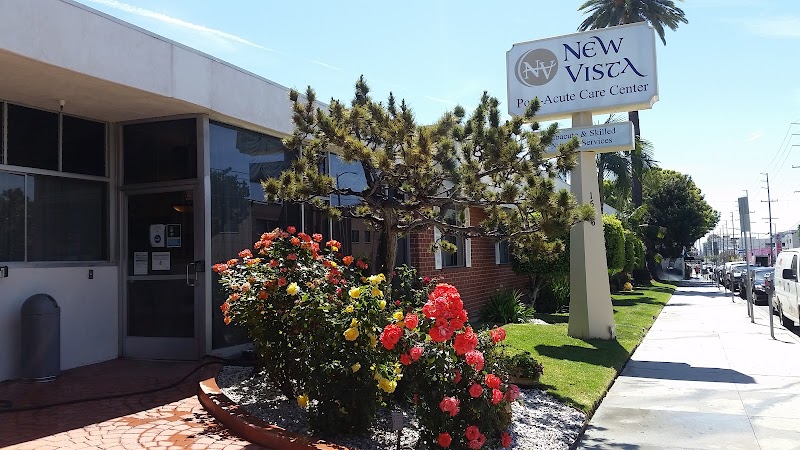
How is New Vista Post-Acute Staffed?

CMS rates NEW VISTA POST-ACUTE CARE CENTER's staffing level at 2 out of 5 stars, which is below average compared to other nursing homes. Staff turnover is 46%, compared to the California average of 46%. RN turnover specifically is 62%, which is notably high. RNs provide skilled clinical oversight, so turnover in this role can affect medical care quality.

What Have Inspectors Found at New Vista Post-Acute?

State health inspectors documented 130 deficiencies at NEW VISTA POST-ACUTE CARE CENTER during 2021 to 2025. These included: 3 that caused actual resident harm and 127 with potential for harm. Deficiencies causing actual harm indicate documented cases where residents experienced negative health consequences.
Who Owns and Operates New Vista Post-Acute?

NEW VISTA POST-ACUTE CARE CENTER is owned by a for-profit company. For-profit facilities operate as businesses with obligations to shareholders or private owners. The facility operates independently rather than as part of a larger chain. With 116 certified beds and approximately 105 residents (about 91% occupancy), it is a mid-sized facility located in LOS ANGELES, California.
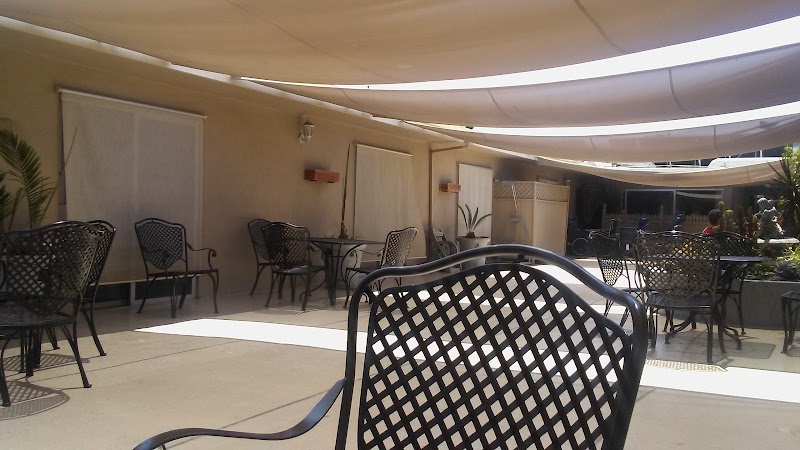
How Does New Vista Post-Acute Compare to Other California Nursing Homes?

Compared to the 100 nursing homes in California, NEW VISTA POST-ACUTE CARE CENTER's overall rating (1 stars) is below the state average of 3.1, staff turnover (46%) is near the state average of 46%, and health inspection rating (1 stars) is much below the national benchmark.

What Should Families Ask When Visiting New Vista Post-Acute?

Based on this facility's data, families visiting should ask: "What safeguards and monitoring systems are in place to protect residents from abuse or neglect?" "Can you walk me through typical staffing levels on day, evening, and night shifts?" "Can I visit during a mealtime to observe dining assistance and food quality?" "How do you handle medical emergencies, and what is your hospital transfer rate?" These questions are particularly relevant given the substantiated abuse finding on record and the below-average staffing rating.

Is New Vista Post-Acute Safe?

Based on CMS inspection data, NEW VISTA POST-ACUTE CARE CENTER has documented safety concerns. The facility has 1 substantiated abuse finding (meaning confirmed case of resident harm by staff or other residents). The facility has a 1-star overall rating and ranks #100 of 100 nursing homes in California. Families considering this facility should ask detailed questions about what corrective actions have been taken since these incidents.

Do Nurses at New Vista Post-Acute Stick Around?

NEW VISTA POST-ACUTE CARE CENTER has a staff turnover rate of 46%, which is about average for California nursing homes (state average: 46%). Moderate turnover is common in nursing homes, but families should still ask about staff tenure and how the facility maintains care continuity when employees leave.

Was New Vista Post-Acute Ever Fined?

NEW VISTA POST-ACUTE CARE CENTER has been fined $61,789 across 8 penalty actions. This is above the California average of $33,697. Fines in this range indicate compliance issues significant enough for CMS to impose meaningful financial consequences. Common causes include delayed correction of deficiencies, repeat violations, or care failures affecting resident safety. Families should ask facility leadership what changes have been made since these penalties.

Is New Vista Post-Acute on Any Federal Watch List?

NEW VISTA POST-ACUTE CARE CENTER is not on any federal watch list. The most significant is the Special Focus Facility (SFF) program, which identifies the bottom 1% of nursing homes nationally based on persistent, serious quality problems. Not being on this list means the facility has avoided the pattern of deficiencies that triggers enhanced federal oversight. This is a positive indicator, though families should still review the facility's inspection history directly.