OLYMPIA CONVALESCENT HOSPITAL

1100 S. ALVARADO ST, LOS ANGELES, CA 90006 (213) 487-3000
For profit - Limited Liability company 135 Beds Independent Data: November 2025
Trust Grade
58/100
#641 of 1155 in CA
Last Inspection: May 2025

Inspected within the last 6 months. Data reflects current conditions.

Overview

Olympia Convalescent Hospital has a Trust Grade of C, which means it is average and in the middle of the pack among nursing homes. In California, it ranks #641 out of 1,155 facilities, placing it in the bottom half, and #126 out of 369 in Los Angeles County, indicating that there are better options locally. The facility is improving, having reduced its issues from 17 in 2024 to 13 in 2025. Staffing is a relative strength with a turnover rate of 26%, which is below the state average, but the overall RN coverage is rated as average. While there have been no fines reported, some serious concerns have been noted, including a failure to provide adequate assistance during a resident's transfer, which could lead to falls, and issues with food storage that could pose health risks. Overall, while there are some strengths, families should weigh these alongside the identified weaknesses.

Trust Score
C
58/100
In California
#641/1155
Bottom 45%
Safety Record
Moderate
Needs review
Inspections
Getting Better
17 → 13 violations
Staff Stability
✓ Good
26% annual turnover. Excellent stability, 22 points below California's 48% average. Staff who stay learn residents' needs.
Penalties
✓ Good
No fines on record. Clean compliance history, better than most California facilities.
Skilled Nurses
⚠ Watch
Each resident gets only 23 minutes of Registered Nurse (RN) attention daily — below average for California. Fewer RN minutes means fewer trained eyes watching for problems.
Violations
⚠ Watch
41 deficiencies on record. Higher than average. Multiple issues found across inspections.
★★★☆☆
3.0
Overall Rating
★★★☆☆
3.0
Staff Levels
★★★☆☆
3.0
Care Quality
★★★☆☆
3.0
Inspection Score
Stable
2024: 17 issues
2025: 13 issues

The Good

  • Low Staff Turnover (26%) · Staff stability means consistent care
  • Full Sprinkler Coverage · Fire safety systems throughout facility
  • No fines on record
  • Staff turnover is low (26%)

    22 points below California average of 48%

Facility shows strength in staff retention, fire safety.

The Bad

3-Star Overall Rating

Near California average (3.1)

Meets federal standards, typical of most facilities

The Ugly 41 deficiencies on record

1 actual harm
Aug 2025 1 deficiency
CONCERN (D) 📢 Someone Reported This

A family member, employee, or ombudsman was alarmed enough to file a formal complaint

Potential for Harm - no one hurt, but risky conditions existed

Infection Control (Tag F0880)

Could have caused harm · This affected 1 resident

**NOTE- TERMS IN BRACKETS HAVE BEEN EDITED TO PROTECT CONFIDENTIALITY** Based on interview and record review, the facility failed to follow their infection control policy and procedure (P&P) for two o...

Read full inspector narrative →
**NOTE- TERMS IN BRACKETS HAVE BEEN EDITED TO PROTECT CONFIDENTIALITY** Based on interview and record review, the facility failed to follow their infection control policy and procedure (P&P) for two of three sampled residents (Resident 1 and 2), by failing to report the positive COVID cases to the State Agency (SA). This deficient practice had the potential to spread infection to the residents, visitors, and the community. Findings:During a review of Resident 1's admission Record dated 8/29/25 indicated Resident 1 was admitted to the facility on [DATE], with diagnoses including diabetes mellitus (DM-a disorder characterized by difficulty in blood sugar control and poor wound healing), hypertension (HTN- high blood pressure), hyperlipidemia (HLD - a condition characterized by elevated levels of lipids (fats) in the bloodstream) and major depressive disorder (a mood disorder that causes a persistent feeling of sadness and loss of interest). During a review of Resident 1's MDS, dated [DATE], indicated Resident 1 had severe cognitive (thinking, reasoning, learning, judgment) impairment and required partial to substantial assistance from staff for toileting, bathing, dressing and personal hygiene. During a review of Resident 2's admission Record dated 8/29/25 indicated Resident 2 was admitted to the facility on [DATE] with diagnoses including abnormalities of gait and mobility, HTN, HLD, and anemia (a condition where the body does not have enough healthy red blood cells).During a review of Resident 2's MDS, dated [DATE], indicated Resident 2 had moderate cognitive (thinking, reasoning, learning, judgment) impairment and required substantial assistant to dependance on staff for toileting, bathing, dressing and personal hygiene. During an interview with concurrent record review on 8/28/25 at 4:10 pm with Director of Nursing (DON) the Resident 2's nurses notes dated 8/2/25 were reviewed. The DON verified the resident had had a change of condition, was tested for COVID on that day and was found to be positive. During an interview with concurrent record review on 8/28/25 at 4:01 pm with DON Resident 1's nurses note for 8/4/25 were reviewed. The note indicated the resident had a change of condition with a fever and had a COVID test at the facility before she was transferred to the hospital which was negative. Further review of nurses noted dated 8/8/25 indicated the resident was readmitted on that date and tested COVID upon admission. The DON stated the cases were within seven days of each other and should have been reported to the SA. During a review of the facility's policy and procedures titled Infection Prevention and Control Program , reviewed 1/24/25, Duties and Responsibilities. Notify appropriate government agencies of reportable contagious or infectious diseases.
Aug 2025 1 deficiency
CONCERN (D) 📢 Someone Reported This

A family member, employee, or ombudsman was alarmed enough to file a formal complaint

Potential for Harm - no one hurt, but risky conditions existed

Pharmacy Services (Tag F0755)

Could have caused harm · This affected 1 resident

Based on interview, and record review, the facility failed to ensure:1) Licensed Vocational Nurse (LVN) 1 verified all medications, including controlled substance medications, received from pharmacy w...

Read full inspector narrative →
Based on interview, and record review, the facility failed to ensure:1) Licensed Vocational Nurse (LVN) 1 verified all medications, including controlled substance medications, received from pharmacy were checked and accounted for accuracy.2) LVN 2 and LVN 5 did not sign the narcotic count sheets ahead of time indicating that they (LVN 2 and LVN 5) actually counted and confirmed with the oncoming licensed nurse that the narcotics count was accurate/correct during shift change narcotics count. These deficient practices of not verifying medications received from pharmacy were accurate and not signing out on the narcotic sheets without counting/verifying with another licensed nurse present had the potential for diversion of narcotics. Findings: During a record review, the facility's In-Service Education (a professional development for workers aimed to enhance their skills, knowledge, and competence to improve job performance) dated 5/09/2025 indicated, several LVNs and RNs received education on Medication Order and Receiving. The education's lesson plan indicated all licensed nurses verify and document medications, including controlled substance, were received. The lesson plan also indicated that all licensed nurses will promptly report any discrepancies and omissions to the pharmacy and the charge nurse/supervisor. During a record review, the facility pharmacy receipt dated 8/20/2025, indicated the pharmacy receipt was signed by LVN 1 on 8/21/2025. During a record review, the facility pharmacy receipt dated 8/21/2025, indicated the pharmacy receipt was signed by a licensed nurse on 8/21/2025 at 6:24 PM. During a record review, LVN 1's timecard dated 8/16/2025 through 8/31/2025 of, indicated, LVN 1 clocked in on 8/20/2025 at 11:04 PM and clocked out on 8/21/2025 at 7:58 AM. During a record review, the Notice of Investigatory Suspension letter addressed to LVN 1 dated 8/21/2025, indicated, LVN 1 was suspended effective 8/21/2025. During a record review, the facility document titled One on One Education/Retraining (a type of training where a professional trainer guides a single individual through a session, tailoring the program to their specific goals, needs, and fitness level) dated 8/21/2025, indicated, LVN 1 received education on Receiving Controlled Medications. The lesson plan for retraining education indicated that a nurse signs for the medications received from pharmacy and inspects the medications and reconciles controlled substance orders.against what has been received from the pharmacy. During a record review, the Pharmacy's Management record, dated 8/22/2025, indicated, while the medication (tramadol) did appear on the packing slip (pharmacy receipt), it was unfortunately not in the delivery bag. We have since located the medication and ensured it was redelivered to [the facility]. During a record review, the facility Medication Cart 1 Narcotic Sheet dated 8/25/2025, indicated LVN 2 had already signed out on the narcotic sheet before the end of LVN 2's shift. During a record review, the Medication Cart 1 Narcotic Sheet dated 8/25/2025, indicated LVN 5 had already signed out on the narcotic sheet before the end of LVN 5's shift. During a concurrent record review and interview on 8/25/2025 at 10:53 AM with LVN 5, Medication Cart 2 narcotic sheet dated 8/25/2025, was reviewed. When LVN 5 was asked why a narcotic sheet require two licensed nurses' signatures on it, LVN 5 stated their signatures tell everyone they both checked the medications together and everything is accounted for. Medication Cart 2 narcotic sheet dated 8/25/2025 indicated LVN 5 had already signed the narcotic sheet ahead of time and before end of LVN 5's shift. LVN 5 was asked why the 8/25/2025 narcotic sheet was signed ahead of time, LVN 5 stated it was a mistake. LVN 5 stated the narcotic sheet should have been signed at the end of the shift, around 3 pm today (8/25/25) with another nurse. LVN 5 stated the signatures of two licensed nurses on the medication cart 2 narcotic sheet indicated the signatures of the nurses verify they counted the medications together. LVN 5 also stated the potential harm to Resident 1 when the medication cart 2 narcotic sheet was signed ahead of time that the medication may be missing, the resident has to wait for the medication replacement causing resident additional pain and discomfort. During a concurrent record review and interview on 8/25/2025 at 12:14 PM with LVN 2, LVN 2 was asked if it was acceptable to sign the narcotic sheet ahead of time, LVN 2 stated no.if the narc sheet is signed ahead of time, then it means the nurse didn't really check the medications with another nurse. Medication Cart 1 narcotic sheet for 8/25/2025 was signed by LVN 2 ahead of time. LVN 2 was asked why LVN 2 signed the medication cart 1 narcotic sheet ahead of time, LVN 2 stated that was a mistake. LVN 2 also stated the potential harm to the resident when the medication cart 1 narcotic sheet was signed ahead of time the resident's med may be missing.causing the resident to have increased pain and suffering.may need additional pain medication when the resident's pain is not relieved by the pain medication replacement. During an interview on 8/25/2025 at 12:14 PM with LVN 2, LVN 2 stated the licensed nurse who received medication delivery from the dispensing pharmacy did not check to verify against the pharmacy receipt against what medications were actually delivered to the facility. LVN 2 stated, there is a high chance which medications actually came, and which ones did not come. During an interview on 8/25/2025 at 1:24 PM with Registered Nurse Supervisor (RNS) 1, RNS 1 stated, it is important to check the medications received against the pharmacy receipt to verify and account for all the medications received.sometimes the wrong information is on the receipt - wrong name for wrong medication. During a phone interview on 8/25/2025 at 2:04 PM with LVN 1, LVN 1 stated when receiving medication delivery (brown bag) from pharmacy, make sure everything that is on the pharmacy receipt matches with the medications being delivered. LVN 1 stated when LVN 1 received the delivery bag from the pharmacy on 8/21/2025 between approximately 4:40 am and 4:45 am, I looked at the bubble packs (a medication packaging system that contains individual doses of medication per bubble) then I signed the receipt, it looked right to me that's why I signed the receipt. LVN 1 stated that before LVN 1 handed the medication key to the next shift nurse at the end of LVN 1's shift (11 pm to 7 am), LVN 1 realized there was one medication missing, tramadol (a strong narcotic medication used to treat moderate to severe pain). LVN 1 stated LVN 1 panicked when LVN 1 realized tramadol was not in the brown bag I asked my two co-workers if they received any narcotics from the pharmacy.both said no. LVN 1 also stated LVN 1 called the pharmacy, but no one answered so LVN 1 left a message, the facility's Director of Nursing (DON) was immediately notified about the missing tramadol. LVN 1 was suspended for only one day on 8/21/2025 my drug test was negative, and the narcotic was found.on 8/21/2025. When asked if LVN 1 knew the whereabouts of the narcotic tramadol, LVN 1 stated the Director of Nursing (DON) told LVN 1 that the tramadol was delivered to another facility. During an interview on 8/25/2025 at 3:19 PM with DON, DON confirmed LVN 1 notified the DON right away about the missing narcotic, tramadol on 8/21/2025 as [LVN 1] was getting ready to leave at the end of [LVN1's] shift. DON also confirmed and stated LVN 1 was suspended pending their investigation because the medication was a Class IV Controlled Substance and that we couldn't find the [tramadol]. DON stated LVN 1's suspension was lifted after the narcotic tramadol was found on 8/21/2025 by the pharmacy staff. DON stated the narcotic, tramadol, was delivered to another facility by mistake by the pharmacy staff. DON stated the expectations from licensed nurses when receiving any type of medication from pharmacy was for nurses to check the pharmacy receipt against the medications received, after confirming verification, the nurses can then sign the receipt. DON stated signing the narcotic sheet ahead of time is not part of the facility policy, the nurse does not know if there are any situations happening that may cause the count to be inaccurate. DON added when the oncoming and outgoing nurses signed on the narcotic sheet, that means both nurses counted the narcotics and that they endorsed (gave report to) on each other. DON confirmed there were two nurses (LVN 2 and LVN 5) who signed out of the narcotic sheets ahead of time. During a record review, the facility Policy and Procedures (P&P - policy explains the rules and presents them in a logical framework while procedures outline the step-by-step implementation of various tasks) titled Medication Storage in the Facility - Controlled Medication Storage with an effective date of 01/2022, indicated, Two licensed nurses do a physical inventory of all controlled substances at each shift change and documented on the narcotic sheet. During a record review, the facility's undated P&P titled Medication Storage in the Facility -Ordering and Receiving Non-Controlled Medications from the Dispensing Pharmacy indicated, A licensed nurse who received medications delivered by the pharmacy verifies medications received and promptly reports discrepancies and omissions to the to the issuing pharmacy and the supervisor.
Aug 2025 1 deficiency 1 Harm
SERIOUS (G) 📢 Someone Reported This

A family member, employee, or ombudsman was alarmed enough to file a formal complaint

Actual Harm - a resident was hurt due to facility failures

Accident Prevention (Tag F0689)

A resident was harmed · This affected 1 resident

**NOTE- TERMS IN BRACKETS HAVE BEEN EDITED TO PROTECT CONFIDENTIALITY** Based on observation, interview, and record review the facility failed to provide care and services to prevent an avoidable acci...

Read full inspector narrative →
**NOTE- TERMS IN BRACKETS HAVE BEEN EDITED TO PROTECT CONFIDENTIALITY** Based on observation, interview, and record review the facility failed to provide care and services to prevent an avoidable accident from occurring for one of three sampled residents (Resident 1) by failing to: 1. Ensure Restorative Nursing Assistant 1 (RNA 1-nursing aide program that helps residents maintain their function and joint mobility) implemented the Activities of Daily Living (ADL- include eating, dressing, getting into or out of a bed or chair) Care Plan to transfer Resident 1 from a shower chair (is an assistive device designed to help people who have limited mobility or physical strength when bathing) to the bed using a Hoyer lift (a mechanical device used to safely transfer individuals with limited mobility) on 7/26/2025 between 8 am to 9 am. 2. Ensure RNA1 provided two-person physical assistance (help from two person) to transfer Resident 1 from a shower chair to the bed on 7/26/2025 between 8 am to 9 am as indicated in the ADL Care Plan initiated on 6/9/2025. 3. Ensure RNA1 followed the facility policy and procedures (P&P) titled Transfer of Residents reviewed on 1/24/2025, to transfer Resident 1 from the shower chair to the bed on 7/26/2025 between 8 am to 9 am. On 7/26/2025 at 8:50 am, RNA 1 independently (by himself) transferred Resident 1 who was totally dependent (reliant on) on all ADLs including chair to bed transfer, Resident 1's left lower leg was caught inside the metal bed frame. As a result, on 7/26/2025 at 10:20 am, Resident 1 sustained a bluish discoloration (refers to any change in the natural skin tone), skin trauma (a physical injury caused by an external force or violence, or an event that causes significant mental or emotional damage), and slight swelling to left mid shin (front parts of the leg). The facility transferred Resident 1 to a general acute care hospital (GACH) for further evaluation, treatment, and was diagnosed with multiple broken bones of the left leg.Findings: During a record review, Resident 1's admission Record, the admission Record indicated the facility originally admitted the resident on 2/14/2025 and re-admitted on [DATE] with diagnoses that included hemiplegia (partial or total paralysis [extreme form of weakness and nerve dysfunction] and hemiparesis (weakness on one side of the body), reduced mobility (reduced ability to move freely), muscle weakness, lack of coordination (a lack of voluntary control and coordination of muscle movements), aphasia (inability to comprehend or formulate language), and a history of healed traumatic fracture. During a review of Resident 1's Care Plan Report initiated on 6/9/2025 indicated Resident 1 ADL self-care performance deficit related to activity intolerance, hemiplegia, impaired balance Care Plan, it indicated the resident (Resident 1) requires dependent assistance by two staff and Hoyer lift to move from chair to bed/bed to care. During a record review, Resident 1's History and Physical (H&P) dated 6/20/2025, indicated Resident 1 did not have the capacity to understand and make decisions. During a record review, Resident 1's Minimum Data Set (MDS - a resident assessment tool) dated 6/7/2025 indicated Resident 1's cognition (The mental ability to make decisions of daily living) was severely impaired. The MDS indicated Resident 1 was totally dependent for all activities of daily living (ADL - eating, oral hygiene, toileting hygiene, shower/bathing, upper and lower body dressing, putting on /taking off footwear, and personal hygiene), rolling left to right, moving from sitting to lying position, and vice versa and chair to bed transfer. The MDS further indicated Resident 1's ability to go up and down a curb and/or up and down one step was not attempted due to safety concerns. During a record review, Resident 1's Pain Assessment record dated 7/26/2025 at 9:05 am., indicated Resident 1 with left shin skin discoloration related to left leg stuck in bed frame, Resident 1 with acute (of sudden onset) aching pain of 3/10, and received Tylenol (medication used primarily to relieve mild to moderate pain) for pain During a record review, Resident 1's Change in Condition (COC- a sudden, clinically important deviation from a patient's baseline in physical, cognitive, behavioral, or functional domains) Evaluation record dated 7/26/2025 at 10:11 am, indicated Resident 1 had skin discoloration (refers to any change in the natural skin tone) on the left shin area with slight swelling and suffered mild pain of three out of 10 (3/10- numerical pain assessment tool where zero is no pain and 10 is severe pain). The COC indicated Resident 1 suffered bruising, swelling over joint or bone. The COC indicated that during transfer from shower chair to bed (Resident 1) became combative and move her legs and the left leg got stuck on the bed frame under the bed and sustained skin discoloration, slight swelling, and mild pain. The COC indicated a medical doctor (MD) was informed and a new order received for a stat (now) x-ray of the left knee, left shin, left fibula (the outer bone of the two bones in the lower part of the leg), and left tibia (the inner bone of the two bones in the lower part of the leg). During a record review, Resident 1's Skin Observation Checks record dated 7/26/2025 at 10:20 am, indicated first observation that Resident 1 had bluish discoloration, skin trauma (a physical injury caused by an external force or violence, or an event that causes significant mental or emotional damage), and slight swelling to left mid shin (front parts of the legs). The Skin Observation Checks record indicated that an RNA/CNA (Restorative Nurse Assistant - is a certified nursing assistant (CNA) who focuses on helping patients regain and maintain their physical abilities and independence) transferred Resident 1 to shower chair and that the resident's left leg was accidentally stuck to the bed frame. During a record review, Resident 1's Skin Weekly Assessment record dated 7/26/2025 at 11:41 am, indicated the initial and current treatment plan to the left mid-shin with skin trauma, slight swelling, bluish discoloration with pain was to apply cold compress (the application of a chilled or frozen material to the body to reduce swelling or inflammation) to affected area every 15 minutes interval. The Skin Weekly Assessment record further indicated Resident 1 with left lower extremity (LLE) with pitting edema plus 2 (+2 - a condition where fluid accumulates in the tissues, causing swelling with an indentation of 3-4 millimeters [mm- unit of measurement] in depth) and left mid shin with bluish discoloration. During a record review, Resident 1's Progress Notes dated 7/26/2025 at 2:51 pm, indicated Resident 1 was transferred to GACH due to butterfly (a type of fracture where a large, triangular or wedge-shaped fragment of bone breaks off, resembling a butterfly's wings) spiral fracture (the break spirals around the bone's axis, often caused by a twisting force) of the shaft of the tibia, fracture of the fibula, and tiny fracture in the lateral malleolus (the side of the bony prominence on the outer side of the ankle), nondisplaced fracture in the lateral malleolus, and distal fracture shaft of the tibia. During a record review, Resident 1's Situation Background Assessment Recommendation (SBAR - is a structured communication framework used in healthcare settings to ensure clear and concise information exchange between healthcare professionals) dated 7/27/2025 at 6:50 pm, indicated Resident 1 sustained fractures to the proximal tibia, lateral malleolus, spiral/butterfly fragment in the shaft and that the resident with new pain (not quantified). The SBAR indicated that a physician was notified, X-ray ordered, and Resident 1 to have an orthopedic (the branch of medicine dealing with the correction of deformities of bones or muscles) appointment after 3 weeks. During a record review, Resident 1's Nursing Home to Hospital Transfer Form dated 3/2/2025 (incorrect date should be 7/26/2025), indicated Resident 1 received Tylenol 325 milligrams (mg - unit dose) for pain on 7/26/2025 at 1:30 pm for pain level of 3/10. The Nursing Home to Hospital Transfer Form indicated that on 7/26/2025 at 3:04 pm., Resident 1 was transferred to GACH due to butterfly spiral fracture on tibia and fibula to the left leg. During a record review, Resident 1's X-ray of the left tibia and fibula (two long bones located in the lower leg) dated 7/26/2025 2025 and with service date of 7/26/2025 indicated evidence of multiple fractures of the proximal fibula, lateral malleolus and spiral/ butterfly fracture in the shaft of the tibia. During a record review, Resident 1's of x-ray of the left ankle dated 7/26/2025 and with service date of 7/26/2025, indicated a nondisplaced fracture in the lateral malleolus. During a record review, Resident 1's Electronic Medication Administration Record (e- MAR) dated 7/1/2025 - 7/31/2025, indicated Resident 1 received Tylenol 325mg two tablets for pain on 7/26/2025 at 9 am and 1:30 pm. During a record review, Resident 1's GACH Discharge Information record dated 7/27/2025 at 4:36 pm, indicated Resident 1 presented to the emergency room with left lower extremity pain after her leg was stuck in a bed rail yesterday (7/26/2025). Discharge Information record indicated Resident 1 had Acute, comminuted (where the bone breaks into multiple fragments), mildly displaced fracture of the mid to distal left tibial shaft, and acute comminuted and minimally displaced fracture of the proximal left fibular shaft. The Discharge Information record indicated that Resident 1 has a fracture of her (Resident 1) tibia and fibula in her in the left leg. This was splinted by the emergency department. She should have an orthopedic surgeon evaluate her soon. During a facility tour on 8/11/2025 at 11:45 am., Resident 1 was observed asleep in bed with a leg cast (a rigid, supportive shell, often made of plaster or fiberglass, used to immobilize and protect a fractured or surgically treated leg or knee while it heals) wrapped with ace bandage (a type of elastic bandage used to provide compression and support to injured body parts like ankles, knees, or wrists) covering the left leg from below the left knee to her foot. During an interview on 8/11/2025 at 12:10 pm, RNA 1 stated that on 7/26/2025 between 8 am to 9 am, Resident 1 was totally dependent on care, was seated on a shower chair at the bedside waiting to be transferred back to bed. RNA 1 stated that Certified Nurse Assistant (CNA) 2 was also present at the resident's bedside. RNA 1 stated he (RNA1) wrapped his arms under Resident 1's underarms, bear hugged Resident 1, lifted Resident 1 from the shower chair and then began to transfer Resident 1 from the shower chair to the resident's bed. RNA 1 stated that midway during the transfer, Resident 1 became combative, uttering (saying) words her primary language, and he (RNA 1) continued with transferring the resident (Resident 1) to bed. RNA 1 stated he (RNA 1) laid Resident 1 in bed and noticed that Resident 1's left lower leg was stuck inside the metal bed frame. RNA 1 stated that CNA 2 did not assist with transferring Resident 1 to bed. RNA 1 stated he (RNA1) left CNA 2 at the bedside with Resident 1 and called Licensed Vocational Nurse (LVN) 2 for assistance. RNA 1 stated LVN 2 removed Resident 1's left lower leg that was still stuck on the metal bed frame. RNA 1 stated LVN 2 called Registered Nurse 1 (RN) 1 to come and assess Resident 1's left leg. During an interview on 8/11/2025 at 12:35 pm CNA 2 stated she (CNA2) was standing at the foot of Resident 1's bed and RNA 1 instructed to stand by just in case he needed assistance with transferring Resident 1 from shower chair to the bed. CNA 2 stated Resident 1 was non weight bearing (cannot support weight) on bilateral lower extremities (lower limbs) and was non-ambulatory (unable to walk) prior to the left leg bed injury on 7/26/2025. During an interview on 8/11/2025, RN 1 stated that on 7/6/2025 at approximately 8:30 am, RNA 1 summoned her to Resident 1's room to see something but did not elaborate why. RN 1 stated she immediately went to Resident 1's room and found Resident 1 lying in bed with the resident's feet dangling on the left edge of the bed. RN 1 stated she noticed Resident 1 had redness and slight swelling to the left lower leg. RN 1 stated she knows and understands the word pain in Resident 1's primary language, Resident 1 said pain. RN 1 stated she performed a full body assessment on Resident 1, notified doctor, received and carried out stat orders including x-rays, and gave Resident 1 Tylenol for pain. RN 1 stated the x-ray results indicated fractures to the left lower leg, and she immediately notified the physician of the x-ray results. RN 1 stated the physician gave an order to transfer Resident 1 to GACH for higher level of care.RN 1 stated Resident 1 was transferred to acute care on 7/26/2025 at 3:04 pm. During an interview on 8/12/2025 at 12:20 pm, Director of Staff Development (DSD) stated Resident 1 was totally dependent (requiring full reliance on caregivers for basic needs like mobility, hygiene, and feeding) on staff for care and the resident required 2-person assist with a Hoyer lift for transfers which is in accordance with the facility policy to safely transfer residents. During an interview on 8/12/2025 at 3:30 pm, Director of Staffing (DON) stated Resident 1's injuries were preventable if the staff utilized an assistive device (Hoyer lift) to safely transfer Resident 1 from shower chair to the bed. During a record review, the facility policy and procedures (P&P) titled Transfer of Residents reviewed on 1/24/2025, indicated, a mechanical lift is used on any resident unable to independently pivot (to turn or rotate) or transfer. The P&P titled indicated, Purpose: To provide the form of transfer best suited to the residents' needs and maintain resident safety during the procedure. One person pivot transfer (Resident must be able to bear weight. Make sure the resident's feet are on the floor
May 2025 9 deficiencies
CONCERN (D)

Potential for Harm - no one hurt, but risky conditions existed

Resident Rights (Tag F0550)

Could have caused harm · This affected 1 resident

**NOTE- TERMS IN BRACKETS HAVE BEEN EDITED TO PROTECT CONFIDENTIALITY** Based on observation, interview, and record review, the facility failed to provide care in a manner that maintained or enhanced ...

Read full inspector narrative →
**NOTE- TERMS IN BRACKETS HAVE BEEN EDITED TO PROTECT CONFIDENTIALITY** Based on observation, interview, and record review, the facility failed to provide care in a manner that maintained or enhanced dignity and respect in full recognition of resident's individuality by failing to ensure that the urinary collection bag was covered with a privacy bag for two of two sampled residents (Residents 41 and 54) This deficient practice had the potential to affect Resident 41 and 54's self-esteem and self-worth. Findings: a. During a record review, Resident 41's admission Record indicated the facility admitted Resident 41 on 3/20/2025 with diagnoses including acute kidney failure (AKF- a sudden and often reversible decline in kidney function), encephalopathy (a problem with the brain, affecting how it works), and hypertension (HTN - elevated blood pressure). During a record review, Resident 41's Minimum Data Set (MDS - a resident assessment tool) dated 3/23/2025, indicated Resident 41 was cognitively impaired (when a person has trouble remembering, learning new things, concentrating, or making decisions that affect their everyday life). The MDS indicated Resident 41 required extensive staff assistance with activities of daily living (ADLs- routine tasks/activities such as bathing, dressing and toileting a person performs daily to care for themselves). During an observation on 5/14/2025, at 7:52 A.M., in Residents 41's room, Resident 41's urinary catheter (a hollow tube inserted into the bladder to drain or collect urine) bag was seen hanging from the bed frame without a dignity cover. During a concurrent observation and interview on 5/14/2025, at 7:56 A.M., with Certified Nursing Assistant (CNA) 3, in Residents 41's room, Resident 41's urinary catheter bag was observed without a dignity bag cover. CNA 3 stated Resident 41's urinary catheter bag did not have a privacy (dignity) bag over it and needed to have one for privacy. CNA 3 stated that not having a privacy bag over Residents 41's urinary catheter bag may cause Resident 41 to feel embarrassed, uncomfortable and not feel good overall. During a concurrent observation and interview on 5/14/2025, at 8:21 A.M., with Treatment Nurse (TN), in Residents 41's room, Resident 41's urinary catheter bag was observed without a dignity bag covering it. TN stated Resident 41's urinary catheter needed to be covered with a dignity bag for Resident 41's dignity by not having Resident 41's urine be exposed to ensure that Resident 41's dignity is maintained. During an interview on 5/16/2025, at 5:28 P.M., with the Director of Nursing (DON), the DON stated that catheter needed to be covered with a dignity bag to provide Resident privacy. The DON stated if there is no dignity bag on the resident's catheter, it may affect the residents' psychosocial (involving both psychological and social aspects) wellbeing. b. During a record review of Resident 54's admission record, indicated Resident 54 was admitted to the facility on [DATE], with diagnoses that included, pressure ulcer (also known as bedsore or pressure sore, is damage to the skin and underlying tissue caused by prolonged pressure, due to lying or sitting in one position for too long), of right heel (the back part of the foot), depression (a persistent state of sadness or lack of interest in things that you used to enjoy). During a record review of Resident 54's MDS, dated [DATE], indicated Resident 54's cognition (the mental ability to make decisions of daily living) was severely impaired. Resident required substantial/maximal assistance with all activities of daily living (ADLs) bed mobility, transfer, eating, toilet use and personal hygiene. During a record review of Resident 54's care plan regarding urinary catheter initiation date 4/22/2025 indicated indwelling foley catheter is to remain in privacy bag and catheter leg strap on at all times. During observation in Resident 54's room on 5/13/2025 at 9:53 AM, Resident 54's indwelling catheter bag was full of yellow urine like fluid and visible to anyone entering or passing by the door of Resident 54's room. During an interview on 5/13/2025 at 9:57 AM, CNA 1 (Resident 54's CNA) stated she (CNA 1) indwelling catheter should be covered for privacy and dignity. CNA 1 stated she will cover the bag right now. During an interview on 5/13/2025 at 8:54 AM, Director of Staff Development (DSD) stated the proper way to care for residents with indwelling catheters should have dignity bags to cover. The DSD stated the dignity bag is placed over the indwelling catheter bag to provide the resident with privacy and dignity, so that no one can tell that she has a Foley catheter inserted. During an interview on 05/13/25 at 8:54 AM the Director of Nursing (DON) stated the CNA should put a privacy cover over the indwelling catheter bag to protect the residents dignity. During a record review, the facility In-service (training) lesson plan on preserving patient dignity and privacy dated 3/25/25 at 1:30 PM, indicated: Objective Staff will be able to state the importance of providing residents with courtesy, respect, privace and dignity at all times. Purpose To ensure that staff will provide privacy and dignity to patients and will address them appropriately. Course Contents Privacy refers to freedom from intrusion. Dignity - being worthy of respect. Respect-consideration or thoughtfulness. Patients have the right: 3. Be treated with dignity at all times like when they are in the dining room during meals time or even in the room, During a record review, the facility policy and procedures (P&P) titled Privacy and Dignity reviewed 1/24/2025, indicated, Purpose: To ensure that care and services provided by the Facility promote and/or enhance privacy, dignity and overall quality of life. Policy: The Facility promotes resident care in a manner and an environment that maintains or enhances dignity and respect, in full recognition of each resident's individuality. Procedure: VI. The Facility respects the residents' private space and property. IX. The following rights to privacy are a part of the admission agreement and the resident is informed of these rights during the admission process A. Residents are afforded a right to privacy and confidentiality. X. Resident rights to privacy and confidentiality of medical information and the clinical record is outlined in HP - 01 - Form A - Notice of privacy practices.
CONCERN (D)

Potential for Harm - no one hurt, but risky conditions existed

Deficiency F0554 (Tag F0554)

Could have caused harm · This affected 1 resident

**NOTE- TERMS IN BRACKETS HAVE BEEN EDITED TO PROTECT CONFIDENTIALITY** Based on observation, interview and record review, the facility's interdisciplinary team (IDT-- a group of health care professio...

Read full inspector narrative →
**NOTE- TERMS IN BRACKETS HAVE BEEN EDITED TO PROTECT CONFIDENTIALITY** Based on observation, interview and record review, the facility's interdisciplinary team (IDT-- a group of health care professionals with various areas of expertise who work together toward the goals of their clients) failed to ensure one out of one sampled residents (Resident 44) was assessed determined capable to self-administer medication left at the bedside and, had a physician's order for self-administrations. This deficient practice had the potential for duplicity, overdose, and consumed by confused wandering resident which could lead to an adverse reactions, unnecessary hospitalization and possible poor health outcomes. Findings: During a record review, Resident 44's admission record indicated Resident 44 was admitted to the facility on [DATE] and was re-admitted on [DATE], with diagnoses that include atrial fibrillation (Afib-an irregular and often very rapid heart rhythm), hypertension (a medical condition characterized by persistently elevated blood pressure), congestive heart failure (CHF- a condition where the heart cannot pump enough blood to meet the body's needs), type 2 diabetes (DM II-) and peripheral vascular disease (PVD- a slow and progressive disorder of the blood vessels). During a record review, Resident 44's Minimum Data Set (MDS - a resident assessment tool) dated 03/29/2025 indicated the resident 44's cognition (The mental ability to make decisions of daily living) was intact, Resident 44's required supervision or touching assistance for eating and setup partial moderate assistance for oral hygiene. During a facility tour on 5/13/2025 at 11:24 AM, Resident 44's bedside table was observed to have a tube of triamcinolone Acetonide cream (a topical corticosteroid medication used to treat a variety of skin conditions characterized by inflammation and itching). During a concurrent interview, Resident 44 stated she (Resident 44) uses the topical corticosteroid cream when she is itching, and that a physician prescribed the topical corticosteroid cream. During an interview on 5/16/2025 at 2:20 PM Resident 44 stated the resident's family member brought the topical corticosteroid cream for Resident 44 because the resident was itching. During an interview on 5/16/2025, at 2:22 9M, licensed vocational nurse (LVN) 7 stated LVN 7 was unaware Resident 44 had the topical corticosteroid at bedside, LVN 7 stated Resident 44 did not have a physician's order to self-administer the topical corticosteroid and the topical corticosteroid should not be left at the bedside where it is easily accessible, LVN 7 stated Resident 44 had an existing order for Fexofenadine (an oral medical used to relieve itching associated with certain allergic conditions) 180 (dose) mg (unit of measure) taken daily for itching. During an interview on 5/16/2025 at 2:25 PM, Director of Nursing (DON) stated Residents are only allowed for have medications (meds) at the bedside if they have been assessed to be cognitively able and physically have demonstrated that they can safely able to self administer medication(s) and must have a physician approval, DON stated medication at bedside should be in a locked container. DON further stated medications should not be left at bedside, because of the risk of duplicity that can lead to an overdose. DON stated a confused wandering Resident may consume the medications which could lead to an adverse reactions, unnecessary hospitalization and possible poor health outcomes. During a record review, the facility policy and procedures titled Medication- Self-Administration dated 1/24/2025, indicated .Residents are provided with the opportunity to self-administer medication when determined by assessment they are capable to do so by the attending physician and the interdisciplinary team. If the resident is assessed as clinically appropriate for medication self-administration by the IDT, the licensed nurse obtains a physician's order for self-administration of selected medications. Self-administered medications will be placed in a secure drawer or cabinet that is easily accessible to the Resident.
CONCERN (D)

Potential for Harm - no one hurt, but risky conditions existed

Deficiency F0637 (Tag F0637)

Could have caused harm · This affected 1 resident

**NOTE- TERMS IN BRACKETS HAVE BEEN EDITED TO PROTECT CONFIDENTIALITY** Based on interview and record review, the facility failed to complete a change of condition (COC -a sudden deviation from person...

Read full inspector narrative →
**NOTE- TERMS IN BRACKETS HAVE BEEN EDITED TO PROTECT CONFIDENTIALITY** Based on interview and record review, the facility failed to complete a change of condition (COC -a sudden deviation from person/patient's baseline in physical, cognitive, behavioral or function) in accordance with the facility policy and procedures (P&P) titled Change of Condition Notification revised 1/24/2025 for one of three sampled residents (Resident 47). This deficient practice had the potential to result in the delay of necessary care for Resident 47. Findings: During a record review, Resident 47's admission Record indicated the facility admitted Resident 47 on 7/5/2024 and was readmitted on [DATE] with diagnoses including diabetes (DM-a disorder characterized by difficulty in blood sugar control and poor wound healing), dementia (a progressive state of decline in mental abilities), and hypertension (HTN - elevated blood pressure). During a record review of Resident 47's Minimum Data Set (MDS - a resident assessment tool) dated 4/30/2025, indicated Resident 47 was cognitively impaired (when a person has trouble remembering, learning new things, concentrating, or making decisions that affect their everyday life). The MDS indicated Resident 47 required extensive staff assistance with activities of daily living (ADLs- routine tasks/activities such as bathing, dressing and toileting a person performs daily to care for themselves). During a concurrent interview and record review, on 5/16/2025, at 7:20 A.M., with the Registered Nurse Supervisor (RNS) 1, Resident 47's electronic nursing progress notes dated 4/15/2025 at 9:43 P.M. was reviewed. RNS 1 stated the nursing progress notes dated 4/15/2025 at 9:43 P.M., indicated that unidentified Licensed Vocational Nurse noticed Resident 47's urine had sediments (tiny particles or matter that collect at the bottom of a urine sample. This can include things like crystals, bacteria, blood cells, or even debris from the urinary tract), was light yellow in color and had clumps (clots or sediment, which may require medical attention). RNS 1 stated the nursing progress note indicated Resident 47 had a COC, however, there was no documented evidence that a COC was completed for Residents 47. RNS 1 stated a COC is supposed to be completed at the time when the sign and symptoms of a COC is noticed/identified. RNS 1 stated the COC needs to be completed to help closely monitor how the residents is doing, if the resident is getting worse, especially specifically to the problem area that was observed or noted. RNS 1 stated not monitoring a resident's condition may lead to the resident having sepsis (a life-threatening medical emergency that occurs when the body's extreme response to an infection damages its own tissues and organs) or getting hospitalized . During an interview, on 5/16/2025, at 5:32 P.M., with the Director of Nursing (DON), the DON stated that a COC needs to be completed immediately a problem with a resident is identified to ensure that treatment is provided on time. The DON stated that if a COC is not done, there would be a lack of communication among the staff and the care delivery time may not be provided within the time frame which may cause further decline in the resident's emotional status and/or other health care conditions. During a record review, the facility's P&P, titled, Change of Condition Notification revised 1/24/2025, indicated, Purpose: To ensure residents, family, legal representatives, and physicians are informed of changes in the resident's condition in a timely manner. Definition: An acute change of condition (ACOC) is a sudden, clinically important deviation from a patient's baseline in physical, cognitive, behavioral, or functional domains. Clinically important means a deviation that, without intervention, may result in complications or death. I. Members of the interdisciplinary Teams (IDT) are expected to report and document signs and symptoms that might represent an ACOC. II. The facility will promptly inform the resident, consult the resident's attending physician, and notify the residents legal representative when a resident endures a significant change in their condition caused by, but not limited to: b. A significant change in the resident's physical, cognitive, behavioral or functional status.
CONCERN (D)

Potential for Harm - no one hurt, but risky conditions existed

Deficiency F0645 (Tag F0645)

Could have caused harm · This affected 1 resident

**NOTE- TERMS IN BRACKETS HAVE BEEN EDITED TO PROTECT CONFIDENTIALITY** Based on interview and record review, for one of four residents (Resident 45), the facility failed to: 1) Complete a Preadmissio...

Read full inspector narrative →
**NOTE- TERMS IN BRACKETS HAVE BEEN EDITED TO PROTECT CONFIDENTIALITY** Based on interview and record review, for one of four residents (Resident 45), the facility failed to: 1) Complete a Preadmission Screening and Resident Review (PASRR - a screening evaluation used to determine whether placement in a long-term care facility is appropriate for the resident) Level I (a tool that helps identify possible serious mental illness and/or intellectual/development disability) assessment when Resident 45 was readmitted on [DATE]. 2) Notify the mental health agency (A mental health agency that provides and is responsible for mental health services. These services can include a range of interventions, assessments, diagnosis, treatment, and counseling, delivered in various settings to support mental health or treat mental/behavioral disorders) promptly after Resident 45 was newly diagnosed with dementia and anxiety disorder on 4/10/2025 and Alzheimer's disease on 4/18/2025. 3) Develop a care plan after Resident 45 was diagnosed with dementia, anxiety disorders (a condition of excessive worry about daily issues and situations) and Alzheimer's disease (a common type of dementia that affects memory, thinking and behavior). These deficient practices of failing to complete PASRR Level I assessment, notify the mental health authority promptly and create care plans related to the diagnoses of dementia, anxiety disorder, and Alzheimer's disease for Residents 45 put Resident 45 at risk for not identifying possible serious mental illness during Resident 45's re-admission on [DATE] and providing interventions tailored to Resident 45's nursing care needs. Findings: During a record review, Resident 45's face sheet (admission Record - a document containing demographic and diagnostic information) indicated, Resident 45 was admitted to the facility on [DATE] and was re-admitted on [DATE] with the following medical diagnoses: Alzheimer's disease, unspecified dementia, major depressive disorder (a mood disorder that causes a persistent feeling of sadness and loss of interest), and anxiety disorder. During a record review, Resident 45's Minimum Data Set (MDS - a resident assessment tool) dated 4/24/2024, indicated, Resident 45 had a severely impaired cognition (when a person has trouble remembering, learning new things, concentrating, or making decisions that affect their everyday life). During a record review, Resident 45's Care Plan (a guideline for nurses to help them create and achieve a solid plan of action in the treatment of a patient) did not indicate any care plans were created for Resident 45 after the onset (start) of medical diagnoses of dementia, anxiety disorder, and Alzheimer's disease. During a record review, Resident 45's History and Physical (H&P - a physician's complete patient examination) dated 4/10/2025, indicated, Resident 45 did not have the capacity to understand and make decisions. During a record review, Resident 45's Diagnosis Report (a report that contains all of patient's diagnoses, onset [start] date of diagnosis, and date when the diagnosis was resolved) indicated Resident 45's Alzheimer's diagnosis onset was on 4/18/2025, unspecified dementia on 4/10/2025, major depressive disorder on 4/10/2025, and anxiety disorder on 4/10/2025. During an interview and concurrent record review with Minimum Data Set Coordinator (MDSC - adequately assessing nursing home residents' needs and coordinating personalized, resident-driven care based on those assessments) nurse, MDSC-Assistant (MDSC-A) and the Director of Nursing (DON) on 5/16/2025 at 9:35 AM, MDSC stated MDSC Assistant (MDSC-A) was responsible for ensuring PASSR Level I was completed when Resident 45 was re-admitted . MDSC-A stated, I have not received official responsibility to do PASRR Level I. During a record review with the DON, Resident 45's electronic health record was reviewed. The DON stated the admission nurse is responsible, but most of the PASRR Level I when not completed, the DON will complete PASSR Level 1. The DON stated, yes, it would quality for Level I screening, but it was not done when asked if Resident 45's dementia and anxiety disorder were diagnosed on [DATE] and Alzheimer's disease diagnosed on [DATE] qualify for a PASRR Level I screening. The DON also stated, after reviewing Resident 45's with surveyor, that Resident 45 did not have care plans created for dementia, anxiety disorder nor Alzheimer's disease. During a record review, the facility policy and procedures (P&P - explains the rules and presents them in a logical framework while procedures outline the step-by-step implementation of various tasks) titled Preadmission Screening and Resident Review revised on 7/01/2023, indicated, All individuals . must have a PASRR . prior to the facility accepting the admission. The facility ensures that PASRR Level I is completed .prior to admission to determine if they [residents] have a serious mental illness . The facility also conducts PASRR Level I screening for current residents who have a mental illness .
CONCERN (D)

Potential for Harm - no one hurt, but risky conditions existed

Deficiency F0655 (Tag F0655)

Could have caused harm · This affected 1 resident

**NOTE- TERMS IN BRACKETS HAVE BEEN EDITED TO PROTECT CONFIDENTIALITY** Based on interview and record review, the facility failed to develop a comprehensive care plan for one of four sampled residents...

Read full inspector narrative →
**NOTE- TERMS IN BRACKETS HAVE BEEN EDITED TO PROTECT CONFIDENTIALITY** Based on interview and record review, the facility failed to develop a comprehensive care plan for one of four sampled residents (Resident 15) in accordance with the facility policy and procedures (P&P) titled Care Planning revised on 1/24/2025, by failing to initiate a care plan for Resident 15's gastrostomy (g-tube -a surgical opening fitted with a device to allow feedings to be administered directly to the stomach common for people with swallowing problems). This deficient practice had the potential to negatively affect the delivery of necessary care and services needed for Resident 15. Findings: During a record review, Resident 15's admission Record indicated the facility admitted Resident 15 on 9/4/2024 and was readmitted on [DATE] with diagnoses including diabetes (DM-a disorder characterized by difficulty in blood sugar control and poor wound healing), personal history of transient ischemic attack (TIA - a temporary blockage of blood flow to the brain), and dysphagia (difficulty swallowing). During a record review, Resident 15's history and physical (H&P - a thorough assessment of a patient's health, combining a detailed conversation about their medical history and a physical examination) dated 4/30/2024, indicated . dysphagia status post g-tube During a record review, Resident 15's Minimum Data Set (MDS - a resident assessment tool) dated 3/9/2025, indicated Resident 15 is cognitively impaired (when a person has trouble remembering, learning new things, concentrating, or making decisions that affect their everyday life). The MDS indicated Resident 15 required partial/moderate to dependency on staff with activities of daily living (ADL - tasks of everyday life) and was incontinent urinary and bowel. During a concurrent interview and record review, on 5/16/2025, at 2:24 P.M., with Registered Nurse Supervisor (RNS) 1, Resident 15's electronic chart was reviewed. RNS 1 stated Resident 15 had a g-tube. RNS 1 stated Resident 15 did not have a care plan for the g-tube feeding. RNS 1 stated Resident 15 was admitted on [DATE] with a g-tube and that a care plan for the g-tube should have been initiated upon admission so that facility staff knows what type of care the Resident should be given, and if goals have been achieved. RNS 1 stated not having a care plan, the facility staff will not have guidelines on how the resident needs to be taken care of such as monitoring for patency, aspiration precautions, infections and bloating. During an interview, on 5/16/2025, at 5:30 P.M., with the Director of Nursing (DON), the DON stated a care plan needs to be done when there is a problem identified, the facility needs to set a goal with proper implementations. The DON stated that care plans for the residents ensure that the residents are provided quality of care and the maximum level of care. During a record review of the facility's P&P, titled Care Planning revised on 1/24/2025 indicated, Purpose: To ensure that a comprehensive person-centered care plan is developed for each resident based on their individual assessed needs. 1. The facility's interdisciplinary Team (IDT) will develop a baseline and/or comprehensive care plan for each resident in accordance with OBRA and MDS guidelines.
CONCERN (E)

Potential for Harm - no one hurt, but risky conditions existed

Deficiency F0726 (Tag F0726)

Could have caused harm · This affected multiple residents

**NOTE- TERMS IN BRACKETS HAVE BEEN EDITED TO PROTECT CONFIDENTIALITY** Based on interview and record review, the facility failed to complete annual performances evaluations (the review and evaluation...

Read full inspector narrative →
**NOTE- TERMS IN BRACKETS HAVE BEEN EDITED TO PROTECT CONFIDENTIALITY** Based on interview and record review, the facility failed to complete annual performances evaluations (the review and evaluation of an individual's or organization's performance over a 12-month period), annual skills competencies (the measurable or observable knowledge, skills, abilities, and behaviors critical to successful job performance), and trainings for five out of five employees (Licensed Vocational Nurse 1 [LVN1], LVN2, Certified Nursing Assistant 2 [CNA2], Houskeeper, and Housekeeping Supervisor). These deficient practices had the potential for residents not to receive the appropriate level of care needed, affecting quality of care and potentially leading to resident harm. Findings: During an interview on [DATE] at 9:22 a.m., LVN 1 stated she did not remember the date of her last annual performance evaluation, annual skills competencies, the date of fire safety card, or the date of her last annual physical. LVN 1 stated it was very important to complete annual skills competencies so that she could remain competent with caring for residents. LVN 1 stated if annual competencies were not completed annually the nurses could forget how to properly care for the residents. During an interview on [DATE] at 12:17 p.m., CNA 2 stated she had been a CNA for 9 years. CNA 2 stated her last in-service for skin care was on the date of interview ([DATE]). CNA 2 stated she did not remember the date she completed sexual harassment or abuse training. During an interview on [DATE] at 8:24 a.m., LVN 2 stated he could not remember his last annual skills competencies, or annual performance evaluation. LVN 2 stated he gave the DSD his renewed CPR card. LVN 2 stated he could not remember the dates he completed sexual harassment training, or a background check. LVN 2 stated it was important to complete skills competencies so that he did not forget how to properly care for residents, resident safety, and to be competent with caring for all his residents. During an interview and concurrent record review on [DATE] at 10:08 a.m., the Housekeeping Supervisor stated she was not aware that outside contracted housekeepers were supposed to have employee files kept in the facility. A review of the Housekeeping Supervisor employee file indicated no trainings, annual competencies, or vaccination records. During an interview on [DATE] at 10:37 a.m., Director of Staff Development (DSD) stated sexual harassment training was renewed every two years, fire safety, and cardio-Pulmonary resuscitation (CPR - It is an emergency life-saving procedure that is done when someone's breathing or heartbeat has stopped) cards are renewed every two years. DSD stated abuse training was completed quarterly and as needed and performance evaluations annual skills competencies were completed by DSD or the Director of Nursing (DON) yearly/annually. DSD stated the outside housekeeping contractor was responsible to complete abuse and sexual harassment training for the contracted housekeeping staff. DSD stated it was very important that all employee files be kept updated to ensure all training, licenses, CPR cards, and Fire safety cards, so that the nurses and the facility complied with the requirements. DSD stated it was important for all training to be updated to ensure that the nurses could provide the best care for all the residents. DSD stated all the staff documents, including trainings, licenses, vaccination records, physicals, were supposed to be kept in the employee files. During a concurrent record review with DSD on [DATE] from 10:37 a.m., the employee files indicated: 1. LVN 1: nurses license was expired, no annual performance evaluation, annual skills competencies in employee file, fire safety card, annual physical, TB skin test, vaccination records, or background check. 2. LVN 2: CPR card had expired, updated sexual harassment training, expired abuse training (when was the expiration date?), and no annual performance evaluation. 3. CNA 2: no sexual harassment training and last abuse training was on [DATE]. 4. Housekeeper: No annual competencies. 5. Housekeeping Supervisor: No There were no trainings sexual harassment, abuse or annual competencies. During an interview on [DATE] at 11:48 a.m., the Administrator stated all employees working in the facility were supposed to have an employee file with all documents up to date kept in the facility. The administrator stated it was important for all employees working in the facility to have a file on hand so that the employee was identifiable if an incident happened. During an interview on [DATE] at 2:45 pm, the DON stated that all employee files were supposed to be updated. The DON stated if competencies were not completed annually, the nurses could forget how to complete important tasks which could harm the residents. During a record review, the facility policy and procedures titled Performance Evaluations dated 5/2022, indicated, Employees may receive periodic performance reviews. The review will generally be conducted by their supervisor. The first performance evaluation may be conducted annually, on or around their anniversary date. The frequency of performance evaluations may vary depending upon length of service, job position, past performance, changes in job duties or recurring performance problems.
CONCERN (E)

Potential for Harm - no one hurt, but risky conditions existed

Food Safety (Tag F0812)

Could have caused harm · This affected multiple residents

Based on observation, interview, and record review, the facility failed to ensure safe and sanitary food storage practices in the kitchen when: 1. Walk in refrigerator shelves were cracked and rusted...

Read full inspector narrative →
Based on observation, interview, and record review, the facility failed to ensure safe and sanitary food storage practices in the kitchen when: 1. Walk in refrigerator shelves were cracked and rusted. 2. Food stored on rusted shelves in the walk-in refrigerator. These failures had the potential to result in harmful bacteria growth and cross contamination (transfer of bacteria from one object to another) that could lead to foodborne illness medically compromised residents who receive and eat food from the kitchen. Findings: During an initial kitchen tour observation of the walk-in refrigerator on 5/13/2025 at 7:40 AM, a total of four shelves were rusted in various places on the shelves, ready to cook foods were stored on or directly under the rusted shelves. During an interview on 5/13/2025 at 7:42 AM, [NAME] 3 stated, the racks are rusty in the main refrigerator. During an interview on 5/13/2025 at 8:03 AM, [NAME] 2 stated, the racks in the refrigerator need to be replaced because they are rusty. During a concurrent observation and interview on 5/13/2025 at 9:14 AM, Dietary Supervisor DS stated DS's first day to work as the dietary supervisor is today (5/13/2025). DS stated DS will take action to improve the situation with the rusted racks in the refrigerator area. During a concurrent observation and interview on 5/15/2025 at 10:26 AM, Administrator (ADM) stated, the racks in the refrigerator need to be replaced because they are rusty. During a record review, the facility Policy and Procedures (P&P) titled Food Storage, reviewed on 1/24/2025, indicated Food items will be stored, thawed, and prepared in accordance with good sanitary practice.
CONCERN (E)

Potential for Harm - no one hurt, but risky conditions existed

Room Equipment (Tag F0908)

Could have caused harm · This affected multiple residents

**NOTE- TERMS IN BRACKETS HAVE BEEN EDITED TO PROTECT CONFIDENTIALITY** Based on observation, interview, and record review the facility failed to: 1. Maintain and ensure patient care bathrooms were i...

Read full inspector narrative →
**NOTE- TERMS IN BRACKETS HAVE BEEN EDITED TO PROTECT CONFIDENTIALITY** Based on observation, interview, and record review the facility failed to: 1. Maintain and ensure patient care bathrooms were in safe operating condition for 2 of 2 sampled bathrooms. 2. Maintain and ensure the kitchen ice machine was in safe operating condition, two of three food preparation tables, one of four food worming trays, four of four food storage racks, and the overhead light in the walk-in freezer, were in safe operating condition. These deficient practices had the potential to result in staff being unable to meet the needs of residents in a timely and safe manner. Findings: 1. During observation of the shared bathroom between rooms [ROOM NUMBERS] on 05/13/25 at 1:28 p.m., the maintenance aide observed with the surveyor and confirmed by stating the toilet was running constantly after flushing, and the toilet seat was very loose and broken. During an observation of the bathroom in room [ROOM NUMBER] on 05/13/25 at 1:44 p.m., the maintenance aide observed with the surveyor and confirmed by stating the bathroom's hot water faucet was constantly running and would not turn off and the toilet seat was discolored and broken. During an interview on 05/13/25 at 2:21 p.m., with Maintenance Aide. Stated he had been employed with the facility for 1 month. The maintenance aide stated he would make rounds daily to check for repairs. The maintenance aide state he did not have any documents or records to show what needed to be repaired in the facility, or documents to show which rooms he rounded on daily. The maintenance aide stated there was a maintenance repair log at each nurse's station. The maintenance aide stated if the residents continued to use the toilet with a broken toilet seat, the residents could fall and get injured. During a review of the maintenance repair log at nurses' stations 1 and 2 on 05/13/25 at 2:21 p.m., there were no repairrequests for the bathroom sink and toilet in room [ROOM NUMBER], or for the toilet in room [ROOM NUMBER]. During an interview on 05/14/25 at 8:08 a.m., the housekeeper stated she had been working for the facility for 3 years. The housekeeper stated she was responsible for cleaning the patient's room and bathrooms daily in the morning and as needed. The housekeeper stated if the toilet and the sinks were broken, she would report it to the maintenance aide right away. The housekeeper stated if the residents used the broken toiled seat, it was very dangerous, and the patient could fall and get injured. During an interview on 05/14/25 at 10:08 a.m., the DON stated the maintenance supervisor was out on medical leave. The DON stated the maintenance aide was covering the facility for minor repairs only. The DON stated if the facility needed major repairs an outside company would be utilized. A review of the facilities policy titled Resident Rooms and Environment with a reviewed date of 1/24/2025, indicated: Purpose: To provide residents with a safe, clean, comfortable, and homelike environment. A review of the facilities policy titled Maintenance Services with a reviewed date of 1/24/25, indicated: Policy: The maintenance department maintains all areas of the building, grounds, and equipment. Procedure: I. The maintenance department is responsible for maintaining the building, grounds, and equipment in a safe and operable manner at all times. 2. During an initial kitchen tour observation, rust was observed on four of four racks in the main refrigerator where food was stored. The ice maker was observed to be not working, one out of four of the food warmers was not working, one of three food preparation tables (the large table) were unsteady and appeared to be weak, one out of three food preparation tables was missing, and there is no light in the walk-in freezer. During an interview on 5/13/2025 at 7:42 AM [NAME] 3 stated the ice maker had been broken since the prior weekend (5/10/2025 and 5/11/2025). [NAME] 3 stated no ice was purchased on 5/10/2025 and 5/11/2025. [NAME] 3 stated one of four warmer trays were broken, and the warmer tray to the far left had not been working for the last four weeks. [NAME] 3 stated the four racks in the main refrigerator were rusty. [NAME] 3 stated the light in the walk-in-freezer was not working. During an interview on 5/13/2025 at 8:03 AM [NAME] 2 stated the ice maker had been broken over the weekend and it had been hot. [NAME] 2 stated no one bought any ice during the weekend. [NAME] 2 stated one of four food warmer trays had been broken the one to the far left does not work. It has not been working for the last four weeks. [NAME] 2 stated the racks in the refrigerator needed to be replaced because they were rusty. [NAME] 2 stated there was no light in the walk-in freezer. [NAME] 2 stated the door on the freezer would get stuck and kitchen staff would have to leave something in the doorway to stop it from closing when kitchen staff went inside to get food. [NAME] 2 stated the food preparation table was weak and could break at any moment because one of the legs of the table was loose. [NAME] 2 stated the small food preparation table broke about three weeks prior, and it had never been replaced. During an interview on 5/13/2025 at 8:03 AM [NAME] 1 stated the light in the walk-in freezer did not work, and the ice machine was broken. [NAME] 1 stated the food preparation tables were old and unsteady. During a concurrent observation in the facility kitchen and interview on 5/13/2025 at 9:14 AM, the Dietary Supervisor (DS) stated the day of interview (5/13/2025) was the DS' first day as dietary supervisor and the DS would take action to improve the situation with the rusted racks in the refrigerator area and all other broken equipment including the ice maker, the week food preparation table, the missing light in the walk-in freezer, and the missing food preparation table. During a concurrent observation in the facility kitchen and interview on 5/14/2025 at 7:26 AM, the Maintenance Aide (MA) stated he was aware of the ice maker being broken since Saturday 5/10/25. The MA stated he had contacted a company to come out and service the machine to see if they could make it work. The MA stated he was aware of the table being broken, and the food warmer was mentioned to him, and was going to look at the food warmer to determine if it could be fixed. The MA stated he was also aware of the rusted racks and was waiting for approval to purchase new ones. The MA stated he did not keep a record of the reports, and would just makes notes here and there to remind him of what needed to be fixed. During a concurrent observation in the facility kitchen and interview on 5/15/2025 at 10:26 AM, the Administrator (ADM) stated the kitchen equipment had to be fixed or replaced. The ADM stated the ice machine was broken, one of four food warming trays was broken, the racks could not be painted because they needed to be replaced due to rust, and the food preparation tables needed to be replaced because one had already broken, and the other was weak. A review of the facility's Policy and Procedure (P&P) titled Maintenance Services dated 1/24/2025, indicated Purpose: G. Establishing priorities in providing repair service; J. Maintaining all mechanical, electrical, and patient care equipment in safe operating condition; III. The Director of Maintenance is responsible for developing and maintaining a schedule of maintenance service to assure that the buildings, grounds, and equipment are maintained in a safe and operable manner. Equipment is repaired or replaced as necessary to ensure the safety and welfare of residents and employees. Non-critical equipment is equipment whose failure would interrupt standard operational services. Examples include the following: Dietary equipment. 1. Notify the administrator of needed routine equipment replacement or repairs. 2. For minor equipment/replacements (less than 500), contact local vendors/contractors to perform the work. Consult the regional maintenance manager or RVP with questions about equipment or repairs above $500.
MINOR (B)

Minor Issue - procedural, no safety impact

Deficiency F0912 (Tag F0912)

Minor procedural issue · This affected multiple residents

**NOTE- TERMS IN BRACKETS HAVE BEEN EDITED TO PROTECT CONFIDENTIALITY** Based on observation, interview and record review, the facility failed to provide at least 80 square feet (sq. ft. -unit of meas...

Read full inspector narrative →
**NOTE- TERMS IN BRACKETS HAVE BEEN EDITED TO PROTECT CONFIDENTIALITY** Based on observation, interview and record review, the facility failed to provide at least 80 square feet (sq. ft. -unit of measure) per resident in multiple resident bedrooms for 11 out of the 39 resident rooms (Rooms 100, 102, 104, 106, 108, 115, 117, 120, 123, 134, and 135). The 11 Resident rooms consisted of 3 beds in each room. This deficient practice had the potential to result in inadequate useable living space for the residents and working space for the health caregivers. Findings: During a record review, the Request for Room Size Waiver letter, dated 5/16/2025, submitted by the Administrator, indicated there are 11 rooms that did not meeting the 80 square feet requirement per resident according to federal regulation. The letter indicated that the room sizes would not interfere with the daily nursing care or safety of the residents. The letter also indicated there would be enough space to provide for each resident's care, dignity and privacy in those rooms which are in accordance with the special needs of the residents. The letter indicated the spaces would not have an adverse effect on the residents' health and safety or impede the ability of any resident in the rooms to attain his or her highest practicable well-being. During a record review, the Client Accommodations Analysis submitted by the facility on 5/16/2025, indicated the following rooms with their corresponding measurements: Rooms # total Sq. Ft/Resident # Beds Floor Area Sq. Ft/Resident. room [ROOM NUMBER] is 229.3 square feet with 3 beds (76.4 square feet per resident) room [ROOM NUMBER] is 229.3 square feet with 3 beds (76.4 square feet per resident) room [ROOM NUMBER] is 229.3 square feet with 3 beds (76.4.8 square feet per resident) room [ROOM NUMBER] is 223.1 square feet with 3 beds (77.0 square feet per resident) room [ROOM NUMBER] is 239.9 square feet with 3 beds (78.9 square feet per resident) room [ROOM NUMBER] is 224.2 square feet with 3 beds (74.7 square feet per resident) room [ROOM NUMBER] is 224.2 square feet with 3 beds (74.7 square feet per resident) room [ROOM NUMBER] is 202.0 square feet with 3 beds (67.3 square feet per resident) room [ROOM NUMBER] is 221.4 square feet with 3 beds (73.8 square feet per resident) room [ROOM NUMBER] is 133.3 square feet with 3 beds (44.4 square feet per resident) room [ROOM NUMBER] is 192.0 square feet with 3 beds (64.0 square feet per resident) During the general observations of the residents' rooms on 5/13/2025 to 5/16/2025, the residents had ample space to move freely inside the rooms. There were sufficient spaces to provide freedom of movement for the residents and for nursing staff to provide care to the residents. There was also sufficient space for beds, side tables and resident care equipment. The minimum square footage for a 2-bed room should be 160 sq. ft. per federal regulation.
Jan 2025 1 deficiency
CONCERN (D) 📢 Someone Reported This

A family member, employee, or ombudsman was alarmed enough to file a formal complaint

Potential for Harm - no one hurt, but risky conditions existed

Report Alleged Abuse (Tag F0609)

Could have caused harm · This affected 1 resident

**NOTE- TERMS IN BRACKETS HAVE BEEN EDITED TO PROTECT CONFIDENTIALITY** Based on interview and record review, the facility failed to implement its Unusual Occurrence Reporting policy for one of two sa...

Read full inspector narrative →
**NOTE- TERMS IN BRACKETS HAVE BEEN EDITED TO PROTECT CONFIDENTIALITY** Based on interview and record review, the facility failed to implement its Unusual Occurrence Reporting policy for one of two sampled residents (Resident 1) by failing to report Resident 1's injury of unknown cause occurrence to the State Survey Agency (SSA) within 24 hours. Resident 1, who was confused sustained multiple left rib fractures and was unable to report how the injury occurred. This deficient practice had the potential to result in a delay of an onsite inspection by the SSA to ensure the residents' injury and accidents were investigated and had the potential to place residents at further risk for injuries. Findings: A review of the admission Record indicated Resident 1 was originally admitted to the facility on [DATE], and readmitted on [DATE] with diagnosis including Alzheimer's Disease (a disease characterized by a progressive decline in mental abilities), dementia (a progressive state of decline in mental abilities), glaucoma (an eye disease that occurs when fluid builds up in the eye, damaging the optic nerve) and osteoporosis (weak and brittle bones due to lack of calcium and Vitamin D). A review of the Minimum Data Set (MDS – resident assessment tool) dated 12/1/2024, indicated Resident 1's cognitive (mental action or process of acquiring knowledge and understanding) skills for daily decisions was severely impaired. The MDS indicated Resident 1 required supervision or touching assistance from staff for oral hygiene, toileting hygiene, bathing, dressing and personal hygiene and to walk 50 feet. A review of Resident 1's SBAR (situation, background, assessment, recommendation-a communication tool used by healthcare workers when there is a change of condition among the residents), dated 12/27/2024, indicated the resident complained of pain to the left rib area with an intensity of 7 out of 10 (severe pain). The SBAR also indicated the physician was called and ordered Resident 1 to receive a chest and abdominal x-ray. A review of Resident 1's SBAR, dated 12/31/2024, indicated, the resident's x-ray was completed, and the x-ray found that the resident had an acute left rib fracture. The SBAR further indicated the physician and responsible party were notified. A review of Resident 1's Patient Report, dated 12/31/2024, indicated Resident 1 received an x-ray of the chest and bilateral ribs. The report indicated Resident 1 had displaced and non-displaced fractures of the lateral portion of the 7th, 8th, 9th, and 10th ribs. A review of Resident 1's Nurses Notes, dated 12/31/2024 at 10:55 AM, indicated the resident's primary physician was made aware of the x ray results. The note further indicated the physician indicated There'snot much to do other than pain pill control as long as VS (vital signs - body temperature, blood pressure, pulse [heart rate], and breathing rate to help assess the general physical health of a person) are okay. A review of Resident 1's actual fracture care plan, initiated 12/31/2024 indicated the resident had a displaced and non-displaced fracture to the left 7th, 8th, 9th and 10th rib. The care plan goal indicated the fracture site will be managed with immobilization and pain will be managed. The care plan interventions included to apply padding to the side rails, to notify the state survey agency and the ombudsman (an advocate for residents of nursing homes, board and care centers, and assisted living facilities) and to support the affected extremity on pillows and immobilize. A review of Resident 1's Radiology Results Report taken at the facility on 1/1//2024 indicated Resident 1 sustained multiple acute left lateral rib fractures. A further review of the report indicated this was a second opinion and the findings were consistent with the original report consistent with multiple acute left lateral rib fractures. A review of Resident 1's History and Physical (H&P), dated 1/15/2025, indicated the resident did not have the capacity to understand and make decisions. During an interview on 1/16/2025 at 11:58 AM, Registered Nurse Supervisor (RN 1) stated Resident 1 was x-rayed because the resident was complaining of left rib pain. RN 1 stated Resident 1 refused the x-ray for several days and the x-ray was completed on 12/30/2024. RN 1 stated RN 1 received the results on 12/3/12024 and contacted the physician who did not want to send the resident to an acute care hospital at that time. During an interview on 1/16/2025 at 1:02 PM, the Director of Staff Development (DSD) stated as part of the investigation into how Resident 1 sustained multiple rib fractures, all the certified nursing assistants were asked if they observed or heard anything. The DSD stated none of the staff were able to say how Resident 1's injury occurred. The DSD stated injuries of unknown origins are to be reported immediately, so that, the injury can be investigated immediately, and the resident protected. During an interview and record review with the Administrator on 1/16/2025, the Administrator (ADM) stated Resident 1 was confused and we do not know how Resident 1's rib fractures occurred. The ADM stated Resident 1's x-ray result stating the resident had broken ribs came back on 12/31/2024. The ADM stated Resident 1's rib fracture is considered an injury of unknown origin. The ADM further stated Resident 1's rib fractures were reported on 1/2/2025. The ADM stated the facility waited to report Resident 1's injury until they received the results of the second opinion. The ADM stated injuries of unknown origin are to be reported within 24 hours. A review of the facility policy and procedure (P&P) titled, Unusual Occurrence Reporting , dated 10/1/2027, indicated unusual occurrences are reported to the appropriate agency within 24 hours by telephone and then confirmed in writing.
Nov 2024 1 deficiency
CONCERN (D) 📢 Someone Reported This

A family member, employee, or ombudsman was alarmed enough to file a formal complaint

Potential for Harm - no one hurt, but risky conditions existed

Free from Abuse/Neglect (Tag F0600)

Could have caused harm · This affected 1 resident

**NOTE- TERMS IN BRACKETS HAVE BEEN EDITED TO PROTECT CONFIDENTIALITY** Based on interview and record review, the facility failed to protect one of three sampled residents' (Resident 1), right to be f...

Read full inspector narrative →
**NOTE- TERMS IN BRACKETS HAVE BEEN EDITED TO PROTECT CONFIDENTIALITY** Based on interview and record review, the facility failed to protect one of three sampled residents' (Resident 1), right to be free from physical abuse by Resident 2. Resident 2, had a history of attempting to strike other residents and staff. As a result, on 11/1/2024, Resident 2 hit Resident 1 several times on the left side of his the face/chin which resulted in bleeding. Resident 1's left chin was treated by staff for 13 days. Resident 2 was transferred to a general acute care hospital (GACH) on 11/1/2024 by non-emergency transportation for evaluation and treatment. Findings: During a review of Resident 1's admission Record, the admission record indicated Resident 1 was admitted to the facility on [DATE], with diagnoses including hemiplegia (total paralysis of the arm, leg, and trunk on the same side of the body), atrial fibrillation (an irregular heartbeat that can lead to blood clots and increases the risk of stroke and other heart complications) and stroke. During a review of Resident 1's Minimum Data Set (MDS - a resident assessment tool) dated 10/22/2024, the MDS indicated the resident's cognition (ability to think, understand, and reason) wasseverely impaired. The MDS also indicated Resident 1 was dependent upon staff to go from lying to sitting, to stand, oral and toileting hygiene. During a review of Resident 1's Progress Note, dated 11/1/2024, the progress note indicated Resident 1 reported Resident 2 scratched Resident 1's chin, slapped his Resident 1's left cheek and kicked Resident 1's left leg. The progress note indicated Resident 1 was bleeding from the head and that Resident 1's roommate [Resident 2] allegedly hit Resident 1. The progress note indicated Resident 1 had a one centimeter (cm-unit of measurement) scratch on the chin. The progress note also indicated Resident 2 was transferred to another room. During a review of Resident 1's situation, background, assessment, recommendation (SBAR -a communication tool used by healthcare workers when there is a change of condition among the residents) form dated 11/1/2024, indicated staff applied a cold pack (a medical device that reduces swelling and pain to various body parts) to Resident 1's left cheek. The SBAR indicated Resident 1's roommate [Resident 2] was moved to another room and that Resident 1 refused to be transferred out a GACH for further evaluation. The SBAR indicated a physician ordered a treatment (not specified) for Resident 1's skin scratch. During a review of Resident 1's care plan titled Risk for Emotional Distress initiated on 11/1/2024 (after the alleged abuse), indicated Resident 1 was subject to physical and verbal aggression from his roommate [Resident 2]. The care plan interventions included to assess Resident 1's pain and skin and to encourage the resident to verbalize fears, anxieties, and anger. During a review of Resident 1's care plan titled, Skin Scratch, initiated on 11/1/2024 (after the incident), indicated Resident 1 had a scratch on the chin. The care plan interventions included to keep skin (chin) clean and dry, monitor the site (scratch) for signs and symptoms of infection, and to notify the physician of any abnormal findings. During a review of Resident 1's Treatment Administration Record (TAR - a report detailing skin care provided to a resident) for 11/2024, the TAR indicated for Resident 1, to cleanse the site with normal saline, pat dry, apply triple antibiotic ointment then leave open to air daily, to the left chin with scratch daily from 11/1/2024 to 11/13/2024. Resident 1 several times on the left side of the face admitted to the facility on [DATE], with the diagnoses including dementia (a progressive state of decline in mental abilities), anxiety disorder (restlessness and worry) and unspecified psychosis (a mental disorder characterized by a disconnection from reality). During a review of Resident 2's Change in Condition (COC - a form that is a documentation of a complete assessment in response to a change in condition) Evaluation,dated 9/8/2024, the COC indicated the resident was verbally aggressive (cursing, screaming, .) and was trying to strike others in the hallway. During a review of Resident 2's care plan titled Behavior Problem initiated on 9/8/2024, indicated Resident 2 had an aggressive behavior. The care plan further indicated that on 10/21/2024, Resident 2 was aggressive towards Resident 2's roommate. A further review of the care plan indicated the goal was for Resident 2 to have fewer episodes of aggressive behavior. The care plan interventions included to monitor the resident's behavior episodes and attempt to determine underlying cause, administer Seroquel a medication used to stabilize mood), Depakote (a medication used to stabilize mood) and, and Ativan (medication to anxiety) was ordered and to assist the resident to develop more appropriate methods of coping and interacting. During a review of Resident 2's MDS, dated [DATE], the MDS indicated Resident 2's cognition was severely impaired. The MDS indicated Resident 2 did not have any physical (e.g. hitting, kicking, pushing) or verbal (e.g. threatening or screaming at others) behaviors. The MDS also indicated Resident 2 required partial/moderate assistance (helper does less than half the effort) with dressing, oral hygiene, toileting hygiene and personal hygiene. During a review of Resident 2's Physician Order dated 9/12//2024, indicated, Resident 2 was Behavior monitoring . per shift of target behavior anxiety manifested by (M/B) aggressive behavior . During a review of Resident 2's Psychiatry (Psych - medical specialty that focuses on the diagnosis, treatment, and prevention of mental, emotional, and behavioral disorders) Progress Note, dated 10/20/2024, the psych progress note indicated that for the month of 9/2024, Resident 2 had seven episodes of mood disorder manifested by anger outburst without trigger. The psych progress note also indicated the plan was to continue Resident 2 on Seroquel (an antipsychotic medication) 50 milligrams (mg-unit of measurement) orally at bedtime for delusional (believing something strong that is not true) disorder manifested by someone trying to harm in and to continue Depakote 250 mg orally every evening for mood disorder manifested by anger outburst without any triggers. During a review of Resident 2's COC, dated 10/21/2024 timed at 9:48 PM, the COC indicated Resident 2 attempted to strike his roommate. During a review of Resident 2's MDS, dated [DATE] (after the abuse), the MDS indicated Resident 2 exhibited physical behavioral symptoms directed towards others (e.g. hitting, kick, pushing, scratching, grabbing) in the past one to three days. During a review of Resident 2's SBAR Communication Form, dated 11/1/2024, the SBAR form indicated Resident 2 was physically and verbally aggressive towards his roommate [Resident 1]. The SBAR form also indicated Resident 2's roommate sustained a scratch on the chin. The SBAR form further indicated Resident 2 was placed on one to one monitoring and the resident's room was changed. The SBAR indicated the physician ordered Resident 2 transferred to a psychiatric unit for further evaluation and treatment. During a review of Resident 2's care plan titled Behavior problem related to (R/T) Physical and verbal aggression towards others initiated on 11/1/2024, the goal indicated Resident 2 will have no evidence of behavior problems, physical aggression towards others. The care plan interventions included to anticipate and meet the resident's needs. During a review of Resident 2's Physician's Order dated 11/1/2024, the physician order indicated the facility transferred Resident 2 to a general acute care hospital (GACH) emergency room (ER) to be evaluated due to severe agitation and physical and verbal aggression. During an interview on 11/15/2024 at 9:39 AM, Resident 1 stated on Halloween (10/31/2024) night Resident 2 approached Resident 1, who was in bed, and hit Resident 1 several times on the left side of the face and Resident 1 started bleeding. During an interview on 11/15/2024 at 9:54 AM, Resident 3 stated Resident 2 was previously his roommate. Resident 3 stated that Resident 2 had tried to hit him 2 or 3 times in the past. Resident 3 stated in 9/2024, Resident 2 tried to hit him but did not because the facility staff stopped Resident 2 from hitting him. Resident 3 stated Resident 2 was moved to another room. During a concurrent interview and record review on 11/15/2024 at 10:22, Resident 1's SBAR was reviewed with Licensed Vocational Nurse 2 (LVN 2). LVN 2 stated that on 11/1/2024 at 1:55 AM, Resident 1reported that Resident 2 had scratched, slapped, and kicked Resident 1. LVN 2 further stated Resident 1 sustained a 1 cm scratch to the chin followingan altercation (quarrel)and that Resident 1 received treatment for the scratch on the chin. During a concurrent interview and record review on 11/15/2024 at 10:28 AM, Resident 2's electronic medical record (EMR) was reviewed with LVN 2. After reviewing Resident 2's EMR, LVN 2 stated, it appears [Resident 2] has a history of being aggressive. LVN 2 stated per Resident 2's SBAR form, dated 9/8/2024, indicated Resident 2 had verbally aggressive behaviors and tried to strike others (not specified) in the hallway. LVN 2 also stated per the SBAR form, dated 10/21/2024, Resident 2 attempted to hit his roommate and Resident 2's room was changed. LVN 2 further stated Resident 2's aggressive behaviors were care planned and the resident was taking Depakote and Ativan. During an interview on 11/15/2024 at 12:09 PM, the Director of Nursing (DON) stated Resident 2 attempted to hit his roommate [Resident 3] in 10/2024 and was then moved to Resident 1's room. The DON further stated at first Resident 2 was okay in the new room [with Resident 1], but then Resident 2 physically threatened Resident 1. During an interview on 11/15/2024 at 12:22 PM, the Administrator stated he investigated the abuse allegation between Resident 1 and Resident 2. The Administrator stated after investigating the incident, he had determined that Resident 2 hit Resident 1. During a review of the facility's policy and procedures (P&P) titled, Abuse Prevention and Prohibition Program, revised 8/1/2023, the P&P indicated, each resident has the right to be free from abuse and neglect. The P&P also indicated thefacility is committed to protecting residents from abuse by anyone, including but not limited to Facility Staff, other residents, family members and visitors.
Jun 2024 1 deficiency
CONCERN (D) 📢 Someone Reported This

A family member, employee, or ombudsman was alarmed enough to file a formal complaint

Potential for Harm - no one hurt, but risky conditions existed

Accident Prevention (Tag F0689)

Could have caused harm · This affected 1 resident

Based on observation, interview and record review, the facility failed to prevent elopement (when a resident leaves the facility unsupervised and unnoticed by staff) for one of three sampled residents...

Read full inspector narrative →
Based on observation, interview and record review, the facility failed to prevent elopement (when a resident leaves the facility unsupervised and unnoticed by staff) for one of three sampled residents (Resident 1). For Resident 1, who was assessed as high risk for elopement and had a wander guard bracelet (a monitoring device that would emit an audible alarm to warn staff when a resident leaves the facility), the facility failed to: 1. Respond immediately when the wander guard alarm was triggered and emitted an audible alarm when Resident 1 walked out the front door of the facility on 5/19/24 at 11:53 a.m. and out to the community. 2. Provide Resident 1 with adequate supervision. These deficient practices resulted in Resident 1 eloping from the facility on 5/19/24 at 11:53 a.m. and placed Resident 1 at risk for injuries and harm while out in the community. Findings: A review of the admission Record indicated the facility admitted Resident 1 on 1/5/24 and re-admitted the resident on 2/28/24, with the diagnoses including dementia (loss of the ability for the brain to function in thinking, remembering, and reasoning and can interfere with a person's daily life and activities), delusional disorders (mental illness in which a person have false or unrealistic beliefs), and psychosis (loss of contact with reality). A review of Resident 1's Minimum Data Set (MDS, standardized assessment and care screening tool) dated 4/9/24, indicated Resident 1 had severely impaired cognitive skills for daily decision making. Resident 1 needed substantial (helper does more than half the effort) assistance with shower, partial assistance (helper does less than half the effort) with toileting hygiene, lower body dressing, putting on/taking off footwear, personal hygiene, and supervision (helper provides verbal cues) with eating, oral hygiene, and upper body dressing. A review of Resident 1's Wandering and Elopement Risk Assessment, dated 4/11/24, indicated Resident 1 was at moderate risk for wandering and elopement behaviors. Resident 1 was able to walk independently and with behavior of seeking exit door or attempting to go out of the facility. Resident 1's physician was notified and gave order to monitor Resident 1 and apply wander guard bracelet on the resident. A review of Resident 1's Physician Orders, dated 4/11/24, at 9:01 a.m., indicated to apply wander guard bracelet to Resident 1's right wrist for monitoring of Resident 1 due to risk for wandering/elopement. A review of Resident 1's Care Plan, initiated on 1/8/24 and updated on 4/11/24, indicated Resident 1 was an elopement risk/wanderer due to disorientation, impairedsafety awareness, and aimless wanders. The care plan goal indicated Resident 1's safety will be maintained, and Resident 1 will not leave the facility unattended. The interventions included [to] apply wander guard bracelet to wrist for monitoring due to risk for wandering/elopement and monitor behavior of wandering every shift. A review of the Nurses Notes dated 5/19/24 at 4 p.m., indicated on 5/19/24 at 12:20 p.m. the certified nursing assistant (CNA) reported that Resident 1 was not found during a routine check. The Notes indicated the facility searched for Resident 1 immediately and could not find Resident 1. The same Notes indicated the facility surveillance camera video recording indicated Resident 1 left the faciity on 5/19/24 at 11:53 a.m. The police department was notified and at 3:20 p.m., the police found Resident 1. The Police took Resident 1 back to the facility. The Notes indicated, due to dementia, Resident 1 was unable to tell what happened. Resident 1 was assessed and had no injury. Resident 1's primary physician was notified and gave order to transfer Resident 1 to the general acute hospital (GACH 1) for evaluation. A review of the Nurses Notes dated 5/20/24 at 11:48 a.m., indicated Resident 1 was re-admitted from GACH 1 on 5/20/24 at 5 a.m. with no new orders. During a telephone interview on 6/17/24 at 12:12 p.m., licensed vocational nurse (LVN 1) stated Resident 1 eloped on 5/19/24 while LVN 1 was on his lunch break. LVN 1 stated Resident 1 was wearing the wander guard bracelet. LVN 1 stated when he returned from his break, he noticed Resident 1's lunch tray untouched and went looking for Resident 1. LVN 1 stated all staff were alerted and searched for Resident 1 inside and outside of the facility but was unable to find Resident 1. LVN 1 stated the police was notified. During a concurrent interview on 6/17/24 at 12:23 p.m., the surveillance camera video recording dated 5/19/24 was reviewed with director of nursing (DON). The video recording showed on 5/19/24 at 11:53:15 a.m., Resident 1 pushed the front door in the reception area, exited the facility, walked down the ramp, opened the gate leading to the main street and had disappeared from the view of the camera at 11:53:58 a.m. The wander guard alarm was heard emitting an alarm and continued to be audible for 43 seconds. No facility staff was seen in the recording. DON stated, when an alarm goes off everybody has to run to see what is going on. During an interview on 6/17/24 at 12:33 p.m., the medical record director (MRD) stated he was at the front desk covering for the receptionist who was at lunch. MRD stated he did not see Resident 1 leave the facility because he was on a phone call. MRD stated when the wander guard alarm was triggered, he thought it was the alarm by the stair/elevator door that was triggered, and he reset the alarm. However, the MRD stated the alarm kept going off , and MRD stated he proceeded to look out the front door in the lobby, looked both ways and did not see anyone. MRD came back inside the facility, reset the alarm, and stayed in the front desk until the receptionist returned from lunch. MRD stated he did not tell anyone that the wander guard alarm had been triggered. MRD further stated he was informed that Resident 1 eloped about 30 minutes after the receptionist returned. MRD stated Resident 1 could have taken the bus and could have been dumped somewhere . MRD stated he should have acted right away when the alarm went off . During the follow-up interview on 6/17/23 at 2:15 p.m., DON stated when the wander guard alarm was triggered on 5/19/24 at 11:53 a.m., the MRD did not tell anyone that the alarm was triggered. DON stated the MRD should have looked in the main nursing station where the alarm display panel was and inform the nurses that the alarm was triggered . but I don't see anyone, can you check if there is any possibility a resident eloped . DON stated when an alarm goes off all staff should respond as soon as possible. DON further stated it is not safe for Resident 1 to go out of the facility by himself. A review of the facility's Policy and Procedure (P&P) titled, Wandering and Elopement, reviewed on 1/19/24, indicated the facility will enhance the safety of residents of the facility. The same Policy also indicated the facility will identify residents at risk for elopement and minimize any possible injury as a result of elopement. Facility staff will reinforce proper procedures for leaving the facility for residents assessed to be at risk of elopement.
May 2024 13 deficiencies
CONCERN (D)

Potential for Harm - no one hurt, but risky conditions existed

Incontinence Care (Tag F0690)

Could have caused harm · This affected 1 resident

**NOTE- TERMS IN BRACKETS HAVE BEEN EDITED TO PROTECT CONFIDENTIALITY** Based on observation, interview, and record review, the facility failed to monitor signs (something found during a physical exam...

Read full inspector narrative →
**NOTE- TERMS IN BRACKETS HAVE BEEN EDITED TO PROTECT CONFIDENTIALITY** Based on observation, interview, and record review, the facility failed to monitor signs (something found during a physical exam or as a result of a laboratory or imaging test that shows that a person may have a condition or disease) and symptoms (Something that a person feels or experiences that may indicate that they have a disease or condition) of urinary tract infection (UTI; an infection involving any part of the urinary system, including urethra, bladder, and kidney) and indwelling catheter (a flexible tube inserted in the bladder to drain out urine) was irrigated as per treatment administration record (TAR) for one of 6 residents (Resident 48). This deficient practice resulted in Resident 48 developing cloudy urine with sediment and a potential UTI and blocked indwelling catheter. Findings: A review of Resident 48's Face Sheet indicated the Resident 48 was admitted to the facility on [DATE], with diagnoses that included bladder neck obstruction, UTI, and Benign Prostatic Hyperplasia (BPH; non-cancerous enlargement of prostate). A review of Resident 48's History and Physical (undated) indicated, Resident 48 had fluctuating capacity to understand and make decisions. A review of Resident 48's Minimum Data Set (MDS; a standardized assessment and care screening tool) dated 3/31/24, indicated Resident 48 did not have intact cognition (capable of remembering, learning new things, concentrating, or making decisions that affect everyday life) and was dependent on staff for eating, hygiene (oral and physical), dressing and toileting. A review of Resident 48's Clinical Physician Orders dated 3/28/24, the Clinical Physician Orders indicated an order for indwelling foley catheter. A review of Resident 48's Care Plan titled The resident has indwelling catheter for bladder neck obstruction initiated on 4/2/2024, indicated Resident 48 will show no signs and symptoms of urinary infection through review date. During a review of Progress Notes dated 4/27/24 to 4/29/24, the Progress Notes did not indicate a medical doctor (MD) was notified of Resident 48 having cloudy urine with sediment. During a review of Resident 48's TAR dated 4/1/24 to 4/30/24, indicated Resident 48's foley catheter was not irrigated as needed for cloudy urine with sediment on 4/29/24 and 4/30/24. During an observation on 4/29/24 at 9:45 AM in Resident 48's room, Resident 48's foley catheter tubing was observed with cloudy looking urine. During a concurrent interview and observation on 4/29/24 at 10:01 a.m. with Licensed Vocational Nurse 3 (LVN 3), Resident 48's indwelling catheter was observed. LVN 3 stated, indwelling catheters are checked every day. We check if the tube is clean, on the right side, kinked or not, if it has a strap, if bag has cover or not, if irrigation order, irrigate. This [indwelling catheter] looks cloudy and has sediment in the tubing. If there is too much sediment, we notify medical doctor (MD). The consequences of having too much sediment are the tubing can get blocked, resident will not be able to urinate, distended bladder and resident can get a UTI. During an interview on 4/29/24 at 8:26 a.m., licensed vocational nurse 4 (LVN 4) stated, We look for sedimentation and cloudiness in the [indwelling] catheter tubing. We call the MD if we find it. The resident could experience pain in abdomen and a urinary tract infection if we do not report it to the doctor. During an interview on 5/1/24 at 10:01 a.m., Director of Nursing (DON stated, we check on the patency and the drainage of [indwelling] catheters. If there are signs and symptoms of infection such as sediment, we report it to the MD, then the MD orders to flush the catheter if necessary or any labs. It can cause UTI if not reported to MD or sepsis, bleeding, A review of the facility's policy and procedures titled, Catheter Care of dated 6/1/17, indicated, A resident, with or without a catheter, receives the appropriate care and services to prevent infections to the extent possible. Report the following signs and symptoms to the attending physician: any sign or symptom of UTI: such as cloudy appearance.
CONCERN (D)

Potential for Harm - no one hurt, but risky conditions existed

Deficiency F0692 (Tag F0692)

Could have caused harm · This affected 1 resident

Based on observation, interview, and record review the facility failed to ensure one of one sampled resident (Resident 64), had a documented date for the Isosource bag (a form of liquid nutrition) hun...

Read full inspector narrative →
Based on observation, interview, and record review the facility failed to ensure one of one sampled resident (Resident 64), had a documented date for the Isosource bag (a form of liquid nutrition) hung for the gastronomy tube feeding (G-tube, a tube that is inserted through the belly to deliver nutrition, medication, and or hydration directly to the stomach). The failure has the potential to cause the bag to be infused past the manufacture's 48-hour guidelines resulting in potential growth of food borne illness. Findings: A review of Resident 64's Medical Data Set (MDS - a standardized assessment and care screening tool), dated 09/02/2023, indicates swallowing disorder and weight loss of 5% or more in the last month or loss of 10% or more in last six months. During an observation on 4/29/2024 at 08:01 a.m., in Resident 64's room, Resident 64's Isosource bag was not dated to indicate the open date. During an observation on 4/29/24 at 10:57 a.m., in Resident's 64's room, Resident 64's Isosource bag still not dated to indicate the open date. During a concurrent observation and interview on 4/29/24 at 01:14 PM, with Licensed Vocational Nurse 2 (LVN 2) in Resident 64's room, the Isosource bag was not dated. LVN 2 stated all three bags, flush bag, Enteral bag and Isosource bag needed to be dated. LVN 2 stated LVN 2 got all three bags out on 4/28/2024 but did not date the Isosource bag. During an observation on 4/30/24 at 8:30 a.m., in Resident 64's room, Resident 64's Isosource bag was timed but not dated. During a concurrent observation and interview on 4/30/24 at 10:36 a.m. with LVN 2 in Resident 64's room, Resident 64's Isosource bag was not dated. LVN 2 stated, if bag was not dated it would be bad for the resident. LVN 2 stated feeding bags should be changed every 24 hours. A review of the facility's policy and procedures (P&P) titled, Gastronomy Placement, Nursing Manual - Nursing Care, dated June 2017, indicated, equipment and products are labeled with the date and time they were first used or opened. A review of the Isosource manufacturer's instructions, dated June 2017, indicated .sterile, non-air dependent container that may hang up to 48 hours once spiked .
CONCERN (D)

Potential for Harm - no one hurt, but risky conditions existed

Medical Records (Tag F0842)

Could have caused harm · This affected 1 resident

Based on interview and record review, the facility failed to ensure one of one sampled resident (Resident 64), range of motion was documented. This deficient practice had the potential to negatively ...

Read full inspector narrative →
Based on interview and record review, the facility failed to ensure one of one sampled resident (Resident 64), range of motion was documented. This deficient practice had the potential to negatively reflect Resident 64's range of motion treatment. Findings: A review of Resident 64's Medical Data Set (MDS - a standardized assessment and care screening tool), dated 09/02/2023, indicated the resident needed some help with self-care, indoor mobility (ambulation), and functional cognition. During a concurrent interview and record review on 5/01/24 at 08:45 AM with Director of Staff Development (DSD), Resident 64's Administrative Record Restorative Nursing, dated April 2024 was reviewed. The Administrative Restorative Nursing Assistant Log did not indicate Resident 64 received range of motion treatment on 4/2, 4/3, 4/4, 4/5, 4/11, 4/13, 4/20, 4/24, and 4/27. DSD stated she could not explain why Resident 64 did not receive range of motion treatment on those dates. During a concurrent interview and record review on 5/01/24 at 09:00 AM with Restorative Nursing Assistant (RNA) 1 and 2, Restorative Nursing Assistant (RNA) Log dated April 2024 was reviewed. The RNA Log indicated on 4/3 and 4/4 for the morning treatment, there were no staff initials in the box for RNA services provided. RNA 1, was scheduled on 4/3 and 4/4, stated she started on 4/2, and she probably forgot. RNA 1 stated she had training on documentation. RNA 2 stated if the RNAs are busy they can go back and sign as a late entry. RNA 2 indicated that X means not assigned and 9 is used for further documentation in progress notes. RNA 2 indicated that their charting does not look like the flowsheet the surveyors see. RNA 2 displayed the flow sheet for the RNAs, which looked like the previous screen by the surveyor. RNA 1 showed that they begin documentation by selecting the resident, then click yes to indicate that the resident was seen and then click save, the next screen allows the RNA to click if the resident refused, if the RNA documented additional notes in the progress notes, or if the treatment was administered. During a concurrent interview and record review on 5/1/2024 at 09:00 AM with RNA 2, the facility's policy and procedures (P&P) titled, Documentation Restorative Nursing Program was reviewed. The P&P indicated Daily and Weekly documentation treatment specifics provided to the residents. RNA 2 stated could not show where they document those items. During a concurrent interview and record review on 05/01/24 at 09:36 AM with Assistant Director of Staff Development (ADSD), the facility's P&P titled, Documentation Restorative Nursing Program, was reviewed. The Documentation Restorative Nursing Program policy indicated Daily and Weekly documentation treatment specifics provided for the residents. The ADSD stated medical records could show the documentation. During a concurrent interview and record review on 05/01/24 at 10:03 AM with Medical Records (MR), The audit for Restorative Nursing Assistant dated 4/1/2024 to 4/5/2024 was reviewed. MR stated he audits the RNA documentation. The Restorative Nursing Assistant audit indicated missing signatures. MR stated report is given to DSD and they speak with the RNAs to correct. During an interview on 05/01/24 at 10:55 AM with DSD and ADSD, they stated received the audit report from medical records. They instruct the RNAs to correct the missing documentation. The DSD stated the RNAs go back and make the correction. During a review of the facility's P&P titled, Documentation Nursing Manual - Restorative Nursing Program, dated 6/1/2017 the P&P indicated, Daily and weekly documentation will be done on the RNA Flow Sheet.
CONCERN (D)

Potential for Harm - no one hurt, but risky conditions existed

Infection Control (Tag F0880)

Could have caused harm · This affected 1 resident

**NOTE- TERMS IN BRACKETS HAVE BEEN EDITED TO PROTECT CONFIDENTIALITY** A review of Resident 82's Face Sheet, indicated Resident 82 was initially admitted to the facility on [DATE] with diagnoses incl...

Read full inspector narrative →
**NOTE- TERMS IN BRACKETS HAVE BEEN EDITED TO PROTECT CONFIDENTIALITY** A review of Resident 82's Face Sheet, indicated Resident 82 was initially admitted to the facility on [DATE] with diagnoses including Fracture of right Femur (A fracture is a broken bone), (The femur is your thigh bone. It is the longest, and strongest bone in your body); Hyperlipidemia (elevated level of fats in the blood), and HTN. A review of Resident 82's MDS indicated Resident 82's cognition (the mental ability to make decisions of daily living) was severely impaired, Resident 82 required supervision or touch assistance (Helper provides verbal cues and or touching/steadying and/ or contact guard assistance as a resident completes the activity) with standing, showers. During observation on 4/29/24 at 9:07 a.m., LVN 1, was observed not using hand sanitizer or washing hands before entering resident's rooms [ROOM NUMBERS]. During an interview on 4/29/24 at 9:15 a.m., LVN 1 stated, when going inside a resident's room he knocks first and asks for permission to enter; then introduces himself to the resident. LVN 1 further stated, next, he explains the reason for the visit to the Resident; if he needs to touch the resident LVN 1 stated then he will wash his hands, or use sanitizer. LVN 1 further stated and confirmed that he did not use hand sanitizer before entering the resident's rooms. Referring to rooms [ROOM NUMBERS]. LVN 1 stated that he was in a hurry and forgot to wash in and wash out of each room. LVN 1 stated that it is critical to perform hand hygiene each time before entering each room in order to prevent the spread of infection and he would not forget to sanitize his hands again. During observation, on 4/29/24 at 9:39 a.m., it was observed that Resident 82's urinal was not labelled with the Resident's initials, room number, bed number or any other identifying label that would indicate the urinal belonged to Resident 82. Neither was there any date that indicated when the urinal was first provided to Resident 82 for his personal use. During an interview on 4/29/24 at 9:39 a.m., CNA 3 stated that normally there are initials, room numbers and bed numbers written in permanent marker on the urinals; to prevent any mix ups of the urinals. CNA 3 stated that the urinal was at bedside before his shift began, however, he did not check to see if it was labelled with the resident's initial, or any other identifying mark to prevent any mix ups involving the ownership of the urinal. CNA 3 stated, that the initials, and bed numbers are placed on the urinals to prevent them from being given to the wrong Resident by mistake after being cleaned by staff. CNA 3 stated that this is done to help prevent cross contamination from urinals and bedpans, between residents. During an interview on 05/01/24 at 9:28 a.m., the DON stated that all staff must wash their hands or use sanitizer before and after entering a resident's room for any reason. The DON stated, the use of hand sanitizer and washing of hands is an infection control measure used to prevent staff from spreading infections from one resident to another through touch. The DON further stated to maintain Infection control, staff must first use sanitizer before entering a resident's room, and after leaving the resident's room. During an interview on 05/01/24 at 09:28 a.m., with the DON stated that staff are expected to label urinals with the resident's room numbers, and perhaps their initials in order to prevent urinals from becoming mixed up with other urinals. The urinals also should be labelled with a date to know when they should be changed. During an interview on 05/02/24 8:34 a.m., with IP in the facility hand hygiene is performed before and after entering the room or every resident. IP stated that he performs in service training with staff every week on various infection control subjects. IP stated, for staff and general population, everyone must perform hand hygiene before and after entering a resident's room. IP stated that the staff call the process, Gel in Gel out before going into the resident room. IP stated, that for the urinals and bedpans staff are instructed to label each container with the resident's name, room & bed number. This will prevent any accidental mix ups of urinals, or bedpans between residents, which could cause a spread of infection between residents. A review of the facility's policy and procedures titled, Hand Hygiene revised 6/1/2017, indicated the purpose of the policy is to ensure that all individuals use appropriate hand hygiene while at the facility. The facility considers hand hygiene the primary means to prevent the spread of infections . Wash hands with soap and water: .Before and after assisting residents with dinning if direct contact with food is anticipated or occurs. Based on observation, interview, and record review, the facility failed to implement their policy titled, Hand Hygiene, by failing to ensure: 1. Certified Nursing Assistant 1 (CNA 1) performed hand hygiene between care of Resident 25 and Resident 81. 2. Licensed Vocational Nurse 1 (LVN 1) performed hand hygiene between resident's room's 142 and 143. 3. A urinal was not found in Resident 82's room without being labeled. A review of Resident 25's admission Record indicated Resident 25 was admitted to the facility on [DATE] with medical diagnoses that includes dementia (impaired ability to remember, think or make decisions that interferes with doing everyday activities), depression (a constant feeling of sadness and loss of interest which stops you from doing normal activities), and hypertension (HTN -blood pumping with more force than normal through your arteries). A review of Resident 25's Minimum Data Set (MDS - a standardized assessment and care-screening tool), dated 1/25/2024, indicated Resident 25 had impaired cognition (when a person has trouble remembering, learning new things, concentrating, or making decisions that affect their everyday life) and required substantial/maximal and dependency on staff for showering, toilet use, oral hygiene, and personal hygiene. A review of Resident 81's admission Record indicated the Resident 81 was admitted to the facility on [DATE] with medical diagnoses that includes dementia, delusional disorders (one or more firmly held false beliefs that persist for at least one month), and HTN. A review of Resident 81's MDS, dated [DATE], indicated Resident 81 had impaired cognition (when a person has trouble remembering, learning new things, concentrating, or making decisions that affect their everyday life) and partial/moderate assist on staff for eating, toilet use, oral hygiene, and personal hygiene. During on observation on 4/29/2024, at 9:04 A.M., in room [ROOM NUMBER], CNA 1 was observed assisting Resident 25 with cutting her slice of bread into smaller pieces, did not perform hand hygiene and then proceeded to picking up a glass of milk from Resident 81's tray and handed it to her. During an interview on 4/29/2024, at 9:06 A.M., CNA 1 stated I am supposed to wash or sanitize my hands when I go from one resident to the next to prevent infection. During an interview on 5/2/2024, at 7:41 A.M., the Infection preventionist Nurse (IPN) stated that between resident care or assistance, basic thing is hand hygiene. The IPN stated. We follow what we call five moments of hand hygiene; before and after procedure/treatment, before and after taking care of the resident, after touching the surfaces of the resident's environment or between residents. The IPN further stated, This is done to prevent transmission of harmful organisms that may lead to infections such as sepsis that maybe life threatening to the residents. During an interview on 5/2/2024, at 8:46 A.M., the Director of Nursing (DON), stated staff have to perform hand hygiene between residents to prevent transfer of infectious pathogens from one resident to another. The DON stated, Infection may lead to additional compromise of the already immunocompromised residents and cause illnesses that could possibly lead to death.
CONCERN (D)

Potential for Harm - no one hurt, but risky conditions existed

Deficiency F0919 (Tag F0919)

Could have caused harm · This affected 1 resident

Based on observation, interview, and record review, the facility failed to ensure the call light for one of six sampled resident's (Resident 28) was within reach. This failure had the potential to re...

Read full inspector narrative →
Based on observation, interview, and record review, the facility failed to ensure the call light for one of six sampled resident's (Resident 28) was within reach. This failure had the potential to result in Resident 28's not receiving assistance when needed from the facility staff. Findings: During review of Resident 28's admission record, it indicated the resident was admitted in the facility on 12/8/23, with the diagnoses including but not limited to hemiplegia (an inability to move one side of body) and hemiparesis (an inability to move the arm, leg and sometimes face on one side of the body) following a cerebral infarction (lack of blood flow resulting in severe damage to some of the brain tissue) affecting left non-dominant side. During a review of Resident 28's Minimum Data Set (MDS - a standardized comprehensive assessment and care screening tool), dated 3/15/24, indicated Resident 28's cognition (the mental ability to make decisions of daily living) was severely impaired. Resident 28 required moderate to maximal assistance from staff for activities of daily living (ADLs - toileting hygiene, shower/bathe, upper and lower body dressing, and personal hygiene). Resident 28's cognitive condition, losing the ability to understand the meaning or importance of something and the ability to talk or write, resulting in the inability to live independently. During a concurrent observation and interview on 4/29/24 at 8:20 AM, inside Resident 28's room, Resident 28's call light was behind bed, hanging on the wall. Certified Nursing Assistant 2 (CNA 2) stated the resident uses the call light a lot and that CNA 2 forgot to check the call light today when CNA 2 came to work in this morning. During an interview on 4/29/24 at 8:22 a.m., CNA 2 stated Resident 28 uses the call light whenever the resident needs help. CNA 2 stated Resident 28 will use the call light to let staff know the resident needed something. CNA 2 stated she was not aware that the call light was not on the bed within reach of Resident 28. CNA 2 stated CNA 2 did not notice that the call light was hanging on the wall, behind Resident 28's bed. CNA 2 stated that it is CNA2's responsibility to see if the call lights are within resident's reach. CNA 2 stated if Resident 28, does not have the call light within reach, she could need help and would not be able to call for assistance. This could be the cause of a fall, or the resident not being able to get help when needed. During an interview on 5/1/24 at 9:28 a.m., Director of Nursing (DON) stated the call light allows the residents to call for help if they need it at any time. DON stated staff must make sure that all residents have continuous access to the call light for safety reasons and it should never be out of reach, even if a resident is using the call light more than usual. A review of the facility's policy and procedures (P&P) titled, Communication - Call System dated 10/24/22, indicated, The Facility will provide a call system to enable residents to alert the nursing staff from their beds and toileting/bathing facilities. Call cords will be placed within the resident's reach in the resident's room.
CONCERN (E)

Potential for Harm - no one hurt, but risky conditions existed

Deficiency F0557 (Tag F0557)

Could have caused harm · This affected multiple residents

**NOTE- TERMS IN BRACKETS HAVE BEEN EDITED TO PROTECT CONFIDENTIALITY** Based on observation, interview, and record review, the facility failed to ensure seven sampled residents (Residents 28, 61, 3, ...

Read full inspector narrative →
**NOTE- TERMS IN BRACKETS HAVE BEEN EDITED TO PROTECT CONFIDENTIALITY** Based on observation, interview, and record review, the facility failed to ensure seven sampled residents (Residents 28, 61, 3, and 7) were treated with dignity and respect, and staff did not refer to the residents as feeders. This deficient practice had the potential for Residents 28, 61, 3, and 7 to suffer humiliation, embarrassment, shame, and lowered self-esteem when referred to a feeders. Findings: A review of Resident 28's admission Record indicated the resident was admitted to the facility on [DATE], with medical diagnoses that included hemiplegia (an inability to move one side of the body), hemiparesis (an inability to move the arm, leg and sometimes face on one side of the body) following a cerebral infarction (lack of blood flow resulting in severe damage to part of the brain) affecting the left non-dominant side of the body, and Type 2 Diabetes Mellitus (A condition that happens because of a problem in the way the body regulates and uses sugar as a fuel). A review of Resident 28's Minimum Data Set (MDS - a standardized assessment and care screening tool), indicated Resident 28's cognition (the mental ability to make decisions of daily living) was severely impaired. Resident 28 requires moderate to maximal assistance from staff for feeding, personal hygiene, bathing, upper and lower body dressing, and toileting). During observation on 4/29/2024 at 8:20 a.m., Resident 28 was lying in bed, awake and asking for something to eat. During an interview on 4/29/2024 at 8:21 a.m., with Resident 28. Resident 28 stated that she was hungry and needed something to eat. During an observation and interview on 4/29/24 at 8:22 a.m., in the presence of two surveyors, Certified Nurse Assistant 2 (CNA 2) was heard saying Resident 28 called the staff to help feed the resident. CNA 2 was also heard saying that Resident 28, is a feeder. During a concurrent interview, when asked to clarify what CNA 2 meant by calling Resident 28 is a feeder, CNA 2 stated again Resident 28, is a feeder, because she cannot eat on her own . and needs staff assistance to eat. During a dinning observation on 4/29/24 at 12:24 p.m., Residents 61, 3 and 7 required feeding assistance and were being fed by staff. During an interview on 4/29/24 at 12:37 p.m., Assistant Director of Staff Development (ADSD) stated, we (facility) have three residents (Residents 61, 3, and 7) here in the dining area. they are feeders. The ADSD stated Residents 61, 3, and 7 could not eat independently and at times needed encouragement to eat. They are called Feeders because, they are losing weight and need help eating. When asked if ADSD had other words to identify the residents that need feeding assistance, other than feeder, ADSD stated, No. That is what we call them. Do you have any suggestion on what else we should call them? When asked if every resident that needs assistance with feeding is called a feeder, ADSD stated, Yes. During an observation and interview on 4/29/24 at 1:57 p.m., Director of Staff Development (DSD) stated, for the residents that need assistant with eating we call them feeders. The DSD stated that we know who needs feeding assistance by the list of feeders. All the staff know who the feeders are; if they are new staff, then they need to refer to the list to find out who the feeders are. DSD left to obtain a copy of the list of residents that required assistance with feeding. DSD was then heard yelling in a loud voice down the hallway to ADSD asking ADSD, do you have the list of feeders? DSD provided a copy of the list of residents that required assistance with feeding to the surveyors. The DSD then stated, there is a list posted in the dining area so that new staff, and the RNA staff know who the feeders are in the dining area so they can help them with eating. The DSD escorted the surveyors to the dining hall and presented the list of residents labelled, RNA FEEDERS. Residents 61, 3, and 7 names and room numbers were on that list. During an interview on 5/01/24 at 9:28 a.m., Director of Nursing (DON) stated, residents should not be called feeders, under any circumstance. The DON stated that the staff will be trained to respect the residents and not call the residents derogatory names such as feeders. DON removed the list of residents posted in the resident dining hall labelling Residents 61, 3, and 7 as feeders.
CONCERN (E)

Potential for Harm - no one hurt, but risky conditions existed

Pharmacy Services (Tag F0755)

Could have caused harm · This affected multiple residents

Based on interview and record review, the facility failed to: 1. Keep usage record of the emergency medication supplies. 2. Keep record of inventory discrepancies for their automated dispensing cabin...

Read full inspector narrative →
Based on interview and record review, the facility failed to: 1. Keep usage record of the emergency medication supplies. 2. Keep record of inventory discrepancies for their automated dispensing cabinet (STATSAFE, a computer-controlled system that stores and dispense medications). 3. Ensure the administration of a controlled substance was documented in the resident's electronic medication administration record for one of 32 sampled residents (Resident 70). These deficient practices had the potentials of medication errors and/or drug diversions. Findings: A review of Resident 70's physician order, dated 4/19/2024 at 4:29 PM, indicated to give Ativan 1 mg 1 tablet by mouth every 8 hours as needed (PRN) for anxiety disorder. A concurrent review of STATSAFE activity report from 4/21/24 to 4/30/24, generated by the pharmacy, indicated the discrepancy occurred on 4/23/24 at 10:51 AM. The report also indicated DON resolved the discrepancy on 4/26/2024 at 1:32 PM. During an inspection of the medication (med) room on 4/30/24 at 2:05 p.m., with the licensed vocational nurse 5 (LVN 5), there was an automated dispensing cabinet (STATSAFE, a computer-controlled system that stores and dispense medications) at the far end of the med room. LVN 5 stated the STATSAFE was used for access to emergency medication supplies and first doses. LVN 5 stated she did not know of a logbook that keep the activity record. During an observation and concurrent interview on 4/30/2024 at 2:17 p.m., the director of nursing (DON) demonstrated the functions of the STATSAFE. DON confirmed the STATSAFE did not have a printer attached. DON stated the facility did not keep a record of the STATSAFE activities and the DON had not received an report from the pharmacy. DON stated if there is discrepancy, the pharmacy will contact the facility. During an interview on 4/30/2024 at 2: 45 p.m., DON stated any controlled substances activity at the STATSAFE would require a call to the pharmacy to verify the order and obtain a code for the facility to enter into the STATSAFE, in order to gain access to the medications. During an observation on 4/30/2024 at 2:50 p.m., DON selected Resident 42 from the STATSAFE computer. DON stated Resident 42 did not have an active order of Norco (a potent opioid to treat pain) 10/325 milligrams (mg, an unit to measure mass); however, DON was able to gain access to STATSAFE without the aforementioned prompt to enter a code to be obtained by calling the pharmacy. DON stated the facility would not know who had accessed the STATSAFE without asking the staff or the pharmacy. DON also stated she had not received any STATSAFE report sent from the pharmacy. During an interview on 4/30/2024 at 3:06 p.m., the Regional Clinical Operation (RCO) stated the pharmacy had been sending the STATSAFE daily activity report to the former administrator. The current administration (ADM) stated he started working at the facility since 11/20/2023. A review of Resident 70's lorazepam (Ativan, a controlled substance used to treat anxiety) count (accountability) sheet indicated a dose was removed from the inventory on 4/30/24 at 4:20 PM. A review of the STATSAFE inventory list indicated there were 218 types of medications stored in the STATSAFE. The quantity for each type of medications ranged from one (1) to 25 counts. During an observation on 5/1/24 at 9:05 a.m., DON reviewed the process of resolving STATSAFE discrepancy report. During a concurrent interview, DON stated the STATSAFE station monitor would have a banner alert indicating a discrepancy had been detected and needed to be resolved, when there was a discrepancy. DON stated the facility could not print the discrepancy report. DON stated she recently resolved a STATSAFE discrepancy that involved a nurse who made an error when entering the remaining inventory count for a controlled substance. However, she did not keep a record of the resolved discrepancy. On 5/1/24 at 10:20 AM during an interview, DON stated the facility's emergency pharmacy service and emergency kits policy did not denote the current process observed at the facility. On 5/1/24 at 11:20 AM, during an interview and a concurrent review of Resident 70's electronic medication administration record (eMAR), RCO stated the eMAR did not indicate a medication administration documenting the aforementioned lorazepam on 4/30/24. At 11:28 AM, DON spoke to the nurse on the phone who confirmed the administration of the lorazepam to Resident 70. The nurse stated she forgot to document the administration in the eMAR. A review of the facility's policy and procedures, Medication Administration (dated 6/2017), indicated, . When a PRN medication is given, it will be documented on the Medication Administration Record. The nurse will document the date, time, and reason for giving the medication. The result or effectiveness of the PRN medication will be charted by the responsible nurse on the back of the MAR or in the nursing notes . A review of the facility's policy and procedures, STATSAFE policy and procedures (dated 5/2019), indicated, . an activities report will be printed or emailed daily . This report identifies all non-controlled and controlled substance activities performed on the STATSAFE station . The Activities reports will be retained for ten (10) years at the Facility and the Pharmacy .
CONCERN (E)

Potential for Harm - no one hurt, but risky conditions existed

Deficiency F0801 (Tag F0801)

Could have caused harm · This affected multiple residents

Based on observation, interview, and record review, the facility failed to provide effective dietetic service oversight when the dietary manager did not meet the state and federal requirements for the...

Read full inspector narrative →
Based on observation, interview, and record review, the facility failed to provide effective dietetic service oversight when the dietary manager did not meet the state and federal requirements for the position and the registered dietitian worked on a consulting basis, as evidenced by lapses in the delivery of food services associated with staff competency (cross reference F802), safe and sanitary food storage and food preparation practices (F812) and therapeutic diet texture accuracy, wrong portion sizes and not following the menu (cross reference F805 and F803). This deficient practice could result in compromising the safety and nutritional status of residents through the potential for cross contamination, decreased nutrient intake and choking or aspiration risk. Findings: During the annual recertification survey from 4/29/2024 to 5/2/2024, multiple issues surrounding the delivery of dietetic services were unmet in relation to: 1.The oversight of food safety, sanitation, and storage of food in the kitchen (cross reference F812) 2.The evaluation of dietary staff competency (cross reference F802) 3.The overall evaluation of food production in relation to therapeutic diet, puree diets, portion control and following the menu (F803 and F805). During an interview with the Dietary manager (DM) on 4/29/2024 at 8:30a.m. regarding kitchen supervision, DM stated DM is full time and works every day in the facility kitchen. DM stated DM oversees supervising kitchen staff, attending meetings and interviewing residents for food preferences. A review of the kitchen manager credentials indicated that DM had a certification from an accredited certified dietary manager program effective from 8/2/2023 to 8/31/2024. However, DM did not receive at least six hours of in-service training on the specific California dietary service requirements contained in CCR title 22 (health and safety Code 1265.4) During an interview with Registered Dietitian (RD) on 4/29/2024 at 12:45p.m. RD stated RD is in the facility once a week and was mainly addressing resident care and clinical nutrition issues. RD stated DM is mainly managing the kitchen. During an interview with RD on 4/29/2024 at 1:50p.m. RD stated RD is new to the facility and did not know about the identified concerns in the kitchen regarding serving the incorrect portions, following the menu, and serving the incorrect therapeutic diet texture. RD stated kitchen staff changed the menu and didn't follow recipe, RD stated RD was not informed to approve the changed menu. During an interview with DM on 4/29/2024 at 2:00p.m DM stated that DM used to work as a cook in the facility until DM completed Certified Dietary Manager trainings. DM stated DM did not know that DM needed to complete 6 hour of California state dietary service requirements. DM agreed that ingredients were missing from inventory for the cooks to prepare lunch. When asked why the lunch menu was different for pureed diets, DM did not answer. A review of facility job description for Supervisor of Food Service undated, indicated, Assist in planning regular and special diet menus as prescribed by the attending physician. Assure that food is available for preparation by cooks .Work with the facility's dietitian as necessary and implement recommended changes are required .Meet with food services personnel, as necessary, to assist in identifying and correcting problem areas, and or the improvement of services. A review of the California Health and Safety Code (HSC) 1265.4, the HSC indicated, .a) A licensed health facility . shall employ a full-time, part-time, or consulting dietitian. A health facility that employs a registered dietitian less than full time, shall also employ a full-time dietetic services supervisor who meets the requirements of subdivision (b) to supervise dietetic service operations. (b) The dietetic services supervisor shall have completed at least one of the following educational requirements: (1) A baccalaureate degree with major studies in food and nutrition, dietetics, or food management and has one year of experience in the dietetic service of a licensed health facility. (2) A graduate of a dietetic technician training program approved by the American Dietetic Association, accredited by the Commission on Accreditation for Dietetics Education, or currently registered by the Commission on Dietetic Registration. (3) A graduate of a dietetic assistant training program approved by the American Dietetic Association. (4) Is a graduate of a dietetic services training program approved by the Dietary Managers Association and is a certified dietary manager credentialed by the Certifying Board of the Dietary Managers Association, maintains this certification, and has received at least six hours of in-service training on the specific California dietary service requirements contained in Title 22 of the California Code of Regulations prior to assuming full-time duties as a dietetic services supervisor at the health facility .
CONCERN (E)

Potential for Harm - no one hurt, but risky conditions existed

Deficiency F0802 (Tag F0802)

Could have caused harm · This affected multiple residents

Based on observation, interview, and record review, the facility failed to ensure kitchen staff were routinely trained and evaluated for competency related to their duties when: 1.Dishwasher 1 (DW1) a...

Read full inspector narrative →
Based on observation, interview, and record review, the facility failed to ensure kitchen staff were routinely trained and evaluated for competency related to their duties when: 1.Dishwasher 1 (DW1) and Dietary Aide 1 (DA1) did not know the proper sanitizer test strip to use for dish machine sanitizer. Both DW1 and DA1 were testing the dish machine sanitizer using the wrong test strip. 2.Cook 1 did not follow the menu and the standardized recipes when preparing pureed diet and was not evaluated for competency related to pureed diet preparation. 3. Dietary Manager (DM) did not have documented routine staff competency evaluation to ensure all kitchen staff were competent in their job-related duties. These deficient practices had the potential: 1. To result in unsafe and unsanitary food production that could place 88 out of 92 residents in the facility who received food at risk for food borne illness. 2. Not following the menu and recipe for the pureed diet had the potential for decreased meal satisfaction, decreased nutrient intake and risk for choking for 15 residents who receive the incorrect texture of pureed diet. Findings: 1. During an observation and concurrent interview in the kitchen on 4/29/2024, at 9 a.m. Dishwasher 1 (DW1) was rinsing dishes and loading dirty dishes in the dish machine. Dietary Aide 1 (DA1) was removing the clean and sanitize dishes for storage. During a concurrent interview with DW1, DW1 stated DW1 checked the dish machine sanitizer effectiveness before he started washing dishes. DW1 stated DW1 documented in the dish machine log. During the same observation and interview DA1 was requested to check the dish machine sanitizer concentration. DA1 attempted to use the QUAT (quaternary ammonium-QUAT, a type of sanitizing solution used to sanitize food contact surfaces) sanitizer test strip to test the sanitizer concertation in the dish machine. DA1 stated, the test strip is not working. The normal range for the sanitizer is 200PPM. DA1 stated DA1 used to be the dishwasher but now DW1 is the dishwasher who was hired two weeks ago. During the same observation and interview DW1 stated DW1 will get another test strip that works. DW1 returned and stated, there is no other test stirp to check the dish machine sanitizer. DW1 stated that he used the same test strip as the DA1 to check the sanitizer before starting to wash the dishes. During an observation and interview with Dietary Manager (DM) on 4/29/2024, at 9:10a.m., DM stated, they (kitchen staff) are using the wrong test strip, that is not the correct test strip for the dish machine. DM stated DA1 and DW1 should have used a chlorine test strip to test the dish machine sanitizer and not the QUAT test strip. DM stated these are two different chemicals and test strips. DM stated sanitizer is checked before each wash and normal range is 50ppm. DM stated there were no recent training and in-services pertaining to checking dish machine sanitizer effectiveness and test strips. During a concurrent interview and review of the dish machine sanitizer log with DM on 4/29/2024, at 9:15 a.m., there was no documentation that the dish machine sanitizer was checked in the morning. DM stated, if they don't check the sanitizer correctly then the dishes can be potentially contaminated and not sanitized. A review of facility competency checklist for Food Service Worker indicated to be able to demonstrate correct sanitation of equipment, utensils and state proper sanitizer solution range-correctly prepare sanitizer solution and tests concentrations. 2. During an observation of the noon meal food production on 4/29/2024 at 8:30a.m, Cook1 was boiling tofu with vegetables in a large pot of water. Cook1 was also boiling rice for the pureed diet. During a concurrent observation and interview, Cook1 stated Cook1 was preparing the meal for the pureed diet. Cook1 stated the residents on the pureed diet will receive pureed tofu and vegetables, pureed rice, and pureed green peas. During a concurrent review of the menu and spreadsheet (food production and serving guide), Bean Dregs Stew (Pork and Kimchi stew) with blanched zucchini and steam rice was on the menu for pureed diet. Cook1 stated she is not following the menu and the recipe because she doesn't have the ingredients. During the same observation and interview on 4/29/2024 at 8:45a.m, Cook1 removed the rice from the pot and poured the rice with the boiling water in the blender. Cook1 stated Cook1 doesn't add thickener because the residents complain if the puree rice is thick. During an observation of the tray line service for lunch on 4/29/2024 at 11:50a.m, residents who were on puree diet received rice that was soupy and thin liquid consistency. During an interview with Registered Dietitian (RD) on 4/29/2024 at 12:45 p.m., RD said that the pureed rice looked like milk or soup. RD said puree food should be smooth and like mashed potato and not like soup. During a concurrent interview with Dietary Manager (DM) and Speech Therapist (ST) on 4/29/2024 at 1:30p.m. ST stated puree food should hold its shape and not be runny or watery and should have pudding like consistency. During a concurrent interview DM said the puree rice was thin like soup and was not served at the correct texture. DM said she will provide in-service to the cooks on diet textures. DM said she has not heard of any residents complaining about thick puree consistency. A review of facility policy and procedures titled Puree (dated 2018) indicated, Puree diet provides foods that do not require chewing and are easily swallowed. All foods should be smooth and pureed to the consistency of pudding. Foods should be prepared using a food processor or blender. Blenderized foods that are liquid may need to be thickened to the consistency of mashed potatoes depending on the individuals' swallowing abilities. This diet is for individuals who have no teeth lack a gag reflex .Individuals who have the potential for aspiration should be further evaluated by a speech therapist to determine their ability to tolerate liquids. Liquids may need to be thickened to a specified level of thickness. A review of cook's job description not dated indicated, Work with facility's dietitian as necessary and implement recommended changes as required. Prepare meal in accordance with planned menus. Prepares and serve meals that are palatable and appetizing appearance, serve food in accordance with established portion control procedures. Prepare food for therapeutic diets in accordance with planned menus. Prepare food in accordance with standardized recipes and special diet orders. 3. During an interview with DM on 4/29/2024 at 9:15a.m., DM stated there were no recent training and in-services pertaining to checking dish machine sanitizer effectiveness and test strips. During an interview with DM on 4/29/2024 at 1:50p.m, DM stated the puree consistency was too thin, and the cooks did not follow the menu and recipe. DM said DM will provide in service to the cooks. A review of facility in-service records for year 2024, indicated there was no in-service documentation on puree diet preparation or following the recipe and the menu. A review of in-service record dated 1/11/24 indicated in-service on use of sanitizer strips but no record of the method of in-service presentation or lesson plan related to the in-service and there was no attendance signature from dishwasher DW1 on the in-service training report for the sanitizer strips.
CONCERN (E)

Potential for Harm - no one hurt, but risky conditions existed

Menu Adequacy (Tag F0803)

Could have caused harm · This affected multiple residents

Based on observation, interview, and record review, the facility failed to ensure the standardized recipes and portion sizes for lunch menu was followed on 4/29/24 when: 1.facility failed to ensure st...

Read full inspector narrative →
Based on observation, interview, and record review, the facility failed to ensure the standardized recipes and portion sizes for lunch menu was followed on 4/29/24 when: 1.facility failed to ensure staff followed food production recipes for the puree diet (food that is blended to a pudding consistency, no chewing required) during lunch preparation and tray line observation. 15 Residents on puree diet did not receive the puree pork and kimchi stew and the zucchini, they received pureed tofu and pureed peas. 2.Cook used small scoop size to serve pork and kimchi for residents on regular and mechanical soft diet. 24 Residents on regular diet and 18 residents on mechanical soft diet received 3oz of pork and kimchi stew instead of 6 oz per menu and 15 residents on puree diet received 4 oz of pureed tofu instead of 6 ounces. This deficient practice had the potential to result in meal dissatisfaction, decreased nutritional intake and weight loss in residents who received food from the kitchen. Findings: According to the facility lunch menu for regular and mechanical soft diet on 4/29/2024, the following items will served on regular diet: Bean Dregs Stew (Pork and Kimchi stew) (kimchi is Korean pickled cabbage and radish) 6 ounces(oz.); Blanched zucchini strips (3oz.); Steamed rice #8 scoop yielding (4oz.) or ½ cup; green onion soup, side of kimchi; dessert, milk and beverage of choice. Mechanical soft diet: Chopped/Mashable Bean Dregs Stew (Pork and Kimchi stew)6oz.; soft chopped blanched zucchini strips (3 oz); steams rice; green onion soup; minced side of Kimchi; dessert, milk, and beverage. Puree Diet: Pureed Bean Dregs Stew (Pork and Kimchi stew) #6 scoop yielding (5 1/3 oz); pureed blanched zucchini stirps #12 scoop yielding (2 2/3 oz); Pureed steamed rice (4oz.) or ½ cup; pureed green onion soup; Pureed side of kimchi or kimchi juice; pureed dessert; milk and beverage of choice. During an observation in the kitchen on 4/29/2024 at 8:30 a.m. Cook1 placed tofu in a large pot, added water, onions, seasonings, green and red bell peppers and began to cook. There was also another pot with white rice, and it was boiling, the consistency of the mixture of the white rice was soupy and liquid in the pot. [NAME] was covered with a lot of boiling water. During a concurrent interview with [NAME] 1 on 4/29/2024 at 8:30 a.m. cook1 stated she makes the breakfast every day. Cook1 stated there are two sets of menus in the facility, a regular American food menu and a Korean food menu. Cook1 stated majority of residents are on the Korean food menu by preference and only four to six residents request the American food menu. Cook1 stated she is preparing pureed tofu with vegetables and pureed peas for the pureed Korean diet. During a concurrent interview and review of the Korean diet menu and production sheet (food portion and serving guide) with Cook1, cook1 said residents on puree should receive Bean Dregs Stew (Pork and Kimchi stew) (kimchi a type of Korean pickled cabbage and radish with spices), blanched zucchini stripes and white rice. Cook1 stated she is not following the recipe for the pork and kimchi stew and the blanched zucchini because she is not responsible for the Korean food menu and does not have the ingredients for the Korean diet. Cook1 said there is another cook who prepares the Korean food menu and comes in later to prepare for lunch. Cook1 stated she is assigned to make the pureed diet for lunch and she makes something different everyday with Korean seasonings and flavors. Cook1 stated Dietary Manager (DM) agree for her to make the tofu for the pureed Korean diet. When asked if she is assigned for making pureed food for the Korean food menu and the American food menu, cook 1 responded yes, she is assigned to make puree for both Korean menu and the American menu. Cook1 stated DM is aware that I am not following the menu for the Korean pureed diet, and she said its ok. During an observation in the kitchen on 4/29/2024 at 10:20 a.m., Cook2 was cutting sliced pork across into wide strips. During a concurrent observation and interview with cook2, cook2 stated she is responsible for the regular and mechanical soft diet on the Korean food menu. Cook2 stated that cook1 is making the pureed diet for both Korean menu and the American menu. Cook2 stated she is aware that cook1 is not following the recipe for the Korean food menu. Cook2 stated we are working with ingredients available and there is not enough pork or kimchi; Cook2 stated DM is aware that menu is not followed for the pureed diet. [NAME] 2 stated she does not have enough Kimchi which is part of the ingredient for the stew, and she will use less than what the recipe is asking for. Cook2 also said she is omitting the soybean ingredient from the stew recipe. During an interview with Cook1 on 4/29/2024 at 10:30a.m. cook1 stated she is making pureed peas instead of pureed zucchini per Korean menu and she is making tofu with vegetables instead of pork and kimchi stew per the Korean Menu. Cook1 said she does not have the ingredients to make the Korean menu. During an observation of the tray line service for lunch on 4/29/2024 at 11:50 a.m. residents who were on pureed texture diet cook1 served pureed tofu, pureed peas, and soupy rice. During a test tray on 4/29/2024 at 12:50p.m. Dietary Manager (DM) said the pureed food is not the same as the regular menu. DM said the main entrée is puree tofu instead of pureed pork and kimchi stew, and the vegetable is pureed peas instead of pureed zucchini. DM said the pureed rice is liquid and soupy. DM said cooks should always follow the menu and recipes. DM said the facility is transitioning to a new menu and some ingredients have been low inventory. DM said they have hired a Korean cook to manage the Korean menu. When asked why cook1 is preparing different food for the pureed diet, she did not answer. During an interview with registered Dietitian (RD)on 4/29/2024 at 1:50p.m. RD stated the puree food had different color and was a different food from the regular diet. RD stated the lunch menu and ingredients were changed and she was not informed to approve the changes on the menu. RD stated the cook should always follow the menu. A review of facility spreadsheet (portion and serving guide) dated 4/30/24 for Monday Lunch indicated, For the pureed diet for lunch serve with 6 scoop (5 1/3 oz.) of pureed Bean Dregs Stew (pork and kimchi stew), pureed Blanched Zucchini strips and puree rice. A review of facility recipe for Bean Dregs Stew indicated the ingredients are pork, kimchi, soybeans, and seasonings. A review of cook's job description not dated indicated, Work with facility's dietitian as necessary and implement recommended changes as required. Prepare meal in accordance with planned menus. Prepares and serve meals that are palatable and appetizing appearance, serve food in accordance with established portion control procedures. Prepare food for therapeutic diets in accordance with planned menus. Prepare food in accordance with standardized recipes and special diet orders. A review of Dietary Managers job description not dated indicated, assist in planning regular and special diet menus as prescribed by the attending physician. Assure that food is available for preparation by cooks. Work with the facility's dietitian as necessary and implement recommended changes as required. Meet with food services personnel, as necessary, to assist in identifying and correcting problem areas and or the improvement of services. 2.During an observation of the tray line service for lunch on 4/29/2024, at 11:50 a.m., residents who were on regular and mechanical soft diet cook2 served Bean Dregs Stew (pork and kimchi stew) using 3oz ladle instead of 6 oz. per menu and residents on pureed diet the cook1 served pureed tofu using 4oz ladle instead of scoop #6 (5 1/3oz) per menu. During an interview with DM on 4/29/2024, at 12:50p.m. DM stated the portion sizes were incorrect and cooks served less food to residents. DM stated less food can cause less nutrition intake and weight loss. During a concurrent interview with Cook1 and [NAME] 2 on 4/29/2024, at 1:00p.m. cook1 stated she did not use the correct scoop to serve residents the pureed food. Cook2 stated she used smaller 3oz. ladle instead of 6oz. and residents received less food. Cook2 stated she did not follow the spreadsheet (food production and serving guide) for portions when serving the food. During an interview with RD on 4/29/2024, at 1:50p.m. RD stated the residents received less food because they served smaller portion seizes than the menu. RD stated Serving less food can cause weight loss. A review of the recipe for Bean Dregs Stew (pork and kimchi stew), indicated stir fry the pork and the kimchi together, add stock bring to a boil .add blended soybeans, soy sauce, garlic, ginger black pepper and serve 6oz. portion per serving. A review of facility spreadsheet (portion and serving guide) dated 4/30/24 for Monday Lunch indicated, Bean Dregs Stew (pork and kimchi stew) regular portion is 6oz, pureed use #6 scoop (5 1/3oz).
CONCERN (E)

Potential for Harm - no one hurt, but risky conditions existed

Deficiency F0805 (Tag F0805)

Could have caused harm · This affected multiple residents

Based on observation, interview, and record review, the facility failed to ensure: 1. 12 residents on finely chopped diet (modified diet with food prepared approximately 1/8-1/4-inch inches) and 14 re...

Read full inspector narrative →
Based on observation, interview, and record review, the facility failed to ensure: 1. 12 residents on finely chopped diet (modified diet with food prepared approximately 1/8-1/4-inch inches) and 14 residents on minced diet (modified diet with food prepared approximately 1/8-1/4-inch inches) received meat texture in the forms that meet their needs when cook served regular diet with inconsistent size and large size of meat instead of chopped and minced per resident diet orders. 2. 15 residents on pureed diet received the incorrect pureed diet texture (foods that do not require chewing and are easily swallowed. Food should be smooth .consistency of pudding) when the [NAME] served thin and soupy rice instead of pureed rice that was homogenous, cohesive and had a pudding like consistency. These deficient practice had the potential to result in decreased intake related to inconsistent and large size meats, meal dissatisfaction and increased choking and aspiration risk. Findings: According to the facility lunch menu for minced (finely chopped) diet on 4/29/24, the following items will be served: Ground Bean Dregs Stew (pork and kimchi stew (pork mixed with pickled or fermented seasoned cabbage, onion and radish) 6 ounces (oz.); Minced blanched zucchini stirps 3 oz.; steamed rice moist #8scoop yielding (4oz.); pureed green onion soup; minced fresh fruits, milk, and hot beverage. During an observation of the meal preparation on 4/29/2024 at 10:20a.m., cook (Cook 2) was cutting sliced pork steak into strips with inconsistent size, length, and width. During a concurrent interview, [NAME] 2 said residents on mechanical modified (food that is chopped, ground, or finally chopped and minced) and regular diet will get pork and kimchi stew. Cook2 stated the pork slices are thin and it doesn't need to be further chopped for the mechanical modified diet. During an observation of the tray line service for lunch on 4/29/2024 at 11:50a.m, residents who were on finally chopped diet and minced diet received pork and kimchi stew including inconsistent size of pork strips, large chunks of kimchi (pickled/fermented cabbage and radish) instead of ground pork and kimchi stew per menu. During an interview with Registered Dietitian (RD) on 4/29/2024 at 12:45 p.m., RD said residents on finally chopped and minced diet received the same food texture as residents on regular and mechanical soft diet. RD said some residents complain if they receive minced or finally chopped diets but RD said Serving wrong diet textures can be risk for not able to chew or swallow the food. During a concurrent interview with Dietary Manager (DM) and Speech Therapist (ST) on 4/29/2024 at 1:30p.m. ST said she orders the textures of the diet, and she expects that the kitchen will provide the chopped and minced diet per order. She said examples of different textures are puree, chopped, finally chopped, and minced. ST said puree must hold its shape and not be watery or thin, must be cohesive and pudding consistency. ST said finally chopped should be chopped very small it still requires some chewing and moving in the mouth. ST said the minced should be minimum munching and then swallowing not too much chewing required its more like a ground texture. ST said the pork and kimchi stew served for lunch is not adequate for finally chopped and minced diet texture. During the same interview DM said finally chopped diet size should be the size as the grain of rice for reference and minced is ground. DM said the kitchen didn't serve the right texture diet for the finely chopped and minced diet. DM said this can be risk for choking. 2. During an observation of the tray line service for lunch on 4/29/2024 at 11:50 a.m., residents who were on puree diet received rice that was soupy and thin liquid consistency. During concurrent observation and interview [NAME] 1stated she added liquid because the rice doesn't get blended very well. Cook1 said the residents complain if the puree is too thick. During an interview with Registered Dietitian (RD) on 4/29/2024 at 12:45 p.m., RD said that the pureed rice looked like milk or soup. RD said puree food should be smooth, like mashed potato and not like soup. During a concurrent interview with Dietary Manager (DM) and Speech Therapist (ST) on 4/29/2024 at 1:30p.m. ST stated puree food should hold its shape and not be runny or watery and should have pudding like consistency. ST said some resident on puree diet might be able to tolerate the liquid puree rice that was served but others who are on honey or nectar consistency or on thickened liquids consistency diets would not be able to tolerate the thin puree rice and can be risk for aspiration. During a concurrent interview DM said the puree rice was thin like soup and was not served at the correct texture. DM said she will provide in-service to the cooks on diet textures. DM said she has not heard of any residents complaining about thick puree consistency. A review of facility policy tilted Mechanical or Dental Soft (dated 2018) indicated, The mechanical altered diet provides foods that are easily chewed. It is appropriate for individuals who have chewing problems, poor dentition, and minor swallowing problems, but can tolerate more than pureed texture or blenderized diet . The diet should be planned using ground meats and diced fruits and vegetables. The following terms should be used to describe the desired texture: Finally chopped/Minced: 1/8-1/4-inch pieces. Ground: 1/8 inch or less pieces-consistency of ground meat. Puree: Should be able to go through a sieve for smooth consistency. A review of facility policy titled Finely Chopped (dated 2018) indicated, This diet may be ordered for residents who have difficulty chewing and or swallowing a mechanical Diet. Most foods should be finely chopped to the consistency of coleslaw. Meats should be ground and have gravy or broth served over them to help maintain moisture. A review of facility policy titled Puree (dated 2018) indicated, Puree diet provides foods that do not require chewing and are easily swallowed. All foods should be smooth and pureed to the consistency of pudding. Foods should be prepared using a food processor or blender. Blenderized foods that are liquid may need to be thickened to the consistency of mashed potatoes depending on the individuals' swallowing abilities. This diet is for individuals who have no teeth lack a gag reflex .Individuals who have the potential for aspiration should be further evaluated by a speech therapist to determine their ability to tolerate liquids. Liquids may need to be thickened to a specified level of thickness. A review of facility spreadsheet (portion and serving guide) dated 4/30/24 for Monday Lunch indicated, For the Minced diet for lunch serve 6oz. of ground pork and kimchi stew, there is no instruction for the finely chopped diet on the spreadsheet and for the mechanical diet serve chopped pork and kimchi stew .all chopped items must be less than ½ inch and Finally Chopped/Diced/Minced are 1/8-1/4-inch size meats and vegetables; Ground is 1/8 inch or less size meat and vegetables.
CONCERN (E)

Potential for Harm - no one hurt, but risky conditions existed

Food Safety (Tag F0812)

Could have caused harm · This affected multiple residents

**NOTE- TERMS IN BRACKETS HAVE BEEN EDITED TO PROTECT CONFIDENTIALITY** 4. During a tour observation of Resident in room [ROOM NUMBER] on 4/29/2024, at 9:12 AM, a banana was observed on top of the Res...

Read full inspector narrative →
**NOTE- TERMS IN BRACKETS HAVE BEEN EDITED TO PROTECT CONFIDENTIALITY** 4. During a tour observation of Resident in room [ROOM NUMBER] on 4/29/2024, at 9:12 AM, a banana was observed on top of the Residents closet. During a concurrent interview with CNA1, CNA1 was unable to state how long the banana had been on top of the Residents closet. CNA1 stated a banana is not supposed to be on top of Residents closets, because of risk of infection to Residents and insect infestation. During an interview with Director of Nursing (DON) on 5/2/2024, at 10:02 PM, DON stated Food should not be left at on top of Residents closets, DON further, stated it would be difficult to know who the food belongs to and, a banana if left on top of closet for a long time would be forgotten and could cause residents rooms to have gnat/bugs infestation in the facility, could cause a food safety issue due poor storage, if rotten/spoilt is consumed by a confused Resident it may cause GI complications from pathogens and/or cause affected resident room environmental safety and well-being in the room due to infection control. A review of the facility policy and procedures titled Food brought in by visitors dated, May 1, 2023 indicated, Perishable food requiring refrigeration will be discarded after two (2) hours at bedside . Based on observation, interview, and record review, the facility failed to ensure safe and sanitary food storage and preparation practices when: 1.One small container of previously prepared rice and one small container of previously prepared minced meat with a use by date of 4/28/24 expired were stored in the reach in refrigerator. One gallon milk with open date 4/26/24 exceeding storage period for open container of milk was stored in the reach in refrigerator. Nutritional supplement (milk based high protein and calorie drinks) labeled store frozen with manufactures instruction to use within 14 days of thawing, were not monitored for the date they were thawed to ensure expired shakes were discarded after this time frame. One box containing 75 individual containers of strawberry flavored nutrition supplements with open delivery date of 4/16/24 and two boxes of sugar free vanilla flavored nutrition supplements with delivery dates of 3/29/24 were stored in the refrigerator thawed and no expiration date. This deficient practice had the potential to result in food borne illness in 11 residents who are on nutrition supplement in the facility. 2. Ice machine was not maintained in a sanitary manner and the inside compartment of ice machine was 3. scoops were stored inside bulk food thickener container and non-fat dry milk container with the handle in contact with the food. dirty. 4. Food was not stored in a sanitary manner to prevent growth of microorganisms that could cause food borne illness (food poisoning: any illness resulting from the food spoilage of contaminated food, pathogenic bacteria, viruses, or parasites that contaminate food), as well as toxins in room [ROOM NUMBER]. These deficient practices had the potential to result in pathogen (germ) exposure, to place the residents at risk for developing foodborne illness (food poisoning) with symptoms including upset stomach, stomach cramps, nausea, vomiting, diarrhea, and fever and can lead to other serious medical complications, unnecessary hospitalization, and gnat infestation (a disease causing insect) in 88 of 92 residents who received food from the kitchen. Findings: 1.During an observation in the kitchen on 4/29/2024 at 07:45 a.m., there was one small container of previously cooked rice stored in the reach in refrigerator with no date. There was one small container of cooked meat with use by date of 4/28/2024 expired stored in the reach in refrigerator. One container of milk with open date of 4/26/24 exceeding storage period for open container of milk was stored in the reach in refrigerator. During a concurrent observation and interview with Dietary Manager on 4/29/2024 at 07:45 a.m., DM said everything should be dated and discarded before the use by date. DM said once items are open, they are stored for 3 days, DM said the milk is expired and it should be discarded. During an observation in kitchen on 4/29/2024 at 08:00 a.m., One box containing 75 individual containers of strawberry flavored nutrition supplements with delivery date of 4/16/24 was stored in the reach in refrigerator. There were two more boxes each containing 75 individual cartons of sugar free vanilla flavored nutrition supplements stored on the bottom shelf of the reach in refrigerator with delivery date of 3/29/24. During a concurrent interview with Dietary Manager (DM), DM said the nutrition supplements are delivered frozen and then stored in the refrigerator to thaw. DM said the delivery dates are written on the box and they have been stored in the refrigerator since the delivery date. DM said she does not know the expiration dates of the nutrition supplements. During a concurrent interview and review of the nutrition supplements manufactures storage instructions written on the cartons, DM verified that once thawed the product should be used in 14 days. DM said she is not sure when the supplements were thawed and removed the supplements to discard. DM said the supplements are milk based and expired milk products can cause stomachache and its bad. A review of the 2022 U.S. Food and Drug Administration Food Code titled Ready to Eat, Time/Temperature control for safety food, Date Marking Code#3-501.17, indicated, Ready to eat, time temperature control for safety food prepared and packaged by food processing plant shall be clearly marked, at the time the original container is opened in a food establishment and if the food is held for more than 24 hours, to indicate the date or day by which the food shall be consumed, sold, or discarded. 2. During an observation of the facility ice machine on 4/29/2024 at 8:45 a.m. located in the kitchen, a clean paper towel swipe of the ice storage bin ceiling and sided produced a pink color resident. The residue was located on the corners and under the baffle (plastic board that hold the ice from falling out of the ice storage bin.) During a concurrent interview with DM, she stated that the Maintenance Supervisor cleans the ice machine. DM said the residue could be build up and will contact the maintenance supervisor. During an interview with Maintenance Supervisor (MS) on 4/29/2024 at 9:45a.m. MS stated he cleans the ice machine once a month. He stated that he didn't remove the baffle before cleaning. He said the ice machine is due for cleaning and said the pink color residue should not be in the ice bin. He stated any residue can contaminate the ice. A review of the 2022 U.S. Food and Drug Administration Food Code titled Equipment Food-Contact Surfaces and Utensils Code# 4-602.11, indicated, Surfaces of utensils and equipment contacting food that is not time/temperature control for safety food such as iced tea dispensers, carbonated beverage dispenser nozzles, beverage dispensing circuits or lines, water vending equipment, coffee bean grinders, ice makers, and ice bins must be cleaned on a routine basis to prevent the development of slime, mold, or soil residues that may contribute to an accumulation of microorganisms. 3. During an observation and a concurrent interview with the DM in the kitchen dry storage area on 4/29/2024 at 10:00 a.m., there was one container with food thickener and one container with non-fat dry milk powder, the scoop was stored in the container and on the food so that the handle of the scoop was touching the food thickener and the dry milk powder. The DM stated the scoop should not be on the food and removed the scoop. DM said the handles can result in contamination of the food. A review of the 2022 U.S. Food and Drug Administration Food Code titled In-Use utensils, Between-Use Storage Code 3-304.12 indicated, During pauses in Food operation or dispensing, Food preparation and dispensing utensils shall be stored: (E) In food that is not time/temperature control for safety food with their handles above the top of the food within containers or equipment that can be closed, such as bins of sugar, flour or cinnamon.
MINOR (B)

Minor Issue - procedural, no safety impact

Deficiency F0912 (Tag F0912)

Minor procedural issue · This affected multiple residents

**NOTE- TERMS IN BRACKETS HAVE BEEN EDITED TO PROTECT CONFIDENTIALITY** Based on observation, interview, and record review, the facility failed to provide at least 80 square feet (sq. ft. -unit of mea...

Read full inspector narrative →
**NOTE- TERMS IN BRACKETS HAVE BEEN EDITED TO PROTECT CONFIDENTIALITY** Based on observation, interview, and record review, the facility failed to provide at least 80 square feet (sq. ft. -unit of measure) per resident in multiple resident bedrooms for 24 out of the 35 resident rooms (Rooms 107, 109, 116, 118, 120, 121, 122, 123, 124, 125, 126, 128, 129, 130, 131, 133, 134, 135, 136, 138, 142, 143, 144, and 145). The 24 Resident rooms consisted of 3 beds in each room. This deficient practice had the potential to result in inadequate useable living space for the residents and working space for the health caregivers. Findings: A review of the Request for Room Size Waiver letter, dated 5/1/2024, submitted by the Administrator, indicated there are 24 rooms not meeting the 80 square feet requirement per resident according to federal regulation. The letter indicated that the room sizes would not interfere with the daily nursing care or safety of the residents. The letter also indicated there would be enough space to provide for each resident's care, dignity and privacy in those rooms which are in accordance with the special needs of the residents. The letter indicated the spaces would not have adverse effect on the residents' health and safety or impede the ability of any resident in the rooms to attain his or her highest practicable well-being. A review of the Client Accommodations Analysis submitted by the facility on 4/30/2024, indicated the following rooms with their corresponding measurements: Rooms # Total Sq. Ft/Resident # Beds Floor Area Sq. Ft/Resident. room [ROOM NUMBER] is 228 square feet with 3 beds (76.2 square feet per resident) room [ROOM NUMBER] is 228 square feet with 3 beds (76.2 square feet per resident) room [ROOM NUMBER] is 224.4 square feet with 3 beds (74.8 square feet per resident) room [ROOM NUMBER] is 224.2 square feet with 3 beds (74.7 square feet per resident) room [ROOM NUMBER] is 219.0 square feet with 3 beds (73.0 square feet per resident) room [ROOM NUMBER] is 228.6 square feet with 3 beds (76.2 square feet per resident) room [ROOM NUMBER] is 225.5 square feet with 2 beds (75.1 square feet per resident) room [ROOM NUMBER] is 236.9 square feet with 2 beds (78.9 square feet per resident) room [ROOM NUMBER] is 223.3 square feet with 2 beds (74.4 square feet per resident) room [ROOM NUMBER] is 227.7 square feet with 3 beds (75.9 square feet per resident) room [ROOM NUMBER] is 227.7 square feet with 3 beds (75.9 square feet per resident) room [ROOM NUMBER] is 227.7 square feet with 3 beds (75.9 square feet per resident) room [ROOM NUMBER] is 229.9 square feet with 3 beds (76.6square feet per resident) room [ROOM NUMBER] is 224.4 square feet with 3 beds (74.8 square feet per resident) room [ROOM NUMBER] is 229.9square feet with 3 beds (76.6 square feet per resident) room [ROOM NUMBER] is 229.9 square feet with 3 beds (76.6 square feet per resident) room [ROOM NUMBER] is 229.7 square feet with 3 beds (76.5 square feet per resident) room [ROOM NUMBER] is 229.9 square feet with 3 beds (76.6 square feet per resident) room [ROOM NUMBER] is 228.8 square feet with 3 beds (76.2 square feet per resident) room [ROOM NUMBER] is 228.8 square feet with 3 beds (76.5square feet per resident) room [ROOM NUMBER] is 228.2 square feet with 3 beds (76.2 square feet per resident) room [ROOM NUMBER] is 228.8 square feet with 3 beds (76.2 square feet per resident) room [ROOM NUMBER] is 229.7 square feet with 3 beds (76.6 square feet per resident) room [ROOM NUMBER] is 229.7 square feet with 3 beds (76.6 square feet per resident) The minimum square footage for a 2-bed room should be 160 sq. ft. per federal regulation. During the general observations of the residents' rooms on 4/29/2024 to 5/2/2024, the residents had ample space to move freely inside the rooms. There were sufficient spaces to provide freedom of movement for the residents and for nursing staff to provide care to the residents. There was also sufficient space for beds, side tables and resident care equipment.
Jan 2024 2 deficiencies
CONCERN (E) 📢 Someone Reported This

A family member, employee, or ombudsman was alarmed enough to file a formal complaint

Potential for Harm - no one hurt, but risky conditions existed

Deficiency F0801 (Tag F0801)

Could have caused harm · This affected multiple residents

Based on observation, interview and record review the facility failed to ensure the facility's cook (COOK 1) was competent on hand hygiene in accordance with facility's policy and procedures titled Di...

Read full inspector narrative →
Based on observation, interview and record review the facility failed to ensure the facility's cook (COOK 1) was competent on hand hygiene in accordance with facility's policy and procedures titled Dietary General revised 10/2022. This deficient practice resulted COOK 1 to not wear gloves while preparing gravy and with the potential to lead to food borne illnesses. Findings: A review of the facility ' s Inservice Training Report sign in sheets titled Proper Hand Washing dated 5/17/2023 and 1/12/2024, did not include the signature for COOK 1. On 1/10/2024 The California Department of Public Health (CDPH) received a facility reported incident on an outbreak of an unknown possible gastrointestinal (referring collectively to the stomach and small and large intestines) virus that affected 10 residents causing nausea, vomiting and diarrhea. During an observation in the kitchen on 1/22/2024 at 11:15 a.m., COOK 1 was walking from the dry storage area holding a metal scooper full of flour. COOK 1 then walked to a pot of boiling water on top of a stove and held the scooper over the pot. COOK 1 grabbed a whisk with the other hand and began to pour flour into the pot of boiling water using the whisk while not wearing gloves. COOK 1 did not perform hand hygiene. During an interview on 1/22/2024 at 11:16 a.m. the dietary supervisor (DS) stated COOK 1 should wear gloves while placing/adding flour into pot of boiling water. The DS stated COOK 1 was recently in-serviced (educated) on hand hygiene and, should know to wear gloves. The DS stated not wearing gloves and not performing hand hygiene could cause food borne illnesses. During an interview on 1/22/2024 at 11:17 a.m. The DS stated she has been in the role of DS since 5/2023 and had not evaluated the competency of COOK 1. The DS stated she could not find any previous competency completed for COOK 1. The DS stated facility cooks competency/ies should be re-evaluated annually (yearly). The DS stated competency for a cook is not performed and a cook is only required to provide food handler certification and previous experience. A review of the facility ' s policy and procedures titled, Dietary General revised 10/2022, indicated, the dietary manager and or dietician are responsible for planning and providing dietary staff with in-service education. It is recommended that in-services take place on a monthly basis. Part time employee and off duty employees are required to participate in in-services topics may include Residents rights, Fire and disaster preparedness, safety, Infection control/food safety, Sanitation, Employee right to know, Nutritional needs of elderly, Physician ordered diets. The dietary supervisor is responsible for the day-to-day education of dietary staff regarding topics such as sanitation, food prep etc. Records of in-service training will be maintained by the dietary manager. Training records should include a sign in sheet, date, time, duration, description, and copy of the material presented.
CONCERN (E) 📢 Someone Reported This

A family member, employee, or ombudsman was alarmed enough to file a formal complaint

Potential for Harm - no one hurt, but risky conditions existed

Food Safety (Tag F0812)

Could have caused harm · This affected multiple residents

Based on observation, interview and record review,the facility's cook (COOK 1) failed to wear gloves while pouring flour into a pot of boiling water to make gravy. This deficient practice had the pote...

Read full inspector narrative →
Based on observation, interview and record review,the facility's cook (COOK 1) failed to wear gloves while pouring flour into a pot of boiling water to make gravy. This deficient practice had the potential to lead to food borne illnesses. Findings: On 1/10/2024 The California Department of Public Health (CDPH) received a facility reported incident on an outbreak of an unknown possible gastrointestinal (referring collectively to the stomach and small and large intestines) virus that affected 10 residents causing nausea, vomiting and diarrhea. During an observation in the kitchen on 1/22/2024 at 11:15 a.m., COOK 1 was walking from the dry storage area holding a metal scooper full of flour. COOK 1 then walked to a pot of boiling water on top of a stove and held the scooper over the pot. COOK 1 grabbed a whisk with the other hand and began to pour flour into the pot of boiling water using the whisk while not wearing gloves. COOK 1 did not perform hand hygiene. During an interview on 1/22/2024 at 11:16 a.m. the dietary supervisor (DS) stated COOK 1 should wear gloves while placing/adding flour into pot of boiling water. The DS stated COOK 1 was recently in-serviced (educated) on hand hygiene and, should know to wear gloves. The DS stated not wearing gloves and not performing hand hygiene could cause food borne illnesses. A review of the facility's policy and procedures titled, Food Handling Practices dated 4/2017, indicated, the dietary Supervisor shall be responsible for implementation and enforcement of the food handling practices. A review of the facility's policy and procedures titled, Dietary General revised 10/24/2022, indicated: Employee Hygiene During Food Preparation and Service A. Employees should never use bare hand contact with any foods, ready to eat or otherwise.
Oct 2023 1 deficiency
CONCERN (D) 📢 Someone Reported This

A family member, employee, or ombudsman was alarmed enough to file a formal complaint

Potential for Harm - no one hurt, but risky conditions existed

Deficiency F0837 (Tag F0837)

Could have caused harm · This affected 1 resident

Based on observations, interviews, and record review the facility ' s governing body (individuals such as facility owner(s), Chief Executive Officer(s), or other individuals who are legally responsibl...

Read full inspector narrative →
Based on observations, interviews, and record review the facility ' s governing body (individuals such as facility owner(s), Chief Executive Officer(s), or other individuals who are legally responsible to establish and implement policies regarding the management and operations of the facility) failed to appoint an administrator responsible for managing and overseeing the implementation of policies and procedures. This deficient practice had the potential to affect the safety and over all well-being of the residents and could result in poor management of the facility. Findings: During an interview with Certified Nursing Assistant 1 (CNA 1) on 10/24/2023 at 2:23 p.m., CNA 1 stated, she doesn ' t know the name of the Administrator (ADM) in the building but had seen him around in the facility. During an interview with Licensed Vocational Nurse 1 (LVN 1) on 10/24/2023 at 2:27 p.m., LVN 1 stated, there ' s an acting ADM in the facility who comes in at least three to four times a week. During an interview with Director of Nursing (DON) on 10/24/2023 at 2:15 p.m., DON stated, they do not have an ADM in the facility, and they have an Assistant Administrator (AADM) who is doing the Administrator ' s job responsibilities. DON stated, they don ' t have any information posted in the Consumer ' s board regarding their Administrator in the facility. DON further stated, the information regarding the Administrator should be posted in the Consumer ' s board as it should be readily available for staffs, residents, family member and visitors. During an interview with Resident 1 on 10/24/2023 at 3:10 p.m., Resident 1 stated there ' s an acting ADM in the facility. A review of Resident 1 ' s admission Record indicated, Resident 1 was admitted in the facility on 7/26/2023 with diagnoses including type II diabetes mellitus (DM-a chronic condition that affects the way the body processes blood sugar [glucose]), atherosclerotic heart disease (build-up of fats, cholesterol, and other substance in and on the arterial walls) and muscle weakness. A review of Resident 1 ' s Minimum Data Set (MDS - a standardized assessment and care screening tool), dated 9/7/2023, indicated the resident ' s cognition (involving conscious intellectual activity such as thinking, reasoning, or remembering) skills for daily decision making was moderately impaired. A review of the facility's document titled, Notice to employee as to change in relationship, indicated the previous ADM was discharged on May 1, 2023. There was no new Administrator hired since May 1, 2023. During an interview with the AADM on 10/24/2023 at 4:15 p.m., AADM stated, they don ' t have a current Administrator in the building and the previous ADM left the facility in May 2023. AADM stated, he does not have a current and valid Nursing Home Administrator (NHA - license required to be an Administrator in a health facilities). AADM stated, it is the residents, family member, staffs, and visitors ' rights to have the information in the Consumer ' s board such as the Administrator readily available. A review of the facility ' s policy and procedure (P&P) titled, Governing Body, with reviewed date of 10/20/2023 indicated, the Governing Body (GB) appoints a qualified Administrator who is licensed by the State of California, responsible for the management of the Facility, and accountable to the GB. A review of the Administrator ' s job description, undated, indicated that the primary purpose of your job position is to direct the day-to-day functions of the facility in accordance with current federal, state, and locals stands, guidelines, and regulations that govern nursing facilities to assure that the highest degree of quality care can be provided to residents at all times.
Dec 2021 10 deficiencies
CONCERN (D)

Potential for Harm - no one hurt, but risky conditions existed

PASARR Coordination (Tag F0644)

Could have caused harm · This affected 1 resident

**NOTE- TERMS IN BRACKETS HAVE BEEN EDITED TO PROTECT CONFIDENTIALITY** Based on interview, and record review, the facility failed to thoroughly coordinate assessment with the Preadmission Screening a...

Read full inspector narrative →
**NOTE- TERMS IN BRACKETS HAVE BEEN EDITED TO PROTECT CONFIDENTIALITY** Based on interview, and record review, the facility failed to thoroughly coordinate assessment with the Preadmission Screening and Resident Review (PASRR) and failed to incorporating the recommendation from the PASRR level II evaluation for one of three sampled residents (Resident 49). This deficient practice had the potential of resulting to in appropriate placement and unidentified specialized services for Resident 49. Findings: A review of Resident 49's admission record indicated the resident was re-admitted to the facility on [DATE], with diagnoses that included major depressive disorder (a mood disorder that causes a persistent feeling of sadness and loss of interest), dementia (a group of thinking and social symptoms that interferes with daily functioning). A review of Resident 49's PASRR dated 9/21/2020, indicated the need for Level II PASRR evaluation. A review of Resident 49's Minimum Data Set (MDS, a standardized assessment and care screening tool) dated 7/9/2021, indicated Resident 49's cognitive skill of daily decisions making were severe impairment. The MDS also indicated Resident 49 was receiving antipsychotic (a class of psychotropic medication primarily used to manage psychosis) and antidepressant (re medications used to treat major depressive disorder, some anxiety disorders, some chronic pain conditions, and to help manage some addictions) medications. On 12/7/2021, at 10:00 a. m., during an interview with the Assistant Director of Nursing (ADON) stated level II PASRR could not be found. ADON further said she believed the level II PASRR was not conducted. On 12/10/2021, at 9:30 a. m., during an interview with the Director of Nurses (DON) stated registered nurse supervisor was supposed to ensure the level II PASRR was completed after it was recommended. DON further stated the MDS nurse coordinator was also responsible to ensure Level II PASRR screening was completed. A review of the facility's revised policy and procedures titled Pre-admission Screening Resident Review dated 11/1/2017, indicated that the facility will complete a PASRR for all residents on admission and refer those with mental illness or intellectual disability to the state.
CONCERN (D)

Potential for Harm - no one hurt, but risky conditions existed

Quality of Care (Tag F0684)

Could have caused harm · This affected 1 resident

**NOTE- TERMS IN BRACKETS HAVE BEEN EDITED TO PROTECT CONFIDENTIALITY** Based on interview and record review, the facility failed to notify the physician and document a change in condition, for Reside...

Read full inspector narrative →
**NOTE- TERMS IN BRACKETS HAVE BEEN EDITED TO PROTECT CONFIDENTIALITY** Based on interview and record review, the facility failed to notify the physician and document a change in condition, for Resident 67 who was very weak and with oxygen (colorless air) saturation rate of 88 percent in room air for one of two sampled residents (Resident 67). This deficient practice had the potential to result in oxygen depletion confusion and agitation. Findings: A review of Resident 67s admission Record indicated the resident was admitted to the facility on [DATE], with diagnoses that included but were not limited to dementia (loss of memory), hypertension (elevated blood pressure), polyneuropathy (malfunction of many peripheral nerves), and cerebral infarction (damage to the tissues in the brain). A review of Resident 67's Minimum Data Set (a standardized assessment and care screening tool) dated 11/10/2021, indicated the resident's cognitive skills of daily decision making were severely impaired and required extensive assistance from staff with activities of daily living. A review of Resident 67's another nurses note dated 12/7/2021, indicated Resident was on oxygen concentrator at 5 liters per minute via nasal cannula. This note also indicted Resident 67 had a change of condition during the night shift and was placed on oxygen. A review of Resident 67's progress notes dated 12/8/2021, at 7:00 a. m., indicated the resident was received in bed sleeping and easily arousal, vital signs were temperature 08.4, pulse 78, respiration 19. However, there was no documental evidence indicated oxygen saturation was monitored. On 12/9/2021, at 12:05 p. m., during an interview with Director of Nurses (DON) stated Resident 67's nurses' progress notes did not indicate the resident had a change of condition. According to the DON, there was no documental evident indicated oxygen was administered to the resident during changed of condition. DON further stated staff were supposed to notified the doctor and documented in the resident's clinical record if the resident had a changed in condition. On 12/9/2021, at 3:12 p. m., during an interview with Registered Nurse (RN 2) stated during morning medication pass between 6:30 a. m., to 7:00 a. m., she noticed the resident appeared weak and short of breath. RN 2 stated that the resident was different from her usual self and the resident's oxygen saturation was below 90%. RN 2 stated that she placed Resident 67 on oxygen but did not document the change in condition or notified the doctor. RN 2 further stated that the change of condition should have been documented and the doctor should be notified. A review of the facility's policy and procedures titled, Change of Condition, dated August 2017, indicated it is the facility's policy that it shall promptly notify the resident, his or her attending physician, and representative (sponsor) of changes in the resident's medical/mental condition and/or status. Acute medical changes or any sudden or serious change in condition manifested by a marked change in a physical, mental and psychosocial status: Licensed nurse will notify the physician. Care plan for change of condition will be developed, physician orders will document the attending physician's order for any treatment and medication intervention ordered, and nurses' notes will record in the resident's medical record information relative to changes in the resident's medical, mental condition or status.
CONCERN (D)

Potential for Harm - no one hurt, but risky conditions existed

Accident Prevention (Tag F0689)

Could have caused harm · This affected 1 resident

**NOTE- TERMS IN BRACKETS HAVE BEEN EDITED TO PROTECT CONFIDENTIALITY** Based on observation, interview, and record review, the facility failed have floor mats (a safety feature placed on the floor al...

Read full inspector narrative →
**NOTE- TERMS IN BRACKETS HAVE BEEN EDITED TO PROTECT CONFIDENTIALITY** Based on observation, interview, and record review, the facility failed have floor mats (a safety feature placed on the floor along the side of the bed) and a bed alarm (devices that contain sensors that trigger an alarm or warning light when they detect a change in pressure) fin place and to implement it's own fall policy and procedures for a resident who had a fall and sustained a rib fracture (broken bone) for one of one sampled resident (Resident 84). These failures had the potential of placing Resident 84 at risk for further falls with injuries. Findings: A review of Resident 84's admission Record (Face Sheet), indicated the facility admitted the resident on 11/22/2021, with diagnoses including right wrist and hand fracture (broken bone) and history of falling. A review of Resident 84's History & Physical (H&P) exam form, completed by the attending physician on 11/22/2021, indicated the resident had a history of falls and required rehabilitation evaluation. The H&P further indicated Resident 84 had fluctuating capacity to understand and make decisions due to forgetfulness and indicated Family Member 1 (FM 1) was the surrogate decision maker. A review of Resident 84's Minimum Data Set (MDS - a standardized assessment and care-screening tool) dated 11/28/2021, indicated Resident 84 had severely impaired cognition (the person has a very hard time remembering things, making decisions, concentrating, or learning) and required extensive assistance with one-person physical assist with activities of daily living (ADLs, such as transfers, dressing, personal hygiene, toilet use, and bed mobility). A review of Resident 84's Fall Risk Assessment, dated 11/22/2021, indicated Resident 84 was a high risk for falls with a score of 80. A review of Resident 84's Nurses Notes, dated 12/4/2021, timed at 5:40 p.m., indicated the resident was found in the bathroom floor sitting between the toilet and the wall. Resident 84 told the nurse she lost her balance and fell when trying to sit on the toilet and hit her back. A review of Resident 84's Nurses Notes, dated 12/4/2021, timed at 11:00 p.m., indicated Resident 84 had an x-ray performed and the result was a possible rib fracture. A review of Resident 84's Change of Condition (COC), dated 12/4/2021, indicated Resident 84 was found in the bathroom on the floor in a sitting position. The notes also indicated, the resident told staff that she lost her balance after brushing here teeth and then, fell and hit her back. A review of Resident 84's Fall Risk Assessment, dated 12/4/2021, indicated Resident 84 was a high risk for falls. A review of Resident 84's physician's, dated 12/5/2021, indicated Resident 84 was transferred to a general acute care hospital (GACH) after sustaining a rib fracture from a fall. A review of Resident 84's Nurses Notes, dated 12/5/2021, timed at 4:30 p.m., indicated Resident 84 returned to the facility with a left lateral 9th rib fracture. Resident 84 was given instructions on fall prevention and precautions, (call light within reach). A review of the facility's policy and procedures titled, Fall Prevention Program dated 12/2016, indicated residents who are scored medium and high risk on the Morse Fall Scale (assessment tool used in the Fall Risk Assessment) will have the following interventions implemented by the nursing staff which include considering the use of bed and/or chair alarms, non-skid floor mats, low beds, and/or bed in the lowest position. A review of Resident 84's Care Plan, dated 12/5/2021, indicated the resident sustained a fall with left rib fracture on 12/4/2021. The interventions included call light within reach, monitor, document, and report as need to the physician signs and symptoms of pain, bruises, change in mental status, and new onset of symptoms of confusion, sleepiness, inability to maintain posture, and agitation; and provide proper-fitting socks/shoes as indicated. A review of Resident 84's Interdisciplinary Post Event Review, dated 12/7/2021, indicated Resident 84 fell on [DATE], was found in the bathroom in sitting position. The interdisciplinary post event review further indicated the interventions included care plan revision, physical therapy evaluation, occupational therapy evaluation, and medication regimen review. The interdisciplinary post event review did not indicate interventions for alarms, environmental modification, or falling star program (fall prevention program). A review of Resident 84's Physician's orders did not include orders for floor mats or bed alarm. On 12/7/2021, at 10:13 a.m., Resident 84 was observed lying in bed and there was no floor mats observed on both side of the resident's bed or a bed alarm. On 12/9/2021, at 8:59 a.m., during an interview with certified nursing assistant (CNA) 1, stated Resident 84 had a fall recently. CNA 1 stated when a resident had a fall, the interventions in place include floor mats and a bed alarm. CNA 1 further confirmed and stated Resident 84 did not have floor mats or bed alarm in place. On 12/9/2021, at 9:09 a.m., during an interview, Licensed Vocational Nurse 3 (LVN 3) stated Resident 84 had a fall on 12/4/2021. LVN 3 stated the interventions to prevent falls would include frequent monitoring, assist resident to the restroom, adjust the height of bed to the lowest position, place the call light within reach, and provide a safe environment. LVN 3 further stated Resident 84 would benefit from having an alarm to notify the staff is the resident is standing up. On 12/9/2021, at 9:40 a.m., during an interview, Director of Nursing stated bed alarm and mats should have been included as interventions to prevent falls. On 12/9/2021, at 11:04 a.m., during an interview, Family Member 1 (FM 1) stated she was notified regarding Resident 84's fall on 12/4/2021. FM 1 stated she was informed floor mats and a bed alarm would be used.
CONCERN (D)

Potential for Harm - no one hurt, but risky conditions existed

Medication Errors (Tag F0758)

Could have caused harm · This affected 1 resident

Based on observation, interview, and record review, the facility failed to identify and monitor specific behaviors targeted using psychotropic medications (medications that affect brain activities ass...

Read full inspector narrative →
Based on observation, interview, and record review, the facility failed to identify and monitor specific behaviors targeted using psychotropic medications (medications that affect brain activities associated with mental processes and behavior) for one of four sampled residents (Resident 74). Resident 74 was given the antianxiety medication Klonopin without a behavior to justify its use. Findings: A review of Resident 74's admission Record indicated the facility re-admitted the resident on 2/25/2019, with diagnoses including depressive disorder (a mood disorder that causes a persistent feeling of sadness and loss of interest), anxiety (intense, excessive and persistent worry and fear about everyday situations), chronic kidney disease (gradual loss of kidney function), and dementia (a group of thinking and social symptoms that interferes with daily functioning). A review of Resident 74's Physician's Order dated 11/26/2021 indicated Klonopin (a medication used to treat anxiety) 1 milligram (mg - a unit of measure) by mouth every 24 hours as needed for anxiety manifested by calling staff constantly without reason. On 2/9/2021, at 12:00 PM, Resident 74 was observed in bed, awake, and verbally responsive. Resident 74 requested for a hand towel and stated she was having pain in her hands. On 12/9/2021, at 12:20 PM, during an interview, Certified Nurse Assistant 6 (CNA 6) stated Resident 74 usually calls the nurses because she is having pain. On 12/10/2021 at 12:30 PM, during an interview, Director of Nurses (DON) stated the behavior of calling staff constantly without reason was not specific to adequately monitor for or to set up a specific clinical goal to evaluate the medication's effectiveness. DON stated it was difficult to objectively measure the benefit of the medication with a general behavior. A review of the facility's policy and procedures titled, Psychoactive Medication Management, dated 7/2021, indicated it is the policy of the facility that behaviors will be monitored for psychotropic medications ordered to ensure that each resident will be enabled to achieve the highest level of functioning and will receive psychoactive medications only when they are necessary to treat medical, mood behavioral or psychiatric symptoms.
CONCERN (D)

Potential for Harm - no one hurt, but risky conditions existed

Deficiency F0761 (Tag F0761)

Could have caused harm · This affected 1 resident

Based on observation, interview, and record review the facility failed to ensure medications requiring refrigeration are stored in the refrigerator per the manufacturer's requirement for Resident 83 i...

Read full inspector narrative →
Based on observation, interview, and record review the facility failed to ensure medications requiring refrigeration are stored in the refrigerator per the manufacturer's requirement for Resident 83 in one of two inspected medication carts (Medication Cart 3.) The deficient practice of failing to store medications per the manufacturer's requirements increased the risk that Residents 83 could have received medication that had become ineffective or toxic due to improper storage possibly leading to health complications resulting in hospitalization or death. Findings: During a concurrent observation and interview on 12/7/21 at 2:45 PM with the licensed vocational nurse (LVN 3) of Medication Cart 3, one unopened Levemir pen (a type of insulin used to control high blood sugar) was found stored at room temperature. Per the manufacturer's product labeling, unopened Levemir pens should be stored under refrigeration. LVN 3 stated that unopened insulin should be stored in the refrigerator otherwise it should be labeled with an open date. LVN 3 stated the insulin for Resident 83 was not opened and should have been stored in the refrigerator. LVN 3 stated there is a risk to the resident if insulin is not stored properly it might not work. LVN 3 stated that if insulin is not effective to control blood sugar, it is possible that the resident could experience health complications leading to hospitalization. During a review of the facility's undated policy titled Storage of Insulin, the policy indicated Storage: All insulins must be stored in the refrigerator until opened . During a review of the facility's undated policy titled Storage of Medications, the policy indicated Medications and biologicals are stored safely, securely, and properly, following the manufacturer's recommendations or those of the supplier .
CONCERN (D)

Potential for Harm - no one hurt, but risky conditions existed

Food Safety (Tag F0812)

Could have caused harm · This affected 1 resident

Based on observation, interview, and record review, the facility failed to indicate the open on gallons of milk as per facility's policy and procedures (P&P) titled Food Stoarage and Left Overs. This...

Read full inspector narrative →
Based on observation, interview, and record review, the facility failed to indicate the open on gallons of milk as per facility's policy and procedures (P&P) titled Food Stoarage and Left Overs. This deficient parctice had the potential to result in foodborne illnesses (food poisoning: any illness resulting from the food spoilage of contaminated food, pathogenic bacteria, viruses, or parasites that contaminate food) among residents who consumed milk and food served by the facility. Findings: During an observation on 12/7/2021, at 8:30 AM, in the walk-in refrigerator, an opened gallon of milk was observed with no date on the cap. Additionally, other opened gallons of milk were also observed with open date on the milk gallon cap. During a concurrent observation and interview with Dietary Aide 1 (DA) 1 on 12/7/2021, at 8:33 AM, the walk-in refrigerator had one opened gallon of milk was observed with no date on the cap. The DA 1 stated, the gallon of milk was opened today (12/7/2021). DA 1 further stated, the opened gallon of milk should be dated with an open date. During an interview with the Dietary Supervisor (DS) on 12/15/2021, at 11:49 AM, the DS stated that opened milk should be labeled with the open date. The DS further stated opened milk should be thrown away after three days, and unopened milk thrown away after 10 days. A review of the facility's P&P titled, Food Storage, dated 6/1/2017, indicated food items will be stored, thawed, and prepared in accordance with good sanitary practices. The P&P further indicated fresh milk will be purchased from a reputable supplier and will be stored and carefully rotated in refrigeration. The P&P indicated the Dietary Manager will determine amounts and utilization. A review of the facility's P&P titled, Leftovers, dated 6/1/2017, indicated dietary department employees will use safe food handling rules with the use and storage of leftover food. The P&P further indicated to label and date all containers.
CONCERN (D)

Potential for Harm - no one hurt, but risky conditions existed

Medical Records (Tag F0842)

Could have caused harm · This affected 1 resident

Based on interview and record review, the facility failed to maintain complete medical records and documented weekly weights for one of two sampled residents (Resident 58). This failure had the potent...

Read full inspector narrative →
Based on interview and record review, the facility failed to maintain complete medical records and documented weekly weights for one of two sampled residents (Resident 58). This failure had the potential to result in a lack of and or delay in communication among facility staff and care providers and, interrupt the provision of care and or interventions for Resident 58. Findings: A review of Resident 58's Facesheet (admission Record), indicated the facility admitted Resident 58 on 4/20/2021 with diagnoses that included unspecified dementia (a mental disorder in which a person loses the ability to think, remember, learn, make decisions, and solve problems) without behavioral disturbance, Type Two Diabetes Mellitus (DM-disease that impairs the way the body controls blood sugar), and dysphagia (difficulty or discomfort in swallowing). A review of Resident 58's Minimum Data Set (MDS - a standardized assessment and care screening tool), dated 11/4/2021, indicated Resident 58 had severe cognitive (ability to understand, remember, make decisions of daily living) impairment and had a poor appetite. A review of Resident 58's Care Plan, dated 7/20/2021, indicated Resident 58 had weight loss. The care plan further indicated to perform weekly weight four times and as needed for Resident 58. A review of Resident 58's Care Plan, dated 10/29/2021, indicated Resident 58 was at risk for potential nutritional problems related to unintended weight loss. The care plan further indicated to perform weekly weight every Sunday for four weeks and to weigh the resident every month as needed. A review of Resident 58's Physician Order, dated 11/1/2021, indicated obtain weight upon admission and weekly for four weeks for Resident 58. A review of Resident 58's Nurses Notes, dated 11/21/2021, indicated obtain weekly weights for four weeks for Resident 58. A review of Resident 58's Care Plan, dated 12/9/2021, indicated Resident 58 had weight loss and poor food intake. The care plan further indicated to weigh the resident as ordered. A review of Resident 58's Weights and Vitals Summary, dated 12/10/2021, indicated Resident 58's weight was documented on 11/2/2021, 11/8/2021, 11/15/2021, 11/21/2021, 12/6/2021, and 12/8/2021. However, the facility did not document Resident 58's weight from 11/28/2021 to 12/4/2021. During an interview with Restorative Nurse Assistant 1 (RNA 1) on 12/10/2021, at 9:39 AM, RNA 1 stated she weighed Resident 58 weekly. RNA 1 further stated she would write Resident 58's weights on a paper and, then give paper to the Licensed Vocation Nurse (LVN) to document. During an interview with LVN 3 on 12/10/2021 at 9:48 AM, LVN 3 stated Resident 58 had an order for weekly weight check. LVN 3 further stated RNAs weighed residents weekly, would write down the weights on a list, hand over the list to LVN 3, and then LVN 3 would document the weight in the residents' medical record. During record review with the Director of Nursing (DON) on 12/10/2021 at 10:33 AM, the following records were reviewed: Resident 58's physician orders dated 11/1/2021 Resident 58's Weights and Vitals Summary dated 12/10/2021 Facility's untitled document with a list of resident's weights for the month of November. During a concurrent interview with the DON on 12/10/2021 at 10:33 AM, the DON confirmed and stated Resident 58's physician orders dated 11/1/2021, indicated to weight the resident weekly, and that the resident's weight was not documented from 11/28/2021 to 12/4/2021. The DON further stated Resident 58's weekly weight was documented on a paper, however, the staff did not document Resident 58's weight on the facility's Point Click Care (PCC - an electronic medical record). The DON further stated Resident 58's weight was documented on facility's untitled document with a list of residents' weight on 11/28/2021 for the month of November, and not in facility's PCC. The DON stated facility staff should document Resident 58's weekly weights in PCC. During an interview with the Registered Dietitian (RD) on 12/10/2021 at 12:28 PM, the RD stated she recommended for the facility to check Resident 58's weight weekly for weight loss. A review of the facility's undated document titled, Restorative Nursing Assistant, indicated duties and responsibilities of an RNA included to weigh and measure residents as instructed. A review of the facility's document titled, Charge Nurse, dated 2003, indicated the duties and responsibilities of a Charge Nurse included performing routine charting duties as required and in accordance with established charting and documentation policies and procedures. A review of the facility's policy and procedures (P&P) titled, Weight Assessment & Interventions, dated 11/2017, indicated weights will be recorded in each unit's weight record chart or notebook and in the individual's medical record. A review of the facility's P&P titled, Documentation Guidelines, dated 11/2021, indicated to record applicable observations, psychosocial and physical manifestations, incidents, unusual occurrences, and abnormal behavior. The P&P further indicated to promptly record as the events or observations occur; complete, concise, descriptive, factual, and accurately describe services provide to/for the resident
CONCERN (D)

Potential for Harm - no one hurt, but risky conditions existed

Infection Control (Tag F0880)

Could have caused harm · This affected 1 resident

**NOTE- TERMS IN BRACKETS HAVE BEEN EDITED TO PROTECT CONFIDENTIALITY** Based on observation, interview, and record review, the facility failed to ensure Resident 74 indwelling catheter (a tube that a...

Read full inspector narrative →
**NOTE- TERMS IN BRACKETS HAVE BEEN EDITED TO PROTECT CONFIDENTIALITY** Based on observation, interview, and record review, the facility failed to ensure Resident 74 indwelling catheter (a tube that allows urine to drain from the bladder into a bag that is usually attached to the thigh) drainage bag was not touching the floor for one out of 2 sampled residents (Residents 74). This deficient practice had the potential of cross contaminating the indwelling catheter tubing and infecting Resident's 74. Findings: A review of Resident 74's admission record indicated the resident was admitted to the facility on [DATE], with diagnoses that included but were not limited to diabetes mellitus (High blood sugar), chronic kidney disease (Inability of the kidney to filter waste product from the blood stream). A review of Resident 74's Minimum Data Set (MDS- a standardized assessment and care screening tool) dated 11/13/2021, indicated the resident's cognitive skills of daily decision making were severely impaired. The MDS also indicated the resident had an indwelling catheter. During a concurrent observation and interview on 12/9/2021, at 9:45 a. m., Resident 74 was observed lying in bed with the Foley catheter bag touching the floor. Certified Nurse Assistant (CNA 5) confirmed and stated, the drainage bag should not be touching the floor because it increases the risk of been infected. During an interview with Infection Preventionist (IP) on 12/8/2021, at 10:30 a. m., IP stated Foley catheter drainage bags should not be touching the floor because it increases the risk of been infected. A review of the facility's policy and procedures titled, Indwelling Catheter Care, dated February 2017, indicated to ensure the care of the urinary catheter is carried out in a manner that minimizes trauma and infection risks always keep drainage bag below the level of bladder and keep drainage bag off the floor.
CONCERN (E)

Potential for Harm - no one hurt, but risky conditions existed

Unnecessary Medications (Tag F0759)

Could have caused harm · This affected multiple residents

Based on observation, interview, and record review, the facility failed to ensure that its medication error rate was less than five percent (%). Three medication errors out of 25 total opportunities c...

Read full inspector narrative →
Based on observation, interview, and record review, the facility failed to ensure that its medication error rate was less than five percent (%). Three medication errors out of 25 total opportunities contributed to an overall medication error rate of 12% affecting three of seven residents observed for medication administration (Residents 16, 23 and 79.) The deficient practices of failing to administer medications in accordance with the attending physician's orders increased the risk that Residents 16, 23, and 79 may have experienced health complications related to incorrect medication administration which could have negatively impacted their health and well-being. Findings: During an observation on 12/7/21 at 9:08 AM, the Licensed Vocational Nurse (LVN 1) was observed administering one tablet of chewable aspirin (a medication used to prevent blood clots) 81 milligrams (mg - a unit of measure for mass) to Resident 16. During a review of Resident 16's Order Summary Report (a document containing all currently active medication orders), dated 12/8/21, the report indicated Resident 16's order for aspirin 81 mg was to be given in the enteric coated (EC - a tablet coating meant to protect the stomach from irritation) form. During an observation on 12/7/21 at 9:16 AM, LVN 1 was observed administering one tablet of senna (a laxative medication used to treat constipation) 8.6 mg to Resident 79. During an review of Resident 16's physician order, dated 8/5/19, the order indicated the attending physician prescribed senna/docusate (a combination product containing a laxative and stool softener used to treat constipation) 8.6/50 mg to be given by mouth two times per day. During an interview on 12/7/21 at 10:14 AM with LVN 1, LVN 1 stated she administered the chewable aspirin to Resident 16 accidentally instead of the EC form specified in the order. LVN 1 stated that not giving the enteric coated form to the resident could result in stomach irritation. LVN 1 stated that she administered senna 8.6mg instead of senna/docusate 8.6/50mg to Resident 79 per the physician's order. LVN 1 stated that she failed to see that the senna was a combination product and administered the wrong product. LVN 1 stated that she should check to see if the product that was ordered is available at the facility or call the prescribing physician to clarify. During an observation on 12/8/21 at 9:12 AM, LVN 2 was observed administering one tablet of vitamin B12 (a vitamin supplement) 1000 micrograms (mcg - a unit of measure for mass) to Resident 23. During a review of Resident 23's Order Summary Report, dated 12/8/21, the report indicated Resident 16's order for vitamin B12 was for a time-release dosage form (TR - a type of tablet that dissolves slowly to release the dosage of medication over a longer period of time) 2000 mcg to be given by mouth once daily. During an interview on 12/8/21 at 9:38 AM with LVN 2, LVN 2 stated she gave two of the vitamin B12 1000 mcg immediate-release tablets to Resident 23 to get the 2000 mcg dose. LVN 2 stated that she did not see that the order specified a TR or time-release dosage form and gave the immediate-release version of the tablets. LVN 2 stated that because the order needs to be crushed, she should have contacted the doctor to clarify the order prior to administering it to the resident. During a review of the facility's undated policy titled Medication Administration - General Guidelines, the policy indicated Medications are administered as prescribed in accordance with good nursing principles and practices . Medications are administered in accordance with written orders of the attending physician .
CONCERN (E)

Potential for Harm - no one hurt, but risky conditions existed

Deficiency F0883 (Tag F0883)

Could have caused harm · This affected multiple residents

**NOTE- TERMS IN BRACKETS HAVE BEEN EDITED TO PROTECT CONFIDENTIALITY** Based on interview and record review, the facility failed to ensure education regarding the benefits and potential side effects...

Read full inspector narrative →
**NOTE- TERMS IN BRACKETS HAVE BEEN EDITED TO PROTECT CONFIDENTIALITY** Based on interview and record review, the facility failed to ensure education regarding the benefits and potential side effects of the immunization was provided to the residents or resident representatives before receiving the influenza vaccine (vaccine that protect against infection by influenza viruses) for three out of three sampled residents (Residents 5, 24, 42). This deficient practice had the potential of preventing the residents or resident representatives from making informed decisions regarding a medical treatment and the risk of acquiring, transmitting, or experiencing complications from influenza. Findings: A review of Resident 5's admission record, indicated the resident was admitted to the facility on [DATE] with diagnoses that included but were not limited to diabetes mellitus (high blood sugar), dementia (loss of memory). A review of Resident 5's Flu vaccination consent form dated 9/13/2021, indicated a signature by the responsible party consented for the resident to receive the flu vaccine. This form did not indicate risks and benefits for receiving the influenza vaccine. A review of Resident 24' admission record, indicated the resident was admitted to the facility on [DATE] with diagnoses of peripheral vascular disease (fatty deposits in the arteries), dementia (loss of memory), history of falling, and hypertension (high blood pressure). A review of Resident 24's Flu vaccination consent form dated 10/20/2021 indicated a signature by the responsible party consented for the resident to receive the flu vaccine. This form did not indicate risks and benefits of receiving the influenza vaccine. A review of Resident 42's admission record, indicated the resident was readmitted to the facility on [DATE] with diagnoses of dementia (loss of memory), hypertension (high blood pressure), and cerebral infarction (disrupted blood flow to the brain). A review of Resident 42's Flu vaccination consent form dated 9/10/2021, indicated a signature by the responsible party consented for the resident to receive the flu vaccine. The form did not indicate risks and benefits of receiving the influenza vaccine. On 12/8/2021, at 9:30 a. m., during an interview with Infection Preventionist (IP) stated the was no documented evidence indicated the residents or resident representatives received education regarding the risks and benefits of administering the influenza vaccine. IP stated education regarding the risks and benefits receiving influenza vaccine was supposed to be given to the residents and their representatives so as to make a conscious decision of receiving the influenza vaccine. A review of the facility's policy and procedures titled, Influenza Prevention and Control, revised 12/1/ 2021, indicated the resident's medical record should includes documentation that the resident or resident representative was provided education regarding the benefits and potential side effects of influenza vaccination.
Understanding Severity Codes (click to expand)
Life-Threatening (Immediate Jeopardy)
J - Isolated K - Pattern L - Widespread
Actual Harm
G - Isolated H - Pattern I - Widespread
Potential for Harm
D - Isolated E - Pattern F - Widespread
No Harm (Minor)
A - Isolated B - Pattern C - Widespread

Questions to Ask on Your Visit

  • "Can I speak with families of current residents?"
  • "What's your RN coverage like on weekends and overnight?"

Our Honest Assessment

Strengths
  • • No fines on record. Clean compliance history, better than most California facilities.
  • • 26% annual turnover. Excellent stability, 22 points below California's 48% average. Staff who stay learn residents' needs.
Concerns
  • • 41 deficiencies on record, including 1 serious (caused harm) violation. Ask about corrective actions taken.
  • • Grade C (58/100). Below average facility with significant concerns.
Bottom line: Mixed indicators with Trust Score of 58/100. Visit in person and ask pointed questions.

About This Facility

What is Olympia Convalescent Hospital's CMS Rating?

CMS assigns OLYMPIA CONVALESCENT HOSPITAL an overall rating of 3 out of 5 stars, which is considered average nationally. Within California, this rating places the facility higher than 0% of the state's 100 nursing homes. This mid-range rating indicates the facility meets federal standards but may have areas for improvement.
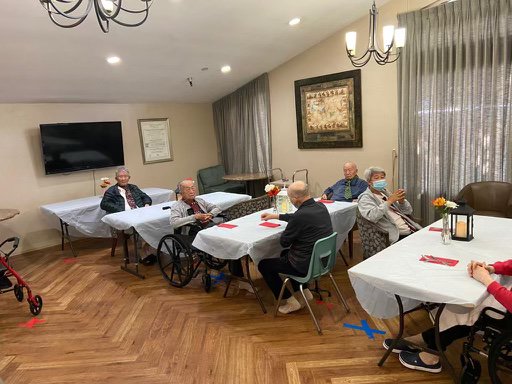
How is Olympia Convalescent Hospital Staffed?

CMS rates OLYMPIA CONVALESCENT HOSPITAL's staffing level at 3 out of 5 stars, which is average compared to other nursing homes. Staff turnover is 26%, compared to the California average of 46%. This relatively stable workforce can support continuity of care.

What Have Inspectors Found at Olympia Convalescent Hospital?

State health inspectors documented 41 deficiencies at OLYMPIA CONVALESCENT HOSPITAL during 2021 to 2025. These included: 1 that caused actual resident harm, 38 with potential for harm, and 2 minor or isolated issues. Deficiencies causing actual harm indicate documented cases where residents experienced negative health consequences.

Who Owns and Operates Olympia Convalescent Hospital?

OLYMPIA CONVALESCENT HOSPITAL is owned by a for-profit company. For-profit facilities operate as businesses with obligations to shareholders or private owners. The facility operates independently rather than as part of a larger chain. With 135 certified beds and approximately 125 residents (about 93% occupancy), it is a mid-sized facility located in LOS ANGELES, California.
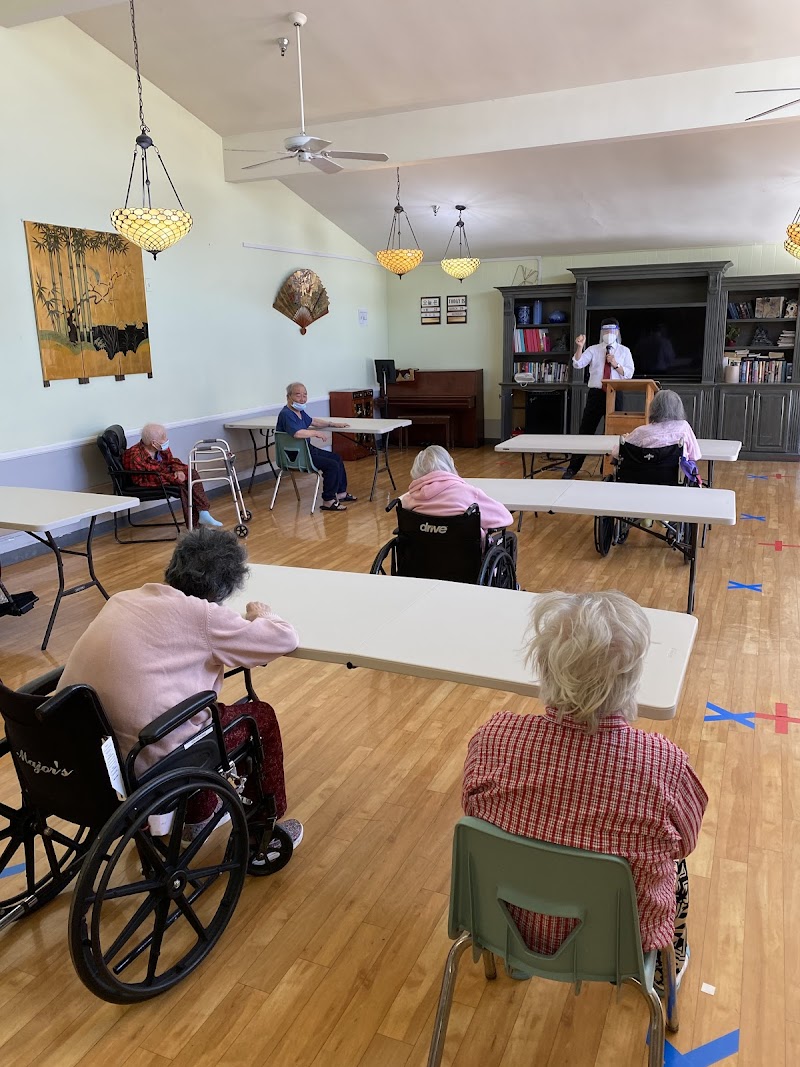
How Does Olympia Convalescent Hospital Compare to Other California Nursing Homes?

Compared to the 100 nursing homes in California, OLYMPIA CONVALESCENT HOSPITAL's overall rating (3 stars) is below the state average of 3.1, staff turnover (26%) is significantly lower than the state average of 46%, and health inspection rating (3 stars) is at the national benchmark.

What Should Families Ask When Visiting Olympia Convalescent Hospital?

Based on this facility's data, families visiting should ask: "Can I visit during a mealtime to observe dining assistance and food quality?" "How do you handle medical emergencies, and what is your hospital transfer rate?" "Can I speak with family members of current residents about their experience?"

Is Olympia Convalescent Hospital Safe?

Based on CMS inspection data, OLYMPIA CONVALESCENT HOSPITAL has a clean safety record: no substantiated abuse findings (meaning no confirmed cases of resident harm), no Immediate Jeopardy citations (the most serious violation level indicating risk of serious injury or death), and is not on the Special Focus Facility watch list (a federal program monitoring the lowest-performing 1% of nursing homes). The facility has a 3-star overall rating and ranks #100 of 100 nursing homes in California. While no facility is perfect, families should still ask about staff-to-resident ratios and recent inspection results during their visit.

Do Nurses at Olympia Convalescent Hospital Stick Around?

Staff at OLYMPIA CONVALESCENT HOSPITAL tend to stick around. With a turnover rate of 26%, the facility is 20 percentage points below the California average of 46%. Low turnover is a positive sign. It means caregivers have time to learn each resident's needs, medications, and personal preferences. Consistent staff also notice subtle changes in a resident's condition more quickly.

Was Olympia Convalescent Hospital Ever Fined?

OLYMPIA CONVALESCENT HOSPITAL has no federal fines on record. CMS issues fines when nursing homes fail to meet care standards or don't correct problems found during inspections. The absence of fines suggests the facility has either maintained compliance or corrected any issues before penalties were assessed. This is a positive indicator, though families should still review recent inspection reports for the full picture.

Is Olympia Convalescent Hospital on Any Federal Watch List?

OLYMPIA CONVALESCENT HOSPITAL is not on any federal watch list. The most significant is the Special Focus Facility (SFF) program, which identifies the bottom 1% of nursing homes nationally based on persistent, serious quality problems. Not being on this list means the facility has avoided the pattern of deficiencies that triggers enhanced federal oversight. This is a positive indicator, though families should still review the facility's inspection history directly.