OVERLAND TERRACE HEALTHCARE & WELLNESS CENTRE, LP
3515 OVERLAND AVENUE, LOS ANGELES, CA 90034 (310) 839-5201
For profit - Partnership 87 Beds SHLOMO RECHNITZ Data: November 2025 1 Immediate Jeopardy citation
Trust Grade
39/100
#870 of 1155 in CA
Last Inspection: March 2025

Within standard 12-15 month inspection cycle. Federal law requires annual inspections.

Overview

Overland Terrace Healthcare & Wellness Centre has received a Trust Grade of F, indicating poor quality and significant concerns about resident care. Ranking #870 out of 1155 facilities in California places it in the bottom half, and #221 of 369 in Los Angeles County means there are only a few local options that perform better. The facility is worsening, with issues increasing from 15 in 2024 to 17 in 2025. Staffing is average with a 3/5 rating and a turnover rate of 29%, which is better than the state average. However, there is concerning RN coverage, with less than 94% of California facilities, which can affect the quality of care. Specific incidents raised by inspectors include a critical failure to protect residents from physical abuse, such as a resident being threatened with a butter knife and another found inappropriately in a vulnerable position. Additionally, there were concerns about maintaining a clean and comfortable living environment, with one resident reporting being cold due to inadequate room temperature control. These findings highlight the need for improvement alongside the facility's strengths in staffing stability.

Trust Score
F
39/100
In California
#870/1155
Bottom 25%
Safety Record
High Risk
Review needed
Inspections
Getting Worse
15 → 17 violations
Staff Stability
✓ Good
29% annual turnover. Excellent stability, 19 points below California's 48% average. Staff who stay learn residents' needs.
Penalties
✓ Good
$9,536 in fines. Lower than most California facilities. Relatively clean record.
Skilled Nurses
⚠ Watch
Each resident gets only 14 minutes of Registered Nurse (RN) attention daily — below average for California. Fewer RN minutes means fewer trained eyes watching for problems.
Violations
⚠ Watch
58 deficiencies on record. Higher than average. Multiple issues found across inspections.
★★☆☆☆
2.0
Overall Rating
★★★☆☆
3.0
Staff Levels
★★★★☆
4.0
Care Quality
★★☆☆☆
2.0
Inspection Score
Stable
2024: 15 issues
2025: 17 issues

The Good

  • 4-Star Quality Measures · Strong clinical quality outcomes
  • Low Staff Turnover (29%) · Staff stability means consistent care
  • Full Sprinkler Coverage · Fire safety systems throughout facility
  • No fines on record
  • Staff turnover is low (29%)

    19 points below California average of 48%

Facility shows strength in quality measures, staff retention, fire safety.

The Bad

2-Star Overall Rating

Below California average (3.1)

Below average - review inspection findings carefully

Federal Fines: $9,536

Below median ($33,413)

Minor penalties assessed

Chain: SHLOMO RECHNITZ

Part of a multi-facility chain

Ask about local staffing decisions and management

The Ugly 58 deficiencies on record

1 life-threatening
Mar 2025 13 deficiencies
CONCERN (D)

Potential for Harm - no one hurt, but risky conditions existed

Deficiency F0655 (Tag F0655)

Could have caused harm · This affected 1 resident

**NOTE- TERMS IN BRACKETS HAVE BEEN EDITED TO PROTECT CONFIDENTIALITY** Based on interview and record review, the facility failed to immediately initiate/develop and implement a baseline care plan for...

Read full inspector narrative →
**NOTE- TERMS IN BRACKETS HAVE BEEN EDITED TO PROTECT CONFIDENTIALITY** Based on interview and record review, the facility failed to immediately initiate/develop and implement a baseline care plan for one of five sampled residents (Resident 31) in accordance with the facility's policy and procedures (P&P) titled Comprehensive Person-Centered Care planning, reviewed 1/2025. Resident 31 has a history of Post Traumatic Stress Disorder (PTSD - a disorder in which a person has difficulty recovering after experiencing or witnessing a traumatic event). This deficient practice had the potential to negatively affect the delivery of necessary care and services needed for Resident 31. Findings: During a record review, Resident 31's admission Record indicated the facility admitted Resident 31 on 12/17/2024 with diagnoses including PTSD, and hypertension (HTN - high blood pressure). During a record review, of Resident 31's history and physical (H&P - a physician's examination of the patient) dated 12/17/2024, indicated .history of present illness . PTSD. During a record review, Resident 31's Minimum Data Set (MDS - a resident assessment tool), dated 12/24/2024, indicated Resident 31 was cognitively intact (when a person has no trouble remembering, learning new things, concentrating, or making decisions that affect their everyday life). The MDS indicated Resident 31 required partial/moderate staff assistance with activities of daily living (ADL - tasks of everyday life). During a concurrent interview and concurrent record review with Licensed Vocational Nurse (LVN ) 2 on 3/5/2025, at 8:28 AM, Resident 31's electronic medical chart was reviewed. LVN 2 stated Resident 31 has a history of PTSD. LVN 2 stated Resident 31 was admitted to the facility on [DATE] and the PTSD diagnosis was entered on 12/17/2024. LVN 2 stated she did not see a care plan for PTSD, and further stated there should be a care plan for it. LVN 2 stated that a care plan is used to target a specific issue, goals are set specifically for that issue and interventions are purposefully in place for the identified issue and then reassess to see if the interventions were effective or not depending on the issue, this reassessment can be done sooner but at the most no later than 90 days. LVN 2 stated care plans should be initiated on admission. LVN 2 stated a PTSD care plan is important so that staff will know the behaviors that may trigger Resident 31's PTSD and therefore be on top of those behaviors to prevent any further issues. LVN 2 stated depending on the trigger causing the PTSD, the resident may experience an escalation of the issue, which may cause harm to the resident themselves or someone else especially if there is no care plan to address those behaviors. During an interview on 3/6/2025, at 10:15 AM, the Director of Nursing (DON) stated a care plan is inclusive of interventions that the facility will do for a resident and the guidelines utilized in taking care of the resident's issues that have been identified so that the facility knows how to intervene. The DON stated the care plan should be completed upon admission or the day after. The DON stated PTSD diagnosis requires a care plan of course as resident may have anxiety and facility needs to be able to know how to intervene and manage the resident's behavior. The DON stated if the residents is not managed the behavior may persist, may also lead to possible violent behavior towards other residents, staff and a possibility of the resident becoming a danger to themselves. During a record review, the facility's P&P, Comprehensive Person-Centered Care Planning, revised 1/2025, indicated, Purpose: To ensure that a comprehensive person-centered care plan is developed for each resident . 1. Baseline Care plan . b. The baseline care plan will be developed and implemented, using necessary combination of problem specific care plans, within 48 hours of the resident admission . c. The baseline care plan must reflect the resident's stated goals and objectives and include interventions that address his or her needs.
CONCERN (D)

Potential for Harm - no one hurt, but risky conditions existed

Incontinence Care (Tag F0690)

Could have caused harm · This affected 1 resident

Based on observation, interview, and record review, the facility staff failed to ensure resident received appropriate treatment and services to prevent a urinary tract infection (UTI- an infection in ...

Read full inspector narrative →
Based on observation, interview, and record review, the facility staff failed to ensure resident received appropriate treatment and services to prevent a urinary tract infection (UTI- an infection in the bladder/urinary tract) for one of three residents (Resident 12) by failing to ensure resident's indwelling urinary catheter (a hollow tube inserted into the bladder to drain or collect urine) was placed below the level of the bladder at all times. This deficient practice had the potential to result in urinary tract infections for the resident. Findings: During a record review, Resident 12's admission Record indicated the facility admitted the resident on 4/16/2020 and readmitted the resident on 5/14/2024 with diagnoses including obstructive and reflux uropathy, chronic kidney disease (progressive damage and loss of function in the kidneys) and benign prostatic hyperplasia (BPH - is a condition that occurs when the prostate gland enlarges, potentially slowing or blocking the urine stream). During a record review, Resident 12's Risk for UTI care plan, initiated 5/26/2024, indicated the resident had an indwelling catheter and was at risk for a UTI do to the presence of the catheter. The care plan goal was for the resident was to show no sign or symptom of UTI. The care plan interventions included to position catheter bag and tubing below the level of the bladder and away from the entrance of the door. During a record review of the Minimum Data Set (MDS - resident assessment tool), dated 2/25/2025, indicated Resident 12's cognitive (mental action or process of acquiring knowledge and understanding) skills for daily decisions was moderately impaired. The MDS indicated Resident 12 required partial/moderate assistance from staff for toileting hygiene, showering and lower body dressing. The same MDS also indicated, Resident 12 has an indwelling catheter. During a record review, Resident 12's Order Summary Report, dated 3/1/2025 indicated on 5/14/2024 the physician ordered the following: - To change the urinary catheter per schedule and as needed for leaking, occlusion, dislodgement or excessive sedimentation. - To assess urinary drainage for signs and symptoms of infection, noting cloudiness, colour, sediment, blood , odor and amount of urine output every shift. During a concurrent interview and observation of Resident 12 on 3/4/2025 at 9 AM, Resident 12 was sitting in a wheelchair inside the resident's room. Resident 12 was observed with a indwelling urinary catheter attached to the side of the wheelchair with the drainage catheter bag positioned at the resident's waist. Resident 12's indwelling urinary catheter tubing was observed looped toward the ground and then back up to enter the drainage bag above the resident's bladder and the urine was not flowing into the urinary drainage bag. Resident 12 stated the catheter is changed at the phsyician's office once a month and was placed because the resident had a history of frequent UTIs. During a concurrent observation and interview with Licensed Vocational Nurse (LVN) 3 on 3/4/2025 at 9:13 AM, LVN 3 observed Resident 12's indwelling urinary catheter. LVN 3 stated that staff had to place the indwelling urinary catheter was above the resident's bladder because the wheelchair (Resident 12) did not have the attachment to place the indwelling urinary catheter lower than the resident's bladder. LVN 3 stated the indwelling urinary catheter bag was placed too high, and the urine was not draining in the indwelling urinary catheter drainage bag. LVN 3 stated the indwelling urinary catheter drainage bag should be placed below Resident 12's bladder to prevent backflow and the risk for infection. During an interview with Director of Nursing (DON) on 3/6/2025 at 12:59 PM, DON stated the urinary drainage bag needs to be below the bladder to prevent infection. During a record review, the facility policy and procedures (P&P) titled, Indwelling Catheter, reviewed 1/2025, indicated the catheter and collecting tube will be kept free from kinking and the collection bag will be kept below the level of the bladder.
CONCERN (D)

Potential for Harm - no one hurt, but risky conditions existed

Tube Feeding (Tag F0693)

Could have caused harm · This affected 1 resident

Based on observation, interview and record review, the facility failed to: 1. Label tube feeding syringe and feeding tube 2. Change tube feeding set for one of five sampled residents (Resident 41). Th...

Read full inspector narrative →
Based on observation, interview and record review, the facility failed to: 1. Label tube feeding syringe and feeding tube 2. Change tube feeding set for one of five sampled residents (Resident 41). These deficient practices had the potential to cause infection and/or possible hospitalization. Findings: During a record review, Resident 41's admission Record indicated the facility admitted Resident 41 on 7/10/2024 with diagnoses including encephalopathy (a brain disorder that can cause a change in how the brain functions), generalized weakness (a feeling of weakness in most parts of the body), and adult failure to thrive (a noticeable decline in health). During a record review, Resident 41's physician order dated 10/9/2024 indicated enteral feed order, every night shift change tubing syringe daily. During a record review, Resident 41's Minimum Data Set (MDS - a resident assessment tool) dated 12/19/2024, indicated Resident 41 had cognitive impairment (when a person has trouble remembering, learning new things, concentrating, or making decisions that affect their everyday life). The MDS indicated Resident 41 was dependent of staff for activities of daily living. During an observation on 3/3/2025, at 8:44 AM, in Resident 41's room, a tube feeding syringe was observed hanging from Resident 41's feeding pole. The tube feeding syringe was not labeled with the date or time. Resident 41's tube feeding set was not labelled to indicate when the feeding tube was changed. A feeding water bag was observed hanging on the pole and had a label dated 2/28/2025 and timed 8:54 AM. During a concurrent observation and interview on 3/3/2025, at 8:55 AM, with Licensed Vocation Nurse/Treatment Nurse (LVN) 1 in Resident 41's room, the tube feeding syringe was observed hanging from Resident 41's feeding pole not labeled with the date or time. Resident 41's tubing set was observed to have no label indicating when it had been changed and the feeding water bag had a label date 2/28/2025, at 8:54 AM, LVN 1 stated, the tube feeding set is all changed at the same time which includes the tubing set, tube feeding bottle and the water bag including spiking a new feeding bottle. LVN 1 stated tube feeding syringe is also changed daily. LVN 1 stated that after the entire set has been changed, the facility staff need to complete the tube feeding label with the resident's name, date, time when it was changed and the tube feeding syringe has to be dated as well. LVN 1 stated that the date on the water bag indicated 2/28/2025, LVN 1 stated she does not think the tubing was changed and that the tubing set needs to be changed to prevent infection. LVN 1 stated, if is not changed, it could lead to bacteria in the resident's stomach which can cause nausea, vomiting, diarrhea, and maybe elevated temperature. During an interview, on 3/6/2025, at 10:28 AM, the Director of Nursing (DON) stated tube feeding set should be changed daily and should be labeled with date, time, name of the resident, the rate of the feeding and the water rate at the time the tube feeding set is changed. The DON stated tubing feeding needs to be changed for infection prevention which may lead to resident having diarrhea, fever, and colic. The DON further stated, I in serviced the staff right away when I heard about it (tube feeding set not being changed), It is not acceptable. During a record review, the facility policy and procedure titled, Enteral Feeding reviewed 1/2025, indicated, Purpose: To safely administer enteral feeding according to professional standard. 13. Label bag and tubing with date and time hung hang time' is for no more than 24 hours. 15. Change feeding bag and tubing every 24 hours or as required by manufacturers guidelines.
CONCERN (D)

Potential for Harm - no one hurt, but risky conditions existed

Deficiency F0790 (Tag F0790)

Could have caused harm · This affected 1 resident

**NOTE- TERMS IN BRACKETS HAVE BEEN EDITED TO PROTECT CONFIDENTIALITY** Based on interview and record review, the facility failed to provide outside services as required by the physician orders in acc...

Read full inspector narrative →
**NOTE- TERMS IN BRACKETS HAVE BEEN EDITED TO PROTECT CONFIDENTIALITY** Based on interview and record review, the facility failed to provide outside services as required by the physician orders in accordance with the facility's policy and procedures (P&P) titled Referral to Outside Services revised 1/2025, by failing to refer one of five sampled residents (Resident 21) to a dentist (a healthcare professional that specializes in caring for teeth, gums, and related oral health problems). This deficient practice had the potential to negatively affect the delivery of necessary care and services for Resident 21. Findings: During a record review, Resident 21's admission Record indicated the facility admitted Resident 21 on 2/6/2025 with diagnoses including dementia (loss of memory, language, problem-solving and other thinking abilities that are severe enough), generalized weakness (a feeling of weakness in most parts of the body), and Diabetes Mellitus (DM-a disorder characterized by difficulty in blood sugar control and poor wound healing). During a record review, the physician order dated 2/6/2025, indicated Dental consultation (a meeting with a dentist to discuss oral health concerns, potential treatment, and to get a comprehensive examination of mouth, teeth, and gums) PRN (PRN as needed) with treatment as indicated. During a record review, Resident 21's Minimum Data Set (MDS - a resident assessment tool) dated 2/13/2025, indicated Resident 21 had mild cognitive impairment (when a person has trouble remembering, learning new things, concentrating, or making decisions that affect their everyday life). The MDS indicated Resident 21 required extensive staff assistance with activities of daily living (ADL -tasks of everyday life). The MDS further indicated Resident 21 had no natural teeth or tooth fragments. During a record review, the Social Services assessment dated [DATE], indicated, Ancillary Needs, Devices Used and Sensory Deficits: 1. Ancillary Needs a. Dental status and referral needs. Dental: No teeth/No dentures . During a concurrent interview and record review, on 3/4/2025 at 3:09 A.M., with the Social Services Director (SSD), Resident 21's electronic medical chart was reviewed. The SSD stated Resident 21 was admitted to the facility on [DATE], and according to the assessment that SSD did on 2/27/2025, Resident 21 had no dentures or teeth. The SSD stated Resident 21 had a dental referral order from 2/6/2025 and had not yet been seen by the dentist. The SSD stated Resident dental referral should be done in the first week of the resident being admitted especially since Resident 21 has not teeth which could lead to weight loss. During an interview, on 3/6/2025 at 10:24 A.M., the Director of Nursing (DON) stated the facility's process for dental referral is to put in the referral the day that the order is received from the doctor or order set as issues with teeth can affect the residents eating, nutrition, mood, weight loss including loss of self-esteem and confidence. During a record review, the facility policy and procedures, titled, Referral to Outside Services revised 1/2025, indicated, Purpose: To provide residents with outside services as required by physician orders or the care plan . The Director of Social Services coordinates the referral of residents to outside agencies/programs to fulfill resident needs for services not offered by the Facility .
CONCERN (E)

Potential for Harm - no one hurt, but risky conditions existed

Deficiency F0557 (Tag F0557)

Could have caused harm · This affected multiple residents

**NOTE- TERMS IN BRACKETS HAVE BEEN EDITED TO PROTECT CONFIDENTIALITY** Based on interview and record review, the facility failed to treat two out of 20 residents (Residents 11 and 45) with respect, d...

Read full inspector narrative →
**NOTE- TERMS IN BRACKETS HAVE BEEN EDITED TO PROTECT CONFIDENTIALITY** Based on interview and record review, the facility failed to treat two out of 20 residents (Residents 11 and 45) with respect, dignity and, care by failing to provide person-centered care in a manner that promotes and supports the Residents quality of life. This deficient practice had the potential to negatively affect the Residents' 11 and 45 physical, mental and psychosocial well-being. Findings: During a record review, Resident 11's medical record indicated Resident 11 was originally admitted to the facility on [DATE] with diagnoses that muscle weakness, falling, depression (persistent feelings of sadness, hopelessness, and loss of interest or pleasure in activities.), cognitive communication deficit (disorder that affect a person's ability to communicate.), and anxiety (excessive and persistent worry, fear, and unease). During a record review, Resident 11's history and physical (H&P) dated 12/6/2024 indicated Resident 11 has the capacity to understand and make medical decisions. During a record review, Resident 11's Minimum Data Set (MDS-a resident assessment tool), dated 12/10/2024 indicated Resident 11's cognition (the mental ability to understand and make decisions of daily living) was intact. The MDS indicated Resident 11 requires set-up or clean up assistance with eating, requires supervision for oral hygiene, require partial moderate assistance with personal hygiene, requires substantial/maximum assistance with shower/bathing self, is dependent for toileting hygiene, lower body dressing and putting on/taking off footwear and is non-ambulatory. During a record review, Resident 45's medical record indicated Resident 45 was originally admitted to the facility on [DATE] spinal stenosis (narrowing of the spinal column that causes pressure on the spinal cord,), muscle weakness, chronic obstructive pulmonary disease (COPD-lung diseases that cause airflow obstruction and breathing difficulties), cognitive impairment (decline in one or more cognitive functions, such as memory, attention, reasoning, judgment, and problem-solving), and anxiety disorder (excessive and persistent worry, fear, and unease.) During a record review, Resident 45's history and physical (H&P) dated 1/31/2025 indicated Resident 45 has the capacity to understand and make medical decisions. During a record review, Resident 45's MDS, dated [DATE] indicated Resident 45's cognition was intact. The MDS indicated Resident 45 requires substantial maximal assistance with eating, oral hygiene, toileting hygiene, shower/bathing, upper body dressing and personal hygiene. Resident 45 is dependent with lower body dressing and putting on /taking off footwear and in non-ambulatory. During an initial facility tour on 3/3/2025 at 9 AM Resident 11 stated 2 nights ago (3/1/2025) the 11AM-7AM certified nurse assistant (CNA) 1 (assigned to Resident 11) told Resident 11, that CNA 1 did not want to provide incontinent care to Resident 11, Resident 11 stated Resident 11 asked CNA1 if Resident 11 had done something wrong to CNA1, however, CNA1 did not respond. Resident 11 stated she asked CNA1 for the name of the CNA assigned to Resident 11 and CNA 1 stated she (CNA1) was the one assigned to Resident 11. Resident 11 further stated that the 11AM -7AM staff seem very angry, do not introduce themselves or even say hello when called to assist with ADL care for Resident 11. Resident 11 stated she felt scared and thought she was going to be abandoned. During an initial tour on 3/3/2025 at 10:23AM Resident 45 stated, the day before yesterday (3/1/2025) during the 11AM-7AM shift he waited for 2 hours for call light response. Resident 45 stated a female nurse staff (no name provided) came to Resident 45's room, did not introduce self to Resident 45, and rudely asked Resident 45 what do you want? Resident 45 stated he asked the female nurse to provide Resident 45 with incontinence care, however, the staff rudely stated, I have other residents ahead of you and stormed out of Resident 45's room. Resident 45 stated he was unable to state the female nurse's name because the female nurse and the nurses wear their badges in a manner that does not show their names. During a record review, the facility staff assignment dated 3/1/2025 11PM-7AM shift indicated, CNA1 was assigned to provide care to Resident 11 while, CNA2 was assigned to Resident 45. During a telephone interview on 3/6/2025 at 9:42AM, CNA1 stated CNA1 had no issues with any of the residents assigned to her care on 3/1/2025. CNA1 stated there was a miscommunication between CNA1 and CNA2 on room assignments, CNA1 denied telling Resident 11 which CNA did not want to provide Resident 11 with incontinence care. During a telephone interview on 3/6/2025 at 8:41 AM, CNA 2 denied addressing Resident 45 rudely, CNA2 stated when Resident's call for assistance, CNA2 will ask the residents what they want and get them what they need, CNA2 stated, some residents in the facility are difficult. During an interview on 3/6/2025 at 2:50 PM, Director of Nursing (DON) stated, all staff are supposed to be polite when addressing the residents. DON further stated, staff are required to knock on the resident rooms, introduce themselves and treat all residents with dignity and Respect. During a record review, the facility policy and procedures (P&P) titled Resident Rights dated 01/2025 indicated, Employees are to treat all residents with kindness, respect and dignity and honor the exercise of Resident rights. During a record review, the facility P&P titled Resident Right-Quality of life dated 01/2025 indicated, each Resident shall be cared for in a manner that promotes and enhances the quality of life, dignity and respect, individuality and receive services in a person-centered manner, as well as those that support the resident in attaining or maintaining his/her highest practicable well-being.
CONCERN (E)

Potential for Harm - no one hurt, but risky conditions existed

Safe Environment (Tag F0584)

Could have caused harm · This affected multiple residents

**NOTE- TERMS IN BRACKETS HAVE BEEN EDITED TO PROTECT CONFIDENTIALITY** Based on observation, interview, and record review, the facility failed to maintain a safe, clean, sanitary, and homelike enviro...

Read full inspector narrative →
**NOTE- TERMS IN BRACKETS HAVE BEEN EDITED TO PROTECT CONFIDENTIALITY** Based on observation, interview, and record review, the facility failed to maintain a safe, clean, sanitary, and homelike environment for residents in the facility by failing to: 1. Maintain residents' room temperature between 71 and 81 degree Fahrenheit (° F) as required by the Federal regulation for one of three sampled residents (Resident 70) and five of five rooms checked during a facility tour. This deficient practice resulted in Resident 70 stating of being cold and feeling uncomfortable making it hard for the resident to sleep. 2. Provide a clean, sanitary and in good repair environment in one jack and [NAME] bathroom (a shared bathroom situated between two bedrooms, featuring at least two entrances (one from each bedroom),) for residents in rooms [ROOM NUMBERS]. This deficient practice had the potential to expose Residents and disease-causing pathogens/ micro-organisms that can cause infection, spread diseases. Findings: a. During an observation on 3/3/2025 at 8:55 AM, Resident 70 sleeping in bed covered with multiple blankets. During a record review, Resident 70's admission record indicated the facility originally admitted the resident on 6/27/2024 and readmitted the resident on 12/27/2024 with diagnoses that included Parkinson's disease (a progressive disease of the nervous system marked by tremor, muscular rigidity, and slow, imprecise movements), anemia (a condition where the body does not have enough healthy red blood cells) and high blood pressure. During a record review, Resident 70's Minimum Data Set (MDS - a resident assessment tool) dated 1/3/2025, indicated Resident 70's cognition (mental ability to make decisions of daily living) was moderately impaired. The MDS also indicated the resident could make themselves understood and could understand others. It also indicated the resident required partial to substantial assistance with eating, toileting hygiene, showering, dressing and personal hygiene. During a general observation of residents rooms with Maintenance (MNT) on 3/3/2025 at 9:34 AM, MNT checked Residents rooms 202, 203, 212, 216 and 220 temperature using the facility laser temperature thermometer. The residents rooms temperature was ranging from 62 degrees farenheit (°F- unit of measurement) to 68°F. MNT stated residents' rooms temperatures should be between 71°F and 81°F. The room temperature of Resident 70's room was 68°F. During a concurrent interview and observation on 3/4/2025 at 10:36 AM at Resident 70's bedside, Resident 70 was observed laying in bed covered with two blankets. Resident 70 stated the room was cold the day before (3/3/2025) and that nursing staff provided the resident extra blankets when they notice that the resident is cold. Resident 70 stated being cold makes the resident uncomfortable and makes it hard to sleep. During an interview on 3/6/2025 at 1:00 PM, Director of Nursing (DON) stated they didn't know the exact temperature resident room should be maintained at. The DON further stated the resident room temperatures should be comfortable and homelike. During a record review, the facility policy and procedures titled, Resident Rooms and Environment, reviewed 1/2025, indicated, the purpose of the policy was to provide residents with a safe, clean, comfortable and homelike environment. The P&P further indicated facility staff aim to create a personalized, homelike atmosphere, paying close attention to the following: E. Comfortable levels of ventilation; F. Comfortable temperatures; and G. Comfortable noise levels. Cross Reference F880 b. During initial tour on 3/6/25 at 1:40 PM, rooms [ROOM NUMBERS] shared bathroom walls were observed to have chipped paint, holes, dry hard brown smear was observed on the walls by the light switch and on the bedside BSC that was inside the residents bathroom. During a concurrent observation and interview on 3/6/2025 at 1:43PM, Resident 17 was observed ambulating inside room [ROOM NUMBER]. Resident 17 stated the bathroom has chipped walls, and holes, there is poop (fecal matter) on the walls, and that housekeeping cleans the toilet and floor only every day. During an interview on 3/6/25 at 1:49 PM, Director of Staff Development (DSD) stated housekeeping staff is responsible for cleaning the residents bathrooms. DSD stated the dried hard smear by the light switch, and the BSC was fecal matter. DSD stated the fecal matter on the walls and BSC placed Residents at risk of contamination with disease causing pathogens micro-organisms that can cause infection and does not reflect good hygiene of a safe, clean, sanitary homelike environment. During a record review, the facility policy and procedures (P&P) titled Resident rooms and Environment dated 1/2025 indicated, the facility provides residents with a safe, clean, comfortable and homelike environment. Facility staff aim to create a personalized, homelike atmosphere, paying close attention to the following: Cleanliness and order . During a record review, facility (P&P) titled infection control- Policies & Procedures dated 1/2025 indicated, the facility's infection control policies and procedures are intended to facilitate maintaining a safe, sanitary, and comfortable environment and to help prevent and manage transmission of diseased and infections.
CONCERN (E) 📢 Someone Reported This

A family member, employee, or ombudsman was alarmed enough to file a formal complaint

Potential for Harm - no one hurt, but risky conditions existed

Report Alleged Abuse (Tag F0609)

Could have caused harm · This affected multiple residents

**NOTE- TERMS IN BRACKETS HAVE BEEN EDITED TO PROTECT CONFIDENTIALITY** Cross Reference F689 b. During a record review, Resident 71's admission record indicated was re-admitted on [DATE], with a diag...

Read full inspector narrative →
**NOTE- TERMS IN BRACKETS HAVE BEEN EDITED TO PROTECT CONFIDENTIALITY** Cross Reference F689 b. During a record review, Resident 71's admission record indicated was re-admitted on [DATE], with a diagnoses of history of falling and unspecified Dementia (cause of dementia cannot be determined, often used when a person's cognitive decline is present). During a record review, Resident 71's MDS- a resident assessment tool dated 2/8/2025, indicated Resident 71's cognition was moderately impaired. The MDS further indicated Resident 71 needed moderate/maximum assistance with ADL (activities of daily living). During a record review, Resident 71's History and Physical report dated 2/27/2025, indicated Resident 71 has a diagnosis of dementia and does not have the capacity to make medical decisions. During a record review, Resident 71's SBAR form and progress notes dated 2/28/2025, indicated Resident 71 was found on the floor unwitnessed, breathing unlabored, verbally responsive, vital (blood pressure, temperature, pulse, respirations) stable. Resident 71 noted with skin open cut in left eyebrow, applied dressing, and cailed 911 to GACH, not on blood thinner, and family notified and MD (medical doctor). During a record review, Resident 71's Physician Orders dated 02/28/2025, indicated to transfer Resident 71 to GACH via 911 due to fall causing a cut in skin. During a record review, Resident 71's GACH After Visit Summary Emergency Department dated 02/28/2025, indicated Resident 71 unwitnessed fall and sustained left eyebrow laceration, and for Resident 71 to return to the emergency room in 5 days for suture removal. During an observation and interview on 3/4/2025 at 9:43 am., Resident 71 was noted with dark discoloration under the left eye, and sutures to his left eyebrow. During an interview with Resident 1 he stated he fell in the library and hit his left eye. During an interview on 03/04/25 at 2:21 pm, Registered Nurse Supervisor (RNS) stated that on 2/28/2025, Resident 71 climbed out of bed, had an unwitnessed fall and sustained an injury the required Resident 71 to be sent to GACH via 911 (Emergency response telephone number) by the paramedics. RNS stated she had to apply pressure to stop the bleeding to Resident 71's left eye and applied steri-strips (thin, adhesive bandages that help close wounds) to Resident 71's left eye prior the paramedics arriving to the facility to transfer Resident 71 to the hospital. RNS stated she did not report the unwitnessed fall with a significant injury to CDPH. RNS stated she notified the Director of nursing and reported the fall with significant injury to the DON. During an interview on 03/04/25 at 2:27 pm, the Director of Nursing (DON) stated the RNS reported to DON that Resident 71 fell and was sent to GACH via 911. The DON stated DON did not report the unwitnessed fall with significant injury (left eyebrow laceration) to CDPH because the RNS reported that the injury to Resident 71's left eye was an abrasion. The DON stated DON was aware that RNS steri-strips to Resident 71's left eye and that Resident 71 was transported to GACH via 911. The DON stated DON should have reported the unwitnessed fall with significant injury to CDPH within 24 hours. During an interview on 03/06/25 at 11:34 am, Administrator stated the DON notified Administrator on the day of the incident (02/28/2025) that Resident 71 fell and was transferred to GACH via 911. Administrator stated he did not report the unwitnessed fall to CDPH because Resident 71 did not sustain a significant injury. Administrator stated he was aware that the RNS applied steri-strips and transferred Resident 71 to GACH via 911. Administrator stated Administrator does not have any medical training/background and could not define a laceration, and did not consider the bleeding to a Resident 71's left eye and eyebrow and RNS calling 911 for Resident 71 as significant. During a record review, the facility policy and procedures titled Unusual Occurrence Reporting reviewed and dated 1/25, indicated, 2. Unusual occurrences are reported to the appropriate agency within 24 hours by telephone and then confirmed in writing. Based on interview and record review, the facility failed to report to the Department of Health Services (CDPH), Licensing and Certification and the local health officer an unusual occurrence for two of six sample residents (Residents 17 and 71) an unwitnessed fall with injury within twenty-four (24) hours of confirmed occurrence per facility policy. On 12/23/2024 at around 11:35 AM, Resident 17 had an unwitnessed fall and sustained a skin tear to the right upper eyebrow. On 12/23/2024 Resident 17 was transfered to a General Acute Care Hospital (GACH) for a higher level of care and evaluation. On 2/28/2025 at 6:42 PM, Resident 71 had an unwitnessed fall and sustained a cut to the left eyebrow. On 2/28/2025, Resident 71 was transferred to GACH for higher level care and evaluation. This deficient practice resulted in a delay of an onsite inspection by CDPH to ensure Residents 17 and 71 allegation of an unwitnessed fall with a significant injury was investigated in a timely manner placing the residents at risk for undetected elder neglect and/or abuse. Findings: a. During a record review, Resident 17's admission record indicated Resident 17 was originally admitted to the facility on [DATE] and re-admitted on [DATE], with diagnoses that included history of falling, osteoporosis (a decrease in bone mass and density, leading to increased bone fragility and fracture risk.), cognitive communication deficit (disorder that affect a person's ability to communicate), history of traumatic fracture (a bone break that results from an external force or trauma), Alzheimer's (a progressive, neurodegenerative disorder characterized by the gradual decline of memory, thinking, and other cognitive functions) and dementia (a progressive decline in cognitive functions, such as memory, thinking, reasoning, and problem-solving, that significantly interferes with daily life and activities.), During a record review, Resident 17's History and Physical report dated 1/2/2025, indicated Resident 17 does not have the capacity to understand and make decisions. During a record review, Resident 17s Minimum Data Set (MDS - a resident assessment tool) dated 1/6/2025, indicated Resident 17s cognition (the mental action or process of acquiring knowledge and understanding through thought, experience, and the senses) was severely impaired. The MDS indicated Resident 17 partial/moderate assistance with eating, substantial/maximal assistance and oral hygiene and upper body dressing, and was dependent for toileting hygiene, shower/bathing, lower body dressing and putting on/ taking off footwear and was non-ambulatory. During a record review, Resident 17's SBAR (an acronym for Situation-Background-Assessment-Recommendation is a technique used to provide a framework for communication between members of the health care team) form and progress notes dated 12/23/2024, indicated that on 12/23/2025 at around 11:35 AM, Resident 17 had an unwitnessed fall that occurred in the hallway and sustained a skin tear to the right upper eyebrow. Resident 17 was reaching for item(s) at time of the fall. Resident 17 was assessed, provided first aid care, vital signs were within normal limits and neuro checks were initiated. Resident 17's doctor was notified of the fall who ordered to transfer Resident 17 to a General Acute Care Hospital (GACH) for a higher level of care and evaluation. During a record review, Resident 17s GACH (which records ED/HP?) records dated 12/24/2024, indicated, the reason/chief complaint for admitting Resident 17 was an unwitnessed fall, elevated troponin and left shoulder pain. During a record review, Resident 17's GACH head computerized tomography scan (CT scan - a non-invasive imaging procedure that uses X-rays and computer technology to produce detailed images of the body's internal) impressions dated 12/24/2024, indicated Resident 17 did not sustain any fractures. During an interview on 03/06/2025 at 2:45PM, the Director of Nursing (DON) stated, acute injury due to a fall, should be reported to the appropriate federal and state agencies within 24 hours. During a record review, the facility policy and procedures (P&P) titled Unusual Occurrence Reporting, reviewed on 01/2025 indicated, the facility reports the following events by phone and in writing to the appropriate state or federal agencies other occurrences that interfere with And affect the welfare, safety or health of residents . The P&P further indicates that, unusual occurrences are reported to the appropriate agency within 24 hours by telephone and the confirmed in writing.
CONCERN (E)

Potential for Harm - no one hurt, but risky conditions existed

Accident Prevention (Tag F0689)

Could have caused harm · This affected multiple residents

**NOTE- TERMS IN BRACKETS HAVE BEEN EDITED TO PROTECT CONFIDENTIALITY** Based on observation, interview, and record review, the facility failed to protect one of two sampled residents (Resident 71) fr...

Read full inspector narrative →
**NOTE- TERMS IN BRACKETS HAVE BEEN EDITED TO PROTECT CONFIDENTIALITY** Based on observation, interview, and record review, the facility failed to protect one of two sampled residents (Resident 71) from repeated falls. Resident 71 fell on [DATE], 12/1/2024, 12/20/2024, and 12/27/2024. As a result, on 2/28/2025, Resident 71 fell again in the facility and sustained a cut (laceration) to the left eyebrow and first aid administered. On 2/28/2025, Resident 71 was transferred via 911 (emergency response number) to a general acute care hospital (GACH) for further evaluation and care. Findings: During a record review, Resident 71's admission record indicated was re-admitted on [DATE], with a diagnoses of history of falling and unspecified Dementia (cause of dementia cannot be determined, often used when a person's cognitive decline is present). During a record review, the facility fall list indicated Resident 71 fell 5 times in the facility on 10/26/2024, 12/1/2024, 12/24/2024, 12/27/2024, and 2/28/2025. During a record review, Resident 71's Fall Risk Evaluation dated 10/24/2024 at 11:51 pm., indicated Resident 71 had not fallen in the past 3 months. The fall risk assessment did not indicate the total score (If the total score is 10 or greater, the resident should be considered at HIGH RISK for potential falls. Prevention protocol should be initiated immediately and documented on the care plan, and did not indicate if Resident 71 was a high risk for/fall risk. During a record review, Resident 71's Health Status (s/p- after) Note dated 12/4/2024 at 6:16 pm., indicated the facility was monitoring Resident 71 s/p fall (date/time not indicated). Resident 71 was able to move upper and lower extremities without discomfort, No slurred speech noted . During a record review, Resident 71's Health Status Note dated 12/30/2024 at 1:10 pm., indicated the facility was monitoring Resident 71 following unwitnessed fall (date/time not indicated). The Health Status Note indicated Resident 71 was in the dining room and was trying to get out of his wheelchair multiple times and staff encouraged Resident to not get out of wheelchair. Resident tried getting up and slipped on the floor. Redness noted on right side of rib cage and no complaints of pain of discomfort . During a record review, Resident 71's MDS- a resident assessment tool dated 2/8/2025, indicated Resident 71's cognition was moderately impaired. The MDS indicated Resident 71 depended on staff to shower/bathe. The MDS indicated Resident 71 required partial moderate assistance to substantial/maximal assistance with a The MDS further indicated Resident 71 needed moderate/maximum assistance with activities of daily living (ADL- eating, oral hygiene, toileting, upper body and lower body dressing, putting on/off footwear, and personal hygiene). The MDS indicated Resident 71 did not walk, however, Resident 71 required partial/moderate assistance with rolling from left to right and return to lying on the back. The MDS indicated Resident 71 required a manual wheelchair for mobility. During a record review, Resident 71's Care Plan with a focus on Bed against the wall initiated on 2/24/2025, indicated a goals included that Resident 71 will not have any injuries . x 90 days. During a record review, Resident 71's Care Plan with a focus on Documented Safety Concerns initiated on 2/27/2025, indicated a goal included that Resident 71 will remain safe. The care plan interventions included the facility will perform safety risk evaluations(s) on admission, as needed (necessary-PRN) and upon changes in condition for Resident 71. During a record review, Resident 71's Care Plan with a focus on Risk for Falls initiated on 2/27/2025, indicated a goal included that Resident 71 will be free of falls. The care plan interventions included to evaluate Resident 71 for falls on admission and PRN During a record review, Resident 71's History and Physical report dated 2/27/2025, indicated Resident 71 had a diagnosis of dementia and did not have the capacity to make medical decisions, and safety strategies to reduce . falls and injuries initiated as necessary . to initiate fall risk precautions if Resident 1 is a fall risk. During a record review, Resident 71's Fall Risk Evaluation dated 2/28/2025 at 9:21 pm., indicated Resident 71 had not fallen in the past 3 months (Resident 71 fell on [DATE]). The fall risk assessment did not indicate the total score. During a record review, Resident 71's SBAR form and progress notes dated 2/28/2025, indicated Resident 71 was found on the floor unwitnessed, breathing unlabored, verbally responsive, vital (blood pressure, temperature, pulse, respirations) stable. Resident 71 noted with skin open cut in left eyebrow, applied dressing, and cailed 911 to GACH, not on blood thinner, and family notified and MD (medical doctor). During a record review, Resident 71's Health Status Note dated 2/28/2025 at 6:42 pm., indicated Resident 71 had an unwitnessed fall found patient in bed in lowest position in crouching position, alert to his name, breathing unlabored. Resident 71 was noted with an open bleeding skin cut injury to the left upper eyebrow. The bleeding was controlled by applying pressure, patient [Resident 71] was verbally responsive, moving all extremities, confused, disoriented X4. The left eyebrow cut was cleansed with NS (normal saline - wound care cleaning solution), patted gently, and clean dressing applied which was secured with tape . 911 paramedics was called and Resident 71 to GACH. During a record review, Resident 71's Care Plan focusing on The has had an actual fall on 2/28/2025 and initiated on 2/28/2025, indicated a goal included that Resident 71 will have less injury related to fall by review date. The care plan further indicated that on 2/28/2025, Resident 71 had an actual fall and sustained an open skin injury to left upper eyebrow related to unsteady gait (manner of walking), and poor safety awareness. During a record review, Resident 71's Physician Orders dated 2/28/2025, indicated to transfer Resident 71 to GACH via 911 due to fall causing a cut in skin. During a record review, Resident 71's GACH After Visit Summary Emergency Department notes dated 02/28/2025, indicated Resident 71 had unwitnessed fall and sustained left eyebrow laceration, initial encounter. Resident 71 had computed tomography (CT- a medical imaging technique that uses X-rays to create detailed cross-sectional images of the body) Cervical (neck area), CT head, and CT maxillofacial (relating to the mouth, jaw, face, and neck). The After Visit Summary Emergency Department notes indicated under instructions for Resident 71 to call your doctor or return Immediately to the Emergency Department if you develop new or worsening pain, fever that you cannot control with medication, or if you develop nausea, vomiting or diarrhea that prevents you from keeping down food or medicine, or with any concerns. The After Visit Summary Emergency Department notes indicated Resident 71 to return to the emergency room in 5 days for suture (a stitch or row of stitches holding together the edges of a wound or surgical incision) removal. During an observation and interview on 3/4/2025 at 9:43 am., Resident 71 was noted with dark discoloration under the left eye, and sutures to his left eyebrow. During an interview with Resident 1 he stated he fell in the library and hit his left eye. During an interview on 03/04/2025 at 2:21 pm, Registered Nurse Supervisor (RNS) stated that on 2/28/2025, Resident 71 climbed out of bed, had an unwitnessed fall and sustained an injury the required Resident 71 to be sent to GACH via 911 (Emergency response telephone number) by the paramedics. RNS stated she had to apply pressure to stop the bleeding to Resident 71's left eye and applied steri-strips (thin, adhesive bandages that help close wounds) to Resident 71's left eye prior the paramedics arriving to the facility to transfer Resident 71 to GACH. RNS stated she notified the Director of nursing and reported the fall with significant injury to the DON. During an interview on 03/04/2025 at 2:27 pm, the Director of Nursing (DON) stated the RNS reported to DON that Resident 71 fell and was sent to GACH via 911. The DON stated DON was aware that RNS steri-strips to Resident 71's left eye and that Resident 71 was transported to GACH via 911. During an interview on 03/05/25 at 9:19 am, Administrator stated he was not in the facility on 2/28/2025 but the DON notified Administrator that Resident 71 fell and sustained a laceration to the left eyebrow. Administrator stated Resident 71 fell, had no significant injury to the left eyebrow, and was transported to GACH via 911 because the resident was taking blood thinners. During an interview on 3/5/2025 at 11:37 am, Resident 71's family member (FM) 1 stated Resident 71 received seven sutures to the left eyebrow after the fell in the facility on 2/28/2025. FM 1 stated FM 1 had suggested to the facility to move Resident 71 closer to the nurse's station to closely monitor the resident when FM 1 was not in the facility. FM 1 stated that FM 1 and FM 2 would go the facility at different times to sit with Resident 71 and to prevent the resident from falling. During an interview on 03/06/2025 at 11:34 am, Administrator stated the DON notified Administrator on the day of the incident (02/28/2025) that Resident 71 fell and was transferred to GACH via 911. Administrator stated he did not report the unwitnessed fall to CDPH because Resident 71 did not sustain a significant injury. Administrator stated he was aware that the RNS applied steri-strips and transferred Resident 71 to GACH via 911. Administrator stated Administrator does not have any medical training/background and could not define a laceration, and did not consider the cut and bleeding to Resident 71's left eyebrow and the RNS calling 911 was significant. During a record review, the facility policy and procedures titled Fall Management reviewed on 1/2025, indicated, . Purpose: To provide residents a safe environment that minimizes complications associated with falls. Policy: The facility will implement a fall management program that supports providing an environment free from falls hazards. Post fall huddle: E. The Administrator or designee will notify local agencies and law enforcement according to the state and federal regulations when the fall is not witnessed and abuse, neglect or mistreatment is suspected.
CONCERN (E)

Potential for Harm - no one hurt, but risky conditions existed

Deficiency F0761 (Tag F0761)

Could have caused harm · This affected multiple residents

Based on observation, interview, and record review the facility failed to label and store medications in a locked compartment for one sampled resident (Resident 27). This deficient practice had the po...

Read full inspector narrative →
Based on observation, interview, and record review the facility failed to label and store medications in a locked compartment for one sampled resident (Resident 27). This deficient practice had the potential to result in: 1. Resident 27 self medicating without a physician's order. 2. Resident 27 receiving/consuming expired medication. Findings: During a concurrent observation, interview, and record review with the facility Dietary Supervisor (DS) on 3/5/2025 at 10:06 am, the residents outside food storage refrigerator was observed noted multiple food items without expiration dates on them, expired foods, and expired medication in Resident 27's food bag. DS stated, it is the license nurses responsibility to check the residents outside food items before they store it in the refrigerator. During an observation and interview on 3/5/2025 at 2:34 PM, of medication cart A with License Vocational Nurse 1 (LVN 1) medication cart noted to be clean. Stated he has been employed with the facility for 1 year. Stated all medications and biologicals are dated and stored properly in the medication rooms and on the medication carts. During an observation of narcotic count for all residents, all narcotics noted to be accurate. Observation of Medication storage room noted to be clean, good lighting, and well organized. All medications, biologicals, IV, tubing, and oxygen tubing with current dates. There was no medication noted with expiration dates. Stated the resident's refrigerator is not a designated area to store the resident's medications. LVN 1 stated if residents are storing medications in their food bags stored in the resident's refrigerator and is self-administering the medication the resident could accidentally overdose or have a medication interaction to other medications that the residents are taking. LVN 1 stated it is the License Nurses responsibility to check all food and bags being stored in the resident's refrigerator. LVN 1 stated if the resident takes expired medication it could make them very sick. During an observation, interview, and record review on 3/6/2025 at 8:46 AM, with the Director of Nursing (DON). Observation and record review of the binder kept in the DON's office which included the receipts, usage, disposition, of all narcotic medications that are discontinued, or the residents are no longer using the medications. DON stated he destroys the narcotic medications with the pharmacy Consultant monthly and as needed. DON stated the Pharmacy consultant brings water with him to put in the incinerator to dissolve the wasted medication prior to Med Waste Management picking up the incinerator to prevent diversion. Director of Nursing stated the resident's refrigerator is not a designated area to store the resident's medications. During a record review, the facility policy and procedures titled Medication Storage in the Facility with a review date of January 2025, indicated: Procedure: B. Only license nurses, pharmacy personnel, and those lawfully authorized to administer medications are allowed access to medications. Medication rooms, carts, and medication supplies are locked or attended by persons with authorized access. G. Except for those requiring refrigeration, medications intended for internal use are stored in a medication cart or other designated area.
CONCERN (E)

Potential for Harm - no one hurt, but risky conditions existed

Menu Adequacy (Tag F0803)

Could have caused harm · This affected multiple residents

Based on observation, interview, and record review, the facility failed to follow the food recipe when preparing lunch for the residents. These failures had the potential to result in resident receivi...

Read full inspector narrative →
Based on observation, interview, and record review, the facility failed to follow the food recipe when preparing lunch for the residents. These failures had the potential to result in resident receiving diets that could have made the residents sick for 81 of 81 residents. Findings: During an observation and concurrent interview on 03/03/2025 at 9:30 AM, Dietary [NAME] was observed preparing lunch for the residents and not following the recipe. Dietary [NAME] was pouring black pepper into the ground beef. Dietary [NAME] stated has worked in the facility for 8 years. Dietary [NAME] stated he did not follow the recipe for cooking ground beef. Dietary [NAME] stated if he does not use the measuring utensils and follow the recipes' when preparing meals, he could use too much seasoning that can make the residents sick. During an interview on 03/03/2025 at 9:36 AM, Dietary Supervisor (DS) stated all the Dietary Cooks are supposed to follow the recipes for all meals when preparing food for the residents. DS stated DS last in-serviced dietary staff on following the recipes two weeks ago. During a record review, the facility recipe titled Southern Style Pattie indicated Dietary [NAME] is supposed to use 1/8 teaspoon of black pepper. During a record review, the facility Winter Menu dated 3/3/2025, indicated the facility served Southern Style Pattie, Beef Pattie for lunch.
CONCERN (E)

Potential for Harm - no one hurt, but risky conditions existed

Food Safety (Tag F0812)

Could have caused harm · This affected multiple residents

**NOTE- TERMS IN BRACKETS HAVE BEEN EDITED TO PROTECT CONFIDENTIALITY** Based on observation, interview, and record review, the facility failed to: 1. Store, label, and date food items stored in the r...

Read full inspector narrative →
**NOTE- TERMS IN BRACKETS HAVE BEEN EDITED TO PROTECT CONFIDENTIALITY** Based on observation, interview, and record review, the facility failed to: 1. Store, label, and date food items stored in the refrigerator, freezer in the kitchen 2. Label and date the residents outside food stored in the resident's refrigerator 3. Check, record, and maintain the appropriate temperatures for the residents' food refrigerator and freezer for 03/2025. These failures had the potential for the residents to consume expired food and spoiled foods that could result in food borne illnesses. Findings: During the initial tour of the kitchen and concurrent interview on 03/03/25 at 7:55 am with the Dietary Supervisor (DS), the following was observed: 1. Ground nut [NAME] and salt did not have the original label and did not have the expiration or used by date on containers. 2. [NAME] ground pepper did not have use by or expiration date on container. 3. Ground cinnamon no expiration or used by date on container. 4. Pumpkin spice no expiration or used by date on container. 5. Barbeque sauce with an expiration date. 6. Paprika, classic ground pepper no expiration or used by date on container. 7. Large container of mayonnaise no expiration or used by date on container 8. Large container of Italian salad dressing with an expiration date on container. 9. Large container of syrup no expiration or used by date on container. 10. Tomato spice bay leaves no expiration or used by date on container. The DS stated DS has the invoice with the numbers, used by and delivery dates for the above-mentioned food items. During an interview and concurrent record review with DS on 03/03/25 at 2:59 pm, the facility dietary food purchase invoices dated 10/21/24, 1/24/25 7/1/24, 12/23/2, and 2/17/25 were reviewed. There was no ground nut [NAME], salt, white ground pepper, ground cinnamon, pumpkin spice, barbeque sauce, paprika, classic ground pepper, mayonnaise, Italian salad dressing, syrup, and tomato spice bay leaves on the invoices or item numbers that matched any of the aforementioned food items. The DS stated, if a resident consumes expired foods, it could make them very sick. During an interview on 3/5/25 at 9:45 am, the facility Registered Dietician (RD) stated that all food items are supposed to be stored, labeled, should have an expiration date, or used by date. RD stated if food items are not stored, labeled, and have no expiration date or used by date on them, the residents could consume expired foods become them very sick. During an observation, interview, and concurrent record review on 03/05/25 at 10:06 AM, the following was observed: 1. The residents outside food storage refrigerator freezer temperature was greater than zero degrees. 2. The refrigerator temperature was 43 degrees Fahrenheit. 3. There was no documented evidence that indicated temperatures for the residents' food refrigerator and freezer were checked and recorded for 03/2025. DS stated it is not DS's responsibility to maintain/check/record the temperature for the residents' refrigerator and freezer. During a concurrent record review DS stated DS was not aware that the facility policy Titled Refrigerator/Freezer Temperature Records indicated that DS is responsible to maintain the residents outside storage refrigerator. DS stated, if the temperatures are not maintained then the residents' food can go bad, and if the residents consume the food, they (residents) can get very sick. During a record review, the facility policy and procedures (P&P) titled Storage of canned and dry goods dated12/18/24, indicated: Procedure: 15. No food item that is expired or beyond the best buy date are in stock. During a record review, the facility P&P titled Refrigerator/Freezer Temperature Records ' with a reviewed date of 1/25, indicated: Policy: A daily temperature record is to be kept for refrigerated and frozen storage areas. Procedure: I. The Dietary Manager or designee is to record daily all refrigerator and freezer temperatures on Form A-Refrigerator/Freezer Temperature Log during AM and PM shifts. 11. The freezer temperature must be below 0 degrees Fahrenheit or below. 111. The refrigerator temperature must be 41 degrees Fahrenheit or below. IV. Temperatures above these areas are to be reported to the Dietary Manager immediately. VI. Corrective action should be taken to correct the temperature, or the items should be removed to another storage area to maintain acceptable temperature. During a record review, the facility P&P titled Food Brought in by visitors, with a revised date of 1/25, indicated: Procedure: 11. Perishable food requiring refrigeration will be discarded after 2 hours at bedside, and if refrigerated it will then be labeled, dated, and discarded after 48 hours.
CONCERN (E)

Potential for Harm - no one hurt, but risky conditions existed

Infection Control (Tag F0880)

Could have caused harm · This affected multiple residents

**NOTE- TERMS IN BRACKETS HAVE BEEN EDITED TO PROTECT CONFIDENTIALITY** Based on observation, interview, and record review, the facility staff failed to observe infection control measures by: 1. Faili...

Read full inspector narrative →
**NOTE- TERMS IN BRACKETS HAVE BEEN EDITED TO PROTECT CONFIDENTIALITY** Based on observation, interview, and record review, the facility staff failed to observe infection control measures by: 1. Failing to put on and use (don) personal protective equipment (PPE-gowns and gloves) while providing Activities of daily leaving (ADL- self-care tasks necessary for daily functioning and maintaining independence) to a one of 20 sampled residents (Resident 15) who was on enhanced barrier precaution (EBP- infection control measures that expand the use of PPE, during high-contact resident care activities to reduce the spread of multidrug-resistant organisms (MDROs - microorganisms, typically bacteria, that have become resistant to multiple classes of antibiotics). 2. Failing to provide and maintain a safe, clean, and sanitary environment in a one jack and [NAME] bathroom (a shared bathroom situated between two bedrooms, featuring at least two entrances (one from each bedroom) for two of two sampled residents rooms (rooms [ROOM NUMBERS]) by failing to ensure there was no dried hard smear by the light switch, and no fecal matter on a bedside commode (BSC). These deficient practices had the potential for further spread of infection/s and to expose other facility residents and staff to contamination through exposure to disease causing pathogens (germs) from bodily fluids and waste placed resulting in, poor patient outcomes, medical complications, and unnecessary hospitalization. Findings: a. During a facility tour on 3/3/25 at 9:28 AM, Certified Nursing Assistant (CNA) 4 was observed providing ADL care to Resident 15 without donning PPE, a sign was posted and observed by room [ROOM NUMBER] entry indicating Resident in 136B was on EBP and staff entering the room to provide care were required to don PPE prior to entering the room to provide ADL care. During an interview 3/3/2025 at 9:35AM, CNA4 stated CNA4 recently returned to work after a week ago and that Resident 15's room did not have PPE. CNA 4 further stated CNA4 was supposed to don PPE for infection. During an interview on 3/6/2025 at 12:20PM, infection prevention nurse (IPN) stated staff should don PPE when they have physical contact with a resident on EBP. IPN stated the facility had PPE's sufficient PPEs for all staff and that PPEs are placed in areas close to residents rooms for easy access. IPN stated staff who do not follow enhanced precaution procedures can spread infection to other residents through contamination of their clothing and hands with bodily fluids and waste. During an interview on 3/6/2025 at 2: 50 PM Director of Nursing (DON) stated staff should put on (don) personal protective equipment (PPE) when providing care to Residents on enhanced precaution to prevent spread of diseases. During a record review, the facility policy and procedures (P&P) titled infection control - Policies and procedures dated 1/2025 indicated, facility's infection control policies and practices are intended to facilitate maintaining a safe, sanitary and comfortable environment and to help prevent and manage transmission of diseases and infections. Facility's infection control policies and procedures apply equally to all facility staff, staff are trained on the infection control policies and procedures upon hire and periodically thereafter including where and how to find and use pertinent procedures and equipment related to infection control. Cross Reference F584 b. During initial tour on 3/6/25 at 1:40 PM, rooms [ROOM NUMBERS] shared bathroom walls were observed dry hard brown smear was observed on the walls by the light switch and on the bedside BSC that was inside the residents bathroom. During a concurrent observation and interview on 3/6/2025 at 1:43PM, Resident 17 was observed ambulating inside room [ROOM NUMBER]. Resident 17 stated the bathroom had poop (fecal matter) on the walls, and that housekeeping cleans the toilet and floor only every day. During an interview on 3/6/25 at 1:49 PM, Director of Staff Development (DSD) stated housekeeping staff is responsible for cleaning the residents bathrooms. DSD stated the dried hard smear by the light switch, and the BSC was fecal matter. DSD stated the fecal matter on the walls and BSC placed Residents at risk of contamination with disease causing pathogens micro-organisms that can cause infection and does not reflect good hygiene of a safe, clean, sanitary homelike environment. During a record review, the facility policy and procedures (P&P) titled Resident rooms and Environment dated 1/2025 indicated, the facility provides residents with a safe, clean, . Facility staff aim . paying close attention to the following: Cleanliness and order . During a record review, facility (P&P) titled infection control- Policies & Procedures dated 1/2025 indicated, the facility's infection control policies and procedures are intended to facilitate maintaining a safe, sanitary, and comfortable environment and to help prevent and manage transmission of diseased and infections.
MINOR (B)

Minor Issue - procedural, no safety impact

Deficiency F0912 (Tag F0912)

Minor procedural issue · This affected multiple residents

Based on observation, interview, and record review the facility failed to ensure 28 of 39 resident rooms (rooms 131,132, 134, 135,136,137, 139, 140, 142, 143, 144, 146, 148, 150, 154, 202, 203, 204, 2...

Read full inspector narrative →
Based on observation, interview, and record review the facility failed to ensure 28 of 39 resident rooms (rooms 131,132, 134, 135,136,137, 139, 140, 142, 143, 144, 146, 148, 150, 154, 202, 203, 204, 205, 208, 209, 210, 211, 216, 220, 221, 222, 228) that the square footage requirements of 80 square feet per resident this deficient practice had the potential to result in inadequate space for nursing care and privacy and safety of residents. Findings: On 3/3/2025, the facility administrator provided a copy of the Client Accommodation Analysis and a facility letter requesting a room waiver. During a record review, the Client Accommodation Analysis indicated 28 resident rooms do not have at least 80 square feet per resident. The room waiver request and the client accommodation analysis indicated the following Room# No. of Beds Room square fo otage 132 2 144 134 2 144 139 3 216 136 2 144 140 2 144 142 2 144 144 2 144 146 2 144 148 2 144 150 3 216 143 2 144 154 3 228 137 3 216 131 3 216 135 3 216 208 3 216 209 3 216 205 2 144 204 2 144 210 2 144 211 2 144 203 3 216 202 3 216 216 4 288 220 3 154 221 2 144 222 2 144 228 2 144 The minimum requirement for a 2-, 3- and 4-person bedroom should be at least 160, 240 and 320 square feet respectively per federal regulations. During multiple observations made from 3/3/2025 to 3/6/2025, both residents and staff had enough space to move about freely inside the rooms. The nursing staff had enough space for safely provide care to the residents with space for beds, side tables, dressers, and resident care equipment.
Jan 2025 1 deficiency
CONCERN (D) 📢 Someone Reported This

A family member, employee, or ombudsman was alarmed enough to file a formal complaint

Potential for Harm - no one hurt, but risky conditions existed

Medical Records (Tag F0842)

Could have caused harm · This affected 1 resident

**NOTE- TERMS IN BRACKETS HAVE BEEN EDITED TO PROTECT CONFIDENTIALITY** Based on observation, interviews and record review, the facility failed to follow their own Policy and Procedure (P&P) by failin...

Read full inspector narrative →
**NOTE- TERMS IN BRACKETS HAVE BEEN EDITED TO PROTECT CONFIDENTIALITY** Based on observation, interviews and record review, the facility failed to follow their own Policy and Procedure (P&P) by failing to conduct and complete a personal property inventory for one of the three sampled residents (Resident 1). This deficient practice had the potential to leave personal property to be unaccounted for and easily be missed. Findings: During a review of the admission record for Resident 1 indicated Resident 1 was admitted to the facility on [DATE] 3 with diagnoses including diabetes mellitus (DM-a disorder characterized by difficulty in blood sugar control and poor wound healing), heart failure (CHF-a heart disorder which causes the heart to not pump the blood efficiently, sometimes resulting in leg swelling), and insomnia (trouble falling asleep or staying asleep). During a review of a history and physical (a term used to describe a physician's examination of a patient. In an H&P, the physician obtains a thorough medical history from the patient, performs a physical examination, and then documents their findings) for Resident 2 dated 02/18/2024 indicated, Resident 1 had the capacity for medical decision-making. During a review of the Minimum Data Set (MDS - a resident assessment tool) dated 10/23/2024, indicated Resident 1 was cognitively intact (a participant who has sufficient judgment, planning, organization, self-control, and the persistence needed to manage the normal demands of the participant's environment). The same MDS indicated Resident 1 required between setup or clean-up to supervision or touching assistant for her Activities of Daily Living such as: (ADLs- routine tasks/activities such as eating, oral hygiene, toileting hygiene, shower/bathe self, personal hygiene, lower/upper body dressing, putting on/taking off footwear). During an interview with Resident 1 on 1/16/25 at 8: 59 am, Resident 1 stated that when she was admitted to the facility on [DATE] and throughout her stay (discharged [DATE]), the facility staff did not offer her a personal property inventory list. During an interview with the Director of Nursing (DON) on 1/16/25 at 12:30 pm, the DON admitted that a personal property inventory list was not completed upon admission. The DON stated that a list must be completed upon admission per facility policy. The DON stated that the potential of not completing a list could result in property left unaccounted for. During a review of the P&P titled Personal Property, reviewed 1/2024 indicated, To ensure the facility takes reasonable steps to protect resident's personal property. The same P&P indicated the procedures which included the following: - During the admission process the Admissions Staff will inform the Resident/Resident Representative of the need to mark the resident's belongings with the resident's name and to notify nursing when additional items are brought to the facility so that they can be added to the resident's inventory list. Admissions Staff will also inform Resident/Resident Representative that items removed from the facility need to be removed from the inventory list. - Upon admission, the CNA/designee will conduct a personal property inventory of the resident's property and place in the medical record. A. A copy of the written inventory shall be provided to the resident or the person acting on the resident's behalf. Subsequent items brought into or removed from the Facility shall be added to or deleted from the personal property inventory by the facility at the request of the resident, the resident's family, or a person acting on behalf of a resident. B. A copy of a current inventory shall be made available upon request to the resident, resident representative, or other authorized representative. C. The resident, resident's family, or resident representative may list those items which are not subject to addition or deletion from the inventory, such as personal clothing or laundry, which are subject to frequent removal from the facility. D. Money and other valuables should be taken to the business office for safe keeping. The staff will strongly urge resident/resident representative that some valuables be taken home by the resident representative in which case these items are not to be listed on the resident inventory.
Jan 2025 2 deficiencies
CONCERN (D) 📢 Someone Reported This

A family member, employee, or ombudsman was alarmed enough to file a formal complaint

Potential for Harm - no one hurt, but risky conditions existed

ADL Care (Tag F0677)

Could have caused harm · This affected 1 resident

**NOTE- TERMS IN BRACKETS HAVE BEEN EDITED TO PROTECT CONFIDENTIALITY** Based on observation, interview, and record review the facility failed to ensure one of three sampled residents (Resident 1), re...

Read full inspector narrative →
**NOTE- TERMS IN BRACKETS HAVE BEEN EDITED TO PROTECT CONFIDENTIALITY** Based on observation, interview, and record review the facility failed to ensure one of three sampled residents (Resident 1), received the necessary, care, treatment and services to maintain activities of daily living (ADLs) This deficient practice resulted in lack of mobility and incontinent care for Resident 1 and the potential for Resident 1 to decline in her abilities to achieve her highest practicable well-being and quality of life. Findings: During a review of Resident 1's admission Records, dated 1/14/2025, the admission Records indicated, Resident 1 was readmitted to the facility on [DATE] with a diagnoses including neoplasm of bone (the development of cancer in the bones), morbid (severe) obesity, muscle weakness, unspecified open wound of the abdominal wall, anxiety (a person is often worried or anxious about many things and finds it hard to control) disorder. During the review of Resident 1's Minimum Data Set (MDS, a resident assessment tool) dated 9/10/2024, the MDS indicated, Resident 1 required maximal assistance (helper lifts or holds trunk or limbs and provides more than half the effort) for lower body dressing, moderate assistance (helper lifts, holds, or supports trunk or limbs, but provides less than half the effort) for ADLs. The same MDS indicated, Resident 1 had anxiety disorder and depression (a mood disorder that causes a persistent feeling of sadness and loss of interest and can interfere with your daily activities of living). During a review of Resident 1's History and Physical (H&P), dated 12/5/2024, the H&P indicated, Resident 1 had the capacity to make medical decisions. During a review of Resident 1's Bowel and Bladder Program Screener dated 12/18/2024, it indicated, Resident 1 is incontinent of stool daily, immobile and required 2 or more persons assist to transfer to toilet/commode/urinal, adjust clothing and wipe, and never aware of need to toilet. During a review of Resident 1's Care Plan related to at risk for bladder/bowel incontinence, the care plan does not indicate the current mobility limitations. The care plan related to decreased mobility initiated on 3/14/2025 revised on 1/6/2025, the care plan goal was for the resident to be with no episode of incontinence for 90 days. The care plan intervention indicated assist the resident to the bathroom needs, make sure no obstruction going to bathroom. During an interview on 1/14/2025 at 11:19 AM, Resident 1 stated, I do not like to be in this room, I want to go back to my old room. In my old room everything was on my right-hand side, and it was easy to do things. Resident 1 further stated in this room everything is on my left side and hard for me to do stuff and reach to my things. When I request to be pulled up, I do not get help right away. Resident 1 further stated, about a month ago, my diaper was not changed for several hours because my nurse was busy with another nurse. Resident 1 further stated my call light was not answered on time for diaper change and to be pulled up. During an interview with licensed vocational nurse (LVN) 1, on 1/14/2025 at 11:52 AM, LVN 1 stated, Resident 1 requires to be pulled up in bed, the resident request to be pulled up at least every hour or less. LVN 1 further stated, Resident 1 can move part of body but requires at least four people to pull up. LVN 1 further stated staff pulls Resident 1 up in the morning, around 11 am and after lunch. During an interview on 1/14/2025 at 12:01 PM with certified nursing assistance (CNA) 1 stated, Resident 1 was unhappy about the room set up, requests to be pulled up almost hourly, sometimes it takes time to get enough help because it requires at least four persons assist to pull Resident 1 up. During an interview with registered nurse supervisor (RN), on 1/14/2025 at 12:10 PM, RN 1, stated, Resident 1 requests for diaper changes and to be pulled up frequently. RN 1 stated, On 12/27/2024, the resident called Los Angeles Fire Department (LAFD). When LAFD came to the facility, they told her to notify staff when she wants to be pulled up. RN 1 stated, the resident used to be in a different room before she was transferred to a hospital and the resident had reported her needs to have her personal items/belongings to be on the right side of her bed. RN 1 further stated, we will accommodate her needs when there is a room that fits her needs. During an interview with the director of nursing (DON), on 1/14/2025 at 12:05 PM, the DON stated Resident 1 had asked for a room accommodation, when she ware readmitted in December 2024 she couldn't get back to her old room, she was asking for a room with only two rooms, we currently don't have the room with the arrangements she asked for. During a review of the facility's policy and procedure (P&P) titled Comprehensive -Person Centered Care Planning, reviewed December 2024, the P&P indicated, the base line care plan must reflect the resident's goal and objectives and includes the interventions that addresses his or her needs. During a review of the facility's P&P titled Bowel and Bladder Training/Toileting Program reviewed December 2024, the P&P indicated Each resident who is incontinent of bowel and/or bladder is identified, assessed and provided appropriate treatment and services to achieve or maintain as much normal bladder and /or bowel functions as possible. During a review of the facility's P&P titled Abuse Prevention and Management reviewed December 2024, the P&P indicated, Neglect and deprivation of goods and services by staff are identified as failure to provide goods and services necessary to attain or maintain physical, mental, and psychosocial well-being and avid physical harm, pain, mental anguish, or emotional distress.
CONCERN (D) 📢 Someone Reported This

A family member, employee, or ombudsman was alarmed enough to file a formal complaint

Potential for Harm - no one hurt, but risky conditions existed

Deficiency F0688 (Tag F0688)

Could have caused harm · This affected 1 resident

**NOTE- TERMS IN BRACKETS HAVE BEEN EDITED TO PROTECT CONFIDENTIALITY** Based on observation, interview, and record review the facility failed to ensure that one of three sampled residents (Resident 1...

Read full inspector narrative →
**NOTE- TERMS IN BRACKETS HAVE BEEN EDITED TO PROTECT CONFIDENTIALITY** Based on observation, interview, and record review the facility failed to ensure that one of three sampled residents (Resident 1), received care and treatment according to the professional standards of practice to meet the resident's physical and psychosocial needs: This deficient practice had the potential to increase discomfort and developing pressure injury (injury to skin underlying tissue resulting from prolonged pressure on parts of a body, skin) and psychosocial decline of Resident 1. Findings: During a review of Resident 1's admission Records, dated 1/14/2025, the admission Records indicated, Resident 1 was readmitted to the facility on [DATE] with a diagnosis of including but not limited to Neoplasm of bone (the development of cancer in the bones), morbid (severe) obesity, muscle weakness, unspecified open wound of the abdominal wall, anxiety (a person is often worried or anxious about many things and finds it hard to control) disorder. During the review of Resident 1's Minimum Data Set (MDS, a standardized assessment and care screening tool) dated 9/10/2024, the MDS functional abilities and goals assessment indicated, Resident 1 requires maximal assistance (helper lifts or holds trunk or limbs and provides more than half the effort) for lower body dressing, moderate assistance (helper lifts, holds, or supports trunk or limbs, but provides less than half the effort) for toileting hygiene. The MDS active diagnosis indicated, anxiety disorder, depression (a mood disorder that causes a persistent feeling of sadness and loss of interest and can interfere with your daily activities of living). The MDS active diagnosis indicated, medically complex conditions for primary medical condition. During a review of Resident 1's Bowel and Bladder Program Screener dated 12/18/2024, it indicated, the resident never voids appropriately without incontinence, is incontinent of stool daily, immobile and requires 2 or more persons assist to transfer to toilet/commode/urinal, adjust clothing and wipe, and never aware of need to toilet. During a review of Resident 1's Care Plan related to at risk for bladder/bowel incontinence, the care plan does not indicate the current mobility limitations. The care plan related to decreased mobility initiated on 3/14/2025 revised on 1/6/2025, the care plan goal was for the resident to be with no episode of incontinence for 90 days. The care plan intervention indicated assist the resident to the bathroom needs, make sure no obstruction going to bathroom. During an interview on 1/14/2025 at 11:19 AM with Resident 1, Resident 1 stated, I don't like to be in this room, I want to go back to my old room. In my old room everything was on my right-hand side, and it was easy to do things, in this room everything I son my left side and hard for me to do stuff and reach to my things. When I request to be pulled up, I don't get help right away. During an interview on 1/14/2025 at 11:19 PM with Resident 1, Resident 1 stated, about a month ago, my diaper was not changed for several hours because my nurse was busy with another nurse. The resident requests to be pulled up routinely. The call light is not answered on time for diaper change and to be pulled up. During an interview on 1/14/2025 at 11:52 AM with licensed vocational nurse (LVN 1), LVN 1 stated, Resident 1 requires to be pulled up in bed, the resident request to be pulled up at least every hour or less. The resident can move part of body but requires at least four people to pull up. Stated staff pulls the resident up in the morning, around 11 am and after lunch. During an interview on 1/14/2025 at 12:01 PM with certified nursing assistance (CNA 1), CNA 1 stated, I work with Resident 1 is unhappy about the room set up, requests to be pulled up almost hourly, sometimes it takes time to get enough help because it requires at least four persons assist to pull the resident up. During an interview on 1/14/2025 at 12:10 with registered nurse supervisor (RN 1), RN1 Stated, Resident 1 requests for diaper changes and to be pulled up frequently. On December 27th the resident called LAFD, LAFD came to the facility and told her she was all the way up, told her to notify staff when she wants to be pulled up. Stated, the resident used to be in a different room before she was transferred to a hospital. The resident has reported her needs to have her personal items/belongings to be on the right side of her bed, we will accommodate her needs when there is a room that fits her needs. During an interview on 1/14/2025 at 12:05 PM with the director of nursing (DON), the DON stated, Resident 1 has asked for a room accommodation, when she ware readmitted in December 2024 she couldn't get back to her old room, she was asking for a room with only two rooms, we currently don't have the room with the arrangements she asked for, we are working on accommodating her needs. During a review of the facility's policy and procedure (P&P) titled Comprehensive -Person Centered Care Planning, reviewed December 2024, the P&P indicated, the base line care plan must reflect the resident's goal and objectives and includes the interventions that addresses his or her needs. During a review of the facility's policy and procedure (P&P) titled Bowel and Bladder Training/Toileting Program reviewed December 2024, the P&P indicated Each resident who is incontinent of bowel and/or bladder is identified, assessed and provided appropriate treatment and services to achieve or maintain as much normal bladder and /or bowel functions as possible. During a review of the facility's policy and procedure (P&P) titled Abuse Prevention and Management reviewed December 2024, the P&P indicated, Neglect and deprivation of goods and services by staff are identified as failure to provide goods and services necessary to attain or maintain physical, mental, and psychosocial well-being and avid physical harm, pain, mental anguish, or emotional distress.
Jan 2025 1 deficiency
CONCERN (D) 📢 Someone Reported This

A family member, employee, or ombudsman was alarmed enough to file a formal complaint

Potential for Harm - no one hurt, but risky conditions existed

Accident Prevention (Tag F0689)

Could have caused harm · This affected 1 resident

**NOTE- TERMS IN BRACKETS HAVE BEEN EDITED TO PROTECT CONFIDENTIALITY** Based on interview and record review, the facility failed to ensure one of two residents (Resident 1) received care and services...

Read full inspector narrative →
**NOTE- TERMS IN BRACKETS HAVE BEEN EDITED TO PROTECT CONFIDENTIALITY** Based on interview and record review, the facility failed to ensure one of two residents (Resident 1) received care and services necessary to prevent accidents and falls, by failing to accurately assess Resident 1's fall risk upon admission on [DATE]. This deficient practice placed Resident 1 at an increased risk for to not receiving care and services necessary to prevent accidents and falls. Findings: A review of Resident 1's admission Record indicated the facility admitted the resident on 10/9/2024 with diagnoses including Parkinson's disease (a progressive disease of the nervous system marked by tremor, muscular rigidity, and slow, imprecise movements), anoxic brain damage, history of falling and diabetes mellitus (DM-a disorder characterized by difficulty in blood sugar control and poor wound healing), unspecified convulsions. A review of Resident 1's hypertension care plan, initiated 10/10/2024 indicated the resident had high blood pressure. The care plan interventions included the facility administer lisinopril (a medication that treats high blood pressure) one time a day and to monitor for hypotension (low blood pressure), increased heart rate and the effectiveness of the high blood pressure medication. A review of Resident 1's Parkinson's Disease care plan, initiated 10/10/2024, indicated the interventions included to provide emotional support and encouragement, The interventions also included physical and occupational therapy as ordered. A review of Resident 1's History and Physical (H&P), dated 10/12/2024, indicated Resident 1's primary medical history was significant for cardiac arrest in 2/2024 and the resident was ambulatory with a front wheeled walker (FWW). A review of Resident 1's Minimum Data Set (MDS- a resident assessment tool) dated 10/16/2024, indicated that the resident had moderately impaired cognition (ability to think, understand, and reason). The MDS indicated Resident 1 required partial/moderate assistance (helper does less than half the effort) with personal hygiene and lower body dressing. The MDS indicated the resident used a manual wheelchair and a walker (FWW). A review of Resident 1's Fall Risk assessment dated [DATE] indicated a total score of 5 indicating the resident was at low risk for falls. The fall risk assessment form indicated if the total score was10 or greater the resident should be considered at high risk for potential falls. The assessment form indicated the resident had not fallen in the past three months. The assessment form indicated Resident 1 had no predisposing condition such as Parkinson's Disease, seizures, arthritis, osteoporosis, and delirium. The fall risk assessment indicated Resident 1 was not taking the following types of medications, antiseizure medications, antihypertensive (medication that treats high blood pressure) and hypoglycemics (medications that lower blood sugar level). A review of Resident 1's Physician orders, dated 10/9/2024, indicated the facility was to administer to the resident: -Levetiracetam (a medication to prevent seizures) 500 MG one tablet by mouth twice a day for seizures -Metformin (a medication to lower blood sugar) 500 mg one tablet by mouth one time a day for diabetes -Lisinopril 20 mg one tablet by mouth one time a day for hypertension (high blood pressure) During a concurrent interview and record review on 1/2/2025 at 12:32 PM, the Director of Nursing (DON) reviewed Resident 1's Fall Risk Assessments and care plans. The DON stated Resident 1's fall risk assessment dated [DATE], indicated the resident was not considered at high risk for falling. The DON stated Resident 1 was taking anti-convulsant (medication to treat seizures), a hypoglycemic medication (used to bring down one's blood sugar), and anti-hypertensive medications (used to treat high blood pressure). The DON stated the fall risk assessment did not accurately assess the resident's pre-disposing diseases. The DON stated the fall risk assessment indicated Resident 1 did not have any pre-disposing diseases and should have indicated the resident had 3 or more. The DON stated the fall risk assessment was not correctly coded and correctly coding the fall risk assessment would have increased the fall risk assessment score and would have indicated the resident was at greater risk, however the exact score could not be determined. The DON stated not correctly completing the fall risk assessment could lead to Resident 1 falling. A review of the facility's policy and procedure titled, Fall Management Program, revised 3/13/2021, indicated the purpose of the policy was to provide residents a safe environment that minimizes complications associated with falls. The P&P also indicated as part of the admission Assessment, the licensed nurse will complete a fall risk evaluation. If a fall risk factor is identified, document interventions on the Resident's care plan. Document interventions for every Resident regardless of fall risk evaluation score.
Mar 2024 2 deficiencies
CONCERN (D) 📢 Someone Reported This

A family member, employee, or ombudsman was alarmed enough to file a formal complaint

Potential for Harm - no one hurt, but risky conditions existed

Deficiency F0692 (Tag F0692)

Could have caused harm · This affected 1 resident

**NOTE- TERMS IN BRACKETS HAVE BEEN EDITED TO PROTECT CONFIDENTIALITY** Based on observation, interview and record review the facility failed to ensure one of six sampled residents ' (Resident 3) phys...

Read full inspector narrative →
**NOTE- TERMS IN BRACKETS HAVE BEEN EDITED TO PROTECT CONFIDENTIALITY** Based on observation, interview and record review the facility failed to ensure one of six sampled residents ' (Resident 3) physician order for gastrostomy (G-tube, is a tube that is placed directly into the stomach through an abdominal wall incision for administration of food, fluids, and medications) tube feeding were followed. This failure resulted in Resident 3 not receiving the correct amount of formula via g-tube from 3/14/24 at 10 pm until 3/15/24 at 10 am (12 hours at 70 milliliters [ml, metric unit of measurement for liquids] an hour equals 840 ml total). Findings: A review of Resident 3 ' s admission Record, dated 3/15/24, indicated, Resident 3 was admitted to the facility on [DATE] with diagnoses including hydrocephalus (a buildup of fluid in the brain), dysphagia (difficulty swallowing foods or liquids) following cerebral infarction (stroke), and gastrostomy (G-tube). A review of Resident 3 ' s Minimum Data Set (MDS, a comprehensive assessment and care screening tool), dated 2/21/24, indicated the resident had memory and communication problems. The MDS further indicated Resident 3 to be totally dependent on staff with eating, dressing, toilet use, personal hygiene, and bed mobility. A review of Resident 3 ' s physicians orders, dated 3/15/24, indicated an order for enteral (refers to the delivery of nutrients through a feeding tube directly into the stomach, duodenum [first part of small intestine], or jejunum [second part of small intestine]) feeding every 24 hours for dysphagia, Jevity 1.2 calorie formula, infuse at 70 ml per hour to equal 1,400 ml total for 20 hours. During a concurrent observation and interview on 3/15/24 at 2:45 pm with Director of Nursing (DON) of a picture of Resident 3 ' s G-tube feeding formula bottle label was reviewed. DON confirmed there was about 825 ml of formula in the bottle and the label indicated the formula infusion rate of 70 ml and hour, further review of the label indicated the formula was started infusing on 3/14/24 at 10 pm. The DON stated at that rate the amount left in the bottle should be much less – the right amount was not infused. A review of the facility ' s policy and procedures titled Tube Feeding/ TPN (total parenteral nutrition, source of nutrition delivered via an intravenous catheter [small tube introduced via a needle into a vein to receive medications and nutrition]), reviewed January 2024, indicated, A physician order is required to administer tube feedings/ total parenteral nutrition (TPN) . will only be used as prescribed. The physician ' s order for the tube feeding . are considered diet orders.
CONCERN (E) 📢 Someone Reported This

A family member, employee, or ombudsman was alarmed enough to file a formal complaint

Potential for Harm - no one hurt, but risky conditions existed

Deficiency F0694 (Tag F0694)

Could have caused harm · This affected multiple residents

**NOTE- TERMS IN BRACKETS HAVE BEEN EDITED TO PROTECT CONFIDENTIALITY** Based on observation, interview and record review the facility failed to ensure two of six sampled residents ' (Residents 4 and ...

Read full inspector narrative →
**NOTE- TERMS IN BRACKETS HAVE BEEN EDITED TO PROTECT CONFIDENTIALITY** Based on observation, interview and record review the facility failed to ensure two of six sampled residents ' (Residents 4 and 6) intravenous (IV, a small tube introduced via a needle into a vein to receive medications and nutrition]) sites were properly secured, labeled and changed per physician ' s orders and the facility ' s policy and procedures. This failure resulted in Resident 4 ' s IV site not being changed as ordered by physician every 48 hours, and Resident 4 and Resident 6 ' s IV sites being improperly labeled as per policy. Findings: A review of Resident 4 ' s admission Record, dated 3/15/24, indicated, Resident 4 was admitted to the facility on [DATE] with diagnoses including: type II diabetes mellitus (a condition where your body has trouble controlling the level of sugar in the blood), dysphagia (difficulty swallowing foods or liquids), muscle weakness, urinary tract infection (infection of any part of the urinary tract), and hypertension (high blood pressure). A review of Resident 4 ' s Minimum Data Set (MDS, a comprehensive assessment and care screening tool), dated 3/6/24, indicated the resident had no problems with memory or cognition (mental action or process of acquiring knowledge and understanding through thought, experience, and the senses). The same MDS further indicated Resident 4 had a peripheral (veins in arms, hands, legs and feet) IV access on admission to the facility. A review of Resident 4 ' s order summary report, dated 3/15/24, indicated, and order of: change peripheral IV line and dressing every 48 hours for IV maintenance. A review of Resident 4 ' s IV medication care plan dated 3/4/24 indicated an intervention of observe IV dressing and change dressing and record observations of site. During a concurrent observation and interview on 3/15/24 at 2:45 pm with Director of Nursing (DON) picture of Resident 4 ' s left hand peripheral IV was observed. The DON verified the IV site dressing had a date of 3/12/24 and stated the resident has an order to change the site every 48 hours. The DON further stated it should be changed and dressing is missing the time. A review of Resident 6 ' s admission Record, dated 3/15/24, indicated, Resident 6 was admitted to the facility on [DATE] with diagnoses including: urinary tract infection (infection of any part of the urinary tract), metabolic encephalopathy (a problem in the brain caused by chemical imbalance in the blood), and hypotension (low blood pressure). A review of Resident 6 ' s order summary report dated 3/15/24, indicated no orders for IV site change, maintenance, or monitoring of the IV site. A review of Resident 6 ' s IV medication care plan dated 3/4/24 indicated an intervention of observe IV dressing and change dressing and record observations of site. During a concurrent observation and interview on 3/15/24 at 2:45 pm with Director of Nursing (DON) picture of Resident 6 ' s right hand peripheral IV was observed. The DON verified the IV site dressing was missing a date and time and stated should have date and time so they know when it was changed. A review of the facility ' s policy and procedures titled Infusion Therapy: Infusion Guidelines & Procedures, undated, indicated Insertion of a peripheral IV device . to provide access to the intravascular system for administration of intravenous fluids and medications .Label the dressing with the date and time the site was inserted, and the initials of the inserting nurse.
Mar 2024 2 deficiencies
CONCERN (D) 📢 Someone Reported This

A family member, employee, or ombudsman was alarmed enough to file a formal complaint

Potential for Harm - no one hurt, but risky conditions existed

Free from Abuse/Neglect (Tag F0600)

Could have caused harm · This affected 1 resident

**NOTE- TERMS IN BRACKETS HAVE BEEN EDITED TO PROTECT CONFIDENTIALITY** Based on observations/interviews/record review, the facility failed to protect the resident's(s') right to be free from resident...

Read full inspector narrative →
**NOTE- TERMS IN BRACKETS HAVE BEEN EDITED TO PROTECT CONFIDENTIALITY** Based on observations/interviews/record review, the facility failed to protect the resident's(s') right to be free from resident-to-resident physical abuse by failing ensure the director of nursing (DON) reviewed the general acute care hospital (GACH) admission inquiry for one of three residents (Resident 2). As a result, on 3/1/2024, Resident 2 punched Resident 1 on the face sustaining facial injuries. Findings: A review of Resident 1's admission record indicated the resident was admitted to the facility on [DATE], with a diagnoses but not limited to chronic obstructive pulmonary disease (COPD- a common lung disease causing restricted airflow and breathing problems), and epilepsy (a disorder of the brain characterized by repeated seizures). A review of Resident 1's History and Physical (H&P) dated 4/8/23, indicated Resident 1 could make needs known but could make medical decisions. A review of resident 1's Minimum Data Set (MDS- a comprehensive standardized assessment and screening tool) dated 1/9/2024, indicated Resident 1's [cognitive skills- the core skills your brain uses to think, read, learn, remember, reason, and pay attention] for daily decision making was moderately impaired. The MDS indicated Resident 13 needed minimal assistance with Activity of Dailly Living (ADL - fundamental skills required to independently care for oneself, such as bathing/showering, toileting, and mobility). A review of Resident 1's Situation Background Appearance Review and Notify (SBAR) dated 3/1/2024 at 8 a.m., indicated that on 3/1/2024 during morning rounds at7:40 a.m., Resident 1 reported that Resident 1's roommate [Resident 2] hit Resident 1. The SBAR indicated facial X-ray r/t (rule out) skin bruise discolorartion in the left facial bone area. A review of Resident 1's change in condition (COC) dated 3/1/2024, indicated Resident 1 had one out of 10 (1/10 - numerical pain level where zero is no pain and 10 is severe pain) pain. The COC indicated Resident 1 left cheek skin was bruised, not swollen and Resident 1 denied pain. Resident 1 refused X-ray. During an observation in Resident 1's room and concurrent interview with Resident 1 on 3/4/24 at 10:35 a.m., Resident 1 noted sitting up on the side of the bed. Resident 1 noted with discoloration (a change the original color) to the left face. Resident 1 stated that on 3/1/2024, Resident 2 got up off his bed and started eating Resident 1's breakfast. Resident 1 stated he told Resident 2 to stop eating his food and that's when Resident 2 started punching Resident 1 with a closed fist. Resident 1 stated the staff came in the room right away and stopped Resident 2 from hitting. Resident 1 stated Resident 1 experienced very minimal pain to the face, did not want any pain medication, and refused to go to GACH. Resident 1 stated this was the first time Resident 2 hit him. Resident 1stated he felt safe in the facility. A review of Resident 2's admission record indicated Resident 2 was admitted on [DATE], with a diagnoses but not limited to schizoaffective disorder, bipolar type [Schizoaffective disorder is a mental illness that can affect your thoughts, mood and behavior, (bipolar is a serious mental illness that causes unusual shifts in mood, ranging from extreme highs), anxiety disorder (a mental health disorder characterized by feelings of worry, anxiety, or fear that are strong enough to interfere with one's daily activity). A review of Resident 2's Progress Notes dated 3/1/2024 at 11:23 a.m., indicated interdisciplinary team (IDT) met Resident 2 s/p (status post) resident to resident incident but Resident 2 turned his back to IDT team and preferred not to talk. A review of Resident 2's H&P dated 3/1/2024, indicated a diagnosis of psychiatric disorder. It indicated Resident 2 does not have the capacity for medical decisions due to underlying psychiatric disorder. During an interview with licensed vocational nurse 1 (LVN 1) on 3/4/2024 at 11:40 a.m., LVN 1 stated LVN 1 was working on the day of the incident but did not witness the incident. LVN 1 stated he heard a commotion and went to Resident 1 and Resident 2's room. LVN 1 stated by the time he got to the Residents 1 and 2's room, the staff had intervened. LVN 1 stated Resident 1 was always pleasant, calm, and very compliant with the staff. LVN 1 stated LVN 1 was not familiar with Resident 2 because Resident 2 was new to the facility. During an interview with Registered Nurse Supervisor (RNS) on 3/4/2024 at 12:25 p.m., RNS stated Resident 1 was very pleasant and compliant with care. RNS stated RNS had never witnessed Resident 1 abuse any of the staff or residents. RNS stated no staff witnessed the alleged abuse between Resident and Resident 2. RNS stated on 3/1/24 Resident 1 refused facial X-rays and was assessed and monitored for pain. RNS stated the director of nurses (DON) reviews the intake information (resident admission inquiry) from a hospital prior to the resident accepting to the facility. During an interview on 3/4/2024 at 1:15 p.m., the DON stated Resident 1 was admitted from another facility and that the DON reviews, screens and accepts resident admission to the facility. The DON stated the DON was not in the facility and that the facility marketer and Administrator screened the admission intake inquiry and accepted Resident 2 to be admitted to the facility. A review of the facility policy and procedures titled Abuse-Prevention, Screening, & Training Program reviewed on 1/2024, indicated the purpose, is to address the health, safety, welfare, dignity, and respect of residents by preventing abuse, neglect, misappropriation of resident property, exploitation, and mistreatment including freedom from corporal punishment, involuntary seclusion and any physical or chemical restraint not required to treat medical symptoms. The facility does not condone any form of resident abuse, neglect, misappropriation of resident property, exploitation, and or mistreatment. Screening residents A. The facility conducts resident pre-admission and ongoing assessments (screening) and care planning for appropriate interventions and monitoring of residents with needs and behaviors which might lead to conflict or neglect.
CONCERN (D) 📢 Someone Reported This

A family member, employee, or ombudsman was alarmed enough to file a formal complaint

Potential for Harm - no one hurt, but risky conditions existed

Deficiency F0726 (Tag F0726)

Could have caused harm · This affected 1 resident

**NOTE- TERMS IN BRACKETS HAVE BEEN EDITED TO PROTECT CONFIDENTIALITY** Based on observations/interviews/record review, the facility failed to ensure the director of nursing (DON) reviewed the general...

Read full inspector narrative →
**NOTE- TERMS IN BRACKETS HAVE BEEN EDITED TO PROTECT CONFIDENTIALITY** Based on observations/interviews/record review, the facility failed to ensure the director of nursing (DON) reviewed the general acute care hospital (GACH) admission inquiry for one of three residents (Resident 2) prior to admission. As a result, on 3/1/2024, the facility's marketer reviewed, accepted and admitted Resident 2 to the facility on 2/29/2024. Cross Reference F600 Findings: A review of Resident 1's admission record indicated the resident was admitted to the facility on [DATE], with a diagnoses but not limited to chronic obstructive pulmonary disease (COPD- a common lung disease causing restricted airflow and breathing problems), and epilepsy (a disorder of the brain characterized by repeated seizures). A review of Resident 1's History and Physical (H&P) dated 4/8/23, indicated Resident 1 could make needs known but could make medical decisions. A review of resident 1's Minimum Data Set (MDS- a comprehensive standardized assessment and screening tool) dated 1/9/2024, indicated Resident 1's [cognitive skills- the core skills your brain uses to think, read, learn, remember, reason, and pay attention] for daily decision making was moderately impaired. The MDS indicated Resident 13 needed minimal assistance with Activity of Dailly Living (ADL - fundamental skills required to independently care for oneself, such as bathing/showering, toileting, and mobility). A review of Resident 1's Situation Background Appearance Review and Notify (SBAR) dated 3/1/2024 at 8 a.m., indicated that on 3/1/2024 during morning rounds at7:40 a.m., Resident 1 reported that Resident 1's roommate [Resident 2] hit Resident 1. The SBAR indicated facial X-ray r/t (rule out) skin bruise discolorartion in the left facial bone area. A review of Resident 1's change in condition (COC) dated 3/1/2024, indicated Resident 1 had one out of 10 (1/10 - numerical pain level where zero is no pain and 10 is severe pain) pain. The COC indicated Resident 1 left cheek skin was bruised, not swollen and Resident 1 denied pain. Resident 1 refused X-ray. During an observation in Resident 1's room and concurrent interview with Resident 1 on 3/4/24 at 10:35 a.m., Resident 1 noted sitting up on the side of the bed. Resident 1 noted with discoloration (a change the original color) to the left face. Resident 1 stated that on 3/1/2024, Resident 2 got up off his bed and started eating Resident 1's breakfast. Resident 1 stated he told Resident 2 to stop eating his food and that's when Resident 2 started punching Resident 1 with a closed fist. Resident 1 stated the staff came in the room right away and stopped Resident 2 from hitting. Resident 1 stated Resident 1 experienced very minimal pain to the face, did not want any pain medication, and refused to go to GACH. Resident 1 stated this was the first time Resident 2 hit him. Resident 1stated he felt safe in the facility. A review of Resident 2's admission record indicated Resident 2 was admitted on [DATE], with a diagnoses but not limited to schizoaffective disorder, bipolar type [Schizoaffective disorder is a mental illness that can affect your thoughts, mood and behavior, (bipolar is a serious mental illness that causes unusual shifts in mood, ranging from extreme highs), anxiety disorder (a mental health disorder characterized by feelings of worry, anxiety, or fear that are strong enough to interfere with one's daily activity). A review of Resident 2's Progress Notes dated 3/1/2024 at 11:23 a.m., indicated interdisciplinary team (IDT) met Resident 2 s/p (status post) resident to resident incident but Resident 2 turned his back to IDT team and preferred not to talk. A review of Resident 2's H&P dated 3/1/2024, indicated a diagnosis of psychiatric disorder. It indicated Resident 2 does not have the capacity for medical decisions due to underlying psychiatric disorder. During an interview with licensed vocational nurse 1 (LVN 1) on 3/4/2024 at 11:40 a.m., LVN 1 stated LVN 1 was working on the day of the incident but did not witness the incident. LVN 1 stated he heard a commotion and went to Resident 1 and Resident 2's room. LVN 1 stated by the time he got to the Residents 1 and 2's room, the staff had intervened. LVN 1 stated Resident 1 was always pleasant, calm, and very compliant with the staff. LVN 1 stated LVN 1 was not familiar with Resident 2 because Resident 2 was new to the facility. During an interview with Registered Nurse Supervisor (RNS) on 3/4/2024 at 12:25 p.m., RNS stated Resident 1 was very pleasant and compliant with care. RNS stated RNS had never witnessed Resident 1 abuse any of the staff or residents. RNS stated no staff witnessed the alleged abuse between Resident and Resident 2. RNS stated on 3/1/24 Resident 1 refused facial X-rays and was assessed and monitored for pain. RNS stated the director of nurses (DON) reviews the intake information (resident admission inquiry) from a hospital prior to the resident accepting to the facility. During an interview on 3/4/2024 at 1:15 p.m., the DON stated Resident 1 was admitted from another facility and that the DON reviews, screens and accepts resident admission to the facility. The DON stated the DON was not in the facility and that the facility marketer and Administrator screened the admission intake inquiry and accepted Resident 2 to be admitted to the facility. A review of the facility policy and procedures titled Abuse-Prevention, Screening, & Training Program reviewed on 1/2024, indicated the purpose, is to address the health, safety, welfare, dignity, and respect of residents by preventing abuse, neglect, misappropriation of resident property, exploitation, and mistreatment including freedom from corporal punishment, involuntary seclusion and any physical or chemical restraint not required to treat medical symptoms. The facility does not condone any form of resident abuse, neglect, misappropriation of resident property, exploitation, and or mistreatment. Screening residents A. The facility conducts resident pre-admission and ongoing assessments (screening) and care planning for appropriate interventions and monitoring of residents with needs and behaviors which might lead to conflict or neglect.
Feb 2024 9 deficiencies
CONCERN (D)

Potential for Harm - no one hurt, but risky conditions existed

ADL Care (Tag F0677)

Could have caused harm · This affected 1 resident

**NOTE- TERMS IN BRACKETS HAVE BEEN EDITED TO PROTECT CONFIDENTIALITY** Based on interview and record review, the facility failed to provide activities of daily living (ADL-such as bathing, showering,...

Read full inspector narrative →
**NOTE- TERMS IN BRACKETS HAVE BEEN EDITED TO PROTECT CONFIDENTIALITY** Based on interview and record review, the facility failed to provide activities of daily living (ADL-such as bathing, showering, toileting, and mobility) for two of eight residents (Residents 13 and 68) This failure resulted in Resident 68 feeling angry and also had the potential for Residents 13 and 68 to develop skin infections, skin irritation, and foul odor. Findings: 1. A review of Resident 13's admission Record indicated the resident was admitted to the facility on [DATE], with diagnoses not limited to morbid obesity (weight of more than 80 to 100 pounds above their ideal body weight), muscle weakness (decrease muscle strength). A review of Resident 13's History and Physical (H&P) dated 6/6/23, it indicated Resident 13 had the capacity to understand and make decisions. A review of resident 13's Minimum Data Set (MDS- a comprehensive standardized assessment and screening tool) dated 12/10/23, indicated Resident 13's [cognitive skills- the core skills your brain uses to think, read, learn, remember, reason, and pay attention] for daily decision making was intact. The MDS further indicated Resident 13 needed extensive assistance with ADL's (bathing, showering, toileting, and mobility). During an observation inside of Resident 13's room on 2/20/24 at 9:05 a.m., Resident 13 noted sitting up on the side of the bed with a hospital gown on. Resident noted with oxygen via nasal canula in place. During an interview with Resident 13 on 2/20/24 at 9:05 a.m., Resident 13 stated Resident 13 was not receiving showers on scheduled shower days. Resident 13 stated she could not remember the last time Resident 13 showered. During an interview with Resident 13 on 2/23/24 at 2 p.m., Resident 13 stated she had not showered or receive a bed bath today (2/23/24) and had not refused to shower or receive a bed bath. A review of Resident 13's shower/bathe day shift record for the month of 2/24, indicated Resident 13 did not shower/bathe on 2/22/24 day shift (7 am - 3 pm) and on evening shift (3 pm -11 pm) shift, and on 2/23/24 on the 7 am - 3 pm shift. 2. A review of Resident 68's admission Record indicated the resident was admitted to the facility on [DATE], with diagnoses not limited to muscle weakness and difficulty in walking (having an abnormal gait), and hypertension (high blood pressure). The MDS further indicated Resident 68 needed moderate assistance with ADL (bathing/showering, toileting, and mobility). A review of Resident 68's Physician Progress Notes dated 2/1/24, indicated Resident 68 had the capacity to make medical decisions. A review of Resident 68's shower/bathe for the month of 2/24, indicated Resident 68 did not receive a shower or bathe on the day shift and evening shift on 2/22/24, and on day shift on 2/23/24. During an interview on 2/20/24 at 10:04 a.m., Resident 68 stated Resident 68 was not receiving showers and baths on scheduled shower and bathing days. Resident 68 stated not showering/bathing makes her angry because,,my body is not clean like I want it to be. During an interview with Director of Staff Development (DSD) on 2/23/24 at 10:26 a.m., DSD stated, No, when asked if there any reason why certified nurse assistants (CNAs) did not shower residents on scheduled shower days. DSD stated the facility had adequate staffing. DSD stated residents shower schedule was as follows: A Bed showered on Mondays and Thursdays, B Bed showered on Tuesdays and Fridays, and C Bed on Wednesdays and Saturdays. DSD stated CNAs are supposed to report to licensed vocational nurses (LVNs) or to DSD if any residents did not get a shower. DSD stated residents could have an unpleasant body smell, develop skin breakdown, develop bed sores, and change the mood of the resident if they did not shower or bathe. During an interview with LVN 2 on 2/23/24 at 11:05 a.m., LVN 2 stated all the residents are supposed to take showers on scheduled shower days unless there is a change of condition or the resident refuse. LVN 2 stated if residents do not shower, they can develop a foul odor, skin rashes, or skin breakdown. LVN 2 stated none of the CNAs reported to LVN 2 that Resident 13 or Resident 68 refused to shower. During an interview on 2/23/24 at 2:20 p.m., Resident 68 stated she had not showered today (2/23/24) and had not refused to take a shower. During an interview with CNA 2 on 2/23/24 2:40 p.m., CNA 2 stated, I can't remember, when asked what time she showered/bathed Residents 13 and 68 on 2/23/24. CNA 2 stated, residents can be smelly, itchy, and get skin rashes if they did not shower/bathe. A review of the facility's policy and procedures titled Showering and bathing, reviewed on 1/2024, indicated, a tub or shower bath is given to the residents to provide cleanliness, comfort and to prevent body odors unless contraindicated.
CONCERN (D)

Potential for Harm - no one hurt, but risky conditions existed

Deficiency F0678 (Tag F0678)

Could have caused harm · This affected 1 resident

**NOTE- TERMS IN BRACKETS HAVE BEEN EDITED TO PROTECT CONFIDENTIALITY** Based on observation, interview, and record review, the facility failed to ensure they have procedures in place to document a re...

Read full inspector narrative →
**NOTE- TERMS IN BRACKETS HAVE BEEN EDITED TO PROTECT CONFIDENTIALITY** Based on observation, interview, and record review, the facility failed to ensure they have procedures in place to document a resident's choices regarding issues like Cardiopulmonary Resuscitation (CPR - an emergency lifesaving procedure performed when a person breathing and/or heart stops) for one of three sample residents (Resident 12) by failing to ensure the code status ((level of medical interventions a person wishes to have started if their heart or breathing stops) ) documents (Physician order, POLST, and Advance Directives [a legal document that states a person's wishes about receiving medical care if that person is no longer able to make medical decisions because of a serious illness or injury]) were on file and readily available for review in case of a medical emergency for Resident 12. This failures had the potential for the facility not to honor the wishes and delay necessary medical services during an emergency for Resident 12. Findings: A review of Resident 12's face sheet (background information; a document containing demographic and diagnostic information), indicated, Resident 12 was admitted on [DATE]. A review of Resident 12's history and physical (H&P - a physician's first complete patient examination), with a service date of [DATE], indicated, the patient has capacity for medical decision making. A review of Resident 12's Minimum Data Set (MDS - a required standardized assessment and care planning tool), dated [DATE], indicated Resident 12 has intact cognition (mental ability to make decisions of daily living). During an interview of Resident 12 on [DATE] at 2:17 PM, Resident 12 was asked if any of the staff asked her about her CPR code status. Resident 12 stated nobody asked me that. Resident 12 was asked what her CPR code status, Resident 12 stated I want to be resuscitated. During an interview and record review with Licensed Vocational Nurse 3 (LVN 3) on [DATE] at 2:43 PM, LVN 3 was not able to find the CPR code status, physician's order for CPR code status, a Physician Orders for Life Sustaining Treatment (POLST - a written medical order from a physician, nurse practitioner, or physician assistant that helps people with serious illnesses more control over their own care by specifying the types of medical treatment they want to receive during serious illness), and or Advance Directives in the electronic medical chart for Resident 12. LVN 3 stated, I can't find the code status for [Resident 12]. During an interview and record review with Registered Nurse Supervisor 1 (RNS 1) on [DATE] at 3:22 PM, RNS 1 stated upon admission of residents, the CPR code status must be obtained by a licensed nurse. RNS 1 was asked to state Resident 12's CPR code status. RNS 1 was not able to find CPR code status, physician's order for CPR code status, a POLST, nor an Advance Directives for Resident 12. RNS 1 stated I will do a full code if Resident 12 was in a code blue (when a patient's heart or breathing stops requiring resuscitation [act of bringing someone back to life] and activation of a hospital-wide alert). When RNS 1 was asked why it was important to be able locate Resident 12's CPR code status, RNS 1 stated, we can honor resident's wishes. We don't want to do CPR on a Do Not Resuscitate (DNR - a medical order written by a physician instructing health care professionals not to do CPR when a patient's breathing or heart stops) resident. During an interview of Director of Nursing (DON) on [DATE] at 10:04 AM, DON stated, yes, of course so there will be no confusion on staff during an emergency when asked the importance entering/documenting the code status of Resident 12. DON stated, yes, because in the event of an emergency we know what to do right away so we don't waste time. DON stated the, original POLST is kept in the Medical Records (MR) office. I cannot go to the MR office, only MR staff are allowed in there. When asked how the facility would respond in the event Resident 12's heart stopped, the DON stated, we treat the resident as a full code until a document indicates the resident is a DNR. A review of the facility's policy and procedures (P&P) titled Advance Directives (a legal document that states a person's wishes about receiving medical care if that person is no longer able to make medical decisions because of a serious illness or injury), revised 07/2018, indicated, upon admission, the admission staff or designee will obtain a copy of a resident's advance directives. The P&P indicated if a resident does not have an Advance Directives, the Facility will provide the resident and/or resident's next of kin with information about Advance Directives . A review of the facility's P&P titled Cardiopulmonary Resuscitation or CPR, effective [DATE], indicated, the purpose of CPR was to provide basic life support, including CPR, to a resident requiring such emergency care prior to the arrival of emergency medical personnel, and subject to related physician orders, and the resident's advance directives/expressed wishes. A review of the facility's P&P titled Physician Orders for Life Sustaining Treatment (POLST), reviewed on 01/2024, indicated, the purpose was to help ensure that the facility honors residents' treatment wishes concerning resuscitation and life-sustaining treatment.
CONCERN (D)

Potential for Harm - no one hurt, but risky conditions existed

Respiratory Care (Tag F0695)

Could have caused harm · This affected 1 resident

**NOTE- TERMS IN BRACKETS HAVE BEEN EDITED TO PROTECT CONFIDENTIALITY** Based on observation, interview, and record review, the facility staff failed to change, label, and date nebulizers tubing and m...

Read full inspector narrative →
**NOTE- TERMS IN BRACKETS HAVE BEEN EDITED TO PROTECT CONFIDENTIALITY** Based on observation, interview, and record review, the facility staff failed to change, label, and date nebulizers tubing and mask and store a nebulizer mask set-up bag for one of eight sampled residents. This failure had the potential for contamination of nebulizer mask and use nebulizer tubing with past open dates for Resident 24. Findings: A review of Resident 24's admission Record Resident 24 was admitted on [DATE] with a diagnoses of but not limited to pneumonia (a condition where air sacs in the lungs become inflamed and filled with fluid or pus), methicillin resistant staphylococcus aureus (MRSA - a type of bacteria that causes an infection that does not respond to certain types of antibiotics), chronic obstructive pulmonary disease (COPD - is a common lung disease causing restricted airflow and breathing problems). A review of Resident 24's History and Physical (H&P) dated 2/1/24, indicated Resident 24 had the capacity to make medical decisions. A review of Resident 24's physician orders dated 2/1/24, indicated to change nebulizer mask/tubing every night shift every 7 days and change oxygen (O2) tubing every Friday night shift (11pm - 7 am). During an observation on 2/20/24 at 10:31 a.m., Resident 24 was lying in bed and was on oxygen via nasal canula (NC- a flexible tube used to deliver oxygen) at 3 liters per minute (L/min). Resident 24's nebulizer (a small machine that turns liquid medicine into a mist that can be easily inhaled used on a person with lung disease) mask noted uncovered and tubing without open/change by date. During an interview with Resident 24 on 2/20/24 at 10:35 a.m., Resident 24 stated Resident 24 stated could not remember ever seeing the nebulizer mask covered in a bag. During an interview with License Vocational Nurse 1 (LVN 1) on 2/20/24 at 10:46 a.m., LVN 1 stated nebulizer tubing should be dated, and the mask placed in a bag. LVN 1 stated nebulizer mask and tubing should be changed daily and did know the last time Resident 24's nebulizer mask and tubing were changed. SA asked what the risk are involved with a resident using a nebulizer mask that has not been changed and not covered according to the facility policy, LVN stated the resident could get a respiratory infection or can get sick. A review of facility's policy and procedures titled Nebulizer (small volume) reviewed on 1/2024, indicated, drain any condensate from the nebulizer, rinse nebulizer cup with sterile normal saline or water and empty. Dry the nebulizer cup by placing the nebulizer in the resident's equipment bag and leaving the compressor on for approximately ten minutes. Place the nebulizer back into the resident's set-up bag and leave the equipment at the bedside for further treatments.
CONCERN (D)

Potential for Harm - no one hurt, but risky conditions existed

Deficiency F0726 (Tag F0726)

Could have caused harm · This affected 1 resident

Based on observation, interview, and record review, the facility failed to ensure two of three facility staff were competent (a measurable pattern of knowledge, skills, abilities, behaviors, and other...

Read full inspector narrative →
Based on observation, interview, and record review, the facility failed to ensure two of three facility staff were competent (a measurable pattern of knowledge, skills, abilities, behaviors, and other characteristics that an individual needs to perform work roles or occupational functions successfully) and had the skills set to weigh residents appropriately and accurately. This failure had the potential for inaccurate residents' weight calculation that could result in neglecting necessary and or implementing unwanted medical interventions. Findings: A record review of the facility's in-service education titled Hoyer lift (a mechanical lifting device to weigh a patient) and standing weight scale, dated 09/05/2023, indicated, Restorative Nurse Assistant 1 (RNA 1 - assists residents in performing tasks that restore or maintain physical function) attended the in-service education. The in-service lesson plan did not indicate how to appropriately use a Hoyer lift and standing weight scale when weighing residents. During an interview with RNA 1 on 02/22/2024 at 9:59 AM, RNA 1 stated, I put the resident on the sling, attached the sling to the Hoyer lift scale . I press the zero button .I lift the patient off the mattress .then the scale will show me the weight of the patient. During an observation on 02/22/2024 at 10:30 AM, the sling was removed from under the resident, the Hoyer lift scale display window indicated resident's weight was 1.6 pounds. RNA 1 stated the last digit does not work. RNA 1 stated resident's weight is 160 pounds. RNA 1 stated he did not know when the Hoyer lift scale was last calibrated. During an interview with Director of Staff Development (DSD - responsible for planning and implementing the facility's orientation and educational programs for all employees) on 02/22/2024 at 11:59 AM, DSD stated when weighing a resident on a Hoyer lift with scale, the resident lays flat on the bed then staff, slide the sling under the patient [resident] . connect the sling to the Hoyer lift . start lifting resident up .then look at the weight of the resident . DSD stated, I don't have the exact date when the Hoyer lift scale was last calibrated (adjusted/correlated). When DSD was asked how often the Hoyer lift scale is calibrated, DSD stated, I get that information from the Director of Nursing (DON). During an interview with the DON on 02/22/2024 at 12:27 PM, DON stated RNAs weigh the residents. DON was asked how residents are weighed using the Hoyer lift scale, DON stated, well, the scale needs to be zeroed first without the resident on the scale, then you follow the instructions on the scale to weigh the resident. DON stated, I don't think we have the instruction manuals for the Hoyer lift scale and the standing/wheelchair scale. I'll ask our maintenance guy . DON also stated, I don't think we have a calibration log. During an interview with the Director of Maintenance (DM) on 02/22/2024 at 12:33 PM, DM stated weighing scales calibration are done monthly. DM stated DM would ask the company that services the weighing scales for a calibration log, service log, and copies of the instruction manuals for the Hoyer lift scale and the standing/wheelchair scale. During an interview with the DM on 02/22/2024 at 3:33 PM, DM stated, sorry, they (company that services the weighing scales) have no calibration log and service log. During an interview with the DON on 02/23/2024 at 10:04 AM, DON was asked what could happen to a resident when the scale has not been calibrated or serviced, DON stated the RD (Registered Dietician - a food and nutrition expert who can translate the science of nutrition into practical solutions for healthy living) based her calculation on resident's accurate weight, the resident may be given too much or not enough nutrition to get better. DON stated the risks and benefits on residents for having inaccurate weight no benefits to resident .risks are failure to thrive, skin breakdown, pressure ulcer may become worse, mental function decline. A review of an undated instruction manual titled, . Assembly, Installation, and Operating Instructions (Part No. 1114832 Rev B), indicate to pressing the zero key button, when the scale is on will reset the weight shown in the display window to zero. The instruction manual indicated when weighing a patient, the zero key button must be pressed followed by placing the patient in the sling .activate the lift mechanism to raise the patient .note the weight display. The lift may now be lowered, and the sling removed from the patient .the patient's weight will continue to be seen in the display window .the display will turn off automatically after a two-minute period of non-use . Should it be necessary to re-calibrate the scale . the instructions on how to recalibrate the scale were outlined on page 8. A review of the facility's policy and procedures (P&P) titled, Evaluation of Weight and Nutritional Status, revised on 08/01/2014, indicated, scales should be calibrated per manufacturer instructions .not less than quarterly. The facility's P&P indicated weight should be obtained by persons properly trained to do so.
CONCERN (D)

Potential for Harm - no one hurt, but risky conditions existed

Food Safety (Tag F0812)

Could have caused harm · This affected 1 resident

Based on observation, interview, and record review the facility failed to store and label food in accordance with professional standards and facility policy to ensure food service safety by failing to...

Read full inspector narrative →
Based on observation, interview, and record review the facility failed to store and label food in accordance with professional standards and facility policy to ensure food service safety by failing to: 1. Label food with the resident's name and date received. 2. Discard expired food stored in the resident's refrigerator. Those deficient practices placed residents with compromised health status at risk for foodborne illnesses. Findings: During an observation on 2/20/24 at 3:08 p.m., of resident's refrigerator with the Director of Nursing (DON), several food items were observed without resident's name, dates and some were past expiration date. During a concurrent interview with the DON, the DON stated Housekeeping (HK) is responsible for cleaning the refrigerator for residents and nurses are responsible to label foods received residents' family members. The DON stated residents could get food poisoning and become very sick if they consumed expired food. During an interview on 2/20/24 at 3:24 p.m., the HK stated HK is supposed to clean the refrigerator weekly on Fridays and the nurses are supposed to date and label food before storing it in the refrigerator for residents. The HK stated HK throws the food in the trash if the residents food is not labeled and report to the Administrator. The HK stated the residents could get very sick or get food poisoning if they consumed expired food. A review of the facility policy and procedures titled Food Brought in by Visitors reviewed on 1/2024, indicated, when food is brought into a nursing home prepared by others, the nursing home is responsible for ensuring that the food container is clearly labeled with the resident's name and date received and stored in a refrigerator designated for this purpose.
CONCERN (E)

Potential for Harm - no one hurt, but risky conditions existed

Accident Prevention (Tag F0689)

Could have caused harm · This affected multiple residents

**NOTE- TERMS IN BRACKETS HAVE BEEN EDITED TO PROTECT CONFIDENTIALITY** 2. A review of Resident 11's admission Record indicated the resident was admitted to the facility on [DATE] and readmitted on [D...

Read full inspector narrative →
**NOTE- TERMS IN BRACKETS HAVE BEEN EDITED TO PROTECT CONFIDENTIALITY** 2. A review of Resident 11's admission Record indicated the resident was admitted to the facility on [DATE] and readmitted on [DATE] with medical diagnoses that included generalized muscle weakness (decreases strength of the muscles), diabetes mellitus (DM- a disorder in which the body does not produce enough or respond normally to insulin [a hormone that lowers the level of glucose) causing blood sugar [glucose] levels to be abnormally high), and hypertension (HTN -elevated blood pressure). A review of Resident 11's MDS, dated [DATE], indicated Resident 11 has moderate intact cognition (when a person has trouble remembering, learning new things, concentrating, or making decisions that affect their everyday life) and dependent on staff for eating, toilet use, oral hygiene, and personal hygiene. A review of Resident 47's admission Record indicated the resident was admitted to the facility on [DATE] with medical diagnoses that included generalized muscle weakness (decreases strength of the muscles), functional quadriplegia (partial or complete paralysis of both the arms and legs), and hypertension (HTN -elevated blood pressure). A review of Resident 47's Minimum Data Set (MDS - a standardized assessment and care-screening tool), dated 12/19/2023, indicated Resident 47 has intact cognition (when a person has capability to remember, learn new things, has concentration, or can make decisions that affect their everyday life) and dependent on staff for eating, toilet use, oral hygiene, and personal hygiene. During an observation on 2/20/2024, at 10:15 A.M., in Resident 11 and Resident 47's room, there was a rollator walker and a wheelchair behind the door to Resident 11 and Resident 47's room which impeded the door from opening all the way. During an interview with Resident 47 on 2/20/2024, at 10:20 A.M., Resident 47 stated, My roommate has a lot of staff. The boxes, clothes and staff behind the door all belong to [Resident 11]. The door does not even open all the way. During an interview with Certified Nursing Assistant 3 (CNA 3) on 2/22/2024, at 11:07 A.M., CNA 3 stated Resident 11 and Resident 47's room was, too small. There are too many belongings for the Resident 11 in the room. She (Resident 11) also has a walker and a wheelchair behind the door that does not allow for the door to the room to open all the way. During a concurrent observation and interview on 2/23/2024, at 11:28 A.M., with the Director of Nursing (DON), DON stated Resident 11 and Resident's 47's door to the room does not open all the way, there is a walker behind the door. DON further stated the door not being able to open all the way, is a safety hazard and during an emergency it would be hard to get out of the room. A review of the facility's policy and procedures titled Resident Rooms and Environment, revised 1/2024, indicated, the purpose of the policy is to provide residents with a safe, clean, comfortable and homelike environment. Based on Observation, interview, and record review, the facility failed to provide a safe and hazard free environment ensure three of eight sampled residents (Residents 11, 40, and 47) by failing to ensure. 1. Resident 40 did not keep cigarettes and a lighter at bedside/on oneself. 2. A rollator walker (a device that gives support to maintain balance or stability while walking) and a wheelchair (a manually operated device with wheels that is intended for medical purposes to provide mobility to persons restricted to a seating position) did not impede Resident 11 and resident 47's door from opening completely. This failure resulted had the potential to result in fire resulted injury, accidents, hospitalization, and death to Residents 11, 40, and 47 having an accident while smoking. Findings: 1. A review of Resident 40's admission record indicated Resident 40 was re-admitted to the facility on [DATE], with a diagnoses not limited to muscle weakness (decrease in muscle strength), lack in coordination (impairment of the ability to perform smoothly coordinated voluntary movements), hemiplegia (severe or complete loss of strength) and hemiparesis (mild loss of strength). A review of Resident 40's signed Letter of Agreement, dated 4/27/21, indicated ., 4. all smokers will require supervision from facility staff to smoke. 5. All smokers must lock smoking accessories (cigarettes, lighters, vaping accessories etc.) in the smoking container. A review of Resident 40's care plan titled ., dated 12/25/22, indicated Resident 40 had impaired physical mobility, was a fall risk, and was a smoker. The MDS indicated Resident 40 would adhere to the facility's policies on tobacco/smoking. A review of Resident 40's history and physical (H&P) dated 6/8/23, indicated Resident 40 was able to make decisions for activities of daily living (ADL). A review of Resident 40's Minimum Data Set [MDS- a comprehensive standardized assessment and screening tool] dated 1/11/2024, indicated Resident 40 required moderate to maximum assistance with ADL (activities related to personal care]. The MDS indicated Resident 40 used a wheelchair for mobility and required supervision with mobility. A review of Resident 40's active doctor's orders dated 2/22/24, did not indicate Resident 40 could smoke independently. During an observation on 2/20/24 at 1:23 p.m., Resident 40 was outside in the patio, seated in a wheelchair, and smoking a cigarette. A packet of cigarettes and a cigarette lighter were observed inside Resident 40's sweater pocket. No facility staff present in the patio when Resident 40 was smoking. During an interview with Resident 40 on 2/20/24 at 1:26 p.m., Resident 40 stated she keeps the cigarettes and lighter at her bedside or in her pocket and would go to the patio and smoke whenever she wanted to. Resident 40 stated facility staff do not supervise Resident 40 when smoking on the patio. Resident 40 told the surveyor, It's none of your business, when asked who provided Resident 40 with the cigarettes and lighter and refused to continue with the interview. During an interview with Registered Nurse Supervisor (RNS) on 2/21/24 at 10:39 a.m., RNS stated according to the facility's policy, no resident is supposed to have cigarettes and lighters at the bedside and are only supposed to smoke during designated smoking times. During an interview with Activities Director (AD) on 2/23/24 11:50 a.m., AD stated AD keeps all the resident's cigarettes and cigarette lighters in a lock box in activities office. AD stated all residents are supposed to abide by facility's letter of agreement and was not aware that Resident 40 smoked independently on the patio. A review of facility's policy and procedures titled Smoking by Residents reviewed on 1/2024, indicated, the facility is to provide a safe environment for residents, staff, and visitors. The facility may develop a smoking schedule to ensure a safe environment. A review of facility's policy and procedures titled Resident Safety reviewed on 1/2024, indicated, the facility is to provide a safe and hazard free environment.
CONCERN (E)

Potential for Harm - no one hurt, but risky conditions existed

Deficiency F0697 (Tag F0697)

Could have caused harm · This affected multiple residents

**NOTE- TERMS IN BRACKETS HAVE BEEN EDITED TO PROTECT CONFIDENTIALITY** Based on interview and record review, the facility failed to conduct and documet pain assessment to ensure adequate pain managem...

Read full inspector narrative →
**NOTE- TERMS IN BRACKETS HAVE BEEN EDITED TO PROTECT CONFIDENTIALITY** Based on interview and record review, the facility failed to conduct and documet pain assessment to ensure adequate pain management for one of three sampled residents (Resident 33). This deficient practice had the potential to result in unrelieved or ineffective pain control for the resident receving comfort care. Findings: A review of Resident 33's admission Record indicated the resident was admitted to the facility on [DATE] and was readmitted on [DATE] with medical diagnoses that included dementia (impaired ability to remember, think or make decisions that interferes with doing everyday activities),diabetes mellitus (a disorder in which the amount of sugar in the blood is elevated), and hypertension (HTN -elevated blood pressure). A review of Resident 33's history and physical (H&P -a medical completer and formal assessment of the patient and the problem) dated 6/21/2023, indicated Resident 33, does not have the capacity for medical decision making due to cognitive (involving mental activities such as thinking, understanding, learning, and remembering) impairment. A review of physician orders dated 9/29/2023 indicated Resident 33 was admitted to hospice (care focused on comfort, and quality of life of a person with a serious illness who is approaching end of life). A review of Resident 33's Minimum Data Set (MDS - a standardized assessment and care-screening tool), dated 1/17/2024, indicated Resident 33 had impaired cognition (mental ability to make decisions of daily living) and was dependent on staff for eating, toilet use, oral hygiene, and personal hygiene. During a concurrent interview and record review with Registered Nurse Supervisor 1 (RNS 1), on 2/22/2024, at 1:47 a.m., Resident 33's medication administration record (MAR -used to document medications taken by residents) for 2/2024, nursing progress notes and physician orders were reviewed. The MAR, nursing progress notes and MD orders did not indicate any documented evidence of pain assessment for Resident 33. RNS 1 stated Resident 33 was on hospice and the goal for hospice was to provide, end of life care that focus on comfort and pain management was part of that care. RNS 1 confirmed and stated there was no documented evidence of pain assessment for Resident 33. RNS 1 stated, pain assessment should be done every shift. Pain assessment is part of the assessment for all residents especially on hospice care to make sure that the resident is comfortable. During an interview with the Director of Nursing (DON) on 2/22/2024, at 2:15 p.m., the DON stated, all residents need to be assessed for pain, it is part of the nursing assessment. The DON stated pain assessment needs to be done to ensure that the resident remains pain free with interventions to alleviate pain be implemented or readjusted if not effective. A review of the facility's policy and procedures (P&P) titled Pain Management, revised 5/25/2023, indicated, A pain assessment will be completed for each resident upon admission, quarterly, when there is a new onset of pain, exacerbation of pain, or when there is a significant change in status.
CONCERN (E)

Potential for Harm - no one hurt, but risky conditions existed

Deficiency F0712 (Tag F0712)

Could have caused harm · This affected multiple residents

**NOTE- TERMS IN BRACKETS HAVE BEEN EDITED TO PROTECT CONFIDENTIALITY** Based on interview and record review, the facility failed to implement its policy and procedures to ensure an evaluation was mad...

Read full inspector narrative →
**NOTE- TERMS IN BRACKETS HAVE BEEN EDITED TO PROTECT CONFIDENTIALITY** Based on interview and record review, the facility failed to implement its policy and procedures to ensure an evaluation was made by the physician within 72 hours of admission for one of 24 sampled residents (Resident 32). This deficient practice had the potential for the resident not receiving necessary care and treatment timely based on the physician's evaluations. Findings: A review of Resident 32's admission Record indicated the resident was admitted to the facility on [DATE] with medical diagnoses that included hemiplegia (paralysis that affects one side of the body), encounter for surgical aftercare following surgery on the digestive system (system that converts food eaten in its simplest forms like glucose [sugar]), and hypertension (HTN -elevated blood pressure). A review of Resident 32's Minimum Data Set (MDS - a standardized assessment and care-screening tool), dated 1/5/2024, indicated Resident 32 had intact cognition (thought process involving learning, reasoning, remembering) and was dependent on staff for eating, toilet use, oral hygiene, and personal hygiene. During an interview on 2/20/2024, at 8:57 a.m., with Resident 32, Resident 32 stated she had not been seen by a doctor in the facility since she was admitted to the facility in 9/2023. During a concurrent interview and record review with Registered Nurse Supervisor 1 (RNS 1), Resident 32's electronic and physical chart were reviewed. RNS 1 stated the facility process for new admission is that the physician needs to come in person and assess the resident within 72 hours of admission to the facility. RNS 1 stated there was no documented evidence that Resident 32's physician had seen the Resident within 72 hours of admission to the facility. RNS 1 stated there was an undated physical examination document that stated, please see faxed EMR (electronic medical record), however, there was no documented evidence of the EMR in Resident 32's electronic or physical chart. During an interview on 2/21/2024, at 2:44 a.m., with the Director of Nursing (DON), the DON stated residents need to be seen by the physician within 72 hours of admission into the facility and acknowledged that Resident 32 was not seen within 72 hours of admission to the facility by the physician. The DON stated potential adverse outcome of not being seen by the physician with 72 hours of admission to the facility is it (lack of visit) may lead to no total assessment for medical plan of care for the resident (Resident 32). A review of the facility's policy and procedures (P+P) titled Physician Services & Visits, revised 1/1/2012, indicated that the purpose of the policy was to ensure that the facility provides residents with care under an attending physician. The residents attending physician participated in the resident's assessment and care planning, monitoring changes in residents' medical status, and providing consultation or treatment when called by the facility, including but not limited to: patient evaluations including a written report of a physical examination within 5 days prior to admission or within 72 hours following admission.
CONCERN (E)

Potential for Harm - no one hurt, but risky conditions existed

Menu Adequacy (Tag F0803)

Could have caused harm · This affected multiple residents

Bases on observation, interviews, and record reviews, the facility failed to ensure menu was followed to cook vegetables according to their dietary recipes. This deficient practice had the potential n...

Read full inspector narrative →
Bases on observation, interviews, and record reviews, the facility failed to ensure menu was followed to cook vegetables according to their dietary recipes. This deficient practice had the potential not to meet the residents' dietary and nutritional needs. Findings: During a tour of kitchen on 2/22/24 11:55 a.m., [NAME] 1 poured salt directly into a pan of vegetables without using a measuring device. During a concurrent interview, the [NAME] 1 stated she did not follow the recipe for cooking vegetables. [NAME] 1 also stated if the recipes are not followed, the residents could get the wrong diet. During an interview on 2/22/24 12:00 p.m., with the Dietary Supervisor (DS), the DS stated Cooks had been trained on how to measure food items during their training. The DS stated, if recipes are not followed, the residents could consume the wrong diet which could make them sick. A review of the facility policy and procedures (P&P) titled Standard Recipes with a review date of 1/2024, indicated the facility is to provide the dietary department with the guidelines for the use of standardized recipes. Food products prepared and served by the dietary department will utilize standard recipes. The P&P further indicated the Dietary Manager or designee will monitor and routinely verify the recipes used by the cooks.
Jan 2024 1 deficiency
CONCERN (D) 📢 Someone Reported This

A family member, employee, or ombudsman was alarmed enough to file a formal complaint

Potential for Harm - no one hurt, but risky conditions existed

Report Alleged Abuse (Tag F0609)

Could have caused harm · This affected 1 resident

**NOTE- TERMS IN BRACKETS HAVE BEEN EDITED TO PROTECT CONFIDENTIALITY** Based on interviews, and record reviews the facility failed to implement its' abuse policy and procedures when the facility fail...

Read full inspector narrative →
**NOTE- TERMS IN BRACKETS HAVE BEEN EDITED TO PROTECT CONFIDENTIALITY** Based on interviews, and record reviews the facility failed to implement its' abuse policy and procedures when the facility failed to report to the California Department of Public Health (State Agency) of an alleged abuse of one of three sampled residents (Resident 1). This deficient practice resulted in a delay for an onsite investigation of the alleged abuse and places Resident 1 to continuous verbal and mental abuse from Resident 3. Findings: A review of Resident 1's face sheet indicated Resident 1 was initially admitted to the facility on [DATE] and readmitted on [DATE] with diagnoses that included Type 2 diabetes (an impairment in the way the body regulates and uses glucose [sugar] as a fuel), metabolic encephalopathy (a problem in the brain caused by a chemical imbalance in the blood. The imbalance is caused by an illness or organs that are not working as well as they should. When the imbalance affects the brain, it can lead to personality changes) and hemiplegia & hemiparesis of the left side (loss of strength and use in the arm, leg, and sometimes the face on one side of the body). A review of Resident 1's Minimum Data Set (MDS- standardized data collection tool used to assess cognitive and functional status, and care needs) dated 12/28/2023, indicated the resident had severe cognitive impairment (the inability to live independently as well as plan and carry out regular tasks). MDS indicated that Resident 1 required substantial/maximal assistance to being dependent for all his activities of daily living. During a concurrent observation and interview with Resident 1 on 1/30/24 10:50 a.m., Resident 1 was observed with a skin tear above the left eyebrow measuring one and a half inches, reddish in color with no drainage. Resident 1 also had a laceration (refers to a skin wound typically thought of as a wound caused by a sharp object, like a shard of glass) right below the skin tear also measuring one and a half inches with 6 sutures (also known as stitches, are sterile surgical threads used to repair cuts. They are also commonly used to close incisions from surgery) in place. Resident 1 stated the had had fallen out of bed but could not recall how or when. Resident 1 stated that the people mistreated him (Resident 1) but could not explain further. During an interview with Certified Nursing Assistant 1 (CNA 1), on 1/30/24 at 11:27 a.m., CNA 1 stated that Resident 1 was very confused and required maximal assistance for daily activities such as feeding. CNA 1 stated that Resident 1 would manage to climb out of bed and required constant redirection at least every 5 to 10 minutes if no one was there to redirect him. CNA 1 stated that the CNA who worked prior that Resident 1 had fallen a few days ago and was sent to General Acute Care Hospital (GACH) for treatment. Resident 1 came back with sutures. CNA 1 stated that Resident constantly states that people abuse him and that she (CNA 1) had reported to the charge nurse multiple times. During an interview with Licensed Vocational Nurse 1 (LVN 1), on 1/30/24 at 11:55 am, LVN 1 stated that Resident 1 was very confused and required reorientation at least every 10 minutes. Stated that Resident 1 frequently reported that nurses had put him on the floor and dragged him, but he gives names of people that are not in the facility. LVN 1 stated that she (LVN 1) had reported to the administrator per facility policy. During an interview with the administrator (FA) on 1/30/24 at 1:04 p.m., the FA confirmed that he was aware of the abuse allegations made by Resident 1. FA stated that he spoke with Resident 1 on two occasions regarding the same and completed an investigation per facility policy but did not report to The Department of Public Health or the ombudsman ' s office as indicated in the facility. A review of the facility's policy and procedures titled Abuse - Prevention, Screening, & Training Program, reviewed 11/18/21 indicated The Facility promptly reports and thoroughly investigates allegations of resident abuse, mistreatment, neglect, exploitation, abuse facilitated or enabled using technology, misappropriation of Resident property, injuries of an unknown source and suspicion of crimes .V. Notification of Outside Agencies of Allegatiens of Abuse without Serious Bodily Injury: A. Within 24 hours, the Administrator (or designated representative) will notify by telephone, the Community Care Licensing Division {CCLD), the Ombudsman and law enforcement B. The Administrator (or designated representative) will send a written SOC 341 report to the Ombudsman and complete an Unusual Incident/Injury Report (UC 624) and send to their designated LPA within 24 hours
Jan 2024 1 deficiency
CONCERN (D) 📢 Someone Reported This

A family member, employee, or ombudsman was alarmed enough to file a formal complaint

Potential for Harm - no one hurt, but risky conditions existed

Deficiency F0573 (Tag F0573)

Could have caused harm · This affected 1 resident

**NOTE- TERMS IN BRACKETS HAVE BEEN EDITED TO PROTECT CONFIDENTIALITY** Based on interview and record review, the facility failed to provide medical records requested upon written request on 12/8/24 w...

Read full inspector narrative →
**NOTE- TERMS IN BRACKETS HAVE BEEN EDITED TO PROTECT CONFIDENTIALITY** Based on interview and record review, the facility failed to provide medical records requested upon written request on 12/8/24 within two working days per facility's policy and procedures (P&P) titled Resident Access to PHI, for one of three sampled residents (Resident 1). This deficient practice denied Resident 1 and the representative (RP) the right to have access to their medical records as indicated in their P&P. Findings: A review of Resident 1's admission Record (FS) for Resident 1 was initially admitted to the facility on [DATE] and was readmitted on [DATE] with diagnosis that included, PUs of the left and right ankles stage 3 (Stage I: Intact skin with redness, Stage II: partial thickness, Stage III: full thickness skin loss, Stage IV: full thickness tissue loss, Suspected deep tissue injury, Unstageable: full thickness skin or tissue loss), diabetes mellitus 2 (a condition that happens because of a problem in the way the body regulates and uses sugar as a fuel), and cognitive communication deficit (difficulty with thinking and how someone uses language). A review of Resident 1's Minimum Data Set (MDS- a standardized assessment and care screening tool), dated 8/27/23, indicated Resident 1 was severely impaired cognitively (have a very hard time remembering things, making decisions, concentrating, or learning) and was totally dependent on staff for Activities of Daily Living (ADLs- activities related to personal care) such as bed mobility, transfer, locomotion on and off unit, dressing, eating, toilet use, and personal hygiene. During an interview with the RP on 1/10/24 at 9:26 a.m., RP stated a request was sent on 12/8/23 via email with no response. On 12/13/23, RP called and left a voice message with no response. RP called again on 12/28/23 and spoke with the Medical Records Director (MRD) who noted that the email used was inaccurate and corrected it. The consent was then sent to the new email on 1/3/24 as well as 1/4/23. RP stated that the MRD informed her (RP) that she would be working on. RP stated that it was almost impossible to speak with the MRD. A review of the written authorization form requested for Resident 1 ' s access to medical records indicated, Resident 1 ' s RP had signed the authorization on 12/8/23. During a concurrent interview and record review of the authorization form with the MRD on 1/10/24 at 11:21 a.m., MRD stated that was the first time that she (MRD) became aware about the request after speaking with RP. MRD stated that the processing of the records were initiated that day and should have been complete by 1/5/24 per agreement with RP. MRD stated that she (MRD) the records were some much and spanning over seven years and was unable to make the 1/5/24 and did not call RP to notify about the missed deadline. When asked why it took so long to respond to RP, MRD stated that she (MRD) was out sick from 12/27/23 and did not return until 1/3/24. When asked who responsible receiving would be and sending out medical requests while MRD was out, MRD stated that there was no assistant, nor was anyone allowed in the department due to the private resident records contained therein. MRD stated that records are to be release within 48 hours. A review of the facility's P&P titled Resident Access to PHI, reviewed 1/19/23 indicated, To establish guidelines for reviewing resident or resident's personal representative's requests for access to Protected Health Information (PHI). The P&P indicated that the facility recognizes the resident's right to have access to his/her PHI maintained by the Facility in the Designated Record Set. The same P&P indicated, If the resident and/or their personal representative requests a copy of the resident's medical record, the HIPAA Privacy Officer will provide the resident and/or their personal representative with a copy of the medical record within two (2) working days after receiving the written request.
Dec 2023 2 deficiencies
CONCERN (D) 📢 Someone Reported This

A family member, employee, or ombudsman was alarmed enough to file a formal complaint

Potential for Harm - no one hurt, but risky conditions existed

Comprehensive Care Plan (Tag F0656)

Could have caused harm · This affected 1 resident

**NOTE- TERMS IN BRACKETS HAVE BEEN EDITED TO PROTECT CONFIDENTIALITY** Based on interview and record review, the facility failed to develop and implement a comprehensive care plan that meet the care/...

Read full inspector narrative →
**NOTE- TERMS IN BRACKETS HAVE BEEN EDITED TO PROTECT CONFIDENTIALITY** Based on interview and record review, the facility failed to develop and implement a comprehensive care plan that meet the care/services based on the resident ' s individual assessed needs for one of two sampled residents (Resident 4) by failing to ensure: 1. Resident 4 ' s right buttock Pressure Ulcer (PU- skin and soft tissue injuries that form because of constant or prolonged pressure exerted on the skin. These ulcers occur at bony areas of the body) was care planned. 2. Resident 4 ' s right first and fifth metatarsal (a group of 5 long bones in the middle of your foot. They connect the back part of your foot to your toes) Arterial Ulcer (a painful, deep sore or wound in the skin of the lower leg or foot. The ulcer doesn't heal as you'd expect an ordinary sore to heal. That's because there isn't enough blood flowing to the area. Blood supplies oxygen and nutrients to the tissues) was care planned. These deficient practices had the potential to result negative impact on Resident 4 ' s wounds healing thereby affecting health and safety, as well as the quality of care and services received. Findings: A review of the Resident 4's admission Record indicated Resident 4 was readmitted on [DATE] indicated Resident 4 was admitted with diagnosis that included, PUs of the left and right ankles stage 3 (Stage I: Intact skin with redness, Stage II: partial thickness, Stage III: full thickness skin loss, Stage IV: full thickness tissue loss, Suspected deep tissue injury, Unstageable: full thickness skin or tissue loss), diabetes mellitus 2 (a condition that happens because of a problem in the way the body regulates and uses sugar as a fuel), and cognitive communication deficit (difficulty with thinking and how someone uses language). A review Resident 4's Minimum Data Set (MDS- a standardized assessment and care screening tool), dated 8/27/2023, indicated Resident 4 was severely impaired cognitively (have a very hard time remembering things, making decisions, concentrating, or learning) and was totally dependent on staff for Activities of Daily Living (ADLs- activities related to personal care) such as bed mobility, transfer, locomotion on and off unit, dressing, eating, toilet use, and personal hygiene. During a concurrent interview and record review with the Director of Nursing (DON) of Resident 4 ' s chart on 11/27/2023 at 4:15 p.m., the DON confirmed that skin assessment was not done upon admission on [DATE] and should have been done to determine the right treatment for Resident 4 ' s wounds. The DON also admitted that Resident 4 did not have a care plan for the right first & fifth metatarsal and stated that one should have been initiated to have an individualized care plan so that staff know what interventions to carry out. Stated that otherwise, the wound could progress and get infected. A review of the Wound Care Specialist (WCS) dated 10/27/23 indicated, Resident was seen for the right first metatarsal measuring 3.5 centimeters (cm) in length, 3 cm width x 0.2 cm depth as well as the fifth metatarsal measuring 1 x 0.5 x 0.1. the record indicated the treatment was medihoney (dressings, containing Active Leptospermum (Manuka) Honey (ALH), address many factors that delay healing, helps to promote a moist wound environment). A review of the facility's policy and procedures (P&P) titled admission Assessment, revised 8/21/2020 indicated the purpose of identifying the Residents ' need and accordingly develop a plan of care. The policy further indicated Upon admission to the Facility, licensed nursing staff will complete admission assessments on Residents. It listed the procedure as follows: I. Upon admission, a licensed nurse will conduct an admission assessment on the Resident. II. The admission assessment will be included in the Resident's medical record and will be used to create appropriate care plans for the Resident. A review of the facility's P&P titled Skin and Wound Management, revised 1/1/2012 indicated To maintain and/or improve resident's tissue tolerance in order to prevent injury and/or infection, skin breakdown, the potential for skin breakdown, and the risk for the development of pressure ulcers and/or other skin conditions. The same policy indicated; A Licensed Nurse will perform a skin assessment upon admission for each resident as part of the Comprehensive Resident admission Assessment. (See NP - 02 - admission assessment) i. Nursing Staff will refer to the Pressure Ulcer Management Policy for resident's who are admitted /re-admitted to the Facility with pressure ulcers. ii. Nursing Staff will refer to the Skin and Wound Management guidelines set forth below for resident's admitted /re-admitted to the Facility with skin intact, non pressure ulcers, or wounds. A review of the facility's P&P titled Comprehensive Person-Centered Care Planning, revised 11/2018 indicated, It is the policy of this Facility to provide person-centered, comprehensive and interdisciplinary care that reflects best practice standards for meeting health, safety, psychosocial, behavioral, and environmental needs of residents in order to obtain or maintain the highest physical, mental, and psychosocial well being. The same P&P indicated; the baseline care plan must include the minimum healthcare information necessary to properly care for each resident immediately upon their admission. It should address resident-specific health and safety concerns to prevent decline or injury, and would identify needs for supervision, behavioral interventions, and assistance with activities of daily living, as necessary. It also indicated that a care plan must be developed within 48 hours of admission.
CONCERN (D) 📢 Someone Reported This

A family member, employee, or ombudsman was alarmed enough to file a formal complaint

Potential for Harm - no one hurt, but risky conditions existed

Deficiency F0836 (Tag F0836)

Could have caused harm · This affected 1 resident

**NOTE- TERMS IN BRACKETS HAVE BEEN EDITED TO PROTECT CONFIDENTIALITY** Based on observation, interview, and record review, the facility failed provide services in compliance with all applicable Feder...

Read full inspector narrative →
**NOTE- TERMS IN BRACKETS HAVE BEEN EDITED TO PROTECT CONFIDENTIALITY** Based on observation, interview, and record review, the facility failed provide services in compliance with all applicable Federal, State, and local laws, regulations, and codes, and with accepted professional standards and principles that apply to professionals for one of four sampled residents (Resident 4) by failing to: 1. Ensure physician orders were carried out. 2. Initial skin assessment was completed upon admission. This deficient practice had the potential to place Resident 4 and an increased risk for worsening of the Pressure Ulcers (PU- skin and soft tissue injuries that form because of constant or prolonged pressure exerted on the skin. These ulcers occur at bony areas of the body) and/or new PU development. Findings: A review of the Resident 4's admission Record indicated Resident 4 was readmitted on [DATE] indicated Resident 4 was admitted with diagnosis that included, PUs of the left and right ankles stage 3 (Stage I: Intact skin with redness, Stage II: partial thickness, Stage III: full thickness skin loss, Stage IV: full thickness tissue loss, Suspected deep tissue injury, Unstageable: full thickness skin or tissue loss), diabetes mellitus 2 (a condition that happens because of a problem in the way the body regulates and uses sugar as a fuel), and cognitive communication deficit (difficulty with thinking and how someone uses language). A review Resident 4's Minimum Data Set (MDS- a standardized assessment and care screening tool), dated 8/27/2023, indicated Resident 4 was severely impaired cognitively (have a very hard time remembering things, making decisions, concentrating, or learning) and was totally dependent on staff for Activities of Daily Living (ADLs- activities related to personal care) such as bed mobility, transfer, locomotion on and off unit, dressing, eating, toilet use, and personal hygiene. During a concurrent interview and record review with the Director of Nursing (DON) of Resident 4 ' s chart on 11/27/2023 at 4:15 p.m., the DON confirmed that skin assessment was not done upon admission on [DATE] and should have been done to determine the right treatment for Resident 4 ' s wounds. The DON confirmed that Resident 4 ' s orders for the left buttock pressure by the wound care specialist where not carried out when it was ordered on 11/2/2023 until 11/8/2023. The DON stated that the Wound Care Specialist (WCS- a team of professional Wound Care Surgeons/Specialists that offers advanced wound care treatment services at the bedside of the patient) is on board for proper treatments and recommendations. DON further stated that if recommendations from WCS are not followed, the wounds would progress and get complications such as infections, and hospitalization. The DON also admitted that Resident 4 did not have a care plan for her left buttock PU and stated that one should have been initiated to have an individualized care plan so that staff know what interventions to carry out. Stated that otherwise, the wound could progress and get infected. A review of the WCS progress note dated 11/2/2023 indicated, treatment for the left buttock pressure ulcer (measured: 3 centimeters in length, 4 cm in width, and 0.5 cm in depth) was collagen matrix (a dressing that helps create a moist wound bed and an environment that supports wound healing). A review of the electronic medication administration records (eMARs- are a part of a patient's electronic health record [HER] that keeps track of when medications are given to the patient in health care facilities) for 10/2023 indicated, left buttock with unstageable- cleanse with Normal Saline (NS- is a fluid and electrolyte replenisher used as a source of water and electrolytes) , pat dry, cover with A Dry Dressing (DSD- a wet [or moist] gauze dressing is put on your wound and allowed to dry)daily, until wound care evaluation done. One time a day for wound care-Start Date-10/27/2023 10 a.m. A review of the eMARs for 11/2023 indicated, Left buttock: CLEANSE WITH NS, PAT DRY, APPLY COLLAGEN MATRIX, COVER WITH DRY DRESSING DAILY AND PRN (AS NEEDED) everyday shift-start Data-11/08/2023 at 7 a.m. A review of the facility's policy and procedures (P&P) titled Physician Orders which was revised 8/2020 indicated, To have a process to verify that all physician orders are complete and accurate, the policy also indicated, that whenever possible, the licensed nurse receiving the order will be responsible for documenting and carrying out the order. A review of the facility's P&P titled admission Assessment, revised 8/21/2020 indicated the purpose of identifying the Residents ' need and accordingly develop a plan of care. The policy further indicated Upon admission to the Facility, licensed nursing staff will complete admission assessments on Residents. It listed the procedure as follows: I. Upon admission, a licensed nurse will conduct an admission assessment on the Resident. II. The admission assessment will be included in the Resident's medical record and will be used to create appropriate care plans for the Resident. A review of the facility's P&P titled Skin and Wound Management, revised 1/1/2012 indicated To maintain and/or improve resident's tissue tolerance in order to prevent injury and/or infection, skin breakdown, the potential for skin breakdown, and the risk for the development of pressure ulcers and/or other skin conditions. The same policy indicated; A Licensed Nurse will perform a skin assessment upon admission for each resident as part of the Comprehensive Resident admission Assessment. (See NP - 02 - admission assessment) i. Nursing Staff will refer to the Pressure Ulcer Management Policy for resident's who are admitted /re-admitted to the Facility with pressure ulcers. ii. Nursing Staff will refer to the Skin and Wound Management guidelines set forth below for resident's admitted /re-admitted to the Facility with skin intact, non pressure ulcers, or wounds. A review of the facility's P&P titled Comprehensive Person-Centered Care Planning, revised 11/2018 indicated, It is the policy of this Facility to provide person-centered, comprehensive and interdisciplinary care that reflects best practice standards for meeting health, safety, psychosocial, behavioral, and environmental needs of residents in order to obtain or maintain the highest physical, mental, and psychosocial well being. The same P&P indicated; the baseline care plan must include the minimum healthcare information necessary to properly care for each resident immediately upon their admission. It should address resident-specific health and safety concerns to prevent decline or injury, and would identify needs for supervision, behavioral interventions, and assistance with activities of daily living, as necessary. It also indicated that a care plan must be developed within 48 hours of admission.
Jun 2023 1 deficiency
CONCERN (D) 📢 Someone Reported This

A family member, employee, or ombudsman was alarmed enough to file a formal complaint

Potential for Harm - no one hurt, but risky conditions existed

Accident Prevention (Tag F0689)

Could have caused harm · This affected 1 resident

Based on observation, interview and record review, the facility failed to ensure adequate supervision was provided to one of two sampled residents (Resident 1), who was assessed as at risk for elopeme...

Read full inspector narrative →
Based on observation, interview and record review, the facility failed to ensure adequate supervision was provided to one of two sampled residents (Resident 1), who was assessed as at risk for elopement (occurs when a resident leaves the facility without authorization and any necessary supervision to do so. A resident who leaves the facility unattended may be at risk of [or has the potential to experience] heat or cold exposure, dehydration and/or other medical complications, drowning, or being struck by a motor vehicle), and had multiple history of attempted elopement, to keep the resident safe and be free of injuries by failing to: 1. Ensure a care plan with specific goals and interventions that addressed Resident 1 ' s risk for elopement was in place prior to her elopement on 6/24/2023. 3. Ensure the facility monitored the front door was monitored on 6/24/2023. Resident 1 eloped on 6/24/2023. 2. Ensure the alarm was turned on for the facility ' s back door on 6/24/2023 and when the Department visited the facility on 6/27/2023. These deficient practices: 1. Resulted in Resident 1 eloping from the facility on 6/24/2023 and walked for 50 miles (ml, unit o measure distance). A staff member last saw Resident 1 in the facility on 6/24/2023 at 11:00 am. 2. Resident 1 was at increased risk for heat or cold exposure, dehydration and/or other medical and psychiatric complications or being struck by a motor vehicle; and 3.Placed other residents were at increased risk of elopement for keeping the back door open, unattended and with no alarm. Resident 1 returned to the facility the day after on 6/25/2023 at 6:00 pm. Findings: A review of Resident 1 ' s admission Record (Face Sheet) indicated the facility originally admitted Resident 1 on 1/23/2023 with diagnoses that included syncope (sudden loss of consciousness) and collapse, myocardial infarction (heart attack; deadly medical emergency where the heart muscle beings to die because it is not getting enough blood flow), residual schizophrenia (a serious mental disorder in which people interpret reality abnormally), bipolar disorder (a serious mental illness that causes unusual shifts in mood ranging from extreme highs [manic] to extreme lows [depression]), suicidal ideation and violent behavior. A review of Resident 1 ' s Change in Condition (CIC) evaluation, dated 3/1/2023, indicated Resident 1 had extreme agitation and was trying to get out of the facility. The CIC indicated a Registered Nurse (RN) saw Resident 1 running fast towards the exit door front lobby hurriedly chased by the RN and charge nurse. The CIC indicated She tried to elope again but halted. A review of Resident 1 ' s CIC evaluation, dated 3/21/2023, indicated Resident 1 walked out of the facility stating she wanted to go to the store. Two unidentified nurses redirected Resident 1 back to the facility. A review of Resident 1 ' s care plan titled, The resident has an ADL (activities of daily living; activities related to personal care such as bathing, showering, dressing, getting in and out of bed, walking, using the toilet, and eating) self-care performance deficit, initiated on 4/13/2023, indicated Resident 1, has an ADL self-care performance deficit related to her disease process that included, schizophrenia, suicidal ideation, depression, bipolar disorder, muscle weakness and difficulty in walking. A review of Resident 1 ' s care plan titled, The resident has a behavior problem, initiated on 4/13/2023, indicated Resident 1, has a behavior problem including anxiety, mood swing, agitation, restlessness, pacing . The care plan indicated that on 3/2/2023, Resident 1 tried to elope, ran outside the street chased by the staff, combative, violent in behavior, agitated, screaming, yelling. The goal of the care plan indicated Resident 1 will have few episodes of behaviors that included mood swings, agitation, restlessness, pacing and constant hypervigilance to her surroundings with a target date of 8/2/2023. The interventions included in the care plan are administering medications as ordered, anticipate and meet resident ' s needs, assist the resident to develop more appropriate methods of coping and interacting, encourage resident to express feeling appropriately, caregivers to provide opportunity for positive interaction and attention including stopping an talking within her as passing by, explain all procedures to the resident before starting, intervene as necessary to protect the rights and safety of others, minimize potential for the resident ' s disruptive behaviors by offering tasks which divert attention, monitoring behavior episodes and attempt to determine underlying cause, praise any indication of resident ' s progress/improvement in behavior, and de-escalate resident ' s behaviors. The goals and interventions in the care plan does not address Resident 1 ' s behavior of trying to elope from the facility. A review of Resident 1 ' s CIC evaluation, dated 5/2/2023, indicated Resident 1, tried to run away and got aggressive towards staff by trying to hit charge nurse in the face and throwing juice from the cart on the floor. A review of Resident 1 ' s CIC evaluation, dated 5/12/2023, indicated Resident 1 left the facility with her family member (FM) to go the doctor ' s appointment. The CIC indicated that at 6:45 pm, the FM called and notified the facility that Resident 1 was missing. The CIC indicated the FM said she left Resident 1 her car to get cigarette from a drug store. The CIC indicated the FM said she subsequently called the facility that she found Resident 1 inside the drug store. A review of Resident 1 ' s progress note, dated 5/24/2023, indicated Resident 1 attempted to elope from the facility on 5/24/2023. The note indicated Resident 1, is under continued watch for possible eloping. A review of Resident 1 ' s progress note, dated 5/24/2023, indicated Resident 1, is on monitoring for attempting to elope from the facility. A Review of Resident 1 ' s progress notes, dated 5/25/2023, indicated Resident 1 is on monitoring for elopement risk as well as behaviors or verbal aggression toward staff. A review of Resident 1 ' s CIC evaluation, dated 6/15/2023, indicated Resident 1 tried to elope from the facility on 6/15/2023. The CIC indicated a staff noticed that Resident 1 tried to elope. Resident 1 went to a nearby convenient store and a facility staff followed Resident 1 to bring her back to the facility. Resident 1 was resistive, argumentative and agitated. A review of Resident 1 ' s Minimum Data Set (MDS, a standardized assessment and care screening tool), dated 6/16/2023, indicated Resident 1, has a memory problem and has some difficulty in making decisions regarding tasks of daily life in new situations. The MDS also indicated Resident 1 needed limited staff assistance with bed mobility, transferring, dressing toilet use and personal hygiene. A review of Resident 1 ' s Elopement Evaluation, dated 6/21/2023, indicated Resident 1, is at risk for elopement secondary to her history of elopement or attempted elopement while at home, history of elopement or attempt to leave the facility without informing staff, wandering behavior, wandering behavior that is aimless or non-goal directed, wandering behavior that is likely to affect the safety or wellbeing of self and others and a wandering behavior that is likely to affect the privacy of others. A review of Resident 1 ' s History and Physical, dated 6/22/2023, indicated Resident 1 did not have the capacity for medical decision-making due to underlying psychiatric disorder (broad range of problems that disturb a person's thoughts, feelings, behavior or mood). A review of Resident 1 ' s Progress Notes written by Licensed Vocational 1 (LVN 1), dated 6/24/2023, indicated This resident was agitated earlier in the shift as she seen out in the parking lot about 8 A.M. sitting down and smoking old cigarette butts. Resident escorted back inside and given all A.M (morning) meds (medications). A review of Resident 1 ' s Progress Notes written by LVN 1, dated 6/24/2023, indicated Resident 1 was last seen on 6/24/2023 at 11:00 am in her room. The note indicated LVN 1 went to Resident 1 ' s room at 12:10 pm and Resident 1 was not in her room. LVN 1 checked the outside patios and other staff members checked two fast food chains and a local shopping center but Resident 1 was not found. A review of Resident 1 ' s CIC Evaluation, dated 6/24/2023, indicated Resident 1 was missing in the facility. The CIC indicated Resident 1, has not been since in the facility since 11 am and room checks, and surrounding neighborhood was checked but [Resident 1] cannot be found. A review of Resident 1 ' s Care Plan, titled Resident Eloped, initiated on 6/24/2023 and revised on 6/27/2023, indicated had two goals which included, that [Resident 1] will be compliant with rules and will not attempt to leave the facility unaccompanied. The care plan also had two interventions . The first intervention initiated on 6/24/2023, indicated, Will have IDT (interdisciplinary) meeting with [FM]). The second intervention initiated on 6/27/2023, indicated, [Resident 1] will be rounded on [checked on/monitored] more frequently). No other additional interventions were included in the care plan. During an interview on 6/27/2023 at 11:30 am, the Director of Nursing (DON) stated and confirmed that Resident 1 was an elopement risk, and that the resident was admitted to the facility for suicidal ideations for attempting to cross traffic without regard to safety. During an interview on 6/27/2023 at 12 pm, Resident 1 stated and confirmed that she left the facility without informing any staff last Saturday on 6/24/2023. Resident 1 stated she walked for about 50 miles trying to look for her family. Resident 1 stated she also rode the bus. Resident 1 stated she felt exhausted when she came back to the facility the day after. During an interview on 6/27/2023 at 12:12 pm, LVN 1 stated and confirmed she was Resident 1 ' s charge nurse the day Resident 1 eloped. LVN 1 stated Resident 1, Is a wanderer and an elopement risk. LVN 1 stated that on 6/24/2023 at 8:00 am, Resident 1 was found outside the facility in the facility ' s parking lot. LVN 1 stated she accompanied Resident 1 back to the facility. LVN 1 stated the back door alarm was off on 6/24/2023 morning. LVN 1 stated at around 12:10 pm, LVN 1 stated she noticed Resident 1 was not in her room and staff members cannot find her in the facility. LVN 1 stated the front door alarm was off with no receptionist present. LVN 1 stated Resident 1 ' s elopement could have been prevented if a receptionist was present in the front lobby to monitor the front door. LVN 1 stated and confirmed the back door alarm was also off and the door was unattended when she looked for Resident 1 in the parking lot around noon. LVN 1 stated, it is important for alarms to be on so when a resident attempts to elope, staff can hear the alarm and prevent the resident from eloping. LVN 1 stated Resident 1 did not come back to the facility until the next day, 6/25/2023. During an interview on 6/27/2023 at 12:34 pm, Certified Nursing Assistant 1 (CNA 1) stated and confirmed Resident 1 wanders around the facility a lot. During an observation on 6/27/2023 at 1:10 pm, the back door was open. The door ' s alarm was off, and no staff was attending to the door. During a concurrent observation and interview with Registered Nurse 1 on 6/27/2023 at 1:12 pm, RN 1 stated and confirmed the back door was open and the alarm was not on. RN 1 stated the back door should have been closed. RN 1 stated it should also remain with the alarm on to secure the door this way the nurses can be alerted if someone elopes. During a concurrent observation of the back door video footage with the Administrator on 6/27/2023 at 1:49 pm, the Administrator confirmed LVN 1 ' s claim that Resident 1 exited the back door unattended at 8:05 am on 6/24/2023 and was accompanied back by LVN 1 into the facility at 8:10 am. The Administrator stated and confirmed that during the observation of the footage, staff were observed going in and out of the back door without use of key to dis-alarm indicating the alarm was not on. The Administrator stated the back door ' s alarm should be on at all times to alert staff if a resident was trying to leave the facility unattended. During a concurrent interview and record review with the DON on 6/27/2023 at 2:14 pm, the DON stated and confirmed Resident 1 ' s behavior care plan indicated Resident 1 tried to elope on 3/2/2023 but the care plan did not provide interventions for Resident 1 ' s elopement behaviors. The DON stated the care plan ' s interventions should have included monitoring Resident 1 ' s whereabouts and frequent visual checks. The DON stated it is important to include these interventions in the care plan to prevent elopement. The DON stated the facility ' s back door next to the laundry area is supposed to be closed with the alarm on. The DON stated nursing staff put the alarm on, but laundry personnel turn it off when they go in and out of the facility. The DON stated the door ' s alarm should be on for the safety of the residents. During an interview on 6/27/2023 at 3:11 pm, the Administrator stated and confirmed the facility is not following its policy of keeping the back door closed with the alarm on. The Administrator stated it is important for the facility to keep the back door closed with the alarm on for the safety of the resident. The Administrator also stated and confirmed that on 6/24/2023 (the day Resident 1 eloped), the front ' lobby ' s door alarm was off and there was no receptionist on duty. The administrator stated since there was no receptionist, the front door alarm should have been on for safety measure. A review of the facility ' s policy and procedures titled, Change of Condition, revised 4/1/2015, indicated that when a resident has a change in condition, the licensed nurse will update the care plan to reflect the resident ' s current status. A review of the facility ' s P&P titled Wandering & Elopement, revised 7/2017, indicated, the purpose of the policy is to enhance the safety of the residents of the facility. The P&P indicated the interdisciplinary team (a group of facility staff from different disciplines that collaborate to discuss a resident ' s care) will develop a plan of care considering the individual risk factors of the resident. Specific cues to which the resident may respond to divert wandering behavior will be included on the care plan. A review of the facility ' s P&P titled Comprehensive Person-Centered Care Planning, revised 11/2018, indicated that the baseline care plan must reflect the resident ' s stated goals and objectives, and include interventions that address his or her needs. The P&P indicated If the comprehensive assessment and the comprehensive care plan identified a change in resident ' s goals, or physical, mental or psychosocial functioning, which was not previously identified on the problem specific care plan used for the baseline care plan, those changes must be updated on each specific care plan used and incorporated, an applicable, into the initial and/or updated baseline care plan summary (ies). The P&P also indicated that additional changes or updates to the resident ' s comprehensive care plan will be made based on the assessed needs of the resident.
Apr 2023 13 deficiencies
CONCERN (D)

Potential for Harm - no one hurt, but risky conditions existed

Resident Rights (Tag F0550)

Could have caused harm · This affected 1 resident

Based on observation, interview and record review, the facility failed to provide care in a manner that maintained or enhanced a resident's dignity and respect in full recognition of her individuality...

Read full inspector narrative →
Based on observation, interview and record review, the facility failed to provide care in a manner that maintained or enhanced a resident's dignity and respect in full recognition of her individuality for one of six sampled residents (Resident 60) in accordance with the facility's policy and procedures, titled Addendum to Feeding Resident Guidelines dated 4/27/2023. The facility staff stood over Resident 60 while assisting the resident during a meal. This deficient practice had the potential to affect Resident 60's self-esteem and self-worth. Findings: A review of Resident 60's admission Record indicated the facility admitted Resident 60 on 7/28/2022 and readmitted the resident on 9/25/2022 with medical diagnoses not limited to fibromyalgia (widespread muscle pain and tenderness), schizophrenia (a disorder that affects the person's ability to think, feel, and behave clearly) urinary tract infection (bladder infection), type 2 diabetes mellitus (a chronic condition that affects the way the body processes blood sugar), chronic obstructive pulmonary disease (a group of lung diseases that block airflow and make it difficult to breathe), major depressive disorder ( a mood disorder), muscle weakness, difficulty in walking anxiety disorder, and pressure ulcer of sacral region (injury to the skin and underlying tissue resulting from prolonged pressure on the skin). A review of Resident 60's Quarterly Minimum Data Set (MDS - a standardized assessment and screening tool) dated 4/4/2023, indicated the resident was cognitively (mental ability to understand and make decisions for daily living) intact. The MDS indicated Resident 60 needed extensive assistance with bed mobility, transfers, and dressing. During a meal observation on 4/23/2023 at 9:38 AM, inside Resident 60's room, Resident 60 was observed in bed. Certified Nursing Assistant 7 (CNA 7) was observed standing over Resident 60 while feeding breakfast to Resident 60. During an interview with CNA 7 on 4/23/2023 at 9:50 AM, CNA 7 stated she does not like to sit down when feeding the residents because she gets too comfortable while sitting down. CNA 7 stated she needs to sit down while feeling the residents to provide the resident with dignity and respect. During an interview with the Director of Nursing (DON) on 4/27/2023 at 2:10 PM, the DON stated the nurses need to sit down while feeding residents to provide dignity. The DON stated he will provide in services to the staff. A review of the facility's policy and procedures, titled Addendum to Feeding Resident Guidelines dated 4/27/2023, indicated, residents receiving feeding assistance will be properly prepared to eat before a meal. If the resident requires feeding assistance, the nurse assisting the resident must be in a sitting position, eye level with the resident to promote dignity.
CONCERN (D)

Potential for Harm - no one hurt, but risky conditions existed

Comprehensive Care Plan (Tag F0656)

Could have caused harm · This affected 1 resident

Based on interview and record review the facility failed to develop a person centered care plan with measurable goals and individualized interventions for one of five sampled residents (Resident 43) f...

Read full inspector narrative →
Based on interview and record review the facility failed to develop a person centered care plan with measurable goals and individualized interventions for one of five sampled residents (Resident 43) for hearing loss in accordance with the facility's policy and procedures titled Care Planning dated 3/1/2014. This deficient practice had the potential to negatively affect the delivery of care and services to Resident 43. Findings: A review of Resident 43's admission record dated 1/21/2021, indicated the facility admitted Resident 43 on 1/21/2023 with diagnoses that included seizures (physical changes in behavior that occurs during an episode of abnormal electrical activity in the brain), chronic kidney disease (a disease characterized by progressive damage and loss of function in the kidneys), anxiety disorder (mental health disorder characterized by feelings of worry, or fear that are strong enough to interfere with one's daily activities), and muscle weakness. A review of Resident 43's Minimum Data Set (MDS - a standardized assessment and care screening tool) dated 1/27/2023, indicated Resident 43 cognition (a person's ability to think, learn, remember, use judgement, and make decisions) was intact. The MDS indicated Resident 43 required one person physical assist with bed mobility, transferring, dressing, toilet use and personal hygiene. During an interview with Resident 43 on 4/24/2023 at 8:30 AM, Resident 43 stated that he had difficulty with hearing on his right ear. Resident 43 requested for the interviewer to speak up so that he could hear the conversation. Resident 43 stated he has had difficulty with hearing on his right ear for a few months. Resident 43 stated that he was waiting for hearing aids (assistive devices to assist with hearing) but did not know when they [hearing aids] would arrive. A review of Resident 43's ear, nose, and throat (ENT) consultation records dated 12/17/2022, indicated Resident 43 was seen for hearing loss. The ENT consultation requested for Resident 43 to have an audiogram (a graph that shows the softest sounds a person can hear at different pitches or frequencies) completed. A review of Resident 43's audiogram report dated 2/13/2023, indicated Resident 43, has hearing loss significant enough to qualify for hearing aids. During an interview with Social Service's Director (SSD) on 4/26/2023 at 11:00 AM, the SSD stated Resident 60 had an audiogram completed and Resident 43 is, eligible for hearing aids and that the facility is waiting for insurance approval. During an interview and concurrent medical record review with registered nurse supervisor (RNS), on 4/26/2023 at 11:05 AM, Resident 40's care plans were reviewed. The RNS stated Resident 43, does have hearing loss and he is waiting for hearing aids to assist with the hearing loss. The RNS stated the facility should have created a resident centered care plan for hearing loss. During an interview with the Director of Nursing (DON) on 4/27/2023 at 10:50 AM, the DON stated the facility, does create care plans that resident centered. The DON stated that when the facility has a resident with hearing loss, a care plan should be completed to develop a resident centered goals and interventions. The DON stated Resident 43 should have had a care plan created for the hearing loss. A review of the facility's policy and procedures titled Care Planning dated 3/1/2014, indicated, the purpose is to ensure that a comprehensive care plan is developed for each resident .it is the policy of this facility to provide person-centered, comprehensive, interdisciplinary care that reflects best practice standards for meeting health, safety, psychosocial, behavioral, and environmental needs of residents in order to obtain or maintain highest physical, mental, and psychosocial well-being.
CONCERN (D)

Potential for Harm - no one hurt, but risky conditions existed

Deficiency F0660 (Tag F0660)

Could have caused harm · This affected 1 resident

Based on interview and record review, the facility failed to ensure the Interdisciplinarity Team (IDT- integrated multi-disciplinary team of social care professionals, nurses, and facility leadership ...

Read full inspector narrative →
Based on interview and record review, the facility failed to ensure the Interdisciplinarity Team (IDT- integrated multi-disciplinary team of social care professionals, nurses, and facility leadership who meet with resident's or residents representatives and provide them with information on accessing services aiming to support their stay in the facility and discharge), was conducted within 72 hours of admission in accordance to the facility's policy and procedures titled, Interdisciplinary (IDT) Skilled, reviewed 9/5/2017, for one of five sampled residents (Resident 80). This deficient practice had the potential to result in incomplete or ineffective discharge planning and could lead to lack of necessary care for Resident 80 while in the facility and after discharge. Findings: A review Resident 80's admission record indicated the facility admitted Resident 80 on 3/24/2023, with diagnoses that included spinal stenosis (a narrowing of the spinal canal, compressing the nerves traveling through the lower back into the legs) of the lumbar region (lower back), monoplegia (decreased movement in one arm or leg) of lower limb and anemia (decreased amount of healthy red blood cells). A review of Resident 80's Minimum Data Set (MDS - a standardized assessment and care-screening tool), dated 4/5/2023, indicated, Resident 80 had moderately impaired cognitive function (a person's ability to think, learn, remember, use judgement, and make decisions). The MDS further indicated Resident 80 required one person assist with toilet use, walking in room and transferring. During an interview with the Social Services Director (SSD) on 4/26/2023 at 10:30 AM, the SSD stated, when a resident is admitted to the facility, an IDT meeting is conducted, that involves, nursing, social services, rehabilitation team and case manager to discuss residents care planning, personal preferences, and discharge planning. The SSD stated that when Resident 80 was admitted to the facility, an IDT meeting was conducted with the resident. The SSD stated she was unable to locate the IDT meeting notes in Resident 80's clinical records. A review of Resident 80's clinical notes dated 4/5/2023, indicated Resident 80 was discharged home on 4/5/2023 with home health service (a team of health professional provide specialized care at home), the resident was provided the remaining facility's medications and that Resident 80 was transported home in a private car. During an interview with Director of Nursing (DON) on 4/27/2023 at 10:35 AM, the DON stated, when a resident is admitted to the facility, an IDT meeting is conducted with 72 hours to discuss, the resident's plan of care, goals, and discharge planning. The DON stated, the facility is unable to locate the IDT meeting notes for the resident [Resident 80] in the clinical notes. The DON stated Resident 80 requested to be discharged home and was discharged home on 4/5/2023 without difficulty. A review of the facility's policy and procedures titled, Interdisciplinary (IDT) Skilled, review dated 9/5/2017, indicated, the purpose is to ensure skilled coverage requirements are being met and that the facility is appropriately receiving reimbursement for services provided .Upon admission IDT admission skilled meeting form will be initiated within 72 hours, the IDT will gather information from the resident .regarding expectations, discharge plan and goals.
CONCERN (D)

Potential for Harm - no one hurt, but risky conditions existed

Deficiency F0694 (Tag F0694)

Could have caused harm · This affected 1 resident

**NOTE- TERMS IN BRACKETS HAVE BEEN EDITED TO PROTECT CONFIDENTIALITY** Based on observation, interview, and record review, the facility failed to date, time, and initial an intravenous (IV-a line in ...

Read full inspector narrative →
**NOTE- TERMS IN BRACKETS HAVE BEEN EDITED TO PROTECT CONFIDENTIALITY** Based on observation, interview, and record review, the facility failed to date, time, and initial an intravenous (IV-a line in the vein to get fluids) dressing as indicated in the facility's policy regarding peripheral cathether dressing change for one of one sampled resident (Resident 131). This deficient practice had the potential for Resident 131 to have delayed dressing changes, infection control risks and IV malfunctions including leaking of IV to tissue and pain along the IV site. Findings: A review of Resident 131's admission Record indicated the resident was admitted to the facility on [DATE] with medical diagnosis including urinary tract infection (bacterial infection in the bladder), acute kidney failure (a condition in which the kidneys suddenly can't filter waste from the blood), abdominal aortic aneurysm (a bulge that occurs in the wall of the body's main artery), muscle weakness, hyperlipidemia (elevated cholesterol), hypertension (elevated blood pressure), chronic obstructive pulmonary disease (a group of lung diseases that block airflow and make it difficult to breathe), major depressive disorder (a mood disorder), hemiplegia and hemiparesis (paralysis on one side of the body). A review of Resident 131's Minimum Data Set (MDS, a standardized assessment and care screening tool) dated 4/14/2023 indicated Resident 131 had moderate cognitive impairment (had trouble making decisions). Resident 131 functional status in the MDS indicated limited assistance (staff provides support) in bed mobility, transferring (bed to wheelchair), dressing and toileting. On 4/24/23 at 9:00 AM, during a room inspection, Resident 131 was noted in bed with a left forearm IV site. Resident 131 IV dressing did not have a date, time or initials documented. On 4/24/23 at 1:35 PM, during a room inspection and interview, Registered Nurse (RNS), stated that the IV site dressing should have the date, time and initials of the nurse who inserted the IV. RNS 1 confirmed that there was no date, time, and initials on Resident 131's left forearm IV site. On 4/28/23 at 11:00 AM, during an interview, the Director of Nursing (DON), stated there should be a date and time on the IV site dressing when it was inserted and replaced. The DON stated it is important for the IV site to be dated and timed to know when the IV should be replaced. A review of the facility`s policy and procedures titled, Peripheral Catheter Dressing Change, dated January 2021 indicated, the peripheral catheter insertion site is a potential entry site for bacteria that could produce a catheter-related infection. Transparent dressings are changed every 72-96 hours with site rotation, or sooner if the integrity of the dressing has been compromised. Label dressing with date, time, and initial of person performing dressing change.
CONCERN (D)

Potential for Harm - no one hurt, but risky conditions existed

Deficiency F0698 (Tag F0698)

Could have caused harm · This affected 1 resident

Based on interview and record review, the failed to ensure one out of three sampled residents (Resident 15), who received hemodialysis (process of removing waste products and excesses fluid from the b...

Read full inspector narrative →
Based on interview and record review, the failed to ensure one out of three sampled residents (Resident 15), who received hemodialysis (process of removing waste products and excesses fluid from the body), received treatment by failing to complete a post dialysis assessment when Resident 15 returned to the facility following hemodialysis treatment in accordance with the facility's policy and procedures titled Dialysis Care, dated 10/1/2018. This deficient practice had the potential to negatively impact the delivery of care and services for Resident 15. Findings: A review of Resident 15's admission record indicated the facility initially admitted Resident 15 on 1/02/2013 and readmitted the resident on 2/01/2022 with diagnoses including hemiplegia (a severe or complete loss of strength on side of the body), following a cerebral infarction (damage to tissues in the brain due to a loss of oxygen to the area of the brain) affecting right dominant side, end stage renal disease (loss of kidney function), dependence on renal dialysis and hypertension (high blood pressure). A review of Resident 15's Minimum Data Set (MDS - a standardized assessment and care-screening tool), dated 3/21/2023, indicated Resident 15's cognition (a person's ability to think, learn, remember, use judgement, and make decisions) was intact. Resident 15 required one person staff assist with bed mobility, transferring, dressing, toilet use and personal hygiene. A review of Resident 15's Physician Order Summary report, dated on 4/06/2022, indicated a physician's order for hemodialysis three times a week on Tuesday, Thursday, and Saturday for Resident 15. During an interview and concurrent record review with registered nurse supervisor (RNS) on 4/26/2023 at 2:45 PM, the RNS stated Resident 15, goes to dialysis on Tuesday, Thursday, and Saturday. The RNS stated the RN will complete the pre dialysis and post dialysis assessment form prior to dialysis and when Resident 15 returns from dialysis. During a concurrent record review of Resident 15's pre and post dialysis assessment form dated 4/22/2023 was reviewed. The RNS confirmed and stated that a post dialysis assessment was not completed for Resident 15. The RNS stated that when Resident 15 returned from dialysis on 4/22/2023, the RN should have assessed Resident 15 and completed the post dialysis assessment form. During an interview with the director of nursing (DON) on 4/27/2023 at 10:40 AM, the DON stated, that prior to resident's going for hemodialysis treatment, the RN will complete and assessment and when the resident returns the RN will review the Dialysis Unit assessment and assess the resident upon return to the facility and complete the post dialysis section of the form. The DON stated that on 4/22/2023, Resident 15's post hemodialysis assessment was not completed. The DON stated the post dialysis assessment should have been completed for to assess if any changes in condition occurred during dialysis for Resident 15. A review of the facility policy and procedures titled Dialysis Care, dated 10/1/2018, indicated, the purpose is to provide dialysis care for residents in renal failure and those residents who require ongoing dialysis treatment .All documentation concerning dialysis services and care of dialysis services and care of the dialysis resident will be maintained in the resident's medical record. Documentation may include Pre/Post dialysis assessment, dialysis flow sheet, return assessment and dialysis medical intake sheet.
CONCERN (D)

Potential for Harm - no one hurt, but risky conditions existed

Medication Errors (Tag F0758)

Could have caused harm · This affected 1 resident

**NOTE- TERMS IN BRACKETS HAVE BEEN EDITED TO PROTECT CONFIDENTIALITY** Based on interview and record review the facility failed to ensure one of three sampled residents (Resident 21) drug regimen was...

Read full inspector narrative →
**NOTE- TERMS IN BRACKETS HAVE BEEN EDITED TO PROTECT CONFIDENTIALITY** Based on interview and record review the facility failed to ensure one of three sampled residents (Resident 21) drug regimen was free of unnecessary medications by prescribing a psychotropic medication (any drug that affects behavior, mood, thoughts, or perception), Ativan (medication is used to treat anxiety) medications on a Pro Re Nata (PRN, as needed) basis, longer than 14 days in accordance with the facility's policy and procedures titled Behavior/Psychoactive Drug Management, dated 11/2018. This deficient practice had the potential to result in use of unnecessary psychotropic medication use for Resident 21, which may have adverse effects such as, decline in quality of life and functional capacity. Findings: A review of Resident 21's admission record dated 12/23/2022, indicated Resident 21 was admitted to the facility on [DATE] with diagnoses that included Parkinson's Disease (a brain disorder that causes unintended or uncontrollable movements, such as shaking, stiffness, and difficulty with balance and coordination), Bipolar Disorder (a mental illness that causes unusual shifts in a person's mood, energy, activity levels, and concentration), Dementia (impaired ability to remember, think, or make decisions that interferes with doing everyday activities) and Hypertension (high blood pressure). A review of Resident 21's Minimum Data Set (MDS - a comprehensive standardized assessment and care-screening tool), dated 4/3/2023 indicated Resident 21 demonstrates severe cognitive (a person's ability to think, learn, remember, use judgement, and make decisions) impairment. A review of Resident 21's physician order summary indicated a physician's order for Ativan Oral Tablet 0.5 milligrams (mg, unit of measurement) give 1 tablet by mouth every 6 hours as needed for agitation (a state of anxiety or nervous excitement) on 2/27/2023. A review of the physician order does not list a stop for Ativan Oral Tablet 0.5mg as needed for agitation. A review of Resident 21's Medication Administration Record (MAR), dated April 2023, indicated Resident 21 received Ativan 0.5mg one tablet by mouth on: 4/1/2023 4/2/2023 4/6/2023 4/7/2023 4/13/2023 4/18/2023 4/20/2023 A review of the psychiatric physician consultation note dated 4/7/2023, indicated no changes in medications .continue Ativan 0.5mg oral tablet by mouth every 6 hours for agitation. No stop date for Ativan 0.5mg by mouth every 6 hours for agitation was listed on the physician order. During an interview with the Director of Nursing (DON), on 4/27/2023 at 9:30 AM, the DON stated that when a resident is on a psychotropic medication, like Ativan, that is PRN, the medication is limited to 14 days and that a physician is required to reassess the residents need for the medication. DON stated that he is unsure why Resident 21's PRN order for Ativan was continued longer than 14 days. A review of the facility's policy and procedures (P &P) titled Behavior/Psychoactive Drug Management, dated 11/2018, indicated, the purpose of this P & P is to provide a therapeutic environment that supports residents to obtain or maintain the highest physical, mental, and psychosocial wellbeing .Any psychoactive medication ordered on a prn basis, must be ordered not to exceed 14 days. If the physician feels the medication needs to be continued, he/she must document the reason for the continued usage and write the order of the mediation; not to exceed the 14 day time frame.
CONCERN (D)

Potential for Harm - no one hurt, but risky conditions existed

Medical Records (Tag F0842)

Could have caused harm · This affected 1 resident

**NOTE- TERMS IN BRACKETS HAVE BEEN EDITED TO PROTECT CONFIDENTIALITY** Based on interview and record review the facility failed to complete informed consent (IC, is a principle in medical ethics and ...

Read full inspector narrative →
**NOTE- TERMS IN BRACKETS HAVE BEEN EDITED TO PROTECT CONFIDENTIALITY** Based on interview and record review the facility failed to complete informed consent (IC, is a principle in medical ethics and medical law, that a resident must have sufficient information and understanding before making decisions about their medical care and treatment) for one of five residents (Resident 22) in accordance with the facility's policy and procedures titled Informed Consent, dated 12/7/2020. This Deficient practice had the potential for Resident 22 not to receive appropriate treatment and necessary services. Findings: A review of Resident 22's admission Record indicated Resident 22 was admitted to the facility on [DATE] with medical history including multiple sclerosis (a disease in which the immune system eats away at the protective covering of the nerves), sepsis (bacterial infection in the blood), complete intestinal obstruction (a gastrointestinal condition in which digested material is prevented from passing normally through the bowel), acute kidney failure (a condition in which the kidneys suddenly can't filter waste from the blood), paraplegia (inability to move lower extremities), urinary tract infection (bladder infection), muscle weakness, abnormal posture, major depressive disorder (mood disorder), dysphagia (inability to swallow), hypokalemia (low potassium), anemia (low red blood cells), essential hypertension (elevated blood pressure), chronic pain syndrome, and muscle spasms. A review of Resident 22's Minimum Data Set (MDS, a standardized assessment and care screening tool) dated 5/17/2023 indicated Resident 22 was cognitively intact. Resident 22's functional status in the MDS indicated extensive assistance (staff has to provide support) in bed mobility, dressing, and personal hygiene. A review of the facility's physician order summary report dated 3/10/2023 indicated and order for Duloxetine (medication given for depression) 30 milligram (mg, unit of measurement) give 1 capsule by mouth two times a day for multiple sclerosis. A review of informed consent for the medication Duloxetine indicated there is no physician' signature and date in the form. A review of the facility's physician order summary report dated 4/3/2023 indicated and order for zolpidem (medication to treat insomnia [sleeplessness]) 10 mg give 1 tablet by mouth at bedtime for inability to sleep for 30 days. A review of informed consent for the medication zolpidem indicated there is no physician' signature and date in the form. During an interview with Director of Nurses (DON) on 4/27/2023 at 2:00 PM, DON confirmed and stated that the ICs for the medications Duloxetine and Zolpidem are missing the Medical Doctor's signature and date. DON stated the forms needed to be signed by the Medical Doctor prior to administering the medications. A review of the facility's policy and procedures titled Informed Consent, dated 12/7/2020, indicated the facility provides a mechanism for all residents to exercise their right to make informed decisions regarding their medical care. The ordering physician must obtain informed consent before the facility can administer new orders (or increased dosages) for psychoactive medication, physical restrains or medical devices.
CONCERN (E)

Potential for Harm - no one hurt, but risky conditions existed

Deficiency F0676 (Tag F0676)

Could have caused harm · This affected multiple residents

Based on Observation and interview, the facility failed to ensure two of eight sampled Residents (Residents 20 and 78) who were unable to carry out activities of daily living (ADL, not limited to room...

Read full inspector narrative →
Based on Observation and interview, the facility failed to ensure two of eight sampled Residents (Residents 20 and 78) who were unable to carry out activities of daily living (ADL, not limited to rooming, eating, personal hygiene, mobility, surface transfer, and toileting) showered two times a week to maintain good personal hygiene in accordance with the facility's policy and procedures titled, Showering and bathing revised on 1/1/2012. This deficient practice placed Residents 20 and 78 at risk for poor hygiene and lowered self-esteem. Findings: 1. A review of Resident 20's admission record indicated the facility admitted Resident 20 on 1/8/2023 with diagnoses not limited to muscle weakness (lack of strength in the muscles), morbid (severe) obesity (more than 80 to 100 pounds above the ideal body weight), Type 2 diabetes mellitus (DM- The body's inability to produce insulin [a hormone that regulates the blood sugar]) A review of Resident 20's care plan dated 4/18/2023, the interventions indicated Resident 20, requires assistance by staff with bathing/showering and as necessary. The care plan indicated under focus, that Resident 20, has an ADL (activity of daily living) self-care performance deficit related to chronic obstructive pulmonary disease (COPD - a group of diseases that cause airflow blockage and breathing-related problems), DM, obesity, depression (low mood), and muscle weakness (lack of strength in the muscles). A review pf Resident's 20's Minimum Data Set (MDS - a standardized assessment and care screening tool) dated 4/16/2023, indicated Resident 20 required assistance with ADL. During an observation on 4/27/2023, at 1:03 PM, Resident 20 was sitting up in bed and reading a book. Resident 20 stated she did not shower two days a week for the last three months. Resident 20 stated she did the best she could to wash herself up in the bed whenever she did not get her showers. Resident 20 stated, the nurses are lazy and do not want to give me my showers. 2. A review of Resident 78's admission record indicated the facility admitted Resident 78 on 3/24/2023, with diagnoses not limited to, morbid obesity, muscle weakness. A review of Resident 78's care plan, dated 3/25/2023, indicated Resident 78 required staff assist to with bathing/showering as necessary. A review of Resident 78's care plan dated 4/1/2023, indicated Resident 78 required staff assistance with bathing and showering as necessary. The care plan further indicated Resident 78, has an ADL self-care performance deficit related to . obesity, and muscle weakness. During an observation and concurrent interview on 4/24/2023, at 11:15 AM, Resident 78 was sitting on the side of the bed fully dressed. Resident 78 stated he did not shower two times a week. Resident 78 stated his nurse would tell him she does not have time whenever he [Resident 78] asked to be showered and did not want to name the nurse because he did not want to the nurse to get in trouble Resident 78 stated the nurse was nice to him. Resident 78 stated the facility, is short of staff sometimes, but he could not remember the days the facility was short of staffed. During an interview on 4/25/2023, at 11:51 AM, certified nursing assistant 1 (CNA 1) stated the residents' shower schedule was as follows: Monday: A bed, Tuesday: B bed, Wednesday: C bed, Thursday A bed, Friday: B bed; and Saturday: C bed and private room. CNA 1 stated some days if the facility, is short of staff, the residents do not get their scheduled showers. A review of the facility's policy and procedures titled, Showering and bathing, revised on 1/1/2012, indicated, Purpose: A tub or shower bath is given to the residents to provide cleanliness, comfort and to prevent body odors.
CONCERN (E) 📢 Someone Reported This

A family member, employee, or ombudsman was alarmed enough to file a formal complaint

Potential for Harm - no one hurt, but risky conditions existed

Quality of Care (Tag F0684)

Could have caused harm · This affected multiple residents

**NOTE- TERMS IN BRACKETS HAVE BEEN EDITED TO PROTECT CONFIDENTIALITY** Based on observation, interview, and record review, the facility failed to ensure residents received treatment and care in accor...

Read full inspector narrative →
**NOTE- TERMS IN BRACKETS HAVE BEEN EDITED TO PROTECT CONFIDENTIALITY** Based on observation, interview, and record review, the facility failed to ensure residents received treatment and care in accordance with professional standards of practice, for two of six sampled residents (Residents 37 and 282) by failing to: 1. Obtain a physician's order and implement the correct Low Air Loss (LAL- a pressure relieving mattress for the management and prevention of pressure sores) mattress settings for Residents 37 and 282 in accordance with the facility's policy and procedures titled Low Air Loss Mattress Guidelines, addended, 4/27/2023. 2. Document Residents 37 and 282's LAL mattresses and the settings in accordance with the facility's policy and procedures titled Mattresses, revised 1/1/2012. 3. Implement the physician's orders for Residents 37 and 282 in accordance with the facility's policy and procedures titled Physician Orders, revised on 8/21/2020. 4. Obtain a physician's order and date for Resident 37's suctioning tubing in accordance with the facility's policy and procedures titled Physician Orders, revised 8/21/2020. 5. Indicate the date when the suctioning (removal of liquids obstructing the nasal and oral passages) Yankauer (an oral suctioning tool used to clear the airway of mucous secretions) tip, tubing, and canister (a temporary storage container for secretions or fluids removed from the body) was changed for Resident 37 in accordance with the facility's policy and procedures titled Suctioning Guidelines, addended, 4/27/2023. These deficient practices had the potential to place both Resident 37 and 282 at a greater risk for skin breakdown and development of pressure ulcer (injuries to the skin and underlying tissue, primarily caused by prolonged pressure on the skin) and placed Resident 37 at risk for infection. Findings: a. A review of Resident 37's Face Sheet (admission record) indicated the facility admitted Resident 37 on 2/12/2021 with diagnoses including chronic obstructive pulmonary disease (COPD- a long-lasting lung disease where the small airways in the lungs are damaged, making it harder for air to get in and out), dementia (a group of symptoms affecting memory, thinking and social abilities severely enough to interfere with your daily life), heart failure (is a condition that develops when your heart doesn't pump enough blood for your body's needs), and palliative care (is specialized medical care that focuses on providing relief from pain and other symptoms of a serious illness). A review of Resident 37's Minimum Data Set (MDS - a standardized assessment and care screening tool) dated 1/29/2023, indicated Resident 37 was not able to make daily decisions regarding her care. The MDS indicated Resident 37 was dependent on staff assist with transfers from bed and one-person physical assist for activities of daily living (ADLs - bed mobility, transfers from bed, toilet use, and personal hygiene). The MDS further indicated Resident 37 was at risk to develop pressure ulcers/injuries (skin or soft tissue injuries that form due to prolonged pressure exerted over specific areas of the body) and had a pressure reducing device for her bed. A review of Resident 37's Treatment Administration Record (TAR) for the month of 4/2023, indicated Resident 37 had a treatment, start date, 1/18/2023, for low air loss mattress for skin/wound management to be calibrated by residents' weight. The TAR indicated to monitor for accurate settings every shift. The TAR further indicated the nurses documented that they were checking Resident 37's LAL mattress settings. A review of Resident 37's TAR for the month of 4/2023, indicated Resident 37 had a treatment, with a start date of 4/26/2023, to change suction tubings, canister, and suction catheters every 7 [seven] days and as needed when soiled every shift. However, no nursing documentation completed on the TAR that indicated the suction tubings, canister, and suction catheters were changed every seven days. A review of Resident 37's TAR for the month of 4/2023, indicated Resident 37 had a treatment indicated Air loss bed setting was 120-150. Weight 132 pounds (lbs - unit to measure weight) every shift for Resident 37 effective 4/27/2023. However, there was no nursing documentation completed on the TAR that indicated the nurses checked/verified the Air loss bed settings was at 120-150. Weight 132 lbs every shift. A review of Resident 37's Order Summary Report Active orders dated 4/26/2023, indicated Resident 37 on LAL mattress for skin support provided by Hospice prospect every shift effective 4/4/2022. A review of Resident 37's undated Care Plan, titled, at risk for potential pressure ulcer, indicated the interventions included to place Resident 37 on a LAL mattress for preventative skin management with settings fat 120-150 for 132 lb. A review of Resident 37's Care Plan, titled, . coughing use of intermittent suctioning to alleviate oral secretions, dated 4/26/2023, did not indicate how often the suction tubing should be changed and dated. A record review of the facility's In-Service, titled, Suctioning, dated 4/27/2023, indicated, Except in emergencies, residents are to be suctioned only when ordered by a physician. Suction catheters, tubing is to be changed daily as needed when soiled. Suctioning bottles are to be emptied and washed at the end of each shift or as recommended when using collection gel materials. During an observation on 4/24/2023, at 9:04 AM, Resident 37's LAL mattress knob was turned to the settings of zero. A sticker was observed on the LAL mattress labeled 120-150 lbs. Weight 139lbs. At the same observation, Resident 37's suction canister was filled with 50 milliliters (mls - unit to measure volume) of thin yellow sputum looking like fluid. No date was observed on the suction canister, the Yankauer suction tip or the tubings equipment. During a concurrent observation and interview on 4/24/2023, at 9:11 AM, Licensed Vocational Nurse 1 (LVN1) stated that the LAL for Resident 37, should be set at the range of 120-150lbs. LVN 1 stated he did not know why the LAL mattress setting was at zero. LVN 1 stated the LAL mattress settings should be checked during every shift. LVN 1 stated, the LAL mattress needs to be set at the correct settings because if it is not done, it [LAL mattress] cannot prevent pressure ulcers and blisters on hard bony provinces and also the resident is at risk of skin tears because she cannot turn by herself. LVN1 stated, every shift, the charge nurse, should know the LAL settings for the resident and check to make sure the settings are correct. LVN 1 stated, the suction tubing and canister is changed every week and the charge nurse of the day is responsible for changing it. During an interview on 4/25/2023 at 2:54 PM, the Infection Preventionist Nurse (IPN) stated, suctioning tubings should be changed every Friday and whoever changes it, needs to write the date. The IPN stated, the suction tubing and canister should be changed for infection control because sometimes residents take it [suction tubing and canister] out and bacteria could be in the tubing. The IPN stated, if there is no date on the suction tubing, she would not know, how long the equipment has been there. The IPN stated the director of nursing (DON), the registered nurse (RN) supervisors, the charge and the IPN are responsible to change the suctioning tubing. During an interview and concurrent record review on 4/26/2023, at 8:12 PM, the DON stated there was no order before 4/25/2023 for Resident 37's LAL mattresses settings and that there should have been one. The DON stated the LAL mattress should have been set according to Resident 37's weight and not at zero setting. The DON stated, Resident 37's LAL mattress settings should be congruent to the resident's weight. The DON stated, if the LAL mattress is not at the correct settings for the patient [Resident 37] there is a potential for skin breakdown and pressure ulcer. During an interview on 4/26/2023, at 8:19 AM, the DON stated the suction tubing should be changed every 24hrs. The DON stated, suction tubing should be dated because we don't know when it was last used or how old the tubing is and could be a risk for infection. b. A review of Resident 282's Face Sheet indicated the facility admitted Resident 282 on 4/12/2023 with diagnoses including cerebral infarction (is a medical condition that occurs when the blood flow to the brain is disrupted due to issues with the arteries that supply it), sepsis (is the body's overwhelming and life-threatening response to infection that can lead to tissue damage, organ failure, and death), hydrocephalus (is a neurological disorder caused by an abnormal buildup of cerebrospinal fluid in the ventricles [cavities] deep within the brain). A review of Resident 282's MDS dated [DATE], indicated Resident 282 was able to make daily decisions regarding her care. The MDS indicated Resident 282 required was dependent on staff assist for transfers from bed and required one-person physical assist for activities of daily living (ADLs - bed mobility, transfers from bed, toilet use, and personal hygiene). The MDS further indicated Resident 282 was at risk to develop pressure ulcers/injuries and had a pressure reducing device for her bed. A review of Resident 282's Order Summary Report Active orders as of 4/25/2023, indicated air loss bed setting 210-218 (199 lbs), and may use air loss bed setting of 210-218 (199 lbs) for skin management for Resident 282. A review of Resident 282's Care Plan, titled, On Low air loss mattress to promote circulation and relieve pressure, dated 4/23/2023, indicated the interventions included to place Resident 282 on a low air loss mattress for preventative skin management with setting of 210-250 (199 lbs) for Resident 282. A record review of the facility's In-Service, titled, Low Air Loss Mattress, dated 4/25/2023, indicated, License nurses will be the only one adjusting and setting up the control for LAL mattress. Every person's setting is unique and depends on the resident's weight. Weight buttons on the Control Panel to the appropriate weight setting. Always check the order in the treatment section to make sure the setting is correct. License nurses should monitor and check the setting of the LAL mattress during their shift. To make sure the setting matches the order. During an observation on 4/24/2023, at 9:25 AM, Resident 282's LAL mattress knob was turned, and setting was at 350. During an observation and concurrent interview on 4/24/2023, at 9:28 AM, the Director of Staff Development (DSD) stated suction canisters and suction tubings should have a date on them. The DSD also stated the LAL mattress for Resident 282, should be set at the correct weight. It does not appear she weighs 350 lbs. The DSD stated she would double check the order. The DSD stated, the IPN is responsible for changing the suction canister and the tubing and that the LVNs are responsible to check the LAL mattress settings for the residents. During an observation on 4/25/2023, at 7:55 AM, Resident 282's LAL mattress knob was turned to the settings of zero. During an observation and interview on 4/25/2023, at 8:00 AM, LVN 2 stated Resident 282 LAL mattress setting should not be at zero and should be set to Resident 282's assigned weight. During a concurrent interview and record review on 4/25/2023, at 8:04 AM, LVN 2 stated the hospice company should have provided an order for Resident 282's LAL mattress. LVN 2 stated, some people make the mattress firmer because they think it is better even though it is not right. LVN 2 stated no one should manipulate either Resident 37 or Resident 282's LAL mattress settings, and the LAL mattresses settings should be based on each the resident's weight. LVN 2 confirmed and stated, there was no order for LAL mattress settings for Resident 282 LAL mattress in the Hospice orders and that there should be. LVN 2 stated she will call the Hospice company today and get the orders. During an interview on 4/25/2023, at 8:22 AM, the RNS stated the facility changes the suction tubing every time the staff use them. The RNS stated, the tubing is changed every 24 hours. The RNS stated the facility should be providing in-services and teach the staff the policy on changing suction tubing. During a concurrent interview and record review on 4/26/2023, at 8:12 AM, the DON stated there was no order before 4/25/2023 for Resident 282's LAL mattresses settings and that there should have been one. The DON stated the LAL mattress should have been set at Resident 282's weight setting and not at 350 lbs on 4/25/2023 and at zero on 4/26/2023. The DON stated Resident 282's mattress settings should be congruent to the resident's weight. The DON stated, if the mattress is not at the correct settings for the patient there is a potential for skin breakdown and pressure ulcer. During an interview on 4/26/2023, at 8:33 AM, the DON stated he could not provide a policy for suction tubing but will continue to look for it. The DON stated that LAL mattress and suction tubing labeling would be under the physician orders. The DON stated policies and physician orders should be descriptive, clear and complete with description for clarity regarding a physician's plan of care. The DON stated the nurses were checking/marking the LAL mattress settings on the TAR. The DON stated, today will be the first day confirmed of the documentation for the LAL settings being checked because the order for the LAL mattress settings was placed yesterday [4/25/2023] for both residents [Resident 37 and Resident 282]. A review of the facility's policy and procedures titled Mattresses, revised 1/1/2012, indicated, an air mattress is used under the direction of an Attending Physician's order of when the resident's clinical condition warrants pressure reducing devices. Check air mattress routinely to ensure that is working properly. Record the use of the mattress and resident outcome in the resident's medical record. A review of the facility's policy and procedures titled Physician Orders, revised 8/21/2020, indicated, Other orders will include a clear and complete description to provide clarity on the physician's plan of care. Documentation pertaining to physician orders will be maintained the Resident's medical record. A review of the facility's policy and procedures titled Suctioning Guidelines, addended, 4/27/2023, indicated, Except in emergencies, residents are to be suctioned only when ordered by a physician. Suction catheters, tubing are to be changed daily as needed when soiled. Suctioning bottles are to be emptied and washed at the end of each shift or as recommended when using collection gel materials. A review of the facility's policy and procedures titled Low Air Loss Mattress Guidelines, addended, 4/27/2023, indicated, Resident are provided Low air loss Mattress by facility for residents risk or potential for skin breakdown. Low air loss Mattress will distribute body weight to relieve areas on pressure. Every resident setting is unique and depends on resident's weight. Always check the Physician order to make sure setting is correct. Licensed Nurses should monitor and check the setting of the Low air loss mattress during the shift to ensure the setting matches the physician order.
CONCERN (E)

Potential for Harm - no one hurt, but risky conditions existed

Tube Feeding (Tag F0693)

Could have caused harm · This affected multiple residents

**NOTE- TERMS IN BRACKETS HAVE BEEN EDITED TO PROTECT CONFIDENTIALITY** Based on observation, interview, and record review, the facility failed to change and correctly label the gastrostomy tube (G-tu...

Read full inspector narrative →
**NOTE- TERMS IN BRACKETS HAVE BEEN EDITED TO PROTECT CONFIDENTIALITY** Based on observation, interview, and record review, the facility failed to change and correctly label the gastrostomy tube (G-tube - a tube inserted through the wall of the abdomen directly into the stomach for medications, nutrition, or hydration) feeding bag, tubing, syringe, and the water bag for two of eight sampled residents (Residents 6, and 7) in accordance with the facility's policy and procedures titled Enteral Feeding-Closed revised on 1/1/2012. This deficient practice had the potential to result in infection for Residents 6 and 7. Findings: 1. A review of Resident 6's admission record indicated the facility admitted Resident 6 on 7/3/2015 and readmitted the resident on 1/10/2021 with diagnoses not limited to, dysphagia (difficulty in swallowing), heart failure (a condition when the heart does not pump enough blood for the body's needs). A review of Resident 6's Minimum Data Set (MDS a standardized assessment and care screening tool), dated 2/26/2021, indicated Resident 6 had severely impaired cognitive skills for daily decision making and required extensive staff assist for activities of daily living (ADL). A review of Resident 6's care plan, dated 1/10/2021, indicated Resident 6 required a G-tube feeding related to dysphagia. The intervention indicated to provide G-Tube feeding of Diabetasource (food supplement) at 45 milliliters (ml - unit of measurement) per hour (ml/hr) times (x) 20 hours to provide 900 ml/1080 kilocalories (kcal - unit of measurement) per day. A review of Resident 6's Physicians Order Report, dated 4/11/2022, indicted Enteral Feed Order, every night shift change tubing syringe daily for Resident 6. A review of Resident 6's Physicians Order Report, dated 4/24/2022, indicated to administer Diabetasource at 45ml/hour x 20 hours/day to provide 900ml/1080kcal to Resident 6. A review of Resident 6's Physicians Order Report, dated March 30, 2023, indicated to administer every shift give H20 (water) 40ml/hour x20 hours=800ml to Resident 6. During an observation and concurrent interview with Registered Nurse Supervisor (RNS) on 4/24/2023, at 10:55 PM, Resident 6's G-tube feeding Diabetasource bag was dated 4/21/23, the syringe was dated 4/21/23, and the hydration bag was dated 4/21/23. However, there was no time indicated on the Diabetasource bag, syringe, and hydration bag. The RNS stated the g-tube feedings, syringes, and hydration bags should be changed daily on the 11 PM to 7 AM shift. The RNS stated the Resident could get sick or get an infection when asked what could happen if the Diabetasource bag, syringe, and hydration bag were not changed as required. 2. A review of Resident 7's admissions record indicated the facility admitted Resident 7 on 8/27/2008 and readmitted the resident on 8/21/2022 with the diagnosis dysphagia, adult failure to thrive (is a decline in older adults that manifest as a downward spiral of health). A review of Resident 7's MDS dated [DATE], indicated Resident 7 had severely impaired cognitive skills for daily decision making and required extensive staff assist for ADL. A review of Resident 7's care plan, dated 8/24/2022, indicated Resident 7 required a G-tube feeding related to dysphagia. The intervention indicated to provide Gastric Tube feeding of Jevity 1.2 at 55ml/hour x 20 hours to provide 1300 calories/per 24 hours for Resident 7. A review of Resident 7's Physicians Order Report, dated 8/21/2022, indicated Enteral Feed Order every night change tubing syringe daily, every shift Jevity 1.2 (nutritional supplement) via enteral pump at 55ml/hour x 20 hours to total 11/24 hours and to receive 1320 calories/24 hours via G-tube3 until volume is completed for Resident 7. During an observation and interview with License Vocational Nurse 3 (LVN 3) on 4/24/2023 at 10:20 AM, Resident 7 noted lying in bed with head of bed elevated at 45-degree. Resident 7's G-tube feeding Jevity dated 4/21/23, syringe was dated 4/21/23, and the hydration bag dated 4/21/23. However, there was no time indicated on the syringe and hydration bag. LVN 3 stated the G-tube feedings, syringes, and hydration bags should be changed daily on the 11 PM to 7 AM shift. LVN 3 stated the residents could get sick or get an infection if the G-tube feeding, tubing, and syringes are not changed per physician's orders. During an interview on 4/25/2023, at 1:30 PM, LVN 2 stated she has been employed with the facility for 6 years. Stated g-tube feeding should be changed within 24 hours within the start date. LVN 2 stated the syringes and water bag should be changed daily by the 11-7 shift. Stated if not changed it could build up bacteria, cause an infection, or cause the resident to get sick. A review of the facility's policy and procedures titled Enteral Feeding-Closed revised on 1/1/2012, indicated, label the formula container and tubing with date and time hung, change feeding formula and tubing every 24 to 48 hours or as required by manufacturer guidelines, and change syringe daily.
CONCERN (E)

Potential for Harm - no one hurt, but risky conditions existed

Deficiency F0725 (Tag F0725)

Could have caused harm · This affected multiple residents

**NOTE- TERMS IN BRACKETS HAVE BEEN EDITED TO PROTECT CONFIDENTIALITY** Based on observation, interviews, and record review, the facility failed to provide adequate staffing for three of ten sampled r...

Read full inspector narrative →
**NOTE- TERMS IN BRACKETS HAVE BEEN EDITED TO PROTECT CONFIDENTIALITY** Based on observation, interviews, and record review, the facility failed to provide adequate staffing for three of ten sampled residents. (Residents 15,16, and 65) in accordance with the facility's policy and procedures titled, Nursing Department-Staffing, Scheduling and Posting dated 5/19/2020. This deficient practice resulted in a delay of care and had the potential to negatively affect the resident's quality of life. Findings: A review of Resident 15's admission Record indicated the resident was admitted to the facility on [DATE] and readmitted on [DATE] with medical diagnosis of, but not limited to heart failure (a heart condition), muscle weakness, anemia (low blood sugar), ataxia (impaired coordination), hyperlipidemia (elevated cholesterol), and glaucoma (a group of eye conditions that cause blindness) . A review of Resident 15's Quarterly Minimum Data Set (MDS - a standardized assessment and screening tool) dated 3/21/2023, indicated the resident was cognitively intact. The MDS indicated the resident needed extensive one person- assist with bed mobility, transfers, dressing, toilet use and personal hygiene. During an interview with Resident 15 on 4/27/2023 on 10 AM, Resident 15 stated when he presses the call light, he waits over an hour for a nurse to help him and sometimes they do not come in at all. Resident 15 stated, sometimes he was late to dialysis (is the process of removing excess water, solutes, and toxins from the blood in people whose kidneys can no longer perform these functions naturally) because the nurses take a long time to have him ready for dialysis. A review of Resident 65's admission Record indicated the resident was admitted to the facility on [DATE] with medical diagnosis of, but not limited to traumatic brain injury, fracture of left femur, muscle weakness, anemia (low red blood cells), dysphagia (inability to swallow), dehiscence of amputation stump (loss or removal of a body part), and hypothyroidism (low thyroid levels). A review of Resident 65's Quarterly MDS dated [DATE], indicated the resident was cognitively intact. The MDS indicated the resident needed limited assistance with bed mobility, dressing and toilet use. During an interview with Resident 65 on 4/27/2023 at 10:20 AM, Resident 65 stated, she was independent. Resident 65 stated she uses the call light for her roommates when they need help and most of the time it takes several hours to get help from a nurse. Resident 65 further stated, the nurses tell her that they have too many residents. Resident 65 stated, a lot of the times the nurses stay over to cover the next shift. A review of Resident 16s admission Record indicated the resident was admitted to the facility on [DATE] with medical diagnosis of, but not limited to paraplegia (unable to move lower extremities), pressure ulcer of left buttock (injury to the skin and underlying tissue resulting from prolonged pressure on the skin), type 2 diabetes (a chronic condition that affects the way the body processes blood sugar), major depressive disorder (mood disorder), muscle weakness, neuromuscular dysfunction of the bladder (lack of bladder control), and chronic pain syndrome. A review of Resident 16's Quarterly MDS dated [DATE], indicated the resident was cognitively intact. The MDS indicated the resident required limited one person assistance with transfers, dressing, toilet use, and personal hygiene A review of Resident 16's Physician's order dated 3/24/2023, indicated a treatment order to the left hip. Cleanse with normal saline (a mixture of sodium chloride and water), pat dry, apply Medi honey (treats infection), apply zinc barrier (protects the skin against moisture) cream to wound and cover with dry dressing daily and as needed. During an interview with the Treatment Nurse (TN), on 4/25/2023 at 10 AM, TN stated, the facility is short staffed, and she had to pass medications for the morning shift. TN stated, the residents have to wait until the afternoon to have the wound dressing changes. TN stated she will have to stay a double shift. TN stated they did not have a charge nurse yesterday and today. During an interview with Resident 16 on 4/25/2023 at 11 AM, Resident 16 stated, he would like to get his wound dressing changed in the morning and not in the afternoon. Resident 16 stated the delay of care gets in the way of his daily routine. Resident 16 stated most days the treatment nurse has to pass medication and they are short staffed. During an interview with the Staff Developer (DSD), 04/26/23 at 11:56 AM. DSD stated, they are short Licensed Vocational Nurses as well as Certified Nurse Assistants. DSD stated, the Treatment nurse is passing medications now and she will stay over for 3pm-11pm shift to provide wound treatments. DSD stated the facility is currently hiring. During an interview with Certified Nurse Assistant 9 (CNA 9), on 4/27/2023 at 10:25 AM, CNA 9 stated they are short staffed most of the time and the nurses have addressed this issue with the Administrator and Staff Developer, but they do not pay attention. CNA 9 stated, one day she had 14 residents, and is impossible to care for all the residents. CNA 9 stated, the facility calls her to come in on her days off. CNA 9 stated it is very stressful due to the work overload. CAN 9 stated, sometimes some residents do not get their showers. During an interview with the Director of nurses (DON), on 4/27/2023 at 11:00 AM, the DON stated, the facility does not have enough Licensed Vocational Nurses and Certified Nurse Assistants, but they try to cover every shift as much as they possibly can. DON stated, sometimes the nurses call off work and they have no control over that. DON stated, the facility will ask the treatment nurse to stay a double shift when they do not have a charge nurse to pass medications. The DON stated, short staffing causes a delay in care. A review of the facility's policy and procedures titled, Nursing Department-Staffing, Scheduling and Posting dated 5/19/2020, indicated, the facility will ensure an adequate number of nursing personnel are available to meet resident needs. The facility will employ Nursing Staff that will be on duty in at lease the number and with qualification required to provide the necessary nursing services for residents admitted for care. In staffing an adequate number of nursing service personnel, scheduling will be done as needed to meet resident needs.
CONCERN (E)

Potential for Harm - no one hurt, but risky conditions existed

Food Safety (Tag F0812)

Could have caused harm · This affected multiple residents

Based on observation, interview, and record review, the facility failed to store, handle, and maintain food supplies per its' policy and procedures (P &P ) related to food storage and storage of food ...

Read full inspector narrative →
Based on observation, interview, and record review, the facility failed to store, handle, and maintain food supplies per its' policy and procedures (P &P ) related to food storage and storage of food and supplies in accordance with the facility's policy and procedures titled Storage of Food and Supplies, revised 4/26/2023. This deficient practice had the potential to result in cross-contamination and place the residents at risk for developing a foodborne illness. Findings: On 4/24/2023, during the initial tour of the kitchen with [NAME] 1, the following was observed: 1. The Dry Food Storage Room had no recorded temperatures dates for the following dates: 4/1/2023, 4/2/2023, 4/3/2023, 4/12/2023, 4/13/2023, 4/19/2023, & 4/20/2023. 2. In the Food Preparation Sink Area, three packages of raw ground beef were being defrosted directly inside the basin of the food preparation sink, and no cold running water was observed running over them. 3. In the reach-in freezer located in the Food Preparation Sink Area, packages of raw frozen ground turkey and packages of raw frozen beef patties were stored inside the same container on the bottom shelf. A record review of the Dry Temperature Log, dated 4/2023, indicated no recorded temperatures for the following dates: 4/1/2023, 4/2/2023, 4/3/2023, 4/12/2023, 4/13/2023, 4/19/2023, & 4/20/2023. A record review of the Dietary In-Service, titled, Thawing meat safely, dated 4/25/2023, indicated, items should be placed in a shallow pan so that cold water can fill up and surround the item being defrosted. Do not use a colander. Cold water should be at a constant, steady flow. Record temperatures and time of water defrosting on the Meat defrosting log. The process to defrost meat should not exceed 2 hours. On 4/24/2023, at 8:01am, during an observation of the dry food storage room and a concurrent interview with [NAME] 1, the temperature log was observed to have no temperatures recorded for the following dates: 4/1/2023, 4/2/2023, 4/3/2023, 4/12/2023, 4/13/2023, 4/19/2023, & 4/20/2023. [NAME] 1 confirmed the findings and stated that he tells the other cooks to check the temperature on the days he does not work but they do not check them. On 4/24/2023, at 8:11am, during a concurrent observation and interview, three rolls packages of raw ground beef were observed being defrosted directly inside the basin of the food preparation sink and no cold running water was running over them. [NAME] 1 stated that he started defrosting the packages of raw ground beef at 5:00am this morning and he forgot to record the temperature in the Meat defrosting log. [NAME] 1 stated the other cook forgot to take the meat out of the freezer and put it in the refrigerator the night before. On 4/24/2023, at 8:15am, during a concurrent observation and interview, packages of raw frozen beef patties and packages of raw ground turkey were observed in the same container on the bottom shelf of the reach-in freezer located in the Food Preparation Sink Area. [NAME] 1 stated raw beef and raw turkey should never be in the same container in the freezer because this can mess both meats up. [NAME] 1 stated both meats need to be thrown out because there is a potential for contamination of both ground beef and the turkey. On 4/24/2023, at 8:19am, during an interview, the Dietary Supervisor (DS) stated frozen beef should be thawed and defrosted for no more than approximately 1hr. On 4/24/23, at 8:20am, during an observation, [NAME] 1 threw out the rolls of ground beef that had been thawing in the food preparation sink. A review of the facility's Job Description titled Cook, indicated, prepares in a timely manner, nutritious and attractive meals, and supplements for all residents according to the federal, state, and corporate requirements. Performs duties in a safe and sanitary manner. Ensures all patients/resident rights are protected. A review of the facility's Job Description titled Director of Nutritional Services, indicated, ensures the timely preparation and delivery of nutritious and attractive meals and supplements to all residents according to physician's orders and in compliance with federal, state, and corporate requirements. Maintains a safe and sanitary working environment. Ensures all consumer/resident rights are protected. A review of the facility's P&P titled Food Storage, revised 7/25/2019, indicated, Raw meat/poultry, and seafood should be stored in refrigerator/freezers in the following top to bottom order: i. [Top] Ready to eat food, ii. Seafood, iii. Whole cuts of beef and pork, iv. ground meat and ground fish, v. [Bottom] Whole and ground poultry, vi. Label and date all food items. A review of the facility's policy and procedures titled Storage of Food and Supplies, revised 4/26/2023, indicated, the storeroom should be well-lighted, well-ventilated, cool, dry, and clean at all times. Thermometers should be placed in all storage areas and checked frequently. Recommended temperatures is 50-85 degrees Fahrenheit. If dry storage goes over 85 degrees Fahrenheit take corrective action.
CONCERN (E)

Potential for Harm - no one hurt, but risky conditions existed

Safe Environment (Tag F0921)

Could have caused harm · This affected multiple residents

Based on observation, interview, and record review, the facility failed to maintain safe and functional showers for two of three shower rooms in the facility, (Showers 1 and 2), by failing to ensure S...

Read full inspector narrative →
Based on observation, interview, and record review, the facility failed to maintain safe and functional showers for two of three shower rooms in the facility, (Showers 1 and 2), by failing to ensure Showers 1 and 2 do not have cracked tiles and worn-out nonskid strips in accordance with the facility's Assessment Report update of 1/26/2023. This deficient practice had the potential to place residents and staff at risk for accident hazards and injury. Findings: During an observation and inspection of the facility on 4/25/2023, at 1:12 PM, with the Maintenance Director (MD), two of three showers non-skid strips were observed worn out, broken tile, and rusted tile. During an interview with the MD and a concurrent observation on April 25, 2023, at 1:20 PM, the MD confirmed and stated that he did not inspect the showers to make sure the staff and the residents are safe. The MD stated if the showers are not properly maintained, the residents, or the staff could fall and get injured. The MD further stated the facility do not have a policy on Environment or repairs. During an interview with the Director of Nursing (DON), on 4/27/2023, at 10:50 AM, the DON stated that the MD was supposed to check the showers daily for maintenance needed throughout the facility to ensure that the staff and the residents are safe. The DON further stated if the non-skid strips are not replaced when worn out and the showers have broken tile, the residents and the staff could fall and get injured. A review of the facility's Assessment Report updated on 1/26/2023, indicated on page 11 section titled Buildings and/or other structures, indicated, Routine maintenance is scheduled for the structure of the facility and on an as needed basis.
Apr 2023 3 deficiencies 1 IJ
CRITICAL (J) 📢 Someone Reported This

A family member, employee, or ombudsman was alarmed enough to file a formal complaint

Immediate Jeopardy (IJ) - the most serious Medicare violation

Free from Abuse/Neglect (Tag F0600)

Someone could have died · This affected 1 resident

**NOTE- TERMS IN BRACKETS HAVE BEEN EDITED TO PROTECT CONFIDENTIALITY** Based on interview, and record review, the facility failed to protect the residents' right to be free from physical abuse and se...

Read full inspector narrative →
**NOTE- TERMS IN BRACKETS HAVE BEEN EDITED TO PROTECT CONFIDENTIALITY** Based on interview, and record review, the facility failed to protect the residents' right to be free from physical abuse and sexual abuse for two of five sampled residents (Residents 2 and 3) by failing to: 1. Protect Resident 3 who was threatened by his roommate (Resident 1) on 3/2/2023 with a butter knife. 2. Ensure Resident 1 was not found in Resident 2's bedroom on 3/7/2023 on top of Resident 2, who was developmentally delayed (someone who have not gained the developmental skills expected of him or her, compared to others of the same age) and whose incontinence briefs and pants were observed at her ankle. Resident 1's private part (the genital organs of the male) was observed exposed. 3. Provide the required staffing personnel including providing a Certified Nursing Assistant (CNA) to Resident 2 and a one-to-one sitter (staff that are immediately at hand can help prevent a fall or redirect a patient from engaging in a harmful act) to Resident 2 as indicated in Resident 2's care plan. 4. Assess and revise Resident 1's care plan to identify the potential risks to other residents related to the behaviors of Resident 1 who had a known history of sexually inappropriate behaviors. These deficient practices resulted in Resident 2 experienced sexual abuse and severe psychosocial harm as a result of the sexual abuse. Resident 2 was found grimacing, crying, and change in behavior of not leaving her bed and not moving out of her bed. And Resident 3 experienced mental anguish, and who stated that he was fearful every time he saw Resident 1 in the hallway after the incident. On 4/13/2023 at 1:50 pm., the State Agency (SA) called an Immediate Jeopardy (- a situation in which the facility's non-compliance with one or more requirements of participation has caused, or is likely to cause, serious injury, harm, impairment, or death of a resident) in the presence of the Director of Nursing (DON) and the Registered Nurse Supervisor 1 (RN 1) for failing to protect Residents 2 and 3s' right to be free from physical and sexual abuse. On 4/14/2023 at 1:29 p.m., the IJ was removed in the presence of the Administrator, RN 1, and Registered Nurse Consultant (RNC) after an on-site verification of the implementation of the acceptable IJ Removal Plan (a plan with interventions to correct the deficient practices) through observations, interviews, and record reviews. The acceptable IJ removal plan that included the following summarized actions/items: 1. The Administrator and DON investigated the incident between Resident 3 and 1, and reported to the California Department of Public Health, Ombudsman and Local Law Enforcement on 3/2/23 at 8:30AM. 2. On 3/2/2023, Resident 1 was assessed by a Licensed Nurse, and the butter knife was taken from resident's possession. Resident 1 was provided a quiet environment. On 3/2/23, the Psychiatrist (a medical practitioner specializing in the diagnosis and treatment of mental illness) evaluated Resident 1 and ordered to increase the Risperidone (A drug used to treat certain mental disorders) due to self-endangerment and harm to others. Local police came to the facility and conducted their investigations and interviewed Resident 1. On 3/2/23, the RN Supervisor informed the dietary department to avoid sharp utensils to be given to resident during mealtimes for Resident 1. 3. On 3/2/2023, Resident 3 was moved to a different room away from Resident 1. Resident 3 was assessed by the Licensed Nurse and the attending physician was notified. Resident 3 was seen and evaluated by the Psychiatrist. Resident 3's care plan was updated with interventions. On 4/7/2023, Resident 3 was seen and evaluated by the Psychiatrist again. On 4/13/2023, Resident 3 was reassessed by the Licensed Nurse. On 4/13/2023, the Attending Physician was notified of the status of Resident 3. 4. The Administrator and DON immediately investigated the incident between Resident 1 and 2 and reported to CDPH, Ombudsman and Local Law Enforcement on 3/7 /23 at 9:00AM. 5. On 3/7/23, Resident 2 was assessed by a Licensed Nurse and the attending physician was notified regarding the incident that occurred between Residents 1 and 2. Resident 2 was transferred to the acute hospital on 3/7/23 and returned to the facility on the same day. Resident 2 was provided a 1:1 (staff that are immediately at hand can help prevent a fall or redirect a patient from engaging in a harmful act) sitter upon return from the acute hospital. On 3/8/23, the Social Services Designee visited Resident 2 for psychosocial support. Resident 2 exhibited a positive and stable mood. Resident 2 no longer resides at the facility as of 3/9/23. 6. Resident 1 no longer resides at the facility as of 3/8/23 and was transferred to Acute Care Hospital. The resident has not returned to the facility and was placed in another facility that is a locked unit. 7. The Administrator/DON/designee provided education to the staff on Abuse Prohibition with emphases on ensuring residents rights are protected and be free from any physical and sexual abuse or any forms of abuse and the importance of timely notification and reporting of abuse as per the policies and procedures and regulations. 3/2/2023 at 9 am 3/7/2023 at 8:00 am to 5 pm 3/13/2023 at 2:45 pm 3/15/2023 at 2:30 pm. 8. On 4/13/23, the DON/designee conducted an audit of current residents with a total census on 79 to identify residents with behaviors such as aggressive or inappropriate/ sexual behaviors. No other residents were identified to be affected by the same deficient practice. 9. On 4/13/23, the Administrator/designee conducted an audit of current staffing in April 2023 to ensure that adequate staffing is provided to our residents. 10. On 4/13/23, the DON/designee conducted an audit of current residents with an order for 1:1 supervision. The are no other residents with an order for 1:1 supervision; therefore, no other residents were affected. 11. On 4/13/23, the DON/designee conducted an audit of current residents' care plans who have a known history of sexually inappropriate behaviors. There were no other residents identified to have inappropriate sexual behaviors at this time; therefore, no other residents were affected. 12. The DON/designee provided education to the Nursing staff on the Policies and Procedures for Abuse Prohibition, Behavior Management and Person-Centered Care Plan Development. 4/13/2023 at 2:45 pm 4/13/2023 at 3 pm. 13. On 4/14/23, the Social Service Consultant is scheduled to visit the facility to provide further education to the staff regarding Abuse Prohibition, Behavior Management, and Care Planning. 14. On 4/15/23, the [NAME] President of Behavioral Health and Social Services is scheduled to visit the facility to provide further education to the staff regarding Abuse Prohibition, Behavior Management, and Care Planning. 15. The Licensed Nurses will conduct a thorough assessment of Newly admitted residents and those with changes of condition and will develop, update, or revise the care plan with risk factors, goals of care and person- centered interventions. During the morning clinical meeting with the IDT, new admissions and changes of conditions will be reviewed to ensure that resident assessments and care plans are completed, developed, updated/revised, and implemented. 16. The Administrator and DON together with the Department Managers during the morning stand-up meeting will review the current nursing staffing of the facility to ensure adequate staffing is provided to meet the needs of the residents. When a staff member calls off, the Administrator and DON will be notified to attempt replacement of staff by calling other staff who are off or by asking current staff at the facility to extend hours and ensure that residents especially with order for one-to-one sitters are provided with adequate supervision according to the care plan. If unable to find staff that could come in or extend hours for those who are currently at the facility at the time a staff calls off, the Administrator and/or DON will assign a licensed nurse available to provide 1:1 monitoring and supervision to ensure safety of the resident. 17. During Morning Clinical Meeting, Monday to Friday, the IDT (The Interdisciplinary Team [IDT] is a group of dedicated healthcare professionals who work together to provide you with the care you need, when you need it) will review New Admissions and Changes of condition such as new behaviors and incidents/accidents to ensure that Residents with identified known history of behaviors such aggressiveness or sexually inappropriate behaviors are assessed by the IDT and a person-centered care plan to address potential risk related to the behaviors including interventions are developed to prevent or minimize adverse outcomes to the residents in the facility. Identified concerns will be immediately addressed and reported to the DON. 18. During Morning Clinical Meeting, Monday to Friday, the DON, and Director of Staff Development (DSD) will review the current nursing staffing of the facility to ensure adequate staffing is provided to meet the needs of the residents. Any concerns identified will be reported to the Administrator and will be addressed immediately. Findings: a. A review of Resident 1's admission Record indicated Resident 1 was admitted to the facility on [DATE] with diagnoses that included fracture of the right tibia (the shinbone, the larger of the two bones in the lower leg), multiple fractures of the ribs, hypertension (high blood pressure) and history of cerebral infarction (stroke, brain tissue damage due to a blood clot or bleed in the brain). A review of Resident 1's Clinical admission Evaluation, dated 12/23/2022, indicated Resident 1 was alert and oriented (being aware of person, place, time and/or situation), communicated verbally, speech was clear and was able to understand and be understood when speaking. A review of Resident 1's Change in Condition (CIC / COC) Evaluation, dated 3/2/2023, indicated Resident 1 had a change in behavior of threatening his roommate (Resident 3). The COC indicated that Resident 3 (Resident 1's roommate) came to the nursing station alleging that Resident 1 wanted to hurt him with a butter knife. Licensed Vocational Nurse 3 (LVN 3) checked on Resident 1 in his room and found Resident 1 holding a butter knife. The note indicated Resident 1 admitted to hurting Resident 3 because he was tired of Resident 3 making noises in the middle of the night. The note indicated Resident 1 only agreed to hand over the knife when LVN 3 told him Resident 3 will be moved to a different room. A review of Resident 1's psychiatric note, dated 3/2/2023, indicated Resident 1 has a history of schizoaffective disorder (mental disorder characterized by abnormal thought processes and an unstable mood) and anxiety (a mental health disorder characterized by feelings of worry or fear that are strong enough to interfere with one's daily activities). The note indicated Resident 1 was being evaluated for recent involvement in an altercation (threaten his roommate with a butter knife). The note indicated Upon further evaluation, patient present increased in agitation and observed Responding to Internal Stimuli (RTIS, a process that involves responding to one's own emotions and physical sensations). A review of Resident 1's SNF (Skilled Nursing Facility) Hospital Transfer Form, dated 3/2/2023, indicated Resident 1 was transferred to General Acute Care Hospital 1 (GACH 1) secondary to physical and verbal aggression toward others. A review of Resident 1's Physician orders, dated 3/2/2023, indicated to transfer Resident 1 to GACH 1 for psychiatric evaluation and management of self-endangerment and to others. A review of Resident 1's Progress Note, dated 3/3/2023, indicated Resident 1 came back from GACH 1. A review of Resident 3's admission Record indicated Resident 3 was admitted to the facility on [DATE] with diagnoses that included paranoid schizophrenia (a serious mental disorder in which people interpret reality abnormally), chronic obstructive pulmonary disease (COPD, group of lung disease that block airflow and make it difficult to breathe), muscle weakness, lack of coordination, difficulty in walking and anxiety. A review of Resident 3's Minimum Data Set (MDS - a standardize assessment and screening tool), dated 1/31/2023, indicated Resident 3 has intact thought process. A review of Resident 3's Change in Condition (CIC / COC), dated 3/2/2023, indicated Resident 3 is alert, oriented and able to make needs known. The COC indicated that Resident 3 reported to the charge nurse my roommate (Resident 1) suddenly became aggressive to me. I'm just here in bed lying down. A review of Resident 3's Care Plan titled Resident had physical aggression from a roommate, dated 3/2/2023, indicated a goal that resident will feel safe with continuous stay in the facility. During an interview on 3/8/2023 at 1:20 pm, Resident 3 stated Resident 1, his previous roommate threw things at him including glass and pitchers, unprovoked which hit him in the hand and left him with a scratch. Resident 3 stated he informed a nurse for the second time about Resident 1's behavior after which he was moved and transferred to a different room. Resident 3 stated when he sees Resident 1 in the hallway, he (Resident 1) scares him. Resident 3 was not able to state the day the incident occurred. During an interview on 3/8/2023 at 3:56 pm, the DON stated and confirmed that they found Resident 1 to be keeping butter knives in his room on 3/2/2023 including a butte knife hidden in the frame of his bed. During an interview on 3/9/2023 at 3:57 pm, LVN 2 stated and confirmed she was the one who called the police on 3/2/2023 around 8:15 am regarding the altercation between Resident 1 and Resident 3. LVN 2 stated she observed Resident 3 with a small little abrasion on his hand, but we could not tell where it came from. LVN 2 stated and confirmed that after the incident between Resident 1 and Resident 3, the facility informed the kitchen staff to not put metal utensils on Resident 1's (meal tray). During an interview on 3/10/2023 at 2:59 pm, LVN 3 stated that on 3/2/2023 around 6 am in the morning, Resident 3 approached her and stated his roommate is trying to hurt him. LVN 3 stated she immediately went to Resident 3's room and found Resident 1 with a butter knife silverware on his left hand. LVN 3 asked Resident 1 to give her the knife and Resident 1 did. LVN 3 returned to the nursing station and assisted Resident 3 back to his room to get his belongings because he will be moved to another room. Upon return to the same room, LVN 3 stated he observed Resident 1 holding another knife. LVN 3 stated she told Resident 1 that if he does not give her the knife, she will call the police. Resident 1 handed LVN 3 the knife. Resident 3 was moved to another room. A review of the Progress Note, dated 2/2/2023, indicated Seen resident (Resident 1) fondling and touching his self in front of the public staff. A review of Resident 2's admission Record indicated Resident 2 was originally admitted to the facility on [DATE] and re-admitted on [DATE] with diagnoses that included cerebral palsy (a congenital disorder caused by abnormal brain development, often before birth, that causes problems with movement, posture, and balance.), autistic disorder (a developmental disability caused by differences in the brain manifested by problems with social communication and interaction, and restrictive or repetitive behaviors or interest), schizoaffective disorder, cognitive communication deficit (difficulty in thinking and use of language), restlessness and agitation. A review of Resident 2's History and Physical form, dated 2/3/2023, indicated Resident 2 does not have the capacity to understand and make decisions. A review of Resident 2's Health Status Note by Registered Nurse Supervisor 1 (RN 1), dated 2/3/2023 indicated due to constant roaming, wandering aimlessly, hoarding, collecting whatever she can grab in her hand she collected it kept to herself, dietary staff informed on how to help her maintain her functional weight offering mostly her food in a cup easy for her to grab on because she is always busy with her hands. Provided a 1:1 sitter for the resident effective today for close watch observation. A review of the Behavior Note by RN 1, dated 2/7/2023, indicated Resident 2 wandered around in her room roaming aimlessly nonverbal communicates by facial and hand gestures, reported by staff that resident at times goes to closet hid herself as per her sitter 1:1 assigned . A review of Resident 2's MDS, dated [DATE], indicated Resident 2 has impaired cognition (when a person has trouble remembering, learning new things, concentrating, or making decisions that affect their everyday life). The MDS also indicated Resident 2 needed supervision with bed mobility, limited assistance (resident highly involved in activity but staff provide guided maneuvering of limbs or other non-weight bearing assistance) with transfer, walking and eating and extensive assistance (resident involved in activity but staff provide weight-bearing support) in dressing, toilet use and personal hygiene. A review of Resident 2's Care Plan titled The resident is/has potential to be physically aggressive related to anger, depression (persistent feeling of sadness and loss of interest), history of harm to others, poor impulse control, dated 2/17/2023 indicated the facility provided a sitter 1:1 to closely monitor wandering behavior of resident to ensure safety. A written and signed statement by CNA 1, dated 3/7/2023, indicated Around 1:30 am I was walking around doing my rounds on my patients. I walked in (room deducted, Resident 2's room) to check on (name deducted, Resident 2's name), making sure she was still sleeping. I wasn't assigned to her, but since I was walking by, I decided to check on her. I witnessed (deducted Resident 1's name) on top of (deducted Resident 2's name) hampering her. I was standing there in shock, so I walked to (deducted LVN 1's name) the LVN and told him to come to (deducted Resident 2's room) immediately. We walked back in the room and (deducted LVN 1's name) told (deducted Resident 1's name) to get off her. (Deducted Resident 1's name) got up with her, male genitalia all out (exposed). (Deducted Resident 2's name) incontinence briefs and pants were at her ankles. (Deducted Resident 1's name) walked back to his room with his male genitalia all out still. (Deducted Resident 2's name) pulled back her incontinence briefs and pants. After I reported the situation, I went to answer my call lights that was on. Before the situation occurred, I was checking on (Deducted, Resident 2's name) every hour and she was sleeping. A review of Resident 1's Change in Condition (CIC, COC) Evaluation, dated 3/7/2023 at 6:48 am but signed on 3/8/2023 by LVN 1, indicated Resident 1's change in behavior of sexual assault towards peer. The COC indicated Patient was found lying on top of a female patient in her room. He was asked to get up and go back to his room form one of the charge nurses. As he was walking away, he was noticed to be fully clothed (pants on at waist and buttoned, shirt on, and jacket on. His genitals were out of his pants through his zipper. Recipient (Resident 2) was noted to be fully clothed (pants and incontinence briefs on, and shirt on. A record review of the Progress Note by Registered Nurse Supervisor (RN 1), dated 3/7/2023 at 1:28 pm, indicated that on 3/7/2023 at 11 am, three police officers visited Resident 1 but Resident 1 pretended to be asleep and did not respond to the officers' questions. The note indicated that on 3/7/2023 at 12:20 pm, two police officers handcuffed Resident 1. The note indicated He (Resident 1) went quietly with no words ambulated with his shoes on accosted by 2 police officers to transport him to (deducted hospital name, GACH 2) via police car. A review of Resident 2's Health Status Note by RN 1, dated 3/7/2023 at 2:24 pm, indicated that on there was a report of alleged incident on sexual assault regarding Resident 1 and Resident 2. RN 1 indicated that she was unable to illicit (get) information from Resident 2 due to Resident 2's medical history of autism (a neurological and developmental disorder that affects how people interact with others, communicate, learn, and behave), cerebral palsy, and developmental delay. RN 1 indicated in her note that on 3/7/2023 at 9:20 am, the Fire Department (FD) came surprisingly stating someone had call 911 on behalf of the resident. The note indicated the paramedics transported the resident (Resident 2) to General Acute Care Hospital 2 (GACH 2) for further evaluation 0n 3/7/2023. A review of Resident 2's Physician Order, dated 3/7/2023, indicated an order to transfer Resident 2 to GACH 2 for medical evaluation and management related to alleged sexual assault incident. A review of Resident 1's Progress Note by RN 1, dated 3/7/2023 at 6:27 pm, indicated Resident 1 returned from GACH 2 with 2 police officers and was led to the conference room to be interviewed by two detectives. The note indicated Resident 1 was provided a 1:1 sitter after return to the facility. A review of Resident 2's Health Status Note by RN 1, dated 3/7/2023 at 6:44 pm, indicated Resident 2 returned to the facility from GACH 2 on 3/7/2023 at 6 pm and was provided a 1 on 1 sitter. A review of Resident 1's Physician Orders, dated 3/7/2023, indicated an order to transfer Resident 1 to GACH 1 for psychiatric evaluation and management of self-endangerment and to others and alleged sexual assault. A review of Resident 1's Care Plan titled Resident had an attempted sexual aggression towards another resident, dated 3/7/2023, indicated goal of resident will have no episode of sexual aggression through next review date. A review of Resident 2's Care Plan titled Resident had an attempted sexual aggression from another resident, initiated on 3/7/2023, indicated a goal of resident will feel safe in her continued stay in the facility. Interventions included in the care plan are to check on resident whereabouts, frequent visual checks, providing a one-on-one sitter to resident, providing a safe and secure environment, psychiatry consultation and psychology consultation. A review of Resident 2's Care Plan titled Resident at risk for psychosocial well-being problem related to S/P (status post, after) incident with another resident, initiated on 3/7/2023, indicated a goal of resident will develop effective coping skills through review date. Interventions included in the care plan are to anticipate resident needs, frequent visual checks, one to one sitter as possible, provide resident activities and encourage resident to participate in daily activities. A review of the Change in Condition Evaluation on Resident 2, dated 3/8/2023, indicated Noted that the resident is grimacing and crying. She had her arm guarded and fist clenched around the abdomen area. When ambulating (walking), she is hunched over with the arms around the abdomen area. In addition, noted that the resident has not voided (pee) throughout the shift. MD (Medical Doctor) notified. The note indicated MD ordered to transfer Resident 2 to the hospital. A review of the Progress Notes, dated 3/8/2023 at 1:03 am, indicated Resident 1 was transferred to GACH 1 for psychiatric evaluation. A review of Resident 1's Emergency Note from GACH 1, dated 3/8/2023 at 4:19 am, indicated a history of present illness of Resident 1 was noted to be combative agitated aggressive both physically and verbally. Patient also was said to have inappropriately touched a resident or staff member. This patient was also noted to be unable to calm down with lashing out at individuals both staff and or family. During a phone interview on 3/8/2023 at 12:33 pm and physical interview on 3/8/2023 at 6:39 pm, Certified Nursing Assistant 1 stated Resident 2 was not her assigned resident, but when she checked on her on 3/7/2023 at 1:30 am, she found Resident 1 humping (It's an option for people who want to engage sexually without losing their virginity or face the possibility of pregnancy) on top of Resident 2. CNA 1 stated Resident 1's pants were below his butt area and Resident 2's diaper and pants were at her knees. CNA 1 stated that upon witnessing the incident, she immediately told LVN 1 and LVN 1 went to Resident 2's room. At this time, CNA 1 stated Resident 1 was still continuing to hump on Resident 2. LVN 1 tapped Resident 1's shoulder and told him to get up. Resident 1 pulled his private part out of Resident 2, got up with his private part still erected and walked out of Resident 2's room. CNA 1 stated that post incident on 3/7/2023 at 1:30 am, she observed Resident 2 had a change in behavior of not leaving her bed and not moving out of her bed. CNA 1 stated this is an unusual behavior for Resident 2 who is usually up and moving. On the same interview on 3/8/2023 at 12:33 pm, CNA 1 stated and confirmed Resident 2 did not have a sitter the night of the incident. CNA 1 stated there should have been five CNAs that night but only three worked. CNA 1 stated the facility is really short staffed. CNA 1 stated she does not know who Resident 2 was assigned CNA, but she was Resident 1's assigned CNA. CNA 1 stated the sexual abuse incident between Resident 1 and Resident 2 could have been prevented if Resident 2 had a sitter. CNA 1 stated Resident 2 needed a sitter. During an interview on 3/8/2023 at 1:31 pm, the DSD stated there have been complaints about Resident 1 ejaculating in front of residents and staff. The DSD stated Resident 2 is developmentally challenged and does not have the capacity to consent. The DSD also stated Resident 2 cannot speak. DSD stated the sexual abuse incident between Resident 1 and Resident 2 could have been prevented if the facility had more staff. The DSD stated the facility was short staffed during the night of the incident. The DSD stated there should have been five CNAs that night but only three worked. The DSD stated adequate staffing could have prevented the sexual abuse incident between Resident 1 and Resident 2 because with more staff, someone would have been available to be Resident 2's sitter. The DSD stated Resident 2 needed a sitter because she wanders in the facility. After the incident, the DSD stated when she asked Resident 2 if she was in pain, Resident 2 pointed to her lower abdomen area. During an interview on 3/8/2023 at 3:02 pm, RN 1 stated the alleged sexual abuse incident could have been prevented with more staffing in the facility. RN 1 stated Resident 2 has cerebral palsy and autism. RN 1 stated Resident 2 is non-verbal and is unable to make her own decisions while Resident 1 is alert and oriented and is able to make his decisions. During an interview on 3/8/2023 at 4:02 pm, the DON stated between 1:30 am (the time the incident allegedly happened) and 7 am (the time the DSD was made aware), there were no interventions done. The DON stated Resident 1 is alert, oriented and able to make needs known, while Resident 2 is like a three-year-old toddler . The DON stated Resident 2 is not able to give consent to sexual activity. The DON stated the incident could have been prevented if staff was watching Resident 2. The DON stated the incident could have been prevented by watching all patients and staff watching their own residents. During a phone interview on 3/9/2023 at 1:10 pm, LVN 1 stated on 3/7/2023 around 1 am, CNA 1 informed him that another resident was inside Resident 2's room. When he and CNA 1 went into the room, he found Resident 1 laying on top of Resident 2. LVN 1 stated he called Resident 1's name and Resident 1 got off Resident 2's bed. LVN 1 stated that after the incident, he closed Resident 2's room and went back to the nursing station. LVN 1 stated the incident between Resident 1 and Resident 2 was a sexual assault. During an interview on 3/9/2023 at 2:20 pm, the Administrator stated she was notified of the alleged sexual abuse on 3/7/2023 at 7:30 am by the DSD. The administrator stated and confirmed that on the night of the incident, there were only three CNAs when there should have been four CNAs. During an interview on 3/9/2023 at 3:57 pm, LVN 2 stated at 7:30 am on 3/7/2023, CNA 1 informed her that she found Resident 2 was involved with sexual behavior with Resident 1. LVN 2 stated she saw LVN 1 that morning leave facility, but he (LVN 1) did not mention anything about the incident. LVN 2 stated she informed RN 1 of the incident and RN 1 told her not to let anyone changed Resident 2. LVN 2 stated that for 40 minutes while waiting for a sitter to arrive, Resident 2 was assigned to a male sitter. LVN 2 stated she would also Put eyes on them, put on the sitter on the victim more so on the perpetrator. LVN 2 stated it is important to report immediately so we can make sure it doesn't happen to anybody else and get the resident out of the building and separated them. During a follow up interview on 3/9/2023 at 4:38 pm, the DON stated and confirmed all residents in the facility should have an assigned Certified Nursing Assistant. The DON stated it is important for residents to have an assigned CNA so they can receive care. The DON also stated it is important for all residents to have an assigned LVN, so they are supervised. During an interview with the DSD and concurrent record review of the CNA assignment for 3/6/2023 11 pm to 7 am shift on 3/10/2023 at 11:12 am, the DSD, who is also a Licensed Vocational Nurse, stated that from 3/6/2023 11 pm to 7 am, the nursing assignment indicated Resident 2 was assigned to a sitter but there was no sitter that arrived that night. The DSD stated LVN 1 should have assigned the CNA working in that area where Resident 2 was at. During an interview on 3/10/2023 at 2:59 pm, LVN 3 stated she observed Resident 1 had his pants open, with his private part out and masturbating in his room alone on 3/2/2023. During an interview on 3/10/2023 at 3:15 pm, LVN 3 stated and confirmed she was one of Resident 1's sitter on 3/8/2023, the day after the incident occurred. On 3/8/2023, the day after the incident occurred, Resident 1 was violent and aggressive. LVN 3 stated Resident 1 hit her on the right eye which resulted to some redness on 3/8/2023. During an interview on 3/10/2023 at 3:20 pm, LVN 3 stated that if she were the LVN who witnessed the alleged sexual abuse, she would have immediately separated both residents, call for help, and report the incident immediately to the authorities (police), DON, and supervisor. LVN 3 stated it is important to call the police because it (sexual abuse) is considered a crime. LVN 3 also stated that interventions she would have done a head-to-toe assessment and make sure there is a sitter to stay in the perpetrator's room and the victim's room to monitor them. A review of the facility's policy and procedures (P & P) titled Abuse - Reporting & Investigations, revised 3/2018, indicate the following: 1. To protect the health, safety, and welfare of facility residents by ensuring that all reports of resident abuse, mistreatment, neglect, exploitation or injuries of an unknown source and suspicion of crimes are promptly reported and thoroughly investigated. 2. The administrator or designated representative will provide for a safe environment for the resident as indicated by the situation. 3. If the suspected perpetrator is another resident, separate the residents so they do not interact with each other until circumstances of the reported incident can be clarified. 4. Upon receiving allegations of sexual abuse, the Administrator or designated representative will notify the Attending Physician to promptly examine the [TRUNCATED]
CONCERN (D) 📢 Someone Reported This

A family member, employee, or ombudsman was alarmed enough to file a formal complaint

Potential for Harm - no one hurt, but risky conditions existed

Report Alleged Abuse (Tag F0609)

Could have caused harm · This affected 1 resident

**NOTE- TERMS IN BRACKETS HAVE BEEN EDITED TO PROTECT CONFIDENTIALITY** Based on interview and record review, the facility failed to follow its policy by failing to report a sexual abuse within 2 hour...

Read full inspector narrative →
**NOTE- TERMS IN BRACKETS HAVE BEEN EDITED TO PROTECT CONFIDENTIALITY** Based on interview and record review, the facility failed to follow its policy by failing to report a sexual abuse within 2 hours of occurrence to law enforcement, the State Agency and Ombudsman (Resident 1 and Resident 2). This deficient practice resulted in a delay of an onsite investigation by the law enforcement and the State Agency to ensure the rights and safety of the residents involved. Findings: A review of Resident 1's the admission Record indicated Resident 1 was admitted to the facility on [DATE] with diagnoses that included fracture of the right tibia (the shinbone, the larger of the two bones in the lower leg), multiple fractures of the ribs, hypertension (high blood pressure) and history of cerebral infarction (stroke, brain tissue damage due to a blood clot or bleed in the brain). A review of Resident 1's Clinical admission Evaluation, dated 12/23/2022, indicated Resident 1 was alert and oriented (being aware of person, place, time and/or situation), communicated verbally, speech was clear and was able to understand and be understood when speaking. A review of Resident 2 ' s admission Record indicated Resident 2 was originally admitted to the facility on [DATE] and re-admitted on [DATE] with diagnoses that included cerebral palsy (a congenital disorder caused by abnormal brain development, often before birth, that causes problems with movement, posture, and balance.), autistic disorder (a developmental disability caused by differences in the brain manifested by problems with social communication and interaction, and restrictive or repetitive behaviors or interest), schizoaffective disorder, cognitive communication deficit (difficulty in thinking and use of language), restlessness and agitation. A review of Resident 2's History and Physical form, dated 2/3/2023, indicated Resident 2 does not have the capacity to understand and make decisions. A record review of the Report of Suspected Dependent Adult / Elder Abuse, dated 3/7/2023 but with a fax confirmation of 3/8/2023 at 12:46 am, indicated a report of sexual abuse between Resident 1 and Resident 2 with Resident 1 being the abuser and Resident 2 the victim. In this report, Resident 2, who was identified as the victim, was indicated to be Developmentally Disabled. During a phone interview on 3/8/2023 at 12:33 pm, Certified Nursing Assistant 1 stated and confirmed Resident 2 was not her assigned resident, but when she checked on her on 3/7/2023 at 1:30 am, she found Resident 1 humping on top of Resident 2. CNA 1 stated Resident 1 ' s pants were below his butt area and Resident 2 ' s diaper and pants were at her knees. CNA 1 stated that upon witnessing the incident, she immediately told LVN 1 and LVN 1 went to Resident 2 ' s room. At this time, CNA 1 stated Resident 1 was still continuing to hump on Resident 2. LVN 1 tapped Resident 1 ' s shoulder and told him to get up. Resident 1 pulled his penis out of Resident 2, got up with his penis still erected and walked out of Resident 2 ' s room. During an interview on 3/8/2023 at 1:31 pm, the Director of Staff Development (DSD) stated and confirmed CNA 1 called her on 3/7/2023 at 7:05 am and informed her that at 1:30 am that morning, she observed Resident 1 on top of Resident 2 and that Resident 1 ' s private part was exposed and Resident 2 ' s diapers were to her knees. The DSD stated that after knowing of the incident, she immediately called the Administrator around 7:06 am. The DSD stated she had no prior knowledge of the incident until CNA 1 ' s report. During a phone interview on 3/9/2023 at 1:10 pm, Licensed Vocational Nurse 1 (LVN 1) provided the following information: 1. LVN 1 stated that on 3/7/2023 around 1 am, CNA 1 informed him that another resident was inside Resident 2 ' s room. When he and CNA 1 went into the room, he found Resident 1 laying on top of Resident 2. LVN 1 stated he called Resident 1 ' s name and Resident 1 got off Resident 2 ' s bed. LVN 1 stated Resident 1 ' s pants were on, but his non-erected penis was showing through the zipper of his pants. LVN 1 stated Resident 2 ' s clothes and diaper were on, but her shirt was lifted on top of her abdomen. 2. When asked the question What did you make of what was happening? LVN 1 responded So they are two schizophrenic patients, pretty sure he wanted to have sex with her, but he didn ' t. When asked the question How did you come in conclusion they didn ' t have sex? LVN 1 responded The way (deducted Resident 2 ' s name) was laying and he (Resident 1) was laying there was no penile penetration. When asked a follow up question Why do you say there is no penetration based on position? LVN 1 responded (deducted Resident 2 ' s name) was lying to the side and he (Resident 1) was laying straight. 3. LVN 1 stated he reported the incident between Resident 1 and Resident 2 to the DSD and the administrator on 3/7/2023 at 7 am. However, during an interview on 3/8/2023 at 1:31 pm, the DSD stated CNA 1 informed her of the alleged sexual abuse and during an interview on 3/9/2023 at 2:20 pm, the Administrator stated the DSD was the one who informed her of the alleged sexual abuse. During an interview on 3/8/2023 at 1: 31 pm, the Administrator stated and confirmed LVN 1 was not the person who reported the incident of alleged sexual abuse to her. The administrator stated he was not able to speak to LVN 1 until mid-day because she had a hard time reaching him and she could not leave him a voicemail. The administrator stated the DSD informed her at 7:30 am. The administrator stated and confirmed the facility failed to report the alleged sexual abuse incident within 2 hours to the police, the State Agency and ombudsman. The administrator stated it is important to report immediately so the facility could start an investigation. During an interview on 3/10/2023 at 3:20 pm, LVN 3 stated that if she were the LVN who witnessed the alleged sexual abuse, she would have immediately separated both residents, call for help, and report the incident immediately to the authorities (police), director of nursing (DON), and supervisor. LVN 3 stated it is important to call the police because it (sexual abuse) is considered a crime. LVN 3 stated the facility ' s policy was to report any abuse within two (2) hours. LVN 3 further stated that interventions she would have done are 1)Do a head to toe assessment; 2) Make sure there is a sitter to stay in the perpetrator ' s and the victim ' s rooms to monitor them; 3) Do not clean the victim; 4) Change of Condition Assessment which includes informing the doctor, and the family; 4) 72-hour monitoring post incident; and 5) Write a note in the PCC (Point Click Care, an electronic charting system used by the facility) on what happened. A review of the Report of Suspected Dependent Adult / Elder Abuse, dated 3/7/2023 but with a fax confirmation of 3/8/2023 at 12:46 am, indicated a report of sexual abuse between Resident 1 and Resident 2 with Resident 1 being the abuser and Resident 2 the victim. In this report, Resident 2, who was identified as the victim, was indicated to be Developmentally Disabled. A review of the facility ' s policy and procedures titled Abuse – Reporting & Investigations, revised 3/2018, indicated The facility will report all allegations of abuse and criminal activity as required by law and regulation to the appropriate agencies. The facility promptly reports and thoroughly investigates allegations of resident abuse, mistreatment, neglect, exploitation, abuse facilitated or enabled by the use of technology, misappropriation of resident property, or injuries of an unknown source, and suspicions of crimes. The policy also indicated that for abuse and suspicion of a crime against a resident, the administrator or designated representative within two (2) hours notify, by telephone, CDPH (California Department of Public Health, the state agency), the Ombudsman, and Law Enforcement. The policy also indicated the administrator or designated representative will send a written SOLC 341 report to the Ombudsman and Law Enforcement and CDPH licensing and certification within two (2) hours.
CONCERN (D) 📢 Someone Reported This

A family member, employee, or ombudsman was alarmed enough to file a formal complaint

Potential for Harm - no one hurt, but risky conditions existed

Deficiency F0725 (Tag F0725)

Could have caused harm · This affected 1 resident

Based on interview and record review, the facility failed to maintain sufficeint nursing staff as evidenced by: 1. Resident 2 was not assigned a sitter (staff that are immediately at hand can help pre...

Read full inspector narrative →
Based on interview and record review, the facility failed to maintain sufficeint nursing staff as evidenced by: 1. Resident 2 was not assigned a sitter (staff that are immediately at hand can help prevent a fall or redirect a patient from engaging in a harmful act) per the care plan on 3/6/2023 11 pm to 3/7/2023 7 am shift. 2. Resident 2 was not assigned a Certified Nursing Assistant (CNA) on 3/6/2023 11 pm to 3/7/2023 7 am shift. 3. 4 of 8 sampled staff stated the facility had a nurse staffing shortage (CNA 1, CNA 2, Licensed Vocational Nurse 1 [LVN 1], Director of Staff Development [DSD]). These deficient practices resulted in inadequate availability of nursing services to assure resident safety and attain or maintain the highest practicable physical, mental, and psychosocial well-being of each resident. Furthermore, the same night Resident 2 was not assigned a CNA, the facility reported a sexual abuse between Resident 1 and Resident 2 with Resident 1 being the abuser and Resident 2 the victim. Findings: A review of the Report of Suspected Dependent Adult / Elder Abuse, dated 3/7/2023 but with a fax confirmation of 3/8/2023 at 12:46 am, indicated a report of sexual abuse between Resident 1 and Resident 2 with Resident 1 being the abuser and Resident 2 the victim. In this report, Resident 2, who was identified as the victim, was indicated to be Developmentally Disabled. During an interview on 3/8/2023 at 12:33 pm, CNA 1 stated and confirmed Resident 2 did not have a sitter the night of the alleged sexual abuse incident between Resident 1 and Resident 2. CNA 1 stated there should have been 5 CNAs that night but only 3 CNAs (CNA 1, CNA 2 and CNA 3) worked. CNA 1 stated the facility is really short staffed. CNA 1 stated she does not know who was Resident 2 ' s assigned CNA, but she was Resident 1 ' s assigned CNA. CNA 1 stated the sexual abuse incident between Resident 1 and Resident 2 could have been prevented if Resident 2 had a sitter. CNA 1 stated Resident 2 needed a sitter. During an interview on 3/8/2023 at 4:02 pm, the Director of Nursing (DON) stated the incident between Resident 1 and Resident 2 could have been prevented if staff was watching Resident 2. The DON stated there were three CNAs the night of the incident and there should have been four CNAs. The DON stated the facility does not call registry when there is a shortage with staffing. The DON reiterated the incident could have been prevented by watching all patients and staff watching their own residents. During an interview on 3/8/2023 at 5:56 pm, CNA 2 that she was working 3/6/2023 11 pm to 3/7/2023 7 am shift. CNA 2 stated she was not aware or was informed of any incident between Resident 1 and Resident 2 that night. CNA 2 stated the facility is very short staffed and she was only paying attention to her assigned patients. CNA 2 stated she was neither the CNA of Resident 1 nor Resident 2. During a phone interview on 3/8/2023 at 6:11 pm, CNA 3 stated he was working 3/6 11 pm to 3/7 7 am shift but he was neither the CNA of Resident 1 nor Resident 2. CNA 3 stated he was not aware of the incident between Resident 1 and Resident 2. CNA 3 confirmed there were only three CNAs that night and there was no sitter present for Resident 2. During an interview on 3/9/2023 at 1:10 pm, LVN 1 stated and confirmed the night of the reported sexual abuse incident between Resident 1 and Resident 2, Resident 2 did not have a sitter because there was a shortage of staff in the facility. During an interview on 3/9/2023 at 2:20 pm, the administrator stated and confirmed that on the night of the sexual abuse incident between Resident 1 and Resident 2, there were only three CNAs working when there should be four. During an interview on 3/9/2023 at 4:38 pm, the DON stated and confirmed all residents in the facility should have an assigned Certified Nursing Assistant. The DON stated it is important for residents to have an assigned CNA so they can receive care. The DON also stated it is important for all residents to have an assigned LVN, so they are supervised. During an interview with the DSD and concurrent record review of the CNA assignment for 3/6/2023 11pm to 3/7/2023 7 am shift on 3/10/2023 at 11:12 am, the DSD, who is also a Licensed Vocational Nurse, stated and confirmed that from 3/6/2023 11 pm to 3/7/2023 7 am, the nursing assignment indicated Resident 2 was assigned to a sitter but there was no sitter that arrived that night. The DSD stated Licensed Vocational Nurse 1 should have assigned a CNA to take care of Resident 2. The DSD stated and confirmed the facility is having staffing issues since July 2022. The DSD stated despite the staffing shortage in the facility, the administrator has informed her not to use registry (an outside agency that is able to provide staff for the facility when needed ). The DSD stated the facility, when short staffed, relies on asking people to stay for an extra shift or have department heads come in and assist. The DSD was asked how short staffing is negatively affecting patient care, the DSD responded Call lights are longer than needed. Doesn ' t (get answered) within 10 minutes. It gets done but just a little longer. During an interview on 3/10/2023 at 12:24 pm, Scheduler 1 stated residents have voiced concerns why is it taking long to be changed. A review of the facility ' s policy and procedures (P &P) titled Abuse - Prevention, Screening, & Training Program, revised 7/2018, indicated The facility maintains adequate staffing on all shifts to ensure that each resident ' s needs are reasonably met. A review of facility 's P & P titled Nursing Department - Staffing, Scheduling & Postings, revised 7/2018, indicated that The facility will employ Nursing Staff that will be on duty in at least the number and with the qualifications required to provide the necessary nursing services for residents admitted for care. The policy ' s purpose is to ensure that an adequate number of nursing personal are available to meet resident needs.
Mar 2023 1 deficiency
CONCERN (E) 📢 Someone Reported This

A family member, employee, or ombudsman was alarmed enough to file a formal complaint

Potential for Harm - no one hurt, but risky conditions existed

Infection Control (Tag F0880)

Could have caused harm · This affected multiple residents

**NOTE- TERMS IN BRACKETS HAVE BEEN EDITED TO PROTECT CONFIDENTIALITY** Based on observation, interview and record review, the facility failed to implement its policy on infection control to prevent t...

Read full inspector narrative →
**NOTE- TERMS IN BRACKETS HAVE BEEN EDITED TO PROTECT CONFIDENTIALITY** Based on observation, interview and record review, the facility failed to implement its policy on infection control to prevent the spread of coronavirus 2019 (COVID-19, a respiratory (organs involved in breathing) disease that is highly contagious thought to spread mainly from person to person through respiratory droplets produced when an infected person coughs, sneezes, or talks) and other diseases. The facility failed to ensure that: 1. Certified Nursing Assistant 1 (CNA 1) donned (put on/wore) appropriate Personal Protective Equipment (PPE, is equipment worn to minimize exposure to hazards that cause serious workplace injuries and illnesses) before entering Room A, a room with a Covid-19 positive resident. 2. Physical Therapy Aid (PTA) performed hand hygiene while leaving room B which was a quarantined (a place of isolation in which a resident has been exposed to infectious disease are placed) resident ' s room due to exposure of COVID-19. 3. Resident 2 who was in quarantine due to exposure did not handle the food cart in the hallway while placing her dirty tray. 4. Two Los Angeles Police Department (LAPD) were screened before entry into the facility 5. Dietary Team (DT) member wore an N95 respirator (is a respiratory protective device designed to achieve a very close facial fit and very efficient filtration of airborne particles) upon entry at the front desk 6. Laundry (LND) staff member wore an N95 respirator upon entry at front desk. These deficient practices had the potential to spread infection to the residents, staff, and visitors. Findings: A review of Resident 2 ' s admission record (Facesheet) indicated that Resident 2 was admitted to the facility on [DATE] with diagnoses including metabolic encephalopathy (a group of neurologic disorders characterized by an alteration in mental status caused by the direct physiological consequences of a general underlying medical condition and/or pharmacogenetics), adult failure (happens when an older adult has a loss of appetite, eats and drinks less than usual, loses weight, and is less active than normal) to thrive and hypertension (having higher than nor mal blood pressure). A review of the Minimum Data Set (MDS- a comprehensive assessment and care screening tool), dated 11/27/2023, indicated Resident 2 was cognitively intact. 1. During an observation and a concurrent interview on 3/1/23 at 12:38 pm, CNA 1 was observed entering room A without a gown and gloves. CNA confirmed and stated that she should have worn a gown, gloves in addition to her N95 respirator. 2. During an observation and a concurrent interview on 3/1/23 at 12:42 pm, PTA was observed leaving room B which was quarantined resident ' s room due to exposure. The PTA verified and stated that he should have performed hand hygiene to prevent infection and cause cross contamination between residents and staff. 3. During an observation and a concurrent interview on 3/1/23 at 12:52 pm, Resident 2 who was quarantined was observed leaving her room with a dirty food tray and handing the food cart to place it inside. Resident 2 stated that she was quarantined due to being exposed to Covid-19. Resident 2 further stated that staff in the facility were aware that she had been handling the food with every meal. 4. During an observation on 3/2/23 at 10:30 am, two LAPD officers were observed entering the facility and asked to have their temperatures checked and were immediately ushered in by a staff member without getting screened using the Covid-19 screen questionnaire. During an interview with the receptionist on 3/2/23 at 10:30 am, she confirmed that the officers had not been screened. She continued to state that all visitors need to be screened to make sure that they are well enough to visit for infection control. 5. During an observation and concurrent interview on 3/2/23 at 10:38 am, a Dietary Team member (DT) was observed entering the facility with a surgical mask. When offered an N95 respirator, DT took off the surgical mask and started walking in the patient care areas (Hallways) without a mask while he was removing the respirator from its package. DT stated that he should have worn the respirator in the lobby for infection control. 6. During an observation and concurrent interview with LND Staff, on 3/2/23 at 11:28, LND staff was observed entering the facility with a surgical mask. When offered an N95 respirator, LND staff took off the surgical mask and started walking in the patient care areas (Hallways) without a mask while he was removing the respirator from its package. LND stated that he should have not walked in before wearing the respirator to prevent infection. During an interview with the Infection Preventionist Nurse (IPN), on 3/2/23 at 1:36 pm, IPN confirmed that there was a Covid-19 outbreak in the facility as of 2/24/23. The IPN further stated that appropriate PPE for entering the isolation rooms was N95 respirators, eye protection, gown and gloves for infection control and that N95 respirators must be worn at the lobby. A review of the facility ' s policy and procedures titled Infection Control-Policies and Procedures, with an effective date of 6/21/22, indicated the facility's infection control policies and procedures are intended to facilitate maintaining a safe, sanitary, and comfortable environment and to help prevent and manage transmission of diseases and infections. The same policy indicated, The Facility's infection control policies and procedures apply equally to all Facility Staff, consultants, contractors, residents, visitors, volunteer workers, and the general public alike, regardless of race, color, creed, national origin, religion, age, sex, handicap, marital or veteran status, or payor source. Under Objectives: A. Prevent, detect, investigate, and control infections in the Facility B. Maintain a safe, sanitary, and comfortable environment for personnel, residents, visitors, and the general public C. Establish guidelines for implementing isolation precautions, including standard and transmission-based precautions D. Establish guidelines for the availability and accessibility of supplies and equipment necessary for standard precautions. A review of the facility ' s policy and procedures titled Hand hygiene, with an effective date of 6/21/22, indicated, the Facility considers hand hygiene as the primary means to prevent the spread of infections. Hand hygiene means cleaning your hands by handwashing (washing hands with soap and water), antiseptic hand wash or antiseptic hand rub (i.e., alcohol-based hand rub (ABHR) including foam or gel). The same policy further indicated the facility staff follow the hand hygiene procedures to help prevent the spread of infections to other staff, Residents, volunteers, and visitors and that the following situations require appropriate hand hygiene which included immediately upon entering and exiting a resident room.
Mar 2023 1 deficiency
CONCERN (D) 📢 Someone Reported This

A family member, employee, or ombudsman was alarmed enough to file a formal complaint

Potential for Harm - no one hurt, but risky conditions existed

Report Alleged Abuse (Tag F0609)

Could have caused harm · This affected 1 resident

Based on observation, interview, and record review, the facility failed to follow its policy and procedures regarding reporting an unusual occurrence for one of three sampled residents, (Resident 2) w...

Read full inspector narrative →
Based on observation, interview, and record review, the facility failed to follow its policy and procedures regarding reporting an unusual occurrence for one of three sampled residents, (Resident 2) who sustained a bruise to the left upper cheek and left under eye. This deficient practice resulted in a delay of an onsite inspection by the Department to ensure the safety of the residents and had the potential to place residents at further risk for injuries of unknown origin and abuse. Findings: A review of Resident 2's admission Record (Facesheet) indicated the facility originally admitted Resident 2 on 4/4/2021 with diagnoses including dysphagia (swallowing difficulties), acute kidney failure (occurs when one ' s kidneys suddenly become unable to filter waste products from your blood) and muscle weakness (Lack of strength in the muscles-when one ' s full effort doesn't produce a normal muscle contraction or movement). A review of Resident 2's Minimum Data Set (MDS - a comprehensive assessment used as a care-planning tool), dated 1/9/2023 indicated Resident 2's cognition (ability to think, understand and reason) was severely impaired. The MDS indicated Resident 2 required limited assistance from staff with bed mobility, transfer, locomotion on unit, dressing, toilet use and personal hygiene. It further indicated that Resident 2 required supervision for eating. During an observation and a concurrent interview on 2/18/23 at 1:45 pm, Resident 2 was observed to have a bruise extending from the external upper left cheek to under the left eye all the way to the inner aspect of the eye. Resident 2 was unable to state how the bruise got there. During an interview on 2/18/23 at 2:00 pm, Licensed Vocational Nurse 2 (LVN 2) stated she noticed that Resident 2 had a bruise to her left cheek/under eye which was very noticeable at the beginning of her shift. LVN 2 further stated the charge nurse that was assigned to Resident 2 on the shift prior stated that she had not noticed the bruise until LVN 1 pointed it out. A review of the Change of Condition (COC) dated 2/11/23 at 2/11/23 at 4:13 pm, indicated LVN 2 noted Resident 2 to have left facial area discoloration her left eye during her rounds about 7:10 am. The same COC indicated the clinician was notified at 11:00 am. During an interview with the Director of Nursing (DON), on 3/9/23 at 3:23 pm, the DON confirmed and stated the bruise would be considered an injury of unknown origin. The DON was unable to state the steps required to handle an injury of unknown origin. During an interview with the administrator (ADMN), on 3/9/23 at 3:55 pm, the ADMN confirmed that the bruise was an injury of unknown origin and that it should have been reported to the Department of Public Health (DPH). The ADMN further stated that reporting the injury to DPH would be for resident safety and preventing further injuries. A review of the facility ' s policy and procedures titled Injuries of unknown origin-Investigation, revised 11/18/2015, indicated, to protect the health and safety of residents by ensuring that all unexplained injuries are promptly and thoroughly investigated and addressed. An injury of unknown source is defined as an injury that meets both of the following conditions: 1. The source of the injury was not observed by any person, or the source of the injury could not be explained by the resident; and 2. The injury is suspicious because of the extent of the injury; the location of the injury (e.g., the injury is located in an area not generally vulnerable to trauma; the number of injuries observed at one particular point in time; or the incidence of injury over time.). The same policy further indicated unexplained injuries are promptly and thoroughly investigated by the Director of Nursing Services and/or other staff person appointed by the Administrator, to ensure that resident safety is not compromised, and action is taken whenever possible, to avoid future occurrences.
Jan 2023 3 deficiencies
CONCERN (D) 📢 Someone Reported This

A family member, employee, or ombudsman was alarmed enough to file a formal complaint

Potential for Harm - no one hurt, but risky conditions existed

Safe Environment (Tag F0584)

Could have caused harm · This affected 1 resident

**NOTE- TERMS IN BRACKETS HAVE BEEN EDITED TO PROTECT CONFIDENTIALITY** Based on observation, interview, and record review, the facility failed to maintain a clean, well-kept environment for four of 1...

Read full inspector narrative →
**NOTE- TERMS IN BRACKETS HAVE BEEN EDITED TO PROTECT CONFIDENTIALITY** Based on observation, interview, and record review, the facility failed to maintain a clean, well-kept environment for four of 14 sample residents (Residents 3, 4, 9 and 10), by failing to: 1. Repair gouges in dry wall, and finish painting previously patched up areas of dry wall. 2. Maintain the sliding glass door to the patio off the dining room in good-working order. 3. Repair a hole around pluming in the cleaning supply closet by Station B. This deficient practice resulted in a state of disrepair and non-homelike environment for Residents 3, 4, 9 and 10). Findings: 1. A review of Resident 3's admission Record dated 1/13/2023 indicated Resident 3 was originally admitted to the facility on [DATE] with diagnoses including type II diabetes mellitus (a condition where your body has trouble controlling the level of sugar in the blood) with diabetic chronic kidney disease (damaged kidneys), cerebral infarction (stroke) and hemiplegia (muscle weakness) of the left non-dominant side. A review of Resident 3's Minimum Data Set (MDS, a standardized assessment and care screening tool), dated 10/22/2022 indicated Resident 3 had severe cognitive (ability to think, understand and make daily decisions) impairment and was totally dependent for bed mobility, dressing, toilet use and personal hygiene. A review Resident 4 's admission Record dated 1/13/2023 indicated Resident 4 was originally admitted to the facility on [DATE] with diagnosis including type II diabetes mellitus, without complications, intracranial hemorrhage (brain bleed) and hemiplegia (muscle weakness) of the left non-dominant side. A review of Resident 4's MDS, dated [DATE] indicated Resident 4 had mild cognitive (ability to think, understand and make daily decisions) impairment and was totally dependent for bed mobility, transfer, toilet use. A review Resident 10's admission Record dated 1/13/2023 indicated Resident 10 was originally admitted to the facility on [DATE] with diagnosis including muscle weakness, difficulty in walking, hypertension (high blood pressure) and adult failure to thrive (decline in older adults, typically with multiple chronic diseases, that manifests as a downward spiral of health and ability). A review of Resident 10's MDS, dated [DATE] indicated Resident 10 had mild cognitive (ability to think, understand and make daily decisions) impairment and required limited assistance for bed mobility, walking, transfers, toilet use and personal hygiene. During an observation and a concurrent interview on 1/11/2023 at 1:33 pm with Certified Nurse Assistant 1 (CNA 1), a gouge in the dry wall next to Resident 3 ' s bed with yellow discoloration as well as yellow discoloration on the ceiling next to the bed, CNA 1 stated it has been there since the rain started in December. During an observation and a concurrent interview on 1/11/2023 at 2:36 pm with CNA 1, a gouge in the dry wall at the head of the bed and on the right side of Resident 4 ' s bed was observed, CNA 1 stated this should have been repaired. Further observation of these areas revealed a plastic baseboard peeling off the wall at the head of the bed and a missing piece of baseboard to the right of the bed. During an observation and a concurrent interview on 1/11/23 at 3:48 pm with Resident 10, the wall behind Resident 10 ' s bed was observed to have been patched up (white) and a different color than the rest of the wall, Resident 10 stated the wall has been like that since his admission. 2. A review Resident 9's admission Record dated 1/13/2023 indicated Resident 9 was originally admitted to the facility on [DATE] with diagnoses including hypertension (high blood pressure), muscle weakness, and hyperlipidemia (a condition that causes the levels of certain bad fats, or lipids, to be too high in the blood). A review Resident 10's admission Record dated 1/13/2023 indicated Resident 10 was originally admitted to the facility on [DATE] with diagnoses including muscle weakness, difficulty in walking, hypertension (high blood pressure) and adult failure to thrive (decline in older adults, typically with multiple chronic diseases, that manifests as a downward spiral of health and ability). A review of Resident 10 's MDS, dated [DATE] indicated Resident 10 had mild cognitive impairment and required limited assistance for bed mobility, walking, transfers, toilet use and personal hygiene. During an interview on 1/11/23 with Resident 9 and 10 at 3:45 pm and 3:48 pm respectively, Resident 9 and 10 stated the sliding glass door to the patio off of the dining room is broken and hard to open. During an observation and a concurrent interview on 1/11/2023 at 4:05 with the Activities Assistant (AA), the sliding glass door was difficult to open requiring lifting and sliding simultaneously, the AA stated the door has been like that for a few days since the rains, it should be fixed. 3.During an observation and a concurrent interview with Housekeeping (HK), a large hole was observed on the lower wall around the pluming to the left of the sink in the cleaning supply closet by nursing Station B. The HK stated it should not be there, cockroaches can come in. Further observation of this supply closet revealed a patched area of wall to the right of the sink with peeling paint. The HK further stated, I have asked for many of these problems to be fixed but nothing happens. A review of the facility's policy and procedures titled Resident Rooms and Environment, indicated the Facility provides residents with a safe, clean comfortable, and homelike environment .:Facility Staff aim to create a personalized, homelike atmosphere, paying close attention to the following: cleanliness and order.
CONCERN (D) 📢 Someone Reported This

A family member, employee, or ombudsman was alarmed enough to file a formal complaint

Potential for Harm - no one hurt, but risky conditions existed

Accident Prevention (Tag F0689)

Could have caused harm · This affected 1 resident

**NOTE- TERMS IN BRACKETS HAVE BEEN EDITED TO PROTECT CONFIDENTIALITY** Based on observation, interview and record review the facility failed to maintain an environment free of accident hazards for tw...

Read full inspector narrative →
**NOTE- TERMS IN BRACKETS HAVE BEEN EDITED TO PROTECT CONFIDENTIALITY** Based on observation, interview and record review the facility failed to maintain an environment free of accident hazards for two of 14 sample residents (Resident 5 and 8). This deficient practice had the potential for residents to fall due to environmental hazards. Cross reference with F919. Findings: A review Resident 5 ' s admission Record dated 1/13/2023 indicated Resident 5 was originally admitted to the facility on [DATE] with diagnoses including hypertension (high blood pressure), muscle weakness, difficulty in walking, and chest pain. A review of Resident 5 ' s Minimum Data Set (MDS, a standardized assessment and care screening tool), dated 11/19/2022 indicated Resident 5 had mild cognitive (ability to think, understand and make daily decisions) impairment and required limited to extensive assistance for bed mobility, transfers, dressing, toilet use and personal hygiene. A review of Resident 5 ' s care plan for fall risk initiated on 1/13/2023 indicated The resident is a (High) risk for falls r/t (related to) confusion, gait/balance problems, poor communication/comprehension, unaware of safety needs, vision/hearing problems, adverse effects of antipsychotic medications, HTN (hypertension). A review Resident 8 ' s admission Record dated 1/13/2023 indicated Resident 8 was originally admitted to the facility on [DATE] with diagnoses including hypertension (high blood pressure), muscle weakness, difficulty in walking, fracture of right tibia (bone in the lower leg), and abnormal posture. A review of Resident 8 ' s Minimum Data Set (MDS, a standardized assessment and care screening tool), dated 11/19/2022 indicated Resident 5 had mild cognitive (ability to think, understand and make daily decisions) impairment and required limited to extensive assistance for bed mobility, transfers, dressing, toilet use and personal hygiene. A review of Resident 8 ' s care plan for fall risk initiated on 1/11/2023 indicated resident is a high risk for falls r/t (related to) gait/balance problems, incontinence, poor communication/comprehension. During an observation on 1/11/2023 at 2:15 pm an orange heavy duty extension cord is observed plugged into and electrical socket located up about four feet from the ground on the wall next to Resident 5 ' s bed. The rest of the cord is observed under Resident 5 ' s bed in an unorganized jumbled mess. Resident 5 is then observed stepping over the cord almost catching this foot on the cord. During an observation on 1/11/2023 at 2:15 pm a power strip is laying on the floor in front of the bedside cabinet and beside Resident 8 ' s bed in a tangled mess along with his call light. During an observation with concurrent interview on 1/11/2023 at 4:30 pm with CNA 2, the extension cord and power strip are still observed as before. CNA 2 starts to tidy them up and states the extension cord should not be plugging into the wall socket and power strip should be behind the bedside cabinet to prevent falls. A review of the facility ' s Policy and Procedures titled Resident Rooms and Environment, indicated the Facility provides residents with a safe, clean comfortable, and homelike environment.: Facility Staff aim to create a personalized, homelike atmosphere, paying close attention to the following: cleanliness and order.
CONCERN (D) 📢 Someone Reported This

A family member, employee, or ombudsman was alarmed enough to file a formal complaint

Potential for Harm - no one hurt, but risky conditions existed

Deficiency F0919 (Tag F0919)

Could have caused harm · This affected 1 resident

**NOTE- TERMS IN BRACKETS HAVE BEEN EDITED TO PROTECT CONFIDENTIALITY** Based on observation, interview and record review the facility failed to have the call light within reach for two of 14 sample r...

Read full inspector narrative →
**NOTE- TERMS IN BRACKETS HAVE BEEN EDITED TO PROTECT CONFIDENTIALITY** Based on observation, interview and record review the facility failed to have the call light within reach for two of 14 sample residents (Resident 5 and 8). This deficient practice could have resulted in an accident and injury. A review Resident 5 ' s admission Record dated 1/13/2023 indicated Resident 5 was originally admitted to the facility on [DATE] with diagnoses including hypertension (high blood pressure), muscle weakness, difficulty in walking, and chest pain. A review of Resident 5 ' s Minimum Data Set (MDS, a standardized assessment and care screening tool), dated 11/19/2022 indicated Resident 5 had mild cognitive (ability to think, understand and make daily decisions) impairment and required limited to extensive assistance for bed mobility, transfers, dressing, toilet use and personal hygiene. A review of Resident 5 ' s care plan for fall risk initiated on 1/13/2023 indicated The resident is a (High) risk for falls r/t (related to) confusion, gait/balance problems, poor communication/comprehension, unaware of safety needs, vision/hearing problems, adverse effects of antipsychotic medications, HTN (hypertension). Be sure the resident ' s call light is within reach and encourage the resident to use it for assistance as needed. The resident needs prompt response to all requests for assistance. A review Resident 8 ' s admission Record dated 1/13/2023 indicated Resident 8 was originally admitted to the facility on [DATE] with diagnoses including hypertension (high blood pressure), muscle weakness, difficulty in walking, fracture of right tibia (bone in the lower leg), and abnormal posture. A review of Resident 8 ' s Minimum Data Set (MDS, a standardized assessment and care screening tool), dated 11/19/2022 indicated Resident 5 had mild cognitive (ability to think, understand and make daily decisions) impairment and required limited to extensive assistance for bed mobility, transfers, dressing, toilet use and personal hygiene. A review of Resident 8 ' s care plan for fall risk initiated on 1/11/2023 indicated resident is a high risk for falls r/t (related to) gait/balance problems, incontinence, poor communication/comprehension. Be sure the resident ' s call light is within reach and encourage the resident to use it for assistance as needed. The resident needs prompt response to all requests for assistance. During an observation on 1/11/2023 at 2:15 pm Resident 5 ' s call light is observed out of reach on the floor next to Resident 8 ' s bedside cabinet. During an observation on 1/11/2023 at 2:15 pm Resident 8 ' s call light is observed out of reach on the floor in between the resident ' s bed and bedside cabinet in a tangled mess with a power strip cord. During an observation with concurrent interview on 1/11/2023 at 4:30 pm with CNA 2, The call lights are still out of reach. CNA 2 states the call lights should be within reach to prevent falls. A review of the facility ' s policy and procedures Communication - Call System revised 1/1/2012 indicated, call cords will be placed within the resident ' s reach in the resident ' s room.
Jan 2023 2 deficiencies
CONCERN (D) 📢 Someone Reported This

A family member, employee, or ombudsman was alarmed enough to file a formal complaint

Potential for Harm - no one hurt, but risky conditions existed

Deficiency F0602 (Tag F0602)

Could have caused harm · This affected 1 resident

**NOTE- TERMS IN BRACKETS HAVE BEEN EDITED TO PROTECT CONFIDENTIALITY** Based on observation, interview, and record review, the facility failed to protect one of seven sampled residents (Resident 1) f...

Read full inspector narrative →
**NOTE- TERMS IN BRACKETS HAVE BEEN EDITED TO PROTECT CONFIDENTIALITY** Based on observation, interview, and record review, the facility failed to protect one of seven sampled residents (Resident 1) from misappropriation (the unauthorized, improper, or unlawful use of funds or other property for purposes other than that for which intended) of property and personal belongings by: 1. Failing to reconcile (a system of recordkeeping that ensures an accurate inventory of medications) Resident 1's own medication per facility's policy regarding personal property 2. Failing to return inventoried personal items to residents upon discharge in a timely manner per facility's policy regarding personal property. These deficient practices resulted in Resident 1's missing his own medications after he was discharged and the potential for his personal belongings been missing or not received timely upon discharge. Findings: A review of Resident 1's Face Sheet indicated Resident 1 was admitted to the facility on [DATE], with diagnoses including aftercare following surgery (care receive after a surgical procedure) on the genitourinary system (urinary and genital organs), history of falling, and generalized muscle weakness. A review of Resident 1's History and Physical, dated, 11/26/2022, indicated Resident 1's had the capacity to understand and make decisions. During an interview with Licensed Vocational Nurse 1 (LVN 1), on 1/4/2023 at 3:08 p.m., LVN 1 stated she admitted Resident 1 on 11/24/2022 at about 11:15 p.m. and Resident 1 came in with clothes brought from the hospital and an iPad (touchscreen tablet). LVN 1 further stated, Resident 1's son brought in medication from home the next day. LVN 1 stated, she did not do any inventory of Resident 1's belongings upon admission. LVN 1 further stated, the next day when his son brought in the medications, she did not do an inventory of the medications. LVN 1 stated, Resident 1 was discharged to General Acute Care Hospital (GACH 1) on 11/27/2022 and the medications were left in the facility. LVN 1 further stated the medications are still in the facility. During a review of Resident 1's document and a concurrent interview with LVN 1 on 1/4/2023 at 3:35 p.m., LVN 1 stated and confirmed, there are no inventory list completed for Resident 1 upon admission. Furthermore, there are no nursing notes regarding Resident 1's own medications and personal belongings when he was transferred to GACH 1. During a concurrent interview and observation of the facility on 1/4/2023 at 3:37 p.m., LVN 1 found Resident 1's own medications with pharmacy labels of Resident 1's name which was kept in facility's Medication Room. During an interview with Social Services Director (SSD), on 1/4/2023 at 2:18 p.m., SSD stated, if a resident was discharged and belongings were left in the facility, they need to call the resident and/or resident representative (RP) to notify them and make arrangements to return the belongings per their request. SSD stated, she was not aware of any Resident 1's belongings or own medications that was left in the facility. During an interview with Administrator (ADM), on 1/4/2023 at 3:54 p.m., ADM stated, all residents' belongings should be inventoried upon admission and each time their family or representative bring belongings from home. The ADM further stated, It should be returned once discharged . A review of the facility's policy and procedures (P &P) titled, Personal Property, revised on 7/14/2017 indicated, the facility will make every effort to maintain the security of the residents' property while helping to create a home-like environment . the facility will return inventoried personal items to residents or their representative upon discharge in a timely manner and take reasonable steps to safeguard that belonging in the interim. The same P&P further indicated, if the belongings are not retrieved within the 30 days, the Social Services staffs/designee will contact the resident/resident's representative by telephone . Social services/designee will document this information in the resident's medical record. Based on observation, interview, and record review, the facility failed to protect one of seven sampled residents (Resident 1) from misappropriation (the unauthorized, improper, or unlawful use of funds or other property for purposes other than that for which intended) of property and personal belongings by: 1. Failing to reconcile (a system of recordkeeping that ensures an accurate inventory of medications) Resident 1's own medication per facility's policy regarding personal property 2. Failing to return inventoried personal items to residents upon discharge in a timely manner per facility's policy regarding personal property. These deficient practices resulted in Resident 1's missing his own medications after he was discharged and the potential for his personal belongings been missing or not received timely upon discharge. Findings: A review of Resident 1's Face Sheet indicated Resident 1 was admitted to the facility on [DATE], with diagnoses including aftercare following surgery (care receive after a surgical procedure) on the genitourinary system (urinary and genital organs), history of falling, and generalized muscle weakness. A review of Resident 1's History and Physical, dated, 11/26/2022, indicated Resident 1's had the capacity to understand and make decisions. During an interview with Licensed Vocational Nurse 1 (LVN 1), on 1/4/2023 at 3:08 p.m., LVN 1 stated she admitted Resident 1 on 11/24/2022 at about 11:15 p.m. and Resident 1 came in with clothes brought from the hospital and an iPad (touchscreen tablet). LVN 1 further stated, Resident 1's son brought in medication from home the next day. LVN 1 stated, she did not do any inventory of Resident 1's belongings upon admission. LVN 1 further stated, the next day when his son brought in the medications, she did not do an inventory of the medications. LVN 1 stated, Resident 1 was discharged to General Acute Care Hospital (GACH 1) on 11/27/2022 and the medications were left in the facility. LVN 1 further stated the medications are still in the facility. During a review of Resident 1's document and a concurrent interview with LVN 1 on 1/4/2023 at 3:35 p.m., LVN 1 stated and confirmed, there are no inventory list completed for Resident 1 upon admission. Furthermore, there are no nursing notes regarding Resident 1's own medications and personal belongings when he was transferred to GACH 1. During a concurrent interview and observation of the facility on 1/4/2023 at 3:37 p.m., LVN 1 found Resident 1's own medications with pharmacy labels of Resident 1's name which was kept in facility's Medication Room. During an interview with Social Services Director (SSD), on 1/4/2023 at 2:18 p.m., SSD stated, if a resident was discharged and belongings were left in the facility, they need to call the resident and/or resident representative (RP) to notify them and make arrangements to return the belongings per their request. SSD stated, she was not aware of any Resident 1's belongings or own medications that was left in the facility. During an interview with Administrator (ADM), on 1/4/2023 at 3:54 p.m., ADM stated, all residents' belongings should be inventoried upon admission and each time their family or representative bring belongings from home. The ADM further stated, It should be returned once discharged . A review of the facility's policy and procedures (P &P) titled, Personal Property, revised on 7/14/2017 indicated, the facility will make every effort to maintain the security of the residents' property while helping to create a home-like environment . the facility will return inventoried personal items to residents or their representative upon discharge in a timely manner and take reasonable steps to safeguard that belonging in the interim. The same P&P further indicated, if the belongings are not retrieved within the 30 days, the Social Services staffs/designee will contact the resident/resident's representative by telephone . Social services/designee will document this information in the resident's medical record.
CONCERN (D) 📢 Someone Reported This

A family member, employee, or ombudsman was alarmed enough to file a formal complaint

Potential for Harm - no one hurt, but risky conditions existed

Deficiency F0919 (Tag F0919)

Could have caused harm · This affected 1 resident

**NOTE- TERMS IN BRACKETS HAVE BEEN EDITED TO PROTECT CONFIDENTIALITY** Based on observation, interview, and record review, the facility failed to ensure the call system was functional including the a...

Read full inspector narrative →
**NOTE- TERMS IN BRACKETS HAVE BEEN EDITED TO PROTECT CONFIDENTIALITY** Based on observation, interview, and record review, the facility failed to ensure the call system was functional including the audible sounds to alert the staff for two out of six sampled resident ' s rooms, (rooms [ROOM NUMBERS]) for two of three sampled residents (Residents 5 and 6). This deficient practice had a potential in a delay in meeting the resident's needs for assistance and can lead to frustration, falls and accidents. Findings: A review of Resident 5 ' s Face Sheet indicated Resident 5 was originally admitted to the facility on [DATE] and readmitted on [DATE], with diagnoses including chronic obstructive pulmonary disease (a group of lung diseases that block airflow and make it difficult to breathe), diabetes mellitus (DM-a chronic condition that affects the way the body processes blood sugar [glucose]), and respiratory failure (condition in which your blood does not get enough oxygen or has too much carbon dioxide). A review of the Minimum Data Set (MDS - a comprehensive assessment and care screening tool) dated 12/11/2022, indicated Resident 5 cognitive (mental action or process of acquiring knowledge and understanding) skills for daily decisions were modified independence. The MDS indicated Resident 1 required limited to extensive assistance for moving in bed, transferring to bed to chair, toilet use and personal hygiene. During an interview with Resident 5 on 1/4/2023 at 1:06 p.m., Resident 5 stated he pressed the call light to request for a straw so he could drink his water. Resident 5 stated, he had been waiting for about 5 minutes and no one had come and helped him yet. Observed Resident 5 ' s room with no call light signal and audible sounds to alert the staff outside his room and in the nursing station. On 1/4/2023 at 1:12 p.m., observed Resident 6 ' s room call light signal was flashing outside the door, Resident 6 stated he did not press the call light but unsure why the call light was on outside the door. During an interview with Licensed Vocational Nurse 2 (LVN 2), on 1/4/2023 at 1:15 p.m., LVN 2 stated and confirmed, whenever a resident pressed the call light in room [ROOM NUMBER], the call light signals doesn ' t turn on outside that room and instead, the call light in room [ROOM NUMBER] turns on. LVN 2 stated, this has been an ongoing issue in the facility and the Maintenance staffs were aware. LVN 2 stated, this causes delays in care because they are unable to get the know to correct call light signals and audible sounds to alert the staffs in the nursing station. During an interview with Maintenance Supervisor (MS), on 1/4/2023 at 1:33 p.m., MS stated and confirmed, the call light in room [ROOM NUMBER] and 213 were not functioning properly. MS stated, he was newly hired and wasn ' t aware of the call light malfunctioning but he will get it fixed as soon as possible. During an interview with Administrator (ADM), on 1/4/2023 at 1:40 p.m., ADM stated, she will have someone come and check the call light system in the facility and fix if necessary. ADM further stated, if call light system are not functioning properly, it can delay the care and services of the staffs and can cause accidents due to fall and anxiety to residents. A review of facility ' s policy and procedure (P&P) titled, Communication - Call System, revised on 1/1/2012 indicated, the facility will provide a call system to enable residents to alert the nursing staff from their rooms and toileting/bathing facilities. The same P&P further indicated, if call bell is defective, it will be reported immediately to maintenance and replaced immediately. Based on observation, interview, and record review, the facility failed to ensure the call system was functional including the audible sounds to alert the staff for two out of six sampled resident's room, room [ROOM NUMBER] and 213. This deficient practice had a potential in a delay in meeting the resident's needs for assistance and can lead to frustration, falls and accidents. Findings: A review of Resident's Face Sheet indicated Resident 5 was originally admitted to the facility on [DATE] and readmitted on [DATE], with diagnoses that included chronic obstructive pulmonary disease (a group of lung diseases that block airflow and make it difficult to breathe), diabetes mellitus (DM-a chronic condition that affects the way the body processes blood sugar [glucose]), and respiratory failure (condition in which your blood does not get enough oxygen or has too much carbon dioxide). A review of the Minimum Data Set (MDS - a comprehensive assessment and care screening tool) dated 12/11/2022, indicated Resident 5 cognitive (mental action or process of acquiring knowledge and understanding) skills for daily decisions were modified independence. The MDS indicated Resident 1 required limited to extensive assistance for moving in bed, transferring to bed to chair, toilet use and personal hygiene. During an interview with Resident 5 on 1/4/2023 at 1:06 p.m., Resident 5 stated he pressed the call light to request for a straw so he could drink his water. Resident 5 stated, he had been waiting for about 5 minutes and no one had come and helped him yet. Observed Resident 5's room with no call light signal and audible sounds to alert the staff outside his room and in the nursing station. On 1/4/2023 at 1:12 p.m., observed Resident 6's room call light signal was flashing outside the door, Resident 6 stated he did not press the call light but unsure why the call light was on outside the door. During an interview with Licensed Vocational Nurse 2 (LVN 2) on 1/4/2023 at 1:15 p.m., LVN 2 stated and confirmed, whenever a resident pressed the call light in room [ROOM NUMBER], the call light signals doesn't turn on outside that room and instead, the call light in room [ROOM NUMBER] turns on. LVN 2 stated, this has been an ongoing issue in the facility and the Maintenance staffs were aware. LVN 2 stated, this causes delays in care because they are unable to get the know to correct call light signals and audible sounds to alert the staffs in the nursing station. During an interview with Maintenance Supervisor (MS) on 1/4/2023 at 1:33 p.m., MS stated and confirmed, the call light in room [ROOM NUMBER] and 213 were not functioning properly. MS stated, he was newly hired and wasn't aware of the call light malfunctioning but he will get it fixed as soon as possible. During an interview with Administrator (ADM) on 1/4/2023 at 1:40 p.m., ADM stated, she will have someone come and check the call light system in the facility and fix if necessary. ADM further stated, if call light system are not functioning properly, it can delay the care and services of the staffs and can cause accidents due to fall and anxiety to residents. A review of facility's policy and procedure (P&P) titled, Communication – Call System , revised on 1/1/2012 indicated, the facility will provide a call system to enable residents to alert the nursing staff from their rooms and toileting/bathing facilities. The same P&P also indicated, if call bell is defective, it will be reported immediately to maintenance and replaced immediately.
Understanding Severity Codes (click to expand)
Life-Threatening (Immediate Jeopardy)
J - Isolated K - Pattern L - Widespread
Actual Harm
G - Isolated H - Pattern I - Widespread
Potential for Harm
D - Isolated E - Pattern F - Widespread
No Harm (Minor)
A - Isolated B - Pattern C - Widespread

Questions to Ask on Your Visit

  • "What changes have you made since the serious inspection findings?"
  • "Can I speak with families of current residents?"
  • "What's your RN coverage like on weekends and overnight?"

Our Honest Assessment

Strengths
  • • 29% annual turnover. Excellent stability, 19 points below California's 48% average. Staff who stay learn residents' needs.
Concerns
  • • Multiple safety concerns identified: 1 life-threatening violation(s), Payment denial on record. Review inspection reports carefully.
  • • 58 deficiencies on record, including 1 critical (life-threatening) violation. These warrant careful review before choosing this facility.
  • • Grade F (39/100). Below average facility with significant concerns.
Bottom line: Trust Score of 39/100 indicates significant concerns. Thoroughly evaluate alternatives.

About This Facility

What is Overland Terrace Healthcare & Wellness Centre, Lp's CMS Rating?

CMS assigns OVERLAND TERRACE HEALTHCARE & WELLNESS CENTRE, LP an overall rating of 2 out of 5 stars, which is considered below average nationally. Within California, this rating places the facility higher than 0% of the state's 100 nursing homes. A rating at this level reflects concerns identified through health inspections, staffing assessments, or quality measures that families should carefully consider.
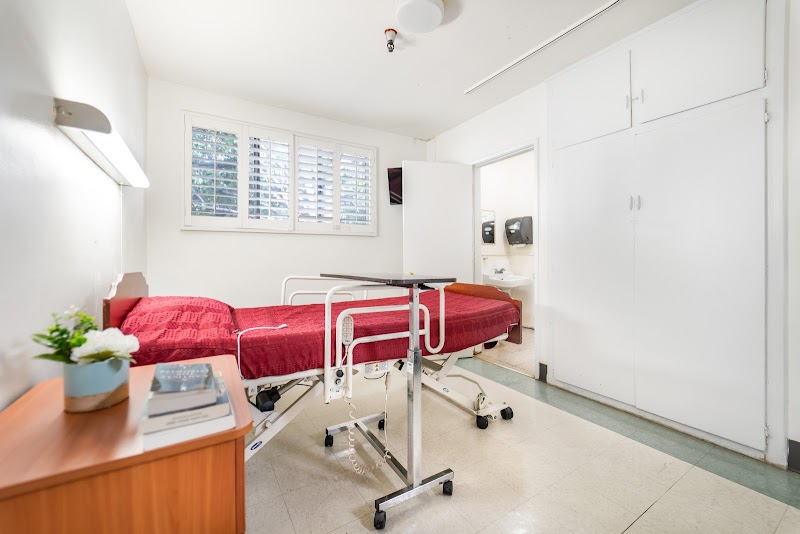
How is Overland Terrace Healthcare & Wellness Centre, Lp Staffed?

CMS rates OVERLAND TERRACE HEALTHCARE & WELLNESS CENTRE, LP's staffing level at 3 out of 5 stars, which is average compared to other nursing homes. Staff turnover is 29%, compared to the California average of 46%. This relatively stable workforce can support continuity of care.

What Have Inspectors Found at Overland Terrace Healthcare & Wellness Centre, Lp?

State health inspectors documented 58 deficiencies at OVERLAND TERRACE HEALTHCARE & WELLNESS CENTRE, LP during 2023 to 2025. These included: 1 Immediate Jeopardy (the most serious level, indicating potential for serious harm or death), 56 with potential for harm, and 1 minor or isolated issues. Immediate Jeopardy findings are rare and represent the most serious regulatory concerns. They require immediate corrective action.
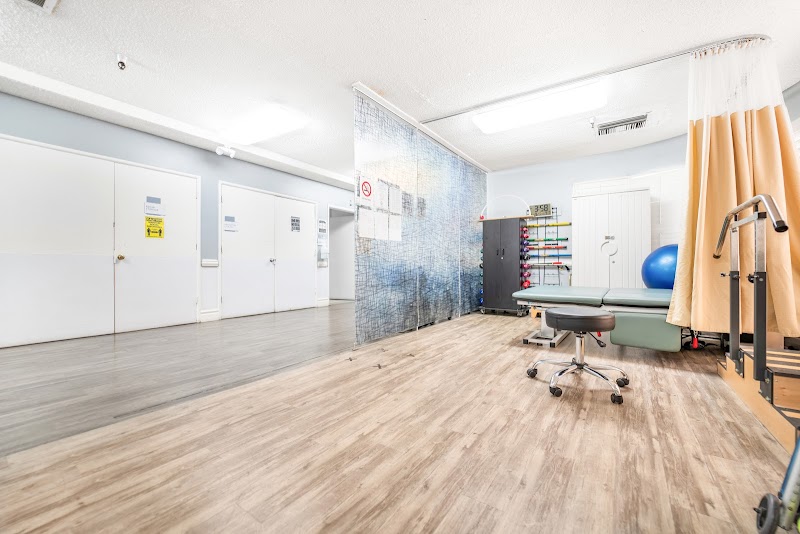
Who Owns and Operates Overland Terrace Healthcare & Wellness Centre, Lp?

OVERLAND TERRACE HEALTHCARE & WELLNESS CENTRE, LP is owned by a for-profit company. For-profit facilities operate as businesses with obligations to shareholders or private owners. The facility is operated by SHLOMO RECHNITZ, a chain that manages multiple nursing homes. With 87 certified beds and approximately 76 residents (about 87% occupancy), it is a smaller facility located in LOS ANGELES, California.
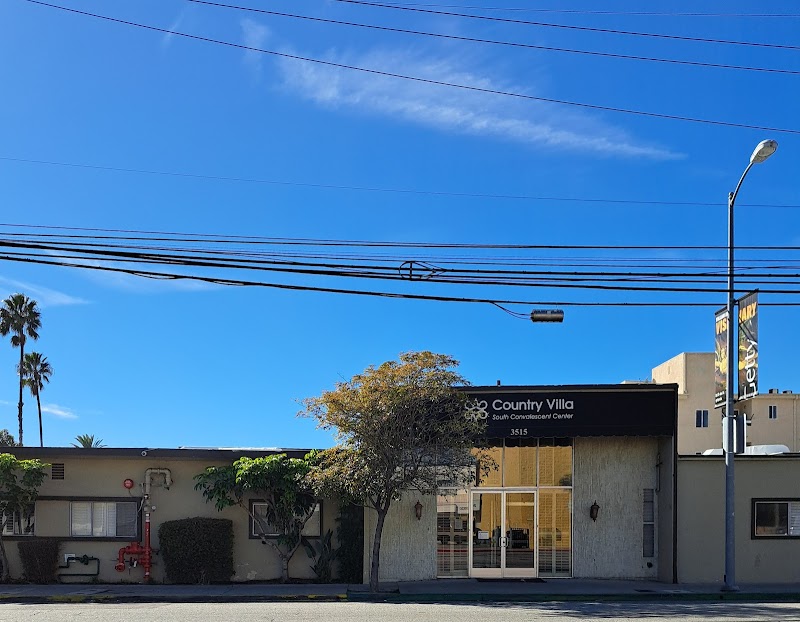
How Does Overland Terrace Healthcare & Wellness Centre, Lp Compare to Other California Nursing Homes?

Compared to the 100 nursing homes in California, OVERLAND TERRACE HEALTHCARE & WELLNESS CENTRE, LP's overall rating (2 stars) is below the state average of 3.1, staff turnover (29%) is significantly lower than the state average of 46%, and health inspection rating (2 stars) is below the national benchmark.

What Should Families Ask When Visiting Overland Terrace Healthcare & Wellness Centre, Lp?

Based on this facility's data, families visiting should ask: "What changes have been made since the serious inspection findings, and how are you preventing similar issues?" "Can I visit during a mealtime to observe dining assistance and food quality?" "How do you handle medical emergencies, and what is your hospital transfer rate?" "Can I speak with family members of current residents about their experience?" These questions are particularly relevant given the facility's Immediate Jeopardy citations.

Is Overland Terrace Healthcare & Wellness Centre, Lp Safe?

Based on CMS inspection data, OVERLAND TERRACE HEALTHCARE & WELLNESS CENTRE, LP has documented safety concerns. Inspectors have issued 1 Immediate Jeopardy citation (the most serious violation level indicating risk of serious injury or death). The facility has a 2-star overall rating and ranks #100 of 100 nursing homes in California. Families considering this facility should ask detailed questions about what corrective actions have been taken since these incidents.

Do Nurses at Overland Terrace Healthcare & Wellness Centre, Lp Stick Around?

Staff at OVERLAND TERRACE HEALTHCARE & WELLNESS CENTRE, LP tend to stick around. With a turnover rate of 29%, the facility is 17 percentage points below the California average of 46%. Low turnover is a positive sign. It means caregivers have time to learn each resident's needs, medications, and personal preferences. Consistent staff also notice subtle changes in a resident's condition more quickly.

Was Overland Terrace Healthcare & Wellness Centre, Lp Ever Fined?

OVERLAND TERRACE HEALTHCARE & WELLNESS CENTRE, LP has been fined $9,536 across 1 penalty action. This is below the California average of $33,174. While any fine indicates a compliance issue, fines under $50,000 are relatively common and typically reflect isolated problems that were subsequently corrected. Families should ask what specific issues led to these fines and confirm they've been resolved.

Is Overland Terrace Healthcare & Wellness Centre, Lp on Any Federal Watch List?

OVERLAND TERRACE HEALTHCARE & WELLNESS CENTRE, LP is not on any federal watch list. The most significant is the Special Focus Facility (SFF) program, which identifies the bottom 1% of nursing homes nationally based on persistent, serious quality problems. Not being on this list means the facility has avoided the pattern of deficiencies that triggers enhanced federal oversight. This is a positive indicator, though families should still review the facility's inspection history directly.