PAVILION ON PICO HEALTHCARE & WELLNESS CENTRE, LP
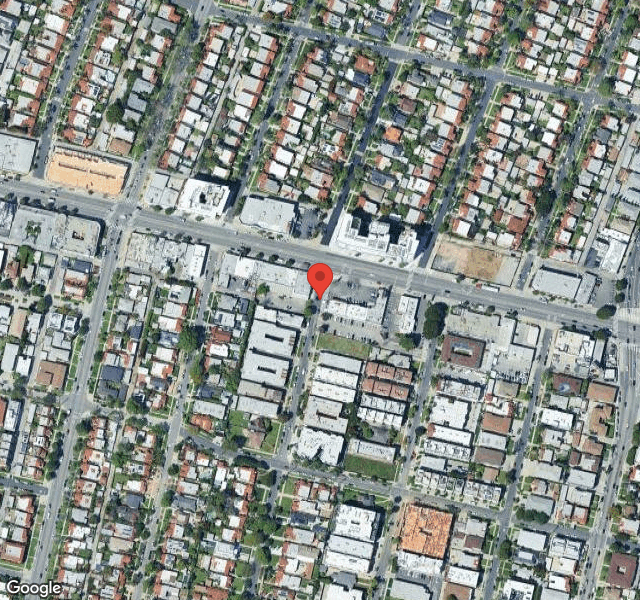
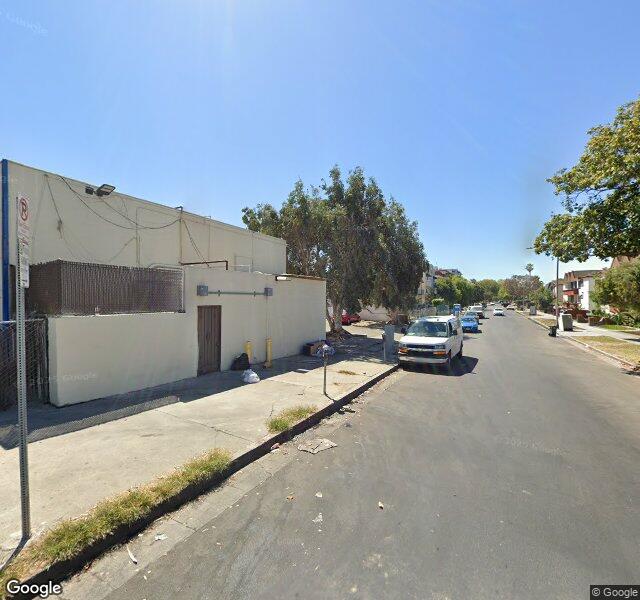
5916 W. PICO BOULEVARD, LOS ANGELES, CA 90035 (323) 939-3184
For profit - Partnership 59 Beds SHLOMO RECHNITZ Data: November 2025 1 Immediate Jeopardy citation
Trust Grade
56/100
#436 of 1155 in CA
Last Inspection: November 2024

Within standard 12-15 month inspection cycle. Federal law requires annual inspections.

Overview

Pavilion on Pico Healthcare & Wellness Centre has a Trust Grade of C, which means it is average compared to other nursing homes, placing it in the middle of the pack. In California, it ranks #436 out of 1,155 facilities, indicating it is in the top half, and #64 out of 369 in Los Angeles County, suggesting only a few local options are better. The facility is improving, having reduced its issues from 16 in 2024 to just 3 in 2025. Staffing is a relative strength with a 3-star rating and a turnover rate of 33%, which is below the state average, but the RN coverage is only average. However, the facility has faced concerning fines totaling $22,595, which is higher than 77% of other California facilities, indicating potential compliance issues, including a critical incident where a resident was given the wrong medication, resulting in severe health consequences. Other findings highlighted that some residents did not receive their meals simultaneously, and others on modified diets did not receive the correct food, which could impact their nutrition and dignity. Overall, while there are notable strengths, families should weigh these alongside the identified weaknesses.

Trust Score
C
56/100
In California
#436/1155
Top 37%
Safety Record
High Risk
Review needed
Inspections
Getting Better
16 → 3 violations
Staff Stability
○ Average
33% turnover. Near California's 48% average. Typical for the industry.
Penalties
✓ Good
$22,595 in fines. Lower than most California facilities. Relatively clean record.
Skilled Nurses
○ Average
Each resident gets 35 minutes of Registered Nurse (RN) attention daily — about average for California. RNs are the most trained staff who monitor for health changes.
Violations
⚠ Watch
43 deficiencies on record. Higher than average. Multiple issues found across inspections.
★★★★☆
4.0
Overall Rating
★★★☆☆
3.0
Staff Levels
★★★★★
5.0
Care Quality
★★★☆☆
3.0
Inspection Score
Stable
2024: 16 issues
2025: 3 issues

The Good

  • 5-Star Quality Measures · Strong clinical quality outcomes
  • Full Sprinkler Coverage · Fire safety systems throughout facility
  • No fines on record
  • Staff turnover below average (33%)

    15 points below California average of 48%

Facility shows strength in quality measures, fire safety.

The Bad

Staff Turnover: 33%

13pts below California avg (46%)

Typical for the industry

Federal Fines: $22,595

Below median ($33,413)

Minor penalties assessed

Chain: SHLOMO RECHNITZ

Part of a multi-facility chain

Ask about local staffing decisions and management

The Ugly 43 deficiencies on record

1 life-threatening
Mar 2025 3 deficiencies
CONCERN (D) 📢 Someone Reported This

A family member, employee, or ombudsman was alarmed enough to file a formal complaint

Potential for Harm - no one hurt, but risky conditions existed

Deficiency F0624 (Tag F0624)

Could have caused harm · This affected 1 resident

**NOTE- TERMS IN BRACKETS HAVE BEEN EDITED TO PROTECT CONFIDENTIALITY** Based on interview and record review, the facility failed to provide a sufficient preparation and orientation for one of four sa...

Read full inspector narrative →
**NOTE- TERMS IN BRACKETS HAVE BEEN EDITED TO PROTECT CONFIDENTIALITY** Based on interview and record review, the facility failed to provide a sufficient preparation and orientation for one of four sampled residents, (Resident) 1 with a safe and orderly discharge planning by failing to: 1. Complete an Interdisciplinary Team (IDT - a group of dedicated healthcare professionals who work to bring knowledge together to help residents receive the care they need) meeting regarding Resident 1's discharge planning. 2. Ensure the discharge planning was necessary, not because Resident 1 demanded of wanting to get up early and requested of laundry services. 3. Honor Resident 1's rights to be treated with kindness, respect and dignity. These deficient practices resulted in incomplete and ineffective discharge planning that may lead to lack of necessary care after discharge. Findings: During a review of the Resident 1's admission Record, it indicated Resident 1 was admitted to the facility on [DATE] with diagnosis including type II diabetes mellitus (DM-a disorder characterized by difficulty in blood sugar control and poor wound healing), chronic obstructive pulmonary disease (COPD-a chronic lung disease causing difficulty in breathing) and major depressive disorder (a mood disorder that causes a persistent feeling of sadness and loss of interest). During a review of the Minimum Data Set (MDS - resident assessment tool) dated 2/7/2025, indicated Resident 1's cognitive (mental action or process of acquiring knowledge and understanding) skills for daily decisions were mildly impaired. The MDS indicated Resident 1 required maximal assistance to total dependent from staff for activities of daily living (ADLs- routine tasks/activities such as bathing, dressing and toileting a person performs daily to care for themselves). The MDS also indicated, Resident 1 experienced moderate depression in half or more of the days while in the facility. During a review of Resident 1's History and Physical (H&P) dated 2/2/2025, the H&P indicated, Resident 1 can understand and make own medical decisions. During a review of Resident 1's Care Plan (CP) for mood problem related to major depression, initiated on 2/10/2025, the CP indicated a goal of, Resident (1) will have improved mood state happier, calmer appearance, no signs and symptoms (s/sx) of depression. During a review of Resident 1's Psychosocial Note, dated 3/20/2025 by Psychiatrist 1 (PSYCH1), the Psychosocial Note indicated, The primary goal for the session was to explore and improve the client's (Resident 1) interpersonal interactions, particularly with the staff at the skilled nursing facility where she resides. The client (Resident 1), diagnosed with bipolar disorder (sometimes called manic-depressive disorder; mood swings that range from the lows of depression to elevated periods of emotional highs), is in current episodes of depression, and it is crucial to address her mood and emotional state, which influence her behavior towards others. During a review of Resident 1's Progress Notes by Social Services Director (SSD), dated 3/25/2025, the Progress Notes indicated, I (SSD) advised patient (Resident 1) that unfortunately, we cannot accommodate her (Resident 1)'s needs due to her demands, she is max (maximum) assist with Hoyer Lift (a mechanical device used to lift and/or transfer a person from place to place), and she is demanding to be up by 6 a.m. She (Resident 1) is also asking to have her laundry done on a daily basis, she also complains of having all her belongings brought to her room, which is a lot of boxes . We have tried to find a facility that will meet her needs, but she has declined every single facility that has accepted her based on her (Resident 1) needs. During a review of Resident 1's Medical Record as of 3/26/2025, there was no IDT team meeting in preparation of Resident 1's discharge planning. During an interview with Resident 1 on 3/26/2025 at 12:03 p.m., Resident 1 stated, SSD was very rude when he (SSD) approached her, and he (SSD) asked her, when are you leaving? . Resident 1 stated, she felt like she was being kicked out . Resident 1 stated, she is particular on the place where she would like to stay, she does not want to go else where and would like to stay in the facility. Resident 1 further stated, she wanted to see where they put her belongings that was sent from her previous facility where she resided, but she was told it was placed somewhere else, and they (facility) can not store it in her room. Resident 1 further stated, she understands that she can be demanding but it's because she is picky with the place she wanted to stay. Resident stated, she felt bad that they are trying to send her out elsewhere because of her demands. During an interview with Certified Nursing Assistant 1 (CNA 1) on 3/26/2025 at 12:18 p.m., CNA 1 stated, Resident 1 liked to be up early in the morning after breakfast at around 9:30 a.m. CNA 1 stated, Resident 1 is nice to her, and she (Resident 1) was friendly with staff. CNA 1 stated, Resident 1 are particular on her likes and dislikes, but she (CNA 1) understands because it is residents' rights. During an interview with SSD on 3/26/2025 at 1:02 p.m., SSD stated, Resident 1 have high demands such as wanting to get out of bed early at 6 a.m., she (Resident 1) wanted her laundry to be done daily, and she (Resident 1) wanted all her belongings in her room. SSD stated, they are not able accommodate her needs because of her high demands so he (SSD) inquired into other skilled nursing facility (SNF) that may accommodate her needs. SSD stated, Resident 1 declined to be transferred to another SNFs. When asked what residents' rights are when it comes to their freedom of choice, SSD was not able to answer. SSD stated, there was no IDT meeting conducted in preparation of Resident 1's discharge planning. SSD stated, he does not know about the facility's policy on discharge and transfer of residents. SSD further stated, there was nothing wrong on how he approached Resident 1 regarding transferring her (Resident 1) to other SNFs because of her high demands. During a concurrent interview and record reviews with Registered Nurse (RN 1) on 3/26/2025 at 1:33 p.m., RN 1 stated, she explained to Resident 1, and Resident 1 understood about not being able to store all her belongings in her room for her safety and others. RN 1 stated, if Resident 1 requested to be out of bed early in the morning, staff need to accommodate her needs and if they are not able to get Resident 1 up early, staff need to explain it to Resident 1. RN 1 stated, Resident 1 also understood that they are not able to wash her clothes daily because the laundry is done in the facility for only twice a week. RN 1 reviewed SSD's notes on 3/25/2025 and stated, the facility can accommodate Resident 1's needs and they should not transfer Resident 1 because of high demands . RN 1 stated, if staff talked to Resident 1 in a manner where they do not feel secured and disrespected, Resident 1 may feel that she is not wanted and neglected which Resident 1 may be very sensitive because of her diagnosis of major depressive disorder. During a review of the facility's policy and procedure (P&P), titled, Discharge and Transfer of Residents, reviewed and approved by facility on 6/28/2024, the P&P indicated that, To ensure that discharge planning is complete and appropriate, and that necessary information is communicated to the continuing care provider . The Facility may transfer or discharge a resident with an order from the resident's physician for: The discharge is necessary for the welfare of the resident, and needs cannot be met in the facility; The Resident's health has improved significantly and services provided by the facility are no longer required . A. Prior to discharging the resident, Nursing Staff/IDT will prepare a Discharge Summary/Post Discharge Plan of Care and will document the summary in the resident's medical record. During a review of the facility's P&P titled, Resident's Rights , reviewed and approved on 6/28/2024, the P&P indicated, The facility will promote and protect those rights. Residents have freedom of choice, as much as possible, about how they wish to live their everyday lives and receive care, subject to the Facility's rules and regulations and applicable state and federal laws governing the protection of resident health and safety . Employees are to treat all residents with kindness, respect, and dignity and honor the exercise of residents' rights.
CONCERN (D) 📢 Someone Reported This

A family member, employee, or ombudsman was alarmed enough to file a formal complaint

Potential for Harm - no one hurt, but risky conditions existed

Deficiency F0740 (Tag F0740)

Could have caused harm · This affected 1 resident

**NOTE- TERMS IN BRACKETS HAVE BEEN EDITED TO PROTECT CONFIDENTIALITY** Based on interview and record review, facility failed to provide necessary behavioral health care and services to attain or main...

Read full inspector narrative →
**NOTE- TERMS IN BRACKETS HAVE BEEN EDITED TO PROTECT CONFIDENTIALITY** Based on interview and record review, facility failed to provide necessary behavioral health care and services to attain or maintain the highest practicable physical, mental, and psychosocial well-being, in accordance with the comprehensive assessment and plan of care to one of four sampled resident (Resident 1), by failing to address behavioral health care needs and implementing a person-centered care plan when Resident 1 unrealistic demands according to facility's policy and procedure (P&P) titled, Behavior/Psychotropic Drug Management . This deficient practice had the potential to negatively affect the delivery of behavioral health care and services to Resident 1. Cross Reference F745 Findings: During a review of the Resident 1's admission Record, it indicated Resident 1 was admitted to the facility on [DATE] with diagnosis including type II diabetes mellitus (DM-a disorder characterized by difficulty in blood sugar control and poor wound healing), chronic obstructive pulmonary disease (COPD-a chronic lung disease causing difficulty in breathing) and major depressive disorder (a mood disorder that causes a persistent feeling of sadness and loss of interest). During a review of the Minimum Data Set (MDS - resident assessment tool) dated 2/7/2025, indicated Resident 1's cognitive (mental action or process of acquiring knowledge and understanding) skills for daily decisions were mildly impaired. The MDS indicated Resident 1 required maximal assistance to total dependent from staff for activities of daily living (ADLs- routine tasks/activities such as bathing, dressing and toileting a person performs daily to care for themselves). The MDS also indicated, Resident 1 experienced moderate depression in half or more of the days while in the facility. During a review of Resident 1's History and Physical (H&P) dated 2/2/2025, the H&P indicated, Resident 1 can understand and make own medical decisions. During a review of Resident 1's Care Plan (CP) for mood problem related to major depression, initiated on 2/10/2025, the CP indicated a goal of, Resident (1) will have improved mood state happier, calmer appearance, no signs and symptoms (s/sx) of depression. During a review of Resident 1's Medical Record as of 3/26/2025, there was no CP develop regarding Resident 1's behavior of unrealistic demands and requests. During a review of Resident 1's Psychosocial Note, dated 3/20/2025 by Psychiatrist 1 (PSYCH1), the Psychosocial Note indicated, The primary goal for the session was to explore and improve the client's (Resident 1) interpersonal interactions, particularly with the staff at the skilled nursing facility where she resides. The client (Resident 1), diagnosed with bipolar disorder (sometimes called manic-depressive disorder; mood swings that range from the lows of depression to elevated periods of emotional highs), is in current episodes of depression, and it is crucial to address her mood and emotional state, which influence her behavior towards others. During a review of Resident 1's Progress Notes by Social Services Director (SSD), dated 3/25/2025, the Progress Notes indicated, I (SSD) advised patient (Resident 1) that unfortunately, we cannot accommodate her (Resident 1)'s needs due to her demands, she is max (maximum) assist with Hoyer Lift (a mechanical device used to lift and/or transfer a person from place to place), and she is demanding to be up by 6 a.m. She (Resident 1) is also asking to have her laundry done on a daily basis, she also complains of having all her belongings brought to her room, which is a lot of boxes . We have tried to find a facility that will meet her needs, but she has declined every single facility that has accepted her based on her (Resident 1) needs. During an interview with Resident 1 on 3/26/2025 at 12:03 p.m., Resident 1 stated, SSD was very rude when he (SSD) approached her, and he (SSD) asked her, when are you leaving? . Resident 1 stated, she felt like she was being kicked out . Resident 1 stated, she is particular on the place where she would like to stay, she does not want to go elsewhere and would like to stay in the facility. Resident 1 further stated, she understands that she can be demanding but it's because she is picky with the place she wanted to stay. Resident stated, she felt bad that they are trying to send her out elsewhere because of her demands. During an interview with Certified Nursing Assistant 1 (CNA 1) on 3/26/2025 at 12:18 p.m., CNA 1 stated, Resident 1 liked to be up early in the morning after breakfast at around 9:30 a.m. CNA 1 stated, Resident 1 is nice to her, and she (Resident 1) was friendly with staff. CNA 1 stated, Resident 1 are particular on her likes and dislikes, but she (CNA 1) understands because it is residents' rights. During an interview with SSD on 3/26/2025 at 1:02 p.m., SSD stated, Resident 1 have high demands such as wanting to get out of bed early at 6 a.m., she (Resident 1) wanted her laundry to be done daily, and she (Resident 1) wanted all her belongings in her room. SSD stated, they are not able accommodate her needs because of her high demands so he (SSD) inquired into other skilled nursing facility (SNF) that may accommodate her needs. SSD stated, Resident 1 declined to be transferred to another SNFs. When asked what residents' rights are when it comes to their freedom of choice, SSD was not able to answer. SSD stated, there was no IDT meeting conducted in preparation of Resident 1's discharge planning. SSD stated, he does not know about the facility's policy on discharge and transfer of residents. SSD further stated, there was nothing wrong on how he approached Resident 1 regarding transferring her (Resident 1) to other SNFs because of her high demands. During a concurrent interview and record reviews with Registered Nurse (RN 1) on 3/26/2025 at 1:33 p.m., RN 1 stated, she explained to Resident 1, and Resident 1 understood about not being able to store all her belongings in her room for her safety and others. RN 1 stated, if Resident 1 requested to be out of bed early in the morning, staff need to accommodate her needs and if they are not able to get Resident 1 up early, staff need to explain it to Resident 1. RN 1 stated, Resident 1 also understood that they are not able to wash her clothes daily because the laundry is done in the facility for only twice a week. RN 1 reviewed SSD's notes on 3/25/2025 and stated, the facility can accommodate Resident 1's needs and they should not transfer Resident 1 because of high demands . RN 1 stated, if staff talked to Resident 1 in a manner where they do not feel secured and disrespected, Resident 1 may feel that she is not wanted and neglected which Resident 1 may be very sensitive because of her diagnosis of major depressive disorder. During a review of the facility's policy and procedures (P&P) titled, Behavior/Psychotropic Drug Management, reviewed and approved by facility on 6/28/2024, the P&P indicated, It is the policy of this Facility to provide person-centered, comprehensive and interdisciplinary care that reflects best practice standards for meeting health, safety, psychosocial, behavioral, and environmental needs of residents in order to obtain or maintain the highest physical, mental, and psychosocial well-being . If an in-house resident manifests a change in his/her mood or behavior symptoms, the licensed Nurse will conduct an assessment of the resident's mood and behavior status utilizing the Change of Condition process.
CONCERN (D) 📢 Someone Reported This

A family member, employee, or ombudsman was alarmed enough to file a formal complaint

Potential for Harm - no one hurt, but risky conditions existed

Deficiency F0745 (Tag F0745)

Could have caused harm · This affected 1 resident

**NOTE- TERMS IN BRACKETS HAVE BEEN EDITED TO PROTECT CONFIDENTIALITY** Based on interview and record review, the facility failed to provide medically-related social services to attain or maintain the...

Read full inspector narrative →
**NOTE- TERMS IN BRACKETS HAVE BEEN EDITED TO PROTECT CONFIDENTIALITY** Based on interview and record review, the facility failed to provide medically-related social services to attain or maintain the highest practicable physical, mental and psychosocial well-being to one out of four sampled residents (Resident 1), by failing to promote individualized, non-pharmacological approaches to care that meet the mental and psychosocial needs. This deficient practice placed Resident 1 in psychosocial distress. Findings: During a review of the Resident 1's admission Record, it indicated Resident 1 was admitted to the facility on [DATE] with diagnosis including type II diabetes mellitus (DM-a disorder characterized by difficulty in blood sugar control and poor wound healing), chronic obstructive pulmonary disease (COPD-a chronic lung disease causing difficulty in breathing) and major depressive disorder (a mood disorder that causes a persistent feeling of sadness and loss of interest). During a review of the Minimum Data Set (MDS - resident assessment tool) dated 2/7/2025, indicated Resident 1's cognitive (mental action or process of acquiring knowledge and understanding) skills for daily decisions were mildly impaired. The MDS indicated Resident 1 required maximal assistance to total dependent from staff for activities of daily living (ADLs- routine tasks/activities such as bathing, dressing and toileting a person performs daily to care for themselves). The MDS also indicated, Resident 1 experienced moderate depression in half or more of the days while in the facility. During a review of Resident 1's History and Physical (H&P) dated 2/2/2025, the H&P indicated, Resident 1 can understand and make own medical decisions. During a review of Resident 1's Care Plan (CP) for mood problem related to major depression, initiated on 2/10/2025, the CP indicated a goal of, Resident (1) will have improved mood state happier, calmer appearance, no signs and symptoms (s/sx) of depression. During a review of Resident 1's Medical Record as of 3/26/2025, there was no CP develop regarding Resident 1's behavior of unrealistic demands and requests. During a review of Resident 1's Psychosocial Note, dated 3/20/2025 by Psychiatrist 1 (PSYCH1), the Psychosocial Note indicated, The primary goal for the session was to explore and improve the client's (Resident 1) interpersonal interactions, particularly with the staff at the skilled nursing facility where she resides. The client (Resident 1), diagnosed with bipolar disorder (sometimes called manic-depressive disorder; mood swings that range from the lows of depression to elevated periods of emotional highs), is in current episodes of depression, and it is crucial to address her mood and emotional state, which influence her behavior towards others. During a review of Resident 1's Progress Notes by Social Services Director (SSD), dated 3/25/2025, the Progress Notes indicated, I (SSD) advised patient (Resident 1) that unfortunately, we cannot accommodate her (Resident 1)'s needs due to her demands, she is max (maximum) assist with Hoyer Lift (a mechanical device used to lift and/or transfer a person from place to place), and she is demanding to be up by 6 a.m. She (Resident 1) is also asking to have her laundry done on a daily basis, she also complains of having all her belongings brought to her room, which is a lot of boxes . We have tried to find a facility that will meet her needs, but she has declined every single facility that has accepted her based on her (Resident 1) needs. During an interview with Resident 1 on 3/26/2025 at 12:03 p.m., Resident 1 stated, SSD was very rude when he (SSD) approached her, and he (SSD) asked her, when are you leaving? . Resident 1 stated, she felt like she was being kicked out . Resident 1 stated, she is particular on the place where she would like to stay, she does not want to go elsewhere and would like to stay in the facility. Resident 1 further stated, she understands that she can be demanding but it's because she is picky with the place she wanted to stay. Resident stated, she felt bad that they are trying to send her out elsewhere because of her demands. During an interview with Certified Nursing Assistant 1 (CNA 1) on 3/26/2025 at 12:18 p.m., CNA 1 stated, Resident 1 liked to be up early in the morning after breakfast at around 9:30 a.m. CNA 1 stated, Resident 1 is nice to her, and she (Resident 1) was friendly with staff. CNA 1 stated, Resident 1 are particular on her likes and dislikes, but she (CNA 1) understands because it is residents' rights. During an interview with SSD on 3/26/2025 at 1:02 p.m., SSD stated, Resident 1 have high demands such as wanting to get out of bed early at 6 a.m., she (Resident 1) wanted her laundry to be done daily, and she (Resident 1) wanted all her belongings in her room. SSD stated, they are not able accommodate her needs because of her high demands so he (SSD) inquired into other skilled nursing facility (SNF) that may accommodate her needs. SSD stated, Resident 1 declined to be transferred to another SNFs. When asked what residents' rights are when it comes to their freedom of choice, SSD was not able to answer. SSD stated, there was no IDT meeting conducted in preparation of Resident 1's discharge planning. SSD stated, he does not know about the facility's policy on discharge and transfer of residents. SSD further stated, there was nothing wrong on how he approached Resident 1 regarding transferring her (Resident 1) to other SNFs because of her high demands. During a concurrent interview and record reviews with Registered Nurse (RN 1) on 3/26/2025 at 1:33 p.m., RN 1 stated, she explained to Resident 1, and Resident 1 understood about not being able to store all her belongings in her room for her safety and others. RN 1 stated, if Resident 1 requested to be out of bed early in the morning, staff need to accommodate her needs and if they are not able to get Resident 1 up early, staff need to explain it to Resident 1. RN 1 stated, Resident 1 also understood that they are not able to wash her clothes daily because the laundry is done in the facility for only twice a week. RN 1 reviewed SSD's notes on 3/25/2025 and stated, the facility can accommodate Resident 1's needs and they should not transfer Resident 1 because of high demands . RN 1 stated, if staff talked to Resident 1 in a manner where they do not feel secured and disrespected, Resident 1 may feel that she is not wanted and neglected which Resident 1 may be very sensitive because of her diagnosis of major depressive disorder. During an interview with Administrator (ADM) on 3/26/2025 at 4:19 p.m., ADM stated, a follow-up in-services with a Social Services Consultant will be provided to the SSD to ensure that the facility is providing appropriate accommodation and needs of all residents. During a review of the facility's Job Description (JD) titled, Social Service Coordinator , date signed by SSD on 4/20/2023, the JD indicated, Qualifications: Good written and verbal communication skills; Good interpersonal skill . Principal Responsibilities: Ensure the residents' psychosocial and concrete needs are identified and met in accordance with federal, state and company requirements. Customer Service: · Presents professional image to consumers through dress, behavior and speech. · Adheres to company standards for resolving consumer concerns. ·Ensures that all consumer/ resident rights are protected.
Nov 2024 14 deficiencies
CONCERN (D)

Potential for Harm - no one hurt, but risky conditions existed

Deficiency F0637 (Tag F0637)

Could have caused harm · This affected 1 resident

**NOTE- TERMS IN BRACKETS HAVE BEEN EDITED TO PROTECT CONFIDENTIALITY** Based on interview and record review, the facility failed to document in the resident's medical record a change in the resident'...

Read full inspector narrative →
**NOTE- TERMS IN BRACKETS HAVE BEEN EDITED TO PROTECT CONFIDENTIALITY** Based on interview and record review, the facility failed to document in the resident's medical record a change in the resident's condition in accordance with the facility's policy and procedure (P&P) titled Change of condition Notification revised 6/28/2024 for one of ten sampled residents (Resident 2). This deficient practice resulted in Resident 2's attending physician and resident representative not being promptly notified of Resident 2's change of condition. Findings: During a review of Resident 2's admission Record indicated the resident was admitted to the facility on [DATE] with diagnoses including hypothyroidism (when the thyroid gland [a small butterfly shaped gland in front of the neck that produces hormones that regulate many of the body's functions] does not produce enough thyroid hormone), generalized muscle weakness (a decrease in muscle strength), and hypertension (HTN -blood pumping with more force than normal through your arteries). During a review of Resident 2's Minimum Data Set (MDS - a federally mandated resident assessment tool) dated 9/17/2024, indicated Resident 2 was cognitively impaired (when a person has trouble remembering, learning new things, concentrating, or making decisions that affect their everyday life), required maximal assistance and dependent on staff for activities of daily living. During a review of Resident 2's lab results report dated 8/23/2024, indicated thyroid stimulating hormone (TSH -a hormone that is produced by the pituitary gland [small pea size gland found at the base of the brain] releases to trigger the thyroid to produce and release its own hormone) 27.71 micro-internation units (uIU -metric unit of measurement for volume) per milliliter (ml -metric unit of measurement for volume, normal range is 0.45 % to 5.33 %). During a review of Resident 2's care plan, dated 12/15/2022, the care plan indicated, the focus as Resident 2 has hypothyroidism and one of the interventions indicated obtain and monitor lab/diagnostic work as ordered. Report results to the medical doctor and follow up as indicated. During a concurrent interview and record review, on11/16/2024, at 5:18 P.M., with Registered Nurse Supervisor/Minimum Data Set Nurse (RNS/MDSN), Resident 2's medical records were reviewed. RNS/MDSN stated Resident 2 had a laboratory test result of 27.71 uIU of her TSH. RNS/MDSN stated the facility process for an abnormal lab result or a deviation from the residents' baseline is to notify the doctor and the resident representative, including completing a change of condition (COC). RNS/MDSN stated there is no coc that was completed for the TSH increase level, and there is no documented evidence that the resident's doctor or their representative was notified of the elevated TSH. RNS/MDSN stated there is nowhere else that this documentation would be found than the resident's medical record. During a concurrent interview and record review, on11/17/2024, at 4:35 P.M., with RNS/MDSN, Resident 2's medical records were reviewed. RNS/MDSN stated Resident 2 on 8/29/2024 had an order to redraw the TSH in six weeks (10/10/2024). RNS/MDSN stated Resident 2 refused to have the blood draw for TSH done, there is no documented evidence that the facility notified the doctor of Resident 2's refusal to get the blood work for TSH done. RNS/MDSN stated the doctor needs to be notified do that so that he can be aware of the clinical status of the resident to determine if there needs to be a change in the treatment plan of care or not. During an interview on 11/17/2024, at 6:01 P.M., with the Director of Nursing (DON), the DON stated anything that out of baseline with the patient we need to have a coc. The coc is done to monitor the resident, notify the doctor and the resident representative of the change of condition. The doctor needs to be notified so that the facility can know the next step to be done for the resident, DON states lab results need to be relayed to the doctor as soon as the results are received, this is done so that there is no lapse in time or delay in the interventions needed for the resident that could potentially harm the resident if not given on time. During a review of the facility's P&P titled, Change of Condition Notification, revised 6/28/2024, indicated, Purpose: To ensure residents, family, legal representatives, and physicians are informed of changes in the resident's condition in a timely manner . Policy I. The facility will promptly inform the resident, consult with the resident's attending physician, and notify the residents legal representative or an interested family member, if known, when the resident endures a significant change in their condition caused by, but not limited to: . B. A significant change in the resident's physical, mental or psychosocial status; and/or II. Change of Condition related to the attending physician notification is defined as when the attending physician must be notified when any sudden and marked adverse change in the residents condition which is manifested by signs and symptoms different than usual denote a new problem, complication or permanent change in status and require a medical assessment, coordination and consultation with the attending physician and a change in the treatment plan.
CONCERN (D)

Potential for Harm - no one hurt, but risky conditions existed

Quality of Care (Tag F0684)

Could have caused harm · This affected 1 resident

**NOTE- TERMS IN BRACKETS HAVE BEEN EDITED TO PROTECT CONFIDENTIALITY** Bases on interview and record review, the facility failed to notify the physician of the laboratory testing finding in accordanc...

Read full inspector narrative →
**NOTE- TERMS IN BRACKETS HAVE BEEN EDITED TO PROTECT CONFIDENTIALITY** Bases on interview and record review, the facility failed to notify the physician of the laboratory testing finding in accordance with the facility's policy and procedure (P&P) titled Laboratory Services revised 6/28/2024 for one of ten sampled residents when: 1. Resident 2's lab results report dated 8/23/2024, indicated thyroid stimulating hormone (TSH -a hormone that is produced by the pituitary gland [small pea size gland found at the base of the brain] releases to trigger the thyroid to produce and release its own hormone) 27.71 micro-internation units (uIU -metric unit of measurement for volume) per milliliter (ml -metric unit of measurement for volume, normal range is 0.45 % to 5.33 %) 2. Resident 2's refused to have the TSH laboratory draw done on 10/10/2024 that was ordered on 8/29/2024. Findings: During a review of Resident 2's admission Record indicated the resident was admitted to the facility on [DATE] with diagnoses including hypothyroidism (when the thyroid gland [a small butterfly shaped gland in front of the neck that produces hormones that regulate many of the body's functions] does not produce enough thyroid hormone), generalized muscle weakness (a decrease in muscle strength), and hypertension (HTN -blood pumping with more force than normal through your arteries). During a review of the physician's orders dated 8/29/2024, indicated TSH in 6 weeks. During a review of Resident 2's Minimum Data Set (MDS - a federally mandated resident assessment tool) dated 9/17/2024, indicated Resident 2 was cognitively impaired (when a person has trouble remembering, learning new things, concentrating, or making decisions that affect their everyday life), required maximal assistance and dependent on staff for activities of daily living. During a review of the laboratory log, indicated date specimens drawn: 10/10/2024; Resident 2 refused. During a concurrent interview and record review, on 11/16/2024 at 5:18 P.M., with Registered Nurse Supervisor/Minimum Data Set Nurse (RNS/MDSN), Resident 2's medical records were reviewed. RNS/MDSN stated Resident 2 had a laboratory test result of 27.71 uIU of her TSH. RNS/MDSN stated the facility process for an abnormal lab result or a deviation from the residents' baseline is to notify the doctor and the resident representative, including completing a change of condition (COC). RNS/MDSN stated there is no coc that was completed for the TSH increase level, and there is no documented evidence that the resident's doctor or their representative was notified of the elevated TSH. RNS/MDSN stated there is nowhere else that this documentation would be found than the resident's medical record. During a concurrent interview and record review, on 11/17/2024 at 4:35 P.M., with RNS/MDSN, Resident 2's medical records were reviewed. RNS/MDSN stated Resident 2 on 8/29/2024 had an order to redraw the TSH in six weeks (10/10/2024). RNS/MDSN stated Resident 2 refused to have the blood draw for TSH done, there is no documented evidence that the facility notified the doctor of Resident 2's refusal to get the blood work for TSH done. RNS/MDSN stated the doctor needs to be notified do that so that he can be aware of the clinical status of the resident to determine if there needs to be a change in the treatment plan of care or not. During an interview on 11/17/2024, at 6:01 P.M., with the Director of Nursing (DON), the DON stated anything that out of baseline with the patient we need to have a coc. The coc is done to monitor the resident, notify the doctor and the resident representative of the change of condition. The doctor needs to be notified so that the facility can know the next step to be done for the resident, DON states lab results need to be relayed to the doctor as soon as the results are received, this is done so that there is no lapse in time or delay in the interventions needed for the resident that could potentially harm the resident if not given on time. During a review of the facility's Policy and Procedure titled, Laboratory Services, revised 6/28/2024, indicated, II Reporting Laboratory Results . C. The Licensed Nurse promptly notifies the Attending Physician of the laboratory yest findings and report the results according to the following guidelines: . II. Results abnormal -Telephone/page Attending Physician and fax to attending physician with date and time noted on results . D. The nurse documents the time when laboratory results were reports along with the Attending Physician's response in the resident's medical record.
CONCERN (D)

Potential for Harm - no one hurt, but risky conditions existed

Pressure Ulcer Prevention (Tag F0686)

Could have caused harm · This affected 1 resident

**NOTE- TERMS IN BRACKETS HAVE BEEN EDITED TO PROTECT CONFIDENTIALITY** Based on observation, interview and record review, the facility failed to ensure that the Low air loss (LAL -a pressure relievin...

Read full inspector narrative →
**NOTE- TERMS IN BRACKETS HAVE BEEN EDITED TO PROTECT CONFIDENTIALITY** Based on observation, interview and record review, the facility failed to ensure that the Low air loss (LAL -a pressure relieving mattress for the management or prevention of pressure sores) Mattress setting was appropriately set for one of ten sampled residents (Resident 205). This deficient practice had the potential to result in the redevelopment of pressure ulcers (a localized injury to the skin and/or underlying tissue usually over a bony prominence due to pressure, or pressure in combination with shear) and possible hospitalization. Findings; During a review of Resident 205's admission Record indicated the resident was admitted to the facility on [DATE] and readmitted on [DATE] with diagnoses including diabetes (DM - a disorder characterized by difficulty in blood sugar control and poor wound healing), hemiplegia (total paralysis of the arm, leg, and trunk on the same side of the body), and generalized muscle weakness (a decrease in muscle strength). During a review of Resident 205's Minimum Data Set (MDS - a federally mandated resident assessment tool) dated 10/28/2024, indicated Resident 205 was cognitively intact (when a person is able to remember, learn new things, concentrate, or make decision that affect their everyday life), required maximal assistance and dependent on staff for activities of daily living. During an observation on 11/15/2024, at 5:50 P.M., in Resident 205's room, Resident 205's LAL mattress pump light bar was lit on bar number10 for 400 pounds (lbs -unit of measurement for mass/weight). During a review of Resident 205's Monthly weight report dated 11/2024, indicated, Resident 205's weight was 187 lbs, During a concurrent observation and interview on 11/15/2024, at 7:25 P.M., with the Licensed Vocation Nurse 1 (LVN 1), in Resident 205's room, Resident 205's LAL mattress pump was observed with light bar was lit on bar number10 for 400 lbs. LVN 1 stated the lit bar is what the LAL mattress is set on. LVN stated the third bar should have been lit for Resident 205 because he weighs 187 lbs currently. LVN 1 stated if the LAL mattress is set to a different setting than what it should be, it (setting) may increase the risk of Resident 205 for developing pressure ulcers. During a review of Resident 205's care plan, dated 10/25/2024, the care plan indicated, the focus as skin integrity management, at risk or potential for pressure development, history of ulcers. Resident 205's interventions included follow facility policies/protocols for the prevent/treatment of skin breakdown. During an interview on 11/17/2024, at 6:01 P.M., with the Director of Nursing (DON), the DON stated LAL mattress settings are based on the resident's weight. The wrong LAL mattress setting may lead to high risk of skin breakdown. During a review of the facility's Policy and Procedures titled, Mattresses revised 1/1/2012, indicated, . Purpose: To provide a mattress appropriate to the residents needs .Policy: A.To provide pressure reduction to residents at risk for skin breakdown. To distribute body weight relieving areas of pressure. During a review of the facility's undated Training titled, Therapy Bed Training Checklist indicated .The comfort control LED displays the patient's comfort pressure level depending on the patient weight. During a review of the undated manufactures guidelines indicated .Weight settings .The weight settings buttons .can be used to adjust the pressure of the inflated cells based on the patient's weight.
CONCERN (D)

Potential for Harm - no one hurt, but risky conditions existed

Incontinence Care (Tag F0690)

Could have caused harm · This affected 1 resident

**NOTE- TERMS IN BRACKETS HAVE BEEN EDITED TO PROTECT CONFIDENTIALITY** Based on observation, interview and record review, the facility staff failed to ensure one of three sampled residents (Resident ...

Read full inspector narrative →
**NOTE- TERMS IN BRACKETS HAVE BEEN EDITED TO PROTECT CONFIDENTIALITY** Based on observation, interview and record review, the facility staff failed to ensure one of three sampled residents (Resident 16) received appropriate treatment and services to prevent urinary tract infections (UTI-an infection in any part of your urinary system your kidneys, ureters, bladder, and urethra) by failing to: 1. Place a securement device/anchor on Resident 16's indwelling urinary catheter (a flexible plastic tube inserted into the bladder that remains there to always provide continuous urinary drainage) to secure the catheter below the level of the bladder at all times. 2. Assess and monitor the catheter for proper placement and drainage, and to ensure no leaking was present as per the resident's care plan (a plan of care that summarizes a resident's health conditions, specific care needs, and current treatments) titled Assess urinary drainage created on 4/28/2024. These deficient practices had the potential to result in urine backflowing up into Resident 16's bladder and blood stream resulting in a catheter associated urinary tract infection (CAUTI, an infection of the urinary tract caused by a tube [urinary catheter] that has been placed to drain urine from the bladder [an organ inside the body that stores urine until it can be excreted]), skin breakdown, systemic infection, organ failure, and death. Findings: During a review of Resident 16's admission Record indicated the facility admitted the resident on 4/18/2024, with diagnoses including sepsis (a serious condition in which the body responds improperly to an infection), acute kidney failure (a sudden and often reversible reduction in kidney function), and artificial opening of urinary tract (a urostomy is a stoma, or opening, in the abdomen that connects the urinary tract to allow urine to drain freely from the body). During a review of Resident 16's History and Physical (H&P) dated 4/18/2024, indicated the resident did not have the capacity to understand and make decisions. During a review of Resident 16's Order Summary Report dated 4/18/2024, indicated change urinary catheter bag as needed when the indwelling catheter is changed and if clogged, leaking or dislodgement, excessive sedimentation leading to obstruction. an order for [CATHETER] secure suprapubic catheter tubing (a thin, flexible rubber or plastic tube that healthcare providers use to drain urine from the urinary bladder when unable to urinate) with anchor every shift (to minimize dislodging of catheter). During a review of Resident 16's Care Plan titled, Assess urinary drainage created on 4/28/2024, indicated assess for signs and symptoms of infection noting cloudiness, color, sediments (small pieced or fragments of tissue), blood, and odor. Change foley as needed if clogged or excessive sediments leading to obstruction. The care plan indicated an intervention (specific care and services facility staff need to provide a resident to promote healing and prevent a worsening of a condition) of foley catheter care (keeping the catheter and the area around it clean to prevent infection) every shift or as needed. Maintain proper alignment of the indwelling catheter to promote proper drainage. During a concurrent observation inside Resident 16's room and interview on 11/15/2024 at 11:07 a.m., surveyor and Certified Nursing Assistant 1 (CNA 1) observed the suprapubic catheter of Resident 16 without a securement device or anchor in place. CNA 1 stated the suprapubic catheter should have had a securement device/anchor to prevent the resident from pulling out the tube causing trauma and eventually infection. CNA 1 confirmed the urine bag had not been draining urine for a week and the resident's diaper was always wet. During a review of Resident 16's situation background assessment and recommendation (SBAR: a form that is a documentation of a complete assessment in response to a change in condition) dated 11/15/2024., indicated the Resident was transferred to the Hospital non-emergency due to in dwelling cathter leakage and reinsertions by urology follow up and evaluation. During a concurrent observation and interview on 11/16/2024, at 11.30 a.m., with Licensed Vocational Nurse (LVN 1), LVN 1 noted the indwelling catheter bag empty and noted the Resident diaper was wet. LVN 1 stated the suprapubic catheter should be draining urine into the bag and not in the resident diaper. LVN 1 Stated she will call the Doctor and have a securement device/anchor to prevent pulling out the tube causing trauma and eventually infection. CNA 1 also confirmed that the urine bag has not been draining urine for a week and the resident diaper is always wet. During an interview on 11/17/2024 at 12:10 p.m., the Director of Nursing (DON), stated the suprapubic catheter should have had a securement device or an anchor to prevent pulling of Resident 16's foley catheter. The DON stated if the foley catheter was pulled out it could cause trauma and bleeding to the site that could cause infection. The DON confirmed the resident was taken to the hospital on [DATE] at 11.45 p.m., where the foley catheter was changed and now the urine was draining into the urinary bag with no leaking. During a review of the facility's recent policy and procedures titled, Indwelling Catheter. last reviewed on 4/17/2024, indicated to secure catheter and/or bag to resident with approved catheter securement device.
CONCERN (D)

Potential for Harm - no one hurt, but risky conditions existed

Deficiency F0760 (Tag F0760)

Could have caused harm · This affected 1 resident

Based on observation, interview and record review the Licensed Vocational Nurse (LVN) 4 failed to hold a Amlodipine (blood pressure medication) per the physician's order for one of two sampled residen...

Read full inspector narrative →
Based on observation, interview and record review the Licensed Vocational Nurse (LVN) 4 failed to hold a Amlodipine (blood pressure medication) per the physician's order for one of two sampled residents (Resident 32). This deficient practice placed Resident 1 at risk for a further decrease in heart rate. Findings: During a review of Resident 32's admission Record indicated the facility originally admitted Resdent 32 on 5/19/2022 and more recently on 12/21/2022 with diagnoses including diabetes mellitus (a disease in which the body does not control the amount of hglucose/sugar in the blood and the kidneys make a large amount of urine), essential hypertension (HTN-high blood pressure), anemia (a condition where the body does not have enough healthy red blood cells), hyperlipidemia (high fat in the blood), morbid obesity (severely overweight), and epilepsy (seizures). During a review of Resident 32's Minimum Data Set (MDS- a federally mandated resident assessment tool) dated 9/25/2024 indicated Resident 32's cognition (mental ability to make decisions for daily living) was intact. Resident 32 requires supervision (helper provided verbal cues and or touching/steadying and/or contact guard assistance as resident completes activity) with toileting, personal hygiene, and transfers (moving between surfaces) from bed to wheelchair. During a review of Resident 32's physician order dated 8/30/2024 indicated Amlodipine Besylate 5mg (mg-milligrams), give 5mg by mouth in the morning for Hypertension Hold if SBP (systolic blood pressure: top number) less than (>) 100 or Pulse Rate (PR-heart rate/beats per minute [BPM]) <60. During a review of Resident 32's Medication Administration Record (MAR) dated 11/16/2024 indicated vitals outside of parameters for administration of Amlodipine. During an observation on 11/16/2024 at 7:49 a.m. of Licensed Vocational Nurse 4 (LVN) 4 at Medication cart in front of Resident 32's room, LVN 4 measured Resident 32's blood pressure (BP) at 144/73 milliliters of mercury (mmHg-unit of measurement) and the pulse rate at 58 BPM. During at concurrent observation and interview on 11/16/2024 at 7:52 a.m. with LVN 4, LVN 4 placed Amlodipine 5mg tablet in a medication cup and attempted to hand the cup to Resident 32 to take the Amlodipine. The surveyor stopped LVN 4 and asked LVN 4 to review BP and PR parameters for Resident 32. LVN 4 stated, The heart rate is less than 60. I have to hold your Amlodipine because the heart rate is outside of the parameter. During a review of the facility policy and procedure titled, Medication Administration revised 1/2012, indicated, Medication and biological orders will be received by a licensed Nurse prior to administration. i. Orders will be reviewed for allergies, food/drug interactions. ii. Medications and treatments will be administered as prescribed to ensure compliance with dose guidelines.
CONCERN (D)

Potential for Harm - no one hurt, but risky conditions existed

Deficiency F0761 (Tag F0761)

Could have caused harm · This affected 1 resident

**NOTE- TERMS IN BRACKETS HAVE BEEN EDITED TO PROTECT CONFIDENTIALITY** Based on observation, interview, and record review the facility failed to maintain the correct temperature in one of two medicat...

Read full inspector narrative →
**NOTE- TERMS IN BRACKETS HAVE BEEN EDITED TO PROTECT CONFIDENTIALITY** Based on observation, interview, and record review the facility failed to maintain the correct temperature in one of two medication storage rooms, Medication storage room [ROOM NUMBER]. This deficient practice put the medications at risk of losing their efficacy before they expire. Findings: During a concurrent observation and interview on 11/16/2024 at 2:43 p.m. with Registered Nurse Supervisor (RNS), inside of the Medication Storage room [ROOM NUMBER] the thermostat indicated 90 degrees. The RNS stated, I think it's supposed to be 68°F-77°F (degrees Fahrenheit-Unit of measurement). During a concurrent observation and interview on 11/16/2024 at 3:59 p.m. with the [NAME] President of Operations (VPO), the Medication Storage room [ROOM NUMBER] door was open with a large fan on the floor blowing air into the room. The VPO stated the light switch in the room also controls the fan located in the ceiling; when the light is turned off so is the fan and that is the cause of the elevated temperature inside the room. During a concurrent observation and record review on 11/16/2024 at 4:10 p.m. with the Licensed Vocational Nurse 3 (LVN 3), the Room Temperature log sheet on the door of medication storage room [ROOM NUMBER] was reviewed. The Room Temperature Log dated 11/1/2024 -11/15/2024 timed at 7:00 a.m. indicated temperatures ranging between 73°F to 76°F. The entry dated 11/16/2024 was blank. LVN 3 stated the log should be completed daily at 7:00 a.m. During a review of the facility policy and procedures titled. Medication Storage in the Facility revised 1/2018, indicated, All medications are maintained within the temperature ranges noted in the United States Pharmacopeia (USP) and by the Centers for Disease Control (CDC-A federal government agency whose mission is to protect public health by preventing and controlling disease, injury, and disability). 1) Room Temperature 59°F to 77°F (15° to 25°C) 2) Controlled room temperature (the temperature maintained thermostatically) 68°F to 77°F(20° to 25°C). 3) Refrigerated 36°F to 46°F (2°C to 8°C) with a thermometer to allow temperature monitoring. [ .] The facility should maintain a temperature log in the storage area to record temperatures at least once a day.
CONCERN (E)

Potential for Harm - no one hurt, but risky conditions existed

Resident Rights (Tag F0550)

Could have caused harm · This affected multiple residents

Based on observation, interview, and record review the facility failed to promote care for residents in a manner and in an environment that maintains or enhances each resident's dignity in full recogn...

Read full inspector narrative →
Based on observation, interview, and record review the facility failed to promote care for residents in a manner and in an environment that maintains or enhances each resident's dignity in full recognition of his or her individuality when two (2) of 13 sampled residents (Resident 2 and Resident 42) did not get their meals at the dining table at the same time. This failure had the potential to result in psychosocial distress and frustration for Resident 2 and Resident 42. Findings: During a review of Resident 2's admission Record, the admission record indicated the facility admitted Resident 2 on 12/12/2022 with diagnoses including, but not limited to, chronic obstructive pulmonary disease ([COPD] a common lung disease that makes it difficult to breathe, dysphagia (difficulty swallowing) and type 2 diabetes (a common condition that occurs when the body does not use insulin properly, resulting in high blood sugar levels.) During a review of Resident 2's Minimum Data Set (MDS, a federally mandated resident assessment tool), dated 9/17/2024, the MDS indicated Resident 2 was severely cognitively impaired (process of thinking and reasoning) skills for daily decision making. The MDS indicated Resident 2 required set-up and cleaning assistance when eating. During a review of Resident 2's Order Summary Report, dated 11/11/2024, the order summary report indicated Resident 2 was ordered a no added salt([NAS] no salt packet served on the tray), soft mechanical chopped texture (diet consist of soft, chopped foods) with thin liquid (fluids with no restriction) consistency. During an observation on 11/17/2024 at 12:33 p.m. in the residents' dining room, the first food cart arrived in the dining room. Observed that there were 13 residents were seated in the dining room. Observed seven (7) residents got their meals while six (6) residents waited. During an interview on 11/17/2024 at 12:34 p.m. with Resident 2, Resident 2 stated she has been waiting and she was hungry. During an observation on 11/17/2024 at 12:35 p.m., the next cart arrived but did not have the trays for three (3) residents. During an interview on 11/17/2024 at 12:45 p.m. with Licensed Vocation Nurse 3 (LVN 3), LVN 3 stated they (facility) did not serve the trays at the same time today and it was not their usual process. LVN 3 stated there was a mix up with some of the tray and they were looking for the resident's tray. LVN 3 stated they could do better and communicate with the kitchen so they could serve the residents at the same time. LVN 3 stated resident's food could be unhappy for not getting their food at the same time and their food could be cold. During an observation on 11/17/2024 at 12:48p.m., Resident 2 was served food. During an observation on 11/17/2024 at 12:51 p.m., Resident 42 was served food. During an interview on 11/17/2024 at 12:54 p.m. with Director of Nursing (DON), DON stated she expected the food cart to be in the dining room for lunch at 12:15 and she saw some residents did not get their food hence she tried to figure out where the trays were. DON stated their process was to distribute the food to the residents at the same time so that residents would not feel deprived of something or felt neglected. During a review of the facility's Policies and Procedures (P&P) titled Resident Rights - Personal Property, dated 6/28/2024, the P&P indicated, Purpose: To ensure the quality of life of all residents by allowing residents to create a home-like environme.
CONCERN (E)

Potential for Harm - no one hurt, but risky conditions existed

Menu Adequacy (Tag F0803)

Could have caused harm · This affected multiple residents

Based on observation, interview, and record review the facility failed to follow the menu and did not meet nutritional needs of five of 54 residents on puree texture diets (diets consisted of food wit...

Read full inspector narrative →
Based on observation, interview, and record review the facility failed to follow the menu and did not meet nutritional needs of five of 54 residents on puree texture diets (diets consisted of food with smooth and pudding like consistency) received scrambled eggs instead of Florentine torta per facility menu spreadsheet. This failure had the potential to result in decrease of nutrient intake resulting to unintended (not done on purpose) weight loss. Findings: During a review of the facility's daily spreadsheet titled Fall Menus, dated 11/16/2024, the spreadsheet indicated residents on pureed International Dysphagia Standardization Initiative ([IDDSI] global framework that provides standardized descriptors and testing methods for texture-modified foods and thickened liquids for people with difficulty in swallowing) 4 included the following foods on the tray: Grape juice four (4) ounces ([oz] unit of measurement) Puree oatmeal 3/4 cup ([c] household measurement) Puree Florentine Torta 2 ½ x 3 inches - 4 oz. Puree wheat toast 2 oz. Margarine 1 teaspoon (tsp) Milk 8 oz. During an observation on 11/16/2024 at 7:13 a.m. at the trayline area (an area where foods were assembled on the trays), [NAME] 1 prepared scrambled eggs for puree diets. During a concurrent observation and interview on 11/16/2024 at 11:16 a.m. of the test tray (a process of tasting, temping, and evaluating the quality of food) of puree diet with Dietary Supervisor (DS), DS stated they used scrambled eggs because the Florentine torta recipe was not smooth when cooked hence they used scrambled eggs for a smoother product; however, DS stated the spreadsheet indicated puree diet would be getting puree Florentine torta. DS stated it was important to follow the spreadsheet to ensure residents would receive the calories they need. DS stated residents on puree diet would get less nourishments or nutrients and it would change the flavor of the food that would lead to low food intake and weight loss. DS stated he was not sure if Registered Dietitian (RD) was aware of the change and there was no menu substitution noted on the menu spreadsheet. During an interview on 11/16/2024 at 8:20 a.m. with DS, DS stated it was important to follow standardized recipe to ensure residents were getting the nutrition they need. During a review of the facility's Policies and Procedures (P&P) titled Menu Planning, dated 6/28/2024, the P&P indicated, Is the menu service, which provides the seasonal menus with corresponding recipes. These will be provided to the facility at least two weeks in advance. Menu and cook's spreadsheets are to be dated and posted in the kitchen and on the consumer bulletin board in the entrance of the facility by the FNS Director two weeks in advance. All menu changes with the reason for the change, are to be noted on the back of the kitchen spreadsheet or a logbook maybe kept. Only the facility Registered Dietitian of FNS Director can make permanent changes. The facility Registered Dietitian is to sign and date spreadsheet when changes are made. Menu changes should also be noted on menus on the consumers board and any other menus which may be posted. The menus are planned to meet nutritional needs of residents in accordance with established national guidelines, physician's orders and, to the extent medically possible, in accordance with the most recent recommended dietary allowances of the Food and Nutrition Board of the National Research Council National Academy of Sciences. During a review of the facility's standardized recipe titled RECIPE: Florentine Torta, dated 6/28/2024, the standardized recipe indicated Pureed/Dsyphagia: Puree #12. Puree following the pureed recipes in the Food Safety/Misc. section of Book #1. During a review of the facility's standardized recipe titled RECIPE: Pureed (IDDSI Level 4) Eggs, dated 6/28/2024, the standardized recipe indicated Prepared eggs per recipe. (1) Complete regular recipe. Measure out total number of portions (based on the portion size indicated on the cook's spreadsheet) needed for puree diets. (2) Puree on low speed to a paste consistency before adding any liquid.
CONCERN (E)

Potential for Harm - no one hurt, but risky conditions existed

Deficiency F0805 (Tag F0805)

Could have caused harm · This affected multiple residents

Based on observation, interview and record review, the facility failed to prepare foods in a form designed to meet individual needs when: a. Residents on pureed International Dysphagia Standardizatio...

Read full inspector narrative →
Based on observation, interview and record review, the facility failed to prepare foods in a form designed to meet individual needs when: a. Residents on pureed International Dysphagia Standardization Initiative ([IDDSI] global framework that provides standardized descriptors and testing methods for texture-modified foods and thickened liquids for people with difficulty in swallowing) level 4 (diet consisted of food that are soft with pudding like consistency) received oatmeal with lumps. b. Residents on soft mechanical diet (diet consisted of food that are soft and chopped) received toasted bread with hard bread edges. This failure had the potential to result in coughing, choking (to keep from breathing the normal way) and death for six (6) of 54 residents on puree diet and 16 of 54 residents on soft mechanical diet. Findings: a. During a review of the facility's daily spreadsheet titled Fall Menus, dated 11/16/2024, the spreadsheet indicated residents on puree level 4 diet would include the following foods on the tray: Grape juice four (4) ounces ([oz] unit of measurement) Puree oatmeal 3/4 cup ([c] household measurement) Puree Florentine Torta 2 ½ x 3 inches - 4 oz. Puree wheat toast 2 oz. Margarine 1 teaspoon (tsp) Milk 8 oz. During an observation on 11/16/2024 at 7:03 a.m., [NAME] 2 started dishing out oatmeal from a pot to individual bowls. During an interview on 11/16/2024 at 7:13 a.m. with [NAME] 1, [NAME] 1 stated everybody would get the same oatmeal from the same pot. During an observation on 11/16/2024 at 7:20 a.m. at the trayline (an area where foods were assembled on the trays), puree oatmeal looked creamy and lumpy. During a concurrent observation and interview on 11/16/2024 at 8:01 a.m., of the test tray (a process of tasting, temping, and evaluating the quality of food) with Dietary Supervisor (DS), DS stated puree diet should be smooth, palatable, and easy to swallow. DS stated the oatmeal had lumps and it would be a potential choking hazard for residents on puree diet. During a review of the facility's Policy and Procedures (P&P) titled Menu Planning, dated 6/28/2024, the P&P indicated, Procedures: The facility's diet manual and diet ordered by the physician should mirror the nutritional care provided by the facility. Menus are written for regular and therapeutic diets in compliance with the diet manual. Standardized recipes adjusted to appropriate yield shall be maintained and used for food preparation. During a review of the facility's Diet Manual titled Regular Pureed Diet, dated 6/28/2024, the diet manual indicated Description: The Pureed Diet is a regular diet that has been designed for residents who have difficulty chewing and/or swallowing. The texture of the food should be of a smooth and moist consistency and able to hold its shape. All foods are prepared in a food processor or blender, with the exception of foods which are normally in a soft and smooth state such as pudding, ice cream, applesauce, mashed potatoes, etc. Foods avoided included: lumpy cereal (oatmeal), dry cereal, unless pureed. During a review of the facility's standardized recipe titled Recipe: Pureed (IDDSI Level 4) Hot Cereal, dated 6/28/2024, the recipe indicated, Hot cereal of choice. (4) The finished puree item should be smooth and free of lumps, hold its shape, while not being too firm or sticky, and should not weep. The finished pureed item must pass IDDSI level 4 testing requirements. During a review of IDSSI website titled IDDSI dated 7/2019, the IDSSI website indicated, Level 4 Pureed is usually eaten with spoon, falls off spoon in a single spoonful when tilted and continues to hold shape on the plate, no lumps, not sticky, and liquid must not separate from solid. b. During a review of the facility's daily spreadsheet titled Fall Menus dated 11/16/2024, the spreadsheet indicated residents on soft mechanical diet would include the following foods on the tray: Grape juice 4 oz Oatmeal ¾ c Florentine Torta 2 ½ x 3 inches (ground sausage, soft vegetables) Wheat toast 1 piece (pc) Milk 8 oz. During an observation on 11/16/2024 at 7:36 a.m., soft mechanical diet trays got wheat toast with hard bread edges. During a concurrent interview and record review on 11/16/2024 at 8:14 a.m. with DS, the facility's standardized recipe titled Breads, dated 6/28/2024 was reviewed. The standardized recipe indicated, Mechanical Soft: All breads must be soft, no nuts, no seeds, or added texture. No hard crust. Can remove the crust before serving. DS stated soft mechanical diet was used for residents having problems with chewing and difficulty swallowing. DS stated residents on soft mechanical diets received toasted bread today and it was okay if it's soft enough however, the residents were served hard bread crust. DS stated it was not okay for residents on soft mechanical diet to have gotten hard crust of bread because it could be a possible choking hazard to the residents. During an interview on 11/16/2024 at 8:20 a.m. with DS, DS stated, It was important to follow the recipes to make sure the textures were correct to prevent the possibility of resident's choking. During a review of the facility's Diet Manual titled Regular Mechanical Soft Diet, dated 6/28/2024, the diet manual indicated, Description: The Mechanical Soft diet is designated for residents who experience chewing or swallowing limitations. The regular diet is modified in texture to a soft, chopped or ground consistency as per foods below. Foods avoided included: breads with hard crust. Bread with whole or chopped nuts. Toasted English muffins (exception- soft chopped in casseroles.) Grainy or hard crackers such as Triscuits or wheat thins, bagels.
CONCERN (E)

Potential for Harm - no one hurt, but risky conditions existed

Food Safety (Tag F0812)

Could have caused harm · This affected multiple residents

Based on observation, interview, and record review, the facility failed to ensure safe and sanitary food storage and food preparation practices in the kitchen when: a. Trash can in the handwashing si...

Read full inspector narrative →
Based on observation, interview, and record review, the facility failed to ensure safe and sanitary food storage and food preparation practices in the kitchen when: a. Trash can in the handwashing sink room was not covered when it was not actively used. b. Staff did not perform hand hygiene. 1. Staff did not wash their hands after touching the lids of the garbage can then touched the clean resident's tray. 2. Staff loaded the dirty dishes in the dishmachine then proceeded to putting away the clean plates without washing their hands nor changing their gloves. c. Frozen raw chicken was stored on top of ground beef and cooked chicken was stored on the bottom of the raw fish. d. [NAME] racks had dust and rust in Refrigerator 2. 2. Freezer 3's gasket had dirt debris and buildup. 3. Freezer 4's gasket was torn and had dust buildup. 4. Preparation table roof had food dried buildup. 5. Ice machine spout had calcium buildup. e. There were chipped, cracked, and rusted kitchen utensils and equipment. 1. Refrigerator 5's shelves were chipped. 2. Eight (8) of 12 resident's trays were cracked. f. Three (3) dented cans were stored with the non-dented cans. g. Steam table cover, domes and lids were wiped using a cloth to dry and not air dried. h. Scoops were not stored in the same orientation. Staff touched the scoop head with their bare hands. i. Staff food was stored in the resident's refrigerator. These failures had the potential to result in harmful bacteria growth and cross-contamination (transfer of harmful bacteria from one place to another) that could lead to foodborne illness (a disease caused by consuming food or drinks that are contaminated by germs or chemicals) in 53 of 54 medically compromised residents who received food and ice from the kitchen. Findings: a. During an observation on 11/15/2024 at 5:09 p.m. in the handwashing area, the trash can was not in active use and did not have the lid. During a concurrent observation and interview on 11/15/2024 at 6:02 p.m. with Dietary Supervisor (DS), DS stated the trash in the handwashing area was not actively being used and did not have a cover. DS stated it was not an okay practice due to transport of bacteria from one area to another. DS stated residents could get sick of foodborne illnesses as a potential outcome of this practice. During an observation on 11/16/2024 at 7:18 a.m. of the handwashing station, it was observed that the trash can was not covered. During a review of facility's Policy and Procedures (P&P) titled Waste Management, dated 6/28/2024 the P&P indicated, VI. Food waste will be placed in covered garbage and trash cans. (A) Waste will be disposed in a garbage can following local city codes. During a review of Food Code 2022, indicated, 5-501.113 Covering Receptacles and waste handling units for refuse, recyclables, and returnable shall be kept covered: (A) Inside food establishment if the receptacles and units: (1) Contain food residue and are not in continuous use; or (2) After they are filled; and 174 (B) With tight-fitting lids or doors if kept outside the food establishment. b.1. During an observation on 11/15/2024 at 5:12 p.m. in the trayline (an area where foods were assembled on the trays) area, [NAME] 3 touched the lid of the white trash can then touched the clean tray of the resident without handwashing. During an interview on 11/15/2024 at 5:57 p.m. with DS, DS stated staff should wash their hands every time they touched foods, before and after using cutting boards, before and after they entered the kitchen, after using the restroom, before and after changing tasks and after touching dirty surfaces. DS stated it was important for staff to wash their hand to avoid cross-contamination of the food. DS stated residents might acquire food borne illnesses if there was contamination of foods. During an interview with 11/15/2024 at 6:03 p.m. with DS, DS stated it was not okay for staff to touch the lid of the trash then went back to the clean area because the trash was not sterile (completely clean and free of germs). DS stated [NAME] 3 should wash her hands before putting on new gloves or touching resident's clean trays. 2. During a concurrent observation and interview on 11/15/2024 at 6:49 p.m. with DS, Dietary Aide 2 loaded the dirty dishes to the dishwashing machine then started putting the clean dishes away without washing hands and not changing the gloves. DS stated DA 2 did not wash his hands or changed his gloves. DS stated DA 2 was crossing from dirty task to clean task and he should have washed his hands and changed his gloves to prevent cross-contamination. During a review of the facility's P&P titled Hand Hygiene, dated 6/28/2024, the P&P indicated, Purpose: To establish the use of appropriate hand hygiene for all facility staff, healthcare personnel (HCP), residents, volunteer, and visitors while at the facility. Policy: The facility considers hand hygiene as the primary means to prevent the spread of infections. Hand hygiene means cleaning your hands by handwashing (washing hands with soap and water), antiseptic hand wash or antiseptic hand rub (i.e. alcohol-based hand rub (ABHR) including foam or gel). During a review of the facility's P&P titled Dietary Department-Infection Control, dated 6/04/2024, the P&P indicated Proper Handwashing: After handling soiled equipment or utensils. Before initially donning gloves for working with food. After engaging in any other activities that contaminate the hands. During a review of Food Code 2022, the Food Code 2022 indicated 2-301.14 When to Wash. Food employees shall clean their hands and exposed portions of their arms as specified under § 2-301.12 immediately before engaging in food preparation including working with exposed food, clean equipment and utensils, and unwrapped single- service and single-use article and: (A) After touching bare human body parts other than clean hands and clean, exposed portions of arms; (B) After using the toilet room; (C) After caring for or handling service animals or aquatic animals as specified in 2-403.11(B); (D) Except as specified in 2-401.11(B), after coughing, sneezing, using a handkerchief or disposable tissue, using tobacco products, eating, or drinking; (E) After handling soiled equipment or utensils;(F) During food preparation, as often as necessary to remove soil and contamination and to prevent cross contamination when changing tasks; G) When switching between working with raw food and working with ready-to eat food; (H) Before donning gloves to initiate a task that involves working with food; and (I) After engaging in other activities that contaminate the hands. c. During an observation on 11/15/2024 at 5:15 p.m. in the reach-in freezer, the raw chicken was stored on top of the frozen ground beef and the cooked chicken was stored on the bottom of the raw fish. During a concurrent observation and interview on 11/15/2024 at 6:08 p.m. with DS, DS stated the raw meats was on top of cooked chicken and the raw chicken was on top of the raw ground beef. DS stated raw chicken should be at the bottom shelves and cooked foods should be on top. DS stated they needed to follow the hierarchy of storing food to avoid cross contamination. During a review of the facility's P&P titled Food Storage and Handling, dated 6/4/2024, the P&P indicated, Policy: Food items will be stored, thawed, and prepared in accordance with the standard sanitary practices. All items will be correctly labeled and dated. Purpose: To properly store, thaw, and prepare food to avoid foodborne illnesses. 1. Raw Meat/Poultry/Seafood Storage. (a) Raw meat is to be stored at a temperature below 41°F and separately from cooked meats and raw foods. (b) Raw meat, poultry, and seafood should be labeled, dated, and stored in refrigerators/freezers in the following top to bottom order: [Top] Ready to eat food. Seafood Whole cuts of beef and pork Ground meat and ground fish. [Bottom] Whole and ground poultry. d.1. During an observation on 11/15/2024 at 5:18 p.m. of the Refrigerator 2, it was observed that the green racks had dust and rust. During a concurrent observation and interview on 11/15/2024 at 6:10 p.m. with DS, DS stated the Refrigerator 2 was cleaned within this week, but he was not sure exactly when. DS stated it was important to maintain the cleanliness and orderliness of the refrigerator to prevent slip and fall of the staff and to prevent contamination. DS stated shelves had dust and rust and it was not acceptable due to contamination. 2. During an observation on 11/15/2024 at 5:24 p.m. of the reach-in Freezer 3 by the trayline, the gasket had dirt debris. During a concurrent observation and interview on 11/15/2024 at 6:13 p.m. of the reach-in Freezer 2, DS stated the gasket had dust, but it was just cleaned within this week. DS stated this was an issue of cross-contamination for the residents. 3. During an observation on 11/15/2024 at 5:27 p.m. of the reach-in Freezer 4, the gasket was torn and had dust buildup. During a concurrent observation and interview on 11/15/2024 at 6:15 p.m. of Freezer 4 with DS, DS stated the gasket was torn and there was dust buildup around the gasket. DS stated gasket should not be torn to ensure maintenance of temperature of the freezer. DS stated if the freezer was not in the acceptable temperature, food would easily get spoiled and food borne illnesses was the potential outcome for the residents consuming spoil food. 4. During an observation on 11/15/2024 at 7:08 p.m. of the preparation table, the preparation table roof had food splatters. During an observation on 11/16/2024 at 6:10 a.m. of the preparation table, the preparation table roof had dry food splatters. During a concurrent observation and interview on 11/16/2024 at 10:19 a.m. of the preparation table roof with DS, DS stated the staff cleaned the preparation table roof daily however he did not think it was cleaned last night as there was dirt. DS sated everything should be cleaned in the kitchen for cross-contamination prevention. 5. During an observation and interview on 11/15/2024 at 7:27 p.m. of the ice machine with DS, the ice machine had hard water buildup. DS stated the maintenance staff was the one maintaining and cleaning the ice machine. DS stated there was a hard water buildup on the ice machine spout and it was not okay due to cross-contamination of ice. During an interview on 11/15/2024 at 7:34 p.m. with Maintenance Director (MD), MD stated the ice machine spout had calcium build up and the last time it was cleaned by an outside company was on 10/28/2024. MD stated the residents used ice and ice could get bacteria if the ice machine was dirty. MD stated residents could get sick of stomach issues as a potential outcome of dirty ice machines. During a review of the facility's P&P titled Cleaning Schedule, dated 6/28/2024 the P&P indicated, Purpose: To establish guidelines for maintaining a routine cleaning schedule. Policy: The dietary staff will maintain a sanitary environment in the dietary department by complying with the routine cleaning schedule developed by the dietary manager. During a review of the facility's P&P titled Sanitation of Reach-In-Refrigerator, dated 6/28/2024, the P&P indicated, Policy: The reach in refrigerator will be maintained in a sanitary condition. Purpose: To establish guidelines for sanitation of the reach-in refrigerator. Daly task: a. Wipe up spills on shelves, sides, and floor of refrigerator by using clean sanitizing solution and a clean cloth. b. Wash the inside and outside of the door frame, the front of the door and the gaskets using detergent solution and a clean cloth. During a review of the facility's P&P titled Freezer Operation and Cleaning, dated 6/28/2024, the P&P indicated, Purpose: To establish guidelines for the operation and cleaning of the freezer. Policy: The dietary staff will use the freezer according to the manufacturer's guidelines. The freezer will be cleaned periodically, as necessary. II. Sanitation of equipment: a. Clean the outside of the freezer with detergent solution. b. Rinse the outside of the freezer using clean water and a clean cloth. c. Sanitize the outside of the freezer using sanitizing solution. During a review of the facility's P&P titled Ice Machines and Ice Storage Chests, dated 6/28/2024, the P&P indicated, To ensure safe and sanitary provision of ice to residents. Ice machines and ice storage/distribution containers are used and maintained in a manner that provides a safe and sanitary supply of ice. During a review of the facility's P&P titled Ice Machine-Operation and Cleaning, dated 6/28/2024, the P&P indicated The ice machine will be cleaned routinely. During a review of Food Code 2022, the Food Code 2022 indicated, 4-601.11 (E) Except when dry cleaning methods are used as specified under § 4-603.11, surfaces of utensils and equipment contacting food that is not time/temperature control for safety food shall be cleaned: (1) At any time when contamination may have occurred; (2) At least every 24 hours for iced tea dispensers and consumer self-service utensils such as tongs, scoops, or ladles; (3) Before restocking consumer self-service equipment and utensils such as condiment dispensers and display containers; and (4) In equipment such as ice bins and beverage dispensing nozzles and enclosed components of equipment such as ice makers, cooking oil storage tanks and distribution lines, beverage and syrup dispensing lines or tubes, coffee bean grinders, and water vending equipment: (a) At a frequency specified by the manufacturer, or (b) Absent manufacturer specification, at a frequency necessary to preclude accumulation of soil or mold. e.1. During an observation on 11/15/2024 at 5:35 p.m. of the Refrigerator 5, it was observed that the shelves had chips. During a concurrent observation and interview on 11/15/2024 at 6:17 p.m. of the Refrigerator 5 with DS, DS stated the shelves in Refrigerator 5 had chips and it was not okay as it could go to the food as contaminant. During a review of the facility's P&P titled Food Storage and Handling, dated 6/4/2024, the P&P indicated Shelving should be sturdy with a surface which is smooth and easily cleaned. 2. During an observation on 11/15/2025 at 7:06 p.m. of the resident's trays, there were 8 of 12 trays cracked and chipped. During a concurrent observation and interview on 11/15/2024 at 7:20 p.m. with DS, DS stated the blue trays had chips and it's lost its smoothness. DS stated the trays would be hard to clean so bacteria could grow in it. During a review of facility's P&P titled Discarding of Chipped/Cracked Dishes and Single Service Items, dated 6/28/2024, the P&P indicated, Purpose: To establish guidelines for service ware and single service items. Policy: The dietary staff will maintain a sanitary environment in the dietary department by discarding compromised service ware and single service items. Procedure: The dietary staff will discard chipped or cracked dish or glassware. During a review of Food Code 2022, the Food Code 2022 indicated, 4-202.11 Food-Contact Surfaces. (A) Multiuse Food-contact surfaces shall be (1) Smooth (2) Free of breaks, open seams, cracks, chips, inclusions, pits, and similar imperfections. (3) Free of sharp internal angles, corners, and crevices, (4) Finished to have smooth welds and joints. f. During an observation on 11/15/2024 at 5:43 p.m. at the dry storage area, the was two (2) three-bean salad cans and one (1) pork and beans dented and were stored with the undented cans. During a concurrent observation and interview on 11/15/2024 at 6:20 p.m. with DS, DS stated they have a dented can section as staff were not supposed to use dented cans. DS stated there were 3 dented cans mixed with the non-dented cans and it should be separated. DS stated staff could accidentally use the dented cans and residents could get food poisoning from the meal as a potential outcome after consuming the food coming from the dented cans. During a review of facility's P&P titled Receiving Food and Supplies dated 6/28/2024, the P&P indicated Do not accept and return to the supplier, any items that are dented, rusted, damaged cans. During a review of Food Code 2022, the Food Code 2022 indicated, 3-101.11 Safe Unadulterated, and Honestly Presented. Food shall be safe, unadulterated, and, as specified under 3-601.12, honestly presented. 3-201.11 Compliance with Food Law. A primary line of defense ensuring that food meets the requirements of §3-101.11 is to obtain food from approved sources, the implications of which are discussed below. However, it is also critical to monitor food products to ensure that, after harvesting, processing, they do not fail victim to conditions that endanger their safety, make them adulterated, or compromise their honest presentation. The regulatory community, industry, and consumers should exercise vigilance in controlling the conditions to which foods are subjected and be alert to signs of abuse. FDA considers food in hermetically sealed containers that are swelled or leaking to be adulterated and actionable under the Federal Food, Drug, and Cosmetic Act. Depending on the circumstances, rusted, and pitted or dented cans may also present a serious potential hazard. g. During an observation on 11/15/2024 at 5:52 p.m. of the dishwashing process, Dietary Aide 1 (DA 1) wiped the steam table cover with a towel to dry. During an interview on 11/15/2024 at 6:38 p.m. with DS, DS stated dishwashing process included, scraping, washing, rinsing, sanitizing and air drying. DS stated it was important to air dry to allow the sanitizer to dry and wiping it with cloth was not acceptable. DS stated the cloth residue might stick to the pot and growth of bacteria could occur as sanitizer was not air dried and wiped. During a concurrent observation and interview on 11/15/2024 at 6:49 p.m. of the dishwashing process with DS, DS stated the domes and lids were stacked wet and staff was supposed to air dry them to prevent bacterial growth. During a review of the facility's P&P titled Pot and Pan Cleaning, dated 6/28/2024, the P&P indicated 10. Allow the items to air dry. Do not use a towel. During a review of Food Code 2022, the Food Code 2022 indicated, 4-901.11 Equipment and Utensils, air-drying required. After cleaning and sanitizing equipment and utensils: (A) Shall be air-dried or used after adequate draining as specified in the first paragraph of 40 CFR 180.940 tolerance exemptions for active and inert ingredients for use in antimicrobial formulations (food-contact surface sanitizing solutions), before contact with food and; (B) May not be cloth dried except that utensils that have been air-dried may be polished with cloths that are maintained clean and dry. h. During an observation on 11/16/2024 at 6:35 a.m. of the scoop storage, observed the scoops were stored in a different direction. [NAME] 2 touched the head of the scoop with her bare hands. During an interview on 11/16/2025 at 10:27 a.m. with DS, DS stated the scoops and utensils should be stored in the same direction for staff not to touch the lip of the scoop to lessen the chances of cross contamination from the hands to the scoop. During a review of the facility's P&P titled Dietary Department-Infection Control dated 6/4/2024, the P&P indicated To ensure that the dietary department is maintained in a sanitary condition in order to prevent food contamination and growth of disease producing organisms and toxins. During a review of Food Code 2022, the Food Code 2022 indicated, 4-904.11 Kitchenware and Tableware (A) Single-service and Single-use articles and cleaned and sanitized utensils shall be handled, displayed, and dispensed so that contamination of food-and lip-contact surfaces is prevented. i. During a concurrent observation and interview on 11/16/2024 at 10:42 a.m. in the activity room with the Activity Staff (AS), there was a plastic of food in the resident's refrigerator. AS stated, the plastic of food belongs to her. During an interview on 11/16/2024 at 10:45 a.m. with Registered Nurse 1 (RN 1), RN 1 stated staff member's food should not be stored in the resident's refrigerator because it could get mixed up with the resident's food. RN 1 stated the staff food could be given to the residents. RN 1 stated staff food would not be complaint with resident's diet and food allergies and could potentially caused residents to have an allergic reaction and choke if they have dysphagia (difficulty swallowing). RN 1 stated staff food should be separated from the resident's food to prevent contamination of food. During a review of the facility's P&P titled Food Brought in by Visitors dated 6/28/2024, the P&P indicated B. Ensuring safe food handling once the food is brought to the facility, including safe reheating and hot/cold holding, and handling of leftovers. During a review of Food Code 2022, the Food Code 2022 indicated, 3-307.11 Miscellaneous Sources of Contamination. Food shall be protected from contamination that may result from a factor or source not specified under subparts 3-391 - 3-306.
CONCERN (E)

Potential for Harm - no one hurt, but risky conditions existed

Garbage Disposal (Tag F0814)

Could have caused harm · This affected multiple residents

Based on observation, interview, and record review, the facility failed to dispose garbage and refuse properly by a. Not maintaining the garbage area free from dirty, plastics, mask on the floor and s...

Read full inspector narrative →
Based on observation, interview, and record review, the facility failed to dispose garbage and refuse properly by a. Not maintaining the garbage area free from dirty, plastics, mask on the floor and surroundings. b. Not maintaining one (1) of the dumpster's (a large trash metal container designed to be emptied into a truck) lid close and not overflowing with trashes. This failure had the potential to result in attracting birds, flies, insects, pest and possibly spread infection to 53 of 54 facility residents. Findings: a. During a concurrent observation and interview on 11/16/2024 at 8:22 a.m. at the dumpster area with the Dietary Supervisor (DS), there were masks, dog poop bags, boxes and dirt on the floor and surroundings of the dumpster. DS stated the trash area should be cleaned from trash on the floor for infection control purposes. During a concurrent observation and interview on 11/16/2024 at 10:36 a.m. with Maintenance Director (MD), MD stated there were boxes, poop bags, mask on the floor and it was coming from the people walking by. MD stated dumpster area should always be clean for infection control and to prevent contamination. b. During an observation on 11/17/2024 at 8:23 a.m. in the dumpster area, the black dumpster was overflowing with trash and the lid was not closed. During an observation on 11/17/2024 at 9:27 a.m. in the dumpster area, the black dumpster was overflowing with trash. During a concurrent observation and interview on 11/17/2024 at 9:29 a.m. in the dumpster area with MD, MD stated the schedule for trash pick up was Mondays through Saturdays only and the trash vendor was not scheduled on Sundays. MD stated the bin was open because of a lot of trash and it was not okay due to contamination. MD stated he could call the trash vendor to pick up the trash to prevent the spread of infection. During a review of facility's Policy and Procedures (P&P) titled Garbage and Trash Can Use and Cleaning, dated 6/28/2024 the P&P indicated, Purpose: To establish guidelines for the use and cleaning of garbage and trash can. Policy: The dietary staff will use garbage and trash can according to the manufacturer's guidelines. Garbage and trash cans will be cleaned routinely. During a review of the facility's P&P titled Waste Management, dated 6/28/2024, the P&P indicated Purpose: To reduce a risk of contamination from regulated waste and maintain appropriate handling and disposable of all waste. Close and dispose regulated waste according to state and federal regulations. VIII. Maintain safe, secure, and clean holding area for waste. (B) Clean area once daily whenever spill occur. During a review of Food Code 2022, indicated, 5-501.116 Cleaning Receptacles. Proper storage and disposal of garbage and refused are necessary to minimize the development of odors, prevent such waste from becoming an attractant and harborage of breeding place for insects and rodents, and prevent the soiling of food preparation and food service areas. Improperly handled garbage creates nuisance conditions, makes housekeeping difficult, and may be possible source of contamination of food, equipment, and utensils. Outside receptacles must be constructed with tight-fitting lids or covers to prevent the scattering of the garbage or refuse by birds, the breeding of flies, or the entry of rodents. Proper equipment and supplies must be made available to accomplish thorough and proper cleaning of garbage storage areas and receptacles so that unsanitary conditions can be eliminated. During a review of Food Code 2022, indicated, 5-501.113 Covering Receptacles and waste handling units for refuse, recyclables, and returnable shall be kept covered: (A) Inside food establishment if the receptacles and units: (1) Contain food residue and are not in continuous use; or (2) After they are filled; and 174 (B) With tight-fitting lids or doors if kept outside the food establishment.
CONCERN (E)

Potential for Harm - no one hurt, but risky conditions existed

Deficiency F0925 (Tag F0925)

Could have caused harm · This affected multiple residents

Based on observation, interview, and record review, the facility failed to maintain sanitary conditions in the food services department when six (6) flies (a type of insect) were observed in the kitch...

Read full inspector narrative →
Based on observation, interview, and record review, the facility failed to maintain sanitary conditions in the food services department when six (6) flies (a type of insect) were observed in the kitchen. This deficient practice had a potential to result in 53 of 54 residents, who received food from the kitchen, to acquire food borne illnesses (illness caused by consuming contaminated foods or beverages) by consuming potentially contaminated food. Findings: During an observation on 11/15/2024 at 5:43 p.m. one (1) fly was flying around the preparation area. During an observation on 11/16/2024 at 6:15 a.m. 1 fly was flying around the preparation table. During an observation on 11/16/2024 at 6:54 a.m. 1 fly was flying round the trayline (area where food was assembled) and the preparation area During a concurrent observation and interview on 11/16/2024 at 7:42 a.m. with [NAME] 1, there was two (2) flies flying around the preparation area. [NAME] 1 stated there was a fly in trayline. During a concurrent observation and interview on 11/16/2024 at 8:17 a.m. with Dietary Supervisor (DS), DS stated there was 1 fly in the preparation area and it was his first time seeing it in the kitchen. DS stated he did not know where it is coming from. During an interview on 11/16/2024 at 8:22 a.m. with DS, DS stated the flies did not belong in in the kitchen and the kitchen should be free from flies because it could transmit diseases to the residents. DS stated he was not sure when was the last pest control visit and would double check with the maintenance director. During a review of facility's Policy and Procedures (P&P) titled Pest Control, dated 6/28/2024, the P&P indicated, To ensure the facility is free of insects, rodents, and other pests that could compromise the health, safety, and comfort of residents, facility staff, and visitors. The facility maintains an ongoing pest control program to ensure the building and grounds are kept free of insects, rodents, and other pests. During a review of the facility's pest control report dated 10/23/2024, the pest control report indicated, large flies' treatment was applied in the garbage area-exterior, and no other areas noted. During a review of Food Code 2022, the Food Code 2022 indicated 6.501.111 Controlling Pests. The premises shall be maintained free of insects, rodents and other pests shall be controlled to eliminate their presence on the premises by: (A) Routinely inspecting incoming shipments of food and supplies. (B) Routinely inspecting the premises for evidence of pests. (C) Using methods, if pests are found, such as trapping devices or other means of pest control specified under §§ 7-202.12, 7-206.12, and 7-206.13. (D) Eliminating harborage conditions.
MINOR (B)

Minor Issue - procedural, no safety impact

Deficiency F0911 (Tag F0911)

Minor procedural issue · This affected multiple residents

**NOTE- TERMS IN BRACKETS HAVE BEEN EDITED TO PROTECT CONFIDENTIALITY** Based on observation, interview and record review, the facility failed to meet the requirements of no more than four residents p...

Read full inspector narrative →
**NOTE- TERMS IN BRACKETS HAVE BEEN EDITED TO PROTECT CONFIDENTIALITY** Based on observation, interview and record review, the facility failed to meet the requirements of no more than four residents per room for two of 20 resident rooms (rooms [ROOM NUMBERS]). This deficient practice had the potential to result in inadequate space to provide sufficient nursing care and privacy for the residents. Findings: During a tour of the facility for an unannounced recertification survey visit on 11/15/2024, rooms [ROOM NUMBERS] were observed to have five residents per room. The residents in rooms [ROOM NUMBERS] were observed with enough space for residents to move freely inside the room. rooms [ROOM NUMBERS] had adequate space for the residents in the rooms to operate and use their wheelchairs, walkers, and canes. The room variance did not affect the care and services provided by nursing staff. During the resident council meeting on 11/16/2024, at 11:30 A.M., residents were asked if they had any concerns regarding their room space, residents in attendance did not appreciate any concerns or issues regarding their livable space. During a review of the facility's client accommodation analysis form completed on 11/16/2024, indicated rooms [ROOM NUMBERS] housed five beds per room. On 11/16/2024, the administrator (ADM) submitted a letter requesting for a waiver for rooms with more than four residents per room for the following rooms: room [ROOM NUMBER] with five residents room [ROOM NUMBER] with five residents. During the recertification Survey on 11/15/2024, staff interviews indicated there were no concerns regarding the size of the rooms. During multiple observations of the resident's rooms from 11/15/2024-11/17/2024, the residents had ample space to move freely inside the rooms. There were sufficient spaces to provide freedom of movement for the residents and for nursing staff to provide care to the residents. There were also sufficient spaces for bedside tables, side tables and resident care equipment. During an interview on 11/16/2024, at 1:24 P.M., the ADM stated the facility submitted a written request for the continued room waiver although the room sizes do not impede resident care.
MINOR (B)

Minor Issue - procedural, no safety impact

Deficiency F0912 (Tag F0912)

Minor procedural issue · This affected multiple residents

Based on observation, interview and record review, the facility failed to provide at least 80 square feet (sq. ft. -unit of measurement for space) per resident in multiple resident bedrooms for 17 of ...

Read full inspector narrative →
Based on observation, interview and record review, the facility failed to provide at least 80 square feet (sq. ft. -unit of measurement for space) per resident in multiple resident bedrooms for 17 of 20 resident rooms, (Rooms 4, 5, 6, 7, 8, 9, 10,11, 14, 15, 16, 17, 18, 19, 20, 21, and 22). This deficient practice had the potential to result in inadequate useable living space for all the residents and working space for the health caregivers, which could affect the quality of life for the residents. Findings: During a review of the Request for Room Size Waiver letter submitted by the Administrator, dated 11/16/2024 indicated 17 resident rooms in the facility do not meet the requirement of at least 80 square feet per resident per federal regulation. The letter indicated the rooms do not pose anyu kind of risk to the care and services the facility provides to the residents. Each room has access ti he outside and provides ample sunlight and ventilation. The following rooms provided are less than 80 sq.ft. pr resident: Room Room Size Floor Area #of beds 4 14x 10 140 2 5 14x 10 140 2 6 14x 10 140 2 7 14x 10 140 2 8 14x 10 140 2 9 14x 10 140 2 10 20x 10 200 3 11 20x 10 200 3 14 20x 10 200 3 15 20x 10 200 3 16 20x 10 200 3 17 20x 10 200 3 18 20x 10 200 3 19 20x 10 200 3 20 20x 10 200 3 21 20x 10 200 3 22 20x 10 200 3 According to the federal regulation, the minimum square footage for a two bedroom is at least 160 sq. ft and three bedroom is at least 240 sq. ft. During the recertification Survey on 11/15/2024, staff interviews indicated there were no concerns regarding the size of the rooms. During multiple observations of the resident's rooms from 11/15/2024-11/17/2024, the residents had ample space to move freely inside the rooms. There were sufficient spaces to provide freedom of movement for the residents and for nursing staff to provide care to the residents. There were also sufficient spaces for bedside tables, side tables and resident care equipment. During a concurrent observation and interview on 11/16/2024, at 8:36 A.M., with the maintenance Director (MD) using tape measurer to measure the size of the room from the window to the door for the length, then measuring from wall to the start of the closet horizontally for the width. The MD stated, this is how I measure to verify the size of the rooms. During an interview on 11/16/2024 at 2:47 P.M., the administrator (ADM) stated the facility submitted a written request for the continued room waiver although the room sizes do not impede resident care.
Jul 2024 1 deficiency
CONCERN (D) 📢 Someone Reported This

A family member, employee, or ombudsman was alarmed enough to file a formal complaint

Potential for Harm - no one hurt, but risky conditions existed

Accident Prevention (Tag F0689)

Could have caused harm · This affected 1 resident

**NOTE- TERMS IN BRACKETS HAVE BEEN EDITED TO PROTECT CONFIDENTIALITY** Based on observation, interview, and record review, the facility failed to: 1. Ensure staff monitored, supervised, and were awar...

Read full inspector narrative →
**NOTE- TERMS IN BRACKETS HAVE BEEN EDITED TO PROTECT CONFIDENTIALITY** Based on observation, interview, and record review, the facility failed to: 1. Ensure staff monitored, supervised, and were aware of the location of one of two residents with wandering behaviors for safety and prevent elopement (leaving the facility unsupervised and without staff knowledge). This deficient practices resulted in Resident 1, eloping (an unauthorized departure of a patient from an around-the-clock care setting) via the facility ' s front reception area doors during the afternoon on 7/3/2024 at 2 pm. Resident 1 was located the same day (7/3/24) at the resident's previous address 3.5 miles away from the facility and Resident 2 leaving the facility, increasing the risk for injury and harm related to accidents. 2. Ensure the wander-guard alarm (a device used as an additional layer of security that allows sensors on doors/exits to alarm if patients at high risk of elopement leave through them) failing to notify staff Resident 2 was leaving facility. This deficient practice had the potential for Resident 2 to elope/exit the facility undetected. Findings: On 7/9/2024 an unannounced visit was made to the facility to investigate a facility reported incident of alleged allegation of an Accident and neglect of a Resident. A review of Resident 1's admission Record indicated Resident 1 was admitted to the facility on [DATE] with diagnoses that included toxic encephalopathy (a condition in which brain function is disturbed due to different diseases or toxins in the body), alcohol dependence (A long term disease in which a person craves drinks that contain alcohol and is unable to control his or her drinking), psychosis (symptoms that happen when a person is disconnected from reality.), anxiety disorder (disorder involves persistent and excessive worry that interferes with daily activities) and hypertension (high blood pressure). A review of Resident 1's Minimum Data Set (MDS-a standardized assessment and care screening tool), dated 7/5/2024 indicated Resident 1's cognition (the mental ability to understand and make decisions of daily living) was severely impaired. required set-up or clean up assistance with eating. The MDS indicated Resident 1 required supervision or touching assistance with upper and lower body dressing and ambulation. A review of Resident 2's admission Record indicated Resident 2 was originally admitted to the facility on [DATE] and was readmitted on [DATE] with diagnoses that included cognitive communication deficit (difficulty paying attention to a conversation, staying on topic, remembering information, responding accurately, understanding, or following directions), alcoholic cirrhosis (to liver damage caused by excess alcohol intake), nicotine dependence(an addiction to tobacco products caused by the drug nicotine), Restlessness and agitation. A review of Resident 2's MDS, dated [DATE] indicated Resident 2's cognition was mildly impaired. The MDS indicated the resident required setup or clean-up assistance for eating, upper and lower body dressing. The MDS indicated Resident 2 was ambulatory. During an observation on 7/9/2024 at 11:55 AM Resident 2, with active wandering behavior and identified as at high risk for elopement, was observed wearing a wander-guard bracelet as the left the facility accompanied by the resident's family member. The family member signed Resident 2 out and exited the facility with Resident 2 for a doctor's appointment. Resident 2's wander-guard bracelet did not trigger the alarm system to notify facility staff that Resident 2 had left the facility. During an interview on 7/9/2024 at 10:42 AM with Certified Nurse Assistant 1 (CNA1), CNA1 stated Resident 1 was alert and was able to make needs known. CNA1 stated the resident was independent with eating, was continent bowel and bladder and ambulatory. CNA1 stated CNA1 noticed that on 7/3/24 at around 2 PM, Resident 1 was not in the dining room where Resident 1 usually stays after lunch. CNA1 stated she looked around the facility but could not find Resident 1. CNA1 stated she asked the facility staff (unidentified) if they had seen Resident 1, but no one had seen Resident 1. CNA1 stated the Minimum Data Set Nurse (MDSN) heard CNA1 asking the whereabouts of Resident 1, and the MDSN initiated code yellow (an overhead page code used by facility when a Resident cannot be found in the facility). CNA1 stated she and facility staff searched for Resident 1 but Resident 1 was not found by the time she clocked out of her shift at 3 PM on 7/3/2024. CNA1 further stated Resident 1 was a high risk for elopement and that the resident had a wander-guard bracelet on the wrist. CNA1 stated no alarms triggered when Resident 1 eloped from the facility. During an observation and interview on 7/9/2024 at 12:13 PM with the Maintenance Supervisor (MS), the MS stated he is responsible for monitoring the function of the Wander-guard system. The MS stated the wander-guard system was implemented by the facility on 3/1/2024 for Residents considered high risk for elopement. The MS stated the facility staff and/or the Director of Nursing (DON) notifies MS when a resident assessed as high risk for elopement is admitted to the facility. The MS stated MS activates an alarm bracelet and places the alarm bracelet resident identified as a [NAME] for elopement. The MS stated MS checks every exit in the facility everyday using a wander-guard alarm to ensure the alarms are functional and would go off when triggered. The MS was unable to answer when asked why the wander-guard alarm at the facility reception entrance did not immediately trigger during a random check except when the entrance door was manipulated on 3 separate occasions and when Resident 2 left the facility. During an interview on 7/9/2024 at 2:56 PM with the DON, the DON stated on 7/3/2024 at 2 PM, CNA1 was unable to locate Resident 1 in the facility. The DON stated the facility staff were unsuccessful in finding Resident 1 after a code yellow was initiated. The DON stated on 7/3/2024 at 4 PM Resident 1's former landlord called the facility based on Resident 1's identification bracelet and informed the facility that Resident 1 was back at the resident last apartment. The DON stated facility Administrator and Director of staff development (DSD) drove to the address provided by the landlord, picked up Resident 1 and returned the resident to the facility at 5 PM on 7/3/2024. The DON stated Resident 1 did not have the wander-guard bracelet on the resident's wrist. The DON stated Resident 1 said the resident went to her apartment to pay rent. The DON stated Resident 1 was assessed from head to toe, no injuries or issues were identified during the assessment, 72hr was immediately initiated for Resident 1. The DON stated wander-guard did not activate when Resident 1 eloped from the facility using the reception door to exit. A review of facility P&P titled Wandering & Elopement dated 07/2017 indicated, facility will reinforce proper procedures for leaving the facility for Residents assessed to be at risk for elopement. Obtaining a pass out of the facility for proper procedures for Resident leaving the facility. A review of facility P&P titled signaling device dated 10/26/2023 indicated, a signaling device is an intervention utilized as part of a resident's plan of care when they have been identified as being at risk for elopement. Checking placement and functionality of the signaling device will be verified every shift, functionality of the signaling device should be verified daily, alarm functioning of the exit doors will be tested a minimum of weekly.
Jan 2024 1 deficiency
CONCERN (D) 📢 Someone Reported This

A family member, employee, or ombudsman was alarmed enough to file a formal complaint

Potential for Harm - no one hurt, but risky conditions existed

Pressure Ulcer Prevention (Tag F0686)

Could have caused harm · This affected 1 resident

**NOTE- TERMS IN BRACKETS HAVE BEEN EDITED TO PROTECT CONFIDENTIALITY** Based on interview and record review, the facility failed to ensure one of three sampled residents (Resident 4), had a wound car...

Read full inspector narrative →
**NOTE- TERMS IN BRACKETS HAVE BEEN EDITED TO PROTECT CONFIDENTIALITY** Based on interview and record review, the facility failed to ensure one of three sampled residents (Resident 4), had a wound care consultation follow up for pressure injury (refers to localized damage to the skin and/or underlying soft tissue usually over a bony prominence or related to a medical or other device) prevention initiated in a timely manner. This failure resulted Resident 4 ' s wound care treatments to be ordered 10 days after admission to the facility which, had the potential to result in Resident 4 ' s pressure injury on the sacrum (bony structure at the base of the spine) and bilateral (both sides) lateral (outer) ankle arterial ulcers (wound located on lower leg or foot due to poor circulation) to worsen. Findings: During a review of Resident 4's admission Record, dated 1/31/24, indicated, the resident was admitted to the facility on [DATE] with diagnoses including essential (primary) hypertension (high blood pressure), hemiplegia (muscle weakness on one side of the body) and hemiparesis (muscle paralysis on one side of the body) following cerebrovascular disease (a condition affecting the blood vessels and blood supply to the brain) of the left non-dominant side, pressure injury to sacrum and arterial ulcers to bilateral lateral ankles. During a review of Resident 4 ' s Minimum Data Set (MDS, a standardized assessment and screening tool), dated 1/2/24, the MDS indicated, Resident 4 had major cognitive (ability to remember, understand, make decisions, and learn) problems and was dependent on staff for bed mobility, nutrition, bathing, toileting and personal hygiene. Further review of the same MDS indicated, Resident 4 was admitted with one unstageable (full thickness tissue loss, where the depth of the ulcer is obscured by slough [yellow, tan, gray, green or brown] and /or eschar [tan, brown, or black] in the wound bed) pressure injury and two arterial ulcers. During a review of Resident 4 ' s order summary report dated 1/30/24, the report indicated, an order for Wound consultation with follow-up treatment as indicated entered on 12/26/23. During a concurrent interview and record review on 1/30/24 at 1:45 pm with Director of Nursing (DON), Resident 4 ' s physician ' s orders and treatment administrator records for December and January were reviewed. The DON verified there were no treatment orders for any of the resident ' s wounds entered before 1/5/24. The DON further verified there were no treatments documented for any of the wounds until 1/5/24. The DON stated if a resident has wounds on admission then there should have been treatments ordered for them. During a review of the facility ' s policy and procedures titled Pressure Injury Prevention, revised 9/1/20, indicated Purpose: To provide interventions for Residents identified as high risk for developing pressure injuries . The Licensed Nurse will develop a care plan that contains interventions for residents who have risk factors for developing pressure injuries or for those Residents who have pressure injuries and at risk of developing additional pressure injuries.
Oct 2023 9 deficiencies
CONCERN (D)

Potential for Harm - no one hurt, but risky conditions existed

Deficiency F0558 (Tag F0558)

Could have caused harm · This affected 1 resident

**NOTE- TERMS IN BRACKETS HAVE BEEN EDITED TO PROTECT CONFIDENTIALITY** Based on observation, interview, and record review for two of 21 sampled residents (Resident 45 and Resident 148), the facility ...

Read full inspector narrative →
**NOTE- TERMS IN BRACKETS HAVE BEEN EDITED TO PROTECT CONFIDENTIALITY** Based on observation, interview, and record review for two of 21 sampled residents (Resident 45 and Resident 148), the facility failed to ensure the call button was within reach of Resident 45 and to ensure there was a functioning call light for Resident 148. Those deficient practices had the potential to result in the needs of residents not being met, and to cause incidents leading to injuries. Findings: A review of Resident 45's admission Record indicated the facility admitted Resident 45 on 7/5/8/2023 with diagnoses including cerebral infarction (stroke -when blood flow to a part of your brain is stopped either by a blockage or rupture of a blood vessel), transient ischemic attack (TIA - a temporary blockage of blood flow to the brain), and muscle weakness (lack of physical or muscle strength). A review of Resident 45's History and physical (H+P) dated 7/7/2023 indicated Resident 45 had the capacity to understand and make decisions. A review of Resident 45's Minimum Data Set (MDS - a standard assessment and care screening tool) dated 7/12/2023, indicated Resident 45 had cognitive (relating to the processes of thinking and reasoning) impairment. The MDS also indicated Resident 45 required extensive two staff assist for bed mobility, dressing and personal hygiene. A review of Resident 148's admission Record indicated the resident was originally admitted to the facility on [DATE], with diagnoses including, but not limited to, muscle weakness, Parkinsonism (a clinical syndrome characterized by tremor, slow movements, rigidity, and postural instability), difficulty walking, and major depressive disorder (a mental condition characterized by a persistently depressed mood and long-term loss of pleasure or interest in life). A review of Resident 148's Quarterly Minimum Data Set (MDS- a standardized assessment and screening tool) dated 10/11/2023, indicated the resident had moderately impaired cognition. The MDS indicated the resident required partial/moderate assistance with chair to bed transfer, lower body dressing, toilet transfer, personal hygiene, and bathing. During a concurrent observation and interview on 10/17/2023 at 7:49 A.M., with Resident 45, Resident 45 was observed with the call button on the right side of his bed. When asked if the resident knew how to call the nurses when he needed help, Resident 45 shook his head up and down then, with his left hand, pointed to the call button on his right side of his bed. Furthermore, Resident 45 pointed to his right arm with his left hand then immediately moved his left-hand from side to side and used a high pitch sound stating that he had a stroke. During a concurrent observation and interview on 10/17/2023 at 7:55 A.M., with Certified Nursing Assistant 1 (CNA), CNA 1 stated Resident 45 had a history of stroke with right sided weakness. CNA 1 further stated call button should be on the left side of Resident 45 on his good side. During an interview on 10/20/2023 at 5:05 P.M., with Director of Nursing (DON), the DON stated call button should be easily accessible to the residents for calling the nurses. If a call button is not within reach of residents, staff may not know when the residents are calling, and these residents may be at high risk for falls. During an initial tour of the facility on 10/17/2023 at 8:18 A.M., Resident 148 was observed in his room, lying in his bed, awake, alert. When asked about his call cord, Resident 148 looked around his bed but could not find it. During the same observation, CNA 1 was in the vicinity and was asked where the call cord for Resident 148 could be found. CNA 1 reached for the call cord from under Resident 148's mattress and bed frame to retrieve the call cord then placed it within reach of Resident 148. During the concurrent observation and interview, CNA 1 stated, call cords are the resident's way of calling for assistance and should be placed within reach of each Resident. CNA 1 stated not placing call cord within reach for residents can cause a delay helping a resident in need of urgent care. During an interview on 10/20/2023 at 4:26 P.M., with the DON, the DON stated, call lights are a mechanism for residents to promptly communicate their needs with Nursing staff. The DON further stated all call cords should be placed within the residents reach and should be accessible so as to maintain necessary communication with all residents. A review of the facility's policy and procedure titled Communication -Call System, dated 1/1/2012, indicated call cords will be placed within the resident's reach in the resident's room.
CONCERN (D)

Potential for Harm - no one hurt, but risky conditions existed

Deficiency F0578 (Tag F0578)

Could have caused harm · This affected 1 resident

**NOTE- TERMS IN BRACKETS HAVE BEEN EDITED TO PROTECT CONFIDENTIALITY** Based on interview and record review, the facility failed to ensure residents' clinical records were updated about advance direc...

Read full inspector narrative →
**NOTE- TERMS IN BRACKETS HAVE BEEN EDITED TO PROTECT CONFIDENTIALITY** Based on interview and record review, the facility failed to ensure residents' clinical records were updated about advance directives (written statement of a person's wishes regarding medical treatment made to ensure those wishes are carried out should the person be unable to communicate them to a doctor) for five one of five sampled residents (Resident 14) by failing to maintain documentation of the residents' advance directives in the residents' clinical records. This deficient practice had the potential to cause conflict with the residents' wishes regarding health care (Resident 14). Findings: A review of Resident 14's admission Record indicated the resident was originally admitted to the facility on [DATE] and readmitted on [DATE], with diagnoses that include encephalopathy (damage or disease that affects the brain), schizoaffective disorder (a mental condition combined with symptoms of schizophrenia [mental disorder in which people interpret reality abnormally] and mood disorder [a mental health problem that primarily affects a person's emotional state]) and cognitive communication deficit (difficulty with thinking and how someone uses language). A review of Resident 14's Minimum Data Set (MDS-a standardized screening tool) dated 7/5/2023, indicated Resident 14 had impaired cognition (when a person has trouble remembering, learning new things, concentrating, or making decisions that affect their everyday life). Resident 14 required extensive assistance with bed mobility, transfer and total dependance on dressing, eating, toilet use and personal hygiene. During a concurrent interview and record review on 10/17/2023 at 11:43 A.M., with the Director of Social Services (DSS), Resident 14's medical chart was reviewed. The DSS stated the facility's process for obtaining resident's advanced directive was within 48 hours of a resident's admission. The DSS stated the DSS completes an advance healthcare directive (ADCD) acknowledgement form. The DSS further stated the ADCD form informs a resident of his/her rights regarding advanced directive and the ADCD also informs the facility whether the resident has an advanced directive. The DSS also stated a resident may request for additional information or may not be interested in more information on the advanced directive. The DSS stated Resident 14, does not have an advanced directive and has not completed advanced healthcare directive acknowledgement form. The DSS further stated, It was not done [offer Resident 14 advanced directive]. I should have done it. A review of the facility's policies and procedures titled 'Advance Directives' revised on 7/2018 indicated, Upon admission, the admission Staff or designee will obtain a copy of a resident's advance directive and instructs A copy of the resident's advance directive will be included in the resident's medication record. Purpose is to ensure that the facility respects advance directives.
CONCERN (D)

Potential for Harm - no one hurt, but risky conditions existed

Deficiency F0645 (Tag F0645)

Could have caused harm · This affected 1 resident

**NOTE- TERMS IN BRACKETS HAVE BEEN EDITED TO PROTECT CONFIDENTIALITY** Based on observation, interview, and record review, the facility failed to follow through with the Preadmission Screening and Re...

Read full inspector narrative →
**NOTE- TERMS IN BRACKETS HAVE BEEN EDITED TO PROTECT CONFIDENTIALITY** Based on observation, interview, and record review, the facility failed to follow through with the Preadmission Screening and Resident Review (PASRR) recommendation to obtain a PASRR level II evaluation for two of two sampled residents (Resident 4 and Resident 17). This deficient practice had the potential to result in inappropriate placement and unidentified specialized services for Resident 1. Findings: A review of the Resident 4s admission record indicated Resident 4 was re-admitted to the facility on [DATE], with diagnoses that included schizophrenia (a chronic [ongoing] and severe mental disorder that affects how a person thinks, feels, and behaves), and major depressive disorder (a mental condition characterized by a persistently depressed mood and long-term loss of pleasure or interest in life) and delusional disorder (a fixed false belief based on an inaccurate interpretation of an external reality despite evidence to the contrary). A review of Resident 4's PASRR completed on 7/22/2023, indicated the need for Level II PASRR evaluation. A review of Resident 4s Minimum Data Set (MDS-a standardized assessment and screening tool) dated 7/10/2023, indicated Resident 4 had intact cognition, can make self-understood, and is able to understand others. The MDS indicated Resident 4 was independent with bed mobility and transfer, requires extensive assistance with dressing, toileting and needs limited assistance with bed mobility. A review of Resident 4's history and physical (H&P) dated 07/22/2023, indicates Resident 4 had the capacity to understand and make decisions. A review of Resident 17's admission record indicated Resident 17 was re-admitted to the facility on [DATE], with diagnoses that included major depressive disorder, psychotic disorder with delusions (a belief or altered reality that is persistently held despite evidence or agreement to the contrary) and delirium (a mental state in which a person is confused, disoriented, and not able to think or remember clearly). A review of Resident 17s PASSR completed on 6/1/2023, indicated the need for Level II PASRR evaluations. A review of Resident 17s MDS indicated dated 9/4/2023, indicated Resident 17 cognitive (mental action or process of acquiring knowledge and understanding) skills for daily decisions were severely impaired. The MDS indicated Resident 17 required extensive staff assistance for moving in bed, transferring to bed to chair, personal hygiene and is totally dependent for personal hygiene. A review of Resident 17s H&P dated 5/31/2023, indicated Resident did not have the capacity to understand and make decisions. During an interview with the Director of Nursing (DON)on 10/20/2023 at 4:32 P.M., the DON stated the MDS coordinator is responsible for overseeing PASRR. The DON further stated, the MDS did not follow through with a PASRR representative regarding Resident 4 requiring PASSR Level II evaluation. The DON stated the facility should have followed up with the State regarding needed PASRR II evaluation to ensure appropriate placement for the residents and that the residents received specialized required services if needed. A review of the facility's revised policy and procedures titled, admission Screening Resident Review (PASRR) dated 9/7/2023, indicated, the facility will complete a PASRR level II if triggered. Policy further states facility will have PASRR administrators with access to the State PASRR electronic website and facility MDS coordinator will be responsible to access and ensure updates to the PASRR are completed per MDS guidelines.
CONCERN (D)

Potential for Harm - no one hurt, but risky conditions existed

Deficiency F0657 (Tag F0657)

Could have caused harm · This affected 1 resident

Based on intervention and record review the facility failed to initiate and implement a care plan for Continuous positive airway pressure (CPAP-is a common treatment for obstructive sleep apnea) thera...

Read full inspector narrative →
Based on intervention and record review the facility failed to initiate and implement a care plan for Continuous positive airway pressure (CPAP-is a common treatment for obstructive sleep apnea) therapy as ordered by a medical doctor (MD) for one of two sampled residents (Resident 99). This deficient practice had the potential to not provide person-centered, comprehensive, and interdisciplinary care that reflets best practice standards for meeting health, safety, psychosocial, behavioral, and environmental needs of residents in order to obtain or maintain the highest physical, mental and psychosocial well-being for Resident 99. Findings: A record review of Resident 99's admission Record indicated the facility admitted Resident 99 on 9/29/2023 with medical history including intervertebral lumbar disc degeneration (loss of cushioning and herniation related to aging), hypertensive heart disease with heart failure (a chronic condition in which the heart does not pump blood as well as it should), type 2 diabetes (the body's inability to process sugar), asthma (inflamed airways), fibromyalgia (muscle pain and tenderness), muscle weakness, sleep apnea (a potentially serious sleep disorder in which breathing stops and starts), peripheral autonomic neuropathy (weakness, numbness, and pain from nerve damage), and gastro-esophageal reflux disease (a digestive disease in which stomach acid irritates the food pipe). A record review of Resident 99's Minimum Data Set (MDS-a standardized assessment and care screening tool), dated 10/05/2023, indicated Resident 99 was cognitively intact. The same MDS indicated Resident 99 required extensive one -person physical assistance with bed mobility, transfers, dressing, toilet use and personal hygiene. A record review of Resident 99's Order Summary Report dated 10/2/2023, indicated apply CPAP machine at bedtime and to remove in the morning for sleep apnea (a potential serious sleep disorder in which breathing repeatedly stops and starts). During an interview with Resident 99 on 10/17/2023 at 10AM, Resident 99 stated she had a CPAP machine by her bedside, but no one help her apply it at bedtime. During an interview and record review with MDS Nurse on 10/19/2023 at 2:00PM, Resident 99's care plan, indicated the Resident had altered respiratory status with difficulty related to sleep apnea, dated 10/2/2023. MDS Nurse stated, the care plan does not include to apply a CPAP machine. MDS Nurse stated the CPAP should be included in Resident 99's plan of care so that nurses are aware and apply it as ordered by the Physician. A record review of the facility's policy and procedures titled, Comprehensive Person-Centered Care Planning dated 9/2018, indicated, to ensure that a comprehensive person-centered care plan is developed for each resident. It is the policy of the facility to provide person-centered, comprehensive, and interdisciplinary care that reflets best practice standards for meeting health, safety, psychosocial, behavioral, and environmental needs of residents in order to obtain or maintain the highest physical, mental and psychosocial well-being.
CONCERN (D)

Potential for Harm - no one hurt, but risky conditions existed

Quality of Care (Tag F0684)

Could have caused harm · This affected 1 resident

**NOTE- TERMS IN BRACKETS HAVE BEEN EDITED TO PROTECT CONFIDENTIALITY** Based on interview, and record review for one of six sampled residents (Resident 31), the facility failed to follow, transcribe ...

Read full inspector narrative →
**NOTE- TERMS IN BRACKETS HAVE BEEN EDITED TO PROTECT CONFIDENTIALITY** Based on interview, and record review for one of six sampled residents (Resident 31), the facility failed to follow, transcribe physicians' orders for a surgical (cutting into the skin) wound care in accordance with the facility's policy and procedures (P&P) titled Physicians Orders revised on 8/21/2020, . This deficient had the potential to result in infection and hospitalization for Resident 31. Findings: A review of Resident 31's admission Record indicated Resident 31 was admitted at the facility initially admitted on [DATE]/2023 and was readmitted on [DATE] with diagnoses including left leg below the knee amputation (surgical removal of part of the body), diabetes mellitus (DM - a chronic condition that affects the way the body processes blood sugar [glucose]), and hypertension (HTN - elevated blood pressure). A review of Resident 31's Minimum Data Set (MDS - a standard assessment and care screening tool) dated 9/30/2023, indicated Resident 31 was cognitively intact. The MDS indicated Resident 31 required extensive two staff assist for bed mobility, toilet use, dressing and transfers. A review of Resident 31's Interfacility (transfer of patients between two healthcare facilities) transfer report dated 9/26/2023, indicated to change Resident 31's surgical or wound dressing in 24 hours. Keep the incision site clean and dry. During an interview on 10/17/2023 at 1:13 P.M., with Resident 31, Resident 31 stated he had a left below the knee amputation about a month ago. Resident 31 further stated the facility was not providing treatment or monitoring Resident 31's left below the knee amputation. During a concurrent interview and record review on 10/20/2023 at 10:36 A.M., with the Treatment Nurse (TN), Resident 14's interfacility transfer report and Treatment Administration Record (TAR -tracker for treatment given) were reviewed. The TN stated there was no documented evidence that the facility carried out the interfacility transfer orders for Resident 31. The TN stated, There is nothing. They (orders) should have been there. TN further stated order should have been followed to monitor the site. If orders are not followed, it can be dangerous to the patient leading to infections and bleeding. During an interview on 10/20/2023 at 5:06 P.M., with the Director of Nursing (DON), the DON stated a physician's order must be verified and carried out upon a resident's admission. The DON stated failure to verify and carry out a physician's order could place the resident at increased risk for infection. A review of the facility's P&P titled Physicians Orders revised on 8/21/2020, indicated, the licensed nurse will confirm that physicians' orders are clear, complete and accurate as needed . The licensed nurse receiving the order will be responsible for documenting and carrying out the order.
CONCERN (D)

Potential for Harm - no one hurt, but risky conditions existed

Deficiency F0685 (Tag F0685)

Could have caused harm · This affected 1 resident

**NOTE- TERMS IN BRACKETS HAVE BEEN EDITED TO PROTECT CONFIDENTIALITY** Based on intervention and record review the facility failed to follow up and make arrangements after a medical doctor's recommen...

Read full inspector narrative →
**NOTE- TERMS IN BRACKETS HAVE BEEN EDITED TO PROTECT CONFIDENTIALITY** Based on intervention and record review the facility failed to follow up and make arrangements after a medical doctor's recommendation for cataract (clouding or loss of transparency of the lens in the eye as a result of tissue breakdown and protein clumping) surgery (a procedure to remove the lens of the eye and replaces with an artificial lens) for one of one sampled resident (Resident 39) in accordance with the facility's policy and procedures titled, Referrals to Outside Services dated 12/01/2013. As a result, Resident 39 was concerned that his vision was getting worse. Findings: A record review of Resident 39's admission Record indicated Resident 39 was admitted on [DATE] and was readmitted on [DATE] with medial history including chronic atrial fibrillation (an irregular, often rapid heart rate that commonly causes poor blood flow), type 2 diabetes( body's inability to process sugar) with chronic kidney disease (longstanding disease of the kidneys), congestive heart failure (a chronic condition in which the heart does not pump blood as well as it should), hypertensive (elevated blood pressure), anemia (a condition in which the blood does not have enough health red blood cells). A record review of Resident 39's Minimum Data Set (MDS-a standardized assessment and care screening tool), dated 8/24/2023, indicated Resident 39 is moderately cognitively intact. The same MDS indicated the resident's vision was moderately impaired. A record review of Resident's 39's Plan of Care, dated 7/26/2022, indicated Resident 39 was at risk for falls related to vision problems. The goal indicated Resident 39 will be free of falls through the review date. Interventions indicated that Resident 39 will not sustain injury through the review date and to anticipate the resident's needs. A record review of Resident 39's Plan of Care dated 7/26/2022, indicated Resident 39 had impaired visual function related to diabetes. The goal indicated Resident 39 will show no decline in visual function through the review date, and the resident will have no indications of acute eye problems through review date. Interventions arrange consultations with eye practitioner as required, monitor/document/report PRN (as necessary) any signs and symptoms of acute eye problems, change in ability to perform activities of daily living decline. During a record review of Resident 39's Ophthalmology (a branch of medical science dealing with the structure, functions, and diseases of the eye) Report dated 6/6/2023, indicated a recommendation for cataract treatment to right and left eye for Resident 39. During an interview with Resident 39 on 10/17/2023 at 10 AM, Resident 39 stated, a medical doctor (MD) came to check his vision a couple months ago and no one has followed up with the MD. Resident 39 stated, he was concerned that his vision has been getting worse. During an interview with Director of Social Services (DSS) on 10/18/2023 at 12 PM, DSS stated, Resident 39, does not have insurance that covers cataract surgery. During an interview with DSS on 10/19/2023 at 10 AM, DSS stated he had not followed up with the ophthalmologist recommendation for cataract surgery and did not provide any documentation to support his statement that Resident 39 did not have insurance that covers cataract surgery. DSS stated he had not contacted any insurance or made any arrangements for Resident 39 for cataract surgery. During an interview with Director of Nurse on 10/19/2023 at 11 AM, DON stated she was not aware of the ophthalmology recommendation and that the facility has not followed up. DON stated DSS is responsible to take the arrangements, but this was not done. A record review of the facility's policy and procedures titled, Referrals to Outside Services dated 12/01/2013, indicated the Director of Social Services coordinates the referral of residents to outside agencies to fulfill resident needs for services not offered by the facility. The Director of Social Services or his or her designee will coordinate with Nursing Staff to ensure that the Attending Physician's order and referral to outside provider is documented in the resident's medical record.
CONCERN (E) 📢 Someone Reported This

A family member, employee, or ombudsman was alarmed enough to file a formal complaint

Potential for Harm - no one hurt, but risky conditions existed

Accident Prevention (Tag F0689)

Could have caused harm · This affected multiple residents

Based on interview and record review the facility failed to provide adequate supervision for Resident 44 who was identified as exhibiting wandering behavior. As a result, Resident 44 eloped from the f...

Read full inspector narrative →
Based on interview and record review the facility failed to provide adequate supervision for Resident 44 who was identified as exhibiting wandering behavior. As a result, Resident 44 eloped from the facility on 10/14/2023. A friend to Resident 44's Family Member (FM) found Resident 44 on unknown date and time. Findings: A record review of Resident 44's admission Record indicated the facility admitted Resident 44 on 2/23/2023 with diagnoses including hepatic failure (loss of liver function that occurs quickly), alcoholic cirrhosis of liver ( a condition caused by continued alcohol use that results in long-term inflammation in your liver)with ascites (excessive abdominal fluid), epileptic syndromes (the brain's electrical rhythms have a tendency to become imbalanced), megaloblastic anemia (a type of vitamin deficiency anemia ), homelessness (a person without a home), depression (a mood disorder characterized by sadness), anxiety (intense, excessive, and persistent worry and fear about everyday situations). A record review of Resident 44's Minimum Data Set (MDS-a standardized assessment and care screening tool), dated 8/31/2023, indicated Resident 44 was severely cognitively (relating to the processes of thinking and reasoning) impaired. The same MDS indicated Resident 44 required extensive one -person physical assistance with bed mobility, transfers, dressing, toilet use and personal hygiene. A record review of Resident 44's History and Physical dated 3/2/2023, indicated Resident 44 did not have the capacity to understand and make decisions. A record review of Resident 44's plan of care dated 9/19/2023, indicated Resident 44 pushed the patio exit door and at risk for attempting to leave the facility unattended, without permission. Resident 44 wandered within the facility hallway. The care plan's goal indicated the resident's safety will be maintained through the review date. Interventions included to distract resident from wandering by offering pleasant diversion, structured activities, food, conversation, television, book. However, the care plan did not indicate which diversion Resident 44 preferred. The care plan indicated, to identify pattern of wandering: Is wandering purposeful, aimless, or escapist? Is resident looking for something? Does it indicate the need for more exercise? However, the care plan did not indicate which pattern Resident 44 was experiencing. The care plan also indicated to monitor location every 30-60 minutes for three days and to document wandering behavior and attempted diversional interventions in behavior log. During an interview with MDS nurse (MDS) on 10/18/2023 at 2 PM., the MDS stated the care plan did not address which diversion Resident 44 preferred. The MDS stated the care plan needed to address which pattern of behavior Resident 44 was experiencing. The MDS also stated the care plan did not have specific interventions specific to Resident 44. The MDS stated Resident 44's care plan should have indicated ongoing monitoring, not just three days of monitoring. A record review of Resident 44's care plan dated 2/24/2023, indicated Resident 44 was at risk for falls/injuries related to generalized weakness, confusion, disorientation, restlessness, and trying to be independent. Interventions included frequent checking and assist as needed. A record review of Resident 44's Change in Condition (COC) Evaluation Form dated 10/14/2023 at 10:09 PM, indicated Resident 44 was discovered missing at 8:00PM. Licensed Vocational Nurse (LVN1) alerted the staff at 8 PM. Charge Nurse organized search areas of the facility. Director of Nurses, Medical Director, and Administrator were notified at 8:30 PM. Hospice was notified at 9 PM. Local Police Department was contacted at 9:15 PM. Local Police Department contacted the facility and notified they were not able to locate the resident. During an interview with LVN 1 on 10/18/2023 at 1 PM, LVN 1 stated on the night Resident 44 eloped he arrived to work at 7 PM, made rounds on his assignment and saw Resident 44 in her room. LVN 1 stated, he was informed by a Certified Nurse Assistant (CNA) around 8:00 PM that Resident 44 was missing. LVN 1 stated they looked for the Resident 44 inside and outside of the facility but did not find her. LVN 1 stated, Resident 44 must have left the building from the front entrance because at the time there was no receptionist in the main lobby and the door alarm did not go off. During a telephone interview with FM on 10/18/2023 at 2 PM, FM stated Resident 44 was found at a bus stop by a friend who took Resident 44 to FM's home. FM stated Resident 44 was confused, but in stable condition. FM stated, Resident 44 will stay in her home and did not want to disclose more information. During an interview with both the Administrator (ADM) and the Director of Nursing (DON) on 10/20/2023 at 12 PM, the ADM stated, Resident 44's plan of care should be specific to the Resident. Resident 44 could have been harmed while outside of the facility. A record review of the facility's policy and procedures titled, Wandering and Elopement revised 7/2017, indicated the facility will identify residents at risk for elopement and minimize any possible injury as a result of elopement. Definition a resident who does not have capacity who leaves the facility unaccompanied. The licensed Nurse, in collaboration with the Interdisciplinary team will assess residents upon admission, readmission, quarterly, and upon identification of significant change in condition. The resident's risk for elopement and preventative interventions will be documented in the resident's medical records. The IDT will develop a plan of care considering the individual risk factors for the resident. Specific cues to which the resident may respond to divert wandering behavior will be included in the plan of care.
MINOR (B)

Minor Issue - procedural, no safety impact

Deficiency F0911 (Tag F0911)

Minor procedural issue · This affected multiple residents

**NOTE- TERMS IN BRACKETS HAVE BEEN EDITED TO PROTECT CONFIDENTIALITY** Based on observation, interview and record review the facility failed to meet the requirement of no more than four resident per ...

Read full inspector narrative →
**NOTE- TERMS IN BRACKETS HAVE BEEN EDITED TO PROTECT CONFIDENTIALITY** Based on observation, interview and record review the facility failed to meet the requirement of no more than four resident per for room for two of 20 resident rooms (rooms [ROOM NUMBERS]). This deficient practice had the potential to result in inadequate space to provide sufficient nursing care and privacy for the residents. Findings: During a facility tour upon entrance to the facility for an unannounced recertification survey on 10/17/2023. rooms [ROOM NUMBERS] were observed to have five residents in per room. The residents residing in rooms [ROOM NUMBERS] were observed with enough space for residents to move freely inside the room. There was adequate room for their operation and use of wheelchairs, walkers, or canes. The room variance did not affect the care and services provided by nursing staff. During the Resident Council Meeting on 10/19/2023 at 11:35 a.m., when the residents were asked about their room space, there were no concerns or issues brought up. On 10/20/2023, the administrator submitted a letter requesting for a waiver for rooms with more than four residents per room for the following rooms: -room [ROOM NUMBER]-with five residents -room [ROOM NUMBER]-with five residents A review of the Client Accommodation Analysis form completed by the facility on 10/20/2023, indicated room [ROOM NUMBER] and room [ROOM NUMBER] housed five beds per room. The request letter for room wavier continued to indicate, there is adequate room for the operation and use of wheelchairs, walkers, canes. The room variance does not affect the care and services provided by nursing staff for the resident. Each room provides ample light and ventilation. The rooms are in accordance with the special needs of the residents and would not have an adverse effect on the residents' health or safety or impede the ability of any resident in the rooms to attain his or her highest practicable well-being.
MINOR (B)

Minor Issue - procedural, no safety impact

Deficiency F0912 (Tag F0912)

Minor procedural issue · This affected multiple residents

Based on observation, interview and record review, the facility failed to ensure that 18 of 20 resident rooms, (Rooms 4, 5, 6, 7, 8, 9, 10, 11, 14, 15, 16, 17, 18, 19, 20, 21, 22, and 24) met the squa...

Read full inspector narrative →
Based on observation, interview and record review, the facility failed to ensure that 18 of 20 resident rooms, (Rooms 4, 5, 6, 7, 8, 9, 10, 11, 14, 15, 16, 17, 18, 19, 20, 21, 22, and 24) met the square footage requirement of 80 square feet (sq.ft.) per resident in multiple resident rooms. This deficient practice had the potential for inadequate space for resident care and mobility due to the demonstrations of the resident room space being less than 80 sq.ft. Findings: During the recertification survey from 10/17/2023 to 10/20/2023, the residents residing in the rooms with an application for variance were observed with sufficient amount of space for residents to move freely inside the resident rooms. There was adequate room for the operation and use of wheelchairs, walkers, or canes. The room variance did not affect the care and services provided by nursing staff for the residents. On 10/18/2023, the Administrator (ADM) submitted a request letter for the Room Variance wavier for 18 resident rooms. A review of the room variance request letter submitted by the ADM indicated that these rooms with variance did not meet the 80 square feet per resident requirement per federal regulation. The room waiver request showed the following: Room # Square Footage (sq ft) Bed Sq Ft per Resident Capacity 4 154.9 2 77.45 5 154.9 2 77.45 6 154.9 2 77.45 7 154.9 2 77.45 8 154.9 2 77.45 9 154.9 2 77.45 10 220.9 3 73.63 11 220.9 3 73.63 14 220.9 3 73.63 15 220.9 3 73.63 16 220.9 3 73.63 17 220.9 3 73.63 18 220.9 3 73.63 19 220.9 3 73.63 20 220.9 3 73.63 21 220.9 3 73.63 22 220.9 3 73.63 24 316.34 4 79.08 The minimum requirement for a 2 bedroom should be at least 160 sq.ft. The minimum requirement for a 3 bedroom should be at least 240 sq.ft. The minimum requirement for a 4 bedroom should be at least 320 sq.ft. The Room waiver request letter continued to indicate, these rooms do not pose any kind of risk or safety to residents' mental, or psychosocial well-being. Each room has access to the outside and provide ample sunlight and ventilation. During the Resident Council Meeting on 10/19/2023 at 11:35 a.m., when the residents were asked about their room space, the residents denied any concerns or issues for their rooms space.
Aug 2023 1 deficiency
CONCERN (D) 📢 Someone Reported This

A family member, employee, or ombudsman was alarmed enough to file a formal complaint

Potential for Harm - no one hurt, but risky conditions existed

Deficiency F0698 (Tag F0698)

Could have caused harm · This affected 1 resident

**NOTE- TERMS IN BRACKETS HAVE BEEN EDITED TO PROTECT CONFIDENTIALITY** Based on interview and record reviewed the facility failed to ensure transportation services was provided to scheduled dialysis ...

Read full inspector narrative →
**NOTE- TERMS IN BRACKETS HAVE BEEN EDITED TO PROTECT CONFIDENTIALITY** Based on interview and record reviewed the facility failed to ensure transportation services was provided to scheduled dialysis (a treatment to clean your blood when your kidneys are not able to) appointments for one of three sampled residents (Resident 1). This deficient practice resulted rescheduling missed dialysis on 8/9/2023, 8/11/2023, and 8/14/2023 and frustration for Resident 1 with the potential to negatively impact Resident 1's over health due to increased toxins (poisons produced by living organism) within the body causing weakness, dizziness, nausea and vomiting and potentially death. Findings: A review of Resident 1's admission record (face sheet) dated indicated Resident 1 the facility admitted from a General Acute Care Hospital (GACH) on 8/4/2023 with diagnoses that included end stage renal disease (A condition in which the kidneys lose the ability to remove waste and balance fluids), hypertension (high blood pressure), type 2 diabetes (a condition that happens because of a problem in the way the body regulates and uses sugar as a fuel), muscle weakness (a lack of strength in the muscles), heart failure (a condition that develops when your heart doesn't pump enough blood for your body's needs) and peripheral vascular disease (a condition in which narrowed blood vessels reduce blood flow to the arms and legs). A review of Resident 1's history and physical dated 8/8/2023, indicated Resident 1 had the capacity to understand and make decisions. A review of Resident 1's Minimum Data Set (MDS - a standardized assessment and care screening tool) dated 8/11/2023, indicated Resident 1's cognition (a person's mental ability to think, learn, remember, use judgement, and make decisions) was intact. Resident 1 required one person physical assist with bed mobility, dressing, toilet use and personal hygiene. Resident 1 required two persons physical assist with transferring. A review of Resident 1's physician order summary dated 8/17/2023, indicated Resident 1 has a physician order for hemodialysis every Tuesday, Thursday, and Saturday with a pickup time from the facility at 4:40 AM. During an interview on 8/17/2023 at 2:15 PM, Resident 1 stated that he had been in the facility for a couple of weeks and was having difficulty with the transportation to dialysis. Resident 1 stated that on several occasions, transportation failed to show up/pick him up and that his dialysis treatment had to be rescheduled. Resident 1 stated, it can be frustrating when you are ready to be picked up and the transportation does not show up. During an interview on 8/18/2023 at 11:27 AM, the Social Services Director (SSD) stated, the facility has had a difficult time with the transportation services. The SSD stated that on 8/9/2023, Resident 1 was scheduled to be picked up for dialysis treatment at around 4:30 AM but the transportation services did not show up. The SSD stated Resident 1's physician was notified, and Resident 1 dialysis treatment was rescheduled for 8/10/2023. The SSD further stated that on 8/11/2023, Resident 1 was scheduled for dialysis and again the transportation services did not show up. Resident was rescheduled for 8/12/2023, which Resident 1 did attend. On 8/14/2023 Resident 1 was scheduled for dialysis treatment and again transportation services did not show up and Resident 1 was rescheduled for dialysis treatment on 8/15/2023, which he did attend. SSD stated that it is the facility responsibility to ensure the resident does attend his scheduled dialysis treatments. During an interview on 8/18/2023 at 11:50 AM, the Director of Nursing (DON) stated Resident 1 was admitted to the facility on [DATE]. DON stated that the facility has been having a difficult time with the transportations company that was authorized to provide the transportations services for Resident 1. DON stated that she has been in communication with the SSD and the Administrator to discuss a resolution to improve the transportation services. DON confirmed it is the responsibility of the facility to ensure Resident 1 does attend his scheduled dialysis appointments. During an interview on 8/18/2023 at 12:25 PM, the Administrator (ADM) stated the SSD informed him that the transportation services authorized to transport Resident 1 failed to show up as scheduled. The ADM stated that on 8/17/2023, he met with the DON and the SSD and discussed about transportation services for the residents. The ADM further stated the DON, and the SSD provided the nursing staff with a secondary option of transportation for Resident 1 in the event the transportation services did show up. The ADM confirmed and stated, it is the responsibility of the facility to make sure Resident 1 attends his scheduled dialysis appointments. A review of the facility's policy and procedures titled Dialysis Care revised 10/1/2018, indicated, the purpose of the facility policy is to provide dialysis care for resident in renal failure and those residents who require ongoing dialysis treatments .The facility will arrange for dialysis care as ordered by the attending physician .The facility will arrange transportation to and from the dialysis provider, as well as for meals (if necessary), medication administration and a method of communication between the dialysis provider and the facility.
Apr 2023 1 deficiency 1 IJ
CRITICAL (J) 📢 Someone Reported This

A family member, employee, or ombudsman was alarmed enough to file a formal complaint

Immediate Jeopardy (IJ) - the most serious Medicare violation

Deficiency F0760 (Tag F0760)

Someone could have died · This affected 1 resident

**NOTE- TERMS IN BRACKETS HAVE BEEN EDITED TO PROTECT CONFIDENTIALITY** Based on interview and record review, the facility failed to ensure one of two residents (Resident 1) was not administered Glipi...

Read full inspector narrative →
**NOTE- TERMS IN BRACKETS HAVE BEEN EDITED TO PROTECT CONFIDENTIALITY** Based on interview and record review, the facility failed to ensure one of two residents (Resident 1) was not administered Glipizide (a medication for diabetes mellitus [DM-high blood glucose/sugar levels]) on 2/9/2023. Resident 1 did not have DM and did not have an order to receive Glipizide. This deficient practice resulted in Resident 1 having altered mental status (AMS - a change in mental status that can be life threatening), diaphoresis (excessive sweating), and seizure activity (sudden uncontrolled body movements) on 2/9/2023. Resident 1's blood glucose level was 24 (below 40 is considered severe hypoglycemia [severely low blood sugar], a life-threatening and needs immediate medical treatment, if not treated can result in a coma and/or death. Normal blood glucose range is 70 to 99) milligrams (mg- unit of measurement) per deciliter (dL- unit of measurement). Resident 1 was treated at a general acute care hospital (GACH) for hypoglycemia (a condition in which blood glucose level is lower than the standard range). On 4/3/2023, at 12:30 p.m., the State Survey Agency (SSA) called an Immediate Jeopardy (IJ - a situation in which the facility's non-compliance with one or more requirements of participation has caused, or is likely to cause, serious injury, harm, impairment, or death of a resident) was called in the presence of the Administrator because of the seriousness related to the facility's failure to ensure one of two residents (Resident 1) was not administered Glipizide on 2/9/2023. Resident 1 had cognitive impairment (Problems with a person's ability to think, learn, remember, use judgement, and make decisions) and did not have diabetes mellitus. Resident 1 did not have an order to receive Glipizide. On 2/9/2023, at 4:40 p.m., Resident 1, noted with AMS, diaphoresis and seizure like activity manifested by constant jerking (sudden involuntary twitching of a muscle or group of muscles). Resident 1's blood glucose level was 24 mg/dl. On 2/9/2023, at 4:43 p.m., Resident 1 was transferred to a local GACH emergency department for further evaluation and care. Resident 1 tested positive for Glipizide during GACH emergency room blood draw for hypoglycemic agents (medications that lower blood sugar) screen (test will detect the drug at physiologically significant concentrations) on 2/9/2023. On 4/4/2023, at 5.15 p.m., the facility provided acceptable IJ Removal Plan (interventions to correct the deficient practice). While onsite, the survey team confirmed implementation of the IJ corrective actions through observation, interview, and record review, and the SSA removed the IJ in the presence of the Director of Nursing (DON), facility manager, and two facility consultants. A review of the IJ removal plan included: The DON immediately provided education to 15 of 21 licensed nurses on the facility's policy and procedures for medication administration. The DON verified the licensed nurses' competencies on medication administration. The DON, the Director of Staff development (DSD) or designee will educate the licensed nurses who are not scheduled to work or are on leave of absence, upon the licensed nurses return to work and prior to active duty to ensure safe medication administration to the residents. The validation of medication administration competencies will be completed through the monitoring system established through medication administration observation of licensed nurses. A licensed pharmacist will educate the licensed nurses on the importance of correct medication administration to residents with emphasis on administering medications to the right residents. The licensed pharmacist will educate the licensed nurses on the effects associated with administering medications not ordered for a resident including oral hypoglycemic agents which would cause hypoglycemia to a resident. The DON will investigate medication error(s) and complete the medication error report. The DON will communicate the medication error to the resident's attending Physician and the facility's Medical Director. Findings: A review of Resident 1's admission record indicated the facility originally admitted Resident 1 on 6/7/2022 and re-admitted Resident 1 on 1/23/2023 with diagnoses including Parkinson's disease (a progressive disease of the nervous system marked by tremors, muscular rigidity, and slow movements) and dementia (progressive or persistent loss of intellectual functioning with memory and abstract thinking impairment), urinary calculi (kidney stones), and chronic kidney disease (the presence of either kidney damage or decreased kidney function for three or more months). The admission record did not indicate Resident 1 had DM. A review of Resident 1's Medication Administration Record (MAR) for the month of 2/2023, did not indicate Resident 1 was on any medications for DM. A review of Resident 1's facility progress notes dated 2/9/203 timed at 4 p.m., indicated, on 2/9/2023 at 4 p.m., Resident 1 had a change of condition (COC - a deterioration in health, mental, or psychosocial status which can be life threatening) exhibited by AMS, seizure episode, and a blood sugar of 24 mg/dl. A review of Resident 1's Change of Condition form dated 2/9/2023 timed at 4:40 p.m., indicated Resident 1 was noted with AMS, diaphoresis and seizure like activity manifested by constant jerking. Resident 1's blood glucose level was checked and resulted at 24 mg/dL. The Medical Doctor 1 (MD 1) was notified and gave an order to transfer Resident 1 to a local GACH emergency department. A review of Resident 1's GACH Emergency Department (ED) Provider Note dated 2/9/2023, indicated Resident 1 presented with AMS and low blood sugar. Resident 1 was administered glucose and felt better. The ED provider note indicated Resident 1 had numerous episodes of hypoglycemia in the ED and was placed on D5 (Dextrose in water - hydration fluid) intravenously (IV - inside a vein). The ED provider note indicated the reason for Resident 1's hypoglycemia was unknown. GACH admitted Resident 1 for further work-up (evaluation). A review of Resident 1's GACH hypoglycemic agent laboratory records dated 2/9/2023, indicated Resident 1's blood tested Positive for Glipizide (reference value of negative to 5ng/ml [normal liters per minute - unit of measurement]). A review of the facility's document titled Glucotrol (Glipizide) Tablet dated 9/2008, indicated, Glucotrol is an adjunct (optional) to diet and exercise to improve blood glucose levels in adults with type 2 DM. The primary mode of action is to stimulate insulin (a hormone [A substance made by in the body and circulate in the bloodstream to control actions of certain cells or organs] that helps control blood sugar) released from the . pancreas (an organ in the body that produces insulin). The document indicated that blood sugar control persists in some patients for up to 24 hours after a single dose . The half-life (time it takes for a drug's active substance in the body to reduce by half) of elimination (remove) ranges from two to four hours . The metabolism (the physical and chemical processes in the body that convert or use energy) and excretion of Glucotrol may be slowed in patients with impaired renal (When the kidneys [An organ that removes waste and extra water from the blood or keep body chemicals in balance] stop working) . Under hypoglycemia section, indicated that, Renal (kidney) insufficiency may cause elevated (raised blood levels of Glucotrol . increases the of serious hypoglycemic (low blood sugar) reactions. A review of Resident 1's Minimum Data Set (MDS-a standardized assessment care screening tool) dated 3/10/2023, indicated Resident 1 had severely impaired (very hard time remembering things, making decisions, concentrating, or learning) cognition (mental ability to make decisions of daily living). The MDS indicated Resident 1 required extensive staff assist with bed mobility, eating, dressing and toileting. A review of Resident 3's (Resident 1's roommate) admission record indicated the facility originally admitted Resident 3 on 6/12/2020 and readmitted Resident 1 on 2/20/2021 with diagnoses including chronic obstructive pulmonary disease (COPD - condition involving blockage of the airways causing difficulty breathing), DM, hypertension (HTN- high blood pressure), cognitive communication deficit (difficulty thinking and how someone uses language) and seizures (sudden, uncontrolled body movements and changes in behavior that occur because of abnormal activity in the brain). A review of Resident 3's MDS dated [DATE], indicated Resident 3 had severely impaired cognition and required extensive staff assist with bed mobility, eating, dressing and toileting. A review of Resident 3's Order Summary Report dated 12/8/2021, indicated Resident 3 to receive Glipizide 10 mg give one tablet by mouth one time a day at 6:30 a.m. before breakfast and five (5) mg tablet by mouth in the evening before dinner. A review of Resident 3's MAR for the month of 2/2023 timed at 6:30 a.m., indicated Resident 3 to receive Glipizide 10mg at 6:30 a.m. before breakfast. On 3/23/2023 at 11:30 a.m., during an interview, MD 1 confirmed and stated Resident 1 was admitted at a GACH for hypoglycemia related to Glipizide. MD 1 confirmed and stated Resident 1 did not have a history of DM and was not prescribed Glipizide. MD 1 stated he suspected Resident 1 received Resident 3's (roommate) Glipizide by mistake. MD 1 stated he notified the facility's DON that Resident 1 received Resident 3's Glipizide. MD 1 stated, We may see some initial confusion followed by lethargy and diaphoresis over a four-hour time frame, when asked what could happen if Glipizide was administered to a person with no diagnosis of diabetes. On 3/28/2023 at 10:04 a.m., during an interview, Licensed Vocational Nurse 1 (LVN 1) confirmed and stated he was the medication nurse on 2/9/2023 between the hours of 6 a.m. and 7:30 a.m. LVN 1 stated he was certain he administered Glipizide to Resident 3 and not to Resident 1. LVN 1 further added he will no longer work night shift because his blood pressure was affecting his short-term memory (The capacity to hold a small amount of information available for a short period of time). LVN 1 stated he medicated the correct resident because prior to administering medication, he (LVN 1) makes sure he has the correct resident by calling the resident's name and checks the resident's medication against the physician's order. LVN 1 stated the facility was aware that Resident 1's blood tested positive for Glipizide. On 3/28/2023 3:09 p.m., during an interview, Registered Nurse 1 (RN 1) confirmed and stated that on 2/9/2023 between 3:45 p.m. and 4 p.m., Resident 1 had a COC. RN 1 stated Resident 1's shoulders were jerking on and off but Resident 1 remained alert. RN 1 stated Resident 1's vital signs (blood pressure, temperature, heart rate and respiratory rate) were checked and were within normal limits. RN 1 stated Resident 1's blood glucose level was 24mg/dl and Resident 1 received glucagon (medication to correct hypoglycemia/increase the blood sugar). RN 1 stated Resident 1 was transported to a GACH via 911 services (universal telephone number the gives the public direct access to the Public Safety. Answering point where emergency services such as the fire department, police or paramedics can be dispatched to a location) on 2/9/2023 at 4:43 p.m. RN 1 stated Resident 1's blood collected at the GACH, tested positive for Glipizide. A review of the facility's policy and procedures titled, Medication Errors, dated 7/2018, indicated, upon discovery of an error, notification will immediately be given to the director of nursing services and the administrator.The director of nursing services or his/her designee will investigate the error to determine the cause.
Feb 2023 1 deficiency
CONCERN (E) 📢 Someone Reported This

A family member, employee, or ombudsman was alarmed enough to file a formal complaint

Potential for Harm - no one hurt, but risky conditions existed

Deficiency F0761 (Tag F0761)

Could have caused harm · This affected multiple residents

**NOTE- TERMS IN BRACKETS HAVE BEEN EDITED TO PROTECT CONFIDENTIALITY** Based on observation, interview and record review the facility failed administer routine medications timely for one of three sam...

Read full inspector narrative →
**NOTE- TERMS IN BRACKETS HAVE BEEN EDITED TO PROTECT CONFIDENTIALITY** Based on observation, interview and record review the facility failed administer routine medications timely for one of three sampled residents (Resident 2) and failed to ensure medication cart keys were not left unattended/supervised These deficient practices resulted in Resident 2 residents obtaining medications without assistance of staff that may cause harm. Findings A review of Resident 2's admission record indicated the facility originally admitted Resident 2 on 3/5/2022 and was re-admitted on [DATE] with diagnoses including metabolic encephalopathy (problem in the brain that can be caused by infection, dehydration, malnutrition, alcohol, drug toxicity or lack of oxygen to the brain leading to confusion), primary hypertension (high blood pressure), hyperlipidemia (high cholesterol in the blood), dysphagia with attention to gastrostomy (g-tube) (difficulty swallowing and has feeding tube inserted directly into stomach). A review of Resident 2's Minimum Date Set (MDS-a standardized assessment care screening tool) dated 12/2/2022 indicated Resident 2's cognition (the mental action or process of acquiring knowledge and understanding through thought, experience, and the senses) was not intact and that the resident required extensive staff assist with bed mobility, transfers, hygiene, and dressing. A review of Resident 2's Order Summary Report dated 10/11/2022, indicated Resident 2 was on the following medications: - Apixaban (medication that thins the blood and prevents clots from forming) tablet 2.5 milligrams (mg, unit dose measurement) two times a day for cerebral vascular accident (CVA- stroke) prophylaxis (treatment to prevent a blood clot formation in the blood vessels that could cause blockage and stroke). - Metoprolol Tartrate (medication to lower blood pressure) 50 mg tablet two times a day for hypertension. On 2/1/2023 at 10:36 a.m., during an observation, Licensed Vocational Nurse 1 (LVN 1) was observed preparing medications for Resident 2 on the medication cart outside of Resident 2's room. On 2/1/2023 at 10:37 a.m., during an interview, LVN 1 stated he arrived late to work late and aware he was not on time with Resident 2's medication. LVN 1 further stated the aforementioned medications were due at 9:00 a.m. and should have been administered either one hour before or one after 9:00 a.m. LVN 1 stated Resident 2 was at risk for stroke when asked what could happen if the aforementioned medications were not administered timely. On 2/1/2023 during an observation at 10:48 a.m. LVN 1 placed the medication cart keys inside the medication, walked away from medication cart, and medication cart unattended in the hallway outside of Resident 2's room. On 2/1/2023 at 10:54 a.m., during a concurrent observation and interview with the Administrator (Adm), a medication cart keys were hanging on a medication cart unattended. No licensed nurse was observed near/close to the medication cart. The Adm confirmed and stated the cart should remain locked when unattended. The Adm further stated LVN 1 should know better than to leave the medication cart with keys attached unattended. On 2/1/2023 at 11:00 a.m., during a concurrent observation and interview, LVN 1 returned to the medication cart. LVN 1 stated he walked away from the medication cart to get a syringe (device to administer fluids/ medications) to administer Resident 2's medication and confirmed that he left the medication cart keys inside unlocked and unattended medication cart unlocked cart. LVN 1 further stated anyone could have accessed the medication cart. LVN 1 stated he should have removed the medication cart keys and locked the medication cart before he left to get the syringe. A review of the facility's policy and procedures titled, medication storage in the facility effective date 1/23/2021 indicates only licensed personnel and those lawfully authorized to administer medications are allowed to access to medications. Medication rooms, carts, and medication supplies are locked or attended by persons with authorized access.
Oct 2022 12 deficiencies
CONCERN (D)

Potential for Harm - no one hurt, but risky conditions existed

Resident Rights (Tag F0550)

Could have caused harm · This affected 1 resident

**NOTE- TERMS IN BRACKETS HAVE BEEN EDITED TO PROTECT CONFIDENTIALITY** Based on observation, interview, and record review, the facility failed to provide care in a manner that maintained or enhanced ...

Read full inspector narrative →
**NOTE- TERMS IN BRACKETS HAVE BEEN EDITED TO PROTECT CONFIDENTIALITY** Based on observation, interview, and record review, the facility failed to provide care in a manner that maintained or enhanced a resident's dignity and respect in full recognition of her individuality for 1 of 3 sample residents, (Resident 34), by failing not to stand over Resident 34 while assisting her during a meal. This deficient practice had the potential to affect Resident 34's self-esteem and self-worth. Findings: A review of Resident 34's admission Record, dated 8/27/2022, indicated Resident 34 was admitted to the facility on [DATE] with diagnoses that included, cerebral infarction (occurs as a result of disrupted blood flow to the brain due to problems with the blood vessels that supply it), dysphagia (swallowing difficulties), muscle weakness, cognitive communication deficit (difficulty with thinking and how someone uses language), encephalopathy (diffuse disease of the brain that alters brain function or structure) and dementia (impaired ability to remember, think, or make decisions that interferes with doing everyday activities). A review of Resident 34's Minimum Data Set (MDS - a standardized assessment and screening tool) dated 9/3/2022, indicated, Resident 34 required one person assist for bed mobility, dressing, eating, toilet use, personal hygiene. During an observation on 10/29/2022 at 7:45 a.m., Certified Nursing Attendant 2 (CNA) 2 was observed standing next to Resident 34's bed, assisting Resident 34 with breakfast. Resident 34 was observed extending her neck to look up at CNA 2 while eating breakfast. A review of Resident 34's Physician Order summary, dated 8/27/2022, indicated, Resident 34 was on a standard portion diet, pureed texture (food should be smooth without any lumps or stringy bits), regular/thin consistency, crush medications, small, slow bites, and sips for diet. During an observation and a concurrent interview on 10/29/2022 at 7:48 a.m. with Registered Nurse Supervisor 1 (RNS 1), confirmed CNA 2 was standing over Resident 34 while assisting Resident 34 with breakfast. RNS 1 stated CNA 2 should be sitting next to Resident 34 at eye level while feeding Resident 34. A review of the facility's policy and procedures titled Feeding the Resident dated 1/1/2012, indicated, resident able to receive oral feedings are properly positioned to facilitate eating. Assistance is provided with eating for residents as needed.
CONCERN (D)

Potential for Harm - no one hurt, but risky conditions existed

Deficiency F0559 (Tag F0559)

Could have caused harm · This affected 1 resident

**NOTE- TERMS IN BRACKETS HAVE BEEN EDITED TO PROTECT CONFIDENTIALITY** Based on observation and interview the facility failed to ensure one of three sampled residents (Resident 250), was informed in ...

Read full inspector narrative →
**NOTE- TERMS IN BRACKETS HAVE BEEN EDITED TO PROTECT CONFIDENTIALITY** Based on observation and interview the facility failed to ensure one of three sampled residents (Resident 250), was informed in writing of a room change. This deficient practice violated Resident 250 and Resident 250's Responsible Party's rights to receive written notice of the room change, including the reason for the change, before the resident's room in the facility was changed. Findings: A review of Resident 250's admission Record, dated 10/25/2022, indicated, Resident 250 was admitted to the facility on [DATE] with diagnoses including, multiple fractures of ribs (broken rib bones), schizophrenia (a serious mental disorder in which people interpret reality abnormally), laceration of the liver (physical injury to the liver, the organ located below the right ribs) and pedestrian injured in traffic accident (resident was stuck by a car). A review of Resident 250's Minimum Data Set (MDS-- a comprehensive assessment and care screening tool) dated 10/25/2022, indicated Resident 250 was admitted from a General Acute Care Hospital (GACH) on 10/25/2022. On 10/28/2022 at 6:30 p.m., during a facility tour, room [ROOM NUMBER] was observed to be empty with no residents. Resident 250 was in room [ROOM NUMBER] B. On 10/28/2022 at 6:30 p.m. a review of the facility census (a procedure of systematically acquiring, recording, and calculating information about the members of a given population), dated 10/27/2022, indicated Resident 250 was in room [ROOM NUMBER] B. During an interview with Resident 250, 10/28/2022 at 6:40 p.m., Resident 250 stated he was admitted to the facility on [DATE] from the GACH, after being hit by a car and had multiple fracture ribs and internal injuries. Resident 250 further stated upon admission to the facility he was placed in room [ROOM NUMBER] B. Resident 250 further stated today (10/28/2022) the facility told him they needed to move him to another room to make room for more patients coming into the facility. Resident 250 stated the facility did not ask him if it was ok with him if they changed his room and did not provide anything in writing regarding changing of his room. During an interview with the Director of Nursing (DON),on 10/30/2022 at 6:00 p.m., the DON stated Resident 250 was moved from room [ROOM NUMBER]B to 20B because the facility needed to make more space for new residents that were going to be admitted to the facility. The DON confirmed the facility's policy for Room or Roommate Change indicated for residents to be informed in writing that the facility is requesting that their room be changed. The DON confirmed Resident 250 was not provided information in writing prior to the facility completing a room change for Resident 250. A review of the facility's policy and procedures titled Room or Roommate Change dated, March 2018, indicated, Prior to changing a room or roommate assignment, the resident, the resident's representative, and the resident's new roommate will be provided timely advance notice of such a change .The notice of a change in room or roommate assignment must be given in writing and will include the reason for such change.
CONCERN (D)

Potential for Harm - no one hurt, but risky conditions existed

Assessment Accuracy (Tag F0641)

Could have caused harm · This affected 1 resident

**NOTE- TERMS IN BRACKETS HAVE BEEN EDITED TO PROTECT CONFIDENTIALITY** Based on interview and record review the facility failed to ensure accuracy of assessments and documentation was completed for o...

Read full inspector narrative →
**NOTE- TERMS IN BRACKETS HAVE BEEN EDITED TO PROTECT CONFIDENTIALITY** Based on interview and record review the facility failed to ensure accuracy of assessments and documentation was completed for one of three sampled residents, (Resident 7), prior to being transferred to the General Acute Care Hospital (GACH). This deficient practice had the potential to result in Resident 7's delay in necessary care and treatment. Findings: During a closed record review, Resident 7's closed record review indicated, Resident 7 was transferred to the GACH on 10/23/2022 and the facility failed to complete a Skilled Nursing Facility to Hospital Transfer Form. A review of Resident 7's admission record, indicated Resident 7, was admitted to the facility on [DATE] with a readmission on [DATE], with diagnoses including, chronic obstructive pulmonary disease (is a chronic inflammatory lung disease that causes obstructed airflow from the lungs), chronic kidney disease (is a condition characterized by a gradual loss of kidney function over time), muscle weakness, dysphagia (difficulty swallowing), ulcerative colitis (an inflammatory bowel disease (IBD) that causes inflammation and ulcers (sores) in your digestive tract), major depressive disorder (is when an individual has a persistently low or depressed mood, decreased interest in pleasurable activities, feelings of guilt or worthlessness, lack of energy, poor concentration, appetite changes), constipation (occurs when bowel movements become less frequent and stools become difficult to pass), Anal Fissure (is a tear in the lining of the anus or anal canal), opioid use (a class of drugs used to reduce pain) and chronic pain syndrome (pain that carries on for longer than 12 weeks despite medication or treatment). A review of Resident 7's Minimum Data Set (MDS-a comprehensive standardized assessment and care screening tool), dated 10/9/2022, indicated, Resident 7 had moderately impairment to cognition (ability to learn, reason, remember, understand, and make decision). The same MDS indicated, Resident 7 requires one person assist with dressing, toilet use and personal hygiene. A review of Resident 7's History and Physical, dated 8/28/2022, indicated Resident 7 has the capacity to understand and make decisions. A review of Resident 7's Nursing Progress Note, dated 10/23/2022, at 3:01 p.m., indicated, Resident 7 was complaining of chest pain. Resident 7's oxygen saturation level (the amount of oxygen you have circulating in your blood), was 83% (normal 92% to 100%) on 2 liters of oxygen per minute. Primary care doctor was notified, and Resident 7 was placed on 5 liters of oxygen per minute. Resident 7's oxygen saturation level was measured at 91%. Resident 7's primary care doctor ordered for transfer to the GACH. During an interview and a concurrent record review with the Registered Nurse Supervisor 1 (RNS 1), on 10/30/2022 at 3:05 p.m. , RNS 1 stated when a resident was transferred from the facility to a GACH the staff are required to complete a Skilled Nursing Facility to Hospital Transfer Form. The RNS 1 further stated, the purpose of the form was to provide information regarding the resident to the transportation staff and hospital staff. RNS 1 further stated that he was unsure why a Skilled Nursing Facility to Hospital Transfer Form was not completed for Resident 7. During an interview with the Director of Nursing (DON), on 10/30/2022 at 5:15 p.m. the DON stated a Skilled Nursing Facility to Hospital Transfer Form was part of the facility's policy and procedures. The DON further stated she was unsure why the Skilled Nursing Facility to Hospital Transfer Form was not completed. A review of the facility's policy and procedures titled Discharge and Transfer of Residents dated 2/2019, indicated, when a resident is discharged , Nursing staff must document the following information in the resident's medical record .A written statement of the reason for discharge, the date, time, and condition of the patient upon discharge and the condition and diagnoses of the patient at the time of discharge or final disposition.
CONCERN (D)

Potential for Harm - no one hurt, but risky conditions existed

Pressure Ulcer Prevention (Tag F0686)

Could have caused harm · This affected 1 resident

**NOTE- TERMS IN BRACKETS HAVE BEEN EDITED TO PROTECT CONFIDENTIALITY** Based on observation, interview, and record review, the facility failed to ensure one of three sampled resident's, (Resident 41)...

Read full inspector narrative →
**NOTE- TERMS IN BRACKETS HAVE BEEN EDITED TO PROTECT CONFIDENTIALITY** Based on observation, interview, and record review, the facility failed to ensure one of three sampled resident's, (Resident 41), who was assessed as a high risk to develop pressure ulcer, (a localized injury to the skin and/or underlying tissue usually over a bony prominence as a result of pressure, or pressure in combination with shear) low air loss mattress (a mattress designed to prevent and treat pressure wounds) was in the correct setting to assist with prevention of pressure related injuries. This deficient practice had the potential for Resident 41 to develop a pressure related injury. Findings: A review of Resident 41's admission Record indicated, Resident 41 was admitted to the facility on [DATE] with diagnoses including,epileptic seizures (seizure is a sudden, uncontrolled electrical disturbance in the brain), major depressive disorder (a persistent feeling of sadness and loss of interest), encephalopathy (damage or disease that affects the brain), and dementia (impaired ability to remember, think, or make decisions that interferes with doing everyday activities), contracture (occurs when your muscles, tendons, joints, or other tissues tighten or shorten causing a deformity) of the right and left knee. A review of Resident 41's History and Physical dated 3/20/2022 indicated, Resident 41 does not have the capacity to understand and make decisions. A review of Resident 41's Minimum Data Set (MDS-- a comprehensive assessment and care screening tool) dated 9/17/2022, indicated, Resident 41 has severe cognitive impact. The same MDS further indicated Resident 41 required one person assist with bed mobility, dressing, toilet use and personal hygiene. A review of Resident 41's Physician Order Summary dated 8/01/2022 indicated, a physician order for a low air loss mattress with setting of 3 lights for skin management. A review of Resident 41's Treatment Administration Record (TAR) dated October 2022, indicated for staff to monitor low air loss mattress with a setting of 3 lights for skin management. During an initial facility tour on 10/28/2022 at 7:00 p.m., , Resident 41's low air loss mattress setting was in Static Mode (Static mode provides gentle low air loss with constant pressure redistribution and support. This allows nursing to perform patient care). During an interview and a concurrent observation with Registered Nurse Supervisor 1 (RNS 1), on 10/28/2022 at 7:05 p.m., RNS 1 confirmed Resident 41's low air loss mattress was in Static Mode. RNS 1 further stated that he was not sure what was the appropriate setting for Resident 41's low air loss mattress. During an interview and concurrent observation with the Director of Nursing (DON), on 10/30/2022 at 2:30 p.m. the DON confirmed Resident 41's low air loss mattress was in Static Mode. The DON stated she was unsure why Resident 41's low air loss mattress was in Static Mode. The DON stated that she was unaware of Static Mode on the low air loss mattress. A review of the facility's policy and procedures titled Mattress dated 1/1/2012, indicated, The purpose of the policy to provide a mattress appropriate to residents' needs .To provide pressure reduction to resident at risk for skin breakdown .To provide stimulation and pressure relief to residents at risk for skin breakdown. To distribute body weight relieving areas of pressure.
CONCERN (D)

Potential for Harm - no one hurt, but risky conditions existed

Staffing Information (Tag F0732)

Could have caused harm · This affected 1 resident

Based on observation, interview, and record review, the facility failed to ensure staffing information was posted and updated on a daily basis that could possibily affect the care and treat for 46 of ...

Read full inspector narrative →
Based on observation, interview, and record review, the facility failed to ensure staffing information was posted and updated on a daily basis that could possibily affect the care and treat for 46 of 46 residents in the facility. As a result, the total number of staff and the actual hours worked by the staff was not readily accessible to residents and visitors. Findings: On 10/30/2022 at 7:15 a.m., during an observation, the staffing information posted in facility Nurses' Station, indicated the date of 10/29/2022, and a resident census of 46. On 10/30/2022 at 10:00 a.m., the staffing information posted in Nurses' Station, was not updated or changed. On 10/30/2022 at 10:05 a.m., during an observation and interview with the Director of Nursing (DON), the facility staffing information posted in Nurses' Station was still not updated or changed. The DON visually and verbally verified that the staffing information posted was not updated or changed. The DON stated, the printed date was 10/29/2022. The DON confirmed nurse staffing information should be updated and posted daily. The DON further stated that she overlooked updating the information. A review of the facility's policy and procedures titled 'Nursing Department: Staffing, Scheduling, and Postings' with revision date July 2018 indicated, The facility will post the following information on a daily basis: (i) Facility name (ii) The current date . Posting requirements- The facility will post the nurse staffing data specified above, on a daily basis at the beginning of each shift. Purpose is to Ensure an adequate number of nursing personnel are available to meet resident needs.
CONCERN (D)

Potential for Harm - no one hurt, but risky conditions existed

Deficiency F0801 (Tag F0801)

Could have caused harm · This affected 1 resident

Based on observation, interview, and record review, the facility failed to employ a Dietary Supervisor (a person who oversees foodservice operations in facilities to ensure any products meet safety an...

Read full inspector narrative →
Based on observation, interview, and record review, the facility failed to employ a Dietary Supervisor (a person who oversees foodservice operations in facilities to ensure any products meet safety and quality standards), ensure dietary services met professional standard of practice, and that the residents' needs were met. This deficient practice had the potential to result in inadequate nutrition and negatively affect the residents health in the facility. Findings: On 10/28/2022 at 6:44 p.m., during the initial tour observation of the kitchen and concurrent interview, the facility's Trayline staff stated the facility did not have a Dietary Supervisor. The Trayline staff stated the former Dietary Supervisor quit last week. The Trayline staff stated the new Dietary Supervisor will start employment on 11/3/2022. During an interview with the Administrator and the Director of Nursing (DON) , on 10/29/2022 at 7:30 a.m., both the Administrator and the DON stated facility's new Dietary Supervisor will start employment on 11/1/2022, and that the Head [NAME] was acting as a 'substitute' in the meantime. On 10/30/2022 at 3:25 p.m., during a concurrent interview and record review, the Head [NAME] stated that the former Dietary Supervisor terminated employment with the facility on 10/12/2022. The Head [NAME] stated she stepped in as a substitute Dietary Supervisor, starting 10/12/2022 through today -10/30/2022. The Head [NAME] described regarding her responsibilities included I prep meals for newly admitted residents, and prep meals for in-house residents. My official title is Head Cook. The Head [NAME] presented her eFood Handlers certification to the surveyor. The certification indicated had an expiration date of 5/14/2024. The Head [NAME] stated she did not have dietary certifications. A review of the facility's undated, job description policy titled Director of Nutritional Services indicated, Qualifications: Graduate of State approved course or equivalent in food service. City Health Certificate as required by local government. Clinical responsibilities: Ensures the timely preparation and delivery of nutritious and attractive meals and supplements to all residents according to physician's order and in compliance with Federal, State and Company requirements.
CONCERN (D)

Potential for Harm - no one hurt, but risky conditions existed

Garbage Disposal (Tag F0814)

Could have caused harm · This affected 1 resident

Based on observation, interview, and record review, the facility failed to ensure garbage and refuse was disposed of approriately. This deficient practice placed the facility residents at risk for fo...

Read full inspector narrative →
Based on observation, interview, and record review, the facility failed to ensure garbage and refuse was disposed of approriately. This deficient practice placed the facility residents at risk for foodborne illness. Findings: During the initial tour observation of the facility's kitchen on 10/28/2022, at 6:45 p.m., used disposable towel wipes - with visible brown stains were seen left on the 'clean' food preparation sink. At 6:45 p.m., [NAME] visually witnessed and stated- wipes were used to sanitize and clean the sink earlier. [NAME] verified used wipes should not be left in the 'clean' food preparation sink. Dirty looking (statened) like wipes should be thrown away immediately after use because of the potential to contaminate the residents' food prep items. On 10/28/2022, at 6:46 p.m., during an observation and interview, food refuse particles were seen - left in the clean food prep sink drain 'strainer'. [NAME] visually witnessed and verified- food particles should have been thrown away. Stated All sink areas should be thoroughly cleaned, and food waste particles discarded, to prevent contamination of residents' food. A review of the facility's policy and procedures titled 'Dietary Department - Infection Control for Dietary Employees' revised on 11/9/2016, indicated cleanliness is required in sanitary food preparation. Purpose is to ensure that the dietary department is maintained in a sanitary condition in order to prevent food contamination and the growth of disease producing organisms and toxins.
CONCERN (D)

Potential for Harm - no one hurt, but risky conditions existed

Infection Control (Tag F0880)

Could have caused harm · This affected 1 resident

**NOTE- TERMS IN BRACKETS HAVE BEEN EDITED TO PROTECT CONFIDENTIALITY** Based on observation, interview and record review, the facility failed to maintain an infection control program to ensure that s...

Read full inspector narrative →
**NOTE- TERMS IN BRACKETS HAVE BEEN EDITED TO PROTECT CONFIDENTIALITY** Based on observation, interview and record review, the facility failed to maintain an infection control program to ensure that staff performed hand hygiene: 1) Prior to providing care for one of three sampled residents (Resident 33) 2) While working in the kitchen when hand hygiene was indicated. This deficient practice had the potential to transmit infectious microorganisms and increase the risk of infection for the residents. Findings: 1. A review of Resident 33's admission Record (face sheet) indicated the resident was admitted to the facility on [DATE], with diagnoses that included acute kidney failure (occurs when kidneys suddenly become unable to filter waste products from the blood, dangerous levels of wastes may accumulate, disrupting blood's chemical makeup), metabolic encephalopathy (condition in which brain function is disturbed either temporarily or permanently due to different diseases or toxins in the body) and dementia (impaired ability to remember, think, or make decisions that interferes with doing everyday activities). A review of Resident 33's Minimum Data Set (MDS- a standardized screening and care assessment tool) dated 5/3/2022, indicated Resident 33 required total assistance from staff for locomotion on/off unit, and required extensive assistance with bed mobility, transfer, dressing, toilet use, and bathing. On 10/30/2022 at 7:50 a.m., during an observation, Certified Nurse Aide 1 (CNA 1) was observed walking to the facility supply closet and retrieving a box of tissues. Without performing hand hygiene, CNA 1 entered Resident 33's room and handed the box of tissues to the resident. During an interview on 10/30/2022 at 7:55 a.m., CNA 1 confirmed she did not perform hand hygiene prior to entering Resident 33's room, and directly handing patient the care item. CNA 1 stated this was an infection control issue, that could lead to the spread of germs between residents. 2. On 10/30/2022 at 11:46 a.m., during an observation of lunch preparation in the facility kitchen, Dietary Aide 1 (DA 1) was observed donning gloves. DA 1 touched a container, retrieved a sheet of plastic wrap - then covered a bowl of bread rolls. DA 1 also touched the paper towel dispenser and retrieved five (5) sheets. Neither glove removal, nor hand hygiene were performed by DA 1. During an interview on 10/30/2022 at 11:50 a.m., DA 1 verified that she did not change gloves, or perform hand hygiene - between touching the various items and surfaces. Dietary Aide stated the action was not good and could lead to contamination of residents' food. A review of the facility's policy and procedures titled Hand Hygiene with revision date 9/1/2020, indicated staff must follow the hand hygiene procedures to help prevent the spread of infection to other staff, residents, volunteers and visitors. The following situations require appropriate hand hygiene: Immediately upon entering and exiting a resident room. The Facility considers hand hygiene as the primary means to prevent the spread of infections. A review of the facility's policy and procedures titled Dietary Department- Infection Control for Dietary Employees with revision date 11/9/2016 indicated proper handwashing by personnel will be done: During food preparation, as often as necessary to remove soil and contamination and to prevent cross-contamination when changing tasks. Purpose is: To ensure that the dietary department is maintained in a sanitary condition in order to prevent food contamination and the growth of disease producing organisms and toxins.
CONCERN (E)

Potential for Harm - no one hurt, but risky conditions existed

Deficiency F0578 (Tag F0578)

Could have caused harm · This affected multiple residents

**NOTE- TERMS IN BRACKETS HAVE BEEN EDITED TO PROTECT CONFIDENTIALITY** Based on interview and record review, the facility failed to maintain updated documentation of the residents' advance directives...

Read full inspector narrative →
**NOTE- TERMS IN BRACKETS HAVE BEEN EDITED TO PROTECT CONFIDENTIALITY** Based on interview and record review, the facility failed to maintain updated documentation of the residents' advance directives (written statement of a person's wishes regarding medical treatment made to ensure those wishes are carried out should the person be unable to communicate them to a doctor) in the residents' clinical records for five of 5 sampled residents (Residents 1, 33, 26, 16, and 36). This deficient practice violated the residents' and/or the representatives' right to be fully informed of the option to formulate their advance directives and can result in conflict with Resident's 1, 33, 26, 16, and 36's wishes regarding their health care. Findings: A review of Resident 1's admission Record indicated the Resident 1 was originally admitted to the facility on [DATE] and readmitted on [DATE], with diagnoses that included end stage renal disease (ESRD- condition in which a person's kidneys cease functioning on a permanent basis leading to the need for a regular course of long-term dialysis or a kidney transplant to maintain life), dependence on renal dialysis, and epileptic seizure disorder (epilepsy, long-term chronic disease that causes repeated seizures due to abnormal electrical signals produced by damaged brain cells). A review of Resident 1's Minimum Data Set (MDS-a comprehensive screening tool) dated [DATE], indicated Resident had intact cognition. Resident 1 required total assistance from staff for Activities of Dailiy Living (ADL, such as bed mobility, dressing, toilet use and bathing). A review of Resident 33's admission Record indicated the Resident 33 was admitted to the facility on [DATE], with diagnoses that included acute kidney failure (occurs when kidneys suddenly become unable to filter waste products from the blood, dangerous levels of wastes may accumulate, disrupting blood's chemical makeup), metabolic encephalopathy (condition in which brain function is disturbed either temporarily or permanently due to different diseases or toxins in the body) and dementia (impaired ability to remember, think, or make decisions that interferes with doing everyday activities). A review of Resident 33's MDS dated [DATE] indicated Resident 33 required total assistance from staff for locomotion on/off unit; and required extensive assistance with ADLs. A review of Resident 16's admission Record indicated Resident 16 was originally admitted to the facility on [DATE] and readmitted on [DATE], with diagnoses that included dementia, and major depressive disorder. A review of Resident 16's MDS, dated [DATE], indicated the Resident 16 had severely impaired cognition. Resident 16 only required staff supervision with transfer and ADLS. A review of Resident 26's admission Record indicated the Resident 26 was admitted to the facility on [DATE], with diagnoses including dementia, and major depressive disorder (mental health disorder characterized by persistently depressed mood or loss of interest in activities, causing significant impairment in daily life). A review of Resident 26's MDS, dated [DATE], indicated the resident had severely impaired cognition. Resident 26 only required staff supervision with transfer, ADLs. A review of Resident 36's admission Record indicated the Resident 36 was admitted to the facility on [DATE], with diagnoses including cognitive communication deficit (difficult with thinking and how someone uses language) and major depressive disorder (mental health disorder characterized by persistently depressed mood or loss of interest in activities, causing significant impairment in daily life). A review of Resident 36's Minimum Data Set (MDS) dated [DATE], indicated Resident 36 had impaired cognition. Resident 36 require limited assistance from staff with ADLs. During an interview and a concurrent record review of Residents 26 and 33's clinical records with the Registered Nurse Supervisor 1 (RNS 1) and the Medical Records Director (MRD), on [DATE] at 9:30 p.m., both the RNS 1 and the MRD verified and stated the residents' Physician Orders for Life-Sustaining Treatment (POLST- a portable medical order form that records patients' treatment wishes so that emergency personnel know what treatments the patient wants in the event of a medical emergency, taking the patient's current medical condition into consideration. A POLST form is not an advance directive.) forms were not found in the physical chart, nor in the electronic medical records.The MDR further stated the residents' advance directive acknowledgment forms were not documented. During an interview with the MRD on [DATE] at 9:50 p.m., the MRD stated the process for obtaining the resident's advanced directive was upon admission, the physician will see the resident and ask what their wishes are, if resident states DNR (do not resuscitate- a medical order written by a doctor. Instructs health care providers not to do cardiopulmonary resuscitation (CPR) if a patient's breathing stops or if the patient's heart stops beating) then a POLST form is completed. The MRD further stated if there was no form found in the resident's chart, they are automatically treated as a Full Code. During an interview and a concurrent record review with the RNS 1, on [DATE] at 9:05 a.m., of Resident 26's chart. RNS 1 verified and stated Resident 26's POLST and advanced directive acknowledgment forms, were not found in the physical chart, nor in the electronic medical records. During an interview and a concurrent record review with RNS 3, on [DATE] at 9:03 a.m., of Residents 16 and 36's clinical records. RNS 3 verified both residents' POLST forms were not found in the physical chart, nor in the electronic medical records. The RNS 3 further stated both residents' advance directive acknowledgment forms were not documented. RNS 3 stated the facility's process for obtaining resident's advanced directive was during an Interdisciplinary Team (IDT, is a group of people working together to make sure all residents goals and needs are being met.) meeting, the team which includes the resident's physician will with the resident or resident representative (RP) dicuss what their wishes are. If resident states DNR, then a POLST form was completed by either the social worker or Registered Nurse (RN) Supervisor. RNS 3 acknowledged and stated there was currently no documented evidence of Residents 16 and 36's POLST and advanced directive acknowledgment forms, in their clinical records, nor in the electronic medical records. A review of the facility's policy and procedures titled 'Advance Directives' with revision date [DATE] indicated Upon admission, the admission Staff or designee will obtain a copy of a resident's advance directive and instructs A copy of the resident's advance directive will be included in the resident's medication record. Purpose is to ensure that the facility respects advance directives.
CONCERN (E)

Potential for Harm - no one hurt, but risky conditions existed

Food Safety (Tag F0812)

Could have caused harm · This affected multiple residents

**NOTE- TERMS IN BRACKETS HAVE BEEN EDITED TO PROTECT CONFIDENTIALITY** Based on observation, interview, and record review, the facility failed to ensure: (i) foods are stored under sanitary conditio...

Read full inspector narrative →
**NOTE- TERMS IN BRACKETS HAVE BEEN EDITED TO PROTECT CONFIDENTIALITY** Based on observation, interview, and record review, the facility failed to ensure: (i) foods are stored under sanitary conditions (ii) food preparation equipment is clean; and (iii) facility kitchen refrigerator and freezer maintained with appropriately dated and labeled food items. These deficient practices placed the facility residents at risk for foodborne illness. Findings: (i) During the initial tour observation of the facility's kitchen on 10/28/2022 at 6:35 p.m., a large pink handbag was observed on the bottom rack of the dry food storage shelves. The facility's Trayline staff verified and stated the pink handbag belonged to her. The Trayline [NAME] stated personal items should not be kept/stored in facility food storage areas, because they (personal items) may carry germs that can contaminate residents' food preparation items. On 10/28/2022 at 6:42 p.m. during an observation and interview, a openned partially consuked water bottle was obsetrved inside the facility's walk-in refrigerator. The Trayline staff visually witnessed and stated employees should not keep personal water bottles inside the facility refrigerator because they carry germs that can spread to residents' food items. (ii) On 10/28/2022 at 6:40 p.m., during an observation and interview in the presence of the [NAME] and the Trayline staff, facility's kitchen stove top grill and the exterior surfaces were observed with splatter. The oven was observed with extensive grease build up and long-term oil splatter - stuck on surfaces all throughout oven interior grill racks and oven door. At 6:42 p.m., pot filled with used oil, was observed on top of the stove. [NAME] stated he did not know and verified 'used' oil should not be left in stove area, and must be discarded after use when asked how long pot with used oil had been left there for. (iii) During an additional observation and interview on 10/28/2022 at 6:43 p.m., inside the facility's walk-in refrigerator, a container of pears (fruit) was observed labeled with an expiration date of 10/23/2022. Trayline staff visually witnessed and verbally confirmed the pears label expiration date of 10/23/2022. The Trayline staff stated, Today is 10/28/2022. Pears expired five (5) days ago and should have been discarded. On 10/28/2022 at 6:44 p.m., during an observation and interview, inside the facility's freezer, a plastic zip lock bag of pepperoni slices was observed labeled with an expiration date of 9/21/2022. [NAME] visually witnessed and verbally confirmed pepperoni slices' label expiration date of 9/21/2022. Stated, Today is 10/28/2022. Pepperoni expired last month and should not be kept in the freezer. Stated he would discard item now. A review of the facility's policy and procedures titled 'Oven-Conventional (Gas) - Operation and Cleaning' revised on 10/1/2014 indicated, Sanitation procedure of equipment: Remove spills, spillovers, and burned food deposits from the oven as soon as practicable. Daily tasks: wipe the cool oven exterior and knobs with a warm detergent solution. Weekly tasks: Wash and rinse the oven racks with detergent and hot water. Use oven cleaner to spray the racks and allow the racks to stand according to manufacturer's guidelines. Wash the oven interior with a clean damp cloth making sure to get into the corners and crevices. The conventional oven will be cleaned after each use. A review of the facility's policy and procedures titled 'Food Storage' revised on 7/25/2019, indicated Frozen Meat Guidelines- Label and date all food items. Fresh Fruits Storage Guidelines- Label and date all food items. Rotate fruit so that oldest produce is used first. Policy indicated All items will be correctly labeled and dated.
MINOR (B)

Minor Issue - procedural, no safety impact

Deficiency F0911 (Tag F0911)

Minor procedural issue · This affected multiple residents

**NOTE- TERMS IN BRACKETS HAVE BEEN EDITED TO PROTECT CONFIDENTIALITY** Based on observation, interview and record review the facility failed to meet the requirement of no more than four resident per ...

Read full inspector narrative →
**NOTE- TERMS IN BRACKETS HAVE BEEN EDITED TO PROTECT CONFIDENTIALITY** Based on observation, interview and record review the facility failed to meet the requirement of no more than four resident per for room for one of 20 resident rooms (room [ROOM NUMBER]). This deficient practice had the potential to result in inadequate space to provide sufficient nursing care and privacy for the residents. Findings: During a facility tour upon entrance to the facility for an unannounced recertification survey on 10/29/2022. room [ROOM NUMBER] was observed to have 5 residents in the room. Observation of room [ROOM NUMBER] indicated that no current residents were assigned to room [ROOM NUMBER]. The residents residing in room [ROOM NUMBER] were observed having enough space for residents to move freely inside the room. There is adequate room for their operation and use of wheelchairs, walkers, or canes. The room variance did not affect the care and services provided by nursing staff. A review of the Client Accommodation Analysis form completed by the facility on 10/30/2022, indicated room [ROOM NUMBER] and room [ROOM NUMBER] housed five beds per room. During the Resident Council Meeting on 10/30/2022 at 10:00 a.m., when the residents were asked about their room space, there were no concerns or issues brought up. On 10/30/2022, the administrator submitted a letter requesting for a waiver for rooms with more than four residents per room for the following rooms: -room [ROOM NUMBER]-with five residents -room [ROOM NUMBER]-with five residents The request letter for room wavier continued to indicate, there is adequate room for the operation and use of wheelchairs, walkers, canes. The room variance does not affect the care and services provided by nursing staff for the resident. Each room provides ample light and ventilation. The rooms are in accordance with the special needs of the residents and would not have an adverse effect on the residents' health or safety or impede the ability of any resident in the rooms to attain his or her highest practicable well-being.
MINOR (B)

Minor Issue - procedural, no safety impact

Deficiency F0912 (Tag F0912)

Minor procedural issue · This affected multiple residents

Based on observation, interview and record review, the facility failed to ensure that 18 of 20 resident rooms, (Rooms 4, 5, 6, 7, 8, 9, 10, 11, 14, 15, 16, 17, 18, 19, 20, 21, 22, and 24) met the squa...

Read full inspector narrative →
Based on observation, interview and record review, the facility failed to ensure that 18 of 20 resident rooms, (Rooms 4, 5, 6, 7, 8, 9, 10, 11, 14, 15, 16, 17, 18, 19, 20, 21, 22, and 24) met the square footage requirement of 80 square feet (sq.ft.) per resident in multiple resident rooms. This deficient practice had the potential for inadequate space for resident care and mobility due to the demonstrations of the resident room space being less than 80 sq.ft. Findings: On 10/30/2022, the Administrator (ADM) submitted a request letter for the Room Variance wavier for 18 resident rooms. A review of the room variance request letter submitted by the ADM indicated that these rooms with variance did not meet the 80 square feet per resident requirement per federal regulation. The room waiver request showed the following: Room # Square Footage (sq ft) Bed Sq Ft per Resident Capacity 4 154.9 2 77.45 5 154.9 2 77.45 6 154.9 2 77.45 7 154.9 2 77.45 8 154.9 2 77.45 9 154.9 2 77.45 10 220.9 3 73.63 11 220.9 3 73.63 14 220.9 3 73.63 15 220.9 3 73.63 16 220.9 3 73.63 17 220.9 3 73.63 18 220.9 3 73.63 19 220.9 3 73.63 20 220.9 3 73.63 21 220.9 3 73.63 22 220.9 3 73.63 24 316.34 4 79.08 The minimum requirement for a 2 bedroom should be at least 160 sq.ft. The minimum requirement for a 3 bedroom should be at least 240 sq.ft. The minimum requirement for a 4 bedroom should be at least 320 sq.ft. The Room waiver request letter continued to state, these rooms do not pose any kind of risk or safety to residents' mental, or psychosocial well-being. Each room has access to the outside and provide ample sunlight and ventilation. During the Resident Council Meeting on 10/30/2022 at 10:00 a.m., the residents were asked about their room space, and there were no concerns or issues brought up. During the recertification survey from 10/29/2022 to 10/31/2022, the residents residing in the rooms with an application for variance were observed with sufficient amount of space for residents to move freely inside the resident rooms. There was adequate room for the operation and use of wheelchairs, walkers, or canes. The room variance did not affect the care and services provided by nursing staff for the residents.
Understanding Severity Codes (click to expand)
Life-Threatening (Immediate Jeopardy)
J - Isolated K - Pattern L - Widespread
Actual Harm
G - Isolated H - Pattern I - Widespread
Potential for Harm
D - Isolated E - Pattern F - Widespread
No Harm (Minor)
A - Isolated B - Pattern C - Widespread

Questions to Ask on Your Visit

  • "What changes have you made since the serious inspection findings?"
  • "Can I speak with families of current residents?"
  • "What's your RN coverage like on weekends and overnight?"

Our Honest Assessment

Strengths
  • • 33% turnover. Below California's 48% average. Good staff retention means consistent care.
Concerns
  • • Multiple safety concerns identified: 1 life-threatening violation(s). Review inspection reports carefully.
  • • 43 deficiencies on record, including 1 critical (life-threatening) violation. These warrant careful review before choosing this facility.
  • • $22,595 in fines. Higher than 94% of California facilities, suggesting repeated compliance issues.
  • • Grade C (56/100). Below average facility with significant concerns.
Bottom line: Mixed indicators with Trust Score of 56/100. Visit in person and ask pointed questions.

About This Facility

What is Pavilion On Pico Healthcare & Wellness Centre, Lp's CMS Rating?

CMS assigns PAVILION ON PICO HEALTHCARE & WELLNESS CENTRE, LP an overall rating of 4 out of 5 stars, which is considered above average nationally. Within California, this rating places the facility higher than 99% of the state's 100 nursing homes. This rating reflects solid performance across the metrics CMS uses to evaluate nursing home quality.

How is Pavilion On Pico Healthcare & Wellness Centre, Lp Staffed?

CMS rates PAVILION ON PICO HEALTHCARE & WELLNESS CENTRE, LP's staffing level at 3 out of 5 stars, which is average compared to other nursing homes. Staff turnover is 33%, compared to the California average of 46%. This relatively stable workforce can support continuity of care.

What Have Inspectors Found at Pavilion On Pico Healthcare & Wellness Centre, Lp?

State health inspectors documented 43 deficiencies at PAVILION ON PICO HEALTHCARE & WELLNESS CENTRE, LP during 2022 to 2025. These included: 1 Immediate Jeopardy (the most serious level, indicating potential for serious harm or death), 36 with potential for harm, and 6 minor or isolated issues. Immediate Jeopardy findings are rare and represent the most serious regulatory concerns. They require immediate corrective action.

Who Owns and Operates Pavilion On Pico Healthcare & Wellness Centre, Lp?

PAVILION ON PICO HEALTHCARE & WELLNESS CENTRE, LP is owned by a for-profit company. For-profit facilities operate as businesses with obligations to shareholders or private owners. The facility is operated by SHLOMO RECHNITZ, a chain that manages multiple nursing homes. With 59 certified beds and approximately 54 residents (about 92% occupancy), it is a smaller facility located in LOS ANGELES, California.

How Does Pavilion On Pico Healthcare & Wellness Centre, Lp Compare to Other California Nursing Homes?

Compared to the 100 nursing homes in California, PAVILION ON PICO HEALTHCARE & WELLNESS CENTRE, LP's overall rating (4 stars) is above the state average of 3.2, staff turnover (33%) is significantly lower than the state average of 46%, and health inspection rating (3 stars) is at the national benchmark.

What Should Families Ask When Visiting Pavilion On Pico Healthcare & Wellness Centre, Lp?

Based on this facility's data, families visiting should ask: "What changes have been made since the serious inspection findings, and how are you preventing similar issues?" "Can I visit during a mealtime to observe dining assistance and food quality?" "How do you handle medical emergencies, and what is your hospital transfer rate?" "Can I speak with family members of current residents about their experience?" These questions are particularly relevant given the facility's Immediate Jeopardy citations.

Is Pavilion On Pico Healthcare & Wellness Centre, Lp Safe?

Based on CMS inspection data, PAVILION ON PICO HEALTHCARE & WELLNESS CENTRE, LP has documented safety concerns. Inspectors have issued 1 Immediate Jeopardy citation (the most serious violation level indicating risk of serious injury or death). The facility has a 4-star overall rating and ranks #1 of 100 nursing homes in California. Families considering this facility should ask detailed questions about what corrective actions have been taken since these incidents.

Do Nurses at Pavilion On Pico Healthcare & Wellness Centre, Lp Stick Around?

PAVILION ON PICO HEALTHCARE & WELLNESS CENTRE, LP has a staff turnover rate of 33%, which is about average for California nursing homes (state average: 46%). Moderate turnover is common in nursing homes, but families should still ask about staff tenure and how the facility maintains care continuity when employees leave.

Was Pavilion On Pico Healthcare & Wellness Centre, Lp Ever Fined?

PAVILION ON PICO HEALTHCARE & WELLNESS CENTRE, LP has been fined $22,595 across 1 penalty action. This is below the California average of $33,305. While any fine indicates a compliance issue, fines under $50,000 are relatively common and typically reflect isolated problems that were subsequently corrected. Families should ask what specific issues led to these fines and confirm they've been resolved.

Is Pavilion On Pico Healthcare & Wellness Centre, Lp on Any Federal Watch List?

PAVILION ON PICO HEALTHCARE & WELLNESS CENTRE, LP is not on any federal watch list. The most significant is the Special Focus Facility (SFF) program, which identifies the bottom 1% of nursing homes nationally based on persistent, serious quality problems. Not being on this list means the facility has avoided the pattern of deficiencies that triggers enhanced federal oversight. This is a positive indicator, though families should still review the facility's inspection history directly.