PIH HEALTH GOOD SAMARITAN HOSPITAL D/P SNF


1225 WILSHIRE BLVD, LOS ANGELES, CA 90017 (213) 202-7050
Non profit - Corporation 28 Beds Independent Data: November 2025
Trust Grade
60/100
#657 of 1155 in CA
Last Inspection: October 2024

Within standard 12-15 month inspection cycle. Federal law requires annual inspections.

Overview

PIH Health Good Samaritan Hospital D/P SNF has a Trust Grade of C+, indicating that the facility is slightly above average but still has room for improvement. It ranks #657 out of 1,155 in California, placing it in the bottom half of state facilities, and #133 out of 369 in Los Angeles County, meaning there are better local options available. The facility is currently improving, having reduced its reported issues from 8 in 2024 to just 1 in 2025. Staffing is a noted strength, with a rating of 4 out of 5 stars and a higher RN coverage than 99% of California facilities; however, it has a concerning turnover rate of 53%, above the state average of 38%. There were no fines reported, which is a positive sign, but recent inspector findings highlighted issues such as the failure to submit accurate staffing reports and to develop comprehensive care plans for several residents, which could impact the quality of care provided.

Trust Score
C+
60/100
In California
#657/1155
Bottom 44%
Safety Record
Low Risk
No red flags
Inspections
Getting Better
8 → 1 violations
Staff Stability
⚠ Watch
53% turnover. Above average. Higher turnover means staff may not know residents' routines.
Penalties
✓ Good
No fines on record. Clean compliance history, better than most California facilities.
Skilled Nurses
✓ Good
Each resident gets 187 minutes of Registered Nurse (RN) attention daily — more than 97% of California nursing homes. RNs are the most trained staff who catch health problems before they become serious.
Violations
⚠ Watch
24 deficiencies on record. Higher than average. Multiple issues found across inspections.
★★★☆☆
3.0
Overall Rating
★★★★☆
4.0
Staff Levels
★☆☆☆☆
1.0
Care Quality
★★★★☆
4.0
Inspection Score
Stable
2024: 8 issues
2025: 1 issues

The Good

  • 4-Star Staffing Rating · Above-average nurse staffing levels
  • Full Sprinkler Coverage · Fire safety systems throughout facility
  • No fines on record

Facility shows strength in staffing levels, fire safety.

The Bad

3-Star Overall Rating

Near California average (3.1)

Meets federal standards, typical of most facilities

Staff Turnover: 53%

Near California avg (46%)

Higher turnover may affect care consistency

The Ugly 24 deficiencies on record

Jul 2025 1 deficiency
CONCERN (D) 📢 Someone Reported This

A family member, employee, or ombudsman was alarmed enough to file a formal complaint

Potential for Harm - no one hurt, but risky conditions existed

Deficiency F0627 (Tag F0627)

Could have caused harm · This affected 1 resident

**NOTE- TERMS IN BRACKETS HAVE BEEN EDITED TO PROTECT CONFIDENTIALITY** Based on interview and record review, the facility failed to ensure Resident 1 was included in the discharge planning process.Th...

Read full inspector narrative →
**NOTE- TERMS IN BRACKETS HAVE BEEN EDITED TO PROTECT CONFIDENTIALITY** Based on interview and record review, the facility failed to ensure Resident 1 was included in the discharge planning process.This failure had the potential to result in Resident 1's preferences not being incorporated in his own discharge plan. During a review of Resident 1's History and Physical (H&P), dated 5/30/2025, the H&P indicated, Resident 1 admitted to the facility on [DATE] for a hypertensive (elevated blood pressure) emergency with a past medical history of end stage renal disease (ESRD - kidney failure) on hemodialysis (a medical procedure that cleans the blood of a person whose kidneys are not functioning properly), peripheral artery disease (PAD - a condition where blood vessels outside of the heart, particularly those supplying the limbs, become narrowed or blocked, reducing blood flow to the extremities), left below the knee amputation (the surgical removal of a body part) and right foot first and third digit amputation.During a concurrent interview and record review on 7/1/2025 at 11:47 AM with the Director of Case Management and Social Services (DCM), Resident 1's Care Management Progress Note, dated 6/6/2025 was reviewed. The note indicated a discharge planner had met with Resident 1 and received verbal confirmation from Resident 1 agreeing to be discharged to a specific skilled nursing facility. The DCM stated this note indicated the very first conversation that is documented between Resident 1 and a discharge planner. The DCM stated there are four previous care management progress notes being documented prior to this note on 6/6/2025, but they all have no indication of a conversation ever occurring with Resident 1 regarding his discharge plan.In the same interview on 7/1/2025 at 11:47 AM with the DCM, the DCM stated it is important for a discharge planner to meet and speak with a resident within one to two days of admission to ensure his or her preferences are known and are included throughout entirety of discharge planning process.During a review of the facility's policy and procedure titled (P&P), titled Discharge Planning - E.83600.601, dated 3/1/2021, indicated, The Care Management staff will engage the patient and/or patient representative in the discharge planning process, seeking to incorporate his/her preferences in the plan whenever possible . The Care Management team will arrange for implementation of the discharge plan taking into consideration the patient's preferences and available resources.
Oct 2024 8 deficiencies
CONCERN (D)

Potential for Harm - no one hurt, but risky conditions existed

MDS Data Transmission (Tag F0640)

Could have caused harm · This affected 1 resident

**NOTE- TERMS IN BRACKETS HAVE BEEN EDITED TO PROTECT CONFIDENTIALITY** Based on interview and record review, the facility failed to ensure residents' Minimum Data Set assessments (MDS, a federally ma...

Read full inspector narrative →
**NOTE- TERMS IN BRACKETS HAVE BEEN EDITED TO PROTECT CONFIDENTIALITY** Based on interview and record review, the facility failed to ensure residents' Minimum Data Set assessments (MDS, a federally mandated resident assessment tool) were transmitted timely to the Center for Medicare Services (CMS) system for two of 10 sampled residents (Resident 3 and Resident 4). This deficient practice had the potential to result in delayed services for Resident 3 and Resident 4. Findings: A review of Resident 3's Facesheet Report indicated the facility admitted the resident on 3/27/2024 with a diagnoses including right femur fracture (broken thighbone) and was discharged from the facility on 4/10/2024. A review of Resident 3's MDS dated [DATE], indicated the resident was cognitively intact (has the ability to think, remember, express thoughts and make decisions). The MDS indicated Resident 3 was independent with eating and required set up or clean up assistance with oral hygiene. The MDS indicated Resident 3 required supervision or touching assistance for upper body dressing and personal hygiene. The MDS indicated Resident 3 required substantial / maximal assistance for toileting hygiene, lower body dressing, and putting on/taking off footwear. A review of Resident 4's Facesheet Report indicated the facility admitted the resident on 3/23/2024 with diagnoses including cellulitis (a deep infection of the skin caused by bacteria) and sepsis (a life-threatening emergency that happens when your body's response to an infection damages vital organs and can lead to death). The Facesheet Report further indicated Resident 4 was discharged from the facility on 4/24/2024. A review of Resident 4's MDS dated [DATE], indicated the resident was cognitively intact, was independent with eating, and required supervision or touching assistance for oral and personal hygiene. The MDS indicated Resident 4 required partial / moderate assistance for upper body dressing and was dependent on help for toileting hygiene. During a concurrent interview and record review on 10/2/2024 at 2:19 PM, the facility's Transmission File Listing Report was reviewed with the MDS Coordinator (MDS 1). MDS 1 stated Resident 3's admission MDS assessment was completed on 4/8/2024 and transmitted to CMS on 4/29/2024. MDS 1 stated Resident 3's discharge assessment was completed on 4/10/2024 and transmitted to CMS on 4/29/2024. MDS 1 stated Resident 4's Entry assessment was completed on 3/25/2024 and transmitted on 4/12/2024. MDS 1 stated Resident 4's admission MDS assessment was completed on 4/4/2024 and transmitted on 5/9/2024. MDS 1 stated the facility had 14 days from the completion date to transmit the assessments to CMS. MDS 1 stated Resident 3's admission MDS assessment and discharge MDS assessments were transmitted to CMS late. MDS 1 stated Resident 3's admission MDS assessment should have been transmitted on 4/22/2024 and the discharge MDS assessment should have been transmitted on 4/24/2024. MDS 1 stated Resident 4's entry and admission MDS assessments were both transmitted late. MDS 1 stated Resident 4's entry MDS assessment should have been transmitted on 4/8/2024 and the admission MDS assessment should have been transmitted on 4/18/2024. MDS 1 further stated transmitting the assessments late indicated CMS would not get the resident information timely, which could potentially lead to a delay in care. During an interview on 10/4/2024 at 12:24 PM, the Director of the Transitional Care Unit (DTCU) stated the MDS assessments should be submitted timely to CMS within 14 days of completion. The DTCU stated they were aware the MDS assessments were not completed timely because MDS 1 remained in training at the time. The DTCU stated the assessments for Residents 3 and 4 were not transmitted timely. A review of the facility's policy and procedure titled, Resident Assessment Instrument (RAI) Process - E.69010.10, dated 10/13/2022, indicated the MDS must be completed timely and accurately with appropriate signature from the interdisciplinary team. The RAI assessments consist of two types: Omnibus Budget Reconciliation Act (OBRA) assessments are federally mandated and must be completed timely and accurately on all residents regardless of payor source by the assigned due date: a. admission: (required by 14th calendar day of resident's admission) (admission date +13 calendar dates). discharge: discharge date + 14 calendar days, Submission: 1. The MDS Coordinator was responsible for the submission of all assessments with corresponding PDPM codes to the Center for Medicare and Medicaid Services (CMS) via QIES Assessment Submission and Processing (ASAP) system. QIES will send a validation for all submitted assessments and appropriate PDPM codes.
CONCERN (D)

Potential for Harm - no one hurt, but risky conditions existed

Deficiency F0661 (Tag F0661)

Could have caused harm · This affected 1 resident

**NOTE- TERMS IN BRACKETS HAVE BEEN EDITED TO PROTECT CONFIDENTIALITY** Based on interview and record review, the facility failed to timely and accurately complete a discharge summary for two of four ...

Read full inspector narrative →
**NOTE- TERMS IN BRACKETS HAVE BEEN EDITED TO PROTECT CONFIDENTIALITY** Based on interview and record review, the facility failed to timely and accurately complete a discharge summary for two of four sampled residents (Resident 8 and Resident 9). For Resident 8, there was no discharge summary completed within 14 days of the resident being discharged . For Resident 9, the discharge summary did not include a final summary of the resident's status. These deficient practices caused an increased risk in the continuing care of the residents. Findings: a. A review of Resident 8's Facesheet Report indicated the facility admitted the resident on 7/1/2024 with diagnoses including chest pain. A review of the Physician's Order dated 7/5/2024, indicated Resident 8 was discharged to the acute hospital and was to be transferred to the telemetry unit (a hospital ward where patients are continuously monitored for their cardiac activity and other vital signs) for anemia and hyperkalemia treatment. A review of the Discharge summary dated [DATE], indicated Resident 8's discharge diagnoses were generalized muscle weakness and moderate risk for falls. The discharge summary indicated Resident 8 was discharged to telemetry. During a concurrent interview and record review on 10/4/2024 at 11:08 AM, Resident 8's discharge summary was reviewed with the Director of the Transitional Care Unit (DTCU). The DTCU stated Resident 8's discharge summary was dated 10/2/2024. The DTCU stated the discharge summary was completed late and indicated a discharge summary should be done within 14 days of the resident being discharged . The DTCU stated the discharge summary was to aid in communication between medical providers and promoted the continuation of care for the resident. The DTCU stated there was a potential for a gap in communication for Resident 8's care if the discharge summary not completed in a timely manner. b. A review of Resident 9's admission Record (Face Sheet) indicated the facility admitted the resident on 7/8/2024, with diagnoses including right foot osteomyelitis (an infection in a bone), and Type II diabetes mellitus (a long-term condition in which the body has trouble controlling blood sugar and using it for energy). A review of Resident 9's Minimum Data Set (MDS - a federally mandated resident assessment tool) dated 7/19/2024, indicated the resident's cognitive skills (brain's ability to think, remember, and express thoughts) for daily decision making was intact (decisions consistent and reliable). The MDS indicated Resident 9 required supervision for personal hygiene, upper and lower body dressing and putting on/taking off footwear. A review of Resident 9's Transitional Care Unit (TCU) Discharge summary dated [DATE], completed by the resident's physician indicated the resident's discharge disposition was home with home health services. The discharge summary note indicated, Resident 9 ultimately opted to return home with home health to finish off antibiotics and wound care. He will need to follow up closely as outpatient with podiatry services and his primary care physician in one-two weeks. A review of Resident 9's Patient Transfer Orders (Active Orders) indicated there was no physician's order for Resident 9's discharge. During a concurrent interview and record review on 10/2/2024 at 2:34 PM with the facility's Infection Preventionist Nurse (IP), Resident 9's Physician's Orders were reviewed. The IP stated, There is no physician discharge order in Resident 9's medical records. The IP further stated, It is required to have an order for discharge. During a concurrent interview and record review on 10/2/2024 at 2:48 PM, with the facility's Director of Transitional Care Unit (DTCU), Resident 9's Physician's Orders and Interdisciplinary Progress Notes were reviewed. The DTCU stated there was no discharge order for Resident 9 in his medical record because Resident 9 left the facility Against Medical Advice (AMA) on 7/19/2024 at approximately 9 PM. The DTCU stated Resident 9 had a Peripherally Inserted Central Catheter (PICC Line- a thin, flexible tube that is inserted into a vein in the upper arm and is used to give intravenous fluids, blood transfusions, chemotherapy, and other drugs) and wound vac (a treatment that applies gentle suction to a wound to help it heal) for his wound management. However, there were no notes from licensed nurses regarding the reason why Resident 9 went home AMA or whether or not the PICC line and wound vac were removed prior to Resident 9's exit from the facility. The DTCU stated there was no signed AMA form available in Resident 9's medical records, that licensed staff were required to document a resident's condition prior to any discharge, and to include the type of education and instructions provided to the resident. The DTCU further stated Resident 9's Physician's Discharge summary dated [DATE] did not reflect the correct disposition of the resident's discharge. The DTCU stated Resident 9 was never discharged home with home health service from the facility, but he left the facility AMA. The DTCU stated the potential outcome of an incorrect discharge summary was the absence of necessary and vital information in the resident's medical record. During a concurrent interview and record review on 10/3/2024 at 10:37 AM, with Licensed Vocational Nurse 1 (LVN 1 ), Resident 9's Physician's discharge summary and Interdisciplinary Progress Notes were reviewed. LVN 1 stated, On 7/19/2024, I worked during the 7 AM-7 PM shift. At around 5:30 PM, Resident 9 called me and asked if he can be discharged . Normally, we contact the physicians and inform them about the resident's request to be discharged . I don't recall weather or not I called the physician to inform him about Resident 9's request to be discharged . If a resident wants to leave the facility Against Medical Advice (AMA), we notify the physician. Ideally, we want the physician to come to the resident's bedside and explain the risks of AMA. There is form for AMA that residents are required to sign before they leave. LVN 1 stated there was no documentation supporting that Resident 9 signed the AMA form or that the nurses removed his PICC line and wound vac. LVN 1 stated Resident 9's physician's discharge summary indicated that Resident 9 was discharged home with home health. LVN 1 stated, This is not an accurate discharge summary. A review of facility's policy and procedure titled, Discharge of Patients, revised 9/28/2023, indicated all patients will have a physician's order prior to discharge. Discharge the patient in the computer utilizing correct discharge utilization. Document the following in the medical records: patient status, status of patient goals, and discharge time. The Physician and/or licensed nurse will complete the Discharge Instruction form, discharge orders will be transferred onto the Discharge Instructions form. Discharge reconciliation of medications will be performed per Medication Reconciliation policy. Any physician specific discharge instructions will be sent home with patient. For patients discharged from the Transitional Care Unit a copy of the summary of care will be given on discharge.
CONCERN (D)

Potential for Harm - no one hurt, but risky conditions existed

Quality of Care (Tag F0684)

Could have caused harm · This affected 1 resident

**NOTE- TERMS IN BRACKETS HAVE BEEN EDITED TO PROTECT CONFIDENTIALITY** Based on observation, interview, and record review, the facility failed to ensure one of ten sampled residents (Residents 166 ) ...

Read full inspector narrative →
**NOTE- TERMS IN BRACKETS HAVE BEEN EDITED TO PROTECT CONFIDENTIALITY** Based on observation, interview, and record review, the facility failed to ensure one of ten sampled residents (Residents 166 ) received care and treatment to promote healing of wounds, as ordered by the physician. This deficient practice caused an increased risk of worsening of the wounds and potential infection for Resident 166. Findings: A review of Resident 166's facesheet report indicated the resident was admitted to the facility on [DATE] with diagnoses including failure to thrive (a condition characterized by the gradual decline in physical or mental function, resulting in an overall decline in well-being). A review of Resident 163's Active Orders, dated 9/30/2024 indicated the following wound care orders: -Paint the wound on Left Lower Extremity (LLE), left first and second toe with Betadine swab, keep it open to air every day. -Paint the wound on right first toe, left medial (middle area) ankle, left plantar (sole), lateral(side) foot and left heel with Betadine swab, keep it open to air daily. - Paint the wound on left medial knee with Betadine moisten gauze, cover it with Optifoam daily and as needed if soiled or displaced. During a concurrent interview and record review on 10/1/2024 at 1:05 PM, Resident 166's active orders, Medication Administration Records (MAR), care plans and Interventions Flowsheet were reviewed with Registered Nurse 1 (RN 1). RN 1 stated there was no evidence of documentation that the wound care orders dated 9/30/2024 were carried out daily as ordered. RN 1 stated it was important to check and carry out the orders. RN 1 stated there was no care plan developed for Resident 166, including person centered goals and interventions for the resident's wound care. RN 1 stated if treatments were missed, it could cause more harm to the resident and worsen the wound. During a concurrent observation and interview with Resident 166 on 10/2/2024 at 2:20 PM, Resident 166 was observed lying on his bed with multiple wounds on both lower extremities. Resident 166 stated staff provided wound care about every other day. During a concurrent interview and record review on 10/3/2024 at 3:10 PM, Resident 166's active orders, MAR, care plans, and Interventions Flowsheet were reviewed with the Director of Transitional care Unit (DTCU). The DTCU stated, there was no evidence of documentation that the wound care orders dated 9/30/2024 were carried out daily as ordered. The DTCU stated, there was no care plan developed for Resident 166 that included person centered goals and interventions for the resident's wound care. The DTCU stated the care plan should indicate the goals for the resident throughout their stay. A review of facility's policy and procedure titled, Physician's Orders, dated 7/3/2023, indicated the Registered Nurse (RN) was responsible for coordination and implementation of diagnostic and therapeutic orders of medical staff members. A review of orders would be performed every shift. Routine orders were to be initiated within 24 hours or as soon as possible of being written. A review of facility's policy and procedure titled, Pressure Injury - Prevention and Treatment, dated 9/27/2023 indicated to document treatments, interventions, repositioning and patients response daily in the medical records.
CONCERN (D)

Potential for Harm - no one hurt, but risky conditions existed

Tube Feeding (Tag F0693)

Could have caused harm · This affected 1 resident

Based on interview and record review, the facility failed to ensure one sampled resident(Resident 115), who was receiving nutrition by gastrostomy tube (GT- a flexible tube surgically inserted through...

Read full inspector narrative →
Based on interview and record review, the facility failed to ensure one sampled resident(Resident 115), who was receiving nutrition by gastrostomy tube (GT- a flexible tube surgically inserted through the abdomen into the stomach for feeding, fluid, and medication administration), received appropriate care and services to prevent complications of enteral feeding (tube feeding, a way of delivering nutrition directly to your stomach or small intestine). This deficient practice had the potential to lead to the inadequate care of Resident 115 and place the resident at an increased risk for complications such as infection. Findings: A review of Resident 115's admission Record (Face Sheet) indicated the facility admitted the resident on 9/19/2024, with diagnoses including gastrostomy tube, schizophrenia (a serious mental condition involving a breakdown in the relation between thought, emotion, and behavior, leading to faulty perception, bipolar disease (a mental health condition that causes extreme mood swings), and history of aphasia (a disorder that results from damage to portions of the brain that are responsible for language). A review of Resident 115's Patient Transfer Orders (Active Orders) dated 9/24/2024, indicated the resident was to receive tube feeding Pivot 1.5 (type of tube feeding) continuous at a rate of 45 millimeter (ml) / hour. A review of Resident 115's GT feeding care plan dated 9/20/2024 indicated there were not goals or person centered interventions included in the care plan. A review of Resident 115's Minimum Data Set (MDS - a federally mandated resident assessment tool) dated 10/1/2024, indicated the resident's cognitive skills (brain's ability to think, remember, express thoughts) for daily decision making was severely impaired (never/ rarely made decisions). The MDS indicated Resident 115 was receiving 51% or more of her total calories intake by tube feeding. During a concurrent interview and record review on 10/2/2024 at 11:25 AM, with the facility's Patient Safety Coordinator (PSC), Resident 115's Assessment and Intervention Flowsheets were reviewed. The PSC stated the licensed nurses were assessing, changing the site dressing, and monitoring residents with GT and documenting in the Assessment and Intervention Flowsheets. The PSC stated, I don't know how often the nurses are supposed to fill up this form. The PSC stated on 9/22, 9/27, and 9/30/2024, there was no documentation for Resident 115's GT insertion site skin monitoring, care, dressing changes, and no monitoring of the resident's feeding tolerance, feeding tube or bag changes or the residual volume. The PSC stated on 9/23/2024, there was no documentation for monitoring of GT insertion site skin, care and dressing change, or monitoring of the residual volume. The PSC further stated on 9/28/2024, there was no documentation of Resident 113's GT insertion site skin monitoring, care, and dressing changes. The PSC stated licensed nurses did not thoroughly complete the Assessment and Intervention Flowsheets for GT care. During a concurrent interview and record review on 10/2/2024 at 12 PM, with the Director of Transitional Care Unit (DTCU), Resident 115's Assessment and Intervention Flowsheets and care plans were reviewed. The DTSC stated licensed staff were required to change the dressing for GT insertion site every 24 hours and as needed. The DTCU stated GT care and monitoring interventions do not require a physician order and they are standard nursing procedures. The interventions for GT care plan are documented in GT care flowsheet. Licensed staff did not completely document the care and monitoring they performed for Resident 115's GT and the flowsheets are missing documentation. When it is not documented, it is not done. The DTCU stated the potential outcome of not providing care and appropriate services for GT insertion site was complications such as infection. A review of the facility's policy and procedure titled, Enteral Feeding in Adult Patients, reviewed 7/3/2023, indicated enterostomy site should be evaluated for patency prior to initiating feeding by visually assessing the integrity of the feeding tube and ports, assessing the skin surrounding the stoma, and manipulating the enteral tube to ensure bumpers are properly positioned.
CONCERN (D)

Potential for Harm - no one hurt, but risky conditions existed

Medication Errors (Tag F0758)

Could have caused harm · This affected 1 resident

Based on interview and record review, the facility failed to ensure two of five sampled residents (Residents 113 and 115) were free from unnecessary use of psychotropic drugs (any medication capable o...

Read full inspector narrative →
Based on interview and record review, the facility failed to ensure two of five sampled residents (Residents 113 and 115) were free from unnecessary use of psychotropic drugs (any medication capable of affecting the mind, emotions, and behavior) in accordance with the facility policy and procedure. For Resident 115, there was no measurable target behaviors related to the use of three antipsychotic medications. For Resident 113, there was no measurable target behaviors related to the use of two antidepressant medications. These deficient practices had the potential to place Resident 113 and Resident 115 at risk for significant adverse consequence (unwanted, uncomfortable, or dangerous effects that a drug may have) from the use of unnecessary psychotropic drug, which could result to impairment or decline in the residents' mental, physical condition, functional, and psychosocial status. Findings: a. A review of Resident 115's admission Record (Face Sheet) indicated the facility admitted the resident on 9/19/2024, with diagnoses including gastrostomy tube (GT- a tube surgically inserted through the abdomen into the stomach for feeding, fluid, and medication administration), schizophrenia, bipolar disease, and history of aphasia (a disorder that results from damage to portions of the brain that are responsible for language). A review of the Patient Transfer Orders (Active Orders) dated 9/19/2024, indicated Resident 115 was prescribed the following: -Lexapro (medication used to treat depression [a mood disorder that causes a persistent feeling of sadness and loss of interest and can interfere with your daily activities of living]), 10 milligrams (mg-a unit of measure of mass) via GT feeding daily as antidepressant (medication used to cure depression). -Zyprexa (a medication that can treat schizophrenia [a disorder that affects a person's ability to think, feel, and behave clearly], 2.5 mg via GT feeding daily as Central Nervous System Agent (CNS-a type of drug that slows down brain activity, which causes the muscles to relax and calms and soothes a person). -Quetiapine (antipsychotic [medication used to treat mental illness]), tablet 25 mg via GT feeding three times a day as needed for agitation. A review of Resident 115's Care Plans dated 9/20/2024, indicated there was no care plan developed with goals or interventions for antipsychotic medication use. A review of Resident 115's Minimum Data Set (MDS - a federally mandated resident assessment tool) dated 10/1/2024, indicated the resident's cognitive skills (brain's ability to think, remember, express thoughts) for daily decision making was severely impaired (never/rarely made decisions). The MDS indicated Resident 115 did not have hallucinations (false perceptions, where you sense an object, person, or event even though it is not really there or didn't happen), and delusions. During a concurrent interview and record review on 10/2/2024 at 1:46 PM, with the Director of Transitional Care Unit (DTCU), Resident 115's physician's orders were reviewed. The DTCU stated, Resident 115 was prescribed Lexapro for depression. Lexapro is one of Resident 115's home medications and the administration is being continued in the facility. The DTCU stated there was no order for a specific targeted measurable behavior related to use of Lexapro for Resident 115 and that there were no orders for monitoring for a specific targeted measurable behavior related to use of Quetiapine and Zyprexa. The DTCU stated the potential outcome of not monitoring residents for the specific targeted measurable behavior related to their use of antipsychotic medications was the inability to evaluate the effectiveness of the medication administered. b. A review of Resident 113's admission Record indicated the facility admitted the resident on 9/30/2024, with diagnoses including uncontrolled Type II diabetes mellitus (a condition that happens because of a problem in the way the body regulates and uses sugar as a fuel), infected diabetic ulcer (an open sore or wound that occurs patients with diabetes) right foot, and psych disorder (a broad range of problems that disturb a person's thoughts, feelings, behavior or mood). A review of Resident 113's Patient Transfer Orders (Active Orders) dated 10/1/2024, indicated the resident was prescribed Wellbutrin XL 150 mg by mouth daily for depression and Prozac 40 mg by mouth daily for depression. During a concurrent interview and record review on 10/4/2024 at 12:25 PM, with DTCU, the Physician's Orders were reviewed for Resident 113. The DTCU stated Resident 113 did not have orders for monitoring a specific targeted measurable behavior related to the resident's use of Prozac and Wellbutrin. The DTCU stated the potential outcome of not monitoring residents for the specific targeted measurable behavior related to their use of antipsychotic medications was the inability to evaluate the effectiveness of the medication administered. A review of the facility's Policy & Procedure (P&P) titled, Psychotherapeutic Medications, dated 7/3/2024, indicated prior to residents receiving psychotherapeutic drugs, consent will be obtained. Monitoring for side effects of prescribed medications for symptom management will be documented in medical record. Each psychotherapeutic medication will be ordered with indication for use by physician.
CONCERN (D)

Potential for Harm - no one hurt, but risky conditions existed

Infection Control (Tag F0880)

Could have caused harm · This affected 1 resident

Based on observation, interview, and record review, the facility failed to implement infection control measures for one of 10 sampled residents (Resident 63). For Resident 63, the intravenous catheter...

Read full inspector narrative →
Based on observation, interview, and record review, the facility failed to implement infection control measures for one of 10 sampled residents (Resident 63). For Resident 63, the intravenous catheter (IV, a soft, flexible tube placed inside a vein, usually in the hand or arm. A medical technique that administers medication, fluids, and/or nutrients directly into a person's vein) was not discontinued / removed when clinically indicated. This deficient practice caused an increased risk to infection control issues and the potential of the resident experiencing phlebitis (inflammation of the vein). Findings: A review of Resident 63's Facesheet Report indicated the facility admitted the resident on 9/18/2024 with a diagnoses including failure to thrive (state of decline that may include weight loss, decreased appetite, poor nutrition, inactivity, and moderate protein-calorie malnutrition [lack of proper nutrition)]. A review of Resident 63's Minimum Data Set (MDS, a federally mandated resident assessment tool) dated 9/30/2024, indicated the resident was cognitively intact (ability to think, remember, express thoughts), was independent with eating, and required supervision or touching assistance for oral and personal hygiene. The MDS indicated Resident 63 required partial / moderate assistance for toileting hygiene and had IV access while being a resident at the facility. During an observation on 10/1/2024 at 10:08 AM, Resident 63 was observed lying in bed. Resident 63 was observed with an IV in their left arm which was dated 9/23/2024. Resident 63's skin was observed a pinkish red color with dried blood surrounding the IV site. During a concurrent observation and interview on 10/1/2024 at 10:30 AM, Resident 63's IV to the left arm was observed with Registered Nurse (RN) 3. RN 3 stated Resident 63's IV needed to be changed and should be changed when it was not working or it could not be flushed, when its red or pink in color, and every three days. RN 3 stated there was a potential for infection control issues if Resident 63's IV was not changed when needed. During an interview on 10/4/2024 at 12:24 PM, the Director of the Transitional Care Unit (DTCU) stated a resident's IV should be changed if it was not working, was occluded, or if the resident was having redness around the IV site. The DTCU stated there was a potential for the resident to have phlebitis if the IV was not changed as needed. A review of the facility's policy and procedure titled, Intravenous Therapy of Adults and Pediatrics-Peripheral and Central - E.87200.307, revised 7/3/2024, indicated PIV site changes are to be performed only as clinically warranted based on integrity and patency of the site. PIV site care and maintenance: a. All IV sites will be changed only as clinically warranted based on integrity and patency of the site and labeled with initiation date and time. PIV dressing is to be changed when it becomes damp, loose, soiled, or if the patient develops problems at the site that requires further inspection. IV sites will be assessed at a minimum of every 4 hours for signs of phlebitis, infiltration, or infection including pain, redness, swelling, induration, or disruption of flow. If gauze dressing is being utilized, assess for phlebitis and infection at time of dressing change. If phlebitis or infiltration exists, the catheter will be removed, and extremity elevated.
CONCERN (E)

Potential for Harm - no one hurt, but risky conditions existed

Comprehensive Care Plan (Tag F0656)

Could have caused harm · This affected multiple residents

Based on interview and record review, the facility failed to ensure comprehensive, resident -centered care plans were developed for four of ten sampled residents (Residents 111, 115, 163 and 166). For...

Read full inspector narrative →
Based on interview and record review, the facility failed to ensure comprehensive, resident -centered care plans were developed for four of ten sampled residents (Residents 111, 115, 163 and 166). For Resident 111 the facility failed to develop a care plan to address the resident's non-compliance to take medications. -For Resident 115 the facility failed to develop a care plan with person centered interventions for psychotropic medication (medications that affect brain activities associated with mental processes and behavior) use. -For Resident 163 the facility failed to develop a care plan including measurable goals and interventions to monitor oxygen use. -For Resident 166 the facility failed to develop a care plan including measurable goals and interventions for the resident's multiple wounds. These deficient practices had the potential for the residents to receive inadequate care and services. Findings: a. A review of Resident 111's Facesheet Report, indicated the facility admitted the resident on 9/25/2024 with a diagnoses including right foot gangrene (a serious condition that occurs when tissue in the body dies due to a lack of blood supply usually caused by a bacterial infection). A review of the Physician's Orders dated 9/25/2024, indicated Resident 111 was to receive the following: -Septra DS (a medication used to treat infections caused by bacteria) 1 tablet by mouth two times daily with meals for skin and soft tissue infection. -Famotidine (Pepcid, a medication used to treat conditions caused by too much stomach acid, such as heartburn, stomach ulcers, and reflux disease) 20 milligrams (mg) by mouth daily for gastroesophageal reflux disease (GERD, a condition that occurs when stomach contents leak back into the esophagus, causing irritation and heart burn). -Aspirin 81 mg by mouth daily for anticoagulation (a process that prevents or reduces blood clotting). A review of Resident 111's History and Physical dated 9/26/2024, indicated the resident was to receive ongoing wound care, physical therapy, and oral antibiotics at the facility. During a concurrent medication administration observation and interview on 10/3/2024 at 9:45 AM, Registered Nurse (RN) 2 was observed administering Septra DS, Pepcid, and Aspirin to Resident 111. Resident 111 refused to take Septra DS, Pepcid, and Aspirin. RN 2 was observed providing education to Resident 111 on what each medication was and their indication. Resident 111 was observed to continue to refuse to take the medication. RN 2 stated Resident 111 had a history of refusing to take his medication and this was not the first time Resident 111 refused to take medication. A review of Resident 111's care plan indicated there was no care plan developed for the resident's refusal to take Septra DS, Aspirin, and Pepcid. During a concurrent interview and record review on 10/3/2024 at 11:33 AM, Resident 111's care plan was reviewed with RN 2. RN 2 stated Resident 111 had a history of refusing medication and stated the resident refused to take medication the day before as well. RN 2 stated Resident 111 did not have a care plan to address the resident's refusal to take medication. RN 2 stated non-compliance and refusal of medications should be included in the resident's plan of care. RN 2 stated there could be a potential for the staff to not know about the care or needs of the resident which could lead to the resident not being educated about their medication. During an interview on 10/4/2024 at 12:24 PM, the Director of the Transitional Care Unit (DTCU) stated Resident 111 did not have a care plan for Resident 111's refusal of medications. The DTCU stated that care plans should be person-centered and address the resident's needs. b. A review of Resident 115's admission Record (Face Sheet) indicated the facility admitted the resident on 9/19/2024, with diagnoses including gastrostomy tube (GT- a tube surgically inserted through the abdomen into the stomach for feeding, fluid, and medication administration), schizophrenia (a serious mental condition involving a breakdown in the relation between thought, emotion, and behavior, leading to faulty perception, bipolar disease (a mental health condition that causes extreme mood swings), and history of aphagia (a disorder that results from damage to portions of the brain that are responsible for language). A review of Resident 115's Patient Transfer Orders (Active Orders) dated 9/19/2024, indicated the resident was prescribed the following: -Lexapro (a medication used to treat depression [a mood disorder that causes a persistent feeling of sadness and loss of interest and can interfere with your daily activities of living]) 10 milligrams (mg - a unit of measure of mass) via GT feeding daily. -Zyprexa (a medication that can treat schizophrenia and bipolar disorder) 2.5 mg via GT feeding daily as Central Nervous System Agent (CNS-a type of drug that slows down brain activity, which causes the muscles to relax and calms and soothes a person). -Quetiapine (antipsychotic [medication used to treat mental illness]) tablet 25 mg via GT feeding three times a day as needed for agitation. A review of Resident 115's Care Plans dated 9/20/2024, indicated there were no care plans developed with goals or interventions for Resident 115's antipsychotic medication use. A review of Resident 115's Minimum Data Set (MDS - a federally mandated resident assessment tool) dated 10/1/2024, indicated the resident's cognitive skills (brain's ability to think, remember, and express thoughts) for daily decision making was severely impaired (never / rarely made decisions). The MDS indicated Resident 115 did not have hallucinations (false perceptions, where you sense an object, person, or event even though it is not really there or didn't happen), and delusions. During a concurrent interview and record review on 10/4/2024 at 12:17 PM, with the Director of Transitional Care Unit (DTCU) Resident 115's care plans were reviewed. The DTCU stated the licensed staff did not develop a care plan to address Resident 115's diagnosis of depression, bipolar disease, and schizophrenia and his use of antipsychotic medications. The DTCU stated the potential outcome of not developing a person-centered care plan with goals and appropriate interventions was a potential for inadequate care and monitoring. c. A review of Resident 163's Facesheet report indicated the facility admitted the resident on 9/28/2024, with diagnoses including seizures (a sudden, uncontrolled burst of electrical activity in the brain that can cause changes in behavior, movements, feelings, and levels of consciousness) and diabetes mellitus (a disease of inadequate control of blood levels of glucose). A review of Resident 163's History & Physical (H&P) dated 9/28/2024, indicated the resident had interstitial lung disease (a large group of diseases that cause scarring of the lungs that can make it difficult to breathe and get enough oxygen into the bloodstream). A review of Resident 163's Active Orders dated 9/28/2024, indicated to administer oxygen (O2) via nasal cannula (NC - a device that delivers extra oxygen through a tube and into your nose) at 2 L/min (liters per minute) and to keep O2 saturation (measurement of oxygen saturation in the blood) greater than 92. A review of Resident 163's Care Plans, indicated there was no care plan developed with measurable goals and interventions to monitor the oxygen use via nasal cannula. During a concurrent observation and interview on 10/3/2024 at 11:30 AM, inside Resident 163's room, Resident 163 was observed sitting on the chair at the left side of his bed receiving oxygen via nasal cannula at 2 liters per minute. Resident 163 stated he was always using oxygen and without it he felt tired and short of breath, especially when walking around. Resident 163 stated he did not know if he would need oxygen when discharged home. During a concurrent interview and record review on 10/3/2024 at 12 PM, Resident 163's care plan was reviewed with Registered Nurse 2 (RN 2). RN 2 stated Resident 163's current care plans did not indicate that the resident received oxygen. RN 2 stated it should be added, especially if the goal was to go home without oxygen. RN 2 stated the care plan guided the staff on how to care for the resident and there was a potential risk for inadequate care of the resident. During a concurrent interview and record review on 10/3/2024 at 3 PM, Resident 163's care plan was reviewed with the DTCU. The DTCU stated the care plans did not reflect Resident 163's use of oxygen and It should indicate the management and goals for his oxygenation. d. A review of Resident 166's facesheet report indicated the facility admitted the resident on 9/26/2024, with a diagnoses including failure to thrive (a condition characterized by the gradual decline in physical or mental function, resulting in an overall decline in well-being). A review of Resident 163's Active Orders, dated 9/30/2024 indicated the following wound care orders: - LLE (left lower extremity) / left first / second toes - lesions (damaged or abnormal area of tissue that can occur anywhere in the body that can be caused by injury, infection, or disease) - paint with Betadine swab, keep open to air every day. -Right first toe / left medial (middle area) ankle / left plantar (sole) lateral (side) foot / left heel- lesions - paint with Betadine swab, keep open to air daily. - Left medial knee- resolving lesions - paint with Betadine moisten gauze, cover with Optifoam daily and as needed if soiled / displaced. During a concurrent interview and record review on 10/1/2024 at 1:05 PM, Resident 166's care plan was reviewed with Registered Nurse 1 (RN 1). RN 1 stated the care plan did not reflect the resident's wound care for lesions. RN 1 stated there was a potential risk to miss those kinds of treatments and may cause more harm to the resident and worsen the wounds. During a concurrent interview and record review on 10/3/2024 at 3:10 PM, Resident 166's care plan was reviewed with the DTCU. The DTCU stated the care plan did not reflect the resident's wound care for lesions and the care plan should indicate the goals for the resident throughout their stay. A review of the facility's policy and procedure titled, Patient Plan of Care, reviewed 6/24/24, indicated Each patient will have an individualized plan of care based on needs identified by patient assessment, reassessment, and results of diagnostic testing. Patient assessment will take into account patient's treatment goals and as appropriate physiological, psychosocial, and spiritual factors and patient discharge planning needs when creating the plan of care. Plan of care is based on patient's goals and time frames, settings, and services required to meet those goals. Based on goals established in patient's plan of care, staff evaluate the patient's progress. Plan of care, goals for treatment, and services are revised and based on patient's needs. Plan of care will be modified as appropriate. Registered Nurse (RN) will review plan of care with patient, family, and/or significant other upon initiation and once per shift. Evaluation of patient progress toward goals/outcomes and educational needs will be documented by all disciplines as appropriate. The following will be documented in the medical record: 1. Assessment and individualization of plan of care. Reassessment / modification of plan as needed 2. Review of plan with patient, family, and/or significant other 3. Progress/evaluation towards goals / outcomes.
CONCERN (F)

Potential for Harm - no one hurt, but risky conditions existed

Staffing Data (Tag F0851)

Could have caused harm · This affected most or all residents

Based on interview and record review, the facility failed to submit their Payroll Based Journal (PBJ, information of the provider's daily staffing hours for the appropriate care of the residents) repo...

Read full inspector narrative →
Based on interview and record review, the facility failed to submit their Payroll Based Journal (PBJ, information of the provider's daily staffing hours for the appropriate care of the residents) report to Center for Medicare Services (CMS) in a complete and accurate manner. This deficient practice prevented the provision of complete and accurate direct care staffing information to the public. Findings: A review of the CMS PBJ Staffing Report indicated during the first fiscal quarter of 2024 dated 10/1/2023 to 12/31/2023, there was excessively low weekend staffing data triggered. During the second fiscal quarter of 2024 dated 1/1/24 to 3/31/2024, the PBJ report indicated no Registered Nurse (RN) hours were triggered (four or more days within the quarter with no RN hours). The third fiscal quarter of 2024 dated 4/1/2024 to 6/30/2024, indicated one Star Staffing Rating and excessively low weekend staffing were triggered. A review of the CMS Submission Report for the first fiscal quarter dated 2/13/2024, indicated the facility submitted 86 employee records and 1840 total staffing hour records. The report indicated CMS received matching staffing records. The report indicated XML contained multiple staffing records for the sample employee id, job code, pay type and date. Action: Review staffing records to ensure the information is correct. The validation report only validates whether or not the data submitted was received successfully; however, it does not reflect the accuracy or completeness of the facility's data. A review of the CMS Submission Report for the second fiscal quarter dated 5/13/2024, indicated the facility submitted 95 employee records and 1804 total staffing hour records. The report indicated CMS received matching staffing records. The report indicated XML contained multiple staffing records for the sample employee id, job code, pay type and date. Action: Review staffing records to ensure the information is correct. The validation report only validates whether or not the data submitted was received successfully; however, it does not reflect the accuracy or completeness of the facility's data. A review of the CMS Submission Report for the third fiscal quarter dated 8/8/2024, indicated the facility submitted 133 employee records and 2056 total staffing hour records. The report indicated CMS received matching staffing records. The report indicated XML contained multiple staffing records for the sample employee id, job code, pay type and date. Action: Review staffing records to ensure the information is correct. The validation report only validates whether or not the data submitted was received successfully; however, it does not reflect the accuracy or completeness of the facility's data. During a concurrent interview and record review on 10/4/2024 at 9:04 AM, the PBJ Staffing Report was reviewed with the Director of the Transitional Care Unit (DTCU). The DTCU stated staffing at the facility had been good and she did not understand why excessive low weekend staffing and no RN hours were triggered in the PBJ report. The DTCU stated the facility always had at least 1 RN on every shift. The DTCU stated the facility was supported by the General Acute Care Hospital (GACH) 1's staffing office so if needed the staffing office would send float nurses or registry nurses to cover. The DTCU further stated the information reported on the PBJ Staffing Data Report was inaccurate. During a telephone interview on 10/4/2024 at 9:15 AM, the Director of Strategic Partnerships (DSP) stated they had the responsibility of submitting the facility's PBJ quarterly. The DSP stated based on their knowledge there was no delay in submitting the PBJ reports and the files that were submitted in the PBJ looked fine. The DSP stated the files submitted to CMS for the PBJ did not show any issues with staffing and they did not know why the PBJ was triggered for excessive low weekend staffing and no RN hours. The DSP further stated the information reported on the PBJ Staffing Data Report must be inaccurate. A review of the CMS Electronic Staffing Data Submission Payroll-Based Journal Long-Term Care Facility Policy Manual Version 2.6 dated 06/2022, indicated Mandatory submission of staffing information based on payroll data in a uniform format. Long-term care facilities must electronically submit to CMS complete and accurate direct care staffing information, including information for agency and contract staff, based on payroll and other verifiable and auditable data in a uniform format according to specifications established by CMS. Submission requirements, the facility must electronically submit to CMS complete and accurate direct care staffing information, including the following: The category of work for each person on direct care staff (including, but not limited to, whether the individual is a registered nurse, licensed practical nurse, licensed vocational nurse, certified nursing assistant, therapist, or other type of medical personnel as specified by CMS); Resident census data; and Information on direct care staff turnover and tenure, and on the hours of care provided by each category of staff per resident per day (including, but not limited to, start date, end date (as applicable), and hours worked for each individual). Distinguishing employee from agency and contract staff. When reporting information about direct care staff, the facility must specify whether the individual is an employee of the facility or is engaged by the facility under contract or through an agency. Data format. The facility must submit direct care staffing information in the uniform format specified by CMS. Submission schedule, the facility must submit direct care staffing information on the schedule specified by CMS, but no less frequently than quarterly. A review of CMS' Staffing Data PBJ Submission website (https://www.cms.gov/medicare/quality/nursing-home-improvement/staffing-data-submission) modified 9/10/2024, indicated The Centers for Medicare & Medicaid Services (CMS) has long identified staffing as one of the vital components of a nursing home's ability to provide quality care. CMS has utilized staffing data for a myriad of purposes in an effort to more accurately and effectively gauge its impact on quality of care in nursing homes. We post staffing information on the CMS Nursing Home Compare website, and it is used in the Nursing Home Five Star Quality Rating System to help consumers understand the level and differences of staffing in nursing homes. CMS has developed a system for facilities to submit staffing information - Payroll Based Journal (PBJ). This system allows staffing information to be collected on a regular and more frequent basis than previously collected. It is auditable to ensure accuracy.
Oct 2023 11 deficiencies
CONCERN (D)

Potential for Harm - no one hurt, but risky conditions existed

Deficiency F0558 (Tag F0558)

Could have caused harm · This affected 1 resident

**NOTE- TERMS IN BRACKETS HAVE BEEN EDITED TO PROTECT CONFIDENTIALITY** Based on observation, interview, and record review, the facility failed to reasonably accommodate Resident 8's physical limitati...

Read full inspector narrative →
**NOTE- TERMS IN BRACKETS HAVE BEEN EDITED TO PROTECT CONFIDENTIALITY** Based on observation, interview, and record review, the facility failed to reasonably accommodate Resident 8's physical limitations by providing a soft bell call light within easy reach. This failure had the potential for Resident 8 to be unable to maintain or achieve independent functioning, dignity, and well-being. Findings: A review of Resident 8's face sheet report indicated the resident was admitted to the facility on [DATE] for weakness with diagnsoes including toxic encephalopathy (exposure to toxic substances that changes the brain function or structure), acute respiratory failure (happens suddenly that is caused by a disease or injury to the lungs affecting breathing), cellulitis (a common but serious skin infection) of the right lower limb (leg), and rhabdomyolysis (muscle tissue breakdown damaging the kidneys). A review of Resident 8's Care Plan dated 9/28/2023 indicated a call light was in place. The CP did not indicate Resident 8 refused to use the call light and preferred to scream for assistance. The care plan did not indicate a soft bell call light was in place. During an observation on 10/2/2023 at 8:53 AM, Resident 8 was observed crying. During a concurrent interview Resident 8 stated, I need my pain med, I am in pain. Resident 8 was observed with both hands contracted (curled). Resident 8 was unable to press the call light button to get assistance when needed. During an observation on 10/2/2023 at 8:54 AM, Registered Nurse (RN) 1 was observed coming out of a resident's room. RN 1 was asked to check on Resident 8. RN 1 went into Resident 8's room to inquire resident's needs. Resident 8 was heard requesting for pain medicine. During an interview on 10/2/2023 at 8:55 AM, Resident 8 was asked how was staff aware when help was needed, Resident 8 stated, I just scream and scream until someone comes here. During an observation on 10/2/2023 at 9 AM, RN 1 was observed going into Resident 8's room to administer pain medication. During an interview on 10/2/2023 at 10:05 AM, RN 1 was asked how Resident 8 makes their needs known to staff. RN 1 stated Resident 8 was checked every hour alternately between the RN and the Certified Nursing Assistnat (CNA) assigned to Resident 8. RN 1 added Resident 8 was visited more often, and that during huddle (a group of people having a short discussion) staff were told which residents required additional attention. On 10/2/2023 at 11:03 AM, during an interview, RN 2 was the charge nurse for the day. RN 2 was asked what was the facility's policy regarding accommodating Resident 8 who was not able to use the call light. RN 2 stated the resident was checked hourly by CNA and RN alternately. RN 2 was asked what type of communication system was available for Resident 8 to use when the resident was not able to use the facility's call light system. RN 2 stated soft bell call light. During an observation on 10/2/2023 at 11:13 AM, RN 2 was observed taking a soft bell call light into an unoccupied room to test the device was in good working condition. The device was not working. RN 2 took the same device to another unoccupied room to test the device. The device was not working. During an interview on 10/2/2023 at 11:18 AM, RN 2 was asked what Resident 8 will use to call for help while the soft bell call light was being fixed. RN 2 replied, I don't know. During an interview on 10/2/2023 at 11:58 AM, the Clinical Director (CD) was asked if the unit only had one soft bell call light, the CD stated staff called either Biomed or Maintenance to bring one to the unit. The CD stated they were aware of Resident 8's physical limitations and that Resident 8 screamed and yelled to make needs known. The CD stated staff check on Resident 8 more frequently and that the CNA and the RN alternately check on the resident. A review of the facility's policy and procedure (P&P) titled, Reasonable Accommodations for Individuals with Disabilities, dated 7/13/2022 indicated for individuals with physical disabilities, reasonable accommodations may include but not limited to assisting with activities of daily living.
CONCERN (D)

Potential for Harm - no one hurt, but risky conditions existed

Deficiency F0578 (Tag F0578)

Could have caused harm · This affected 1 resident

Based on interview and record review, the facility failed to assist one of six sampled residents (Resident 57) in formulating an Advance Directive (a legal document that tells your doctor your wishes ...

Read full inspector narrative →
Based on interview and record review, the facility failed to assist one of six sampled residents (Resident 57) in formulating an Advance Directive (a legal document that tells your doctor your wishes about your health care if you cannot make the decisions yourself). This deficient practice had the potential to inhibit Resident 57's right to communicate his healthcare wishes when he was unable to make or voice those decisions on his own. Findings: A review of Resident 57's Facesheet indicated the facility admitted the resident on 9/9/2023 with diagnoses including neurofibromatosis (a genetic disorder that typically causes benign tumors of the nerves and growths in other parts of the body, including the skin). A review of the clinical record and the Advance Directive Information indicated Resident 57 was provided information on an advance directive on 9/9/2023. A review of the Physician's Order dated 9/9/2023, indicated Resident 57 was to receive a social worker consult due to the resident's request to formulate an advance directive. A review of Resident 57's Minimum Data Set (MDS - an assessment and care screening tool) dated 9/13/2023 indicated the resident was cognitively intact and required supervision and one-person physical assistance with bed mobility, transferring, walking in the room/corridor, locomotion (movement) on/off the unit, dressing, toilet use, and personal hygiene. During a concurrent interview and record review on 10/2/2023 at 2:49 PM, Resident 57's Electronic Health Record (EHR) was reviewed with the Clinical Director (CD). The CD stated Resident 57 did not have an advance directive in his EHR. During a concurrent interview and record review on 10/2/2023 at 2:52 PM, Resident 57's Medical Record Chart (MRC) was reviewed with the CD. The CD stated Resident 57 did not have an advance directive in his MRC. During an interview on 10/3/2023 at 11:45 AM, Resident 57 stated he would like to formulate an advance directive and that he received a copy of his rights but had not spoken to anyone about how to formulate an advance directive. Resident 57 stated that he had not been assisted by staff in formulating an advance directive. During a concurrent interview and record review on 10/5/2023 at 2:40 PM, Resident 57's EHR was reviewed with the Clinical Social Worker (MSW 1). The MSW 1 stated Resident 57 had no advance directive in his EHR. The MSW 1 stated Resident 57 had a physician order for a social worker consult indicating the resident was requesting to formulate an advance directive. The MSW 1 further stated the physician's order for a social worker consult was generated based on an assessment that was conducted by the nurses. The MSW 1 stated the social worker talks to the resident and/or family and provides them with the information to formulate and advance directive. The MSW 1 stated she had not talked to Resident 57, nor did she recall if she spoke to the resident and his family regarding formulating an advance directive. A review of the facility's policy and procedure titled, Advance Directive for Healthcare Information, revised 8/13/2022, indicated the patient has the right to formulate and advance healthcare directive (ADHC) at any time or to review and modify the current ADHC. If any patient wishes to formulate an ADHC the nurse will contact a social worker to provide a blank copy of the ADHC form and educate the patient or patient's family regarding the process. The social worker will document in the Medical Record that an ADHC was provided. The ADHC will be scanned into the Medical Record.
CONCERN (D)

Potential for Harm - no one hurt, but risky conditions existed

Deficiency F0582 (Tag F0582)

Could have caused harm · This affected 1 resident

**NOTE- TERMS IN BRACKETS HAVE BEEN EDITED TO PROTECT CONFIDENTIALITY** Based on interview and record review, the facility failed to ensure one of three sampled residents (Resident 59) was provided wi...

Read full inspector narrative →
**NOTE- TERMS IN BRACKETS HAVE BEEN EDITED TO PROTECT CONFIDENTIALITY** Based on interview and record review, the facility failed to ensure one of three sampled residents (Resident 59) was provided with a Notice of Medicare Non-Coverage (NOMNC - a notice that is provided to beneficiaries that indicates when their Medicare covered services are ending). This deficient practice had the potential to result in the resident not being informed of their coverage end date and not being able to exercise their right to file an appeal. Findings: A review of Resident 59's Facesheet Report indicated the resident was admitted to the facility on [DATE] for a urinary tract infection (UTI - infection that happens when bacteria enter the urinary system and infect the urinary tract). The Facesheet Report indicated Resident 59 was discharged home with home health on 7/10/2023. A review of Resident 59's Minimum Data Set (MDS - an assessment and care screening tool) dated 7/9/2023, indicated the resident was cognitively (ability to think, understand, and reason) intact. The MDS further indicated Resident 59 was totally dependent and required two-person physical assistance with bed mobility, transferring, locomotion (movement) on the unit, and toilet use. The MDS further indicated, Resident 59 required limited assistance and one-person physical assistance with dressing; and supervision and set up help with personal hygiene. A review of Resident 59's Skilled Nursing (SNF) Beneficiary Notification Review form indicated the resident's last covered day for Medicare Part A skilled services was on 7/10/2023. The form indicated the facility initiated the discharge from Medicare part A Services when benefit days were not exhausted. The form indicated Resident 59 was not provided with a NOMNC. The form indicated the explanation of not issued regarding why the NOMNC was not provided to Resident 59. During a concurrent interview and record review on 10/5/2023 at 11:17 AM, the Director of Case Management (DCM) stated Resident 59 was admitted to the facility on [DATE] and was discharged on 7/10/2023. The DCM stated Resident 59's discharge was planned; the resident went home with home health and a bedside commode. The DCM stated Resident 59's last covered day for Medicare Part A services was 7/10/2023 and indicated the resident was not provided with a NOMNC. The DCM stated Resident 59 should have received a NOMNC but was not provided one. The DCM stated Resident 59's, Wife told us he did not have an SNF days remaining so we assumed, but we should have provided the resident with a NOMNC. A review of the Centers for Medicare and Medicaid Services (CMS) undated document titled Form Instructions for the Notice of Medicare Non-Coverage (NOMC) CMS -10123l, indicated a Medicare provider or health plan (Medicare Advantage plans and cost plans, collectively referred to as plans) must deliver a completed copy of the Notice of Medicare Non-Coverage (NOMNC) to beneficiaries/enrollees receiving covered skilled nursing, home health (including psychiatric home health), comprehensive outpatient rehabilitation facility, and hospice services. The NOMNC must be delivered at least two calendar days before Medicare covered services end or the second to last day of service if care is not being provided daily.
CONCERN (D)

Potential for Harm - no one hurt, but risky conditions existed

Deficiency F0698 (Tag F0698)

Could have caused harm · This affected 1 resident

**NOTE- TERMS IN BRACKETS HAVE BEEN EDITED TO PROTECT CONFIDENTIALITY** Based on interview and record review, the facility failed to complete the Dialysis (the removing of waste, salt, and extra water...

Read full inspector narrative →
**NOTE- TERMS IN BRACKETS HAVE BEEN EDITED TO PROTECT CONFIDENTIALITY** Based on interview and record review, the facility failed to complete the Dialysis (the removing of waste, salt, and extra water to prevent build up in the body for residents who have loss of kidney function) Communication Record for one of 19 sampled residents (Resident 13). This deficient practice had a potential to place Resident 13 at risk for a delay in detecting complications related to dialysis including infections, pain, respiratory issues, and bleeding. Cross Reference: F867 Findings: A review of Resident 13's admission Record indicated the facility admitted the resident on 9/9/2023 for swollen feet, seizures (a sudden, uncontrolled burst of electrical activity in the brain), shortness of breath and cough with diagnoses including end stage renal disease (a medical condition in which a person's kidneys stop functioning on a permanent basis leading to the need for a regular course of long-term dialysis or a kidney transplant to maintain life) and a dependence on renal dialysis. A review of the Hemodialysis (a dialysis procedure that cleans and removes waste from the blood) Plan of Care initiated 9/10/2023, indicated Residents 13 received outpatient hemodialysis on Tuesday, Thursdays, and Saturdays. The Plan of Care further indicated Resident 13 had a left arteriovenous (AV - a connection that's made between an artery and a vein for dialysis access) fistula for hemodialysis access. A review of the Physician's Order dated 9/11/2023 indicated Resident 13 was to receive dialysis routinely. A review of Resident 13's Care Management Initial assessment dated [DATE], indicated Resident 13 stated he received dialysis on Tuesdays, Thursdays, and Saturdays. A review of the Communication Records for September 2023, indicated Resident 13 did not have a dialysis Communication record documented for Saturday, 9/30/2023. A review of Resident 13's Communication Records for October 2023, indicated the resident did not have a dialysis Communication record documented for Tuesday, 10/3/2023. During a concurrent interview and record review on 10/3/2023 at 12 PM, the Dialysis Communication Record form was reviewed with the Accreditation and Licensing Coordinator (AC) 2. The AC 2 stated the Dialysis Communication Record was developed to establish communication with the facility and the dialysis center. The AC 2 indicated the Dialysis Communication Record was filled out by nurses before a resident left the facility and when the resident returned. The AC stated the dialysis center filled out the Dialysis Treatment section and sent it back with the resident to the facility. The AC 2 further indicated the Dialysis Communication Record included an assessment of the dialysis site and vital signs. The AC 2 stated facility staff could document on the Dialysis Communication Record directly or in the resident's Electronic Health Record (HER). Further review of the form indicated the Prior to Dialysis section included: the date and time the resident left the facility, vital signs (heart rate, breathing or respiratory rate, blood pressure, and temperature - body measurements that reflect essential body functions), pain, weight, lab results, changes noted within the past 48 hours, antibiotics, edema (swelling caused by too much fluid trapped in the body's tissues) location, recent fall or significant findings, and assessment of the access site. The Form indicated the Post Dialysis section included: the time the resident returned to the facility, assessment of the access site, and vitals. During a concurrent observation and interview on 10/4/2023 at 8:37 AM, Resident 13 was observed lying in bed with a clean and dry dressing to his left arm. Resident 13 stated he would go to dialysis three times a week and indicated his last dialysis day was 10/3/2023. During a concurrent interview and record review on 10/5/2023 at 11:47 AM, Resident 13's Medical Record, EHR, and Dialysis Communication Records were reviewed with the Clinical Director (CD). The CD stated Resident 13 was going to dialysis every Tuesday, Thursday, and Saturday. The CD stated Resident 13 received dialysis on 9/30/2023 and confirmed there was no Dialysis Communication Record completed in Resident 13's chart or documented in Resident 13's EHR. The CD further confirmed there was no Dialysis Communication Record completed in Resident 13's chart or Electronic Health Record for 10/3/2023. The CD stated the nurses were supposed to ensure they complete the Dialysis Communication Record and send it with the resident to the dialysis center. The CD stated the Dialysis Communication Record included a brief history, assessment of vital signs, assessment of the dialysis access site, and resident information. The CD further stated the dialysis center filled out the Record and returned it to the facility with the resident. The CD stated when the resident returned to the facility, the nurses were supposed to complete the post dialysis section that assessed vital signs and the dialysis access site. The CD stated staff can could also document the information in the resident's EHR. The CD additionally confirmed there was no dialysis access site information documented in Resident 13's EHR on 9/30/2023 and 10/3/2023. The CD stated the Dialysis Communication Record should have been completed to monitor for any changes of condition and ensure there were no complications before and after dialysis. During an interview on 10/5/2023 at 12:57 PM, Registered Nurse (RN) 1 stated she cared for Resident 13. RN 1 stated the purpose of the Dialysis Communication Record was to establish a baseline for the resident before and after dialysis. RN 1 indicated the record had to be documented and sent with the resident to the dialysis center and then documented on when the resident returned to the facility. RN 1 stated the Dialysis Communication Record was used to make sure there were no changes in the resident's alertness level and access site; it was used to monitor the resident for any significant changes and had to be completed before, during, and after dialysis. A review of the facility's Transitional Care Unit (TCU) Dialysis Communication Record Form revised 9/13/2022, indicated the TCU nurse completed the section titled, Prior to Dialysis before sending the resident for dialysis; and completed the section titled Post Dialysis upon the residents return to the TCU. The form indicated the dialysis center would complete the section titled Dialysis Treatment upon completion of dialysis and send the form with the resident back to TCU.
CONCERN (D)

Potential for Harm - no one hurt, but risky conditions existed

Deficiency F0760 (Tag F0760)

Could have caused harm · This affected 1 resident

**NOTE- TERMS IN BRACKETS HAVE BEEN EDITED TO PROTECT CONFIDENTIALITY** Based on observation, interview, and record review, the facility failed to ensure one sampled residedent (Resident 111) was free...

Read full inspector narrative →
**NOTE- TERMS IN BRACKETS HAVE BEEN EDITED TO PROTECT CONFIDENTIALITY** Based on observation, interview, and record review, the facility failed to ensure one sampled residedent (Resident 111) was free of any significant medication errors (incorrect medication administration that could cause the resident discomfort or jeopardizes his/her health and safety) according to professional standards of practice by failing to: -Ensure Resident 111's had ordered parameters for (nifedipine [Procardia] and valsartan [Diovan] for hypertension). -Ensure Licensed Vocational Nurse 1 (LVN 1) did not administer nifedipine [Procardia] or valsartan [Diovan] to Resident 111 without parameters. This deficient practice had the potential to lead to uncontrolled blood pressure which could in turn cause cardiac arrest, stroke, and death. Findings: A review of Resident 111's Face sheet indicated the resident was admitted on [DATE] for right radial (forearm) artery (tubes of muscle that blood flows through) pseudoaneurysm (tear in the outer wall of the tubes of muscles). A review of Resident 111's Diagnosis/Procedure History dated 9/15/2023, indicated diagnoses including acute kidney failure (a condition when kidneys suddenly cannot remove waste from the blood), acute posthemorrhagic anemia (suddenly loses large amounts of blood), gastrointestinal hemorrhage (a type of bleeding in the gut), and Type II diabetes mellitus (a long-lasting condition when the pancreas does not produce enough insulin or when body cannot effectively use the insulin it produces causing blood glucose [sugar] to go high). A review of the Physician's Orders dated 9/10/2023 indicated Resident 111 was to receive: (a) nifedipine [Procardia] XL/CC-extended release 30 milligrams (mg) to be given by mouth every day for hypertension, and (b) valsartan [Diovan] 80 mg to be given by mouth every day for hypertension. The Physician's Orders did not indicate what parameters (a low or high limit in which the blood pressure must fall in between to ensue medication will not cause a fatal drop or rise in blood pressure) needed to be followed during administration. A review of the medication administration record (MAR) dated 9/10/2023, indicated nifedipine and valsartan did not include parameter orders from a physician. During an observation on 10/4/2023 at 8:55 AM, Licensed Vocational Nurse (LVN) 1 was observed checking Resident 111's blood pressure (BP). The BP was 112/62 mm/Hg (millimeters of mercury). During a concurrent interview on 10/4/2023 at 8:56 AM, LVN 1 was asked if there was a parameter order from the physician regarding when to hold the BP medications. LVN 1 responded no, but the facility had a standing order to hold BP medications when systolic (heart has contracted) BP (SBP) was less than 110 mm/Hg. LVN 1 stated there was no written policy with the standing order. During an interview with the Clinical Director (CD) on 10/4/2023 at 9:07 AM, the CD stated not all physicians write parameters on the BP medications. The CD stated writing parameters for BP medications was a work in progress and nurses were taught to watch the BP trend (the range in which the residents BP had been) on residents so interventions could be anticipated. A review of the facility's policy and procedure (P&P) titled, Medication Administration, dated 12/17/2021, indicated the MAR includes patient demographics, drug allergies, medication name and text (parameters/protocols).
CONCERN (D)

Potential for Harm - no one hurt, but risky conditions existed

Food Safety (Tag F0812)

Could have caused harm · This affected 1 resident

Based on observation, interview, and record review, the facility failed to ensure all opened food items stored in the freezer was labeled with the name of the food item, open date, and expiration date...

Read full inspector narrative →
Based on observation, interview, and record review, the facility failed to ensure all opened food items stored in the freezer was labeled with the name of the food item, open date, and expiration date. This deficient practice placed the 17 facility residents at risk for foodborne illness which could lead to serious infections and death. Findings: During an observation on 10/2/2023 at 8:55 AM with the Operations Manager of Food and Nutrition (OMFN) in the facility's freezer, an opened bag of meat patties was observed. During a concurrent interview the OMFN stated, The item is not in the proper area, the bag should be dated and put into a different container. Right now, it's unidentifiable. We date it to identify it and to know it's shelf life and when the food will expire. Right now, we don't know what it is. A review of the facility's policy and procedure titled, Purchasing, Receiving, and Storing of Food and Supplies - E.83200.024, revised 3/7/2023, indicated all foods held in refrigerated areas were required to be appropriately covered, clearly labeled, if not readily identifiable, and dated.
CONCERN (D)

Potential for Harm - no one hurt, but risky conditions existed

Deficiency F0838 (Tag F0838)

Could have caused harm · This affected 1 resident

Based on interview and record review, the facility failed to conduct, develop, and revise annually a facility-wide assessment that included the resources needed to competently provide care to their re...

Read full inspector narrative →
Based on interview and record review, the facility failed to conduct, develop, and revise annually a facility-wide assessment that included the resources needed to competently provide care to their residents. This deficient practice had a potential for the 17 facility residents to not receive comprehensive and specialized care placing them at risk for harm. Findings: During a telephone interview on 10/6/2023 at 10:29 AM, the [NAME] President (VP) 2, stated the facility did not have a facility assessment but had a Community Needs Assessment that addressed the community population the facility cared for. The VP 2 stated the Community Needs Assessment addressed the type of population the facility served, the cultural background, income level, health disparities, and education level. A review of the facility's Community Health Needs Assessment (CHNA) dated 2022, indicated the CHNA identified unmet health needs in the service area, provided information to select priorities for action, targeted geographical areas, and served as the basis for community benefit programs. The CHNA did not include information regarding the resources the facility required to provide the care and services of the identified community and resident needs. The CHNA did not indicate the services the facility provided, the facility's equipment, or the facility's staff and staff competencies. During a concurrent interview and record review on 10/6/2023 at 12:02 PM, the Clinical Director (CD) reviewed the facility's Community Needs assessment dated 2022. The CD stated the Community Needs Assessment was done every three years and covered an assessment of demographics and community needs in the surrounding area the facility serves. The CD stated the Community Needs Assessment provided information on the average age, income level, education level, health disparities, ethnicity, and cultural background of the population surrounding the facility. The CD stated the Community Needs Assessment did not address the facility's resources such as the type of equipment needed, services provided, or the staff present and their competencies.
CONCERN (D)

Potential for Harm - no one hurt, but risky conditions existed

Staffing Data (Tag F0851)

Could have caused harm · This affected 1 resident

Based on interview record review, the facility failed to ensure their Payroll Based Journal (PBJ - information of the provider's daily staffing hours for the appropriate care of the residents) data ha...

Read full inspector narrative →
Based on interview record review, the facility failed to ensure their Payroll Based Journal (PBJ - information of the provider's daily staffing hours for the appropriate care of the residents) data had been submitted to the Center for Medicare and Medicaid Services (CMS) for two of four required quarters (1st fiscal quarter due 2/14/2023 and 2nd fiscal quarter due 5/15/2023) in 2023. This deficient practice had the potential to place the 17 facility residents at risk for delay in care, treatment, and services necessary to maintain physical and emotional wellbeing. Findings: A review of the facility's Certification and Survey Provider Enhanced Reporting system (CASPER: Shows the facility percentage and how the facility compares with other facilities in their state and in the nation) indicated no PBJ data had been submitted from 4/1/2023 through 6/30/2023. A review of CMS' website Staffing Data PBJ Submission website (https://www.cms.gov/medicare/quality/nursing-home-improvement/staffing-data-submission) indicated the deadlines for each reporting period were: The 1st fiscal quarter was from 10/1/2022 through 12/31/2022, the indicated submission due date was 2/14/2023. The 2nd fiscal quarter was from 1/1/2023 through 3/31/2023, the indicated submission due date was 5/15/2023. The 3rd fiscal quarter was from 4/1/2023 through 6/30/2023, the indicated submission due date was 8/14/2023. The 4th fiscal quarter was from 7/1/2023 through 9/30/2023 the indicated submission due date was 11/4/2023. A review of the facility provided CMS Submission Report PBJ Submitter Final File Validation Report dated 5/15/2023 at 3:24 PM, indicated the facility attempted to submit the PBJ but the entire file was rejected. A review of the facility provided CMS Submission Report PBJ Submitter Final File Validation Report dated 7/26/2023 at 2:41 PM, indicated the facility attempted to submit the PBJ but the entire file was rejected because the facility identification number was incorrect. The report indicated the authorized user (the facility) did not submit staffing hours. During an interview on 10/5/2023 at 3:58 PM, The Clinical Director (CD) stated, We submit the PBJ quarterly. During an interview on 10/6/2023 at 12:25 PM, the Director of Strategic Partnerships 1 (DSP 1) stated the facility was submitting the PBJ to The Centers for Medicare & Medicaid Services (CMS: federal agency that provides health coverage) however the files for the second and third quarter were rejected due to a discrepancy with the CMS Certification number (CCN: Identification number assigned to the facility by CMS) and once the submission window closed the data could not be resubmitted. DSP 1 stated the issue was fixed on 8/3/2023 and confirmed the facility did not resubmit the third quarter PBJ data by the due date of 8/14/2023. A review of the CMS PBJ Policy Manual, dated 6/1/2022, indicated direct care staffing and census data will be collected quarterly, and was required to be timely and accurate. The policy indicated staffing information was required to be an accurate and complete submission of a facility's staffing records. Facilities should run the staffing reports that were available in CASPER to verify the accuracy and completeness of their final submission prior to the submission deadline. CMS will conduct audits to assess a facility's compliance related to this requirement. The policy also indicated facilities that do not meet these requirements will be considered noncompliant and subject to enforcement actions by CMS. Note: If a facility uses a vendor to submit information on behalf of the nursing home, the nursing home was still ultimately responsible for meeting all the requirements.
CONCERN (D)

Potential for Harm - no one hurt, but risky conditions existed

QAPI Program (Tag F0867)

Could have caused harm · This affected 1 resident

Based on interview and record review, the facility's Quality Assessment and Assurance Committee (required to meet at least quarterly to identify issues and to develop and implement plans of action to ...

Read full inspector narrative →
Based on interview and record review, the facility's Quality Assessment and Assurance Committee (required to meet at least quarterly to identify issues and to develop and implement plans of action to correct identified deficiencies and to coordinate and evaluate activities to include performance improvement projects) failed to ensure a policy and procedure (a set of rules and/or guidelines that tell facility staff how to care for residents with specific needs) was in place for dialysis (a procedure to remove waste products and excess fluid from the blood when the kidneys stop working properly). This deficient practice had the potential to inhibit dialysis residents in the facility from receiving high quality care and had the potential to create an unsafe environment for facility residents. Cross Reference: F698 Findings: A review of the facility's quality assurance and quality implementation plan (used to ensure services are meeting quality standards and assuring care reaches a certain level) indicated a policy and procedure for dialysis was not developed and available for review. During an interview on 10/3/2023 at 12:33 PM, [NAME] President (VP) 2 stated the facility did not currently have a dialysis policy and indicated a dialysis policy was still in the process of being developed.
CONCERN (E)

Potential for Harm - no one hurt, but risky conditions existed

Staffing Information (Tag F0732)

Could have caused harm · This affected multiple residents

Based on observation, interview and record review, the facility failed to post daily actual hours or projected hours worked by the licensed and unlicensed staff providing direct care to the residents ...

Read full inspector narrative →
Based on observation, interview and record review, the facility failed to post daily actual hours or projected hours worked by the licensed and unlicensed staff providing direct care to the residents per shift and failed to complete the Direct Care Service Hours Per Patient Day (DHPPD - refers to the actual hours of work performed per patient day by a direct caregiver) for 9/3/2023 to 10/4/2023. As a result, staffing information of the unit was not complete and accurate for residents and visitors. Findings: During an interview on 10/5/2023 at 10:53 AM, Clinical Director (CD) stated she was also the unit's Director of Staff Development. During a concurrent observation with the CD, the staffing was posted on the unit and indicated on 10/2/2023 there were three registered nurses and two certified nursing assistants on the day shift (7 AM to 7 PM). the posted staffing also indicated there were two registered nurses, two licensed vocational nurses and two certified nursing assistants on the night shift (7 PM to 7 AM). During a concurrent interview and record review on 10/5/2023 at 3:58 PM, copies of the Daily Staffing Plan from 9/3/2023 to 10/4/2023 were reviewed. The CD stated the copies were of the staff posting for the last month (September 2023). The CD stated the forms did not have the projected or actual working hours of the direct care staff; the forms only listed the actual number of staff working. The CD further stated, Staffing is posted daily to guarantee that we have enough staff to provide care for the residents on the unit. During an interview on 10/6/2023 at 10:47 AM, the CD stated the facility had no policy and procedure regarding the posting of staffing, they just follow the federal guidelines. A review of the federal guidelines indicated for Nurse Staffing Information, the facility must post the following information on a daily basis: (i) Facility name. (ii) The current date. (iii) The total number and the actual hours worked by the following categories of licensed and unlicensed nursing staff directly responsible for resident care per shift: (A) Registered nurses. (B) Licensed practical nurses or licensed vocational nurses (as defined under State law). (C) Certified nurse aides. (iv) Resident census.
CONCERN (F)

Potential for Harm - no one hurt, but risky conditions existed

Comprehensive Assessments (Tag F0636)

Could have caused harm · This affected most or all residents

**NOTE- TERMS IN BRACKETS HAVE BEEN EDITED TO PROTECT CONFIDENTIALITY** Based on interview and record review, the facility failed to complete and/or submit the Minimum Data Sets (MDS - a comprehensive...

Read full inspector narrative →
**NOTE- TERMS IN BRACKETS HAVE BEEN EDITED TO PROTECT CONFIDENTIALITY** Based on interview and record review, the facility failed to complete and/or submit the Minimum Data Sets (MDS - a comprehensive standardized assessment and screening tool) within the required time frame for six of 19 sampled residents (Residents 8, 10, 13, 57, 110 and 111). This deficient practice had the potential to negatively affect the provision of necessary care and services for Residents 8, 10, 13, 57, 110 and 111. Findings: a. A review of Resident 8's admission record indicated the facility admitted the resident on 9/2/2023. A review of Resident 8's admission nursing assessment, dated 9/2/2023, indicated the resident was alert and oriented to person place and time, also that Resident 8 denied pain and was using oxygen. The admission nursing assessment did not indicate the nurse assessed the resident's ability to perform activities of daily living (essential and routine activities include eating, dressing, getting into or out of a bed or chair, taking a bath or shower, and using the toilet), the resident's active diagnoses, or Resident 8's recent history with pain. A review of Resident 8's Diagnosis/Procedure History, dated 9/6/2023 indicated the resident's diagnoses included toxic encephalopathy (brain dysfunction caused by toxic exposure), acute kidney failure, right lower leg cellulitis (skin infection) and cardiomyopathy (disease of the heart muscle that makes it harder for the heart to pump blood to the rest of the body). b.A review of Resident 10's admission record indicated the facility admitted the resident on 9/12/2023. A review Resident 10's diagnosis/procedure history, dated 9/18/2023 indicated the resident's diagnoses included End Stage Renal Disease (ESRD - the stage of renal impairment that appears irreversible and permanent), requiring dialysis, was immunocompromised (weak immune system) and ischemic cardiomyopathy (heart disease caused by the heart muscle not receiving enough oxygen). c.A review of Resident 13's admission record indicated the facility admitted the resident on 9/9/2023. A review of Resident 13's admission nursing assessment, dated 9/9/2023, indicated the resident was alert, and oriented to person, place and time, also that the resident had an unstageable pressure injury on his sacrum. The nursing assessment did not indicate there was an assessment of his mood, speech, vision, his ability to understand and be understood by others or how he ambulated between locations. A review of Resident 13's diagnosis list dated 9/15/2023, indicated the resident's diagnoses included, ESRD and required dialysis (the process of removing waste products and excess fluid from the body using a machine when the kidneys are not able to do so). d.A review of Resident 57's admission record indicated the facility admitted the resident on 9/9/2023 with a diagnoses including neurofibromatosis (a genetic disorder that typically causes benign tumors of the nerves and growths in other parts of the body, including the skin). A review of Resident 57's MDS dated [DATE] indicated the resident was cognitively intact and required supervision and one-person physical assistance with bed mobility, transferring, walking in the room/corridor, locomotion (movement) on/off the unit, dressing, toilet use, and personal hygiene. e.A review of Resident 110's admission record indicated the facility admitted the resident on 9/7/2023. A review of Resident 110's initial nursing assessment dated [DATE], indicated the resident was confused without delirium. A review of Resident 110's Diagnosis/Procedure History, dated 9/15/2023, indicated the resident's diagnoses included metabolic encephalopathy and schizophrenia (a serious mental disorder in which people interpret reality abnormally). f.A review of Resident 111's admission record indicated the facility admitted the resident on 9/9/2023. A review of Resident 111's Diagnosis/Procedure History dated 9/15/2023, indicated the resident's diagnoses included diabetes (high blood sugar), left arm cellulitis and acute kidney failure. During an interview on 10/5/2023 at 2:02 PM, the Clinical Director (CD) stated a MDS was done on residents with Medicare Part A. The CD further stated a MDS was not completed for residents with Medi-Cal or Medicare Part B. During a concurrent interview and record review on 10/5/2023 at 3:36 PM, the MDS Coordinator (MDS 1) stated the purpose of the MDS was to collect all information about the resident's stay, it was done to know how to care for the resident and let CMS know what the facility was doing and submit for reimbursement. MDS 1 stated she was supposed to complete an MDS on admission if the resident stays at the facility for more than 14 days. MDS 1 stated she only completes a MDS for residents with Medicare part A. MDS 1 stated she did not complete a MDS for residents with Medicare part B, or residents with Medi-Cal/Medicaid. MDS 1 further stated she completed a MDS for residents with commercial insurance but did not submit the MDS to CMS. MDS 1 stated Residents 8, 10, 13, 110, and 111 did not have an MDS completed. MDS 1 further stated Resident 57 had an MDS completed because the resident had commercial insurance, but indicated it was not submitted to CMS. MDS 1 further stated she did not do a MDS for residents on Medi-Cal because she did not have guidance on how to do it for Medi-Cal residents. A review of the facility's Centers for Medicare and Medicaid Services (CMS) Long-Term Care Facility Resident Assessment Instrument (RAI) User's Manual Version 3.0, dated 10/2017, indicated for all non-admission assessments, the MDS completion date must be no later than 14 days after the assessment reference date. A review of the facility's policy and procedure titled, Resident Assessment Instrument (RAI) Proces,s revised 10/13/2022, indicated the Minimum Data Set (MDS) was a core set of screening, clinical, and functional status elements, including common definitions and coding categories, which forms the foundation of a comprehensive assessment for all residents of a nursing home certified to participate in Medicare or Medicaid. Omnibus Budget Reconciliation Act (OBRA) Assessments are Federally mandated and must be completed timely and accurately on all residents regardless of payor source by the assigned due date: admission (required by 14th calendar day of resident's admission) (admission date + 13 calendar days). A review of the CMS document titled, Minimum Data Set Frequency, dated 8/21/2023, indicated the MDS was part of the Federally mandated process for clinical assessment of all residents in Medicare and Medicaid certified nursing homes. This process provides a comprehensive assessment of each resident's functional capabilities and helps nursing home staff identify health problems. Care Area Assessments (CAAs) are part of this process and provide the foundation upon which a resident's individual care plan is formulated. MDS assessments are completed for all residents in certified nursing homes, regardless of source of payment for the individual resident. MDS assessments are required for residents on admission to the nursing facility, periodically, and on discharge.
Nov 2022 4 deficiencies
CONCERN (D)

Potential for Harm - no one hurt, but risky conditions existed

QAPI Program (Tag F0867)

Could have caused harm · This affected 1 resident

Based on interview and record review, the facility failed to formulate a smoking policy and procedure. This deficient practice had the potential to inhibit the resident's right to smoke while residing...

Read full inspector narrative →
Based on interview and record review, the facility failed to formulate a smoking policy and procedure. This deficient practice had the potential to inhibit the resident's right to smoke while residing at the facility and had a potential to create an unsafe environment for facility residents. Findings: A review of the facility's binder for quality assaurance and quality implementation had no documented evidence that indicated a policy and procedure for smoking was developed and presented. During an interview on 11/3/2022, at 7:49 a.m., the [NAME] President (VP) 2, indicated the facility did not have a policy and procedure for smoking but will develop one for residents of the facility who may want to smoke.
CONCERN (E)

Potential for Harm - no one hurt, but risky conditions existed

Deficiency F0578 (Tag F0578)

Could have caused harm · This affected multiple residents

**NOTE- TERMS IN BRACKETS HAVE BEEN EDITED TO PROTECT CONFIDENTIALITY** Based on interview and record review, the facility failed to ensure residents had specific choices and treatments communicated t...

Read full inspector narrative →
**NOTE- TERMS IN BRACKETS HAVE BEEN EDITED TO PROTECT CONFIDENTIALITY** Based on interview and record review, the facility failed to ensure residents had specific choices and treatments communicated through an Advance Directives (a written statement of a person's wishes regarding medical treatment, made to ensure those wishes are carried out should the person be unable to communicate them to a doctor) and/or Physician's Orders for Life-Sustaining Treatment (POLST - a portable medical order form that records patients' treatment wishes so that emergency personnel know what treatments the patient wants in the event of a medical emergency, taking the patient's current medical condition into consideration) and copies of the Advance Directives and POLOST maintained in the resident's clinical record for two of two sampled Residents (Resident 153 and 155). This deficient practice had the potential for Residents 153 and 155 not given the right to accept or refuse specific medical treatments and have those options honored. Findings: a. A review of Resident 153's admission Record indicated the facility admitted the resident on 10/17/2022, with Type II diabetes mellitus (a chronic condition that affects the way the body processes blood sugar [glucose]), end stage kidney disease (ESRD - a condition in which the kidneys are no longer able to function at a level for day-to-day life), and functional quadriplegia (complete inability to move due to severe disability or frailty caused by another medical condition without physical injury or damage to the brain or spinal cord). A review of Resident 153's Minimum Data Set (MDS- a standardized assessment and care screening tool) dated 10/29/2022, indicated the resident was cognitively severely impaired (never/rarely made decisions). The MDS indicated the resident required extensive assistance with one person assist for bed mobility, dressing, and personal hygiene. During record review and a concurrent interview on 11/2/2022, at 10:35 AM., with Director of Nursing (DON), Resident 153's medical chart and records were reviewed. The medical chart and record indicated no Advance Directive and POLST in Resident 153's chart and record. The DON stated the Advance Directive and POLST should be maintained in the resident's medical chart. She stated there was no Advance Directive and POLST for Resident 153. During an interview on 11/2/2022, at 12:57 PM., with Family Member 2 (FM 2), FM 2 stated she was the responsible person for Resident 153. FM 2 stated she was not provided any information or paperwork for Advance Directive or POLST by the facility. During an interview on 11/3/2022, at 2:18 PM., Social Worker 2 (SW 2) stated Resident 153 lacked the mental capacity to formulate an Advance Directive. SW 2 stated the Advance Directive was not appropriate if residents lack capacity to do that. SW 2 stated he did not provide education and information regarding Advance Directive to Resident 153's responsible party. b. A review of Resident 155's admission Record indicated the facility admitted the resident on 10/24/2022, with Type II diabetes mellitus (a chronic condition that affects the way the body processes blood sugar [glucose]), hypertension (HTN - elevated blood pressure), and anxiety disorder (a mental disorder characterized by feelings of excessive uneasiness and apprehension). A review of Resident 155's MDS dated [DATE], indicated the resident was cognitively intact (decisions consistent/reasonable) and required limited assistance with one person assist for bed mobility, transfer, and personal hygiene. During an interview on 11/2/2022, at 8:35 AM., with Resident 155, she stated she had not received education on formulating an Advance Directive and indicated she did not know what an Advance Directive was. During a record review and concurrent interview on 11/2/2022, at 9:50 AM., with Patient Safety Coordinator (PSC), Resident 155's medical chart and records were reviewed. The medical chart and record indicated no Advance Directive and POLST in Resident 157's chart and record. The PSC stated there was no Advance Directive and POLST for Resident 155 in the chart or record. During an interview on 11/3/2022, at 10:48 AM., with Resident 155's Family Member 1 (FM) 1, FM 1 stated he was not provided or remember being given information about an Advance Directive or POLST. During an interview on 11/2/2022, at 2:31 PM., Social Worker 1 (SW 1) stated Resident 153 and Resident 155 did not have an Advance Directive or POLST. She stated residents were screened to see if they have POLST or Advance Directive by the nursing staff and if they do not have POLST or Advance Director, the Social Worker can provide education and forms. SW 1 stated there was a section in the resident's medical chart to maintain the Advance Directive and POLST. During an interview on 11/2/2022, at 3:21 PM., SW 1 stated there was no signed documentation or acknowledgement residents or responsible party received Advance Directive and POLST documents and education. She stated the Advance Directive acknowledgement form will be in the admission Packet going forward, but currently was not included in the admission Packet for the facility. A review of facility's policy titled, Advance Directive for Healthcare Information, revised 8/13/2022, indicated to provide written information to adult patients of an individual's right under state and federal law to make decisions regarding medical care, including the right to accept or refuse treatment and the right to formulate advance directives. A review of facility's policy titled, Physician Orders for Life Sustaining Treatment (POLST), revised on 8/13/2022 indicated the POLST is a medical order that is signed by both a patient and physician, nurse practitioner or physician assistant that specifies the types of medical treatments an individual wishes to receive regarding life-sustaining treatment and resuscitation. It further indicated, the physician or highly qualified clinician undertake the responsibility of describing the medical interventions and procedures in the POLST form to the patient. The POLST form should be executed as part of the health care planning process and ideally is a complement to a patient's advance directive.
CONCERN (E)

Potential for Harm - no one hurt, but risky conditions existed

Unnecessary Medications (Tag F0759)

Could have caused harm · This affected multiple residents

**NOTE- TERMS IN BRACKETS HAVE BEEN EDITED TO PROTECT CONFIDENTIALITY** Based on observation, interview, and record review, the facility failed to ensure it was free of a medication error rate of five...

Read full inspector narrative →
**NOTE- TERMS IN BRACKETS HAVE BEEN EDITED TO PROTECT CONFIDENTIALITY** Based on observation, interview, and record review, the facility failed to ensure it was free of a medication error rate of five percent (%) or greater, as evidenced by the identification of eight medication errors out of 25 opportunities for error, to yield a facility error rate of 32% for one of seven sampled residents (Resident 154). During a medication pass observation Registered Nurse (RN) 1 failed to administer eight medications within an hour of the medication's scheduled administration time. This deficient practice had the potential to result in inconsistent medication administration, altered drug responses, and affected medication efficacy (ability to produce a desired or intended result). Findings: A review of Resident 154's Facesheet Report indicated the resident was admitted to the facility on [DATE], with a diagnoses including sepsis (body's overwhelming and life-threatening response to infection that can lead to tissue damage, organ failure, and death), foot wound, and status post right below knee amputation (surgery to remove the leg below the knee). A review of Resident 154's Physician's Orders, dated 10/31/2022 indicated the following: -Aspirin 81 milligrams (mg) oral daily for anticoagulation (medication to help prevent blood clots) -Senokot 1 tablet oral 2 times daily for bowel management (medication to help prevent constipation). -Metoprolol Tartrate 50 mg oral 2 times daily for Hypertension (medication to treat high blood pressure). Hold and call MD (physician) for HR (heart rate) less than 50 -Lantus (medication used by injection to lower blood sugar) 25 units subcutaneous daily at 0800 for diabetes (a medical condition that causes too much sugar in the blood). -Proscar 5 mg oral daily for bladder management (medication used to treat an enlarged prostate and difficulty with urination). -Lisinopril 40 mg oral daily for Hypertension (medication used to lower high blood pressure). -Docusate Sodium 250 mg oral daily for bowel management (medication to help prevent constipation). -Ciprofloxacin (antibiotic- medication used to treat infection) 500 mg oral 2 times daily for 7 days for skin and soft tissue infection. During an observation on 11/3/2022 at 10:34 a.m., Registered Nurse (RN) 1 was observed administering Lantus 25 units subcutaneously (subq) to Resident 154 in the resident's lower left abdomen. During an observation on 11/3/2022, at 10:36 a.m., Registered Nurse (RN) 1 was observed administering aspirin 81 mg, Senokot 1 tablet, Metoprolol 50 mg, Proscar 5 mg, Lisinopril 40 mg, Docusate Sodium 250 mg, and Ciprofloxacin 500 mg orally to Resident 154. During an interview on 11/3/2022, at 10:48 a.m., RN 1 indicated Lantus was due to be given at 8 a.m., and Aspirin, Senokot, Metoprolol, Proscar, Lisinopril, Docusate Sodium and Ciprofloxacin was due to be given at 9 a.m. RN 1 stated there was a window of one hour before and one hour after the scheduled medication administration time to give the medications. RN 1 stated Resident 154's medications were administered to the resident late. During a concurrent interview and record review on 11/4/2022, at 2:14 p.m., with the Director of Nursing (DON), Resident 154's eMD Medication Administration Report from dates 10/31/2022 to 11/3/2022 was reviewed. The DON indicated that per the eMD Medication Administration Report Lantus 25 units subq was scheduled to be administered at 8 a.m., but was administered at 10:34 a.m., on 11/3/2022. The DON further stated that the report indicated Aspirin, Senokot, Metoprolol, Proscar, Lisinopril, Docusate Sodium and Ciprofloxacin were scheduled to be given at 9 a.m., but were administered to Resident 154 at 10:36 a.m. The DON stated this was one medication pass and the medications were given to Resident 154 late. The DON stated the policy for medication administration indicates for non-critical medications there was a window of an hour before or an hour after the scheduled administration time for medications to be given. A review of the facility's Policy and Procedure titled, Medication Administration, approved 12/17/2021, indicated non-time-critical scheduled medications will be defined as all medications noted defined as time critical or which have a dosing frequency greater than four hours. These medications must be administered within one hour before or after their scheduled dosing time for a total window of tw hours.
CONCERN (E)

Potential for Harm - no one hurt, but risky conditions existed

Deficiency F0761 (Tag F0761)

Could have caused harm · This affected multiple residents

**NOTE- TERMS IN BRACKETS HAVE BEEN EDITED TO PROTECT CONFIDENTIALITY** Based on observation, interview, and record review, the facility failed to ensure opened Insulin (medication used to lower blood...

Read full inspector narrative →
**NOTE- TERMS IN BRACKETS HAVE BEEN EDITED TO PROTECT CONFIDENTIALITY** Based on observation, interview, and record review, the facility failed to ensure opened Insulin (medication used to lower blood glucose [sugar] levels) medications were stored under proper temperature controls in OMNICELL (AMDC - a type of automated mediation dispensing cabinet) located in one of one Medication Room (Medication room [ROOM NUMBER]). This deficient practice had the potential to negatively affect the medication effectiveness given to residents. Findings: During a concurrent observation and interview on 11/3/2022, at 9:20 AM., with Pharmacy Director (PD), the Automated Medication Dispensing Cabinet (AMDC) located in Medication room [ROOM NUMBER] was observed. Two Insulin Lispro (Humalog - rapid-acting insulin used to lower blood glucose [sugar] levels) bottles with opened, dates 10/16/2022 and 10/24/2022 were observed in the AMDC. The PD stated opened Insulin medications were stored in the AMDC in Medication room [ROOM NUMBER]. During an interview on 11/3/2022. at 1:05 PM., [NAME] President 1 (VP 1) stated the facility was not checking the temperature of Medication room [ROOM NUMBER] and was unable to provide temperature records of the Medication room [ROOM NUMBER] and the AMDC. During an interview on 11/3/2022, at 1:10 PM., the Pharmacy Director (PD) stated according to facility policy and procedures, opened Insulin should be maintained at room temperature of 59 degrees Fahrenheit (F - unit of temperature measure) to 86 degrees Fahrenheit. He stated the opened Insulin were not checked to verify it was stored within range of 59 degrees F and 86 degrees F. The PD stated he was unable to provide temperature readings of the medication room and AMDC during the month of October 2022. He stated if Insulin was not maintained in the proper temperature once opened, the Insulin can become denatured (changed) and potentially be less effective when given to the residents. During an interview on 11/3/2022, at 1:52 PM., the Director of Nursing (DON) stated nursing staff do not check temperatures in the medication room. She stated checking of temperature in the medication room was conducted by pharmacy staff. The DON stated licensed nurses were not checking the temperature of the opened Insulin stored in the AMDC. She stated Insulin once opened must be maintained within the required temperature of 59 degrees F and 86 degrees F. She stated if not maintained in the required temperature there was a potential the insulin may become less effective and potentially cause harm to the residents. A review of the facility's policy and procedure titled, Temperature Monitoring, and Medication Storage Conditions, Supporting, revised 5/12021 indicated it was required that stored biological's and pharmaceuticals were kept within approved temperature ranges. The policy indicated recommendation for room temperature is between 59 Degrees Fahrenheit to 86 Degrees Fahrenheit.
Understanding Severity Codes (click to expand)
Life-Threatening (Immediate Jeopardy)
J - Isolated K - Pattern L - Widespread
Actual Harm
G - Isolated H - Pattern I - Widespread
Potential for Harm
D - Isolated E - Pattern F - Widespread
No Harm (Minor)
A - Isolated B - Pattern C - Widespread

Questions to Ask on Your Visit

  • "Can I speak with families of current residents?"
  • "What's your RN coverage like on weekends and overnight?"

Our Honest Assessment

Strengths
  • • No major safety red flags. No abuse findings, life-threatening violations, or SFF status.
  • • No fines on record. Clean compliance history, better than most California facilities.
Concerns
  • • 24 deficiencies on record. Higher than average. Multiple issues found across inspections.
Bottom line: Mixed indicators with Trust Score of 60/100. Visit in person and ask pointed questions.

About This Facility

What is Pih Health Good Samaritan Hospital D/P Snf's CMS Rating?

CMS assigns PIH HEALTH GOOD SAMARITAN HOSPITAL D/P SNF an overall rating of 3 out of 5 stars, which is considered average nationally. Within California, this rating places the facility higher than 0% of the state's 100 nursing homes. This mid-range rating indicates the facility meets federal standards but may have areas for improvement.
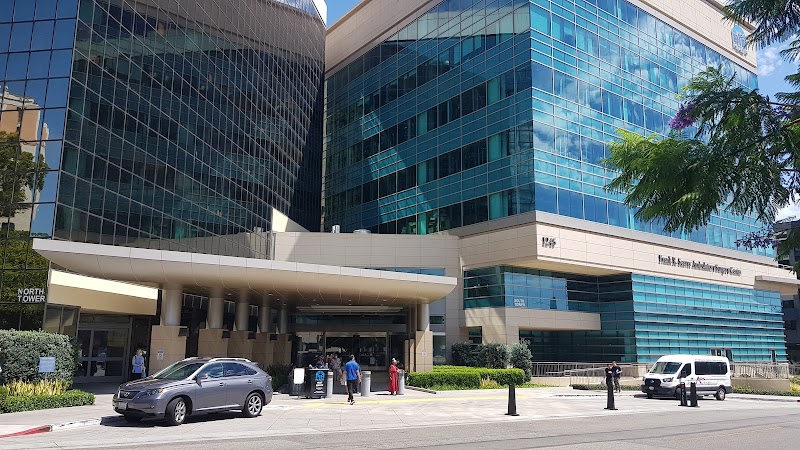
How is Pih Health Good Samaritan Hospital D/P Snf Staffed?

CMS rates PIH HEALTH GOOD SAMARITAN HOSPITAL D/P SNF's staffing level at 4 out of 5 stars, which is above average compared to other nursing homes. Staff turnover is 53%, compared to the California average of 46%. RN turnover specifically is 70%, which is notably high. RNs provide skilled clinical oversight, so turnover in this role can affect medical care quality.

What Have Inspectors Found at Pih Health Good Samaritan Hospital D/P Snf?

State health inspectors documented 24 deficiencies at PIH HEALTH GOOD SAMARITAN HOSPITAL D/P SNF during 2022 to 2025. These included: 24 with potential for harm.
Who Owns and Operates Pih Health Good Samaritan Hospital D/P Snf?

PIH HEALTH GOOD SAMARITAN HOSPITAL D/P SNF is owned by a non-profit organization. Non-profit facilities reinvest revenue into operations rather than distributing to shareholders. The facility operates independently rather than as part of a larger chain. With 28 certified beds and approximately 33 residents (about 118% occupancy), it is a smaller facility located in LOS ANGELES, California.
How Does Pih Health Good Samaritan Hospital D/P Snf Compare to Other California Nursing Homes?

Compared to the 100 nursing homes in California, PIH HEALTH GOOD SAMARITAN HOSPITAL D/P SNF's overall rating (3 stars) is below the state average of 3.1, staff turnover (53%) is near the state average of 46%, and health inspection rating (4 stars) is above the national benchmark.

What Should Families Ask When Visiting Pih Health Good Samaritan Hospital D/P Snf?

Based on this facility's data, families visiting should ask: "Can I visit during a mealtime to observe dining assistance and food quality?" "How do you handle medical emergencies, and what is your hospital transfer rate?" "Can I speak with family members of current residents about their experience?"

Is Pih Health Good Samaritan Hospital D/P Snf Safe?

Based on CMS inspection data, PIH HEALTH GOOD SAMARITAN HOSPITAL D/P SNF has a clean safety record: no substantiated abuse findings (meaning no confirmed cases of resident harm), no Immediate Jeopardy citations (the most serious violation level indicating risk of serious injury or death), and is not on the Special Focus Facility watch list (a federal program monitoring the lowest-performing 1% of nursing homes). The facility has a 3-star overall rating and ranks #100 of 100 nursing homes in California. While no facility is perfect, families should still ask about staff-to-resident ratios and recent inspection results during their visit.

Do Nurses at Pih Health Good Samaritan Hospital D/P Snf Stick Around?

PIH HEALTH GOOD SAMARITAN HOSPITAL D/P SNF has a staff turnover rate of 53%, which is 7 percentage points above the California average of 46%. Moderate turnover is common in nursing homes, but families should still ask about staff tenure and how the facility maintains care continuity when employees leave.

Was Pih Health Good Samaritan Hospital D/P Snf Ever Fined?

PIH HEALTH GOOD SAMARITAN HOSPITAL D/P SNF has no federal fines on record. CMS issues fines when nursing homes fail to meet care standards or don't correct problems found during inspections. The absence of fines suggests the facility has either maintained compliance or corrected any issues before penalties were assessed. This is a positive indicator, though families should still review recent inspection reports for the full picture.

Is Pih Health Good Samaritan Hospital D/P Snf on Any Federal Watch List?

PIH HEALTH GOOD SAMARITAN HOSPITAL D/P SNF is not on any federal watch list. The most significant is the Special Focus Facility (SFF) program, which identifies the bottom 1% of nursing homes nationally based on persistent, serious quality problems. Not being on this list means the facility has avoided the pattern of deficiencies that triggers enhanced federal oversight. This is a positive indicator, though families should still review the facility's inspection history directly.