SKYLINE HEALTHCARE CENTER - LA

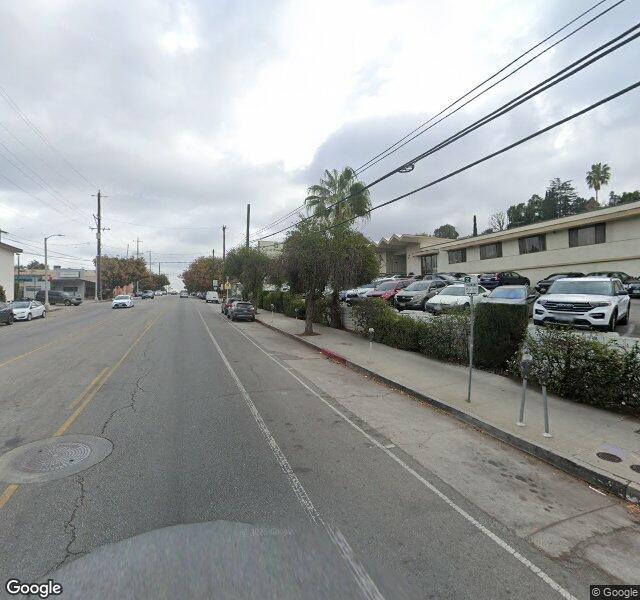
3032 ROWENA AVE, LOS ANGELES, CA 90039 (323) 665-1185
For profit - Individual 99 Beds Independent Data: November 2025 3 Immediate Jeopardy citations
Trust Grade
0/100
#1117 of 1155 in CA
Last Inspection: May 2025

Inspected within the last 6 months. Data reflects current conditions.

Overview

Skyline Healthcare Center in Los Angeles has received a Trust Grade of F, indicating significant concerns about the quality of care provided. Ranking #1117 out of 1155 nursing homes in California places it in the bottom half of facilities in the state, and even lower at #345 out of 369 in Los Angeles County, suggesting limited local alternatives. The facility's performance is worsening, with issues increasing from 46 in 2024 to 53 in 2025. While staffing is average at 3 out of 5 stars with a turnover rate of 40%, which is close to the state average, the nursing home has troubling fines totaling $316,993, higher than 99% of California facilities, indicating serious compliance problems. Additionally, there are critical incidents reported, such as a failure to safeguard prescribed medications for several residents and a lack of timely notification to a physician when a resident's health declined significantly, highlighting serious gaps in care. Families should weigh these significant weaknesses against the facility's average staffing levels when considering care options.

Trust Score
F
0/100
In California
#1117/1155
Bottom 4%
Safety Record
High Risk
Review needed
Inspections
Getting Worse
46 → 53 violations
Staff Stability
○ Average
40% turnover. Near California's 48% average. Typical for the industry.
Penalties
○ Average
$316,993 in fines. Higher than 60% of California facilities. Some compliance issues.
Skilled Nurses
⚠ Watch
Each resident gets only 16 minutes of Registered Nurse (RN) attention daily — below average for California. Fewer RN minutes means fewer trained eyes watching for problems.
Violations
⚠ Watch
126 deficiencies on record. Higher than average. Multiple issues found across inspections.
★☆☆☆☆
1.0
Overall Rating
★★★☆☆
3.0
Staff Levels
★★★★☆
4.0
Care Quality
★☆☆☆☆
1.0
Inspection Score
Stable
2024: 46 issues
2025: 53 issues

The Good

  • 4-Star Quality Measures · Strong clinical quality outcomes
  • Full Sprinkler Coverage · Fire safety systems throughout facility
  • No fines on record
  • Staff turnover below average (40%)

    8 points below California average of 48%

Facility shows strength in quality measures, fire safety.

The Bad

1-Star Overall Rating

Below California average (3.1)

Significant quality concerns identified by CMS

Staff Turnover: 40%

Near California avg (46%)

Typical for the industry

Federal Fines: $316,993

Well above median ($33,413)

Significant penalties indicating serious issues

The Ugly 126 deficiencies on record

3 life-threatening 5 actual harm
Sept 2025 5 deficiencies
CONCERN (D) 📢 Someone Reported This

A family member, employee, or ombudsman was alarmed enough to file a formal complaint

Potential for Harm - no one hurt, but risky conditions existed

Notification of Changes (Tag F0580)

Could have caused harm · This affected 1 resident

Based on interview and record review, the facility failed to inform the attending physician (MD) of one of three sampled residents (Resident 2) behavioral Change of Condition (COC) on 8/24/2025. This ...

Read full inspector narrative →
Based on interview and record review, the facility failed to inform the attending physician (MD) of one of three sampled residents (Resident 2) behavioral Change of Condition (COC) on 8/24/2025. This deficient practice had the potential to result in a delay in care. Findings:During a review of Resident 2's admission Record (AR), the AR indicated the facility admitted Resident 2 on 2/12/2025 with diagnoses including Parkinsonism (a progressive disease of the nervous system marked by tremor, muscular rigidity, and slow, imprecise movements), muscle wasting and atrophy (decrease in size or wasting away of a body part or tissue), quadriplegia (paralysis from the neck down, including legs, and arms, usually due to a spinal cord injury), and depression (a mental illness that involves a persistent low mood, a loss of interest in activities, and affects daily functions like sleep, appetite, and concentration, leading to significant problems in a person's life, work, or relationships). During a review of Resident 2's History and Physical (H&P- a comprehensive evaluation by a healthcare provider that includes two main parts: a History where the doctor asks you about your symptoms, past illnesses, family health, and lifestyle, and a Physical where the doctor examines your body by checking your vital signs and inspecting different body systems) Examination dated 2/19/2025, the H&P indicated Resident 2 had the capacity to understand and make decisions. During a review of Resident 2's Care plan (CP) created on 3/26/2025, the CP indicated Resident 2 behavior and scratched and pushed CNA using inappropriate racial comments. The CP interventions included to monitor resident behavior and notify MD if significant changes present. During a review of Resident 2's Minimum Data Set (MDS - a resident assessment tool) dated 5/19/2025, the MDS indicated Resident 2 had the ability to understand and be understood. The MDS indicated Resident 2 requires partial assistance (helper does less than half the effort) with toileting, showering, lower body dressing, and putting on and taking off footwear, and required supervision assistance (helper provides verbal cues and or touching assistance as resident completes activity) with eating, and oral hygiene. During a review of Resident 2's CP created on 8/7/2025, the CP indicated Resident 2 noted with behavioral manifested by verbally aggressive towards staff, screaming and cursing, recent episode on 8/17/2025 refusing CNA care. The CP interventions indicated to approach the residents with respect, being supportive of their issues and problems and use non-threatening body language when approaching the resident. During a review of Resident 2's Progress Notes dated 8/24/2025 at 1:36 p.m., the Progress Notes indicated Resident 2 verbalized in the morning not wanting Certified Nursing Assistant (CNA) 2. Registered Nurse (RN) 2 offered to do her morning personal care such as changing her brief. After meals Resident 2 was offered to be changed by CNA 2 but Resident 2 refused. RN 2 and CNA 2 assisted Resident 2 back in bed and changed Resident 2. Per CNA 2 and RN 2 Resident 2 became aggressive during the transfer and clawed her (Resident 2) nails into RN 2 hand, RN 2 had a skin tear on her (RN 2) forearm. During a concurrent interview and record review on 9/2/2025 at 12:18 p.m. of Resident 2's text messages with the Adm, Resident 2 stated on 8/24/2025 around 2 p.m. was afraid of RN 2 who was from registry (an independent staff who works on a temporary, as needed basis, hired by healthcare facilities or patients through a nursing agency or registry) that came in with CNA 2. Resident 2 stated did not want CNA 2 and asked for another CNA. Resident 2 stated at around 2 p.m. RN 2 and CNA 2 came into Resident 2 room and shut the door, Resident 2 stated RN 2 told Resident 2 RN 2 and CNA 2 would be changing Resident 2. Resident 2 stated she told RN 2 and CNA 2 she (Resident 2) wanted to wait for the next shift, but RN 2 told her no and then proceeded to transfer Resident 2 who was at that time sitting up in her wheelchair next to her bed back into Resident 2's bed. Resident 2 stated RN 2 grabbed Resident 2's left arm and CNA 2 grabbed Resident 2 right arm and put her (Resident 2) back into bed. Resident 2 stated she (Resident 2) was upset because RN 2 and CNA 2 did not listen to her (Resident 2) request of wanting to wait to be changed by the next shift and then Resident 2 grabbed CNA 2 by her long hair. Resident 2 stated she (Resident 2) asked for RN 2 and CNA 2 to leave her (Resident 2) alone and they (RN 2 and CNA 2) refused, Resident 2 stated she (RN 2) scratched RN 2 and CNA 2 stated RN 2 was bleeding. Resident 2 stated she did ask RN 2 and CNA 2 multiple times to stop and she (Resident 2) would wait for the next shift, but all RN 2 said was grab an arm to CNA 2. Resident 2 stated this incident was traumatizing to her (Resident 2) because she asked RN 2 and CNA 2 to stop and they did not it was physical abuse. During an interview on 9/2/2025 at 1:06 p.m. with Licensed Vocational Nurse (LVN) 2, LVN 2 stated on 8/24/2025 was working with Resident 2 from 3 p.m. to 11 p.m. LVN 2 stated Resident 2 asked LVN 2 to wipe her (Resident 2) hand because Resident 2 had a lot of blood on her (Resident 2) hand this was her (Resident 2) left hand. LVN 2 stated Resident 2 alleged she (Resident 2) had an altercation with RN 2 and CNA 2, LVN 2 stated all she (LVN 2) saw was blood under Resident 2 fingernails, no actual site of bleeding, no active bleeding. LVN 2 stated this was around 5p.m., just washed the hand, then put triple antibiotic cream under Resident 2's nails. During an interview on 9/2/2025 at 1:54 p.m. with CNA 2, CNA 2 stated worked on 8/24/2025 from 7 a.m. to 3 p.m. and was assigned Resident 2 but around 8 a.m. Resident 2 called the receptionist and asked not to have CNA 2. CNA 2 stated she was told Resident 2 was going to be reassigned but that did not occur instead RN 2 took over her care in the morning. CNA 2 stated around 2:30 p.m. was pulled aside by RN 2 and told Resident 2 needed to be changed and RN 2 would assist CNA 2. CNA 2 stated when RN 2 and CNA 2 entered Resident 2's room Resident 2, Resident 2 stated she (Resident 2) had urine running down her (Resident 2) leg, CNA 2 stated Resident 2 was in the wheelchair for about one and half hours, CNA 2 stated Resident 2 was soaked and reeked of urine. CNA 2 stated offered to change Resident 2 and Resident 2 became aggressive. CNA 2 stated she (CNA 2) and RN 2 assisted Resident 2 back into bed and then Resident 2 grabbed CNA 2 by the hair and began to pull on CNA 2's hair and hit and claw at RN 2. CNA 2 stated she was put into a situation that she did not feel comfortable with when Resident 2 refused CNA 2 Resident 2's wishes should have been respected and have been assigned to another CNA. CNA 2 stated when Resident 2 was hitting and kicking staff it was because Resident 2 was scared. During an interview on 9/2/2025 at 2:35 p.m. with Licensed Vocational Nurse (LVN) 1, LVN 1 stated on 8/24/2025 Resident 2 had an issue with CNA 2, Resident 2 did not want CNA 2 to be assigned to her (Resident 2). LVN 1 stated Resident 2 stated CNA 2 was not providing care Resident 2 needed. LVN 1 stated RN 2 stated she (RN 2) would provide the morning care for Resident 2. LVN 1 stated CNA 2 was not reassigned to another resident was still assigned to Resident 2. LVN 1 stated then CNA 2 and RN 2 went to changed Resident 2 around 2 to 2:15p.m. LVN 1 stated saw RN 2 and CNA 2, RN 2 had scratch marks like Resident 2 had dug her (Resident 2) nails into RN 2 arm and thinks CNA 2 had bruises. During an interview on 9/2/2025 at 3:19 p.m. with RN 2, RN 2 stated is not employed by the facility but a registry and worked at the facility on 8/24/2025 from 7a.m. to 3 p.m. RN 2 stated Resident 2 complained and stated she (Resident 2) was not comfortable with CNA 2. RN 2 stated she (RN 2) volunteered to care for Resident 2 this was around 9 a.m. did Resident 2's perineal care, changed her depend, and provided water. RN 2 stated around 1 p.m. went with CNA 2 to Resident 2's room and Resident 2 was upset stated did not want CNA 2. RN 2 stated explained to Resident 2 there was limited assistance and Resident then yelled at RN 2 and called RN 2 derogatory names. RN 2 stated Resident 2 was in her (Resident 2) wheelchair Resident 2 stated she was soaked in urine, RN 2 stated Resident 2 was soaked. RN 2 stated placed Resident 2 back into bed Resident was upset and wanted things done a certain way. RN 2 stated Resident grabbed CNA 2 by the hair and scratched RN 2. During an interview on 9/2/2025 at 4 p.m. with the Administrator (Adm), the Adm stated Resident 2 does have behavioral issues but scratching and drawing blood from staff is a brand-new behavior. The Adm stated because this is a new behavior a COC should have been created for Resident 2's behavior. The Adm stated a COC is to monitor the residents for the COC. The MD must be notified to get new orders. The Adm stated the MD was not notified of Resident 2's COC. The Adm stated there is a potential for a delay of care because no COC was done to address the resident's behavioral change. During a review of the facility's Policy and Procedures (P&P) titled, Change in Condition Notification, last reviewed on 4/4/2025, the P&P indicated the facility will promptly inform the resident, consult with the resident's Physician and notify the resident's legal representative or an interested family member, if known, when the resident endures a significant change in their condition cause by, but not limited to:b. A significant change in the residents' physical, mental or psychosocial statusII. Change of Condition related to Physician notification is defined as when the Physician must be notified when any sudden and marked adverse change in the resident's condition which is manifested by signs and symptoms different than usual denotes a new problem, complication or permanent change in status and requires medical assessment, coordination and consultation with a Physician and a change in treatment plan.
CONCERN (D) 📢 Someone Reported This

A family member, employee, or ombudsman was alarmed enough to file a formal complaint

Potential for Harm - no one hurt, but risky conditions existed

Abuse Prevention Policies (Tag F0607)

Could have caused harm · This affected 1 resident

Based on interview and record review, the facility failed to implement its policy and procedure (P&P) titled, Abuse, Reporting and Investigations, for one of three sampled residents (Resident 2) when ...

Read full inspector narrative →
Based on interview and record review, the facility failed to implement its policy and procedure (P&P) titled, Abuse, Reporting and Investigations, for one of three sampled residents (Resident 2) when on 8/24/2025 Resident 2 reported to the Administrator (Adm) that staff started fighting with me (Resident 2) physically (deliberately aggressive or violent behavior with the intention to cause harm by one resident towards another) was investigated for events that may constitute abuse. This deficient practice resulted in a delayed investigation of an alleged abuse and had the potential to place Resident 2 at risk for further abuse and psychosocial harm. Findings: During a review of Resident 2's admission Record (AR), the AR indicated the facility admitted Resident 2 on 2/12/2025 with diagnoses including Parkinsonism (a progressive disease of the nervous system marked by tremor, muscular rigidity, and slow, imprecise movements), muscle wasting and atrophy (decrease in size or wasting away of a body part or tissue), quadriplegia (paralysis from the neck down, including legs, and arms, usually due to a spinal cord injury), and depression (a mental illness that involves a persistent low mood, a loss of interest in activities, and affects daily functions like sleep, appetite, and concentration, leading to significant problems in a person's life, work, or relationships). During a review of Resident 2's History and Physical (H&P- a comprehensive evaluation by a healthcare provider that includes two main parts: a History where the doctor asks you about your symptoms, past illnesses, family health, and lifestyle, and a Physical where the doctor examines your body by checking your vital signs and inspecting different body systems) Examination dated 2/19/2025, the H&P indicated Resident 2 had the capacity to understand and make decisions. During a review of Resident 2's Minimum Data Set (MDS - a resident assessment tool) dated 5/19/2025, the MDS indicated Resident 2 had the ability to understand and be understood. The MDS indicated Resident 2 requires partial assistance (helper does less than half the effort) with toileting, showering, lower body dressing, and putting on and taking off footwear, and required supervision assistance (helper provides verbal cues and or touching assistance as resident completes activity) with eating, and oral hygiene. During a review of Resident 2's Progress Notes dated 8/24/2025 at 1:36 p.m., the Progress Notes indicated Resident 2 verbalized in the morning not wanting Certified Nursing Assistant (CNA) 2. Registered Nurse (RN) 2 offered to do her morning personal care such as changing her brief. After meals Resident 2 was offered to be changed by CNA 2 but Resident 2 refused. RN 2 and CNA 2 assisted Resident 2 back into bed and changed Resident 2. Per CNA 2 and RN 2, Resident 2 became aggressive during the transfer and clawed her (Resident 2) nails into RN 2's hand. RN 2 had a skin tear on her (RN 2) forearm. During a concurrent interview and record review on 9/2/2025 at 12:18 p.m. of Resident 2's text messages with the Adm, Resident 2 stated on 8/24/2025 around 2 p.m. she was afraid of RN 2 who was from the registry (an independent staff who works on a temporary, as needed basis, hired by healthcare facilities or patients through a nursing agency or registry) that came in with CNA 2. Resident 2 stated she did not want CNA 2 and asked for another CNA. Resident 2 stated at around 2 p.m. RN 2 and CNA 2 came into Resident 2 room and shut the door, Resident 2 stated RN 2 told Resident 2 RN 2 and CNA 2 would be changing Resident 2. Resident 2 stated she told RN 2 and CNA 2 she (Resident 2) wanted to wait for the next shift but RN 2 told her no and then proceeded to transfer Resident 2 who was at that time sitting up in her wheelchair next to her bed back into Resident 2's bed. Resident 2 stated RN 2 grabbed Resident 2's left arm and CNA 2 grabbed Resident 2's right arm and put her (Resident 2) back into bed. Resident 2 stated she (Resident 2) was upset because RN 2 and CNA 2 did not listen to her (Resident 2) request of wanting to wait to be changed by the next shift and then Resident 2 grabbed CNA 2 by her long hair. Resident 2 stated she (Resident 2) asked for RN 2 and CNA 2 to leave her (Resident 2) alone and they (RN 2 and CNA 2) refused. Resident 2 stated she did ask RN 2 and CNA 2 multiple times to stop and she (Resident 2) would wait for the next shift, but all RN 2 said was grab an arm to CNA 2. Resident 2 stated this incident was traumatizing to her because she asked RN 2 and CNA 2 to stop and they did not it, was physical abuse. Resident 2 stated she contacted the Adm via text to inform the Adm of the incident. Resident 2 reviewed text messages to the Adm and stated text was sent on 8/24/2025 at 2:02 p.m. and based on text the incident occurred around 1:30 p.m., Resident 2 stated she (Resident 2) told Adm she had told RN 2 and CNA 2 that she would wait for the next shift to change me (Resident 2) but they (RN 2 and CNA 2) started fighting with me physically. Resident 2 stated what I meant by RN 2 and CNA 2 physically fighting is that they were grabbing me against my will. It was abuse. Resident 2 stated the only response I (Resident 2) received from the Adm was if I had reported it to the charge nurse. Resident 2 stated she told the Adm she (Resident 2) did report the incident to the oncoming nurse Licensed Vocational Nurse (LVN) 2, and nothing else was said by the Adm. Resident 2 stated on 8/25/2025 at 7:38 a.m. She (Resident 2) asked the Adm via text that she wanted to file a police report, Resident 2 stated once again no response from the Adm. During an interview on 9/2/2025 at 1:06 p.m. with LVN 2, LVN 2 stated worked on 8/24/2025 and worked a sixteen (16) hour shift that day from 7 a.m. to 11 p.m. and was Resident 2's nurse for the 3 p.m. to 11 p.m. shift. LVN 2 stated was informed by the morning nurse, LVN 1 that a progress note had been made regarding RN 2 stating Resident 2 had harassed or abused RN 2. LVN 2 stated around 5 p.m. she (LVN 2) spoke to Resident 2 and Resident 2 stated she (Resident 2) did not want to be too specific and talk about the incident because it was too traumatic for Resident 2. LVN 2 stated Resident 2 alleged she (Resident 2) had an altercation with RN 2 and CNA 2. LVN 2 stated an altercation is a resident to resident and or resident to staff fight this could be verbal or physical. LVN 2 stated as far as she was aware there was no reporting of the alleged altercation. LVN 2 stated the policy is that the abuse coordinator who is the Adm must be notified of any alleged abuse within two (2) hours. LVN 2 stated this would be considered abuse because Resident 2 verbally stated that she (Resident 2) was abused by RN 2 and CNA 2. LVN 2 stated the abuse was not reported within two (2) hours, because LVN 1 only did a behavioral note. LVN 2 stated abuse must be reported to the ombudsmen, Adm, SSA, and police and if it is not reported it will be neglect. LVN 2 stated it can also be a concern for abuse to continue to happen, because if not reported the resident can feel like we are not doing anything and not trust us. During an interview on 9/2/2025 at 1:54 p.m. with CNA 2, CNA 2 stated CNA 2 worked on 8/24/2025 from 7 a.m. to 3 p.m. and was assigned Resident 2 but around 8 a.m. Resident 2 called the receptionist and asked not to have CNA 2. CNA 2 stated she was told Resident 2 was going to be reassigned but that did not occur instead RN 2 took over her care in the morning. CNA 2 stated around 2:30 p.m. CNA 2 was pulled aside by RN 2 and told Resident 2 needed to be changed and RN 2 would assist CNA 2. CNA 2 stated when RN 2 and CNA 2 entered Resident 2's room Resident 2 stated she (Resident 2) had urine running down her (Resident 2) leg. CNA 2 stated Resident 2 was in the wheelchair for about one and half hours. CNA 2 stated Resident 2 was soaked and reeked of urine. CNA 2 stated CNA 2 offered to change Resident 2 and Resident 2 became aggressive. CNA 2 stated she (CNA 2) and RN 2 assisted Resident 2 back into bed and then Resident 2 grabbed CNA 2 by the hair and began to pull on CNA 2's hair and hit and claw at RN 2. CNA 2 stated she was put into a situation that she did not feel comfortable when Resident 2 refused. CNA 2 stated Resident 2's wishes should have been respected and have been assigned to another CNA. CNA 2 stated Resident 2 never refused the care. All Resident 2 stated was I have Parkinson's. I have urine running down my leg. CNA 2 stated this was not an answer and we decided to change Resident 2 because she was soaked in urine. CNA 2 stated when Resident 2 was hitting and kicking staff it was because Resident 2 was scared. CNA 2 stated CNA 2 has not been suspended, was only talked to about the situation, and has not worked with Resident 2 since then. During an interview on 9/2/2025 at 3:19 p.m. with RN 2, RN 2 stated RN 2 is not employed by the facility but a registry and worked at the facility on 8/24/2025 from 7a.m. to 3 p.m. RN 2 stated Resident 2 complained and stated she (Resident 2) was not comfortable with CNA 2. RN 2 stated she (RN 2) volunteered to care for Resident 2 around 9 a.m. RN 2 provided Resident 2's perineal care, changed her depend, and provided water. RN 2 stated around 1 p.m. RN 2 went with CNA 2 to Resident 2's room and Resident 2 was upset and did not want CNA 2. RN 2 explained to Resident 2 there was limited assistance and Resident 2 then yelled at RN 2 and called RN 2 derogatory names. RN 2 stated Resident 2 was in her (Resident 2) wheelchair and was soaked in urine. RN 2 stated Resident 2 was soaked. RN 2 stated Resident 2 was placed back into bed and was upset and wanted things done a certain way. RN 2 stated Resident 2 grabbed CNA 2 by the hair and scratched RN 2. During an interview on 9/2/2025 at 3:33 p.m. with the Director of Staff Development (DSD) the DSD stated spoke to Resident 2 on 8/28/2025 and Resident 2 stated RN 2 and CNA 2 had scratched her (Resident 2). The DSD stated when a resident alleges, they have been scratched that would be considered abuse, this would have been considered physical abuse. The DSD stated not sure if we did anything. The Adm knew about this incident as of 8/24/2025 and was told by RN 2. The DSD stated any type of abuse must be reported within two (2) hours to the three (3) agencies ombudsmen (OMB), police and SSA. The DSD stated the DSD would have to check with Adm not sure if it was reported. The DSD stated CNA 2 has no disciplinary action, only a one-to-one in-service for customer services regarding Resident 2. Resident 2 stated CNA 2 response was not good. The DSD stated CNA 2 has not been suspended. During a concurrent interview and record review of Resident 2's text messages with the Adm on 9/2/2025 at 4 p.m. with the Adm, the Adm stated he (Adm) is the abuse coordinator. The Adm reviewed text between Resident 2 and Adm, the Adm stated on 8/24/2025 Resident 2 alleged staff (RN 2 and CNA 2) started fighting physical. The Adm stated abuse would be any physical, verbal, wrongdoing against someone. The Adm stated Adm would consider this abuse. The Adm stated Adm should have told the nurse at that time to report to OMB, SSA, police and start the investigation. The Adm stated Adm did not do any investigation for Resident 2's allegation of abuse. The Adm stated the potential for not investigating can be a resident continues to be at risk for further abuse. During a review of the facility's P&P titled, Abuse, Reporting and Investigations, last reviewed on 4/4/2025, the P&P indicated allegation of abuse, neglect, mistreatment, exploitation, or reasonable suspicion of a crime are to be reported to the Administrator or designated representative immediately.ii. If the suspected perpetrator is an employee, remove the employee immediately from the care of the resident and immediately suspend the employee pending the outcome of the investigation in accordance with the facility policies.3. Notification of Outside Agencies for all other Cases of Abuse.a. The Adm or designated representative will notify law enforcement by telephone immediately, or as soon as practicable possible, but no longer than (2) hours of the initial report.b. The Adm or designated representative will send a written SOC341 report to the OMB and Law Enforcement and CDPH Licensing and Certification within (24) hours.8. Suspension of Employeesa. Employees of this facility who have been accused of resident abuse or a crime will be suspended from duty until the results of the investigation have been reviewed by the Adm.9. Informing Resident of Result of Investigation and Corrective Actiona. The Adm will inform the resident and his or her representative of the results of the investigation and the corrective action taken within five (5) working days of the reported incident.10. Providing State Survey Agency and Other Agencies of the Resulta. The Adm will provide a written report of the result of all abuse investigations and appropriate action taken, to California Department of Public Health Licensing and Certification and others that may be required by state or local law, within five (5) working days of the reported allegation.
CONCERN (D) 📢 Someone Reported This

A family member, employee, or ombudsman was alarmed enough to file a formal complaint

Potential for Harm - no one hurt, but risky conditions existed

Report Alleged Abuse (Tag F0609)

Could have caused harm · This affected 1 resident

Based on interview and record review, the facility failed to implement its policy and procedure (P&P) titled, Abuse, Reporting and Investigations, by failing to report an allegation of physical abuse ...

Read full inspector narrative →
Based on interview and record review, the facility failed to implement its policy and procedure (P&P) titled, Abuse, Reporting and Investigations, by failing to report an allegation of physical abuse (deliberately aggressive or violent behavior with the intention to cause harm by one resident towards another) to the State Survey Agency (SSA) no later than two hours for one of three sampled residents (Resident 2) when on 8/24/2025 Resident 2 reported to the Administrator (Adm) that staff started fighting with me (Resident 2) physically. This deficient practice had potential to result in unidentified abuse and placed Resident 2 at risk for further abuse. Findings: During a review of Resident 2's admission Record (AR), the AR indicated the facility admitted Resident 2 on 2/12/2025 with diagnoses including Parkinsonism (a progressive disease of the nervous system marked by tremor, muscular rigidity, and slow, imprecise movements), muscle wasting and atrophy (decrease in size or wasting away of a body part or tissue), quadriplegia (paralysis from the neck down, including legs, and arms, usually due to a spinal cord injury), and depression (a mental illness that involves a persistent low mood, a loss of interest in activities, and affects daily functions like sleep, appetite, and concentration, leading to significant problems in a person's life, work, or relationships). During a review of Resident 2's History and Physical Examination dated 2/19/2025, the H&P indicated Resident 2 had the capacity to understand and make decisions. During a review of Resident 2's Minimum Data Set (MDS - a resident assessment tool) dated 5/19/2025, the MDS indicated Resident 2 had the ability to understand and be understood. The MDS indicated Resident 2 requires partial assistance (helper does less than half the effort) with toileting, showering, lower body dressing, and putting on and taking off footwear, and required supervision assistance (helper provides verbal cues and touching assistance as resident completes activity) with eating, and oral hygiene. During a review of Resident 2's Progress Notes dated 8/24/2025 at 1:36 p.m., the Progress Notes indicated Resident 2 verbalized in the morning not wanting Certified Nursing Assistant (CNA) 2. Registered Nurse (RN) 2 offered to do her morning personal care such as changing her brief. After meals Resident 2 was offered to be changed by CNA 2 but Resident 2 refused. RN 2 and CNA 2 assisted Resident 2 back into bed and changed Resident 2. Per CNA 2 and RN 2 Resident 2 became aggressive during the transfer and clawed her (Resident 2) nails into RN 2's hand, RN 2 had a skin tear on her (RN 2) forearm. During a concurrent interview and record review on 9/2/2025 at 12:18 p.m. of Resident 2's text messages with the Adm, Resident 2 stated on 8/24/2025 around 2 p.m. Resident 2 was afraid of RN 2 who was from registry (an independent staff who works on a temporary, as needed basis, hired by healthcare facilities or patients through a nursing agency or registry) that came in with CNA 2. Resident 2 stated did not want CNA 2 and asked for another CNA. Resident 2 stated at around 2 p.m. RN 2 and CNA 2 came into Resident 2 room and shut the door, Resident 2 stated RN 2 told Resident 2 RN 2 and CNA 2 would be changing Resident 2. Resident 2 stated she told RN 2 and CNA 2 she (Resident 2) wanted to wait for the next shift, but RN 2 told her no and then proceeded to transfer Resident 2 who was at that time sitting up in her wheelchair next to her bed back into Resident 2's bed. Resident 2 stated RN 2 grabbed Resident 2's left arm and CNA 2 grabbed Resident 2 right arm and put her (Resident 2) back into bed. Resident 2 stated she (Resident 2) was upset because RN 2 and CNA 2 did not listen to her (Resident 2) request of wanting to wait to be changed by the next shift and then Resident 2 grabbed CNA 2 by her long hair. Resident 2 stated she (Resident 2) asked for RN 2 and CNA 2 to leave her (Resident 2) alone and they (RN 2 and CNA 2) refused. Resident 2 stated she did ask RN 2 and CNA 2 multiple times to stop, and she (Resident 2) would wait for the next shift, but all RN 2 said was grab an arm to CNA 2. Resident 2 stated this incident was traumatizing to her (Resident 2) because she asked RN 2 and CNA 2 to stop and they did not it was physical abuse. Resident 2 stated she (Resident 2) contacted the Adm via text to inform Adm of the incident. Resident 2 reviewed text messages to Adm and stated text was sent on 8/24/2025 at 2:02 p.m. and based on text the incident occurred around 1:30 p.m., Resident 2 stated she (Resident 2) told Adm she had told RN 2 and CNA 2 that she would wait for the next shift to change me (Resident 2) but they (RN 2 and CNA 2) started fighting with me physically. Resident 2 stated what I (Resident 2) meant by RN 2 and CNA 2 physically fighting is that they were grabbing me against my will it was abuse. Resident 2 stated the only response I (Resident 2) received from the Adm was if I had reported it to the charge nurse. Resident 2 stated told Adm she (Resident 2) reported the incident to the oncoming nurse Licensed Vocational Nurse (LVN) 2, and nothing else was said by the Adm. Resident 2 stated on 8/25/2025 at 7:38 a.m. she (Resident 2) asked the Adm via text that she wanted to file a police report, Resident 2 stated once again no response from the Adm. During an interview on 9/2/2025 at 1:06 p.m. with LVN 2, LVN 2 stated LVN 2 worked on 8/24/2025 and worked a sixteen (16) hour shift that day from 7 a.m. to 11 p.m. and was Resident 2's nurse for the 3 p.m. to 11 p.m. shift. LVN 2 stated was informed by LVN 1, the morning nurse, that a progress note had been made regarding RN 2 stating Resident 2 had harassed or abused RN 2. LVN 2 stated around 5 p.m. she (LVN 2) spoke to Resident 2 and Resident 2 stated she (Resident 2) did not want to be too specific and talk about the incident because it was too traumatic for Resident 2. LVN 2 stated Resident 2 alleged she (Resident 2) had an altercation with RN 2 and CNA 2. LVN 2 stated an altercation is a resident to resident and or resident to staff fight this could be verbal or physical. LVN 2 stated as far as she was aware there was no reporting of the alleged altercation. LVN 2 stated the policy is that the abuse coordinator who is the Adm must be notified of any alleged abuse within two (2) hours. LVN 2 stated this would be considered abuse because Resident 2 verbally stated that she (Resident 2) was abused by RN 2 and CNA 2. LVN 2 stated the abuse was not reported within two (2) hours, because LVN 1 only did a behavioral note. LVN 2 stated abuse must be reported to the ombudsmen, Adm, SSA, and police and if it is not reported it will be neglect. LVN 2 stated it can also be a concern for abuse to continue to happen, because if not reported the resident can feel like we are not doing anything and not trust us. During an interview on 9/2/2025 at 1:54 p.m. with CNA 2, CNA 2 stated worked on 8/24/2025 from 7 a.m. to 3 p.m. and was assigned Resident 2 but around 8 a.m. Resident 2 called the receptionist and asked not to have CNA 2. CNA 2 stated she was told Resident 2 was going to be reassigned but that did not occur instead RN 2 took over her care in the morning. CNA 2 stated around 2:30 p.m. was pulled aside by RN 2 and told Resident 2 needed to be changed and RN 2 would assist CNA 2. CNA 2 stated when RN 2 and CNA 2 entered Resident 2's room Resident 2, Resident 2 stated she (Resident 2) had urine running down her (Resident 2) leg, CNA 2 stated Resident 2 was in the wheelchair for about one and half hours, CNA 2 stated Resident 2 was soaked and reeked of urine. CNA 2 stated offered to change Resident 2 and Resident 2 became aggressive. CNA 2 stated she (CNA 2) and RN 2 assisted Resident 2 back into bed and then Resident 2 grabbed CNA 2 by the hair and began to pull on CNA 2's hair and hit and claw at RN 2. CNA 2 stated she was put into a situation that she did not feel comfortable with when Resident 2 refused CNA 2 Resident 2's wishes should have been respected and have been assigned to another CNA. CNA 2 stated Resident 2 never refused the care, all Resident 2 stated was I have Parkinson's, I have urine running down my leg, CNA 2 stated this was not an answer and we decided to change Resident 2 because she was soaked in urine. CNA 2 stated when Resident 2 was hitting and kicking staff it was because Resident 2 was scared. CNA 2 stated has not been suspended was only talked to about the situation, has not worked with Resident 2 since then. During an interview on 9/2/2025 at 3:19 p.m. with RN 2, RN 2 stated is not employed by the facility but a registry and worked at the facility on 8/24/2025 from 7a.m. to 3 p.m. RN 2 stated Resident 2 complained and stated she (Resident 2) was not comfortable with CNA 2. RN 2 stated she (RN 2) volunteered to care for Resident 2 this was around 9 a.m. did Resident 2's perineal care, changed her depend, and provided water. RN 2 stated around 1 p.m. went with CNA 2 to Resident 2's room and Resident 2 was upset stated did not want CNA 2 RN 2 stated explained to Resident 2 there was limited assistance and Resident then yelled at RN 2 and called RN 2 derogatory names. RN 2 stated Resident 2 was in her (Resident 2) wheelchair Resident 2 stated she was soaked in urine, RN 2 stated Resident 2 was soaked. RN 2 stated placed Resident 2 back into bed Resident was upset and wanted things done a certain way. RN 2 stated Resident grabbed CNA 2 by the hair and scratched RN 2. During an interview on 9/2/2025 at 3:33 p.m. with the Director of Staff Development (DSD) the DSD stated spoke to Resident 2 on 8/28/2025 and Resident 2 stated RN 2 and CNA 2 had scratched her (Resident 2). The DSD stated when a resident alleges, they have been scratched that would be considered abuse, this would have been a physical abuse. The DSD stated not sure if we did anything the Adm knew about this incident as of 8/24/2025 was told by RN 2. The DSD stated any type of abuse must be reported within two (2) hours to the three (3) agencies ombudsmen (OMB), police and SSA. The DSD stated would have to check with Adm not sure if it was reported. The DSD stated CNA 2 has no disciplinary action, only a one-to-one in-service for customer services regarding Resident 2, Resident 2 stated CNA 2 response was not good, the DSD stated CNA 2 has not been suspended. During a concurrent interview and record review of Resident 2's text messages with the Adm on 9/2/2025 at 4 p.m. with the Adm, the Adm stated he (Adm) is the abuse coordinator. The Adm reviewed text between Resident 2 and Adm, the Adm stated on 8/24/2025 Resident 2 alleged staff (RN 2 and CNA 2) started fighting physical. The Adm stated abuse would be any physical, verbal, or wrongdoing against someone. The Adm stated I (Adm) would consider this abuse, the Adm stated I (Adm) should have told the nurse at that time to report to OMB, SSA, police and start the investigation. The Adm stated potential for delayed reporting can be that the resident continues to be at risk for further abuse. During a review of the facility's P&P titled, Abuse, Reporting and Investigations, last reviewed on 4/4/2025, the P&P indicated allegation of abuse, neglect, mistreatment, exploitation, or reasonable suspicion of a crime are to be reported to the Administrator or designated representative immediately. ii. If the suspected perpetrator is an employee, remove the employee immediately from the care of the resident and immediately suspend the employee pending the outcome of the investigation in accordance with the facility policies. 3. Notification of Outside Agencies for all other Cases of Abuse. a. The Adm or designated representative will notify law enforcement by telephone immediately, or as soon as practicable possible, but no longer than (2) hours of the initial report. b. The Adm or designated representative will send a written SOC341 report to the OMB and Law Enforcement and CDPH Licensing and Certification within (24) hours. 8. Suspension of Employees a. Employees of this facility who have been accused of resident abuse or a crime will be suspended from duty until the results of the investigation have been reviewed by the Adm. 9. Informing Resident of Result of Investigation and Corrective Action a. The Adm will inform the resident and his or her representative of the results of the investigation and the corrective action taken within five (5) working days of the reported incident. 10. Providing State Survey Agency and Other Agencies of the Result a. The Adm will provide a written report of the results of all abuse investigations and appropriate action taken, to the California Department of Public Health Licensing and Certification and others that may be required by state or local law, within five (5) working days of the reported allegation.
CONCERN (D) 📢 Someone Reported This

A family member, employee, or ombudsman was alarmed enough to file a formal complaint

Potential for Harm - no one hurt, but risky conditions existed

Investigate Abuse (Tag F0610)

Could have caused harm · This affected 1 resident

Based on interview and record review, the facility failed to ensure a thorough investigation was completed following an allegation of physical abuse (deliberately aggressive or violent behavior with t...

Read full inspector narrative →
Based on interview and record review, the facility failed to ensure a thorough investigation was completed following an allegation of physical abuse (deliberately aggressive or violent behavior with the intention to cause harm by one resident towards another) for one of three sampled residents (Resident 2) when on 8/24/2025 Resident 2 reported to the Administrator (Adm) that staff started fighting with me (Resident 2) physically. This deficient practice had the potential to place Resident 2 at risk for further abuse. Findings: During a review of Resident 2's admission Record (AR), the AR indicated the facility admitted Resident 2 on 2/12/2025 with diagnoses including Parkinsonism (a progressive disease of the nervous system marked by tremor, muscular rigidity, and slow, imprecise movements), muscle wasting and atrophy (decrease in size or wasting away of a body part or tissue), quadriplegia (paralysis from the neck down, including legs, and arms, usually due to a spinal cord injury), and depression (a mental illness that involves a persistent low mood, a loss of interest in activities, and affects daily functions like sleep, appetite, and concentration, leading to significant problems in a person's life, work, or relationships). During a review of Resident 2's History and Physical (H&P- a comprehensive evaluation by a healthcare provider that includes two main parts: a History where the doctor asks you about your symptoms, past illnesses, family health, and lifestyle, and a Physical where the doctor examines your body by checking your vital signs and inspecting different body systems) Examination dated 2/19/2025, the H&P indicated Resident 2 had the capacity to understand and make decisions. During a review of Resident 2's Minimum Data Set (MDS - a resident assessment tool) dated 5/19/2025, the MDS indicated Resident 2 had the ability to understand and be understood. The MDS indicated Resident 2 requires partial assistance (helper does less than half the effort) with toileting, showering, lower body dressing, and putting on and taking off footwear, and required supervision assistance (helper provides verbal cues and touching assistance as resident completes activity) with eating, and oral hygiene. During a review of Resident 2's Progress Notes dated 8/24/2025 at 1:36 p.m., the Progress Notes indicated Resident 2 verbalized in the morning not wanting Certified Nursing Assistant (CNA) 2. Registered Nurse (RN) 2 offered to do her morning personal care such as changing her brief. After meals Resident 2 was offered to be changed by CNA 2 but Resident 2 refused. RN 2 and CNA 2 assisted Resident 2 back in bed and changed Resident 2. Per CNA 2 and RN 2 Resident 2 became aggressive during the transfer and clawed her (Resident 2) nails into RN 2 hand, RN 2 had a skin tear on her (RN 2) forearm. During a concurrent interview and record review on 9/2/2025 at 12:18 p.m. of Resident 2's text messages with the Adm, Resident 2 stated on 8/24/2025 around 2 p.m. was afraid of RN 2 who was from registry (an independent staff who works on a temporary, as needed basis, hired by healthcare facilities or patients through a nursing agency or registry) that came in with CNA 2. Resident 2 stated did not want CNA 2 and asked for another CNA. Resident 2 stated at around 2 p.m. RN 2 and CNA 2 came into Resident 2 room and shut the door, Resident 2 stated RN 2 told Resident 2 RN 2 and CNA 2 would be changing Resident 2. Resident 2 stated she told RN 2 and CNA 2 she (Resident 2) wanted to wait for the next shift but RN 2 told her no and then proceeded to transfer Resident 2 who was at that time sitting up in her wheelchair next to her bed back into Resident 2's bed. Resident 2 stated RN 2 grabbed Resident 2's left arm and CNA 2 grabbed Resident 2 right arm and put her (Resident 2) back into bed. Resident 2 stated she (Resident 2) was upset because RN 2 and CNA 2 did not listen to her (Resident 2) request of wanting to wait to be changed by the next shift and then Resident 2 grabbed CNA 2 by her long hair. Resident 2 stated she (Resident 2) asked for RN 2 and CNA 2 to leave her (Resident 2) alone and they (RN 2 and CNA 2) refused. Resident 2 stated she did ask RN 2 and CNA 2 multiple times to stop, and she (Resident 2) would wait for the next shift, but all RN 2 said was grab an arm to CNA 2. Resident 2 stated this incident was traumatizing to her (Resident 2) because she asked RN 2 and CNA 2 to stop and they did not it was physical abuse. Resident 2 stated she (Resident 2) contacted the Adm via text to inform Adm of the incident. Resident 2 reviewed text messages to Adm and stated text was sent on 8/24/2025 at 2:02 p.m. and based on text the incident occurred around 1:30 p.m., Resident 2 stated she (Resident 2) told Adm she had told RN 2 and CNA 2 that she would wait for the next shift to change me (Resident 2) but they (RN 2 and CNA 2) started fighting with me physically. Resident 2 stated what I (Resident 2) meant by RN 2 and CNA 2 physically fighting is that they were grabbing me against my will it was abuse. Resident 2 stated the only response I (Resident 2) received from the Adm was if I had reported it to the charge nurse. Resident 2 stated, told Adm she (Resident 2) reported the incident to the oncoming nurse Licensed Vocational Nurse (LVN) 2, and nothing else was said by the Adm. Resident 2 stated on 8/25/2025 at 7:38 a.m. she (Resident 2) asked the Adm via text that she wanted to file a police report, Resident 2 stated once again no response from the Adm. During an interview on 9/2/2025 at 1:06 p.m. with LVN 2, LVN 2 stated worked on 8/24/2025 and worked a sixteen (16) hour shift that day from 7 a.m. to 11 p.m. and was Resident 2's nurse for the 3 p.m. to 11 p.m. shift. LVN 2 stated was informed by the morning nurse, LVN 1 that a progress note had been made regarding RN 2 stating Resident 2 had harassed or abused RN 2. LVN 2 stated around 5 p.m. she (LVN 2) spoke to Resident 2 and Resident 2 stated she (Resident 2) did not want to be too specific and talk about the incident because it was too traumatic for Resident 2. LVN 2 stated Resident 2 alleged she (Resident 2) had an altercation with RN 2 and CNA 2. LVN 2 stated an altercation is a resident to resident and or resident to staff fight this could be verbal or physical. LVN 2 stated as far as she was aware no reporting of the alleged altercation. LVN 2 stated the policy is that the abuse coordinator who is the Adm must be notified of any alleged abuse within two (2) hours. LVN 2 stated this would be considered abuse because Resident 2 verbally stated that she (Resident 2) was abused by RN 2 and CNA 2, LVN 2 stated the abuse was not reported within two (2) hours, because LVN 1 only did a behavioral note. LVN 2 stated abuse must be reported to the ombudsmen, Adm, SSA, and police and if it is not reported it will be neglect. LVN 2 stated can also be a concern for abuse to continue to happen, because if not reported the resident can feel like we are not doing anything and not trust us. During an interview on 9/2/2025 at 1:54 p.m. with CNA 2, CNA 2 stated worked on 8/24/2025 from 7 a.m. to 3 p.m. and was assigned Resident 2 but around 8 a.m. Resident 2 called the receptionist and asked not to have CNA 2. CNA 2 stated she was told Resident 2 was going to be reassigned but that did not occur instead RN 2 took over her care in the morning. CNA 2 stated around 2:30 p.m. was pulled aside by RN 2 and told Resident 2 needed to be changed and RN 2 would assist CNA 2. CNA 2 stated when RN 2 and CNA 2 entered Resident 2's room Resident 2, Resident 2 stated she (Resident 2) had urine running down her (Resident 2) leg, CNA 2 stated Resident 2 was in the wheelchair for about one and half hours, CNA 2 stated Resident 2 was soaked and reeked of urine. CNA 2 stated offered to change Resident 2 and Resident 2 became aggressive. CNA 2 stated she (CNA 2) and RN 2 assisted Resident 2 back into bed and then Resident 2 grabbed CNA 2 by the hair and began to pull on CNA 2's hair and hit and claw at RN 2. CNA 2 stated she was put into a situation that she did not feel comfortable with when Resident 2 refused CNA 2 Resident 2's wishes should have been respected and have been assigned to another CNA. CNA 2 stated Resident 2 never refused the care, all Resident 2 stated was I have Parkinson's, I have urine running down my leg, CNA 2 stated this was not an answer and we decided to change Resident 2 because she was soaked in urine. CNA 2 stated when Resident 2 was hitting and kicking staff it was because Resident 2 was scared. CNA 2 stated has not been suspended was only talked to about the situation, has not worked with Resident 2 since then. During an interview on 9/2/2025 at 3:19 p.m. with RN 2, RN 2 stated is not employed by the facility but a registry and worked at the facility on 8/24/2025 from 7a.m. to 3 p.m. RN 2 stated Resident 2 complained and stated she (Resident 2) was not comfortable with CNA 2. RN 2 stated she (RN 2) volunteered to care for Resident 2 this was around 9 a.m. did Resident 2's perineal care, changed her depend, and provided water. RN 2 stated around 1 p.m. went with CNA 2 to Resident 2's room and Resident 2 was upset stated did not want CNA 2 RN 2 stated explained to Resident 2 there was limited assistance and Resident then yelled at RN 2 and called RN 2 derogatory names. RN 2 stated Resident 2 was in her (Resident 2) wheelchair. Resident 2 stated she was soaked in urine. RN 2 stated Resident 2 was soaked. RN 2 stated when placed Resident 2 back into bed Resident was upset and wanted things done a certain way. RN 2 stated Resident grabbed CNA 2 by the hair and scratched RN 2. During an interview on 9/2/2025 at 3:33 p.m. with the Director of Staff Development (DSD) the DSD stated spoke to Resident 2 on 8/28/2025 and Resident 2 stated RN 2 and CNA 2 had scratched her (Resident 2). The DSD stated when a resident alleges, they have been scratched that would be considered abuse, this would have been a physical abuse. The DSD stated not sure if we did anything the Adm knew about this incident as of 8/24/2025 was told by RN 2. The DSD stated any type of abuse must be reported within two (2) hours to the three (3) agencies ombudsmen (OMB), police and SSA. The DSD stated would have to check with Adm not sure if it was reported.During a concurrent interview and record review of Resident 2's text messages with the Adm on 9/2/2025 at 4 p.m. with the Adm, the Adm stated he (Adm) is the abuse coordinator. The Adm reviewed text between Resident 2 and Adm, the Adm stated on 8/24/2025 Resident 2 alleged staff (RN 2 and CNA 2) started fighting physical. The Adm stated abuse would be any physical, verbal, or wrongdoing against someone. The Adm stated I (Adm) would consider this abuse, the Adm stated I (Adm) should have told the nurse at that time to report to OMB, SSA, police and start the investigation. The Adm stated did not do any investigation for Resident 2 allegation of abuse. The Adm stated potential for not investigating can be a resident continues to be at risk for further abuse. During a review of the facility's P&P titled, Abuse, Reporting and Investigations, last reviewed on 4/4/2025, the P&P indicated allegation of abuse, neglect, mistreatment, exploitation, or reasonable suspicion of a crime are to be reported to the Administrator or designated representative immediately.ii. If the suspected perpetrator is an employee, remove the employee immediately from the care of the resident and immediately suspend the employee pending the outcome of the investigation in accordance with the facility policies.3. Notification of Outside Agencies for all other Cases of Abuse.a. The Adm or designated representative will notify law enforcement by telephone immediately, or as soon as practicable possible, but no longer than (2) hours of the initial report.b. The Adm or designated representative will send a written SOC341 report to the OMB and Law Enforcement and CDPH Licensing and Certification within (24) hours.8. Suspension of Employeesa. Employees of this facility who have been accused of resident abuse or a crime will be suspended from duty until the results of the investigation have been reviewed by the Adm.9. Informing Resident of Result of Investigation and Corrective Actiona. The Adm will inform the resident and his or her representative of the results of the investigation and the corrective action taken within five (5) working days of the reported incident.10. Providing State Survey Agency and Other Agencies of the Resulta. The Adm will provide a written report on the result of all abuse investigations and appropriate action taken, to the California Department of Public Health Licensing and Certification and others that may be required by state or local law, within five (5) working days of the reported allegation.
CONCERN (D) 📢 Someone Reported This

A family member, employee, or ombudsman was alarmed enough to file a formal complaint

Potential for Harm - no one hurt, but risky conditions existed

Quality of Care (Tag F0684)

Could have caused harm · This affected 1 resident

Based on interview, and record review, the facility failed to provide the necessary care and services to attain or maintain the highest practicable physical well-being for one of three sampled residen...

Read full inspector narrative →
Based on interview, and record review, the facility failed to provide the necessary care and services to attain or maintain the highest practicable physical well-being for one of three sampled residents (Resident 2) by failing to respect Resident 2's right to refuse care. This deficient practice had the potential to result in Resident 2's rights to be violated. Findings: During a review of Resident 2's admission Record (AR), the AR indicated the facility admitted Resident 2 on 2/12/2025 with diagnoses including Parkinsonism (a progressive disease of the nervous system marked by tremor, muscular rigidity, and slow, imprecise movements), muscle wasting and atrophy (decrease in size or wasting away of a body part or tissue), quadriplegia (paralysis from the neck down, including legs, and arms, usually due to a spinal cord injury), and depression (a mental illness that involves a persistent low mood, a loss of interest in activities, and affects daily functions like sleep, appetite, and concentration, leading to significant problems in a person's life, work, or relationships). During a review of Resident 2's History and Physical (H&P- a comprehensive evaluation by a healthcare provider that includes two main parts: a History where the doctor asks you about your symptoms, past illnesses, family health, and lifestyle, and a Physical where the doctor examines your body by checking your vital signs and inspecting different body systems) Examination dated 2/19/2025, the H&P indicated Resident 2 had the capacity to understand and make decisions. During a review of Resident 2's Minimum Data Set (MDS - a resident assessment tool) dated 5/19/2025, the MDS indicated Resident 2 had the ability to understand and be understood. The MDS indicated Resident 2 requires partial assistance (helper does less than half the effort) with toileting, showering, lower body dressing, and putting on and taking off footwear, and required supervision assistance (helper provides verbal cues and or touching assistance as resident completes activity) with eating, and oral hygiene. During a review of Resident 2's Progress Notes dated 8/24/2025 at 1:36 p.m., the Progress Notes indicated Resident 2 verbalized in the morning not wanting Certified Nursing Assistant (CNA) 2. Registered Nurse (RN) 2 offered to do her morning personal care such as changing her brief. After meals Resident 2 was offered to be changed by CNA 2 but Resident 2 refused. RN 2 and CNA 2 assisted Resident 2 back in bed and changed Resident 2. Per CNA 2 and RN 2 Resident 2 became aggressive during the transfer and clawed her (Resident 2) nails into RN 2 hand, RN 2 had a skin tear on her (RN 2) forearm. During a concurrent interview and record review on 9/2/2025 at 12:18 p.m. of Resident 2's text messages with the Adm, Resident 2 stated on 8/24/2025 around 2 p.m. was afraid of RN 2 who was from registry (an independent staff who works on a temporary, as needed basis, hired by healthcare facilities or patients through a nursing agency or registry) that came in with CNA 2. Resident 2 stated did not want CNA 2 and asked for another CNA. Resident 2 stated at around 2 p.m. RN 2 and CNA 2 came into Resident 2 room and shut the door, Resident 2 stated RN 2 told Resident 2 RN 2 and CNA 2 would be changing Resident 2. Resident 2 stated she told RN 2 and CNA 2 she (Resident 2) wanted to wait for the next shift, but RN 2 told her no and then proceeded to transfer Resident 2 who was at that time sitting up in her wheelchair next to her bed back into Resident 2's bed. Resident 2 stated RN 2 grabbed Resident 2's left arm and CNA 2 grabbed Resident 2 right arm and put her (Resident 2) back into bed. Resident 2 stated she (Resident 2) was upset because RN 2 and CNA 2 did not listen to her (Resident 2) request of wanting to wait to be changed by the next shift and then Resident 2 grabbed CNA 2 by her long hair. Resident 2 stated she (Resident 2) asked for RN 2 and CNA 2 to leave her (Resident 2) alone and they (RN 2 and CNA 2) refused. Resident 2 stated she did ask RN 2 and CNA 2 multiple times to stop, and she (Resident 2) would wait for the next shift, but all RN 2 said was grabbed an arm to CNA 2. Resident 2 stated this incident was traumatizing to her (Resident 2) because she asked RN 2 and CNA 2 to stop and they did not it was physical abuse. During an interview on 9/2/2025 at 1:54 p.m. with CNA 2, CNA 2 stated worked on 8/24/2025 from 7 a.m. to 3 p.m. and was assigned Resident 2 but around 8 a.m. Resident 2 called the receptionist and asked not to have CNA 2. CNA 2 stated she was told Resident 2 was going to be reassigned but that did not occur instead RN 2 took over her care in the morning. CNA 2 stated around 2:30 p.m. was pulled aside by RN 2 and told Resident 2 needed to be changed and RN 2 would assist CNA 2. CNA 2 stated when RN 2 and CNA 2 entered Resident 2's room Resident 2, Resident 2 stated she (Resident 2) had urine running down her (Resident 2) leg, CNA 2 stated Resident 2 was in the wheelchair for about one and half hours, CNA 2 stated Resident 2 was soaked and reeked of urine. CNA 2 stated offered to change Resident 2 and Resident 2 became aggressive. CNA 2 stated she (CNA 2) and RN 2 assisted Resident 2 back into bed and then Resident 2 grabbed CNA 2 by the hair and began to pull on CNA 2's hair and hit and claw at RN 2. CNA 2 stated she was put into a situation that she did not feel comfortable with when Resident 2 refused CNA 2 Resident 2's wishes should have been respected and have been assigned to another CNA. CNA 2 stated Resident 2 never refused the care, all Resident 2 stated was I have Parkinson's, I have urine running down my leg, CNA 2 stated this was not an answer and we decided to change Resident 2 because she was soaked in urine. CNA 2 stated when Resident 2 was hitting and kicking staff it was because Resident 2 was scared. CNA 2 stated has not been suspended was only talked to about the situation, has not worked with Resident 2 since then. During an interview on 9/2/2025 at 2:35 p.m. with Licensed Voactional Nurse (LVN) 1, LVN 1 stated on 8/24/2025 Resident 2 had an issue with CNA 2, Resident 2 did not want CNA 2 to be assigned to her (Resident 2). LVN 1 stated Resident 2 stated CNA 2 was not providing care Resident 2 needed. LVN 1 stated RN 2 stated she (RN 2) would provide the morning care for Resident 2. LVN 1 stated CNA 2 was not reassigned to another resident and was still assigned to Resident 2. LVN 1 stated then CNA 2 and RN 2 went to change Resident 2 around 2 to 2:15p.m. LVN 1 stated saw RN 2 and CNA 2, RN 2 had scratch marks like Resident 2 had dug her (Resident 2) nails into RN 2 arm and thinks CNA 2 had bruises. During an interview on 9/2/2025 at 3:19 p.m. with RN 2, RN 2 stated is not employed by the facility but a registry and worked at the facility on 8/24/2025 from 7a.m. to 3 p.m. RN 2 stated Resident 2 complained and stated she (Resident 2) was not comfortable with CNA 2. RN 2 stated she (RN 2) volunteered to care for Resident 2 this was around 9 a.m. did Resident 2's perineal care, changed her depend, and provided water. RN 2 stated around 1 p.m. went with CNA 2 to Resident 2's room and Resident 2 was upset stated did not want CNA 2 RN 2 stated RN 2 explained to Resident 2 there was limited assistance and Resident then yelled at RN 2 and called RN 2 derogatory names. RN 2 stated Resident 2 was in her (Resident 2) wheelchair Resident 2 stated she was soaked in urine. RN 2 stated Resident 2 was soaked. RN 2 stated placed Resident 2 back into bed Resident was upset and wanted things done a certain way. RN 2 stated Resident grabbed CNA 2 by the hair and scratched RN 2.During an interview on 9/2/2025 at 4 p.m. with the Administrator (Adm), the Adm stated Resident 2 informed Adm she (Resident 2) did not get her (Resident 2) preferred CNA had CNA 2 and RN 2 stepped in to change Resident 2. The Adm stated if residents refuse care, it is their right to refuse care. The Adm stated if a resident's right to refuse is not respected then it can lead to a low quality of care and not honoring the resident's right. During a review of the facility's Policy and Procedures (P&P) titled, Refusal of Treatment, last reviewed on 4/4/2025, the P&P indicated to ensure that residents are able to exercise their right to refuse treatment. The Facility will honor a resident's request not to receive medical treatment as prescribed by their Attending Physician, as well as care services outlined on the resident's assessment and care plan. Treatment defined as care provided for purpose of maintaining, restoring health, improving functional level, or relieving symptoms.I. The resident is not forced to accept any medical treatment and may refuse specific treatment even though it is prescribed by their Attending Physician.II. When a resident refuses treatment, the Charge Nurse or Director of Nursing Services (DNS) interviews the resident to determine what and why the resident is refusing. The Charge Nurse or DNS will attempt to address the residents' concerns and explain the consequences of the refusal.III. The Charge Nurse or DNS will document information relating to the refusal in the resident's medical record. During a review of the facility's P&P titled, Resident Right, Quality of life, last reviewed on 4/4/2025, the P&P indicated each resident shall be cared for in a manner that promotes and enhances the quality of life, dignity, respect, individuality and receives services in a person-centered manner, as well as those that support the resident in attaining or maintaining his or her highest practicable well-being.I. Residents are groomed as they wish, including bathing, dressing and oral care.
Aug 2025 7 deficiencies 2 IJ
CRITICAL (J) 📢 Someone Reported This

A family member, employee, or ombudsman was alarmed enough to file a formal complaint

Immediate Jeopardy (IJ) - the most serious Medicare violation

Notification of Changes (Tag F0580)

Someone could have died · This affected 1 resident

**NOTE- TERMS IN BRACKETS HAVE BEEN EDITED TO PROTECT CONFIDENTIALITY** Based on interview and record review, the facility failed to implement its policy and procedure (P&P) titled, Change of Conditio...

Read full inspector narrative →
**NOTE- TERMS IN BRACKETS HAVE BEEN EDITED TO PROTECT CONFIDENTIALITY** Based on interview and record review, the facility failed to implement its policy and procedure (P&P) titled, Change of Condition Notification, last reviewed on 4/4/2025 for one of three sampled residents (Resident 1) by failing to notify Medical Doctor 1 (MD 1) when on 7/19/2025 at 4 a.m., Resident 1 who had a diagnosis of type 2 diabetes mellitus (DM - a disease that occurs when your blood sugar [BS] is too high), had a change of condition (COC - a major decline in a resident's status). Resident 1 complained of nausea (a feeling of sickness in the stomach that can be accompanied by an urge to vomit), had one episode of vomiting, a documented blood sugar of 382 milligrams per deciliter (mg/dl - unit of measurement) obtained by Licensed Vocational Nurse 1(LVN 1), and had a physician's order dated 7/15/2025, instructing staff to notify the MD if the BS is greater than 350 mg/dl. This deficient practice resulted in Resident 1 being found unresponsive (not reacting or responding to touch, sounds or verbal commands) on 7/19/2025 at 7:50 a.m. and subsequently died at the facility on 7/19/2025 at 8:05 a.m. On 8/7/2025 at 1:31 p.m., while onsite at the facility, the State Survey Agency (SSA) called an Immediate Jeopardy (IJ - a situation in which the facility's noncompliance with one or more requirements of participation has caused, or is likely to cause, serious injury, harm, impairment, or death to a resident) in the presence of the Administrator (ADM) and Registered Nurse (RN) 1 due to the facility's failure to notify MD 1 regarding Resident 1's COC on 7/18/2025 during the 11 p.m. to 7 a.m. shift and on 7/19/2025 at 4 a.m. On 8/9/2025 at 12:54 p.m., the ADM submitted an IJ Removal Plan (a detailed plan that identifies all actions the facility will take to immediately address the IJ findings) for the facility's failure to notify the physician when Resident 1 had a COC on 7/19/2025 at 4 a.m. On 8/9/2025 at 3:01 p.m., while onsite at the facility, the SSA verified and confirmed the facility's full implementation of the IJ Removal Plan through observations, interviews, and record reviews, and determined the IJ situation regarding the facility's failure to notify the physician when Resident 1 had a COC on 7/19/2025 at 4 a.m. was no longer present. The SSA removed the IJ situation on 8/9/2025 at 3:01 p.m., in the presence of the ADM and LVN 8. The acceptable IJ Removal Plan included the following summarized actions: 1. After the IJ was called on 8/7/2025 at 1:31p.m., regarding not notifying the physician of Resident 1's COC, the facility immediately implemented a corrective process requiring all licensed nurses to notify the physician promptly as ordered. The corrective process will include a physical hand-off report (a process of transferring resident care responsibility and information from one healthcare provider to another), called the Shift-to-Shift COC Report, by the licensed nurses every shift. The hand-off report will include any changes of condition that occurred throughout their shift with confirmation that the incoming nurse received the report. The Shift-to-Shift COC Report is audited by the RN 1 and/or designee (assigned Desk Nurse) on every shift. 2. On 8/7/2025 at 2:30 p.m., 6 p.m., and 11 p.m., 8/8/2025 at 2:45 p.m., and ongoing, the Director of Staff Development (DSD) and/or designee provided in-service (training and educational session provided to facility staff) training to the licensed nurses. The training emphasized the importance of timely physician notification, documenting vital signs (measurements of the body's most basic functions), performing resident assessments and observations during a change of condition, following physician's orders and adhering to the facility's P&P, titled Alert Charting Documentation. During the ongoing in-services provided by the Director of Nursing (DON) and/or designee, all licensed nurses will be re-educated and reminded that Licensed Nurses are able to reach out and contact a physician 24 hours a day, seven days a week (24/7), at any given time whether it is early morning or late evening. 3. On 8/7/2025 at 4:28 p.m., RN 1 and DSD had given a verbal one-on-one in-service (individualized training) and a corrective action warning to LVN 1. 4. On 8/7/2025 at 6:06 p.m., the Corporate Office responded after the ADM reached out on 8/6/2025 at 2:25 p.m., stating that there was no specific policy regarding the process for following physician orders. The Corporate Office indicated that a new policy would be developed including procedures to address non-compliance specifically outlining the steps to be taken when a physician's order is not followed and revisions will also be made to the facility's existing P&P titled, Change of Condition Notification. 5. On 8/7/2025 at 7:30 p.m., the ADM initially conducted a facility-wide audit using the Change of Condition Alert Audit Tool to identify any residents with a COC and verify whether the physician was notified. The audit tool indicated the resident's name, room number, physician notification status, any discrepancies found, and the licensed nurse responsible for completing the documentation. From 7/31/2025 to 8/7/2025, no other residents were identified as being affected by the alleged deficient practice. 6. On 8/7/2025 at 7:19 pm, the ADM notified the Medical Director regarding the IJs received. The ADM and Medical Director discussed training, competencies, the current P&P, and planned revisions. 7. On 8/8/2025 at 6 p.m., the DON, RN 1, DSD, and Infection Preventionist (IP) communicated to the licensed nurses through text messages the critical importance of timely physician notifications for COCs, including elevated BS levels, nausea, vomiting, or any other significant change. 8. On 8/8/2025 at 6 p.m. and 11:45 p.m., and on 8/9/2025 at 8 a.m., and ongoing, a Licensed Nurse (IP) provided in-service training to the CNAs, emphasizing the importance of identifying COCs in residents. CNAs were instructed to report any unusual or off behaviors such as a resident (Resident 1) requesting water every 20 minutes. All observed or suspected COCs must be reported immediately to the charge nurse, treatment nurse, or RN. 9. On 8/9/2025 at 10:30 a.m., the ADM and DON had given a verbal one-on-one in-service and a corrective action warning to Certified Nurse Assistant 1 (CNA 1). 10. On 8/9/2025 at 10:15 a.m., the DON conducted a facility-wide audit using the Change of Condition Alert Audit Tool to identify any residents with a COC, and verify whether the physician was notified. The audit tool indicated the resident's name, room number, physician notification status, any discrepancies found, and the licensed nurse responsible for completing the documentation. From 8/7/2025 to 8/9/2025, no other residents were identified as being affected by the alleged deficient practice. 11. All ongoing audits using the Change of Condition Audit Tool will be conducted daily by the DON or designee. In the absence of the DON, the DSD, IP, Minimum Data Set (MDS - a resident assessment tool) Nurse (a licensed nurse who specializes in the MDS process) RN, or another member of the nursing leadership team will be responsible for completing the audit. 12. Licensed nurses who have not received in-service training due to a leave of absence or vacation will be in-serviced by the DON and/or designee prior to the start of their next scheduled shift. The goal is to achieve 100 percent (% - per one hundred) completion of in-service training for all licensed nurses upon their return from leave of absence or vacation. 13. The DON and/or designee will provide ongoing monthly in-service education to all licensed nurses for the next six months to ensure consistent reinforcement of the following: adherence to physician orders, timely physician notification, accurate documentation of vital signs, and thorough assessment of residents.14. During the ongoing in-services provided by the Director of Nursing and/or designee, all licensed nurses will be re-educated and reminded to reach out and contact a physician 24/7, at any time whether early morning or late evening. 15. The DON and/or designee will conduct facility-wide daily audits reviewing the previous 24 hours to identify and address any deficient practices. As part of the audit process, the RN or desk nurse will use the Blood Sugar Parameter Audit Tool to monitor BS levels for all residents. If any BS readings fall outside the parameters specified in the physician's orders, appropriate protocols will be followed, and any discrepancies will be immediately addressed and corrected. 16. The DON will emphasize to all licensed nurses the importance of participating in Shift Huddles (a brief, informal, and stand-up meeting, usually lasting 10 to 15 minutes or less, at the beginning of a shift to share important information, discuss resident safety, and align the team for the day ahead) and review clinical communications at the beginning of each shift. Additionally, a new Shift-to-Shift COC Report will be implemented and utilized during shift changes to enhance communication and continuity of care among licensed nurses. 17. Nursing P&P will be compiled into a binder and placed at each nursing station to ensure easy access for all nursing staff. 18. The licensed nurses will complete the Shift-to-Shift COC Report every shift. The hand-off report will include any COCs that occurred during the shift, along with confirmation that the oncoming nurse received and acknowledged the report. The RN and/or designee (assigned desk nurse) will audit the Shift-to-Shift COC Report daily using the COC Audit Tool. The audit process will include a thorough review of all Alert Charting documentation and any documented COC for all residents. Any discrepancies will be immediately addressed and corrected. 19. The Governing Body will hold a meeting on 8/29/2025 to develop and reassess the facility's P&P regarding compliance with following physician orders, obtaining vital signs, and performing resident assessments. 20. The DON/designee and/or ADM/designee will be responsible for ensuring compliance. Audit findings will be reported to the ADM and/or designee who will then present and discuss the findings during monthly Quality Assurance and Performance Improvement (QAPI - a structured data-driven approach to improving healthcare quality and resident outcomes) meetings for three months or until sustained compliance is achieved for further recommendations and follow-up actions. Cross reference to F684. Findings: During a review of Resident 1's admission Record, the admission Record indicated the facility originally admitted Resident 1 on 12/3/2021 and readmitted the resident on 5/27/2025 with diagnoses including type 2 DM, hypertension (high blood pressure), hyperlipidemia (a medical condition characterized by elevated levels of lipids [fats] in the bloodstream), and chronic kidney disease (a condition where the kidneys are damaged and cannot filter waste and excess water from the blood). During a review of Resident 1's care plan regarding non-compliance with nursing care and interventions, initiated on 8/6/2022, the care plan includes an intervention to notify the MD of any significant COC. During a review of Resident 1's History and Physical (H&P - comprehensive assessment conducted by a healthcare provider that includes gathering a thorough medical history from the resident and performing a physical examination to assess their overall health and identify any potential medical concern), dated 9/13/2024, the H&P indicated Resident 1 had the capacity to understand and make decisions. During a review of Resident 1's MDS, dated [DATE], the MDS indicated that Resident 1 had an intact thought process and required supervision from staff to complete activities of daily living (ADLs - basic, essential tasks for self-care and mobility such as eating, bathing, dressing, transferring and toileting). During a review of Resident 1's Physician's Orders, dated 7/15/2025, the Physician's Order indicated to monitor Resident 1's BS before meals and at bedtime, and to notify the MD if BS is greater than 350 mg/dl or less than 70 mg/dl. During a review of Resident 1's care plan regarding type 2 DM, initiated on 7/15/2025, the care plan includes an intervention to notify the MD if BS is greater than 350 mg/dl or less than 70 mg/dl. During a review of Resident 1's Progress Notes, dated 7/19/2024, timed at 8:32 a.m., the Progress Notes indicated that on 7/19/2025 at 4 a.m. Resident 1 requested LVN 1 to check his (Resident 1) blood sugar due to complaints of nausea, and the BS result was 382 mg/dl. The Progress Notes further indicated that on 7/19/2025 at 4 a.m. Resident 1 had an episode of vomiting. During an interview on 8/4/2025 at 1:44 p.m., with RN 2, RN 2 stated that she (RN 2) did not receive any endorsement (process where a licensed nurse is transferring responsibility for resident care to another licensed nurse providing a detailed summary of the resident's condition, treatment, and ongoing needs) from LVN 1 regarding Resident 1's nausea, vomiting, and elevated BS of 382 mg/dl. RN 2 stated that three nurses (RN 1, LVN 1, and one unidentified licensed nurse) from the previous shift (11 p.m. to 7 a.m. shift) had informed her (RN 2) that everyone (referring to all residents) was fine. RN 2 further stated that on 7/19/2025 at around 7:50 a.m., LVN 2 called and notified her (LVN 2) that Resident 1 was unresponsive. RN 2 stated that upon receiving the call, RN 2 immediately responded and assessed Resident 1, noting that the resident (Resident 1) was cold to the touch. RN 2 stated she (RN 2) was unable to obtain any vital signs, at which point she (RN 2) called 911 (a phone number used to contact emergency services), and initiated chest compressions (using hands to push down hard and fast in a specific way on a resident's chest in order to help blood flow through the heart in an emergency situation). During a concurrent interview and record review on 8/5/2025 at 6:24 a.m., with LVN 1, Resident 1's Progress Notes dated 7/19/2025, Resident 1's Medication Administration Record (MAR - a daily documentation record used by a licensed nurse to document medications and treatments given to a resident) dated 7/2025, and Resident 1's Vital Signs Record dated 7/19/2025 were reviewed. LVN 1 stated that Resident 1's last BS check was conducted on 7/19/2025 at 4 a.m., with a high result of 382 mg/dl. LVN 1 stated that on 7/19/2025 at 4 a.m., Resident 1 was nauseated and had one episode of vomiting. LVN 1 stated that the MAR indicated the MD (MD 1) should be notified if Resident 1's BS exceeded 350 mg/dl, however, he (LVN 1) did not contact MD 1 because he (LVN 1) assumed notification was only needed if the BS reading was over 400 mg/dl. LVN 1 stated he (LVN 1) did not recheck the elevated BS reading of 382 mg/dl taken at 4 a.m. on 7/19/2025 and stated he (LVN 1) should have rechecked and monitored Resident 1's BS for any changes. LVN 1 stated that there was no documented evidence of Resident 1's vital signs or nursing assessments being completed during Resident 1's COC as it was not done. LVN 1 stated that he (LVN 1) did not notify MD 1 and stated that he (LVN 1) should have contacted MD 1 promptly to obtain orders for Resident 1's nausea, vomiting and elevated BS (382 mg/dl). LVN 1 stated that Resident 1 could have recurring episodes and did not have any prescribed medication for nausea and vomiting. LVN 1 stated that if Resident 1's condition was left unreported and unchecked, Resident 1 could have developed hyperglycemia (a condition in which blood sugar levels are abnormally high), diabetic ketoacidosis (a life-threatening complication of DM) and potentially become unresponsive. During an interview on 8/5/2025 at 9:37 a.m., with MD 1, MD 1 stated that he (MD 1) does not recall being notified on 7/19/2025 at 4 a.m. regarding Resident 1's COC. MD 1 further stated that, had he been notified, he (MD 1) would have ordered an insulin injection (the method of delivering insulin into the body using a needle or pen), implemented aspiration precaution (steps taken to prevent food, liquids, or vomit from accidentally entering the lungs), and initiated hydration (process of replacing water in the body) measures, depending on Resident 1's vital signs. During a concurrent interview and record review on 8/5/2025 at 9:56 a.m., with RN 1, Resident 1's Progress Notes dated 7/19/2025 and Resident 1's Physician's Order, dated 7/15/2025, were reviewed. RN 1 stated that on 7/19/2025 at 4 a.m., Resident 1 had a BS level of 382 mg/dl, complained of nausea, and had an episode of vomiting. RN 1 stated that there was no documented evidence that Resident 1's vital signs were taken or that an assessment was conducted when Resident 1 had a COC on 7/19/2025 at 4 a.m. RN 1 stated that LVN 1 should have checked Resident 1's vital signs and notified MD 1 if any abnormalities (one or more key body functions like heart rate, breathing rate, blood pressure, or temperature, fall outside normal range, indicating a potential health problem that requires medical attention) were present. RN 1 further stated that LVN 1 did not recheck the elevated BS level of 382 mg/dl and that there was no ongoing monitoring of vital signs to justify that Resident 1 was not in distress (negative state). RN 1 stated that LVN 1 should have immediately notified MD 1 regarding the elevated BS result (382 mg/dl), nausea and vomiting, as these symptoms indicated a potential underlying medical issue that required further medical intervention. RN 1 stated that MD 1 might have ordered an insulin injection due to the high BS level. RN 1 also stated that Resident 1's Physician's Order dated 7/15/2025 instructed staff to notify MD 1 if Resident 1's BS exceeded 350 mg/dl. RN 1 stated that failure to act on these symptoms could have led to a worsening condition, and potentially death. During an interview on 8/7/2025 at 11:05 a.m., with RN 1, RN 1 stated that Resident 1's BS level greater than 350 mg/dl, along with nausea and vomiting constituted a COC, as these symptoms were abnormal for Resident 1. RN 1 stated that Resident 1 required a thorough assessment and appropriate medical intervention from MD 1. RN 1 further stated that LVN 1 was responsible for obtaining Resident 1's vital signs and reporting all presenting symptoms to MD 1 in order to receive appropriate medical orders to address Resident 1's COC. During a review of Resident 1's Certificate of Death , dated 8/6/2025, the Certificate of Death indicated that the immediate cause of death for Resident 1 was cardiopulmonary arrest (a life-threatening medical emergency where the heart stops effectively pumping blood and the body stops breathing), with underlying conditions contributing to the cause of death listed as respiratory failure (a life-threatening medical condition where the lungs can't adequately exchange gases to meet the body's needs) and type 2 DM. During a review of the current facility-provided P&P titled, Change of Condition Notification, last reviewed on 4/4/2025, the P&P indicated, To ensure . physicians are informed of changes in the resident's condition in a timely manner. During a review of the current facility-provided P&P titled, Blood Glucose (refers to the concentration of glucose [simple sugar that serves as the body's primary source of energy] in the bloodstream) Monitoring, last reviewed on 4/4/2025, the P&P indicated, Notify the healthcare provider of a Blood Sugar Level . higher than 250 (mg/dl) unless otherwise indicated in the physician order. During a review of the current facility-provided P&P titled, Diabetic Care, last reviewed on 4/4/2025, the P&P indicated, In any case where the resident's blood sugar is . greater than 350 (mg/dl), the Attending Physician must be notified: unless otherwise noted on the Physician's order. Nursing staff will monitor the resident for signs and symptom of hypoglycemia (low BS level) or hyperglycemia, initiate intervention if necessary, and notify the Attending Physician and responsible party if the signs and symptoms are present.
CRITICAL (J) 📢 Someone Reported This

A family member, employee, or ombudsman was alarmed enough to file a formal complaint

Immediate Jeopardy (IJ) - the most serious Medicare violation

Quality of Care (Tag F0684)

Someone could have died · This affected 1 resident

**NOTE- TERMS IN BRACKETS HAVE BEEN EDITED TO PROTECT CONFIDENTIALITY** Based on interview and record review, the facility failed to provide treatment and care in accordance with professional standard...

Read full inspector narrative →
**NOTE- TERMS IN BRACKETS HAVE BEEN EDITED TO PROTECT CONFIDENTIALITY** Based on interview and record review, the facility failed to provide treatment and care in accordance with professional standards of practice for one of three sampled residents (Resident 1) who had a diagnosis of type 2 diabetes mellitus (DM - a disease that occurs when your blood sugar [BS] is too high), had a change of condition (COC - a major decline in a resident's status) on 7/19/2025 at 4 a.m., when Resident 1 complained of nausea (a feeling of sickness in the stomach that can be accompanied by an urge to vomit), had one episode of vomiting, and a documented blood sugar of 382 (normal range is between 70 to 99) milligrams per deciliter (mg/dl - unit of measurement) obtained by Licensed Vocational Nurse 1(LVN 1), and had a physician's order dated 7/15/2025, instructing staff to notify Medical Doctor 1 (MD 1) if the BS is greater than 350 mg/dl. The facility failed to: 1. Follow the physician's order dated 7/15/2025 to notify MD 1 when Resident 1's BS level reached 382 mg/dl on 7/19/2025 at 4 a.m., exceeding 350 mg/dl. 2. Ensure that Resident 1's vital signs (measurements of the body's most basic functions) were obtained during a COC on 7/19/2025 at 4 a.m. 3. Perform a comprehensive nursing assessment of Resident 1 during a COC on 7/19/2025 at 4 a.m. 4. Ensure that License Vocational Nurse 1 (LVN 1) provided a shift endorsement (process where a licensed nurse is transferring responsibility for resident care to another licensed nurse providing a detailed summary of the resident's condition, treatment, and ongoing needs) to the oncoming (7 a.m. to 3 p.m. shift) staff (Registered Nurse 2 [RN 2] and Licensed Vocational Nurse 2 [LVN 2]) regarding Resident 1's COC that occurred during LVN 1's shift on 7/19/2025 at 4 a.m. This deficient practice resulted in Resident 1 being found unresponsive (not reacting or responding to touch, sounds or verbal commands) on 7/19/2025 at 7:50 a.m. and subsequently died at the facility on 7/19/2025 at 8:05 a.m. On 8/7/2025 at 1:31 p.m., while onsite at the facility, the State Survey Agency (SSA) called an Immediate Jeopardy (IJ - a situation in which the facility's noncompliance with one or more requirements of participation has caused, or is likely to cause, serious injury, harm, impairment, or death to a resident) in the presence of the Administrator (ADM) and Registered Nurse (RN) 1 due to the facility's failure to provide treatment and care in accordance with professional standards of practice when Resident 1 had a COC on 7/19/2025 at 4 a.m. On 8/9/2025 at 12:54 p.m., the ADM submitted an IJ Removal Plan (a detailed plan that identifies all actions the facility will take to immediately address the IJ findings) for the facility's failure to provide treatment and care in accordance with professional standards of practice when Resident 1 had a COC on 7/19/2025 at 4 a.m. On 8/9/2025 at 3:01 p.m., while onsite at the facility, the SSA verified and confirmed the facility's full implementation of the IJ Removal Plan through observations, interviews, and record reviews, and determined the IJ situation regarding the facility's failure to provide treatment and care in accordance with professional standards of practice when Resident 1 had a COC on 7/19/2025 at 4 a.m. was no longer present. The SSA removed the IJ situation on 8/9/2025 at 3:01 p.m. in the presence of the ADM and LVN 8. The acceptable IJ Removal Plan included the following summarized actions: 1. After the IJ was called on 8/7/2025 at 1:31p.m., regarding not notifying the physician of Resident 1's COC, the facility immediately implemented a corrective process requiring all licensed nurses to notify the physician promptly as ordered. The corrective process will include a physical hand-off report (a process of transferring resident care responsibility and information from one healthcare provider to another), called the Shift-to-Shift COC Report, by the licensed nurses every shift. The hand-off report will include any changes of condition that occurred throughout their shift with confirmation that the incoming nurse received the report. The Shift-to-Shift COC Report is audited by the RN 1 and/or designee (assigned Desk Nurse) on every shift. 2. On 8/7/2025 at 2:30 p.m., 6 p.m., and 11 p.m., 8/8/2025 at 2:45 p.m., and ongoing, the Director of Staff Development (DSD) and/or designee provided in-service (training and educational session provided to facility staff) training to the licensed nurses. The training emphasized the importance of timely physician notification, documenting vital signs (measurements of the body's most basic functions), performing resident assessments and observations during a change of condition, following physician's orders and adhering to the facility's policy and procedure (P&P), titled Alert Charting Documentation. During the ongoing in-services provided by the Director of Nursing (DON) and/or designee, all licensed nurses will be re-educated and reminded that Licensed Nurses are able to reach out and contact a physician 24 hours a day, seven days a week (24/7), at any given time whether it is early morning or late evening. 3. On 8/7/2025 at 4:28 p.m., RN 1 and DSD had given a verbal one-on-one in-service (individualized training) and a corrective action warning to LVN 1. 4. On 8/7/2025 at 6:06 p.m., the Corporate Office responded after the ADM reached out on 8/6/2025 at 2:25 p.m., stating that there was no specific policy regarding the process for following physician orders. The Corporate Office indicated that a new policy would be developed including procedures to address non-compliance specifically outlining the steps to be taken when a physician's order is not followed and revisions will also be made to the facility's existing P&P titled, Change of Condition Notification. 5. On 8/7/2025 at 7:30 p.m., the ADM initially conducted a facility-wide audit using the Change of Condition Alert Audit Tool to identify any residents with a COC and verify whether the physician was notified. The audit tool indicated the resident's name, room number, physician notification status, any discrepancies found, and the licensed nurse responsible for completing the documentation. From 7/31/2025 to 8/7/2025, no other residents were identified as being affected by the alleged deficient practice. 6. On 8/7/2025 at 7:19 pm, the ADM notified the Medical Director regarding the IJs received. The ADM and Medical Director discussed training, competencies, the current P&P, and planned revisions. 7. On 8/8/2025 at 6 p.m., the DON, RN 1, DSD, and Infection Preventionist (IP) communicated to the licensed nurses through text messages the critical importance of timely physician notifications for COCs, including elevated BS levels, nausea, vomiting, or any other significant change. 8. On 8/8/2025 at 6 p.m. and 11:45 p.m., and on 8/9/2025 at 8 a.m., and ongoing, a Licensed Nurse (IP) provided in-service training to the CNAs, emphasizing the importance of identifying COCs in residents. CNAs were instructed to report any unusual or off behaviors such as a resident (Resident 1) requesting water every 20 minutes. All observed or suspected COCs must be reported immediately to the charge nurse, treatment nurse, or RN. 9. On 8/9/2025 at 10:30 a.m., the ADM and DON had given a verbal one-on-one in-service and a corrective action warning to CNA 1. 10. On 8/9/2025 at 10:15 a.m., the DON conducted a facility-wide audit using the Change of Condition Alert Audit Tool to identify any residents with a COC, and verify whether the physician was notified. The audit tool indicated the resident's name, room number, physician notification status, any discrepancies found, and the licensed nurse responsible for completing the documentation. From 8/7/2025 to 8/9/2025, no other residents were identified as being affected by the alleged deficient practice. 11. All ongoing audits using the Change of Condition Audit Tool will be conducted daily by the DON or designee. In the absence of the DON, the DSD, IP, Minimum Data Set (MDS - a resident assessment tool) Nurse (a licensed nurse who specializes in the MDS process) RN, or another member of the nursing leadership team will be responsible for completing the audit. 12. Licensed nurses who have not received in-service training due to a leave of absence or vacation will be in-serviced by the DON and/or designee prior to the start of their next scheduled shift. The goal is to achieve 100 percent (% - per one hundred) completion of in-service training for all licensed nurses upon their return from leave of absence or vacation. 13. The DON and/or designee will provide ongoing monthly in-service education to all licensed nurses for the next six months to ensure consistent reinforcement of the following: adherence to physician orders, timely physician notification, accurate documentation of vital signs, and thorough assessment of residents.14. During the ongoing in-services provided by the Director of Nursing and/or designee, all licensed nurses will be re-educated and reminded to reach out and contact a physician 24/7, at any time whether early morning or late evening. 15. The DON and/or designee will conduct facility-wide daily audits reviewing the previous 24 hours to identify and address any deficient practices. As part of the audit process, the RN or desk nurse will use the Blood Sugar Parameter Audit Tool to monitor BS levels for all residents. If any BS readings fall outside the parameters specified in the physician's orders, appropriate protocols will be followed, and any discrepancies will be immediately addressed and corrected. 16. The DON will emphasize to all licensed nurses the importance of participating in Shift Huddles (a brief, informal, and stand-up meeting, usually lasting 10 to 15 minutes or less, at the beginning of a shift to share important information, discuss resident safety, and align the team for the day ahead) and review clinical communications at the beginning of each shift. Additionally, a new Shift-to-Shift COC Report will be implemented and utilized during shift changes to enhance communication and continuity of care among licensed nurses. 17. Nursing P&P will be compiled into a binder and placed at each nursing station to ensure easy access for all nursing staff. 18. The licensed nurses will complete the Shift-to-Shift COC Report every shift. The hand-off report will include any COCs that occurred during the shift, along with confirmation that the oncoming nurse received and acknowledged the report. The RN and/or designee (assigned desk nurse) will audit the Shift-to-Shift COC Report daily using the COC Audit Tool. The audit process will include a thorough review of all Alert Charting documentation and any documented COC for all residents. Any discrepancies will be immediately addressed and corrected. 19. The Governing Body will hold a meeting on 8/29/2025 to develop and reassess the facility's P&P regarding compliance with following physician orders, obtaining vital signs, and performing resident assessments. 20. The DON/designee and/or ADM/designee will be responsible for ensuring compliance. Audit findings will be reported to the ADM and/or designee who will then present and discuss the findings during monthly Quality Assurance and Performance Improvement (QAPI - a structured data-driven approach to improving healthcare quality and resident outcomes) meetings for three months or until sustained compliance is achieved for further recommendations and follow-up actions. Cross reference to F580. Findings: During a review of Resident 1's admission Record, the admission Record indicated the facility originally admitted Resident 1 on 12/3/2021 and readmitted the resident on 5/27/2025 with diagnoses including type 2 DM, hypertension (high blood pressure), hyperlipidemia (a medical condition characterized by elevated levels of lipids [fats] in the bloodstream), and chronic kidney disease (a condition where the kidneys are damaged and cannot filter waste and excess water from the blood). During a review of Resident 1's care plan regarding non-compliance with nursing care and interventions, initiated on 8/6/2022, the care plan includes an intervention to notify the MD of any significant COC. During a review of Resident 1's History and Physical (H&P - comprehensive assessment conducted by a healthcare provider that includes gathering a thorough medical history from the resident and performing a physical examination to assess their overall health and identify any potential medical concern), dated 9/13/2024, the H&P indicated Resident 1 had the capacity to understand and make decisions. During a review of Resident 1's MDS, dated [DATE], the MDS indicated that Resident 1 had an intact thought process and required supervision from staff to complete activities of daily living (ADLs - basic, essential tasks for self-care and mobility such as eating, bathing, dressing, transferring and toileting). During a review of Resident 1's Physician's Orders, dated 7/15/2025, the Physician's Order indicated to monitor Resident 1's BS before meals and at bedtime, and to notify the MD if BS is greater than 350 mg/dl or less than 70 mg/dl. During a review of Resident 1's care plan regarding type 2 DM, initiated on 7/15/2025, the care plan includes an intervention to notify the MD if BS is greater than 350 mg/dl or less than 70 mg/dl. During a review of Resident 1's Progress Notes, dated 7/19/2025, timed at 8:32 a.m., the Progress Notes indicated that on 7/19/2025 at 4 a.m. Resident 1 requested LVN 1 to check his (Resident 1) blood sugar due to complaints of nausea, and the BS result was 382 mg/dl. The Progress Notes further indicated that on 7/19/2025 at 4 a.m. Resident 1 had an episode of vomiting. During an interview on 8/4/2025 at 1:44 p.m., with RN 2, RN 2 stated that she (RN 2) did not receive any endorsement from LVN 1 regarding Resident 1's nausea, vomiting, and elevated BS of 382 mg/dl. RN 2 stated that three nurses (RN 1, LVN 1, and one unidentified licensed nurse) from the previous shift (11 p.m. to 7 a.m. shift) had informed her (RN 2) that everyone (referring to all residents) was fine. RN 2 further stated that on 7/19/2025 at around 7:50 a.m., LVN 2 called and notified her (LVN 2) that Resident 1 was unresponsive. RN 2 stated that upon receiving the call, RN 2 immediately responded and assessed Resident 1, noting that the resident (Resident 1) was cold to the touch. RN 2 stated she (RN 2) was unable to obtain any vital signs, at which point she (RN 2) called 911 (a phone number used to contact emergency services), and initiated chest compressions (using hands to push down hard and fast in a specific way on a resident's chest in order to help blood flow through the heart in an emergency situation). During a concurrent interview and record review on 8/5/2025 at 6:24 a.m., with LVN 1, Resident 1's Progress Notes dated 7/19/2025, Resident 1's Medication Administration Record (MAR - a daily documentation record used by a licensed nurse to document medications and treatments given to a resident) dated 7/2025, and Resident 1's Vital Signs Record dated 7/19/2025 were reviewed. LVN 1 stated that Resident 1's last BS check was conducted on 7/19/2025 at 4 a.m., with a high result of 382 mg/dl. LVN 1 stated that on 7/19/2025 at 4 a.m., Resident 1 was nauseated and had one episode of vomiting. LVN 1 stated that the MAR indicated the MD (MD 1) should be notified if Resident 1's BS exceeded 350 mg/dl, however, he (LVN 1) did not contact MD 1 because he (LVN 1) assumed notification was only needed if the BS reading was over 400 mg/dl. LVN 1 stated he (LVN 1) did not recheck the elevated BS reading of 382 mg/dl taken at 4 a.m. on 7/19/2025 and stated he (LVN 1) should have rechecked and monitored Resident 1's BS for any changes. LVN 1 stated that there was no documented evidence of Resident 1's vital signs or nursing assessments being completed during Resident 1's COC as it was not done. LVN 1 stated that he (LVN 1) did not notify MD 1 and stated that he (LVN 1) should have contacted MD 1 promptly to obtain orders for Resident 1's nausea, vomiting and elevated BS (382 mg/dl). LVN 1 stated that Resident 1 could have recurring episodes of nausea and vomiting and did not have any prescribed medication for nausea and vomiting. LVN 1 stated that if Resident 1's condition was left unreported and unchecked, Resident 1 could have developed hyperglycemia (a condition in which blood sugar levels are abnormally high), diabetic ketoacidosis (a life-threatening complication of diabetes mellitus [DM - when the body can't produce enough of a hormone called insulin {which regulates the amount of sugar in the blood}, or the insulin it produces isn't effective]) and potentially become unresponsive. During an interview on 8/5/2025 at 9:37 a.m., with MD 1, MD 1 stated that he (MD 1) does not recall being notified on 7/19/2025 at 4 a.m. regarding Resident 1's COC. MD 1 further stated that, had he been notified, he (MD 1) would have ordered an insulin injection (the method of delivering insulin into the body using a needle or pen), implemented aspiration precaution (steps taken to prevent food, liquids, or vomit from accidentally entering the lungs), and initiated hydration (process of replacing water in the body) measures, depending on Resident 1's vital signs. During a concurrent interview and record review on 8/5/2025 at 9:56 a.m., with RN 1, Resident 1's Progress Notes dated 7/19/2025 and Resident 1's Physician's Order, dated 7/15/2025, were reviewed. RN 1 stated that on 7/19/2025 at 4 a.m., Resident 1 had a BS level of 382 mg/dl, complained of nausea, and had an episode of vomiting. RN 1 stated that there was no documented evidence that Resident 1's vital signs were taken or that an assessment was conducted when Resident 1 had a COC on 7/19/2025 at 4 a.m. RN 1 stated that LVN 1 should have checked Resident 1's vital signs and notified MD 1 if any abnormalities (one or more key body functions like heart rate, breathing rate, blood pressure, or temperature, fall outside normal range, indicating a potential health problem that requires medical attention) were present. RN 1 further stated that LVN 1 did not recheck the elevated BS level of 382 mg/dl and that there was no ongoing monitoring of vital signs to justify that Resident 1 was not in distress (negative state). RN 1 stated that LVN 1 should have immediately notified MD 1 regarding the elevated BS result (382 mg/dl), nausea and vomiting, as these symptoms indicated a potential underlying medical issue that required further medical intervention. RN 1 stated that MD 1 might have ordered an insulin injection due to the high BS level. RN 1 also stated that Resident 1's Physician's Order dated 7/15/2025 instructed staff to notify MD 1 if Resident 1's BS exceeded 350 mg/dl. RN 1 stated that failure to act on these symptoms could have led to a worsening condition, and potentially death. During an interview on 8/7/2025 at 11:05 a.m., with RN 1, RN 1 stated that Resident 1's BS level greater than 350 mg/dl, along with nausea and vomiting constituted a COC, as these symptoms were abnormal for Resident 1. RN 1 stated that Resident 1 required a thorough assessment and appropriate medical intervention from MD 1. RN 1 further stated that LVN 1 was responsible for obtaining Resident 1's vital signs and reporting all presenting symptoms to MD 1 in order to receive appropriate medical orders to address Resident 1's COC. During a review of Resident 1's Certificate of Death , dated 8/6/2025, the Certificate of Death indicated that the immediate cause of death for Resident 1 was cardiopulmonary arrest (a life-threatening medical emergency where the heart stops effectively pumping blood and the body stops breathing), with underlying conditions contributing to the cause of death listed as respiratory failure (a life-threatening medical condition where the lungs can't adequately exchange gases to meet the body's needs) and type 2 DM. During a review of the current facility-provided P&P titled, Change of Condition Notification, last reviewed on 4/4/2025, the P&P indicated, To ensure . physicians are informed of changes in the resident's condition in a timely manner. During a review of the current facility-provided P&P titled, Blood Glucose (refers to the concentration of glucose [simple sugar that serves as the body's primary source of energy] in the bloodstream) Monitoring, last reviewed on 4/4/2025, the P&P indicated, Notify the healthcare provider of a Blood Sugar Level . higher than 250 (mg/dl) unless otherwise indicated in the physician order. During a review of the current facility-provided P&P titled, Diabetic Care, last reviewed on 4/4/2025, the P&P indicated, In any case where the resident's blood sugar is . greater than 350 (mg/dl), the Attending Physician must be notified: unless otherwise noted on the Physician's order. Nursing staff will monitor the resident for signs and symptom of hypoglycemia (low BS level) or hyperglycemia, initiate intervention if necessary, and notify the Attending Physician and responsible party if the signs and symptoms are present. During a review of the current facility-provided P&P titled, Obtaining Vital Signs, last reviewed on 4/4/2025, the P&P indicated, To take clinical measurements that indicate the stated of a resident's basic body functions. Vitals signs will be taken with the following frequency but not limited to when there is a change in the resident's condition. During a review of the current facility-provided P&P titled, 24-hour Communication Log, last reviewed on 4/4/2025, the P&P indicated, To provide a communication system that will alert facility staff of changes in residents' condition and other important aspects of care and treatment. The facility will utilize a 24-hour report system in the form of a 24-Hour Communication Log as a means of communication changes in condition, other important aspects of residents' care. The log will be maintained at each nursing station to facilitate inter-shift communication and assist in the provision of optimum resident care. During a review of the current facility-provided P&P titled, Alert Charting Documentation, last reviewed on 4/4/2025, the P&P indicated, To ensure the timely, ongoing assessments and documentation of residents who have had a change in condition while at the facility.
CONCERN (D) 📢 Someone Reported This

A family member, employee, or ombudsman was alarmed enough to file a formal complaint

Potential for Harm - no one hurt, but risky conditions existed

Deficiency F0558 (Tag F0558)

Could have caused harm · This affected 1 resident

Based on observation, interview, and record review, the facility failed to ensure a call light's request for assistance were answered promptly for one of three sampled residents (Residents 4).This def...

Read full inspector narrative →
Based on observation, interview, and record review, the facility failed to ensure a call light's request for assistance were answered promptly for one of three sampled residents (Residents 4).This deficient practice had the potential to not meet Resident 4's needs.Findings:During a review of Resident 4's admission Record, the admission Record indicated the facility admitted Resident 4 on 5/5/2025, with diagnoses including left lower limb (leg) cellulitis (a skin infection that causes swelling and redness), pneumonia (an infection/inflammation in the lungs), and history of falling.During a review of Resident 4's History and Physical (H&P- a medical examination that involves a doctor taking a patient's medical history, performing a physical exam, and documenting their findings), dated 5/6/2025, the H&P indicated Resident 4 had the capacity to understand and make decisions.During a review of Resident 4's Care plan on Fall Risk Prevention and Management, dated 5/12/2025, the Care Plan indicated Resident 4 had a history of fall related to limited mobility and an intervention that indicated the following:1. to have call light within reach2. remind resident to use the call lightDuring a review of Resident 4's Minimum Data Set (MDS-a resident assessment tool), dated 5/14/2025, the MDS indicated Resident 4's cognitive (mental action or process of acquiring knowledge and understanding) skills for daily decisions were intact. The MDS indicated Resident 4 required moderate assistance from staff for eating, oral hygiene, and personal hygiene. The MDS indicated Resident 4 needed maximum assistance from staff walking at least 10 feet.During an observation on 8/9/2025, at 11:45 p.m., in the hallway, Resident 4's call light turned on. Respiratory Therapist 1 (RT 1) standing in front of his cart two doors away from Resident 4's room. Observed RT 1 browsing on his cellphone, did not pay attention to his surroundings and did not answer the call light.During an interview on 8/9/2025, at 11:48 a.m., RT 1 still had not answered the call light and stated he (RT 1) did not hear the call light sound, and he (RT 1) should have answered the call light when it turned on. During an interview on 8/9/2025, at 11:51 a.m., Resident 4 stated he cannot find his water pitcher and was also looking for his toothbrush and toothpaste.During an interview on 8/9/2025, at 1:48 p.m., with Licensed Vocational Nurse 7 (LVN 7), LVN 7 stated all staff including RTs are required to answer the call light. LVN 7 stated delay in answering the call light can delay the care and needs of Resident 4.During an interview on 8/9/2025, at 2:28 p.m., with Administrator (Admin), the Admin stated answering call light was everyone's responsibility. The Admin stated Resident 4 could experience delays in care when the call light was not answered.During a review of facility's policy and procedure (P&P), titled, Communication-Call System dated 10/9/2024, the P&P indicated, The Facility will maintain a communication system to allow residents to call for staff assistance from their rooms and toileting/bathing facilities. To ensure that residents have a means of contacting Facility staff for assistance. Facility Staff will answer call alerts promptly and in a courteous mannerDuring a review of facility's Employee Handbook, dated 1/2024, the Employee handbook indicated, The Company recognizes that cell phones and other personal communication devices have become valuable tools in managing our professional and personal lives. However, workplace use of these devices can raise a number of Issues involving safety, security, and privacy.Therefore, the Company has adopted the following rules regarding the use of personal communication devices in the workplace. during working hours. Employees should conduct personal business during lunch breaks and other rest periods. This Includes the use of personal communication devices (including cell phones) for personal business (including personal phone conversations and text messages, personal e-mails, and Internet use for personal reasons). Minimal or incidental use Is permitted (like a child confirming safe arrival at home after school).Violation of this policy may result in discipline, up to and including termination of employment.Unless properly authorized, employees must refrain from the use of any form of personal electronic communication devices during normal work hours.
CONCERN (D) 📢 Someone Reported This

A family member, employee, or ombudsman was alarmed enough to file a formal complaint

Potential for Harm - no one hurt, but risky conditions existed

Pharmacy Services (Tag F0755)

Could have caused harm · This affected 1 resident

Based on interview and record review, the facility failed to provide pharmaceutical services (including procedures that assure the accurate acquiring, receiving, dispensing, and administering of all d...

Read full inspector narrative →
Based on interview and record review, the facility failed to provide pharmaceutical services (including procedures that assure the accurate acquiring, receiving, dispensing, and administering of all drugs and biologicals) for one of three sampled residents (Residents 5) by failing to follow the physician's order to hold (temporarily suspending its administration) midodrine (medication used to treat low blood pressure) for systolic blood pressure (sbp- the top number in a blood pressure reading, representing the pressure in your arteries when your heart beats) more than 110 millimeter of mercury (mmHg-unit of measurement).This failure had the potential to result in unnecessarily elevating Resident 5's blood pressure.Findings:During a review of Resident 5's admission Record, the admission Record indicated the facility admitted Resident 5 on 5/8/2025, with diagnoses including hemiplegia (total paralysis of the arm, leg, and trunk on the same side of the body) and hemiparesis (weakness on one side of the body) following cerebral infarction (a stroke where brain tissue dies due to a lack of blood supply), essential hypertension (persistently high blood pressure for which no specific underlying cause can be identified), and history of falling.During a review of Resident 5's History and Physical (H&P- a medical examination that involves a doctor taking a patient's medical history, performing a physical exam, and documenting their findings), dated 5/16/2025, the H&P indicated Resident 5 had fluctuating capacity to understand and make decisions.During a review of Resident 5's Minimum Data Set (MDS-a resident assessment tool), dated 6/7/2025, the MDS indicated Resident 5's cognitive (mental action or process of acquiring knowledge and understanding) skills for daily decisions were severely impaired. The MDS indicated Resident 5 was dependent on staff for eating and showering.During a review of Resident 5's Physician Order, dated 6/3/2025, the Physician Order indicated midodrine hydrochloride oral tablet five milligrams (mg- metric unit of measurement, used for medication dosage and/or amount), give one tablet enterally (the process of delivering food or medication directly into the gastrointestinal system, allowing for absorption and processing by the body) three times a day for hypotension (low blood pressure). The Physician Order indicated to hold if Resident 5's blood pressure is over 110 mmHg.During a record review of Resident 5's Medication Administration record (MAR- a daily documentation record used by a licensed nurse to document medications and treatments given to a resident), dated 8/2025, the MAR indicated midodrine was administered on the following dates and times:1. 8/2/2025, at 10 p.m., with a blood pressure of 132/80 mmHg.2. 8/4/2025, at 6 a.m. with a blood pressure of 124/87 mmHg.3. 8/7/2025, at 6 a.m. with a blood pressure of 124/76 mmHg.During an interview on 8/9/2025, at 2:50 p.m., with the Director of Nursing (DON), the DON stated the nurses failed to follow the physician's order to hold the midodrine for blood pressure above 110 mmHg. The DON stated Resident 5 could have elevated blood pressure and experienced adverse effects (harmful or undesirable consequences that occur because of a treatment, medication, or medical procedure) from the medication.During a review of facility's policy and procedure (P&P), titled, Medication Administration, dated 1/1/2012, and last reviewed on 4/4/2025, the P&P indicated, Medication will be administered directed by a Licensed nurse and upon the order of a physician or licensed independent practitioner.
CONCERN (D) 📢 Someone Reported This

A family member, employee, or ombudsman was alarmed enough to file a formal complaint

Potential for Harm - no one hurt, but risky conditions existed

Medical Records (Tag F0842)

Could have caused harm · This affected 1 resident

**NOTE- TERMS IN BRACKETS HAVE BEEN EDITED TO PROTECT CONFIDENTIALITY** Based on observation, interview, and record review, the facility failed to maintain an accurate and complete medical record for ...

Read full inspector narrative →
**NOTE- TERMS IN BRACKETS HAVE BEEN EDITED TO PROTECT CONFIDENTIALITY** Based on observation, interview, and record review, the facility failed to maintain an accurate and complete medical record for two of three sampled residents (Resident 1 and Resident 6) when: 1. The facility failed to ensure Licensed Vocational Nurse (LVN) 1 accurately documented Resident 1's glipizide (medication used to treat type two diabetes [DM - a disorder characterized by difficulty in blood sugar control and poor wound healing]) and Protonix (also known as pantoprazole, a medication used to decrease the amount of acid in the stomach) administration, and blood sugar check. 2. The facility failed to document the time and the physician's response after the physician (MD) was notified of Resident 6's urine test result on 8/6/2025. These failures had the potential to cause confusion in the care and the medical records containing inaccurate documentation. Findings: 1. During a review of Resident 1’s admission Record, the admission Record indicated the facility initially admitted Resident 1 on 12/3/2021 and readmitted on [DATE] with diagnoses including type two DM, hypertension (high blood pressure), hyperlipidemia (a medical condition characterized by elevated levels of lipids [fats] in the bloodstream which can increase the risk of cardiovascular diseases such as heart disease and stroke), and chronic kidney disease (a condition where the kidneys are damaged and cannot filter blood as well as they should, leading to a gradual loss of kidney function over time). During a review of Resident 1’s History and Physical (H&P - a medical examination that involves a doctor taking a resident's medical history, performing a physical exam, and documenting their findings), dated 9/13/2024, the H&P indicated Resident 1 had the capacity to understand and make decisions. During a review of Resident 1’s Minimum Data Set (MDS – a resident assessment tool), dated 6/12/2025, the MDS indicated Resident 1’s thought process was intact and required supervision assistance from staff to complete activities of daily living (ADLs – activities such as bathing, dressing, and toileting a person performs daily). During a review of Resident 1’s Physician’s Orders, dated 7/15/2025, the Physician’s Order indicated to monitor Resident 1’s blood sugar (BS) before meals and at bedtime and to call MD if BS is greater than 350 milligram (mg – a unit of measure for mass) per (/) deciliter (dl – a unit of measure for volume) and/or less than 70 mg/dl. The physician’s orders indicated to give two glipizide 10 mg by mouth two times a day, before breakfast and dinner, for DM. The physician’s orders indicated to give Protonix tablet delayed release 40 mg one tablet by mouth two times a day related to gastroesophageal reflux disease (GERD - a condition where stomach contents flow back up into the esophagus [body part that connects the throat to the stomach]). During a concurrent interview and record review on 8/5/2025 at 6:24 a.m. with LVN 1, Resident 1’s Medication Administration Record (MAR), dated 7/2025, was reviewed. Resident 1’s MAR indicated on 7/19/2025 at 6:30 a.m., LVN 1 documented Resident 1’s BS was 394 mg/dl. LVN 1 stated he (LVN 1) checked Resident 1’s BS at around 4 a.m. and not at 6:30 a.m. LVN 1 stated he (LVN 1) should have documented that he (LVN 1) checked Resident 1’s BS at around 4 a.m. LVN 1 stated Resident 1’s BS was 382 mg/dl at around 4 a.m., not 394 mg/dl. LVN 1 stated he (LVN 1) input 394 mg/dl instead of 382 mg/dl. LVN 1 stated he (LVN 1) did not check Resident 1’s BS at 6:30 a.m. as ordered. Resident 1’s MAR indicated LVN 1 administered glipizide and Protonix to Resident 1 on 7/19/2025 at 6:30 a.m. LVN 1 stated he (LVN 1) did not administer glipizide and Protonix to Resident 1 on 7/19/2025 at 6:30 a.m. and administered both medications to Resident 1 between 4:20 a.m. to 4:25 a.m. per Resident 1’s request. During a concurrent interview and record review on 8/5/2025 at 9:56 a.m. with Registered Nurse (RN) 1, Resident 1’s Progress Notes, dated 7/19/2025, and Resident 1’s MAR, dated 7/2025, were reviewed. Resident 1’s Progress Notes indicated LVN 1 documented Resident 1 had a BS of 382 mg/dl at around 4 a.m. Resident 1’s MAR indicated on 7/19/2025 at 6:30 a.m., LVN 1 documented Resident 1’s BS was 394 mg/dl. RN 1 stated LVN 1 inaccurately documented Resident 1’s BS. During a concurrent interview and record review on 8/5/2025 at 9:56 a.m. with RN 1, Resident 1’s Progress Notes, dated 7/19/2025, and Resident 1’s MAR, dated 7/2025, were reviewed. RN 1 stated LVN 1 administered Resident 1’ glipizide and Protonix early as requested by Resident 1. RN 1 stated LVN 1 documented Resident 1’s glipizide and Protonix administration in the MAR on 7/19/2025 at 6:30 a.m. RN 1 stated LVN 1 documented in Resident 1’s Progress Notes that Resident 1 received his (Resident 1) glipizide and Protonix at 4:20 a.m. to 4:25 a.m. During a review of the facility policy and procedure (P&P) titled, “Completion and Correction,” last reviewed on 4/4/2025, indicated, “The Facility will work to complete and correct medical records in a standardized manner to provide the highest quality and accuracy in documentation.” 2. During a review of Resident 6’s admission Record, the admission Record indicated the facility admitted Resident 6 on 7/21/2025, with diagnoses that included right side skull (bone of the head) and facial bones fracture (break in the bone) and history of falling. During a review of Resident 6’s H&P, dated 7/23/2025, the H&P indicated Resident 6 did not have the capacity to understand and make decisions. During a review of Resident 6’s MDS, dated [DATE], the MDS indicated Resident 6’s cognitive (mental action or process of acquiring knowledge and understanding) skills for daily decisions were severely impaired. The MDS indicated Resident 6 was dependent on staff for toileting, showering, and dressing. The MDS indicated Resident 6 was always incontinent (unable to control) bladder and bowel functions. During a concurrent interview and record review on 8/9/2025 at 10:28 a.m. with RN 2, Resident 6’s Progress Notes, dated 8/1/2025 to 8/6/2025, and Urinalysis (urine test) Result, collected on 8/1/2025 at 2:30 p.m. and with a test report date of 8/2/2025 at 9:42 p.m., was reviewed. The Urinalysis Result indicated on 8/6/2025, the physician was notified. RN 2 stated there was no documentation in Resident 6’s medical record of the time the physician was notified on 8/6/2025. RN 2 stated there was no documentation on what the physician’s response was after notification. During an interview on 8/9/2025 at 11:41 a.m. with the Director of Nursing (DON), the DON stated she (DON) cannot find documentation of the time the physician was notified and the physician’s response in the Progress Notes. During an interview on 8/9/2025, at 2:50 p.m., with the DON, the DON stated Resident 6’s medical record was incomplete. The DON stated LVN 3 should have documented that she (LVN 3) spoke to the physician and documented the date and time urine test was received, the date and time the physician was notified, and the physician's response. During a review of facility’s P&P, titled, “Completion and Correction”, dated 1/1/2012 and last reviewed on 4/4/2025, the P&P indicated, “The facility will work to complete and correct medical records in a standard manner to provide the highest quality and accuracy in documentation…. Entries will be complete, legible, descriptive and accurate…. Documentation content… I. Each time a physician is notified via phone or in person regarding the resident’s condition.”
CONCERN (D) 📢 Someone Reported This

A family member, employee, or ombudsman was alarmed enough to file a formal complaint

Potential for Harm - no one hurt, but risky conditions existed

Infection Control (Tag F0880)

Could have caused harm · This affected 1 resident

**NOTE- TERMS IN BRACKETS HAVE BEEN EDITED TO PROTECT CONFIDENTIALITY** Based on interview and record review, the facility failed to ensure Licensed Vocational Nurse (LVN) 1 followed an infection cont...

Read full inspector narrative →
**NOTE- TERMS IN BRACKETS HAVE BEEN EDITED TO PROTECT CONFIDENTIALITY** Based on interview and record review, the facility failed to ensure Licensed Vocational Nurse (LVN) 1 followed an infection control policy and procedure for one of three sample residents (Resident 1) by offering a trash can when Resident 1 had an episode of vomiting.This deficient practice had the potential risk of transmission of bacteria that can lead to infection of Resident 1.During a review of Resident 1's admission Record, the admission Record indicated the facility initially admitted Resident 1 on 12/3/2021 and readmitted on [DATE] with a diagnosis of type 2 diabetes mellites with hyperglycemia (body isn't using insulin properly, causing blood sugar and hypertension (high blood pressure).During a review of Resident 1's History and Physical (H & P), dated 9/13/2024, the H & P indicated that Resident 1 had the capacity to understand and make decisions.During a review of Resident 1's Minimum Data Set (MDS - a resident assessment tool), dated 6/12/2025, the MDS indicated Resident 1 thought process was intact and required supervision assistance from staff to complete activities of daily living (ADLs - activities such as bathing, dressing, and toileting a person performs daily).During a concurrent interview and record review on 8/6/2025 at 2:31 p.m. with Infection Preventionist (IP) 1, Resident 1's Progress Notes, dated 7/19/2025, were reviewed. IP stated it indicated that LVN 1 offered trashcan to Resident 1 in case Resident 1 had an episode of vomiting again. IP stated that LVN 1 should not offer trash can because it contains a lot of bacteria and must offer a clean basin instead.During an interview on 8/6/2025 at 2:49 p.m. with RN 1, RN 1 stated LVN 1 should not offer trash can to Resident 1 and must provide a clean basin due to cross contamination Resident 1 could get infection from the trash can.During a review of the facility policy and procedure titled, Infection Control - Policies and Procedures, last reviewed on 4/4/2025, indicated, To provide infection control policies and procedures required for a safe and sanitary environment.
CONCERN (E) 📢 Someone Reported This

A family member, employee, or ombudsman was alarmed enough to file a formal complaint

Potential for Harm - no one hurt, but risky conditions existed

Deficiency F0726 (Tag F0726)

Could have caused harm · This affected multiple residents

**NOTE- TERMS IN BRACKETS HAVE BEEN EDITED TO PROTECT CONFIDENTIALITY** Based on interview and record review, the facility failed to ensure staff were competent when providing care for one of three sa...

Read full inspector narrative →
**NOTE- TERMS IN BRACKETS HAVE BEEN EDITED TO PROTECT CONFIDENTIALITY** Based on interview and record review, the facility failed to ensure staff were competent when providing care for one of three sample residents (Resident 1), by failing to:1. Ensure License Vocational Nurse (LVN 1) notified the physician when Resident 1 had a change of condition on 7/19/2025, at 4 a.m. when Resident 1 felt nauseated, had one episode of vomiting and had a blood sugar of 382 milligram per deciliter (mg/dl-unit of measurement).2. Ensure LVN 1 follows physicians order when physicians order indicated to notify physician if Resident 1 blood sugar was greater than 350 mg/dl.3. Ensure LVN 1 obtains Resident 1 vital signs (include body temperature, pulse (heart rate), respiration rate (breathing), and blood pressure. These measurements help healthcare professionals assess a person's overall health and identify potential problems) when Resident 1 had a change of condition.4. Ensure LVN 1 follows an infection control policy and procedure by offering a trash can when Resident 1 had an episode of vomiting.5. Ensure staff competency (a combination of knowledge, skills, abilities, and behaviors that enable an individual to perform a task or role successfully) were performed annually (yearly) for two of five sampled staff (Certified Nursing Assistant 1 [CNA 1], and Registered Nurse 2 [RN2]) and four of five sampled staff (CNA 1, CNA 2,LVN 8 and RN 2) had annual performance evaluationThese failures placed Resident 1 at immediate risk. The resident was subsequently found unresponsive on 7/19/2025, at 7:50 a.m., which ultimately led to his death at 8:05 a.m. the same day. Also had the potential to affect the care necessary to provide nursing care and related services to meet residents' needs safely. Findings: a. During a review of Resident 1’s admission Record, the admission Record indicated the facility initially admitted Resident 1 on 12/3/2021, and readmitted on [DATE], with a diagnoses of type 2 Diabetes Mellites (DM- a disorder characterized by difficulty in blood sugar control and poor wound healing) with hyperglycemia (high blood sugar) and hypertension (HTN-high blood pressure). During a review of Resident 1’s History and Physical (H & P), dated 9/13/2024, the H & P indicated that Resident 1 had the capacity to understand and make decisions. During a review of Resident 1’s Minimum Data Set (MDS – a resident assessment tool), dated 6/12/2025, the MDS indicated Resident 1’s thought process was intact and required supervision assistance from staff to complete activities of daily living (ADLs – activities such as bathing, dressing, and toileting a person performs daily). During a review of Resident 1’s Physician’s Orders, dated 7/15/2025, the Physician’s Order indicated to monitor Resident 1’s blood sugar before meals and bedtime. Call the physician if blood sugar is greater 350 mg/dl or less than 70 mg/dl before meals and at bedtime. During a review of Resident 1 Progress Notes, dated 7/19/2025, the Progress Notes indicated Resident 1 requested his (Resident 1) blood sugar to be checked due to feeling nauseated and blood sugar result was high. Resident 1 had an episode of vomiting and trash can was provided to Resident 1 in case he had another episode of vomiting. Resident 1’s last blood sugar check was 382 mg/dl. During a concurrent interview and record review on 8/5/2025, at 6:24 a.m. with LVN 1, Resident 1 Progress Notes, dated 7/19/2025, were reviewed. The Progress Notes indicated that Resident 1’s last blood sugar check result was high with a result of 382 mg/dl per LVN 1, Resident 1 was nauseated and vomited one time. LVN 1 stated that he (LVN 1) did not notify the physician. LVN 1 stated that he (LVN 1) explained to Resident 1 that Resident 1’s previous standing order of sliding scale insulin was removed and offered ice chips since there was no as needed medication for nausea. LVN 1 stated that Resident 1 requested to receive his (Resident 1) 6 a.m. medication early instead since there was no medication available. LVN 1 stated that he (LVN 1) gave Resident 1’s 6 a.m. medication at around 4:25 a.m. as Resident 1 requested and did not call the physician to report that Resident 1 blood sugar was 382 mg/dl, nauseated, vomited once and did not call that Resident 1 was requesting to take his 6 a.m. medication early. LVN 1 stated he (LVN 1) should have notified the physician right away to get an order for nausea, vomiting and Resident 1’s blood sugar of 382 mg/dl. LVN 1 stated Resident 1 could possibly have another episode of nausea and vomiting again possibly related to hyperglycemia, diabetic ketoacidosis (a serious complication of diabetes characterized by high blood sugar and excess ketones in the blood or urine), and unresponsiveness. During a concurrent interview and record review on 8/5/2025, at 6:24 a.m. with LVN 1, Resident 1’s Medication Administration Record (MAR), dated 7/2025, was reviewed. The MAR indicated that call the physician if Resident 1’s blood sugar was greater than 350 mg/dl and or less than 70 mg/dl. MAR indicated that Resident 1 blood sugar reading at 6:30 a.m. was 394 mg/dl. LVN 1 stated he (LVN 1) did not notify the physician and skimmed the order and assumed that he (LVN 1) would call the physician if Resident 1 blood sugar was greater than 400 mg/dl. LVN 1 stated that it was a typographical error (a mistake made while typing or printing text), and the blood sugar should be 382 mg/dl instead of 394 mg/dl and the blood sugar of 382 mg/dl was taken at 4 a.m. LVN 1 stated he (LVN 1) did not recheck Resident 1 blood sugar since 4 a.m. that it was last check and just record the last reading of blood sugar of 382 mg/dl at 6:30 a.m. LVN stated that he (LVN 1) should recheck and monitor Resident 1 blood sugar to see any changes. During a concurrent interview and record review on 8/5/2025, at 6:24 a.m. with LVN 1, Resident 1’s Vital Signs, dated 7/19/2025, were reviewed. LVN 1 stated there were no recorded vital signs taken on 7/19/2025. LVN 1 stated if it was not documented, it was not done. During a concurrent interview and record review on 8/5/2025, at 9:56 a.m. with RN 1, Resident 1’s Progress Notes, dated 7/19/2025, was reviewed. The Progress Notes indicated that Resident 1’s blood sugar was 382 mg/dl and had episode of nausea and vomiting. RN 1 stated that there was no documentation that LVN 1 checked Resident 1 vital signs at 4 a.m. when Resident 1’s complained of nausea. RN 1 stated that LVN 1 should check Resident 1 vital signs and notify the physician if it’s abnormal. RN 1 stated LVN 1 indicated that Resident 1 was okay, but it would be hard to determine if Resident 1 was okay if LVN 1 did not even recheck blood sugar after getting a 382 mg/dl result, and no monitoring of vital signs was taken for Resident 1 to justify that Resident 1 had no distress. RN 1 stated that LVN 1 should have notified the physician right away because Resident 1’s blood sugar was greater than 350 mg/dl, nauseated and vomited. RN 1 stated it means there was something going on and needed more intervention from the physician. RN 1 stated the physician could possibly order an insulin (medication to lower blood sugar) due to Resident 1’s high blood sugar. During a concurrent interview and record review on 8/5/2025, at 9:56 a.m. with RN 1, Resident 1’s Physician Order, dated 7/16/2025, were reviewed. The Physicians Order indicated that to call the physician if Resident 1’s blood sugar was greater than 350 mg/dl. RN 1 stated that physicians ordered to notify the physician when blood sugar was greater than 350 mg/dl. RN 1 stated Resident 1’s condition could worsen and could possibly lead to death. During a concurrent interview and record review on 8/5/2025, at 12:30 p.m. with Director of Staff Development (DSD), LVN 1’s Employee File, dated 5/17/2025, were reviewed. The Employee File indicated that LVN 1 received an orientation skills check on change of condition, notification requirement, documentation requirement and infection control on 5/17/2025. During a concurrent interview and record review on 8/6/2025, at 2:31 p.m. with Infection Preventionist (IP), Resident 1’s Progress Notes, dated 7/19/2025, were reviewed. IP stated it indicated that LVN 1 offered trashcan to Resident 1 in case Resident 1 had an episode of vomiting again. IP stated that LVN 1 should not offer trash can because it contains a lot of bacteria and must offer a clean basin instead. During an interview on 8/6/2025, at 2:49 p.m. with RN 1. RN 1 stated LVN 1 should not offer trash can to Resident 1 and must provide a clean basin due to cross contamination Resident 1 could get infection from the trash can. During an interview on 8/7/2025, at 11:05 a.m. with RN 1. RN 1 stated blood sugar of greater than 350 mg/dl, nausea and vomiting was a change of condition for Resident 1 because this was all abnormal for Resident 1 and needed a proper assessment and intervention from the physician. RN 1 stated if LVN 1 considers this as a change of condition LVN 1 must take the vital signs of Resident 1 and report all the symptoms of Resident 1 to the physician to get a proper intervention. During a review of the facility’s policy and procedure(P&P), titled, “Infection Control – Policies and Procedures,” last reviewed on 4/4/2025, indicated, “To provide infection control policies and procedures required for a safe and sanitary environment.” During a review of the facility’s P&P, titled, “Staff Competency Validation,” last reviewed on 4/4/2025, indicated, “Staff are required to have competency validation based on their job description or assigned duties.” During a review of the facility’s P&P, titled, “Obtaining Vital Signs,” last reviewed on 4/4/2025, indicated, “To take clinical measurements that indicate the stated of a resident’s basic body functions. Vitals signs will be taken with the following frequency but not limited to when there is a change in the resident’s condition.” During a review of the facility’s P&P, titled, “Change of Condition Notification,” last reviewed on 4/4/2025, indicated, “To ensure … physicians are informed of changes in the resident’s condition in a timely manner.” During a review of the facility’s P&P, titled, “Blood Glucose Monitoring,” last reviewed on 4/4/2025, indicated, “Notify the healthcare provider of a Blood Sugar Level lower than 70 mg/dl or higher than 250 mg/dl unless otherwise indicated in the physician order.” During a review of the facility’s P&P, titled, “Diabetic Care,” last reviewed on 4/4/2025, indicated, “In any case where the resident’s blood sugar is less than 70 mg/dl or greater than 350 mg/dl, the Attending Physician must be notified: unless otherwise noted on the Physician’s Order. Nursing staff will monitor the residents for signs and symptom of hypoglycemia (low blood sugar) or hyperglycemia, initiate intervention if necessary, and notify the Attending Physician and responsible party if the signs and symptoms are present.” b. During a concurrent interview, and record review on 8/8/2025, at 12:32 p.m., with the Assistant Director of Staff Development (ADSD), four employee files were reviewed: 1. CNA 1’s Date of Hire was 6/20/2024, and the latest Competency Checklist was dated 8/7/2025. No Performance Evaluation on file. 2. CNA 2’s Date of Hire was 5/15/2024, - No Performance Evaluation on file. 3. LVN 8’s Date of Hire was 6/23/2015, - no Performance Evaluation on file. 4. RN 2’s Date of Hire was 11/22/2016, - and the latest Licensed Nurse Orientation Skills Checklist and Annual Skills Check, was dated 11/19/2023, and the latest Performance Evaluation was dated 11/22/2017. The ADSD stated CNA 1 and RN 2’s competency was not assessed annually. The ADSD stated CNA 1, CNA 2, LVN 8 and RN2’s performance evaluation was not on the employee file. The ADSD stated the Infection Preventionist (IP), and the Director of Staff Development (DSD) are responsible for competency oversight. The ADSD stated she (ADSD) was not sure how frequently staff competency should be assessed but based on the Licensed Nurse Orientation Skills Checklist and Annual Skills Check, competency check should be yearly. The ADSD stated she was not sure also how frequently the performance evaluation was done. During an interview on 8/8/2025, at 1:28 p.m. with the Director of Nursing (DON), the DON stated performance evaluation and competency checklist should be in the employee file. During an interview on 8/8/2025, at 2:48 p.m., with the DON, the DON stated staff competency and performance evaluation should be assessed annually to identify areas that needed further teaching or education. The DON stated the competency and performance evaluation determines if licensed nurses are competent to perform their responsibilities. The DON stated if competency and performance evaluation were not done annually it could result in potential harm for the residents. The DON stated it was her (DON) and the DSD’s responsibility to make sure it was done. During a concurrent interview, and record review on 8/9/2025, at 2:28 p.m., with the Administrator (Admin), facility’s policy and procedure (P&P), titled, “Staff Competency Validation”, dated 6/4/2024, and last reviewed on 4/4/2025, the P&P indicated, “Competency validation is completed to evaluate an individual’s performance, evaluate group performance, meet standards set by regulatory agencies, address problematic issues and enhance performance reviews. Competency validation is a determination based on an individual’s satisfactory performance or each specific element of his or her job description and of the specific requirements for the area in which he or she is employed. To protect the health, safety and wellbeing of resident.” The Admin stated the facility’s P&P did not indicate how frequent should the competency check and performance evaluation. The Admin stated CNA’s, LVNs and RNs should be checked for competency annually to ensure the safety of residents and to ensure that all staff are competent when they provide care. The Admin stated the facility does not have a policy on performance evaluation. During a concurrent interview, and record review on 8/9/2025, at 2:28 p.m., with the Administrator (Admin), facility’s Facility Assessment Tool, dated 3/3/2025, was reviewed. The Facility Assessment Tool indicated, “List all staff training and competencies needed by type of staff. Consider if it would be helpful to indicate which competencies are reviewed at the time the staff member was hired and how often they are reviewed after that.” The Admin stated the Facility Assessment Tool did not indicate frequency of competency and performance evaluations. The Admin stated he (Admin) will update the Facility Assessment Tool. [NAME] an interview on 8/9/2025, at 2:50 p.m., with the DON, the DON stated the facility should ensure that staff are competent on an annual basis and if any gaps in competency, the facility can identify it and address it. During a review of facility’s Employee Handbook dated 1/2024, the Employee Handbook indicated, “PERFORMANCE EVALUATIONS: Employees may receive periodic performance reviews. The review will generally be conducted by their supervisor. The first performance evaluation may be after completion of the Introductory Period. After that review, performance evaluations may be conducted annually, on or around their anniversary date. The frequency of performance evaluations may vary depending upon length of service, job position, past performance, changes in job duties or recurring performance problems. Performance evaluations· will Include factors such as the quality and quantity of the work performed, knowledge of the job, their Initiative, their work attitude and their demeanor toward others. Performance evaluations are designed to help employees become aware of progress, areas for Improvement and objectives or goals for future work performance.”
May 2025 29 deficiencies
CONCERN (D)

Potential for Harm - no one hurt, but risky conditions existed

Deficiency F0578 (Tag F0578)

Could have caused harm · This affected 1 resident

**NOTE- TERMS IN BRACKETS HAVE BEEN EDITED TO PROTECT CONFIDENTIALITY** Based on interview and record review, the facility failed to ensure resident's medical records were updated to show documented e...

Read full inspector narrative →
**NOTE- TERMS IN BRACKETS HAVE BEEN EDITED TO PROTECT CONFIDENTIALITY** Based on interview and record review, the facility failed to ensure resident's medical records were updated to show documented evidence that advance directives (AD - a legal document indicating resident preference on end-of-life treatment decisions) were discussed with two (2) of three (3) sampled residents (Residents 30 and 72). These deficient practices violated the resident's rights and/or representative's right to be fully informed of the option to formulate their advanced directives. Findings: a. During a review of Resident 30's admission Record, the admission Record indicated Resident 30 was originally admitted in the facility on 8/9/2024 and readmitted in the facility on 3/13/2025 with diagnoses including psychosis (a severe mental condition in which thought, and emotions are so affected that contact is lost with reality), dementia (a progressive state of decline in mental abilities), and muscle wasting and atrophy. During a review of Resident 30's History and Physical (H&P), dated 5/14/2025, the H&P indicated Resident 30 did not have the capacity to understand and make decisions. During a review of Resident 30's Minimum Data Set (MDS - a resident assessment tool), dated 2/19/2025, the MDS indicated Resident was able to understand others and make his need known and had moderately impaired cognition (mental action or process of acquiring knowledge and understanding). The MDS further indicated Resident 30 was independent with bed mobility and required setup or clean up assistance to partial/moderate assistance from staff with all other activities of daily living (ADLs- activities such as bathing, dressing and toileting a person performs daily). During a review of Resident 30's Advance Healthcare Directive Acknowledgement Form, dated 3/26/2025, the Advance Directive Acknowledgement Form indicated Resident 30 did not have an AD. The Advance Directive Acknowledgement Form did not indicate if the resident/resident representative were provided the information on the formulation of advance healthcare directive or if refused to be provided information. During a concurrent interview and record review on 5/22/2025 at 9 a.m. with Licensed Vocational Nurse (LVN) 3, Resident 30's Advance Healthcare Directive Acknowledgement Form, dated 3/26/2025, was reviewed and LVN 3 stated the form indicated Resident 30 did not have an AD and did not indicate if the resident/resident representative were provided the information on the formulation of advance healthcare directive or if they refused to be provided information. LVN 3 stated the social services department was responsible in having the forms completed and filed in the chart. LVN 3 stated failure to complete the Advance Healthcare Directive Acknowledgement Form violated the Resident 30's and/or his representative the right to be informed to formulate an AD. LVN 3 stated if the Advance Healthcare Directive Form was not completed, the staff would be unable to know what Resident 30's wishes were in the event of loss of ability to make medical decisions. During a concurrent interview and record review on 5/22/2025 at 9:59 a.m. with the Social Services Director (SSD), Resident 30's Advance Healthcare Directive Acknowledgement Form, dated 3/26/2025, was reviewed and the SSD stated the form indicated Resident 30 did not have an AD and the form was not completed to indicate if information was provided to the resident/resident representative or if the resident/resident representative refused the information. The SSD stated she is responsible in asking the resident and/or their representative if they have an AD at least a day or two after admission. The SSD stated if residents stated he/she did not have an AD, she will ask the resident if they are interested in formulating an AD and if the resident/representative refused, she will offer to provide information. The SSD stated the facility had violated the resident's right to formulate an AD by not ensuring the resident or representative had received the information and were assisted to formulate one if needed. During an interview on 5/22/2025 at 11:54 a.m. with the Director of Nursing (DON), the DON stated the SSD is responsible in making sure the resident/representative were asked upon admission if they have an AD, and the Advance Healthcare Directive Acknowledgement Form was completed. The DON stated if a resident did not have an AD, the resident/representative should be provided information and offered assistance regardless of if interested on formulating an AD or refused the information and documented in the Advance Directive Acknowledgement Form. The DON stated the SSD should have ensured Resident 30's Advance Directive Acknowledgement Form was completed to ensure the information was provided to the resident and/or representative and did not give the resident/representative the right to formulate an advance directive. During a review of the facility's recent policy and procedure (P&P) titled, Basic Record Review, last reviewed on 4/4/2025, the P&P indicated to ensure that all medical records meet regulatory requirements regarding assessments and forms completed. The P&P further indicated: - C. Advance Directive i. At the time of admission, the admission Staff inquired about the execution of an Advance Directive. iv. Documentation of the discussion concerning the Advanced Directive with the resident should be included in the resident's record, even if the resident chooses not to execute an Advanced Directive. During a review of the facility's recent P&P titled Resident Rights- Quality of Life, last reviewed on 4/4/2025, the P&P indicated each resident shall be cared for in a manner that promotes and enhances the quality of life, dignity, respect, individuality and receives services in a person-centered manner, as well as those that support the resident in attaining or maintaining his/her highest practicable well-being. b. During a review of Resident 72's admission Record, the admission Record indicated the facility admitted the resident on 6/11/2024, with diagnoses including atherosclerosis (a buildup of fats, cholesterol, and other substances, formed in blood vessels) of coronary artery bypass grafts (CABG - a medical procedure to improve blood flow to the heart), ST elevation myocardial infarction (STEMI - is a type of heart attack that is more serious and has greater risk of serious complications and death), and aphasia (a disorder that makes it difficult to speak). During a review of Resident 72's H&P, dated 6/12/2024, the H&P indicated the resident was alert, awake, and oriented times 1-2 (a person knows who and where they are but not what time it is or what is happening to them), non-verbal, had moderate impairment/memory, and confused at times. During a review of Resident 72's MDS, dated [DATE], the MDS indicated the resident usually had the ability to make self-understood and usually had the ability to understand others and had severe cognitive impairment (have a very hard time remembering things, making decisions, concentrating, or learning). The MDS indicated the resident had a family that participated in the assessment and goal setting of the resident. During a review of Resident 72's Advance Healthcare Directive Acknowledgement Form, dated 11/6/2024, the Advance Directive Acknowledgement Form did not indicate if the resident/representative was provided the information on the formulation of advance healthcare directive nor if the resident had an advance directive formulated prior to admission. During a concurrent interview and record review on 5/20/2025 at 10:24 a.m. with LVN 3, Resident 72's Advance Healthcare Directive Acknowledgement Form, dated 11/6/2024, was reviewed and LVN 3 stated the boxes in the Advance Healthcare Directive Acknowledgement Form was not filled out to indicate the resident was offered the information on the formulation of advance healthcare directive. LVN 3 stated the Social Services Department was responsible in having the forms completed and filed on chart. LVN 3 stated the failure of the Social Services Department to complete the Advance Healthcare Directive Acknowledgement Form violated the right of the resident to formulate an advance directive. LVN 3 stated without the Advance Healthcare Directive Form they will not know what the resident's wishes were just in case she loses her ability to make medical decisions. During a concurrent interview and record review on 5/21/2025 at 9:59 a.m. with the SSD, Resident 72's Advance Healthcare Directive Acknowledgement Form, dated 11/6/2024, was reviewed and the SSD stated the Advance Healthcare Directive Acknowledgement Form was not completed. The SSD stated the boxes, which indicated the if the resident/representative received the advance directive formulation information and if the resident had already formulated an advance directive or not, were not checked. The SSD stated they had violated the resident's right to formulate an advance directive by not ensuring the resident or representative had received the information and were assisted to formulate one if needed. During a concurrent interview and record review on 5/22/2025 at 11:54 a.m. with the DON, Resident 72's Advance Healthcare Directive Acknowledgement Form, dated 11/6/2024, was reviewed and the DON stated the Advance Healthcare Directive Acknowledgement Form was incomplete. The DON stated the document did not indicate if the information was provided on how to formulate an advance directive and whether the resident currently had formulated one and just needed a copy to be given to the facility or the resident did not have one and was interested in formulating one. The DON stated the failure of the SSD to ensure the information was provided to the resident and/or representative had violated the right of the resident to formulate an advance directive. During a review of the facility's recent P&P titled, Basic Record Review, last reviewed on 4/4/2025, the P&P indicated to ensure that all medical records meet regulatory requirements regarding assessments and forms completed. C. Advance Directive i. At the time of admission the admission Staff inquired about the execution of an Advance Directive. iv. Documentation of the discussion concerning the Advanced Directive with the resident should be included in the resident's record, even if the resident chooses not to execute an Advanced Directive. During a review of the facility's recent P&P titled, Resident Rights- Quality of Life, last reviewed on 4/4/2025, the P&P indicated each resident shall be cared for in a manner that promotes and enhances the quality of life, dignity, respect, individuality and receives services in a person-centered manner, as well as those that support the resident in attaining or maintaining his/her highest practicable well-being.
CONCERN (D)

Potential for Harm - no one hurt, but risky conditions existed

Notification of Changes (Tag F0580)

Could have caused harm · This affected 1 resident

Based on observation, interview, and record review, the facility failed to directly notify the primary physician of a significant change in condition (major decline or improvement in a resident's stat...

Read full inspector narrative →
Based on observation, interview, and record review, the facility failed to directly notify the primary physician of a significant change in condition (major decline or improvement in a resident's status that will not resolve itself without intervention) for one of four sampled residents (Resident 9) with limited range of motion [ROM, full movement potential of a joint (where two bones meet)] and mobility (ability to move) on 2/14/2025 for Resident 9's decreased mobility and increased pain with swelling in the right arm. This failure resulted in Resident 9 not receiving intervention to determine the cause and provide treatment of the right arm pain. Findings: During a review of Resident 9's admission Record, the admission Record indicated the facility admitted Resident 9 on 11/10/2023 under Hospice care (compassionate care for people who are near the end of life provided at the person's home or within a health care facility). The admission Record indicated Resident 9's diagnoses included dementia (progressive state of decline in mental abilities), diabetes mellitus ([DM] disorder characterized by difficulty in blood sugar control and poor wound healing), epilepsy (abnormal electrical activity in the brain marked by sudden, recurrent episodes of loss of consciousness or uncontrolled body shaking), and stiffness of an unspecified joint. During a review of Resident 9's Change in Condition (CIC) Evaluation, dated 2/14/2025, the CIC Evaluation indicated Resident 9 had limited mobility of the right arm with pain, swelling, and inability to spread the fingers. The CIC Evaluation indicated Resident 9's Hospice Coordinator (Hospice 1) was notified and will have a Hospice nurse come to the facility to assess the resident. During a review of Resident 9's Progress Notes, dated 2/17/2025 at 6:55 p.m., the Progress Notes indicated Resident 9's Hospice company was contacted to follow up on their planned visit to address Resident 9's change of condition from 2/14/2025 for right hand swelling and pain. The Progress Notes indicated Resident 9's Hospice company would send a nurse the next morning (2/18/2025) to assess the resident. During a review of Resident 9's Progress Notes, dated 2/19/2025 at 1:21 p.m., the Progress Notes indicated the facility received a call from Hospice 1 regarding Resident 9's right arm pain. The Progress Notes indicated the charge nurse did another assessment of pain and reported it to Hospice 1. The Progress Notes indicated Hospice 1 did not provide any new orders. During a review of Resident 9's Minimum Data Set ([MDS] a federally mandated resident assessment tool), dated 3/2/2025, the MDS indicated Resident 9 had unclear speech, had difficulty communicating words or finishing thoughts but was able if prompted or given time, usually understood verbal content, and had severely impaired cognition (clear ability to think, understand, learn, and remember). The MDS indicated Resident 9 required supervision or touching assistance (helper provides verbal cues and/or touching and/or steadying assistance as resident completes the activity) for eating, partial/moderate assistance (helper does less than half the effort) for upper body dressing, and dependent (helper does all the effort, resident does none of the effort to complete the activity, or the assistance of two or more helpers is required to complete the activity) for toileting, showering, lower body dressing, rolling to either side in the bed, sit-to-stand transfers, and chair/bed-to-chair transfers. During a concurrent observation and interview on 5/20/2025 at 10:08 a.m. with Certified Nursing Assistant 1 (CNA 1) in Resident 9's room, Resident 9 was alert, awake, and sitting in a wheelchair. Resident 9 used the left hand to stroke the hair of a baby doll, which was on Resident 9's lap. Resident 9 was observed not moving the right arm and stated having pain throughout the right arm. CNA 1 stated Resident 9 has not been using the right arm due to arthritis (painful inflammation and stiffness of the joints). During an interview on 5/20/2025 at 3:20 p.m. with the Director of Rehabilitation (DOR), the DOR stated Resident 9's Occupational Therapy ([OT] profession aimed to increase or maintain a person's capability of participating in everyday life activities [occupations]) treatment session will start once the pain medications took effect. During a concurrent observation and interview on 5/20/2025 at 3:46 p.m. with the DOR in the therapy room, Resident 9's OT treatment session was observed. Resident 9 was awake and sitting up in a Geri chair (reclining chair that allows someone to get out of bed and sit comfortably in different positions while fully supported). The DOR stated Resident 9's right arm required slow movement due to pain. Resident 9 had some increased vocalizations while the DOR extended the right-hand finger joints. Resident 9 was observed with increased vocalizations and shallow breathing when the DOR extended (straightened) and bent Resident 9's right elbow. The DOR attempted to lift Resident 9's right arm at the shoulder joint. Resident 9 was observed with increased vocalizations, increased yelling, and held onto the right arm using the left hand during the DOR's attempts. Certified Nursing Assistant 4 (CNA 4) was present in the therapy room and stated Resident 9 had pain in the right arm, especially the right shoulder since Resident 9 was holding onto the right arm. During a concurrent interview and record review on 5/21/2025 at 12:04 p.m. with Licensed Vocational Nurse 3 (LVN 3), Resident 9's CIC Evaluation, dated 2/14/2025, and Progress Notes, dated 2/17/2025 and 2/19/2025, were reviewed. LVN 3 stated Resident 9's CIC Evaluation, dated 2/14/2025, indicated Resident 9 had limited mobility and pain in the right arm. LVN 3 stated the facility contacted Hospice 1 and Resident 9's Family Member (FM 1) regarding Resident 9's change of condition. LVN 3 stated the Hospice company was contacted again on 2/17/2025 to follow-up on Resident 9's change of condition and planned to visit Resident 9 on the next day (2/18/2025). LVN 3 stated the Progress Notes, dated 2/19/2025 (five days after the change of condition was identified), indicated Hospice 1 did not report any new orders. LVN 3 stated Hospice 1 communicated with Resident 9's physician (MD 1) regarding Resident 9's change of condition. LVN 3 stated the nursing standard of practice when a resident was having a change of condition included notifying the physician who will provide additional orders if necessary. LVN 3 stated Resident 9's change of condition for right arm pain and swelling was reported to Hospice 1 instead of MD 1. LVN 3 stated there was no documentation indicating MD 1 was notified. LVN 3 stated Resident 9 could suffer and the appropriate treatment may not have been provided since MD 1 was not notified. During a telephone interview on 5/21/2025 at 1:33 p.m. with FM 1, FM 1 stated Resident 9 was right-handed and started having pain in the right arm back in 2/2025. FM 1 stated another family member visited Resident 9 in 2/2025 and reported to FM 1 that Resident 9 had pain in the right arm. FM 1 stated she called the facility to report Resident 9's right arm pain to one of the nurses (unknown). FM 1 stated the facility was going to have the physician assess the right arm. During a telephone interview on 5/21/2025 at 3:07 p.m. with Hospice 1, Hospice 1 stated he was a Registered Nurse. During a telephone interview on 5/21/2025 at 3:27 p.m. with MD 1, MD 1 stated the physicians (in general) depend on the facility's nurses to provide the report of a resident's status. MD 1 was provided with the information in Resident 9's CIC Evaluation, dated 2/14/2025. MD 1 stated the recommendation would have been to treat Resident 9, obtain an X-ray (image of the inside of the body) to wherever Resident 9 was having pain, and to discuss the situation with the family. During a concurrent interview and record review on 5/22/2025 at 12:23 p.m. with the Director of Nursing (DON), Resident 9's CIC Evaluation, dated 2/14/2025, was reviewed. The DON stated the CIC Evaluation indicated Hospice 1 was notified regarding Resident 9's right arm pain. The DON stated MD 1 was not properly notified which could delay the resident's healing process and could lead to decline. During a review of the facility's Policy and Procedure (P&P) titled, Change of Condition Notification, revised on 4/1/2015 and reviewed on 4/4/2025, the P&P indicated the facility ensured the resident, family, and physicians were informed of changes in a resident's condition in a timely manner. The P&P indicated a change of condition related to Attending Physician notification is defined as when the Attending Physician must be notified when any sudden and marked adverse change in the resident's condition which is manifested by signs and symptoms different than usual denote a new problem complication or permanent change in status and require a medical assessment, coordination and consultation with the Attending Physician and a change in the treatment plan.
CONCERN (D)

Potential for Harm - no one hurt, but risky conditions existed

Safe Environment (Tag F0584)

Could have caused harm · This affected 1 resident

**NOTE- TERMS IN BRACKETS HAVE BEEN EDITED TO PROTECT CONFIDENTIALITY** Based on observation, interview, and record review, the facility failed to provide a safe, comfortable, and homelike environment...

Read full inspector narrative →
**NOTE- TERMS IN BRACKETS HAVE BEEN EDITED TO PROTECT CONFIDENTIALITY** Based on observation, interview, and record review, the facility failed to provide a safe, comfortable, and homelike environment for one (1) of three (3) sampled residents (Resident 34) reviewed for environment care area by failing to ensure Resident 34's left floor mat did not have tears. This deficient practice had the potential to negatively affect the resident's psychosocial well-being and make the resident feel uncomfortable in their living space. Findings: During a review of Resident 34's admission Record, the admission Record indicated the facility admitted the resident on 8/10/2021 with diagnoses including cerebral infarction (stroke, loss of blood flow to a part of the brain), hemiplegia (total paralysis of the arm, leg, and trunk on the same side of the body) and hemiparesis (weakness of the arm, leg, and trunk on the same side of the body) following cerebral infarction affecting right dominant side, and schizophrenia (a mental illness that is characterized by disturbances in thought). During a review of Resident 34's History and Physical (H&P) dated 5/30/2024, the H&P indicated the resident had the capacity to understand and make decisions. During a review of Resident 34s MDS, dated [DATE], the MDS indicated Resident 34 sometimes able to understand others and make his needs known but with severely impaired cognition (mental action or process of acquiring knowledge and understanding). The MDS further indicate Resident 34 required partial/moderate assistance to total assistance from staff with all activities of daily living (ADLs - basic tasks that must be accomplished every day for an individual to thrive). The MDS indicated Resident 34 had an impairment on one side of the upper and lower extremities. During a review of Resident 34's Order Summary Report, the Order Summary Report indicated a physician's order dated 12/6/2021 for bilateral floor mats for safety every shift. During a review of Resident 34's fall risk evaluations dated 11/15/2024, 2/13/2025, and 5/16/2025, the fall risk evaluations indicated Resident 34 was a risk for falls. During an observation on 5/19/20205 at 9:57 a.m., inside Resident 34's room, observed Resident 34 lying in bed asleep with bilateral floor mats. Observed Resident 34's left floor mat with three tears on the top. During a concurrent observation and interview on 5/20/2025 at 2:05 p.m. inside Resident 34's room with Licensed Vocational Nurse (LVN) 2, LVN 2 stated Resident 34's overbed table was placed on top of the left floor mat and had three L-shaped tears on the top. LVN 2 stated floor mats should be free from tears or rips as the facility was not providing a homelike environment for the residents. LVN 2 stated the staff should notify the maintenance department to change the floor mat. LVN 2 stated Resident 34's floor mat should have been free from tears as the facility was not providing a homelike environment for the resident which can affect their quality of life. During an interview on 5/22/2025, at 11:54 a.m. with the Director of Nursing (DON), the DON stated the staff are responsible in making sure the floor mats were free from tears or any equipment in the room in disrepair as the facility was not providing a homelike environment. The DON stated if the staff notice any equipment in disrepair in a resident room such as tears on the floor mat, the maintenance department should be notified immediately to change the floor mat. The DON stated it is the resident's right to have a safe and clean environment. The DON stated the staff should have notified the maintenance department to change Resident 34's floor mat. The DON if Resident 34's floor mat was in disrepair or had tears, the facility was not providing a clean, and homelike environment to the resident which may affect his quality of life. During a review of the facility's recent policy and procedures (P&P) titled Resident Rooms and Environment, last reviewed on 4/4/2025, the P&P indicated the facility provides residents with a safe, clean, comfortable, and homelike environment. Facility Staff will provide residents with a pleasant environment and person-centered care that emphasizes the residents' comfort, independence, and personal needs and preferences.
CONCERN (D)

Potential for Harm - no one hurt, but risky conditions existed

Deficiency F0637 (Tag F0637)

Could have caused harm · This affected 1 resident

**NOTE- TERMS IN BRACKETS HAVE BEEN EDITED TO PROTECT CONFIDENTIALITY** Based on observation, interview, and record review, the facility failed to complete a significant change (major decline or impro...

Read full inspector narrative →
**NOTE- TERMS IN BRACKETS HAVE BEEN EDITED TO PROTECT CONFIDENTIALITY** Based on observation, interview, and record review, the facility failed to complete a significant change (major decline or improvement in the resident's status that will not normally resolve itself without further intervention by staff or by implementing standard disease-related clinical interventions, that has an impact on more than one area of the resident's health status, and requires interdisciplinary review or revision of the care plan, or both) assessment for one of four sampled residents (Resident 9) with limited range of motion [ROM, full movement potential of a joint (where two bones meet)] and mobility (ability to move) after Resident 9 was discharged from Hospice care (compassionate care for people who are near the end of life provided at the person's home or within a health care facility) on 3/24/2025. This failure had the potential to prevent Resident 9 from receiving resident-centered care. Cross reference F657. Findings: During a review of Resident 9's admission Record, the admission Record indicated the facility admitted Resident 9 on 11/10/2023 under Hospice care. The admission Record indicated Resident 9's diagnoses included dementia (progressive state of decline in mental abilities), diabetes mellitus ([DM] disorder characterized by difficulty in blood sugar control and poor wound healing), epilepsy (abnormal electrical activity in the brain marked by sudden, recurrent episodes of loss of consciousness or uncontrolled body shaking), and stiffness of an unspecified joint. During a review of Resident 9's physician's order, dated 3/24/2025, the physician's order indicated to discontinue Hospice care due to extended prognosis (hospice-initiated discharge due to an improving or stabilized condition). During a review of Resident 9's Minimum Data Set ([MDS] a federally mandated resident assessment tool), dated 4/4/2025, the MDS indicated Resident 9 had unclear speech, had difficulty communicating words or finishing thoughts but was able if prompted or given time, usually understood verbal content, and had severe impairment in cognition (clear ability to think, understand, learn, and remember). The MDS was signed as completed on 5/20/2025. During an observation on 5/20/2025 at 10:08 a.m. in Resident 9's room, Resident 9 was alert, awake, and sitting in a wheelchair. Resident 9 used the left hand to stroke the hair of a baby doll, which was on Resident 9's lap. Resident 9 had difficulty understanding and responding to questions. During an interview on 5/22/2025 at 8:51 a.m. with the MDS Coordinator (MDSC), the MDSC stated the purpose of the MDS (in general) was to gather information on individual residents to develop care plans and to submit the information to the Federal database. The MDSC stated the comprehensive MDS assessments were completed upon admission, annually, and after a significant change in status. The MDSC stated that a resident's discontinuation from Hospice care was a significant change in status requiring a comprehensive MDS assessment. The MDSC stated a significant change assessment should be completed within 14 days of the identified significant change in status. During a concurrent interview and record review on 5/22/2025 at 9:04 a.m. with the MDSC, Resident 9's physician's order to discontinue Hospice care, dated 3/24/2025, and the MDS, dated [DATE], were reviewed. The MDSC stated Resident 9 was discharged from Hospice care on 3/24/2025. The MDSC stated Resident 9's significant change MDS should have been completed by 4/7/2025. The MDSC stated Resident 9's significant change MDS, dated [DATE], was completed on 5/20/2025 and submitted to the Federal database on the date of the interview (5/22/2025). The MDSC stated the MDS was completed and submitted late because MDSC did not know Resident 9 was discharged from Hospice care on 3/24/2025. The MDSC stated late completion and submission of Resident 9's significant change MDS could result in inaccurate information for the provision of care and late submission to the Federal database. During a review of page 2-17 of the Resident Assessment Instrument (RAI) Manual, revised 10/1/2023, the RAI Manual indicated the Significant Change in Status Assessment should be completed within the 14th calendar day after the determination that the significant change in the resident's status occurred.
CONCERN (D)

Potential for Harm - no one hurt, but risky conditions existed

Comprehensive Care Plan (Tag F0656)

Could have caused harm · This affected 1 resident

**NOTE- TERMS IN BRACKETS HAVE BEEN EDITED TO PROTECT CONFIDENTIALITY** Based on observation, interview, and record review, the facility failed to develop and/or implement person-centered care plans (...

Read full inspector narrative →
**NOTE- TERMS IN BRACKETS HAVE BEEN EDITED TO PROTECT CONFIDENTIALITY** Based on observation, interview, and record review, the facility failed to develop and/or implement person-centered care plans (tool that ensures residents receive personalized, comprehensive, and goal-oriented care in a nursing home setting) for eight of 35 sampled residents (Resident 9, 13, 17, 43, 47, 186, and 236) by failing to: 1. Implement Resident 9's care plan to elevate the right arm to a pillow and to monitor the right arm for any skin changes including discoloration. 2. Develop Resident 17's care plan for the Restorative Nursing Aide (RNA - nursing aide program that helps residents to maintain their function and joint mobility [ability to move]) to apply a left hand roll (rolled towel positioned in the palm of the hand) and both elbow extension (straightening) splints (material used to restrict, protect, or immobilize a part of the body to support function, assist and/or increase range of motion). 3. Develop and implement Resident 13 and 43's care plan for physical restraints (the use of a manual hold to restrict freedom of movement of all or part of a person's body, or to restrict normal access to the person's body) including the use of restraints in bed with bolsters/concave mattress (a type of mattress designed with raised sides to prevent patients from rolling or falling out of bed). 4. Develop a care plan for Resident 186 and 236's use of antibiotics (medication used to treat infection). 5. Develop a care plan for Resident 47's use of anticoagulants (medication used to treat blood clots). These failures had the potential to prevent Resident 9 from receiving intervention to prevent injury to the right arm and to prevent Resident 17 from receiving intervention to prevent range of motion ([ROM] full movement potential of a joint) limitations. These failures also had a potential for delayed provision of necessary care and services and adverse effects (an undesired effect of a drug or other type of treatment, such as surgery) to Resident 13, 43, 186, 236, and 47. Findings: a. During a review of Resident 9's admission Record, the admission Record indicated the facility admitted Resident 9 on 11/10/2023 under Hospice care (compassionate care for people who are near the end of life provided at the person's home or within a health care facility). The admission Record indicated Resident 9's diagnoses included dementia (progressive state of decline in mental abilities), diabetes mellitus (DM - disorder characterized by difficulty in blood sugar control and poor wound healing), epilepsy (abnormal electrical activity in the brain marked by sudden, recurrent episodes of loss of consciousness or uncontrolled body shaking), and stiffness of unspecified joint. During a review of Resident 9's Change in Condition (CIC) Evaluation, dated 2/14/2025, the CIC Evaluation indicated Resident 9 had limited mobility of the right arm with pain, swelling, and inability to spread the fingers. The CIC Evaluation indicated Resident 9's Hospice Coordinator (Hospice 1) was notified and will have a hospice nurse come to the facility to assess the resident. During a review of Resident 9's Care Plan Report for limited mobility and pain on the right arm with mild swelling observed on the right fingers, initiated on 2/14/2025, the Care Plan Report indicated the interventions included to monitor for discomfort with movement and pain radiation (pain perceived to extend or spread out from one area of the body to another), elevate right arm with a pillow to help with the swelling on the right hand, offer pain medication to help with pain, and monitor for any new changes such as skin discoloration on the right hand/arm. During a review of Resident 9's physician's orders, dated 3/24/2025, the physician's orders indicated to discontinue Hospice care due to extended prognosis (hospice-initiated discharge due to an improving or stabilized condition). During a concurrent observation and interview on 5/20/2025 at 10:08 a.m. with Certified Nursing Assistant (CNA) 1 in Resident 9's room, Resident 9 was alert, awake, and sitting in a wheelchair. Resident 9 used the left hand to stroke the hair of a baby doll, which was on Resident 9's lap. Resident 9 did not move the right arm and stated having pain throughout the right arm. CNA 1 stated Resident 9 has not been using the right arm due to arthritis (painful inflammation and stiffness of the joints). During an interview on 5/20/2025 at 3:20 p.m. with the Director of Rehabilitation (DOR), the DOR stated Resident 9's Occupational Therapy (OT - profession aimed to increase or maintain a person's capability of participating in everyday life activities [occupations]) and Physical Therapy (PT - profession aimed in the restoration, maintenance, and promotion of optimal physical function) treatment session will start once the pain medications took effect. During a concurrent observation and interview on 5/20/2025 at 3:46 p.m. with the DOR in the therapy room, Resident 9 participated in an OT treatment session. Resident 9 was awake and sat up in a Geri chair (reclining chair that allows someone to get out of bed and sit comfortably in different positions while fully supported). The DOR stated Resident 9's right arm required slow movement due to pain. Resident 9 had some increased vocalizations while the DOR extended the right-hand finger joints. Resident 9 had increased vocalizations and shallow breathing when the DOR extended (straightened) and bent Resident 9's right elbow. The DOR attempted to lift Resident 9's right arm at the shoulder joint. Resident 9 had increased vocalizations, increased yelling, and held onto the right arm using the left hand during the DOR's attempts. CNA 4 was present in the therapy room and stated Resident 9 had pain in the right arm, especially the right shoulder since Resident 9 was holding onto the right arm. During an observation on 5/20/2025 at 3:55 p.m. in the therapy gym, Resident 9 participated in a PT treatment session. Physical Therapist (PT) 1 performed passive range of motion ([PROM] movement of a joint through the ROM with no effort from person) exercises to both legs. Resident 9 had vocalized increased pain on the right arm as PT 1 elevated the right arm on a pillow at the end of the session. Resident 9's outer side of the right elbow had skin discoloration. During an observation on 5/21/2025 at 8:11 a.m. in Resident 9's room, Resident 9 was sleeping and lying on the right side of the body. During an interview on 5/21/2025 at 12:53 a.m. with CNA 3, CNA 3 stated Resident 9 was cleaned this morning and did not have any open skin areas. CNA 3 stated Resident 9 complained of right shoulder pain especially during movement. During a concurrent observation and interview on 5/21/2025 at 12:56 p.m. with CNA 3 and RNA 4 in the dining room, Resident 9 sat up in a Geri chair during lunchtime. Resident 9's right arm was tucked directly next to the body. CNA 3 lifted Resident 9's right arm and elevated it on a pillow. CNA 3 and RNA 4 observed the skin discoloration on the outer side of Resident 9's right elbow. CNA 3 and RNA 4 stated the discoloration looked yellow and had not noticed the discoloration. During a concurrent observation and interview on 5/21/2025 at 2:53 p.m. with Treatment Nurse (TN) 1, TN 1 stated Resident 9 had dry skin, but no other skin issues were reported. TN 1 walked into Resident 9's room while PT 1 was applying both knee splints (material used to restrict, protect, or immobilize a part of the body to support function, assist and/or increase range of motion). Resident 9 laid in bed with the body turned toward the right side. TN 1 observed the outer side of Resident 9's right elbow and stated Resident 9's skin had yellow-colored discoloration. TN 1 and PT 1 repositioned Resident 9's body onto the right side and the right arm was elevated on a pillow. During an interview on 5/22/2025 at 7:50 a.m. with TN 1, TN 1 stated Resident 9's right arm skin discoloration on the outer elbow looked like a healing bruise. During an interview on 5/22/2025 at 8:02 a.m. with TN 1, TN 1 stated she did not know how or when Resident 9 developed a bruise to the outer right elbow since no one reported any bruising or skin issues. TN 1 stated the right arm was usually tucked inside the Geri chair when Resident 9 was out of bed. During a concurrent interview and record review on 5/22/2025 at 9:43 a.m. with TN 1, Resident 9's care plan for limited mobility and pain on the right arm, dated 2/14/2025, was reviewed. TN 1 stated Resident 9 had limited cognition and could not report how Resident 9 developed bruising and discoloration on the right outer elbow. TN 1 stated Resident 9's care plan interventions included to monitor the skin for any changes such as discoloration on the right arm. TN 1 stated the CNAs were supposed to monitor Resident 9's skin while providing care. TN 1 stated Resident 9's care plan interventions were not implemented. During a concurrent interview and record review on 5/22/2025 at 12:23 p.m. with the Director of Nursing (DON), Resident 9's care plan for limited mobility and pain on the right arm, dated 2/14/2025, was reviewed. The DON stated the care plans, in general, were implemented to ensure the provision of specific plan of care for that specific resident. The DON stated nursing was supposed to monitor Resident 9's skin. During a review of the facility's Policy and Procedure (P&P) titled, Comprehensive Person-Centered Care Planning, revised 11/2018 and reviewed 4/4/2025, the P&P indicated the facility ensured to develop a comprehensive person-centered care plan for each resident. b. During a review of Resident 17's admission Record, the admission Record indicated the facility admitted Resident 17 on 9/9/2022 with diagnoses including hemiplegia (total paralysis of the arm, leg, and trunk on the same side of the body) following cerebral infarction (brain damage due to a loss of oxygen to the area) affecting the left non-dominant side, dementia, and contractures (a stiffening/shortening at any joint that reduces the joint's range of motion) of the left elbow and both knees. During a review of Resident 17's PT Discharge summary, dated [DATE], the PT Discharge Recommendations included RNA to provide PROM to both legs, five times per week, and to apply both knee extension splints, five times per week. During a review of Resident 17's care plan to address lower extremity (leg) joint mobility, dated 2/13/2025, the care plan interventions included RNA for PROM to both legs, five times per week, and to apply both knee extension splints, five times per week. During a review of Resident 17's physician's order, dated 2/14/2025, the physician's order indicated for the RNA to apply a left hand roll for four to six hours, five times per week; RNA to apply a both elbow extension splints for four to six hours, five times per week; RNA for PROM to both legs, five times per week; and RNA to apply both knee extension splints for five hours as tolerated, five times per week. During a review of Resident 17's OT Discharge summary, dated [DATE], the OT Discharge Recommendations included RNA to provide PROM to both arms, five times per week, and to apply both elbow extension splints, five times per week. During a review of Resident 17's Minimum Data Set (MDS - a resident assessment tool), dated 5/7/2025, the MDS indicated Resident 17 did not have any speech, rarely expressed needs and wants, rarely understood verbal content, and was severely impaired for daily decision making. The MDS indicated Resident 17 had functional ROM limitations (limited ability to move a joint that interferes with daily functioning, including activities of daily living, or places the resident at risk of injury) in both arms and legs. The MDS indicated Resident 17 was dependent for oral hygiene, toileting, dressing, bathing, rolling to both legs, transferring from lying to sitting on the side of the bed, and chair/bed-to-chair transfers. During a concurrent observation and interview on 5/21/2025 at 8:59 a.m. with RNA 2 and RNA 4 in Resident 17's room, Resident 17 participated in an RNA session. Resident 17 laid in bed with the head-of-bed elevated, turned toward the right side, and did not speak. RNA 2 stood on the left side of Resident 17's bed while RNA 4 stood on the right side. RNA 2 and RNA 4 turned Resident 17 onto the back for the RNA session. RNA 2 provided PROM on the left shoulder, elbow, and wrist. RNA 2 held Resident 17's wrist while RNA 4 provided PROM on the left wrist and fingers. RNA 4 stated Resident 17's left hand middle, ring, and small fingers were tighter with less ROM than the index finger. RNA 2 rolled a small hand towel and placed it in Resident 17's left palm, positioning the fingers away from the palm, and applied the left elbow splint. RNA 2 then provided PROM to the left hip, knee, and ankle. RNA 4 performed PROM to the right hip, knee, ankle. RNA 2 and 4 applied both knee splints. RNA 4 performed PROM to the right shoulder, elbow, and hand. RNA 4 applied the right elbow extension splint. RNA 2 and RNA 4 turned Resident 17 toward the right side at the end of the session. During an interview on 5/21/2025 at 9:33 a.m. with RNA 2 and RNA 4, RNA 2 stated Resident 17 was seen for PROM to both arms and legs and application of the left hand roll, both elbow extension splints, and both knee splints. During a concurrent interview and record review on 5/21/2025 at 11:02 a.m. with the DOR, Resident 17's OT Discharge summary, dated [DATE], was reviewed. The DOR stated Resident 17's Discharge recommendations included RNA for PROM to both arms and application of the left hand roll and both elbow splints. During a concurrent interview and record review on 5/22/2025 at 11:34 a.m. with the MDS Coordinator (MDSC), Resident 17's MDS, dated [DATE], and care plans were reviewed. The MDSC stated Resident 17's MDS indicated both arms and legs had ROM limitations. The MDSC reviewed Resident 17's care plan and stated there was a care plan to address both leg ROM limitations with PROM to both legs and application of both knee splints. The MDSC stated Resident 17 did not have a care plan to address ROM limitations to both arms. The MDSC stated the therapists were supposed to complete the care plans for ROM limitations. During an interview on 5/22/2025 at 11:50 a.m. with the DOR, the DOR described the process, in general, after a resident was discharged from OT, which included training the RNAs, providing the RNA orders, and updating the resident's care plan. The DOR was informed Resident 17 did not have an RNA care plan for PROM to both arms and application of the left hand roll and both elbow splints. The DOR stated Resident 17's RNA care plan was missed. During an interview on 5/22/2025 at 12:23 p.m. with the DON, the DON stated the care plans, in general, were implemented to ensure the provision of specific plan of care for that specific resident. During a review of the facility's P&P titled, Comprehensive Person-Centered Care Planning, revised 11/2018 and reviewed 4/4/2025, the P&P indicated the facility ensured to develop a comprehensive person-centered care plan for each resident. The P&P also indicated additional changes or updates to the resident's comprehensive care plans will be made based on the assessed needs of the resident. e. During a review of Resident 186's admission Record, the admission Record indicated the facility admitted Resident 186 on 5/2/2025, with diagnoses that included unspecified (unconfirmed) sepsis (a life-threatening blood infection), acute appendicitis (a medical emergency caused by inflammation of the appendix, a small, finger-like pouch in the lower right abdomen, often due to infection or blockage) with perforation (a serious complication that occurs when the appendix bursts, releasing infected material into the abdominal cavity), localized peritonitis (a redness and swelling of the lining of your belly or abdomen) and gangrene (tissue death developing in an area that is already infected) with abscess (localized collection of pus caused by infection). During a review of Resident 186's Physician Order, dated 5/2/2025, the Physician Order indicated ertapenem (antibiotic medication used to treat infection) one gram intravenous (IV-within the vein) daily for seven days for sepsis. During a review of Resident 186's H&P, dated 5/3/2025, the H&P indicated Resident 186 had the capacity to understand and make decisions. During a review of Resident 186's Care Plan on sepsis, dated 5/6/2025, the Care Plan did not indicate the use of antibiotics. During a review of Resident 186's MDS, dated [DATE], the MDS indicated Resident 186's cognitive (mental action or process of acquiring knowledge and understanding) skills for daily decisions were moderately impaired. The MDS indicated Resident 1 was dependent on staff for toileting and lower body dressing. The MDS indicated Resident 186 was on antibiotics. During a review of Resident 186's IV Therapy Record, dated 5/2025, the IV Therapy Record indicated Resident 186 received ertapenem from 5/3/2025 to 5/9/2025. During a concurrent interview and record review on 5/21/2025 at 7:56 a.m. with the Infection Preventionist (IP), Resident 186's admission Record, Physician Order, dated 5/2/2025, and Care Plan on sepsis, dated 5/6/2025, were reviewed. The IP stated Resident 186 was admitted to the facility on [DATE], with a diagnosis of sepsis. The IP stated a care plan should have been created on sepsis and the use of antibiotic ertapenem within 72 hours upon admission. The IP stated care plan for sepsis was not timely created and did not indicate use of ertapenem. The IP stated the importance of creating a care plan was to plan the intervention to Resident 186 for a better outcome. The IP stated late care plan can result in Resident 186 not getting the proper care and treatment causing more complication of sepsis. During a review of Resident 236's admission Record, the admission Record indicated the facility initially admitted Resident 236 on 11/18/2024, and readmitted on [DATE] ,with diagnoses that included acute respiratory failure with hypoxia (a life-threatening condition where the lungs cannot provide enough oxygen to the blood, leading to a low blood oxygen level and potentially hypoxia at the tissue level), unspecified pneumonia and unspecified dementia. During a review of Resident 236's H&P, dated 1/15/2025, the H&P indicated Resident 236 was unable to make medical decisions. During a review of Resident 236's Order Summary Report, dated 3/1/2025, the Order Summary Report indicated Zyvox (antibiotic medication used to treat infection) 600 milligram (mg - metric unit of measurement, used for medication dosage and/or amount) tablet, give one tablet by mouth two times a day for pneumonia for seven days. During a review of Resident 236's MDS, dated [DATE], the MDS indicated Resident 236's cognitive skills for daily decisions were severely impaired. The MDS indicated Resident 236 was on an antibiotic. During a review of Resident 236's Medication Administration Record (MAR - a daily documentation record used by a licensed nurse to document medications and treatments given to a resident), dated 3/2025, the MAR indicated Resident 236 received Zyvox 600 mg tablet two times a day for pneumonia from 3/1/2025, at 9 p.m., and followed on 3/3/2025, at 9 p.m., to 3/8/2025, at 9 a.m. During a concurrent interview and record review on 5/21/2025 at 7:56 a.m. with the IP, Resident 236's Order Summary Report, dated 3/1/2025, and Care Plan for pneumonia, dated 3/7/2025, were reviewed. The IP stated the care plan on pneumonia was created late. The IP stated care plan should have been created within 72 hours after the antibiotic order. The IP stated the facility failed to create a care plan timely for Resident 236. During an interview on 5/22/2025 at 8:42 a.m. with the Director of Staff Development (DSD), the DSD stated the nurse who received the order for the use of the antibiotic needs to create a care plan right away. The DSD stated the importance of creating a care plan was to provide intervention for care and address Resident's 186 and 236's infection. The DSD stated late care plan can possibly result in a decline of Resident's 186 and 236. During a concurrent interview and record review on 5/22/2025 at 11:35 a.m. with the DON, facility's policy and procedure (P&P) titled, Comprehensive Person-Centered Care Planning, dated 11/2019, and last reviewed on 4/4/2025, was reviewed. The P&P indicated, It is the policy of this facility to provide person-centered, comprehensive and interdisciplinary (IDT) care that reflects best practice standards for meeting health, safety, psychosocial, behavioral, and environmental needs of residents in order to obtain or maintain the highest physical, mental, and psychosocial wellbeing. If the comprehensive assessment and the comprehensive care plan identified a change in the resident's goals, or physical, mental or psychosocial functioning, which was not previously identified on the problem specific care plans used for the baseline care plan, those changes must be updated on each specific care plan used and incorporated, as applicable, into the initial and/or updated baseline care plan summary(ies). The DON stated the facility failed to create a care plan timely. The DON stated care plans create a positive outcome for the residents. The DON stated the care plan should have been done by the nurse who received the order for the use of the antibiotics. The DON stated delay in creating a care plan can result in a delay in the healing process and delays the care. The DON stated care plan must be created and updated to incorporate the use of the antibiotic for Resident 186 and 236. f. During a review of Resident 47's admission Record, the admission Record indicated the facility admitted Resident 47 on 7/19/2024, with diagnoses that included orthopedic aftercare (refers to the ongoing medical care and support provided to a patient after an orthopedic surgery or procedure) following surgical amputation (involves the surgical removal of all or part of a limb or extremity), other persistent atrial fibrillation (irregular heartbeats lasting longer than seven days) and unspecified dementia. During a review of Resident 47's H&P, dated 10/30/2024, the H&P indicated Resident 47 had the capacity to understand and make decisions. During a review of Resident 47's Physician Order, dated 1/30/2025, the Physician Order indicated Eliquis (anticoagulant medication that treats blood clots) oral tablet 2.5 mg, give one tablet by mouth two times a day for atrial fibrillation. During a review of Resident 47's MDS, dated [DATE], the MDS indicated Resident 47's cognitive skills for decision making were severely impaired. The MDS indicated Resident 47 was on anticoagulant. During a concurrent interview and record review on 5/22/2025 at 1:17 p.m. with LVN 3, Resident 47's Physician Order, dated 1/30/2025, and Care Plans were reviewed. LVN 3 stated there were no care plans created on the use of the anticoagulant and no care plan created on the monitoring for bleeding as side effect of anticoagulant. LVN 3 stated a care plan should have been created when the anticoagulant was ordered. LVN 3 stated care plan was important to monitor Resident 47 for the side effects of anticoagulant use which was bleeding. During a concurrent interview and record review on 5/22/2025 at 1:47 p.m. with the MDSC, Resident 47's MDS, dated [DATE] and 5/6/2025, were reviewed. The MDS dated [DATE] and 5/6/2025, indicated Resident 47 was on anticoagulant. The MDSC stated she (MDSC) assesses the residents and checks the care plan quarterly and annually. The MDSC stated she (MDSC) should have caught it on 2/5/2025, and 5/6/2025. The MDSC stated a care plan guides the nurses to monitor residents for the side effects of the medication. During an interview on 5/22/2025 at 2:06 pm with the DON, the DON stated the facility failed to create a care plan for the use of the anticoagulant Eliquis. The DON stated the nurse who received the order for the anticoagulant should have created the care plan and the MDSC should have caught it during the quarterly assessment. The DON stated the MDSC provides an extra pair of eyes in case care plan was missed by the nurses. The DON stated Resident 47 could have unmonitored side effects of anticoagulant use resulting in possible bleeding. During a review of facility's P&P titled, Comprehensive Person-Centered Care Planning, dated 11/2018, and last reviewed on 4/4/2025, the P&P indicated, Comprehensive Care Plan a. Within seven days from the completion of the comprehensive MDS assessment, the comprehensive care plan will be developed. All goals, objectives, interventions, from the current baseline care plan will be included in the resident's comprehensive care plan. b. Additional changes or updates to the residents' comprehensive care plan will be made based on the assessed needs of the residents. These subsequent changes will not need to be included in the baseline care plan. It is no longer required to revise/update the baseline care plan. c. The comprehensive care plan will be periodically reviewed and revised by IDT after each assessment which means after each MDS assessment as required, except discharge assessments. In addition, the comprehensive care plan will also be reviewed and revised at the following times: i. Onset of new problems; ii. Change of condition; iii. In preparation for discharge; iv. To address changes in behavior and care; and v. Other times as appropriate or necessary. c. During a review of Resident 13's admission Record, the admission Record indicated the facility admitted the resident on 3/10/2023, and readmitted the resident on 4/29/2025, with diagnoses including nontraumatic subarachnoid hemorrhage (bleeding into the space of the brain in the absence of trauma or surgery), syncope (fainting or passing out) and collapse, and muscle wasting (the shrinkage or loss of muscle tissue) and atrophy (decrease in size or wasting away of a body part or tissue). During a review of Resident 13's History and Physical (H&P), dated 5/16/2025, the H&P indicated the resident did not have the capacity to understand and make decisions. During a review of Resident 13's MDS, dated [DATE], the MDS indicated the resident had the ability to make self-understood and understand others and had impaired cognition (having difficulty with thinking and remembering things). The MDS indicated the resident required substantial to setup assistance on mobility and activities of daily living (ADLs - activities such as bathing, dressing and toileting a person performs daily). During a review of Resident 13's Fall Risk Evaluation, dated 4/29/2025, the Fall Risk Evaluation indicated the resident was high risk for potential falls. During a review of Resident 13's Care Plan (CP) Report titled The resident has had an actual fall with minor injury due to poor balance, last revised on 10/24/2024, the CP indicated an intervention to visibly observe resident frequently. During a concurrent observation, interview, and record review on 5/20/2025 at 1:53 p.m. with LVN 3, inside Resident 13's room, Resident 13's bed had bolsters/concave mattress on. Resident 13's Order Summary Report, Informed Consent, Restraint Assessment, and Care Plan were reviewed and LVN 3 stated Resident 13 had no care plan developed and implemented on the use of restraint bed with bolsters/concave mattress. LVN 3 stated it was important to develop and implement a care plan on the use of restraint bed with bolsters/concave mattress to ensure its safe use and to serve as a communication tool to standardize care provided to the resident. During an interview on 5/22/2025 at 11:54 a.m. with the DON, the DON stated it is important to develop and implement a care plan on the use of restraint bed with bolsters and concave mattress for Resident 13 to ensure the restraint is appropriate and the resident will not be subjected to potential injury associated to its use. During a review of the facility's recent P&P titled Comprehensive Person-Centered Care Planning, last reviewed on 4/4/2025, the P&P indicated to ensure that a comprehensive person-centered care plan is developed for each resident. IV. Comprehensive Care Plan a. Within 7 days from the completion of the comprehensive MDS assessment, the comprehensive care plan will be developed. All goals, objectives, etc. from the current baseline care plan will be included in the resident's comprehensive care plan. During a review of the facility's recent P&P titled Restraints, last reviewed on 4/4/2025, the P&P indicated to ensure that all restraints are used properly and only when necessary for residents in the facility. The facility honors the resident's right to be free from any restraints that are imposed for reasons other than that of treatment of the resident's medical symptoms. Restraints require a physician order and are used as a last resort to be used only when deemed necessary by the interdisciplinary Team (IDT - a coordinated group of experts from several different fields who work together), and in accordance with the resident's assessment and Plan of Care. The facility will document that the resident/ resident representative has given informed consent to the procedure when initiating restraints. d. During a review of Resident 43's admission Record, the admission Record indicated the facility admitted the resident on 4/17/2023, with diagnoses including dementia, muscle wasting and atrophy, and abnormalities of gait (a manner of walking or moving on foot) and mobility. During a review of Resident 43's H&P, dated 2/13/2025, the H&P indicated the resident did not have the capacity to understand and make decisions. During a review of Resident 43's MDS, dated [DATE], the MDS indicated the resident usually had the ability to make self-understood and usually understand others and had severe cognitive impairment (someone has significant difficulty with thinking, learning, remembering, and making decisions, to the point where they struggle with everyday tasks and may need help to live independently). The MDS indicated the resident was dependent to requiring supervision on mobility and ADLs. The MDS indicated the resident had a fall with no injury. During a review of Resident 43's Fall Risk Evaluation, dated 4/23/2025, the Fall Risk Evaluation indicated the resident was high risk for potential falls. During a review of Resident 43's CP Report titled Seizure, initiated on 4/18/2023, the CP indicated an intervention to maintain a safe environment for the resident. During a concurrent observation, interview, and record review on 5/20/2025 at 9:40 a.m. with LVN 3, inside Resident 43's room, Resident 43's bed had bolsters/concave mattress on. Resident 43's the Order Summary Report, Informed Consent, Restraint Assessment, and Care Plan was reviewed and LVN 3 stated there was no care plan developed and implemented on the use of restraint bed with bolsters/concave mattress on Resident 43. LVN 3 stated it was important to develop and implement a care plan on the use of restraint bed with bolsters/concave mattress to ensure its safe use and to serve as a communication tool to standardize care provided to the resident. During an interview on 5/22/2025 at 11:54 a.m. with the DON, the DON stated it is important to develop and implement a care plan on the use of restraint bed with bolsters and concave mattress for Resident 43 to ensure the restraint is appropriate and the resident will not be subjected to potential injury associated to its use. During a review of the facility's recent P&P titled, Comprehensive Person-Centered Care Planning, last reviewed on 4/4/2025, the P&P indicated to ensure that a comprehensive person-cent[TRUNCATED]
CONCERN (D)

Potential for Harm - no one hurt, but risky conditions existed

Deficiency F0657 (Tag F0657)

Could have caused harm · This affected 1 resident

**NOTE- TERMS IN BRACKETS HAVE BEEN EDITED TO PROTECT CONFIDENTIALITY** Based on observation, interview, and record review, the facility failed to revise the person-centered care plans (tool that ensu...

Read full inspector narrative →
**NOTE- TERMS IN BRACKETS HAVE BEEN EDITED TO PROTECT CONFIDENTIALITY** Based on observation, interview, and record review, the facility failed to revise the person-centered care plans (tool that ensures residents receive personalized, comprehensive, and goal-oriented care in a nursing home setting) for three of 35 sampled residents (Resident 9 and 17) by failing to: a. Revise Resident 9's care plan after experiencing a significant change (major decline or improvement in the resident's status that will not normally resolve itself without further intervention by staff or by implementing standard disease-related clinical interventions, that has an impact on more than one area of the resident's health status, and requires interdisciplinary review or revision of the care plan, or both), including discharge of Hospice care (compassionate care for people who are near the end of life provided at the person's home or within a health care facility) on 3/24/2025. b. Revise Resident 17's care plan after completion of the quarterly MDS on 5/7/2025. These failures had the potential for Resident 9 and 17 to receive inadequate care. Findings: a. During a review of Resident 9's admission Record, the admission Record indicated the facility admitted Resident 9 on 11/10/2023 under Hospice care. The admission Record indicated Resident 9's diagnoses included dementia (progressive state of decline in mental abilities), diabetes mellitus (DM - disorder characterized by difficulty in blood sugar control and poor wound healing), epilepsy (abnormal electrical activity in the brain marked by sudden, recurrent episodes of loss of consciousness or uncontrolled body shaking), and stiffness of unspecified joint. During a review of Resident 9's care plan titled, Hospice Care, initiated 7/1/2024, the care plan interventions included to adjust the provision of activities of daily living (ADLs - activities such as bathing, dressing and toileting a person performs daily) to compensate for resident's changing abilities, work cooperatively with the hospice team to ensure the resident's spiritual, emotional, intellectual, and physical and social needs were met, and to work with nursing staff to provide maximum comfort for the resident. During a review of Resident 9's physician's order, dated 3/24/2025, the physician's order indicated to discontinue Hospice care due to extended prognosis (hospice-initiated discharge due to an improving or stabilized condition). During a review of Resident 9's Minimum Data Set (MDS - a resident assessment tool), dated 4/4/2025, the MDS indicated Resident 9 had unclear speech, had difficulty communicating words or finishing thoughts but was able if prompted or given time, usually understood verbal content, and had severe impairment in cognition (clear ability to think, understand, learn, and remember). The MDS was signed as completed on 5/20/2025. During an observation on 5/20/2025 at 10:08 a.m. in Resident 9's room, Resident 9 was alert, awake, and sitting in a wheelchair. Resident 9 used the left hand to stroke the hair of a baby doll, which was on Resident 9's lap. Resident 9 had difficulty understanding and responding to questions. During a concurrent observation and interview on 5/20/2025 at 3:46 p.m. with the Director of Rehab (DOR) in the therapy room, Resident 9 participated in a Occupational Therapy (OT - profession aimed to increase or maintain a person's capability of participating in everyday life activities [occupations]) treatment session. Resident 9 was awake and sitting up in a Geri chair (reclining chair that allows someone to get out of bed and sit comfortably in different positions while fully supported). The DOR stated Resident 9's right arm required slow movement due to pain and attempted to provide passive range of motion (PROM - movement of a joint through the ROM with no effort from person) exercises to the right shoulder, wrist, and hand. During an observation on 5/20/2025 at 3:55 p.m. in the therapy gym, Resident 9 participated in a Physical Therapy ([PT] profession aimed in the restoration, maintenance, and promotion of optimal physical function) treatment session. Physical Therapist 1 (PT 1) performed PROM exercises to both legs and applied both knee splints (material used to restrict, protect, or immobilize a part of the body to support function, assist and/or increase range of motion). During an interview on 5/22/2025 at 8:51 a.m. with the MDS Coordinator (MDSC), the MDSC stated comprehensive MDS assessments were completed upon admission, annually, and during a significant change in status. The MDSC stated that a resident's discontinuation from Hospice care was a significant change in status requiring a comprehensive MDS assessment. During a concurrent interview and record review on 5/22/2025 at 9:04 a.m. with the MDSC, Resident 9's physician's order to discontinue Hospice care, dated 3/24/2025, the MDS, dated [DATE], and Resident 9's care plan titled, Hospice Care, were reviewed. The MDSC stated Resident 9 was discharged from Hospice care on 3/24/2025 but did not know Resident 9 was discharged from Hospice until Resident 9 started receiving therapy services. The MDSC stated Resident 9's significant change MDS assessment should have been completed by 4/7/2025 and the care plan should have been revised after the completion of the MDS. The MDSC stated Resident 9's care plan indicated Resident 9 was receiving Hospice care until the date of the interview (5/22/2025) when the MDSC revised the care plan. During a review of the facility's Policy and Procedure (P&P) titled, Comprehensive Person-Centered Care Planning, dated 11/2018 and reviewed on 4/4/2025, the P&P indicated the comprehensive care plan will be reviewed and revised after a change of condition. b. During a review of Resident 17's admission Record, the admission Record indicated the facility admitted Resident 17 on 9/9/2022 with diagnoses including hemiplegia (total paralysis of the arm, leg, and trunk on the same side of the body) following cerebral infarction (brain damage due to a loss of oxygen to the area) affecting the left non-dominant side, dementia, and contractures (a stiffening/shortening at any joint that reduces the joint's range of motion) of the left elbow and both knees. During a review of Resident 17's PT Discharge summary, dated [DATE], the PT Discharge Recommendations included Restorative Nursing Aide (RNA - nursing aide program that helps residents to maintain their function and joint mobility) to provide PROM to both legs, five times per week, and to apply both knee extension splints, five times per week. During a review of Resident 17's care plan to address lower extremity (leg) joint mobility, dated 2/13/2025, the care plan interventions included RNA for PROM to both legs, five times per week, and to apply both knee extension splints, five times per week. During a review of Resident 17's physician's order, dated 2/14/2025, the physician's order indicated for RNA to apply a left hand roll for four to six hours, five times per week, RNA to apply a both elbow extension splints for four to six hours, five times per week, RNA to PROM to both legs, five times per week, and RNA to apply both knee extension splints for five hours as tolerated, five times per week. During a review of Resident 17's OT Discharge summary, dated [DATE], the OT Discharge Recommendations included RNA to provide PROM to both arms, five times per week, and to apply both elbow extension splints, five times per week. During a review of Resident 17's MDS, dated [DATE], the MDS indicated Resident 17 did not have any speech, rarely expressed needs and wants, rarely understood verbal content, and was severely impaired for daily decision making. The MDS indicated Resident 17 had functional ROM limitations (limited ability to move a joint that interferes with daily functioning, including activities of daily living, or places the resident at risk of injury) in both arms and legs and dependent for oral hygiene, toileting, dressing, bathing, rolling to both legs, transferring from lying to sitting on the side of the bed, and chair/bed-to-chair transfers. The MDS was completed on 5/13/2025. During a concurrent observation and interview on 5/21/2025 at 8:59 a.m. with RNA 2 and RNA 4 in Resident 17's room, Resident 17 participated in an RNA session. Resident 17 was laid in bed with the head-of-bed elevated, turned toward the right side, and did not speak. RNA 2 stood on the left side of Resident 17's bed while RNA 4 stood on the right side. RNA 2 and RNA 4 turned Resident 17 onto the back for the RNA session. RNA 2 provided PROM on the left shoulder, elbow, and wrist. RNA 2 held Resident 17's wrist while RNA 4 provided PROM on the left wrist and fingers. RNA 4 stated Resident 17's left-hand middle, ring, and small fingers were tighter with less ROM than the index finger. RNA 2 rolled a small hand towel and placed it in Resident 17's left palm, positioning the fingers away from the palm, and applied the left elbow splint. RNA 2 then provided PROM to the left hip, knee, and ankle. RNA 4 performed PROM to the right hip, knee, ankle. RNA 2 and 4 applied both knee splints. RNA 4 performed PROM to the right shoulder, elbow and hand. RNA 4 applied the right elbow extension splint. RNA 2 and RNA 4 turned Resident 17 toward the right side at the end of the session. During an interview on 5/21/2025 at 9:33 a.m. with RNA 2 and RNA 4, RNA 2 stated Resident 17 was seen for PROM to both arms and legs and application of the left hand roll, both elbow extension splints, and both knee splints. During a concurrent interview and record review on 5/22/2025 at 11:34 a.m. with the MDSC, Resident 17's MDS, dated [DATE], and care plans were reviewed. The MDSC stated Resident 17's MDS indicated both arms and legs had ROM limitations. The MDSC reviewed Resident 17's care plan and stated there was a care plan to address both leg ROM limitations with PROM to both legs and application of both knee splints. The MDSC stated Resident 17 did not have a care plan to address ROM limitations to both arms. The MDSC stated Resident 17's care plans were supposed to be updated after the completion of the MDS. The MDSC stated Resident 17's care plans have not been revised since 3/20/2025. The MDSC stated Resident 17 did not have a care plan to address both arm limitations since the care plans were not reviewed and revised after completion of the MDS. During a review of the facility's P&P titled, Comprehensive Person-Centered Care Planning, dated 11/2018 and reviewed on 4/4/2025, the P&P indicated the comprehensive care plan will be reviewed and revised by the IDT after each MDS assessment.
CONCERN (D)

Potential for Harm - no one hurt, but risky conditions existed

Pressure Ulcer Prevention (Tag F0686)

Could have caused harm · This affected 1 resident

Based on observation, interview, and record review, the facility failed to ensure residents received care consistent with professional standards of practice to prevent pressure injury (also called pre...

Read full inspector narrative →
Based on observation, interview, and record review, the facility failed to ensure residents received care consistent with professional standards of practice to prevent pressure injury (also called pressure ulcer, the breakdown of skin integrity due to pressure) for one of one sampled resident (Resident 336) investigated under pressure injury by failing to ensure Resident 336's low air loss mattress (LALM - a mattress that helps prevent and treat pressure injuries by circulating air and relieving pressure on the body) was according to resident's weight or comfort. This deficient practice had the potential for the development and worsening of pressure injuries to residents. Findings: During a review of Resident 336's Face Sheet, the Face Sheet indicated the facility admitted Resident 336 on 5/16/2025, with diagnoses including pressure ulcer stage 4 (full-thickness skin and tissue loss with exposed muscle, tendon, ligament, cartilage, or bone) of sacral (a large, triangular bone at the bottom of the spine) region, resistance to multiple antibiotics (medicines that help your body fight off infections), and contact with and exposure to other communicable diseases (an illness that can be spread from one person to another, either directly or indirectly). During a review of Resident 336's History and Physical (H&P-a medical examination that involves a doctor taking a patient's medical history, performing a physical exam, and documenting their findings), dated 5/282025, the H&P indicated Resident 336 had the capacity to understand and make decisions. The H&P further indicated Resident 336 had multiple ulcers and pressure ulcer stage 4 of the sacral region. During a review of Resident 336's Clinical admission Assessment form dated 5/16/2025, the Clinical admission Assessment form indicated that Resident 336 was alert and able to understand and be understood when speaking. During a review of Resident 336's baseline care plan (CP) dated 5/16/2025, the baseline CP indicated Resident 336 had an intact cognition (mental action or process of acquiring knowledge and understanding) functional status required total assistance from staff with all activities of daily living (ADLs - basic tasks that must be accomplished every day for an individual to thrive). During an observation on 5/20/2025 at 8:40 a.m. inside Resident 336's room, observed Resident 336 lying in bed, awake, and responds appropriately. Observed Resident 336's LALM with dial for the setting at 350 pounds (lbs - a unit of measurement). During a concurrent observation and interview on 5/20/2025 at 8:45 a.m. inside Resident 336's room with Licensed Vocational Nurse (LVN) 7, LVN 7 stated Resident 336's LALM setting was set at 350 lbs. which is the firmest setting. LVN 7 stated LALM should be set according to the resident's weight and/or comfort. When asked, Resident 336 stated his bed was too hard to lay down on. LVN 7 stated Resident 336's LALM should be set according to the resident's weight of 124 lbs. as the setting of 350 lbs. was not comfortable as verbalized by Resident 336. LVN 7 stated if Resident 336's LALM was too firm, it placed Resident 336 at risk for development of new pressure injuries or worsening of the current pressure injuries. During an interview on 5/22/2025 at 4 p.m. with the Director of Nursing (DON), the DON stated the licensed nurses are responsible to ensure that the LALM setting was set according to weight and/or comfort of the residents. The DON stated if the LALM is not set according to the resident's weight and/or comfort, there is a potential for the pressure injury to worsen or develop new ones. The DON stated Resident 336's LALM should have been set according to his weight of 124 lbs as the resident was a very high risk for worsening of pressure ulcers due to mobility issues. The DON stated setting the LALM to the maximum setting of 350 lbs placed Resident 336 at risk for development and/or worsening of pressure ulcers and cause discomfort. During a review of the facility-provided manufacturer's guideline on Low Air Loss Mattress (LALM) 1, undated, the manufacturer's guideline indicated the mattress is indicated for the prevention and treatment of any and all stage pressure ulcers when used in conjunction with comprehensive pressure ulcer management program. The manufacturer's guideline further indicated to determine the patient's weight and set the control knob to that weight setting on the control unit. During a review of the facility's recent policy and procedure (P&P) titled, Pressure Ulcer Management, last reviewed on 4/4/2025, the P&P indicated: - Upon admission, the facility will perform a skin assessment of each resident that includes checking for the presence of pressure ulcers or proneness to their development. - A resident who has a pressure ulcer will receive necessary treatment and services to promotes healing, prevent infection and prevent new pressure ulcers from developing. - Per Attending Physician Order, the nursing staff will initiate treatment and utilize interventions for pressure redistribution.
CONCERN (D)

Potential for Harm - no one hurt, but risky conditions existed

Respiratory Care (Tag F0695)

Could have caused harm · This affected 1 resident

**NOTE- TERMS IN BRACKETS HAVE BEEN EDITED TO PROTECT CONFIDENTIALITY** Based on observation, interview, and record review, the facility failed to ensure respiratory care provided to residents were co...

Read full inspector narrative →
**NOTE- TERMS IN BRACKETS HAVE BEEN EDITED TO PROTECT CONFIDENTIALITY** Based on observation, interview, and record review, the facility failed to ensure respiratory care provided to residents were consistent with professional standards of practice for one of one sampled resident (Resident 81) reviewed for respiratory care by: 1. Failing to ensure the oxygen via nasal cannula (NC - a device that gives additional oxygen [supplemental oxygen or oxygen therapy] through the nose) was administered as ordered for Resident 81. 2. Failing to ensure humidification (the process of adding moisture to the air) of oxygen was provided when oxygen therapy was set at 5 LPM. These deficient practices had a potential for residents to develop complications such as worsening of chronic obstructive pulmonary disease exacerbation (COPD - a chronic lung disease that causes difficulty in breathing) leading to shortness of breath, coughing, and desaturation (decrease in oxygen blood levels). Findings: During a review of Resident 81's admission Record, the admission Record indicated the facility originally admitted the resident on 4/6/2025 and readmitted on [DATE] with diagnoses including COPD, pneumonia (an infection/inflammation of the lungs), and cute respiratory failure (a life-threatening condition where there is not enough oxygen or too much carbon dioxide in the body) with hypoxia (low levels of oxygen supply to the body's organs and tissues). During a review of Resident 81's History and Physical (H&P), dated 4/25/2025, the H&P indicated the resident can make needs known but can not make medical decisions. During a review of Resident 81's Minimum Data Set (MDS - a resident assessment tool) dated 4/30/2025, the MDS indicated the resident makes self understood and has the ability to understand others. During a review of Resident 81's Physician Order, dated 4/24/2025, the Physician Order indicated oxygen at two (2) liters per minute (LPM-a unit of measurement) via nasal cannula to keep oxygen saturation above 92 percent (%- a unit of measurement) as needed (PRN). During a review of Resident 81's Care Plan with focus on the resident's altered respiratory stature/difficulty breathing, dated 4/29/2025, the Care Plan included goals to maintain normal breathing and included interventions to provide oxygen settings as tolerated. During a concurrent observation and interview on 5/19/2025 at 9:26 a.m. with Resident 81, at Resident 81's bedside, the resident's nasal cannula tubing was wrapped around the left side rail. Resident 81 stated she wears the oxygen all the time and removes it from time to time to breathe without it. Resident 81 stated she just removed her oxygen cannula. Observed oxygen concentrator (a medical device that extracts and concentrates oxygen from ambient air, making it easier for people with respiratory issues to breathe) working and setting at five (5) LPM, no humidifier (a device for keeping the delivered oxygen moist) noted. During a concurrent observation and interview on 5/19/2025 at 11:25 a.m. with Licensed Vocational Nurse (LVN) 2, at Resident 81's bedside, LVN 2 checked the resident's oxygen saturation while resident was on room air. LVN 2 stated the oxygen concentrator setting of Resident 81 was set at 5 LPM and did not have a humidifier. LVN 2 stated she would need to check the order if the resident's oxygen need a humidifier. LVN 2 unwrapped the resident's nasal cannula tubing from the left side rail and put on the same nasal cannula on the resident with oxygen set at 5 LPM. During a concurrent interview and record review on 5/19/2025 at 11:37 p.m. with LVN 2, reviewed Resident 81's Medication Administration Record, for May 2025, LVN 2 stated the order indicated oxygen at two (2) LPM PRN keep oxygen saturation above 92%. LVN 2 stated there was no physician's order for oxygen at 5 LPM. LVN 2 stated there should be an order to administer 5 LPM oxygen to Resident 81. LVN 2 stated it is important to follow physician's order because they cannot treat patients without an order. LVN 2 stated the resident could experience respiratory failure when oxygen is administered at 5 LPM without an order. LVN 2 stated this could affect the resident's blood pressure and respiratory rate. During an interview on 5/22/2025 at 9:13 a.m. with LVN 3, LVN 3 stated as a licensed nurse, she would ask the resident why the resident needed 5 LPM of oxygen. LVN 3 stated she would then notify the physician and monitor the resident for the oxygen use. LVN 3 stated that humidification is required for oxygen therapy setting at more than 5 LPM so it would not dry the nostrils and may cause skin breakdown. LVN 3 stated the use of humidifier would need a physician's order. During an interview on 5/22/2025 at 1:41 p.m., with the Director of Nursing (DON), the DON stated the LVN should have notified the physician that Resident 81 was on 5 LPM of oxygen and should have lowered the setting to 2 LPM as ordered. The DON stated the LVN should have monitored and assessed the resident when the resident received 5 LPM of oxygen. The DON stated this is done to make sure the resident is not experiencing any adverse reaction to the high flow oxygen. During a review of the facility's policy and procedure (P&P) titled, Oxygen Therapy, reviewed and approved on 4/4/2025, the P&P indicated oxygen is administered under safe and sanitary conditions to meet resident needs. The P&P indicated licensed nursing staff will administer oxygen as prescribed. The P&O indicated the administration of oxygen: - Administer oxygen per physician orders. - Obtain oxygen saturation levels as ordered by the physician. If oxygen saturation falls below the level identified by the physician, the physician will be notified immediately. - Oxygen titration orders will have parameters specified by the physician. - Humidification of oxygen is not necessary unless more than four (4) LPM or below, During a review of the facility's P&P titled, Medication - Administration, reviewed and approved on 4/4/2025, the P&P indicated medications and treatments will be administered as prescribed to ensure compliance with dose guidelines.
CONCERN (D)

Potential for Harm - no one hurt, but risky conditions existed

Staffing Information (Tag F0732)

Could have caused harm · This affected 1 resident

Based on observation, interview and record review, the facility failed to ensure nurse staffing information was posted and updated on a daily basis. This failure resulted in staffing information not r...

Read full inspector narrative →
Based on observation, interview and record review, the facility failed to ensure nurse staffing information was posted and updated on a daily basis. This failure resulted in staffing information not readily accessible to residents and visitors. Findings: During an observation on 5/19/2025 at 7:30 a.m. in the Nurses Station, the staffing information posted indicated a date of 5/16/2025. During an interview on 5/22/2025 at 8:42 a.m. with the Director of Staff Development (DSD), the DSD stated the staff information posting should be updated and posted daily. The DSD stated the importance of posting staff information daily was to show that the facility could provide quality of care within normal staffing hours. The DSD stated the staff information on Saturday (5/17/2025) to Monday (5/19/2025) was already ready and was placed behind the 5/16/2025, staff information posting. The DSD stated the nurses forgot to change the date with the updated and current date. The DSD stated posting staff information dated 5/16/2025, on 5/19/2025, was already a late staff posting. During a concurrent interview and record review on 5/22/2025 at 11:35 a.m. with the Director of Nursing (DON), facility's policy and procedure (P&P) titled, Nursing Department-Staffing, Scheduling and Postings, dated 7/2018 and last reviewed on 4/4/2025, was reviewed and indicated, Purpose, to ensure than adequate number of nursing personnel are available to meet resident needs. In staffing an adequate number of nursing service personnel, scheduling will be done as needed to meet resident needs, and such information will be posted as required. Nurse Staffing posting. A. The Facility will post the following information on a daily basis: i. Facility name. ii. The current date. iii. The total number and the actual hours worked by the following categories of licensed and unlicensed nursing staff directly responsible for resident care per shift: a. Registered Nurses. b. Licensed Practical Nurses or Licensed Vocational Nurses (as defined under State law). c. Certified Nurse Aides. d. Resident Census. B. Posting requirements i. The Facility will post the nurse staffing data specified above, on a daily basis at the beginning of each shift. The DON stated staffing information should be updated and posted daily. The DON stated the facility failed to post staffing information daily as indicated in the policy and procedure. The DON stated the nurses should make sure staff information was posted daily for residents and visitor information.
CONCERN (D)

Potential for Harm - no one hurt, but risky conditions existed

Pharmacy Services (Tag F0755)

Could have caused harm · This affected 1 resident

**NOTE- TERMS IN BRACKETS HAVE BEEN EDITED TO PROTECT CONFIDENTIALITY** b. During a review of Resident 5's admission Record, the admission Record indicated the facility admitted the resident on 7/15/...

Read full inspector narrative →
**NOTE- TERMS IN BRACKETS HAVE BEEN EDITED TO PROTECT CONFIDENTIALITY** b. During a review of Resident 5's admission Record, the admission Record indicated the facility admitted the resident on 7/15/2022 with diagnoses including chronic obstructive pulmonary disease (COPD-a chronic lung disease causing difficulty in breathing), dysphagia (difficulty swallowing), contracture (a stiffening/shortening at any joint, that reduces the joint's range of motion) of muscle multiple sites. During a review of Resident 5's MDS, dated [DATE], the MDS indicated the resident usually makes self-understood and usually understands others. During a review of Resident 5's Physician Order, dated 12/19/2024, the Physician Order indicated: - tramadol HCl oral tablet 25 mg, give one tablet by mouth every six hours as needed for moderate pain (5-7). - tramadol HCl oral tablet 50 mg, give one tablet by mouth every eight hours as needed for severe pain (8-9). During a review of Resident 5's Care Plan focus on pain, dated 4/23/2025, the Care Plan indicated the resident will report satisfactory pain control with interventions including administering pain medications per order. During a concurrent observation and interview on 5/21/2025 at 3 p.m. with LVN 5, LVN 5 inspected medication cart 3 and LVN 5 stated Resident 5's Controlled Drug Inventory Sheet indicated tramadol HCl 50 mg tablet, take one-half tablet (25 mg) by mouth every six hours as needed for moderate pain and take one tablet by mouth every 8 hours as needed for severe pain had 17 tablets signed and 16 tablets in the bubble pack (packaging that have a preformed plastic pocket or shell where a product sits securely in place). During a concurrent interview and record review on 5/21/2025 at 3:17 p.m. with LVN 5, Resident 5's medication administration record was reviewed and LVN 5 stated she (LVN 5) did not sign the controlled drug inventory sheet this morning when she (LVN 5) administered it this morning, 5/21/2025, at 7:28 a.m. LVN 5 stated she (LVN 5) is supposed to sign the controlled drug inventory for tramadol right when she (LVN 5) administered it to the resident. During an interview on 5/22/2025 at 1:53 p.m. with the DON, the DON stated LVN 5 should have signed the controlled drug inventory sheet immediately as they administered the medication. The DON stated this is to show proof that the controlled medications were given and are tracked of the narcotic count. The DON stated when LVNs do not document on the controlled drug inventory sheet this causes a discrepancy when the licensed nurses do their narcotic count. During a review of the facility's P&P titled, Medication - Administration, reviewed and approved on 4/4/2025, the P&P indicated medications and treatments will be administered as prescribed to ensure compliance with dose guidelines. During a review of the facility's P&P titled, Medication Dispensing Controlled Substances, reviewed and approved on 4/4/2025, the P&P indicated Controlled Dangerous Substances (CDS) are handled by the facility in a manner that promotes proper storage, security and compliance with applicable State and Federal regulations. The P&P indicated when a CDS medication is administered, in addition to following proper procedure for the charting of medications, the nurse must document on the declining inventory sheet the date of administration, the quantity administered, the amount of medication remaining and his/her initials. Based on interview and record review, the facility failed to provide pharmaceutical services (including procedures that assure the accurate acquiring, receiving, dispensing, and administering of all drugs and biologicals) for two of four sampled residents (Residents 236 and 5) by: 1. Failing to ensure Resident 236 received complete doses (measured quantity of a drug to be taken at one time or within a specific period) of antibiotic (medication used to treat infection) as per physician order. 2. Failing to ensure Licensed Vocational Nurse (LVN) 5 signed the Controlled Drug Medication (medications that the use and possession of are controlled by the federal government) Inventory Sheet (a complete and accurate record of the controlled substances inventory) when tramadol hydrochloride (HCl) (medication used to treat moderate to severe pain) was administered to Resident 5 reviewed during Medication Storage and Labeling facility task. These failures had the potential to result in medication error, could prolong the infection, medication discrepancy and drug diversion of controlled medication. Findings: a. During a review of Resident 236's admission Record, the admission Record indicated the facility initially admitted Resident 236 on 11/18/2024, and readmitted on [DATE], with diagnoses that included acute respiratory failure with hypoxia (a life-threatening condition where the lungs cannot provide enough oxygen to the blood, leading to a low blood oxygen level and potentially hypoxia at the tissue level), unspecified (unconfirmed) pneumonia (an infection/inflammation in the lungs) and unspecified dementia (a progressive state of decline in mental abilities). During a review of Resident 236's History and Physical (H&P - a medical examination that involves a doctor taking a resident's medical history, performing a physical exam, and documenting their findings) Note, dated 1/15/2025, the H&P indicated Resident 236 was unable to make medical decisions. During a review of Resident 236's Physician Order, dated 3/1/2025, the Physician Order indicated Zyvox (antibiotic medication used to treat infection) 600 milligram (mg - metric unit of measurement, used for medication dosage and/or amount) tablet, give one tablet by mouth two times a day for pneumonia for seven days. During a review of Resident 236's Minimum Data Set (MDS - a resident assessment tool), dated 3/5/2025, the MDS indicated Resident 236's cognitive (mental action or process of acquiring knowledge and understanding) skills for daily decisions were severely impaired. The MDS indicated Resident 236 was on an antibiotic. During a review of Resident 236's Medication Administration Record (MAR - a daily documentation record used by a licensed nurse to document medications and treatments given to a resident), dated 3/2025, the MAR indicated on 3/2/2025, at 9 a.m., and 9 p.m., to 3/3/2024 at 9 a.m., Zyvox was not administered to Resident 236. During a review of Resident 236's Progress Notes, dated 3/2/2025, timed at 2:07 p.m., the Progress Notes indicated Zyvox was not available, and pharmacy was informed. During a review of Resident 236's Progress Notes, dated 3/2/2025, timed at 8:45 p.m., the Progress Notes indicated Zyvox was not delivered. During a review of Resident 236's Progress Notes, dated 3/3/2025, timed at 11:41 a.m., the Progress Notes indicated Zyvox was not available, and the pharmacy was informed. During a concurrent interview and record review on 5/21/2025 at 7:56 a.m. with the Infection Preventionist (IP), Resident 236's Physician Order, dated 3/1/2025, and Progress Notes, dated 3/2/2025 to 3/3/2025, were reviewed. The IP stated from 3/2/2025 to 3/3/2025 at 9 a.m., Resident 236 missed three doses of Zyvox. The IP stated nurses should have checked the emergency kit (collection of essential medications and related supplies designed to be used during emergencies or disasters when access to a pharmacy or regular medical care is limited) if Zyvox was available and notify the physician if medication was not delivered to get an order to either change the medication or extend the medication days to complete the seven days dose. The IP stated incomplete antibiotic dose could cause complication (unwanted and undesirable effects) and could prolong the infection. During a concurrent interview and record review on 5/22/2025 at 11:35 a.m. with the Director of Nursing (DON), facility's policy and procedure (P&P) titled, Medication-Administration, dated 1/1/2012 and last reviewed on 4/4/2025, the P&P indicated, Medications and treatments will be administered as prescribed to ensure compliance with dose guidelines. The DON stated the facility failed to notify the physician that Resident 236 missed three doses of antibiotics. The DON stated nurses should have called the physician to extend the antibiotic days to complete the dose with a goal of resolving the infection. The DON stated incomplete dose of antibiotic could prolong Resident 236 infection and a delay in healing.
CONCERN (D)

Potential for Harm - no one hurt, but risky conditions existed

Unnecessary Medications (Tag F0759)

Could have caused harm · This affected 1 resident

**NOTE- TERMS IN BRACKETS HAVE BEEN EDITED TO PROTECT CONFIDENTIALITY** Based on observation, interview, and record review, the facility failed to ensure that its medication error rate was less than f...

Read full inspector narrative →
**NOTE- TERMS IN BRACKETS HAVE BEEN EDITED TO PROTECT CONFIDENTIALITY** Based on observation, interview, and record review, the facility failed to ensure that its medication error rate was less than five (5) percent (%). Three (3) medication errors out of 30 total opportunities contributed to an overall medication error rate of 10% affecting three (3) of four (4) residents observed for medication administration (Resident 13, 56 and 286.) The medication errors were as follows: 1. Resident 13 did not receive a dose of tiotropium (a medication used for Chronic Obstructive Pulmonary Disease [COPD -a disease that blocks air flow and makes breathing difficult]) oral inhalation as ordered by Resident 13's physician. 2. Resident 56 did not have previous lidocaine (a medication used to relieve pain) topical (on the skin) patch removed 12 hours after application, as ordered by Resident 56's physician. 3. Resident 286 did not receive a dose of entacapone (a medication used for Parkinson's Disease [a brain disorder that causes unintended or uncontrollable movements, such as shaking, stiffness, and difficulty with balance and coordination) oral tablet as ordered by Resident 286's physician. These failures had the potential to result in Resident 13 to experience medication adverse effects (unwanted, uncomfortable, or dangerous effects that a medication may have) and in Residents 13's, 56's and 286's health and well-being to be negatively impacted. Findings: During an observation on 5/20/2025 at 8:40 a.m., in Medication Cart 1, licensed vocational nurse (LVN) 1 was observed removing a lidocaine five (5) % patch labeled 5/19/2025 with a black pen from Resident 56's lower back and applying a new lidocaine patch to Resident 56's lower back and labeling the patch with a black pen 5/20/2025. During a concurrent interview, LVN 1 stated the lidocaine patch labeled 5/19/2025 was still on Resident 56's lower back that day (5/20/2025) at 8:40 a.m. LVN 1 stated lidocaine patches needed to be removed 12 hours after administration, per Resident 56's physician orders. LVN 1 stated LVN 8 failed to remove the lidocaine patch from Resident 56's lower back on 5/19/2025 at 9 p.m. LVN 1 stated this was considered a medication error. LVN 1 stated not removing the lidocaine patch 12 hours after administration increases the risk of adverse effects, such as receiving too much medication, skin irritation and rash, for Resident 56. LVN 1 stated LVN 1 needed to contact the physician for the medication error and obtain any new orders as necessary. During an observation on 5/20/2025 at 8:54 a.m., in Medication Cart 1, LVN 1 was observed crushing (pressing very hard so that the shape is destroyed and forms a soft powder) several medications for administration to Resident 286. During an observation on 5/20/2025 at 9:15 a.m., LVN 1 was observed administering several medications enterally (by way of a tube) through a stomach tube (a tube surgically inserted in the stomach to deliver nutrition and medications) to Resident 286. LVN 1 was not observed preparing or administering entacapone to Resident 286. During an observation on 5/20/2025 at 9:47 a.m., in Medication Cart 2, LVN 2 was observed preparing several medications for administration for Resident 13. During an observation on 5/20/2025 at 10:11 a.m., LVN 2 was observed administering several medications orally to Resident 13. Resident 13 was observed swallowing the medications with a glass of water. LVN 2 was not observed preparing or administering tiotropium inhalation to Resident 13. During an interview on 5/20/2025 at 10:45 a.m., with LVN 1, LVN 1 stated LVN 1 did not administer entacapone 200 milligram ([mg]-a unit of measure of mass) tablet to Resident 286 that morning (5/20/2025) at 9:15 a.m. LVN 1 stated entacapone 200 mg tablet was not readily available in Medication Cart 1 and that LVN 1 needed to follow up with pharmacy for delivery of the medication. LVN 1 stated entacapone was scheduled to be administered at 9 a.m. and not administering the medication one (1) hour before or one (1) hour after the scheduled time was considered a medication error. LVN 1 stated not administering entacapone to Resident 286 can harm Resident 286 by worsening the symptoms of Parkinson's disease, such as worsening tremors (uncontrolled movement.) During an interview on 5/20/2025 at 10:54 a.m., with LVN 2, LVN 2 stated LVN 2 did not administer tiotropium oral inhalation to Resident 13 that morning (5/20/2025) at 10:11 a.m. LVN 2 stated LVN 2 forgot and overlooked to prepare and administer the tiotropium oral inhalation to Resident 13 by failing to follow five (5) rights (right patient, right medication, right time, right dose, right route) of medication administration, and administering the medication within one (1) hour before or one (1) hour after the scheduled time. LVN 2 stated this was considered a medication error. LVN 2 stated not administering tiotropium oral inhalation can exacerbate (make worse) the COPD symptoms and harm Resident 13 leading to difficulty in breathing and resulting in hospitalization. During a phone interview, on 5/21/2025 at 1:35 p.m., with the Director of Nursing (DON,) the DON stated LVN 1 and LVN 2 overlooked and failed administer tiotropium to Resident 13 and entacapone to Resident 286 on 5/20/2025 one (1) hour before to one (1) after the 9 a.m. dose. The DON stated LVN 8 failed to remove the lidocaine patch from Resident 56's low back on 5/19/2025 at 9 p.m. The DON stated these were considered medication errors. The DON stated leaving the lidocaine patch on the skin longer than 12 hours may place Resident 56 at risk for overdose (receiving more than the intended dose) and developing skin irritation. The DON stated Resident 13 may possibly experience respiratory (related to breathing) distress (difficulty) and exacerbation (worsening) of COPD by not receiving tiotropium. The DON stated Resident 286 may experience increase in tremors by not receiving entacapone four (4) times a day as prescribed. The DON stated that LVN's should follow facility medication administration guidelines and the five (5) rights of medication administration to ensure physician orders are followed and medications are administered at the right time to residents. The DON stated that LVN 1, LVN 2 and LVN 8 failed to follow medication administration guidelines and physician orders placing Resident 13, 56 and 286 at increased risk of adverse effects. During a review of Resident 13's admission Record (a document containing demographic and diagnostic information,) dated 5/20/2025, the admission Record indicated Resident 13 was originally admitted to the facility on [DATE] and re-admitted on [DATE] with a diagnosis including COPD. During a review of Resident 13's Order Summary Report (a report listing the physician order for the resident), dated 5/20/2025, indicated Resident 13 was prescribed tiotropium 18 microgram([mcg]- a unit of measure of mass) capsule inhale orally once a day for COPD give two (2) inhalations, starting 4/30/2025. During a review of Resident 13's Medication Administration Record ([MAR] - a document of the medications administered to a resident that is part of the resident's permanent medical record,]) for May 2025, the MAR indicated Resident 13 was prescribed tiotropium 18 mcg capsule to inhale orally once a day for COPD give two (2) inhalations, at 9 a.m. During a review of Resident 56's admission Record, dated 5/20/2025, indicated the resident was originally admitted to the facility on [DATE] and re-admitted on [DATE] with a diagnosis including pain, disc degeneration (a condition where damaged spine [bones that runs down ones back] discs [cushiony material] cause pain), osteoarthritis (a condition that causes the breakdown of the cushiony material in between bones.) During a review of Resident 56's Order Summary Report, dated 5/20/2025, the report indicated Resident 56 was prescribed lidocaine five (5) % patch to apply to lower back topically once a day for pain management, apply at 9 a.m. leave on for 12 hours, remove at 9 p.m. per schedule, starting 1/3/2025. During a review of Resident 56's MAR for May 2025, the MAR indicated Resident 56 was prescribed lidocaine five (5) % patch to apply to lower back topically once a day for pain management, scheduled to apply at 9 a.m., and scheduled to remove at 9 p.m. During a review of Resident 286's admission Record dated 5/20/2025, indicated the resident was originally admitted to the facility on [DATE] and re-admitted on [DATE] with a diagnosis including Parkinson's Disease. During a review of Resident 286's Order Summary dated 5/20/2025, the report indicated Resident 286 was prescribed entacapone 200 MG tablet to be given enterally four (4) times a day for Parkinson's Disease, starting 5/17/2025. During a review of Resident 286's MAR for May 2025, the MAR indicated Resident 286 was prescribed was prescribed entacapone 200 MG tablet to be given enterally four (4) times a day for Parkinson's Disease, at 9 a.m., 1 p.m., 5 p.m. and 9 p.m. During a review of the facility's policy and procedures (P&P), titled Medication Administration, last reviewed 4/4/2025, the P&P indicated: A. ii. Medications and treatments will be administered as prescribed to ensure compliance with dose guidelines. B. i. Medications may be administered one (1) hour before or after the scheduled medication administration time. VI. Medication Rights A. Nursing staff will keep in mind the seven (7) rights of medication when administering medication. B. The seven (7) rights of medication are: i. The right medication. iv. The right time. During a review of the facility's P&P, titled Medication Administration Errors, last reviewed 4/4/2025, the P&P indicated: I. A medication administration error occurs when a resident receives a dose of medication that deviates from the original physician's order and/or established facility policy and procedures. Types of errors include: 1. Omission 2. Incorrect administration technique. During a review of the facility's P&P, titled Medication Errors, last reviewed 4/4/2025, the P&P indicated: II. Medication error means the administration of medication: B. At the wrong time. During a review of facility provided medication document for lidocaine five (5) %, dated 4/2022, the document indicated to Apply lidocaine patch 5% to intact skin to cover the most painful area. Apply the prescribed number of patches (maximum of 3), only once for up to 12 hours within a 24 hour period.
CONCERN (D)

Potential for Harm - no one hurt, but risky conditions existed

Deficiency F0805 (Tag F0805)

Could have caused harm · This affected 1 resident

Based on observation, interview and record review, the facility failed to prepare foods in a form designed to meet individual needs for one of nine sampled residents (Resident 19) reviewed under dinin...

Read full inspector narrative →
Based on observation, interview and record review, the facility failed to prepare foods in a form designed to meet individual needs for one of nine sampled residents (Resident 19) reviewed under dining observation task when Resident 19, who was on a regular standard portion and dysphagia advanced mechanical soft texture (also known as ground foods that are almost regular textured but have lumps that are easily mashing using the tongue) diet, received cubed chicken pieces on the plate for lunch service. This deficient practice had the potential to cause coughing, choking (to keep from breathing the normal way) and even death. Findings: During a review of Resident 19's admission Record, the admission Record indicated the facility admitted the resident on 1/18/2023 with diagnoses including chronic pain syndrome, history of falling, and muscle wasting and atrophy. During a review of Resident 19's History and Physical (H&P) dated 2/28/2025, the H&P indicated the resident had the capacity to understand and make decisions. During a review of Resident 19's Minimum Data Set (MDS, a resident assessment tool), dated 5/6/2025, the MDS indicated Resident 19 was able to understand others and make her needs known and had moderately impaired cognition (mental action or process of acquiring knowledge and understanding). The MDS further indicated Resident 19 required substantial/maximal assistance with eating. During a review of Resident 19's Order Summary Report, the Order Summary Report indicated a physician's order dated 8/25/2023 for regular standard portion and dysphagia advanced mechanical soft texture diet, regular or thin consistency. During a review of Resident 19 care plan (CP) titled, Nutrition Status, initiated on 11/3/2023, the CP indicated resident is at risk for weight loss, weight gain with interventions that included modify diet as appropriate according to resident's food tolerances and preferences, diet as ordered and tolerated, provide assistance with meals as needed, and offer food substitute as needed. During a review of the facility's menu titled, hscg1west2025 Week 4, printed 5/19/2025, the menu indicated for Tuesday for lunch menu was: - Chicken Fajita with Flour Tortilla - Fiesta Corn (Vegetable) - Green Chili Rice - Sour Cream Orange Cake During a concurrent observation and interview on 5/19/2025 at 12:52 p.m. inside Resident 19's room with Certified Nursing Assistant (CNA) 6, observed Resident 19 in bed with the head of bed elevated to an upright position. Observed Resident 19's meal ticket for Monday lunch dated 5/19/2025 indicated the following: - Ground Chicken Fajita Filling #8 scoop - Cheese Sauce two (2) ounces (oz - a unit of measurement) - Flour Tortilla 6 inches - 2 each - Shredded Lettuce topping - ¼ cup - Green Chili [NAME] - ½ cup - Cream Style Corn (vegetable) - ½ cup - Sour Cream Orange Cake - 1 square - Vanilla Ice Cream - one (1) each - 2 percent (% - one in a hundred) Milk - 4 oz - Apple Juice - 4 oz CNA 6 stated the meal ticket indicated Resident 19 is supposed to have ground chicken fajita filling. CNA 6 stated the chicken pieces were cut in cubed size in different sizes. CNA 6 stated the chicken pieces had to be shredded with fork into smaller pieces. CNA 6 stated the chicken pieces were not ground chicken as indicated in the meal ticket. CNA 6 stated Resident 19's meal ticket was not followed by the kitchen staff. CNA 6 stated Resident 19 should have been served ground chicken or smaller pieces of the chicken as indicated in the meal ticket as it placed Resident 19 at risk for choking from the cubed pieces of chicken. During a concurrent interview and record review on 5/21/2025 at 11:04 a.m., reviewed a photograph of Resident 19's meal ticket and lunch tray served for lunch service on 5/19/2025 with the Dietary Services Supervisor (DSS). The DSS stated Resident 19's meal ticket indicated regular standard portion diet dysphagia advanced mechanical soft texture, regular or thin consistency diet and the resident is supposed to receive ground chicken fajita filling. The DSS stated the chicken received by Resident 19 was cut up in bigger pieces and it was not ground chicken. The DSS stated the chicken could have been cut up more in smaller pieces. The DSS stated Resident 19 should have been served the ground chicken fajita filling instead of the bigger pieces of chicken as it placed the resident at risk for coughing and choking due to chewing difficulty. During a concurrent interview and record review on 5/22/2025 at 2:05 p.m., reviewed a photograph of Resident 19's meal ticket and lunch tray served for lunch service on 5/19/2025 with [NAME] (Ck) 1. Ck 1 stated Resident 19's meal ticket indicated regular standard portion and dysphagia advanced mechanical soft texture diet, regular or thin consistency and the chicken is ground chicken fajita filling. Ck 1 stated the chicken received by Resident 19 was not ground chicken and were cut in bigger pieces. Ck 1 stated she should have grounded the chicken more. Ck 1stated Resident 19 should have been served the ground chicken fajita filling instead of the bigger pieces of chicken as the resident can cough and choke on the big pieces of chicken. During a concurrent interview and record review on 5/22/2025 at 3:50 p.m., reviewed a photograph of Resident 19's meal ticket and lunch tray served for lunch service on 5/19/2025, with the Director of Nursing (DON). The DON stated the chicken received by Resident 19 was not ground chicken and were cut in bigger pieces. The DON stated residents are supposed to be served their meal trays according to the physician's order and as indicated in the meal ticket. The DON stated if the meal tickets indicated ground chicken for residents on dysphagia advanced mechanical soft texture diet, they should be served with ground chicken not bigger pieces of the meat as they have chewing difficulty. The DON stated Resident 19 should have been served ground chicken as Resident 19 can cough and choke on the bigger pieces of chicken. During a review of the facility's policy and procedure (P&P) titled, Standardized Recipes, last reviewed on 4/4/2025, the P&P indicated a policy that food products prepared and served by the dietary department will utilize standardized recipes. The P&P further indicated standardized recipes will have adjustments or separate recipes for therapeutic and consistency modifications. During a review of the facility's recent P&P titled, Therapeutic Diets, last reviewed on 4/4/2025, the P&P indicated therapeutic diets are diets that deviate from the regular diet. Per the physician's order, therapeutic diets are planned, prepared, and served in consultation with the Dietitian. During a review of the facility's recent P&P titled, Food: Quality and Palatability, last reviewed on 4/4/2025, the P&P indicated that food and liquids/beverages are prepared in a manner, form, and texture that meets each resident's needs.
CONCERN (D)

Potential for Harm - no one hurt, but risky conditions existed

Medical Records (Tag F0842)

Could have caused harm · This affected 1 resident

**NOTE- TERMS IN BRACKETS HAVE BEEN EDITED TO PROTECT CONFIDENTIALITY** Based on observation, interview, and record review, the facility failed to ensure medical records on each resident are complete,...

Read full inspector narrative →
**NOTE- TERMS IN BRACKETS HAVE BEEN EDITED TO PROTECT CONFIDENTIALITY** Based on observation, interview, and record review, the facility failed to ensure medical records on each resident are complete, accurately documented, and readily accessible for one of four sampled residents (Resident 9) reviewed under the mobility care area, one of one sampled resident (Resident 67) reviewed under the care planning care area, and one of one sampled resident (Resident 45) reviewed under the vision and hearing care area when the facility failed to: 1. Record the provision of a Restorative Nursing Aide (RNA nursing aide program that helps residents to maintain their function and joint mobility) feeding program (focuses on improving or maintain a resident's ability to feed themselves) for Resident 9. These failures resulted in incomplete records of Resident 9's RNA feeding program for 4/2025 and incomplete records of the RNA responsible for providing Resident 9's feeding program for 4/2025 and 5/2025 which had the potential for Resident 9 to develop weight loss. 2. Keep track of Interdisciplinary Team (IDT - a team of healthcare professionals from different professional disciplines who work together to manage the physical, psychological and spiritual needs of the resident) attendance for Resident 67. This deficient practice had the potential to result in reduced patient-centered care. 3. Ensure the optometrist (doctors who examine, diagnose, treat and manage diseases and disorders of the visual system, the eye and associated structures as well as diagnose related systemic conditions) and ophthalmologist (an eye care specialist) visit notes were readily available in Resident 45's medical record (also known as chart). This failure had the potential to result in a decline of Resident 45's activities of daily living (ADLs- activities such as bathing, dressing and toileting a person performs daily) due to poor vision. Findings: 1. During a review of Resident 9's admission Record, the admission Record indicated the facility admitted Resident 9 on 11/10/2023 under Hospice care (compassionate care for people who are near the end of life provided at the person's home or within a health care facility). The admission Record indicated Resident 9's diagnoses included dementia (progressive state of decline in mental abilities), diabetes mellitus (DM - disorder characterized by difficulty in blood sugar control and poor wound healing), epilepsy (abnormal electrical activity in the brain marked by sudden, recurrent episodes of loss of consciousness or uncontrolled body shaking), and stiffness of unspecified joint. During a review of Resident 9's physician's order, dated 3/24/2025, the physician's order indicated to discontinue Hospice care due to extended prognosis (hospice-initiated discharge due to an improving or stabilized condition). Another physician's order, dated 4/18/2025 with start date on 4/19/2025, indicated to provide Resident 9 with a RNA feeding program for breakfast and lunch, two times per day for three months. During a review of Resident 9's RNA flow sheet (record of RNA sessions) for 4/2025, the RNA flow sheet indicated Resident 17 received the RNA feeding program for breakfast and lunch on 4/19/2025. The RNA flow sheet did not indicate any initials of the RNA providing Resident 9's feeding program on 4/19/2025. Resident 9's RNA flow sheet was blank from 4/20/2025 to 4/30/2025. During a review of Resident 9's RNA flow sheet for 5/2025, the RNA flow sheet indicated Resident 17 received the RNA feed program for breakfast and lunch from 5/1/2025 to 5/21/2025. The RNA flow sheet did not indicate initials of the RNA providing Resident 9's feeding program each day. During an interview on 5/20/2025 at 9:22 a.m. with the Director of Rehabilitation (DOR), the DOR stated the facility's RNA feeding program was for residents requiring cueing and assistance for eating to increase or maintain weight. During an observation on 5/21/2025 at 8:11 a.m. in Resident 9's room, Resident 9 was sleeping and lying on the right side of the body. Resident 9's breakfast tray was on the bedside table and was untouched. During an observation on 5/21/2025 at 8:35 a.m. in Resident 9's room, Resident 9's breakfast tray was no longer on the bedside table. During an interview on 5/21/2025 at 8:41 a.m. with Certified Nursing Assistant (CNA) 3, CNA 3 stated Restorative Nursing Assistant (RNA) 4 assisted Resident 9 with eating breakfast. During an interview on 5/21/2025 at 9:45 a.m. with RNA 4, RNA 4 stated Resident 9 was on the RNA feeding program due to weight loss. RNA 4 stated Resident 9 ate about 30 percent [%] of the meal, including all the meat, half of the oatmeal, most of the juice, some milk, and a couple pieces of pancake. RNA 4 stated the CNA would be informed the percentage Resident 9 ate for the CNA's documentation. During an observation on 5/21/2025 at 12:56 p.m. with RNA 4 in the dining room, Resident 9 was observed sitting up in a Geri chair (reclining chair that allows someone to get out of bed and sit comfortably in different positions while fully supported) during the lunchtime RNA feeding program. During a concurrent interview and record review on 5/22/2025 at 10:21 a.m. with RNA 4, Resident 9's RNA flow sheet for the RNA feeding program, dated 4/2025, was reviewed. RNA 4 stated the RNAs assisted Resident 9 with eating breakfast and lunch every day. RNA 4 stated the RNA providing Resident 9's feeding program communicated the percentage Resident 9 ate for breakfast and lunch to Resident 9's assigned CNA every day for the assigned CNA to document the meal percentage in Resident 9's clinical record. RNA 4 stated the RNAs also had to document Resident 9's meal percentage in the RNA flow sheet to indicate Resident 9's feeding program was provided. RNA 4 reviewed Resident 9's RNA flow sheet, dated 4/2025, and stated the blank dates (4/20/2025 to 4/30/2025) indicated there was not any documentation the RNA feeding program was provided to Resident 9. During a concurrent interview and record review on 5/22/2025 at 10:32 a.m. with the Director of Staff Development (DSD), Resident 9's RNA flow sheets, dated 4/2025 and 5/2025, were reviewed. The DSD stated the purpose of the RNA flow sheets was to document the provision of the RNA feeding program to Resident 9. The DSD reviewed Resident 9's RNA flow sheet, dated 4/2025, and stated the RNA feeding program was provided on 4/19/2025 but was not initialed. The DSD stated the RNA flow sheet was blank from 4/20/2025 to 4/30/2025 which indicated the RNA feeding program was not provided to Resident 9. The DSD reviewed Resident 9's RNA flow sheet, dated 5/2025, and stated the RNA feeding program was provided but was not initialed. The DSD stated Resident 9's RNA flow sheets for the RNA feeding program were incomplete since there was not any documented evidence the RNAs assisted Resident 9 with feeding in 4/2025. The DSD also stated Resident 9's flow sheets did not indicate the initials of the RNA providing Resident 9's feeding program in 4/2025 and 5/2025. During a concurrent interview and record review on 5/22/2025 at 12:23 p.m. with the Director of Nursing (DON), the DON reviewed Resident 9's RNA flow sheets, dated 4/2025 and 5/2025. The DON stated the RNA flows sheets held the facility accountable as to who provided the RNA treatment. The DON stated Resident 9's RNA flow sheet, dated 4/2025, did not have any documentation the RNA feeding program was provided and the RNA flow sheets, dated 4/2025 and 5/2025, did not indicate the initials of the RNA. During a review of the facility's Policy and Procedure (P&P) titled, Completion & Correction Medical Records Manual - General, revised 1/1/2012 and reviewed 4/4/2025, the P&P indicated the facility ensured medical records were complete and accurate. The P&P also indicated any person provided direct services to the resident will document in the record, entries will include the signature, and no blank spaces are to be left on forms. 2. During a review of Resident 67's admission Record, the admission Record indicated the facility admitted the resident on 12/19/2023 with diagnoses including chronic obstructive pulmonary disease (COPD- a chronic lung disease causing difficulty in breathing), emphysema (a type of COPD characterized by damage to the air sacs in the lungs, making it difficult to breathe), and anemia (a condition where the body does not have enough healthy red blood cells). During a review of Resident 67's H&P, dated 1/4/2025, the H&P indicated the resident has the capacity to make decisions. During a review of Resident 67's Minimum Data Set (MDS - a resident assessment tool), dated 3/19/2025, the MDS indicated the resident makes self understood and has the ability to understand others. During an interview on 5/19/2025 at 9:50 a.m. with Resident 67, Resident 67 stated he does not know why he was still here in this facility. Resident 67 stated he would like to be discharged back to his home. Resident 67 stated he does not know what the plan is for him as no one has informed him. Resident 67 stated no one has invited him to a care plan meeting. During a concurrent interview and record review on 5/21/2025 at 11:07 a.m. with the Social Services Director (SSD), Resident 67's IDT notes were reviewed. The SSD stated she is part of the IDT team. The SSD stated IDT meetings were conducted on 3/20/2025 and 12/16/2024. The SSD stated she did not document who attended those IDT meetings if it was Resident 67's brother or Resident 67 himself. During a concurrent interview and record review on 5/21/2025 at 11:54 a.m. with the SSD, Resident 67's Care Plan with focus on the resident requiring assistance and family can't provide assistance at home, dated 3/24/2025, was reviewed and the Care Plan indicated the resident will remain in the facility with interventions including to assist Resident 67 with decision making. The SSD stated she mainly communicates with Resident 67's brother. The SSD stated the resident would need long-term care. The SSD stated she could not find the IDT meeting sign in sheet indicating who attended the meetings. The SSD stated their practice is to have the IDT team members sign and indicate who and how the IDT meeting was conducted with the resident and/or responsible party/family in attendance. During an interview on 5/22/2025 at 1:44 p.m. with the DON, the DON stated they are still figuring out how to keep track of the IDT attendance. The DON stated this is done for the resident's dignity and the resident would get to hear from different disciplines on what is beneficial for the resident's plan of care. During a concurrent interview and record review on 5/22/2025 at 3:50 p.m. with Licensed Vocational Nurse (LVN) 3, the facility's P&P titled, Completion & Correction, reviewed and approved on 4/4/2025, was reviewed and LVN 3 stated any person making observations or rendering direct services to the resident should be documented, if it is not documented then it was not done. During a review of the facility's P&P titled, Completion & Correction, reviewed and approved on 4/4/2025, the P&P indicated the facility will work to complete and correct medical records in a standardized manner to provide the highest quality and accuracy in documentation. The P&P indicated entries will be recorded promptly as the events or observations occur. The P&P indicated entries will be complete, legible, descriptive, and accurate. During a review of the facility's P&P titled, Interdisciplinary Skilled Review, reviewed and approved on 4/4/2025, the P&P indicated that the facility will ensure that residents' clinical and financial needs are effectively planned and skilled services are delivered appropriately. The P&P indicated upon admission, admission skilled meeting form will be initiated and within 72 hours, the IDT will meet with the resident, responsible party or significant other to discuss expectations, discharge plans, and set goals as needed. During a review of the facility's P&P titled, Comprehensive Person-Centered Care Planning, reviewed and approved on 4/4/2025, the P&P indicated that it is the facility's policy to provide person-centered, comprehensive and interdisciplinary care that reflects best practice standards for meeting health, safety, psychosocial, behavioral, and environmental needs of residents in order to obtain or maintain the highest physical, mental, and psychosocial well-being. The P&P indicated that the facility must provide the resident and representative reasonable notice of care planning conferences to enable resident and representative participation. The P&P indicated the facility will notify the resident and his or her representative of the care planning meetings and use its best efforts to schedule care planning meetings at times convenient for the resident and representative. The P&P indicated the care planning meeting will be documented on the IDT Conference record. 3. During a review of Resident 45's admission Record, the admission Record indicated the facility admitted the resident on 9/22/2022 with diagnoses including dementia (a progressive state of decline in mental abilities), type two DM with diabetic cataract (a condition characterized by clouding of the lens in the eye due to high blood sugar levels in individuals with diabetes), and anxiety disorder (an abnormal condition characterized by persistent and excessive worries that interfere with daily activities). During a review of Resident 45's H&P, dated 8/5/2024, the H&P indicated the resident does not have the capacity to understand and make decisions. During a review of Resident 45's MDS, dated [DATE], the MDS indicated the resident makes self-understood and has the ability to understand others. The MDS also indicated Resident 45 had adequate vision and has not used any corrective lenses (contacts, glasses, or magnifying glass). During a review of Resident 45's Ophthalmology Exam/Consult & Report (OECR), dated 5/12/2025, the OECR indicated the resident with hypertensive (high blood pressure) changes, suspect glaucoma (a condition where the optic nerve, which connects the eye to the brain, is damaged). The OECR indicated recommendations for comfort measures/prevention of infections, cataract treatment recommended on both left and right eye, no rubbing and follow-up in three months. During an interview on 5/19/2025 at 11:12 a.m. with Resident 45, Resident 45 stated he was seen by an eye doctor and was recommended to get an eye operation on his eyelid. Resident 45 stated he does not want the surgery and prefer to look for other solutions. During a concurrent interview and record review on 5/22/2025 at 8:19 a.m. with LVN 3, Resident 45's social services notes, nursing progress notes, and Care Plan focus on vision, for months of March 2025 to May 2025, were reviewed and LVN 3 stated there are no ophthalmology report and optometrist visit notes filed on the resident's chart. LVN 3 stated these consult reports should have been filed on the resident's chart. LVN 3 stated the visits should have been provided to them by the Social Services Director so they could follow-up with the primary physician regarding the ophthalmologist recommendations. LVN 3 stated when the ophthalmologist recommendations are not followed through with Resident 45's attending physician, the resident could have blindness or blurry vision. During an interview on 5/22/2025 at 1:37 p.m. with the DON , the DON stated the optometrist and ophthalmologist visit for the consults would need to look on the timeframe and would leave them a copy as soon as they see the resident. The DON stated the follow-up should have been f/u as soon as they have received the progress note. The DON stated the purpose of ensuring the follow up as done to makes the resident receive the care that he needs in a timely basis. During a review of the facility's policy and procedure (P&P) titled, Completion & Correction, reviewed and approved on 4/4/2025, the P&P indicated that the facility would work to complete and correct medical records in a standardized manner to provide the highest quality and accuracy in documentation. The P&P indicated: - Entries will be recorded promptly as the events or observations occur. - Entries will be complete, legible, descriptive and accurate. - Any person(s) making observations or rendering direct services to the resident will document in the record. - Information concerning pertinent observations, psychosocial and physical manifestations, incidents, unusual occurrences and abnormal behavior will be documented as soon as possible. - Documentation Content included: treatments, observations during treatments and effectiveness of treatments; significant observations relative other resident's diagnosis; vital signs; education efforts, the response of the resident and/or family, and performance ability; and each time a physician is notified via phone or in person regarding the resident's condition.
CONCERN (D)

Potential for Harm - no one hurt, but risky conditions existed

Room Equipment (Tag F0908)

Could have caused harm · This affected 1 resident

Based on observation, interview, and record review, the facility failed to maintain mechanical, electrical, and patient care equipment in safe operating condition for two of 2 sampled residents (Resid...

Read full inspector narrative →
Based on observation, interview, and record review, the facility failed to maintain mechanical, electrical, and patient care equipment in safe operating condition for two of 2 sampled residents (Residents 336 and 33) reviewed under the Environmental Task by: 1. Failing to ensure the Resident 336 ' s bed controller (device used to change the height and angle of the bed) cord did not have exposed wires. 2. Failing to ensure there were no frayed/exposed electrical wires on Resident 33 ' s bed remote control cord. These deficient practices had the potential to place Residents 336 and 33 at risk of incurring injuries. Findings: a. During a review of Resident 336 ' s admission Record, the admission Record indicated the facility admitted Resident 336 on 5/16/2025, with diagnoses including pressure ulcer stage 4 (full-thickness skin and tissue loss with exposed muscle, tendon, ligament, cartilage, or bone) of sacral (a large, triangular bone at the bottom of the spine) region, resistance to multiple antibiotics (medicines that help your body fight off infections), and contact with and exposure to other communicable diseases (an illness that can be spread from one person to another, either directly or indirectly). During a review of Resident 336 ' s History and Physical (H&P-a medical examination that involves a doctor taking a patient's medical history, performing a physical exam, and documenting their findings), dated 5/282025, the H&P indicated Resident 336 had the capacity to understand and make decisions. During a review of Resident 336 ' s Clinical admission Assessment form, dated 5/16/2025, the Clinical admission Assessment form indicated that Resident 336 was alert and able to understand and be understood when speaking. During a review of Resident 336 ' s baseline care plan (CP) dated 5/16/2025, the baseline CP indicated Resident 336 had an intact cognition (mental action or process of acquiring knowledge and understanding) functional status required total assistance from staff with all activities of daily living (ADLs - basic tasks that must be accomplished every day for an individual to thrive). During an observation on 5/20/2025 at 8:40 a.m. inside Resident 336 ' s room, observed Resident 336 lying in bed and appears comfortable. Resident 336 ' s bed control was hanging at the foot of the bed and observed the bed control with the wires exposed. During a concurrent observation and interview on 5/20/2025 at 8:45 a.m., inside Resident 65 ' s room with Treatment Nurse (TN) 1, TN 1 stated Resident 336 ' s bed control cord had the red, green, yellow, white, and black wires exposed. TN 1 stated if staff observe any equipment in the resident room is in disrepair, the maintenance department should be notified as soon as possible. TN 1 stated the maintenance department should have been notified by the staff to change Resident 336 ' s bed control as soon as possible as the exposed wires placed the resident at risk for electrocution which may lead to injury. During an interview on 5/22/2025, at 11:54 a.m., with the Director of Nursing (DON), the DON stated there should be no frayed/exposed wires on Resident 336 ' s bed controller to prevent accidents such as electrical shock on the resident. The DON Stated the staff during their resident rounds should identify hazards that can cause harm to residents. The DON stated upon observation of the frayed/exposed wires the staff should have reported the incident to the Maintenance Department for immediate replacement. b. During a review of Resident 33's admission Record, the admission Record indicated the facility admitted the resident on 8/5/2021, with diagnoses including dementia (a progressive state of decline in mental abilities), intellectual disabilities (having significant limitations in both how well someone can learn and how well they can adapt to everyday life, including social and practical skills), and aphasia (a disorder that makes it difficult to speak). During a review of Resident 33's H&P, dated 12/18/2024, the H&P indicated the resident had the capacity to understand and make decisions. During a review of Resident 33's Minimum Data Set (MDS, a resident assessment tool), dated 5/2/2025, the MDS indicated the resident usually had the ability to make self-understood and usually understand others. During a review of Resident 33's Care Plan (CP) Report titled Fall Risk Prevention and Management, initiated on 2/9/2023, the CP indicated an intervention to provide an environment that supports minimized hazards over which the facility has control. During a review of Resident 33's Fall Risk Evaluation, dated 5/2/2025, the Fall Risk Evaluation indicated the resident was at high risk for potential falls. During a concurrent observation and interview on 5/20/2025, at 1:44 p.m., with Licensed Vocational Nurse (LVN) 3, inside Resident 33's room, observed Resident 33's bed remote control with frayed wires measuring 12 inches long. LVN 3 stated there should be no frayed wires on the bed remote control of the resident due to potential accidental electrocution of the resident when an open wire gets in contact with the resident. During an interview on 5/22/2025, at 11:54 a.m., with the DON, the DON stated there should be no frayed/exposed wires on Resident 33's bed remote control to prevent accidents such as electrical shock on the resident. The DON Stated the staff during their resident rounds should identify hazards that can cause harm to residents. The DON stated upon observation of the frayed/exposed wires the staff should have reported the incident to the Maintenance Department for immediate replacement. During a review of the facility's recent policy and procedure (P&P) titled Maintenance Service, last reviewed on 4/4/2025, the P&P indicated the maintenance department maintains all areas of the building, grounds, and equipment. The Maintenance Department is responsible for maintaining the buildings, grounds, and equipment in a safe and operable manner at all times. Maintenance Checklist: Resident Rooms included electrical cords.
CONCERN (E)

Potential for Harm - no one hurt, but risky conditions existed

Deficiency F0604 (Tag F0604)

Could have caused harm · This affected multiple residents

**NOTE- TERMS IN BRACKETS HAVE BEEN EDITED TO PROTECT CONFIDENTIALITY** 3. During a review of Resident 19's admission Record, the admission Record indicated the facility admitted the resident on 1/18...

Read full inspector narrative →
**NOTE- TERMS IN BRACKETS HAVE BEEN EDITED TO PROTECT CONFIDENTIALITY** 3. During a review of Resident 19's admission Record, the admission Record indicated the facility admitted the resident on 1/18/2023 with diagnoses including chronic pain syndrome, history of falling, and muscle wasting and atrophy. During a review of Resident 19's H&P, dated 2/28/2025, the H&P indicated the resident had the capacity to understand and make decisions. During a review of Resident 19's MDS, dated [DATE], the MDS indicated Resident 19 was able to understand others and make her needs known and had moderately impaired cognition (mental action or process of acquiring knowledge and understanding). The MDS further indicated Resident 19 required substantial/maximal assistance to total assistance from staff with all ADLs. During a review of Resident 19's Order Summary Report, dated 5/22/2025, the Order Summary Report did not indicate a physician's order for the use of concave or bolstered mattress. During a review of Resident 19's CP on risk for fall, initiated on 1/18/2023, the CP indicated to evaluate the resident's environment to identify factors known to increase risk of falls as one of the interventions to keep Resident 19 free of falls. During a review of Resident 19's fall risk evaluations, dated 11/5/2024, 2/5/2025, and 5/6/2025, the fall risk evaluations indicated Resident 19 was at a risk for fall. During an observation on 5/19/2025 at 10:17 a.m. inside Resident 19's room, observed the resident lying in bed asleep with bolsters around the edges of the entire bed mattress. During a concurrent observation and interview on 5/20/2025 at 2 p.m. inside Resident 19's room with LVN 2, LVN 2 confirmed and stated Resident 19 had bolsters around the edges of the mattress and the facility calls it as a concave mattress to prevent the resident from falling out of bed. LVN 2 stated Resident 19 appeared sunk in bed. LVN 2 stated the bolstered mattress can be considered a restraint as it prevents Resident 19 from getting out of bed freely. During a concurrent interview and record review on 5/20/2025, at 2:40 p.m., with LVN 3, Resident 19's Order Summary Report, informed consent, restraint assessment, and care plan were reviewed and LVN 3 stated Resident 19 did not have a physician's order, informed consent, and restraint assessment on the use of bed with bolsters/concave mattress. LVN 3 stated Resident 19 did not have a care plan on the use of a bed with bolstered mattress. LVN 3 stated the bed with bolstered mattress can be considered a restraint as it restricts Resident 19's movement to get out of bed freely. LVN 2 stated if a device is used as a restraint, there should be restraint assessment, physician's order, informed consent, and developed a care plan. LVN 3 stated it was important to have a physician's order, restraint assessment to ensure the restraint use is safe and appropriate. LVN 3 stated it is important to have an informed consent to honor the resident's or representative's right to be informed of the plan of care and give a chance to agree or decline the proposed treatment plan. During an interview on 5/22/2025 at 11:54 a.m. with the DON, the DON stated it is important to have a physician's order, informed consent, restraint assessment, and developed care plan on the use of bed with bolsters and concave mattress as a restraint to ensure restraint use is appropriate and safe for the resident and the resident will not be subjected to potential injury associated to its use. The DON stated Resident 19's restraint assessment should have been completed prior to the use of a bolstered mattress for appropriateness. The DON stated a physician's order, informed consent, and care plan should have been obtained, developed, and implemented to ensure restraint use was appropriate, safe, and that all staff are aware of the current plan of care. During a review of the facility's recent P&P titled Restraints, last reviewed on 4/4/2025, the P&P indicated a purpose to ensure that all restraints are used properly and only when necessary for residents in the facility. The P&P further indicated: - The facility honors the resident's right to be free from any restraints that are imposed for reasons other than that of treatment of the resident's medical symptoms. Restraints require a physician order and are used as a last resort to be used only when deemed necessary by the interdisciplinary Team (IDT - a group of health care professionals with various areas of expertise who work together toward the goals of the patients), and in accordance with the resident's assessment and Plan of Care. - The facility will document that the resident/ resident representative has given informed consent to the procedure when initiating restraints. During a review of the facility's recent P&P titled Informed Consent, last reviewed on 4/4/2025, the P&P indicated the facility provides a mechanism for all Residents to exercise their right to make informed decisions regarding their medical care. The P&P further indicated: - Except in an emergency situation, before administration or increasing the dose of a psychoactive medication, applying physical restraints or the prolonged use of a medical device, the Resident's physician will: a. Provide the Resident or Resident's surrogate decisionmaker with all information required to obtain informed consent. b. Obtain informed consent from the Resident or surrogate decisionmaker. c. Document the informed consent in the Resident's medical record. - The Facility will confirm that the resident's medical record contains documentation that the physician has obtained informed consent prior to initiating the medical intervention. During a review of the facility provided manufacturer's guideline on the use of PM 1, undated, the manufacturer's guideline indicated the defined perimeter mattress cover creates a raised bed rail and defined perimeter for enhanced fall prevention. During a review of the facility provided manufacturer's guideline on the use of PM 2, copyright 2011, the manufacturer's guideline indicated wedge-foam sections line the perimeter of the covers and help provide a gentle reminder to those lying in bed of the location of the mattress edges and provide a less restrictive environment than side rails. The manufacturer's guideline further indicated a warning that PM 2 is not a substitute for side rails or other protective devices for patients at risk for injury from falls due to unassisted bed exit and to always follow the facility's policies and procedures for patient assessment, monitoring, and rehabilitation. During a review of the facility's recent P&P titled Comprehensive Person-Centered Care Planning, last reviewed on 4/4/2025, the P&P indicated the facility ensures that a comprehensive person-centered care plan is developed for each resident. The P&P further indicated the comprehensive care plan will be developed within seven (7) days from the completion of the comprehensive MDS assessment. All goals, objectives, etc. from the current baseline care plan will be included in the resident's comprehensive care plan. 4. During a review of Resident 2's admission Record, the admission Record indicated the facility originally admitted the resident on 1/19/2015 and readmitted in the facility on 3/7/2025 with diagnoses including dementia, quadriplegia (paralysis from the neck down, including legs, and arms, usually due to a spinal cord injury), and muscle wasting and atrophy. During a review of Resident 2's H&P, dated 3/9/2025, the H&P indicated the resident did not have the capacity to understand and make decisions. During a review of Resident 2's MDS, dated [DATE], the MDS indicated Resident 2 had severely impaired cognition (mental action or process of acquiring knowledge and understanding). The MDS further indicated Resident 2 required supervision or touching assistance with eating and total assistance from staff with all other ADLs. During a review of Resident 2's Order Summary Report, dated 5/22/2025, the Order Summary Report did not indicate a physician's order for the use of concave or bolstered mattress. During a review of Resident 2's CP on risk for fall, initiated on 10/18/2024, the CP indicated to provide an environment that supports minimized hazards over the facility has control as one of the interventions to minimize complications associated with falls. During a review of Resident 2's fall risk evaluations, dated 12/26/2024, 1/25/2025, and 3/7/2025, the fall risk evaluations indicated Resident 19 was at a risk for fall. During an observation on 5/19/2025 at 10:47 a.m. inside Resident 2's room, Resident 2 laid asleep in bed with bolsters around the edges of the entire bed mattress. During a concurrent observation and interview on 5/20/2025 at 2 p.m. inside Resident 19's room with Treatment Nurse (TN) 1, TN 1 confirmed and stated Resident 2 had bolsters around the edges of the mattress and the facility calls it as a concave mattress to prevent the resident from falling out of bed. TN 1 stated Resident 2 appeared sunk in bed. TN 1 stated the bolstered mattress can be considered a restraint as it prevents Resident 19 from getting out of bed freely. During a concurrent interview and record review on 5/20/2025 at 2:50 p.m. with LVN 3, Resident 2's Order Summary Report, informed consent, restraint assessment, and care plans were reviewed. LVN 3 stated Resident 19 did not have a physician's order, informed consent, and restraint assessment on the use of a bed with bolsters/concave mattress. LVN 3 stated Resident 19 did not have a care plan on the use of bed with bolstered mattress. LVN 3 stated the bed with bolstered mattress can be considered a restraint as it restricts Resident 19's movement to get out of bed freely. LVN 3 stated if a device is used as a restraint, there should be a restraint assessment, physician's order, informed consent, and a developed care plan. LVN 3 stated it was important to have a physician's order and restraint assessment to ensure the restraint use is safe and appropriate. LVN 3 stated it was important to have an informed consent to honor the resident's or representative's right to be informed of the plan of care and give a chance to agree or decline the proposed treatment plan. During an interview on 5/22/2025 at 11:54 a.m. with the DON, the DON stated it is important to have a physician's order, informed consent, restraint assessment, and develop a care plan on the use of bed with bolsters and concave mattress as a restraint to ensure the restraint use is appropriate and safe for the resident and the resident will not be subjected to potential injury associated to its use. The DON stated Resident 2's restraint assessment should have been completed prior to the use of bolstered mattress for appropriateness, a physician's order and informed consent should have been obtained and develop and implement a care plan to ensure of restraint was appropriate and safe, and that all staff are aware of the current plan of care. During a review of the facility's recent P&P titled Restraints, last reviewed on 4/4/2025, the P&P indicated a purpose to ensure that all restraints are used properly and only when necessary for residents in the facility. The P&P further indicated: - The facility honors the resident's right to be free from any restraints that are imposed for reasons other than that of treatment of the resident's medical symptoms. Restraints require a physician order and are used as a last resort to be used only when deemed necessary by the interdisciplinary Team (IDT - a group of health care professionals with various areas of expertise who work together toward the goals of the patients), and in accordance with the resident's assessment and Plan of Care. - The facility will document that the resident/ resident representative has given informed consent to the procedure when initiating restraints. During a review of the facility's recent P&P titled Informed Consent, last reviewed on 4/4/2025, the P&P indicated the facility provides a mechanism for all Residents to exercise their right to make informed decisions regarding their medical care. The P&P further indicated: - Except in an emergency, before administration or increasing the dose of a psychoactive medication, applying physical restraints or the prolonged use of a medical device, the Resident's physician will: a. Provide the Resident or Resident's surrogate decisionmaker with all information required to obtain informed consent. b. Obtain informed consent from the Resident or surrogate decisionmaker. c. Document the informed consent in the Resident's medical record. - The Facility will confirm that the resident's medical record contains documentation that the physician has obtained informed consent prior to initiating the medical intervention. During a review of the facility provided manufacturer's guideline on the use of PM 1, undated, the manufacturer's guideline indicated the defined perimeter mattress cover creates a raised bed rail and defined perimeter for enhanced fall prevention. During a review of the facility provided manufacturer's guideline on the use of PM 2, copyright 2011, the manufacturer's guideline indicated wedge-foam sections line the perimeter of the covers and help provide a gentle reminder to those lying in bed of the location of the mattress edges and provide a less restrictive environment than side rails. The manufacturer's guideline further indicated a warning that PM 2 is not a substitute for side rails or other protective devices for patients at risk for injury from falls due to unassisted bed exit and to always follow the facility's policies and procedures for patient assessment, monitoring, and rehabilitation. During a review of the facility's recent P&P titled Comprehensive Person-Centered Care Planning, last reviewed on 4/4/2025, the P&P indicated the facility ensures that a comprehensive person-centered care plan is developed for each resident. The P&P further indicated the comprehensive care plan will be developed within seven (7) days from the completion of the comprehensive MDS assessment. All goals, objectives, etc. from the current baseline care plan will be included in the resident's comprehensive care plan. Based on observation, interview, and record review, the facility failed to ensure residents were treated with respect and dignity including the right to be free from physical restraints (any manual method, physical or mechanical device, material or equipment that is attached or adjacent to the resident's body that he or she cannot easily remove that restricts freedom of movement or normal access to one's body) for four of five sampled residents (Residents 13, 43, 19, and 2) reviewed for physical restraints by failing to ensure Residents 13 and 43's bed with bolsters/ concave mattress (a type of mattress designed with raised sides to prevent residents from rolling or falling out of bed) had a/an: 1. Physician's order 2. Informed consent (voluntary agreement to accept treatment and/or procedures after receiving education regarding the risks, benefits, and alternatives offered) from the resident and/or representative 3. Physical restraint assessment for its safe use. These deficient practices had the potential to result in the restriction of residents' freedom of movement, a decline in physical functioning, psychosocial harm, physical harm from entrapment (an occurrence involving a patient who is caught, trapped, or entangled in a hospital bed system), and death of residents. Findings: 1. During a review of Resident 13's admission Record, the admission Record indicated the facility admitted the resident on 3/10/2023, and readmitted the resident on 4/29/2025, with diagnoses including nontraumatic subarachnoid hemorrhage (bleeding into the substance of the brain in the absence of trauma or surgery), syncope (fainting or passing out) and collapse, and muscle wasting (a weakening, shrinking, and loss of muscle caused by disease or lack of use) and atrophy (decrease in size or wasting away of a body part or tissue). During a review of Resident 13's History and Physical (H&P), dated 5/16/2025, the H&P indicated the resident did not have the capacity to understand and make decisions. During a review of Resident 13's Minimum Data Set (MDS - a resident assessment tool), dated 5/5/2025, the MDS indicated the resident had the ability to make self-understood and understand others and had impaired cognition (having difficulty with thinking and remembering things). The MDS indicated the resident required substantial to setup assistance on mobility and activities of daily living (ADLs - activities such as bathing, dressing and toileting a person performs daily). During a review of Resident 13's Order Summary Report, dated 5/22/2025, the Order Summary Report did not indicate an order for bed with bolsters/concave mattress. During a review of Resident 13's Fall Risk Evaluation, dated 4/29/2025, the Fall Risk Evaluation indicated the resident was high risk for potential falls. During a review of Resident 13's Care Plan (CP) Report titled The resident has had an actual fall with minor injury due to poor balance, last revised on 10/24/2024, the CP indicated an intervention to visibly observe resident frequently. During a concurrent observation, interview, and record review on 5/20/2025 at 1:53 p.m. with Licensed Vocational Nurse (LVN) 3, inside Resident 13's room, Resident 13's bed had bolsters/concave mattress on. LVN 3 reviewed Resident 13's Order Summary Report, Informed Consent, Restraint Assessment, and Care Plan and stated there was no physician's order, informed consent, and restraint assessment on the use of restraint bed with bolsters/concave mattress. LVN 3 stated it was important to have a physician's order and restraint assessment to ensure its safe use. LVN 3 stated it was important to obtain an informed consent to honor resident's right to informed consent to give a chance for the resident to ask questions, agree or to disagree about the proposed treatment plan. During an interview on 5/22/2025 at 11:54 a.m. with the Director of Nursing (DON), the DON stated it is important to have a physician's order, informed consent, restraint assessment on the use of restraint bed with bolsters and concave mattress for Resident 13 to ensure the restraint is appropriate and the resident will not be subjected to potential injury associated to its use. During a review of the facility's recent policy and procedure (P&P) titled, Restraints, last reviewed on 4/4/2025, the P&P indicated to ensure that all restraints are used properly and only when necessary for residents in the facility. The facility honors the resident's right to be free from any restraints that are imposed for reasons other than that of treatment of the resident's medical symptoms. Restraints require a physician order and are used as a last resort to be used only when deemed necessary by the interdisciplinary Team (IDT), and in accordance with the resident's assessment and Plan of Care. The facility will document that the resident/ resident representative has given informed consent to the procedure when initiating restraints. During a review of the facility's recent P&P titled Informed Consent, last reviewed on 4/4/2025, the P&P indicated the facility provides a mechanism for all Residents to exercise their right to make informed decisions regarding their medical care . B. Psychoactive medications, Physical Restraints or Prolonged Use of Medical Devices i. Except in an emergency situation, before administration or increasing the dose of a psychoactive medication, applying physical restraints or the prolonged use of a medical device, the Resident's physician will: a. Provide the Resident or Resident's surrogate decisionmaker with all information required to obtain informed consent. b. Obtain informed consent from the Resident or surrogate decisionmaker. c. Document the informed consent in the Resident's medical record. ii. The Facility will confirm that the Resident's medical record contains documentation that the physician has obtained informed consent prior to initiating the medical intervention. During a review of the facility-provided Information on the use of Perimeter Mattress (PM) 1, undated, the information indicated the defined perimeter mattress cover creates a raised bed rail and the defined perimeter enhanced fall prevention. During a review of the facility-provided Information on the use of PM 2, Copyright 2011, the information indicated Wedge-foam sections line the perimeter of the covers and help provide a gentle reminder to those lying in bed of the location of the mattress edges, and provide a less restrictive environment than side rails. WARNING: This device is not a substitute for side rails or other protective devices for patients at risk for injury from falls due to unassisted bed exit. ALWAYS follow your facility's policies and procedures for patient assessment, monitoring, and rehabilitation. 2. During a review of Resident 43's admission Record, the admission Record indicated the facility admitted the resident on 4/17/2023, with diagnoses including dementia (a progressive state of decline in mental abilities), muscle wasting and atrophy, and abnormalities of gait (a manner of walking or moving on foot) and mobility. During a review of Resident 43's H&P, dated 2/13/2025, the H&P indicated the resident did not have the capacity to understand and make decisions. During a review of Resident 43's MDS, dated [DATE], the MDS indicated the resident usually had the ability to make self-understood and usually understand others and had severe cognitive impairment (someone has significant difficulty with thinking, learning, remembering, and making decisions, to the point where they cannot live independently). The MDS indicated the resident was dependent to requiring supervision on mobility and ADLs. The MDS indicated the resident had a fall with no injury. During a review of Resident 43's Fall Risk Evaluation, dated 4/23/2025, the Fall Risk Evaluation indicated the resident was high risk for potential falls. During a review of Resident 43's CP Report titled Seizure, initiated on 4/18/2023, the CP indicated an intervention to maintain a safe environment for the resident. During a concurrent observation, interview, and record review on 5/20/2025 at 9:40 a.m. with LVN 3, inside Resident 43's room, Resident 43's bed had bolsters/concave mattress on. LVN 3 reviewed Resident 43's Order Summary Report, Informed Consent, Restraint Assessment, and Care Plan and stated Resident 43 did not have a physician's order, informed consent, and restraint assessment on the use of restraint bed with bolsters/concave mattress. LVN 3 stated it was important to have a physician's order and restraint assessment to ensure its safe use. LVN 3 stated it was important to have an informed consent to honor the resident's right to informed consent to give a chance for the resident to ask questions, agree or to disagree about the proposed treatment plan. During an interview on 5/22/2025 at 11:54 a.m. with the DON, the DON stated it is important to have a physician's order, informed consent, restraint assessment on the use of restraint bed with bolsters and concave mattress for Resident 43 to ensure the restraint is appropriate and the resident will not be subjected to potential injury associated to its use. During a review of the facility's recent P&P titled Restraints, last reviewed on 4/4/2025, the P&P indicated to ensure that all restraints are used properly and only when necessary for residents in the facility. The facility honors the resident's right to be free from any restraints that are imposed for reasons other than that of treatment of the resident's medical symptoms. Restraints require a physician order and are used as a last resort to be used only when deemed necessary by the interdisciplinary Team (IDT), and in accordance with the resident's assessment and Plan of Care. The facility will document that the resident/ resident representative has given informed consent to the procedure when initiating restraints. During a review of the facility's recent P&P titled Informed Consent, last reviewed on 4/4/2025, the P&P indicated the facility provides a mechanism for all Residents to exercise their right to make informed decisions regarding their medical care . B. Psychoactive medications, Physical Restraints or Prolonged Use of Medical Devices i. Except in an emergency situation, before administration or increasing the dose of a psychoactive medication, applying physical restraints or the prolonged use of a medical device, the Resident's physician will: a. Provide the Resident or Resident's surrogate decisionmaker with all information required to obtain informed consent. b. Obtain informed consent from the Resident or surrogate decisionmaker. c. Document the informed consent in the Resident's medical record. ii. The Facility will confirm that the Resident's medical record contains documentation that the physician has obtained informed consent prior to initiating the medical intervention. During a review of the facility-provided Information on the use of PM 1, undated, the information indicated the defined perimeter mattress cover creates a raised bed rail and the defined perimeter for enhanced fall prevention. During a review of the facility-provided Information on the use of PM 2, copyright 2011, the Information indicated Wedge-foam sections line the perimeter of the covers and help provide a gentle reminder to those lying in bed of the location of the mattress edges, and provide a less restrictive environment than side rails. WARNING: This device is not a substitute for side rails or other protective devices for patients at risk for injury from falls due to unassisted bed exit. ALWAYS follow your facility's policies and procedures for patient assessment, monitoring, and rehabilitation.
CONCERN (E)

Potential for Harm - no one hurt, but risky conditions existed

Deficiency F0658 (Tag F0658)

Could have caused harm · This affected multiple residents

**NOTE- TERMS IN BRACKETS HAVE BEEN EDITED TO PROTECT CONFIDENTIALITY** 3. During a review of Resident 47's admission Record, the admission Record indicated the facility originally admitted the resid...

Read full inspector narrative →
**NOTE- TERMS IN BRACKETS HAVE BEEN EDITED TO PROTECT CONFIDENTIALITY** 3. During a review of Resident 47's admission Record, the admission Record indicated the facility originally admitted the resident on 7/19/2024 and readmitted in the facility on 10/30/2024 with diagnoses including dementia (a progressive state of decline in mental abilities), type 2 diabetes mellitus, and history of falling. During a review of Resident 47's H&P, dated 10/30/2024, the H&P indicated the resident had the capacity to understand and make decisions. During a review of Resident 47's MDS, dated [DATE], the MDS indicated Resident 47 was able to understand others and make her needs known but with severely impaired cognition (mental action or process of acquiring knowledge and understanding). The MDS further indicate Resident 47 required supervision or touching assistance to substantial/maximal assistance from staff with all activities of daily living (ADLs - activities such as bathing, dressing and toileting a person performs daily). The MDS indicated Resident 47 received insulin. During a review of Resident 47's care plan (CP) titled, Diabetes mellitus potential for injury related to hypoglycemia initiated on 11/1/2024, the CP indicated to administer medication as ordered as one of the interventions to keep Resident 47's blood sugar to remain within normal limits. During a review of Resident 47's Order Summary Report, the Order Summary Report indicated the following physician's order: - 1/15/2025: Humalog injection solution (insulin lispro - a short acting insulin)) 100 unit/ml. Inject as per sliding scale: if 150-200 = 2 units; 201-250 = four (4) units; 251-300 = 6 units; 301-350 = eight (8) units; 351-400 = 10 units ; more than (> = a unit of measurement) 400 = 12 units and call the physician (MD); if less than (< - a unit of measurement) 70 call MD, subcutaneous before meals and at bedtime for DM 2 administered 15 min before or after each meal. - 1/2/2025: Insulin glargine subcutaneous solution (a long-acting insulin). Inject 16 units subcutaneously two times a day for DM 2. Hold if blood sugar (BS) < 110. During a concurrent interview and record review on 5/20/2025 at 2:35 p.m. with LVN 3, Resident 47's Order Summary Report, CP, and subcutaneous administration sites for Humalog injection solution and insulin glargine solution, dated 4/1/2025 to 5/20/2025, was reviewed. LVN 3 stated Resident 47 received insulin, had a physician's order for Humalog and insulin glargine solution, and were administered as follows: - Insulin glargine: 4/26/2025 9:50 a.m. - RLQ 4/26/2025 3:30 p.m.- RLQ - Humalog injection solution: 4/3/2025 4:07 p.m. - RLQ 4/3/2025 8 p.m. - RLQ 4/11/2025 11:53 a.m. - RLQ 4/11/2025 5:08 p.m. - RLQ 4/18/2025 3:30 p.m. - LUQ 4/18/2025 9:08 p.m.- LUQ 4/25/2025 3:38 p.m. - RLQ 4/25/2025 8:01 p.m. - RLQ 4/28/2025 12:34 p.m. - upper arm (rear)(right) 4/28/2025 9:16 p.m. upper arm (rear)(right) LVN 3 stated the administration sites for insulin should be rotated per standards of practice, manufacturer's guideline, and per physician's order to prevent hardening or lumps in the skin. LVN 3 stated the location of administration sites for Resident 47's Humalog and glargine were not rotated. LVN 3 stated Resident 47's administration sites should have been rotated to prevent pain, redness, irritation, and lumps on the resident's skin which can affect the absorption of the insulin. During an interview on 5/22/2025 at 12:05 p.m. with the DON, the DON stated the licensed nurses need to rotate the administration sites for insulin to promote or maintain skin integrity and prevent lipodystrophy. The DON stated the absorption of the medication can be affected by not absorbing the medication properly which may lead to hypoglycemia or hyperglycemia. The DON stated Resident 47's administration sites for insulin should have been rotated to prevent lipodystrophy which may lead to the medication not being absorbed properly and cause hyperglycemia. During a review of the facility's recent P&P titled, Medication Administration of Injectable Medications, last reviewed on 4/4/2025, the P&P indicated a purpose to provide guidelines for the administration of injectable medications. The P&P further indicated: - 1. General Information: d. If a series of injections are to be given to the same resident, the injection sites shall be rotated to ensure adequate absorption and lessen discomfort. Specific injection sites shall be noted when the medication is charted. During a review of the facility provided manufacturer's guideline for Insulin Lispro Injection dated 1996, the manufacturer's guideline indicated to rotate injection sites to reduce risk of lipodystrophy and localized cutaneous amyloidosis. During a review of the facility provided manufacturer's guideline for insulin glargine injection dated 2000, the manufacturer's guideline indicated to rotate injection sites to reduce risk of lipodystrophy and localized cutaneous amyloidosis. 4. During a review of Resident 32's admission Record, the admission Record indicated the facility originally admitted the resident on 10/27/2023 and readmitted in the facility on 4/28/2025 with diagnoses including schizoaffective disorder (a mental illness that can affect thoughts, mood, and behavior) bipolar type (sometimes called manic-depressive disorder; mood swings that range from the lows of depression to elevated periods of emotional highs), type 2 DM, and alcohol abuse. During a review of Resident 32's H&P, dated 1/28/2025, the H&P indicated the resident had the capacity to understand and make decisions. During a review of Resident 32's MDS, dated [DATE], the MDS indicated Resident 32 was able to understand others and make her needs known but with moderately impaired cognition (mental action or process of acquiring knowledge and understanding). The MDS further indicate Resident 32 required supervision or touching assistance to substantial/maximal assistance from staff with all ADLs. The MDS indicated Resident 32 received insulin. During a review of Resident 32's CP titled, Diabetes mellitus initiated on 7/19/2024, the CP indicated to administer diabetes medication as ordered by doctor and monitor for side effects and effectiveness as one of the interventions to keep Resident 32 free from signs and symptoms of hypoglycemia. During a review of Resident 32's Order Summary Report, the Order Summary Report indicated the following physician's order: - 7/17/2024: Insulin lispro (a short acting insulin) 100 unit/ml. Inject as per sliding scale: if 71-150 = 0 unit; 151-200 = 2 units; 201-250 = 4 units; 251-300 = 6 units; 301-350 = 8 units; 351-400 = 10 units ; Give 12 units for blood sugar (BS) more than (>, a unit of measurement) 400 = 12 units subcutaneously with meals for DM 2 management. Call the physician (MD) if >400 or less than (<). Administer not more than 10 minutes prior to meals to reduce risk of hypoglycemia. - 4/15/2025: Insulin lispro (a short acting insulin) 100 units/ml. Inject 17 units subcutaneously with meals for DM 2 hold if blood sugar (BS) less than (<, a unit of measurement) 100. - 4/20/2025: Insulin glargine subcutaneous solution (a long-acting insulin). Inject 22 units subcutaneously two times a day for DM 2. Hold if BS < 110. During a concurrent interview and record review on 5/20/2025 at 2:35 p.m. with LVN 3, Resident 32's Order Summary Report, CP, and subcutaneous administration sites for insulin lispro and insulin glargine solution, dated 4/1/2025 to 5/20/2025, were reviewed. LVN 3 stated Resident 32 received insulin, had a physician's order for insulin lispro and insulin glargine solution, and were administered as follows: - Insulin lispro: 4/1/2025 10:52 a.m. RUQ 4/2/2025 11:48 a.m. RUQ 4/5/2025 11:42 a.m. RLQ 4/5/2025 4:25 p.m. RLQ 4/12/2025 4:28 p.m. RUQ 4/13/2025 12:16 p.m. RUQ 4/13/2025 4:44 p.m. LLQ 4/14/2025 4:28 p.m. LLQ 4/15/2025 6 a.m. RUQ 4/16/2025 12:32 p.m. RUQ 4/19/2025 12 p.m. RLQ 4/19/2025 5:07 p.m. RLQ 4/20/2025 4:16 p.m. LLQ 4/21/2025 6:10 a.m. LLQ 4/22/2025 4:33 p.m. RLQ 4/23/2025 6:12 a.m. RLQ 4/29/2025 3:54 p.m. RUQ 4/30/2025 6:17 a.m. RUQ 5/3/2025 4:13 p.m. RUQ 5/4/2025 6:29 a.m. RUQ 5/5/2025 12:07 p.m. LLQ 5/5/2025 4:10 p.m. LLQ 5/8/2025 12:06 p.m. RLQ 5/8/2025 4:37 p.m. RLQ 5/12/2025 11:56 a.m. RLQ 5/12/2024 4:17 p.m. RLQ 5/13/2025 7:05 a.m. RLQ 5/13/2025 11:01 a.m. RLQ 5/13/2025 5:21 p.m. LLQ 5/14/2025 6:18 a.m. LLQ 5/14/2025 5:09 p.m. RLQ 5/15/2025 6:35 a.m. RLQ 5/18/2025 12:12 p.m. LLQ 5/18/2025 4:09 p.m. LLQ 5/19/2025 6:13 a.m. LLQ - Insulin glargine: 5/15/2025 6:35 a.m. RUQ 5/16/2025 5:10 a.m. RUQ LVN 3 stated the administration sites for insulin should be rotated per standards of practice, manufacturer's guideline, and per physician's order to prevent hardening or lumps in the skin. LVN 3 stated the location of administration sites for Resident 32's Humalog and glargine were not rotated. LVN 3 stated Resident 32's administration sites should have been rotated to prevent pain, redness, irritation, and lumps on the resident's skin which can affect the absorption of the insulin. During an interview on 5/22/2025 at 12:05 p.m. with the DON, the DON stated the licensed nurses need to rotate the administration sites for insulin to promote or maintain skin integrity and prevent lipodystrophy. The DON stated the absorption of the medication can be affected by not absorbing the medication properly which may lead to hypoglycemia or hyperglycemia. The DON stated Resident 32's administration sites for insulin should have been rotated to prevent lipodystrophy which may lead to the medication not being absorbed properly and cause hyperglycemia. During a review of the facility's recent P&P titled Medication Administration of Injectable Medications, last reviewed on 4/4/2025, the P&P indicated a purpose to provide guidelines for the administration of injectable medications. The P&P further indicated: - 1. General Information: d. If a series of injections are to be given to the same resident, the injection sites shall be rotated to ensure adequate absorption and lessen discomfort. Specific injection sites shall be noted when the medication is charted. During a review of the facility provided manufacturer's guideline for Insulin Lispro Injection dated 1996, the manufacturer's guideline indicated to rotate injection sites to reduce risk of lipodystrophy and localized cutaneous amyloidosis. During a review of the facility provided manufacturer's guideline for insulin glargine injection dated 2000, the manufacturer's guideline indicated to rotate injection sites to reduce risk of lipodystrophy and localized cutaneous amyloidosis. Based on interview and record review, the facility's licensed nursing staff failed to provide care in accordance with professional standards to four of five sampled residents (Residents 36, 43, 47, and 32) reviewed for unnecessary medications by failing to rotate (a method to ensure repeated injections are not administered in the same area) subcutaneous (sq - beneath the skin) insulin (a hormone that removes excess sugar from the blood, can be produced by the body or given artificially via medication) administration sites. These deficient practices had the potential for adverse effect (unwanted, unintended result) of the same site subcutaneous administration of insulin such as excessive bruising, lipodystrophy (abnormal distribution of fat) and cutaneous amyloidosis (is a condition in which clumps of abnormal proteins called amyloids build up in the skin). Cross-reference F760. Findings: 1. During a review of Resident 36's admission Record, the admission Record indicated the facility admitted the resident on 12/3/2021, and readmitted the resident on 4/26/2025, with diagnoses including type two (2) diabetes mellitus (DM - a disorder characterized by difficulty in blood sugar control and poor wound healing) with hyperglycemia (a condition in which the level of glucose in the blood is higher than normal), diabetic neuropathy (nerve damage that can happen as a complication of diabetes), with ketoacidosis (a condition where the body produces too much of a type of acid called ketones, making your blood too acidic). During a review of Resident 36's History and Physical (H&P), dated 9/13/2024, the H&P indicated the resident had the capacity to understand and make decisions. During a review of Resident 36's Minimum Data Set (MDS - a resident assessment tool), dated 3/12/2025, the MDS indicated the resident had the ability to make self-understood and understand others and had intact cognition (a participant who has sufficient judgment, planning, organization, self-control, and the persistence needed to manage the normal demands of the participant's environment). The MDS indicated the resident was on a high-risk drug class hypoglycemic (a condition in which your blood sugar [glucose] level is lower than the standard range). During a review of Resident 36's Order Summary Report, dated 5/9/2025, the Order Summary Report indicated an order of Insulin Lispro Injection Solution 100 units per milliliters (unit/ml - how much insulin is concentrated in a specific amount of liquid) (Insulin Lispro). Inject 4 units subcutaneously before meals for DM. Please administer not more than 10 minutes prior to meals to reduce risk of hypoglycemia (low blood sugar level in the blood) and Insulin Lispro Injection Solution 100 unit/ml (Insulin Lispro). Inject as per sliding scale: if 70-150=0 units; 151-200= three (3) units; 201-250= six (6) units; 251-300= nine (9) units; 301-350=12 units; 351-400=14 units; 401+=16 units, subcutaneously before meals and at bedtime for DM. Please administer not more than 10 minutes prior to meals to reduce risk of hypoglycemia. During a review of Resident 36's Location of Administration Report of Insulin, dated 4/2025 to 5/2025, the Location of Administration Report of Insulin indicated insulin was administered on: Insulin Lispro Injection Solution 100 unit/ml 4/1/2025 at 6:11 a.m. on the Abdomen-Left Upper Quadrant (LUQ) 4/2/2025 at 6:58 a.m. on the Abdomen-LUQ 4/7/2025 at 12:58 p.m. on the Abdomen-Left Lower Quadrant (LLQ) 4/8/2025 at 6:16 a.m. on the Abdomen-LLQ 4/9/2025 at 11:21 a.m. on the Abdomen-LLQ 4/9/2025 at 7:20 p.m. on the Abdomen-LLQ 4/10/2025 at 1:27 p.m. on the Abdomen-LLQ 4/11/2025 at 6:13 a.m. on the Abdomen-LLQ 4/12/2025 at 7:06 a.m. on the Abdomen-LLQ 4/13/2025 at 8:55 a.m. on the Abdomen-LLQ 4/14/2025 at 6:17 a.m. on the Abdomen-LLQ 4/14/2025 at 12:54 p.m. on the Abdomen-LLQ 4/15/2025 at 6:25 a.m. on the Abdomen-LLQ 4/15/2025 at 12:05 p.m. on the Abdomen-LLQ 4/15/2025 at 5:46 p.m. on the Abdomen-Right Upper Quadrant (RUQ) 4/16/2025 at 6:36 a.m. on the Abdomen-RUQ 4/28/2025 at 6:10 a.m. on the Abdomen-LLQ 4/28/2025 at 1:17 p.m. on the Abdomen-LLQ 5/2/2025 at 6:33 a.m. on the Abdomen-LLQ 5/3/2025 at 6:30 a.m. on the Abdomen-LLQ 5/3/2025 at 11:08 a.m. on the Abdomen-Right Lower Quadrant (RLQ) 5/3/2025 at 4:31 p.m. on the Abdomen-RLQ 5/5/2025 at 12:10 p.m. on the Abdomen-LLQ 5/6/2025 at 5:49 a.m. on the Abdomen-LLQ 5/8/2025 at 6:53 a.m. on the Abdomen-LLQ 5/8/2025 at 12:40 p.m. on the Abdomen-LLQ 5/9/2025 at 6:22 a.m. on the Abdomen-LLQ 5/10/2025 at 5:34 a.m. on the Abdomen-LLQ 5/12/2025 at 5:48 a.m. on the Arm-right 5/12/2025 at 1:37 p.m. on the Arm-right 5/14/2025 at 7:24 a.m. on the Abdomen-LLQ 5/14/2025 at 2:05 p.m. on the Abdomen-LLQ 5/15/2025 at 1:29 p.m. on the Abdomen-LLQ 5/16/2025 at 5:37 a.m. on the Abdomen-LLQ 5/18/2025 at 5:40 a.m. on the Abdomen-LLQ 5/18/2025 at 12:02 p.m. on the Abdomen-LLQ 5/19/2025 at 11:42 a.m. on the Abdomen-LLQ 5/21/2025 at 11:30 a.m. on the Abdomen-LLQ 5/21/2025 at 4:46 p.m. on the Abdomen-LLQ During a concurrent interview and record review on 5/20/2025 at 2:35 p.m., with Licensed Vocational Nurse (LVN) 3, Resident 36's Medical Diagnosis, Order Summary Report, Location of Administration of Insulin, dated 3/2025 to 5/2025, and Care Plans were reviewed. LVN 3 stated there was an order for insulin Lispro on the chart and there were multiple instances in the Location of Administration of Insulin that licensed nurses did not rotate insulin administrations sites. LVN 3 stated the licensed staff should have rotated the insulin sites of administration to prevent lipodystrophy on Resident 36. LVN 3 stated administering insulin in the areas of lipodystrophy decreases the absorption of the medication which could cause hypo/hyperglycemia on resident 36. During an interview on 5/22/2025 at 11:54 a.m. with the Director of Nursing (DON), the DON stated the licensed staff should have rotated the insulin sites of administration on Resident 36 to prevent skin injury and lipodystrophy. The DON stated the failure of the licensed staff of rotating insulin sites of administration predisposed the resident from developing lipodystrophy on the frequented sites of repeated administration decreasing the absorption of the insulin that can cause low or high blood sugar levels on Resident 36. During a review of the facility's recent policy and procedure (P&P) titled Medication Administration of Injectable Medications, last reviewed on 4/4/2025, the P&P indicated to provide guidelines for the administration of injectable medications. 1. General Information d. If a series of injections are to be given to the same resident, the injection sites shall be rotated to ensure adequate absorption and lessen discomfort. Specific injection sites shall be noted when the medication is charted. During a review of the facility-provided Highlights of Prescribing Information on the use of Insulin Lispro Injection, for subcutaneous or intravenous use, with initial U.S. approval in 1996, the Highlights of Prescribing Information indicated to rotate injection sites to reduce risk of lipodystrophy and localized cutaneous amyloidosis. 2. During a review of Resident 43's admission Record, the admission Record indicated the facility admitted the resident on 4/17/2023, with diagnoses including metabolic encephalopathy (a brain disorder caused by an imbalance in the body's chemical processes, leading to changes in brain function and mental state), type 2 diabetes mellitus, and long-term use of insulin. During a review of Resident 43's H&P, dated 2/13/2025, the H&P indicated the resident did not have the capacity to understand and make decisions. During a review of Resident 43's MDS, dated [DATE], the MDS indicated the resident usually had the ability to make self-understood and usually understand others and had severe cognitive impairment (someone has significant trouble with their thinking, memory, learning, and judgment). During a review of Resident 43's Order Summary Report, dated 10/21/2023, the Order Summary Report indicated an order of Insulin Glargine Subcutaneous Solution 100 unit/ml (Insulin Glargine). Inject 34 units subcutaneously two times a day for DM. Hold for blood sugar (BS) less than (<)100. During a review of Resident 43's Location of Administration Report of Insulin, dated 3/2025 to 5/2025, indicated insulin was administered on: Insulin Glargine Subcutaneous Solution 100 unit/ml 3/3/2025 at 5:02 p.m. on the Abdomen-LLQ 3/4/2025 at 9:21 a.m. on the Abdomen-LLQ 3/14/2025 at 6:05 p.m. on the Abdomen-LLQ 3/15/2025 at 5:12 p.m. on the Abdomen-LLQ 3/22/2025 at 8:53 a.m. on the Abdomen-LLQ 3/22/2025 at 5:03 p.m. on the Abdomen-LLQ 3/30/2025 at 12:52 p.m. on the Abdomen-LUQ 3/30/2025 at 5:30 p.m. on the Abdomen-LUQ 3/31/2025 at 10:39 a.m. on the Abdomen-LUQ 4/2/2025 at 10:25 a.m. on the Abdomen-LLQ 4/2/2025 at 9:16 p.m. on the Abdomen-LLQ 4/3/2025 at 10:09 a.m. on the Abdomen-LLQ 4/23/2025 at 6:05 p.m. on the Arm-left 4/24/2025 at 11:02 a.m. on the Arm-left 5/9/2025 at 6:35 p.m. on the Abdomen-LLQ 5/10/2025 at 8:42 a.m. on the Abdomen-LLQ 5/11/2025 at 4:39 p.m. on the Abdomen-LLQ 5/12/2025 at 2:43 p.m. on the Abdomen-LLQ During a concurrent interview and record review on 5/20/2025 at 2:30 p.m. with LVN 3, Resident 43's Medical Diagnosis, Order Summary Report, Location of Administration of Insulin, dated 3/2025 to 5/2025, and Care Plans were reviewed. LVN 3 stated there was an order for insulin Glargine on the chart and there were multiple instances in the Location of Administration of Insulin that licensed nurses did not rotate insulin administrations sites. LVN 3 stated the licensed staff should have rotated the insulin sites of administration to prevent lipodystrophy on Resident 43. LVN 3 stated administering insulin in the areas of lipodystrophy decreases the absorption of the medication which could cause hypo/hyperglycemia on resident 43. During an interview on 5/22/2025 at 11:54 a.m. with the DON, the DON stated the licensed staff should have rotated the insulin sites of administration on Resident 43 to prevent skin injury and lipodystrophy. The DON stated the failure of the licensed staff of rotating insulin sites of administration predisposed the resident from developing lipodystrophy on the frequented sites of repeated administration decreasing the absorption of the insulin that can cause low or high blood sugar levels on Resident 43. During a review of the facility's recent P&P titled Medication Administration of Injectable Medications, last reviewed on 4/4/2025, the P&P indicated to provide guidelines for the administration of injectable medications. 1. General Information d. If a series of injections are to be given to the same resident, the injection sites shall be rotated to ensure adequate absorption and lessen discomfort. Specific injection sites shall be noted when the medication is charted. During a review of the facility- provided Highlights of Prescribing Information on the use of Insulin Glargine injection, for subcutaneous use, with initial U.S. approval in 2000, the Highlights of Prescribing Information indicated to rotate injection sites to reduce risk of lipodystrophy and localized cutaneous amyloidosis.
CONCERN (E)

Potential for Harm - no one hurt, but risky conditions existed

Accident Prevention (Tag F0689)

Could have caused harm · This affected multiple residents

**NOTE- TERMS IN BRACKETS HAVE BEEN EDITED TO PROTECT CONFIDENTIALITY** 6. During a review of Resident 61's admission Record, the admission Record indicated the the facility originally admitted the re...

Read full inspector narrative →
**NOTE- TERMS IN BRACKETS HAVE BEEN EDITED TO PROTECT CONFIDENTIALITY** 6. During a review of Resident 61's admission Record, the admission Record indicated the the facility originally admitted the resident on 5/26/2023 and readmitted on [DATE] with diagnoses including orthopedic aftercare following surgical amputation, acquired absence of left leg above knee, acquired absence of right leg below knee, and dementia. During a review of Resident 61's MDS, dated [DATE], the MDS indicated the resident makes self understood and has the ability to understand others. During a review of Resident 61's Post Fall Evaluation, dated 3/26/2025, the Post Fall Evaluation indicated on 3/26/2025 at 12:10 p.m. resident had a fall in the activity room with right stump/right below knee amputation site with abrasions measuring 1 centimeter (cm-a unit of measurement) x 1 cm, and 3 cm x 1 cm, with no emergency room/hospitalization visit. During a review of Resident 61's IDT Progress Notes - Falls, dated 3/27/2025, the IDT Progress Notes - Falls indicated resident may need a customized wheelchair for postural support and for physical therapy and occupational therapy evaluation and treatment as indicated. During a review of Resident 61's Therapy Post-Fall Screen, dated 3/26/2025, the Therapy Post-Fall Screen indicated based on review of IDT report and resident screen, no further skilled therapy assessment is indicated at this time, educated on safety during sitting, and reminder to use call light when needing assistance. During an observation on 5/19/2025 at 9:18 a.m., Resident 61 lying in bed, asleep. On Resident 61's right side fall mat, noted an unoccupied bed on top of the resident's fall mat. During an observation on 5/19/2025 at 2:56 p.m., Resident 61 lying in bed, asleep. On Resident 61's right side fall mat, still noted an unoccupied bed on top of the resident's fall mat. During an interview on 5/20/2025 at 2:52 p.m. with Certified Nursing Assistant (CNA) 11 and Resident 61, at Resident 61's bedside, CNA 11 stated Resident 61 used to go to activities before but today he was only in his bed. CNA 11 stated when Resident 61 was up in the shower chair this morning, Resident 61 kept leaning forward and he did not want the resident to fall so resident was just in bed today. Resident 61 stated he had fallen but does not remember when, where, and how he fell. CNA 11 stated Resident 61 requires total assist with transfer, toileting, and dressing, with one-person assist. CNA 11 stated he provided shower today and transferred the resident from bed to shower chair by himself. CNA 11 stated Resident 61 has fall mats on both sides because resident is a fall-risk. CNA 11 stated right side fall mat with an occupied bed on top of the fall mat. CNA 11 stated the unoccupied bed should not be on top of the fall mat because the resident could get injured if he falls on that side. During an interview on 5/22/2025 at 10:24 a.m. with LVN 6, LVN 6 stated the IDT recommended the use of reclining wheelchair for the resident, Resident 61 is a double amputee, and he would lean forward and changed him to a reclining wheelchair. LVN 6 stated Resident 61 is high risk for falls and interventions included the use of bilateral floor mats, bed in lowest position, and the use of a reclining wheelchair. During a concurrent observation and interview on 5/22/2025 at 12:53 p.m. with CNA 12, CNA 12 stated she is the assigned CNA today for Resident 61. CNA 12 stated Resident 12 was up in the wheelchair today, using the regular wheelchair with a pad, does not recline. CNA 12 stated she placed a regular pad to prevent the resident from sliding off the wheelchair. CNA 12 stated the wheelchair that Resident 61 used is also used by multiple residents and are placed inside the shower and wiped down before giving it to the next resident. CNA 12 stated resident was only up for two hours, and he went back to bed. During a concurrent interview and record review on 5/22/2025 at 3:20 p.m. with Physical Therapist (PT) 1, reviewed Resident 61's physical therapy notes and occupational therapy notes, for month of March 2025 to May 2025, PT 1 stated there were no notes regarding the use of customized wheelchair for Resident 61. During an interview on 5/22/2025 at 4:20 p.m. with the Director of Rehab (DOR), the DOR stated he followed up with the outside vendor for Resident 61's customized wheelchair on 4/22/2025 and 5/2/2025. The DOR stated the request was sent to the vendor on 3/28/2025. The DOR stated the Medical Records provided him the signed MD request today, 5/22/2025 and responded to the outside vendor. The DOR stated for Resident 61 they have the reclining wheelchair which is provided by the facility. During an interview on 5/22/2025 at 9:33 a.m. with LVN 3, LVN 3 stated fall mats are residents who are at risk for falls and prevent injuries. LVN 3 stated fall mats should not have anything on top. LVN 3 stated the resident could fall on the metal or on top of things. LVN 3 stated the foam of the fall mats would be pushed down and it would not be a fall mat when the foam subsided. During a concurrent interview and record review on 5/22/2025 at 1:20 p.m. with the DON, reviewed Resident 61's IDT Progress Notes - Falls and Care Plans focus on falls, the DON the IDT convened on 3/27/2025 for the post-fall incident on 3/26/2025 and one of the things the IDT team recommended is for a reclining wheelchair, but it indicated for a customized wheelchair. The DON stated the care plan was not updated to reflect the resident's wheelchair intervention. The DON stated the resident's care plan could potentially not be implemented and place the resident at risk for another fall. During a review of the facility's recent policy and procedure (P&P) titled, Resident Rooms and Environment, last reviewed on 4/4/2025, the P&P indicated the facility provides residents with a safe, clean, comfortable, and homelike environment. Facility Staff will provide residents with a pleasant environment and person-centered care that emphasizes the residents' comfort, independence, and personal needs and preferences. During a review of the facility's recent P&P titled, Fall Management Program, last reviewed on 4/4/2025, the P&P indicated to provide residents a safe environment that minimizes complications associated with falls. During a review of the facility's recent P&P titled Medication Storage, last reviewed on 4/4/2025, the P&P indicated medications will be stored in a manner that maintains the integrity of the product, ensures the safety of the customers, in accordance with state Department of Health guidelines and are accessible only to licensed nursing and pharmacy personnel. 4. During a review of Resident 34's admission Record, the admission Record indicated the facility admitted the resident on 8/10/2021 with diagnoses including cerebral infarction (stroke, loss of blood flow to a part of the brain), hemiplegia (total paralysis of the arm, leg, and trunk on the same side of the body) and hemiparesis (weakness of the arm, leg, and trunk on the same side of the body) following cerebral infarction affecting right dominant side, and schizophrenia. During a review of Resident 34's H&P, dated 5/30/2024, the H&P indicated the resident had the capacity to understand and make decisions. During a review of Resident 34's MDS, dated [DATE], the MDS indicated Resident 34 sometimes was able to understand others and make his needs known but with severely impaired cognition (mental action or process of acquiring knowledge and understanding). The MDS further indicate Resident 34 required partial/moderate assistance to total assistance from staff with all activities of daily living (ADLs - basic tasks that must be accomplished every day for an individual to thrive). The MDS indicated Resident 34 had an impairment on one side of the upper and lower extremities. During a review of Resident 34's Order Summary Report, the Order Summary Report indicated a physician's order dated 12/6/2021 for bilateral floor mats for safety every shift. During a review of Resident 34's fall risk evaluations dated 11/15/2024, 2/13/2025, and 5/16/2025, the fall risk evaluations indicated Resident 34 was a risk for falls. During a review of Resident 34's CP on risk for falls initiated on 10/22/2022, the CP indicated to provide an environment that supports minimized hazards over which the facility has control as one of the interventions to minimize complications associated with falls. During an observation on 5/19/20205 at 9:57 a.m., inside Resident 34's room, observed Resident 34 lying in bed asleep with bilateral floor mats. Observed Resident 34's left floor mat with the overbed table placed on the top. During a concurrent observation and interview on 5/20/2025 at 2:05 p.m. inside Resident 34's room with Licensed Vocational Nurse (LVN) 2, LVN 2 stated Resident 34's overbed table was placed on top of the left floor mat and left a dent and difficult to maneuver when attempted to remove rearrange placement of the table. LVN 2 stated the wheels of the overbed table left a dent and got caught with the type of material of the floor mat, made the overbed table unstable which could topple over on the resident. LVN 2 stated Resident 34's overbed table should have not been placed on top of the floor mat as it defeated the purpose of protecting the resident by reducing the impact of a fall incident causing injury. During an interview on 5/22/2025, at 11:54 a.m. with the DON, the DON stated it is important to ensure there were no furniture or medical equipment on top of the resident's floor mat to prevent injury to the residents in case of a fall incident. The DON stated instead of landing on the soft surface of the fall mat to reduce the impact of the fall, the resident can land on the hard surface of the furniture or medical equipment on top of the fall mat increasing the likelihood of injuries such as fractures, and skin lacerations. The DON stated Resident 34's overbed table should have not been placed on top of the floor mat. The DON further stated placing heavy furniture or medical equipment on top of the fall mat can damage the fall mat by permanently causing a dent on the mat reducing the mat's ability to decrease the fall impact. During a review of the facility's recent P&P titled Resident Rooms and Environment, last reviewed on 4/4/2025, the P&P indicated the facility provides residents with a safe, clean, comfortable, and homelike environment. Facility Staff will provide residents with a pleasant environment and person-centered care that emphasizes the residents' comfort, independence, and personal needs and preferences. During a review of the facility's recent P&P titled Fall Management Program, last reviewed on 4/4/2025, the P&P indicated to provide residents a safe environment that minimizes complications associated with falls. 5. During a review of Resident 47's admission Record, the admission Record indicated the facility originally admitted the resident on 7/19/2024 and readmitted in the facility on 10/30/2024 with diagnoses including dementia, type two (2) diabetes mellitus (DM 2-a disorder characterized by difficulty in blood sugar control and poor wound healing), and history of falling. During a review of Resident 47's H&P dated 10/30/2024, the H&P indicated the resident had the capacity to understand and make decisions. During a review of Resident 47's MDS, dated [DATE], the MDS indicated Resident 47 was able to understand others and make her needs known but with severely impaired cognition (mental action or process of acquiring knowledge and understanding). The MDS further indicated Resident 47 required supervision or touching assistance to substantial/maximal assistance from staff with all ADLs. During a review of Resident 47's Order Summary Report, the Order Summary Report indicated a physician's order dated 1/26/2025 for bilateral floor mats to minimize injury from fall from bed safety every shift. During a review of Resident 47's fall risk evaluations dated 1/26/2025, 2/5/2025, and 5/6/2025, the fall risk evaluations indicated Resident 47 was a risk for falls. During a review of Resident 47's CP on risk for falls initiated on 11/1/2024, the CP indicated to provide an environment that supports minimized hazards over which the facility has control as one of the interventions to minimize complications associated with falls. During an observation on 5/19/20205 at 10:15 a.m., inside Resident 47's room, observed Resident 47 lying in bed asleep with bilateral floor mats. Observed Resident 47's left floor mat with the overbed table placed on the top and the right floor mat with the wheelchair placed on the top. During a concurrent observation and interview on 5/20/2025 at 2 p.m. inside Resident 47's room with LVN 2, LVN 2 stated Resident 47's overbed table was placed on top of the left floor mat and the wheelchair was on top of the right floor mat. LVN 2 stated there should be no medical equipment or furniture on top of the floor mats as it defeats the purpose of reducing the impact of a fall incident on the residents. LVN 2 stated the integrity of the floor mat can be affected by leaving a dent if medical equipment or overbed table were placed on top of the floor mat. LVN 2 stated Resident 47's wheelchair and overbed table should not have been placed on top of the floor mats as it placed Resident 47 at risk for incurring injury during a fall incident as the resident's environment was not free of hazards on both sides of the bed. During an interview on 5/22/2025, at 11:54 a.m. with the DON, the DON stated it is important to ensure there were no furniture or medical equipment on top of the resident's floor mat to prevent injury to the residents in case of a fall incident. The DON stated instead of landing on the soft surface of the fall mat to reduce the impact of the fall, the resident can land on the hard surface of the furniture or medical equipment on top of the fall mat increasing the likelihood of injuries such as fractures, and skin lacerations. The DON stated Resident 47s overbed table and wheelchair should have not been placed on top of the floor mats as it blocks Resident 47's path on both sides of the bed and creates a hazard. The DON further stated placing heavy furniture or medical equipment on top of the fall mat can damage the fall mat by permanently causing a dent on the mat reducing the mat's ability to decrease the fall impact. During a review of the facility's recent P&P titled Resident Rooms and Environment, last reviewed on 4/4/2025, the P&P indicated the facility provides residents with a safe, clean, comfortable, and homelike environment. Facility Staff will provide residents with a pleasant environment and person-centered care that emphasizes the residents' comfort, independence, and personal needs and preferences. During a review of the facility's recent P&P titled Fall Management Program, last reviewed on 4/4/2025, the P&P indicated to provide residents a safe environment that minimizes complications associated with falls. Based on observation, interview, and record review, the facility failed to ensure the resident environment was free of accident hazards for three six of six sampled residents (Residents 13, 43, 36, 34, 47, and 61) reviewed for accidents by failing to ensure: 1. Residents 13 and 43's fall mattress (a cushioned floor pad designed to help prevent injury should a person fall) did not have any furniture or medical equipment on top of them. 2. Resident 36 did not have any medications left at the bedside. These deficient practices increased the risk of accidents such as falls with injuries and medication overdose. 3. Resident 34's left floor mat did not have the overbed table placed on the top. 4. Resident 47's bilateral floor mats did not have heavy equipment or furniture on the top. These deficient practices placed the residents at risk for increased chances of incurring injury such as falls with fracture (a break or crack in a bone) and even death. Findings: 1. During a review of Resident 13's admission Record, the admission Record indicated the facility admitted the resident on 3/10/2023, and readmitted the resident on 4/29/2025, with diagnoses including nontraumatic subarachnoid hemorrhage (bleeding into the substance of the brain in the absence of trauma or surgery), syncope (fainting or passing out) and collapse, and muscle wasting (a weakening, shrinking, and loss of muscle caused by disease or lack of use) and atrophy (decrease in size or wasting away of a body part or tissue). During a review of Resident 13's History and Physical (H&P), dated 5/16/2025, the H&P indicated the resident did not have the capacity to understand and make decisions. During a review of Resident 13's Minimum Data Set (MDS, a resident assessment tool), dated 5/5/2025, the MDS indicated the resident had the ability to make self-understood and understand others and had impaired cognition (having difficulty with thinking and remembering things). The MDS indicated the resident required substantial to setup assistance on mobility and activities of daily living (ADLs, activities such as bathing, dressing and toileting a person performs daily). During a review of Resident 13's Order Summary Report, dated 5/22/2025, the Order Summary Report did not indicate an order for bed with bolsters/concave mattress (a type of mattress designed with raised sides to prevent patients from rolling or falling out of bed). During a review of Resident 13's Fall Risk Evaluation, dated 4/29/2025, the Fall Risk Evaluation indicated the resident was high risk for potential falls. During a review of Resident 13's Care Plan (CP) Report titled Risk for falls, last revised on 10/23/2023, the CP indicated an intervention to educate on the importance of maintaining a safe environment, free of potential fall hazards. During a concurrent observation, interview, and record review on 5/20/2025, at 1:51 p.m., with Licensed Vocational Nurse (LVN) 3, inside Resident 13's room, observed Resident 13's bedside table was on top of the resident's fall mat at the left side of the bed. LVN 3 reviewed the Order Summary Report and Care Plan of Resident 13. LVN 3 stated there was no physician's order for fall mat on the resident, but the application of the fall mat is a part of reducing the injuries caused by falls on Resident 13. LVN 3 stated it was important to ensure there were no furniture or medical equipment on top of the fall mat to prevent falls with injury, instead of landing on the mattress safely, the resident will hit the hard surfaces of the furniture or medical equipment on top of them that can cause major injuries to residents such as fractures or lacerations. During an interview on 5/22/2025, at 11:54 a.m., with the Director of Nursing (DON), the DON stated it is important to ensure there were no furniture or medical equipment on top of Resident 13's fall mat to prevent falls with injury. The DON stated instead of landing on the soft surface of the fall mat to reduce the impact of the fall, the resident will land on the hard surface of the furniture or medical equipment on top of the fall mat increasing the likelihood of injuries such as fractures, and skin lacerations. The DON also stated placing heavy furniture or medical equipment on top of the fall mat can damage the fall mat by permanently causing a dent on the mat reducing the mat's ability to decrease the fall impact. 2. During a review of Resident 43's admission Record, the admission Record indicated the facility admitted the resident on 4/17/2023, with diagnoses including dementia (a progressive state of decline in mental abilities), muscle wasting and atrophy, and abnormalities of gait (a manner of walking or moving on foot) and mobility. During a review of Resident 43's H&P, dated 2/13/2025, the H&P indicated the resident did not have the capacity to understand and make decisions. During a review of Resident 43's MDS, dated [DATE], the MDS indicated the resident usually had the ability to make self-understood and usually understand others and had severe cognitive impairment (someone has significant difficulty with thinking, learning, remembering, and making decisions, to the point where they cannot live independently). The MDS indicated the resident was dependent to requiring supervision on mobility and activities of daily living (ADLs). The MDS indicated the resident had a fall with no injury. During a review of Resident 43's Order Summary Report, dated 12/21/2023, the Order Summary Report indicated an order for bilateral floor mats to minimize injury from fall from bed. During a review of Resident 43's Fall Risk Evaluation, dated 4/23/2025, the Fall Risk Evaluation indicated the resident was high risk for potential falls. During a review of Resident 43's Care Plan (CP) Report titled Seizure, initiated on 4/18/2023, the CP indicated an intervention to maintain a safe environment for the resident. During a concurrent observation, interview, and record review on 5/20/2025, at 1:51 p.m., with LVN 3, inside Resident 43's room, observed Resident 43's left fall mat had a bedside table on top of it. LVN 3 reviewed Resident 43's Order Summary Report and Care Plan. LVN 3 stated there was an order for bilateral fall mats. LVN 3 stated there should be no furniture or medical equipment on top of Resident 43's fall mat to prevent injury to the resident. LVN 3 stated instead of hitting the soft surface of the fall mat, the resident will hit the hard surfaces of the furniture or medical equipment on top of the fall mat that can cause fracture or lacerations to the resident's skin. During an interview on 5/22/2025, at 11:54 a.m., with the DON, the DON stated it is important to ensure there were no furniture or medical equipment on top of Resident 43's fall mat to prevent falls with injury to the resident. The DON stated instead of landing on the soft surface of the fall mat to reduce the impact of the fall, the resident will and on the hard surface of the furniture or medical equipment on top of the fall mat increasing the likelihood of injuries such as fractures, and skin lacerations. The DON also stated placing heavy furniture or medical equipment on top of the fall mat can damage the fall mat by permanently causing a dent on the mat reducing the mat's ability to decrease the fall impact. During a review of the facility's recent P&P titled Resident Rooms and Environment, last reviewed on 4/4/2025, the P&P indicated the facility provides residents with a safe, clean, comfortable, and homelike environment. During a review of the facility's recent P&P titled Fall Management Program, last reviewed on 4/4/2025, the P&P indicated to provide residents a safe environment that minimizes complications associated with falls. 3. During a review of Resident 36's admission Record, the admission Record indicated the facility admitted the resident on 12/3/2021, and readmitted the resident on 4/26/2025, with diagnoses including major depressive disorder (a mental health condition where someone feels persistently sad, hopeless, and loses interest in things they once enjoyed), mood disorder (a mental health condition that primarily affects your emotional state), and schizophrenia (a mental illness that is characterized by disturbances in thought). During a review of Resident 36's H&P, dated 9/13/2024, the H&P indicated the resident had the capacity to understand and make decisions. During a review of Resident 36's MDS, dated [DATE], the MDS indicated the resident had the ability to make self-understood and understand others and had intact cognition (a participant who has sufficient judgment, planning, organization, self-control, and the persistence needed to manage the normal demands of the participant's environment). The MDS indicated the resident required partial to setup assistance on mobility and activities of daily living (ADLs). During a review of Resident 36's Order Summary Report, dated 5/22/2025, the Order Summary Report did not indicate an order for Ammonium Lactate 12% Moisturizing Lotion that was brought to the facility by the resident from the discharging hospital. During a review of Resident 36's Care Plan (CP) report, initiated on 12/15/2022, the CP indicated an intervention to provide an environment that supports minimized hazards over which the facility has control. During a concurrent observation and interview on 5/19/2025, at 10:01 a.m., with LVN 5, inside Resident 36's room, observed with LVN 5 a bottle of Ammonium Lactate 12% moisturizing lotion with the resident's identifier from the hospital that the resident was discharged from. LVN 5 stated there should be no medications left at the bedside to prevent accidental overdosage of the resident on the use of the drug and to prevent other residents from having access to the medication that can cause adverse effects (a harmful or unexpected outcome resulting from a treatment, drug, or procedure) to residents. LVN 5 stated medications brought from the hospital should be checked and reconciled by licensed staff and stored in the medication room for safe keeping. During an interview on 5/22/2025, at 11:54 a.m., with the DON, the DON stated there should be no medications left at the bedside of Resident 36 to prevent the resident from accidental overdosage or adverse effect of the medication. The DON also stated there should be an order for Ammonium Lactate 12% moisturizing lotion before using them in the facility. The DON stated medications should be stored in the medication room to prevent other residents having access to them to prevent the adverse effects of taking medications not prescribed by the primary physicians.
CONCERN (E)

Potential for Harm - no one hurt, but risky conditions existed

Incontinence Care (Tag F0690)

Could have caused harm · This affected multiple residents

Based on observation, interview, and record review, the facility failed to ensure residents who were incontinent of bladder received services and assistance for one of two sampled residents (Resident ...

Read full inspector narrative →
Based on observation, interview, and record review, the facility failed to ensure residents who were incontinent of bladder received services and assistance for one of two sampled residents (Resident 41) reviewed for bladder and bowel incontinence by failing to label the urinal bottle (a container used to collect urine and is made for either male or female anatomy) with the name and room number of the resident. The deficient practice had the potential for residents to cross-contamination (the physical movement or transfer of harmful bacteria from one person, object or place to another) and to develop urinary tract infection (UTI - an infection of the urinary system, which includes the kidneys, ureters, bladder, and urethra) due to switching of urinals. Findings: During a review of Resident 41's admission Record, the admission Record indicated the facility admitted the resident on 5/10/2022, and readmitted the resident on 2/28/2025, with diagnoses including acute pyelonephritis (a kidney infection that happens suddenly and can cause inflammation and damage to the kidneys), benign prostatic hyperplasia (BPH - an enlarged prostate, which is a gland in men located just below the bladder), and type two (2) diabetes mellitus (DM - a disorder characterized by difficulty in blood sugar control and poor wound healing) with diabetic chronic kidney disease (CKD - a long-term condition where the kidneys do not work as well as they should). During a review of Resident 41's History and Physical (H&P), dated 12/18/2024, the H&P indicated the resident had the capacity to make medical decisions. During a review of Resident 41's Minimum Data Set (MDS - a resident assessment tool), dated 2/12/2025, the MDS indicated the resident had the ability to make self-understood and understand others and had intact cognition (a participant who has sufficient judgment, planning, organization, self-control, and the persistence needed to manage the normal demands of the participant's environment). The MDS indicated the resident required supervision assistance on mobility and activities of daily living (ADLs - activities such as bathing, dressing and toileting a person performs daily). During a review of Resident 41's Care Plan (CP) Report titled, The resident has renal insufficiency related to acute pyelonephritis, dated 6/2/2024, the CP indicated a goal of the resident will be free from infection through the review date. During a concurrent observation and interview on 5/20/2025 at 1:45 p.m. with Licensed Vocational Nurse (LVN) 3 inside Resident 41's room, Resident 41's urinal did not have a label with their name and room number. LVN 3 stated the urinal should be labeled with the name and room number of the resident to prevent switching of urinals, which can result in cross-contamination and infection to residents. During an interview on 5/22/2025 at 11:54 a.m. with the Director of Nursing (DON), the DON stated Resident 41's urinal should be labeled with the room number and at least the initials of the resident to prevent switching of urinals in semi-private rooms. The DON stated switching urinals in semi-private rooms can cause spread of infections in residents. During a review of the facility's recent policy and procedure (P&P) titled Infection Control- Policies and Procedures, last reviewed on 4/4/2025, the P&P indicated the facility's infection control policies and procedures are intended to facilitate maintaining safe, sanitary, and comfortable environment and to help prevent and manage transmission of diseases and infections. Staff are trained on the infection control policies and procedures upon hire and periodically thereafter, including where and how to find and use pertinent procedures and equipment related to infection control. A. The depth of employee training is appropriate to the degree of direct resident contact and job responsibilities.
CONCERN (E)

Potential for Harm - no one hurt, but risky conditions existed

Deficiency F0760 (Tag F0760)

Could have caused harm · This affected multiple residents

**NOTE- TERMS IN BRACKETS HAVE BEEN EDITED TO PROTECT CONFIDENTIALITY** 3. During a review of Resident 47's admission Record, the admission Record indicated the facility originally admitted the resid...

Read full inspector narrative →
**NOTE- TERMS IN BRACKETS HAVE BEEN EDITED TO PROTECT CONFIDENTIALITY** 3. During a review of Resident 47's admission Record, the admission Record indicated the facility originally admitted the resident on 7/19/2024 and readmitted in the facility on 10/30/2024 with diagnoses including dementia (a progressive state of decline in mental abilities), type 2 diabetes mellitus, and history of falling. During a review of Resident 47's H&P, dated 10/30/2024, the H&P indicated the resident had the capacity to understand and make decisions. During a review of Resident 47's MDS, dated [DATE], the MDS indicated Resident 47 was able to understand others and make her needs known but with severely impaired cognition (mental action or process of acquiring knowledge and understanding). The MDS further indicate Resident 47 required supervision or touching assistance to substantial/maximal assistance from staff with all activities of daily living (ADLs - activities such as bathing, dressing and toileting a person performs daily). The MDS indicated Resident 47 received insulin. During a review of Resident 47's care plan (CP) titled, Diabetes mellitus potential for injury related to hypoglycemia initiated on 11/1/2024, the CP indicated to administer medication as ordered as one of the interventions to keep Resident 47's blood sugar to remain within normal limits. During a review of Resident 47's Order Summary Report, the Order Summary Report indicated the following physician's order: - 1/15/2025: Humalog injection solution (insulin lispro - a short acting insulin)) 100 unit/ml. Inject as per sliding scale: if 150-200 = 2 units; 201-250 = four (4) units; 251-300 = 6 units; 301-350 = eight (8) units; 351-400 = 10 units ; more than (> = a unit of measurement) 400 = 12 units and call the physician (MD); if less than (< - a unit of measurement) 70 call MD, subcutaneous before meals and at bedtime for DM 2 administered 15 min before or after each meal. - 1/2/2025: Insulin glargine subcutaneous solution (a long-acting insulin). Inject 16 units subcutaneously two times a day for DM 2. Hold if blood sugar (BS) < 110. During a concurrent interview and record review on 5/20/2025 at 2:35 p.m. with LVN 3, Resident 47's Order Summary Report, CP, and subcutaneous administration sites for Humalog injection solution and insulin glargine solution, dated 4/1/2025 to 5/20/2025, was reviewed. LVN 3 stated Resident 47 received insulin, had a physician's order for Humalog and insulin glargine solution, and were administered as follows: - Insulin glargine: 4/26/2025 9:50 a.m. - RLQ 4/26/2025 3:30 p.m.- RLQ - Humalog injection solution: 4/3/2025 4:07 p.m. - RLQ 4/3/2025 8 p.m. - RLQ 4/11/2025 11:53 a.m. - RLQ 4/11/2025 5:08 p.m. - RLQ 4/18/2025 3:30 p.m. - LUQ 4/18/2025 9:08 p.m.- LUQ 4/25/2025 3:38 p.m. - RLQ 4/25/2025 8:01 p.m. - RLQ 4/28/2025 12:34 p.m. - upper arm (rear)(right) 4/28/2025 9:16 p.m. upper arm (rear)(right) LVN 3 stated the administration sites for insulin should be rotated per standards of practice, manufacturer's guideline, and per physician's order to prevent hardening or lumps in the skin. LVN 3 stated the location of administration sites for Resident 47's Humalog and glargine were not rotated. LVN 3 stated Resident 47's administration sites should have been rotated to prevent pain, redness, irritation, and lumps on the resident's skin which can affect the absorption of the insulin. LVN 3 stated not following the standards of practice and manufacturer's guideline to rotate the administration of insulin sites ca be considered a medication error. During an interview on 5/22/2025 at 12:05 p.m. with the DON, the DON stated the licensed nurses need to rotate the administration sites for insulin to promote or maintain skin integrity and prevent lipodystrophy. The DON stated the absorption of the medication can be affected by not absorbing the medication properly which may lead to hypoglycemia or hyperglycemia. The DON stated Resident 47's administration sites for insulin should have been rotated to prevent lipodystrophy which may lead to the medication not being absorbed properly and cause hyperglycemia. The DON stated not rotating the insulin administration sites can be considered a medication error as the nurses were not following the professional standards of practice, and the manufacturer's guideline. During a review of the facility's recent P&P titled Medication- Errors, last reviewed on 4/4/2025, the P&P indicated a purpose to ensure the prompt reporting of errors in the administration of medications and treatments to residents. II. Medication Error means the administration of medication: A. To the wrong resident; B. At the wrong time; C. At the wrong dose; D. Via the wrong route; or E. Which is not currently prescribed. During a review of the facility's recent P&P titled Medication Administration of Injectable Medications, last reviewed on 4/4/2025, the P&P indicated a purpose to provide guidelines for the administration of injectable medications. The P&P further indicated: - 1. General Information: d. If a series of injections are to be given to the same resident, the injection sites shall be rotated to ensure adequate absorption and lessen discomfort. Specific injection sites shall be noted when the medication is charted. During a review of the facility provided manufacturer's guideline for Insulin Lispro Injection dated 1996, the manufacturer's guideline indicated to rotate injection sites to reduce risk of lipodystrophy and localized cutaneous amyloidosis. During a review of the facility provided manufacturer's guideline for insulin glargine injection dated 2000, the manufacturer's guideline indicated to rotate injection sites to reduce risk of lipodystrophy and localized cutaneous amyloidosis. 4. During a review of Resident 32's admission Record, the admission Record indicated the facility originally admitted the resident on 10/27/2023 and readmitted in the facility on 4/28/2025 with diagnoses including schizoaffective disorder (a mental illness that can affect thoughts, mood, and behavior) bipolar type (sometimes called manic-depressive disorder; mood swings that range from the lows of depression to elevated periods of emotional highs), type 2 DM, and alcohol abuse. During a review of Resident 32's H&P, dated 1/28/2025, the H&P indicated the resident had the capacity to understand and make decisions. During a review of Resident 32's MDS, dated [DATE], the MDS indicated Resident 32 was able to understand others and make her needs known but with moderately impaired cognition (mental action or process of acquiring knowledge and understanding). The MDS further indicate Resident 32 required supervision or touching assistance to substantial/maximal assistance from staff with all ADLs. The MDS indicated Resident 32 received insulin. During a review of Resident 32's CP titled, Diabetes mellitus initiated on 7/19/2024, the CP indicated to administer diabetes medication as ordered by doctor and monitor for side effects and effectiveness as one of the interventions to keep Resident 32 free from signs and symptoms of hypoglycemia. During a review of Resident 32's Order Summary Report, the Order Summary Report indicated the following physician's order: - 7/17/2024: Insulin lispro (a short acting insulin) 100 unit/ml. Inject as per sliding scale: if 71-150 = 0 unit; 151-200 = 2 units; 201-250 = 4 units; 251-300 = 6 units; 301-350 = 8 units; 351-400 = 10 units ; Give 12 units for blood sugar (BS) more than (>, a unit of measurement) 400 = 12 units subcutaneously with meals for DM 2 management. Call the physician (MD) if >400 or less than (<). Administer not more than 10 minutes prior to meals to reduce risk of hypoglycemia. - 4/15/2025: Insulin lispro (a short acting insulin) 100 units/ml. Inject 17 units subcutaneously with meals for DM 2 hold if blood sugar (BS) less than (<, a unit of measurement) 100. - 4/20/2025: Insulin glargine subcutaneous solution (a long-acting insulin). Inject 22 units subcutaneously two times a day for DM 2. Hold if BS < 110. During a concurrent interview and record review on 5/20/2025 at 2:35 p.m. with LVN 3, Resident 32's Order Summary Report, CP, and subcutaneous administration sites for insulin lispro and insulin glargine solution, dated 4/1/2025 to 5/20/2025, were reviewed. LVN 3 stated Resident 32 received insulin, had a physician's order for insulin lispro and insulin glargine solution, and were administered as follows: - Insulin lispro: 4/1/2025 10:52 a.m. RUQ 4/2/2025 11:48 a.m. RUQ 4/5/2025 11:42 a.m. RLQ 4/5/2025 4:25 p.m. RLQ 4/12/2025 4:28 p.m. RUQ 4/13/2025 12:16 p.m. RUQ 4/13/2025 4:44 p.m. LLQ 4/14/2025 4:28 p.m. LLQ 4/15/2025 6 a.m. RUQ 4/16/2025 12:32 p.m. RUQ 4/19/2025 12 p.m. RLQ 4/19/2025 5:07 p.m. RLQ 4/20/2025 4:16 p.m. LLQ 4/21/2025 6:10 a.m. LLQ 4/22/2025 4:33 p.m. RLQ 4/23/2025 6:12 a.m. RLQ 4/29/2025 3:54 p.m. RUQ 4/30/2025 6:17 a.m. RUQ 5/3/2025 4:13 p.m. RUQ 5/4/2025 6:29 a.m. RUQ 5/5/2025 12:07 p.m. LLQ 5/5/2025 4:10 p.m. LLQ 5/8/2025 12:06 p.m. RLQ 5/8/2025 4:37 p.m. RLQ 5/12/2025 11:56 a.m. RLQ 5/12/2024 4:17 p.m. RLQ 5/13/2025 7:05 a.m. RLQ 5/13/2025 11:01 a.m. RLQ 5/13/2025 5:21 p.m. LLQ 5/14/2025 6:18 a.m. LLQ 5/14/2025 5:09 p.m. RLQ 5/15/2025 6:35 a.m. RLQ 5/18/2025 12:12 p.m. LLQ 5/18/2025 4:09 p.m. LLQ 5/19/2025 6:13 a.m. LLQ - Insulin glargine: 5/15/2025 6:35 a.m. RUQ 5/16/2025 5:10 a.m. RUQ LVN 3 stated the administration sites for insulin should be rotated per standards of practice, manufacturer's guideline, and per physician's order to prevent hardening or lumps in the skin. LVN 3 stated the location of administration sites for Resident 32's Humalog and glargine were not rotated. LVN 3 stated Resident 32's administration sites should have been rotated to prevent pain, redness, irritation, and lumps on the resident's skin which can affect the absorption of the insulin. LVN 3 stated not following the standards of practice and manufacturer's guideline to rotate the administration of insulin sites ca be considered a medication error. During an interview on 5/22/2025 at 12:05 p.m. with the DON, the DON stated the licensed nurses need to rotate the administration sites for insulin to promote or maintain skin integrity and prevent lipodystrophy. The DON stated the absorption of the medication can be affected by not absorbing the medication properly which may lead to hypoglycemia or hyperglycemia. The DON stated Resident 32's administration sites for insulin should have been rotated to prevent lipodystrophy which may lead to the medication not being absorbed properly and cause hyperglycemia. The DON stated not rotating the insulin administration sites can be considered a medication error as the nurses were not following the professional standards of practice, and the manufacturer's guideline. During a review of the facility's recent P&P titled Medication- Errors, last reviewed on 4/4/2025, the P&P indicated a purpose to ensure the prompt reporting of errors in the administration of medications and treatments to residents. II. Medication Error means the administration of medication: A. To the wrong resident; B. At the wrong time; C. At the wrong dose; D. Via the wrong route; or E. Which is not currently prescribed. During a review of the facility's recent P&P titled Medication Administration of Injectable Medications, last reviewed on 4/4/2025, the P&P indicated a purpose to provide guidelines for the administration of injectable medications. The P&P further indicated: - 1. General Information: d. If a series of injections are to be given to the same resident, the injection sites shall be rotated to ensure adequate absorption and lessen discomfort. Specific injection sites shall be noted when the medication is charted. During a review of the facility provided manufacturer's guideline for Insulin Lispro Injection dated 1996, the manufacturer's guideline indicated to rotate injection sites to reduce risk of lipodystrophy and localized cutaneous amyloidosis. During a review of the facility provided manufacturer's guideline for insulin glargine injection dated 2000, the manufacturer's guideline indicated to rotate injection sites to reduce risk of lipodystrophy and localized cutaneous amyloidosis. Based on interview and record review, the facility failed to ensure residents were free of any significant medication errors (means the observed or identified preparation or administration of medications or biologicals which are not in accordance with the prescriber's order, manufacturer's specifications, and accepted professional standards) for four of five sampled residents (Residents 36, 43, 47, and 32) reviewed for unnecessary medications by failing to rotate (a method to ensure repeated injections are not administered in the same area) subcutaneous (sq - beneath the skin) insulin (a hormone that removes excess sugar from the blood, can be produced by the body or given artificially via medication) administration sites. These deficient practices had the potential for adverse effect (unwanted, unintended result) of same site subcutaneous administration of insulin such as excessive bruising, lipodystrophy (abnormal distribution of fat) and cutaneous amyloidosis (is a condition in which clumps of abnormal proteins called amyloids build up in the skin). Cross-reference F658. Findings: 1. During a review of Resident 36's admission Record, the admission Record indicated the facility admitted the resident on 12/3/2021, and readmitted the resident on 4/26/2025, with diagnoses including type two (2) diabetes mellitus (DM - a disorder characterized by difficulty in blood sugar control and poor wound healing) with hyperglycemia (a condition in which the level of glucose in the blood is higher than normal), diabetic neuropathy (nerve damage that can happen as a complication of diabetes), with ketoacidosis (a condition where the body produces too much of a type of acid called ketones, making your blood too acidic). During a review of Resident 36's History and Physical (H&P), dated 9/13/2024, the H&P indicated the resident had the capacity to understand and make decisions. During a review of Resident 36's Minimum Data Set (MDS - a resident assessment tool), dated 3/12/2025, the MDS indicated the resident had the ability to make self-understood and understand others and had intact cognition (a participant who has sufficient judgment, planning, organization, self-control, and the persistence needed to manage the normal demands of the participant's environment). The MDS indicated the resident was on a high-risk drug class hypoglycemic (a condition in which your blood sugar [glucose] level is lower than the standard range). During a review of Resident 36's Order Summary Report, dated 5/9/2025, the Order Summary Report indicated an order of Insulin Lispro Injection Solution 100 units per milliliters (unit/ml - how much insulin is concentrated in a specific amount of liquid) (Insulin Lispro). Inject 4 units subcutaneously before meals for DM. Please administer not more than 10 minutes prior to meals to reduce risk of hypoglycemia (low blood sugar level in the blood) and Insulin Lispro Injection Solution 100 unit/ml (Insulin Lispro). Inject as per sliding scale: if 70-150=0 units; 151-200= three (3) units; 201-250= six (6) units; 251-300= nine (9) units; 301-350=12 units; 351-400=14 units; 401+=16 units, subcutaneously before meals and at bedtime for DM. Please administer not more than 10 minutes prior to meals to reduce risk of hypoglycemia. During a review of Resident 36's Location of Administration Report of Insulin, dated 4/2025 to 5/2025, the Location of Administration Report of Insulin indicated insulin was administered on: Insulin Lispro Injection Solution 100 unit/ml 4/1/2025 at 6:11 a.m. on the Abdomen-Left Upper Quadrant (LUQ) 4/2/2025 at 6:58 a.m. on the Abdomen-LUQ 4/7/2025 at 12:58 p.m. on the Abdomen-Left Lower Quadrant (LLQ) 4/8/2025 at 6:16 a.m. on the Abdomen-LLQ 4/9/2025 at 11:21 a.m. on the Abdomen-LLQ 4/9/2025 at 7:20 p.m. on the Abdomen-LLQ 4/10/2025 at 1:27 p.m. on the Abdomen-LLQ 4/11/2025 at 6:13 a.m. on the Abdomen-LLQ 4/12/2025 at 7:06 a.m. on the Abdomen-LLQ 4/13/2025 at 8:55 a.m. on the Abdomen-LLQ 4/14/2025 at 6:17 a.m. on the Abdomen-LLQ 4/14/2025 at 12:54 p.m. on the Abdomen-LLQ 4/15/2025 at 6:25 a.m. on the Abdomen-LLQ 4/15/2025 at 12:05 p.m. on the Abdomen-LLQ 4/15/2025 at 5:46 p.m. on the Abdomen-Right Upper Quadrant (RUQ) 4/16/2025 at 6:36 a.m. on the Abdomen-RUQ 4/28/2025 at 6:10 a.m. on the Abdomen-LLQ 4/28/2025 at 1:17 p.m. on the Abdomen-LLQ 5/2/2025 at 6:33 a.m. on the Abdomen-LLQ 5/3/2025 at 6:30 a.m. on the Abdomen-LLQ 5/3/2025 at 11:08 a.m. on the Abdomen-Right Lower Quadrant (RLQ) 5/3/2025 at 4:31 p.m. on the Abdomen-RLQ 5/5/2025 at 12:10 p.m. on the Abdomen-LLQ 5/6/2025 at 5:49 a.m. on the Abdomen-LLQ 5/8/2025 at 6:53 a.m. on the Abdomen-LLQ 5/8/2025 at 12:40 p.m. on the Abdomen-LLQ 5/9/2025 at 6:22 a.m. on the Abdomen-LLQ 5/10/2025 at 5:34 a.m. on the Abdomen-LLQ 5/12/2025 at 5:48 a.m. on the Arm-right 5/12/2025 at 1:37 p.m. on the Arm-right 5/14/2025 at 7:24 a.m. on the Abdomen-LLQ 5/14/2025 at 2:05 p.m. on the Abdomen-LLQ 5/15/2025 at 1:29 p.m. on the Abdomen-LLQ 5/16/2025 at 5:37 a.m. on the Abdomen-LLQ 5/18/2025 at 5:40 a.m. on the Abdomen-LLQ 5/18/2025 at 12:02 p.m. on the Abdomen-LLQ 5/19/2025 at 11:42 a.m. on the Abdomen-LLQ 5/21/2025 at 11:30 a.m. on the Abdomen-LLQ 5/21/2025 at 4:46 p.m. on the Abdomen-LLQ During a concurrent interview and record review on 5/20/2025 at 2:35 p.m., with Licensed Vocational Nurse (LVN) 3, Resident 36's Medical Diagnosis, Order Summary Report, Location of Administration of Insulin, dated 3/2025 to 5/2025, and Care Plans were reviewed. LVN 3 stated there was an order for insulin Lispro on the chart and there were multiple instances in the Location of Administration of Insulin that licensed nurses did not rotate insulin administrations sites. LVN 3 stated the licensed staff should have rotated the insulin sites of administration to prevent lipodystrophy on Resident 36. LVN 3 stated administering insulin in the areas of lipodystrophy decreases the absorption of the medication which could cause hypo/hyperglycemia on resident 36. During an interview on 5/22/2025 at 11:54 a.m. with the Director of Nursing (DON), the DON stated the licensed staff should have rotated the insulin sites of administration on Resident 36 to prevent skin injury and lipodystrophy. The DON stated the failure of the licensed staff of rotating insulin sites of administration predisposed the resident from developing lipodystrophy on the frequented sites of repeated administration decreasing the absorption of the insulin that can cause low or high blood sugar levels on Resident 36. The DON stated the failure of the staff to rotate insulin administration sites constitutes a medication error. During a review of the facility's recent policy and procedure (P&P) titled Mediation- Errors, last reviewed on 4/4/2025, the P&P indicated to ensure the prompt reporting of errors in the administration of medications and treatments to residents. II. Medication Error means the administration of medication: A. To the wrong resident; B. At the wrong time; C. At the wrong dose; D. Via the wrong route; or E. Which is not currently prescribed. During a review of the facility's recent P&P titled, Medication Administration of Injectable Medications, last reviewed on 4/4/2025, the P&P indicated to provide guidelines for the administration of injectable medications. 1. General Information d. If a series of injections are to be given to the same resident, the injection sites shall be rotated to ensure adequate absorption and lessen discomfort. Specific injection sites shall be noted when the medication is charted. During a review of the facility-provided Highlights of Prescribing Information on the use of Insulin Lispro Injection, for subcutaneous or intravenous use, with initial U.S. approval in 1996, the Highlights of Prescribing Information indicated to rotate injection sites to reduce risk of lipodystrophy and localized cutaneous amyloidosis. 2. During a review of Resident 43's admission Record, the admission Record indicated the facility admitted the resident on 4/17/2023, with diagnoses including metabolic encephalopathy (a brain disorder caused by an imbalance in the body's chemical processes, leading to changes in brain function and mental state), type 2 diabetes mellitus, and long-term use of insulin. During a review of Resident 43's H&P, dated 2/13/2025, the H&P indicated the resident did not have the capacity to understand and make decisions. During a review of Resident 43's MDS, dated [DATE], the MDS indicated the resident usually had the ability to make self-understood and usually understand others and had severe cognitive impairment (someone has significant trouble with their thinking, memory, learning, and judgment). During a review of Resident 43's Order Summary Report, dated 10/21/2023, the Order Summary Report indicated an order of Insulin Glargine Subcutaneous Solution 100 unit/ml (Insulin Glargine). Inject 34 units subcutaneously two times a day for DM. Hold for blood sugar (BS) less than (<)100. During a review of Resident 43's Location of Administration Report of Insulin, dated 3/2025 to 5/2025, indicated insulin was administered on: Insulin Glargine Subcutaneous Solution 100 unit/ml 3/3/2025 at 5:02 p.m. on the Abdomen-LLQ 3/4/2025 at 9:21 a.m. on the Abdomen-LLQ 3/14/2025 at 6:05 p.m. on the Abdomen-LLQ 3/15/2025 at 5:12 p.m. on the Abdomen-LLQ 3/22/2025 at 8:53 a.m. on the Abdomen-LLQ 3/22/2025 at 5:03 p.m. on the Abdomen-LLQ 3/30/2025 at 12:52 p.m. on the Abdomen-LUQ 3/30/2025 at 5:30 p.m. on the Abdomen-LUQ 3/31/2025 at 10:39 a.m. on the Abdomen-LUQ 4/2/2025 at 10:25 a.m. on the Abdomen-LLQ 4/2/2025 at 9:16 p.m. on the Abdomen-LLQ 4/3/2025 at 10:09 a.m. on the Abdomen-LLQ 4/23/2025 at 6:05 p.m. on the Arm-left 4/24/2025 at 11:02 a.m. on the Arm-left 5/9/2025 at 6:35 p.m. on the Abdomen-LLQ 5/10/2025 at 8:42 a.m. on the Abdomen-LLQ 5/11/2025 at 4:39 p.m. on the Abdomen-LLQ 5/12/2025 at 2:43 p.m. on the Abdomen-LLQ During a concurrent interview and record review on 5/20/2025 at 2:30 p.m. with LVN 3, Resident 43's Medical Diagnosis, Order Summary Report, Location of Administration of Insulin, dated 3/2025 to 5/2025, and Care Plans were reviewed. LVN 3 stated there was an order for insulin Glargine on the chart and there were multiple instances in the Location of Administration of Insulin that licensed nurses did not rotate insulin administrations sites. LVN 3 stated the licensed staff should have rotated the insulin sites of administration to prevent lipodystrophy on Resident 43. LVN 3 stated administering insulin in the areas of lipodystrophy decreases the absorption of the medication which could cause hypo/hyperglycemia on resident 43. During an interview on 5/22/2025 at 11:54 a.m. with the DON, the DON stated the licensed staff should have rotated the insulin sites of administration on Resident 43 to prevent skin injury and lipodystrophy. The DON stated the failure of the licensed staff of rotating insulin sites of administration predisposed the resident from developing lipodystrophy on the frequented sites of repeated administration decreasing the absorption of the insulin that can cause low or high blood sugar levels on Resident 43. During an interview on 5/22/2025, at 11:54 a.m., with the DON, the DON stated the licensed staff should have rotated the insulin sites of administration on Resident 43 to prevent skin injury and lipodystrophy. The DON stated the failure of the licensed staff of rotating insulin sites of administration predisposed the resident from developing lipodystrophy on the frequented sites of repeated administration decreasing the absorption of the insulin that can cause low or high blood sugar levels on Resident 43. During a review of the facility's recent P&P titled Mediation- Errors, last reviewed on 4/4/2025, the P&P indicated to ensure the prompt reporting of errors in the administration of medications and treatments to residents. II. Medication Error means the administration of medication: A. To the wrong resident; B. At the wrong time; C. At the wrong dose; D. Via the wrong route; or E. Which is not currently prescribed. During a review of the facility's recent P&P titled Medication Administration of Injectable Medications, last reviewed on 4/4/2025, the P&P indicated to provide guidelines for the administration of injectable medications. 1. General Information d. If a series of injections are to be given to the same resident, the injection sites shall be rotated to ensure adequate absorption and lessen discomfort. Specific injection sites shall be noted when the medication is charted. During a review of the facility- provided Highlights of Prescribing Information on the use of Insulin Glargine injection, for subcutaneous use, with initial U.S. approval in 2000, the Highlights of Prescribing Information indicated to rotate injection sites to reduce risk of lipodystrophy and localized cutaneous amyloidosis.
CONCERN (E)

Potential for Harm - no one hurt, but risky conditions existed

Menu Adequacy (Tag F0803)

Could have caused harm · This affected multiple residents

**NOTE- TERMS IN BRACKETS HAVE BEEN EDITED TO PROTECT CONFIDENTIALITY** Based on observation, interview, and record review, the facility failed to follow the menu and did not meet nutritional needs of...

Read full inspector narrative →
**NOTE- TERMS IN BRACKETS HAVE BEEN EDITED TO PROTECT CONFIDENTIALITY** Based on observation, interview, and record review, the facility failed to follow the menu and did not meet nutritional needs of three of four sampled residents (Residents 19, 47, and 60) by: 1. Failing to follow the menu for fiesta corn and green chili rice during lunch service on 5/19/2025 for Residents 19, 60, and 47. 2. Failing to ensure Resident 19 ' s chicken fajita was served with cheese sauce and shredded lettuce topping as indicated in the meal ticket during lunch service on 5/19/2025. 3. Failing to ensure Resident 60 ' s chicken fajita was served with shredded lettuce and diced tomato topping during lunch service on 5/19/2025. 4. Failing to ensure Resident 47 was served with sugar cookie instead of a square of cake during lunch service on 5/19/2025. These deficient practices had the potential to result in decreased food and nutrient intake for the residents resulting to unintended (not planned) weight loss. Findings: a. During a review of Resident 19 ' s admission Record, the admission Record indicated the facility admitted the resident on 1/18/2023 with diagnoses including chronic pain syndrome, history of falling, and muscle wasting and atrophy (waste away). During a review of Resident 19 ' s History and Physical (H&P), dated 2/28/2025, the H&P indicated the resident had the capacity to understand and make decisions. During a review of Resident 19 ' s Minimum Data Set (MDS, a resident assessment tool), dated 5/6/2025, the MDS indicated Resident 19 was able to understand others and make her needs known and had moderately impaired cognition (mental action or process of acquiring knowledge and understanding). The MDS further indicated Resident 19 required substantial/maximal assistance with eating. During a review of Resident 19 ' s Order Summary Report, the Order Summary Report indicated a physician ' s order dated 8/25/2023 for regular standard portion diet dysphagia advanced mechanical soft texture (also known as ground foods that are almost regular textured but have lumps that are easily mashing using the tongue), regular or thin consistency. During a review of Resident 19 care plan (CP) titled, Nutrition Status, initiated on 11/3/2023, the CP indicated resident is at risk for weight loss, weight gain with interventions that included modify diet as appropriate according to resident ' s food tolerances and preferences, diet as ordered and tolerated, provide assistance with meals as needed, and offer food substitute as needed. During a review of the facility ' s menu titled, hscg1west2025 Week 4, printed 5/19/2025, the menu indicated for the lunch menu for Tuesday was: - Chicken Fajita with Flour Tortilla - Fiesta Corn (Vegetable) - [NAME] Chili Rice - Sour Cream Orange Cake During a concurrent observation and interview on 5/19/2025 at 12:52 p.m. inside Resident 19 ' s room with Certified Nursing Assistant (CNA) 6, observed Resident 19 in bed with the head of bed elevated to an upright position. Observed Resident 19 ' s meal ticket for Monday lunch dated 5/19/2025 indicated the following: - Ground Chicken Fajita Filling #8 scoop - Cheese Sauce two (2) ounces (oz – a unit of measurement) - Flour Tortilla 6 inches – 2 each - Shredded Lettuce topping – ¼ cup - [NAME] Chili [NAME] – ½ cup - Cream Style Corn (vegetable) – ½ cup - Sour Cream Orange Cake – 1 square - Vanilla Ice Cream – one (1) each - 2 percent (% - one per hundred) Milk – 4 oz - Apple Juice – 4 oz CNA 6 stated Resident 19 was not served the shredded lettuce topping and cheese sauce as indicated in the meal ticket. CNA 6 stated the rice looked like just plain steamed rice and she does not see any green chili as indicated in the meal ticket. CNA 6 stated Resident 19 ' s meal ticket was not followed by the kitchen staff. Resident 19 she was not served the cheese sauce, lettuce, and the rice was just steamed rice and did not have any taste. CNA 6 stated resident 19 might not eat her food as it was missing some ingredients and flavor. During a concurrent interview and record review on 5/21/2025 at 11:04 a.m. reviewed the recipe for green chili rice, a photograph of Resident 19 ' s meal ticket and lunch tray served with the Dietary Services Supervisor (DSS) taken on 5/19/2025 at 12:52 p.m. The DSS stated Resident 19 ' s meal ticket indicated cheese sauce, shredded lettuce, and green chili rice. The DSS stated based on the photograph, Resident 19 was not served shredded lettuce topping and cheese sauce. The DSS stated the green chili rice recipe indicated there should chopped green chilis on the rice. The DSS stated the rice in the photograph was just plain steamed rice instead of green chili rice. The DSS stated recipe was not followed by [NAME] (Ck) 1 and probably forgot to add the complete ingredients as they got busy in the kitchen. The DSS stated the recipe for the green chili should have been followed and the chicken fajita should have been served with the lettuce and cheese sauce to ensure that Resident 19 was served the correct food and nutrients, and that the resident will be disappointed that the food served to her was not according to her expectation. During a concurrent interview and record review on 5/22/2025 at 2 p.m., reviewed the green chili rice recipe, photograph of Resident 19 ' s meal ticket and lunch tray served on 5/19/2025, and Menu Substitution Log with Ck 1. Ck 1 stated she did not follow the recipe for the green chili rice as most of the residents do not like green chili on their rice, so she just served plain steamed rice. Ck 1 stated if they have to substitute a recipe or certain food in the menu, they have to ask permission from the DSS. Ck 1 stated Resident 19 ' s meal ticket indicated shredded lettuce topping and cheese sauce but was not served on the resident and was unable to tell the reason for omitting the toppings. Ck 1 stated the substitution form for 5/19/2025 only indicated the creamed corn as a substitute for the fiesta corn as they ran out. Ck 1 stated the substitution for the green chili rice should have been written in the form. During an interview on 5/22/2025 at 2:10 p.m. with the DSS, the DSS stated she asked permission from the Registered Dietitian (RD) for the substitution. The DSS stated they forgot to write down the plain steamed rice as substitution for the green chili rice as they got busy in the kitchen preparing for lunch. The DSS stated she is responsible to monitor and check if the recipe is being followed by the cooks. During an interview on 5/22/2025 at 3:50 p.m. with the Director of Nursing (DON), the DON stated all meals should be served according to what is indicated in the meal ticket. The DON stated all recipes must be followed as the approved recipes are standardized and calculated according to the resident ' s nutritional needs. The DON stated if there was a need to substitute the menu, the policy should be followed to ask permission from the DSS for approval by the RD. The DON stated if there are missing ingredients and the food lacks flavor, the residents will end up not being satisfied with their food and may choose not to eat which may lead to weight loss. The DON stated Resident 19 ' s lunch meal served on 5/19/2025 should have been served with lettuce topping and cheese sauce to add flavor to the food, and the rice should have been served according to what it says on the menu. b. During a review of Resident 60 ' s admission Record, the admission Record indicated the facility originally admitted the resident on 5/24/2023 and readmitted in the facility on 4/10/2024 with diagnoses including moderate protein-calorie malnutrition (happens when a person was not consuming enough protein and calories leading to muscle loss, fat loss, and the body not working as it usually would), history of falling, and muscle wasting and atrophy. During a review of Resident 60 ' s History and Physical (H&P) dated 5/25/2024, the H&P indicated the resident did not have the capacity to understand and make decisions. During a review of Resident 60 ' s MDS, dated [DATE], the MDS indicated Resident 60 was able to understand others and make her needs known and had moderately impaired cognition. The MDS further indicated Resident 60 required setup or clean-up assistance with eating. During a review of Resident 60 ' s Order Summary Report, the Order Summary Report indicated a physician ' s order dated 5/24/2024 for regular standard portion diet, regular texture, regular or thin consistency. During a review of Resident 60 ' s CP titled, Nutrition Status, moderate protein-calorie malnutrition initiated on 7/11/2024, indicated Resident 60 was at risk for weight loss, weight gain with interventions that included modify diet as appropriate according to resident ' s food tolerances and preferences, diet as ordered and tolerated, provide assistance with meals as needed, and offer food substitute as needed. During a review of the facility ' s menu titled, hscg1west2025 Week 4, printed 5/19/2025, the menu indicated for Tuesday for lunch menu was: - Chicken Fajita with Flour Tortilla - Fiesta Corn (Vegetable) - [NAME] Chili Rice - Sour Cream Orange Cake During a concurrent observation and interview on 5/19/2025 at 12:50 p.m. inside Resident 60 ' s room with CNA 6, observed Resident 60 sitting at the edge of the bed. Observed Resident 60 ' s meal ticket for Monday lunch dated 5/19/2025 indicated the following: - Chicken Fajita with Flour Tortilla – 2 each - Shredded Lettuce and Diced Tomato Topping – ¼ cup - [NAME] Chili [NAME] – ½ cup - Fiesta Corn (vegetable) – ½ cup - Sour Cream Orange Cake – 1 square - Vanilla Ice Cream – one (1) each - Milk – 4 oz - Apple Juice – 4 oz CNA 6 stated Resident 60 she did not see the shredded lettuce and diced tomato topping as indicated in the meal ticket. CNA 6 stated the rice looked like just plain steamed rice and the fiesta corn looked like just a steamed corn as she did not see any other ingredients except for the corn and rice. CNA 6 stated Resident 60 ' s meal ticket was not followed by the kitchen staff. Resident 60 she was not served the lettuce and tomato topping, and the rice was just steamed rice and did not have any taste. CNA 6 stated Resident 60 might not eat her food as it was missing some ingredients and flavor. During a concurrent interview and record review on 5/21/2025 at 11:04 a.m. reviewed the recipe for green chili rice and fiesta corn, a photograph of Resident 60 ' s meal ticket and lunch tray served with the DSS taken on 5/19/2025 at 12:52 p.m. The DSS stated Resident 60 ' s meal ticket indicated shredded lettuce and diced tomato topping, fiesta corn, and green chili rice. The DSS stated based on the photograph, Resident 60 was not served shredded lettuce and diced tomato topping. The DSS stated the recipes for the green chili rice and fiesta corn indicated there should chopped green chilis on the rice and bell peppers and cilantro on the fiesta corn. The DSS stated the rice in the photograph was just plain steamed rice instead of green chili rice and the fiesta corn only had some cilantro but no bell peppers. The DSS stated the recipe was not followed by Ck 1 and probably forgot to add the complete ingredients as they got busy in the kitchen. The DSS stated the recipe for the green chili rice and fiesta corn should have been followed and the chicken fajita should have been served with the lettuce and tomato topping to ensure that Resident 60 was served the correct food and nutrients, and that the resident will be disappointed that the food served to her was not according to her expectation. During a concurrent interview and record review on 5/22/2025 at 2 p.m., reviewed the green chili rice recipe, photograph of Resident 60 ' s meal ticket and lunch tray served on 5/19/2025, and Menu Substitution Log with Ck 1. Ck 1 stated she did not follow the recipe for the green chili rice as most of the residents do not like green chili on their rice, so she just served plain steamed rice. Ck 1 stated if they have to substitute a recipe or certain food in the menu, they have to ask permission from the DSS. Ck 1 stated Resident 60 ' s meal ticket indicated shredded lettuce topping and cheese sauce but was not served on the resident and was unable to tell the reason for omitting the toppings. Ck 1 stated the substitution form for 5/19/2025 only indicated the creamed corn as a substitute for the fiesta corn as they ran out. Ck 1 stated the substitution for the green chili rice should have been written in the form. During an interview on 5/22/2025 at 2:10 p.m. with the DSS, the DSS stated she asked permission from the RD for the substitution. The DSS stated they forgot to write down the plain steamed rice as substitution for the green chili rice and the steamed corn as substitution for the fiesta corn as they got busy in the kitchen preparing for lunch. The DSS stated she is responsible to monitor and check if the recipe is being followed by the cooks. During an interview on 5/22/2025 at 3:50 p.m. with the DON, the DON stated all meals should be served according to what is indicated in the meal ticket. The DON stated all recipes must be followed as the approved recipes are standardized and calculated according to the resident ' s nutritional needs. The DON stated if there was a need to substitute the menu, the policy should be followed to ask permission from the DSS for approval by the RD. The DON stated if there are missing ingredients and the food lacks flavor, the residents will end up not being satisfied with their food and may choose not to eat which may lead to weight loss. The DON stated Resident 60 ' s lunch meal served on 5/19/2025 should have been served with the shredded lettuce and dice tomato topping to add flavor to the food, and the rice and corn should have been served according to what it says on the menu. c. During a review of Resident 47 ' s admission Record, the admission Record indicated the facility originally admitted the resident on 7/19/2024 and readmitted in the facility on 10/30/2024 with diagnoses including moderate protein-calorie malnutrition, type 2 diabetes mellitus (DM 2-a disorder characterized by difficulty in blood sugar control and poor wound healing), and muscle wasting, and atrophy. During a review of Resident 47 ' s History and Physical (H&P) dated 10/30/2024, the H&P indicated the resident had the capacity to understand and make decisions. During a review of Resident 47 ' s MDS, dated [DATE], the MDS indicated Resident 47 was able to understand others and make her needs known but with severely impaired cognition. The MDS further indicate Resident 47 required supervision or touching assistance from staff with eating. During a review of Resident 47 ' s Order Summary Report, the Order Summary Report indicated a physician ' s order dated 11/11/2024 for regular standard portion diet, regular texture, regular or thin consistency, consistent carbohydrate diet (CCD - servings of carbohydrate is consistent in each meal to help control blood sugar levels). During a review of Resident 47 ' s CP titled, Severe Protein-Calorie Malnutrition, initiated on 10/30/2024, indicated interventions that included modify diet as appropriate according to resident ' s food tolerances and preferences, diet as ordered and tolerated, assist with meals as needed, and supplements/nourishments as ordered. During a review of the facility ' s menu titled, hscg1west2025 Week 4, printed 5/19/2025, the menu indicated for Tuesday for lunch menu was: - Chicken Quesadilla - Fiesta Corn (Vegetable) - [NAME] Chili Rice - Sugar Cookie During a concurrent observation and interview on 5/19/2025 at 12:48p.m. inside Resident 47 ' s room with CNA 6, observed Resident 47 in bed with the head of bed elevated to a sitting position. Observed Resident 47 ' s meal ticket for Monday lunch dated 5/19/2025 indicated the following: - Chicken Quesadilla – one (1) each - Sour Cream – 1 packet - [NAME] Chili [NAME] – ½ cup - Fiesta Corn (Vegetable) – ½ cup - Sugar Cookie – 1 each - Cranberry Juice – eight (8) oz. CNA 6 stated the rice and corn on the plate looks like just plain steamed rice and steamed corn. CNA 6 stated Resident 47 was served a square of cake instead of sugar cookie as indicated in the meal ticket. CNA 6 stated Resident 47 was not served green chili rice and fiesta corn. CNA 6 stated Resident 47 ' s meal ticket was not followed by the kitchen staff. Resident 47 stated the rice, and the corn looks plain steamed rice and corn and did not have any taste. CNA 6 stated Resident 47 might not eat her food as it was missing some ingredients and flavor. During a concurrent interview and record review on 5/21/2025 at 11:04 a.m. reviewed the recipe for green chili rice and fiesta corn, a photograph of Resident 47 ' s meal ticket and lunch tray served with the DSS taken on 5/19/2025 at 12:52 p.m. The DSS stated Resident 47 ' s meal ticket indicated fiesta corn, green chili rice and sugar cookie. The DSS stated based on the photograph, Resident 47 was not served green chili rice, fiesta corn, and sugar cookie. The DSS stated Resident 47 was served a square of cake instead of sugar cookie as they got busy in the kitchen and did not get to check the tray before the carts rolled out. The DSS stated the dietary aid is responsible in placing the drink and desserts in the trays and should have ensured the correct desserts were in the trays due to diet restrictions. The DSS stated the recipes for the green chili rice and fiesta corn indicated there should chopped green chilis on the rice and bell peppers and cilantro on the fiesta corn. The DSS stated the rice in the photograph was just plain steamed rice instead of green chili rice and the fiesta corn only had some cilantro but no bell peppers. The DSS stated the recipe was not followed by Ck 1 and probably forgot to add the complete ingredients as they got busy in the kitchen. The DSS stated the recipe for the green chili rice and fiesta corn should have been followed to ensure that Resident 47 was served the correct food and nutrients, and that the resident will be disappointed that the food served to her was not according to her expectation and what was in the meal ticket. During a concurrent interview and record review on 5/22/2025 at 2 p.m., reviewed the green chili rice recipe, photograph of Resident 47 ' s meal ticket and lunch tray served on 5/19/2025, and Menu Substitution Log with Ck 1. Ck 1 stated she did not follow the recipe for the green chili rice as most of the residents do not like green chili on their rice, so she just served plain steamed rice. Ck 1 stated if they have to substitute a recipe or certain food in the menu, they have to ask permission from the DSS. Ck 1 stated the substitution form for 5/19/2025 only indicated the creamed corn as a substitute for the fiesta corn as they ran out. Ck 1 stated the substitution for the green chili rice and the fiesta corn should have been written in the form. During an interview on 5/22/2025 at 2:10 p.m. with the DSS, the DSS stated she asked permission from the RD for the substitution. The DSS they forgot to write down the plain steamed rice as substitution for the green chili rice and the steamed corn as substitution for the fiesta corn as they got busy in the kitchen preparing for lunch. The DSS stated she is responsible to monitor and check if the recipe is being followed by the cooks. During an interview on 5/22/2025 at 3:50 p.m. with the DON, the DON stated all meals should be served according to what is indicated in the meal ticket. The DON stated all recipes must be followed as the approved recipes are standardized and calculated according to the resident ' s nutritional needs. The DON stated if there was a need to substitute the menu, the policy should be followed to ask permission from the DSS for approval by the RD. The DON stated if there are missing ingredients and the food lacks flavor, the residents will end up not being satisfied with their food and may choose not to eat which may lead to weight loss. The DON stated Resident 47 ' s lunch meal served on 5/19/2025 should have been served with the green chili rice and fiesta corn to add flavor to the food, and the sugar cookie should have been served according to what it says on the menu as the cake may not be appropriate for the consistent carbohydrate diet. During a review of the facility ' s recent policy and procedure (P&P) titled Menus, last reviewed on 4/4/2025, the P&P indicated menus will be planned in advance to meet the nutritional needs of the residents in accordance with established national guidelines. Menus will be developed to [NAME] the criteria through the use of an approved menu planning guide. The P&P further indicated: - Menus will be served as written, unless a substitution is provided in response to preference, unavailability of an item, or a special meal. - A menus substitution log will be maintained on file During a review of the facility ' s recent P&P, titled, Standardized Recipes, last reviewed on 4/4/2025, the P&P indicated a purpose to provide the dietary department with guidelines for the use of standardized recipes. The P&P further indicated: - The dietary manager or designee will monitor and routinely verify the recipes used by the cooks. - If additional or favorite recipes are added to the recipe file, they will be reviewed by the dietitian, written, standardized and have nutritional analysis available.
CONCERN (E)

Potential for Harm - no one hurt, but risky conditions existed

Deficiency F0804 (Tag F0804)

Could have caused harm · This affected multiple residents

Based on observation, interview, and record review, the facility failed to ensure residents were served with quality and palatable (pleasant or agreeable to the sense of taste) food for one of 1 sampl...

Read full inspector narrative →
Based on observation, interview, and record review, the facility failed to ensure residents were served with quality and palatable (pleasant or agreeable to the sense of taste) food for one of 1 sampled resident reviewed for food when Resident 32 was served a quesadilla with a hard tortilla as observed during lunch service on 5/19/2025. This deficient practice placed 77 of 82 facility residents at risk of unplanned weight loss, a consequence of poor food intake, getting food from the kitchen. Findings: During a review of Resident 32's admission Record, the admission Record indicated the facility originally admitted the resident on 10/27/2023 and readmitted in the facility on 4/28/2025 with diagnoses including schizoaffective disorder (a mental illness that can affect thoughts, mood, and behavior) bipolar type (sometimes called manic-depressive disorder; mood swings that range from the lows of depression to elevated periods of emotional highs), type two (2) diabetes mellitus (DM 2-a disorder characterized by difficulty in blood sugar control and poor wound healing), and alcohol abuse. During a review of Resident 32's History and Physical (H&P) dated 1/28/2025, the H&P indicated the resident had the capacity to understand and make decisions. During a review of Resident 32's Minimum Data Set (MDS, a resident assessment tool), dated 5/1/2025, the MDS indicated Resident 32 was able to understand others and make his needs known but with moderately impaired cognition (mental action or process of acquiring knowledge and understanding). The MDS further indicate Resident 32 required supervision or touching assistance with eating. During a review of Resident 32's Order Summary Report, the Order Summary Report indicated a physician's order dated 7/17/2024 for two (2) grams (gm - a unit of measurement) sodium (salt content in food) diet, regular texture, regular/thin consistency, consistent carbohydrate diet (CCD - servings of carbohydrate is consistent in each meal to help control blood sugar levels). During a review of Resident 32's care plan (CP) titled, Nutritional Status, initiated on 7/17/2024, the CP indicated interventions that included modify diet as appropriate according to resident's food tolerances and preferences, diet as ordered and tolerated, provide assistance with meals as needed, and supplements/nourishments as ordered. During a review of the facility's menu titled, hscg1west2025 Week 4, page 2 of 3 printed on 5/19/2025, the menu indicated for Tuesday lunch menu was: - Chicken Quesadilla - Fiesta Corn (Vegetable) - [NAME] Chili Rice - Sugar Cookie During a concurrent observation and interview on 5/19/2025 at 12:46p.m. inside Resident 32's room with Certified Nursing Assistant (CNA) 5, observed Resident 32 up on the wheelchair with his lunch tray on top of the overbed table. Observed Resident 32's meal ticket for Monday lunch dated 5/19/2025 indicated the following: - Chicken Quesadilla - 2 each - Sour Cream - 2 packets - Steamed [NAME] - 1 cup - Whole Kernel Corn (Vegetable) - ½ cup - Sugar Cookie - 2 each - 2 percent (% - one in a hundred) Milk - eight (8) ounces (oz - a unit of measurement) - Apple Juice - 4 oz. CNA 5 stated Resident 32 was served 1 quesadilla with a tortilla that is hard instead of 2 and 1 square of cake instead of sugar cookie as indicated in the meal ticket. CNA 5 stated Resident 32's meal ticket was not followed by the kitchen staff. CNA 5 stated Resident 32 was upset and stated he notified the nurse to request another quesadilla from the kitchen. CNA 5 stated Resident 32's quesadilla that was served for lunch had poor quality and not attractive at all. CNA 5 state Resident 32 should have been served a quality quesadilla and something that can be eaten easily by the resident. CNA 5 stated if Resident 32 was served food not to his liking, and was only served 1 quesadilla instead of 2, Resident 32 was not getting the correct amount of food he is supposed to receive, and he might not eat his food which may lead to weight loss. During a concurrent observation and interview on 5/19/2025 at 12:46 p.m. with Resident 32 inside the room in the presence of CNA 5, observed Resident 32 took a bite of the quesadilla and spit it out and stated that the quesadilla for lunch was hard, and he can barely take a bite of the tortilla, and it tasted bland (no flavor). Resident 32 stated he did not want to eat what was served and wanted a freshly made quesadilla. During a concurrent interview and record review on 5/21/2025 at 11:04 a.m. reviewed a photograph of Resident 32's meal ticket and lunch tray served with the Dietary Services Supervisor (DSS) taken on 5/19/2025 at 12:46 p.m. The DSS stated Resident 32's meal ticket indicated 2 quesadillas. The DSS stated based on the photograph, Resident 32 was only served 1 quesadilla, and it looked hard and of not of good quality. The DSS stated Resident 32 was served a square of cake instead of sugar cookie as they got busy in the kitchen and did not get to check the tray before the carts rolled out. The DSS stated the dietary aid is responsible in placing the drink and desserts in the trays and should have ensured the correct desserts were in the trays due to diet restrictions. The DSS stated Resident 32 should have been served 2 quesadillas with a soft tortilla as the resident did not receive the correct amount of food and nutrients his body requires which may lead to weight loss. The DSS stated she is responsible to monitor and check that the residents are getting the correct food and amount that they needed. The DSS stated the quesadilla served to Resident 32 was not of good quality and not palatable which may lead to Resident 32 getting upset and not satisfied with the food served that was not according to his expectation and what was in the meal ticket. During a concurrent interview and record review on 5/22/2025 at 2 p.m., reviewed a photograph of Resident 32's meal ticket and lunch tray served on 5/19/2025 with Ck 1. Ck 1 stated the quesadillas were prepared ahead of time and was placed on the steam table at least 30 minutes prior to start of trayline (an area where foods were assembled on the trays). Ck 1 stated the picture of the lunch tray had 1 piece of quesadilla, but the meal ticket indicated 2 pieces. Ck 1 stated she should have put 2 quesadillas that had soft tortilla on Resident 32's plate as indicated in the meal ticket. CK 1 stated if the quesadilla served was hard, Resident 32 would have a hard time eating it, and be disappointed with the quality of food. During an interview on 5/22/2025 at 3:50 p.m. with the Director of Nursing (DON), the DON stated all meals should be served according to what is indicated in the meal ticket. The DON stated all meals served to residents should be of quality and palatable and as indicated in the meal ticket to encourage the residents to consume their meals and for satisfaction. The DON stated the quesadilla served to Resident 32 should have been of good quality and palatable so that the resident would not be upset and not satisfied as the food served was not according to his expectation and what was in the meal ticket. During a review of the facility's recent policy and procedure (P&P) titled, Food: Quality and Palatability, last reviewed on 4/4/2025, the P&P indicated that food will be prepared by methods that conserve nutritive value, flavor, and appearance. Food will be palatable, attractive and served at a safe and appetizing temperature. The P&P further indicated: - Food attractiveness, refers to the appearance of the food when served to the residents. - Food palatability refers to the taste and/or flavor of the food. - Procedure: 1. The DSS and cooks are responsible for food preparation. Menu items are prepared according to the menu, production guidelines, and standardized recipes. 2. Food and liquids/beverages are prepared in a manner, form, and texture that meets each resident's needs. During a review of the facility's recent P&P titled Menus, last reviewed on 4/4/2025, the P&P indicated menus will be planned in advance to meet the nutritional needs of the residents in accordance with established national guidelines. Menus will be served as written, unless a substitution is provided in response to preference, unavailability of an item, or a special meal. During a review of the facility's recent P&P titled, Therapeutic Diets, last reviewed on 4/4/2025, the P&P indicated the facility ensures that therapeutic are provided to residents that meet nutritional guidelines and physician's orders. The P&P further indicated the DSS will observe meal preparation to ensure that food portions are served equal to the written portion sizes.
CONCERN (E)

Potential for Harm - no one hurt, but risky conditions existed

Food Safety (Tag F0812)

Could have caused harm · This affected multiple residents

**NOTE- TERMS IN BRACKETS HAVE BEEN EDITED TO PROTECT CONFIDENTIALITY** Based on observation, interview, and record review, the facility failed to ensure to store, prepare, and serve food in accordanc...

Read full inspector narrative →
**NOTE- TERMS IN BRACKETS HAVE BEEN EDITED TO PROTECT CONFIDENTIALITY** Based on observation, interview, and record review, the facility failed to ensure to store, prepare, and serve food in accordance with professional standards for food service safety by failing to ensure: 1. To label one (1) container of coffee with received date and open date. 2. A metal cooking pan with multiple kitchen tools were not soiled/dirty with food debris. 3. A basting brush, scooper, ladle, measuring cup, and knife sharpener were free of food debris and residues. 4. One (1) blender jar was free of brownish liquid substance at the bottom of the jar and the blender machine was free of food residue. 5. The walk-in refrigerator's blower was free of black oily substance. 6. The ice machine cleaning log was initialed and completed daily. 7. Chicken was not stored on top of the ground beef in the Kitchen Freezer. 8. The Resident Refrigerator did not contain: a. An unopened cherry tomatoes dated 4/1/2025; b. Nestle Dibs with no received date; c. Instant Hot Pack; d. One (1) opened can of Starbuck's Espresso with no received date; e. Amazon cookies and cream ice cream without received date; f. Ice cream Bon [NAME] with no received date; and g. Two cups of Jello with no received date. 9. The Resident's Refrigerator log was completed daily per shift including the temperature of the inside of the refrigerator. 10. There was no expired enteral feeding formula in the storage room (two (2) Jevity 1.5 enteral feeding [any method of feeding that uses the gastrointestinal {GI} tract to deliver nutrition and calories formula with expiration date of 4/30/2025). 11. [NAME] 1 (Ck 1) did not touch the trash can lid with gloved hand and prepared food in the tray line. 12. Black trash bin was completely covered. These deficient practices had the potential to cause food-borne illnesses. Findings: During a concurrent observation and interview on 5/19/2025, at 8:15 a.m., with the Dietary Services Supervisor (DSS), inside the Kitchen, observed the following: -One (1) container of coffee with no label of received date and open date. -A metal cooking pan with multiple kitchen tools soiled/dirty with food debris. -A basting brush with butter residue mixed inside the pan. -Scooper, ladle, measuring cups, and knife sharpener with food debris and residues. -Blender jar with brownish liquid at the bottom and the blender machine had crumbs all over them. -Walk-in Refrigerator with black oily substance buildup on the refrigeration blower. -Chicken was stored on top of the ground beef in the Kitchen Freezer. The DSS stated the coffee container should be labeled with the date it was received and an open date to ensure the freshness of the coffee and to know when to dispose them off. The DSS stated there should be no dirty kitchen utensils in the clean kitchen utensil pan to prevent contamination of food that can cause food borne illnesses on residents. The DSS stated the walk-in refrigerator should be free of black oily substance on the blower grill to prevent contamination of food inside the refrigerator and for the refrigerator to function at its proper setting. The DSS stated the chicken meat should be placed on the lowest rack to prevent dripping on other meats causing food borne illnesses to residents such as salmonella. During a concurrent observation and interview on 5/19/2025, at 9:10 a.m., with Case Manager (CM) 1, inside the Ice Maker Room, observed the Daily Cleaning Log for Ice Machine with missing entries as follows: 5/14/2025 a.m. shift 5/15/2025 a.m. shift 5/16/2025 a.m. and p.m. shift 5/17/2025 a.m. and p.m. shift 5/18/2025 a.m. shift 5/19/2025 a.m. shift CM 1 stated the Maintenance Department is in charge of the daily cleaning of the ice machine. CM 1 stated the failure of the Maintenance Department staff to initial and time the logs predisposes the residents to consuming contaminated ice that can cause the residents to get sick. CM 1 stated logging the cleaning of the ice machine consistently ensures the machine was cleaned and free from environmental contaminants that can cause the residents to get sick. During a concurrent observation and interview on 5/19/2025, at 9:30 a.m., with CM 1, inside the Resident Refrigerator Room, observed the following stored inside the Residents Refrigerator: -Unopened cherry tomatoes with received date of 4/30/2025; -Nestle Dibs with no received date; -Instant Hot Pack; - One (1) opened can of Starbuck's Espresso with no received date and no open date; -Amazon Cookies and Cream Ice cream with no received date; -Ice Cream Bon [NAME] with no received date; -2 cups of Jello with no received date; and -Resident refrigerator logs with staff signatures but no temperature. During a concurrent interview and record review on 5/19/2025, at 9:45 a.m., with CM 1, inside the Resident Refrigerator Room, observed the Resident Refrigerator Temperature Log with the following missing entries: 5/14/2025 no temperature, no name (PM shift) 5/15/2025 no temperature, no name (PM shift) 5/16/2025 no temperature, no name (PM shift) 5/17/2025 no temperature, no name (PM shift) 5/18/2025 no temperature, no name (PM shift) 5/19/2025 no temperature, no name (AM shift) CM 1 stated the licensed staff were responsible for ensuring the food placed inside the Resident's Refrigerator were labeled with the name, room number, and the date it was received by the staff. CM 1 stated the Resident's Refrigerator was checked by the staff per shift to ensure the food inside the refrigerator is good for consumption of the residents. CM 1 stated the food is kept for 48 hours upon receipt of the food. CM 1 stated every shift the staff assigned to check the refrigerator should document the temperature of the refrigerator and the name of the staff who checked them. During a concurrent observation and interview on 5/19/2025, at 9:59 a.m., with CM 1, inside the Resident Refrigerator Room, observed two (2) bottles of Jevity 1.5 enteral feeding with expiration date of 4/1/2025 inside the room. CM 1 stated the enteral feeding is expired. CM 1 stated the Central Supply Department is responsible for ensuring there was no expired enteral feeding formula in the Resident Refrigerator Room. CM 1 stated the failure of the Central Supply Department to dispose of the expired enteral formula feeding had the potential for residents to receive expired formula causing gastric issues. During a concurrent observation and interview on 5/19/2025, at 11:45 a.m., observed [NAME] (Ck) 1 lift the trash handle lid with her gloved hand to discard pieces of foil from hot holding tray area and came back to the prep table to handle food. Ck 1 stated she should have washed her hands and don a new glove prior to touching the food during tray line. During an observation on 5/21/2025, at 7:09 a.m., observed the black trash bin located at the parking lot of the facility with an open lid. The trash is full and cannot be closed completely. During an interview on 5/21/2025, at 11:04 a.m., with the DSS, the DSS stated Ck 1 should have changed her gloves after touching the trash lid to prevent food contamination that can cause GI problems on residents. The DSS stated the trash bin should have the lid closed to prevent attracting pests that can cause cross-contamination to residents. During an interview on 5/21/2025, at 11:06 a.m., with the Maintenance Supervisor (MS), the MS stated he was responsible for making sure the trash bin is not full, and the lids were closed. The MS stated the lid should be closed to prevent attracting pests to the trash and flies that can spread infection to residents. The MS stated he does not know why the trash was not picked up; he will call the sanitation department to pick their trash. During an interview on 5/22/2025, at 7:49 a.m., with Licensed Vocational Nurse (LVN) 3, LVN 3 stated it was the responsibility of the staff to ensure the food stored in the Resident Refrigerator is labeled with the name, room number, and the date received by staff to ensure the food is safe for consumption of the resident. LVN 3 stated once the food is received it will be kept for 48 hours, after 48 hours it will be discarded by the assigned staff checking the refrigerator. LVN 3 also stated the staff is supposed to be checking the refrigerator twice a day, a.m. and p.m. shift and dispose foods more than 48 hours to prevent gastrointestinal problems on residents. During an interview on 5/22/2025, at 8:16 a.m., with the Central Supply Supervisor (CSS), the CSS stated he is responsible for making sure there were no expired enteral feeding formula in the Resident Refrigerator Room. The CSS stated he usually discards the enteral feeding formula a month in advance. The CSS stated he does not know why there was still an expired enteral feeding formula in the Resident Refrigerator Room. The CSS stated he must have missed it. The CSS stated his failure of not disposing off the expired formula can get the resident sick due to ingestion of expired formula. During a review of the facility's recent policy and procedure (P&P) titled Infection Control- Policies and Procedures, last reviewed on 4/4/2025, the P&P indicated the facility's infection control policies and procedures are intended to facilitate maintaining safe, sanitary, and comfortable environment and to help prevent and manage transmission of diseases and infections. Staff are trained on the infection control policies and procedures upon hire and periodically thereafter, including where and how to find and use pertinent procedures and equipment related to infection control. A. The depth of employee training is appropriate to the degree of direct resident contact and job responsibilities. During a review of the facility's recent P&P titled Medication Storage, last reviewed on 4/4/2025, the P&P indicated medications will be stored in a manner that maintains the integrity of the product, ensures the safety of the customers, in accordance with state Department of Health guidelines and are accessible only to licensed nursing and pharmacy personnel. Expired, discontinued and/or contaminated medications will be removed from the medication storage areas and disposed of in accordance with facility policy. During a review of the facility's recent P&P titled Medication Use/Medication Storage, last reviewed on 4/4/2025, the P&P indicated expired, discontinued and/or contaminated medications will be removed from the medication storage areas and disposed of in accordance with facility policy. During a review of the facility's recent P&P titled Food From Approved Source, last reviewed on 4/4/2025, the P&P indicated all food will be procured from sources approved or considered satisfactory by federal, state and local authorities. Procedures 2. Items must be in the original container with a time stamped receipt, and dated as appropriate. 4. Food may be [NAME] into the facility by family, visitors, or other outside sources. The facility staff will assist with proper food storage and handling as appropriate. During a review of the facility's recent P&P titled Food [NAME] in by Visitors, last reviewed on 4/4/2025, the P&P indicated food may be brought to a resident by visitors, if the food is compatible with the resident's plan of care. The nurse assigned to the resident will also account for the resident's intake of food from sources outside the Facility. When food is brought into a nursing home prepared by others, the nursing home is responsible for ensuring that the food container is clearly labeled with the resident's name and date received and stored in a refrigerator designated for this purpose. And provide resident and family with this policy about the use and storage of foods brought in by family or visitors as part of the admission packet. Ensure that staff is made aware of policy addressing food brought in by residents, family or visitors by the DSD upon orientation and how to apply it. Perishable food requiring refrigeration will be discarded after two (2) hours at bedside, and if refrigerated it will be labeled, dated, and discarded after 48 hours. During a review of the facility's recent P&P titled Meal Distribution: Infection Control Considerations, last reviewed on 4/4/2025, the P&P indicated meal service and ware washing for residents/patients with infectious conditions will follow the guidelines of the Federal Center for Disease Control (CDC), or as directed by the local or state health officials. Procedures 5. Soiled dishware will be handled using universal precautions, including personal protective equipment such as gloves, goggles, and disposable aprons. During a review of the facility's recent P&P titled Food Storage and Handling, last reviewed on 4/4/2025, the P&P indicated 1. Raw Meat/Poultry/Seafood Storage b. Raw meat, poultry, and seafood should be labeled, dated, and stored in refrigerators/freezers in the following top to bottom order: i. [Top} ready to eat food ii. Seafood iii. Whole cuts beef and pork iv. Ground meat and ground fish v. [Bottom] Whole and ground poultry. 2. Frozen Meat, Poultry and Food e. Wash hands before handling food. Keep work surfaces clean and orderly. 13. Dry Storage Area h. Label and date all storage products. During a review of the facility's recent P&P titled Ice Machine- Operation and Cleaning, last reviewed on 4/4/2025, the P&P indicated the dietary staff will operate the ice machine according to the manufacturer's guidelines. The ice machine will be cleaned routinely. During a review of the Facility's recent P&P titled Maintenance Service, last reviewed on 4/4/2025, the P&P indicated the Maintenance Department is responsible for maintaining the buildings, grounds, and equipment in a safe and operable manner at all times. Functions of the Maintenance Department may include, but are not limited to: A. Maintaining the building in compliance with current federal, state, and local laws, regulations, and guidelines. During a review of the facility's recent P&P titled Dietary Department- General, last reviewed on 4/4/2025, the P&P indicated the primary objectives of the dietary department include: B. Maintenance of standards for sanitation and safety.
CONCERN (E)

Potential for Harm - no one hurt, but risky conditions existed

Garbage Disposal (Tag F0814)

Could have caused harm · This affected multiple residents

Based on observation, interview, and record review the facility failed to ensure garbage and refuse in the facility were disposed of properly. This deficient practice had the potential to attract pest...

Read full inspector narrative →
Based on observation, interview, and record review the facility failed to ensure garbage and refuse in the facility were disposed of properly. This deficient practice had the potential to attract pests that can bring diseases to the residents. Findings: During an observation on 5/21/2025 at 7:09 a.m., the black opened trash bin overflowed with trash. The Dietary Services Supervisor (DSS) placed more trash inside the overflowing black trash bin and the lid could not be closed. During an interview on 5/21/2025 at 11:04 a.m. with the DSS, the DSS stated the black trash bin should be covered to prevent attracting pests that spread diseases to the residents. During an interview on 5/21/2025 at 11:06 a.m. with the Maintenance Supervisor (MS), the MS stated the black trash bin should not be left open as it will attract pests and flies in the facility that can make the residents sick. The MS stated their garbage is being collected every day, but he does not know why it was not collected today. During an interview on 5/22/2025 at 11:54 a.m. with the Director of Nursing (DON), the DON stated the trash bin should be closed at all times to prevent pests from going into the trash and spread infection to residents. During a review of the facility's recent policy and procedure (P&P) titled, Maintenance Service, last reviewed on 4/4/2025, the P&P indicated the Maintenance Department is responsible for maintaining the buildings, grounds, and equipment in a safe and operable manner at all times. Functions of the Maintenance Department may include, but are not limited to: A. Maintaining the building in compliance with current federal, state, and local laws, regulations, and guidelines.
CONCERN (E)

Potential for Harm - no one hurt, but risky conditions existed

Infection Control (Tag F0880)

Could have caused harm · This affected multiple residents

**NOTE- TERMS IN BRACKETS HAVE BEEN EDITED TO PROTECT CONFIDENTIALITY** c. During a review of Resident 81's admission Record, the admission Record indicated the facility originally admitted the resid...

Read full inspector narrative →
**NOTE- TERMS IN BRACKETS HAVE BEEN EDITED TO PROTECT CONFIDENTIALITY** c. During a review of Resident 81's admission Record, the admission Record indicated the facility originally admitted the resident on 4/6/2025, and readmitted on [DATE], with diagnoses including chronic obstructive pulmonary disease (COPD-a chronic lung disease that causes difficulty in breathing), pneumonia (an infection/inflammation of the lungs), acute respiratory failure (a life-threatening condition where there is not enough oxygen or too much carbon dioxide in the body) with hypoxia (low levels of oxygen supply to the body's organs and tissues). During a review of Resident 81's H&P, dated 4/25/2025, the H&P indicated the resident can make needs known but cannot make medical decisions. During a review of Resident 81's MDS, dated [DATE], the MDS indicated the resident makes self-understood and has the ability to understand others. During a review of Resident 81's Physician Order, dated 4/24/2025, the Physician Order indicated oxygen at two (2) liters per minute (LPM - a unit of measurement) via nasal cannula to keep oxygen saturation above 92 percent (%- a unit of measurement) as needed (PRN). During a review of Resident 81's Care Plan with focus on the resident has altered respiratory stature/difficulty breathing, dated 4/29/2025, the Care Plan indicated the resident with goals to maintain normal breathing with interventions including oxygen settings as tolerated. During a concurrent observation and interview on 5/19/2025 at 9:26 a.m. with Resident 81, at Resident 81's bedside, the resident's nasal cannula tubing wrapped around the left side rail and nasal prongs with discolored nasal prongs. Resident 81 stated she wears the oxygen all the time and removes it from time to time to breathe without it. Resident 81 stated she keeps the nasal cannula tubing wrapped on her side rail. Resident 81 stated she just removed her oxygen right when we walked into her room. The oxygen concentrator (a medical device that extracts and concentrates oxygen from ambient air, making it easier for people with respiratory issues to breathe) was on and set to five (5) LPM with no humidifier (a device for keeping the delivered oxygen moist) noted. During a concurrent observation and interview on 5/19/2025 at 11:25 a.m. with LVN 2 at Resident 81's bedside, LVN 2 checked the resident's oxygen saturation while the resident was on room air. LVN 2 stated Resident 81 has a nasal cannula and the nasal prong is colored orange. LVN 2 stated she will replace the nasal cannula tubing. LVN 2 stated the oxygen concentrator setting at 5 LPM and does not have a humidifier. LVN 2 stated she would need to check the order if the resident's oxygen need a humidifier. LVN 2 unwrapped the resident's nasal cannula tubing from the left side rail and put on the same nasal cannula with discolored nasal prongs on the resident with oxygen set at 5 LPM. LVN 2 removed her gown and gloves and left the oxygen setting at 5 LPM. During a concurrent interview and record review on 5/19/2025 at 11:37 p.m. with LVN 2, Resident 81's Medication Administration Record (MAR), dated May 2025, was reviewed and LVN 2 stated the order indicated oxygen at two (2) LPM PRN keep oxygen saturation above 92%. LVN 2 stated there is no order for oxygen at 5 LPM. LVN 2 stated she would expect to see a change in condition why the resident's oxygen increased to 5 LPM. LVN 2 stated there should be an order to administer 5 LPM oxygen to Resident 81. LVN 2 stated it is important to follow physician's order because they cannot treat patients without an order. LVN 2 stated the resident could experience respiratory failure when oxygen is administered at 5 LPM without an order. LVN 2 stated this could affect the resident's blood pressure, respiratory rate and to check the resident's breathing if it is even and unlabored. During an interview on 5/22/2025 at 9:13 a.m. with LVN 3, LVN 3 stated that humidification is required for more than 5 LPM so it would not dry the nostrils dry and could crack and skin breakdown. LVN 3 stated the oxygen tubing should be stored in the plastic bag at the bedside and labeled with the resident's name and date. LVN 3 stated it should not be wrapped on the side rail. LVN 3 stated this storage is for infection control and not lying on the floor and the resident would use it. LVN 3 stated the resident could inhale the dirt and experience infection or complications. LVN 3 stated the nasal prong should be clear and should not be given to the resident. LVN 3 stated humidifier would need an order to be ordered. During an interview on 5/22/2025 at 1:41 p.m. with the DON, the DON stated nasal tubing should be clear and should have discard the old tubing and provide the old one. During a review of the facility's P&P titled, Oxygen Therapy, reviewed and approved on 4/4/2025, the P&P indicated oxygen is administered under safe and sanitary conditions to meet resident needs. The P&P indicated licensed nursing staff will administer oxygen as prescribed. The P&O indicated the administration of oxygen: - Administer oxygen per physician orders. - Obtain oxygen saturation levels as ordered by the physician. If oxygen saturation falls below the level identified by the physician, the physician will be notified immediately. - Oxygen titration orders will have parameters specified by the physician. - Humidification of oxygen is not necessary unless more than four (4) LPM or below, - The humidifier and tubing should be changed no more than seven (7) days and labeled with the date of change. b. During a concurrent observation and interview on 5/21/2025 at 7:10 a.m. inside the clean laundry room with LS 1, one black lunch bag and one backpack were beside the folded clean linen on the left side of the linen cart. LS 1 stated the two bags belonged to her (LS 1). LS 1 opened her (LS 1) lunch bag that contained one red apple, one yogurt, and one water bottle. LS 1 stated she (LS 1) should not place her (LS 1) belongings beside clean linen to prevent contamination. During an interview on 5/21/2025 at 7:15 a.m. with the Maintenance Supervisor (MS) the MS stated personal belongings and food should not be placed together with the clean linen for infection control and to prevent the clean linen from getting dirty. During an interview on 5/21/2025 at 7:56 a.m. with the IP, the IP stated personal belongings should not be inside the clean laundry room. The IP stated the facility had an assigned employee lounge or breakroom where staff can leave their (staff) personal belongings. The IP stated the clean linen can get contaminated with whatever the staff or the belonging have and spread to residents. During a concurrent interview and record review on 5/22/2025 at 11:35 a.m. with the Director of Nursing (DON), the facility's P&P titled, Laundry-Supply and Storage, dated 1/1/2012 and last reviewed on 4/4/2025, the P&P indicated Laundry areas should have at a minimum: A. Separate room for the storage of clean linen and soiled linen. The DON stated facility failed to follow infection control protocol. The DON stated personal bags are not clean and should not be placed with the clean linens. During a review of facility's P&P titled, Laundry-Safety, dated 1/1/2012, and last reviewed on 4/4/2025, the P&P indicated, The Facility encourages staff to handle laundry in a safe manner to prevent injury or spread of infection. During a review of facility's P&P titled, Laundry Services, dated 1/1/2012, and last reviewed on 4/4/2025, the P&P indicated, The Facility employs adequate staff to ensure that linen is kept clean, in good repair, and in sufficient quantities to meet the needs of our patients. Based on observation, interview, and record review, the facility failed to implement infection control practices for two of seven sampled residents (Residents 336 and 81) reviewed for Infection Control by: 1. Failing to ensure Certified Nursing Assistant (CNA) 7 donned (put on) a gown while inside Resident 336's room who was on contact precautions (an extra layer of protection used to prevent the spread of infections that can be easily transmitted through direct or indirect contact with a patient or their surroundings). 2. Failing to ensure clean linens inside the clean laundry room does not come in contact with Laundry Staff (LS) 1's personal belongings. 3. Failing to ensure oxygen was administered under safe and sanitary conditions when the resident's nasal cannula tubing was wrapped around the side rail and nasal prong was noted with orange color for Resident 81. These failures had the potential to spread infections and illnesses to residents, visitors, and staff. Findings: a. During a review of Resident 336's Face Sheet (admission Record), the Face Sheet indicated the facility admitted Resident 336 on 5/16/2025, with diagnoses including pressure ulcer stage four (4) (Full-thickness skin and tissue loss with exposed muscle, tendon, ligament, cartilage, or bone) of sacral (a large, triangular bone at the bottom of the spine) region, resistance to multiple antibiotics (medicines that help your body fight off infections), and contact with and exposure to other communicable diseases (an illness that can be spread from one person to another, either directly or indirectly). During a review of Resident 336's History and Physical (H&P - a medical examination that involves a doctor taking a patient's medical history, performing a physical exam, and documenting their findings), dated 5/28/2025, the H&P indicated Resident 336 had the capacity to understand and make decisions. During a review of Resident 336's Clinical admission Assessment form, dated 5/16/2025, the Clinical admission Assessment form indicated that Resident 336 was alert and able to understand and be understood when speaking. During a review of Resident 336's baseline care plan (CP), dated 5/16/2025, the baseline CP indicated Resident 336 had an intact cognition (mental action or process of acquiring knowledge and understanding) functional status required total assistance from staff with all activities of daily living (ADLs- activities such as bathing, dressing and toileting a person performs daily). During a review of Resident 336's Order Summary Report, dated 5/16/2025, the Order Summary Report indicated an order for contact isolation precaution due to multidrug-resistant organisms (MDRO - microorganisms, mainly bacteria, that are resistant to one or more classes of antibiotics) in the wound. During an observation on 5/19/2025 at 9:35 a.m. outside of Resident 336's room, the door to the resident's room had a contact isolation sign. During an observation on 5/19/2025 at 9:38 a.m. in Resident 336's room CNA 7 came from Resident 336's bedside removing her gloves and performed hand hygiene without a gown. CNA 7 stated she (CNA 7) did not know that Resident 336 was on contact precautions as she (CNA 7) did not see the signage posted outside the door. CNA 7 stated she (CNA 7) touched Resident 336's overbed table. CNA 7 stated the signage indicated staff should perform hand hygiene, put on gown, and gloves prior to entering the room. CNA 7 stated she (CNA 7) should have donned a gown while inside Resident 336's room to prevent spread of infection to other residents and staff. During an interview on 5/21/2025 at 2 p.m. Licensed Vocational Nurse (LVN) 2, LVN 2 stated Resident 336 was on contact precautions as indicated in the signage. LVN 2 stated all staff should perform hand hygiene and put on gown and gloves prior to entering the room. LVN 2 stated CNA 7 should have put on a gown as well prior to entering Resident 336's room to prevent the spread of infection to other residents who are vulnerable. During an interview on 5/22/2025 at 9:38 a.m. with the Infection Preventionist (IP), the IP stated for residents on transmission-based precautions (TBP - the second tier of basic infection control used to help stop the spread of germs from one person to another) such as contact precautions, the staff should perform hand hygiene, put on gown, gloves, and mask prior to entering regardless of what type of activity to be performed inside the room. The IP stated CNA 7 should have put on a gown while inside Resident 336's room to prevent the spread of infection among other residents who were vulnerable and at risk for acquiring infection as Resident 336 had an infection that is resistant to multiple antibiotics. During a review of the facility's policy and procedure (P&P) titled, Infection Control-Policies and Procedure, last reviewed 4/4/2025, the P&P indicated the facility's infection control policies and procedures are intended to facilitate maintaining a safe, sanitary, and comfortable environment and to help prevent and manage transmission of diseases and infections. The P&P further indicated the following objectives: -Prevent, detect, investigate, and control infections in the facility. -Establish guidelines for implementing isolation precautions, including standard and TBP. During a review of the facility's P&P titled, Infection Prevention and Control Program Description, last reviewed on 4/4/2025, the P&P indicated the major activities of the program includes implementation of control measures and precautions including basics such as hand hygiene, standard and TBP, cleaning/disinfecting equipment, and measures to protect persons from communicable diseases, and prevention of infection which includes staff and resident and visitor education focusing on the risk of spreading or acquiring infection and practices to decrease that risk. During a review of the facility's P&P titled, Resident Isolation - Categories of Transmission-Based Precautions, last reviewed on 4/4/2025, the P&P indicated: -TBPs are used whenever measures more stringent than standard precautions are needed to prevent or control the spread of infection. -Contact precautions are implemented for residents known or suspected to be infected or colonized (presence of bacteria on a body surface without causing disease or infection) with microorganisms that are transmitted by direct contact with the resident of indirect contact with environmental surfaces or resident-care items in the resident's environment. -A gown is worn for interactions that may involve contact with the resident or potentially contaminated items in the resident's environment.
CONCERN (E)

Potential for Harm - no one hurt, but risky conditions existed

Antibiotic Stewardship (Tag F0881)

Could have caused harm · This affected multiple residents

**NOTE- TERMS IN BRACKETS HAVE BEEN EDITED TO PROTECT CONFIDENTIALITY** Based on interview and record review, the facility failed to implement its policy for antibiotic (medication used to treat infec...

Read full inspector narrative →
**NOTE- TERMS IN BRACKETS HAVE BEEN EDITED TO PROTECT CONFIDENTIALITY** Based on interview and record review, the facility failed to implement its policy for antibiotic (medication used to treat infection) stewardship (efforts in doctors' offices, hospitals, long-term care facilities, and other health care settings to ensure that antibiotics are used only when necessary and appropriate) for two of three sampled residents (Resident 186 and 236) by: 1. Failing to monitor Resident 186 for antibiotic use, signs and symptoms, side effects or adverse reaction (unintended pharmacologic effects that occur when a medication is administered correctly while a side effect is a secondary unwanted effect). 2. Failing to monitor Resident 236 for antibiotic use, signs and symptoms, side effects or adverse reaction. 3. Failing to ensure Infection Prevention and Control Surveillance Log (record that involves the systematic collection, analysis, and interpretation of data related to infections within a healthcare setting), dated 5/2025, was complete. The Infection Prevention and Control Surveillance Log for signs and symptoms of the infection and the date antibiotic was completed were left blank. These failures had the potential to increase antibiotic resistance (don't respond to a drug) from unnecessary or inappropriate antibiotic use. Findings: a. During a review of Resident 186's admission Record, the admission Record indicated the facility admitted Resident 186 on 5/2/2025, with diagnoses including unspecified (unconfirmed) sepsis (a life-threatening blood infection), acute appendicitis (a medical emergency caused by inflammation of the appendix, a small, finger-like pouch in the lower right abdomen, often due to infection or blockage) with perforation (a serious complication that occurs when the appendix bursts, releasing infected material into the abdominal cavity), localized peritonitis (a redness and swelling of the lining of your belly or abdomen) and gangrene (tissue death developing in an area that is already infected) with abscess (localized collection of pus caused by infection). During a review of Resident 186's History and Physical (H&P - a medical examination that involves a doctor taking a resident's medical history, performing a physical exam, and documenting their findings), dated 5/3/2025, the H&P indicated Resident 186 had the capacity to understand and make decisions. During a review of Resident 186's Minimum Data Set (MDS - a resident assessment tool), dated 5/9/2025, the MDS indicated Resident 186's cognitive (mental action or process of acquiring knowledge and understanding) skills for daily decisions were moderately impaired. The MDS indicated Resident 1 was dependent on staff for toileting and lower body dressing. The MDS indicated Resident 186 was on antibiotics. During a review of Resident 186's Physician Order, dated 5/2/2025, the Physician Order indicated ertapenem (antibiotic medication used to treat infection) one gram intravenous (IV - within the vein) daily for seven days for sepsis. During a review of Resident 186's IV Therapy Record, dated 5/2025, the IV Therapy Record indicated Resident 186 received ertapenem from 5/3/2025 to 5/9/2025. During a concurrent interview and record review on 5/21/2025, at 7:56 a.m., with the Infection Preventionist (IP), Resident 186's Physician Order, dated 5/2/2025, and Nurses Notes, dated 5/3/2025 to 5/9/2025 was reviewed. The IP stated the facility monitors resident's signs and symptoms while on antibiotic therapy to check if residents meet the criteria for the antibiotic. The IP stated there were five nursing shifts that had no documented monitoring for antibiotic use. The IP stated the importance of monitoring and documenting antibiotic use was to make sure Resident 186 is monitored for any adverse reaction and to monitor antibiotic effectiveness. The IP stated nurses should have addressed the documentation on properly assessing residents while on antibiotics. The IP stated the facility failed to monitor the residents properly on antibiotic use to prevent complication or adverse reaction. The IP stated Resident 186 could possibly have sepsis complication. The IP stated Resident 186 had no documented antibiotic monitoring on the following dates: 1. 5/3/2025, between 7 a.m. to 3 p.m. 2. 5/3/2025, between 3 p.m. to 11p.m. 3. 5/4/2025, between 3 p.m. to 11 p.m. 4. 5/5/2025, from 7 a.m. to 3 p.m. 5. 5/7/2025, from 11 p.m. to 5/8/2025 at 7 a.m. b. During a review of Resident 236's admission Record, the admission Record indicated the facility initially admitted Resident 236 on 11/18/2024, and readmitted on [DATE], with diagnoses including acute respiratory failure with hypoxia (a life-threatening condition where the lungs cannot provide enough oxygen to the blood, leading to a low blood oxygen level and potentially hypoxia at the tissue level), unspecified pneumonia and unspecified dementia (a progressive state of decline in mental abilities). During a review of Resident 236's H&P, dated 1/15/2025, the H&P indicated Resident 236 was unable to make medical decisions. During a review of Resident 236's MDS, dated [DATE], the MDS indicated Resident 236's cognitive skills for daily decisions were severely impaired. The MDS indicated Resident 236 was on an antibiotic. During a review of Resident 236's Order Summary Report, dated 3/1/2025, the Order Summary Report indicated Zyvox (also known as linezolid, an antibiotic medication used to treat infection) 600 milligram (mg - metric unit of measurement, used for medication dosage and/or amount) tablet, give one tablet by mouth two times a day for pneumonia for seven days. During a review of Resident 236's Medication Administration Record (MAR - a daily documentation record used by a licensed nurse to document medications and treatments given to a resident), dated 3/2025, the MAR indicated Resident 236 received Zyvox 600 mg tablet two times a day for pneumonia from 3/1/2025, at 9 p.m., and followed on 3/3/2025, at 9 p.m., to 3/8/2025, at 9 a.m. During a concurrent interview and record review on 5/21/2025, at 7:56 a.m., with the IP, Resident 236 Physician Order, dated 3/1/2025, and Nurses Notes, dated 3/1/2025 to 3/8/2025, were reviewed. The IP stated the facility monitors residents' signs and symptoms while on antibiotic therapy to check if residents meet the criteria for the antibiotic. The IP stated the nurses failed to monitor Resident 236 for antibiotic use on 3/1/2025 and 3/4/2025, from 3 p.m. to 11 p.m. During an interview on 5/22/2025 at 8:42 a.m. with the Director of Staff Development (DSD), the DSD stated residents on antibiotics should be monitored for signs and symptoms and side effects, every shift to know if the antibiotic was effective or causing side effects. During a concurrent interview and record review on 5/22/2025 at 11:35 a.m. with the Director of Nursing (DON), the facility's policy and procedure (P&P) titled, Antibiotic Stewardship, dated 5/20/2021 and last reviewed on 4/4/2025, the P&P indicated, The Facility will implement an Antibiotic Stewardship Program (ASP) to promote appropriate use of antibiotics optimizing the treatment of infection, reducing the threat of antibiotic resistance, reducing adverse events associated with antibiotic use and improve outcomes for Residents. I. Leadership. A. The Facility leadership will ensure that all nursing staff and clinicians are aware of the facility's commitment to reduce the inappropriate use of antibiotics by . ii. An Infection Preventionist (IP) to oversee the ASP ensuring that policies regarding stewardship are monitored and enforced. II. Accountability D. The IP will collect and analyze infection surveillance data, coordinate data collection and monitor adherence to infection control policies and procedures The DON stated Resident 186 and 236 should be monitored for antibiotic adverse reaction and nurses should document monitoring every shift. The DON stated the facility failed to monitor and document antibiotic surveillance done for Residents 186 and 236. The DON stated if Residents 186 and 236 were not consistently monitored while on antibiotic use, the nurses would not be able to see if any adverse effects are happening and can possibly prolong the infection. c. During a concurrent interview and record review on 5/21/2025 at 7:56 a.m. with the IP, facility's Infection Prevention and Control Surveillance Log, dated 5/2025, was reviewed. The IP stated the Infection Prevention and Control Surveillance Log had missing signs and symptoms of infection and the date antibiotics were completed. The IP stated the Infection Prevention and Control Surveillance Log should indicate the signs and symptoms of infection and date antibiotics were completed. The IP stated the importance of completing the Infection Prevention and Control Surveillance Log was to monitor and track infection, whether residents received the proper treatment for infection, to check if signs and symptoms were resolved, and to find out if the used antibiotic was effective. During a concurrent interview and record review on 5/22/2025 at 11:35 a.m. with the DON, the facility's P&P titled, Antibiotic Stewardship, dated 5/20/2021 and last reviewed on 4/4/2025, the P&P indicated, The Facility will implement an Antibiotic Stewardship Program (ASP) to promote appropriate use of antibiotics optimizing the treatment of infection, reducing the threat of antibiotic resistance, reducing adverse events associated with antibiotic use and improve outcomes for Residents V. The IP is responsible for tracking the following antibiotic stewardship processes: A. Surveillance and Multi-Drug-Resistant Organism (MDRO-a germ that is resistant to many antibiotics) tracking . VI. Reporting . C. The IP will maintain a list of all residents with MDRO's and active infections for room placement, monitoring infection control practices and surveillance. VII. Education . C. The IP shall review antibiotic use protocols and antibiotic use and share the information with licensed nursing staff as needed. D. The IP will provide results of tracking antibiotic use, outcomes and adverse effects to the clinical staff. The DON stated the Infection Prevention and Control Surveillance Log should indicate signs and symptoms of infection and the date antibiotics were completed. The DON stated the facility failed to ensure the Infection Prevention and Control Surveillance Log was complete and failed to track residents' progress if antibiotics were effective. The DON stated the residents can possibly have reoccurring infections. The DON stated the Infection Prevention and Control Surveillance Log was the facility's tracking and outcome report.
MINOR (B)

Minor Issue - procedural, no safety impact

MDS Data Transmission (Tag F0640)

Minor procedural issue · This affected multiple residents

**NOTE- TERMS IN BRACKETS HAVE BEEN EDITED TO PROTECT CONFIDENTIALITY** Based on interview and record review, the facility failed to ensure timely submission of a completed discharge Minimum Data Set ...

Read full inspector narrative →
**NOTE- TERMS IN BRACKETS HAVE BEEN EDITED TO PROTECT CONFIDENTIALITY** Based on interview and record review, the facility failed to ensure timely submission of a completed discharge Minimum Data Set (MDS - a resident assessment tool) assessment for one of one sampled resident (Resident 76) reviewed for Resident Assessment Task. The deficient practice had the potential for delay of necessary care and services to residents. Findings: During a review of Resident 76's admission Record, the admission Record indicated the facility admitted the resident on 12/31/2024, with diagnoses including spondylosis (arthritis of the spine), stenosis (the narrowing of a passageway in the body that prevents a certain substance or structure [like blood or nerves] from passing through as easily as it should), and type 2 diabetes mellitus (DM, a disorder characterized by difficulty in blood sugar control and poor wound healing). During a review of Resident 76's Order Summary Report, dated 1/21/2025, the Order Summary Report indicated Local Coverage Determination (LCD - it is a decision made by a Medicare Administrative Contractor [MAC] about whether a specific medical service or item is considered reasonable and necessary and thus covered by Medicare within the MAC's jurisdiction) on 1/20/2025, custodial as of 1/21/2025 then discharge (D/C) home on 1/24/2025 with Home Health (HH) 1, PT/OT and RN for safety. Durable Medical Equipment (DME - is a category of medical devices designed to assist individuals with disabilities, injuries, or chronic health conditions): 3-in-1 commode. During a review of Resident 76's Discharge Planning Review Form, signed date of 1/24/2025, the Discharge Planning Review Form indicated the discharge was initiated by the facility, the reason for discharge was resident condition improved. Recap of the resident's stay: Resident was admitted [DATE] for nursing observation and rehab due to DM 2, lumbar stenosis (the narrowing of the spinal canal in the lower back, specifically in the lumbar region), spinal stenosis (narrowing of the spinal column that causes pressure on the spinal cord, or narrowing of the openings [called neural foramina] where spinal nerves leave the spinal column), hyperlipidemia (HLD - an umbrella term for several health conditions that feature high levels of lipids in the blood). The resident was independent prior to admission. The resident's initial discharge goals are to return to the community. Discharge (D/C) to home with HH 1. The resident medication reconciliation was done. Post discharge medication list has been discussed with family. Family Member (FM) 2 was provided with the medication list on 1/24/2025. During a review of Resident 76's MDS tab of Electronic Healthcare Record, dated 5/22/2025, the MDS tab indicated assessment reference date (ARD - the end date of the observation period and provides a common reference point for all team members participating in the assessment) of 1/9/2025, 133 days overdue. During a concurrent interview and record review on 5/22/2025 at 1:48 p.m. with the Minimum Data Set Coordinator (MDSC), Resident 76's MDS tab in the Electronic Healthcare Record was reviewed and the MDSC stated she has not done and submitted the discharge assessment for Resident 76, that is why it is showing 133 days overdue. The MDSC stated the discharge assessment should have been done 14 days after the discharge date . The MDSC stated it was important to complete and submit the discharge MDS assessment within 14 days to ensure accurate discharge disposition of the resident and to prevent delays in the delivery of necessary care and services to the resident. During an interview on 5/22/2025 at 11:54 a.m. with the Director of Nursing (DON), the DON stated the MDSC should have completed and submitted the discharge MDS assessment within 14 days to prevent delays in the provision of care to Resident 76. During a review of the facility-provided RAI OBRA-required Assessment Summary, dated 10/2019, the RAI OBRA-required Assessment Summary indicated an MDS completion date no later than discharge date plus (+) 14 calendar days.
MINOR (B)

Minor Issue - procedural, no safety impact

Assessment Accuracy (Tag F0641)

Minor procedural issue · This affected multiple residents

**NOTE- TERMS IN BRACKETS HAVE BEEN EDITED TO PROTECT CONFIDENTIALITY** 3. During a review of Resident 61's admission Record, the admission Record indicated the facility originally admitted the resid...

Read full inspector narrative →
**NOTE- TERMS IN BRACKETS HAVE BEEN EDITED TO PROTECT CONFIDENTIALITY** 3. During a review of Resident 61's admission Record, the admission Record indicated the facility originally admitted the resident on 5/26/2023 and readmitted on [DATE] with diagnoses including orthopedic aftercare (follow-up treatment required after surgeries, fractures, or other interventions related to bones and muscles) following surgical amputation (removal of a specified limb), acquired absence of left leg above knee, acquired absence of right leg below knee, and dementia. During a review of Resident 61's MDS, dated [DATE], the MDS indicated the resident makes self understood and has the ability to understand others. The MDS indicated the resident had no injury, with injury, and with major injury. During a review of Resident 61's Post Fall Evaluation, dated 3/26/2025, the Post Fall Evaluation indicated on 3/26/2025 at 12:10 p.m., Resident 61 had a fall in the activity room with right stump/right below knee amputation site with abrasions measuring one (1) centimeter (cm - a unit of measurement) x 1 cm, and three (3) cm x 1 cm, with no emergency room/hospitalization visit. During an interview on 5/19/2025 at 2:10 p.m. with Family Member (FM) 3, FM 3 stated Resident 61 had fallen a few times but with no major injuries sustained. During a concurrent interview and record review on 5/22/2025 at 2:27 p.m. with the MDSC, Resident 61's MDS, dated [DATE], was reviewed and the MDSC stated Resident 61's MDS section for fall with major injury should have been coded with none 0. The MDSC stated to answer the question on fall with major injury, she would need to review from the last fall assessment, which was on 3/26/2025. The MDSC stated Resident 61's MDS was coded inaccurately. During an interview on 5/22/2025 at 1:49 p.m. with the DON, the DON stated Resident 61 did not sustain a major injury and should be coded as none on the MDS. The DON stated Resident 61's MDS was not done accurately. The DON stated the MDS assessment is for comprehensive picture and idea of the resident's overall plan of care. The DON stated when the MDS is coded inaccurately the resident's overall plan of care would look like the resident's major injury was not being addressed and was not addressed. During a review of the facility's P&P titled, RAI Process - MDS Assessments, Processing and Documentation, reviewed and approved on 4/4/2025, the P&P indicated that the purpose of this P&P is to provide residents assessments that accurately depict and identify resident-specific issues and objectives as required, while meeting state and deferral data submission requirements. The P&P indicated the RAI process included an accurate reflection of the resident's status and a comprehensive assessment must include skin condition. 2. During a review of Resident 30's admission Record, the admission Record indicated the facility originally admitted Resident 30 on 8/9/2024 and readmitted on [DATE] with diagnoses including psychosis (a severe mental condition in which thought, and emotions are so affected that contact is lost with reality), dementia (a progressive state of decline in mental abilities), and muscle wasting and atrophy. During a review of Resident 30's H&P, dated 5/14/2025, the H&P indicated Resident 30 did not have the capacity to understand and make decisions and did not indicate a diagnosis of schizophrenia. During a review of Resident 30's MDS, dated [DATE], the MDS did not indicate Resident 30 had an active diagnosis of schizophrenia. During a review of Resident 30's MDS, dated [DATE], the MDS indicated Resident 30 had an active diagnosis of schizophrenia. During a review of Resident 30's psychiatrist (a medical doctor who specializes in the treatment of mental, behavioral, and emotional challenges) progress note, dated 4/2/2025, the psychiatrist progress note did not indicate a diagnosis of schizophrenia. During a concurrent interview and record review on 5/22/2025 at 8:34 a.m. with the MDSC, Resident 30's MDS Assessments, dated 11/19/2025 and 2/19/2025, psychiatrist progress note, dated 4/2/2025, and admission Record were reviewed and the MDSC stated Resident 30's admission Record and psychiatrist progress note did not indicate the resident had a diagnosis of schizophrenia. The MDSC stated Resident 30's MDS Assessment, dated 11/19/2025, did not indicate an active diagnosis of schizophrenia and the MDS Assessment, dated 2/19/2025, indicated an active diagnosis of schizophrenia. The MDSC stated Resident 30's MDS Assessment, dated 2/19/2025, was not coded accurately to reflect that the resident did not have a new diagnosis of schizophrenia. The MDSC stated the purpose of accurately coding the MDS is that the assessment gives the staff the actual clinical picture of a resident's status in the facility to be able to provide the proper care to the resident. The MDSC stated Resident 30's MDS Assessment, dated 2/19/2025, should have been coded accurately as it can potentially cause confusion with regards to Resident 30's status in the facility which could lead to a delay in the care and services the resident needed. During an interview on 5/22/2025 at 3:37 p.m. with the DON, the DON stated MDS assessments should be coded accurately to reflect the resident's current status so that the staff would be able to provide the proper care to the residents and prevent delay in meeting their needs. The DON stated the MDS assessments are signed by the MDSC as complete and accurate prior to submission to reflect the resident's current status. The DON stated Resident 30's MDS Assessment, dated 2/19/2025, should have been coded accurately to indicated that the resident did not have a diagnosis of schizophrenia to prevent confusion which may lead to delay in providing the care and services Resident 30 needed. During a review of the facility's recent P&P titled, RAI Process, last reviewed on 4/4/2025, the P&P indicated to provide resident-assessments that accurately depict and identify resident-specific issues and objectives as required, while meeting state and federal guidelines and data submission requirements. Based on interview and record review, the facility failed to ensure an accurate assessment was conducted for one of three sampled residents (Resident 84) selected for closed record review, for one of four sampled residents (Resident 30) reviewed for Resident Assessment facility task, and for one of six sampled residents (Resident 61) reviewed for Accidents care area by: 1. Failing to accurately code the type of discharge on the Minimum Data Set (MDS - a resident assessment tool) for Resident 84. 2. Failing to accurately code the MDS assessment when Resident 30, who did not have a schizophrenia (a mental illness that is characterized by disturbances in thought) diagnosis, was identified as having schizophrenia. 3. Failing to accurately code the MDS assessment when Resident 61's fall was reviewed from the resident's last fall assessment. These deficient practices had the potential to cause confusion and delay in the delivery of necessary care and services the resident needs. Findings: 1. During a review of Resident 84's admission Record, the admission Record indicated the facility admitted the resident on 2/7/2025, with diagnoses including Alzheimer's disease (a disease characterized by a progressive decline in mental abilities), history of falling, and major depressive disorder (a mood disorder that causes a persistent feeling of sadness and loss of interest). During a review of Resident 84's History and Physical (H&P), dated 2/11/2025, the H&P indicated the resident did not have the capacity to understand and make decisions. During a review of Resident 84's MDS, dated [DATE], the MDS indicated the resident was coded as discharge assessment-return not anticipated and the type of discharge is unplanned. The MDS indicated the resident was discharged on 2/21/2025 to home/community. The MDS indicated that the resident had severely impaired cognitive skills (someone has significant difficulty with their mental abilities, impacting their ability to think, remember, and understand things). During a review of Resident 84's Physician's Order, dated 2/18/2025, the Physician's Order indicated local coverage determination (LCD - is a decision made by a Medicare Administrative Contractor [MAC] on whether a particular service or item is reasonable and necessary, and therefore covered by Medicare within the specific jurisdiction that the MAC oversees) as skilled on 2/20/2025. Discharge (D/C) home on 2/21/2025 with Home Health 1, PT/OT, and RN for safety. Durable Medical Equipment (DME - a category of medical devices designed to assist individuals with disabilities, injuries, or chronic health conditions): Wheelchair and 3-in-1 commode. During a review of Resident 84's Discharge Planning Review Form, dated 2/21/2025, the Discharge Planning Review Form indicated the discharge was initiated by the facility, for resident condition improved and ready for retirement home set up. Resident 84 was admitted [DATE] for nursing observation and rehab due to diagnosis of injury of head, multiple fracture (a break or crack in a bone), muscle weakness, pulmonary edema (a condition caused by too much fluid in the lungs), arthritis (the swelling and tenderness of one or more joints), history of falls, depression, Alzheimer's Disease, diverticulosis (small pouches or sacs [diverticula] forming in the lining of your colon). Resident 84 had home health nurse/aide and home health therapy. Medication reconciliation and post-discharge medication list discussed with family. During a concurrent interview and record review on 5/22/2025 at 8:39 a.m. with the Minimum Data Set Coordinator (MDSC), Resident 84's MDS, dated [DATE], was reviewed and the MDSC stated she coded the type of discharge as unplanned. The MDSC stated she should have placed planned since the resident was prepared for discharge earlier and appropriate referrals have been made for the resident. The MDSC stated it was important to code the MDS accurately to ensure appropriate care is provided and no delays could happen on the provision of healthcare services to Resident 84. During an interview on 5/22/2025 at 11:54 a.m. with the Director of Nursing (DON), the DON stated the MDSC should have coded the resident as planned discharged as the order was written for a few days before the resident got discharged from the facility. The DON stated the facility was able to arrange for health services that needed to be provided at his home. The DON stated it was important to accurately code the discharge type of Resident 84 to give an accurate picture of the resident's discharge status and to prevent delays in care. During a review of the facility's recent policy and procedure (P&P) titled, RAI Process, last reviewed on 4/4/2025, the P&P indicated to provide resident-assessments that accurately depict and identify resident-specific issues and objectives as required, while meeting state and federal guidelines and data submission requirements.
MINOR (B)

Minor Issue - procedural, no safety impact

Deficiency F0911 (Tag F0911)

Minor procedural issue · This affected multiple residents

**NOTE- TERMS IN BRACKETS HAVE BEEN EDITED TO PROTECT CONFIDENTIALITY** Based on observation, interview, and record review, the facility failed to ensure bedrooms accommodate no more than four residen...

Read full inspector narrative →
**NOTE- TERMS IN BRACKETS HAVE BEEN EDITED TO PROTECT CONFIDENTIALITY** Based on observation, interview, and record review, the facility failed to ensure bedrooms accommodate no more than four residents for three (3) of 16 rooms (room [ROOM NUMBER], 21, and 32). This deficient practice had the potential for residents to not have adequate space to meet their daily needs. Findings: During a review of the facility's document titled, Re: Request for Room Waiver Size and Capacity, dated 5/19/2025, indicated room [ROOM NUMBER], 21, and 32, has a total of five resident beds. The document indicated the following: - room [ROOM NUMBER] has a square footage of 448.85 square feet with an average living space of 89.8 square feet per resident. - room [ROOM NUMBER] has a square footage of 371.85 square feet with an average living space of 74.4 square feet per resident. - room [ROOM NUMBER] has a square footage of 422.2 square feet with an average living space of 84.4 square feet per resident. During the initial tour on 5/19/2025 and multiple observations conducted throughout the recertification survey, rooms [ROOM NUMBER] were observed with enough space for residents to move freely and accommodate wheelchair-bound and ambulatory (able to walk) residents. room [ROOM NUMBER] was observed with five residents residing in the room. room [ROOM NUMBER] was observed with four residents residing in the room. room [ROOM NUMBER] was observed with five residents residing in the room. During a concurrent observation and interview on 5/19/2025 at 10:15 a.m., inside Resident 32's room, observed Resident 32 up on the wheelchair and able to propel self in and out of the room without difficulty, appeared comfortable, with no signs of distress, with four other residents present in the room. Resident 32 stated he feels he has enough room for himself and the other residents and has no concerns regarding the amount of space in his room. Resident 32 stated he can go in and out of the room without difficulty. During an interview on 5/19/2025 at 10:18 a.m. with Certified Nursing Assistant (CNA) 5, CNA 5 stated he was assigned to room [ROOM NUMBER], and he had enough space to take care of the residents in the room. CNA 5 further stated one of the residents in the room require total assistance from facility staff and the rest of the residents residing in the room were wheelchair bound. During a concurrent interview and record review one 5/22/2025 at 5:02 p.m., reviewed the facility provided document titled, Re: Request for Room Waiver Size and Capacity, dated 5/19/2025 with the Administrator (Adm). The Adm confirmed rooms [ROOM NUMBER] had a capacity greater than four residents. The Adm stated the residents are respectable to each other and have not brought up concerns being in a five-person bedroom. The Adm stated privacy was able to be maintained in the rooms. The Adm further stated if a resident brings up concerns, they would be able to perform room changes to accommodate the resident request. During a review of the facility's policy and procedure (P&P) titled, Room Waiver, last reviewed 4/4/2025, the P&P indicated residents will be screened for medical and personal needs for placement in waiver beds/rooms.
MINOR (B)

Minor Issue - procedural, no safety impact

Deficiency F0912 (Tag F0912)

Minor procedural issue · This affected multiple residents

Based on observation, interview, and record review, the facility failed to provide 80 square feet per resident in multiple resident bedrooms for 16 of 33 rooms. This deficient practice had the potenti...

Read full inspector narrative →
Based on observation, interview, and record review, the facility failed to provide 80 square feet per resident in multiple resident bedrooms for 16 of 33 rooms. This deficient practice had the potential to negatively impact the resident's privacy and not have adequate space for nursing care. Findings: During a review of the facility provided document titled, Re: Request for Room Waiver Size and Capacity, dated 5/19/2025, the Request for Room Waiver Size and Capacity indicated there was enough space to provide care, dignity, privacy, special needs, and safety of the residents to ensure good quality of care. The Request for Room Waiver Size and Capacity indicated the following rooms did not meet the 80 square feet per resident requirement and the waiver request was for the following rooms: Room Number Capacity Total Square Feet 2 3 221.48 5 3 236.32 6 3 236.32 15 4 300.40 19 3 218.47 20 3 227.13 21 5 371.85 23 3 210.41 24 3 231.41 25 3 202 26 3 234.4 27 3 202.2 28 3 223.2 29 3 224.87 30 3 229 33 3 211.3 During the initial tour conducted on 5/19/2025 and multiple observations conducted throughout the recertification survey, the observations indicated the square footage of the rooms requested for waiver did not interfere with the care and services provided by the staff. The residents observed had enough space to move about freely inside the rooms and there was enough space for residents' bed, dresser, and resident care equipment. During the initial tour conducted on 5/19/2025 at 9:50 a.m. and interview with Certified Nursing Assistant (CNA) 8 the recertification survey, CNA 8 stated there was no issue or concern related to space in residents' rooms and staff were able to provide resident care with no issues. During a concurrent observation and interview on 5/20/2025 at 11:20 a.m. inside Resident 30's room, Resident 30 stated he had no concerns regarding the space he was allotted in his room. Resident 30 was able to get in and out of bed and ambulate within the space allotted for him without any issues. Resident 30 appeared calm and in no distress. During a concurrent interview and record review with the Administrator (Adm), on 5/19/2025 at 5:02 p.m., reviewed the facility provided document titled, Re: Request for Room Waiver Size and Capacity, dated 5/19/2025, with the Adm. The Adm confirmed Rooms 2, 5, 6, 15, 19, 20, 21, 23, 24, 25, 26, 27, 28, 29, 30, and 33 had a square footage of less than 80 square feet per resident. The Adm stated the residents have not brought up any concerns related to space in the room. The Adm stated the staff are able to perform nursing care for the residents without issues. The Adm further stated if a resident brings up concerns regarding the space in the room, the facility could do a room change to accommodate the residents. During a review of the facility's policy and procedure (P&P) titled, Room Waiver, last reviewed 4/4/2024, indicated residents will be screened for medical and personal needs for placement in waiver beds/rooms.
May 2025 3 deficiencies 1 Harm
SERIOUS (G) 📢 Someone Reported This

A family member, employee, or ombudsman was alarmed enough to file a formal complaint

Actual Harm - a resident was hurt due to facility failures

Free from Abuse/Neglect (Tag F0600)

A resident was harmed · This affected 1 resident

**NOTE- TERMS IN BRACKETS HAVE BEEN EDITED TO PROTECT CONFIDENTIALITY** Based on interview and record review, the facility failed to protect the resident ' s right to be free from physical abuse (deli...

Read full inspector narrative →
**NOTE- TERMS IN BRACKETS HAVE BEEN EDITED TO PROTECT CONFIDENTIALITY** Based on interview and record review, the facility failed to protect the resident ' s right to be free from physical abuse (deliberately aggressive or violent behavior with the intention to cause harm) for one of four sampled residents (Resident 1). On 4/22/2025 at 8:40 p.m., Resident 1 and Resident 2, who were both inside Room A (Residents 1 and 2 ' s room), had a verbal altercation (a noisy argument or disagreement) that led to a physical altercation (a confrontation or fight involving physical contact or force) in which Resident 2 punched Resident 1 on the left side of the face with a left closed fist. This deficient practice resulted in Resident 1 being subjected to physical abuse by Resident 2 while under the care of the facility. On 4/22/2025, Resident 1 sustained left face swelling and pain level of seven (severe pain) out of ten on the numeric pain rating scale (a pain assessment tool that uses a scale ranging from zero [no pain] to ten [worst pain imaginable], to quantify pain intensity). Resident 1 was sent to General Acute Care Hospital 1 (GACH 1) on 4/23/2025 at 11:25 a.m. where Resident 1 was diagnosed with a displaced nasal bone fracture (occurs when the bone on the nose was broken into two or more parts allowing the bones to shift out of alignment). Findings: During a review of Resident 1 ' s admission Record (undated), the admission Record indicated the facility admitted Resident 1 on 12/20/2022 with diagnoses including monoplegia (a paralysis that affects a single limb) of lower limb following cerebral infarction (damage to tissues in the brain due to a loss of oxygen to the area) affecting the left non-dominant side, hemiplegia (inability to move one side of the body) and hemiparesis (weakness on one side of the body) following cerebral infarction affecting the right dominant side, and chronic obstructive pulmonary disease (COPD - a lung disease characterized by long term poor airflow). During a review of Resident 1 ' s Minimum Data Set (MDS – a resident assessment tool), dated 3/27/2025, the MDS indicated Resident 1 ' s cognition (refers to conscious mental activities including thinking, reasoning, understanding, learning, and remembering) was intact. The MDS indicated Resident 1 required supervision (assistance may be provided throughout the activity or intermittently) on rolling left and right, sitting to lying, lying to sitting on the side of the bed, and sitting to standing. During a review of Resident 1 ' s Progress Notes, dated 4/22/2025 at 11 p.m., the Progress Notes indicated Resident 1 ' s skin was checked and documented that Resident 1 had left facial swelling related to the altercation with Resident 2. During a review of Resident 1 ' s Neurological Flowsheet (used to assess, monitor, and record specific neurological [referred to anything related to the nervous system including the brain, spinal cord, and nerves] status following an injury resulting in suspected or actual head trauma), dated 4/22/2025 to 4/23/2025, the Neurological Flowsheet indicated on 4/22/2025 at 10 p.m., Resident 1 had seven out of ten on the numeric pain rating scale. During a review of Resident 1 ' s Change in Condition (COC – when there is a sudden change in a resident ' s condition) Evaluation, dated 4/23/2025 at 12:30 a.m., the COC Evaluation indicated Resident 1 had a physical and verbal abuse with Resident 2 on 4/22/2025 (time not indicated). The COC Evaluation indicated Resident 1 had swelling on the face. During a review of Resident 1 ' s Physician Orders, dated 4/23/2025, the Physician Orders indicated transferring Resident 1 to GACH 1 due to facial swelling. During a review of Resident 1 ' s Progress Notes, dated 4/23/2025 at 12:35 p.m., the Progress Notes indicated an ambulance transported Resident 1 to GACH 1 on 4/23/2025 at 11:25 a.m. During a review of Resident 1 ' s Physician History and Physical (H&P – comprehensive assessment conducted by a healthcare provider that includes gathering a thorough medical history from the resident and performing a physical examination to assess their overall health and identify any potential medical concern) from GACH 1, the Physician H&P indicated on 4/23/2025, Resident 1 was admitted to GACH 1 after Resident 2 hit Resident 1 on the face. The Physician H&P indicated Resident 1 had left side nasal and facial pain and swelling. During a review of Resident 1 ' s GACH 1 computed tomography (CT, a procedure that uses a computer to make a series of detailed pictures of areas inside the body) of the face, dated 4/23/2025, the CT indicated Resident 1 had displaced nasal bone fracture. During a review of Resident 2 ' s admission Record (undated), the admission Record indicated the facility admitted Resident 2 on 12/3/2021 with diagnoses including type 2 diabetes mellitus (a chronic condition that affects the way the body processes blood sugar [glucose]), unspecified mood disorder (a person experiencing symptoms related to mood changes that were significant enough to cause distress in daily life but did not meet a mood disorder diagnoses), and schizophrenia (mental disorder in which people interpret reality abnormally). During a review of Resident 2 ' s H&P (from the facility), dated 9/13/2024, the H&P indicated Resident 2 had the capacity to understand and make decisions. During a review of Resident 2 ' s MDS, dated [DATE], the MDS indicated Resident 2 ' s cognition was intact. The MDS indicated Resident 2 had verbal behavioral symptoms directed toward others such as threatening others, screaming at others, and cursing at others that occurred one to three days. During a review of Resident 2 ' s care plan on aggression, last revised on 3/18/2025, the care plan indicated Resident 2 had the potential for verbal aggression (any communication intended to harm someone through words, tone, or manner, such as threats, insults, or harsh criticism). The care plan interventions indicated to document observed Resident 2 ' s behavior and attempted interventions. During a review of Resident 2 ' s COC Evaluation, dated 4/22/2025, the COC Evaluation indicated Resident 2 had a change of behavior that led to physical aggression (actions that involve inflicting physical harm or damage) and verbal aggression towards Resident 1. During an interview on 5/6/2025 at 9:33 a.m. with Resident 1, Resident 1 stated Resident 2 yelled at Resident 1 to turn the television off. Resident 1 stated he (Resident 1) refused to turn the television off. Resident 1 stated Resident 2 stood up on the right side of Resident 1 ' s bed and punched the resident on the left side of the face twice with a left closed fist. Resident 1 stated he (Resident 1) required assistance on moving and was not able to defend himself from Resident 2 ' s punches. Resident 1 stated the left side of his (Resident 1) face became swollen and painful. Resident 1 stated he (Resident 1) was anxious (feeling fear, dread, and uneasiness) and did not feel safe in the facility knowing Resident 2 was in the facility. Resident 1 stated he (Resident 1) was hesitant to go to the activity room knowing Resident 2 also attended activities. During a telephone interview on 5/6/2025 at 11:19 a.m. with Licensed Vocational Nurse (LVN) 1, LVN 1 stated she (LVN 1) heard someone yelling with an angry tone. LVN 1 stated she (LVN 1) went inside Room A and found Resident 1 lying in his (Resident 1) bed, while Resident 2 was standing on the right side of Resident 1 ' s bed. LVN 1 stated she (LVN 1) witnessed Resident 2 punching Resident 1 ' s face with his (Resident 2) left closed fist twice. LVN 1 stated Resident 1 and Resident 2 were separated by transferring Resident 1 to Room B. LVN 1 stated maybe one to two hours after Resident 2 punched Resident 1, Resident 1 ' s left side of the face (around the cheekbone) and nose were observed swollen that required an ice pack and pain medication. LVN 1 stated Resident 1 refused the pain medication. LVN 1 stated Resident 2 punching Resident 1 was physical abuse. During an interview on 5/6/2025 at 12:39 p.m. with Certified Nursing Assistant (CNA) 1, CNA 1 stated she (CNA 1) heard Resident 2 yelling with an angry tone. CNA 1 stated she (CNA 1) ran to Room A and found Resident 2 standing on the right side of Resident 1 ' s bed. CNA 1 stated Resident 1 ' s face looked shocked and Resident 2 ' s face was mad. CNA 1 stated after Resident 1 was transferred to Room B, Resident 1 ' s left side of the face was observed swollen. CNA 1 stated Resident 2 punching Resident 1 was physical abuse. During an interview on 5/6/2025 at 4:30 p.m. with the Director of Nursing (DON), the DON stated residents should be free from abuse. The DON stated a person intentionally punching another person was considered a physical abuse. The DON stated Resident 2 punching Resident 1 was considered as an abuse. The DON stated Resident 1 sustained injury from Resident 2 ' s punch. The DON stated Resident 1 had the potential for negative psychosocial effects (the interrelation of social factors and individual thoughts and behavior). The DON stated the facility failed to ensure Resident 1 was not subjected to any abuse and to ensure the safety and overall well-being of the residents. During a review of the current facility-provided policy and procedure (PnP) titled, Abuse Prevention, Screening, and Training Program, last reviewed on 4/4/2025, the PnP indicated the purpose is To address the health, safety, welfare, dignity, and respect of residents by preventing abuse The Facility does not condone any form of resident abuse . and develops Facility policies, procedures, training programs, and screening and prevention systems to promote an environment free from abuse Definitions: ' Abuse ' is defined as the willful, deliberate infliction of injury It includes verbal abuse, . physical abuse ' Verbal abuse ' is defined as any use of oral, written, gestured communication, or sounds that willfully includes disparaging and derogatory terms directed to residents within their hearing distance, regardless of age, ability to comprehend, or disability (physical or mental condition that limits a resident ' s movements, senses, or activities) ' Physical abuse ' is defined as, but not limited to, hitting, slapping, punching, and/or kicking
CONCERN (D) 📢 Someone Reported This

A family member, employee, or ombudsman was alarmed enough to file a formal complaint

Potential for Harm - no one hurt, but risky conditions existed

Deficiency F0559 (Tag F0559)

Could have caused harm · This affected 1 resident

Based on interview and record review, the facility failed to ensure one of three sampled resident ' s (Resident 1) room change request was accommodated and followed through. This deficient practice ha...

Read full inspector narrative →
Based on interview and record review, the facility failed to ensure one of three sampled resident ' s (Resident 1) room change request was accommodated and followed through. This deficient practice had the potential for Resident 1 ' s decreased feelings of self-worth. Findings: During a review of Resident 1 ' s admission Record (undated), the admission Record indicated the facility admitted Resident 1 on 12/20/2022 with diagnoses including monoplegia (a paralysis that affects a single limb) of lower limb following cerebral infarction (damage to tissues in the brain due to a loss of oxygen to the area) affecting the left non-dominant side, hemiplegia (inability to move one side of the body) and hemiparesis (weakness on one side of the body) following cerebral infarction affecting the right dominant side, and chronic obstructive pulmonary disease (COPD - a lung disease characterized by long term poor airflow). During a review of Resident 1 ' s History and Physical (H&P), dated 12/18/2024, the H&P indicated the resident had unspecified depression (experiencing symptoms that suggest depression [a constant feeling of sadness and loss of interest, which stops the individual from doing normal activities] but does not meet the full criteria for any of the depressive disorder diagnoses). During a review of Resident 1 ' s Minimum Data Set (MDS – a resident assessment tool), dated 3/27/2025, the MDS indicated Resident 1 ' s cognition (refers to conscious mental activities including thinking, reasoning, understanding, learning, and remembering) was intact. The MDS indicated Resident 1 required supervision (assistance may be provided throughout the activity or intermittently) on rolling left and right, sitting to lying, lying to sitting on the side of the bed, and sitting to standing. During an interview on 5/6/2025 at 1:22 p.m. and a concurrent record review of Resident 1 ' s Notification of Room Change, dated 2/14/2025 and 2/19/2025, reviewed with the SSD, the SSD stated Resident 1 requested for a room change on 2/2025. The SSD stated Resident 1 was offered two rooms, but the resident refused both. The SSD stated she was responsible for ensuring resident room change requests were followed through. The SSD stated she did not follow up with Resident 1 ' s room change preference after 2/19/2025. The SSD stated it had the potential for residents to feel their preferences were not honored. The SSD stated the facility failed to follow up Resident 1 ' s room change request. During an interview on 5/6/2025 at 4:30 p.m. with the Director of Nursing (DON), the DON stated residents ' room change preferences should be honored as much as possible. The DON stated Resident 1 ' s room change request should have been followed through. The DON stated it had the potential to cause negative psychosocial (the interrelation of social factors and individual thoughts and behavior) effect on the residents. The DON stated the facility failed to ensure Resident 1 ' s room change request was addressed and honored. During a review of the facility ' s policy and procedure (PnP) titled, Room or Roommate Change, last reviewed on 4/4/2025, the PnP indicated the purpose to ensure a resident is able to exercise his right to change rooms or roommates. The PnP indicated when making a change in room or roommate assignment, the resident ' s needs and preferences are considered and will be accommodated to the extent practical. The PnP indicated the Social Services staff or designee will make a follow up visit to assess the resident ' s adjustment to the change.
CONCERN (E) 📢 Someone Reported This

A family member, employee, or ombudsman was alarmed enough to file a formal complaint

Potential for Harm - no one hurt, but risky conditions existed

Medical Records (Tag F0842)

Could have caused harm · This affected multiple residents

**NOTE- TERMS IN BRACKETS HAVE BEEN EDITED TO PROTECT CONFIDENTIALITY** Based on interview and record review, the facility failed to ensure the medical records of two of three sampled residents (Resid...

Read full inspector narrative →
**NOTE- TERMS IN BRACKETS HAVE BEEN EDITED TO PROTECT CONFIDENTIALITY** Based on interview and record review, the facility failed to ensure the medical records of two of three sampled residents (Resident 1 and Resident 2) were maintained in accordance with accepted professional standards and practice, complete, and accurately documented by failing to: 1. Ensure Licensed Vocational Nurse (LVN) 1 documented the actual time of Resident 1 and Resident 2 ' s Change of Condition (COC). 2. Ensure LVN 1 documented the actual time Resident 1 and Resident 2 ' s representative and Attending Physician (MD) 1 were notified. 3. Ensure Licensed Nurses documented the level of care provided to Resident 1 and Resident 2 after the resident ' s COC. 4. Ensure the Social Services Director (SSD) documented the level of psychosocial (the interrelation of social factors and individual thoughts and behavior) care and monitoring provided for Resident 1. These deficient practices resulted in inaccurate information on Resident 1 and Resident 2 ' s medical records and had the potential for delayed and inaccurate medical interventions. Findings: A. During a review of Resident 1 ' s admission Record (undated), the admission Record indicated the facility admitted Resident 1 on 12/20/2022 with diagnoses including monoplegia (a paralysis that affects a single limb) of lower limb following cerebral infarction (damage to tissues in the brain due to a loss of oxygen to the area) affecting the left non-dominant side, hemiplegia (inability to move one side of the body) and hemiparesis (weakness on one side of the body) following cerebral infarction affecting the right dominant side, and chronic obstructive pulmonary disease (COPD - a lung disease characterized by long term poor airflow). During a review of Resident 1 ' s History and Physical (H&P), dated 12/18/2024, the H&P indicated the resident had unspecified depression (experiencing symptoms that suggest depression [a constant feeling of sadness and loss of interest, which stops the individual from doing normal activities] but does not meet the full criteria for any of the depressive disorder diagnoses). During a review of Resident 1 ' s Minimum Data Set (MDS – a resident assessment tool), dated 3/27/2025, the MDS indicated Resident 1 ' s cognition (refers to conscious mental activities including thinking, reasoning, understanding, learning, and remembering) was intact. The MDS indicated Resident 1 required supervision (assistance may be provided throughout the activity or intermittently) on rolling left and right, sitting to lying, lying to sitting on the side of the bed, and sitting to standing. During a review of Resident 1 ' s Interdisciplinary Team (IDT, a team of healthcare professionals from different professional disciplines who work together to manage the physical, psychological and spiritual needs of the patient) Note, dated 4/24/2025, the IDT Note indicated on 4/22/2025 at 8:40 p.m., Resident 2 punched Resident 1 that resulted in Resident 1 ' s left face swelling and pain. The IDT Note indicated ice pack was applied on Resident 1 ' s face. The IDT Note indicated Resident 1 refused the pain medication. The documentation did not indicate the time the ice pack was applied and the time the pain medication was refused. During an interview on 5/6/2025 at 11:19 a.m. with LVN 1, LVN 1 stated military time (a 24-hour clock) should be used on Resident 1 ' s COC Evaluation documentation. During an interview on 5/6/2025 at 1:22 p.m. and concurrent record review of Resident 1 ' s Social Services Note, reviewed with the SSD, the SSD stated Resident 1 should be evaluated every day for 3 days after the resident returned from General Acute Care Hospital (GACH) 1. The SSD stated she did not document Resident 1 ' s evaluation on 4/27/2025 (Resident 1 ' s first day after readmission) and on 4/29/2025 (Resident 1 ' s 3rd day after readmission). The SSD stated incomplete documentation had the potential for delay of services and care for Resident 1. The SSD stated the facility failed to completely and accurately document Resident 1 ' s psychosocial evaluations. During an interview on 5/6/2025 at 3:30 p.m. and a concurrent record review of Resident 1 ' s medical records, reviewed with Registered Nurse (RN) 1, RN 1 stated on 4/22/2025 at 8:40 p.m., Resident 2 punched Resident 1 ' s face. RN 1 stated Resident 1 ' s COC Evaluation, dated 4/23/2025, indicated Resident 1 had a physical and verbal altercation with Resident 2. The COC Evaluation indicated Resident 1 had swelling on the face. RN 1 stated the COC Evaluation was documented on 4/23/2025 at 12:30 a.m., 3 hours and 50 mins after Resident 1 and Resident 2 ' s altercation. The COC Evaluation indicated MD 1 was notified on 4/22/2025 at 9:30 a.m., 12 hours and ten minutes before the incident happened. The COC Evaluation indicated Resident 1 ' s representative was notified on 4/22/2025 at 9:40 a.m., 13 hours before the incident happened. RN 1 stated the facility used military time on documentation. RN 1 stated the time indicated on the COC Evaluation was inaccurate. Resident 1 ' s Neurological Flowsheet (used to assess, monitor, and record specific neurological [referred to anything related to the nervous system including the brain, spinal cord, and nerves] status following an injury resulting in suspected or actual head trauma), dated 4/22/2025 to 4/23/2025, reviewed with RN 1, the Neurological Flowsheet indicated on 4/22/2025 at 10 p.m., Resident 1 had seven out of ten on the pain scale (a tool used to measure and communicate the intensity of pain). Resident 1 ' s Medication Administration Record (MAR) or Progress Note did not indicate the pain interventions provided for Resident 1. The ice pack provided for Resident 1 was not documented on the resident ' s Treatment Administration Record (TAR) or Progress Note. RN 1 stated inaccurate documentation had the potential for delay in resident care. During an interview on 5/6/2025 at 4:30 p.m. with the Director of Nursing (DON), the DON stated the documentation on Resident 1 ' s medical records was incomplete and inaccurate. The DON stated inaccurate and incomplete documentation had the potential for delay in resident care. The DON stated the facility failed to ensure Resident 1 ' s medical records were complete and accurate. During a review of the facility ' s policy and procedure (PnP) titled, Completion and Correction, last reviewed on 4/4/2025, the PnP indicated entries will be recorded promptly as the events or observations occur. The PnP indicated entries will be complete, legible, descriptive, and accurate. The Documentation Content section indicated treatments, observations during treatments and effectiveness of treatments. The PnP indicated an event is never to be documented before it occurs. B. During a review of Resident 2 ' s admission Record (undated), the admission Record indicated the facility admitted Resident 2 on 12/3/2021 with diagnoses including type 2 diabetes mellitus (a chronic condition that affects the way the body processes blood sugar [glucose]), unspecified mood disorder (a person experiencing symptoms related to mood changes that were significant enough to cause distress in daily life but did not meet a mood disorder diagnoses), and schizophrenia (mental disorder in which people interpret reality abnormally). During a review of Resident 2 ' s H&P, dated 9/13/2024, the H&P indicated Resident 2 had the capacity to understand and make decisions. During a review of Resident 2 ' s MDS, dated [DATE], the MDS indicated Resident 2 ' s cognition was intact. The MDS indicated Resident 2 had verbal behavioral symptoms directed toward others such as threatening others, screaming at others, and cursing at others that occurred one to three days. During a review of Resident 2 ' s Care Plan on aggression, last revised on 3/18/2025, the care plan indicated Resident 2 had the potential for verbal aggression. The care plan interventions indicated to document observed behavior and attempted interventions. During a review of Resident 2 ' s IDT Note, dated 4/24/2025, the IDT Note indicated on 4/22/2025 at 8:40 p.m., Resident 2 punched Resident 1 on the face. The IDT Note indicated Resident 2 refused to be assessed. The IDT Note indicated on 4/23/2025 Resident 2 exhibited verbal aggression towards other residents in the activity room. During an interview on 5/6/2025 at 3:30 p.m. and a concurrent record review of Resident 1 ' s medical records, reviewed with Registered Nurse (RN) 1, RN 1 stated on 4/22/2025 at 8:40 p.m., Resident 2 punched Resident 1 ' s face. RN 1 stated Resident 1 ' s COC Evaluation, dated 4/23/2025, indicated Resident 2 had a physical and verbal altercation with Resident 1. RN 1 stated the COC Evaluation was documented on 4/23/2025 at 11:55 p.m., 3 hours and 15 mins after Resident 1 and Resident 2 ' s altercation. The COC Evaluation indicated MD 1 was notified on 4/22/2025 at 9:30 a.m., 12 hours and ten minutes before the incident happened. The COC Evaluation indicated Resident 1 ' s representative was notified on 4/22/2025 at 9:40 a.m., 13 hours before the incident happened. RN 1 stated the facility used military time on documentation. RN 1 stated the time indicated on the COC Evaluation was inaccurate. RN 1 Stated Resident 2 had a Physician Order, dated 1/20/2023, the Physician Orders indicated to monitor episodes of mood swings manifested by rapid fluctuation of emotions ranging from calmness to anger every shift and tally by hashmark. The Physician Orders, dated 11/18/2022, indicated to monitor behaviors manifested by inability to cope with activities of daily living (ADLs - basic tasks that must be accomplished every day for an individual to thrive) causing anger outbursts. RN 1 stated Resident 2 ' s MAR did not indicate a hashmark for the behaviors the resident exhibited on 4/22/2025 with Resident 1. Resident 1 ' s MAR did not indicate the behaviors Resident 2 exhibited on 4/23/2025 at the activities room. RN 1 stated incomplete and inaccurate documentation had the potential for delay in resident care. During an interview on 5/6/2025 at 4:30 p.m. with the Director of Nursing (DON), the DON stated inaccurate and incomplete documentation had the potential for delay in resident care. The DON stated the facility failed to ensure Resident 2 ' s medical records were complete and accurate. During a review of the facility ' s policy and procedure (PnP) titled, Completion and Correction, last reviewed on 4/4/2025, the PnP indicated entries will be recorded promptly as the events or observations occur. The PnP indicated entries will be complete, legible, descriptive, and accurate. The Documentation Content section indicated treatments, observations during treatments and effectiveness of treatments. The PnP indicated an event is never to be documented before it occurs.
Apr 2025 3 deficiencies
CONCERN (D) 📢 Someone Reported This

A family member, employee, or ombudsman was alarmed enough to file a formal complaint

Potential for Harm - no one hurt, but risky conditions existed

Notification of Changes (Tag F0580)

Could have caused harm · This affected 1 resident

**NOTE- TERMS IN BRACKETS HAVE BEEN EDITED TO PROTECT CONFIDENTIALITY** Based on observation, interview, and record review the facility failed to ensure the physician was notified regarding unrelieved...

Read full inspector narrative →
**NOTE- TERMS IN BRACKETS HAVE BEEN EDITED TO PROTECT CONFIDENTIALITY** Based on observation, interview, and record review the facility failed to ensure the physician was notified regarding unrelieved pain for one of three sampled residents (Resident 1), who had a diagnosis of pain due to internal orthopedic prosthetic devices, implants and grafts (surgically implanted medical devices used to replace damaged or not functional body parts, such as joints, bones, or ligaments) and presence of right artificial hip joint (a surgical procedure was done where the damaged or diseased hip joint is replaced with an artificial implant). This deficient practice resulted to Resident 1 experiencing unrelieved pain on 4/11/2025. Cross reference F697. Findings: During a review of the Resident 1's admission Record, the admission Record indicated Resident 1 was admitted to the facility on [DATE], with diagnoses including internal orthopedic prosthetic devices, implants and grafts and presence of right artificial hip joint. During a review of the Minimum Data sheet (MDS - resident assessment tool), dated 2/27/25, the MDS indicated Resident 1 had intact cognition (the ability to think, learn, and remember). The MDS indicated Resident 1 had frequent pain of 9 (pain that is very hard to tolerate) out of 10 using the numerical pain rating scale (a common scale where individuals choose a number between 0 and 10 to represent their pain, with 0 being no pain and 10 being the worst pain imaginable). The MDS indicated Resident 1 was dependent (helper does all the effort) on toileting hygiene, shower/bathe self, lower body dressing, personal hygiene, and tub/shower transfer. During a review of Resident 1's Order Summary Report, dated 2/5/2025, the Order Summary Report indicated an order for acetaminophen (a medication that treats minor pain and lowers fever) tablet 325 milligrams (mg - unit of measurement) to give 2 tablets by mouth every six hours as needed for mild pain 1 to 4 out of 10 using the numeric rating pain scale (2 tablets is equal to 650 mg). During a review of Resident 1's physician order, dated 2/19/2025, the physician order indicated an order for Oxycodone-HCI (a narcotic drug used to relieve pain severe enough when other pain medicines did not work well enough) oral capsule 5 mg to give 1 tablet by mouth every four hours as needed for moderate pain, 5 to 7 out of 10 using the numeric pain rating scale and give 2 tablets by mouth every 4 hours as needed for severe pain 8 to 9 out of 10 using the pain scale (2 tablets is equal to10 mg). During a review of Resident 1's care plan on risk for pain related to pain due to orthopedic device and right hip artificial joint, initiated on 2/6/2025, the care plan indicated with the goal of Resident 1 reporting satisfactory pain control. Resident 1's care plan indicated interventions that included to administer pain medications as ordered (if non medication interventions are ineffective), determine resident's satisfactory level, evaluate effectiveness of pain-relieving interventions (non-medication and medication), evaluate resident's pain, monitor for factors/activities that precipitate or aggravate pain, and monitor participation in therapies for decline and refusal. During a review of Resident 1's History and Physical (H&P), dated 4/3/2025, the H&P indicated the resident had the capacity to make and understand decisions. During an observation on 4/10/2025 at 11 a.m., Resident 1, in his room, was lying in bed on his back side, moaning. Resident 1 was observed with facial grimacing and taking long, deep breaths. During a concurrent interview, Resident 1 stated, I need pain medication. It takes hours to get my pain medications. My legs and arms hurt. Resident 1 stated he was having pain since admission [DATE]), and the pain medication he is getting does not get rid of the pain. During an observation on 4/10/2025 at 11:29 a.m., Resident 1, in his room, was lying in bed on his left side, moaning. Resident 1 was observed with facial grimacing and taking long, deep breaths. During a concurrent interview Resident 1 stated he was feeling pain on both legs, and hip. Resident 1 stated the pain was stressful as he was unable to sit and stand or participate in exercises with the Restorative Nurse Assistant (RNA - a specialized type of nursing assistant who focus on helping residents regain and maintain their mobility and independence) because of the leg and hip pain. During an interview with RNA 1 on 4/10/2025 at 11:30 a.m., RNA 1 stated Resident 1 always refuse to sit or stand as ordered by the physician because Resident 1 has continuous pain and cannot participate in RNA exercises. RNA stated she charted that Resident 1 had pain and was not able to participate in RNA services, but she (RNA 1) did not inform the licensed Nurse. During an interview on 4/10/2025 at 11:35 a.m., Licensed Vocational Nurse (LVN) 1 stated Resident 1 had pain medication ordered every four hours, but Resident 1 asked for medication at least every two to three hours. LVN 1 stated Resident 1's pain was not controlled and had not been reported to the physician. LVN 1 stated this concern had not been discussed with the Interdisciplinary Team (IDT, a team of professionals from various fields who work together toward the goals of the resident). When asked why she (LVN 1) did not give Resident 1 the physician's ordered pain medication she stated, It was not due. Medication is ordered every four hours. During an observation on 4/11/2025 at 10:00 a.m., Resident 1, in his room, was lying in bed on his left side, moaning. Resident 1 was observed with facial grimacing and taking long, deep breaths. During a concurrent interview, Resident 1 stated, I am in a lot of pain on my hip and legs. I am waiting for pain medication. My legs are numb. I cannot walk. My stomach hurts. During an interview on 4/11/2025 at 10:30 a.m., LVN 1 stated Resident 1 asked for pain medication at least once or twice a day. LVN 1 stated Resident 1 could decline psychosocially (mind and behavior) and decline from participating with activities if pain was not managed. During an observation on 4/14/2025 at 8:30 a.m., Resident 1, in his room, was lying in bed on her left side, moaning. Resident 1 was observed with facial grimacing and taking long, deep breaths. During a concurrent interview, Resident 1 stated, I am still in pain on my legs, it is affecting my mobility, I like to walk with my walker but I'm unable to do it because of the pain. On 4/11/2024 at 8:35 a.m., during an interview, LVN 1 stated Resident 1 was given oxycodone and acetaminophen pain medications on an average of two or three times a day, out of the four times maximum allowed for the pain medication order. LVN 1 stated Resident 1 always has pain level of 9 out of 10. During a concurrent interview and record review on 4/14/2025 at 8:55 a.m. with LVN 1, Resident 1's Pain Assessment Record was reviewed. LVN 1 stated Resident 1 was not getting adequate pain medication and this concern was not reported to Resident 1's physician. LVN 1 stated there was no pain consultation initiated with Resident 1's physician and that the resident was likely to decline if the pain was not managed. During an interview on 4/14/2025 at 2 p.m., the Director of Nursing (DON) stated the licensed staff was expected to notify residents' changes in condition to the charge nurses and physicians. The DON stated Resident 1 was likely to decline physically and psychosocially if pain was not controlled. The DON stated Resident 1's pain was not well managed, and Resident 1 suffered harm due to pain experienced. During a telephone interview on 4/14/2025 at 3:30 p.m., Resident 1's Medical Doctor (MD) 1 stated, The resident has pain due to orthopedic device and artificial right hip joint and the facility staff did not notify me of the resident's pain status. MD 1 stated, The resident can benefit from better pain management. He stated he ordered for Norco (is used to relieve moderate to severe pain) for breakthrough pain and ordered for pain management consult. A review of the facility's policy and procedure titled, Change in a Resident's Condition and Status, dated 4/2025, the policy and procedure indicated the nurse would notify the resident's attending physician or physician on call, except in medical emergencies, notifications would be made within twenty-four (24) hours of change occurring in the resident's medical / mental condition or status. A review of the facility's policy and procedure titled, Pain Management, dated 4/2025, the policy and procedure indicated the staff would evaluate and report the resident's use of pain medicine and when necessary or as needed (PRN) analgesics (a medication to relieve pain). If the resident's pain was complex or not responding to standard interventions, the attending physician may consider additional consultative support.
CONCERN (D) 📢 Someone Reported This

A family member, employee, or ombudsman was alarmed enough to file a formal complaint

Potential for Harm - no one hurt, but risky conditions existed

Deficiency F0697 (Tag F0697)

Could have caused harm · This affected 1 resident

**NOTE- TERMS IN BRACKETS HAVE BEEN EDITED TO PROTECT CONFIDENTIALITY** Based on observation, interview, and record review the facility failed to ensure one of three sampled residents (Resident 1), wh...

Read full inspector narrative →
**NOTE- TERMS IN BRACKETS HAVE BEEN EDITED TO PROTECT CONFIDENTIALITY** Based on observation, interview, and record review the facility failed to ensure one of three sampled residents (Resident 1), who had a diagnosis of pain due to internal orthopedic prosthetic devices, implants and grafts (surgically implanted medical devices used to replace damaged or not functional body parts, such as joints, bones, or ligaments) and presence of right artificial hip joint (a surgical procedure was done where the damaged or diseased hip joint is replaced with an artificial implant), received care and services to prevent and manage the pain. This deficient practice resulted to Resident 1 experiencing unrelieved pain on 4/11/2025. Cross Reference F580. Findings: During a review of the Resident 1's admission Record, the admission Record indicated Resident 1 was admitted to the facility on [DATE], with diagnoses including internal orthopedic prosthetic devices, implants and grafts and presence of right artificial hip joint. During a review of the Minimum Data sheet (MDS - resident assessment tool), dated 2/27/25, the MDS indicated Resident 1 had intact cognition (the ability to think, learn, and remember). The MDS indicated Resident 1 had frequent pain of 9 (pain that is very hard to tolerate) out of 10 using the numerical pain rating scale (a common scale where individuals choose a number between 0 and 10 to represent their pain, with 0 being no pain and 10 being the worst pain imaginable). The MDS indicated Resident 1 was dependent (helper does all the effort) on toileting hygiene, shower/bathe self, lower body dressing, personal hygiene, and tub/shower transfer. During a review of Resident 1's Order Summary Report, dated 2/5/2025, the Order Summary Report indicated an order for acetaminophen (a medication that treats minor pain and lowers fever) tablet 325 milligrams (mg - unit of measurement) to give 2 tablets by mouth every six hours as needed for mild pain 1 to 4 out of 10 using the numeric rating pain scale (2 tablets is equal to 650 mg). During a review of Resident 1's physician order, dated 2/19/2025, the physician order indicated an order for Oxycodone-HCI (a narcotic drug used to relieve pain severe enough when other pain medicines did not work well enough) oral capsule 5 mg to give 1 tablet by mouth every four hours as needed for moderate pain, 5 to 7 out of 10 using the numeric pain rating scale and give 2 tablets by mouth every 4 hours as needed for severe pain 8 to 9 out of 10 using the pain scale (2 tablets is equal to10 mg). During a review of Resident 1's care plan on risk for pain related to pain due to orthopedic device and right hip artificial joint, initiated on 2/6/2025, the care plan indicated with the goal of Resident 1 reporting satisfactory pain control. Resident 1's care plan indicated interventions that included to administer pain medications as ordered (if non medication interventions are ineffective), determine resident's satisfactory level, evaluate effectiveness of pain-relieving interventions (non-medication and medication), evaluate resident's pain, monitor for factors/activities that precipitate or aggravate pain, and monitor participation in therapies for decline and refusal. During a review of Resident 1's History and Physical (H&P), dated 4/3/2025, the H&P indicated the resident had the capacity to make and understand decisions. During an observation on 4/10/2025 at 11 a.m., Resident 1, in his room, was lying in bed on his back side, moaning. Resident 1 was observed with facial grimacing and taking long, deep breaths. During a concurrent interview, Resident 1 stated, I need pain medication. It takes hours to get my pain medications. My legs and arms hurt. Resident 1 stated he was having pain since admission [DATE]), and the pain medication he is getting does not get rid of the pain. During an observation on 4/10/2025 at 11:29 a.m., Resident 1, in his room, was lying in bed on his left side, moaning. Resident 1 was observed with facial grimacing and taking long, deep breaths. During a concurrent interview Resident 1 stated he was feeling pain on both legs, and hip. Resident 1 stated the pain was stressful as he was unable to sit and stand or participate in exercises with the Restorative Nurse Assistant (RNA - a specialized type of nursing assistant who focus on helping residents regain and maintain their mobility and independence) because of the leg and hip pain. During an interview with RNA 1 on 4/10/2025 at 11:30 a.m., RNA 1 stated Resident 1 always refuse to sit or stand as ordered by the physician because Resident 1 has continuous pain and cannot participate in RNA exercises. RNA stated she charted that Resident 1 had pain and was not able to participate in RNA services, but she (RNA 1) did not inform the licensed Nurse. During an interview on 4/10/2025 at 11:35 a.m., Licensed Vocational Nurse (LVN) 1 stated Resident 1 had pain medication ordered every four hours, but Resident 1 asked for medication at least every two to three hours. LVN 1 stated Resident 1's pain was not controlled and had not been reported to the physician. LVN 1 stated this concern had not been discussed with the Interdisciplinary Team (IDT, a team of professionals from various fields who work together toward the goals of the resident). When asked why she (LVN 1) did not give Resident 1 the physician's ordered pain medication she stated, It was not due. Medication is ordered every four hours. During an observation on 4/11/2025 at 10:00 a.m., Resident 1, in his room, was lying in bed on his left side, moaning. Resident 1 was observed with facial grimacing and taking long, deep breaths. During a concurrent interview, Resident 1 stated, I am in a lot of pain on my hip and legs. I am waiting for pain medication. My legs are numb. I cannot walk. My stomach hurts. During an interview on 4/11/2025 at 10:30 a.m., LVN 1 stated Resident 1 asked for pain medication at least once or twice a day. LVN 1 stated Resident 1 could decline psychosocially (mind and behavior) and decline from participating with activities if pain was not managed. During an observation on 4/14/2025 at 8:30 a.m., Resident 1, in his room, was lying in bed on her left side, moaning. Resident 1 was observed with facial grimacing and taking long, deep breaths. During a concurrent interview, Resident 1 stated, I am still in pain on my legs, it is affecting my mobility, I like to walk with my walker but I'm unable to do it because of the pain. On 4/11/2024 at 8:35 a.m., during an interview, LVN 1 stated Resident 1 was given oxycodone and acetaminophen pain medications on an average of two or three times a day, out of the four times maximum allowed for the pain medication order. LVN 1 stated Resident 1 always has pain level of 9 out of 10. During a concurrent interview and record review on 4/14/2025 at 8:55 a.m. with LVN 1, Resident 1's Pain Assessment Record was reviewed. LVN 1 stated Resident 1 was not getting adequate pain medication and this concern was not reported to Resident 1's physician. LVN 1 stated there was no pain consultation initiated with Resident 1's physician and that the resident was likely to decline if the pain was not managed. During an interview on 4/14/2025 at 2 p.m., the Director of Nursing (DON) stated the licensed staff was expected to notify residents' changes in condition to the charge nurses and physicians. The DON stated Resident 1 was likely to decline physically and psychosocially if pain was not controlled. The DON stated Resident 1's pain was not well managed, and Resident 1 suffered harm due to pain experienced. During a telephone interview on 4/14/2025 at 3:30 p.m., Resident 1's Medical Doctor (MD) 1 stated, The resident has pain due to orthopedic device and artificial right hip joint and the facility staff did not notify me of the resident's pain status. MD 1 stated, The resident can benefit from better pain management. He stated he ordered for Norco (is used to relieve moderate to severe pain) for breakthrough pain and ordered for pain management consult. A review of the facility's policy and procedure titled, Pain Management, dated 4/2025, the policy and procedure indicated the staff would evaluate and report the resident's use of pain medicine and when necessary or as needed (PRN) analgesics (a medication to relieve pain). If the resident's pain was complex or not responding to standard interventions, the attending physician may consider additional consultative support.
CONCERN (D) 📢 Someone Reported This

A family member, employee, or ombudsman was alarmed enough to file a formal complaint

Potential for Harm - no one hurt, but risky conditions existed

Deficiency F0725 (Tag F0725)

Could have caused harm · This affected 1 resident

Based on observation, interview, and record review, the facility failed to ensure that one of three sampled staff (Case Manager 1) had specific competencies and skills sets necessary to perform the pr...

Read full inspector narrative →
Based on observation, interview, and record review, the facility failed to ensure that one of three sampled staff (Case Manager 1) had specific competencies and skills sets necessary to perform the principal responsibilities of a case manager. This deficient practice had the potential for residents to not receive the necessary care and services. Findings: During an interview on 4/10/2025 at 11 a.m with Case Manager 1, Case Manager 1 stated she has been working as a case manager in the facility since 2014. The Case Manager stated her responsibilities include the following: - Coordinating patient care specific to meet patients, payor and centered needs for patient outcome, cost, and communication. - Conduct pre-admission on -site assessments to ensure clinically appropriate admissions in accordance with federal, state and company requirements. - Determine resource utilization specific to patient care needs, outcome expectations, payor and company requirements. During a review of Case Manager 1's Employee file on 4/11/2025 at 2 p.m., the Employee file indicated Case Manager 1 was a certified nurse assistant with Restorative Nursing Assistant (RNA - a specialized type of nursing assistant who focus on helping residents regain and maintain their mobility and independence) certification. During and interview on 4/11/2025 at 3 p.m. with Case Manager 1, Case Manager 1 stated she has not had any formal training as a case manager and does not have the required qualifications but was taught by the former case manager (Case Manager 2) in the facility and has been performing the role of a case manager since 2014. During an Interview on 4/14/2025 at 3:30 p.m. with the DON (Director of Nursing), the DON stated she was not aware that Case Manager 1 was not qualified to perform a case manager's duties. The DON stated it is dangerous because Case Manager 1 is not qualified to assess residents and to coordinate residents' care to meet specific needs. The DON stated that there is risk that residents care can be impaired as they have a staff performing a role that she is not qualified for which can lead to residents' lower quality of care. During a review of Case Manager's Job description, undated, the job description indicated the following qualifications that included: -Current licensure in state in which practicing -Strong administrative and organization skills -Bachelor's degree in health care field preferred. During a review of the facility's policy and procedure titled, Staff competency Assessment, dated 4/2025, the policy and procedure indicated hire assessment will include validation of licensure, registration or certification. The policy indicated all staff are required to have competency assessments by the Director of Staff Development or department managers based on the job description or assigned duties within the first 90 days of employment.
Apr 2025 1 deficiency
CONCERN (D) 📢 Someone Reported This

A family member, employee, or ombudsman was alarmed enough to file a formal complaint

Potential for Harm - no one hurt, but risky conditions existed

Comprehensive Care Plan (Tag F0656)

Could have caused harm · This affected 1 resident

Based on interview and record review, the facility failed to develop and implement a comprehensive person-centered care plan (a written or electronic record containing all the information the resident...

Read full inspector narrative →
Based on interview and record review, the facility failed to develop and implement a comprehensive person-centered care plan (a written or electronic record containing all the information the resident needs to effectively manage their own health) for one out of three sampled residents (Resident 1) by failing to ensure Resident 1 had a care plan regarding alleged sexual abuse. This deficient practice had the potential to result in failing to address Resident 40's allegations that may lead to a delay in or lack of delivery of care and services. Findings: During a review of Resident 1's Record of Admission, the Record of admission indicated the facility admitted the resident on 10/12/2023 with diagnoses that included hypertension (the force of your blood pushing against your artery walls is consistently too high, making your heart work harder). During a review of Resident 1's Minimum Data Set (Interdisciplinary Notes, a resident assessment tool), dated 2/7/2025, the MDS indicated that Resident 1 had moderate cognitive (thinking) impairment. During a review of Resident 1's Interdisciplinary Notes, dated 3/28/2025, the Interdisciplinary Notes indicated that Resident 1 verbalized that a man and a woman allegedly sexually assaulted him. During a review of Resident 1's Change of Condition Evaluation, dated 3/28/2025, the Change of Condition Evaluation indicated that Resident 1 alleged that he was raped by two people. During a concurrent interview and record review of Resident 1's Care Plan, on 4/2/2025 at 11:38 a.m., with Registered Nurse (RN) 1, RN 1 stated there was no care plan done regarding Resident 1 alleging that he was sexually abused. RN 1 stated Resident 1 should have a care plan regarding the allegation of sexual abuse to indicate the interventions that need to be done for Resident 1's safety. During an interview on 4/2/2025 at 11:55 a.m., with the Director of Nursing (DON), the DON stated that Resident 1 should have a care plan regarding the alleged sexual abuse. The DON stated having a care plan would indicate the interventions that need to be done for Resident 1. The DON stated if there was no care plan, there were no interventions being done for the resident. During a review of the facility policy and procedures (P&P) titled, Comprehensive Person-Centered Care planning,'' last reviewed on 4/4/2024, the P&P indicated that since the baseline care plan documents the interim approaches for meeting the resident's immediate needs, it must also reflect changes to approaches, as necessary, resulting from significant changes in condition or needs, occurring prior to the development of the comprehensive care plan. It should address resident specific health and safety concerns to prevent decline or injury, and would identify needs for supervision, behavioral interventions, and assistance with activities of daily living, as necessary.
Apr 2025 2 deficiencies 1 Harm
SERIOUS (G) 📢 Someone Reported This

A family member, employee, or ombudsman was alarmed enough to file a formal complaint

Actual Harm - a resident was hurt due to facility failures

Free from Abuse/Neglect (Tag F0600)

A resident was harmed · This affected 1 resident

**NOTE- TERMS IN BRACKETS HAVE BEEN EDITED TO PROTECT CONFIDENTIALITY** Based on interview and record review, the facility failed to protect the resident ' s right to be free from physical abuse (deli...

Read full inspector narrative →
**NOTE- TERMS IN BRACKETS HAVE BEEN EDITED TO PROTECT CONFIDENTIALITY** Based on interview and record review, the facility failed to protect the resident ' s right to be free from physical abuse (deliberately aggressive or violent behavior with the intention to cause harm by one resident towards another) for one of two sampled residents (Resident 1) when on 3/21/2025 at 7 a.m., Resident 2 scratched Resident 1 ' s right lower foot. This deficient practice resulted in Resident 1 being subjected to physical abuse by Resident 2 while under the care of the facility. Resident 1 had a scratched mark measuring 10 centimeters (cm- a unit of measurement) in length and 0.3 cm in width on Resident 1 ' s right lower foot that needed first aid (initial assistance and care given to a resident who has been injured) and daily wound treatments. Resident 1 was visibly upset. Resident 1 verbalized that when Resident 2 scratched Resident 1 ' s right lower foot it brought (back) her (Resident 1) post-traumatic stress disorder (PTSD - a disorder in which a person has difficulty recovering after experiencing or witnessing a traumatic event) from a previous incident (did not indicate the specific incident), shook (emotionally or physically disturbed; upset) her (Resident 1), and made her (Resident 1) scared. Findings: a. During a review of Resident 1 ' s admission Record (AR), the AR indicated the facility admitted Resident 1 on 2/12/2025 with diagnoses including parkinsonism (a broad term that refers to brain conditions that caused slowed movements, rigidity [stiffness], and tremors), quadriplegia (a severe medical condition characterized by the partial or total loss of function in all four limbs [arms and legs] and the torso [the main part of the body that contains the chest, abdomen, pelvis, and back), and depression (a persistent state of sadness and loss of interest that can significantly affect how you feel, think, and behave, making it hard to enjoy life or carry out daily activities). During a review of Resident 1 ' s Minimum Data Set (MDS – a resident assessment tool) dated 2/16/2025, the MDS indicated Resident 1 had intact cognition (refers to the mental processes involved in knowing, learning, and understanding). The MDS indicated Resident 1 was dependent (helper does all the effort and resident does none of the effort to complete the activity) with toileting hygiene, and shower. During a review of Resident 1 ' s Change in Condition (COC- when there is a sudden change in a resident ' s condition) Evaluation, dated 3/21/2025 at 7:50 a.m., the COC Evaluation indicated Resident 1 stated Resident 2, a roommate, scratched Resident 1 ' s right lower foot while Resident 2, seated on Resident 2 ' s wheelchair 1 while being wheeled out of Residents 1 and 2 ' s room by a staff member (name not indicated). The COC Evaluation indicated there was a noted red line (no other descriptions indicated) in Resident 1 ' s right lower foot and staff (LVN 2) cleaned the skin area (the skin area with the red line). During a review of Resident 1 ' s COC Evaluation, dated 3/21/2025 at 8:30 a.m., the COC Evaluation indicated Resident 1 had a red line scratched mark measuring 10 cm in length by 0.3 cm in width which Resident 1 got from Resident 2 who scratched Resident 1 ' s right lower foot. During a review of Resident 1 ' s Order Summary Report (OSR), dated 3/21/2025, the OSR indicated Resident 1 ' s Physician/Medical Doctor (MD) 1 ordered to clean Resident 1 ' s right foot red line scratched mark with normal saline (a mixture of water and salt with a salt concentration of 0.9 percent [% - per one hundred], for every 1 liter [L – 1,000 milliliter, a unit of measurement] of water, there are nine grams [unit of measurement] of salt), pat dry, apply bacitracin ointment (a topical antibiotic ointment, essentially a cream, used to prevent infection in minor skin injuries like cuts, scrapes, and burns), and leave the wound open to air every day shift for 21 days. During a review of Resident 1 ' s Skin Check (SC), dated 3/21/2025 at 4:47 p.m., the SC indicated Resident 1 ' s right lower foot was noted with a red line scratched mark measuring 10 cm in length by 0.3 cm in width. During a review of Resident 1 ' s Psychiatric Follow Up Note (PN – a clinical document used by mental health professionals to record the progress of a resident ' s treatment after the initial evaluation), dated 3/21/2025, the PN indicated Resident 1 alleged that her roommate (Resident 2) became agitated and while staff was managing Resident 2 ' s behavior (the way in which one acts or conducts oneself, especially toward others, Resident 2 scratched Resident 1 ' s foot (right lower foot). The PN indicated Resident 1 did not answer questions when prompted (encourage to say something) as she (Resident 1) was visibly upset. The PN indicated Resident 1 had a diagnosis of depression. During a review of Resident 1 ' s Treatment Administration Record (TAR - a daily documentation record used by a licensed nurse to document treatments given to a resident), dated 3/2025, the TAR indicated on 3/21/2025 Resident 1 ' s right foot scratch was cleaned with normal saline, patted dry, bacitracin ointment applied, and left the wound open to air. b. During a review of Resident 2 ' s AR, the AR indicated the facility admitted the resident on 4/16/2024 and readmitted the resident on 5/13/2024, with diagnoses that included dementia (a general term for a decline in mental ability that interferes with daily life, encompassing symptoms like trouble remembering, thinking, or making decisions), major depressive disorder (a mood disorder that causes a persistent feeling of sadness and loss of interest in activities, and other symptoms that significantly affect daily functioning), and general anxiety disorder (a mental health condition that produces fear, worry, and a constant feeling of being overwhelmed). During a review of Resident 2 ' s MDS, dated [DATE], the MDS indicated Resident 2 had severely impaired cognition (a significant and substantial decline in a person ' s ability to think, learn, remember, and make decisions, which significantly impacts their daily functioning). The MDS indicated Resident 2 needed substantial/maximal assistance with sit to stand. During a review of Resident 2 ' s COC Evaluation, dated 3/21/2025 at 7 a.m., the COC Evaluation indicated Resident 2 was noted with episode of increased aggression through striking out for no apparent reason. The COC indicated Resident 2 was noted yelling and screaming to Certified Nurse Assistant (CNA) 1, and was combative. During an interview on 4/1/2025 at 11 a.m. with Resident 1, Resident 1 stated Resident 1 did not recall the date of the incident, but it was early in the morning at around 6 a.m. Resident 1 saw her roommate Resident 2 swung a detachable bed remote control at CNA 1. Resident 1 stated Resident 2 was walking out of the room to the door with CNA 1, but Resident 2 turned towards Resident 1 and scratched Resident 1 ' s right foot. Resident 1 stated Resident 1 was lying in bed and could not defend herself. Resident 1 stated, Resident 1 sustained a 10 cm-scratch. During an interview on 4/1/2025 at 2:14 p.m. with Resident 1, Resident 1 stated the incident with Resident 2 scratching Resident 1 ' sright lower foot brought (back) her PTSD from a previous incident. Resident 1 stated it (Resident 2 scratching her right lower foot) shook her and made her (Resident 1) scared. During an interview on 4/1/2025 at 2:23 p.m. with CNA 1, CNA 1 stated she worked on 3/20/2025 from 11 p.m. to 7 a.m. and was assigned to care for Residents 1 and 2. CNA 1 stated on 3/21/2025 at around 6:45 a.m., Resident 2 sat up in Resident 2 ' s bed upset and began to shout and yell at the Housekeeper (HK) 1 who was cleaning Resident 1 and Resident 2 ' s room. CNA 1 stated Resident 2 stood up wanting to walk, grabbed the detachable remote control of the bed, and began to swing the bed remote control at CNA 1. CNA 1 stated Licensed Vocational Nurse (LVN) 2 and LVN 3 came to Resident 2 ' s room. CNA 1 stated Resident 2 had the bed remote control in Resident 2 ' s left hand and was walking towards the door. CNA 1 stated CNA and the LVNs (LVNs 2 and 3) were walking around Resident 2 to support Resident 2 from falling but also avoiding getting hit by Resident 2. CNA 1 stated CNA 1 saw Resident 2 walked all the way to Resident 1 ' s bed (nearest the door) and scratched Resident 1 ' s foot (right lower foot). CNA 1 stated Resident 1 said, She (Resident 2) scratched my foot. During an interview on 4/1/2025 at 3:57 p.m. with the Director of Nursing (DON), the DON stated Resident 2 scratched Resident 1 ' s right lower foot on 3/21/2025 at around 7 a.m. to 7:30 a.m. The DON stated she saw Resident 1 on 3/21/2025 at around 9 a.m. in the hallway and Resident 1 told her (DON) Resident 2 scratched Resident 1 ' s right lower foot. The DON stated Resident 2 scratching Resident 1 ' s right lower foot is considered physical abuse. The DON stated the facility does not allow abuse because Resident 1 can psychosocially (refers to how both the psychological [relating to the mental and emotional state] and social factors contribute to a person ' s overall well-being, development, and functioning) feel unsafe in Resident 1 ' s environment and the potential for further harm. During a review of the current facility-provided Policy and Procedures (P&P) titled, Abuse Prevention and Management, revised on 5/30/2024 and effective on 6/12/2024, the P&P indicated The facility does not condone any form of resident abuse During a review of the facility ' s P&P titled, Reporting Abuse, last reviewed on 4/4/2024, the P&P indicated, The facility will ensure that the resident has the right to be free from . physical . abuse
CONCERN (D) 📢 Someone Reported This

A family member, employee, or ombudsman was alarmed enough to file a formal complaint

Potential for Harm - no one hurt, but risky conditions existed

Report Alleged Abuse (Tag F0609)

Could have caused harm · This affected 1 resident

**NOTE- TERMS IN BRACKETS HAVE BEEN EDITED TO PROTECT CONFIDENTIALITY** Based on interview and record review, the facility failed to implement its policy and procedure (P&P) titled, Reporting Abuse, b...

Read full inspector narrative →
**NOTE- TERMS IN BRACKETS HAVE BEEN EDITED TO PROTECT CONFIDENTIALITY** Based on interview and record review, the facility failed to implement its policy and procedure (P&P) titled, Reporting Abuse, by failing to report a physical abuse (deliberately aggressive or violent behavior with the intention to cause harm by one resident towards another) to the State Survey Agency no later than two hours for two of four sample residents (Resident 1 and Resident 2) when on 3/21/2025 at 7 a.m., Certified Nursing Assistant (CNA) 1 witnessed Resident 2 scratched Resident 1 ' s right lower foot. This deficient practice had the potential to result in unidentified abuse and placed Residents 1 and 2 at risk for further abuse. Resident 1 had a scratched mark measuring 10 centimeters (cm- a unit of measurement) in length and 0.3 cm in width on Resident 1 ' s right lower foot that needed first aid (initial assistance and care given to a resident who has been injured) and daily wound treatments. Resident 1 was visibly upset. Resident 1 verbalized that when Resident 2 scratched Resident 1 ' s right lower foot it brought (back) her (Resident 1) post-traumatic stress disorder (PTSD - a disorder in which a person has difficulty recovering after experiencing or witnessing a traumatic event) from a previous incident (did not indicate the specific incident), shook (emotionally or physically disturbed; upset) her (Resident 1), and made her (Resident 1) scared. Cross Reference F600 Findings: a. During a review of Resident 1 ' s admission Record (AR), the AR indicated the facility admitted Resident 1 on 2/12/2025 with diagnoses including parkinsonism (a broad term that refers to brain conditions that caused slowed movements, rigidity [stiffness], and tremors), quadriplegia (a severe medical condition characterized by the partial or total loss of function in all four limbs [arms and legs] and the torso [the main part of the body that contains the chest, abdomen, pelvis, and back), and depression (a persistent state of sadness and loss of interest that can significantly affect how you feel, think, and behave, making it hard to enjoy life or carry out daily activities). During a review of Resident 1 ' s Minimum Data Set (MDS – a resident assessment tool) dated 2/16/2025, the MDS indicated Resident 1 had intact cognition (refers to the mental processes involved in knowing, learning, and understanding). The MDS indicated Resident 1 was dependent (helper does all the effort and resident does none of the effort to complete the activity) with toileting hygiene, and shower. During a review of Resident 1 ' s Change in Condition (COC- when there is a sudden change in a resident ' s condition) Evaluation, dated 3/21/2025 at 7:50 a.m., the COC Evaluation indicated Resident 1 stated Resident 2, a roommate, scratched Resident 1 ' s right lower foot while Resident 2, seated on Resident 2 ' s wheelchair 1 while being wheeled out of Residents 1 and 2 ' s room by a staff member (name not indicated). The COC Evaluation indicated there was a noted red line (no other descriptions indicated) in Resident 1 ' s right lower foot and staff (LVN 2) cleaned the skin area (the skin area with the red line). During a review of Resident 1 ' s COC Evaluation, dated 3/21/2025 at 8:30 a.m., the COC Evaluation indicated Resident 1 had a red line scratched mark measuring 10 cm in length by 0.3 cm in width which Resident 1 got from Resident 2 who scratched Resident 1 ' s right lower foot. During a review of Resident 1 ' s Order Summary Report (OSR), dated 3/21/2025, the OSR indicated Resident 1 ' s Physician/Medical Doctor (MD) 1 ordered to clean Resident 1 ' s right foot red line scratched mark with normal saline (a mixture of water and salt with a salt concentration of 0.9 percent [% - per one hundred], for every 1 liter [L – 1,000 milliliter, a unit of measurement] of water, there are nine grams [unit of measurement] of salt), pat dry, apply bacitracin ointment (a topical antibiotic ointment, essentially a cream, used to prevent infection in minor skin injuries like cuts, scrapes, and burns), and leave the wound open to air every day shift for 21 days. During a review of Resident 1 ' s Skin Check (SC), dated 3/21/2025 at 4:47 p.m., the SC indicated Resident 1 ' s right lower foot was noted with a red line scratched mark measuring 10 cm in length by 0.3 cm in width. During a review of Resident 1 ' s Psychiatric Follow Up Note (PN – a clinical document used by mental health professionals to record the progress of a resident ' s treatment after the initial evaluation), dated 3/21/2025, the PN indicated Resident 1 alleged that her roommate (Resident 2) became agitated and while staff was managing Resident 2 ' s behavior (the way in which one acts or conducts oneself, especially toward others, Resident 2 scratched Resident 1 ' s foot (right lower foot). The PN indicated Resident 1 did not answer questions when prompted (encourage to say something) as she (Resident 1) was visibly upset. The PN indicated Resident 1 had a diagnosis of depression. During a review of Resident 1 ' s Treatment Administration Record (TAR - a daily documentation record used by a licensed nurse to document treatments given to a resident), dated 3/2025, the TAR indicated on 3/21/2025 Resident 1 ' s right foot scratch was cleaned with normal saline, patted dry, bacitracin ointment applied, and left the wound open to air. b. During a review of Resident 2 ' s AR, the AR indicated the facility admitted the resident on 4/16/2024 and readmitted the resident on 5/13/2024, with diagnoses that included dementia (a general term for a decline in mental ability that interferes with daily life, encompassing symptoms like trouble remembering, thinking, or making decisions), major depressive disorder (a mood disorder that causes a persistent feeling of sadness and loss of interest in activities, and other symptoms that significantly affect daily functioning), and general anxiety disorder (a mental health condition that produces fear, worry, and a constant feeling of being overwhelmed). During a review of Resident 2 ' s MDS, dated [DATE], the MDS indicated Resident 2 had severely impaired cognition (a significant and substantial decline in a person ' s ability to think, learn, remember, and make decisions, which significantly impacts their daily functioning). The MDS indicated Resident 2 needed substantial/maximal assistance with sit to stand. During a review of Resident 2 ' s COC Evaluation, dated 3/21/2025 at 7 a.m., the COC Evaluation indicated Resident 2 was noted with episode of increased aggression through striking out for no apparent reason. The COC indicated Resident 2 was noted yelling and screaming to Certified Nurse Assistant (CNA) 1, and was combative. During an interview on 4/1/2025 at 11 a.m. with Resident 1, Resident 1 stated Resident 1 did not recall the date of the incident, but it was early in the morning at around 6 a.m. Resident 1 saw her roommate Resident 2 swung a detachable bed remote control at CNA 1. Resident 1 stated Resident 2 was walking out of the room to the door with CNA 1, but Resident 2 turned towards Resident 1 and scratched Resident 1 ' s right foot. Resident 1 stated Resident 1 was lying in bed and could not defend herself. Resident 1 stated, Resident 1 sustained a 10 cm-scratch. During an interview on 4/1/2025 at 2:14 p.m. with Resident 1, Resident 1 stated the incident with Resident 2 scratching Resident 1 ' sright lower foot brought (back) her PTSD from a previous incident. Resident 1 stated it (Resident 2 scratching her right lower foot) shook her and made her (Resident 1) scared. During an interview on 4/1/2025 at 2:23 p.m. with CNA 1, CNA 1 stated she worked on 3/20/2025 from 11 p.m. to 7 a.m. and was assigned to care for Residents 1 and 2. CNA 1 stated on 3/21/2025 at around 6:45 a.m., Resident 2 sat up in Resident 2 ' s bed upset and began to shout and yell at the Housekeeper (HK) 1 who was cleaning Resident 1 and Resident 2 ' s room. CNA 1 stated Resident 2 stood up wanting to walk, grabbed the detachable remote control of the bed, and began to swing the bed remote control at CNA 1. CNA 1 stated Licensed Vocational Nurse (LVN) 2 and LVN 3 came to Resident 2 ' s room. CNA 1 stated Resident 2 had the bed remote control in Resident 2 ' s left hand and was walking towards the door. CNA 1 stated CNA and the LVNs (LVNs 2 and 3) were walking around Resident 2 to support Resident 2 from falling but also avoiding getting hit by Resident 2. CNA 1 stated CNA 1 saw Resident 2 walked all the way to Resident 1 ' s bed (nearest the door) and scratched Resident 1 ' s foot (right lower foot). CNA 1 stated Resident 1 said, She (Resident 2) scratched my foot. During a concurrent interview and record review on 4/1/2025 at 3:57 p.m., the facility-provided Transmission Verification Report (a document that verifies the successful transmission of a fax), dated 10/1/2013 at 9:15 p.m., was reviewed with the DON. The DON stated the Transmission Verification Report ' s date of 10/1/2013 at 9:15 p.m. was incorrect. The DON stated this was regarding a resident to resident abuse (Resident 1 and Resident 2) which she (DON) sent to the SSA on 3/21/2025 at around 11:40 a.m. the DON stated Resident 2 scratched Resident 1 ' s right lower foot on 3/21/2025 at around 7 a.m. to 7:30 a.m. The DON stated she saw Resident 1 on 3/21/2025 at around 9 a.m. in the hallway and Resident 1 told her (DON) Resident 2 scratched Resident 1 ' s right lower foot. The DON stated Resident 2 scratching Resident 1 ' s right lower foot is considered physical abuse. The DON stated the facility does not allow abuse because Resident 1 can psychosocially (refers to how both the psychological [relating to the mental and emotional state] and social factors contribute to a person ' s overall well-being, development, and functioning) feel unsafe in Resident 1 ' s environment and the potential for further harm. The DON stated knowledge or suspicion of physical abuse must be reported within two hours. The DON stated her staff should have reported to the Administrator and/or the DON and should have reported the incident immediately. The DON stated staff knew about the incident around 7:45 a.m. and it was reported around 11:30 a.m. (by the DON) to the SSA indicated a delay in the reporting. The DON stated the potential for not reporting within the two-hour timeframe can place the residents at further risk for abuse. During a review of the facility ' s P&P titled, Reporting Abuse, last reviewed on 4/4/2024, the P&P indicated, The facility will report known or suspected instances of physical abuse to the proper authorities by telephone or through a confidential internet reporting tool as required by state and federal regulations. I. If the reportable event results in serious bodily injury, a telephone report shall be made to the local law enforcement agency immediately and no later than two (2) hours) of the observation, knowledge or suspicion of the physical abuse. In addition, a written report shall be made to . the California Department of Public Health (or SSA) . within two (2) hours of the observation, knowledge, or suspicion of the physical abuse.
Feb 2025 2 deficiencies
CONCERN (D) 📢 Someone Reported This

A family member, employee, or ombudsman was alarmed enough to file a formal complaint

Potential for Harm - no one hurt, but risky conditions existed

Deficiency F0574 (Tag F0574)

Could have caused harm · This affected 1 resident

**NOTE- TERMS IN BRACKETS HAVE BEEN EDITED TO PROTECT CONFIDENTIALITY** Based on interview and record review, the facility failed to provide the resident representative (RR - An individual chosen by t...

Read full inspector narrative →
**NOTE- TERMS IN BRACKETS HAVE BEEN EDITED TO PROTECT CONFIDENTIALITY** Based on interview and record review, the facility failed to provide the resident representative (RR - An individual chosen by the resident or authorized by State or Federal law to act on behalf of the resident) with resident ' s Notice of Proposed Discharge form in a language they understand for one of three sampled residents (Resident 1). This deficient practice had the potential to result in the RR being unaware of how to contact the State agency and how to appeal a discharge if necessary. Findings: During a review of Resident 1 ' s admission Record, (not dated), the admission Record indicated, Resident 1 was admitted on [DATE] with the following diagnoses including depressive disorder (a mood disorder that causes a persistent feeling of sadness and loss of interest), muscle weakness, and Alzheimer ' s disease (a disease characterized by a progressive decline in mental abilities). During a review of Resident 1's History and Physical (H&P), dated 2/11/2025, the H&P indicated Resident 1 did not have the mental capacity to understand and make decisions. During a review of Resident 1 ' s Physician Order, dated 2/18/2025, the Physician Order indicated Resident 1 was scheduled to be discharged to home on 2/21/2025. During an interview on 2/21/2025 at 2:51 p.m. with Resident 1 ' s RR, the RR stated he does not understand English. The RR also stated he received Spanish translation during telephone discussion of Resident 1 ' s discharge with the case manager and social worker but was not notified of the appeal process. During a concurrent interview and record review on 2/24/2025 at 12:25 p.m. with the Social Services Director (SSD), Resident 1 ' s Notice of Proposed Transfer/Discharge, dated 2/24/2025, was reviewed. The Notice of Proposed Transfer/Discharge signed by the RR was in English. The SSD stated Resident 1 ' s RR is Spanish Speaking. The SSD also stated the Notice of Proposed Transfer/Discharge form provides residents and their representatives with information about the proposed discharge including how to appeal. The facility was not able to provide a policy and procedure regarding providing documents to residents and their resident representatives in the language that they understand.
CONCERN (E) 📢 Someone Reported This

A family member, employee, or ombudsman was alarmed enough to file a formal complaint

Potential for Harm - no one hurt, but risky conditions existed

Comprehensive Care Plan (Tag F0656)

Could have caused harm · This affected multiple residents

**NOTE- TERMS IN BRACKETS HAVE BEEN EDITED TO PROTECT CONFIDENTIALITY** Based on interview and record review, the facility failed to develop a care plan (CP) that addressed resident ' s activity prefe...

Read full inspector narrative →
**NOTE- TERMS IN BRACKETS HAVE BEEN EDITED TO PROTECT CONFIDENTIALITY** Based on interview and record review, the facility failed to develop a care plan (CP) that addressed resident ' s activity preferences for two of three sampled residents (Residents 1 and 2). This failure had the potential to negatively impact Residents 1 and 2's psychosocial (relating to the interrelation of social factors and individual thought and behavior) well-being. Findings: a. During a review of Resident 1 ' s admission Record, (not dated), the admission Record indicated Resident 1 was admitted on [DATE] with the following diagnosesn including depressive disorder (a mood disorder that causes a persistent feeling of sadness and loss of interest), muscle weakness, and Alzheimer ' s disease (a disease characterized by a progressive decline in mental abilities). During a review of Resident 1 ' s Minimum Data Set (MDS, a resident assessment tool), dated 2/14/25, the MDS indicated it was very important for Resident 1 to listen to music of choice. During a review of Resident 1 ' s Activity Attendance Record, dated 02/2025, the Activity Attendance Record indicated Resident 1 was not provided with opportunity to listen to music of choice. During an interview on 2/21/24 at 2:51p.m. with Resident Representative (RR- An individual chosen by the resident or authorized by State or Federal law to act on behalf of the resident), the RR stated the Resident was not provided activities to participate in. b. During a review of Resident 2 ' s admission Record, (not dated), the admission Record indicated Resident 2 was admitted on [DATE] with the following diagnoses, but not limited to depressive disorder (a mood disorder that causes a persistent feeling of sadness and loss of interest), muscle weakness, diabetes mellitus (a disorder characterized by difficulty in blood sugar control and poor wound healing). During a review of Resident 2 ' s MDS, dated [DATE], the MDS indicated Resident 2 had intact cognitive functioning (mental processes that enable people to think, understand, make decisions, and complete tasks). The MDS also indicated it was very important for Resident 2 to participate in religious services or practices and listen to music of choice. During a review of Resident 2 ' s Activity Attendance Record, dated 02/2025, the Activity Attendance Record indicated Resident 2 was not provided with opportunity to listen to music or participate in religious services. During an interview on 2/24/25 at 11:05 a.m. with the Activity ' s Director (AD), the AD stated Activity CP was not developed for Residents 1 and 2. The AD also stated it is important to develop and implement Activity CP to help residents feel comfortable and at home. During an interview on 2/24/25 at 1:35 p.m. with the Director of Nursing (DON), the DON stated residents should be provided opportunities to participate in activities they prefer to make sure their psychosocial needs are met. During a review of the facility ' s policy and procedure (P&P) titled, Activities Program, dated 2013, the P&P indicated, an individualized CP will be developed and implemented for each resident after completion of the initial activity assessment and MDS.
Jan 2025 1 deficiency
CONCERN (D) 📢 Someone Reported This

A family member, employee, or ombudsman was alarmed enough to file a formal complaint

Potential for Harm - no one hurt, but risky conditions existed

Deficiency F0883 (Tag F0883)

Could have caused harm · This affected 1 resident

**NOTE- TERMS IN BRACKETS HAVE BEEN EDITED TO PROTECT CONFIDENTIALITY** Based on interview and record review, the facility failed to ensure Flu vaccine was offered and/or re-offered to one of six samp...

Read full inspector narrative →
**NOTE- TERMS IN BRACKETS HAVE BEEN EDITED TO PROTECT CONFIDENTIALITY** Based on interview and record review, the facility failed to ensure Flu vaccine was offered and/or re-offered to one of six sampled residents (Resident 1) per facility policy. This deficient practice resulted in Resident 1 with a diagnosis of Influenza (flu- a common, sometimes deadly viral infection of the nose, throat and lungs). Findings: A review of Resident 1's admission Record, indicated Resident 1 was admitted on [DATE] and readmitted on [DATE] with medical history including end stage renal disease (a condition in which the kidneys lose the ability to remove waste), type 2 diabetes (the body's inability to regulate sugar), chronic obstructive pulmonary disease ( a group of lung diseases that block airflow and make it difficult to breathe), heart failure (a chronic condition in which the heart does not pump blood as well as it should), and pulmonary hypertension (a type of high blood pressure that affects arteries in the lungs and the heart), and pleural effusion (a buildup of fluid between the tissues that line the lungs). A review of Resident 1's Minimum Data Set ( A resident assessment tool) dated 10/29/2024, indicated Resident 1 was cognitively intact and required assistance with activities of daily living. A review of Resident 1's Physician Orders dated 9/1/2023, indicated an order for Resident 1 to receive an annual influenza vaccine. A review of Resident 1's Change of Condition (COC) on 12/29/2024, indicated Resident 1 had a non-productive cough. Medical Doctor notified with orders for cough medication. A review of Resident 1's General Acute Care Hospital's After Visit Summary, dated 12/31/2024, indicated Resident 1's reason for visit was a cough and diagnosis of influenza A. A review of Resident 1's Physician orders dated 1/1/2025, indicated Resident 1 returned from General Acute Care Hospital with diagnosis of influenza A. During an interview with Resident 1's on 1/3/2024 at 11:00 a.m., Resident 1 stated, the facility did not offer the flu vaccine. Resident 1 stated, had he been offered the flu vaccine, he would have consented to the vaccine. During an interview with Infection Preventionist (IP) on 1/3/2024 at 12:00 p.m., IP stated, she offered Resident 1 the flu vaccine, but she did not get to administer the vaccine. IP stated, sometimes the dialysis center provides the vaccine, and she was supposed to follow up with the dialysis center, but she did not. IP stated, Resident 1 was sent to the hospital and was readmitted to the facility positive for the flu. IP stated, she should have administered the flu vaccine in October when she originally obtained consent from Resident 1. During an interview with Director of Nurses on 1/3/2024 at 1:00 p.m., DON stated, she was not aware the flu vaccine was not provided to Resident 1. DON stated, the vaccine should have been given when flu season started. DON stated, the IP needs to communicate with her when a Resident has not received the flu vaccine. DON stated, it is important to vaccinate the residents in the facility as stated in the facility policy. A review of the facility's policy and procedure titled, Influenza Prevention and Control dated 9/10/2020, indicated to prevent and control the spread of influenza in the facility. The facility will follow infection prevention and control policies and procedures to minimize the risk of residents acquiring, transmitting or experiencing complication from influenza. Residents are offered an influenza immunization every year during flu season.
Sept 2024 6 deficiencies 1 IJ (1 affecting multiple)
CRITICAL (K) 📢 Someone Reported This

A family member, employee, or ombudsman was alarmed enough to file a formal complaint

Immediate Jeopardy (IJ) - the most serious Medicare violation

Pharmacy Services (Tag F0755)

Someone could have died · This affected multiple residents

**NOTE- TERMS IN BRACKETS HAVE BEEN EDITED TO PROTECT CONFIDENTIALITY** Based on observation, interview, and record review, the facility failed: A. To have a system in place to ensure safeguarding of...

Read full inspector narrative →
**NOTE- TERMS IN BRACKETS HAVE BEEN EDITED TO PROTECT CONFIDENTIALITY** Based on observation, interview, and record review, the facility failed: A. To have a system in place to ensure safeguarding of all prescribed medications (a drug that can be obtained only by means of a physician ' s order) including controlled medications (medications with a high potential for abuse) for three of ten sampled residents (Resident 1, Resident 2, and Resident 3), by failing to: 1. Implement its policy and procedure titled, Medication Dispensing Controlled Substances, that indicated an inventory count of all Controlled Dangerous Substances (CDS, a drug or chemical whose manufacture, possession, or use is regulated by a government because it may be abused or cause addiction) medications stored in each nursing unit shall be performed at each change of shift. Both the incoming and outgoing nurse on each unit that is responsible for handling-controlled substances will sign the inventory count. 2. Ensure two licensed nurses counted the CDS before and after the nursing shift and signed in the untitled sign-in sheet for CDS (form signed by both incoming and outgoing nurse indicating the CDS count was completed). The four medication carts ' CDS sign in sheets, dated 8/2024, had missing signatures for the following: a. Station 1 Medication Cart (Cart 1) CDS sign in sheet indicated 12 missing signatures. b. Station 1 Middle Medication Cart (Cart 2) CDS sign in sheet indicated 18 missing signatures. c. Station 2 Medication Cart (Cart 3) CDS sign in sheet indicated three missing signatures. d. Station 2 Middle Medication Cart (Cart 4) CDS sign in sheet indicated 18 missing signatures. 3. On 8/18/2024 at 7:30 a.m., the facility failed to account for three CDS for Residents 1, 2, and 3: a. Resident 1 was missing ten tablets of hydrocodone-acetaminophen (an opioid [a class of drug used to reduce moderate to severe pain] medication used to manage pain) 5-325 milligrams (mg, unit of measurement). b. Resident 2 was missing six tablets of hydrocodone-acetaminophen 5-325 mg. c. Resident 3 was missing four tablets of oxycodone-acetaminophen (a drug used to treat moderate to severe pain) 5-325 mg. 4. Ensure medication carts and cabinets that contained controlled medications and other medications, were maintained locked, when not in use to prevent unauthorized access to medications that included non-controlled medications for one of four medication carts (Cart 4). These deficient practices resulted in a facility wide system failure to secure, accurately account for and reconcile controlled medications for Residents 1, 2, and 3. These deficient practices placed Residents 1, 2, and 3 at risk for medication errors, to receive more or less medication than prescribed, adverse reactions (harmful or unpleasant reaction, resulting from an intervention related to the use of a medication) such as falls, hospitalizations, harm, and inability to readily identify the loss or drug diversion (illegal distribution of abuse of prescription drugs or their use for unintended purposes) of controlled medications. B. To provide pharmaceutical services (including procedures that assure the accurate acquiring, receiving, dispensing and administering of all drugs and biological) for three of six sampled resident (Resident 1, 9 and 10) by failing to: 1. Ensure Resident 1 was medicated with hydrocodone-acetaminophen (medication used to treat pain) on 7/21/2024 at 6:30 a.m. and 7/28/2024 at 9 p.m. when LVN 1 and LVN 2 took hydrocodone-acetaminophen from Resident 1 ' s Controlled Drug Inventory (a document used to document and track the administration of controlled substances). 2. Ensure Resident 9 was medicated with hydrocodone-acetaminophen on 8/21/2024 at 2 a.m. and 8/22/2024 at 9:30 a.m., when LVN 2 and LVN 5 took hydrocodone-acetaminophen from Resident 9 ' s Controlled Drug Inventory. 3. Ensure Resident 10 was medicated for pain with hydrocodone-acetaminophen on 8/17/2024 at 10 a.m., when LVN 16 took hydrocodone-acetaminophen from Resident 10 ' s Controlled Drug Inventory. These deficient practices had the potential to result in Resident 1, 9 and 10 ' s uncontrolled pain management. On 8/29/2024 at 5:23 p.m., while onsite at the facility, the State Survey Agency (SSA) called an Immediate Jeopardy (IJ - a situation in which the facility ' s noncompliance with one or more requirements of participation has caused, or is likely to cause, serious injury, harm, impairment, or death to a resident) ) in the presence of the Administrator (ADM) and the Director of Nursing (DON) due to the facility ' s failure to ensure Resident 1, Resident 2, and Resident 3 received pharmacy services in relation to CDS under 42 California Federal Regulation (CFR) §483.45 Pharmacy Services. On 9/4/2024 at 12:56 p.m., the ADM and DON submitted an IJ Removal Plan (a detailed plan to address the IJ findings). While onsite at the facility, the SSA verified that the IJ situation was no longer present and confirmed the facility ' s implementation of the IJ Removal Plan through observations, interviews, and record reviews. The SSA accepted the IJ Removal Plan and removed the IJ situation in the presence of the ADM and DON on 9/4/2024, at 3:54 p.m. The acceptable IJ Removal Plan for F755 included the following summarized actions: 1. On 8/30/2024, the Administrator notified the Medical Director regarding the IJ received on F755 (Pharmacy Services). The DON, ADM, and Medical Director discussed training and competencies on 'Individual Narcotic Records' of Licensed Nurses on Medication Dispensing Controlled Substances, that indicated an inventory count of all CDS medications stored and each nursing shall be performed at each change of shift. Both the incoming and outgoing nurse on each unit that is responsible for handling-controlled substances will sign the inventory count. All narcotics will be stored under double locked and separate from all other medications. The medication cart keys to the locked areas containing CDS medication will always be in the possession of Licensed Nurses, Licensed Vocational Nurses (LVNs), and Registered Nurses (RNs), for handling CDS medications in the facility. 2. On 8/30/2024, LVN 3 had completed pain assessments, care plans, and Interdisciplinary Team (IDT, a team of healthcare professionals from different professional disciplines who work together to manage the physical, psychological and spiritual needs of the patient) meetings for Resident 1 and Resident 2 while Resident 3 was discharged against medical advice (AMA, a resident chooses to leave the hospital before the treating physician recommends discharge) on 8/27/2024. LVN 3 notified the residents (Resident 1 and Resident 2) and/or their responsible parties regarding the missing controlled substances. 3. On 8/18/2024, the (11 p.m. to 7 am shift) RN Supervisor started the investigation based on order listing report of residents that had an order for CDS. There's no discrepancy aside from three residents (Residents 1, 2, and 3) affected by the said deficient practice. RN Supervisor and (7 a.m. to 3 p.m. shift) Desk Nurse checked all med carts, resident rooms, and trash bins. 4. On 8/19/2024, the (7 a.m. to 3 p.m. shift) RN Supervisor conducted a search again in all carts and medication rooms, and containers for medication destruction. None of the missing CDSs were found. 5. On 8/20/2024, the DON and (7 a.m. to 3 p.m.) Desk Nurse conducted a search and checked all four medication carts and all narcotics were accounted for except the three missing controlled substances. The DON provided an in-service to LVN 1 on Medication Dispensing Controlled Substance and inventory count of all CDS. 6. On 8/20/2024, the DON provided an in-service to LVN 1 on Medication Dispensing Controlled Substance and inventory count of all CDS given and was provided with a written disciplinary action. 7. On 8/21/2024, the DON provided an in-service to RN 1 on Medication Dispensing Controlled Substance and inventory count of all CDS given and was provided with a written disciplinary action. 8. On 8/22/2024, the DON provided an in-service to the LVN 2 on Medication Dispensing Controlled Substance and inventory count of all CDS. LVN 2 was given two written disciplinary actions which resulted in suspension. LVN 2 was later terminated from the facility on 8/26/2024. 9. On 8/21/2024, the Administrator reported to California Department of Public Health (CDPH) as an unusual occurrence. The late reporting was a result of a thorough investigation and search as well as the conduction of interviews with staff. 10. On 8/20/2024, 8/23/2024, and 8/24/2024, the DON provided an in-service to Licensed Nurses, LVNs and RNs, on Medication Dispensing Controlled Substance and inventory count of all CDS. A percentage of 90 percent (% - one part in every hundred) of Licensed Nurses had participated in the in-services. The target date for a completion of 100% of Licensed Nurses will be on 9/22/2024 once returned from leave of absence or vacation. Licensed Nurses who have not been in-serviced due to leave of absence or on vacation will be in-serviced by the DON prior to the start of their next scheduled shift. 11. On 8/30/2024, the DON reported LVN 1, LVN 2, and RN 1 to the California Department of Consumer Affairs/ Board of Nursing because of the missing narcotics. 12. On 8/30/2024, the Administrator had reported to the Department of Justice - Drug Enforcement Administration using form DEA-106, reporting a theft or loss of controlled substances. 13. On 9/1/2024 and 9/2/2024, the DON initiated Competency Validation of licensed Nurses on Medication Dispensing Controlled Substances, that indicated an inventory count of all Controlled Dangerous Substance (CDS) medications stored and each nursing shall be performed at each change of shift. Both the incoming and outgoing nurse on each unit that is responsible for handling controlled substances will sign the inventory count. Narcotic competency validation will be due upon hire and annually afterwards. A percentage of 100% of actively scheduled Licensed Nurses, LVNs and RNs had participated in the competency validation. 14. On 8/29/2024, the DON and DSD conducted a facility wide audit on the controlled substances and initiated CDS inventory count and sign-in sheet, there was no discrepancy found. 15. On 8/29/2024, 8/30/2024, and ongoing, the DON provided additional in-services to Licensed Nurses, LVNs and RNs, on Medication Dispensing Controlled Substances and Drug Diversion based on the Policy and Procedure of 11. 7 loss of Theft of Drugs was given. 16. The RN Supervisor or Designee will observe the endorsement of incoming and outgoing nurses of CDS per shift to ensure compliance with Medication Dispensing Controlled Substances and inventory count. The RN supervisor or Designee will initial under the Comments column section on the Controlled Substance Sign in and Out Sheet to indicate the CDS had been counted and the quantity indicated in the Controlled Drug Administration Record were verified. The RN Supervisor or Designee will observe the endorsement for three months and will be a continuing audit process at random. 17. The Director of Nursing and/or Designee will review the CDS inventory count daily including the weekend and address any deficient findings. The DON or Designee performed the audit process by doing a controlled drug count with the Licensed Nurse, LVNs or RNs, and compare the count against the inventory count sheet. The DON or Designee will ensure that the sign in and out control sheet is properly signed. The signature on this audit verifies an outcome that all CDS were accounted for on the designated shift or time. 18. On 9/2/2024, the Pharmacist Consultant along with the DON, conducted a facility wide audit on all residents on controlled substances. All four medication carts were audited of all residents who had CDS orders. No other residents besides Resident 1, Resident 2, and Resident 3 were affected. The Pharmacist Consultant and the DON utilized the Controlled Substances Audit Form with Pharmacist, on each medication cart every two weeks for three months to verify that all CDS of all residents were accounted for. The audit process goes by counting the CDS for each resident and comparing it to the CDS count sheet. The Pharmacist and the DON indicated the name of the CDS on the audit form with the number of tablets counted. The signature on the audit will verify an outcome that all CDS were accounted for and that there were no missing CDS. 19. In the absence of the Pharmacist Consultant, the DON and RN or LVN will audit each medication utilizing the Controlled Substance Audit Form with DON every two weeks for three months to verify that all residents ' CDS were accounted for. The audit process goes by counting the CDS for each resident and comparing it to the CDS count sheet. The DON and RN or LVN will indicate the name of the CDS on the audit form with the number of tablets counted. The signature on this audit will verify an outcome that all residents ' CDS were accounted for and that there were no missing CDS. 20. The DON/Designee and/or the Administrator/Designee will be responsible for compliance. Findings will be reported to the Administrator and/or Designee who will then present and discuss the findings during Quality Assurance Agency (QAA) meetings monthly for three months for any further recommendations and follow-up or until compliance is achieved. Findings: A. a. During a review of Resident 1 ' s admission Record, the admission Record indicated the facility admitted the resident on 6/28/2024 with diagnoses that included multiple fractures (broken bone) of ribs on the right side, liver cell carcinoma (a disease in which malignant (cancer) cells form in the tissues of the liver), and pressure ulcer (injuries to skin and underlying tissue resulting from prolonged pressure on the skin) of the right elbow and sacral region (a triangular-shaped bone at the bottom of the spine). During a review of Resident 1 ' s Physician Orders, dated 6/28/2024, the Physician Orders indicated to assess for pain every shift and chart intensity of pain using one to ten numeric pain scale (a series of numbers ranging from zero to ten where the two respective endpoints were no pain and worst pain). During a review of Resident 1 ' s Minimum Data Set (MDS - a standardized assessment and care screening tool), dated 7/4/2024, the MDS indicated the resident ' s cognitive (mental action or process of acquiring knowledge and understanding) skills for daily decisions were intact. The MDS indicated Resident 1 had received scheduled and as needed pain medications. The MDS indicated Resident 1 received non-medication intervention for pain. The Pain Assessment section of the MDS indicated Resident 1 had experienced pain that interrupted sleep. During a review of Resident 1 ' s Physician Orders, dated 7/17/2024, the Physician Orders indicated to administer hydrocodone-acetaminophen 5-325 mg tablet every six hours as needed for severe pain (eight to nine on the numeric pain scale). b. During a review of Resident 2 ' s admission Record, the admission Record indicated the facility admitted the resident on 8/23/2021 with diagnoses that included end stage renal disease (the kidneys cease functioning on a permanent basis), type 2 diabetes mellitus (a chronic condition that affects the way the body processes blood sugar [glucose]), and chronic obstructive pulmonary disease (COPD - a lung disease characterized by long term poor airflow). During a review of Resident 2 ' s Physician Orders, dated 9/1/2023, the Physician Orders indicated to administer hydrocodone-acetaminophen 5-325 mg tablet every six hours as needed for severe pain. During a review of Resident 2 ' s MDS, dated [DATE], the MDS indicated the resident ' s cognitive skills for daily decisions were intact. The MDS indicated Resident 2 received non-medication intervention for pain. c. During a review of Resident 3 ' s admission Record, the admission Record indicated the facility admitted the resident on 2/7/2024 with diagnoses that included type 2 diabetes mellitus, essential hypertension (an abnormally high blood pressure that was not a result of a medical condition), and gastro-esophageal reflux disease (a condition in which stomach acid repeatedly flows back up into the tube connecting the mouth and stomach [esophagus]). During a review of Resident 3 ' s Physician Orders, dated 12/15/2023, the Physician Orders indicated to administer oxycodone-acetaminophen 5-325 mg tablet every four hours as needed for severe pain. During a review of Resident 3 ' s MDS, dated [DATE], The MDS indicated the resident ' s cognitive skills for daily decisions were moderately impaired. The MDS indicated Resident 3 received scheduled pain medication regimen. During a record review of the facility-provided Investigation Letter, dated 8/21/2024, The Investigation Letter indicated that on 8/18/2024 at 7:30 a.m., Resident 1, Resident 2, and Resident 3 had missing medications as follows: a. Resident 1 was missing ten tablets of hydrocodone-acetaminophen 5-325 mg. b. Resident 2 was missing six tablets of hydrocodone-acetaminophen 5-325 mg. c. Resident 3 was missing four tablets of oxycodone-acetaminophen 5-325 mg. During an observation and concurrent interview on 8/28/2024 at 9:51 a.m., Cart 4 was observed locked, however, the third left drawer remained unlocked. The third medication drawer had residents ' (multiple residents) prescribed medications in it. Licensed Vocational Nurse 3 (LVN 3) stated she noticed the medication cart ' s third drawer was not locking since 8/26/2024. LVN 3 stated she did not report the medication cart drawer that was not locking to the DON because she thought the other licensed nurses had reported it. LVN 3 stated unlocked medication carts were a hazard and had the potential for other residents, facility staff, and visitors to take the medications and overdose (taking more than the recommended amount of medication). During an interview and a concurrent record review of the station 1 CDS sign in sheet, on 8/28/2024 at 10:11 a.m., the Cart 1 CDS sign in sheet, dated 8/2024, indicated there were no signatures on 8/17/2024 at 3 p.m. to 11 p.m. outgoing shift and 8/18/2024 at 7 a.m. to 3 p.m. incoming shift. LVN 5 stated signatures of the licensed nurses on the CDS sign in sheet indicated the licensed nurse worked that day and counted the CDS with another licensed nurse. LVN 5 stated CDS sign in sheet that were not signed had a potential for CDS medications to be lost and not accounted for. During an interview and concurrent review of the Controlled Drug Inventory (a physical count of all quantities of each federal controlled substance) on 8/28/2024 at 11:20 a.m., Resident 1, Resident 2, and Resident 3 ' s Controlled Drug Inventory were reviewed with the DON. The DON stated Resident 1 had ten tablets of hydrocodone-acetaminophen 5-325 mg that were missing. The DON stated Resident 2 had six tablets of hydrocodone-acetaminophen 5-325 mg that were missing. The DON stated Resident 3 had four tablets of oxycodone 5-325 mg that were missing. The DON stated the licensed medication nurse was the only person that had the medication cart and the CDS drawer keys. The DON stated the medication cart and CDS drawer keys were given to the next licensed medication nurse after the CDS count. During a telephone interview on 8/29/2024 at 10:54 a.m., LVN 2 stated she came to work late for the 11 p.m. to 7 a.m. shift on 8/17/2024. LVN 2 stated LVN 1 and Registered Nurse 1 (RN 1) informed her that Cart 1 CDS count was done. LVN 2 stated she did not count the CDS during her shift on 8/17/2024. LVN 2 stated RN 1 had possession of the Cart 1 and CDS drawer keys when RN 1 assisted with resident (unnamed) care. LVN 2 stated she counted the CDS with LVN 15, the 7 a.m. to 3 p.m. medication nurse for 8/18/2024, at the end of LVN 2 ' s shift. LVN 2 stated during the CDS count, LVN 1 and LVN 2 identified a total of three residents (Residents 1, 2, and 3) with missing CDS medications. LVN 2 stated each resident (Residents 1, 2, and 3) had one bubble pack of CDS missing. During a telephone interview on 8/29/2024 at 11:18 a.m., LVN 1 stated she worked the 3 p.m. to 11 p.m. shift on 8/17/2024 and was assigned at station 1. LVN 1 stated LVN 2 arrived late (time not indicated) in the facility. LVN 1 stated RN 1 refused to count the CDS with her and informed her to wait for LVN 2. LVN 1 stated she counted the Cart 1 CDS without another licensed nurse as witness. LVN 1 stated RN 1 was near the Cart 1 but was not actively involved on the CDS count. LVN 1 stated she should count the CDS with another licensed nurse. LVN 1 stated RN 1 gave LVN 1 permission to sign out for her shift and leave the facility after LVN 1 informed RN 1 that the CDS count was complete. During an interview and concurrent record review on 8/29/2024 at 1:03 p.m., the policy titled, Medication Dispensing Controlled Substances, last reviewed on 4/4/2024, was reviewed with the DON and was missing page five of five. The DON stated she did not complete a controlled substance loss form per facility policy. During a telephone interview on 8/29/2024 at 1:10 p.m., RN 1 stated on 8/17/2024, he saw LVN 1 flipping the pages of the CDS logbook, but RN 1 did not see LVN 1 count the Cart 1 CDS. RN 1 stated he saw LVN 2 at the station 1 hallway and thought LVN 1 and LVN 2 counted the station 1 CDS. RN 1 stated LVN 1 and LVN 2 did not ask him for assistance on counting the CDS. RN 1 stated he did not have possession of the Cart 1 and CDS drawer keys on 8/17/2024 and 8/18/2024. RN 1 stated on 8/18/2024 at 7:30 a.m., he was informed that one CDS bubble pack was missing. RN 1 stated he witnessed LVN 2 and LVN 15 count the CDS and identified a total of three missing bubble packs of CDS. RN 1 stated he instructed the facility staff to perform a search for the missing CDS inside resident rooms, facility bins, and trash cans. RN 1 stated on 8/18/2024 at 7:45 a.m., RN 1 reported the missing CDS to the DON via text message. RN 1 stated the missing CDS were not found. RN 1 stated as an RN supervisor, he was responsible for checking and making sure two licensed nurses completed and signed the CDS count. During a follow up interview on 8/29/2024 at 4:32 p.m., the DON stated Resident 1, Resident 2, and Resident 3 were not assessed and monitored for pain after identifying the missing CDS. During a record review of the four medication carts ' CDS sign in sheets, dated 8/2024, the Cart 1 CDS sign in sheet indicated 12 missing signatures. The Cart 2 CDS sign in sheet indicated 18 missing signatures. The Cart 3 CDS sign in sheet indicated three missing signatures. The Cart 4 CDS sign in sheet indicated 18 missing signatures. During an interview and concurrent record review of station 2 CDS sign in sheet, dated 8/2024, the Cart 3 CDS sign in sheet that the facility provided on 8/28/2024, indicated three missing signatures that included 8/27/2024 (outgoing 3p.m. to 11 p.m. shift). On 8/30/2024 at 12:15 p.m., Registered Nurse 2 (RN 2) stated the CDS entry dated 8/27/2024 (3 p.m. to 11 p.m. outgoing shift) was signed and the licensed nurse (unknown) changed the documented signature. These documents were initially reviewed and observed with no signatures and when presented with the same documents again, the documents now have signatures. RN 2 stated the CDS sign in sheet should not be signed days after the shift was worked and signature should not be altered because this is considered falsification of documents. During an interview and concurrent record review of station 2 middle CDS sign in sheet, dated 8/2024, the Cart 4 CDS sign in sheet that the facility provided on 8/28/2024, indicated 18 missing signatures that included 8/1/2024 (3 p.m. to 11 p.m. incoming and outgoing shift). On 8/30/2024 at 12:22 p.m., Registered Nurse 2 (RN 2) stated the licensed nurses (unknown) signed the CDS entry dated 8/1/2024 (3 p.m. to 11 p.m. incoming and outgoing shift). These documents were initially reviewed and observed with no signatures and when presented with the same documents again, the documents now have signatures. RN 2 stated the CDS sign in sheet should not be signed days after the shift was worked because that was considered falsification of documents. During an interview and concurrent record review of Cart 2 CDS sign in sheet, dated 8/2024, the Cart 2 CDS sign in sheet that the facility provided on 8/28/2024, indicated 18 missing signatures that included 8/1/2024, (3 p.m. to 11 p.m. incoming and outgoing shift), 8/3/2024 (7 a.m. to 3 p.m. and 3 p.m. to 11 p.m. incoming and outgoing shift), 8/4/2024 (7 a.m. to 3 p.m. incoming and outgoing shift), 8/5/2024 (3 p.m. to 11 p.m. incoming and outgoing shift), 8/8/2024 (7 a.m. to 3 p.m. incoming and outgoing shift), 8/14/2024 (3 p.m. to 11 p.m. incoming and outgoing shift), 8/17/2024 (11 p.m. to 7 a.m. outgoing shift and 7 a.m. to 3 p.m. incoming and outgoing shift), and 8/27/2024 (3 p.m. to 11 p.m. incoming and outgoing shift) . On 8/30/2024 at 12:26 p.m., Registered Nurse 2 (RN 2) stated the licensed nurses (unknown) signed the CDS entry dated 8/1/2024, (3 p.m. to 11 p.m. incoming and outgoing shift), 8/3/2024 (7 a.m. to 3 p.m. and 3 p.m. to 11 p.m. incoming and outgoing shift), 8/4/2024 (7 a.m. to 3 p.m. incoming and outgoing shift), 8/5/2024 (3 p.m. to 11 p.m. incoming and outgoing shift), 8/8/2024 (7 a.m. to 3 p.m. incoming and outgoing shift), 8/14/2024 (3 p.m. to 11 p.m. incoming and outgoing shift), 8/17/2024 (11p.m. to 7 a.m. outgoing shift and 7 a.m. to 3 p.m. incoming and outgoing shift), and 8/27/2024 (3 p.m. to 11 p.m. incoming and outgoing shift). These documents were initially reviewed and observed with no signatures and when presented with the same documents again, the documents now have signatures. RN 2 stated the CDS sign in sheet should not be signed days after the shift was worked because that was considered falsification of documents. During a follow up interview on 8/30/2024 at 1:49 p.m., the DON stated that LVN 1 and LVN 2 should count the CDS with another licensed nurse or with RN 1, who was present and working in the facility on 8/17/2024 and 8/18/2024. The DON stated that missing CDS would be considered as a drug diversion. The DON defined drug diversion as medications that can be used for other than what they were intended for. The DON stated that licensed nurses were informed that CDS sign in sheet should be signed before and after the CDS count. The DON stated that the CDS sign in sheet with missing signatures should not be filled with signatures on a later date. The DON stated that is considered as fraud. The DON stated the facility failed to follow the policy and procedure on accounting for all the CDS every change of shift. During an interview and record review on 8/30/2024 at 3:16 p.m., Resident 1, Resident 2, and Resident 3 ' s clinical records were reviewed with LVN 7. LVN 7 was not able to provide documented evidence that pain assessment, care plans, resident monitoring, and Interdisciplinary team (IDT, a team of healthcare professionals from different professional disciplines who work together to manage the physical, psychological, and spiritual needs of the patient) meeting were done for Resident 1, Resident 2, and Resident 3. LVN 7 stated Resident 1 was asked about the resident ' s pain level on 8/18/2024 at 12:57 p.m., five hours and 27 minutes after the resident ' s CDS was identified as missing. LVN 7 stated Resident 2 was asked about the resident ' s pain level on 8/18/2024 at 1:24 p.m., five hours and 56 minutes after the resident ' s CDS was identified as missing. LVN 7 stated Resident 3 was asked about the resident ' s pain level on 8/18/2024 at 12:10 p.m., four hours and 40 minutes after the resident ' s CDS was identified as missing. LVN 7 stated the facility failed to monitor and assess Resident 1, Resident 2, and Resident 3 ' s pain levels. During a review of the facility ' s policy and procedure (P&P) titled, Medication Dispensing Controlled Substances, last reviewed on 4/4/2024, the P&P indicated the controlled Dangerous Substances are handled by the facility in a manner that promotes proper storage, security, and compliance with applicable State and Federal regulations. The policy indicated the DON is designated by the facility to be responsible for the control of such drugs. The policy indicated an inventory count of all CDS medications stored on each nursing unit shall be performed at each change of shift. Both the incoming and outgoing nurse on each unit that is responsible for handling the controlled substances will sign the inventory count. The Loss of a Controlled Dangerous Substance section of the policy indicated the facility will complete a report of theft or loss of controlled substances form. During a review of the facility ' s policy and procedure titled, Loss or Theft of Drugs, last reviewed on 4/4/2024, the P&P indicated the DON notifies the Administrator of controlled substance discrepancies. If discrepancies are not reconciled, the ADM, in conjunction with the facility ' s legal counsel is responsible for directing a. the notification of appropriate enforcement agencies according to State or Federal regulation. B. any other actions to be taken such as notifying the pharmacy, initiating quality improvement measures to prevent future occurrences. During a review of the facility ' s policy and procedure titled, Alert Charting Documentation, last reviewed on 4/4/2024, the P&P indicated the purpose to ensure the timely, ongoing assessment and documentation of residents who had a change in condition while in the facility. The policy indicated alert charting is required for but not limited to . A. special monitoring. The policy indicated the licensed nurses must note the change of condition that justifies alert charting when assessing the resident and thereafter which included to document the findings in the nursing notes, notify the physician, and responsible party, and . assessing residents, including vital signs, and documenting the resident ' s status. B. a. During a record review of Resident 1 ' s admission Record indicated the facility admitted Resident 1 on 6/28/2024, with diagnoses that included multiple fractures of ribs (broken rib occurs when one of the bones in the rib cage breaks or cracks), fracture of nasal bones and liver cell carcinoma (causes cancer cells [grow out of control] to form in the liver tissues. During a record review of Resident 1 ' s History and Physical, dated 7/29/2024, indicated Resident 1 had fluctuating capacity to make decisions. During a record review of Resident 1 ' s Minimum Data Set (MDS - a standardized assessment and care screening tool), dated 7/4/2024, indicated resident ' s cognitive (mental action or process of acquiring knowledge and understanding) skills for daily decisions was intact. The MDS indicated Resident 1 had frequent pain level of nine out of ten (A score of 0 means no pain, and 10 means the worst pain you have ever felt). During a record review of Resident 1 ' s Order Summary Report, dated 7/17/2024, indicated an order for Norco (hydrocodone acetaminophen, medication used to treat pain) tablet 5-325 milligrams (mg-unit of measurement), give one tablet by mouth every six hours as needed for severe pain level of eight to nine. During a record review of Resident 1 ' s Controlled Drug Inventory for hydrocodone-acetaminophen indicated on 7/21/2024 at 6:30 a.m. and 7/28/2024 at 9 p.m., indicated hydrocodone-acetaminophen was signed as taken out of Resident 1 ' s Controlled Drug Inventory. During a record review of Resident 1 ' s Medication Administration Record (MAR), dated 7/2024, indicated on 7/21/2024 at 6:30 a.m., and 7/28/2024 at 9 p.m., there was no documentation in Resident 1 ' s MAR that Resident 1 receive the hydrocodone-acetaminophen. During a concurrent interview and record review on 8/30/2024 at 12:02 p.m., with Registered Nurse 2 (RN 2), Resident 1 ' s Order Summary Report dated 7/17/2024, Controlled Drug Inventory for hydrocodone-acetaminophen dated 7/21/2024 and 7/28/2024 and MAR dated 7/2024 were reviewed. RN 2 s
CONCERN (D) 📢 Someone Reported This

A family member, employee, or ombudsman was alarmed enough to file a formal complaint

Potential for Harm - no one hurt, but risky conditions existed

Deficiency F0761 (Tag F0761)

Could have caused harm · This affected 1 resident

Based on observation, interview, and record review, the facility failed to ensure safe provision of pharmaceutical services for one of four medication carts (Cart 4 - Station 2 middle cart) by failing...

Read full inspector narrative →
Based on observation, interview, and record review, the facility failed to ensure safe provision of pharmaceutical services for one of four medication carts (Cart 4 - Station 2 middle cart) by failing to ensure the medication cart was locked. This deficient practice had the potential for unauthorized access to the resident ' s medications. Findings: During an observation and concurrent interview on 8/28/2024 at 9:51 a.m., Cart 4 was observed locked, however, the third left drawer remained unlocked. The third medication drawer had residents ' (multiple residents) prescribed medication that included insulin (medication used in the treatment and management of type 2 diabetes mellitus [a chronic condition that affects the way the body processes blood sugar also known as glucose]), clonidine (an antihypertensive medication that lowers blood pressure and heart rate by relaxing the arteries and increasing the blood supply to the heart), and hydralazine (an antihypertensive medication). Licensed Vocational Nurse 3 (LVN 3) stated she noticed the third drawer of the medication cart was not locking since 8/26/2024. LVN 3 stated she did not report the medication cart drawer that was not locking to the Director of Nursing (DON) because she thought the other licensed nurses had reported it. LVN 3 stated unlocked medication carts were a hazard and had the potential for other residents, facility staff, and visitors to take the medications and overdose (taking more than the recommended amount of medication). During an observation and concurrent interview on 8/28/2024 at 10:32 a.m., Cart 4 was observed with the DON, in front of nurse station 2, with the drawers facing the facility ' s main entrance door. The third drawer of Cart 4 remained unlocked even if the medication cart was locked. The DON opened and observed the third drawer of Cart 4 had residents ' prescribed medications. The DON stated she was not informed that Cart 4 required maintenance. During a follow up interview on 8/30/2024 at 1:49 p.m., the DON stated other residents, visitors, and facility staff had the potential for unauthorized access of Cart 4 ' s medications. The DON stated the residents, visitors and facility staff had the potential to ingest the medications that could result to medication overdose. During a review of the facility ' s policy and procedure (P&P) titled, Medication Use Medication Storage, last reviewed on 4/4/2024, the P&P indicated medications will be stored in a manner that maintains the integrity of the product, ensures the safety of the residents, and is in accordance with Department of Health guidelines. The policy indicated all medications will be stored in a locked cabinet, cart, or medication room that is accessible only to authorized personnel, as defined by facility policy.
CONCERN (E) 📢 Someone Reported This

A family member, employee, or ombudsman was alarmed enough to file a formal complaint

Potential for Harm - no one hurt, but risky conditions existed

Deficiency F0697 (Tag F0697)

Could have caused harm · This affected multiple residents

**NOTE- TERMS IN BRACKETS HAVE BEEN EDITED TO PROTECT CONFIDENTIALITY** Based on interview and record review, the facility failed to: 1. Ensure one of six sampled residents (Resident 1) was medicated...

Read full inspector narrative →
**NOTE- TERMS IN BRACKETS HAVE BEEN EDITED TO PROTECT CONFIDENTIALITY** Based on interview and record review, the facility failed to: 1. Ensure one of six sampled residents (Resident 1) was medicated for pain as per physician ' s order. On 7/17/2024 at 5 a.m., Residen1 was medicated with acetaminophen (medication used to treat mild to moderate pain and to reduce fever) for a pain level of eight out of ten (a score of 0 means no pain, and 10 means the worst pain you have ever felt) when physician's order was to medicate Resident 1 with hydrocodone-acetaminophen (medication used to relieve moderate to severe pain) for severe pain level of eight to nine. This deficient practice had the potential to result in Resident 1 ' s uncontrolled pain. 2. Ensure pain assessment and monitoring were completed and documented for three of ten sampled residents (Resident 1, Resident 2, and Resident 3) by failing to ensure Resident 1, 2, and 3 were assessed and monitored after the facility failed to account for the residents ' Controlled Dangerous Substances (CDS, a drug or chemical whose manufacture, possession, or use is regulated by a government because it may be abused or cause addiction). This deficient practice had the potential for Resident 1, 2, and 3 ' s unidentified pain. Findings: 1. During a record review of Resident 1 ' s admission Record indicated the facility admitted Resident 1 on 6/28/2024, with diagnoses that included multiple fractures of ribs (broken rib occurs when one of the bones in the rib cage breaks or cracks), fracture of nasal (nose) bones and liver cell carcinoma (causes cancer cells [grow out of control] to form in the liver tissues. During a record review of Resident 1 ' s History and Physical, dated 7/29/2024, indicated Resident 1 had fluctuating capacity to make decisions. During a record review of Resident 1 ' s Minimum Data Set (MDS - a standardized assessment and care screening tool), dated 7/4/2024, indicated resident ' s cognitive (mental action or process of acquiring knowledge and understanding) skills for daily decisions was intact. The MDS indicated Resident 1 had frequent pain level of nine out of ten. During a record review of Resident 1 ' s Physician ' s Order, dated 6/28/2024, indicated an order for acetaminophen tablet 325 milligrams (mg-unit of measurement) and to give two tablets by mouth every six hours as needed for moderate pain level of one to four. During a record review of Resident 1 ' s Medication Administration Record (MAR), dated 7/2024, indicated on 7/17/2024 at 5 a.m., Resident 1 was medicated with acetaminophen for a pain level of eight out of ten. During a concurrent interview and record review on 8/30/2024 at 12:02 p.m., with Registered Nurse 2 (RN 2), Resident 1 ' s Physician Order dated 6/28/2024 and MAR dated 7/2024 were reviewed. RN 2 stated on 7/17/2024 at 5 a.m., Resident 1 was medicated with acetaminophen for a pain level of eight. RN 2 stated Resident 1 should have been medicated with hydrocodone-acetaminophen per physician ' s order. RN 2 stated Resident 1 ' s pain might not be relieved if not given a stronger pain medication. During a concurrent interview and record review on 8/30/2024 at 1:41 p.m., with the Director of Nursing (DON), Resident 1 ' s Physician Order dated 6/28/2024 and MAR dated 7/2024 were reviewed. The DON stated LVN 2 did not follow the physician ' s order to give hydrocodone-acetaminophen for pain level of eight. The DON stated Resident 1 may suffer for more severe pain. During a concurrent interview and record review on 8/202/2024 at 1:45 p.m., with the DON, facility ' s policy and procedure titled, Pain Management, dated 11/2016 and reviewed on 4/4/2024, indicated, The Licensed Nurse will administer pain medication as ordered and document medication administered on the Medication Administration Record (MAR). Nursing Staff will implement timely interventions to reduce an increase in severity of pain. The DON stated it is the facility ' s policy to follow physician ' s order. 2. During a record review of the facility-provided Investigation Letter, dated 8/21/2024, The Investigation Letter indicated that on 8/18/2024 at 7:30 a.m., Resident 1, Resident 2, and Resident 3 had missing medications as follows: a. Resident 1 was missing ten tablets of hydrocodone-acetaminophen (an opioid [a class of drug used to reduce moderate to severe pain] medication used to manage pain) 5-325 milligrams (mg, unit of measurement). b. Resident 2 was missing six tablets of hydrocodone-acetaminophen 5-325 mg. c. Resident 3 was missing four tablets of oxycodone-acetaminophen (a drug used to trat moderate to severe pain) 5-325 mg. During a review of Resident 1 ' s admission Record, the admission Record indicated the facility admitted the resident on 6/28/2024 with diagnoses that included multiple fractures (broken bone) of ribs on the right side, liver cell carcinoma (a disease in which malignant (cancer)cells form in the tissues of the liver), and pressure ulcer (injuries to skin and underlying tissue resulting from prolonged pressure on the skin) of the right elbow and sacral region (a triangular-shaped bone at the bottom of the spine). During a review of Resident 1 ' s Minimum Data Set (MDS – a standardized assessment and care screening tool), dated 7/4/2024, the MDS indicated the resident ' s cognitive (mental action or process of acquiring knowledge and understanding) skills for daily decisions were intact. The MDS indicated Resident 1 had received scheduled and as needed pain medications. The MDS indicated Resident 1 received non-medication intervention for pain. The Pain Assessment section of the MDS indicated Resident 1 had experienced pain that interrupted sleep. During a review of Resident 1 ' s Physician Orders, dated 7/17/2024, the Physician Orders indicated hydrocodone-acetaminophen 5-325 mg tablet every six hours as needed for severe pain (eight to nine on the numeric pain scale). During an interview on 8/29/2024 at 4:23 p.m., with the Director of Nursing (DON), the DON stated the facility did not interview and assessed Resident 1 or other residents that had the potential to be affected by the missing CDS. During an interview on 8/30/2024 at 3:16 p.m., with Licensed Vocational Nurse 7 (LVN 7), and a concurrent record review of Resident 1 ' s clinical records, the clinical records indicated the resident was not assessed and monitored for pain after the facility was unable to account for the resident ' s CDS. LVN 7 stated there were no documented evidence of Resident 1 ' s pain assessment and monitoring, care plan, or nursing progress notes. LVN 7 stated not assessing Resident 1 had the potential for unidentified pain, adverse reaction (harmful or unpleasant reaction, resulting from an intervention related to the use of a medication), or medication overdose (taking more than the recommended amount of medication). During a review of Resident 2 ' s admission Record, the admission Record indicated the facility admitted the resident on 8/23/2021 with diagnoses that included end stage renal disease (the kidneys cease functioning on a permanent basis), type 2 diabetes mellitus (a chronic condition that affects the way the body processes blood sugar [glucose]), and chronic obstructive pulmonary disease (COPD - a lung disease characterized by long term poor airflow). During a review of Resident 2 ' s Physician Orders, dated 9/1/2023, the Physician Orders indicated hydrocodone-acetaminophen 5-325 mg tablet every six hours as needed for severe pain. During a review of Resident 2 ' s MDS, dated [DATE], the MDS indicated the resident ' s cognitive skills for daily decisions were intact. The MDS indicated Resident 2 received non-medication intervention for pain. During an interview on 8/29/2024 at 4:23 p.m., with the Director of Nursing (DON), the DON stated the facility did not interview and assessed Resident 1 or other the residents that had the potential to be affected by the missing CDS. During an interview on 8/30/2024 at 3:34 p.m., with Licensed Vocational Nurse 7 (LVN 7), and a concurrent record review of Resident 2 ' s clinical records, the clinical records indicated the resident was not assessed and monitored for pain after the facility was unable to account for the resident ' s CDS. LVN 7 stated there were no documented evidence of Resident 2 ' s pain assessment and monitoring, care plan, or nursing progress notes. LVN 7 stated not assessing Resident 2 had the potential for unidentified pain, adverse reaction, or medication overdose. During a review of Resident 3 ' s admission Record, the admission Record indicated the facility admitted the resident on 2/7/2024 with diagnoses that included type 2 diabetes mellitus, essential hypertension (an abnormally high blood pressure that was not a result of a medical condition), and gastro-esophageal reflux disease (a condition in which stomach acid repeatedly flows back up into the tube connecting the mouth and stomach [esophagus]). During a review of Resident 3 ' s Physician Orders, dated 12/15/2023, the Physician Orders indicated oxycodone-acetaminophen 5-325 mg tablet every four hours as needed for severe pain. During a review of Resident 3 ' s MDS, dated [DATE], The MDS indicated the resident ' s cognitive skills for daily decisions were moderately impaired. The MDS indicated Resident 3 received scheduled pain medication regimen. During an interview on 8/29/2024 at 4:23 p.m., with the Director of Nursing (DON), the DON stated the facility did not interview and assessed Resident 1 or other the residents that had the potential to be affected by the missing CDS. During an interview on 8/30/2024 at 3:40 p.m., with Licensed Vocational Nurse 7 (LVN 7), and a concurrent record review of Resident 3 ' s clinical records, the clinical records indicated the resident was not assessed and monitored for pain after the facility was unable to account for the resident ' s CDS. LVN 7 stated there were no documented evidence of Resident 3 ' s pain assessment and monitoring, care plan, or nursing progress notes. LVN 7 stated not assessing Resident 3 had the potential for unidentified pain, adverse reaction, or medication overdose. During a review of the facility ' s policy and procedure titled, Alert Charting Documentation, last reviewed on 4/4/2024, the P&P indicated the purpose to ensure the timely, ongoing assessment and documentation of residents who had a change in condition while in the facility. The policy indicated alert charting is required for but not limited to . A. special monitoring. The policy indicated the licensed nurses must note the change of condition that justifies alert charting when assessing the resident and thereafter which included to document the findings in the nursing notes, notify the physician, and responsible party, and . assessing residents, including vital signs, and documenting the resident ' s status.
CONCERN (E) 📢 Someone Reported This

A family member, employee, or ombudsman was alarmed enough to file a formal complaint

Potential for Harm - no one hurt, but risky conditions existed

Deficiency F0837 (Tag F0837)

Could have caused harm · This affected multiple residents

Based on interview and record review, the facility failed to ensure its governing body, who was responsible for establishing and implementing policies and procedure regarding the management of the fac...

Read full inspector narrative →
Based on interview and record review, the facility failed to ensure its governing body, who was responsible for establishing and implementing policies and procedure regarding the management of the facility, had a policy and procedure on security cameras before they were installed in nurse station 1 and nurse station 2. This deficient practice had the potential to violate the residents ' right for privacy. Findings: During an interview on 8/29/2024 at 9:05 a.m., the Administrator (ADM) stated there were security cameras in nurse station 1 and nurse station 2. The ADM stated the medication carts was visible on the security cameras. The ADM stated there were no captured videos from 8/12/2024 to 8/20/2024. During a follow up interview on 8/29/2024 at 9:28 a.m., and concurrent record review of the security camera videos, the security camera videos indicated the were no videos captured on the 7/17/2024 and 7/18/2024, the dates of the reported missing Controlled Dangerous Substances (CDS, a drug or chemical whose manufacture, possession, or use is regulated by a government because it may be abused or cause addiction). The ADM stated the facility did not have a policy on security cameras. The ADM stated he informed the governing body and will create a facility policy. During a follow up interview on 8/30/2024 at 1:19 a.m., the ADM stated the residents ' privacy had the potential to be violated. The ADM stated the facility failed to create a policy and procedure before the security cameras were activated. During a review of the facility ' s policy and procedure (P&P) titled, Governing Body, last reviewed on 4/4/2024, indicated the governing body has full legal authority and responsibility for the management and operation of the facility. The P&P indicated the governing body appoints a qualified Administrator, who is licensed by the State of California, responsible for the management of the facility and accountable to the governing body.
CONCERN (E) 📢 Someone Reported This

A family member, employee, or ombudsman was alarmed enough to file a formal complaint

Potential for Harm - no one hurt, but risky conditions existed

Medical Records (Tag F0842)

Could have caused harm · This affected multiple residents

Based on interview and record review, the facility failed: 1. To ensure Controlled Dangerous Substance (CDS, a drug or chemical whose manufacture, possession, or use is regulated by a government beca...

Read full inspector narrative →
Based on interview and record review, the facility failed: 1. To ensure Controlled Dangerous Substance (CDS, a drug or chemical whose manufacture, possession, or use is regulated by a government because it may be abused or cause addiction) records were maintained in accordance with accepted professional standards and practice, complete, and accurately documented on four of four facility medication carts, by failing to: a. Ensure the licensed nurses sign the CDS signature sheet before and after the shift. On 8/28/2024 at 10:11 a.m., Licensed Vocational Nurse 5 (LVN 5), who worked the 7 a.m. to 3 p.m., signed in advance the outgoing shift on Station 1 medication cart ' s (Cart 1) CDS sign in sheet. b. Ensure CDS records were not signed later. On 8/28/2024, the facility provided the CDS sign in sheet, dated 8/2024, indicated Station 1 Middle medication cart (Cart 2), Station 2 medication cart (Cart 3), and Station 2 Middle medication cart (Cart 4) had missing signatures. On 8/30/2024, the CDS sign in sheet with missing signatures had later been signed. c. Ensure the facility completed and submitted the Report of Theft or Loss of Controlled Substances Form. 2. To ensure medical records are complete and accurately documented for three of ten sampled residents (Resident 1, Resident 2, and Resident 3) by failing to document the calls made to the law enforcement regarding the resident ' s missing CDS. This deficient practice had the potential for inability to readily identify the loss or drug diversion (illegal distribution of abuse of prescription drugs or their use for unintended purposes) of controlled medications. Findings: 1a. During a concurrent interview and record review on 8/28/2024 at 10:11 a.m., of the Cart 1 ' s CDS sign in sheet, dated 8/2024, the CDS sign in sheet indicated the 7 a.m. to 3 p.m. outgoing shift was already signed. LVN 5 stated she signed the outgoing shift because she was already working. LVN 5 stated she should sign the outgoing shift after counting the CDS with the incoming licensed nurse. During a follow up interview on 8/30/2024 at 2:23 p.m., LVN 5 stated she did not want to forget to sign at the end of her shift therefore she signed the 7 a.m. to 3 p.m. outgoing shift. LVN 5 stated signing ahead of time would be considered falsification of documents. During an interview on 8/30/2024 at 1:49 p.m. with the Director of Nursing (DON), the DON stated that licensed nurses were informed that CDS sign in sheet should be signed before and after the CDS count. During a review of the facility ' s policy and procedure (P&P) titled, Falsification and Omission, last reviewed on 4/4/2024, the P&P indicated the entries in a medical record at the facility will be factual and will accurately reflect the services provided to the resident, the condition of the resident, and the resident ' s response to services provided. The policy indicated that willful material falsification and omissions are prohibited. During a review of the facility ' s P&P titled, Medication Dispensing Controlled Substances, last reviewed on 4/4/2024, the P&P indicated an inventory count of all CDS medications stored on each nursing unit shall be performed at each change of shift. Both the incoming and outgoing nurse on each unit that is responsible for handling the controlled substances will sign the inventory count. The Loss of a Controlled Dangerous Substance section of the policy indicated the facility will complete a report of theft or loss of controlled substances form. 1b. During a record review of the four medication carts ' CDS sign in sheet, dated 8/2024, Cart 1 ' s CDS sign in sheet indicated 12 missing signatures. Cart 2 ' s CDS sign in sheet indicated 18 missing signatures. Cart 3 ' s CDS sign in sheet indicated three missing signatures. Cart 4 ' s CDS sign in sheet indicated 18 missing signatures. During an interview on 8/30/2024 at 12:15 p.m., and a concurrent record review of Cart 3 ' s CDS sign in sheet, dated 8/2024, the Cart 3 ' s CDS sign in sheet that the facility provided on 8/28/2024, indicated three missing signatures as follows: 1. 8/7/2024, 11 p.m. to 7 a.m. outgoing shift 2. 8/9/2024, 11 p.m. to 7 a.m. incoming shift 3. 8/27/2024, 3 p.m. to 11 p.m. outgoing shift. The facility provided another copy of Cart 3 ' s CDS sign in sheet and was reviewed with RN 2. This document was initially reviewed and observed with no signatures and when presented with the same document again on 8/30/2024, the document now had signatures. RN 2 stated the 8/27/2024 (3p.m. to 11 p.m. outgoing shift) was signed on a later date. RN 2 stated a licensed nurse (unnamed) changed the previously documented signatures on the following dates: 1. 8/7/2024, 11 p.m. to 7 a.m. incoming and outgoing shift 2. 8/8/2024, 11 p.m. to 7 a.m. incoming and outgoing shift 3. 8/10/2024, 7 a.m. to 3 p.m. incoming and outgoing shift and 11 p.m. to 7 a.m. incoming and outgoing shift 4. 8/15/2024, 11 p.m. to 7 a.m. incoming and outgoing shift 5. 8/16/2024, 11 p.m. to 7 a.m. incoming and outgoing shift 6. 8/17/2024, 7 a.m. to 3 p.m. and 11 p.m. to 7 a.m. incoming and outgoing shift 7. 8/18/2024, 11 p.m. to 7 a.m. incoming and outgoing shift 8. 8/22/2024, 11 p.m. to 7 a.m. incoming and outgoing shift 9. 8/24/2024, 7 a.m. to 3 p.m. incoming and outgoing shift and 11 p.m. to 7 a.m. incoming and outgoing shift RN 2 stated the CDS sign in sheet should not be signed on a later date and signatures should not be altered. RN 2 stated these practices were considered falsification of documents. During an interview on 8/30/2024 at 12:22 p.m., and a concurrent record review of Cart 4 ' s CDS sign in sheet, dated 8/2024, the Cart 4 ' s CDS sign in sheet that the facility provided on 8/28/2024, indicated 18 missing signatures as follows: 1. 8/1/2024, 7 a.m. to 3 p.m. and 3 p.m. to 11 p.m. incoming and outgoing shift 2. 8/3/2024, 11 p.m. to 7 a.m. incoming shift 3. 8/4/2024, 11 p.m. to 7 a.m. incoming shift 4. 8/5/2024, 7 a.m. to 3 p.m. incoming shift 5. 8/6/2024, 7 a.m. to 3 p.m. incoming and outgoing shift 6. 8/7/2024, 7 a.m. to 3 p.m. incoming and outgoing shift 7. 8/8/2024, 7 a.m. to 3 p.m. outgoing shift 8. 8/15/2024, 11 p.m. to 7 a.m. outgoing shift and 7 a.m. to 3 p.m. incoming and outgoing shift 9. 8/27/2024, 7 a.m. to 3 p.m. incoming and outgoing shift 10. 8/28/2024, 7 a.m. to 3 p.m. incoming shift The facility provided another copy of Cart 4 ' s CDS sign in sheet and was reviewed with RN 2. This document was initially reviewed and observed with no signatures and when presented with the same document again on 8/30/2024, the document now had signatures. RN 2 stated the 8/1/2024 (3 p.m. to 11 p.m. incoming and outgoing shift) was signed on a later date. During an interview on 8/30/2024 at 12:26 p.m., and a concurrent record review of Cart 2 ' s CDS sign in sheet, dated 8/2024, the Cart 2 ' s CDS sign in sheet that the facility provided on 8/28/2024, indicated 18 missing signatures as follows: 1. 8/1/2024, 7 a.m. to 3 p.m. incoming and outgoing shift 2. 8/3/2024, 7 a.m. to 3 p.m. incoming and outgoing shift 3. 8/5/2024, 3 p.m. to 11 p.m. incoming and outgoing shift 4. 8/8/2024, 7 a.m. to 3 p.m. incoming and outgoing shift 5. 8/14/2024, 3 p.m. to 11 p.m. incoming and outgoing shift 6. 8/16/2024, 11 p.m. to 7 a.m. incoming and outgoing shift 7. 8/17/2024, 7 a.m. to 3 p.m. incoming and outgoing shift 8. 8/21/2024, 7 a.m. to 3 p.m. outgoing shift 9. 8/27/2024, 3 p.m. to 11 p.m. incoming and outgoing shift 10. 8/28/2024, 7 a.m. to 3 p.m. incoming shift The facility provided another copy of Cart 2 ' s CDS sign in sheet and was reviewed with RN 2. This document was initially reviewed and observed with no signatures and when presented with the same document again on 8/30/2024, the document now had signatures. RN 2 stated the following shifts were signed on a later date: 1. 8/1/2024, 3 p.m. to 11 p.m. incoming and outgoing shift 2. 8/3/2024, 7 a.m. to 3 p.m. and 3 p.m. to 11 p.m. incoming and outgoing shift) 3. 8/4/2024, 7 a.m. to 3 p.m. incoming and outgoing shift 4. 8/5/2024, 3 p.m. to 11 p.m. incoming and outgoing shift 5. 8/8/2024, 7a.m. to 3 p.m. incoming and outgoing shift 6. 8/14/2024, 3 p.m. to 11 p.m. incoming and outgoing shift 7. 8/17/2024, 11 p.m. to 7 a.m. outgoing shift and 7 a.m. to 3 p.m. incoming and outgoing shift 8. 8/27/2024, 3 p.m.to 11 p.m. incoming and outgoing shift. During a record review of Cart 1 ' s CDS sign in sheet, dated 8/2024, on 8/30/2024 at 12:35 p.m., the Cart 1 ' s CDS sign in sheet that the facility provided on 8/28/2024, indicated 12 missing signatures as follows: 1. 8/3/2024, 3 p.m.to 11 p.m. incoming and outgoing shift 2. 8/4/2024, 11 p.m. to 7 a.m. incoming shift 3. 8/8/2024, 11 p.m. to 7 a.m. outgoing shift 4. 8/16/2024, 11 p.m. to 7 a.m. incoming shift 5. 8/17/2024, 3 p.m.to 11 p.m. outgoing shift 9. 8/18/2024, 7a.m. to 3 p.m. incoming and outgoing shift 6. 8/20/2024, 11 p.m. to 7 a.m. incoming shift 7. 8/22/2024, 3 p.m.to 11 p.m. incoming and outgoing shift and 11 p.m. to 7 a.m. incoming shift. During an interview on 8/30/2024 at 1:49 p.m. with the Director of Nursing (DON), the DON stated licensed nurses were informed that the CDS sign in sheet should be signed before and after the CDS count. The DON stated that the CDS sign in sheet with missing signatures should not be filled in. The DON stated that is considered as fraud. The DON stated the SSD did not document the phone call to the police to report the missing CDS. The DON stated that the facility failed to follow documentation protocol. During a review of the facility ' s P&P titled, Falsification and Omission, last reviewed on 4/4/2024, the policy indicated the entries in a medical record at the facility will be factual and will accurately reflect the services provided to the resident, the condition of the resident, and the resident ' s response to services provided. The policy indicated that willful material falsification and omissions are prohibited. During a review of the facility ' s P&P titled, Loss or Theft of Drugs, last reviewed on 4/4/2024, the policy indicated the DON notifies the Administrator of controlled substance discrepancies. If discrepancies are not reconciled, the ADM, in conjunction with the facility ' s legal counsel is responsible for directing a. the notification of appropriate enforcement agencies according to State or Federal regulation. B. any other actions to be taken such as notifying the pharmacy, initiating quality improvement measures to prevent future occurrences. 1c. During a concurrent interview and record review on 8/29/2024 at 10:48 a.m., the P&P titled, Medication Dispensing Controlled Substances, dated 4/4/2024, was reviewed with the DON. The P&P indicated the facility will complete a Report of Theft or Loss of Controlled Substances Form and will be forwarded to the Department of Health. The DON stated the facility did not complete a Report of Theft or Loss of Controlled Substances Form per policy. During a follow up interview on 8/30/2024 at 1:49 p.m., with the DON, the DON stated the facility failed to follow the P&P on completing and submitting the Report of Theft or Loss of Controlled Substances Form. 2. During a review of Resident 1 ' s admission Record, the admission Record indicated the facility admitted the resident on 6/28/2024 with diagnoses that included multiple fractures (broken bone) of ribs on the right side, liver cell carcinoma (a disease in which malignant (cancer) cells form in the tissues of the liver), and pressure ulcer (injuries to skin and underlying tissue resulting from prolonged pressure on the skin) of the right elbow and sacral region (a triangular-shaped bone at the bottom of the spine). During a review of Resident 1 ' s Minimum Data Set (MDS – a standardized assessment and care screening tool), dated 7/4/2024, the MDS indicated the resident ' s cognitive (mental action or process of acquiring knowledge and understanding) skills for daily decisions were intact. The MDS indicated Resident 1 had received scheduled and as needed pain medications. The MDS indicated Resident 1 received non-medication intervention for pain. The Pain Assessment section of the MDS indicated Resident 1 had experienced pain that interrupted sleep. During a review of Resident 1 ' s Physician Orders, dated 7/17/2024, the Physician Orders indicated to administer hydrocodone-acetaminophen 5-325 mg tablet every six hours as needed for severe pain (eight to nine on the numeric pain scale). During a review of Resident 2 ' s admission Record, the admission Record indicated the facility admitted the resident on 8/23/2021 with diagnoses that included end stage renal disease (the kidneys cease functioning on a permanent basis), type 2 diabetes mellitus (a chronic condition that affects the way the body processes blood sugar [glucose]), and chronic obstructive pulmonary disease (COPD - a lung disease characterized by long term poor airflow). During a review of Resident 2 ' s Physician Orders, dated 9/1/2023, the Physician Orders indicated to administer hydrocodone-acetaminophen 5-325 mg tablet every six hours as needed for severe pain. During a review of Resident 3 ' s admission Record, the admission Record indicated the facility admitted the resident on 2/7/2024 with diagnoses that included type 2 diabetes mellitus, essential hypertension (an abnormally high blood pressure that was not a result of a medical condition), and gastro-esophageal reflux disease (a condition in which stomach acid repeatedly flows back up into the tube connecting the mouth and stomach [esophagus]). During a review of Resident 3 ' s Physician Orders, dated 12/15/2023, the Physician Orders indicated to administer oxycodone-acetaminophen 5-325 mg tablet every four hours as needed for severe pain. During a record review of the facility-provided Investigation Letter, dated 8/21/2024, The Investigation Letter indicated that on 8/18/2024 at 7:30 a.m., Resident 1, Resident 2, and Resident 3 had missing medications as follows: a. Resident 1 was missing ten tablets of hydrocodone-acetaminophen 5-325 mg. b. Resident 2 was missing six tablets of hydrocodone-acetaminophen 5-325 mg. c. Resident 3 was missing four tablets of oxycodone-acetaminophen 5-325 mg. During an interview on 8/29/2024 at 2:15 p.m., the SSD stated she and the previous SSD called the police to report Resident 1,2, and 3 ' s missing CDS however, the SSD stated she did not document the calls made to the police. The SSD stated that interventions such as calling the police, that were not documented, had the potential for inaccurate medical records. The SSD stated the facility failed to ensure accurate and timely documentation. During a review of the facility ' s P&P titled, Loss or Theft of Drugs, last reviewed on 4/4/2024, the policy indicated the DON notifies the Administrator of controlled substance discrepancies. If discrepancies are not reconciled, the ADM, in conjunction with the facility ' s legal counsel is responsible for directing a. the notification of appropriate enforcement agencies according to State or Federal regulation. B. any other actions to be taken such as notifying the pharmacy, initiating quality improvement measures to prevent future occurrences.
CONCERN (E) 📢 Someone Reported This

A family member, employee, or ombudsman was alarmed enough to file a formal complaint

Potential for Harm - no one hurt, but risky conditions existed

Infection Control (Tag F0880)

Could have caused harm · This affected multiple residents

Based on observation, interview and record review, the facility failed to: A. Implement infection control measures for one of five sampled staff (Sitter- trained professionals who cater to clients re...

Read full inspector narrative →
Based on observation, interview and record review, the facility failed to: A. Implement infection control measures for one of five sampled staff (Sitter- trained professionals who cater to clients requiring constant monitoring) when the facility had seven positive residents with Coronavirus Disease 2019 (COVID-19, highly contagious respiratory disease is thought to spread from person to person through droplets released when an infected person coughs, sneezes or talks, causing respiratory problems and may cause death) by: 1. Failing to ensure Sitter wore N95 (is a respiratory protective device designed to achieve a very close facial fit and very efficient filtration of airborne particles) mask upon entering the facility and walking in the hallway towards the employee lounge. 2. Failing to ensure Sitter wore N95 mask properly with the metal piece of the N95 on the nasal bridge and the lower strap secured behind the neck. These deficient practices had the potential to spread COVID-19 among other residents and staff. B. Maintain an infection prevention and control program regarding COVID-19 for two of ten sampled residents (Resident 2 and Resident 4) by failing to: a. Ensure Certified Nursing Assistant 1 (CNA 1) wore the N95 mask properly inside the facility. CNA 1 ' s N95 mask was not covering the nose and mouth while inside a resident ' s room on enhanced barrier precaution (EBP – an infection control intervention designed to reduce transmission of resistant organisms that employs targeted gown and glove use during high contact resident care activities). b. Ensure that transportation company personnel wore N95 mask before entering the facility. These deficient practices placed other residents and staff at risk for exposure and contracting COVID-19. Findings: A. During an observation on 8/31/2024 at 11:53 a.m., observed Sitter entering the facility with no N95 mask and ambulated in the hallway, entering the employee lounge. During an observation on 8/31/2024 at 12:02 p.m., observed Sitter standing in front of Room A with N95 mask upside down and the lower strap of the N95 mask was in front of her (Sitter) neck. Observed the metal piece of the Sitter ' s N95 was on her chin. During a concurrent observation and interview on 8/31/2024 at 12:03 p.m., with Certified Nursing Assistant 4 (CNA 4), outside of Room A, observed Sitter standing by Room A ' s door with N95 mask upside down. CNA 4 stated Sitter ' s N95 mask was upside down and the strap was not secured to her (Sitter ' s) back of the head. During an interview on 8/31/2024 at 12:18 p.m., Sitter stated she was informed that the facility had COVID-19 residents. Sitter stated she was aware that staff had to wear N95 while inside the facility. Sitter stated she (Sitter) did not notice that the N95 she wore was upside down and not properly worn. Sitter stated the importance of wearing N95 properly was to prevent inhaling COVID-19 virus. During an interview on 8/31/2024 at 12:36 p.m., Licensed Vocational Nurse 8 (LVN 8) stated the facility had seven positive COVID -19 residents. LVN 8 stated the facility ' s policy for masking was for staff to wear N95 mask at all times. LVN 8 stated staff should wear N95 upon entering the facility and make sure N95 was worn properly with metal part on the nasal area and strap secured behind the head to prevent the spread of COVID-19. During an interview on 8/31/2024 at 3:13 p.m., the Administrator (ADM) stated the facility ' s policy for masking was to wear N95 mask upon entering the facility and to make sure N95 was worn properly to protect the residents and staff from respiratory diseases. During a record review of facility ' s policy and procedure (PnP) titled, Infection Control, dated 1/1/2012 and reviewed on 4/4/2024, indicated, The Facility's infection control policies and procedures apply equally to all Facility Staff, consultants, contractors, residents, visitors, volunteer workers, and the general public alike, regardless of race, color, creed, national origin, religion, age, sex, handicap, marital or veteran status, or payor source. During a record review of facility ' s PnP titled, COVID-19 (Coronavirus Disease 2019), dated 3/26/2021 and reviewed on 4/4/2024, indicated, Wearing the appropriate face masks or coverings for the situation. During a record review of facility ' s PnP titled, Respiratory Protection Program, dated 9/9/2021 and reviewed on 4/4/2024, indicated, Wearing the appropriate respiratory protection equipment according to manufacturer's instructions and maintaining the equipment in a clean and operable condition. All employees shall conduct positive and negative pressure user seal checks each time they wear a respirator. During a record review of The National Institute for Occupational Safety and Health (NIOSH), dated 2/2010 and reviewed on 7/6/2014, indicated, The top strap (on single or double strap respirators) goes over and rests at the top back of your head. The bottom strap is positioned around the neck and below the ears. Do not crisscross straps. lace your fingertips from both hands at the top of the metal nose clip (if present). Slide fingertips down both sides of the metal strip to mold the nose area to the shape of your nose.
Jun 2024 37 deficiencies 1 Harm
SERIOUS (G)

Actual Harm - a resident was hurt due to facility failures

Deficiency F0688 (Tag F0688)

A resident was harmed · This affected 1 resident

**NOTE- TERMS IN BRACKETS HAVE BEEN EDITED TO PROTECT CONFIDENTIALITY** Based on observation, interview, and record review, the facility failed to provide services to maintain mobility (ability to mov...

Read full inspector narrative →
**NOTE- TERMS IN BRACKETS HAVE BEEN EDITED TO PROTECT CONFIDENTIALITY** Based on observation, interview, and record review, the facility failed to provide services to maintain mobility (ability to move) for one of three sampled residents (Resident 7) with limited range of motion [(ROM) full movement potential of a joint (where two bones meet)] and mobility. The facility failed to: 1. Provide Resident 7 with passive range of motion ([PROM] movement of joint through the ROM with no effort from the person) in both arms and both legs from 8/3/2022 to 9/30/2022 in accordance with the Occupational Therapy ([OT] profession aimed to increase or maintain a person's capability of participating in everyday life activities) and Physical Therapy ([PT] profession aimed in the restoration, maintenance, and promotion of optimal physical function) discharge recommendations dated 8/3/2022, and physician's orders dated 8/3/2022, for the Restorative Nursing Aide ([RNA] a certified nursing aide program that helps residents to maintain their function and joint mobility) to provide PROM to both arms and both legs. 2. Apply the resting hand splint [material secured to the arm with straps which extends from the fingertips to the forearm to position the wrist and the fingers to maintain ROM and prevent the development of contractures (condition of shortening and hardening of muscles, tendons, or other tissue, often leading to joint stiffness)] to Resident 7's right arm from 8/3/2022 to 2/10/2023 (for six months) in accordance with the OT's discharge recommendations dated 8/3/2022, and physician's orders dated 8/3/2022, for the RNA to apply a right resting hand splint for up to six hours, five times per week. 3. Obtain both knee splints (material used to restrict, protect, or immobilize a part of the body to support function, assist and/or increase range of motion) to Resident 7's knees as indicated in the PT Discharge summary dated [DATE], for positioning and contracture prevention from 8/3/2022 to 3/26/2024 (for 19 months). 4. Monitor Resident 7's ROM in each joint of both arms and legs quarterly in accordance with Resident 7's care plan for limitation in ROM dated 9/7/2022, which indicated to assess Resident 7's joint mobility quarterly. 5. Apply both hand rolls (rolled towel placed in the palm) to Resident 7's hands on 6/11/2023 in accordance with the physician's orders dated 5/12/2024, for the RNA to apply both hand rolls for four to six hours (4 to 6 hours), five times per week as tolerated. 6. Apply the elbow extension splint (splint which prevents bending at the elbow) on Resident 7's right arm on 6/11/2024 in accordance with the physician order dated 6/3/2024, for the RNA to apply the right elbow extension splint for 4-6 hours, five times per week as tolerated. 7. Ensure the facility's policy and procedure titled, Rehab Rounding and Screening: Rehabilitation Services, included objective assessments to monitor a decline in both arms and both legs for Resident 7. These failures resulted in Resident 7's developing further ROM limitations in both arms and both legs, including the development of contractures of the right hand, right elbow, both shoulders, and both legs, which caused Resident 7 to feel pain with movement and ROM, and prevented Resident 7 from getting out of the bed, including receiving a shower. Findings: A review of Resident 7's admission Record indicated Resident 7 was admitted to the facility on [DATE] with diagnoses including hemiplegia (severe or complete loss of strength or paralysis of one side of the body) or hemiparesis (partial weakness or inability to move one side of the body) following a cerebral infarction (brain damage due to a loss of oxygen to the area) affecting the right dominant (used more often) side, dysphagia (difficulty swallowing), gastrostomy tube status ([G-tube] a tube surgically placed directly into the stomach for administration of medications and nutrition), aphasia (loss of ability to understand or express speech as a result of brain damage), and functional quadriplegia (complete immobility due to frailty or severe physical disability). A review of Resident 7's Rehabilitation Screening Form, dated 7/15/2022, indicated Resident 7 had contractures present in both arms (unspecified joints and severity) and both legs (unspecified joints and severity). The Rehabilitation Screening Form indicated PT and OT evaluations were requested for Resident 7. A review of Resident 7's OT Evaluation and Plan of Care, dated 7/15/2022, indicated Resident 7 had ROM in both shoulders and both elbows within functional limits (WFL, sufficient movement without significant limitation). The OT Evaluation indicated Resident 7 had impairment in both wrists and minimal (unspecified) limitation in both hands. The OT Evaluation indicated Resident 7 was dependent (helper does all the effort or the assistance of two or more helpers is required for the resident to complete the activity) on staff for oral hygiene (ability to clean teeth and mouth), toileting, showering/bathing, upper body dressing, and lower body dressing. A review of Resident 7's PT Evaluation and Plan of Care, dated 7/15/2022, indicated Resident 7 had severe (unspecified) contractures in both hips, both knees, and both ankles. The PT Evaluation indicated Resident 7 was dependent for rolling to both sides, chair/bed-to-chair transfers, and toilet transfers. A review of Resident 7's OT Discharge summary, dated [DATE], indicated Resident 7 had a resting hand splint applied to the right hand for six hours and a hand roll applied to the left hand for six hours. The OT Discharge Summary indicated recommendations for an RNA program to provide PROM to both of Resident 7's arms followed by the application of a hand roll on Resident 7's left hand and a resting hand splint on Resident 7's right hand for up to six hours, five days per week. A review of Resident 7's PT Discharge summary, dated [DATE], indicated the RNA (unknown) demonstrated 100 percent (%) competence with PROM exercises in both legs in a comfortable range to decrease Resident 7's risk for further contractures. The PT Discharge Summary also indicated Resident 7 would benefit from both knee splints for positioning and to prevent further contracture, pending health insurance approval. A review of Resident 7's physician orders, dated 8/3/2022, indicated an RNA program to provide PROM to both arms and both legs, to apply a left-hand roll for up to 6 hours, and to apply a right resting hand splint for up to six hours, five times per week as tolerated. A review of Resident 7's Restorative Nursing Flow Sheets (record of RNA session) indicated the Restorative Nursing Flow Sheets did not include RNA sessions for the month of 8/2022. A review of Resident 7's physician's orders, dated 8/30/2022, indicated an order to discontinue RNA for PROM to both legs. A review of Resident 7's census (record of hospitalizations, room changes, and payer source changes) indicated Resident 7 was transferred to the general acute hospital (GACH) on 8/31/2022. A review of Resident 7's physician orders, dated 9/2/2022, indicated to discontinue RNA for PROM to both arms, the application of the left hand roll up to 6 hours, and application of the right resting hand splint for up to six hours due to Resident 7's hospitalization. A review of Resident 7's census indicated Resident 7 was readmitted to the facility on [DATE]. A review of Resident 7's care plan for limitation in ROM related to history of cerebral vascular accident ([CVA] a condition when blood flow stops to a part of the brain, brain damage due to blocked blood flow) with right sided weakness, initiated on 9/7/2022, indicated an intervention to assess Resident 7's joint mobility (ROM at each joint) upon admission and quarterly or as needed. A review of Resident 7's Rehabilitation Screening Form, dated 9/7/2022, indicated Resident 7 did not have any changes in ROM and positioning. The Rehabilitation Screening Form did not include Resident 7's joint mobility assessment in both arms and both legs. The Rehabilitation Screening Form indicated therapy services were not indicated and Resident 7 was referred to RNA. A review of Resident 7's physician orders, dated 9/7/2022, indicated for RNA to provide PROM to both arms and both legs, five time per week as tolerated. Resident 7's physician's orders did not include RNA for the application of the left-hand roll and right resting hand splint. A review of Resident 7's RNA Flow Sheets indicated the Restorative Nursing Flow Sheets did not include RNA sessions for the month of 9/2022. A review of Resident 7's RNA flow sheet for 10/2022 indicated RNA provided Resident 7 with PROM to both arms and both legs, five times per week as tolerated. The RNA flow sheet for 10/2022 did not include for the RNA to apply Resident 7's left hand roll or right resting hand splint. A review of Resident 7's Rehabilitation Screening Form, dated 10/21/2022, indicated Resident 7 did not have any changes in ROM and positioning. Resident 7's Rehabilitation Screening Form did not include Resident 7's joint mobility assessment in both arms and both legs. The Rehabilitation Screening Forms indicated to continue with the RNA plan of care. A review of Resident 7's RNA Flow Sheets from 11/2022 to 1/2023 indicated RNA provided Resident 7 with PROM to both arms and legs, five times per week as tolerated, and did not include for the RNA to apply Resident 7's left hand roll or right resting hand splint. A review of Resident 7's Rehabilitation Screening Forms, dated 1/5/2023, indicated Resident 7 did not have any changes in ROM and positioning. The Rehabilitation Screening Form did not include Resident 7's joint mobility assessment in both arms and legs. The Rehabilitation Screening Forms indicated to continue with the RNA plan of care. A review of Resident 7's physician's orders, dated 2/10/2023, indicated for RNA program to apply both hand rolls for four to six hours (4 to 6 hours), five times per week as tolerated. A review of Resident 7's RNA Flow Sheet for 2/2023 indicated the RNA applied both hand rolls for 4 to 6 hours, five times per week as tolerated, starting on 2/10/2023. A review of Resident 7's RNA Flow Sheets from 3/2023 to 11/2023, indicated the RNA provided Resident 7 with PROM to both arms and legs and applied both hand rolls for 4 to 6 hours, five times per week. A review of Resident 7's Rehabilitation Screening Form, dated 12/5/2023 (11 months since the last Rehabilitation Screening on 1/5/2023), indicated the RNA (unknown) reported a change of condition, including Resident 7 screaming when attempting to place left hand roll. The Rehabilitation Screening Form indicated a new RNA program included applying a right-hand roll. A review of Resident 7's physician's orders, dated 12/5/2023, indicated for RNA to apply the right-hand roll for 4 to 6 hours, five times per week. A review of Resident 7's Rehabilitation Screening Form, dated 12/28/2023, indicated Resident 7 did not have any noted changes in ROM. Resident 7's Rehabilitation Screening Form did not include Resident 7's joint mobility assessment in both arms and legs. The Rehabilitation Screening Form indicated to refer Resident 7 to RNA to maintain ROM in both arms and both legs. A review of Resident 7's RNA Flow Sheets for 1/2024 and 2/2024 indicated the RNA provided Resident 7 with PROM to both arms and legs and applied both hand rolls for 4 to 6 hours, five times per week, from 1/1/2024 to 2/8/2024. A review of Resident 7's census indicated Resident 7 was transferred to the GACH on 2/8/2024 and was readmitted back to the facility on 2/14/2024. A review of Resident 7's Rehabilitation Screening Form, dated 2/15/2024, indicated to refer the resident to the OT and PT evaluations for details. A review of Resident 7's OT Evaluation and Plan of Care, dated 2/15/2024, indicated Resident 7 had impaired ROM in both arms, including right shoulder flexion (lifting the arm upward) 0 to 45 degrees (0 to 45 degrees, normal 0 to 180 degrees), right elbow flexion (bending the elbow) 90 to 150 degrees (normal 0 to 150 degrees), left shoulder flexion 0 to 10 degrees, left elbow flexion 20 to 150 degrees, and left wrist flexion (bending the wrist downward) 0 to 45 degrees (normal 0 to 90 degrees). A review of Resident 7's PT Evaluation and Plan of Care, dated 2/15/2024, indicated Resident 7 had impaired ROM in both legs, including both hips fixed (unable to move) to 130 degrees of hip flexion (bending the leg at the hip joint toward the body, normal 0 to 130 degrees) and both knees fixed to 150 degrees of knee flexion (bending the knee, normal 0 to 135 degrees). A review of Resident 7's Minimum Data Set ([MDS], a standardized assessment and care screening tool), dated 4/22/2024, indicated Resident 7 was dependent on staff with oral hygiene, toileting, showering/bathing oneself, upper and lower body dressing, rolling to both sides and tub/shower transfers. The MDS indicated Resident 7 did not attempt chair/bed-to-chair transfers due to medical condition or safety concerns. A review of Resident 7's OT Discharge summary, dated [DATE], indicated the RNA program for ROM exercises was established and Resident 7 tolerated wearing both hand rolls and a right elbow extension splint for five hours. The OT discharge recommendations included RNA to provide Resident 7 with PROM to both arms, apply both hand rolls, and apply the right elbow extension splint. A review of Resident 7's PT Discharge summary, dated [DATE], indicated knee splints were applied to both of Resident 7's knees starting on 3/26/2024. The PT Discharge Summary indicated Resident 7 had both knee splints applied for up to four hours and had improved ROM to 95 to 110 degrees. The PT Discharge Summary also indicated the RNA (unknown) provided a 100% return demonstration for PROM to both legs through the available ROM. The PT Discharge recommendations included for RNA to provide Resident 7 with PROM to both legs, five times per week as tolerated, and to apply both knee extension splints. A review of Resident 7's physician's orders, dated 4/26/2024, indicated for RNA to provide PROM to both legs and apply the right elbow extension splint for 4 to 6 hours, five times per week as tolerated. Another physician order, dated 4/26/2024, indicated for the RNA to apply both of Resident 7's knee extension splints (duration unspecified), seven times per week as tolerated. A review of Resident 7's physician's orders, dated 5/13/2024, indicated for RNA to apply both hand rolls for 4 to 6 hours, five times per week as tolerated. A review of Resident 7's RNA Flow Sheet for 5/2024 indicated the RNA provided PROM to both arms and legs, applied both hand rolls for four hours, and applied both knee splints for four hours, five times per week. During a telephone interview on 6/11/2024 at 11:45 a.m. with Family Member 1 (FM 1), FM 1 wanted to know whether Resident 7 was receiving any intervention since FM 1 was concerned Resident's was developing hands and legs contractures. During an observation on 6/11/2024 at 12:38 p.m. in Resident 7's bedroom, Resident 7 was lying in bed awake but did not verbally respond to questions. Resident 7 was observed actively moved the left arm at the shoulder and elbow joints, but the left hand was positioned in a closed fist. Resident 7 shook the head, No, when asked if Resident 7 could open the left hand. Resident 7 did not have any active movement in the right arm. Resident 7's right elbow was in a bent position and the right wrist was bent downward. Resident 7's right thumb was positioned immediately next to the index finger while the middle, ring, and small fingers were bent completely into a fist. Resident 7 did not have any splints applied to either arm. Resident 7 had a blanket covering both legs. During an interview on 6/11/2024 at 1:33 p.m. with the Director of Rehabilitation (DOR), the DOR stated the facility monitored residents' ROM quarterly using the Rehabilitation Screening Form. The DOR stated the Rehabilitation Screening Form (in general) did not include a resident's ROM assessment in each joint. During an observation on 6/12/2024 at 7:30 a.m. in Resident 7's bedroom, Restorative Nursing Aide 1 (RNA 1) was standing on the left side of Resident 7's bed. Resident 7 was lying awake in bed and had a right elbow splint and a right knee splint already applied. RNA 1 rubbed Resident 7's left knee prior to applying the left knee splint. Resident 7's winced (involuntary grimace or shrinking movement caused by pain or distress), moaned, and cried as RNA 1 proceeded to apply the straps of the knee splint to Resident 7's left leg. Both of Resident 7's knees were observed in a bent position while wearing both knee splints. Both of Resident 7's hands were positioned in closed fists. Hand rolls were not applied to either of Resident 7's hands. RNA 1 left the room momentarily and then returned, stating the nurse (unknown) was notified of Resident 7's pain. Resident 7 moaned and cried as RNA 1 repositioned Resident 7 higher up in bed. During an interview on 6/12/2024 at 7:44 a.m. with RNA 1, RNA 1 stated the night shift nurse (unknown) informed RNA 1 that Resident 7 received pain medication at 5:30 a.m. RNA 1 stated Resident 7's RNA session started at approximately 7 a.m. with PROM exercises to both arms and both legs. RNA 1 stated PROM to both shoulders were not performed because Resident 7 could not tolerate the pain. RNA 1 stated the splints needed to be applied after Resident 7 received pain medication because Resident 7 was sensitive to touch and required slow movement during ROM due to pain. RNA 1 stated both of Resident 7's hand rolls were placed later in the day after Resident 7 received additional pain medication because both hands, especially the left hand, were difficult to open. During an interview on 6/12/2024 at 8 a.m., RNA 1 stated Resident 7 was not seen for RNA session yesterday (6/11/2024), including application of both arm splints, because Resident 7 screamed when RNA 1 attempted to work with Resident 7. During a follow-up interview on 6/12/2024 at 8:10 a.m., RNA 1 stated she attempted to see Resident 7 multiple times yesterday (6/11/2024) but Resident 7 refused due to pain and despite receiving pain medication. RNA 1 stated Resident 7's knee splints were applied but no other RNA intervention, including ROM and application of the right elbow splint and both hand rolls, was provided to Resident 7 on 6/11/2024. During a concurrent interview and record review on 6/12/2024 at 2:25 p.m. with the DOR, Resident 7's OT Evaluations, dated 7/15/2022 and 2/15/2024, and OT Discharge Summaries, dated 8/3/2022 and 4/26/2024, were reviewed. The DOR stated the OT Evaluation, dated 7/15/2022, indicated Resident 7 had ROM WFL in both shoulder and elbows. The DOR stated Resident 7's ROM in the left hand was impaired in the fingers but not the wrist. The DOR stated the left hand was more severe than the right hand since the recommendation was for a left-hand roll. The DOR stated a hand roll was a rolled-up face towel placed in the palm of the hand for residents with severe contractures. The DOR stated Resident 7's right wrist and hand ROM were impaired and recommended a resting hand splint, to position the right wrist and fingers in extension. The DOR stated the purpose of applying a splint (in general) included contracture prevention. The DOR reviewed the OT Discharge summary, dated [DATE], and stated Resident 7 tolerated wearing the left-hand roll and right resting hand splint for up to six hours. The DOR stated the OT Discharge Summary recommendations included for the RNA to provide Resident 7 with PROM of both arms, apply the left-hand roll, and apply the right resting hand splint. The DOR stated Resident 7 was recently hospitalized and returned to the facility on 2/14/2024. The DOR stated Resident 7 received an OT Evaluation, dated 2/15/2024, which indicated Resident 7's had limited ROM in both shoulders, both elbows, and both wrists. The DOR stated Resident 7 tolerated wearing both hand rolls and a right elbow splint for five hours. The DOR stated Resident 7's OT Discharge summary, dated [DATE], included recommendations for RNA to provide PROM to both arms, to apply both hand splints, and to apply the right elbow splint. During a concurrent interview and record review on 6/12/2024 at 3:23 p.m. with the DOR, Resident 7's PT Evaluations, dated 7/15/2022 and 2/15/2024, and PT Discharge Summaries, dated 8/3/2022 and 4/26/2024, were reviewed. The DOR reviewed Resident 7's PT Evaluation, dated 7/15/2022, indicated Resident 7 had severe contractures in both hips, both knees, and both ankles. The DOR reviewed Resident 7's PT Discharge summary, dated [DATE], and stated recommendations included RNA for PROM to both legs and recommendations for both knee splints for positioning and to prevent further contractures. The DOR stated the PT who discharged Resident 7 did not work at the facility anymore and did not set any therapy goals for Resident 7 to have both knee splints. The DOR stated Resident 7 did not receive the knee splints and did not know the reason Resident 7 never received both knee splints. The DOR reviewed the PT Evaluation, dated 2/15/2024, and stated Resident 7's knees were fixed into full flexion. The DOR reviewed Resident 7's Discharge summary, dated [DATE], and stated Resident 7's goals were updated on 3/26/2024 to apply both knee splints. The DOR stated Resident 7's Discharge Summary indicated Resident 7 tolerated wearing both knee splints for four hours and had improved ROM to both knees. The DOR stated the PT Discharge Summary recommendations included for the RNA to provide PROM to both legs and to apply both knee splints for four hours. During an interview on 6/13/2024 at 9:03 a.m. with Certified Nursing Assistant 1 (CNA 1), CNA 1 stated Resident 7's shower days were on Monday and Thursday. CNA 1 stated Resident 7 received bed baths and did not go to the shower because it was difficult and caused Resident 7 pain to position Resident 7 in the shower chair. During a concurrent interview and record review on 6/13/2024 at 11:25 a.m. with the DOR and the Director of Nursing (DON), the Rehabilitation Screening Form (in general) was reviewed. The DOR stated the purpose of the Rehabilitation Screening Form was to determine a resident had any changes in function, strength, or ROM which required therapy intervention. During a concurrent interview and record review on 6/13/2024 at 1:50 p.m. with the DOR and DON, Resident 7's OT Evaluations, dated 7/15/2022 and 2/15/2024, OT Discharge summary, dated [DATE], Rehabilitation Screening Forms, dated 9/7/2022, 10/21/2022, and 1/5/2023, and RNA flow sheets from 8/2022 to 2/2023 were reviewed. The DOR stated the OT Evaluation, dated 7/15/2022, indicated Resident 7 had ROM WFL in both shoulders and both elbows. The DOR stated the OT Discharge summary, dated [DATE], indicated for Resident 7 to receive RNA for PROM to both arms, application of the left-hand roll, and application of the right resting hand splint. The DON reviewed Resident 7's RNA Flow Sheets and stated Resident 7 did not have any RNA Flow Sheets for 8/2022 and 9/2022. The DON stated Resident 7 did not receive any RNA services for PROM to both arms and both legs, including the application of the left-hand roll and the right resting hand splint, for 8/2022 and 9/2022 since there was no documentation. The DOR and DON reviewed Resident 7's RNA flow sheets from 10/2022 to 2/2023. The DON stated the RNAs did not apply the left-hand roll and the right resting hand splint from 8/2022 to 2/2023 (for 6 months). The DOR reviewed the RNA flow sheet for 2/2023 and stated Resident 7 had a decline in ROM in the right hand on 2/10/2023 since Resident 7 started receiving RNA for the application of both hand rolls. The DOR and the DON reviewed Resident 7's Rehabilitation Screening Forms, dated 9/7/2022, 10/21/2022, and 1/5/2023. The DOR stated the Rehabilitation Screening Forms did not indicate any ROM assessment in both of Resident 7's arms and legs, did not indicate Resident 7's RNA program was reviewed, and did not indicate Resident 7's splints were checked. The DOR stated the quarterly Rehabilitation Screening should have caught that Resident 7's right resting hand splint and left-hand roll were not being applied from 8/2022 to 2/2023. The DON stated Resident 7's decline in ROM in the right hand was preventable since the right resting hand splint was not applied for six months. The DOR and DON reviewed Resident 7's OT Evaluation, dated 2/15/2024, which indicated Resident 7 had ROM decline in both shoulders and elbows. The DON stated assessments of both arms and both legs should have been completed on the quarterly Rehabilitation Screening Form to determine whether Resident 7's ROM in both arms and both legs were declining. The DON stated the facility's Rehabilitation Screening Form was not an effective system to monitor ROM since there was no assessment and documentation of Resident 7's ROM at each joint for both arms and both legs. The DOR stated Resident 7's ROM limitations could have been slowed down with proper assessment of both arms and both legs during the quarterly Rehabilitation Screening. During an observation on 6/13/2024 at 3:13 p.m. in Resident 7's bedroom with Physical Therapist 1 (PT 1), Resident 7 was awake while lying in bed. PT 1 described Resident 7's arms as contracted at both shoulders and elbows. PT 1 attempted but was unable to fully extend Resident 7's right-hand fingers. Resident 7 winced due to pain during PT 1's attempts to extend the right-hand fingers. PT 1 attempted to perform ROM to Resident 7's left arm but Resident 7 resisted PT 1's attempts. A review of the facility's policy and procedure (P&P) titled, Range of Motion Exercise Guidelines: Nursing Manual - Restorative Nursing Program, revised 1/1/2012, indicated the facility would maintain or increase ROM of the joint and to prevent or decrease contractures. A review of the facility's P&P titled, Restorative Nursing Program Guidelines, revised 9/19/2019, indicated the Restorative Nursing Program included nursing interventions that promote a patient's ability to attain, and maintain his/her optimal functional potential. Restorative care implies that the possibility for progress exists, and that improvement can be expected, or there is a risk of imminent decline which can be prevented. A review of the facility's P&P titled, Rehab Rounding and Screening: Rehabilitation Services, revised 7/22/2021, indicated the purpose of the P&P included to identify residents with changes and to allow those residents to receive therapy services if functional decline or improved are present. The P&P indicated screening did not require objective data and assessments. During an interview on 6/13/2024 at 7:05 p.m. with the Administrator (ADM), the ADM stated the facility did not have a general ROM policy which did not include Restorative Nursing since all residents were provided RNA if they were not receiving therapy.
CONCERN (D) 📢 Someone Reported This

A family member, employee, or ombudsman was alarmed enough to file a formal complaint

Potential for Harm - no one hurt, but risky conditions existed

Resident Rights (Tag F0550)

Could have caused harm · This affected 1 resident

**NOTE- TERMS IN BRACKETS HAVE BEEN EDITED TO PROTECT CONFIDENTIALITY** Based on observation, interview, and record review the facility failed to ensure residents were treated with respect and dignity...

Read full inspector narrative →
**NOTE- TERMS IN BRACKETS HAVE BEEN EDITED TO PROTECT CONFIDENTIALITY** Based on observation, interview, and record review the facility failed to ensure residents were treated with respect and dignity in a manner that promotes maintenance or enhancement of his or her quality of life by failing to ensure the Certified Nursing Assistants (CNA) sat at eye level while providing feeding assistance for two of two sampled residents (Resident 4 and 36) reviewed under the dignity care area. This deficient practice had the potential to result in a decrease in psychosocial well-being for Residents 4 and 36. Findings: a. A review of Resident 36's admission Record indicated the facility admitted the resident on 8/5/2021 with diagnoses that included encephalopathy (a disturbance in brain function that may cause confusion and memory loss), dementia (general term for loss of memory, language, problem-solving and other thinking abilities that are severe enough to interfere with daily life), and intellectual disabilities. A review of Resident 36's Minimum Data Set (MDS - an assessment and care screening tool) dated 5/24/2024, indicated the resident was usually able to understand others and was usually able to make herself understood. The MDS further indicated the resident was dependent on staff for eating, bathing, dressing, and toileting, personal hygiene, and mobility. A review of Resident 36's History and Physical, dated 11/26/2022, indicated the resident did not have the capacity to understand and make decisions. A review of Resident 36's Care Plan (CP) titled, Self-care deficit: bathing, dressing, feeding, initiated 12/8/2022, indicated activities of daily living assistance would be provided to the resident. The CP further indicated to provide meal support per resident's need. During an observation on 6/11/2024 at 12:58 p.m., Resident 36 was sitting in bed while Certified Nursing Assistant 7 (CNA 7) was standing at the resident's bedside and spooned food from the resident's lunch tray to the resident's mouth. Observed CNA 7 above eye level with the resident and the bed was in the low position. Observed CNA 7 standing for the entire duration of providing lunch feeding assistance to the resident. During an interview on 6/11/2024 at 1:15 p.m., CNA 7 stated she stood while providing feeding assistance to Resident 36. CNA 7 stated staff is supposed to provide assistance while sitting face to face with residents. CNA 7 stated it was more comfortable for the resident to be provided feeding assistance face to face and the CNA could also see how well the resident was swallowing. During an interview on 6/11/2024 at 1:20 p.m., with Licensed Vocational Nurse 1 (LVN 1), LVN 1 stated it would be better for staff to be seated while providing feeding assistance to residents. LVN 1 stated she was not sure why the CNA stood, but they (CNA) should sit face to face to be aware of the resident's needs and in case the resident chokes. LVN 1 stated it was also important to sit to show respect to the resident. During an interview and record review on 6/12/2024 at 2:47 p.m., with the Director of Nursing (DON), reviewed the facility policy and procedure regarding feeding assistance and dignity. The DON stated CNAs must sit at eye level with residents while providing feeding assistance. The DON stated the purpose of sitting eye level with residents was for the resident's dignity. The DON stated if staff stood over the resident and did not sit, there was a risk that the resident would feel isolated and there would be no interaction with the staff. The DON stated the facility policy and procedure was not followed when the CNA stood to feed Resident 36. A review of the facility policy and procedure titled, Restorative Dining Program, last reviewed 4/4/2024, indicated the purpose of the policy was to provide the opportunity for residents to attain their highest level of independence in feeding, improve appropriate mealtime behavior, self-image, and socialization skills. Staff members should sit while assisting or feeding resident. A review of the facility policy and procedure titled, Resident Rights - Quality of Life, last reviewed 4/4/2024, indicated the purpose of the policy was to ensure that each resident receives the necessary care and services to attain or maintain the highest practicable physical, mental, and psychosocial well-being, consistent with the resident's comprehensive assessment and plan of care. Each resident shall be cared for in a manner that promotes and enhances the quality of life, dignity, respect, individuality and receives services in a person-centered manner, as well as those that support the resident in attaining or maintaining his/her highest practicable well-being. Demeaning practices and standards of care that compromise dignity is prohibited. Facility staff promote dignity and assist residents as needed. Facility Staff treats cognitively impaired residents with dignity and sensitivity. b. A review of Resident 4's admission Record indicated the facility admitted the resident on 4/30/2018 with diagnoses that included dementia, muscle weakness, cognitive (involving the processes of thinking and reasoning) communication deficit, dysphagia (difficulty swallowing), and history of fall. A review of Resident 4's MDS dated [DATE], indicated the resident was usually able to understand others and was usually able to make herself understood. The MDS further indicated the resident was dependent on staff for eating, bathing, dressing, and toileting, personal hygiene, and mobility. A review of Resident 4's History and Physical, dated 10/21/2023, indicated the resident did not have the capacity to understand and make decisions. A review of Resident 4's CP titled, Activities of Daily Living, initiated 5/21/2022, indicated the resident was at risk for declining self-performance of activities of daily living related to visual impairment and dementia. The CP indicated to provide assistance with activities of daily living as needed. During an observation on 6/11/2024 at 12:58 p.m., Resident 4 was sitting in bed while Certified Nursing Assistant 8 (CNA 8) was standing at the resident's bedside and spooned food from the resident's lunch tray to the resident's mouth. Observed CNA 8 above eye level with the resident and the bed was in the low position. Observed CNA 8 standing for the entire duration of providing feeding assistance to the resident. During an interview on 6/11/2024 at 1:05 p.m., CNA 8 stated he stood while providing feeding assistance to Resident 4. CNA 8 stated he is supposed to provide assistance while sitting to be able to see the resident swallow and if they choke. During an interview on 6/11/2024 at 1:20 p.m., with Licensed Vocational Nurse 1 (LVN 1), LVN 1 stated it would be better for staff to be seated while providing feeding assistance to residents. LVN 1 stated she was not sure why the CNA stood, but they should sit face to face to be aware of the resident's needs and in case the resident chokes. LVN 1 stated it was also important to sit to show respect to the resident. During an interview and record review on 6/12/2024 at 2:47 p.m., with the DON, reviewed the facility policy and procedure regarding feeding assistance and dignity. The DON stated CNAs must sit at eye level with residents while providing feeding assistance. The DON stated the purpose of sitting eye level with residents was for the resident's dignity. The DON stated if staff stood over the resident and did not sit, there was a risk that the resident would feel isolated and there would be no interaction with the staff. The DON stated the facility policy and procedure was not followed when the CNA stood to feed Resident 36. A review of the facility policy and procedure titled, Restorative Dining Program, last reviewed 4/4/2024, indicated the purpose of the policy was to provide the opportunity for residents to attain their highest level of independence in feeding, improve appropriate mealtime behavior, self-image, and socialization skills. Staff members should sit while assisting or feeding resident. A review of the facility policy and procedure titled, Resident Rights - Quality of Life, last reviewed 4/4/2024, indicated the purpose of the policy was to ensure that each resident receives the necessary care and services to attain or maintain the highest practicable physical, mental, and psychosocial well-being, consistent with the resident's comprehensive assessment and plan of care. Each resident shall be cared for in a manner that promotes and enhances the quality of life, dignity, respect, individuality and receives services in a person-centered manner, as well as those that support the resident in attaining or maintaining his/her highest practicable well-being. Demeaning practices and standards of care that compromise dignity is prohibited. Facility staff promote dignity and assist residents as needed. Facility Staff treats cognitively impaired residents with dignity and sensitivity.
CONCERN (D)

Potential for Harm - no one hurt, but risky conditions existed

Deficiency F0558 (Tag F0558)

Could have caused harm · This affected 1 resident

**NOTE- TERMS IN BRACKETS HAVE BEEN EDITED TO PROTECT CONFIDENTIALITY** b. A review of Resident 15's admission Record indicated the facility admitted the resident on 4/13/2018 and readmitted the resid...

Read full inspector narrative →
**NOTE- TERMS IN BRACKETS HAVE BEEN EDITED TO PROTECT CONFIDENTIALITY** b. A review of Resident 15's admission Record indicated the facility admitted the resident on 4/13/2018 and readmitted the resident on 12/9/2021, with diagnoses including contracture (a permanent tightening of the muscles, tendons, skin, and nearby tissues that causes the joints to shorten and become very stiff), osteomyelitis (an inflammation or swelling of bone tissue that is usually the result of an infection) of vertebra, lumbar region (the lower back region of the spinal column or backbone), and dementia (the loss of cognitive functioning, thinking, remembering, and reasoning to such an extent that it interferes with a person's daily life and activities). A review of Resident 15's History and Physical (H&P), dated 4/29/2024, indicated the resident did not have the capacity to understand and make decisions. A review of Resident 15's MDS, dated [DATE], indicated the resident had the ability to make self-understood and understand others. The MDS indicated the resident was totally dependent on mobility and activities of daily living (ADL, a term used in healthcare to refer to an individual's daily self-care activities). During a concurrent observation and interview on 6/11/2024, at 9:48 a.m., with Treatment Nurse 1 (TN 1), inside Resident 15's room, observed the resident's call light hanging on the wall and not within resident's reach. TN 1 stated it was the preference of the family member to have the call light not within the reach of the resident. TN 1was asked if there was a care plan addressing the resident's family's preference to not keep the call light within the resident's reach. TN 1 stated there was no care plan created to reflect the family member's preference to keep the call light away from the resident's reach. During an interview on 6/13/2024, at 6:26 p.m., with the Director of Nursing (DON), the DON stated the call light should be within Resident 15's reach. The DON stated she was only made aware of the family's preference of not keeping the call light within the resident's reach today (6/13/2024). The DON stated the Interdisciplinary Team (IDT, a group of professional and direct care staff that have primary responsibility for the development of a plan for the care and treatment of a resident) should have met and discussed the family member's preference of not having the call light within the reach of the resident before it gets implemented. The DON stated not keeping the call light within the reach of the resident could result to accidents such as falls. A review of the facility's recent policy and procedure titled, Communication- Call System, last reviewed on 4/4/2024, indicated to provide a mechanism for residents to promptly communicate with Nursing Staff. Call cords will be placed within the resident's reach in the resident's room. Based on observation, interview, and record review the facility failed to provide reasonable accommodation of resident needs and preferences by failing to ensure the call light (an alerting device for nurses or other nursing personnel to assist a resident when in need) was within reach for two of three residents (Resident 56 and 15) reviewed under the Environment task. This deficient practice had the potential to result in the delay of care and services and possible injury to residents when they are unable to ask assistance from facility staff. Findings: a. A review of Resident 56's admission Record indicated the facility admitted the resident on 10/18/2022 with diagnoses that included age related osteoporosis (a condition that causes joints to become painful and stiff) with fracture (break) of the vertebrae (the small circular bones of the spine [line of bones down the center of the back]) and abnormalities of gait (manner of walking) and mobility. A review of Resident 56's Minimum Data Set (MDS - a standardized assessment and care screening tool) dated 4/25/2024, indicated the resident was able to understand others and was able to make herself understood. The MDS further indicated the resident used a walker and wheelchair and required supervision from staff for eating, bathing, dressing, and toileting, personal hygiene, and mobility. A review of Resident 56's Care Plan (CP) titled, The resident has an activities of daily living self-care performance deficit related to impaired balanced and limited mobility, initiated 10/18/2022 indicated to encourage the resident to use the bell to call for assistance. A review of Resident 56's CP titled, The resident is at risk for falls related to gait/balance problems, initiated 10/18/2022 indicated to be sure the resident's call light is within reach and encourage the resident to use it for assistance as needed. The resident needs prompt response to all requests for assistance. A review of Resident 56's CP titled, The resident had an actual fall with no injury, initiated 1/16/2024 indicated the resident was reminded to call for assistance as needed. A review of Resident 56's CP titled, The resident claims she fell on 5/29/2024 in her restroom and reports injuries of mild to moderate pain on the lumbar region and skin discoloration on the right upper posterior arm as a result, initiated 6/1/2024 indicated a goal that the resident would resume usual activities without further incident. During a concurrent observation and interview on 6/11/2024 at 9:33 a.m., Resident 56 was sitting on the left side of the bed facing the door. Resident 56 stated she had fallen in the bathroom ten days ago. Resident 56 stated she did not have a call light. Observed Resident 56's call light cord hanging from the wall to the floor on the right side of the bed. During a concurrent observation and interview on 6/11/2024 at 9:35 a.m., Certified Nursing Assistant 1 (CNA 1) entered Resident 56's room and stated the resident had a fall about a week ago. CNA 1 stated Resident 56's call light was dangling down on the right side of the resident's bed and the resident was able to get the call light. Observed Resident 56 stood up and leaned over the bed to reach the call light. Resident 56 stated she could not reach the call light. Resident 56 then laid across the bed and reached down toward the floor on the right side of the bed to reach the call light. Resident 56 stated she could not reach the call light. CNA 1 stated Resident 56 could not reach the call light. Observed CNA 1 walk to the right side of Resident 56's bed, retrieve the call light, and clipped it to the blanket on the bed. CNA 1 stated the call light should have been within reach to avoid accidents like falls. During a concurrent interview and record review on 6/12/2024 at 2:47 p.m., with the Director of Nursing (DON), the DON reviewed the facility policy regarding call lights. The DON stated residents use the call light when they need assistance from staff. The DON stated even if the resident can walk, the call light should always be within reach of residents. The DON stated Resident 56 overestimates her abilities and it was important for her to have the call light. The DON stated when residents do not have the call light within reach, accidents may happen because the resident may get up on their own resulting in a fall with a fracture and hospitalization. The DON stated the policy and procedure was not followed. A review of the facility policy and procedure titled, Communication - Call System, last reviewed 4/4/2024, indicated the purpose of the policy was to provide a mechanism for residents to promptly communicate with Nursing Staff. The facility will provide a call system to enable residents to alert the nursing staff from their rooms and toileting/bathing facilities. Call cords will be placed within the resident's reach in the resident's room.
CONCERN (D)

Potential for Harm - no one hurt, but risky conditions existed

Safe Environment (Tag F0584)

Could have caused harm · This affected 1 resident

Based on observation, interview, and record review, the facility failed to provide housekeeping services necessary to maintain a sanitary, orderly, and comfortable interior for one of three sampled re...

Read full inspector narrative →
Based on observation, interview, and record review, the facility failed to provide housekeeping services necessary to maintain a sanitary, orderly, and comfortable interior for one of three sampled residents reviewed under the environment care area (Resident 297) when Resident 297's bathroom was not thoroughly cleaned. This deficient practice had the potential to increase the risk for cross-contamination, spread of infection, and/or negatively affect the resident's psychosocial wellbeing. Findings: A review of Resident 297's admission Record indicated the facility admitted Resident 297 on 5/30/2024 with diagnoses including, but not limited to, aftercare following joint replacement surgery. A review of Resident 297's Minimum Data Set (MDS - a standardized assessment and care screening tool), dated 6/8/2024, indicated Resident 297 was able to understand and make decisions and required setup assistance to maximal assistance with activities of daily living, such as eating, dressing, hygiene, toileting, and surface-to-surface transfers. A review of Resident 297's History and Physical (H&P), dated 6/6/2024, indicated Resident 297 had the capacity to make medical decisions. During a concurrent observation and interview with Resident 297, on 6/11/2024, at 10:05 a.m., inside Resident 297's bathroom, the floor on the left side of the toilet contained a light-yellow colored stain and the area behind the toilet contained various debris. Resident 297 stated she had concerns with the cleanliness of the bathroom and was worried she would possibly get an infection on her surgical site. During a concurrent observation and interview with Housekeeping Supervisor (HS), on 6/12/2024, at 2:49 p.m., inside Resident 297's bathroom, the HS confirmed the presence of light-yellow stain the floor to the left side of the toilet. The HS confirmed the presence of debris behind Resident 297's bathroom toilet and stated it should have been cleaned up. The HS further stated resident bathrooms are cleaned daily. During an interview with the Director of Nursing (DON), on 6/13/2024, at 6:14 p.m., the DON stated resident's bathrooms are cleaned every day and the entire bathroom should be cleaned. The DON stated it is important to maintain a clean bathroom for the residents to prevent infection and provide a homelike environment for the residents. The DON further stated if the bathroom is not maintained, it can potentially increase the risk for contamination, infection, and cause residents to become unhappy. A review of the facility's policy and procedure (P&P) titled, Resident Rooms and Environment, last reviewed 4/4/2024, indicated the facility provides residents with a safe, clean, comfortable, and homelike environment and the facility staff aim to create a personalized, homelike atmosphere, paying close attention to cleanliness and order. A review of the facility's P&P titled, Housekeeping - Resident Rooms, last reviewed 4/4/2024, indicated the housekeeping department coordinates the daily cleaning of all resident rooms and the resident's bathrooms are part of the daily cleaning. A review of the facility's P&P titled, Housekeeping - General, last reviewed 4/4/2024, indicated the housekeeping staff's general duties are to clean all surfaces in restrooms. The P&P further indicated floor cleaning procedures include vacuuming or sweeping the floor thoroughly, paying close attention to corners and areas near or under furniture.
CONCERN (D)

Potential for Harm - no one hurt, but risky conditions existed

Deficiency F0604 (Tag F0604)

Could have caused harm · This affected 1 resident

**NOTE- TERMS IN BRACKETS HAVE BEEN EDITED TO PROTECT CONFIDENTIALITY** Based on observation, interview, and record review the facility failed to ensure residents were treated with dignity and respect...

Read full inspector narrative →
**NOTE- TERMS IN BRACKETS HAVE BEEN EDITED TO PROTECT CONFIDENTIALITY** Based on observation, interview, and record review the facility failed to ensure residents were treated with dignity and respect including the right to be free from physical restraints (any manual method, physical or mechanical device, material or equipment that is attached or adjacent to the resident's body that he or she cannot easily remove that restricts freedom of movement or normal access to one's body) to two of three sampled residents (Residents 15 and 74) investigated during review of physical restraints care area by failing to: 1. Obtain an order prior to use of bed side rails (rails placed along the side of the bed to prevent a person from falling or getting out of bed). 2. Conduct a safety assessment on the use of bed side rails prior to use. 3. Obtain a consent from the resident or resident representative prior to use of bed rails. These deficient practices had the potential to result in the restriction of residents' freedom of movement, a decline in physical functioning, psychosocial harm, physical harm from entrapment, and death of residents. Cross reference to F700 Findings: a. A review of Resident 15's admission Record indicated the facility admitted the resident on 4/13/2018 and readmitted the resident on 12/9/2021, with diagnoses including contracture of joint (a permanent tightening of the muscles, tendons, skin, and nearby tissues that causes the joints to shorten and become very stiff), osteomyelitis (an inflammation or swelling of bone tissue that is usually the result of an infection), and muscle wasting (thinning or loss of muscle tissue). A review of Resident 15's History and Physical (H&P), dated 4/29/2024, indicated the resident did not have the capacity to understand and make decisions. A review of Resident 15's Minimum Data Set (MDS, a standardized assessment and care screening tool), dated 5/8/2024, indicated the resident sometimes had the ability to make self-understood and understand others. The MDS indicated the resident was totally dependent on mobility and activities of daily living (ADLs). During a review of Resident 15's Order Summary Report (OSR), the OSR did not indicate an order for any form of restraint. During an observation on 6/11/2024, at 3:24 p.m., inside Resident 15's room, observed the resident lying down in bed with both upper bed side rails up. During a concurrent interview and record review on 6/12/2024, at 11:52 a.m., with Registered Nurse 1 (RN 1), reviewed Resident 15's Order Summary Report, Consents, and Bed Rail Assessment. RN 1 stated there was no physician order and no informed consent for bed rail use. RN 1 stated there was a Bed Rail Assessment done on 5/23/2024 but the assessment indicated no side rail/assist bar indicated at this time. RN 1 stated the bed rails should have not been placed for use if the assessment did not indicate the resident needed SRs. RN 1 stated placing both upper side rails up is considered use of a restraint because the side rails kept the resident from getting out of bed freely. RN 1 stated an informed consent should be obtained from the resident or their representative so they (resident and their representative) will know the risk and benefits of using the restraints and make an informed decision. RN 1 stated applying both upper side rails without an indication can cause injury to the resident including entrapment. During an interview on 6/13/2024 at 6:30 p.m., with the Director of Nursing (DON), the DON stated prior to use of a restraint, there should be a physician's order and an informed consent from the resident or their representative and an assessment for its use. The DON stated placing both upper side rails up is considered use of a restraint because it impeded the movement of the resident from getting in and out of the bed freely. The DON stated the Bed Rail Assessment done on 5/23/2024 should have been followed and no side rails should have been applied to the resident. The DON further stated applying both upper side rails up when the assessment indicated the resident did not require the use of bed rails, predisposes the resident to harm such as entrapment. A review of the facility's recent policy and procedure titled, Restraints, last reviewed on 4/4/2024, indicated to ensure that all restraints are used properly and only, when necessary, on residents at the facility. Before any type of restraints is used, the Licensed Nurse will verify that informed consent was obtained from the resident and has been documented in the resident's medical record. If the resident lacks medical decision-making capacity, the Licensed Nurse will verify that informed consent was obtained from the resident surrogate. An assessment may also be conducted as a resident's condition necessitates. If the IDT- Restraint Reduction Committee determines that restraints are necessary, it will recommend the issuance of an attending physician's order. In such a case, the initial attending physician order for a restraint will not exceed 14 days. A physician restraint means the use of a manual hold to restrict freedom of movement of all or part of a resident's body, or to restrict normal access to the person's body, and that is used as a behavioral restraint. Unless otherwise specified by the attending physician's order, alternative methods of behavioral control must be attempted and documented in the resident's medical record before a physical restraint is used. A review of the facility's recent policy and procedure titled, Bed Rail, last reviewed on 4/4/2024, indicated to provide guidance to adequately evaluate the use of bed rails and prevent potential entrapment or other safety hazards. Prior to installation, assess the resident's risk of entrapment with bed rails. Review the risk and benefits of bed rails with the resident and resident's representative and obtain informed consent prior to installation. Follow manufacturers' recommendations and specifications for installing and maintaining the bed rails. Bed rails cannot be used for staff convenience or as discipline, such as prevention of falls when less effective methods have not been attempted or ruled out. A detailed order by a healthcare provider (e.g., a physician, nurse practitioner) is required before any restraints can be utilized. Prior to the installation of bed rails, the ordering physician will obtain informed consent from the resident or their representative. The licensed nurse will initiate a care plan around the use of bed rails. A review of the facility provided manufacturer's Fixed Assist Bar 1 (FAB 1) (Includes One Assist Bar and Hardware Bag), dated 8/2014, indicated when assessing the risk of entrapment, you need to consider your bed, mattress, headboard and footboard, assist devices (i.e. rails and assist bars) and other accessories as an entire system. All bed systems are evaluated for full compliance to the FDA/CDRH Hospital Bed System Dimensional and Assessment Guidance to Reduce Entrapment guidelines. A review of the facility provided manufacturer's guideline Bed Frame 1 (BF 1), dated 8/2014, indicated the guidelines set forth by the FDA Guidance layout specific dimensional limitations on potentially injury-threatening gaps and spaces that can occur between bed system components, such as rails, when not properly installed. However, entrapment issues can often arise when a healthcare provider/facility has not correctly assembled the components on a bed. It is essential that the provider/facility fully understand their responsibility in complying to the guidelines set forth by the FDA in order to avoid injury. 2. A review of Resident 74's admission Record indicated the facility admitted the resident on 11/14/2023, with diagnoses including abnormalities of gait (a manner of walking or moving on foot) and mobility, muscle wasting and atrophy (decrease in size of a body part, cell, organ, or other tissue), and history of falling. A review of Resident 74's H&P, dated 11/14/2023, indicated the resident did not have the capacity to make decisions or make needs known. A review of Resident 74's MDS, dated [DATE], indicated the resident had the ability to make self-understood and understand others. The MDS indicated the resident required substantial to maximal assistance with mobility and ADLs. During a review of Resident 74's Order Summary Report (OSR), the OSR did not indicate an order for any form of a restraint. During an observation on 6/12/2024, at 8:05 a.m., inside Resident 74's room, observed the resident lying down in bed with the left upper side rail up. During a concurrent interview and record review on 6/12/2024, at 8:05 a.m., with RN 1, reviewed Resident 74's Order Summary Report, Consents, and Bed Rail Assessment. RN 1 stated there was no physician order and no informed consent use of left upper bed rail. RN 1 stated there was a Bed Rail Assessment done on 5/30/2024 but the assessment indicated no side rail/assist bar indicated at this time. RN 1 stated the bed rails should have not been placed for use if the assessment did not indicate the resident needed bedrails. RN 1 stated placing the left upper SR is considered a restraint because the SR kept the resident from getting out of bed freely on the left side. RN 1 stated an informed consent should be obtained from the resident or their representative so they (resident and their representative) will know the risk and benefits of using the restraints and make an informed decision. RN 1 stated applying the left upper side rail without an indication can cause injury to the resident including as entrapment. During an interview on 6/13/2024 at 6:30 p.m., with the DON, the DON stated prior to use of a restraint, there should be a physician's order and an informed consent from Resident 74 resident or their representative and an assessment for its use. The DON stated placing the left upper side bed rail up is considered use of a restraint because it impeded the movement of the resident from getting in and out of the bed freely. The DON stated the Bed Rail Assessment done on 5/30/2024 should have been followed and no bed rails should have been applied to the resident. The DON further stated applying side rails up when the assessment indicated the resident did not require the use of SRs, predisposes the resident to harm such as entrapment. A review of the facility's recent policy and procedure titled, Restraints, last reviewed on 4/4/2024, indicated to ensure that all restraints are used properly and only, when necessary, on residents at the facility. Before any type of restraints is used, the Licensed Nurse will verify that informed consent was obtained from the resident and has been documented in the resident's medical record. If the resident lacks medical decision-making capacity, the Licensed Nurse will verify that informed consent was obtained from the resident surrogate. An assessment may also be conducted as a resident's condition necessitates. If the IDT- Restraint Reduction Committee determines that restraints are necessary, it will recommend the issuance of an attending physician's order. In such a case, the initial attending physician order for a restraint will not exceed 14 days. A physician restraint means the use of a manual hold to restrict freedom of movement of all or part of a resident's body, or to restrict normal access to the person's body, and that is used as a behavioral restraint. Unless otherwise specified by the attending physician's order, alternative methods of behavioral control must be attempted and documented in the resident's medical record before a physical restraint is used. A review of the facility's recent policy and procedure titled, Bed Rail, last reviewed on 4/4/2024, indicated to provide guidance to adequately evaluate the use of bed rails and prevent potential entrapment or other safety hazards. Prior to installation, assess the resident's risk of entrapment with bed rails. Review the risk and benefits of bed rails with the resident and resident's representative and obtain informed consent prior to installation. Follow manufacturers' recommendations and specifications for installing and maintaining the bed rails. Bed rails cannot be used for staff convenience or as discipline, such as prevention of falls when less effective methods have not been attempted or ruled out. A detailed order by a healthcare provider (e.g., a physician, nurse practitioner) is required before any restraints can be utilized. Prior to the installation of bed rails, the ordering physician will obtain informed consent from the resident or their representative. The licensed nurse will initiate a care plan around the use of bed rails. A review of the facility provided manufacturer's FAB 1 (Includes One Assist Bar and Hardware Bag), dated 8/2014, indicated when assessing the risk of entrapment, you need to consider your bed, mattress, headboard and footboard, assist devices (i.e. rails and assist bars) and other accessories as an entire system. All bed systems are evaluated for full compliance to the FDA/CDRH Hospital Bed System Dimensional and Assessment Guidance to Reduce Entrapment guidelines. A review of the facility provided manufacturer's guideline BF 1, dated 8/2014, indicated the guidelines set forth by the FDA Guidance layout specific dimensional limitations on potentially injury-threatening gaps and spaces that can occur between bed system components, such as rails, when not properly installed. However, entrapment issues can often arise when a healthcare provider/facility has not correctly assembled the components on a bed. It is essential that the provider/facility fully understand their responsibility in complying to the guidelines set forth by the FDA in order to avoid injury.
CONCERN (D)

Potential for Harm - no one hurt, but risky conditions existed

Transfer Requirements (Tag F0622)

Could have caused harm · This affected 1 resident

**NOTE- TERMS IN BRACKETS HAVE BEEN EDITED TO PROTECT CONFIDENTIALITY** Based on interview and record review, the facility failed to ensure the resident's transfer was documented in the resident's med...

Read full inspector narrative →
**NOTE- TERMS IN BRACKETS HAVE BEEN EDITED TO PROTECT CONFIDENTIALITY** Based on interview and record review, the facility failed to ensure the resident's transfer was documented in the resident's medical record for one of three sampled residents reviewed under the hospitalization care area (Resident 64) when the reason for transfer was not indicated in Resident 64's Notice of Proposed Transfer/Discharge, dated 5/6/2024. This deficient practice had the potential for the resident and their representative or the ombudsman (a resident advocate) to not know the reason for the transfer and to not determine if the reason for transfer was appropriate. Findings: A review of Resident 64's admission Record indicated the facility admitted Resident 64 on 4/16/2024 with diagnoses including, but not limited to, muscle wasting and atrophy. A review of Resident 64's Minimum Data Set (MDS - a standardized assessment and care screening tool), dated 4/23/2024, indicated Resident 64 had severe cognitive impairment (difficulty understanding and making decisions), and required moderate to maximal assistance with activities of daily living such as hygiene, toileting, and surface-to-surface transfers, and no history of falls with major injury. A review of Resident 64's History and Physical (H&P), dated 5/15/2024, indicated Resident 64 was a poor historian and was confused at times. A review of Resident 64's MDS, dated [DATE], indicated Resident 64 was admitted to the facility from a general acute care hospital (GACH) with diagnoses including, but not limited to, fracture (broken bone) of the left femur, age related osteoporosis (a condition in which bones become weak and brittle), and presence of artificial hip joint. During a concurrent interview and record review with Licensed Vocational Nurse (LVN) 3, on 6/13/2024, at 10:03, Resident 64's Notice of Proposed Transfer/Discharge, dated 5/6/2024, was reviewed and LVN 3 confirmed the notice did not indicate the reason for Resident 64's transfer to the GACH. LVN 3 stated on 5/6/2024, Resident 64 was transferred to the hospital for a left intertrochanteric fracture (a type of broken bone of the hip) and management. LVN 3 stated it is the right of the resident and/or the resident representative to know the reason for their transfer. LVN 3 further stated if the notice is not filled out, the resident, resident representative, or the ombudsman would not be aware of the resident's transfer and the reason for transfer. During an interview with the Director of Nursing (DON), on 6/13/2024, at 6:14 p.m., the DON stated Resident 64 was transferred to the GACH for a fracture. The DON stated when a resident is transferred to the GACH, residents or their representatives are given the Notice of Proposed Transfer/Discharge form and the form should indicate the reason for transfer. The DON stated if the form does not indicate the reason, the facility and ombudsman would not know the reason for transfer. The DON further stated it is important for the residents and ombudsman to know the reason for transfer because it is the right of the resident and so that the ombudsman knows the transfer was not improper. A review of the facility's policy and procedure (P&P) titled, Notice of Transfer/Discharge, last reviewed 4/4/2024, indicated before the transfer or discharge occurs, the facility must notify the resident and, if known, the responsible party, and ombudsman of the transfer and reasons for transfer, and document in the resident's clinical record.
CONCERN (D)

Potential for Harm - no one hurt, but risky conditions existed

Deficiency F0625 (Tag F0625)

Could have caused harm · This affected 1 resident

**NOTE- TERMS IN BRACKETS HAVE BEEN EDITED TO PROTECT CONFIDENTIALITY** b. A review of Resident 33's admission Record indicated the facility admitted the resident on 2/8/2023, and readmitted the resid...

Read full inspector narrative →
**NOTE- TERMS IN BRACKETS HAVE BEEN EDITED TO PROTECT CONFIDENTIALITY** b. A review of Resident 33's admission Record indicated the facility admitted the resident on 2/8/2023, and readmitted the resident on 10/29/2023, with diagnoses including acute respiratory failure (a condition where there is not enough oxygen or too much carbon dioxide int the body) with hypoxia (low levels of oxygen in the body tissues), heart failure (a condition that develops when the heart does not pump enough blood according to the body's needs), and chronic obstructive pulmonary disease (a common lung disease causing restricted airflow and breathing problems) with exacerbation (worsening). A review of Resident 33's H&P, dated 4/22/2024, indicated the resident had the capacity to understand and make own medical decisions. A review of Resident 33's MDS, dated [DATE], indicated the resident had the ability to make self-understood and understand others. A review of Resident 33's Order Summary Report, dated 6/4/2024, indicated an order to transfer to GACH 1 for evaluation and management of intractable (not easily controlled or directed) Sacro coccyx (small bone at the bottom of the spine) wound with cellulitis (a common skin infection caused by bacteria) and severe pain and bed hold for seven days. A review of Resident 33's Notice of Proposed Transfer/Discharge, dated 6/4/2024, indicated the resident was transferred to GACH 1. A review of Resident 33's Bed Hold Agreement, completed on admission on [DATE], indicated it was not updated to reflect the resident's latest transfer to GACH 1 on 6/4/2024. During a concurrent interview and record review on 6/13/2024, at 9:57 a.m., with Registered Nurse 1 (RN 1), reviewed Resident 33's Order Summary Report and Bed Hold Agreement Form. RN 1 stated there was an order for 7-day bed hold for the resident prior to transfer to GACH 1. RN 1 stated the Bed Hold Agreement was not completed and provided to the resident when the resident was transferred to GACH 1 on 6/4/2024. RN 1 stated it was important to provide the 7-day bed hold agreement to the resident to inform and reassure the resident that the bed will be held for the resident for 7 days. During an interview on 6/13/2024, at 6:30 p.m., with the Director of Nursing (DON), the DON stated Notification of Bed Hold option should have been completed and provided to the resident and their representative upon transfer/therapeutic leave to inform them that their bed is being held for 7 days. A review of the facility's recent policy and procedure titled, Bed Hold, last reviewed on 4/4/2024, indicated the facility notifies the resident and/or representative, in writing, of the bed hold, option, any time the resident is transferred to an acute care hospital or requests therapeutic leave. Based on interview and record review, the facility failed to ensure residents were made aware of the facility's bed-hold policy upon transfer to a general acute care hospital (GACH) for two of three sampled residents reviewed under the hospitalization care area (Resident 64 and Resident 33) when the facility failed to complete and provide the seven (7) day bed hold agreement to Resident 64 and Resident 33. These deficient practices had the potential to result in the resident and/or resident's responsible party being unaware of the bed hold policy and can lead to a transfer of the resident to another nursing facility not of the resident's or responsible party's preference. Findings: a. A review of Resident 64's admission Record indicated the facility admitted Resident 64 on 4/16/2024 with diagnoses including, but not limited to, muscle wasting and atrophy. A review of Resident 64's Minimum Data Set (MDS - a standardized assessment and care screening tool), dated 4/23/2024, indicated Resident 64 had severe cognitive impairment (difficulty understanding and making decisions), and required moderate to maximal assistance with activities of daily living such as hygiene, toileting, and surface-to-surface transfers, and no history of falls with major injury. A review of Resident 64's History and Physical (H&P), dated 5/15/2024, indicated Resident 64 was a poor historian and was confused at times. A review of Resident 64's MDS, dated [DATE], indicated Resident 64 was admitted to the facility from a general acute care hospital (GACH) with diagnoses including, but not limited to, fracture (broken bone) of the left femur, age related osteoporosis (a condition in which bones become weak and brittle), and presence of artificial hip joint. During a concurrent interview and record review with Licensed Vocational Nurse (LVN) 3, on 6/13/2024, at 9:12 a.m., Resident 64's Bed Hold Agreement, dated 4/16/2024, was reviewed and indicated the facility has a bed hold policy and will hold the bed for up to 7 days if the resident is transferred to a GACH. The Bed Hold Agreement indicated the section to complete upon admission or return to facility was completed on 4/16/2024. LVN 3 confirmed the Bed Hold Agreement under the section for Notification of Bed Hold option upon transfer/therapeutic leave was left blank. LVN 3 stated on 5/6/2024, Resident 64 was transferred to the hospital for a left intertrochanteric fracture (a type of broken bone of the hip) and management. LVN 3 stated he was not the LVN that transferred the resident out to the GAVH and that the LVN should have completed the Bed Hold Agreement form to show evidence that the resident or the resident representative was informed of their bed hold. LVN 3 further stated if the form was not completed upon transfer, the facility would not know if the resident or resident representative was notified of their bed hold option. During an interview with the Director of Nursing (DON), on 6/13/2024, at 6:14 p.m., the DON stated Resident 64 was transferred to the GACH for a fracture and the Bed Hold Agreement should have been provided to the resident or resident representative to complete the Notification of Bed Hold option upon transfer/therapeutic leave to inform them that their bed is being held for 7 days. A review of the facility's policy and procedure (P&P) titled, Bed Hold, last reviewed 4/4/2024, indicated the facility notified the resident and/or representative, in writing of the bed hold option, any time the resident is transferred to a GACH or requests therapeutic leave. The P&P further indicated the licensed nurse or designee will document that the resident and/or representative was notified of the option to hold the bed on the Notification of Bed Hold Option section of AP-10-Form A-Bed Hold Agreement. b. A review of Resident 33's admission Record indicated the facility admitted the resident on 2/8/2023, and readmitted the resident on 10/29/2023, with diagnoses including acute respiratory failure (a condition where there is not enough oxygen or too much carbon dioxide int the body) with hypoxia (low levels of oxygen in the body tissues), heart failure (a condition that develops when the heart does not pump enough blood according to the body's needs), and chronic obstructive pulmonary disease (a common lung disease causing restricted airflow and breathing problems) with exacerbation (worsening). A review of Resident 33's H&P, dated 4/22/2024, indicated the resident had the capacity to understand and make own medical decisions. A review of Resident 33's MDS, dated [DATE], indicated the resident had the ability to make self-understood and understand others. A review of Resident 33's Order Summary Report, dated 6/4/2024, indicated an order to transfer to GACH 1 for evaluation and management of intractable (not easily controlled or directed) Sacro coccyx (small bone at the bottom of the spine) wound with cellulitis (a common skin infection caused by bacteria) and severe pain and bed hold for seven days. A review of Resident 33's Notice of Proposed Transfer/Discharge, dated 6/4/2024, indicated the resident was transferred to GACH 1. A review of Resident 33's Bed Hold Agreement, completed on admission on [DATE], indicated it was not updated to reflect the resident's latest transfer to GACH 1 on 6/4/2024. During a concurrent interview and record review on 6/13/2024, at 9:57 a.m., with Registered Nurse 1 (RN 1), reviewed Resident 33's Order Summary Report and Bed Hold Agreement Form. RN 1 stated there was an order for 7-day bed hold for the resident prior to transfer to GACH 1. RN 1 stated the Bed Hold Agreement was not completed and provided to the resident when the resident was transferred to GACH 1 on 6/4/2024. RN 1 stated it was important to provide the 7-day bed hold agreement to the resident to inform and reassure the resident that the bed will be held for the resident for 7 days. During an interview on 6/13/2024, at 6:30 p.m., with the Director of Nursing (DON), the DON stated Notification of Bed Hold option should have been completed and provided to the resident and their representative upon transfer/therapeutic leave to inform them that their bed is being held for 7 days. A review of the facility's recent policy and procedure titled, Bed Hold, last reviewed on 4/4/2024, indicated the facility notifies the resident and/or representative, in writing, of the bed hold, option, any time the resident is transferred to an acute care hospital or requests therapeutic leave.
CONCERN (D)

Potential for Harm - no one hurt, but risky conditions existed

Deficiency F0657 (Tag F0657)

Could have caused harm · This affected 1 resident

**NOTE- TERMS IN BRACKETS HAVE BEEN EDITED TO PROTECT CONFIDENTIALITY** Based on observation, interview, and record review the facility failed to ensure a resident's care plan was reviewed after each ...

Read full inspector narrative →
**NOTE- TERMS IN BRACKETS HAVE BEEN EDITED TO PROTECT CONFIDENTIALITY** Based on observation, interview, and record review the facility failed to ensure a resident's care plan was reviewed after each assessment and revised based on changing goals, preferences, and needs of the resident in response to current interventions to one out of three sampled residents investigated during review of restraints care area (Resident 15) by failing to review and update the care plan to reflect the family's preference to have the call light hanging on the wall away from Resident 15's reach. This deficient had the potential to negatively affect the provision of care and services for Resident 15. Cross reference F558 Findings: A review of Resident 15's admission Record indicated the facility admitted the resident on 4/13/2018, and readmitted the resident on 12/9/2021, with diagnoses of dementia (the loss of cognitive functioning, thinking, remembering, and reasoning to such an extent that it interferes with a person's daily life and activities), adult failure to thrive (when an older adult has a loss of appetite, eats and drink less than usual, loses weight, and is less active than normal), and contracture (a permanent tightening of the muscles, tendons, skin, and nearby tissues that causes the joints to shorten and become very stiff). A review of Resident 15's MDS, dated [DATE], indicated the resident sometimes had the ability to make self-understood and understand others. The MDS indicated the resident was dependent on mobility and activities of daily living (ADLs). During a concurrent observation and interview on 6/11/2024, at 9:48 a.m., with Treatment Nurse 1 (TN 1), inside Resident 15's room, observed the resident's call light hanging on the wall and not within resident's reach. TN 1 stated it was the preference of the family member to have the call light not within the reach of the resident. TN 1was asked if there was a care plan addressing the resident's family's preference to not keep the call light within the resident's reach. TN 1 stated there was no care plan created to reflect the family member's preference to keep the call light away from the resident's reach. During an interview on 6/13/2024, at 6:26 p.m., with the Director of Nursing (DON), the DON stated the call light should be within Resident 15's reach. The DON stated she was only made aware of the family's preference of not keeping the call light within the resident's reach today (6/13/2024). The DON stated the Interdisciplinary Team (IDT, a group of professional and direct care staff that have primary responsibility for the development of a plan for the care and treatment of a resident) should have met and discussed the family member's preference of not having the call light within the reach of the resident before it gets implemented. The DON stated not keeping the call light within the reach of the resident could result to accidents such as falls. A review of the facility's recent policy and procedure titled, Comprehensive Person- Centered Care Planning, last reviewed on 4/4/2024, indicated the comprehensive care plan will be periodically reviewed and revised by IDT after each assessment which means after each MDS assessment as required, except discharge assessments. In, addition, the comprehensive care plan will also be reviewed and revised at the following times: i. Onset of new problems; ii. Change of condition; iii. In preparation for discharge; iv. To address changes in behavior and care; and v. Other times as appropriate or necessary.
CONCERN (D)

Potential for Harm - no one hurt, but risky conditions existed

Deficiency F0678 (Tag F0678)

Could have caused harm · This affected 1 resident

**NOTE- TERMS IN BRACKETS HAVE BEEN EDITED TO PROTECT CONFIDENTIALITY** Based on interview and record review, the facility failed to implement their policy and procedure on cardiopulmonary resuscitati...

Read full inspector narrative →
**NOTE- TERMS IN BRACKETS HAVE BEEN EDITED TO PROTECT CONFIDENTIALITY** Based on interview and record review, the facility failed to implement their policy and procedure on cardiopulmonary resuscitation (CPR, an emergency procedure used to restart a person's heartbeat and breathing after one or both have stopped) by failing to maintain American Red Cross (an organization led by volunteers that provide relief to victims of disasters and help people prevent, prepare for and respond to emergencies) or American Heart Association (AHA, a non-profit organization that aims to reduce disability and death from cardiovascular diseases and stroke) CPR certification for one of nine sampled employees (Licensed Vocational Nurse 1 [LVN 1])investigated during review of sufficient and competent nurse staffing task. This deficient practice had the potential for delayed provisions of emergency care for current residents who wishes to have full treatment in a life-threatening situation. Findings: During a concurrent interview and record review on [DATE]/2024 at 10:52 a.m. with the Infection Preventionist (IP) reviewed the facility's employee files. The IP stated she was not sure if LVN 1's basic life support/CPR training dated [DATE] was completed through the American Red Cross or the American Heart Association. During an interview on [DATE] at 3:50 p.m., with Licensed Vocational Nurse 1 (LVN 1), LVN 1 stated she completed her CPR training dated [DATE] through an on-line training. LVN 1 stated the last time she took an in-person CPR training was in 2021. LVN 1 stated she was not aware she is required to maintain CPR certification through a provider that provides hands on or in-person training. A review of the facility's LVN Staff Nurse Job Description form, undated, indicated valid CPR certification as one of the qualifications. During an interview on [DATE] 6:59 p.m., with the Director of Nursing (DON), the DON stated licensed nursing staff should have CPR training with hands-on or in-person skills assessment. The DON stated one of the qualifications of an LVN is to maintain a valid CPR certification and CPR training received on-line is not acceptable per the facility policy. The DON stated licensed nurses not having a valid CPR certification may not to be competent enough to provide the necessary resuscitative efforts which could lead to potential loss of life. A review of the facility's policy and procedure titled, Cardiopulmonary Resuscitation, last reviewed [DATE], indicated the following: - The facility shall ensure that properly trained personnel (certified in CPR for Healthcare Providers (HCP) are available immediately (24 hours per day) to provide BLS, including CPR. - Licensed nursing staff shall maintain current CPR certification for HCP through a CPR provider whose training includes hands-on practice and in-person skills assessment; online only certification is not acceptable. - A staff member who is certified in CPR/BLS if an individual is found unresponsive with no pulse and respirations unless a Code Status (means the type of emergent treatment a person would or would not receive if their heart or breathing were to stop) prohibits CPR.
CONCERN (D)

Potential for Harm - no one hurt, but risky conditions existed

Deficiency F0679 (Tag F0679)

Could have caused harm · This affected 1 resident

Based on observation, interview, and record review, the facility failed to provide residents with an ongoing activity program that is resident centered for one of one resident (Resident 43) investigat...

Read full inspector narrative →
Based on observation, interview, and record review, the facility failed to provide residents with an ongoing activity program that is resident centered for one of one resident (Resident 43) investigated under the activities care area. This deficient practice had the potential to affect the residents' sense of self-worth and psychosocial well-being through a feeling of usefulness, self-respect, and self-satisfaction. Findings: A review of Resident 43's admission Record indicated the facility admitted the resident on 4/15/2024, and readmitted the resident on 9/27/2022, with diagnoses including hemiplegia (paralysis that affects only one side of the body) and hemiparesis (weakness or the inability to move on one side of the body, making it hard to perform everyday activities like eating or dressing) following cerebral infarction (damage to tissues in the brain due to a loss of oxygen to the area), and generalized anxiety disorder (a condition where a person worry constantly about everyday issues and situations). A review of Resident 43's History and Physical (H&P), dated 8/18/2023, indicated the resident had a fluctuating capacity to understand and make decisions. A review of Resident 43's Minimum Data Set (MDS, a standardized assessment and care screening tool), dated 4/22/2024, indicated the resident had the ability to make self-understood and understand others. A review of Resident 43's Care Plan titled, The resident is dependent on staff for meeting emotional, intellectual, and social needs. last revised on 8/1/2022, indicated an intervention of the resident prefers the following TV channels: Sunday mass, talk shows, sports, food, movies, and concerts. During an interview on 6/12/2024, at 8:40 a.m., with Resident 43, Resident 43 stated he spoke to the Administrator (ADM) about his concern of not having access to television (TV) channels in his room that incorporates his cultural preferences. The resident stated it is hard for him to go to the activity room to watch movies and sports due to his condition of being paraplegic (the inability to voluntarily move the lower parts of the body). During a concurrent interview and record review on 6/12/2024, at 2:36 p.m., with the Activity Director (ACT D), the ACT D stated the last time she assessed the resident's activity needs was 1/23/2024. The ACT D stated she should have done her quarterly activity needs assessment on 4/2023. The ACT D stated it was important to assess the activity needs of the resident quarterly or as needed to capture their activity preferences such as watching the TV. The ACT D stated her failure to conduct her quarterly activity needs assessment resulted in not capturing the preferences of the resident regarding watching preferred TV programs inside the resident room. During an interview on 6/13/2024, at 6:30 p.m., with the Director of Nursing (DON), the DON stated the ACT D should have assessed the resident quarterly to accommodate the changing needs and preferences of the resident on a certain period. A review of the facility's recent policy and procedure titled, Activity Assessment/Care Plan, last reviewed on 4/4/2024, indicated to assess each resident's preferences for customary routine and activity interests, and to develop an individualized Care Plan for each resident. Care Plans will be reviewed and revised, as necessary, at least quarterly, or more often if change of condition occurs. A review of the facility's recent policy and procedure titled, Assessment and Reassessment, last reviewed on 4/4/2024, indicated the resident will be reassessed via MDS by the Activity Coordinator per MDS schedule (at least quarterly, upon significant change in condition and annually).
CONCERN (D)

Potential for Harm - no one hurt, but risky conditions existed

Quality of Care (Tag F0684)

Could have caused harm · This affected 1 resident

**NOTE- TERMS IN BRACKETS HAVE BEEN EDITED TO PROTECT CONFIDENTIALITY** Based on observation, interview, and record review, the facility failed to ensure one of three sampled residents (Resident 7) wi...

Read full inspector narrative →
**NOTE- TERMS IN BRACKETS HAVE BEEN EDITED TO PROTECT CONFIDENTIALITY** Based on observation, interview, and record review, the facility failed to ensure one of three sampled residents (Resident 7) with limited range of motion [(ROM) full movement potential of a joint (where two bones meet)] and mobility (ability to move) was properly assessed for the provision and application of a left elbow splint (material used to restrict, protect, or immobilize a part of the body to support function, assist and/or increase range of motion) in accordance with professional standards of practice for Occupational Therapy (OT, profession aimed to increase or maintain a person's capability of participating in everyday life activities [occupations]). This failure had the potential to damage Resident 7's skin integrity (relating to skin health), including but not limited to causing redness, bruising, swelling, and skin breakdown (tissue damage caused by friction, shear, moisture, or pressure). Findings: A review of Resident 7's admission Record indicated the facility admitted Resident 7 on 7/15/2022 with diagnoses including hemiplegia or hemiparesis (weakness or inability to move one side of the body) following a cerebral infarction (brain damage due to a loss of oxygen to the area) affecting the right dominant (used more often) side, dysphagia (difficulty swallowing), gastrostomy status (G-tube, tube placed directly into the stomach for long-term feeding), aphasia (loss of ability to understand or express speech as a result of brain damage), and functional quadriplegia (complete immobility due to frailty or severe physical disability). A review of Resident 7's OT Evaluation and Plan of Care, dated 2/15/2024, indicated Resident 7 hand impaired ROM in both arms, including right shoulder flexion (lifting the arm upward) 0 to 45 degrees (0-45 degrees, normal 0-180 degrees), right elbow flexion (bending the elbow) 90-150 degrees (normal 0-150 degrees), left shoulder flexion 0-10 degrees, left elbow flexion 20-150 degrees, and left wrist flexion (bending the wrist downward) 0-45 degrees (normal 0-90 degrees). A review of Resident 7's Minimum Data Set (MDS, a comprehensive assessment and care planning tool), dated 4/22/2024, indicated Resident 7 had severely impaired cognition (ability to think, understand, learn, and remember) and was dependent (helper does all of the effort or the assistance of two or more helpers is required for the resident to complete the activity) with oral hygiene, toileting, showering/bathing oneself, upper and lower body dressing, rolling to both sides and tub/shower transfers. The MDS indicated Resident 7 did not attempt chair/bed-to-chair transfers due to medical condition or safety concerns. A review of Resident 7's OT Discharge summary, dated [DATE], indicated Resident 7's Restorative Nursing Aide (RNA, certified nursing aide program that helps residents to maintain their function and joint mobility) program for ROM exercises was established. The OT Discharge Summary also indicated Resident 7 tolerated wearing both hand rolls (rolled towel placed in the palms) and a right elbow extension splint for five hours. The OT Discharge recommendations included RNA to provide Resident 7 with PROM to both arms, apply both hand rolls, and apply the right elbow extension splint. A review of Resident 7's physician orders, dated 4/26/2024, indicated for RNA to apply the right elbow extension splint for four to six hours, five times per week as tolerated. During an observation on 6/12/2024 at 7:30 a.m. in Resident 7's bedroom, Restorative Nursing Aide 1 (RNA 1) stood on the left side of Resident 7's bed. Resident 7 was lying awake in bed and had a right elbow splint already applied. RNA 1 massaged Resident 7's left elbow into extension prior to applying a left elbow splint. During an observation on 6/12/2024 at 12:11 p.m. in Resident 7's bedroom, RNA 1 removed both elbow splints from Resident 7 arms. During a concurrent interview and record review on 6/12/2024 at 2:25 p.m. with the Director of Rehabilitation (DOR), Resident 7's OT Evaluation, dated 2/15/2024, and OT Discharge summary, dated [DATE], were reviewed. The DOR stated Resident 7 received an OT Evaluation, dated 2/15/2024, after Resident 7's hospitalization. The DOR stated the OT Evaluation indicated Resident 7's had limited ROM in both shoulders, both elbows, and both wrists. The DOR stated Resident 7 tolerated wearing both hand rolls and a right elbow splint for five hours. The DOR stated Resident 7's OT Discharge summary, dated [DATE], included recommendations for RNA to provide PROM to both arms, to apply both hand splints, and to apply the right elbow splint. The DOR stated there were no OT recommendations for the RNA to apply a left elbow splint. The DOR stated splints provided to a resident (in general) required an assessment to ensure the splint was an appropriate fit for the resident since the splint could cause skin breakdown. A review of a textbook titled, Occupational Therapy for Physical Dysfunction, fifth edition, published 2002, page 316, indicated the OT's role was to evaluate the need for a splint clinically and functionally; to select the most appropriate splint; to provide or fabricate (make) the splint; to assess the fit of the splint; to teach the patient and caregivers the purpose, care, and use of the splint. The Occupational Therapy for Physical Dysfunction textbook, page 316, further indicated the OT must consider, carefully monitor, and teach the patient and caregiver to report any of these problems related to orthotic use, including impaired skin integrity, pain, and swelling. A review of the facility's policy and procedure titled, Restorative Nursing Program Guidelines: Nursing Manual - Restorative Nursing Program, revised 9/19/2019, indicated the RNA should carry out the restorative program according to the care plan.
CONCERN (D) 📢 Someone Reported This

A family member, employee, or ombudsman was alarmed enough to file a formal complaint

Potential for Harm - no one hurt, but risky conditions existed

Pressure Ulcer Prevention (Tag F0686)

Could have caused harm · This affected 1 resident

**NOTE- TERMS IN BRACKETS HAVE BEEN EDITED TO PROTECT CONFIDENTIALITY** Based on observation, interview, and record review the facility failed to provide care consistent with professional standards of...

Read full inspector narrative →
**NOTE- TERMS IN BRACKETS HAVE BEEN EDITED TO PROTECT CONFIDENTIALITY** Based on observation, interview, and record review the facility failed to provide care consistent with professional standards of practice to prevent pressure ulcer/injury (ulcers that happen on areas of the skin that are under pressure from lying in bed, sitting in a wheelchair, or wearing a cast for a long period) to two out of two sampled residents (Residents 7 and 74) investigated during review of pressure ulcers by failing to: 1. Turn Resident 7 every 2 hours in bed and follow the turning clock (an interactive tool placed at resident's bedside that outlines the individual positioning plan including frequency of positioning and time for next position change) schedule posted on the resident's wall. 2. Set Resident 74's low air loss mattress (LALM, designed to distribute the resident's weight over a broad surface area and help prevent skin breakdown) according to the resident's weight. The deficient practices had the potential for the development and worsening of the resident's pressure ulcers/injuries. Findings: 1. A review of Resident 7's admission Record indicated the facility admitted the resident on 7/15/2024, with diagnoses including hemiplegia (paralysis that affects only one side of the body) and hemiparesis (weakness or the inability to move on one side of the body, making it hard to perform everyday activities like eating or dressing) following cerebral infarction (damage to tissues in the brain due to a loss of oxygen to the area). A review of Resident 7's History and Physical (H&P), dated 10/18/2023, indicated the resident did not have the capacity to understand and make decisions. A review of Resident 7's Minimum Data Set (MDS, a standardized assessment and care screening tool), dated 4/22/2024, indicated the resident rarely to never had the ability to make self-understood and understand others. The MDS indicated the resident was dependent on mobility and activities of daily living (ADLs) and was incontinent of urine and stool (feces). The MDS also indicated the resident was at risk for pressure ulcer/ injury development. A review of Resident 7's Braden Scale (for predicting pressure ulcer risk evaluation), dated 4/22/2024, indicated the resident was at risk for development of pressure ulcer/ injury. A review of Resident 7's Care Plan titled, High risk for compromised health condition associated to history of cerebrovascular accident (CVA, a loss of blood flow to a part of the brain, which damages brain tissue) with right sided weakness, last revised on 4/28/2024, indicated an intervention to turn and reposition every two (2) hours or as needed. During an observation on 6/11/2024, at 9:05 a.m., observed Resident 7 facing the window or the resident's right side, with the turning wedge pillow (special triangle-shaped pillows that raise the top half of your body) placed on the resident's left side. The turning clock schedule indicated the resident should be facing the door or to the resident's left side. During an observation on 6/11/2024, at 10:44 a.m., observed Resident 7 facing the window or the resident's right side, with the turning wedge pillow placed on the resident's left side. During an observation on 6/11/2024, at 1 p.m., observed Resident 7 facing the window or the resident's right side, with the turning wedge pillow placed on the resident's left side. The turning clock schedule indicated the resident should be on her back. During a concurrent observation and interview on 6/11/2024, at 1:04 p.m., with Certified Nursing Assistant 1 (CNA 1), inside Resident 7's room, observed Resident 7 facing the window or the resident's right side, with the turning wedge pillow placed on the resident's left side. CNA 1 stated the resident was last turned at 9 a.m. towards the door or to the resident's left side. CNA 1 stated the resident is supposed to be on her back per the turning clock schedule. CNA 1 stated it is important to turn the resident every 2 hours to prevent pressure ulcers. During a concurrent observation and interview on 6/11/2024, at 1:08 p.m., with Restorative Nurse Aide 1 (RNA 1), inside Resident 7's room, observed the resident was facing the window or to her right side, with the turning wedge pillow at the left side of the resident. RNA 1 stated she turned the resident last at 10 a.m. towards the window or to her right side. RNA 1 stated the resident should be on her back now per turning clock schedule. RNA 1 stated they should turn the resident every 2 hours to prevent skin breakdown. During an observation on 6/12/2024, at 7 a.m., observed Resident 7 facing the door or to the resident's left side with the turning wedge pillow on her right side. The turning clock schedule indicated the resident should be on her back. During an observation on 6/12/2024, at 8:49 a.m., observed Resident 7 facing the door or to the resident's left side with the turning wedge pillow on her right side. During an observation on 6/12/2024, at 10:02 a.m., observed Resident 7 facing the door or to the resident's left side with the wedge pillow on her right side. The turning clock schedule indicated the resident should be on her right side. During a concurrent observation and interview on 6/12/2024, at 10:30 a.m., with Licensed Vocational Nurse 6 (LVN 6), inside Resident 7's room, observed resident facing the door or to the resident's left side with the turning wedge pillow on her right side. The turning clock schedule indicated the resident should be facing the window or to the resident's right side with the turning wedge on her left side. LVN 6 stated they should be turning the resident every two hours and follow the turning clock schedule to prevent pressure injury. During an interview on 6/13/2024, at 6:30 p.m., with the Director of Nursing (DON), the DON stated the resident should be turned according to the turning calendar placed at the resident's wall to prevent the development of pressure injuries. The DON stated the resident should be turned every 2 hours. A review of the facility's recent policy and procedure titled, Pressure Ulcer Management, last reviewed on 4/4/2024, indicated to provide a system for treatment and management of residents with pressure ulcers. The facility may utilize the Pressure Ulcer Monitor Tool (SK- O2-Form C- Pressure Ulcer Monitoring Tool) to audit and assess the success of the Pressure Ulcer Management Program). A review of the facility's recent policy and procedure titled, Positioning and Body Alignment, last reviewed on 4/4/2024, indicated change the resident's position every 2 hours, or as otherwise indicated or ordered by the attending physician. 2. A review of Resident 74's admission Record indicated the facility admitted the resident on 11/14/2023, with diagnoses including moderate protein-calorie malnutrition (a nutritional status in which reduced availability of nutrients leads to changes in body composition and function), pressure ulcer of sacral region (at the bottom of the spine and lies between the fifth segment of the lumbar spine [L5] and the coccyx [tailbone]), and abnormalities of gait (manner of walking) and mobility. A review of Resident 74's MDS, dated [DATE], indicated the resident had the ability to make self-understood and understand others. The MDS indicated the resident required substantial to maximal assistance in mobility and activities of daily living (ADLs) and was at risk for developing pressure ulcers/injuries. The MDS indicated the resident had an unstageable pressure injury (when the stage is not clear) with intervention for pressure reducing device for bed. A review of Resident 74's Order Summary Report, dated 4/23/2024, indicated an order for low air loss mattress (LALM) for wound management every shift. A review of Resident 74's Weights and Vitals Summary, dated 6/3/2024, indicated the resident's weight was 161.8 pounds (lbs., a unit of weight) A review of Resident 74's Braden Scale (for predicting pressure ulcer risk evaluation), dated 5/30/2024, indicated the resident was at risk for developing pressure ulcer/injury. During a concurrent observation and interview on 6/12/2024, at 10:26 a.m., with Certified Nursing Assistant 6 (CNA 6), inside Resident 74's room, observed the resident's LALM set at 300. CNA 6 stated the LALM should be set according to resident's weight to prevent pressure ulcer. During a concurrent interview and record review on 6/12/2024, at 12:22 p.m., with Registered Nurse 1 (RN 1) and Licensed Vocational Nurse 6 (LVN 6), reviewed Resident 74's Order Summary Report and Weights and Vitals Summary. LVN 6 stated there was no physician order for the LALM setting. RN 1 stated if there was no settings ordered for the LALM, the LALM will be set according to the resident's weight. LVN 6 stated the resident's latest weight was 161 lbs. RN 1 stated the resident's LALM should not be set at 300 because the setting was incorrect and could cause further skin issues such as worsening of the pressure injury. During an interview on 6/13/2024, at 6:30 p.m., with the DON, the DON stated the LALM should be set according to resident's weight to maximize the mattress' therapeutic effect. The DON stated inflating the resident over the resident's weight could cause skin breakdown to the resident. A review of the facility's recent policy procedure titled, Mattresses, last reviewed on 4/4/2024, indicated the facility will provide mattresses capable of meeting the following needs of residents: A. To provide pressure reduction to residents at risk for skin breakdown. To distribute body weight relieving areas of pressure. An air mattress is used under the direction of an attending physician's order when the resident's clinical condition warrants pressure reducing devices. A review of the facility provided manufacturer's guideline for LALM 1, undated, indicated users can adjust the pressure value of the air mattress to a desired pressure by themselves or according to the suggestion from a healthcare professional. It is recommended that the pressure-selector knob set to Firm or press Auto Firm on the touch panel each time the mattress is first inflated. Users can then easily adjust the air mattress to a desired firmness according to the patient's weight. A review of the facility provided manufacturer's guideline for LALM 2, undated, indicated patient entrapment with bed side rails may cause injury or death. The Comfort Control LED displays the patient comfort pressure levels from 0 to 9 and provides a guide to the caregiver to set approximate comfort pressure level depending on the patient weight.
CONCERN (D) 📢 Someone Reported This

A family member, employee, or ombudsman was alarmed enough to file a formal complaint

Potential for Harm - no one hurt, but risky conditions existed

Incontinence Care (Tag F0690)

Could have caused harm · This affected 1 resident

Based on observation, interview, and record review the facility failed to ensure a resident's indwelling urinary catheter (a device inserted into the bladder to drain urine form the body) bag was not ...

Read full inspector narrative →
Based on observation, interview, and record review the facility failed to ensure a resident's indwelling urinary catheter (a device inserted into the bladder to drain urine form the body) bag was not touching the floor to one out of one sampled resident (Resident 6) investigated during review of urinary catheter care area. The deficient practice had the potential Resident 6 to develop catheter associated urinary tract infection (CAUTI, an infection of the urinary tract caused by a tube [urinary catheter] that has been placed to drain urine from the bladder [an organ inside the body that stores urine until it is can be excreted]). Findings: A review of Resident 6's admission Record indicated the facility admitted the resident on 8/2/2016, and readmitted the resident on 7/26/2023, with diagnoses including benign prostatic hyperplasia (a condition in men in which the prostate gland [part of the male reproductive system] is enlarged and not cancerous), and obstructive/reflux uropathy (a disorder of the urinary tract that occurs due to obstructed urinary flow and can be either structural or functional). A review of Resident 6's History and Physical (H&P), dated 12/5/2023, indicated the resident had the capacity to understand and make decisions. A review of Resident 6's Minimum Data Set (MDS, a standardized assessment and care screening tool), dated 3/19/2024, indicated the resident usually had the ability to make self-understood and understand others. A review of Resident 6's Order Summary Report, dated 12/4/2023, indicated an order for indwelling/SP catheter (a catheter which is inserted into the bladder, via the urethra and remains in situ to drain urine) size (FR#16/10) with balloon via gravity drainage for (Obstructive Uropathy) every shift. During a concurrent observation and interview on 6/11/2024, at 9:10 a.m., with Certified Nursing Assistant 2 (CNA 2), inside Resident 6's room, observed the resident's urinary catheter drainage bag touching the floor. CNA 3 stated the urinary catheter drainage bag should be kept off the floor to prevent infection to the resident. During an interview on 6/13/2024, at 6:30 p.m., with the Director of Nursing (DON), the DON stated the urinary catheter bag should be kept off the floor to prevent ascending infection (the most common route by which bacteria gain access into the urinary tract) to the resident. The DON further stated the bag was touching the floor could also cause accidents such as slips, trips, and falls to the residents and the staff and could result in dislodgement of the urinary catheter. A review of the facility's recent policy and procedure titled, Catheter- Care of, last reviewed on 4/4/2024, indicated the catheter tubing, bag or spigot will be anchored to not touch the floor.
CONCERN (D)

Potential for Harm - no one hurt, but risky conditions existed

Respiratory Care (Tag F0695)

Could have caused harm · This affected 1 resident

Based on observation, interview, and record review the facility failed to ensure maintenance of equipment (nebulizer, an electrically powered machine that turns liquid medication into a mist so that i...

Read full inspector narrative →
Based on observation, interview, and record review the facility failed to ensure maintenance of equipment (nebulizer, an electrically powered machine that turns liquid medication into a mist so that it can be breathed directly into the lungs through a face mask or mouthpiece) for respiratory care in accordance with the manufacturer specifications and consistent with federal, state, and local laws and regulations for one out of one sampled resident (Resident 15) investigated during review of respiratory care area. The deficient practice had a potential for Resident 15 to have respiratory infections and shortness of breath that could lead to hypoxemia (a low level of oxygen in the blood) due to ineffective operating condition of the nebulizing machine. Findings: A review of Resident 15's admission Record indicated the facility admitted the resident on 4/13/2018 and readmitted the resident on 12/9/2021, with diagnoses including chronic obstructive pulmonary disease (COPD, a chronic inflammatory disease that causes obstructed airflow from the lungs). A review of Resident 15's History and Physical (H&P), dated 4/29/2024, indicated the resident did not have the capacity to understand and make decisions. A review of Resident 15's Minimum Data Set (MDS, a standardized assessment and care screening tool), dated 5/8/2024, indicated the resident usually make self-understood and understand others. A review of Resident 15's Order Summary Report, indicated an order for: -5/25/2024 Budesonide inhalation suspension 0.5% milligrams (mg, a unit of weight)/ 2 milliliters (ml, a unit of volume). 2 ml inhale orally via nebulizer two times a day for chronic obstructive pulmonary disease (COPD) management. Give every 12 hours (hrs.) at 9 a.m. and 9 p.m. -5/23/2024 Ipratropium bromide inhalation solution 0.02%. 2.5 ml inhale orally via nebulizer every 4 hours for COPD management. Administer via nebulizer for 15 minutes or until dose in complete. During a concurrent observation and interview on 6/11/2024, at 9:48 a.m., with Treatment Nurse 1 (TN 1), observed a nebulizer on top of the resident's nightstand, without a date of when the machine was last serviced. TN 1 stated that she does not know if the machine was regularly checked. TN 1 stated the Central Supply Staff (CSS) is the one who oversees the nebulizer machines in the facility. TN 1 stated when the resident's nebulizer is not working, they (licensed nurses) inform the CSS. During an interview on 6/12/2024, at 1:41 p.m., with the CSS, the CSS stated he tests the machines every fifteenth of the month, but he does not maintain a log of nebulizer machines he had tested. The CSS stated he had no way of tracking which nebulizer machine he had tested because he does not know how many nebulizer machines there are in the facility. The CSS stated he only replaces the nebulizer machine if the staff reported it as broken. The CSS stated he was not trained to service and maintain the nebulizer machines. The CSS further stated he should have a system in place on tracking and servicing the nebulizer machines to ensure the nebulizers were working properly per manufacturer's guidelines. During an interview on 6/13/2024, at 6:30 p.m., with the Director of Nursing (DON), the DON stated the facility should have a process of ensuring the nebulizer machines are working properly. The DON stated there should be a system in place for accounting for the nebulizers the facility has and maintaining the integrity of the machines to such as changing the filters to keep it safe to use. A review of the facility provided manufacturer's guideline Neb 1, indicated the air filter lasts up to 500 hours of use before replacement.
CONCERN (D)

Potential for Harm - no one hurt, but risky conditions existed

Deficiency F0698 (Tag F0698)

Could have caused harm · This affected 1 resident

Based on interview and record review, the facility failed to ensure that residents who receive care and services for the provision of dialysis (a type of treatment that helps remove extra fluid and wa...

Read full inspector narrative →
Based on interview and record review, the facility failed to ensure that residents who receive care and services for the provision of dialysis (a type of treatment that helps remove extra fluid and waste products from the blood when the kidneys [organ that removes waste and extra water from the body] are not able to) are consistent with professional standards of practice for one of one sampled resident reviewed under the dialysis care area (Resident 21) when Resident 21's care plan was not revised to include the resident's additional day of dialysis. This deficient practice had the potential for facility staff to not know when the resident receives dialysis and when to perform pre- and post-dialysis care. Findings: A review of Resident 21's admission Record indicated the facility originally admitted Resident 21 on 8/23/2021, and readmitted the resident on 7/5/2023, with diagnoses including, but not limited to, end stage renal disease (ESRD - when the kidney ceases to function) and dependence on renal (related to the kidneys) dialysis. A review of Resident 21's Minimum Data Set (MDS - a standardized assessment and care screening tool), dated 4/29/2024, indicated Resident 21 was able to understand and make decisions, required maximal assist or was dependent on facility staff for activities of daily living, such as hygiene, toileting, and surface-to-surface transfer, and received dialysis treatments. A review of Resident 21's History and Physical (H&P), dated 9/3/2023, indicated Resident 21 has the capacity to understand and make decisions and receives dialysis treatments for ESRD. A review of Resident 21's Order Summary Report, dated 4/3/2024, indicated Resident 21 was ordered the following: - On 4/3/2024, dialysis every Tuesday, Thursday, and Saturday at 8:30 a.m., and Wednesday at 10:10 a.m. - On 9/1/2023, monitor site for bruit (audible sound associated with blood flow) and thrill (vibration caused by blood flow) on the left upper arm atrioventricular shunt (AV shunt - a connection that's made between the artery [blood vessel that delivers oxygenated blood from the heart to the rest of the body] and vein [blood vessel that delivers oxygen depleted blood from the body towards the heart] for dialysis access) every shift. - On 9/1/2023, monitor dialysis access site every shift for redness, swelling, bleeding, pain, or drainage. - On 9/1/2023, if bleeding occurs at the AV shunt any time after dialysis, apply pressure with clean gauze for five to ten minutes, repeat until bleeding stops, and to notify the physician if the intervention does not control the bleeding. - On 9/1/2023, no blood pressure (the measurement of the pressure or force of blood inside your arteries) taking or blood draws on the left upper arm. A review of Resident 21's Care Plans, last revised 4/29/2024, indicated Resident 21 has dialysis on Tuesdays, Thursdays, and Saturdays. The care plan does not indicate Resident 21's Wednesday dialysis schedule. During an interview with Licensed Vocational Nurse (LVN) 1, on 6/11/2024, at 9:58 a.m., LVN 1 stated she was assigned to Resident 21 and that Resident 21 went to dialysis every Tuesday, Wednesday, Thursday, and Saturday. During an interview with Resident 21, on 6/11/2024, at 3:55 p.m., Resident 21 stated he had just returned from dialysis and that he goes to the dialysis clinic every Tuesday, Wednesday, Thursday, and Saturday. During a concurrent interview and record review with LVN 4, on 6/13/2024, at 4:33 p.m., Resident 21's care plan, last revised 4/29/2024, was reviewed and LVN 4 confirmed the care plan did not indicate Resident 21's scheduled Wednesday dialysis session. LVN 4 stated Resident 21 goes to dialysis every Tuesday, Wednesday, Thursday, and Saturday. LVN 4 stated Resident 21's care plan should be revised to include his Wednesday dialysis sessions so that the facility staff knows what the resident's schedule is in case there is a change of condition, and the right information can be provided to the physician. LVN 4 further stated care plans are revised quarterly and during significant changes. During an interview with the Director of Nursing (DON), on 6/13/2024, at 6:14 p.m., the DON stated Resident 21 gets dialysis treatments. The DON stated Resident 21's care plan should include the resident's dialysis days so that the staff would know what days the resident receives dialysis, and the resident can receive pre- and post-dialysis treatments on the specified days. The DON further stated if the care plan is not revised, the facility staff would not be aware of the care to provide to the resident. A review of the facility's policy and procedure (P&P) titled, Dialysis Care, last reviewed 4/4/2024, indicated the interdisciplinary team will ensure that the resident's care plan includes documentation of the resident's renal condition and necessary precautions (e.g., shunt site, weights, dietary and fluid restrictions, no blood pressure on affected side, lab draws, IV, injection on arm with shunt, observe for signs and symptoms of infection, etc.). The P&P further indicated the resident's care plan will be updated as needed.
CONCERN (D)

Potential for Harm - no one hurt, but risky conditions existed

Deficiency F0730 (Tag F0730)

Could have caused harm · This affected 1 resident

Based on interview and record review, the facility failed to complete a performance review (also known as performance evaluation [PE] - a formal and productive procedure to measure an employee's work ...

Read full inspector narrative →
Based on interview and record review, the facility failed to complete a performance review (also known as performance evaluation [PE] - a formal and productive procedure to measure an employee's work and results based on their job responsibilities) at least once every 12 months for one of three sampled Certified Nursing Assistants [CNA] (CNA 5) reviewed under sufficient and competent nurse staffing task. This deficient practice had the potential to result in missed opportunities to address CNA 5's performance issues that could impact resident safety and satisfaction. Findings: During a concurrent interview and record review on 6/13/2023 at 4:41 p.m., with Infection Preventionist (IP), reviewed CNA 5's employee file. The IP stated the last performance evaluation (PE) filed for CNA 5 was dated 4/18/2023. The IP verified CNA 5's PE for the year 2023 was missing. During an interview on 6/13/2024 at 7:15 p.m., with the Director of Nursing (DON), the DON stated performance evaluations are done annually. The DON stated the Director of Staff Development is responsible for completing the CNA's performance evaluation. The DON stated the purpose of doing PE was to inform the employees of their performance progress and discuss areas in their performance that may need improvement and to evaluate the staff's competency in performing their job responsibilities. A review of the facility's policy and procedure titled, Staff Competency Assessment, last reviewed 4/4/2024, indicated: - the purpose of completing competency assessments is to determine knowledge and/or performance or assigned responsibilities based on standard of practice, policy and procedure and regulatory requirement. - Competency assessment will be performed upon hire during the employee's 90-day employment period, annually or as needed. - Competency assessments will be through written testing and/or observations, whichever is appropriate.
CONCERN (D)

Potential for Harm - no one hurt, but risky conditions existed

Pharmacy Services (Tag F0755)

Could have caused harm · This affected 1 resident

**NOTE- TERMS IN BRACKETS HAVE BEEN EDITED TO PROTECT CONFIDENTIALITY** Based on observation, interview, and record review the facility failed to administer a medication on time for one of five sample...

Read full inspector narrative →
**NOTE- TERMS IN BRACKETS HAVE BEEN EDITED TO PROTECT CONFIDENTIALITY** Based on observation, interview, and record review the facility failed to administer a medication on time for one of five sampled residents (Resident 11.) for medication administration. As a result, Residents 11 did not receive apixaban (a medication used for Deep Vein Thrombosis [DVT - a condition when a blood clot forms in one or more of the deep veins in the body] by reducing blood clots) in accordance with the physician's orders and standards of practice. This failure had the potential to cause Resident 11 to experience serious health complications due to improper management of DVT, possibly resulting in DVT, stroke or heart attack causing hospitalization and/or death. Findings: During an observation on 6/11/2024 at 9:54 AM, in medication cart 2, Licensed Vocational Nurse (LVN) 5 was observed not administering apixaban 5 milligram ([mg] - a unit of measure of mass) tablet to Resident 11. LVN 5 informed Resident 11 the apixaban was not available this morning and will have to wait for pharmacy to deliver the medication. During an interview on 6/11/2024 at 10 AM, with LVN 5, LVN 5 stated that LVN 5 did not administer the apixaban 5 mg to Resident 11 at the scheduled time on 6/11/2024, because it was not available in the medication cart or in the facility. LVN 5 stated LVN 5 will follow up with the pharmacy to expedite the refill of the apixaban and call the physician to inform the morning dose on 6/11/2024 was not administered. LVN 5 stated that medications should be ordered from the pharmacy when there are 3 days of doses left, and followed up as needed, to ensure timely availability of medications. LVN 5 stated it is important to receive apixaban as ordered by physician for DVT management, and missing doses can harm Resident 11 by causing another DVT leading to hospitalization. During an interview, on 6/12/2024 at 11:44 AM, with the Director of Nursing (DON,) the DON stated that medication refills should be ordered from the pharmacy about 3 to 4 days before the last dose to prevent medications from not being available to the residents at their scheduled times. The DON stated that LVN's are expected to re-order medications timely and follow-up on the refills to ensure medications are available to residents. The DON stated that Resident 11 was not administered apixaban 5 mg tablet for the 9 AM dose on 6/11/2024 due to the medication not being available. The DON stated Resident 11 was prescribed apixaban for DVT management and missing the administration can potentially cause thrombosis (clotting of blood), which is critical because the blood is not properly thinned, and the clot can dislodge and travel to the heart and brain forming an embolism (obstruction caused by clots) and causing a heart attack and stroke. The DON stated that several licensed nurses failed to submit the apixaban 5 mg refill request timely to the pharmacy, to prevent the unavailability and interruption in the medication therapy and ensure continuity of care for Resident 11. The DON stated there needs to be a more proactive approach and better communication to prevent this failure in the future. During a review of Resident 11's admission Record (a document containing demographic and diagnostic information,) dated 6/11/2024, the admission Record indicated Resident 11 was originally admitted to the facility on [DATE] with diagnoses including acute embolism and thrombosis of unspecified deep veins of bilateral (relating to both) lower extremity (part of the body that includes the hip, thigh, knee, leg, ankle, and foot.) During a review of Resident 11's Order Summary Report (a report listing the physician order for the resident), dated 6/1/2024, indicated Resident 11 was prescribed apixaban 5 mg tablet by mouth two times a day for DVT management, starting 5/17/2024. During a review of the MAR ([MAR] - a document of the medications administered to a resident that is part of the resident's permanent medical record], on 6/11/2024 at 11:48 AM, the MAR indicated Resident 11's dose of apixaban 5 mg was due every day at 9 AM and 5 PM, and there was no documentation for the apixaban 5 mg administration on 6/11/2024 for the 9 AM dose. Review of the pharmacy facsimile manifests, the pharmacy received a request to refill Resident 11's apixaban 5 mg tablets from the facility on 6/11/2024 at 9:39 AM. Review of the facility's policy and procedures (P&P), titled Medication Administration, dated 1/1/2012, the P&P indicated: B. The Licensed Nurse will prepare medications within one hour of administration. i. Medications may be administered one hour before or after the scheduled medication administration time. Review of the facility's P&P, titled Reordering, Changin, and Discontinuing Medication Orders, dated 4/4/2024, the P&P indicated that: The facility will communicate any medication reorders, changes, or discontinuations to the pharmacy in accordance with pharmacy guidelines and state / federal regulations; thus ensuing standardized process of communication. B. Reorder / Refill orders: 1. Refills can be requested via facilities EMAR system; this is the most preferred method. Facility may also request refills by placing the 'refill strip portion of the medication label on the Refill Order Form and faxing it to the pharmacy. Review of the facility's P&P titled, Medication Ordering and Prescribing Reorders, dated 4/4/2024, the P&P indicated To ensure resident's received medications in a timely fashion. 1. Nurse will examine supply of medication remaining to ascertain when a reorder/refill is needed for the resident. As a guidance, reorder medications when a four (4) day supply remains.
CONCERN (D)

Potential for Harm - no one hurt, but risky conditions existed

Deficiency F0825 (Tag F0825)

Could have caused harm · This affected 1 resident

**NOTE- TERMS IN BRACKETS HAVE BEEN EDITED TO PROTECT CONFIDENTIALITY** Based on observation, interview, and record review, the facility failed to provide a Physical Therapy (PT, profession aimed in t...

Read full inspector narrative →
**NOTE- TERMS IN BRACKETS HAVE BEEN EDITED TO PROTECT CONFIDENTIALITY** Based on observation, interview, and record review, the facility failed to provide a Physical Therapy (PT, profession aimed in the restoration, maintenance, and promotion of optimal physical function) evaluation to one of three sampled residents (Resident 19) who had range of motion (ROM, full movement potential of a joint [where two bones meet]) and mobility (ability to move) concerns in accordance with Resident 19's physician order, dated 4/25/2024. This failure resulted in Resident 19 not receiving PT intervention to improve ROM in both legs. Findings: A review of Resident 19's admission Record indicated the facility admitted Resident 19 on 10/30/2019 with diagnoses including Alzheimer's disease (generalized brain deterioration that leads to progressive decline in mental ability severe enough to interfere with daily life), muscle weakness, schizophrenia (mental disorder characterized by abnormal social behavior), and major depressive disorder (depression, a mood disorder that causes a persistent feeling of sadness and loss of interest and can interfere with daily functioning). A review of Resident 19's care plan, dated 9/5/2023, indicated Resident 19 had limited physical mobility related to contractures (condition of shortening and hardening of muscles, tendons, or other tissue, often leading to joint stiffness), generalized weakness, and stiffness in both arms and both legs. The care plan indicated interventions included to provide Resident 19 with PT and Occupational Therapy [OT, profession aimed to increase or maintain a person's capability of participating in everyday life activities (occupations)] referrals as needed. A review of Resident 19's Rehabilitation Screening Form, dated 4/25/2024, indicated the Restorative Nursing Aide (RNA, certified nursing aide program that helps residents to maintain their function and joint mobility) reported a change of condition (unspecified). The Rehabilitation Screening Form indicated to refer to Resident 19's OT and PT Evaluation for details. A review of Resident 19's physician orders, dated 4/25/2024, indicated OT/PT evaluation and treatment as indicated. A review of Resident 19's OT Evaluation and Plan of Care, dated 4/25/2024, indicated Resident 19 had decreased ROM, including decreased ROM in both elbows and decreased ability to perform AROM in both arms. A review of Resident 19's Minimum Data Set (MDS, a comprehensive assessment and care planning tool), dated 4/29/2024, indicated Resident 19 had severely impaired cognition (ability to think, understand, learn, and remember). The MDS indicated Resident 19 did not have any ROM limitations in both arms but had ROM limitations in both legs. The MDS indicated Resident 19 required substantial/maximal assistance (helper does more than half the effort) for eating, upper body dressing, and rolling to both sides and dependent (helper does all of the effort or the assistance of two or more helpers is required for the resident to complete the activity) for showering/bathing, lower body dressing, and chair/bed-to chair transfers. A review of Resident 19's OT Discharge summary, dated [DATE], indicated Resident 19 tolerated wearing both elbow splints (material used to restrict, protect, or immobilize a part of the body to support function, assist and/or increase range of motion) for three hours. The OT Discharge Summary recommendations included RNA for passive range of motion (PROM, movement of joint through the ROM with no effort from the person) to both arms and to apply both elbow splints, five times per week. During an interview on 6/11/2024 at 1:33 p.m. with the Director of Rehabilitation (DOR), the DOR stated the purpose of therapy (in general) was to assist a resident to achieve the highest function possible, prevent decline, and improve quality of life. During an observation on 6/12/2024 at 8:30 a.m. in Resident 19's bedroom with Restorative Nursing Aide 1 (RNA 1), Resident 19 was lying in bed with both elbows bent in a 90-degree angle, both hips bent to hip height, and both knees bent in a 90-degree angle. RNA 1 stood on Resident 19's right side and began PROM exercises to the right elbow. RNA 1 extended Resident 19's right elbow, which continued to be in a bent position. RNA 1 performed PROM to Resident 19's right shoulder, wrist, and hand. RNA 1 performed massage to Resident 19's right knee prior to providing PROM to the right leg at the hip and knee joints. RNA 1 extended Resident 19 right hip and knee, which did not completely extend, and remained in bent positions. RNA 1 moved to the left side of Resident 19's bed. RNA 1 performed PROM to Resident 19's left shoulder, wrist, hand but did not perform PROM to the left elbow, which continued to be in a bent position. RNA 1 performed massage to the left knee prior to providing PROM to Resident 19's left leg at the hip and knee joints. RNA 1 extended Resident 19's left hip and knee, which remained in bent positions. RNA 1 applied both elbow splints to Resident 19's arms. During a concurrent interview and record review on 6/13/2024 at 11:19 a.m. with the DOR and Director of Nursing (DON), Resident 19's physician orders, dated 4/25/2024, for OT/PT evaluation and treatment were reviewed. The DOR stated Resident 19 was seen for an OT evaluation but was not seen for a PT evaluation since Resident 19 was unable to walk. The DOR stated Resident 19 could have PT needs even if Resident 19 was unable to walk. The DON stated the PT evaluation should have been completed for Resident 19 if there was a physician order. A review of the facility's job description titled Physical Therapist, revised 5/23/2019, indicated the PT evaluated and treated patients and documented the services in the medical record. A review of the facility's policy and procedure (P&P) titled Quality of Care Compliance Requirements, revised 6/2016, indicated the facility had systems in place that reduce the likelihood of common risk areas associated with the delivery of quality care to facility residents. The P&P indicated common risk areas may include the failure to provide appropriate therapy services. The P&P indicated the provision of therapy was care planned by the clinical team under physician order
CONCERN (D)

Potential for Harm - no one hurt, but risky conditions existed

Deficiency F0839 (Tag F0839)

Could have caused harm · This affected 1 resident

Based on observation, interview, and record review, the facility failed to ensure one of three Restorative Nursing Aides (RNA, certified nursing aide program that helps residents to maintain their fun...

Read full inspector narrative →
Based on observation, interview, and record review, the facility failed to ensure one of three Restorative Nursing Aides (RNA, certified nursing aide program that helps residents to maintain their function and joint mobility) did not perform job duties out of the State certification, including managing feeding through a gastrostomy tube (G-tube, tube placed directly into the stomach for long-term feeding) for one of three sampled residents (Resident 7) with limited range of motion [(ROM) full movement potential of a joint (where two bones meet)] and mobility (ability to move). This failure had the potential for Resident 7 to have complications related to the G-tube, including clogging (causing a blockage) and dislodging (being removed from a fixed position) of the G-tube, which can lead to weight loss and hospitalization. Findings: A review of Resident 7's admission Record indicated the facility admitted Resident 7 on 7/15/2022 with diagnoses including hemiplegia or hemiparesis (weakness or inability to move one side of the body) following a cerebral infarction (brain damage due to a loss of oxygen to the area) affecting the right dominant (used more often) side, dysphagia (difficulty swallowing), G-tube status, aphasia (loss of ability to understand or express speech as a result of brain damage), and functional quadriplegia (complete immobility due to frailty or severe physical disability). A review of Resident 7's physician orders, dated 1/24/2024, indicated to provide Jevity 1.5 (specific type of G-tube feeding) through the enteral pump (G-tube feeding machine) at 45 cubic centimeters (measure of volume) per hour for 20 hours. A review of Resident 7's Minimum Data Set (MDS, a comprehensive assessment and care planning tool), dated 4/22/2024, indicated Resident 7 had severely impaired cognition (ability to think, understand, learn, and remember) and dependent (helper does all of the effort or the assistance of two or more helpers is required for the resident to complete the activity) for eating. During a concurrent observation and interview on 6/12/2024 at 7:30 a.m. in Resident 7's bedroom with Restorative Nursing Aide 1, Restorative Nursing Aide 1 (RNA 1) stood on the left side of Resident 7's bed. Resident 7 was lying awake in bed already wearing a right elbow splint (material used to restrict, protect, or immobilize a part of the body to support function, assist and/or increase range of motion) and right knee splint. Resident 7's G-tube feeding machine was turned off. RNA 1 proceeded to apply splints to Resident 7's left knee and left elbow. RNA 1 lowered Resident 7's bed to the ground, elevated the head-of-the bed, and turned Resident 7's G-tube feeding machine on. RNA 1 stated she turned Resident 7's G-tube feeding off before the RNA session because Resident 7 was lying flat in bed. RNA 1 stated she turned Resident 7's tube feeding back on after elevating the head-of-the-bed. During an interview on 6/12/2024 at 8:24 a.m. with RNA 1, RNA 1 stated the licensed nurse was supposed to turn Resident 7's G-tube feeding on and off. During an interview on 6/13/2024 at 3:42 p.m. with the Director of Nursing (DON), the DON stated only licensed nurses can turn the G-tube feeding machine off and on since the licensed nurse had to verify the resident's G-tube placement and the amount of feeding. A review of the facility's undated job description for Licensed Vocational Nurse (LVN) indicated duties and responsibilities included providing nursing care prescribed by a physician in accordance with the legal scope of practice or restriction, and within established standards of care, policies, and procedures. A review of the facility's policy and procedure (P&P) titled, Compliance with Laws and Professional Standards: Operational Manual - Administrative Policies, revised 1/1/2012, indicated the facility will comply with State and Federal laws relating to the operation of the Facility and care of residents.
CONCERN (D)

Potential for Harm - no one hurt, but risky conditions existed

Medical Records (Tag F0842)

Could have caused harm · This affected 1 resident

Based on observation, interview, and record review, the facility did not provide accurate documentation for one of three sampled residents (Resident 7) with limited mobility (ability to move) and rang...

Read full inspector narrative →
Based on observation, interview, and record review, the facility did not provide accurate documentation for one of three sampled residents (Resident 7) with limited mobility (ability to move) and range of motion [ROM, full movement potential of a joint (where two bones meet)]. This failure resulted in the inaccurate provision of care recorded in Resident 7's clinical record. Findings: A review of Resident 7's admission Record indicated the facility admitted Resident 7 on 7/15/2022 with diagnoses including hemiplegia or hemiparesis (weakness or inability to move one side of the body) following a cerebral infarction (brain damage due to a loss of oxygen to the area) affecting the right dominant (used more often) side, dysphagia (difficulty swallowing), gastrostomy status (G-tube, tube placed directly into the stomach for long-term feeding), aphasia (loss of ability to understand or express speech as a result of brain damage), and functional quadriplegia (complete immobility due to frailty or severe physical disability). A review of Resident 7's physician orders, dated 12/29/2023, indicated for the Restorative Nursing Aide (RNA, certified nursing aide program that helps residents to maintain their function and joint mobility) to provide Resident 7 with passive range of motion (PROM, movement of joint through the ROM with no effort from the person) exercises to both arms, five times per week as tolerated. A review of Resident 7's physician orders, order, dated 4/26/2024, indicated for the RNA to provide PROM to both legs, five times per week as tolerated, and to apply both of Resident 7's knee extension splints (material used to restrict, protect, or immobilize a part of the body to support function, assist and/or increase range of motion), seven times per week as tolerated. A review of Resident 7's physician orders, dated 5/13/2024, indicated for RNA to apply both hand rolls (rolled towel placed in the palms) for four to six hours (4-6 hours), five times per week as tolerated. A review of Resident 7's physician orders, dated 6/3/2024, indicated for RNA to apply the right elbow extension splint for 4-6 hours, five times per week as tolerated. A review of Resident 7's Restorative Nursing (RNA) flow sheet (record of RNA session) for 6/2024 indicated Restorative Nursing Aide 1 (RNA 1) provided PROM to both of Resident 7's arms and legs, applied a right elbow extension splint for four hours (4 hours), applied both hand rolls for 4 hours, and applied both knee splints for 4 hours on 6/11/2024. During an observation on 6/11/2024 at 12:38 p.m. in Resident 7's bedroom, Resident 7 was lying in bed awake but did not verbally respond to questions. Resident 7 actively moved the left arm at the shoulder and elbow joints, but the left hand was positioned in a closed fist. Resident 7 shook the head, No, when asked if Resident 7 could open the left hand. Resident 7 did not have any active movement in the right arm. Resident 7's right elbow was in a bent position and the right wrist was bent downward. Resident 7's right thumb was positioned immediately next to the index finger while the middle, ring, and small fingers were bent completely into a fist. Resident 7 did not have any hand rolls or splints applied to either arm. Resident 7 had a blanket covering both legs. During an interview on 6/11/2024 at 3:40 p.m. with Licensed Vocational Nurse 1 (LVN 1), LVN 1 stated RNA 1 went to an outpatient appointment with another resident. During an interview on 6/12/2024 at 8:00 a.m. with RNA 1 and RNA 2, RNA 1 stated she did not provide any treatment to Resident 7 yesterday (6/11/2024). During a concurrent interview and record review on 6/12/2024 at 8:10 a.m. with RNA 1, Resident 7's RNA flow sheet for 6/11/2024 was reviewed. RNA 1 stated she attempted to provide treatment to Resident 7 multiple times but Resident 7 refused due to pain. RNA 1 stated she applied Resident 7's knee splints from 4:30 p.m. to 7:00 p.m. (2 hours, 30 minutes). RNA 1 stated Resident 7's RNA documentation for 6/11/2024 was inaccurate since Resident 7 did not have both knee splints on for 4 hours. RNA 1 stated Resident 7's RNA documentation was inaccurate for 6/11/2024 because the documentation was completed prior to providing intervention to Resident 7. During a concurrent interview and record review on 6/12/2024 at 12:30 p.m. with RNA 1, Resident 7's RNA flow sheet for 6/11/2024 was further reviewed. RNA 1 stated Resident 7's hand rolls and elbow splint were not applied on 6/11/2024. RNA 1 stated Resident 7's documentation on the RNA flow sheet for 6/11/2024 was inaccurate. A review of the facility's policy and procedure (P&P) titled, Documentation: Nursing Manual - Restorative Nursing Program, revised 1/1/2012, indicated the Restorative Nursing Programs should be documented accurately and timely. The P&P indicated the RNA will document the treatment provided daily and to initial the specific treatment provided to the resident.
CONCERN (D)

Potential for Harm - no one hurt, but risky conditions existed

Deficiency F0849 (Tag F0849)

Could have caused harm · This affected 1 resident

Based on interview and record review, the facility failed to arrange provisions of hospice services (a program designed to provide a caring environment for meeting the physical and emotional needs of ...

Read full inspector narrative →
Based on interview and record review, the facility failed to arrange provisions of hospice services (a program designed to provide a caring environment for meeting the physical and emotional needs of the terminally ill) in a consistent manner to one of one sampled resident (Resident 12) investigated during review of hospice services by failing to: 1. Ensure hospice staff, including registered nurse (RN), licensed vocational nurse (LVN), and hospice aide (HA), provided nursing and visitation notes to the facility. 2. Ensure the calendar of visits from 5/19/2024 to 6/13/2024 was provided by Hospice Provider 1 (HP 1). 3. Ensure there is a designated facility staff to coordinate the hospice care and services for Resident 12. 4. Ensure Resident 12's comprehensive care plan on hospice services was developed and implemented. 5. Ensure Resident 12's certification/recertification of terminal illness form (CTI - a document that requires a physician certify the patient is terminally ill with a prognosis of 6 months or less should the disease run its normal course) was in the resident's medical record. These deficient practices had the potential to negatively affect the residents' physical comfort and psychosocial well-being and had the potential to result in the delay or lack of necessary hospice care and services. Findings: A review of Resident 12's admission Record indicated the facility admitted the resident on 11/10/2023 with diagnoses including dementia (a general term for the impaired ability to remember, think, or make decisions that interferes with doing everyday activities), and hypertension (a condition in which the force of the blood against the artery walls is too high). A review of Resident 12's History and Physical, dated 11/30/2023, indicated the resident did not have the capacity to understand and make decisions. A review of Resident 12's Minimum Data Set (MDS, a standardized assessment and care screening tool), dated 2/22/2024, indicated the resident had severely impaired cognition (mental action or process of acquiring knowledge and understanding) and required supervision with eating and oral hygiene; dependent on staff with all other activities of daily living (ADLs - basic tasks that must be accomplished every day for an individual to thrive). A review of Resident 12's Order Summary Report dated 11/10/2023 indicated an order to admit the resident to Hospice Provider 1 (HP 1) for routing level of care with primary diagnosis of dementia. A review of Resident 12's comprehensive care plans did not indicate a care plan was developed and implemented addressing hospice care and services. A review of Resident 12's hospice binder indicated a certification/recertification of terminal illness form dated 11/10/2023. During a concurrent interview and record on 6/13/2024 at 1:50 p.m. with Registered Nurse 1 (RN 1), reviewed Resident 12's physician's order, care plans, and hospice binder including HP 1 staff notes, calendar of visits, and CTI forms. RN 1 stated all documents pertaining to hospice residents care are placed in a hospice binder as the HP 1 staff do not have access to the facility's electronic health record. RN 1 stated there was no documented evidence that HP 1 staff notes were in the hospice binder. RN 1 stated the staff notes should have been in the hospice binder so the staff would know what type of care and services were provided to the resident during their (hospice staff) visit. RN 1 stated there was no comprehensive care plan developed and implemented for hospice care and services. RN 1 stated the care plan should been developed and implemented so the staff would be aware of the resident's needs. RN 1 verified the HP 1 CTI form indicated a 60 day face to face evaluation has to be conducted by the hospice physician and the recertification forms filed in the binder so the facility would be aware of the resident's continued need for hospice care and services. RN 1 verified the calendar of visits in the binder are the projected visits of HP 1 staff. RN1 verified there was no calendar of visits from 5/19/2024 to 6/13/2024 provided by HP 1. RN 1 stated it is important to have an updated calendar of visits so the facility staff would be able to coordinate the needs of the resident with HP 1. RN 1 stated she did not who was the facility representative responsible to coordinate care of hospice residents. During an interview on 6/13/2024 at 7:20 p.m., the Director of Nursing (DON) stated the facility did not have a designated representative to coordinate hospice care and services. The DON stated there should have been a facility representative to coordinate care with HP 1 to prevent possible delay in providing hospice care and services to the residents. The DON stated HP 1 staff notes should be in the binder so facility would know what care and services were provided to the resident during their visits. The DON stated the comprehensive care plan should have been developed to ensure timely delivery of hospice care and services. The DON stated the calendar of visits should have been updated up to the most current date so the facility staff would be aware of the dates of visit and what services the resident would be receiving. The DON stated the certification/recertification form should have been updated and placed in the hospice binder as it certifies the resident's continued need for hospice services. A review of the facility's policy and procedure titled Hospice Care of Resident, last reviewed 4/4/2024, indicated the following: - The hospice care and facility will collaborate on a care plan for the resident. - Hospice notes will be included in the facility progress notes. Nursing staff will be informed of any changes recommended by the hospice staff. - All documentation concerning hospice services will be maintained in the resident's medical record. A review of the facility's agreement contract with HP 1 dated 11/8/2023 indicated the following: - All healthcare professionals (HCP shall submit a progress note with a client signed time in sheet within the specified time frame. - Provider agrees to comply with and conform to state and federal regulations.
CONCERN (D)

Potential for Harm - no one hurt, but risky conditions existed

Deficiency F0883 (Tag F0883)

Could have caused harm · This affected 1 resident

**NOTE- TERMS IN BRACKETS HAVE BEEN EDITED TO PROTECT CONFIDENTIALITY** Based on interview and record review the facility failed to educate each resident or the resident's representative regarding the...

Read full inspector narrative →
**NOTE- TERMS IN BRACKETS HAVE BEEN EDITED TO PROTECT CONFIDENTIALITY** Based on interview and record review the facility failed to educate each resident or the resident's representative regarding the benefits and potential side effects of and offer pneumococcal vaccines (medications used to prevent serious lung infections caused by streptococcus pneumoniae [a type of bacteria]) and influenza vaccines (medication used to prevent a highly contagious respiratory illness, which spreads easily through the air or when people touch contaminated surfaces) for two of five sampled residents (Resident 20 and 81) reviewed during the Infection Control task. This deficient practice had the potential to result in increased risk for residents to develop complications from pneumonia and influenza. Findings: a. A review of Resident 81's admission Record indicated the facility admitted the resident on 3/5/52024 and readmitted the resident on 4/25/2024 with diagnoses that included sepsis ((a serious condition in which the body responds improperly to an infection ), pneumonia (lung infection), acute respiratory failure (a serious condition that occurs suddenly when the lungs cannot get enough oxygen ), and dementia (general term for loss of memory, language, problem-solving and other thinking abilities that are severe enough to interfere with daily life). A review of Resident 81's Minimum Data Set (MDS - an assessment and care screening tool) dated 4/29/2024, indicated the resident was able to understand others and was able to make herself understood. The MDS further indicated the resident was dependent on staff for oral hygiene, bathing, dressing, toileting, personal hygiene, and mobility. A review of Resident 81's History and Physical, dated 4/26/2024, indicated the resident did not have capacity to understand and make decisions. A review of Resident 81's physician orders indicated the following order: -Resident to receive annual (every year) influenza vaccine, dated 4/25/2024. A review of Resident 81's Care Plan (CP) titled, Resident has altered respiratory status/difficulty breathing, initiated 5/1/2024, indicated a goal that the resident would have no complications related to shortness of breath and would maintain normal breathing pattern. A review of Resident 81's CP titled, Resident has a respiratory infection, initiated 5/8/2024, indicated a goal that the resident would be free from signs and symptoms of infection. During a concurrent interview and record review on 6/13/2024 at 12:43 p.m. the Infection Preventionist (IP) reviewed Resident 81's Progress Notes for 2024 and Immunization Record forms for 2023 and 2024. The IP stated at admission and readmission residents are screened for the pneumococcal vaccine, education is provided regarding the risks and benefits of the vaccine, and the vaccine is administered as needed. The IP stated the influenza vaccine is updated and offered annually based on the most updated strains, education is provided regarding the risks and benefits of the vaccine, and the vaccine is administered annually during the flu season (the time of year, typically between fall and spring, when many people get influenza). The IP stated Resident 81 had an unknown vaccination status. The IP stated she should have reached out to Resident 20's representative regarding vaccinations, but there was no documented evidence that she did. The IP stated there was no documented evidence that Resident 81 or the resident's representative was offered any vaccinations or provided education regarding the risks and benefits of vaccines for the 2023/2024 season. The IP stated vaccinations are important to protect the resident from contracting viruses and preventing further complications. During a concurrent interview and record review on 6/13/2024 at 6:17 p.m., the Director of Nursing (DON) reviewed the facility policy and procedures regarding influenza and pneumococcal vaccinations. The DON stated residents are screened at admission for the influenza and pneumococcal vaccines, consent is signed for the vaccinations, and the vaccines are administered when appropriate. The DON stated the influenza strains change and the vaccine is administered annually. The DON stated the facility policies and procedures for influenza and pneumococcal vaccinations were not followed for Resident 81. The DON stated vaccine administration is important in the elderly population because they are higher risk for developing complications. The DON stated if residents are not vaccinated, there is a risk that influenza or pneumonia could spread to other residents leading to complications resulting in hospitalization or a decline in function. A review of the facility policy and procedure titled, Influenza Prevention and Control, last reviewed 4/4/2024, indicated the facility will follow infection prevention and control policies and procedures to minimize the risk of residents acquiring, transmitting or experiencing complications from influenza. Residents are offered an influenza immunization every year during flu season. The resident or representative must give consent prior to receiving the vaccine. They can refuse the immunization - with such refusal being noted in the resident's medical record. The resident's medical record will include documentation that indicates: the resident or representative was provided education regarding the risk and benefits of the vaccine and whether the resident received the influenza vaccine, or refuses the vaccine. A review of the facility policy and procedure titled, Pneumococcal Disease Prevention, last reviewed 4/4/2024, indicated the facility will offer pneumococcal immunization to each resident. Pneumococcal vaccination is recommended for: adults [AGE] years old and greater; anyone 2 to [AGE] years old who has a long term health problem, anyone 2 to [AGE] years old who has a disease or condition that lowers the body's resistance to infection, anyone 2 to [AGE] years old who is taking a drug or treatment that lowers the body's resistance to infection, anyone 19 to [AGE] years old who is a smoker or has asthma, and residents of nursing home or long term care facilities. The resident may refuse immunization, with such refusal being documented in the resident's medical record. The resident's medical record shall include documentation that indicates: that the resident or representative was provided education regarding the benefits and potential side effects of the vaccine, a completed copy of the Pneumococcal Vaccination, Informed Consent or Refusal. b. A review of Resident 20's admission Record indicated the facility admitted the resident on 11/17/2017 and readmitted the resident on 9/9/2022 with diagnoses that included hemiplegia and hemiparesis (mild to severe loss of strength or paralysis on one side of the body) following cerebral infarction (stroke, when blood flow to the brain is blocked or there is sudden bleeding in the brain) affecting the left dominant side and dementia. A review of Resident 20's MDS dated [DATE], indicated the resident was rarely/never able to understand others and was rarely/never able to make herself understood. The MDS further indicated the resident was dependent on staff for oral hygiene, bathing, dressing, toileting, personal hygiene, and mobility. The MDS indicated the resident required oxygen therapy and was offered and declined the influenza and pneumococcal vaccines. A review of Resident 20's History and Physical, dated 4/26/2024, indicated the resident did not have capacity to understand and make decisions. A review of Resident 20's physician orders indicated the following orders: -Pneumococcal vaccine upon admission and as needed unless it has already been given or is medically contraindicated, dated 9/9/2022. -Resident to receive an annual influenza vaccine, dated 9/9/2022. A review of Resident 20's CP titled, Alteration respiratory function, initiated 10/12/2022, indicated a goal that the resident has the absence of respiratory distress. A review of Resident 20's CP titled, At risk for Covid 19 infection, refused the covid, influenza, and pneumococcal vaccines, initiated 2/28/2022, indicated a goal that the resident would show no signs and symptoms of infection. The CP indicated to evaluate the resident's flu and pneumococcal vaccine status. During a concurrent interview and record review on 6/13/2024 at 12:43 p.m. the IP reviewed Resident 20's Progress Notes for 2023 and 2024, and Immunization Record forms for 2023 and 2024. The IP stated at admission and readmission residents are screened for the pneumococcal vaccine. The IP stated if the resident has no history of receiving the pneumococcal vaccine and refuses vaccine administration, then the pneumococcal vaccine is offered annually, and education is provided regarding the risks and benefits of the vaccine. The IP stated the influenza vaccine is updated and offered annually based on the most updated strains, education is provided regarding the risks and benefits of the vaccine, and the vaccine is administered annually during the flu season. The IP stated there was no documented evidence that Resident 20 or the resident representative was offered any vaccinations or provided education regarding the risks and benefits of vaccines for the 2023/2024 season. The IP stated Family Member 2 (FM 2) was the resident's representative and did not want Resident 20 to receive vaccinations in the previous years, so she did not offer the vaccines. The IP stated it was important to reoffer vaccines because FM 2 could be re-educated, and they may change their mind. The IP stated the importance of offering, educating, and administering vaccinations is to prevent further complications of influenza and pneumonia in residents that are already high risk for complications. During a concurrent interview and record review on 6/13/2024 at 6:17 p.m., the Director of Nursing (DON) reviewed the facility policy and procedures regarding influenza and pneumococcal vaccinations. The DON stated residents are screened at admission for the influenza and pneumococcal vaccines, consent is received, and the vaccines are administered when appropriate. The DON stated if the resident has not received the pneumococcal vaccine and refuses it, then it is important to keep offering it. The DON stated the influenza strains change and the vaccine is administered annually. DON stated the facility policies and procedures for influenza and pneumococcal vaccinations were not followed for Resident 20. The DON stated vaccine administration is important in the elderly population because they are higher risk for developing complications. The DON stated if residents are not vaccinated, there is a risk that influenza or pneumonia could spread to other residents leading to complications resulting in hospitalization or a decline in function. A review of the facility policy and procedure titled, Influenza Prevention and Control, last reviewed 4/4/2024, indicated the facility will follow infection prevention and control policies and procedures to minimize the risk of residents acquiring, transmitting, or experiencing complications from influenza. Residents are offered an influenza immunization every year during flu season. The resident or representative must give consent prior to receiving the vaccine. They can refuse the immunization - with such refusal being noted in the resident's medical record. The resident's medical record will include documentation that indicates: the resident or representative was provided education regarding the risk and benefits of the vaccine and whether the resident received the influenza vaccine, or refuses the vaccine. A review of the facility policy and procedure titled, Pneumococcal Disease Prevention, last reviewed 4/4/2024, indicated the facility will offer pneumococcal immunization to each resident. Pneumococcal vaccination is recommended for: adults [AGE] years old and greater; anyone 2 to [AGE] years old who has a long term health problem, anyone 2 to [AGE] years old who has a disease or condition that lowers the body's resistance to infection, anyone 2 to [AGE] years old sho is taking a drug or treatment tha lowers the body's resistance to infection, anyone 19 to [AGE] years old who is a smoker or has asthma, and residents of nursing home or long term care facilities. The resident may refuse immunization, with such refusal being documented in the resident's medical record. The resident's medical record shall include documentation that indicates: that the resident or representative was provided education regarding the benefits and potential side effects of the vaccine, a completed copy of the Pneumococcal Vaccination, Informed Consent or Refusal.
CONCERN (D)

Potential for Harm - no one hurt, but risky conditions existed

Deficiency F0887 (Tag F0887)

Could have caused harm · This affected 1 resident

**NOTE- TERMS IN BRACKETS HAVE BEEN EDITED TO PROTECT CONFIDENTIALITY** Based on interview and record review the facility failed to educate each resident or the resident's representative regarding the...

Read full inspector narrative →
**NOTE- TERMS IN BRACKETS HAVE BEEN EDITED TO PROTECT CONFIDENTIALITY** Based on interview and record review the facility failed to educate each resident or the resident's representative regarding the benefits and potential side effects of and offer coronavirus disease -2019 vaccines (COVID-19, a highly contagious viral infection that can trigger respiratory tract infection) for two of five sampled residents (Resident 20 and 81) reviewed during the Infection Control task. This deficient practice had the potential to result in increased risk for residents to develop complications from pneumonia and influenza. Findings: a. A review of Resident 81's admission Record indicated the facility admitted the resident on 3/5/52024 and readmitted the resident on 4/25/2024 with diagnoses that included sepsis (a serious condition in which the body responds improperly to an infection ), pneumonia (lung infection), acute respiratory failure (a serious condition that occurs suddenly when the lungs cannot get enough oxygen ), and dementia (general term for loss of memory, language, problem-solving and other thinking abilities that are severe enough to interfere with daily life). A review of Resident 81's Minimum Data Set (MDS - an assessment and care screening tool) dated 4/29/2024, indicated the resident was able to understand others and was able to make herself understood. The MDS further indicated the resident was dependent on staff for oral hygiene, bathing, dressing, toileting, personal hygiene, and mobility. A review of Resident 81's History and Physical, dated 4/26/2024, indicated the resident did not have capacity to understand and make decisions. A review of Resident 81's Care Plan (CP) titled, Resident has altered respiratory status/difficulty breathing, initiated 5/1/2024, indicated a goal that the resident would have no complications related to shortness of breath and would maintain normal breathing pattern. A review of Resident 81's CP titled, At risk for Covid 19 infection . , initiated 5/1/2024, indicated a goal that the resident would remain free from signs and symptoms of infection. The CP indicated to provide information about the importance of vaccines to prevent sepsis. A review of Resident 81's Care Plan (CP) titled, Resident has a respiratory infection, initiated 5/8/2024, indicated a goal that the resident would be free from signs and symptoms of infection. During a concurrent interview and record review on 6/13/2024 at 12:43 p.m. the Infection Preventionist (IP) reviewed Resident 81's Progress Notes for 2024 Immunization Record forms for 2024. The IP stated at admission, readmission, and annually residents are screened and offered the COVID- 19 vaccine, education is provided regarding the risks and benefits of the vaccine, and the vaccine is administered as needed. The IP stated Resident 81 had an unknown vaccination status. The IP stated she should have reached out to Resident 20's representative regarding vaccinations, but there was no documented evidence that she did. The IP stated there was no documented evidence that Resident 81 or the resident's representative was offered any vaccinations or provided education regarding risks and benefits of vaccines for the 2023/2024 season. The IP stated vaccinations are important to protect the resident from contracting viruses and preventing further complications. During a concurrent interview and record review on 6/13/2024 at 6:17 p.m., the Director of Nursing (DON) reviewed the facility policy and procedures regarding COVID-19 vaccinations. The DON stated residents are screened at admission and annually for the COVID-19 vaccine, consent is signed for the vaccination, and the vaccine is administered when appropriate. The DON stated the facility policy and procedure for the COVID-19 vaccine was not followed for Resident 81. The DON stated vaccine administration is important in the elderly population because they are higher risk for developing complications. The DON stated if residents are not vaccinated, there is a risk that COVID-19 could spread to other residents leading to complications resulting in hospitalization or a decline in function. A review of the facility policy and procedure titled, COVID-19 Vaccination Program, last reviewed 4/4/2024, indicated the facility will offer SARS-CoV-2 vaccinations (including additional and booster doses) to all residents. They will be encouraged but are not required to be vaccinated or boosted. The staff member who presents the vaccination education materials to the resident or responsible party and receives the declination or agreement for the vaccine is the person responsible for documenting in the resident's medical record. b. A review of Resident 20's admission Record indicated the facility admitted the resident 11/17/2017 and readmitted the resident on 9/9/2022 with diagnoses that included hemiplegia and hemiparesis (mild to severe loss of strength or paralysis on one side of the body) following cerebral infarction (stroke, when blood flow to the brain is blocked or there is sudden bleeding in the brain) affecting the left dominant side and dementia. A review of Resident 20's MDS dated [DATE], indicated the resident was rarely/never able to understand others and was rarely/never able to make herself understood. The MDS further indicated the resident was dependent on staff for oral hygiene, bathing, dressing, toileting, personal hygiene, and mobility. The MDS indicated the resident required oxygen therapy. A review of Resident 20's History and Physical, dated 4/26/2024, indicated the resident did not have capacity to understand and make decisions. A review of Resident 20's CP titled, Alteration in respiratory function, initiated 10/12/2022, indicated a goal that the resident has the absence of respiratory distress and would have oxygen treatments administered. A review of Resident 20's CP titled, At risk for Covid 19 infection, refused the covid, influenza, and pneumococcal vaccines, initiated 2/28/2022, indicated a goal that the resident would show no signs and symptoms of infection. During a concurrent interview and record review on 6/13/2024 at 12:43 p.m. the IP reviewed Resident 20's Progress Notes for 2023 and 2024, and Immunization Record forms for 2023 and 2024. The IP stated the COVID-19 vaccine is offered annually with education provided regarding the risks and benefits of the vaccine. The IP stated there was no documented evidence that Resident 20 or the resident representative was offered any vaccinations or provided education regarding risks and benefits of vaccinations for the 2023/2024 season. The IP stated Family Member 2 (FM 2) was the resident's representative and did not want Resident 20 to receive vaccinations in the previous years, so she did not offer the vaccines. The IP stated it was important to reoffer vaccines because FM 2 could be re-educated, and they may change their mind. The IP stated the importance of offering, educating, and administering vaccinations is to prevent further complications of COVID-19 in residents that are already high risk for complications. During a concurrent interview and record review on 6/13/2024 at 6:17 p.m., the Director of Nursing (DON) reviewed the facility policy and procedures regarding COVID-19 vaccinations. The DON stated residents are screened at admission and annually for the COVID-19 vaccine, consent is signed for the vaccination, and the vaccine is administered when appropriate. The DON stated the facility policies and procedures for COVID-19 vaccinations were not followed for Resident 20. The DON stated vaccine administration is important in the elderly population because they are higher risk for developing complications. The DON stated if residents are not vaccinated, there is a risk COVID-19 could spread to other residents leading to complications resulting in hospitalization or a decline in function. A review of the facility policy and procedure titled, COVID-19 Vaccination Program, last reviewed 4/4/2024, indicated the facility will offer SARS-CoV-2 vaccinations (including additional and booster doses) to all residents. They will be encouraged but are not required to be vaccinated or boosted. The staff member who presents the vaccination education materials to the resident or responsible party and receives the declination or agreement for the vaccine is the person responsible for documenting in the resident's medical record.
CONCERN (E)

Potential for Harm - no one hurt, but risky conditions existed

Assessment Accuracy (Tag F0641)

Could have caused harm · This affected multiple residents

**NOTE- TERMS IN BRACKETS HAVE BEEN EDITED TO PROTECT CONFIDENTIALITY** 2. A review of Resident 12's admission Record indicated the facility admitted the resident on 11/10/2023 with diagnoses includin...

Read full inspector narrative →
**NOTE- TERMS IN BRACKETS HAVE BEEN EDITED TO PROTECT CONFIDENTIALITY** 2. A review of Resident 12's admission Record indicated the facility admitted the resident on 11/10/2023 with diagnoses including dementia (a general term for the impaired ability to remember, think, or make decisions that interferes with doing everyday activities), and hypertension (a condition in which the force of the blood against the artery walls is too high). A review of Resident 12's History and Physical, dated 11/30/2023, indicated the resident did not have the capacity to understand and make decisions. During a concurrent interview and record review on 6/12/2024 at 4:10 p.m. with MDS Coordinator (MDSC), reviewed Resident 12's Order Summary Report dated 11/10/2023 and MDS Assessment, dated 2/22/2024. MDSC verified Resident 12 had physician's order for admission under Hospice Provider 1 (HP 1) on 11/10/2023. The MDSC verified Resident 12's MDS Assessment should have reflected Resident 12 was receiving hospice services while a resident in the facility. The MDSC stated not having an accurate MDS assessment can result in staff not being aware of the resident's plan of care which can lead to a delay in providing the resident hospice care and services. A review of the facility's policy and procedure titled, RAI Assessment, last reviewed 4/4/2024, indicated the following: - Provide resident assessments that accurately depict and identify resident-specific issues and objectives as required. - The facility will utilize the Resident Assessment Instrument (AI) process as the basis for the accurate assessment of each resident's functional capacity and health status. - The facility must maintain all resident assessments completed within the previous 15 months in easily accessible location and use the results to develop, review, and revise the resident's comprehensive care plans. Based on observation, interview, and record review, the facility failed to ensure residents received an accurate assessment for one of three sampled residents reviewed under the hospitalization care area (Resident 64), one of one sampled resident investigated during review of the hospice and end of life care area (Resident 12), and one of three sampled residents investigated with range of motion [ROM, full movement potential of a joint (where two bones meet)] and mobility (ability to move) concerns (Resident 7): 1. The facility failed to indicate in Resident 64's Minimum Data Set (MDS - a standardized assessment and care screening tool) the resident was using bed rails (adjustable metal or rigid plastic bars that attach to the bed that are available in a variety of types, shapes, and sizes ranging from full to one-half, one- quarter, or one-eighth lengths). 2. The facility failed to code Resident 12's MDS Quarterly Assessment (a comprehensive assessment and requires care plan review), dated 2/22/2024, the resident received hospice services (a program designed to provide a caring environment for meeting the physical and emotional needs of the terminally ill). 3. The facility failed to accurately assess Resident 7's range of motion limitations in both arms and both legs on 1/22/2024 and 4/22/2024. These deficient practices resulted in or had the potential for/to: 1. Resident 64 to have an inaccurate assessment and had the potential for the facility to provide the wrong interventions for bed rail use. 2. Negatively affect Resident 12's plan of care and result in the delay or lack of necessary hospice care and services. 3. Affect Resident 7's provision and care and provided inaccurate information to the Federal database. Cross-reference F656 and F700 Findings: 1. A review of Resident 64's admission Record indicated the facility admitted Resident 64 on 4/16/2024 with diagnoses including, but not limited to, muscle wasting and atrophy. A review of Resident 64's MDS, dated [DATE], indicated Resident 64 had severe cognitive impairment (difficulty understanding and making decisions), and required moderate to maximal assistance with activities of daily living such as hygiene, toileting, and surface-to-surface transfers, and was not using bed rails. A review of Resident 64's History and Physical (H&P), dated 5/15/2024, indicated Resident 64 was a poor historian and was confused at times. During an observation on 6/11/2024, at 9:00 a.m., inside Resident 64's room, Resident 64 was lying down in bed with quarter rails on both sides of the head of the bed. During a concurrent observation and interview with Certified Nursing Assistant (CNA) 4, on 6/13/2024, at 2:47 a.m., inside Resident 64's room, CNA 4 confirmed Resident 64's bed had bed rails on both sides of the bed. During a concurrent interview and record review with Licensed Vocational Nurse (LVN) 4, on 6/13/2024, at 4:33 p.m., Resident 64's MDS, dated [DATE], was reviewed and indicated Resident 64 was not using bed rails. LVN 4 stated Resident 64 had side rails on both sides of the resident's bed. LVN 4 stated the MDS should indicate that Resident 64 used bed rails daily. LVN 4 further stated assessments should always match what is ongoing and the care provided to the resident because residents can be potentially provided the wrong interventions with an inaccurate assessment. During an interview with the Director of Nursing (DON), on 6/13/2024, at 6:14 p.m., the DON stated it is important to have an accurate assessment in the MDS for bed rail use because assessments promote care to be used for bed rails. A review of the facility's policy and procedure (P&P) titled, RAI [Resident Assessment Instrument] Process, last reviewed 4/4/2024, indicated the purpose was to provide resident-assessments that accurately depict and identify resident-specific issues and objectives as required, while meeting state and federal guidelines and data submission requirements. 3. A review of Resident 7's admission Record indicated the facility admitted Resident 7 on 7/15/2022 with diagnoses including hemiplegia or hemiparesis (weakness or inability to move one side of the body) following a cerebral infarction (brain damage due to a loss of oxygen to the area) affecting the right dominant (used more often) side, dysphagia (difficulty swallowing), gastrostomy status (G-tube, tube placed directly into the stomach for long-term feeding, aphasia (loss of ability to understand or express speech as a result of brain damage), and functional quadriplegia (complete immobility due to frailty or severe physical disability). A review of Resident 7's Occupational Therapy [OT, profession aimed to increase or maintain a person's capability of participating in everyday life activities (occupations)] Evaluation and Plan of Care, dated 7/15/2022, indicated Resident 7 had within functional limits (WFL, sufficient movement without significant limitation) ROM in both shoulders and both elbows. The OT Evaluation indicated Resident 7 had impairment in both wrists and minimal (unspecified) limitation in both hands. A review of Resident 7's Physical Therapy (PT, profession aimed in the restoration, maintenance, and promotion of optimal physical function) Evaluation and Plan of Care, dated 7/15/2022, indicated Resident 7 had severe (unspecified) contractures (condition of shortening and hardening of muscles, tendons, or other tissue, often leading to joint stiffness) in both hips, both knees, and both ankles. A review of Resident 7's MDS, dated [DATE], indicated Resident 7 had severely impaired cognition (ability to think, understand, learn, and remember) and was dependent (helper does all of the effort or the assistance of two or more helpers is required for the resident to complete the activity) for eating, oral hygiene, toileting, showering/bathing oneself, upper and lower body dressing, rolling to both sides, and tub/shower transfers. The MDS also indicated Resident 7 had ROM limitations in both arms and both legs. A review of Resident 7's MDS, dated [DATE], indicated Resident 7 had ROM limitations in one arm and one leg. A review of Resident 7's OT Evaluation and Plan of Care, dated 2/15/2024, indicated Resident 7 hand impaired ROM in both arms, including right shoulder flexion (lifting the arm upward) 0 to 45 degrees (0-45 degrees, normal 0-180 degrees), right elbow flexion (bending the elbow) 90-150 degrees (normal 0-150 degrees), left shoulder flexion 0-10 degrees, left elbow flexion 20-150 degrees, and left wrist flexion (bending the wrist downward) 0-45 degrees (normal 0-90 degrees). A review of Resident 7's PT Evaluation and Plan of Care, dated 2/15/2024, indicated Resident 7 had impaired ROM in both legs, including both hips fixed (unable to move) to 130 degrees of hip flexion (bending the leg at the hip joint toward the body, normal 0-130 degrees) and both knees fixed to 150 degrees of knee flexion (bending the knee, normal 0-135 degrees). A review of Resident 7's MDS, dated [DATE], indicated Resident 7 had ROM limitations in one arm and one leg. During a concurrent interview and record review on 6/13/2024 at 2:59 p.m. with the MDSC, Resident 7's MDS assessments, dated 10/21/2023, 1/22/2024, and 4/22/2024, were reviewed. MDSC stated Resident 7's MDS assessment, dated 10/21/2023, indicated Resident 7 had ROM limitation in both arms and both legs. MDSC stated Resident 7's MDS assessments, dated 1/22/2024 and 4/22/2024, were incorrect and should have indicated Resident 7 had ROM limitations in both arms and both legs. MDSC stated MDS assessment (in general) provided a picture of the resident and should be accurate to determine a resident's plan of care. During an interview on 6/13/2024 at 3:05 p.m. with MDSC, MDSC stated the information on the MDS assessments was submitted to the Federal database. MDSC stated incorrect information for Resident 7 was sent to the Federal database. A review of the facility's policy and procedure (P&P) titled, RAI Process: Operational Manual - Administrative Policies, revised 10/4/2016, indicated the resident-assessment should accurately depict and identify resident-specific issues. The P&P also indicated the facility would accurately assess each resident's functional capacity and health status.
CONCERN (E)

Potential for Harm - no one hurt, but risky conditions existed

Comprehensive Care Plan (Tag F0656)

Could have caused harm · This affected multiple residents

**NOTE- TERMS IN BRACKETS HAVE BEEN EDITED TO PROTECT CONFIDENTIALITY** Based on interview and record review the facility failed to develop and implement a comprehensive person-centered care plan to: ...

Read full inspector narrative →
**NOTE- TERMS IN BRACKETS HAVE BEEN EDITED TO PROTECT CONFIDENTIALITY** Based on interview and record review the facility failed to develop and implement a comprehensive person-centered care plan to: 1. Three out of three sampled residents (Residents 15, 74, and 64) investigated during review of side rails (metal rails that normally hang on the side of the patient's bed)/restraints (devices that limits a patient's movement). 2. One out of one sampled resident (Resident 7) investigated during review of anticoagulants (medicines that help prevent blood clots). 3. One out of two sampled residents (Resident 74) investigated during review of pressure ulcers/injuries (damage to an area of the skin caused by constant pressure on the area for a long time). These deficient practices placed the residents at risk for not receiving the necessary services and treatment to meet their medical, physical, mental, and psychosocial needs. 4. One of four sampled residents (Resident 41 of accidents care area by failing to develop a comprehensive care plan for Resident 41's use of tobacco. This deficient practice resulted in Resident 41 smoking in his room and had the potential of resulting in a fire or burns to the resident. Findings: 1.a A review of Resident 15's admission Record indicated the facility admitted the resident on 4/13/2018 and readmitted the resident on 12/9/2021, with diagnoses including contracture of joint (a permanent tightening of the muscles, tendons, skin, and nearby tissues that causes the joints to shorten and become very stiff), osteomyelitis (an inflammation or swelling of bone tissue that is usually the result of an infection), and muscle wasting (thinning or loss of muscle tissue). A review of Resident 15's Minimum Data Set (MDS, a standardized assessment and care screening tool), dated 5/8/2024, indicated the resident sometimes had the ability to make self-understood and understand others. The MDS indicated the resident was totally dependent on mobility and activities of daily living (ADLs). During an observation on 6/12/2024, at 8:05 a.m., inside Resident 74 ' s room, observed the resident lying down in bed with the left upper side rail up. During a concurrent interview and record review on 6/12/2024, at 11:52 a.m., with Registered Nurse 1 (RN 1), reviewed Resident 15's care plans. RN 1 stated the resident did not have a care plan for the use of bilateral upper side rails. RN 1 stated there should have been a care plan created to ensure the use of side rails was appropriate and safe. RN 1 also stated the care plan serves as a guide for the healthcare team to deliver care that is person-centered, safe, and in accordance with the resident's needs. During an interview on 6/13/2024 at 6:30 p.m., with the Director of Nursing (DON), the DON stated nursing staff should have developed and implemented a care plan on the use side rails to ensure the resident was getting appropriate care and treatment. The DON stated the care plan will serve as a communication tool to all healthcare providers to provide standardized services in order to achieve the resident's targeted goals. A review of the facility's recent policy and procedure titled, Comprehensive Person-Centered Care Planning, last reviewed on 4/4/2024, indicated to ensure that a comprehensive person-centered care plan is developed for each resident. Within 7 days from the completion of the comprehensive MDS assessment, the comprehensive care plan will be developed. All goals, objectives, interventions etc. from the current baseline care plan will be included in the resident's comprehensive care plan. 1.b A review of Resident 74's admission Record indicated the facility admitted the resident on 11/14/2023, with diagnoses including abnormalities of gait (a manner of walking or moving on foot) and mobility, muscle wasting and atrophy (decrease in size of a body part, cell, organ, or other tissue), and history of falling. A review of Resident 74's MDS, dated [DATE], indicated the resident had the ability to make self-understood and understand others. The MDS indicated the resident required substantial to maximal assistance with mobility and ADLs. During a concurrent interview and record review on 6/12/2024, at 8:05 a.m., with RN 1, reviewed Resident 74's care plans . RN 1 stated the resident did not have a care plan for the use side rails. RN 1 stated there should have been a care plan created to ensure the use of side rails was appropriate and safe. RN 1 also stated the care plan serves as a guide for the healthcare team to deliver care that is person-centered, safe, and in accordance with the resident's needs. During an interview on 6/13/2024 at 6:30 p.m., with the Director of Nursing (DON), the DON stated nursing staff should have developed and implemented a care plan on the use side rails to ensure the resident was getting appropriate care and treatment. The DON stated the care plan will serve as a communication tool to all healthcare providers to provide standardized services in order to achieve the resident's targeted goals. A review of the facility's recent policy and procedure titled, Comprehensive Person-Centered Care Planning, last reviewed on 4/4/2024, indicated to ensure that a comprehensive person-centered care plan is developed for each resident. Within 7 days from the completion of the comprehensive MDS assessment, the comprehensive care plan will be developed. All goals, objectives, interventions etc. from the current baseline care plan will be included in the resident's comprehensive care plan. 2. A review of Resident 7's admission Record indicated the facility admitted the resident on 7/15/2024, with diagnoses including hemiplegia (paralysis that affects only one side of the body) and hemiparesis (weakness or the inability to move on one side of the body, making it hard to perform everyday activities like eating or dressing) following cerebral infarction (damage to tissues in the brain due to a loss of oxygen to the area). A review of Resident 7's H&P, dated 10/18/2023, indicated the resident did not have the capacity to understand and make decisions. A review of Resident 7's MDS, dated [DATE], indicated the resident rarely to never had the ability to make self-understood and understand others. The MDS indicated the resident was dependent on mobility and ADLs and was incontinent of urine and stool (feces). The MDS also indicated the resident was at risk for pressure ulcer/ injury development. A review of Resident 7's Order Summary Report, dated 12/22/2024, indicated an order for Eliquis oral tablet 5 milligrams (mg, a unit of weight) (Apixaban). Give 1 tablet by mouth two times a day for deep vein thrombosis (DVT, a blood clot that develops within a deep vein in the body, usually in the leg) management. During a concurrent interview and record review on 6/12/2024, at 12:11 p.m., with RN 1 and LVN 6, reviewed Resident 7's Order Summary Report and Care Plans. LVN 6 stated the resident has an order for Eliquis oral tablet 5 mg but there was no care plan for its use. RN 1 stated it was important to have a care plan on the use of anticoagulant- Eliquis to ensure the healthcare team is providing consistent interventions on monitoring for and avoiding complications on the use of an anticoagulant such as bleeding. During an interview on 6/13/2024, at 6:30 p.m., with the DON, the DON stated nursing staff should have developed and implemented a care plan on the use of Eliquis to make sure the resident would not develop adverse effects (a harmful or abnormal result) from the medication. The DON stated the care plan provides instructions to the healthcare team on how to care for and monitor the resident on anticoagulants. A review of the facility's recent policy and procedure titled, Comprehensive Person-Centered Care Planning, last reviewed on 4/4/2024, indicated to ensure that a comprehensive person-centered care plan is developed for each resident. Within 7 days from the completion of the comprehensive MDS assessment, the comprehensive care plan will be developed. All goals, objectives, interventions etc. from the current baseline care plan will be included in the resident's comprehensive care plan. 3. A review of Resident 74's admission Record indicated the facility admitted the resident on 11/14/2023, with diagnoses including moderate protein-calorie malnutrition (a nutritional status in which reduced availability of nutrients leads to changes in body composition and function), pressure ulcer of sacral region (at the bottom of the spine and lies between the fifth segment of the lumbar spine [L5] and the coccyx [tailbone]), and abnormalities of gait (manner of walking) and mobility. A review of Resident 74's MDS, dated [DATE], indicated the resident had the ability to make self-understood and understand others. The MDS indicated the resident required substantial to maximal assistance in mobility and activities of daily living (ADLs) and was at risk for developing pressure ulcers/injuries. The MDS indicated the resident had an unstageable pressure injury (when the stage is not clear) with intervention for pressure reducing device for bed. A review of Resident 74's Order Summary Report, dated 4/23/2024, indicated an order for low air loss mattress (LALM, an air mattress covered with tiny holes) for wound management every shift. During a concurrent interview and record review on 6/12/2024, at 12:22 p.m., with RN 1 and LVN 6, reviewed Resident 74's Order Summary Report and Care Plans. LVN 6 stated there was an order for a LALM mattress for wound management but there was no care plan for its use. RN 1 stated it was important to have a care plan on the use of the LALM mattress to ensure the healthcare team is providing consistent interventions to promote healing of pressure injuries and prevent the development of new pressure injuries. During an interview on 6/13/2024, at 6:30 p.m., with the DON, the DON stated the staff should have developed and implemented a care plan on the use of LALM to make sure the resident would not develop pressure injury. The DON stated the care plan will serve as their guide on what to observe and monitor for a resident on a LALM. A review of the facility's recent policy and procedure titled, Comprehensive Person-Centered Care Planning, last reviewed on 4/4/2024, indicated to ensure that a comprehensive person-centered care plan is developed for each resident. Within 7 days from the completion of the comprehensive MDS assessment, the comprehensive care plan will be developed. All goals, objectives, interventions etc. from the current baseline care plan will be included in the resident's comprehensive care plan. 4. A review of Resident 41's admission Record indicated the facility admitted the resident on 12/3/2021 and readmitted the resident on 5/7/2022 with diagnoses that included type two diabetes mellitus (a chronic condition that affects the way the body processes blood sugar [glucose]), hypertension (high blood pressure), and schizophrenia (a mental health condition with symptoms of delusions, hallucinations, and disorganized thinking). A review of Resident 41's Minimum Data Set (MDS - an assessment and care screening tool) dated 3/15/2024, indicated the resident was able to understand others and was able to make himself understood. The MDS further indicated the resident required supervision for bathing, dressing, toileting, personal hygiene, and mobility. A review of Resident 41's History and Physical, dated 10/21/2023, indicated the resident had fluctuating capacity to understand and make decisions. A review of Resident 41's Smoking Safety Evaluation form, dated 5/7/2022, indicated the resident did not utilize tobacco. A review of Resident 41's Care Plan (CP) titled, Resident smoking inside the room, initiated 2/1/2023, indicated to remind the resident that smoking inside the room is strongly prohibited, explain the importance of compliance with smoking, to educate the resident of the smoking schedule, and notify the physician any changes in condition. The CP further indicated a goal that the resident would have no episodes of smoking inside the room. During an interview on 6/11/2024 at 9:10 a.m., observe Resident 41 sitting in his wheelchair in the facility smoking patio. During an interview on 6/11/2024 at 11:12 a.m., Resident 41 stated he smokes cigarettes, and his smoking supplies are kept on the smoking patio. During a concurrent interview and record review on 6/12/2024 at 12:35 p.m., with the Minimum Data Set Coordinator (MDSC), reviewed Resident 41's Smoking Safety Evaluation dated 5/7/2022, Smoking Rules agreement form dated 4/9/2024, and Care Plans. The MDSC stated every resident has a smoking evaluation completed at admission. The MDSC stated Resident 41 had one admission smoking evaluation that indicated the resident did not smoke and no smoking assessment was completed. The MDSC stated residents identified as smokers should have a CP for smoking that includes resident specific smoking interventions for safety. The MDSC stated the CP is made so the staff are aware of their responsibilities. The MDSC reviewed Resident 41's CPs and stated, the resident did not have a smoking CP other than the CP indicating the resident was found smoking in his room. The MDSC stated the importance of an accurate smoking evaluation, assessment, and smoking CP is for resident safety because the resident may not be aware and may be in danger of burning himself. The MDSC stated the CP is for all the staff and communicates the resident plan. During a concurrent interview and record review on 6/12/2024 at 3:12 p.m., the Director of Nursing (DON) reviewed Resident 41's Smoking Safety Evaluation form dated 5/7/2022, Smoking Rules agreement form dated 4/9/2024, and Care Plans. The DON stated a CP is a plan of care for a resident intended for all the facility staff to know a resident's specific needs. The DON stated a smoking assessment and smoking CP include education provided to the resident, resident specific safety measures like wearing a smoking apron, the resident's need for supervision, the smoking time schedule, and the risks of not complying. The DON stated Resident 41 has been a smoker since his original admission and should have a smoking CP. The DON stated Resident 41 did not have a smoking assessment or CP completed because at admission the resident was not identified as a smoker in the smoking evaluation. The DON stated without a CP, there was a potential safety risk that could have resulted in a fire or self-harm from burns when Resident 41 was found smoking in his room in 2/2024. The DON stated the facility policy for comprehensive care plans was not followed. A review of the facility policy and procedure titled, Comprehensive Person-Centered Care Planning, last reviewed 4/4/2024, indicated the purpose of the policy was to ensure that a comprehensive person-centered care plan is developed for each resident. It is the policy of the facility to provide person-centered, comprehensive, and interdisciplinary care that reflects best practice standards for meeting health, safety, psychosocial, behavioral, and environmental needs of residents in order to obtain or maintain the highest physical, mental, and psychosocial wellbeing. The comprehensive CP will be developed within seven days from the completion of the comprehensive assessment. Additional changes or updates to the resident's comprehensive CP will be made based on the assessed needs of the resident. A review of the facility policy and procedure titled, Resident Safety, last reviewed 4/4/2024, indicated the purpose of the policy was to provide a safe and hazard free environment. Residents will be evaluated on admission, quarterly and whenever there is a change in condition to identify circumstances that pose a risk for the safety and wellbeing of residents. During the comprehensive assessment period the ID members will assess the Resident's safety risk (e.g. smoking, self-administration of medication) as well as any other Resident specific safety risks. After a risk evaluation is completed, a Resident centered care plan will be developed to mitigate safety risk factors. 1.c A review of Resident 64's admission Record indicated the facility admitted Resident 64 on 4/16/2024 with diagnoses including, but not limited to, muscle wasting and atrophy. A review of Resident 64's MDS, dated [DATE], indicated Resident 64 had severe cognitive impairment (difficulty understanding and making decisions), and required moderate to maximal assistance with activities of daily living such as hygiene, toileting, and surface-to-surface transfers, and was not using bed rails. A review of Resident 64's History and Physical (H&P), dated 5/15/2024, indicated Resident 64 was a poor historian and was confused at times. During an observation on 6/11/2024, at 9:00 a.m., inside Resident 64's room, Resident 64 was lying down in bed with bilateral upper quarter bed rails. During a concurrent observation and interview with Certified Nursing Assistant (CNA) 4, on 6/13/2024, at 2:47 a.m., inside Resident 64's room, CNA 4 confirmed Resident 64's bed had bed rails on both sides of the bed. During a concurrent interview and record review with Licensed Vocational Nurse (LVN) 4, on 6/13/2024, at 4:33 p.m., Resident 64's care plans were reviewed and LVN 4 confirmed Resident 64 did not have care plans related to the use of bed rails. LVN 4 stated Resident 64 has bed rails on both sides of her bed and Resident 64 should have an order, assessment, and care plan for bed rail use. LVN 4 further stated care plans guide nurses on what to do and how to deal with specific situations related to the resident. During an interview with the Director of Nursing (DON), on 6/13/2024, at 6:14 p.m., the DON stated the purpose of care plans are to provide proper care for residents and it standardizes the residents' care. The DON further stated if a care plan is not developed, the facility staff would not be aware of the care to provide for residents. A review of the facility's policy and procedure (P&P) titled, Comprehensive Person-Centered Care Planning, last reviewed 4/4/2024, indicated a comprehensive person-centered care plan is developed for each resident and additional changes or updates to the resident's comprehensive care plan will be made based on the assessed needs of the resident. The P&P further indicated the comprehensive care plan will also be reviewed and revised during the onset of new problems, change of condition, to address changes in behavior and care, and other times as appropriate or necessary.
CONCERN (E)

Potential for Harm - no one hurt, but risky conditions existed

Deficiency F0658 (Tag F0658)

Could have caused harm · This affected multiple residents

Based on interview and record review, the facility failed to provide care in accordance with professional standards to one out of two sampled residents (Resident 6) investigated during review of insul...

Read full inspector narrative →
Based on interview and record review, the facility failed to provide care in accordance with professional standards to one out of two sampled residents (Resident 6) investigated during review of insulin (a hormone that lowers the level of glucose [a type of sugar] in the blood) use by failing to rotate (a method to ensure repeated injections are not administered in the same area) subcutaneous (beneath the skin) insulin administration sites. The deficient practice had the potential for adverse effects (unwanted, unintended result) of same site subcutaneous administration of insulin such as lipodystrophy (abnormal distribution of fat) and cutaneous amyloidosis (is a condition in which clumps of abnormal proteins called amyloids build up in the skin). Cross reference F760 Findings: A review of Resident 6's admission Record indicated the facility admitted the resident on 8/2/2016, and readmitted the resident on 7/26/2023, with diagnoses including type 2 diabetes mellitus (a disease that occurs when the blood glucose, also called blood sugar, is too high), long term use of insulin, and moderate protein-calorie malnutrition (a nutritional status in which reduced availability of nutrients leads to changes in body composition and function). A review of Resident 6's History and Physical (H&P), dated 12/5/2023, indicated the resident had the capacity to understand and make decisions. A review of Resident 6's Minimum Data Set (MDS, a standardized assessment and care screening tool), dated 3/19/2024, indicated the resident usually had the ability to make self-understood and understand others. The MDS indicated the resident was on insulin injections and was receiving a high-risk drug class medication hypoglycemic (a group of drugs used to help reduce the amount of sugar present in the blood). A review of Resident 6's Order Summary Report, dated 12/4/2023, indicated an order for insulin aspart injection solution 100 unit (a standard way to quantify the effect of a medication)/milliliters (ml, a unit of volume) (Insulin Aspart). Inject as per sliding scale (the increasing administration of the pre-meal insulin dose based in the blood sugar level before the meal): if 0-139= 0 units; 140-199= 1 unit; 200-249= 2 units; 250-299= 3 units; 300-349= 4 units; 350-400= 5units, subcutaneously before meals and at bedtime for diabetes mellitus (DM). Call MD for blood sugar (BS) greater than (>) 400 or less than 70. A review of Resident 6's Location of Administration of insulin for 1/2024 to 6/2024, indicated the following: 3/15/2024 8:25 p.m. Abdomen-Right Lower Quadrant (RLQ) 3/15/2024 8:26 p.m. Abdomen-RLQ 3/16/2024 4:50 p.m. Abdomen-RLQ 3/22/2024 8:19 p.m. Abdomen-RLQ 3/23/2024 5:10 p.m. Abdomen-RLQ 3/23/2024 8:12 p.m. Abdomen-RLQ 3/25/2024 6:51 a.m. Abdomen-Left Lower Quadrant (LLQ) 3/26/2024 2:14 p.m. Abdomen-LLQ 3/29/2024 5:32 p.m. Abdomen-LLQ 3/29/2024 9:33 p.m. Abdomen-RLQ 3/30/2024 3:37 p.m. Abdomen-RLQ 3/30/2024 9:43 p.m. Abdomen-RLQ 4/5/2024 5:11 p.m. Abdomen-RLQ 4/5/2024 9:30 p.m. Abdomen-RLQ 4/6/2024 9:48 p.m. Abdomen-RLQ 4/12/2024 5:50 p.m. Abdomen-Left Upper Quadrant (LUQ) 4/13/2024 5:03 p.m. Abdomen-LUQ 4/13/2024 12:07 a.m. Abdomen-RLQ 4/19/2024 8:24 p.m. Abdomen-RLQ 4/19/2024 8:25 p.m. Abdomen-RLQ 4/20/2024 7:01 p.m. Abdomen-RLQ 4/20/2024 10:57 p.m. Abdomen-RLQ 5/3/2024 9:40 p.m. Abdomen-LUQ 5/4/2024 5:21 p.m. Abdomen-LUQ 5/4/2024 11:19 p.m. Abdomen-RLQ 5/10/2024 7:34 p.m. Abdomen-RLQ 5/10/2024 10:31 p.m. Abdomen-RLQ 5/11/2024 8:45 p.m. Abdomen-RLQ 5/17/2024 7:12 p.m. Abdomen-RLQ 5/18/2024 8:50 p.m. Abdomen-RLQ 5/18/2024 8:51 p.m. Abdomen-RLQ 5/31/2024 8:34 p.m. Abdomen-RLQ 5/31/2024 8:35 p.m. Abdomen-LUQ 6/1/2024 8:21 p.m. Abdomen-LUQ During a concurrent interview and record review on 6/11/2024, at 2:13 p.m., with Licensed Vocational Nurse 6 (LVN 6), reviewed Resident 6's Order Summary Report and the Location of Administration site of insulin from 1/2024 to 6/2024 of. LVN 6 stated there were multiple occasions that the insulin administration was repeatedly given on the same site. LVN 6 stated the sites of insulin administration should be rotated to prevent skin irritation and lipodystrophy. During an interview on 6/13/2024, at 6:26 p.m., with the Director of Nursing (DON), the DON stated insulin sites of administration should be rotated to prevent skin lumps and discoloration on residents. A review of the facility provided manufacturer's guideline- Novolog FlexPen (insulin aspart injection) 100 units/ml, undated, indicated to rotate injections between injection spots #1-4 in the diagram at to the right: stomach, thighs, upper arms, and buttocks. A review of the facility provided manufacturer's guideline- Novolog insulin aspart injection 100 unit/ml, with initial U.S. approval in 2000, indicated to rotate injection sites within the same region from one injection to the nest to reduce risks of lipodystrophy and localized cutaneous amyloidosis.
CONCERN (E)

Potential for Harm - no one hurt, but risky conditions existed

Deficiency F0676 (Tag F0676)

Could have caused harm · This affected multiple residents

Based on observation, interview, and record review, the facility failed to provide treatment and services to maintain the ability to perform activities of daily living for one of three sampled residen...

Read full inspector narrative →
Based on observation, interview, and record review, the facility failed to provide treatment and services to maintain the ability to perform activities of daily living for one of three sampled residents (Resident 7) with limited range of motion [(ROM) full movement potential of a joint (where two bones meet)] and mobility (ability to move) by failing to transfer Resident 7 out-of-the-bed daily and dress Resident 7 in clothing. This failure limited Resident 7's participation in activities outside of the room from 1/2024 to 6/2024 and had the potential to contribute to Resident 7's decline in ROM, mobility, activities of daily living (ADLs, tasks related to personal care including bathing, dressing, hygiene, eating, and mobility), which could affect Resident 7's quality of life. Cross reference F688. Findings: A review of Resident 7's admission Record indicated the facility admitted Resident 7 on 7/15/2022 with diagnoses including hemiplegia or hemiparesis (weakness or inability to move one side of the body) following a cerebral infarction (brain damage due to a loss of oxygen to the area) affecting the right dominant (used more often) side, dysphagia (difficulty swallowing), gastrostomy status (G-tube, tube placed directly into the stomach for long-term feeding), aphasia (loss of ability to understand or express speech as a result of brain damage), and functional quadriplegia (complete immobility due to frailty or severe physical disability). A review of Resident 7's care plan for limited mobility, initiated on 9/7/2022 and revised on 11/6/2022, indicated interventions included to provide Resident 7 with activities that enhance mobility. A review of Resident 7's care plan for cerebral vascular accident (CVA, blood flow stops to a part of the brain, brain damage due to blocked blood flow) with right sided weakness, initiated on 2/19/2024, indicated interventions to provide Resident 7 with activity as tolerated and out-of-bed to chair if tolerated. A review of Resident 7's Activity Attendance Record from 1/2024 to 6/2024 indicated Resident 7 participated in room visits. A review of Resident 7's Minimum Data Set (MDS, a comprehensive assessment and care planning tool), dated 4/22/2024, indicated Resident 7 had severely impaired cognition (ability to think, understand, learn, and remember) and dependent (helper does all of the effort or the assistance of two or more helpers is required for the resident to complete the activity) with oral hygiene, toileting, showering/bathing oneself, upper and lower body dressing, rolling to both sides and tub/shower transfers. The MDS indicated Resident 7 did not attempt chair/bed-to-chair transfers due to medical condition or safety concerns. During an observation on 6/11/2024 at 12:38 p.m. in Resident 7's bedroom, Resident 7 wore a hospital gown while lying awake in bed. Resident 7 did not verbally respond to questions. Resident 7 actively moved the left arm at the shoulder and elbow joints, but the left hand was positioned in a closed fist. Resident 7 shook the head, No, when asked if Resident 7 could open the left hand. Resident 7 did not have any active movement in the right arm. During an observation on 6/12/2024 at 7:30 a.m. in Resident 7's bedroom, Resident 7 wore a hospital gown while lying awake in bed while Restorative Nursing Aide 1 (RNA 1) stood on the left side of the bed attempting to apply a left knee splint (material used to restrict, protect, or immobilize a part of the body to support function, assist and/or increase range of motion). During an observation on 6/12/2024 at 12:11 p.m. in Resident 7's bedroom, Resident 7 wore a hospital gown while lying awake in bed. During an observation on 6/13/2024 at 8:58 a.m. in Resident 7's bedroom, Resident 7 wore a hospital gown while lying awake in bed. During an interview on 6/13/2024 at 9:03 a.m. with Certified Nursing Assistant 1 (CNA 1), CNA 1 stated Resident 7's shower days were on Monday and Thursday. CNA 1 stated Resident 7 received a bed bath on Monday and will receive a bed bath today. CNA 1 stated Resident 7 did not receive showers because it was difficult and caused Resident 7 pain to position Resident 7 in the shower chair. During an interview on 6/13/2024 at 10:42 a.m. with CNA 1, CNA 1 stated Resident 7 wore a hospital gown because Resident 7 was usually in bed. CNA 1 stated Resident 7 was dressed in regular clothes when the family came to visit and when Resident 7 was transferred into a special type of chair. During an interview on 6/13/2024 at 3:42 p.m. with the Director of Nursing (DON), the DON stated Resident 7 did not have any care plans preventing Resident 7 from getting out of the bed. The DON stated Resident 7 was alert and should not be in bed. The DON stated the facility was not maintaining Resident 7's mobility and quality of life while Resident 7 remained in bed. During a concurrent interview and record review on 6/13/2024 at 5:13 p.m. with the Activity Assistant (AA), AA reviewed Resident 7's activity log from 1/2024 to 6/2024 and stated Resident 7 was seen for activities in the bedroom. AA stated the purpose of the activity program was to assist the residents (in general) with participation, communication, and cognitive function. AA did not know the reason Resident 7 was not assisted out to the activity room and stated, I can't imagine lying in bed all day. A review of the facility's policy and procedure (P&P) titled, Resident Rights - Quality of Life, revised 2017, indicated each resident shall be cared for in a manner that promotes and enhances the quality of life, dignity, respect, individuality and receives services in a person-centered manner, as well as those that support the resident in attaining or maintaining his/her highest practicable well-being. The P&P also indicated resident were encouraged and assisted to dress in their own clothes rather than in hospital gowns.
CONCERN (E)

Potential for Harm - no one hurt, but risky conditions existed

Accident Prevention (Tag F0689)

Could have caused harm · This affected multiple residents

**NOTE- TERMS IN BRACKETS HAVE BEEN EDITED TO PROTECT CONFIDENTIALITY** Based on observation, interview, and record review the facility failed to provide three of four sampled residents (Resident 71, ...

Read full inspector narrative →
**NOTE- TERMS IN BRACKETS HAVE BEEN EDITED TO PROTECT CONFIDENTIALITY** Based on observation, interview, and record review the facility failed to provide three of four sampled residents (Resident 71, 41, and 80) reviewed under accidents care area, an environment free from accidents and hazards, ensure residents received adequate supervision, and implement and modify interventions to prevent accidents by failing to: 1. Ensure two single-use DermaSeptin (Trademark) ointment (a topical [on the surface of the body] medication to treat or prevent skin irritation) packets were not left unattended and readily available to Resident 71 in Resident 71's room. This deficient practice had the potential to result in residents obtaining topical medication without staff knowledge resulting in accidental ingestion causing harm to residents. 2. Ensure Resident 41 and 80, who used tobacco had a smoking safety risk assessment upon admission. 3. Ensure Resident 41, who used tobacco, had quarterly smoking interdisciplinary meetings (IDT, a group of health care professionals with various areas of expertise who work together toward the goals of the resident). 4. Ensure Residents 41 and 80, who used tobacco, had resident centered, comprehensive care plans (CP, a written course of action that helps a patient achieve outcomes that improve their quality of life) regarding smoking. These deficient practices resulted in Resident 41 smoking in his room and had the potential to result in a facility fire from improper disposal of smoking materials and resident injuries from burns. Findings: a. A review of Resident 71's admission Record indicated the facility admitted the resident on 7/12/2023 with diagnoses that included osteoarthritis (a condition that causes joints to become painful and stiff) of the left shoulder, polyneuropathy (a disorder of the peripheral nervous system that may result in pain, discomfort, and mobility issues), and heart failure (a condition in which the heart cannot pump enough blood to meet the body's needs). A review of Resident 71's MDS (MDS - a standardized assessment a care screening tool), dated 4/19/2024, indicated the resident was able to understand others and was able to make herself understood. The MDS further indicated the resident required substantial/maximal assistance from staff for eating, oral hygiene, dressing, toileting, and mobility. A review of Resident 71's History and Physical, dated 7/15/2023, indicated the resident had capacity to understand and make decisions. A review of Resident 71's CP titled, Potential for injury due to impaired visual functioning, initiated 7/13/2023, indicated to maintain a safe and hazard free environment. A review of Resident 71's Self-Administration of Medication form, dated 7/12/2023, indicated the resident was not capable of storing medication in a secure location, not capable of administering topical medications, and required assistance with identifying situations requiring the administration of as needed medications. The form indicated Resident 71 may not keep medications at bedside. During an observation and interview on 6/11/2024 at 9:33 a.m., Resident 71 was lying in bed with the rolling bedside table placed in front of the resident. Observed one opened and one unopened packet of DermaSeptin (Trademark) ointment on the resident's bedside table. Observed the facility Administrator enter the resident's room, place a water pitcher on the bedside table, then exit the room. Resident 71 stated she uses the ointment on her skin when it itches. Observed Resident 71 remove a small amount of the ointment from the opened packet and placed the ointment on the right forearm. Observed Licensed Vocational Nurse 7 (LVN 7) enter Resident 71's room and pour water from the pitcher on the bedside table into a glass. LVN 7 exited the room. Observed the DermaSeptin (Trademark) packets remained on the bedside table. During a concurrent observation and interview on 6/11/2024 at 10 a.m., observed Certified Nursing Assistance 1 (CNA 1) enter Resident 71's room. CNA 1 stated there were packets of ointment on the resident's bedside table. CNA 1 stated he did not think the ointment should be on the bedside table and he did not know why the ointment is on Resident 71's bedside table. Observed CNA 1 removed the two DermaSeptin (Trademark) packets from Resident 71's bedside table. During a concurrent observation and interview on 6/11/2024 at 10:05 a.m., LVN 7 entered Resident 71's room and stated the resident should not have the DermaSeptin (Trademark) at bedside because other residents could get the ointment and it could cause an allergic reaction resulting in hives. LVN 7 stated other residents as well could ingest the ointment resulting in vomiting. During an interview on 6/11/2024 at 10:10 a.m., Treatment Nurse 1 (TN 1) stated there are certain residents that can self-administer medication, but Resident 71 was forgetful and she was not one of those residents. TN 1 stated DermaSeptin (Trademark) is a medication for skin irritation and should not be left at the residents' bedside. TN 1 stated she was not sure why the resident needed the ointment. TN 1 stated medications are not left at the residents' bedside because if they are confused, they could swallow the medication or give it to their roommates resulting in an unsafe environment. TN 1 stated swallowing DermaSeptin (Trademark) could have poisonous effects. During a concurrent interview and record review on 6/12/2024 at 2:47 p.m., the Director of Nursing (DON) reviewed the facility policy regarding self-administration of medication. The DON stated only licensed nurses apply DermaSeptin (Trademark) and it is a topical medication used for skin irritation. The DON stated DermaSeptin (Trademark) should not be left at a resident's bedside because there was a risk of another confused resident putting the ointment in their mouth. The DON stated the facility policy was not followed because the resident did not have an assessment indicating it was safe to self-administer medication and DermaSeptin (Trademark) was left at the resident's bedside. A review of the facility policy and procedure titled, Medication - Self Administration, last reviewed 4/4/2024, indicated the purpose of the policy was to provide residents with the opportunity to self-administer medications when determined they are capable to do so by the Attending Physician and the IDT. If a resident wants to self-administer medication, the IDT will assess the resident's cognitive, physical, and visual ability to carry out this responsibility based on a review of an assessment by a licensed nurse. The resident may not begin self-administration of medications prior to the approval of the IDT and Attending physician. A review of the facility policy and procedure titled, Resident Safety, last reviewed 4/4/2024, indicated the purpose of the policy was to provide a safe and hazard free environment. Any facility staff member who identifies an unsafe situation, practice or environmental risk factors should immediately notify their supervisor or charge nurse. b. A review of Resident 41's admission Record indicated the facility admitted the resident on 12/3/2021 and readmitted the resident on 5/7/2022 with diagnoses that included type two diabetes mellitus (a chronic condition that affects the way the body processes blood sugar [glucose]), hypertension (high blood pressure), and schizophrenia (a mental health condition with symptoms of delusions, hallucinations, and disorganized thinking). A review of Resident 41's MDS dated [DATE], indicated the resident was able to understand others and was able to make himself understood. The MDS further indicated the resident required supervision for bathing, dressing, toileting, personal hygiene, and mobility. A review of Resident 41's History and Physical, dated 10/21/2023, indicated the resident had fluctuating capacity to understand and make decisions. A review of Resident 41's Smoking Safety Evaluation, dated 12/3/2021, indicated the resident did not utilize tobacco. A review of Resident 41's CP titled, Resident smoking inside the room, initiated 2/1/2023, indicated to remind the resident that smoking inside the room is strongly prohibited, explain the importance of compliance with smoking, to educate the resident of the smoking schedule, and notify the physician any changes in condition. The CP further indicated a goal that the resident would have no episodes of smoking inside the room. During an interview on 6/11/2024 at 9:10 a.m., observed Resident 41 sitting in his wheelchair on the facility smoking patio. During an interview on 6/11/2024 at 11:12 a.m., Resident 41 stated he smokes cigarettes, and his smoking supplies are kept on the smoking patio. During a concurrent interview and record review on 6/12/2024 at 12:35 p.m., the Minimum Data Set Coordinator (MDSC) reviewed Resident 41's Smoking Safety Evaluation dated 5/7/2022, Smoking Rules agreement form dated 4/9/2024, and Care Plans. The MDSC stated every resident has a smoking evaluation completed at admission. The MDSC stated Resident 41 had an admission smoking evaluation that indicated the resident did not smoke and there was no smoking safety risk assessment completed. The MDSC stated residents identified as smokers at admission should have a CP for smoking that includes resident specific smoking interventions for safety. The MDSC stated the CP is made so the staff are aware of their responsibilities. The MDSC reviewed Resident 41's CPs and stated, the resident did not have a smoking CP other than the CP indicating the resident was smoking in his room. The MDSC stated the importance of an accurate smoking evaluation, assessment, and smoking CP is for resident safety because the resident may not be aware and may be in danger of burning himself. The MDSC stated the CP communicates the resident plan to all the staff. During a concurrent interview and record review on 6/12/2024 at 3:12 p.m., the Director of Nursing (DON) reviewed Resident 41's Smoking Safety Evaluation form dated 5/7/2022, Smoking Rules agreement form dated 4/9/2024, and Care Plans. The DON stated a CP is a plan of care for a resident intended for all the facility staff to know a resident's specific needs. The DON stated a smoking risk assessment and smoking CP includes education provided to the resident, resident specific safety measures like wearing a smoking apron, the resident's need for supervision, the smoking time schedule, and the risks of not complying. The DON stated Resident 41 has been a smoker since his original admission and should have a smoking CP. The DON stated Resident 41 did not have a smoking assessment or CP completed because at admission the resident was not identified as a smoker in the smoking evaluation. The DON stated without a CP, there was a potential safety risk that could have resulted in a fire or self-harm from burns when Resident 41 was found smoking in his room in 2/2024. The DON stated the facility policy for comprehensive care plans was not followed. During a concurrent follow-up interview and record review on 6/13/2024 at 6:17 p.m., the DON reviewed the facility policy and procedure regarding smoking. The DON stated the policy indicates that the smoking assessment is reviewed with the resident during IDT meetings. The DON stated the IDT meetings for smoking should have been completed quarterly, but they were not done, and the policy was not followed. The DON stated the importance of the smoking assessment, quarterly IDT meetings, and smoking CP was for the safety of the residents and to prevent incidences of the resident smoking in his room. A review of the facility policy and procedure titled, Resident Safety, last reviewed 4/4/2024, indicated the purpose of the policy was to provide a safe and hazard free environment. Residents will be evaluated on admission, quarterly and whenever there is a change in condition to identify circumstances that pose a risk for the safety and wellbeing of residents. During the comprehensive assessment period the IDT members will assess the Resident's safety risk (e.g. smoking, self-administration of medication) as well as any other Resident specific safety risks. After a risk evaluation is completed, a Resident centered care plan will be developed to mitigate safety risk factors. The IDT will establish a person-centered observation or monitoring system for the resident to address the identified risk factors. A review of the facility policy and procedure titled, Smoking by Residents, last reviewed 4/4/2024, indicated the purpose of the policy was to provide a safe environment for residents, staff, and visitors. It is the policy of the facility to accommodate residents who desire to smoke by taking reasonable precautions, providing a safe environment for them, and protecting the non-smoking residents. Using the Resident Smoking Assessment, the LN will assess residents who express a desire to smoke, upon admission, quarterly, annually and upon significant change of condition identification, and present it to the IDT for review. The IDT, consisting of, but not limited to, a LN, Social Services Designee, Activities Director, MDS Nurse, and a Rehab representative, using the Resident Smoking Assessment will review the resident assessment for safety at minimum at the following intervals: when a resident initially expresses a desire to smoke, upon admission, quarterly, annually and upon significant change of condition identification. As identified by the Smoking Assessment, residents who require assistance and/or monitoring for smoking safety are not allowed to smoke unaccompanied. IDT will develop an individualized plan for safe storage, use of smoking materials, assistance and required supervision. This is documented in the Resident Smoking Assessment, the resident's Plan of Care, and discussed with the resident at care conference meetings. c. A review of Resident 80's admission Record indicated the facility admitted Resident 80 on 2/23/2024 with diagnoses including, but not limited to, nicotine dependence, cigarettes. A review of Resident 80's MDS, dated [DATE], indicated Resident 80 was able to understand and make decisions and was independent or required setup assistance with activities of daily living, such as eating, hygiene, toileting, and surface-to-surface transfers. A review of Resident 80's History and Physical (H&P), dated 2/26/2024, indicated Resident 80 had the capacity to understand and make decisions and was a chronic (long-term) smoker. A review of Resident 80's Care Plan, dated 3/11/2024, indicated Resident 80 was a smoker with interventions including the resident's smoking supplies are stored with no indication where the smoking supplies are stored. During a concurrent observation and interview with Resident 80, on 6/11/2024, at 10:30 a.m., in the outside patio, Resident 80 sat in a wheelchair with a cigarette box on the left side of the resident's wheelchair. Resident 80 stated he smokes and stated he has made arrangements with the facility for him to keep his smoking materials with him. During an observation on 6/13/2024, at 3:54 p.m., inside Resident 80's room, Resident 80 was lying down in bed with two cigarette boxes on a bedside table adjacent to the resident's bed. During a concurrent interview and record review with Licensed Vocational Nurse (LVN) 4, on 6/13/2024, at 4:33 p.m., Resident 80's care plans, dated 3/11/2024, was reviewed and LVN 4 confirmed Resident 80's care plan does not indicate where Resident 80 can store their smoking supplies. LVN 4 stated Resident 80's care plan is too broad and not specific and should be specific to determine how to deal with certain situations. LVN 4 stated care plans guide nurses on what to do and if it was not specific, the nursing staff would not be able to determine where to store the resident's smoking supplies. LVN 4 reviewed Resident 80's medical record and confirmed Resident 80 did not have a smoking and safety assessment performed on admission and stated Resident 80 should have had an assessment performed on admission to evaluate if the resident was safe enough to smoke and to determine what interventions will be used. LVN 4 further stated residents are not allowed to keep cigarettes or lighters with them due to resident safety and because residents can potentially injure themselves or others. During an interview with the Director of Nursing (DON), on 6/13/2024, at 6:14 p.m., the DON stated Resident 80 is a smoker. The DON stated smoking and safety assessments are conducted on admission, quarterly, and when there is a significant change. The DON stated residents smoking materials should not be kept in the resident rooms and should be kept in the social services department's office. The DON stated the resident's care plan should indicate the location where smoking material is kept because if residents are allowed to keep their smoking material, the facility should know where it is kept. The DON further stated if the facility is not aware of where a resident stores their smoking material, there is a potential for burn injuries, smoking inside the rooms, or starting a fire from improper disposal. A review of the facility's policy and procedure (P&P) titled, Smoking by Residents, last reviewed 4/4/2024, indicated residents who express a desire to smoke are assessed for safety when a resident initially expresses a desire to smoke, upon admission, quarterly, upon significant change of condition, and annually. The P&P indicated smoking paraphernalia will be stored by facility staff. The P&P further indicated the interdisciplinary team will develop and individualized plan for safe storage, use of smoking materials, assistance and required supervision for residents who smoke.
CONCERN (E)

Potential for Harm - no one hurt, but risky conditions existed

Tube Feeding (Tag F0693)

Could have caused harm · This affected multiple residents

**NOTE- TERMS IN BRACKETS HAVE BEEN EDITED TO PROTECT CONFIDENTIALITY** 2. During a review of Resident 295's admission Record (a document containing demographic and diagnostic information,) dated 6/11...

Read full inspector narrative →
**NOTE- TERMS IN BRACKETS HAVE BEEN EDITED TO PROTECT CONFIDENTIALITY** 2. During a review of Resident 295's admission Record (a document containing demographic and diagnostic information,) dated 6/11/2024, indicated the resident was originally admitted to the facility on [DATE] with diagnoses including gastrostomy status (artificial entrance to the stomach.) During a review of Resident 295's Order Summary Report (a report listing the physician order for the resident) for June 2024, indicated Resident 295 was prescribed to check for placement, patency and residual of enteral feed (method of feeding that uses the gastrointestinal (GI) tract to deliver nutrition) and to flush the tube with water, starting 6/7/2024. During an observation on 6/11/24 at 9:24 AM, with Licensed Vocational Nurse (LVN) 1, LVN 1 was observed not checking the Percutaneous Endoscopic Gastrostomy ([PEG] - a tube surgically inserted in the stomach to receive nutrition and medications) Tube placement, patency, residuals, and not flushing the tube with water, and LVN 1 grabbing the medication cup for administration into the PEG-Tube for Resident 295. LVN 1 was stopped by the surveyor before any medication was administered to Resident 295 and advised to discuss the PEG-tube technique and medication preparation with the surveyor in the hallway. During an interview on 06/11/2024 at 9:25 AM, with LVN 1, LVN 1 stated that LVN 1 failed to check the PEG-tube placement, patency, residuals, and flush tube with water prior to administration of medications. LVN 1 stated without checking the tube placement LVN 1 will not know if the tube is in the stomach, and the medications could be delivered outside the stomach causing Resident 295 to develop toxicity and stomach ulcers (open sores.) LVN 1 stated residuals should also be checked to ensure the tube is not clogged and that the medications will be delivered and not stuck in the tube. During an interview, on 6/12/2024 at 11:44 AM, with the DON, the DON stated that LVN 1 failed to check Resident 295's PEG-Tube placement, patency, residuals and failed to flush the tube with water prior to medication administration. The DON stated these are important to ensure Resident 295's PEG-Tube is not clogged and placed in the stomach where the medications will be delivered. Review of the facility's Policy & Procedures (P&P), titled Feeding Tube - Administration of Medication, dated November 2018, the P&P indicated that Medications are administered appropriately and safely when the resident has a feeding tube in place. IV. Attach syringe to the end of the tube and insert 20 cc of air. A. Check placement and patency by auscultation. B. Check for Residual V. Flush tube with 30-50 cc (unless a different amount is specified by the physician/prescriber) of water before administering medication. Review of the facility's (P&P), titled Medication Administration Errors, dated 4/4/2024, the P&P indicated: I. A medication administration error occurs when a resident receives a dose of medication that deviates from the original physician's order and/or established facility policy and procedures. Types of errors include: 8. Incorrect administration technique. Based on observation, interview, and record review, the facility failed to: 1. Provide one of three sampled residents (Resident 7) with limited range of motion [(ROM) full movement potential of a joint (where two bones meet)] and mobility (ability to move) who was fed through a gastrostomy tube (G-tube, tube placed directly into the stomach for long-term feeding) with services to restore oral (by mouth) eating skills. 2. Check the Percutaneous Endoscopic Gastrostomy ([PEG] - a tube surgically inserted in the stomach to receive nutrition and medications) Tube placement (ensure tube is inside the stomach,) patency (ensure tube is open and unobstructed,) residuals (ensure liquid drained from tube is within normal limit,) and flush the PEG-Tube with water prior to medication administration, for one of five sampled residents (Resident 295) observed for medication administration. These deficient practices had the potential to result in: 1. Reduce Resident 7's quality of life. 2. Resident 295 to receive suboptimal (less than the highest standard or quality) care and have complications of the GT including aspiration (when food or liquid comes back up from the stomach and enters the lungs [pair of organs situated within the rib cage responsible for breathing]) leading to serious health issues like pneumonia (infection of the lung) and lung scarring (wound). Findings: 1. A review of Resident 7's admission Record indicated the facility admitted Resident 7 on 7/15/2022 with diagnoses including hemiplegia or hemiparesis (weakness or inability to move one side of the body) following a cerebral infarction (brain damage due to a loss of oxygen to the area) affecting the right dominant (used more often) side, dysphagia (difficulty swallowing), gastrostomy status (G-tube, tube placed directly into the stomach for long-term feeding), aphasia (loss of ability to understand or express speech as a result of brain damage), and functional quadriplegia (complete immobility due to frailty or severe physical disability). A review of Resident 7's Speech Therapy (ST or SLP, profession aimed in the prevention, assessment, and treatment of speech, language, communicative, and swallowing disorders) Discharge summary, dated [DATE], indicated recommendations for Resident 7 to receive four ounces of puree (food altered into a smooth and creamy texture for people with difficulty chewing or swallowing) apple sauce at lunch time for oral gratification (pleasure or satisfaction derived from activities involving the mouth, including chewing or tasting which are important for developing proper speech and feeding skills). A review of Resident 7's physician orders, dated 8/3/2022, included providing oral gratification to Resident 7 with four ounces of puree applesauce at lunch time. Further review of the physician orders, dated 9/2/2022, indicated Resident 7's oral gratification of puree applesauce was discontinued due to Resident 7's hospitalization. A review of a Rehabilitation Screening Form, dated 9/14/2022, indicated Resident 7 demonstrated decline in cognition (ability to think, understand, learn, and remember) and swallowing function. The Rehabilitation Screening Form indicated a SLP evaluation was recommended. A review of Resident 7's physician orders, dated 1/24/2024, indicated to provide Jevity 1.5 (specific type of G-tube feeding) through the enteral pump (G-tube feeding machine) at 45 cubic centimeters (measure of volume) per hour for 20 hours. A review of the SLP Evaluation and Plan of Care, dated 2/16/2024, indicated Resident 7 was non-verbal and did not follow any commands. The SLP Evaluation indicated Resident 7 was unable to swallow. The SLP Plan of Care included treatment of swallowing dysfunction, oral function for feeding, speech, language, and communication, three times per week for four weeks. A review of Resident 7's Minimum Data Set (MDS, a comprehensive assessment and care planning tool), dated 4/22/2024, indicated Resident 7 had severely impaired cognition and dependent (helper does all of the effort or the assistance of two or more helpers is required for the resident to complete the activity) for eating. A review of the SLP Discharge summary, dated [DATE], indicated Resident 7 had severe swallowing abilities. The SLP Discharge Summary recommendations indicated for Resident 7 to have nothing by mouth and to continue with G-tube feeding. During an observation on 6/11/2024 at 12:38 p.m. in Resident 7's bedroom, Resident 7 was lying awake in bed with the G-tube attached to the feeding machine, which was turned off. During an observation on 6/12/2024 at 12:11 p.m. in Resident 7's bedroom, Resident 7 was lying awake in bed with the G-tube feeding machine turned off. During a concurrent interview and record review on 6/12/2024 at 3:23 p.m. with the Director of Rehabilitation (DOR), Resident 7's SLP Discharge summary, dated [DATE], and SLP Evaluation, dated 2/16/2024, was reviewed. The DOR stated the SLP Discharge summary, dated [DATE], indicated a recommendation to provide Resident 7 with puree apple sauce. The DOR stated Resident 7 did not receive another SLP Evaluation until 2/16/2024. During a concurrent interview and record review on 6/13/2024 at 1:50 p.m. with the DOR and the Director of Nursing (DON), Resident 7's SLP Discharge summary, dated [DATE], physician orders for puree applesauce, dated 8/3/2022, and Rehabilitation Screening Form, dated 9/14/2022, were reviewed. The DOR and DON reviewed Resident 7's SLP Discharge summary, dated [DATE], which indicated recommendations to provide four ounces of puree applesauce at lunch time for oral gratification. The DOR and DON reviewed Resident 7's physician orders, dated 8/3/2022, to provide Resident 7 with four ounces of puree applesauce at lunch time, which was discontinued on 9/2/2022 due to Resident 7's hospitalization. The DOR and DON reviewed Resident 7's Rehabilitation Screening Form, dated 9/14/2022, recommending a SLP evaluation. The DOR stated Resident 7 did not receive the SLP evaluation. The DON stated the facility did not maintain Resident 7's ability to eat puree apple sauce for oral gratification. A review of the facility's policy and procedure (P&P) titled, Rehab Rounding and Screening: Rehabilitation Services, dated 7/22/2021, indicated the therapist completing the screen will submit the completed Rehabilitation Screening Form to the DOR, who track results and request evaluation orders as needed. A review of the facility's P&P titled, Eating and Swallowing: Nursing Manual - Restorative Nursing Program, revised 1/1/2012, indicated the facility would improve or maintain the resident's ability to ingest nutrition and hydration by mouth.
CONCERN (E)

Potential for Harm - no one hurt, but risky conditions existed

Deficiency F0700 (Tag F0700)

Could have caused harm · This affected multiple residents

**NOTE- TERMS IN BRACKETS HAVE BEEN EDITED TO PROTECT CONFIDENTIALITY** Based on observation, interview, and record review the facility failed to ensure the safe and appropriate use of bed rails to th...

Read full inspector narrative →
**NOTE- TERMS IN BRACKETS HAVE BEEN EDITED TO PROTECT CONFIDENTIALITY** Based on observation, interview, and record review the facility failed to ensure the safe and appropriate use of bed rails to three of three sampled residents (Residents 15, 74, and 64) investigated during review of restraints by: 1. Failing to obtain a physician's order prior to use of bed rails. 2. Failing to conduct an accurate resident assessment including risks of entrapment from bed rails prior to installation. 3. Review the risks and benefits of bed rails with the resident or resident representative and obtain informed consent prior to installation. These deficient practices had the potential to result in the restriction of residents' freedom of movement, a decline in physical functioning, psychosocial harm, physical harm from entrapment (an event in which a patient is caught, trapped, or entangled in the spaces in or about the bed rail, mattress, or hospital bed frame), and death of residents. Cross reference F604 Findings: 1. A review of Resident 15's admission Record indicated the facility admitted the resident on 4/13/2018, and readmitted the resident on 12/9/2021, with diagnoses including contracture of joint (a permanent tightening of the muscles, tendons, skin, and nearby tissues that causes the joints to shorten and become very stiff), osteomyelitis (an inflammation or swelling of bone tissue that is usually the result of an infection), and muscle wasting (thinning or loss of muscle tissue). A review of Resident 15's History and Physical (H&P), dated 4/29/2024, indicated the resident did not have the capacity to understand and make decisions. A review of Resident 15's Minimum Data Set (MDS, a standardized assessment and care screening tool), dated 5/8/2024, indicated the resident sometimes had the ability to make self-understood and understand others. The MDS indicated the resident was totally dependent on mobility and activities of daily living (ADLs). A review of Resident 15's Bed Rail Assessment (BRA), dated 5/23/2024, indicated the resident was non-ambulatory and had displayed poor bed mobility or difficulty moving to a sitting position on the side of the bed. The BRA indicated side rails/assist bar were not indicated at this time. During an observation on 6/11/2024, at 3:24 p.m., inside Resident 15's room, observed the resident lying down in bed with both upper bed side rails up. During a concurrent interview and record review on 6/12/2024, at 11:52 a.m., with Registered Nurse 1 (RN 1), reviewed Resident 15's Order Summary Report, Consents, and Bed Rail Assessment. RN 1 stated there was no physician order and no informed consent for SR use. RN 1 stated there was a Bed Rail Assessment done on 5/23/2024 but the assessment indicated no side rail/assist bar indicated at this time. RN 1 stated the SRs should have not been placed for use if the assessment did not indicate the resident needed SRs. RN 1 stated an informed consent should be obtained from the resident or their representative so they (resident and their representative) will know the risk and benefits of using the bed rails and make an informed decision. RN 1 stated applying both upper side rails without an indication can cause injury to the resident including entrapment. During an interview on 6/13/2024 at 6:30 p.m., with the Director of Nursing (DON), the DON stated prior to use bed rails, there should be a physician's order and an informed consent from the resident or their representative and an assessment for its use. The DON stated the Bed Rail Assessment done on 5/23/2024 which indicated the resident did not need the bed rails, should have been followed and no bed rails should have been applied. The DON further stated applying both upper side rails up when the assessment indicated the resident did not require the use of bed rails, predisposes the resident to harm such as entrapment. A review of the facility's recent policy and procedure titled, Bed Rail, last reviewed on 4/4/2024, indicated to provide guidance to adequately evaluate the use of bed rails and prevent potential entrapment or other safety hazards. Prior to installation, assess the resident's risk of entrapment with bed rails. Review the risk and benefits of bed rails with the resident and resident's representative and obtain informed consent prior to installation. Follow manufacturers' recommendations and specifications for installing and maintaining the bed rails. Bed rails cannot be used for staff convenience or as discipline, such as prevention of falls when less effective methods have not been attempted or ruled out. A detailed order by a healthcare provider (e.g., a physician, nurse practitioner) is required before any restraints can be utilized. Prior to the installation of bed rails, the ordering physician will obtain informed consent from the resident or their representative. The licensed nurse will initiate a care plan around the use of bed rails. A review of the facility provided manufacturer's guideline Fixed Assist Bar 1 (FAB 1) (Includes One Assist Bar and Hardware Bag), dated 8/2014, indicated when assessing the risk of entrapment, you need to consider your bed, mattress, headboard and footboard, assist devices (i.e. rails and assist bars) and other accessories as an entire system. All bed systems are evaluated for full compliance to the FDA/CDRH Hospital Bed System Dimensional and Assessment Guidance to Reduce Entrapment guidelines. A review of the facility provided manufacturer's guideline Bed Frame 1 (BF 1), dated 8/2014, indicated the guidelines set forth by the FDA Guidance layout specific dimensional limitations on potentially injury-threatening gaps and spaces that can occur between bed system components, such as rails, when not properly installed. However, entrapment issues can often arise when a healthcare provider/facility has not correctly assembled the components on a bed. It is essential that the provider/facility fully understand their responsibility in complying to the guidelines set forth by the FDA in order to avoid injury. 2. A review of Resident 74's admission Record indicated the facility admitted the resident on 11/14/2023, with diagnoses including abnormalities of gait (a manner of walking or moving on foot) and mobility, muscle wasting and atrophy (decrease in size of a body part, cell, organ, or other tissue), and history of falling. A review of Resident 74's MDS, dated [DATE], indicated the resident had the ability to make self-understood and understand others. The MDS indicated the resident required substantial to maximal assistance with mobility and ADLs. A review of Resident 15's BRA, dated 5/30/2024, indicated the resident was ambulatory and had not displayed poor bed mobility or difficulty moving to a sitting position on the side of the bed. The BRA indicated side rails/assist bar were not indicated at this time. During an observation on 6/12/2024, at 8:05 a.m., inside Resident 74's room, observed the resident lying down in bed with the left upper bed rail up. During an observation on 6/13/2024, at 4:13 p.m., with Certified Nursing Assistant 9 (CNA 9), inside Resident 74's room, observed the left upper bed rail of the resident was still up. During a concurrent interview and record review on 6/12/2024, at 8:05 a.m., with RN 1, reviewed Resident 74's Order Summary Report, Consents, and Bed Rail Assessment. RN 1 stated there was no physician order and no informed consent use of left upper bed rail. RN 1 stated there was a Bed Rail Assessment done on 5/30/2024 but the assessment indicated no side rail/assist bar indicated at this time. RN 1 stated the bed rails should have not been placed for use if the assessment did not indicate the resident needed bed rails. RN 1 stated placing the left upper bed rail is considered a restraint because the bed rail kept the resident from getting out of bed freely on the left side. RN 1 stated an informed consent should be obtained from the resident or their representative so they (resident and their representative) will know the risk and benefits of using the bed rails and make an informed decision. RN 1 stated applying the left upper side rail without an indication can cause injury to the resident including as entrapment. During an interview on 6/13/2024 at 6:30 p.m., with the DON, the DON stated prior to use of bed rails, there should be a physician's order and an informed consent from Resident 74 resident or their representative and an assessment for its use. The DON stated the Bed Rail Assessment done on 5/30/2024 which indicated the resident did not need the bed rails, should have been followed and no bed rails should have been applied. The DON further stated applying bed rails up when the assessment indicated the resident did not require the use of bed rails, predisposes the resident to harm such as entrapment. A review of the facility's recent policy and procedure titled, Bed Rail, last reviewed on 4/4/2024, indicated to provide guidance to adequately evaluate the use of bed rails and prevent potential entrapment or other safety hazards. Prior to installation, assess the resident's risk of entrapment with bed rails. Review the risk and benefits of bed rails with the resident and resident's representative and obtain informed consent prior to installation. Follow manufacturers' recommendations and specifications for installing and maintaining the bed rails. Bed rails cannot be used for staff convenience or as discipline, such as prevention of falls when less effective methods have not been attempted or ruled out. A detailed order by a healthcare provider (e.g., a physician, nurse practitioner) is required before any restraints can be utilized. Prior to the installation of bed rails, the ordering physician will obtain informed consent from the resident or their representative. The licensed nurse will initiate a care plan around the use of bed rails. A review of the facility provided manufacturer's guideline FAB 1 (Includes One Assist Bar and Hardware Bag), dated 8/2014, indicated when assessing the risk of entrapment, you need to consider your bed, mattress, headboard and footboard, assist devices (i.e. rails and assist bars) and other accessories as an entire system. All bed systems are evaluated for full compliance to the FDA/CDRH Hospital Bed System Dimensional and Assessment Guidance to Reduce Entrapment guidelines. A review of the facility provided manufacturer's guideline BF 1, dated 8/2014, indicated the guidelines set forth by the FDA Guidance layout specific dimensional limitations on potentially injury-threatening gaps and spaces that can occur between bed system components, such as rails, when not properly installed. However, entrapment issues can often arise when a healthcare provider/facility has not correctly assembled the components on a bed. It is essential that the provider/facility fully understand their responsibility in complying to the guidelines set forth by the FDA in order to avoid injury. 3. A review of Resident 64's admission Record indicated the facility admitted Resident 64 on 4/16/2024 with diagnoses including, but not limited to, muscle wasting and atrophy. A review of Resident 64's MDS, dated [DATE], indicated Resident 64 had severe cognitive impairment (difficulty understanding and making decisions), and required moderate to maximal assistance with activities of daily living such as hygiene, toileting, and surface-to-surface transfers, and was not using bed rails. A review of Resident 64's History and Physical (H&P), dated 5/15/2024, indicated Resident 64 was a poor historian and was confused at times. A review of Resident 64's Bed Rail Assessment, dated 5/13/2024, indicated side rails or assist bars are not indicated at this time. During an observation on 6/11/2024, at 9:00 a.m., inside Resident 64's room, Resident 64 was lying down in bed with quarter rails on both sides of the head of the bed. During a concurrent observation and interview with Certified Nursing Assistant (CNA) 4, on 6/13/2024, at 2:47 a.m., inside Resident 64's room, CNA 4 confirmed Resident 64's bed had bed rails on both sides of the bed. During a concurrent interview and record review with Licensed Vocational Nurse (LVN) 4, on 6/13/2024, at 4:33 p.m., Resident 64's Order Summary Report was reviewed and LVN 4 confirmed Resident 64 did not have an order for use of bed rails. LVN 4 stated Resident 64 currently had bed rails on her bed and the resident should have orders from the physician for use of bed rails because bed rail use can be considered as a form of restraint or enabler and the physician needs to approve the use for both. LVN 4 stated if there is no order for bed rail use, the resident would not be evaluated, assessed, or care planned for its use. Resident 64's Bed Rail Assessment, dated 5/13/2024, was reviewed and LVN 4 confirmed the assessment recommended no side rail replacement recommended and the use of side rails or an assist bar were not indicated at that time. LVN 4 stated it is important to follow the assessment because it is the basic criteria used to determine if a resident requires bed rails or not. Resident 64's medical record was reviewed and LVN 4 confirmed Resident 64 did not have a consent for bed rail use. LVN 4 stated a consent for bed rail use indicates what the bed rail will be used for and obtains permission for use from the resident's responsible party. During an interview with the Director of Nursing (DON), on 6/13/2024, at 6:14 a.m., the DON stated when using bed rails, a physician's order is required so that the physician is aware of its use. The DON stated bed rail assessments are used to determine if the resident requires the use of bed rails and determines if the resident will use the bed rails to aid with mobility. A review of the facility's policy and procedure (P&P) titled, Bed Rails, last reviewed 4/4/2024, indicated prior to installation of bed rails, assess the resident's risk of entrapment with bed rails and the ordering physician will obtain informed consent from the resident or their representative.
CONCERN (E)

Potential for Harm - no one hurt, but risky conditions existed

Unnecessary Medications (Tag F0759)

Could have caused harm · This affected multiple residents

**NOTE- TERMS IN BRACKETS HAVE BEEN EDITED TO PROTECT CONFIDENTIALITY** Based on observation, interview, and record review, the facility failed to ensure that its medication error rate was less than f...

Read full inspector narrative →
**NOTE- TERMS IN BRACKETS HAVE BEEN EDITED TO PROTECT CONFIDENTIALITY** Based on observation, interview, and record review, the facility failed to ensure that its medication error rate was less than five percent (%). Four medication errors out of 32 total opportunities contributed to an overall medication error rate of 12.5 % affecting three of five residents observed for medication administration (Resident 11, 36 and 295.) The medication errors were as follows: 1. Resident 11 did not receive a dose of apixaban (a medication used for Deep Vein Thrombosis [DVT - a condition when a blood clot forms in one or more of the deep veins in the body] by reducing blood clots) as ordered by Resident 11's physician. 2. Resident 36 did not receive a dose of Oyster Shell calcium (a medication used as a dietary supplement to provide support to bones) as ordered by Resident 36's physician. 3. Resident 295 was to be administered Metoprolol Succinate (a medication used to treat high blood pressure) Extended Release ([ER]- a form of medication that is sustained (slowly) release) and Duloxetine (a medication used to treat depression) Delayed Release ([DR] - a form medication that is sustained release) against manufacturer's recommendations. These failures had the potential to result in Resident 11, 36 and 295 to experience medication adverse effects (unwanted, uncomfortable, or dangerous effects that a medication may have) and the potential to result in Residents 11's, 36's and 295's health and well-being to be negatively impacted. Cross reference F755 and F760 Findings: During an observation on 6/11/2024 at 09:06 AM, in medication cart 2, licensed vocational nurse (LVN) 5 was observed administering calcium 250 milligram ([mg]-a unit of measure of mass) with vitamin D3 (a medication used as supplement for bone health) 3.1 microgram ([mcg] - a unit of measure of mass) two crushed tablets mixed in applesauce to Resident 36. Resident 36 was observed swallowing spoonsful of the applesauce containing the two crushed tablets of calcium 250 mg with Vitamin D3 3.1 mcg. During an observation on 6/11/24 at 9:09 AM, in medication cart 1, LVN 1 was observed crushing Metoprolol Succinate ER 50 mg tablet and adding them to a small cup filled with water and opening Duloxetine DR 30 mg capsule and pouring the contents to another small cup filled with water, for Resident 295. According to the manufacturer package insert (a document that provides information about the medication,) dated 3/2006 for Metoprolol succinate ER tablets, the document indicates that Metoprolol succinate ER tablets should not chewed or crushed. According to the manufacturer medication guide (a document approved by the Food and Drug Administration [FDA - agency responsible for protecting the public health by ensuring the safety, efficacy, and security of human drugs] that gives information to patients about medications to avoid adverse effects,) dated 8/2023 for Duloxetine DR capsules, the document indicates that Duloxetine DR capsules should not be chewed or crushed, to not open the capsule and sprinkle on food or mix with liquids, and opening the capsule may affect how well Duloxetine DR capsules work. During an observation on 6/11/24 at 9:24 AM with LVN 1, LVN 1 was observed not checking the PEG-Tube placement, patency, residuals, and not flushing the tube with water, and LVN 1 grabbing the medication cup containing Metoprolol Succinate ER that LVN 1 had prepared by crushing the tablet for administration into the Percutaneous Endoscopic Gastrostomy ([PEG] - a tube surgically inserted in the stomach to receive nutrition and medications)-Tube for Resident 295. LVN was stopped by the surveyor before any medication was administered to Resident 295 and advised to discuss the PEG-tube technique and medication preparation with the surveyor in the hallway. During an interview on 06/11/2024 at 9:25 AM, with LVN 1, LVN 1 stated that sustained release medications such as the Metoprolol Succinate ER cannot be crushed, and Duloxetine DR capsule cannot be opened. LVN 1 stated crushing the tablet or opening the capsule makes the release of the medication immediate instead of sustained. LVN 1 stated that administering Metoprolol and Duloxetine as immediate release will provide larger doses to Resident 295 at once resulting in more immediate side effects like gastrointestinal ([GI] - relating to the stomach) irritation. LVN 1 stated that LVN 1 will not administer the Metoprolol Succinate ER and Duloxetine DR to Resident 295 and communicate to the doctor for alternate forms of these medications. During an observation on 6/11/2024 at 9:54 AM, in medication cart 2, LVN 5 was observed not administering apixaban 5 mg tablet to Resident 11. LVN 5 informed Resident 11 the apixaban was not available this morning and will have to wait for pharmacy to deliver the medication. During an interview on 6/11/2024 at 10 AM, with LVN 5, LVN 5 stated that LVN 5 did not administer the apixaban 5 mg to Resident 11 at the scheduled time on 6/11/2024, because it was not available in the medication cart or in the facility. LVN 5 stated LVN 5 will follow up with the pharmacy to expedite the refill of the apixaban and call the physician to inform the morning dose on 6/11/2024 was not administered. LVN 5 stated that medications should be ordered from the pharmacy when there are 3 days of doses left, and followed up as needed, to ensure timely availability of medications. LVN 5 stated it is important to receive apixaban as ordered by physician for DVT management, and missing doses can harm Resident 11 by causing another DVT leading to hospitalization. During an interview on 6/11/24 at 11:24 AM, with LVN 5, LVN 5 stated that LVN 5 crushed and administered two tablets of calcium 250 mg with vitamin D3 3.1 mcg to Resident 36 during the morning medication administration on 6/11/24 at 09:06 AM. LVN 5 stated that LVN 5 administered the wrong form of calcium, and that Resident 36 was not prescribed vitamin D3 by the physician. During an interview, on 6/12/2024 at 11:44 AM, with the Director of Nursing (DON,) the DON stated that medication refills should be ordered from the pharmacy about 3 to 4 days before the last dose to prevent medications from not being available to the residents at their scheduled times. The DON stated that LVN's are expected to re-order medications timely and follow-up on the refills to ensure medications are available to residents. The DON stated that LVN's should follow the 5 rights of medication administration to ensure physician orders are followed and the right medications are administered to residents. The DON stated that LVN 5 failed to follow medication administration guideline and physician orders and administered Calcium with Vitamin D3 to Resident 36 for the 9AM dose on 6/11/2024. The DON stated that Resident 11 was not administered apixaban 5 mg tablet for the 9 AM dose on 6/11/2024 due to the medication not being available. The DON stated Resident 11 was prescribed apixaban for DVT management and missing the administration can potentially cause thrombosis (clotting of blood), which is critical because the blood is not properly thinned, and the clot can dislodge and travel to the heart and brain forming an embolism (obstruction caused by clots) and causing a heart attack and stroke. The DON stated that several licensed nurses failed to submit the apixaban 5 mg refill request timely to the pharmacy, to prevent the unavailability and interruption in the medication therapy and ensure continuity of care for Resident 11. The DON stated there needs to be a more proactive approach and better communication to prevent this failure in the future. During a concurrent interview, the DON stated that sustained release medications should not be crushed or opened. The DON stated doing so will make the medication immediate release and cause more side effects. The DON stated that pharmacists and several LVN's failed to clarify the Metoprolol Succinate ER and Duloxetine DR orders for alternate options to be administered through the PEG-Tube and not harm Resident 295. During a phone interview on 6/12/2024 at 12:47 PM, with the Consultant Pharmacist (CP), the CP stated that Metoprolol Succinate ER should not be crushed, and Duloxetine DR capsule should not be opened for PEG-Tube administrations, based on manufacturer guidance. The CP stated both medication orders should have been clarified for alternate options to be administered through the PEG-Tube. During a phone interview on 6/13/2024 at 10:31 AM, with the DON, the DON stated that after confirming with the CP, the physician has changed the Metoprolol succinate ER and Duloxetine DR orders for Resident 295 to forms that can be administered through the PEG-Tube. During a review of Resident 11's admission Record (a document containing demographic and diagnostic information,) dated 6/11/2024, the admission Record indicated Resident 11 was originally admitted to the facility on [DATE] with diagnoses including acute embolism and thrombosis of unspecified deep veins of bilateral (relating to both) lower extremity (part of the body that includes the hip, thigh, knee, leg, ankle, and foot.) During a review of Resident 11's Order Summary Report (a report listing the physician order for the resident), dated 6/1/2024, indicated Resident 11 was prescribed apixaban 5 milligram ([mg]- a unit of measure of mass) tablet by mouth two times a day for DVT management, starting 5/17/2024. During a review of Resident 11's Medication Administration Record ([MAR] - a document of the medications administered to a resident that is part of the resident's permanent medical record], on 6/11/2024 at 11:48 AM, the MAR indicated Resident 11's dose of apixaban 5 mg tablet was due every day at 9 AM and 5 PM, and there was no documentation for the apixaban 5 mg administration on 6/11/2024 for the 9 AM dose. During a review of Resident 36's admission Record, dated 6/11/2024, indicated the resident was originally admitted to the facility on [DATE] with a diagnosis including age related osteoporosis (a condition in which the bones become brittle and fragile, typically because of deficiency of calcium.) During a review of Resident 36's Order Summary Report, dated 6/1/2024, indicated Resident 36 was prescribed Oyster Shell Calcium 500 mg tablet once a day for supplement, starting 4/16/2023. The clinical record contained no documentation that the resident should be given a dose of calcium 500mg with vitamin D3. During a review of Resident 36's MAR for June 2024, the MAR indicated Resident 36's Oyster Shell Calcium 500 mg tablet once a day for supplement was due every day at 09:00 AM. During a review of Resident 295's admission Record dated 6/11/2024, indicated the resident was originally admitted to the facility on [DATE] with diagnoses including essential hypertension (a condition in which the blood vessels have persistently raised pressure) and depression. During a review of Resident 295's Order Summary Report for June 2024, indicated Resident 295 was prescribed Metoprolol Succinate ER 50 mg tablet to be given by PEG-Tube once a day for hypertension and to hold the dose for Systolic Blood Pressure (SBP) less than 110 or heart rate less than 60, and was prescribed Duloxetine DR capsule 30 mg to be given via PEG-Tube once a day for depression, starting 6/8/2024. During a review of Resident 295's MAR for June 2024, the MAR indicated Resident 295 was prescribed Metoprolol Succinate ER 50 mg tablet to be given by PEG Tube once a day for hypertension and to hold the dose for SBP less than 110 or heart rate less than 60 and was prescribed Duloxetine DR capsule 30 mg to be given via PEG-Tube once a day for depression, at 09:00 AM. Review of the facility's policy and procedures (P&P), titled Medication Administration, dated 1/1/2012, the P&P indicated: VI. Medication Rights A. Nursing staff will keep in mind the seven rights of medication when administering medication. B. The seven rights of medication are: i. The right medication. Review of the facility's P&P, titled Medication Administration General Guidelines for the Administration of Medications, dated 4/4/2024, the P&P indicated: 3. The nurse reviews each resident's MAR to determine which medications need to be administered at the given time. The nurse observes the five rights in administering each medication: c. The right medication e. The right method of administration 6. The nurse compares the MAR with the medication label three times. The nurse compares the name of the medication, the route of administration and the strength and dose when he/she selects the medication from the cart or tray, when he/she pours the medication and when he/she returns the medication to the cart. Review of the facility's P&P, titled Medication Errors, dated July 2018, the P&P indicated: II. Medication error means the administration of medication: E. Which is not currently prescribed. Review of the facility's P&P, titled Medication Administration Errors, dated 4/4/2024, the P&P indicated: I. A medication administration error occurs when a resident receives a dose of medication that deviates from the original physician's order and/or established facility policy and procedures. Types of errors include: 7. Incorrect preparation of dose 8. Incorrect administration technique 9. Administration of medication without a valid order. Review of the facility's P&P, titled Medication Administration Crushing of Medications, dated 4/4/2024, the P&P indicated: I. Solid oral dosage forms may be crushed for administration to residents when a resident is unable to swallow a whole tablet/capsule and when doing so does not affect the effectiveness, toxicity or side effects of the product. 4. If a liquid alternative is not available, the nurse will consult the Do Not Crush list provided in this manual (see Appendices) and the product label cautionary statements to determine if the product in question may be crushed. If in doubt, the nurse will contact the pharmacist for guidance and clarification. In general, medications that are sustained release products, enteric coated, or are for sublingual or buccal administration will appear on the Do Not Crush list. 6. If it is determined that the medication in questions may not be crushed, the nurse will contact the physician to obtain an order for an alternative product. Nurse may contact the pharmacist for suggested alternatives. Review of facility's P&P, titled Appendix 7. Medications that should not be chewed or crushed, dated 4/4/2024, the appendix indicated The following list of drugs that should not be chewed or crushed is intended as a guide, not an all-inclusive list. Any questions should be addressed through pharmacy staff or manufacturer literature: 3. Time-Release Tablets - Designed to release medication over a period of 8 to 12 hours. Some formulations are designed to reduce gastric irritation.
CONCERN (E)

Potential for Harm - no one hurt, but risky conditions existed

Deficiency F0760 (Tag F0760)

Could have caused harm · This affected multiple residents

**NOTE- TERMS IN BRACKETS HAVE BEEN EDITED TO PROTECT CONFIDENTIALITY** Based on interview and record review the facility failed to ensure residents were free of any significant medication errors (mea...

Read full inspector narrative →
**NOTE- TERMS IN BRACKETS HAVE BEEN EDITED TO PROTECT CONFIDENTIALITY** Based on interview and record review the facility failed to ensure residents were free of any significant medication errors (means the observed or identified preparation or administration of medications or biologicals which is not in accordance with the prescriber's order, manufacturer's specifications, and accepted professional standards) to: 1. One out of two sampled residents (Resident 6) investigated during review of insulin use (a hormone that lowers the level of glucose [a type of sugar] in the blood) by failing to rotate (a method to ensure repeated injections are not administered in the same area) subcutaneous (beneath the skin) insulin administration sites. The deficient practice had the potential for adverse effect (unwanted, unintended result) of same site subcutaneous administration of insulin such as lipodystrophy (abnormal distribution of fat) and cutaneous amyloidosis (is a condition in which clumps of abnormal proteins called amyloids build up in the skin). Cross reference F658 2. One of five sampled residents (Resident 295) observed for medication administration by failing to administer Metoprolol Succinate (a medication used to treat high blood pressure) Extended Release ([ER]- a form of medication that is sustained (slowly) release) and Duloxetine (a medication used to treat depression) Delayed Release ([DR] - a form medication that is sustained release) according to manufacturer's recommendations. These failures had the potential to result in Resident 295 to receive suboptimal (less than the highest standard or quality) care, experience medication adverse effects (unwanted, uncomfortable, or dangerous effects that a medication may have) such as gastrointestinal ([GI] - relating to the stomach) irritation negatively impacting Resident 295's health and well-being. Cross reference F759 Findings: 1. A review of Resident 6's admission Record indicated the facility admitted the resident on 8/2/0216, and readmitted the resident on 7/26/2023, with diagnoses including type 2 diabetes mellitus (a disease that occurs when the blood glucose, also called blood sugar, is too high., long term use of insulin, and moderate protein-calorie malnutrition (a nutritional status in which reduced availability of nutrients leads to changes in body composition and function). A review of Resident 6's History and Physical (H&P), dated 12/5/2023, indicated the resident had the capacity to understand and make decisions. A review of Resident 6's Minimum Data Set (MDS, a standardized assessment and care screening tool), dated 3/19/2024, indicated the resident usually had the ability to make self-understood and understand others. The MDS indicated the resident was on insulin injections and was receiving a high-risk drug class medication hypoglycemic (a group of drugs used to help reduce the amount of sugar present in the blood). A review of Resident 6's Order Summary Report, dated 12/4/2023, indicated an order for insulin aspart injection solution 100 unit (a standard way to quantify the effect of a medication)/milliliters (ml, a unit of volume) (Insulin Aspart). Inject as per sliding scale (the increasing administration of the pre-meal insulin dose based in the blood sugar level before the meal): if 0-139= 0 units; 140-199= 1 unit; 200-249= 2 units; 250-299= 3 units; 300-349= 4 units; 350-400= 5 units, subcutaneously before meals and at bedtime for diabetes mellitus (DM). Call MD for blood sugar (BS) greater than (>) 400 or less than 70. A review of Resident 6's Location of Administration of insulin for 1/2024 to 6/2024, indicated the following: 3/15/2024 8:25 p.m. Abdomen-Right Lower Quadrant (RLQ) 3/15/2024 8:26 p.m. Abdomen-RLQ 3/16/2024 4:50 p.m. Abdomen-RLQ 3/22/2024 8:19 p.m. Abdomen-RLQ 3/23/2024 5:10 p.m. Abdomen-RLQ 3/23/2024 8:12 p.m. Abdomen-RLQ 3/25/2024 6:51 a.m. Abdomen-Left Lower Quadrant (LLQ) 3/26/2024 2:14 p.m. Abdomen-LLQ 3/29/2024 5:32 p.m. Abdomen-LLQ 3/29/2024 9:33 p.m. Abdomen-RLQ 3/30/2024 3:37 p.m. Abdomen-RLQ 3/30/2024 9:43 p.m. Abdomen-RLQ 4/5/2024 5:11 p.m. Abdomen-RLQ 4/5/2024 9:30 p.m. Abdomen-RLQ 4/6/2024 9:48 p.m. Abdomen-RLQ 4/12/2024 5:50 p.m. Abdomen-Left Upper Quadrant (LUQ) 4/13/2024 5:03 p.m. Abdomen-LUQ 4/13/2024 12:07 a.m. Abdomen-RLQ 4/19/2024 8:24 p.m. Abdomen-RLQ 4/19/2024 8:25 p.m. Abdomen-RLQ 4/20/2024 7:01 p.m. Abdomen-RLQ 4/20/2024 10:57 p.m. Abdomen-RLQ 5/3/2024 9:40 p.m. Abdomen-LUQ 5/4/2024 5:21 p.m. Abdomen-LUQ 5/4/2024 11:19 p.m. Abdomen-RLQ 5/10/2024 7:34 p.m. Abdomen-RLQ 5/10/2024 10:31 p.m. Abdomen-RLQ 5/11/2024 8:45 p.m. Abdomen-RLQ 5/17/2024 7:12 p.m. Abdomen-RLQ 5/18/2024 8:50 p.m. Abdomen-RLQ 5/18/2024 8:51 p.m. Abdomen-RLQ 5/31/2024 8:34 p.m. Abdomen-RLQ 5/31/2024 8:35 p.m. Abdomen-LUQ 6/1/2024 8:21 p.m. Abdomen-LUQ During a concurrent interview and record review on 6/11/2024, at 2:13 p.m., with Licensed Vocational Nurse 6 (LVN 6), reviewed Resident 6's Order Summary Report and the Location of Administration site of insulin from 1/2024 to 6/2024 of. LVN 6 stated there were multiple occasions that the insulin administration was repeatedly given on the same site. LVN 6 stated the sites of insulin administration should be rotated to prevent skin irritation and lipodystrophy. LVN 6 stated licensed nurses should rotate insulin administration sites and follow the manufacturer's guidelines to rotate insulin administration sites. LVN 6 stated not rotating insulin administration sites is considered a medication error. During an interview on 6/13/2024, at 6:26 p.m., with the Director of Nursing (DON), the DON stated insulin sites of administration should be rotated to prevent skin lumps and discoloration on residents. The DON stated not following the manufacturer's guidelines to rotate insulin administration sites constitutes a medication error. A review of the facility's recent policy and procedure titled, Medication- Errors, last reviewed on 4/4/2024, indicated medication error means the administration of medication: A. To the wrong resident; B. At the wrong time; C. At the wrong dose; D. Via the wrong route; or E. Which is not currently prescribed. A review of the facility provided manufacturer's guideline- Novolog FlexPen (insulin aspart injection) 100 units/ml, undated, indicated to rotate injections between injection spots #1-4 in the diagram at to the right: stomach, thighs, upper arms, and buttocks. A review of the facility provided manufacturer's guideline- Novolog insulin aspart injection 100 unit/ml, with initial U.S. approval in 2000, indicated to rotate injection sites within the same region from one injection to the next to reduce risks of lipodystrophy and localized cutaneous amyloidosis. 2. During an observation on 6/11/24 at 9:09 AM, in medication cart 1, Licensed Vocational Nurse (LVN) 1 was observed crushing Metoprolol Succinate ER 50 milligram ([mg]-a unit of measure of mass) tablet and adding them to a small cup filled with water and opening Duloxetine DR 30 mg capsule and pouring the contents to another small cup filled with water, for Resident 295. According to the manufacturer package insert (a document that provides information about the medication,) dated 3/2006 for Metoprolol succinate ER tablets, the document indicates that Metoprolol succinate ER tablets should not chewed or crushed. According to the manufacturer medication guide (a document approved by the Food and Drug Administration [FDA - agency responsible for protecting the public health by ensuring the safety, efficacy, and security of human drugs] that gives information to patients about medications to avoid adverse effects,) dated 8/2023 for Duloxetine DR capsules, the document indicates that Duloxetine DR capsules should not be chewed or crushed, to not open the capsule and sprinkle on food or mix with liquids, and opening the capsule may affect how well Duloxetine DR capsules work. During an observation on 6/11/24 at 9:24 AM, with LVN 1, LVN 1 was observed not checking the Percutaneous Endoscopic Gastrostomy ([PEG] - a tube surgically inserted in the stomach to receive nutrition and medications) Tube placement, patency, residuals, and not flushing the tube with water, and LVN 1 grabbing the medication cup containing Metoprolol Succinate ER that LVN 1 had prepared by crushing the tablet for administration into the PEG-Tube for Resident 295. LVN 1 was stopped by the surveyor before any medication was administered to Resident 295 and advised to discuss the PEG-tube technique and medication preparation with the surveyor in the hallway. During an interview on 06/11/2024 at 9:25 AM, with LVN 1, LVN 1 stated that sustained release medications such as the Metoprolol Succinate ER cannot be crushed, and Duloxetine DR capsule cannot be opened. LVN 1 stated crushing the tablet or opening the capsule makes the release of the medication immediate instead of sustained. LVN 1 stated that administering Metoprolol and Duloxetine as immediate release will provide larger doses to Resident 295 at once resulting in more immediate side effects like gastrointestinal (GI) irritation. LVN 1 stated that LVN 1 will not administer the Metoprolol Succinate ER and Duloxetine DR to Resident 295 and communicate to the doctor for alternate forms of these medications. During an interview, on 6/12/2024 at 11:44 AM, with the Director of Nursing (DON,) the DON stated that sustained release medications should not be crushed or opened. The DON stated doing so will make the medication immediate release and cause more side effects. The DON stated that pharmacists and several LVN's failed to clarify the Metoprolol Succinate ER and Duloxetine DR orders for alternate options to be administered through the PEG-Tube and not harm Resident 295. During an interview on 6/12/2024 at 12:47 PM, with the Consultant Pharmacist (CP), the CP stated that Metoprolol Succinate ER should not be crushed, and Duloxetine DR capsule should not be opened for PEG-Tube administrations, based on manufacturer guidance. The CP stated both medication orders should have been clarified for alternate options to be administered through the PEG-Tube. During a phone interview on 6/13/2024 at 10:31 AM, with the DON, the DON stated that after confirming with the CP, the physician has changed the Metoprolol succinate ER and Duloxetine DR orders for Resident 295 to forms that can be administered through the PEG-Tube. During a review of Resident 295's admission Record (a document containing demographic and diagnostic information,) dated 6/11/2024, indicated the resident was originally admitted to the facility on [DATE] with diagnoses including essential hypertension (a condition in which the blood vessels have persistently raised pressure) and depression. During a review of Resident 295's Order Summary Report (a report listing the physician order for the resident) for June 2024, indicated Resident 295 was prescribed Metoprolol Succinate ER 50 mg tablet to be given by PEG-Tube once a day for hypertension and to hold the dose for Systolic Blood Pressure (SBP) less than 110 or heart rate less than 60, and was prescribed Duloxetine DR capsule 30 mg to be given via PEG-Tube once a day for depression, starting 6/8/2024, and to check for placement, patency and residual, starting 6/7/2024. During a review of Resident 295's MAR ([MAR] - a document of the medications administered to a resident that is part of the resident's permanent medical record]) for June 2024, the MAR indicated Resident 295 was prescribed Metoprolol Succinate ER 50 mg tablet to be given by PEG Tube once a day for hypertension and to hold the dose for SBP less than 110 or heart rate less than 60 and was prescribed Duloxetine DR capsule 30 mg to be given via PEG-Tube once a day for depression, at 09:00 AM. Review of the facility's Policy and Procedures (P&P), titled Medication Administration General Guidelines for the Administration of Medications, dated 4/4/2024, the P&P indicated: The nurse reviews each resident's MAR to determine which medications need to be administered at the given time. The nurse observes the five rights in administering each medication: e. The right method of administration The nurse compares the MAR with the medication label three times. The nurse compares the name of the medication, the route of administration and the strength and dose when he/she selects the medication from the cart or tray, when he/she pours the medication and when he/she returns the medication to the cart. Review of the facility's P&P, titled Medication Administration Errors, dated 4/4/2024, the P&P indicated: I. A medication administration error occurs when a resident receives a dose of medication that deviates from the original physician's order and/or established facility policy and procedures. Types of errors include: Incorrect preparation of dose Incorrect administration technique. Review of the facility's P&P, titled Medication Administration Crushing of Medications, dated 4/4/2024, the P&P indicated: I. Solid oral dosage forms may be crushed for administration to residents when a resident is unable to swallow a whole tablet/capsule and when doing so does not affect the effectiveness, toxicity or side effects of the product. If a liquid alternative is not available, the nurse will consult the Do Not Crush list provided in this manual (see Appendices) and the product label cautionary statements to determine if the product in question may be crushed. If in doubt, the nurse will contact the pharmacist for guidance and clarification. In general, medications that are sustained release products, enteric coated, or are for sublingual or buccal administration will appear on the Do Not Crush list. If it is determined that the medication in questions may not be crushed, the nurse will contact the physician to obtain an order for an alternative product. Nurse may contact the pharmacist for suggested alternatives. Review of facility's P&P, titled Appendix 7. Medications that should not be chewed or crushed, dated 4/4/2024, the appendix indicated The following list of drugs that should not be chewed or crushed is intended as a guide, not an all-inclusive list. Any questions should be addressed through pharmacy staff or manufacturer literature: Time-Release Tablets - Designed to release medication over a period of 8 to 12 hours. Some formulations are designed to reduce gastric irritation.
CONCERN (E)

Potential for Harm - no one hurt, but risky conditions existed

Deficiency F0761 (Tag F0761)

Could have caused harm · This affected multiple residents

**NOTE- TERMS IN BRACKETS HAVE BEEN EDITED TO PROTECT CONFIDENTIALITY** Based on observation, interview, and record review the facility failed to: 1. Label two insulin (a medication used to treat high...

Read full inspector narrative →
**NOTE- TERMS IN BRACKETS HAVE BEEN EDITED TO PROTECT CONFIDENTIALITY** Based on observation, interview, and record review the facility failed to: 1. Label two insulin (a medication used to treat high blood sugar) Novolog Flexpens (type of insulin injection device) for Residents 21, with an open date in accordance with the manufacturer's requirements, in one of two inspected medication carts (Medication Cart Station 1). 2. Store one insulin Lantus (long-acting insulin) Solostar (type of insulin injection device) pen and one insulin Humalog (fast-acting insulin) Kwikpen (type of insulin injection device) for Resident 295, in the refrigerator or label at room temperature in accordance with the manufacturer's requirements in one of two inspected medication (Medication Cart 1). 3. Label, remove and discard from use one discontinued Novolin R (short-acting regular human insulin) vial for Resident 65, in accordance with facility requirements in one of two inspected medication carts (Medication Cart 1.) 4. Label one budesonide (medication used to treat difficulty in shortness of breath, wheezing and COPD) inhalation suspension (form of medication that is inhaled) for Resident 16 and one levalbuterol (medication used to treat shortness of breath, wheezing [breathing with a whistling sound in the chest] and Chronic Obstructive Pulmonary Disease [COPD]- a disease that blocks air flow and makes breathing difficult]) inhalation solution (form of medication that is inhaled) for Resident 70, with an open date in accordance with facility requirements and manufacturer's requirements in one of two inspected medication carts (Medication Cart 1.) 5. Label one insulin Novolog Flexpen for Resident 6, in accordance with manufacturer's requirements in one of two inspected medication carts (Medication Cart Station 3.) 6. Label one budesonide and formoterol (a combination medication used to treat COPD) inhalation aerosol (form of medication that is inhaled) for Resident 15, one Anoro (a brand name combination inhalation powder for shortness of breath and wheezing) Ellipta (type of inhalation device) for Resident 33, and one Breo (a brand name combination inhalation powder for COPD) Ellipta for Resident 75, in accordance with facility and manufacturer's requirements in one of two inspected medication carts (Medication Cart 3.) These practices increased the risk that Residents 6, 15, 16, 21, 33, 65, 70, 75, and 295 could have received medication that had become ineffective or toxic due to improper storage or labeling, possibly leading to health complications resulting in hospitalization or death. During an observation on [DATE] at 12:25 PM, in Medication Cart 1, in the presence of Licensed Vocational Nurse (LVN) 1, the following medications were found either stored in a manner contrary to their respective manufacturer's requirements, not labeled with an open date as required by their respective manufacturer's specifications, expired and not discarded, or stored and labeled contrary to facility policies: 1. One open budesonide inhalation suspension foil pack for Resident 16 was found stored at room temperature and not labeled with a date on which foil pack was opened. According to the manufacturer's product storage and labeling, budesonide suspensions should be stored at room temperature between 68 to 77 degrees Fahrenheit and once the foil envelope is opened to be used or discarded within 2 weeks. 2. Two open insulin Novolog Flexpens for Resident 21 were found stored at room temperature without a label indicating when storage or use at room temperature began. According to the manufacturer's product labeling, opened Novolog Flexpens should be stored at room temperature below 86 degrees Fahrenheit and used or discarded within 28 days of opening or once storage at room temperature began. 3. One opened insulin Novolin R vial for Resident 65 was found stored at room temperature without a label indicating when storage or use at room temperature began. According to the manufacturer's product labeling, opened Novolin R vials should be stored at room temperature below 86 degrees Fahrenheit and used or discarded within 42 days of opening or once storage at room temperature began. A review of Resident 65's Order Recap Report (a report summarizing the orders for a resident) for [DATE], indicated Resident 65 was prescribed regular human insulin starting [DATE] and discontinued on [DATE]. 4. One open levalbuterol inhalation solution foil pack for Resident 70 was found stored at room temperature and not labeled with a date on which foil pack was opened. According to the manufacturer's product storage and labeling, levalbuterol solutions should be stored at room temperature between 68 to 77 degrees Fahrenheit and once the foil pouch is opened to be used or discarded within 2 weeks. 5. One unopened insulin Lantus Solostar pen for Resident 295 was found stored at room temperature without a label indicating when storage at room temperature began. According to the manufacturer's product labeling, unopened Lantus Solostar should be stored in the refrigerator between 36 and 46 degrees Fahrenheit and used or discarded within 28 days of opening or once they've been stored at room temperature. 6. One unopened insulin Humalog Kwikpen for Resident 295 was found stored at room temperature without a label indicating when storage at room temperature began. According to the manufacturer's product labeling, unopened Humalog Kwikpen should be stored in the refrigerator between 36 and 46 degrees Fahrenheit and used or discarded within 28 days of opening or once they've been stored at room temperature. During a concurrent interview with LVN 1, LVN 1 stated that the two insulin Novolog Flexpens for Resident 21, the insulin Novolin R vial for Resident 65, and the insulin Lantus Solostar and Humalog Kwikpen for Resident 295 were not labeled with a date when use at room temperature began and therefore it is unknown when they expire and need to be discarded. LVN 1 stated in addition the Novolin R for Resident 65 was discontinued on [DATE] and should be removed from the medication cart, and the Lantus Solostar and Humalog Kwikpen for Resident 295 were not open and need to be stored in the refrigerator. LVN 1 stated all these insulins need to be replaced from pharmacy to ensure expired insulin is not used in error for Resident 21, 65 and 295. LVN 1 stated administering expired insulin will not be effective in keeping the blood sugar stable and can harm Resident 21, 65 and 295 by causing high or low blood sugar levels leading to coma (a state of deep unconsciousness caused by severe injury or illness), hospitalization or death. During the same interview, LVN 1 stated the budesonide inhalation for Resident 16 and the levalbuterol inhalation solution for Resident 70 was not labeled with a date when the foil pack was opened, and therefore it is unknown when they expire. LVN 1 stated per facility policy multi-use medications such as inhalation treatments should be labeled with the date when first opened to know when they expire. LVN 1 stated after opening the foil pack should be used within 2 weeks and if used beyond that date are considered expired and lost potency (effectiveness), which can potentially lead to the administration of ineffective medication to Resident 16 and 70 causing harm by not treating the shortness of breath and COPD leading to difficulty in breathing, requiring immediate treatment and potential hospitalization. During an observation on [DATE] at 12:50 PM, in Medication Cart 3, in the presence of LVN 6, the following medications were found either stored in a manner contrary to their respective manufacturer's requirements, not labeled with an open date as required by their respective manufacturer's specifications, expired and not discarded, or stored and labeled contrary to facility policies: 1. One open insulin Novolog Flexpen for Resident 6 was found stored at room temperature without a label indicating when storage or use at room temperature began. According to the manufacturer's product labeling, opened Novolog Flexpen should be stored at room temperature below 86 degrees Fahrenheit and used or discarded within 28 days of opening or once storage at room temperature began. 2. One open budesonide and formoterol inhalation aerosol for Resident 15 was found stored at room temperature and not labeled with a date on which aerosol inhaler was opened. According to the manufacturer's product storage and labeling, budesonide and formoterol inhalation aerosol inhaler should be stored at room temperature between 68 to 77 degrees Fahrenheit and once the inhaler foil pouch is removed to be used or discarded within 3 months. 3. One open Anoro Ellipta tray for Resident 33 was found stored at room temperature and not labeled with a date on which use at room temperature began. According to the manufacturer's product storage and labeling, opened Anoro Ellipta device can be stored at room temperature between 68 and 77 degrees Fahrenheit and used or discarded after 6 weeks of opening the moisture-protective foil tray. 4. One open Breo Ellipta tray for Resident 75 was found stored at room temperature and not labeled with a date on which use at room temperature began. According to the manufacturer's product storage and labeling, opened Breo Ellipta device can be stored at room temperature between 68 and 77 degrees Fahrenheit and used or discarded after 6 weeks of opening the moisture-protective foil tray. During a concurrent interview with LVN 6, LVN 6 stated the insulin Novolog Flexpen for Resident 6 was not labeled with a date when use at room temperature began. LVN 6 stated per facility policy insulins should be labeled with the date when opened and replaced 28 days after opening. LVN 6 stated without the label LVN 6 is unable to determine when the insulin expires and can potentially administer expired insulin to Resident 6. LVN 6 stated expired insulin has lost its effectiveness and administering expired insulin may result in Resident 6 to experience high blood sugar levels causing loss of consciousness, hospitalization, and death. During the same interview, LVN 6 stated the budesonide and formoterol for Resident 15, Anoro for Resident 33 and Breo for Resident 75 were not labeled with a date when the foil pouch and trays were opened, and therefore it is unknown when they expire. LVN 6 stated after opening the foil pouch for budesonide and formoterol should be used within 2 weeks, and after opening the foil trays Anoro and Breo should be used within 6 weeks. LVN 6 stated beyond those dates the inhalation treatments are considered expired and ineffective, and will not treat Resident 15, 33 and 75's shortness of breath and COPD and potentially lead to difficulty in breathing, hospitalization and death. LVN 6 stated that all the above medications need to be removed from the medication cart and replaced with new ones from pharmacy. During an interview on [DATE] at 12:08 PM, with Director of Nursing (DON), the DON stated that there is no consistent process of labeling medications with the date open and therefore unable to determine the expiration date. The DON stated that unopened insulin pens should be store in the refrigerator and discontinued mediations immediately removed from the medication cart. The DON stated these failures can potentially lead to the administration of expired medication to residents. The DON stated that expired insulins have lost potency and effectiveness and when administered in error will not be effective in controlling blood sugar levels leading to hyperglycemia (high blood sugar levels) and emergency crisis for Resident 6, 21, 65 and 295 requiring hospitalizations. The DON stated that expired inhalation treatments have lost effectiveness and when administered in error will not treat the shortness of breath or COPD further causing respiratory distress for Resident 15, 16, 33, 70 and 75 requiring immediate treatment, or stoppage of breathing. Review of the facility's policy and procedures (P&P), titled Medication Storage, dated [DATE], the P&P indicated that Medications will be stored in a manner that maintains the integrity of the product, ensures the safety of customers, in accordance with state Department of Health guidelines . F. Expired, discontinued and/or contaminated medications will be removed from the medication storage areas and disposed of in accordance with facility policy. G. Medications will be stored at the appropriate temperature in accordance with the pharmacy and/or manufacturer labeling. H. Medications requiring refrigeration will be stored in the refrigerator that is maintained between 36 to 46 Fahrenheit. Review of facility's P&P, titled Dating Multiple Dose Vials, dated [DATE], the P&P indicated: To establish a mechanism for identifying the date when a multi-dose vial is initially opened in order to decrease the possibility of microbial growth in accidentally contaminated multi-dose product. Multi-dose vials include injectables . 1. The date opened and initials of the individual to first use the vial is to be recorded on the vial. Review of facility's guide, [untitled] dated [DATE], the guide listed the following: Insulin products (except Levemir, Novolin R, Novolin N, Novolin 70/30) - Store unopened vials in the refrigerator. May store opened vials at room temperature or in the refrigerator. Discard 28 days after opening or removed from refrigeration. Novolin R, Novolin N, Novolin 70/30 - Store unopened vials in the refrigerator. Store opened vials at room temperature. Discard 42 days after opening. Insulin pens and cartridges - Store at room temperature and do not refrigerate after opening. Expiration dates vary by manufacturer. Review of facility's P&P, titled Medication Return and Disposal of Medications, dated [DATE], the P&P indicated: To provide a process for removing medications from the medication area when necessary. I. Discontinued medications that are not returnable to the pharmacy for credit will be removed from the medication area and destroyed. 2. All medications that are discontinued or expired will be removed from the resident's tray, medication or treatment cart, refrigerator, medication room or other place of storage.
CONCERN (E)

Potential for Harm - no one hurt, but risky conditions existed

Food Safety (Tag F0812)

Could have caused harm · This affected multiple residents

Based on observation, interview, and record review, the facility failed to ensure safe and sanitary food storage and food preparation practices in the kitchen by: 1. Failing to label and date an open ...

Read full inspector narrative →
Based on observation, interview, and record review, the facility failed to ensure safe and sanitary food storage and food preparation practices in the kitchen by: 1. Failing to label and date an open bag of shredded cabbage in the walk-in refrigerator. 2. Failing to wash multiple measuring cups and spoons in a plastic bag used for thickening powder. 3. Failing to dispose one (1) chipped plate lid during lunch tray line. 4. Failing to ensure low temperature dishwasher test strip was not used beyond the expiration date of 6/1/2024. 5. Failing to ensure Certified Nursing Assistant 12 (CNA 12) wore a hair restraint and washed hands when entering the kitchen. These deficient practices had the potential to result in harmful bacteria growth and cross contamination (a transfer of harmful bacteria from one place to another or one object to another) that could lead to foodborne illness (illness caused by food contaminated with bacteria, viruses, and other toxins) in 8 out of 86 medically compromised residents who receive food from the kitchen. Findings: During a tour of the kitchen on 6/11/2024at 7:58 a.m. with the Dietary Supervisor (DS), observed the following: - A bag of shredded cabbage with no open date in the walk-in refrigerator. The DS verified the bag of shredded cabbage did not indicate the date of when it was opened. - Multiple unwashed measuring cups and spoons in an open plastic bag used for thickening powder. The DS verified the bag of shredded cabbage did not indicate the date of when it was opened. The DS stated it is important to label when the bag of shredded cabbage was opened so staff will know when to discard the bag. The DS verified the bag of used multiple measuring cups and spoons were left open. The DS stated the bag should have been closed to prevent contamination. The DS stated the measuring spoons and cups are washed at the end of the day. During a concurrent observation and interview on 6/11/2024 at 12:13 p.m., observed 1 chipped plate lid that will be used for the next lunch plate. The DS stated that she checks the plate lids everyday and remove or dispose of the chipped and damaged lids. The DS stated it is important to not use damaged lids for resident safety. During a concurrent observation of dish machine chlorine concentration testing and interview on 6/11/2024 at 12:43 p.m. with Dietary Aide 1 (DA 1) in the presence of the DS, DA 1 took a test strip from the container and was about to dip the strip in the dish rack with water. Upon inspection of the test strip container, the container indicated an expiration date of 6/1/2024. DA 1 verified the date indicated in the container is beyond the expiration date and should not be used. The DS verified the date indicated in the test strip container is beyond the expiration and should not be used as the reading would not be accurate upon testing and the dishes might not be properly sanitized. The DS stated DA 1 should have checked the test strip for expiration date prior to use. During a concurrent observation and interview on 6/11/2024 at 12:50 p.m., observed the door to the kitchen was not locked and CNA 12 entered the kitchen's restricted area without washing his hands and without wearing a hair restraint. The DS stated they were instructed by the Administrator (Adm) to keep the door to the kitchen unlocked for unknown reason. The DS stated the door to the kitchen should have been closed and locked at all times to prevent residents or on-kitchen staff from entering the kitchen without wearing a hair restraint and washing their hands potentially causing cross-contamination which may lead to food borne illnesses. During an interview on 6/11/2024 at 1:08 p.m., the Adm stated the kitchen door should be closed and locked at all times to prevent residents and/or non-kitchen staff to enter without hair restraints and washing their hands as it had the potential to contaminate food items in the kitchen which may lead foodborne illnesses. The Adm stated he did not give instructions to the kitchen staff to keep the door to the kitchen unlocked at all times. The Adm stated staff are supposed to knock on the door or press the doorbell if they need anything from the kitchen. A review of the policy and procedure provided by the facility titled, Warewashing, last reviewed 4/4/2024, indicated all dishware, serviceware, and utensils will be cleaned and sanitized after each use. A review of the policy and procedure provided by the facility titled, Receiving, last reviewed 4/4/2024, indicated safe food handling procedures for time and temperature control will be practiced in the transportation, delivery, and subsequent storage of all food items. The policy indicated all food items will be labeled and dated either through manufacturer packaging or staff notation. A review of the policy and procedure provided by the facility titled, Authorized Kitchen Personnel, last reviewed 4/4/2024, indicated only authorized individuals will have access through food preparation, storage, and service areas to minimize the potential for cross-contamination. The policy indicated the kitchen staff must monitor that the entrance to the food preparation and service area is limited to kitchen staff in proper uniform, delivery persons, and maintenance workers. The policy indicated all authorized personnel must wear appropriate head covering while in the kitchen or production areas. A review of Food Code 2017 indicated 4-202.11 Food-Contact Surfaces. (A) Multiuse Food-contact surfaces shall be (1) Smooth (2) Free of breaks, open seams, cracks, chips, inclusions, pits, and similar imperfections. A review of Food Code 2017 section 4-501.114 Manual and Mechanical Warewashing Equipment, Chemical Sanitation- Temperature, pH, Concentration, and Hardness indicated, verifying the adequacy of chlorine-based solutions can be accomplished on an on-going basis by confirming that the concentration, temperature, and pH of the sanitizing solutions comply with paragraphs 4-501.114 (A) using acceptable test methods and equipment. The manufacturer should provide methods (e.g. test strips, kits, etc.) to verify that the equipment consistently generates solution on-site at the necessary concentration to achieve sanitation. A review of Food Code 2017, section 2-402.11 Effectiveness, indicated employees shall wear hair restraints such as hats, hair coverings or nets, beard restraints, and clothing that covers body hair, that are designed and worn to effectively keep the hair from contacting exposed food; clean equipment, utensils, and linens; and unwrapped single service and single-use articles. A review of Food Code 2017 section 2-3 Personal Cleanliness subpart 2-301.11 and 2-301.12 indicated employees shall keep their hands and exposed portions of their arms clean for at least 20 seconds, using a cleaning compound in a handwashing sink.
CONCERN (E)

Potential for Harm - no one hurt, but risky conditions existed

Infection Control (Tag F0880)

Could have caused harm · This affected multiple residents

**NOTE- TERMS IN BRACKETS HAVE BEEN EDITED TO PROTECT CONFIDENTIALITY** c. A review of Resident 15's admission Record indicated the facility admitted the resident on 4/13/2018, and readmitted the resi...

Read full inspector narrative →
**NOTE- TERMS IN BRACKETS HAVE BEEN EDITED TO PROTECT CONFIDENTIALITY** c. A review of Resident 15's admission Record indicated the facility admitted the resident on 4/13/2018, and readmitted the resident on 12/9/2021, with diagnoses including chronic obstructive pulmonary disease (COPD, a chronic inflammatory disease that causes obstructed airflow from the lungs), contact with and exposure to other communicable diseases (illnesses caused by viruses or bacteria that people spread to one another through contact with contaminated surfaces, bodily fluids, blood products, insect bites, or through the air). A review of Resident 15's History and Physical (H&P), dated 4/29/2024, indicated the resident did not have the capacity to understand and make decisions. A review of Resident 15's MDS, dated [DATE], indicated the resident usually make self-understood and understand others. A review of Resident 15's Order Summary Report, dated 5/23/2024, indicated an order for oxygen at 2 liters (L, a unit of volume)/min via nasal cannula to keep oxygen saturation at/above 92% every shift. During a concurrent observation and interview on 6/11/2024, at 9:48 a.m., with Treatment Nurse 1 (TN 1), inside Resident 15's room, observed the resident receiving oxygen via nasal cannula. The nasal cannula tubing was not labeled with the date last changed. TN 1 stated the nasal cannula tubing should be dated with the date last changed to inform staff when the next tubing change is due and to prevent respiratory infection. During an interview on 6/13/2024, at 6:30 p.m., with the DON, the DON stated the nasal cannula tubing should be dated to know when the next tubing change is due. The DON stated they do not use the nasal cannula tubing for more than a week to prevent growth of microorganisms (an organism that can be seen only through a microscope) such as bacteria and viruses from growing inside the tubing that could be inhaled by the resident potentially causing respiratory infections. A review of the facility's recent policy and procedure titled, Infection Control- Policies & Procedures, last reviewed on 4/4/2024, indicated the facility's infection control policies and procedures are intended to facilitate maintaining a safe, sanitary, and comfortable environment and to help prevent and manage transmission of diseases and infections. A review of the facility's recent policy and procedure titled, Oxygen Therapy, last reviewed on 4/4/2024, indicated oxygen is administered under the safe and sanitary conditions to meet resident's needs. Licensed Nursing staff will administer oxygen as prescribed. The humidifier and tubing should be changed no more than every 7 days and labeled with the date changed. d. A review of Resident 74's admission Record indicated the facility admitted the resident on 11/14/2023, with diagnoses including urinary tract infection, retention of urine (a condition in which the body is unable to empty all the urine in the bladder), and presence of urogenital implants (injections of material into the urethra to help control urine leakage). A review of Resident 74's H&P, dated 11/14/2023, indicated the resident did not have the capacity to make decisions or make needs known. A review of Resident 74's MDS, dated [DATE], indicated the resident had the ability to make self-understood and understand others. The MDS indicated the resident required substantial to maximal assistance in toileting and personal hygiene. During a concurrent observation and interview on 6/11/2024, at 10:26 a.m., with Certified Nursing Assistant 6 (CNA 6), inside Resident 74's room, observed an unlabeled urinal on the bed side table. CNA 6 stated the urinal should be labeled with the resident's room number and date of when it was last changed to prevent switching of urinal bottles with other residents and for infection control. During an interview on 6/13/2024, at 6:30 p.m., with the DON, the DON stated the urinal should be labeled with the resident's room number and the date last changed for infection control. A review of the facility's recent policy and procedure titled, Infection Control- Policies & Procedures, last reviewed on 4/4/2024, indicated the facility's infection control policies and procedures are intended to facilitate maintaining a safe, sanitary, and comfortable environment and to help prevent and manage transmission of diseases and infections. Based on observation, interview, and record review, the facility failed to maintain an infection prevention and control program to help prevent the development and transmission of communicable diseases and infections by failing to: 1. Ensure nasal cannulas (NC, a medical device to provide supplemental oxygen therapy to people who have lower oxygen levels) were changed weekly and labeled with the date last changed for two of three sampled residents (Resident 81 and 20) reviewed under the respiratory care area and one out of two sampled residents (Resident 15) reviewed under the oxygen care area. 2. Ensure suction canisters (a disposable container connected by tubing to a device that is used to suction fluids from a patient's mouth) and tubing were changed weekly and labeled with the date last changed for one of three sampled residents (Resident 81) reviewed under the respiratory care area. 3. Ensure the NC was not resting on the floor then placed in the clean storage bag by Certified Nursing Assistant 10 (CNA 10) for one of two sampled residents (Resident 20) reviewed under the respiratory care area. 4. Ensure the urinal (a container for urination) was labeled with the resident's identifier for one of one sampled resident (Resident 74) reviewed under the urinary tract infection (a condition in which bacteria invade and grow in the urinary tract) care area. These deficient practices had the potential to spread infections and illnesses among residents by infectious microorganisms. Findings: a. A review of Resident 81's admission Record indicated the facility admitted the resident on 3/5/2024 and readmitted the resident on 4/25/2024 with diagnoses that included sepsis (a serious condition in which the body responds improperly to an infection), pneumonia (lung infection), acute respiratory failure (a serious condition that occurs suddenly when the lungs cannot get enough oxygen), and dementia (general term for loss of memory, language, problem-solving and other thinking abilities that are severe enough to interfere with daily life). A review of Resident 81's Minimum Data Set (MDS - a standardized assessment and care screening tool) dated 4/29/2024, indicated the resident was able to understand others and was able to make herself understood. The MDS further indicated the resident was dependent on staff for oral hygiene, bathing, dressing, toileting, personal hygiene, and mobility. A review of Resident 81's History and Physical, dated 4/26/2024, indicated the resident did not have capacity to understand and make decisions. A review of Resident 81's physician orders indicated the following orders: -Oral suctioning of secretions every four hours as needed for excessive secretions, dated 5/30/2024. -Oxygen at 2 liters per minute (LMP, a unit of measurement) via NC to keep oxygen (O2) saturation (sat, a measurement of oxygen in the blood) at/above 92 percent (%, a unit of oxygen saturation measurement) as needed, dated 4/25/2024. A review of Resident 81's Care Plan (CP) titled, Resident has altered respiratory status/difficulty breathing, initiated 5/1/2024, indicated a goal that the resident would have no complications related to shortness of breath and would maintain normal breathing pattern. A review of Resident 81's CP titled, Resident has a respiratory infection, initiated 5/8/2024, indicated a goal that the resident would be free from signs and symptoms of infection. a.1. During a concurrent observation and interview on 6/11/2024 at 11:54 a.m., Resident 81 was lying in bed and Certified Nursing Assistant 11 (CNA 11) was at bedside. Observed two used and unlabeled and suction canisters on the resident's nightstand. CNA 11 stated Resident 81 received oral hygiene and the resident's secretions were removed into the suction canisters. During a concurrent observation and interview on 6/11/2024 at 12:08 p.m., Licensed Vocational Nurse 1 (LVN 1) stood inside Resident 81's room and stated the suction canisters and tubing are not labeled with the date because they are disposed of after they are used. LVN 1 stated the canisters in Resident 81's room were used and should have been thrown out, but they were not. During an interview on 6/12/2024 at 11:16 a.m., the Infection Preventionist (IP) stated staff empty and rinse the suction canisters after every use for residents' oral secretions. The IP stated the canisters and tubing should be changed weekly. The IP stated the suction canisters and tubing are labeled with the date last changed. The IP stated the canisters and tubing are changed weekly and dated to prevent bacterial growth from transmitting from the canister through the tubing into the resident's mouth resulting in infections. During a concurrent interview and record review on 6/12/2024 at 2:47 p.m., the Director of Nursing (DON) reviewed the facility policy and procedure regarding infection control. The DON stated suction canisters are never emptied and re-used. The DON stated canisters are thrown out when they are full and changed every seven days. The DON stated the canister and tubing are changed at the same time and both should be labeled with the date last changed. The DON stated the suction canisters and tubing can grow bacteria and if they are not changed there is a possible outcome of the resident developing an infection. The DON stated the facility policies do not specify that suction canisters are changed weekly and dated, but it is the standard of practice, and all tubing is changed weekly and dated. The DON stated the facility policy regarding infection control was not followed. a.2. During a concurrent observation and interview on 6/11/2024 at 11:54 a.m., Resident 81 was lying in bed and CNA 11 was at bedside. Observed an unlabeled NC inside a clear storage bag labeled with the date 6/6/2024. CNA 11 stated Resident 81 was sometimes put on O2 via NC. During a concurrent observation and interview on 6/11/2024 at 12:08 p.m., LVN 1 stood inside Resident 81's room and stated she was taught to label the NC storage bag with the date the NC and bag were changed. LVN 1 stated she was never taught to label the NC tubing with the date last changed and she does not label NC tubing. During an interview on 6/12/2024 at 11:16 a.m., the IP stated NCs and the storage bag are changed every Thursday. The IP stated both the NC and storage bag should be labeled with the date last changed. The IP stated the importance of changing the NC weekly is to prevent bacteria on the tubing causing lung infections like pneumonia resulting in a decline of the resident. The IP stated the NC should be labeled regardless of whether the tubing was used or not. During a concurrent interview and record review on 6/12/2024 at 2:47 p.m., the DON reviewed the facility policies and procedures regarding infection control and oxygen tubing. The DON stated the facility policy specifies that NCs are changed weekly and labeled with the date changed. The DON stated when the NC was not labeled the facility policy was not followed. The DON stated NCs are labeled because they can harbor bacteria and cause an infection resulting in respiratory problems in residents. A review of the facility policy and procedure titled, Infection Control - Policies and Procedures, last reviewed 4/4/2024, indicated the purpose of the policy was to provide infection control policies and procedures required for a safe and sanitary environment. The infection control policy and procedures objectives are the following: to prevent, detect, investigate, and control infections in the facility; maintain a safe, sanitary, and comfortable environment; and establish guidelines for the availability and accessibility of supplies and equipment. Staff are trained on the infection control policies and procedures and department heads ensure that they are implemented and followed. A review of the facility policy and procedure titled, Oxygen Therapy, last reviewed 4/4/2024, indicated the purpose of the policy was to ensure the safe storage and administration of oxygen in the facility. Oxygen is administered under safe and sanitary conditions to meet resident needs. Oxygen tubing, mask, and cannulas will be changed no more than every seven days and as needed. The supplies will be dated each time they are changed. b. A review of Resident 20's admission Record indicated the facility admitted the resident on 11/17/2017 and readmitted the resident on 9/9/2022 with diagnoses that included hemiplegia and hemiparesis (mild to severe loss of strength or paralysis on one side of the body) following cerebral infarction (stroke, when blood flow to the brain is blocked or there is sudden bleeding in the brain) affecting the left dominant side, and dementia. A review of Resident 20's MDS dated [DATE], indicated the resident was rarely/never able to understand others and was rarely/never able to make herself understood. The MDS further indicated the resident was dependent on staff for oral hygiene, bathing, dressing, toileting, personal hygiene, and mobility; and the resident required oxygen therapy. A review of Resident 20's History and Physical, dated 4/26/2024, indicated the resident did not have capacity to understand and make decisions. A review of Resident 20's physician orders indicated the following orders: -Continuous oxygen at 2 LMP via NC to keep O2 sat at/above 92% every shift, dated 10/27/2022. A review of Resident 20's CP titled, Alteration in respiratory function, initiated 10/12/2022, indicated a goal that the resident has the absence of respiratory distress and would have oxygen treatments administered. During an observation on 6/11/2024 at 10:31 a.m., Resident 20 was lying in bed wearing a NC connected to an O2 concentrator (a medical device that provides supplemental oxygen). Observed the NC tubing coiled on the floor next to the O2 concentrator. During a concurrent observation and interview on 6/11/2024 at 10:40 a.m., Certified Nursing Assistant 10 (CNA 10) stood at Resident 20's bedside and stated the NC tubing was on the floor and it should not be there. Observed CNA 10 pick up the NC tubing off the floor and placed it in the clear storage bag. CNA 10 stated she was not sure if the NC should be labeled with the date. During a concurrent observation and interview on 6/11/2024 at 10:46 a.m., Licensed Vocational Nurse 5 (LVN 5) stood at Resident 20's bedside and stated the NC was not labeled with the date. LVN 5 stated she was not sure if the NC tubing should be labeled. LVN 5 stated the NC should not be on the floor because it was an infection control issue and germs could transfer from the dirty floor up the tubing to the resident. The surveyor notified LVN 5 that CNA 10 picked the NC tubing off the floor and placed it in the storage bag. LVN 5 stated the NC tubing belonged in the storage bag and LVN 5 exited the room. Observed the NC remained on Resident 20 with the additional tubing in the storage bag. During a concurrent observation and interview on 6/11/2024 at 10:57 a.m., Registered Nurse 1 (RN 1) stood at Resident 20's bedside. RN 1 stated both the NC and storage bag should be labeled with the date changed. RN 1 stated Resident 20's NC was not labeled. RN 1 stated the importance of labeling the NC was they could not be sure that the bag and NC were changed at the same time. RN 1 stated NC tubing should not touch the floor because the resident is high risk and susceptible to infections. RN 1 stated the dirty NC tubing could lead to respiratory infections. RN 1 stated CNA 10 should not have placed the NC from the floor into the storage bag, and LVN 5 should have changed the NC and storage bag. During an interview on 6/12/2024 at 11:16 a.m., the IP stated NCs and the storage bags are changed every Thursday. The IP stated both the NC and storage bag should be labeled with the date last changed. The IP stated the importance of changing the NC weekly is to prevent bacteria on the tubing leading to lung infections like pneumonia resulting in resident decline. The IP stated the NC tubing should be off the floor because the floor is dirty, and bacteria can spread up the tubing into the resident's airway via the NC. During a concurrent interview and record review on 6/12/2024 at 2:47 p.m., the DON reviewed the facility policies and procedures regarding infection control and oxygen tubing. The DON stated once the NC tubing touches the floor, it should be changed because it is considered contaminated. The DON stated the facility policy specifies that NCs are changed weekly and labeled with the date changed. The DON stated when the NC was not labeled the facility policy was not followed. The DON stated NCs are labeled and kept off the floor because they can harbor bacteria and cause an infection resulting in respiratory problems. A review of the facility policy and procedure titled, Infection Control - Policies and Procedures, last reviewed 4/4/2024, indicated the purpose of the policy was to provide infection control policies and procedures required for a safe and sanitary environment. The infection control policy and procedures objectives are the following: to prevent, detect, investigate, and control infections in the facility; maintain a safe, sanitary, and comfortable environment; and establish guidelines for the availability and accessibility of supplies and equipment. Staff are trained on the infection control policies and procedures and department heads ensure that they are implemented and followed. A review of the facility policy and procedure titled, Oxygen Therapy, last reviewed 4/4/2024, indicated the purpose of the policy was to ensure the safe storage and administration of oxygen in the facility. Oxygen is administered under safe and sanitary conditions to meet resident needs. Oxygen tubing, mask, and cannulas will be changed no more than every seven days and as needed. The supplies will be dated each time they are changed.
MINOR (B)

Minor Issue - procedural, no safety impact

Deficiency F0911 (Tag F0911)

Minor procedural issue · This affected multiple residents

**NOTE- TERMS IN BRACKETS HAVE BEEN EDITED TO PROTECT CONFIDENTIALITY** Based on observation, interview, and record review, the facility failed to ensure bedrooms accommodate no more than four residen...

Read full inspector narrative →
**NOTE- TERMS IN BRACKETS HAVE BEEN EDITED TO PROTECT CONFIDENTIALITY** Based on observation, interview, and record review, the facility failed to ensure bedrooms accommodate no more than four residents for three of 16 rooms (room [ROOM NUMBER], 21, and 32). This deficient practice had the potential for residents to not have adequate space for their daily needs. Findings: A review of the facility's document titled, Re: Request for Room Waiver Size and Capacity, dated 6/12/2024, indicated room [ROOM NUMBER], 21, and 32, has a total of five resident beds. The document indicated the following: - room [ROOM NUMBER] has a square footage of 448.85 square feet with an average living space of 89.8 square feet per resident. - room [ROOM NUMBER] has a square footage of 371.85 square feet with an average living space of 74.4 square feet per resident. - room [ROOM NUMBER] has a square footage of 422.2 square feet with an average living space of 84.4 square feet per resident. During the initial tour on 6/11/2024 and multiple observations conducted throughout the recertification survey, room [ROOM NUMBER], 21, and 32 were observed with enough space for residents to move freely and accommodate wheelchair-bound and ambulatory (able to walk) residents. room [ROOM NUMBER] was observed with five residents residing in the room. room [ROOM NUMBER] was observed with four residents residing in the room. room [ROOM NUMBER] was observed with five residents residing in the room. During a concurrent observation and interview with Resident 58, on 6/11/2024, at 9:05 a.m., inside room [ROOM NUMBER], Resident 58 was lying down in bed, appeared comfortable, with no signs of distress, with four other residents present in the room. Resident 58 stated he feels he has enough room for himself and the other residents and has no concerns regarding the amount of space in his room. During an interview with Certified Nursing Assistant (CNA) 3, on 6/11/2024, at 9:10 a.m., CNA 3 stated she was assigned to room [ROOM NUMBER] and she had enough space to take care of the residents in the room. CNA 3 further stated two of the residents in the room require total assistance from facility staff and the rest of the residents residing in the room were ambulatory. During a concurrent interview and record review with the Administrator (ADM), on 6/13/2024, at 5:28 p.m., the facility's document titled, Re: Request for Room Waiver Size and Capacity, dated 6/12/2024, was reviewed and the ADM confirmed room [ROOM NUMBER], 21, and 32 had a capacity greater than four residents. The ADM stated the residents are respectable with each other and have not brought up concerns being in a five-person bedroom. The ADM stated privacy is able to be maintained in the rooms. The ADM further stated if a resident brings up concerns, they would be able to perform room changes to accommodate the residents. A review of the facility's policy and procedure (P&P) titled, Room Waiver, last reviewed 4/4/2024, indicated residents will be screened for medical and personal needs for placement in waiver beds/rooms.
MINOR (B)

Minor Issue - procedural, no safety impact

Deficiency F0912 (Tag F0912)

Minor procedural issue · This affected multiple residents

**NOTE- TERMS IN BRACKETS HAVE BEEN EDITED TO PROTECT CONFIDENTIALITY** Based on observation, interview, and record review, the facility failed to provide 80 square feet per resident in multiple resid...

Read full inspector narrative →
**NOTE- TERMS IN BRACKETS HAVE BEEN EDITED TO PROTECT CONFIDENTIALITY** Based on observation, interview, and record review, the facility failed to provide 80 square feet per resident in multiple resident bedrooms for 16 of 33 rooms. This deficient practice had the potential to negatively impact the resident's privacy and not have adequate space for nursing care. Findings: A review of the facility's document titled, Re: Request for Room Waiver Size and Capacity, dated 6/12/2024, indicated there was enough space to provide care, dignity, privacy, special needs, and safety of the residents to ensure good quality of care. The document indicated the following rooms did not meet the 80 square feet per resident requirement and the waiver request was for the following rooms: Room Number Capacity Total Square Feet 2 3 221.48 5 3 236.32 6 3 236.32 15 4 300.40 19 3 218.47 20 3 227.13 21 5 371.85 23 3 210.41 24 3 231.41 25 3 202 26 3 234.4 27 3 202.2 28 3 223.2 29 3 224.87 30 3 229 33 3 211.3 During the initial tour conducted on 6/11/2024 and multiple observations conducted throughout the recertification survey, the observations indicated the square footage of the rooms requested for waiver did not interfere with the care and services provided by the staff. The residents observed had enough space to move about freely inside the rooms and there was enough space for residents' bed, dresser, and resident care equipment. During the initial tour conducted on 6/11/2024 and multiple interviews with staff members throughout the recertification survey, the interviews indicated the facility staff had no issues or concerns related to space in residents' rooms and were able to conduct resident care with no issues. During a concurrent observation and interview with Resident 293, on 6/13/2024, at 11:10 a.m., inside room [ROOM NUMBER], Resident 293 stated he had no concerns regarding the space he was allotted in his room. Resident 293 maneuvered himself around the room in a wheelchair with no issues related to space. Resident 293 appeared calm and in no distress. During a concurrent interview and record review with the Administrator (ADM), on 6/13/2024, at 5:28 p.m., the facility's document titled, Re: Request for Room Waiver Size and Capacity, dated 6/12/2024, was reviewed and the ADM confirmed Rooms 2, 5, 6, 15, 19, 20, 21, 23, 24, 25, 26, 27, 28, 29, 30, and 33 had a square footage of less than 80 square feet per resident. The ADM stated the residents have not brought up any concerns related to space in the room. The ADM stated the staff are able to perform nursing care for the residents without issues. The ADM further stated if a resident brings up concerns regarding the space in the room, the facility could do a room change to accommodate the residents. A review of the facility's policy and procedure (P&P) titled, Room Waiver, last reviewed 4/4/2024, indicated residents will be screened for medical and personal needs for placement in waiver beds/rooms.
Apr 2024 1 deficiency
CONCERN (E) 📢 Someone Reported This

A family member, employee, or ombudsman was alarmed enough to file a formal complaint

Potential for Harm - no one hurt, but risky conditions existed

Deficiency F0760 (Tag F0760)

Could have caused harm · This affected multiple residents

Based on observation, interview, and record review, the facility failed to ensure the medications of two of three sampled residents (Resident 2 and Resident 3) were administered according to the physi...

Read full inspector narrative →
Based on observation, interview, and record review, the facility failed to ensure the medications of two of three sampled residents (Resident 2 and Resident 3) were administered according to the physician's orders. The facility failed to: a. Administer Resident 2's valproic acid solution (an anticonvulsant medication used to control seizures [a sudden, uncontrolled burst of electrical activity in the brain]) at the scheduled time on multiple dates. b. Administer Resident 3's pro-stat sugar free oral liquid (a medication used to increase protein in low volume) at the scheduled time on multiple dates. These deficient practices placed Resident 2 at risk for seizures and placed Resident 3 at risk for decreased protein in the body. c. Ensure Resident 2 and Resident 3's medications were not left at the bedside unattended. This deficient practice placed other wandering residents in the facility at risk for accidental ingestion of the unattended medications of Resident 2 and Resident 3. Findings: a. A review of Resident 2's admission Record indicated the facility admitted the resident on 8/5/2021 with diagnoses including encephalopathy (refers to brain disease, damage, or malfunction), chronic obstructive pulmonary disease (COPD - a group of disease that cause airflow blockage and breathing-related problems), and epilepsy (a group of disorders marked by problems in the normal functioning of the brain). A review of Resident 2's physician orders, dated 2/23/2022, indicated the resident had an order to take five milliliters (ml - unit of measurement) of valproic acid solution 250 milligrams (mg - unit of measurement) in five ml, three times a day for seizure disorder. A review of Resident 2's History and Physical Exam, dated 11/26/2022, indicated the resident had seizure disorder and did not have the capacity to understand and make decisions. A review of Resident 2's Care Plan on epilepsy, initiated on 1/11/2023, indicated the interventions to administer medication as ordered and monitor for side effects, monitor for seizure activity every shift, and maintain a safe environment for the resident. A review of Resident 2's Minimum Data Set (MDS - a standardized assessment and care screening tool), dated 2/9/2024, indicated the resident's cognition (involving conscious intellectual activity such as thinking, reasoning, or remembering) was severely impaired. Resident 2 was dependent on the facility staff on eating, oral hygiene, toileting hygiene, shower or bath, and personal hygiene. A review of Resident 2's Medication Administration Record on valproic acid solution 250 mg per 5 ml, dated 3/25/2024 to 4/4/2024, indicated the resident received the scheduled medication late on the following dates and times: a. On 3/25/2024 at 6:52 p.m., b. On 3/26/2024 at 11:17 a.m., 2:07 p.m., and 7:53 p.m., c. On 3/27/2024 at 10:54 a.m. and 7 p.m., d. On 3/28/2024 at 8:17 p.m., e. On 3/29/2024 at 11:11 a.m. and 7:01 p.m., f. On 3/30/2024 at 6:23 p.m., g. On 3/31/2024 at 10:25 a.m. and 7:32 p.m., h. On 4/1/2024 at 10:31 a.m., i. On 4/2/2024 at 10:37 a.m. and 8:17 p.m., j. On 4/3/2024 at 11:54 a.m. and 11:32 p.m. Resident 2's 9 a.m. and 1 p.m. scheduled valproic acid solution were both given at 2:26 p.m. on 3/25/2024 and at 12:25 p.m. on 3/28/2024. On 4/1/2024, Resident 2's valproic acid solution was scheduled for 1 p.m. and 5 p.m. but were given at 3:06 p.m. and 4:01 p.m., 53 minutes apart. On 4/4/2024, Resident 2's valproic acid solution was scheduled for 9 a.m. and 1 p.m. but were given at 11:50 a.m. and 12:36 p.m., 46 minutes apart. On 4/4/2024 at 9:57 a.m., during a concurrent observation and interview, observed a red liquid in a medication cup on Resident 2's bedside table. Licensed Vocational Nurse 1 (LVN 1) stated that the red liquid in a cup on Resident 2's table was the resident's valproic acid medication. LVN 1 stated that valproic acid was used for Resident 2's seizures. LVN 1 stated that she saw Resident 2 at 8 a.m. but she did not notice the medication on the table. LVN 1 stated that Resident 2's medication should be administered to the resident after it was prepared and should not be left unattended. LVN 1 stated that medications left unattended had the potential for other residents to accidentally take it or be thrown away. On 4/4/2024 at 10:13 a.m., during a concurrent observation and interview, observed a red liquid in a medication cup on Resident 2's bedside table. Certified Nursing Assistant 1 (CNA 1) stated that she saw the medication on Resident 2's table but she did not inform the nurses because it was not her job. CNA 1 stated that leaving medications at the residents' bedside table was a practice that was happening in the facility. CNA 1 stated that she used to inform the nurses there were resident medications left unattended at the residents' bedside, but the practice was still happening. CNA 1 stated that the nurse should be informed if the medications were left at bedside. On 4/4/2024 at 12:48 p.m. during a concurrent interview and record review, Resident 2's Medication Administration Record was reviewed with the Director of Nursing (DON) which indicated Resident 2 received the valproic acid at 11:50 a.m. on 4/4/2024. The DON stated that Resident 2's valproic acid was scheduled at 9 a.m. but was given one hour and 50 minutes late. The DON stated that the attending physician was not notified for the late administration of Resident 2's medication. The DON stated that Resident 2 had the potential for seizures because the medication was given late. The DON stated that the facility failed to follow the medication administration policies and procedures. A review of the facility's policy and procedure titled, Medication Administration, dated 1/25/2024, indicated the purpose to ensure the accurate administration of medications for residents in the facility. The policy indicated that the licensed nurse would prepare medications within one hour of administration and medications may be administered one hour before or after the scheduled medication administration time. A review of the facility's policy and procedure titled, Medication Error, dated 1/25/2024, indicated the purpose to ensure the prompt reporting of errors in the administration of medications and treatments to residents. The policy indicated that all errors related to the administration of medications or treatments will be reported to the DON, the Attending Physician, and the Administrator (ADM) immediately. The policy indicated that the licensed nurse will make an immediate assessment of the resident in relation to the nature of the error and continue to monitor the resident closely for any adverse effects from the medication error. b. A review of Resident 3's admission Record indicated the facility admitted the resident on 4/30/2018 with diagnoses including dementia (impaired ability to remember, think, or make decisions that interferes with doing everyday activities), muscle weakness, and muscle wasting (weakening, shrinking, and loss of muscle caused by disease or lack of use) and atrophy (thinning of muscle mass). A review of Resident 3's physician orders, dated 9/26/2023, indicated the resident had an order to take 30 milliliters (ml - unit of measurement) of pro-stat sugar free oral liquid three time a day for protein supplement. A review of Resident 3's History and Physical Exam, dated 10/21/2023, indicated the resident was blind and did not have the capacity to understand and make decisions. A review of Resident 3's Minimum Data Set (MDS - a standardized assessment and care screening tool) dated 10/29/2023, indicated the resident's cognition (involving conscious intellectual activity such as thinking, reasoning, or remembering) was severely impaired. Resident 3 required maximal assistance (helper lifts or holds trunk or limbs and provides more than half the effort) on eating, oral hygiene, toileting hygiene, shower or bath, and personal hygiene. A review of resident 3's Care Plan on skin, initiated on 5/21/2022, indicated the resident was at risk for skin break or ulcer (wound) formation because of impaired mobility, incontinence, and cognitive impairment. The care plan interventions included to administer medication and treatment as ordered and monitor for effectiveness. A review of Resident 3's Medication Administration Record on pro-stat sugar free oral liquid, dated 3/22/2024 to 4/4/2024, indicated the resident received the scheduled medication late on the following dates and times: a. On 3/22/2024 at 7:34 p.m., b. On 3/25/2024 at 6:52 p.m., c. On 3/26/2024 at 11:18 a.m. and 7:52 p.m., d. On 3/27/2024 at 10:53 a.m. and 9:38 p.m., e. On 3/28/2024 at 8:17 p.m., f. On 3/29/2024 at 11:32 a.m. and 7:02 p.m., g. On 3/30/2024 at 6:23 p.m., h. On 3/31/2024 at 10:28 a.m. and 7:35 p.m., i. On 4/1/2024 at 10:45 a.m. and 3:19 p.m., j. On 4/2/2024 at 10:38 a.m. and 8:26 p.m., k. On 4/3/2024 at 1:50 a.m. and 11:41 p.m. Resident 3's 9 a.m. and 1 p.m. scheduled pro-stat sugar free oral liquid were both given at 2:30 p.m. on 3/25/2024. On 4/1/2024, Resident 3's pro-stat sugar free oral liquid was scheduled for 1 p.m. and 5 p.m. but were given at 3:19 p.m. and 4:01 p.m., 42 minutes apart. On 4/4/2024, Resident 3's pro-stat sugar free oral liquid was scheduled for 9 a.m. and 1 p.m. but were given at 11:49 a.m. and 12:36 p.m., 47 minutes apart. On 4/4/2024 at 9:57 a.m., during a concurrent observation and interview, observed a yellow liquid in a medication cup on Resident 3's bedside table. Licensed Vocational Nurse 1 (LVN 1) stated that the yellow liquid in a cup on Resident 3's table was the resident's pro-stat medication. LVN 1 stated that pro-stat was used for Resident 3's protein supplement. LVN 1 stated that she saw Resident 3 at 8 a.m. but she did not notice the medication on the table. LVN 1 stated that Resident 3's medication should be administered to the resident after it was prepared and should not be left unattended. LVN 1 stated that medications left unattended had the potential for other residents to accidentally take it or be thrown away. On 4/4/2024 at 10:13 a.m., during a concurrent observation and interview, observed a yellow liquid in a medication cup on Resident 3's bedside table. Certified Nursing Assistant 1 (CNA 1) stated that she saw the medication on Resident 3's table but she did not inform the nurses because it was not her job. CNA 1 stated that leaving medications at the residents' bedside table was a practice that was happening in the facility. CNA 1 stated that she used to inform the nurses there were resident medications left unattended at the residents' bedside, but the practice was still happening. CNA 1 stated that the nurse should be informed if the medications were left at bedside. On 4/4/2024 at 12:48 p.m. during an interview, the Director of Nursing (DON) stated that the attending physician was not notified for the late administration of Resident 3's medication. The DON stated that the facility failed to follow the medication administration policies and procedures. A review of the facility's policy and procedure titled, Medication Administration, dated 1/25/2024, indicated the purpose to ensure the accurate administration of medications for residents in the facility. The policy indicated that the licensed nurse would prepare medications within one hour of administration and medications may be administered one hour before or after the scheduled medication administration time. A review of the facility's policy and procedure titled, Medication Error, dated 1/25/2024, indicated the purpose to ensure the prompt reporting of errors in the administration of medications and treatments to residents. The policy indicated that all errors related to the administration of medications or treatments will be reported to the DON, the Attending Physician, and the Administrator (ADM) immediately. The policy indicated that the licensed nurse will make an immediate assessment of the resident in relation to the nature of the error and continue to monitor the resident closely for any adverse effects from the medication error.
Jan 2024 2 deficiencies 1 Harm
SERIOUS (G) 📢 Someone Reported This

A family member, employee, or ombudsman was alarmed enough to file a formal complaint

Actual Harm - a resident was hurt due to facility failures

Accident Prevention (Tag F0689)

A resident was harmed · This affected 1 resident

Based on interview and record review, the facility failed to prevent a fall and injury for one of eight sampled residents (Resident 1), who was identified as a high fall risk. On 12/4/2023, the facili...

Read full inspector narrative →
Based on interview and record review, the facility failed to prevent a fall and injury for one of eight sampled residents (Resident 1), who was identified as a high fall risk. On 12/4/2023, the facility failed to provide Resident 1, who was assessed as needing extensive assistance with bed mobility (how a resident moves from lying position, turning side to side, or positioning of body), with two-person physical assistance when Certified Nursing Assistant 1 (CNA 1) did a one-person assistance while giving care and turning Resident 1 in his bed. As a result, on 12/4/2023 at 2:50 p.m., Resident 1 had an avoidable fall resulting to Resident 1 experiencing pain, acute (sudden onset) fracture (break in bone) to the left femur (thigh bone), and an operation procedure called Intramedullary (inner part) hip screw fixation (to firm or stabilize) left hip at the General Acute Care Hospital 1 (GACH 1). Findings: A record review of Resident 1 ' s admission Record indicated an admit date of 6/7/2023 with diagnoses of encephalopathy (dysfunction in the brain causing confusion or memory loss), polyneuropathy (damaged nerves that cause problems in sensation, coordination or have effect on body functions), and personal history of transient ischemic attack (temporary blockage of blood flow to the brain), and cerebral infarction (damage to the brain due to lack of oxygen). A review of Resident 1 ' s Minimum Data Set ([MDS] a standardized assessment and care screening tool), dated 9/13/2023, indicated that Resident 1 ' s cognitive (mental action or process of acquiring knowledge and understanding) skills for daily decision-making tasks were severely impaired. The MDS further indicated that Resident 1 required extensive assistance with bed mobility, transfers (moving from bed to wheelchair), and total dependence from staff for toileting needs (use of toilet including cleansing after toilet use) requiring the assistance of two staff members for physical assist to complete the tasks. A review of Resident 1 ' s Fall Risk Evaluation, dated 6/7/2023, indicated that Resident 1 scored a fall risk total score of 18 (tool does not indicate highest score). The assessment tool stated that a score of 10 or higher placed Resident 1 at high risk for falls. The assessment also indicated, If Resident is a fall risk, initiate fall risk precautions. On 12/19/2023 at 9:52 a.m., during a phone interview with CNA 1, CNA 1 stated Resident 1 ' s fall incident took place on 12/4/2023 around 2:50 p.m. CNA 1 stated knowing Resident 1 was a two-person assist, but while providing care to Resident 1, CNA 1 did not realize Resident 1 was already at the edge of the bed, causing Resident 1 to fall off the bed. CNA 1 stated that since it was at the end of the shift, there were no other staff members available to assist in providing care to Resident 1. CNA 1 stated Resident 1 ' s fall could have been prevented if assistance from another staff member was provided. On 12/19/2023 at 10:10 a.m., during a phone interview with Licensed Vocational Nurse 1 (LVN 1), LVN 1 stated Resident 1 to be alert and having weakness to one side of the body. LVN 1 stated, We do a daily huddle at the start of each shift, and we tell the CNAs which residents require two-staff assistance. LVN 1 stated that Resident 1 had a red-colored star sticker on the nameplate at the doorway to the room which meant that Resident 1 required two-person assist. LVN 1 stated that the facility is trying to prevent falls with injury, and that Resident 1 received surgery (repair or removal of body parts involving cutting into the body) after the fall. LVN 1 stated that the risks of surgery include infection to the surgical site, excessive bleeding, pain including severe pain, emotional harm, and risk for death. On 12/19/2023 at 10:38 a.m., during an interview with Resident 1, Resident 1 stated having a fall in the facility happening a couple of weeks ago. Resident 1 stated the staff member (CNA 1) was working alone with Resident 1 during the time of the fall. When asked how Resident 1 felt about the incident, Resident 1 stated, I felt bad because I told the CNA that I don ' t like being turned from my left side. I am weak on my left side. I had a stroke (blood that clumps together blocking blood flow to the brain) and my right side is my stronger side. I ended up having a fall and I had surgery on my left hip. On 12/21/2023 at 1:35 p.m., during an interview with the Director of Staff Development (DSD), the DSD stated CNA 1 received training for fall prevention management including the color coding meaning of a red star sticker which always meant the resident identified with the sticker on a nameplate is a two-person assist. During a concurrent review of the document titled, Shift Huddle, dated 12/2/2023, 12/3/2023, and 12/4/2023, indicated that CNA 1 signed-in participating in the shift updates. The DSD stated that CNA 1 participated in three separate dates and signed the participation of residents ' safety concerns with Resident 1 included in the list as high risk for falls. The DSD stated that on 12/4/2023 around 2:50 p.m., CNA 1 did not follow the instructions of having two staff members to assist Resident 1 as Resident 1 has left sided weakness to the body. The DSD stated Resident 1 always had a red star sticker on the nameplate. DSD stated that the failure was that CNA 1 did not follow the two-staff assist for Resident 1, that Resident 1 encountered a fall which resulted in left hip fracture and need for surgery. The DSD stated the risks for surgery include risk for infection on surgical site, further decline in Resident 1 ' s mobility (ability to move), Resident 1 could be depressed (state of feeling unhappy or hopelessness) afterwards as not being able to participate in activities of daily living because of the weakness and being tired, bleeding, and develop a blood clot (clumps of blood that harden) from decreased mobility. The DSD stated, All this could lead to death. On 12/21/2023 at 2:35 p.m., during an interview with Registered Nurse 1 (RN 1), RN 1 stated Resident 1 required two (2) persons assist meaning when Resident 1 turns, there should be another staff to assist on each side as Resident 1 was not able turn independently. RN 1 stated that Resident 1 ' s fall could have been prevented by following the required assistance needed by Resident 1 and providing two staff members. RN 1 stated the risks involved with going through surgery include pulmonary embolism which is a blood clot going into the lungs that could impair breathing and could cause death. RN 1 stated Resident 1 already had history of embolism. RN 1 stated that the open surgical sites can lead to infection, and it can lead to depression (constant feeling of sadness and loss of interest) for the resident, maybe secondary to severe pain caused by limitation in movement. RN 1 stated symptoms of depression are decreased activity, poor appetite which is not eating or decreased participation with activities including rehabilitation therapy (care that can help you get back, keep, or improve abilities that you need for daily life), or insomnia or difficulty sleeping. A review of Resident 1 ' s record titled, Change in Condition Evaluation, dated 12/4/2023 at 2:50 p.m., indicated that Resident 1 was found on the floor lying on his right side. The evaluation indicated Resident 1 complained of pain on his left shoulder and left leg with pain level of four out of 10 (which means moderate pain using the pain rating scale). The evaluation indicated CNA 1 was changing Resident 1 and while turning Resident 1 on his side, Resident 1 rolled off the bed hitting his left shoulder on the bedside table. A review of Resident 1 ' s Physician ' s Order, dated 12/4/2023 at 3:31 p.m., indicated a stat (immediately) order to conduct an x-ray (an image of internal body parts) of Resident 1 ' s left humerus (upper arm bone) and left femur (upper leg bone) due to Resident 1 ' s pain. A review of Resident 1 ' s record titled, Radiology Report, with date of service on 12/4/2023, indicated, Conclusion: Limited exam with only 1 view of the hip which is suspicious for a nondisplaced (when the bone cracks or breaks but remains in correct position) fracture. A review of Resident 1 ' s Physician ' s Order, dated 12/4/2023 at 10:55 p.m., indicated to transfer Resident 1 to GACH 1 for Computed Tomography ([CT] produces detailed images of internal parts of the body) scan for a possible fracture. A review of Resident 1 ' s GACH 1 record titled, Radiology Report, dated 12/5/2023 at 9:55 a.m., indicated a CT scan was done on Resident 1 ' s left hip without use of contrast (a chemical substance used to enhance images of internal body parts). Resident 1 ' s CT scan result was an acute fracture to the left femur. A review of Resident 1 ' s GACH 1 record titled, Operative and Procedure Reports, dated 12/7/2023 at 11:31 a.m., indicated Resident 1 had an operation procedure Intramedullary (inner part) hip screw fixation (to firm or stabilize) left hip. The indication for surgery also stated that the risks of this procedure include, but are not limited to bleeding, infection, neurovascular damage (damage to major blood vessels supplying brain), malunion (healing of bone in abnormal position), nonunion (failure of fractured bone to heal), implant failure, anesthesia risk (risks with use of medications that block pain), loss of limb, loss of life. A review of Resident 1 ' s Care Plan, initiated on 6/8/2023, with the focus indicating, Potential changes in mental status, lethargy (feeling drowsy or without energy) related to compromised brain function associated with encephalopathy included the intervention to Provide necessary assistance as needed. A review of the current facility-provided policy and procedure titled, Resident Safety, with last revised date of 4/15/2021, indicated the purpose, To provide a safe and hazard free environment. A review of the current facility-provided policy and procedure titled, Falling Star Program, with last revised date of 2/1/2023 included the purpose to ensure residents will receive care and services in accordance with their individualized level of risk to minimize the likelihood of falls. A review of the current facility-provided policy and procedure titled, Fall Management Program, with last revised date of 3/13/2021, indicated, The facility will implement a Fall Management Program that supports providing an environment free from fall hazards.
CONCERN (D) 📢 Someone Reported This

A family member, employee, or ombudsman was alarmed enough to file a formal complaint

Potential for Harm - no one hurt, but risky conditions existed

Comprehensive Care Plan (Tag F0656)

Could have caused harm · This affected 1 resident

Based on interview and record review, the facility failed to develop a comprehensive care plan on Coronavirus 2019 (COVID-19- highly contagious respiratory disease is thought to spread from person to ...

Read full inspector narrative →
Based on interview and record review, the facility failed to develop a comprehensive care plan on Coronavirus 2019 (COVID-19- highly contagious respiratory disease is thought to spread from person to person through droplets released when an infected person coughs, sneezes or talks) for one of five sampled residents (Resident 9) who tested positive for COVID-19. This deficient practice had the potential for delayed provision of necessary care and services. Findings: A review of Resident 9 ' s admission Record (Face Sheet) indicated the facility admitted the resident on 7/15/2022 with diagnoses that included acute respiratory failure (condition in which not enough oxygen passes the lungs into your blood) with hypoxia (low oxygen level in the blood stream), pneumonia (lung infection) due to Coronavirus Disease 2019 (COVID-19- highly contagious respiratory disease is thought to spread from person to person through droplets released when an infected person coughs, sneezes or talks) and chronic obstructive pulmonary disease (COPD- a chronic inflammatory lung disease that causes obstructed airflow from the lungs). A review of Resident 9 ' s History and Physical dated 10/18/23 indicated the resident did not have the capacity to understand and make decisions. A review of Resident 9 ' s Minimum Data Set (MDS - a standardized assessment and care screening tool) dated 10/21/2023, indicated resident ' s cognitive (mental action or process of acquiring knowledge and understanding) skills for daily decisions were severely impaired. A review of Resident 9 ' s General Acute Care Hospital 1 (GACH 1) records dated 12/16/2023 indicated the resident tested positive for COVID-19. A review of Resident 9 ' s Progress Notes dated 12/22/2023 at 9:01 p.m., indicated the resident was readmitted to the facility at 6:40 p.m., with diagnoses of pneumonia, sepsis (a life-threatening medical emergency which is the body's extreme response to an infection), and positive COVID-19. During a concurrent interview and record review on 1/8/2024 at 9:33 a.m., with Licensed Vocational Nurse 2 (LVN 2), Resident 9 ' s care plans were reviewed. LVN 2 stated there was no care plan created addressing Resident 9's COVID-19 isolation. LVN 2 stated there should have been a care plan with interventions and instructions for taking care of a COVID-19 positive resident. During an interview on 1/8/2024 at 11:05 p.m., with the Infection Preventionist (IP), the IP stated Resident 9 should had a care plan for COVID-19 isolation. During an interview on 1/8/2024 at 11:40 a.m., with Registered Nurse 2 (RN 2), RN 2 stated a care plan should be created for residents testing positive for COVID-19 to guide facility staff in taking care of COVID-19 positive residents. A review of facility ' s policy and procedure titled, Comprehensive Person-Centered Care Planning dated 11/2018 and reviewed on 1/26/2023 indicated, It is the policy of this facility to provide person-centered, comprehensive, and interdisciplinary care that reflects best practice standards for meeting health, safety, psychosocial, behavioral, and environmental needs of resident in order to obtain or maintain the highest physical mental and psychosocial well-being. Additional changes or updates to the resident ' s comprehensive will be made based on the assessed needs of the resident. In addition, the comprehensive care plan will also be reviewed and revised at the following times: i. onset of new problems. ii. change of condition. iv. to address changes in behavior and care; and v. other times as appropriate or necessary.
Nov 2023 2 deficiencies
CONCERN (D) 📢 Someone Reported This

A family member, employee, or ombudsman was alarmed enough to file a formal complaint

Potential for Harm - no one hurt, but risky conditions existed

Quality of Care (Tag F0684)

Could have caused harm · This affected 1 resident

Based on interview and record review, the facility failed to ensure the safety of one of three sampled residents (Resident 1) by failing to provide a facility staff to accompany the resident to the sc...

Read full inspector narrative →
Based on interview and record review, the facility failed to ensure the safety of one of three sampled residents (Resident 1) by failing to provide a facility staff to accompany the resident to the scheduled appointment. This deficient practice resulted to cancellation of Resident 1 ' s scheduled medical appointment and rescheduled for a later date and had the potential to negatively impact Resident 1 ' s safety and prevent the residents from attaining or maintaining their highest practicable physical, mental, and psychosocial well-being. Findings: A review of Resident 1 ' s admission Record indicated the facility initially admitted the resident on 10/16/2023 with diagnoses including fracture (broken bone) of the right talus (ankle bone), displaced fracture (the bone snaps into two parts and the two ends were not line up straight) of the medial malleolus (the bony bump on the inner side of the ankle) of the right tibia (shin bone), and fracture of the nasal bone (two small oblong bones from the bridge of the upper one third of the nose). A review of Resident 1 ' s Care Plan on risk for falls, initiated on 10/16/2023, indicated an intervention to assist the resident with ambulation and transfers. A review of Resident 1 ' s History and Physical, dated 10/17/2023, indicated the resident had the capacity to understand and make decisions. A review of Resident 1 ' s Care Plan on discharge plans, initiated on 10/19/2023, indicated the goal of the resident to be able to communicate required assistance after discharge and services required to meet needs before discharge. The care plan indicated the intervention to assist Resident 1 on decision making and coordinate discharge goals with rehabilitative therapies. A review of Resident 1 ' s Minimum Data Set (MDS - a standardized assessment and care screening tool), dated 10/23/2023, indicated the resident ' s cognition (conscious mental activities including thinking, reasoning, understanding, learning, and remembering) was intact. The MDS indicated that Resident 1 ' s range of motion (how far the person can move or stretch a part of the body) was limited on the lower extremity (hip, knee, ankle, and foot). Resident 1 required the use of a walker and a wheelchair. Resident 1 required moderate assistance (the helper lifted or held the trunk or limbs and provided less than half the effort) on sit-to-stand, chair-to-chair transfer, and walk 50 feet with two turns. A review of Resident 1 ' s Progress Notes, dated 10/30/2023, indicated the resident had an appointment with the primary physician on 11/8/2023. A review of Resident 1 ' s Physician Orders, dated 11/8/2023, indicated that Resident 1 ' s appointment with the primary physician on 11/8/2023 was rescheduled. A review of Resident 1 ' s Progress Notes, dated 11/8/2023, indicated the Social Service Director and the Charge Nurse was informed that the resident did not have a companion for the appointment with the primary physician. Resident 1 was not allowed to leave the facility. On 11/14/2023 at 10:48 a.m., during an interview, Licensed Vocational Nurse 1 (LVN 1) stated that Resident 1 notified her on 10/30/2023 about the self-arranged appointment with the resident ' s primary physician on 11/8/2023. LVN 1 stated that Resident 1 was not able to go to the appointment because the resident did not have a companion. LVN 1 stated that residents were responsible to find a companion for self-arranged appointments. On 11/14/2023 at 1:16 p.m., during an interview, the Director of Nursing (DON) stated that the facility provides for transportation and companion for residents ' appointments whether it was a facility-arranged or self-arranged. The DON stated that the facility was not able to provide Resident 1 with a companion for the resident ' s medical appointment. The DON stated that it had the potential for resident ' s need to not be met and could contribute to the decline of the resident ' s physical functioning. A review of the facility ' s policy and procedure titled, Quality of Care Compliance Requirements, dated 1/26/2023, indicated that the administrator was responsible for overseeing that all residents receive services in the facility with reasonable accommodation of the resident ' s individual needs and preferences, except when the health and safety of the individual resident or other residents would be endangered. A review of the facility ' s policy and procedure titled, Escorting Resident to Needed Medical Appointment, dated 1/26/2023, indicated the objective to assure resident safety when outside the facility. The policy indicated that a licensed nurse or a Certified Nursing Assistant (CNA) will serve as escort to the resident.
CONCERN (D) 📢 Someone Reported This

A family member, employee, or ombudsman was alarmed enough to file a formal complaint

Potential for Harm - no one hurt, but risky conditions existed

Staffing Information (Tag F0732)

Could have caused harm · This affected 1 resident

Based on observation, interview, and record review, the facility failed to follow their policy and procedure of meeting the staff posting requirements. This deficient practice had the potential to kee...

Read full inspector narrative →
Based on observation, interview, and record review, the facility failed to follow their policy and procedure of meeting the staff posting requirements. This deficient practice had the potential to keep residents and visitors unaware of the total number of staff and the actual hours worked by staff in the facility. Findings: On 11/14/2023 at 8:45 a.m., during an observation, the Direct Care Service Hours Per Patient Day (DHPPD refers to the actual hours of work performed per patient day by a direct caregiver), dated 11/13/2023, was posted at both nurse station 1 and station 2. On 11/14/2023 at 8:48 a.m., during a concurrent observation and interview, observed the posted visiting hours as 8 a.m. to 8 p.m. and Registered Nurse 1 (RN 1) stated that the Director of Staff Development (DSD) post the DHPPD on station 1 and station 2 when she arrives at work. RN 1 stated that the DHPPD should be posted at the start of the shift. On 11/14/2023 at 1:16 p.m., during an interview, the Director of Nursing (DON) stated that the licensed nurses should post the DHPPD at midnight. The DON stated that the DHPPD were posted to inform the residents and visitors that the facility was adequately staffed to provide services. A review of the facility ' s policy and procedure titled Nursing Department – Staffing, Scheduling, and Posting, dated 1/26/2023, indicated the purpose to ensure that adequate number of nursing personnel were available to meet the resident needs. The policy indicated that the data must be in a clear and readable format and posted in a prominent place readily accessible to residents and visitors. The policy further indicated that the facility would post the nurse staffing data daily at the beginning of each shift.
Jun 2023 4 deficiencies
CONCERN (D) 📢 Someone Reported This

A family member, employee, or ombudsman was alarmed enough to file a formal complaint

Potential for Harm - no one hurt, but risky conditions existed

Abuse Prevention Policies (Tag F0607)

Could have caused harm · This affected 1 resident

Based on interview and record review, the facility failed to implement its abuse prevention, investigation, and reporting policies and procedures for one out of six sampled residents, when: 1. Registe...

Read full inspector narrative →
Based on interview and record review, the facility failed to implement its abuse prevention, investigation, and reporting policies and procedures for one out of six sampled residents, when: 1. Registered Nurse 1 (RN 1) failed to report to the Administrator (Adm) Resident 1's allegation that Licensed Vocational Nurse 1 (LVN 1) touched Resident 1's buttocks on 6/16/2023. 2. RN 1 failed to remove LVN 1 from Resident 1's care immediately when the abuse allegation was made. These deficient practices had the potential to result in unidentified abuse in the facility and failure to protect residents from staff member accused of alleged abuse. Findings: A review of Resident 1's admission Record indicated the facility admitted the resident on 11/17/2022 with diagnoses including metabolic encephalopathy (a condition in the brain caused by chemical imbalance in the blood due to an illness or organs in the body that are not working well as they should), epilepsy (a general term for conditions with recurring seizures [a sudden, uncontrolled body movements and changes in behavior that occur because of abnormal electrical activity in the brain]), schizophrenia (a disorder that affects a person's ability to think, feel, and behave clearly), and adjustment disorder (an emotional or behavioral reaction to a stressful event or change in a person's life). A review of Resident 1's Minimum Data Set (MDS – a standardized assessment and care-screening tool), dated 5/25/2023, indicated the resident had severely impaired cognition ((mental action or process of acquiring knowledge and understanding) and did not have behavior issues. The MDS indicated Resident 1 required supervision from staff with eating, limited assistance with bed mobility and locomotion on and off unit, and extensive assistance with all other activities of daily living (ADLs - basic tasks that must be accomplished every day for an individual to thrive). A review of Resident 1's Situation, Background, Assessment, and Recommendation (SBAR) Communication Form and Progress Note, dated 6/16/2023, indicated Resident 1 was restless, yelling and cursing, verbally abusive to staff and other residents, and accused LVN 1 of touching his buttocks. The SBAR indicated Resident 1 was self-responsible, and the primary care clinician was notified on 6/16/2023 at 1 p.m. A review of Resident 1's Progress Notes, dated 6/22/2023, written by the Adm, indicated Resident 1 approached the Adm at 11:30 a.m. regarding a grievance that he was sexually assaulted by a medication nurse. During an interview on 6/23/2023 at 9:10 a.m., Resident 1 stated that at the beginning of the current month, a medication nurse touched his buttocks after giving his morning medication. During an interview on 6/23/2023 at 9:50 a.m., LVN 1 stated Resident 1 accused him of touching Resident 1's buttocks on 6/16/2023. LVN 1 stated he reported the allegation to RN 1 and documented in the SBAR. LVN 1 denied the alleged sexual abuse. LVN 1 stated he continued to work until 11 p.m. and remained assigned to Resident 1. LVN 1 stated the allegation of abuse should have been reported to the Adm for Resident 1 and other residents' safety. During an interview on 6/23/2023 at 10:25 a.m., RN 1 stated LVN 1 notified her regarding Resident 1's yelling, cursing, and false accusations of sexual abuse by LVN 1. RN 1 stated the allegation was not reported to the Adm and LVN 1 continued to work until 11 p.m. and remained assigned to Resident 1. RN 1 stated LVN 1 should have been sent home and the allegation of sexual abuse reported to the Adm then to the SSA within two (2) hours the allegation was made per facility policy for Resident 1 and other residents' safety. During an interview on 6/23/2023 at 1:34 p.m., the Director of Nursing (DON) stated that she was on vacation when the incident happened and was not notified of the alleged sexual abuse on 6/16/2023. The DON stated LVN 1 should have been pulled out and suspended from duty on 6/16/2023 pending completion of investigation per facility policy. The DON stated the allegation of sexual abuse should have been reported to the Adm and SSA within two (2) hours per facility policy for Resident 1's and other residents' safety and well-being. During an interview on 6/23/2023 at 4:30 p.m., the Administrator stated that she is the facility's Abuse Coordinator. The Adm stated LVN 1 should have been sent home when the allegation of sexual abuse was reported to RN 1 on 6/16/2023. The Adm stated that the allegation of sexual abuse was not reported to her and that per facility policy, any allegations of abuse should be reported to SSA, Ombudsman, and to the law enforcement for timely investigation and for Resident 1 and other residents' safety and well-being. A review of the facility's policy and procedure titled, Abuse - Reporting and Investigations, last reviewed on 1/26/2023, indicated the following: 1. All reports of resident abuse are promptly reported and thoroughly investigated to protect the health, safety, and welfare of residents in the facility. 2. Allegations of abuse, neglect, mistreatment, exploitation or reasonable suspicion of a crime to be reported to the Adm or designated representative immediately. 3. If the suspected perpetrator is an employee, remove and suspend the employee immediately pending outcome of the investigation.
CONCERN (D) 📢 Someone Reported This

A family member, employee, or ombudsman was alarmed enough to file a formal complaint

Potential for Harm - no one hurt, but risky conditions existed

Report Alleged Abuse (Tag F0609)

Could have caused harm · This affected 1 resident

Based on interview and record review, the facility failed to report the allegation of staff to resident abuse to the State Survey Agency (SSA) for one of six sampled residents (Resident 1). On 6/16/20...

Read full inspector narrative →
Based on interview and record review, the facility failed to report the allegation of staff to resident abuse to the State Survey Agency (SSA) for one of six sampled residents (Resident 1). On 6/16/2023, Licensed Vocational Nurse 1 (LVN 1) reported an allegation of abuse to Registered Nurse 1 (RN 1). This deficient practice had the potential to result in unidentified abuse and failure to protect other residents from abuse. Findings: A review of Resident 1's admission Record indicated the facility admitted the resident on 11/17/2022 with diagnoses including metabolic encephalopathy (a condition in the brain caused by chemical imbalance in the blood due to an illness or organs in the body that are not working well as they should), epilepsy (a general term for conditions with recurring seizures [a sudden, uncontrolled body movements and changes in behavior that occur because of abnormal electrical activity in the brain]), schizophrenia (a disorder that affects a person's ability to think, feel, and behave clearly), and adjustment disorder (an emotional or behavioral reaction to a stressful event or change in a person's life). A review of Resident 1's Minimum Data Set (MDS – a standardized assessment and care-screening tool), dated 5/25/2023, indicated the resident had severely impaired cognition ((mental action or process of acquiring knowledge and understanding) and did not have behavior issues. The MDS indicated Resident 1 required supervision from staff with eating, limited assistance with bed mobility and locomotion on and off unit, and extensive assistance with all other activities of daily living (ADLs - basic tasks that must be accomplished every day for an individual to thrive). A review of Resident 1's Situation, Background, Assessment, and Recommendation (SBAR) Communication Form and Progress Note, dated 6/16/2023, indicated Resident 1 was restless, yelling and cursing, verbally abusive to staff and other residents, and accused LVN 1 of touching his buttocks. Resident was self-responsible, and the primary care clinician was notified on 6/16/2023 at 1 p.m. A review of Resident 1's Progress Notes dated 6/22/2023 written by the Administrator (Adm), indicated Resident 1 approached the Adm at 11:30 a.m. regarding a grievance that he was sexually assaulted by a medication nurse. During an interview on 6/23/2023 at 9:50 a.m., LVN 1 stated Resident 1 accused him of touching his buttocks on 6/16/2023, reported the allegation to RN 1, and documented in the SBAR. LVN 1 stated he continued to work until 11 p.m. and remained assigned to Resident 1. LVN 1 stated the allegation of abuse should have been reported to the Adm for Resident 1 and other residents' safety. During an interview on 6/23/2023 at 10:25 a.m., RN 1 stated LVN 1 notified her regarding Resident 1 yelling, cursing, and false accusations of sexual abuse by LVN 1. RN 1 stated the allegation was not reported to the Adm and LVN 1 continued to work until 11 p.m. and remained assigned to Resident 1. RN 1 stated LVN 1 should have been sent home and the allegation of sexual abuse reported to the Adm then to the SSA within two (2) hours the allegation was made per facility policy for Resident 1 and other residents' safety. During an interview on 6/23/2023 at 9:10 a.m., Resident 1 stated that at the beginning of the current month, a medication nurse touched his buttocks after giving his morning medication. During an interview on 6/23/2023 at 1:34 p.m., the Director of Nursing (DON) stated that she was on vacation when the incident happened and was not notified of the alleged sexual abuse on 6/16/2023. The DON stated the allegation of sexual abuse should have been reported to the Adm and SSA per facility's policy for Resident 1's and other residents' safety and well-being. During an interview on 6/23/2023 at 4:30 p.m., the Administrator stated that she is the facility's Abuse Coordinator. The Adm stated LVN 1 should have been sent home when the allegation of sexual abuse was reported to RN 1 on 6/16/2023. The Adm stated that the allegation of sexual abuse was not reported to her and that per facility's policy, any allegations of abuse should be reported to SSA, Ombudsman, and to the law enforcement for timely investigation and for Resident 1 and other residents' safety and well-being. A review of the facility's policy and procedure titled, Abuse - Reporting and Investigations, last reviewed on 1/26/2023, indicated a purpose that all reports of resident abuse are promptly reported and thoroughly investigated to protect the health, safety, and welfare of residents in the facility. The policy also indicated the following: 1. Allegations of abuse, neglect, mistreatment, exploitation or reasonable suspicion of a crime to be reported to the Administrator or designated representative immediately. 2. The Adm or designated representative will notify the SSA by telephone and in writing within two hours of initial report.
CONCERN (D) 📢 Someone Reported This

A family member, employee, or ombudsman was alarmed enough to file a formal complaint

Potential for Harm - no one hurt, but risky conditions existed

Investigate Abuse (Tag F0610)

Could have caused harm · This affected 1 resident

Based on observation, interview, and record review, the facility failed to implement its abuse prevention, investigation, and reporting policies and procedures for one out of six sampled residents by ...

Read full inspector narrative →
Based on observation, interview, and record review, the facility failed to implement its abuse prevention, investigation, and reporting policies and procedures for one out of six sampled residents by not reporting and investigating Resident 1's allegation of being sexually abused by Licensed Vocational Nurse 1 (LVN 1) on 6/16/2023. This deficient practice had the potential to result in unidentified abuse in the facility and failure to protect residents from staff member accused of alleged abuse. Findings: A review of Resident 1's admission Record indicated the facility admitted the resident on 11/17/2022 with diagnoses including metabolic encephalopathy (a condition in the brain caused by chemical imbalance in the blood due to an illness or organs in the body that are not working well as they should), epilepsy (a general term for conditions with recurring seizures [a sudden, uncontrolled body movements and changes in behavior that occur because of abnormal electrical activity in the brain]), schizophrenia (a disorder that affects a person's ability to think, feel, and behave clearly), and adjustment disorder (an emotional or behavioral reaction to a stressful event or change in a person's life). A review of Resident 1's Minimum Data Set (MDS – a standardized assessment and care-screening tool), dated 5/25/2023, indicated the resident had severely impaired cognition ((mental action or process of acquiring knowledge and understanding) and did not have behavior issues. The MDS indicated Resident 1 required supervision from staff with eating, limited assistance with bed mobility and locomotion on and off unit, and extensive assistance with all other activities of daily living (ADLs - basic tasks that must be accomplished every day for an individual to thrive). A review of Resident 1's Situation, Background, Assessment, and Recommendation (SBAR) Communication Form and Progress Note, dated 6/16/2023, indicated Resident 1 was restless, yelling and cursing, verbally abusive to staff and other residents, and accused LVN 1 of touching his buttocks. Resident was self-responsible, and the primary care clinician was notified on 6/16/2023 at 1 p.m. A review of Resident 1's Progress Notes dated 6/22/2023 written by the Administrator (Adm), indicated Resident 1 approached the Adm at 11:30 a.m. regarding a grievance that he was sexually assaulted by a medication nurse. During an interview on 6/23/2023 at 9:10 a.m., Resident 1 stated that at the beginning of the current month, a medication nurse touched his buttocks after giving his morning medication. During an interview on 6/23/2023 at 9:50 a.m., LVN 1 stated Resident 1 accused him of touching his buttocks on 6/16/2023 and reported the allegation to RN 1 and documented in the SBAR. LVN 1 denied the alleged sexual abuse. LVN 1 stated he continued to work until 11 p.m. and remained assigned to Resident 1. LVN 1 stated the allegation of abuse should have been reported to the Adm for Resident 1 and other residents' safety. During an interview on 6/23/2023 at 10:25 a.m., RN 1 stated LVN 1 notified her regarding Resident 1 yelling, cursing, and false accusations of sexual abuse by LVN 1. RN 1 stated the allegation was not reported to the Adm and LVN 1 continued to work until 11 p.m. and remained assigned to Resident 1. RN 1 stated LVN 1 should have been sent home and the allegation of sexual abuse reported to the Adm then to the SSA within two (2) hours the allegation was made per facility policy for Resident 1 and other residents' safety. During an interview on 6/23/2023 at 1:34 p.m., the Director of nursing (DON) stated that she was on vacation when the incident happened and was not notified of the alleged sexual abuse on 6/16/2023. The DON stated LVN 1 should have been pulled out and suspended from duty on 6/16/2023 pending completion of investigation per facility policy. The DON stated the allegation of sexual abuse should have been reported to the Adm and SSA within two (2) hours per facility policy for Resident 1's and other residents' safety and well-being. During an interview on 6/23/2023 at 4:30 p.m., the Administrator stated that she is the facility's Abuse Coordinator. The Adm stated LVN 1 should have been sent home when the allegation of sexual abuse was reported to RN 1 on 6/16/2023. The Adm stated that the allegation of sexual abuse was not reported to her and that per facility policy, any allegations of abuse should be reported to SSA, Ombudsman, and to the law enforcement for timely investigation and for Resident 1 and other residents' safety and well-being. A review of the facility's policy and procedure titled, Abuse - Reporting and Investigations, last reviewed on 1/26/2023, indicated a purpose that all reports of resident abuse are promptly reported and thoroughly investigated to protect the health, safety, and welfare of residents in the facility. The policy indicated that if the suspected perpetrator is an employee, remove and suspend the employee immediately pending outcome of the investigation.
CONCERN (D) 📢 Someone Reported This

A family member, employee, or ombudsman was alarmed enough to file a formal complaint

Potential for Harm - no one hurt, but risky conditions existed

Deficiency F0638 (Tag F0638)

Could have caused harm · This affected 1 resident

**NOTE- TERMS IN BRACKETS HAVE BEEN EDITED TO PROTECT CONFIDENTIALITY** Based on interview and record review, the facility failed to ensure the quarterly Minimum Data Set (MDS - a comprehensive standa...

Read full inspector narrative →
**NOTE- TERMS IN BRACKETS HAVE BEEN EDITED TO PROTECT CONFIDENTIALITY** Based on interview and record review, the facility failed to ensure the quarterly Minimum Data Set (MDS - a comprehensive standardized assessment and screening tool) was completed within the required time frame for one of 6 sampled residents (Resident 1). This deficient practice had the potential to negatively affect the provision of necessary care and services for the residents. Findings: A review of Resident 1's admission Record indicated the facility admitted the resident on 11/17/2022 with diagnoses including metabolic encephalopathy (a condition in the brain caused by chemical imbalance in the blood due to an illness or organs in the body that are not working well as they should), epilepsy (a general term for conditions with recurring seizures [a sudden, uncontrolled body movements and changes in behavior that occur because of abnormal electrical activity in the brain]), schizophrenia (a disorder that affects a person's ability to think, feel, and behave clearly), and adjustment disorder (an emotional or behavioral reaction to a stressful event or change in a person's life). A review of Resident 1's Minimum Data Set (MDS – a standardized assessment and care-screening tool), dated 5/25/2023, indicated the resident had severely impaired cognition ((mental action or process of acquiring knowledge and understanding) and did not have behavior issues. The MDS indicated, Resident 1 required supervision from staff with eating, limited assistance with bed mobility and locomotion on and off unit, and extensive assistance with all other activities of daily living (ADLs - basic tasks that must be accomplished every day for an individual to thrive). A review of the MDS tracking log in the electronic health record indicated the quarterly MDS, dated [DATE], remained in progress. A review of the Centers for Medicare and Medicaid Services (CMS) Final Submission Report for 6/2023 indicated that Resident 1's quarterly MDS was completed and submitted on 6/23/2023. During a concurrent interview and record review on 6/23/2023 at 9:26 a.m., the MDS tracking log was reviewed with the Minimum Data Set Nurse (MDSN). The MDSN stated that the quarterly MDS assessment for Residents 1 dated 5/25/2023 was not completed and submitted within 14 days and had the potential for a delay in the delivery of care and services the resident needs. A review of the facility's recent policy and procedure titled RAI Process, last reviewed 1/26/2023, indicated the facility will transmit MDS assessments in accordance with the transmission dates outlined in AP – 30 – Form A – RAI OBRA Required Assessment Summary. A review of the RAI OBRA Required Assessment Summary, last reviewed 1/26/2023, indicated the Quarterly MDS Assessment must be completed and transmitted no later than 14 calendar days from Assessment Reference Date.
May 2023 2 deficiencies
CONCERN (D) 📢 Someone Reported This

A family member, employee, or ombudsman was alarmed enough to file a formal complaint

Potential for Harm - no one hurt, but risky conditions existed

Comprehensive Care Plan (Tag F0656)

Could have caused harm · This affected 1 resident

Based on observation, interview, and record review the facility failed to develop and implement a comprehensive person-centered care plan adressing enhanced standard precaution isolation (a resident-c...

Read full inspector narrative →
Based on observation, interview, and record review the facility failed to develop and implement a comprehensive person-centered care plan adressing enhanced standard precaution isolation (a resident-centered and activity-based approach for preventing MDRO transmission in skilled nursing facilities) for one of three sampled residents (Resident 2). This deficient practice had the potential for failure in the delivery of necessary care and services. Findings: A review of Resident 2 ' s admission Record indicated the facility admitted the resident on 5/17/2023, with diagnoses including displaced fracture (occurs when the bone fragments on each side of the break are not aligned) of right femur (thigh bone), presence of right artificial hip joint (a surgeon removes the damaged sections of the hip joint and replaces them with parts usually constructed of metal, ceramic and very hard plastic), and type 2 diabetes mellitus (a disease that occurs when your blood glucose, also called blood sugar, is too high). A review of Resident 2 ' s Order Summary Report, dated 5/18/2023, indicated an order for the right hip surgical wound to be cleansed with normal saline (NSS, a sterile solution for washing wounds), pat dry, and wipe with iodine (a highly effective topical antimicrobial) then cover with bordered gauze every day shift for 14 days. During an observation on 5/24/2023, at 10:44 a.m., observed an enhanced standard precaution sign posted visibly outside the resident's door and headboard. A review of Resident 2 ' s Care Plan, initiated on 5/18/2023, indicated at risk for impaired skin integrity due to surgical wound on the right hip. The Care Plan did not address the resident's placement on enhanced standard precautions. During an interview on 5/24/2023, at 11:28 a.m., with the Director of Staff Development/Infection Preventionist (DSD/IP), the DSD/IP stated that they placed Resident 2 on enhanced standard precautions due to the resident having an open wound. The DSP/IP stated that the staff should have created a care plan for enhanced standard precautions to indicate what interventions were implemented to prevent the spread of infection. During an interview on 5/24/2023, at 3:50 p.m., with the Director of Nursing (DON), the DON stated that the staff should have initiated a care plan for enhanced standard precautions. A review of the facility ' s Enhanced Standard Precautions Sign, no date, indicated to clean hands-on room entry and when exiting. Wear gloves and a gown for the high-contact resident care activities such as: - Activities of daily living (dressing, grooming, bathing, changing bed linens, feeding) - Caring for devices & giving medical treatments - Mobility assistance & preparing to leave room - Toileting & changing incontinence briefs - Wound care - Cleaning the environment A review of the Facility ' s recent policy and procedure titled Enhanced Standard precautions, last revised on 8/22/2019, indicated the purpose of enhanced standard precaution was to reduce the potential for transmission of pathogens including multi-drug resistant organisms (MDROs) and viruses. The facility will reduce the potential transmissions of pathogens including MDROs and viruses through the use of enhanced standard and transmission-based precautions. All body fluids are to be presumed infectious because it is not possible to know whether or not they contain a transmissible infectious agent. Standard precautions will include: a. Hand Hygiene, b. Gowns, gloves, mask and face shield when a healthcare worker anticipates their hands, clothes or mucous membranes of the eyes, nose, mouth or skin on their face will be exposed to blood or other body fluids c. Injection safety practices d. Respiratory hygiene/cough etiquette e. Environmental infection control Ensure that appropriate instructions (signage) is communicated to staff, visitors and others entering the facility. Ensure that appropriate instructions are included on the resident ' s plan of c
CONCERN (D) 📢 Someone Reported This

A family member, employee, or ombudsman was alarmed enough to file a formal complaint

Potential for Harm - no one hurt, but risky conditions existed

Infection Control (Tag F0880)

Could have caused harm · This affected 1 resident

Based on observation, interview, and record review, the facility failed to observe infection control measures by failing to ensure staff wear gown while providing care to a resident who was placed on ...

Read full inspector narrative →
Based on observation, interview, and record review, the facility failed to observe infection control measures by failing to ensure staff wear gown while providing care to a resident who was placed on enhanced standard precautions (a resident-centered and activity-based approach for preventing multidrug-resistant organisms [MDRO, Bacteria that resist treatment with more than one antibiotic]) for one of three sampled residents (Resident 2). The deficient practice placed the residents in the facility at increased risk for infections due to cross contamination (unintentional transfer of bacteria/germs or other contaminants from one surface to another) and spread of infection among the residents. Findings: A review of Resident 2 ' s admission Record indicated the facility admitted the resident on 5/17/2023, with diagnoses including displaced fracture (occurs when the bone fragments on each side of the break are not aligned) of right femur (thigh bone), presence of right artificial hip joint (a surgeon removes the damaged sections of the hip joint and replaces them with parts usually constructed of metal, ceramic and very hard plastic), and type 2 diabetes mellitus (a disease that occurs when your blood glucose, also called blood sugar, is too high). A review of Resident 2 ' s Order Summary Report, dated 5/18/2023, indicated an order for the right hip surgical wound to be cleansed with normal saline (NSS, a sterile solution for washing wounds) pat dry, and wipe with iodine (a highly effective topical antimicrobial) then cover with bordered gauze every day shift for 14 days. A review of Resident 2 ' s Care Plan, initiated on 5/18/2023, indicated at risk for impaired skin integrity due to surgical wound on the right hip. During a concurrent observation and interview on 5/24/2023, at 10:26 a.m., with the Director of Nursing (DON), observed Director of Rehabilitation (DOR), Occupational Therapist (OT), and Certified Nursing Assistant 2 (CNA 2) performed therapy to Resident 2 without wearing a gown. The DON stated that the staff should have worn the complete personal protective equipment (PPE, specialized clothing or equipment worn by an employee for protection against infectious materials) for enhanced standard precautions namely gown and gloves while performing therapy to Resident 2, who has a surgical wound on the right hip. The DON stated the deficient practice had the potential to spread infection to residents. The DOR stated that she overlooked the enhanced standard precaution sign. The DOR further stated that she should have worn a gown to prevent spread of infection. During an interview on 5/24/2023, at 10:37 a.m., with the Occupational Therapist (OT), the OT stated that she was not in-serviced about the enhanced standard precaution isolation for Resident 2. The OT stated that if she knew, she would have worn a gown to prevent spread of infection. During an interview on 5/24/2023, at 10:40 a.m., with Certified Nursing Assistant 2 (CNA 2), CNA 2 stated that she should have worn the gown while caring for Resident 2 to prevent the spread of infection to other residents. During an observation on 5/24/2023, at 10:44 a.m., observed an enhanced standard precaution sign was posted by Resident 2's door and headboard. During an interview on 5/24/2023, at 11:28 a.m., with the Director of Staff Development/ Infection Preventionist (DSD/IP), the DSD/IP stated that they placed Resident 2 on enhanced standard precaution due to the resident having an open wound. The DSP/IP stated that the staff should have worn the gloves and gown to prevent spread of infection. A review of the facility ' s Enhanced Standard Precautions Sign, no date, indicated to clean hands-on room entry and when exiting. Wear gloves and a gown for the high-contact resident care activities such as: - Activities of daily living (dressing, grooming, bathing, changing bed linens, feeding) - Caring for devices & giving medical treatments - Mobility assistance & preparing to leave room - Toileting & changing incontinence briefs - Wound care - Cleaning the environment A review of the Facility ' s recent policy and procedure titled Enhanced Standard precautions, last revised on 8/22/2019, indicated the purpose of enhanced standard precaution was to reduce the potential for transmission of pathogens including multi-drug resistant organisms (MDROs) and viruses. The facility will reduce the potential transmissions of pathogens including MDROs and viruses through the use of enhanced standard and transmission-based precautions. All body fluids are to be presumed infectious because it is not possible to know whether or not they contain a transmissible infectious agent. Standard precautions will include: a. Hand Hygiene, b. Gowns, gloves, mask and face shield when a healthcare worker anticipates their hands, clothes or mucous membranes of the eyes, nose, mouth or skin on their face will be exposed to blood or other body fluids c. Injection safety practices d. Respiratory hygiene/cough etiquette e. Environmental infection control
Mar 2023 1 deficiency
CONCERN (D) 📢 Someone Reported This

A family member, employee, or ombudsman was alarmed enough to file a formal complaint

Potential for Harm - no one hurt, but risky conditions existed

Deficiency F0558 (Tag F0558)

Could have caused harm · This affected 1 resident

Based on observation, interview, and record review, the facility failed to ensure that a call light (a device used by a patient to signal his or her need for assistance from a professional staff) was ...

Read full inspector narrative →
Based on observation, interview, and record review, the facility failed to ensure that a call light (a device used by a patient to signal his or her need for assistance from a professional staff) was within reach for two of three sampled residents (Resident 2 and Resident 3) investigated for accidents. This deficient practice had the potential to result in the residents not being able to call for facility staff assistance and increase their risk for injury or fall. Findings: a. A review of Resident 2 ' s admission Record indicated the facility admitted the resident on 11/30/2022 with diagnoses including cerebral infarction (a type of stroke that occurs when the supply of blood to the brain is reduced or blocked completely, dementia (a condition that affects memory, thinking and social abilities severely enough to interfere with your daily life), and glaucoma (a condition when fluid builds up in the front part of the eye causing increase pressure damaging the eye nerve [a bundle of fibers that uses signals to different parts of the body). A review of Resident 2 ' s Minimum Data Set (MDS - a standardized assessment and care screening tool), dated 12/2/2022, indicated the resident had severely impaired cognition (mental action or process of acquiring knowledge and understanding). The MDS indicated Resident 2 was unable to walk; required one-person limited assistance with eating; and required one-person extensive assistance with bed mobility, transferring, dressing, toileting, personal hygiene, and bathing. The MDS also indicated Resident 2 had a fall incident without any injury since admission to the facility. A review of Resident 2 ' s care plan for risk for falls initiated on 11/30/2022 and edited on 12/11/2022 indicated to ensure the call light was available to the resident. During an observation on 2/27/2023 at 10:00 a.m., in Resident 2 ' s room, observed resident lying in bed and the call light was coiled and hanging on the wall and not within resident ' s reach. During a concurrent observation and interview on 2/27/2023 at 10:06 a.m., Certified Nursing Assistant 1 (CNA 1) confirmed that the call light was coiled and hanging on the wall and not within the resident ' s reach. CNA 1 stated that the call light should have been within Resident 2 ' s reach. CNA 1 stated Resident 2 was able to make his needs known at times. CNA 1 stated the resident would not be able to call for assistance and had the potential to try to get up and have another fall. During a concurrent interview and record review on 2/27/2023 at 1:35 p.m., the photo taken during the initial observation was reviewed with the Director of Nursing (DON). The DON verified that the call light was laying on top of the overhead light and not within Resident 2 ' s reach. The DON stated that the call light should not be coiled and should have been within Resident 2 ' s reach even if there was a sitter (a person who looks after a patient or resident at bedside) at the bedside for the resident to be able to call for assistance in case of emergency and for staff to meet their needs. The DON stated the resident would not be able to call for assistance and placed the resident at risk for fall or injury. A review of the facility ' s policy and procedure titled, Communication – Call System, last reviewed on 1/18/2023, indicated the facility will provide a call system to enable residents to alert the nursing staff from their rooms. The policy also indicated call cords will be placed within the resident ' s reach in the resident ' s room. b. A review of Resident 3 ' s admission Record indicated the facility admitted the resident on 1/1/2023 with diagnoses including epilepsy (a brain disorder that causes recurring, unprovoked seizures [a medical condition where you have a temporary, unstoppable surge of electrical activity in your brain]) and schizophrenia (a condition that affects a person's ability to think, feel, and behave clearly). A review of Resident 3 ' s Minimum Data Set (MDS - a standardized assessment and care screening tool), dated 1/8/2023, indicated the resident was usually able to understand others and make himself understood and had severely impaired cognition (mental action or process of acquiring knowledge and understanding). The MDS indicated Resident 3 required extensive assistance from staff with bed mobility, transfers, walking and locomotion (ability to move from one place to another), and required total assistance from staff with dressing, eating, toileting, personal hygiene, and bathing. A review of Resident 3 ' s care plan for risk for falls initiated on 1/2/2023 and edited on 1/23/2023 indicated to ensure the call light was available to the resident. During an observation on 2/27/2023 at 10:02 a.m., in Resident 3 ' s room, observed the resident lying in bed and the call light was on top of the overhead light and not within resident ' s reach. During a concurrent observation and interview on 2/27/2023 at 10:06 a.m., Certified Nursing Assistant 1 (CNA 1) confirmed that the call light was laying on top of the overhead light and not within resident ' s reach. CNA 1 stated that the call light should have been within Resident 3 ' s reach. CNA 1 stated Resident 3 was sometimes able to make his needs known. CNA 1 stated the resident would not be able to call for assistance and had the potential to try to get up and fall. During a concurrent interview and record review, on 2/27/2023 at 1:35 p.m., the photo during observation was reviewed with the Director of Nursing (DON). The DON verified that the call light was coiled and not within Resident 3 ' s reach. The DON stated that the call light should not be on top of the overhead light and should have been within the resident ' s reach even if there was a sitter at the bedside for the resident to be able to call for assistance in case of emergency and for staff to meet their needs. The DON stated the resident would not be able to call for assistance and placed the resident at risk for fall or injury. A review of the facility ' s policy and procedure titled, Communication – Call System, last reviewed in 1/18/2023, indicated the facility will provide a call system to enable residents to alert the nursing staff from their rooms. The policy also indicated call cords will be placed within the resident ' s reach in the resident ' s room.
Feb 2023 2 deficiencies
CONCERN (D) 📢 Someone Reported This

A family member, employee, or ombudsman was alarmed enough to file a formal complaint

Potential for Harm - no one hurt, but risky conditions existed

Deficiency F0697 (Tag F0697)

Could have caused harm · This affected 1 resident

Based on interview and record review, the facility failed to ensure monitoring for the effectiveness of pain medication was done on one of six sampled residents (Resident 1) by failing to perform the ...

Read full inspector narrative →
Based on interview and record review, the facility failed to ensure monitoring for the effectiveness of pain medication was done on one of six sampled residents (Resident 1) by failing to perform the pain reassessment after administering pain medication by mouth. This deficient practice had the potential for unnecessary pain, inaccurate assessment, and inadequate management of pain. Findings: A review of Resident 1 ' s admission Record indicated the facility admitted the resident on 1/1/2023, with diagnoses including pneumonia (an infection of the lungs that may be caused by bacteria, virus or fungi), down syndrome (a condition in which a person has an extra chromosome [genes that determine how a baby ' s body forms and functions as it grows during pregnancy and after birth]), and schizophrenia (a serious mantal disorder in which people interpret reality abnormally). A review of Resident 1 ' s Minimum Data Set (MDS - a standardized assessment and care screening tool), dates 1/8/2023, indicated the resident ' s cognition (conscious mental activities including thinking, reasoning, understanding, learning, and remembering) was severely impaired. It indicated Resident 1 required extensive assistance on bed mobility, transfers, locomotion on unit (how resident moves between locations in his/her room and adjacent corridor on same floor), and locomotion off unit (how resident moves to and returns from off-unit locations). The MDS indicated Resident 1 required total dependence on dressing, eating, toilet use, and personal hygiene. A review of Resident 1 ' s care plan, initiated on 1/2/2023 and revised on 1/23/2023, indicated the resident was at risk for pain. The care plan indicated Resident 1 ' s goal was to be free of pain/discomfort with one of the interventions indicating evaluate effectiveness of pain-relieving interventions. A review of Resident 1 ' s physician ' s order, dated 1/22/2023, indicated acetaminophen tablet 325 milligrams (mg - unit of measurement), give two tablets by mouth every 4 hours as needed for general discomfort. A review of Resident 1 ' s Medication Administration Record (MAR), dated 01/2023, indicated the resident received 2 tablets of acetaminophen 325 mg on 1/23/2023 at 1:30 a.m. with the pain level of 4 (from a numerical pain scale used to measure pain with 0 being no pain and 10 being the worst pain) and reassessment of pain was done on 1/23/2023 at 7:04 a.m. indicating the medication was effective. During an interview on 1/31/2023 at 10:40 a.m. with Registered Nurse 1 (RN 1), RN 1 stated the pain reassessment should be done within 30 minutes to 1 hour after administering a pain medication by mouth to evaluate effectiveness of the medication. RN 1 further stated the pain reassessment done for Resident 1 was more than 5 hours after the administration of the acetaminophen 325 mg two tablets by mouth. RN 1 stated Resident 1 had the potential to suffer more pain. During an interview on 1/31/2023 at 1:10 p.m. with the Director of Nursing (DON), the DON stated assessment for pain level should be done before administering the pain medication and 30 mins to one hour after pain medication administration to ensure effectiveness. The DON stated the facility failed to reassess the effectiveness of Resident 1 ' s pain medication and had the potential for the resident to experience more pain. A review of the facility ' s policy and procedure titled Pain Management, revised on 11/2016, indicated the purpose to ensure the assessment and management of the resident ' s pain to the extent possible when such services are required. It further indicated that after medication / interventions are implemented, the licensed nurse will re-evaluate the resident ' s level of pain within one hour.
CONCERN (E) 📢 Someone Reported This

A family member, employee, or ombudsman was alarmed enough to file a formal complaint

Potential for Harm - no one hurt, but risky conditions existed

Deficiency F0583 (Tag F0583)

Could have caused harm · This affected multiple residents

Based on observation, interview, and record review, the facility failed to ensure four of six sampled residents ' (Resident 1, Resident 3, Resident 5, and Resident 6) confidential personal information...

Read full inspector narrative →
Based on observation, interview, and record review, the facility failed to ensure four of six sampled residents ' (Resident 1, Resident 3, Resident 5, and Resident 6) confidential personal information were protected. Resident 1, Resident 3, Resident 5, and Resident 6 ' s clinical records and medication labels were left unattended in the Nurse Station 2. This deficient practice violated residents ' rights for privacy and confidentiality of personal and clinical records. Findings: During a concurrent observation and interview on 1/31/2032 at 9:33 a.m., observed Resident 3 ' s empty medication packs with resident information on top of Medication Cart 1. The medication cart was left unattended with staff and visitors passing by the hallway where the cart was located. Licensed Vocational Nurse 1 (LVN 1) stated the empty medication packs with Resident 3 ' s information should be placed in the binder for reordering or inside the locked medication cart. LVN 1 further stated staff and other residents can potentially have unauthorized access to Resident 3 ' s information. RN 1 stated the resident ' s privacy right was violated. During a concurrent observation and interview on 1/31/2023 at 10:01 a.m., observed Resident 5 ' s clinical record to be visible and unattended on a computer at Nurse Station 2. RN 1 stated that computers should be turned off or the privacy screen should be on and should never be left unattended. RN 1 further stated that staff, visitors, and other residents can potentially have unauthorized access to Resident 5 ' s clinical record. RN 1 stated the resident ' s right to privacy was violated. During a concurrent observation and interview on 1/31/2023 at 10:35 a.m., observed Resident 6 ' s empty medication packs with resident information on top of Medication Cart 2. The medication cart was left unattended with staff and visitors passing by the hallway where the cart was located. LVN 2 stated the empty medication packs with Resident 6 ' s information should not be left unattended and should be placed inside the locked medication cart. LVN 2 further stated the resident ' s right to privacy was violated. During a concurrent observation and interview on 1/31/2023 at 10:40 a.m., observed RN 1 leave Resident 1 ' s clinical record open and unattended at Nurse Station 2. The Director of Nursing (DON) witnessed Resident 1 ' s open clinical record and stated that it should be closed to prevent other residents, visitors, and staff to have unauthorized access to Resident 1 ' s clinical record. The DON further stated that the resident ' s right on privacy was violated. A review of the facility ' s policy and procedure titled Electronic Protected Health Information (ePHI) Security, revised on 12/1/2012, indicated the purpose to ensure the security and integrity of medical records of residents at the facility. The policy indicated the resident medical records will be maintained in the computerized system in a manner that protects the ePHI from unauthorized use, access, modification, or destruction.
Dec 2022 2 deficiencies
CONCERN (D) 📢 Someone Reported This

A family member, employee, or ombudsman was alarmed enough to file a formal complaint

Potential for Harm - no one hurt, but risky conditions existed

Infection Control (Tag F0880)

Could have caused harm · This affected 1 resident

**NOTE- TERMS IN BRACKETS HAVE BEEN EDITED TO PROTECT CONFIDENTIALITY** Based on observation, interview, and record review the facility failed to maintain a system to prevent and control the transmiss...

Read full inspector narrative →
**NOTE- TERMS IN BRACKETS HAVE BEEN EDITED TO PROTECT CONFIDENTIALITY** Based on observation, interview, and record review the facility failed to maintain a system to prevent and control the transmission of COVID-19 (Coronavirus disease 2019 is an infectious disease caused by virus that can result in different symptoms from mild to severe respiratory illnesses and is spread during close contact and through the air from person to person) infection when the facility failed to ensure the break room and resident room doors in the red zone (designated area in the facility where COVID-19 positive residents reside and are cared for) remained closed. This deficient practice had the potential to spread COVID-19 to other residents, staff, and the community. Findings: A review of the facility's floor plan/map, dated 11/29/2022, indicated rooms 28, 29, 30, 31, 32, and 33 were part of the red zone. The floor plan/map further indicated that room [ROOM NUMBER] is the designated break room. During an observation on 11/29/2022, at 12:08 PM., a tour of the facility was conducted and rooms [ROOM NUMBERS] were observed with red tape over the doorway and the doors were open. room [ROOM NUMBER] was observed with two staff members inside wearing an N95 respirator (a respiratory protective device designed to achieve a very close facial fit and very efficient filtration of airborne particles) and eye protection. During a concurrent observation and interview with Certified Nursing Assistant (CNA) 1 on 11/29/2022, at 12:15 PM, CNA 1 was observed inside room [ROOM NUMBER] sitting on chair with the door open. CNA 1 stated he was assigned to the red zone. CNA 1 stated room [ROOM NUMBER] is the red zone break room. CNA 1 stated the door to the break room should be closed. room [ROOM NUMBER] was observed with the door open. CNA 1 stated room [ROOM NUMBER] is a resident room and the door should be closed. CNA 1 stated it is important to keep the doors closed in the red zone because the red zone rooms are airborne precaution (measures taken to prevent the spread of diseases or very small germs that are spread through the air from one person to another) and droplet precaution (measures taken to prevent the spread of diseases or germs that are spread in tiny droplets caused by coughing and sneezing) areas and closing the doors will minimize the spread of COVID-19. During a concurrent interview and record review with the Director of Business Development (DOBD) on 11/29/2022, at 12:43 PM, the facility's floor plan/map, dated 11/29/2022, was reviewed. The DOBD confirmed that rooms 28 to 33 were part of red zone. During an interview with Infection Preventionist (IP) 1 on 11/29/2022, at 1:12 PM., IP 1 stated rooms in the red zone should be closed, including the break room. IP 1 stated it is important to keep the doors closed in the red zone to prevent transmission of COVID-19. During an interview with Licensed Vocational Nurse (LVN) 1 on 11/29/2022, at 3:04 PM., LVN 1 stated the doors to the red zone should be closed due to airborne and droplet precautions and to prevent the spread of COVID-19. During an interview with CNA 2 on 11/29/2022, at 3:12 PM., CNA 2 stated the doors to the red zone should always be closed, including the breakroom, to avoid the spread of COVID-19. During an interview with Physical Therapist Assistant (PTA) 1 on 11/29/2022, at 3:25 PM, PTA 1 stated red zone room doors, including the break room door, should be closed to prevent the spread of COVID-19. During an interview with PTA 2 on 11/29/2022, at 3:34 PM., PTA 2 stated red zone room doors, including the break room door, should be closed to prevent the spread of COVID-19. During an interview with the Receptionist on 11/29/2022, at 3:48 PM., the Receptionist stated red zone room doors should be closed to prevent the spread of COVID-19. A review of the facility's Mitigation Plan, revised 10/8/2022, indicated transmission-based precautions (i.e., airborne and droplet) are maintained and include closing the door to the room.
CONCERN (D) 📢 Someone Reported This

A family member, employee, or ombudsman was alarmed enough to file a formal complaint

Potential for Harm - no one hurt, but risky conditions existed

Deficiency F0882 (Tag F0882)

Could have caused harm · This affected 1 resident

Based on interview and record review, the facility failed to ensure the acting Infection Preventionist (IP) completed required specialized training on an annual basis. This deficient practice had the ...

Read full inspector narrative →
Based on interview and record review, the facility failed to ensure the acting Infection Preventionist (IP) completed required specialized training on an annual basis. This deficient practice had the potential to affect the facility's ability to maintain a safe environment and prevent and manage transmission of diseases and infections. Findings: During an interview with the Administrator on 11/29/2022, at 12:22 PM., the Administrator stated IP 2, the facility's full-time IP, is out on leave because IP 2 tested positive for COVID-19 (Coronavirus disease 2019 is an infectious disease caused by virus that can result in different symptoms from mild to severe respiratory illnesses and is spread during close contact and through the air from person to person). The Administrator further stated IP 1 is covering as the acting IP. During an interview with IP 1 on 11/29/2022, at 1:12 PM., IP 1 stated IP 2 tested positive for COVID-19 and is covering for IP 2. During an interview with IP 1 on 11/29/2022, at 2:43 PM., IP 1 stated she completed The Centers for Disease Control and Prevention (CDC) training titled, Nursing Home Infection Preventionist Training Course, on 5/7/2022. IP 1 stated she is in the process of getting 10 hours of continuing education related to infection control and prevention. IP 1 stated it is important to stay updated with continuing education to stay up to date with current practices and to be able to educate other staff members regarding infection control practices. A review of IP 1's document titled, Nursing Home Infection Preventionist Training Course, dated 5/7/2021, indicated IP 1 was awarded 19.3 contact hours on 5/7/2021. A review of the facility's document titled, Infection Prevention Quality Control Plan, revised 5/16/2020, indicated the infection control committee and all healthcare personnel adhere to written infection control policies and procedures, according to state and federal requirements. A review of California Department of Public Health (CDPH) All Facilities Letter (AFL) titled, Infection Prevention Recommendations and Incorporation into the Quality and Accountability Supplemental Payment (QASP) Program, dated 11/4/2020, indicated the IP should complete 10 hours of continuing education in the field of IPC (infection prevention control) on an annual basis. Facilities should provide encouragement and support for IP staff to stay abreast of current news and training sources through a nationally recognized infection prevention and control association. A review of the facility's document titled, COVID-19 Mitigation Plan, revised 10/8/2022, indicated the IP is required to complete CDPH or CDC course for the IP role or comparable education and receive ongoing training in infection control practices.
Dec 2022 1 deficiency
CONCERN (D) 📢 Someone Reported This

A family member, employee, or ombudsman was alarmed enough to file a formal complaint

Potential for Harm - no one hurt, but risky conditions existed

Grievances (Tag F0585)

Could have caused harm · This affected 1 resident

**NOTE- TERMS IN BRACKETS HAVE BEEN EDITED TO PROTECT CONFIDENTIALITY** Based on observation, interview, and record review, the facility failed to ensure the facility's grievance form was readily acce...

Read full inspector narrative →
**NOTE- TERMS IN BRACKETS HAVE BEEN EDITED TO PROTECT CONFIDENTIALITY** Based on observation, interview, and record review, the facility failed to ensure the facility's grievance form was readily accessible to one of seven sampled residents (Resident2). This deficient practice had the potential for residents to be unable to exercise his or her right to file grievance. Findings: During an interview on 12/05/2022, at 12:05 p.m., Resident 2, stated the facility did not have a method for resident's to file a complain about the mistreatment she was receiving in the facility. During a review of Resident 2's admission Record, indicated the resident was admitted initially on 9/13/19 and readmitted on [DATE] with diagnoses that included anxiety and diabetes. During an observation on 12/09/2022 at 10:39 a.m., the Administrator was asked if resident's had access to grievance forms, she stated they are located at nursing stations and in the Social Services office. She was unable to locate the forms at Station 1 and asked a staff in Station 2 to provide the form. An observation with the Administrator of the facility's Consumer Board had a policy and procedure (P&P) related to resident grievance. The posted P&P indicated grievance form should be publicly accessible to residents. The Administrator verbalized keeping the forms at nurse station was not publicly accessible to the residents. A review of the facility's Grievances and Complaints Policy and Procedures, dated 12/17, indicated the Administrator will ensure RR-11-Form B- Resident Grievance/Complaint Procedures was posted in a publicly accessible area.
Nov 2022 1 deficiency 1 Harm
SERIOUS (G) 📢 Someone Reported This

A family member, employee, or ombudsman was alarmed enough to file a formal complaint

Actual Harm - a resident was hurt due to facility failures

Quality of Care (Tag F0684)

A resident was harmed · This affected 1 resident

**NOTE- TERMS IN BRACKETS HAVE BEEN EDITED TO PROTECT CONFIDENTIALITY** Based on interview and record review the facility failed to identify and ensure one of two sampled residents (Resident 1), diagn...

Read full inspector narrative →
**NOTE- TERMS IN BRACKETS HAVE BEEN EDITED TO PROTECT CONFIDENTIALITY** Based on interview and record review the facility failed to identify and ensure one of two sampled residents (Resident 1), diagnosed with dementia (loss of memory, thinking and reasoning), received care, treatment, and services in accordance with professional standards of practice and the comprehensive assessment by failing to: -Implement Resident 1's comprehensive person-centered care plan interventions on anticoagulant therapy (commonly known as blood thinners, medicine to prevent blood clots), to avoid activities that could result in injury and to take precautions to avoid falls. -Implement Resident 1's comprehensive person-centered care plan interventions for at risk for falls and have a two-persons assist for bed mobility and transfers. -Provide Resident 1 extensive assistance (resident involved in activity, staff provide weight bearing support) with bed mobility and transfers per the comprehensive assessment. -Notify and consult with Resident 1's physician, after the resident fell, in accordance with the facility's policy. As a result, on 9/14/2022 at 2:46 p.m., Resident 1 was found with multiple discolorations on the left lateral (side) head, left hand, the left shoulder, right thumb and a contusion (a region of injured tissue or skin in which blood capillaries have been ruptured; a bruise) on the left head. Resident 1 had a fracture of the left clavicle (collar bone), a left fourth rib fracture, required an arm sling to the left arm, and was prescribed Tylenol (pain medication) 325 milligrams (mg - unit of measurement) for pain management for seven days. Findings: A review of the admission record indicated Resident 1 was re-admitted on [DATE] with diagnoses including dementia, muscle wasting and atrophy (decrease in size of muscle), and atrial fibrillation (a-fib, an irregular and often very rapid heart rate that can lead to blood clots in the heart). A review of the Care Plan dated 7/19/2022, indicated Resident 1 was on anticoagulant therapy related to a-fib. The care plan goal indicated the resident will be free from discomfort or adverse reactions related to anticoagulant use. The interventions included to avoid activities that could result in injury and to take precautions to avoid falls. A review of the history and physical dated 3/24/2022 indicated Resident 1 did not have the capacity to understand and make decisions. According to a review of the Fall Risk assessment dated [DATE], Resident 1 was confused, had poor eyesight, and required assistance with elimination. The fall risk assessment indicated Resident 1 had a score of 10 and a total score of 10 or above indicated Resident 1 was at risk for fall. A review of the Care Plan dated 7/19/2022, indicated Resident 1 was at risk for falls due to limited mobility, poor balance, lack of awareness, incontinence, and an unsteady gait. The care plan goal indicated to provide a safe environment that minimizes complications associated with falls. The care plan interventions included to assist with two-persons for bed mobility and transfers, provide an environment that supports minimized hazards over which the facility has control, and position the resident in the middle of the bed using supportive devices such as pillows. A review of the Minimum Data Set (MDS, a standardized assessment and care screening tool) dated 8/26/2022, indicated Resident 1 was disoriented to year, month, and day and required extensive assistance (resident involved in activity, staff provide weight bearing support) with bed mobility, transfers, dressing and total dependence (full staff performance) with eating, toilet use, personal hygiene, and bathing. The MDS further indicated Resident 1 was on anticoagulation therapy (medication given to prevent blood clots). A review of the Medication Administration Record (MAR) dated from 9/1 - 9/14/2022 indicated Resident 1 received Eliquis tablets (medicine used to reduce the risk of stroke and blood clots in people with a-fib) 2.5 milligrams (mg.) one tablet orally two times a day for a-fib at 9 a.m. and 5 p.m. According to a review of the Eliquis Medication Guide dated 9/2021, it indicated while taking ELIQUIS you may bruise more easily, it may take longer than usual for any bleeding to stop, to call the doctor or healthcare provider right away if you fall or injure yourself, especially if you hit your head, as the doctor or healthcare provider may need to check you. A review of the Change in Condition (COC) note dated 9/14/2022 at 2:46 p.m., indicated Resident 1 was found with multiple discolorations in the following areas: -the left lateral head. -the left back of hand. -the left shoulder. -right thumb. -a contusion on the left head measuring four (4) centimeters (cm) by four (4) centimeters (cm). The 9/14/2022, the COC notes further indicated Resident 1 had facial grimacing with a pain rated at a six (using the pain rating scale from zero to ten, zero indicating no pain, 10 indicating the worst pain possible pain). Tylenol 325 mg two tablets was administered to Resident 1 for pain. An immobilizer was applied to the right thumb and a cold compress was applied on the left lateral head. The COC notes indicated a neurological check (assessment of mental status, reflex, and movement) was started with no changes in Resident 1's level of consciousness. The primary physician (PMD) was notified and gave an order to obtain an x-ray of Resident 1's skull, left and right hand, left shoulder and spine. The primary medical physician (PMD) also gave an order to stop administering Eliquis to Resident 1 for five days. A review of the Radiology Report dated 9/14/2022, indicated Resident 1 had a fracture of the left clavicle and the physician was notified. A review of the Physician's Order dated 9/15/2022 at 3:31 p.m., indicated to apply an arm sling to the left arm and administer Tylenol 325 mg. two tablets by mouth every shift for pain management for seven days and obtain an orthopedic consultation (physicians who specialize in treating muscles, joints, and bones). A review of the Orthopedic Surgeon Consultation dated 9/28/2022 indicated to apply the left shoulder sling and a repeat x-ray was completed. The Radiology Report dated 9/28/2022 indicated Resident 1 had a probable left fourth rib fracture. During an interview on 10/12/2022, at 12:09 p.m., the restorative nursing assistant (RNA, certified nursing assistant with specialized training) stated Resident 1 needed two persons when turning and during transfer. During an interview on 10/12/2022, at 12:20 p.m., the administrator (ADM) stated after Resident 1 was found with multiple bruises on the left side of his body, an investigation was conducted. The ADM stated during the facility's investigation, CNA 1 informed her Resident 1 had a fall on 9/13/2022 at 6 a.m. and CNA 1 did not report the fall to anyone. The ADM stated after a fall, a full body assessment should be done, range of motion should be checked, assist the resident back to bed and to notify the ADM, DON, and the PMD. During a telephone interview on 10/12/2022 at 1:30 p.m., licensed vocational nurse (LVN 1) stated he worked with CNA 1 on 9/13/2022 and CNA 1 did not inform him Resident 1 had a fall during their shift on 9/13/2022 at 6 a.m. On 10/12/2022 at 3:54 p.m., during a telephone interview CNA 1 stated on 9/13/2022 at about 6 a.m. he was providing care to Resident 1 by himself, turned Resident 1 on his side and left the room to get additional linen. CNA 1 stated he heard a noise coming from Resident 1's room and when he returned, Resident 1 was on the floor, lying on his left side. CNA 1 stated he informed LVN 1 that Resident 1 had a fall. CNA 1 stated Resident 1 was not assessed right after the fall. CNA 1 stated Resident 1 should be assessed right after the fall because Resident 1 could sustain a fracture or Resident 1 could bleed because Resident 1 was taking blood thinners. CNA 1 stated he was aware that Resident 1 needed two persons when turning or during care. CNA 1 stated looking back, he should have asked another staff for assistance during care to prevent the fall. During a telephone interview on 10/19/2022, the director of nursing (DON) stated Resident 1 needed two persons when changing the resident. The DON stated Resident 1 sustained fracture of the clavicle and the X-ray done on 9/28/2022 indicated a fracture of the fourth rib. During a telephone interview on 10/24/2022 at 12:06 p.m., Resident 1's PMD stated when Resident 1 had a fall, he should have been notified immediately as Resident 1 was on Eliquis and had the potential to bleed. A review of the facility's policy and procedure titled, Fall Management Program, revised on 3/13/2021, indicated the licensed nurse will notify the DON and/or administrator regarding the fall incident as soon as possible. The licensed nurse will notify the resident's attending physician and residents responsible party of the fall incident. Documentation of the incident in the medical record may include: -Time, date, and location of the fall. -Detailed description of the incident. -Resident's condition (e.g., no injuries noted, size and location of skin discoloration). -Notification of the attending physician. -Any physician orders given. -Notification of resident's representative (if applicable) A review of the facility policy titled, Change of Condition, created on 11/18/2021, indicated the facility will promptly inform the resident, consult with the resident's primary physician, and notify the residents legal representative or an interested family member when the resident experiences a significant change in their condition caused by, but not limited to the following. -an accident. -any significant change in the resident's physical, mental or psychological status. -a significant change in treatment. Any staff member who observes a change of condition will report the change to the licensed nurse. The same policy indicated any staff member who observes a change of condition will report the change to the licensed nurse. The licensed nurse will assess the change of condition and determine what interventions are appropriate. The licensed nurse will notify the residents primary care physician, legal representative or an appropriate family member and assigned lasting power of attorney when there is an: -Incident or accident involving the resident -An accident involving the resident which results in injury and has the potential for requiring physician intervention. -A significant change in the resident's physical, mental or psychosocial status.
Oct 2021 12 deficiencies
CONCERN (D)

Potential for Harm - no one hurt, but risky conditions existed

Resident Rights (Tag F0550)

Could have caused harm · This affected 1 resident

**NOTE- TERMS IN BRACKETS HAVE BEEN EDITED TO PROTECT CONFIDENTIALITY** Based on observation, interview, and record review, the facility failed to provide care for two of 25 sampled Residents (Residen...

Read full inspector narrative →
**NOTE- TERMS IN BRACKETS HAVE BEEN EDITED TO PROTECT CONFIDENTIALITY** Based on observation, interview, and record review, the facility failed to provide care for two of 25 sampled Residents (Residents 13 and 26) in a manner that promoted or enhanced the resident's dignity and respect by: 1. Failing to ensure the staff was not standing and bending over while assisting Resident 13 to eat during lunch time. 2. Failing to ensure Resident 26's urinary drainage bag (designed to collect urine drained from the bladder via a catheter) was covered with a privacy bag (a bag used to cover the urinary drainange bag). These deficient practices had the potential to cause psychosocial harm to the residents and violated the residents' right to be treated with dignity. Findings: 1. A of Resident 13's Face Sheet (admission Record) indicated Resident 13 was admitted to the facility on [DATE] with diagnoses including encephalopathy (permanent brain damage that causes severe confusion and forgetfulness) and stage 4 left hip pressure injury (injury to the skin caused by pressure, that is very deep and reaches into the muscle and bone causing extensive damage). A review of Resident 13's Minimum Data Set (MDS- a comprehensive standardized assessment and care screening tool), dated 8/12/2021, indicated Resident 13 was fully dependent on staff for eating during meals. During an observation on 10/18/2021, at 1:17 p.m., Certified Nursing Assistant 3 (CNA 3) was observed standing on the right side of Resident 13's bed bent over feeding Resident 13. During an interview with CNA 3, on 10/18/2021 at 1:19 p.m., CNA 3 stated Normally I would use a chair, but I can't find one, I am supposed to sit and use a chair when I am feeding. A record review of Resident 13's Activities of Daily Living (ADL) Care Plan dated 8/5/2021 indicated Resident 13 needed assistance with eating, and indicated staff was to provide assistance with ADL care as needed. During an interview with the Director of Nursing (DON), on 10/22/2021 at 9:55 a.m., the DON stated staff should be sitting when feeding the residents. The DON further stated, They are supposed to be at eye level with the resident when feeding. A review of the facility's policy and procedures titled Restorative Dining Program, with revised date of 1/01/2012, indicated, Staff member should sit while assisting or feeding resident. 2. A review of Resident 26's Face Sheet indicated Resident 26 was admitted to the facility on [DATE], and re-admitted on [DATE], with diagnoses including to Coronavirus -19 (COVID-19, a virus that causes respiratory illness that can spread from person to person), type II diabetes (high amounts of sugar in the blood stream), and chronic kidney disease (condition in which the kidneys are damaged and cannot filter blood as well as they should). A review of Resident 26's MDS, dated [DATE], indicated Resident 26 required one person physical assistance from staff for activities of daily living such as bed mobility, toileting, and transferring. The MDS further indicated Resident 26 had a catheter and an active diagnosis of obstructive uropathy (a condition in which the flow of urine is blocked). During an observation on 10/18/2021 at 9:00 a.m., Resident 26's catheter bag was observed without a privacy bag. During an interview with the Infection Control Preventionist/Director of Staff Development (ICP/DSD), on 10/18/2021 at 10:16 a.m., the ICP/DSD stated Resident 26's catheter was supposed to be in the privacy bag. A record review of Resident 26's Physician Orders dated 1/12/2021, indicated Resident 26 was to be provided with suprapubic catheter (a tube that is inserted in the bladder to drain urine) care daily. A record review of Resident 26's Suprapubic catheter care plan dated 1/12/2021, indicated staff was to provide catheter care per order. During an interview with the DON, on 10/22/2021 at 10:36 a.m., the DON stated catheters are required to be inside privacy bags at all times. A catheter not inside the privacy bag will affect the dignity of the residents and it is a deficient practice. A review of the facility's policy and procedures titled Indwelling Catheter revised 9/1/2014, indicated Catheter Care: The resident's privacy and dignity will be protected by placing cover over drainage bag.
CONCERN (D)

Potential for Harm - no one hurt, but risky conditions existed

Comprehensive Care Plan (Tag F0656)

Could have caused harm · This affected 1 resident

Based on interview and record review, the facility failed to develop and implement an individualized person-centered plan of care to meet one of one sampled resident (Resident 25)`s needs for indwelli...

Read full inspector narrative →
Based on interview and record review, the facility failed to develop and implement an individualized person-centered plan of care to meet one of one sampled resident (Resident 25)`s needs for indwelling urinary catheter (a flexible tube for draining urine from the bladder). This deficient practice had the potential to negatively affect the delivery of necessary care and services concerning indwelling urinary catheter, causing health issues including UTI (urinary tract infection -such as bladder and kidney infection). Findings: A review of Resident 25`s admission Record (Face Sheet) indicated, the facility admitted Resident 25 on 8/25/2021 and re-admitted the resident on 9/27/2021. Resident 25's diagnoses included retention of urine ( difficulty urinating and completely emptying the bladder), type 2 diabetes mellitus (a chronic condition that affects the way the body processes blood sugar [glucose]) and extended spectrum beta-lactamase (ESBL -enzyme found in some strains of bacteria that cannot be killed by many of the antibiotics that doctors use to treat infection) of urine. A review of Resident 25's Minimum Data Set (MDS - a standardized assessment and care-screening tool, dated 9/1/2021, indicated Resident 25 had moderately impaired cognition (thinking, reasoning or remembering). Resident 25 required extensive assistance with one person assist for personal hygiene and dressing, and was total dependent on staff's total assistance for toilet use. A review of Resident 25's admission Skin Assessment, dated 9/28/2021 , indicated Resident 25 was admitted to the facility with indwelling urinary catheter. However, there was no indication for the care plan being developed or implemented to ensure that Resident 25 received the appropriate care for indwelling urinary catheter. During an interview with Licensed Vocational Nurse (LVN 1) on 10/18/2021 at 2:20 PM , LVN 1 confirmed that there was no care plan in place for Resident 25 who had an indwelling urinary catheter. LVN 1 stated care plan was required for all residents with indwelling urinary catheter. During an interview with Registered Nurse (RN 1) on 10/18/2021 at 1:37 PM , RN 1 stated when caring for a resident with an indwelling catheter, it was required to have a care plan in place. RN 1 confirmed Resident 25 did not have care plan for indwelling urinary catheter in place. During a concurrent interview with the Treatment Nurse (TN), TN also confirmed Resident 25 did not have an individualized plan of care for indwelling urinary catheter. During an interview with Director of Nursing (DON) on 10/22/2021 at 10:36 AM , The DON stated care plan was required for all residents with indwelling urinary catheter. The DON acknowledged there was no care plan for Resident 25 concerning indwelling urinary catheter. The DON stated the potential outcome of this deficient practice was the lack of appropriate indwelling catheter care for Resident 25. A review of the facility`s policy and procedure, titled Comprehensive Person-Centered Care Planning, revised on November 2018, indicated, it is the policy of the facility to provide person-centered, comprehensive and interdisciplinary care that reflects best practice standards for meeting health, safety, psychosocial, behavioral and environmental needs of residents in order to obtain or maintain the highest physical, mental and psychosocial well-being. The base line care plan must include the minimum healthcare information necessary to properly care for each resident immediately upon their admission. It should address resident-specific health and safety concerns to prevent decline or injury, and would identify needs for supervision, behavioral interventions, and assistance with activities of daily living, as necessary. The baseline care plan summary will be developed and implemented, using the necessary combination of problem specific care plans, within 48 hours of the resident`s admission. A review of the facility`s policy and procedure, titled Indwelling Catheter, revised on 9/1/2014, indicated to update the resident`s care plan as necessary.
CONCERN (D)

Potential for Harm - no one hurt, but risky conditions existed

Quality of Care (Tag F0684)

Could have caused harm · This affected 1 resident

**NOTE- TERMS IN BRACKETS HAVE BEEN EDITED TO PROTECT CONFIDENTIALITY** Based on interview and record review, the facility failed to ensure that one of five residents (Resident 14) was able to get to ...

Read full inspector narrative →
**NOTE- TERMS IN BRACKETS HAVE BEEN EDITED TO PROTECT CONFIDENTIALITY** Based on interview and record review, the facility failed to ensure that one of five residents (Resident 14) was able to get to his physician ordered GI (gastrointestinal-bowel and intestine) consult in a timely manner. This deficient practice placed the resident at risk to develop complications of severe gastrointestinal bleeding. Findings: A review of Resident 14's admission record indicated that Resident 14 was a [AGE] year old male who was admitted to the facility on [DATE]. Resident 14 had multiple medical conditions including: hypertension (high blood pressure), dysphagia (difficulty swallowing) and had a gastrostomy tube (a medical device used to provide liquid nourishment, fluids and medications by bypassing oral intake). A review of Resident 14's recent quarterly Minimum Data Set (MDS- a standardized assessment and screening tool), dated 8/15/2021, indicated the resident's cognition (thinking, reasoning or remembering) was moderately impaired (decisions poor; cues/supervision required). The MDS also indicated the resident had total dependence and required one-person assist for dressing, eating, and toileting. On 10/19/2021 at 9:33 AM, a record review of the Change in Condition forms indicated Resident 14 had been experiencing intermittent episodes of coffee ground emesis (vomit that looks like coffee grounds) from January 2021. On the below listed Change in Condition forms, the following situations were documented: - On 1/7/2021 - Vomited x 2 coffee ground emesis -On 2/15/2021- Vomited coffee ground emesis x 2 small amount -On 5/11/2021 - Vomited coffee ground emesis -On 6/28/2021- Vomited x 3 coffee ground emesis -On 9/14/2021 - Vomited x 1 coffee ground emesis mod amt (moderate amount) -On 10/12/21- Vomited x 2 coffee ground emesis During an interview with Licensed Vocational Nurse 2 (LVN 2) on 10/19/21 at 2:25 PM, LVN 2 stated that the facility staff had been monitoring Resident 14's coffee ground emesis and each time they called the doctor they were told that the resident would have a GI consult soon. LVN 2 stated one time Resident 14 went to the doctor but the doctor already left because the facility had a problem with transportation. Transportation arrived late so Resident 14 also arrived late for the doctor's appointment. That doctor was very stringent. During a concurrent record review and interview with LVN 2 on 10/21/21 at 08:20 AM, LVN 2 stated there was an order on 6/10/21 for a GI consult appointment for Resident 14 on 7/19/21 at 1:50 PM. On 7/19/21, transportation did not pick up the resident until 1:50 PM the time of his appointment. At 2:20 PM, the GI doctor's office called and stated that the resident wasn't there and the doctor would be leaving. At 2:25 PM, facility staff called the CNA (certified nursing assistant) accompanying the resident who stated that the driver had the wrong address and they were being dropped off now. GI appointment was rescheduled to 9/20/21. On 9/20/21, transportation did not show up at all to pick up Resident 14. GI appointment was rescheduled again for 11/12/21. A review of Nurses Notes for these dates indicatd the concurrance with what LVN 2 stated. A review of the doctor's order sheet in Resident 14's chart dated 6/10/2021 at 11 AM, indicated GI consult with Physician 1 (PHY 1) on July 19, 2021 @ 1:50 PM. A review of the doctor's order sheet in Resident 14's chart dated 7/19/2021 at 3 PM, stated Re-schedule appointment: GI consult with Physician 2 (PHY 2) on 9/20/21 @ 2pm. A review of the doctor's order sheet in Resident 14's chart dated 9/20/2021 at 2:15 PM revealed DC (discontinue) appointment with PHY 2 on 9/20/21. Appointment with PHY 2 for GI consult on Nov. 12, 2021 at 3:40 PM. During an interview with Case Manager (CM) on 10/21/21 at 8:25 AM, CM stated the facility had been having trouble with transportation 70 - 80% of the time. CM also stated, when she was notified of an appointment, she arranged transportation by calling the insurance company. The insurance company gave her a reservation number but it was not guaranteed. CM further stated that she was able to arrange other transportation if she received authorization for the expense from the Director of Nursing (DON). During an interview with Registered Nurse 1 (RN 1) on 10/21/21 at 9:28 AM, RN 1 stated that she was aware Resident 14's GI Consult appointments had been canceled due to transportation. RN 1 stated Resident 14 had an appointment scheduled on 7/19/21 and 9/20/21 that both had been canceled due to transportation issues. RN 1 also stated that the GI consult was ordered in June and an appointment was scheduled for July. RN 1 further stated that a reasonable amount of timeframe for the resident to receive his GI consult was one month or so. During an interview with Director of Nursing (DON) on 10/21/21 at 11:48 AM, DON stated, we are going to make sure to provide transportation themselves instead of waiting for the insurance. This time around we have to make sure it's done. When the first appointment was missed and the next appointment is missed we should step in and schedule transportation ourselves. We can't have residents missing appointments. A review of the facility's policy and procedures titled Referrals to Outside Services, date revised 12/1/2013, indicated, Referrals for medical services are only made pursuant to an Attending Physician's order. As necessary, the Social Services Department can coordinate transportation to outside services for residents.
CONCERN (D)

Potential for Harm - no one hurt, but risky conditions existed

Accident Prevention (Tag F0689)

Could have caused harm · This affected 1 resident

**NOTE- TERMS IN BRACKETS HAVE BEEN EDITED TO PROTECT CONFIDENTIALITY** Based on observation, interview, and record review, the facility failed to implement the facility's Out on Pass policy and proce...

Read full inspector narrative →
**NOTE- TERMS IN BRACKETS HAVE BEEN EDITED TO PROTECT CONFIDENTIALITY** Based on observation, interview, and record review, the facility failed to implement the facility's Out on Pass policy and procedures (P&P), monitor and ensure the safety and where abouts for one sampled resident (Resident 254) who had an appointment with a surgeon (a physician who performs surgery). These deficient practices resulted in Resident 254 leaving the facility unnoticed, and was gone from the facility for six and a half hours. Findings: A review of Resident 254`s admission Record (Face Sheet), indicated the facility admitted Resident 254 on 9/29/2021 with diagnoses that included schizophrenia (a long term mental disorder of a type involving a breakdown in the relation between thoughts, emotion and behavior leading to withdrawal from reality), anxiety disorder ( a mental health disorder characterized by feeling of worry, anxiety or fear that are strong enough to interfere with one`s daily activity), difficulty in walking and anemia (a condition in which the blood does not have enough healthy red blood cells). A review of Resident 254's the Minimum Data Set (MDS - a standardized assessment and care-screening tool) dated 10/6/2021, indicated Resident 254 had intact cognition (ability to make decisions of daily living) and required limited assistance with one person assist with activities of daily living (ADLs - eating and dressing) and supervision for personal hygiene. During an observation on 10/18/2021 at 11:00 a.m., Resident 254 was observed leave the room, had a backpack on, and walked towards the facility's front entrance. During an interview with Case Manager (CM) on 10/18/2021 11:35 a.m., CM stated CM was responsible to monitor staff and residents going in and out of the facility. CM stated CM was at the front desk on 10/18/2021 in the morning but did not notice Resident 254 leave the facility on 10/18/2021 at approximately 11:30 a.m. CM confirmed and stated CM Resident 254 did not complete the facility's check out form. During an interview with Resident 254 on 10/19/2021 at 11:45 a.m., Resident 254 stated she had an appointment with her surgeon on 10/18/2021. Resident 254 further stated she left the facility at approximately 11:00 a.m., and returned to the facility at approximately 5:30 p.m. on 10/18/2021. Resident 254 stated contracted transportation picked her up from the facility. Resident 254 further stated she had informed the Charge Nurses about her appointment with the surgeon and transportation. During an interview with Social Services Director (SSD) on 10/19/2021 at 1:32 p.m., the SSD stated Resident 254 was alert and oriented and I heard she (Resident 254) preferers to schedule her own transportation. The SSD stated the social services department prepares necessary documentation for the residents' appointment. The SSD stated Resident 254 reports to the nurses or whoever is assigned the desk prior to leaving the facility. During an interview with the Front desk Receptionist (FDR) on 10/19/2021 at 1:55 p.m., the FDR stated she started to work on 10/18/2021 at 9:30 a.m., and observed Resident 254 exit the facility at approximately 11:00 a.m., for a doctor`s appointment. The FDR stated Resident 254 always stopped by the front desk to goodbye to FDR before Resident 254 left the facility. The FDR stated Resident 254 returned to the facility on [DATE] at approximately 5:00 p.m. The FDR stated she did not sign Resident 254 out. During a concurrent interview, Registered Nurse 1 (RN1) confirmed and stated the facility did not have a system in place to log or document residents who left the facility for appointments or on pass. During an interview with Licensed Vocational Nurse 1 (LVN 1) on 10/20/2021 at 12:00 p.m., LVN 1 stated Resident 254 informed her on 10/18/2021 that Resident 254 had an appointment at on 10/18/2021 at 3:00 p.m., and that Resident 254 would be picked up by contracted transportation. LVN 1 acknowledged that LVN 1 was not aware what time Resident 254 left the facility. LVN 1 stated I did not see her (Resident 254) exiting the facility and I did not see her return back since I left at 3:00 p.m., on that day. During an interview with Director of Nursing (DON) on 10/22/2021 at 10:36 a.m., the DON stated Resident 254 left the facility earlier than the resident's scheduled appointment on 10/18/2021 at approximately 11:00 a.m. The DON further stated the FDR should have confirmed with the charge nurses about Resident 254`s appointment with the surgeon. The DON further stated the charge nurses must communicate with the FDR about the date, time and means of Resident 254`s appointment and transportation. The DON further stated an out on pass should have been completed when Resident 254 exited the facility. The DON stated the potential risks included the facility inability to know the where abouits of Resident 254 at all times. A review of facility`s P&Ps titled Out On Pass revised on 1/11/2016, indicated it is the policy of the facility to meet residents` physical and psychosocial needs when going out on pass. The facility will make responsible efforts to ensure the resident safety and uphold resident`s rights. Prior to the resident leaving on pass, a Licensed Nurse will access the resident`s physical and mental status. When a resident returns to the facility, a Licensed Nurse will re-assess the resident to determine the resident`s condition. The resident/responsible person will verbally notify a Licensed Nurse prior going out on pass and will sign out and back in on Form A-Resident Out On pass Log.
CONCERN (D)

Potential for Harm - no one hurt, but risky conditions existed

Deficiency F0760 (Tag F0760)

Could have caused harm · This affected 1 resident

**NOTE- TERMS IN BRACKETS HAVE BEEN EDITED TO PROTECT CONFIDENTIALITY** Based on observation, interview, and record review the facility failed to check the apical heart rate (pulse located to the left...

Read full inspector narrative →
**NOTE- TERMS IN BRACKETS HAVE BEEN EDITED TO PROTECT CONFIDENTIALITY** Based on observation, interview, and record review the facility failed to check the apical heart rate (pulse located to the left center of the chest over the top of the heart, typically heard through a stethoscope [medical instrument used to listen to the heart or lungs]) and check the Digoxin blood level prior to administration of Digoxin (medication used to treat heart failure and abnormal heart rhythms)for one of 25 sampled residents (Resident 3). These deficient had the potential to increase the risk for Digoxin toxic (harmful) effects such as frequent bradycardia (abnormal slow heart rate) and life threatening arrhythmias (abnormal heart rhythm) for Resident 3. Findings: A review of Resident 3's Face Sheet (admission record) indicated the facility admitted Resident 3 on 4/13/2018, with diagnoses that included but not limited to, atrial fibrillation (irregular and fast heart rhythm that can cause blood clots), asthma (lung disease that makes it harder to move air in and out of your lungs), hypertension (high blood pressure), and muscle weakness. A review of Resident 3's Minimum Data Set (MDS- a comprehensive standardized assessment and care screening tool) dated 10/12/2021, indicated Resident 3 had severe cognitive (ability to make decisions of daily living) impairment, required one person limited assist to eat. A review of Resident 3's Physican Orders dated 10/2021, Resident 3 to receive Digoxin 125 microgram (mcg-unit dose measurement) one (1) tablet (tab) by mouth daily on Tuesday, Thursday, Saturday, and Sunday for atrial fibrillation. The physician order further indicated to hold Digoxin if apical pulse less than 60 per minute. A review of Resident 3's Cardiac (heart) Care Plan dated 4/13/2021, indicated Resident 3 was at risk for cardiac distress related to hypertension and atrial fibrillation; manifested by shortness of breath, irregular pulse (heart rate), dizziness, elevated blood pressure, chest pain, dizziness, and edema (swelling caused by excess fluid trapped in the body's tissues). The care plan further indicated staff to administer medication and treatment as ordered, monitor for medication side effects, and monitor vitals (temperature, blood pressure, pulse, respiration, and blood oxygen levels). A review of Resident 3's Digoxin blood levels, indicated Resident 3 Digoxin level was 1.0 (reference range [RR] 0.8 to 2.0 ng/ml [nanogram per milliliter [unit of measurement]) on 8/29/2021, was within therapeutic range (level of a drug in the blood stream that indicates its effectiveness). During medication administration on 10/21/2021 at 9:46 a.m., Licensed Vocational Nurse 2 (LVN2), LVN2 was observed to measure/check Resident 3's radial pulse (heart rate measured in the wrist by tip of pointing and middle fingers). LVN 2 then proceeded to administer Digoxin to Resident 3. However, the writer stopped LVN2 from administering Digoxin to Resident 3. In a concurrent interview, LVN2 stated I should have checked the apical heart rate not the radial. During an interview with LVN2 on 10/21/21 at 11:31 a.m., LVN2 stated No, I didn't check the Digoxin level before giving the medication, I should have. LVN2 stated it was important to check the Digoxin level before giving the medication to make sure the levels of the resident were not high, it could cause a problem. During an interview with the Director of Nursing (DON) on 10/22/2021 at 8:10 a.m., the DON stated apical heart rate should be taken, and Digoxin level should be checks for therapeutic range prior to administration of Digoxin. The DON further stated a resident could be harmed if apical pulse and Digoxin level [NAME] not checked prior to a resident receiving Digoxin. A review of the facility's policy and procedures titled Medication-Administration revised 1/1/2012, indicated Medications and treatments will be administered as prescribed to ensure compliance with dose guidelines. A review of Davis's Drug Guide 2021, indicated Digoxin is a High Alert Medication with a high risk of causing significant patient harm when it is used in error. The Davis's Drug Guide also indicated Digoxin has a narrow therapeutic range with older adults at increased risk for toxic effects because of age-related reduced kidney clearance (how quickly a substance is removed from the blood by the kidneys); adverse reactions potentially increase as Digoxin blood levels increase and include frequent bradycardia and life threatening arrhythmias.
CONCERN (E)

Potential for Harm - no one hurt, but risky conditions existed

Deficiency F0565 (Tag F0565)

Could have caused harm · This affected multiple residents

**NOTE- TERMS IN BRACKETS HAVE BEEN EDITED TO PROTECT CONFIDENTIALITY** Based on interview and record review, the facility failed to honor residents' right to meet in a group for resident coucil for 4...

Read full inspector narrative →
**NOTE- TERMS IN BRACKETS HAVE BEEN EDITED TO PROTECT CONFIDENTIALITY** Based on interview and record review, the facility failed to honor residents' right to meet in a group for resident coucil for 4 of 26 sampled residents ( Residents 17, 21, 33 and 41). The facility staff was performing resident council by going room to room and speaking with the residents individually. This deficient practice had the potential to result in Residents 17, 21, 33 and 41 to feel socially isolation with high risk of depression and not been able to speak freely without fear of retaliation Findings: A review of Resident 17's admission Record (Face Sheet) indicated Resident 17 was admitted to the facility on [DATE] with the diagnoses including hypoglycemia (low blood sugar) and chronic obstructive pulmonary disease (a progressive disease of the lungs). A review of Resident 21's Face Sheet indicated Resident 21 was admitted to the facility on [DATE] with diagnoses including amputation (removal) of two or more left toes, osteomyelitis (infection of the bone) and hypertension (high blood pressure). A review of Resident 33's Face Sheet indicated Resident 33 was admitted to the facility on [DATE] with the diagnoses including atherosclerotic heart disease (heart disease caused by he narrowing of arteries from a buildup of plaque) and heart failure. A review of Resident 41's Face Sheet indicated Resident 41 was admitted to the facility on [DATE]with the diagnoses including type 2 diabetes mellius (a condition in which cells cannot use blood sugar [glucose] efficiently for energy), anemia (a condition in which the blood is deficient in red blood cells ), and hyperlipidemia (abnormally high levels of fats [lipids] in the blood) During an interview with Resident 17, 21, 33, and 41, on 10/18/2021 at 2:03 PM, all four residents stated that ever since COVID 19[Coronavirus disaese {a deadly respiratory illness that can be transmitted from person to person}] came out, Resident Council meetings are done on 1 to 1 basis. During an interview with Activities Director (AD), on10/21/21 at 11:31 AM, the AD stated she currently holds resident council by going to the residents' room on a 1 on 1 basis. The AD acknowledged and stated resident council was a group activity. AD further stated she did not ask the residents if they preferred to return to group Resident Council meetings and she made that decision on her own. The AD acknowledged and stated she was denying the residents' their right to have resident council meetings. During an interview with the Director of Nursing (DON), on 10/22/21 at 9:46 AM, the DON stated group activities was stopped when the facility was in an outbreak. The DON further stated, when we started having group activities, the AD could have moved back to having group meetings. A review of the Resident Council Minutes Secretary's Worksheet for the following dates 8/4/2021, 9/13/2021 and 10/12/2021 indicated the meetings were held In the: 1:1 Room visit. A review of the facility's policy and procedures titled, Resident Rights, dated 1/2/2012, indicated, Facility makes every effort to assist each resident in exercising his/her rights by providing the following services .Residents are encouraged to participate in resident and family group meetings .In order to facilitate resident choices, Facility Staff will .Inform (and regularly remind) the resident and family members of the resident's right toself-determination and participation in preferred activities.
CONCERN (E)

Potential for Harm - no one hurt, but risky conditions existed

Deficiency F0578 (Tag F0578)

Could have caused harm · This affected multiple residents

**NOTE- TERMS IN BRACKETS HAVE BEEN EDITED TO PROTECT CONFIDENTIALITY** Based on interview and record review, the facility failed to ensure residents had specific choices and treatments communicated t...

Read full inspector narrative →
**NOTE- TERMS IN BRACKETS HAVE BEEN EDITED TO PROTECT CONFIDENTIALITY** Based on interview and record review, the facility failed to ensure residents had specific choices and treatments communicated through an advance directives (written statement of a person's wishes regarding medical treatment made to ensure those wishes are carried out should the person be unable to communicate them to a doctor) and copies of the advance directives maintained in the Resident's clinical record for two of 24 sampled Residents (Residents 1 and 4). This deficient practice had the potential for Residents 1 and 4 not be given the right to accept or refuse specific medical treatments and have those options honored. Findings: A review of Resident 1's admission Record indicated Resident 1 was admitted to the facility on [DATE] with diagnoses including dementia without behavioral disturbance (decline in mental ability severe enough to interfere with daily functioning/life), major depressive disorder (mood disorder that causes a persistent feeling of sadness and loss of interest), and dysphagia (difficulty swallowing). A review of Resident 1's most recent quarterly Minimum Data Set (MDS- a standardized assessment and screening tool) dated 9/30/2021 indicated Resident 1 was cognitively severely impaired (never or rarely made decisions) and needed extensive assistance with one-person assist for dressing, toileting, and bed mobility. During an interview and a concurrent record review with Medical Records Director (MRD), on 10/18/2021 at 11:56 AM, the MRD stated Resident 1 did not have Advance Directives in her medical record. The MRD confirmed the findings and stated the advance directives are required to be in the resident's medical record. A review of Resident 4's admission Record indicated Resident 4 was admitted to the facility on [DATE] with diagnoses including dementia without behavioral disturbance, difficulty in walking, and chronic kidney disease (CKD - longstanding disease of the kidneys' failure to filter waste from the blood and excrete into the urine). A review of Resident 4's most recent quarterly MDS dated [DATE] indicated Resident 4 was moderately cognitively impaired (decisions poor; cues/supervision required) and needed extensive assistance with one-person assist for personal hygiene, toileting, and bed mobility. During an interview and a concurrent record review of Resident 4's medical record with the Minimal Data Set Coordinator (MDS 1) on 10/19/2021 at 10:05 AM, the MDS 1 stated the Physician Orders for Life-Sustaining Treatment (POLST - a portable medical order form that records patients' treatment wishes so that emergency personnel know what treatments the patient wants in the event of a medical emergency) indicated advance directive in 5/23/2016, however the copy of the advance directive was not in chart. During an interview with the Social Services Director (SSD), on 10/19/2021 at 11:17 AM, the SSD stated he was responsible for providing advance directives to residents and their responsible party. The SSD stated Resident 1's Family Member 2 (FM 2) had power of attorney and Resident 1 does have an advance directive. The SSD further stated the advance directive was not currently in the medical record. The SSD further stated it was supposed to be in the medical record and the facility failed to maintain a copy of the advance directive in the active medical record. The SSD further stated the potential outcome was that Resident 1's wishes and choices would not be honored. During an interview with FM 2, on 10/19/2021 at 11:45 AM, FM 2 stated he was the responsible person for Resident 4. FM 2 stated Resident 4 had an advance directive and the facility was provided the advance directive. During an interview with FM 1, on 10/20/2021 at 10:00 AM, FM 1 stated she was the responsible party for Resident 1. FM 1 stated she spoke with SSD last week and stated she said Yes to the advance directive. Duruing an interview with SSD, on 10/20/2021 at 11:20 AM, the SSD stated the Advance Directives acknowledgement and choices form was not in the medical record for Resident 1. The SSD further stated the facility failed to provide and complete the advance directives and maintained a copy in the resident medical record. The SSD further stated the potential outcome was Resident 1 may not have her choices for medical treatment honored. During an interview with Director of Nursing (DON), on 10/20/2021 at 11:33 AM, the DON stated the SSD was responsible for providing information on advance directive. The DON stated the advance directive or declination form must be kept in the active medical record. The DON further stated the facility failed to keep the advance directive or declination form in the medical records for Residents 1 and 4. The DON further stated the potential outcome was their wishes and medical choices would not be honored During an interview with the Administrator (Admin), on 10/20/2021 at 11:35 AM, the Admin stated the SSD was responsible for providing information on advance directive. The Admin further stated the advance directive or declination form must be kept in the active medical record. The Admin further stated the facility failed to keep the advance directive or declination form in the medical charts for Residents 1 and Resident 4. The Admin further stated the potential outcome was their wishes and medical choices would not be honored A review of facility's policy and procedures titled, Advance Directives, with revised date of 7/2018, indicated, The time of admission, admission Staff or designee will obtain a copy of a resident's advance directive. The admission Staff will inform and provide written information to the resident concerning his or her right to make decisions concerning medical care, including the right to accept or refuse medical or surgical treatment, and the right to formulate advance directives. A copy of the Advance Directive shall be placed in the resident's medical record.
CONCERN (E)

Potential for Harm - no one hurt, but risky conditions existed

Deficiency F0582 (Tag F0582)

Could have caused harm · This affected multiple residents

**NOTE- TERMS IN BRACKETS HAVE BEEN EDITED TO PROTECT CONFIDENTIALITY** Based on observation, interview, and record review, the facility failed to inform Medicaid eligible residents of changes made to...

Read full inspector narrative →
**NOTE- TERMS IN BRACKETS HAVE BEEN EDITED TO PROTECT CONFIDENTIALITY** Based on observation, interview, and record review, the facility failed to inform Medicaid eligible residents of changes made to services covered by Medicare and/or Medicaid for three of three sampled residents (Residents 22, 39, and 104). This deficient practice had the potential for Residents 22, 39, and 104 not be given the information needed to decide to continue or refuse receiving the specific skilled services and have those options honored. Findings: A review of Resident 22's admission Record indicated Resident 22 was admitted to the facility on [DATE] with diagnoses including unspecified psychosis (abnormal condition of the mind described as involving a loss of contact with reality), major depressive disorder (mood disorder that causes a persistent feeling of sadness and loss of interest), and hypertension (HTN - elevated blood pressure). It further indicated the responsible party was Family Member 4 (FM 4). A review of Resident 22's most recent quarterly Minimum Data Set (MDS- a standardized assessment and screening tool) dated 9/30/2021 indicated Resident 22's cognition was modified independence (some difficulty in new situations only) and needed extensive assistance with one-person assist for dressing, toileting, and transfer. A review of Resident 39's admission Record indicated Resident 39 was admitted to the facility on [DATE] with diagnoses including unspecified dementia (long term and often gradual decrease in the ability to think and remember severe enough to affect a person's daily functioning), major depressive disorder, and diabetes mellitus type 2 (a chronic condition that affects the way the body processes blood sugar [glucose]). It further indicated the responsible party was FM 5. A review of Resident 39's most recent quarterly MDS dated [DATE] indicated Resident 39's cognition was severely impaired (never/rarely made decisions) and needed extensive assistance with one-person assist for dressing, toileting, and transfer. A review of Resident 104's admission Record indicated Resident 104 was admitted to the facility on [DATE] with diagnoses including schizophrenia (chronic and severe mental disorder that affects how a person thinks, feels, and behaves), depression (mood disorder that causes a persistent feeling of sadness and loss of interest), and hypertension. It further indicated the responsible party was FM 6. A review of Resident 104's most recent quarterly MDS dated [DATE] indicated Resident 104's cognition was severely impaired (never/rarely made decisions) and needed extensive assistance with one-person assist for dressing, toileting, and transfer. During an interview and a concurrent record review with the Business Office Manager (BOM), on 10/22/2021 at 8:45 AM, the BOM stated Residents 22, 39, and 104 are residing in the facility with Medicare Part A coverage days remaining and currently not receiving Medicare Part A services. The BOM stated he failed to provide Skilled Nursing Facility Advanced Beneficiary Notice (SNFABN) notification to Residents 22, 39, and 104 responsible parties. The BOM further stated the potential outcome was the residents and their responsible parties were not given the information needed to decide to continue or refuse receiving the specific skilled services. During an interview and a concurrent record review with the Administrator (Admin), on 10/22/2021 at 10:18 AM, the Admin stated Residents 22, 39, and 104 are residing in the facility with Medicare Part A coverage days remaining and currently not receiving Medicare Part A services. The Admin stated the facility failed to provide SNFABN notification to Residents 22, 39, and 104 responsible parties. The Admin further stated the potential outcome was the residents and their responsible parties were not given the information needed to decide to continue or refuse receiving the specific skilled services. During an interview and a concurrent record review with Director of Nursing (DON), on 10/22/2021 at 10:22 AM, the DON stated Residents 22, 39, and 104 are residing in the facility with Medicare Part A coverage days remaining and currently not receiving Medicare Part A services. The DON stated the facility failed to provide SNFABN notification to Residents 22, 39, and 104 responsible parties. The DON further stated the potential outcome was the residents and their responsible parties were not given the information needed to decide to continue or refuse receiving the specific skilled services. During an interview with FM 4, who was the responsible party for Resident 22 on 10/22/2021 at 11:10 AM, FM 4 stated she was provided information on 9/7/2021 of non-coverage but does not remember getting information on SNFABN. Telephone calls were made to FMs 5 and 6, unable to reach them for interviews on 10/22/2021 at 11 AM and 11:05AM respectively. A review of the facility's policy and procedures, Medicare Denial Process, with revised revised of 3/2018 indicated, The Business Office Manager (BOM) or designee prepares the appropriate denial notice. The Skilled Nursing Facility Advanced Beneficiary Notice of Non-Coverage will be issued when there are skilled benefit days remaining and the resident is being discharged from Part A services and will continue living in the facility.
CONCERN (E)

Potential for Harm - no one hurt, but risky conditions existed

Pressure Ulcer Prevention (Tag F0686)

Could have caused harm · This affected multiple residents

**NOTE- TERMS IN BRACKETS HAVE BEEN EDITED TO PROTECT CONFIDENTIALITY** Based on observation, interview, and record review the facility failed to provide services that promoted the prevention of press...

Read full inspector narrative →
**NOTE- TERMS IN BRACKETS HAVE BEEN EDITED TO PROTECT CONFIDENTIALITY** Based on observation, interview, and record review the facility failed to provide services that promoted the prevention of pressure ulcer injury for 2 of 25 sampled residents (Residents 13 and 18) as evidenced by: 1.Failing to maintain proper weight settings for the low air loss mattress (LALM-mattress designed to treat and prevent pressure ulcers) of Resident 13. 2.Failing to monitor repositioning and perform weekly skin assessments for Resident 13 and Resident 18. This deficient practices had the potential to cause harm to Residents 13 and 18 by not providing services to promote the prevention pressure ulcer development. Findings: 1.A review of Resident 13's Face Sheet (admission Record) indicated Resident 13 was admitted to the facility on [DATE] with diagnoses including encephalopathy (permanent brain damage that causes severe confusion and forgetfulness) and stage 4 left hip pressure ulcer (injury to the skin caused by pressure, that is very deep and reaches into the muscle and bone causing extensive damage). A review of Resident 13's Minimum Data Set (MDS- a comprehensive standardized assessment and care screening tool), dated 8/12/2021, indicated Resident 13 was at risk for developing pressure ulcers. The MDS further indicated Resident 13 had one stage 4 pressure ulcer, was receiving pressure ulcer care, and a had a pressure reducing device for a bed. During an observation on 10/18/2021 at 8:25 a.m., Resident 13 was observed laying on a LALM, with the settings for the LALM observed on the weight setting of 450 lbs. A record review of Resident 13's Vital Signs and Weight Record dated 10/9/2021, indicated Resident 13 weighed 93.2 pounds (lbs.) During an observation and a concurrent interview with the treatment nurse (TN), on 10/18/2021 at 11:40 a.m. Resident 13's LALM weight settings were observed. The TN stated the settings of the LALM are determined by the resident's weight. The TN observed the weight settings for Resident 13's LALM at 450 lbs. and stated, That's definitely wrong, it shouldn't be at that setting. The TN stated Resident 13 weighed 93 lbs. A record review of Resident 13's Left hip stage 4 pressure ulcer care plan dated 8/6/2021, indicated, the resident was to be turned and repositioned as scheduled. A record review of Resident 13's Braden Scale (pressure ulcer risk predictor tool) dated 8/28/2021, indicated Resident 13 had a Braden score of 10 which placed the resident in the high-risk category to develop a pressure ulcer. A record review of Resident 13's physician orders dated 10/18/2021, indicated resident was to have a LALM for wound management. During an interview with the Director of Nursing (DON), on 10/22/2021 at 8:10 a.m., the DON stated the LALM settings are determined by the resident's weight, the incorrect settings on the LALM was a deficient practice in preventing pressure ulcers. A review of the Med Aire Plus 8 Alternating Pressure and Low Air Loss Mattress Replacement System Operators Manual dated 3/15/2016, indicated, The weight setting buttons can be used to adjust the pressure of the inflated cells based on the patient's weight .The pressure of the mattress can be adjusted by choosing the patients' corresponding weight setting using the weight setting buttons (+) and (-). Use the weight setting buttons to select the desired level. 2. A review of Resident 18's Face Sheet indicated Resident 18 was admitted to the facility on [DATE] with diagnoses including cerebral infarction (damage to tissues in the brain due to a lack of oxygen to the area), encephalopathy (permanent brain damage that causes severe confusion and forgetfulness), and hemiplegia (paralysis of one side of the body). A review of Resident 18's MDS dated [DATE], indicated Resident 18 was fully dependent on staff for bed mobility, transferring, toileting, personal hygiene, and eating. The MDS further indicated Resident 18 was at risk of developing pressure ulcers and was receiving pressure ulcer care. During an interview with the Registered Nurse Supervisor 1 (RN 1), on 10/19/2021 at 1:35 p.m., RN 1 stated skin assessments are done on admission by the admitting nurse and then done by the treatment nurse the next day. RN 1 further stated skin assessments are documented on skin assessment forms. During an interview with Certified Nursing Assistant 4 (CNA 4), on 10/19/2021 at 1:59 p.m., CNA 4 stated the repositioning of residents is done every 2 hrs. CNA 4 stated, staff don't document the repositioning we just do it, we know we should do it every 2 hours. CNA 4 further stated she performs skin checks every day, which are documented on the skin inspection form. A record review of the facility's Skin Check Binders for station 1 and station 2 indicated there was no documentation on skin inspection forms for Residents 18 and 13. During an interview and a concurrent record review with the TN, on 10/19/1021 at 2:16 p.m. the Skin Check Binders were reviewed. The TN verified skin inspections were not done for Residents 18 and 13. The TN stated skin inspection forms are supposed to be filled out weekly when skin sweeps are done for the residents. The TN stated, Skin Inspections, are supposed to be done weekly, but we don't have any recent ones, they haven't been done. During an interview with CNA 5, on 10/19/2021 at 2:28 p.m., CNA 5 stated repositioning was documented as a yes or a no on the ADL flow sheet. A record review of Resident 18's ADL flow sheet dated October 2021, indicated there was no section for the documentation of repositioning. A record review of Resident 13's ADL flow sheet dated October 2021, indicated there was no section for the documentation of repositioning. A record review of Resident 18's Skin Care Plan dated 8/10/2021, indicated Resident 18 was at risk for skin break/ulcer formation related to impaired mobility, poor nutrition, cognitive impairment, history of skin tears/ulcers and right sided weakness. The Skin Care Plan further indicated Resident 18 was to be repositioned with care rounds and was to be provided with skin care frequently. A record review of Resident 18's Braden Scale (pressure ulcer risk predictor tool) dated 8/31/2021, indicated Resident 18 had a Braden score of 12 which placed the resident in the high-risk category to develop a pressure ulcer. During an interview with RN 1on 10/20/2021 at 10:54 a.m., RN1 stated, We used to have a repositioning binder. In the binder were the residents that were bed bound that need to be turned, and we have a schedule for which position the patient should be in, and we document in that binder. But we don't have that anymore after the Pandemic started. During an interview with the TN, on 10/20/2021 at 11:22 a.m., the TN stated, skin assessments are supposed to be done weekly during shower days for all residents. The TN stated, when the CNAs shower the resident, she is to check the resident's skin and document on skin inspection sheets. The TN further stated, residents are repositioned every 2 hours, but states the facility does not have a repositioning log. During an interview with the DON, on 10/22/2021 at 8:10 a.m. the DON stated skin sweeps should be done weekly, and Residents are to be repositioned q2hrs to prevent pressure ulcers. The DON verified there is no system currently in place for the monitoring of repositioning of residents. A review of the facility's policy and procedures titled, Positioning and Body Alignment revised 1/1/2012, indicated, Change the resident's position every 2 hours, or as otherwise indicated or ordered by the Attending Physician .Document position changes in resident's medical record A review of the facility's policy and procedures titled, Skin and Wound Management revised 1/1/2012, indicated, A Licensed Nurse will complete the Weekly Skin Evaluation for each resident .The Licensed Nurse will document the status of all skin conditions at least weekly or as otherwise indicated in the resident's Care Plan. Licensed Nurses will document effectiveness of current treatment for wounds and non-pressure ulcers in the resident's medical record on a weekly basis.
CONCERN (E)

Potential for Harm - no one hurt, but risky conditions existed

Infection Control (Tag F0880)

Could have caused harm · This affected multiple residents

**NOTE- TERMS IN BRACKETS HAVE BEEN EDITED TO PROTECT CONFIDENTIALITY** Based on observation, interview, and record review, the facility failed to ensure facility staff adhered to facility`s infection...

Read full inspector narrative →
**NOTE- TERMS IN BRACKETS HAVE BEEN EDITED TO PROTECT CONFIDENTIALITY** Based on observation, interview, and record review, the facility failed to ensure facility staff adhered to facility`s infection control policy and procedures to help prevent the spread of Covid-19 infection ( Coronavirus disease, a severe respiratory illness caused by virus and transmitted from person to person) and shingles (infection caused by varicella zoster virus , the same virus that causes chickenpox [a highly contagious disease]) by failing to: 1. Ensure facility staff conducted hand washing prior to setting up meal trays and after exiting contact isolation (used for infections, diseases, or germs that are spread by touching the resident or items in the resident room, healthcare workers are required to wear gloves, gown and optional mask during care) room [ROOM NUMBER] for shingles. 2. Ensure Certified Nursing Assistant 1 (CNA 1) and Licensed Vocational Nurse 1 (LVN 1) cleaned their face shields after exiting resident rooms in the yellow zone (space designated to be used and occupied by residents potentially exposed to Covid-19 ) and prior entering other residents`rooms. 3. Ensure LVN 1 was fit tested for N95 mask ( a particulate-filtering face piece, respirator that meets the U.S. National Institute for occupational safety and Health [NIOSH] and filters at least 95% of airborne particles). These deficient practices had the potential to result in the spread of infection including Shingles and Covid-19, placing all residents and staff in the facility at risk to be infected with Shingles and Covid-19 and becoming seriously ill, leading to hospitalization and/or death. Findings: 1. On 10/19/21 at 08:19 AM, during an observation, CNA 1 exited contact isolation room [ROOM NUMBER] with face shield and N95 mask while taking out a breakfast tray from the room. CNA 1 walked short way down the hall, placed the tray on the cart then sanitized her hands. CNA 1 did not wash her hands. During a concurrent observation and interview on 10/18/2021 at 12:45 PM , CNA 2 was observed setting up meal tray for Resident 3 without first conducting hand washing. CNA 2 stated she did not wash her hands before touching the plates and food for Resident 3. She stated Resident 3 could feed herself and only required meal tray setup. During a concurrent observation and interview on 10/19/2021 at 2:15 PM, CNA 2 stated she used hand sanitizer before entering and after exiting contact isolation room [ROOM NUMBER] for shingles. She stated she did not wash hands before exiting room [ROOM NUMBER]. During a concurrent observation and interview on 10/19/2021 at 2:10 PM, LVN 1 stated she used hand sanitizer before and after exiting contact isolation room [ROOM NUMBER] for shingles. LVN 1 stated she did not wash her hands before exiting room [ROOM NUMBER]. During an interview on 10/19/2021 at 2:25 PM with Infection Control Preventionist/Director of Staff Development (ICP/DSD), ICP/DSD stated room [ROOM NUMBER] was on contact isolation for shingles starting 10/15/2021. She stated the facility's infection control policy and procedures indicated staff should wash hands after providing care to a resident affected by the zoster virus. ICP/DSD stated LVN 1 , CNA 1 and CNA 2 failed to wash hands before exiting contact isolation room [ROOM NUMBER] and the potential outcome (of that practice) was the spread of the zoster virus to all residents and staff. 2. During observations on 10/18/2021 at 9:45 AM, 9:50 AM and 10:05 AM, CNA 1 exited the yellow zone rooms and did not clean her face shield. CNA 1 entered another resident room with the same uncleaned face shield. During an interview on 10/18/2021 at 10:10 AM, CNA 1 acknowledged that she did not clean her face shield in between entering the rooms of different residents. CNA 1 stated I forgot to wipe my face shield. CNA 1 stated it was required to change or clean the face shield after exiting each room. During an observation on 10/18/2021 at 1 PM, LVN 1 exited yellow zone rooms without cleaning her face shield. During an interview on 10/20/2021 at 11 AM, LVN 1 stated she was required to change her face shield or clean her face shield when exiting residents` rooms in the yellow zone. LVN 1 stated the potential outcome of not cleaning face shield after exiting residents` room in the yellow zone would be the spread of Covid-19 infection to all residents. During an interview on 10/20/2021 at 11:50 PM, ICP/DSD stated staff were required to clean their face shields after exiting residents` room in the yellow zone. ICP/DSD stated the potential outcome of not cleaning face shield after exiting residents` room in the yellow zone would be the spread of Covid-19 infection to all residents. 3. During an interview with LVN 1 on 10/20/2021 at 11 AM, LVN 1 stated since beginning of her employment with the facility, she had never been fit tested for her N95 mask. LVN 1 stated she was told to wear the green N95 mask. A review of the facility's N95 Mask fit Testing Log, dated 11/6/2020, indicated no entry for LVN 1 being fit tested for an N95 mask. During a concurrent interview with ICP/DSD, ICP/DSD confirmed that LVN 1 had not been fit tested for her N95 mask. ICP/DSD further stated the potential outcome of LVN 1 not being fit tested was LVN 1`s potential exposure to Covid-19 infection and the spread of Covid-19 infection to all residents. A review of the facility's policy and procedure, titled Hand Washing, revised 9/1/2020, indicated facility staff to follow appropriate hand hygiene before and after assisting a resident with dining. A review of the Local Department of Public Health website indicated to wash hands before and after touching food. (http://publichealth.lacounty.gov/acd/handwash.htm) A review of the facility`s Covid-19 Mitigation Plan, revised 10/6/2021, indicated all employees shall wear a single surgical mask while in the facility unless an N95 respirator is required. N95 respirator will be provided to all unvaccinated or partially vaccinated Health Care Personnel (HCP) when in indoor settings where 1. Care is provided to residents, or 2. Residents have access for any purpose. HCP are encouraged to wear respirators in all such settings. Fit testing will be provided for all staff who wear an N95 respirator, and they will be instructed on how to perform a seal check. A review of facility`s Covid-19 Mitigation Plan, revised 10/6/2021, did not indicated procedures for cleaning and disinfecting face shield or goggles. A review of All Facilities Letter (AFL 20- 39) from California Department of Public Health(CDPH), dated 4/13/2020, under Face Shield and Eye Protection, indicated, ensure appropriate cleaning and disinfection between users if goggles or reusable face shields are used. Perform reprocessing of face shields and eye protection according to recommended manufacturer instructions for cleaning and disinfection. If these are not available , such as disposable face shields, consider the following procedure: while wearing gloves, carefully wipe the inside, followed by the outside of the face shield or goggles using a clean cloth saturated with neutral detergent solution or cleaner wipe. Carefully wipe the outside of the face shield or goggles using a wipe or clean cloth saturated with Environmental Protection Agency EPA- registered hospital disinfectant solution. Wipe the outside of face shield or goggles with clean water or alcohol to remove residue. Remove gloves and perform hand hygiene. (https://www.cdph.ca.gov/Programs/CHQC/LCP/Pages/AFL-20-39.aspx)
MINOR (B)

Minor Issue - procedural, no safety impact

Deficiency F0911 (Tag F0911)

Minor procedural issue · This affected multiple residents

**NOTE- TERMS IN BRACKETS HAVE BEEN EDITED TO PROTECT CONFIDENTIALITY** Based on observation, interview and record review the facility failed to ensure bedrooms accommodate no more than four residents...

Read full inspector narrative →
**NOTE- TERMS IN BRACKETS HAVE BEEN EDITED TO PROTECT CONFIDENTIALITY** Based on observation, interview and record review the facility failed to ensure bedrooms accommodate no more than four residents for three of 16 rooms, room [ROOM NUMBER], 21 and 32. This deficient practice had the potential for residents not to have adequate space for their daily needs. Findings: A review of the facility's Waiver Request letter dated 10/18/2021, indicated the following: 1. room [ROOM NUMBER] had five resident beds. The total square footage was 448.85 square feet. The average living space for each resident was 89.8 square feet. 2. room [ROOM NUMBER] had five resident beds. The total square footage was 371.85 square feet. The average living space for each resident was 74.4 square feet. 3. room [ROOM NUMBER] had five resident beds. The total square footage was 422.2 square feet. The average living space for each resident was 84.4 square feet. During the initial tour on 10/18/2021 and multiple observations throughout the recertification survey, room [ROOM NUMBER], 21, and 32 were observed with enough space for residents to move freely and accommodate wheelchair-bound and ambulatory residents. room [ROOM NUMBER] was observed as converted to storage space with no residents residing. room [ROOM NUMBER] was observed as converted to red zone room with no residents residing. room [ROOM NUMBER] was observed with 4 residents residing. A review of the facility's Waiver Request for rooms with more than 4 residents dated 10/18/2021, indicated a request for variance for the three rooms 3, 21 and 32.
MINOR (B)

Minor Issue - procedural, no safety impact

Deficiency F0912 (Tag F0912)

Minor procedural issue · This affected multiple residents

**NOTE- TERMS IN BRACKETS HAVE BEEN EDITED TO PROTECT CONFIDENTIALITY** Based on observation, interview and record review, the facility failed to provide 80 square feet of space per resident in multip...

Read full inspector narrative →
**NOTE- TERMS IN BRACKETS HAVE BEEN EDITED TO PROTECT CONFIDENTIALITY** Based on observation, interview and record review, the facility failed to provide 80 square feet of space per resident in multiple resident rooms for 16 of 33 rooms. This failure had the potential to negatively impact the resident's privacy and not to have adequate space for nursing care. Findings: A review of the facility's Waiver Request letter, dated 10/18/2021, indicated there was enough space to provide care, dignity, privacy, special needs and safety of the residents to ensure good quality of care. According to the Waiver Request Letter, the following rooms did not meet the 80 square feet per resident requirement . The waiver request was for the rooms as follows: Room Number Capacity Total Square Feet (Sq. Ft.) Sq Ft per Resident 2 3 221.48 73.82 5 3 236.32 78.77 6 3 236.32 78.77 15 4 300.40 75.10 19 3 218.47 72.82 20 3 227.13 75.71 21 5 371.85 74.37 23 3 210.41 70.13 24 3 231.41 77.13 25 3 202.00 67.33 26 3 234.40 78.13 27 3 202.20 67.40 28 3 223.30 74.43 29 3 224.87 74.95 30 3 229.00 76.33 33 3 211.30 70.43 During the initial tour on 10/18/2021 and general observations throughout the recertification survey, the observations indicated the square footage of the resident rooms did not interfere with the care and services provided by the staff. The residents were observed to have enough space to move about freely inside the rooms, and there was enough space for the residents' bed, dresser and resident care equipment. During an interview with Administrator (Admin) on 10/21/2021 at 1:07 PM, he stated current census was 57 residents and there were no residents in rooms [ROOM NUMBERS]. The Admin also stated the number of residents residing in each room was correct as indicated in the census on 10/21/2021. The Admin stated room [ROOM NUMBER], 5 and 6 had 1 resident per room. Rooms 15, 24, 27, 28, 29 had 2 residents per room. Rooms 19, 20, 23, 25, 26 had 3 residents per room and room [ROOM NUMBER] had 4 resident.
Understanding Severity Codes (click to expand)
Life-Threatening (Immediate Jeopardy)
J - Isolated K - Pattern L - Widespread
Actual Harm
G - Isolated H - Pattern I - Widespread
Potential for Harm
D - Isolated E - Pattern F - Widespread
No Harm (Minor)
A - Isolated B - Pattern C - Widespread

Questions to Ask on Your Visit

  • "What changes have you made since the serious inspection findings?"
  • "What safeguards are in place to prevent abuse and neglect?"
  • "Can I speak with families of current residents?"
  • "What's your RN coverage like on weekends and overnight?"

Our Honest Assessment

Strengths
  • • 40% turnover. Below California's 48% average. Good staff retention means consistent care.
Concerns
  • • Multiple safety concerns identified: Federal abuse finding, 3 life-threatening violation(s), Special Focus Facility, 5 harm violation(s), $316,993 in fines, Payment denial on record. Review inspection reports carefully.
  • • 126 deficiencies on record, including 3 critical (life-threatening) violations. These warrant careful review before choosing this facility.
  • • $316,993 in fines. Extremely high, among the most fined facilities in California. Major compliance failures.
  • • Grade F (0/100). Below average facility with significant concerns.
Bottom line: This facility has a substantiated abuse finding. Extreme caution advised. Explore alternatives.

About This Facility

What is Skyline Healthcare Center - La's CMS Rating?

CMS assigns SKYLINE HEALTHCARE CENTER - LA an overall rating of 1 out of 5 stars, which is considered much below average nationally. Within California, this rating places the facility higher than 0% of the state's 100 nursing homes. A rating at this level reflects concerns identified through health inspections, staffing assessments, or quality measures that families should carefully consider.

How is Skyline Healthcare Center - La Staffed?

CMS rates SKYLINE HEALTHCARE CENTER - LA's staffing level at 3 out of 5 stars, which is average compared to other nursing homes. Staff turnover is 40%, compared to the California average of 46%. This relatively stable workforce can support continuity of care. RN turnover specifically is 57%, which is notably high. RNs provide skilled clinical oversight, so turnover in this role can affect medical care quality.

What Have Inspectors Found at Skyline Healthcare Center - La?

State health inspectors documented 126 deficiencies at SKYLINE HEALTHCARE CENTER - LA during 2021 to 2025. These included: 3 Immediate Jeopardy (the most serious level, indicating potential for serious harm or death), 5 that caused actual resident harm, 110 with potential for harm, and 8 minor or isolated issues. Immediate Jeopardy findings are rare and represent the most serious regulatory concerns. They require immediate corrective action.

Who Owns and Operates Skyline Healthcare Center - La?

SKYLINE HEALTHCARE CENTER - LA is owned by a for-profit company. For-profit facilities operate as businesses with obligations to shareholders or private owners. The facility operates independently rather than as part of a larger chain. With 99 certified beds and approximately 84 residents (about 85% occupancy), it is a smaller facility located in LOS ANGELES, California.

How Does Skyline Healthcare Center - La Compare to Other California Nursing Homes?

Compared to the 100 nursing homes in California, SKYLINE HEALTHCARE CENTER - LA's overall rating (1 stars) is below the state average of 3.1, staff turnover (40%) is near the state average of 46%, and health inspection rating (1 stars) is much below the national benchmark.

What Should Families Ask When Visiting Skyline Healthcare Center - La?

Based on this facility's data, families visiting should ask: "What changes have been made since the serious inspection findings, and how are you preventing similar issues?" "What safeguards and monitoring systems are in place to protect residents from abuse or neglect?" "Can I visit during a mealtime to observe dining assistance and food quality?" "How do you handle medical emergencies, and what is your hospital transfer rate?" These questions are particularly relevant given the facility's Immediate Jeopardy citations and the substantiated abuse finding on record.

Is Skyline Healthcare Center - La Safe?

Based on CMS inspection data, SKYLINE HEALTHCARE CENTER - LA has documented safety concerns. The facility has 1 substantiated abuse finding (meaning confirmed case of resident harm by staff or other residents). Inspectors have issued 3 Immediate Jeopardy citations (the most serious violation level indicating risk of serious injury or death). The facility is currently on the Special Focus Facility watch list (a federal program monitoring the lowest-performing 1% of nursing homes nationwide). The facility has a 1-star overall rating and ranks #100 of 100 nursing homes in California. Families considering this facility should ask detailed questions about what corrective actions have been taken since these incidents.

Do Nurses at Skyline Healthcare Center - La Stick Around?

SKYLINE HEALTHCARE CENTER - LA has a staff turnover rate of 40%, which is about average for California nursing homes (state average: 46%). Moderate turnover is common in nursing homes, but families should still ask about staff tenure and how the facility maintains care continuity when employees leave.

Was Skyline Healthcare Center - La Ever Fined?

SKYLINE HEALTHCARE CENTER - LA has been fined $316,993 across 7 penalty actions. This is 8.7x the California average of $36,249. Fines at this level are uncommon and typically indicate a pattern of serious deficiencies, repeated violations, or failure to correct problems promptly. CMS reserves penalties of this magnitude for facilities that pose significant, documented risk to resident health or safety. Families should request specific documentation of what issues led to these fines and what systemic changes have been implemented.

Is Skyline Healthcare Center - La on Any Federal Watch List?

SKYLINE HEALTHCARE CENTER - LA is currently an SFF Candidate, meaning CMS has identified it as potentially qualifying for the Special Focus Facility watch list. SFF Candidates have a history of serious deficiencies but haven't yet reached the threshold for full SFF designation. The facility is being monitored more closely — if problems continue, it may be added to the official watch list. Families should ask what the facility is doing to address the issues that led to this status.