SOLHEIM SENIOR COMMUNITY
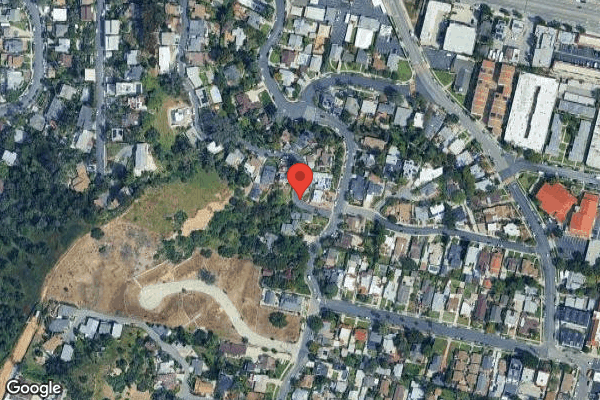

2236 MERTON AVE., LOS ANGELES, CA 90041 (323) 257-7518
Non profit - Corporation 76 Beds Independent Data: November 2025
Trust Grade
70/100
#464 of 1155 in CA
Last Inspection: October 2024

Within standard 12-15 month inspection cycle. Federal law requires annual inspections.

Overview

Solheim Senior Community has a Trust Grade of B, indicating it is a good choice for care but not without its issues. It ranks #464 out of 1155 facilities in California, placing it in the top half, and #72 out of 369 in Los Angeles County, meaning only 71 local facilities are rated higher. The facility is improving, with issues decreasing from 14 in 2023 to 9 in 2024. Staffing is rated at 4 out of 5 stars, which is a strength, although the turnover rate is 45%, slightly above the state average. Notably, there have been no fines recorded, which is a positive indicator of compliance. However, some specific concerns were identified, including failure to administer medications as ordered for two residents, leading to potential health risks, and inadequate food handling practices that could expose residents to foodborne illnesses. Overall, while the facility has strengths in staffing and compliance, families should weigh these against the noted deficiencies.

Trust Score
B
70/100
In California
#464/1155
Top 40%
Safety Record
Low Risk
No red flags
Inspections
Getting Better
14 → 9 violations
Staff Stability
⚠ Watch
45% turnover. Above average. Higher turnover means staff may not know residents' routines.
Penalties
✓ Good
No fines on record. Clean compliance history, better than most California facilities.
Skilled Nurses
⚠ Watch
Each resident gets only 25 minutes of Registered Nurse (RN) attention daily — below average for California. Fewer RN minutes means fewer trained eyes watching for problems.
Violations
⚠ Watch
36 deficiencies on record. Higher than average. Multiple issues found across inspections.
★★★★☆
4.0
Overall Rating
★★★★☆
4.0
Staff Levels
★★★☆☆
3.0
Care Quality
★★★★☆
4.0
Inspection Score
Stable
2023: 14 issues
2024: 9 issues

The Good

  • 4-Star Staffing Rating · Above-average nurse staffing levels
  • Full Sprinkler Coverage · Fire safety systems throughout facility
  • No fines on record

Facility shows strength in staffing levels, fire safety.

The Bad

Staff Turnover: 45%

Near California avg (46%)

Higher turnover may affect care consistency

The Ugly 36 deficiencies on record

Oct 2024 9 deficiencies
CONCERN (D)

Potential for Harm - no one hurt, but risky conditions existed

Comprehensive Care Plan (Tag F0656)

Could have caused harm · This affected 1 resident

**NOTE- TERMS IN BRACKETS HAVE BEEN EDITED TO PROTECT CONFIDENTIALITY** Based on observation, interview and record review, the facility failed to develop a comprehensive, resident-centered care plan (...

Read full inspector narrative →
**NOTE- TERMS IN BRACKETS HAVE BEEN EDITED TO PROTECT CONFIDENTIALITY** Based on observation, interview and record review, the facility failed to develop a comprehensive, resident-centered care plan (a document that outlines a resident's care goals and the activities that will be performed to achieve those goals) for resident's actual fall on 6/13/2024 and implement the care plan interventions for one of two sampled residents (Resident 44). 1. On 6/13/2024, Resident 44 was left unattended by facility staff during shower to dispose soiled clothes. 2. On 10/8/2024, Resident 44 was observed Resident 44 got up from his bed by himself, and walked to the restroom and was wearing non-skid sock (slip resistant socks designed to reduce the risk of slipping and falling on wet or slippery surfaces) on left foot and no non- skid sock on the right foot. 3. Resident 44's Actual Fall care plan initiated on 6/13/2024, did not indicate the resident needs assistance during bathing. These deficient practices resulted in Resident 44 from falling on 6/13/2024 and resident sustained left hand fifth digit laceration (skin tear) 0.5- centimeter (cm) x 0.5 cm and left hip redness and placed resident at risk for another fall after 6/13/2024. Findings: During a review of Resident 44's Face Sheet (front page of the chart that contains a summary of basic information about the resident), the Face Sheet indicated Resident 44 was initially admitted to the facility on [DATE] and readmitted on [DATE] with diagnoses that included Alzheimer's disease (a disease characterized by a progressive decline in mental abilities), reduced mobility (a physical impairment that limits a person's ability to move around easily or freely), abnormalities of gait and mobility (abnormal walking pattern and ability to move), muscle weakness (loss of muscle strength), and lack of coordination (neurological sign that occurs when the brain's ability to coordinate movement is impaired). During a review of Resident 44's Minimum Data Set (MDS-a federally mandated resident assessment tool) dated 3/21/2024, the MDS indicated Resident 44 has severe cognitive (ability to think, learn, remember, use judgement, and make decisions) impairment, used a walker, required substantial/maximal assistance (helper does more than half the effort. Helper lifts or holds trunk or limbs and provides more than half the effort) with shower or bathing and required set up or clean up assistance (helper sets up or cleans up; resident completes activity. Helper assists only prior to or following the activity) for walking 10 feet, walking 50 feet with two turns, and walking 150 feet. During a review of Resident 44's Fall Risk Assessments dated 8/11/2020, 6/13/2024 and 9/9/2024, the Fall Risk Assessments indicated Resident 44 is at high risk for falls. During a review of Resident 44's Fall Care Plan, dated 9/16/2021, the Fall Care Plan indicated resident has potential for falls, and indicated interventions to provide assistance during transfer and mobility as needed, provide activities that minimize potential for falls while providing diversion and distraction, and assist to wear non-skid footwear (non- skid socks). The care plan did not indicate resident needs supervision during transfer, walking and assistance during bathing. During a review of Resident 44's Basic Care Needs and Preferences Care Plan, dated 9/16/2021, the Basic Care Needs and Preferences Care Plan indicated Resident 44 needs bathing assistance with one person assist. The care plan also indicated resident needs supervisions from 1 person during transfer and walking. During a review of Resident 44's SBAR (situation, background, assessment, recommendation - a communication tool used by healthcare workers when there is a change in condition among the residents) notes, dated 6/13/2024, the SBAR indicated resident had a fall in the shower while trying to ambulate without assistance. During a review of Resident 44's Fall Care Plan started on 6/13/2024,the Fall Care Plan indicated resident had a fall during his shower on 6/13/2024. The care plan also indicated the goal was to have no falls or injuries and interventions included mobility and transfer assistance, have resident stand up slowly from a sitting position before attempting to ambulate or stand, instruct to stand, and gain balance before beginning ambulation, wear proper fitting shoes with nonskid soles (nonskid footwear) for ambulation, fall risk assessment, keeping walker within reach, and provide frequent reminders to use walker properly and to wear shoes. The care plan did not indicate interventions to supervise and provide assistance to the resident during shower. During an observation on 10/8/2024 at 9:12 AM in Resident 44's room, Resident 44's bed was on low position. Resident 44 got up from his bed by himself and walked to the restroom without using his walker. Resident 44 was wearing only one non-skid sock. During an interview on 10/9/2024 at 10:05 AM with Certified Nurse Assistant (CNA) 1 in Resident 44's bedroom, CNA 1 stated Resident 44 is a fall risk, and that the resident tends to get up and walk by himself. During a concurrent interview and review on 10/9/2024 at 2:50 PM with MDS Nurse (MDSN), Resident 44's Fall Risk Assessments dated 8/11/2020, 6/13/2024, and 9/9/2024, Basic Care Needs and Preferences care plan, SBAR notes (dated 6/13/2024), and Fall Care Plans 6/13/2024 were reviewed. MDSN stated Resident 44 was a high risk for fall, fell while in the shower on 6/13/2024 when resident attempted to self-transfer himself to his walker, lost his balance then fell and sustained a laceration on his left hand. MDSN stated, there was a CNA assisting resident during the shower, but CNA turned away to dispose soiled clothes when the fall happened. MDSN stated Resident 44 required supervision during transfer and walking and assistance during bathing so CNA should not leave the resident unattended on 6/13/2024 since it was in the Basic Care Needs and Preference care plan. In addition, MDSN stated, Resident 44's care plan started on 6/13/2024 should be more specific to the resident's needs and should have included the interventions to provide maximal assistance to the resident during bathing. During a follow up interview and review on 10/10/2024 at 2:22 PM with the MDSN, MDSN stated Resident 44's fall care plans, dated 9/16/2021 and 6/13/2024, were not specific to the needs of Resident 44 and were not comprehensive. During a review of the facility's Policies and Procedures (P&P) titled, Care Plan, dated 10/1/2019, indicated care plan goals and objectives are defined as the desired outcome for a specific resident problem, care plans will be modified accordingly, and goals and objectives are reviewed and/or revised when there has been a significant change in the resident's condition.
CONCERN (D)

Potential for Harm - no one hurt, but risky conditions existed

Deficiency F0692 (Tag F0692)

Could have caused harm · This affected 1 resident

**NOTE- TERMS IN BRACKETS HAVE BEEN EDITED TO PROTECT CONFIDENTIALITY** Based on observation, interview and record review, the facility failed to address a significant unplanned weight loss of greater...

Read full inspector narrative →
**NOTE- TERMS IN BRACKETS HAVE BEEN EDITED TO PROTECT CONFIDENTIALITY** Based on observation, interview and record review, the facility failed to address a significant unplanned weight loss of greater than five (5) % within 30 days from 9/6/2024 to 10/9/2024 for one (1) of 1 sampled Residents (Resident 62) in accordance with the facility policy. This deficient practice had the potential to cause Resident 62 to experience further weight loss and complications such as skin breakdown, malnutrition (faulty nutrition due to inadequate or unbalanced intake of nutrients), and weakness affecting the resident's over all well-being. Findings: During a review of Resident 62's admission Record, the admission Record indicated the resident was admitted to the facility on [DATE] with diagnoses that included type 2 diabetes (a disorder characterized by difficulty in blood sugar control and poor wound healing), and severe obesity (when a person's weight is more than 80 to 100 pounds above their ideal body weight). During a review of Resident 62's History and Physical (H&P) dated 9/6/2024, the H&P indicated Resident 62 had the capacity to understand and make decisions. During a review of Resident 62's Minimum Data Set (MDS; a federally mandated resident assessment tool) dated 9/26/2024, indicated the resident was assessed to have intact cognitive (capable of remembering, learning new things, concentrating, or making decisions that affect everyday life) skills for decision making. Resident 62 was dependent (helper does all effort) when showering, toileting, dressing and putting on footwear. The MDS also indicated Resident 62 was assessed to require partial assistance (helper does half the effort) for upper body dressing. MDS indicated Resident 62 required partial assistance (helper does less than half the effort) for eating, oral hygiene, and personal hygiene. During a concurrent interview and review of Resident 62's Weight Tracking System (WTS) on 10/9/2024 at 2:09 PM with Licensed Vocational Nurse 1 (LVN 1), LVN 1 stated the WTS indicated Resident 62 weighed 180 pounds (lbs) on 9/6/2024 and 170 lbs on 10/9/2024 resulting in 5.56% weight loss in 30 days. LVN 1 stated, this was considered a significant weight loss for Resident 62 and should have been reporter to MD or Registered Dietitian (RD) by the RN supervisor or so it can be addressed. LVN 1 stated the weight loss can be addressed by adding extra supplements to the resident's diet. LVN 1 stated if they do not notify the doctor about the resident's weight loss, the resident might decline in health and not get supplements to improve. During a concurrent review of Resident 62's WTS dated 9/5/2024 to 10/9/2024 and Interdisciplinary Notes (IDN) dated 9/5/2024 to 10/9/2024 and interview with the MDS Nurse (MDSN) on 10/9/2024 at 3:38 PM, the MDSN stated the WTS and IDN indicated Resident 62 had a 5.56% weight loss within 30 days on 10/1/2024. The MDSN stated there was no documented evidence that MD or RD was notified of Resident 62's unplanned weight loss. MDSN stated, Resident (Resident 62) lost more than 5% in a month from September 2024 (9/6/24) to now (10/9/2024). This is significant weight loss. MDSN stated the facility should have completed a change of condition (COC). MDSN stated the RD would need to monitor and document significant weight loss. There was no documented evidence of MD or RD notification of Resident 62's significant weight loss. MDSN stated Resident 62 was at risk for decline due to MD and RD not being notified to address the weight loss. MDSN stated the MD and RD can order supplements, labs, high calorie supplements, and change the diet if they were notified. MDSN stated, Since MD and RD were not notified, they cannot order these interventions for the resident (Resident 62) and the resident's condition may get worse. During a concurrent review of Resident 62's Nutrition Quarterly Assessment (NQA) and interview with the RD on 10/10/2024 at 2:52 PM, RD stated the NQA indicated that there was no documented evidence of RD addressing Resident 62's significant weight loss. RD stated, The last RD note was made on 9/6/2024. An MD would have to be notified for significant weight loss which was 5% weight loss. The resident can lose fat, have skin breakdown, malnutrition, and weakness if there are no interventions for significant weight loss. During a review of the facility's policy and procedure (P&P) titled, Weight Assessment and Intervention dated 11/2017, the P&P indicated: 1. The multidisciplinary team will strive to prevent, monitor, and intervene for undesirable weight loss for our residents. 2. Any weight change of 5% or more since the last weight assessment will be retaken the next day for confirmation. 3. Greater than 5% weight loss within a month is severe weight loss. 4.The multidisciplinary team will identify conditions and medications that may be causing weight loss. During a review of the facility's P&P titled, Change in Condition dated 11/1/2017, the P&P indicated: 1. Facility shall promptly notify the resident and their attending physician of changes in the resident's medical condition or status. 2. The nurse will notify the resident's attending physician when there is a significant change in the resident's physical condition. 3. A significant change of condition is a major decline that will not normally resolve itself without intervention by staff.
CONCERN (D)

Potential for Harm - no one hurt, but risky conditions existed

Respiratory Care (Tag F0695)

Could have caused harm · This affected 1 resident

**NOTE- TERMS IN BRACKETS HAVE BEEN EDITED TO PROTECT CONFIDENTIALITY** Based on observation, interview and record review, the facility failed to administer the correct oxygen level for one (1) of 1 s...

Read full inspector narrative →
**NOTE- TERMS IN BRACKETS HAVE BEEN EDITED TO PROTECT CONFIDENTIALITY** Based on observation, interview and record review, the facility failed to administer the correct oxygen level for one (1) of 1 sampled resident (Resident 16) in accordance with physician's order. These deficient practices had the potential to cause Resident 16 to experience shortness of breath (SOB) and desaturation (low oxygen level). Findings: During a review of Resident 16's Face Sheet, the admission Record indicated the resident was admitted to the facility on [DATE] with diagnoses that included chronic congestive heart failure (CHF, a heart disorder which causes the heart to not pump the blood efficiently, sometimes resulting in leg swelling), type 2 diabetes (DM, a disorder characterized by difficulty in blood sugar control and poor wound healing) and sleep apnea (a sleep disorder that causes breathing to repeatedly stop or become shallow during sleep). During a review of Resident 16's Minimum Data Set (MDS, a federally mandated resident assessment tool), dated 7/11/2024, the MDS indicated the resident was assessed to have intact cognitive (capable of remembering, learning new things, concentrating, or making decisions that affect everyday life) skills for daily decision making. Resident 16 was dependent (helper does all effort) when showering, toileting, dressing lower body and putting on footwear. The MDS also indicated Resident 16 was assessed to require partial assistance (helper does half the effort) for upper body dressing. MDS indicated Resident 16 required setup assistance (helper sets up) for eating, oral hygiene, and personal hygiene. MDS indicated Resident 16 had debility (weakness) and cardiorespiratory (related to the heart and lungs) conditions. MDS indicated Resident 16 required oxygen therapy. During a review of Resident 16's Physician's Orders, dated 7/11/2024, the Physician's Orders indicated to administer oxygen at two (2) to three (3) liters per minute (LPM) every shift. During a review of Resident 16's Care Plan dated 7/11/2023 the CP indicated, Resident 16 will be free from complications. It also indicated staff intervention to administer oxygen per order. During a concurrent observation and interview on 10/8/2024 at 9:51 AM with Licensed Vocational Nurse 1 (LVN 1), Resident 16's oxygen setting was observed to be at 1 LPM. LVN 1 stated, The setting was at 1 LPM. Resident (Resident 16) was supposed to be administered with 2 LPM oxygen. The resident's oxygen level can go down and resident may have SOB if the oxygen setting was not correct. During a concurrent review of Resident 16's Physician Orders, dated 7/11/2024 and interview with LVN 2 on 10/9/2024 at 1:45 PM. LVN 2 stated Resident 16's Physician's Orders indicated to administer oxygen at 2 to 3 LPM every shift. LVN 2 stated, If the oxygen is not set at the correct level of at least 2 LPM, the resident may have SOB and the resident's oxygenation may drop. During a review of the facility's policy and procedure (P&P) titled, Oxygen Administration, the P&P dated 1/2023, indicated: 1. The purpose of this procedure is to provide guidelines for safe oxygen administration. 2. Review the physician's orders for oxygen administration. 3. Start the flow oxygen at the rate of 2 to 3 liters per minute
CONCERN (D)

Potential for Harm - no one hurt, but risky conditions existed

Medication Errors (Tag F0758)

Could have caused harm · This affected 1 resident

**NOTE- TERMS IN BRACKETS HAVE BEEN EDITED TO PROTECT CONFIDENTIALITY** Based on interview, and record review, the facility failed to ensure one (1) of five (5) sampled residents (Resident 53) was fre...

Read full inspector narrative →
**NOTE- TERMS IN BRACKETS HAVE BEEN EDITED TO PROTECT CONFIDENTIALITY** Based on interview, and record review, the facility failed to ensure one (1) of five (5) sampled residents (Resident 53) was free from unnecessary use of psychotropic drug (any medication capable of affecting the mind, emotions, and behavior) in accordance with the facility policy and procedure by failing to ensure Resident 53 has the specific target behavior and indication for the use and monitoring of quetiapine (Seroquel, to treat certain mental/mood disorders). This deficient practice had the potential to place Resident 53 at risk for significant adverse (harmful) consequences from the use of unnecessary psychotropic drug, which could result to impairment or decline in the residents' mental, physical condition, functional, and psychosocial status. Findings: During a review of Resident 53's Face Sheet (front page of the chart that contains a summary of basic information about the resident), the Face Sheet indicated Resident 53 was originally admitted to the facility on [DATE] and readmitted on [DATE]. Resident 53's diagnoses included schizophrenia (a mental illness that is characterized by disturbances in thought), major depressive disorder (a mood disorder that causes a persistent feeling of sadness and loss of interest), and anxiety disorder (a type of mental health condition). During a review of Resident 53's History and Physical (H&P), dated 7/5/2024, the H&P indicated Resident 53 does not have the capacity to understand and make decisions due to schizophrenia. During a review of Resident 53's Minimum Data Set (MDS, a federally mandated resident assessment tool), dated 9/11/2024, the MDS indicated Resident 53's cognitive (ability to think and reason) skills for daily decision making was severely impaired (never/rarely made decisions). The MDS did not indicate presence of behavioral or mood symptoms. The MDS indicated Resident 53 required substantial/maximal assistance (helper does more than the effort) with eating and upper body dressing. The MDS also indicated Resident 53 was dependent (helper does all the effort. Resident does none of the effort to complete the activity) with oral hygiene, toileting hygiene, shower/bath, lower body dressing, putting on/taking off footwear and personal hygiene. The MDS indicated Resident 53 received antipsychotic medication (any drug that affects brain activities associated with mental processes and behavior) on a routine basis. During a review of Resident 53's Care Plan (CP), dated 1/24/2024, the CP indicated Resident 53 has impaired behavior related to anxiety and schizoaffective disorder as evidenced by screaming loud when all needs are met, episodes of angry outbursts, and inability to sleep. The goal indicated that Resident 53 will demonstrate optimal ADL functioning and safety. The staff interventions were as follows: Behavior monitoring program to assist in determining cause and triggers. Intervene as necessary to ensure safety of resident and other. Divert attention from stimulus. Avoid the following identified triggers. Administer quetiapine as ordered and monitor for effectiveness and adverse side effects. Document as appropriate. During a review of Psychiatrist (a medical practitioner specializing in the diagnosis and treatment of mental illness) notes, dated 6/11/2024, the Psychiatrist notes indicated Resident 53 has outburst episodes, becomes aggressive during shower, yells during sleep, and gets combative when someone changes her. During a review of Resident 53's Physician's Order, the Physician's Order indicated the following: Quetiapine 200 mg tablet for schizoaffective disorder manifested by inability to cope with external stimuli affecting ADLs, with order date of 7/3/2024. Monthly behavioral summary for diagnosis of schizophrenia, with order date of 6/9/2023 Monitor behavior of inability to cope with external stimuli causing affecting ADLs every shift. With order date of 6/9/2023. During a concurrent review of Resident 53's medical records and interview with Licensed Vocational Nurse 4 (LVN 4) on 10/11/2024 at 8:10 AM, LVN 4 verified Resident 53 has an active order of quetiapine for schizoaffective, ordered on 7/3/2024. LVN 4 stated that schizoaffective was not indicated as a diagnosis in Resident 53's face sheet. LVN 4 was unable to provide documented evidence of Resident 53's diagnosis of schizoaffective. LVN 4 stated that Resident 53 has episodes of mood swings. LVN 4 stated sometimes Resident 53 was calm and sometimes was uncooperative with care where in resident would refuse to be taken cared of by the staff. LVN 4 stated it was important to have a correct physician order with the specific target behavior before administering medication to ensure Resident 53 receives the correct medication for the correct reason. During a concurrent review of Resident 53's medical records and interview with MDS Nurse (MDSN) on 10/11/2024 at 8:40 AM, she verified Resident 53 has an order of quetiapine for schizoaffective manifested by inability to cope with external stimuli affecting ADLs, ordered on 7/3/2024. MDSN stated Inability to cope with external stimuli affecting ADLs is not a specific behavior, not a target a behavior. MDSN stated she did not know why Seroquel was ordered for schizoaffective because Resident 53 only has a diagnosis of schizophrenia. MDSN was unable to provide a documented evidence of Resident 53's diagnosis of schizoaffective. MDSN added that she had observed Resident 53 having behaviors of screaming and hallucination (when a resident hears voices, sees things, or smells things others cannot perceive) when Resident 53 had verbalized seeing and hearing something that does not exist. MDSN stated Seroquel order with a specific target behavior was necessary, so the staff know what the medication is for. The MDSN stated that psychotropic drugs need monitoring of specific target behavior so the facility would know if the behavioral management was effective or not. During an interview on 10/11/2024 at 8:47 AM, Social Service Designee (SSD) stated Resident 53's Seroquel order is for her behavior of refusing care, and episodes of yelling and screaming. SSD also stated, Inability to cope can be manifested by many ways. During a concurrent record review of Resident 53's medical records and interview with Assistant Director of Nursing (ADON) on 10/11/2024 at 11:45 AM, ADON stated Resident 53 has a behavior of being verbally aggressive to staff, screaming out, striking staff, inability to relax, and verbalization of inability to breath. ADON verified that these behaviors were not indicated in Resident 53's quetiapine order, instead it was generalized as inability to cope. ADON stated the behavior indicated on the physician's order for the use of quetiapine was not specific. ADON stated the behavior should be specific so the nurses can monitor the behavior accurately. ADON also stated that Resident 53's medical records indicated a diagnosis of schizophrenia, and no documented evidence of a schizoaffective diagnosis. ADON stated that quetiapine order should have been clarified for the correct indication of use and specific behavior it was ordered for. During a review of the Facility's Policy and Procedure (P&P) titled, Monitoring of Psychotropic Medication, dated 10/1/2019, the P&P indicated when monitoring a resident receiving psychotropic medications, the facility must evaluate the effectiveness of the medications as well as look for potential adverse consequences. After initiating or increasing the dose of a psychotropic medication, the behavioral symptoms must be reevaluated periodically (at least during quarterly care plan review, if not more often) to determine the potential for reducing or discontinuing the dose based on therapeutic goals and any adverse effects or functional impairment. It also indicated antipsychotic medications must be thoroughly documented in the medical record. Antipsychotic medications may be indicated if behavioral symptoms present a danger to the resident or others, and expressions or indications of distress that are significant distress to the resident.
CONCERN (D)

Potential for Harm - no one hurt, but risky conditions existed

Deficiency F0761 (Tag F0761)

Could have caused harm · This affected 1 resident

**NOTE- TERMS IN BRACKETS HAVE BEEN EDITED TO PROTECT CONFIDENTIALITY** Based on observation, interview, and record review, the facility failed to ensure: 1. Resident 53's medication bottle for sucral...

Read full inspector narrative →
**NOTE- TERMS IN BRACKETS HAVE BEEN EDITED TO PROTECT CONFIDENTIALITY** Based on observation, interview, and record review, the facility failed to ensure: 1. Resident 53's medication bottle for sucralfate (to prevent ulcers [open sores]) was labeled in accordance with doctor's orders and included the appropriate cautionary instructions regarding administration route. This deficient practice had the potential to harm Resident 53 due to potential dispensing and administration errors (incorrect route) and can possibly lead to adverse side effects, aspiration, and/ or death. 2. Resident 16's expired diltiazem (treats high blood pressure and prevents chest pain) was not stored in the facility's medication cart. This deficient practice had the potential for harm to Resident 16 due to the potential loss of strength of the drug, and for the residents to not receive the full effect of the medication. Findings: 1. During a review of Resident 53's Face Sheet, the Face Sheet indicated Resident 53 was originally admitted at the facility on 9/19/2022 and readmitted on [DATE] with diagnoses that included but not limited to dysphagia (difficulty swallowing food or liquids), oropharyngeal phase (swallowing problems occurring in the mouth and/or the throat), encounter for attention to gastrostomy tube (a surgical procedure used to insert a tube, often referred to as a G-tube, through the abdomen and into the stomach. Gastrostomy is used to provide a route for tube feeding if needed for four weeks or longer, and/or to vent the stomach for air or drainage) paranoid schizophrenia (a pattern of behavior where a person feels distrustful and suspicious of other people), anxiety disorder (a condition in which a person has excessive worry and feelings of fear, dread, and uneasiness), ulcer (open sores) of esophagus (the part of the canal that connects the throat to the stomach ) without bleeding. During a review of Resident 53's History and Physical (H&P), dated 7/5/2024, the H&P indicated Resident 53 does not have the capacity to understand and make decisions. During a review of Resident 53's Minimum Data Set (MDS-a federally mandated resident assessment tool), dated 9/11/2024, the MDS indicated Resident 53 was dependent (helper does all of the effort, Resident does none of the effort to complete the activity) for oral hygiene, toileting hygiene, shower/bathing, lower body dressing and personal hygiene. During a review of Resident 53's Physician's Orders, dated 7/30/2024, the Physician's Orders indicated Diet: pureed foods (all food has been ground, pressed, and/or strained to a soft, smooth consistency, like a pudding) thin liquid diet consistencies (refers to thickness of liquid, example jello, ice cream), three times a day. The order also indicated to administer sucralfate 100 milligram/ milliliter (mg/ ml) oral suspension to give 10 ml by G- tube. During a medication observation on 10/9/2024 at 9:54 AM, Licensed Vocational Nurse 1 (LVN 1) prepared Residents 53's medication on side table. Observed LVN 1 approach closely to check placement and residual of Resident 53's G-Tube. LVN 1 then proceeded to flush g-tube (flush tube with warm water after each medication to keep it from becoming clogged) with water and administered Resident 53's Sucralfate 10 milliliter (ml, unit of measurement) suspension medication through gravity (administered above the patient at a specific height to create the desired flow pressure and flow rate). During concurrent interview with LVN 1 on 10/09/24 10:00 AM, LVN 1 stated Resident 53 had a pureed diet and did eat and took medications by mouth. When surveyor instructed LVN 1 to double check the medication bottle for administration route, LVN 1 confirmed directions on sucralfate medication bottle indicated to take by mouth, however, LVN 1 pointed out that on Resident 53's Medication Administration Record (MAR) on the computer it indicated to administer via g- tube. LVN 1 stated Resident 53's sucralfate bottle had the wrong label of route of administration of medicine, and she was following what is in the MAR. LVN 1 stated the pharmacy provided the label instructions on the bottle. LVN 1 stated she should have checked the label in sucralfate bottle and clarified with either the doctor or the pharmacy before administrating the medication to Resident 53. During a concurrent interview with MDS Nurse (MDSN) on 10/9/2024 at 1:05 PM, MDSN stated, a medication label must specify route (if by mouth or by g-tube) to give to resident. It is nursing basic to check name, route, time, and dose of the medication order. MDSN stated, if the directions are not followed it can cause harm to a patient in case it was given the wrong route. If the directions are to be given by mouth and the patient has a g-tube, we do not know if the patient can swallow, they might have dysphagia (difficulty swallowing food or liquids) or be at risk for aspiration. We do not know if it is safe, it can cause death to a patient, it is high risk. If g-tube patient has medication label indicating by mouth the medication should not be given via g-tube. We have to follow doctor's orders, also risk to resident for other injury, again, it can cause harm and possibly death. A g-tube patients medication label should not indicate by mouth and computer system indicate via g-tube. The nurse has to verify the order with the doctor before doing anything else, this can also cause harm because the right route needs to be clarified. 2. During a review of Resident 16's Face Sheet, the Face Sheet indicated Resident 16 was originally admitted at the facility on 1/13/2021 and readmitted on [DATE] with diagnoses that included but not limited to chronic diastolic congestive heart failure (a condition where the heart's left ventricle [chamber in heart that receives blood] stiffens and can't relax normally), paroxysmal atrial fibrillation (a type of irregular heartbeat that occurs in brief episodes), hypertensive heart disease with heart failure (a long-term condition that develops over many years in people who have high blood pressure [when the force of blood pushing against artery {blood vessel that carries blood from the heart to tissues and organs in the body} walls is consistently too high]). During a review of Resident 16's H&P, dated 7/12/2024 at 11:30 AM, the H&P indicated the plan was to continue administering diltiazem 120 milligram (mg, a unit of measurement) every day for hypertension and paroxysmal atrial fibrillation (A-fib heartbeat irregularly and often faster than normal). During a review of Resident 16's MDS. the MDS dated [DATE] indicated Resident 16 has the capacity to understand and make decisions. Resident 16 was dependent (helper does all of the effort, Resident does none of the effort to complete the activity) for toileting hygiene, shower/bathing, and lower body dressing. During a review of Resident 16's Physicians Orders, dated 6/20/2024, the Physician's Orders indicated, diltiazem extended release (ER) 120 mg capsule give 1 tab by mouth daily for hypertension (HTN, high blood pressure [BP]), hold if systolic BP (the maximum pressure in the body's arteries when the heart contracts and pumps blood) less than 100 millimeters of mercury (mmHg). During a review of Resident 16's Care Plan dated 7/11/2023, the Care Plan indicated cardiovascular disease: has the potential from diagnosis of HTN, hyperlipidemia (HLD, elevated lipids [fat] in the body), A-fib. The care plan indicated provide medication and treatment per physician's orders: diltiazem 1 tablet daily. During a medication observation on 10/9/2024 at 8:20 AM, LVN 1 was observed checking Resident 16's medication list in the computer. Observed LVN1 preparing Resident 16's medication for administration by placing each medication in medication cups. Observed LVN 1 take out Resident 16's medication bottle, labeled diltiazem ER 120 mg ER with expiration date of 9/30/2024 and placed one tablet inside medication cup. LVN 1 then proceeded to get ready to administer medication to Resident 16. During the same interview with LVN 1 on 10/9/2024 at 8:28 AM, when surveyor instructed LVN 1 to double check the medication bottle for the diltiazem, LVN1 confirmed the medication bottle was in fact expired and had an expiration date of 9/30/2024. LVN1 stated, the nurses usually check medication carts every morning. I should have checked every medication to see if any were expired. If the resident would have taken expired medication, the resident could get ill, would not get the right dose or the desired effect of the medication. During an interview with MDSN on 10/9/2024 at 1:03 PM, MDSN stated, an expired medication should not be inside the medication cart because if given to the resident it can cause harm and will not have the correct medication effect. During observation of the facility's medication room in Station 1 on 10/9/20224 at 10:42 AM, a total of two unopened Buspirone (a medication that treats anxiety) 10mg (a unit of measure) bottles with expiration date of 10/3/2024 and True Metric Level 3 Control solution (test strips used to check that the meter used to check blood sugar and performing correct results) with expiration date of 8/31/2024 were mixed in with Private pay bin container medications. During an interview with LVN 3 on 10/9/2024 at 10:55 AM, LVN3 confirmed there were multiple expired medication bottles mixed in with other medications inside the medication room. LVN3 stated, expired medication should not be mixed in with other medication even if it's not opened. If this medication would be given to the resident it can cause harm to the resident. During an interview with Minimum Data Set Nurse (MDS) on 10/9/2024 at 1:03 PM, MDS stated, an expired medication should not be inside the medication cart because if given to the resident it can cause harm and will not have the correct medication effect. During a review of the facility's undated policy and procedure (P&P) titled, Medication Administration General Guidelines, the P&P indicated no expired medication will be administered to a resident. The P&P also indicated, prior to medication administration, the medication and dosage schedule on the resident's MAR is compared to the medication label. The P&P indicated, if the medication label and MAR are different and the container is not flagged indicating change in directions, or if there is any other reason to question the dosage or directions, the prescriber's orders are checked for the correct dosage schedule. The P&P also indicated, apply a direction change sticker to label if direction have changed form the current label. During a review of the facility'sundated P&P titled, Medication Ordering and Receiving from Pharmacy Provider, the P&P indicated floor stock medications kept in the original manufacturer's container must have the expiration date and lot numbers clearly labeled. The label should also include medication name, quantity, and expiration date.
CONCERN (E)

Potential for Harm - no one hurt, but risky conditions existed

Pharmacy Services (Tag F0755)

Could have caused harm · This affected multiple residents

**NOTE- TERMS IN BRACKETS HAVE BEEN EDITED TO PROTECT CONFIDENTIALITY** Based on observation, interview and record review, the facility failed to provide pharmaceutical services for two of four sample...

Read full inspector narrative →
**NOTE- TERMS IN BRACKETS HAVE BEEN EDITED TO PROTECT CONFIDENTIALITY** Based on observation, interview and record review, the facility failed to provide pharmaceutical services for two of four sampled residents (Residents 16 and 53) by failing to: 1. Administer Resident 16's diltiazem (medication for high blood pressure and angina [chest pain]) as ordered by the physician. 2. Ensure no expired medication was kept in the medication cart and medication storage room. On 10/19/2024, observed 1 expired bottle of diltiazem (Resident 16's medication), 2 bottles of buspirone (a medication that treats anxiety) and 3 bottle of Blood Sugar Check Machine Control solution (test strips used to check that the meter used to check blood sugar is working properly and is reflecting accurate results). 3. Administer Resident 53's Valproic Acid (medication given to treat Bipolar disorder which is a mental illness that causes extreme mood swings or shifts between mania and depression) as ordered by the physician. These deficient practices placed Resident 16 and Resident 53 at increased risk for being provided with less effective medication and pose a risk to the resident's health by missing a scheduled medication dose. Findings: 1. During a review of Resident 16's Face Sheet, the Face Sheet indicated Resident 16 was originally admitted at the facility on 1/13/2021 and readmitted on [DATE] with diagnoses that included but not limited to chronic diastolic congestive heart failure (a condition where the heart's left ventricle [chamber in heart that receives blood] stiffens and can't relax normally), paroxysmal atrial fibrillation (a type of irregular heartbeat that occurs in brief episodes), hypertensive heart disease with heart failure (a long-term condition that develops over many years in people who have high blood pressure [when the force of blood pushing against artery {blood vessel that carries blood from the heart to tissues and organs in the body} walls is consistently too high]). During a review of Resident 16's History and Physical (H&P), dated 7/12/2024, at 11:30 AM, the H&P indicated the plan was to continue administering diltiazem 120 milligram (mg, a unit of measurement) every day for hypertension and paroxysmal atrial fibrillation (A-fib, heartbeat irregularly and often faster than normal). During a review of Resident 16's Minimum Data Set (MDS-a federally mandated resident assessment tool), dated 7/11/2024, the MDS indicated Resident 16 has the capacity to understand and make decisions. Resident 16 was dependent (helper does all of the effort, Resident does none of the effort to complete the activity) for toileting hygiene, shower/bathing, and lower body dressing. During a review of Resident 16's Physicians Orders, dated 6/20/2024, the Physician's Orders indicated diltiazem extended release (ER) 120 mg capsule give 1 tab by mouth daily for hypertension (HTN, high blood pressure [BP]), hold if systolic BP (the maximum pressure in the body's arteries when the heart contracts and pumps blood) less than 100 millimeters of mercury (mmHg). During a review of Resident 16's Care Plan, dated 7/11/2023, the Care Plan indicated cardiovascular disease: has the potential from diagnosis of HTN, hyperlipidemia (HLD, elevated lipids [fat] in the body), A-fib. The care plan indicated provide medication and treatment per physician's orders: diltiazem 1 tablet daily. During a medication observation on 10/9/2024 at 8:20 AM, License Vocational Nurse (LVN) 1 was observed checking Resident 16's medication list in the computer. Observed LVN1 preparing Resident 16's medication for administration by placing each medication in medication cups. Observed LVN 1 take out Resident 16's medication bottle, labeled diltiazem ER 120 mg ER with expiration date of 9/30/2024 and placed one tablet inside medication cup. LVN 1 then proceeded to get ready to administer medication to Resident 16. During the same interview with LVN 1 on 10/9/2024 at 8:28 AM, when surveyor instructed LVN 1 to double check the medication bottle for the diltiazem, LVN1 confirmed the medication bottle was in fact expired and had an expiration date of 9/30/2024. LVN1 stated, the nurses usually check medication carts every morning. I should have checked every medication to see if any were expired. If the resident would have taken expired medication, the resident could get ill, would not get the right dose or the desired effect of the medication. During an interview with MDS Nurse (MDSN) on 10/9/2024 at 1:03 PM, MDSN stated, an expired medication should not be inside the medication cart because if given to the resident it can cause harm and will not have the correct medication effect. 2. During observation of the facilities medication room in Station 1 on 10/9/20224 at 10:53 AM, a total of two unopened Buspirone 10 mg bottles with expiration date of 10/3/2024 and 3 Blood Sugar Check Machine Control solution with expiration date of 8/31/2024 were mixed in with private pay bin container medications. During an interview with LVN 3 on 10/9/2024 at 10:55 AM, LVN 3 stated there were multiple expired medication bottles, buspirone and blood sugar check machine control solution mixed in with other medications inside the medication room in Station 1. LVN 3 stated, Expired medication should not be mixed in with other medication even if it is not opened. If this medication would be given to the resident it can cause harm to the resident. 3. During a review of Resident 53's Face Sheet, the Face Sheet indicated Resident 53 was originally admitted on [DATE] and readmitted on [DATE] with diagnoses that included but not limited to dysphagia (difficulty swallowing food or liquids), oropharyngeal phase (swallowing problems occurring in the mouth and/or the throat), encounter for attention to gastrostomy (a surgical procedure used to insert a tube, often referred to as a G-tube, through the abdomen and into the stomach. Gastrostomy is used to provide a route for tube feeding if needed for four weeks or longer, and/or to vent the stomach for air or drainage) paranoid schizophrenia (a pattern of behavior where a person feels distrustful and suspicious of other people), anxiety disorder (a condition in which a person has excessive worry and feelings of fear, dread, and uneasiness), ulcer (open sores) of esophagus (the part of the canal that connects the throat to the stomach ) without bleeding. A review of Resident 53's H&P dated 7/5/2024, the H&P indicated Resident 53 does not have the capacity to understand and make decisions. A review of Resident 53's MDS, dated [DATE], the MDS indicated Resident 53 was dependent (helper does all of the effort, Resident does none of the effort to complete the activity) for oral hygiene, toileting hygiene, shower/bathing, lower body dressing and personal hygiene. During an observation and interview with LVN 1 on 10/9/2024 at 9:39 AM, LVN 1 signed in to the computer located on the medication cart, reviewed Resident 53's medications, unlocked medication cart and pulled out an empty bottle of Valproic Acid 250mg solution. LVN 1 stated the Valproic acid bottle was empty, and she would go check in the medication room to see if there were any extra. During a concurrent interview with LVN 1 on 10/9/2024 at 9:46 AM, LVN 1 stated she did not find another Valproic acid bottle for Resident 53 in either of the nursing station medication rooms. LVN 1 stated, The doctor and pharmacy should have been notified immediately if the medication bottle was empty. I will not be able to give this medication to the resident right now. During an interview with LVN 3 on 10/9/2024 at 10:53 AM, LVN 3 stated, The nurses have to check the resident's medication inside the carts for expired or empty containers. There should always be enough supply of the resident's medications inside the cart. When a nurse uses up the last of the medication, the nurse must peel the name tag off and throw the bottle away. But before that is done, the nurse must check the label. The tag has the information of when we can refill the medication so we can call the pharmacy and request more. This way the resident always has medication available. Technically the last person that used the medication should call the pharmacy to refill it. That is not always the case, but it is very important to do so because it can cause harm to the resident if they do not get their medication on time. During an interview with MDSN on 10/9/2024 at 1:03 PM, MDSN stated, As soon as the nurse notices the resident's medication is empty, the nurse must call the doctor and the pharmacy right away to refill and notify the doctor. If it is not done the resident would not have medication, it can cause the resident harm even if they only miss one dosage, it might hurt the resident. The nurse should call even before the medication is completely gone; they should call the pharmacy for a refill immediately. During a review of the facility's undated policy and procedure (P&P) titled, Medication Administration General Guidelines, the P&P indicated no expired medication will be administered to a resident. The P&P also indicated medications are administered in accordance with the written orders of the prescriber. During a review of the facility's undated P&P undated titled, Medication Ordering and Receiving from Pharmacy Provider, the P&P indicated floor stock medications kept in the original manufacturer's container must have the expiration date and lot numbers clearly labeled.
CONCERN (E)

Potential for Harm - no one hurt, but risky conditions existed

Unnecessary Medications (Tag F0759)

Could have caused harm · This affected multiple residents

**NOTE- TERMS IN BRACKETS HAVE BEEN EDITED TO PROTECT CONFIDENTIALITY** Based on observation, interview, and record review, the facility failed to ensure the medication error (any preventable event th...

Read full inspector narrative →
**NOTE- TERMS IN BRACKETS HAVE BEEN EDITED TO PROTECT CONFIDENTIALITY** Based on observation, interview, and record review, the facility failed to ensure the medication error (any preventable event that may cause or lead to inappropriate medication use or resident harm while the medication is in the control of the health care professional, patient) rate during medication pass observation on 10/9/2024 was not above (5) percent (%). The outcome was two (2) medication errors out of twenty-eight (28) opportunities for errors, which resulted in a Medication Administration Error Rate of 7.1%. Findings: 1. During a review of Resident 16's Face Sheet, , the Face Sheet indicated Resident 16 was originally admitted at the facility on 1/13/2021 and readmitted on [DATE] with diagnoses that included but not limited to chronic diastolic congestive heart failure (a condition where the heart's left ventricle [chamber in heart that receives blood] stiffens and can't relax normally), paroxysmal atrial fibrillation (a type of irregular heartbeat that occurs in brief episodes), hypertensive heart disease with heart failure (a long-term condition that develops over many years in people who have high blood pressure [when the force of blood pushing against artery {blood vessel that carries blood from the heart to tissues and organs in the body} walls is consistently too high]). During a review of Resident 16's History and Physical (H&P), dated 7/12/2024 at 11:30 AM, the H&P indicated the plan was to continue administering diltiazem 120 milligram (mg, a unit of measurement) every day for hypertension and paroxysmal atrial fibrillation (A-fib, heartbeat irregularly and often faster than normal). During a review of Resident 16's Minimum Data Set (MDS-a federally mandated resident assessment tool), dated 7/11/2024, the MDS indicated Resident 16 has the capacity to understand and make decisions. Resident 16 was dependent (helper does all of the effort, Resident does none of the effort to complete the activity) for toileting hygiene, shower/bathing, and lower body dressing. During a review of Resident 16's Physicians Orders, dated 6/20/2024, Physicians Orders indicated, diltiazem extended release (ER) 120 mg capsule give 1 tab by mouth daily for hypertension (HTN, high blood pressure [BP]), hold if systolic BP (the maximum pressure in the body's arteries when the heart contracts and pumps blood) less than 100 millimeters of mercury (mmHg). During a review of Resident 16's Care Plan, dated 7/11/2023, the Care Plan indicated cardiovascular disease: has the potential from diagnosis of HTN, hyperlipidemia (HLD, elevated lipids [fat] in the body), A-fib. The care plan indicated provide medication and treatment per physician's orders: diltiazem 1 tablet daily. During a medication pass observation on 10/9/2024 at 8:20 AM, License Vocational Nurse (LVN) 1 was observed checking Resident 16's medication list in the computer. Observed LVN1 preparing Resident 16's medication for administration by placing each medication in medication cups. Observed LVN 1 take out Resident 16's medication bottle, labeled diltiazem ER 120 mg ER with expiration date of 9/30/2024 and placed one tablet inside medication cup. LVN 1 then proceeded to get ready to administer medication to Resident 16. During the same interview with LVN 1 on 10/9/2024 at 8:28 AM, when surveyor instructed LVN 1 to double check the medication bottle for the diltiazem, LVN1 confirmed the medication bottle was in fact expired and had an expiration date of 9/30/2024. LVN1 stated, the nurses usually check medication carts every morning. I should have checked every medication to see if any were expired. If the resident would have taken expired medication, the resident could get ill, would not get the right dose or the desired effect of the medication. During an interview with MDS Nurse (MDSN) on 10/9/2024 at 1:03 PM, MDSN stated, an expired medication should not be inside the medication cart because if given to the resident it can cause harm and will not have the correct medication effect. 2. During a review of Resident 53's Face Sheet, the Face Sheet indicated Resident 53 was originally admitted on [DATE] and readmitted on [DATE] with diagnoses that included but not limited to dysphagia (difficulty swallowing food or liquids), oropharyngeal phase (swallowing problems occurring in the mouth and/or the throat), encounter for attention to gastrostomy (a surgical procedure used to insert a tube, often referred to as a G-tube, through the abdomen and into the stomach. Gastrostomy is used to provide a route for tube feeding if needed for four weeks or longer, and/or to vent the stomach for air or drainage) paranoid schizophrenia (a pattern of behavior where a person feels distrustful and suspicious of other people), anxiety disorder (a condition in which a person has excessive worry and feelings of fear, dread, and uneasiness), ulcer (open sores) of esophagus (the part of the canal that connects the throat to the stomach ) without bleeding. During a review of Resident 53's H&P, dated 7/5/2024, the H&P indicated Resident 53 does not have the capacity to understand and make decisions. During a review of Resident 53's MDS, dated [DATE], the MDS indicated Resident 53 was dependent (helper does all of the effort, Resident does none of the effort to complete the activity) for oral hygiene, toileting hygiene, shower/bathing, lower body dressing and personal hygiene. During an observation and interview with LVN 1 on 10/9/2024 at 9:39 AM, LVN 1 signed in to the computer located on the medication cart, reviewed Resident 53's medications, unlocked medication cart and pulled out an empty bottle of Valproic Acid 250mg solution. LVN 1 stated the Valproic acid bottle was empty, and she would go check in the medication room to see if there were any extra. During a concurrent interview with LVN 1 on 10/9/2024 at 9:46 AM, LVN 1 stated she did not find another Valproic acid bottle for Resident 53 in either of the nursing station medication rooms. LVN 1 stated, the doctor and pharmacy should have been notified immediately if the medication bottle was empty. I will not be able to give this medication to the resident right now. During an interview with LVN 3 on 10/9/2024 at 10:53 AM, LVN 3 stated, the nurses have to check the resident's medication inside the carts for expired or empty containers. There should always be enough supply of the resident's medications inside the cart. When a nurse uses up the last of the medication, the nurse must peel the name tag off and throw the bottle away. But before that is done, the nurse must check the label. The tag has the information of when we can refill the medication so we can call the pharmacy and request more. This way the resident always has medication available. Technically the last person that used the medication should call the pharmacy to refill it. That is not always the case, but it is very important to do so because it can cause harm to the resident if they do not get their medication on time. During an interview with MDSN on 10/9/2024 at 1:03 PM, MDSN stated, as soon as the nurse notices the resident's medication is empty, the nurse must call the doctor and the pharmacy right away to refill and notify the doctor. If it is not done the resident would not have medication, it can cause the resident harm even if they only miss one dosage, it might hurt the resident. The nurse should call even before the medication is completely gone; they should call the pharmacy for a refill immediately. During a review of the facility's undated policy and procedure (P&P) titled, Medication Administration General Guidelines, the P&P indicated no expired medication will be administered to a resident. During a review of the facility's undated P&P titled, Medication Ordering and Receiving from Pharmacy Provider, the P&P indicated floor stock medications kept in the original manufacturer's container must have the expiration date and lot numbers clearly labeled.
CONCERN (E)

Potential for Harm - no one hurt, but risky conditions existed

Food Safety (Tag F0812)

Could have caused harm · This affected multiple residents

**NOTE- TERMS IN BRACKETS HAVE BEEN EDITED TO PROTECT CONFIDENTIALITY** Based on observation, interview, and record review, the facility failed to follow proper food handling practices in accordance w...

Read full inspector narrative →
**NOTE- TERMS IN BRACKETS HAVE BEEN EDITED TO PROTECT CONFIDENTIALITY** Based on observation, interview, and record review, the facility failed to follow proper food handling practices in accordance with its policy and procedure by failing to: 1. Label food items in the kitchen. 2. Discard expired food in the kitchen. 3. Discard dented soda can found in storage room. These deficient practices had the potential to result in pathogen (germ) exposure to residents and placed residents at risk for developing foodborne illness (food poisoning) with symptoms including upset stomach, stomach cramps, nausea, vomiting, diarrhea, and fever and can lead to other serious medical complications and hospitalization. Findings: During a concurrent observation and interview on 10/8/2024 at 8:17 AM with kitchen staff (KS) 1, a tray of breaded fish was observed on a rack. The tray was not labeled with a preparation date or an expiration date. KS 1 stated the food item was breaded fish and it was not labeled. It should have been labeled with a preparation date and expiration date when it was prepared. During a concurrent observation and interview on 10/8/2024 at 8:20 AM with KS 1, an open box of [NAME] Dean Sausages was observed without a label indicating the open date. KS 1 stated the box was not and should have been labeled with the date it was opened to ensure it was safe for the residents to eat. During a concurrent observation and interview on 10/8/2024 at 8:24 AM with KS 1. A bread rack with about 35 bread packs with an expiration date of 10/4/24 was observed. KS 1 stated, All the breads were expired, I'll throw them out. They can make residents sick if they eat them. During a concurrent observation and interview on 10/8/2024 at 8:45 AM with KS 1, a bag of walnuts and a bag of almonds were observed without a label indicating opened date. KS 1 stated the bag of walnuts and bag of almonds were not and should have been labeled with an open date. KS 1 stated, We do not know how old these food items were and might make the residents sick if they eat them. During a concurrent observation and interview on 10/8/2024 at 9:27 AM with KS 1, five overripe, black in color bananas were observed in the refrigerator. KS 1 stated, Those bananas are black and not good anymore. I'll throw them out because they can get the residents sick if they eat them. During a concurrent observation and interview on 10/8/2024 at 10:05 AM with KS 1, a dented soda can was observed among other beverages and not stored in a designated area for dented cans in the storage room. KS 1 stated, That soda can is dented and not good anymore. I'll throw it out. During a review of the facility's policy and procedure (P&P) titled, Food and Supply Storage, dated 1/2023, the P&P indicated: 1. All food items shall be stored in a manner as to prevent contamination and maintain the safety for human consumption. 2. Discard food past the use-by or expiration date. 3. Cover, label and date unused portions and open packages. 4. Maintain designated area for items that are damaged (such as dented cans) that are to be returned for credit.
CONCERN (E)

Potential for Harm - no one hurt, but risky conditions existed

Infection Control (Tag F0880)

Could have caused harm · This affected multiple residents

**NOTE- TERMS IN BRACKETS HAVE BEEN EDITED TO PROTECT CONFIDENTIALITY** 3. During a review of Resident 9's Face Sheet, the Face Sheet indicated Resident 9 was admitted to the facility on [DATE] with d...

Read full inspector narrative →
**NOTE- TERMS IN BRACKETS HAVE BEEN EDITED TO PROTECT CONFIDENTIALITY** 3. During a review of Resident 9's Face Sheet, the Face Sheet indicated Resident 9 was admitted to the facility on [DATE] with diagnoses that included neurocognitive disorder with lewy bodies (a type of progressive dementia [progressive state of decline in mental abilities] that leads to a decline in thinking, reasoning, and independent function), diabetes mellitus (DM-a disorder characterized by difficulty in blood sugar control and poor wound healing), protein-calorie malnutrition (refers to a nutritional status in which reduced availability of nutrients leads to changes in body composition and function), and peripheral vascular disease (a slow and progressive circulation disorder caused by narrowing, blockage or spasms in a blood vessel leading to reduced blood flow and potential tissue damage). During a review of Resident 9's H&P, dated 12/21/2023, the H&P indicated resident does not have and has fluctuating capacity to understand and make decisions. During a review of Resident 9's MDS, dated [DATE], the MDS indicated resident has moderately impaired cognitive (ability to think, learn, remember, use judgement and making decisions) skills for daily decision making. Resident 9 was dependent (Helper does all the effort. Resident does none of the effort to complete the activity or the assistance of two or more helpers is required for the resident to complete the activity) with toileting hygiene, shower/bathing self, lower body dressing, and required substantial or maximal assistance (Helper does more than half the effort. Helper lifts or holds trunk or limbs and provides more than half the effort) with rolling left to right (the ability to roll from lying on back to left and right side and return to lying on back on the bed). During a review of Resident 9's Physician's Orders for 10/9/2024, the Physician's Orders indicated treatment orders for left sacrum pressure injury (wound that occurs as a result of prolonged pressure on a specific area of the body), left great toe diabetic wound (an ulcer that does not heal properly and is a complication of diabetes), and moisture associated skin damage (MASD - a general term for inflammation or skin erosion caused by prolonged exposure to a source of moisture such as urine, stool, sweat, or wound drainage) daily. During an observation in Resident 9's room on 10/10/2024 at 1:46 PM, TN 1 and CNA 1 did not wear personal protective equipment (PPE-clothing and equipment that is worn or used to provide protection against hazardous substances and/or environments), specifically a gown, while providing wound care to Resident 9 and while CNA 1 was holding resident in position for wound care. Observed Identification badge (ID-card giving identifying data about a person [name and photograph]) and front part of scrubs (protective garment worn by medical personnel) of TN 1 and CNA 1 touching Resident 9's bed surface and resident's arms. During a concurrent review of the facility's Policies and Procedures (P&P), titled Wound Care and Infection Control and interview with TN1 on 10/10/2024 at 2:44 PM, TN 1 stated she did not wear a gown. TN 1 added it was important to wear a gown to protect the resident and herself from pathogens (microorganisms that can cause infections or diseases) and prevent the spread of said pathogens. TN 1 stated she did not follow the policy and procedure when performing wound care to Resident 9. TN 1 stated there was no signage by Resident 9's door with PPE supplies to be used. During an interview on 10/11/2024 at 11:25 AM, CNA 1 stated he forgot to wear a gown when he assisted TN 1 while providing wound care the day before to Resident 9 because there was no signage and supply of PPEs by Resident 9's door. CNA 1 stated should have worn a gown to prevent the spread of germs to others and himself when assisting TN1 with wound care to Resident 9 because this was considered a high contact resident care. During a review of the facility's undated P&P titled, Wound Care, the P&P indicated PPE will be necessary when performing this procedure, gowns will only be necessary if soiling of your skin or clothing with blood, urine, feces, or other body fluids is likely. During a review of the facility's P&P titled, Infection Control, Isolation - Categories of Transmission-Based Precautions, dated 4/2024, the P&P indicated Enhanced Barrier Precautions are also used to prevent the spread of multidrug-resistant organisms (MDROs-microorganisms, mainly bacteria, that are resistant to multiple classes of antibiotics [a medicine that inhibits the growth of or destroys microorganisms] and antifungals [drug that treats infections caused by fungi]) and other pathogens during high contact care activities, even if traditional isolation is not required. Enhanced Barrier Precautions should be applied during high contact resident care activities such as dressing, bathing, wound care, device care, and changing linens. Based on observation, interview, and record review, the facility failed to follow its infection control policy for four (4) of 18 sampled residents (Resident 19, 60, 9 and 53) by failing to ensure: 1. 2. and 3. Staff were using a gown while providing wound care treatment to Residents 19, 60 and 9, who were on enhanced barrier precaution (EBP, an infection control practice that involves wearing gowns and gloves during high-contact activities with residents in nursing homes). 4. Staff was using a gown while administering medication via gastrostomy (a surgical opening fitted with a device to allow feedings to be administered directly to the stomach common for residents with swallowing problems) tube to Resident 53 who was on enhanced barrier precaution. This deficient practice had the potential to result in Resident 19, 60, 9 and 53 developing an infection and spread of infection among staff and residents. Findings: 1. During a review of Resident 19's Face Sheet (front page of the chart that contains a summary of basic information about the resident), the Face Sheet indicated Resident 19 was originally admitted to the facility on [DATE]. Resident 19's diagnoses included Alzheimer's disease (a disease characterized by a progressive decline in mental abilities), major depressive disorder (a mood disorder that causes a persistent feeling of sadness and loss of interest), and muscle weakness. During a review of Resident 19's Minimum Data Set (MDS, a federally mandated resident assessment tool), dated 2/28/2024, the MDS indicated Resident 19's cognitive (ability to think and reason) skills for daily decision making was severely impaired (never/rarely made decisions). It also indicated Resident 19 was dependent (helper does all the effort. Resident does none of the effort to complete the activity) with eating, oral hygiene, toileting hygiene, shower/bath, upper and lower body dressing, putting on/taking off footwear and personal hygiene. During a review of Resident 19's Physician's Order, dated 8/20/2024, the Physician's Order indicated a treatment order for coccyx (tailbone) and bilateral buttocks scattered moisture associated skin damage (MASD, caused from prolonged exposure to moisture). It indicated to cleanse with normal saline (used to clean wounds) and apply barrier cream (used to protect the skin from moisture, friction, and pressure to help prevent and treat bed sores) daily. During a wound care observation on 10/10/2024 at 8:29 AM in Resident 19's room, with Treatment Nurse 1 (TN 1) and Certified Nurse Assistant 4 (CNA 4), TN1 was observed not wearing a gown while providing wound care treatment to Resident 19. CNA 4 was also observed not wearing a gown while assisting TN1 with positioning Resident 19 during wound care treatment. During an interview with TN 1 on 10/10/2024 at 10:30 AM, TN1 stated that she did not wore a gown when she provided wound care treatment for Resident 19. TN1 stated that she should have also worn a gown and not only gloves during wound care treatment. TN 1 verified that there was no documented evidence that EBP should be implemented for Resident 19. TN 1 added that EBP should have been ordered and added in Resident 19's care plan. TN 1 stated that there was no EBP signage outside Resident 19's room to alert staff and visitors to wear appropriate PPE while rendering close contact care to Resident 19. TN1 stated that she's new in the facility and she did not know the facility's policy and procedure if EBP will be applied during wound care treatment. During an interview on 10/10/2024 at 2:40 PM, CNA 4 stated that she did not wear a gown when she assisted TN 1 during wound care treatment. CNA 4 stated Resident 19 need to be held and assisted while TN 1 was doing wound care treatment on Resident 19's back area. During a concurrent review of facility's policy and procedure titled, Isolation, dated 4/2024, and interview with Assistant Director of Nursing (ADON) on 10/11/2024 at 11:33 AM, ADON stated that facility follows and practices Centers for Disease Control and Prevention (CDC, national public health agency) guidelines when it comes to enhance barrier precautions. ADON stated the facility policy indicated to use EBP for residents with indwelling (inside your body) medical devices, wounds, or other high-risk factors. ADON also stated that policy indicated to apply EBP during high-contact resident care activities such as dressing, bathing, wound care and changing linens. ADON stated the personal protective equipment (PPE - clothing and equipment that is worn or used to provide protection against hazardous substances and/or environments) requirements for EBP is for staff to wear gloves and gowns during high contact care activities for residents on EBP. ADON stated TN 1 and CNA 4 should have worn a gown during wound care treatment to Resident 19 because both staff were in close contact with Resident 19. 2. During a review of Resident 60's Face Sheet, the Face Sheet indicated Resident 60 was originally admitted to the facility on [DATE] and readmitted on [DATE]. Resident 60's diagnoses included sepsis (a life-threatening blood infection), Benign prostatic hyperplasia (BPH, needing to urinate frequently), and urinary tract infection (UTI- an infection in the bladder/urinary tract). During a review of Resident 60's Physician's Progress Notes, dated 10/2/2024, the Physician's Progress Notes indicated Resident 60's active problems included cholecystostomy (a minor procedure that creates a surgical opening in your gallbladder, usually to place a catheter [tube] in it. The tube can drain excess bile and fluids when your gallbladder is swollen, blocked and/or infected) care, Foley catheter (a flexible tube that drains urine from the bladder into a collection bag outside the body), and sacral pressure ulcer (localized, pressure-related damage to the skin and/or underlying tissue usually over a bony prominence). During a review of Resident 60's MDS, dated [DATE], the MDS indicated Resident 60's cognitive skills for daily decision making was intact. MDS indicated Resident 60 required supervision (helper provide verbal cues or contact guard as resident completes activity) with eating and required partial/moderate assistance (helper does more than half the effort) with oral hygiene. MDS also indicated Resident 60 required substantial/maximal assistance (helper does more than the effort) with toileting hygiene, shower/bath, upper and lower body dressing, putting on/taking off footwear and personal hygiene. During a wound care observation on 10/10/2024 at 9:37 AM in Resident 60's room, with TN 1 and CNA 5, TN1 was observed not wearing a gown while providing wound care treatment to Resident 60. CNA 4 was also observed not wearing a gown while assisting TN1 with positioning Resident 60 during wound care treatment. During an interview on 10/10/2024 at 9:45 AM, Infection Preventionist Nurse (IPN) stated the facility does adhere EBP, wherein PPE, such as wearing gown, gloves, and mask, is needed during physical contact care like wound care treatment. During a concurrent observation outside of Resident 60's room and interview on 10/10/2024 at 10:20 AM with CNA 5, CNA 5 stated there was no sign and PPE cart outside Resident 60's room to alert staff and visitors of the need to use gown [NAME] gloves before entering the room when conducting high contact activities to Resident 60. CNA 5 stated that she did not wore a gown when she assisted TN 1 with Resident 60's wound care treatment. CNA 5 stated that she did not know that a gown should be worn when assisting during wound care. During an interview with TN 1 on 10/10/2024 at 10:32 AM, TN1 stated that she did not wore a gown when she provided wound care treatment for Resident 60. TN1 stated that she should have also worn a gown and not only gloves during wound care treatment and foley catheter care. TN 1 verified that there was no documented evidence that EBP should be implemented for Resident 60. TN 1 stated that there was no EBP signage outside Resident 60's room to alert staff and visitors to wear appropriate PPE while rendering close contact care to Resident 60. TN1 stated wearing PPE was important to protect the resident. TN1 stated staff providing care to Resident 60 should wear the proper PPE for infection control because Resident 60 has a foley catheter and wound. 4. During a review of Resident 53's Face Sheet, the Face Sheet indicated Resident 53 was originally admitted on [DATE] and readmitted on [DATE] with diagnoses that included but not limited to dysphagia (difficulty swallowing food or liquids), oropharyngeal phase (swallowing problems occurring in the mouth and/or the throat), encounter for attention to gastrostomy (a surgical procedure used to insert a tube, often referred to as a G-tube, through the abdomen and into the stomach. Gastrostomy is used to provide a route for tube feeding if needed for four weeks or longer, and/or to vent the stomach for air or drainage), paranoid schizophrenia (a pattern of behavior where a person feels distrustful and suspicious of other people), anxiety disorder (a condition in which a person has excessive worry and feelings of fear, dread, and uneasiness), and ulcer (open sores) of esophagus (the part of the canal that connects the throat to the stomach ) without bleeding. During a review of Resident 53's H&P, dated 7/5/2024, the H&P indicated Resident 53 does not have the capacity to understand and make decisions. During a review of Resident 53's MDS, dated [DATE], the MDS indicated Resident 53 was dependent (helper does all of the effort, Resident does none of the effort to complete the activity) for oral hygiene, toileting hygiene, shower/bathing, lower body dressing and personal hygiene. During a medication observation on 10/9/2024 at 9:54 AM, Resident 53 was observed touching LVN 1's arm and clothing. LVN 1 prepared Residents 53's medication on side table, donned gloves, but did not wear a gown. Observed LVN 1 check placement and residual of Resident 53's G-tube (a surgically inserted tube that provides a way to deliver nutrition, fluids, and medications directly to the stomach). LVN 1 then proceeded to flush (flush tube with warm water after each medication to keep it from becoming clogged) Resident 53's G-tube and administered Resident 53's medication through gravity (administered above the resident at a specific height to create the desired flow pressure and flow rate) one by one. Observed LVN1's clothing coming into contact with Resident 53's bed linen and Resident 53 was observed to continue touching LVN 1's arm and hitting LVN1's leg. During an observation outside Resident 53's room on 10/9/2024 at 1:24 PM, there were no PPE containers (storage units that are used to store personal protective equipment) observed outside or near resident 53's room. During an interview with the Assistant Director of Nursing (ADON) on 10/9/2024 at 1:51 PM, the ADON stated there were no residents on Transmission Based Precautions (TBP) or Enhanced Based Precautions (EBP). During a review of the facility's undated P&P titled, Gastrostomy/ Jejunostomy Site (a soft, plastic tube placed through the skin of the abdomen [the belly] into the midsection of the small intestine [between the stomach and the large intestine, the colon]) Care, indicated, The purpose of the procedure are to promote cleanliness and to protect the gastrostomy or jejunostomy site from irritation, breakdown and infection. Equipment and Supplies Personal protective equipment (gowns, gloves, mask, etc., as needed)
Oct 2023 13 deficiencies
CONCERN (D)

Potential for Harm - no one hurt, but risky conditions existed

Deficiency F0552 (Tag F0552)

Could have caused harm · This affected 1 resident

**NOTE- TERMS IN BRACKETS HAVE BEEN EDITED TO PROTECT CONFIDENTIALITY** Based on interview and record review, the facility failed to ensure the resident was informed in advance, of the care to be furn...

Read full inspector narrative →
**NOTE- TERMS IN BRACKETS HAVE BEEN EDITED TO PROTECT CONFIDENTIALITY** Based on interview and record review, the facility failed to ensure the resident was informed in advance, of the care to be furnished and the type of professional who will furnish care for one of seventeen residents (Resident 19) based on the facility policy. This deficient practice has resulted not honoring Resident 19's right to be informed and choose the option she prefers for her ancillary care. Findings: A review of Resident 19's admission Record indicated the resident was admitted to the facility on [DATE] and re- admitted on [DATE]. Resident 19's diagnoses included severe obesity (a condition marked by excess accumulation of body fat), atrial fibrillation (Afib, an irregular and often very rapid heartbeat) and respiratory failure (a serious condition that makes it difficult to breathe on your own). A review of Resident 19's Minimum Data Set (MDS, a standardized assessment and care-screening tool), dated 9/12/2023, indicated Resident 19 has intact cognitive skills (mental action or process of acquiring knowledge and understanding) for daily decision making. Resident 19 was totally dependent and required full staff performance with two persons physical assist with transfer. Resident 19 was totally dependent and required full staff performance with one- person physical assist with locomotion, and toilet use. Resident 19 needs extensive assistance (resident involved in activity, staff provide weight-bearing support) with one person physical assist with dressing and personal hygiene. During an interview on 10/4/23 at 10:19 AM, Resident 19 stated, The podiatrist (medical specialist who help with problems that affect the feet or lower legs) came in and just lifted my cover sheet. When the podiatrist lifted my cover sheet, I asked him what was he doing. I did not let the podiatrist cut my toenails. During an interview on 10/4/23 at 10:21 AM, Resident 19 stated, ENT doctor (ENT [ear, nose, and throat], a doctor who specializes in diseases affecting the ear, nose, and throat) was here. I was not aware that the doctor was coming. Where were they coming from or if somebody checked their credentials? Resident 19 stated, We should always be made aware that they were coming, and they should get permission from us. Resident 19 stated, The ENT doctor just sticks his ear instrument in my ear and looks inside. The doctor did not ask me if it was okay or not. I wish some facility staff would come in with them. During an interview on 10/4/23 at 10:25 AM, Resident 19 stated, It was just transparency that was bothering me. I did not know what was going on. It took six (6) months before I knew that a dentist was coming in the facility. I wish the facility could have told us. During an interview on 10/4/23 at 10:29 AM, Social Services Director (SSD) stated, the ancillary services (are supportive or diagnostic measures that supplement and support a primary physician, nurse, or other healthcare provider in treating a resident) doctors come in every 6 months. SSD stated, a list of residents who will be seen by ancillary service doctors is given to the Charge Nurse. SSD added, if the resident was alert, SSD will inform the resident personally. SSD stated the ancillary doctors would walk inside the residents' rooms with their assistants. SSD stated there was no facility staff with them unless they ask for assistance. They check in first with SSD and then check in with charge nurse. SSD stated could not provide a documented evidence that Resident 19 was made aware of the ancillary service appointments she had. A review of facility's Policy and Procedure (P&P) titled, Ancillary Services, dated May 2023, indicated that the facility will obtain dental (the care and treatment of teeth), optometry (the practice or profession of examining the eyes for visual defects and prescribing corrective lenses), ophthalmology (a medical or osteopathic doctor who specializes in eye and vision care), podiatry(the treatment of the feet), audiology, (the study of hearing[ENT]) and psychological (dealing with, or affecting the mind)/psychiatric (mental illness or its treatment) services for residents who present with or request a need for these ancillary services. Resident or his or her representative, if known, will be informed in advance if insurance will not pay for ancillary services. A physician's order, as well as consent, must be obtained prior to all services being rendered.
CONCERN (D)

Potential for Harm - no one hurt, but risky conditions existed

Deficiency F0558 (Tag F0558)

Could have caused harm · This affected 1 resident

**NOTE- TERMS IN BRACKETS HAVE BEEN EDITED TO PROTECT CONFIDENTIALITY** b) A review of Resident 2's admission Record indicated the resident was admitted to the facility on [DATE] and re- admitted on [...

Read full inspector narrative →
**NOTE- TERMS IN BRACKETS HAVE BEEN EDITED TO PROTECT CONFIDENTIALITY** b) A review of Resident 2's admission Record indicated the resident was admitted to the facility on [DATE] and re- admitted on [DATE]. The admission Record indicated, Resident 2's with diagnoses which included Diabetes Mellitus (DM, a condition that happens when your blood sugar [glucose] is too high), Functional quadriplegia (FQ, the complete immobility due to severe disability or frailty from another medical condition without injury to the brain or spinal cord) and hypertension (HTN, high blood pressure) A review of Resident 2's Minimum Data Set (MDS, a standardized assessment and care-screening tool) dated 9/5/2023, indicated Resident 2 has intact cognitive skills (mental action or process of acquiring knowledge and understanding) for daily decision making. Resident 2 needs extensive assistance resident involved in activity, staff provide weight- bearing support) with one-person physical assist in bed mobility, transfer, locomotion, dressing, toilet use and personal hygiene. A review of Resident 2's Care plan: Communication dated 6/11/2023, indicated Resident 2 has disturbed sensory perception (the capacity of an individual to detect, experience or sense the stimuli in their environment): auditory (pertaining to the sense of hearing). Intervention indicated Resident 2 will have optimal communication by having the call light within reach. During a concurrent observation in Resident 2's room and interview with Resident 2 on 10/2/2023 at 11:54 AM, Resident 2's call light was dangling on the right side of the bed almost touching the floor. Resident 2 stated, I use the button there (pointing at the cord wrapped around the right bedrail [a rail or board along the side of a bed]). I use it when I need help. It was difficult to reach it right now. Resident 2 stated he have to pull up the cord and reach for the call light button. Resident 2 started pulling up the call light cord to be able to use the call light. During a concurrent observation in Resident 2's room and interview with the Director of Nursing (DON) on 10/2/2023 at 11:59 AM, the DON came in the room and asked Resident 2 if he can reach the call light that was hanging on the side of the bed. Resident 2 pulled the call light cord to able to access the call light button. The DON stated the call light was supposed to be clipped next to the resident and that it was important for the call light to be placed within Resident 2's reach so he can use it to call the staff for help. A review of facility's policy and procedure (P&P) titled, Nurse Call System dated 11/1/2017. P&P indicated, the facility will ensure the call light system is always plugged in and within the resident's reach. Based on observation, interview and record review, the facility failed to provide reasonable accommodation of needs for two out of seventeen sampled residents (Resident 2 and Resident 26) by failing to: a. Shower Resident 26 when resident requested an additional nurse to assist with the shower. b. Ensure Resident 2's call light (used in healthcare facilities as an alerting device for nurses or other nursing personnel to assist a resident when in need) was within reach as indicated in the facility's policy and procedure. These deficient practices had the potential not to meet the residents' needs and preference. Findings: a) A review of Resident 26's admission Record indicated Resident 1 was admitted to the facility on [DATE] with diagnoses of muscle wasting and atrophy (muscle shrinking), need for assistance with personal care, unsteadiness on feet, abnormalities of gait (a manner of walking or moving on foot) and mobility. A review of Resident 26's History and Physical (H&P, the initial clinical evaluation and examination of the patient) dated 9/16/2023, indicated Resident 26 had the capacity to understand and make decisions. A review of Resident 26's Minimum Data Set (MDS - a standardized assessment and care planning tool) dated 7/19/2023, indicated Resident 26 was cognitively (mental action or process of acquiring knowledge and understanding) intact for daily decision making. The MDS indicated Resident 1 was assessed and required limited assistance (resident highly involved in activity) with one-person physical assist for bed mobility, transfer, and personal hygiene (practices conducive to maintaining health and preventing disease, especially through cleanliness). The MDS also indicated extensive assistance (resident involved in activity, staff provide weight-bearing support with one-person physical assist) for dressing, toilet use and bathing. A review of the Bathing Sheet Skin Check in the shower binder dated 10/4/2023 at 10:30 AM indicated Resident 26 refused. During an interview on 10/4/2023 at 12:44 PM with Resident 26, Resident 26 stated her shower day was today (10/4/2023, Wednesday) and she had not received a shower today. Resident 26 stated her shower was supposed to be done at 10:30 AM. Resident 26 stated her assigned Certified Nursing Assistant 7 (CNA 7) for the 7 AM to 3 PM shift had not given her a shower. During an interview on 10/5/2023 at 9:29 AM with CNA 4, CNA 4 stated Resident 26 likes to shower on Wednesdays. CNA 4 stated there was a shower binder to chart when residents' showers are done or if they refuse a shower. During an interview on 10/5/2023 at 10:10 AM with Resident 26, Resident 26 stated her normal shower schedule was yesterday, Wednesday at 10:30 AM. Resident 26 stated CNA 7 had never observed how she was normally showered to ensure her safety. Resident 26 stated she requested CNA 7 to have CNA 5 assist with the shower since CNA 5 was her usual CNA. In addition, Resident 26 stated, on 10/4/2023, CNA 7 informed her she would shower her at 10 AM with CNA 5. Resident 26 stated after pressing on her call light several times on 10/4/2023 for CNA 7, CNA 7 came inside her room at noon (12 PM). Resident 26 stated she was not updated about CNA 7 having a hard time trying to get CNA 5 to assist with the shower. Resident 26 stated she did not receive a shower yesterday on 10/4/2023. Resident 26 stated she did not get assistance with dressing on 10/4/2023. Resident 26 stated she wanted to receive her shower yesterday and wanted to have fresh clothes, but she did not. Resident 26 stated she did not refuse the shower on 10/4/2023 and was not offered a bed bath. During an interview on 10/5/2023 at 11:10 AM with Licensed Vocational Nurse 4 (LVN 4), LVN 4 stated she was Resident's 26 LVN yesterday (10/4/2023) and today (10/5/2023). LVN 4 stated Resident 26 likes to take her shower before 11 AM. LVN 4 stated CNA 7 did not inform her about Resident 26's request to have another CNA assist CNA 7 during the resident's shower and that CNA 7 was not able to give shower to the resident. LVN 4 stated if Resident 26 requested assistance of another CNA for her shower her that did not mean resident refused. During an interview on 10/5/2023 at 1:54 PM with the Director of Nursing (DON), the DON stated residents should be accommodated to shower if residents ask for extra help. The DON stated Resident 26 did not refuse the shower on 10/4/2023 if the resident requested for additional help from another CNA and this request should have been accommodated. During an interview on 10/5/2023 at 6:43 PM with CNA 6, CNA 6 stated Resident 26 informed her about missing her shower when she came to work on 10/4/2023 for her 3 PM to 11 PM shift. CNA 6 stated Resident 26 told her she had requested CNA 5 to assist CNA 7 with her shower and she waited and did not receive a shower. CNA 6 stated she did not give Resident 26 a shower on 10/4/2023. A review of the facility's policy and procedure titled, Bath, Shower/Tub, undated, indicated the purpose of this procedure are to promote cleanliness, provide comfort to the resident and to observe the condition of the resident's skin. A review of the facility's policy and procedure titled, Accommodation of Needs, revised 01/2021, indicated the resident's individual needs and preferences shall be accommodated to the extent possible, except when the health and safety of the individual or other residents would be endangered.
CONCERN (D)

Potential for Harm - no one hurt, but risky conditions existed

Notification of Changes (Tag F0580)

Could have caused harm · This affected 1 resident

**NOTE- TERMS IN BRACKETS HAVE BEEN EDITED TO PROTECT CONFIDENTIALITY** Based on interview and record review, the facility failed notify the doctor for a severe weight loss and Registered Dietician (R...

Read full inspector narrative →
**NOTE- TERMS IN BRACKETS HAVE BEEN EDITED TO PROTECT CONFIDENTIALITY** Based on interview and record review, the facility failed notify the doctor for a severe weight loss and Registered Dietician (RD) recommendation on 9/22/2023 for one (1) of 3 sampled residents (Resident 5). This deficient practice placed Resident 5 at risk for further decline in nutritional status and continued weight loss. Findings: During a review of Resident 5's admission Record indicated Resident was initially admitted to the facility on [DATE] and readmitted on [DATE], with diagnoses of unspecified lump in breast, dysphagia (difficulty swallowing), gastro-esophageal reflux disease (GERD - a digestive disease in which stomach acid or contents irritates the food pipe lining), and Alzheimer's disease (a brain disorder that destroys memory and other important mental functions). During a review of Resident 5's Minimum Data Set (MDS - a standardized assessment and care planning tool) dated 9/8/2023, indicated Resident 5 was not cognitively (mental action or process of acquiring knowledge and understanding) intact for daily decision making. The MDS indicated Resident 5 was assessed and required total dependence (full staff performance) with one-person physical assist with bed mobility (how resident moves to and from lying position, turns side to side, ad positions body while in bed), transfer (how resident moves between surfaces including to or from: bed, chair, wheelchair, standing position), toilet use, and bathing. The MDS also indicated Resident 5 required extensive assistance (resident involved in activity, staff provide weight-bearing support) with one-person physical assist for dressing, eating, and personal hygiene (practices conducive to maintaining health and preventing disease, especially through cleanliness). During a review of Resident 5's Weight Tracking System indicated as follows: - On 9/4/2023, the resident's weight was 165 lbs. - On 9/9/2023, the resident's weight was 157 lbs., (4.85% weight loss). - On 9/17/2023, the resident's weight was 151 lbs., (8.48% weight loss [severe]) - On 9/24/2023, the resident's weight was 154 lbs., (6.67% weight loss [severe]) - On 10/1/2023, the resident's weight was 146 lbs., (11.52% weight loss [severe]) - On 10/4/2023, the resident's weight was 146 lbs., (11.52% weight loss [severe]) During a review of Resident 5's and Interdisciplinary Team (IDT, group of healthcare professionals from diverse fields who work in a coordinated manner toward a common goal for the resident) meeting dated 9/22/2023, indicated the IDT recommended to review food preferences with resident, recommended snacks three times a day, and monitor weekly weights for four weeks. During a review of Resident 5's Nursing Note dated 9/25/2023, indicated Resident 5 noted with weight loss: 165 lbs. on 9/4/2023, 157 lbs. on 9/9/2023, and 154 lbs. on 9/24/2023. During a review of Resident 5's IDT meeting dated 9/28/2023, indicated Resident 5 received the same recommendations (to review food preferences with resident, recommended snacks three times a day, and monitor weekly weights for four weeks) as noted on the IDT meeting done on 9/22/2023. During a review of Resident 5's Nursing Note dated 10/4/2023, indicated a second request was fax to MD for RD recommendation of snacks three times a day due to weight loss of 11 lbs (noted from 9/4/2023 to 9/27/2023). The nursing notes did not indicate Resident 5's current weight loss of 19 lbs. from 9/4/2023 to 10/4/2023. During a concurrent interview and record review on 10/4/2023 at 7:06 PM with the RD, the IDT Meeting conducted on 9/22/2023 notes was reviewed, the RD stated Resident 5 had a significant weight loss within a month (from 9/4/2023 to 10/4/2023). The RD stated she recommended snacks three times a day because Resident 5 was not having progress with her weight. The RD stated the MD should had been contacted as soon as possible after the IDT meeting since Resident 5's weight loss was a change of condition. The RD also stated the MD should have been notified for the recommendation made during the IDT meeting on 9/22/2023 of snacks three times a day. The RD stated she had to make the same recommendations for Resident 5 during the next IDT meeting on 9/28/2023, since there was no follow up with her initial recommendation on 9/22/2023 and the recommendation of giving snacks three times a day was not implemented. During an interview on 10/5/2023 at 11:10 AM with licensed vocational nurse 4 (LVN 4), LVN 4 stated when a resident experiences a weight loss of more than 5 lbs. in less than a month, this is considered a change of condition. LVN 4 stated the doctor and family needed to be notified right away for the change in condition. LVN 4 stated, she was not able to find any documentation the MD was notified of Resident 5's weight loss and recommendation for snacks from 9/22/2023 to 9/24/2023. LVN 4 stated changes of condition should be reported to the MD as soon as possible and/ or before the end of the nurse's shift. During a concurrent interview and record review on 10/5/2023 at 1:54 PM with the Director of Nursing (DON), the DON stated Resident 5 had lost 19 lbs. in one month (9/4/2023 to 10/4/2023). The DON stated on 9/22/2023 an IDT meeting was done for Resident 5's weight loss and the recommendation was for snacks three times a day and weekly weights. The DON stated staff did not notify the MD on 9/22/2023, 9/23/2023, or 9/24/2023 regarding the weight loss and recommendations. The DON stated the MD was notified on 9/25/2023, 3 days after the IDT meeting. The DON stated the second follow up to the MD for Resident 5's weight loss and recommendations were done on 10/4/2023 (12 days after the initial IDT on 9/22/2023) since the recommendation for snack three times a day was not implemented. The DON stated the licensed nurses (general) should had contacted the MD right away and continued to contact him until they get MD orders and/ or approval of the RD recommendation to give Resident 5 snacks three times a day. The DON stated Resident 5 experienced a change in condition and the MD should had been contacted to implement the intervention and prevent further weight loss for Resident 5. During a review of the facility's policy and procedure titled, Change in Condition, dated 11/1/2017, indicated the nurse will notify the resident's attending physician or physician on call when there has been a significant change in the resident's physical condition. Except in medical emergencies, notifications will be made within twenty-four (24 hours of a change occurring in the resident's medical condition or status. A review of the facility's policy and procedure titled, Weight Assessment and Intervention, reviewed 11/2017, indicated the multidisciplinary team will strive to prevent, monitor, and intervene for undesirable weight loss for residents. The threshold for significant unplanned and undesired weight loss will be based on the following criteria: 1 month - 5% weight loss is significant and greater and 5% is severe.
CONCERN (D)

Potential for Harm - no one hurt, but risky conditions existed

Deficiency F0655 (Tag F0655)

Could have caused harm · This affected 1 resident

**NOTE- TERMS IN BRACKETS HAVE BEEN EDITED TO PROTECT CONFIDENTIALITY** Based on interview and record review, the facility failed to develop a baseline care plan to reflect the use of oxygen one (1) o...

Read full inspector narrative →
**NOTE- TERMS IN BRACKETS HAVE BEEN EDITED TO PROTECT CONFIDENTIALITY** Based on interview and record review, the facility failed to develop a baseline care plan to reflect the use of oxygen one (1) of 17 sampled residents (Resident 221) in accordance with the facility policy and procedure. This deficient practice placed Resident 221 at risk for not having her needs met which had the potential to negatively affect resident's well-being. Findings: A review of Resident 221's admission Record indicated the resident was admitted to the facility on [DATE], with diagnosis that included heart failure (condition that develops when your heart doesn't pump enough blood for your body's needs), morbid obesity (weight more than 80 to 100 pounds above ideal body weight), and dysphagia (difficulty swallowing). A review of Resident 221's undated History and Physical Examination, indicated that Resident 221 had the capacity to understand and make decisions. A review of the Minimum Data Set (MDS - an assessment and care-screening tool), dated 10/4/2023, indicated Resident 221 has intact cognition (processes of thinking and reasoning). The MDS indicated that Resident 221 required supervision (helper provides verbal cues as resident completes activity) with eating, required partial/moderate assistance (helper does less than half the effort) with oral and personal hygiene, and required maximal assistance (helper does more than half the effort) with toileting, shower, dressing and putting on/taking off footwear. During a concurrent review of Resident 221's physical chart and interview with MDS nurse (MDSN) on 10/4/2023 at 5:40 PM, MDSN stated that baseline care plans are created within 48 hours of resident admission to the facility. MDSN stated that baseline care plans are printed records and are filed in the resident's physical chart. MDSN was unable to provide Resident 221's baseline care plan. MDSN stated that baseline care plans were important for identification of residents' baseline needs and implementation of interventions to improve resident's functional ability. During a concurrent record review of Resident 221's baseline care plan and interview on 10/4/23 at 6:07 PM with Assistant Director of Nursing (ADON), the ADON stated, I just finished completing the baseline care plan for Resident 221 today. ADON stated that baseline care plan can be completed within 72 hours. ADON stated that a completed baseline care plan should be filed in the physical chart for staff members and health care provider information, and to use as guide for completing a comprehensive care plan. ADON stated that baseline care plans are important to provide effective care to residents. A review of the facility's policies and procedures titled Care Plans - Baseline, dated 10/1/2021, policy indicated a baseline plan of care to meet the resident's immediate needs shall be developed for each resident within forty-eight (48) hours of admission.
CONCERN (D)

Potential for Harm - no one hurt, but risky conditions existed

Deficiency F0657 (Tag F0657)

Could have caused harm · This affected 1 resident

**NOTE- TERMS IN BRACKETS HAVE BEEN EDITED TO PROTECT CONFIDENTIALITY** Based on interview and record review the facility failed to revise the comprehensive care plan for one of one sampled residents ...

Read full inspector narrative →
**NOTE- TERMS IN BRACKETS HAVE BEEN EDITED TO PROTECT CONFIDENTIALITY** Based on interview and record review the facility failed to revise the comprehensive care plan for one of one sampled residents (Resident 36) as indicated on the facility's policy. This deficient practice had the potential for Resident 36 to not receive specific interventions to prevent decline in functional ability. Findings: A review of Resident 36's admission Record indicated the resident was admitted to the facility on [DATE] and re- admitted on [DATE]. Resident 36's diagnoses included status post-surgical intervention for small bowel obstruction (a surgical emergency in which the obstruction of the small intestine hinders passage of intestinal contents), dementia (impaired ability to remember, think, or make decisions that interferes with doing everyday activities), and Parkinson's disease (a brain disorder that causes unintended or uncontrollable movements, such as shaking, stiffness, and difficulty with balance and coordination) A review of Resident 36's Minimum Data Set (MDS, a standardized assessment and care-screening tool), dated 9/14/2023, indicated Resident 36 had severely impaired cognitive skills (mental action or process of acquiring knowledge and understanding) for daily decision making. Resident 36 was totally dependent and required full staff performance with two persons physical assist with transfer. Resident 19 was totally dependent and required full staff performance with one-person physical assist with bed mobility, locomotion, toilet use and personal hygiene. Resident 36 needs extensive assistance (resident involved in activity, staff provide weight-bearing support) with one-person physical assist with eating. During a concurrent interview and record review on, 10/4/2023 at 6:47 PM, MDS Nurse (MDSN) stated Resident 36 was hospitalized on [DATE] for nausea, vomiting, abdominal pain, and weakness. During a concurrent interview with MDSN and record review of Resident 36's care plan on 10/4/2023 at 6:50 PM, MDSN stated, Resident 36 did not and should have a care plan for weakness. MDSN stated it was important for Resident 36 to have a care plan on weakness so we can monitor and implement interventions on her change of condition. A review of facility's undated Policy and Procedure (P&P) titled, Care Plans, Comprehensive Person-Centered, no date issued, indicated the comprehensive, person -centered care plan will incorporate identified problem areas. Areas of concern that are identified during the resident assessment will be evaluated before interventions are added to the care plan. Assessments of residents are ongoing and care plans are revised as information about the resident and resident's condition change.
CONCERN (D)

Potential for Harm - no one hurt, but risky conditions existed

Deficiency F0676 (Tag F0676)

Could have caused harm · This affected 1 resident

**NOTE- TERMS IN BRACKETS HAVE BEEN EDITED TO PROTECT CONFIDENTIALITY** Based on interview and record review, the facility failed to ensure four (4) out of 17 sampled residents (Resident 26, 7, 66 and...

Read full inspector narrative →
**NOTE- TERMS IN BRACKETS HAVE BEEN EDITED TO PROTECT CONFIDENTIALITY** Based on interview and record review, the facility failed to ensure four (4) out of 17 sampled residents (Resident 26, 7, 66 and 54) receive assistance with toileting on a timely manner. This deficient practice resulted in the residents feeling frustrated and embarrassed due to delay in receiving care and had the potential to lead to skin breakdown and urinary tract infection (UTI, an infection of the bladder and urinary system). Findings: During a review of Resident 26's admission Record indicated Resident 1 was admitted to the facility on [DATE], with diagnoses of muscle wasting and atrophy (muscle shrinking), need for assistance with personal care, unsteadiness on feet, abnormalities of gait (a manner of walking or moving on foot) and mobility. During a review of Resident 26's History and Physical (H&P, the initial clinical evaluation and examination of the patient) dated 9/16/2023, indicated Resident 26 had the capacity to understand and make decisions. During a review of Resident 26's Minimum Data Set (MDS - a standardized assessment and care planning tool) dated 7/19/2023, indicated Resident 26 was cognitively (mental action or process of acquiring knowledge and understanding) intact for daily decision making. The MDS indicated Resident 26 was assessed and required limited assistance (resident highly involved in activity) with one-person physical assist for bed mobility, transfer, and personal hygiene (practices conducive to maintaining health and preventing disease, especially through cleanliness). The MDS also indicated extensive assistance (resident involved in activity, staff provide weight-bearing support with one-person physical assist) for dressing, toilet use and bathing. During a review of Resident 7's admission Record indicated Resident 7 was initially admitted to the facility on [DATE] and readmitted on [DATE], with diagnoses of rheumatoid arthritis (the immune system attacks healthy cells in the body by mistake causing inflammation [painful swelling] in the affected parts of the body), difficulty in walking, and muscle wasting and atrophy (muscle shrinking). During a review of Resident 7's MDS dated [DATE], indicated Resident 7 was cognitively intact for daily decision making. The MDS indicated Resident 7 was assessed and required extensive assistance with one-person physical assist for bed mobility, transfer, dressing, toilet use, personal hygiene, and bathing. During a review of Resident 66's admission Record indicated Resident 66 was initially admitted to the facility on [DATE] and readmitted on [DATE], with diagnoses of muscle weakness, dysphagia (difficulty swallowing), and difficulty walking. During a review of Resident 66's MDS dated [DATE], indicated Resident 66 was cognitively intact for daily decision making. The MDS indicated Resident 66 was assessed and required total dependence (full staff performance) with one-person physical assist for dressing, toilet use, and bathing. The MDS also indicated Resident 66 required extensive assistance for bed mobility and personal hygiene. During a review of Resident 54's admission Record indicated Resident 54 was initially admitted to the facility on [DATE] and readmitted on [DATE], with diagnoses of abnormalities of gait (a manner of walking or moving on foot) and mobility, muscle weakness, muscle wasting and atrophy. During a review of Resident 54's MDS dated [DATE], indicated Resident 54 was cognitively intact for daily decision making. The MDS indicated Resident 54 was assessed and required extensive assistance with one-person physical assist for bed mobility, transfer, dressing, toilet use, and personal hygiene. During an interview on 10/2/2023 at 11:33 AM with Resident 54, Resident 54 stated she had to wait 35 to 45 minutes after pressing on the call light to get her wet briefs (adult diaper) changed. Resident 54 stated she had a UTI about three (3) to four (4) months ago because she had to wait a long time before getting changed. Resident 54 stated the creases between her thighs became irritated and she had to apply a moisturizing cream to soothe her skin. Resident 54 stated she felt frustrated waiting for staff to come change her. Resident 54's visitor stated she had witnessed staff come change resident after 45 minutes of waiting after informing the nurse. During an interview on 10/2/2023 at 12:19 PM with Resident 66, Resident 66 stated she sometimes had to wait more than 30 minutes before getting her wet brief changed. Resident 66 stated she tried to wait but sometimes she cannot continue to wait and had a bowel movement in her brief. Resident 66 stated her skin got very irritated because she had to wait so long for facility nurses to come and get a bedpan (a container used to collect urine or feces and it is shaped to fit under a person lying or sitting in bed) for her. Resident 66 stated she felt very irritated having to wait so long for assistance with toileting. During an interview on 10/2/2023 at 12:55 PM with Resident 26, Resident 26 stated she had to wait anywhere from five (5) minutes to 55 minutes to get assistance to use the restroom for toileting. Resident 26 stated she needed to hold her bladder (organ that collects stores urine) until the nurse would come to assist her. During an interview on 10/2/2023 at 1:46 PM with Resident 7, Resident 7 stated she usually had to wait about 20 minutes when she pressed on the call light to get assistance with changing her briefs. Resident 7 stated one time (unable to recall date) during the afternoon shift (3 PM to 11 PM), she had to wait an hour before getting changed. Resident 7 stated she felt mad and upset to have to be left wet and waited that long for the facility nurse to come and change her after informing them she was wet. During an interview on 10/5/2023 at 1:40 PM with Licensed Vocational Nurse 4 (LVN 4), LVN 4 stated when residents pressed on their call light to ask for a staff to help brief change the call lights should be answered promptly. LVN 4 stated residents should not have to wait more than 5 minutes to get changed. LVN 4 stated it was not acceptable for residents to have to wait 30 minutes or longer to get changed after wetting themselves. LVN 4 stated the residents can request to be changed whenever the needed to be changed. LVN 4 stated when residents are holding their bladder or sitting in their urine for a long period of time, they are prone to UTI. LVN 4 also stated their skin could also get irritated and could form a pressure ulcer (painful wound caused as a result of pressure or friction) or opening of the skin. During an interview on 10/5/2023 at 1:54 PM with the Director of Nursing (DON), the DON stated resident's call lights should be answered within five (5) minutes and nurses should change the resident as soon as possible. The DON stated if the resident's Certified Nursing Assistant (CNA) (general) is busy with another resident the person who answered the call light should follow up to ensure the resident is changed timely. The DON stated the residents should not have to wait due to complications such as increase skin breakdown and discomfort. During a review of the facility's policy and procedure titled, Activities of Daily Living (ADLs), Supporting, dated 2022, indicated appropriate care and services will be provided for residents who are unable to carry out ADLs independently, including appropriate support and assistance with elimination (toileting).
CONCERN (D)

Potential for Harm - no one hurt, but risky conditions existed

Deficiency F0692 (Tag F0692)

Could have caused harm · This affected 1 resident

**NOTE- TERMS IN BRACKETS HAVE BEEN EDITED TO PROTECT CONFIDENTIALITY** b. During a review of the admission Record indicated Resident 60 was admitted to the facility on [DATE] and readmitted on [DATE]...

Read full inspector narrative →
**NOTE- TERMS IN BRACKETS HAVE BEEN EDITED TO PROTECT CONFIDENTIALITY** b. During a review of the admission Record indicated Resident 60 was admitted to the facility on [DATE] and readmitted on [DATE], with diagnoses that included fracture (broken bone) of left femur (bone of the thigh), right breast malignant neoplasm (abnormal growth), and reduced mobility. During a review of the Minimum Data Set (MDS, a comprehensive assessment and care screening tool), dated 1/16/2023, indicated Resident 60 had moderately impaired cognitive skills (ability to think, understand, and reason) for daily decision making and required extensive assistance (resident involved in activity, staff provide weight bearing support) with one-person physical assist for eating. During a review of Resident 60's Care Plan titled, Nutritional status, dated 6/22/2023 indicated staff interventions were to assist Resident 60 with hand feeding as needed, and to provide encouragement and support. During a review of Resident 60's weight indicated on 4/1/2023 the resident's body weight was 147 pounds ([lbs]unit of measurement) and on 10/2/2023 it was 126 lbs (14.29 percent [%] weight loss). During an observation on 10/3/2023 at 12:50 PM in Resident 60's room, Resident 60's lunch meal tray was placed on her bedside table. The lunch meal tray was not within her reach and there was no facility staff in the room. During an observation on 10/4/2023 at 12:42 PM in Resident 60's room, Resident 60 was alone, with her lunch tray on the bedside table. Resident 60's plate was uncovered but the rest of the items on her lunch tray remained covered during the observation period. During an observation on 10/4/2023 at 1:06 PM in Resident 60's room, Resident 60 was alone, with her lunch tray on the bedside table. Resident 60's plate was uncovered but the rest of the items on her lunch tray remained covered during the observation period. During an observation on 10/4/2023 at 1:15 PM outside Resident 60's room with Certified nurse assistant (CNA) 1, CNA 1 was observed taking out Resident 60's lunch tray. CNA 1 stated that Resident 60 refused to eat lunch. During an interview on 10/4/2023 at 2:40 PM with CNA 2, CNA 2 stated that Resident 60 refused to eat lunch and just wanted to have health shake. CNA 2 stated that she did not try to feed Resident 60 during lunch because she had a different assignment which was to be in the dining area and assist other residents. CNA 2 stated that Resident 60 was not in the feeding program (residents are being assisted during mealtimes). During an interview with Restorative nursing assistant (RNA) 1 on 10/4/2023 at 2:50 PM, RNA 1 stated that they have a list of residents who are placed on feeding program. RNA 1 stated that residents on feeding program are being decided by Speech therapist (someone who assess speech, language, cognitive-communication, and oral/feeding/swallowing skills), Director of Nursing (DON) and Administrator. RNA 1 stated these residents need to be monitored, assisted, and queued during meals. RNA 1 stated that Resident 60 was able to eat by herself and refused to eat in the dining room with other residents. During an observation in Resident 60's room on 10/4/23 at 5:30 PM, Resident 60's dinner tray was placed on top of the bedside table on the right side of the bed. Resident 60 was observed on a side lying positing, facing the left side. During an observation on 10/4/23 at 7 PM in Resident 60's room, Resident 60 was observed on a side lying positing, facing the left side. Resident 60's dinner tray was on top of the bedside table on the right side of the bed. During an interview with Licensed Vocational nurse (LVN) 2 on 10/4/2023 at 7:05 PM, LVN 2 stated that dinner trays were passed at 5 PM in residents' room. LVN 2 stated that CNAs usually report to her if a resident refused to eat. LVN 2 stated that CNAs should check residents' dinner consumption within the hour to know if any residents refused to eat and maybe offer food alternative. LVN 2 stated that Resident 60 needs a lot of encouragement during meals. During a concurrent interview with LVN 2 and observation in Resident 60's room on10/4/2023 at 7:12 PM, Resident 60 was on side lying position, facing left. Resident 60's dinner tray was on the right side of the bed. Resident 60 stated that she did not know that dinner was delivered. LVN 2 stated that Resident 60 should have been in sitting position for meals and dinner tray should have been placed in front of her. LVN 2 stated that it has already been two (2) hours after the tray was served in Resident 60's room so Resident should have been repositioned and encouraged to eat during the time when dinner meal was served. LVN 2 stated that tray should be within Resident 60's reach and not on the side where it was not visible to Resident 60. A review of facility's policy and procedure titled, Nutrition Alert/High Risk, revised 1/2023, policy indicated a Nutrition Alert/high risk team uses a systematic and interdisciplinary approach to identify, track, intervene, monitor, and follow-up with residents at high risk for significant weight changes, dehydration (the loss or removal of water) and pressure injuries, and any other nutrition-related concerns. Procedure indicated that care plans are updated accordingly. Based on observation, interview, and record review, the facility failed to implement and modify interventions, consistent with the resident's assessed needs, choices, and preferences to maintain acceptable parameters of nutritional status for two of three sampled residents (Resident 60 and Resident 5) a. The facility failed to implement interventions to prevent weight loss for Resident 5. The resident experienced a weight loss of 19 pounds (lbs., unit of measurement. Severe weight loss if there is loss greater than 5 % in one month) in one month. b. The facility failed to implement interventions for gradual weight loss such as to assist Resident 60 with hand feeding. Resident 60 was observed with untouched food tray on 10/4/2023. This deficient practice placed Resident 60 and Resident 5 at risk for further decline in nutritional status and continued weight loss. Findings: a. During a review of Resident 5's admission Record indicated Resident 5 was initially admitted to the facility on [DATE] and readmitted on [DATE], with diagnoses of unspecified lump in breast, dysphagia (difficulty swallowing), gastro-esophageal reflux disease (GERD - a digestive disease in which stomach acid or contents irritates the food pipe lining), and Alzheimer's disease (a brain disorder that destroys memory and other important mental functions). During a review of Resident 5's Minimum Data Set (MDS - a standardized assessment and care planning tool) dated 9/8/2023, indicated Resident 5 was not cognitively (mental action or process of acquiring knowledge and understanding) intact for daily decision making. The MDS indicated Resident 5 was assessed and required total dependence (full staff performance) with one-person physical assist with bed mobility (how resident moves to and from lying position, turns side to side, ad positions body while in bed), transfer (how resident moves between surfaces including to or from: bed, chair, wheelchair, standing position), toilet use, and bathing. The MDS also indicated Resident 5 required extensive assistance (resident involved in activity, staff provide weight-bearing support) with one-person physical assist for dressing, eating, and personal hygiene (practices conducive to maintaining health and preventing disease, especially through cleanliness). During a review of Resident 5's Weight Tracking System indicated as follows: - On 9/4/2023, the resident's weight was 165 lbs. - On 9/9/2023, the resident's weight was 157 lbs., (4.85% weight loss). - On 9/17/2023, the resident's weight was 151 lbs., (8.48% weight loss [severe]) - On 9/24/2023, the resident's weight was 154 lbs., (6.67% weight loss [severe]) - On 10/1/2023, the resident's weight was 146 lbs., (11.52% weight loss [severe]) - On 10/4/2023, the resident's weight was 146 lbs., (11.52% weight loss [severe]) During a review of Resident 5's Care Plan titled Nutritional Status revised on 9/22/2023 by the Registered Dietician (RD) indicated to recommend a review of food preferences again and snacks three times a day. The Care Plan also indicated Resident 5 was referred to nutrition alert on 9/18/2023 for significant weight loss 151 lbs. and on 9/17/2023 weight loss of 6 lbs. (-3.8%) in one week. Resident 5's Care Plan did not include an updated intervention for Resident 5's continued severe weight loss after 9/17/2023. During a review of Resident 5's Interdisciplinary Team (IDT, group of healthcare professionals from diverse fields who work in a coordinated manner toward a common goal for the resident) meeting dated 9/22/2023, indicated Resident 5 was observed with a -6 lbs. weight loss in 1 week on 9/17/2023 and the IDT recommended to review food preferences with resident, recommended snacks three times a day, and monitor weekly weights for four weeks. During a review of Resident 5's Nursing Note dated 9/25/2023, indicated Resident 5 noted with weight loss: 165 lbs. on 9/4/2023, 157 lbs. on 9/9/2023, and 154 lbs. on 9/24/2023. During a review of Resident 5's IDT meeting dated 9/28/2023, indicated Resident 5 received the same recommendations (to review food preferences with resident, recommended snacks three times a day, and monitor weekly weights for four weeks) as noted on the IDT meeting done on 9/22/2023. During a review of Resident 5's Nursing Note dated 10/4/2023, indicated a second request was fax to MD for RD recommendation of snacks three times a day due to weight loss of 11 lbs (noted from 9/4/2023 to 9/27/2023). During a concurrent interview and record review on 10/4/2023 at 7:06 PM with the RD, the IDT Meeting conducted on 9/22/2023 notes was reviewed, the RD stated Resident 5 had a significant weight loss within a month (from 9/4/2023 to 10/4/2023). The RD stated she recommended snacks three times a day because Resident 5 was not having progress with her weight. During the same interview with the RD on 10/4/2023 at 7:06 PM, RD stated the MD should had been contacted as soon as possible after the IDT meeting since Resident 5's weight loss was a change of condition. The RD also stated the MD should have been notified for the recommendation made during the IDT meeting on 9/22/2023 of snacks three times a day. The RD stated she had to make the same recommendations for Resident 5 during the next IDT meeting conducted on 9/28/2023, since there was no follow up with her initial recommendation on 9/22/2023 and the recommendation of giving snacks three times a day was not implemented. During an interview on 10/5/2023 at 11:10 AM with licensed vocational nurse 4 (LVN 4), LVN 4 stated when a resident experienced a weight loss of more than 5 lbs. in less than a month, this is considered a change of condition. LVN 4 stated the doctor and family needed to be notified right away for the change in condition. LVN 4 stated, she was not able to find any documentation the MD was notified of Resident 5's weight loss and recommendation for snacks from 9/22/2023 to 9/24/2023. LVN 4 stated changes of condition should be reported to the MD as soon as possible and/ or before the end of the nurse's shift. During a concurrent interview and record review on 10/5/2023 at 1:54 PM with the Director of Nursing (DON), the DON stated Resident 5 had lost 19 lbs. in one month (9/4/2023 to 10/1/2023). The DON stated on 9/22/2023 an IDT meeting was done for Resident 5's weight loss and the recommendation was for snacks three times a day and weekly weights. The DON stated staff did not notify the Medical Doctor (MD) on 9/22/2023, 9/23/2023, or 9/24/2023 regarding the weight loss and recommendations. The DON stated the MD was notified on 9/25/2023, three (3) days after the IDT meeting. During the same interview on 10/5/2023 at 1:54 PM with the DON, the DON stated the licensed nurses (general) should had contacted the MD right away and continued to contact him until they get MD orders and/or approval of the RD recommendation to give Resident 5 snacks three times a day. The DON stated it was important to ensure we had implemented interventions to prevent further weight loss for Resident 5. During a review of the facility's policy and procedure titled, Change in Condition, dated 11/1/2017, indicated the nurse will notify the resident's attending physician or physician on call when there has been a significant change in the resident's physical condition. During a review of the facility's policy and procedure titled, Weight Assessment and Intervention, reviewed 11/2017, indicated the multidisciplinary team will strive to prevent, monitor, and intervene for undesirable weight loss for residents. The threshold for significant unplanned and undesired weight loss will be based on the following criteria: 1 month - 5% weight loss is significant and greater and 5% is severe.
CONCERN (D)

Potential for Harm - no one hurt, but risky conditions existed

Deficiency F0760 (Tag F0760)

Could have caused harm · This affected 1 resident

**NOTE- TERMS IN BRACKETS HAVE BEEN EDITED TO PROTECT CONFIDENTIALITY** Based on observation, interview and record review the facility failed to ensure for one of six sampled residents (Residents 64) ...

Read full inspector narrative →
**NOTE- TERMS IN BRACKETS HAVE BEEN EDITED TO PROTECT CONFIDENTIALITY** Based on observation, interview and record review the facility failed to ensure for one of six sampled residents (Residents 64) was free from significant medication error (the observed or identified preparation or administration of medications or biologicals which is not in accordance with the prescriber's order; manufacturer's specifications [not recommendations] regarding the preparation and administration of the medication or biological; or accepted professional standards and principles) by failing to administer seven (7) medication due to be given at 9 AM in accordance with the physician's order. The following medications for Resident 64 were administered more than one (1) hour from the scheduled administration time: 1. Acetazolamid e (treats swelling caused by heart disease) 125 milligram (mg, unit of measurement) tablet daily, administer 1 tablet by mouth daily. For fluid retention, chronic kidney disease Stage 3 ([CKD] kidneys are damaged and can't filter blood the way they should), order date 7/5/2023. 2. Eliquis (Apixaban, anticoagulant drug, sometimes called a blood thinner) 2.5 mg tablet. take 1 tablet (Tab) by mouth twice a day (BID) for atrial fibrillation (irregular and often very rapid heart rhythm), order date 5/3/2023. 3. Amiodarone (medication that prevents and treats a fast or irregular heartbeat) 200 mg tablet take 1 Tab by mouth daily for unspecified atrial fibrillation. Hold if heart rate (HR) is less than (<) 60, order date 5/2/2023. 4. Furosemide (medication to treat fluid retention (edema) and swelling) 40 mg tablet by mouth take 1 Tab daily for lymphedema (swelling due to build-up of lymph fluid [a colorless fluid] in the body), order date 5/2/2023. 5. Duloxetine 60 mg capsule delayed release by mouth Daily Take 1 capsule for polyneuropathy (the simultaneous malfunction of many peripheral nerves throughout the body). Do not crush or chew, order date 5/2/2023. 6. Metoprolol succinate 50mg tablet by mouth daily take 1 Tab hold if HR is less than 60 for heart failure (condition in which the heart doesn't pump blood as efficiently), order date 5/2/2023. 7. Pioglitazone (Actos) 15mg tablet by mouth daily take 1 Tab for diabetes mellitus ([DM] high blood sugar), order date 5/2/2023. This deficient practice had the potential to affect the efficacy and side effects of the medications. Findings: A review of Resident 64's Face Sheet (admission Record) indicated Resident 64 was originally admitted on [DATE] and readmitted on [DATE] with diagnoses that included type 2 diabetes (abnormal blood sugar), chronic systolic congestive heart failure, atrial fibrillation, and CKD. A review of Resident 64's Minimum Data Set ([MDS], a standardized assessment and care screening tool) dated 7/28/2023, indicated the Resident 64 had intact cognition (mental action or process of acquiring knowledge and understanding through thought and the senses) and required extensive, one-person physical assistance from staff for movement in bed, transferring between surfaces, dressing, and performing personal hygiene. Resident required total dependence from staff for toilet use. A review of Resident 64's Physician Order Summary Report, dated 10/2023, the Physician orders indicated the following orders: 1. Acetazolamide 125 mg tablet daily, administer 1 Tab by mouth daily. For fluid retention; CKD stage 3, order date 7/5/2023. 2. Eliquis 2.5 mg tablet [Apixaban] take 1 Tab by mouth BID for atrial fibrillation, order date 5/3/2023. 3. Amiodarone 200 mg tablet take 1 Tab by mouth daily for unspecified atrial fibrillation. Hold if HR is less than 60, order date 5/2/2023. 4. Furosemide 40 mg tablet by mouth take 1 Tab daily for lymphedema, order date 5/2/2023. 5. Duloxetine 60 mg capsule delayed release by mouth daily take 1 Capsule for polyneuropathy. Do not crush or chew, order date 5/2/2023. 6. Metoprolol succinate 50mg tablet by mouth daily. take 1 Tab, hold if HR is less than 60 for Heart Failure, order date 5/2/2023. 7. Pioglitazone (Actos) 15mg tablet by mouth daily take 1 Tab for DM, order date 5/2/2023. During a medication pass observation on 10/5/2023 at 10:57 AM with Licensed Vocational Nurse (LVN) 3, LVN 3 stated, she's about to start to administer Resident 64's medication and that she will be giving Resident 64's routine morning medications. LVN 3 administered the following 7 medications at 10:57 AM to Resident 64: 1. Acetazolamide 125 mg tablet daily, 1 tablet by mouth daily. 2. Eliquis 2.5 mg tablet take 1 Tab by mouth. 3. Amiodarone 200 mg tablet take 1 Tab by mouth. 4. Furosemide 40 mg tablet by mouth Take 1 Tab. 5. Duloxetine 60 mg capsule delayed release by mouth 1 Capsule. 6. Metoprolol succinate 50mg tablet by mouth. 7. Pioglitazone 15mg tablet by mouth. During an interview on 10/5/2023 at 11:30 AM with LVN 4, LVN 4 stated 9 AM is the time of administration that is indicated in Resident 64's electronic Medication Administration Record (eMAR), LVN 4 stated, medications can be administered one hour before or after the time that was indicated in eMAR. During a concurrent interview on 10/5/2023 at 11:50 AM with Registered Nurse (RN) 1, and review of Resident 64's eMAR for the month of 10/2023, RN 1 stated that all due medications for 9 AM was administered as indicated with LVN 3's initials, RN 1 stated that all 7 routine medications (Acetazolamide, Systane complete, Eliquis, Amiodarone, Furosemide, Duloxetine, Metoprolol and Pioglitazone) that was due to be given at 9 AM were given at 10:57 AM. RN 1 stated the process for administering medications late or early included calling the physician and documenting a justification. RN 1 stated there were no justifications documented for the late administration of Resident 64's 7 medications. RN 1 added that it was important to administer medication as ordered to get full benefit of the medication and to prevent complications of inconsistent timing of medication administration. RN 1 stated, most of Resident 64's medications are to control her heart rate, and if it was not given timely, Resident 64 can develop uncontrolled heart rate and can cause complications such as stroke. During an interview on 10/5/2023 at 2 PM with the Director of Nursing (DON), the DON stated medications may be administered one-hour before or after the scheduled time, but should not go beyond, as it can alter the medication's efficacy and resident could develop adverse reactions or side effects from the medication. A review of the facility's policy and procedure titled Medication Administration, dated 5/2012, indicated a procedure that medications are administered within 60 minutes of scheduled time, except before or after meal orders, which are administered based on mealtimes. Unless otherwise specified by the prescriber, routine medications are administered according to the established medication administration schedule for the nursing care center.
CONCERN (D)

Potential for Harm - no one hurt, but risky conditions existed

Infection Control (Tag F0880)

Could have caused harm · This affected 1 resident

**NOTE- TERMS IN BRACKETS HAVE BEEN EDITED TO PROTECT CONFIDENTIALITY** b. A review of Resident 19's admission Record indicated the resident was admitted to the facility on [DATE] and re- admitted on ...

Read full inspector narrative →
**NOTE- TERMS IN BRACKETS HAVE BEEN EDITED TO PROTECT CONFIDENTIALITY** b. A review of Resident 19's admission Record indicated the resident was admitted to the facility on [DATE] and re- admitted on [DATE]. Resident 19's diagnoses included severe obesity (a condition marked by excess accumulation of body fat), atrial fibrillation (Afib, an irregular and often very rapid heartbeat) and respiratory failure (a serious condition that makes it difficult to breathe on your own). A review of Resident 19's Minimum Data Set (MDS, a standardized assessment and care-screening tool), dated 9/12/2023, indicated Resident 19 has intact cognitive skills (mental action or process of acquiring knowledge and understanding) for daily decision making. Resident 19 was totally dependent and required full staff performance with two persons physical assist with transfer. Resident 19 was totally dependent and required full staff performance with one- person physical assist with locomotion, and toilet use. Resident 19 needs extensive assistance (resident involved in activity, staff provide weight-bearing support) with one - person physical assist with dressing and personal hygiene. During an observation in Resident 19's room on, 10/4/2023 at 10:06 AM, Resident 19 was laying down on her bed. Resident 19 has a nasal cannula (a small, flexible tube that contains two open prongs intended to sit just inside your nostrils) on both nostrils and the end of nasal cannula tubing connected to the oxygen concentrator (a medical device that concentrates oxygen from environmental air and delivers it to the resident in need of supplemental oxygen) was set at 2 liters per minute (lpm, unit of measurement). The oxygen tubing was touching the floor. During an interview on, 10/4/2023 at 10:35 AM, Licensed Vocational Nurse (LVN) 4 stated, oxygen tubing should not touch the floor because of infection control. During an interview on, 10/4/2023 at 10:40 AM, surveyor showed Registered Nurse (RN) 1 the picture taken of Resident 19's oxygen tubing touching the floor. RN 1 stated the oxygen tubing was touching the floor. RN 1 stated, it is infection control issue, so oxygen tubing must be changed right away. A review of facility's policy and procedure (P&P) titled Oxygen Administration revied on 1/2023, P&P indicated, if oxygen tubing is observed on the floor, replace tubing. Based on observation, interview, and record review the facility failed to: a. Follow infection control measures in the kitchen when a dirty white towel, dish sponge, spatula, and three containers were found on the floor and moldy tomatoes were found in the walk-in refrigerator. b. Follow infection control measures for oxygen administration by having the oxygen tubing laying on the floor while the Resident 19 is on oxygen therapy on 10/4/2023. These deficient practices resulted in contamination of kitchen items and placed the residents at risk for infection. In addition, these deficient practices resulted in potential for introducing bacteria that might cause respiratory tract infection (any infectious disease of the upper or lower respiratory tract) for Resident 19. Findings: a. During initial tour in the kitchen on 10/2/23 at 9:13 AM, observed a dirty white towel, blue sponge with debris (scattered pieces of waste or remains), a stained spatula, and a large black bin lying on the kitchen floor. During an interview on 10/2/23 at 9:15 AM with the Food Server (FS), FS stated there were dirty stuff the white towel, blue sponge with debris, a stained spatula, and a large black bin on the ground, should not be left on the ground and should not be used. FS stated the towel, sponge, spatula, and black bin which were used to store utensils were not supposed to be left on the ground. During an observation on 10/2/23 at 9:53 AM in the walk-in refrigerator, two spoiled and moldy tomatoes were in a clear container. During an interview on 10/2/23 at 10 AM with the Director of Dining Services (DDS), the DDS stated the tomatoes needed to be thrown away because they were rotten. During a current observation and interview on 10/2/2023 at 10:20 AM with the DDS in the Kitchen's Storage Room, two large clear containers were lying stacked on the floor. DDS stated the containers were used to store food and should not be left on the floor and should had been taken down to the basement. The DDS stated the containers were used to store food items but were currently empty. DDS stated the containers should not be on the floor to prevent pests from getting on the containers and to avoid infection. During an interview on 10/5/23 at 4:48 PM with the Infection Prevention Nurse (IP), IP stated no items should be left on the kitchen floor for infection control prevention, not even boxes. IP stated moldy foods should not be in the kitchen. IP stated moldy foods could result in the residents getting sick and moldy foods should be discarded. A review of the facility's policy and procedure titled, Food and Supply Storage revised 1/2023, indicated all food, non-food items and supplies used in food preparation shall be stored in such a manner as to prevent contamination to maintain the safety and wholesomeness of the food for human consumption.
CONCERN (E)

Potential for Harm - no one hurt, but risky conditions existed

Pressure Ulcer Prevention (Tag F0686)

Could have caused harm · This affected multiple residents

**NOTE- TERMS IN BRACKETS HAVE BEEN EDITED TO PROTECT CONFIDENTIALITY** b. A review of Resident 30's admission Record indicated the resident was admitted to the facility on [DATE] and re- admitted on ...

Read full inspector narrative →
**NOTE- TERMS IN BRACKETS HAVE BEEN EDITED TO PROTECT CONFIDENTIALITY** b. A review of Resident 30's admission Record indicated the resident was admitted to the facility on [DATE] and re- admitted on [DATE]. The admission record indicated Resident 30's diagnoses included metabolic encephalopathy (ME, occurs when problems with your metabolism cause brain dysfunction), dementia (impaired ability to remember, think, or make decisions that interferes with doing everyday activities) and hypertension (HTN, high blood pressure) A review of Resident 30's Minimum Data Set (MDS, a standardized assessment and care-screening tool), dated 9/14/2023, indicated Resident 30 has severely impaired cognitive skills (mental action or process of acquiring knowledge and understanding) for daily decision making. Resident 30 was totally dependent and required full staff performance with two persons physical assist with transfer. Resident 30 was totally dependent and required full staff performance with one- person physical assist with bed mobility, locomotion, dressing, eating, toilet use and personal hygiene. During an observation in Resident 30's room on 10/2/2023 at 11:51 AM, Resident 30 has a LAL mattress that was set on 150 millimeters of mercury (mmHg, a measurement of pressure). During a concurrent observation in Resident 30's room and interview with Certified Nursing Assistant (CNA) 8 on 10/3/2023 at 9:25 AM, Resident 30 was sleeping and laying down on her LAL mattress that was set on 150 mmHg. CNA 8 stated, the maintenance personnel was responsible to lay the LAL mattress on top of the resident's bed, but the charge nurses must know the setting for the LAL mattress. During a record review of the LAL Log titled, Resident with low air loss mattress for the month of October 2023 on 10/4/2023 at 9:40 AM, indicated Resident 30's LAL mattress setting on the following dates were as follows: a) On 10/2/2023- Resident 30's weight was 105 pounds (lbs, unit of mass) b) On 10/3/2023- Resident 30's weight was 105 lbs During an interview with LVN 1 on 10/3/2023 at 10:10 AM, LVN 1 stated, LAL mattress setting should be adjusted according to the resident's actual weight. LVN 1 stated, if Resident 30's weight is 105 lbs then the LAL mattress setting should be set to 105 mmHg. c. A review of Resident 36's admission Record indicated the resident was admitted to the facility on [DATE] and re- admitted on [DATE]. Resident 36's diagnoses included status post-surgical intervention for small bowel obstruction (a surgical emergency in which the obstruction of the small intestine hinders passage of intestinal contents), dementia and stage 3 pressure ulcer (pressure injuries extend through the skin into deeper tissue and fat but do not reach muscle, tendon, or bone) of the sacral region (sacrum, is at the bottom of the spine and lies between the fifth segment of the lumbar spine and the coccyx [tailbone]). A review of Resident 36's MDS, dated [DATE], indicated Resident 36 has severely impaired cognitive skills (mental action or process of acquiring knowledge and understanding) for daily decision making. Resident 36 was totally dependent and required full staff performance with two persons physical assist with transfer. Resident 19 was totally dependent and required full staff performance with one-person physical assist with bed mobility, locomotion, toilet use and personal hygiene. Resident 36 needs extensive assistance (resident involved in activity, staff provide weight-bearing support) with one-person physical assist with eating. During an observation in Resident 36's room on, 10/3/2023 at 9:49 AM, Resident 36 was laying down on a low air loss mattress that was set on 145 mmHg. During an interview on 10/3/2023 at 10:06 AM, CNA 2 stated, the charge nurse was in charge of the setting of the low air loss mattress. During an observation inside Resident 36's room and interview with Licensed Vocational Nurse (LVN) 1 on 10/3/2023 at 10:07 AM, LVN 1 changed Resident 36's LAL mattress setting to 137 mmHg from 145 mmHg. LVN 1 stated Resident 36 weighs 137 lbs and it was set on 145 mmHg before, it should be on 137 mmHg. During an interview with LVN 1 and record review of Resident 36's Physician's order on, 10/3/2023 at 10:10 AM, LVN 1 stated, LAL order was included on Resident 36's treatment order dated 9/12/2023 indicated, LAL mattress, adjust to actual weight (the actual weight equals to the LAL setting), every shift for wound management. Treatment every shift for ulcer management. A review of facility's undated Policy and Procedure (P&P) titled, Med - Aire 8 Alternating Pressure Mattress Replacement System with Low Air Loss, no date issued, indicated in Operation: Adjust knob to set a comfortable pressure level from soft to firm- according to resident's weight and comfort in pounds (lbs). Based on observation, interview, and record review, the facility failed to implement treatment for the prevention of pressure ulcer (painful wound caused as a result of pressure or friction) by failing to ensure that the low air loss mattress (LAL, mattress used for residents who are at risk for developing sores or already have pressure sores designed to circulate a constant flow of air for the management of pressure sores) was on the correct settings for three (3) of 3 sampled residents (Residents 30, 36, and 38) in accordance with physician's order and facility policy. This deficient practice had the potential to place the residents at risk for skin integrity complications and pressure injury. Findings: a. A review of Resident 38's admission Record indicated Resident 38 was admitted to the facility on [DATE] with diagnoses of metabolic encephalopathy (describes abnormalities of water, electrolytes, vitamins, and other chemicals that adversely affect the brain function), muscle wasting and atrophy (muscle shrinking) at multiple sites, and cognitive (ability to think and process information) communication deficit. A review of Resident 38's Minimum Data Set (MDS, a standardized assessment and care planning tool), dated 9/14/2023, indicated Resident 38 was not cognitively (mental action or process of acquiring knowledge and understanding) intact for daily decision making. The MDS indicated Resident 38 required total dependence (full staff performance) with two-person physical assist for transfers (how resident moves between surfaces including to or from bed, chair, wheelchair, standing position). The MDS indicated Resident 38 required extensive assistance (resident involved in activity, staff provide weight-bearing support) with two-persons physical assist for bed mobility (how resident moves to and from lying position, turns side to side, ad positions body while in bed) The MDS also indicated Resident 38 required total dependence with one-person physical assist for locomotion on unit, locomotion off unit, eating, toilet use, personal hygiene (practices conducive to maintaining health and preventing disease, especially through cleanliness), and bathing. The MDS indicated Resident 38 required skin treatment of pressure reducing device for her bed. A review of the Physicians Order for the month of October indicated on 6/20/2023, the doctor ordered LAL mattress to monitor setting/placing every shift (LAL mattress needs to be adjusted to the resident's weight). A review of Resident 38's weight dated 10/2/2023 indicated Resident 38 was 140 lbs. During an observation on 10/2/2023 at 4:02 PM, Resident 38 was sleeping in her bed. Resident 38's LAL mattress setting was set at the maximum setting of 400 lbs (pounds). During an observation in Resident 38's room on 10/3/2023 at 8:57 AM, Resident 38 was observed sleeping on her back in bed. Resident 38's LAL mattress setting was set at the maximum of 400 lbs. During an observation Resident 38's room on 10/4/2023 at 9:33 AM, Resident 38 was observed sleeping in bed on her back. Resident 38's LAL mattress setting was set at 300 lbs. During a concurrent observation in Resident 38's room and interview with the Licensed Vocational Nurse 4 (LVN 4) on 10/4/2023 at 9:34 AM, LVN 4 stated Resident 38's LAL's setting was on normal pressure at 290 lbs. LVN 4 stated was placed on the LAL mattress to maintain her skin integrity because her skin is fragile. LVN 4 stated the LAL settings are based on the resident's weight. During a concurrent interview with LVN 4 and record review on 10/4/2023 at 9:34 AM, LVN 4 stated Resident 38's weight on the clinical record indicated a weight of 140 lbs on 10/2/2023. LVN 4 stated the LAL setting was supposed to be set between 80 lbs to 160 lbs since Resident 38 was 140 lbs. LVN stated Resident 38's LAL setting was not supposed to be set at maximum of 400 lbs. LVN 4 stated the mattress setting at 400 lbs would be too hard for Resident 38's skin. LVN 4 stated charge nurses were not responsible for adjusting the LAL mattress. LVN 4 stated the Treatment Nurse was in charge of adjusting the LAL mattress setting. During a concurrent observation and interview on 10/4/2023 at 9:50 AM with LVN 1 (Treatment Nurse), LVN 1 stated Resident 38 had a diagnosis of cirrhosis (a condition in which the liver is scarred and permanently damaged), and her skin was really delicate. LVN 1 stated the setting for the LAL mattress was supposed to be set at 140 lbs since it was based on the resident's weight. LVN 1 stated she was not aware and needed to check how an LAL mattress could affect a resident if the pressure was set at more than the resident's weight. LVN 1 stated there was a doctor's order to set the LAL mattress in accordance with the resident's weight. During an interview with LVN 1 on 10/4/2023 at 10:11 AM, LVN 1 stated when a resident is on a LAL mattress with a higher pressure setting, the mattress deflates. LVN 1 added the air would come out of the air loss mattress since there would be too much pressure. LVN 1 stated once the mattress deflates, the mattress would hit the bottom bars of the bed frame due to loss of cushion from the mattress. LVN 1 stated residents could get a pressure injury or discoloration since there is nothing between the bottom of the bed and the skin when the pressure is set above the resident's weight. A review of Resident 38's Treatment Record for the month of October indicated as follows: - On 10/2/2023 LAL mattress checked every shift to monitor setting/placement done by LVN 1. - On 10/3/2023 LAL mattress checked every shift to monitor setting/placement done by LVN 1. - On 10/4/2023 LAL mattress checked every shift to monitor setting/placement done by LVN 4. A review of Resident 38's Care Plan titled Pressure Ulcers dated 6/20/2023, indicated staff interventions were to apply LAL mattress to relieve pressure and monitor setting/placement every shift. A review of the facility's undated policy and procedure titled, Support Surface Guidelines, indicated support surfaces are modifiable and individual resident needs differ. Redistributing support surfaces are to promote comfort for all bed or chairbound residents, prevent skin breakdown, promote circulation and provide pressure relief or reduction. A review of the undated Med-Aire 8 Alternating Pressure Mattress Replacement System with Low Air Loss indicated turn Pressure-Adjust knob to set a comfortable pressure level from soft to firm - according to the patient's weight.
CONCERN (E)

Potential for Harm - no one hurt, but risky conditions existed

Unnecessary Medications (Tag F0759)

Could have caused harm · This affected multiple residents

**NOTE- TERMS IN BRACKETS HAVE BEEN EDITED TO PROTECT CONFIDENTIALITY** Based on observation, interview and record review, the facility failed to ensure they do not have a medication error rate of fiv...

Read full inspector narrative →
**NOTE- TERMS IN BRACKETS HAVE BEEN EDITED TO PROTECT CONFIDENTIALITY** Based on observation, interview and record review, the facility failed to ensure they do not have a medication error rate of five percent (%) or greater as evidenced by eight (8) medication errors (the observed or identified preparation or administration of medications or biologicals which is not in accordance with the prescriber's order; manufacturer's specifications (not recommendations) regarding the preparation and administration of the medication or biological; or accepted professional standards and principles which apply to professionals providing services) out of 26 opportunities (observed administered medications) for error and yielded a medication error rate of 30.77 percentage (%), for one of six sampled residents (Residents 64) observed during medication administration (Med Pass). These deficient practices of medication administration error rate of 30.77 % exceeded the five (5) percent threshold and placed Resident 64 at risk for not getting the full effect of the medications and/ or for adverse reaction (unwanted undesirable effects that are possibly related to a drug) from the medications. Findings: During a review of Resident 64's Face Sheet (admission Record) indicated Resident 64 was originally admitted on [DATE] and readmitted on [DATE] with diagnoses that included type 2 diabetes ( abnormal blood sugar), chronic systolic congestive heart failure (condition in which the heart doesn't pump blood as efficiently), atrial fibrillation (irregular and often very rapid heart rhythm) and chronic kidney disease ([CKD] kidneys are damaged and can't filter blood the way they should). During a review of Resident 64's Minimum Data Set ([MDS], a standardized assessment and care screening tool) dated 7/28/2023, indicated the Resident 64 had intact cognition (mental action or process of acquiring knowledge and understanding through thought and the senses) and required extensive, one-person physical assistance from staff for movement in bed, transferring between surfaces, dressing, and performing personal hygiene. Resident required total dependence from staff for toilet use. During a review of Resident 64's Physician Order Summary Report, dated 10/2023, the Physician orders indicated the following orders: 1. Acetazolamide (treats swelling caused by heart disease) 125 milligrams ([mg] unit of measurement) tablet daily, administer 1 tablet (Tab) by mouth daily. For Fluid Retention; CKD stage 3, order date 7/5/2023. 2. Systane complete (relieve dry, irritated eyes) 0.6 % eye drops Ophthalmic/eye Twice a day (BID), instill one drop in each eye BID for dry eyes, order date 5/13/2023. 3. Eliquis ([Apixaban] anticoagulant drug, sometimes called a blood thinner) 2.5 mg tablet, take 1 Tab by mouth twice a day for atrial fibrillation, order date 5/3/2023. 4. Amiodarone (medication that prevents and treats a fast or irregular heartbeat) 200 mg tablet, take 1 Tab by mouth daily for unspecified atrial fibrillation. Hold if heart rate (HR) is less than 60, order date 5/2/2023. 5. Furosemide (medication to treat fluid retention (edema) and swelling) 40 mg Tab by mouth take 1 Tab daily for lymphedema (swelling due to build-up of lymph fluid [a colorless fluid] in the body), order date 5/2/2023. 6. Duloxetine 60 mg capsule delayed release by mouth Daily Take 1 Capsule for polyneuropathy (the simultaneous malfunction of many peripheral nerves throughout the body). Do not crush or chew, order date 5/2/2023. 7. Metoprolol succinate 50mg tablet - 50mg by mouth daily take 1 Tab hold if HR is less than 60 For heart failure, order date 5/2/2023. 8. Pioglitazone (Actos) 15mg tablet - 15mg by mouth daily take 1 Tab for diabetes mellitus ([DM] high blood sugar), order date 5/2/2023. During a medication pass observation on 10/5/2023 at 10:57 AM with Licensed Vocational Nurse (LVN) 3, LVN 3 stated, she's about to start to administer Resident 64's medication and that she will be giving Resident 64's routine morning medications. LVN 3 administered the following 8 medications at 10:57 AM to Resident 64: 1. Acetazolamide 125 mg tablet. 2. Systane Complete 0.6 % eye drops on both eyes. 3. Eliquis 2.5 mg tablet. 4. Amiodarone 200 mg table. 5. Furosemide 40 mg tablet. 6. Duloxetine 60 mg capsule delayed release by mouth. 7. Metoprolol succinate 50mg tablet. 8. Pioglitazone 15mg tablet. During an interview on 10/5/2023 at 11:30 AM with LVN 4, LVN 4 stated 9 AM is the time of administration that is indicated on Resident 64's electronic Medication Administration Record (eMAR), LVN 4 stated, medications can be administered one hour before or after the time that was indicated in eMAR. During a concurrent interview on 10/5/2023 at 11:50 AM with Registered Nurse (RN) 1, and review of Resident 64's eMAR for the month of 10/2023, RN 1 stated that all due medications for 9 AM was administered as indicated with LVN 3's initials, RN 1 stated that all 8 routine medications (Acetazolamide, Systane complete, Eliquis, Amiodarone, Furosemide, Duloxetine, Metoprolol and Pioglitazone) that was due to be given at 9 AM were given at 10:57 AM. RN 1 stated the process for administering medications late or early included calling the physician and documenting a justification. RN 1 confirmed there were no justifications documented for the late administration of Resident 64's 8 medications. During an interview on 10/5/2023 at 2 PM with the Director of Nursing (DON), the DON stated medications may be administered one-hour before or after the scheduled time and should not go beyond that time as it is a medication error. The DON stated, it is important to give the medication on time and as ordered by the physician to ensure efficacy of the medications and to avoid possible adverse reactions or side effects that resident can experience. During a review of the facility's policy and procedure titled Medication Administration, dated 5/2012, indicated a procedure that medications are administered within 60 minutes of scheduled time, except before or after meal orders, which are administered based on mealtimes. Unless otherwise specified by the prescriber, routine medications are administered according to the established medication administration schedule for the nursing care center.
CONCERN (E)

Potential for Harm - no one hurt, but risky conditions existed

Deficiency F0761 (Tag F0761)

Could have caused harm · This affected multiple residents

**NOTE- TERMS IN BRACKETS HAVE BEEN EDITED TO PROTECT CONFIDENTIALITY** Based on observation, interview, and record review, the facility failed to follow the facility's policy and procedure on storage...

Read full inspector narrative →
**NOTE- TERMS IN BRACKETS HAVE BEEN EDITED TO PROTECT CONFIDENTIALITY** Based on observation, interview, and record review, the facility failed to follow the facility's policy and procedure on storage and disposal of medication for one of two medication storage rooms. There were three (3) unopened straight catheters (a soft, thin tube used to pass urine from the body) with expiration date of 2/1/2022, 3 boxes of insulin syringes (a medical instrument that is expressly designed to administer insulin [a hormone that lowers the level of glucose {a type of sugar} in the blood] into the body via injection) with expiration date of 11/8/2022, four (4) boxes of Brand 1 lancets (needle that is used to obtain blood for testing blood sugar) with expiration date of 5/31/2023, 3 boxes of brand 2 lancets with expiration date of 7/2023, one (1) bottle of Brand 1 blood sugar test strip (an easy way to test your blood sugar, strips work with glucose meters to read your blood sugar levels) with expiration date of 10/31/2020, two (2) boxes of Brand 2 blood sugar test strip with expiration date of 8/2023, and 1 tube of Iodine Gel (a gel that's applied to the skin to treat wounds) for a resident who has been discharged . This deficient practice had the potential to cause inaccurate test results when expired lancets and blood sugar strips are used, medication error, and for residents to be exposed to adverse side effects of using expired supplies such as signs of an allergic reaction, like rash, itching, severe dizziness and trouble breathing in the event that it was used. Findings: During a concurrent observation in the medication room [ROOM NUMBER] (MR2) observation and interview with Assistant Director of Nursing (ADON) on 10/5/2023 at 1:50 PM, ADON verified the following were in MR2: a. 3 unopened straight catheters with expiration date of 2/1/2022 b. 3 boxes of insulin syringes with expiration date of 11/8/2022 c. 4 boxes of lancets with expiration date of 5/31/2023 d. 3 boxes of lancets with expiration date of 7/2023 e. 1 bottle of blood sugar strip with expiration date of 10/31/2020 f. 2 boxes of blood sugar strip with expiration date of 8/2023 g. 1 tube of Iodine Gel for a resident who has been discharged . The ADON verbalized that these items should not be store in the medication room because they were already expired. During a concurrent and interview with Infection Preventionist Nurse (IPN) on 10/5/2023 at 2 PM, IPN stated that expired medications, blood sugar check supplies can cause harm and infection to residents. During a concurrent MR2 observation and interview Licensed Vocational Nurse (LVN) 1 on 10/5/2023 at 2:10 PM, LVN1 stated that treatment supplies such as straight catheter should not be stored in the medication room and should have been stored in the supply room or treatment cart. LVN1 stated that using expired treatment supplies might not be beneficial and could cause harm to the residents. During a concurrent medication storage room observation and interview with Registered Nurse (RN) 1 on 10/5/2023 at 2:42 PM, RN 1 stated that expired medications and supplies should not be kept in the medication room. RN 1 stated that storing expired medications and supplies increase the risk to be mistakenly used and can cause possible harm to the residents. RN 1 stated that expired needles and syringes might not be sharp enough anymore when used and can cause nerve damage and infection. RN 1 verbalized the importance of administering medications based on manufacturers instruction, of which to not administer after expiration date. During a concurrent observation and interview with Director of Nursing (DON) on 10/5/2023 at 3 PM, DON stated that she was not aware that the expired medications, and treatment supplies were in the medication room. DON stated that these items should not be in the medication room. The DON verbalized that the facility's pharmacy comes every month to check the facility's medication rooms. A review of the facility's policy and procedure (P&P) titled, Disposal of medications, dated 1/2023, indicated discontinued medications and/or medications left in the nursing care center after a resident's discharge are identified and removed from current medication supply in a timely manner for disposition. Procedures indicated to dispose of discontinued medications within 90 days of the date the medication was discontinued unless it is recorded within that time and applicable per state regulation. Medications brought into the nursing care center that are not used and cannot be returned to the family shall be destroyed according to the above policy. Outdated medications contaminated or deteriorated medications, and the contents of containers with no label shall be destroyed according to the above policy. A review of the facility's policy and procedure (P&P) titled, Storage of Medication, dated 1/2021, indicated policy that medications and biologicals are stored properly, following manufacturers or provider pharmacy recommendations, to maintain their integrity and to support safe effective drug administration. The medication supply shall be accessible only to licensed nursing personnel, pharmacy personnel, or staff members lawfully authorized to administer medications. It also indicated a procedure that outdated, contaminated, discontinued, or deteriorated medications and those in containers that are cracked, soiled, or without secure closures are immediately removed from stock, disposed of according to procedures for medication disposal and reordered from the pharmacy if a current order exists. All medication storage areas should be kept clean, well lit, organized, and free of clutter.
CONCERN (E)

Potential for Harm - no one hurt, but risky conditions existed

Food Safety (Tag F0812)

Could have caused harm · This affected multiple residents

**NOTE- TERMS IN BRACKETS HAVE BEEN EDITED TO PROTECT CONFIDENTIALITY** Based on observation, interview, and record review, the facility failed to: a. Label foods in the kitchen with item names, ope...

Read full inspector narrative →
**NOTE- TERMS IN BRACKETS HAVE BEEN EDITED TO PROTECT CONFIDENTIALITY** Based on observation, interview, and record review, the facility failed to: a. Label foods in the kitchen with item names, open date and/or receive date, and expiration date or use by date, and failed to discard expired foods from food storage and walk in refrigerator. b. Monitor and clean the ice machine. c. Ensure there was an air gap (an unobstructed vertical space between the water outlet and the flood level of a plumbing fixture) for a drainage pipe and not touching the kitchen floor. These deficient practices had the potential to result in pathogen (germ) exposure to residents and placed residents at risk for developing foodborne illness (food poisoning) with symptoms including upset stomach, stomach cramps, nausea, vomiting, diarrhea, and fever and can lead to other serious medical complications and hospitalization. Findings: a. During a concurrent observation and interview on 10/2/2023 at 9:38 AM in the Food Storage Room with the Director of Dining Services (DDS), the following 16 items were on the shelf: A clear container labeled Polenta was expired and had a use by date of 7/30/2023 was on the shelf. A clear container with uncooked white rice had no item name and was not dated with open date. More than one (1) bag of 24 ounces (oz, unit of measurement) gelatin mix of various flavors did not have an expiration date. An expired bag of Yellow Corn Meal with written expiration date of 7/28/2022 was sitting on the shelf. Thirty (30) Heinz Tomato Ketchup bottles with no expiration dates indicated on the bottle. A container of Quinoa with no expiration date. A bottle of Imitation Coconut extract did not have an expiration date. An expired opened bottle of Burgundy Cooking Wine with use by date of 7/27/2023. Three (3) bottles of [NAME] Style Sauce with no expiration date. Two Sweet and Sour Sauce with no expiration date. Tri-Color Quinoa Blend with no expiration date. Two (2) expired soft baked Sugar Free Lemon cookies with use by date 9/29/2023 were on the shelf. An expired opened Gourmet Red Wine Vinegar of [NAME] with use by date of 9/1/2023. An expired opened Balsamic Vinegar of [NAME] with use by date of 8/5/2023. An opened Sesame Oil with use by date of 8/5/2023. An opened Apple Cider Vinegar with no label of the open date or use by date. The DDS stated all food items should have a name of the item, date of first use or date opened and should have the expiration date. DDS stated the 16 items on the shelf were either not labeled with item name, labeled with an open date, or receive date, nor labeled with expiration date. The DDS stated the expired items in the shelf should have been thrown away in the trash can as soon as it expires. During an observation on 10/2/2023 at 9:53 in the walk-in refrigerator, there was a one-gallon bottle of mayonnaise with no expiration date or open date. A container of Cherries was expired with use by date of 9/23/2023 was on the shelf. An opened package of Swiss Cheese did not have an expiration date nor open date was on the shelf. A large metal bowl of expired Tapioca Pudding with use by date of 9/30/2023 was on the shelf. Two spoiled tomatoes with mold were in a clear bin. An expired opened Sweet Chili Sauce with use by date 9/10/2023 was found on the shelf. A large metal bowl of expired Egg Salad with use by date of 9/23/2023 was on the shelf. BBQ sauce with expiration date of 9/20/2023 was on the shelf. During a concurrent observation and interview on 10/2/2023 at 10:04 AM of the walk-in refrigerator with the DDS, the DDS stated the bottle of mayonnaise did not have a label when it was opened and there was no expiration date. The DDS stated the BBQ Sauce, Tapioca Pudding, Sweet Chili Sauce, and bowl of Egg Salad were expired and should have been discarded. The DDS stated the tomatoes needed to be discarded because they were rotten. The DDS stated the [NAME] (a staff in the kitchen that ensures kitchen area were clean and orderly and helps with basic food preparation) was supposed to check food items twice a week to ensure they were labeled with open date, expiration date, item name and to discard expired food items, but the [NAME] was not able to check. During a concurrent observation and interview on 10/2/2023 at 10:20 AM in the kitchen with the DDS, 7 large clear containers in the kitchen holding bananas, potatoes, and onions were not labeled with item name nor receive date. The DDS stated the containers did not have a label with the name of the item and receive date. During a concurrent observation and interview on 10/2/2023 at 10:30 AM in the walk- in freezer with the DDS, observed 8 pieces of meats with no label or expiration dates. The DDS stated the frozen meats should have a label of item name and expiration date. b. During a concurrent observation, interview, and record review on 10/2/2023 at 10:20 AM in the kitchen with the DDS, the Ice Machine Cleaning Schedule Log indicated the last cleaning was completed on 8/5/2023. The DDS stated the Ice Machine was supposed to be cleaned monthly to ensure the machine is clean and functioning. The DDS stated the [NAME] is in charge of checking and cleaning the ice machine every month, but the [NAME] was not able to do it. c. During a concurrent observation and interview on 10/2/2023 at 10:20 AM in the kitchen with the DDS, a black pipe connected to the sink used to wash vegetables was found touching the kitchen floor. The DDS stated there should be an air gap between the pipe and the floor, but the pipe was touching the floor. During an interview on 10/5/2023 at 10:48 AM with the Maintenance Supervisor (MS), the MS stated the black pipe in the kitchen was connected to the vegetable sink and the pipe was going down to the drain. The MS stated he saw the pipe touching the floor. The MS stated the pipe was not supposed to be on the ground or touching the floor because there should be a one-inch gap to prevent backflow (an unwanted flow of water in the reverse direction, whereby contaminants can enter) for contamination. A review of the facility's policy and procedure titled, Food Supply Storage, revised 1/2023, indicated to complete all sections on a [NAME] orange label or use the Medvantage/Freshdate (an all-in-one system designed to provide innovative ways to label while aiding in food safety compliance) labeling systems for products. The words sell-by, enjoy-by or use-by should proceed the date of the product. Foods past the use-by, sell-by, best-by, enjoy by date should be discarded. Store dry and staple items at least six inches above the floor. Foods that must be opened must be stored in National Sanitation Foundation (NSF - a sanitation and safety authority that certified food equipment that is hygienically designed and built in accordance with U.S. Food and Drug Administration [FDA] food safety and environmental health standards) approved containers that have tight-fitting lids. Label both the bin and/or the lid. A review of the facility's policy and procedure titled, Food and Supply Storage, revised 1/2023, indicated the [NAME] needed to deep clean the Ice Machine monthly. A review of the 2017 National Food and Drug Administration (FDA) Food Code 2017, 5-20.13 titled, Backflow Prevention, Air Gap, indicated an air gap between the water supply inlet and the flood level rim of the plumbing fixture, equipment, or nonfood equipment shall be at least twice the diameter of the water supply inlet and may not be less than 25 mm (1 inch). https://www.fda.gov/media/110822/download.
Jun 2023 1 deficiency
CONCERN (D) 📢 Someone Reported This

A family member, employee, or ombudsman was alarmed enough to file a formal complaint

Potential for Harm - no one hurt, but risky conditions existed

Pressure Ulcer Prevention (Tag F0686)

Could have caused harm · This affected 1 resident

**NOTE- TERMS IN BRACKETS HAVE BEEN EDITED TO PROTECT CONFIDENTIALITY** Based on observation, interview and record review, the facility failed to input the correct setting on the Low Air Loss Mattress...

Read full inspector narrative →
**NOTE- TERMS IN BRACKETS HAVE BEEN EDITED TO PROTECT CONFIDENTIALITY** Based on observation, interview and record review, the facility failed to input the correct setting on the Low Air Loss Mattress (LAL Mattress; an air mattress designed to prevent and treat pressure ulcer [an injury that breaks down the skin and underlying tissue]) for one of three sampled residents (Resident 1). This deficient practice has the potential for Resident 1 to develop a pressure ulcer. Findings: A review of Resident 1's admission record, indicated Resident 1 was admitted on [DATE] with the diagnosis of disorientation (a state of mental confusion), muscle weakness and difficulty in walking. A review of Resident 1's Minimum Data Set (MDS, a standardized resident assessment and care planning tool), dated 3/1/2023, indicated Resident 1's cognitive skills for daily decision making is moderately impaired (decisions poor; cues/ supervision required). The MDS also indicated Resident 1 required one-person extensive assistance (resident involved in activity, staff provide weight-bearing support) for bed mobility, dressing, and personal hygiene. The MDS also indicated the resident required one-person total dependence during transfer, and toilet use. The MDS indicated Resident 1 was 123 pounds (lbs- pounds, unit of measurement). A review of Resident 1's History and Physical, dated 11/29/2022, indicated Resident 1 does not have the capacity to understand and make decisions. A review of Resident 1's Braden Scale for Predicting Pressure Sore Risk, dated 12/12/2023, indicated Resident 1 was at risk for pressure ulcer development. A review of Resident 1's physician orders, dated 5/6/2023, indicated LAL Mattress: Monitor setting/Placement - Every Shift. The physician's order did not specify the LAL Mattress needs to be adjusted according to the resident's weight. A review of Resident 1's treatment administration record (TAR, the report that serves as a legal record of the treatment administered to a patient) for May 2023, indicated LAL mattress: Monitor setting placement Type TX- Treatment - Every Shift. The TAR did not specify the LAL Mattress setting would need to be adjusted according to the resident's weight. A review of Resident 1's Care Plan for right inner buttock skin abrasion, initiated on 5/9/2022, indicated LAL mattress to maintain skin integrity and promote right inner buttock skin lesion. The care plan did not specify the LAL Mattress setting would need to be adjusted according to the resident's weight. A review of Resident 1's Daily Charting dated 5/32023, indicated the resident weights 128 lbs. During a concurrent observation and interview on 5/11/2023 at 10:35 AM with Licensed Vocational Nurse 1 (LVN 1), observed the LAL Mattress setting was incorrect and the knob was on the 50 setting. LVN 1 stated the LAL Mattress setting was wrong and should be adjusted according to the resident's weight and set the knob between 100 and 150. During a concurrent interview and record review on 5/12/2023 at 1:40 PM, the DON stated the licensed nurses, and the certified nursing assistants (CNAs) should be checking on the low air mattress each time they would care for the resident. The DON also stated documentation is in the (TAR) and should be signed off by the licensed nurse assign to the resident daily. The DON stated Resident 1 was 128 lbs. on 5/3/2023 and the LAL mattress' should have been set between 100 and 150. During an interview on 5/12/2023 at 3:28 PM, LVN 2 stated the LAL Mattress would just need to be firm, and it does not need to be adjusted according to the resident's weight. A review of the Med-Aire 8 Alternating Pressure Mattress Replacement System With Low Air Loss mattress instructions indicated turn pressure adjust knob to set a comfortable pressure level from soft to firm - according to patients' weight and comfort in pounds (lbs). A review of the facility's undated policy and procedure titled, Support Surface Guidelines indicated selecting a mattress for the resident based on pressure ulcer risk is both cost-effective and clinically appropriate. Policy also indicated support surfaces are modifiable. Individual resident needs differ. A review of the facility's policy and procedure titled Care Plan, dated 10/12/2019, indicated care plan goals and objectives are defined as the desired outcome for a specific resident problem. A review of the facility's undated policy and procedure titled Prevention of Pressure Ulcer/Injuries, indicated review the resident's care plan and identify the risk factors as well as the interventions designed to reduce or eliminate those considered modifiable.
Oct 2022 13 deficiencies
CONCERN (D)

Potential for Harm - no one hurt, but risky conditions existed

Deficiency F0561 (Tag F0561)

Could have caused harm · This affected 1 resident

**NOTE- TERMS IN BRACKETS HAVE BEEN EDITED TO PROTECT CONFIDENTIALITY** Based on observation, interview and record review the facility failed to ensure one of four sampled residents (Resident 20), who...

Read full inspector narrative →
**NOTE- TERMS IN BRACKETS HAVE BEEN EDITED TO PROTECT CONFIDENTIALITY** Based on observation, interview and record review the facility failed to ensure one of four sampled residents (Resident 20), who was observed during medication pass, received medications (vitamins) according to the resident's choice. Resident 20 reported, Licensed Vocational Nurse (LVN) 6 did not give one tablet of multivitamins and one tablet of Vitamin-C with rose hip on 10/23/22 during the morning medication administration, as she preferred because LVN 6 stated the State Surveyors were at the facility. Resident 20 preferred the licensed nurses to marinate the two vitamins for one hour because the vitamins were too large, difficult to swallow, and the resident was afraid to choke. This deficient practice resulted in the resident not able to exercise her rights in choosing how to receive medications according to her preference which the resident stated was important to her. Findings: A review of a Face Sheet (admission record) indicated Resident 20 was admitted to the facility on [DATE] with diagnoses that included atrial fibrillation (irregular heart rate), anxiety (a feeling of worry, nervousness, or unease) and generalized muscle weakness. A review of Resident 20's History and Physical dated 7/16/2022, indicated Resident 20 had the capacity to understand and make decisions. A review of a Minimum Data Set (MDS, a resident assessment and care-screening tool), dated 7/30/2022, indicated Resident 20 had clear speech, was able to express ideas and wants and had the ability to understand others. The MDS indicated the resident needed extensive assistance (staff provide weight-bearing support) with one-person assist with transfers (how resident moves to and from bed, chair, wheelchair), dressing and toilet use. A review of Resident 20's Order Summary, for the month of October 2022, indicated Vitamin C with rose hip 1,000 milligrams (mg) daily by mouth was ordered on 1/8/2022 and multivitamins with minerals 1 tab daily by mouth was ordered on 7/27/2022. During a medication administration observation, on 10/23/2022 at 8:56 am, Licensed Vocational Nurse 6 (LVN 6) was at Resident 20's bedside. The following conversation was heard between LVN 6 and Resident 50. LVN 6 stated (to Resident 20) How long do you marinate (soaking in a liquid) your vitamin pills (Vitamin C with rose hip, multivitamins with minerals)? Resident 50: in apple sauce for about one-hour or so. LVN 6 You cannot marinate your pills today. The State (DPH, Department of Public Health) is here. Resident 50 - then I will not take them like that (in pill form). The pills are too big for me to swallow unless they are softened. I just can't swallow them. I will not strangle myself because the health department is here. During the observation, LVN 6 proceeded to administer eight of the ten medications ordered to Resident 50. During a medication administration observation and interview, on 10/23/2022 at 9:19 am, at Resident 20's bedside, LVN 6 administered eight out of ten of Resident 20's medication. During a concurrent interview, Resident 20 stated she did not receive all her morning medications; two of her vitamin pills were missing. Resident 20 stated I did not refuse. I want them, but not in a big pill form. I can choke! Because you guys (DPH) are here, they did not want to give it to me the way I want it. During an interview and record review of Resident 20's Medication Administration Record (MAR) for October 2022, on 10/23/2022 at 9:25 am, indicated Resident 20 received one-tablet multivitamin and one-tablet of vitamin C with rose hip daily from 10/1/2022 to 10/22/0222. However, for 10/23/2022, the MAR indicated a R for refused. When asked, LVN 6 stated she did not give Resident 20's vitamin pills because she refused. However, during an interview on 10/23/2022 at 9:32 am, at Resident 20's bedside, the resident stated I always take my vitamins. I did not refuse the vitamins. I just wanted the pills to soften so I can swallow it. I just don't like to take it in pill form. They can give it to me in - liquid or even chewable. During an interview, on 10/23/2022 at 9:50 am, LVN 6 stated in the past, she had placed Resident 20's medications at bedside in apple sauce to marinate for the resident to take while she administered medications to other residents close by. LVN 6 stated she did not leave the pills to marinate today . LVN 6 also stated she should have notified the Registered Nurse (RN) and she will make the decision and know what to do after. A review of a policy, titled Accommodation of Needs, revised on 1/2021, indicated the facility's environment and staff behaviors are directed toward assisting the resident in maintaining and/or achieving independent functioning, dignity, and well-being. The resident's individual needs and preferences shall be accommodated to the extent possible, except when the health and safety of the individual or other residents would be endanger.
CONCERN (D)

Potential for Harm - no one hurt, but risky conditions existed

Comprehensive Care Plan (Tag F0656)

Could have caused harm · This affected 1 resident

**NOTE- TERMS IN BRACKETS HAVE BEEN EDITED TO PROTECT CONFIDENTIALITY** Based on observation, interview and record review, the facility failed to develop and/or implement an individualized person-cent...

Read full inspector narrative →
**NOTE- TERMS IN BRACKETS HAVE BEEN EDITED TO PROTECT CONFIDENTIALITY** Based on observation, interview and record review, the facility failed to develop and/or implement an individualized person-centered care-plan for Resident 37 who has hard of hearing (HOH) and was observed not wearing a hearing aid for three consecutive dates. This deficient practice had the potential to result in inconsistent implementation of care, delay in care and missed opportunities in identifying risk. Findings: A review of a detailed summary (admission record) indicated Resident 37 was originally admitted to the facility on [DATE] and re-admitted on [DATE] with diagnosis that included dementia (a disorder that affect the brain) with behavioral disturbances and multiple sclerosis (disease that impacts the brain, spinal cord, and optic nerves). A review of a Minimum Data Set (MDS, a resident assessment and care-screening tool), dated 8/19/2022, indicated Resident 37 had moderate difficulty hearing (speaker had to increase volume and speak distinctly), sometimes made self- understood (ability is limited to making concrete request), sometimes understood others (responds to simple, direct communication). The MDS also indicated the resident was totally dependent (full staff performance) with one-person assist with transfers (how resident moves from side to side) and toilet use. A review of a Social Services Assessment, dated 11/20/21, indicated Resident 37 was hearing impaired (not able to hear well). A review of Resident 37's Ear Nose and Throat evaluation report, dated 7/15/2022, indicated Resident 37 had experienced hearing loss A review of Resident 37's care plan titled Communication, dated 11/11/2021, indicated Resident 37 had impaired communication due to dementia and was hard or hearing. The care plan indicated resident would be able to communicate needs effectively by the facility to 1) provide assistive communication devices, 2) ensure her left hearing aid is working and charge at night. During an observation and concurrent interview, on 10/22/2022 at 10:00 am, at Resident 37's bedside, the resident stated, I cannot hear you! The resident then signaled for surveyor to come closer to her left ear and stated, I still can't hear you, speak louder. During an observation on 10/23/2022 at 1:18 pm, in Resident 37's room, the resident was observed not wearing any hearing aids. During an observation and concurrent interview, on 10/24/2022 at 10:31 am, at Resident 37's bedside, with the Director of Staff Development (DSD), DSD attempted to say hello, the resident stated I cannot hear you. Come closer to me so I can hear you. The DSD was observed standing less than one foot from the resident's ear and inquired about the residents' hearing aids. Resident 37 stated what hearing aids, I need them!. DSD stated Resident 37 was hard of hearing and did not have any hearing aids on nor hearing aids available at bedside. During an observation and interview, on 10/24/2022 at 10:43 am, with Licensed Vocational Nurse 2 (LVN 2) Resident 37's unit medication cart was searched for the resident's hearing aids. LVN 2 stated, Resident 37 was hard of hearing, I need to go close to her left ear so resident can hear LVN 2. LVN 2 also stated there were no hearing aids for Resident 37 in the medication cart. During an interview and record review of Resident 37's medical and electronic chart, on 10/24/2022 at 10:46 am, the DSD stated Resident 37's care plan was not accurate nor individualized. DSD stated the care plan indicated to ensure her left hearing aid is working and charge at night. DSD further stated care plans were supposed to be individualized based on the resident's needs and wants to better cater for the resident. A review of the facility's policy titled Care Plans, approved on 10/1/2019, indicated care plans shall incorporate goals and objectives that lead to the resident's highest obtainable level of independence. Care plan goals and objectives are defined as the desired outcome for a specific resident problem. Based on observation, interview and record the facility failed to develop an individualized and comprehensive plan of care for one of two sampled residents (Resident 114 and Resident 37) according to professional stanadard of practice. 1. Resident 114, did not have a care plan developed for redness of the eyes and diagnosis of cataract (clouding of the lens) lens fragments (pieces of lens) in the eye following cataract surgery. 2. Resident 37, who was hard of hearing (HOH) and was observed not wearing hearing aid/s for three consecutive dates. This deficient practice had the potential to result in inconsistent implementation of care and missed opportunities in identifying risk for decline or complications. Cross reference to F684. Findings: 1. A review of the admission record indicated Resident 114 was admitted to the facility on [DATE] with diagnoses that included cataract lens fragments following eye surgery and legal blindness and legal blindness (the sharpness of their vision can't be improved beyond 20/200, even with the help of their prescription eyeglasses). A review of the MDS, dated [DATE], indicated Resident 114 had no memory or cognitive (ability to make daily decision and reason) impairment, usually able to understand others and express ideas and wants. The MDS indicated Resident 114 required total dependence (full staff performance every time) with one person assistance for bed mobility, transfers, and personal hygiene. During medication pass observation on 10/23/22 at 8:48 AM, conducted with Licensed Vocational Nurse (LVN 4), Resident 114 was observed with redness on both eyes. In an interview LVN 4 stated, Resident 114 had redness on both eyes since she was admitted to the facility, and she is not receiving treatments or medications for her eyes. During an interview on 10/23/22 at 10:51 AM., the Infection Prevention Nurse (IPN) stated, there was no documented evidence that Resident 114 had any eye infection, but she will follow up with the physician. During a record review and concurrent interview, on 10/24/22 at 9:31 AM, the IPN stated, Resident 114 has had eye redness since she was admitted to the facility on [DATE] and there was no documented evidence that a plan of care was developed, and no document to indicate the IDT (Interdisciplinary Team-team of facility staffs that meet to develop the plan of care for the residents) discussed with the responsible party to address the care and treatment for, and there was no documentation the physician ordered any treatment or care for Resident 114's redness of the eyes or the eye condition. During an interview on 10/24/22 at 10:02 AM, the Director of Nursing (DON) stated, a plan of care was not developed because she was informed by the primary doctor that the Resident 114's eye condition was a chronic problem and interventions had been attempted and was not effective. The DON stated there was no record in Resident 114's clinical record that the resident's condition was chronic. A review of the facility's policy and procedure, dated 10/1/2019, titled Care Plans-Objectives indicated, the facility will develop a care plan that describe the services the resident will receive to attain or maintain the highest practicable physical, mental and psychosocial well-being. The care plan will comprehensively address the resident ' s needs, interests and preferences. A review of an article titled The Foundation American of the Society of Retinal (part of the eyes Specialist: When cataract pieces (or lens fragments) remain in the eye after surgery, a severe inflammatory reaction can occur that may cause high pressure in the eye, swelling in the center of the retina (layer of cells at the back of the eyeball are sensitive to light) and cornea (transparent layer forming the front of the eye) , and even potentially permanent visual loss. Proper timing and management become important in cases of retained lens material. Sometimes, surgery can be avoided with aggressive medical management using eye drops to reduce inflammation and elevated eye pressure, while allowing a small piece of cataract to dissolve on its own.https://www.asrs.org/patients/retinal-diseases/23/retained-lens-fragments https://www.asrs.org/patients/retinal-diseases/23/retained-lens-fragments.
CONCERN (D)

Potential for Harm - no one hurt, but risky conditions existed

Deficiency F0711 (Tag F0711)

Could have caused harm · This affected 1 resident

**NOTE- TERMS IN BRACKETS HAVE BEEN EDITED TO PROTECT CONFIDENTIALITY** Based on observation, interview and record review the physician failed to ensure the physician's progress notes reflected a revi...

Read full inspector narrative →
**NOTE- TERMS IN BRACKETS HAVE BEEN EDITED TO PROTECT CONFIDENTIALITY** Based on observation, interview and record review the physician failed to ensure the physician's progress notes reflected a review of the resident's total program of care and condition which included one of one sampled resident (Resident 114), who had cataract (clouding of the lens) lens fragments (pieces of lens) following cataract surgery. During the recertification survey, Resident 114 was observed with redness to both eyes and eye lids without appropriate assessments, monitoring, treatment/interventions, and a comprehensive person-centered care plan. This deficient practice placed Resident 114 at risk for complications following cataract surgery that could result in infection or severe inflammation of the eye caused by high pressure and swelling that may further result in permanent visual loss. Findings: A review of the admission record indicated Resident 114 was admitted to the facility on [DATE] with diagnoses that included cataract lens fragments following eye surgery and legal blindness (the sharpness of their vision can't be improved beyond 20/200, even with the help of their prescription eyeglasses). A review of the MDS, dated [DATE], indicated Resident 114 had no memory or cognitive (ability to make daily decision and reason) impairment, usually able to understand others and express ideas and wants. The MDS indicated Resident 114 required total dependence (full staff performance every time) with one person assistance for bed mobility, transfers, and personal hygiene. During a medication pass observation on 10/23/22 at 10:48 AM, conducted with Licensed Vocational Nurse (LVN 4), Resident 114 was observed with redness to both eyes. In an interview, LVN 4 stated, Resident 114 had redness on both eyes since the resident was admitted to the facility. LVN 4 stated Resident 114 was not receiving treatments or eye drop medications for her eyes. In a concurrent interview, Resident 114 denied having pain or discomfort of the eyes. A review of the Resident 114's, History and Physical (H&P) Reports, from the General Acute Care Hospital (GACH) dated 10/29/22, documented by primary Medical Doctor (MD) 1, indicated pupils are round and reactive but poorly so, EOM (Extra Ocular Movement-movement of the eye muscle) intact, color is clear with bilateral implants. The report did not indicate that the eye/eyelids had redness. A review of the History and Physical Updated, dated 10/8/22, MD 1 documented Resident 114 the assessment of the eyes as PERRLA (Pupils Equal Round Reactive to Light and Accommodation). The H&P updated did not indicate that Resident 114 had eye and eye lids redness and no treatment and monitoring for the eyes were documented. During a telephone interview on 10/24/22 at 9:58 AM, with Resident 114's primary Medical Doctor (MD 1), MD 1 stated she assessed Resident 114 on 10/23/22, but failed to document in the MD progress notes the condition of Resident 114's eyes and eye lids because she had too many residents to take care in the nursing homes. MD 1 stated, Resident 114's eye condition was chronic (constantly recurring) blepharitis (a common eye condition that makes your eyelids red, swollen, irritated, and itchy). MD 1 stated she had ordered many treatments such as washing eyes with baby shampoo to treat Resident 114's for blepharitis but it was not effective. During an interview on 10/24/22 at 10:05 AM, the Director of Nursing (DON) stated, MD 1 came to the facility on [DATE] and did not mention any care and treatment for the eye/eyelids redness which Resident 114 had since she was admitted to the facility. The DON stated she was just informed by MD 1 that Resident 114's eye/eyelids redness was intermittent and chronic in which interventions were attempted and was not effective. The DON explained there was no documented evidence in Resident 114's clinical record that interventions to treat the eyes/eyelids redness were attempted and were not effective. A review of a handwritten document provided by MD 1 to the facility dated 10/24/22 and timed at 11:20 AM, indicated MD 1 seemed to remember Resident 114 having intermittent (on and off) chronic blepharitis in the past but no episode in more than three years. The handwritten document indicated Her Eye doctor said Nothing else to do, she has blindness and macular degeneration (an eye disease that can blur the central vision due to aging and causes damage to the macula [the part of the eye that controls sharp, straight-ahead vision]), MD 1 wrote At this point, neither I or the family and eye doctor feels she had chronic blepharitis. A review of the facility's policy and procedure, dated 11/1/17, titled Physician Services indicated, all persons admitted for care by the skilled nursing facility shall be under the care of a physician. The physician services shall include patient diagnoses, advice, evaluation of the patient and review of the orders for care and treatments, written and signed orders of care and treatments, and health written progress notes and other appropriate entries in the resident's health records. A review of an article titled The Foundation American Society of Retinal (part of the eyes Specialist: When cataract pieces (or lens fragments) remain in the eye after surgery, a severe inflammatory reaction can occur that may cause high pressure in the eye, swelling in the center of the retina (layer of cells at the back of the eyeball are sensitive to light) and cornea (transparent layer forming the front of the eye) , and even potentially permanent visual loss. Proper timing and management become important in cases of retained lens material. Sometimes, surgery can be avoided with aggressive medical management using eye drops to reduce inflammation and elevated eye pressure, while allowing a small piece of cataract to dissolve on its own. https://www.asrs.org/patients/retinal-diseases/23/retained-lens-fragments.
CONCERN (D)

Potential for Harm - no one hurt, but risky conditions existed

Medication Errors (Tag F0758)

Could have caused harm · This affected 1 resident

**NOTE- TERMS IN BRACKETS HAVE BEEN EDITED TO PROTECT CONFIDENTIALITY** Based on observation, interview and record review, the facility failed to monitor and accurately document one of one sampled res...

Read full inspector narrative →
**NOTE- TERMS IN BRACKETS HAVE BEEN EDITED TO PROTECT CONFIDENTIALITY** Based on observation, interview and record review, the facility failed to monitor and accurately document one of one sampled resident's (Resident 38) response to psychotropic medications (medications that affects mood and behavior) to evaluate the ongoing benefits as well as risks and adverse side effects (ASE, an unwanted response to medication therapy) in accordance with the facility's policy: a. Resident 38 was receiving Quetiapine (a psychotropic medication used to treat schizophrenia [a mental disorder in which people interpret reality abnormally and cause disturbed or unusual thinking or inappropriate emotions]), Duloxetine (a medication used to treat depression or relieve pain) and Melatonin (a supplement that promote sleep) since who was observed drowsy, sleeping for a long period of time and difficult to arouse. b. Resident 38 continued to receive Quetiapine when non-pharmacological interventions were effective to manage behavior related to schizophrenia for the month of October 2022. c. Resident 38 was documented as no presence of ASE such as drowsiness and sleepiness when resident was observed sleeping and drowsy the whole day on 10/22/22, and was reported to be sleeping most of the time by the staffs. These deficient practices had the potential to result in hypotension (low blood pressure) respiratory depression (decreased ability to breath on her own), and a decreased in the quality of life. Findings: A review of an admission record indicated Resident 38 was admitted to the facility, on 3/19/21 and readmitted on [DATE], with diagnoses that included major depressive disorder (severe feelings of hopelessness and sadness) and muscle wasting and atrophy (decrease in size and wasting of muscle tissue). A review of the Minimum Data Set (MDS) a resident assessment and care screening too, dated 8/24/22, indicated Resident 38 had severe memory and cognitive impairment (impaired memory and lack of ability to make daily decision). The MDS indicated Resident 38 required limited assistance (resident highly involved in activity, staff provide non-weight-bearing assistance) with one-person physical assist on eating. A review of Resident 38's Physician Orders indicated the following: a. Physician order, dated 10/21/22, indicated to administer Melatonin 3 mg tablet by mouth at bedtime for supplement. b. Physician order, dated 2/18/22, Duloxetine 60 mg capsule (drug not compacted in a solid tablet) daily for pain management. c. Physician order, dated 3/21/22, Quetiapine 25 mg tablet by mouth at bedtime for psychosis manifested by paranoia verbalizing that someone is going to hurt her. A review of Resident 38's plan of care, titled Psychotropic Drug Use updated 9/2/22, indicated Resident 38 has a potential for drug related complications associated with the use of psychotropic medications related to Quetiapine and Duloxetine use. To remain free of drug related to cognitive/behavioral, gait disturbance and hypotension the facility will observe, document and report to MD PRN as needed for signs and symptoms (s/s) of drug related complications such as sedation and drowsiness. During multiple observations on 10/22/22, between the hours of 8:45 AM to 3:08 PM, Resident 38 was observed asleep and drowsy and could not stay up long enough to make a conversation when interviewed, following dates and times on 10/22/22 at 8:45 AM, 9:09 AM, 12:52 PM, and 3:20 PM. On 10/22/22 at 8:45 AM, during an observation, Resident 38 was asleep, seated upright in bed with breakfast food in front her and she was not eating. On 10/22/22 at 9:09 AM, in the presence of the Director of Nursing (DON), Resident 38 was observed still asleep. The DON stated Resident 38 sometimes sleeps in the morning but awake at night. On 10/22/22 at 12:41 PM, in the presence of the Registered Nurse Supervisor (RNS), Resident 38 was observed remained seated upright in bed, with eyes closed, asleep with the food tray in front of her. RNS stated Resident 38 was sometimes sleepy but more awake later in the day. During an observation on 10/22/22 at 12:52 PM, Resident 38 was in her room and seated in bed in concurrent interview, CNA 3 stated, Resident 38 usually needed limited assistance with eating, but because she was sleepier than usual. A review of the Medication Record for October 2022 indicated Resident 38 had episode of paranoia verbalizing someone is going to hurt her on 10/18/22, in which a non-pharmacological intervention implemented and was effective. There was no documented records of other episodes of paranoia from 10/18/22 to present 10/22/22. A review of the Interdisciplinary Notes, dated 10/18/22, timed at 11:05 PM, indicated Resident 38 insisted to remain on the floor to worship Jehovah' and expressed that somebody is trying to hurt her. The Note indicated staff explained to Resident 38 that she is safe and had to be in bed which Resident 38 agreed. A review of the MAR indicated, on 10/18/22, during the evening shift, Resident 38 had an episode of paranoia in which non-pharmacological interventions, such as redirection, and was provided that was recorded as effective. During a record review of the Medication Administration Record for Resident 38's conducted with the License Vocational Nurse (LVN 4) on 10/22/22 at 3:08 PM, indicated the following: a. A review of the Medication Administration Record (MAR) indicated Resident 38 was administered Melatonin 3 mg tablet at bedtime with the last dose on 10/21/22 at 9 PM. b. A review of the MAR indicated Resident 38 received Quetiapine 25 milligrams tablet by mouth at bedtime for psychosis with the last dose given at 9 PM on 10/21/22 at 9 PM. c. A review the MAR indicated Resident 38 received Duloxetine 60 mg capsule by mouth at bedtime for pain management with the last dose given on 10/22/22 at 9 AM. d. A review of the MAR for October 2022, indicated to monitor Resident 38 for ASE every shift that included sedation and drowsiness and notify the physician and document. The MAR indicated from October 1, 2022 to October 22, 2022 had zero episode of ASE. During a concurrent record review and interview on 10/22/22 at 3:08 PM, LVN 4 stated, Resident 38 was given Duloxetine this morning even if she was sleepy because she was able to wake up to take her medications. During an observation on 10/22/22 at 3:23 PM, LVN 4 was observed trying to wake up Resident 38. Resident 38 opened her eyes but quickly closed her eyes and went to sleep without uttering a word. LVN 4 stated Resident 38 was more awake later in the day. On 10/23/22 at 9:45 AM, Resident 38 was observed during skin care treatment. LVN 3 applied Nystatin powder under Resident 38's breast and the abdomen who remained with eyes closed and asleep. When LVN 3 attempted to wake her up Resident 38, remained asleep and could not talk. In a concurrent interview, LVN 3 stated Resident 38 had episodes of being too sleepy at least three times in a week. During an interview with the Director of Nursing (DON) on 10/23/22 at 3:30 PM, the staff were supposed to document the adverse side effects such as sleepiness and drowsiness if the resident is observed as sleepy and drowsy, the non-pharmacological interventions provided. The DON stated the non-pharmacological intervention was not effective, the staff is supposed to continue to document and report to the physician if there are any adverse reactions. A review of the facility's policy and procedure, dated 10/1/2019, titled Monitoring of Psychotic Medications indicated the facility must evaluate the effectiveness of the medication and look for the potential adverse consequence (undesired effect of medication). If the psychotropic medication is identified as possibly causing or contributing to adverse consequences as identified above, the facility and prescribe must determine whether the medication should be continued and document the rationale for the decision.
CONCERN (D)

Potential for Harm - no one hurt, but risky conditions existed

Unnecessary Medications (Tag F0759)

Could have caused harm · This affected 1 resident

**NOTE- TERMS IN BRACKETS HAVE BEEN EDITED TO PROTECT CONFIDENTIALITY** Findings: c. A review of a Face Sheet (admission record) indicated Resident 20 was admitted to the facility on [DATE] with diagn...

Read full inspector narrative →
**NOTE- TERMS IN BRACKETS HAVE BEEN EDITED TO PROTECT CONFIDENTIALITY** Findings: c. A review of a Face Sheet (admission record) indicated Resident 20 was admitted to the facility on [DATE] with diagnoses that included atrial fibrillation (irregular heart rate), anxiety (a feeling of worry, nervousness, or unease) and generalized muscle weakness. A review of Resident 20's History and Physical dated 7/16/2022, indicated Resident 20 had the capacity to understand and make decisions. A review of a Minimum Data Set (MDS, a resident assessment and care-screening tool) dated 7/30/2022, indicated Resident 20 had clear speech, was able to express ideas and wants and had the ability to understand others. The MDS indicated the resident needed extensive assistance (staff provide weight-bearing support) with one-person assist with transfers (how resident moves to and from bed, chair, wheelchair), dressing and toilet use. A review of Resident 20's Order Summary, for the month of October 2022, indicated Vitamin C with rose hip 1,000 milligrams (mg) daily by mouth was ordered on 1/8/2022 and multivitamins with minerals 1 tab daily by mouth was ordered on 7/27/2022. During a medication administration observation, on 10/23/2022 at 8:56 am, Licensed Vocational Nurse 6 (LVN 6) was at Resident 20's bedside. The following conversation was heard between LVN 6 and Resident 50. LVN 6 stated (to Resident 20) How long do you marinate (soaking in a liquid) your vitamin pills (Vitamin C with rose hip, multivitamins with minerals)? Resident 50: in apple sauce for about one-hour or so. LVN 6 You cannot marinate your pills today. The State (DPH, Department of Public Health) is here. Resident 50 - then I will not take them like that (in pill form). The pills are too big for me to swallow unless they are softened. I just can't swallow them. I will not strangle myself because the health department is here. During the observation, LVN 6 proceeded to administer eight of the ten medications ordered to Resident 50. During a medication administration observation and interview, on 10/23/2022 at 9:19 am, at Resident 20's bedside, LVN 6 administered eight out of ten of Resident 20's medication. During a concurrent interview, Resident 20 stated she did not receive all her morning medications; two of her vitamin pills were missing. Resident 20 stated I did not refuse. I want them, but not in a big pill form. I can choke! Because you guys (DPH) are here, they did not want to give it to me the way I want it. During an interview and record review of Resident 20's Medication Administration Record (MAR) for October 2022, on 10/23/2022 at 9:25 am, indicated Resident 20 received one-tablet multivitamin and one-tablet of vitamin C with rose hip daily from 10/1/2022 to 10/22/2022. However, for 10/23/2022, the MAR indicated a R for refused. When asked, LVN 6 stated she did not give Resident 20's vitamin pills because she refused. However, during an interview on 10/23/2022 at 9:32 am, at Resident 20's bedside, the resident stated I always take my vitamins. I did not refuse the vitamins. I just wanted the pills to soften so I can swallow it. I just don't like to take it in pill form. They can give it to me in - liquid or even chewable. During an interview, on 10/23/2022 at 9:50 am, LVN 6 stated in the past, she had placed Resident 20's medications at bedside in apple sauce to marinate for the resident to take while she administered medications to other residents close by. LVN 6 stated she did not leave the pills to marinate today. LVN 6 stated it was important to monitor Resident 20 take all her medications to ensure the Resident 20 received all her medications and not thrown away or dropped on the floor. LVN 6 also stated she should have notified the Registered Nurse (RN) and she will make the decision and know what to do after. A review of the facility's undated policy, titled Medication Administration General Guidelines, Medications are administered as prescribed in accordance with manufacture's specifications, good nursing principles and practices and only by persons legally authorized to do so. Personnel authorized to administer medications do so only after they have familiarized themselves with the medications. Since unscored tablets may not be accurately broken, their use is discouraged if a suitable alternative is available (such as liquid or half-strength tablet.) Medications are to be administered at the time they are prepared. The person who prepares the dose for administration is the person who administers the dose.
CONCERN (D)

Potential for Harm - no one hurt, but risky conditions existed

Deficiency F0761 (Tag F0761)

Could have caused harm · This affected 1 resident

**NOTE- TERMS IN BRACKETS HAVE BEEN EDITED TO PROTECT CONFIDENTIALITY** Based on observation, interview, and record review the facility failed to: a. Ensure 3 opened bottle of medications were marked ...

Read full inspector narrative →
**NOTE- TERMS IN BRACKETS HAVE BEEN EDITED TO PROTECT CONFIDENTIALITY** Based on observation, interview, and record review the facility failed to: a. Ensure 3 opened bottle of medications were marked with the date opened as indicated in the facility policy. b. Store medications in accordance with currently accepted professional principles for Resident 51. These deficient practice had the potential to result in the loss of efficacy and unsafe storage of the medications. Findings: a. During a South Station medication cart observation on 10/24/2022, at 9:05 am, together with Licensed Vocational Nurse 2 (LVN 2), upon inspection a bottle of Vitamin D3 (Cholecalciferol, form of Vitamin D [helps your body absorb calcium]), 25 microgram (mcg)/1,000 (international unit) IU tablets, Enteric Coated (EC, a material that permits transit through the stomach to the small intestine before the medication is released) Aspirin (medication used a pain reliever and fever reducer, non-enteric coated formulation used to prevent blood clots during a heart attack) 81 milligrams (mg) and Calcium Carbonate (dietary supplement used when the amount of calcium taken in the diet is not enough) 600 mg with Vitamin D3 (combination of medication is used to prevent or treat low blood calcium levels in people who do not get enough calcium from their diet) were opened but not dated as to when it was first used. During an interview on 10/24/2022 at 9:06 am, the LVN 2 stated, that the 3 bottles of medications were not dated as to when it was opened. LVN 1 stated, it was important to label the medication when it was opened to know the medication was still effective. During an interview on 10/24/2022 at 4:35 pm, the Director of Nursing (DON), stated it was important that the staff should label the medications with the date open to know the medication's effectivity. b. A review of Resident 51's admission Record indicated the resident was admitted to the facility on [DATE] with hypertension (high blood pressure), old myocardial infarction cerebral infarction (occurs because of disrupted blood flow to the brain due to problems with the blood vessels that supply it, a lack of adequate blood supply to brain cells deprives them of oxygen and vital nutrients which can cause parts of the brain to die off) and hyperlipidemia (high level of fats in the blood). A review of Resident 51's Minimum Data Set (MDS - a comprehensive standardized assessment and care-screening tool), dated 9/22/2022, indicated Resident had no cognitive (ability to think and reason) impairment. The MDS indicated Resident 51 extensive (resident involved in activity and staff provide non weight bearing support) assistance with one person for bed mobility, dressing and personal hygiene. The MDS also indicated Resident 9 required total dependence on transfer, and toilet use. A review of Resident 51's Physician's Order, dated 9/16/2022, indicated to give Dulcolax (stimulant laxatives made to relieve occasional constipation fast) 10 milligram (mg) rectal suppository (dosage form used to deliver medications by insertion into a body orifice where it dissolves or melts to exert local or systemic effects) as needed. During a medication storage room observation on 10/22/2022 at 9:04 am, together with Assistant Director of Nursing (ADON), observed 7 pieces of Dulcolax suppositories top of the counter next to the sink. ADON stated all medications should not be left unattended. ADON also stated, medication could be taken by anyone if left unmonitored. A review of the Policy and Procedure (P&P) titled, Medication Storage, dated 2007, indicated that medications and biologicals are stored properly to maintain their integrity and to support safe effective drug administration. The medication supply shall be accessible only to licensed nursing personnel, pharmacy personnel, or staff members lawfully authorized to administer medication. Based on observation, interview and record review, the facility failed to provide a safe and secured storage of medication for Resident 41 who had three half empty medication containers (one antihistamine [allergy medication] eye drop container, one lubricating eye drop container and one nasal spray bottle) found on her bedside table, unlabeled and unattended. This deficient practice had the potential for residents to be administered medication not intended for the resident. Findings: A review of a detailed summary (admission record) indicated Resident 41 was admitted to the facility on [DATE] with diagnosis that included atrial fibrillation (irregular heartbeats), hypertension (elevated blood pressure) and muscle weakness. A review of a History and Physical, dated 8/28/2022, indicated Resident 41 had the capacity to understand and make decisions. A review of a Minimum Data Set (MDS, a resident assessment and care-screening tool), dated 8/27/2022, indicated Resident 41 was able to express ideas and wants and had the ability to understand others. MDS indicated the resident needed extensive assistance (staff to provide weight-bearing support) with one-person assist with transfers (how resident moves to and from bed, chair, wheelchair), dressing and toilet use. During an observation and concurrent interview, on 10/24/2022 at 12:11 pm, at Resident 41's bedside, with the Director of Staff Development (DSD), one unlabeled 0.17-ounce (oz) half empty eye drop container of Zaditor (an antihistamine medication), one unlabeled half empty 30 oz eye drop container of Systane lubricating eye drops, and one unlabeled half empty 3 oz. bottle of nasal spray was observed on the resident's bedside table. During a concurrent interview, Resident 41 stated I take the eye drops and nasal spray when I need it. No one has instructed me on how-to put-on eye drops or to spray something up my nose. During an interview on 10/24/2022 at 12:18 pm, DSD stated Resident 41's medications (Zaditor, Systane drops and nasal spray) cannot be at her bedside, unlabeled and unattended. DSD stated all medications needed a physician's order and kept in the medication room or a locked medication cart for the safety of the residents. DSD stated any resident that self-administer medications need to be assessed prior to self-administration to ensure he/she had the capacity to self-medicate. During an interview and concurrent record review, on 10/24/2022 at 12:22 pm, at the nurse station, Licensed Vocational Nurse 2 (LVN 2) stated he had never administered eye drop or nasal medication to Resident 41. LVN 2 stated he was unsure if Resident 41 kept any medications at bedside. During an interview and concurrent record review of Resident 41's physician's orders for the month of October 2022, on 10/24/2022 at 12:38 pm, DSD stated Resident 41 did not have a physician's order for Zaditor, Systane drops or nasal spray. A review of the facility's undated policy and procedure titled Storage of Medication, medications and biologicals are stored properly, following manufacturers or provider pharmacy recommendations to maintain their integrity and to support safe effective drug administration. Medication supply shall be accessible only to licensed nursing personnel, pharmacy personnel, or staff members lawfully authorized to administer medications. The provide pharmacy dispenses medications in container that meet stated and federal labeling requirement, including requirement of good manufacturing practices established by the United States Pharmacopeia. Medication are to remain in these container and stored in a controlled environment. This may include such container as medication carts, medication rooms, medication cabinets or other suitable containers.
CONCERN (D)

Potential for Harm - no one hurt, but risky conditions existed

Deficiency F0808 (Tag F0808)

Could have caused harm · This affected 1 resident

**NOTE- TERMS IN BRACKETS HAVE BEEN EDITED TO PROTECT CONFIDENTIALITY** Based on observation, interview and record review, the facility failed to serve a mechanically soft diet (a type of texture-modi...

Read full inspector narrative →
**NOTE- TERMS IN BRACKETS HAVE BEEN EDITED TO PROTECT CONFIDENTIALITY** Based on observation, interview and record review, the facility failed to serve a mechanically soft diet (a type of texture-modified diet for people who have difficulty chewing and swallowing) as ordered by the physician for one of eight sampled residents (Resident 11) observed during dining. This deficient practice placed Resident 11 at risk poor appetite, weight loss and/or choke from the tough texture of the meat. Findings: 1. A review of an admission record indicated Resident 11 was admitted to the facility on [DATE] and readmitted on [DATE], with diagnosis that included muscle wasting and atrophy (decrease in size and wasting of muscle tissue) and dysphagia (difficulty swallowing) and malignant neoplasm (abnormal cell growth) of the right breast. A review of the MDS (Minimum Data Set) a resident assessment and care screening tool, dated 10/22/22, indicated Resident 11 was able to express her ideas and wants, able to understand verbal content and had no cognitive (ability to think and reason) impairment. The MDS indicated Resident 11 required setup only help and independent on eating. A review of the physician order, dated 9/28/22, indicated to serve Resident 11 with mechanical soft (texture-modified diet that restricts foods that are difficult to chew or swallow food) with thin liquids (easiest liquids to swallow) served three times a day. During dining observation, on 10/22/22 at 6:09 PM, Resident 11 was trying to cut and slice a piece of meat that approximately measured 6 inches by 3 inches. In a concurrent interview, Resident 11 stated, she was supposed to get a soft diet but the meat that was served to her was too tough and hard to chew. A review of the meal ticket conducted with Licensed Vocational Nurse (LVN) 5 indicated Resident 11 was to be served with Mechanical soft diet. During an interview, on 10/22/22 at 6:18 PM, LVN 5 was asked if she could assist Resident 11's complaint of the meat that was served to her was too tough to chew. LVN 5 stated, she will inform the kitchen staff to change her meal to mechanical soft diet. During breakfast dining observation and concurrent interview on 10/23/22 at 8:23 AM, Resident 11 was observed eating breakfast. In an interview Resident 11 stated, no one assisted her to change her diet to mechanical soft diet, so she just did not eat her dinner on 10/22/22 at 6:18 PM. During an interview on 10/23/22 at 1:30 PM, LVN 5 stated that during dinner at 10/22/22 she asked the Kitchen Staff to change Resident 11's dinner tray to a mechanical soft diet, but she did not follow up with Resident 11 or the Kitchen Staffs if Resident 11 had received the mechanical soft diet as ordered by the physician. A review of the Nutrition Quarterly assessment dated [DATE], timed at 3:31 PM, the Registered Dietician (RD), indicated Resident 11 was at risk of unwanted weight loss due to swallowing difficulty and awaiting SLP (Speech Language Pathology, a test to cause the ability to swallow) evaluation. During an interview with the Dining Service Director on 10/23/22 at 5:22 PM, she stated the staffs in the kitchen were supposed to check the dietary orders before serving the meals to the residents. A review of the facility's policy and procedure, updated on 3/7/22, titled Assistance with Meals indicated, to ensure the residents are able to maintain their highest level of independence as it relates to dining, the residents shall receive assistance with meals in a manner that meets the individual needs of each resident. The facility staff will serve residents tray and will help residents who require assistance with eating
CONCERN (E)

Potential for Harm - no one hurt, but risky conditions existed

Deficiency F0558 (Tag F0558)

Could have caused harm · This affected multiple residents

**NOTE- TERMS IN BRACKETS HAVE BEEN EDITED TO PROTECT CONFIDENTIALITY** Based on observation, interview and record review, the facility failed to provide reasonable accommodation of need for three sam...

Read full inspector narrative →
**NOTE- TERMS IN BRACKETS HAVE BEEN EDITED TO PROTECT CONFIDENTIALITY** Based on observation, interview and record review, the facility failed to provide reasonable accommodation of need for three sampled resident (Resident 9, 5, 21) of three residents by failing to ensure the residents call light was within reach as indicated on the facility's policy and procedure, titled Nurse Call System and Care Plan. This deficient practice had the potential not to meet the residents' needs. Findings: a. A review of Resident 9's admission Record indicated the resident was admitted to the facility on [DATE] with diagnoses of history of falling, hypertension (high blood pressure), and unsteadiness on feet (to be unable to stand or walk easily) A review of Resident 9's Communication Care Plan, dated on 6/25/2021, indicated to be able to communicate Resident 9's needs effectively. The interventions included to have call light within reach. A review of Resident 9's Minimum Data Set (MDS) a resident assessment and care screening tool), dated 10/2/2022, indicated Resident 9 had severely impaired memory and cognition [mental action or process of acquiring knowledge and understanding]). The MDS indicated Resident 9 required extensive (resident involved in activity and staff provide non weight bearing support) assistance with one person for bed mobility, dressing and personal hygiene. The MDS indicated Resident 9 required total dependence (full staff assistance all the time) on transfer, and toilet use. During an observation on 10/22/2022 at 9:04 am, with Licensed Vocational Nurse (LVN) 1, Resident 9 was lying in bed with the call light hanging on the left side rails. In a concurrent interview, Resident 9 stated she was unable to reach the call light that was hanging on the side rail. During an interview on 10/22/2022 at 9:05 am, LVN 1 stated, Resident 9's call light should be within reach, so that she could use the call light if she needs help. b. A review of Resident 5's admission Record indicated the resident was admitted to the facility on [DATE] with diagnoses that included chronic obstructive disease (COPD- a long-term exposure to irritants that damage the lungs and airways, muscle weakness, and osteoarthritis (degenerative joint disease). A review of Resident 5's Communication Care Plan, dated on 6/16/2022, indicated to be able to communicate Resident 5's needs effectively will be met. The interventions included to have call light within reach. A review of Resident 5's Fall Risk Assessment (method of assessing a patient's likelihood of falling), dated 9/28/2022, indicated Resident 5 was assessed at being high risk for fall. A review of Resident 5's MDS a resident assessment and care screening tool), dated 9/29/2022, indicated Resident 5 had severely impaired memory and cognition. The MDS indicated Resident 5 required extensive (resident involved in activity and staff provide non weight bearing support) assistance with one person for bed mobility, dressing and personal hygiene. The MDS indicated Resident 5 required total dependence on transfer, and toilet use. The MDS also indicated Resident 5 required supervision for eating. During an observation on 10/22/2022 at 9:30 am, in the presence of LVN 1, Resident 5 was observed in bed and the call light was hanging at the back of Resident 5's headboard. In a concurrent interview Resident 5 stated he could not find his call light. During an interview on 10/22/2022 at 9:32 am, LVN 1 stated Resident 5 was unable to reach his call light. LVN 1 stated Resident 5's call light should be within reach. LVN 1 also stated, Resident 5 could not be able to call for help if call light was not within reach. c. A review of Resident 21's admission Record indicated the resident was admitted to the facility on [DATE] with diagnoses hypertension (high blood pressure), and muscle wasting and atrophy (decrease in size and wasting of muscle tissue). A review of Resident 21's Communication Care Plan, dated on 7/29/2022, indicated to be able to communicate Resident 21's needs effectively will be met. The interventions included to have call light within reach. A review of Resident 21's MDS, dated [DATE], indicated Resident 21 had severe impairment in cognitive skills. The MDS indicated Resident 21 required extensive one person assist for bed mobility, dressing and personal hygiene. The MDS also indicated Resident 21 required total dependence on bed mobility, transfer, dressing, eating, toilet use and personal hygiene. During an observation on 10/22/2022 at 9:15 am, in the presence of LVN 1, observed Resident 21 asleep in bed and call light was hanging on the right-side rails. LVN 1 stated, Resident 21 could not reach the call light when she need help and also for her safety. During an interview on 10/24/2022 at 3:30 pm, the Director of Nursing (DON) stated, it was important for the residents to have the call lights within reach and to be used to call for assistance. The DON stated, the residents could not be heard if the call light was not within reach. A review of the facility's policy and procedure. titled Nurse Call System, dated 11/1/2017, indicated, the facility will ensure the call lights system is plugged in and within the resident's reach at all times.
CONCERN (E)

Potential for Harm - no one hurt, but risky conditions existed

MDS Data Transmission (Tag F0640)

Could have caused harm · This affected multiple residents

**NOTE- TERMS IN BRACKETS HAVE BEEN EDITED TO PROTECT CONFIDENTIALITY** Based on interview and record review, the facility failed to complete and transmit the quarterly minimum data set (MDS, a standa...

Read full inspector narrative →
**NOTE- TERMS IN BRACKETS HAVE BEEN EDITED TO PROTECT CONFIDENTIALITY** Based on interview and record review, the facility failed to complete and transmit the quarterly minimum data set (MDS, a standardized assessment and care-screening tool) assessment in a timely manner for two of three sampled residents (Resident 3 and Resident 7). This deficient practice resulted to a late completion and transmission of MDS assessment to Centers of Medicare and Medicaid (CMS) Quality Improvement and Evaluation System (QIES) Assessment Submission and Processing (ASAP) system. This had the potential to affect the facility's quality monitoring data. Findings: a. A review of a face sheet (admission record) indicated Resident 3 was admitted to the facility on [DATE] and readmitted on [DATE] with diagnosis that included dysphagia (difficulty swallowing) and heart failure (heart is unable to pump enough blood to meet the body's needs). A review of a quarterly minimum data set (MDS, a standardized assessment and care-screening tool) dated 9/2/2022, indicated Resident 3 was cognitively intact and needed extensive assistance (staff provide weight bearing support) with one-person assist with bed mobility (moved to and from lying position, moves side to side), dressing and personal hygiene. A review of a MDS 3.0 File Submission Report, dated 10/22/2022, indicated a quarterly MDS assessment with an assessment reference date (ARD) of 9/2/2022 and a completion date of 9/16/2022 for Resident 3. The report also indicated the assessment record was submitted late: submission date was more than 14 days after the completed late which should have been on 9/20/2022. b. A review of a face sheet indicated Resident 7 was admitted to the facility on [DATE] with diagnosis that included dementia (a disorder that affect the brain) without behavioral disturbance and Alzheimer's disease (disease causing memory loss and other mental functions). A review of a quarterly MDS, dated [DATE], indicated Resident 7 needed limited assistance (staff provide guiding of limbs and non-bearing assistance) with one-person assist with bed mobility, transfers and toilet use. A review of a MDS 3.0 File Submission Report, dated 7/22/2022, indicated a quarterly MDS assessment with an assessment reference date (ARD) of 6/14/2022 and a completion date of 6/21/2022 for Resident 7. The report also indicated the assessment record was submitted late: submission date was more than 14 days after completed date which should have been on 7/5/2022. During an interview and concurrent record review, on 10/23/2022 at 11:43 am, the MDS Coordinator (MDS) stated Resident 3 and Resident 7's quarterly was transmitted late. MDS stated the assessment should be completed no later than 14 days after the assessment completion date. MDS stated it was important to submit MDS's timely for payment and compliance. MDS stated the facility did not have a policy for MDS but follow the guidelines of the RAI manual. A review of the MDS RAI Version 3.0 Manual, Chapter 5: Submission and Correction of the MDS Assessments, dated 10/2019, indicated under Submission Time Frame for MDS Records, quarterly review assessments must be submitted no later than 14 days after the MDS completion date (Z0400B).
CONCERN (E)

Potential for Harm - no one hurt, but risky conditions existed

Deficiency F0676 (Tag F0676)

Could have caused harm · This affected multiple residents

**NOTE- TERMS IN BRACKETS HAVE BEEN EDITED TO PROTECT CONFIDENTIALITY** 2. A review of Resident 5's admission record indicated the resident was admitted to the facility, on 6/16/2022, with diagnoses t...

Read full inspector narrative →
**NOTE- TERMS IN BRACKETS HAVE BEEN EDITED TO PROTECT CONFIDENTIALITY** 2. A review of Resident 5's admission record indicated the resident was admitted to the facility, on 6/16/2022, with diagnoses that included chronic obstructive disease (COPD- a long-term exposure to irritants that damage the lungs and airways, muscle weakness, and dysphagia. A review of Resident 5's Minimum Data Set (MDS) a resident assessment and care screening tool, dated 9/29/2022, indicated Resident 5 had severely impaired memory and cognition. The MDS also indicated Resident 5 The MDS indicated Resident 5 required supervision (oversight, encouragement or cuing) with eating with set up help only. A review of Resident 5's Care Plan, titled Nutritional Status initiated on 6/16/2022, indicated the facility will provide necessary assistance with meals and between meals. A review of a physician order, dated 6/6/2022, indicated Resident 5 was to receive pureed foods (food textures made of liquidized or crushed fruit or vegetables for people who don't need to chew or has problem swallowing) and nectar thickened liquids (are slightly thicker, similar to honey or a milkshake) three times a day. A review of Resident 5's Nutrition Quarterly Assessment, dated 9/28/2022, indicated Resident 5's feeding ability was with one person assist. During an observation and concurrent interview on 10/22/2021 at 9:30 am, with the Licensed Vocational Nurse (LVN 1), Resident 5 was asleep, seated upright in bed, with a tray table in front of her and uncovered hot plate containing breakfast food. Resident 5 woke up and stated the food was already cold and requested LVN 1 to reheat the food. LVN 1 stated Resident should have been assisted to eat by Certified Nurse Assistant 1 (CNA 1) when the trays were served at 7 am. During an interview on 10/22/2022 at 2:32 pm, CNA 1 stated, she prepared the tray and uncovered the hot plate for Resident 5, but she forgot to go back to the resident's room to checked if Resident 5 ate his meal. CNA 1 stated, she should have stayed and assisted Resident 5 to make sure he consumed his breakfast. During an interview on 10/22/2022 at 2:51 pm, Registered Nurse Supervisor (RNS 1) stated, Resident 5 should had been assisted because he needed assistance and encouragement when eating. A review of the facility's policy and procedure, updated on 3/7/22, titled Assistance with Meals indicated, to ensure the residents are able to maintain their highest level of independence as it relates to dining, the residents shall receive assistance with meals in a manner that meets the individual needs of each resident. The facility staff will serve residents tray and will help residents who require assistance with eating. Based observation, interview and record review the facility failed to assist two of 8 sampled residents (Residents 38 and 5) who required assistance, encouragement and cueing with eating during mealtime. 1. Resident 38 was observed with uncovered hot plate (a plate to keep the food hot for a period) on the tray table in her room during breakfast and lunch without a staff assisting the resident to eating. 2. Resident 5 was observed with uncovered hot plate on the food tray during breakfast without staff a assisting the resident to eating. These deficient practices had the potential to result in the resident's ability to ability to perform activities of daily living to decline, including the ability to eat with limited assistance which could lead to weight loss, dehydration (deficient in body fluid). Findings: 1. A review of an admission record indicated Resident 38 was admitted to the facility, on 3/19/21 and readmitted on [DATE], with diagnoses that included dysphagia (difficulty swallowing), generalized muscle weakness and Vitamin D deficiency (lack of Vitamin D), muscle wasting and atrophy (decrease in size and wasting of muscle tissue). A review of the Minimum Data Set (MDS) a resident assessment and care screening too, dated 8/24/22, indicated Resident 38 had severe memory and cognitive impairment (impaired memory and lack of ability to make daily decision). The MDS indicated Resident 38 required limited assistance (resident highly involved in activity, staff provide non-weight-bearing assistance) with one person physical assist on eating. A review of the plan of care, dated 8/29/22, indicated Resident 38 is at risk for further weight loss due to variable food intake and drink less fluid and closing her mouth when eating. The plan of care indicated Resident 38 had a weight loss of four (4) pounds from 9/1/22 to 10/3/22. The plan of care indicated, to maintain Resident 38's weight since admission, the facility will encourage the resident to eat meals and will offer her alternative food within the diet. During a dining observation on, 10/22/22 at 8:45 AM, Resident 38 was asleep, seated upright in bed, with a tray table in front of her and uncovered hot plate containing breakfast food, bread, oatmeal, egg and coffee that had not been eaten. There was no staff observed assisting or encouraging the resident to eat or drink. On 10/22/22 at 9:09 AM, the Director of Nursing (DON) was observed walking in the hallway to meet the surveyor. The DON was asked if Resident 38 needed help to eat, because she had been asleep and had not eaten breakfast. The DON stated she will find the staff that is assigned to Resident 38. The DON also stated Resident 38 was able to eat with limited assistance. During a dining observation on 10/22/22 at 9:13 AM, Resident 38 remained seated upright in bed and asleep with the food remained uncovered and without a staff encouraging or assisting her to eat. In a concurrent interview Resident 38 opened her eyes and went back to sleep without saying a word. During an interview and concurrent observation of Resident 38 with Registered Nurse Supervisor (RNS), she stated the breakfast was served at 7 AM to 7:30 AM every day, but the staff assigned to Resident 38 was assisting another resident to eat and she was not able to assist Resident 38. RNS stated she will find another staff to assist Resident 38. During a dining observation with the RNS on 10/22/22 at 12:41 PM, Resident 38 was seating upright in bed, facing the tray table in front of her with an uncovered hot plate with food that had not been eaten. In a concurrent interview the RNS stated, she will ask Certified Nursing Assistant 3 (CNA 3) to assist the Resident 38. During an observation and concurrent interview on 10/22/22 at 12:52 PM, CNA 3 stated, she does not know who uncovered the hot plate for Resident 38. CNA 3 sated she was not ready to assist the resident 38 because she had to assist another resident. CNA 3 stated Resident 38 usually need limited assistance with eating, but because she is more sleepy today than usual, she needs more assistance and encouragement to eat. During an observation and concurrent interview, on 10/22/22 at 12:55 PM, The RNS stated, residents that required assistance to eat should had been assisted to prevent them from declining in their abilities and to make sure the food does not get cold. Charelyn's write up A review of Resident 5's admission record indicated the resident was admitted to the facility, on 6/16/2022, with diagnoses that included chronic obstructive disease (COPD- a long-term exposure to irritants that damage the lungs and airways, muscle weakness, and dysphagia. A review of Resident 5's Minimum Data Set (MDS) a resident assessment and care screening tool, dated 9/29/2022, indicated Resident 5 had severely impaired memory and cognition. The MDS also indicated Resident 5 The MDS indicated Resident 5 required supervision (oversight, encouragement or cuing) with eating with set up help only. A review of Resident 5's Care Plan, titled Nutritional Status initiated on 6/16/2022, indicated the facility will provide necessary assistance with meals and between meals. A review of a physician order, dated 6/6/2022, indicated Resident 5 was to receive pureed foods (food textures made of liquidized or crushed fruit or vegetables for people who don't need to chew or has problem swallowing) and nectar thickened liquids (are slightly thicker, similar to honey or a milkshake) three times a day. A review of Resident 5's Nutrition Quarterly Assessment, dated 9/28/2022, indicated Resident 5's feeding ability was with one person assist. During an observation and concurrent interview on 10/22/2021 at 9:30 am, with the Licensed Vocational Nurse (LVN 1), Resident 5 was asleep, seated upright in bed, with a tray table in front of her and uncovered hot plate containing breakfast food. Resident 5 woke up and stated the food was already cold and requested LVN 1 to reheat the food. LVN 1 stated Resident should have been assisted to eat by Certified Nurse Assistant 1 (CNA 1) when the trays were served at 7 am. During an interview on 10/22/2022 at 2:32 pm, CNA 1 stated, she prepared the tray and uncovered the hot plate for Resident 5, but she forgot to go back to the resident's room to checked if Resident 5 ate his meal. CNA 1 stated, she should have stayed and assisted Resident 5 to make sure he consumed his breakfast. During an interview on 10/22/2022 at 2:51 pm, Registered Nurse Supervisor (RNS 1) stated, Resident 5 should had been assisted because he needed assistance and encouragement when eating. A review of the facility's policy and procedure, updated on 3/7/22, titled Assistance with Meals indicated, to ensure the residents are able to maintain their highest level of independence as it relates to dining, the residents shall receive assistance with meals in a manner that meets the individual needs of each resident. The facility staff will serve residents tray and will help residents who require assistance with eating.
CONCERN (E)

Potential for Harm - no one hurt, but risky conditions existed

Quality of Care (Tag F0684)

Could have caused harm · This affected multiple residents

**NOTE- TERMS IN BRACKETS HAVE BEEN EDITED TO PROTECT CONFIDENTIALITY** Based on observation, interview and record review, the facility failed to recognize and assess risk factors for one of one sampl...

Read full inspector narrative →
**NOTE- TERMS IN BRACKETS HAVE BEEN EDITED TO PROTECT CONFIDENTIALITY** Based on observation, interview and record review, the facility failed to recognize and assess risk factors for one of one sampled resident (Resident 114) who had a cataract (clouding of the lens) lens fragments (pieces of lens) following cataract surgery in accordance with then professional standards of care. During the recertification survey, Resident 114 was observed with redness to both eyes and eye lids without appropriate monitoring, treatment/interventions, and a comprehensive person-centered care plan. This deficient practice placed Resident 114 at risk for complications following cataract surgery which included pain, discomfort, inflammation, infection, that could lead to further eye damage. Cross reference to F656 and F711 Findings: A review of the admission record indicated Resident 114 was admitted to the facility on [DATE], with diagnoses that included cataract lens fragments following eye surgery and legal blindness (the sharpness of their vision can't be improved beyond 20/200, even with the help of their prescription eyeglasses). A review of the MDS, dated [DATE], indicated Resident 114 had no memory or cognitive (ability to make daily decision and reason) impairment, usually able to understand others and express ideas and wants. The MDS indicated Resident 114 required total dependence (full staff performance every time) with one person assistance for bed mobility, transfers, and personal hygiene. During a medication pass observation on 10/23/22 at 8:48 AM, conducted with Licensed Vocational Nurse (LVN 4), Resident 114 was observed with redness to both eyes. In an interview, LVN 4 stated, Resident 114 had redness on both eyes since the resident was admitted to the facility. LVN 4 stated Resident 114 was not receiving treatments or eye drop medications for her eyes. In a concurrent interview, Resident 114 denied having pain or discomfort of the eyes. During an interview on 10/23/22 at 10:51 AM., the Infection Prevention Nurse (IPN) stated, there was no documented evidence that Resident 114 had any eye infection, but she will follow up with the physician. During a record review and concurrent interview, on 10/24/22 at 9:31 AM, the IPN stated, Resident 114 had eye redness since she was admitted to the facility on [DATE]. The IPN stated she could not find documented evidence that a plan of care was developed for Resident 114's eye redness. The IPN stated she could not find documented evidence that indicated the facility's Interdisciplinary Team ([IDT]-team of facility staffs that meet to develop the plan of care for the residents) discussed with Resident 114's responsible party to address the care and treatment of the resident's eye redness following cataract surgery. The IPN stated there was no documentation that Resident 114's physician (MD 1) ordered any treatment or care for Resident 114's eye redness. During a telephone interview on 10/24/22 at 9:58 AM, with Resident 114's primary Medical Doctor (MD 1), MD 1 stated she assessed Resident 114 on 10/23/22, but failed to document the condition of Resident 114's eyes and eye lids because she had too many residents to take care in the nursing homes. MD 1 stated, Resident 114's eye condition was chronic (constantly recurring) blepharitis (a common eye condition that makes your eyelids red, swollen, irritated, and itchy). MD 1 stated she had ordered many treatments such as washing eyes with baby shampoo to treat Resident 114's for blepharitis but it was not effective. During an interview on 10/24/22 at 10:02 AM, the Director of Nursing (DON) stated she was aware that Resident 114's eyes and eyelids had been red since she was admitted to the facility, but a plan of care was not developed because she was informed by MD 1 that Resident 114's eye condition was a chronic problem and interventions had been attempted and was not effective. A review of a handwritten document provided by MD 1 to the facility dated 10/24/22 and timed at 11:20 AM, indicated MD 1 seemed to remember Resident 114 having intermittent (on and off) chronic blepharitis in the past but no episode in more than three years. The handwritten document indicated Her Eye doctor said Nothing else to do, she has blindness and macular degeneration (an eye disease that can blur the central vision due to aging and causes damage to the macula [the part of the eye that controls sharp, straight-ahead vision]), MD 1 wrote At this point, neither I or the family and eye doctor feels she had chronic blepharitis. During an interview on 10/24/22 at 3:13 PM, the DON stated it was important to ensure the residents were assessed, monitored, and documented for any change of condition to ensure the residents receive proper care. The DON stated there was no record in Resident 114's clinical record that the eye redness was chronic and no record of when the surgical procedure was done. A review of the facility's policy and procedure, dated 10/1/2019, titled Care Plans-Objectives indicated, the facility will develop a care plan that describe the services the resident will receive to attain or maintain the highest practicable physical, mental and psychosocial well-being. The care plan will comprehensively address the resident ' s needs, interests and preferences. A review of an article titled The Foundation American of the Society of Retinal (part of the eyes Specialist: When cataract pieces (or lens fragments) remain in the eye after surgery, a severe inflammatory reaction can occur that may cause high pressure in the eye, swelling in the center of the retina (layer of cells at the back of the eyeball are sensitive to light) and cornea (transparent layer forming the front of the eye) , and even potentially permanent visual loss. Proper timing and management become important in cases of retained lens material. Sometimes, surgery can be avoided with aggressive medical management using eye drops to reduce inflammation and elevated eye pressure, while allowing a small piece of cataract to dissolve on its own https://www.asrs.org/patients/retinal-diseases/23/retained-lens-fragments
CONCERN (E)

Potential for Harm - no one hurt, but risky conditions existed

Food Safety (Tag F0812)

Could have caused harm · This affected multiple residents

**NOTE- TERMS IN BRACKETS HAVE BEEN EDITED TO PROTECT CONFIDENTIALITY** Based on observation, interview, and record review, the facility failed to prepare, distribute and serve food in accordance with...

Read full inspector narrative →
**NOTE- TERMS IN BRACKETS HAVE BEEN EDITED TO PROTECT CONFIDENTIALITY** Based on observation, interview, and record review, the facility failed to prepare, distribute and serve food in accordance with professional standards for food service safety on food temperature during a tray line observation as indicated on the facility policy and procedure titles . During the food temperature checked of the last tray served, the chicken temperature was 122 °F. and the caramelized Brussels Sprouts and Pearl Onions were 128 °F . This deficient practice resulted in the resident complaint of food not palatable which could lead to insufficient food intake and weight loss and food borne illness. Findings: A review of an admission record indicated Resident 11 was admitted to the facility on [DATE] and readmitted on [DATE], with diagnosis that included muscle wasting and atrophy (decrease in size and wasting of muscle tissue) and dysphagia (difficulty swallowing) and malignant neoplasm (abnormal cell growth of right breast). A review of the MDS (Minimum Data Set) a resident assessment and care screening tool, dated 10/22/22, indicated Resident 11 is able to express her ideas and wants, able to understand verbal content and had no cognitive (ability to think and reason) impairment. The MDS indicated Resident 11 required setup only help and independent on eating. During a resident council group interview, on 10/22/2022 at 3:16 pm, Resident 11, stated the food served from the kitchen was cold when it was delivered, which it was not pleasant to eat a cold food. During a kitchen tray line observation, on 10/23/2022 at 12:17 pm, in the presence of Dietary Supervisor (DS), meal cart was delivered in Station 2 by kitchen staff (unidentified). During a kitchen tray line observation, on 10/23/2022 at 12:33 pm, in the presence of DS, a regular diet served in the last tray was tested for taste and temperature. The food temperature were as follows: 1.Coffee - 138 °F 2. Lime Cilantro Chicken : 122 °F 3. Caramelized Brussels Sprouts and Pearl Onions : 128 °F During an interview on 10/23/2022 at 2:46 pm, the DS 1 stated, the food cooked and placed in hot plate from the kitchen and transported to the facility. The Transport time took about 4 to 5 minutes and then served to the residents. The DS explained the cooked vegetable and chicken temperature should had been kept at above 140 °F when served to the residents. The DS stated the food should be served in proper temperature to be palatable and for residents food safety. A review of the facility's policy and procedure titled, Menu Works Daily Service Patient/Resident Taste and Temperature Log, dated 10/20/2022 indicated hot entrees and vegetables should be above or equal to 140 °F when served. A review of the facility's policy and procedure titled Meal Quality and Temperature, dated 1/2022, indicated, food and drinks are palatable, attractive and served at a safe and appetizing temperature to ensure residents satisfaction and to meet nutrition and hydration needs.
CONCERN (E)

Potential for Harm - no one hurt, but risky conditions existed

Infection Control (Tag F0880)

Could have caused harm · This affected multiple residents

**NOTE- TERMS IN BRACKETS HAVE BEEN EDITED TO PROTECT CONFIDENTIALITY** c. During a concurrent observation in the soiled linen sorting room and interview with Laundry Staff (LS) on 10/24/2022 at 8:00 ...

Read full inspector narrative →
**NOTE- TERMS IN BRACKETS HAVE BEEN EDITED TO PROTECT CONFIDENTIALITY** c. During a concurrent observation in the soiled linen sorting room and interview with Laundry Staff (LS) on 10/24/2022 at 8:00 AM, one face shield (provides barrier protection to the facial area and related mucous membranes [eyes, nose, lips])and a surgical mask (loose-fitting, disposable device that creates a physical barrier between the mouth and nose of the wearer and potential contaminants in the immediate environment) attached to a face shield was observed unpackaged and unlabeled (without staff's name) hanging on hooks next to the sink. LS stated the face shield and surgical mask was unpacked, unlabeled and looked used. LS was observed placing on gloves prior to picking up the face shield and surgical mask and stated, I don't know whose these (face shield and surgical mask) are and if they are clean or not. LS stated it was important for PPE's to be labeled and stored properly to know who they belong to and for infection control. During an interview on 10/24/2022 at 8:35 AM, the Infection Preventionist (IP) stated staff were instructed to use a new face shield daily and should be stored in a bag, labeled with their name if not in use during their break time. This was important to avoid others from using the same face shield. IP also stated surgical mask cannot be re-used and should have been immediately thrown away after each use. A review of the facility's policy titled Personal Protective Equipment - Using Face Mask, revised May 2020, indicated extended use of face mask means that they should don (put on) a new facemask each shift when entering the facility and dispose of their face mask at the end of the shift. A review of the facility's policy, titled Personal Protective Equipment - Using Protective Eyewear (Face shield), revised on May2020, indicated dispose of, or clean eyewear as applicable. d. A review of a admission record indicated Resident 35 was readmitted to the facility on [DATE] with diagnosis that included chronic obstructive pulmonary disease (COPD, a condition that affects an individual's ability to breath), dyspnea (difficulty breathing) and anxiety disorder (intense, excessive, and persistent worry and fear about everyday situations). A review of a History and Physical, dated 2/21/2022, indicated Resident 35 had the capacity to understand and make decisions. A review of a Minimum Data Set (MDS, a resident assessment and care-screening tool) dated 8/15/2022, indicated Resident 35 was cognitively intact, needed extensive assistance (staff provide weight-bearing support) one-person assist with bed mobility (moved to and from lying position, turns side to side), dressing and personal hygiene. A review of a physician's order, dated 2/6/2022, indicated oxygen two liters per minute to be administered via NC for shortness of breath as needed was prescribed for Resident 35. During an observation and concurrent interview, on 10/22/2022 at 10:17 am, with Licensed Vocational Nurse 5 (LVN 5) at Resident 35's bedside, LVN 5 stated the resident's NC tubing was undated and unlabeled with date opened and resident's initials. A review of admission record indicated Resident 160 was admitted to the facility on [DATE] with diagnosis that included acute respiratory failure (too little oxygen passes from your lungs to your blood) with hypoxia (not enough oxygen in the body) and neoplasm on unspecified main bronchus (lung cancer). A review of a baseline care plan (a form to promote continuity of care and communication among nursing home staff), dated 10/22/2022, indicated Resident 160 needed one-person assist with bed mobility (moved to and from lying position), transfers (moves to and from bed, chair, wheelchair), walking and toileting. A review of a Physician's Orders, dated 10/20/2022, indicated oxygen at three liters per minute via NC was ordered for Resident 160. During an observation and concurrent interview, on 10/22/2022 at 10:23 AM, with LVN 5 at Resident 160's bedside, LVN 5 stated Resident 160's NC tubing was undated and unlabeled with date opened and resident's initials. LVN 5 stated Resident 35 and Resident 160 shared a room, and both used a NC. LVN 5 stated NC tubing should be labeled with the resident's initials so they would know who it belonged to and labeled with date opened so staff know when it needed to be changed for infection control purposes. During an interview on 10/24/2022 at 9:10 AM, the Infection Control Preventionist (IP) stated if NC were being used and was outside the assigned bag, there should be a label on the tubing. IP stated It was important for the resident and for infection control to ensure that the NC they were using was theirs and that it was being changed weekly. A review of a policy and procedure titled Oxygen Administration, reviewed on January 2022, indicated the purpose of this procedure is to provide guidelines for safe oxygen administration. Check the tubing connected to the oxygen cylinder to assure that it is free from kinks and label the date on the tubing. All tubing must be replaced, and label weekly and as needed. e. During an observation and concurrent interview, on 10/22/2022 at 10:13 AM, in Resident 160's room, the resident's NC was observed touching the floor. Licensed Vocational Nurse 5 (LVN 5) stated Resident 160's NC should not be touching the floor due to infection control purposes. During an interview on 10/22/2022 at 12:57 PM, the Minimum Data Set Nurse (MDS) stated NC tubing should not be touching the dirty floor. The MDS nurse stated, NC goes into Resident 160's nose and if dirty, can cause infection. During an interview, on 10/24/2022 at 9:10 AM, the IP stated NC should never touch the floor. The IP further stated, If so, then it was a huge issue where pathogens (bacteria or virus that causes disease) can be introduced to the resident, and it was dirty. Several attempts were made requesting policies regarding oxygen delivery pertaining to infection control or NC care during the on-site survey and an email after exit. However, none was ever submitted that addressed NC care. A review of the facility's policy and procedure, dated 10/2019, titled Infection Control, Isolation Categories of Transmission-Based Precaution indicated appropriate notification is placed on the room entrance door and on the front of the chart so threat the personnel and visitors are aware of the need for and the type of precaution. The signage informs the staff the type of CDC precaution, instruction for use of PPE and or instructions to see before entering the room. Based on observation, interview and record review the facility failed to implement its policy and procedure on infection control titled Isolation Categories of Transmission-Based Precaution for five of five sampled residents (Residents 1, 19, 35, 114, 160, and 169): a. For Resident 1, with Extended Spectrum Beta-Lactamase ([ESBL] a disease causing organism that is harder to treat with antibiotics [any substance that can destroy or inhibit the growth of bacteria) in the urine, there was no signage at the entrance door to notify the visitors and staffs the type of transmission-based precautions (a practice to prevent the spread of infection such as use and dispose properly the personal protective equipment [PPE] including gloves and gown) before entering, leaving, and when in contact with the resident. b. For Residents 114 and 19, during the facility's medication administration observation, Licensed Vocational Nurse (LVN 4) failed to disinfect the blood pressure cuff (a device used to measure blood pressure) and the pulse oximeter (device used to measure blood oxygen level) before and after each use. c. Properly store and dispose of the unlabeled and unpackaged PPE in the laundry area. d. For Resident 35 and 169, who shared a room, and both uses oxygen with the nasal cannula (a plastic tube placed in the nostrils to deliver oxygen) that was not dated and labeled. e. For Resident 160, was observed with a nasal cannula that was touching the floor. These deficient practices had the potential to result in a widespread infection in the facility that could compromise the health of the residents, visitors and staffs. Findings: 1. A review of an admission record indicated Resident 17 was admitted to the facility on [DATE], with diagnoses that included, ESBL in the urinary tract (the kidney, bladder, ureters and urethra). A review of the MDS (Minimum Data Set) a resident assessment and care screening tool, dated 7/24/22, indicated Resident 17's severe memory and cognitive (ability to make daily decision and reason) impairment. The MDS indicated Resident 17 required extensive assistance (resident involved inactivity, staff provide weight bearing support) with one person for bed mobility, transfer, toilet use and personal hygiene. A review of the physician order, dated 10/21/22, indicated to place Resident 17 on Contact Isolation (a precaution to take to prevent contact with bacteria by wearing gloves and gown whenever touching the person with infection or the surfaces and articles in close proximity to the person) due to ESBL in the urine. During an observation in Resident 17's room, on 10/22/22 at 8:39 AM with Registered Nurse Supervisor (RNS) 1, Resident 17 was lying in bed, watching television. During the observation, a plastic drawer containing PPE was observed by Resident 17's room entrance. The room did not have the appropriate notification placed on the room entrance door, to indicate the type of transmission-based precautions to follow, for facility staff and visitors to be aware of the need for and the type of precautions to observe prior to entering Resident 17's room. In a concurrent interview, RNS 1 stated Resident 17 has ESBL in the urine which should have a signage at the entrance door to alert the facility staff and visitors to wear the appropriate PPE (gown and gloves) when taking care of the resident to prevent the spread of infection. 2. A review of an admission record indicated Resident 114 was admitted to the facility on [DATE], with diagnoses that included, urinary tract infection and legal blindness (the sharpness of their vision can't be improved beyond 20/200, even with the help of their prescription eyeglasses). A review of the MDS, dated [DATE], indicated Resident 114 had no memory or cognitive (ability to make daily decision and reason) impairment, usually able to understand others and express ideas and wants. The MDS indicated Resident 114 required total dependence (full staff performance every time) with one person assistance for bed mobility, transfers, and personal hygiene. A review of an admission record indicated Resident 19 was admitted to the facility on [DATE], with diagnoses that included, multiple sclerosis (a potentially disabling disease of the brain and spinal cord that affects the nerves and results in numbness and weakness of the limbs). A review of the MDS, dated [DATE], indicated Resident 19 had moderate memory or cognitive impairment, sometimes able to understand others, express her ideas and wants. The MDS indicated Resident 9 required extensive assistance with one person assistance for bed mobility, transfers, and personal hygiene. During a medication administration observation in the residents' rooms for Resident 114 on 10/23/22 at 9:07 AM, and for Resident 19 on 10/23/22 at 9:32 AM, Licensed Vocational Nurse (LVN) 4 did not clean and sanitize the blood pressure cuff and pulse oximeter before and after each use. After using the pulse oximeter for Resident 19, LVN 4 left the device on top of the medication cart and was about to continue with medication pass. In a concurrent interview, LVN 4 stated, he did not have a sanitizing wipe or agent in the medication cart to use because there was no space in or on the medication cart to place the sanitizing tub. LVN 4 explained it was important to use the sanitizing wipes after the use of blood pressure cuff and pulse oximeter before and after each use to prevent the spread of infection such as MRSA (Methicillin Resistant Staph Aureus), a type of disease-causing organism found in the skin and difficult to treat due to resistance (bacteria that survive and/or multiply even with the use of antibiotics [a drug used to treat infections]).
Understanding Severity Codes (click to expand)
Life-Threatening (Immediate Jeopardy)
J - Isolated K - Pattern L - Widespread
Actual Harm
G - Isolated H - Pattern I - Widespread
Potential for Harm
D - Isolated E - Pattern F - Widespread
No Harm (Minor)
A - Isolated B - Pattern C - Widespread

Questions to Ask on Your Visit

  • "Can I speak with families of current residents?"
  • "What's your RN coverage like on weekends and overnight?"

Our Honest Assessment

Strengths
  • • No major safety red flags. No abuse findings, life-threatening violations, or SFF status.
  • • No fines on record. Clean compliance history, better than most California facilities.
Concerns
  • • 36 deficiencies on record. Higher than average. Multiple issues found across inspections.
Bottom line: Mixed indicators with Trust Score of 70/100. Visit in person and ask pointed questions.

About This Facility

What is Solheim Senior Community's CMS Rating?

CMS assigns SOLHEIM SENIOR COMMUNITY an overall rating of 4 out of 5 stars, which is considered above average nationally. Within California, this rating places the facility higher than 99% of the state's 100 nursing homes. This rating reflects solid performance across the metrics CMS uses to evaluate nursing home quality.

How is Solheim Senior Community Staffed?

CMS rates SOLHEIM SENIOR COMMUNITY's staffing level at 4 out of 5 stars, which is above average compared to other nursing homes. Staff turnover is 45%, compared to the California average of 46%. This relatively stable workforce can support continuity of care.

What Have Inspectors Found at Solheim Senior Community?

State health inspectors documented 36 deficiencies at SOLHEIM SENIOR COMMUNITY during 2022 to 2024. These included: 36 with potential for harm.
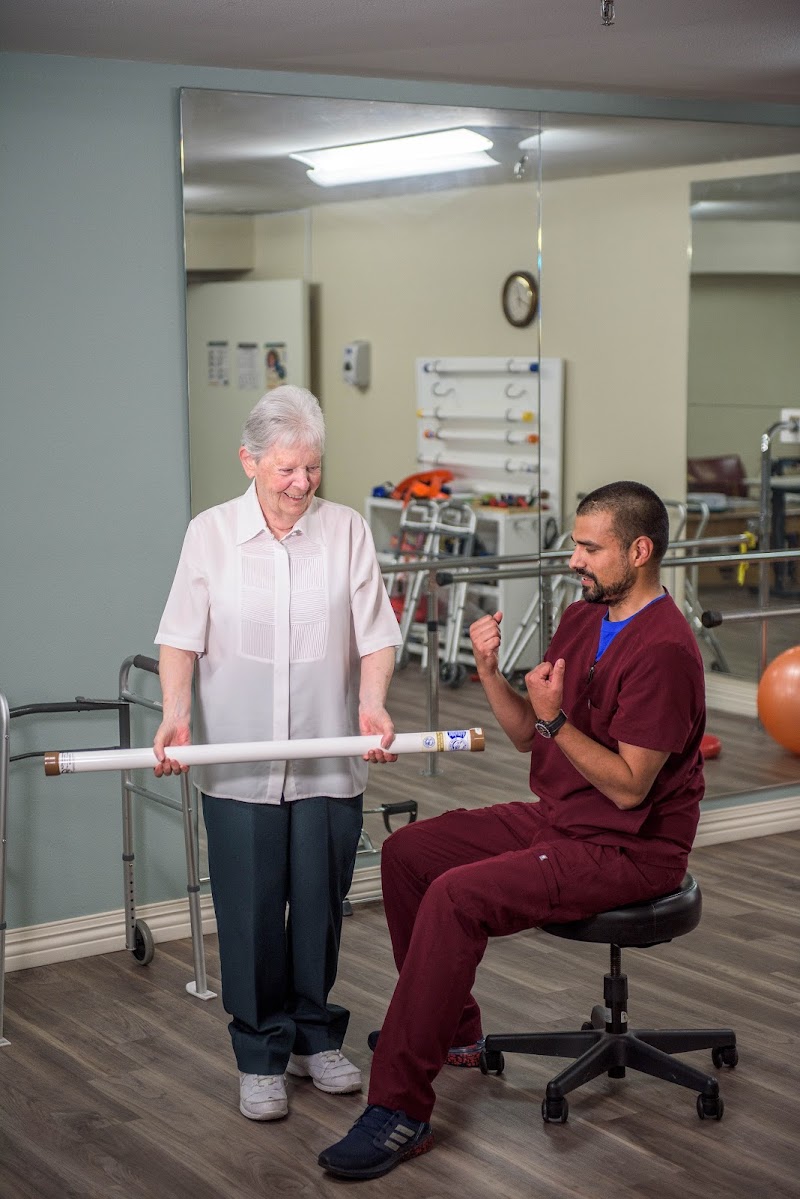
Who Owns and Operates Solheim Senior Community?

SOLHEIM SENIOR COMMUNITY is owned by a non-profit organization. Non-profit facilities reinvest revenue into operations rather than distributing to shareholders. The facility operates independently rather than as part of a larger chain. With 76 certified beds and approximately 65 residents (about 86% occupancy), it is a smaller facility located in LOS ANGELES, California.
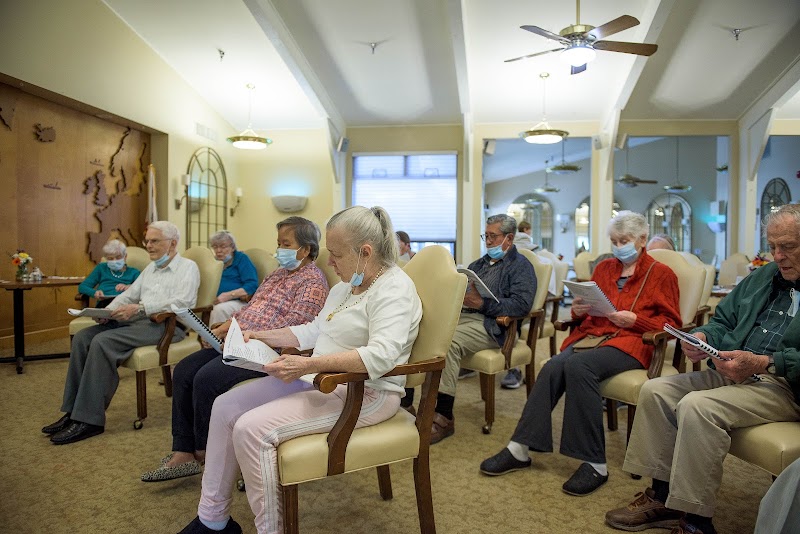
How Does Solheim Senior Community Compare to Other California Nursing Homes?

Compared to the 100 nursing homes in California, SOLHEIM SENIOR COMMUNITY's overall rating (4 stars) is above the state average of 3.2, staff turnover (45%) is near the state average of 46%, and health inspection rating (4 stars) is above the national benchmark.

What Should Families Ask When Visiting Solheim Senior Community?

Based on this facility's data, families visiting should ask: "Can I visit during a mealtime to observe dining assistance and food quality?" "How do you handle medical emergencies, and what is your hospital transfer rate?" "Can I speak with family members of current residents about their experience?"

Is Solheim Senior Community Safe?

Based on CMS inspection data, SOLHEIM SENIOR COMMUNITY has a clean safety record: no substantiated abuse findings (meaning no confirmed cases of resident harm), no Immediate Jeopardy citations (the most serious violation level indicating risk of serious injury or death), and is not on the Special Focus Facility watch list (a federal program monitoring the lowest-performing 1% of nursing homes). The facility has a 4-star overall rating and ranks #1 of 100 nursing homes in California. While no facility is perfect, families should still ask about staff-to-resident ratios and recent inspection results during their visit.

Do Nurses at Solheim Senior Community Stick Around?

SOLHEIM SENIOR COMMUNITY has a staff turnover rate of 45%, which is about average for California nursing homes (state average: 46%). Moderate turnover is common in nursing homes, but families should still ask about staff tenure and how the facility maintains care continuity when employees leave.

Was Solheim Senior Community Ever Fined?

SOLHEIM SENIOR COMMUNITY has no federal fines on record. CMS issues fines when nursing homes fail to meet care standards or don't correct problems found during inspections. The absence of fines suggests the facility has either maintained compliance or corrected any issues before penalties were assessed. This is a positive indicator, though families should still review recent inspection reports for the full picture.

Is Solheim Senior Community on Any Federal Watch List?

SOLHEIM SENIOR COMMUNITY is not on any federal watch list. The most significant is the Special Focus Facility (SFF) program, which identifies the bottom 1% of nursing homes nationally based on persistent, serious quality problems. Not being on this list means the facility has avoided the pattern of deficiencies that triggers enhanced federal oversight. This is a positive indicator, though families should still review the facility's inspection history directly.