ST ANDREWS

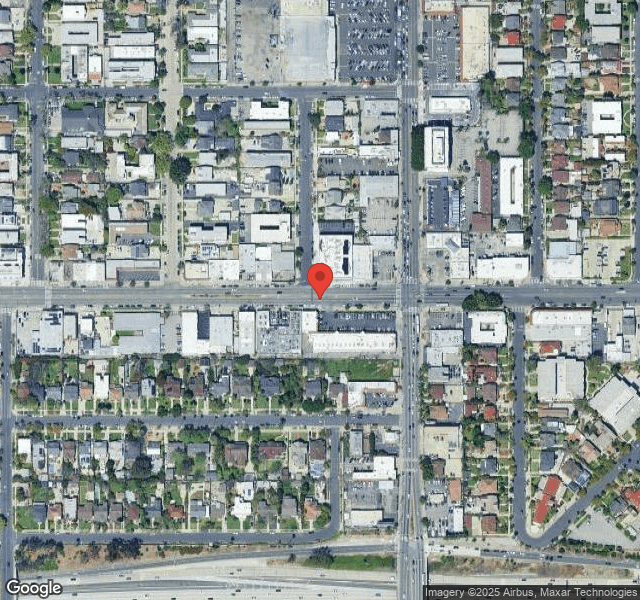
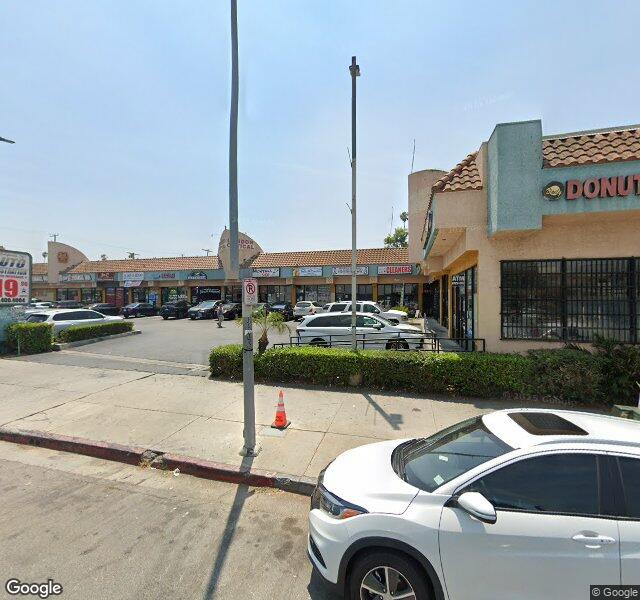
2300 W. WASHINGTON BLVD., LOS ANGELES, CA 90018 (323) 731-0861
For profit - Limited Liability company 59 Beds CHARIS TRUST DTD 12/22/16 Data: November 2025
Trust Grade
85/100
#206 of 1155 in CA
Last Inspection: April 2025

Within standard 12-15 month inspection cycle. Federal law requires annual inspections.

Overview

St. Andrews nursing home has a Trust Grade of B+, which means it is above average and generally recommended for care. It ranks #206 out of 1,155 facilities in California, placing it in the top half, and #36 out of 369 in Los Angeles County, indicating only a few local options are better. The facility is improving, with a decrease in issues from 20 in 2024 to 19 in 2025. Staffing is a notable strength, earning a 5-star rating with only 21% turnover, well below the state average, and indicating that staff remain long-term and are familiar with the residents. There have been no fines reported, which is a positive sign, and St. Andrews has more RN coverage than 82% of California facilities, helping to catch potential problems early. However, there are some concerns highlighted by inspections. For example, the kitchen was found to have unlabelled food and expired items, which raises food safety issues. Additionally, the facility did not keep its resident census information up to date, potentially impacting care services. Lastly, there was a failure to replace a non-antibiotic emergency medication kit within the required timeframe, which could jeopardize resident care in emergencies. Overall, while there are strengths in staffing and quality ratings, families should be aware of these specific areas needing improvement.

Trust Score
B+
85/100
In California
#206/1155
Top 17%
Safety Record
Low Risk
No red flags
Inspections
Getting Better
20 → 19 violations
Staff Stability
✓ Good
21% annual turnover. Excellent stability, 27 points below California's 48% average. Staff who stay learn residents' needs.
Penalties
✓ Good
No fines on record. Clean compliance history, better than most California facilities.
Skilled Nurses
✓ Good
Each resident gets 48 minutes of Registered Nurse (RN) attention daily — more than average for California. RNs are trained to catch health problems early.
Violations
⚠ Watch
52 deficiencies on record. Higher than average. Multiple issues found across inspections.
★★★★★
5.0
Overall Rating
★★★★★
5.0
Staff Levels
★★★★★
5.0
Care Quality
★★★☆☆
3.0
Inspection Score
Stable
2024: 20 issues
2025: 19 issues

The Good

  • 5-Star Staffing Rating · Excellent nurse staffing levels
  • 5-Star Quality Measures · Strong clinical quality outcomes
  • Low Staff Turnover (21%) · Staff stability means consistent care
  • Full Sprinkler Coverage · Fire safety systems throughout facility
  • No fines on record
  • Staff turnover is low (21%)

    27 points below California average of 48%

Facility shows strength in staffing levels, quality measures, staff retention, fire safety.

The Bad

Chain: CHARIS TRUST DTD 12/22/16

Part of a multi-facility chain

Ask about local staffing decisions and management

The Ugly 52 deficiencies on record

Jul 2025 2 deficiencies
CONCERN (D) 📢 Someone Reported This

A family member, employee, or ombudsman was alarmed enough to file a formal complaint

Potential for Harm - no one hurt, but risky conditions existed

Deficiency F0658 (Tag F0658)

Could have caused harm · This affected 1 resident

**NOTE- TERMS IN BRACKETS HAVE BEEN EDITED TO PROTECT CONFIDENTIALITY** Based on observation, interview, and record review, the facility failed to ensure one of 5 sampled residents, Resident 1, who wa...

Read full inspector narrative →
**NOTE- TERMS IN BRACKETS HAVE BEEN EDITED TO PROTECT CONFIDENTIALITY** Based on observation, interview, and record review, the facility failed to ensure one of 5 sampled residents, Resident 1, who was on a pureed diet (foods modified to a soft, pudding-like consistency for residents who have difficulty chewing or swallowing solid foods), was not fed by an untrained facility staff (Recepitonist).This failure placed the resident at risk for choking and aspiration (the inhalation of foreign material, like food, liquid, or stomach contents, into the airway and lungs) of food, which could lead to resident injuries and hospitalization, including death.Findings: During an observation on 7/14/2025 at 12 noon, in the front lobby, the Receptionist was observed sitting in the hallway next to Resident 1 and fed him lunch of a puree textured diet. During a review of Resident 1's admission Record, the admission Record indicated Resident 1 was originally admitted to the facility on [DATE] and re-admitted on [DATE] with diagnoses including nausea and vomiting, cirrhosis of the liver (a condition where healthy liver tissue is replaced with scar tissue, causing the liver to become progressively damaged and unable to function properly), and gastrostomy status (an opening into the stomach from the abdominal wall, made surgically for the introduction of food). During a review of Resident 1's Minimum Data Set (a resident assessment tool) dated 5/14/2025, the MDS indicated Resident 1 had unclear speech, difficulty communicating some words or finishing thoughts but was able, if prompted or given time. The MDS indicated Resident 1 was dependent (helper does all of the effort to complete the activity) on staff with eating, oral hygiene and personal hygiene. During a review of Resident 1's physician order dated 9/10/2024, the physician's order indicated the following orders:1). Oral gratification diet of pureed texture, honey-thick consistency. 2). Use teaspoon only.3). Monitor anxiety behavior manifested by physical aggression to the staff every shift.4). Monitor behavior of trying to get out of bed/ wheelchair unassisted, to record positive (+) if present, negative (-) if absent, every shift.5) Monitor food intake every meal using teaspoon only, all oral (po) trials at this time, one on one feeding three times a day.6). Monitor for any signs and symptoms of difficulty swallowing or coughing, (=) if present, (-) if absent. Notify the physician if noted three times a day. During an interview on 7/14/2025 at 12:30 p.m., with the Receptionist, the Receptionist stated she assists in feeding residents and monitors their behavior when at the lobby. The Receptionist stated the facility did not provide her with training on how to feed residents. The Receptionist stated the Director of Nursing (DON) and other nursing staff (unidentified) expected her to assist in feeding Resident 1 and in monitoring Resident 1's behavior when at the lobby. The Receptionist stated she could jeopardize Resident 1's safety by feeding him without adequate training. During a review of the facility's policy and procedures (P/P) titled, Assistance with Meals, dated 7/2017, the P/P indicated all employees who provide resident assistance with meals should be trained and should demonstrate competencies in the prevention of foodborne illness, including personal hygiene practices and safe food handling. The P/P indicated residents should receive assistance with meals in a matter that meets the individual needs of each resident. The P/P indicated residents who cannot feed themselves, should be fed with attention to safety, comfort and dignity.
CONCERN (D) 📢 Someone Reported This

A family member, employee, or ombudsman was alarmed enough to file a formal complaint

Potential for Harm - no one hurt, but risky conditions existed

Infection Control (Tag F0880)

Could have caused harm · This affected 1 resident

**NOTE- TERMS IN BRACKETS HAVE BEEN EDITED TO PROTECT CONFIDENTIALITY** Based on observation, interview and record review, the facility failed to implement its infection prevention and control measure...

Read full inspector narrative →
**NOTE- TERMS IN BRACKETS HAVE BEEN EDITED TO PROTECT CONFIDENTIALITY** Based on observation, interview and record review, the facility failed to implement its infection prevention and control measures for two of five sampled residents (Residents 3 and 4) by failing to perform hand hygiene (washing hands or using an alcohol-based sanitizer) before and after assisting Resident 3 and Resident 4 with their lunch meals. This failure had the potential to spread germs and increase the risk of infections among residents and staff. Findings:During an observation and concurrent interview on 7/14/2025 at 12:20 p.m. in the activity room, Restorative Nurse Assistant (RNA) 1 was observed sitting down between Resident 3 and Resident 4 during lunch. RNA 1 was observed assisting Resident 3 with using his fork while the resident was eating and feeding Resident 4 with a spoon and failed to perform hand hygiene before and after assisting the residents. RNA 1 stated he should not be assisting two residents at the same time and failing to perform hand hygiene before and after assisting each resident would spread germs and could lead to residents becoming sick.During a review of Resident 3's admission Record, the admission Record indicated Resident 3 was admitted to the facility on [DATE] with diagnoses including cerebral atherosclerosis (a condition where fatty deposits (plaque) build up in the arteries supplying blood to the brain, leading to narrowing and hardening of the arteries), dysphagia (difficulty swallowing), and hypertension (high blood pressure).During a review of Resident 3's Minimum Data Set (MDS-a resident assessment tool) dated 5/19/2025, the MDS indicated Resident 3 sometimes understood, and could respond adequately to simple, direct communication only. The MDS indicated Resident 3 required substantial/maximal assistance (helper does more than half the effort) for Activities of Daily Living (ADLs) such as eating, oral hygiene and personal hygiene.During a review of Resident 3's care plan titled, At Risk for ADL Functioning with Self Care Deficit related to impaired mobility, history of cerebrovascular accident (CVA-stroke, loss of blood flow to a part of the brain) and dysphagia, dated 05/12/2025, the care plan indicated nurses would assist with ADLS daily and as needed. During a review of Resident 4's admission Record, the admission Record indicated Resident 4 was admitted to the facility on [DATE], with diagnoses including dysphagia following cerebral infarction (type of CVA), failure to thrive (a decline caused by chronic diseases and functional impairments that can cause weight loss, decreased appetite, poor nutrition and inactivity) and lack of coordination.During a review of Resident 4's care plan titled, Self-Care Deficit (Feeding) related to impaired hand coordination and motor control as evidenced by difficulty handling utensils and frequent food spillage. dated 5/30/2025, the care plan indicated nurses would demonstrate proper use of the plate and ensure Resident 4 practices using it and monitor nutritional intake and ensure Resident 4 is consuming sufficient food despite physical limitations.During a review of Resident 4's MDS dated [DATE], the MDS indicated Resident 4 could understand others and had the ability to express ideas and wants. The MDS indicated Resident 4 required supervision or touching assistance (helper provides verbal cues and/or touching as resident completes activity) with eating and partial/moderate assistance (helper does less than half the effort) with oral hygiene and personal hygiene.During a review of the facility's policies and procedures (P/P) titled, Handwashing/Hand Hygiene, dated 8/2019, the P/P indicated the facility considers hand hygiene the primary means to prevent the spread of infections. The P&P indicated, all personnel shall follow the handwashing/hand hygiene procedures to help prevent the spread of infections to other personnel, residents and visitors. Staff should use an alcohol-based hand rub containing at least 62% alcohol; or, alternatively, soap and water for the following situations: before and after direct contact with residents; before and after eating or handling food; before and after assisting a resident with meals.
Jun 2025 1 deficiency
CONCERN (D) 📢 Someone Reported This

A family member, employee, or ombudsman was alarmed enough to file a formal complaint

Potential for Harm - no one hurt, but risky conditions existed

Deficiency F0552 (Tag F0552)

Could have caused harm · This affected 1 resident

**NOTE- TERMS IN BRACKETS HAVE BEEN EDITED TO PROTECT CONFIDENTIALITY** Based on observation, interview, and record review, the staff failed to ensure the residents and/or responsible party (RP) were ...

Read full inspector narrative →
**NOTE- TERMS IN BRACKETS HAVE BEEN EDITED TO PROTECT CONFIDENTIALITY** Based on observation, interview, and record review, the staff failed to ensure the residents and/or responsible party (RP) were informed of an alleged abuse on 2/24/2025 and dentist visit on 3/10/2025 for one of three sampled residents (Resident 1). The deficient practice led Resident 1 ' s responsible party feeling ignored and uninformed about the care of Resident 1. Findings: During a review of Resident 1 ' s admission Record, the admission Record indicated Resident 1 was admitted to the facility on [DATE], with diagnoses of hyperlipidemia (high cholesterol) and hypertension (high blood pressure). During a review of Resident 1 ' s History and Physical (H&P) dated 3/11/2025, H&P indicated that Resident 1 did not have the capacity to understand and make decisions. During a review of Resident 1 ' s Minimum Data Set ([MDS], a resident assessment tool), dated 1/29/2024, the MDS indicated Resident 1 was sometimes able to understand and be understood by others. The MDS indicated Resident 1 required supervision for eating, and upper body dressing. The MDS indicated Resident 1 was dependent (helper does all the effort, resident does none of the effort to complete activity) with eating, oral hygiene, toileting hygiene, showering/bathing, upper/lower body dressing, putting on/taking off footwear and personal hygiene. During an interview on 6/3/2025 at 9:04 a.m. with Family Member (FM 1), FM 1 FM 1 stated on 5/5/2025 the Ombudsman (Patient Advocate) had called him to inform him that there had been an allegation of a staff member hitting Resident 1. FM 1 stated the facility staff should have called him to let him know about the incident. FM 1 stated he felt ignored and uninformed about the care of Resident 1. FM 1 stated he had requested the Administrator (ADM) for Resident 1 not to be seen by the dentist as Resident 1 was not eating and he did not want his benefits to be used on something Resident 1 did not need. During an interview on 6/3/2025 at 11:50 a.m. with ADM, ADM stated there was a mixed up with what was reported to FM 1. ADM stated Resident 1 had hit a night shift nurse and License Vocational Nurse (LVN 1) reported anonymously the resident to the Ombudsman. The ADM stated the Ombudsman had came a couple of weeks ago to investigate an allegation which was already investigated and cleared back in May. The ADM stated they did not inform FM 1 about the incident because the abuse allegation was anonymous. it was not substantiated and did not want to make it worse for the family. During an interview on 6/3/2025 at 3:51 p.m. with ADM, ADM stated he should have notified FM 1 regarding the incident to ensure open communication and assurance that Resident 1 was well cared for. During an interview on 6/11/2025 at 9:36 a.m. with Dental Office Staff, the Dental Office staff stated the mobile dental office saw all new residents and Resident 1 was seen on 3/10/2025 for initial visit and was seen again on 3/20/2025 for x-rays. During an interview on 6/11/2025 at 9:43 a.m. with ADM, the ADM stated Resident 1 was seen initially by dentist in March. The ADM stated he received the notice ofdental visit at the facility which he forwarded to FM 1. The ADM stated FM 1 requested for Resident 1 not to be seen after the notice was given to FM 1. The ADM stated social services was supposed to notify FM 1 of initial dental visit, but she did not. During a review of the facility ' s Policies and Procedures (P&P) titled Change of Condition, undated, the P&P indicated the facility shall promptly notify the resident, his or her attending Physician, and representative (Sponsor) of changes in the resident's medical/mental condition and/or status (e.g., changes in level of care, billing/payments, resident tights, etc.).
Apr 2025 16 deficiencies
CONCERN (D)

Potential for Harm - no one hurt, but risky conditions existed

Resident Rights (Tag F0550)

Could have caused harm · This affected 1 resident

**NOTE- TERMS IN BRACKETS HAVE BEEN EDITED TO PROTECT CONFIDENTIALITY** Based on observation, interview, and record review, the facility failed to provide assistance to one of three sampled residents ...

Read full inspector narrative →
**NOTE- TERMS IN BRACKETS HAVE BEEN EDITED TO PROTECT CONFIDENTIALITY** Based on observation, interview, and record review, the facility failed to provide assistance to one of three sampled residents (Resident 8) who had ill-fitting clothing, exposing the resident's buttocks. This failure had the potential to negatively affect Resident 8's sense of self-worth and self- esteem. Findings: During a review of Resident 8's admission Record, the admission Record indicated the facility admitted Resident 8 on 5/15/2017 and was readmitted on [DATE] with diagnoses including Parkinson's disease (a progressive of the nervous system marked by tremor, muscular rigidity, and slow, imprecise movements), idiopathic peripheral autonomic neuropathy (nerve damage in hands and feet) restless leg syndrome (an overwhelming urge to move legs often, accompanied by uncomfortable sensations in the legs), right hand, right elbow, left hand contractures (a stiffening/shortening at any joint, that reduces joint's range of motion), and polyosteoarthritis (arthritis that affects five or more joints simultaneously). During a review of Resident 8's Minimum Data Set (MDS - a resident assessment tool), dated 8/19/2024, the MDS indicated Resident 8 had no cognitive (ability to think and reason) impairment and required substantial/maximal assistance (helper does more than half the effort) from the staff with dressing, toileting hygiene, oral hygiene bathing, lower/upper body dressing, putting on/taking off footwear. During on observation on 4/15/2025 at 10:10 a.m. in Resident 8's room, Resident 8 was walking towards his wheelchair, while holding up loose fitting pants that were exposing both bare buttocks. Resident 8 was observed getting up and trying to adjust pants to waistline and sitting back in wheelchair six times to cover exposed buttocks while staff walked by in hallway. During an interview on 4/15/2025 at 1:55 p.m. with Registered Nurse (RN) 1, RN 1 stated Resident 11 required help with dressing. RN 1 stated if staff noticed resident needed help, staff would assist resident, and report to the nurse and the social worker. RN 1 stated has noticed that some of the resident's pants were old and his pajamas are loose. RN 1 stated having the resident's buttocks exposed was not right or respectful. During an interview on 4/15/2025 at 2:17 p.m. with Social Service Designee Worker (SSD), SSD stated if a resident needed clothes, the facility had extra clothes for residents in need or would call next of kin if available. The SSD stated, it was not appropriate for resident to have his buttocks exposed. During an interview on 4/16/2025 at 9:17 a.m. with Resident 8 stated, my pants are loose and I'm trying to get them over my knees all the time. During a review of the facility's policy and procedure (P&P) titled, Dignity, undated, the P&P indicated, Residents are treated with dignity and respect at all times. Individual needs . of the resident are identified through the assessment process. Staff are expected to promote dignity and assist residents.
CONCERN (D)

Potential for Harm - no one hurt, but risky conditions existed

Deficiency F0561 (Tag F0561)

Could have caused harm · This affected 1 resident

**NOTE- TERMS IN BRACKETS HAVE BEEN EDITED TO PROTECT CONFIDENTIALITY** Based on observation interview and record review, the facility failed to honor snack preferences for one of five sampled residen...

Read full inspector narrative →
**NOTE- TERMS IN BRACKETS HAVE BEEN EDITED TO PROTECT CONFIDENTIALITY** Based on observation interview and record review, the facility failed to honor snack preferences for one of five sampled residents (Resident 34). This deficient practice resulted in Resident 34 not being able to make choices about his preference for food. Findings: During a review of Resident 34's face sheet (front page of the chart that contains a summary of basic information about the resident), the face sheet indicated Resident 34 was originally admitted to the facility on [DATE] and readmitted on [DATE] with diagnoses which included obesity (the state or condition of being very fat or overweight), chronic pulmonary edema (a condition where there is a persistent buildup of fluid in the lungs, leading to difficulty breathing), type 2 diabetes (a disorder characterized by difficulty in blood sugar control and poor wound healing) and hemiplegia (total paralysis of the arm, leg, and trunk on the same side of the body). During a review of Resident 34's physician orders, dated 12/7/2023, the physician order indicated to give only healthy snacks like fruit, cheese, crackers, and to avoid junk food like chips, candy bars. The physician order continued, If resident wants more snacks tell him they ran out. During a review of Resident 34's Minimum Data Set (MDS- a federally mandated resident assessment tool), dated 1/31/2025, the MDS indicated Resident 34's cognitive (thinking) skills were intact. The MDS also indicated Resident 34 was dependent on staff with Activities of Daily Living (ADLs- routine tasks/activities such as bathing, dressing and toileting a person performs daily to care for themselves). During a review of Resident 34's interdisciplinary team (IDT) note, dated 1/31/2025, the IDT note indicated resident enjoyed eating ice cream and snacks. During an interview, on 4/15/2025, at 11:10 a.m., with Resident 34, Resident 34 stated he would have liked to receive more snacks. Resident 34 stated he was sometimes told the facility ran out of snacks when he asks for more. Resident 34 stated it caused him to feel frustrated as the facility wanted him to lose weight. During a concurrent interview and record review, on 4/17/2025, at 11:40 a.m., with Licensed Vocational Nurse 1 (LVN 1), LVN 1 stated all residents had the right to receive snacks. LVN 1 stated the facility had never run out of snacks for residents. LVN 1 stated if a resident asks for another snack, staff should not tell the resident there wasn't more. LVN 1 observed Resident 34's physician order and stated the order was inappropriate. LVN 1 stated the risk of informing a resident there weren't any snacks when there was could result in disallowing a resident to make a decision/choice on any snack alternatives. LVN 1 stated We are supposed to give the residents snacks when they ask and during snack time. During a review of the facility's policy and procedures (P&P), titled Residents Rights, revised 12/2016 the P&P indicated, Federal and state laws guarantee certain basic rights to all residents of this facility. These rights include the resident's right to: exercise his or her rights as a resident of the facility. During a review of the facility's P&P, titled Dignity, revised 2/2021, the P&P indicated 'when assisting with care, residents are supported in exercising their rights. For example, residents are allowed to choose when to sleep, eat and conduct activities of daily living.
CONCERN (D)

Potential for Harm - no one hurt, but risky conditions existed

Notification of Changes (Tag F0580)

Could have caused harm · This affected 1 resident

**NOTE- TERMS IN BRACKETS HAVE BEEN EDITED TO PROTECT CONFIDENTIALITY** Based on observation, interview, and record review, the facility failed to notify the physician for one of three sampled residen...

Read full inspector narrative →
**NOTE- TERMS IN BRACKETS HAVE BEEN EDITED TO PROTECT CONFIDENTIALITY** Based on observation, interview, and record review, the facility failed to notify the physician for one of three sampled resident (Resident 11) who was refusing range of motion (ROM- full movement potential of a joint where two bones meet) therapy. This failure had the potential for Resident 11 to decline in physical functioning and resulted in delayed continuity of care due to the physician not being notified in a timely manner. Findings: During a review of Resident 11's admission Record, the admission Record indicated the facility admitted Resident 11 on 10/19/2011 and was readmitted on [DATE] with diagnoses including cerebral vascular accident (stroke), right hemiplegia(total paralysis of the arm, leg, and trunk on the same side of the body) left hip contracture (a stiffening/shortening at any joint, that reduces the joint's range of motion), and right hip contracture. During a review of Resident 11's Minimum Data Set (MDS- a resident assessment tool), dated 3/18/2025, the MDS indicated Resident 11 had severe cognitive (ability to think, understand, learn, and remember) impairment, was dependent (helper does all of the effort) on the staff with dressing, oral hygiene, toileting hygiene, bathing, lower/upper body dressing, rolling, sitting or moving from a bed to a chair and had unclear speech (slurred or mumbled words). During a review of Resident 11's History and Physical (H&P), dated 11/12/2024, the H&P indicated, the resident does not have the capacity to understand and make decisions. During a review of Resident 11's Physician Orders, dated 6/12/2017, the Physician Orders indicated for Restorative Nurse Assistant (RNA) to provide passive ROM (the movement of a joint where an external force, from a therapist or a machine, is responsible for the movement, not the person's own muscles) exercises to both legs, five times per week as tolerated, and passive ROM on right upper extremity five times per week, then to apply right hand splint (device used to hold bones and joints in place) up to four hours every day five times per week or as tolerated to minimize risk for further contracture. During a review of Resident 11's Care Plan, dated 6/20/22 indicated, to notify the physician, and resident representative of resident's refusal of treatment. During a review of the facility's RNA Weekly Summary dated 4/10/2025, the weekly summary indicated Resident 11 refused ROM exercises for the following dates: 4/10/2025, 4/11/2025, 4/12/2025, 4/13/2025, 4/14/2025, 4/15/2025, 4/16/2025 and 4/17/2025. During on observation on 4/15/2025 at 10 a.m. in Resident's 11 room, Resident 11 was awake, in bed responded to name by moving head and eyes toward the direction of voice heard. Resident 11 arms or legs were not moving. During a concurrent interview and record review on 4/16/2025 at 9:04 a.m., with Licensed Vocational Nurse (LVN) 2, LVN 2 stated the physician and family were not notified of Resident 11's refusal for ROM therapy. LVN 2 stated Resident 11's physician should have been notified to be aware of resident's status. LVN 2 stated when residents refuse therapy ordered by a physician, the physician should be notified as indicated by the facility's policy. There was no documentation found notifying physician and/or family in the resident's clinical record. During an interview on 4/16/2025 at 9:10 a.m. with the Director of Nursing (DON), the DON stated the facility's policy was to notify the physician when a resident refuses treatment so the physician iwas aware. The DON stated the resident's condition might get worse as a consequence of not reporting. During a review of the facility's policy and procedure (P&P) titled, Refusal of Prescribed Treatment Plan, undated, the P&P indicated, Notify the physician of the resident's refusal of treatment. Document information in the Nursing notes. Obtain physician's orders for an alternate treatment or procedure, if indicated. During a review of the facility's policy and procedure (P&P) titled, Change in a Resident's Condition or Status, undated, the P&P indicated, The nurse will notify the resident's Attending Physician or physician on call when there has been a refusal of treatment .two or more consecutive times.
CONCERN (D) 📢 Someone Reported This

A family member, employee, or ombudsman was alarmed enough to file a formal complaint

Potential for Harm - no one hurt, but risky conditions existed

Deficiency F0582 (Tag F0582)

Could have caused harm · This affected 1 resident

**NOTE- TERMS IN BRACKETS HAVE BEEN EDITED TO PROTECT CONFIDENTIALITY** Based on observation interview and record review, the facility failed to ensure the responsible party/Power of Attorney was noti...

Read full inspector narrative →
**NOTE- TERMS IN BRACKETS HAVE BEEN EDITED TO PROTECT CONFIDENTIALITY** Based on observation interview and record review, the facility failed to ensure the responsible party/Power of Attorney was notified of Medi-Cal approval for one of five sampled residents (Resident 46). This deficient practice had the potential to result in the responsible party not being able to make medical decisions for the resident. Findings: During a review of Resident 46's face sheet (front page of the chart that contains a summary of basic information about the resident), the face sheet indicated Resident 46 was admitted to the facility on [DATE], with diagnoses that included myalgia (pain in a muscle or group of muscle), unspecified dementia (a progressive state of decline in mental abilities), unspecified psychosis (a severe mental condition in which thought, and emotions are so affected that contact is lost with reality) and toxic encephalopathy (brain dysfunction caused by toxic exposure). During a review of Resident 46's Minimum Data Set (MDS - a federally mandated resident assessment tool), dated 2/11/2025, the MDS indicated Resident 46's cognitive (thinking) skills were severely impaired. The MDS also indicated Resident 46 required maximal assistance by staff with Activities of Daily Living (ADLs- routine tasks/activities such as bathing, dressing and toileting a person performs daily to care for themselves). During a concurrent interview and record review, on 4/17/2025, at 9:24 a.m., with the Social Service Director (SSD), the SSD stated she and the Business Office Manager (BOM) were responsible for applying for Medi-Cal insurance approval for all residents. The SSD stated when a resident's Medi-Cal insurance was approved, the resident or their responsible party were to be notified as soon as possible. The SSD stated Resident 46's Medi-Cal insurance was approved in August 2024. The SSD stated she called and notified Resident 46's responsible party in March 2025 due to Resident 46's outstanding share of cost balance. The SSD stated the risk of not notifying a resident's responsible party of Medi-Cal approval could result in violating residents' rights and a delay in necessary medical services. During a concurrent interview and record review, on 4/17/2025, at 9:33 a.m., with the BOM, the BOM stated she called Resident 46's responsible party in October 2024 to notify her of Resident 46's Medi-Cal approval which was retroactive to August 2024 and of Resident 46's share of cost. The BOM stated Resident 46' responsible party did not answer the phone. The BOM stated although Resident 46's responsible party visits the resident at the facility often and calls the facility, Resident 46's responsible party was not notified that Resident 46's Medi-Cal insurance was approved nor informed about the share of cost. The BOM stated she was hoping Resident 46's responsible party would just pay the share of cost balance. During a review of the facility's undated, policy and procedures (P&P), titled Social Services Designee, the P&P indicated the role of the Social Services Designee included to provide information to resident/families as to Medicare/Medicaid, and other financial assistance programs available to the resident.
CONCERN (D)

Potential for Harm - no one hurt, but risky conditions existed

MDS Data Transmission (Tag F0640)

Could have caused harm · This affected 1 resident

**NOTE- TERMS IN BRACKETS HAVE BEEN EDITED TO PROTECT CONFIDENTIALITY** Based on interview and record review, the facility failed to: 1. Transmit the Minimum Data Set ([MDS]- a resident assessment too...

Read full inspector narrative →
**NOTE- TERMS IN BRACKETS HAVE BEEN EDITED TO PROTECT CONFIDENTIALITY** Based on interview and record review, the facility failed to: 1. Transmit the Minimum Data Set ([MDS]- a resident assessment tool) within 14 days after completion to the Center of Medicare and Medicaid Services (CMS) for one of 20 sampled residents (Resident 53). This deficient practice had the potential to result in a billing error and inaccurate data on resident care needs. Findings: During a review of Resident 53's admission Record (front page of the chart that contains a summary of basic information about the resident), the admission Record indicated, Resident 53 was admitted to the facility on [DATE]. Resident 53's diagnoses included urinary tract infection ([UTI] - an infection in the bladder/urinary tract), diabetes mellitus ([DM] - a disorder characterized by difficulty in blood sugar control and poor wound healing), and cerebrovascular accident ([CVA] - stroke, loss of blood flow to a part of the brain). During a review of Resident 53's History and Physical (H&P), dated 11/28/2024, the H&P indicated, Resident 53 could make needs known but cannot make medical decisions. During a review of Resident 53's MDS assessment, dated 11/29/2024, the MDS indicated, Resident 53 was independent (decisions consistent/reasonable) in cognitive (ability to think and reason) skills for daily decision making. The MDS indicated, Resident 53 was totally dependent (Resident does none of the effort to complete the activity) upon staff for toileting hygiene, upper body dressing, and lower body dressing. During a review of the CMS MDS 3.0 NH Validation Report, the CMS MDS 3.0 NH Validation Report, indicated Resident 53's MDS assessment was submitted more than 14 days after the Assessment Reference Date ([ARD] - the specific date used as the endpoint of the observation period when assessing resident's condition). During a concurrent interview and record review on 4/16/2025 at 3:49 p.m., with the Minimum Data Set Nurse (MDSN), Resident 53's MDS 5-day scheduled assessment, dated 11/29/2024 was reviewed. The MDSN stated Resident 53's MDS Assessment Reference Date (ARD) was 11/29/2024 and was submitted late to the CMS on 2/28/2025. The MDSN stated Resident 53's MDS 5-day scheduled assessment should had been submitted to the CMS within 14 days from the ARD. The MDSN stated it was a federal requirement to complete, submit and transmit any MDS assessment in a timely manner to be compliant with the regulation, for accurate billing purposes and facility reimbursement. During a review of the facility's policy and procedure (P&P) titled, Electronic Transmission of the MDS, dated 11/2019, the P&P indicated, All MDS assessments (e.g., admission, annual, significant change, quarterly review, etc.) and discharge and reentry records are completed and electronically encoded into our facility's MDS information system and transmitted to CMS IQIES Assessment Submission and Processing (ASAP) system in accordance with current OBRA regulations governing the transmission of MDS data. During a review of the facility's P&P titled, MDS Completion and Submission Timeframes, dated 7/2017, the P&P indicated, Our facility will conduct and submit resident assessments in accordance with current federal and state submission timeframes.
CONCERN (D)

Potential for Harm - no one hurt, but risky conditions existed

Assessment Accuracy (Tag F0641)

Could have caused harm · This affected 1 resident

**NOTE- TERMS IN BRACKETS HAVE BEEN EDITED TO PROTECT CONFIDENTIALITY** Based on interview and record, the facility failed to ensure an accurate Minimum Data Set ([MDS] - a resident assessment tool) a...

Read full inspector narrative →
**NOTE- TERMS IN BRACKETS HAVE BEEN EDITED TO PROTECT CONFIDENTIALITY** Based on interview and record, the facility failed to ensure an accurate Minimum Data Set ([MDS] - a resident assessment tool) assessment was completed accurately for two of 20 sampled residents (Resident 3 and 27) by failing to: 1. Esure Resident 3's Trazodone (medication used to treat depression) was not encoded as a hypnotic (a class of psychoactive drugs that treat insomnia and help people fall asleep) under MDS Section N (N0415 High-Risk Drug Classes) for medication. 2. Ensure Resident 27's weight loss was not encoded as significant weight loss (loss of 5 percent ([%] - out of each 100) or more in the last month or loss of 10% or more in last 6 months) under MDS Section K (K0300 Weight Loss). This deficient practice resulted in incorrect data being transmitted to the Center for Medicare and Medicaid Services (CMS) and had the potential to negatively affect the plan of care and delivery of care and services for Resident 3 and 27. Findings: a). During a review of Resident 3's admission Record, the admission Record indicated, Resident 3 was admitted to the facility on [DATE]. Resident 3's diagnoses included anxiety disorder (a condition that involves excessive and persistent feelings of fear, dread, and worry that can interfere with daily life), hypertension ([HTN] - high blood pressure), and generalized muscle weakness. During a review of Resident 3's History and Physical (H&P), dated 9/24/2024, the H&P indicated, Resident 3 could make needs known but could not make medical decisions. During a review of Resident 3's MDS quarterly assessment, dated 2/21/2025, the MDS indicated, Resident 3's cognitive (ability to think and reason) skills for daily decision making were severely impaired (never/rarely made decisions). The MDS indicated, Resident 3 required maximal assistance (helper does more than half the effort) from staff with oral hygiene, upper body dressing, and personal hygiene. During a review of Resident 3's Order Summary Report (a document containing active orders), dated 4/18/2025, the Order Summary Report indicated, the physician placed a telephone order on 7/1/2024 for Resident 3 to start on Trazodone and to give 50 milligrams ([mg) - metric unit of measurement, used for medication dosage and/or amount) by mouth one tablet by mouth at bedtime (9 p.m.) for insomnia manifested by inability to sleep. During a concurrent interview and record review on 4/16/2025 at 9:33 a.m., with the MDS Nurse (MDSN), Resident 3's MDS quarterly assessment, dated 2/21/2025, was reviewed. The MDSN stated Resident 3's MDS quarterly assessment was completed inaccurately. The MDSN stated there was a wrong entry on MDS section N (Medications). The MDSN stated there should be no check marked on section N0415 under hypnotic. The MDSN stated Resident 3 was taking Trazodone which is considered as an anti-depressant medication not a hypnotic. The MDSN stated the coding of medication in the MDS assessment should be based on the classification of the medication not how they are being used. The MDSN stated he will modify the MDS assessment of Resident 3 to reflect the correct assessment. The MDSN stated it was important to encode each sections of the MDS accurately because it could affect the delivery of care and services to residents. b). During a review of Resident 27's admission Record, the admission Record indicated, Resident 27 was admitted to the facility on [DATE]. Resident 3's diagnoses included chronic kidney disease ([CKD] - a condition where the kidneys gradually lose their ability to filter waste products from the blood, leading to a buildup of toxins and other substances in the body, hypertension ([HTN] - high blood pressure), and generalized muscle weakness. During a review of Resident 27's H&P, dated 6/30/2024, the H&P indicated, Resident 27 did not have the capacity to understand and make decisions. During a review of Resident 27's MDS assessment, dated 1/2/2025, the MDS indicated, Resident 27's cognitive skills for daily decision making were severely impaired. The MDS indicated, Resident 27 required maximal assistance from staff with oral hygiene, toileting hygiene, and personal hygiene. During a review of Resident 27's Weights and Vitals Summary from 7/1/2024 to 1/8/2025, the Weights and Vitals Summary indicated the following: 1. On 7/1/2024 - 168 pounds ([lbs.] - unit of weight) 2. On 8/9/2024 - 164 lbs. 3. On 10/5/2024 - 160 lbs. 4. On 11/5/2024 - 160 lbs. 5. On 12/5/2024 - 165 lbs. 6. On 1/8/2025 - 159 lbs. During a review of Resident 27's Nutritional Review Progress Notes, dated 1/10/2025, the Nutritional Review Progress Notes indicated, Resident 27's had weight loss of six lbs. in one month or 3.6%, and weight loss of nine lbs. in six months or 5.4%. During a concurrent interview and record review on 4/17/2025 at 8:29 a.m., with MDSN, Resident 27's MDS assessment, dated 1/2/2025, was reviewed. The MDSN stated Resident 27's MDS was completed inaccurately. The MDSN stated Resident 27's MDS, Section K0300 was coded 2 (Yes), however, it should have been coded as zero 0 (No) because the resident did not have a significant weight loss of 5% in one month or 10% in six months. The MDSN stated by not coding the accurate information on the MDS, it would affect the care and interventions provided to the resident. During a review of the facility's policy and procedure (P&P), titled Certifying Accuracy of the Resident Assessment, dated 11/2019, the P&P indicated Any person completing a portion of the Minimum Data Set/MDS (Resident Assessment Instrument) must sign and certify the accuracy of that portion of the assessment.
CONCERN (D)

Potential for Harm - no one hurt, but risky conditions existed

PASARR Coordination (Tag F0644)

Could have caused harm · This affected 1 resident

**NOTE- TERMS IN BRACKETS HAVE BEEN EDITED TO PROTECT CONFIDENTIALITY** Based on interview and record review, the facility failed to complete and re-submit the Preadmission Screening and Resident Revi...

Read full inspector narrative →
**NOTE- TERMS IN BRACKETS HAVE BEEN EDITED TO PROTECT CONFIDENTIALITY** Based on interview and record review, the facility failed to complete and re-submit the Preadmission Screening and Resident Review ([PASARR - a tool to determine if the person had, or was suspected of having a mental illness, intellectual disability, or related condition) Level one (I) screening and refer one of three sampled residents (Resident 33) who had a diagnoses of anxiety disorder (a condition that involves excessive and persistent feelings of fear, dread, and worry that can interfere with daily life) and major depressive disorder ([MDD] - a mood disorder that causes a persistent feelings of sadness and loss of interest) to the appropriate state-designated authority for PASARR Level two (II) evaluation and determination. This deficient practice had the potential to result in Resident 33 to not receive the appropriate medical treatments for mental illness diagnoses. Findings: During a review of Resident 33's admission Record (front page of the chart that contains a summary of basic information about the resident), the admission Record, indicated, Resident 33 was initially admitted to the facility on [DATE] and readmitted on [DATE]. Resident 33's diagnoses included MDD, anxiety disorder, and congestive heart failure ([CHF] - a heart disorder which causes the heart to not pump the blood efficiently, sometimes resulting in leg swelling). During a review of Resident 33's History and Physical (H&P), dated 11/29/2024, the H&P indicated, Resident 33 had the capacity to understand and make decisions. During a review of Resident 33's Minimum Data Assessment ([MDS] - a resident assessment tool), dated 1/22/2025, the MDS indicated, Resident 33 was independent (decisions consistent/reasonable) in cognitive (ability to think and reason) skills for daily decision making. The MDS indicated, Resident 33 required setup assistance (helper sets up, resident completes activity) from staff with eating, oral hygiene and supervision (helper provides verbal cues) with personal hygiene. During a review of Resident 33's Order Summary Report (a document containing active orders), dated 4/18/2025, the Order Summary Report indicated, the physician placed a telephone order on 3/13/2025 for Resident 33 to start on Buspirone HCl (medication used to relieve anxiety) to give 10 milligrams ([mg) - metric unit of measurement, used for medication dosage and/or amount) by mouth three times a day for anxiety manifested by unrealistic fear due to diagnosis of leukemia (type of cancer that affects the blood cells). The Order Summary Report indicated, the physician placed a telephone order on 3/14/2025 for Resident 33 to start on Sertraline HCl (medication used to treat depression) and to give 50 mg one tablet by mouth daily for depression manifested by inability to sleep. During a concurrent interview and record review on 4/16/2025 at 12:13 p.m., with the Minimum Data Set Nurse (MDSN), Resident 33's PASARR level I Screening completed by another facility on 10/16/2023, was reviewed. The MDSN stated the PASARR Level 1 screening indicated, Resident 33 had no serious mental illness diagnoses and was not receiving psychotropic medications (any drug that affects brain activities associated with mental processes and behavior). The MDSN stated the PASARR Level 1 screening also indicated, Resident 33's case was closed, and a PASARR level II mental health evaluation was not required. The MDSN stated the facility should have completed and resubmitted a new PASARR Level I screening based on Resident 33's diagnoses of anxiety disorder and MDD which were considered as mental illness, and that Resident 33 was currently taking psychotropic medications. The MDSN stated a positive Level I screening would trigger a Level II mental health evaluation. The MDSN stated it was important to refer Resident 33 to the state mental health agency so she could avail additional resources and treatment recommendations for her anxiety disorder and depression. During a review of the facility's policy and procedure (P&P) titled, Behavioral Assessment, Intervention and Monitoring, dated 3/2019, the P&P indicated, New onset or changes in behavior that indicate newly evident or possible serious mental disorder, intellectual disability, or a related disorder will be referred for a PASARR Level II evaluation. During a review of PASRR reference manual, dated 2/2023, the PASRR reference manual indicated, An additional requirement has been added for NF's to promptly notify the state mental health and/or intellectual or developmental disability authority, as applicable, if there is a significant change in the physical or mental condition of an individual who is mentally ill or has an intellectual or developmental disability. This would warrant a re-evaluation to determine if a NF is still the most appropriate setting and/or if the individual could benefit from specialized services for his/her mental illness or intellectual disability.
CONCERN (D)

Potential for Harm - no one hurt, but risky conditions existed

Deficiency F0658 (Tag F0658)

Could have caused harm · This affected 1 resident

**NOTE- TERMS IN BRACKETS HAVE BEEN EDITED TO PROTECT CONFIDENTIALITY** Based on interview and record review, the facility failed to properly obtain an accurate orthostatic blood pressure (a form of l...

Read full inspector narrative →
**NOTE- TERMS IN BRACKETS HAVE BEEN EDITED TO PROTECT CONFIDENTIALITY** Based on interview and record review, the facility failed to properly obtain an accurate orthostatic blood pressure (a form of low blood pressure that happens when standing after sitting or lying down) readings for one of one sampled resident (Resident 10). This deficient practice had the potential to result in Residents 10 experiencing a delay in interventions if they were positive for orthostatic hypotension (low blood pressure). Findings: During a review of Resident 10's Face Sheet (front page of the chart that contains a summary of basic information about the resident), the Face Sheet indicated Resident 10 was admitted on [DATE] with diagnoses that included bipolar disorder (sometimes called manic-depressive disorder; mood swings that range from the lows of depression to elevated periods of emotional highs), muscle weakness, and lack of coordination. During a review of Resident 10's History and Physical (H&P), dated 2/8/2025, the H&P indicated Resident 10 had the ability to understand and make decisions. During a review of Resident 10's Minimum Data Set (MDS - a resident assessment tool) dated 2/21/2025, the MDS indicated Resident 10 was cognitively intact (ability to learn, reason, remember, understand, and make decisions) and had no issues with moving upper extremities (related to the arms) and lower extremities (related to the legs). During a review of Resident 10's Order Summary Report, dated 4/17/2025, the Order Summary Report indicated to monitor for orthostatic hypotension and to monitor the blood pressure lying and standing on Saturdays on the 7a.m.- 3 p.m. shift. During a review of Resident 10's Consultant Pharmacist's Medication Regimen Review (MRR- a document from a pharmacist that shows a thorough examination of a patient's medications to identify and address potential problems, and ensure patient safety), dated 3/1/2025, the MRR indicated to monitor for orthostatic hypotension weekly by taking the blood pressure in two different positions, 3-5 minutes apart (sitting, standing) and to notify the doctor if there was a decline of 20 millimeter of mercury (mmHg- unit of measurement) in the systolic blood pressure (SBP- top number of a blood pressure reading) or a 10 mmHg in the diastolic blood pressure (DBP- bottom number of a blood pressure reading). During a review of Resident 10's Medication Administration Records (MAR - a daily documentation record used by a licensed nurse to document medications and treatments given to a resident), dated 3/2025- 4/2025, the following blood pressures were recorded to monitor Resident 10's orthostatic hypotension: 3/1/2025 lying: 118/76 sitting: 118/76 3/8/2025 lying: 122/74 sitting: 122/74 3/15/2025 lying: 112/69 sitting: 112/69 3/22/2025 lying: 125/71 sitting: 125/71 3/29/2025 lying: 116/67 sitting: 116/67 4/5/2025 lying: 114/69 sitting: 114/69 4/12/2025 lying: 114/70 sitting: 114/70 During a concurrent interview and record review on 4/17/2025 at 11:58 a.m. with the Director of Staff Development (DSD), Resident 10's MAR was reviewed. The DSD stated orthostatic hypotension was determined by monitoring the blood pressure. The nurse would take a blood pressure while the resident was lying down, and then they would have the resident sit up, wait about 3-5 minutes and then take another blood pressure reading. The resident would have orthostatic hypotension if there was a drop of 20 mmHg or more in the SBP or a 10 mmHg or more in the DBP, and the nurse would have to notify the doctor of the findings and wait for further orders. The DSD reviewed Resident 10's MAR and the lying and sitting blood pressures taken on Saturday. The DSD stated on all the orthostatic blood pressure readings in both lying and sitting positions, the blood pressure was the exact same. The DSD stated that was very suspicious and questionable that both readings are the same with no variations because there would always be a change, even if it was a small change. The DSD stated it was unknown if the nurse did not know how to document or take the blood pressure readings, or if there was an issue with the charting system, but the current documentation would not allow the doctor to determine if the resident had orthostatic hypotension or not. During a review of the facility's policy and procedure (P&P), titled Blood Pressure, Measuring, revised 9/2010, the P&P indicated orthostatic hypotension was defined as 20 millimeters of mercury (mmHg- unit of measurement0 decline in systolic blood pressure (the contraction phase of the hear) or a 10-mmHg decline in diastolic blood pressure (relaxing phase of the heart) upon standing. To measure orthostatic hypotension, note the changes in both the systolic and diastolic blood pressure in the standing position compared to the sitting position.
CONCERN (D)

Potential for Harm - no one hurt, but risky conditions existed

Pressure Ulcer Prevention (Tag F0686)

Could have caused harm · This affected 1 resident

**NOTE- TERMS IN BRACKETS HAVE BEEN EDITED TO PROTECT CONFIDENTIALITY** Based on observation, interview and record review, the facility failed to ensure the low air loss mattress settings were correct...

Read full inspector narrative →
**NOTE- TERMS IN BRACKETS HAVE BEEN EDITED TO PROTECT CONFIDENTIALITY** Based on observation, interview and record review, the facility failed to ensure the low air loss mattress settings were correct for one of five sampled residents (Resident 5). This deficient practice had the potential to result in further skin breakdown. Findings: During a review of Resident 5's face sheet (front page of the chart that contains a summary of basic information about the resident), the face sheet indicated Resident 5 was admitted to the facility on [DATE] with diagnoses which included an unstageable pressure ulcer of the back (localized, pressure-related damage to the skin and/or underlying tissue usually over a bony prominence), pressure induced deep tissue damage (damage to the deeper layers of the skin and underlying tissues, like muscle and fat, caused by pressure), major depressive disorder (a mood disorder that causes a persistent feeling of sadness and loss of interest) and nausea (a feeling of sickness with an inclination to vomit). During a review of Resident 5's Minimum Data Set (MDS-?), dated 2/13/2025, the MDS indicated Resident 5's cognitive (thinking) skills were severely impaired. The MDS also indicated Resident 5 was dependent on staff for Activities of Daily Living (ADLs- routine tasks/activities such as bathing, dressing and toileting a person performs daily to care for themselves). During a concurrent observation and interview, on 4/17/2025, at 11:40 a.m., with Licensed Vocational Nurse 1 (LVN 1), LVN 1 stated the low air loss mattress setting was based on a resident's weight. LVN 1 stated Resident 5 weighed 76 lbs. LVN 1 stated Resident 5's low air loss mattress was set to 320 pounds. LVN 1 stated the low air loss mattress was on the wrong setting for Resident 5. LVN stated the risk of setting a low air loss mattress on the wrong setting could result in skin breakdown and wounds. During a review of the undated Dynarex Corporation (manufacturer) low air loss mattress instructions, the manufacturer instructions indicated to Turn the Pressure Adjust to set a comfortable pressure level by using the weight scale as a guide.
CONCERN (D)

Potential for Harm - no one hurt, but risky conditions existed

Deficiency F0688 (Tag F0688)

Could have caused harm · This affected 1 resident

**NOTE- TERMS IN BRACKETS HAVE BEEN EDITED TO PROTECT CONFIDENTIALITY** Based on observation, interview, and record review, the facility failed to provide appropriate services to prevent a decline in ...

Read full inspector narrative →
**NOTE- TERMS IN BRACKETS HAVE BEEN EDITED TO PROTECT CONFIDENTIALITY** Based on observation, interview, and record review, the facility failed to provide appropriate services to prevent a decline in joint range of motion ([ROM] - full movement potential of a joint) for one of four sampled residents (Resident 50) who had limited range of motion by failing to: 1. Provide a left-hand roll (a device that prevents fingers from curling up tightly). This deficient practice had the potential to result in further decline in Resident 50's ROM and overall quality of life. Findings: During a review of Resident 50's admission Record (front page of the chart that contains a summary of basic information about the resident), the admission Record indicated, Resident 50 was admitted to the facility on [DATE]. Resident 50's diagnoses included a contracture (a stiffening/shortening at any joint, that reduces the joint's range of motion) of the muscle of the left forearm, cerebrovascular accident ([CVA] - stroke, loss of blood flow to a part of the brain), and hypertension ([HTN] - high blood pressure). During a review of Resident 50's Minimum Data Set ([MDS] - a resident assessment tool) assessment, dated 2/11/2025, the MDS indicated, Resident 50 was independent (decisions consistent/reasonable) in cognitive (ability to think and reason) skills for daily decision making. The MDS indicated, Resident 50 required maximal assistance (helper does more than half the effort) from staff with toileting hygiene, upper body dressing, and lower body dressing. The MDS indicated, Resident 50 had an impairment in functional limitation in ROM on one side of the upper extremity (UE, shoulder, elbow, wrist, hand). During a review of Resident 50's Joint Mobility Evaluation, dated 2/11/2025, the Joint Mobility Evaluation indicated, Resident 50 had severe joint mobility limitation on the left hand/fingers. During an observation on 4/16/2025 at 11:23 a.m. while in Resident 50's room, Resident 50 was observed sitting in a reclining wheelchair. Resident 50 had a contracture on the left hand, with no adaptive equipment in place (any device designed to assist individuals with disabilities in performing daily tasks and improving their quality of life). During an interview on 4/16/2025 at 11:29 a.m., with Restorative Nursing Assistant 1 ([RNA 1] - nursing assistant who has additional training in rehabilitation technique), RNA 1 stated Resident 50 was receiving ROM exercises on the left UE. RNA 1 stated Resident 50 had severe stiffness on the left hand, and he reported to the Director of Rehab (DOR) last month that Resident 50 needs to have a hand roll to prevent further stiffness. During an interview on 4/16/2025 at 11:40 a.m., with the DOR, the DOR stated RNA 1 reported to her last month that Resident 50 needs to have a hand roll on his left hand. The DOR stated it was an oversight on her part by not recommending an RNA program to place a hand roll on Resident 50's left hand. The DOR stated Resident 50 would benefit from having a hand roll because further contractures would result in pain, skin breakdown, and the facility staff would not be able to provide proper hygiene and would affect the resident's quality of life. During a review of the facility's policy and procedure (P&P), titled Restorative Nursing Services, dated 7/2017, the P&P indicated Residents will receive restorative nursing care as needed to help promote optimal safety and independence. During a review of the facility's undated P&P, titled Prevention of Hand Contractures - Application of Hand rolls and Splints, the P&P indicated The facility is committed to preventing hand contractures and maintaining optimal hand function in residents.
CONCERN (D) 📢 Someone Reported This

A family member, employee, or ombudsman was alarmed enough to file a formal complaint

Potential for Harm - no one hurt, but risky conditions existed

Deficiency F0745 (Tag F0745)

Could have caused harm · This affected 1 resident

**NOTE- TERMS IN BRACKETS HAVE BEEN EDITED TO PROTECT CONFIDENTIALITY** Based on observation, interview and record review, the facility failed to ensure a driver's license was renewed in a timely mann...

Read full inspector narrative →
**NOTE- TERMS IN BRACKETS HAVE BEEN EDITED TO PROTECT CONFIDENTIALITY** Based on observation, interview and record review, the facility failed to ensure a driver's license was renewed in a timely manner for one of five sampled residents (Resident 46). This deficient practice had the potential to result in a delay in the delivery of care and services. Findings: During a review of Resident 46's face sheet (front page of the chart that contains a summary of basic information about the resident), the face sheet indicated Resident 46 was admitted to the facility on [DATE] with diagnoses that included myalgia (pain in a muscle or group of muscle), unspecified dementia (a progressive state of decline in mental abilities), unspecified psychosis (a severe mental condition in which thought, and emotions are so affected that contact is lost with reality) and toxic encephalopathy (brain dysfunction caused by toxic exposure). During a review of Resident 46's Minimum Data Set (MDS - a federally mandated resident assessment tool), dated 2/11/2025, the MDS indicated Resident 46's cognitive (thinking) skills were severely impaired. The MDS also indicated Resident 46 required maximal assistance by staff with Activities of Daily Living (ADLs- routine tasks/activities such as bathing, dressing and toileting a person performs daily to care for themselves). During a concurrent interview and record review, on 4/17/2025, at 9:24 a.m., with the Social Services Director (SSD), the SSD stated she was responsible for applying for and renewing resident's identification card and driver's licenses. The SSD stated she was informed that Resident 46 needed to renew his driver's license in June 2024. The SSD stated she reached out to the Department of Motor Vehicles (DMV) in November 2024 and was informed to fill out a renewal application for Resident 46's driver license. The SSD stated she filled out the application via email in February 2025. The SSD stated she did not follow up with DMV regarding Resident 46's driver's license renewal and figured his responsible party did. The SSD stated the risk of not renewing a resident's driver's license could result in a delay in obtaining medical and necessary services. During a review of the facility's undated policy and procedures (P&P), titled Social Services Designee, the P&P indicated the role of the Social Services Director was to assist in making appointments for the resident/family as requested or appropriate.
CONCERN (D)

Potential for Harm - no one hurt, but risky conditions existed

Pharmacy Services (Tag F0755)

Could have caused harm · This affected 1 resident

**NOTE- TERMS IN BRACKETS HAVE BEEN EDITED TO PROTECT CONFIDENTIALITY** Based on observation, interview, and record review, the facility failed to ensure one of four sampled residents (Resident 3) did...

Read full inspector narrative →
**NOTE- TERMS IN BRACKETS HAVE BEEN EDITED TO PROTECT CONFIDENTIALITY** Based on observation, interview, and record review, the facility failed to ensure one of four sampled residents (Resident 3) did not receive an opened capsule of Duloxetine (a medication used for depression and nerve pain). This deficient practice had the potential to result in Resident 3 to experience adverse effects due to the nurse not following the medication manufacturer's directions. Findings: During an observation on 4/17/2025 at 8:59 a.m., Licensed Vocational Nurse (LVN) 2 opened the Duloxetine Delayed Release (DR- allows the medication to bypass certain areas of the digestive system) 30 milligrams (mg- unit of measurement) Capsule, poured the contents into a medication cup, mixed it with apple sauce, and gave it to Resident 3 to take. A sticker on the Duloxetine Capsule indicated Do Not Crush. During a review of Resident 3's Face Sheet (front page of the chart that contains a summary of basic information about the resident), the Face Sheet indicated Resident 3 was admitted to the facility on [DATE] with diagnoses that included anxiety (a mental health disorder characterized by excessive worrying and fear), ataxic gait (an unsteady walking pattern characterized by a irregular steps, and difficulty maintaining balance), and muscle weakness. During a review of Resident 3's History and Physical (H&P), dated 9/24/2024, the H&P indicated Resident 3 could make Resident 3's needs known but unable to make medical decisions. During a review of Resident 3's Minimum Data Set (MDS - a resident assessment tool) dated 2/21/2025, the MDS indicated Resident 3 had severely impaired cognition (ability to learn, reason, remember, understand, and make decisions) and had no issues with moving her upper extremities (related to the arms) and lower extremities (related to the legs). During a review of Resident 3's Order Summary Report, dated 4/17/2025, the Order Summary Report indicated to administer Duloxetine Capsule DR Particles 30mg to be taken by mouth in the morning for nerve pain. The Order Summary Report also indicated all crushable medications could be crushed and mixed with apple sauce. During an interview on 4/17/2025 at 1:56 p.m. with LVN 2, LVN 2 stated when she administered the Duloxetine Capsule, she opened the capsule and mixed it with apple sauce to give to Resident 3. LVN 2 stated Resident 3 had a hard time swallowing medications and the nurses crushed her medications to give to her. LVN 2 looked at the package for Resident 3's Duloxetine Capsule and stated it was a delayed release medication and should not be crushed or opened because it could cause stomach upset and affect the way the medication was absorbed. During a review of the manufacturer's medication guide titled, Medication Guide for Duloxetine Delayed- release Capsules, revised 5/2014, the medication guide indicated to take Duloxetine DR Capsules as prescribed and to not open, break, or chew the capsule; it must be swallowed whole.
CONCERN (D)

Potential for Harm - no one hurt, but risky conditions existed

Laboratory Services (Tag F0770)

Could have caused harm · This affected 1 resident

**NOTE- TERMS IN BRACKETS HAVE BEEN EDITED TO PROTECT CONFIDENTIALITY** Based on interview and record review, the facility failed to follow the physicians orders to draw monthly labs for a Complete Bl...

Read full inspector narrative →
**NOTE- TERMS IN BRACKETS HAVE BEEN EDITED TO PROTECT CONFIDENTIALITY** Based on interview and record review, the facility failed to follow the physicians orders to draw monthly labs for a Complete Blood Count (CBC), Comprehensive Metabolic Panel (CMP) and Keppra level for one of two sampled residents (Resident 25). This deficient practice had the potential to result in a delay in care and services due to missing laboratory results. Findings: During a review of Resident 25's Face Sheet (front page of the chart that contains a summary of basic information about the resident), the Face Sheet indicated Resident 25 was admitted to the facility on [DATE] with diagnoses that included seizures (a sudden, uncontrolled electrical disturbance in the brain which could cause uncontrolled jerking, blank stares, and loss of consciousness), chronic kidney disease (a condition where the kidneys lose their ability to filter waste and excess fluid from the blood), and diabetes mellitus type 2 (DM- a disorder characterized by difficulty in blood sugar control and poor wound healing). During a review of Resident 25's History and Physical (H&P), dated 8/26/2024, the H&P indicated Resident 25 could make their needs known but unable to make medical decisions. During a review of Resident 25's Minimum Data Set (MDS - a resident assessment tool) dated 3/6/2025, the MDS indicated Resident 25 was cognitively intact (the ability to learn, reason, remember, understand, and make decisions) and had no issues with moving upper extremities (related to the arms) and lower extremities (related to the legs). During a review of Resident 25's Order Summary Report, dated 4/17/2025, the Order Summary Report indicated an order to draw a Complete Blood Count (CBC- a blood test that analyzes the different types and quantities of blood cells in a blood sample), Comprehensive Metabolic Panel (CMP- a blood test that measures 14 different substances in your blood, providing information about your body's fluid balance, electrolytes, liver function, and kidney function), and Keppra ( a prescription medicine used to treat certain types of seizures) blood level drawn monthly. During a concurrent interview and record review on 4/18/2025 at 9:24 a.m. with Licensed Vocational Nurse (LVN) 3, Resident 25's Laboratory Results and Order Summary Report were reviewed. LVN 3 stated Resident 25 had orders to draw a monthly CBC, CMP and Keppra blood level because Resident 25 had kidney issues and was taking Keppra for a history of seizures. Resident 25's laboratory results were reviewed and LVN 3 stated Resident 25 did not have a CBC, CMP and Keppra level drawn for the months of July, August, September, and November. LVN 3 stated it was important for Resident 25's Keppra levels to be drawn to ensure the levels were not too high or too low and if it was, the medication dosage may have to be changed. LVN 3 stated it was also important to let the doctor and the kidney doctor know about any significant changes in Resident 25's CBC and CMP so they could add new interventions if needed. During a review of the facility's policy and procedure (P&P) titled Test Results, dated 4/2017, the P&P indicated the resident's doctor would be notified of the results of the diagnostic tests.
CONCERN (E)

Potential for Harm - no one hurt, but risky conditions existed

Food Safety (Tag F0812)

Could have caused harm · This affected multiple residents

Based on observation, interview and record review, the facility failed to store food in accordance with professional standards for food service safety by failing to: 1. Ensure food items were labeled ...

Read full inspector narrative →
Based on observation, interview and record review, the facility failed to store food in accordance with professional standards for food service safety by failing to: 1. Ensure food items were labeled in Refrigerator 1, Refrigerator 2, Refrigerator 3 and Freezer 2 in the kitchen. 2. Ensure expired food was discarded from Refrigerator 2 in the kitchen. 3. Ensure a dented can sign was on display in the dry storage area. 4. Ensure the kitchen mixer and processer was clean. 5. Ensure the juice dispensing nozzle was clean. This deficient practice had the potential to result in in foodborne illness and contamination. Findings: During a concurrent observation and interview, of the initial kitchen tour, on 4/15/2025, at 8:44 a.m., with the Dietary Supervisor (DS), an opened bag of parmesan cheese was noted to not have a dated label in Refrigerator #1. The DS stated food items in the refrigerator are required to have an open date. The DS stated the risk of not labeling the bag of parmesan cheese could result in residents consuming expired food. During a concurrent observation and interview, of the initial kitchen tour, on 4/15/2025, at 8:48 a.m., with the DS, a bag of expired parsley was observed in Refrigerator 2 covered in brown liquid. The DS stated the bag of parsley should had been thrown away. The DS stated the risk of having expired parsley in refrigerator 2 could cause foodborne illness. During a concurrent observation and interview, of the initial kitchen tour, on 4/15/2025, at 8:51 a.m., with the DS, an opened bag of lettuce, celery and zucchini was labeled with an open date of 4/17/2025 in Refrigerator 2. The DS stated the lettuce, celery and zucchini were labeled with the wrong date. The DS stated the risk of labeling the wrong date on food items could result in not knowing when the item was opened and expired food. During a concurrent observation and interview, of the initial kitchen tour, on 4/15/2025, at 9:01a.m., with the DS, an opened pack of roast beef in a metal container was observed in Refrigerator 3 with no label. The DS stated the roast beef was to have a label. The DS stated the risk of not labeling roast beef could result in not knowing what the contents were. During a concurrent observation and interview, of the initial kitchen tour, on 4/15/2025, at 9:03 a.m., with the DS, a clear container containing red jelly was observed with an expiration date of 3/28/2025 in Refrigerator 3. The DS stated the jelly should had been thrown away. The DS stated the risk of not discarding expired jelly could result in residents becoming ill. During a concurrent observation and interview, of the initial kitchen tour, on 4/15/2025, at 9:06 a.m., with the DS, a bottle of lemon juice was observed in Refrigerator 3 with no open date. The DS stated the risk of not labeling the lemon juice bottle could result in not knowing if or when it expired. During a concurrent observation and interview, of the initial kitchen tour, on 4/15/2025, at 9:14 a.m., with the DS, an opened bag of tamales was observed in Freezer 2 with no label. The DS stated the risk of not labeling the opened bag of tamales could result in not knowing if or when it expired. During a concurrent observation and interview, of the initial kitchen tour, on 4/15/2025, at 9:22 a.m., in the dry storage, with the DS, it was observed there was no designated place or label for the dented cans area. The DS stated there should had been a label on the bottom of the shelf indicating a dented can area. The DS stated the risk of not having a designated dented can area could result in possible contamination of bacteria. During a concurrent observation and interview, of the initial kitchen tour, on 4/15/2025, at 9:28 a.m., with the DS, a mixer and mixer whisks was observed to be uncleaned with a white residue. The DS stated the mixer and mixer whisks were dirty with leftover food. The DS stated the mixer was to be cleaned after every use. The DS stated the risk of having an uncleaned mixer could result in a growth of bacteria. During a concurrent observation and interview, of the initial kitchen tour, on 4/15/2025, at 9:35 a.m., with the Dietary [NAME] (DC), the food processor was observed with debris in its container. The DC stated the food processor should had been free of debris. The DC stated the risk of having debris in the food processor could result in an infection control issue. During a concurrent observation and interview, of the initial kitchen tour, on 4/15/2025, at 9:46 a.m., with the DS, the juice dispenser was observed with an orange residue on the nozzle. The DS stated the residue was a permanent stain. The DS wiped the nozzle and observed it was unclean. The DS stated the juice nozzles were to be cleaned after each use. The DS stated the risk of not cleaning the juice nozzle could result in an infection control problem. During a review of the facility's policy and procedures (P&P), titled Labeling and Dating of Foods, dated 2020, the P&P indicated Newly opened food items will need to be closed and labeled with an open date and used by date. During a review of the facility's policy and procedures (P&P), titled Procedure of Refrigerated Storage, dated 2018, the P&P indicated Food items should be arranged so that older items will be used first and Produce will be delivered frequently and rotated in the order it is delivered to assure that a fresh product is used, free of any wilting or spoilage. During a review of the facility's policy and procedures (P&P), titled Storage of Food and Supplies, dated 2017, the P&P indicated Have a separate area labeled for dented cans and damaged food items, and All dented cans and rusty cans are to be separated from the remaining stock and placed in a specified labeled area for return to purveyor for refund. During a review of the facility's policy and procedures (P&P), titled Electrical Food Machines, dated 2018, the P&P indicated, Mixing Machines: Wash bowl and beater after each use. and Food Grinders: Wash after each use. The facility did not have a policy indicating how often the kitchen juice nozzles was to be cleaned.
CONCERN (E)

Potential for Harm - no one hurt, but risky conditions existed

Deficiency F0838 (Tag F0838)

Could have caused harm · This affected multiple residents

Based on interview and record review, the facility failed to revise and provide an updated average daily census of the Facility Assessment Tool (a process for evaluating a facility's resident populati...

Read full inspector narrative →
Based on interview and record review, the facility failed to revise and provide an updated average daily census of the Facility Assessment Tool (a process for evaluating a facility's resident population and identifying the resources needed to provide care and services). This deficient practice had the potential to place residents at risk for delay of care and treatment services. Findings: During a review of the facility census for 4/15/2025, indicated 54 residents resided in the facility. During a concurrent interview and record review on 4/16/2025 at 8:21 a.m., with the Administrator (ADM), the Facility Assessment Tool, was reviewed. The ADM stated the Facility Assessment Tool was last updated on 12/6/2024. The ADM stated the assessment provided was an average daily census of 51 residents. The ADM stated the average daily census recorded on the Facility Assessment Tool did not match with the current census. The ADM stated the Facility Assessment Tool was not accurate because of the average daily census which is below the actual census. The ADM stated there were three residents who were not accounted for on the Facility Assessment Tool. The ADM stated he was responsible for updating the Facility Assessment Tool. The ADM stated the Facility Assessment Tool should be updated and revised yearly and as necessary if there was a change in the resident population and operation of the facility in order to provide the needs of the residents. The ADM stated it was important to indicate the correct average daily census in the Facility Assessment Tool for the facility to plan adequately for staffing needs and to be able to accommodate and determine what resources are necessary to provide the care services of the residents. During a review of the facility's policy and procedure (P&P) titled, Facility Assessment, dated 10/2018, the P&P indicated, The Facility Assessment is reviewed and updated annually, and as needed. Facility or resident changes or modifications that may prompt a reassessment sooner include a significant change in the resident census and/or overall acuity of our residents. During a review of Centers for Medicare and Medicaid Services (CMS), reference QSO-24-13-NH, dated 6/18/2024, titled Revised Guidance for Long-Term Care Facility Assessment Requirements, indicated the new requirements specify that the facility assessment must include an evaluation of diseases, conditions, physical or cognitive limitations of the resident population, acuity (the level of severity of residents' illnesses, physical, mental, and cognitive limitations, and conditions) and any other pertinent information about the resident population as a whole that may affect the services the facility must provide. The facility must also review and update the assessment whenever there is, or the facility plans, for any change that would require a substantial modification to any part of the assessment.
MINOR (B)

Minor Issue - procedural, no safety impact

Deficiency F0912 (Tag F0912)

Minor procedural issue · This affected multiple residents

Based on observation, interview, and record review, the facility failed to provide at least 80 square feet ([sq. ft.] unit of measurement) per resident in multiple resident bedrooms for 11 out of 23 r...

Read full inspector narrative →
Based on observation, interview, and record review, the facility failed to provide at least 80 square feet ([sq. ft.] unit of measurement) per resident in multiple resident bedrooms for 11 out of 23 resident rooms. The insufficient space had the potential to result in and lead to inadequate nursing care to the residents. Findings: During a facility tour on 4/17/2025 at 3:15 p.m., it was observed that residents in Rooms 1, 3, 4, 5, 6, 7, 8, 9, 10, 14, and 16 were able to move in and out of their rooms, and there was space for the beds, side tables, and resident care equipment. During an interview on 4/17/2025 at 3:35 p.m., with the Maintenance Supervisor (MS), the MS confirmed they had resident rooms with less than the required 80 sq. ft. per resident. The facility's letter requesting a Room Size Waiver, dated 4/17/2025, submitted by the Administrator (ADM), for 11 resident rooms was reviewed. The waiver request letter indicated there were no problems with resident safety nor was there a problem with physical accommodation of needs, including handicapped equipment accessibility, which was observed in these rooms. The following room provided less than 80 sq. ft. per resident: Rooms # beds sq. ft 1 3 224.40 3 3 216.00 4 3 216.00 5 3 216.00 6 3 216.00 7 3 216.00 8 3 216.00 9 3 216.00 10 3 216.00 14 3 231.24 16 3 231.24 The minimum sq. ft. for a three-bedroom room was 240 sq. ft. The Department of Public Health recommends a room waiver.
Sept 2024 2 deficiencies
CONCERN (D) 📢 Someone Reported This

A family member, employee, or ombudsman was alarmed enough to file a formal complaint

Potential for Harm - no one hurt, but risky conditions existed

Comprehensive Care Plan (Tag F0656)

Could have caused harm · This affected 1 resident

**NOTE- TERMS IN BRACKETS HAVE BEEN EDITED TO PROTECT CONFIDENTIALITY** Based on interview and record review, the facility failed to ensure one out of four sampled residents (Resident 2) had a Care Pl...

Read full inspector narrative →
**NOTE- TERMS IN BRACKETS HAVE BEEN EDITED TO PROTECT CONFIDENTIALITY** Based on interview and record review, the facility failed to ensure one out of four sampled residents (Resident 2) had a Care Plan (a documentation that outlines a patient's care and is created by a nurse as part of the nursing process) for physical aggression (behavior causing or threatening physical harm towards others). This deficient practice of not having a Care Plan for physical aggression had the potential for Resident 2 to be physical aggressive again. Findings: During a review of Resident 2's admission Record (Face Sheet), the Face Sheet indicated Resident 2 was initially admitted to the facility on [DATE]. Resident 2's diagnoses included schizophrenia (a serious mental illness that affects a person's thoughts feelings, and behaviors), bipolar disorder (a mental illness that causes extreme mood swings), major depressive disorder (a mental health disorder persistently sad mood or loss of interest in activities). During a review of Resident 2's History and Physical (H&P), dated 8/21/2024, the H&P indicated Resident 2 had the capacity to understand and make decisions. During a review of Resident 2's Minimum Data Set ([MDS] a comprehensive assessment and care-screening tool), dated 9/11/2024 the MDS indicated, Resident 2 cognition (ability to learn, reason, remember, understand, and make decisions) was cognitively intact. Resident 2 activities of daily living ([ADL] activities related to personal care) required maximal assistance for dressing, dependent for toileting hygiene and showering. During an interview on 9/24/2024 at 4:15 p.m. with Licensed Vocational Nurse (LVN) 2, the LVN 2 stated Resident 2 did not have a Care Plan for physical aggression. LVN 2 stated it was important to develop a Care Plan for physical aggression. LVN 2 stated Care Plan for physical aggression would specifically set the goals and interventions Resident 2. LVN 2 stated after the develop of the Care Plan will continue to monitor to see if the interventions are working. LVN 2 stated if the interventions are not working; the interventions can be changed. During an interview on 9/24/2024 at 4:45 p.m. with Director of Nursing (DON), The DON stated Resident 2 did have a Care Plan for the physical aggression on 9/10/2024. The DON stated there should had been a Care Plan for Resident 2 with the focus on the physical altercation. The DON stated the interventions should have included Resident 2's whereabouts and the frequency (the number of times something should be completed) of his whereabouts. The DON stated it was important to have a Care Plan for physical aggression to prevent Resident 2 from doing it again. During a review of the facility's policy and procedure (P&P) titled, Care Plans, Comprehensive Person-Centered, date unknown, the P&P indicated, a comprehensive, person-centered care plan that includes measurable objectives and timetables to meet the resident's physical, psychosocial and functional needs is developed and implemented for each resident. The P&P indicated, to incorporate identified problem areas and incorporate risk factors associated with identified problem. The P&P indicated, areas of concern that are identified during the resident assessment and address the underlying source of the problem area not just addressing only symptoms or triggers.
CONCERN (D) 📢 Someone Reported This

A family member, employee, or ombudsman was alarmed enough to file a formal complaint

Potential for Harm - no one hurt, but risky conditions existed

Deficiency F0711 (Tag F0711)

Could have caused harm · This affected 1 resident

**NOTE- TERMS IN BRACKETS HAVE BEEN EDITED TO PROTECT CONFIDENTIALITY** Based on interview and record review the facility failed to ensure the physician order was followed for one out of four sampled ...

Read full inspector narrative →
**NOTE- TERMS IN BRACKETS HAVE BEEN EDITED TO PROTECT CONFIDENTIALITY** Based on interview and record review the facility failed to ensure the physician order was followed for one out of four sampled Residents (Resident 1). This deficient practice of not following physician orders placed the Resident 1 at risk for continuing aggressive behavior after an altercation (a noisy argument or quarrel between people which could include fighting). Findings: During a review of Resident 1's admission Record (Face Sheet), the Face Sheet indicated Resident 1 was initially admitted to the facility on [DATE] and readmitted on [DATE]. Resident 1's diagnoses included moderate intellectual disabilities (a level of intellectual disability that is characterized by an average mental age of six to nine years), osteomyelitis (inflammation or swelling that occurs in the bone), functional quadriplegia (a mental health disorder persistently sad mood or loss of interest in activities). During a review of Resident 1's History and Physical (H&P), dated 8/21/2024, the H&P indicated Resident 1 had the capacity to understand and make decisions. During a review of Resident 1's Minimum Data Set ([MDS] a comprehensive assessment and care-screening tool), dated 7/30/2024 the MDS indicated, Resident 1 cognition (ability to learn, reason, remember, understand, and make decisions) was cognitively intact. Resident 1 was dependent on staff for toileting hygiene, showering, and dressing. During a review of Resident 1's physician orders titled, Order Summary Report, dated 9/10/2024, the Order Summary Report indicated to monitor resident for negative psychological impact due to recent altercation every shift. During a review of Resident 1's Medication Administration Record, dated 9/10/2024, the Medication Administration Record had no indication to monitor resident for negative psychological impact due to recent altercation every shift. During a concurrent interview and record review on 9/24/2024 at 4:30 p.m. with Licensed Vocational Nurse (LVN 2), Resident 1's physician orders titled, Order Summary Report, dated 9/10/2024 was reviewed. The Order Summary Report indicated, on 9/10/2024 Resident 1 was to be monitored for negative psychological impact due to recent altercation every shift. LVN 2 stated I reviewed the Medication Administration Report, and I did not see an order to monitor Resident 1's for psychological impact every shift. LVN 2 stated there is a physician order to monitor Resident 1 every shift on the Order Summary Report and did not notice it. LVN 2 stated the physician order was not being followed. LVN 2 stated the monitoring of the psychological impact was not being documented and the physician will have no knowledge if the orders are effective. LVN 2 stated without proper monitoring Resident 1's behavior could remain the same or get worse. During a concurrent interview and record review on 9/24/2024 at 4:55 p.m. with Director of Nursing Resident 1's physician orders titled, Order Summary Report, dated 9/10/2024 was reviewed. The Order Summary Report indicated, on 9/10/2024 Resident 1 was to be monitored for negative psychological impact due to recent altercation every shift. The DON stated there is no documentation of Resident 1's psychological impact on the Medication Administration Record. The DON stated when the physician placed the order to monitor Resident 1 it should have been transcribed to the Medication Administration Record. The DON stated, If it's not documented it's not done. The DON stated Resident 1 was to be monitored for his behavior and the impact of that behavior. The DON stated we were to keep record of the impact of Resident 1's behavior on the Medication Administrator Record. The DON stated the impact of not keeping track Resident 1's behavior could affect the other Residents. During a review of the facility's policy and procedure (P&P) titled, Policy and Procedure on Physician Orders, date unknown, the P&P indicated, to ensure that all physician orders are executed accurately and timely by nursing staff in a skilled nursing facility, thereby promoting optimal patient care and safety. The P&P indicated, each nursing staff member must document the execution of orders in the patient's medical record, noting the date, time, and any relevant observations.
Sept 2024 1 deficiency
CONCERN (D) 📢 Someone Reported This

A family member, employee, or ombudsman was alarmed enough to file a formal complaint

Potential for Harm - no one hurt, but risky conditions existed

Comprehensive Care Plan (Tag F0656)

Could have caused harm · This affected 1 resident

**NOTE- TERMS IN BRACKETS HAVE BEEN EDITED TO PROTECT CONFIDENTIALITY** Based on interview and record review, the facility failed to develop a resident-centered care plan for the use of foley catheter...

Read full inspector narrative →
**NOTE- TERMS IN BRACKETS HAVE BEEN EDITED TO PROTECT CONFIDENTIALITY** Based on interview and record review, the facility failed to develop a resident-centered care plan for the use of foley catheter (flexible tube that drains urine from the bladder into a collection bag) for one of three residents (Resident 1). This deficient practice had the potential to result in poor quality care on a resident with foley catheter, placing the resident at risk for urine infection and other catheter usage complications (blockage, sediments). Findings: During a review of Resident 1 ' s admission Record, the admission Record indicated Resident 1 was admitted to the facility on [DATE]. Resident 1 ' s diagnoses included end stage renal disease (medical condition where the kidneys permanently stop functioning and require dialysis or a kidney transplant to stay alive) and muscle weakness. During a review of Resident 1 ' s History and Physical (H&P), the H&P indicated Resident 1 had the capacity to understand and make decisions. During a review of Resident 1 ' s Minimum Data Set ([MDS] a standardized care screening and assessment tool) dated 5/6/2024, the MDS indicated Resident could understand and be understood by others, the MDS indicated Resident 1 required assistance with set up for eating and required verbal cues for oral hygiene. The MDS indicated Resident 1 was dependent and required two or more persons assist with toileting. The MDS indicated Resident 1 required substantial assistance with activities of daily living (ADLs) such as dressing, bathing, bed mobility, and personal hygiene. During a review of Resident 1 ' s Order Summary Report dated 8/20/2024, the Order Summary Report indicated to provide indwelling catheter care every shift and as needed for Resident 1. During an interview on 9/3/2024 at 2:21 p.m. with Registered Nurse (RN), RN stated the facility had not created a care plan for Resident 1 ' s foley catheter. The RN stated the facility was supposed to create a foley catheter care plan for Resident 1 to ensure interventions that would help prevent infections are being implemented. The RN stated some of the interventions should have included cleaning the urethra and to monitor for proper draining of urine out of the catheter. During a concurrent interview and record review on 9/3/2024 at 3:12 p.m. with Director of Nursing (DON), the facility ' s undated policy and procedure (P&P) titled Catheter care, Indwelling Catheter was reviewed. The DON stated the facility did not follow their P&P for catheter care. The P&P indicated catheter care was an underlying problem. The P&P indicated, the identified underlying problem, would have assisted the nursing staff to develop an individualized care plan. The P&P indicated a care plan should have been developed with the objective of removing the catheter when the problem was resolved, whenever possible.
Aug 2024 3 deficiencies
CONCERN (D) 📢 Someone Reported This

A family member, employee, or ombudsman was alarmed enough to file a formal complaint

Potential for Harm - no one hurt, but risky conditions existed

Comprehensive Care Plan (Tag F0656)

Could have caused harm · This affected 1 resident

**NOTE- TERMS IN BRACKETS HAVE BEEN EDITED TO PROTECT CONFIDENTIALITY** Based on observation, interview, and record review, the facility failed to ensure staff implemented the fall prevention care pla...

Read full inspector narrative →
**NOTE- TERMS IN BRACKETS HAVE BEEN EDITED TO PROTECT CONFIDENTIALITY** Based on observation, interview, and record review, the facility failed to ensure staff implemented the fall prevention care plan for one of two sampled residents (Resident 2). This deficient practice increased the potential for avoidable physical harm to Resident 2 related to a repeat fall with possible injury. Findings: During a review of Resident 2 ' s admission Record, the record indicated Resident 2 was admitted to the facility on [DATE]. Resident 2 ' s admitting diagnoses included hemiplegia and hemiparesis (muscle weakness or partial paralysis on one side of the body that can affect the arms, legs, and facial muscles), lack of coordination, and age-related osteoporosis (a condition in which bones become weak and brittle). During a review of Resident 2 ' s Minimum Data Set (MDS, a standardized assessment and care screening tool), dated 7/4/2024, the MDS indicated Resident 2 did not have impaired cognition (when a person has trouble remembering, learning new things, concentrating, or making decisions that affect their everyday life). The MDS indicated Resident 2 was dependent on staff for activities of daily living (ALDs, self-care activities performed daily such as dressing, bathing, and personal hygiene) and mobility while in and out of his bed. During a review of Resident 2 ' s Change in Condition Evaluation, dated 7/11/2024, the evaluation indicated Resident 2 experienced an unwitnessed fall on 7/11/2024. The record indicated Resident 2 ' s physician was notified, and Resident 2 ' s physician ordered a landing pad (a piece of soft, thick rubber, placed on the ground to protect a part of the body) and an alarm to notify staff of Resident 2 ' s attempt to get out of bed. During a review of Resident 2 ' s care plan titled Actual Fall 7/11/2024, dated 7/11/2024, the care plan indicated Resident 2 had sustained a fall. The staff ' s interventions indicated to ensure a landing pad and alarm were in place to prevent repeat falls and injurious falls. During an observation on 8/27/2024 at 10:57 AM, at Resident 2 ' s bedside, Resident 2 was observed lying in bed. Resident 2 did not have a landing pad on either side of his bed. Resident 2 also did not have a readily visible bed alarm. During a concurrent interview and record review, on 8/27/2024 at 11:13 AM, with Licensed Vocational Nurse (LVN) 1, Resident 2 ' s care plan titled Actual Fall 7/11/2024, dated 7/11/2024, was reviewed. LVN 1 stated Resident 2 was at risk for falls and stated the care plan indicated Resident 2 was supposed to have landing pads at the bedside and an alarm in place. During a concurrent observation and interview, on 8/27/2024 at 11:15 AM, with Licensed Vocational Nurse (LVN) 1, at Resident 2 ' s bedside, LVN 1 observed Resident 2 in bed and stated Resident 2 did not have landing pads at his bedside or a bed alarm in place. LVN 1 stated she could not state why the care plan interventions were not in place. LVN 1 stated Resident 2 was at risk for an unwitnessed fall without the alarm in place and stated Resident 2 was at risk for injury from the fall without the landing pad in place. During a concurrent interview and record review on 8/27/2024 at 2:27 PM, with the Director of Nursing (DON), Resident 2 ' s care plan titled, Actual Fall 7/11/2024, dated 7/11/2024 was reviewed. The DON stated Resident 2 ' s care plan indicated Resident 2 was supposed to have landing pads and an alarm at the bedside. The DON stated the landing pad was for injury prevention or minimization of injury after a fall. The DON stated absence of the landing pad could cause Resident 2 to sustain injury from a fall. The DON then stated the purpose of the alarm was to alert staff if the resident was attempting to get up unassisted and stated Resident 2 was at higher risk for falls if the alarm was not in place. During a review of the facility ' s undated policy and procedure (P&P) titled Safety and Supervision of Residents, the P&P indicated the facility was supposed to implement an individualized, resident-centered approach to safety, which included implementation of interventions reduce accident risks and hazards. During a review of the facility ' s undated P&P titled Falls and Fall Risk, Managing, the P&P indicated resident-centered approaches to managing falls and fall risk required staff to implement the resident-centered fall prevention plan to reduce the resident ' s specific risk factors contributing to falls.
CONCERN (D) 📢 Someone Reported This

A family member, employee, or ombudsman was alarmed enough to file a formal complaint

Potential for Harm - no one hurt, but risky conditions existed

Accident Prevention (Tag F0689)

Could have caused harm · This affected 1 resident

**NOTE- TERMS IN BRACKETS HAVE BEEN EDITED TO PROTECT CONFIDENTIALITY** Based on observation, interview, and record review, the facility failed to ensure fall prevention interventions were implemented...

Read full inspector narrative →
**NOTE- TERMS IN BRACKETS HAVE BEEN EDITED TO PROTECT CONFIDENTIALITY** Based on observation, interview, and record review, the facility failed to ensure fall prevention interventions were implemented, as indicated in the care plan, for one of two sampled residents (Resident 2). This deficient practice increased the potential for avoidable physical harm to Resident 2 related to a repeat fall with possible injury. Findings: During a review of Resident 2 ' s admission Record, the record indicated Resident 2 was admitted to the facility on [DATE]. Resident 2 ' s admitting diagnoses included hemiplegia and hemiparesis (muscle weakness or partial paralysis on one side of the body that can affect the arms, legs, and facial muscles), lack of coordination, and age-related osteoporosis (a condition in which bones become weak and brittle). During a review of Resident 2 ' s Minimum Data Set (MDS, a standardized assessment and care screening tool), dated 7/4/2024, the MDS indicated Resident 2 did not have impaired cognition (when a person has trouble remembering, learning new things, concentrating, or making decisions that affect their everyday life). The MDS indicated Resident 2 was dependent on staff for activities of daily living and mobility while in and out of his bed. During a review of Resident 2 ' s Change in Condition Evaluation, dated 7/11/2024, the evaluation indicated Resident 2 experienced an unwitnessed fall on 7/11/2024. The record indicated Resident 2 ' s physician was notified, and Resident 2 ' s physician ordered a landing pad (a piece of soft, thick rubber, placed on the ground to protect a part of the body) and an alarm to notify staff of Resident 2 ' s attempt to get out of bed. During a review of Resident 2 ' s physician orders, dated 7/11/2024, the orders indicated Resident 2 was supposed to have a landing pad and alarm. During a review of Resident 2 ' s care plan titled Actual Fall 7/11/2024, dated 7/11/2024, the care plan indicated Resident 2 had sustained a fall. The staff ' s interventions indicated to ensure a landing pad and alarm were in place to prevent repeat falls and injurious falls. During an observation on 8/27/2024 at 10:57 AM, at Resident 2 ' s bedside, Resident 2 was observed lying in bed. Resident 2 did not have a landing pad on either side of his bed. Resident 2 also did not have a readily visible bed alarm. During a concurrent interview and record review, on 8/27/2024 at 11:13 AM, with Licensed Vocational Nurse (LVN) 1, Resident 2 ' s care plan titled, Actual Fall 7/11/2024 dated 7/11/2024, was reviewed. LVN 1 stated Resident 2 was at risk for falls and stated the care plan indicated Resident 2 was supposed to have landing pads at the bedside and an alarm in place. During a concurrent observation and interview, on 8/27/2024 at 11:15 AM, with LVN 1, at Resident 2 ' s bedside, LVN 1 observed Resident 2 in bed and stated Resident 2 did not have landing pads at his bedside or a bed alarm in place. LVN 1 stated she could not state why the care plan interventions were not in place. LVN 1 stated Resident 2 was at risk for an unwitnessed fall without the alarm in place and stated Resident 2 was at risk for injury from the fall without the landing pad in place. During a concurrent interview and record review on 8/27/2024 at 2:27 PM, with the Director of Nursing (DON), Resident 2 ' s physician orders dated 7/11/2024 and care plan titled Actual Fall 7/11/2024, dated 7/11/2024 were reviewed. The DON stated Resident 2 ' s physician orders and care plan indicated Resident 2 was supposed to have landing pads and an alarm at the bedside. The DON stated the landing pad was for injury prevention or minimization of injury after a fall and stated absence of the landing pad placed Resident 2 at risk for sustaining injury from a fall. The DON then stated the purpose of the alarm was to alert staff if the resident is attempting to get up unassisted and stated Resident 2 was at higher risk for falls if the alarm was not in place. During a review of the facility ' s undated policy and procedure (P&P) titled Falls and Fall Risk, Managing, the P&P indicated resident-centered approaches to managing falls and fall risk required staff to implement the resident-centered fall prevention plan to reduce the resident ' s specific risk factors contributing to falls.
CONCERN (D) 📢 Someone Reported This

A family member, employee, or ombudsman was alarmed enough to file a formal complaint

Potential for Harm - no one hurt, but risky conditions existed

Pharmacy Services (Tag F0755)

Could have caused harm · This affected 1 resident

**NOTE- TERMS IN BRACKETS HAVE BEEN EDITED TO PROTECT CONFIDENTIALITY** Based on observation, interview, and record review, Licensed Vocational Nurse (LVN) 1 failed to administer medications according...

Read full inspector narrative →
**NOTE- TERMS IN BRACKETS HAVE BEEN EDITED TO PROTECT CONFIDENTIALITY** Based on observation, interview, and record review, Licensed Vocational Nurse (LVN) 1 failed to administer medications according to the facility ' s policy and procedure (P&P) for one of two sampled residents (Resident 2). This deficient practice created the potential for Resident 2 to take medications affecting his blood pressure and heart rate, without his blood pressure or heart rate being within the required range for safe administration. The failure also created the potential for Resident 2 ' s medications to be taken by a facility resident the medications were not ordered or intended for. Findings: During a review of Resident 2 ' s admission Record, the record indicated Resident 2 was admitted to the facility on [DATE]. Resident 2 ' s admitting diagnoses included hemiplegia and hemiparesis (muscle weakness or partial paralysis on one side of the body that can affect the arms, legs, and facial muscles), aphasia (loss of ability to understand or express speech, caused by brain damage), lack of coordination, paroxysmal atrial fibrillation (irregular heartbeat), and high blood pressure. During a review of Resident 2 ' s Minimum Data Set (MDS, a standardized assessment and care screening tool), dated 7/4/2024, the MDS indicated Resident 2 did not have impaired cognition (when a person has trouble remembering, learning new things, concentrating, or making decisions that affect their everyday life). The MDS indicated Resident 2 had impairments of his upper extremities on one side of his body and required supervision/touch assistance from staff to bring food and/or liquid to his mouth. During an observation on 8/27/2024 at 10:57 AM, at Resident 2 ' s bedside, observed a pile of four (4) pills of various colors on Resident 2 ' s bedside table next to his water pitcher and a cup of water. The surveyor took a photo of the medications and exited the room. During a concurrent observation and interview on 8/27/2024 at 11:15 AM, with Licensed Vocational Nurse (LVN) 1, LVN 1 observed the photo taken of the pills on Resident 2 ' s bedside table. LVN 1 stated the photo demonstrated a pile of medications Resident 2 refused to take when offered that morning. LVN 1 stated she left the medications on Resident 2 ' s bedside table for him to take later. LVN 1 could not state what all four pills were, but stated two of the pills were to treat Resident 2 ' s heart conditions. LVN 1 stated the medications for Resident 2 ' s heart conditions required Resident 2 ' s blood pressure and heart rate to be within a certain range. LVN 1 stated she documented the medications as administered on Resident 2 ' s electronic medication administration record (EMAR) without ensuring Resident 2 had taken the medication. During a concurrent interview and record review on 8/27/2024 at 2:27 PM, with the Director of Nursing (DON), the facility ' s undated policy and procedure (P&P) titled Medication Administration, General was reviewed. The DON stated the P&P indicated the licensed nurse was not supposed to leave medications at the bedside for the resident to take later. The DON stated that leaving the medication at the bedside created the risk for another resident to accidentally take the medication. The DON also stated that medications that require the blood pressure and/or heart rate to be within a certain range need to be administered at the time the vitals were taken to ensure the administration was safe. The DON stated the medications should not be documented as administered unless witnessed as taken by the resident. During a review of the facility ' s undated P&P titled Medication Administration, General, the P&P indicated the licensed was never supposed to leave medication with the resident to take later, and indicated the licensed nurse was supposed to always observe the resident swallowing the medication prior to documenting the medication as administered. The P&P also indicated the licensed nurse was supposed to initial each medication on the EMAR as it was administered to the resident, and refusals of a medication were supposed to be documented promptly.
May 2024 3 deficiencies
CONCERN (D) 📢 Someone Reported This

A family member, employee, or ombudsman was alarmed enough to file a formal complaint

Potential for Harm - no one hurt, but risky conditions existed

Notification of Changes (Tag F0580)

Could have caused harm · This affected 1 resident

**NOTE- TERMS IN BRACKETS HAVE BEEN EDITED TO PROTECT CONFIDENTIALITY** Based on interviews and record review, the facility failed to notify resident representative for one of four sampled resident ' ...

Read full inspector narrative →
**NOTE- TERMS IN BRACKETS HAVE BEEN EDITED TO PROTECT CONFIDENTIALITY** Based on interviews and record review, the facility failed to notify resident representative for one of four sampled resident ' s (Resident 1, after Resident 1 was found on the floor. This deficient practice resulted in Resident 1's representative not aware of the fall incident. Findings: A review of Resident 1 ' s admission Record, dated 5/2/2024, indicated Resident 1 was originally admitted to the facility on [DATE] and readmitted on [DATE]. Resident 1's diagnoses included chronic obstructive pulmonary disease [(COPD), a group of lung diseases that block airflow and make it difficult to breathe], dementia (a group of conditions characterized by impairment of at least two brain functions such as memory loss and judgement), and muscle weakness. A review of Resident 1 ' s History and Physical (H&P), dated 11/2/2023, indicated Resident 1 was able to make decisions for activities of daily living and Resident 1 ' s son was the surrogate decisionmaker. A review of Resident 1 ' s Minimum Data Set (MDS), a standardized assessment and care screening tool, dated 2/16/2024, indicated Resident 1 was sometimes understood by others and can sometimes understand others. The MDS indicated Resident 1 was dependent on staff for activities of daily living such as oral hygiene, toileting hygiene, shower/bath self, upper and lower body dressing, putting on and taking off footwear, and personal hygiene. The MDS indicated Resident 1 was dependent on staff for rolling left and right in bed, sitting to lying, lying to sitting on side of bed, sitting to standing, chair/bed to chair transfer, and walking 10 feet. The MDS indicated Resident 1 used a wheelchair and was dependent on staff for wheeling in the corridor. A review of Resident 1 ' s progress note, dated 7/13/2023, indicated Resident 1 ' s son wanted to be notified when Resident 1 had low oxygen level and needed oxygen, medication changes, falls, and other life-threatening conditions or emergencies. A review of Resident 1 ' s fall risk evaluation, dated 3/25/2024, indicated Resident 1 was at risk for falls and the fall prevention plan was to have a landing pad, a low bed, and educate the resident about fall risks and consequences. A review of Resident 1 ' s change of condition evaluation, dated 4/29/2024, indicated Resident 1 was found sitting on the floor on 4/29/2024. During an interview with the Director of Nursing (DON) on 5/2/2024 at 2:49 p.m., the DON stated Resident 1 was found sitting on the floor on 4/29/2024 and the Licensed Vocational Nurse (LVN 1) did not inform the son about the incident. The DON stated LVN 1 should have informed the son. During a phone interview with LVN 1 on 5/9/2024 at 12:16 p.m., LVN 1 stated Resident 1 was found sitting on the floor leaning on the bed. LVN 1 stated he did not notify Resident 1 ' s son or the doctor because Resident 1 did not have any signs or symptoms of injury. During an interview with the DON on 5/9/2024 at 3:25 p.m., the DON stated when a resident is found on the floor, it was considered a fall. The DON stated when Resident 1 was found on the floor, even if there were no injuries, the resident ' s doctor and family should have been notified. A review of the facility ' s undated policy and procedure (P&P) titled Change in a Resident ' s Condition or Status, indicated the facility would promptly notify the resident, the resident ' s physician, and the resident representative of changes in the resident ' s medical/mental condition and/or status. The P&P indicated the nurse would notify the resident ' s attending physician when there had been an accident or incident involving the resident. A review of the facility ' s undated P&P titled Falls and Fall Risk, Managing, indicated a fall without injury was still a fall and unless there was evidence suggesting otherwise, when a resident was found on a floor, a fall was considered to have occurred.
CONCERN (D) 📢 Someone Reported This

A family member, employee, or ombudsman was alarmed enough to file a formal complaint

Potential for Harm - no one hurt, but risky conditions existed

Accident Prevention (Tag F0689)

Could have caused harm · This affected 1 resident

**NOTE- TERMS IN BRACKETS HAVE BEEN EDITED TO PROTECT CONFIDENTIALITY** Based on interviews and record review, the facility failed to ensure staff supervision was provided to one of four sampled resid...

Read full inspector narrative →
**NOTE- TERMS IN BRACKETS HAVE BEEN EDITED TO PROTECT CONFIDENTIALITY** Based on interviews and record review, the facility failed to ensure staff supervision was provided to one of four sampled residents (Resident 1), who was left on the floor alone, after a fall, while the other staff called for assistance. This deficient practice had the potential to cause further injury to Resident 1 and Resident 2, who put Resident 1 back to bed. Findings: A review of Resident 1 ' s admission Record, dated 5/2/2024, indicated Resident 1 was originally admitted to the facility on [DATE] and readmitted on [DATE], with diagnoses including chronic obstructive pulmonary disease [(COPD), a group of lung diseases that block airflow and make it difficult to breathe], dementia (a group of conditions characterized by impairment of at least two brain functions such as memory loss and judgement), and muscle weakness. A review of Resident 1 ' s History and Physical (H&P), dated 11/2/2023, indicated Resident 1 was able to make decisions for activities of daily living and Resident 1 ' s son was the surrogate decisionmaker. A review of Resident 1 ' s Minimum Data Set (MDS), a standardized assessment and care screening tool, dated 2/16/2024, indicated Resident 1 was sometimes understood by others and can sometimes understand others. The MDS indicated Resident 1 was dependent on staff for activities of daily living such as oral hygiene, toileting hygiene, shower/bath self, upper and lower body dressing, putting on and taking off footwear, and personal hygiene. The MDS indicated Resident 1 was dependent on staff for rolling left and right in bed, sitting to lying, lying to sitting on side of bed, sitting to standing, chair/bed to chair transfer, and walking 10 feet. The MDS indicated Resident 1 used a wheelchair and was dependent on staff for wheeling in the corridor. A review of Resident 1 ' s progress note, dated 4/29/2024, indicated Resident 1 was trying to get up from bed and the assigned Certified Nursing Assistant (CNA 1) was advised by Licensed Vocational Nurse (LVN 1) to watch Resident 1 to avoid a fall incident. The progress note indicated Resident 1 ' s roommate notified CNA 2 at 1:30 a.m. about Resident 1 sitting on the floor. The progress notes indicated LVN 1 went to assess Resident 1. The progress notes indicated after LVN1 assessed Resident 1, LVN 1 left Resident 1 on the floor and went to CNA 1 (who was in another room) so they can put Resident 1 back to bed. The progress note indicated when LVN 1 and CNA 1 went back to the room, Resident 1 was already back in bed. The progress note indicated Resident 1 ' s roommate stated he put Resident 1 back to bed. During an interview with LVN 1 on 5/9/2024 at 12:16 p.m., LVN 1 stated he should have told CNA 2 to stay with Resident 1, who was on the floor, while he (LVN1) called CNA 1 to assist in putting Resident 1 back to bed. During an interview with LVN 2 on 5/9/2024 at 1:38 p.m., LVN 2 stated if a resident was on the floor after a fall, staff should not leave the resident alone on the floor. LVN 2 stated someone should have stayed with Resident 1 while another staff went to get help. LVN 2 stated if the resident was left alone, the resident ould hurt themselves. During an interview with the Director of Nursing (DON) on 5/9/2024 at 3:25 p.m., the DON stated when a resident falls, the staff were not supposed to leave the resident by themselves on the floor. A review of the facility ' s undated policy and procedure (P&P), titled Safety and Supervision of Residents, indicated the resident safety and supervision and assistance to prevent accidents were facility-wide priorities. The P&P indicated resident supervision was a core component of the systems approach to safety.
CONCERN (D) 📢 Someone Reported This

A family member, employee, or ombudsman was alarmed enough to file a formal complaint

Potential for Harm - no one hurt, but risky conditions existed

Medical Records (Tag F0842)

Could have caused harm · This affected 1 resident

**NOTE- TERMS IN BRACKETS HAVE BEEN EDITED TO PROTECT CONFIDENTIALITY** Based on interviews and record review, the facility failed to maintain accurate documentation for one of four sampled residents ...

Read full inspector narrative →
**NOTE- TERMS IN BRACKETS HAVE BEEN EDITED TO PROTECT CONFIDENTIALITY** Based on interviews and record review, the facility failed to maintain accurate documentation for one of four sampled residents (Resident 1). This failure resulted to an inaccurate documentation for Resident 1 ' s incident. Findings: A review of Resident 1 ' s admission Record, dated 5/2/2024, indicated Resident 1 was originally admitted to the facility on [DATE] and readmitted on [DATE] with diagnoses including chronic obstructive pulmonary disease [(COPD), a group of lung diseases that block airflow and make it difficult to breathe], dementia (a group of conditions characterized by impairment of at least two brain functions such as memory loss and judgement), and muscle weakness. A review of Resident 1 ' s History and Physical (H&P), dated 11/2/2023, indicated Resident 1 was able to make decisions for activities of daily living and Resident 1 ' s son was the surrogate decisionmaker. A review of Resident 1 ' s Minimum Data Set (MDS), a standardized assessment and care screening tool, dated 2/16/2024, indicated Resident 1 was sometimes understood by others and can sometimes understand others. The MDS indicated Resident 1 was dependent on staff for activities of daily living such as oral hygiene, toileting hygiene, shower/bath self, upper and lower body dressing, putting on and taking off footwear, and personal hygiene. The MDS indicated Resident 1 was dependent on staff for rolling left and right in bed, sitting to lying, lying to sitting on side of bed, sitting to standing, chair/bed to chair transfer, and walking 10 feet. The MDS indicated Resident 1 used a wheelchair and was dependent on staff for wheeling in the corridor. A review of Resident 1 ' s fall risk evaluation, dated 3/25/2024, indicated Resident 1 was at risk for falls and the fall prevention plan was to have a landing pad, a low bed, and educate the resident about fall risks and consequences. A review of Resident 1 ' s change of condition evaluation, dated 4/29/2024, indicated Resident 1 was found sitting on the floor on 4/29/2024. The change of condition evaluation indicated the charge nurse attempted and was unable to reach the Resident 1 ' s family on 4/29/2024 at 1:35 a.m. During a phone interview with Licensed Vocational Nurse (LVN 1) on 5/9/2024 at 12:16 p.m., LVN 1 stated he did not notify Resident 1 ' s son or the doctor because Resident 1 did not have any signs or symptoms of injury. During a concurrent interview and record review of the change of condition evaluation with the Director of Nursing (DON), the DON stated the documentation was not accurate because LVN 1 did not call Resident 1 ' s family. The DON stated the staff were not supposed to document something they did not do. The DON stated when LVN 1 called Resident 1 ' s family later that day, Resident 1 ' s family already knew about the accident and was upset at LVN 1 for not notifying him about Resident 1 ' s fall. A review of the facility ' s undated policy and procedure (P&P) titled, Purpose/General Documentation Guidelines, indicated every entry should be recorded promptly and all entries should be complete, concise, descriptive, and accurate.
Apr 2024 10 deficiencies
CONCERN (D)

Potential for Harm - no one hurt, but risky conditions existed

Deficiency F0694 (Tag F0694)

Could have caused harm · This affected 1 resident

**NOTE- TERMS IN BRACKETS HAVE BEEN EDITED TO PROTECT CONFIDENTIALITY** Based on observation, interview and record review, the facility failed to: 1. Ensure a peripheral catheter ([IV], a thin tube in...

Read full inspector narrative →
**NOTE- TERMS IN BRACKETS HAVE BEEN EDITED TO PROTECT CONFIDENTIALITY** Based on observation, interview and record review, the facility failed to: 1. Ensure a peripheral catheter ([IV], a thin tube inserted into a vein for therapeutic purposes such as administration of medications, fluids and/or blood products) dressing was dated for one of one sampled resident (Resident 152). This deficient practice had the potential for the IV insertion site to develop an infection and/or hospitalization for Resident 152. Findings: A review of Resident 152's admission Record, the admission Record indicated Resident 152 was initially admitted to the facility on [DATE] and last readmitted on [DATE]. Resident 152's diagnoses included urinary tract infection ([UTI], common infections that happen when bacteria, often from the skin or rectum, enter the urethra, and infect the urinary tract), chronic obstructive pulmonary disease ([COPD], lung disease that causes blocked airflow from the lungs), and heart failure (a condition that develops when your heart doesn't pump enough blood for your body's needs). A review of Resident 152's History and Physical (H&P), dated 4/25/2024, the H&P indicated Resident 152 had fluctuating capacity to understand and make decisions. A review of Resident 152's Minimum Data Set ([MDS], a standardized assessment and care planning tool), dated 4/8/2024, the MDS indicated Resident 152 had clear cognition (ability to think and reason). The MDS indicated Resident 152 required maximal assistance from staff for activities of daily living (ADLs) such as showering, dressing, personal hygiene and was dependent on staff for toileting hygiene. A review of Resident 152's care plan 4/24/2024, the record indicated Resident 152 requires IV therapy and site to be rotated every 72 hours and PRN (as needed). May extend the dwell time to 5 days if site free signs and symptoms of complications. During a concurrent observation and interview on 4/27/2024 at 4:34 p.m. with Registered Nurse (RN) 1 in Resident 152's room, Resident 152 had an IV on left forearm no date and time of placement on the dressing. RN 1 stated, there should be a date and time of IV insertion. RN 1 stated, there is no way to know when the IV was inserted. RN 1 stated this was an infection control issue, the resident could potentially get an infection at the IV site, sepsis (a serious condition that happens when the body's immune system has an extreme response to an infection. The body's reaction causes damage to its own tissues and organs), and even hospitalization. During an interview on 4/28/2024 at 3:15 p.m. with Director of Nursing (DON), the DON stated, protocol for IV placement was on the dressing place date, time, and initials of the person who inserted the IV. The DON stated, Resident 152 was readmitted with the IV from the hospital. The DON stated, she did not know the date it was placed in the hospital. The DON stated, if the IV is left in to long there was potential for infection at the IV site and in the blood stream. A review of the facility's policy and procedure (P&P) titled, I.V., (undated), the P&P indicated, peripheral IV's will be removed and started in another site routinely every 72 hours.
CONCERN (D)

Potential for Harm - no one hurt, but risky conditions existed

Respiratory Care (Tag F0695)

Could have caused harm · This affected 1 resident

**NOTE- TERMS IN BRACKETS HAVE BEEN EDITED TO PROTECT CONFIDENTIALITY** Based on observation, interview, and record review, the facility failed to: 1. Ensure respiratory care was consistent with profe...

Read full inspector narrative →
**NOTE- TERMS IN BRACKETS HAVE BEEN EDITED TO PROTECT CONFIDENTIALITY** Based on observation, interview, and record review, the facility failed to: 1. Ensure respiratory care was consistent with professional standards of practice when there was no physician order to administer oxygen for one of two sampled residents (Resident 152). This deficient practice had the potential to result in unsafe use of oxygen equipment, respiratory infection, unable to breathe comfortably, and/or hospitalization for Resident 152. Findings: A review of Resident 152's admission Record, the admission Record indicated Resident 152 was initially admitted to the facility on [DATE] and last readmitted on [DATE]. Resident 152's diagnoses included urinary tract infection ([UTI], common infections that happen when bacteria, often from the skin or rectum, enter the urethra, and infect the urinary tract), chronic obstructive pulmonary disease ([COPD], lung disease that causes blocked airflow from the lungs), and heart failure (a condition that develops when your heart doesn't pump enough blood for your body's needs) A review of Resident 152's History and Physical (H&P), dated 4/25/2024, the H&P indicated Resident 152 had fluctuating capacity to understand and make decisions. A review of Resident 152's Minimum Data Set ([MDS], a standardized assessment and care planning tool), dated 4/8/2024, the MDS indicated Resident 152 had clear cognition (ability to think and reason). The MDS indicated Resident 152 required maximal assistance from staff for activities of daily living (ADLs) such as showering, dressing, personal hygiene and was dependent on staff for toileting hygiene. A review of Resident 152's Weights and Vitals Summary (Vitals), dated 4/1/2024-4/30/2024, the vitals indicated on 4/24/2024 and 4/25/2024 Resident 152 was on oxygen via nasal cannula (a device that give you additional oxygen -supplemental oxygen or oxygen therapy- through your nose). During a concurrent interview and record review on 4/27/2024 at 5:41 p.m. with Registered Nurse (RN) 1, Resident 152's physician's orders were reviewed. RN 1 stated, there was not an order for oxygen administration in the system, there had not been one since his readmission. RN 1 stated, Resident 152 does get oxygen PRN (as needed). RN 1 stated, we should not give continuous or as needed oxygen without an order from the physician. RN 1 stated, when oxygen was given without an order there was no way to know if is appropriate for the resident. RN 1 stated, there was a potential risk for the resident to have acute respiratory failure (a serious condition that makes it difficult to breathe on your own), especially when a resident had COPD. During an interview on 4/28/2024 at 3:15 p.m. with Director of Nursing (DON), the DON stated, oxygen should not be given to a resident without a physician's order. The DON stated, without an order the staff would not know how much oxygen to administer to the resident. The DON stated, if too much oxygen was given to a resident there was potential the resident could go into respiratory distress. A review of the facility's policy and procedure (P&P) titled, Oxygen Administration, (undated), the P&P indicated, to check physician's order for the liter flow and method of administration.
CONCERN (D)

Potential for Harm - no one hurt, but risky conditions existed

Deficiency F0726 (Tag F0726)

Could have caused harm · This affected 1 resident

Based on interview and record review, the facility failed to ensure a competency assessment skill (a measurable pattern of knowledge, skills, abilities, behaviors, and other characteristics in perform...

Read full inspector narrative →
Based on interview and record review, the facility failed to ensure a competency assessment skill (a measurable pattern of knowledge, skills, abilities, behaviors, and other characteristics in performing that an individual need to perform work roles or occupational functions successfully) checks performed upon hire and annually for two out of five randomly selected staff. This deficient practice had the potential for the facility not be able to assess the skills necessary to provide nursing services to assure resident safety and to attain or maintain the highest practicable physical, mental, and psychosocial well-being of each resident will not be performed within the acceptable standards of practice. Findings: During a concurrent interview and record review on 4/27/2024 at 10:55 a.m., with the Director of Staff Development (DSD), five random employees file were checked. The DSD stated Licensed Vocational Nurse 2 (LVN 2) did not have yearly competency assessment skills check on file. The DSD stated Licensed Vocational Nurse 3 (LVN 3) did not have a competency assessment skills check done upon hire on file. The DSD stated competency assessment skills check must be done upon hire, yearly, and if there is a new equipment. The DSD stated licensed nursing staff cannot work on the floor without completing and passed a competency assessment skills. The DSD stated he was not able to complete a competency assessment skills check for LVN 2 and LVN 3. The DSD stated the importance of doing competency assessment skills were to validate licensed nursing staff the skills they need to give to the residents for their health and safety. During an interview on 4/27/2024 at 2:04 p.m., with the Director of Nursing (DON), the DON stated it was important to perform competency assessment skills check to make sure all licensed nursing staff can provide the standard of care and practice to all residents within the regulations and to prevent malpractice (failure to act correctly or legally when doing your job, often causing injury or loss). A review of the facility's undated Policy and Procedure (P&P) titled, Competency of Nursing Staff, indicated facility and resident-specific competency evaluations will be conducted upon hire, annually and as deemed necessary based on the facility assessment.
CONCERN (D)

Potential for Harm - no one hurt, but risky conditions existed

Medication Errors (Tag F0758)

Could have caused harm · This affected 1 resident

Based on interview and record review, the facility failed to: 1. Ensure the order for a psychotropic medication (drug that affects behavior, mood, thoughts, or perception) as needed (PRN), was not lim...

Read full inspector narrative →
Based on interview and record review, the facility failed to: 1. Ensure the order for a psychotropic medication (drug that affects behavior, mood, thoughts, or perception) as needed (PRN), was not limited to 14 days per regulation for one out of three sampled residents (Resident 43). This deficient practice had the potential to result in the use of unnecessary medication, or non-therapeutic use of psychotropic mediation. Findings: A review of Resident 43's admission Record, the admission Record indicated the facility admitted Resident 43 on 1/21/2024. Resident 43's diagnoses included end stage heart failure (a condition that develops when your heart doesn't pump enough blood for your body's needs. End stage is a high risk of dying in the next 6 to 12 months), Acute kidney failure (sudden loss of the ability of the kidneys to function), and anxiety disorder (persistent and excessive worry that interferes with daily activities). A review of Resident 43's History and Physical (H&P), dated 1/26/2024, the H&P indicated, Resident 43 could make needs known but could not make medical decisions. A review of Resident 43's Minimum Data Set ([MDS], a standardized assessment and care planning tool), dated 1/29/2024, the MDS indicated Resident 43 had a BIMS - (brief interview for mental status) score of 3 which suggested severe cognitive (ability to think and reason) impairment. The MDS indicated Resident 43 required maximal assistance from staff for activities of daily living (ADLs) such as personal l hygiene, rolling and was dependent on staff for dressing, oral hygiene, eating, showering, and transferring. A review of Resident 43's Order Summary Report, dated 4/28/2024, the Order Summary Report indicated Resident 43 as an order to give lorazepam (medication used to treat anxiety) 0.5 milligram ([mg] - a unit of measure for mass) every two hours as needed for agitation, inability to relax. The lorazepam was ordered by the physician on 4/8/2024. During an interview on 4/28/2024 at 11:54 a.m. with Licensed Vocational Nurse (LVN) 3, LVN 3 stated Resident 43's order for lorazepam 0.5mg was over 14 days it was last ordered on 4/8/2024. LVN 3 stated, there is potential for the resident to build a tolerance to the medication where it would not be as effective. LVN stated, medication could become an unnecessary medication if not re-evaluated and order then renewed. During a concurrent interview and record review on 4/28/2024 at 12:15 p.m. with LVN 4, Resident 43's Electronic Health Record (EHR) was reviewed. The EHR indicated, lorazepam 0.5 mg every 2 hours as needed, written by the physician on 4/8/2024 for Resident 43. LVN 4 stated, the order for this medication is over the 14 days, this medication should have been discontinued and if needed renewed on 4/22/2024. LVN 4 stated, psychotropic medication have a duration of 14 days, re-evaluated then renewed if necessary. LVN 4 stated, if this type of medication and order is not constantly re-evaluated the resident could potential be taking an unnecessary medication that they no longer need. During a concurrent interview and record review on 4/28/2024 at 3:15 p.m. with Director of Nursing (DON), the facility's policy and procedure (P&P) titled, Antipsychotic Medication Use, (undated) was reviewed. The P&P indicated the need to continue PRN orders for psychotropic medications beyond 14 days requires that the practitioner document the rationale for the extended order. PRN orders renewed beyond 14 days unless the healthcare practitioner has evaluated the resident for the appropriateness of the medication. The DON stated PRN antipsychotic mediation such as lorazepam is ordered for 14 days, re-evaluated by the physician, and then renewed if necessary. The DON stated residents the medication was not renewed for resident 43. The DON stated there is potential for the medication to become an unnecessary medication for the resident.
CONCERN (D)

Potential for Harm - no one hurt, but risky conditions existed

Deficiency F0761 (Tag F0761)

Could have caused harm · This affected 1 resident

**NOTE- TERMS IN BRACKETS HAVE BEEN EDITED TO PROTECT CONFIDENTIALITY** Based on observation, interview, and record review, the facility failed to: 1. Label and remove one opened expired ipratropium w...

Read full inspector narrative →
**NOTE- TERMS IN BRACKETS HAVE BEEN EDITED TO PROTECT CONFIDENTIALITY** Based on observation, interview, and record review, the facility failed to: 1. Label and remove one opened expired ipratropium with albuterol (a combination medication used to treat and prevent shortness of breath) inhalation solution for Resident 40. 2. Remove expired opened ipratropium (atrovent inhaler) with albuterol solution for Resident 45. These deficient practice had the potential to result in prolonged use and loss of strength of the expired inhalation solution and can lead to ineffective treatment of respiratory symptoms and possibly can cause severe adverse reactions (an unintended effect of a medication that is harmful or unpleasant) including hospitalizations. Findings: A review of Resident 40's admission Record, indicated, Resident 40 was originally admitted to the facility on [DATE] and readmitted on [DATE] . Resident 40's diagnosis included chronic respiratory failure with hypoxia (a serious condition that makes it difficult to breathe on your own) and congestive heart failure ([CHF] a serious condition in which the heart doesn't pump blood as efficiently as it should). A review of Order Summary Report, dated [DATE], indicated, Resident 40's physician prescribed ipratropium with albuterol 3 milliliter (ml) to be administered by inhaling orally via nebulizer (a device used to inhale the medication) every 4 hours as needed for shortness of breath. During a concurrent observation and interview on [DATE] at 10:31 a.m. of the medication cart 2 with Licensed Vocational Nurse 2 (LVN 2), found one opened ipratropium with albuterol combination inhalation foil pack for Resident 40 stored at room temperature and not labeled with a date on which the foil pack was opened. LVN 2 stated it is unknown at this time when the ipratropium with albuterol solution foil pack for Resident 40 was opened. LVN 2 stated the ipratropium with albuterol pack label for Resident 40 indicates a pharmacy fill date of [DATE]. LVN 2 stated the ipratropium with albuterol solutions for Resident 40 should be discarded from the medication cart and replaced a new pack from the pharmacy. A review of the manufacturer's product storage and labeling, opened foil packs of ipratropium with albuterol inhalation solutions should be stored at room temperature between 36 and 77 degrees Fahrenheit and used or discarded within two weeks of opening the foil cover. A review of Resident 45's admission Record, indicated, Resident 45 was admitted to the facility on [DATE] with diagnosis of anxiety disorder (a condition in which a person has excessive worry and feelings of fear and uneasiness) and neuralgia (type of pain that often feels like a shooting, stabbing or burning sensation). A review of Order Summary Report, dated [DATE], indicated, Resident 45's physician prescribed ipratropium with albuterol 3 milliliter (ml) to be administered by inhaling orally via nebulizer (a device used to inhale the medication) every 6 hours as needed for shortness of breath. During a concurrent observation and interview on [DATE] at 10:40 a.m. of the medication cart 2 with LVN 2, found one opened ipratropium with albuterol combination inhalation foil pack, with an opened date on [DATE] for Resident 45 stored at room temperature. LVN 2 stated the ipratropium with albuterol pack label for Resident 45 indicates a pharmacy fill date of [DATE] and once the foil was opened it should be discarded after 14 days . LVN 2 stated giving expired medication to Resident 45 could be ineffective in treating her symptoms of shortness of breath. A review of the manufacturer's product storage and labeling, opened foil packs of ipratropium with albuterol inhalation solutions should be stored at room temperature between 36 and 77 degrees Fahrenheit and used or discarded within two weeks of opening the foil cover. A review of the facility's undated Policy and Procedure (P&P) titled, Medication storage and Labeling, indicated all drugs will be labeled and stored in a manner consistent with manufacturer's published specifications, federal and state regulations, and to enhance accurate and safe medication administration by the facility staff.
CONCERN (D)

Potential for Harm - no one hurt, but risky conditions existed

Medical Records (Tag F0842)

Could have caused harm · This affected 1 resident

**NOTE- TERMS IN BRACKETS HAVE BEEN EDITED TO PROTECT CONFIDENTIALITY** Based on observation, interview, and record review, the facility failed to document insulin injection location sites of administ...

Read full inspector narrative →
**NOTE- TERMS IN BRACKETS HAVE BEEN EDITED TO PROTECT CONFIDENTIALITY** Based on observation, interview, and record review, the facility failed to document insulin injection location sites of administration for one out of seven residents (Resident 101). This deficient practice had the potential to result in skin and tissue damage if injection sites were not rotated. Findings: A review of Resident 101's admission record indicated Resident 101 was originally admitted on [DATE] and re-admitted on [DATE], with diagnoses that included type 2 diabetes mellitus with hyperglycemia (a disease that occurs when your blood glucose, also called blood sugar, is too high), thrombocytopenia (a low number of platelets in the blood), peripheral vascular disease (a circulatory condition in which narrowed blood vessels reduce blood flow to the limbs) and bipolar disorder (a disorder associated with episodes of mood swings ranging from depressive lows to manic highs). A review of Resident 101's Minimum Data Set (Minimum Data (MDS- an assessment and care screening tool), dated 2/24/2024, indicated Resident 101 was cognitively intact and required substantial/maximal assistance with toileting, showering and upper/lower body dressing. A review of Resident 101's Physician Orders, dated 4/20/2024, indicated a standing order of insulin glargine (Lantus- a drug used to control the amount of sugar in the blood of patients with diabetes) was renewed (to begin doing something again). Resident 101's physician order stated to inject 30 units of Lantus Subcutaneous Solution 100unit/mL (Insulin Glargine) every 12 hours for Diabetes Mellitus Type 2. A review of Resident 101's Medication Administration Record (MAR- a report that serves as a legal record of the drugs administered to a patient at a facility by a health care professional), dated from 1/1/2024 at 9:00 a.m. to 4/27/2024 at 9:15 p.m., indicated Resident 101 was administered insulin glargine every 12 hours from 1/1/2024 to 4/27/2024. However, the location site where the insulin was administered was not recorded. During a concurrent interview and record review, on 4/28/2024 at 8:55 a.m., with Licensed Vocational Nurse 2 (LVN 2), LVN 2 stated residents who required insulin and were fully alert and oriented were asked their preferred placement for injection sites. LVN 2 stated residents were informed to ensure injection sites were rotated. LVN 2 stated once administered, all injection sites were to be documented in the residents' MAR. LVN 2 stated location sites of insulin glargine administration for Resident 101 was not recorded in the MAR. LVN 2 stated the risk of not documenting the location of injection sites could result in a resident developing skin breakdown, skin issues and abscesses. During a concurrent interview and record review, on 4/28/2024 at 12:15 p.m., with the Director of Nursing (DON), DON stated insulin injection sites were to be rotated and documented in residents' charts. DON stated the location sites of insulin glargine administration for Resident 101 was not documented in the MAR. DON stated the purpose of documenting location administration was to prevent lipohypertrophy (a lump of fatty tissue under the skin caused by repeated injections in the same place). DON stated the risk of not documenting location of injections could result in injecting the same site, causing swollen, red and hard lumps, even abscesses and infections. A review of the facility's policy and procedures, titled Administering Medications, undated, indicated As required or indicated for a medication, the individual administering the medication records in the resident's medical record: (d) the injection site (if applicable). A review of the facility's policy and procedures, titled Documentation of Medication Administration, undated, indicated Documentation must include, as a minimum: (c) method of administration (e.g., oral, injection (and site), etc.
CONCERN (E)

Potential for Harm - no one hurt, but risky conditions existed

Pharmacy Services (Tag F0755)

Could have caused harm · This affected multiple residents

**NOTE- TERMS IN BRACKETS HAVE BEEN EDITED TO PROTECT CONFIDENTIALITY** Based on observation, interview, and record review the facility failed to follow its policy and procedure to replace the non- an...

Read full inspector narrative →
**NOTE- TERMS IN BRACKETS HAVE BEEN EDITED TO PROTECT CONFIDENTIALITY** Based on observation, interview, and record review the facility failed to follow its policy and procedure to replace the non- antibiotic Emergency Kit (E-Kit) within 72 hours. This deficient practice had the potential for not providing medication to residents during emergency situations. Findings: During a concurrent observation and interview on 4/27/2024 at 10:10 a.m., of the medication storage room [ROOM NUMBER] with Licensed Vocational Nurse 2 (LVN 2), found one portable container non-antibiotic medication E-Kit with prescription #3187400, with red seal tag. LVN 2 stated the portable container non-antibiotic medication E-Kit indicates a fill date of 2/13/2024. LVN 2 stated red seal tag means the E-Kit had been opened. LVN 2 stated yellow seal tag means the E-Kit had not been opened. During a concurrent interview and record review on 4/27/2024 at 10:15 a.m., with LVN 2, Emergency Drug Supply Log Sheet was reviewed. LVN 2 stated the non-antibiotic medication E-Kit was opened on 4/16/2024. LVN 2 stated the non-antibiotic medication E-Kit should had been replaced in 72 hours after it was opened. LVN 2 stated the importance of the availability of the E-Kit was to provide medication to residents during emergency situations. LVN 2 stated the non-antibiotic medication E-Kit was not replaced since it was delivered and filled by the pharmacy on 2/13/2024. During an interview on 4/27/2024 at 10:46 a.m., with the Director of Nursing (DON), the DON stated it was the responsibility of the licensed nursing staff to check and document if all the medication E-Kits portable containers were sealed and intact. The DON acknowledged that there were no documentation or monitoring log by the licensed nursing staff that medication E-Kits were being checked on a daily basis. The DON stated medication E-Kits contains limited quantity of medications that can be dispensed when pharmacy services are not available. A review of the facility's undated Policy and Procedure (P&P) titled, Emergency Equipment, Supplies and Medications (E-Kits), indicated the pharmacy shall provide to facility emergency equipment, supplies and medications to provide an immediate service to facility's residents. The P&P also indicated The emergency drug supply shall be stored in a portable container which is sealed in such a manner that the tamper-proof seal must be broken to gain access to the drugs, yellow seal. The director of nursing service or charge nurse shall reseal the E-Kit with red seal and notify the pharmacist when drugs have been used from the emergency kit or when the yellow seal has been broken. Drugs used from the kit shall be replaced within 72 hours and the supply resealed by the pharmacist.
CONCERN (E)

Potential for Harm - no one hurt, but risky conditions existed

Food Safety (Tag F0812)

Could have caused harm · This affected multiple residents

Based on observation, interview and record review, the facility failed to ensure food items were labeled properly and expired food was not stored in the kitchen accessible to be used in preparing food...

Read full inspector narrative →
Based on observation, interview and record review, the facility failed to ensure food items were labeled properly and expired food was not stored in the kitchen accessible to be used in preparing foods for 45 out of 51 residents. This practice had the potential to result in the residents ingesting expired food and can result in foodborne illnesses. Findings: During a concurrent observation and interview, on 4/27/2024 at 8:10 a.m., with Dietary Aide 2 (DA 2), in Freezer #2, DA 2 observed 1 plastic bag of seasoned potato fries with an open date of 1/10/2024. DA 2 stated the seasoned potato fries were good for 3 months and should have been discarded on 4/10/2024. DA 2 discarded the bag of fries and stated the risk of having expired food could result in foodborne illnesses for residents. During a concurrent observation and interview, on 4/27/2024 at 8:30 a.m., with DA 2, in Refrigerator #2, DA 2 observed 3 opened bags of celery and 1 opened bag of flour tortillas with no received-by, open and/or used-by date. DA 2 stated the items were received 7 days ago and he forgot to label them. DA 2 proceeded to discard the opened tortillas and 3 opened bags of celery. During an interview, on 4/27/2024 at 9:00 a.m., with the Dietary Supervisor (DSS), DSS stated the risk of not having items labeled could cause confusion on knowing when the food items were opened or whether the contents were expired. DSS stated the risk of ingesting expired food items could cause foodborne illness. A review of the facility's policy and procedures, titled Freezer Storage Guidelines, undated policy, indicated all leftover foods should be kept in the freezer for 1 month. A review of the facility's policy and procedures, titled, General receiving of delivery of food and supplies, indicated Food deliveries will be inspected to assure high quality of foods and supplies. They are to be received in proper condition. Label all items with the delivery date or use by date. A review of the facility's policy and procedures, titled Procedure for Freezer Storage, dated 2/2017, indicated All frozen food should be labeled and dated.
CONCERN (E)

Potential for Harm - no one hurt, but risky conditions existed

Infection Control (Tag F0880)

Could have caused harm · This affected multiple residents

Based on observation, interview, and record review, the facility failed to document and maintain a temperature log of two out of two clothes dryers (dryer 1 and 2). This deficient practice had the pot...

Read full inspector narrative →
Based on observation, interview, and record review, the facility failed to document and maintain a temperature log of two out of two clothes dryers (dryer 1 and 2). This deficient practice had the potential to result in spread of infection (the invasion of growth of germs in the body) throughout the facility. Findings: During an observation on 4/28/2024 at 7:55 a.m. at the laundry area, no temperature log was observed for the clothes dryer. During a concurrent observation and interview on 4/28/2024 at 8:00 a.m., with laundry aide 1, two commercial front-loading clothes dryers were observed in the laundry room. The temperature gauge on clothes dryer #1 indicated 180 degrees Fahrenheit ([F] unit of measurement). The temperature gauge on clothes dryer #2 indicated 180 degrees F. LA 1 stated the facility does not monitor the temperature of the clothes dryers and there was no log to document the temperature of the clothes dryers. During an interview on 4/28/2024 at 8:41 a.m., with the Maintenance Supervisor (MS), the MS stated LA 1 should monitor the temperature of the clothes dryer twice a day. The MS stated the facility did not maintain a temperature log for the two clothes dryer. The MS stated it was essential to monitor and log the temperature of the clothes dryer to make sure it has the appropriate heat to kill the germs that could possibly transmit to the residents. During an interview on 4/28/2024 at 9:15 a.m., with the Administrator (ADM), the ADM stated it is a standard of practice to monitor the temperature of the clothes dryer as required by the regulation. The ADM stated he will implement immediately the temperature monitoring log for the clothes dryer. The ADM stated the facility has no policy for dryer maintenance log. During an interview on 4/28/2024 at 9:49 a.m., with the Infection Preventionist Nurse (IP Nurse), the IP Nurse stated monitoring the temperature of the clothes dryer was part of the infection prevention and control program of the facility. The IP Nurse stated she worked closely with the MS in implementing good infection prevention practices and she does not know the reason why the housekeeping department did not maintain a temperature log for the two clothes dryer. A review of the facility's undated Policy and Procedure (P&P) titled, Infection Prevention and Control Manual Program, indicated facility's primary mission is to establish and maintain an Infection Prevention and Control Program designed to provide a safe, sanitary and comfortable environment and to help prevent the development and transmission of communicable disease and infections. A review of the Job Description of MS, indicated, to keep the maintenance log up to date by completing and making notation of routine maintenance checks.
MINOR (B)

Minor Issue - procedural, no safety impact

Deficiency F0912 (Tag F0912)

Minor procedural issue · This affected multiple residents

**NOTE- TERMS IN BRACKETS HAVE BEEN EDITED TO PROTECT CONFIDENTIALITY** Based on interview and record review, the facility failed to meet the required 80 square feet (sq ft) for each resident in multi...

Read full inspector narrative →
**NOTE- TERMS IN BRACKETS HAVE BEEN EDITED TO PROTECT CONFIDENTIALITY** Based on interview and record review, the facility failed to meet the required 80 square feet (sq ft) for each resident in multiple resident bedrooms for 11 of 23 resident's rooms. The resident rooms included rooms 1, 3, 4, 5, 6, 7, 8, 9, 10, 14 and 16 which did not meet the regulation, placing the residents at risk for lack of privacy, safety concerns during care, and emergency services. Findings: A record review of a room waiver letter, dated 4/27/2024, indicated the Administrator (ADM) had requested a room waiver for the residents' room sizes less than 80 sq ft per resident for 11 of 23 rooms. The following resident rooms measured as followed: room [ROOM NUMBER]- 224.40 sq ft room [ROOM NUMBER]- 224.40 sq ft room [ROOM NUMBER]- 224.40 sq ft room [ROOM NUMBER]- 224.40 sq ft room [ROOM NUMBER]- 224.40 sq ft room [ROOM NUMBER]- 224.40 sq ft room [ROOM NUMBER]- 224.40 sq ft room [ROOM NUMBER]- 224.40 sq ft room [ROOM NUMBER]- 224.40 sq ft room [ROOM NUMBER]- 224.40 sq ft room [ROOM NUMBER]- 224.40 sq ft During an interview, on 4/28/2024 at 3:00 p.m., with the ADM, the ADM stated a total of 22 residents in 11 rooms at the facility were affected by having bedrooms measuring less than 80 sq ft per person. The ADM stated the room size does not negatively impact the residents. The ADM stated there was sufficient room for the provision of nursing services for these group of residents.
Jan 2024 1 deficiency
CONCERN (D) 📢 Someone Reported This

A family member, employee, or ombudsman was alarmed enough to file a formal complaint

Potential for Harm - no one hurt, but risky conditions existed

Report Alleged Abuse (Tag F0609)

Could have caused harm · This affected 1 resident

**NOTE- TERMS IN BRACKETS HAVE BEEN EDITED TO PROTECT CONFIDENTIALITY** Based on interview and record review, the facility failed to implement its abuse policy and procedure (P&P) by failing to ensure...

Read full inspector narrative →
**NOTE- TERMS IN BRACKETS HAVE BEEN EDITED TO PROTECT CONFIDENTIALITY** Based on interview and record review, the facility failed to implement its abuse policy and procedure (P&P) by failing to ensure an allegation of physical abuse was reported to the California Department of Public Health (the Department) within two hours for one out of three sample residents (Resident 1). This deficient practice had the potential for a delay in the Department ' s investigation of the abuse allegation and placed Resident 1 at risk for further abuse. Findings: During a review of Resident 1 ' s admission Record (face sheet), the face sheet indicated Resident 1 was originally admitted to the facility on [DATE] and readmitted on [DATE] with diagnoses including metabolic encephalopathy (problem in the brain), muscle weakness and schizoaffective disorder bipolar type (a mental illness that affects thoughts and mood behavior, may present with hallucinations or delusions). During a review of Resident 1 ' s Minimum Data Set ([MDS] a standardized care assessment and care screening tool), dated 11/22/2023, the MDS indicated Resident 1 had the ability to understand and be understood by others. The MDS indicated Resident 1 required maximum assistance for toileting hygiene, shower/bath, lower body dressing and moderate assistance for upper body dressing, and personal hygiene use. During a review of Resident 1 ' s History and Physical (H&P), dated 12/22/2023, the H/P indicated Resident 1 could make needs known but could not make medical decisions. During an interview on 1/9/2024 at 10:40 a.m. with Resident, Resident 1 stated Certified Nurse Assistant (CNA) 1 was picking on him and had beat him with a bucket on his head. Resident 1 stated CNA 1 wrapped the bucket so it would not break the skin when he hit him. Resident 1 also stated he called the paramedics to pick him up because he was so beat up. During an interview on 1/9/2024 at 2:02 p.m. with the Administrator (ADM), ADM stated Licensed Vocational Nurse (LVN 1) had informed him of Resident 1 ' s allegation of abuse on 12/23/2023 at 7:17 a.m. ADM stated he reported the allegation of abuse to SA on 12/23/2023 at 1:09 p.m. ADM stated that the alleged abuse was not reported within 2 hours as per their P/P. ADM also stated not reporting abuse in a timely manner could have led to continued abuse and delayed investigation. During a review of the facility ' s undated P&P titled, Policy and Procedure on Resident Abuse, the P&P indicated it was the policy of the facility to adhere to all local, state and federal laws pertaining to preventing elder and dependent adult abuse, and to recognize and report suspected abuse. Any mandated reporter, who has observed or has knowledge of an incident that appears to be physical abuse or is told by an elder or dependent adult that he or she has experienced behavior constituting physical abuse, abandonment, isolation shall be reported to the State Agency. The P&P also indicated all alleged violations must be reported immediately but no later than two hours if the alleged violation involves abuse or results in serious bodily injury.
Aug 2023 1 deficiency
CONCERN (E) 📢 Someone Reported This

A family member, employee, or ombudsman was alarmed enough to file a formal complaint

Potential for Harm - no one hurt, but risky conditions existed

Infection Control (Tag F0880)

Could have caused harm · This affected multiple residents

Based on observation, interview, and record review, the staff failed to implement and/or maintain infection control measures for one of three sampled residents (Resident 2) when: Certified Nursing Ass...

Read full inspector narrative →
Based on observation, interview, and record review, the staff failed to implement and/or maintain infection control measures for one of three sampled residents (Resident 2) when: Certified Nursing Assistant 2 (CNA 2) touched a clean linen cart with soiled gloves. CNA 2 exited Resident 2's room wearing soiled personal protective equipment (PPE, specialized clothing or equipment, including gowns and gloves, worn by an employee for protection against infectious materials). CNA 3 assisted Resident 2 with morning care (care provided in the morning that includes, but is not limited to, bathing, dressing, and linen changes) without donning (putting on) the required PPE. CNA 3 exited Resident 2's room without performing hand hygiene (cleaning one's hands to substantially reduce potential pathogens [harmful microorganisms] on the hands). These deficient practices had the potential to transmit disease-causing pathogens to vulnerable facility residents. Findings: During an observation on 5/16/2023 at 8:52 AM, directly outside of Resident 2's room, signage at the room entrance indicated Resident 2 was on enhanced standard precautions (ESPs), which required staff to wear PPE (gown and gloves) while providing resident care. CNA 2 was observed wearing the required PPE while transferring Resident 2 from a shower chair to the bed and providing morning care. CNA 2 was then observed exiting Resident 2's room to obtain clean linens without removing the soiled PPE she was wearing. CNA 2 touched a clean linen cart in the hallway with soiled gloves to obtain clean linens prior to returning to Resident 2's bedside to complete the care. CNA 2 then called for help and CNA 3 entered the room to assist. During an observation on 5/16/2023 at 9 AM, directly outside of Resident 2's room, CNA 3 entered Resident 2's room to assist CNA 2. CNA 3 did not perform hand hygiene prior to entering Resident 2's room. CNA 3 then donned (to put on) a pair of disposable gloves, approached Resident 2's bedside, and proceeded to provide direct patient care. CNA 3 then stepped away from Resident 2's bedside, disposed of the soiled gloves in the trash, and exited Resident 2's room without performing hand hygiene. During a concurrent observation and interview on 5/16/2023 at 9:13 AM, directly outside of Resident 2's room, CNA 3 stated the sign outside of Resident 2's room indicated ESPs were being implemented, which required staff and visitors to perform hand hygiene upon entry to the room, donning a gown and gloves when providing patient care, and performing hand hygiene again upon exiting the room. CNA 3 stated that the purpose of ESPs was for infection control, and CNA 3 stated that he did not don a gown while providing care to Resident 2, and he did not perform hand hygiene upon exiting the room. CNA 3 stated that this was an infection risk to the residents in the facility because of potential transmission of pathogens from one resident to another. During the interview, CNA 2 exited Resident 2's room wearing the PPE worn while providing care to Resident 2. During an observation on 5/16/2023 at 9:15 AM, CNA 2 returned to Resident 2's room wearing the soiled PPE. CNA 2 disposed of the PPE inside of the room and performed hand hygiene upon exiting the room. During an interview on 5/16/2023 at 9:21 AM, CNA 2 stated Resident 2 was on ESPs, which required staff to wear a gown and gloves when performing direct patient care. CNA 2 stated PPE was supposed to be removed prior to exiting the room. CNA 2 also stated hand hygiene should be performed after PPE removal. CNA 2 stated the purpose of PPE removal and hand hygiene performance was to prevent transmission of pathogens to others when exiting the room or touching surfaces outside of the room. CNA 2 stated she did not remove the gown and gloves prior to exiting the room. CNA 2 stated the PPE she wore when she exited the room was dirty . CNA 2 stated that exiting a resident's room with soiled PPE created the potential for transmission of organisms to other residents in the facility. During an interview on 5/16/2023 at 11:59 AM, Licensed Vocational Nurse (LVN) 1 stated Resident 2 was on ESPs. LVN 1 stated ESPs required hand hygiene prior to and upon completion of resident care, as well as donning and doffing (removal) of PPE (gown and gloves). LVN 1 stated that PPE should be doffed and disposed of in the resident's room, and hand hygiene should be performed after PPE removal. LVN 1 stated ESPs were for infection control, and that if PPE was not removed prior to exiting the room, there was risk of transmitting harmful organisms from the soiled PPE to other residents and staff. During an interview on 5/16/2023 at 12:24 PM, the Infection Preventionist Nurse (IPN) stated ESPs were implemented for various reasons, including residents with extensive wounds. The IPN stated ESPs should be adhered to when staff are providing care to residents. The IPN stated hand hygiene should be performed prior to entering the resident's room, and prior to donning the required PPE. The IPN stated that when exiting the room, staff should remove the PPE in the room and perform hand hygiene prior to exiting the room. The IPN stated if staff need to leave the room to get clean linens, PPE should be removed prior to exiting the room, hand hygiene performed, and staff should don a new set of PPE prior to re-entering the room. The IPN stated staff were alerted to the need for ESPs because of posted signage outside of the room and at the resident's bedside. During an observation on 5/16/2023 at 12:43 PM, at Resident 2's bedside, no signage observed to indicate ESPs were in use for Resident 2. The IPN stated that no signage was posted at the bedside and stated that non-adherence to ESPs was an infection control risk. During an interview on 8/16/2023 at 2:01 PM, the Registered Nurse Supervisor (RNS) stated the purpose of ESPs was to maintain infection control and provide high quality care to the residents. The RNS stated when ESPs were required but not followed, it created a risk for spread of infection in the facility. The RNS stated the residents in the facility have various medical histories that make them vulnerable to infection, and it was important to keep them safe by following the requirements for ESPs. During an interview on 8/16/2023 at 3:02 PM, the IPN stated the current facility policy being used for ESPs was the undated policy and procedure (P&P) titled, Enhanced Barrier Precautions . The IPN also provided a copy of the training material used to educate staff about enhanced barrier precautions, titled, Enhanced Standard Precautions (ESP) in Skilled Nursing Facilities . During an interview on 8/16/2203 at 3:10 PM, the Director of Nursing (DON) stated Resident 2 required ESPs due to a sacral (tailbone) wound. The DON then stated that if ESPs were not followed, it was an infection control risk, and created the potential for transmission of infection from one resident to another. A review of the facility's sign posted outside of Resident 2's room to indicate ESPs, indicated facility staff and visitors were required to don gown and gloves . The signage further indicated that facility staff and visitors were required to discard gown and gloves and perform hand hygiene .before leaving [the] room . A review of the staff training material titled, Enhanced Standard Precautions (ESP) in Skilled Nursing Facilities , not dated, indicated that ESPs were used to stop the spread of certain germs, and further indicated that staff were expected to: Wash [their] hands .or clean with hand gel, before [they] go into the [resident's] room Wear gloves and gowns when providing care [Wash] hands, put on the gown, then gloves, before giving care. Take [the gown and gloves] off and throw them away in the room when [they] are done; then clean [their] hands Further review of the document titled, Enhanced Standard Precautions (ESP) in Skilled Nursing Facilities , not dated, indicated that ESPs were implemented when residents have wounds that were not healed, and ESPs should be implemented during provision of morning and evening care . A review of the facility's P&P titled, Hand Hygiene , undated, indicated appropriate hand hygiene is essential in preventing transmission of infections agents and is essential to prevent the spread of infection from resident to resident . The P&P further indicated that hand hygiene should be performed: Before and after contact with the resident After contact with objects in the resident's room Before donning personal protective equipment After removing personal protective equipment A review of the facility's P&P titled, Enhanced Barrier Precautions , undated, indicated that enhanced barrier precautions require gown and glove use for residents .during high-contact resident care activities . The P&P further indicated that high-contact resident care activities included, providing hygiene, changing linens .wound care .
Jul 2023 1 deficiency
CONCERN (D) 📢 Someone Reported This

A family member, employee, or ombudsman was alarmed enough to file a formal complaint

Potential for Harm - no one hurt, but risky conditions existed

Tube Feeding (Tag F0693)

Could have caused harm · This affected 1 resident

**NOTE- TERMS IN BRACKETS HAVE BEEN EDITED TO PROTECT CONFIDENTIALITY** Based on observation, interview, and record review, the facility failed to demonstrate appropriate gastrostomy tube ([g-tube] a ...

Read full inspector narrative →
**NOTE- TERMS IN BRACKETS HAVE BEEN EDITED TO PROTECT CONFIDENTIALITY** Based on observation, interview, and record review, the facility failed to demonstrate appropriate gastrostomy tube ([g-tube] a tube surgically inserted through the wall of the abdomen directly into the stomach for nutritional support, hydration, and medications of those who cannot eat orally) management according to the nursing standards of care for one of three sampled residents (Resident 1) by improper verification when checking for g-tube placement (a procedural check done by licensed personnel to determine the g-tube is in the stomach prior to use). As a result of this deficient practice, Resident 1 had the potential to acquire an abdominal infection or aspiration pneumonia (can occur when food or liquid is regurgitated and breathed into the airways or lungs instead of being swallowed or spit out). Findings: During a record review of Resident 1's Face Sheet, dated 7/14/2023, the face sheet indicated Resident 1 was initially admitted to the facility on [DATE], and readmitted to the facility on [DATE] with an admission diagnosis of g-tube placement, gastro-esophageal reflux disease (GERD, a digestive disease that occurs when the stomach has trouble digesting with the possibility of stomach contents flowing back into the throat), dementia (a disease affecting the brain with loss of cognitive functioning that interferes with a person's daily life and activities), and orofacial dystonia (a neuromuscular disorder which causes involuntary movements of the facial muscles). During a record review of Resident 1's Minimum Data Set ([MDS] a standardized assessment and care screening tool), dated 5/19/2023, the MDS indicated Resident 1's cognitive decision making was severely impaired (ability to think and reason). The MDS indicated Resident 1 required total dependence with eating and personal hygiene. During a record review of Resident 1's Physician's Order, dated 7/7/2023, the order indicated nurses were to check for enteral (g-tube) feeding residuals (measured amount of contents in stomach), and hold tube feedings if residuals were above 100 milliliters ([ml], a unit of measurement using the metric system). During a record review of Resident 1's Physician's Order, dated 7/7/2023, the order indicated nurses were to check every shift for g-tube placement before use (giving medications and starting feedings). During a record review of Resident 1's History and Physical (H/P), dated 7/9/2023, the H/P indicated Resident 1 had a history of aspiration pneumonia and dysphagia (difficulty swallowing). During a concurrent observation and interview on 7/13/2023, at 8 a.m., with Licensed Vocational Nurse (LVN) 1, a mediation administration was observed. Prior to medication administration, LVN 1 checked Resident 1's g-tube placement by inserting 20 ml of water into Resident 1's g-tube using a syringe. LVN 1 stated when she checked for placement in the past she would do so by always inserting water. LVN 1 stated she had not realized inserting water to check for placement was an unsafe practice. During an interview on 7/13/2023, at 11:02 a.m., with LVN 2, LVN 2 stated when she confirmed for proper g-tube placement with residents she inserted air into the g-tube while listening with a stethoscope (a medical device used to listen to internal sounds of the human body). LVN 2 stated prior to putting anything into the g-tube she also checked stomach residuals by pulling back the syringe and measured the amount. LVN 2 stated when a resident's stomach was full, she never administered anything (food, water, or medication) inside which could have caused a resident to throw up. LVN 2 stated the vomit could have gone into the resident's lungs causing aspiration pneumonia. During a second interview on 7/13/2023, at 11:30 a.m., with LVN 1, LVN 1 stated she started working at the facility 3/2023, and since then nobody has ever corrected her practice for checking g-tube placement by inserting with water. LVN 1 stated she had learned something new on 7/13/2023 after being informed that inserting water was not a safe way to check for g-tube placement. During an interview on 7/13/2023, at 12:25 p.m., with the Director of Nursing (DON), the DON stated when she checked for placement of a g-tube she would have introduced air into the stomach and listened with a stethoscope to ensure proper position, and prevention of medical complications like infections. The DON stated upon hiring of licensed nurses, as part of their orientation and observation of skills, she paired the new hires with another licensed nurse on the floor for 2-4 days prior to independent practice, and then after debriefed with the licensed vocational nurse trainer and trainee. The DON stated she has not signed off on their skills nor documented. The DON stated since the licensed vocational nurses were licensed, their skills were not necessary to be observed. During an interview on 7/13/2023, at 1:30 p.m., with the Director of Staff Development (DSD), the DSD stated LVN 1 received a 6-hour workshop and training at different skills stations in groups of 2-3 on 6/15/2023, which included how to properly check for g-tube placement. The DSD stated that although he provided the training at the skills workshop with the licensed nurses, including LVN 1, he mostly trained and worked with certified nursing assistants (CNAs) as part of his job description, and that the licensed nurses were under the DON for on hire and annual competency checks. The DSD stated the facility did not have a policy for documenting competencies upon hire. During a review of LVN 1's document titled, Charge Nurse, the document indicated LVN 1's hire date was 3/20/2023. During a review of LVN 1's employee file, the employee file indicated no skills checklist was done for LVN 1 from 3/20/2023 until 6/15/2023. During a record review of LVN 1's Orientation and Skills Checklist, dated 6/15/2023, the orientation and skills checklist indicated LVN 1 received training on g-tube enteral feeding placement. During a record review of the facility's Organizational Chart, the chart indicated registered nurses, licensed vocational nurses, and certified nursing assistants were under the Director of Nursing Services. The organizational chart indicated only Certified Nursing Assistants and Restorative Nursing Assistant's were under the Director of Staff Development. During a review of the facility's policy and procedure (P/P) titled, Medications Administered Via an Eternal Feeding Tube), undated, the P/P indicated prior to administering anything via g-tube, placement is checked by aspirating stomach contents or by inserting air into the feeding tube while auscultating (listening with stethoscope) the stomach for air sounds.
Dec 2022 1 deficiency
CONCERN (E) 📢 Someone Reported This

A family member, employee, or ombudsman was alarmed enough to file a formal complaint

Potential for Harm - no one hurt, but risky conditions existed

Infection Control (Tag F0880)

Could have caused harm · This affected multiple residents

**NOTE- TERMS IN BRACKETS HAVE BEEN EDITED TO PROTECT CONFIDENTIALITY** Based on observation, interview and record review, the facility failed to implement infection control interventions to prevent t...

Read full inspector narrative →
**NOTE- TERMS IN BRACKETS HAVE BEEN EDITED TO PROTECT CONFIDENTIALITY** Based on observation, interview and record review, the facility failed to implement infection control interventions to prevent the spread of the corona virus ([COVID-19] a deadly virus that easily spreads from person to person) in accordance with the facility ' s mitigation plan ([MP] a plan to reduce the spread of infection) by failing to ensure a Medical Record staff (MR) 1, a Licensed Vocational Nurse (LVN 1), and a family member (FM 1) wore the appropriate personal protective equipment ([PPE] equipment worn to minimize exposure and spread of infectious diseases such as gowns, gloves, face shields) while in the facility. This deficient practice had the potential to spread Covid-19 to non-infected residents, staff, and the community. During a concurrent observation and interview with a Medical Record staff (MR) 1 on 12/2/2022 at 11:29 a.m. in the yellow zone (designated area for potentially COVID-19 positive residents) hallway of station 1, MR 1 was observed wearing only an N95 mask (a respiratory protective device designed to achieve a very close facial fit and very efficient filtration of airborne particles) within six feet of a resident who was on a Geri chair (a large, padded chair that is designed to help seniors with limited mobility). MR 1 stated when not in a resident ' s room only an N95 in the yellow zone requires to be worn. MR 1 stated if changing resident then must wear eye protection, gloves, and gown also. MR stated the importance of wearing proper PPE is to protect self and residents from transmission of virus During a concurrent observation and interview with Licensed Vocational Nurse (LVN 1) on 12/2/2022 at 12:13 a.m. in yellow zone hallway of station 1, LVN was observed wearing only an N95 mask. LVN 1 stated all staff were supposed to wear a goggle or face shield, fitted N95, gown, and gloves. LVN 1 stated staff were required to wear an N95 mask, goggles or a face shield in hallways when within 6 feet from residents to prevent the spread of COVID- 19. During an interview with a receptionist (RT 1) on 12/2/2022 at 1:02 p.m., RT 1 stated visitors were provided with an N95 mask and gown only. RT 1 stated the importance of wearing proper PPE was to prevent the spread of viruses such as COVID-19. During a concurrent observation and interview with a family member (FM) 1 and the Director of Nursing (DON) on 12/2/2022 at 1:39 p.m., FM 1 was observed in front of room [ROOM NUMBER]A within six feet of resident located in the yellow zone without a face shield. FM 1 stated the staff only gave him a gown and an N95 mask. The DON stated the importance of wearing proper PPE was for prevent infection control. During a telephone interview with interim Infection Prevention Nurse (IPN) on 12/2/2022 at 3:55 p.m., IPN stated, in yellow and red zone rooms, each staff was supposed to wear a gown, shield, and a fitted N95 mask. The IPN stated in the hallway staff was supposed to wear a fitted N95 mask, if within 6 feet of a resident, or when caring for resident staff must wear a face shield. The IPN stated visitors must wear an N95 mask, gown, and a face shield to prevent the spread of infection. During a review of the facility ' s Covid-19 Mitigation Plan, dated 11/25/2022, the plan indicated eye protection, including goggles and face shields, should be worn when staff were providing resident care, within 6 ft of residents, or while in resident rooms. The plan also indicated visitors must wear any other personal protective equipment while in the resident's room that facility personnel deem appropriate to the situation.
Mar 2022 10 deficiencies
CONCERN (D)

Potential for Harm - no one hurt, but risky conditions existed

Deficiency F0558 (Tag F0558)

Could have caused harm · This affected 1 resident

**NOTE- TERMS IN BRACKETS HAVE BEEN EDITED TO PROTECT CONFIDENTIALITY** Based on observation, interview and record review, the facility failed to ensure one of one resident (Resident 31), who had diff...

Read full inspector narrative →
**NOTE- TERMS IN BRACKETS HAVE BEEN EDITED TO PROTECT CONFIDENTIALITY** Based on observation, interview and record review, the facility failed to ensure one of one resident (Resident 31), who had difficulty speaking due to history of cerebrovascular accident [(CVA) loss of blood flow to the brain causing brain tissue damage] and aphasia (loss of ability to understand or express speech, caused by brain tissue damage), was provided a communication tool. This deficient practice prevented the resident from communicating with the staff effectively, causing frustration for the resident and had a potential for delay of appropriate care and services to the resident. Findings: During an observation on 3/1/22 at 10:20 a.m., Resident 31 was attempting to speak but was unable to form any words. When asked how he is doing, Resident 31 verbalized a few words of yeah and no while shaking his head. When asked how he communicates with the staff, Resident 31 pointed to his wheelchair, opens his mouth while pointing to his teeth, shook his head and murmured [NAME], [NAME], [NAME] in while shaking his head with a frustrated look on his face. A review of Resident 31's electronic medical record indicated Resident 31 was admitted to the facility on [DATE], with the diagnosis including Hemiplegia (paralysis to one side of the body) and Hemiparesis (weakness or being unable to move on one side of the body) following a cerebral infarction (damage to brain tissue due to loss of oxygen to the area) affecting right dominant side and aphasia (loss of ability to understand or express speech, caused by brain tissue damage). A review Resident 31's Minimum Data Set (MDS), a standardized assessment and care screening tool dated 1/4/22, indicated the resident was not impaired in cognitive skills for daily decision making but had speech pattern difficulties (slurred or mumbled words), difficulty communicating some words and misses some part/ intent of message but comprehends most conversation. On 3/2/22 at 9:34 a.m., during an interview, Registered Nurse (RN 1) stated Resident 31 has a problem forming words and stated, Resident 31 has to point to things by his bedside so he can communicate his needs to the staff. RN 1 also stated that Resident 31 does not like writing his needs on paper and has no other communication tool at this time. RN 1 stated when Resident 31 was not being able to express his needs and understood by staff, causes anxiety to the resident and confusion to the staff, therefore delaying care and services that the resident might need. On 3/2/22 at 9:55 a.m., during an interview, the Occupational Therapist (OT) stated she was not aware of Resident 31's concern nor was there any discussion of a communication tool that Resident 31 needed because of aphasia (loss of ability to understand or express speech, caused by brain tissue damage). On 3/2/22 at 2:18 p.m., during an interview, the Director of Nursing (DON) stated the facility should provide a communication board or tool (a picture symbol board that can be used to aid and support a resident who cannot express themselves verbally) for Resident 31. The DON stated vulnerable residents such as Resident 31 will get displeased and frustrated and the staff will have difficulty, errors and delay in delivery of care as a result of miscommunication. On 3/2/22 at 3:30 p.m., a review of Resident 31's Care plan dated 12/29/21 indicated Resident 31's inability to express self through understandable speech pattern- slurred speech related to history of cerebrovascular accident (loss of blood flow to the brain causing brain tissue damage) and aphasia ((loss of ability to understand or express speech, caused by brain tissue damage). The care plan indicated that the facility should try various methods of communication to establish means of anticipating needs. A review of the facility's undated policy titled, Residents who Present With Communication Barriers indicated the facility will meet the needs of the residents who present with communication barriers (Non english speakers and/or aphasic residents) and that communication boards and pictograms will be provided free of charge.
CONCERN (D)

Potential for Harm - no one hurt, but risky conditions existed

Quality of Care (Tag F0684)

Could have caused harm · This affected 1 resident

**NOTE- TERMS IN BRACKETS HAVE BEEN EDITED TO PROTECT CONFIDENTIALITY** Based on interview and record review, facility staff failed to follow the facility's change of condition (COC) policy and proced...

Read full inspector narrative →
**NOTE- TERMS IN BRACKETS HAVE BEEN EDITED TO PROTECT CONFIDENTIALITY** Based on interview and record review, facility staff failed to follow the facility's change of condition (COC) policy and procedure for one of one resident (Resident 3) after the resident reported an incident of dizziness with a potential fall. This deficient practice had the potential for delay of care and placed Resident 3 at risk for actual fall. Findings: On 3/2/2022 at 9:37 a.m. Resident 3 stated he had been feeling dizzy for the past 15 days and informed the nurse and doctor. The resident stated he still felt dizzy when getting up to use the bathroom. The resident stated he felt dizzy and almost fell in the bathroom eight days ago, but did not hurt myself because I held myself on the wall and did not hit my head. A review of Resident 3's admission Record indicated the resident was admitted to the facility on [DATE], with diagnoses including encephalopathy (a functional and structural disorder of the brain caused by diseases, medications, chemicals, or injuries.), other lack of coordination (uncoordinated movement is due to a muscle control problem that causes an inability to coordinate movements.), muscle wasting, and atrophy (wasting or thinning of muscle mass). A review of Resident 3's Minimum Data Set (MDS), a specialized assessment and care screening tool, dated 1/4/2021, indicated the resident was cognitively intact (oriented, able to communicate and follow directions without difficulty). A review of Resident 3's care plan initiated on 1/2/2021, indicated the resident had a High Risk for falls due to decline in functional status, dementia, poor safety awareness and syncope. Interventions included assessing for a propensity for falls, assuring lighting was adequate, and assisting with the activity of daily living as needed. During an interview on 3/2/2022, at 2:49 p.m., the Certified Nurses Assistant (CNA 4) stated Resident 3 informed her he had fallen four days ago in the restroom during the day and refused to shower because he did not want to go to the bathroom. CNA 4 stated she reported the allegation to the charge nurse (licensed staff overseeing the unit). During an interview on 3/2/2022, at 3:09 p.m., Licensed Vocational Nurse (LVN 2), stated Resident 3 did not mention to her an incident of falling. LVN 2 stated CNA 4 reported today that Resident 3 stated he had fallen. During an interview on 3/3/2022, at 9:10 a.m., Resident 3 was observed not in his room. LVN 2 stated Resident 3 was transferred to the hospital this morning at 7:00 a.m. because of episodes of dizziness. A review of the Progress Notes, dated 3/3/2022 at 7:02 a.m. indicated Resident 3 will be transferred to General Acute Care Hospital (GACH 1) Urgent Care, for an episode of dizziness. A review of the facility's record titled Progress Notes, dated 3/3/2022, indicated Note text: Late post for February 27, 2022, at 1:00 p.m. indicated, Resident 3 had a change in medical condition on February 27, 2022, at 1:00 p.m. while in the restroom Resident 3 felt dizzy, so resident holds the rails and purposely sit on the floor to prevent him from falling and hitting his head. Resident 3 was assessed and assisted to his bed. Resident 3 states he wants to talk to the doctor because he has been feeling dizzy the past few days. The resident had a virtual checkup and was given pain medication for arthritis pain. During an interview on 3/3/2022, at 10:52 a.m., LVN 2 stated the procedure for change of condition would be the CNA informs me of any resident change of condition. Then, I check the resident and do vital signs [(VS), medical signs that indicate the status of the body's vital functions]. When a CNA tells me that a resident fell, we talk to the resident, ask what happened, and write an incident report form. We check the resident skin, vital signs, update the SBAR (Situation, Background, Assessment, Recommendation tool), call the Doctor, report to residents' families, and monitor the resident for 72 hours. If ordered, the resident is assessed for pain and follow-up orders such as labs and x-ray if ordered. During an interview via phone on 3/3/2022, at 11:18 a.m., Registered Nurse (RN 1) stated, she had entered a late entry for Resident 3 because she was unable to do so during the incident on 2/27/2022. RN 1 stated she called a CNA to translate, and the resident told me he was feeling dizzy on February 27, 2022. RN1 stated she was monitoring the resident's VS every 30 minutes but was writing on her personal note pad, however did not enter information in the facility's electronic charting. RN 1 stated I wanted to know the resident's status with the dizziness, so I was checking for personal practice. I endorsed to incoming nurse (LVN 3) about monitoring the resident. RN 1 stated the facility's procedure was to follow up with resident complaining of dizziness, notify the physician (MD), update the care plan, and document in the progress notes. RN 1 stated I forgot to do an SBAR for Resident 3. If there is any change of condition with a resident, we need to monitor every 72 hours by documenting in the progress notes, and we need to put a yellow sticker on the chart to show that we need to monitor the resident, but I forgot to put the sticker. Resident 3 was stable when I left for my shift, but I cannot assume or predict that the resident will be fine for the next 72 hours. If Resident 3 had another episode within 72 hours, it could be a risk for fall. We should follow the guidelines and process to give care to our residents. During an interview via phone on 3/3/2022, at 12:54 p.m., Licensed Vocational Nurse (LVN 3) stated the procedure on a change of condition (COC) of any resident was to first assess the resident, inform the doctor, family, document on an SBAR, monitor the resident for 72 hours, document on the progress notes, endorse to the next staff, and continue with documenting on the progress note every shift. LVN 3 stated we put a sticker in the chart, enter the resident's condition, and continue making progress notes. LVN 3 stated RN 1 endorsed the Resident to LVN 4. LVN 3 stated if a change of condition is not documented on residents, they can decline and be dangerous for residents. During an interview via phone on 3/3/2022, at 2:20 p.m., Licensed Vocational Nurse (LVN 4) stated RN 1 reported that Resident 3 had complained of dizziness since yesterday morning and the only time I found the resident complained of dizziness was yesterday. LVN 4 stated if Resident 3 complained of dizziness and we do not take care of it, the resident is at risk of falling. It is very important to make progress notes so everybody is aware of the condition. During an interview on 3/3/2022, at 4:12 p.m., the Director of Nursing (DON) stated for a change of condition on a resident, we do an SBAR, notify the doctor and family, monitor for 72 hours, and update the care plan. As standard practice we need to endorse to every nurse at the shift change. If there is no monitoring, the evolution of the resident's condition could get worse and can result in the resident going to the hospital. We put a sticker in the chart that means we need to monitor resident. It is essential to do all these procedures and watch residents for their safety. If we fail to do it resident's health will be in danger. During a review of facility's undated policy and procedure titled, Change of Condition indicated, Our facility shall promptly notify the resident, their attending Physician, and representative (Sponsor) of change in the resident's medical/mental condition and status. A review of the facility policy titled Policy interpretation and implementation A significant change of the condition is a decline or improvement in the resident's status that; It will not normally resolve itself without interventions by staff or by implementing standards disease-related clinical interventions (is not self-limiting).
CONCERN (D)

Potential for Harm - no one hurt, but risky conditions existed

Deficiency F0688 (Tag F0688)

Could have caused harm · This affected 1 resident

**NOTE- TERMS IN BRACKETS HAVE BEEN EDITED TO PROTECT CONFIDENTIALITY** Based on observation, interview, and record review, the facility failed to ensure one of eight residents (Resident 27), who had ...

Read full inspector narrative →
**NOTE- TERMS IN BRACKETS HAVE BEEN EDITED TO PROTECT CONFIDENTIALITY** Based on observation, interview, and record review, the facility failed to ensure one of eight residents (Resident 27), who had contractures (a permanent shortening of muscle, tendon, or scar tissue producing deformity or distortion) received appropriate treatment and services for range of motion [(ROM) the extent of movement of a joint] by: 1. Failing to implement a clear system of communication between the rehabilitation department and nursing department for therapy recommendations for Resident 27. 3. Failing to ensure Resident 27 was provided with ROM exercises for contractures. This deficient practice placed the resident at risk for increased contractures and decline in ROM. Findings: During an observation of Resident 27 on 3/1/22 at 11:03 a.m., the resident was observed unable to move his left arm and left leg while lying on the bed. A review of Resident 27's admission Record indicated the resident was admitted to the facility on [DATE] with diagnoses including contracture of muscle; left forearm, left upper arm and left lower leg. A review of Resident 27's History and Physical Examination [(H&P), a reference document that provides concise information about a patient's history and exam findings at the time of admission.] dated 12/23/21 indicated the resident was contracted on the left forearm, left and right upper arm and left lower leg. A review of Resident 27's Joint Mobility Evaluation (JME), dated 12/23/21 indicated, Patient with noted low functional endurance, strength, and activity tolerance. Patient may benefit from skilled rehabilitative services to improve overall functional performance and participation with self-care tasks and ADL (activities of daily living) transfers and to improve quality of life. A review of the Minimum Data Set (MDS), a standardized assessment and care screening tool, dated 12/29/21, indicated functional limitation in Range of Motion (ROM) included impairment on one side of the upper and lower extremity. MDS Section O indicated zero minutes for Occupational Therapy ([OT] a branch of health care that helps people of all ages who have physical, sensory, or cognitive problems) and Physical Therapy ([PT] help injured, or ill people improve movement and manage pain). Restorative Nursing Programs ([RNA] improves the resident's quality of life by helping the resident improve and/or maintain their independence in ADLs and mobility) indicated zero days of RNA was performed. During further review of Resident 27's care plan titled Contracture created on 12/29/21 indicated the goal to be, Resident will be comfortable as possible in the next 3 months. Interventions did not include RNA to help with contracture declination. On 3/2/22 at 12:30 p.m., during an interview MDS nurse (MDS) stated Resident 27 had contractures but had no order for therapy. On 3/3/22 at 9:23 a.m., during an interview, Registered Nurse (RN 2) stated Resident 27 had contractures and would benefit from RNA services. RN 2 stated the resident's contractures can get worse if there was no therapy. On 3/3/22 at 10:30 a.m., during an interview, the Occupational Therapist (OT) stated the JME screening is performed quarterly, annually, on re-admissions, and new admissions. There is a Change of Condition (COC) when staff notifies therapy, or the doctor for an order. During a concurrent record review, the OT stated per the JME recommendations, Resident 27 may benefit from rehabilitation services to maintain function. The OT stated she was not aware why Resident 27 did not have RNA ordered and stated any resident may get RNA regardless of medical insurance. On 3/3/22 at 12:25 p.m., during an interview, the OT stated the JME screening report goes to the nursing department, then nursing will get an order for an evaluation. OT stated Resident 27 could have been in RNA program for ROM. On 3/3/22 at 12:50 p.m., during an interview, Registered Nurse (RN 2) stated when the rehabilitation department does a resident screening and has recommendations, the nursing department will put order in system. The physician (MD) will see the order when he comes to visit the facility. During a concurrent record review, there was no order for therapy or RNA from the time the resident was admitted to the facility. On 3/3/22/at 2:26 p.m., during an interview, the Director of Nursing (DON) stated the rehabilitation department (therapy) was responsible for making the nursing department aware when an order is placed in the electronic system. During a concurrent record review, there was no documentation that the nursing department or RNA was aware of the therapy requirement for Resident 27. The DON stated Resident 27 was recommended for skilled rehabilitation to maintain or prevent decline of ROM but there was no order for rehabilitation or RNA despite Resident 27 having a history of stroke and contractures in his care plan. The DON stated the purpose of the care plan was to ensure whatever health issues the resident had was addressed. DON stated the goal with a resident with contractures, to prevent further getting contracted, was to include RNA services as an intervention. The DON stated there should be collaboration between rehabilitation and nursing. On 3/4/22 at 12:10 p.m., during an interview, Restorative Nurse Assistant (RNA 3) stated Resident 27 was not on the list for the RNA program because there was no MD order. RNA 3 stated residents can get more contracted, weak, or decline if ROM was not performed for residents with contractures. A review of the facility's undated policy and procedure titled Range of Motion Exercises indicated the purpose of the procedure was to move the resident's joints as full range of motion as possible. Improve or maintain joint mobility and muscle strength. Prevent contractures. Increase strength and activity tolerance. Reduce pain, prevent complications of immobility. Evaluate the resident for disability, pain, and weakness. Determine which joints need range of motion exercise and need for passive or active assistance. There was no review of the facility's policy on communication between rehabilitation. During an interview with the Administrator (ADM) 3/4/22 at 11:14 a.m., the ADM stated the facility did not have a policy and procedure for communication.
CONCERN (D)

Potential for Harm - no one hurt, but risky conditions existed

Drug Regimen Review (Tag F0756)

Could have caused harm · This affected 1 resident

**NOTE- TERMS IN BRACKETS HAVE BEEN EDITED TO PROTECT CONFIDENTIALITY** Based on interview and record review, the facility failed to implement their policy and procedure for Medication Regimen Review ...

Read full inspector narrative →
**NOTE- TERMS IN BRACKETS HAVE BEEN EDITED TO PROTECT CONFIDENTIALITY** Based on interview and record review, the facility failed to implement their policy and procedure for Medication Regimen Review [(MRR), a thorough evaluation of the medication regimen of a resident, with the goal of promoting positive outcomes and minimizing adverse consequences and potential risks associated with medication], for one of eight residents (Resident 27), who was recommended to have blood tests. This deficient practices resulted in consultant pharmacist's recommendation for blood tests not communicated to the physician (MD) and delay in care. Findings: A review of Resident 27's admission Record indicated the resident was admitted to the facility on [DATE], with diagnoses that included hyperlipidemia (blood has too many lipids [or fats], such as cholesterol and triglycerides), muscle contractures (a permanent shortening (as of muscle, tendon, or scar tissue) producing deformity or distortion). A review of Resident 27's physician (MD) orders, dated 12/22/21 and 1/06/22, indicated the resident was prescribed Lipitor (medication that lowers cholesterol in the blood) 20 milligrams (mg, unit of weight) by mouth (PO) at bedtime for hyperlipidemia, Vitamin D (a vitamin) 25 mg by mouth one time day for supplement, and magnesium oxide (a mineral) 400 mg by mouth one time a day for supplement. The consultant pharmacist's MRR for Resident 27, dated 1/2/22, indicated the consultant pharmacist recommended monitoring a lipid panel (a blood test that measures lipids-fats and fatty substances), magnesium (to check the level of magnesium in the blood) and Vit D (measure of how much vitamin D is in the body). The document did not indicate a return note or signature from the MD, that the MD was made aware of the recommendations. On 3/3/22 at 4:45 p.m., during an interview and concurrent record review, the MDS nurse (MDS) stated there was no follow through or documentation that the consultant pharmacist's (PC) recommendations were completed. On 3/4/22 at 11:55 a.m., during an interview, the Director of Nursing (DON) stated the process of carrying out the MRR recommendations began after the PC will send the recommendations via email to her and medical records. The DON stated she will read the recommendations and forward the report to the MDS to follow through. The follow through will be initiated no later than the next business day upon receipt of the recommendations and completed within 2 weeks from the time the MRR was received from PC per the facility's policy. The DON stated the MDS was responsible for the MRR task on 1/2/2022. The DON stated negative outcomes can occur and affect all residents if the PC recommendation were not completed. On 3/4/22 at 1:04 p.m., during an interview, the MDS stated he was not sure why the MRR was not completed even though he was assigned to do it that month. The MDS assumed the follow through was completed. The MDS stated if laboratory tests were not completed and monitored can include negative outcomes for the resident. A review of an undated facility policy titled Pharmacist Medication Regimen Review indicated the consultant pharmacist or facility provides the report to the responsible physician and the director of nursing within seven working days. The physician provides a written response to the report to the facility within two weeks after the report is sent.
CONCERN (D)

Potential for Harm - no one hurt, but risky conditions existed

Antibiotic Stewardship (Tag F0881)

Could have caused harm · This affected 1 resident

**NOTE- TERMS IN BRACKETS HAVE BEEN EDITED TO PROTECT CONFIDENTIALITY** Based on interview and record review, the facility failed to implement Antibiotic Stewardship protocol and notify the physician ...

Read full inspector narrative →
**NOTE- TERMS IN BRACKETS HAVE BEEN EDITED TO PROTECT CONFIDENTIALITY** Based on interview and record review, the facility failed to implement Antibiotic Stewardship protocol and notify the physician [(MD, medical doctor] that the McGeer criteria (infection surveillance protocols) for antibiotics was not met for one of two residents (Resident 27). Resident 27 was prescribed antibiotic drug without meeting the criteria, after being screened for influenza-like (a contagious respiratory illness caused by influenza viruses that infect the nose, throat, and sometimes the lungs) illness. This deficient practice had the potential for the resident to develop antibiotic resistance (not effective to treat infection) from unnecessary or inappropriate antibiotic use. Findings: A review of Resident 27's admission Record indicated the resident was admitted to the facility on [DATE] with diagnoses including hyperlipidemia (blood has too many lipids [or fats], such as cholesterol and triglycerides) and muscle contractures (a permanent shortening [as of muscle, tendon, or scar tissue] producing deformity or distortion). A review of Resident 27's physician's order dated 2/8/22 indicated Azithromycin (antibiotics) tablet 500 milligrams (mg, unit of weight) was to be given one time on first day, then 250 mg on the second through the fifth day for Covid- 19. A review of the Resident 27's Infection Report Surveillance form indicated both criteria 1 and 2 must be present: 1. Fever 2. At least 3 of the following influenza- like illness sub- criteria: a. Chills b. New headache or eye pain c. Myalgias or body aches d. Malaise or loss of appetite e. Sore throat f. New or increased dry cough Resident 27 was only documented as having new or increased dry cough (one criteria) under signs and symptoms of influenza-like illness. On 3/4/22 at 9:29 a.m., during an interview, the Infection Preventionist [(IP), responsible for the facility's activities aimed at preventing healthcare-associated infections (HAIs) by ensuring that sources of infections are isolated to limit the spread of infectious organisms], stated the facility follows the McGeer criteria depending on the infection that a resident may have. The charge nurse (licensed nurse overseeing a unit) will do a baseline assessment based on observation and signs and symptoms or if abnormal laboratory results are obtained will notify the MD. The IP stated any licensed nurse will receive the MD orders and review if the order based on the McGeer's criteria, and if not met, consult with the MD if antibiotics are appropriate for diagnosis. On 3/4/22 at 10:21 a.m., during concurrent record review and interview, the Minimum Data Set [(MDS), a standardized assessment an care screening tool] nurse stated Resident 27 did not meet antibiotic therapy criteria when the resident was prescribed antibiotics (Azithromycin). There was no documentation the MD was not made aware or antibiotic therapy was discussed. The MDS stated the facility's process included notifying the doctor if criteria was not met per McGeer protocol and it was up to MD to continue or not with antibiotic. The MDS stated residents can develop resistance to antibiotics if inappropriately used. A review of the facility's undated policy and procedure titled, Infection Prevention and Control Manual Antibiotic Stewardship & MDROs, indicated that it is the policy of this facility to provide systemic efforts to optimize the use of antibiotics in order to maximize their benefits to residents while minimizing both the rise of antibiotic resistance as well as adverse effects to patients from unnecessary antibiotic therapy. Antibiotic Stewardship will include an assessment process, use of evidence- based criteria, efforts to identify the microbe responsible for disease, selecting the appropriate antibiotic along with documentation indicating the rationale for use, appropriate dosing, route, and duration of antibiotic therapy; And to ensure discontinuation of antibiotics when they are no longer needed. Procedure: 1. When a resident is suspected of having an infection, the nurse will assess the resident. 2. The facility will communicate resident assessment information and relation to constitutional criteria for infection to the practitioner, including non- pharmacological interventions that can be accomplished in the facility based on resident assessment.
CONCERN (E)

Potential for Harm - no one hurt, but risky conditions existed

Comprehensive Care Plan (Tag F0656)

Could have caused harm · This affected multiple residents

**NOTE- TERMS IN BRACKETS HAVE BEEN EDITED TO PROTECT CONFIDENTIALITY** Based on interview and record review, the facility failed to develop and implement a comprehensive care plan for one of eight re...

Read full inspector narrative →
**NOTE- TERMS IN BRACKETS HAVE BEEN EDITED TO PROTECT CONFIDENTIALITY** Based on interview and record review, the facility failed to develop and implement a comprehensive care plan for one of eight residents (Resident 27) by: a. Not addressing Resident 27's range of motion (the measurement of movement around a specific joint or body part) needs related to contractures (a condition of shortening and hardening of muscles, tendons, or other tissue, often leading to deformity and rigidity of joints). b. Not implementing laboratory monitoring for Dilantin (medication to prevent and treat seizures) levels related to seizures (a sudden, uncontrolled electrical disturbance in the brain, causing changes in behavior, movements, or feelings, and in levels of consciousness) as written in the resident's care plan and physician's (MD) orders. These deficient practices placed the resident at risk for delay of care, harm due to uncontrolled seizures and decreased range of motion. Findings: a. During an observation of Resident 27 on 3/1/22 at 11:03 a.m., the resident was observed unable to move his left arm and left leg while lying on the bed. A review of Resident 27's admission Record indicated the resident was admitted to the facility on [DATE] with diagnoses including contracture of muscle; left forearm, left upper arm and left lower leg. A review of Resident 27's History and Physical Examination [(H&P), a reference document that provides concise information about a patient's history and exam findings at the time of admission.] dated 12/23/21 indicated the resident was contracted on the left forearm, left and right upper arm and left lower leg. A review of Resident 27's Joint Mobility Evaluation (JME), dated 12/23/21 indicated, Patient with noted low functional endurance, strength, and activity tolerance. Patient may benefit from skilled rehabilitative services to improve overall functional performance and participation with self-care tasks and ADL (activities of daily living) transfers and to improve quality of life. During further review of Resident 27's care plan titled Contracture created on 12/29/21 indicated the goal to be, Resident will be comfortable as possible in the next 3 months. Interventions did not include RNA to help with contracture declination. On 3/3/22 at 9:23 a.m., during an interview, Registered Nurse (RN 2) stated Resident 27 had contractures and would benefit from RNA services. RN 2 stated the resident's contractures can get worse if there was no therapy. On 3/3/22 at 12:25 p.m., during an interview, the OT stated the JME screening report goes to the nursing department, then nursing will get an order for an evaluation. OT stated Resident 27 could have been in RNA program for ROM. On 3/3/22/at 2:26 p.m., during an interview, the Director of Nursing (DON) stated the purpose of the care plan was to ensure whatever health issues the resident had was addressed. DON stated the goal with a resident with contractures, to prevent further getting contracted, was to include RNA services as an intervention. b. A review of Resident 27's admission Record indicated the resident was admitted to the facility on [DATE] with diagnoses including, but not limited to: unspecified convulsions (a sudden, uncontrolled electrical disturbance in the brain.). A review of Resident 27's MDS, section I, dated 12/29/21 indicated the resident had seizure disorder or epilepsy (convulsion). A review of Resident 27's physician order dated 12/22/21 indicated laboratory test of Dilantin (a medication used to prevent and control seizures) level was to be done monthly. A review of Resident 27's seizure disorder care plan created on 12/29/21 indicated, Labs as ordered: Dilantin level monthly. as an intervention. On 3/3/22 at 2:49 p.m., during an interview, the DON stated there was no Dilantin levels orders and results in resident's laboratory report on the resident's electronic record. On 3/3/22 at 2:55 p.m., during an interview, the MDS nurse (MDS) stated if Dilantin laboratory was performed, the results would be on the computer, otherwise the test was not done. On 3/3/22 at 3:28 p.m., during an interview, RN 2 stated the charge nurses (licensed staff overseeing a unit) are responsible to view daily orders. During a concurrent record review no routine laboratories are shown in laboratory portal. RN 2 stated this indicated that orders were not carried out. RN 2 stated she failed to enter the MD order in the laboratory portal. A review of the facility's undated policy titled, Care Plans: Goals and Objectives indicated, Goals and objectives are entered on the resident's needs in accordance with the comprehensive assessment.
CONCERN (E)

Potential for Harm - no one hurt, but risky conditions existed

Laboratory Services (Tag F0770)

Could have caused harm · This affected multiple residents

**NOTE- TERMS IN BRACKETS HAVE BEEN EDITED TO PROTECT CONFIDENTIALITY** Based on observation and record review, the facility failed to ensure the Consultant Pharmacist's (PC) recommendations from the ...

Read full inspector narrative →
**NOTE- TERMS IN BRACKETS HAVE BEEN EDITED TO PROTECT CONFIDENTIALITY** Based on observation and record review, the facility failed to ensure the Consultant Pharmacist's (PC) recommendations from the Medication Record Review [(MRR), a thorough evaluation of the medication regimen of a resident, with the goal of promoting positive outcomes and minimizing adverse consequences and potential risks associated with medication] on obtaining laboratory tests and an electrocardiogram (a test that records the electrical signals of the heart, used to detect heart problems and monitor the heart's condition) were followed through for eight of 43 residents (Resident 21, 23, 24, 25, 26, 27, 28 and 31). This deficient practice resulted in recommendation for laboratory and diagnostic services not carried out that could potentially impact the monitoring of the residents' care and treatment. Findings: On 3/3/22 at 3:45 p.m., during a record review of the facility's document titled, Monthly Medication Regimen Review (MRR) dated 1/2/2022 indicated no documentation of whether the PC's recommendations were followed through and forwarded to the physician (MD). There was no documentation of physician's (MD) acknowledgement of receiving the recommendations or whether they agreed or disagreed. a. A review of Resident 21's admission record indicated diagnosis of vitamin D deficiency (a nutritional deficiency that can lead to loss of bone density), chronic kidney disease Stage 3 (mild to moderate damage the kidneys), and anemia in chronic kidney disease (the blood does not have enough healthy red blood cells). A review of Resident 21's physician's (MD) order indicated the resident was prescribed FerrouSul (iron supplement) tablet 325 milligram (mg, unit of weight) by mouth twice a day for anemia (the blood does not have enough healthy red blood cells). A review of the MRR dated 1/2/2022 indicated the facility needed to clarify with the resident's MD on the need for baseline monitoring for Vitamin D, iron studies and ferritin (a protein which serves to store iron in the tissues) levels. b. A review of Resident 23's admission Record indicated the resident was admitted to the facility with diagnoses including of diabetes mellitus (abnormal blood sugar), malnutrition (lack of proper nutrition), hyperlipidemia (an abnormally high concentration of fats or lipids in the blood), hypothyroidism (abnormally low activity of the thyroid gland), and tachycardia (an abnormally rapid heart rate). A review of Resident 23's MD orders indicated the resident was prescribed with Januvia (diabetes medication) tablet 25 mg by mouth, in the morning for diabetes mellitus (abnormal blood sugar), synthroid 125 micrograms (mcg, unit of weight) by mouth daily for hypothyroidism. A review of the MRR dated 1/2/2022, the facility needed to follow up with the resident's MD on ordering a fasting blood sugar, thyroid stimulating hormone (a hormone that stimulates the thyroid gland to produce thyroxine which stimulates metabolism in the body), vitamin D levels, lipid (fatty acids in the blood) panel every 6 months and a yearly electrocardiogram. c. A review of Resident 28's admission Record indicated the resident was admitted to the facility with diagnoses including hyperlipidemia (abnormally high concentration of fats or lipids in the blood) and vitamin D deficiency (a nutritional deficiency that can lead to loss of bone density). A review of Resident 28's MD orders indicated the resident was prescribed Cholecalciferol (vitamin D3 supplement) tablet 125 mcg by mouth once a day. A review of the MRR dated 1/2/2022 indicated the facility needed to clarify with Resident 28's MD the need for a complete blood count (laboratory tests that provide information about the cells in a person's blood, including the counts of white blood cells, red blood cells and platelets), comprehensive metabolic panel (provides important information the body's chemical balance and metabolism), lipid panel and Vitamin D level. d. A review of Resident 31's admission Record indicated the resident was admitted to the facility with diagnoses including paroxysmal atrial fibrillation (an irregular heart beat that occurs when electrical signals in the heart fire rapidly at the same time and causes the heart to beat faster than normal) and dysphagia (difficulty swallowing). A review of Resident 31's MD orders indicated the resident was prescribed Amiodarone (heart rate medication) 200 mg, on tablet by mouth daily for atrial fibrillation and Vitamin D 1000 one tablet by mouth daily. A review of the MRR dated 1/2/2022 indicated the facility needed to follow up with Resident 31's MD for a baseline electrocardiogram and iron studies, Vitamin D and ferritin (protein which serves to store iron in the tissues) levels. e. A review of Resident 26's admission Record indicated the resident was admitted to the facility with diagnoses including Vitamin D deficiency and anemia. A review of Resident 26's MD orders indicated the resident was prescribed cholecalciferol tablet one unit by mouth daily. A review of the MRR dated 1/2/2022 the facility needed to clarify with Resident 26's MD for a baseline Vitamin D, folic acid, ferritin levels and iron studies. f. A review of Resident 24's admission Record indicated the resident was admitted to the facility with diagnoses including hypothyroidism. A review of Resident 24' MD order indicated the resident was prescribed levothyroxine 100 mcg one tablet by mouth daily. A review of the MRR indicated the facility needed to clarify with Resident 24' MD to order a thyroid stimulating hormone level in relation to an elevated result dated 12/10/21. g. A review of Resident 25's admission Record indicated the resident was admitted to the facility with diagnoses including acute coronary thrombosis (the formation of a blood clot in the blood vessel of the heart), hyperlipidemia and hypertension (elevated blood pressure). A review of the MRR dated 1/2/2022 indicated the facility needed to follow up with Resident 25's MD for a baseline fasting blood sugar level, lipid panel every six months and a yearly electrocardiogram. On 3/3/22 at 4:45 p.m., during an interview, the Minimum Data Set (MDS, a standardized assessment and care screening tool) nurse stated that there were no follow ups documented for the MRR dated 1/2/22 regarding laboratory and diagnostic tests as recommended by the PC. On 3/4/22 at 10:30 a.m., during an interview, the facility's Administrator (ADM)d stated the facility does not have a policy on laboratory and diagnostic services. ADM stated that when the primary doctor orders a laboratory or diagnostic test, the charge nurse (licensed nurse overseeing a unit) should follow up, carry out the order and schedule the tests immediately. A review of the facility's undated policy and procedure titled, Pharmacist Medication Review indicated the Pharmacist performs at least a monthly Medication Regimen Review of each resident' chart and the Pharmacist identifies areas of focus and follow up on issues involving medications to improve the quality of resident care and that includes laboratory follow ups and results.h. A review of Resident 27's admission Record indicated the resident was admitted to the facility on [DATE], with diagnoses that included convulsions (a sudden, uncontrolled electrical disturbance in the brain), encephalopathy (damage or disease that affects the brain, and subdural hemorrhage (bleeding in the area between the brain and the skull). A review of Resident 27's physician's order dated 12/22/21 to obtain laboratory orders of Dilantin level monthly, was prescribed with Magnesium Oxide 400 mg daily along with multivitamins one tablet by mouth daily, Oyster shell calcium/ D tablet 500 mg by mouth daily. A review of the MRR dated 1/2/2022 indicated the facility needed to follow up with Resident 27's MD for a baseline lipid panel every 6 months, iron studies, magnesium, Vitamin D, Vitamin B12, ferritin, a fasting blood sugar Level and a yearly electrocardiogram (a test that records the electrical signals of the heart, used to detect heart problems and monitor the heart's condition). On 3/4/22 at 11:55 a.m., during an interview, the Director of Nursing (DON) stated the process of carrying out the MRR recommendations began after the PC will send the recommendations via email to her and medical records. The DON stated she will read the recommendations and forward the report to the MDS to follow through. The follow through will be initiated no later than the next business day upon receipt of the recommendations and completed within 2 weeks from the time the MRR was received from PC per the facility's policy. The DON stated the MDS was responsible for the MRR task on 1/2/2022. The DON stated negative outcomes can occur and affect all residents if the PC recommendation were not completed. On 3/4/22 at 1:04 p.m., during an interview, the MDS stated he was not sure why the MRR was not completed even though he was assigned to do it that month. The MDS assumed the follow through was completed. The MDS stated if laboratory tests were not completed and monitored can include negative outcomes for the resident. According to the facility's undated policy and procedures titled. Therapeutic Drug Monitoring for Dilantin indicated, The facility nursing staff and pharmaceutical consultant will monitor serum Dilantin concentrations where indicated. A review of an undated facility policy titled Pharmacist Medication Regimen Review indicated the consultant pharmacist or facility provides the report to the responsible physician and the director of nursing within seven working days. The physician provides a written response to the report to the facility within two weeks after the report is sent.
CONCERN (E)

Potential for Harm - no one hurt, but risky conditions existed

Food Safety (Tag F0812)

Could have caused harm · This affected multiple residents

Based on observation, interviews, and record review the facility failed to store and prepare, food in accordance with professional standards for food service safety by: 1. The temperature of TCS foods...

Read full inspector narrative →
Based on observation, interviews, and record review the facility failed to store and prepare, food in accordance with professional standards for food service safety by: 1. The temperature of TCS foods (Time/Temperature control for safety food) checked was above 41 degrees Fahrenheit (F). TCS foods are foods that can support bacterial growth that can result in food borne illness unless stored, prepared, and served safely. 2. One container of prepared tuna salad was stored in the refrigerator with dated 2/15/22, sliced deli meat turkey dated 2/20/22 and three tuna sandwiches, three peanut butter and jelly sandwiches, and two ham sandwiches were stored in refrigerator in the same container were dated 1/5/22, 2/1/22, and 2/23/22 exceeding storage periods for ready to eat food. 3. Not ensuring to store food with labels and open date. 4. Not ensuring thawed meat was stored on the same shelf as pasteurized eggs and prepared food. These deficiencies had the potential to result in food borne illness in medically vulnerable resident population 38 of 38 residents who consume the food prepared by the facility kitchen. Findings: 1. During an observation in the kitchen on 3/1/22, at 8:35 a.m., a deep pan of cooked chili beans was dated 2/28/22 and was noted in the reach-in refrigerator number (#3). The temperature of the chili beans was checked with facility thermometer. The temperature of the chili beans in the middle of the pan registered at 43.2 degrees F. During a concurrent observation and interview with DS, stated that facility policy was to hold cold food at 41 degrees F or lower and the chili beans was not held at the right temperatures. DS stated he will provide in-service to staff on cool down and to monitor temperatures of previously cooked food. During a concurrent observation and interview with [NAME] 1 on 3/1/2022 at 9:00 a.m., the cook stated she did not check for cool down and stored the leftover chili beans in the refrigerator. The cook stated the temperature was not safe to serve and will discard the food. A review of facility undated policy titled Procedures for Refrigerated Storage, indicated, These short but safe time limits will help keep refrigerator food 40 degrees F (4° C) from spoiling or becoming dangerous. 2. During an observation in the kitchen on 3/1/22, at 9:18 a.m. there was a container of tuna salad dated 2/15/22, sliced deli meat turkey dated 2/20/22 and three tuna sandwiches, three peanut butter & jelly sandwiches, and two ham sandwiches dated 1/5/22, 2/1/22, and 2/23/22 stored in the reach- in refrigerator. During a concurrent observation and interview with DS, he stated the date on the label indicated when the food item was prepared or opened and stored in the refrigerator. The DS stated ready to eat food is kept (in the refrigetaor) for 3 days. The DS added that the tuna salad, sliced deli turkey meat, and sandwiches should be discarded because it has been in the refrigerator more than 3 days. A review of facility undated policy titled Food Preparation indicated, Storage of leftovers: Use refrigerated leftovers within 72 hours. A review of facility undated policy titled Procedures for Refrigerated Storage indicated, Since product dates aren't a guide for safe for safe use of a product, consult this chart and follow these tips. The policy indicated tuna salad stored 3- 5 days, deli meat 3- 5 days. 3. During an observation in the kitchen on 3/1/22, at 8:35 a.m., frozen raw chicken, beef ribs, and hash browns out of original packaging were noted in the reach-in freezer one with no dates or labels to identify products. During a concurrent observation and interview with DS, stated that facility policy was to label and date food items. A review of facility undated policy titled Procedure for Freezer Storage indicated, All frozen food should be labeled and dated. 4. During an observation in the kitchen on 3/1/22, at 8:35 a.m., chili beans were stored on the same shelf as pasteurized eggs, raw chicken, raw fish, and raw bacon. During a concurrent observation and interview with DS, he stated that facility policy was to store cooked items above raw items. A review of facility undated policy titled Food Preparation indicated, Store cooked or ready- to- eat food above raw meat, poultry, and fish, if these items are stored in the same unit. This will prevent raw- product juices from dripping onto the prepared food and causing food borne illness.
CONCERN (E)

Potential for Harm - no one hurt, but risky conditions existed

Infection Control (Tag F0880)

Could have caused harm · This affected multiple residents

**NOTE- TERMS IN BRACKETS HAVE BEEN EDITED TO PROTECT CONFIDENTIALITY** Based on observation, interview, and record review, the facility's infection control practices were not followed for three of 14...

Read full inspector narrative →
**NOTE- TERMS IN BRACKETS HAVE BEEN EDITED TO PROTECT CONFIDENTIALITY** Based on observation, interview, and record review, the facility's infection control practices were not followed for three of 14 residents (Resident 4, 14 and 41) by failing to: a. Ensure proper personal protective equipment (PPE) was worn by two Certified Nurse Assistants (CNAs) while feeding Resident 41 and Resident 14 who were in the yellow zone [area for residents who have been exposed to COVID-19 (infectious disease caused by the SARS-CoV-2 virus )]. b. Ensure proper PPE was worn by the Social Services Director (SSD) when entering Resident 4's room who was in the yellow zone. These deficient practices had the potential to transmit COVID-19 and increased the risk of infection for residents and staff. Findings a. A review of Resident 41's admission Record indicated that the resident was admitted on [DATE] with diagnoses including unspecified visual disturbance and dementia (a chronic disorder of the mental processes caused by brain disease and marked by memory disorders, personality changes, and impaired reasoning). A review of Resident 41's Minimum Data Set (MDS), a standardized assessment and care planning tool dated 1/25/2022, indicated Resident 41 had severe cognitive impairment (ability to think, understand and make daily decisions) and required one person assistance from staff with eating. During an interview on 3/02/22 at 10:17 a.m. with Resident 41's Responsible Party (RP), the RP stated that Resident 41 was legally blind and required feeding assistance. A review of Resident 14's admission Record indicated that the resident was admitted on [DATE] with diagnoses including dementia. A review of Resident 14's MDS dated [DATE], indicated Resident 14 had severe cognitive impairment (ability to think, understand and make daily decisions) and required one person assistance from staff with eating. During an observation on 3/03/2022 at 12:54 p.m. while in the yellow zone, signs posted outside each room was observed indicating the PPE that should be donned (put on) prior to entering the resident's room included pictures of a gown, face mask, goggles, and gloves. Resident 14 and Resident 41's rooms were observed in the yellow zone. During an observation on 3/03/22 at 12:57 p.m., while in the yellow zone, Restorative Nurse Assistant (RNA 3) was feeding Resident 41 wearing a gown, goggles, face mask but without gloves. RNA 3 was observed wiping the Resident 41's mouth with the bib and providing juice to the resident without wearing gloves. During an observation on 3/03/22 at 12:57 p.m., while in the yellow zone, Certified Nurse Assistant (CNA 6) was observed feeding Resident 14 wearing gown, goggles, and face mask but without wearing gloves. During an interview on 3/03/22 at 1:01 p.m with CNA 6, the CNA stated the PPE that is worn when feeding a resident in the yellow zone included mask, gown and goggles. CNA 6 stated that they do not wear gloves because they only touch the utensils and not the resident. CNA 6 stated that in the yellow zone the PPE should be worn includes gloves because the PPE protects the staff and residents from spreading the virus to other staff and residents. CNA 6 stated maybe she made a mistake and should have worn gloves while feeding Resident 14. During an interview on 3/03/22 at 1:06 p.m. with RNA 3, the RNA stated while feeding residents in the yellow zone the PPE that is worn included only gown, goggle and mask and not gloves. When asked if that was the policy, RNA 3 stated that was their practice. RNA 3 stated that if proper PPE was not followed there is a potential to spread the COVID-19 virus to other residents and staff. During an interview on 3/03/22 at 1:12 p.m. with the Infection Preventionist [(IP), responsible for the facility's activities aimed at preventing healthcare-associated infections (HAIs) by ensuring that sources of infections are isolated to limit the spread of infectious organisms], the IP stated proper PPE that should be worn in the ellow zone while feeding the residents included gown, face mask, goggles and gloves. The IP stated gloves should be worn because the COVID-19 virus can be easily transmitted to other staff and residents. A review of the facility's Coronavirus Disease 2019 (COVID-19) Facility Mitigation Plan last revised on 3/2/2022 indicated that healthcare professional should follow transmission based precautions for each cohort area including standard precautions and use of appropriate PPE while providing patient care. b. A review of Resident 4's admission Record indicate that Resident 4 was admitted on [DATE] with diagnoses including diabetes (an impairment in the way the body regulates and uses sugar (glucose) as a fuel and acute respiratory failure with hypoxia (a disease where oxygen is not properly exchanged in the lungs). During an observation in the yellow zone on 3/03/22 at 1:58 p.m., the SSD was observed entering Resident 4's room wearing goggles and a face mask. The SSD removed an article of clothing from the resident's closet and was talking to Resident 4. During an interview on 3/03/22 at 02:16 p.m. with the SSD, the SSD stated she entered Resident 4's room only wearing the mask and the goggles. The SSD stated the purpose of the PPE was to prevent the spread of the virus and if it was not worn there was a potential to spread the virus to other residents or staff. During an interview on 3/03/22 at 2:17 p.m. with the IP, the IP stated education had been provided to all staff regarding the use of PPE. A review of the facility's Training Record dated 2/10/2022 indicated the topic was Infection Control. Listed on the Training Record under the section titled Discussion was COVID 19 P & P. Review [NAME] Zone, Yellow Zone, Red Zone and PPE for each zone. The bottom of the sign in sheet area indicated the SSD has her name printed and signature to signify her attendance.
MINOR (B)

Minor Issue - procedural, no safety impact

Deficiency F0912 (Tag F0912)

Minor procedural issue · This affected multiple residents

Based on interview and record review, the facility failed to meet the required 80 square feet (sq ft) for each resident in multiple resident bedrooms for 11 of 23 resident's rooms. The resident rooms ...

Read full inspector narrative →
Based on interview and record review, the facility failed to meet the required 80 square feet (sq ft) for each resident in multiple resident bedrooms for 11 of 23 resident's rooms. The resident rooms included 1, 3, 4, 5, 6, 7, 8, 9, 10, 14, and 16 which did not meet the regulation, placing the residents at risk for lack of privacy, safety concerns during care, and emergency services. Findings: During an interview with the Administrator (ADM) on 3/04/22 at 1:20 p.m., the ADM stated 22 residents in 11 rooms were affected by having bedrooms measuring less than 80 sq ft per person. According to the ADM, the room size does that negatively impact the residents. The ADM stated there was sufficient room for the provision of nursing services for these group of residents. A record review of a letter provided by the ADM dated 11/1/2021, requesting a room waiver for the residents' room sizes less than 80 sq ft per resident for 11 of 23 rooms. The following resident rooms measured as followed: Room Number of Beds Total square feet 1 3 224.40 3 3 224.40 4 3 224.40 5 3 224.40 6 3 224.40 7 3 224.40 8 3 224.40 9 3 224.40 10 3 224.40 14 3 224.40 16 3 224.40
Understanding Severity Codes (click to expand)
Life-Threatening (Immediate Jeopardy)
J - Isolated K - Pattern L - Widespread
Actual Harm
G - Isolated H - Pattern I - Widespread
Potential for Harm
D - Isolated E - Pattern F - Widespread
No Harm (Minor)
A - Isolated B - Pattern C - Widespread

Questions to Ask on Your Visit

  • "Can I speak with families of current residents?"
  • "What's your RN coverage like on weekends and overnight?"

Our Honest Assessment

Strengths
  • • Grade B+ (85/100). Above average facility, better than most options in California.
  • • No major safety red flags. No abuse findings, life-threatening violations, or SFF status.
  • • No fines on record. Clean compliance history, better than most California facilities.
  • • 21% annual turnover. Excellent stability, 27 points below California's 48% average. Staff who stay learn residents' needs.
Concerns
  • • 52 deficiencies on record. Higher than average. Multiple issues found across inspections.
Bottom line: Generally positive indicators. Standard due diligence and a personal visit recommended.

About This Facility

What is St Andrews's CMS Rating?

CMS assigns ST ANDREWS an overall rating of 5 out of 5 stars, which is considered much above average nationally. Within California, this rating places the facility higher than 99% of the state's 100 nursing homes. This rating reflects solid performance across the metrics CMS uses to evaluate nursing home quality.

How is St Andrews Staffed?

CMS rates ST ANDREWS's staffing level at 5 out of 5 stars, which is much above average compared to other nursing homes. Staff turnover is 21%, compared to the California average of 46%. This relatively stable workforce can support continuity of care.

What Have Inspectors Found at St Andrews?

State health inspectors documented 52 deficiencies at ST ANDREWS during 2022 to 2025. These included: 49 with potential for harm and 3 minor or isolated issues. While no single deficiency reached the most serious levels, the total volume warrants attention from prospective families.

Who Owns and Operates St Andrews?

ST ANDREWS is owned by a for-profit company. For-profit facilities operate as businesses with obligations to shareholders or private owners. The facility is operated by CHARIS TRUST DTD 12/22/16, a chain that manages multiple nursing homes. With 59 certified beds and approximately 53 residents (about 90% occupancy), it is a smaller facility located in LOS ANGELES, California.

How Does St Andrews Compare to Other California Nursing Homes?

Compared to the 100 nursing homes in California, ST ANDREWS's overall rating (5 stars) is above the state average of 3.2, staff turnover (21%) is significantly lower than the state average of 46%, and health inspection rating (3 stars) is at the national benchmark.

What Should Families Ask When Visiting St Andrews?

Based on this facility's data, families visiting should ask: "Can I visit during a mealtime to observe dining assistance and food quality?" "How do you handle medical emergencies, and what is your hospital transfer rate?" "Can I speak with family members of current residents about their experience?"

Is St Andrews Safe?

Based on CMS inspection data, ST ANDREWS has a clean safety record: no substantiated abuse findings (meaning no confirmed cases of resident harm), no Immediate Jeopardy citations (the most serious violation level indicating risk of serious injury or death), and is not on the Special Focus Facility watch list (a federal program monitoring the lowest-performing 1% of nursing homes). The facility has a 5-star overall rating and ranks #1 of 100 nursing homes in California. While no facility is perfect, families should still ask about staff-to-resident ratios and recent inspection results during their visit.

Do Nurses at St Andrews Stick Around?

Staff at ST ANDREWS tend to stick around. With a turnover rate of 21%, the facility is 25 percentage points below the California average of 46%. Low turnover is a positive sign. It means caregivers have time to learn each resident's needs, medications, and personal preferences. Consistent staff also notice subtle changes in a resident's condition more quickly.

Was St Andrews Ever Fined?

ST ANDREWS has no federal fines on record. CMS issues fines when nursing homes fail to meet care standards or don't correct problems found during inspections. The absence of fines suggests the facility has either maintained compliance or corrected any issues before penalties were assessed. This is a positive indicator, though families should still review recent inspection reports for the full picture.

Is St Andrews on Any Federal Watch List?

ST ANDREWS is not on any federal watch list. The most significant is the Special Focus Facility (SFF) program, which identifies the bottom 1% of nursing homes nationally based on persistent, serious quality problems. Not being on this list means the facility has avoided the pattern of deficiencies that triggers enhanced federal oversight. This is a positive indicator, though families should still review the facility's inspection history directly.