ST. JOHN OF GOD RETIREMENT
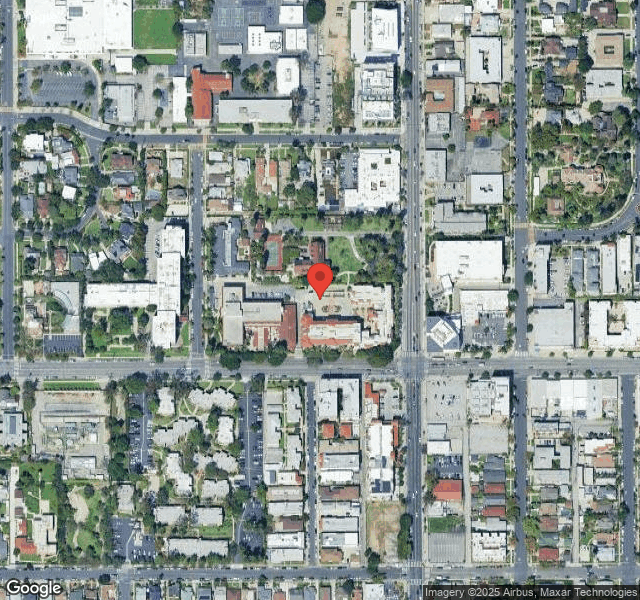
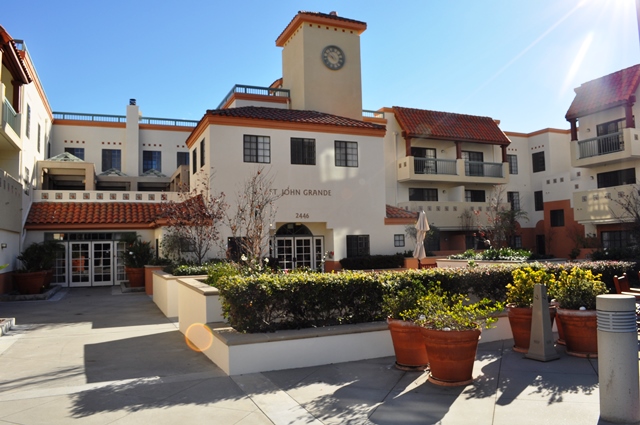
2468 SOUTH ST ANDREWS PLACE, LOS ANGELES, CA 90018 (323) 731-0641
Non profit - Corporation 156 Beds Independent Data: November 2025 3 Immediate Jeopardy citations
Trust Grade
0/100
#1120 of 1155 in CA
Last Inspection: October 2024

Within standard 12-15 month inspection cycle. Federal law requires annual inspections.

Overview

St. John of God Retirement has received a Trust Grade of F, indicating poor performance with significant concerns regarding care and safety. Ranked #1120 out of 1155 facilities in California, they are in the bottom half, and at #346 out of 369 in Los Angeles County, they have only a few local options that are better. While the facility shows an improving trend, reducing issues from 33 in 2024 to 2 in 2025, there are still critical areas of concern, including a concerning $124,440 in fines which is higher than 88% of California facilities. Staffing is below average with a 2/5 rating, but the turnover rate is good at 0%, which means staff stay long-term, although there is less RN coverage than 89% of state facilities. Specific incidents include a resident using a potentially hazardous candle maker without supervision and another resident with dementia being monitored inadequately for alcohol consumption, which raises serious health risks. Overall, while there are some strengths, the facility has notable weaknesses that families should carefully consider.

Trust Score
F
0/100
In California
#1120/1155
Bottom 4%
Safety Record
High Risk
Review needed
Inspections
Getting Better
33 → 2 violations
Staff Stability
○ Average
Turnover data not reported for this facility.
Penalties
✓ Good
$124,440 in fines. Lower than most California facilities. Relatively clean record.
Skilled Nurses
⚠ Watch
Each resident gets only 17 minutes of Registered Nurse (RN) attention daily — below average for California. Fewer RN minutes means fewer trained eyes watching for problems.
Violations
⚠ Watch
84 deficiencies on record. Higher than average. Multiple issues found across inspections.
★☆☆☆☆
1.0
Overall Rating
★★☆☆☆
2.0
Staff Levels
★★★★☆
4.0
Care Quality
★☆☆☆☆
1.0
Inspection Score
Stable
2024: 33 issues
2025: 2 issues

The Good

  • 4-Star Quality Measures · Strong clinical quality outcomes
  • Full Sprinkler Coverage · Fire safety systems throughout facility
  • No fines on record

Facility shows strength in quality measures, fire safety.

The Bad

1-Star Overall Rating

Below California average (3.1)

Significant quality concerns identified by CMS

Federal Fines: $124,440

Well above median ($33,413)

Significant penalties indicating serious issues

The Ugly 84 deficiencies on record

3 life-threatening 3 actual harm
Mar 2025 1 deficiency
CONCERN (D) 📢 Someone Reported This

A family member, employee, or ombudsman was alarmed enough to file a formal complaint

Potential for Harm - no one hurt, but risky conditions existed

Report Alleged Abuse (Tag F0609)

Could have caused harm · This affected 1 resident

**NOTE- TERMS IN BRACKETS HAVE BEEN EDITED TO PROTECT CONFIDENTIALITY** Based upon observation, interview and record review, the facility failed to: 1. Report to the California Department of Public He...

Read full inspector narrative →
**NOTE- TERMS IN BRACKETS HAVE BEEN EDITED TO PROTECT CONFIDENTIALITY** Based upon observation, interview and record review, the facility failed to: 1. Report to the California Department of Public Health [CDPH]- the state department responsible for public health in California) an injury of unknown origin for one of three sampled residents (Resident 1). This deficient practice resulted in a delay of an onsite investigation by CDPH and had potential to place all residents at risk for abuse. Findings: During a review of Resident 1 ' s face sheet (front page of the chart that contains a summary of basic information about the resident), the face sheet indicated Resident 1 was admitted on [DATE] with diagnoses which included age-related physical debility (a decline in physical function that can occur with aging), major depressive disorder (a mood disorder that causes a persistent feeling of sadness and loss of interest), difficulty in walking and lack of coordination. During a review of Resident 1 ' s Minimum Data Set (MDS- a federally mandated resident assessment tool), dated 2/14/2025, the MDS indicated Resident 1 ' s cognitive skills was severely impaired. The MDS indicated Resident 1 required moderate assistance with activities of daily living (ADLs- routine tasks/activities such as bathing, dressing and toileting a person performs daily to care for themselves). During a review of Resident 1 ' s nursing notes, dated 2/21/2025 at 10:16 p.m., the nursing notes indicated Resident 1 had a bump on the back of her head. During a review of Resident 1 ' s nursing notes dated 2/22/2025 at 11:00 a.m., the nursing notes indicated Resident 1 was noted with purple and blue discoloration and an elevated bump to the back of her head. During a telephone interview on 3/13/2025 at 9:36 a.m., with Certified Nurse Assistant 1 (CNA 1), CNA 1 stated she observed Resident 1 with reddish discoloration and bump to the back of her head on 2/21/2025 at 5:00 p.m. CNA 1 stated she reported Resident 1 ' s bump to the Registered Nurse Supervisor 1 (RN 1) on the 3:00 p.m. to 11:00 p.m. shift on 2/21/2025. CNA 1 stated after dinner, she asked her RN Supervisor if Resident 1 ' s bump was reported to the DON, the Administrator, and CDPH. CNA 1 stated the RN Supervisor stated, I took care of it. During an interview on 3/13/2025, at 9:57 a.m., with CNA 2 stated on 2/22/2025 at 10:30 a.m., she observed Resident 1 with a red-purple bump to the back of her head during Resident 1 ' s shower. CNA 2 stated she informed Licensed Vocational Nurse 1 (LVN 1) and Registered Nurse Supervisor 2 (RN 2) of Resident 1 ' s bump. CNA 2 stated Resident 1 could not recall how she obtained the bump. During an interview on 3/13/2025 at 10:24 a.m., with Licensed Vocational Nurse 1 (LVN 1), LVN 1 stated he was informed by CNA 2 of Resident 1 ' s bump to the back of her head on 2/22/2025 around 10:30 a.m. LVN 1 stated he reported Resident 1 ' s bump to RN 2 on the 7:00 a.m. to 3:00 p.m. shift on 2/22/2025. LVN 1 stated the time frame for reporting abuse was 2 hours. LVN 1 stated the risk of not reporting could result in endangering a resident. During a telephone interview on 3/13/2025 at 11:29 a.m., with RN 2, RN 2 stated LVN 1 had informed her of Resident 1 ' s bump. RN 2 stated she reported Resident 1 ' s bump to the Director of Nursing (DON), the Administrator, and CDPH on 2/22/2025 at 11:00 a.m. RN 2 stated the risk of not reporting in a timely manner could result in complications from a head injury or potential abuse. During an interview on 3/13/2025 at 12:40 p.m., with the DON, the DON stated she was informed of Resident 1 ' s bump on 2/22/2025. The DON stated Resident 1 ' s bump should had been reported on 2/21/2025. The DON stated the risk of not reporting an unknown injury in a timely manner could result in the risk for further abuse. During an interview on 3/13/2025 at 1:03 p.m. with the Administrator (ADM), the ADM stated the time frame for reporting unknown injuries and/or potential abuse was within two hours. The ADM stated Resident 1 ' s bump was not reported in a timely manner. The ADM stated the risk for not reporting an unknown injury could result in a decline in health or potential abuse. A review of the facility ' s policy and procedures, titled Injury of Unknown Origin (Abuse), revised 3/2024, indicated The management and staff, with the support of the physicians, will address situations of suspected or identified abuse and report them in a within 2 hours to appropriate agencies, consistent with applicable laws and regulations.
Feb 2025 1 deficiency
CONCERN (D) 📢 Someone Reported This

A family member, employee, or ombudsman was alarmed enough to file a formal complaint

Potential for Harm - no one hurt, but risky conditions existed

Comprehensive Care Plan (Tag F0656)

Could have caused harm · This affected 1 resident

**NOTE- TERMS IN BRACKETS HAVE BEEN EDITED TO PROTECT CONFIDENTIALITY** Based on interview and record review, the facility failed to develop a comprehensive Care Plan for one of four sampled residents...

Read full inspector narrative →
**NOTE- TERMS IN BRACKETS HAVE BEEN EDITED TO PROTECT CONFIDENTIALITY** Based on interview and record review, the facility failed to develop a comprehensive Care Plan for one of four sampled residents (Resident 1) who was receiving heparin (an injected medication given that prevent the formation of blood clots). This deficient practice had the potential for unidentified interventions for Resident 1 and placed the resident at risk for side effects and complications from the medication such as bleeding. Findings: During a review of Resident 1 ' s admission Record, the admission Record indicated Resident 1 was originally admitted to the facility on [DATE] and readmitted on [DATE]. Resident 1 ' s diagnoses included Atrial Fibrillation (an irregular heart rhythm that can cause blood clots), subdural hemorrhage (bleeding and buildup of blood on the surface of the brain), Repeated falls and dementia (a progressive state of decline in mental abilities). During a review of Resident 1 ' s Minimum Data Set ([MDS], a resident assessment tool), dated 9/2/2024, the MDS indicated Resident 1 had severe cognitive (ability to think, remember and solve problems) impairment. The MDS indicated Resident 1 required substantial/maximal assistance (staff does more than half the effort) for Activities of Daily Living (ADLs) such as toileting hygiene, showering, lower body dressing and bed mobility (the ability to roll from lying on back to left and right side and return to lying on back on the bed). During a review of Resident 1 ' s Physician ' s Order dated 9/10/2024, the Order indicated to administer Heparin Sodium Injection Solution 5000 unit/milliliter (ml), inject 1 ml subcutaneously (injection is given in the fatty tissue, under the skin) every 12 hours for deep vein thrombosis prophylaxis (measure taken to reduce the risk of the risk of forming blood clots). During a review of Resident 1 ' s Medication Administration Record (MAR) dated 2/2025, the MAR indicated Resident 1 was given Heparin Sodium 5000 units on 2/1/2025 through 2/8/2025, and 2/16/2025-2/28/2025. During an interview on 3/6/2025 at 12:22 p.m. with the Director of Nursing (DON), the DON stated there was no Care Plan to address Resident 1 receiving heparin. The DON stated, licensed nurses should have initiated a Care Plan for heparin on 9/10/2024 when the medication was ordered for the resident. The DON stated it was important to initiate the care plan to ensure nurses were monitoring the resident, and interventions were in place for the resident ' s safety. The DON stated heparin was a blood thinner and placed the resident at risk for bleeding. During a review of the facility ' s Policy and Procedure (P&P) titled, Care Plans, Comprehensive Person Centered dated 3/2024, the P&P indicated it was the policy for the facility to develop and implement a comprehensive, person-centered care plan that included measurable objectives and timetables to meet each resident ' s physical, psychosocial and functional need. The P&P indicated the interdisciplinary team ([IDT], a group of healthcare professional who work together to manage the resident ' s care) in conjunction with the resident and his/her family or legal representative develops and implements a comprehensive, person-centered care plan for each resident. The comprehensive care plan would describe the services that were to be furnished to attain or maintain the resident ' s highest practicable physical, mental, and psychosocial well-being, incorporate identified problem areas, incorporate risk factors associated with identified problems, reflect treatment goals, identify professional services that responsible for each element of care and reflect currently recognized standards of practice for problem areas and conditions.
Oct 2024 21 deficiencies
CONCERN (D)

Potential for Harm - no one hurt, but risky conditions existed

Deficiency F0557 (Tag F0557)

Could have caused harm · This affected 1 resident

**NOTE- TERMS IN BRACKETS HAVE BEEN EDITED TO PROTECT CONFIDENTIALITY** Based on observation, interview, and record review, the facility failed to ensure one out of eight sampled Residents (Resident 4...

Read full inspector narrative →
**NOTE- TERMS IN BRACKETS HAVE BEEN EDITED TO PROTECT CONFIDENTIALITY** Based on observation, interview, and record review, the facility failed to ensure one out of eight sampled Residents (Resident 47) was properly dressed daily. This deficient practice of not dressing Resident 47 daily had the potential of leaving Resident 47 feeling low self-worth and low self-esteem. Findings: During a review of Resident 47's admission Record (Face Sheet), the Face Sheet indicated Resident 47 initially admitted to the facility on [DATE] and last readmitted on [DATE]. Resident 47's diagnoses included gastrostomy ([G-tube] a surgical opening in the stomach for nutrition, hydration, and medication), epilepsy(a chronic brain disorder that causes a person to have two or more unprovoked [seizures]-uncontrolled, abnormal electrical activity of the brain that may cause changes in the level of consciousness, behavior, memory or feelings), chronic kidney disease (a long-term condition where the kidneys are damaged and can't filter blood properly), and benign prostatic hyperplasia (BPH - non-cancerous condition that occurs when the prostate gland. During a review of Resident 47's History and Physical (H&P), dated 3/16/2024, the H&P indicated Resident 47 did not have the capacity to understand and make decisions. During a review of Resident 47's Minimum Data Set ([MDS] a federally mandated assessment tool), dated 8/28/2024 the MDS indicated, Resident 47's cognition (ability to learn, reason, remember, understand, and make decisions) was severely impaired. The MDS indicated Resident 47 was dependent on staff for personal hygiene, showering, and dressing. The MDS indicated it was Resident 47's preference to choose what clothes to wear. During a review of Resident 47's care plan titled, ADL (routine tasks/activities such as bathing, dressing, and toileting a person performs daily to care for themselves) Functional Impaired ADL Skill related to dressing ., dated 1/4/2022, the care plan indicated Resident 47's ADL needs will be met safely every day. The staff interventions indicated Resident 47 was to select what clothes to wear, provide simple choices, assist with decisions as needed, ensure clothing is available is clean, age appropriate, and in good repair. During observations on 10/1/2024 at 10:30 a.m., 12:30 p.m., 2:30 p.m. and 4:30 p.m., in Resident 47's room, Resident 47 was observed lying in bed wearing a hospital gown. During observations on 10/2/2024 at 8:00 a.m., 10:30 a.m., 12:30 p.m., 2:30 p.m. and 4:30 p.m., in Resident 47's room, Resident 47 was observed lying in bed wearing a hospital gown. During observations on 10/3/2024 at 8:00 a.m., 10:30 a.m., 12:30 p.m., 2:30 p.m., in Resident 47's room, Resident 47 was observed lying in bed wearing a hospital gown. During a concurrent observation and interview on 10/3/2024 at 11:41 a.m. with Licensed Vocational Nurse (LVN) 6, in Resident 47's room, Resident 47 was observed wearing a hospital gown. LVN 6 stated Resident 47 was bed bound and the only time his clothes were changed was when he was taken out of bed. LVN 6 stated it was important to dress Resident 47 daily it would give him a sense of dignity and respect. During a concurrent observation and interview on 10/3/2024 at 2:03 p.m. with Certified Nursing Assistant (CNA) 5, in Resident 47's room, Resident 47 was observed wearing a hospital gown. CNA 5 stated the residents should be dressed at least by 11:00 a.m. daily. CNA 5 stated when the residents were dressed it would make them feel happy and feel good during the day. During a concurrent observation and interview on 10/3/2024 at 2:40 p.m. with Certified Nursing Assistant (CNA) 6, in Resident 47's room, Resident 46 was observed wearing a hospital gown. CNA 6 stated when she dressed the residents that were not alert, she would match the clothing with the weather. CNA 6 stated Resident 47 should be dressed daily. During an interview on 10/3/2024 at 3:50 p.m. with the Director of Nursing (DON), the DON stated Resident 47 should have his clothes on during the day. The DON stated it would make Resident 47 feel like he was doing something during the day or going somewhere. The DON stated getting dressed daily would give Resident 47 something to look forward to doing daily and would mean a lot to the resident to choose his clothing and participate in his care. The DON stated being dressed could make Resident 47 depressed (a state of unhappiness). The DON stated dressing in clothing would help Resident 47 perk up his day. During a review of the facility's policy and procedure (P&P) titled, Dignity, dated 3/2024, the P&P indicated, each resident shall be cared for in a manner that promotes and enhances his or her sense of well-being, level of satisfaction with life, and feelings of self-worth and self-esteem. The P&P indicated Residents are treated with dignity and respect at all times. The P&P indicated the facility culture supports dignity and respect for residents by honoring resident goals, choices, and preferences throughout the resident's facility stay. The P&P indicated when assisting with care, residents are supported in exercising their rights to be groomed and to dress in clothing that they prefer.
CONCERN (D)

Potential for Harm - no one hurt, but risky conditions existed

Deficiency F0558 (Tag F0558)

Could have caused harm · This affected 1 resident

**NOTE- TERMS IN BRACKETS HAVE BEEN EDITED TO PROTECT CONFIDENTIALITY** Based on observation, interview, and record review, the facility failed to ensure the call light (a device with a button that, w...

Read full inspector narrative →
**NOTE- TERMS IN BRACKETS HAVE BEEN EDITED TO PROTECT CONFIDENTIALITY** Based on observation, interview, and record review, the facility failed to ensure the call light (a device with a button that, when pressed, alerts healthcare providers that assistance is required) was within reach for one out of 30 sampled residents (Resident 14). This deficient practice had the potential to result in Resident 14 not being able to call for assistance and a delay in necessary care and services affecting resident's well-being. Findings: During a review of Resident 14's admission Record , the admission Record indicated Resident 14 was admitted on [DATE]. Resident 14's diagnoses included displaced (out of alignment) comminuted (broken into more than two pieced) fracture (broken bone) of shaft of the left femur (long portion of thigh bone), cerebral infarction (loss of blood flow to a part of the brain) with hemiplegia (total paralysis [inability to move] of the arm, leg, and trunk on the same side of the body) and hemiparesis (weakness or the inability to move on one side of the body), and unspecified dementia (a progressive state of decline in mental abilities). During a review of Resident 14's History and Physical (H&P), dated 12/30/2023, the H&P indicated Resident 14 did not have the capacity to understand and make decisions. During a review of Minimum Data Set (MDS, a federally mandated resident assessment tool), dated 7/1/2024, the MDS indicated Resident 14 was dependent on staff for toileting, eating, dressing, showering, and personal hygiene. During a concurrent observation and interview on 10/1/2024, at 10:03 a.m., with Certified Nursing Assistant (CNA) 7, in Resident 14's room, Resident 14 was observed lying in bed with eyes open. Resident 14's speech was hard to understand. Resident 14's call light was placed on the dresser behind the bed away from Resident 14's reach. CNA 7 stated Resident 14's call light was not within Resident 14's reach and proceeded to bring the call light from the dresser and placed it near Resident 14's right hand. CNA 7 stated it was important to have the call light close to Resident 14 so Resident 14 can call for assistance when needed. During an interview on 10/3/24 at 2:11 p.m., with the Director of Nursing (DON), the DON stated call lights needed to be within residents reach so they could call for help when needed. During a review of the facility's policy and procedure (P&P) titled, Call Light, dated 4/2024, the P&P indicated the purpose of the policy was to assure the facility provides the resident with necessary means of communication with nursing staff by ensuring the call light is within the resident's reach.
CONCERN (D)

Potential for Harm - no one hurt, but risky conditions existed

Notification of Changes (Tag F0580)

Could have caused harm · This affected 1 resident

**NOTE- TERMS IN BRACKETS HAVE BEEN EDITED TO PROTECT CONFIDENTIALITY** Based on interview and record review, the facility failed to notify the physician of a significant weight loss (a weight loss gr...

Read full inspector narrative →
**NOTE- TERMS IN BRACKETS HAVE BEEN EDITED TO PROTECT CONFIDENTIALITY** Based on interview and record review, the facility failed to notify the physician of a significant weight loss (a weight loss greater than 5% in one month, greater than 7.5% in three months and greater than 10% in 6 months) of 18 pounds ([lbs.] unit for measuring weight) 11.8 percent [%] in three months (Resident 24), and failed to notify the physician of a resident's swollen ankles for two of two sampled residents (Resident 24 and Resident 39). This deficient practice had the potential to place Resident 24 at risk for further weight loss, and placed Resident 39 at risk for further complications of ankle swelling. Cross reference F656. Findings: a. During a review of Resident 24's admission Record, the admission Record indicated, Resident 24 was initially admitted to the facility on [DATE] and was readmitted on [DATE] with diagnoses including failure to thrive (a decline caused by chronic diseases and functional impairments which can cause weight loss, decreased appetite, poor nutrition, and inactivity), urinary tract infection ([UTI] an infection in the bladder/urinary tract), and cerebral infarction (loss of blood flow to a part of the brain) with left hemiplegia (total paralysis of the arm, leg, and trunk on the same side of the body) and dysphagia (difficulty of swallowing). During a review of Resident 24's History and Physical (H&P), dated 7/12/2024, the H&P indicated, Resident 24 had the capacity to understand and make decisions. During a review of Resident 24's Minimum Data Set ([MDS] a federally mandated resident assessment tool), dated 9/12/2024, the MDS indicated, Resident 24's cognitive (ability to think and reason) skills for daily decision making was intact. The MDS also indicated Resident 24, needed supervision (helper provides verbal cues) to staff in eating, oral hygiene, and toileting hygiene. During a review of Resident 24's Weights and Vitals Summary from 6/3/2024 to 9/5/2024, the Weights and Vitals Summary indicated the following: 1. On 6/3/2024 - 153 pounds (lbs., unit for measuring weight) 2. On 7/2/204 - 139 lbs. 3. On 8/5/2024 - 138 lbs. 4. On 9/5/2024 - 135 lbs. (18 lbs. [11.8%] weight loss in 3 months) During a concurrent interview and record review on 10/3/2024 at 9:58 a.m. with the Director of Nursing (DON), Resident 24's clinical records were reviewed. The DON stated when Resident 24 had a significant weight loss of 18 pounds from 6/3/2024 to 9/5/2024, a Situation, Background, Assessment, Recommendation ([SBAR] a communication tool used by healthcare worker when there is a change of condition among the residents) should have been done. The DON stated there was no documentation indicating the physician was notified of Resident 24's significant weight loss of 18 pounds/11.8% in 3 months. The DON stated it was the licensed nurses responsibility to ensure Resident 24's significant weight loss was communicated to the physician in order to assess his medical condition and implement nutritional interventions to prevent further weight loss. The DON stated it was an oversight on her part by not addressing Resident 24's significant weight loss. The DON stated further weight loss could have negative outcome such as dehydration (a condition that occurs when the body loss too much water and other fluids that it needs to work normally) and sepsis (a life-threatening infection). During a review of the facility's policy and procedure (P&P) titled, Physician Notification, dated 2/2024, the P&P indicated, The nurse supervisor/charge nurse will notify the resident's attending physician or on-call physician when there has been a weight gain or weight loss of five pounds in a month or over a few months. b. During a review of Resident 39's admission Record (Face Sheet), the Face Sheet indicated Resident 39 was admitted to the facility on [DATE]. Resident 39's diagnoses included gastrostomy ([G-tube] a surgical opening in the stomach for nutrition, hydration, and medication), Parkinson's disease (a brain disorder that causes unintended or uncontrollable movements, such as shaking, stiffness, and difficulty with balance and coordination), and atherosclerotic heart disease (a chronic inflammatory disease that causes plaque buildup in the walls of arteries, narrowing them and restricting blood flow). During a review of Resident 39's History and Physical (H&P), dated 11/20/2023, the H&P indicated Resident 39 did not have the capacity to understand and make decisions. During a review of Resident 39's Minimum Data Set ([MDS] a federally mandated assessment tool), dated 7/8/2024 the MDS indicated, Resident 39's cognition (ability to learn, reason, remember, understand, and make decisions) severely impaired. The MDS indicated Resident 39 required substantial assistance with staff for personal hygiene, showering, and dressing. The MDS indicated Resident 39 was dependent on staff for chair/bed to chair transfer. During an observation on 10/2/2024 at 12:30 p.m., in Resident 39's room, Resident 39 was observed sitting in a wheelchair. Resident 39's ankles and lower legs were swollen and had redness. During a concurrent observation and interview on 10/2/2024 at 3:49 p.m. with Licensed Vocational Nurse (LVN) 5, in Resident 39's room, Resident 39's ankles and legs were observed. LVN 5 stated Resident 39's ankles were not as swollen when he was lying in the bed. LVN 5 stated when Resident 39 was in the wheelchair the resident tended to have swollen ankles and slight redness. LVN 5 stated Resident 39's swollen ankles were a new finding. LVN 5 stated when there was a new finding the physician should be called. LVN 5 stated the physician needed to be notified to prevent any further complications of the swollen ankles. During a concurrent interview and record review on 10/3/2024 at 3:18 p.m. with Director of Nursing (DON), the DON stated there was no records of Resident 39 having swelling. The DON stated when Resident 39 had swollen ankles with redness the physician should have been notified. The DON stated once the physician was called this allowed the physician to put interventions in place to eliminate the swelling for Resident 39. During a review of the facility's policy and procedure (P&P) titled, Change in Resident's Condition or Status, dated 3/2024, the P&P indicated, Our facility shall notify the resident, his or her attending physician, and responsible party of changes in the resident's medical conditions. The P&P indicated a significant change of condition is a decline or improvement in the resident's status. The P&P indicated swelling or discoloration was a change of condition.
CONCERN (D)

Potential for Harm - no one hurt, but risky conditions existed

Assessment Accuracy (Tag F0641)

Could have caused harm · This affected 1 resident

**NOTE- TERMS IN BRACKETS HAVE BEEN EDITED TO PROTECT CONFIDENTIALITY** Based on interview and record review, the facility failed to ensure an accurate Minimum Data Set ([MDS] a federally mandated res...

Read full inspector narrative →
**NOTE- TERMS IN BRACKETS HAVE BEEN EDITED TO PROTECT CONFIDENTIALITY** Based on interview and record review, the facility failed to ensure an accurate Minimum Data Set ([MDS] a federally mandated resident assessment tool) was completed accurately for two of 30 sampled residents (Resident 14 and Resident 81) by failing to: 1. Ensure Resident 14's mental illness diagnosis was reflected in the MDS assessment under Section A (Level II Preadmission Screening and Resident Review [PASRR] a tool to determine if the person had or was suspected of having a mental illness or intellectual disability) conditions. 2. Ensure Resident 81's Minimum Data Set [MDS] a federally mandated assessment tool) was updated quarterly. These deficient practices resulted in incorrect data transmitted to Center for Medicare and Medicaid Services (CMS) and had the potential to result inaccurate care and services for Residents 14 and 81. Findings: a. During a review of Resident 14's admission Record, the admission Record indicated, Resident 14 was initially admitted to the facility on [DATE] and was readmitted on [DATE] with diagnoses including schizophrenia (a mental illness that can affect thoughts, mood, and behavior) and dementia (a progressive state of decline in mental abilities). During a review of Resident 14's History and Physical (H&P), dated 12/1/2023, the H&P indicated, Resident 14 did not have the capacity to understand and make decisions. During a review of Resident 14's Minimum Data Set ([MDS] a federally mandated resident assessment tool), dated 7/1/2024, the MDS indicated, Resident 14's cognitive (ability to think and reason) skills for daily decision making was severely impaired. During a concurrent interview and record review on 10/4/2024 at 9:53 a.m. with the Minimum Data Set Nurse (MDS Nurse), Resident 14's MDS annual assessment dated [DATE] was reviewed. The MDS nurse stated the MDS annual assessment was completed inaccurately. The MDS nurse stated there was a wrong entry on the MDS section A1510 (Level 11 PASRR Conditions). The MDS nurse stated Resident 14 had a diagnosis of schizophrenia which is considered as a serious mental illness and was not checked in the MDS assessment under section A. The MDS nurse stated accuracy of assessment in the MDS was essential because it involves the condition of resident and for facility reimbursement. b. During a review of Resident 81's admission Record (Face Sheet), the Face Sheet indicated Resident 81 was initially admitted to the facility on [DATE] and last readmitted on [DATE]. Resident 81's diagnoses included dementia (a progressive state of decline in mental abilities), chronic obstructive pulmonary disease ([COPD] a chronic lung disease causing difficulty breathing), and anxiety (an excessive persistent feelings of fear and worry). During a review of Resident 81's History and Physical (H&P), dated 10/10/2023, the H&P indicated Resident 81 did not have the capacity to understand and make decisions. During a review of Resident 81's Minimum Data Set ([MDS] a federally mandated assessment tool), dated 6/14/2024 the MDS indicated, Resident 81's cognition (ability to learn, reason, remember, understand, and make decisions) was severely impaired. The MDS indicated Resident 81 was dependent on staff for personal hygiene, showering, and dressing. During a review of Resident 81's MDS, dated [DATE], the MDS indicated Resident 81's MDS was not updated quarterly. During a concurrent interview and record review on 10/3/2024 at 11:51 a.m. with Minimum Data Set Nurse (MDS Nurse), Resident 81's MDS, dated 6/14/2024 was reviewed. The MDS Nurse stated the MDS should be updated upon admission, quarterly, and annually. The MDS Nurse stated the staff would know what was going on with the resident. The MDS Nurse stated she reviewed the resident's MDS daily to check when they were due. The MDS Nurse stated Resident 81's MDS was late and sometimes she could not complete them on time when other things were happening such as meetings or other documents to update. The MDS Nurse stated it was important to have the MDS up to date to ensure improved care for Resident 81. During a concurrent interview and record review on 10/3/2024 at 3:50 p.m. with the Director of Nursing (DON), Resident 81's MDS, dated 6/14/2024 was reviewed. The DON stated the MDS was a tool and gave a total visual of what was going on with the residents. The DON stated the MDS should be updated quarterly to ensure the staff could continue the residents plan of care. The DON stated the MDS was used to make sure the residents were getting the services needed to check for improvement or decline of the residents. The DON stated if the MDS was not up to date the staff was not able to catch any needed issues to be corrected. During a review of facility's policy and procedure (P&P) titled, Accuracy of Assessment, dated 3/2024, the P&P indicated, Any person completing a portion of the Minimum Data Set/MDS (Resident Assessment Instrument) must sign and certify the accuracy of that portion of the assessment. The P&P indicated a comprehensive assessment of a resident's needs done quarterly. The P&P indicated the purpose of the assessment is to describe the resident's capability to perform daily life functions.
CONCERN (D)

Potential for Harm - no one hurt, but risky conditions existed

PASARR Coordination (Tag F0644)

Could have caused harm · This affected 1 resident

**NOTE- TERMS IN BRACKETS HAVE BEEN EDITED TO PROTECT CONFIDENTIALITY** Based on interview and record review, the facility failed to correctly fill out the Preadmission Screening and Resident Review (...

Read full inspector narrative →
**NOTE- TERMS IN BRACKETS HAVE BEEN EDITED TO PROTECT CONFIDENTIALITY** Based on interview and record review, the facility failed to correctly fill out the Preadmission Screening and Resident Review ([PASRR] a tool to determine if the person had, or was suspected of having a mental illness, intellectual disability or related condition) level one screening and refer one of three sampled residents (Resident 14) who had a diagnosis of schizophrenia (a mental illness that can affect thoughts, mood, and behavior) to the appropriate state-designated authority for PASSR level two evaluation and determination. This deficient practice had the potential to result in Resident 14 not receiving appropriate treatment recommendations for schizophrenia. Cross Reference F641. Findings: During a review of Resident 14's admission Record, the admission Record indicated, Resident 14 was initially admitted to the facility on [DATE] and was readmitted on [DATE] with diagnoses including schizophrenia (a mental illness that can affect thoughts, mood, and behavior) and dementia (a progressive state of decline in mental abilities). During a review of Resident 14's History and Physical (H&P), dated 12/1/2023, the H&P indicated, Resident 14 did not have the capacity to understand and make decisions. During a review of Resident 14's Minimum Data Set ([MDS] a federally mandated resident assessment tool), dated 7/1/2024, the MDS indicated Resident 14's cognitive (ability to think and reason) skills for daily decision making was severely impaired. The MDS also indicated, Resident 14 was totally dependent (helper does all of the effort) to staff in oral hygiene, toileting hygiene, and personal hygiene. During a concurrent interview and record review on 10/4/2024 at 9:53 a.m. with the MDS nurse, Resident 14's PASRR level 1 Screening completed on 12/1/2023 was reviewed. The PASRR Level 1 Screening indicated, Resident 14 had no serious mental illness diagnosis and not receiving psychotropic medications (any drug that affects brain activities associated with mental processes and behavior) for mental illness. The PASRR Level 1 Screening also indicated, Resident 14's case was closed, and a PASRR Level 11 mental health evaluation and determination was not required. The MDS nurse stated the PASRR level 1 was not completed accurately because Resident 14 had a diagnosis of schizophrenia which is considered as a serious mental illness. The MDS nurse stated the facility should have completed and resubmitted a new PASRR level 1 to indicate the diagnosis of mental illness and should have referred Resident 14 for mental health evaluation to the State PASRR agency to avail treatment recommendation for her schizophrenia. During a review of the facility's policy and procedure (P&P) titled, PASRR, dated 2/2024, the P&P indicated, It is the policy of the facility to complete PASRR upon admission, annually and when significant change in physical or mental condition occurs. The P&P also indicated the new diagnosis of mental disorder from the physician will be written on the telephone order and a new PASRR will be completed to include the newly diagnosed mental health disorder.
CONCERN (D)

Potential for Harm - no one hurt, but risky conditions existed

Comprehensive Care Plan (Tag F0656)

Could have caused harm · This affected 1 resident

**NOTE- TERMS IN BRACKETS HAVE BEEN EDITED TO PROTECT CONFIDENTIALITY** Based on interview and record review, the facility failed to develop an individualized person-centered plan of care with measura...

Read full inspector narrative →
**NOTE- TERMS IN BRACKETS HAVE BEEN EDITED TO PROTECT CONFIDENTIALITY** Based on interview and record review, the facility failed to develop an individualized person-centered plan of care with measurable objectives, timeframe, and interventions to meet the resident's needs for three out of four sampled residents (Residents 19, 24, and 39) by failing to: 1. Address Resident 19's need for a one to one (1:1, close supervision) sitter. This deficient practice had the potential to result in a lack of meeting necessary care goals and addressing medical needs for Resident 19. 2. Develop a care plan for significant weight loss for Resident 24. This deficient practice had the potential to place Resident 24 at risk for further weight loss related to not having nutritional interventions. 3. Ensure a care plan with interventions for swollen ankles was in place for Resident 39. This deficient practice of not having a care plan with interventions for swollen ankles for Resident 39 had the potential for worsening condition. Findings: 1. During a concurrent observation and interview on 10/2/2024 at 4:20 PM, with Resident 19's 1:1 Sitter (OS 1), OS 1 stated she was Resident 19's sitter due to the resident's history of falls. OS 1 stated her duties included staying close by to ensure Resident 19 did not fall. During a review of Resident 19's admission Record (Face Sheet), the admission Record indicated Resident 19 was readmitted to the facility on [DATE]. Resident 19's diagnoses included muscle weakness, lack of coordination, and dementia (a progressive state of decline in mental abilities). During a review of Resident 19's Minimum Data Set (MDS, a federally mandated resident assessment tool) dated 8/26/2024, the MDS indicated Resident 19 was not cognitively intact (ability to think and reason). During a concurrent interview and record review on 10/2/2024 at 4:45 p.m. with Licensed Vocational Nurse (LVN) 3, Resident 19's medical chart was reviewed. LVN 3 stated that residents with a sitter needed to have a care plan in place so staff would know if the resident met their goals. LVN 3 stated there was no physician order or a care plan for the use of a sitter after reviewing Resident 19's medical chart. 2. During a review of Resident 24's admission Record, the admission Record indicated, Resident 24 was initially admitted to the facility on [DATE] and was readmitted on [DATE] with diagnoses including failure to thrive (a decline caused by chronic diseases and functional impairments which can cause weight loss, decreased appetite, poor nutrition, and inactivity), urinary tract infection ([UTI] an infection in the bladder/urinary tract), and cerebral infarction (loss of blood flow to a part of the brain) with left hemiplegia (total paralysis of the arm, leg, and trunk on the same side of the body) and dysphagia (difficulty of swallowing). During a review of Resident 24's History and Physical (H&P), dated 7/12/2024, the H&P indicated, Resident 24 had the capacity to understand and make decisions. During a review of Resident 24's MDS dated [DATE], the MDS indicated Resident 24's cognitive skills for daily decision making was intact. The MDS also indicated, Resident 24 needed supervision (helper provides verbal cues) to staff in eating, oral hygiene, and toileting hygiene. During a review of Resident 24's Weights and Vitals Summary from 6/3/2024 to 9/5/2024, the Weights and Vitals Summary indicated the following: 1. On 6/3/2024 - 153 pounds (lbs., unit of measurement for weight). 2. On 7/2/204 - 139 lbs. 3. On 8/5/2024 - 138 lbs. 4. On 9/5/2024 - 135 lbs. (18 lbs. [11.8%] weight loss in 3 months) During a concurrent interview and record review on 10/3/2024 at 9:58 a.m. with the Director of Nursing (DON), Resident 24's clinical records were reviewed. The DON stated Resident 24 had a significant weight loss of 18 pounds from 6/3/2024 to 9/5/2024 and the facility did not formulate a care plan to address his significant weight loss. The DON stated the interdisciplinary team ([IDT] a group of healthcare professionals working together to plan the care needed for each residents) were responsible in creating a care plan. The DON stated care planning was a guide for facility staff to follow the interventions that were planned for the resident. The DON stated if there was no care plan then the specific needs of resident would not be met. 3. During a review of Resident 39's admission Record (Face Sheet), the Face Sheet indicated Resident 39 was admitted to the facility on [DATE]. Resident 39's diagnoses included gastrostomy ([G-tube] a surgical opening in the stomach for nutrition, hydration, and medication), Parkinson's disease (a brain disorder that causes unintended or uncontrollable movements, such as shaking, stiffness, and difficulty with balance and coordination), and atherosclerotic heart disease (a chronic inflammatory disease that causes plaque buildup in the walls of arteries, narrowing them and restricting blood flow). During a review of Resident 39's History and Physical (H&P), dated 11/20/2023, the H&P indicated Resident 39 did not have the capacity to understand and make decisions. During a review of Resident 39's MDS, dated [DATE] the MDS indicated, Resident 39's cognition was severely impaired. The MDS indicated Resident 39 required substantial assistance with staff for personal hygiene, showering, and dressing. The MDS indicated Resident 39 was dependent on staff for chair/bed to chair transfer. During an observation on 10/1/2024 at 12:30 p.m., in Resident 39's room, Resident 39 was observed sitting on a wheelchair. Resident 39's ankles and lower legs were swollen and had redness. During an observation on 10/2/2024 at 11:00 a.m., in Resident 39's room, Resident 39 was observed sitting on a wheelchair. Resident 39's ankles and lower legs were swollen and had redness. During an interview on 10/2/2024 at 3:29 p.m. with LVN 5, LVN 5 stated Resident 39 had swollen feet and ankles, and redness. LVN 5 stated a physician order was not needed to develop a care plan. LVN 5 stated a care plan should have been developed to address Resident 39's swollen feet. LVN 5 stated the development of a care plan was important so the nurses would know what was going on with Resident 39. LVN 5 stated developing a care plan would help prevent Resident 39's condition from worsening. During an interview on 10/3/2024 at 3:18 p.m. with the DON, the DON stated once something was identified such as Resident 39's swollen feet and ankles, staff needed to put interventions in place to make sure the resident's swelling was eliminated. The DON stated the swelling could cause discomfort for Resident 39. The DON stated once the interventions were in place, staff should do a follow-up to ensure the plan of care was improving the resident's condition. The DON stated the interventions were to be reviewed and checked if changes were needed to help Resident 39 feel more comfortable. During a review of the facility's policy and procedure (P&P) titled, Care Plans, Comprehensive Person-Centered, dated 3/2024, the P&P indicated, a comprehensive, person-centered care plan that includes measurable objectives and timetables to meet the resident's physical, psychosocial and functional needs is developed and implemented for each resident. The P&P indicated identifying problem areas and their causes, and developing interventions that are targeted and meaningful to the resident. The P&P indicated the resident's physician is integral to this process.
CONCERN (D)

Potential for Harm - no one hurt, but risky conditions existed

Deficiency F0679 (Tag F0679)

Could have caused harm · This affected 1 resident

**NOTE- TERMS IN BRACKETS HAVE BEEN EDITED TO PROTECT CONFIDENTIALITY** Based on interview and record review, the facility failed to ensure one out of eight sampled Residents (Resident 47) was taken o...

Read full inspector narrative →
**NOTE- TERMS IN BRACKETS HAVE BEEN EDITED TO PROTECT CONFIDENTIALITY** Based on interview and record review, the facility failed to ensure one out of eight sampled Residents (Resident 47) was taken outside for a garden stroll. This deficient practice of not taking Resident 47 outside for a garden stroll had the potential to negatively affect the resident's mental and emotional well-being. Findings: During a review of Resident 47's admission Record (Face Sheet), the Face Sheet indicated Resident 47 initially admitted to the facility on [DATE] and last readmitted on [DATE]. Resident 47's diagnoses included gastrostomy ([G-tube] a surgical opening in the stomach for nutrition, hydration, and medication), epilepsy (a chronic brain disorder that causes a person to have two or more unprovoked [seizures]-uncontrolled, abnormal electrical activity of the brain that may cause changes in the level of consciousness, behavior, memory or feelings), chronic kidney disease (a long-term condition where the kidneys are damaged and can't filter blood properly), and benign prostatic hyperplasia (BPH - non-cancerous condition that occurs when the prostate gland. During a review of Resident 47's History and Physical (H&P), dated 3/16/2024, the H&P indicated Resident 47 did not have the capacity to understand and make decisions. During a review of Resident 47's Minimum Data Set ([MDS] a federally mandated assessment tool), dated 8/28/2024 the MDS indicated, Resident 47's cognition (ability to learn, reason, remember, understand, and make decisions) was severely impaired. The MDS indicated Resident 47 was dependent on staff for personal hygiene, showering, and dressing. The MDS indicated it was very important to Resident 47 to go outside to get fresh air when the weather was good. During a review of Resident 47's Activities Review Record dated 8/28/2024, the Activities Review Record indicated Resident 47 preferred activities related to sensory stimulation and garden strolls. During a review of Resident 47's Activity Attendance Record, dated 9/2024, the Activity Attendance Record indicated there no documentation that Resident 47 was taken outside for a stroll through the garden. During an interview on 10/3/2024 at 11:15 a.m. with Activity Assistant (AA) 1, AA 1 stated she mostly visited Resident 47 in the resident's room and had no specific scheduled visits. AA 1 stated when she visited, Resident 47 was in the bed, and she had not seen Resident 47 go outside for strolls through the garden. AA 1 stated it was important for Resident 47 to be escorted outside to help with the resident's mental health ([emotional psychological], and social well-being, and stress. During an interview on 10/3/2024 at 11:26 a.m. with Licensed Vocational Nurse (LVN) 6, LVN 6 stated she had not seen Resident 47 taken outside for a garden stroll. LVN 6 stated there was no set schedule when Resident 47 was to go outside. LVN 6 stated it was important for Resident 47 to go outside for a garden stroll to help him with sensory stimuli (physical energy such as light, sound, heat, or touch). LVN 6 stated it could make Resident 47 depressed (can cause a person to feel sad, irritable, or empty, and lose interest in activities) if he did not go outside. During an interview on 10/3/2024 at 3:50 p.m. with the Director of Nursing (DON), the DON stated the staff should offer and take Resident 47 outside daily when the weather was good. The DON stated the staff should use nonverbal cues to indicate if the resident would like to go outside. The DON stated it was important to fully accommodate Resident 47's needs so the resident would not display frustration and become unhappy. During a review of the facility's policy and procedure (P&P) titled, Quality of Life for Skilled Nursing Facility, dated 3/2024, the P&P indicated, the purpose of the policy is to ensure that all residents of the skilled nursing facility (SNF) experience a high quality of life and maintain the well-being of residents. The P&P indicated the SNF is committed to individualized care, respect for personal choices, and encouragement of social interaction and engagement in meaningful activities. The P&P indicated the facility will provide a variety of social, recreational, and cultural activities that cater to the interest and preferences of residents. The P&P indicated activities will be scheduled regularly, with input from residents to ensure relevance and engagement.
CONCERN (D)

Potential for Harm - no one hurt, but risky conditions existed

Quality of Care (Tag F0684)

Could have caused harm · This affected 1 resident

**NOTE- TERMS IN BRACKETS HAVE BEEN EDITED TO PROTECT CONFIDENTIALITY** Based on interview and record review, the facility failed to ensure residents received treatment and care in accordance with pro...

Read full inspector narrative →
**NOTE- TERMS IN BRACKETS HAVE BEEN EDITED TO PROTECT CONFIDENTIALITY** Based on interview and record review, the facility failed to ensure residents received treatment and care in accordance with professional standards of practice, by failing to check pacemaker (a small battery-powered device that monitors and regulates the heart's rhythm and rate) for one of one sampled resident (Resident 63). This deficient practice had the potential to result in pacemaker failure possibly leading to medical complications requiring hospitalization. Findings: During a review of Resident 63's admission Record, the admission Record indicated, Resident 63 was admitted to the facility on [DATE] with diagnoses including acute on chronic congestive heart failure (a type of heart failure that occurs when the heart tries to compensate for a loss of function that has developed over time) and hypertensive heart disease (group of heart conditions that develop over time due to chronic high blood pressure). During a review of Resident 63's History and Physical (H&P), dated 8/19/2023, the H&P indicated, Resident 63 had the capacity to understand and make decisions. During a review of Resident 63's Minimum Data Set ([MDS] a federally mandated resident assessment tool), dated 8/6/2024, the MDS indicated, Resident 63's cognitive (ability to think and reason) skills for daily decision making was intact. The MDS also indicated, Resident 63 needed moderate assistance (helper does less than half the effort) in toileting hygiene, upper and lower body dressing, and personal hygiene. During a review of Resident 63's Order Summary Report (a document containing active orders), dated 10/3/2024, the Order Summary Report indicated, Resident 63 had a Boston Scientific (manufacturer of pacemaker) pacemaker implanted on 5/1/2017. During a review of Resident 63's care plan titled Resident with pacemaker dated 6/14/2023, indicated goal of Resident 63 will be free from signs and symptoms of pacemaker malfunction daily in 3 months. The care plan indicated intervention for pacemaker evaluation as ordered. During an interview on 10/1/2024 at 10:58 a.m. with Resident 63 at his room, Resident 63 stated that he had a pacemaker and had not been checked since he was admitted to the facility. During a concurrent interview and record review on 10/3/2024 at 1:13 p.m. with the Director of Nursing (DON), Resident 63's clinical records were reviewed. The DON stated Resident 63's pacemaker evaluation on 8/7/2023 was cancelled. The DON stated there was no documentation indicating the facility rescheduled Resident 63's appointment for pacemaker check. The DON stated Resident 63's pacemaker was not checked for four years. The DON stated it was a standard of practice to check resident with pacemaker at least every 3 months or yearly since it is an implanted device that could malfunction anytime. The DON stated failure to monitor pacemaker could result in pacemaker failure or malfunction such as slow irregular heartbeat that could lead to death of resident. During a review of the facility's policy and procedure (P&P) titled, Care of Permanent Pacemaker, dated 4/2013, the P&P indicated, Check pacemaker every 3 months if newly inserted or every month in an older model using the telephone and the appropriate device. During a review of facility's P&P titled, Quality of Care Policy for Skilled Nursing Facility, dated 3/2024, the P&P indicated To ensure that all residents receive the highest quality of care in accordance with regulatory standards, best practices, and individualized care plans, promoting their physical, emotional, and social well-being.
CONCERN (D)

Potential for Harm - no one hurt, but risky conditions existed

Deficiency F0688 (Tag F0688)

Could have caused harm · This affected 1 resident

**NOTE- TERMS IN BRACKETS HAVE BEEN EDITED TO PROTECT CONFIDENTIALITY** 3. During a concurrent observation and interview on 10/1/2024 at 9:26 AM in Resident 15's room, Resident 15 was observed in bed ...

Read full inspector narrative →
**NOTE- TERMS IN BRACKETS HAVE BEEN EDITED TO PROTECT CONFIDENTIALITY** 3. During a concurrent observation and interview on 10/1/2024 at 9:26 AM in Resident 15's room, Resident 15 was observed in bed and able to move the left shoulder up and down, straighten the left elbow, and open the left hand. Resident 15 was able to move right shoulder to less than shoulder level, straighten the right elbow, and open the right hand. Resident 15 stated she could move her legs a little and could not walk. During a review of Resident 15's admission Record, the admission Record indicated Resident 15 admitted to the facility on [DATE]. Resident 15's diagnoses included dementia (a progressive state of decline in mental abilities) and unspecified osteoarthritis (a progressive disorder of the joints, caused by a gradual loss of cartilage). During a review of Resident 15's MDS dated [DATE], the MDS indicated Resident 15 had severe cognitive impairment. The MDS indicated Resident 15 required dependent assistance with lower body dressing, and chair to bed transfers. During a review of Resident 15's care plan initiated on 4/17/2024, the care plan indicated an order for RNA for active assistive range of motion (AAROM, use of muscles surrounding the joint to perform the exercise but required some help from a person or equipment) to both upper extremities five days a week as tolerated. The care plan also indicated an order for RNA for AAROM to both lower extremities five days a week as tolerated. The care plan goal indicated Resident 15 will maintain current joint range of motion. The care plan interventions indicated to observe Resident 15 for changes in ROM or pain. During a concurrent interview and record review on 10/2/2024 at 3:38 PM, with the ADOR, Resident 15's JMA was reviewed. The ADOR stated JMAs were completed by the rehabilitation department and were completed on admission, quarterly, and as needed for all residents. After review of Resident 15's JMA in the medical record, the ADOR stated Resident 15 had a JMA completed on 4/29/2024 and 8/28/2024. The ADOR stated the JMA completed 8/28/2024 was late and should have been completed by the end of July 2024. The ADOR stated the purpose of completing joint mobility assessments was to monitor a resident's joint ROM and act accordingly, such as if a resident was getting worse with their ROM, then the resident could be a candidate for therapy services. The ADOR stated the facility did not want to see any deterioration of a resident's physical capabilities, so it was important to monitor the resident's joint mobility. During an interview on 10/3/24 at 2:11 PM with the DON, the DON stated rehabilitation staff was responsible for completing JMAs for all residents upon admission, quarterly, or as needed such as a decline in function. The DON stated it was important to complete the JMAs timely so that the facility could notice any decline in limbs and joints, because a decline in ROM could negatively affect the resident's balance, ability to hold items to feed themselves, and ability to walk. During a review of the facility's P&P dated 3/2024, titled, Joint Mobility Assessment, the P&P indicated the facility will identify the resident's current range of motion of his or her joints and limitations in movement or mobility. Based on observation, interview, and record review, the facility failed to provide appropriate services to decline in joint range of motion (ROM, full movement potential of a joint) for three out of 12 sampled residents (Residents 64, 14, and 15) who had limited ROM or were assessed at risk for decline in joint ROM, as indicated in the resident's care plans. The facility failed to: 1. Ensure Resident 64 received timely quarterly rehabilitation joint mobility screens to monitor changes in joint range of motion. 2. Ensure Resident 14 received timely quarterly rehabilitation joint mobility screens to monitor changes in joint range of motion. 3. Ensure Resident 15 received timely quarterly rehabilitation joint mobility screens to monitor changes in joint range of motion. These deficient practices had the potential to cause further decline in Residents 64, 14, and 15's ROM and overall quality of life. Findings: 1. During a concurrent observation and interview on 10/2/2024 at 8:24 AM in Resident 64's room, Resident 64 was observed sitting up on a wheelchair with a bedside table in front of the resident. Resident 64 was able to hold a drink container in the left hand to drink after set-up assist from staff. During a review of Resident 64's admission Record, the admission Record indicated Resident 64 admitted to the facility on [DATE]. Resident 64's diagnoses included dementia (a progressive state of decline in mental abilities) and cerebral infarction (blockage of the flow of blood brain, causing or resulting in brain tissue death). During a review of Resident 64's Minimum Data Set (MDS, a federally mandated resident assessment tool) dated 7/12/2024, the MDS indicated Resident 64 had severe cognitive impairment (sufficient judgement, planning, organization to manage average demands in one's environment). The MDS indicated Resident 64 required supervision with eating and dependent assistance with oral hygiene, toileting hygiene, upper body dressing, lower body dressing, and chair to bed transfers. The MDS also indicated Resident 64 had impairment in functional limitation in ROM on both sides of the upper extremities (UE, shoulder, elbow, wrist, hand) and both sides of the lower extremities (LE, hip, knee, ankle, foot). During a review of Resident 64's care plan initiated 2/10/2022, the care plan indicated Resident 64 had functional limitations to both sides of the upper extremities at the shoulders and was at risk for further decline in joint mobility. The care plan goal indicated Resident 64 will maintain current joint mobility ROM daily and review every three months. The care [;am interventions indicated for restorative nursing services (RNA - nursing assistant who has additional training in rehabilitation technique) exercises as ordered and for quarter assessment of joint mobility or as needed. During a concurrent interview and record review on 10/2/2024 at 3:38 PM, with the Assistant Director of Rehabilitation (ADOR), Resident 64's Joint Mobility Assessments (JMA) were reviewed. The ADOR stated JMAs were completed by the rehabilitation department and were completed on admission, quarterly (every three months), and as needed for all residents. After review of Resident 64's joint mobility assessments in the medical record, the ADOR stated Resident 64 had a joint mobility assessment completed on 1/15/2024 and 5/21/2024. The ADOR stated there was no JMA completed after 5/21/2024 and it should have been completed by the end of August 2024 and was late. The ADOR also stated the JMA completed 5/21/2024 was late and should have been completed by the end of April 2024. The ADOR stated the purpose of completing joint mobility assessments was to monitor a resident's joint ROM and act accordingly, such as if a resident was getting worse with their ROM, then the resident could be a candidate for therapy services. The ADOR stated the facility did not want to see any deterioration of a resident's physical capabilities, so it was important to monitor the resident's joint mobility. During an interview on 10/3/2024 at 2:11 PM with the Director of Nursing (DON), the DON stated rehabilitation staff was responsible for completing JMAs for all residents upon admission, quarterly, or as needed such as a decline in function. The DON stated it was important to complete the JMAs timely so that the facility could notice any decline in limbs and joints, because a decline in ROM could negatively affect the resident's balance, ability to hold items to feed themselves, and ability to walk. During a review of the facility's policy and procedure (P&P) dated 3/2024, titled, Joint Mobility Assessment, the P&P indicated the facility will identify the resident's current range of motion of his or her joints and limitations in movement or mobility. 2. During an observation on 10/2/2024 at 8:34 AM, in Resident 14's room during Resident 14's Restorative Nursing Aide program (nursing aide program that help residents to maintain their function and joint mobility) treatment session, Resident 14 was observed lying in bed. Resident 14 was able to move the right arm up and down past shoulder level, straighten the right elbow and open the right hand. Resident 14 was able to move the left shoulder to less than shoulder level and straighten the left elbow. Resident 14 did not want to move both legs. Resident 14's right leg was in a straight position and the left knee was straight and rotated away from the body. During a review of Resident 14's admission Record, the admission Record indicated Resident 14 originally admitted to the facility on [DATE], and readmitted on [DATE]. Resident 14's diagnoses included displaced (out of alignment) comminuted (broken into more than two pieced) fracture (broken bone) of shaft of left femur (long portion of thigh bone), hemiplegia (weakness to one side of the body) and hemiparesis (inability to move one side of the body) following cerebral infarction (blockage of the flow of blood brain, causing or resulting in brain tissue death) affecting the left dominant side. During a review of Resident 14's MDS dated [DATE], the MDS indicated Resident 14 had severe cognitive impairment. The MDS also indicated Resident 14 had functional limitation in ROM impairment on one side of the upper extremity and on one side of the lower extremity. The MDS also indicated Resident 14 required dependent assistance with oral hygiene, upper body dressing, lower body dressing, and bed to chair transfers. During a review of Resident 14's care plan initiated 2/11/2022, the care plan indicated Resident 14 had functional limitations and impairment to both upper and both lower extremities and was at risk for further decline in joint mobility and injury. The care plan goal indicated Resident 14 will maintain current joint mobility ROM. The care plan intervention indicated RNA exercises as ordered and quarterly assessment of joint mobility or as needed. During a concurrent interview and record review on 10/2/2024 at 3:38 PM, with the Assistant Director of Rehabilitation (ADOR), Resident 14's Joint Mobility Assessments (JMA) was reviewed. The ADOR stated JMAs were completed by the rehabilitation department and were completed on admission, quarterly (every three months), and as needed for all residents. After review of Resident 14's joint mobility assessments in the medical record, the ADOR stated Resident 14 had a joint mobility assessment completed on 3/25/2024 and 6/17/2024. The ADOR stated there was no JMA completed after 6/17/2024 and it should have been completed by the end of September 2024 and was late. The ADOR stated the purpose of completing joint mobility assessments was to monitor a resident's joint ROM and act accordingly, such as if a resident was getting worse with their ROM, then the resident could be a candidate for therapy services. The ADOR stated the facility did not want to see any deterioration of a resident's physical capabilities, so it was important to monitor. During an interview on 10/3/2024 at 2:11 PM with the Director of Nursing (DON), the DON stated rehabilitation staff was responsible for completing JMAs for all residents upon admission, quarterly, or as needed such as a decline in function. The DON stated it was important to complete the JMAs timely so that the facility could notice any decline in limbs and joints, because a decline in ROM could negatively affect the resident's balance, ability to hold items to feed themselves, and ability to walk. During a review of the facility's P&P dated 3/2024, titled, Joint Mobility Assessment, the P&P indicated the facility will identify the resident's current range of motion of his or her joints and limitations in movement or mobility.
CONCERN (D)

Potential for Harm - no one hurt, but risky conditions existed

Accident Prevention (Tag F0689)

Could have caused harm · This affected 1 resident

**NOTE- TERMS IN BRACKETS HAVE BEEN EDITED TO PROTECT CONFIDENTIALITY** 2. During a concurrent observation on 10/4/2024 at 1:51 PM with Licensed Vocational Nurse (LVN) 8, the sharps container in room ...

Read full inspector narrative →
**NOTE- TERMS IN BRACKETS HAVE BEEN EDITED TO PROTECT CONFIDENTIALITY** 2. During a concurrent observation on 10/4/2024 at 1:51 PM with Licensed Vocational Nurse (LVN) 8, the sharps container in room [ROOM NUMBER] had sharps object and was just past the fill line on the container. LVN 8 stated when the sharps container is full, it needed to be replaced with a new one. LVN 8 stated she is unsure of who changes the sharps container. During a concurrent observation and interview on 10/4/2024 at 2:00 PM with LVN 8, the sharps container in room [ROOM NUMBER] was observed to be full and past the fill line. LVN 8 stated it was important for sharps containers to be changed when it is at least 75% full to avoid any possible needlestick injuries. During a concurrent observation and interview on 10/4/2024 at 2:15 PM with Registered Nurse (RN )1, the sharps container in room [ROOM NUMBER] was observed to be filled with sharps. The sharps container was filled to the top and a shaving razor can be seen protruding out from behind the container lid, there were also cotton gauze that can be seen around the used razor. RN 1 stated sharps container need to be changed out when you see the disposed items in the sharp container reach the fill line or when it is about 75% full to prevent needlestick injuries. RN 1 stated it is the responsibility of all the nurses to change out the sharps container. During a review of the policy and procedure titled, Sharps Disposal, dated 02/2024, it indicated to seal and replace containers when they are 75% to 80% full. Based on observation, interview, and record review, the facility failed to ensure: 1. Ensure Resident 81 had floor mats at bedside to prevent injury from a fall. This deficient practice of not placing floor mats at the Resident 81's bedside had the potential for injury if Resident 81 was to have a fall. 2. The sharps container (a puncture-proof container used to contain used and discarded needles and other sharp tools for patient care) in rooms 221, 321 and 333 were replaced with a new one when it was at least 75 percent (%) full. This deficient practice had the potential for staff or resident to sustain an injury with a full sharps container. Findings: 1. During a review of Resident 81's admission Record (Face Sheet), the Face Sheet indicated Resident 81 initially admitted to the facility on [DATE] and last readmitted on [DATE]. Resident 81's diagnoses included dementia (a progressive state of decline in mental abilities), chronic obstructive pulmonary disease ([COPD] a chronic lung disease causing difficulty breathing), and anxiety (an excessive persistent feelings of fear and worry). During a review of Resident 81's History and Physical (H&P), dated 10/10/2023, the H&P indicated Resident 81 did not have the capacity to understand and make decisions. During a review of Resident 81's Minimum Data Set ([MDS] a federally mandated assessment tool), dated 6/14/2024 the MDS indicated, Resident 81's cognition (ability to learn, reason, remember, understand, and make decisions) was severely impaired. The MDS indicated Resident 81 was dependent on staff for personal hygiene, showering, and dressing. During a review of Resident 81's Order Summary Report, dated 10/1/2022, the Order Summary Report indicated, Resident 81 was to have floor mats at the side of the bed to prevent injury. During a review of Resident 81's Multidisciplinary Care Conference record dated 3/28/2024, the Multidisciplinary Care Conference record indicated, Resident 81 was to have floor mats at the side of the bed to prevent injury. During a review of Resident 81's Fall Risk Evaluation, dated 4/22/2024, the Fall Risk Evaluation indicated, Resident 81 was a high risk of falls. During an observation on 10/1/2024 at 12:45 p.m., in Resident 81's room, there were no floor mats observed on the floor. During an observation on 10/2/2024 at 3:00 p.m., in Resident 81's room, there were no floor mats observed on the floor. During a concurrent observation and interview on 10/2/2024 at 3:15 p.m. with Licensed Vocational Nurse (LVN) 5, in Resident 81's room, Resident 81 did not have floor mats observed on the side of the bed. LVN 5 stated Resident 81 was at high risk for falls. LVN 5 stated the floor mats were used as a cushion and to prevent serious injuries after a fall. LVN 5 stated if the floor mats were not placed at the bedside, Resident 81 was at risk for injury. During a concurrent interview and record review on 10/4/2024 at 1:57 p.m. with the Director of Nursing (DON), Resident 81's Fall Risk Evaluation, dated 4/22/2024 was reviewed. The Fall Risk Evaluation indicated, Resident 81 was a high risk of falls. The DON stated the floor mats were the tool used to reduce injuries after a fall. The DON stated if the floor mats were not placed at the bedside, it would place Resident 81 at a greater risk for injuries such as a fracture (a break in the bone). During a review of the facility's policy and procedure (P&P) titled, Fall/Accidents, dated 2/2024, the P&P indicated, the purpose of this procedure is to provide guidelines for assessing a resident. The P&P indicated identify fall a resident's risk and assemble the equipment and supplies needed. The P&P indicated the DON should consult with the attending physician or medical director to confirm specific causes from among multiple possibilities to prevent falls. During a review of the facility's policy and procedure (P&P) titled, Quality of Care dated 3/2024, the P&P indicated, residents are provided with a safe, clean, and comfortable environment that is free of accident hazards, and are adequately supervised.
CONCERN (D)

Potential for Harm - no one hurt, but risky conditions existed

Respiratory Care (Tag F0695)

Could have caused harm · This affected 1 resident

**NOTE- TERMS IN BRACKETS HAVE BEEN EDITED TO PROTECT CONFIDENTIALITY** Based on observation, interview, and record review, the facility failed to ensure oxygen (air) tubing and humidifier (a device t...

Read full inspector narrative →
**NOTE- TERMS IN BRACKETS HAVE BEEN EDITED TO PROTECT CONFIDENTIALITY** Based on observation, interview, and record review, the facility failed to ensure oxygen (air) tubing and humidifier (a device that humidifies oxygen for patients undergoing oxygen therapy) were dated, labeled, and changed every seven days in accordance with facility's policy and procedure for one of five sampled residents (Resident 23). This deficient practice had the potential to cause respiratory infection for residents on oxygen therapy. Findings: During a review of Resident 23's admission Record, the admission Record indicated, Resident 23 was initially admitted to the facility on [DATE] and was readmitted on [DATE], with diagnoses including acute respiratory failure with hypoxia (a condition where the body doesn't have enough oxygen in the tissues and the respiratory system can't absorb enough oxygen) and obstructive sleep apnea (a condition where sleep is interrupted by abnormal breathing). During a review of 23s History and Physical (H&P), dated 4/19/2024, the H&P indicated, Resident 23 had the capacity to understand and make decisions. During a review of Resident 23's Minimum Data Set ([MDS] a federally mandated resident assessment tool), dated 8/7/2024, the MDS indicated, Resident 23's cognitive (ability to think and reason) skills for daily decision making was intact. The MDS also indicated, Resident 23 was independent (resident completes the activity by themself with no assistance from the helper) in eating and oral hygiene. During a review of Resident 23's Order Summary report (a document containing active physician orders), dated 10/3/2024, the Order Summary report indicated, Resident 23 has an active order of Bilevel positive Airway Pressure ([BIPAP] type of device that helps with breathing) at 2 liters (metric unit of measurement for volume) per nasal cannula (flexible tube that has two prongs that sit inside the nostrils used to deliver oxygen) every night and to change the oxygen tubing weekly on Sunday. During a concurrent observation and interview on 10/1/2024 at 10:16 a.m. in Resident 23's room with Licensed Vocational Nurse 2 (LVN 2), the oxygen tubing and humidifier was observed not dated and labeled. LVN 2 can't verify when was the oxygen tubing and humidifier was changed because it was not dated and labeled. LVN 2 stated it was the responsibility of the licensed nurse to label the oxygen tubing and put the date on humidifier upon opening. LVN 2 stated the oxygen tubing should be changed once a week on Sunday. LVN 2 stated if the oxygen tubing was not changed within the timeframe, it can cause bacterial growth that could lead to respiratory infection. During an interview on 10/2/2024 at 1:43 p.m. with the Director of Nursing (DON), the DON stated it was essential to date the humidifier and change the oxygen tubing once a week for infection control and to check the patency because a clogged tubing could not deliver the right amount of oxygen concentration that would result in shortness of breath of resident. During a review of facility's policy and procedure (P&P) titled, Respiratory Services/Oxygen, dated 2/2024, the P&P indicated, Change the oxygen canula and tubing every seven days, or as needed. The P&P also indicated to mark the humidifier bottle with date and initials upon opening.
CONCERN (D)

Potential for Harm - no one hurt, but risky conditions existed

Deficiency F0711 (Tag F0711)

Could have caused harm · This affected 1 resident

**NOTE- TERMS IN BRACKETS HAVE BEEN EDITED TO PROTECT CONFIDENTIALITY** Based on observation, interview, and record review, the facility failed to ensure the physician signed an order for a one to one...

Read full inspector narrative →
**NOTE- TERMS IN BRACKETS HAVE BEEN EDITED TO PROTECT CONFIDENTIALITY** Based on observation, interview, and record review, the facility failed to ensure the physician signed an order for a one to one (1:1, close supervision) sitter for one out of eight sampled residents (Resident 19). This deficient practice had the potential for poor continuity of care and follow-up on the resident's status for each physician visit. Findings: During a concurrent observation and interview on 10/2/2024 at 4:20 p.m., in Resident 19's room, Resident 19 was observed to have a staff member sitting within arm's reach off to the side of him. The staff member stated she was Resident 19's 1:1 Sitter (OS 1). OS 1 stated she was the sitter for Resident 19 due to a history of falls and her duties included staying close by to ensure the resident did not fall. During a review of Resident 19's admission Record (Face Sheet), the admission Record indicated Resident 19 was readmitted to the facility on [DATE]. Resident 19's diagnoses included muscle weakness, lack of coordination, and dementia (a progressive state of decline in mental abilities). During a review of Resident 19's Minimum Data Set ([MDS]- a federally mandated assessment tool), dated 8/26/2024, the MDS indicated Resident 19 was not cognitively intact (ability to reason, understand, remember, judge, and learn). During a concurrent interview and record review on 10/2/2024 at 4:45 p.m. with Licensed Vocational Nurse (LVN) 3, Resident 19's medical chart was reviewed. LVN 3 stated residents with a sitter need to have a physician's order. LVN 3 stated after looking at Resident 19's medical chart, she (LVN 3) did not see a physician's order for Resident 19 to have a sitter. During a review of the facility's policy and procedure (P&P) titled, Sitters, dated 3/2024, the P&P indicated the use of sitters will be permitted when approved by the resident's Attending Physician.
CONCERN (D)

Potential for Harm - no one hurt, but risky conditions existed

Deficiency F0825 (Tag F0825)

Could have caused harm · This affected 1 resident

**NOTE- TERMS IN BRACKETS HAVE BEEN EDITED TO PROTECT CONFIDENTIALITY** Based on observation, interview, and record review, the facility failed to provide physical therapy (PT, a rehabilitation profes...

Read full inspector narrative →
**NOTE- TERMS IN BRACKETS HAVE BEEN EDITED TO PROTECT CONFIDENTIALITY** Based on observation, interview, and record review, the facility failed to provide physical therapy (PT, a rehabilitation profession that restores, maintains, and promotes optimal physical function) services with an active physician's order for one of 12 sampled residents (Resident 64) when no PT services were provided after a physician's order dated 4/9/2024 for PT evaluation and treatment. This deficient practice had the potential for Resident 64 to have a decline in functional mobility without PT services. Findings: During a concurrent observation and interview on 10/2/2024 at 8:24 a.m., in Resident 64's room, Resident 64 was observed sitting up on a wheelchair with a bedside table in front of the resident. Resident 64 was able to hold a drink container in the left hand to drink after set-up assist from staff. During a review of Resident 64's admission Record, the admission Record indicated Resident 64 admitted to the facility on [DATE]. Resident 64's diagnoses included dementia (a progressive state of decline in mental abilities) and cerebral infarction (blockage of the flow of blood brain, causing or resulting in brain tissue death). During a review of Resident 64's Minimum Data Set (MDS, a federally mandated resident assessment tool) dated 7/12/2024, the MDS indicated Resident 64 had severe cognitive impairment (sufficient judgement, planning, organization to manage average demands in one's environment). The MDS indicated Resident 64 required supervision with eating and was dependent in assistance with oral hygiene, toileting hygiene, upper body dressing, lower body dressing, and chair to bed transfers. The MDS indicated Resident 64 had impairment in functional limitation in range in motion (ROM) on both sides of the upper extremity (UE, shoulder, elbow, wrist, hand) and both sides of the lower extremity (LE, hip, knee, ankle, foot). During a review of Resident 64's physician Order Summary Report, the order summary report indicated an order dated 4/5/2024 for PT evaluation and treatment as indicated. During a concurrent interview and record review on 10/2/2024 at 3:38 PM, with the Assistant Director of Rehabilitation (ADOR), Resident 64's physician's orders were reviewed. The ADOR stated Resident 64 had an order dated 4/5/2024 for PT evaluation and treatment as indicated. The ADOR stated if there was an order for PT evaluation and treatment as indicated, then there should be a PT evaluation completed. The ADOR reviewed Resident 64's therapy documentation and resident medical records and stated, there was not a physical therapy evaluation completed or PT documentation indicating why there was no PT evaluation completed for the PT evaluation and treatment order dated 4/5/2024. The ADOR stated if there was an order for therapy, then the rehabilitation department would see the resident within 24 hours and complete an evaluation. During an interview on 10/3/24 at 2:11 PM with the Director of Nursing (DON), the DON stated if there was a physician's order for physical therapy evaluation and treatment, then the order needed to be carried out and a PT evaluation completed. The DON stated the nurse receiving the order should communicate to rehabilitation department to carry out the order. The DON stated if the resident required PT and did not receive it, then the resident could get worse and cause more problems. During a review of the facility's policy and procedure (P&P) dated 2/2024, titled, Specialized Rehabilitation Services, the P&P indicated our facility will provide rehabilitative services to residents by qualified professional personnel only upon the written order of the resident's attending physician.
CONCERN (D)

Potential for Harm - no one hurt, but risky conditions existed

Medical Records (Tag F0842)

Could have caused harm · This affected 1 resident

**NOTE- TERMS IN BRACKETS HAVE BEEN EDITED TO PROTECT CONFIDENTIALITY** Based on interview and record review, the facility failed to maintain timely resident medical records for one of twelve sampled ...

Read full inspector narrative →
**NOTE- TERMS IN BRACKETS HAVE BEEN EDITED TO PROTECT CONFIDENTIALITY** Based on interview and record review, the facility failed to maintain timely resident medical records for one of twelve sampled residents (Resident 63) when Resident 63's Joint Mobility Assessment (JMA) dated 11/20/2023 was not documented until 10/3/2024. This deficient practice had the potential for inaccurate medical documentation and cause a delay in provision of appropriate interventions for Resident 63. Findings: During a record review of Resident 63's admission Record, the admission Record indicated Resident 63 was admitted to the facility on [DATE]. Resident 63's diagnoses included Parkinson's Disease (a progressive disease of the nervous system marked by tremor, muscular rigidity, and slow, imprecise movements) without dyskinesia (involuntary movements of extremities) and cerebral infarction (blockage of the flow of blood brain, causing or resulting in brain tissue death). During a record review of Resident 63's Minimum Data Set (MDS, a federally mandated resident assessment tool) dated 8/6/2024, the MDS indicated Resident 63 was cognitively intact (sufficient judgement, planning, organization to manage average demands in one's environment). The MDS indicated Resident 63 had functional limitation impairments in range of motion (ROM, full movement potential of a joint) on one side of the upper extremity (shoulder, elbow, wrist, hand) and no functional limitation impairments in ROM on either side of the lower extremity (hip, knee, ankle, foot). The MDS indicated Resident 63 required set-up or clean-up assistance for eating, oral hygiene, and partial/moderate assistance (helper does less than half the effort) with toileting hygiene, upper body dressing, lower body dressing. The MDS indicated Resident 64 required supervision or touching assistance (helper provides verbal cues or touching/steadying assistance as needed) with sit to lying, lying to sitting, bed to chair transfers, and walking 10 feet. During a record review of Resident 63's JMA dated 11/20/2023 on 10/1/2024 at 1:31 PM, the JMA dated 11/20/2023 was blank and indicated NOT COMPLETED. During a concurrent interview and record review on 10/3/2024 at 1:43 PM with the Assistant Director of Rehabilitation (ADOR), Resident 63's JMA dated 11/20/2023 was reviewed. The JMA dated 11/20/2023 indicated an effective date of 11/20/2023 and was signed on 10/3/2024. The ADOR stated the JMA dated effective 11/20/2023 was signed very late and almost a year after the effective date. The ADOR stated he was not sure what happened and that the therapist who signed the document was not at the facility that day (10/3/2024). The ADOR stated all medical documents and therapy records should be documented and signed right after the completion of the service to ensure continuity of care, accuracy of the document, and timeliness, because the documents reflected the care the resident was receiving and could affect how the facility determined what interventions to take with the resident. The ADOR stated that documenting 11 months after the effective date was not considered professional standards. During an interview on 10/3/2024 at 2:11 PM with the Director of Nursing (DON), the DON stated it was important for all medical records to be documented timely and accurately. The DON stated if the service was completed, it needed to be documented so that the next person knows what happened and for follow up and care for the resident. The DON stated documentation reflected what the facility was providing for the resident, and it needed to be accurate and completed timely. The DON stated it the documentation was completed late, then it should be a late entry and indicate the actual date it was completed or updated. During a review of the facility's policy and procedure (P&P) dated 3/2024, titled, Charting and Documentation, the P&P indicated all services provided to the resident shall be documented in the resident's medical record. Documentation in the medical record will be objective, complete, and accurate.
CONCERN (D)

Potential for Harm - no one hurt, but risky conditions existed

Deficiency F0847 (Tag F0847)

Could have caused harm · This affected 1 resident

**NOTE- TERMS IN BRACKETS HAVE BEEN EDITED TO PROTECT CONFIDENTIALITY** Based on interview and record review, the facility failed to ensure one of three sampled resident's (Resident 17) representative...

Read full inspector narrative →
**NOTE- TERMS IN BRACKETS HAVE BEEN EDITED TO PROTECT CONFIDENTIALITY** Based on interview and record review, the facility failed to ensure one of three sampled resident's (Resident 17) representative (FM 1) understood the facility's arbitration agreement (a document that settles any disputes between two parties through binding arbitration [a dispute resolution outside of the legal court system]). This deficient practice resulted in FM 1 entering into an agreement for binding arbitration without fully understanding what they were signing. Findings: During a review of Resident 17's admission Record (Face Sheet), the admission Record indicated Resident 17 was admitted to the facility on [DATE]. Resident 17's diagnoses included hypertension (high blood pressure) and a history of falling. During a review of Resident 17's Minimum Data Set ([MDS]- a federally mandated assessment tool), dated 8/15/2024, the MDS indicated Resident 17 was not cognitively intact (ability to reason, understand, remember, judge, and learn). During a review of Resident 17's Resident-Facility Arbitration Agreement, dated 4/24/2024, the Resident-Facility Arbitration Agreement indicated Resident 17's representative (FM 1) signed the arbitration. During an interview on 10/4/2024 at 11:30 a.m. with the Admissions Coordinator (AC), the AC stated the Resident-Facility Arbitration Agreement form was part of the admissions packet which was given to the resident or their responsible party to sign. The AC stated if the resident or their responsible party had any questions regarding any of the paperwork in the admission packet including the Resident-Facility Arbitration Agreement form, she(AC) would answer their questions. The AC stated when the Resident-Facility Arbitration Agreement form was signed, the party waives their right to a trial in front of a juror in the legal system and instead use an arbitrator to resolve any issues. During an interview on 10/4/2024 at 3:30 PM, with FM 1, FM 1 stated she remembered signing the Resident-Facility Arbitration Agreement form after Resident 17 was admitted to the facility. FM 1 stated no one from the facility explained to her what the form was about and tried to figure out for herself what she was signing by finding information online. During an interview on 10/4/2024 at 3:44 p.m., the AC stated she did not speak with FM 1 regarding the Resident-Facility Arbitration Agreement form. During an interview on 10/4/2024 at 1:30 PM with the Patient Care Coordinator (PCC) and Licensed Vocational Nurse (LVN) 3, the PCC and LVN 3 stated the facility did not have a policy on Arbitration, only Arbitration Mediation Policy which speaks to the process once the resident or resident representative once they want to start the arbitration process. The PCC and LVN 3 stated they confirmed this after speaking with the Director of Nursing (DON), the AC, and staff members from the business office.
CONCERN (D)

Potential for Harm - no one hurt, but risky conditions existed

Deficiency F0849 (Tag F0849)

Could have caused harm · This affected 1 resident

**NOTE- TERMS IN BRACKETS HAVE BEEN EDITED TO PROTECT CONFIDENTIALITY** Based on interview and record review, the facility failed to ensure that the hospice (compassionate care for people who are near...

Read full inspector narrative →
**NOTE- TERMS IN BRACKETS HAVE BEEN EDITED TO PROTECT CONFIDENTIALITY** Based on interview and record review, the facility failed to ensure that the hospice (compassionate care for people who are near the end of life provided at the person's home or within a health care setting) services meet professional standards for one of two sampled residents (Resident 122) by failing to: 1. Ensure hospice representative participates with facility interdisciplinary team ([IDT] team members from different disciplines who come together to discuss resident care) care conference meeting. 2. Ensure to have a hospice calendar with the scheduled visits for the hospice team. 3. Ensure current physician's certification for hospice benefit (a confirmation that a patient is terminally ill and has a prognosis of six months or less to live) was available in the resident's medical record. These deficient practices had the potential to result in a delay or lack of coordination in delivery of hospice care and services to Resident 122. Findings: During a review of Resident 122's admission Record, the admission Record indicated, Resident122 was initially admitted to the facility on [DATE] and was readmitted on [DATE], with diagnoses including Alzheimer's Disease ([AD] a disease characterized by a progressive decline in mental abilities) and hypertension ([HTN] high blood pressure). During a review of Resident's 122 History and Physical (H&P), dated 2/13/2024, the H&P indicated, Resident 122 did not have the capacity to understand and make decisions. During a review of Resident 122's Minimum Data Set ([MDS] a federally mandated resident assessment tool), dated 8/19/2024, the MDS indicated, Resident 122's cognitive (ability to think and reason) skills for daily decision making was severely impaired. The MDS also indicated, Resident 122 was totally dependent (helper does all of the effort) to staff in eating, oral hygiene, toileting hygiene, and personal hygiene. During a review of Resident 122's Order Summary Report (a document containing active physician order), dated 10/3/2024, the Order Summary Report indicated, Resident 122 was admitted to hospice care on 2/12/2024. During a review of Resident 122's care plan titled Resident with terminal prognosis (an advanced stage of a medical condition for which a physician gave a prognosis of eventual or inevitable death or hospice care was received) related to AD dated 2/12/2024, indicated goal of Resident 122 to maintain comfort daily. The care plan indicated intervention to work cooperatively with hospice team to ensure resident's spiritual, emotional, intellectual, physical and social needs are met. During a concurrent interview and record review on 10/3/2024 at 12:41 p.m. with the Social Services Director (SSD), Resident 122's Multidisciplinary Care Conference record, dated 2/15/2024, was reviewed. The SSD stated the Multidisciplinary Care Conference record did not indicate a hospice representative was among the members attended the meeting. The SSD stated it was important for the facility staff to coordinate with the hospice team the condition of Resident 122 so there would be no breakdown in the continuity of care. During a concurrent interview and record review on 10/3/2024 at 12:57 p.m. with Registered Nurse 1 (RN 1), Resident 122's medical records were reviewed. RN 1 stated the hospice calendar for the month of September and October were missing and physician's certification for hospice benefit was not updated and available. RN 1 stated the hospice calendar would indicate when the hospice team would be in the facility and what type of care they would be providing. RN 1 stated by not having the hospice calendar, Resident 122's care would be neglected, and her needs would not be met by facility staff and hospice team. RN 1 stated Resident 122 was no longer under hospice care based on the last physician certification for hospice benefit available in the chart that ended on 8/24/2024. During a review of the facility's policy and procedure (P&P) titled, Hospice, dated 3/2024, the P&P indicated, When a resident participates in the hospice program, a coordinated care plan between the facility, hospice agency and resident/family will develop and shall include directives for managing pain and other uncomfortable symptoms. The P&P also indicated the hospice agency retains overall professional management responsibility of directing the implementation of the care plan related to the terminal illness and related conditions which include the provision of substantially all core services (physician, nursing, medical social work and counselling services) that must be routinely provided directly by the hospice employees and cannot be delegated to the facility as outlined in current hospice regulations at 418.80.
CONCERN (E)

Potential for Harm - no one hurt, but risky conditions existed

Deficiency F0577 (Tag F0577)

Could have caused harm · This affected multiple residents

Based on observation and interview, the facility failed to post the complaint investigation results by California Department of Public Health ([CDPH] state licensing and certification agency) during t...

Read full inspector narrative →
Based on observation and interview, the facility failed to post the complaint investigation results by California Department of Public Health ([CDPH] state licensing and certification agency) during the three preceding years in the areas of the facility that are prominent and accessible to the residents, family members, and visitors. This deficient practice placed the residents, family members or visitors at risk of not knowing the status of the facility non-compliance outcome results and past performance history. Findings: During a concurrent observation and interview on 10/1/2024 at 2:11 p.m. with the Director of Nursing (DON) at nursing station 2, the DON stated the survey binder hanging on the wall was incomplete and did not include the complaint investigation results by the CDPH and the facility's plan of correction in the past three years. The DON stated the complaint investigation results was placed in a separate binder and kept at her office. The DON stated the complaint investigation results should also be placed in the survey binder and posted in an area accessible to all residents, family members or visitors so they can read and review the findings of the state licensing agency and the plan of correction of the facility. The DON stated it was a violation of resident's rights by not posting the complaint investigation results by state licensing agency. During an interview on 10/1/2024 at 2:34 p.m. with the Administrator (ADM), the ADM stated it was his responsibility to post the survey binder as well as the complaint investigation results by the CDPH. The ADM stated the statement of deficiencies was a conclusion of the investigation and the facility's plan of action on how to address what was identified by the CDPH. During a review of the facility's policy and procedure (P&P) titled, Resident's Rights and [NAME] of Rights Compliance, dated 3/2024, the P&P indicated, To ensure all residents are informed of their rights as individuals in a long-term care setting and their rights are protected in accordance with applicable laws, including the [NAME] of Rights. During a review of the facility's admission packet, titled Attachment F Resident [NAME] of Rights, dated 5/2011, the form indicated A resident has the right to examine the results of the most recent survey of the facility conducted by Federal or State surveyors and any plan of correction in effect with respect to the facility. The facility must make the results available for examination in a place readily accessible to residents and must post a notice of their availability.
CONCERN (E)

Potential for Harm - no one hurt, but risky conditions existed

Deficiency F0726 (Tag F0726)

Could have caused harm · This affected multiple residents

Based on interview and record review, the facility failed to ensure a competency assessment skill (a measurable pattern of knowledge, skills, abilities, behaviors, and other characteristics in perform...

Read full inspector narrative →
Based on interview and record review, the facility failed to ensure a competency assessment skill (a measurable pattern of knowledge, skills, abilities, behaviors, and other characteristics in performing that an individual need to perform work roles or occupational functions successfully) checks performed annually for four out of five randomly selected staff. This deficient practice had the potential for the facility not be able to assess the skills necessary to provide nursing services to assure resident safety and to attain or maintain the highest practicable physical, mental, and psychosocial well-being of each resident will not be performed within the acceptable standards of practice. Findings: During a concurrent interview and record review on 10/2/2024 at 10:00 a.m. with Licensed Vocational Nurse 7 (LVN 7), five random employees file were reviewed. LVN 6 stated the Director of Nursing (DON) was responsible for completing the annual competency assessment skills for licensed nursing staff and Certified Nurse Assistant (CNA). LVN 7 verified the employee records revealed the following: 1. Licensed Vocational Nurse 1 (LVN 1) was hired on 8/23/2021 and did not have an annual competency assessment skill on file. 2. Certified Nurse Assistant (CNA 1) was hired on 5/20/2015 and did not have an annual competency assessment skill on file. 3. Certified Nurse Assistant (CNA 3) was hired on 9/6/2023 and did not have an annual competency assessment skill on file. 4. Certified Nurse Assistant (CNA 4) was hired on 7/20/1999 and did not have an annual competency assessment skill on file. During an interview on 10/2/2024 at 11:10 a.m. with the Director of Nursing (DON), the DON stated competency assessment skills check must be done upon hire and annually. The DON stated licensed nursing staff and CNA's cannot work on the floor without completing and passed a competency assessment skill. The DON stated it was not fair on her part to complete an annual competency assessment skill for LVN 1, CNA 1, CNA 3, and CNA 4 since she was hired recently as DON. The DON stated it was important for the licensed nurse staff and CNA's to complete a competency assessment skill to validate that they can perform the skills they were expected to do for resident safety and to be in compliance with the requirement by the state licensing agency. During a review of the facility's policy and procedure (P&P) titled, Competency of Nursing Staff, dated 3/2024, the P&P indicated, Facility and resident-specific competency evaluations will be conducted upon hire, annually and as deemed necessary based on the facility assessment.
CONCERN (E)

Potential for Harm - no one hurt, but risky conditions existed

Deficiency F0761 (Tag F0761)

Could have caused harm · This affected multiple residents

**NOTE- TERMS IN BRACKETS HAVE BEEN EDITED TO PROTECT CONFIDENTIALITY** Based on observation, interview, and record review, the facility failed to indicate the opened date on the label for medications...

Read full inspector narrative →
**NOTE- TERMS IN BRACKETS HAVE BEEN EDITED TO PROTECT CONFIDENTIALITY** Based on observation, interview, and record review, the facility failed to indicate the opened date on the label for medications (to be administered Residents 124, 131, 98, 7, and 23) stored in two of four sampled medication carts. This deficient practice had the potential for residents to experience adverse effects from the administration of expired medication. Findings: During a review of Resident 124's admission Record, the admission Record indicated Resident 124 was admitted on [DATE] with the following diagnoses, but not limited to, epilepsy (a condition with sudden, uncontrolled electrical disturbance in the brain which can cause uncontrolled jerking, blank stares, and loss of consciousness), difficulty in walking, testicular hypofunction (a condition where the testicles are unable to produce enough testosterone [a hormone that helps to develop and maintain many bodily functions including male sex characteristics]), hypopituitarism (a condition that occurs when the pituitary gland [a pea-sized organ in the brain] does not produce enough of one or more of its hormones). During a review of Minimum Data Set (MDS - a federally mandated resident assessment tool), dated [DATE], the MDS indicated Resident 124's cognitive function (mental processes that enable people to think, understand, make decisions, and complete tasks) was severely impaired. During a review of Resident 124's Order Summary Report, dated, [DATE], the Order Summary Report indicated Resident 124 was prescribed testosterone cypionate (a medication to treat males whose bodies do not make enough natural testosterone) 200 milligram (mg- metric unit of measurement, used for medication dosage and/or amount) /milliliter (ml-metric unit of measurement for volume). Resident 124 will receive 0.4ml via injection on Wednesday morning every 2 weeks. During a review of Resident 131's admission Record, the admission Record indicated Resident 131 was admitted on [DATE] with the following diagnoses, but not limited to, diabetes mellitus (DM, a disorder characterized by difficulty in blood sugar control and poor wound healing), encephalopathy (a condition that affects the brain and may lead to confusion and personality and behavioral changes), osteoarthritis (a progressive disorder of the joints, caused by a gradual loss of cartilage), anemia (a condition where the body does not have enough healthy red blood cells), hypertension (high blood pressure). During a review of Minimum Data Set (MDS, a federally mandated resident assessment tool), dated [DATE], the MDS indicated Resident 131's cognitive function was intact. During a review of Resident 131's Order Summary Report, dated [DATE], the Order Summary Report indicated Resident 131 was prescribed ipratropium-albuterol inhalation solution (a medication that relaxes and opens the air passages to the lungs to make breathing easier) 0.5-2.5mg/3ml. Resident 131 will receive 3ml via nebulizer (a small machine that turns liquid medication into a mist that can be inhaled) every eight hours as needed. During a review of Resident 98's admission Record, the admission Record indicated Resident 98 was admitted on [DATE] with the following diagnoses, but not limited to, diabetes mellitus (DM-a disorder characterized by difficulty in blood sugar control and poor wound healing), difficulty in walking, lack of coordination, hypertension (HTN-high blood pressure), asthma (a lung disease that narrows airways and causes difficulty breathing). During a review of Minimum Data Set (MDS, a federally mandated resident assessment tool), dated [DATE], the MDS indicated Resident 98's cognitive functioning was intact. During a review of Resident 98's Order Summary Report, dated [DATE], the Order Summary Report indicated Resident 98 was prescribed Phenergan/codeine oral syrup (a combination of medications used to relieve cough, runny or stuffy nose, sneezing or other symptoms caused by allergies or the common cold) 6.25-10mg/5ml. Resident 98 will receive 5ml by mouth as needed three times daily. During a review of Resident 7''s admission Record, the admission Record indicated Resident 7 was admitted on [DATE] with the following diagnoses, but not limited to, end stage renal disease (ESRD- irreversible kidney failure), dependent on renal dialysis (a treatment to cleanse the blood of wastes and extra fluids artificially through a machine when the kidney(s) have failed), congestive heart failure (CHF-a heart disorder which causes the heart to not pump the blood efficiently, sometimes resulting in leg swelling), osteoarthritis (a progressive disorder of the joints, caused by a gradual loss of cartilage). During a review of Minimum Data Set (MDS, a federally mandated resident assessment tool), dated [DATE], the MDS indicated Resident 7's cognitive functioning was intact. During a review of Resident 7's Order Summary Report, dated [DATE], the Order Summary Report indicated Resident 7 was prescribed Nitro-Bid transdermal ointment 2% (a medication used to relax and increases the diameter of peripheral vessels increasing the blood flow) to apply 1 inch (unit of measure for distance) on both legs daily. During a review of Resident 23's admission Record, the admission Record indicated Resident 23 was admitted on [DATE] with the following diagnoses, but not limited to, unspecified asthma (a lung disease that narrows airways and causes difficulty breathing), diabetes mellitus ((DM-a disorder characterized by difficulty in blood sugar control and poor wound healing), difficulty walking, neuropathy ((disease or dysfunction of one or more nerves, typically causing numbness or weakness in the hands and feet), hypertension (HTN-high blood pressure). During a review of Minimum Data Set (MDS, a federally mandated resident assessment tool), dated [DATE], the MDS indicated Resident 23's cognitive functioning was intact. During a review of Resident 23's Order Summary Report, dated [DATE], the Order Summary Report indicated Resident 23 was prescribed estradiol vaginal cream (a medication to treat irritation and dryness of the vaginal area) 0.01% to be applied vaginally at bedtime every Monday, Wednesday, and Friday. During a concurrent observation and interview on [DATE], at 12:08 p.m., with Licensed Vocational Nurse (LVN) 7, in the second-floor hallway, Medication Cart 1 had an open vial of testosterone cypionate intramuscular kit 200mg/ml for Resident 124 and an open box of ipratropium-albuterol inhalation solution 0.5-2.5mg/3ml for Resident 131that were not labeled with an open date. LVN 7 stated if the opened date is not noted on the medication, then the medication might be expired, and it might not be effective for the residents. During a concurrent observation and interview on [DATE], at 12:35 p.m., with LVN 6, in the second-floor hallway, Medication Cart 2 had an opened bottle of Phenergan/codeine Oral 6.25-10mg/5ml for Resident 98, an opened tube of Nitro-Bid transdermal ointment 2% for Resident 7, and an opened tube of estradiol vaginal cream 0.1mg/gm for Resident 23 that were not labeled with an open date. LVN 6 stated when medications are not labeled with an open date there is a risk a resident will receive an expired medication that might not be effective and harm the resident. During an interview on [DATE], at 1:29 p.m., with Director of Nursing (DON), DON stated it is important to label the date medication is opened to make sure residents don't receive expired medication and experience adverse effects. During a review of the facility's policy and procedure (P & P) titled, Medication Labeling, dated [DATE], the P & P indicated, All medications maintained in the facility are properly labeled in accordance with current state and federal guidelines and regulations.
CONCERN (F)

Potential for Harm - no one hurt, but risky conditions existed

Food Safety (Tag F0812)

Could have caused harm · This affected most or all residents

Based on observation, interview, and record review, the facility failed to ensure food items were discarded after the use by date. The following items were as follows: 1 Baking Soda Powder dated 12/6...

Read full inspector narrative →
Based on observation, interview, and record review, the facility failed to ensure food items were discarded after the use by date. The following items were as follows: 1 Baking Soda Powder dated 12/6/2022 and use by date 12/6/2023. 2. Colander Seeds dated 6/21/2022. 3. Red Food coloring opened date 6/16/2023 with no use by date. 4. Package of breadcrumbs open date 5/14/2024 and use by date 7/14/2024. This deficient practice of having expired dry food items had the potential to result in harmful bacteria growth that could lead to foodborne illness for residents who received food and drinks from the kitchen. Findings: During a concurrent observation and interview on 10/1/2024 at 9:25 a.m. with the Dietary Procurement Personnel (DP 1), in the dry storage room, the following expired dry food items were observed: 1. Expired Baking Soda Powder dated 12/6/2022, and a use by date 12/6/2023. 2. Expired Colander Seeds dated 6/21/2022. 3. Red Food coloring container opened date 6/16/2023, with no use by date. 4. Breadcrumbs opened date 5/14/2024, and a use by date 7/14/2024. DP 1 stated when a food item was opened, kitchen staff put the remaining item in a closed container. DP 1 stated the remaining food item should labeled with the name, have an opened date, and use by date. DP 1 stated it was important to keep track of the dates for safety. DP 1 stated when the food item was expired it should be tossed. DP 1 stated if the food items were served to the residents, it placed the resident at risk of getting sick. During an interview on 10/1/2025 at 9:40 a.m. with the Dietary Manager, in the dry storage room, the Dietary Manager stated when the food items were expired after the use by date the food items could lose their flavor. The Dietary Manager stated the process was to label the food items when opened and put a use by date. The Dietary Manager stated when the food item was passed the use by date the food needed to be tossed, including the food items without a date. The Dietary Manager stated it was important to not have any expired food stored so the kitchen staff did not serve the food to the residents. The Dietary Manager stated if the residents were served the expired food, they could eat it and become sick. During a review of the facility's undated policy and procedure (P&P) titled, Food Storage, the P&P indicated, the Nutrition Services Manager is responsible for proper storage of nutrition services food and supplies. The P&P indicated to date all opened items and partially used foods shall be dated, labeled, and sealed before being returned to the storage area.
CONCERN (F)

Potential for Harm - no one hurt, but risky conditions existed

Infection Control (Tag F0880)

Could have caused harm · This affected most or all residents

**NOTE- TERMS IN BRACKETS HAVE BEEN EDITED TO PROTECT CONFIDENTIALITY** 3. During a review of Resident 63's admission Record , the admission Record indicated Resident 63 was admitted on [DATE] with di...

Read full inspector narrative →
**NOTE- TERMS IN BRACKETS HAVE BEEN EDITED TO PROTECT CONFIDENTIALITY** 3. During a review of Resident 63's admission Record , the admission Record indicated Resident 63 was admitted on [DATE] with diagnoses including, but not limited to, congestive heart failure (a heart disorder which causes the heart to not pump the blood efficiently, sometimes resulting in leg swelling), Parkinson's disease (a progressive disease of the nervous system marked by tremor, muscular rigidity, and slow, imprecise movements), and diabetes mellitus (a disorder characterized by difficulty in blood sugar control and poor wound healing). During a review of Resident 63's Order Summary Report, dated 10/3/2024, the Order Summary Report indicated an order dated 9/30/2024 for Restorative Nursing Aide program (RNA, nursing aide program that help residents to maintain their function and joint mobility) for ambulation with rolling walker (an assistive device designed to assist individuals with walking difficulties with wheels on all four legs) five days a week as tolerated. During an observation on 10/3/2024 at 9:29 AM, in Resident 63's room, RNA 1 took out a cloth gait belt from her pocket and placed the cloth gait belt around Resident 63's waist to assist with ambulation. After RNA 1 completed ambulation with Resident 63, RNA 1 removed the cloth gait belt from Resident 63's waist and exited the room with the cloth gait belt. During an interview on 10/3/2024 at 09:47 AM, with RNA 1, RNA 1 stated the cloth gait belt was used with resident and RNA 1 cleaned the cloth gait belt with disinfecting wipes. RNA 1 showed a bottle of disinfecting wipes with a purple cap used to clean the cloth gait belt. During an interview on 10/3/2024 at 10:14 AM, with the IP, the IP stated cloth gait belts must be washed to be properly disinfected after each use to prevent contamination. The IP stated cloth gait belts were considered a porous material and disinfecting wipes could not properly disinfect porous materials. The IP stated disinfecting wipes could only be used with non-porous materials like plastic gait belts. The IP stated staff should be using plastic gait belts, which were non-porous, in order to be properly disinfected between resident use. During an interview on 10/3/2024, at 2:11 PM, with the DON, the DON stated cloth gait belts must be washed and stated disinfecting wipes could not properly disinfect cloth gait belts. The DON stated reusable resident equipment need to be disinfected to prevent the spread infection. During a review of the facility's P&P titled, Cleaning and Disinfection of Resident-Care Items and Equipment, revised 10/18, the P&P indicated, reusable items are cleaned and disinfected between residents and reusable resident care equipment will be decontaminated and/or sterilized between residents according to manufacturer's instructions. Based on observation, interview, and record review, the facility failed to implement appropriate infection control practices when: 1. The facility did not follow their policy and procedure (P&P) for washing the laundry in the correct temperature range. 2. In the rehabilitation office, two resident reusable cold modality packs and two staff food containers in the refrigerator were stored in the same combination freezer/refrigerator. 3. Restorative Nursing Aide (RNA 1) did not properly disinfect a cloth gait belt (an assistive device that is secured around a person's waist to allow a caregiver to grasp the belt and assist in lifting or moving a person) during a treatment session with Resident 63. These deficient practices have the potential to spread infections among residents, staff, and visitors. Findings: 1. During a concurrent observation and interview on 10/3/2024 at 7:15 a.m. with Laundry Aide (LA) 1, in the laundry room, LA 1 stated the laundry was washed in temperatures ranging from 140 degrees Fahrenheit ([ F]- unit of measurement for temperature) -145 F. LA 1 stated this was the temperature based on a signage that was on the washing machine that tells the laundry staff WARNING HOT WATER 140-145 DEGREE HOT WATER. During a concurrent interview and record review on 10/3/2024 at 8:30 a.m., the temperature logs for the water temperature log dated October 2024 was reviewed. LA 1 stated each washing machine has its own temperature log and once a day the laundry staff would record the temperature of the washing machine while it was running and write the temperature down on the log. LA 1 stated all recorded temperatures for all 3 washing machines had a temperature of 140 F during the month of October 2024. During an interview on 10/4/2024 at 9:45 a.m. with the Maintenance Supervisor (MS) and the Maintenance Lead (ML), the MS stated the laundry was washed in temperatures from 140 F - 145 F as it was stated on the signage posted on the washing machine. The MS and ML stated they did not know where the temperature recommendation came from, but the staff had been following the temperature posted on the signage. The ML stated it was important to have the laundry be washed at a certain temperature to ensure it killed all the germs. During a concurrent interview and record review on 10/4/2024 at 10:00 a.m. with the MS and ML, the facility's policy and procedure (P&P) titled Laundry Services, dated 3/2024 was reviewed. The P&P indicated to launder soiled linen using hot water 158-176 F. The MS and ML stated they were not aware of this temperature range, and they would have to adjust the temperature to ensure the laundry was being washed at the appropriate temperature. 2. During a concurrent observation and interview on 10/2/2024 at 9:21 AM, in the rehabilitation department office, there was a small combination freezer and refrigerator in the corner. The Assistant Director of Rehabilitation (ADOR) stated the facility used cold packs for cold therapy on residents on therapy as needed. The ADOR proceeded to show the combination freezer/refrigerator. On the upper part of the unit, there was a small section with ice buildup around the area and there were two blue reusable cold ice packs. Underneath in the refrigerator section was two shelves and one shelf had two food containers. The ADOR stated the food containers were staff food and that staff used the refrigerator to store personal food. ADOR confirmed the freezer section contained reusable cold ice packs for resident use in therapy treatment in the same freezer/refrigerator unit used for staff personal food storage. During an interview on 10/3/2024 at 11:03 AM with the Infection Preventionist (IP), the IP stated equipment used for residents should not be stored in the refrigerator as staff food, because of infection control. The IP stated there was a separate refrigerator for staff in the downstairs staff lounge. The IP stated if equipment used for residents were stored in the same refrigerator as staff food, there was a potential for contamination of bacteria from the food. During an interview on 10/3/2024 at 2:11 PM with the Director of Nursing (DON), the DON stated reusable resident equipment should not be combined and stored in same refrigerator as staff food for infection control. The DON stated staff food and resident equipment could contaminate each other and bacteria could grow even in cold temperatures. During a review of the facility's policy and procedures (P&P) effective 7/1/09, titled, Rehabilitation Services Policies and Procedures, indicated the therapy department will possess an infection control program designed to provide a safe, sanitary, and comfortable environment for residents and staff to help prevent the development and transmission of disease and infection.
Aug 2024 1 deficiency
MINOR (B) 📢 Someone Reported This

A family member, employee, or ombudsman was alarmed enough to file a formal complaint

Minor Issue - procedural, no safety impact

Staffing Information (Tag F0732)

Minor procedural issue · This affected multiple residents

Based on observation, interview, and record review, the facility failed to ensure staffing information was updated and posted in a visible and prominent place daily. This deficient practice had the p...

Read full inspector narrative →
Based on observation, interview, and record review, the facility failed to ensure staffing information was updated and posted in a visible and prominent place daily. This deficient practice had the potential for residents, staff, and visitors to be unaware of the accurate number of clinical staff taking care of residents daily. Findings: During an observation on 8/19/2024 at 8:44 a.m. at the front desk in the main lobby, the posted Direct Care Service Hours Per Patient Day ([DHPPD] a form that displayed how much nursing care per resident, the facility was providing) was dated 8/16/24. During a concurrent observation and interview on 8/19/2024 at 9:20 a.m. with Certified Nursing Assistant (CNA) 1 at the second-floor northeastern nursing station, the posted DHPPD was dated 8/15/2024. CNA 1 stated the DHPPD was not updated for at least three days. During an interview on 8/19/2024 at 12:51 p.m. with the Director of Staff Development (DSD), the DSD stated the DHPPD at the front desk was not updated over the weekend. The DSD stated the DHPPD should be updated every day, including weekends and holidays. The DSD stated, failing to post the nurse staffing data daily could result in residents not knowing the amount of nursing staff in the facility and may not know if the facility is providing enough staff to meet the residents' needs. During a review of the facility's policy and procedure (P&P) titled, Posting Direct Care Daily Staffing Numbers, dated March 2024, the policy indicated, 1. Within two (2) hours of the beginning of each shift, the number of licenses nurses (RNs [registered nurse], LPNs [licensed practical nurse], and LVNs [licenses vocational nurse]) and the number of unlicensed nursing personnel (CNAs) directly responsible for resident care will be posted in a prominent location (accessible to residents and visitors) and in a clear and readable format.
Jul 2024 1 deficiency
CONCERN (D) 📢 Someone Reported This

A family member, employee, or ombudsman was alarmed enough to file a formal complaint

Potential for Harm - no one hurt, but risky conditions existed

Tube Feeding (Tag F0693)

Could have caused harm · This affected 1 resident

**NOTE- TERMS IN BRACKETS HAVE BEEN EDITED TO PROTECT CONFIDENTIALITY** Based on observation, interview and record review, the facility failed to ensure head of bed was elevated to 30 to 45 degrees as...

Read full inspector narrative →
**NOTE- TERMS IN BRACKETS HAVE BEEN EDITED TO PROTECT CONFIDENTIALITY** Based on observation, interview and record review, the facility failed to ensure head of bed was elevated to 30 to 45 degrees as ordered by the physician, for 1 of 4 sampled residents, Resident 2, while gastrostomy tube feeding [GT] nutrition administered via an surgical openning in the abdomen into the stomach) was ongoing. This failure had the potential to result in aspiration (occurs when food or liquid is breathed into the airways or lungs, instead of being swallowed), difficulty breathing, infections and hospitalization. Findings: During a concurrent observation and interview on 7/22/2024 at 10:15 a.m. with Treatment Nurse 1 (TN 1), Resident 2 was observed on bed with GT feeding of Jevity (feeding formula) 1.5 cal (calorically dense) at 65 cc (cubic centimeter) per hour. Resident 2's head of bed (HOB) was at a low angle of 20-degree. TN 1 stated the HOB should be elevated to 30 degrees to prevent aspiration. During a review of Resident 2's admission Record dated 7/22/2024, the admission record indicated Resident 2 was re-admitted to the facility on [DATE] with diagnosis of dysphagia, oropharyngeal phase (swallowing problems occurring in the mouth and/or the throat), respiratory failure (a serious condition that makes it difficult to breathe on your own), and toxic encephalopathy (characterized by an altered mental status, memory loss, and visual problems). During a review of Resident 2's Minimum Data Set ([MDS] an assessment and care planning tool), dated 4/30/2024, the MDS indicated Resident 2 had clear speech, had the ability to express ideas and was able to understand. The MDS indicated Resident 2 was dependent (helper does all the effort) on staff for eating, toileting hygiene and shower/bathe self (the ability to bathe self). During a review of Resident 2's Order Summary Report , dated 6/14/2024, the order indicated to elevate the HOB to 30 to 40 degrees at all times during feeding and at least 30 to 40 minutes after the feeding has stopped every shift. During a review of Resident 2's care plan titled GT feedings related to dysphagia, the care plan indicated Resident 2 was at risk for aspiration. The intervention included to elevate HOB 30 to 45 degrees at all times during feeding and for at least 30 to 40 minutes after the feeding stopped. During a review of the facility's policy and procedure (P&P) titled, Enteral Feedings (a form of nutrition that is delivered into the digestive system as a liquid) -Safety Precautions, dated 11/2018, the P&P indicated to elevate the head of the bed (HOB) to at least 30 degrees during tube feeding and at least 1 hour after feeding to prevent aspiration.
Jul 2024 1 deficiency
CONCERN (D) 📢 Someone Reported This

A family member, employee, or ombudsman was alarmed enough to file a formal complaint

Potential for Harm - no one hurt, but risky conditions existed

Deficiency F0552 (Tag F0552)

Could have caused harm · This affected 1 resident

**NOTE- TERMS IN BRACKETS HAVE BEEN EDITED TO PROTECT CONFIDENTIALITY** Based on interview and record review, the facility failed to ensure responsible party for one three residents (Resident 1), was ...

Read full inspector narrative →
**NOTE- TERMS IN BRACKETS HAVE BEEN EDITED TO PROTECT CONFIDENTIALITY** Based on interview and record review, the facility failed to ensure responsible party for one three residents (Resident 1), was notified of the right wrist and right elbow skin discoloration observed, physician's xray (process of taking pictures of tissues and structures inside the body for diagnosis and treatment) order and the xray result. This failure resulted to the responsible party not aware of the change in condition and intervention ordered by the physician. Findings: A review of Resident 1's admission record indicated Resident 1 was admitted to the facility on [DATE], with diagnoses that included hemiplegia and hemiparesis (paralysis on one side of the body) affecting right dominant side, aphasia (disorder that affects how you communicate), and rheumatoid arthritis (inflammatory disorder affecting joints in hands and feet). A review of Resident 1's Minimum Data Set ([MDS] a standardized care assessment and care screening tool), dated 6/24/2024, indicated Resident 1's cognitive skills (thought process) was severely impaired. The MDS indicated Resident 1 was able to understand commands from others and was sometimes understood when ideas or wants were expressed. The MDS indicated Resident 1 required extensive assistance with one to two persons assist with activities such as dressing, toilet use, personal hygiene, transfer (moving between surfaces to and from bed, chair, and wheelchair) and bed mobility (how resident moves from lying to turning side to side). A review of Resident 1's right elbow radiology (process of taking pictures to diagnose and treat diseases) result report indicated an xray was done on 5/29/2024 at 11:14 p.m. and resulted on 5/29/2024 at 11:19 p.m. (with no fracture). During an interview on 6/28/2024 at 9:00 a.m. with family member 1 (FM 1), FM 1 stated he was not notified an xray was done for Resident 1's skin discoloration on the right wrist and right elbow. FM 1 stated he was not notified of the right elbow xray results. During an interview on 7/3/2024 at 10:35 a.m. with License Vocational Nurse 1 (LVN 1), LVN 1 stated he should have notified Resident 1's responsible party of Resident 1's xray order and xray result. A review of the facility's policy and procedure (P&P) titled, Change in Resident's Condition or Status, dated 3/2024, indicated the facility should notify resident's responsible party of changes in resident's medical condition and/or status.
Jun 2024 2 deficiencies
CONCERN (D) 📢 Someone Reported This

A family member, employee, or ombudsman was alarmed enough to file a formal complaint

Potential for Harm - no one hurt, but risky conditions existed

Free from Abuse/Neglect (Tag F0600)

Could have caused harm · This affected 1 resident

**NOTE- TERMS IN BRACKETS HAVE BEEN EDITED TO PROTECT CONFIDENTIALITY** Based on observation, interview and record review, the facility failed to: 1. Ensure one of three sampled residents (Resident 1)...

Read full inspector narrative →
**NOTE- TERMS IN BRACKETS HAVE BEEN EDITED TO PROTECT CONFIDENTIALITY** Based on observation, interview and record review, the facility failed to: 1. Ensure one of three sampled residents (Resident 1) was free from abuse when CNA 1 grabbed Resident 1's wrist. This deficient practice had the potential for Resident 1 to have psychological distress and caused Resident 1 to experience feelings of humiliation and disrespect. Findings: During an interview, on 6/12/2024 at 8:40 a.m., Resident 1 was observed sitting in her wheelchair watching tv. Resident 1 stated on 6/2/2024 at 4:00 a.m., while in bed, she had pressed the call light for assistance to the restroom. Resident 1 stated CNA 1 entered the room and appeared very angry. Resident 1 stated CNA 1 grabbed her left wrist, placed her in her wheelchair and wheeled her to the restroom. Resident 1 stated she told CNA 1 she was too rough and started crying. A review of Resident 1's admission Record (face sheet) indicated the resident was admitted to the facility on [DATE]. Resident 1's diagnoses included acute kidney failure (a condition in which the kidneys suddenly can't filter waste from the blood), difficulty in walking (the inability to walk properly), encephalopathy (a disease in which the brain is affected by an infection or toxins), and depression (a mood disorder that causes a persistent feeling of sadness and loss of interest). A review of Resident 1's history and physical (H&P- a formal and complete assessment of a resident ' s past and current illness) dated 3/6/2024, indicated Resident 1 was able to make decisions for activities of daily living. A review of Resident's 1's Minimum Data Set (MDS- a comprehensive assessment and care screening tool), dated 3/8/2024, indicated Resident 1 was cognitively intact with daily decision making. Resident 1 required moderate to maximal assistance (one-to-two-person help) with toileting, bathing, and lower body dressing. A review of the facility's 5-day conclusion letter, undated, indicated on 6/2/2024 between 4:00 a.m.-5:00 a.m., Resident 1 alleged a night shift CNA (CNA 1) had been 'very rough' with her while providing toileting care. During a telephone interview, on 6/12/2024 at 10:10 a.m., with Certified Nurse Assistant 1 (CNA 1), CNA 1 stated Resident 1 always asked to use the restroom during the night. CNA 1 stated Resident 1 said I am an old lady; you are being too rough with me. CNA 1 stated she then apologized to Resident 1. During an interview, on 6/12/2024 at 10:35 a.m., with Licensed Vocational Nurse 1 (LVN 1), LVN 1 stated Resident 1 had mentioned to her that CNA 1 was rough with her. LVN 1 stated Resident 1 did not explain the detail of what had occurred. During an interview, on 6/12/2024 at 11:25 a.m., with the Social Services Director (SSD), SSD stated Resident 1 was cognitively alert. SSD stated the incident was initially reported by Resident 1's daughter during a phone call. SSD stated Resident 1 explained how she rang the call light to use the restroom. SSD stated Resident 1 explained CNA 1 entered to room and asked what assistance was needed. SSD stated Resident 1 informed her that CNA 1 grabbed her arm in a rough way to where her wristband fell off. During an interview, on 6/12/2024 at 12:15 p.m., with the Director of Nursing (DON), the DON stated no type of abuse was tolerated in the facility. The DON stated she assessed Resident 1 after being informed of the incident. The DON stated there were no injuries and no pain or further complaints from Resident 1. A review of the facility's policies and procedures, titled Abuse, Neglect, Exploitation and Misappropriation Prevention Program, dated 4/2021 and revised 3/2024, indicated to 1. Protect residents from abuse, neglect, exploitation, or misappropriation of property by anyone including, but not necessarily limited to a. facility staff; and Residents have the right to be free from abuse, neglect, misappropriation of resident property and exploitation. This includes but is not limited to freedom from corporal punishment, involuntary seclusion, verbal, mental, sexual, or physical abuse, and physical or chemical restraint not required to treat the resident ' s symptoms.
CONCERN (D) 📢 Someone Reported This

A family member, employee, or ombudsman was alarmed enough to file a formal complaint

Potential for Harm - no one hurt, but risky conditions existed

Abuse Prevention Policies (Tag F0607)

Could have caused harm · This affected 1 resident

**NOTE- TERMS IN BRACKETS HAVE BEEN EDITED TO PROTECT CONFIDENTIALITY** Based on observation, interview and record review, the facility failed to: 1. Follow its policy and procedure (P&P), titled, Abu...

Read full inspector narrative →
**NOTE- TERMS IN BRACKETS HAVE BEEN EDITED TO PROTECT CONFIDENTIALITY** Based on observation, interview and record review, the facility failed to: 1. Follow its policy and procedure (P&P), titled, Abuse, Neglect, Exploitation and Misappropriation Prevention Program, dated 4/2021 and revised 3/2024, which indicated the facility did not condone any form of resident abuse or neglect for one of three residents (Resident 1). As a result, this violation had the potential to place Resident 1 and other residents at risk of further abuse. Findings: A review of Resident 1's admission Record (face sheet) indicated the resident was a [AGE] year-old female, admitted to the facility on [DATE]. Resident 1's diagnosis ' included acute kidney failure (a condition in which the kidneys suddenly can't filter waste from the blood), difficulty in walking (the inability to walk properly), encephalopathy (a disease in which the brain is affected by an infection or toxins), and depression (a mood disorder that causes a persistent feeling of sadness and loss of interest). A review of Resident 1's history and physical (H&P- a formal and complete assessment of a resident ' s past and current illness) dated 3/6/2024, indicated Resident 1 was able to make decisions for activities of daily living. A review of Resident's 1's Minimum Data Set (MDS- a comprehensive assessment and care screening tool), dated 3/8/2024, indicated Resident 1 was cognitively intact with daily decision making. Resident 1 required moderate to maximal assistance (one-to-two-person help) with toileting. During a telephone interview, on 6/12/2024 at 10:10 a.m., with Certified Nurse Assistant 1 (CNA 1), CNA 1 stated Resident 1 always asked to use the restroom during the night. CNA 1 stated Resident 1 said I am an old lady; you are being too rough with me. CNA 1 stated she then apologized to Resident 1. CNA 1 further stated handling residents roughly can be abuse. During an interview, on 6/12/2024 at 12:15 p.m., with the Director of Nursing (DON), the DON stated no type of abuse was tolerated in the facility and grabbing could be considered abuse. A review of the facility's policies and procedures, titled Abuse, Neglect, Exploitation and Misappropriation Prevention Program, dated 4/2021 and revised 3/2024, indicated to 1. Protect residents from abuse, neglect, exploitation, or misappropriation of property by anyone including, but not necessarily limited to a. facility staff; and Residents have the right to be free from abuse, neglect, misappropriation of resident property and exploitation. This includes but is not limited to freedom from corporal punishment, involuntary seclusion, verbal, mental, sexual, or physical abuse, and physical or chemical restraint not required to treat the resident ' s symptoms.
May 2024 2 deficiencies 1 Harm
SERIOUS (G) 📢 Someone Reported This

A family member, employee, or ombudsman was alarmed enough to file a formal complaint

Actual Harm - a resident was hurt due to facility failures

Accident Prevention (Tag F0689)

A resident was harmed · This affected 1 resident

**NOTE- TERMS IN BRACKETS HAVE BEEN EDITED TO PROTECT CONFIDENTIALITY** Based on interview and record review, the facility failed to ensure one of three sampled residents (Resident 1), who was assesse...

Read full inspector narrative →
**NOTE- TERMS IN BRACKETS HAVE BEEN EDITED TO PROTECT CONFIDENTIALITY** Based on interview and record review, the facility failed to ensure one of three sampled residents (Resident 1), who was assessed at risk for falls, did not have a fall, by failing to ensure: 1. Staff implemented Resident 1's physician's order which indicated to apply a soft belt (a device that is placed on a person's waist to prevent them from falling out of a bed or a chair) on Resident 1 when up in a wheelchair for safety. 2. Staff followed Resident 1's care plan titled Restraint: Soft belt while up on wheelchair for safety, which indicated to apply a soft belt on the resident while up on a wheelchair for safety, to prevent falls and injuries. 3. Staff followed the facility's policy and procedure (P&P) titled Soft/ Self Release Belt, which indicated a wheelchair soft self-release belt was to be used on a resident for safety. As a result, Resident 1 fell on 4/28/2024, (the 3rd fall in 8 days) sustained a fracture (broken bone) on the nasal bridge, which required hospitalization at a general acute care hospital (GACH), for evaluation and treatment. Findings: A review of Resident 1's admission Record, indicated Resident 1 was originally admitted on [DATE] and re-admitted on [DATE]. Resident 1's diagnosis included muscle weakness, dementia (impaired ability to remember, think, or make decisions that interfere with everyday activities), cerebral infarction (stroke), and urinary tract infection (UTI- an infection in the kidneys, bladder, ureters). A review of Resident 1's Minimum Data Set (MDS-a care planning and assessment tool) dated 2/29/2024, indicated Resident 1 had cognitive (ability to think and reason) impairment. The MDS indicated Resident 1 was dependent (helper does all the effort) on staff for toileting hygiene, sit to stand (the ability to come to a standing position from sitting in a chair, wheelchair, or on the side of the bed) and chair/bed-to chair transfer (the ability to transfer to and from a bed to a chair or wheelchair). A review of Resident 1's quarterly fall risk evaluation dated 2/26/2024, indicated Resident 1 had a low risk for fall due to gait and balance problems and the use of antipsychotic medications. A review of Resident 1's care plan titled At risk for falls/injuries related to advanced age, dementia, and impaired mobility, dated 3/25/2024, indicated staff's interventions included to keep Resident 1 in frequently monitored areas when up in a wheelchair for closer staff monitoring, observe the resident's location through periodic visual checks and provide safety reminders. A review of Resident 1's care plan titled The resident uses bed/wheelchair alarm (device to notify staff when a resident attempts to get out of bed or wheelchair unassisted) related to poor safety awareness, dated 3/26/2024, indicated staff's interventions to anticipate and intervene potential causes which have precipitated (caused) prior falls, discuss with the resident/ family members the risks and benefits of the restraint, and evaluate the need for ongoing use and the continuing need of the restraint. A review of Resident 1's change in condition (COC) evaluation form dated 4/22/2024, indicated on 4/22/2024 at 8:30 a.m., Resident 1 was found by the charge nurse (unidentified)sitting on the floor mat at the bedside. The COC indicated Resident 1 sustained a laceration (skin tear) on the forehead and abrasion (skin scrape) on the right knee. The COC indicated a neuro check (observing how a person speaks, thinks, walks, moves, or interacts with the examiner) was done and first aid treatment was provided. A review of Resident 1's care plan titled Resident had an actual unwitnessed fall related to safety non-compliance, dated 4/22/2024, indicated Resident 1 had an unwitnessed fall 4/22/2024 with a lacerated forehead. The care plan indicated on 4/28/2024 Resident had another unwitnessed fall with bleeding and swelling on the nose. Resident 1's the care plan did not indicate changes made to the interventions for safety after Resident 1 fell on 4/22/2024. A review of Resident 1's Fall Risk Evaluation report dated 4/22/2024 indicated Resident 1 who had intermittent (on and off) confusion, had 1-2 falls in 3 months, and was chair bound. The report indicated Resident 1 required the use of assistive devices such as a wheelchair and a walker. The report indicated Resident 1 had a fall risk score of 15 (a score of 10 and above indicated high fall risk). A review of Resident 1's Interdisciplinary Team (IDT, group of healthcare professionals working together to provide residents with the care they need) Fall Review report dated 4/23/2024 indicated the IDT met and discussed Resident 1's unwitnessed falls on 4/20/2024, and 4/22/2024, which resulted in injuries upon body checks (locations not indicated). The IDT report indicated on 4/20/2024, Resident 1 was found sitting on a floor mat by his bed. The IDT report indicated on 4/22/2024, Resident 1 was found right side lying on a floormat by his bed, awake but unable to follow simple instructions. The report indicated Resident 1 had an impaired cognition, and impaired activities of daily living (ADLs) functioning with a history of falls. The IDT report indicated Resident 1 could not state what happened. The IDT report indicated the following recommendations: 1. Skilled rehabilitation services for safety with functional mobility and transfers. 2. Frequent visual checks. 3. Redirection and reorientation. 4. Monitor the resident in close one on one observations at all times. 5. Anticipate and provide the resident's needs on time. 6. Use of bed/wheelchair alarm. 7. The resident will be in front of the nursing station when up in a wheelchair. A review of Resident 1's physician order dated 4/23/2024, indicated to apply soft belt restraint when up in wheelchair. A review of Resident 1's IDT Fall Review report dated 5/3/2024 indicated on 4/28/2024 (time not indicated), Resident 1 had an unwitnessed fall. The report indicated a Charge Nurse (unidentified) observed Resident 1 wheeling himself in the hallway, then, heard a thud (dull)sound by Room A, and the resident was observed on a right-side lying position, on the hallway floor, near Room A. The report indicated Resident 1 was awake, unable to answer or follow simple instructions. The report indicated Resident 1 had nasal bleeding and swelling, without pain or discomfort. The report indicated preventive measures in placed prior to Resident 1's fall on 4/28/2024, included bed and wheelchair alarm, floor mats, siderails, bed in low position, visual checks, and call light placed within reach. The report did not indicate the use of a soft belt when in a wheelchair, per Resident 1's physician's order dated 4/23/2024. The IDT summary and new recommendations indicated the physician ordered a self-release belt (a seat belt on a resident's wheelchair that the resident can fasten and release without assistance) while on wheelchair. A review of Resident 1's Medication Administration Record (MAR) dated 4/23 to 4/28/2024, did not indicate Resident 1 was monitored for the use of a soft belt. A review of Resident 1's care plan titled, Restraint: Soft belt while up on wheelchair for safety, dated 4/23/2024, indicated staff will apply a soft belt on Resident 1 while the resident was on a wheelchair, for safety. Staff's interventions included to apply a soft belt when up on wheelchair to prevent Resident 1 from falls/injuries if the resident got up unassisted due to poor safety awareness and poor balance. A review of Resident 1's COC Evaluation form dated 4/28/2024, indicated on 4/28/2024 at 12:31 p.m., Resident 1 was found by an unidentified licensed nurse, on a right-side lying position (the third fall in two weeks), on the floor, by the nurses' station. The COC indicated Resident 1 had nasal bleeding and swelling with no pain. The COC did not indicate Resident 1 had a soft belt restraint on, at the time of fall. A review of Resident 1's nasal bones radiology (process of taking pictures to diagnose and treat diseases) result, dated 4/28/2024, at 4:37 p.m., indicated Resident 1 had a fracture on the bridge of the nose. A review of Resident 1's GACH records, dated 4/29/2024, at 1:29 a.m., indicated Resident 1 was admitted to GACH with diagnoses of acute fall at a skilled nursing facility, acute contusion (bruise to the brain), acute fracture of the nasal bone, abrasions of the forehead and the face and periorbital (around the lining of eyes) ecchymosis (bleeding underneath the skin.). The GACH records indicated Resident 1 was referred to an ear, nose, throat specialist due to the nasal fracture and contusion. During a concurrent interview and record review on 5/21/2024 at 2:38 p.m. with the Director of Nursing (DON), Resident 1's care plan titled Resident had an actual unwitnessed fall related to safety non-compliance, dated 4/22/2024, was reviewed. The DON stated, the care plan's interventions did not make sense. The DON stated Resident 1's care plan was not updated after the resident fell on 4/22/2024, (2 days after the first fall dated 4/20/2024). The DON stated there were no additional interventions after the second fall on 4/22/2024, to prevent Resident 1 from falling the third time on 4/28/2024 (6 days after the second fall). During a concurrent interview and record review on 5/22/2024 at 2:05 p.m. with the DON, Resident 1's MAR dated 4/23 to 4/30/2024 was reviewed. The DON stated the MAR did not indicate Resident 1 had a soft belt when sitting in a wheelchair. The DON stated the MAR did not indicate Resident 1 was monitored for the application or use of a soft belt. The DON stated staff failed to carry out Resident 1's physician's order for the use of a soft belt. The DON stated these failures might have contributed to Resident 1's fall on 4/28/2024. During a telephone interview on 5/22/2024 at 5 p.m. with CNA 3, CNA 3 stated on 4/28/2024 at 12:30 p.m., Resident 1 was on a wheelchair by the nursing station. CNA 3 stated the wheelchair alarm was turned on for Resident 1. CNA 3 stated Resident 1 did not have a soft belt on him (Resident 1) while sitting on the wheelchair. CNA 3 stated Resident 1's recent fall on 4/28/2024, could have been prevented had the soft belt been applied on the resident. CNA 3 stated she was not aware Resident 1 had an order for a soft belt. A review of the facility's P&P titled, Fall Reduction (General) , dated 3/2024, indicated it is the policy of the facility to reassess all residents with falls every time a fall occurred. The P&P indicated residents will be assessed for a need of restraint/ safety device to minimize recurrence of falls such as alarms and self-releasing belts. A review of the facility's P&P titled, Soft/ Self Release Blet , dated 3/2024, indicated a wheelchair soft/ self-release belt was allowed for a resident to use to promote resident safety. A review of the facility's P&P titled, Care Plans, Comprehensive Person-Centered , dated 4/2013, indicated a comprehensive, person-centered care plan included measurable objectives and timetables to meet the resident's physical, psychosocial and functional needs was developed and must be implemented for each resident.
CONCERN (E) 📢 Someone Reported This

A family member, employee, or ombudsman was alarmed enough to file a formal complaint

Potential for Harm - no one hurt, but risky conditions existed

Deficiency F0658 (Tag F0658)

Could have caused harm · This affected multiple residents

**NOTE- TERMS IN BRACKETS HAVE BEEN EDITED TO PROTECT CONFIDENTIALITY** Based on interview and record review, the facility failed to complete the 72-hour neuro checks (assessment how resident speaks, ...

Read full inspector narrative →
**NOTE- TERMS IN BRACKETS HAVE BEEN EDITED TO PROTECT CONFIDENTIALITY** Based on interview and record review, the facility failed to complete the 72-hour neuro checks (assessment how resident speaks, thinks, walks, moves, or interacts with the examiner) as indicated in the facility's policy and procedure, for 1 of 3 sampled residents, (Resident 1). This failure had the potential to delay interventions if Resident 1 displayed changes in neurological status (a person's mental status, coordination, ability to walk, and how the muscles, sensory systems, and deep tendon reflexes work). Findings: A review of Resident 1's admission record, dated 5/7/2024, the indicated Resident 1 was originally admitted to the facility on [DATE] and was re-admitted on [DATE]. Resident 1's diagnoses included muscle weakness, dementia ((impaired ability to remember, think, or make decisions that interferes with doing everyday activities), cerebral infarction (stroke), and urinary tract infection (UTI, an infection in any part of your urinary system: kidneys, bladder, ureters). A review of Resident 1's Minimum Data Set (MDS-a care planning and assessment tool), dated 2/29/2024, indicated Resident 1 had unclear speech, understood sometimes, and responds adequately to simple direct communication only. The MDS indicated Resident 1 was dependent (helper does all the effort) on staff for toileting hygiene, sit to stand (the ability to come to a standing position from sitting in a chair, wheelchair, or on the side of the bed) and chair/bed-to chair transfer (the ability to transfer to and from a bed to a chair or wheelchair). A review of Resident 1's Change of Condition Evaluation (COC) forms indicated Resident 1 fell on 4/20/2024 at 6:45 p.m., 4/22/24 at 8:30 a.m., and on 4/28/2024 at 12:31 p.m. A review of Resident 1's 72 hours neuro checks indicated the neuro check was initiated on 4/20/2024 at 6:45 p.m. The neuro check indicated when Resident 1 fell on 4/22/2024 at 8:30 a.m., the neuro check was continued from 4/20/2024. The neuro check entry indicated neurocheck was started on 4/22/2024 at 12 noon, three and half hours delayed from the second incident Resident 1 fell . The neurochecks did not indicate it was completed / continued for 72 hours (until 4/25/24 at 8:30 a.m.). During a concurrent interview and record review on 5/10/24 at 12:20 p.m., with the Director of Nursing (DON), the 72 Hour Neuro Check entries dated 4/20/2024 to 4/24/2024, and 4/28/24 were reviewed. The DON stated staffs should have started a new 72-hour neuro check form after the 2nd fall incident. A review of the facility's policy and procedure (P&P) titled, Neurological Assessment , dated 4/2012, indicated, the neurological assessment procedures indicated to perform neurological checks with the frequency as ordered or per fall protocol. A review of the facility's P&P titled, Fall Reduction (General), dated 4/2013, indicated, the resident shall be assessed for any neurological deficits due to the fall and a neurological assessment shall be done for 72 hours.
Apr 2024 1 deficiency
CONCERN (D) 📢 Someone Reported This

A family member, employee, or ombudsman was alarmed enough to file a formal complaint

Potential for Harm - no one hurt, but risky conditions existed

Comprehensive Care Plan (Tag F0656)

Could have caused harm · This affected 1 resident

**NOTE- TERMS IN BRACKETS HAVE BEEN EDITED TO PROTECT CONFIDENTIALITY** Based on interview and record review, the facility staff failed to implement or develop resident-specific communication care pla...

Read full inspector narrative →
**NOTE- TERMS IN BRACKETS HAVE BEEN EDITED TO PROTECT CONFIDENTIALITY** Based on interview and record review, the facility staff failed to implement or develop resident-specific communication care plans for one of three sampled residents (Resident 1). This deficient practice created the potential for direct care staff to be unaware of Resident 1's preferred language, and the communication aids necessary to ensure Resident 1's verbalized choices and preferences for care were understood and respected. Findings: A review of Resident 1's admission Record indicated Resident 1 was admitted to the facility on [DATE]. Resident 1's admitting diagnoses included depression (mood disorder effecting the way you think, feel, and act), lack of coordination, and abnormalities of gait (way of walking) and mobility. A review of Resident 1's History and Physical (H&P), dated 6/30/2023, indicated Resident 1 had the capacity to understand and make decisions. A review of Resident 1's medical record titled, Social Service admission Assessments , dated 3/12/2021, indicated Resident 1's primary spoken language was Spanish. A review of Resident 1's Minimum Data Set (MDS, a standardized assessment and care screening/planning tool), dated 3/5/2024, indicated Resident 1 had no cognitive impairments (problems with a person's ability to think, learn, remember, use judgement, and make decisions). The MDS further indicated Resident 1 did not reject any evaluations or care necessary for her to achieve her goals for health and well-being. The MDS indicated Resident 1 required supervision or touching assistance from staff for toileting, bathing, and getting dressed. During an interview, on 4/26/2024 at 9:53 AM, with Resident 1, Resident 1 stated her preferred language was Spanish and stated there were several staff in the facility who did not speak Spanish. Resident 1 stated that if the staff did not speak Spanish, she would refuse to be bathed or showered by them because she was concerned that staff would not understand her if she informed them that the water was too hot or too cold. Resident 1 stated she preferred to have Spanish-speaking staff to avoid any miscommunication. During a concurrent interview and record review, on 4/26/2024 at 10:35 AM, with Licensed Vocational Nurse (LVN) 1, LVN 1 reviewed Resident 1's care plans. LVN 1 stated that the facility used bilingual staff and printed tools to assist with translation. LVN 1 stated that Resident 1 did not have a communication care plan in place to indicate Resident 1's primary language, or any methods or interventions required to ensure staff could communicate with Resident 1 in her preferred language. LVN 1 further stated that Resident 1's preference for Spanish-speaking staff was not in the care plan. During an interview, on 4/26/2024 at 11:12 AM, with the Director of Staff Development (DSD), the DSD stated staff were supposed to communicate with residents in the residents' preferred language. The DSD stated that if staff did not speak the resident's preferred language, miscommunication could occur and negatively affect the care provided. The DSD stated residents might also refuse care because staff could not understand the resident's verbalized preferences or choices if spoken in a language the staff member did not speak. The DSD stated that provision of care in the resident's preferred language maintained the resident's dignity and allowed residents to exercise their right to communicate their choices and preferences for care. During an interview, on 4/26/2024 at 2:07 PM, with the Director of Nursing (DON), the DON stated that care planning of a resident's preferred language, and the methods or interventions for translation and communication, were not something that was being done regularly. The DON stated that a resident's preferred language, and interventions for communication between staff and the resident, should be care planned. A review of the facility's Policy and Procedure (P&P) titled, Care Plans, Comprehensive Person-Centered , dated 4/2017, indicated the comprehensive, person-centered care plan will: describe the services that are to be furnished to attain or maintain the resident's highest practicable physical, mental, and psychosocial well-being . A review of the facility's P&P titled, Accommodation of Needs , dated 3/2021, indicated the purpose of the P&P included ensuring staff behaviors were directed toward assisting facility residents in maintaining and/or achieving dignity and well-being. The P&P further indicated that in order to accommodate an individual's needs and preferences, facility staff were supposed to interact with residents in ways that promote communication and maintain dignity. A review of the facility's P&P titled, Dignity , dated 3/2024, indicated each resident shall be cared for in a manner that promotes and enhances his or her sense of well-being and individual needs and preferences of the resident are identified through the assessment process . A review of the facility's P&P titled, Reduction of Communication Barriers , dated 3/2024, indicated methods instituted to aid the resident in communicating their needs will be identified in the resident's plan of care .
Apr 2024 1 deficiency
CONCERN (D) 📢 Someone Reported This

A family member, employee, or ombudsman was alarmed enough to file a formal complaint

Potential for Harm - no one hurt, but risky conditions existed

Report Alleged Abuse (Tag F0609)

Could have caused harm · This affected 1 resident

**NOTE- TERMS IN BRACKETS HAVE BEEN EDITED TO PROTECT CONFIDENTIALITY** Based on interview and record review, the facility failed to implement its abuse policy and procedure (P&P) by failing to report...

Read full inspector narrative →
**NOTE- TERMS IN BRACKETS HAVE BEEN EDITED TO PROTECT CONFIDENTIALITY** Based on interview and record review, the facility failed to implement its abuse policy and procedure (P&P) by failing to report an injury unknown origin to the California Department of Public Health (CDPH) within two hours for one out of three sample residents (Resident 1). This deficient practice resulted in a delay in the investigation by the CDPH. Findings: During a review of Resident 1 ' s admission Record, The admission record indicated Resident 1 was admitted to the facility on [DATE], with diagnoses that included dementia (a disorder that affected memory and other mental functions), hypothyroid (a disorder of the thyroid gland), and legal blindness. During a review of Resident 1 ' s History and Physical (H&P) dated 11/3/2023, the H&P indicated Resident 1 did not have the capacity to understand and make medical decisions. During a review of Resident 1 ' s Minimum Data Set ([MDS] a standardized care assessment and care screening tool), dated 2/1/2024, the MDS indicated Resident 1 was dependent on staff for activities of daily living (ADL ' s) such as personal hygiene, lower body dressing, transfer (moving between surfaces to and from bed, chair, and wheelchair) and bed mobility (how resident moves from lying to turning side to side). The MDS indicated Resident 1 was always incontinent of bowel and bladder and dependent on a wheelchair for mobility. During a review of Resident 1 ' s Situation, Background, Assessment, and Recommendation ([SBAR] Tool for communication between staff) Communication Form dated 3/11/2024, the SBAR indicated, Resident 1 complained of right knee pain and was not able to recall when the pain started. The SBAR indicated an unnamed Certified Nurse Assistant (CNA) found the resident with both legs dangling and noted with slight swelling to the resident ' s right knee. During a review of Resident 1 ' s Radiology Results dated 3/12/2024, the Result indicated Resident 1 had an acute (sudden onset) medial supracondylar fracture of the distal femur (when the thigh bone is broken at the knee). During a review of Resident 1 ' s SBAR Communication Form dated 3/12/2024, the SBAR form indicated Resident 1 ' s right knee radiograph ([Xray]-medical imaging that creates pictures of the bones and tissue) report resulted with abnormal findings (acute medial supracondylar fracture of the distal femur. The SBAR indicated the physician was notified and orders were obtained to transfer Resident 1 to the general acute care hospital (GACH). The SBAR also indicated, the Director of nursing (DON) was made aware. During an interview on 4/1/2024 at 9:00 a.m. with Resident 1, Resident 1 stated she did not know what happened to her or how she sustained the fracture to her knee. During an interview on 4/12/2024 at 11:34 a.m. with the DON, the DON stated Resident 1 ' s fracture was considered an injury of unknown origin and should have been reported to the CDPH immediately or within two hours, however, was not done. The DON stated it was important to ensure injuries of unknown origin were reported to the CDPH timely to ensure the incident was investigated and to ensure safety of the resident. During a review of the facility ' s P&P titled, Abuse, Neglect, Exploitation or Misappropriation-Reporting and Investigating, dated 4/2021, the P&P indicated, all reports of abuse (including injuries of unknown origin), neglect, exploitation or theft of resident ' s property were reported to local, state, and federal agencies (as required by current regulations and thoroughly investigated by facility management. The P&P indicated If resident abuse, neglect, exploitation, misappropriation of resident property or injury of unknown source was suspected, the suspicion must be reported immediately to the administrator and to other officials according to the state law. The P&P indicated, the facility Administrator, or the individual making the allegations immediately reports his or her suspicion to the State licensing/certification agency responsible for surveying/licensing the facility.
Feb 2024 1 deficiency
CONCERN (D) 📢 Someone Reported This

A family member, employee, or ombudsman was alarmed enough to file a formal complaint

Potential for Harm - no one hurt, but risky conditions existed

Accident Prevention (Tag F0689)

Could have caused harm · This affected 1 resident

**NOTE- TERMS IN BRACKETS HAVE BEEN EDITED TO PROTECT CONFIDENTIALITY** Based on interview and record review the facility failed ensure one out of three Residents (Resident 1) was free from falls. Thi...

Read full inspector narrative →
**NOTE- TERMS IN BRACKETS HAVE BEEN EDITED TO PROTECT CONFIDENTIALITY** Based on interview and record review the facility failed ensure one out of three Residents (Resident 1) was free from falls. This deficient practice of not supervising the safety of Resident 1 placed the resident at risk for a fall. Findings: During a review of Resident 1 ' s admission Record (Face Sheet), the Face Sheet indicated Resident 1 was initially admitted to the facility on [DATE] and readmitted to the facility on [DATE]. Resident 1 ' s diagnoses included dementia (the loss of thinking, remembering, and reasoning), metabolic encephalopathy (an alteration in consciousness caused due to brain dysfunction), Alzheimer ' s (a brain disorder that slowly destroys memory and thinking skills), and lack of coordination (uncoordinated movement is due to a muscle control problem that causes an inability to coordinate movements). During a review of Resident1 ' s History and Physical (H&P), dated 2/14/2024, the H&P indicated Resident 1 does not have the capacity to understand a make decision. During a review of Resident 1's Minimum Data Set ([MDS] a comprehensive assessment and care-screening tool), dated 2/2/2024, the MDS indicated Resident 1 ' s cognition (ability to learn, reason, remember, understand, and make decisions) was not able to recall information when ask to repeat information. The MDS indicated Resident 1 needed help with activities of daily living (ADL) with indoor mobility, dressing, and eating. During a review of Residents 1 ' s Care Plan-Falls, dated 1/31/2024, the Care Plan-Falls indicated, Resident 1 was at high risk for falls related to confusion. The Care Plan-Falls interventions, indicated 1. Anticipate and meet the resident ' s needs 2. Be sure the resident ' s call light is within reach and encourage the resident to use it. CNA for assistance as needed. The resident needs prompts response to all requests for assistance 3. Educate the resident, family, and caregivers about safety reminders and what to do if a fall occurs. During a telephone interview on 2/16/2024 at 10:00 a.m. with Certified Nursing Assistant (CNA) 1, CNA 1 stated Resident 1 was restless and kept getting out of the bed that evening. CNA 1 stated I had placed Resident 1 in the line of sight in a wheelchair near her room. CNA 1 stated I gave a hand off (the exchange of information, responsibility, and accountability between nurses about patients) to the CNA and went to the restroom. CNA 1 stated I returned from the restroom, and Resident 1 was on the ground. CNA 1 stated it was important to keep a watch on Resident 1 because she was a fall risk. CNA 1 stated not watching Resident 1 caused the resident to get hurt. During a telephone interview on 2/16/2024 at 10:30 a.m. with Licensed Vocational Nurse (LVN) 1, LVN 1 stated I found Resident 1 in the hallway lying on her bac in front of the wheelchair. LVN 1 stated Resident 1 was grimacing and holding her left leg. LVN 1 stated Resident 1 was a fall risk, and she would try to get out of the bed unassisted multiple times. LVN 1 stated we all do visual checks including the CNA for residents at risk for falls. LVN 1 stated the practice is to give a hand off to the next nurse if you have to leave your assignment. LVN 1 stated it was important to report to one of the staff CNA 1 was in the restroom so we could keep Resident 1 in the line of site to prevent a fall. During an interview on 2/16/2024 at 1:24 p.m. with the Director of Nursing (DON) 1, the DON 1 stated the protocol is to do a hand off when the nurses leave their post and take a break. The DON 1 stated the person receiving report is the one is now responsible to watch the resident. The DON 1 stated CNA 2 explained she was watching her Residents and when she looked towards Resident 1 it was too late and she had already fell. The DON 1 stated Resident 1 was a high risk for falls, and we needed to be more vigilant with the resident would have prevented the fall. During a review of the facility ' s policy and procedure (P&P) titled, Safety and Supervision of Residents, dated 4/2017, the P&P indicated, Our facility strives to make the environment as free from accident hazards as possible. Resident safety and supervision and assistance to prevent accidents are facility-wide priorities .Our resident-oriented approach to safety addresses safety and accident hazards for individual residents .Implementing interventions to reduce accident risks and hazards shall include the following .communicating specific interventions to all relevant staff .assigning responsibility for carrying out interventions.
Jan 2024 2 deficiencies 1 Harm
SERIOUS (G) 📢 Someone Reported This

A family member, employee, or ombudsman was alarmed enough to file a formal complaint

Actual Harm - a resident was hurt due to facility failures

Accident Prevention (Tag F0689)

A resident was harmed · This affected 1 resident

**NOTE- TERMS IN BRACKETS HAVE BEEN EDITED TO PROTECT CONFIDENTIALITY** Based on interview and record review, the facility failed to provide supervision (an intervention and a means of mitigating acci...

Read full inspector narrative →
**NOTE- TERMS IN BRACKETS HAVE BEEN EDITED TO PROTECT CONFIDENTIALITY** Based on interview and record review, the facility failed to provide supervision (an intervention and a means of mitigating accident risk) during walking and toileting for one of three sampled residents (Resident 1). This deficient practice resulted in Resident 1 falling, sustaining a fracture (broken bone) to the right arm which required hospitalization in a general acute care hospital (GACH) for evaluation and treatment. Findings: During a review of Resident 1 ' s admission record (face sheet), the face sheet indicated Resident 1 was initially admitted to the facility on [DATE] and readmitted on [DATE] with diagnoses including syncope and collapse (fainting), nontraumatic intracranial hemorrhage (bleeding in the brain), and a history of falling. During a review of Resident 1 ' s history and physical (H&P), dated 1/3/2024, the H&P indicated Resident 1 did not have the capacity to understand and make decisions. A review of Resident 1 ' s fall risk care plan titled At risk for fall and fall related injuries related to Resident with impaired balance when moving from a seated to standing position, walking, moving on and off the toilet, surface to surface transfers, dated 6/30/2023, care plan ' s the interventions included staff will assist the resident with safe transfers and provide enough support and anticipate the resident ' s needs. During a review of Resident 1 ' s care plan titled, Activities of Daily Living (ADL), dated 4/9/2021, the care plan interventions indicated staff would assist with bed mobility, transfers, ambulation (walking), locomotion (movement around the unit), dressing, eating, toileting, personal hygiene and bathing as indicated, and provide enough support. The care plan interventions also indicated staff will observe Resident 1 ' s ability to stand, transfer, and perform hygiene after toileting. During a review of Resident 1 ' s Minimum Data Set ([MDS], a standardized assessment and care screening tool), dated 12/8/2023, the MDS indicated Resident 1 was usually able to understand and was usually understood by others. The MDS indicated Resident 1 required supervision or touching assistance (staff provides verbal cues and/or touching/steadying and/or contact guard assistance [staff places one or two hands on the patient ' s body to help with balance] as resident completes activity) during mobility activities such as sitting to standing, chair/bed to chair transfer, toilet transfer, walking 10 feet and walking 50 feet. The MDS indicated Resident 1 required partial/moderate assistance (staff lifts, holds or supports resident) for walking 150 feet. During a review of the Interact situation, background, assessment and recommendation (SBAR) note, dated 12/28/2023, the SBAR note indicated Resident 1 fell on [DATE] and complained of pain and limited range of motion (movement) to the right elbow. The SBAR indicated Resident 1 ' s elbow x-ray (a test used to generate images of tissues and structures inside the body) indicated acute distal humerus (upper arm bone) fracture (broken bone) on 12/28/2023. During a review of Resident 1 ' s radiology (process of taking pictures to diagnose and treat disease) report dated 12/28/2023, the report indicated acute right supracondylar (a round part at the end of a bone) fracture of the distal humerus (lower end of the upper arm). During a review of Resident 1 ' s progress notes, dated 12/27/2023 at 11:25 p.m., the progress notes indicated, Licensed Vocational Nurse (LVN 1) completed initial bedside rounds (checking on the resident ' s status) and noted Resident 1 in the restroom, and told Resident 1 to use the call light for assistance. The progress notes indicated on 12/27/2023 at 11:35 p.m., LVN 1 heard Resident 1 call for help in the restroom and upon opening the door, LVN 1 observed Resident 1 face down on the floor. During a review of Resident 1 ' s progress notes dated 12/28/2023, the progress notes indicated Resident 1 ' s x-ray report indicated acute fracture of the right distal humerus. The progress notes indicated, Resident 1 was transferred to a GACH, on 12/28/2023 at 11:39 p.m. for further evaluation and treatment. The progress notes indicated Resident 1 ' s left forehead birth mark was purple in color, the right elbow and bilateral knees were swollen, and the left knee had a slight purplish skin discoloration. During an interview with Resident 1 on 1/4/2024 at 12:45 p.m., Resident 1 stated she went to the restroom by herself with her walker. Resident 1 stated when she stood up, she felt weak and fell forward. Resident stated she did not call for help and thought she could use the bathroom without using the call light. During a concurrent interview and record review with LVN 2 on 1/5/2024 at 9:57 a.m., Resident 1 ' s care plan titled, Activities of daily living (ADL) Functional, was reviewed, LVN 2 stated Resident 1 required a one person assist with toilet use. During a concurrent interview and record review with the interim Director of Nursing (DON) on 1/5/2024 at 11:18 a.m., Resident 1 ' s Investigative Summary was reviewed. The DON stated Resident 1 was in the restroom with a walker. The DON stated a Certified Nurse Assistant (CNA) 1 told Resident 1 to use the call light when Resident 1 was done using the restroom. The DON stated Resident 1 did not use the call light and fell. The DON stated CNA 1 should have stayed with Resident 1 and not left the resident alone in the restroom. During a phone interview with LVN 1 on 1/5/2024 at 12:22 p.m., LVN 1 stated during his rounds, he observed Resident 1 in the restroom and instructed Resident 1 to use the call light when done, while he continued with his rounds. LVN 1 stated about 10 minutes later, he heard Resident 1 calling for help from the restroom. LVN 1 stated he rushed to the restroom and found Resident 1 on the floor. LVN 1 stated no one was with Resident 1 when she fell because the resident usually used a walker and was mostly independent at night, including going to the restroom. LVN 1 stated he read only Resident 1 ' s MDS after Resident 1 fell and noted that Resident 1 was supposed to have supervision going to the restroom. During a review of Resident 1 ' s GACH Emergency Department (ED) Provider Note dated 12/28/2023, the ED note indicated Resident 1 presented to the ED with right elbow injury and a severe pain level of 8 out of 10 (a pain level of 10 is the worse pain), following a fall on 12/27/2024, in the facility. The note indicated Resident 1 ' s pain was worse with movement. The note indicated Resident 1 ' s right elbow fracture was treated with immobilization, closed reduction (a procedure to repair a broken bone without cutting the skin), pain control, and anti-inflammatories (medications to relieve pain, and reduce inflammation). The note indicated Resident 1 was discharged back to the facility on 1/1/2024. During a review of the facility ' s policy and procedure (P&P) titled Care Plans, Comprehensive Person-Centered, dated 4/2017, the P&P indicated the care plan will reflect treatment goals, timetables, and objectives in measurable outcomes and aid in preventing or reducing decline in the resident ' s functional status and/or functional levels. During a review of the facility ' s P&P titled Safety and Supervision of Residents, revised 12/2017, the P&P indicated when accident hazards were identified, the Quality Assurance (QA&A)/safety committee shall evaluate and analyze the cause of hazards and develop strategies to mitigate or remove the hazards to the extent possible. The P&P indicated, in implementing interventions to reduce accident risks and hazards, it should include assigning the responsibility for carrying interventions, ensuring that interventions were implemented correctly and consistently. The P&P indicated resident supervision was a core component of the system ' s approach to safety. During a review of the facility ' s P&P titled Managing Fall and Fall Risk, dated 12/2018, the P&P indicated staff will identify interventions related to the resident ' s specific risks and causes to prevent the resident from falling and to minimize complications from falling.
CONCERN (D) 📢 Someone Reported This

A family member, employee, or ombudsman was alarmed enough to file a formal complaint

Potential for Harm - no one hurt, but risky conditions existed

Infection Control (Tag F0880)

Could have caused harm · This affected 1 resident

**NOTE- TERMS IN BRACKETS HAVE BEEN EDITED TO PROTECT CONFIDENTIALITY** Based on observations, interviews, and record review, the facility failed to enforce their infection prevention and control prog...

Read full inspector narrative →
**NOTE- TERMS IN BRACKETS HAVE BEEN EDITED TO PROTECT CONFIDENTIALITY** Based on observations, interviews, and record review, the facility failed to enforce their infection prevention and control program by failing to report to licensing and certification of the coronavirus disease [(COVID-19), a highly contagious viral illness) outbreak. This failure had the potential to cause the spread of the COVID-19 outbreak in the facility and cause other residents to become ill. Findings: During a review of Resident 4 ' s admission record (face sheet) dated 1/4/2024, the face sheet indicated Resident 4 was admitted to the facility on [DATE] with diagnoses including dementia (a condition characterized by progressive or persistent loss of memory), hypertension (high blood pressure), and anemia (a condition where the body does not have enough healthy red blood cells). During a review of Resident 4 ' s History and Physical (H&P) dated 9/29/2023, the H&P indicated Resident 4 did not have the capacity to understand and make decisions. During a review of Resident 4 ' s Minimum Data Set ([MDS], a standardized assessment and care planning tool), dated 10/11/2023, the MDS indicated Resident 4 could usually understand others and could usually be understood. The MDS indicated Resident 4 required supervision from staff for activities of daily living (ADL) such as eating. The MDS indicated Resident 4 required partial assistance from staff for ADLs such as oral, toileting, and personal hygiene and upper and lower body dressing and putting on footwear. During a review of Resident 4 ' s Order Summary Report (MD orders), dated 1/4/2024, the MD orders indicated Resident 4 was to be placed on isolation for COVID-19 positive for 10 days on 1/2/2014. During a review of Resident 4 undated COVID-19 results form, the COVID-19 results form indicated Resident 4 tested positive on the antigen test for COVID-19 on 1/2/2024. During a review of Resident 5 face sheet, dated 1/4/2023, the face sheet indicated Resident 5 was admitted to the facility on [DATE] with diagnoses including type 2 diabetes mellitus (a group of diseases that result in too much sugar in the blood), heart failure (a condition in which the heart does not pump blood as well as it should), and dementia. During a review of Resident 5 ' s H&P, dated 8/8/2023, the H&P indicated Resident 5 did not have the capacity to understand and make decisions. During a review of Resident 5 ' s MDS, dated [DATE], the MDS indicated Resident 5 was sometimes understood by others and sometimes understood others. The MDS indicated Resident 5 required partial assistance from staff for eating and Resident 5 was dependent on staff for ADLs such as oral hygiene, toileting hygiene, upper body dressing, lower body dressing, putting on footwear, and personal hygiene. During a review of Resident 5 ' s MD orders dated 1/4/2024, the MD orders indicated Resident 5 was to be placed on isolation for COVID-19 positive for 10 days on 12/28/2023. During a review of Resident 5 ' s lab results report, dated 12/28/2023, the report indicated Resident 5 tested positive for COVID-19 on 12/26/2023. During a review of Resident 6 ' s face sheet, dated 1/4/2024, the face sheet indicated Resident 6 was initially admitted to the facility on [DATE] and readmitted on [DATE] with diagnoses including cerebral infarction (a condition that results in dead tissue in the brain), type 2 diabetes mellitus, and anemia. During a review of Resident 6 ' s H&P, dated 9/30/2023, the H&P indicated Resident 6 did not have the capacity to understand and make decisions. During a review of Resident 6 ' s MDS, dated [DATE], the MDS indicated Resident 6 was able to understand and be understood by others. The MDS indicated required supervision from staff for eating, partial assistance from staff for oral hygiene, toileting, and showering, and substantial assistance from staff for upper body dressing, lower body dressing, putting on footwear, and personal hygiene. During a review of Resident 6 ' s MD orders dated 1/4/2024, the MD orders indicated Resident 6 was to be placed on isolation for COVID-19 positive for 10 days on 12/30/2023. During a review of Resident 6 ' s lab results report, dated 1/2/2024, the report indicated Resident 6 tested positive for COVID-19 on 12/30/2023. During an interview with the Infection Prevention Nurse (IPN) on 1/4/2024 at 3:20 p.m., the IPN stated the outbreak started on 12/12/2023. The IPN stated the Director of Staff Development reported the outbreak to the local health department but not to licensing and certification. The IPN stated she was unaware they had to report the outbreak to licensing and certification too. The IPN stated by not reporting to licensing and certification, the facility would not have the most up to date guidelines to control the outbreak. During an interview with the administrator (ADM) on 1/5/2024 at 1:15 p.m., the ADM stated the IPN made the reports during an outbreak. The ADM stated they did not report the outbreak to licensing and certification. During a review of the facility ' s policy and procedure (P&P) titled Unusual Occurrence, dated 4/2012 and revised 4/2017, the P&P indicated the facility would report unusual occurrences or other reportable events as required by federal or state regulations. The P&P indicated the facility would report an outbreak of any communicable disease to the appropriate agency within 24 hours of the incident or as otherwise required by federal and state regulations. A review of the All Facilities Letter (AFL) 23-09 dated January 18, 2023, with subject, Coronavirus Disease 2019 (COVID-19) Outbreak investigation and Reporting Thresholds, indicated licensed health facilities should report outbreaks and unusual infectious disease including COVID-19 occurrences to their local health department and Licensing and Certification District Office.
Dec 2023 1 deficiency
CONCERN (D) 📢 Someone Reported This

A family member, employee, or ombudsman was alarmed enough to file a formal complaint

Potential for Harm - no one hurt, but risky conditions existed

Report Alleged Abuse (Tag F0609)

Could have caused harm · This affected 1 resident

**NOTE- TERMS IN BRACKETS HAVE BEEN EDITED TO PROTECT CONFIDENTIALITY** Based on interview and record review, the facility failed to report to the State Agency (SA) the reports of all investigations r...

Read full inspector narrative →
**NOTE- TERMS IN BRACKETS HAVE BEEN EDITED TO PROTECT CONFIDENTIALITY** Based on interview and record review, the facility failed to report to the State Agency (SA) the reports of all investigations regarding staff to resident abuse allegation within five (5) working days, for one of three residents,(Resident 2). This deficient practice resulted in an incomplete investigation and overlooked areas of concern that had the potential to place Resident 2 and other residents at risk for abuse and mistreatment. Findings During a review of Resident 2 ' s admission record (Face sheet), the face sheet indicated Resident 2 was admitted to the facility on [DATE], with a diagnosis including diabetes (high blood sugar), depression (a mood disorder that causes persistent feelings of sadness and loss of interests), and hypertension (high blood pressure). During a review of Resident 2 ' s history and physical (H&P) dated 6/30/2023, the H&P indicated Resident 2 had the capacity to understand and make medical decisions. During a review of Resident 2 ' s minimum data set ([MDS] a standardized care assessment and care screening tool), dated 12/5/2023, the MDS indicated Resident 2 ' s cognitive skills (thought process) was intact and could understand and be understood by others. The MDS indicated Resident 2 required moderate assistance with activities such as dressing, toilet use, personal hygiene, transfer (moving between surfaces to and from bed, chair, and wheelchair) and bed mobility (how resident moves from lying to turning side to side). The MDS indicated Resident 2 was frequently incontinent of bowel and bladder. During a review of the facility ' s investigation statement dated 12/19/2023, conducted by the Director of Staff Development (DSD), the investigation statement indicated Certified Nurse Assistant 5 (CNA 5) observed Resident 2 ' s bed elevated during rounds.The investigation statement indicated Resident 2 was a high fall risk, CNA 5 entered the room and lowered the bed to the lowest position. The investigation statement indicated Resident 2 told CNA 5 that she did not want her bed lowered and CNA 5 reports she did not touch Resident 2 at all. During a review Resident 2 ' s Nursing progress notes dated 12/20/2023 at 10:04 a.m., the Nursing progress notes indicated Resident 2 reported to the Registered Nurse (RN) Supervisor the morning of 12/20/2023, that CNA 5 from 11:00 p.m.-7:00 p.m. shift came into her room and lowered the bed. The Nursing progress notes indicated Resident 2 became upset and raised her voice at CNA 5 to stop. The Nursing progress notes indicated CNA 5 slapped her arm and shushed her. During a review of Resident 2 ' s Social Service progress notes (SSN) dated 12/20/2023 at 10:04 a.m., the SSN indicated, Resident 2 requested to speak to the SocialService Director (SSD) related to an incident that occurred overnight. The SSN indicated Resident 2 stated she woke up due to a loud noise CNA 5 made inside her room. The SSN notes indicated CNA 5 approached Resident 2 ' s and lowered her bed. The SSN notes indicated Resident 2 asked her to stop, however, CNA 5 proceeded to loweri the bed then shushed (told to be silent) her and slapped her arm. The SSN notes indicated Resident 2 stated it was a small slap on the arm, and she did not obtain injuries but she still wanted to report the incident. During an interview on 1/3/2024 at 3:00 p.m. with the Administrator (Admin), the Admin stated he did not send the conclusion report of the investigation made between Resident 2 and CNA 5 within five (5) working days of the incident because the SA had already began the abuse investigation. The Admin stated he was under the impression that once the SA arrived at the facility to investigate the abuse allegations, he no longer had to report a conclusion of the case. During a review of the facility ' s policies and procedures (P&P) titled, Abuse Prevention Program, with a revision date of April 2021, the P&P indicated the facility was responsible for investigating and reporting any allegations within timeframes required by federal requirements. During a review of the facility ' s P&P titled, Abuse, Neglect, Exploitation or Misappropriation-Reporting and Investigating, with a revision date of April 2021, the P&P indicated All allegations are thoroughly investigated. The administrator initiates investigations.
Nov 2023 2 deficiencies 1 Harm
SERIOUS (G) 📢 Someone Reported This

A family member, employee, or ombudsman was alarmed enough to file a formal complaint

Actual Harm - a resident was hurt due to facility failures

Accident Prevention (Tag F0689)

A resident was harmed · This affected 1 resident

**NOTE- TERMS IN BRACKETS HAVE BEEN EDITED TO PROTECT CONFIDENTIALITY** Based on observation, interview, and record review, the facility failed to ensure two of three sampled residents, (Resident 2 an...

Read full inspector narrative →
**NOTE- TERMS IN BRACKETS HAVE BEEN EDITED TO PROTECT CONFIDENTIALITY** Based on observation, interview, and record review, the facility failed to ensure two of three sampled residents, (Resident 2 and Resident 3) were free from falls and injuries, by failing to: 1. Ensure Resident 2, who fell on 7/24/2022, had an accurate post fall risk assessment (an assessment conducted after a fall) to correctly identify and reflect Resident 2's clinical condition, as a high risk for fall. 2. Ensure Resident 2's fall risk care plan was revised to reflect fall safety interventions after Resident 2 fell on 7/24/2022. 3. Ensure Resident 3 had an updated care plan with interventions for safety after Resident 3 fell on [DATE]. Resident 3 had another fall on 11/20/2023, approximately 12 days after the previous fall. These failures resulted in Resident 2 falling and sustaining a left leg fracture (broken bone) which required hospitalization at a general acute care hospital (GACH) for evaluation and treatment. It also resulted in Resident 3 falling on 11/20/2023, exactly 12 days after she fell on [DATE]. Findings: 1. During a review of Resident 2's admission Record, the admission Record indicated Resident 2 was admitted on [DATE] with diagnoses including vascular dementia (changes to memory, thinking, and behavior resulting from conditions that affect the blood vessels in the brain), schizophrenia (a chronic and severe mental disorder that affects how a person thinks, feels, and behaves), psychosis (a severe mental disorder in which thought and emotions are so impaired that contact is lost with external reality) and age-related osteoporosis (a condition where bones become weak and breaks easily), and high blood pressure. During a review of Resident 2's History and Physical exam (H&P) dated 3/30/2023, the H&P indicated Resident 2 did not have the capacity to understand and make decisions. During a review of Resident 2's medical record titled eINTERACT (electronic communication) Change in Condition Evaluation (COC), dated 7/24/2022 at 2:49 p.m., the COC indicated Resident 2 had an unwitnessed fall on 7/24/2022. During a review of Resident 2's medical record titled Fall Risk Evaluation, (post fall assessment), dated 7/24/2022 indicated Resident 2's fall score was 4 (low fall risk). A fall risk score of 10 or greater indicated high risk for potential falls. The evaluation form indicated if a resident had a high fall risk, fall prevention measures should be initiated immediately and documented on the care plan. During a review of Resident 2's Interdisciplinary team (IDT, a team of health professionals working together to provide needed care to residents) Fall Review, dated 7/25/2022 at 3:53 p.m., the report indicated on 7/24/2022, the IDT discussed Resident 2's unwitnessed fall dated 7/24/2022 at 3:18 p.m. The report indicated Resident 2 had cognitive (mental/ thinking) and physical impairments prior to the fall, was receiving antipsychotic medication (medication to treat mental disorders) and had predisposing diseases. The report indicated IDT recommendations included to place Resident 2's call light within reach and encourage Resident 2 to use call light for assistance, to assist the resident with toileting, frequent visual check, bed in lowest position, wheelchair alarm (a fall prevention product that alerts caregivers monitor the movement of the patients who are frequently in a chair, like a wheelchair) to alert staff when resident is getting up on wheelchair without assistance, medication review, rehabilitation evaluation and treatment as indicated. During a review of Resident 2's care plan (CP) titled, At risk for fall and fall-related injuries revised 5/1/2023, the care plan did not indicate Resident 2 had a wheelchair alarm, to alert staff when Resident 2 got up on wheelchair without assistance. The care plan did not indicate the IDT had a follow up meeting and discussions if the wheelchair alarm for Resident 2 was no longer needed an alarm. A review of Resident 2's Minimum Data Set ([MDS] a comprehensive assessment and care planning tool) dated 8/31/2022, indicated Resident 2 was cognitively impaired. The MDS indicated Resident 2 required extensive assistance (resident is involved in activity and staff provide the weight-bearing support) with bed mobility, transfer, locomotion (movement) on and off the unit, toilet use and personal hygiene. The MDS indicated Resident 2 used a wheelchair for movement and had history of fall. The MDS also indicated Resident 2 was receiving antipsychotic medicine on a routine basis. During a review of Resident 2's medical record titled Situation, Background, Assessment, Recommendation (SBAR) Communication Form dated 11/13/2023, the form indicated on 11/13/2023, Resident 2 had a fall which resulted in a left leg pain rated at 3 out of 10, (a numeric pain scale to measure pain intensity: with 0-no pain, 1-3 mild pain, 4-6 moderate pain, 7-9 severe pain, 10- worst pain possible) and a skin tear to the left ear. During a review of Resident 2's progress notes dated at 11/13/2023 3 p.m., the progress notes indicated Resident 2 was found by a Restorative Nurse Assistant (RNA 1), sitting on the floor in the resident's room with her back leaning against the wall, facing the bathroom door and both legs were extended. During a review of Resident 2's clinical progress notes dated 11/13/2023 at 4:50 p.m., the clinical progress notes indicated Resident 2 was transferred to GACH for further evaluation after he fell on [DATE]. During a review of Resident 2's imaging report from the GACH titled Computed Tomography (CT, computerized imaging procedure) Hip Left Without Contrast (without using contrast dye (colored substance]), dated 11/14/2023 the report indicated Resident 2 had a nondisplaced (still aligned) subcapital [the fracture that extends through the junction of the head and neck of femur(hip)] fracture of the left femoral (hip) neck. During a concurrent interview and record review, on 11/20/2023 at 12:44 p.m., with Registered Nurse (RN) 1, Resident 2's current care plans were reviewed. RN 1 stated Resident 2 did not have a current, at-risk for fall care plan with interventions to prevent falls. RN 1 stated she was unsure if Resident 2 had a history of falls. Resident 2 had a second unwitnessed fall on 11/13/2023. RN 1 also stated Resident 2 was at high risk for falls based on his diagnoses and impaired cognition. RN 1 stated there should have been a care plan with interventions in place to prevent falls and injury. During an interview on 11/20/2023 at 2:40 p.m. with Licensed Vocational Nurse (LVN) 2, LVN 2 stated Resident 2 fell on [DATE] and was transferred to the hospital. LVN 2 stated he was unaware Resident 2 had a history of falls but was at risk for falls due to his unsteady gait, confusion, and diagnosis of vascular dementia. LVN 2 stated at the time of the fall on 11/13/2023, staff were not implementing any resident-specific interventions for Resident 2. LVN 2 also stated he could not recall if Resident 2's wheelchair had an alarm to alert staff when the resident attempted to get up and out of his wheelchair, unattended. During an interview on 11/20/2023 at 3:15 p.m., with the Director of Staff Development (DSD), the DSD stated all residents at risk for falls should have a fall risk care plan (CP with interventions to prevent falls) in place with resident-specific interventions to prevent falls. The DSD stated not having the fall risk care plan could negatively impact a resident's safety and could contribute to falls and injuries. During a concurrent record review with the Director of Nursing (DON), on 11/20/2023 at 3:57 p.m., Resident 2's Fall Risk Evaluation assessment dated [DATE], the IDT Fall Review dated 7/25/2022 and Resident 2's care plans were reviewed. The DON stated the Fall Risk Evaluation assessments must be conducted after a resident had a fall. The DON stated Resident 2's assessment indicated the resident had a low fall risk. The DON stated the assessment was incorrect because Resident 2 had a high fall risk. The DON stated a high fall risk would have prompted the staff to create a fall prevention care plan. The DON stated Resident 2 did not have an active fall prevention care plan in place at the time of the fall on 11/13/2023. The DON also stated IDT recommendations (frequent visual check, wheelchair alarm) following the first fall on 7/24/2022 were not incorporated into Resident 2's fall risk care plans to prevent further falls. 2. During a review of Resident 3's admission Record, the admission record indicated Resident 3 was admitted to the facility on [DATE] with diagnoses including hemiplegia (loss of the ability to move and feel on one side of the body) and hemiparesis (weakness or the inability to move on one side of the body that affects performing daily activities like eating or dressing), lack of coordination, difficulty walking, and history of falling. During a review of Resident 3's H&P, dated 10/8/2023, the H&P indicated Resident 3 did not have the capacity to understand and make decisions. During a review of Resident 3's MDS dated [DATE], the MDS indicated Resident 3 had severe cognitive impairment and was dependent on staff transferring from a sitting to standing position, to and from a bed or chair. The MDS indicated bed and chair alarms were used less than daily. During a review of Resident 3's care plans, the care plan indicated Resident 3 was at risk for falls related to difficulty walking, lack of coordination, multi medication use, incontinent (no control to urinate or to move bowels) episodes, impaired decision making at times, hypertension, and history of falls. The care plan interventions indicated a bed and wheelchair alarm, check for placement and functioning per facility protocol, and ensure the resident wore a well-fitted non-skid footwear. During a review of Resident 3's SBAR, dated 11/8/2023, the SBAR indicated Resident 2 fell on [DATE]. Resident 2 was observed on the floor mat by a Certified Nurse Assistant (CNA). During a review of Resident 3's Fall Risk Evaluation report dated 11/8/2023, the report indicated Resident 3 was high risk for falls. During a review of Resident 3's investigation report dated 11/8/2023, the report indicated the facility's corrective actions and plan of care to prevent re-occurrence of the incident was to do frequent visual checks, resident monitoring and assist the resident to the bathroom every 2 hours if possible. During a review of Resident 3's IDT fall, dated 11/10/2023, the IDT indicated Resident 3 had a history of fall. The IDT indicated new IDT recommendations including to continue to provide safe hazard-free environment and frequent visual checks. During a review of Resident 3's care plan, the care plan did not indicate the actual fall on 11/8/2023 nor any other interventions to be implemented to provide safety, to prevent further falls. During an interview on 12/1/2023 at 1:59 p.m. with the DON, the DON stated the IDT fall review on 11/10/2023 for Resident 3's fall on 11/8/2023, had incorrect documentation. The DON stated the interventions (frequent visual checks) discussed during IDT were not added into Resident 3's actual fall and at-risk care plans. The DON stated when care plans are not revised, it increases the possibility of a fall, which have contributed to Resident 3's fall on 11/20/2023. During a review of Resident 3's SBAR dated 11/20/2023, the SBAR indicated Resident 3 fell on [DATE]. During a concurrent observation and interview, on 11/17/2023 at 1:51 p.m., with Certified Nursing Assistant (CNA) 1, Resident 3 was sitting on the wheelchair in the hallway wearing one white furry house slipper and white socks on the right foot. One slipper was observed on the floor. CNA 1 stated Resident 3 was not wearing non-skid nor a well-fitted slipper. CNA 1 stated the purpose of the non-skid and a well-fitted footwear was to prevent falls. CNA 1 stated she was unaware Resident 3 had fallen in the facility. During a concurrent interview, and record review on 11/17/2023 at 2:32 p.m., with a Licensed Vocational Nurse (LVN) 1, Resident 3's fall prevention care plan, dated 10/19/2023 was reviewed. LVN 1 also stated the care plan had not been updated following Resident 3's fall on 11/8/2023. LVN 1 stated Resident 3 was at increased risk for falls and injury because the resident's care plan was not revised to prevent future falls. During a concurrent interview and record review on 11/20/2023 at 3:42 p.m., with the Director of Staff Development (DSD), the facility's undated Lesson Plan Fall Prevention was reviewed. The DSD stated the Lesson Plan indicated slip resistant or non-skid footwear with tread on the bottom, was an intervention to manage falls. The DSD also stated the fall risk care plans included resident-specific interventions to prevent falls. The DSD stated not having the fall risk care plan could negatively impact a resident's safety and contribute to falls. During an interview on 11/20/2023 at 3:57 p.m., with the Director of Nursing (DON), the DON stated the purpose of non-skid footwear was to reduce the risk of resident falls. The DON stated residents were more at risk for falls if non-skid footwear was indicated and not worn during ambulation (walking) or transfers. During a review of the facility's policy and procedure (P&P) titled Falls, dated 4/2018, the P&P indicated after a fall, a resident's medical record should have a record of appropriate interventions taken to prevent future falls. During a review of the facility P&P titled, Safety and Supervision of Residents, dated 12/2017, the P&P indicated measures to reduce accident risks and hazards included ensuring interventions were implemented correctly and consistently. During a review of the facility P&P titled Policy for Assessment/Change of Condition, dated 7/2017, the P&P indicated to ensure proper assessment for any resident with a condition change such as a fall, an assessment would be done and a care plan created, to treat the condition, observe and monitor the resident's response to treatment. During a review of the facility P&P titled, Care Plans, Comprehensive Person-Centered, dated 4/2017, the P&P indicated the comprehensive, person-centered care plan will describe the services that were to be furnished to attain or maintain the resident's highest practicable, physical, mental, and psychosocial well-being. The P&P indicated the CP will incorporate identified problem areas and their causes and develop interventions for each resident. The P&P indicated care plans should be reviewed and updated when the desired outcome was not met.
CONCERN (D) 📢 Someone Reported This

A family member, employee, or ombudsman was alarmed enough to file a formal complaint

Potential for Harm - no one hurt, but risky conditions existed

Comprehensive Care Plan (Tag F0656)

Could have caused harm · This affected 1 resident

Based on interview and record review, the facility failed to develop and implement a fall risk care plan, with fall prevention interventions recommended by the interdisciplinary team (IDT, professiona...

Read full inspector narrative →
Based on interview and record review, the facility failed to develop and implement a fall risk care plan, with fall prevention interventions recommended by the interdisciplinary team (IDT, professional disciplines, as appropriate, who work together to provide the greatest benefit to the resident), for one of three sampled residents (Resident 4), following two falls sustained in the facility on 8/9/2023 and 8/27/2023. This failure increased the potential for Resident 4 to suffer from avoidable physical harm from a third fall she sustained in the facility on 1/15/2024. Findings: During a review of Resident 4's admission Record, the admission Record indicated the facility originally admitted Resident 4 on 4/4/2023, then readmitted Resident 4 on 6/19/2023. Resident 4's admitting diagnoses included difficulty walking and lack of coordination. During a review of Resident 4's History and Physical (H&P), dated 6/23/2023, the H&P indicated Resident 4 had the capacity to understand and make decisions. During a review of Resident 4's Minimum Data Set (MDS, a standardized assessment and care screening tool), dated 12/19/2023, the MDS indicated Resident 4 did not have any cognitive (ability to think and reason) impairments and did not exhibit any disorganized thinking or altered levels of consciousness (a change in a person's state of awareness and alertness). The MDS indicated Resident 4 required help from facility staff prior to and after transitioning form a sitting to standing position, and surface to surface transfers. The MDS further indicated Resident 4 required supervision and tactile assistance from staff to walk. During a review of Resident 4's medical record titled IDT Fall Review , dated 8/10/2023, the record indicated Resident 4 suffered an unwitnessed fall on 8/9/2023. The record indicated Resident 4 stated she fell and slipped while attempting to grab some papers from her dresser. The record indicated Resident 4 lost her balance and hit her head on a table. The record further indicated Resident 4 was impulsive and trying to do things on her own . Recommendations made by the IDT for prevention of future falls included frequent visual checks . During a review of Resident 4's medical record titled IDT Fall Review , dated 8/27/2023, the record indicated Resident 4 suffered a second unwitnessed fall on 8/27/2023. The record indicated Resident 4 was trying to reach for her phone, which had fallen onto the floor, when she lost her balance and fell. The record further indicated Resident 4 was impulsive and trying to do things on her own . Recommendations made by the IDT for prevention of future falls included frequent visual checks . During a review of Resident 4's medical record titled IDT Fall Review , dated 1/15/2024, the record indicated Resident 4 suffered a third unwitnessed fall on 1/15/2024. The record indicated Resident 4 was trying to reach for a remote control located under her walker. The record further indicated Resident 4 was impulsive and trying to do things on her own . Recommendations made by the IDT for prevention of future falls included frequent visual checks . During a review of Resident 4's medical record titled Fall Risk Evaluation , dated 1/15/2024, the record indicated Resident 4's score was 16 . The record further indicated scores of 10 or higher indicated resident was at high risk for potential falls and indicated a prevention protocol should be initiated immediately and documented on the care plan . During a review of Resident 4's active and discontinued care plans, there was no fall risk care plan developed or implemented for Resident 4 following the falls on 8/9/2023, 8/27/2023, or 1/15/2024. Further review of the care plans indicated that the frequent visual checks recommended by the IDT had not been added into Resident 4's existing care plans. During a concurrent interview and record review, on 1/18/2024 at 10:32 AM, with Licensed Vocational Nurse (LVN) 6, Resident 4's care plans were reviewed. LVN 6 stated Resident 4 was high risk for falls due to her history of falls in the facility and stated there should be a fall risk care plan in place. LVN 6 stated she could not locate a fall risk care plan for Resident 4. LVN 6 also stated that frequent visual checks were not documented in Resident 4's care plan as an intervention to prevent future falls. During a concurrent interview and record review, on 1/18/2024 at 11:18, with the Director of Staff Development (DSD), Resident 4's active and discontinued care plans, and IDT Fall Review records were reviewed. The DSD stated Resident 4 was at risk for falls based on her history of falls, and stated that regardless of fall history, all residents were supposed to have a fall risk care plan in place upon admission. The DSD further stated the frequent visual checks , as recommended by the IDT, were intended to prevent Resident 4 from sustaining repeat falls. After reviewing Resident 4's active and discontinued care plans, the DSD stated facility staff did not develop and implement a fall risk care plan for Resident 4 following her falls on 8/9/2023, 8/27/2023, and 1/15/2023. The DSD further stated the recommendation for frequent visual checks had not been documented in Resident 4's active or discontinued care plans to prevent future falls. The DSD stated it was not safe for residents identified as at risk for falls to not have a care plan, with resident-specific interventions, in place. During a review of the facility policy and procedure (P&P) titled, Care Planning – IDT , dated 4/2017, the P&P indicated the IDT was responsible for the development of an individualized comprehensive care plan for each resident. During a review of the facility P&P titled, Care Plans, Comprehensive Person-Centered , dated 4/2017, the P&P indicated care plans: a. Described the services required to attain or maintain the resident's highest practicable physical, mental, and psychosocial well-being b. Incorporated identified problem areas c. Aided in preventing or reducing decline in the resident's functional status and/or functional levels. The P&P further indicated that assessments of residents were ongoing and care plans should be revised as information about the residents and the residents' conditions change. The P&P further indicated the IDT must review and update the care plan when the desired outcome is not met and/or when there has been a significant change in the resident's condition . During a review of the facility P&P titled, Falls , dated 4/2018, the P&P indicated that following a fall, appropriate interventions taken to prevent future falls were supposed to be recorded in the resident's medical record.
Oct 2023 13 deficiencies 1 IJ
CRITICAL (J)

Immediate Jeopardy (IJ) - the most serious Medicare violation

Accident Prevention (Tag F0689)

Someone could have died · This affected 1 resident

**NOTE- TERMS IN BRACKETS HAVE BEEN EDITED TO PROTECT CONFIDENTIALITY** Based on observation, interview, and record review the facility failed to provide adequate supervision for one of 29 sampled res...

Read full inspector narrative →
**NOTE- TERMS IN BRACKETS HAVE BEEN EDITED TO PROTECT CONFIDENTIALITY** Based on observation, interview, and record review the facility failed to provide adequate supervision for one of 29 sampled residents (Resident 92) by failing to: 1. Ensure Resident 92 had a safe room environment free from potential fire hazard and burns when using a candle maker. Resident 92 ordered a candle maker from a store a year ago. Resident 92 was using the candle maker to make candles and soap and with no supervision. The candle maker had the ability to reach high temperatures ranging from 196 - 315 degrees Fahrenheit (a scale of temperature). 2. Ensure Resident 92 did not have an excessive number of cluttered items (hoarding), including storage carts on wheels with empty containers (to hold the wax after the candles are created), refrigerator, coffee maker, heater, two fax machines, drills, arts and craft machines, large containers of food, large containers of unknown objects and sodas, stored in her room. This deficient practice of having a cluttered room and an improperly stored candle maker reaching a temperature of 315 degrees Fahrenheit without supervision in Resident 92 room placed Resident 92 and her roommate, staff, and other residents at risk for serious harm and injury and for a possible fire in the facility. On 9/30/2023 at 4:55 p.m., the Administrator (ADM), Director of Nursing (DON), Social Services Director (SSD), and Director Staff Development (DSD) were notified an Immediate Jeopardy ([IJ], a situation in which the facility's noncompliance with one or more requirements of participation has caused, or is likely to cause, serious, injury, harm, impairment, or death to a resident) was called due to Resident 92 having a candle maker in the room with temperatures reaching 315 degrees Fahrenheit and Resident 92 had a multiple items cluttered in her room which placed Resident 92 at risk for fire and safety hazards, and serious harm. The facility's ADM, DON, SSD, and DSD were notified of the seriousness of Resident 92's safety being endangered. An IJ Removal Plan was requested from the facility's staff. On 10/2/2023 the facility submitted an acceptable IJ Removal Plan. On 10/2/2023 at 3:28 p.m., the ADM and DON were notified the IJ was removed after on-site validation of the implementation of the IJ Removal Plan via observations, interviews, and record review. The IJ Removal Plan included the following: 1. The candle maker was removed from Resident 92's room on 9/30/2023 at 9:47a.m. and unsafe items. Room was cleaned and cleared of clutter and hazardous items on 9/30/2023 at 2:52p.m. 2. Candle maker and other belongings placed in a secure storage area in the facility on 9/30/2023 at 3:00 p.m. 3. The Interdisciplinary Team (IDT) met on 9/30/2023 to discuss findings and formulated a plan of care with the resident's involvement. The SSD and Activities Supervisor suggested Resident 92 may still use the candle maker with an activity staff in the activity room for Resident 92 safety and supervision. IDT meeting held with the resident on 9/30/2023 to discuss belongings in resident room. Resident 92 made aware that belongings are excessive and causing a safety hazard for herself and roommate. IDT specified in IDT meeting items, such as candle maker and candle making materials are unsafe and not allowed in residents' rooms. Resident 92 acknowledged that belongings were excessive and need to be removed, gratitude was given to the resident for allowing the removal of most items. All food items will be dated and thrown out from the refrigerator after three days as per policy. For newly delivered packages, the resident will open it with staff assistance for inventory and identifying for safety of items. The resident's medical doctor, psychiatrist, and psychologist were made aware of the resident's concern. 4. In-services to all staff with regards to the following: a. Signs of hoarding, in-service started on 9/30/2023 and completed on 10/2/2023). b. Checking and cleaning of resident's refrigerator and room. The housekeeping staff will clean and check the resident's refrigerator daily, in-service started on 9/30/2023 and completed on 10/2/2023. c. Checking of food items and expired dated (nursing will check daily), in-service started on 9/30/2023 and completed on 10/2/2023. d. Pest control maintenance will check resident's room daily, in-service started on 9/30/2023 and completed on 10/2/2023. e. Delivery of packages to residents' room, support services will assist in delivery, in-service started on 9/30/2023 and completed on10/2/2023. All in-services started 9/30/3023 on 3-11 shift by DSD, RN Supervisors and /or designees at the point of problem identification. A binder was created for the resident to monitor for compliance and safety on 9/30/2023 and commenced the use on 10/1/2023. 5. The policy for Fire safety and Prevention was reviewed on 9/30/2023 and noted the identification of hazardous materials to be stored in locked areas for safety. 6. Care Plan was reviewed and revised on 10/2/2023 with regards to hoarding and risk for health hazards and any safety hazard, for example fire hazards, trip hazards, consumption of spoiled foods, etc. Findings: During a review of Resident 92's admission Record (Face Sheet), the Face Sheet indicated Resident 92 was initially admitted to the facility on [DATE] and readmitted to the facility on [DATE]. Resident 92's diagnoses included dementia (the loss of thinking, remembering, and reasoning), anxiety (persistent worry and fear about everyday situations), schizophrenia (a serious mental condition involving inappropriate actions and feelings, withdrawal from reality and personal relationships into fantasy), and encephalopathy (damage or disease that causes brain dysfunction). During a review of Resident 92's History and Physical (H&P), dated 7/30/2023, the H&P indicated Resident 92 has the capacity to understand a make decision. During a review of Resident 92's Minimum Data Set ([MDS] a comprehensive assessment and care-screening tool), dated 8/18/2023, the MDS indicated Resident 92's had the cognition (ability to learn, reason, remember, understand, and make decisions) to recall information and when asked, to repeat information. The MDS indicated Resident 92 had potential indicators of psychosis (a mental disorder characterized by a disconnection from reality) such as hallucinations (perceptual experiences in the absence of real external sensory stimuli) and delusions (misconceptions or beliefs that are firmly held, contrary to reality). The MDS indicated Resident 92 had two falls with no injury. During a concurrent observation and interview on 9/26/2023 at 10:24 a.m. with Resident 92, in the resident's room, Resident 92 was observed to have a cluttered and disorganized room including a candle maker in the corner of the room surrounded with items resting on top and against the candle maker, shelving blocking a window, multiple empty containers, dry food items on the floor, refrigerator with food items (cheese, olives, and green bell pepper), empty carbonated beverages cans on floor and throughout the room. Resident 92 stated, she uses the candle maker to make soap and candles and when the wax was melted, she would place the wax in the containers. Resident 92 stated the candle maker is a 10-quart container that hold up to 20 pounds of wax. Resident 92 stated, when she used the candle maker the wax gets hot enough to form the wax into candles. During an interview on 9/28/2023 at 12:55 p.m. with Resident 92, Resident 92 stated, the candle maker melts up to 20 pounds of wax. Resident 92 stated, she plugged the device into an outlet to make the candles. Resident 92 stated she purchased the candle maker a year ago and had used it twice. Resident 92 stated, the staff had not done an inventory of her candle maker and did not have an interdisciplinary team meeting about the candle maker in the room. Resident 92 stated, she could not recall who monitored her while using the candle maker. During an interview on 9/28/2023 at 2:09 p.m. with Certified Nursing Assistant (CNA) 1, CNA 1 stated, she was not aware of a candle maker in Resident 92's room, and it was not discussed during huddles (daily communication meeting between staff members). CNA 1 stated Resident 92 room was very cluttered and there was no plan in place to prevent accidents for Resident 92 in the room. CNA 1 stated, if there was an emergency in the room there would be no space to help Resident 92. During an interview on 9/28/2023 at 3:01p.m. with Registered Nurse (RN) 1, RN 1 stated, she was not aware of the candle maker in Resident 92's room. RN 1 stated, Resident 92 had a cluttered room, and it was a safety hazard. RN 1 stated, Resident 92's room had been cluttered for a long time. RN 1 stated, if there was an emergency in Resident 92's room there would be a delay in care because the staff would have to move the items out of the way, to reach Resident 92. During a concurrent interview and record review on 9/28/2023 at 3:30 p.m. with Licensed Vocational Nurse (LVN) 2, Resident 92's Care Plan (CP), dated 8/17/2021 was reviewed. The CP indicated, Resident 92 preferred to have multiple appliances, hoard things at her bedside and was at risk for injury. The CP interventions were as follows: 1. Explain risk and benefits of multiple appliances at bedside and hoarding things. 2. Refer to psychiatry and psychology as needed. 3. Help resident to organized and sort items. 4. Offer storage. 5.Respect residents rights. 6. Do not force to clean up. 7. Notify Medical Doctor (MD) as needed. LVN 2 stated, she would tell Resident 92 the clutter in the room was not safe and would remind Resident 92 to be careful. LVN 2 stated, she was not aware of the candle maker in the room. LVN 2 stated, if the candle maker was used it could be a fire hazard and Resident 92 can get hurt. LVN 2 stated if there was an emergency in the room, there would be no space to help Resident 92 and the staff will be spending time moving the clutter out of their (facility's staff) way. LVN 2 stated, the plan in place was to continue to remind Resident 92 to move the clutter. During a concurrent interview and record review on 9/29/2023 at 11:04 a.m., with the Social Service Director (SSD) 1, Resident 92's Intradisciplinary Team (IDT) Meeting, dated 8/29/2023 was reviewed. The IDT note indicated, on 8/29/2023 there was no reference of the hoarding conditions and no reference of the candle maker in Resident 92's room. SSD 1 stated there were multiple meetings regarding the hoarding and failed to mention the hoarding conditions at the last IDT meeting. SSD 1 stated, when Resident 92 uses the candle maker there should be a one-to-one supervision (the resident and one staff member to supervise the resident) and could be a risk for injury. SSD 1 stated, keeping the candle maker in the room was a potential fire hazard and if there was an emergency, the staff would not be able to provide services to Resident 92 due to the clutter in the room. During an interview on 9/29/23 at 12:11p.m., with the DON, the DON stated, Resident 92 continuously orders items, and was not aware of the candle maker in Resident 92's room. The DON stated it is not safe to have the candle maker in the room. The DON stated, she was not aware Resident 92 had used the candle maker. The DON stated, having the candle maker in the room was a fire hazard. The DON stated, there was no system in place to keep track of the items in Resident 92's room. The DON stated, if there was an emergency in Resident 92's room there would be a delay in care due to the clutter in the room. The DON stated, the facility's staff failed to keep track of the inventory of Resident 92's items and keep the room free from fire and safety hazards. During a concurrent observation and interview on 9/30/2023 at 10:54 a.m. with the maintenance staff (MS) 1, in the basement, the candle maker was observed to have used wax on the inside, a ladle (a large, long-handled spoon with a cup-shaped bowl) inside of the container filled with wax, and a warning sign on the outside of the container indicating high temperature, do not touch. MS 1 plugged in the candle maker and in ten minutes the candle maker reached a temperature of 196.5 degrees Fahrenheit on the outside of the container and on the inside of the melted wax, the temperature reached 315 degrees Fahrenheit in the container. MS 1 stated, he was not aware of the candle maker in the room and Resident 92 room was cluttered. MS 1 stated, this was a fire hazard and using the candle maker would cause a burn if it encountered your skin. During a review of the facility's policy and procedure (P&P) titled, Fire Safety Precautions, dated 12/2009, the P&P indicated, Personnel will follow facility established fire safety precautions in order to provide safety to all concerned .Do not allow accumulation of papers, boxes, clothes in resident rooms .Report all hazardous conditions and safety violations .Report all violations immediately. During a review of the facility's policy and procedure (P&P) titled, Safety and Supervision of Residents, dated 12/2017, the P&P indicated, Our facility strives to make the environment as free from accident hazards as possible. Resident safety and supervision and assistance to prevent accidents are facility wide priorities .Resident supervision is a core component of the systems approach to safety .The type and frequency of resident supervision is determined by the individual resident's assessed needs and identified hazards in the environment.
CONCERN (D)

Potential for Harm - no one hurt, but risky conditions existed

Assessment Accuracy (Tag F0641)

Could have caused harm · This affected 1 resident

**NOTE- TERMS IN BRACKETS HAVE BEEN EDITED TO PROTECT CONFIDENTIALITY** Based on interview and record review, the facility failed to provide accurate information in the Minimum Data Set (MDS), a stand...

Read full inspector narrative →
**NOTE- TERMS IN BRACKETS HAVE BEEN EDITED TO PROTECT CONFIDENTIALITY** Based on interview and record review, the facility failed to provide accurate information in the Minimum Data Set (MDS), a standardized assessment and care screening tool) for two of two sampled Residents (Resident 67 and 138). This deficient practice had the potential to result inaccurate care and services for the residents due to inappropriate MDS care screening and assessment tool practices. Findings: During a review of Resident 67's admission Record, the admission Record indicated Resident 67 was admitted to the facility on [DATE] with diagnoses of other specified disorders of brain and schizophrenia (a disorder which affects a person's ability to think, feel, and behave clearly). During a review Resident 67's History and Physical (H&P), dated 8/6/2023, the H&P indicated Resident 67 does not have the capacity to understand and make decisions. During a review of Resident 67's Minimum Data Set (MDS), a standardized assessment and care screening tool, dated 8/7/2023, the MDS indicated, Resident 67 required extensive assistance in bed mobility, transfer, locomotion on unit and eating. During a review of Resident 67's Weekly Nurses Note, dated 8/2/2023, the Weekly Nurses Note, indicated, Resident 67 required supervision in bed mobility, transfer, and eating. During a concurrent interview and record review on 9/28/2023 at 11:13 a.m. with Physical Therapist (PT), the Physical Therapy Discharge Summary report indicated Resident 67 was discharged from P.T services on 8/4/2023 because Resident 67 achieved her highest practical level of functioning. Resident 67 now required modified independence in transfer, bed mobility and able to ambulate 175 feet using Front wheel walker (FWW) a walker with 2 wheels on the front legs with stand by assist (SBA), the assisting person does not touch or help but needs to be close by for safety. The Physical Therapist stated there is an inaccuracy of assessment in the MDS dated [DATE]. The Physical Therapist stated, Resident 67 made a significant improvement and have reached her maximum potential in her functional status and that was the reason Resident 67 was discharged from Physical Therapy services on 8/4/2023. During a review of Resident 138's admission Record, the admission Record indicated Resident 138 was admitted to the facility on [DATE] with diagnoses of aftercare following joint replacement surgery and fracture (broken bone) of shaft of left femur (thigh bone). During a review of the History and Physical (H/P), dated 4/18/2023, indicated Resident 138 had the capacity to understand and make decisions. During a review of Resident 138's Minimum Data Set (MDS), a standardized assessment and care screening tool, dated 4/10/2023, the MDS indicated, Resident 138 has missing entry of social security number. During an interview on 9/29/2023 at 8:22 a.m. with MDS 1 (a nurse that collects and assess information for the health and well-being of residents in Medicare or Medicaid certified nursing homes) and MDS 2. MDS 1 stated the MDS entry/admission assessment of Resident 138 dated 4/10/2023, was incomplete and inaccurate and was rejected by the CMS (Centers for Medicare and Medicaid Services) due to missing social security number. MDS 2 stated, the MDS assessment under functional status of Resident 67, dated 8/7/2023, was coded and assessed inaccurately based on the information on Weekly Nurse Note dated 8/2/2023 and Physical Therapy Discharge Summary report dated 8/4/2023. MDS 2 stated, if there was a discrepancy on the MDS assessment, she should have called and collaborated with the Nursing and Physical Therapy Department. During a review of the facility's policy and procedure (P&P), titled Accuracy of Assessment, revised April 2018, the P&P indicated each assessment is coordinated and certified as a complete by the resident assessment coordinator, who is a registered nurse and any person completing a portion of the Minimum Data Set/Resident Assessment Instrument must sign and certify the accuracy of that portion of the assessment.
CONCERN (D)

Potential for Harm - no one hurt, but risky conditions existed

Deficiency F0646 (Tag F0646)

Could have caused harm · This affected 1 resident

**NOTE- TERMS IN BRACKETS HAVE BEEN EDITED TO PROTECT CONFIDENTIALITY** Based on interview and record review, the facility failed to ensure two of 18 sampled residents (Residents 56 and 118), change o...

Read full inspector narrative →
**NOTE- TERMS IN BRACKETS HAVE BEEN EDITED TO PROTECT CONFIDENTIALITY** Based on interview and record review, the facility failed to ensure two of 18 sampled residents (Residents 56 and 118), change of condition PASRR was submitted for review to the Department of Health Care Services (DHCS). 1. Resident 56's level one PASRR was not resubmitted after a change of condition to ensure the resident was re-evaluated for biploar disorder. 2. Resident 118's level one PASRR was not resubmitted after a change of coniditon on 5/18/2023 to include depressive disorder with psychotic symptoms. This failure placed the residens at risk for not receiving appropriate care and services to address the resident's needs. Findings: A. During a review of Resident 56's admission Record (Face Sheet), dated 9/29/2023, the face sheet indicated Resident 56 was originally admitted to the facility on [DATE] and readmitted on [DATE] with diagnoses that include bipolar disorder (a mental illness characterized by extreme mood swings), heart failure (a condition that develops when your heart doesn't pump enough blood for your body's needs) and epilepsy (a chronic disorder of the brain characterized by recurrent brief episodes of involuntary movement that may involve a part of the body or the entire body). During a review of Resident 56's History and Physical (H&P), dated 11/4/2022, the H&P indicated Resident 56 did not have the capacity to understand and make decisions. During a review of Resident 56's Minimum Data Set ([MDS], a standardized assessment and care planning tool), dated 8/10/2023, the MDS indicated Resident 56 had difficulty communicating some words but able if given time, comprehends most conversations. Resident 56 required one-person physical assist for bed mobility, transfer, walk in corridor, dressing, toilet use, and personal hygiene. During a review of Resident 56's Psych Progress Record, dated 5/18/2023, the psych progress record indicated Resident 56 had a diagnosis of bipolar disorder. During an interview on 9/29/2023 at 9:57 a.m. with Registered Nurse Supervisor (RN) 1, RN 1 stated only the initial pre-admission screening and resident review (PASRR) was being done. RN 1 stated they were not aware that a new PASRR needed to be done when there is a change of condition. During an interview on 9/30/2023 at 9:50 a.m. with interim Director of Nursing (DON), the facility did not have an MDS nurse in-house. The DON stated the MDS nurse was outsourced in December 2022. DON stated that when the MDS nurse was in the facility they took care of the pre-admission and change of condition PASRRs. The DON stated that there was no system in place to follow up on the PASRR. The DON stated it is important to have a system in place to follow up on PASRR. The DON stated if there is no system in place it could affect the residents by not giving them the necessary services that they need. B. During a record review of Resident 119's admission Record (Facesheet), the admission Record indicated Resident 119 was admitted to the facility on [DATE] with diagnoses including unspecified dementia (impaired ability to remember, think, or make decisions that interferes with doing everyday activities), mood disturbance and anxiety (memory loss with screaming or yelling, and constant worrying), and unspecified psychosis (a collection of symptoms that affect the mind, where there has been some loss of contact with reality). During an interview on 9/29/2023 at 9:25 a.m. with Registered Nurse Supervisor (RN Sup), RN Sup stated, The RNs are in charge of completing PASRR if the patient is taking psychotropic meds, mental illness, or abnormalities, and if there is a level two or three. The only information I received was from the administrator to call and set up an email for training. I am not aware of the need to submit a new PASARR for a resident change of condition. During a concurrent record review and interview on 9/29/23, at 9:44 a.m. with the interim Director of Nursing (DON), a copy of Resident 119's PASARR was reviewed. The DON stated, My training with PASARR is not great, the previous DON used to complete them and since she left no one received training on doing them. The DON stated there was no follow-up and Resident 119 never received a re-evaluation for the change in condition on 5/18/2023 for major depressive disorder, with psychotic symptoms (a mental illness that affects how you feel, think, and behave). During a review of the facility's policy and procedure (P&P) titled, Completion of PASSR, dated April 2021, the P&P indicated, It is the policy of the facility to complete the PASSR upon admission, annually and when a significant change in physical or mental condition occurs .The new diagnosis of mental disorder from the physician will be written on the telephone order. MDS Coordinator will review the copy of the telephone order daily and new PASSR will be completed to include the newly diagnosed mental health disorder.
CONCERN (D)

Potential for Harm - no one hurt, but risky conditions existed

Deficiency F0657 (Tag F0657)

Could have caused harm · This affected 1 resident

**NOTE- TERMS IN BRACKETS HAVE BEEN EDITED TO PROTECT CONFIDENTIALITY** Based on observation, interview, and record review one out of 29 sampled residents (Resident 92) the facility failed to ensure R...

Read full inspector narrative →
**NOTE- TERMS IN BRACKETS HAVE BEEN EDITED TO PROTECT CONFIDENTIALITY** Based on observation, interview, and record review one out of 29 sampled residents (Resident 92) the facility failed to ensure Resident 92 had a revised Care Plan and Intradisciplinary Team (IDT) Meeting with efficient interventions to address the hoarding. This deficient practice of not developing a revised care plan with efficient interventions placed Resident 92 at risk for safety hazards. Findings: During a review of Resident 92's admission Record (Face Sheet), the Face Sheet indicated Resident 92 was initially admitted to the facility on [DATE] and readmitted to the facility on [DATE]. Resident 92's diagnoses included dementia (the loss of thinking, remembering, and reasoning), anxiety (persistent worry and fear about everyday situations), schizophrenia (a serious mental condition involving inappropriate actions and feelings, withdrawal from reality and personal relationships into fantasy), encephalopathy (damage or disease that causes brain dysfunction). During a review of Resident 92's History and Physical (H&P), dated 7/30/2023, the H&P indicated Resident 92 has the capacity to understand a make decision. During a review of Resident 92's Minimum Data Set ([MDS] a comprehensive assessment and care-screening tool), dated 8/18/2023, the MDS indicated Resident 92's cognition (ability to learn, reason, remember, understand, and make decisions) to recall information when ask to repeat information. The MDS indicated Resident 92 had potential indicators of psychosis such as hallucinations (perceptual experiences in the absence of real external sensory stimuli) and delusions (misconceptions or beliefs that are firmly held, contrary to reality). The MDS indicated Resident 92 had two falls with no injury. During observation and interview on 9/26/2023 at 10:24a.m. with Resident 92 in Resident 92 room, Resident 92 room is cluttered and disorganized with shelving blocking a window, multiple empty containers, food items, refrigerator, candle maker. Resident 92 stated, she had food in the refrigerator including cheese, olives and a green bell pepper. Resident 92 stated, no one comes and keep track of her food items nor take the temperature of the refrigerator. Resident 92 stated, the items in the room was ordered from Amazon. Resident 92 stated, the staff does not take inventory of the items when they arrive. During an interview on 9/28/2023 at 2:09p.m., with Certified Nursing Assistant (CNA) 1, CNA 1 stated, when I work there had been no huddles (daily communication meeting between staff members) with a plan in place to address the clutter in Resident 92. CNA 1 stated, I have not been given instructions on what the interventions should be for Resident 92. CNA 1 stated, Resident 92 refused to organize the clutter. CNA 1 stated, I have not charted Resident 92 refusal to organize room. CNA stated, it is important to chart Resident 92 so the staff will know why the items remains disorganized. CNA 1 stated, I had not been instructed to keep inventory of Resident 92 items. CNA 1 stated, when a resident is admitted and when there are new items, I am to take inventory. CNA 1 stated, it is important to keep track of Resident 92 inventory so the resident and the staff will know what items are in the room. During a concurrent interview and record review on 9/28/2023 at 3:30p.m. with Licensed Vocational Nurse (LVN) 2, Resident 92's Care Plan (CP), dated 8/17/2021 was reviewed. The CP indicated, Resident 92 preferred to have multiple appliances and hoard things at bedside and risk for injury. The CP interventions were 1. Explain risk and benefits of multiple appliances at bedside and hoarding things. 2. Refer to psychiatry and psychology as needed. 3. Help resident to organized and shot items. 4. Offer storage. 5.Respect residents rights. 6. Do not force to clean up. 7. Notify Medical Doctor (MD) as needed. LVN 2 stated, I would tell Resident 92 the clutter in the room was not safe and I would remind her to be careful. LVN 2 stated, I was not aware of the candle maker in the room. LVN 2 stated, If the candle maker were to be used it could be a fire hazard and Resident 92 can get hurt. LVN 2 stated if there was an emergency there would be no space to help Resident 92 and we will be spending our time moving the clutter out our way. LVN 2 stated, the CP had not been updated since 8/17/2021 and if the interventions were not working the CP should have been updated to try new effective interventions so Resident 92 can be safe and comfortable in the room. During a concurrent interview and record review on 9/29/2023 at 11:04a.m., with Social Service Director (SSD) 1, Resident 92's Intradisciplinary Meeting (IDT), dated 8/29/2023 was reviewed. The IDT indicated, on 8/29/2023 no reference of the hoarding conditions and no reference of the candle maker in the room. SSD 1 stated there were multiple meetings regarding the hoarding and failed to mention the hoarding conditions at the last dated 8/29/2023 IDT meeting including the candle maker and the food items in the room. SSD 1 stated, the candle maker should be a one-to-one supervision for candle making and could be a risk for injury and the IDT meeting should had reflected a revised plan for Resident 92. SSD 1 stated, keeping the candle maker in the room is a potential fire hazard and if there was an emergency the staff would not be able to provide services to Resident 92. During an interview on 9/29/23 at 12:11p.m., with Director of Nursing (DON), The DON stated, Resident 92 continuously orders from Amazon, and I was not aware of the candle maker in Resident 92 room. The DON stated it is not safe to have the candle maker in the room. The DON stated, I was not aware Resident 92 had used the candle maker. The DON stated, having the candle maker in the room is a fire hazard. The DON stated, there is no system in place to keep track of the items in Resident 92 room. The DON stated, if there were an emergency in Resident 92 room there would a delay in care due to the clutter in the room. The DON stated, we failed to keep track of the inventory in Resident 92 items and keep the room free from fire hazards. The DON stated, the resident care plan has not been updated since 8/17/2021, because we were just verbalizing to the staff about the hoarding conditions in the room and not charting of the refusals from Resident 92. The DON stated, the care plan should have been updated to effectively have a plan in place to help Resident 92 with the hoarding. The DON stated, we failed to revise the care plan since 8/17/2021 and needed to come up with effective interventions to address the hoarding in Resident 92 room. During a review of the facility's policy and procedure (P&P) titled, Care Plans, Comprehensive Person-Centered, dated 4/2017, the P&P indicated, A comprehensive, person-centered care plan that includes measurable objectives and timetables to meet resident's physical, psychosocial and functional needs is developed and implemented for each resident .The interdisciplinary team (IDT), in conjunction with the resident, develops and implement a comprehensive, person-centered care plan .identify individuals or roles to be included .request revisions to the plan of care .participate in determining the type, amount, frequency, and duration of care . assessments of residents are ongoing and care plans are revised as information about the residents and the residents' condition change .the resident has the right to refuse to participate in the development of care plan and medical nursing treatments .refusals will be documented in the resident's clinical record.
CONCERN (D)

Potential for Harm - no one hurt, but risky conditions existed

Pharmacy Services (Tag F0755)

Could have caused harm · This affected 1 resident

**NOTE- TERMS IN BRACKETS HAVE BEEN EDITED TO PROTECT CONFIDENTIALITY** Based on observation, interview, and record review the facility failed to: 1.Indicate an updated physician's order on the medica...

Read full inspector narrative →
**NOTE- TERMS IN BRACKETS HAVE BEEN EDITED TO PROTECT CONFIDENTIALITY** Based on observation, interview, and record review the facility failed to: 1.Indicate an updated physician's order on the medication bubble pack (a medication packaging system that contains individual doses of medication per bubble) for one of four sampled residents for medication administration (Resident 139.) 2.administer medication as ordered by the physician for one of four sampled residents for medication administration (Resident 139.) 3.transcribe (write or type) the physician medication order in the clinical chart for one of four sampled residents for medication administration (Resident 139.) 4.include the verifying signatures of either the Director of Nursing (DON) or a Registered Nurse (RN) along with a licensed vocation nurse (LVN) on the Controlled (also known as Controlled Substance [CS]- medications which have a potential for abuse and may also lead to physical or psychological dependence) or Antibiotic Drug Record forms awaiting disposition (process of returning and/or destroying unused medications) for four sampled month records ([DATE], [DATE], [DATE], and [DATE]). As a result, Resident 139 did not receive medication in accordance with the physician's orders and could have received an incorrect dose of a medication increasing the potential to experience adverse effects (unwanted effects from a medication) and have a negative impact to their health and well-being. In addition, lack of control and accountability of CS awaiting disposition, increased the opportunity for CS diversion (the transfer of a controlled substance or other medication from a lawful to an unlawful channel of distribution or use) and increased the risk of accidental exposure of harmful medications to residents in the facility, possibly leading to physical harm and hospitalization. Findings: During an observation, on [DATE] at 10:08 AM, LVN 2 was observed not administering Flonase (a brand name medication for fluticasone used to treat allergic rhinitis [inflammation inside the nose causing itchy, watery eyes and sneezing]) 2 sprays per nostril to Resident 139 and administering venlafaxine (a medication used to treat depression) 75mg ([mg] - unit of measure of mass) oral capsule (form of oral medication) from a medication bubble pack with a label indicating to take with 37.5mg (=112.5mg) oral capsule to Resident 139. LVN 2 was observed telling Resident 139 that the Flonase is on order and will be administered later once it arrives. During a concurrent interview, with LVN 2, LVN 2 stated the Flonase was not administered to Resident 139 because it was not available in the medication cart or in the facility. LVN 2 stated LVN 2 will call the pharmacy for a new bottle and call the physician to inform that the Flonase was not administered this morning and obtain a verbal order to administer it once it arrives. LVN 2 stated the physician order for venlafaxine for Resident 139 was changed from 112.5mg to 75mg starting [DATE], and the venlafaxine 37.5mg bubble pack was removed from the medication cart at that time. LVN 2 stated to prevent dosing errors and confusion, a change in direction sticker should be placed on the existing venlafaxine 75mg bubble pack indicating that the order was changed. LVN 2 stated that the venlafaxine 75mg bubble pack for Resident 139 does not have a change in direction sticker. LVN 2 stated that not having the change in direction sticker can potentially lead to overdose (giving more that the prescribed amount) to Resident 139. During an interview, on [DATE] at 12:09 PM, with LVN 2, LVN 2 stated that RN 1 was supposed to call Resident 139's physician for a new Flonase order to administer on [DATE] once it arrived from pharmacy. LVN 2 stated pharmacy had delivered the new Flonase bottle for Resident 139 on [DATE]. LVN 2 stated that Resident 139 was not administered Flonase 2 sprays per nostril on [DATE] after the delivery of the new bottle, because there was no new order in the resident's clinical chart indicating to do so. During an interview, on [DATE] at 12:11 PM, with RN 1, RN 1 stated that RN 1 called Resident 139's Physician (PYS) 1 on [DATE] but does not recall the time and was told by PYS 1 not to give Flonase to Resident 139 if the medication was not available. RN 1 stated that RN 1 failed to transcribe the verbal order from PYS 1 into Resident 139's clinical record because RN 1 was busy. RN 1 stated pharmacy delivered the Flonase for Resident 139 on [DATE] at 7:52 PM. During a phone interview, on [DATE] at 12:15 PM, with PYS 1, PYS 1 stated that on [DATE] a verbal order was given to RN 1 to administer Flonase 2 sprays per nostril to Resident 139 once the medication arrived from pharmacy. During an interview, on [DATE] at 1:46 PM, with the DON, the DON stated that per policy when a medication order is changed, a change in direction sticker should be applied to the medication bubble pack indicating a change. The DON stated the process of applying the sticker is to ensure the safety of residents to receive the correct dose of medication. The DON stated the facility failed to apply a change in direction sticker on the venlafaxine 75 mg medication bubble pack for Resident 139. The DON stated without the sticker there is increased potential for confusion and overdose of Resident 139's venlafaxine. During a concurrent interview, with the DON, the DON stated when a medication is delayed or not available the LVNs should call pharmacy for refill and the doctor for and updated order and document the communication in the residents' clinical record. The DON stated if there is no documentation then it simply indicates the communication did not happen. The DON stated that the DON is unable to locate the verbal order given by PYS 1 to RN 1 to administer the Flonase for Resident 139 once it arrived from pharmacy on [DATE]. Review of Resident 139's Order Summary Report (a report listing the physician order for the resident), dated [DATE], indicated Resident 139 was originally admitted to the facility on [DATE] with diagnoses including major depressive disorder (a mental condition characterized by depressed mood) and allergic rhinitis. Review of Resident 139's Order Summary Report (a report listing the physician order for the resident), dated [DATE], indicated Resident 139 was prescribed Flonase 2 sprays in each nostril (opening of the nose) one time a day starting [DATE], and venlafaxine 75 mg 1 capsule orally in the morning starting [DATE]. Review of the Medication Administration Record (MAR) [a document of the medications administered to a resident that is part of the resident's permanent medical record] for [DATE] indicated Resident 139's dose of Flonase 2 sprays and venlafaxine 75 mg was due every day at 9 AM, and there was no documentation for the Flonase administration on [DATE]. Review of pharmacy delivery manifests, faxed to the facility on [DATE], indicated the facility received Resident 139's fluticasone on [DATE] at 7:52 PM. During a record review, on [DATE] at 2:34 PM, with the DON, a sample of Controlled Drug or Antibiotic Record logs for April, July, August, and [DATE] indicated that some logs did not contain any signatures of witnesses. During a concurrent interview, with the DON, the DON stated that the DON is unaware that the Controlled Drug or Antibiotic Record logs require signatures of two witnesses. The DON stated when the LVNs hand the DON unused or discontinued medication bubble packs containing CS's along with the Controlled Drug or Antibiotic Record log, the DON verifies the physical count of the CS's with the LVN's and locks the medication bubble pack along with the log in a locked cabinet until final disposition. The DON acknowledged understanding of accountability involved with CS's and the potential for diversion of CS's, accidental exposure to harmful medications for the residents, and following federal and state requirements. The DON stated the DON is unable to locate any signatures of DON or LVN's on the Controlled or Antibiotic Drug Record sample logs for April, July, August, and [DATE], and stated that the DON and LVN's failed to sign the logs. Review of the facility's policy and procedures (P&P), titled Administering Medications, dated [DATE], the P&P indicated that: 3. Medications must be administered in accordance with the orders, including any required time frame. 9. Medications . must be administered within one (1) hour of their prescribed time, unless otherwise specified (for example, before and after meal orders). Review of the facility's P&P, titled Implementing Physician's Order, dated [DATE], the P&P indicated that: 4.Verbal orders must be recorded immediately in the resident's chart by the person receiving the order and must include the date and time of the order. Review of the facility's P&P, titled Change of Physician Orders, dated [DATE], the P&P indicated that Any request to change an existing order should be treated by the Facility as a new order, with a corresponding cancellation of the previous order. 6 Facility . should attach a 'Change in Directions' sticker to the existing quantity of medications. Review of the facility's P&P, titled Controlled Substances, dated [DATE], the P&P indicated that The facility complies with all laws, regulations, and other requirements related to handling, storage, disposal, and documentation of controlled medications. 11. Upon Disposition: c. Waste and/or disposal of controlled medications are done in the presence of the nurse and a witness who also signs the disposition sheet. Review of the facility's P&P, titled Discarding and Destroying Medications, dated [DATE], the P&P indicated that Medications will be disposed of in accordance with federal, state and local regulations governing management of non-hazardous pharmaceuticals, hazardous waste and controlled substances. 11. The medication disposition record will contain the following information: h. signature of witnesses. Review of the facility's P&P, titled Disposal/Destruction of Expired or Discontinued Medication, dated [DATE], the P&P indicated that: 13.1 Wasted controlled medications should be destroyed by two licensed nurses employed by the Facility, and the disposal should be documented on the accountability record om the line representing that dose. This procedure should apply to the disposal of unused doses (whole tablets, partial tablets, unused portions of single dose ampules and doses of controlled substances) wasted for any reason.
CONCERN (D)

Potential for Harm - no one hurt, but risky conditions existed

Administration (Tag F0835)

Could have caused harm · This affected 1 resident

**NOTE- TERMS IN BRACKETS HAVE BEEN EDITED TO PROTECT CONFIDENTIALITY** Based on interview and record review the Administrator failed to conduct proper oversight over the facility's safety hazards to ...

Read full inspector narrative →
**NOTE- TERMS IN BRACKETS HAVE BEEN EDITED TO PROTECT CONFIDENTIALITY** Based on interview and record review the Administrator failed to conduct proper oversight over the facility's safety hazards to ensure one out of 29 sampled residents (Resident 92) was monitored by staff before using a candle maker with wax that could reach a temperature of 315 degrees Fahrenheit. This deficient practice increased the risk for Resident 92 to suffer potential burns from using a candle maker with wax. Findings: During a review of Resident 92's admission Record (Face Sheet), the Face Sheet indicated Resident 92 was initially admitted to the facility on [DATE] and readmitted to the facility on [DATE]. Resident 92's diagnoses included dementia (the loss of thinking, remembering, and reasoning), anxiety (persistent worry and fear about everyday situations), schizophrenia (a serious mental condition involving inappropriate actions and feelings, withdrawal from reality and personal relationships into fantasy), encephalopathy (damage or disease that causes brain dysfunction). During a review of Resident 92's History and Physical (H&P), dated 7/30/2023, the H&P indicated Resident 92 has the capacity to understand a make decision. During a review of Resident 92's Minimum Data Set ([MDS] a comprehensive assessment and care-screening tool), dated 8/18/2023, the MDS indicated Resident 92's cognition (ability to learn, reason, remember, understand, and make decisions) to recall information when ask to repeat information. The MDS indicated Resident 92 had potential indicators of psychosis such as hallucinations (perceptual experiences in the absence of real external sensory stimuli) and delusions (misconceptions or beliefs that are firmly held, contrary to reality). The MDS indicated Resident 92 had two falls with no injury. During a concurrent observation and interview on 9/26/2023 at 10:24 a.m. with Resident 92 in the room, Resident 92 had a cluttered and disorganized room including a candle maker in the corner of the room surrounded with items resting on top and against the candle maker. Resident 92 stated, she uses the candle maker to make soap and candles. Resident 92 stated the candle maker is a 10-quart container that hold up to 20 pounds of wax. Resident 92 stated, when she used the candle maker the wax only gets hot enough to form the wax to make candles. During an interview on 10/2/2023 at 1:00 p.m., with the Administrator (ADM), the ADM stated during the QAPI/QAA meetings there was no mention of Resident 92's clutter and disorganized room. The ADM stated I was not aware of a candle maker in Resident 92 room. The ADM stated, it was important to address and identify the hoarding in Resident 92 room because it is a safety hazard, and it should have been part of the performance improvement plan. During an interview on 10/2/2023 at 1:00 p.m., with the Administrator (ADM), the ADM stated during the QAPI/QAA meetings there was no mention of Resident 92's clutter and disorganized room. The ADM stated I was not aware of a candle maker in Resident 92 room. The ADM stated, it was important to address and identify the hoarding in Resident 92 room because it is a safety hazard, and it should have been part of the performance improvement plan. During a concurrent interview and record review on 10/2/2023 at 1:30p.m., with ADM, the Environmental Safety Survey (ESS), date unknown was reviewed. The ADM stated, the ESS is a tool used to survey safety hazards. The ADM stated the ESS did not address Resident 92's safety hazards in the Resident 92's room. The ADM stated the safety issues were floors, aisles, walkways are free of trip and fall hazards and all items are off the floor. The ADM stated Resident 92's hoarding issues should have had a plan of action such as keeping track of the inventory of the items in Resident 92's room to maintain a safe environment. During a review of Policy and Procedure (P&P) titled, Safety and Supervision of Residents, dated 12/2017, the P&P indicated, Our facility strives to make the environment as free from accident hazards as possible. Resident safety and supervision and assistance to prevent accidents are facility-wide priorities. Safety risk and environmental hazards are identified on an ongoing basis through a combination of employee training, employee monitoring, and reporting processes; QA&A reviews of safety and incident/accident reports and a facility-wide commitment to safety at all levels of the organization .When accident hazards are identified, the QA&A/Safety Committee shall evaluate and analyze the cause(s) of the hazards and develop strategies to mitigate or remove the hazards.The QA&A Committee and staff shall monitor interventions to mitigate accident hazards in the facility and modify as necessary. During a concurrent interview and record review on 10/2/2023 at 1:00 p.m., with the Administrator (ADM), the Environmental Safety Survey, was reviewed, the Environmental Safety Survey did not address safety issues for Resident 92's room. The ADM stated, the Environmental Safety Survey is a tool to keep track of safety issues in the facility. The ADM stated, the safety issues that needed to be address were the floors, aisles, walkways are free of trip and fall hazards and all items are off the floor. The ADM, stated, the Environmental Safety Survey should have included a plan of action to correct the safety hazards in Resident 92's room with an anticipated date of completion. The ADM stated, using the Environmental Safety Survey tool would have set forth an action plan to correct the safety hazard in Resident 92's room. During an interview on 10/2/2023 at 1:00 p.m., with the Administrator (ADM), the ADM stated during the QAPI/QAA meetings there was no mention of Resident 92's clutter and disorganized room. The ADM stated I was not aware of a candle maker in Resident 92 room. The ADM stated, it was important to address and identify the hoarding in Resident 92 room because it is a safety hazard, and it should have been part of the performance improvement plan. During a review of Policy and Procedure (P&P) titled, Safety and Supervision of Residents, dated 12/2017, the P&P indicated, Our facility strives to make the environment as free from accident hazards as possible. Resident safety and supervision and assistance to prevent accidents are facility-wide priorities. Safety risk and environmental hazards are identified on an ongoing basis through a combination of employee training, employee monitoring, and reporting processes; QA&A reviews of safety and incident/accident reports and a facility-wide commitment to safety at all levels of the organization. When accident hazards are identified, the QA&A/Safety Committee shall evaluate and analyze the cause(s) of the hazards and develop strategies to mitigate or remove the hazards.The QA&A Committee and staff shall monitor interventions to mitigate accident hazards in the facility and modify as necessary. During a review of Policy and Procedure (P&P), dated 4/2013, the P&P indicated, Our facility strives to make the environment as free from accident hazards as possible. Resident safety and supervision and assistance to prevent accidents are facility-wide priorities. Safety risk and environmental hazards are identified on an ongoing basis through a combination of employee training, employee monitoring, and reporting processes; QA&A reviews of safety and incident/accident reports and a facility-wide commitment to safety at all levels of the organization.When accident hazards are identified, the QA&A/Safety Committee shall evaluate and analyze the cause(s) of the hazards and develop strategies to mitigate or remove the hazards. The QA&A Committee and staff shall monitor interventions to mitigate accident hazards in the facility and modify as necessary.
CONCERN (D)

Potential for Harm - no one hurt, but risky conditions existed

QAPI Program (Tag F0867)

Could have caused harm · This affected 1 resident

**NOTE- TERMS IN BRACKETS HAVE BEEN EDITED TO PROTECT CONFIDENTIALITY** Based on observation, interview, and record review, the facility failed to identify and address one of 29 residents' (Resident 9...

Read full inspector narrative →
**NOTE- TERMS IN BRACKETS HAVE BEEN EDITED TO PROTECT CONFIDENTIALITY** Based on observation, interview, and record review, the facility failed to identify and address one of 29 residents' (Resident 92) unsafe room condition that was cluttered and had an electric operated candle maker in the room, at the facility's Quality Assessment and Assurance committee [QAA, a committee required to meet at least quarterly to identify issues and to develop and implement plans of action to correct identified deficiencies and to coordinate and evaluate activities under the QAPI (Quality Assurance, Performance Improvement) program, to include performance improvement projects] meetings. This failure placed the affected resident, all other residents, and staffs at a higher risk for serious harm and injuries and had the potential for insect infestations in the facility. Findings: During an observation in Resident 92's room on 9/26/2023 at 10:24 a.m., Resident 92 had a cluttered and disorganized room. A shiny aluminum candle maker was observed in the corner of the room surrounded with items resting on top and against the candle maker, shelves and stored equipment blocking the window, two empty glass containers, dry food items on the floor and refrigerator with food items (cheese, olives, and green bell pepper) were also observed. During an interview on 9/26/2023 at 10:26 a.m. with Resident 92, Resident 92 stated, she used the candle maker to make soap and candles. Resident 92 further stated that when the wax is melted, she would place the wax in the glass containers. Resident 92 stated the candle maker is a 10-quart container that holds up to 20 pounds of wax and it makes the wax hot enough to make candles. During a review of Resident 92's admission Record (Face Sheet), the Face Sheet indicated Resident 92 was initially admitted to the facility on [DATE] and was readmitted to the facility on [DATE]. Resident 92's diagnoses included dementia (the loss of thinking, remembering, and reasoning), anxiety (persistent worry and fear about everyday situations), schizophrenia (a serious mental condition involving inappropriate actions and feelings, withdrawal from reality and personal relationships into fantasy), encephalopathy (damage or disease that causes brain dysfunction). During a review of Resident 92's History and Physical (H&P), dated 7/30/2023, the H&P indicated Resident 92 has the capacity to understand and decide. During a review of Resident 92's Minimum Data Set ([MDS] a comprehensive assessment and care-screening tool), dated 8/18/2023, the MDS indicated Resident 92 had an intact cognition (ability to learn, reason, remember, understand, and make decisions). During an interview on 9/28/2023 at 3:01 p.m. with Registered Nurse (RN) 1, RN 1 stated she was aware that Resident 92 had a cluttered room for a long time and it was a hazard, but was not aware of the candle maker in the room. RN 1 also stated, if there was an emergency in Resident 92's room there would be a delay in care because we would have to move the items out of our way in order to reach to Resident 92. RN 1 stated she's aware that Resident 92 had a refrigerator in the room but was not sure what items were in the refrigerator. RN 1 stated when the facility does not keep track of the food items the room, infestation of roaches could happen. During an interview on 10/1/2023 at 12:06 p.m., with the Director of Nursing (DON), the DON stated, the last QAPI/QAA meeting was held 7/20/2023 and the facility failed to address the candle maker in Resident 92's room, food in the room, the hoarding conditions and address it in our QAPI plan. The DON stated, it was important to have the measures in place so the facility can provide proper care and needs for Resident 92. The DON stated, the QAPI committee should have used a lesson plan format to identify the safety hazards in Resident 92's room such as the root cause, improvement plan, measures in place for the safety hazards. During an interview on 10/2/2023 at 1:00 p.m., with the Administrator (ADM), the ADM stated during the QAPI/QAA meetings, Resident 92's cluttered and disorganized room were not mentioned and ADM was not aware of a candle maker in Resident 92's room. The ADM stated, it was important to address and identify the hoarding in Resident 92's room because it was a safety hazard, and it should have been part of the performance improvement plan. During a review of the facility's policy and procedure (P&P) titled, Safety and Supervision of Residents, dated 12/2017, the P&P indicated, Our facility strives to make the environment as free from accident hazards as possible. Resident safety and supervision and assistance to prevent accidents are facility-wide priorities . Safety risk and environmental hazards are identified on an ongoing basis through a combination of employee training, employee monitoring, and reporting processes; QA&A reviews of safety and incident/accident reports and a facility-wide commitment to safety at all levels of the organization .When accident hazards are identified, the QA&A/Safety Committee shall evaluate and analyze the cause(s) of the hazards and develop strategies to mitigate or remove the hazards .The QA&A Committee and staff shall monitor interventions to mitigate accident hazards in the facility and modify as necessary.
CONCERN (D)

Potential for Harm - no one hurt, but risky conditions existed

Safe Environment (Tag F0921)

Could have caused harm · This affected 1 resident

**NOTE- TERMS IN BRACKETS HAVE BEEN EDITED TO PROTECT CONFIDENTIALITY** Based on observation, interview, and record review, the facility failed to ensure one of 29 sampled residents, (Resident 92) was...

Read full inspector narrative →
**NOTE- TERMS IN BRACKETS HAVE BEEN EDITED TO PROTECT CONFIDENTIALITY** Based on observation, interview, and record review, the facility failed to ensure one of 29 sampled residents, (Resident 92) was provided a safe and comfortable environment by failing to ensure Resident 92 was monitored and supervised for safety during the use of the electric operated candle maker in the room when making candles and the resident's room refrigerator was monitored for expired food. These failures placed Resident 92 at risk for serious harm and injuries, and the potential for food borne illnesses. Findings: During an observation on 9/26/2023 at 10:24 a.m. in Resident 92's room, Resident 92 had a cluttered and disorganized room. A shiny aluminum candle maker was observed in the corner of the room surrounded with items resting on top and against the candle maker, shelves and stored equipment blocking the window, two empty glass containers, dry food items on the floor and refrigerator with food items (cheese, olives, and green bell pepper) were also observed. During a review of Resident 92's admission Record (Face Sheet), the Face Sheet indicated Resident 92 was initially admitted to the facility on [DATE] and readmitted to the facility on [DATE]. Resident 92's diagnoses included dementia (the loss of thinking, remembering, and reasoning), anxiety (persistent worry and fear about everyday situations), schizophrenia (a serious mental condition involving inappropriate actions and feelings, withdrawal from reality and personal relationships into fantasy), encephalopathy (damage or disease that causes brain dysfunction). During a review of Resident 92's History and Physical (H&P), dated 7/30/2023, the H&P indicated Resident 92 has the capacity to understand a make decision. During a review of Resident 92's Minimum Data Set ([MDS] a comprehensive assessment and care-screening tool), dated 8/18/2023, the MDS indicated Resident 92 had an intact cognition (ability to learn, reason, remember, understand, and make decisions). During an interview on 9/26/2023 at 10:24 a.m. with Resident 92 in the room, Resident 92 stated that when the wax is melted, she would place the wax in the glass containers. Resident 92 stated the candle maker is a 10-quart container that holds up to 20 pounds of wax and it makes the wax hot enough to make candles. Resident 92 also stated that the facility staff does not check the food items and the temperature of the refrigerator in the room that contained olives, cheese, bell pepper. During an interview on 9/28/2023 at 12:55 p.m. with Resident 92, Resident 92 stated, I plug in the candle maker device, and it melts up to 20 pounds of wax and I make the candles. Resident 92 also stated she purchased the candle maker a year ago and had used it twice. Resident 92 stated, the facility staff had not done an inventory of her items in the room. Resident 92 stated, she could not recall who monitored her while using the candle maker. During an interview on 9/28/2023 at 2:09 p.m. with Certified Nursing Assistant (CNA) 1, CNA 1 stated she was not aware of the candle maker in the room. The facility staff did not discuss Resident 92 having a candle maker during daily staff huddles (daily communication meeting between staff members). CNA 1 stated Resident 92's room was very cluttered and there was at risk for accidents in the room. CNA 1 also stated, I did not know there were food in the refrigerator. When asked about the importance of monitoring the stored food in the refrigerator, CNA 1 stated, and if we do not monitor Resident 92's refrigerator, the food could be spoiled inside, and when eaten, Resident 92 could become ill. During an interview on 9/28/2023 at 3:01 p.m. with Registered Nurse (RN) 1, RN 1 stated, I know Resident 92 had a cluttered room for a long time and it is a hazard, but I am not aware of the candle maker in the room. RN 1 also stated, if there was an emergency in Resident 92's room there would be a delay in care because we would have to move the items out of our way in order to reach to Resident 92. RN 1 stated she's aware that Resident 92 had a refrigerator in the room but was not sure what items were in the refrigerator. RN 1 stated when the facility does not keep track of the food items the room, infestation of roaches could happen. During an interview on 9/28/2023 at 3:30 p.m. with Licensed Vocational Nurse (LVN) 2 regarding the candle maker in the room, LVN 2 stated she was not aware about the candle maker. LVN also stated, the use of the candle maker was a fire hazard and Resident 92 could have been hurt. LVN 2 also stated if there was a medical emergency, there would be no space to help Resident 92 and we will be spending our time moving the clutter out the way. LVN 2 also stated, the plan in place is to continue to remind her to move the clutter. LVN 2 stated she was not aware who monitors, checks Resident 92's food items in the refrigerator, in the room. If they were expired and eaten, Resident 92 can become sick. During a concurrent interview and record review on 9/29/2023 at 11:04 a.m., with Social Service Director (SSD) 1, Resident 92's Intradisciplinary Meeting (IDT, team members from different disciplines working collaboratively, with a common purpose, to set goals, make decisions and share resources and responsibilities), document date 8/29/2023 was reviewed, and did not indicate issues about hoarding conditions and no reference of the candle maker in the room. SSD 1 stated there were multiple meetings regarding the hoarding and failed to mention the hoarding conditions at the last IDT meeting. SSD 1 stated, the candle maker should be a one-to-one supervision for candle making and could be a risk for injury. SSD 1 stated, keeping the candle maker in the room is a potential fire hazard and if there was an emergency the staff would not be able to provide services to Resident 92. During an interview on 9/29/2023 at 12:11 p.m., with Interim Director of Nursing (DON), the DON stated she was not aware of the candle maker in Resident 92's room. The DON stated it is not safe to have the candle maker in the room and it is a fire hazard. The DON stated, if there was an emergency in Resident 92's room there would a delay in care due to the clutter in the room. The DON stated, the facility had no system in place to keep track of the items in Resident 92's room. We failed to keep track of the inventory in Resident 92's items and keep the room free from fire hazards. The DON stated, Resident 92 does have a refrigerator, but I am not aware what food items are inside the refrigerator. The DON also stated, if Resident 92 ate expired food, she could get food poisoning and become really sick. During a concurrent observation of the aluminum candle maker that was transferred to the basement and interview on 9/30/2023 at 10:54 a.m. with the Maintenance personnel, the candle maker had a blue knob to twist, some used/ leftover waxes on the inside, a ladle (a large, long-handled spoon with a cup-shaped bowl) inside the container filled with wax, a cord attached that is used to plug for power, and a note sticker on the exterior of the container that read, High Temperature. Do Not Touch. The Maintenance personnel plugged in the aluminum candle maker and after ten minutes, the body of the candle maker container reached a temperature of 196.5 degrees Fahrenheit (°F) when checked. The temperature of the interior part of the candle maker that had some leftover wax particles was checked, the temperature reached 315 °F and the wax had melted. The Maintenance personnel stated, he was not aware of the candle maker in the room and the cluttered room of Resident 92. The Maintenance personnel stated, this was a fire hazard and using the candle maker could cause burns if it comes in contact with your skin. When asked, the Maintenance personnel stated that when Resident 92's packages arrived, maintenance would bring the packages to the room and does not take inventory of what were in the packages. During a review of the facility's policy and procedure (P&P) titled, Fire Safety Precautions, dated 12/2009, the P&P indicated, Personnel will follow facility established fire safety precautions in order to provide safety to all concerned . Do not allow accumulation of papers, boxes, clothes in resident rooms . Report all hazardous conditions and safety violations .Report all violations immediately. During a review of the facility's P&P titled, Safety and Supervision of Residents, dated 12/2017, the P&P indicated, Our facility strives to make the environment as free from accident hazards as possible. Resident safety and supervision and assistance to prevent accidents are facility wide priorities .The facility-oriented and resident-oriented approaches to safety are used together to implement a system approach to safety, which considers the hazards identified in the environment and individual resident risk factors, and then adjust interventions accordingly .Resident supervision is a core component of the systems approach to safety .The type and frequency of resident supervision is determined by the individual resident's assessed needs and identified hazards in the environment. During a review of the facility's P&P titled, Home Like Environment, dated 4/2013, the P&P indicated, Residents are provided with a safe, clean, comfortable and homelike environment and encouraged to use their personal belongings to the extent possible .the facility staff and management shall maximize cleanliness and order. During a review of the facility's P&P titled, Accommodation of Needs, dated 4/2014, the P&P indicated, Our facility's environment and staff behaviors are directed toward assisting the resident in maintaining and achieving independent functioning, dignity and well-being . The resident's individual needs and preferences shall be accommodated to the extent possible, except when the health and safety of the individual or other residents would be endangered .The resident's individual needs and preferences, including the need for adaptive devices and modifications to the physical environment, shall be evaluated upon admission and reviewed on an ongoing basis.
CONCERN (E)

Potential for Harm - no one hurt, but risky conditions existed

Comprehensive Care Plan (Tag F0656)

Could have caused harm · This affected multiple residents

**NOTE- TERMS IN BRACKETS HAVE BEEN EDITED TO PROTECT CONFIDENTIALITY** Based on interview and record review, the facility failed to ensure four of 18 sampled residents (Residents 92, 134, 26, and 56)...

Read full inspector narrative →
**NOTE- TERMS IN BRACKETS HAVE BEEN EDITED TO PROTECT CONFIDENTIALITY** Based on interview and record review, the facility failed to ensure four of 18 sampled residents (Residents 92, 134, 26, and 56) had develop a comprehensive and resident-centered care plan 1. Resident 92 did not have a care plan developed to address the use of electric appliances. 2. Resident 134 did not have a care plan developed to address the use of splints (a device to maintain hand in a functional positioning during paralysis recovery) to right hand as ordered by the physician. 3. Resident 26 did not have a care plan developed to address a prophylactic (intended to prevent disease) medication. 4. Resident 56 did not have a care plan developed to address smoking. This deficient practice had the potential to negatively affect the delivery of nursing care and medical interventions to Residents 92, 134, 26, and 56. Findings: A. During a review of Resident 92's admission Record (Face Sheet), the Face Sheet indicated Resident 92 was initially admitted to the facility on [DATE] and readmitted to the facility on [DATE]. Resident 92's diagnoses included dementia (the loss of thinking, remembering, and reasoning), anxiety (persistent worry and fear about everyday situations), schizophrenia (a serious mental condition involving inappropriate actions and feelings, withdrawal from reality and personal relationships into fantasy), encephalopathy (damage or disease that causes brain dysfunction). During a review of Resident 92's History and Physical (H&P), dated 7/30/2023, the H&P indicated Resident 92 has the capacity to understand a make decision. During a review of Resident 92's Minimum Data Set ([MDS] a comprehensive assessment and care-screening tool), dated 8/18/2023, the MDS indicated Resident 92's cognition (ability to learn, reason, remember, understand, and make decisions) to recall information when ask to repeat information. The MDS indicated Resident 92 had potential indicators of psychosis such as hallucinations (perceptual experiences in the absence of real external sensory stimuli) and delusions (misconceptions or beliefs that are firmly held, contrary to reality). The MDS indicated Resident 92 had two falls with no injury. During observation and interview on 9/26/2023 at 10:24 a.m. with Resident 92 in Resident 92 room, Resident 92 room is cluttered and disorganized with shelving blocking a window, multiple empty containers, food items, refrigerator, candle maker. Resident 92 stated, she had food in the refrigerator including cheese, olives, and a green bell pepper. Resident 92 stated, no one comes and keep track of her food items nor take the temperature of the refrigerator. Resident 92 further stated, the items in the room was ordered from Amazon. During an interview on 9/28/2023 at 2:09 p.m., with Certified Nursing Assistant (CNA) 1, CNA 1 stated, there were no huddles (daily communication meeting between staff members) with a plan in place to address the clutter in Resident 92 room. CNA 1 stated, I have not been given instructions on what the interventions should be for Resident 92 clutter. During a concurrent interview and record review on 9/28/2023 at 3:30 p.m with Licensed Vocational Nurse (LVN) 2, Resident 92's Care Plan (CP), dated 8/17/2021 was reviewed. The CP indicated, Resident 92 preferred to have multiple appliances at her bedside. resident 92 was at risk for a possible injury. During an interview on 9/29/23 at 12:11p.m., with Director of Nursing (DON), The DON stated, Resident 92 continuously orders from Amazon. The DON stated, there is no system in place to keep track of the items in Resident 92 room. The DON further stated, if there were an emergency in Resident 92 room there would a delay in care due to the clutter in the room. During a review of the facility's policy and procedure (P&P) titled, Care Plans, Comprehensive Person-Centered, dated 12/2013, the P&P indicated, A comprehensive, person-centered care plan that includes measurable objectives and timetables to meet resident's physical, psychosocial and functional needs is developed and implemented for each resident .identify individuals or roles to be included .request revisions to the plan of care .participate in determining the type, amount, frequency, and duration of care . assessments of residents are ongoing and care plans are revised as information about the residents and the residents' condition change .the resident has the right to refuse to participate in the development of care plan and medical nursing treatments .refusals will be documented in the resident's clinical record. B. During an observation on 9/26/2023 at 10:49 a.m. in Resident 134's room, resident was sitting in reclining wheelchair awake, with resting splint on right hand. During a review of Resident 134's admission Record, the admission Record indicated the facility originally admitted Resident 134 on 3/3/2023 and was readmitted on [DATE] with diagnoses of cerebral infarction (damage to tissues in the brain due to a loss of oxygen to the area) with hemiplegia (paralysis on one side of the body) and hemiparesis (muscle weakness on one side of the body) and dysphagia (difficulty of swallowing). During a review Resident 134's History and Physical (H&P), dated 8/12/2023, the H&P, indicated Resident 134 does not have the capacity to understand and make decisions. During a review of Resident 134's Minimum Data Set (MDS), a standardized assessment and care screening tool dated 8/15/2023, the MDS indicated Resident 134's required extensive assistance in bed mobility, toilet use and totally dependent in transfer, dressing, and personal hygiene. During an interview on 9/29/2023 at 2:13 p.m. with RNA (restorative nursing assistant), RNA stated right hand resting splint (a device to maintain hand in a functional positioning during paralysis recovery) are applied at 9:30 in the morning and removed at 3 p.m. every day from Monday to Friday except on the weekends. During a review of Resident 134's Restorative Flowsheet (RF) for the month of September 2023, the RF indicated RNA applied the resting splint to Resident 134's right hand Monday through Friday and were not applied on the weekends (Saturday and Sunday). During a review of Order Summary Report, dated 10/1/2023, indicated an active order for RNA program to apply right hand splint daily 5x/week for 6 hours as tolerated. Order date 8/11/2023; start date 8/12/2023. During an interview and concurrent record review on 9/29/2023 at 2:39 p.m. with Director of Nursing (DON), the DON stated that a Care Plan (CP) was not found for Resident 134 right hand resting splint in the Point Click Care (PCC), an electronic health record (EHR), to keep document of care plan. DON stated CP should had been initiated and developed at the time it was ordered. DON stated CP serves as a tool to coordinate and collaborate with the team to give quality of care to residents. During a review of the facility's policy and procedure (P&P), titled Care Plans-Comprehensive Person Centered, revised April 2017, indicated the interdisciplinary teams (IDT) in conjunction with the resident and his/her legal representative, develops and implements a comprehensive, person-centered care plan for each resident. C. During a review of Resident 26's admission Record (face sheet), dated 10/1/2023, the face sheet indicated Resident 26 was admitted to the facility on [DATE] with diagnoses that include type 2 diabetes mellitus (abnormal blood sugar), overactive bladder (causes a frequent and sudden urge to urinate that may be difficult to control), and retention of urine (a condition in which you cannot empty all the urine from your bladder). During a review of Resident 26's History and Physical (H&P), dated 5/6/2023, the H&P indicated Resident 26 had the capacity to understand and make decisions. During a review of Resident 26's Minimum Data Set ([MDS], a standardized assessment and care planning tool), dated 8/9/2023, the MDS indicated Resident 26 had intact cognitive skills for daily decision making. Resident 26 required two-person physical assist for transfer. During a review of Resident 26's Order Summary Report, dated 10/1/2023, the order summary report indicated an order for methenamine Hippurate for the urinary tract infection prophylaxis was started on 5/3/2023 with no end date. During a concurrent interview and record review on 9/28/2023 at 2:13 p.m. with Licensed Vocational Nurse (LVN) 1, LVN 1 stated that care plans are important to follow up and make sure any issues with the residents are being properly addressed. LVN 1 further stated the care plans are a form of communication for the staff. LVN 1 stated there was no care plan for the medication. During a concurrent interview and record review on 9/28/2023 at 2:29 p.m. with Director of Staff Development (DSD), DSD reviewed the electronic medical record regarding care plans. DSD stated there is not a care plan for Resident 26 regarding the medication methenamine hippurate. DSD stated care plans are important to address the needs of the residents. DSD stated that if a care plan is not created for the residents, it could potentially miss some care and needs, this could affect the residents. DSD stated that if there is a change in condition that it is very important to create a care plan for the residents needs and care. D. During a review of Resident 56's admission Record (face sheet), dated 9/29/2023, the face sheet indicated Resident 56 was originally admitted to the facility on [DATE] and readmitted on [DATE] with diagnoses that include bipolar disorder (a mental illness characterized by extreme mood swings), heart failure (a condition that develops when your heart doesn't pump enough blood for your body's needs) and epilepsy (a chronic disorder of the brain characterized by recurrent brief episodes of involuntary movement that may involve a part of the body or the entire body). During a review of Resident 56's History and Physical (H&P), dated 11/4/2022, the H&P indicated Resident 56 did not have the capacity to understand and make decisions. During a review of Resident 56's Minimum Data Set ([MDS], a standardized assessment and care planning tool), dated 8/10/2023, the MDS indicated Resident 56 had difficulty communicating some words but able if given time, comprehends most conversations. Resident 56 required one-person physical assist for bed mobility, transfer, walk in corridor, dressing, toilet use, and personal hygiene. During a review of Resident 56's Smoking Safety Evaluation, dated 2/14/2023, the smoking safety evaluation indicated that Resident 56 was a smoker. During a concurrent interview and record review on 9/28/2023 at 2:13 p.m. with LVN 1, LVN 1 reviewed the EMR searching for care plan for Resident 56. LVN 1 stated that there was not a care plan on smoking for Resident 56. During a concurrent interview and record review on 9/28/2023 at 2:29 p.m. with DSD, DSD reviewed the EMR regarding care plans. DSD stated that there was not a care plan for Resident 56 regarding smoking. During a review of the facility's policy and procedure (P&P) titled, Care Plans, Comprehensive Person-Centered, dated April 2017, the P&P indicated, A comprehensive, person-centered care plan that includes measurable objectives and timetables to meet the resident's physical, psychosocial and functional needs is developed and implemented for each resident assessments of residents are ongoing and care plans are revised as information about the residents and the residents' conditions change.
CONCERN (E)

Potential for Harm - no one hurt, but risky conditions existed

Deficiency F0761 (Tag F0761)

Could have caused harm · This affected multiple residents

**NOTE- TERMS IN BRACKETS HAVE BEEN EDITED TO PROTECT CONFIDENTIALITY** Based on interview and record review, the facility failed to ensure: 1) Four licensed vocational nurses (LVNs) did not administe...

Read full inspector narrative →
**NOTE- TERMS IN BRACKETS HAVE BEEN EDITED TO PROTECT CONFIDENTIALITY** Based on interview and record review, the facility failed to ensure: 1) Four licensed vocational nurses (LVNs) did not administer expired pantoprazole (medication used to treat acid in the stomach) liquid suspension (mixture in which particles are dispersed throughout the fluid) to one of three residents (Residents 24) observed for medication availability. 2) Nine LVNs did not administer expired ipratropium with albuterol (a combination medication used to treat and prevent shortness of breath) inhalation solution to one of three residents (Residents 87) observed for medication availability. 3) Three LVNs did not administer expired insulin (medication used to regulate blood sugar levels) Basaglar (brand name for insulin) Kwikpen (device used to administer the insulin) to one of three residents (Resident 110) observed for medication availability. As a result, Residents 24 received total of 7 doses of expired pantoprazole between 9/21/23 and 9/27/23, Resident 87 received total of 15 doses of expired iptratropium with albuterol between 9/24/23 and 9/27/23, and Resident 110 received total of 8 doses of expired insulin between 9/18/23 and 9/25/23. This practice had the potential to cause Residents 24, 87 and 110 to experience serious health complications possibly resulting in harm and hospitalization. Findings: 1. Review of Resident 110's admission Record (a document containing demographic and diagnostic information,) dated 9/27/23, indicated Resident 110 was originally admitted to the facility on [DATE] with diagnoses including Type 2 Diabetes Mellitus ([DM] -a disease characterized by an impairment of the body's ability to control blood sugar levels.) Review of Resident 110's Medication Administration Record ([MAR] - a record of medications administered to a resident) for September 2023 indicated Resident 110's physician prescribed insulin Basaglar Kwikpen 20 units ([u] - a dosing unit for insulin) to be administered subcutaneously (under the skin) at bedtime for DM until 9/25/23. During an observation, on 9/27/23 at 1:35 PM, in Medication Cart Olallo 1, with Licensed Vocational Nurse (LVN) 1, one open Basaglar Kwikpen for Resident 110 was found stored at room temperature and not labeled with a date on which storage at room temperature began. Pharmacy fill date for the vial was labeled as 8/20/23. during a review of the manufacturer's product labeling, opened Basaglar Kwikpen should be stored at room temperature between 36 and 77 degrees Fahrenheit and used or discarded within 28 days of opening or once storage at room temperature began. During a concurrent interview, with LVN 1, LVN 1 stated that the Basaglar Kwikpen for Resident 110 was opened and stored in the Medication Cart Olallo 1 without a label indicating when the pen was opened. LVN 1 stated that it is unknown at this time when the Basaglar Kwikpen was opened. LVN 1 stated that the Basaglar Kwikpen label indicates a pharmacy fill date of 8/20/23 and once the pen was opened it would be good for 28 days and considered expired after 9/17/23. LVN 1 stated Resident 110 potentially received expired insulin after 9/17/23. LVN 1 stated giving expired insulin to residents can cause emergency situations such as coma (state of unconsciousness) and hospitalization, due to the insulin being ineffective and leading to high or low blood sugar (BS) levels. LVN 1 stated the Basaglar pen for Resident 110 should be discarded from the medication cart and replaced with a new pen from pharmacy. During a review of Resident 110's MAR for September 2023 indicated Resident 110 received 8 doses of insulin Basaglar Kwikpen 20 units at bedtime from the following licensed nurses on the following dates: LVN 8 (9/18/23, 9/19/23, 9/20/23, and 9/25/23) LVN 9 (9/21/23 and 9/22/23) LVN 10 (9/23/23 and 9/24/23) 2. during a review of Resident 87's admission Record, dated 9/27/23, indicated Resident 87 was originally admitted to the facility on [DATE] with diagnoses including Pneumonia (inflammation in the lungs causing difficulty in breathing). During a review of Resident 87's Order Summary Report (a report listing the physician order for the resident), dated 9/27/23, indicated Resident 87's physician prescribed Duoneb (a brand name medication for iptratropium with albuterol) 3 ml to be administered by inhaling orally via a nebulizer (a device used to inhale the medication) every 6 hours for shortness of breath starting 6/20/23. During an observation, on 9/27/23 at 2:40 PM, with LVN 3, in Medication Cart Camacho, one open ipratropium with albuterol combination inhalation solution foil pack for Resident 87 was found stored at room temperature and not labeled with a date on which the foil pack was opened. Pharmacy fill date for the vial was labeled as 9/9/23. During a review of the manufacturer's product storage and labeling, opened foil packs of ipratropium with albuterol inhalation solutions should be stored at room temperature between 36 and 77 degrees Fahrenheit and used or discarded within two weeks of opening the foil cover. During a concurrent interview, with LVN 3, LVN 3 stated that the ipratropium with albuterol inhalation solution foil pack for Resident 87 was opened and stored in the Medication Cart Camacho without a label indicating when it was opened. LVN 3 stated that it is unknown at this time when the ipratropium with albuterol inhalation solution foil pack was opened. LVN 3 stated that the ipratropium with albuterol pack label indicates a pharmacy fill date of 9/9/23 and once the foil was opened it should be discarded after 14 days and considered expired after 9/23/23. LVN 3 stated giving expired medications can be ineffective in treating the shortness of breath for Resident 87, causing low oxygen levels requiring supplemental oxygen use, and possibly needing treatment at a hospital. LVN 3 stated that Resident 87 received expired ipratropium with albuterol from 9/24/23. LVN 3 stated the ipratropium with albuterol inhalation solution foil for Resident 87 should be discarded from the medication cart and replaced by a new pack from pharmacy. During a review of Resident 87's MAR for September 2023 indicated Resident 87 received 15 doses of ipratropium with albuterol 3 ml from the following licensed nurses on the following times/dates: LVN 11 (9/24/23 at 12 AM and 6 AM) LVN 5 (9/24/23 at 12 PM LVN 12 (9/24/23 at 6 PM LVN 13 (9/25/23 at 12 AM and 6 AM LVN 14 (9/25/23 at 12 PM and 9/26/23 at 12 PM LVN 15 (9/25/23 at 6 PM, 9/26/23 at 12 AM and 6 AM LVN 16 (9/26/23 at 6 PM LVN 17 (9/27/23 at 12 AM and 6 AM LVN 3 (9/27/23 at 6 PM 3. During a review of Resident 24's admission Record, dated 4/7/23, indicated Resident 24 was originally admitted to the facility on [DATE] with diagnoses including Dysphagia (difficulty swallowing), Gastrostomy (a surgical procedure placing a tube into the stomach for food and medications), and Intestinal Obstruction (blockage of food and liquid from passing through the intestines.) During a review of Resident 24's Order Summary Report, dated 9/25/23, indicated Resident 24's physician prescribed pantoprazole 2mg ([milligram]-unit of measure of mass) per ml ([milliliter] - unit of measure of volume) suspension (mixture in which particles are dispersed throughout the fluid) to give 10 ml via tube one time a day for Gastroesophageal Reflux Disease ([GERD] - disease in which the stomach acid irritates the food pipe lining) starting 8/11/23. During an observation, on 9/28/23 at 10:03 AM, with LVN 1, in Medication Room Olallo, one bottle of pantoprazole 2mg/ml suspension for Resident 24 was found stored in the refrigerator and labeled with an expiration date of 9/20/23. During a review of the pharmacy label affixed to the pantoprazole bottle, the pantoprazole 2mg/ml suspension should be stored in the refrigerator and used or discarded by 9/20/23. During a concurrent interview, LVN 1 stated that the pantoprazole suspension in the refrigerator in Medication Room Olallo had a label indicating it expired on 9/20/23. LVN 1 stated the pantoprazole was expired and should be removed from the refrigerator and placed in the expired medication bin to be disposed of and not accidentally used for Resident 24. LVN 1 stated giving expired pantoprazole to Resident 24 will not be effective in treating Resident 24's GERD. During an interview, on 9/28/23 at 10:13 AM, with LVN 4, LVN 4 stated that the expired pantroprazole suspension for Resident 24 in the Medication Room Olallo was the only available bottle in the facility. LVN 4 stated that LVN 4 will call pharmacy to expedite the delivery of a new bottle of pantoprazole suspension for Resident 24. LVN 4 stated Resident 24 received expired pantoprazole between 9/21/23 and 9/27/23 and giving expired pantoprazole may not help with Resident 24's GERD making it worse and requiring a stronger treatment. During a review of Resident 24's MAR for September 2023 indicated Resident 24 received 7 doses of pantoprazole 10 ml from the following licensed nurses on the following dates: LVN4 (9/21/23, 9/25/23, 9/26/23, and 9/27/23) LVN 5 (9/22/23) LVN 7 (9/23/23) LVN 6 (9/24/23) During an interview, on 9/28/23 at 1:46 PM, with DON, the DON stated that licensed nurses should use the medication resource guide indicating the expiration dates for different medications and should remove expired medications from medication carts and medication rooms to prevent accidental administration to residents. The DON stated when a medication is open and has no label indicating when it was opened, that medication is considered expired and should not be used, since the medication will not be effective, and will have decreased potency (amount of drug needed to make an effect). The DON stated administering expired insulin to Resident 110 can cause harm by resulting in high or low BS levels, administering expired ipratropium with albuterol to Resident 87 can cause breathing difficulty, and administering expired pantoprazole to Resident 24 will not treat the GERD, and as a result require hospitalization of the residents. The DON stated that varied licensed nurses failed to not administer expired insulin Basaglar for Resident 110 between 9/18/23 and 9/25, expired iptratropium with albuterol for Resident 87 between 9/24/23 and 9/27/23, and expired pantoprzole suspension for Resident 24 between 9/21/23 and 9/27/23. During a review of facility's policy and procedure (P&P) titled, Administering Oral Medication, dated April 2012, the P&P indicated the purpose of this procedure is to provide guidelines for the safe administration of oral medications and check the expiration date on the medication. During a review of facility's P&P titled, Administering Medications, dated April 2017, the P&P indicated that medications shall be administered in a safe and timely manner, prescribed and expired date on the medication label must be checked prior to administering. When opening a multi-dose container, the date shall be recorded on the container. During a review of facility's P&P titled, Storage and Expiration Dating of Medications, Biologicals, Syringes and Needles, dated April 2022, the P&P indicated the following: 4. Facility should ensure that medications and biologicals that : (1) have an expired date on the label; (2) have been retained longer than recommended by manufacturer or supplier guidelines; or (3) have been contaminated or deteriorated, are stored separate from other medications until destroyed or returned to supplier. 5. Once any medication or biological package is opened, Facility should follow manufacturer/supplier guidelines with respect to expiration dates for opened mediations. Facility staff should record the date opened on the medication container when the medication has a shortened expiration date once opened. During a review of facility's P&P titled, Disposal/Destruction of Expired or Discontinued Medication, dated April 2022, the P&P indicated that: 4.Facility should place all discontinued or out-dated medications in a designated, secure location which is solely for discontinued medications or marked to identify the medications are discontinued and subject to destruction. During a review the facilities undated document titled Insulin Vials and Pens indicated to: Affix a label to the vial or pens with resident identifiers date opened and expiration date. Basaglar pen to be discarded after 28 days after storing at room temperature. Duoneb (ipratropium-albuterol) outside of foil pouch discarded after 14 days.
CONCERN (E)

Potential for Harm - no one hurt, but risky conditions existed

Food Safety (Tag F0812)

Could have caused harm · This affected multiple residents

**NOTE- TERMS IN BRACKETS HAVE BEEN EDITED TO PROTECT CONFIDENTIALITY** Based on observation, interview and record review, the facility failed to ensure safe and sanitary food storage and food prepara...

Read full inspector narrative →
**NOTE- TERMS IN BRACKETS HAVE BEEN EDITED TO PROTECT CONFIDENTIALITY** Based on observation, interview and record review, the facility failed to ensure safe and sanitary food storage and food preparation practices in te kitchen when: 1. Several food items were not dated, labeled, and sealed after opened in the reach in refrigerator, and dry storage area. Cottage cheese labeled with use by date exceeding manufacturer use by date, and raw ground beef stored in fridge with a thaw date of 9/19/23 for 7 days exceeding facility policy for storing raw ground beef. 2. Dry individually packed cereal boxes were stored inside large, corrugated packaging boxes in the dry food storage room. 3. The can opener blade was worn and nicked with the potential to harbor harmful bacteria that were not easily cleanable. 4. One dietary staff working in the dish machine area did not was hands when removing the clean and sanitized dishes from the dish machine. This failure had the potential to cross contaminate dishes and cause food borne illness to residents who eat from the facility's kitchen. 5. Resident food brought from outside of the facility, including leftovers, were stored in the nursing unit resident refrigerator with no label or date. These failures had the potential to result in harmful bacteria growth and cross contamination (transfer of harmful bacteria from one place to another) that could lead to foodborne illness in 140 out of 144 residents who received food from the kitchen and 3 resident who had food in the nursing unit refrigerators. 1. During an observation in the kitchen on 9/26/23 at 8:30AM, there was a large container of ready made deluxe red skin potato salad stored in facility reach in refrigerator with no open date. The potato salad container was half full. During a concurrent observation and interview with cook 1 he said, the salad is a leftover and he forgot to add open date on it. During the same observation and interview, Registered Dietitian RD said we will hold food for 3 days then discard, RD said that the salad will be discarded since there is no date on it. During an observation in the kitchen on 9/26/23 at 8:40 AM, there was an open organic soymilk with no open date. RD said soymilk is stored for a week, RD said there is no date to know when this was opened, and it will be discarded. During a concurrent observation and interview in the kitchen on 9/26/23 at 8:45 AM, an open container of cottage cheese was labeled with expiration date exceeding manufactures expiration date, cottage cheese was labeled with use by date 10/31/23 and manufacturer use by date was 10/12/23. Registered Dietitian and Dietary manager in training (DM2) agreed that expiration date should be before manufactures expiration date. RD said that facility policy is to store open containers of milk, cottage cheese and left over potato salad for 3-5 days. During an observation in the walk-in refrigerator on 9/26/23 at 9:00 AM, observed ground beef with thaw date of 9/19/23. Dietary Manager (DM2) stated that facility policy for thawing meat is for 2 days. During a concurrent interview and reviewing of facility policy for thawing with DM2 on 9/28/23 at 10:00 AM, DM2 said that ground beef was in the fridge for more than 5 days and should be thawing for 2-3 days. He said that RD will Inservice staff about consistency of labeling. During an observation in the dry storage area on 9/26/23 at 9:30AM, there was a large package of Yellow corn meal with open date 6/24/23, the package was open and not sealed exposed to the environment, Sweetened cocoa powder on the shelf was not sealed tight and cocoa powder or dusts of [NAME] powder was spilled on shelf below, white cake mix was open and not sealed, large bag of panko bread crumbs was open and bread crumbs on the bag and around it and one bottle of honey had sticky residue on the bottle. During a concurrent interview with RD and DM2, DM2 said all items that is open must be closed tight with an open date. DM2 discarded products that were not sealed and not dated. DM2 said bottles should be wiped so that it doesn't have sticky residue. DM2 said open bags of food items and sticky residue on bottles can attract pests in the dry storage area. A review of facility policy titled Food Storage (revised 2014) indicated, all open and partially used foods shall be dated, labeled, and sealed before being returned the storage area. Label all cooked and opened items with open and use by dates. A review of Facility policy titled Food Storage-Dry (revised 2014) indicated, store all food items in clean and dry place at all times. Label and seal all opened packages. A review of facility policy titled Section D: Food Production-I. Thawing (revised 2014) indicated, All food items will be thawed under refrigeration. Sufficient time will be allowed to complete thawing (2-3 days is generally recommended for most meat and frozen pasteurized eggs) 2.During an observation in the dry storage area on 9/26/23 at 9:30AM, individually packed cereal boxes were stored inside large, corrugated packaging boxes. During an interview with Dietary Manager DM1, he stated that all dry foods should be in clear plastic food grade containers and not in shipment corrugated boxes. DM1 said corrugated boxes can introduce contaminants and pests in the food storage areas. A review of facility policy titled Food Storage-Dry (revised 2014) indicted, store all foods .on shelves, racks, dollies, or other surfaces which facilitate through cleaning. All cases shall be opened, boxes broken down and discarded. Label and seal all opened packages. 3. During an observation in the kitchen food prep area on 9/26/23 at 8:35 AM, one can opener blade was noted to be worn out and nicked. The blade was not smooth to the touch due to the nicked/dented surface of the blade. During a concurrent interview with the DM2, DM2 verified that there is only one can opener in the kitchen, DM2 said that the blade was changed last year. DM2 said the can opener is washed in the dish machine and said he will order new blade to replace the current blade with dents. A review of the 2022 U.S. Food and Drug Administration Food Code, 4-202.15 Can Openers. Indicated, Once can openers become pitted or the surface in any way becomes unclean, they must be replaced because they can no longer be adequately cleaned and sanitized. Can openers be designed to facilitate replacement. 4. During an observation in the dish machine area on 9/26/23 at 9:40 AM, Dishwasher (DW) was rinsing soiled dishes and loading the dirty dishes in the dish machine. When the dish machine stopped DW proceeded to remove the clean and sanitized dishes from the dish machine without washing hands. During a concurrent interview, DW stated he didn't wash his hands before touching the clean dishes. DW stated not washing hands can contaminate clean dishes. During an interview with Registered Dietitian on 9/26/23 at 9:50 AM, RD stated that DW should wash hands after working with dirty dishes and before removing clean and sanitized dishes out of the machine to not contaminate sanitized dishes. A review of facility policy titled Dishwasher (revised 2018) indicated, If the same person is loading and unloading the rack, hand must be washed, and a clean apron worn before unloading the clean dishes. A review of facility policy titled Hand washing (revised 2014) indicated, each employee will wash hands frequently to eliminate visible diet and reduce the bacterial load. when to wash .after working with or cleaning dirty equipment or utensils, anytime hands are soiled. 5. During a concurrent observation and interview the resident refrigerator located on the 2nd floor in the pantry room near the nurse's station on 9/27/23 at 9:50 AM, there were two boxes of food in a to go Styrofoam containers. RN1 stated the food is brought to resident from a family member. The two boxes of food were marked by a foreign language. RN1 didn't understand the writings and stated it must be the name of the resident and the contents. RN1 stated when food arrives in the facility from a family member, it is nursing staff responsibility to review the contents to make sure it is compatible with resident diet and then label and date the food. RN1 stated the food is stored for 3 days then discarded. RN1 did not know when the food was brought in. Another container of food in a plastic to go container was labeled with resident name and dated 9/19/23. RN1 said that it should be discarded, since it is more than 3 days. During a concurrent observation and interview the resident refrigerator located on the 3rd floor near nurses' station on 9/27/23 at 10:00 AM, there was resident food in a plastic bag with no label and date. RN2 stated that food needs to be labeled with resident name and date. RN2 stated that she just discarded many foods from the refrigerator because it was not dated. During an interview with DON on 9/28/23 at 10:00 AM, DON stated that nurses are responsible to check food brought in by resident family, then label and date the food for proper storage. A review of facility policy titled Foods brought by family/visitors (revised 2017), indicated Perishable foods must be stored in resealable containers with tightly fitting lids in the refrigerator. Containers will be labeled with the resident's name the item and the use by date.
CONCERN (E)

Potential for Harm - no one hurt, but risky conditions existed

Garbage Disposal (Tag F0814)

Could have caused harm · This affected multiple residents

Based on observation, interview, and record review, the facility failed to ensure the trash stored in the dumpster area was maintained in a sanitary manner. six out of six garbage bins were uncovered...

Read full inspector narrative →
Based on observation, interview, and record review, the facility failed to ensure the trash stored in the dumpster area was maintained in a sanitary manner. six out of six garbage bins were uncovered and lids open, 1 out of two red biohazard bin was overfilled and lid open, there was trash milk carton and red sauce like ketchup scattered on the floor. This deficient practice had the potential for harborage and feeding of pests. Findings: During an observation on 9/26/23 at 10:00AM, 4 garbage dumpsters and 2 recycling bins outside in the parking lot were half filled and the lids were open. One red biohazard bin was overfilled, and lid was unable to close due to overfilling trash. There was trash on the floor and red sauce like ketchup was scattered on the floor by the parking lot. During an interview with DON, she said she will discuss with maintenance supervisor to make sure there would be a sign to ensure the lids of the garbage bins always remain closed. She said Trash bins that are open attract unwanted pests to facility area. A review of the 2022 U.S. Food and Drug Administration Food Code, code number 5-501.116 Cleaning Receptacles indicated, Outside receptacles must be constructed with tight-fitting lids or covers to prevent the scattering of the garbage or refuse by birds, the breeding of flies, or the entry of rodents.
CONCERN (E)

Potential for Harm - no one hurt, but risky conditions existed

Infection Control (Tag F0880)

Could have caused harm · This affected multiple residents

Based on observation, interview, and record review, the facility failed to: 1. Follow their policy for monitoring temperature for three of three washing machines (washing machine 1, 2, and 3) and fou...

Read full inspector narrative →
Based on observation, interview, and record review, the facility failed to: 1. Follow their policy for monitoring temperature for three of three washing machines (washing machine 1, 2, and 3) and four of four clothes dryers (dryers 1, 2, 3, and 4). 2. Document the temperature for three of three washing machines (washing machine 1, 2, and 3) and four of four clothes dryers (dryers 1, 2, 3, and 4). These deficient practices had the potential to result in spread of infection (the invasion and growth of germs in the body) throughout the facility. Findings: During an observation on 9/28/2023 at 3: 30 p.m. at the laundry area, no temperature log was observed for the washers or dryers. The temperature gauge on washing machine 1 indicated 120 degree Fahrenheit ([°F] unit of measurement). Washing machine 2 and washing machine 3 had no temperature gauge. During a concurrent observation and interview with three Laundry Aids (LA 1, LA 2, and LA 3) on 9/28/2023 at 3:43 p.m., three commercial front-loading washing machine, and four commercial front-loading clothes dryers were observed in the laundry room. LA 1, LA 2, and LA 3 stated the facility does not monitor any of the temperatures of the clothes dryers or washing machines and there was no log to document the temperatures of washing machines or dryers. During an interview on 9/28/2023 at 3:43 p.m., with the Director of House Keeping (DHK). The DHK stated the laundry machines does not have temperature logs for neither the washing machines nor dryer machines. During a concurrent interview on 09/29/2023 at 10:09 a.m. with the DHK, the DHK stated the facility have policies and procedure for the laundry area to check laundry machine temperature but does not know where to find the temperature for the washing machines or dryers. The DHK stated the facility have a posting of what the temperature should be but cannot tell if it was for the washer or dryer and stated there was no log to write the temperature for each machine. During an interview on 9/29/2023 at 9:35 a.m., with the Director of Maintenance (DM) 1. DM 1 stated that the boiler was outside the laundry area and the temperature does not drop when water flows to the machine, the temperature was maintained at 140 °F at the boiler set temperature which was 140 °F. DM 1 stated the bacteria will not be killed if the desired water temperature of 140 °F was not reached. During an observation on 9/29/2023 at 10:40 a.m., the boiler temperature gauge reading indicated a temperature of 135 °F. During an interview on 9/29/2023 at 11:00 a.m. with ECOLAB (offers services, technology and systems that specialize in treatment, purification, cleaning, and hygiene of water) technician, ECOLAB technician stated that the water temperature for washing machine must reach 120 °F or higher or there must be an increase in the chemicals added to the wash machine for bacteria and other communicable infection can be destroyed. During an interview on 9/30/2023 at 10:46 a.m., with LA 3, LA 3 stated we did not have a temperature log yesterday on 9/29/2023 for both the washing machine and dryer machine. The Infection Preventionist (IP) developed the log yesterday on 9/29/2023. A review of the facility's policy and procedure (P&P) titled Departmental-Environmental Services (Laundry and Linen), dated 4/2021 indicated laundry wash temperature acceptable range for high temperature processing, wash linen in water that is at least 160 °F for a minimum of twenty-five (25) minutes. A review of the facility's P&P titled Hot Water Temperature Log, undated, indicated to check hot water temperature daily. All tests will be done using a handheld thermometer at a tap water until hot water reaches maximum temperature, document test along with location and date. The P&P indicated the guidelines for acceptable temperature for laundry department should be 140 °F to maximum 160 °F. A review of the facility's P&P titled Washing Machines Maintenance Log undated, the P&P indicated on a monthly basis inspect washers for safe and proper operation and overall performance .document inspection along with initials and date. A review of the facility's P&P titled Laundry Dryer Maintenance Log undated, the P&P indicated on a monthly basis inspect washers for safe and proper operation and overall performance .document inspection along with initials and date. During a review of the facility's job description titled Director of Housekeeping: Essential Function of, indicates the . (10) Develops and maintains written policies and procedures for housekeeping and laundry services and activities with other related units. During a review of the facility's job description titled Director of Maintenance Essential Function of . (7) indicates Designs implements and modifies preventive maintenance programs by reviewing maintenance reports and statistics, reviewing quality control reports, and inspecting operating machines, equipment, and systems for conformance with operational standards.
Aug 2023 2 deficiencies
CONCERN (D) 📢 Someone Reported This

A family member, employee, or ombudsman was alarmed enough to file a formal complaint

Potential for Harm - no one hurt, but risky conditions existed

Deficiency F0657 (Tag F0657)

Could have caused harm · This affected 1 resident

**NOTE- TERMS IN BRACKETS HAVE BEEN EDITED TO PROTECT CONFIDENTIALITY** Based on observation, interview, and record review, the nursing staff failed to revise a care plan for one of five sampled resid...

Read full inspector narrative →
**NOTE- TERMS IN BRACKETS HAVE BEEN EDITED TO PROTECT CONFIDENTIALITY** Based on observation, interview, and record review, the nursing staff failed to revise a care plan for one of five sampled residents (Resident 4) who was at risk for contracting coronavirus (an infectious disease caused by the SARS-CoV-2 virus) after being exposed to her roommate (Resident 5) who tested positive. This deficient practice had the potential for Resident 4 to not receive the proper care required after being exposed. Findings: During a review of Resident 4 ' s admission record indicated Resident 4 was admitted to the facility on [DATE], with diagnoses that included Alzheimer ' s Disease (a progressive disease that destroys memory and other important mental functions, drug-induced polyneuropathy (damage of multiple nerves due to various drug use), dysphagia (difficulty swallowing) and depression (a group of conditions associated with the elevation or lowering of a person's mood). During a review of Resident 4 ' s history and physical report completed on 4/9/2023, indicated Resident 4 did not have the capacity to understand and make decisions. During a review of Resident 4 ' s care plan dated 5/28/2021, indicated Resident 4 was in a high-risk population at risk for coronavirus secondary to the Covid 19 pandemic outbreak. The goal indicated Resident 4 will prevent onset of coronavirus using infection control practices and best practice protocols daily, if possible, x3 months. The care plan interventions included avert symptomatic co-workers, visitors, and resident peers away from primary resident population to prevent possibility of contact, dated for 6/22/2023. During a review of Resident 4 ' s Change in Condition (COC) Evaluation form, dated 8/18/2023 indicated Resident 4 was exposed to Covid 19 by Covid positive roommate (Resident 5) via rapid antigen test (a fast diagnostic test that directly detects the presence or absence of an antigen). During a review of the interdisciplinary team (IDT) conference record dated 8/21/2023, indicated Resident 4 was exposed to her roommate (Resident 5) who tested positive for Covid 19 and room change was completed for resident ' s safety and well-being. During an observation on 8/22/2023 at 10:48 a.m., Resident 4 was observed sitting in her wheelchair in her room without a facial mask. Resident ' s 4 room door was open and had a Covid positive Personal Protective Equipment (PPE- protective clothing, masks, gloves, goggles, or other garments or equipment designed to protect the wearer's body from injury or infection) cart outside of room. During a concurrent observation and interview on 8/22/2023 at 10:55 a.m. with Licensed Vocational Nurse (LVN 1), LVN 1 stated Resident 4 tested negative for Covid 19 as of 8/18/23 and she did not know why a COVID positive PPE isolation cart was at Resident 4 ' s room. IP stated it is not the facility ' s protocol to have the PPE isolation carts outside of a resident ' s room. During an observation on 8/22/23 at 11:36 a.m., Resident 4 was observed sitting in her wheelchair in the COVID negative unit ' s hallway without a mask. During an interview on 8/22/23 at 11:40 a.m. with Licensed Vocational Nurse (LVN 2), LVN 2 stated that Resident 4 should have a mask on, but staff cannot force residents to wear the mask. LVN 2 stated the roommate (Resident 5) was positive for COVID on 8/18/23. During a concurrent interview and record review of Resident 4 ' s care plan on 8/22/23 at 1:38 p.m. with the Infection Preventionist nurse (IP), IP stated that she does not see a revised care plan for Resident 4 ' s person under investigation (PUI) exposure. IP stated, the care plan should have been completed, but it is not here. During an concurrent interview and record review of Resident 4 ' s care plan on 8/22/23 at 3:46 p.m. with the Director of Nursing (DON), DON stated the care plan policy after a resident is exposed to COVID is to revise the resident ' s care plan. DON stated the risk of not revising a care plan for a resident may result in the resident not receiving a full plan of care that is required. DON stated that staff are to revise the care plan when the resident is exposed to coronavirus. A review of the facility's care plan policy dated April 2017, titled Care Plans, Comprehensive Person-Centered, indicated the care planning process includes resident assessments are ongoing and care plans are revised as information about the residents and the resident ' s conditions change.
CONCERN (D) 📢 Someone Reported This

A family member, employee, or ombudsman was alarmed enough to file a formal complaint

Potential for Harm - no one hurt, but risky conditions existed

Infection Control (Tag F0880)

Could have caused harm · This affected 1 resident

Based on observation, interview, and record review, the facility failed to ensure one of three staff housekeepers (HK) 1 performed hand hygiene after cleaning and touching items inside Room A non-isol...

Read full inspector narrative →
Based on observation, interview, and record review, the facility failed to ensure one of three staff housekeepers (HK) 1 performed hand hygiene after cleaning and touching items inside Room A non-isolation (a special hospital rooms that keep patients separate from other people while they receive medical care) then went inside Room B, room shared by Resident 5 and Resident 6 who were in a droplet (caused by infected agents in the air around a person) isolation (separation of an infected individual from the healthy until that individual is no longer able to transmit the disease) to clean without washing hands before leaving out. This deficient practice had the potential of transmission of infectious agents (organisms that can cause infections) and placed Resident 5 and Resident 6 at increased risk for infection. Findings: During an observation on 8/23/2023 at 3:18 p.m., inside Room A, HK 1 was observed touching and moving the table, chairs and curtains with her gloved hands while cleaning the room. HK 1 then left the room without hand hygiene and went inside Room B. A covid signage was observed posted at the door OF Room B. HK 1 was observed donning gloves without hand hygiene and proceeded to clean Room B. During an interview on 8/23/23 at 3:20 p.m., with HK1, HK1 stated she did not use hand sanitizer after leaving Room A, where she was touching chairs, bedside tables, and curtains. During an interview on 8/24/23 at 10:38 a.m. with Registered nurse (RN) 1. RN 1 stated the staff had training on hand washing and hand sanitizing before going into and when coming out of every room including isolation rooms. Every morning we have in-service on how staff should wash and sanitize their hands. We tell them they must wash their hands for 20 second or use hand sanitizer because to prevent resident from getting infections. During an interview on 8/24/23 at 3:02 p.m., with Housekeeper Supervisor (HKS), the HKS stated the housekeeper should sanitizes their hands prior to going into the rooms and gown up and take off the PPE before they come out of the room, then use hand sanitizer again then go wash their hands to prevent spread of infections. During a concurrent interview and record review on 8/25/23 at 3:30 p.m. with the Director of Nurse (DON), the facility's policy and procedure (P&P) titled, Hand Washing , dated 4/2013 was reviewed. The P&P indicated, handwashing with soap (anti-microbial or non-antimicrobial) or using alcohol-based hand rubs that do not require access to water. The DON stated she saw HK 1 did not conduct proper handwashing after entering and leaving the covid Room B. A review of the facility's policy and procedure (P&P) titled, Recommendations for Isolation Precautions in Hospitals (Handwashing) , dated 9/8/1999, the P&P indicated, hand washing frequently is the single most important measure to reduce the risk of transmitting organisms from one person to another or from one site to another on the same patient. Wearing gloves does not replace the need for hand washing.
Mar 2023 1 deficiency
CONCERN (D) 📢 Someone Reported This

A family member, employee, or ombudsman was alarmed enough to file a formal complaint

Potential for Harm - no one hurt, but risky conditions existed

Comprehensive Care Plan (Tag F0656)

Could have caused harm · This affected 1 resident

**NOTE- TERMS IN BRACKETS HAVE BEEN EDITED TO PROTECT CONFIDENTIALITY** Based on interview, and record review, the facility failed to implement a care plan to monitor resident exposure to the corona v...

Read full inspector narrative →
**NOTE- TERMS IN BRACKETS HAVE BEEN EDITED TO PROTECT CONFIDENTIALITY** Based on interview, and record review, the facility failed to implement a care plan to monitor resident exposure to the corona virus ([COVID-19]- an infectious virus that spreads from person to person and affects how a person breathes] infection for one of three sampled residents (Resident 1) This deficient practice had the potential to place Resident 1 at risk for Covid 19 infection. Findings: During a review of resident 1's face sheet, the face sheet indicated Resident 1 was admitted to the facility on [DATE] with diagnoses including acute and chronic respiratory failure with hypoxia (impairment of gas exchange between the lungs and the blood) myocardial infarction (a blockage of blood flow to the heart muscle) other lack of coordination (uncoordinated movement due to a muscle control problem that causes an inability to coordinate movements). During a review of residents 1's Minimum Data Set ([MDS] a standardized assessment and care screening tool) dated 3/13/2023, the MDS indicated Resident 1 was able to understand and be understood by others. The MDS indicated Resident 1 required extensive assistance for bed mobility, transfer, walking, eating, personal hygiene and toileting. During a review of resident 1's Physician Orders dated 3/7/2023, the Physician Orders indicated Resident 1 will be monitored for free Covid-19 symptoms such as cough, shortness of breath/difficulty breathing, fever, chills, muscle pain, sore throat, new loss of taste/smell every shift. During a review of resident 1's Care Plan, there was no documentation on 3/20/2023 indicating Resident 1 had an implemented care plan for high-risk population at risk for coronavirus secondary to epidemic within the region. During a concurrent interview and record review on 3/20/2023 at 12:43 p.m., with Infection preventionist ([IP] licensed nurse in charge of infection prevention in the facility) Resident 1's care plans were reviewed. The IP stated resident 1 was in the green zone (designated area for residents with negative COVID-19 statuses) and all residents in the green zone were atrisk of getting the COVID-19 infection. The IP stated no care plan was developed to indicated Resident 1 was at risk for Covid-19. The IP stated a care plan should have been developed and implemented for Resident 1 for Covid-19 risk especially since the facility had a Covid-19 outbreak. During an interview on 3/20/2023 at 1:45 p.m., with Registered Nurse (RN) 1, RN 1 stated, if the facility had a COVID-19 positive resident all residents must have a care plan on COVID-19 exposure and with measure [NAME] interventions. RN 1 stated Resident 1 was admitted to the facility on [DATE] and on 3/13/2023, the facility had a COVID-19 outbreak. RN 1 stated a COVID-19 care plan should have been developed for Resident 1. During an interview on 3/20/2023 at 2:30 p.m., with the Director of Nursing (DON) the DON stated care plans were essential to direct a resident's care because care plans focus on problems, interventions, and goals. The DON stated care plans were done upon admission and when there was any change in a resident's condition. The DON stated not having a COVID-19 care plan for Resident 1 placed the resident at risk for inadequate care, because there were no interventions to follow. During a review of facility's policy and procedure (P&P) titled, Care Plans Comprehensive Person-Centered, dated 4/2017, the P&P indicated, a comprehensive, person-centered care plan including measure [NAME] objectives and timetables to meet the resident's physical, psychosocial and functional needs was developed and implemented for each resident. The P&P indicated care plans identify the professional services responsible for each element of care; aid in preventing or reducing decline in the residents' functional status and /or functional levels; enhance the optimal functioning of residents by focusing in recognizing standard of practice for problem areas and conditions and incorporate risk factors associated with identified problems.
Feb 2023 1 deficiency
CONCERN (D) 📢 Someone Reported This

A family member, employee, or ombudsman was alarmed enough to file a formal complaint

Potential for Harm - no one hurt, but risky conditions existed

Report Alleged Abuse (Tag F0609)

Could have caused harm · This affected 1 resident

**NOTE- TERMS IN BRACKETS HAVE BEEN EDITED TO PROTECT CONFIDENTIALITY** Based on interview and record review, the facility failed to follow its policy and procedure (P&P) by not notifying the Californ...

Read full inspector narrative →
**NOTE- TERMS IN BRACKETS HAVE BEEN EDITED TO PROTECT CONFIDENTIALITY** Based on interview and record review, the facility failed to follow its policy and procedure (P&P) by not notifying the California Department of Public Health (CDPH) within 48 hours of unusual occurrences for two out of five sampled resident (Residents 4 and 5). 1. Resident 4 had a right foot swelling and fracture (broken bone) from an unknown origin. 2. Resident 5 had a swelling and fracture to the left second and third fingers. These deficiency practices resulted in a delayed investigation by the CDPH and had the potential to result in neglect to other residents. Findings: 1. During a review of Resident 4's admission Record, the admission Record indicated Resident 4 was admitted to the facility on [DATE] and readmitted on [DATE]. Resident 4's diagnoses included a pathological (caused by disease) right ankle fracture, displaced fracture of the left femur (hip), osteoarthritis (when the cartilage and other tissues within the joint break down or have a change in their structure), cerebral infarction (occurs as a result of disrupted blood flow to the brain), Alzheimer's disease (disease that affects memory, thinking and behavior). During a review of Resident 4's Minimum Data Set ([MDS], a comprehensive standardized assessment and care screening tool) dated [DATE], the MDS indicated Resident 4 was rarely able to understand and be understood by others. The MDS indicated Resident 4 was totally dependent of staff for activities of daily living (ADLs) such as bed mobility, transferring in and out of bed, locomotion (how resident moved between locations), dressing, toilet use, bathing, and personal hygiene. During a review of Resident 4's History and Physical (H&P) dated [DATE], the H&P indicated Resident 4 did not have the capacity to understand and make decisions. During a review of Resident 4's Change of Condition ([COC] an internal communication tool) Evaluation dated [DATE], and time at 12:13 pm, the COC indicated Resident 4 had a right foot swelling and discoloration that was painful to touch. During a review of Certified Nurse Assistant (CNA) 1 Account of the Incident (CNA Report) dated [DATE], the report indicated Resident 4 during rounds CNA 1 observed Resident 4's right foot swollen. The report indicated Resident 4 did not fall. The report also indicated CNA 4 notified a Registered Nurse (RN) 2. During a review of Resident 4's Investigation Statement dated [DATE] completed by RN 2, the statement indicated CNA 2 who notified RN 2 of Resident 4's swollen right foot. The investigation indicated RN 2 assessed the resident and observed Resident 4's right foot was swollen and with pain upon palpitation. During a review of Resident 4's Radiology ([x-ray] process of taking pictures of body parts to diagnose and treat diseases) report dated [DATE], the report indicated Resident 4 had an acute impacted minimally displaced distal (a part of the body that is farther away from the center of the body than another part) tibial (the inner and larger of the two bones of the lower leg, extending from the knee to the ankle) and distal fibular (the outer and thinner of the two bones of the human leg, extending from the knee to the ankle) fractures. During a concurrent telephone interview and record on [DATE], at 11:48 a.m., with the Interim Director of Nursing (IDON), of Resident 4's Risk Management Incident Report dated [DATE] the report indicated the Director of Nursing (DON) signed off on the report regarding Resident 4's right foot swelling and fracture, on [DATE]. During a telephone interview on [DATE] at 5:24 pm with RN 2, the RN 2 stated when there was an unusual occurrence, per the facility's P&P, the resident's doctor, family, and the CDPH had to be notified. 2. During a review of Resident 5's admission Record, the admission Record indicated Resident 5 was admitted to the facility on [DATE] and readmitted on [DATE]. Resident 5's diagnoses included left middle finger fracture, type 2 diabetes ([DM] abnormal blood sugar), muscle weakness, Parkinson's disease (a brain disease that causes slow movement, tremor, rigidity, and imbalance). During a review of Resident 5's MDS dated [DATE], the MDS indicated Resident 5 was sometimes able to understand and be understood by others. The MDS indicated Resident 5 required extensive assistance from staff for ADLs such as bed mobility, transferring in and out of bed, locomotion, dressing, eating, toilet use, and personal hygiene. During a review of Resident 5's H&P dated [DATE], the H&P indicated Resident 5 did not have the capacity to understand and make decisions. During a review of Resident 5's COC dated [DATE], and timed at 7:33 AM, the COC indicated Resident 5 had a left hand second and third metacarpal (bone of the hand) swelling. During a review of Resident 5's CNA 1 Report dated [DATE], the report CNA 1 observed Resident 5 in bed with a swollen left second and third metacarpal. The report indicated CNA 1 notified a Licensed Vocational Nurse (LVN) 1. During a telephone interview on [DATE] at 12:13 p.m., CNA 1 stated, Resident 5 did not fall. CNA 1 stated Resident 5 showed CNA 1 her left hand and in Spanish, the resident told CNA 1 to look at her hand. CNA 1 stated she asked Resident 5 what happened but Resident 5 did not say anything. CNA 1 stated Resident 5 did not talk much. CNA 1 stated she notified LVN 1. During a review of Resident 5's Investigation Statement dated [DATE] completed by LVN 1, the investigation statement indicated CNA 1 reported to LVN 1 that Resident 5's left second, and third metacarpal were swollen. The investigation statement also indicated the LVN 1 assessed resident with swelling to the left and 3rd metacarpal. During a telephone interview on [DATE] at 5:28 p.m., LVN 1 stated he observed Resident 5 with a left swollen hand. The LVN 1 stated the incident regarding Resident 5 was considered an unusual occurrence and was supposed to have been reported to the CDPH. During a review of Resident 5's x-ray report dated [DATE], the report indicated Resident 5 had acute displaced oblique (slanted) long finger proximal phalangeal (bone to finger) fracture with foreshortening (a distortion that gives the appearance of decreased depth in an image that is being studied radiographically). During an interview on [DATE], at 4:40 PM, the IDON stated the facility was supposed to report all unusual occurrences including fractures, to the CDPH. The IDON stated she was not sure if the incident regarding Resident 4 and Resident 5 were reported to the CDPH per the facility's P&P. During an interview on [DATE], at 4:54 p.m., the ADM stated he did not report Resident 4's or Resident 5's incidents to CDPH because he was not notified that Resident 4 had a right foot fracture and that Resident 5 had swelling with a fracture to the left hand. The ADM stated the incident should have been reported to CDPH. The ADM stated the importance of reporting to CDPH was to ensure an investigation could be performed to determine if appropriate interventions were in place to prevent Residents 4 and 5 from injuries. The ADM also stated the facility did not send a written report to CDPH within 48 hours per the facility's P&P of unusual occurrence. During a review of the facility's P&P titled, Unusual Occurrence dated 4/2017, the P&P indicated, as required by federal or state regulations, the facility reported unusual occurrences or other reportable events affecting the health, safety, or welfare of the residents, employees, or visitors. The P&P indicated unusual occurrences should be reported via telephone to appropriate agencies as required by current laws or regulations within 24 hours of such incident or as otherwise required by federal and state regulations. The P&P further indicated a written report detailing the incident and actions taken by the facility after the event should be send or delivered to the state agency within 48 hours of reporting the event or as required by federal and state regulations.
Feb 2023 1 deficiency
CONCERN (D) 📢 Someone Reported This

A family member, employee, or ombudsman was alarmed enough to file a formal complaint

Potential for Harm - no one hurt, but risky conditions existed

Report Alleged Abuse (Tag F0609)

Could have caused harm · This affected 1 resident

**NOTE- TERMS IN BRACKETS HAVE BEEN EDITED TO PROTECT CONFIDENTIALITY** ased on interview and record review, the facility failed to follow its policy and failed to report an unusual occurrence to the ...

Read full inspector narrative →
**NOTE- TERMS IN BRACKETS HAVE BEEN EDITED TO PROTECT CONFIDENTIALITY** ased on interview and record review, the facility failed to follow its policy and failed to report an unusual occurrence to the California Department of Public Health within 48 hours for one out of one sampled resident (Resident 1). Resident 1 who suffered an unwitnessed fall and later expired. This deficiency practice resulted in the delayed investigation by the CDPH and had the potential to result in neglect to other residents. Findings: During a review of Resident 1's admission Record, the admission Record indicated Resident 1 was admitted to facility on [DATE]. Diagnoses included cerebral infarction (occurs as a result of disrupted blood flow to the brain), abnormalities of gait and mobility (when a person is unable to walk normally due to injuries, underlying conditions, or issues with the legs or feet), malignant neoplasm (a type of cancer that destroys certain cells in the body) of head, face, and neck. During a review of Resident 1's Minimum Data Set ([MDS], a comprehensive standardized assessment and care screening tool) dated [DATE], the MDS indicated Resident 1 had moderate cognitive (ability to learn, reason, remember, understand, and make decisions) impairment. The MDS indicated Resident 1 was total dependent of staff for activities of daily living (ADL'S) such as locomotion (how resident moves between locations), toilet use, and personal hygiene. During a review of Resident 1's History and Physical (H&P) dated [DATE], the H&P indicated Resident 1 had the capacity to understand and make decisions. During a review of Resident 1's Change of Condition ([COC] an internal communication tool) Evaluation dated [DATE], at 2:55 AM, the COC indicated Resident 1 found on the floor. The COC indicated Resident 1 told the staff he slipped. The COC indicated Resident 1 did not have a change in mental status or to his skin. During a review of Resident 1's Progress Notes dated [DATE] and timed 3:57 AM, the Progress Notes indicated Resident 1 had expired. During an interview on [DATE], at 4:40 PM, with Director of Nursing (DON), the DON stated the facility would report to the CDPH when a resident had major injury or an unusual occurrence such as a resident who was found with a fracture (broken bone) and/or death. The DON stated she was not sure if the incident about Resident 1 was reported to CDPH as she was not the DON at that time. During an interview on [DATE], at 4:54 PM, with the Administrator (ADM), the ADM stated Resident 1 felt on [DATE] at around 5:00 a.m. The ADM stated he did not reported Resident 1's incident to CDPH because he was not notified Resident 1 had a fall and had expired. The ADM stated the incident should have been reported to CDPH. The ADM stated the importance of reporting to CDPH was to ensure an investigation could be performed to determine if appropriate interventions were in place to prevent Resident 1's injuries. The ADM also stated the facility did not send a written report to CDPH within 48 hours per the facility's policies and procedures (P&P) titled Unusual Occurrence. During a concurrent interview and record review on [DATE], at 10:01 AM, of Resident 1's Risk Management Incident Report (Incident Report) revised on [DATE], with the DON, The DON stated the ADM signed and reviewed Resident 1's fall Incident Report from [DATE] to [DATE]. During a review of the facility's P&P titled, Unusual Occurrence dated 4/2017, the P&P indicated, as required by federal or state regulations, the facility reports unusual occurrences or other reportable events which affect the health, safety, or welfare of the residents, employees, or visitors. The P&P indicated the facility would report the death of a resident, employee, or visitor because of unnatural cause such as an accident to the appropriate agencies. The P&P indicated unusual occurrences should be reported via telephone to appropriate agencies as required by current laws or regulations within 24 hours of such incident or as otherwise required by federal and state regulations. The P&P further indicated a written report detailing the incident and actions taken by the facility after the event should be send or delivered to the state agency (and other appropriate agencies as required by law) within 48 hours of reporting the event or as required by federal and state regulations.
Jun 2021 28 deficiencies 2 IJ
CRITICAL (J)

Immediate Jeopardy (IJ) - the most serious Medicare violation

Quality of Care (Tag F0684)

Someone could have died · This affected 1 resident

**NOTE- TERMS IN BRACKETS HAVE BEEN EDITED TO PROTECT CONFIDENTIALITY** Based on observation, interview and record review, the facility failed to ensure that one of one residents (Resident 33), who wa...

Read full inspector narrative →
**NOTE- TERMS IN BRACKETS HAVE BEEN EDITED TO PROTECT CONFIDENTIALITY** Based on observation, interview and record review, the facility failed to ensure that one of one residents (Resident 33), who was drinking alcohol, was provided with the needed care and services by failing to: 1. Ensure Resident 33 who was diagnosed with dementia (progressive impairments to memory, thinking and behavior, that affect the ability to perform everyday activities) was monitored for the consumption of alcohol and the accessibility of the alcohol located at the resident's bedside. 2. Ensure Licensed nurses documented on the Medication Administration Record (MAR) regarding the implementation of the physician's orders for alcohol ordered and consumed by Resident 33. 3. Consult with the pharmacist regarding Resident 33's alcohol consumption for possible interactions with medications. These deficient practices had the potential for Resident 33 to have an increase in alcohol consumption (excessive) and interactions with medications that could lead to dizziness, drowsiness, impaired thinking, judgement, and motor coordination, that placed the resident at risk for injury. On 5/28/2021 at 4:00 p.m., during a recertification survey, the Department of Public Health called an Immediate Jeopardy (IJ) situation (a situation in which the facility's noncompliance with one or more requirements of participation has caused, or is likely to cause, serious injury, harm, impairment, or death to a resident), in regards to Resident 33 having a large amount of alcohol in the room on the floor and in her unlocked personal refrigerator. The licensed nurses had no documentation of the amount of beer consumption by Resident 33 in the MAR. The resident has severe cognitive impairment, and the consulting pharmacist did not check drug interaction with alcohol. The IJ was called in the presence of the Administrator (Admin) and the Director of Nursing (DON). On 5/29/2021 at 2:45 p.m., the Department of Public Health removed the IJ while onsite after the surveyors verified the facility implemented the Plan of Action ([POA] a detailed plan to address findings) via observations, interviews and record review, given by the DON which included: 1. All alcoholic beverages were removed from the resident's room immediately on 5/28/2021. 2. The alcoholic beverages were placed under secure lock in the medication room on 5/28/2021, whereas only the Licensed Nurses have access. 3. The resident shall consume alcoholic beverages per order under staff supervision with monitoring related to potential drug cross sensitivity with consumption of alcoholic beverages, including but not limited to the following symptoms: low blood pressure, dizziness, drowsiness, light headedness, fainting, changes in pulse or heart rate, confusion, difficulty concentrating, impaired thinking, impaired judgement, or impaired motor coordination every shift. 4. The Interdisciplinary Team ([IDT] a group of health care professionals with various areas of expertise who work together toward the goals of the resident) met on 5/28/21 to discuss the findings and formulated a plan of care with family/primary contact involvement, physician participation, and pharmacist review. The problem was resolved on 5/28/2021. 5. The facility conferred with the consulting pharmacist and received consultation with physician follow-up on 5/28/21. The attending Physician visited the facility, reinterviewed the resident and documented his findings on 5/29/21. 6. In-service to the monitoring process for alcohol consumption started on 5/28/21 by the Director of Nursing, Registered Nurse (RN) Supervisors and/or designees at the point of problem identification. 7. The policy shall state that alcoholic beverages shall be treated as a medication and stored in the medication room on 5/28/21. 8. The Director of Nursing will monitor the outcomes of the systemic changes and report on any trends during monthly Quality Assurance and Performance Improvement ([QAPI] proactive approach to quality improvement) meetings for three months for further recommendations. Findings: During a review of Resident's 33 admission Record (Face sheet), the admission Record indicated Resident 33 was admitted to the facility on [DATE]. Resident 33's admitting diagnoses included toxic encephalopathy (is a general term describing brain malfunctions and toxic asserts that the malfunction is caused by toxins on the brain), heart failure (is a condition in which the heart can't pump enough blood to meet the body's needs), atrial fibrillation(is an irregular and often rapid heart rate that occurs when the two upper chambers of your heart experience chaotic electrical signals), hyperlipidemia(a condition in which there are high levels of fat particles (lipids) in the blood), polyneuropathy (means that many nerves in different parts of the body are involved), cardiomegaly (abnormal enlargement of the heart), and dementia. During a review of Resident's 33 Minimum Data Set (MDS), a standardized assessment and care screening tool), dated 3/12/2021, the MDS indicated Resident 33 sometimes had the ability to understand and be understood. Resident 33 required) total to extensive assistance with activities of daily living ([ADL's] daily self-care activities). During a review of Resident 33's physician's order, dated 8/29/2019, the physician's order indicated Resident 33 may have 30 cubic centimeters ([cc] unit of measurement) of wine three times a day. During a review of Resident 33's physician's order, dated 3/17/2020, the physician's order indicated Resident 33 may have beer two times per week. During a review of Resident 33's Medication Administration Record (MAR), the MAR indicated the administration of wine by various licensed nurses but there was no monitoring of Resident 33's beer consumption indicated. During an interview on 5/27/2021 at 2:06 p.m. with Licensed Vocational Nurse 10 (LVN 10), LVN 10 stated wine was kept in Resident 33's personal refrigerator that was unlocked. LVN 10 stated the licensed nurses were responsible for pouring the alcohol in a medication cup, and sign it off at the time of administration in the MAR. LVN 10 stated beer was kept at Resident 33's bedside and in the refrigerator. There was no monitoring of how much intake the resident consumed. During a concurrent record review of Resident 33's care plan and concurrent interview with LVN 10 on 5/27/2021 at 2:06 p.m., LVN 10 stated there was no care plan for beer and wine to be kept at Resident 33's bedside. During an interview on 5/27/21 at 11:04 a.m. with Housekeeping (HK) 1, HK 1 stated, housekeeping was the one who cleaned the personal refrigerator of Resident 33 and it was always unlocked. During a concurrent observation and interview on 5/28/21 at 9:23 a.m. with Resident 33, in Resident 33's room there were three boxes of beer at the bedside and an unopened bottle of wine. In Resident 33's personal refrigerator was three cans of beers, and a bottle of wine observed. Resident 33 stated that she drank whenever she felt like drinking and as much as she wanted. During an interview on 5/28/2021 at 2:06 p.m. with Registered Nurse 1 (RN 1), RN 1 stated the nurses received a physician's order for beer or wine, was to check for allergies, check medications for black box warning (warning designed to call attention to serious or life-threatening risks), and if the family was aware. When asked regarding the policy for consumption of alcohol, RN 1 stated he was not fully aware of it. RN 1 stated the facility did not have a monitoring process on the MAR for the beer consumed by Resident 33. RN 1 was asked if there was documentation that the facility's pharmacist consultant was contacted for possible drug interaction with the alcohol and he was unable to provide an answer or documentation. During a telephone interview on 5/28/2021 at 12:29 p.m. with Pharmacy Consultant 1, Pharmacy Consultant 1 stated she came to review the medication regimen for the month of May because she was helping Pharmacy Consultant 2. Pharmacy Consultant 1 stated she rarely saw an order for alcohol consumption, but she needed to check for drug interactions. Pharmacy Consultant 1 stated she did not receive a call from the nurse supervisor regarding the alcohol consumption of Resident 33. Pharmacy Consultant 1 stated usually the facility waited until pharmacy consultant next monthly visit even if the order was in the middle of the month. During a review of Physician's order, dated 4/30/2021, indicated Resident 33 scheduled medications included: 1. Gabapentin (used to treat nerve pain) 100 milligrams ([mg] unit of measure) at bedtime for polyneuropathy, original order date 10/26/2020. 2. Lasix (medication used to remove excess fluid from the body) 40 mg, one time per day for hypertension (high blood pressure), original order date 6/15/2020. 3. Metoprolol Succinate (used to treat high blood pressure) Extended Release 25 mg tablet for hypertension. original order date 10/26/2020. During a telephone interview on 5/28/2021 at 11:29 a.m. with the Dispensing Pharmacist, the Dispensing Pharmacist stated she went over Resident 33's medication list and stated all medication interact with alcohol especially when drinking excessively. The Dispensing Pharmacist stated Gabapentin should not be combined with alcohol, and any hypertension medication would interact with alcohol, extended release medication needed to avoid alcohol containing drinks. The Dispensing Pharmacist stated the facility's staff needed to initiate the call to the pharmacist to inform the pharmacist of the resident's physician's order to verify an interaction. During a review of facility's policy and procedure (P/P) titled, Alcoholic Beverages, revised 4/2017, the P/P indicated should such an order be received, the nurse supervisor receiving the order must contact the pharmacist to determine if any of the resident's current medications would interact with alcohol.
CRITICAL (J)

Immediate Jeopardy (IJ) - the most serious Medicare violation

Drug Regimen Review (Tag F0756)

Someone could have died · This affected 1 resident

**NOTE- TERMS IN BRACKETS HAVE BEEN EDITED TO PROTECT CONFIDENTIALITY** Based on observation, interview and record review, the facility failed to ensure one of one sampled residents (Resident 33), who...

Read full inspector narrative →
**NOTE- TERMS IN BRACKETS HAVE BEEN EDITED TO PROTECT CONFIDENTIALITY** Based on observation, interview and record review, the facility failed to ensure one of one sampled residents (Resident 33), who was drinking alcohol, was provided with a thorough drug regimen review. The facility's pharmacist consultant also failed to identify drug irregularities during the monthly Medication Regimen Review (MRR) when antipsychotic (Quetiapine Fumarate [medication used to treat psychosis]) medication was used for the treatment of psychosis (severe mental disorder in which thought and emotions are so impaired that contact is lost with external reality) without a documented clinical rationale for Resident 23 by failing to: 1. Ensure medications review for possible drug interactions (an interaction between a drug and another substance that prevents the drug from performing as expected) and/or irregularities when there was an order for the resident to consume alcohol while receiving prescribed medications. 2. Ensure licensed nurses contacted the pharmacist (a person who is professionally qualified to prepare and dispense medicinal drugs) to determine if any of the resident's current medications could interact with alcohol. This deficient practice had the potential for a drug/alcohol interaction, which could cause dizziness, drowsiness, impaired thinking, judgement, and motor coordination and placed Resident 33 at risk for injury, and had the potential for Resident 23 to receive uneccessary medication. On 5/28/2021 at 4 p.m., during a recertification survey, an Immediate Jeopardy ([IJ] a situation in which the facility's noncompliance with one or more requirements of participation has cause, or is likely to cause, serious injury, harm impairment or death to a resident) was identified and declared under F756 for Resident 33. The facility's staff failed to consult with the facility's Pharmacy Consultant (PC) for possible irregularities or drug alcohol interactions when Resident 33 had a physician's order to consume alcohol (beer and wine). The IJ was called in the presence of Administrator (ADM) and the Director of Nursing (DON). During an interview on 5/29/2021 at 2:45 p.m., the DON submitted an acceptable Plan of Action ([POA] interventions to correct the deficient practices). The IJ was lifted at 2:45 p.m., after the team verified and confirmed the POA was implemented per observations, interviews, and record review, while onsite. The acceptable POA included the following for Resident 33: 1. All alcoholic beverages were removed from the resident's room immediately on 5/28/2021. 2. The alcoholic beverages were placed under secure lock in the medication room on 5/28/2021, whereas only the Licensed Nurses have access. 3. The resident shall consume alcoholic beverages per order under staff supervision with monitoring related to potential drug cross sensitivity with consumption of alcoholic beverages, including but not limited to the following symptoms: low blood pressure, dizziness, drowsiness, light headedness, fainting, changes in pulse or heart rate, confusion, difficulty concentrating, impaired thinking, impaired judgement, or impaired motor coordination every shift. 4. The Interdisciplinary Team (a group of health care professionals with various areas of expertise who work together toward the goals of the resident) met on 5/28/2021 to discuss the findings and formulated a plan of care with family/primary contact involvement, physician participation, and pharmacist review. The problem was resolved on 5/28/2021. 5. The facility conferred with the consulting pharmacist and received consultation with physician follow-up on 5/28/2021. The attending Physician visited the facility, reinterviewed the resident and documented his findings on 5/29/2021. 6. In-service to the monitoring process for alcohol consumption started on 5/28/2021 by the Director of Nursing, Registered Nurse (RN) Supervisors and/or designees at the point of problem identification. 7. The policy shall indicate that alcoholic beverages shall be treated as a medication and stored in the medication room on 5/28/2021. 8. The Director of Nursing will monitor the outcomes of the systemic changes and report on any trends during monthly Quality Assurance and Performance Improvement ([QAPI] proactive approach to quality improvement) meetings for three (3) months for further recommendations. Findings: a. During a review of Resident 33's admission record (Face sheet), the Face sheet indicated the resident was admitted to the facility on [DATE]. Resident 33's admitting diagnoses included toxic encephalopathy (a brain malfunction and toxic asserts the malfunction is caused by toxins on the brain), heart failure (a condition in which the heart cannot pump enough blood to meet the body's needs), atrial fibrillation (an irregular and often rapid heart rate) hyperlipidemia (a condition in which there are high levels of fat particles (lipids) in the blood), polyneuropathy (many nerves in different parts of the body are involved), dementia (progressive impairments to memory, thinking and behavior, that affect the ability to perform everyday activities). During a review of Resident 33's Minimum Data Set (MDS), a standardized assessment and care-screening tool, dated 3/12/2021, the MDS indicated Resident 33 sometimes had the ability to understand and be understood. According to the MDS, Resident 33 required total assistance with activities of daily living ([ADLs] such as grooming, toileting, eating etc.). During a review of Resident 33 Physician's order Recapitulation (summary), dated 4/30/2021, the orders indicated Resident 33 was receiving the following medications: 1.Gabapentin 100 milligram ([mg]unit of measurement) at bedtime for polyneuropathy (simultaneous malfunction of many peripheral nerves (refers to parts of the nervous system outside the brain and spinal cord) throughout the body) with an original order date of 10/26/2020. 2. Lasix 40 mg, one time per day for hypertension (high blood pressure), original order date 6/15/2020. 3. Metoprolol Succinate Extended Release 25 mg tablet for hypertension with an original order date of 10/26/2020. During a review of Resident 33's Recapitulation orders, the physician order indicated Resident 33 could have 30 cubic centimeter ([cc] unit of measurement) of wine three (3x) times a day with an original order date of 8/29/2019. The physician's order indicated Resident 33 could also have beer twice (2x) per week with an original order date of 3/17/2020. During a review of Resident 33's Medication Administration Record (MAR) for the wine administration for the months of May 1-31, 2021, indicated it was signed by several Licensed Vocational Nurses (LVNs), but there was no documentation for Resident 33's beer consumption. During an interview on 5/27/2021 at 2:06 p.m., Licensed Vocational Nurse (LVN 10) stated Resident 33's wine was kept in the resident's personal unlocked refrigerator at the bedside. LVN 10 stated the licensed nurses were the ones pouring the wine in the medication cup for the resident and then signing the MAR at the time the wine is given. LVN 10 stated Resident 33's beer was at the resident's bedside and some kept in the resident's personal refrigerator. LVN 10 stated there was no monitoring of how much beer Resident 33 consumed. During an interview on 5/27/2021 at 11:04 a.m., Housekeeping 1 stated she was the one who cleaned Resident 33's personal unlocked refrigerator. During a concurrent observation and interview on 5/28/2021 at 9:23 a.m., in Resident 33's room, there were three (3) boxes (36 cans) of beer containing alcohol at the resident's bedside and an unopened bottle of wine. In Resident 33's personal refrigerator a few cans of beer and a bottle of wine was observed. Resident 33 stated, she drinks whenever she wanted to drink and as much as she wanted. During an interview on 5/28/2021 at 2:06 p.m., with Registered Nurse (RN) 1, RN 1 stated the process for when the residents received an order to have beer or wine, was to check the resident's allergies and medication for black box warning (appears on a prescription drug's label and is designed to call attention to serious or life-threatening risks) and ensure the family was aware. RN 1 was asked about the facility's policy and procedure (P/P) for the resident consumption of alcohol. RN 1 stated he was not aware of a facility's P/P for alcohol consumption. RN 1 was asked if the staff were monitoring and documenting Resident 33's consumption of beer. RN 1 stated there was no documentation on the MAR or anywhere for the beer Resident 33 was consuming. RN 1 was asked if the pharmacy was contacted for possible drug and alcohol interaction, RN 1 was unable to answer and/or provide any documentation. During a review of Resident 33's Medication Regimen Review ([MRR] a review of all medications the resident was currently using in order to identify any potential adverse effects and drug reactions, including ineffective drug therapy, significant side effects, significant drug interactions, duplicate drug therapy, and noncompliance with drug therapy) for the month of 5/2021, the MRR indicated there was no findings, changes or recommendations by the pharmacist. During a telephone interview on 5/28/2021 at 11:29 a.m., Pharmacist Consultant 1 (PC 1) stated she reviewed Resident 33's medication list and stated all the resident's medication interacts with alcohol, especially if the resident was drinking excessively. PC 1 stated Gabapentin and anti-hypertensive medications should not be combined with alcohol and any medication with an extended release (the drug is released slowly over time) alcohol should be avoided. PC 1 stated it was the facility's responsibility to initiate the call to the pharmacy of Resident 33's physician order to consume alcohol while receiving prescribed medications. During a telephone interview on 5/28/2021 at 12:29 p.m., Pharmacy Consultant 1 (PC 1) stated she came to the facility to review medication regimen for the month of 5/2021 because she was helping PC 2. PC 1 was asked what the process was if the physician orders alcohol consumption for resident while receiving medications. PC 1 stated she rarely sees an order for alcohol consumption but stated possible drug interaction should be check. PC 1 was asked if she had received a call from the facility's staff to check Resident 33 for a possible drug/alcohol interaction for the resident consuming alcohol while receiving prescribed medications. PC 1 stated she had not received a call from the staff regarding checking alcohol/drug interactions for Resident 33. During a review of the facility's P/P titled, Alcoholic Beverages with a revised date of 4/2017, the P/P indicated should such an order be received, the nurse supervisor receiving the physician's order must contact the pharmacist to determine if any of the resident's current medications would interact with alcohol. b. During a review of Resident 23's admission Record, the admission Record indicated Resident 23 was admitted to the facility on [DATE]. Resident 23's diagnoses included dementia (progressive memory loss) and psychosis disorder. During a review of Resident 23's Minimum Data Set (MDS), a resident assessment and care-planning tool, dated 3/15/2021 indicated Resident 23 had the ability to make daily decision making. The MDS indicated Resident 23 required extensive assistance with activities of daily livings ([ADLs] self-care activities performed daily, such as eating, dressing, personal hygiene, and toilet use). The Care Area Assessment (CAA) of the MDS indicated Resident 23 triggered for psychotropic drug use requiring frequent assessment from staff. During a review of Resident 23's physician's order dated 3/5/2021, the physician's order indicated to administer one tablet Quetiapine Fumarate 25 milligram ([mg] unit of measurement) twice a day by mouth for psychosis manifested by restlessness and agitation. During a review of Resident 23's Medication Administration Record (MAR) for the month of 5/2021, the MAR indicated Resident 23 had been receiving Quetiapine Fumarate 25 mg 1 tablet as ordered. During a review of Resident 23's monthly Medication Regimen Review (MRR) for 4/2021, the MRR did not indicate the identification of drug irregularities when Quetiapine was used for the treatment psychosis with a diagnosis of dementia. During an interview on 5/27/2021 at 3:58 p.m. with the during an interview the Director of Nursing (DON) , the DON stated Resident 23 was admitted from Hospice (care provided during end of life, focusing on comfort) on Quetiapine, and no recommendation was made by their pharmacist. During an attempted interview on 6/1/2021 at 1:15 p.m., attempted to reach the facility's pharmacist by telephone for an interview, however was unsuccessful.
CONCERN (D)

Potential for Harm - no one hurt, but risky conditions existed

Deficiency F0657 (Tag F0657)

Could have caused harm · This affected 1 resident

**NOTE- TERMS IN BRACKETS HAVE BEEN EDITED TO PROTECT CONFIDENTIALITY** Based on observation, interview, and record review, the facility failed to revise/update a resident care plan for oxygen use for...

Read full inspector narrative →
**NOTE- TERMS IN BRACKETS HAVE BEEN EDITED TO PROTECT CONFIDENTIALITY** Based on observation, interview, and record review, the facility failed to revise/update a resident care plan for oxygen use for one sampled resident (Resident 92). This deficient practice had the potential for Resident 92 not to receive specific interventions to address respiratory needs. Findings: During a review of Resident 92's admission Record, the admission Record indicated Resident 92 was readmitted to the facility on [DATE]. Resident's 92 diagnoses included Parkinson's disease (brain disorder that leads to shaking, stiffness, and difficulty with walking, balance, and coordination), acute pulmonary edema (fluid buildup in the lungs), chronic diastolic heart failure (occurs when your heart muscle does not pump blood as well as it should, and anemia (lack of healthy red blood cells to carry adequate oxygen to your body's tissues). During a review of Resident 92's Minimum Data Set (MDS), resident assessment and care-screening tool, dated 5/5/2021, indicated Resident 92 was rarely/never understood and rarely /never understands. The MDS indicated Resident 92 had short term and long-term memory problems. The MDS indicated Resident 92 required extensive to total assistance with bed mobility, transfer, dressing, toilet use, personal hygiene and bathing. During a review of Resident 92's physician's order, dated 11/22/2020, the physician's order indicated may administer oxygen (O2) 2 liters per minute (L/min) via nasal canula (n/c). May titrate to keep O2 saturation greater than (>) 92 percent (% ) (Normal Reference Range [NRR] 92 to 100%) every shift. During a concurrent observation, interview, record review on 5/26/2021 at 6:55 a.m. with Licensed Vocational Nurse 6 (LVN 6) and the Director of Nursing (DON), LVN 6 stated Resident 92 was to receive O2 at 2-3 L/min. LVN 6 verified Resident 92's physician's order indicated to administer O2 at 2 L/min. Resident 92's O2 was observed at 2.5 L/min. The DON verified the flow meter on the oxygen tank did not match the physician's order. During an interview and concurrent record review of Resident 92's medical record on 5/26/2021 at 6:59 a.m. with LVN 6 and the DON, LVN 6 stated the nurses checked Resident 92's oxygen saturation at the start of the shift and at end of the shift. LVN 6 stated they tried weaning Resident 92 off of the O2, but the resident desaturates (a decrease in oxygen saturation level). LVN 6 verified Resident 92 was receiving O2 at 2.5 L/min. LVN 6 stated he could not locate Resident 92's care plan regarding O2 use. LVN 6 stated care plans were initiated and implemented when there was a change of condition and new order. LVN 6 stated a new admission care plan was usually completed by the admission nurse. The DON stated the care plan on O2 use would be done by the MDS nurse and the Interdisciplinary team ([IDT] group of different disciplines working together towards a common goal for a resident) updated it during the IDT meetings. The DON stated they should have an active care plan, and the one located in the electronic medical record system was overdue on 5/12/2021 for revision/updates and discontinued. During a review of the facility's policy and procedure (P/P) titled, Care Planning-IDT, revised 4/2017, the P/P indicated a comprehensive care plan for each resident is developed within seven (7) days of completion of the resident assessment(MDS).
CONCERN (D)

Potential for Harm - no one hurt, but risky conditions existed

Deficiency F0676 (Tag F0676)

Could have caused harm · This affected 1 resident

**NOTE- TERMS IN BRACKETS HAVE BEEN EDITED TO PROTECT CONFIDENTIALITY** Based on observation, interview, and record review, the facility failed to ensure hand rolls were applied to both hands, per the...

Read full inspector narrative →
**NOTE- TERMS IN BRACKETS HAVE BEEN EDITED TO PROTECT CONFIDENTIALITY** Based on observation, interview, and record review, the facility failed to ensure hand rolls were applied to both hands, per the resident's care plan to prevent worsening contractures (permanent shortening and hardening of muscles, tendons, or other tissue leading to deformity and rigidity of joints) for one of 21 sampled residents (Resident 44). This deficient practice had the potential for worsening contractures and skin breakdown to the palms of Resident 44's hands. Findings: During a review of Resident 44's admission Record (Face Sheet), the admission Record indicated Resident 44 was admitted to the facility on [DATE]. Resident 44's diagnoses included dysphagia (difficulty swallowing), abnormalities of gait (walk) and mobility, dementia (a chronic or persistent disorder of the mental processes caused by brain disease or injury and marked by memory disorders, personality changes, and impaired reasoning), encephalopathy (a disease in which the functioning of the brain is affected that alters brain function or structure) and urinary tract infection ([UTI] an infection in any part of your urinary system - your kidneys, ureters, bladder and urethra). During a review of Resident 44's Minimum Data Set (MDS), a resident assessment and care-planning tool, dated 3/19/2021, the MDS indicated Resident 44 had severe cognitive (thought process) impairment. During a review of Resident 44's care plan dated 4/7/2021, the care plan indicated to provide restorative nursing assistant (RNA) services five times a week. The care plan indicated to provide hand rolls for both hands to prevent further contractures to the hands. During an observation on 5/25/2021 at 11:41 a.m., Resident 44 was observed without hand rolls to both hands. During an interview on 5/26/2021 at 10:14 a.m. with RNA 1, RNA 1 stated RNA services were ordered from the rehabilitation department and they follow the orders accordingly. RNA 1 stated whatever was written in the order and reflected in the care plan should be followed. During an interview on 5/27/2021 at 10:19 a.m. with RNA 1, RNA 1 stated she may have missed applying Resident 44's hand rolls that morning and did not have any reason or explanation regarding the incident. RNA 1 stated the potential of not applying the hand rolls as ordered increased the resident's risk for skin breakdown on both palms and it put Resident 44 at high risk for further hand contractures. During a review of the facility's policy and procedure (P/P) titled, Rehabilitative Nursing Care, revised 8/2017, the P/P indicated Rehabilitative nursing care is provided for each resident admitted . The P/P indicated: 1. General rehabilitative nursing care is that which does not require the use of a Qualified Professional Therapist to render such care. 2. Nursing personnel are trained in rehabilitative nursing care. Our facility has an active program of rehabilitative nursing which is developed and coordinated through the resident's care plan. 3. The facility's rehabilitative nursing care program is designed to assist each resident to achieve and maintain an optimal level of self-care and independence. 4. Rehabilitative nursing care is performed daily for those residents who require such service. Such program includes, but is not limited to: a. Maintaining good body alignment and proper positioning. b. Encouraging and assisting bedfast residents to change positions at least every two (2) hours (day and night) to stimulate circulation and to prevent decubitus ulcers, contractures, and deformities. c. Making every effort to keep residents active and out of bed for orders, and encouraging residents to achieve independence in activities of daily living by teaching self-care and ambulation a activities. d. Assisting residents to adjust to their disabilities, to use their prosthetic devices, and to redirect their interests, if necessary. e. Assisting residents with their routine range of motion exercises. 5. Through the resident care plan, the goals of rehabilitative nursing care are reinforced in the Activities Program, Therapy Services, etc.
CONCERN (D)

Potential for Harm - no one hurt, but risky conditions existed

Deficiency F0679 (Tag F0679)

Could have caused harm · This affected 1 resident

**NOTE- TERMS IN BRACKETS HAVE BEEN EDITED TO PROTECT CONFIDENTIALITY** Based on observation, interview, and record review, the facility failed to provide appropriate and consistent activities for one...

Read full inspector narrative →
**NOTE- TERMS IN BRACKETS HAVE BEEN EDITED TO PROTECT CONFIDENTIALITY** Based on observation, interview, and record review, the facility failed to provide appropriate and consistent activities for one of 21 sampled residents (Resident 82). This deficient practice had the potential to decrease physical, cognitive (thought process), sense of belonging, and emotional health. Findings: During a review of Resident 82's admission Record (Face sheet), the admission Record indicated the resident was admitted to the facility on [DATE]. Resident 82's diagnoses included transient ischemia attack (when blood flow to the brain is blocked for a short amount of time) and diabetes mellitus (high blood sugar). During a review of Resident 82's Minimum Data Set (MDS), a standardized assessment tool and care-screening tool, dated 4/26/2021, the MDS indicated the resident had no cognitive impairment. The MDS indicated Resident 82 was independent with activities of daily living ([ADL] self-care activities performed on a daily basis, such as eating, dressing, toilet use, and personal hygiene), transfer, bed mobility, and locomotion on unit and off unit. The MDS indicated Resident 82 preferred activities that included listening to music, keeping up with the news, participating with groups of people, participating in favorite activities, being outside to get fresh air, and participating in religious activities. During an observation on 5/25/2021, from 1:03 p.m. to 1:20 p.m., Resident 82 was observed in the room sitting on the side of the bed in silence. There was no music playing and the television (TV) was off. During a review of Resident 82's Activity assessment dated 4/2021, the Activity Assessment indicated it was very important to the resident keep updated on the news, and the resident would participate in mass every day of the week. During an interview on 5/25/2021 at 1:13 p.m. with Resident 82, Resident 82 stated she had laptop but has not had Internet access for over six weeks. Resident 82 stated that she felt disconnected and lonely without Internet access. Resident 82 stated, This is a big loss for me, this is how I stay in touch. Resident 82 stated the Internet was how the resident was updated with news, family and friends. Resident 82 stated she spoke to Information Technology Staff 1 (IT 1) and was told to purchase a hotspot (a wireless network that offers Internet access). Resident 82 stated she purchased a hotspot, and it changed the edition of the word application that she typically used and her family member was assisting in returning the hotspot. Resident 82 stated IT 1 informed the resident there was Internet availability for thirty minutes per day, but no one has assisted her with access. During an interview on 6/1/2021 at 1:45 p.m. with IT Supervisor, the IT Supervisor stated the Internet was only provided to staff and not residents. The IT Supervisor stated there was Internet available through the Spectrum WIFI (a wireless connection that will allow computers, laptops and phones Internet access) in the common areas of the facility. The IT Supervisor stated he did not know who was responsible for notifying the residents of the WIFI availability. The IT Supervisor stated it was possibly Social Services responsibility. During an interview on 6/3/2021 at 3:03 p.m. with Social Services (SS), SS stated there was WIFI or Internet access the residents could use for thirty minutes per day. The SS stated the activities staff would be responsible or the social services department could assist residents as needed with Internet access. The SS stated she had not assisted any residents with accessing WIFI or free Internet within the facility. During an interview on 5/27/2021 at 1:22 p.m. with the Activity Director (AD), the AD stated that an activities assessment was completed for Resident 82. The AD stated Resident 82 had a laptop and a phone, and had seen the resident on the phone but not on the laptop. During an interview on 6/1/21 at 3:21 p.m. with the Administrator (ADMIN), the ADMIN stated there was free limited access for thirty minutes per day but it was not advertised to residents within the facility. During a review of the facility's undated policy and procedure (P/P) titled, Activities/Social Services, the P/P stated a resident shall have the right to choose the types of activities and social events in which they wish to participate as long as such activities do not interfere with the rights of other residents in the facility.
CONCERN (D)

Potential for Harm - no one hurt, but risky conditions existed

Deficiency F0692 (Tag F0692)

Could have caused harm · This affected 1 resident

**NOTE- TERMS IN BRACKETS HAVE BEEN EDITED TO PROTECT CONFIDENTIALITY** Based on observation, interview, and record review, the facility failed to ensure a physician's order to provide Glucerna (a mea...

Read full inspector narrative →
**NOTE- TERMS IN BRACKETS HAVE BEEN EDITED TO PROTECT CONFIDENTIALITY** Based on observation, interview, and record review, the facility failed to ensure a physician's order to provide Glucerna (a meal replacement shake with low sugar content) was followed for one of 21 sampled residents (Resident 82). This deficient practice had the potential for Resident 82's therapeutic diet to not be followed. Findings: During a review of Resident 82's admission Record (Face sheet), the admission Record indicated the resident was admitted to the facility on [DATE]. Resident 82's diagnoses included transient ischemia attack (when blood flow to the brain is blocked for a short amount of time) and diabetes mellitus (high blood sugar). During a review of Resident 82's Minimum Data Set (MDS), a standardized assessment tool and care-screening tool, dated 4/26/21, the MDS indicated the resident had no cognitive (ability to make decisions, understand and learn) impairment. During an interview on 5/25/2021 at 1:03 p.m. with Resident 82, Resident 82 stated Glucerna was ordered by the doctor for her diabetes. Resident 82 stated the facility ran out of Glucerna over the last weekend. Resident 82 stated she was receive Glucerna daily at 2:30 p.m. Resident 82 stated the facility asked if the resident's family could provide the Glucerna and Resident 82 stated her family member provided six Glucerna shakes. During an observation on 5/26/2021 at 11:15 p.m., there were four Glucerna shakes observed in Resident 82's drawer. During an interview on 5/27/2021 at 1:43 p.m. with the Dietary Services Supervisor (DSS), the DSS stated Glucerna was ordered and supplied by the Central Supply Department. During an interview on 5/27/2021 at 1:47 p.m. with Registered Nurse 1 (RN 1), RN 1 stated the charge nurse was responsible for supplying Glucerna to the resident, if there was an order. RN 1 stated the Glucerna was kept in the treatment room and Central Supply replenished the Glucerna supply on the unit. RN 1 stated there were no order forms for Glucerna. During an interview on 5/27/2021 at 1:56 p.m. with Licensed Vocational Nurse (LVN 5), LVN 5 Resident 82 received Glucerna at 2 p.m. daily. During an observation on 5/27/2021 at 2 p.m., there was a case of Chocolate Glucerna observed with 1-2 Glucerna drinks missing from the case of 24. During an interview on 5/27/2021 at 2:04 p.m. with Central Supply (CS), CS stated they were responsible for ordering supplies for residents. CS stated the charge nurse supplied an order form and CS stated they also make rounds and check if the shelves of the supplies were filled or if any items needed to be replaced. CS stated the orders and supply dates were kept on file for each station. CS stated the facility always had Glucerna and there had not been an order in a while because Glucerna was always in stock. During a review of Resident 82's Accucheck (A monitoring system used to monitor blood sugar levels) Summary report indicated the following blood glucose levels on the following days: 1. 5/18/21 at 1645 (4:45 p.m.) - 241 milligrams/deciliter (mg/dl [unit of measurement]). 2. 5/19/21 at 1640 (4:40 p.m.) - 250 mg/dl. 3. 5/20/21 at 1628 (4:28 p.m.) - 236 mg/dl. 4. 5/21/21 at 1708 (5:08 p.m.) - 241 mg/dl. 5. 5/22/21 at 1711 (5:11 p.m.) - 314 mg/dl. 6. 5/23/21 at 1655 (4:55 p.m.) - 252 mg/dl. 7. 5/24/21 at 1628 (4:28 p.m.) - 211 mg/dl. 8. 5/25/21 at 1732 (5:32 p.m.) - 173 mg/dl. 9. 5/26/21 at 1703 (5:03 p.m.) - 214 mg/dl. 10. 5/27/21 at 1720 (5:20 p.m.) - 215 mg/dl. During a review of Resident 82's physician's order dated 5/25/2021, the physician's order indicated to supply Resident 82 with Glucerna Supplement (Chocolate preferred) in the afternoon. During a review of the facility's inventory delivery form for April 2021, the inventory delivery form indicated the last delivery for Glucerna for Resident 82's nurses' station was on 4/20/2021. During a review of the facility's packing slip (a slip indicating when purchases and deliveries were made from vendors), the packing slip indicated an order of one case (quantity of 24) chocolate Glucerna was placed on 5/25/2021. During a review of the facility's policy and procedure (P/P), revised 1/1/2013, titled Inventory Control the P/P stated a facility representative should regularly check the inventory records to reconcile inventory. During a review of the facility's P/P titled, Self Administration, the P/P indicated that a resident assessment of self-administration and bedside storage are recorded and kept in the medical record if a resident demonstrates the ability to safely self-administer further assessment of safety of bedside storage is conducted.
CONCERN (D)

Potential for Harm - no one hurt, but risky conditions existed

Medication Errors (Tag F0758)

Could have caused harm · This affected 1 resident

**NOTE- TERMS IN BRACKETS HAVE BEEN EDITED TO PROTECT CONFIDENTIALITY** Based on interview and record review, the facility failed to ensure Resident 23's antipsychotic medication ([Quetiapine] used to...

Read full inspector narrative →
**NOTE- TERMS IN BRACKETS HAVE BEEN EDITED TO PROTECT CONFIDENTIALITY** Based on interview and record review, the facility failed to ensure Resident 23's antipsychotic medication ([Quetiapine] used to reduce or relieve symptoms of psychosis [severe mental disorder in which thought, and emotions are so impaired that contact is lost with external reality]) was evaluated during the monthly Medication Regimen Review (MRR) by the facility's pharmacist consultant to determine the appropriate rationale from Resident 23's physician. This deficient practice had the potential for Resident 23 to experience adverse drugs reactions. Findings: During a review of Resident 23's admission Record, the admission Record indicated Resident 23 was admitted to the facility on [DATE]. Resident 23's diagnoses included dementia (progressive memory loss) and psychosis. During a review of Resident 23's Minimum Data Set (MDS), a resident assessment and care-screening tool, dated 3/15/2021 indicated Resident 23 no cognitive impairment (thought process). The MDS indicated Resident 23 required extensive assistance with activities of daily livings ([ADLs] self-care activities performed on a daily basis). The MDS indicated under the Care Area Assessment (CAA) of the MDS, Resident 23 was triggered for psychotropic (drug that affects behavior, mood, thoughts, or perception) drug use requiring frequent assessment from the licensed staff. During a review of Resident 23's physician's order dated 3/5/2021, the physician's order indicated to administer one tablet of Quetiapine Fumarate 25 milligram ([mg] unit of measurement) twice a day by mouth for psychosis manifested by restlessness, and agitation. During a review of Resident 23's Medication Administration Record (MAR) for the month of 5/2021, the MAR indicated Resident 23 received Quetiapine Fumarate 25 mg 1 tablet as ordered. During a review of Resident 23's care plan dated 3/20/2021, the care plan indicated Resident 23 was receiving Quetiapine Fumarate one tablet 25 mg. The goal was for Resident 23 to have no injuries, outbursts and no side effects. The staff's interventions included observing Resident 23's side effects and administer Quetiapine as ordered. During a review of Resident 23's monthly Medication Regimen Review (MRR) for 4/2021, the MRR did not indicate the identification of drug irregularities when Quetiapine was used for the treatment of psychosis when the resident was also diagnosed with dementia. During a review of Resident 23 medical record, the medical record did not indicate documented evidence that a recommendation was requested from the physician for Quetiapine. During an interview on 5/27/2021 at 1:00 p.m. with the Director of Nursing (DON), the [NAME] stated Resident 23's physician while under hospice (care provided towards the end of life, focusing on comfort) prescribed Quetiapine and the medication was continued by the facility upon admission. The DON stated there was no rationale documented for administering Quetiapine in the resident's clinical record.
CONCERN (D)

Potential for Harm - no one hurt, but risky conditions existed

Menu Adequacy (Tag F0803)

Could have caused harm · This affected 1 resident

**NOTE- TERMS IN BRACKETS HAVE BEEN EDITED TO PROTECT CONFIDENTIALITY** Based on observation, interview, and record review, the facility failed to follow resident food preferences for one of 21 sample...

Read full inspector narrative →
**NOTE- TERMS IN BRACKETS HAVE BEEN EDITED TO PROTECT CONFIDENTIALITY** Based on observation, interview, and record review, the facility failed to follow resident food preferences for one of 21 sampled residents (Resident 61). This deficient practice had the potential for not meeting Resident 61's food plan, nutritional needs, and preferences. Findings: During an observation and concurrent interview with Resident 61 on 5/26/21 9:08 a.m., Resident 61 was observed lying in bed, with her meal tray at the side of her bed. Resident 61 stated she did not get the breakfast she wanted. Resident 61 stated she preferred to have two bowls of cream of wheat, but only got one every day. Resident 61 was observed with one bowl of cream of wheat on her tray. Resident 61's meal ticket indicated the resident was to receive an over easy egg, two pieces of toast with butter and jelly, two pieces of bacon, and two hot cereals every day. During an interview on 5/27/2021 at 1:45 p.m. with the Registered Dietician (RD), the RD stated Resident 61's tray slip should have been followed. The RD stated when the tray slip was not followed regarding the resident's preferences, the resident may become frustrated and feel unhappy. During an interview on 6/1/2021 at 12:20 p.m. with Licensed Vocational Nurse 7, LVN 7 stated licensed staff checked the meal trays for the correct diet, consistencies, allergies, and resident food preferences prior to the distribution of the trays to the residents. LVN 7 stated if residents did not want the food served there was a chance they would not eat it, and the resident would get frustrated and lose weight. During an interview on 6/1/2021 at 3:29 p.m. with the Director of Nursing (DON), the DON stated licensed staff checked the tray with the tray slip to make sure the residents received the correct food. The DON stated if the residents did not get their food preferences, the residents could get frustrated and not eat. During a review of Resident 61's admission Records, the admission Records indicated Resident 61 was admitted to the facility on [DATE]. Resident 61's diagnoses included Parkinson's disease (brain disorder that leads to shaking, stiffness, and difficulty with walking, balance, and coordination) and compression fracture of the third lumbar vertebra (broken bone of the lower spine). During a review of Resident 61's Minimum Data Set (MDS), resident assessment and care-screening tools, dated 4/3/2021, the MDS indicated Resident 61 had no cognitive (ability to learn, remember, understand and make decisions) impairment for daily decision making. The MDS indicated Resident 61 required extensive assistance with mobility, transfer, dressing, eating, toilet use and personal hygiene. During a review of Resident 61's care plan dated 3/29/2021, the care plan indicated the staff's interventions included to monitor Resident 61's food preferences through conversations and provide preferences as often as possible within diet guidelines.
CONCERN (D)

Potential for Harm - no one hurt, but risky conditions existed

Deficiency F0813 (Tag F0813)

Could have caused harm · This affected 1 resident

**NOTE- TERMS IN BRACKETS HAVE BEEN EDITED TO PROTECT CONFIDENTIALITY** Based on observation, interview, and record review, the facility failed to ensure food stored in one of 21 sampled residents (Re...

Read full inspector narrative →
**NOTE- TERMS IN BRACKETS HAVE BEEN EDITED TO PROTECT CONFIDENTIALITY** Based on observation, interview, and record review, the facility failed to ensure food stored in one of 21 sampled residents (Resident 33) personal refrigerator was labeled, dated, and monitored. This deficient practice had the potential for food contamination and food borne illnesses. Findings: During a review of Resident's 33 admission Record (Face sheet), the admission Record indicated the resident was admitted to the facility on [DATE]. Resident 33's diagnoses included toxic encephalopathy (brain malfunctions caused by toxins on the brain), heart failure (condition in which the heart can not pump enough blood to meet the body's needs), atrial fibrillation (an irregular and often rapid heart rate), hyperlipidemia (high levels of fat particles [lipids] in the blood), cardiomegaly (abnormal enlargement of the heart), and dementia (progressive impairments to memory, thinking and behavior, that affect the ability to perform everyday activities). During a review of Resident's 33's Minimum Data Set (MDS), a standardized assessment and care screening tool, dated 3/12/21, the MDS indicated Resident 33 was sometimes understood by others and sometimes understands others. The MDS indicated Resident 33 required total to extensive assistance with activities of daily living ([ADL's] daily self-care activities such as bathing, grooming, eating, and toileting). During an interview on 5/25/21 at 12:32 p.m. with Certified Nursing Assistant 9 (CNA 9), CNA 9 stated Resident 33's family member comes and brings food for the resident. CNA 9 stated housekeeping staff was responsible for cleaning the resident's refrigerators and assumed it was cleaned daily. During an observation and concurrent interview on 5/25/21 at 12:45 p.m. with Licensed Vocational Nurse 10 (LVN 10), LVN 10 stated housekeeping was responsible for cleaning the refrigerator and stated that it is used for drinks only. LVN 10 opened Resident 33's refrigerator and observed unopened raw foods and food brought from the outside with no label, no date and no log for monitoring when it was cleaned by the housekeeping staff. During an interview on 5/27/21 at 11:04 a.m. with Housekeeper 1 (HK 1), HK 1 stated she was responsible for cleaning Resident 33's personal refrigerator. During a review of the facility's policy and procedure (P/P) titled, Foods brought by family/visitors, revised 4/2017, the P/P indicated perishable foods must be stored in re-sealable containers with tightly fitting lids in the refrigerator. The P/P indicated containers will be labeled with the resident's name, the item, and the use by date.
CONCERN (E)

Potential for Harm - no one hurt, but risky conditions existed

Resident Rights (Tag F0550)

Could have caused harm · This affected multiple residents

**NOTE- TERMS IN BRACKETS HAVE BEEN EDITED TO PROTECT CONFIDENTIALITY** Based on observation, interview, and record review, the facility failed to maintain two residents' dignity during dining (Reside...

Read full inspector narrative →
**NOTE- TERMS IN BRACKETS HAVE BEEN EDITED TO PROTECT CONFIDENTIALITY** Based on observation, interview, and record review, the facility failed to maintain two residents' dignity during dining (Residents 22 and 77). Certified Nurse Assistant 20 (CNA 20) was observed standing over Resident 22 while feeding the resident in the dining room, and CNA 20 was also observed standing over Resident 77 while feeding the resident inside Resident 77's room. This deficient practice violated Residents 22 and 77 rights to treated with respect and dignity. Findings: a. During an observation on 5/25/2021 at 12:30 p.m., Certified Nurse Assistant 20 (CNA 20) was observed standing over Resident 22 feeding the resident by mouth after setting up the resident's lunch tray in the dining room. During a review of Resident 22's admission Record, the admission Record indicated Resident 22's diagnoses included muscle weakness, dysphagia (difficulty swallowing), and major depression. During a review of Resident 22's Minimum Data Set (MDS), a standardized assessment and screening tool, dated 3/1/2021, the MDS indicated Resident 22's sometimes had the ability to make decisions of daily living. The MDS indicated Resident 22 required extensive assistance from nursing staff members with activity of daily livings ([ADLs] self-care activities performed on a daily basis, such as turning, feeding, and toilet use). The care area assessment (CAA) of the MDS indicated Resident 22 triggered under nutrition status as requiring staff to physically assist the resident with feeding. During a review of Resident 22's physician's order dated 1/2/2021, the physician's order indicated regular diet pureed texture, nectar thick with consistency three times a day. During a review of Resident 22's care plan dated 6/17/2021, the care plan indicated a dietary focus with a goal for safety and interventions that included respect when feeding Resident 22. During an interview on 5/25/2021 at 12:35 p.m. with CNA 20, CNA 20 stated it was a dignity issue to stand over a resident while feeding the resident. b. During an observation on 5/25/2021 at 12:45 p.m., CNA 20 was observed standing while feeding Resident 77 in bed. During a review of Resident 77's admission Record, the admission Record indicated Resident 77's diagnoses included muscle weakness, dysphagia, and cardiomegaly (disease heart). During a review of Resident 77's MDS dated [DATE], the MDS indicated Resident 77 sometimes had the ability to make decisions of daily living. The MDS indicated Resident 77 required limited to extensive assistance from staff ADLs. The CAA of the MDS indicated Resident 77 triggered under nutrition status as requiring staff to physically assist the resident with feeding. During a review of Resident 77's physician's dietary order dated 8/1/2019, the physician's dietary order indicated regular diet mechanically soft/ground texture with no restrictions. During a review of Resident 77's care plan dated 8/1/2019, the care plan indicated a dietary concern with nutritional risk due to dysphagia. The goal indicated for Resident 77 to tolerate feeding, and staff's interventions included appropriate assisting with feeding. During an interview on 5/25/2021 at 12:50 p.m., CNA 20 stated it was inappropriate to stand over the residents while feeding the residents. During an interview on 5/25/2021 at 12:55 p.m. with LVN 30, LVN 30 stated the nurses have had in-services regarding not standing over residents when feeding the residents. During an interview on 6/1/2021 at 8:40 a.m. with LVN 30, LVN 30 stated the care plan intervention should include no standing over residents while feeding by mouth to remind the nurses of maintaining residents' dignity when feeding residents.
CONCERN (E)

Potential for Harm - no one hurt, but risky conditions existed

Deficiency F0558 (Tag F0558)

Could have caused harm · This affected multiple residents

**NOTE- TERMS IN BRACKETS HAVE BEEN EDITED TO PROTECT CONFIDENTIALITY** Based on observation, interview, and record review, the facility failed to ensure resident call lights was within easy reach to ...

Read full inspector narrative →
**NOTE- TERMS IN BRACKETS HAVE BEEN EDITED TO PROTECT CONFIDENTIALITY** Based on observation, interview, and record review, the facility failed to ensure resident call lights was within easy reach to enable residents to call for assistance with activities of daily living ([ADLs] daily self-care activities) and ensure the patio door lock leading into the resident's room was functioning for three of three sampled residents (Residents 29, 64, and 82). This deficient practice could potentially cause Residents 29 and 64 to feel frustrated and neglected, a decreased independent functioning, and could potentially result in falls, injuries, pain, and skin breakdown, and caused Resident 82 to feel unsafe and lose sleep at night. Findings: a. During an observation and concurrent interview on 5/25/21 at 10:30 a.m. with Resident 64, Resident 64 was observed lying in bed. Resident 64 had an adaptive call light laying on the right side of the bed at head level. Resident 64 stated she was unable to press the call light because it was too far. Resident 64 attempted press the call light using the left hand but was unable to reach the call light. Resident 64 stated she would not be able to call for help in case of an emergency if she needed pain medication and had to wait for staff to clean her. During an observation and concurrent interview on 5/25/21 at 10:30 a.m. with Certified Nurse Assistant 6 (CNA 6), CNA 6 stated the adaptive call light was not positioned correctly when staff pulled Resident 64 up on the bed. CNA 6 stated Resident 64's call light was not positioned where the resident could reach and press the call light. CNA 6 repositioned the adaptive call light on the resident's abdomen where she could press for assistance. During a review of Resident 64's admission Records, the Admissions Records indicated Resident 64 was admitted to the facility on [DATE]. Resident 64's diagnoses included Alzheimer's disease (irreversible, progressive brain disorder that slowly destroys memory and thinking skills), unspecified osteoarthritis (degenerative joint disease), and essential hypertension (high blood pressure). During a review of Resident 64's Minimum Data Set (MDS), resident assessment and care-screening tool, dated 4/09/2021, the MDS indicated Resident 64 had no cognitive (thought process) impairment for daily decision making. The MDS indicated Resident 64 required extensive assistance for mobility, transfer, dressing, toilet use and personal hygiene and required supervision when eating. b. During an observation and concurrent interview on 5/25/21 at 11:05 a.m. with Resident 29, Resident 29 was observed sitting in a wheelchair. Resident 29's call light was observed tied on the bed, located at the back of the resident. Resident 29 stated he was unable to locate his call light because it was too far. Resident 29 stated he would not be able to call for help in case of an emergency and had to wait for staff to clean him. Resident 29 stated staff usually positioned his call light at the side of his wheelchair, so it was easily accessible. Resident 29 stated if he cannot locate his call light, he feels unhappy and frustrated. During an observation and concurrent interview on 5/27/2021 at 8:14 a.m. with Resident 29 and CNA 8, Resident 29 was observed sitting in a wheelchair. Resident 29 stated he was unable to locate his call light. CNA 8 stated Resident 29's call light was on the floor and it should be within the resident's reach. CNA 8 stated Resident 29 would not be able to call for assistance in case of an emergency and when he needed assistance for activities of daily living ([ADLs] daily self-care activities). During a review of Resident 29's admission Records, the admission Records indicated Resident 29 was admitted to the facility on [DATE]. Resident 29's diagnoses included hemiplegia (inability to move one side of the body) and hemiparesis (weakness of one side of the body) following cerebral infarction (damage to the brain from interruption of its blood supply), and abnormalities of gait (a person's manner of walking ) and mobility (the ability to move). During a review of Resident 29's MDS, dated [DATE], the MDS indicated Resident 29 had no cognitive impairment for daily decision making. The MDS indicated Resident 29 required extensive assistance for mobility, transfer, dressing, toilet use and personal hygiene and limited assistance when eating. During an interview on 6/1/2021 at 12:20 p.m. with Licensed Vocational Nurse 7 (LVN 7), LVN 7 stated all staff were responsible in positioning the resident's call lights and the call light should be within reach. LVN 7 stated Resident 29 would not be able to call for help in case of an emergency, request pain medications, and for repositioning as needed. During an interview on 6/1/21 at 3:29 p.m. with the Director of Nursing (DON), the DON stated the call light should be positioned at reasonable reach of the resident and was the responsibility of all staff. The DON stated residents would feel frustrated and could cause untoward findings to their ADL's if they cannot locate their call light. During a review of the facility's policy and procedure (P/P) titled, Call lights and use of the cold cord system, dated 8/2017, the P/P indicated the call lights should be within resident's reach when in their room or on the toilet. c. During a review of Resident 82's admission Record (Face sheet), the admission Record indicated Resident 82 was admitted to the facility on [DATE]. Resident 82's diagnoses included transient ischemia attack (when blood flow to the brain is blocked for a short amount of time), and diabetes mellitus (high blood sugar). During a review of Resident 82's MDS, dated [DATE], the MDS indicated Resident 82 had no cognition (ability to make decisions, understand and learn) impairment. During a review of Resident 82's Activity assessment dated [DATE], the Activity Assessment indicated that it was very important for Resident 82 to have a place to lock and keep his things safe. During an interview on 5/25/2021 at 1:03 p.m. with Resident 82, Resident 82 stated the patio door in the resident's room did not lock. Resident 82 stated the facility was notified on the day of the resident's admission. Resident 82 stated the patio door not being able to lock was scary and caused him to lose sleep at night. Resident 82 stated he used his walker to secure the patio door at night. Resident 82 stated maintenance came in to look at the door and stated the door could not be fixed. During an interview on 5/27/2021 at 8:45 a.m. with Resident 82 and the Maintenance Director (MD), Resident 82 stated the patio door was checked and reiterated the MD stated the door could not be fixed. During an observation on 5/27/2021 at 8:49 a.m., the MD attempted to close the patio door after three attempts with success. In an unsuccessful attempt, Resident 82 attempted to lock the door, the MD was able to walk directly in the room from the patio. During an interview on 5/27/2021 at 8:55 a.m. with the MD, the MD stated the door could be fixed and that it would take approximately one week to receive the part that the door requires. When requested, the MD could not locate the work order for the door lock for Resident 82's patio door. During an interview on 5/27/2021 at 8:58 a.m. with Resident 82, Resident 82 stated he felt unsafe and his doors in his home are always locked. Resident 82 stated, I am on the 2nd floor, but this is still scary. During a review of the facility's revised P/P, dated 4/2017 and titled Maintenance Service, the P/P indicated it is the facility's policy to provide maintenance services to all areas of the building, grounds and equipment establishing priorities in providing repair services maintaining work order requests. The P/P indicated maintenance service is to assure that the building, grounds and equipment are kept in a safe and operable manner.
CONCERN (E)

Potential for Harm - no one hurt, but risky conditions existed

Deficiency F0578 (Tag F0578)

Could have caused harm · This affected multiple residents

**NOTE- TERMS IN BRACKETS HAVE BEEN EDITED TO PROTECT CONFIDENTIALITY** Based on interview and record review, the facility failed to provide two of six residents (Residents 45 and 48) and/or their res...

Read full inspector narrative →
**NOTE- TERMS IN BRACKETS HAVE BEEN EDITED TO PROTECT CONFIDENTIALITY** Based on interview and record review, the facility failed to provide two of six residents (Residents 45 and 48) and/or their responsible parties with written information on how to formulate an Advanced Directive (a written statement of a person's wishes regarding medical treatment, often including a living will, made to ensure those wishes are carried out should the person be unable to communicate them to a doctor). This deficient practice had the potential for violating Residents 45 and 48 choices about their medical care. Findings: During a review of Residents 45 and 48's medical records, the medical records indicated the following information was missing: Resident 45, who was admitted to the facility on [DATE] and readmitted on [DATE], did not have an advanced directive or a signature declining information on how to obtain an advanced directive. Resident 48, who was admitted on [DATE] and readmitted on [DATE], did not have an advanced directive or a signature declining information on how to obtain an advanced directive. During a record review of Residents 45 and 48's charts on 5/26/2021 at 10:36 a.m., the chart indicated there was no advance directive form. During an interview and concurrent record review on 5/27/2021 at 9:59 a.m. with Licensed Vocational Nurse 2 (LVN 2), LVN 2 stated once residents are admitted to the facility, the advance directive form should be in the chart right away. LVN 2 stated if we cannot find the advance directive form for Residents 45 and 48 in the chart then we do not have it. During a concurrent interview and record review on 5/27/2021 at 10:05 a.m. with the Social Services Director (SSD), the SSD stated that securing the advance directive form was her primary responsibility and it should be in the resident chart upon admission. The SSD stated it was offered in the past but she does not have any reason why it was not done and even if the resident was re-admitted , it should have been in the resident's chart. During a review of the facility's policy and procedure (P/P) titled, Advance Directives, revised on 4/2017, the P/P indicated Advance directives will be respected in accordance with state law and facility policy. 1. Prior to or upon admission of a resident to our facility, the Social Services Director or designee will provide written information to the resident concerning his/her right to make decisions concerning medical care, including the right to accept or refuse medical or surgical treatment, and the right to formulate advance directives. 2. Each resident will also be informed that our facility's policies do not condition the provision of care or discriminate against an individual based on whether or not the individual has executed an advance directive. 3. Prior to or upon admission of a resident, the Social Services Director or designee will inquire of the resident, and/or his/her family members, about the existence of any written advance directives. 4. Information about whether or not the resident has executed an advance directive shall be displayed prominently in the medical record.
CONCERN (E)

Potential for Harm - no one hurt, but risky conditions existed

Safe Environment (Tag F0584)

Could have caused harm · This affected multiple residents

**NOTE- TERMS IN BRACKETS HAVE BEEN EDITED TO PROTECT CONFIDENTIALITY** Based on observation, interview, and record review, the facility failed to: 1. Maintain the shower room in a clean and sanitary ...

Read full inspector narrative →
**NOTE- TERMS IN BRACKETS HAVE BEEN EDITED TO PROTECT CONFIDENTIALITY** Based on observation, interview, and record review, the facility failed to: 1. Maintain the shower room in a clean and sanitary manner. 2. Ensure the Shower Cleaning Log as well as the Lift Cleaning Checklist was completed. 3. Ensure the shower room door was kept locked for resident safety. These deficient practices had the potential to expose 20 out of 20 residents to an infection and injury on [NAME].Pascal unit. Findings: a. During the initial tour of the [NAME]. Pascal unit on 5/23/2021 at 10:30 a.m. in the presence of House Keeper 30 (HK 30), the shower room's cleaning log did not have signatures to indicate when the shower room was last cleaned from 5/23/2021 to 5/25/2021. Observed an empty bottle of shaving cream 1.5 ounces (oz) and moisturizing body lotion 4 oz. inside the shower room, on top of a small trash can. During an interview on 5/23/2021 at 10:30 a.m. with HK 30, HK 30 stated when the shower room has been cleaned, staff were supposed to sign the log sheets. During an interview on 6/1/2021 at 8:26 a.m. Housekeeping Supervisor (Supervisor 50), Supervisor 50 stated housekeeping staff was supposed to sign the log record for the shower room and Lift [NAME] (use for resident with assisting for nurses to shower residents) after cleaning the shower but sometimes the housekeeper forgot to sign the log records. b. On 5/23/2021 at 10:35 a.m., during the initial tour observed the latch strike plate for the door lock stuffed with tissue paper preventing the entry door from locking. During an interview on 5/25/2021 at 10:30 a.m. with Maintenance 55, Maintenance 55 stated the entrance door into the shower was not broken, but the nurses put tissue paper into the latch strike preventing the door from being locked because the nurses do not want to keep asking for the key for the shower room. Maintenance 55 stated the entrance door was supposed to be locked for the residents' safety, so the residents could not go into the shower room alone and fall.
CONCERN (E)

Potential for Harm - no one hurt, but risky conditions existed

Deficiency F0604 (Tag F0604)

Could have caused harm · This affected multiple residents

**NOTE- TERMS IN BRACKETS HAVE BEEN EDITED TO PROTECT CONFIDENTIALITY** Based on observation, interview, and record review, the facility failed to ensure that residents had a specific medical symptom,...

Read full inspector narrative →
**NOTE- TERMS IN BRACKETS HAVE BEEN EDITED TO PROTECT CONFIDENTIALITY** Based on observation, interview, and record review, the facility failed to ensure that residents had a specific medical symptom, physician's order, assessment, care plan and consent before the use of physical restraints for three of eight sampled residents (Residents 42 ,99, and 102). This deficient practice had the potential for the residents to have reduced independence, functional capacity, and quality of life. Findings: a. During a review of Resident 42's admission Record, the admission Record indicated Resident 42 was admitted to the facility on [DATE]. Resident 42's diagnoses included unspecified dementia with behavioral disturbance (a chronic or persistent disorder of the mental processes caused by brain disease or injury and marked by memory disorders, personality changes, and impaired reasoning), heart failure (condition in which the heart can not pump enough blood to meet the body's needs), and major depressive disorder (mood disorder that causes a persistent feeling of sadness and loss of interest and can interfere with your daily functioning). During a review of Resident 42's Physician's order, for the month of May, with the Minimum Data Set (MDS) coordinator (MDS Coordinator 1), MDS Coordinator 1 confirmed that there was an order for an abdominal binder to prevent Resident 42 from pulling out the gastrostomy ([G-tube] surgical opening into the stomach for nutrition, hydration, and medication) tube dated 5/13/2020. The MDS Coordinator 1 was unable to verify if there was a physician's order of a soft belt nor any documentation in the medical chart that a restraint soft belt was obtained. During a review of Resident 42's MDS, a standardized assessment and care screening tool, dated 3/19/2021, the MDS indicated Resident 42 had a short term and long-term memory problem. The MDS indicated under section P (restraints and alarms) that daily use of trunk restraint while out of bed or used in chair. During an observation on 5/25/2021 at 10:53 a.m., Resident 42 was observed with a soft belt while up in the wheelchair attached on the side of her wheelchair. Resident 42 was unable to remove the soft belt when instructed to do so. Resident 42 was non- communicative during this time. During an observation, interview, and concurrent record review on 5/26/2021 at 9:14 a.m. with Licensed Vocational Nurse 11 (LVN 11) and Resident 42, LVN 11 stated Resident 42 was usually French-speaking and knew a little bit of English when asked if Resident 42 was able to communicate her needs. LVN 11 stated nurses made rounds to check if residents needed help. Resident 42 was observed wearing a seatbelt restraint. LVN 11 stated she could not find the physician's order for the seatbelt, but stated Resident 42 had an order for an abdominal binder. During an interview on 5/26/21 at 8:35 a.m. with MDS Coordinator 1, MDS Coordinator 1 stated Resident 42 was on restraint for abdominal binder but not waist or seatbelt restraint. During a review of the facility's policy and procedure (P/P) titled, Use of Restraint, revised 4/2017, the P/P indicated restraints shall only be used for the safety and well-being of the resident(s) and only after other alternatives have been tried unsuccessfully. The P/P indicated restraints shall only be used to treat the resident's medical symptom(s) and never for discipline or staff convenience, or for the prevention of falls. b. During a review of Resident 99's admission Record (Face Sheet), the Face Sheet indicated Resident 99 was admitted to the facility on [DATE]. Resident 99's diagnoses included dementia without behavioral disturbance, hypothyroidism (condition in which your thyroid gland doesn't produce enough of certain crucial hormones), acute embolism and thrombosis of unspecified deep veins of unspecified lower extremity (condition that occurs when a blood clot forms in a vein located deep inside your body). During a review of Resident 99's MDS, dated [DATE], the MDS indicated Resident 99 rarely/never understands and rarely/never understood. The MDS indicated Resident 99 required extensive to total assistance with activities of daily living ([ADLs] tasks of everyday life, include eating, dressing, getting into or out of a bed or chair, taking a bath or shower and using the toilet). During an observation on 5/25/2021 at 11:18 a.m., Resident 99 was observed in bed with two full siderails up. During an interview and concurrent record review on 5/26/21 at 8:25 a.m. with MDS Coordinator 1 and MDS Coordinator 2, MDS Coordinators 1 and 2 stated Resident 99's physician's order indicated to use low bed with two-quarter siderails. Resident 99's informed consent was signed by the resident's Responsible Party (RP 2) for one-fourth siderails to prevent the resident from rolling out of the bed. During an interview on 5/26/2021 with Registered Nurse 1 (RN 1) and MDS Coordinators 1 and 2, RN 1 and MDS Coordinators 1 and 2 stated the resident's siderails assessment should be completed upon admission and during the quarterly assessment and annually thereafter. During a review of the facility's P/P titled, Proper use of Siderails, revised dated 4/2017, the P/P indicated side rails were considered a restraint when they are used to limit the resident's freedom of movement (prevent the resident from leaving his/her bed). c. During a review of Resident 102's Face Sheet (admission record), the Face Sheet indicated Resident 102 was admitted to the facility on [DATE]. Resident 102's diagnoses included lack of coordination (inability to coordinate bodily movements, especially movements of the muscles), dysphagia (difficulty of swallowing), type 2 diabetes mellitus (high blood sugar), unspecified psychosis (a mental disorder characterized by a disconnection from reality) and anxiety disorder (a mental health disorder characterized by feelings of worry, anxiety, or fear that are strong enough to interfere with one's daily activities). During a review of Resident 14's MDS, dated [DATE], the MDS indicated Resident 102 had severe cognitive function (the mental action or process of acquiring knowledge and understanding through thought, experience, and the senses). During an observation on 5/25/2021 at 11:43 a.m., Resident 102 was observed with mittens on both hands and both siderails in the up position. During an observation on 5/26/2021 at 7:52 a.m., Resident 102 was observed with mittens on both hands and both siderails in the up position. During an observation and concurrent interview with Certified Nursing Assistant 9 (CNA 9) and LVN 3 on 5/26/2021 at 9:36 a.m., Resident 102 was observed with mittens on both hands and both siderails in the up position. CNA 9 stated Resident 102 hit the staff and it does not hurt as much and you don't feel the force as much with the mittens on. LVN 3 stated Resident 102 was pulling at the G-tube and that was why Resident 102 was wearing hand mittens on both hands. During a concurrent interview and record review on 5/26/2021 at 1:49 p.m., LVN 2 confirmed that the consent form found in Resident 102's chart was empty. During a concurrent interview and record review on 5/26/2021 at 1:55 p.m., RN 1 stated whoever called Resident 102's physician and informed the resident's family should have followed up the consent form or at least endorsed it to the next shift to be followed up. RN 1 stated he did not have an explanation why the written consent form was empty. During a concurrent interview and record review on 5/27/2021 at 10:49 a.m. with LVN 2, LVN 2 stated the reason for restraints should be written on the change of condition (COC) form regarding Resident 102's behavior and why the restraints were needed and written in the assessment. LVN 2 indicated there was no care plan for the use of hand mittens and no documentation the least restrictive measures were implemented prior to the use of the hand mittens. LVN 2 stated that least restrictive measures should be used first before physical restraints. During the review of the facility's P/P titled, Promoting/Maintaining Resident Dignity, revised 4/2017, indicated restraints shall only be used for the safety and well-being of the resident(s) and only after other alternatives have been tried unsuccessfully. The P/P indicated restraints shall only be used to treat the resident's medical symptom(s) and never for discipline or staff convenience, or for the prevention of falls. 1. Physical Restraints are defined as any manual method or physical or mechanical device, material or equipment attached or adjacent to the resident's body that the individual cannot remove easily, which restricts freedom of movement or restricts normal access to one's body. 2. The definition of a restraint is based on the functional status of the resident and not the device. If the resident cannot remove a device in the same manner in which the staff applied it given that resident's physical condition (i.e., side rails are put back down, rather than climbed over), and this restricts his/her typical ability to change position or place, that device is considered a restraint. 3. Examples of devices that are/may be considered physical restraints include: leg restraints, arm restraints, hand mitts, soft ties or vest, wheelchair safety bars, geri-chairs, and lap cushions and trays that the resident cannot remove. 4. Prior to placing a resident in restraints, there shall be a pre-restraining assessment and review to determine the need for restraints. The assessment shall be used to determine possible underlying causes of the problematic medical symptom and to determine if there are less restrictive interventions (programs, devices, referrals, etc.) that may improve the symptoms.
CONCERN (E)

Potential for Harm - no one hurt, but risky conditions existed

Comprehensive Assessments (Tag F0636)

Could have caused harm · This affected multiple residents

**NOTE- TERMS IN BRACKETS HAVE BEEN EDITED TO PROTECT CONFIDENTIALITY** Based on observation, interview, and record review, the facility failed to ensure there was an accurate assessment, care plan an...

Read full inspector narrative →
**NOTE- TERMS IN BRACKETS HAVE BEEN EDITED TO PROTECT CONFIDENTIALITY** Based on observation, interview, and record review, the facility failed to ensure there was an accurate assessment, care plan and consent before the use of physical restraints for two of eight sampled residents (Residents 42 and 99). This deficient practice had the potential for the residents to have reduced independence. Findings: During a review of Resident 42's admission Record, the admission Record indicated Resident 42 was admitted to the facility on [DATE]. Resident 42's diagnoses included unspecified dementia with behavioral disturbance (a chronic or persistent disorder of the mental processes caused by brain disease or injury and marked by memory disorders, personality changes, and impaired reasoning), heart failure (condition in which the heart can not pump enough blood to meet the body's needs), and major depressive disorder (mood disorder that causes a persistent feeling of sadness and loss of interest and can interfere with your daily functioning). During a review of Resident 42's physician's order, for the month of May 2021, with the MDS Coordinator 1, MDS Coordinator 1 confirmed there was an order for an abdominal binder to prevent the resident from pulling out the gastrostomy ([G-tube] surgical opening in the stomach for nutrition, hydration, and medication) tube, dated 5/13/2020. MDS Coordinator 1 was unable to verify there was a physician's order of a soft belt nor any documentation in the medical chart that a consent for a soft belt restraint was obtained. During a review of Resident 42's Minimum Data Set (MDS), a standardized assessment and care screening tool, dated 3/19/2021, the MDS indicated Resident 42 had a short-term and long-term memory problem. The MDS indicated under Section P (restraints and alarms), the use of a trunk restraint was coded daily while out of bed or used while in the chair. During an observation on 5/25/2021 at 10:53 a.m., Resident 42 was observed with a soft belt while up in the wheelchair attached on the side of the wheelchair. Resident 42 was unable to remove the soft belt when instructed to do so. Resident 42 was non- communicative during this time. During an observation, interview and concurrent record review on 5/26/2021 at 9:14 a.m. with Licensed Vocational Nurse 11 (LVN 11), LVN 11 stated Resident 42 was French-speaking and knew a little bit of English. LVN 11 confirmed Residents 42's seatbelt restraint while the resident was observed up in a wheelchair. LVN 11 could not find the physician's order for the seatbelt, but LVN 11 stated Resident 42 had an order for an abdominal binder. b. During a review of Resident 99's admission record (Face Sheet), the admission record indicated Resident 99 was admitted to the facility on [DATE]. Resident 99's diagnoses included dementia without behavioral disturbance, hypothyroidism unspecified (condition in which your thyroid gland doesn't produce enough of certain crucial hormones), and acute embolism and thrombosis of unspecified deep veins of unspecified lower extremity (condition that occurs when a blood clot forms in a vein located deep inside your body). During a review of Resident 99's MDS, dated [DATE], the MDS indicated Resident 99 rarely/never understands and rarely/never understood. The MDS indicated Resident 99 required extensive to total assistance with activities of daily living ([ADLs] tasks of everyday life, include eating, dressing, getting into or out of a bed or chair, taking a bath or shower and using the toilet). The MDS indicated under Section P (restraints and alarms) the use of siderails while in bed was not coded. During an observation on 5/25/2021 at 11:18 a.m., Resident 99 was observed in bed with two full siderails in the up position. During an interview and concurrent record review on 5/26/2021 at 8:25 a.m., with MDS Coordinators 1 and 2, MDS Coordinators 1 and 2 stated Resident 99's physician's order indicated to use a low bed with two-quarter siderails and one-fourth siderails to prevent the resident from rolling out the bed. Resident 99's informed consent was signed by the resident's Responsible Party (RP 2). During an interview on 5/26/2021 with Registered Nurse 1 (RN 1) and MDS Coordinators 1 and 2, RN 1 and MDS Coordinators 1 and 2 stated a siderails assessment should be done upon admission and during the quarterly assessment and annually thereafter. RN 1 and MDS Coordinators 1 and 2 verified Resident 99 and full siderails in the up position and stated they would ask maintenance to change the bed because it was considered a restraint. During a review of the facility's undated policy and procedure (P/P) titled, Use of Restraint, the P/P indicated prior to placing a resident in restraints, there shall be a pre-screening assessment and review to determine the need for restraints. The P/P indicated assessment shall be used to determine possible underlying causes of the problematic medical symptom and to determine if there are less restrictive interventions (programs, devices, referrals, etc.) that may improve the symptoms.
CONCERN (E)

Potential for Harm - no one hurt, but risky conditions existed

Assessment Accuracy (Tag F0641)

Could have caused harm · This affected multiple residents

**NOTE- TERMS IN BRACKETS HAVE BEEN EDITED TO PROTECT CONFIDENTIALITY** Based on interview and record review, the facility failed to ensure the Minimum Data Set ([MDS] resident assessment and care-scr...

Read full inspector narrative →
**NOTE- TERMS IN BRACKETS HAVE BEEN EDITED TO PROTECT CONFIDENTIALITY** Based on interview and record review, the facility failed to ensure the Minimum Data Set ([MDS] resident assessment and care-screening tool) was accurately coded for one sampled residents (Resident 104) who was under hospice care (care provided for people in the final phase of a terminal illness and with a focus on comfort and quality of care). This deficient practice provided inaccurate resident information and had the potential to affect the residents' care. Findings: During a review of Resident 104's admission record (Face sheet), the admission record indicated the resident was admitted to the facility on [DATE]. Resident 104's diagnoses included encounter for palliative care (specialized medical care for people living with a serious illness), pneumonia (infection that inflames the air sacs in one or both lungs), diastolic congestive heart failure (occurs when your heart muscle does not pump blood as well as it should). During a review of Resident 104's Minimum Data Set (MDS), an assessment and care-screening tool, dated 2/12/2021, the MDS indicated Resident 104 was not on hospice care while in the facility. During a review of Resident 104's physician's order dated 2/12/2021, the physician's order indicated to admit Resident 104 to hospice under routine level of care. During an interview and concurrent review of Resident 104's MDS on 6/1/2021 at 8:45 a.m. with MDS Coordinator 2, MDS Coordinator 2 stated hospice care was not coded on the MDS and she would modify the section and resubmit. During a review of the facility policy and procedure (P/P) titled, Resident assessment and care planning, revised April 2017, the P/P indicated a resident assessment form is used to obtain information on the status of the resident's physical, mental and psychological function. The P/P indicated the assessment identifies risk factors associated with possible functional decline and the resident's objective for maintaining or improving functional abilities. The comprehensive assessment is completed with participation of appropriate health professionals.
CONCERN (E)

Potential for Harm - no one hurt, but risky conditions existed

Comprehensive Care Plan (Tag F0656)

Could have caused harm · This affected multiple residents

**NOTE- TERMS IN BRACKETS HAVE BEEN EDITED TO PROTECT CONFIDENTIALITY** Based on observation, interview, and record review, the facility failed to develop and/or implement a person-centered care plan ...

Read full inspector narrative →
**NOTE- TERMS IN BRACKETS HAVE BEEN EDITED TO PROTECT CONFIDENTIALITY** Based on observation, interview, and record review, the facility failed to develop and/or implement a person-centered care plan for two of 21 sampled residents (Residents 64 and 99). The facility failed to: 1. Implement Resident 64's care plan after the resident continued to have complaints of tooth pain. 2. Initiate/develop a care plan for the use of siderails for Resident 99. Resident 99 was restrained using two full siderails without a physician order, assessment and care plan. These deficient practices had the potential for lack of continuity of care, harm and/or injuries to Residents 64 and 99. Findings: a. During a review of Resident 64's admission Record, the admission Record indicated Resident 64 was admitted to the facility on [DATE]. Resident 64's diagnoses included Alzheimer's disease (irreversible, progressive brain disorder that slowly destroys memory and thinking skills) , unspecified osteopathic (degenerative joint disease), and essential hypertension (high blood pressure). During a review of Resident 64's Minimum Data Set (MDS), assessment and care-planning tool, dated 4/9/2021, the MDS indicated Resident 64 had no cognitive (ability to learn remember, understand and decisions ) impairment for daily decision making. The MDS indicated Resident 64 required extensive assistance on staff for mobility, transfer, dressing, toilet use and personal hygiene, and required supervision when eating. During a review of Resident 64's change in condition (COC) evaluation dated 12/14/2021, the COC evaluation indicated Resident 64 complained of tooth pain three out 10 on a pain scale (0 = no pain, 10= the worse possible pain). During review of Resident 64's care plan titled, At risk for oral/dental discomfort related to aging dentition, needs assists with oral dental hygiene, initiated on 1/29/2021, the care plan indicated the goal was for the resident to be free from signs of oral/dental discomfort daily, if possible, for 3 months. The staff's interventions included: 1. Dental consult if indicated and ordered. 2. Monitor tolerance of diet and alter texture as needed. 3. Oral surgeon to visit resident on 5/13/2021 in PM 4. Provide oral care after meals to remove leftover foods from mouth. 5. Report any signs of oral/dental pain, gum swelling/bleeding, or foul odor from mouth promptly. During a record review of Resident 64's Medication Administration Records (MARs) from the month of December 2020 and January 2021, the MAR indicated Resident 64 received Benzocaine gel 20% for dental pain on 12/21/2020, 1/2/2021, and on 2/28/2021. During a review of Resident 64's MARs from the month of May 2021, the MARs indicated Resident 64 received Tramadol 50 milligram ([mg] unit of weight) everyday for complaints of pain level of 7 to 8 out of 10 on a pain scale. During a concurrent observation and interview with Resident 64 on 5/25/2021 at 10:30 a.m., Resident 64 was observed laying in bed with the head of the bed elevated. Resident 64 complained of lower front tooth pain. Resident 64 stated she gets Tramadol every eight hours, but had not received any at that time. Resident 64 stated she had been waiting for three months to have a dentist appointment, and has been eating soup and cottage cheese for the past three months. During a concurrent observation and interview with Resident 64 and Licensed Vocational Nurse 7 (LVN 7) on 5/26/2021 at 8:08 a.m., Resident 64 complained of pain to LVN 7. LVN 7 stated Resident 64 cannot have Tramadol because it was given at 5:51 a.m. on 5/26/2021. Resident 64 asked if she can have orajel, LVN 7 stated it was discontinued. LVN 7 stated she would contact Resident 64's physician to get an order for a stronger pain medication and orajel. During an interview on 5/26/2021 at 12:48 p.m. with Resident 64, Resident 64 stated her pain level was six out of ten. Resident 64 stated her pain medication was changed and she was given Tylenol with Codeine (pain reliever). LVN 7 stated she received an order from Resident 64's physician to start Tylenol with codeine every four hours. During a concurrent interview and record review on 5/28/2021 at 10:28 a.m., LVN 8 stated there was no care plan to address Resident 64's complaints of tooth pain. LVN 8 stated the care plan should have been updated when a change of condition was initiated in December 2020. LVN 8 stated the care plan provided tools to care for the resident. During an interview on 6/1/2021 at 12:20 p.m. with LVN 7, LVN 7 stated all licensed staff were responsible for updating care plans. LVN 7 stated Resident 64's care plan should have been updated when she complained of a tooth ache. LVN 7 stated an updated care plan was important to make sure the resident can receive the correct care and services. During an interview on 6/1/2021 at 1:33 p.m. with MDS Coordinator 2, MDS Coordinator 2 stated that licensed nurses were responsible for updating care plans. MDS Coordinator 2 stated she was responsible for completing the base line care plan upon admission, but it was the responsibility of the licensed nurse to initiate and update the care plan for any change of condition or new problems identified. MDS Coordinator 2 stated the care plan was a tool to assess, plan, implement and monitor the effectiveness of a resident's treatment plan. During an interview on 6/1/2021 at 3:29 p.m. with the Director of Nursing (DON), the DON stated for any acute changes identified, licensed staff should have created and updated a care plan. The DON stated the importance of the care plan was to direct the resident's care and provide the residents with the best possible interventions. During a review of the facility's policy and procedure (P/P) titled, Care Planning- IDT, revised 4/2017, the P/P indicated facility's care planning/interdisciplinary team is responsible for the development of an individualized comprehensive care plan for each resident. During a review of the facility's P/P titled, Change in resident's condition or status, revised date 12/2017, the P/P indicated: 1. Identify underlying problem causing the condition change. 2. Establish a measure goal for resolution of the condition. 3. Develop a plan to treat the condition; observe and monitor resident's response to treatment. 4. Preventive measure, safety measure and resident education. Observation and reporting of complications. b. During a review of Resident 99's admission Record (Face Sheet), the admission Record indicated Resident 99 was admitted to the facility on [DATE]. Resident 99's diagnoses included dementia without behavioral disturbance (chronic or persistent disorder of the mental processes caused by brain disease or injury and marked by memory disorders, personality changes and impaired reasoning), hypothyroidism (occurs when your thyroid gland does not produce enough of certain crucial hormones), and acute embolism and thrombosis of unspecified deep veins of unspecified lower extremity (occurs when a blood clot forms in a vein located deep inside the body). During a review of Resident 99's Minimum Data Set (MDS), assessment and care-screening tool, dated 5/12/2021, the MDS indicated Resident 99 had severe cognitive (thought process) impairment. The MDS indicated Resident 99 required extensive to total assistance with activities of daily living ([ADLs] self-care activities performed daily, such as eating, dressing, bathing, and toilet use). During an observation on 5/25/2021 at 11:18 a.m., Resident 99 was observed in bed with two full siderails in the up position. During an interview and concurrent record review of Resident 99's physician's order, on 5/26/2021 at 8:25 a.m. with Registered Nurse 1 (RN 1) and Minimum Data Set (MDS) Coordinators 1 and 2, MDS Coordinators 1 and 2 verified the physician's order indicated for the use of a low bed with two-quarter siderails, and one-fourth siderails to prevent the resident from rolling out of bed. RN 1 stated a side-rail assessment should be done upon admission and during the quarterly assessment and annually thereafter. RN 1 and MDS Coordinators 1 and 2 verified there was no care plan to address the use of two full siderails. During a review of the facility's policy and procedure (P/P) titled, Proper use of Siderails, revised 4/2017, the P/P indicated side rails are considered a restraint when they are used to limit the resident's freedom of movement (prevent the resident from leaving his/her bed). During a review of the facility's P/P titled, Use of restraint, revised 4/2017, the P/P indicated prior to placing a resident in restraints, there shall be a pre- restraining assessment and review to determine the need for restraints. The P/P indicated assessment shall be used to determine possible underlying causes of the problematic medical symptom and to determine if there are less restrictive interventions (programs, devices, referrals, etc.) that may improve the symptoms.
CONCERN (E)

Potential for Harm - no one hurt, but risky conditions existed

Deficiency F0658 (Tag F0658)

Could have caused harm · This affected multiple residents

**NOTE- TERMS IN BRACKETS HAVE BEEN EDITED TO PROTECT CONFIDENTIALITY** Based on observation, interview, and record review, the facility failed to ensure: 1. Nursing staff met professional standards o...

Read full inspector narrative →
**NOTE- TERMS IN BRACKETS HAVE BEEN EDITED TO PROTECT CONFIDENTIALITY** Based on observation, interview, and record review, the facility failed to ensure: 1. Nursing staff met professional standards of quality and competency, for proper medication administration technique of one (1) out of two (2) licensed nurses observed administering medications, as evidenced by the facility's failure to ensure that three (3) medications were administered to three (3) residents, out of six (6) total residents observed during medication administration (med pass). This deficient practice had the potential for harm to the residents due to not receiving medications indicated for nutritional deficiencies caused by their individual medical conditions. 2. Nursing staff met professional standards of quality and competency, for proper medication administration technique as evidenced by the facility's failure to ensure that one narcotic sleep medication was administered to a resident with a physician order. This deficient practice had the potential for harm to the resident due to the administration of a discontinued narcotic sleep medication based on the absence of documented sleeplessness and no physician order. 3. Nursing staff failed to meet the professional standards of quality and competency, for proper medication administration and supervision in a timely manner. This deficient practice had the potential for harm to the resident and possibly other residents. These medications were left unsupervised and were not administered in a timely manner. 4. Nursing staff failed to meet the professional standards of quality and competency, by ensure to obtain a complete order for the use of a padded helmet for head protection. This deficient practice had the potential for the resident to cause physical self-inflected harm from the resident hitting his head using the palm of his hands. Cross referenced F755. Findings 1a. During an observation, at Station St, [NAME], on 5/26/2021, from 8:40 a.m. to 9:05 a.m., of Resident 46's morning medication administration (med pass), at Station St. [NAME] Medication Cart, Licensed Vocational Nurse 2 (LVN 2) did not administer the morning dose of Vitamin B 12 (cyanocobalamin, a nutrient that helps keep the body's nerve and blood cells healthy and helps make DNA, the genetic material in all cells. Vitamin B12 also helps prevent anemia (a condition marked by a deficiency of red blood cells or of hemoglobin in the blood, which makes people tired and weak) SL (sublingual, administered under the tongue) 2500 micrograms ([mcg] unit of measurement) Tablet, one tablet by mouth. During a review of Resident 46's physician orders, dated 9/29/2020, at 9:37 a.m., the physician's orders indicated, Vitamin B-12 Tablet Sublingual 2500 mcg (cyanocobalamin), give 1 tablet by mouth one time a day for supplement During a review of Resident 46's admission Record (Face Sheet), the admission Record indicated Resident 46 had diagnoses that included Vitamin B12 deficiency anemia. During an interview on 5/25/2021 at 8:57 a.m. with LVN 2, LVN 2 stated, Did not give today's dose, ran out of floor stock, re-ordered from pharmacy two days ago, 5/23/2021, but did not receive it. Yesterday, there was 1 or 2 tablets left, and resident received yesterday's dose. During an interview on 5/25/2021 at 12:59 p.m. with LVN 2, LVN 2 stated, Sublingual tablet coming this afternoon, will arrive on next run (delivery). 1b. During an observation, at Station St, [NAME], on 5/26/2021, from 9:05 a.m. to 10:11 a.m., of Resident 7's morning medication administration (med pass), at Station St. [NAME] Medication Cart, LVN 2 did not administer the morning dose of Multivitamin Tablet (used to provide vitamins that are not taken in through the diet. Multivitamins are also used to treat vitamin deficiencies caused by illness, pregnancy, poor nutrition, digestive disorders, and many other conditions). During a review of Resident 7's physician orders, dated 9/4/2018, at 7:58 p.m., the physician's order indicated, Multi Vitamin Tablet (Multiple Vitamin), give 1 tablet by mouth one time a day for supplement. During a review of Resident 7's admission Record (Face Sheet), dated 1/9/20, the admission Record indicated Resident 7's diagnoses included anemia (a condition marked by a deficiency of red blood cells or of hemoglobin in the blood, which makes people tired and weak) and dysphagia (difficulty swallowing). 1c. During an observation, at Station St, [NAME], on 5/26/2021, from 10:20 a.m. to 10:49 a.m., of Resident 23's morning medication administration (med pass), at Station St. [NAME] Medication Cart, LVN 2 did not administer the morning dose of Multivitamin Tablet. During a review of Resident 23's physician orders, dated 9/22/2020, at 7:08 p.m., the physician orders indicated, Multivitamin Tablet (Multiple Vitamin), give 1 tablet by mouth one time a day for supplement. During a review of Resident 23's admission Record (Face Sheet), dated 9/10/2019, the admission Record indicated Resident 23's diagnoses included diverticulosis (a condition in which small, bulging pouches develop in the digestive tract) of intestine, part unspecified, without perforation or abscess without bleeding. During an interview on 5/25/2021 at 9:25 a.m., while holding a bottle of multivitamin with minerals, with LVN 2, LVN 2 stated, I put in a request, and Central Supply stated that this is the only one they have. I have never given this product (multivitamin with minerals) before. The order says Multivitamin tablets. I will check with Central Supply to see if they have Multivitamin tablets. During an interview on 5/26/2021 at 9:35 a.m. with LVN 2, LVN 2 stated, Central Supply stated that it is out of stock, on back order. This (multivitamin with minerals) is the only one they have. They don't know when it (multivitamins) is going to arrive. I will order it (multivitamins) from pharmacy. I will notify the doctor and let him know that it (multivitamins) is back-ordered, and I will ask him what he wants to do, to hold it until it arrives from pharmacy. I am not going to give that one (multivitamin with minerals). During an interview on 5/26/2021 at 12:59 p.m. with LVN 2, LVN 2 stated, Out of stock, physician stated hold (doses) until it (multivitamins) is stocked. During a review of the facility's policy and procedures (P/P) titled, Administering Medications, revised 4/2017, the P/P indicated, medications shall be administered in accordance with the orders, including any required time frame. 2. During an observation, on 5/26/2021 at 3:57 p.m., on inspection of the Station Bl. Eustachio Kugler Medication Cart locked narcotics compartment, Resident 98's medication card for Temazepam (Restoril, a sleeping pill used to treat insomnia) 15 milligrams ([mg] unit of measurement) Capsule indicated an end date of 2/28/2021. During an interview on 5/26/2021 at 3:57 p.m. with LVN 9 regarding Temazepam 15 mg Capsule, LVN 9 stated, It was discontinued on 2/28/2021, but the last time it was given was 3/5/2021. During a review of Resident 98's admission Record (Face Sheet), the admission Record indicated Resident 98's diagnoses included insomnia and anxiety disorder. During a review of Resident 98's Order Summary Report, dated 1/29/2021, the Order Summary Report indicated, Restoril Capsule 15 mg (Temazepam), give one capsule by mouth at bedtime for sleeplessness, informed consent obtained by MD for use of drug, order date 1/21/2020, start date 1/21/2020. During a review of Resident 98's Physician Telephone Orders slip, dated 1/29/2021,the Physician Telephone Orders slip indicated, Temazepam 15 mg Cap (capsule), one tablet by mouth at bedtime, #30 x 2 (quantity 30 times 2) During a review of Resident 98's Medication Administration Record (MAR) for February 2021, the MAR indicated two entries for Restoril. The first entry indicated, Restoril Capsule 15 mg (Temazepam), give 1 capsule by mouth at bedtime for sleeplessness, informed consent obtained by MD for use of drug, Order Date 1/21/2020, and D/C (discontinue) Date 2/3/2021, 6:35 a.m. The second entry indicated, Restoril Capsule 15 mg (Temazepam), give 15 mg by mouth at bedtime for insomnia for 30 days M/B (manifested by) sleeplessness, informed consent obtained by MD for use of drug., Order Date 1/29/2021, 4:21 p.m. The calculation of the 30 day stop date indicated 2/28/2021. During a review of Resident 98's Electronic Medication Administration Record (eMAR), the eMAR indicated three Restoril entries. The first entry, under Order Status of Discontinued, indicated, Restoril Capsule 15 mg (Temazepam), give 1 capsule by mouth at bedtime for sleeplessness ., Order Date 1/21/2020, End Date 2/3/2021. The second entry, under Order Status of Completed, Reason of Duplicate, indicated, Restoril Capsule 15 mg (Temazepam), give 1 capsule by mouth at bedtime for insomnia for 30 days manifested by sleeplessness ., Order Date 1/29/2021, End Date 2/28/2021. The third entry, under Order Status of Discontinued, indicated, Restoril Capsule 15 mg (Temazepam), give 1 capsule by mouth at bedtime for insomnia for 30 days manifested by sleeplessness ., Order Date 1/29/2021, End Date 1/29/2021. In summary, the three orders were discontinued on 2/3/2021, 2/28/2021, and 1/29/2021, respectively. During a review of Resident 98's Order Summary Report, dated 3/1/2021, the Order Summary Report indicated no order for Restoril Capsule (Temazepam) 15 mg. During a review of Resident 98's MAR for March 2021,the MAR indicated no order for Restoril 15 mg Capsule (Temazepam) 15 mg. The section on Monitor episodes of inability to sleep on 3-11 (3 p.m. to 11 p.m. shift) and 11-7 (11 p.m. to 7 a.m. shift) tally by hashmarks every evening and night shift, order date 1/20/2020 at 11:30 a.m., indicate zero 0 episodes on 3/1/2021, 3/2/2021, 3/3/2021, 3/4/2021, and 3/5/2021. During a review of Resident 98's Controlled or Antibiotic Drug Record for Restoril (Temazepam) 15 mg Capsule, the Controlled or Antibiotic Drug Record indicated three administration dates and times after the orders were discontinued, on date 3/1/2021, time 2100 (9 p.m.), on date 3/4/2021, time 2100, and on date 3/5/2021, time 2100. A fourth entry indicated Wasted. The recorded number of capsules indicated a starting quantity of 30 and remaining quantity of 26. The corresponding medication card, labeled, Temazepam 15 mg Capsule, Take 1 cap by mouth at bedtime (routinely), indicated four empty bubbles, starting from bubble 30 to bubble 27, with 26 capsules physically remaining. During a review of the facility's policy and procedures (P/P) titled, Administering Medications, revised date 4/2017, the P/P indicated, Policy Statement .Medications shall be administered in a safe and timely manner, and as prescribed .Policy Interpretation and Implementation .Medications must be administered in accordance with orders, including any required time frame . 3. During a review of Resident 9's admission Record (Face Sheet), the admission Record indicated Resident 9 was admitted to the facility on [DATE], and last re-admitted on [DATE]. Resident 9's diagnoses included dysphagia (difficulty of swallowing), transient cerebral ischemic attack (a temporary period of symptoms similar to those of a stroke), urinary tract infection ([UTI] an infection in any part of the urinary system, the kidneys, bladder, or urethra), and abnormalities of gait (walk) and mobility, and muscle weakness. During a review of Resident 9's Minimum Data Set (MDS), a resident assessment and care-screening tool,) dated 2/12/2021, the MDS indicated Resident 9 had no cognitive (thought process) impairment. During an observation on 5/25/2021 at 11:24 a.m., Resident 9 was observed with multiple medications in a medicine cup on her bedside table. Resident 9 stated it would take her three hours to finish taking her medications and stated she had been taking medications on her own for more than a year. During an interview on 5/27/2021 at 1:43 p.m. with LVN 2, LVN 2 stated if a resident self-administered medications, the facility needed to obtain an order from the resident's primary physician and initiate a care plan for self-medication administration. LVN 2 stated if a resident had all of their medications and was taking it by themselves that was considered self-medication administration. During a concurrent interview and record review of Resident 9's medical record with LVN 2, LVN 2 verified there was no order and there was no care plan for self-medication administration. LVN 2 stated there was the potential for the resident to not take all the medication and would not get the desired effect of the medications. LVN 2 stated the licensed nurse should not leave the resident until all the medications were taken and it should be properly documented. During a review of the facility's policy and procedure (P/P) titled, Administering Medications, revised on 4/2017, the P/P indicated medications shall be administered in a safe and timely manner, and as prescribed. The P/P indicated only persons licensed or permitted by this State to prepare, administer, and document the administration of medications may do so. Medications must be administered in accordance with the orders, including any required time frame. Residents may self-administer their own medications only if the Attending Physician, in conjunction with the Interdisciplinary Care Planning Team, has determined that they have the decision-making capacity to do so safely. 4. During an observation and concurrent interview on 5/25/2021 at 11:49 p.m., there were four medications in a medicine cup at Resident 37's bedside. Resident 37 stated LVN 5 placed the medications at the bedside during the earlier medication pass. Resident 37 stated the medication was not taken because the resident requested another medication that was not provided. During an interview on 5/25/2021 at 12:00 p.m. with LVN 5, LVN 5 stated Resident 37 did not take the medications at the bedside during the medication pass earlier because Resident 37 was waiting for LVN 5 to call the physician about another medication request. LVN 5 stated the medications that were observed in the medicine cup was Metformin (medication that lowers blood sugar levels and is typically given before meals), B-12 Tablet, Multivitamin, and Colace (medication used to prevent constipation (when stools back up in the colon). LVN 5 stated the Medication pass was at 9 a.m. on 5/25/2021 and that the medications should have been dispensed to Resident 37 no later than 10 a.m. LVN 5 stated if a resident refused to take medications, during med pass, the licensed nurse should try to encourage the resident to take the medication three times while leaving the medication at the bedside. LVN 5 stated the licensed nurse should watch the resident take the medications. During an observation on 5/25/2021 at 12:10 p.m., Resident 37 agreed to take the medications that were left at the bedside as LVN 5 watched. During a review of Resident 37 eMAR for May 2021, the eMAR indicated Metformin administration order was for 0800 on 5/25/2021, Multivitamin administration order was for 0900 on 5/25/2021 and the Colace order was for 0900 on 5/25/2021. During a review of Resident 37's Accucheck (monitoring system used to monitor blood sugar) Summary report dated 5/25/2021 at 6:31 a.m., the Accucheck Summary report indicated a reading of 141 milligrams/deciliter ([mg/dl] unit of measurement). During an interview on 5/25/2021 at 12:15 p.m. with LVN 5, LVN 5 stated the facility's medications administration policy indicated medications could be administered one hour before or one hour after the administration pass. LVN 5 stated if an Accucheck was not performed prior to administering Metformin, the result could cause the residents' blood sugar levels to lower and ultimately cause a shock. During a review of the facility's policy and procedures (P/P), titled, Administering Medications, revised date 4/2017, the P/P indicated, Policy Statement .Medications shall be administered in a safe and timely manner, and as prescribed .Policy Interpretation and Implementation .Medications must be administered in accordance with orders, including any required time frame . 5. During an observation on 5/24/2021 at 8:30 a.m., Resident 96 was observed in a wheelchair (W/C) with a helmet on for head protection, slapping himself on the side of his head as Licensed Vocational Nurse 30 (LVN 30) was pushing the resident down the hallway. LVN 30 intervened to stop the resident from hitting himself. During a review of Resident 96's admission Record, Resident 96's diagnoses included dementia without behavioral and cerebral infarction (an area of necrotic tissue in the brain deprived of oxygen). During a review of Resident 96's Minimum Data Set (MDS), a standardized assessment and care-screening tool, dated 2/12/2021, the MDS indicated Resident 96's had cognitive impairment. The MDS indicated Resident 96 required limited to extensive assistance with activity of daily livings ([ADLs] self-care activities performed on a daily basis, such as turning, feeding, and toilet use). The care area assessment (CAA) of the MDS indicated Resident 96 triggered for cognition loss/dementia requiring staff member to physically assist the resident. During a review of Resident 96' physician's order dated 7/4/2020, the physician's order indicated helmet for head protection without time intervals, or duration. During a review of Resident 96's care plan dated 2/26/2021, the care plan indicated Resident 96 was to wear a helmet to protect the resident from injury related to the resident's tendency to hit himself on the head with his hands. The goal indicated Resident 96 would be free from complications related to the use of a helmet as head protection. The staff's interventions included to apply the helmet as ordered. During a tour of the facility on 5/24/2021 at 9:30 a.m., there was an unusual noise coming from room [ROOM NUMBER]-A. Resident 96 was observed sitting up on the side of the bed with his feet on the floor using both hands hitting himself on the side of his head for approximately thirty seconds. Resident 96 was not wearing a helmet. The helmet was placed on top of the bedside stand. During an interview on 5/25/2021 at 9:40 a.m. with LVN 30, LVN 30 stated there was no order for duration, or specific timeframe when to apply Resident 96's. LVN 30 stated he would call Resident 96's physician to obtain a complete order. During a review of the facility's policy and procedure (P/P) titled, Safety and Supervision of Residents, dated 4/2017, the P/P indicated implementing interventions to reduce accident risks including the staff ensure that interventions are implemented.
CONCERN (E)

Potential for Harm - no one hurt, but risky conditions existed

Deficiency F0688 (Tag F0688)

Could have caused harm · This affected multiple residents

Based on interview and record review the facility failed to: 1. Have a system of communication between the Nursing and the Rehabilitation Departments to ensure Resident 52 received Restorative Nurse A...

Read full inspector narrative →
Based on interview and record review the facility failed to: 1. Have a system of communication between the Nursing and the Rehabilitation Departments to ensure Resident 52 received Restorative Nurse Assistant ([RNA] rehabilitative care for residents to maintain or regain physical, mental and emotional well-being) services after being discharged from hospice (care for person's in the final phase of life with a focus on comfort) services. 2. Ensure that Resident 52's refusal for RNA services was properly documented. 3. Ensure accurate assessments Resident 52 was not receiving hospice services. 4. Ensure Resident 52 was assessed on two scheduled quarterly assessments in 2020. These deficient practices had the potential for a decline in Resident 52's functional status. Findings: During a record review of Resident 52's admission Record, dated 4/21/2021, the admission Record indicated the resident's diagnoses included hemiplegia (inability to move one side of the body) and hemiparesis (weakness to one side of the body) following cerebral infarction affecting the right dominant side and acquired absence of the left and right leg below the knee. During a record review of Resident 52's Joint Mobility Assessment form, completed by Occupational Therapist 1 (OT 1 [OT] professional who specializes in improving one's ability to perform activities of daily living), dated 2/22/2019, the Joint Mobility Assessment form indicated Resident 52 exhibited a limitation of the right upper extremity (arm), bilateral (both) hips and both knees. The form indicated Resident 52 was assessed for joint mobility on 7/14/2020 and 10/17/2020. and was not assessed for joint mobility on two quarterly assessments. Resident 52's Joint mobility assessment document indicated that in 2020, Resident 52 was on hospice. During a record review of Resident 52's medical record, the medical record indicated Resident 52 was admitted under hospice on 9/25/2018, on 12/18/2019 hospice services were discontinued. The medical record indicated there was no orders for RNA services since Resident 52's admission. During an interview on 5/27/21 at 9:38 a.m. with Certified Nurse Assistant and RNA 1(CNA/RNA 1), CNA/RNA 1 stated Resident 52 had no orders for range of motion ([ROM] exercise aimed to improve movement of a specific joint). During an interview on 5/27/21 at 9:51 a.m. with Licensed Vocational Nurse 2 (LVN 2), LVN 2 stated Resident 52 had no orders for ROM or physical therapy (PT) treatment orders. LVN 2 stated Resident 52 was paralyzed on the right upper arm and had bilateral below the knee amputations and might benefit from left-sided ROM. During an interview on 5/27/2021 at 12:32 a.m. with LVN 2, LVN 2 stated Resident 52 was not on hospice. During an interview on 5/27/21 at 12:50 p.m. with OT 1, OT 1 stated all patients were screened for joint mobility upon admission, quarterly and on an as-needed basis. OT 1 stated when a resident refused treatment, it was documented in the resident's chart. OT 1 stated residents with limited ROM would benefit from RNA services. During an interview on 5/27/21 at 12:51 p.m. with OT 1, OT 1 stated there was no system to inform him if a resident's hospice services were initiated or terminated. OT 1 stated communication of the initiation or termination of hospice services would be beneficial to prevent errors. OT 1 stated he was not aware Resident 52 had been off of hospice since 2019. OT 1 admitted he mistakenly charted Resident 52 was on hospice for all of 2020 and up until 4/15/2021. During an interview on 5/27/21 at 12:58 p.m. with OT 1, OT 1 stated Resident 52 refused ROM treatment and OT 1 failed to document the refusal. OT 1 stated Resident 52 did not want to be bothered with ROM treatment. OT 1 apologized for his mistake of not documenting properly, and charting the resident was on hospice even though Resident 52 was not under hospice care, and for not documenting the resident's refusal of recommended treatment. During an interview on 5/28/21 at 9:30 a.m. with OT 1 stated to maintain ROM, Resident 52 should receive RNA services but since the resident refused, RNA services were not ordered. OT 1 stated he did not notify Resident 52's physician of the refusal because that was not their protocol or process. During a record review of the policies and procedures (P/P) requested from the Rehabilitation Department, the P/P's indicated none of the policies specified the frequency of joint mobility assessments to be documented on their Joint mobility assessment forms.
CONCERN (E)

Potential for Harm - no one hurt, but risky conditions existed

Deficiency F0711 (Tag F0711)

Could have caused harm · This affected multiple residents

**NOTE- TERMS IN BRACKETS HAVE BEEN EDITED TO PROTECT CONFIDENTIALITY** Based on interview and record review, the facility failed to ensure the physician's documentation of visits were in the medical ...

Read full inspector narrative →
**NOTE- TERMS IN BRACKETS HAVE BEEN EDITED TO PROTECT CONFIDENTIALITY** Based on interview and record review, the facility failed to ensure the physician's documentation of visits were in the medical records for two of 21 sampled residents (Residents 17 and 52): This deficient practice had the potential for delay of necessary services, poor continuity of care and follow-up on the resident's status. Findings: a. During a review of Resident 17's admission Record, the admission Record indicated the resident was admitted to the facility on [DATE]. Resident 17's diagnoses included chronic kidney disease (gradual loss of kidney function over time) and dysphagia (difficulty swallowing). During a review of Resident 17's Quarterly Minimum Data Set (MDS), a standardized assessment and care-screening tool, dated 2/26/2021, the MDS indicated Resident 17 had no cognitive (process of understanding through thoughts or concepts) impairment. During an interview and concurrent record review on 6/1/2021 at 11:52 a.m. with Licensed Vocational Nurse 5 (LVN 5), LVN 5 verified there was no Physician Visit Notes in Resident 17's chart. LVN 5 stated the Medical Director (physician that provides healthcare facilities with leadership [MD 2]) visited the residents monthly and could be reached at any time of the day for orders or emergencies. During an observation on 6/1/2021 at 1:29 p.m., LVN 5 attempted to make a telephone call to MD 2 and was forwarded to an answering service that informed LVN 5 that MD 2 was not available at this time and could not be reached, there was not an alternate physician to speak to. During an interview on 6/1/2021 at 2:56 p.m. with Resident 17, Resident 17 stated he had not seen MD 2 in a very long time and forgot what MD 2 looked like. During a record review on 6/1/2021 at 3:01 p.m., MD 2's Physician Care Notes could not be located for 2021. During a review of the facility's policy and procedure (P/P) titled, Conformity with Laws and Professional Standards, dated 12/2017 indicated the facility is in conformity with all federal, state and local laws relating to resident rights and other relevant safety and health requirements. b. During an interview and concurrent record review of Resident 52's medical chart on 6/1/2021 at 11:20 a.m. with LVN 2, LVN 2 stated documentation of physician visits were in the progress notes in the physical chart not in the computer. LVN 2 verified physician visits from MD 1 were documented on 2/25/2020, 6/27/2020, 7/15/2020, 10/30/2020, 3/30/2021, and 4/29/2021. LVN 2 stated she was not sure why there was no documentation every month because MD 1 always made rounds. During an interview and concurrent record review of Resident 52's medical chart on 6/1/2021 at 11:57 a.m. with Registered Nurse Supervisor 1 (RN 1), RN 1 stated physician visits were documented in the physical chart and according to the progress notes. RN 1 verified there were documented physician visits for Resident 52 was completed for 2/25/2020, 6/27/2020, 7/15/2020, 10/30/ 2020, 3/30/2021, and 4/29/2021. RN 1 stated MD 1 always made rounds and was not sure why there was no monthly documentation. During an interview on 6/1/21 at 12:10 p.m. with MD 1, MD 1 stated he saw Resident 52 every month except when the resident was hospitalized . MD 1 stated the progress notes should be in the chart and unsure what happened to the missing monthly notes. During an interview on 6/1/21 1:50 p.m. with Resident 52, Resident 52 stated he did not know who his physician was and if he visited every month.
CONCERN (E)

Potential for Harm - no one hurt, but risky conditions existed

Pharmacy Services (Tag F0755)

Could have caused harm · This affected multiple residents

**NOTE- TERMS IN BRACKETS HAVE BEEN EDITED TO PROTECT CONFIDENTIALITY** Based on observations, interviews, and record reviews, the facility failed to ensure that: 1. Three (3) medications were adminis...

Read full inspector narrative →
**NOTE- TERMS IN BRACKETS HAVE BEEN EDITED TO PROTECT CONFIDENTIALITY** Based on observations, interviews, and record reviews, the facility failed to ensure that: 1. Three (3) medications were administered to three (3) residents, out of six (6) total residents observed during medication administration (med pass). This deficient practice had the potential for harm to the residents due to not receiving medications indicated for nutritional deficiencies caused by their individual medical conditions. 2. One narcotic sleep medication was administered to a resident with a physician order. This deficient practice had the potential for harm to the resident due to the administration of a discontinued narcotic sleep medication based on the absence of documented sleeplessness and no physician order. 3. Ensure that one (1) medication was accurately entered into the facility's electronic Medication Administration Record (eMAR), physician's order sheet and order summary report in the resident's record. This deficient practice had the potential for harm to the resident due to a potential medication administration error. 4. Ensure Residents 9 and 37, who was observed with medications at the bedside, had an order, assessment, and care plan for the self-administration of medications. This deficient practice had the potential for Resident 9 and 37's medications to not be taken at the ordered administration time. Findings 1a. During an observation, at Station St, [NAME], on 5/26/2021, from 8:40 a.m. to 9:05 a.m., of Resident 46's morning medication administration (med pass), at Station St. [NAME] Medication Cart, Licensed Vocational Nurse 2 (LVN 2) did not administer the morning dose of Vitamin B 12 (cyanocobalamin, a nutrient that helps keep the body's nerve and blood cells healthy and helps make DNA, the genetic material in all cells. Vitamin B12 also helps prevent anemia (a condition marked by a deficiency of red blood cells or of hemoglobin in the blood, which makes people tired and weak) SL (sublingual, administered under the tongue) 2500 mcg (strength in microgram units) Tablet, one tablet by mouth. During a review of Resident 46's physician orders, dated 9/29/2020, at 9:37 a.m., the physician's orders indicated, Vitamin B-12 Tablet Sublingual 2500 mcg (cyanocobalamin), give 1 tablet by mouth one time a day for supplement. During a review of Resident 46's Face Sheet, the Face Sheet indicated Resident 46 had diagnoses that included Vitamin B12 deficiency anemia (a condition marked by a deficiency of red blood cells or of hemoglobin in the blood, which makes people tired and weak). During an interview on 5/25/2021 at 8:57 a.m. with LVN 2, LVN 2 stated, Did not give today's dose, ran out of floor stock, re-ordered from pharmacy two days ago, 5/23/21, but did not receive it. Yesterday, there was 1 or 2 tablets left, and resident received yesterday's dose. During an interview on 5/25/2021 at 12:59 p.m. with LVN 2, LVN 2 stated, Sublingual tablet coming this afternoon, will arrive on next run (delivery). 1b. During an observation, at Station St, [NAME], on 5/26/2021, from 9:05 a.m. to 10:11 a.m., of Resident 7's morning medication administration (med pass), at Station St. [NAME] Medication Cart, LVN 2 did not administer the morning dose of Multivitamin Tablet (used to provide vitamins that are not taken in through the diet. Multivitamins are also used to treat vitamin deficiencies caused by illness, pregnancy, poor nutrition, digestive disorders, and many other conditions). During a review of Resident 7's physician's orders, dated 9/4/2018, at 7:58 p.m., the physician's orders indicated Multi Vitamin Tablet (Multiple Vitamin), give 1 tablet by mouth one time a day for supplement. During a review of Resident 7's Face Sheet, dated 1/9/2020, the Face Sheet indicated Resident 7's diagnoses included anemia and dysphagia (difficulty swallowing). 1c. During an observation, at Station St, [NAME], on 5/26/21, from 10:20 a.m. to 10:49 a.m., of Resident 23's morning medication administration (med pass), at Station St. [NAME] Medication Cart, LVN 2 did not administer the morning dose of Multivitamin Tablet. During a review of Resident 23's physician's orders, dated 9/22/2020, at 7:08 p.m., the physician's order indicated, Multivitamin Tablet (Multiple Vitamin), give 1 tablet by mouth one time a day for supplement. During a review of Resident 23's Face Sheet, dated 9/10/2019, the Face Sheet indicated the resident's diagnoses included diverticulosis (a condition in which small, bulging pouches develop in the digestive tract) of the intestine, part unspecified, without perforation or abscess without bleeding. During an observation and interview on 5/25/2021 at 9:25 a.m. with LVN 2, LVN 2 was observed holding a bottle of multivitamin with minerals, LVN 2 stated, I put in a request, and Central Supply stated that this is the only one they have. I have never given this product (multivitamin with minerals) before. The order says Multivitamin tablets. I will check with Central Supply to see if they have Multivitamin tablets. During an interview on 5/26/2021 at 9:35 a.m. with LVN 2, LVN 2 stated, Central Supply stated that it is out of stock, on back order. This (multivitamin with minerals) is the only one they have. They don't know when it (multivitamins) is going to arrive. I will order it (multivitamins) from pharmacy. I will notify the doctor and let him know that it (multivitamins) is back-ordered, and I will ask him what he wants to do, to hold it until it arrives from pharmacy. I am not going to give that one (multivitamin with minerals). During an interview on 5/26/2021 at 12:59 p.m. with LVN 2, LVN 2 stated, Out of stock, physician stated hold (doses) until it (multivitamins) is stocked. During a review of the facility's policy and procedure (P/P) titled, Administering Medications, revised 4/2017, the P/P indicated medications shall be administered in accordance with the orders, including any required time frame. 2. During an observation on 5/26/2021 at 3:57 p.m., on inspection of the Station Bl. Eustachio Kugler Medication Cart locked narcotics compartment, Resident 98's medication card for Temazepam (Restoril, a sleeping pill used to treat insomnia) 15 mg (strength in milligrams) Capsule indicated an end date of 2/28/2021. During an interview on 5/26/2021 at 3:57 p.m. with LVN 9, regarding Temazepam 15 mg Capsule, LVN 9 stated, It was discontinued on 2/28/21, but the last time it was given was 3/5/21. During a review of Resident 98's Face Sheet, the Face Sheet indicated the resident's diagnoses included insomnia (inability to sleep) and anxiety disorder (feeling of unease, excessive worry). During a review of Resident 98's Order Summary Report dated 1/29/2021, the Order Summary Report indicated, Restoril Capsule 15 mg (Temazepam) , give one capsule by mouth at bedtime for sleeplessness, informed consent obtained by MD for use of drug, order date 1/21/2020, start date 1/21/2020. During a review of Resident 98's Physician Telephone Orders slip dated 1/29/21, the Physician Telephone Orders slip indicated Temazepam 15 mg Cap (capsule), one tablet by mouth at bedtime, #30 x 2 (quantity 30 times 2) During a review of Resident 98's Medication Administration Record (MAR) for February 2021, the MAR indicated two entries for Restoril. The first entry indicated, Restoril Capsule 15 mg (Temazepam), give 1 capsule by mouth at bedtime for sleeplessness, informed consent obtained by MD for use of drug, Order Date 1/21/2020, and D/C (discontinue) Date 2/3/2021, 6:35 a.m. The second entry indicated, Restoril Capsule 15 mg (Temazepam), give 15 mg by mouth at bedtime for insomnia for 30 days M/B (manifested by) sleeplessness, informed consent obtained by MD for use of drug., Order Date 1/29/21, 4:21 p.m. The calculation of the 30 day stop date indicated 2/28/2021. During a review of Resident 98's Electronic Medication Administration Record (eMAR) by PointClickCare, the eMAR indicated three Restoril entries. The first entry, under Order Status of Discontinued, indicated, Restoril Capsule 15 mg (Temazepam), give 1 capsule by mouth at bedtime for sleeplessness ., Order Date 1/21/2020, End Date 2/3/2021. The second entry, under Order Status of Completed, Reason of Duplicate, indicated, Restoril Capsule 15 mg (Temazepam), give 1 capsule by mouth at bedtime for insomnia for 30 days manifested by sleeplessness ., Order Date 1/29/2021, End Date 2/28/2021. The third entry, under Order Status of Discontinued, indicated, Restoril Capsule 15 mg (Temazepam), give 1 capsule by mouth at bedtime for insomnia for 30 days manifested by sleeplessness ., Order Date 1/29/2021, End Date 1/29/21. In summary, the three orders were discontinued on 2/3/2021, 2/28/2021, and 1/29/2021, respectively. During a review of Resident 98's Order Summary Report dated 3/1/2021, the Order Summary Report indicated no order for Restoril Capsule (Temazepam) 15 mg. During a review of Resident 98's MAR for the month of March 2021, the MAR indicated no order for Restoril 15 mg Capsule (Temazepam) 15 mg. The section on Monitor episodes of inability to sleep on 3-11 (3 p.m. to 11 p.m. shift) and 11-7 (11 p.m. to 7 a.m. shift) tally by hashmarks every evening and night shift, order date 1/20/2020 at 11:30 a.m., indicate zero 0 episodes on 3/1/2021, 3/2/2021, 3/3/2021, 3/4/2021, and 3/5/2021. During a review of Resident 98's Controlled or Antibiotic Drug Record for Restoril (Temazepam) 15 mg Capsule, the Controlled or Antibiotic Drug Record indicated three administration dates and times after the orders were discontinued, on date 3/1/2021, time 2100 (9 p.m.), on date 3/4/2021, time 2100, and on date 3/5/2021, time 2100. A fourth entry indicated Wasted. The recorded number of capsules indicated a starting quantity of 30 and remaining quantity of 26. The corresponding medication card, labeled, Temazepam 15 mg Capsule, Take 1 cap by mouth at bedtime (routinely), indicated four empty bubbles, starting from bubble 30 to bubble 27, with 26 capsules physically remaining. During a review of the facility's P/P titled, Administering Medications, revised date 4/2017, the P/P indicated, Policy Statement .Medications shall be administered in a safe and timely manner, and as prescribed .Policy Interpretation and Implementation .Medications must be administered in accordance with orders, including any required time frame . 3. During an observation, on 5/26/2021, at 10:20 a.m., at the St. [NAME], Medication Cart during the morning medication administration, LVN 2 was checking the eMAR for Resident 23's order Polyethylene Glycol 1450 (formulation code) against the physical container of Polyethylene Glycol (Miralax, an over-the-counter laxative used for constipation) 3350 (formulation code) Powder for Solution Osmotic Laxative, 17 gram (strength) per dose by mouth. LVN 2 did not dispense the Polyethylene Glycol 3350. During an interview on 5/26/2021 at 10:29 a.m. with LVN 2, LVN 2, while pointing to the eMAR showing Polyethylene Glycol 1450, stated, It is not the same. Let me go check with Central Supply. During an interview on 5/26/2021 at 10:37 a.m. with LVN 2, LVN 2 stated, Central Supply said it was 1450 was back-ordered. Regarding who inputs the medication order in the system, LVN 2 stated, The RNs (registered nurses). After the surveyor informed LVN 2 that the wrong product was inputted into the system, she stated, I am going to clarify with the doctor that Polyethylene Glycol 3350 is what he ordered. LVN did not administer the medication. During an interview on 5/26/2021 at 10:51 a.m. with LVN 8, regarding choices in e-MAR, PointClickCare, for Polyethylene Glycol, LVN 8 stated, 1450 was entered by [NAME] Letargo, RN Supervisor, on 11/23/2019 at 2:19 a.m. During a review of the steps in the e-MAR for entering Polyethylene Glycol powder indicated a menu of the formulations 1000, 1450, 1500, 3350, 4500, 8000, and 3350, 17 GM/SCOOP (generic formulation for Miralax). During an interview on 5/26/2021 at 11:02 a.m. with LVN 8, regarding the formulation 1450, LVN 8 showed that the e-MAR indicated, Medication Class: Pharmaceutical Adjuvants (an inactive ingredient in the pharmaceutical industry as a solvent, plasticizer, surfactant, ointment and suppository base, and tablet and capsule lubricant). During an interview on 5/26/2021 at 11:10 a.m. with LVN 8, regarding the formulation 3350, LVN 8 showed that the e-MAR indicated, Medication Class: Laxatives (medication that stimulates or facilitates evacuation of the bowels), Pharmaceutical Adjuvants During an interview on 5/26/2021 at 11:22 a.m. with the Director of Nursing (DON), the DON stated he did not have a policy and procedure for entering orders into the eMAR (electronic medication administration record). During an interview on 5/26/2021 at 12:59 p.m. with LVN 2, LVN 2 stated, Clarified with physician, order is Polyethylene Glycol 3350. LVN 2 stated she would administer the Polyethylene Glycol 3350 to Resident 23 today. During an interview on 5/26/2021 at 1:20 p.m. with Registered Nurse 1 (RN 1), regarding the inputting of Polyethylene Glycol 1450 instead of 3350, RN 1 stated, I was notified by the charge nurse that the order was for 1450, I called the doctor, and clarified the order for Polyethylene Glycol 3350. If you click the first Polyethylene Glycol without a label, it defaults to the 1450. I saw one or two orders this morning with 1450, and clarified the orders with the physicians, and they clarified it as 3350. The residents were [Resident 69] and [Resident 39]. During an interview on 5/26/2021 at 2:05 p.m. with the Central Supply Clerk (CSC), regarding which Polyethylene Glycol is in stock, the CSC stated, This one, pointing to three (3) bottles of Polyethylene Glycol 3350 Powder for Solution Osmotic Laxative, net weight 17.9 ounces (510 grams). The CSC stated that she does not have any other strength in stock. Regarding if there was a request by a nurse to order Polyethylene Glycol 1450, she stated, No. [LVN 2] came down here to looked for the 1450, and asked if we have 1450, and I said No, we only have one kind in stock, the stock we have is 3350. She (LVN 2) did not ask me to order 1450. If they asked me to order 1450, I would have ordered (it). She (LVN 2) was looking on her phone for what she needs, but I told her that we only have 3350. During an attempted interview on 5/26/2021 at 2:41 p.m. with the facility's Consultant Pharmacist (CP 2), CP 2 was unavailable to speak, as he was on vacation and would return to work on 6/1/2021. During a review of CP 2's Consultation Report, the Consultation Report indicated Resident 23's chart was reviewed on 2/19/2021, 3/15/2021, 4/13/2021, and 5/12/2021, with the printed statement, The following residents were reviewed and based upon the information available at the time of the review, and assuming the accuracy and completeness of such information, it is my professional judgment that at such time, the residents' medication regimens contained no new irregularities . During an interview on 6/1/2021 at 11:15 a.m., the surveyor informed CP 2 that Resident 23's order for Polyethylene Glycol 1450 was entered into the electronic medical records system (PointClickCare or PCC) on 11/23/2019, instead of Polyethylene Glycol 3350 (Miralax equivalent, a laxative). He stated that he was not aware that 1450 was one of the menu choices in the PCC electronic medical records system, nor that the 3350 is flagged with the 17 gram dose. He was aware that it was a pharmaceutical adjuvant, and not the Miralax (Polyethylene Glycol 3350) equivalent. The surveyor informed him that the correct directions were in the electronic medication administration record (eMAR), and that the correct product was administered to Resident 23. The surveyor informed CP 2 that two other residents also had the product Polyethylene Glycol 1450 entered into their medical records, and that the drug name was already corrected to 3350 by RN 1. CP 2 stated that he will speak to the DON to review all patients on Polyethyene Glycol and make sure they have 3350. During a review of the facility's pharmacy policy and procedures (P/P) titled, Physicians Medication Order, revised 4/2017, the P/P indicated under, Policy Interpretation and Implementation, indicated, Orders for medications must include: Name and strength of the drug .drug and biological orders must be recorded on the Physician's Order Sheet in the resident's chart. Such orders are reviewed by the Pharmacist on a monthly basis. 4. During a review of Resident 9's Face Sheet (admission record), the Face Sheet indicated Resident 9 was admitted to the facility on [DATE], and re-admitted on [DATE]. Resident 9's diagnoses included dysphagia (difficulty of swallowing), transient cerebral ischemic attack (a temporary period of symptoms similar to those of a stroke), urinary tract infection ([UTI] an infection in any part of the urinary system, the kidneys, bladder, or urethra), abnormalities of gait and mobility, and muscle weakness. During a review of Resident 9's Minimum Data Set (MDS), a resident assessment and care-screening tool, dated 2/12/2021, the MDS indicated Resident 9 had no cognitive impairment (thought process). During an observation and concurrent interview on 5/25/2021 at 11:24 a.m. with Resident 9, Resident 9 was observed with multiple medications in a medicine cup on her bedside table. Resident 9 stated it would take her three hours to finish taking her medications and stated she has been self-administering her medications for more than a year. During an interview on 5/27/2021 at 1:43 p.m. with Licensed Vocational Nurse 2 (LVN 2), LVN 2 stated if a resident wanted to do self-medication administration, the facility needed to get an order from the primary physician. LVN 2 stated there needed to be a care plan for self-medication administration. LVN 2 stated if a resident had all their medications in a cup and was taking it by herself, that was considered self-medication administration. During an interview and concurrent record review of Resident 9's chart on 5/27/2021 at 1:45 p.m. with LVN 2, LVN 2 verified there was no order and there was no care plan for self-medication administration. LVN 2 stated there was the potential the resident would not take the medications if the resident did not feel like taking the medicine and then the resident would not get the desired effect of the medications. LVN 2 stated the licensed nurse should not leave the resident until all the medications were taken and it should be properly documented. During a review of the facility's P/P titled, Administering Medications, revised on 4/2017, the P/P indicated medications shall be administered in a safe and timely manner, and as prescribed. 1. Only persons licensed or permitted by this State to prepare, administer, and document the administration of medications may do so. 2. Medications must be administered in accordance with the orders, including any required time frame. 3. Residents may self-administer their own medications only if the Attending Physician, in conjunction with the Interdisciplinary Care Planning Team, has determined that they have the decision-making capacity to do so safely. 5. During an observation and concurrent interview on 5/25/2021 at 11:49 p.m., there were four medications in a medicine cup at Resident 37's bedside. Resident 37 stated LVN 5 placed the medications at the bedside during the earlier medication pass. Resident 37 stated the medication was not taken at that time because Resident 37 requested another medication that was not provided. During an interview on 5/25/2021 at 12: 00 p.m. with LVN 5, LVN 5 stated Resident 37 did not take the medications at the bedside during the medication pass earlier that day because Resident 37 was waiting for LVN 5 to call the physician about another medication request. LVN 5 stated the medications were Metformin (medication that lowers blood sugar levels and is typically given before meals), B-12 Tablet, Multivitamin, and Colace (medication used to prevent constipation (when stools back up in the colon). LVN 5 stated the medication pass was at 9 a.m. on 5/25/2021 and the medications should have been dispensed to Resident 37 no later than 10:00 a.m. LVN 5 stated that during Medication Pass, if a resident refuses to take medications, to try to encourage three times while leaving the medication at the bedside. When LVN 5 was asked how it would be verified if the medication was taken by Resident 37, LVN 5 stated the nurse was to watch the resident take the medications. When LVN 5 was asked how it would be known if Resident 37 took medications or someone else took the medications, it was stated we are supposed to watch the resident take the medications. During an observation on 5/25/2021 at 12:10 p.m., LVN 5 asked Resident 37 if the resident was ready to take the medications at the bedside. Resident 37 agreed to take the medications and LVN 5 watched Resident 37 take the medications that were left at the bedside. During a review of Resident 37 eMAR dated May 2021, the eMAR indicated the Metformin administration order was for 8:00 a.m. on 5/25/2021, the Multivitamin administration order was for 9:00 a.m. on 5/25/2021, and the Colace order was for 9:00 on 5/25/2021. During a review of Resident 37 Accucheck (used to monitor blood sugar) Summary report dated 5/25/2021 at 6:31 a.m., the Accucheck Summary Report displayed a reading of 141 mg/dl (milligrams/deciliter). During an interview on 5/25/2021 at 12: 15 p.m. with LVN 5, LVN 5 stated medications could be administered one hour before or one hour after the scheduled administration pass. LVN 5 stated that if an Accucheck was not performed prior to administering Metformin, the result could cause the residents' blood sugar levels to lower and ultimately cause a shock. During a review of the facility's P/P titled, Administering Medications, revised 4/2017, indicated, the P/P indicated medications shall be administered in a safe and timely manner, and as prescribed. The P/P indicated medications must be administered in accordance with orders, including any required time frame.
CONCERN (E)

Potential for Harm - no one hurt, but risky conditions existed

Deficiency F0804 (Tag F0804)

Could have caused harm · This affected multiple residents

Based on observation, interview, and record review, the facility failed to ensure tomato soup prepared for lunch and dinner was served within four hours of the time it was cooked for 41 of 102 residen...

Read full inspector narrative →
Based on observation, interview, and record review, the facility failed to ensure tomato soup prepared for lunch and dinner was served within four hours of the time it was cooked for 41 of 102 residents (Residents 22, 91, 30, 84, 9, 25, 75, 45, 70, 67, 46, 80, 57, 52, 94, 18, 32, 35, 17, 303, 81, 24, 100, 40, 64, 68, 60, 12, 88,73, 38, 2, 93, 47, 99, 71, 27, 87, 56, 95, and 43). This deficient practice had the potential to result in diminished nutritive value of the food served to the residents. Findings: During an observation and concurrent interview on 5/25/2021 at 11:00 a.m. with [NAME] 1, tomato soup was observed in the warmer on the stove and the temperature was set at 180° Fahrenheit. [NAME] 1 stated the tomato soup was cooked an hour prior and was placed in the warmer. During an interview and concurrent record review on 5/27/2021 at 11:50 a.m. with [NAME] 1, [NAME] 1 stated on 5/25/2021, tomato soup was served at lunch time for those residents who requested it and was again served at 4:30 p.m. as a dinner menu item as indicated on the menu. During an interview on 5/27/2021 at 11:55 a.m. with the Dietary Service Supervisor (DSS), the DSS stated food placed in the warmer can only stay in the warmer for a maximum of two hours. The DSS stated anytime beyond two hours for extended periods in the warmer resulted in compromised quality of the food. The DDS stated they did not have a policy on food holding. During a review of the diet profile cards of residents who were served tomato soup for dinner on 5/25/2021, the diet profile cards indicated 41 residents received tomato soup as part of their entrée. During a review of an undated tomato soup recipe titled, SOUP Recipe #1930, the SOUP Recipe #1930 indicated maximum holding time of the tomato soup was four hours.
CONCERN (E)

Potential for Harm - no one hurt, but risky conditions existed

Food Safety (Tag F0812)

Could have caused harm · This affected multiple residents

**NOTE- TERMS IN BRACKETS HAVE BEEN EDITED TO PROTECT CONFIDENTIALITY** Based on observation, interview, and record review, the facility failed to prepare food under safe conditions and follow proper ...

Read full inspector narrative →
**NOTE- TERMS IN BRACKETS HAVE BEEN EDITED TO PROTECT CONFIDENTIALITY** Based on observation, interview, and record review, the facility failed to prepare food under safe conditions and follow proper infection control guidelines by not ensuring: 1. Undercooked, unpasteurized (process used to destroy bacteria and reduce the risk of food-borne illnesses in dishes that are not cooked or lightly cooked) eggs were not served to six of 102 residents (Residents 8, 9, 33, 61, 71, and 76). 2. Kitchen staff correctly wore a face mask while working in the food preparation area. These deficient practices had the potential to result in the contamination of food that can cause a foodborne illness outbreak. Findings: a. During the facility kitchen tour on 5/25/2021 at 10:40 a.m., the eggs did not have a P stamped on the shells indicating they were pasteurized. During an observation and concurrent interview with [NAME] 1 and the Dietary Aide (DA) on 5/26/2021 at 7:04 a.m., the eggs in the refrigerator were observed without a P stamped on the shells. [NAME] 1 stated the eggs were used for fried eggs. The DA confirmed their was no P stamped on the eggs. There were six (6) fried eggs observed on the steam table. During an observation and concurrent interview with Resident 76 and Certified Nursing Assistant/Restorative Nurse Assistant (CNA/RNA 1) on 5/26/2021 at 7:14 a.m., Resident 76 stated he liked his eggs runny and over easy and stated he had one every day. CNA/RNA 1 stated the eggs were a little runny. During an interview on 5/26/2021 at 7:15 a.m. with [NAME] 1, [NAME] 1 stated Resident 33 requested sunny-side up eggs. [NAME] 1 stated sunny-side up eggs were cooked where we do not flip to the other side. During an observation on 5/26/2021 at 7:50 a.m., the packaging for the eggs indicated the eggs were Grade A, large, white, and cage free. The packaging did not specify that the eggs were pasteurized. The safe handling instructions indicated, To prevent illness from bacteria: keep eggs refrigerated, cook eggs until yolks are firm, and cook foods congaing eggs thoroughly. During an observation and concurrent interview on 5/26/2021 at 9:40 a.m. with Resident 61, Resident 61 stated she liked her eggs runny. Resident 61 was observed slicing her eggs to show the liquid egg yolk and then ate the eggs. During an interview and concurrent record review on 5/26/2021 9:49 a.m. with the Dietary Supervisor (DS), the DS submitted the diet profiles for Residents 8, 9, 33, 61, 71, and 76, who were served with sunny-side up or over-easy eggs. The DS stated the facility removed all the unpasteurized eggs from the facility. The DS stated using unpasteurized eggs can cause illness if undercooked because it might cause salmonella (an infection caused by contaminated food or water). During an observation on 5/27/2021 at 8:00 a.m., pasteurized eggs were observed in Refrigerator F. The eggs had a P stamped on the shells and the eggs packaging indicated that the eggs were pasteurized. During an interview on 5/27/2021 at 10:28 a.m. with [NAME] 1 and the DS, [NAME] 1 stated they were in-serviced not to serve unpasteurized eggs. [NAME] 1 stated he had been an employee of the facility for 16 years and they have always used unpasteurized eggs. The DS stated there were no records of past in-services about unpasteurized eggs. During an interview on 5/27/21 at 11:10 a.m. with Licensed Vocational Nurse 2 (LVN 2), LVN 2 stated eating undercooked eggs that was not pasteurized could cause severe illness. During an interview on 5/27/2021 at 1:30 p.m. the Dietician, the Dietician stated she was not aware they had been using unpasteurized eggs in the kitchen. The Dietician stated that consuming undercooked unpasteurized egg could result in illness. During a review of the Centers for Medicare and Medicaid Services, Survey and Certifications (CMS S&C) letter 14-34 dated 3/20/2014, the CMS S&C letter indicated skilled nursing and nursing facilities should use pasteurized shell eggs or liquid pasteurized eggs to eliminate the risk of residents contracting Salmonella Enteritis (SE). The CMS S&C letter indicated in accordance with the Centers for Disease Control and Prevention (CDC) and the U.S. Food and Drug Administration (FDA) standards, skilled nursing and nursing facilities should not prepare nor serve soft-cooked, undercooked or sunny-side up eggs from unpasteurized eggs. Per Food and Drug Administration web site (www.fda.gov), content current as of 4/6/2020: Egg-associated illness caused by salmonella is a serious public health problem. Infected individuals may suffer mild to severe gastrointestinal illness, short term or chronic arthritis, or even death. Implementing the preventive measures would reduce the number of SE infections from eggs by nearly 60 percent. b. During an observation and concurrent interview on 5/25/2021 at 10:50 a.m. with Kitchen Staff 1 (KS 1), KS 1 was observed wearing a surgical mask that was covering only her mouth, leaving her nose uncovered. KS 1 stated, It keeps falling off. During an observation on 5/25/2021 at 11:10 a.m., KS 1's mask was observed down below her nose and only covering her mouth. During an observation and concurrent interview on 5/27/21 at 10:54 a.m., KS 1's mask was observed over her mouth leaving her nose uncovered. KS 1 stated she was so busy she failed to realize that her mask dropped below her nose. KS 1 stated masks were supposed to be worn all the time in the kitchen or facility except when eating to protect from COVID-19 (a highly contagious infection, caused by a virus that can easily spread from person to person). During a review of the facility's COVID-19 Mitigation Plan Manual, dated 6/10/2020, the manual indicated all staff had to wear a facemask while in the facility for source control. According to the Los Angeles County Department of Public Health website at http://publichealth.lacounty.gov/acd/ncorona2019/healthfacilities/snf/prevention/#InfectionPrevention, Coronavirus Disease 2019 Guidelines for Preventing & Managing [NAME]-19 in Skilled Nursing Facilities, updated 4-11-21, it indicated staff should wear a medical-grade surgical/procedure mask or respirator for universal source control at all times while they are in the facility.
CONCERN (E)

Potential for Harm - no one hurt, but risky conditions existed

Medical Records (Tag F0842)

Could have caused harm · This affected multiple residents

**NOTE- TERMS IN BRACKETS HAVE BEEN EDITED TO PROTECT CONFIDENTIALITY** Based on observation, interview, and record review, the facility failed to ensure a change of condition (COC) was documented for...

Read full inspector narrative →
**NOTE- TERMS IN BRACKETS HAVE BEEN EDITED TO PROTECT CONFIDENTIALITY** Based on observation, interview, and record review, the facility failed to ensure a change of condition (COC) was documented for two of 21 sampled residents (Residents 44 and 84). This deficient practice had the potential to result in Residents 44 and 84 to not receive appropriate care and treatment. Findings: a. During a review of Resident 44's admission Record (Face Sheet), the admission Record indicated Resident 44 was admitted to the facility on [DATE]. Resident 44's diagnoses included dysphagia (difficulty of swallowing), abnormalities of gait and mobility, dementia (a chronic or persistent disorder of the mental processes caused by brain disease or injury and marked by memory disorders, personality changes, and impaired reasoning), encephalopathy (a disease in which the functioning of the brain is affected that alters brain function or structure) and urinary tract infection ([UTI] an infection in any part of your urinary system - your kidneys, ureters, bladder and urethra). During a review of Resident 44's Minimum Data Set (MDS), a resident assessment and care-planning tool, dated 3/19/2021, the MDS indicated Resident 44 had severe cognitive (thought process) impairment. During an observation on 5/27/2021 at 8:11 a.m., Resident 44 was observed with a skin tear (when a layer of the skin separates or peels back) on the left shin area. During an observation and concurrent interview on 5/27/2021 at 8:26 a.m. with Licensed Vocational Nurse 3 (LVN 3), LVN 3 stated she was not informed and did not know there was a skin tear on Resident 44's left shin. LVN 3 assessed Resident 44's left shin and confirmed there was a skin tear observed. LVN 3 stated it was a quality of care issue, even if Resident 44 cannot speak but the resident could feel even if the resident cannot verbalize. LVN 3 stated she would notify Resident 44's physician of the change of condition (COC). During an interview and concurrent record review on 5/27/2021 at 8:41 a.m. with LVN 3, LVN 3 confirmed there was no documentation for any COC regarding Resident 44's skin breakdown on the left shin. During an interview on 5/27/2021 at 11:03 a.m., with Restorative Nurse Assistant 1 (RNA 1), RNA 1 stated she did not see the skin tear on Resident 44's left shin yesterday (5/26/2021) when she (RNA 1) provided care to Resident 44. During an interview on 5/27/2021 at 11:26 a.m. with LVN 2, LVN 2 stated if the assigned staff did not inform her for any COC to a resident, she would never know, LVN 2 stated it was everybody's responsibility to check the resident and provide an assessment from head every shift while providing care to the resident. b. During a review of Resident 84's admission Record (Face Sheet), the admission Record indicated Resident 84 was admitted to the facility on [DATE]. Resident 44's diagnoses included dysphagia, encephalopathy, cerebral ischemia (condition in which a blockage in an artery restricts the delivery of oxygen-rich blood to the brain, resulting in damage to brain tissue), acute respiratory failure (occurs when fluid builds up in the air sacs in your lung), and anemia (condition in which the blood doesn't have enough healthy red blood cells). During a review of Resident 84's MDS, dated [DATE], the MDS indicated Resident 84 had severe cognitive impairment. During an observation on 5/25/2021 at 10:13 a.m., Resident 84 was observed with a skin tear and blood clots inside the left ear area. During an interview on 5/26/2021 at 8:06 a.m. with LVN 2, LVN 2 stated all assigned staff to Resident 84 who provide care should be able to see the resident's skin tear, including the charge nurse who administers medication. During an interview on 5/26/2021 at 8:09 a.m. with Certified Nursing Assistant 1 (CNA 1), CNA 1 stated when CNA's provide care to the residents, they also must check for any new changes like skin breakdown and report the COC to the charge nurse. During an interview and concurrent record review on 5/27/2021 at 8:58 a.m. with LVN 3, LVN 3 stated staff should have captured Resident 84's left ear skin tear because it can be easily seen. LVN 3 stated the assigned staff should have reported it to the charge nurse or the treatment nurse, and a skin assessment should have been done. LVN 3 verified there was no documentation for skin breakdown on Resident 84's left ear. During an interview on 5/28/2021 at 11:26 a.m. with LVN 2, LVN 2 stated it was everyone's responsibility to make sure all assigned staff should provide resident assessments from head to toe every shift. During a review of the facility's policy and procedure (P/P) titled, Change in Resident's Condition or Status, revised on 8/2017, the P/P indicated the facility shall notify the resident, his or her Attending Physician, and Responsible party of changes in the resident's medical/mental condition and/or status. The P/P indicated the Nurse Supervisor/Charge Nurse will record in the resident's medical record information relative to changes in the resident's medical/mental condition or status. The P/P indicated a significant change of condition is a decline or improvement in the resident's status that will not normally resolve itself without intervention by staff or by implementing standard disease-related clinical interventions (is not self-limiting) including: 1. Open or red areas. 2. Bruises, lacerations, blisters, rashes, or skin tears.
CONCERN (E)

Potential for Harm - no one hurt, but risky conditions existed

Infection Control (Tag F0880)

Could have caused harm · This affected multiple residents

**NOTE- TERMS IN BRACKETS HAVE BEEN EDITED TO PROTECT CONFIDENTIALITY** Based on observation, interview, and record review, the facility failed to maintain an infection prevention and control program ...

Read full inspector narrative →
**NOTE- TERMS IN BRACKETS HAVE BEEN EDITED TO PROTECT CONFIDENTIALITY** Based on observation, interview, and record review, the facility failed to maintain an infection prevention and control program designed to provide a safe, sanitary, and comfortable environment and to help prevent the development and transmission of communicable diseases and infections by: Ensuring staff used appropriate personal protective equipment ([PPE] protective clothing, garments or equipment designed to protect the wearer or the resident from infections) before entering a room in the yellow zone (designated isolation area for residents who are under the suspicion for COVID-19 [a potentially severe respiratory illness caused by a coronavirus and characterized by fever, coughing, and shortness of breath]). This failure placed all the residents, staff, and the community at higher risk for cross-contamination, and increased spread of COVID-19 infection in the facility and the community. Findings: a. During an observation on 5/25/2021 at 1:06 p.m., Certified Nursing Assistant 3 (CNA 3) was observed entering room [ROOM NUMBER], a designated yellow zone room, without wearing the required PPE. During an interview on 5/25/2021 at 1:17 p.m. with CNA 3, CNA 3 stated she knew she had to wear complete PPE when entering a room on the yellow zone for her protection and for the protection of the resident. CNA 3 stated she forgot and that there was no PPE supplies in the isolation cart. During an observation on 5/25/2021 at 1:23 p.m., Housekeeper 1 (HK 1) was observed entering room [ROOM NUMBER], without wearing the required PPE, emptying the trash bin. During an interview on 5/25/2021 at 1:35 p.m. with HK 1, HK 1 stated she should have put on a blue gown but there were no blue gowns available inside the isolation cart. HK 1 stated there was a possibility of spreading the virus or any infection because I'm transporting soiled linens and trash from the isolation room and passing the hallway and carrying it in the elevator. During an interview on 5/26/2021 at 3:36 p.m. with Registered Nurse Quality Assurance (RNQA), RNQA stated when you get to the yellow zone room, the staff must wear the required PPE. RNQA stated if staff did not wear the appropriate PPE, there was the potential to cross-contaminate to other residents. During an interview on 5/27/2021 at 9:09 a.m. with the Infection Preventionist Nurse (IP), the IP stated whichever staff assigned in the isolation/yellow zone room, the staff must be wearing the required PPE before entering the resident's room and remove the used gown and gloves before exiting the yellow zone room. The IP stated it was an infection control issue if the staff did not follow proper infection control protocol. The IP stated the housekeeping and laundry personnel must do the same practice as the rest of the staff. The IP stated everybody must be doing the acceptable infection control practices to prevent the spread of infection. During a review of the facility's policy and procedure (P/P) titled, Infection Prevention and Control Program, revised 3/2020, the P/P indicated infection control and prevention is the name given to a wide range of policies, procedures and techniques intended to prevent the spread of infectious diseases amongst staff and service users. The P/P indicated all of the staff working at the facility are at risk of infection or of spreading infection, especially if their role brings them into contact with blood or bodily fluids like urine, feces, vomit, or sputum. Such substances may well contain pathogens that can be spread if staff do not take adequate precautions. The P/P indicated adherence to strict guidelines on infection control is of paramount importance in ensuring the safety of both service users and staff, and that good, basic hygiene is the most powerful weapon against infection, particularly with respect to hand washing. b. During an observation on 5/26/21 at 9:45 a.m., Licensed Vocational Nurse 5 (LVN 5) as observed standing in front of room [ROOM NUMBER]. Signage was observed at the entrance of room [ROOM NUMBER] indicating it was a yellow zone room and PPE supplies were located in front of the room in the designated PPE cart. The signage indicated the PPE was needed prior to room entry, which included an N-95 (type of mask), an isolation gown, a face shield or goggles, and gloves. LVN 5 was observed preparing Resident 86's medications at her medication cart prior to entering the room. During an observation on 5/26/2021 at 9:50 a.m., LVN 5 entered Resident 86's room without donning an isolation gown or gloves. LVN 5 was only wearing a N-95 mask and a face shield. During an observation on 5/26/2021 at 10:00 a.m., LVN 5 was observed at the bedside in close proximity to Resident 86. LVN 5 placed the call light and eye glasses in Resident 86's hands without an isolation gown or gloves on. During an interview on 5/26/2021 at 10:07 a.m., LVN 5 stated she did not put on an isolation gown or gloves because it was acceptable not to do so since LVN 5 was in the room for less than five (5) minutes. During an interview on 5/27/2021 at 8:00 a.m. with the IP, the IP stated Resident 86 was a dialysis (process of removing excess water, solutes, and toxins from the blood in people whose kidneys can no longer perform these functions naturally) resident and therefore was placed in yellow zone room per county guidelines. The IP stated Resident 86 was on contact and droplet isolation. The IP stated whoever entered Resident 86's room needed to don (wear)all the required PPE (N-95, isolation gown, face shield or goggles, and gloves) regardless of time spent in the room. The IP stated even if staff anticipated to be in the room less than 5 minutes, staff needed to don the required PPE because we can not predict what would happen once staff entered the room. The IP stated not donning the required PPE increased the risk of spreading infections and COVID-19. During a review of the facility's Infection Prevention and Control Program P/P, dated 5/17/2020, the P/P indicated that a yellow zone room will be treated with contact and droplet precautions. Contact precautions and droplet precautions require the donning of an isolation gown, gloves, and a face mask. According to the Los Angeles County Department of Public Health website at http://publichealth.lacounty.gov/acd/ncorona2019/healthfacilities/snf/prevention/#InfectionPrevention, Coronavirus Disease 2019 Guidelines for Preventing & Managing [NAME]-19 in Skilled Nursing Facilities, updated 4-11-21, it indicated health care providers should follow transmission- based precautions for each cohort including standard precautions and wearing of appropriate PPE. It further indicated: gloves should be changed between every patient encounter; N95 respirators should be worn; eye protection, which is defined as a face shield or goggles, is recommended for close contact with patients (within 6 feet); and gowns should be changed between patients in all cohorts if adequate supplies are available, even in multi-occupancy rooms.
CONCERN (F)

Potential for Harm - no one hurt, but risky conditions existed

Social Worker (Tag F0850)

Could have caused harm · This affected most or all residents

Based on interview and record review, the facility failed to employ a qualified social worker on a full-time basis that met the qualifications specified in the regulation. This deficient practice had...

Read full inspector narrative →
Based on interview and record review, the facility failed to employ a qualified social worker on a full-time basis that met the qualifications specified in the regulation. This deficient practice had a potential for 102 of 102 residents residing in the facility to not be assisted and receive medically-related necessary care to attain their highest practicable well-being. Findings: During an interview on 5/27/2021 at 11:56 a.m. with the Social Services Director (SSD) designee (SSD 1), SSD 1 stated the previous SSD resigned back in October of 2020 and was replaced by another SSD designee but they also resigned on May 7, 2021. SSD 1 stated, I am the acting SSD, this facility is licensed for 156 residents and we all know that we need a full-time SSD to be employed. SSD 1 stated she has not applied for the position because she did not have a bachelor's degree and was not qualified to be a SSD. SSD 1 stated if this facility is under 120 beds, she will be qualified. During an interview on 5/27/2021 at 12:34 p.m. with the Director of Nursing (DON), the DON stated the facility's SSD must have a bachelor's degree because of the size of the facility and the ability of the facility to handle more than 120 residents. During an interview on 5/27/2021 at 12:38 p.m. with the Administrator (ADMIN), the ADMIN stated because the facility was licensed to more than 120 residents, the SSD candidate must have a bachelor's degree of psychology or any sciences related to social services. During a review of the job description for Director of Social Services, revised 10/2019, the job description indicated: Under the direction of the SNF Administrator, the Director of Social Services job position is to plan, develop, organize, and direct the overall operation of our facility's Social Services Department in accordance with current federal, state and local standards, guidelines and regulations, our established policies and procedures, and as may be directed by the Administrator, to assure that the medically related, emotional, and social needs of the resident are met/maintained on an individual basis. The Director of Social Services is delegated the administrative authority, responsibility, and accountability necessary for carrying out the assigned duties.
CONCERN (F)

Potential for Harm - no one hurt, but risky conditions existed

Deficiency F0865 (Tag F0865)

Could have caused harm · This affected most or all residents

Based on interview and record review, the facility's Quality Assessment and Assurance (QAA) and Quality Assurance Performance Improvement (QAPI) committee failed to: 1. Employ a qualified social worke...

Read full inspector narrative →
Based on interview and record review, the facility's Quality Assessment and Assurance (QAA) and Quality Assurance Performance Improvement (QAPI) committee failed to: 1. Employ a qualified social worker on a full-time basis that met the qualifications specified in the regulation. 2. Evaluate the provisions of care and develop a policy and procedure for hiring a full-time Social Services Director. 3. Monitor the alcohol consumption and documented any adverse reaction with medication in the resident's Medication Administration Record (MAR) for Resident 33. 4. Assess and care plan Resident 33's self- administration of alcohol. 5. Evaluate the provisions of care and develop a policy and procedure for routinely checking residents consuming alcohol. 6. Ensure the Pharmacist Consultant reviewed, documented, and reported any irregularities with Resident 33's drug regimen for any adverse reaction with alcohol consumption. Theses deficient practice had a potential for 102 of 102 residents residing in the facility to not be assisted and receive medically related necessary care, and had the potential for alcohol medication interactions which included dizziness, drowsiness, impaired thinking, judgement, and motor coordination and placed Resident 33 at risk for injury. Findings: During an interview on 6/1/2021 at 11:44 a.m. with the Administrator (ADMIN), the ADMIN stated he was aware the facility must hire a full-time SSD but was not successful in finding one. The ADMIN stated he was not aware there was a resident consuming alcoholic beverages and there was no staff who was monitoring the alcoholic consumption and its interactions with the resident's drug regimen. There was no safety measures in place to prevent other residents and staff from accessing the alcohol. During a review of the facility's policy and procedure (P/P) titled, Quality Assurance and Performance Improvement (QAPI) Plan, revised 4/2014, indicated the facility shall develop, implement, and maintain an ongoing, facility-wide QAPI Plan designed to monitor and evaluate the quality and safety of resident care, pursue methods to improve care quality, and resolve identified problems.
MINOR (B)

Minor Issue - procedural, no safety impact

Deficiency F0552 (Tag F0552)

Minor procedural issue · This affected multiple residents

**NOTE- TERMS IN BRACKETS HAVE BEEN EDITED TO PROTECT CONFIDENTIALITY** Based on observation, interview and record review, the facility failed to obtain informed consent for mittens and a self release...

Read full inspector narrative →
**NOTE- TERMS IN BRACKETS HAVE BEEN EDITED TO PROTECT CONFIDENTIALITY** Based on observation, interview and record review, the facility failed to obtain informed consent for mittens and a self release belt for two of two sampled residents (42 and 102). This had the potential for the residents and/or the responsible party not being aware of the risks and benefits of the proposed care. Findings: a. During a tour, Resident 42 was observed with a self release belt around her waist. The resident was observed not able to release the belt. During a review of Resident 42's admission Record, the admission Record indicated Resident 42 was admitted to the facility on [DATE]. Resident 42's diagnoses included unspecified dementia with behavioral disturbance (a chronic or persistent disorder of the mental processes caused by brain disease or injury and marked by memory disorders, personality changes, and impaired reasoning), heart failure (condition in which the heart cannot pump enough blood to meet the body's needs), and major depressive disorder (mood disorder that causes a persistent feeling of sadness and loss of interest and can interfere with your daily functioning). During a review of Resident 42's MDS, a standardized assessment and care screening tool, dated 3/19/2021, the MDS indicated Resident 42 had a short term and long-term memory problem. The MDS indicated under section P (restraints and alarms) that daily use of trunk restraint while out of bed or used in chair. However, there was no consent signed by the residents representative. b. During a review of Resident 102's Face Sheet (admission record), the Face Sheet indicated Resident 102 was admitted to the facility on [DATE]. Resident 102's diagnoses included lack of coordination (inability to coordinate bodily movements, especially movements of the muscles), dysphagia (difficulty of swallowing), type 2 diabetes mellitus (high blood sugar), unspecified psychosis (a mental disorder characterized by a disconnection from reality) and anxiety disorder (a mental health disorder characterized by feelings of worry, anxiety, or fear that are strong enough to interfere with one's daily activities). During a review of Resident 102's MDS, dated [DATE], the MDS indicated Resident 102 had severe cognitive function (the mental action or process of acquiring knowledge and understanding through thought, experience, and the senses). During a concurrent interview and record review of the physician orders on 7/30/2021 at 9:00 AM, registered nurse 1 (RN1) stated and confirmed Resident 42 and 102 had physician orders for the use of restraints (physical measure used to control the physical behavior of a resident). Per RN 1, according to the physician orders, the physician received informed consent from the responsible party through telephone order only for resident 42 and 102. Per RN 1, there were no written documentation made by the physician that the physician received informed consent from the responsible parties. During an interview and record review with quality management coordinator (QM )on 7/30/2021 at 12:00 PM, the QM stated that the facility does not have a written consent form. Per QM, when the facility switched to electronic charting from paper charting the facility removed written documentation of informed consent. Per QM, upon receipt of the physician order for restraints, the physician verbally confirmed that the physician received informed consent from the responsible parties. The nurses then documented on the order that the physician received informed consent from the responsible party. Per QM, the physician for Resident 42 and 102 had no physician documentation to confirm the physician received informed consent and explained the nature, risk, and benefits of the application of restraints. During an interview with the director of nursing (DON) and the administrator (Admin) ,on 7/30/2021 at 12:00 PM, the DON and the admin confirmed that the physician for Resident 42 and 102 had no documentation on the medical records to prove that the physician, at a minimum, explained the nature, risks and benefits of restraint use to the responsible parties prior to prescribing the use of restraints for Resident 42 and 102. A review of policy and procedure(p/p) titled Use of Restraint revised date 04/2017 indicated, residents and or surrogate/sponsor shall be informed about the potential risks and benefits of all options under consideration, including the use of restraints, not using restraints, and the alternatives to restraint use. A review of P/P titled Informed Consent revised April 2017 indicated, the resident's consent and notification or lack of notification shall be documented in the Resident's health record.
Understanding Severity Codes (click to expand)
Life-Threatening (Immediate Jeopardy)
J - Isolated K - Pattern L - Widespread
Actual Harm
G - Isolated H - Pattern I - Widespread
Potential for Harm
D - Isolated E - Pattern F - Widespread
No Harm (Minor)
A - Isolated B - Pattern C - Widespread

Questions to Ask on Your Visit

  • "What changes have you made since the serious inspection findings?"
  • "Can I speak with families of current residents?"
  • "What's your RN coverage like on weekends and overnight?"

Our Honest Assessment

Strengths
  • • Licensed and certified facility. Meets minimum state requirements.
Concerns
  • • Multiple safety concerns identified: 3 life-threatening violation(s), 3 harm violation(s), $124,440 in fines, Payment denial on record. Review inspection reports carefully.
  • • 84 deficiencies on record, including 3 critical (life-threatening) violations. These warrant careful review before choosing this facility.
  • • $124,440 in fines. Extremely high, among the most fined facilities in California. Major compliance failures.
  • • Grade F (0/100). Below average facility with significant concerns.
Bottom line: This facility has 3 Immediate Jeopardy findings. Serious concerns require careful evaluation.

About This Facility

What is St. John Of God Retirement's CMS Rating?

CMS assigns ST. JOHN OF GOD RETIREMENT an overall rating of 1 out of 5 stars, which is considered much below average nationally. Within California, this rating places the facility higher than 0% of the state's 100 nursing homes. A rating at this level reflects concerns identified through health inspections, staffing assessments, or quality measures that families should carefully consider.
How is St. John Of God Retirement Staffed?

CMS rates ST. JOHN OF GOD RETIREMENT's staffing level at 2 out of 5 stars, which is below average compared to other nursing homes.

What Have Inspectors Found at St. John Of God Retirement?

State health inspectors documented 84 deficiencies at ST. JOHN OF GOD RETIREMENT during 2021 to 2025. These included: 3 Immediate Jeopardy (the most serious level, indicating potential for serious harm or death), 3 that caused actual resident harm, 76 with potential for harm, and 2 minor or isolated issues. Immediate Jeopardy findings are rare and represent the most serious regulatory concerns. They require immediate corrective action.
Who Owns and Operates St. John Of God Retirement?

ST. JOHN OF GOD RETIREMENT is owned by a non-profit organization. Non-profit facilities reinvest revenue into operations rather than distributing to shareholders. The facility operates independently rather than as part of a larger chain. With 156 certified beds and approximately 143 residents (about 92% occupancy), it is a mid-sized facility located in LOS ANGELES, California.

How Does St. John Of God Retirement Compare to Other California Nursing Homes?

Compared to the 100 nursing homes in California, ST. JOHN OF GOD RETIREMENT's overall rating (1 stars) is below the state average of 3.1 and health inspection rating (1 stars) is much below the national benchmark.

What Should Families Ask When Visiting St. John Of God Retirement?

Based on this facility's data, families visiting should ask: "What changes have been made since the serious inspection findings, and how are you preventing similar issues?" "Can you walk me through typical staffing levels on day, evening, and night shifts?" "Can I visit during a mealtime to observe dining assistance and food quality?" "How do you handle medical emergencies, and what is your hospital transfer rate?" These questions are particularly relevant given the facility's Immediate Jeopardy citations and the below-average staffing rating.

Is St. John Of God Retirement Safe?

Based on CMS inspection data, ST. JOHN OF GOD RETIREMENT has documented safety concerns. Inspectors have issued 3 Immediate Jeopardy citations (the most serious violation level indicating risk of serious injury or death). The facility has a 1-star overall rating and ranks #100 of 100 nursing homes in California. Families considering this facility should ask detailed questions about what corrective actions have been taken since these incidents.

Do Nurses at St. John Of God Retirement Stick Around?

ST. JOHN OF GOD RETIREMENT has not reported staff turnover data to CMS. Staff turnover matters because consistent caregivers learn residents' individual needs, medications, and preferences. When staff frequently change, this institutional knowledge is lost. Families should ask the facility directly about their staff retention rates and average employee tenure.

Was St. John Of God Retirement Ever Fined?

ST. JOHN OF GOD RETIREMENT has been fined $124,440 across 3 penalty actions. This is 3.6x the California average of $34,323. Fines at this level are uncommon and typically indicate a pattern of serious deficiencies, repeated violations, or failure to correct problems promptly. CMS reserves penalties of this magnitude for facilities that pose significant, documented risk to resident health or safety. Families should request specific documentation of what issues led to these fines and what systemic changes have been implemented.

Is St. John Of God Retirement on Any Federal Watch List?

ST. JOHN OF GOD RETIREMENT is not on any federal watch list. The most significant is the Special Focus Facility (SFF) program, which identifies the bottom 1% of nursing homes nationally based on persistent, serious quality problems. Not being on this list means the facility has avoided the pattern of deficiencies that triggers enhanced federal oversight. This is a positive indicator, though families should still review the facility's inspection history directly.