SUNNYVIEW CARE CENTER
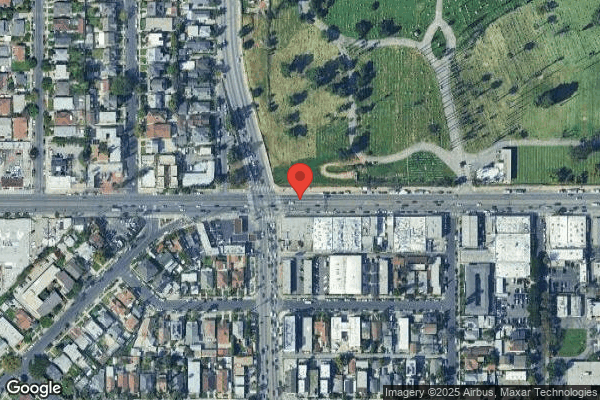

2000 W WASHINGTON BL, LOS ANGELES, CA 90018 (323) 735-5146
For profit - Corporation 93 Beds LONGWOOD MANAGEMENT CORPORATION Data: November 2025
Trust Grade
30/100
#689 of 1155 in CA
Last Inspection: June 2025

Inspected within the last 6 months. Data reflects current conditions.

Overview

Sunnyview Care Center has received a Trust Grade of F, indicating significant concerns and poor overall quality. They rank #689 out of 1155 nursing homes in California, placing them in the bottom half, and #141 out of 369 in Los Angeles County, meaning only a few local options are worse. The facility's situation is worsening, with issues increasing from 14 in 2024 to 17 in 2025. Staffing is average, with a 3 out of 5-star rating and a turnover rate of 42%, which is near the state average. However, the RN coverage is concerning, as they have less RN presence than 90% of California facilities, which is critical for addressing potential health issues. On the downside, there have been serious incidents, including a resident being physically assaulted by another resident due to the facility's failure to implement its abuse prevention policy, resulting in significant injuries. Additionally, there was a failure to notify a physician of a resident's significant decline in vital signs, which could have serious implications for their health. While the facility has some strengths, such as an excellent rating in quality measures, these serious safety concerns highlight significant weaknesses that families should carefully consider.

Trust Score
F
30/100
In California
#689/1155
Bottom 41%
Safety Record
High Risk
Review needed
Inspections
Getting Worse
14 → 17 violations
Staff Stability
○ Average
42% turnover. Near California's 48% average. Typical for the industry.
Penalties
○ Average
$25,306 in fines. Higher than 58% of California facilities. Some compliance issues.
Skilled Nurses
⚠ Watch
Each resident gets only 14 minutes of Registered Nurse (RN) attention daily — below average for California. Fewer RN minutes means fewer trained eyes watching for problems.
Violations
⚠ Watch
56 deficiencies on record. Higher than average. Multiple issues found across inspections.
★★★☆☆
3.0
Overall Rating
★★★☆☆
3.0
Staff Levels
★★★★★
5.0
Care Quality
★★☆☆☆
2.0
Inspection Score
Stable
2024: 14 issues
2025: 17 issues

The Good

  • 5-Star Quality Measures · Strong clinical quality outcomes
  • Full Sprinkler Coverage · Fire safety systems throughout facility
  • No fines on record
  • Staff turnover below average (42%)

    6 points below California average of 48%

Facility shows strength in quality measures, fire safety.

The Bad

3-Star Overall Rating

Near California average (3.1)

Meets federal standards, typical of most facilities

Staff Turnover: 42%

Near California avg (46%)

Typical for the industry

Federal Fines: $25,306

Below median ($33,413)

Moderate penalties - review what triggered them

Chain: LONGWOOD MANAGEMENT CORPORATION

Part of a multi-facility chain

Ask about local staffing decisions and management

The Ugly 56 deficiencies on record

2 actual harm
Jul 2025 1 deficiency
CONCERN (D) 📢 Someone Reported This

A family member, employee, or ombudsman was alarmed enough to file a formal complaint

Potential for Harm - no one hurt, but risky conditions existed

Deficiency F0572 (Tag F0572)

Could have caused harm · This affected 1 resident

**NOTE- TERMS IN BRACKETS HAVE BEEN EDITED TO PROTECT CONFIDENTIALITY** Based on interview and record review, the facility failed to follow its policy and procedure (P&P) titled Bed-Holds and Returns ...

Read full inspector narrative →
**NOTE- TERMS IN BRACKETS HAVE BEEN EDITED TO PROTECT CONFIDENTIALITY** Based on interview and record review, the facility failed to follow its policy and procedure (P&P) titled Bed-Holds and Returns when two of four sampled residents (Resident 1, 2) were not provided written notification of bed-hold (holding or reserving a resident's bed while the resident is absent from the facility for therapeutic leave or hospitalization) upon admission or at transfer.This failure resulted in Resident 1 to not know their bed-hold rights during transfer to a general acute care hospital (GACH) and a potential for Resident 2 to not know their rights.Findings:a. During a review of Resident 1's admission Record, the admission Record indicated Resident 1 was admitted to the facility on [DATE] with diagnoses including history of malignant neoplasm (mass, cancer) of upper lobe, right bronchus (portion of the airway) or lung, malignant neoplasm of left adrenal gland (hormone-producing organ), and diabetes mellitus (DM-a disorder characterized by difficulty in blood sugar control and poor wound healing).During a review of Resident 1's History and Physical (H&P), dated 6/12/2025, the H&P indicated Resident 1 had the capacity to understand and make medical decisions.During a review of Resident 1's Minimum Data Set (MDS - a resident assessment tool), dated 6/12/2025, the MDS indicated Resident 1 could independently make decisions regarding tasks of daily life, did not reject care, and did not exhibit verbal or physical behaviors toward others.During a review of Resident 1's Discharge Summary Report, dated 6/12/2025, the Discharge Summary Report indicated Resident 1 was transferred to the GACH on 6/12/2025 at 9:40 AM for near syncope (fainting).During a concurrent interview and record review on 7/9/2025 at 9:40 AM with the facility's Admissions Director (AD), Resident 1's Discharge Summary Report, dated 6/12/2025, was reviewed. The AD stated Resident 1 was admitted to the facility on the evening of 6/11/2025 and transferred to the hospital the following morning on 6/12/2025. The AD stated he did not follow facility policy when he did not provide Resident 1 with a written notice of bed-hold upon admission to the facility.During an interview on 7/9/2025 at 11:20 AM with Resident 1, Resident 1 stated he did not know what a bed-hold was, was not offered the option of a bed-hold, and was not provided written information about a bed-hold.During an interview on 7/9/2025 at 12:40 PM with the Medical Records Director (MRD), the MRD stated Resident 1 did not receive a written notice of bed-hold upon admission or transfer.During a concurrent interview and record review on 7/9/2025 at 1:30 PM with the Director of Nursing Designee (DOND), the facility's P&P titled Bed Holds and Returns, dated 3/2022 was reviewed. The DOND stated the facility did not provide a written notice of bed-hold upon admission or transfer to Resident 1, per facility policy. The DOND stated Resident 1 was expected to return to the facility. The DOND stated residents may not be aware of their right to a bed-hold and residents would not be able to exercise their right to a bed-hold since they did not receive a written notice. b. During a review of Resident 2's admission Record, the admission Record indicated Resident 2 was admitted to the facility on [DATE] and discharged on 6/24/2025. The admission Record indicated Resident 2 had a history of cognitive communication deficit (difficulty speaking due to cognitive impairment) and DM.During a review of Resident 2's H&P, dated 6/22/2025, the H&P indicated Resident 2 was able to understand and make decisions.During a review of Resident 2's MDS, dated [DATE], the MDS indicated Resident 2 had some difficulty making decisions in new situations regarding tasks of daily life, did not reject care, and did not exhibit verbal or physical behaviors toward others.During a review of Resident 2's Discharge Summary Report, dated 6/24/2025, the Discharge Summary Report indicated Resident 2 was transferred on 6/24/2025 to the GACH on 6/24/2025 for surgical wound debridement (surgical procedure to remove non-viable tissue).During a review of Resident 2's Notification of Bed-Hold, dated 6/24/2025, the Notification of Bed-Hold indicated Resident 2 was provided a written Notification of Bed-Hold on 6/24/25.During a concurrent interview and record review on 7/9/2025 at 9:40 AM with the AD, Resident 2's Discharge Summary Report, dated 6/24/2025, was reviewed. The AD stated Resident 2 was admitted in the evening of 6/21/2025 and transferred to the GACH in the afternoon of 6/24/2025. The AD stated he did not provide Resident 2 with a written notice of bed-hold upon admission, per facility policy. The AD stated Resident 2's rights were violated when he was not informed of his rights to a bed-hold.During a concurrent interview and record review on 7/9/2025 at 1:30 PM with the DOND, the facility's P&P titled Bed-Holds and Returns, dated 3/2022 was reviewed. The DOND stated the facility did not follow the P&P when the facility did not provide a written notice of bed-hold upon admission to Resident 2.During a concurrent interview and record review on 7/9/2025 at 1:57 PM with the AD, Resident 2's Notification of Bed-Hold dated 6/24/2025, and the facility's P&P titled Bed-Hold and Returns dated 3/2022, were reviewed. The AD stated the P&P was not followed when Resident 2 was not provided written notification of bed-hold upon admission to the facility.During a review of the facility's P&P titled Bed-Holds and Returns, dated 3/2022, the P&P indicated all residents must be informed of their right to a bed-hold upon admission and at the time of transfer.During a review of the facility's P&P titled Resident Rights, dated 3/2023, the P&P indicated the facility shall inform residents about his or her rights and must support residents in exercising their rights.
Jun 2025 2 deficiencies
CONCERN (D) 📢 Someone Reported This

A family member, employee, or ombudsman was alarmed enough to file a formal complaint

Potential for Harm - no one hurt, but risky conditions existed

Comprehensive Care Plan (Tag F0656)

Could have caused harm · This affected 1 resident

**NOTE- TERMS IN BRACKETS HAVE BEEN EDITED TO PROTECT CONFIDENTIALITY** Based on interview and record review, the facility failed to implement their policy and procedure (P/P) titled Care Plans, Compr...

Read full inspector narrative →
**NOTE- TERMS IN BRACKETS HAVE BEEN EDITED TO PROTECT CONFIDENTIALITY** Based on interview and record review, the facility failed to implement their policy and procedure (P/P) titled Care Plans, Comprehensive Person-Centered, 1. to conduct an Interdisciplinary Team ([IDT] group of healthcare professionals, including resident/ resident representative, working together to provide residents with needed care) and 2. to document a post fall care plan for one of four sampled residents (Resident 2) after sliding out of the wheelchair and onto the floor. This failure resulted in Resident 2, who is non-verbal and bedbound, having another fall on 06/04/2025 of sliding out of the bed and onto the floor and staff returning Resident 2 to bed without informing the charge nurse or supervisor, and without having a qualified staff assess for injuries. This failure also resulted in Resident 2 sustaining a fractured femur (a break in the femur, the long bone in the thigh, and is a serious injury), enduring hours of pain and transferring to the general acute care hospital (GACH). Findings: During a review of Resident 2's admission Record, the admission Record indicated Resident 2 was admitted to the facility on [DATE] with diagnoses including right knee osteoarthritis (breakdown of joint cartilage, leading to pain, stiffness, and limited movement in the affected joints), hypertension (high blood pressure), and ataxia (loss of muscle coordination). During a review of Resident 2's Change of Condition (COC), dated 11/12/2024 at 5 p.m., the COC indicated Resident 2 was seen up in her wheelchair, in the hallway and was propelling self forward. The COC indicated Resident 2 reached for the hallway handrail, pulled self forward down the hallway and slowly sled out of her wheelchair and sat on the floor. During a review of Resident 2's post fall Fall Risk Assessment, dated 11/12/2024, the post Fall Risk Assessment indicated Resident 2 has a high risk/potential for falls. During a review of Resident 2's Minimum Data Set (MDS-a resident assessment tool) dated 4/15/2025, the MDS indicated Resident 1 had cognitive impairment. The MDS indicated Resident 1 required substantial/maximal assistance (helper does more than half the effort) with eating, toileting hygiene and personal hygiene. During an interview on 6/16/2025 at 12 noon, with the Medical Records Director, in the Medical Records office, the Medical Records Director stated Resident 2 did not have a post fall IDT notes and post fall care plan after the 11/12/2024 fall. The Medical Records Director stated the nurses were responsible for formulating the post fall care plan and documenting in the IDT meeting notes. The Medical Records Director stated failure to conduct an IDT meeting and create the post fall care plan may jeopardize Resident 2's safety. During an interview on 6/16/2025 at 12:20 p.m., with the Director of Nursing (DON), the DON stated the Registered Nurse Supervisor was responsible for conducting an IDT meeting and documenting the IDT meeting notes and updating and documenting the fall care plan. The DON stated that failure to conduct an IDT meeting and document IDT meeting notes and update the fall care plan is a lack of documentation. The DON failed to verbalize how the lack of documentation would affect Resident 2's care and safety. During a review of the facility's P/P titled Care Plans, Comprehensive Person-Centered, revised dated March 2022, the P&P indicated care plan must include developed measurable objectives and timetables to meet the resident's physical, psychosocial and functional needs and implemented for each resident. The P&P indicated interventions should be chosen after data gathering, proper sequencing or events, careful consideration of the relationship between the resident's problem areas and their causes, and relevant clinical decision making. The P&P indicated the interdisciplinary team review and updates the care plan when there has been a significant change in the resident's condition and when the desired outcome is not met.
CONCERN (D) 📢 Someone Reported This

A family member, employee, or ombudsman was alarmed enough to file a formal complaint

Potential for Harm - no one hurt, but risky conditions existed

Accident Prevention (Tag F0689)

Could have caused harm · This affected 1 resident

**NOTE- TERMS IN BRACKETS HAVE BEEN EDITED TO PROTECT CONFIDENTIALITY** Based on interview and record review, the facility failed to ensure one of four sampled residents (Resident 2), was assessed for...

Read full inspector narrative →
**NOTE- TERMS IN BRACKETS HAVE BEEN EDITED TO PROTECT CONFIDENTIALITY** Based on interview and record review, the facility failed to ensure one of four sampled residents (Resident 2), was assessed for pain after a fall incident on 6/5/2025. This failure resulted in the delay of pain assessment and interventions and had the potential for Resident 2 to suffer severe pain. Findings: During a review of Resident 2 ' s admission Record, the admission Record indicated Resident 2 was admitted to the facility on [DATE] with diagnoses including right knee osteoarthritis (breakdown of joint cartilage, leading to pain, stiffness, and limited movement in the affected joints), hypertension (high blood pressure), and ataxia (loss of muscle coordination). During a review of Resident 2 ' s Minimum Data Set (MDS-a resident assessment tool) dated 4/15/2025, the MDS indicated Resident 1 had cognitive impairment. The MDS indicated Resident 1 required substantial/maximal assistance (helper does more than half the effort) with eating, toileting hygiene and personal hygiene. During a review of Resident 2 ' s Change of Condition (COC), dated 6/5/2025 at 2 a.m., the COC indicated Resident 1 had right leg pain when moved with facial grimacing. The COC indicated Resident 1 was unable to verbalize any pain. The COC indicated a nurse (unidentified) moved Resident 2 ' s all extremities and noted facial grimacing when right leg was moved. During an interview on 06/09/2025 at 1:10 p.m. with the Director of Nursing (DON), the DON stated the Charge Nurse did not assess Resident 2 ' s pain level after the fall because the assigned Certified Nursing Assistant (CNA 1) did not notify the Charge Nurse because the facility was having a recertification survey (an annual survey conducted to ensure compliance by healthcare facilities with the requirements for participation in Medicare and Medicaid programs). CNA 1 put Resident 2 back to bed by herself and watched for any pain and discomforts. During a telephone interview on 6/10/2025 at 2:40 p.m. with CNA 1, CNA 1 stated she was in the resident ' s bathroom preparing to provide morning care. CNA 1 stated she heard a sudden loud noise and found Resident 2 on the floor. CNA1 stated Resident 2 was nonverbal and nodded her head when asked indicating she was ok. CNA 1 stated she did not notify the Charge Nurse about the fall because she was nervous, and the facility had an ongoing recertification survey. CNA 1 stated failing to notify the Charge Nurse would have caused Resident 2 to suffer pain and delayed medical attention. During a review of the facility ' s undated policy and procedure (P&P) titled, Incidents/Accidents, the P/P indicated incidents/accidents should be reported to the charge nurse and documented on the accident/incident report as soon as they occur. The P&P indicated, the Charge nurse initiating the report will be responsible for the completeness and accuracy of the information contained in the report.
Jun 2025 11 deficiencies
CONCERN (D)

Potential for Harm - no one hurt, but risky conditions existed

Resident Rights (Tag F0550)

Could have caused harm · This affected 1 resident

**NOTE- TERMS IN BRACKETS HAVE BEEN EDITED TO PROTECT CONFIDENTIALITY** sBased upon interview and record review, the facility failed to: 1. Ensure smoke break weren't limited for one of 5 sampled resi...

Read full inspector narrative →
**NOTE- TERMS IN BRACKETS HAVE BEEN EDITED TO PROTECT CONFIDENTIALITY** sBased upon interview and record review, the facility failed to: 1. Ensure smoke break weren't limited for one of 5 sampled residents (Resident 55). This deficient practice resulted in violating Resident 55's rights to smoke. Findings: During a review of Resident 55's face sheet (front page of the chart that contains a summary of basic information about the resident), the face sheet indicated Resident 55 was admitted to the facility on [DATE] with diagnoses which included cellulitis of the right lower limb (a bacterial infection of the skin and underlying tissues in the right lower leg), sepsis (a life-threatening blood infection), bacteremia (bacteria in the blood) and open wound to the right thigh. During a review of Resident 55's Minimum Data Set (MDS- a federally mandated resident assessment tool), the MDS indicated Resident 55 was cognitively intact. The MDS also indicated Resident 55 required substantial assistance with Activities of Daily Living (ADLs- routine tasks/activities such as bathing, dressing and toileting a person performs daily to care for themselves). During an interview, on 6/3/2025, at 11:27 a.m., with Resident 55, Resident 55 stated per the Director of Nursing (DON), she was only allowed to smoke one cigarette a day at 9:00 a.m Resident 55 stated she wanted to be able to smoke at her own preference. Resident 55 stated not being able to smoke at her leisure during smoke breaks resulted in her feeling angry. During an interview, on 6/5/2025, at 9:25 a.m., with the DON, the DON stated all residents who smoked at the facility was able to smoke during designated smoking times. The DON stated upon admission, Resident 55 was weak and had wounds. The DON stated she told Resident 55 that she was allowed to smoke 1 cigarette a day until her wounds began to heal. The DON stated the risk of limiting a resident's smoke preference could result in a restriction of resident's rights. During a review of the facility's policy and procedures (P&P), the P&P, titled Resident's Rights, revised 2/2021, indicated Federal and state laws guarantee certain basic rights to all residents of this facility. These rights include the resident's right to: m. exercise his or her rights as a resident of the facility.
CONCERN (D)

Potential for Harm - no one hurt, but risky conditions existed

Deficiency F0552 (Tag F0552)

Could have caused harm · This affected 1 resident

**NOTE- TERMS IN BRACKETS HAVE BEEN EDITED TO PROTECT CONFIDENTIALITY** Based on interview and record review, the facility failed to: 1. Obtain a written informed consent (voluntary agreement to accep...

Read full inspector narrative →
**NOTE- TERMS IN BRACKETS HAVE BEEN EDITED TO PROTECT CONFIDENTIALITY** Based on interview and record review, the facility failed to: 1. Obtain a written informed consent (voluntary agreement to accept treatment and/or procedures after receiving education regarding the risks, benefits, and alternatives offered) and conduct an interdisciplinary team (([IDT] - team members from different disciplines who come together to discuss resident care) meeting before initiation of a psychotropic drug (Any drug that affects brain activities associated with mental process and behavior) for resident with diagnosis of dementia (a progressive state of decline in mental abilities) for one of six sampled residents (Resident 35). This deficient practice had the potential for Resident 35 to receive unnecessary medications. Findings: During a review of Resident 35's admission Record (front page of the chart that contains a summary of basic information about the resident), the admission Record indicated, Resident 35 was initially admitted to the facility on [DATE] and readmitted on [DATE]. Resident 35's diagnoses included dementia, bipolar disorder (sometimes called manic-depressive disorder, mood swings that range from the lows of depression to elevated periods of emotional highs), and schizophrenia (a mental illness that is characterized by disturbances in thought). During a review of Resident 35's History and Physical (H&P), dated 4/19/2025, the H&P indicated, Resident 35 did not have the capacity to understand and make decisions. During a review of Resident 35's Minimum Data Assessment ([MDS] - a resident assessment tool), dated 4/28/2025, the MDS indicated, Resident 35's cognitive (ability to think and reason) skills for daily decision making was severely impaired (never/rarely made decisions). The MDS indicated, Resident 35 was totally dependent (helper does all of the effort) from staff with oral hygiene, toileting hygiene, and personal hygiene. During a review of Resident 35's Order Summary Report (a document containing active orders), dated 6/1/2025, the Order Summary Report indicated, the physician placed a telephone order on 5/20/2025 for Resident 35 to start on Depakote sprinkles (drug used to treat seizure and mood disorder) 125 milligrams ([mg] - metric unit of measurement, used for medication dosage and/or amount) to give two capsules once a day ( 9 a.m.) for bipolar disorder manifested by uncontrollable extreme mood swings causing anger interfering with daily activities. The Order Summary Report indicated, the physician placed a telephone order on 4/17/2025 for Resident 35 to start on risperidone (anti-psychotic medication used to treat several mental health conditions) 1 mg to give twice a day (9 a.m., and 5 p.m.) for schizophrenia manifested by uncontrollable anger causing to strike out. During a review of Resident 35's medication administration records ([MAR] - a daily documentation record used by a licensed nurse to document medications and treatments given to a resident) from 4/18/2025 to 6/3/2025, the MAR indicated, Resident 35 was given Depakote and risperidone. During a concurrent interview and record review on 6/4/2025 at 1:40 p.m., with the Director of Nursing (DON), Resident 35's clinical records were reviewed. The DON stated, Resident 35's Informed Consent for Depakote and risperidone were not signed by the IDT. The DON stated, Resident 35 lacks capacity to give informed consent because he had a diagnosis of dementia. The DON stated there was no IDT meeting minutes that was completed before the initiation of Resident 35's psychotropic drug. The DON stated the IDT together with the psychiatrist (a medical doctor who specializes in the diagnosis, treatment, and prevention of mental health disorders), and physician should meet and discuss prior to administration of the proposed treatment for the psychotropic drug making sure that the medications were used appropriately and safely to residents with dementia. The DON stated long term use of psychotropic drugs can cause unwanted side-effects such as slow heart rate, dizziness, headache and could affect or alter residents behavior. During a review of the facility's undated, policy and procedure (P&P) titled, Lack of Capacity when Medical Interventions Requires Informed Consent, the P&P indicated, The facility shall conduct an interdisciplinary team review of the prescribed medical interventions prior to the administration of the medical intervention, except in the case of emergency. The P&P indicated when the resident lacks capacity for informed consent and a psychoactive medication are ordered by the physician, a bioethics meeting will be held. It will include the resident's physician, another physician along with the facility interdisciplinary team member.
CONCERN (D)

Potential for Harm - no one hurt, but risky conditions existed

Safe Environment (Tag F0584)

Could have caused harm · This affected 1 resident

**NOTE- TERMS IN BRACKETS HAVE BEEN EDITED TO PROTECT CONFIDENTIALITY** Based upon observation and interview, the facility failed to: 1. Ensure the room's curtains and curtain rod was not broken for o...

Read full inspector narrative →
**NOTE- TERMS IN BRACKETS HAVE BEEN EDITED TO PROTECT CONFIDENTIALITY** Based upon observation and interview, the facility failed to: 1. Ensure the room's curtains and curtain rod was not broken for one of 5 sampled residents (Resident 79). This deficient practice resulted in a violation of Resident 79's right to privacy and a potential to result in a safety hazard. Findings: During a review of Resident 79's face sheet (front page of the chart that contains a summary of basic information about the resident), the face sheet indicated Resident 79 was admitted to the facility on [DATE] with diagnoses which included cerebral ischemia (insufficient blood flow to the brain), gastro-esophageal reflux disease (a digestive disease in which stomach acid or bile irritates the food pipe lining), neuropathy (disease or dysfunction of one or more nerves, typically causing numbness or weakness in the hands and feet) and adult failure to thrive (an inability to sustain weight due to poor nutrition, leading to progressive decline). During a review of Resident 79's Minimum Data Set (MDS- a federally mandated resident assessment tool), dated 3/13/2025, the MDS indicated Resident 79's cognitive (thinking) skills were severely impaired. The MDS also indicated Resident 79 required substantial assistance with Activities of Daily Living (ADLs- routine tasks/activities such as bathing, dressing and toileting a person performs daily to care for themselves). During a concurrent observation and interview, on 6/3/2025, at 10:10 a.m., with Resident 79, Resident 79's curtains were observed hanging from a bent curtain rod. Resident 79 stated the curtains and curtain rod had been in that condition for a while now. Resident 79 stated it caused him to feel violated as pedestrians on the street could see through his window. During an interview, on 6/5/2025, at 9:15 a.m., with the Maintenance Supervisor (MS), the MS stated he was responsible for repairing equipment and furnishings in the facility. The MS stated the curtain and curtain railing in Resident 79's room was not in good condition and did not promote a homelike environment. The MS stated he had fixed Resident 79's curtain and curtain rod. The MS stated the risk of not having Resident 79's curtain and curtain rod in good condition could result in a safety issue if the curtains and curtain rod fell on a resident. During a review of the facility's policy and procedures (P&P), titled Homelike Environment, revised 2/2021, the P&P indicated the facility staff and management maximizes, to the extent possible, the characteristics of the facility that reflect a personalized, homelike setting.
CONCERN (D)

Potential for Harm - no one hurt, but risky conditions existed

Deficiency F0688 (Tag F0688)

Could have caused harm · This affected 1 resident

**NOTE- TERMS IN BRACKETS HAVE BEEN EDITED TO PROTECT CONFIDENTIALITY** Based on observation, interview, and record review, the facility failed to provide appropriate services to prevent a decline in ...

Read full inspector narrative →
**NOTE- TERMS IN BRACKETS HAVE BEEN EDITED TO PROTECT CONFIDENTIALITY** Based on observation, interview, and record review, the facility failed to provide appropriate services to prevent a decline in joint range of motion ([ROM] - full movement potential of a joint) for two out of two sampled residents (Resident 24 and 76) who had limited ROM by failing to: 1. Ensure 24 received timely quarterly (every three months) Joint Mobility Screening/Assessment to monitor changes in joint range of motion. 2. Ensure one of seven sampled residents (Resident 76) received passive range of motion ([PROM]- movement of a joint through its full range of motion without any effort from the individual) exercises seven days a week by the Restorative Nurse Assistant ([RNA]- a healthcare worker who helps residents improve and maintain function in physical abilities) as ordered by the physician. These deficient practices had the potential to cause further decline in Resident 24 and Resident 76's ROM and overall quality of life. Findings: 1. During a review of Resident 24's admission Record (front page of the chart that contains a summary of basic information about the resident), the admission Record indicated, Resident 24 was admitted to the facility on [DATE]. Resident 24's diagnoses included bipolar disorder (sometimes called manic-depressive disorder; mood swings that range from the lows of depression to elevated periods of emotional highs), dementia (a progressive state of decline in mental abilities), and other abnormalities of gait and mobility. During a review of Resident 24's History and Physical (H&P), dated 9/27/2024, the H&P indicated, Resident 24 did not have the mental capacity to understand and make decisions. During a review of Resident 24's Minimum Data Set ([MDS] - a resident assessment tool), dated 4/4/2025, the MDS indicated, Resident 24's cognitive (ability to think and reason) skills for daily decision making was severely impaired (never/rarely made decisions). The MDS indicated, Resident 24 required substantial assistance (helper does more than half the effort) from staff with toileting hygiene and upper and lower body dressing, and personal hygiene. The MDS indicated, Resident 24 had functional limitation in ROM on one side of upper extremity (shoulder, elbow, wrist, hand). During an observation on 6/3/2025 at 10:19 a.m., in the activity room, observed Resident 24 sitting in wheelchair, unable to fully extend her right upper extremity particularly the elbow. During a concurrent interview and record review on 6/4/2025 at 9:37 a.m., with the Minimum Data Set Nurse (MDSN), Resident 24's clinical records, were reviewed. The MDSN stated Joint Mobility Screening/Assessment should be completed quarterly based on the MDS scheduled assessment, yearly and as needed. The MDSN stated Resident 24's last Joint Mobility Screening was completed on 9/26/2024 and another quarterly screening should have been completed on December 2024 and March 2025. The MDSN stated the purpose of completing the Joint Mobility Screening in a timely manner was to monitor resident's range of motion and if there was a decline then the resident could be a good candidate for active therapy services. During an interview on 6/4/2025 at 9:55 a.m., with the Director of Rehab (DOR), the DOR stated the quarterly Joint Mobility Screening for Resident 24 was not completed as scheduled. The DOR stated the rehabilitation staff was responsible in completing the Joint Mobility Screening to monitor contracture (stiffening/shortening at any joint, that reduces the joint's range of motion) and keep track of residents change in range of motion so the facility could provide interventions to prevent further contractures. During a review of the facility's undated policy and procedure (P&P) titled, Screening, the P&P indicated, Quarterly and Annual screens (both Rehabilitation and/or Joint Mobility Screening forms) may be done as per facility policy and in conjunction with the MDS assessment schedule. During a review of the facility's P&P titled Resident Mobility and Range of Motion. Dated 7/2017, indicated documentation of the resident's progress towards the goals and objectives will include attempts to address any changes or decline in the resident's condition or needs. During a review of the facility's P&P titled Functional Impairment - Clinical Protocol, dated 3/2018, indicated upon admission to the facility, whenever a significant change of condition occurs, and periodically during a resident's stay, the physician and staff will assess the resident's function along with their physical condition. b. During a review of Resident 76's admission Record (front page of the chart that contains a summary of basic information about the resident), the admission Record indicated Resident 76 was initially admitted to the facility on [DATE], with a readmission on [DATE]. Resident 76's diagnoses included dysphagia (difficulty swallowing), seizure (a sudden, uncontrolled electrical disturbance in the brain which can cause uncontrolled jerking, blank stares, and loss of consciousness), and hemiplegia (total paralysis of the arm, leg, and trunk on the same side of the body). During a review of Resident 76's History and Physical (H&P), dated 1/28/2025, the H&P indicated Resident 76 was able to make decisions for activities of daily living. During a review of Resident 76's Minimum Data Set ([MDS]- a resident assessment tool), dated 6/2/2025, the MDS indicated Resident 76's cognition (ability to understand and reason) was intact. The MDS indicated Resident 76 needed supervision bathing and dressing the upper body. During a review of Resident 76's Order Summary Report, dated 6/1/2025, the report indicated on 4/11/2025 the physician entered an order for the RNA to perform left upper extremity PROM every day seven times a week. During a review of Resident 76's care plan, dated 5/27/2024, the care plan indicated the facility would provide the RNA program as ordered to minimize decline in joint mobility. During a review of Resident 76's RNA task form for left upper extremity PROM every day seven times a week, dated 5/8/2025 through 6/5/2025, the task indicated PROM was provided on the following dates: 5/8/2025 5/9/2025 5/12/2025 5/13/2025 5/14/2025 5/15/2025 5/16/2025 5/20/2025 5/21/2025 5/22/2025 5/23/2025 5/26/2025 5/27/2025 5/28/2025 5/30/2025 6/2/2025 6/3/2025 6/4/2025 6/5/2025 During an interview on 6/6/2025 at 11:19 a.m. with Licensed Vocational Nurse (LVN) 1, LVN1 stated RNA services are provided to keep the resident at their highest level of functioning. Providing PROM exercises prevents contractures. If PROM is not provided as ordered, the resident may become contracted. During a concurrent interview and record review on 6/6/2025 at 11:32 a.m. with RNA1, Resident 76's RNA task form for PROM was reviewed. RNA1 stated when a resident has an order for PROM seven times a week, it must be done every day. RNA1 stated Resident 76 did not receive PROM every day. RNA1 stated the purpose of RNA services are to help the resident move their bodies when they can't do it themselves or need assistance. Not completing the PROM as ordered put the resident at risk for decline. The resident can become contracted. During a review of the facility's policy and procedure (P&P) titled, Resident Mobility and Range of Motion dated July 2017, the P&P indicated residents with limited range of motion will receive treatment and services to prevent a further decrease in range of motion. Residents with limited mobility will receive appropriate services to maintain or improve mobility. During a review of the Restorative Nurse Assistant job description, the job description indicated the RNA's duties and responsibilities are to assist the resident with range of motion exercises per physician's orders to improve or maintain mobility and independence in the resident.
CONCERN (D)

Potential for Harm - no one hurt, but risky conditions existed

Deficiency F0694 (Tag F0694)

Could have caused harm · This affected 1 resident

**NOTE- TERMS IN BRACKETS HAVE BEEN EDITED TO PROTECT CONFIDENTIALITY** Based on observation, interview, and record review, the facility failed to: 1. Ensure a peripheral catheter ([IV] - a thin tube ...

Read full inspector narrative →
**NOTE- TERMS IN BRACKETS HAVE BEEN EDITED TO PROTECT CONFIDENTIALITY** Based on observation, interview, and record review, the facility failed to: 1. Ensure a peripheral catheter ([IV] - a thin tube inserted into a vein for therapeutic purposes such as administration of medications, fluids and/or blood products) was removed after IV antibiotic (a drug used to treat infections caused by bacteria) was completed for one of one sampled resident (Resident 57). This deficient practice had the potential for the IV insertion site to develop infection and/or hospitalization for Resident 57. Findings: During a review of Resident 57's admission Record (front page of the chart that contains a summary of basic information about the resident), the admission Record indicated, Resident 57 was initially admitted to the facility on [DATE] and readmitted on [DATE]. Resident 57's diagnoses included urinary tract infection ([UTI] - an infection in the bladder/urinary tract), dementia (a progressive state of decline in mental abilities), and type 2 Diabetes Mellitus ([DM] - a disorder characterized by difficulty in blood sugar and poor wound healing). During a review of Resident 57's Minimum Data Assessment ([MDS] - a resident assessment tool), dated 4/14/2025, the MDS indicated, Resident 57's cognitive (ability to think and reason) skills for daily decision making was severely impaired (never/rarely made decisions). The MDS indicated, Resident 57 was totally dependent (helper does all of the effort) from staff with oral hygiene, upper and lower body dressing, and personal hygiene. During a review of Resident 57's Order Summary Report (a document containing active orders), dated 6/1/2025, the Order Summary Report indicated, the physician placed a telephone order on 5/29/2025 for Resident 57 to start on ceftriaxone (drug used to treat bacterial infection) 1 gram ([gm] - metric unit of measurement, used for medication dosage and/or amount) IV one time a day for UTI for 4 days. During a review of Resident 57's IV medication administration records ([MAR] - a daily documentation record used by a licensed nurse to document medications and treatments given to a resident), the IV MAR indicated, Resident 57's last dose of ceftriaxone 1 gm IV was given on 6/1/2025 at 4:30 p.m. During a concurrent observation and interview on 6/3/2025 at 2:28 p.m., with the Minimum Data Set Nurse (MDSN), in Resident 57's room, Resident 57 had an IV line on left hand. The MDSN stated, Resident 57's IV antibiotic was completed two days ago. The MDSN stated the licensed nurse who administered the last dose of IV antibiotic should have removed the IV peripheral catheter immediately to minimize discomfort and prevent infection. During a review of the facility's policy and procedure (P&P) titled, Peripheral Catheter Removal, dated 5/2023, the P&P indicated, Peripheral catheters are removed at the time completion of therapy.
CONCERN (D)

Potential for Harm - no one hurt, but risky conditions existed

Pharmacy Services (Tag F0755)

Could have caused harm · This affected 1 resident

**NOTE- TERMS IN BRACKETS HAVE BEEN EDITED TO PROTECT CONFIDENTIALITY** Based on observation, interview, and record review, the facility failed to: 1. Ensure accurate accounting/documentation of a con...

Read full inspector narrative →
**NOTE- TERMS IN BRACKETS HAVE BEEN EDITED TO PROTECT CONFIDENTIALITY** Based on observation, interview, and record review, the facility failed to: 1. Ensure accurate accounting/documentation of a controlled drug ([Lyrica]- medication used for nerve pain) for one out of seven sampled residents (Resident 21). This deficient practice had the potential to result in drug diversion. Findings: During a review of Resident 21's admission Record, the admission Record indicated Resident 21 was admitted to the facility on [DATE]. Resident 21's diagnoses included hypertension (HTN-high blood pressure), seizure (a sudden, uncontrolled electrical disturbance in the brain which can cause uncontrolled jerking, blank stares, and loss of consciousness), and hemiplegia (total paralysis of the arm, leg, and trunk on the same side of the body). During a review of Resident 21's History and Physical (H&P), dated 6/20/2025, the H&P indicated Resident 21 had the capacity to understand and make decisions. During a review of Resident 21's Minimum Data Set ([MDS]- a resident assessment tool), dated 6/4/2025, the MDS indicated Resident 21 needed moderate assistance with toileting, showering, eating, and dressing. During a concurrent interview and record review on 6/6/2025 at 10:59 a.m. with the Director of Nursing (DON), the facility's Controlled Medication Destruction Log was reviewed for Resident 21's Lyrica. The DON stated when a resident is discharged or a drug is discontinued, the nurse brings it to her and fills in the log indicating it was turned in. The DON then signs indicating the drug was received. The DON stated the purpose of signing the form is to keep track of where the medication is. The log indicated on 6/4/2025 the nurse turned in 28 Lyrica pills for destruction. There is no signature indicating who received the Lyrica. The DON stated she did not sign the form because the drug count was incorrect. Review of the medication bubble pack indicated there are 28 Lyrica pills remaining. Review of the Antibiotic or Controlled Drug Record form indicated there are 30 pills remaining. The DON stated the nurse gave the doses and did not document it upon administration. Both nurses should count the drugs during hand off at shift change. The hand off was not done correctly. During a concurrent interview and record review on 6/6/2025 at 12:07 p.m. with Licensed Vocational Nurse (LVN) 2, the facility's Controlled Medication Destruction Log was reviewed for Resident 21's Lyrica. LVN2 stated looking at the documentation you would not know where the drug is. It looks like the medication was displaced. This is not okay for a controlled drug. During a review of the facility's policy and procedure (P&P) titled, Medication Administration-General Guidelines, dated April 2008, the P&P indicated in no case should the individual who administered the medication report off-duty without first recording the administration of any medication. During a review of the facility's P&P titled, Controlled Substances, dated April 2019, the P&P indicated controlled substances are reconciled upon receipt, administration, disposition, and at the end of each shift. The P&P indicated the nurse administering the medication is responsible for recording the tine of administration, quantity of the medication remaining, and signature of the nurse administering the medication. The P&P indicated disposal of controlled medications are done in the presence of the nurse and a witness who also signs the disposition sheet. During a review of the Licensed Vocational Nurse job description, the job description indicated the nurse will ensure medications are documented in a timely fashion and in accordance with the company's policies and procedures.
CONCERN (D)

Potential for Harm - no one hurt, but risky conditions existed

Drug Regimen Review (Tag F0756)

Could have caused harm · This affected 1 resident

**NOTE- TERMS IN BRACKETS HAVE BEEN EDITED TO PROTECT CONFIDENTIALITY** Based on interview and record review, the facility failed to: 1. Ensure a pharmacy consultant (a professional responsible for re...

Read full inspector narrative →
**NOTE- TERMS IN BRACKETS HAVE BEEN EDITED TO PROTECT CONFIDENTIALITY** Based on interview and record review, the facility failed to: 1. Ensure a pharmacy consultant (a professional responsible for reviewing each resident's medication profile monthly to identify and report changes) recommendation to consider ordering valproic acid level (test that measures the concentration of valproic acid, an anticonvulsant medication, in the blood) and ammonia level (test that measures the amount of ammonia level in the blood) was acknowledged and acted upon for one of five sampled residents (Resident 72). This deficient practice had the potential for Resident 72 to experience a delay in treatment. Findings: During a review of Resident 72's admission Record (front page of the chart that contains a summary of basic information about the resident), the admission Record indicated, Resident 72 was initially admitted to the facility on [DATE] and readmitted on [DATE]. Resident 72's diagnoses included congestive heart failure ([CHF] - a heart disorder which causes the heart to not pump the blood efficiently, sometimes resulting in leg swelling), anemia (a condition where the body does not have enough healthy red blood cells), and psychosis (a mental health condition characterized by a loss of touch with reality). During a review of Resident 72's History and Physical (H&P), dated 3/19/2025, the H&P indicated, Resident 72 did not have the mental capacity to understand and make medical decisions. During a review of Resident 72's Minimum Data Set (a resident assessment tool), dated 3/24/2025, the MDS indicated, Resident 72 was independent (decisions consistent/reasonable) in cognitive (ability to think and reason) skills for daily decision making. The MDS indicated, Resident 72 required moderate assistance (helper does less than half the effort) from staff with toileting hygiene and lower body dressing. During a review of Resident 72's Order Summary Report (a document containing active orders), dated 6/1/2025, the Order Summary Report indicated, the physician placed a telephone order on 3/18/2025 for Resident 72 to start on Depakote Delayed Release (drug used to treat seizure and mood disorder) 250 milligrams ([mg] - metric unit of measurement, used for medication dosage and/or amount) to give one tablet twice a day (9 a.m. and 5 p.m.) for mood disorder manifested by episodes of hallucination hearing someone is out to get him to do surgery on him. During a concurrent interview and record review on 6/5/2025 at 1:31 p.m., with the Director of Nursing (DON), Resident 72's Consultant Pharmacist Medication Regimen Review (MRR), dated 4/24/2025, was reviewed. The MRR indicated, Please follow-up with doctor to consider ordering valproic acid and ammonia level. The DON stated the timeline to follow-up pharmacy consultant recommendation to physician is within 14 days after receiving the MRR report. The DON stated the facility failed to take any action on the consultant pharmacist recommendation by not informing Resident 72's physician. The DON stated there was no previous and current order to check valproic acid and ammonia level. The DON stated it is the facility's policy to address MRR by the pharmacy consultant for the welfare of the resident. The DON stated the purpose of checking valproic acid and ammonia level of Resident 72's was to check the therapeutic blood level (amount of a specific medicine or drug present in the blood stream at a particular time) in order to determine if the medication was safe to administer. The DON stated if Resident 72's valproic acid and ammonia level was not within the therapeutic range then his behavior would escalate (certain pattern of behavior that can get worse over time). During a review of the facility's policy and procedure (P&P), titled Consultant Pharmacist Reports, dated 12/2016, the P&P indicated, Recommendations are acted upon and documented by the facility staff and or the prescriber. The P&P indicated the physician accepts and acts upon suggestion or rejects and provides an explanation for disagreeing.
CONCERN (D)

Potential for Harm - no one hurt, but risky conditions existed

Laboratory Services (Tag F0770)

Could have caused harm · This affected 1 resident

**NOTE- TERMS IN BRACKETS HAVE BEEN EDITED TO PROTECT CONFIDENTIALITY** Based on interview and record review, the facility failed to: 1. Ensure laboratory test (a medical procedure that analyzes a sam...

Read full inspector narrative →
**NOTE- TERMS IN BRACKETS HAVE BEEN EDITED TO PROTECT CONFIDENTIALITY** Based on interview and record review, the facility failed to: 1. Ensure laboratory test (a medical procedure that analyzes a sample of blood, urine, or other bodily fluid or tissue) to check ammonia level (test that measures the amount of ammonia level in the blood) was completed monthly as ordered by the physician for one of 19 sampled residents (Resident 24). This deficient practice had the potential for Resident 24 not receiving necessary medical treatment. Findings: During a review of Resident 24's admission Record (front page of the chart that contains a summary of basic information about the resident), the admission Record indicated, Resident 24 was admitted to the facility on [DATE]. Resident 24's diagnoses included bipolar disorder (sometimes called manic-depressive disorder; mood swings that range from the lows of depression to elevated periods of emotional highs), dementia (a progressive state of decline in mental abilities), and other abnormalities of gait and mobility. During a review of Resident 24's History and Physical (H&P), dated 9/27/2024, the H&P indicated, Resident 24 did not have the mental capacity to understand and make decisions. During a review of Resident 24's Minimum Data Set (a resident assessment tool), dated 4/4/2025, the MDS indicated, Resident 24's cognitive (ability to think and reason) skills for daily decision making was severely impaired (never/rarely made decisions). The MDS indicated, Resident 24 required substantial assistance (helper does more than half the effort) from staff with toileting hygiene and upper and lower body dressing, and personal hygiene. During a review of Resident 24's Order Summary Report (a document containing active orders), dated 6/1/2025, the Order Summary Report indicated, the physician placed a telephone order on 1/30/2025 for Resident 24 to check ammonia level monthly. During a concurrent interview and record review on 6/4/2025 at 9:27 a.m., with the Minimum Data Set Nurse (MDSN), Resident 24's clinical records were reviewed. The MDSN stated Resident 24's laboratory tests as ordered by the physician on 1/30/2025 to check for ammonia level was not completed and results were not available. The MDSN stated there was no documentation indicating that the ammonia level for the month of March, April, and May 2025 were drawn. The MDSN stated elevated ammonia level could cause confusion and loss of consciousness. The MDSN stated it was important for Resident 24's ammonia level to be drawn to keep track of the therapeutic level (amount of a specific medicine or drug present in the blood stream at a particular time) so the physician could implement medical interventions. During a review of the facility's policy and procedure (P&P), titled Lab and Diagnostic Test Results - Clinical Protocol, dated 3/2023, the P&P indicated, The physician will identify, and order diagnostic and lab testing based on the resident's diagnostic and monitoring needs and the staff will process test requisitions and arrange for tests.
CONCERN (D)

Potential for Harm - no one hurt, but risky conditions existed

Infection Control (Tag F0880)

Could have caused harm · This affected 1 resident

**NOTE- TERMS IN BRACKETS HAVE BEEN EDITED TO PROTECT CONFIDENTIALITY** Based on observation, interview, and record review, the facility failed to: 1. Ensure one of seven sampled residents (Resident 3...

Read full inspector narrative →
**NOTE- TERMS IN BRACKETS HAVE BEEN EDITED TO PROTECT CONFIDENTIALITY** Based on observation, interview, and record review, the facility failed to: 1. Ensure one of seven sampled residents (Resident 31) had enhanced barrier precautions ([EBP]- infection control strategy aimed at reducing the transmission of bacteria resistant to antibiotics) was implemented when care was provided to his feeding tube (a flexible plastic tube placed into the stomach to help you get nutrition when you're unable to eat). This deficient practice put Resident 31 at risk for infection. Findings: During a review of Resident 31's admission Record, the admission Record indicated Resident 31 was initially admitted to the facility on [DATE], with a readmission on [DATE]. Resident 31's diagnoses included hypertension (HTN-high blood pressure), dysphagia (difficulty swallowing), and malnutrition (a condition caused by not getting enough calories or the right amount of key nutrients). During a review of Resident 31's History and Physical (H&P), dated 9/19/2024, the H&P indicated Resident 31 had the capacity to understand and make decisions. During a review of Resident 31's Minimum Data Set ([MDS]- a resident assessment tool), dated 3/15/2025, the MDS indicated Resident 31 was dependent on staff for toileting, showering, dressing, and hygiene. During a review of Resident 31's care plan, dated 9/16/2024, the care plan indicated Resident 31 was at moderate risk for infection related to his feeding tube. The care plan indicated the facility would provide enhanced barrier precautions Gloves, Gowns, Masks. During an observation on 6/5/2025 at 9:25 a.m., there was an Enhanced Barrier Precautions sign located at the doorway of Resident 31's room and over his bed. The sign indicated staff must wear gloves and a gown when providing care or using a feeding tube. During an observation on 6/5/2025 at 9:26 a.m., Licensed Vocational Nurse (LVN) 1 was observed applying gloves, then injecting air into the feeding tube to check placement. LVN1 then aspirated fluid to check the feeding tube residual. LVN1 was not wearing a gown. During an interview on 6/5/2025 at 9:39 a.m. with LVN1, LVN1 stated EBP should be practiced when you are using a device such as a feeding tube. EBP includes performing hand hygiene and applying a gown and gloves. LVN1 stated she was not wearing a gown when she checked the G-tube residual because she forgot. LVN1 stated EBP prevents infection. LVN1 stated the resident is now at risk for infection because she did not wear a gown. During a review of the facility's policy and procedure (P&P) titled, Enhanced Barrier Precautions, dated June 2024, the P&P indicated device care or use of a feeding tube is a high contact resident care activity requiring the use of gown and gloves for enhanced barrier precautions.
CONCERN (E)

Potential for Harm - no one hurt, but risky conditions existed

Assessment Accuracy (Tag F0641)

Could have caused harm · This affected multiple residents

**NOTE- TERMS IN BRACKETS HAVE BEEN EDITED TO PROTECT CONFIDENTIALITY** Based on interview and record review, the facility failed to ensure a Minimum Data Set ([MDS] - a resident assessment tool) asse...

Read full inspector narrative →
**NOTE- TERMS IN BRACKETS HAVE BEEN EDITED TO PROTECT CONFIDENTIALITY** Based on interview and record review, the facility failed to ensure a Minimum Data Set ([MDS] - a resident assessment tool) assessment was completed accurately for three of 19 sampled residents (Residents 6, 72, and 10) by failing to: 1. Ensure Resident 6's risperidone (anti-psychotic medication used to treat several mental health conditions) was encoded as anti-psychotic medication (a type of drug used to treat symptoms of psychosis) under MDS section N (N0415 High Risk Drug Classes - Use and Indication). 2. Ensure Resident 72's significant weight loss (loss of 5 percent ([%] - out of each 100) or more in the last month or loss of 10% or more in last 6 months) was encoded under MDS Section K (K0300 Weight Loss). 3. Ensure Resident 10 had accurate documentation in the MDS to reflect her use of Dabigatran Etexilate Mesylate ([anti-coagulant]- medication used to thin the blood). These deficient practices resulted in incorrect data being transmitted to the Center for Medicare and Medicaid Services (CMS) and had the potential to negatively affect the plan of care and services for Resident 6, 72, and 10). Findings: 1. During a review of Resident 6's admission Record (front page of the chart that contains a summary of basic information about the resident), the admission Record indicated, Resident 6 was initially admitted to the facility on [DATE] and readmitted on [DATE]. Resident 6's diagnoses included paranoid schizophrenia (a complex psychiatric disorder characterized by distorted thinking and awareness), psychosis (a severe mental condition in which thought, and emotions are so affected that contact is lost with reality), and major depressive disorder ([MDD] - a mood disorder that causes a persistent feeling of sadness and loss of interest). During a review of Resident 6's History and Physical (H&P), dated 4/17/2025, the H&P indicated, Resident 6 was able to make decisions for activities of daily living. During a review of Resident 6's MDS assessment, dated 4/23/2025, the MDS indicated, Resident 6's cognitive (ability to think and reason) skills for daily decision making was moderately impaired (decisions poor, cues/supervision required). The MDS indicated, Resident 6 was totally dependent (helper does all of the effort) from staff with toileting hygiene and upper and lower body dressing. During a review of Resident 6's Order Summary Report (a document containing active orders), dated 6/5/2025, the Order Summary Report indicated, the physician placed a telephone order on 4/16/2025 for Resident 6 to start on risperidone 2 milligrams ([mg] - metric unit of measurement, used for medication dosage and/or amount) to give one tablet two tines a day (9 a.m. and 5 p.m.) for paranoid schizophrenia manifested by extreme paranoid thoughts or hallucinations causing fear and stress interfering with daily living activities. During a concurrent interview and record review on 6/4/2025 at 9:17 a.m., with the Minimum Data Set Nurse (MDSN), Resident 6's MDS assessment, dated 4/23/2025, was reviewed. The MDSN stated Resident 6's MDS assessment was completed inaccurately. The MDSN stated there should be a check marked on Section N0415 under anti-psychotic drug because Resident 6 was given risperidone from 4/17/2025 to 4/23/2025. The MDSN stated risperidone was classified as anti-psychotic medication. The MDSN stated it was important to encode each sections of the MDS accurately because it could affect the delivery of care and service provided by facility to residents. During a review of the facility's policy and procedure (P&P), titled Certifying Accuracy of the Resident Assessment, dated 11/2019, the P&P indicated, Any person completing a portion of the Minimum Data Set/MDS (Resident Assessment Instrument) must sign and certify the accuracy of that portion of the assessment. 2. During a review of Resident 72's admission Record (front page of the chart that contains a summary of basic information about the resident), the admission Record indicated, Resident 72 was initially admitted to the facility on [DATE] and readmitted on [DATE]. Resident 72's diagnoses included congestive heart failure ([CHF] - a heart disorder which causes the heart to not pump the blood efficiently, sometimes resulting in leg swelling), anemia (a condition where the body does not have enough healthy red blood cells), and psychosis (a mental health condition characterized by a loss of touch with reality). During a review of Resident 72's History and Physical (H&P), dated 3/19/2025, the H&P indicated, Resident 72 did not have the mental capacity to understand and make medical decisions. During a review of Resident 72's Minimum Data Set ([MDS] - a resident assessment tool) assessment, dated 3/24/2025, the MDS indicated, Resident 72 was independent (decisions consistent/reasonable) in cognitive (ability to think and reason) skills for daily decision making. The MDS indicated, Resident 72 required moderate assistance (helper does less than half the effort) from staff with toileting hygiene and lower body dressing. During a review of Resident 72's Weights and Vitals Summary from 1/21/2025 to 3/18/2025, the Weights and Vitals Summary indicated the following: 1. On 1/21/2025 - 216 pounds ([lbs.] - unit of weight) 2. On 2/4/2025 - 209 lbs. 3. On 3/5/2025 - 173 lbs. (- 36 lbs./17.2 % significant weight loss in 1 month) 4. On 3/18/2025 - 169 lbs. During a concurrent interview and record review on 6/6/2025 at 9:43 a.m., with the Minimum Data Set Nurse (MDSN), Resident 72's MDS assessment, dated 3/24/2025, was reviewed. The MDSN stated Resident 72's MDS was completed inaccurately. The MDSN stated Resident 72's MDS, Section K0300 was coded 0 (No), however, it should have been coded as 1 (Yes, on physician prescribed weight-loss regimen). The MDSN stated Resident 72 had a significant weight loss of 38 lbs. (17.2%) in 1 month from 3/5/2025 to 2/4/2025. The MDSN stated by not coding the accurate information on Resident 72's MDS assessment, the facility would not be able to provide the interventions to address resident's weight loss. The MDSN stated he will modify the MDS assessment immediately. During a review of the facility's P&P, titled Resident Assessments, dated 3/2022 indicated all persons who have completed any portion of the MDS assessment form must sign the document attesting to the accuracy of such information. c. During a review of Resident 10's admission Record, the admission Record indicated Resident 10 was admitted to the facility on [DATE], with a readmission on [DATE]. Resident 10's diagnoses included hypertension (HTN-high blood pressure), schizoaffective disorder (a mental illness that can affect thoughts, mood, and behavior), and atrial fibrillation [A-Fib]- an irregular and often very rapid heart rhythm). During a review of Resident 10's History and Physical (H&P), dated 6/1/2025, the H&P indicated Resident 10 did not have the capacity to understand and make decisions. During a review of Resident 10's Minimum Data Set ([MDS] - a resident assessment tool) assessment, dated 4/30/2025, the MDS indicated Resident 10 needed maximal assistance with toileting, showering, eating, and dressing. The MDS indicated Resident 10 was not taking an anti-coagulant. During a review of Resident 10's Order Summary, dated 6/1/2025, the summary indicated on 3/1/2025 the physician entered an order to give Dabigatran Etexilate Mesylate 150 mg (a unit of measure for medication) twice a day. During a review of Resident 10's care plan, dated 1/24/2025, the care plan indicated Resident 10 was at risk for adverse effects of Dabigatran Etexilate Mesylate. During a concurrent interview and record review on 6/6/2025 at 10:55 a.m. with the Minimum Data Set Nurse (MDSN), Resident 10's MDS assessment was reviewed. The MDSN stated Dabigatran Etexilate Mesylate should be coded on the assessment as an anti-coagulant. The purpose of the MDS assessment is to gather information and document the current condition of the resident. It tells CMS what kind of care the facility is providing for the resident. Since the MDS assessment was not properly completed CMS does not have an accurate description of the resident's condition. During a review of the facility's policy and procedure (P&P) titled, Certifying Accuracy of the Resident Assessment, dated November 2019, the P&P indicated any person who completes any portion of the MDS assessment is required to sign the assessment certifying the accuracy of that portion of that assessment.
MINOR (B)

Minor Issue - procedural, no safety impact

Garbage Disposal (Tag F0814)

Minor procedural issue · This affected multiple residents

Based upon observation and interview, the facility failed to: 1. Ensure 1 of 2 trash dumpster lids were closed. This deficient practice had the potential to result in unwanted pests and vermin. Findin...

Read full inspector narrative →
Based upon observation and interview, the facility failed to: 1. Ensure 1 of 2 trash dumpster lids were closed. This deficient practice had the potential to result in unwanted pests and vermin. Findings: During a concurrent observation and interview, on 6/3/2025, at 9:25 a.m., with the Dietary Supervisor (DS), one trash dumpster lid was observed filled with trash and the lid was open. The DS stated all dumpsters were to remain closed. The DS stated the risk of having an open trash dumpster lid could result in a potential infestation for pests and vermin. During a review of the facility's undated policy and procedures (P&P), titled Waste Control and Disposal, the P&P indicated Trash bins should be covered at all times.
Apr 2025 1 deficiency 1 Harm
SERIOUS (G) 📢 Someone Reported This

A family member, employee, or ombudsman was alarmed enough to file a formal complaint

Actual Harm - a resident was hurt due to facility failures

Free from Abuse/Neglect (Tag F0600)

A resident was harmed · This affected 1 resident

**NOTE- TERMS IN BRACKETS HAVE BEEN EDITED TO PROTECT CONFIDENTIALITY** Based on interview and record review, the facility failed to: 1. Implement its policy and procedure (P&P) titled, Identifying Ab...

Read full inspector narrative →
**NOTE- TERMS IN BRACKETS HAVE BEEN EDITED TO PROTECT CONFIDENTIALITY** Based on interview and record review, the facility failed to: 1. Implement its policy and procedure (P&P) titled, Identifying Abuse which indicated the facility did not condone any form of resident abuse or neglect for one of three sampled residents (Resident 1). This deficient practice resulted in Resident 2 physically assaulting Resident 1, causing serious injuries such as a swelling to the right side of Resident 1's forehead, and a zygomatic arch fracture (a break in the cheekbone). Findings: a. During a review of Resident 1's admission Record, the admission Record indicated Resident 1 was originally admitted to the facility on [DATE] and readmitted on [DATE] with diagnoses which included hypertension (high blood pressure), bilateral hearing loss (hearing loss in both ears), type 2 diabetes (a disorder characterized by difficulty in blood sugar control and poor wound healing) and hypercalcemia (a condition in which the calcium level in the blood becomes too high). During a review of Resident 1's Minimum Date Set (MDS- a resident assessment tool), the MDS indicated Resident 1's cognitive (thinking) skills for daily decision making were intact. The MDS indicated Resident 1 required setup and clean up assistance with activities of daily living (ADLs- routine tasks/activities such as bathing, dressing and toileting a person performs daily to care for themselves). During a review of Resident 1's Change of Condition (COC- a communication tool used to communicate a resident's change of condition), dated 4/19/2025, the COC indicated on 4/19/2025, a staff member reported hearing a loud noise coming from the hallway. The COC indicated the staff member went to investigate the noise and saw Resident 1 lying on the floor. The COC stated the staff member saw Resident 2 physically assaulting Resident 1 with his hands and feet. During a review of Resident 1's General Acute Care Hospital (GACH) records, dated 4/19/2025, the GACH records indicated Resident 1 was diagnosed with a traumatic injury to the right ear and temple area (side of the head behind the eyes, located between the forehead and ear), temporary unconsciousness (the state of not being awake) possibly due to head trauma, a suspected zygomatic arch fracture (break in the cheekbone), and hearing loss in the right ear. The GACH records indicated Resident 1 was ordered Hydrocodone-Acetaminophen (Norco, used to treat moderate to severe pain) 5/325 milligrams (mg, unit of measurement) 1 tablet by mouth every 4 hours for pain. The GACH records indicated Resident 1 was admitted to the GACH on 4/19/2025 and discharged on 4/24/2025. During a review of Resident 1's facility readmission Progress Note dated 4/24/2025 at 4:40 p.m., the progress note indicated Resident 1 was readmitted to the facility from the GACH where he was treated for status post (s/p) right temple and ear subarachnoid (the space between the brain and the thin tissues covering it) and subdural (collection of blood in the brain) hemorrhages (bleeding from a broken vessel either inside or outside of the body). b. During a review of Resident 2's admission Record, the admission Record indicated Resident 2 was originally admitted to the facility on [DATE] and readmitted on [DATE] with diagnoses which included paranoid schizophrenia (a mental health condition characterized by delusions that others are persecuting, tracking, or otherwise monitoring a person), mood affective disorder (a mental health condition that primarily affects your emotional state), hypertension, and type 2 diabetes. During a review of Resident 2's MDS, the MDS indicated Resident 2's cognitive skills for daily decision making were severely impaired. The MDS indicated Resident 2 was independent with ADLs. During a review of Resident 2's care plan titled, Resident non-compliance manifested by: Resident at risk for not being treated related to refusing medication, dated 3/23/2025, the care plan indicated Resident 1 will comply with the facility's policy/protocols, physician orders daily. The interventions indicated an interdisciplinary team (IDT, group of different disciplines working together towards a common goal of a resident) meeting to be held address non-compliant behavior. During a review of Resident 2's physician's order, dated 4/3/2025, the physician's order indicated Haldol (a typical antipsychotic [medication used to treat mental disorders] medication used to treat certain types of mental disorders) 10 mg intramuscularly (an injection administered into a muscle) twice a day starting 4/3/2025. During a review of Resident 2's Medication Administration Record (MAR- a daily documentation record used by a licensed nurse to document medications and treatments given to a resident) for the month of April 2025, the MAR indicated Resident 2 refused Haldol daily from 4/3/2025 to 4/19/2025. During a review of Resident 2's Psychiatric Initial Evaluation dated 4/50/2025, the evaluation indicated Resident 2 appeared visibly anxious, suspicious, and mildly disoriented. The evaluation indicated over the past month the resident had exhibited increasing paranoia (unjustified suspicion and mistrust of other people or their actions) and was now expressing fixed delusions (having false or unrealistic beliefs) that others were attempting to harm him. During an interview on 4/25/2025 at 10:01 a.m., with Certified Nurse Assistant 1 (CNA 1), CNA 1 stated on 4/19/2025 around 8:30 a.m., she heard loud noises coming from the patio hallway. CNA 1 stated she ran over and saw Resident 2 standing over Resident 1, kicking and stomping (to put a foot down on the ground hard and quickly, making a loud noise, often to show anger) on Resident 1's head. CNA 1 stated Resident 1 was on the floor and appeared unconscious. CNA 1 stated staff immediately separated the residents. During an interview, on 4/25/2025 at 10:58 a.m., with Licensed Vocational Nurse 1 (LVN 1), LVN 1 stated he heard a bunch of commotion at the patio hallway. LVN 1 stated he saw CNA 1 run to the patio hallway and began screaming. LVN 1 stated he ran over and saw Resident 1 on the floor. LVN 2 stated Resident 2 was kicking and stomping on Resident 1's head. LVN 1 stated Resident 1 was unconscious for 2 minutes. LVN 1 stated Resident 2 began walking towards him stating, I'm waiting to get you next. LVN 1 stated once Resident 1 regained consciousness, Resident 1 was observed with swelling to the forehead, and stumbled upon standing. LVN 1 stated Resident 1 was transferred to the GACH immediately, while Resident 2 was taken into police custody. LVN 1 stated Resident 2 had been refusing Haldol. LVN 1 stated the risk of resident refusing antipsychotic medications could result in aggressive residents and a possibility of a resident to abuse/assault other residents and staff. During an interview, on 4/25/2025 at 11:58 a.m., LVN 2, LVN 2 stated, on 4/19/2025 around 8:34 a.m., she observed a staff member rushing a crash cart over to Resident 1. LVN 2 stated as she ran to the patio hallway, she observed Resident 1 on the floor, unconscious. LVN 2 stated when Resident 1 regained consciousness, he began bleeding from his nose. LVN 2 stated the ambulance arrived at the facility within 2 minutes after 911 was called and was transferred to the GACH due to the injuries he sustained from Resident 2. During an interview on 4/25/2025 at 12:58 p.m., with the Registered Nurse Supervisor (RNS), the RNS stated Resident 2's refusal of Haldol resulted in sudden aggression and a physical altercation towards Resident 1. During a review of the facility's policy and procedures (P&P), titled Identifying Abuse, revised 9/2022, the P&P indicated, Abuse of any kind against residents is strictly prohibited. The P&P indicated Physical abuse includes, but is not limited to hitting, slapping, biting, punching or kicking.
Feb 2025 2 deficiencies
CONCERN (D) 📢 Someone Reported This

A family member, employee, or ombudsman was alarmed enough to file a formal complaint

Potential for Harm - no one hurt, but risky conditions existed

Comprehensive Care Plan (Tag F0656)

Could have caused harm · This affected 1 resident

**NOTE- TERMS IN BRACKETS HAVE BEEN EDITED TO PROTECT CONFIDENTIALITY** Based on interview and record review, the facility failed to implement 1 of 3 sampled residents ' , (Resident 1) care plan title...

Read full inspector narrative →
**NOTE- TERMS IN BRACKETS HAVE BEEN EDITED TO PROTECT CONFIDENTIALITY** Based on interview and record review, the facility failed to implement 1 of 3 sampled residents ' , (Resident 1) care plan titled, Resident non-compliant manifested by refusing medications, history of refusing to take medications for 2 months, which indicated to hold an Interdisciplinary Team ([IDT] group of healthcare professionals, including resident/ resident representative, working together to provide residents with needed care) to address non-compliant behavior. This failure resulted in Resident 1 ' s continued refusal of medications not addressed, and had the potential to affect in maintaining the resident ' s highest practicable physical, mental and psychosocial well-being. Findings: During a review of Resident 1 ' s admission Record, dated 2/3/2025, the admission Record indicated Resident 1 was admitted to the facility on [DATE], with diagnosis of schizophrenia (a chronic mental health condition characterized by profound disruptions in thought processes, perceptions, emotions, and behaviors), suicidal ideations (occurs when you think about or consider death or suicide), and restlessness and agitation. During a review of Resident 1 ' s Order Summary Report dated 12/1/2024, the order summary report indicated a physician order, dated 11/16/2024 for Lithium Carbonate Oral Capsule 300 milligrams (mg.- a unit of measurement), one (1) capsule by mouth three times a day for paranoid schizophrenia. During a review of a Resident 1 ' s care plan titled Resident non-compliant manifested by refusing medications, history of refusing to take medications for 2 months; at risk for not being treated related to refusing medication, dated 11/19/2024, the interventions indicated an IDT should be held as needed to address non-compliant behavior, document Resident 1 ' s response to specific non-compliance as needed, notify any risks/ consequences as a result of non-compliance, involve resident/ significant others in care to gain cooperation. During a review of Resident 1 ' s Minimum Data Set (MDS – a federally mandated resident assessment tool) dated 11/22/2024, the MDS indicated Resident 1 had clear speech and had the ability to express ideas and wants and understands. The MDS indicated Resident 1 was independent with daily task of eating, toileting hygiene, and personal hygiene. During a review of Resident 1 ' s January 2025 Medication Administration Record (MAR), the MAR indicated Resident 1 had refused Lithium Carbonate Oral Capsule 300 mg on 1/13/2025 at 1 p.m. and on 1/19/2025 at 9 a.m. and 1 p.m. During a review of Resident 1 ' s progress notes dated 1/13/2025 at 12: 25 p.m., the progress notes indicated on 1/13/2025 during the morning shift (time not specified), Resident 1 had episodes of distress, anger, verbalization of the F . word, threatening nurses, and was unable to control her thinking. The progress notes indicated Resident 1 refused some of the morning medications and had refused noon medications. The progress notes did not indicate physician was notified of Resident 1 ' s refusal. During a review of Resident 1 ' s progress notes dated 1/13/2025 at 9:42 p.m., the progress notes indicated Registered Nurse (RN) had documented Resident 1 was yelling the F . word after being informed she will be transferred to a general acute care hospital (GACH). The progress notes indicated Resident 1 yelled and stated she was not going to a psyche hospital. The progress notes indicated Resident 1 started to pace around the facility and yelled the F . word when asked to go back to her room. The progress notes indicated Resident 1 stated, she will not follow anything the RN said and will not take any psyche medications. During a review of Resident 1 ' s progress notes dated 1/19/2025, the progress notes did not indicate the physician was notified on 1/19/2025 at 9 a.m. and 1 p.m. when Resident 1 refused the Lithium Carbonate. During a telephone interview on 2/4/2025 at 3:44 p.m. with the Director of Nursing (DON), the DON stated since Resident 1 was admitted with a diagnosis of non-compliance, an IDT meeting should have been conducted to discuss Resident 1 ' s refusal of medications. During a review of the facility ' s policy and procedure (P&P) titled, Requesting, Refusing and/or Discontinuing Care or Treatment, dated 2/2021, the P&P indicated if a resident refuse care or treatment, an appropriate member of IDT should meet with the resident/resident representative to determine why he or she is refusing, try to address his or her concerns and discuss alternative options and discuss the potential outcomes or consequences (positive and negative) of the decision.
CONCERN (D) 📢 Someone Reported This

A family member, employee, or ombudsman was alarmed enough to file a formal complaint

Potential for Harm - no one hurt, but risky conditions existed

Infection Control (Tag F0880)

Could have caused harm · This affected 1 resident

Based on observation, interview and record review, the facility failed to implement its policy and procedure (P&P) titled, Work Practices, which indicated drinks should not be stored in areas of possi...

Read full inspector narrative →
Based on observation, interview and record review, the facility failed to implement its policy and procedure (P&P) titled, Work Practices, which indicated drinks should not be stored in areas of possible contamination. This failure had the potential to cause cross contamination. wellness. Findings: During an observation on 2/3/2025 at 11:15 a.m., the Licensed Vocational Nurse (LVN 1) was observed reviewing the computer screen on the medication (med) cart and was drinking cranberry juice. During a concurrent observation and interview on 2/3/2025 at 11:35 a.m., LVN 1 was observed again with a cup of cranberry juice and her personal cell phone was ringing on top of the med cart. LVN 1 stated the juice and cell phone belonged to her. LVN 1 stated she knew she should not be drinking cranberry juice and should not place her personal cell phone on top of the med cart because germs may spread, and she could get sick. During a review of the facility's P&P titled, Work Practices, dated 4/2023, the P&P indicated food, and drink shall not be stored in areas with possible contamination.
Nov 2024 1 deficiency
CONCERN (D) 📢 Someone Reported This

A family member, employee, or ombudsman was alarmed enough to file a formal complaint

Potential for Harm - no one hurt, but risky conditions existed

Comprehensive Care Plan (Tag F0656)

Could have caused harm · This affected 1 resident

**NOTE- TERMS IN BRACKETS HAVE BEEN EDITED TO PROTECT CONFIDENTIALITY** Based on interview and record review the facility failed to ensure one out of three sampled residents (Resident 1) had a care pl...

Read full inspector narrative →
**NOTE- TERMS IN BRACKETS HAVE BEEN EDITED TO PROTECT CONFIDENTIALITY** Based on interview and record review the facility failed to ensure one out of three sampled residents (Resident 1) had a care plan for Activities of Daily Living (ADL- routine tasks/activities such as bathing, dressing, and toileting a person of life-threatening conditions) specific to showering with interventions. These deficient practice had the potential for the resident to not receive care services specific to resident's needs which can result in Resident 1 sustaining another fall. Findings: During a review of Resident 1 ' s admission Record (Face Sheet), the Face Sheet indicated Resident 1 was admitted to the facility on [DATE]. Resident 1 ' s diagnoses included schizoaffective disorder (a mental illness that can affect thoughts, mood, and behavior), restlessness/agitation (a sense of severe uneasiness, crankiness, or inner tension), lack of coordination ( the inability to control the muscles in your body to coordinate movements), abnormalities of gait/mobility (an unusual walking pattern that can be caused by medical conditions or issues with legs or feet. During a review of Resident 1 ' s History and Physical (H&P), dated 10/7/2024, the H&P indicated Resident 1 had the capacity to understand and make decisions. During a review of Resident 1's Minimum Data Set ([MDS] a federally mandated resident assessment tool), dated 10/8/2024, the MDS indicated Resident 39 ' s cognition (ability to learn, reason, remember, understand, and make decisions) resident was able to understand and be understood. The MDS indicated Resident 1 required supervision by staff for showers, dressing, and personal hygiene. The MDS indicated Resident required supervision by staff when walking. During an interview on 11/8/2024 at 1:22 p.m. with Certified Nursing Assistant (CNA) 2, CNA 2 stated on 11/1/2024 it was shower day. CNA 2 stated Resident 1 wanted to take a shower without assistance. CNA 2 stated she stepped out of the shower, closed the curtain, and waited on the outside of the door in the hallway. CNA 2 stated I was standing on the outside of the door in the hallway waiting for Resident 1 to finish her shower. CNA 2 stated when I opened the door from the hallway and the resident was already walking out from behind the shower curtain and she fell to the ground. CNA 2 stated Resident 1 needed supervision while in the shower. CNA 2 stated it was important to keep a close watch on Resident 1 because she would move fast when walking, did not pay attention, and did what every she wanted. CNA 2 stated since I was not in the shower with Resident 1, she fell, and she ended up getting hurt. During a concurrent interview and record review on 11/8/2024 at 3:27 p.m. with Director of Nursing (DON), Resident 1's licensed nursing notes, dated 10/29/2024 indicated Resident 1 required partial/moderate assistance (helper does less than half the effort, helper lifts, holds, or supports trunk or limbs, but provides less than half the effort), the DON stated Resident 1 should have had a care plan for ADLs specific to showering with interventions listed how to monitor the resident while showering. During a review of facility ' s policies and procedure (P&P) titled, Care Plans, Comprehensive Person-Centered, dated 3/2022, the P&P indicated, a comprehensive person-centered care plan that includes measurable objectives and timetables to meet the resident ' s physical, psychosocial, and functional needs is developed and implemented for each resident. The P&P indicated person-centered care plan should reflects currently recognized standards of practice for problems areas and conditions. During a review of facility ' s policies and procedure (P&P) titled, Care Planning-Interdisciplinary Team, dated 3/2022, the P&P indicated, the interdisciplinary team is responsible for the development of resident care plans.
Nov 2024 1 deficiency
CONCERN (D) 📢 Someone Reported This

A family member, employee, or ombudsman was alarmed enough to file a formal complaint

Potential for Harm - no one hurt, but risky conditions existed

Safe Environment (Tag F0584)

Could have caused harm · This affected 1 resident

**NOTE- TERMS IN BRACKETS HAVE BEEN EDITED TO PROTECT CONFIDENTIALITY** Based on interview and record review, the facility failed to exercise reasonable care for the protection of two of four sampled ...

Read full inspector narrative →
**NOTE- TERMS IN BRACKETS HAVE BEEN EDITED TO PROTECT CONFIDENTIALITY** Based on interview and record review, the facility failed to exercise reasonable care for the protection of two of four sampled Resident ' s (Resident 1 and Resident 4) by failing to: 1. Ensure Resident 1 ' s ID (identification) card, Medi-Cal card and passport were documented on the resident ' s Inventory List. 2. Ensure Resident 3 ' s Compact Discs (CDs) was not lost or stolen. This deficient practice had the potential for Resident 1 ' s personal belongings to be lost or stolen without accountability and could negatively affect Resident 3 ' s psychosocial well-being. Findings: During a review of Resident 1 ' s admission Record, the admission Record indicated Resident 1 was admitted to the facility on [DATE] and re-admitted on [DATE]. Resident 1 ' s diagnoses included, end stage renal disease ([ESRD] irreversible kidney failure), cardiomegaly (a condition where the heart becomes larger than normal), cerebrovascular accident ([CVA] stroke, loss of blood flow to a part of the brain.) During a review of Resident 1 ' s Social Services Progress Note dated 5/30/2024 at 12:32 p.m., the Progress Note indicated, Resident 1 ' s brother submitted the resident ' s ID, Medi-Cal card, Passport, and cash to SSD. The Progress Noted indicated SSD would give Resident 1 ' s belongings to the Business Office Manager (BOM). During a review of Resident 1 ' s Inventory Lists dated 7/ 20/2024, 7/30/2024 and 10/10/2024, the Inventory Lists did not indicate Resident 1 ' s ID card, Medi-Cal card and Passport received by the SSD were documented. During a review of Resident 1 ' s Minimum Data Set ([MDS] a federally mandated resident assessment tool), dated 9/14/2024, the MDS indicated Resident 1 was able to understand others and make self-understood. The MDS indicated Resident 1 required substantial to maximal assistance (staff does more than half the effort) with activities of daily living (ADLs) such as dressing, toilet use, personal hygiene. The MDS indicated Resident 1 required partial to moderated assistance (staff does less than half the effort) for transfers (moving between surfaces to and from bed, chair, and wheelchair). During a review of Resident 1 ' s History and Physical (H&P) dated 9/19/2024, the H&P indicated Resident 1 had the capacity to understand and make decisions. During a phone interview on 10/31/2024 at 1:00 p.m., with Resident 1 ' s representative (RP), the RP stated she received a closed envelope from the facility on 10/10/2024. The RP stated, the envelope listed the following which was supposed to be enclosed in the envelope for Resident 1: check book, cash $1,800,00, Passport, Medi-Cal ID and ID card. The RP stated when she opened the envelope at home, Resident 1 ' s passport, ID card and Medi-Cal card were missing. During a concurrent interview and record review on 11/1/2024 at 11:00 a.m., with the BOM, Resident 1 ' s Social Services Progress Noted dated 5/30/2024 was reviewed. The BOM stated, which indicated the SSD gave her Resident 1 ' s check book and money and did not receive the resident ' s passport, ID card and Medi-Cal card. The BOM stated she had not seen any of the resident ' s listed documents. During a review of Resident 3 ' s admission Record, the admission Record indicated Resident 1 was admitted to the facility on [DATE] and re-admitted on [DATE]. Resident 3 ' s diagnoses included blindness of the right and left eye, cardiomegaly, and osteoarthritis (a progressive disorder of the joints, caused by a gradual loss of cartilage) During a review of Resident 3 ' s H&P dated 1/15/2024, the H&P indicated Resident 3 had the capacity to understand and make decisions. During a review of Resident 3 ' s MDS dated [DATE], the MDS indicated Resident 1 was able to understand others and make self-understood. The MDS indicated Resident 3 required partial to moderate assistance with ADLs such as dressing, toilet use, personal hygiene. The MDS indicated Resident 3 required supervision or touching assistance for transfers. During a review of Resident 3 ' s Inventory List dated 3/17/2020. The Inventory List indicated, Resident 3 had 20 CD ' s and one CD player. During an interview on 11/1/2024 at 9:30 a.m., with Resident 3 in Resident 3 ' s room, Resident 3 stated she lost her Bible CDs at the facility and had been missing for about 6 months. Resident 3 stated, she notified the SSD and Supervisor (unnamed) about the missing belongings. Resident 3 stated she would like to be able to listen to her Bible CD ' s. During a concurrent interview and record review on 11/1/2024 at 1:00 p.m. with the Director of Nursing (DON), Resident 1 ' s Inventory Lists were reviewed. The DON the SSD should have updated Resident 1 ' s Inventory List when she received the resident ' s items on 5/30/2024 however was not done. The DON stated any important documents for the residents should be stored in the business office in a lock cabinet for safe keeping. The DON stated staff needed to add any new belongings brought in by the resident ' s families, to the resident ' s Inventory List with the date and time received. The DON stated she does not recall being notified about Resident 3 ' s Bible CDs missing. The DON stated it was important for Resident 3 to listen to those CDs due to her visual impairment. During an interview on 11/7/2024 at 8:00 a.m., with SSD, SSD stated Resident 1 ' s brother gave her Resident 1 ' s passport, ID card and medical card on 5/30/2024 and had given the items to the BOM. SSD stated she did not update Resident1 ' s Inventory List. SSD stated it was important to update the resident ' s Inventory List, to account for the resident ' s belongings. During a review of the facility ' s Policy and Procedure (P&P) titled, Personal Property dated 8/2022, the P&P indicated the resident ' s personal belonging and clothing are inventoried and documented upon admission and updated as necessary. The P&P indicated, the facility promptly investigates any complaints of misappropriation or mistreatment of resident property.
Oct 2024 2 deficiencies
CONCERN (D) 📢 Someone Reported This

A family member, employee, or ombudsman was alarmed enough to file a formal complaint

Potential for Harm - no one hurt, but risky conditions existed

Quality of Care (Tag F0684)

Could have caused harm · This affected 1 resident

**NOTE- TERMS IN BRACKETS HAVE BEEN EDITED TO PROTECT CONFIDENTIALITY** Based on interview and record review, for one of three residents ' (Resident 1), the facility failed to: 1. Ensure Resident 1 ha...

Read full inspector narrative →
**NOTE- TERMS IN BRACKETS HAVE BEEN EDITED TO PROTECT CONFIDENTIALITY** Based on interview and record review, for one of three residents ' (Resident 1), the facility failed to: 1. Ensure Resident 1 had an order for oxygen administration. 2. Call the physician for Resident 1, who received oxygen without a physician ' s order and suffered a low oxygen saturation (O2 Sat- [%] measures how much oxygen is in the blood, normal range 95% to 100%) of 79%-81% on 10/2/2024. 3. Provide the treatment and care in accordance with professional standards of practice and the comprehensive person-centered care plan. This failure resulted in the resident ' s delay in receiving interventions from the physician which could have prevented resident ' s transfer to the general acute care hospital (GACH). Findings: During a review of Resident 1 ' s admission Record, the admission Record indicated, Resident 1 was admitted to the facility on [DATE] with diagnoses including metabolic encephalopathy (a brain disorder caused by chemical imbalance in the blood that affects brain function), sepsis (a life-threatening emergency characterized by an extreme response to infection that can result in multi-system organ failure), pneumonitis (inflammation of the walls of the alveoli in the lungs, usually caused by a virus), diabetes mellitus (abnormal blood sugar levels), anemia (low blood count), hypertension (high blood pressure), chronic systolic heart failure (hear failure), bacteremia (presence of bacteria in the blood), kidney failure and adult failure to thrive (a syndrome that describes a state of physical and psychological decline in adults). During a review of Resident 1 ' s order summary report dated 9/27/2024, Resident 1 did not have any orders for oxygen administration or to titrate oxygen. During a review of Resident 1 ' s History and Physical (H&P) dated 9/28/2024, the H&P was not checked off to indicate Resident 1 ' s capacity (an individual ' s mental or physical ability) to understand and make decisions, or resident ' s incapability (lack of ability) to understand and make decisions. The H&P indicated Resident 1 could make decisions for activities of daily living (ADL). During a review of Resident 1 ' s Minimum Data Set ([MDS], a standardized assessment and care screening tool) dated 10/1/2024, the MDS indicated had impaired cognitive ability. The MDS indicated Resident 1 was dependent with staff with ADLs and mobility. During a review of Resident 1 ' s progress notes dated 10/2/2024 at 5:45 a.m., the notes indicated Resident 1 was congested, suctioned, had an O2 Sat of 78-81% and was on oxygen at two (2) liters per minute (LPM). The notes indicated Licensed Vocational Nurse (LVN) 1 called 911 (medical emergency phone number) and 911 took Resident 1 to a general acute care hospital (GACH) on 10/2/2024. During a concurrent interview and record review on 10/3/2024 at 3:27 p.m. with LVN 1, Resident 1 ' s order summary report was reviewed. LVN 1 stated Resident 1 was received at the start of shift with a continuous flow of 2 liters of oxygen via nasal cannula (a medical device that provides supplemental oxygen to patients through two prongs inserted into their nostrils) on 10/2/2024. LVN 1 verified that Resident 1 ' s physician ' s order did not indicate an order to administer oxygen. LVN 1 stated although Resident 1 had been receiving the oxygen, during the low O2 Sat 79%-81% on 10/2/2024 with the 2 liters of oxygen, the physician should have been called and notified to obtain the oxygen order and other orders, aside from calling the emergency services. During a concurrent interview and record review on 10/4/2024 at 2:44 p.m. with the Director of Nursing (DON), Resident 1 ' s care plan, dated 9/30/2024, and licensed nurse notes dated 10/2/2024 at 5:45 a.m., were reviewed. The DON stated Resident 1 ' s care plan indicated Resident 1 was at risk for respiratory distress (shortness of breath, irregular respiration, wheezing/crackles, rhonchi, activity intolerance, edema). The DON stated, the interventions indicated to inform medical doctor (MD) promptly for shortness of breath, irregular respiration, wheezing, crackles, rhonchi, coughing, weakness, activity intolerance, excessive secretions, to monitor oxygen saturation as needed/ordered and apply oxygen as needed/ordered. The DON stated the licensed nurse notes on 10/2/2024 at 5:45 a.m. did not indicate the MD was notified. The DON stated if a resident ' s O2 sat was 79-81% at 2 liters of oxygen on 10/2/2024, the nurse should have checked the physician ' s order, called the physician for oxygen titration order, aside from the 911 being called. The DON stated that nurse did not follow the interventions indicated in Resident 1 ' s care plan to notify the physician. During a review of facility ' s policy and procedure (P&P) titled, Change in a Resident ' s Condition, date 2/2021, the P&P indicated, the facility must promptly notify the attending physician of the resident ' s changes in medical condition. During a review of facility ' s P&P titled, Oxygen Administration, dated 10/2010, the P&P indicated the facility should verify the physician ' s order prior to oxygen administration.
CONCERN (D) 📢 Someone Reported This

A family member, employee, or ombudsman was alarmed enough to file a formal complaint

Potential for Harm - no one hurt, but risky conditions existed

Medical Records (Tag F0842)

Could have caused harm · This affected 1 resident

**NOTE- TERMS IN BRACKETS HAVE BEEN EDITED TO PROTECT CONFIDENTIALITY** Based on interview and record review, the facility failed to maintain complete and accurate clinical records for one out of thre...

Read full inspector narrative →
**NOTE- TERMS IN BRACKETS HAVE BEEN EDITED TO PROTECT CONFIDENTIALITY** Based on interview and record review, the facility failed to maintain complete and accurate clinical records for one out of three sampled residents (Resident 1). This failure resulted in incomplete resident records necessary in providing care to Resident 1. Findings: During a review of Resident 1 ' s admission Record, the admission Record indicated, Resident 1 was admitted to the facility on [DATE] with diagnoses including metabolic encephalopathy (a brain disorder caused by chemical imbalance in the blood that affects brain function), sepsis (a life-threatening emergency characterized by an extreme response to infection that can result in multi-system organ failure), pneumonitis (inflammation of the walls of the alveoli in the lungs, usually caused by a virus), diabetes mellitus (abnormal blood sugar levels), anemia (low blood count), hypertension (high blood pressure), chronic systolic heart failure (hear failure), bacteremia (presence of bacteria in the blood), kidney failure and adult failure to thrive (a syndrome that describes a state of physical and psychological decline in adults). During a review of Resident 1 ' s History and Physical (H&P) dated 9/28/2024, the H&P was not checked off to indicate Resident 1 ' s capacity (an individual ' s mental or physical ability) to understand and make decisions, or resident ' s incapability (lack of ability) to understand and make decisions. The H&P indicated Resident 1 could make decisions for activities of daily living (ADL). During a review of Resident 1 ' s Minimum Data Set ([MDS], a standardized assessment and care screening tool) dated 10/1/2024, the MDS indicated had impaired cognitive ability. The MDS indicated Resident 1 was dependent with staff with ADLs and mobility. During a review of Resident 1 ' s licensed nursing progress notes, dated 10/2/2024 at 5:45 a.m., the notes indicated Resident 1 was congested, suctioned, had an O2 Sat of 78-81% and was on oxygen at two (2) liters per minute (LPM). The notes indicated Licensed Vocational Nurse (LVN) 1 called 911 (medical emergency phone number) and 911 took Resident 1 to a general acute care hospital (GACH) on 10/2/2024. During a concurrent interview and record review on 10/3/2024 at 3:27 p.m. with LVN 1, progress notes dated, 10/2/2024 at 5:45 a.m. was reviewed. LVN 1 stated Resident 1 ' s vital signs, such as blood pressure, temperature, respiratory rate, and O2 Sat were obtained on 10/2/2024 at 5:45 a.m. during Resident 1 ' s shortness of breath. LVN 1 stated the vital signs should have been documented in the progress notes for communication and accuracy of Resident 1 ' s records. LVN 1 stated, if the vital signs were not recorded in the clinical records, it would seem like it was not done. During a concurrent interview and record review on 10/4/2024 at 2:44 p.m. with Director of Nursing (DON), Resident 1 ' s licensed nurse progress notes dated 10/2/2024 at 5:45 a.m. was reviewed. The DON license nurse progress notes on 10/2/2024 at 5:45 a.m. was not complete. The DON stated the documentation should have included the chronology (order) of events when Resident 1 was first observed during the change of condition, the assessment conducted, and interventions provided. The DON stated Resident 1 ' s progress notes on 10/2/2024 at 5:45 a.m. was not thorough (complete) of assessments, interventions including physician notification of the change in condition. During a review of the facility ' s policy and procedure (P&P) titled, Change in a Resident ' s Condition or Status, dated 2/2021, the P&P indicated, the nurse will make detailed observations and gather relevant and pertinent information for the provider, including (for example) information prompted by the Interact Situation, Background, Assessment, and Recommendation ([SBAR] a structured way to communicate to the care team about a resident ' s change in condition) Communication Form. The P&P indicated, the nurse will record in the resident ' s medical record information relative to changes in the resident ' s medical condition or status.
Jun 2024 10 deficiencies
CONCERN (D)

Potential for Harm - no one hurt, but risky conditions existed

Deficiency F0604 (Tag F0604)

Could have caused harm · This affected 1 resident

**NOTE- TERMS IN BRACKETS HAVE BEEN EDITED TO PROTECT CONFIDENTIALITY** Based on observation, interview, and record review, the facility failed to: 1. Ensure residents who had physical restraint (any...

Read full inspector narrative →
**NOTE- TERMS IN BRACKETS HAVE BEEN EDITED TO PROTECT CONFIDENTIALITY** Based on observation, interview, and record review, the facility failed to: 1. Ensure residents who had physical restraint (any manual method or physical or mechanical device, material or equipment attached or adjacent to the resident's body that the individual cannot remove easily which restricts freedom of movement or normal access to one's body) were evaluated regularly and less restrictive measures were attempted for one of one sampled resident (Resident 69). This deficient practice had the potential to place Resident 69 at risk for unnecessary prolonged use of restraint that could lead to decline in physical functioning and not being treated with respect and dignity. Findings: A review of Resident 69's admission Record, the admission Record indicated, Resident 69 was admitted to the facility on [DATE] with diagnoses of Alzheimer's disease (a progressive disease that destroys memory and other important mental functions) and seizure disorder (sudden change in movement or awareness due to a change in the electrical function of the brain). A review of Resident 69's Minimum Data Set ([MDS] resident assessment and care screening tool) under Section C (Cognitive Patterns), dated 4/6/2024, the MDS indicated, Resident 69's cognitive (ability to reason, understand, remember, judge, and learn) skills for daily decision making was severely impaired. The MDS under Section P (Restraints and Alarms) also indicated, Resident 69 had used trunk restraint in chair. A review of Resident 69's Order Summary Report, dated 6/7/2024, the Order Summary Report indicated, Resident 69 had an active order to apply lap buddy (a device that helps keep a wheelchair patient upright and prevents them from falling out) restraint while in wheelchair every Monday, Tuesday, Wednesday, Thursday, Friday for proper body alignment secondary to resident leaning forward. A review of Resident 69's Care Plan ([CP] a form that summarizes a resident's health conditions, care needs and current treatment) dated 3/31/2023, the CP indicated Resident 69 has lap buddy while in wheelchair. The intervention indicated to attempt to use less restrictive devices on an ongoing basis and quarterly assessment and follow up by Interdisciplinary Team ([IDT] teams members from different disciplines who come together to discuss resident care). During a concurrent observation and interview on 6/5/2024 at 12:24 p.m., with Licensed Vocational Nurse (LVN 3) in the dining room, observed Resident 69 sitting in wheelchair with lap buddy restraint. LVN 3 stated Resident 69 had the lap buddy restraint since she was admitted to the facility and Resident 69 unable to remove the lap buddy restraint by herself. LVN 3 stated the lap buddy restraint of Resident 69 was for her safety because she had involuntary movements (abnormal, unintended, and uncontrollable movements that are not under a person's control) that put her at risk for falling. During a concurrent interview and record review on 6/5/2024 at 12:31 p.m., with the Minimum Data Set (MDS) coordinator, Resident 69's clinical records were reviewed. The MDS coordinator stated Resident 69's last physical restraint assessment evaluation was done on 10/10/2023. The MDS coordinator stated since Resident 69 had a physical restraint, she was at risk for skin breakdown and decline in activities of daily living. The MDS coordinator stated the facility did not conduct an ongoing quarterly physical restraint assessment evaluation for Resident 69 and no less restrictive measures were attempted. During an interview on 6/5/2024 at 1:53p.m., with the Director of Nursing (DON), the DON stated physical restraint was not a permanent order and should be re-assed frequently and attempt a trial reduction and discontinue based on resident needs. A review of facility's policy and procedure (P&P) titled, Physical Restraint, undated, the P&P indicated, The IDT shall evaluate the outcome of all measures attempted and make recommendations accordingly. The facility is to engage in a systematic and gradual process towards reducing restraints and when physical restraint is no longer effective or appropriate, an attempt to discontinue, reduce or modify restraints shall be discussed at the Quarterly Care Plan Conference.
CONCERN (D)

Potential for Harm - no one hurt, but risky conditions existed

PASARR Coordination (Tag F0644)

Could have caused harm · This affected 1 resident

**NOTE- TERMS IN BRACKETS HAVE BEEN EDITED TO PROTECT CONFIDENTIALITY** Based on interview and record review, the facility failed to: 1. Ensure one of eight sampled residents (Resident 2), Preadmissio...

Read full inspector narrative →
**NOTE- TERMS IN BRACKETS HAVE BEEN EDITED TO PROTECT CONFIDENTIALITY** Based on interview and record review, the facility failed to: 1. Ensure one of eight sampled residents (Resident 2), Preadmission Screening and Resident Review ([PASRR] a tool to determine if the person had, or was suspected of having a mental illness, intellectual disability [a term used when a person has certain limitations in cognitive functioning and skills, including communication, social and self-care skills], or related condition) level one (I) screening was re-submitted after a hospital exemption and Resident 2 had stayed in the facility for more than 30 days the appropriate state-designated authority for a PASRR level two (II) evaluation and determination. This deficient practice had the potential for Resident 2 not receiving the necessary and appropriate psychiatric level of treatment and evaluation in the facility. Findings: A review of Resident 2's admission Record, the admission Record indicated, Resident 2 was initially admitted to the facility on [DATE] and last readmitted on [DATE]. Resident 2's diagnoses included epilepsy (a chronic disorder of the brain characterized by recurrent brief episodes of involuntary movement that may involve a part of the body or the entire body), anxiety disorder (persistent and excessive worry that interferes with daily activities), and schizophrenia (a mental disorder that affects a person's ability to think, feel and behave clearly). A review of Resident 2's Minimum Data Set ([MDS]- a standardized assessment and care screening tool), dated 5/28/2024, indicated Resident 2 was assessed to have a clear comprehension (the action or capability of understanding something). The MDS indicated Resident 2 was dependent from staff for activities of daily living (ADLs) such as showering, dressing, putting on and off footwear, personal hygiene, oral hygiene and eating. During a concurrent interview and record review on 6/6/2024 at 12:20 p.m. with the Minimum Data Set coordinator (MDS coordinator), Resident 2's Department of Health Care Services Letter (PASRR Letter), dated 2/23/2024 was reviewed. The PASRR letter stated, if the individual remains in the NF (Nursing Facility) longer than 30 days, the facility should resubmit a new level I screening as a Resident Review on the 31st day. The MDS coordinator stated, Resident 2's PASRR should have been submitted on the 31st day that the resident was here at our facility. The MDS coordinator stated, it was not resubmitted, the PASRR I should have been resubmitted. The MDS coordinator stated the PASRR was to be completed if there was a change of condition, new diagnosis, or when the facility could not obtain it from the hospital. The MDS coordinator stated a PASRR was required to be submitted so make sure the resident is receiving the services they need. During an interview on 6/7/2024 at 10:16 a.m. with the Director of Nursing (DON), the DON stated a PASRR is for assessing the resident to see what services the resident may need to receive. A review of the facility's policy and procedure (P&P) titled, Preadmission Screening and Resident Review (PASRR), dated June 2024, the P&P indicated, the facility will submit a new Level I PASRR if pre-admission screening was exempted for fewer than 30 days of admission and remained at the facility longer than 30 day.
CONCERN (D)

Potential for Harm - no one hurt, but risky conditions existed

Deficiency F0645 (Tag F0645)

Could have caused harm · This affected 1 resident

**NOTE- TERMS IN BRACKETS HAVE BEEN EDITED TO PROTECT CONFIDENTIALITY** Based on interview and record review, the facility failed to: 1. Fill out the Preadmission Screening and Resident Review ([PASRR...

Read full inspector narrative →
**NOTE- TERMS IN BRACKETS HAVE BEEN EDITED TO PROTECT CONFIDENTIALITY** Based on interview and record review, the facility failed to: 1. Fill out the Preadmission Screening and Resident Review ([PASRR], a tool to determine if the person had, or was suspected of having, a mental illness, intellectual disability, or related condition) level one screening and refer one of eight sampled residents (Resident 15) who had a diagnoses of schizophrenia (a serious mental illness that affects how a person thinks, feels, and behave) to the appropriate state-designated authority for PASRR level two evaluation and determination. This deficient practice had the potential to result in Resident 15 not receiving appropriate treatment recommendations for schizophrenia. Findings: A review of Resident 15's admission Record, the admission Record indicated, Resident 15 was originally admitted to the facility on [DATE] and readmitted on [DATE]. Resident 15's diagnoses included schizophrenia and dementia (loss of cognitive functioning, thinking, remembering, and reasoning). A review of Resident 15's History and Physical (H&P), dated 5/6/2024, indicated, Resident 15 did not have the capacity to understand and make decisions. A review of Resident 15's Minimum Data Set ([MDS] resident assessment and care screening tool) under Section GG (Functional Abilities and Goals), dated 3/6/2024, the MDS indicated Resident 15 was totally dependent in oral hygiene, toileting hygiene, upper and lower body dressing, and personal hygiene. During a concurrent interview and record review on 6/5/2024 at 12:05 p.m., with the Minimum Data Set (MDS) coordinator, Resident 15's PASRR Level 1 Screening, dated 5/2/2024, was reviewed. The MDS coordinator stated the PASRR Level 1 Screening did not indicate Resident 15 had a diagnosed schizophrenia. The MDS coordinator stated Resident 15's case was closed due to no serious mental illness and a PASRR level two evaluation and determination were not required. The MDS coordinator stated Resident 15's PASRR Level 1 Screening was completed inaccurately. The MDS coordinator stated Resident 15's PASRR Level 1 Screening should had been marked as an individual with a diagnosed mental disorder of schizophrenia to trigger PASRR Level 2 evaluation and redetermination so Resident 15 could be evaluated and possibly receive appropriate treatment recommendations for schizophrenia. A review of facility's policy and procedure (P&P) titled, Preadmission Screening and Resident Review (PASRR), revised 6/2024, the P&P indicated, To ensure each resident with serious mental illness and/or developmental disability related conditions will have the appropriate setting, as well as if any specialized services and/or rehabilitative services would be needed. The P&P also indicated The facility will submit a new Level 1 PASRR is any error/discrepancy in the previous PASRR screening.
CONCERN (D)

Potential for Harm - no one hurt, but risky conditions existed

Accident Prevention (Tag F0689)

Could have caused harm · This affected 1 resident

**NOTE- TERMS IN BRACKETS HAVE BEEN EDITED TO PROTECT CONFIDENTIALITY** Based on observation, interview, and record review, the facility failed to: 1. Implement care plan intervention of placing a bed...

Read full inspector narrative →
**NOTE- TERMS IN BRACKETS HAVE BEEN EDITED TO PROTECT CONFIDENTIALITY** Based on observation, interview, and record review, the facility failed to: 1. Implement care plan intervention of placing a bed alarm while in bed for one of three sampled residents (Resident 69) who was identified at risk for fall. This failure had the potential to cause further fall for Resident 69. Findings: A review of Resident 69's admission Record, the admission Record indicated, Resident 69 was admitted to the facility on [DATE] with diagnoses of Alzheimer's disease (a progressive disease that destroys memory and other important mental functions) and seizure disorder (sudden change in movement or awareness due to a change in the electrical function of the brain). A review of Resident 69's Minimum Data Set ([MDS] resident assessment and care screening tool) under Section C (Cognitive Patterns), dated 4/6/2024, the MDS indicated, Resident 69's cognitive (ability to reason, understand, remember, judge, and learn) skills for daily decision making was severely impaired. The MDS under Section GG (Functional Abilities and Goals) also indicated, Resident 69 required maximum assistance in bed mobility and totally dependent in oral hygiene, toileting hygiene, and personal hygiene. A review of Resident 69's Fall Risk Assessment, dated 4/8/2024, the Fall Risk Assessment indicated, Resident 69 had a total score of 20 (a score of 18 or more is considered as high risk for fall). A review of Resident 69's Care Plan ([CP] a form that summarizes a resident's health conditions, care needs and current treatment) dated 3/31/2023, the CP indicated Resident 69 had history of fall and high risk for fall. The intervention indicated to put bed alarm and to continue with low bed with floor mat. During an observation on 6/4/2024 at 10:41 a.m., in Resident 69's room, Resident 69 was observed trying to get out of bed, with no bed alarm. Resident 69 was on low bed with bilateral half side rails up with floor mat. During an interview and record review on 6/5/2024 at 2:01 p.m., with the Director of Nursing (DON), Resident 69's Situation, Background, Assessment, and Recommendation ([SBAR] a communication tool used by licensed staff after a resident has a change of condition), dated 6/4/2024, was reviewed. The DON stated Resident 69's SBAR indicated she rolled over on the floor mat. The DON stated Resident 69 was assessed as high risk for fall because of her poor cognition and episode of involuntary movement (abnormal, unintended, and uncontrollable movements that are not under a person's control). The DON stated she didn't know Resident 69 had a care plan intervention to place a bed alarm. The DON stated the purpose of the bed alarm was to alert the staff when resident is getting up unassisted. During an interview on 6/5/2024 at 3:26 p.m., with Licensed Vocational Nurse (LVN 4), LVN 4 stated Resident 69 had no bed alarm in bed. LVN 4 stated she found Resident 69 on 6/4/2024 at around 5:00 p.m. on the floor mat and was leaning on her left side. LVN 4 stated bed alarm should had been implemented because Resident 69 was high risk for fall and to prevent further fall. A review of facility's policy and procedure (P&P) titled, Personal Alarm, undated, the P&P indicated, Facility will use, as indicated, a sensor pad that conveniently sounds an audible alarm when the sensor detects a patient rising out of the bed/wheelchair reminding the resident to return to a safe position while alerting staff to a potential fall. A review of facility's P&P titled, Managing Falls and Fall Risk, undated, the P&P indicated, The staff will implement a resident-centered fall prevention plan to reduce the specific risk factors for each resident at risk or with a history of falls.
CONCERN (D)

Potential for Harm - no one hurt, but risky conditions existed

Respiratory Care (Tag F0695)

Could have caused harm · This affected 1 resident

**NOTE- TERMS IN BRACKETS HAVE BEEN EDITED TO PROTECT CONFIDENTIALITY** Based on observations, interview and record review, the facility failed to ensure: 1. A nasal cannula for oxygen use was dated a...

Read full inspector narrative →
**NOTE- TERMS IN BRACKETS HAVE BEEN EDITED TO PROTECT CONFIDENTIALITY** Based on observations, interview and record review, the facility failed to ensure: 1. A nasal cannula for oxygen use was dated and properly stored to prevent contamination for one out of 5 residents (Resident 41). This deficient practice had the potential to result in complications associated with oxygen therapy, negatively impacting the health and well-being of the resident. Findings: A review of Resident 41's admission record (face sheet) indicated Resident 41 was initially admitted on [DATE] with a readmission date of [DATE]. Resident 41's face sheet indicated diagnoses that included Klebsiella Pneumoniae (a type of bacteria that is resistant to antibiotics), peripheral vascular disease (a slow and progressive blockage disorder of the blood vessels), dementia (a mental condition resulting in the loss of memory, language, problem-solving and other thinking abilities that are severe enough to interfere with daily life) and schizophrenia (a serious mental illness that affects how a person thinks, feels, and behaves). A review of Resident 41's Minimum Data Set (MDS- a standardized assessment and care screening tool), dated [DATE], indicated Resident 38 was severely cognitively impaired. Resident 41's MDS also indicated Resident 41 required extensive assistance from staff in ADLs (activities of daily living- an individual's daily self-care activities) with toileting, showering, and upper/lower dressing). A record review of Resident 41's vital signs indicated Resident 41 had received oxygen via nasal cannula on [DATE] at 09:36 p.m. A record review of Resident 41's physician order indicated Resident 41 did not have an order for oxygen. During an observation, on [DATE] at 10:04 a.m., in Resident 41's room, an oxygen concentrator machine and nasal cannula was observed sitting at the resident's bedside. The oxygen concentrator machine was off, and the nasal cannula tubing was observed undated, sitting on top of the oxygen concentrator without a protective covering to prevent contamination. During a concurrent observation and interview, on [DATE], at 8:50 a.m., with Licensed Vocational Nurse 1 (LVN 1), LVN 1 observed nasal cannula sitting on top of the oxygen concentrator machine freely and undated. LVN 1 stated the oxygen tubing and nasal cannula had no date and did not have a protective covering. LVN 1 stated oxygen tubing should be labeled and kept in a plastic bag covering to prevent contamination from room air. LVN 1 stated the risk of not dating and labelling oxygen tubing could result in a resident becoming ill due to contamination of tubing and not knowing if or when the tubing was expired. During a concurrent interview and record review, on [DATE], at 9:00 a.m., with LVN 1, LVN 1 stated she was unsure if Resident 41 was oxygen. Upon record review, LVN 1 stated Resident 41 did not have a physician's order for oxygen. LVN 1 stated the risk of not having a physician's order for oxygen usage could result in hyperoxia (excess oxygen in the body), atelectasis (the collapse of a lung or part of a lung) and/or oxygen poisoning. During an interview, on [DATE] at 10:16 a.m., with the Director of Nursing (DON), the DON stated a physician order was required to administer oxygen and all oxygen tubing was to be dated. The DON stated when oxygen tubing was not in use, tubing was to be placed in a plastic bag with a label showing resident's name and room number. The DON stated the risk of not having a physician's order for oxygen could cause many complications for a resident. The DON stated the risk of not covering oxygen tubing could result in a infection control violation. A review of the facility's policy and procedures, titled Oxygen Administration, dated 10/2010, indicated to verify that there is a physician's order for this procedure. And After completing the oxygen setup or adjustment, the following information should be recorded in the resident's medical record: 1. The date and time that the procedure was performed. A review of the facility's policy and procedures, titled Oxygen Administration, dated 10/2010, did not disclose if oxygen tubing should be covered with a protective covering when not in use.
CONCERN (D)

Potential for Harm - no one hurt, but risky conditions existed

Medical Records (Tag F0842)

Could have caused harm · This affected 1 resident

**NOTE- TERMS IN BRACKETS HAVE BEEN EDITED TO PROTECT CONFIDENTIALITY** Based on observation, interview and record review the facility failed to: 1. Document one of one sampled resident (Resident 65)'...

Read full inspector narrative →
**NOTE- TERMS IN BRACKETS HAVE BEEN EDITED TO PROTECT CONFIDENTIALITY** Based on observation, interview and record review the facility failed to: 1. Document one of one sampled resident (Resident 65)'s refusing splints (an external device used to support and immobilize an injury or joint) on the left hand and left knee. This failure had the potential to result in Resident 65's existing contractures (tightening of the muscles and tendons that causes the joints to shorten and become very stiff) to worsen. Findings: A review of Resident 65's of admission Record (face sheet), the admission Record indicated, Resident 65 was admitted to the facility on [DATE] with diagnosis including cerebral infarction (a lack of adequate blood supply to the brain cells, damage to tissues in the brain due to a loss oxygen to the area), contracture of the left hand, major depression (a mood disorder that causes a persistent feeling of sadness and loss of interest and can interfere with daily living). A review of Resident 65's History and Physical (H&P), dated 4/18/2024, the H&P indicated, Resident 65 was able to make decision for activities of daily living. A review of Resident 65' Minimum Data Set (MDS), a specialized assessment and care screening tool, dated 4/8/2024, the MDS indicated, Resident 65's was dependent on staff in toileting, personal hygiene, upper and lower body dressing. The MDS indicated that the resident was provided passive range of motion (motion assisted by staff where the resident does not perform any movement independently) and splint or brace assistance was performed at least 15 minutes in the last 7 calendar days prior to the MDS assessment. A review of Resident 65's order summary report printed 6/6/2024 at 2:31 p.m., indicated an active physician's order for restorative nursing assistant (RNA) to apply left hand and left elbow splint for 4 to 8 hours as tolerated daily 7 times a week and to perform passive range of motion to both lower extremities daily, seven times a week. The RNA stated Resident 65 refused to wear the splints. During observation and interview on 6/4/2024, at 10:46., with Resident 65, the resident was observed in his room, lying in his bed. The resident was observed with no splints on the left hand and left knee. During an observation of Resident 65 on 6/6/2024 at 9:02 a.m., in the facility day room, the resident was observed to have no splint on the left hand and left knee. During an interview on 6/6/2024 at 9:02 a.m. with Restorative Nurse Assistant (RNA) 1, RNA 1 stated he stored the splints in Resident 65's drawer. RNA 1 stated the reason for the RNA program was to avoid contractures and to keep the resident's level of functioning. RNA 1 stated he did not document Resident 65's refusal of the wearing the splints. A concurrent record review of Resident 65's medical record indicated no documentation on RNA services. RNA 1 stated he forgot to document weekly and needed to catch up. During a concurrent interview and record review on 6/6/2024, at 1:55 p.m. with Licensed Vocational Nurse (LVN) 3, LVN 3 stated she was not aware Resident 65 was taking off his splints. A review of Resident 65's medical records indicated no documentations found regarding Resident 65 refusing to wear his splints. During an interview on 6/6/2024 at 2:49 p.m, with the Director of Nursing (DON), the DON stated the RNA was supposed to document the resident refusing the splints and report to the charge nurse. A review of facility's policy and procedure (P&P) titled, Charting and Documentation, dated July 2017, indicated, documentation in the medical record will be objective, complete, and accurate .documentation of procedures and accurate .documentation of procedures and treatments will include care-specific details including: a. date and time the procedure/treatment was provided. b. the name and title of individual's who provided the care.
CONCERN (E)

Potential for Harm - no one hurt, but risky conditions existed

Deficiency F0558 (Tag F0558)

Could have caused harm · This affected multiple residents

**NOTE- TERMS IN BRACKETS HAVE BEEN EDITED TO PROTECT CONFIDENTIALITY** Based on observation and interview the facility failed to ensure call lights were placed within reach for three of 19 sampled re...

Read full inspector narrative →
**NOTE- TERMS IN BRACKETS HAVE BEEN EDITED TO PROTECT CONFIDENTIALITY** Based on observation and interview the facility failed to ensure call lights were placed within reach for three of 19 sampled residents (Resident 43, 65, and 72). This deficient practice had the potential to result in a delay in or inability for the residents to obtain necessary care and services in a timely manner. Findings: a)During observation and interview on 6/4/2024, at 10:36 a.m., Resident 65 was observed in his room, lying in his bed, awake, alert and was able to respond to questions with limited words and gestures. Resident 65 was observed pressing on the television (TV) remote control and continuously shouting for help. Resident 65's call light was observed tied on the nightstand and was not within the resident's reach. A review of Resident 65's of admission Record (facesheet), the admission Record indicated Resident 65 was admitted to the facility on [DATE] with diagnosis including of cerebral infarction (a lack of adequate blood supply to the brain cells, damage to tissues in the brain due to a loss oxygen to the area), contracture of the left hand (stiffening of the ligaments), major depression (a mood disorder that causes a persistent feeling of sadness and loss of interest and can interfere with daily living). A review of Resident 65's History and Physical (H&P), dated 4/18/2024, the H&P indicated, Resident 65 was able to make decisions for activities of daily living. A review of Resident 65' Minimum Data Set (MDS), specialized assessment and care screening tool, dated 4/08/2024, the MDS indicated, Resident 65was dependent on staff for toileting, personal hygiene and dressing. During observation and interview on 6/4/2024, at 10:36 a.m., Resident 65 was observed in his room, lying in his bed, awake, alert and was able to respond to questions with limited words and gestures. Resident 65 was observed pressing on the television (TV) remote control and continuously shouting for help. Resident 65's call light was observed tied on the nightstand and was not within the resident's reach. During an interview on 6/4/2024 at 10:41 a.m., with Certified Nursing Assistant (CNA) 4, CNA 4 stated, the call light tied to the headboard was from the previous shift but forgot to check the call light during her rounds. CNA 4 stated if the call light was not within reach, then the resident was at risk for falls because they could not reach it. During an interview on 6/4/2024 at 10:50 a.m. with Licensed vocational Nurse (LVN) 2, LVN 2 stated the resident should be able to reach call light at all times. b. During a concurrent observation and interview on 6/4/2024 at 3:15 p.m. with Certified Nursing Assistant (CNA) 1 in Resident 43 and Resident 72's room, the residents call lights were clipped to a string on the overhead light above the resident's bed, not within reach to the residents. CNA 1 stated the call light should not be hanging on the overhead light cord; it was not within reach. CNA 1 stated the call light should be within reach for an emergency or to get assistance from the staff. CNA 1 stated if the call light was not within reach the resident could potentially get hurt or their medical condition could get worse. A review of Resident 43's admission Record, the admission Record indicated, Resident 43 was initially admitted to the facility on [DATE] and last readmitted on [DATE]. Resident 43's diagnoses included type 2 diabetes mellitus (abnormal blood sugar), anxiety disorder (persistent and excessive worry that interferes with daily activities) and schizophrenia (a mental disorder that affects a person's ability to think, feel and behave clearly). A review of Resident 43's History and Physical (H&P), dated 2023, indicated Resident 43 had the capacity to understand and make decisions. A review of Resident 43's Minimum Data Set ([MDS]- a standardized assessment and care screening tool), dated 5/18/2024, indicated Resident 43 was assessed to have clear cognition in daily decision making. The MDS indicated Resident 43 required supervision or touching assistance from staff for activities of daily living (ADLs) such as showering, dressing, putting on and off footwear, and was independents for personal hygiene, oral hygiene and eating. A review of Resident 43's Care Plan Fall Risk, initiated on 8/7/2019, the care plan's interventions indicated to place the call light within easy reach. c) A review of Resident 72's admission Record, the admission Record indicated, Resident 72 was initially admitted to the facility on [DATE] and last readmitted on [DATE]. Resident 72's diagnoses included dementia (loss of the ability to think, remember, and reason to levels that affect daily life and activities), anxiety disorder (persistent and excessive worry that interferes with daily activities), and chronic kidney disease ([CKD], condition which the kidneys are damaged and cannot filter blood as well as they should). A review of Resident 72's H&P, dated 12/3/2023, indicated Resident 72 was able to make decisions for actives of daily living. A review of Resident 72's MDS, dated [DATE], indicated Resident 72 was assessed to have a clear comprehension (the action or capability of understanding something). The MDS indicated Resident 72 required supervision or touching assistance from staff for activities of daily living (ADLs) such as showering, dressing, putting on and off footwear, and setup or clean up assistance for personal hygiene and oral hygiene. A review of Resident 43's Care Plan At Risk for Unavoidable Declines, initiated on 11/23/2021, the care plan's interventions indicated to place the call light within reach and attend to needs promptly. During an interview on 6/7/2024 at 10:16 a.m. with the Director of Nursing (DON), the DON stated if the call light is not within reach, the resident would not be able to call for help. The DON stated that it could potentially be harmful to the resident. The DON stated the call light should always be within the resident's reach, no matter what. A review of the facility's policy and procedure (P&P) titled, Call Lights, (undated), the P&P indicated, the staff shall know how to place the call light for a resident and how to use the call light system, ensuring that the call light is within the resident's reach when in his/her room or when on the toilet.
CONCERN (E)

Potential for Harm - no one hurt, but risky conditions existed

Deficiency F0726 (Tag F0726)

Could have caused harm · This affected multiple residents

Based on interview and record review, the facility failed to: 1. Ensure a competency assessment skill (a measurable pattern of knowledge, skills, abilities, behaviors, and other characteristics in per...

Read full inspector narrative →
Based on interview and record review, the facility failed to: 1. Ensure a competency assessment skill (a measurable pattern of knowledge, skills, abilities, behaviors, and other characteristics in performing that an individual need to perform work roles or occupational functions successfully) checks were performed yearly for three of five randomly selected staff. This deficient practice had the potential for the facility not be able to assess the skills necessary to provide nursing services to assure resident safety and to attain or maintain the highest practicable physical, mental, and psychosocial well-being of each resident will not be performed within the acceptable standards of practice. Findings: During a concurrent interview and record review on 6/6/2024 at 9:08 a.m., with the Director of Staff Development (DSD), five randomly employee files were checked. Certified Nursing Assistant (CNA 2), Certified Nursing Assistant (CNA 3), and Certified Nursing Assistant (CNA 5), did not have competency assessment skills done yearly. The DSD stated competency assessment skills check to be done upon hire and yearly. The DSD stated she was responsible for completing competency assessment skills for all CNA's. The DSD stated if CNA's were not competent to perform their daily tasks it would jeopardize residents health and safety. During an interview on 6/6/2024 at 10:15 a.m., with the Director of Nursing (DON), the DON stated all nursing staff should have a current competency assessment skill so they could provide the standard of care and practice within the regulations to all residents. A review of facility's policy and procedure (P&P) titled, Sufficient and Competent Nursing Staffing, revised 8/2022, the P&P indicated, Our facility provides sufficient numbers of nursing staff with the appropriate skills and competency necessary to provide nursing and related care and services for all residents in accordance with resident care plans and the facility assessment.
CONCERN (E)

Potential for Harm - no one hurt, but risky conditions existed

Food Safety (Tag F0812)

Could have caused harm · This affected multiple residents

**NOTE- TERMS IN BRACKETS HAVE BEEN EDITED TO PROTECT CONFIDENTIALITY** Based on observation, interview and record review, the facility failed to ensure: 1. A received-by and delivery dates were place...

Read full inspector narrative →
**NOTE- TERMS IN BRACKETS HAVE BEEN EDITED TO PROTECT CONFIDENTIALITY** Based on observation, interview and record review, the facility failed to ensure: 1. A received-by and delivery dates were placed on 3 tubs of frozen ice cream in freezer # 5. 2. Dirty aprons were not placed in the dry storage area of the kitchen. This deficient practice had the potential to result in foodborne illnesses. Findings: During an observation, on 6/4/2024 at 8:50 a.m., at Freezer # 5 in the kitchen, Freezer # 5 was observed to have had three ice cream tubs (3 gallons each) with no received-by and delivery date labeled on the items. During a concurrent observation and interview, on 6/4/2024 at 9:15 a.m., a dirty apron bin was observed sitting in the dry storage area. Dietary [NAME] 1 (DC 1) stated the dirty apron bin was not supposed to be in the dry storage area. DC 1 stated the risk of having a dirty apron bin in the dry storage care could result in contaminating the food. During a concurrent observation and interview, on 6/5/2024 at 9:05 a.m., with DC 1 at Freezer # 5, DC 1 stated the 3 tubs of ice cream (1 rainbow sherbet (opened) tub, 2 vanilla tubs) were not dated. DC 1 stated the 3 tubs of ice cream should had been dated. DC 1 stated the risk of not labeling dates on food items could result in not knowing whether the tubs were expired and cause residents to become sick. During an interview, on 6/5/2024 at 9:30 a.m., with the Dietary Supervisor 1 (DS 1), DS 1 stated all food items should be labeled with a received-by and delivery date. DS 1 stated the 3 ice cream tubs did not have a received by and delivery date. DS 1 stated the risk of not labeling food items could result in possible contamination, possible expiration and foodborne illnesses amongst residents. During an interview, on 6/5/2024 at 9:45 a.m., with the Dietary Supervisor 1 (DS 1), DS 1 stated all dirty apron bins are kept away from food items in the kitchen. DS 1 stated the dirty apron bin in the dry storage was not supposed to be there. DS 1 stated the risk of having the dirty apron bin in the dry storage area could result in contaminating items in the dry storage area and cause residents to become ill. A review of the facility's policy and procedures, titled Storage of Canned and Dry Goods, undated, indicated the storage will be clean, dry, well-ventilated at all times. A review of the facility's policy and procedures, titled Refrigerator/Freezer Storage, undated, indicated All items should be properly covered, dated and labeled. Food items should have the following appropriate dates: Delivery date- upon receipt, Open date- opened containers of PHF. And Frozen [NAME] taken from the original packaging should be labeled and dated.
CONCERN (E)

Potential for Harm - no one hurt, but risky conditions existed

Infection Control (Tag F0880)

Could have caused harm · This affected multiple residents

**NOTE- TERMS IN BRACKETS HAVE BEEN EDITED TO PROTECT CONFIDENTIALITY** Based on observation, interview, and record review, the facility failed to: 1. Implement infection control measures for two of t...

Read full inspector narrative →
**NOTE- TERMS IN BRACKETS HAVE BEEN EDITED TO PROTECT CONFIDENTIALITY** Based on observation, interview, and record review, the facility failed to: 1. Implement infection control measures for two of two sampled residents (Residents 15 and 24) by failing to wear Personal Protective Equipment ([PPE] gown - specialized clothing or equipment worn by an employee for protection against infectious materials) prior to entering and administering medication via g-tube to Resident 15 and Resident 24 on Enhanced Standard Precautions ([ESP] a resident-centered and activity-based approach for preventing Multiple Drug Resistant Organism ([MDRO]-are bacteria that have become resistant to certain antibiotics) transmission in skilled nursing facilities). This deficient practice had the potential to result in cross contamination (physical movement or transfer of harmful bacteria from one person, object, or place to another), spread of infections and placed other residents at risk for infection. Findings: A review of Resident 15's admission Record, the admission Record indicated, Resident 15 was initially admitted to the facility on [DATE] and last readmitted on [DATE]. Resident 2's diagnoses included peripheral vascular disease (blood circulation disorder that causes the blood vessels outside of you heart and brain to narrow, often in legs), type 2 diabetes mellitus (abnormal blood sugar), and heart failure ([AKA: CHF], a condition that develops when your heart doesn't pump enough blood for your body's needs). A review of Resident 15's History and Physical (H&P), 5/6/2024, indicated Resident 43 did not have the capacity to understand and make decisions. A review of Resident 15's Minimum Data Set ([MDS]- a standardized assessment and care screening tool), dated 3/6/2024, indicated Resident 15 was assessed to rarely/never understands others. The MDS indicated Resident 15 was dependent on staff for activities of daily living (ADLs) such as showering, positioning, dressing, putting on and off footwear, and was independents for personal hygiene, and oral hygiene. A review of Resident 15's Order Summary Report (physician orders), dated 5/1/2024, indicated resident was placed on enhanced standard precautions due to gastrostomy tube ([g-tube] a tube inserted through the belly that brings nutrition directly to the stomach.) and wounds. A review of Resident 15's Care Plan: Moderate risk for infection feeding tubes, initiated on 1/24/2024, the care plan's interventions indicated provide enhanced standard precautions. A review of Resident 24's admission Record, the admission Record indicated, Resident 24 was initially admitted to the facility on [DATE] and last readmitted on [DATE]. Resident 24's diagnoses included cerebral infarction (damage to tissues in the brain due to a loss of oxygen to the area), Acute kidney failure (sudden loss of the ability of the kidneys to function), type 2 diabetes mellitus (abnormal blood sugar), and anxiety disorder (persistent and excessive worry that interferes with daily activities). A review of Resident 24's H&P, dated 2/10/2024, indicated Resident 24 did not have the capacity to understand and make decisions. A review of Resident 24's MDS, dated [DATE], indicated Resident 24 was assessed to rarely/never understand others. The MDS indicated Resident 24 was dependent on staff for ADLs such as showering, positioning, dressing, putting on and off footwear, and was independents for personal hygiene, and oral hygiene. A review of Resident 24's physician orders, dated 4/4/2024, indicated resident was placed on enhanced standard precautions due to g-tube. A review of Resident 15's Care Plan: Enhanced Standard Precaution, initiated on 1/24/2024 and last revised on 2/26/2024, the care plan's interventions indicated provide enhanced standard precautions gloves, gown, and mask. During an interview on 6/6/2024 at 10:20 a.m. with Licensed Vocational Nurse (LVN) 1, LVN 1 stated, Resident 15 was on ESP, and proper PPE was not put on before administering the resident's g-tube medication. LVN 1 stated, by not wearing PPE there was a risk of infection to the resdients or from the resident or to the staff. LNV 1 stated ESP is used for all procedures that has close contact with the resident. During an interview on 6/6/2024 at 11:00 a.m. with the Infection Preventionist (IP) nurse, the IP nurse stated, ESP are needed when resdients have a g-tube, and the staff should wear proper PPE when caring for the resdients and doing treatment or procedures such as g-tube medication administration. The IP nurse stated, if proper PPE is not used when a resident is on ESP you can potentially compromise the residents or yourself. The IP nurse stated, the staff should have gowned up before they administered g-tube medication. During an interview on 6/7/2024 at 10:16 a.m. with the Director of Nursing (DON), the DON stated, ESP were put in place for infection control to help prevent the spread of infection. The DON stated, the nurse should use proper PPE when medications are given to residents with g-tubes. The DON stated if a treatment was performed to a resident with ESP and are not in proper PPE it would possibly affect the resident or the residents by spreading an infection. A review of the facility's policy and procedure (P&P) titled, Enhanced Barrier (Standard) Precautions, January 2024, the P&P indicated, Enhanced barrier precautions (EBPs or ESPs) are used as an infection prevention ad control intervention to reduce the spread of multi-drug resistant organisms (MDROs) to residents. EBPs/ESPs employ targeted gown and glove use during high contact resident care activities when contact precautions do not otherwise apply. Examples of high contact resident care activities requiring the use of gown and gloves for EBPs/ESPs include device care or use (feeding tube).
Aug 2023 2 deficiencies
CONCERN (D) 📢 Someone Reported This

A family member, employee, or ombudsman was alarmed enough to file a formal complaint

Potential for Harm - no one hurt, but risky conditions existed

Comprehensive Care Plan (Tag F0656)

Could have caused harm · This affected 1 resident

**NOTE- TERMS IN BRACKETS HAVE BEEN EDITED TO PROTECT CONFIDENTIALITY** Based on interview and record review, the facility failed to develop a comprehensive and person-centered plan of care for one of...

Read full inspector narrative →
**NOTE- TERMS IN BRACKETS HAVE BEEN EDITED TO PROTECT CONFIDENTIALITY** Based on interview and record review, the facility failed to develop a comprehensive and person-centered plan of care for one of three sample residents (Resident 1) to address the following Resident's noncompliance related to care and treatment: 1. Refusal to keep the wound dressing on both feet after treatment was performed, and while going outside into the smoking patio with gangrene (dead tissues caused by infection) wounds on his feet. 2. Refusal to refrain from wearing shoes on his feet for prolonged periods with gangrene wounds. This deficient practice had a potential to result in a delay or lack of care and services for Resident 1 which could worsen the resident's condition. Findings: During a review of Resident 1's admission Record (Face Sheet), dated 8/14/2023, the Face Sheet indicated Resident 1 was originally admitted to the facility on [DATE] and readmitted on [DATE] with diagnoses that include gangrene, type 2 diabetes mellitus ([DM], abnormal blood sugar), peripheral vascular disease (blood circulation disorder that causes the blood vessels outside of you heart and brain to narrow, often in legs), atherosclerosis (thickening or hardening of the arteries caused by a buildup of plaque in the inner lining of an artery) of extremities (a limb of the body, hand or foot) with gangrene to bilateral (involving two sides) legs. During a review of Resident 1's Change of Condition (COC)/Interact Assessment Form dated 5/9/2023, the Form indicated Resident 1 was observed to remove protective bandages for DM gangrenous ulcers to the feet and refused to put them back on stating he did not want anyone touching his feet. During a review of Resident 1's History and Physical (H&P), dated 7/22/2023, the H&P indicated Resident 1 had the capacity to understand and make decisions. During a review of Resident 1's Interdisciplinary Team ([IDT], group of health care professionals with various areas of expertise who worked together toward the goals of the residents) Conference Narrative dated 8/7/2023, the Narrative indicated Resident 1 was observed wearing shoes while treatment dressings were on and wearing shoes while in wheelchair for prolonged periods of time. The Narrative indicated Resident 1 was advised against wearing shoes to maintain an optimal environment that's dry and clean for the lesions. The Narrative also indicated the resident was notified of consequences of the non-compliant behavior including increased susceptibility of infection and worsening of the wounds. During an interview on 8/11/2023 at 12:30 p.m. with LVN 1, LVN 1 stated, Resident 1 was non-compliant, would remove bandages to his lower extremities, put shoes on and went outside without a bandage to his (Resident 1) open wounds. LVN 1 stated there should have been care plans developed to address these behaviors however was not done. LVN 1 also stated care plans were important to identify the resident's needs, goals, and facility interventions (actions). During an interview on 8/11/2023 at 1:36 p.m. with Treatment Nurse (TN), TN stated that a care plan should have been created for the specific non-compliant behaviors of Resident 1. TN stated that the purpose of a care plan was to treat the resident, have interventions, education, and provide communication. During a review of the facility's policy and procedure (P&P) titled, Non-Compliant Residents, (undated), the P&P indicated the purpose was to ensure all residents adhered with established facility P&P and prescribed treatment plan. The P&P also indicated non-compliant behavior should be documented on the residents Plan of Care. During a review of the facility's P&P titled, Care Plans, Comprehensive Person-Centered, dated 3/2022, the P&P indicated, a comprehensive, person-centered care plan that included measurable objectives and timetables to meet the resident's physical, psychological and functional needs was developed and implemented for each resident. The P&P also indicated services that were to be furnished to attain or maintain the resident's highest practicable physical, mental and psychosocial well-being, including services that would otherwise be provided but are not provided due to the resident exercising his or her rights, including the right to refuse treatment.
CONCERN (D) 📢 Someone Reported This

A family member, employee, or ombudsman was alarmed enough to file a formal complaint

Potential for Harm - no one hurt, but risky conditions existed

Quality of Care (Tag F0684)

Could have caused harm · This affected 1 resident

**NOTE- TERMS IN BRACKETS HAVE BEEN EDITED TO PROTECT CONFIDENTIALITY** Based on interview and record review, the facility failed to ensure wound care treatment was provided for one of three sampled r...

Read full inspector narrative →
**NOTE- TERMS IN BRACKETS HAVE BEEN EDITED TO PROTECT CONFIDENTIALITY** Based on interview and record review, the facility failed to ensure wound care treatment was provided for one of three sampled residents (Resident 1) who had a diabetic mellitus ([DM], abnormal blood sugar) ulcer (open sore or wound) to the left 1st toe. This deficient practice had to potential to result in the worsening of Resident 1's wound. Findings: During a review of Resident 1's admission Record (Face Sheet), dated 8/14/2023, the Face Sheet indicated Resident 1 was originally admitted to the facility on [DATE] and readmitted on [DATE] with diagnoses that include gangrene (dead tissues caused by infection), type 2 DM, peripheral vascular disease (blood circulation disorder that causes the blood vessels outside of you heart and brain to narrow, often in legs), atherosclerosis (thickening or hardening of the arteries caused by a buildup of plaque in the inner lining of an artery) of extremities (a limb of the body, hand or foot) with gangrene to bilateral (involving two sides) legs. During a review of Resident 1's Care Plan for Alteration in skin integrity dated 6/22/2023, the Care Plan indicated Resident had a DM ulcer to the left 1st toe and was at risk for infection and complications. The Care Plan indicated nursing to administer treatment as ordered. During a review of Resident 1's Physician's Order dated 7/13/2023, the order indicated treatment left 1st toe DM ulcer; cleanse with Dakin's solution (antiseptic agent), pat dry, apply abdominal pad, then wrap with kerlix (type of dressing) every day shift for 30 days. During a review of Resident 1's admission Reassessment dated [DATE], the reassessment indicated Resident 1 had a DM ulcer on the left 1st toe. The reassessment also indicated wound care orders were received from the physician. During a review of Resident 1's Nurse Notes dated 7/21/2023 at 9:05 p.m., the notes indicated Resident 1 was admitted to the hospital from the General Acute Care Hospital (GACH), the physician was notified of the resident's return to the facility and indicated to resume all previous orders. During a review of Resident 1's History and Physical (H&P), dated 7/22/2023, the H&P indicated Resident 1 had the capacity to understand and make decisions. During a concurrent interview and record review on 8/15/2023 at 1:35 p.m. with Treatment Nurse (TN), Resident 1's Physician Orders, dated 5/3/2023 through 8/8/2023 were reviewed. TN stated, there was no physician order entered for Resident 1's left 1st toe upon readmission on [DATE] through 7/31/2023. TN stated, a physician's order should have been entered in the system and transcribed in the Treatment Administration Record (TAR). TN stated treatments would not get done if the order was not in the system and this could prevent Resident 1's wound from healing or cause the resident's wound to get worse. During an interview on 8/15/2023 at 2:25 p.m. with the Director of Nursing (DON), the DON stated there was no supporting documentation that treatment was done on Resident 1's left 1st toe, and that there was no order for treatment for the resident on 7/21/2023 through 7/31/2023. The DON stated it was important to ensure the physician's order was carried out and treatment was done for the resident. During a review of the facility's P&P titled, Dressings, Dry/Clean dated 9/2013, the P&P indicated to review the resident's care plan, current orders and diagnoses to determine if there were special needs and to check the treatment record.
Aug 2023 2 deficiencies 1 Harm
SERIOUS (G) 📢 Someone Reported This

A family member, employee, or ombudsman was alarmed enough to file a formal complaint

Actual Harm - a resident was hurt due to facility failures

Notification of Changes (Tag F0580)

A resident was harmed · This affected 1 resident

**NOTE- TERMS IN BRACKETS HAVE BEEN EDITED TO PROTECT CONFIDENTIALITY** Based on interview and record review, the facility failed to immediately inform and consult with the resident ' s physician when...

Read full inspector narrative →
**NOTE- TERMS IN BRACKETS HAVE BEEN EDITED TO PROTECT CONFIDENTIALITY** Based on interview and record review, the facility failed to immediately inform and consult with the resident ' s physician when a resident experienced a significant change of condition ([COC] a clinical deviation from a resident's baseline) for one of three sample residents (Resident 1). Resident 1 experienced a decline with vital signs (clinical measurements, specifically heart rate, temperature, respiration rate [breathing rate], and blood pressure [BP- the amount of pressure in the arteries during contraction of the heart], that indicated the state of a person's essential body functions) that were not within normal limit. Resident 1 ' s BP was at 96/42 millimeter of mercury (mmHg-unit of measurement) below Resident 1 ' s baseline (104 to148 systolic [when the heart muscle contracts) and 56 to 86 diastolic [when the heart muscle relaxes]) heart rate 117 beats per minute (bpm) normal reference range (NRR) was between 60 to 100 bpm, oxygen (O2-a colorless, odorless reactive gas, and the life-supporting component of the air) saturation ([O2 sat] a measure of how much oxygen the blood is carrying with NRR being 94-100 percent [%]) was 90% on room air and had an increased need for O2 and the physician was not notified. This failure resulted in a delay of evaluation, care, and treatment for Resident 1. Resident 1 was exhibiting a COC for over four (4) hours before Resident 1 was transferred to a general acute care hospital (GACH) by 911 (any situation that requires immediate assistance from the police, fire department or ambulance). Resident 1 was admitted with acute hypoxic respiratory failure (blood does not have enough oxygen) due to mucus plugging (a buildup of mucus in your airways) and likely aspiration pneumonia (lung infection caused by inhaled oral or gastric contents). Resident 1 eventually was placed on hospice (medical care for people with an anticipated life expectancy of six (6) months or less, when cure is not an option, and the focus shifts to symptom management and quality of life) and passed away on [DATE] due to hypoxic respiratory failure and pneumonia. Findings: A review of Resident 1 ' s admission record (Face Sheet), dated [DATE] the Face Sheet indicated Resident 1 was admitted to the facility on [DATE], with a diagnoses that included dementia (impaired ability to remember, think or make decisions that interferes with doing everyday activities), psychotic disturbance (a collection of symptoms that affect the mind, where there has been some loss of contact with reality), bipolar disorder (a mental illness that causes unusual shifts in a person ' s mood, energy, activity levels, and concentration), major depressive disorder (a mood disorder that causes a persistent feeling of sadness and loss of interest), hypertension (high blood pressure), hyperlipidemia (an elevated level of lipids), anemia (a condition in which the body does not have enough healthy red blood cells), gastro-esophageal reflux disease (a condition in which the stomach contents leak backward from the stomach into the esophagus), atherosclerotic heart disease of native coronary artery (thickening or hardening of the arteries), history of transient ischemic attack (TIA- there is a temporary disruption in the blood supply to part of the brain) and cerebral infarction (occurs as a result of disrupted blood flow to the brain due to problems with blood vessels that supply it) without residual deficits. A review of Resident 1 ' s Minimum Data Set (MDS- a standardized assessment and care screening tool) dated [DATE], the MDS indicated the cognitive (the ability to think and process information), skills for daily decisions making was severely impaired and required limited assistance of one-person physical assist for activities of daily living (ADL). The MDS indicated Resident 1 did not have pulmonary (pertaining to the lungs) concerns and did not have shortness of breath. A review of Resident 1 ' s History and Physical (H&P), dated [DATE], the H&P indicated, Resident 1 had the capacity to understand and make decisions. A review of Resident 1 ' s vital signs from [DATE] to [DATE] indicated the following: [DATE] at 08:41 a.m., BP was 118/64 mmHg. [DATE] at 08:35 a.m., BP was 122/68 mmHg. [DATE] at 09:02 a.m., BP was 120/74 mmHg. [DATE] at 08:52 a.m., BP was 148/86 mmHg. [DATE] at 08:38 a.m., BP was 138/82 mmHg. [DATE] at 10:32 a.m., BP was 130/76 mmHg. [DATE] at10:49 a.m., BP was 134/70 mmHg. [DATE] at 08:30 a.m., BP was 128/78 mmHg. [DATE] at 08:33 a.m., BP was 104/56 mmHg. [DATE] at 10:42 a.m., BP was 106/58 mmHg. [DATE] at 0846 a.m., BP was 118/72 mmHg. [DATE] at 10:59 a.m., BP was 124/72 mmHg. A review of Resident 1 ' s COC form dated [DATE], the COC form indicated on [DATE] at 08:30 a.m., Resident 1 ' s BP was 96/42 mmHg, Pulse 117 bpm, Respiration 16 and O2 sat was 90% at room air. Resident 1 ' s lower extremities were elevated and two (2) liters per minute (lpm) of oxygen was administered via nasal cannula (a device used to deliver supplemental oxygen into the nose). The COC form indicated on [DATE] at 12:00 p.m., Resident 1 ' s BP was 102/52, Pulse 124 bpm and oxygen was fluctuating between 78 to 85% on five (5) lpm and head of the bed (HOB) was elevated. The COC form indicated Resident 1 was difficult to arouse and only responsive to painful stimuli, 911 was called and Resident 1 was transferred to GACH at 12:33 p.m., the physician and family were made aware. A review of Resident 1 ' s Nurses Notes (NN), dated [DATE] at 14:28 p.m., the NN indicated LVN 2 documented Resident 1 was in bed, respirations labored, resident vital signs were assessed stable, but was unable to arouse Resident 1. LVN 2 raised Resident 1 ' s head of bed and continued to monitor Resident 1. The NN indicated O2 sat decreased to 85% and still unable to arouse Resident 1. Physician 1 was notified and 911 was called. During a concurrent interview and record review on [DATE] at 9:57 a.m., with Licensed Vocational Nurse (LVN) 2, Resident 1 ' s COC form dated [DATE] and Resident 1 ' s nurses note date [DATE] at 14:28 p.m. were reviewed and clarified with LVN 2. LVN 2 stated on [DATE] at 8:30 a.m., Resident 1 ' s vital signs were BP 96/42 mmHg, and O2 sat was 90%. LVN 2 stated she elevated Resident 1 ' s feet and gave him two (2) lpm of oxygen. Then she (LVN 2) notified Resident 1 ' s physician (Physician 1) by sending Physician 1 a text message about Resident 1 ' s low blood pressure and low oxygen saturation. LVN 2 stated she did not get a response from Physician 1 and continued to monitor Resident 1 every 15 minutes, but the blood pressure and oxygen saturation did not go up until 10:30 a.m. LVN 2 stated Resident 1 ' s blood pressure went up to 106/56 mmHg, O2 sat of 98% on 2 liters oxygen via nasal cannula. LVN 2 stated she did not document Resident 1 ' s monitoring for vital signs. LVN 2 stated she waited for Physician 1 to call back to get an order to transfer Resident 1 to the hospital by regular ambulance and not by 911. LVN 2 stated on [DATE] at 12:00 p.m., Resident 1 became unresponsive, O2 saturation dropped between 78% to 85% on five (5) liters of oxygen. LVN 2 stated she called 911 at 12:00 p.m. when Resident 2 became unresponsive. During an interview on [DATE] at 1:30 p.m., with LVN 2. LVN 2 stated she was not sure what to do if the physician does not call back. LVN 2 stated there was no protocol or policy when to call 911. She (LVN 2) and Registered Nurse Supervisor (RN 1-Resident 1 ' s primary nurse on [DATE]) would use nursing assessment to make the decision when to call 911. LVN 2 stated she was not aware she should call the medical director and did not know who the on-call physician was. During an interview on [DATE] at 10:30 a.m., with RN 1, RN 1 stated she does not remember the incidence on [DATE] about Resident 1 and unable to recall what interventions were done when Resident 1 had COC. RN 1 was unable to say if any nurses were able to speak to the primary physician when Resident 1 was having COC. RN 1 stated if she was informed about Resident 1 ' s COC she should call the primary physician, if unable to reach the primary physician, she would call the house doctor (medical director). RN 1 stated if Resident 1 was unresponsive she would have called 911 immediately and then inform the physician. During an interview on [DATE] at 12:01 p.m., with the Director of Nursing (DON), the DON stated if the physician does not respond when nurses were trying to reach Physician 1, the nurses should have called the medical director. The DON stated the nurses should know when to check the resident and when to call 911. The nurses do not have to wait for the physician to call and should have called 911 right away when Resident 1 had a COC. The DON stated the COC and monitoring should have been documented. During an interview on [DATE] at 4:05 p.m. with the Administrator (ADM), the ADM stated there was a policy for emergency physician care, if the nurse cannot reach the physician, the nurses should call medical director and 911. The ADM stated if a resident had a change in condition, it should be documented in the COC form. During an interview on [DATE] at 12:25 p.m., with Physician 1. Physician 1 stated if he was not available the nurses should have called 911 when there was a medical emergency. Physician 1 stated the nurses should have not waited to send Resident 1 to the hospital. A review of Resident 1 ' s General Acute Care Hospital Record (GACH), GACH record indicated Resident 1 was seen on [DATE] at 12:56 p.m., in the Emergency Department (ED), Resident 1 ' s O2 sat was 93%, pulse 108 bpm, respiratory rate 40 breaths per minute. The GACH record indicated Resident 1 ' s general condition indicated moderate distress, on a nonrebreather mask (a non-invasive oxygen supplementation device that is used to provide continuous oxygen flow), and not alert. The ED notes indicated Resident 1 had dried blood in his mouth, mildly tachycardic (elevated heart rate) with hypotension (low BP). Resident 1 was started on 30 cubic centimeter per kilogram (cc/kg) of intravenous (IV, within a vein) fluids to treat dehydration (caused by not drinking enough fluid or by losing more fluid than you take in) and electrolyte imbalances (occurs when you have too much or not enough of certain minerals in your body). A review of Resident 1 ' s GACH Discharge summary dated [DATE], the GACH record indicated Resident 1 was admitted to GACH on [DATE]. Resident 1 ' s Chest Computed tomography (CT-used to enhance certain anatomic views) noted bilateral pneumonia and mucous plugging. Resident 1 was admitted for treatment of respiratory failure due to pneumonia likely aspiration, severe dehydration, acute kidney injury (a condition when an abrupt reduction in kidneys' ability to filter waste products occurs within a few hours or a few days) and hypernatremia (having too much sodium in the blood, a mineral that helps regulate fluid balance and nerve signals in the body). Resident 1 was started on antibiotics remained encephalopathic (altered mental state). The GACH record indicated Resident 1 was placed on GIP (general inpatient) hospice. A review of Resident 1 ' s CT scan of the chest, dated [DATE] taken 6:44 p.m., CT scan impression indicated a significant mucous plugging. Finding could represent pneumonia and or aspiration pneumonitis (a general term that refers to inflammation of lung tissue), left atelectasis (a condition where lungs collapse partially or completely,) .and left pleural effusion (the build-up of excess fluid between the layers of the pleura outside the lungs). A review of Resident 1 ' s Death Certificate, dated [DATE], the Death Certificate indicated Resident 1 died on [DATE] at 9:45 a.m., immediate cause of death (final disease or condition resulting in death) was hypoxic respiratory failure and pneumonia, time interval between onset and death was weeks. Resident 1 ' s Death Certificate indicated other significant condition included acute renal failure (when the kidneys are suddenly unable to filter wastes from the blood), dehydration, and dementia, but not resulting in the underlying cause. A review of the facility ' s policy and procedures (P&P) titled, Emergency Physician Care dated 4/2016, the P&P indicated, Emergency physician care is available to all resident when their attending physician are unavailable. Should the resident ' s attending physician be unavailable, the nurse supervisor/charge nurse must first attempt to contact the physician ' s designated referral physician or practitioner. Should the designated referral physician be unavailable to assist in the emergency, the on-call physician or medical director shall be contacted. A review of the facility ' s P&P titled Change in a Resident ' s Condition or Status dated 2/2021, indicated the facility will promptly notifies the resident, his or her attending physician, and the representative of changes in the resident ' s medical/mental condition and/or status. Prior to notifying the physician or healthcare provider, the nurse will make detailed observations and gather relevant and pertinent information for the provider, including information prompted by the interact SBAR ([situation-background-assessment-recommendation]-a form of communication between members of the health care team). A review of the facility ' s P&P titled Acute Condition Changes - Clinical Protocol, dated 3/2018, indicated the nursing staff will contact the physician based on the urgency of the situation. For emergencies, they will call or page the physician and request a response (within approximately one-half hour or less).
CONCERN (D) 📢 Someone Reported This

A family member, employee, or ombudsman was alarmed enough to file a formal complaint

Potential for Harm - no one hurt, but risky conditions existed

Deficiency F0773 (Tag F0773)

Could have caused harm · This affected 1 resident

**NOTE- TERMS IN BRACKETS HAVE BEEN EDITED TO PROTECT CONFIDENTIALITY** Based on interview and record review, the facility failed to inform and consult with the resident ' s physician when a resident ...

Read full inspector narrative →
**NOTE- TERMS IN BRACKETS HAVE BEEN EDITED TO PROTECT CONFIDENTIALITY** Based on interview and record review, the facility failed to inform and consult with the resident ' s physician when a resident had a laboratory result that fall outside of clinical reference ranges for one of one sample resident (Resident 1). This failure resulted in Resident 1 not receiving the necessary care and services and placed Resident 1 at increased risk for medical complications, hospitalizations, and death. Findings: a. A review of Resident 1 ' s admission record (Face Sheet), dated 7/27/2023 the Face Sheet indicated Resident 1 was admitted to the facility on [DATE], with a diagnoses that included dementia (impaired ability to remember, think or make decisions that interferes with doing everyday activities), psychotic disturbance (a collection of symptoms that affect the mind, where there has been some loss of contact with reality), bipolar disorder (a mental illness that causes unusual shifts in a person ' s mood, energy, activity levels, and concentration), major depressive disorder (a mood disorder that causes a persistent feeling of sadness and loss of interest), hypertension (high blood pressure), hyperlipidemia (an elevated level of lipids), anemia (a condition in which the body does not have enough healthy red blood cells), gastro-esophageal reflux disease (a condition in which the stomach contents leak backward from the stomach into the esophagus), atherosclerotic heart disease of native coronary artery (thickening or hardening of the arteries), history of transient ischemic attack (TIA-happens when there is a temporary disruption in the blood supply to part of the brain) and cerebral infarction (occurs as a result of disrupted blood flow to the brain due to problems with blood vessels that supply it) without residual deficits. A review of Resident 1 ' s Minimum Data Set (MDS- a standardized assessment and care screening tool) dated 4/11/2023, the MDS indicated the cognitive (the ability to think and process information), skills for daily decisions making was severely impaired and required limited assistance of one-person physical assist for activities of daily living (ADL). A review of Resident 1 ' s History and Physical (H&P), dated 4/5/2023, the H&P indicated, Resident 1 had the capacity to understand and make decisions. A review of Resident 1 ' s Physician Order (PO) dated 4/7/2023, the PO indicated the following orders: 1. On 4/7/23 complete blood count ([CBC]-blood test that that counts the cells that make up the blood), comprehensive metabolic panel ([CMP] a blood test that gives information about the body ' s fluid balance), and lipid Panel (blood test to monitor risk of heart disease) then CBC and CMP every month and Lipid Panel every year were ordered. 2. On 4/8/2023 CBC, CMP, hemoglobin A1C (blood test that measures average blood sugar over 3 months), lipid panel, thyroid (hormone that controls how the body uses energy) stimulating hormone ([TSH] blood test to see sign of thyroid problem were ordered. A review of Resident 1 ' s Laboratory Results Report (LRR) dated 4/11/2023, indicated the following laboratory results. Blood Urea Nitrogen (BUN, test to determine kidney function): high at a level of 44 milligrams (mg, unit of measurement) per (/) deciliter (dL, unite of measurement), indicative of dehydration. Normal Reference Range ([NRR] 7 – 25 mg/dL). Creatinine (test to determine kidney function): high at a level of 1.88 mg/dL. NRR 0.70 – 1.30 mg/dL). Sodium (NA) (electrolyte which plays a critical role in helping your cells maintain the right balance of fluid and used to help cells absorb nutrients in the body): high at a level of 146 millimoles per liter (mmol/L). NRR 136 – 145 mmol/L. Chloride (indicates dehydration, kidney disease, and metabolic acidosis, chloride is a type of electrolyte, means the kidneys are not working properly) elevated at a level 111 mEq/L. NRR 98 – 107 mEq/L. Aspartate aminotransferace / Serum glutamic–oxaloacetic transaminase (AST/ AGOT- liver enzymes) high at a level of 56 U/L (unit per liter-unit of measurement). NRR 13-39. During a concurrent interview and record review on 8/9/2023 at 12:01p.m. with Director of Nursing (DON), Resident 1 ' s laboratory report dated 4/11/2023 was reviewed by the DON. The DON stated she reviewed the laboratory results the next day (4/12/2023) and gave them back to the Licensed Vocational Nurse (LVN) 2 to notify the Physician. During a concurrent interview and record review on 8/10/2023 at 2:35p.m. with Licensed Vocational Nurse (LVN) 2, Resident 1 ' s clinical record including nurses notes, Change of Condition (COC) form, and laboratory report dated 4/11/2023 were reviewed. LVN 2 stated it was not charted that Resident 1 ' s physician (Physician 1) was notified regarding Resident 1 ' s abnormal laboratory results (laboratory result that fall outside of clinical reference ranges). LVN 2 stated she knew that a BUN and Creatinine level has to do with the kidney function but does not know what the numbers meant. LVN 2 stated she could not see anywhere in Resident 1 ' s clinical record where it was documented that the physician (Physician 1) was called for abnormal laboratory results, but stated the laboratory results were reviewed by the DON. During the interview on 8/10/2023 at 12:25 p.m., with the Resident 1 ' s primary physician (Physician 1). Physician 1 stated he does not remember if he was notified of Resident 1 ' s laboratory result but it was his expectation for the nurses to notify him for any laboratory results outside the clinical reference range so he could give proper guidance for Resident 1 ' s care. During a review of the facility ' s policy and procedure (P&P) titled, Reporting Critical Laboratory Values, undated, the P&P indicated .The nurse receiving the critical test results will report these values to the attending physician as soon as possible. The nurse will document the date, time and initials on the laboratory slip to indicate notification of the attending physician.
Apr 2023 3 deficiencies
CONCERN (D) 📢 Someone Reported This

A family member, employee, or ombudsman was alarmed enough to file a formal complaint

Potential for Harm - no one hurt, but risky conditions existed

Comprehensive Care Plan (Tag F0656)

Could have caused harm · This affected 1 resident

**NOTE- TERMS IN BRACKETS HAVE BEEN EDITED TO PROTECT CONFIDENTIALITY** Based on observation, interview, and record review, the facility failed to ensure a resident care plan was revised and/or update...

Read full inspector narrative →
**NOTE- TERMS IN BRACKETS HAVE BEEN EDITED TO PROTECT CONFIDENTIALITY** Based on observation, interview, and record review, the facility failed to ensure a resident care plan was revised and/or updated to address a physician's order for a fall floor mat for one of three sample residents (Resident 1). This deficient practice had a potential for Resident 1 to be at increased risk for recurrent falls and/or injury to self. Cross Reference F689. Findings: During a review of Resident 1 ' s admission Record, dated 4/25/2023, the record indicated Resident 1 was initially admitted to the facility on [DATE] and was re-admitted on [DATE]. Resident 1 ' s diagnoses included wedge compression fracture (a complete or partial break of a bone) of the first, second, third, fourth and fifth lumbar vertebra (a type of compression fracture where the front of the vertebral body [a thick oval segment of bone forming the front of the vertebra] collapses but the back does not, meaning that the bone assumes a wedge shape), urinary tract infection (UTI, an infection that occurs when bacteria enter the urethra, and infect the urinary tract), elevated white blood cell count (more white blood cells than normal; indicating your body is fighting off infection or inflammation), sepsis (body's extreme response to an infection; a life-threatening medical emergency), and wedge compression fracture of T9-T12 vertebra (broken bones at the bottom part of the thoracic spine). During a review of Resident 1 ' s record titled, NA - Fall Risk Assessment v1.2, effective date 8/18/2021, the record indicated Resident 1 scored 18 points which placed Resident 1 at high fall risk level (a total score of 18 or above represents high risk). During a review of Resident 1 ' s Physician's Order dated 8/19/2021, the order indicated low bed with bilateral (pertaining to both sides) upper half side rails up and locked when in bed with floor mat to decrease potential injury. During a review of Resident 1's Minimum Data Set (MDS- a comprehensive assessment and screening tool) dated 1/30/2023, the MDS indicated Resident 1 had moderately impaired cognition (ability to think and reason), and required supervision for bed mobility, transfer, walk-in room, walk-in corridor, locomotion on/off the unit, eating and personal hygiene. The MDS indicated Resident 1 required limited assistance with dressing and toilet use. The MDS indicated Resident 1 was not steady, only able to stabilize with staff assistance for moving from seated to standing position, surface-to-surface transfer (transfer between bed and chair or wheelchair) and moving on and off the toilet. During a review of Resident 1 ' s care plan titled, Resident is at risk for falls/injury related to general weakness, history of falls, poor body balance/control, poor safety awareness/judgment, and use of medications such as psychotropic (medications used to treat mental illness), initiated on 11/21/2018, revision on 11/21/2018 with a target date of 1/29/2023, the care plan ' s goal indicated to reduce Resident 1's risk for falls and injury daily. The staff's interventions indicated the following: 1) Fall risk assessment upon admission, quarterly and PRN (as needed) then place resident on falling star program; 2) Visibly observe resident frequently; 3) Provide proper fitting shoes; 4) Physical Therapy (PT) to assess quarterly and PRN for safety of gait, transfer, sitting balance, and need for safety device; 5) Assess resident's medication for possible adverse side effects; 6) Provide resident with a safe and duller-free environment; 7) Keep frequently used personal items within easy reach; 8) Inform responsible party/ resident quarterly during IDT meeting re: fall risk; 9) Notify physician as indicated; 10) Encourage resident to attend and participate in activity programs; 11) Provide safety instruction to resident regarding ambulation, transfers and ADLs when appropriate. The care plan indicated the last revision was made on 11/28/2018 with a target date of 1/29/2023; however, there was a physician's order on 8/19/2021 for use of a floor mat, and the care plan did not indicate it was updated with the use of a floor mat as an intervention. During a review of Resident 1 ' s care plan titled, Resident is on low bed with bilateral upper half siderails, initiated on 6/12/2020, revision on 8/19/2021 with a target date of 1/29/2023, the care plan ' s goal indicated to prevent or reduce Resident 1's incident of injury/fall as well as for comfort of getting in and out of bed. The staff's interventions indicated the following: 1) Prevent Resident 1 from leaning forward due to poor trunk control. For the prevention/management of safety/injury from potential falls; 2) Refer to the interdisciplinary team (IDT, group of different disciplines working together towards a common goal of a resident) members for an evaluation and recommendation of appropriate use of correct restraint; 3) Attempt to use less restrictive devices on an ongoing basis; 4) Quarterly assessment and follow up by interdisciplinary team to ensure appropriateness of restraint; 5) Encourage restraint removed while providing activities of daily living (ADL, sefl-care activities such as personal hygiene, dressing, and grooming) care and while family members at bedside; 6) Educate family and resident of the necessity of the use of restraint and consequences if it was not utilized. The care plan indicated the last revision was made on 8/19/2021 with a target date of 1/29/2023; however, there was a physician's order on 8/19/2021 for use of a floor mat, and the care plan did not indicate it was updated with the use of a floor mat as an intervention. During a review of Resident 1 ' s care plan titled, Superstar/Falling Star. Resident is at risk for falls and/or injuries secondary to history of falls, unsteady gait, initiated on 11/21/2018, revision on 9/28/2022 with a target date of 1/29/2023, the care plan ' s goal indicated Resident 1 would have no falls with injuries. The staff's interventions indicated the following: 1) IDT conference; 2) If in wheelchair place at table and lock wheelchair; 3) Implement Falling/Super Star Interventions; 4) Monitor Resident 1's reaction to medications and notify physician as needed; 5) Keep Resident 1's room free from clutter. The care plan indicated the last revision was made on 9/28/2022 with a target date of 1/29/2023; however, there was a physician's order on 8/19/2021 for use of a floor mat, and the care plan did not indicate it was updated with the use of a floor mat as an intervention. During a review of Resident 1 ' s record titled, RE – Rehab Fall Risk Assessment, effective date 8/25/2022, the assessment indicated, per nursing report, patient fell while transferring from bed to wheelchair without assistance. The assessment indicated the date of incident occurred on 8/23/2022. The assessment indicated Resident 1 ' s ambulation (walking) was dependent, uses an assistive ambulation device (wheelchair), and appears cooperative if needs assistance. Section B of the assessment which includes Useful Interventions/Assistive Devices did not have floor mat, low bed or Superstar/Fall Star Program indicated as an intervention for Resident 1. Under Recommendations in Section B of the assessment, the following was indicated: Post-fall screen completed. Patient demonstrates decline in bed mobility, transfers and decreased safety awareness. Bilateral hip x-rays negative for acute fracture or dislocation. PT/OT eval and treatment recommended to increase functional mobility skills and reduce fall risk. During a review of Resident 1 ' s record titled, NC – COC/Interact Assessment Form (SBAR) v1.4, dated 3/29/2023, the COC (change of condition) assessment indicated, patient made contact with floor. Resident 1 was found on the floor by the restroom next to his bedside table and kept asking for his wheelchair and glasses. The COC indicated a head-to-toe assessment was performed with no visible injury and Resident 1 was unable to recall what happened to him. Resident 1 denied pain, was assisted back to his wheelchair and re-educated to use call light when assistance is needed. Resident 1 ' s family member and physician were notified. The COC did not indicate any new physician orders. During a review of Resident 1 ' s record titled, Interdisciplinary Team (IDT) Conference Record, dated 3/29/2023, the record indicated Resident 1 was alert and oriented times (x) 3 (indicating to person, place, and time), able to make needs known, hard of hearing, uses a hearing aid and wears glasses. The record indicated Resident 1 was supervised with ambulation transfers, bed mobility and with toilet use. The record indicated, Resident claimed he was looking for his glasses when he suddenly made contact with the floor. There were no visible injuries. Denied pain at this time. Head-to-toe assessment done. Patient refused x-ray to be done and was getting up for smoke breaks. Smoked several times. MD made aware. Sister made aware. Resident was able to propel himself to the smoking patio under the supervision of the activity director and back to his room when done. Plan: 1) continue with low bed as ordered; 2) rehab reassessment and treatment; 3) encouraged to call for assistance with every transfer and ambulation; 4) call light placed within reach at all times; 5) encourage to have x-ray done; 6) meds given as ordered; 7) labs done as ordered. The IDT plan did not indicate the use of a floor mat as an intervention as per the physician's order on 8/19/2021. During a review of Resident 1 ' s record titled, Radiology Results Report, dated 3/31/2023, the report indicated the examination date was on 3/30/2023, and reason for bilateral hip x-ray and lumbar spine, bending x-ray; pain in hip and low back pain. The report indicated the bilateral hip x-ray findings were 1) Hip hemiarthroplasties bilaterally [replacement of the head of the femur only, when the socket is intact]; 2) Old healed left inferior pubic ramus fracture [a type of pelvis bone break]; 3) No change since 8/23/2022. The report also indicated the lumbar spine bending x-ray findings were 1) Age indeterminant L1, L3, and L4 compression fractures; 2) Degenerative changes of the mid and lower lumbar facet joints. Incidentally visible are multiple thoracic compression fractures. During a review Resident 1 ' s record titled, Progress Notes: Licensed Nursing Note, dated 4/4/2023, the note indicated staff received new order from physician to transfer Resident 1 to the general acute care hospital (GACH) due to thoracic compression fractures. The note indicated the ER called and report was given. Resident 1 transferred to hospital at 12:40 p.m. in stable condition. During a review Resident 1 ' s GACH record titled, EDMD General, Adult, dated 4/4/2023 the record indicated Resident 1 was taken to the emergency department for back pain status post fall from a wheelchair last week without head injury or ALOC [altered level of consciousness]. The record indicated an X-ray done March 30 with compression fracture result. Resident 1 noted as wheelchair-bound with intermittent moderate to severe pain on the back, worsening with movement. During a review Resident 1 ' s GACH record titled, Physician Discharge Summary, the record indicated Resident 1 had a urinary tract infection (an infection that occurs when bacteria, often from the skin or rectum, enter the urethra, and infect the urinary tract), dehydration, compression fracture of the spine and intractable pain. The discharge summary indicated Resident 1 was stabilized in the emergency department for inpatient admission on [DATE]. The discharge summary indicated Resident 1 was hospitalized from [DATE] to 4/10/2023 and discharged back to the facility on 4/10/2023. During a review of Resident 1 ' s care plan titled, Fracture. Recent fracture of wedge compression to L1, L2, L3, L4, L5, T9-T10, T11-T12 with associated: (Pain in affected area, swelling and tenderness to affected area, redness/bruising to affected are, guarded movement in affected area) secondary to osteoporosis, history of fracture, interveterbal disc degeneration lumbar region, spinal stenosis, dorsalgia, initiated on 4/11/2023, revision on 4/11/2023 with a target date of 5/1/2023, the care plan ' s goal indicated fracture will have healing with callus formation as evidenced on x-ray within six weeks, pain managed within tolerable level according to resident, and swelling/bruising resolved within 14 days. The staff's interventions indicated the following: 1) Immobilization of affected distal and proximal joints as indicated; 2) Pain Risk Assessment; 3) Handle gently during care; 4) PT evaluation and intervention as indicated/ordered; 5) X-rays as ordered; 6) Lab as ordered; 7) Pain meds as ordered; 8) Assist with transfers and ambulation as needed; 9) Notification of physician/responsible party of change of condition; 10) X-ray as indicated. Inform MD of abnormal findings; 11) Provide a safe and hazard free environment; 12) Assist with all transfers and ambulation as needed; 13) Lab work as indicated; 14) Fall risk IDT conference; 15) Fall risk assessment; 16) Useful interventions as indicated per assessments; 17) Notify MD/Responsible party of change of condition. The care plan indicated the last revision was made on 4/11/2023 with a target date of 5/1/2023; however, there was a physician's order on 8/19/2021 for use of a floor mat, and the care plan did not indicate it was updated with the use of a floor mat as an intervention. During a concurrent observation and interview on 4/25/2023, at 12:10 p.m., with Resident 1, in Resident 1 ' s room, Resident 1 was observed lying in bed, alert and oriented. Resident 1 ' s bed was observed in the lowest position with two side rails up in the locked position with the right side of the bed near the wall. The bed was without a fall floor mat near the left side of the bed. On the wall, off to the left side of the head of the bed, there was a wall-mounted peg board that did not have anything on it. The wall directly behind the head of the bed did not have anything mounted on the wall. Across from Resident 1 ' s foot of the bed, against the opposite wall was a small 3-drawer plastic dresser with clothes in the drawers and a pair of brown sandals on top of the drawer. Resident 1 ' s bedside table was adjacent to the plastic drawer and positioned in front of the wall. Resident 1 stated he was deaf in both ears and was observed without any hearing aids in either ear. There was no communication device or dry erase board near Resident 1 ' s bed. A laptop was used to ask written questions (typed questions in a document at 72-point font size and showed to Resident 1). Resident 1 was observed wearing glasses and the resident was able to read and answer the questions. Resident 1 stated he had been at the facility for a year and a half. Resident 1 stated he had a fall and broke his L1 near his right hip, but did not remember the exact date. Resident 1 stated he knew how to use the call light, but he did not press the button before deciding to get up to go to the bathroom. During an interview on 4/25/2023, at 1:25 p.m. with Certified Nursing Assistant (CNA) 1, CNA 1 stated Resident 1 was on Super Star/Falling Star Interventions. CNA 1 stated the blue star by the door indicated a resident ' s potential for falling. CNA 1 stated a red star meant the resident had one or more falls. CNA 1 stated the Super Star/Falling Star program was important because it helped inform staff of a resident ' s fall risk and prevented the possibility of a fall injury to the resident. CNA 1 stated there should also be a sign behind Resident 1 ' s head of bed indicating fall precautions. CNA 1 stated there were no floor mats near Resident 1's bed, and there should be a floor mat because Resident 1 was a fall risk because he had a prior fall on 3/29/2023. CNA 1 stated Resident 1 cannot walk and needed help to get up and was a two-person assist. CNA 1 stated when Resident 1 was in bed, staff moveed the resident's wheelchair out of the room. CNA 1 stated Resident 1 tried to use the wheelchair without help and staff did not want the resident to fall. During an interview on 4/25/2023, at 1:35 p.m., with the Director of Rehabilitation (DOR), the DOR stated fall risk assessments were completed at admission, and screenings were completed quarterly, annually and a post-fall assessment was completed when a resident had a fall. The DOR stated Resident 1 had an abnormal gait where he demonstrated inadequate postural control and discontinuous steps. The DOR stated Resident 1 was in the Super Star/Falling Star Program and had a red star near the door of Resident 1 ' s room indicating the resident was high risk for falls or had history of a fall. The DOR stated the blue star indicated a resident was a continuous risk of falls, but was not sure and stated he would have to check with Nursing. During an interview on 4/25/2023, at 2:05 p.m., with Licensed Vocational Nurse (LVN) 1, LVN 1 stated she received report from the previous shift nurse Resident 1 had fallen on 3/29/2023, and the resident had no complaints of pain. LVN 1 stated she received the x-ray results on 4/4/2023, which indicated Resident 1 had a compression fracture and she notified Resident 1's physician (Physician 2). LVN 1 stated Physician 2 ordered Resident 1 to be transferred to the hospital for further evaluation. LVN 1 stated Resident 1 was on fall risk precautions prior and was not sure if the resident had an order for a floor mat. LVN 1 stated the Super Star/Falling Star inventions included: plastic cabinets, floor mats at bedside, and a blue star indicated the resident was at risk for falls and a red star indicated the resident fell one or more times. LVN 1 stated she used a pencil and paper to communicate with Resident 1 due the resident being hard of hearing (HOH). LVN 1 stated Resident 1 was able to answer questions; and was alert and oriented x 2 (to person and place). LVN 1 stated Resident 1 did not refuse care; but was cooperative and compliant once explained to what needed to be done. LVN 1 stated Resident 1 knew how to use the call light and was wheelchair-bound. During a concurrent interview and record review of Resident 1's Rehab Fall Risk Assessment, dated 8/25/2022; COC/Interact Assessment Form (SBAR) v1.4, dated 3/29/2023; NA Fall Risk Assessment v1.2, dated 3/29/2023; Care Plan titled: Resident is at risk for falls/injury, Care Plan titled: Superstar/Falling Star, and Physician's Order Summary were reviewed on 4/25/2023, at 3:05 p.m., with LVN 1. The Rehab Fall Risk Assessment indicated Resident 1 had a fall on 8/23/2022 while transferring from the bed to a wheelchair without assistance. The COC/Interact Assessment form indicated Resident 1 came into contact with the floor. LVN 1 stated documentation of the incident was not clear. The documentation indicated, Resident was found on the floor by the restroom beside his bedside table. LVN 1 stated she could not tell if the documentation indicated Resident 1 fell by the bathroom floor or by the bedside on the floor. The NA-Fall Risk Assessment indicated indicated Resident 1 had no history of a fall. LVN 1 acknowledged the fall risk assessment was completed after the 3/29/2023 COC. LVN 1 stated the fall risk assessment indicated under Section B – History of Falls the resident had No history of fall. LVN 1 acknowledged that was incorrect since Resident 1 had a documented fall on 8/23/2022. LVN 1 acknowledged the following: 1) Resident 1 was at high risk for a fall due to a score of 22; 2) Fall risk assessment indicated to implement: Complete Fall Risk IDT, initiate Fall Star/Super Star Care Plan, Complete Rehab Fall Risk Assessment, Assess for Environmental Hazards, and Implement Useful Interventions. The care plan titled Resident is at risk for falls/injury, indicated Resident 1 was at risk for falls/injury related to general weakness, history of falls, poor body balance/control poor safety awareness/judgment; use of medications such as psychotropic. The care plan goal indicated to reduce risk of falls & injury daily. The staff's interventions indicated to: 1) Keep frequently used personal items within easy reach (COC 3/29/2023 notes indicated resident kept asking for his wheelchair and glasses); 2) Physical Therapy (PT) to assess quarterly and PRN (as needed) for safety of gait, transfer, sitting balance, and need for safety device. LVN 1 acknowledged there was no indication of floor mats at Resident 1 ' s bedside as an intervention. Resident 1's care plan Superstar/Falling Star, indicated Resident 1 was in the Superstar/Falling Star Program because resident is at risk for falls and/or injuries secondary to history of falls, unsteady gait status post (s/P) fall [DATE], fall on March 29, 2023, date initiated: 11/21/2018, revision on: 4/11/2023, indiated the goal was Resident 1 would have no falls with injuries. The staff's interventions indicated 1) IDT Conference; 2) If in wheelchair place at table and lock wheelchair near AD; 3) Implement Falling/Super Star interventions; 4) Monitor resident ' s reactions to medications and notify MD as needed; 5) Keep resident ' s room free from clutter. LVN 1 acknowledged no indication of floor mats at bedside as an intervention. Resident 1's Physician's Order Summary, start date 8/19/2021) indicated [Restraint] Low bed with bilateral upper half side rails up and locked when in bed with floor mat to decrease potential injury. LVN 1 acknowledged Resident 1 ' s physician's order summary indicated the physician ordered a floor mat with the low bed and bilateral upper half side rails up and locked while resident was in bed. LVN 1 stated there were no floor mats at Resident 1 ' s bedside. LVN 1 stated she would call maintenance to bring some floor mats that could be placed at Resident 1 ' s bedside. During a concurrent observation and interview on 4/25/2023, at 4:22 p.m., with the Director of Nursing (DON), the DON stated there was no policy describing the Super Star/Falling Star Program. The DON stated staff were informed about the falling program through on-going in-service trainings given by the Director of Staff Development. The DON stated the blue dot by the door indicated a resident was an ongoing fall risk and the red dot indicated a resident had a fall. The DON stated she would show an example of the dots and proceeded to the hallway for Rooms 1-10. Observed some rooms with blue or red dots near the name of the resident on the name plate outside of the room door. The DON then proceeded to Resident 1 ' s room. Observed room with Resident 1 ' s name and a blue dot next to his name. The DON was asked why Resident 1 did not have a floor mat beside his bed per the physician's order. The DON stated everything was in place for all residents. The DON stated housekeeping moved the mats when cleaning and did not place the mats back where they belonged. The DON stated she would follow up on what happened to Resident 1 ' s floor mat. During an interview on 4/26/2023, at 11:35 a.m., with Licensed Vocational Nurse (LVN) 2, LVN 2 stated she was familiar with Resident 1 and she was the Charge Nurse at Station 2 on 3/29/2023 during the 11:00 PM – 7:00 AM (night) shift. LVN 2 stated she documented Resident 1's change of condition on 3/29/2023. LVN 2 stated she was in the process of morning medication pass, when LVN 3 called her and informed her Resident 1 had made contact with the floor in his room. LVN 2 stated Resident 1 was found on the floor outside of the bathroom in front of the bathroom door. LVN 2 stated she could not recall if Resident 1 ' s bedside table was upright or tipped over, but she remembered it was next to Resident 1. LVN 2 stated Resident 1 ' s bed was in the lowest position and there were no fall mats present at Resident 1 ' s bedside. LVN 2 stated Resident 1 may have used the bedside table as support to help him go from his bed toward the bathroom. LVN 2 stated Resident 1 kept asking for his glasses and wheelchair. LVN 2 stated Resident 1 ' s glasses were found outside of the bathroom on the floor nearby where Resident 1 fell. LVN 2 stated Resident 1 ' s wheelchair was not in the room. LVN 2 stated in order to keep Resident 1 safe, Resident 1 ' s wheelchair was placed outside of the room out of the reach of Resident 1. LVN 2 stated Resident 1 would have tried to transfer himself to the wheelchair without calling for help and staff did not want the resident to fall. During an interview on 5/10/2023, at 9:32 a.m., with Housekeeping (HK) 1, HK 1 stated if housekeeping staff need to move the floor mats to clean the area under the mat or the mat itself, staff always placed the floor mat back in the spot beside the bed. HK 1 stated Housekeeping staff have received in-service training and were aware the floor mats were used by the residents for fall safety. HK 1 stated, I put it back and I make sure because it is there to protect a resident if there is a fall. During a review of the facility ' s policy and procedure (P&P) titled, Initial Fall Risk Assessment, undated, the P&P indicated, Purpose: To identify and assess any resident who may be at risk for falling and to begin interventions to prevent injury within the first 72 hours of admission. The P&P further indicated, 6. Recommended interventions as needed: a) soft belt; b) lap buddy; c) night light; d) use of cane; e) walker; f) bedside commode; g) side rails; h) lower bed; i) bean bag chair; j) floor mats. During a review of the facility ' s P&P titled, Rehabilitation-Fall Assessment/Risk Assessment, undated, the P&P indicated, Rehab personnel will consult on resident ' s potential for falls and need for appropriateness restraint/safety devices as requested. Consultation may be requested on new admissions and on annual basis or as necessary to ensure the resident ' s safety. When a fall occurs, the therapist will re-screen resident using the fall assessment form. An investigation and IDT meeting should address all resident safety issues and a care plan developed to prevent occurrence. During a review of the facility ' s fall prevention information titled, Promoting Safety, Reducing Falls, undated, the fall prevention information indicated, Major Risk Factors: History of falls. Any information about previous falls should be reported immediately to the charge nurse. Important details include the specific activity the resident was doing at the time of the fall, and any injuries sustained. Elimination patterns. Since most falls occur when a resident is going to or from the bathroom, it is critical for caregivers to observe an individual ' s elimination patterns, including how they get to and from the bathroom, how they get on and off the toilet, and how frequently they need to go. Risk factors may be higher if there is urgency or incontinence on the way to the toilet, or if a resident gets up frequently at night to go to the bathroom. Intrinsic factors. Vision and hearing losses or deficits also contribute to falls, as do certain medical conditions such as neurological deficits, musculoskeletal diseases, or urinary and bladder dysfunction. The fall prevention information indicated be alert to residents who have a history of falls and make conscious effort to eyeball ' them more frequently; caregivers should observe a resident ' s elimination patterns and develop regularly scheduled trip to the bathroom for residents who need assistance. This prevents them from trying to go unassisted, causing falls, and also helps to avoid incontinent puddles of urine on the floor, which can also cause falls. Because most falls occur during the busiest times of the day, caregivers should make an effort to schedule toileting trips before and after busy periods; caregivers should be alert to residents with visual or hearing impairments and make sure that eyeglasses and hearing aids are clean, in working order, and either within reach or in use by the resident. Preventing falls is the responsibility of everyone in the facility. During a review of the facility ' s P&P titled, Resident Assessment, undated, the P&P indicated the comprehensive assessment shall be used to develop a comprehensive care plan to allow the resident to reach his/her highest practicable level of physical, mental and psychosocial functioning. The P&P indicated care plans shall be updated more often, as the resident ' s condition or needs change. This can be coordinated with the physician ' s orders as they are received, and/or with calls to the physician.
CONCERN (D) 📢 Someone Reported This

A family member, employee, or ombudsman was alarmed enough to file a formal complaint

Potential for Harm - no one hurt, but risky conditions existed

Deficiency F0657 (Tag F0657)

Could have caused harm · This affected 1 resident

**NOTE- TERMS IN BRACKETS HAVE BEEN EDITED TO PROTECT CONFIDENTIALITY** Based on interview and record review, the facility failed to revise and update a care plan to include an order for a floor mat, ...

Read full inspector narrative →
**NOTE- TERMS IN BRACKETS HAVE BEEN EDITED TO PROTECT CONFIDENTIALITY** Based on interview and record review, the facility failed to revise and update a care plan to include an order for a floor mat, and ensure the physician and/or designee participate in the interdisciplinary team (IDT, group of different disciplines working together towards a common goal of a resident) meetings following a change of condition after a fall incident for one of three sampled residents (Resident 1). These deficient practices had a potential for Resident 1 to be at increased risk for recurrent falls and/or injury to self. Findings: During a review of Resident 1 ' s admission Record, dated 4/25/2023, the record indicated Resident 1 was initially admitted to the facility on [DATE] and was re-admitted on [DATE] and 4/10/2023. Resident 1 ' s most recent admission was from the general acute care hospital (GACH) on 4/10/2023 with the following diagnoses: wedge compression fracture of first, second, third, fourth and fifth lumbar vertebra (a type of compression fracture [broken bone] where the front of the vertebral body [a thick oval segment of bone forming the front of the vertebra] collapses but the back does not, meaning that the bone assumes a wedge shape), urinary tract infection (an infection that occurs when bacteria, often from the skin or rectum, enter the urethra, and infect the urinary tract), elevated white blood cell count (more white blood cells than normal; indicating your body is fighting off infection or inflammation), sepsis (body's extreme response to an infection; a life-threatening medical emergency), wedge compression fracture of T9-T12 vertebra (broken bones at the bottom part of the thoracic spine). During a review of Resident 1 ' s record titled, NA - Fall Risk Assessment, effective date 8/18/2021, the assessment indicated Resident 1 scored 18 points, which placed Resident 1 at high fall risk level (A total score of 18 or above represents high risk). During a review of Resident 1 ' s Active Physician's Order dated 8/19/2021, the order indicated low bed with bilateral upper half side rails up and locked when in bed with floor mat to decrease potential injury. During a review of Resident 1's Minimum Data Set (MDS- a comprehensive assessment and screening tool) dated 1/30/2023, the MDS indicated Resident 1 had moderately impaired cognition (ability to think and reason), and required supervision for bed mobility, transfer, walk-in room, walk-in corridor, locomotion on/off the unit, eating and personal hygiene. The MDS indicated Resident 1 required limited assistance with dressing and toilet use. The MDS indicated Resident 1 was not steady, only able to stabilize with staff assistance for moving from seated to standing position, surface-to-surface transfer (transfer between bed and chair or wheelchair) and moving on and off the toilet. During a review of Resident 1 ' s care plan titled, Resident is at risk for falls/injury related to general weakness, history of falls, poor body balance/control, poor safety awareness/judgment, and use of medications such as psychotropic, initiated on 11/21/2018, revision on 11/21/2018 with a target date of 1/29/2023, the care plan ' s goal indicated to reduce risk of falls and injury daily. The staff's interventions indicated the following: 1) Fall risk assessment upon admission, quarterly and PRN (as needed) then place resident on falling star program; 2) Visibly observe resident frequently; 3) Provide proper fitting shoes; 4) PT (Physical Therapy) to assess quarterly and PRN for safety of gait, transfer, sitting balance, and need for safety device; 5) Assess resident's medication for possible adverse side effects; 6) Provide resident with a safe and duller-free environment; 7) Keep frequently used personal items within easy reach; 8) Inform responsible party/ resident quarterly during IDT meeting re: fall risk; 9) Notify MD as indicated; 10) Encourage resident to attend and participate in activity programs; 11) Provide safety instruction to resident regarding ambulation, transfers and ADLs when appropriate. The care plan indicated the last revision was made on 11/28/2018 with a target date of 1/29/2023; however, there was a physician's order on 8/19/2021 for use of a floor mat, and the care plan did not indicate it was updated with the use of a floor mat as an intervention. During a review of Resident 1 ' s care plan titled, Resident is on low bed with bilateral upper half siderails, initiated on 6/12/2020, revision on 8/19/2021 with a target date of 1/29/2023, the care plan ' s goal indicated to prevent or reduce incident of injury/fall as well as for comfort of getting in and out of bed. The staff's interventions indicated the following: 1) Prevent from leaning forward due to poor trunk control. For the prevention/management of safety/injury from potential falls; 2) Refer to IDT members for an evaluation and recommendation of appropriate use of correct restraint; 3) Attempt to use less restrictive devices on an ongoing basis; 4) Quarterly assessment and follow up by the IDT to ensure appropriateness of restraint; 5) Encourage restraint removed while providing ADL care and while family members at bedside; 6) Educate family and resident of necessity of use of restraint and consequences of it not utilized. The care plan indicated the last revision was made on 8/19/2021 with a target date of 1/29/2023; however, there was a physician's order on 8/19/2021 for use of a floor mat, and the care plan did not indicate it was updated with the use of a floor mat as an intervention. During a review of Resident 1 ' s care plan titled, Superstar/Falling Star. Resident is at risk for falls and/or injuries secondary to history of falls, unsteady gait, initiated on 11/21/2018, revision on 9/28/2022 with a target date of 1/29/2023, the care plan ' s goal indicated resident will have no falls with injuries. The staff's interventions indicated IDT conference; if in wheelchair place at table and lock wheelchair; implement Falling/Super Star Interventions; monitor resident's reaction to medications and notify MD as needed; and keep resident's room free from clutter. The care plan indicated the last revision was made on 9/28/2022 with a target date of 1/29/2023; however, there was a physician's order on 8/19/2021 for use of a floor mat, and the care plan did not indicate it was updated with the use of a floor mat as an intervention. During a review of Resident 1 ' s record titled, RE – Rehab Fall Risk Assessment, effective date 8/25/2022, the rehab assessment indicated Resident 1 fell while transferring from bed to wheelchair without assistance. The assessment indicated the date of the incident occurred on 8/23/2022. The assessment indicated Resident 1 ' s ambulation (walking) was dependent, and the resident used an assistive ambulation device (wheelchair), and appeared cooperative if needs assistance. Section B of the assessment which includes Useful Interventions/Assistive Devices did not have floor mat, low bed or Superstar/Fall Star Program indicated as an intervention for Resident 1. Under Recommendations in Section B of the assessment, the following was indicated: Post-fall screen completed. Patient demonstrates decline in bed mobility, transfers and decreased safety awareness. Bilateral hip x-rays negative for acute fracture or dislocation. PT/OT eval and treatment recommended to increase functional mobility skills and reduce fall risk. During a review of Resident 1 ' s record titled, NC – COC/Interact Assessment Form (SBAR), dated 3/29/2023, the COC (change of condition) assessment indicated, patient made contact with floor. Resident 1 was found on the floor by the restroom next to his bedside table and kept asking for his wheelchair and glasses. The COC indicated a head-to-toe assessment was performed with no visible injury and Resident 1 was unable to recall what happened to him. Resident 1 denied pain, was assisted back to his wheelchair and re-educated to use call light when assistance is needed. Resident 1 ' s family member and physician were notified. The COC did not indicate any new physician's orders. During a review of Resident 1 ' s record titled, Interdisciplinary Team (IDT) Conference Record, dated 3/29/2023, the record indicated Resident 1 was alert and oriented times (x) 3 (to person, place, and time), able to make needs known, hard of hearing, uses a hearing aid and wears glasses. The record indicated Resident 1 was supervised with ambulation transfers, bed mobility and with toilet use. The record indicated the resident stated he was looking for his glasses when he suddenly made contact with the floor. There were no visible injuries. Denied pain at this time. Head-to-toe assessment done. Patient refused x-ray to be done and was getting up for smoke breaks. Smoked several times. Physician made aware. Sister made aware. Resident was able to propel himself to the smoking patio under the supervision of the activity director and back to his room when done. Plan: 1) continue with low bed as ordered; 2) rehab reassessment and treatment; 3) encouraged to call for assistance with every transfer and ambulation; 4) call light placed within reach at all times; 5) encourage to have x-ray done; 6) meds given as ordered; 7) labs done as ordered. The IDT plan did not indicate the use of a floor mat as an intervention as per physician order on 8/19/2021. The IDT Conference Record indicated Resident 1 attended the meeting, but refused to sign the record. The record also indicated the IDT members who participated in the meeting were one registered nurse, the MDS (Minimum Data Set) nurse, one licensed vocational nurse, one social service staff member, and one activity staff member. The record did not indicate Resident 1 ' s primary care physician or designee attended the meeting. During a review Resident 1 ' s record titled, Progress Notes: Licensed Nursing Note, dated 4/4/2023, the note indicated staff received new order from physician to transfer Resident 1 to the general acute care hospital (GACH) due to thoracic compression fractures. The note indicated the ER called and report was given. Resident 1 transferred to hospital at 12:40 p.m. in stable condition. During a review Resident 1 ' s GACH record titled, Physician Discharge Summary, the record indicated Resident 1 had a urinary tract infection (an infection that occurs when bacteria, often from the skin or rectum, enter the urethra, and infect the urinary tract), dehydration, compression fracture of the spine and intractable pain. The discharge summary indicated Resident 1 was stabilized in the emergency department for inpatient admission on [DATE]. The discharge summary indicated Resident 1 was hospitalized from [DATE] to 4/10/2023 and discharged back to the facility on 4/10/2023. During a review of Resident 1 ' s care plan titled, Fracture. Recent fracture of wedge compression to L1, L2, L3, L4, L5, T9-T10, T11-T12 with associated: (Pain in affected area, swelling and tenderness to affected area, redness/bruising to affected are, guarded movement in affected area) secondary to osteoporosis, history of fracture, interveterbal disc degeneration lumbar region, spinal stenosis, dorsalgia, initiated on 4/11/2023, revision on 4/11/2023 with a target date of 5/1/2023, the care plan ' s goal indicated fracture will have healing with callus formation as evidenced on x-ray within six weeks, pain managed within tolerable level according to resident, and swelling/bruising resolved within 14 days. The staff's interventions indicated the following: 1) Immobilization of affected distal and proximal joints as indicated; 2) Pain Risk Assessment; 3) Handle gently during care; 4) PT evaluation and intervention as indicated/ordered; 5) X-rays as ordered; 6) Lab as ordered; 7) Pain meds as ordered; 8) Assist with transfers and ambulation as needed; 9) Notification of physician/responsible party of change of condition; 10) X-ray as indicated. Inform MD of abnormal findings; 11) Provide a safe and hazard free environment; 12) Assist with all transfers and ambulation as needed; 13) Lab work as indicated; 14) Fall risk IDT conference; 15) Fall risk assessment; 16) Useful interventions as indicated per assessments; 17) Notify MD/Responsible party of change of condition. The care plan indicated the last revision was made on 4/11/2023 with a target date of 5/1/2023; however, there was a physician's order on 8/19/2021 for use of a floor mat, and the care plan did not indicate it was updated with the use of a floor mat as an intervention. During a concurrent observation and interview on 4/25/2023, at 12:10 p.m., with Resident 1, in Resident 1 ' s room, Resident 1 was observed lying in bed, alert and oriented. Resident 1 ' s bed was observed in the lowest position with two side rails up in the locked position with the right side of the bed near the wall. The bed was without a fall floor mat near the left side of the bed. On the wall, off to the left side of the head of the bed, there was a wall-mounted peg board that did not have anything on it. The wall directly behind the head of the bed did not have anything mounted on the wall. Across from Resident 1 ' s foot of the bed, against the opposite wall was a small 3-drawer plastic dresser with clothes in the drawers and a pair of brown sandals on top of the drawer. Resident 1 ' s bedside table was adjacent to the plastic drawer and positioned in front of the wall. Resident 1 stated he was deaf in both ears and was observed without any hearing aids in either ear. There was no communication device or dry erase board near Resident 1 ' s bed. A laptop was used to ask written questions (typed questions in a document at 72-point font size and showed to Resident 1). Resident 1 was observed wearing glasses and the resident was able to read and answer the questions. Resident 1 stated he had been at the facility for a year and a half. Resident 1 stated he had a fall and broke his L1 near his right hip, but did not remember the exact date. Resident 1 stated he knew how to use the call light, but he did not press the button before deciding to get up to go to the bathroom. During an interview on 4/25/2023, at 1:25 p.m. with Certified Nursing Assistant (CNA) 1, CNA 1 stated Resident 1 was on Super Star/Falling Star Interventions. CNA 1 stated the blue star by the door indicated a resident ' s potential for falling. CNA 1 stated a red star meant the resident had one or more falls. CNA 1 stated the Super Star/Falling Star program was important because it helped inform staff of a resident ' s fall risk and prevented the possibility of a fall injury to the resident. CNA 1 stated there should also be a sign behind Resident 1 ' s head of bed indicating fall precautions. CNA 1 stated there were no floor mats near Resident 1's bed, and there should be a floor mat because Resident 1 was a fall risk because he had a prior fall on 3/29/2023. CNA 1 stated Resident 1 cannot walk and needed help to get up and was a two-person assist. CNA 1 stated when Resident 1 was in bed, staff moved the resident's wheelchair out of the room. CNA 1 stated Resident 1 tried to use the wheelchair without help and staff did not want the resident to fall. During an interview on 4/25/2023, at 1:35 p.m., with the Director of Rehabilitation (DOR), the DOR stated fall risk assessments were completed at admission, and screenings were completed quarterly, annually and a post-fall assessment was completed when a resident had a fall. The DOR stated Resident 1 had an abnormal gait where he demonstrated inadequate postural control and discontinuous steps. The DOR stated Resident 1 was in the Super Star/Falling Star Program and had a red star near the door of Resident 1 ' s room indicating the resident was high risk for falls or had history of a fall. The DOR stated the blue star indicated a resident was a continuous risk of falls, but was not sure and stated he would have to check with Nursing. During an interview on 4/25/2023, at 2:05 p.m., with Licensed Vocational Nurse (LVN) 1, LVN 1 stated she received report from the previous shift nurse Resident 1 had fallen on 3/29/2023, and the resident had no complaints of pain. LVN 1 stated she received the x-ray results on 4/4/2023, which indicated Resident 1 had a compression fracture and she notified Resident 1's physician (Physician 2). LVN 1 stated Physician 2 ordered Resident 1 to be transferred to the hospital for further evaluation. LVN 1 stated Resident 1 was on fall risk precautions prior and was not sure if the resident had an order for a floor mat. LVN 1 stated the Super Star/Falling Star inventions included: plastic cabinets, floor mats at bedside, and a blue star indicated the resident was at risk for falls and a red star indicated the resident fell one or more times. LVN 1 stated she used a pencil and paper to communicate with Resident 1 due the resident being hard of hearing (HOH). LVN 1 stated Resident 1 was able to answer questions; and was alert and oriented x 2 (to person and place). LVN 1 stated Resident 1 did not refuse care; but was cooperative and compliant once explained to what needed to be done. LVN 1 stated Resident 1 knew how to use the call light and was wheelchair-bound. During a concurrent interview and record review of Resident 1's Rehab Fall Risk Assessment, dated 8/25/2022; COC/Interact Assessment Form (SBAR), dated 3/29/2023; NA Fall Risk Assessment, dated 3/29/2023; Care Plan titled: Resident is at risk for falls/injury, dated 11/21/2018, Care Plan titled: Superstar/Falling Star, dated 11/21/2018, and Physician's Order Summary were reviewed on 4/25/2023, at 3:05 p.m., with LVN 1. The Rehab Fall Risk Assessment indicated Resident 1 had a fall on 8/23/2022 while transferring from the bed to a wheelchair without assistance. The COC/Interact Assessment form indicated Resident 1 came into contact with the floor. LVN 1 stated documentation of the incident was not clear. The documentation indicated, Resident was found on the floor by the restroom beside his bedside table. LVN 1 stated she could not tell if the documentation indicated Resident 1 fell by the bathroom floor or by the bedside on the floor. The NA-Fall Risk Assessment indicated Resident 1 had no history of a fall. LVN 1 acknowledged the fall risk assessment was completed after the 3/29/2023 COC. LVN 1 stated the fall risk assessment indicated under Section B – History of Falls the resident had No history of fall. LVN 1 acknowledged that was incorrect since Resident 1 had a documented fall on 8/23/2022. LVN 1 acknowledged the following: 1) Resident 1 was at high risk for a fall due to a score of 22; 2) Fall risk assessment indicated to implement: Complete Fall Risk IDT, initiate Fall Star/Super Star Care Plan, Complete Rehab Fall Risk Assessment, Assess for Environmental Hazards, and Implement Useful Interventions. The care plan titled Resident is at risk for falls/injury, indicated Resident 1 was at risk for falls/injury related to general weakness, history of falls, poor body balance/control poor safety awareness/judgment; use of medications such as psychotropic. The care plan goal indicated to reduce risk of falls & injury daily. The staff's interventions indicated to: 1) Keep frequently used personal items within easy reach (COC 3/29/2023 notes indicated resident kept asking for his wheelchair and glasses); 2) Physical Therapy (PT) to assess quarterly and PRN (as needed) for safety of gait, transfer, sitting balance, and need for safety device. LVN 1 acknowledged there was no indication of floor mats at Resident 1 ' s bedside as an intervention. Resident 1's care plan Superstar/Falling Star, indicated Resident 1 was in the Superstar/Falling Star Program because resident is at risk for falls and/or injuries secondary to history of falls, unsteady gait status post (s/P) fall [DATE], fall on March 29, 2023, date initiated: 11/21/2018, revision on: 4/11/2023, indiated the goal was Resident 1 would have no falls with injuries. The staff's interventions indicated 1) IDT Conference; 2) If in wheelchair place at table and lock wheelchair near AD; 3) Implement Falling/Super Star interventions; 4) Monitor resident ' s reactions to medications and notify MD as needed; 5) Keep resident ' s room free from clutter. LVN 1 acknowledged no indication of floor mats at bedside as an intervention. Resident 1's Physician's Order Summary, start date 8/19/2021 indicated [Restraint] Low bed with bilateral upper half side rails up and locked when in bed with floor mat to decrease potential injury. LVN 1 acknowledged Resident 1 ' s physician's order summary indicated the physician ordered a floor mat with the low bed and bilateral upper half side rails up and locked while resident was in bed. LVN 1 stated there were no floor mats at Resident 1 ' s bedside. LVN 1 stated she would call maintenance to bring some floor mats that could be placed at Resident 1 ' s bedside. During a concurrent observation and interview on 4/25/2023, at 4:22 p.m., with the Director of Nursing (DON), the DON was asked why Resident 1 did not have a floor mat beside his bed per the physician's order. The DON stated everything was in place for all residents. The DON stated housekeeping moved the mats when cleaning and did not place the mats back where they belonged. The DON stated she would follow up on what happened to Resident 1 ' s floor mat. During an interview on 4/26/2023, at 11:35 a.m., with Licensed Vocational Nurse (LVN) 2, LVN 2 stated she was familiar with Resident 1 and she was the Charge Nurse at Station 2 on 3/29/2023 during the 11:00 PM – 7:00 AM (night) shift. LVN 2 stated she documented Resident 1's change of condition on 3/29/2023. LVN 2 stated she was in the process of morning medication pass, when LVN 3 called her and informed her Resident 1 had made contact with the floor in his room. LVN 2 stated Resident 1 was found on the floor outside of the bathroom in front of the bathroom door. LVN 2 stated Resident 1 ' s bed was in the lowest position and there were no fall mats present at Resident 1 ' s bedside. During an interview on 5/15/2023, at 5:26 p.m., with Primary Care Physician (MD 1), MD 1 stated he was familiar with Resident 1 and the resident was under MD 1 ' s care. MD 1 stated to the best of his recollection the facility called and notified him about Resident 1 ' s fall on 3/29/2023; however, he could not remember the details of how Resident 1 fell. MD 1 stated there was always a plan to address any falls. MD 1 stated he was sure the facility had an IDT meeting after the 3/29/23 fall, but he could not recall if he attended the meeting. MD 1 stated he could not recall if there was an order for a fall floor mat for Resident 1, but if the orders wee in the chart, then MD 1 stated his expectation was that nursing carried out and followed the orders. During a review of the facility ' s policy and procedure (P&P) titled, The Resident Care Plan, undated, the P&P indicated the Resident Care Plan shall be implemented for each resident on admission, and developed throughout the assessment process. Healthcare professionals involved in the care of the resident shall contribute to the resident ' s written care of plan. The P&P indicated the care plan is updated at the first meeting of the health team. The first meeting is to be held within 14 days of admission. Meetings shall be held thereafter as often as necessary to keep the plan current and effective. The P&P further indicated care plans are considered comprehensive in nature, and should be reviewed in its entirety. Problems, goals, and approaches can be addressed in more than one or different areas of the plan of care. The care plan generally Includes: reassessment and change as needed to reflect current status. During a review of the facility ' s P&P titled, Initial Fall Risk Assessment, undated, the P&P indicated the purpose of the policy was to identify and assess any resident who may be at risk for falling and to begin interventions to prevent injury within the first 72 hours of admission. The P&P indicated the recommended interventions as needed included: a) soft belt; b) lap buddy; c) night light; d) use of cane; e) walker; f) bedside commode; g) side rails; h) lower bed; i) bean bag chair; j) floor mats. During a review of the facility ' s P&P titled, Rehabilitation-Fall Assessment/Risk Assessment, undated, the P&P indicated rehab personnel will consult on resident ' s potential for falls and need for appropriateness restraint/safety devices as requested. Consultation may be requested on new admissions and on annual basis or as necessary to ensure the resident ' s safety. When a fall occurs, the therapist will re-screen resident using the fall assessment form. The P&P indicated an investigation and IDT meeting should address all resident safety issues and a care plan developed to prevent occurrence. During a review of the facility ' s P&P titled, Resident Assessment, undated, the P&P indicated the comprehensive assessment shall be used to develop a comprehensive care plan to allow the resident to reach his/her highest practicable level of physical, mental and psychosocial functioning. The P&P indicated care plans shall be updated more often, as the resident ' s condition or needs change. This can be coordinated with the physician ' s orders as they are received, and/or with calls to the physician.
CONCERN (D) 📢 Someone Reported This

A family member, employee, or ombudsman was alarmed enough to file a formal complaint

Potential for Harm - no one hurt, but risky conditions existed

Accident Prevention (Tag F0689)

Could have caused harm · This affected 1 resident

**NOTE- TERMS IN BRACKETS HAVE BEEN EDITED TO PROTECT CONFIDENTIALITY** Based on observation, interview, and record review the facility failed to ensure the resident remained free of accident hazards ...

Read full inspector narrative →
**NOTE- TERMS IN BRACKETS HAVE BEEN EDITED TO PROTECT CONFIDENTIALITY** Based on observation, interview, and record review the facility failed to ensure the resident remained free of accident hazards for one of three sampled residents (Resident 1) by failing to maintain fall prevention precautions for Resident 1, who was observed without a fall floor mat. This deficient practice had a potential for Resident 1 to be at increased risk for recurrent falls and/or injury to self. Findings: During a review of Resident 1 ' s admission Record, dated 4/25/2023, the record indicated Resident 1 was initially admitted to the facility on [DATE] and was re-admitted on [DATE]. Resident 1 ' s diagnoses included wedge compression fracture (a complete or partial break of a bone) of the first, second, third, fourth and fifth lumbar vertebra (a type of compression fracture where the front of the vertebral body [a thick oval segment of bone forming the front of the vertebra] collapses but the back does not, meaning that the bone assumes a wedge shape), urinary tract infection (UTI, an infection that occurs when bacteria enter the urethra, and infect the urinary tract), elevated white blood cell count (more white blood cells than normal; indicating your body is fighting off infection or inflammation), sepsis (body's extreme response to an infection; a life-threatening medical emergency), and wedge compression fracture of T9-T12 vertebra (broken bones at the bottom part of the thoracic spine). During a review of Resident 1 ' s record titled, NA - Fall Risk Assessment, effective date 8/18/2021, the record indicated Resident 1 scored 18 points which placed Resident 1 at high fall risk level (a total score of 18 or above represents high risk). During a review of Resident 1 ' s Physician's Order dated 8/19/2021, the order indicated low bed with bilateral (pertaining to both sides) upper half side rails up and locked when in bed with floor mat to decrease potential injury. During a review of Resident 1's Minimum Data Set (MDS- a comprehensive assessment and screening tool) dated 1/30/2023, indicated Resident 1 has moderately impaired cognition, and required supervision for bed mobility, transfer, walk-in room, walk-in corridor, locomotion on/off the unit, eating and personal hygiene. The MDS indicated Resident 1 required limited assistance with dressing and toilet use. The MDS indicated Resident 1 was not steady, only able to stabilize with staff assistance for moving from seated to standing position, surface-to-surface transfer (transfer between bed and chair or wheelchair) and moving on and off the toilet. During a review of Resident 1 ' s care plan titled, Resident is on low bed with bilateral upper half siderails, initiated on 6/12/2020, revision on 8/19/2021 with a target date of 1/29/2023, the care plan ' s goal indicated to prevent or reduce incident of injury/fall as well as for comfort of getting in and out of bed. Care plan interventions included the following: 1) to prevent from leaning forward due to poor trunk control. For the prevention/management of safety/injury from potential falls; 2) refer to interdisciplinary team members for an evaluation and recommendation of appropriate use of correct restraint; 3) attempt to use less restrictive devices on an ongoing basis; 4) quarterly assessment and follow up by interdisciplinary team to ensure appropriateness of restraint; 5) encourage restraint removed while providing ADL care and while family members at bedside; 6) educate family and resident of necessity of use of restraint and consequences of it not utilized. The care plan does not indicate the use of a floor mat as an intervention as per physician order on 8/19/2021. During a review of Resident 1 ' s record titled, RE – Rehab Fall Risk Assessment, effective date 8/25/2022, the rehab assessment indicated Resident 1 per nursing report, patient fell while transferring from bed to wheelchair without assistance. The assessment indicated the date of incident occurred on 8/23/2022. The assessment indicated Resident 1 ' s ambulation was dependent, uses an assistive ambulation device (wheelchair), and appears cooperative if needs assistance. Section B of the assessment which includes Useful Interventions/Assistive Devices did not have floor mat, low bed or Superstar/Fall Star Program indicated as an intervention for Resident 1. Under Recommendations in Section B of the assessment, the following was indicated: Post-fall screen completed. Patient demonstrates decline in bed mobility, transfers and decreased safety awareness. Bilateral hip x-rays negative for acute fracture or dislocation. PT/OT eval and treatment recommended to increase functional mobility skills and reduce fall risk. During a review of Resident 1 ' s record titled, NC – COC/Interact Assessment Form (SBAR) v1.4, dated 3/29/2023, the COC (change of condition) assessment indicated, patient made contact with floor. Resident 1 was found on the floor by the restroom next to his bedside table and kept asking for his wheelchair and glasses. The COC indicated a head-to-toe assessment was performed with no visible injury and Resident 1 was unable to recall what happened to him. Resident 1 denied pain, was assisted back to his wheelchair and re-educated to use call light when assistance is needed. Resident 1 ' s family member and physician were notified. The COC did not indicate any new physician orders. During a review of Resident 1 ' s record titled, Interdisciplinary Team (IDT) Conference Record, dated 3/29/2023, the record indicated Resident 1 was alert and oriented times (x) 3 (indicating to person, place, and time), able to make needs known, hard of hearing, uses a hearing aid and wears glasses. The record indicated Resident 1 was supervised with ambulation transfers, bed mobility and with toilet use. The record indicated, Resident claimed he was looking for his glasses when he suddenly made contact with the floor. There were no visible injuries. Denied pain at this time. Head-to-toe assessment done. Patient refused x-ray to be done and was getting up for smoke breaks. Smoked several times. MD made aware. Sister made aware. Resident was able to propel himself to the smoking patio under the supervision of the activity director and back to his room when done. Plan: 1) continue with low bed as ordered; 2) rehab reassessment and treatment; 3) encouraged to call for assistance with every transfer and ambulation; 4) call light placed within reach at all times; 5) encourage to have x-ray done; 6) meds given as ordered; 7) labs done as ordered. The IDT plan did not indicate the use of a floor mat as an intervention as per the physician's order on 8/19/2021. During a review of Resident 1 ' s record titled, Radiology Results Report, dated 3/31/2023, the report indicated the examination date was on 3/30/2023, and reason for bilateral hip x-ray and lumbar spine, bending x-ray; pain in hip and low back pain. The report indicated the bilateral hip x-ray findings were 1) Hip hemiarthroplasties bilaterally [replacement of the head of the femur only, when the socket is intact]; 2) Old healed left inferior pubic ramus fracture [a type of pelvis bone break]; 3) No change since 8/23/2022. The report also indicated the lumbar spine bending x-ray findings were 1) Age indeterminant L1, L3, and L4 compression fractures; 2) Degenerative changes of the mid and lower lumbar facet joints. Incidentally visible are multiple thoracic compression fractures. During a review Resident 1 ' s record titled, Progress Notes: Licensed Nursing Note, dated 4/4/2023, the note indicated staff received new order from physician to transfer Resident 1 to the general acute care hospital (GACH) due to thoracic compression fractures. The note indicated the ER called and report was given. Resident 1 transferred to hospital at 12:40 p.m. in stable condition. During a review Resident 1 ' s GACH record titled, EDMD General, Adult, dated 4/4/2023 the record indicated Resident 1 was taken to the emergency department for back pain status post fall from a wheelchair last week without head injury or ALOC [altered level of consciousness]. The record indicated an X-ray done March 30 with compression fracture result. Resident 1 noted as wheelchair-bound with intermittent moderate to severe pain on the back, worsening with movement. During a review Resident 1 ' s GACH record titled, Physician Discharge Summary, the record indicated Resident 1 had a urinary tract infection (an infection that occurs when bacteria, often from the skin or rectum, enter the urethra, and infect the urinary tract), dehydration, compression fracture of the spine and intractable pain. The discharge summary indicated Resident 1 was stabilized in the emergency department for inpatient admission on [DATE]. The discharge summary indicated Resident 1 was hospitalized from [DATE] to 4/10/2023 and discharged back to the facility on 4/10/2023. During a review of Resident 1 ' s GACH record titled, CT Thoracic Spine without IV Contrast, dated 4/4/2023, indicated, Impression: Acute L1 compression fracture with approximately 50% vertebral body height loss. MRI of the lumbar spine is recommended for further evaluation. During a review of Resident 1 ' s GACH record titled, MRI Lumbar Spine without IV Contrast, dated 4/7/2023, indicated, Impression: Out of previously described visualized thoracolumbar compression fractures (a bone is broken in the thoracic [middle] or lumbar [lower back] region of the spine). During a concurrent observation and interview on 4/25/2023, at 12:10 p.m., with Resident 1, in Resident 1 ' s room, Resident 1 was observed lying in bed, alert and oriented. Resident 1 ' s bed was observed in the lowest position with two side rails up in the locked position with the right side of the bed near the wall. The bed was without a fall floor mat near the left side of the bed. On the wall, off to the left side of the head of the bed, there was a wall-mounted peg board that did not have anything on it. The wall directly behind the head of the bed did not have anything mounted on the wall. Across from Resident 1 ' s foot of the bed, against the opposite wall was a small 3-drawer plastic dresser with clothes in the drawers and a pair of brown sandals on top of the drawer. Resident 1 ' s bedside table was adjacent to the plastic drawer and positioned in front of the wall. Resident 1 stated he was deaf in both ears and was observed without any hearing aids in either ear. There was no communication device or dry erase board near Resident 1 ' s bed. A laptop was used to ask written questions (typed questions in a document at 72-point font size and showed to Resident 1). Resident 1 was observed wearing glasses and the resident was able to read and answer the questions. Resident 1 stated he had been at the facility for a year and a half. Resident 1 stated he had a fall and broke his L1 near his right hip but did not remember the exact date. Resident 1 stated he knew how to use the call light, but he did not press the button before deciding to get up to go to the bathroom. During an interview on 4/25/2023, at 1:25 p.m. with Certified Nursing Assistant (CNA) 1, CNA 1 stated Resident 1 was on Super Star/Falling Star Interventions. CNA 1 stated the blue star by the door indicated a resident ' s potential for falling. CNA 1 stated a red star meant the resident had one or more falls. CNA 1 stated the Super Star/Falling Star program was important because it helped inform staff of a resident ' s fall risk and prevented the possibility of a fall injury to the resident. CNA 1 stated there should also be a sign behind Resident 1 ' s head of bed indicating fall precautions. CNA 1 stated there were no floor mats near Resident 1's bed, and there should be a floor mat because Resident 1 was a fall risk because he had a prior fall on 3/29/2023. CNA 1 stated Resident 1 cannot walk and needed help to get up and was a two-person assist. CNA 1 stated when Resident 1 was in bed, staff moved the resident's wheelchair out of the room. CNA 1 stated Resident 1 tried to use the wheelchair without help and staff did not want the resident to fall. During an interview on 4/25/2023, at 1:35 p.m., with the Director of Rehabilitation (DOR), the DOR stated fall risk assessments were completed at admission, and screenings were completed quarterly, annually and a post-fall assessment was completed when a resident had a fall. The DOR stated Resident 1 had an abnormal gait where he demonstrated inadequate postural control and discontinuous steps. The DOR stated Resident 1 was in the Super Star/Falling Star Program and had a red star near the door of Resident 1 ' s room indicating the resident was high risk for falls or had history of a fall. The DOR stated the blue star indicated a resident was a continuous risk of falls but was not sure and stated he would have to check with Nursing. During an interview on 4/25/2023, at 2:05 p.m., with Licensed Vocational Nurse (LVN) 1, LVN 1 stated she received report from the previous shift nurse Resident 1 had fallen on 3/29/2023, and the resident had no complaints of pain. LVN 1 stated she received the x-ray results on 4/4/2023, which indicated Resident 1 had a compression fracture and she notified Resident 1's physician (Physician 2). LVN 1 stated Physician 2 ordered Resident 1 to be transferred to the hospital for further evaluation. LVN 1 stated Resident 1 was on fall risk precautions prior and was not sure if the resident had an order for a floor mat. LVN 1 stated the Super Star/Falling Star inventions included: plastic cabinets, floor mats at bedside, and a blue star indicated the resident was at risk for falls and a red star indicated the resident fell one or more times. LVN 1 stated she used a pencil and paper to communicate with Resident 1 due the resident being hard of hearing (HOH). LVN 1 stated Resident 1 was able to answer questions; and was alert and oriented x 2 (to person and place). LVN 1 stated Resident 1 did not refuse care; but was cooperative and compliant once explained to what needed to be done. LVN 1 stated Resident 1 knew how to use the call light and was wheelchair-bound. During a concurrent interview and record review of Resident 1's Rehab Fall Risk Assessment, dated 8/25/2022; COC/Interact Assessment Form (SBAR) v1.4, dated 3/29/2023; NA Fall Risk Assessment, dated 3/29/2023; Care Plan titled: Resident is at risk for falls/injury, Care Plan titled: Superstar/Falling Star, and Physician's Order Summary were reviewed on 4/25/2023, at 3:05 p.m., with LVN 1. The Rehab Fall Risk Assessment indicated Resident 1 had a fall on 8/23/2022 while transferring from the bed to a wheelchair without assistance. The COC/Interact Assessment form indicated Resident 1 came into contact with the floor. LVN 1 stated documentation of the incident was not clear. The documentation indicated, Resident was found on the floor by the restroom beside his bedside table. LVN 1 stated she could not tell if the documentation indicated Resident 1 fell by the bathroom floor or by the bedside on the floor. The NA-Fall Risk Assessment indicated Resident 1 had no history of a fall. LVN 1 acknowledged the fall risk assessment was completed after the 3/29/2023 COC. LVN 1 stated the fall risk assessment indicated under Section B – History of Falls the resident had No history of fall. LVN 1 acknowledged that was incorrect since Resident 1 had a documented fall on 8/23/2022. LVN 1 acknowledged the following: 1) Resident 1 was at high risk for a fall due to a score of 22; 2) Fall risk assessment indicated to implement: Complete Fall Risk IDT, initiate Fall Star/Super Star Care Plan, Complete Rehab Fall Risk Assessment, Assess for Environmental Hazards, and Implement Useful Interventions. The care plan titled Resident is at risk for falls/injury, indicated Resident 1 was at risk for falls/injury related to general weakness, history of falls, poor body balance/control poor safety awareness/judgment; use of medications such as psychotropic. The care plan goal indicated to reduce risk of falls & injury daily. The staff's interventions indicated to: 1) Keep frequently used personal items within easy reach (COC 3/29/2023 notes indicated resident kept asking for his wheelchair and glasses); 2) Physical Therapy (PT) to assess quarterly and PRN (as needed) for safety of gait, transfer, sitting balance, and need for safety device. LVN 1 acknowledged there was no indication of floor mats at Resident 1 ' s bedside as an intervention. Resident 1's care plan Superstar/Falling Star, indicated Resident 1 was in the Superstar/Falling Star Program because resident is at risk for falls and/or injuries secondary to history of falls, unsteady gait status post (s/P) fall [DATE], fall on March 29, 2023, date initiated: 11/21/2018, revision on: 4/11/2023, indicated the goal was Resident 1 would have no falls with injuries. The staff's interventions indicated 1) IDT Conference; 2) If in wheelchair place at table and lock wheelchair near AD; 3) Implement Falling/Super Star interventions; 4) Monitor resident ' s reactions to medications and notify MD as needed; 5) Keep resident ' s room free from clutter. LVN 1 acknowledged no indication of floor mats at bedside as an intervention. Resident 1's Physician's Order Summary, start date 8/19/2021) indicated [Restraint] Low bed with bilateral upper half side rails up and locked when in bed with floor mat to decrease potential injury. LVN 1 acknowledged Resident 1 ' s physician's order summary indicated the physician ordered a floor mat with the low bed and bilateral upper half side rails up and locked while resident was in bed. LVN 1 stated there were no floor mats at Resident 1 ' s bedside. LVN 1 stated she would call maintenance to bring some floor mats that could be placed at Resident 1 ' s bedside. During a concurrent observation and interview on 4/25/2023, at 4:22 p.m., with the Director of Nursing (DON), the DON stated there was no policy describing the Super Star/Falling Star Program. The DON stated staff were informed about the falling program through on-going in-service trainings given by the Director of Staff Development. The DON stated the blue dot by the door indicated a resident was an ongoing fall risk and the red dot indicated a resident had a fall. The DON stated she would show an example of the dots and proceeded to the hallway for Rooms 1-10. Observed some rooms with blue or red dots near the name of the resident on the name plate outside of the room door. The DON then proceeded to Resident 1 ' s room. Observed room with Resident 1 ' s name and a blue dot next to his name. The DON was asked why Resident 1 did not have a floor mat beside his bed per the physician's order. The DON stated everything was in place for all residents. The DON stated housekeeping moved the mats when cleaning and did not place the mats back where they belonged. The DON stated she would follow up on what happened to Resident 1 ' s floor mat. During an interview on 4/26/2023, at 11:35 a.m., with Licensed Vocational Nurse (LVN) 2, LVN 2 stated she was familiar with Resident 1 and she was the Charge Nurse at Station 2 on 3/29/2023 during the 11:00 PM – 7:00 AM (night) shift. LVN 2 stated she documented Resident 1's change of condition on 3/29/2023. LVN 2 stated she was in the process of morning medication pass, when LVN 3 called her and informed her Resident 1 had made contact with the floor in his room. LVN 2 stated Resident 1 was found on the floor outside of the bathroom in front of the bathroom door. LVN 2 stated she could not recall if Resident 1 ' s bedside table was upright or tipped over, but she remembered it was next to Resident 1. LVN 2 stated Resident 1 ' s bed was in the lowest position and there were no fall mats present at Resident 1 ' s bedside. LVN 2 stated Resident 1 may have used the bedside table as support to help him go from his bed toward the bathroom. LVN 2 stated Resident 1 kept asking for his glasses and wheelchair. LVN 2 stated Resident 1 ' s glasses were found outside of the bathroom on the floor nearby where Resident 1 fell. LVN 2 stated Resident 1 ' s wheelchair was not in the room. LVN 2 stated in order to keep Resident 1 safe, Resident 1 ' s wheelchair was placed outside of the room out of the reach of Resident 1. LVN 2 stated Resident 1 would have tried to transfer himself to the wheelchair without calling for help and staff did not want the resident to fall. During an interview on 5/10/2023, at 9:32 a.m., with Housekeeping (HK) 1, HK 1 stated if housekeeping staff need to move the floor mats to clean the area under the mat or the mat itself, staff always placed the floor mat back in the spot beside the bed. HK 1 stated Housekeeping staff have received in-service training and were aware the floor mats were used by the residents for fall safety. HK 1 stated, I put it back and I make sure because it is there to protect a resident if there is a fall. During a review of the facility ' s policy and procedure (P&P) titled, Initial Fall Risk Assessment, undated, the P&P indicated, Purpose: To identify and assess any resident who may be at risk for falling and to begin interventions to prevent injury within the first 72 hours of admission. The P&P further indicated, 6. Recommended interventions as needed: a) soft belt; b) lap buddy; c) night light; d) use of cane; e) walker; f) bedside commode; g) side rails; h) lower bed; i) bean bag chair; j) floor mats. During a review of the facility ' s P&P titled, Rehabilitation-Fall Assessment/Risk Assessment, undated, the P&P indicated, Rehab personnel will consult on resident ' s potential for falls and need for appropriateness restraint/safety devices as requested. Consultation may be requested on new admissions and on annual basis or as necessary to ensure the resident ' s safety. When a fall occurs, the therapist will re-screen resident using the fall assessment form. An investigation and IDT meeting should address all resident safety issues and a care plan developed to prevent occurrence. During a review of the facility ' s fall prevention information titled, Promoting Safety, Reducing Falls, undated, the fall prevention information indicated, Major Risk Factors: History of falls. Any information about previous falls should be reported immediately to the charge nurse. Important details include the specific activity the resident was doing at the time of the fall, and any injuries sustained. Elimination patterns. Since most falls occur when a resident is going to or from the bathroom, it is critical for caregivers to observe an individual ' s elimination patterns, including how they get to and from the bathroom, how they get on and off the toilet, and how frequently they need to go. Risk factors may be higher if there is urgency or incontinence on the way to the toilet, or if a resident gets up frequently at night to go to the bathroom. Intrinsic factors. Vision and hearing losses or deficits also contribute to falls, as do certain medical conditions such as neurological deficits, musculoskeletal diseases, or urinary and bladder dysfunction. The fall prevention information indicated to be alert to residents who have a history of falls and make conscious effort to eyeball ' them more frequently; caregivers should observe a resident ' s elimination patterns and develop regularly scheduled trip to the bathroom for residents who need assistance. This prevents them from trying to go unassisted, causing falls, and also helps to avoid incontinent puddles of urine on the floor, which can also cause falls. Because most falls occur during the busiest times of the day, caregivers should make an effort to schedule toileting trips before and after busy periods; caregivers should be alert to residents with visual or hearing impairments and make sure that eyeglasses and hearing aids are clean, in working order, and either within reach or in use by the resident. Preventing falls is the responsibility of everyone in the facility. During a review of the facility ' s P&P titled, Resident Assessment, undated, the P&P indicated, Policy: The comprehensive assessment shall be used to develop a comprehensive care plan to allow the resident to reach his/her highest practicable level of physical, mental and psychosocial functioning. The P&P indicated, Care plans shall be updated more often, as the resident ' s condition or needs change. This can be coordinated with the physician ' s orders as they are received, and/or with calls to the physician.
Jan 2023 1 deficiency
CONCERN (D) 📢 Someone Reported This

A family member, employee, or ombudsman was alarmed enough to file a formal complaint

Potential for Harm - no one hurt, but risky conditions existed

Safe Transfer (Tag F0626)

Could have caused harm · This affected 1 resident

**NOTE- TERMS IN BRACKETS HAVE BEEN EDITED TO PROTECT CONFIDENTIALITY** Based on observation, interview, and record review, the facility failed to allow one of two sampled residents (Resident 1) to re...

Read full inspector narrative →
**NOTE- TERMS IN BRACKETS HAVE BEEN EDITED TO PROTECT CONFIDENTIALITY** Based on observation, interview, and record review, the facility failed to allow one of two sampled residents (Resident 1) to return to the facility where Resident 1 had lived for several years. Resident 1 was not provided a bed when the first bed was available and after Resident 1 was stable to return to the facility following his stay at a Long-Term Acute Care Hospital (LTACH1). This deficient practice delayed Resident 1 ' s return to his home (the facility) and had the potential to result in more than minimal psychosocial harm to Resident 1. Findings: During a review of Resident 1 ' s admission Record (face sheet), the face sheet indicated Resident 1 was initially admitted to the facility on [DATE] and readmitted on [DATE] with diagnoses that included gastrostomy status (an opening into the stomach where a tube is placed for feeding, hydration), chronic obstructive pulmonary disease ([COPD] chronic lung disease that affects breathing), and personal history of cerebral vascular accident ([stroke], blockage of flow of blood in the brain). During a review of Resident 1 ' s History and Physical (H&P) Report dated 7/10/2022, indicated Resident 1 was able to make decisions for activities of daily living ([ADLs], activities related to personal care). During a review of Resident 1 ' s Minimum Data Set ([MDS] a standardized assessment and care screening tool) dated 9/20/2022, The MDS indicated Resident 1 was totally dependent on staff to complete all activities of daily living. During a review of Resident 1 ' s Discharge Summary Report, indicated Resident 1 was transferred to the General Acute Care Hospital (GACH1) on 11/19/2022. During a review of Resident 1 ' s H&P from the LTACH1 dated 12/2/2022, indicated Resident 1 was admitted to LTACH1 on 12/2/2022 following a stay at GACH1. The H&P indicated; Resident 1 was transferred to LTACH1 for continuation of medical services. The H&P indicated Resident 1 ' s admitting diagnoses to the LTACH included Corona virus 19 ([COVID-19] a highly contagious infection, caused by a virus that can easily spread from person to person) pneumonia (inflammatory condition of the lungs), acute hypoxic respiratory failure (impairment of gas exchange in lungs), and Resident 1 was not able to follow commands. During a review of Resident 1 ' s Treatment Team Communication (TTC) from the LTACH1 dated 12/20/2022, indicated the discharge planner from the LTACH1 notified the facility about Resident 1 diagnoses of Candida Auris ([C. Auris] a fungal infection that treatment resistant to one or more classes of a drugs [MDRO]). The TTC note indicated the facility would have the director of nursing (DON) review the referral. Another TTC note dated on 12/20/2022, indicated the DON was unable to accept Resident 1 back due to not having an isolation (bed/ room designated to keep Residents with infectious diseases separate from residents who are not infected). A TTC note dated on 1/6/2022 indicated the facility declined to readmit Resident 1 because Resident 1 had C. Auris. During a review of Resident 1 ' s admission inquiry notes faxed from LTACH1 to the facility, dated 1/6/2023 indicated the facility received all necessary information from LTACH1 to begin the readmission process for Resident 1, including the most recent clinical results. The admission inquiry had a handwritten note on the top of the paperwork indicating the facility was waiting Resident 1 to be re-test C. Auris. During an interview on 1/11/2023, at 1:50 p.m., with the case manager (CM1) from LTACH1, CM 1 stated Resident 1 was ready to return to the facility since 1/6/2022 when the second inquiry was sent to the facility. CM 1 stated the facility stated Resident 1 could not return to the facility due to the facility not having any isolation beds. During an interview on 1/12/2023, at 9:40 a.m., the infection preventionist nurse (IPN) stated it was the facilities ' policy for the admissions department to receive inquiries for admissions and send to the DON for reviews of the clinicals (patient information, diagnoses, needs, and labs) and decision if the resident could return to the facility. The IPN stated the facility had an admission meeting after a resident ' s information was reviewed by the DON to see what room the resident could be placed in and if they required isolation. During an interview on 1/12/2023, at 9:45 a.m., the admissions coordinator (ADM1) stated the facility received the admission inquiry from the LTACH 1, but Resident 1 had some kind of virus and the DON would not approve Resident 1 to return until there was a negative test result. During an interview on 1/12/2023, at 10:04 a.m., the IPN stated the facility had rooms available at this time, if the DON accepted to readmit Resident 1. IPN stated the staff could provide isolation and meet Resident 1 ' s care needs. During an interview on 1/12/2023, at 10:14 a.m., the DON stated it was the facilities ' policy to accept a resident who was stable to return to the facility unless there was a problem in which the facility was not capable to take care of the resident. The DON stated when the facility received the inquiry from the LTACH 1, she informed the LTACH 1 the facility was unable to accept Resident 1 back because the facility did not have an isolation room. The DON stated the facility asked the LTACH 1 for recent laboratory results including a new test for C. Auris prior to allowing Resident 1 to return to the facility. The DON stated If resident 1 test was negative the facility would not have to place Resident 1 in an isolation room alone. During an observation on 1/12/2023, at 12:05 p.m., a tour of the facility revealed there was two empty rooms in the facility. During a record review and concurrent interview on 1/12/2023 at 1:33 p.m., the facility census from 1/6/2023 to 1/12/2023 was reviewed with the DON. The DON stated there were two empty rooms in the facility from 1/6/2023 to 1/12/2023. The DON stated nothing was wrong with the rooms. The DON state the facility kept one room open to house confirmed COVID-19 residents. The DON stated the facility did not readmit Resident 1 to the other open room because Resident 1 ' s admission would tie up the entire room. The DON stated it was important to readmit their resident ' s when the first bed was available because the facility was their home. During a review of the facilities policy and procedure (P/P) titled Procedures for Bed Hold Policy and Readmission undated, indicated the facility was to offer the resident the first available bed that meet their needs for a resident returning from a hospital and their bed hold is over. During a review of Los Angeles County Department of Public Health titled Transferring Guidance for MDROs undated, indicated facilities could not refuse a resident ' s admission because they were positive for a MDRO, like C. Auris. The guidelines also indicated accepting facilities could not require a negative MDRO test before transfer. During a review of the California Department of Public Health (CDPH) titled All Facilities Letter (AFL) 19-22 dated 6/10/2019, The AFL indicated CDPH required nursing facilities to establish and maintain an infection prevention and control program designed to provide a safe, sanitary, and comfortable environment and to help prevent the development and transmission of communicable diseases and infections. The AFL indicated all skilled nursing facilities (SNFs) in compliance with state statute and federal regulations must be able to provide care for residents with MDROs.
Mar 2022 17 deficiencies
CONCERN (D)

Potential for Harm - no one hurt, but risky conditions existed

Resident Rights (Tag F0550)

Could have caused harm · This affected 1 resident

**NOTE- TERMS IN BRACKETS HAVE BEEN EDITED TO PROTECT CONFIDENTIALITY** Based on observation, interview, and record review, the facility failed to maintain one of one sample resident (Resident 36's) p...

Read full inspector narrative →
**NOTE- TERMS IN BRACKETS HAVE BEEN EDITED TO PROTECT CONFIDENTIALITY** Based on observation, interview, and record review, the facility failed to maintain one of one sample resident (Resident 36's) privacy and dignity by failing to provide a privacy bag (a pouch that conceals a urinary drainage bag [bag that collects urine] from public view). This deficient practice had the potential to affect Resident 36's self-esteem and self-worth. During a review of Resident 36's admission Record (facesheet), the face sheet indicated Resident 36 was admitted to the facility on [DATE] and readmitted on [DATE]. Resident 36' s diagnoses included diabetes mellitus type 2 (abnormal blood sugar), chronic kidney disease (when the kidneys no longer work as they should to meet the body's needs) and blindness (unable to see). During a review of Resident 36's History and Physical (H&P), dated 5/17/2021, the H&P indicated Resident 36 could make his needs known but could not make medical decisions. During a review of Resident 36's Minimum Data Set ([MDS], a standardized assessment and care screening tool), dated 7/21/2021, the MDS indicated Resident 36 could understand and be understood by others. During an observation on 3/7/2022, at 10:31 a.m., in Resident 36's room, Resident 36 was observed lying in bed with a clear colored urinary drainage bag hanging from the bed frame. The drainage bag was not placed in a privacy bag. During an observation on 3/8/2022, at 1:16 p.m., in Resident 36's room, Resident 36 was observed sitting in bed with the urinary bag hanging from the bed frame. The drainage bag was not placed in a privacy bag. During a concurrent observation and interview on 3/9/2022, at 12:50 p.m., with Licensed Vocational Nurse (LVN) 1, in Resident 36's room, LVN 1 stated Resident 36's urinary drainage bag was ot in a privacy bag. LVN 1 stated it was important for the resident's urinary drainage bag to be in a privacy bag to maintain the resident's privacy. During an interview on 3/10/2022, at 1:13 p.m., with Director of Nursing (DON), DON stated Resident 36's should be provided with a privacy bag for the urinary drainage bag. DON stated the privacy bag ensured the resident's dignity was maintained. During a review of the facility 's policy and procedure (P&P) titled Resident Rights, undated, the P&P indicated the facility shall treat each resident with consideration, respect and full recognition of his/her dignity and individuality. The P&P also indicated all treatments for the resident were given in privacy.
CONCERN (D)

Potential for Harm - no one hurt, but risky conditions existed

Deficiency F0553 (Tag F0553)

Could have caused harm · This affected 1 resident

**NOTE- TERMS IN BRACKETS HAVE BEEN EDITED TO PROTECT CONFIDENTIALITY** Based on observation, interview, and record review, the facility failed to involve the Responsible party ([RP] person who makes ...

Read full inspector narrative →
**NOTE- TERMS IN BRACKETS HAVE BEEN EDITED TO PROTECT CONFIDENTIALITY** Based on observation, interview, and record review, the facility failed to involve the Responsible party ([RP] person who makes medical decisions for a resident, who is not able to make decisions for themselves) for one of 23 sampled residents (Resident 39), in the care planning process. This deficient practice had the potential to violate Resident 39 RP's right to be an active participant in Resident 39's care. During a review of Resident 39's admission Record (facesheet), the face sheet indicated Resident 39 was admitted to the facility on [DATE]. Resident 39' s diagnoses included Tourette's Syndrome (disorder that involves repetitive movements or unwanted sounds [tics] that can't be easily controlled), depressive disorder (mood disorder that causes a constant feeling of sadness and loss of interest) and kidney failure (disease where kidneys [organ in the body]no longer work as they should to meet the body's needs). During a review of Resident 39's History and Physical (H&P), dated 3/31/2021, the H&P indicated Resident 39 Could not make medical decisions. During a review of Resident 39's Minimum Data Set ([MDS], a standardized assessment and care screening tool), dated 1/7/2022, the MDS indicated Resident 39 could not consistently make his needs known or be understood by others. During a review of Resident 39's Interdisciplinary Team meeting ([IDT] group of healthcare providers from different fields who work together or toward the same goal for the resident) dated 4/6/2021, 7/7/2021, 10/6/2021, 1/7/2022, indicated Residents 39's RP was not present during the meetings. During an interview on 3/07/22, at 03:06 p.m., with Resident 39's RP, RP stated the last call and update she received from the facility regarding Resident 39 was in June of 2021. RP stated she had not been notified or involved in any care planning meetings for Resident 39. RP stated she was frustrated because she had not been updated on Resident's 39 status. During an interview on 3/10/2022, at 1:13 p.m., with Director of Nursing (DON), DON stated if a resident could not make medical decisions for him/herself, a RP must be invited and notified of the scheduled IDT meeting. DON stated it was the RP's right to be involved in a resident's care planning process. During a concurrent interview and record review on 3/10/2022, at 4:00 p.m., with Social Services Director (SSD), SSD stated Resident 39's Advanced Directive (AD) dated 3/31/2021 indicated Resident 39 was not capable of making care decisions. SSD stated Resident 39's family (RP) was the resident's decision maker. SSD stated one of the roles of the SSD was to help coordinate IDT meetings with the resident's RP. SSD stated she did not call Resident 39's RP to involve her in meetings and care planning. SSD stated the RP should be involved in care planning for Resident 39. During a review of the facility 's policy and procedure (P&P) titled Review/update at IDT Conferences, undated, the P&P indicated its purpose was to provide appropriate review of resident plan of care on a regular basis. The P&P indicated the Director of Nursing, Social Services Designee, or any other designated person shall contact professionals involved in caring for the selected residents and shall request that each be present when the resident's care plan was reviewed. The P&P indicated a letter of invitation was to be sent to each resident and his/her representative.
CONCERN (D)

Potential for Harm - no one hurt, but risky conditions existed

Deficiency F0561 (Tag F0561)

Could have caused harm · This affected 1 resident

**NOTE- TERMS IN BRACKETS HAVE BEEN EDITED TO PROTECT CONFIDENTIALITY** Based on observation, interview and record review, the facility failed to promote and facilitate self-determination for one resi...

Read full inspector narrative →
**NOTE- TERMS IN BRACKETS HAVE BEEN EDITED TO PROTECT CONFIDENTIALITY** Based on observation, interview and record review, the facility failed to promote and facilitate self-determination for one resident out of 23 sampled residents (Resident 46), by not allowing resident 46 to exercise her choice of when to take a shower. This deficient practice had the potential to cause a negative impact on the psychosocial well-being of Resident 46. Findings: During a review of the admission record (face-sheet) for Resident 46, the facesheet indicated Resident 46 was admitted to the facility on [DATE], and re-admitted on [DATE], with diagnoses that included dependence on renal dialysis (The process of removing waste products and excess fluid from the body. Dialysis is necessary when the kidneys are not able to adequately filter the blood), and chronic kidney disease stage 4 (stage 4 chronic kidney disease (CKD) has advanced kidney damage with a severe decrease in the glomerular filtration rate (GFR) to 15-30 ml/min. person with stage 4 CKD will need dialysis or a kidney transplant in the near future). During a review of the Minimum Data Set (MDS, a standardized assessment and care planning tool), for Resident 46 dated 1/26/2022, indicated Resident's 46 cognitive skills (mental action or process of acquiring knowledge and understanding) for daily decision making was intact and Resident 46 was independent and needed supervision from staff for activities of daily living. During an observation and interview on 3/7/2022 at 12:58 p.m., in Resident 46's room, Resident 46 stated that she had dyed her hair last night and still had dye on her hair. Resident 46 was sitting upright on her bed, had her hair in a bun and covered with a black plastic bag, and had dark stains on her hair line. Resident 46 stated that she asked her nurse attendant if she could take a shower today and the nurse attendant stated that she could not take her a shower because she was too busy and had to shower four other residents. Resident 46 stated that she usually takes a shower on Tuesdays and Fridays but since she has dialysis on Tuesdays, she sometimes doesn't have a chance to take a shower on Tuesdays. Resident 46 stated that she would like to shower before her dialysis so she can feel clean. Resident 46 stated that tomorrow is her dialysis day, that means she will not be able to take a shower and will eventually take a shower until Friday. Resident 46 stated that she suggested to staff to be able to shower maybe the evening before her dialysis, but they would not accommodate her. During an interview on 3/9/2022 at 10:57 a.m., in the hallway, NA stated that residents take a shower two times a week and more if they want to. NA stated that all NA's usually assist with showers for three to four residents a day. NA stated that a resident has the right to choose when they want to shower, and the NA's must accommodate resident's needs. During an interview on 3/10/2022 at 11:36 a.m., in Resident 46's room, Resident 46 stated that she was waiting to get picked up for dialysis. Resident 46 had her hair picked up in a bun, sitting on a wheelchair by her room's doorway. Resident 46 stated she did not take a shower today because no one came to offer her one and now she was about to leave to ger her dialysis. Resident stated the last time she took a shower was Friday 3/4/2022. During an interview on 3/11/2022 at 9:04 a.m., in the DON's office, DON stated that residents take a shower two times a week. DON stated that Mondays and Wednesdays are for bed A and Tuesday and Thursdays are for bed B. [NAME] stated that residents can shower a third time if they want. CNAs shower residents however many times a resident wants. DON stated that residents have the right to do what they want, if they want to shower every day, they must accommodate residents During an interview on 3/11/2022 at 9:41 a.m., in the hallway, Resident 46 stated she had a chance to take a shower today. She was observed for the first time in this week to be out of her room. Resident 46 was sitting on her wheelchair in the hallway talking to staff and other residents. Resident 46 stated it felt nice to have clean hair. During a review of undated facility policy and procedure (P&P) titled Patients' Rights, indicated that the facility will encourage and assist residents to exercise their rights as a citizen and as a respected individual during their stay at the facility. Facility will encourage all residents to offer suggestions. Facility will comply with the Federal and State regulations that residents' rights shall be maintained and utilized to enhance the comfort and well-being of each resident.
CONCERN (D)

Potential for Harm - no one hurt, but risky conditions existed

Deficiency F0655 (Tag F0655)

Could have caused harm · This affected 1 resident

**NOTE- TERMS IN BRACKETS HAVE BEEN EDITED TO PROTECT CONFIDENTIALITY** Based on observation, interview, and record review, the facility failed to develop a baseline care plan addressing the diagnosis...

Read full inspector narrative →
**NOTE- TERMS IN BRACKETS HAVE BEEN EDITED TO PROTECT CONFIDENTIALITY** Based on observation, interview, and record review, the facility failed to develop a baseline care plan addressing the diagnosis of major depressive disorder (a mental health disorder characterized by a persistent sad mood or loss of interest in activities, causing significant impairment in daily life) for three of 23 sampled residents (Residents 57, 47, and 68). This deficient practice had the potential for the residents not to receive individualized care and treatment to meet their psychosocial needs. Findings: 1. During a review Resident 57's, admission record, the admission record indicated Resident 57 was originally admitted to the facility on [DATE] and readmitted on [DATE]. Resident 57 had diagnosis including major depressive disorder and insomnia (inability to sleep). During a review of the History and Physical report (H/P), dated 10/17/2021, the H/P indicated Resident 57 was able to make decisions for activities of daily living. During a review of the Minimum Data Set ([MDS] a standardized assessment and care screening tool), dated 1/23/2022, the MDS indicated Resident 57 had the ability to express ideas and wants, and usually had the ability to understand others. The MDS indicated Resident 57 required supervision and set-up for bed mobility, transfers out of bed, walking in room and corridors, and required limited one-person assistance for dressing, toilet use, and personal hygiene. The MDS indicated Resident 57 had the ability to set up and eat independently. During a review of the Initial Psychological Evaluation form, dated 10/21/2021, the evaluation form indicated Resident 57 was evaluated by a clinical psychologist and was diagnosed with depressive disorder. The evaluation form indicated Resident 57 displayed symptoms of sadness, anxiety, and self-isolation. During a concurrent interview and record review on 3/10/2022, at 12:48 p.m., with Licensed Vocational Nurse (LVN) 3, of Resident 57's care plan, LVN 3 stated there was no care plan addressing Resident 57's diagnosis of major depressive disorder. LVN 3 stated Resident 57 should have had a care plan for depression. LVN 3 stated it was important to have a care plan to identify changes and possible triggers of depression for Resident 57. LVN 3 stated some changes may have included changes in the resident's behavior, lack of appetite, and pain. LVN 3 also stated the care plan guided the care provided by the nurses. During a concurrent interview and record review on 3/10/2022, at 1:03 p.m., with the MDS nurse, of Resident 57's diagnosis and the care plan, the MDS stated Resident 57 had a diagnosis of depression but did not have a care plan to address his depression. The MDS stated a care plan for depression was typically generated if the resident was taking a medication for depression. The MDS stated Resident 57 should have had a care plan for his diagnosis of major depression even though he was not taking medications to treat the depression. The MDS stated the plan of care was important because it made the licensed nurses aware of a residents' individual needs and guided the care provided to the resident. 2. During a review of Resident 47's admission record, the admission record indicated Resident 47 was originally admitted to facility on 11/30/2021 and was readmitted on [DATE]. Resident 47's diagnosis included major depressive disorder and quadriplegia (paralysis from the neck down, including the trunk, legs and arms). During a review Resident 47's MDS, dated [DATE], the MDS indicated Resident 47's cognitive skills (mental action or process of acquiring knowledge and understanding) for daily decision making were severely impaired and Resident 47 was completely dependent on staff for activities of daily living. During a review of Resident 47's mood assessment, dated 3/9/2022, the assessment indicated Resident 47 displayed loss of interest or pleasure in doing things and displayed signs of feeling or appearing down, depressed, or hopeless. During a concurrent interview and record review on 3/11/2022 at 9:28 a.m., with the MDS nurse, Resident 47's care plan, the MDS nurse stated Resident 47 did not have a care plan to address her depression. The MDS nurse stated if a resident is on a medication for depression, it automatically generates a care plan. The MDS nurse stated if a resident shows signs and symptoms of depression staff would develop a care plan. The MDS nurse stated Resident 47 should have had a care plan addressing her depression disorder, but she did not have one. The MDS nurse stated staff never reported observing any signs and symptoms of depression. 3. During a review of Resident 68's admission record, the admission record indicated Resident 68 was originally admitted to facility on 10/29/2020 and was readmitted on [DATE]. Resident 68's diagnosis included major depressive disorder and diabetes mellitus (high blood sugar). During a review Resident 68's MDS, dated [DATE], the MDS indicated Resident 68's cognitive skills for daily decision making was moderately impaired. The MDS indicated Resident 68 was independent for activities of daily living. During a concurrent interview and record review of Resident 68's care plans, on 3/11/2022 at 9:28 a.m., with the MDS nurse, the MDS nurse stated Resident 68 did not have a care plan for depression. The MDS nurse stated it was important to develop a care plan according to the residents' needs in order to take care of the resident correctly. The MDS nurse stated a correct care plan guided staff in the care of residents and allowed staff to care for residents according to their needs. The MDS nurse stated he was responsible to develop residents' care plans at admission and licensed nurses and doctors discussed new orders or residents' medications and implemented any new findings in residents' plan of care. During a review of the undated facility policy titled The Resident Care Plan, the policy indicated the objective was to provide an individualized nursing care plan and promote continuity of resident care. The policy indicated an initial care plan to provide immediate needs would be developed timely and an interdisciplinary care plan would be completed within 14 days of admission. The policy also indicated the care plan would include care necessitated by the resident's individual needs (social, religious, emotional, and physical). The policy indicated the nursing care plan acted as a communication instrument between nurses and other disciplines.
CONCERN (D)

Potential for Harm - no one hurt, but risky conditions existed

Comprehensive Care Plan (Tag F0656)

Could have caused harm · This affected 1 resident

**NOTE- TERMS IN BRACKETS HAVE BEEN EDITED TO PROTECT CONFIDENTIALITY** Based on observation, interview, and record review, the facility failed to develop and implement comprehensive and resident-cent...

Read full inspector narrative →
**NOTE- TERMS IN BRACKETS HAVE BEEN EDITED TO PROTECT CONFIDENTIALITY** Based on observation, interview, and record review, the facility failed to develop and implement comprehensive and resident-centered care plans, for three of 23 sample residents (Resident 5,36, 83) by failing to: 1) Implement Resident 5's care plan causing a three-month delay in physical therapy (PT) and occupational therapy (OT). 2) Implement Resident 36's care interventions to monitor for signs and symptoms of urinary tract infection (UTI-infection affecting the organs [kidneys, bladder, urethra] of the urinary system) for a resident with an indwelling urinary catheter (a tube inserted into the body to empty urine from the bladder into a bag outside the body). 3) Develop a fall care plan for Resident 83, who was at high risk for falls. These deficient practices have the potential to negatively the health and the delivery of care and services to Residents 5, 36, 83. A. During a review of Resident 5's admission Record (facesheet), the face sheet indicated Resident 5 was admitted to the facility on [DATE]. Resident 5' s diagnoses included left sided hemiplegia (unable to move one side of body), major depressive disorder (mood disorder that causes a persistent feeling of sadness and loss of interest), chronic obstructive pulmonary disease (chronic obstructive pulmonary disease (group of diseases that cause airflow blockage and breathing-related problems). During a review of Resident 5 's Minimum Data Set (MDS-, a standardized assessment and care screening tool), dated 2/26/2022, it indicated Resident 5 could make his needs known and was understood by others. During a review of Resident 5's History and Physical (H&P), dated 11/19/2021, it indicated Resident 5 has the capacity to understand and make decisions. During a review of Resident 5's Baseline Care plan (BCP) dated 11/19/2021, the CP indicated Resident 5 has impaired physical function requiring PT and OT. The Initial care plan outcome indicated Resident 5 would be able to maintain current function and improve physical function in the next 30 days. The listed nursing interventions include the following: 1. Rehab therapy as ordered. 2. Implement Restorative Nursing Assistant (RNA- interventions that promote a resident's ability to function at his highest level) program as ordered. 3. Monitor response and tolerance. 4. Ensure the availability of equipment. During a concurrent observation and interview on 3/07/22, at 11:30 a.m., with Resident 5, in Resident 5's room, Resident 5 was observed to be sitting up in bed with his left arm at his side and his left hand in a closed fist. Resident 5 stated he usually wears a splint to help straighten his left arm and hand. Resident 5 stated he was waiting for the therapist to put his splint on, and his hand feels better when it is on. During an interview on 3/9/2022, at 2:30 p.m., with the RD, RD stated Resident 5 began to receive OT and PT on 3/4/2022. RD stated the department did not review or follow up on the status of Resident 5's care plan until the quarterly meeting that occurred on 2/25/2022. RD stated because Resident 5's care plan was not reviewed prior to the quarterly review, Resident 5 experienced a delay in rehabilitation services. RD stated the delay of OT and PT can cause a decline in Resident 5's mobility. During an interview on 3/10/2022, at 1:13 p.m., with the DON, the DON stated care plans must be reviewed daily during morning huddles with staff caring for the resident to direct their daily plan of care. B. During a review of Resident 36's admission Record (facesheet), the face sheet indicated Resident 36 was admitted to the facility on [DATE] and readmitted on [DATE]. Resident 36' s diagnoses included benign prostatic hyperplasia (BPH- A disease that can affect the flow of urine out of the bladder causing bladder, urinary tract, or kidney problems), chronic kidney disease (kidneys no longer work as they should to meet the body's needs) and blindness (unable to see). During a review of Resident 36's History and Physical (H&P), dated 5/17/2021, the H&P indicated Resident 36 can make his needs known but could not make medical decisions. During a review of Resident 36's Minimum Data Set ([MDS], a standardized assessment and care screening tool), dated 7/21/2021, the MDS indicated Resident 36 could understand and was understood by others and had an indwelling catheter. During a review of Resident 36's care plan (CP), initiated on 10/8/2019, the CP indicated Resident 36 was at risk for UTI secondary to the use of an indwelling catheter due to BPH. The interventions included to: 1) Monitor urine for sediment (Sediment, or particles, in the urine, that can make urine look cloudy), cloudiness, color, blood and amount of output. 2) Report urine output findings promptly to MD. During an observation on 3/7/2022, at 10:31 a.m., in Resident 36's room, Resident 36 was observed lying in bed with a clear colored urinary drainage bag hanging from the bed frame. Tea colored, cloudy fluid was visible in the urinary drainage bag and white, clumpy material was observed in the urinary tubing. During an observation on 3/8/2022, at 1:16 p.m., in Resident 36's room, Resident 36 was observed sitting in bed with a clear colored urinary bag hanging from the bed frame. Tea colored, cloudy fluid was visible in the urinary drainage bag and white, clumpy material was observed in the urinary tubing. During a concurrent observation and interview on 3/9/2022, at 12:40 p.m., with Certified Nursing Assistant (CNA) 3, in Resident 36's room, CNA 3 was observed to lift Resident 36's urinary drainage bag above the hip before emptying the urine from the drainage bag. CNA 3 stated she does not look at the color or character of the urine but reports the amount emptied to the nurse. During a concurrent observation and interview on 3/9/2022, at 12:50 p.m., with Licensed Vocational Nurse (LVN) 1, in Resident 36's room, Resident 36's urinary drainage bag and tubing was examined. LVN 1 stated Resident 36's urine appeared cloudy and sediment was present in the urinary tubing. LVN 1 stated she did not assess Resident 36's urinary catheter in the morning. LVN 1 stated she should have assessed the color and character of Resident 36's urine for signs of a UTI. During a concurrent observation and interview on 3/9/2022, at 12:50 p.m., with the Treatment Nurse (TX), in Resident 36's room, Resident 36's urinary drainage bag was examined. TX stated the urine in Resident 36's urine drainage bag appeared cloudy. TX stated Resident 36 may have a UTI and will alert the medical doctor. TX stated CNAs and nurses must assess the character, amount, and color of urine every shift. TX stated she is responsible for assessing all residents in the facility that have a urinary catheter. TX stated each resident with a urinary catheter has a care plan that describes what signs and symptoms to look out for. TX stated she did not assess Resident 36's urinary drainage bag that morning. During an interview on 3/10/2022, at 1:13 p.m., with the Director of Nursing (DON), DON stated that all Licensed Nurses and CNAs discuss the care of their residents during each change of shift huddle. During the huddles, resident's care plans are discussed. The DON stated the CNA is responsible for emptying the urine out of the drainage bag, looking at the color and character and must report any concerns to the licensed nurse. All nurses must assess the status of their resident's urinary catheter every shift to monitor for UTIs C. During a review of Resident 83's admission record (facesheet), the face sheet indicated Resident 83 was admitted to the facility on [DATE] and readmitted on [DATE]. Resident 83' s diagnoses included diabetes mellitus (a condition that occurs when the body can't use glucose [a type of sugar] normally) bipolar disorder (mental disorder that causes unusual shifts in mood, energy, activity levels, concentration, and the ability to carry out day-to-day tasks) and major depressive disorder (mood disorder that causes a persistent feeling of sadness and loss of interest). A review of Resident 83's History and Physical (H&P), dated 2/11/2022, indicated Resident 83 has the capacity (ability) to understand and to make decisions. A review of Resident 83's Minimum Data Set ([MDS], a standardized assessment and care screening tool), dated 2/17/2022, indicated Resident 83 could make his needs known, could understand others and be understood by others. During an interview on 3/8/2022, at 9:30 a.m., with Resident 83, Resident 83 stated he had fallen last month while sitting on the commode. Resident 83 stated he did not call for help and tried to get up on his own causing the commode to tip over. During an interview on 3/10/2022, at 1:13 p.m., with the Director of Nursing (DON), DON stated that all residents are assessed for fall risks upon admission. DON stated it is the responsibility of the MDS nurse to initiate a fall care plan as needed if indicated by a fall risk assessment. During a concurrent interview and record review on 3/10/2022, at 3:15 p.m., with the Minimum Data Set Nurse (MDS), Resident 83's Fall Risk Assessment (FRA) dated 2/10/2022 was reviewed. MDS stated the FRA indicated the Resident 83 scored a 22 which means Resident 83 is high risk for falls. MDS stated the FRA indicated that facility must initiate a Fall Star/Super Star Care plan, a care plan that includes goals and interventions staff must implement to help prevent Resident 83 from falling. MDS stated without a care plan, staff will not be able to communicate Resident 83's plan of care. During a concurrent interview and record review on 3/10/2022, at 3:20 p.m., with Minimum Data Set Nurse (MDS), Resident 83's Baseline care plan dated 2/10/2022 was reviewed. MDS stated the care plan did not include a fall risk care plan. During a review of the facility 's policy and procedure (P&P) titled The Resident Care plan indicated the following: 1) The resident care plan shall be implemented for each resident on admission and developed throughout the assessment process. 2) Healthcare professionals involved in the care of the resident shall contribute to the resident's written care plan. 3) The care plan is updated at the first meeting of the health team 4) Meetings shall be held thereafter as often as necessary to keep the plan current and effective. 5) Care plans are considered comprehensive in nature and should be reviewed in its entirety. Problems, goals, and approaches can be addressed in more than one or different areas of the plan of care. 6) It is the responsibility of the DON to ensure that each professional involved in the care of the resident is aware of the written plan of care, including its location, the current problems of the resident and the goals or objectives of the plan.
CONCERN (D)

Potential for Harm - no one hurt, but risky conditions existed

Deficiency F0658 (Tag F0658)

Could have caused harm · This affected 1 resident

**NOTE- TERMS IN BRACKETS HAVE BEEN EDITED TO PROTECT CONFIDENTIALITY** Based on observation, interview, and record review, the facility failed to assess and maintain an indwelling urinary catheter (a...

Read full inspector narrative →
**NOTE- TERMS IN BRACKETS HAVE BEEN EDITED TO PROTECT CONFIDENTIALITY** Based on observation, interview, and record review, the facility failed to assess and maintain an indwelling urinary catheter (a tube inserted into the body to empty urine from the bladder into a bag outside the body) for one of one sample residents (Resident 36). This deficient practice had the potential to negatively affect Resident 36's plan of care and increase the risk of a urinary tract infection ([UTI] an infection affecting the urinary system including). During a review of Resident 36's admission Record (facesheet), the face sheet indicated Resident 36 was admitted to the facility on [DATE] and readmitted on [DATE]. Resident 36' s diagnoses included Benign Prostatic Hyperplasia ([BPH] a disease that can affect the flow of urine out of the bladder causing bladder, urinary tract or kidney problems), chronic kidney disease (when the kidneys no longer work as they should to meet the body's needs) and blindness (unable to see). During a review of Resident 36's History and Physical (H&P), dated 5/17/2021, the H&P indicated Resident 36 could make his needs known but could not make medical decisions. During a review of Resident 36's Minimum Data Set ([MDS], a standardized assessment and care screening tool), dated 7/21/2021, the MDS indicated Resident 36 could understand and be understood by others. The MDS indicated Resident 36 had an indwelling catheter. During a review of Resident 36's order summary report, dated 3/11/2022, the order summary report indicated monitor urinary drainage bag and document the color, consistency, odor, the presence of hematuria (blood in urine), signs and symptoms of UTI, or absence of signs and symptoms of UTI every shift. During a review of Resident 36's care plan (CP), initiated on 10/8/2019, the CP indicated Resident 36 was at risk for UTI secondary to use of indwelling catheter. The interventions included to monitor urine for sediment, cloudiness, color, blood and amount of output. The interventions also indicate to report urine output findings promptly to doctor. During an observation on 3/7/2022, at 10:31 a.m., in Resident 36's room, Resident 36 was observed to lying in bed with a urinary drainage bag hanging from the bed frame. The urine in the bag was tea colored, cloudy with white, clumpy material in the urinary tubing. During an observation on 3/8/2022, at 1:16 p.m., in Resident 36's room, Resident 36 was observed sitting in bed with a urinary bag hanging from the bed frame. The urine was tea colored, cloudy and had white, clumpy material in the urinary tubing. During a concurrent observation and interview on 3/9/2022, at 12:40 p.m., with Certified Nursing Assistant (CNA) 3, in Resident 36's room, CNA 3 lifted Resident 36's urinary drainage bag above the hip before emptying the urine in the drainage bag. CNA 3 stated she usually did not look at the color or character of the urine. CNA 3 stated after emptying resident's urinary bag, she reported the amount emptied to the licensed nurse. During a concurrent observation and interview on 3/9/2022, at 12:50 p.m., with Licensed Vocational Nurse (LVN) 1, in Resident 36's room, LVN 1 stated Resident 36's urine appeared cloudy and had sediment in the urinary tubing. LVN 1 stated she did not assess Resident 36's urinary catheter in the morning. LVN 1 stated she should have assessed the color and character of Resident 36's urine for signs of a UTI. During a concurrent observation and interview on 3/9/2022, at 12:50 p.m., with Treatment Nurse (TX) 1, in Resident 36's room, TX 1 stated the urine in Resident 36's urine drainage bag appeared cloudy. TX 1 stated Resident 36 may have a UTI. TX 1 stated CNAs and nurses must assess the character, amount and color of the resident's urine at every shift when a resident has a urinary catheter to monitor for signs of UTI. TX 1 stated she did not assess Resident 36's urinary drainage bag in the morning. During an interview on 3/10/2022, at 1:13 p.m., with Director of Nursing (DON), DON stated all Licensed Nurses and CNAs were educated on the care of a resident with a urinary catheter, including ensuring the urinary bag stayed below the bladder which was equal to the height of the hip to prevent backflow of urine into the bladder. DON stated the CNAs were responsible for emptying the urine out of the drainage bag, looking at the color and character and reporting any concerns to the licensed nurses. DON also stated that nurses must assess the status of their resident's urinary catheter every shift to monitor for urinary tract infections. During a review of the facility 's policy and procedure (P&P) titled Foley Catheter Maintenance, undated, the P&P indicated to maintain a closed drainage system, prevent bacterial contamination, and prevent backflow. The P&P indicated to never elevate the drainage bag to or above the level of the bladder.
CONCERN (D)

Potential for Harm - no one hurt, but risky conditions existed

Quality of Care (Tag F0684)

Could have caused harm · This affected 1 resident

**NOTE- TERMS IN BRACKETS HAVE BEEN EDITED TO PROTECT CONFIDENTIALITY** Based on observation, interviews and record review, the facility failed to ensure two of 23 residents (Resident 21 and 47) recei...

Read full inspector narrative →
**NOTE- TERMS IN BRACKETS HAVE BEEN EDITED TO PROTECT CONFIDENTIALITY** Based on observation, interviews and record review, the facility failed to ensure two of 23 residents (Resident 21 and 47) received treatment and care in accordance with professional standards of practice by failing to ensure: 1. Resident 21 had ordered labs drawn for a Hemoglobin A1c ([HgA1c] diagnostic blood test that measures the average blood sugar levels over the past three months) and Digoxin level. (Medication that treats heart failure and heart rhythm problems). 2. Resident 47 was provided proper repositioning care. These deficient practices had the potential to lead to an increased risk of hyperglycemia (high blood sugar), risk of infection, delayed wound healing, hospitalizations, diabetic coma, and death for Resident 21 and had the potential to negatively affect Residents 47's physical comfort, skin integrity, and psychosocial wellbeing. Findings: 1. During a record review of the admission record for Resident 21, the admission record indicated Resident 21 was originally admitted to the facility on [DATE] and was readmitted on [DATE] with a diagnosis Type 2 diabetes (a chronic condition that affects the way the body processes blood sugar), stage 4 pressure ulcer (a pressure sore characterized by a deep wound that reaches the muscles, ligaments, or even bone) of the sacral region (area at bottom of the spine, near the tailbone), stage 4 pressure ulcer of the right buttock, congestive heart failure ([CHF] a chronic condition in which the heart does not pump blood as well as it should), and Type 2 diabetes foot ulcer (an open sore or wound that occurs due to having diabetes). During a record review of the history and physical (H/P), dated 4/30/2021, the H/P indicated Resident 21 was able to make decisions for activities of daily living (e.g., eating, bathing, toileting, and personal hygiene). During a record review of the Minimum Data Set ([MDS] a standardized assessment and care screening tool), dated 12/12/2021, the MDS indicated Resident 21 was usually understood and able to understand. The MDS indicated Resident 21 was totally dependent on staff and required one person assistance for bed mobility, dressing, eating, toilet use, and personal hygiene. The MDS indicated Resident 21 was totally dependent on staff and required two-person assistance for transfers out of bed. During a record review of the Consultant Pharmacist's Medication Regimen Review (MRR), dated 11/25/2021, the MRR indicated due to Resident 21 being a diabetic, the pharmacist recommended ordering a HgA1c every three months or every six months if meeting treatment goals/stable. The MRR indicated the pharmacist recommended a Digoxin level to be drawn every six months for Resident 21. During a record review of Resident 21's Care Plan, dated 12/13/2021, the care plan indicated Resident 21 was at risk for hyperglycemia related to diabetes mellitus ([DM] a group of diseases that result in too much sugar in the blood). The care plan included the intervention to do labs as ordered and to assess baseline. The care plan indicated Resident 21 had a right lower lateral leg DM ulcer, a right heel DM ulcer secondary to Type 2 DM and included interventions to monitor labs as ordered and notify medical doctor as indicated. During a record review of Resident 21's Lab Results Report, dated 4/19/2021, the lab report indicated Resident 21's glucose (sugar) level was 428 mg/dL. The lab report indicated the normal range for glucose was 70-99 mg/dL. The lab report indicated Resident 21's HgA1c was 12.1% and the glycemic (blood sugar) control for adults with diabetes was less than 7%. The lab report indicated Resident 21's estimated average glucose level for the past 3 months was 301 mg/dL. During a record review of the Order Summary, dated 4/29/2021, the physician ordered to administer Digoxin 250 micrograms (mg) tablet by mouth one time a day to Resident 21 for heart failure. During a record review of Lab Results Report, dated 7/1/2021, the lab report indicated Resident 21's Digoxin level was 0.8 ng/mL and a therapeutic level for CHF was 0.8-1.5 ng/mL. During a record review of the Order Summary Report, dated 2/16/2022, the report indicated Resident 21 had an order on 2/18/2022 for HgbA1c and Digoxin levels to be drawn and then every six months. During a record review of the Order Summary Report, dated 2/18/2022, the report indicated Resident 21 had an order, dated 2/18/2022, to draw HgA1c and Digoxin levels one time only and then every six months. During a record review of the Medication Administration Record (MAR), dated 2/1/2022 thru 3/11/2022, the MAR indicated Resident 21's blood sugar levels ranged from 140 mg/dL to 397 mg/dL. During an interview on 3/10/2022, at 1:13 p.m., in the office of the MDS Coordinator (MDS), the MDS stated once a nurse received a lab order from the doctor, a lab requisition (a written request form for a medical test or procedure) slip should be filled out and placed in the lab book. The MDS stated if it was an urgent lab order, the lab would be called to have the lab drawn right away. The MDS stated the lab technician came to the facility three to four times per week. During a concurrent interview and record review, on 3/10/2022, at 1:28 p.m., the MDS stated Resident 21 had the HgA1c drawn on 4/19/2021 and the result was 12.1 mg/dL and had a Digoxin level drawn on 7/1/2021. The MDS stated there was a physician order entered on 2/18/2022 to draw the HgA1c and Digoxin level once and every 6 months. The MDS stated the labs should have been drawn in February and then every 6 months thereafter, but it was not done. The MDS stated it was important to monitor the Digoxin level to monitor for Digoxin toxicity. The MDS stated not properly monitoring the Digoxin medication may lead to complications with the heart, such as cardiac arrest (sudden, unexpected loss of heart function, breathing and consciousness), and in extreme cases may lead to fatality (death) of the resident. The MDS stated not monitoring a resident's HgA1c may lead to not managing elevated blood sugar levels appropriately which may delay wound healing, may lead to a development of new ulcers, and/or worsening of existing wounds. During an interview on 3/10/2022, at 1:57 p.m., the MDS stated he did not find a lab requisition form and stated the lab orders were missed for Resident 21 for the Digoxin level and HgA1c. During a concurrent interview and record review on 3/10/2022, at 2:05 p.m., with Licensed Vocational Nurse (LVN) 2 at the nurses' station, LVN 2 stated Resident 21 had an order for a Digoxin level and a HgA1c to be drawn every six months. LVN 2 stated the labs should have been drawn when it was ordered in February. LVN 2 stated not monitoring the HgA1c may lead to not managing high blood sugar levels well and high blood sugars affect the healing process of wounds. LVN 2 stated Resident 21 had several wounds. LVN 2 stated Digoxin was last drawn in July 2021. LVN 2 stated a resident was at risk for heart attack, edema if the heart was not functioning well, and may lead to death of a resident if the Digoxin level is not monitored. LVN 2 stated there was no lab requisition form for HgA1c and Digoxin to be drawn in March 2022 for Resident 21. During a review of the facility's undated policy titled Laboratory Tests, the policy indicated laboratory requests would be completed as ordered or by month-end. The policy indicated a requisition would be completed based on the physician's orders and specimens would be drawn and/or obtained as ordered. 2. During a record review of the admission record for Resident 47, the admission record indicated Resident 47 was originally admitted to facility on 11/30/2021 and was readmitted on [DATE], with a diagnosis of quadriplegia (paralysis from the neck down, including the trunk, legs and arms) and muscle contractures (a permanent tightening of the muscles, tendons, skin, and nearby tissues that causes the joints to shorten and become very stiff and become deformed) of multiple sites. During a record review of the MDS for Resident 47, dated 12/6/2021, the record indicated Resident 47's cognitive skills (mental action or process of acquiring knowledge and understanding) for daily decision making was severely impaired and Resident 47 was completely dependent on staff for activities of daily living. During a record review of Resident 47's Reposition Monitoring documentation, dated 3/4/2022 through 3/11/2022, the record indicated Resident 47 was not repositioned every two hours. The record indicated Resident 47 was repositioned as follows: 1. On 3/7/2022, at 2:59 p.m. and at 9:57 p.m. 2. On 3/8/2022, at 1:10 p.m. and 6:17 p.m. 3. On 3/9/2022, at 4:01 a.m. and 6:13 p.m. 4. On 3/10/2022, at 6:59 a.m., 1:05 p.m. and 9:40 p.m. 5. On 3/11/2022 at 4:01 a.m., 2:59 p.m., and 8:58 p.m. During a record review of Resident 47's care plan dated 3/2/2022, the listed interventions indicated Resident 47 should have been repositioned every two hours or as needed. During an observation on 3/7/2022 at 10:25 a.m., in Resident 47's room, Resident 47 was resting on her right side and facing the door. During an observation on 3/7/2022 at 1:20 p.m., in Resident 47's room, Resident 47 was resting on her right side and facing the door. During an observation on 3/7/2022 3:45 p.m., in Resident 47's room, Resident 47 was resting on her right side and facing the door. During an observation on 3/8/2022 at 9:14 a.m., in Resident 47's room, Resident 47 was resting on her right side and facing the door. During an observation on 3/8/2022 at 11:52 a.m., in Resident 47's room, Resident 47 was resting on her right side and facing the door. During an observation on 3/8/2022 at 2:33 p.m., in Resident 47's room, Resident 47 was resting on her right side and facing the door. During an observation on 3/9/2022 at 8:28 a.m., in Resident 47's room, Resident 47 was resting on her right side and facing the door. During an observation on 3/9/2022 at 12:00 p.m., in Resident 47's room, Resident 47 was resting on her right side and facing the door. During an observation on 3/9/2022 at 3:38 p.m., in Resident 47's room, Resident 47 was resting on her right side and facing the door. During an interview on 3/11/2022 at 9:02 a.m., in the office of the Director of Nursing (DON), the DON stated bedridden residents must be repositioned every two hours. The DON stated residents with gastrointestinal feeding tubes ([G-tubes] a feeding tube directly inserted into the stomach) must be repositioned at least every two hours and sometimes more frequently. The DON stated that taking residents out of bed for a shower was considered repositioning them because they were out of bed. The DON stated after the shower, residents were returned to bed and were kept in the bed. During a review of the undated facility policy titled Quality of Care, the policy indicated the facility would ensure the residents received care consistent with professional standards of practice to prevent pressure ulcers (injury to the skin and underlying tissue resulting from prolonged pressure on the skin). The policy indicated the facility would ensure residents received proper treatment and care to maintain mobility.
CONCERN (D)

Potential for Harm - no one hurt, but risky conditions existed

Deficiency F0688 (Tag F0688)

Could have caused harm · This affected 1 resident

**NOTE- TERMS IN BRACKETS HAVE BEEN EDITED TO PROTECT CONFIDENTIALITY** Based on observation, interview, and record review, the facility failed to ensure one of nine sampled residents (Resident 5), wi...

Read full inspector narrative →
**NOTE- TERMS IN BRACKETS HAVE BEEN EDITED TO PROTECT CONFIDENTIALITY** Based on observation, interview, and record review, the facility failed to ensure one of nine sampled residents (Resident 5), with limited range of motion (ROM - the extent of movement of a joint) received the appropriate treatment and services to maintain ROM by failing to: 1. Implement Resident 5's care plan to provide Rehab as ordered by the physician causing a three-month delay in physical therapy (PT) and occupational therapy (OT). 2. Ensure PT and OT services were provided as ordered by the physician. This deficient practice had the potential to place Resident 5 at risk for further ROM decline and contracture (a condition of shortening and hardening of muscles, tendons, or other tissue, often leading to deformity and rigidity of joints). During a review of Resident 5's admission record (facesheet), the face sheet indicated Resident 5 was admitted to the facility on [DATE]. Resident 5' s diagnoses included left sided hemiplegia (unable to move one side of body), major depressive disorder (mood disorder that causes a persistent feeling of sadness and loss of interest), and chronic obstructive pulmonary disease (chronic obstructive pulmonary disease- a group of diseases that cause airflow blockage and breathing-related problems). During a review of Resident 5's History and Physical (H&P), dated 11/19/2021, the H & P, indicated Resident 5 has the capacity (ability) to understand and make decisions. During a review of Resident 5 's Minimum Data Set (MDS- a standardized assessment and care screening tool), dated 2/26/2022, indicated Resident 5 could make his needs known and be understood by others. During a review of Resident 5's Baseline Care plan (BCP) dated 11/19/2021, the CP indicated the following: 1) Resident 5 has impaired physical function requiring PT and OT. 2) Initial care plan outcome indicated resident would be able to maintain current function and will improve physical function in the next 30 days. 3) Nursing interventions include rehab therapy as ordered, Implement Restorative Nursing Assistive (RNA- interventions that promote a resident's ability to function at his highest level) program as ordered, monitor response and tolerance, and ensure the availability of equipment. During a concurrent observation and interview on 3/07/22, at 11:30 a.m., with Resident 5, in Resident 5's room. Resident 5 was observed to be sitting up in bed with his left arm at his side and left hand in a closed fist. Resident 5 stated he usually wears a splint to help support and straighten his left arm and hand. Resident 5 stated he was waiting for this therapist to put his splint on. During a concurrent interview and record review on 3/9/2022, at 2:18 p.m., with Rehabilitation Director (RD), Resident 5's admission Rehabilitation Screening (OT) report, dated 11/22/2021 was reviewed. The RD stated the report indicated the following: 1)Resident 5 required splints, RNA and OT evaluation. 2) Skilled OT services to establish functional maintenance program. During an interview on 3/9/2022, at 2:30 p.m., with RD, RD stated Resident 5 began to receive OT and PT on 3/4/2022. RD stated the department did not review or follow up on the status of Resident 5's care plan until the quarterly meeting that occurred on 2/25/2022. RD stated because Resident 5's care plan was not reviewed prior to the quarterly review, Resident 5 experienced a delay in rehabilitation services. RD stated the delay of OT and PT can cause a decline in Resident 5's mobility. During a review of Resident 5 's Order Summary Report (OSR), dated 3/10/2022, the OSR indicated the following: 1) Occupational therapy evaluation and treatment was ordered on 11/19/2021. 2) Physical therapy and treatment was ordered on 11/19/2021. During an interview on 3/10/2022, at 1:13 p.m., with the DON, the DON stated that an order for PT and OT therapy should be implemented within four hours. DON stated care plans must be reviewed daily during morning huddles with staff caring for the resident to direct their daily plan of care. During a review of the facility 's policy and procedure (P&P) titled The Resident Care plan indicated the following: 1) The resident care plan shall be implemented for each resident on admission and developed throughout the assessment process. Healthcare professionals involved in the care of the resident shall contribute to the resident's written care plan. 2) The care plan is updated at the first meeting of the health team 3) Meetings shall be held thereafter as often as necessary to keep the plan current and effective. 4) Care plans are considered comprehensive in nature and should be reviewed in its entirety. Problems, goals, and approaches can be addressed in more than one or different areas of the plan of care. 5) It is the responsibility of the DON to ensure that each professional involved in the care of the resident is aware of the written plan of care, including its location, the current problems of the resident and the goals or objectives of the plan.
CONCERN (D)

Potential for Harm - no one hurt, but risky conditions existed

Deficiency F0697 (Tag F0697)

Could have caused harm · This affected 1 resident

**NOTE- TERMS IN BRACKETS HAVE BEEN EDITED TO PROTECT CONFIDENTIALITY** Based on observation, interview, and record review, the facility failed to ensure that pain management was provided to one of 23...

Read full inspector narrative →
**NOTE- TERMS IN BRACKETS HAVE BEEN EDITED TO PROTECT CONFIDENTIALITY** Based on observation, interview, and record review, the facility failed to ensure that pain management was provided to one of 23 sampled residents (Resident 68). This deficient practice had the potential to prevent Resident 68 from attaining or maintaining her highest practicable level of well- being. Findings: During a review of the admission record (face sheet) for Resident 68, the facesheet indicated resident 68 was originally admitted to the facility on [DATE] and readmitted on [DATE], with a diagnosis of aphakia (a condition in which a person is missing the lens of one or both eyes, and blepharochalasis (a rare syndrome consisting of recurrent bouts of upper eyelid edema associated with thinning, stretching, and fine wrinkling of the involved skin). During a review of the Minimum Data Sheet (MDS, a standardized assessment and care planning tool) for resident 68 dated 2/6/2022, indicated Resident 68's cognitive skills (mental action or process of acquiring knowledge and understanding) for daily decision making were moderately impaired and Resident 68 was independent in activities of daily living. During a review of Resident 68's medication administration (MAR), dated 3/1/2022, the MAR indicated that resident 68 had no medication order for her eyes. During a review of Resident 68's physician orders on 3/7/2022, 3/8/2022, and 3/9/2022 indicated that no orders were placed for Resident 68's eye drops. During a review of Residents 68's progress notes on 3/7/2022, 3/8/2022, and 3/9/2022 no entries were placed regarding obtaining a medication order to treat Resident 68's eye pain. During a review of Resident 68's MAR on 3/10/2022, the MAR indicated that Resident 68 received artificial tears on both eyes on 3/10/2022 at 7:46 a.m. During an interview on 3/7/2022 at 10:38 a.m., in Resident 68's room, Resident 68 stated that she had just called for help because she needed someone to help her open her eye drops (artificial tears). CNA 1 came to the room and stated she couldn't give her the eyes drops and would have a nurse come to the room to help her and took the eye drops with her. Resident 68 stated that her eyes were hurting. She stated that she felt like her eyes were burning and her eyes were itchy. Resident stated her vision was blurry. During an interview on 3/7/2022 at 12:02 p.m., in Resident 68's room, Resident 68 stated that no staff ever came to her room. She stated that she was still waiting to receive her eyes drops. She stated that her eyes were still hurting. Resident 68 stated that she was upset because they took away her eye drops and because she never received the eye drops in her eyes. Resident 68 stated that this makes her not trust the staff. During an interview on 3/7/2022 at 12:08 p.m., at nurses' station 1, RN 1 stated that she was aware that Resident 68 was waiting for her eye drops but that Resident 68's nurse was currently at lunch. RN 1 stated that she would take care of it. During an interview on 3/7/2022 at 1:30 p.m., in Resident 68 room, Resident 68 stated that she has not received her eye drops and that her eyes were still hurting and itchy. Resident 68 stated she had been looking for the staff person that took her drops but couldn't find her. Resident 68 stated that no one has come to her and explained what happened with her eye drops. Resident 68 stated she originally received the eye drops from the facility. Resident 68 stated that the first time the drops were administered was by a nurse, but she does not recall the name of the nurse. During an interview on 3/7/2022 at 1:40 p.m., in the hallway, LVN 2 stated that she was Resident 68's nurse, and she did not know how Resident 68 got those eye drops, but that she could not administer those eye drops because she did not have a doctor's order for it. LVN 2 stated that she does not have that medication in her Pyxis (an automated medication dispensing system), so it has to be ordered. LVN 2 stated that her supervisor informed her that the eye drops were brought in by Resident's 68's daughter. At 1:43 p.m., LVN 2 stated that she had not communicated to the resident about why she had not returned the eye drops back to her. LVN 2 notified Resident 68 that her medication must be prescribed by a doctor first and then they could give it to her. LVN 2 stated to the resident that she will contact doctor to get an order for eye drops and that once they receive the order, they can give her the eye drops. Resident 68 stated to LVN 2 that she wanted her eye drops back. LVN 2 stated that she could not have them back. Resident 68 stated to LVN 2 that her eyes were still hurting and that they felt really itchy, and the eye drops help her eyes feel better. During an interview on 3/7/2022 at 3:56 p.m., in Resident 68's room, Resident 68 stated she has not received her eyes drops and that she is still feeling pain. During an interview on 3/8/2022 at 9:14 a.m., in Resident 68's room, Resident 68 stated that she did not receive her eye drops. Resident 68 stated her eyes felt itchy and with a burning sensation. Resident 68 stated her eyes hurt and her vision was blurry. Resident 68 stated that this facility never helps her, and this is why she has lost trust in this facility. During an interview on 3/9/2022 at 8:29 a.m., in Resident 68 room, Resident 68 stated she still has pain on both eyes, and they are itchy. Resident 68 stated she has been looking for the nurse that took her eye drops but that she wasn't there today. During an interview on 3/9/2022 at 11:28 a.m., at nurse station 2, LVN 1 stated that if a resident does not have an order for a medication that the nurse is responsible to call the doctor and ask for an order. LVN 1 stated that if they cannot get a hold of the doctor that the nurse must contact the medical director, they can also order medication for residents. LVN 1 stated that nurses document in the progress notes the attempts made and any communication with doctors. LVN 1 stated that if there was a new medication order, it would show under orders in the computer charting. LVN 1 stated that if there was no progress note about the eye drop medication then no one attempted to obtain an order. LVN1 stated if there was no order for eye drops under orders, then there was no order for it. LVN 1 stated that there weren't any new orders for resident 68 and that LVN 2 did not document in the progress notes regarding residents 68's eye drops. LVN 1 stated that LVN 2 did not follow up on Resident 68's eye drops but that she would follow up. During an interview on 3/11/2022 at 8:56 a.m., in the DON's office, DON stated that when a nurse is notified that a resident is in pain the nurse must assess the level of pain, where it hurts, how long has the resident had pain, check for pain medication, and notify the doctor. DON stated that all residents are on Tylenol for pain management. The nurse must give Tylenol and reassess for pain. DON stated to get an order the nurse must call the doctor or medical director if they cannot get a hold of resident's doctor. DON stated that residents should not wait when they are suffering from pain. During a review of the undated facility policy titled Pain Management, the policy indicates that health professionals are to respond quickly to a resident's report of pain, a M.D shall be notified of pain findings, and a clear documentation of pain assessment and a plan of care are to be completed and maintained by nursing staff.
CONCERN (D)

Potential for Harm - no one hurt, but risky conditions existed

Pharmacy Services (Tag F0755)

Could have caused harm · This affected 1 resident

**NOTE- TERMS IN BRACKETS HAVE BEEN EDITED TO PROTECT CONFIDENTIALITY** Based on observation, interview, and record review, the facility failed to ensure that a licensed nurse did not crush seven (7) ...

Read full inspector narrative →
**NOTE- TERMS IN BRACKETS HAVE BEEN EDITED TO PROTECT CONFIDENTIALITY** Based on observation, interview, and record review, the facility failed to ensure that a licensed nurse did not crush seven (7) medications together and administer them to one of five sampled residents (Resident 14) observed. (Cross Reference F759) This deficient practice had the potential to cause harm to the resident due to receiving a medication combination not ordered by the physician. Findings: During a review of Resident 14's face sheet (admission record, a document containing medical and demographic information), the face sheet indicated Resident 14 was initially admitted to the facility on [DATE] and readmitted on [DATE]. Resident 14's diagnoses included dysphagia (difficulty swallowing), dementia (progressive loss of memory), gastroesophageal reflux disease ([GERD] occurs when stomach acid frequently flows back into the tube connecting your mouth and stomach) During a review of Resident 14's history and physical (H&P) dated 8/18/2021, indicated, Resident 14 did not have the capacity to understand and make decisions. During an observation on 3/7/2022 from 8:59 a.m. to 9:21 a.m., at the Station 2 Medication Cart #2 for Resident 14's med pass, Licensed Vocational Nurse (LVN) 2 prepared the following seven medications: 1. Amlodipine (treat high blood pressure and chest pain [angina]) 5 milligrams ([mg] - unit of measure of weight), one tablet 2. Carbidopa and levodopa (a combination medicine used to treat symptoms of Parkinson's disease (a disorder of the central nervous system that affects movement, often includes tremors) 25 mg/250mg, one tablet 3. Hydralazine (treat high blood pressure) 25 mg, one tablet 4. Hydrochlorothiazide ([HCTZ] treat high blood pressure and fluid retention [edema]) 12.5 mg, one tablet 5. Vitamin C (Vitamin Supplement) 500 mg, one tablet 6. Acetaminophen ([APAP] used to treat mild to moderate pain) 325 mg, two tablets 7. Vitamin D3 (Vitamin supplement) 50 mcg (2000 IU) - two and one half (125 mcg = 5000 IU) tablet During a concurrent observation and interview on 3/7/2022 at 9:23 a.m., with LVN 2, LVN 2 combined and crushed Resident 14's seven (7) medications together and mixed them in applesauce. LVN 2 stated that Resident 14 had a total of seven (7) morning medication scheduled for the 9 a.m., administration time. LVN 2 stated, This is how I usually administer the resident's (Resident 14) medications. LVN 2 administered the seven crushed and combined medications to Resident 14. During an interview, on 3/7/2022 at 9:53 a.m., LVN 2 was asked how she determined the seven medications administered to Resident 14 were compatible and could be crushed together at the same time and administered together in applesauce. LVN 2 stated, I always wondered about that to and did not know who to ask or how to ask. I did not ask anyone before crushing the medications together and did not check if the medications were compatible. I will ask someone now to find out. LVN 2 stated, if the medications were not compatible or safe to crush together and administer, then Resident 14 may experience stomach irritation or receive a less than effective dose of medication which may not work as well. LVN 2 stated she did not review the drug (medication) book before crushing, mixing, and administering the seven medications crushed together to Resident 14. LVN 2 stated she could have consulted with the facility's consultant pharmacist, or the Director of Nursing (DON) but she did not. During an interview on 3/7/2022, at 3:13 p.m., with DON, [NAME] stated, licensed nurses must crush one medication at a time and administer one medication at a time unless the resident request otherwise. DON stated, We do not want the resident to choke on the medications. DON stated a physician order is needed to crush medications for residents. During a concurrent interview and record review on 3/7/2022, at 3:16 p.m., with DON, DON reviewed Resident 14's Physician Order for March 2022 and stated, I do not see an order to crush the medications. We should have an order to crush the resident's (Resident 14) medications. During an interview on 3/7/2022, at 3:23 p.m., with DON, DON called and asked LVN 1 to check if there was an order to crush Resident 14's medications. DON stated LVN 1 did not see a physician order to crush medications for Resident 14. DON asked Medical Records (MR) staff to check if Resident 14 had a physician order to crush the resident's medication. MR stated, there was no physician order to crush Resident 14's medications. During a review of the facility's undated policy and procedure (P&P) titled, Medication Crushing Guidelines, indicated, Check compatibility before mixing .The solid dosage forms of medication should not be crushed or chewed for a variety of reasons. When a resident's condition prohibits the administration of solid dosage forms (tablets, capsules, etc.), the nurse administering the medications should check to see that there is no contraindication to crushing the medications in question. If crushing is contraindicated, the nurse should consult the pharmacist for assistance in obtain the medication in liquid form, if possible. During a review of the facility's P&P titled Medication Orders, dated 04/2008, indicated, The prescriber is contacted to verify or clarify an order (e.g., when the resident has allergies to the medications, there are contraindications to the medication, the directions are confusing).
CONCERN (D)

Potential for Harm - no one hurt, but risky conditions existed

Deficiency F0761 (Tag F0761)

Could have caused harm · This affected 1 resident

Based on observation and interview the facility failed to: 1. Store medication at the correct temperature as required by the manufacturer's specifications for one of two medication carts (Station 2 M...

Read full inspector narrative →
Based on observation and interview the facility failed to: 1. Store medication at the correct temperature as required by the manufacturer's specifications for one of two medication carts (Station 2 Medication Cart 2) observed. 2. Ensure expired and discontinued medications was destroyed in accordance with the facility's policy titled, Medication Destruction. These deficient practices had the potential to negatively affect the residents' health and well-being by improperly storing medications that required refrigeration and failure to destroy expired and discontinued medications remaining in the facility for over 90 days. Findings: 1. During a concurrent observation and interview on 3/8/2022, at 7:13 a.m., of Station 2 Medication Cart 2, with Licensed Vocational Nurse (LVN) 1, inside the of Medication Cart 2 was one Insulin Glargine ([insulin glargine-yfgn] is a long-acting insulin that helps control high blood sugar levels) Injection Pen (an insulin auto-injecting pen device) which was not labeled with an open date found stored at room temperature. LVN 1 confirmed the Insulin Glargine observed stored inside of Station 2 Medication Cart 2 was not labeled with an open date. LVN 2 stated the prescription label indicated Insulin Glargine was for (Resident 83) with a fill date of 3/1/2022. During an interview on 3/8/2022, at 7:20 a.m., LVN 1 stated unopen insulin should be stored in the refrigerator. LVN 1 stated, if insulin is not stored correctly the resident could experience adverse reactions such as nausea, vomiting, uncontrolled blood sugar levels, and could result in harm or hospitalization to Resident 83. LVN 1 stated, I will call the pharmacy to request a new insulin pen, since it has been in the medication cart for so long unopened. LVN 1 stated, I do not know what happened with this medication. During an interview on 3/8/2022 at 9:33 a.m., with the Director of Nursing (DON), the DON stated, unopened insulin is kept in the refrigerator and once opened is placed in the medication cart. DON stated improperly stored insulin may affect the potency of the medication and may not effectively control the resident's blood sugar level. DON stated the resident could become hyperglycemic (high blood sugar) because the medication is compromised and could lead to hospitalization of the resident. During a review of the facility provided, Insulin Storage Guidelines, dated 10/2017, indicated, unopened Insulin Glargine should be stored in a refrigerator (36° [degrees - unit of measurement] F [Fahrenheit] and 46°F) and insulin opened and unopened should be stored at room temperature must be used within 28 days. During a review of the facility's policy and procedure (P&P) titled, Medication Storage, dated 4/2008, the P&P indicated, Medications requiring refrigeration or temperatures between 2° (degrees - unit of measurement) C (Celsius) (36°F [Fahrenheit]) and 8°C (46°F) are kept in a refrigerator with a thermometer to allow temperature monitoring. 2. During a concurrent observation and interview on 3/9/22, at 11:41 a.m., in the DON's office, with the DON, the DON stated discontinued and expired controlled medications are kept in a locked cabinet in her office until disposed with the facility's consultant pharmacist. DON stated discontinued and expired noncontrolled medications are destroyed with DON and another licensed staff. DON opened the top drawer of a four-drawer cabinet and multiple controlled and non-controlled medications were observed expired for greater than 90 days. Expired medications included but was not limited to: Expired Ibuprofen (Motrin, a non-steroidal anti-inflammatory used for pain relief) 800 mg with a fill date of 7/20/2019 and an expiration date of 4/14/2020 Expired vials of Lorazepam (a controlled medication to treat anxiety [a mental disorder characterized by persistent feelings of worry, nervousness, or unease strong enough to interfere with daily activities]) 2 milligram ([mg] - unit of measure of weight) per milliliter ([ml] - a unit of measure for volume) with an expiration date of 3/2021 mixed in the same drawer with non-controlled medications Fentanyl (a highly controlled medication with a high abuse potential) 12 microgram (mcg - unit of measure) three out of five patches remained mixed with non-controlled medications During an interview on 3/8/2022, at 12:45 p.m., with DON, DON stated the Fentanyl patches were left at the facility after resident discharge. DON stated that it was not okay to keep expired medications at the facility for up to two years after the medication expiration date or after resident expired at the facility or was discharged . During a review of the facility's P&P titled, Medication Destruction, effective date 3/2019, the P&P indicated, Medication is destroyed within 90 days from the date the medication was discontinued. The medication disposition form is kept on file in the facility for 3 (three) years.
CONCERN (E)

Potential for Harm - no one hurt, but risky conditions existed

PASARR Coordination (Tag F0644)

Could have caused harm · This affected multiple residents

**NOTE- TERMS IN BRACKETS HAVE BEEN EDITED TO PROTECT CONFIDENTIALITY** Based on interview and record review, the facility failed to follow up on the status of three of 23 sampled residents (Resident ...

Read full inspector narrative →
**NOTE- TERMS IN BRACKETS HAVE BEEN EDITED TO PROTECT CONFIDENTIALITY** Based on interview and record review, the facility failed to follow up on the status of three of 23 sampled residents (Resident 32, 43, and 63), Pre-admission Screening and Resident Review (PASRR) Level II and integrate the level of care into a plan of care. The deficient practice had the potential to result in Resident 32, 43 and 63 not receiving the appropriate care and management for their mental illness. Findings: During a review of the admission record for Resident 32, the admission record indicated Resident 32 was originally admitted to the facility on [DATE] and was readmitted on [DATE], with a diagnosis of schizophrenia disorder (a mental disorder characterized by disruptions in thought processes, perceptions, emotional responsiveness, and social interactions) and psychosis (a severe mental disorder in which thought, and emotions are so impaired that contact is lost with external reality). During a review of the Minimum Data Set ([MDS] a standardized assessment and care screening tool), (What date?) the MDS indicated Resident 32 had impaired cognitive skills (mental action or process of acquiring knowledge and understanding) for daily decision making and was unable to make needs known. The MDS indicated Resident 32 was completely dependent on staff for his activities of daily living (mobility, dressing, eating, toilet use, and personal hygiene). During a review of the PASRR, ([PASRR] a federal requirement to help ensure individuals who have a mental disorder or intellectual disabilities are not inappropriately placed in nursing homes for long term care) dated 10/19/2021, the PASRR indicated Resident 32 had a positive level I screening for suspected mental illness and required a level II (Level II is a comprehensive evaluation by the appropriate state-designated authority and determines whether the individual has a Mental Disorder (MD), Intellectual Disability (ID) or a related condition, determines the appropriate setting for the individual and recommends what, if any, specialized services and/or rehabilitative services the individual needs) mental health evaluation. During a review of the admission record for Resident 43, the admission record indicated Resident 43 was admitted to the facility 9/18/2021 with the diagnosis of schizophrenia disorder, bipolar disorder (a disorder associated with episodes of mood swings ranging from extreme sadness and loss of interest to a state of mind characterized by high energy, excitement, and extreme happiness), and anxiety disorder (intense, excessive, and persistent worry and fear about everyday situations). During a review of the PASRR, dated 9/18/2021, the PASRR indicated Resident 43 had a positive level I screening for suspected mental illness and required a level II mental health evaluation. During a review of a letter from the Department of Health Care Services, dated 9/18/2021, the letter indicated the required level II mental health evaluation was not scheduled due to Resident 43 being in isolation as a health or safety precaution. The letter indicated the case was closed and a level I screening needed to be resubmitted to reopen the case. During a review of the MDS, dated [DATE], the MDS indicated Resident 43 was severely cognitively impaired and he was sometimes able to understand others and sometimes able to express ideas and wants. The MDS indicated Resident 43 required supervision and set-up only for bed mobility, eating, and personal hygiene. The MDS indicated Resident 43 required one-person, limited assistance for transfers out of bed and dressing, and was completely dependent, requiring one-person assistance for toilet use. During a review of the admission record for Resident 63, the admission record indicated Resident 63 was originally admitted to the facility on [DATE] and was readmitted on [DATE] with the diagnosis of schizophrenia disorder, bipolar disorder, and anxiety disorder. During a review of the PASRR, dated 12/14/2021, the PASRR indicated Resident 63 had a positive level I screening for suspected mental illness and required a level II mental health evaluation. During a review of the MDS, dated [DATE], the MDS indicated Resident 63 sometimes had the ability to understand and to be understood by others. The MDS indicated Resident 63 required supervision and set-up only for bed mobility, transfers out of bed, walking, and eating. The MDS indicated Resident 63 required extensive, one-person assistance for dressing and was completely dependent and required one-person assistance for toilet use and personal hygiene. During an interview on 3/10/2022, at 10:08 a.m., the Director of Nursing (DON) stated when a resident had a positive level 1 PASRR and required a level 2 evaluation, the PASRR office sent a nurse to complete the mental health evaluation. The DON stated the Registered Nurse (RN) Supervisor, business office manager, and she, the DON, were responsible to follow up on all level II evaluations. The DON stated the timeframe to complete the level II evaluation depended on the PASRR office, but the goal for the facility was to complete the level II PASRR evaluation within 24 hours. During an interview on 3/10/2022, at 10:30 a.m., the DON stated Resident 43 and 63 did not have a level II PASRR mental health evaluation. The DON stated the facility did not follow up on the resubmission of a level I PASRR evaluation for Resident 43. The DON acknowledged the letter dated 9/18/2021 indicated the case for resident 43 was closed due to the resident being in isolation due to a health and safety precaution. The DON stated the level II evaluation was not done at that time due to the corona virus ([COVID-19] a very deadly virus that easily spreads from person to person) and the facility never followed up. The DON stated the facility did not follow up on the PASRR level II evaluation for Resident 63. The DON stated the importance of completing the level II mental health evaluation was to determine the proper placement of a resident. The DON stated the PASRR level II results would determine if the facility was appropriate for the resident and if the facility could properly manage the resident's mental illness, otherwise the resident would be transferred to a facility that could meet the resident's needs. During an interview on 3/10/2022, at 10:52 a.m., the DON stated she did not know why Resident 32's PASRR case was closed. The DON stated the facility did not follow up on Resident 32's PASRR level II evaluation. During a review of the undated and untitled facility policy for PASRR completion, the policy indicated in order to help ensure facilities are completing their PASRRs timely, if any PASRRs were missing, the administrator and/or DON would ensure that the PASRR was appropriately completed as soon as possible.
CONCERN (E)

Potential for Harm - no one hurt, but risky conditions existed

Medication Errors (Tag F0758)

Could have caused harm · This affected multiple residents

**NOTE- TERMS IN BRACKETS HAVE BEEN EDITED TO PROTECT CONFIDENTIALITY** Based on observation, interview, and record review, the facility failed to ensure, based on a comprehensive assessment, that Res...

Read full inspector narrative →
**NOTE- TERMS IN BRACKETS HAVE BEEN EDITED TO PROTECT CONFIDENTIALITY** Based on observation, interview, and record review, the facility failed to ensure, based on a comprehensive assessment, that Resident 68 did not receive Lamictal (a mood stabilizer medication that works in the brain) and Risperdal (an antipsychotic medication used to treat mental illness), a psychotropics (medications capable of affecting the mind, emotions, and behavior) unless it was necessary to treat a specific condition. The facility also failed to perform a gradual dose reduction and implement behavioral interventions, to discontinue the psychotropic drug. As a result, Resident 68 was placed at unnecessary risk of unwanted and irreversible side effects and adverse drug reactions. Findings: During a review of Resident 68's face sheet (admission record, a document containing medical and demographic information), the face sheet indicated Resident 68 was self-responsible, and was initially admitted to the facility on [DATE], and readmitted on [DATE]. Resident 68's initial admitting diagnoses included osteoarthritis (a type if arthritis that can cause pain in the hands, neck, lower back, knees, or hips), pain in right and left leg, type 2 diabetes mellitus (a group of disease that result in too much sugar in the blood). During facility stay on 2/9/2021, Resident 68 was diagnosed with dementia (progressive loss of memory). On 3/18/2021, Resident 68 was diagnosed with Schizophrenia (a mental illness that is characterized by disturbances in thoughts, perceptions, hallucinations, and behaviors [such as disorganized speech]) and mood disorder. On 4/5/2021, Resident 68 was diagnosed with major depressive disorder (mood disorder that causes a persistent feeling of sadness and loss of interest) and psychosis (a severe mental disorder with impaired thoughts and emotions and lost contact with external reality). During a review of Resident 68's Minimum Data Set (MDS - standardized assessment and care-screening tool) dated 11/5/2020 indicated Resident 68 had no memory problem, could make decisions and was able to communicate needs and wants. The Behavior section for Potential Indicator of Psychosis: Hallucinations (perception of experiences that are not present) and Delusions (beliefs that conflict with reality) indicated not present. The Behavior section for Behavioral Symptoms - Presence and Frequency: Physical (e.g., hitting or pacing) and Verbal (e.g., screaming, or disruptive sounds) symptoms directed toward others indicated not exhibited. During a review of Resident 68's most recent MDS dated [DATE] indicated Resident 68's cognitive skills for daily decision-making were moderately impaired. The MDS indicated Resident 68 was able to communicate needs and wants. The MDS indicated Resident 68 was independent not requiring setup or physical help from facility staff for activities of daily living ([ADLs] task such as eating, bathing, dressing, grooming and toileting). The Behavior section for Potential Indicator of Psychosis: Hallucinations (perception of experiences that are not present) and Delusions (beliefs that conflict with reality) indicated not present. The Behavior section for Behavioral Symptoms - Presence and Frequency: Physical (e.g., hitting or pacing) and Verbal (e.g., screaming, or disruptive sounds) symptoms directed toward others indicated not exhibited. During a review of Resident 68's History and Physical (H&P) Examination from the General Acute Care Hospital (GACH), dated 10/29/2020 by the Emergency Department (ED) attending physician, indicated Resident 68 was alert and oriented to person, place, time, and situation and had no focal neurological deficit observed. The H&P indicated Resident 68 was cooperative and had an appropriate mood and affect. During a review of Resident 68's facility H&P dated 10/30/2020 indicated Resident 68 has the capacity to understand and make decisions. During a review of Resident 68's Physician Order dated 3/18/2021, there were new orders for Resident 68 that included to administer Risperdal (an antipsychotic medication used to treat mental illness) 0.5 milligram ([mg] - unit of measure of weight) to give one tablet by mouth twice a day for Schizophrenia and Lamictal (a mood stabilizer medication that works in the brain) 25 mg with instructions to give one tablet by mouth every morning for mood disorder manifested by mood swings and agitation. During a review of Resident 68's Psychiatrist (MD 1) Physician Progress Note dated 3/18/2021, documentation for the resident indicated, Who is disorientated and forgetful. She attempts to AWOL (Absent Without Official Leave). Saying I want to go to my house,' but she doesn't know where it is .Disoriented to time and place. MD 1's Mental Status Examination documentation for Resident 68 was not marked or checked to describe the resident's general appearance, behavior, speech, thought process, or memory. MD 1's assessment on the form indicated, Schizophrenia, chronic paranoid type dementia with behavioral disturbance. Plan: 1) Administer Risperdal 0.5 mg, one tablet by mouth twice a day, 2) Lamictal 25 mg, one tablet by mouth every morning. There was no documentation on MD 1's one-page checklist assessment that nonpharmacological (non-drug) interventions were attempted prior to starting Resident 68 on Risperdal and Lamictal medications. During a review of Nursing Progress Notes dated 3/29/2021 timed at 1350 (1:30 p.m.), the progress note, indicated, Transfer to GACH d/t (due to) abnormal lab (laboratory values), increase confusion, failure to thrive, and weight loss . During a review of Resident 68's Psychotropic Summary Sheet for the use of Risperdal for the time between 4/6/2021 through 2/28/2022 documentation for number of behavior episodes of Schizophrenia manifested by inability to process internal stimuli affecting ADL, per shift was noted as zero each month for the last eleven months between 4/6/2021 through 2/28/22 across three different nursing shifts (from 7 a.m. to 3 p.m., from 3 p.m. to 11 p.m., and from 11 p.m. to 7 a.m.). Observation comments indicated, continue with order. During a review of Resident 68's Medication Administration Record (MAR) for resident's use of Risperdal for the months of 2//2022 and 3/2022, for monitoring episodes of Schizophrenia manifested by inability to process internal stimuli affecting ADL, the MAR indicated Resident 68 exhibited zero behavior of inability to process internal stimuli affecting ADL for the day, evening, or night shifts for the months of 2/2022 or 3/2022. During a review of Resident 68's Medication Administration Record (MAR) for resident's use of Lamictal for the months of 2//2022 and 3/2022, for monitoring episodes of Mood Disorder manifested by uncontrollable extreme mood swings causing anger interfering with daily living activities, the MAR indicated Resident 68 did not manifest any uncontrollable extreme mood swings causing anger interfering with ADL behavior for the day, evening, or night shifts during the months of 2/2022 or 3/2022. During a review of Resident 68's Mood Assessments dated 2/8/2021, 4/5/2021, 5/10/2021, 8/9/2021, 11/8/2021, 2/7/2022 each mood assessment indicated No Behavior Identified. Method of interview indicated by observation, interview, and record review. During a review of Resident 68's Care Plan titled, Language Barrier dated 10/30/2020 and revised 4/6/2021, indicated under focus, I (Resident 68's name), am at risk for having communication difficulties because I speak Spanish. The Language Care Plan goal indicated, I will be able to communicate my needs in my preferred language. The intervention indicated, The staff will provide me with an interpreter, if possible, that speaks my language. During a review of Resident 68's Activity assessment dated [DATE] indicated the resident has clear speech, speaks Spanish, was ambulatory, and had adequate hearing. Resident 68's past activities included church group participation, reading the bible, and listening to all types of Christian music. Resident 68's current activity preferences include reading the bible, music memory, and one-on-one conversation in Spanish. The Activities Assessment documentation indicated Resident 68 was cooperative and a Spanish speaker. During a review of Resident 68's Baseline Care plan dated 4/5/21, the care plan indicated Language Barrier - Spanish Intervention indicated, Have Spanish speaking nurse 24/7. A review of Resident 68's Care Plan for Bipolar disorder (a condition of major mood swings) dated and initiated on 4/6/2021 and revised 6/9/2021, developed for the use of Lamictal, indicated a goal for Resident 68 to minimize episodes of uncontrollable extreme mood swings causing anger interfering with ADLs through appropriate interventions daily. The interventions included to: 1. Encourage Resident 68 to perform ADLs independently. 2. Listen attentively. 3. Room visits for support. 4. Provide encouragement and monitor needs. 5. Monitor and record episodes per policy. 6. Gradual dose reduction review as indicated. A review of Resident 68's Care Plan for Risperdal dated 4/6/2021, developed for the use of Risperdal, indicated a goal for Resident 68 to minimize episodes of internal stimuli affecting ADLs through appropriate interventions daily. The interventions included Resident 68 would be 1). Encouraged to perform ADLs independently. 2). Listen attentively. 3). Monitor and record episodes per policy. 4). Gradual dose reduction review as indicated. During a concurrent interview and record review, on 3/10/2022, at 11:58 a.m., with Medical Records (MR) staff, Resident 68's transfer and admission medication orders from the GACH to the skilled nursing facility (facility) dated 10/29/2020 and resident's original facility H&P dated 10/30/2020 were reviewed. MR stated there was no diagnosis of schizophrenia listed on Resident 68's transfer and admission orders dated 10/29/2020 or on the resident's original H&P dated 10/30/2020. MR reviewed Resident 68's transfer and admission medication orders and H&P and stated, I do not see any Risperdal or Lamictal for her on admission. On 3/10/2022 at 11:24 a.m., an unsuccessful attempt was made to reach Resident 68's family member (FM 1). During a concurrent observation and interview, on 3/10/2022 at 12:03 p.m. inside of Resident 68's room with Spanish translation provided by a second surveyor. Resident 68 was observed awake, alert, and sitting in a wheelchair reading a book. Resident 68 stated through Spanish translator the following, that she was reading the Bible and tries to read a few verses a day. Resident 68 stated she learned to read by reading the Bible. Resident 68 stated her full name and was asked her birthday and stated the correct month, day, and year. Resident 68 stated she was in a facility that takes care of elderly people. Resident 68 stated that she has one family member (FM 1). Resident 68 stated that she started working when she was very young cleaning houses and occasionally, she would cook for people. Resident 68 stated that she has not seen a psychiatrist and have not been told that she has any psychiatric problem. Resident 68 stated that she does not see things that are not there or hear voices of people not present. Resident 68 stated that she goes to the bathroom on her own and can walk around the facility independently. Resident stated she did not know the names of the medications she was being administered. Resident 68 stated she was not familiar with the medication, Risperdal and asked what it was for. Resident 68 stated that she worries because of the situation she is in right now. Resident 68 stated it is hard to be alone since she cannot depend upon FM 1. During an interview on 3/10/2022, at 12:20 p.m., with Certified Nurse Assistant (CNA) 2, CNA 2 stated that she works with Resident 68 about four times a week and the resident is easy to take care of and requires limited assistance. CNA 2 stated, Sometimes she wants to go out and visit her friend. I have never seen FM 1 at the facility. She (Resident 68) says she wants to see her friends at the church. She cooperates a lot. She walks and I help her a little bit. She sleeps at night and may take a nap during the day. She eats independently. I saw one or two times that her friends from church came to visit and brought her fruit. During the pandemic no one could come in. During an interview on 3/10/2022, at 12:28 p.m., with a Licensed Vocational Nurse (LVN) 2, LVN 2 stated that Resident 68 is forgetful at times of how long she has been at the facility and thinks she is going to leave, but there is no family to pick her up. LVN 2 stated, Resident 68 is cooperative and does not resist care. LVN 2 stated she has not observed Resident 68 experiencing delusions or seeing things that are not there. LVN 2 stated the resident is not likely to cause harm to herself or others. On 3/10/2022 at 12:37 p.m., an unsuccessful attempt was made to reach Resident 68's family member (FM 1) and a voicemail message was left with contact telephone number. During a concurrent interview and record review, on 3/10/2022, at 1:28 p.m., with Director of Nursing (DON), Resident 68's Physician Progress Note, dated 3/18/2021 was reviewed. Resident 68's Physician Progress Note indicated, The patient is a 79 y/o Hispanic female who is disoriented and forgetful, she attempts to AWOL. 'I want to go to my house,' but she doesn't know where it is. Assessment: Axis I: Schizophrenia, chronic paranoid type dementia with behavioral disturbances. Plan: 1) Risperdal 0.5 mg by mouth twice a day 2) Lamictal 25 mg by mouth every morning. DON stated MD 1 came and diagnosed Resident 68 with Schizophrenia on 3/18/2021 and started the resident on Risperdal and Lamictal at the facility. DON stated the psychiatrist (MD 1) did not know the resident prior to 3/18/2021. During a concurrent interview and record review, on 3/10/2022, at 1:37 p.m., with DON, Resident 68's care plans for the use of Risperdal and Lamictal, initiated on 4/6/2021 was reviewed. Resident 68's care plans for the use of Risperdal and Lamictal, goal was to minimize risk of adverse side effects (a harmful or abnormal result) of medications use daily and that resident's episodes will be minimized through appropriate interventions daily. DON stated for Resident 68 nonpharmacological interventions should have included redirecting the resident and having the resident participation in the facility's activity program. During a concurrent interview and record review, on 3/10/2022, at 1:53 p.m., with DON, Resident 68's Behavioral Summary Report, dated from 4/8/2021 to 2/28/2022 was reviewed. Resident 68's Behavioral Summary Report documentation indicated zero behavior of mood swings or internal stimuli affecting ADLs. DON reviewed the behavioral summary report and stated there was no behavior for Resident 68 in the last 11 months. DON stated behavior was noted to be zero, indicating that no behavior was observed. DON stated there was no documentation a GDR was attempted or done for the resident to reduce the dosages of Risperdal or Lamictal to discontinue the medications when the indication for use was no longer present. During an interview on 3/10/2022 from 3:58 p.m. to 4:22 p.m., with the DON, DON stated the following at: 3:58 p.m., DON checked the behavior monitoring for Resident 68 for the use of Risperdal and Lamictal and stated the nurses did not document any behavior. 3:59 p.m., DON reviewed Resident 68's eMAR for nonpharmacological interventions and stated non were documented to have been done for Resident 68. . 4:00 p.m., DON stated the nurses should have been doing and documenting nonpharmacological interventions. DON stated the documentation should have included if the interventions were effective or not and recorded in the MAR and the nurse's progress notes. 4:10 p.m., DON provided IDT notes for behavior dated 1/24/22 that recommended to attempt non-pharmacological interventions that include Music/Radio TV, 1:1 room visit, offer food/drink, verbal cues/prompting, and reorientation. DON stated no notes that nursing staff attempted non-pharmacological intervention indicated by the IDT team to determine effectiveness. 4:17 p.m., DON stated there are no nursing notes to indicate Resident 68 was striking out. 4:22 p.m., DON stated GDR should have been done when the behavior was no longer present, and the nurses should have been doing nonpharmacological interventions for Resident 68 and they were not. DON stated, there was no documentation of the nurses using non-pharmacological interventions for Resident 68 for the use of Risperdal or Lamictal. DON stated some of Resident 68's initial behavior could have been due to the resident adjusting to a new environment in the facility. During a telephone interview with Resident 68's current psychiatrist (MD 2) on 3/14/2022, at 1:26 p.m., MD 2 stated Resident 68 was started on Risperdal and Lamictal before she took over care of the resident. MD 2 stated MD 1 passed away suddenly last year in 2021. MD 2 stated there was no known psychiatric history for Resident 68. MD 2 stated she did not observe Resident 68 exhibiting any behaviors during her visits with the resident at the facility on 9/7/2021, 11/11/2021, or 1/25/2022. MD 2 stated she had someone translate in Spanish during her visit with Resident 68. MD 2 stated there may be a language barrier. MD 2 stated she was not sure if Resident 68 had dementia. MD 2 stated she never diagnosed Resident 68 with dementia. MD 2 stated, when psychotic behaviors is no longer present then a GDR should be considered. MD 2 stated they have not attempted a GDR. MD 2 stated, I am good with attempting a GDR. I like to get patients off antipsychotics. MD 2 stated it was not common to diagnose a resident over [AGE] years of age with Schizophrenia. MD 2 stated the resident should have been reevaluated one month after starting the new medications (Risperdal and Lamictal) to see if the treatment was still needed and appropriate. During a telephone interview on 3/15/2022, at 10:41 a.m., with Resident 68's primary physician (MD 3), MD 3 stated psychiatrist diagnose and prescribe psychotropic medications for the residents at the facility. MD 3 stated whatever the psychiatrist documents regarding the residents that is what he goes by. MD 3 stated he sees Resident 68 monthly since the resident was admitted to the facility 10/2020. MD 3 stated he has not notice Resident 68 display any behaviors of mood swings or internal stimuli affecting ADLs. MD 3 stated, I cannot make any psychiatric diagnosis or speak on the resident's mental capacity. That would go through MD 2. MD 3 stated he could make recommendations to MD 2 and that MD 2 may consider a GDR, but it is up to the psychiatrist (MD 2). During a review of the facility's undated policy and procedure (P&P) titled, Psychotherapeutic Medications, the P&P indicated, A specific diagnosis, and a specific behavior or thought process justifying the need for psychotherapeutic medications are to be identified in the resident's health record. Data shall be collected on all episodes of this specific behavior for the physician to use in evaluating the effectiveness of the medication .Documentation on the MAR will include a tally of hash-marks for behavior not controlled through intervention with explanation on reverse MAR. An attempt shall be made by staff to modify the behavior using approaches specific to the resident. Drug holidays and gradual dose reductions will be attempted as follows: a. GDR will be attempted during at least two quarters during the first year unless clinically contraindicated . During a review of the facility's undated P&P titled, Psychotherapeutic Drug Overview, the P&P indicated, the purpose of the policy is to promote gradual dose reduction or discontinuation of psychotherapeutic medications as follows: 1. Must have proper diagnosis. 2. Must have identified documented behavioral symptoms. 3. Alternative to antipsychotic drugs attempted and documented. 4. GDR .twice in first year . 5. Rule out pain and other medically related causes for behavior .
CONCERN (E)

Potential for Harm - no one hurt, but risky conditions existed

Unnecessary Medications (Tag F0759)

Could have caused harm · This affected multiple residents

Based on observation, interview and record review, the facility failed to ensure it was free of a medication error rate of five percent (%) or greater as evidenced by six medication errors out of 25 o...

Read full inspector narrative →
Based on observation, interview and record review, the facility failed to ensure it was free of a medication error rate of five percent (%) or greater as evidenced by six medication errors out of 25 opportunities for error to yield a medication error rate of 24 %, for three of five residents (Residents 14, Resident 15, and Resident 80) observed during medication administration (med pass). a. The facility failed to administer Resident 14's prescribed over the counter (OTC) house supply medication docusate sodium (used to treat constipation) and MiraLAX (used to treat occasional constipation) as ordered by the physician. b. The facility failed to ensure Resident 15 was administered a diabetic (a disease that results in too much sugar in the blood) medication, metformin (a medication that helps control blood sugar levels) with food and administered the correct prescribed dosage of Docusate Sodium as ordered by the physician. c. The facility failed to ensure Resident 80 was administered a diabetic medication, glimepiride (a medication that helps control blood sugar levels) with food and the correct prescribed dosage of docusate Sodium as ordered by the physician. This deficient practice of medication administration error rate of 24 % exceed the five (5) percent threshold. Findings: a. During an observation on 3/7/2022 from 8:59 a.m. to 9:21 a.m., at Station 2 Medication Cart 2 for Resident 14's med pass, Licensed Vocational Nurse (LVN) 2 prepared the following seven medications: 1. Amlodipine (treat high blood pressure and chest pain [angina]) 5 milligrams ([mg] - unit of measure of weight), one tablet. 2. Carbidopa and levodopa (a combination medicine used to treat symptoms of Parkinson's disease (a disorder of the central nervous system that affects movement, often includes tremors) 25 mg/250mg, one tablet 3. Hydralazine (treat high blood pressure) 25 mg, one tablet 4. Hydrochlorothiazide ([HCTZ] treat high blood pressure and fluid retention [edema]) 12.5 mg, one tablet 5. Vitamin C (Vitamin Supplement) 500 mg, one ablet 6. Acetaminophen ([APAP] used to treat mild to moderate pain) 325 mg, two tablets 7. Vitamin D3 (Vitamin supplement) 50 mcg (2000 IU) - two and one half (125 mcg = 5000 IU) tablet During a concurrent observation and interview on 3/7/2022 at 9:23 a.m., with LVN 2, LVN 2 combined and crushed Resident 14's seven (7) medications together and mixed them in applesauce. LVN 2 stated that Resident 14 had a total of seven (7) morning medication scheduled for the 9 a.m., administration time. LVN 2 administered the seven medications to Resident 14. During a review of Resident 14's Physician's Orders, dated 3/2022 included but was not limited to the following orders for the resident scheduled for administration on 3/7/2022 at 9 a.m., that were not observed administered to the resident: 1. Colace (Docusate Sodium), give 250 mg orally one time a day for constipation. Hold for loose bowel movements, with an order date of 7/21/2020. 2. MiraLAX Packet (Polyethylene Glycol 3350), give 17 gram ([gm]- unit of measure of weight) orally one time a day for constipation. Give with 8 (eight) ounces ([oz] - a unit of measure for volume) of water or juice. Hold for loose stool, with an order date of 2/10/2021. During a concurrent interview and record review, on 3/7/2022 at 2:47 p.m., with LVN 2, Resident 14's current physician order and electronic Medication Administration Record (eMAR, a written record of all medications given to a resident) for the month of 3/2022 were reviewed. The eMAR indicated, on 3/7/2022, for the 9 a.m. administration time, there was licensed staff initials in the box for Resident 14's Docusate Sodium 250 mg and MiraLAX 17 gm, to demonstrate the medication was administered. LVN 2 stated, she did not administer Resident 14's Docusate Sodium 250 mg or MiraLAX on 3/7/2022 at 9 a.m. LVN 2 stated she administered Resident 14's MiraLAX on 3/7/2022 at 7 a.m., instead of 9 a.m. During an interview on 3/7/2022 at 2:57 p.m., with LVN 2, LVN 2 stated she should have documented in the eMAR and Nursing Progress Notes when Resident 14's MiraLAX was administered at a time different than the scheduled administration time. LVN 2 stated Resident 14's physician was not notified the resident was not administered Docusate Sodium on 3/7/2022 and the MiraLAX was not administered to the resident as ordered. b. During an observation on 3/7/2022 from 10:00 a.m. to 10:11 a.m., at the Station 1 Medication Cart 1 for Resident 15's med pass, LVN 4 prepared and administered the following medications to the resident: 1. Metformin 850 mg, one tablet 2. Gabapentin (a medication that can be used for neuropathy [a condition where there is damage to the nerves]) 100 mg, one capsule 3. Sertraline (used to treat depression) 25 mg, one tablet 4. Docusate Sodium 100 mg, one capsule 5. Cranberry (Supplement) 400 mg, two tablets 6. Vitamin C (Vitamin supplement) 500 mg, one tablet During a concurrent observation and interview on 3/7/2022, at 10:11 a.m., LVN 4 administered the six oral medications to Resident 15 without food or a meal. LVN 4 stated Resident 15 had breakfast at 7 a.m. in this morning. During a review of Resident 15's Physician's Order, dated March 2022, the Physician's Order dated 12/2/2021, indicated to administer Metformin 850 mg, one (1) tablet by mouth with food two times a day for type 2 diabetes mellitus (a group of disease that result in too much sugar in the blood) with hyperglycemia (high blood sugar). During a review of Resident 15's March 2022 eMAR, the eMAR indicated the scheduled administration times for Metformin was twice a day at 7:30 a.m. and 5:30 p.m. During a concurrent interview and record review on 3/7/2022, at 10:29 a.m., with LVN 4, Resident 15's Metformin physician order, eMAR, and pharmacy prescription label was reviewed. LVN 4 read Resident 15's pharmacy prescription label that indicated, Take with food two times a day. LVN 4 reviewed Resident 15's eMAR that indicated, Metformin for 3/7/2022 was scheduled for 7:30 a.m., administration time. LVN 4 stated, I administered Resident 15's Metformin about 10:30 a.m. The resident received the medication about three hours after breakfast. LVN 4 stated she should have administered Resident 15's Metformin medication with food. During an observation on 3/7/2022, at 11:25 a.m., the facilities mealtimes were posted on the wall across from Nursing Station 2. The posted mealtimes schedule indicated, Breakfast 7:15 a.m., Lunch 12:15 p.m., and Dinner 5:15 p.m. During a review of Resident 15's Physician's Order Summary for March 2022, the Physician order dated 11/29/2021, indicated to administer docusate sodium 250 mg, by mouth one time a day for constipation and hold for loose bowel movement. During a concurrent interview and record review on 3/7/22, at 12:01 p.m., with LVN 4, Resident 15's physician order for Docusate Sodium was reviewed. LVN 4 stated Resident 15's physician order was for Docusate Sodium 250 mg, and she incorrectly administered Docusate Sodium 100 mg to Resident 15. LVN 4 stated, I usually give 100 mg of Docusate Sodium to the resident (Resident 15) but should have given the 250 mg as ordered. c. During an observation on 3/7/2022 from 10:12 a.m. to 10:26 a.m., at the Station 1 Medication Cart 1 for Resident 80's med pass, LVN 4 prepared and administered the following medications to the resident: 1. Glimepiride 1 mg, one tablet 2. Benztropine Mesylate (medication to relax muscles to prevent muscle spasms and tremors) 0.5 mg, one tablet 3. Pioglitazone (a medication used to treat diabetes) 15 mg, one tablet 4. Vitamin C 500 mg, two tablets 5. Cranberry 400 mg, two tablets 6. Docusate Sodium 100 mg, one capsule 7. Basaglar (an injectable insulin to treat diabetes)100 unit (a unit of measure) per milliliter ([ml] - a unit of measure for volume), 10 units SQ (subcutaneously, an inject with a needle just under the skin) During an observation on 3/7/2022, at 10:26 a.m., LVN 4 administered the six oral medications and Basaglar injectable insulin to Resident 80. LVN 4 administered Resident 80's medication with a sip of water and without food or a meal. During a review of Resident 80's Physician's Order Summary for March 2022, the Physician's Order dated 8/6/2019, indicated to administer Glimepiride 1 mg, one (1) tablet by mouth in the morning for diabetes mellitus with breakfast. During a review of Resident 80's March 2022 eMAR, the eMAR indicated the scheduled administration times for Glimepiride was once a day with breakfast at 7:15 a.m. During an observation on 3/7/2022, at 11:25 a.m., the facilities meals times was posted on the wall across from Nursing Station 2. The posted mealtimes schedule indicated, Breakfast 7:15 a.m . During a concurrent interview and record review on 3/7/2022, at 12:10 p.m., with LVN 4, Resident 80's Physician Order and eMAR for March 2022 were reviewed. LVN 4 stated, Resident 80's Glimepiride 1 mg was ordered by the physician for administration in the morning with breakfast at 7:15 a.m. LVN 4 stated, Resident 80's Glimepiride could be given between 6:15 am to 8:15 am. LVN 4 stated, I have quite a few residents and did not get to him (Resident 80) in time to give the medication with breakfast as ordered. During a review of Resident 80's Physician's Order, dated March 2022, the Physician's Order dated 8/6/2019, indicated to administer docusate sodium 250 mg, 250 mg orally one time a day for bowel management and hold for loose bowel movement. During a concurrent interview and record review on 3/7/22, at 12:01 p.m., with LVN 4, Resident 15's physician order for Docusate Sodium was reviewed. LVN 4 stated Resident 15's physician order was for docusate sodium 250 mg, and she incorrectly administered docusate sodium 100 mg to Resident 80. LVN 4 looked through the Station 1 medication cart 1 and stated the docusate sodium 250 mg was available and she should have administered the medication as ordered to Resident 80. During an interview on 3/07/22, at 3:25 p.m., with the Director of Nursing (DON), DON stated when a medication is ordered to be administered at 9 am, the nurse may administer the medication to the resident one hour before and up to one hour after 9 am. DON stated, licensed nurses must pour, pass, and chart right away the administration of medication to residents, before going to the next resident. During an interview on 3/07/22, at 3:33 p.m., with the DON, DON stated, Resident 15 and Resident 80's diabetic medication was ordered to be given at 7:30 a.m. and 7:15 a.m., respectively and should have been administered at breakfast time. DON stated breakfast is at 7:15 am when meal trays come out. During an interview on 3/7/2022, at 3:37 p.m., with DON, DON stated Resident 15 and Resident 80's Docusate Sodium medications should have been given as ordered. During a review of the facility's undated policy and procedures (P&P) titled, Med Pass,, the P&P indicated, Prepare the med (medication) correctly, administer the med correctly, and chart the med pass correctly . Make sure the meds are administered according to .Right medication, Right dose, Right time . Med passes are to be done within a two-hour window, i.e., a med pass may be started up to an hour earlier and finished up to an hour later. For example, a 10:00 a.m. med pass may be started as early as 9:00 a.m. and finished as late as 11:00 a.m. Special-time meds are to be given as close to the scheduled time as possible. These meds are not subject to a two-hour window. Special time meds may include .Meds to be to be given with meals. Meds to be given at a specific time according to order . If med error occurs monitor the resident closely, and notify the MD.
CONCERN (E)

Potential for Harm - no one hurt, but risky conditions existed

Menu Adequacy (Tag F0803)

Could have caused harm · This affected multiple residents

Based on observation, interview, and record review, the facility failed to ensure residents on renal diet (type of diet prescribed for patients with kidney disease) with and soft, bite size texture we...

Read full inspector narrative →
Based on observation, interview, and record review, the facility failed to ensure residents on renal diet (type of diet prescribed for patients with kidney disease) with and soft, bite size texture were served the diet according to the menu and spreadsheet instructions (food portioning and serving guide). This deficient practice had the potential to result in increase in potassium (a chemical that is critical to the function of nerve and muscle cells, including those in your heart) levels, meal dissatisfaction and decreased food intake in 3 of 6 residents who were on renal diet. Findings: During a review of the facility's lunch menu on 3/7/22,the meal menu indicated the following items would be served for regular diet: Chicken parmesan, scalloped potatoes, garlic spinach, wheat roll, pudding, and milk. During a review of the facility's lunch menu on 3/7/22, indicated the following items would be served on renal diet: Baked chicken with gravy, brown rice, broccoli, wheat roll, apples, and beverage. During a concurrent observation, and interview, of the meal plating on 3/7/22, at 11:50AM, the residents on renal, soft, and bite diet were served a regular soft and bite diet. The residents were served soft bite size, chicken parmesan instead of baked chicken with gravy. Cook1 stated residents on renal diet had a restricted. Cook1 stated resident in renal diet could not have tomatoes, potatoes, and cheese. Cook1 stated he prepared baked chicken with gravy for the regular renal diet. Cook1 stated he forgot to prepare soft and bite renal diet. Cook1 stated he made a mistake and served parmesan chicken, with tomato sauce, and cheese to residents on renal soft and bite diet. During an interview, on 3/7/22, at 12:30PM, Registered Dietitian (RD) verified cook1 had served regular diet instead of renal diet. RD stated residents on renal diet had potassium restriction and should not be served tomato sauce and cheese. During an interview on 3/7/22, at 12:15PM, Dietary Supervisor (DS) stated that cook1 should have served the residents on renal diet baked chicken with gravy. A review of recipe for chicken parmesan indicated to add parmesan and mozzarella cheese to baked chicken and top with marinara tomato sauce. The recipe indicated, for renal diet bake chicken and serve with gravy. The facility's policy titled Menu revised 2019, indicated the menus will be prepared as written using standardized recipes. The dietary supervisor and cooks are trained and responsible for the preparation and service of therapeutic diets prescribed. The facility's policy titled Renal Diet dated 2020, indicated, Renal diet regulates the dietary intake of sodium, potassium, and protein to lighten the work of the diseased kidney .this diet is also low in phosphorus. The diet order should also include other restriction such as potassium, sodium, and fluid.
CONCERN (E)

Potential for Harm - no one hurt, but risky conditions existed

Food Safety (Tag F0812)

Could have caused harm · This affected multiple residents

Based on observation, interview and record review, the facility failed to ensure safe and sanitary food storage in the kitchen when: 1.Four pieces sliced ready to eat ham were stored in the reach in ...

Read full inspector narrative →
Based on observation, interview and record review, the facility failed to ensure safe and sanitary food storage in the kitchen when: 1.Four pieces sliced ready to eat ham were stored in the reach in refrigerator with date of 2/28/22 and a medium size plastic container of sliced ham was stored in reach in refrigerator with date of 3/2/22 exceeding storage period of ready to eat lunch meat. Fully cooked half of a ham was thawing in the reach in refrigerator with no thaw date. 2.A large bag of expired frozen cookie dough was stored in the facility reach in freezer. These failures had the potential to result in harmful bacteria growth and cross contamination (transfer of harmful bacteria from one place to another) that could lead to foodborne illness in 77 out of 83 medically compromised residents who received food from the kitchen. Findings: 1.During an observation in the kitchen on 3/7/22, at 8:45AM, a plate with four slices of ham were stored in the reach in refrigerator with a date of 2/28/22. In the same reach in refrigerator there was a medium plastic container with three open bags of sliced deli meat. The container had a date of 3/2/22. During a concurrent observation and interview with Dietary Supervisor (DS) and [NAME] (Cook1), Cook1 stated the plate of ham was prepared for a resident on 2/28/22. Cook1 stated the ham was old and should be discarded. Cook1 stated the container with sliced deli meat was opened on 3/2/22. Cook1 stated sliced deli meat was only held for 72 hours. DS said the kitchen followed the facility's policy to hold items for 72 hours. DS removed the container with ready to eat deli meat and discarded in the trash. During the same observation in the reach in refrigerator, there was a fully cooked half of a ham stored in the reach in refrigerator #4 with no date. During a concurrent interview with DS and Cook1, DS stated refrigerate #4 was the thawing refrigerator. DS stated she did not know the thaw date for the ham. DS stated the staff should label the date on the items removed from the freezer. Cook1 stated he did not remember when they thawed the ham. Cook1 stated we forgot to put a date on the ham and discarded the fully cooked half of ham. The facility's policy titled Refrigerator/Freezer storage revised 2019, indicated all meat and perishable food placed in the refrigerator for thawing must be labeled and redated with the date the item was transferred to the refrigerator. The policy also indicated, Leftovers will be covered, dated, labeled and discarded within 72 hours. 2.During an observation and concurrent interview with Cook1, on 3/7/22, at 9:00AM, in the kitchen, a large bag of frozen cookie dough was stored in the reach in freezer #5 with the open date of 2/10/21 and the expiration date of 2/19/22. Cook1 stated the cookie dough was still in the freezer because the facility did not used a lot of cookie dough. Cook1 stated the cookie dough was already expired and discarded the frozen cookie dough. During an interview on 3/7/22, at 9:05AM, the DS stated everyone was responsible to discard expired items from the coolers, but the main responsibility was with the cooks. The DS stated the cooks went through the coolers to make sure they utilized everything and discarded of old items. The facility's policy titled Refrigerator/Freezer Storage Revised 2019, indicated Frozen food taken from original packaging should be labeled and dated. Food that has freezer burn should be discarded . Older food items should be rotated using the FIFO method (First-in First-Out) A review of the 2017 U.S. Food and Drug Administration (FDA) Food Code, Ready-to-eat, Time/Temperature control for safety food should be marked by date or day of preparation, with a procedure to discard the food on or before the last date or day by which the food must be consumed, sold, or discarded. The FDA further states Time/Temperature control for safety refrigerated food must be consumed, sold, or discarded by the expiration date.
CONCERN (E)

Potential for Harm - no one hurt, but risky conditions existed

Infection Control (Tag F0880)

Could have caused harm · This affected multiple residents

**NOTE- TERMS IN BRACKETS HAVE BEEN EDITED TO PROTECT CONFIDENTIALITY** Based on observation, interview, and record review, the facility failed to implement interventions to prevent and control the sp...

Read full inspector narrative →
**NOTE- TERMS IN BRACKETS HAVE BEEN EDITED TO PROTECT CONFIDENTIALITY** Based on observation, interview, and record review, the facility failed to implement interventions to prevent and control the spread of infection in accordance with its infection prevention and control program for three of 83 sampled residents (Residents 22, 81, 10, and 70) by failing to ensure: 1. Restorative Nurse Assistant (RNA) 2 performed hand hygiene before, after and between providing care for Resident 22 and 81. 2. Certified Nurse Assistant (CNA) 3 performed hand hygiene before, after and between providing care for Resident 10 and 70. This deficient practice had the potential to lead to the spread of infection among residents and staff in the facility. Findings: 1. During a review of the admission record for Resident 22, the admission record indicated Resident 22 was admitted to the facility on [DATE] with a diagnosis of conversion disorder (a mental condition in which a person has blindness, paralysis, or other nervous system symptoms that cannot be explained by a medical evaluation) with seizures or convulsions (a sudden, violent, irregular movement of a limb or of the body caused by involuntary contraction of muscles), dysphagia (difficulty or discomfort in swallowing), and muscle weakness. During a review of the Minimum Data Set ([MDS] a standardized assessment and care screening tool), dated 12/13/2021, the MDS indicated Resident 22 was sometimes able to understand and make himself understood. The MDS indicated Resident 22 required one-person, extensive assistance for bed mobility, for transfers out of bed, and locomotion on and off the unit. The MDS indicated Resident 22 was completely dependent and required one-person assistance for dressing, eating, toilet use, and personal hygiene. During a review of the admission record for Resident 81, the admission record indicated Resident 81 was admitted to the facility on [DATE] with the diagnosis of peripheral vascular disease (a circulatory condition in which narrowed blood vessels reduce blood flow to the limbs) and acute kidney failure (a condition in which the kidneys suddenly cannot filter waste from the blood). During a review of the MDS, dated [DATE], the MDS indicated Resident 81 had the ability to understand and be understood. The MDS indicated Resident 81 had the ability to express his ideas and wants and was independent with bed mobility, required supervision and set-up only for transfers out of bed and for locomotion on and off the unit. The MDS further indicated Resident 81 required supervision and one-person set-up for dressing, toilet use, and personal hygiene and was able to eat independently. During an observation on 3/7/2022, at 1:26 p.m., RNA 2 did not perform hand hygiene when she entered Resident 22's room. RNA 2 assisted Resident 22 to reposition himself on his bed. During an observation on 3/7/2022, at 1:30 p.m., RNA 2 exited Resident 22's room and did not perform hand hygiene. RNA 2 then entered Resident 81's room and did not perform hand hygiene. Resident 81 gave RNA 2 two dollars and RNA 2 went to the vending machine. RNA 2 gave Resident 81 a bag of Cheez-It crackers from the vending machine and did not perform hand hygiene. RNA 2 went to the nurses' station and poured juice in a cup for a resident and handed the cup to the resident. RNA 2 did not perform hand hygiene before and after pouring the juice and handing the cup to the resident. During an interview on 3/7/2022, at 1:34 p.m., in the hallway with RNA 2, RNA 2 stated hand hygiene should be done upon entering and exiting a resident's room and before and after contact with a resident. RNA 2 stated she forgot to perform hand hygiene before and after contact with Resident 22 and 81. RNA 2 stated it was important to perform hand hygiene to prevent the spread of infection. 2. During a review of the admission record for Resident 10, the admission record indicated Resident 10 was originally admitted to the facility on [DATE] and was readmitted on [DATE] with the diagnosis that included acute kidney failure (a condition in which the kidneys suddenly cannot filter waste from the blood) and Type 2 diabetes (a chronic condition that affects the way the body processes blood sugar). During a review of the MDS, dated [DATE], the MDS indicated Resident 10 had severely impaired cognition and he was sometimes able to understand and make himself understood. The MDS indicated Resident 10 required one-person, limited assistance for bed mobility, transfers out of bed, and walking. The MDS indicated Resident 10 required extensive, one-person assistance with dressing, toilet use, and personal hygiene. The MDS indicated Resident 10 required supervision and set-up only for eating. During a review of the admission record for Resident 70, the admission record indicated Resident 70 was admitted to the facility on [DATE] with the diagnosis that included Type 2 diabetes (a chronic condition that affects the way the body processes blood sugar) and cirrhosis of the liver (chronic liver damage from a variety of causes leading to scarring and liver failure). During a review of the MDS, dated [DATE], the MDS indicated Resident 70 was rarely able to express ideas and wants, and sometimes was able to understand others. The MDS indicated Resident 70 was completely dependent and required one-person assistance for bed mobility, transfers out of bed, dressing, eating, toilet use, and personal hygiene. During an observation on 3/9/2022, at 8:43 a.m., CNA 3 entered the room of Resident 10 and 70 and did not perform hand hygiene. CNA 3 was wearing a face mask and goggles, and applied gloves. CNA 3 walked to the resident's bathroom and filled Resident 10's basin with water. CNA 3 placed dirty linen in the linen barrel outside of the Resident 10's room. CNA 3 did not remove the dirty gloves and proceeded to wash Resident 10 with a bath towel. During an observation on 3/9/2022, at 9:00 a.m., CNA 3 placed dirty linen for Resident 10 in the dirty linen barrel. CNA 3 did not perform hand hygiene after handling dirty linen. CNA 3 then went to get the wheelchair for Resident 10. CNA 3 did not perform hand hygiene when she reentered Resident 10's room with the wheelchair. CNA 3 placed gloves on and assisted Resident 10 to sit in the wheelchair and placed a face mask on Resident 10. CNA 3 placed dirty linen in the linen barrel. During an observation on 3/9/2022, at 9:12 a.m., CNA 3 removed dirty gloves and did not perform hand hygiene. CNA 3 exited the room of Resident 10 and 70 and got a Geri chair (geriatric reclining chair) and clean linen for Resident 70. CNA 3 reentered Resident 70's room and did not perform hand hygiene. CNA 3 placed gloves on and went to the resident's bathroom and filled Resident 70's basin with water. CNA 3 got a clean adult brief and proceeded to give Resident 70 a bed bath. During an interview on 3/9/2022, at 10:52 a.m., in the hallway with CNA 3, CNA 3 stated she was expected to use hand sanitizer before and after assisting residents. CNA 3 stated she had to change gloves between residents and sanitize her hands after removing her gloves, and before placing gloves on. CNA 3 stated hand hygiene was important for infection control and to prevent cross contamination. During an interview on 3/10/2022, at 4:11 p.m., at the nurses' station with the Infection Prevention Nurse (IPN), the IPN stated the process to follow for infection control was to wash hands with soap and water and/or sanitize hands with alcohol-based sanitizer upon entering and exiting a resident's room, after removing gloves, before and after resident care, and after removing PPE. IPN stated the importance of hand hygiene was to prevent the spread of infection. During a review of facility's undated policy titled Hand Washing, the policy indicated hand hygiene continued to be the primary means of preventing transmission of infection. The policy indicated hand hygiene was required before and after direct resident contact, before and after assisting a resident with personal care, after handling used linens, and after removing gloves.
Understanding Severity Codes (click to expand)
Life-Threatening (Immediate Jeopardy)
J - Isolated K - Pattern L - Widespread
Actual Harm
G - Isolated H - Pattern I - Widespread
Potential for Harm
D - Isolated E - Pattern F - Widespread
No Harm (Minor)
A - Isolated B - Pattern C - Widespread

Questions to Ask on Your Visit

  • "What safeguards are in place to prevent abuse and neglect?"
  • "Can I speak with families of current residents?"
  • "What's your RN coverage like on weekends and overnight?"

Our Honest Assessment

Strengths
  • • 42% turnover. Below California's 48% average. Good staff retention means consistent care.
Concerns
  • • Multiple safety concerns identified: Federal abuse finding, 2 harm violation(s), $25,306 in fines. Review inspection reports carefully.
  • • 56 deficiencies on record, including 2 serious (caused harm) violations. Ask about corrective actions taken.
  • • $25,306 in fines. Higher than 94% of California facilities, suggesting repeated compliance issues.
  • • Grade F (30/100). Below average facility with significant concerns.
Bottom line: This facility has a substantiated abuse finding. Extreme caution advised. Explore alternatives.

About This Facility

What is Sunnyview's CMS Rating?

CMS assigns SUNNYVIEW CARE CENTER an overall rating of 3 out of 5 stars, which is considered average nationally. Within California, this rating places the facility higher than 0% of the state's 100 nursing homes. This mid-range rating indicates the facility meets federal standards but may have areas for improvement.
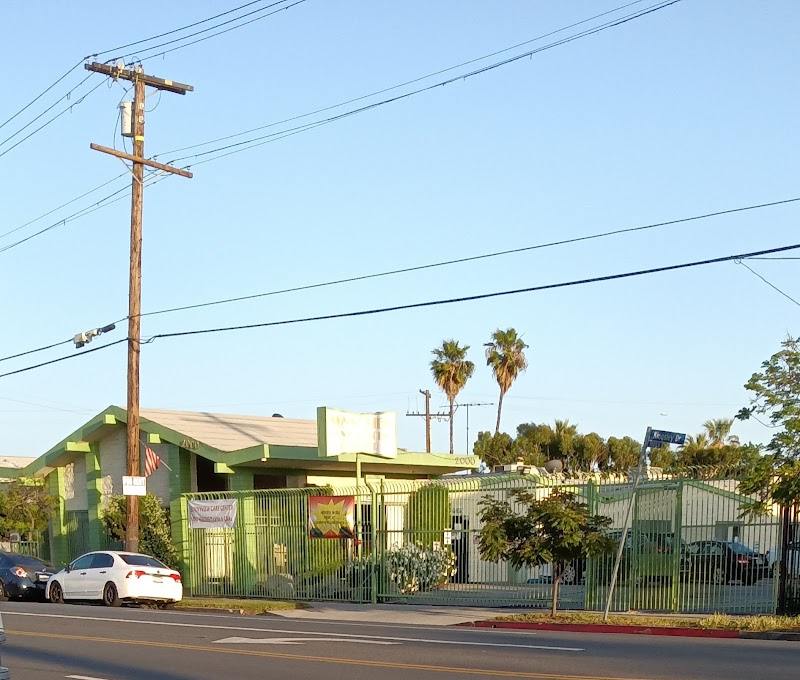
How is Sunnyview Staffed?

CMS rates SUNNYVIEW CARE CENTER's staffing level at 3 out of 5 stars, which is average compared to other nursing homes. Staff turnover is 42%, compared to the California average of 46%. This relatively stable workforce can support continuity of care.

What Have Inspectors Found at Sunnyview?

State health inspectors documented 56 deficiencies at SUNNYVIEW CARE CENTER during 2022 to 2025. These included: 2 that caused actual resident harm, 53 with potential for harm, and 1 minor or isolated issues. Deficiencies causing actual harm indicate documented cases where residents experienced negative health consequences.
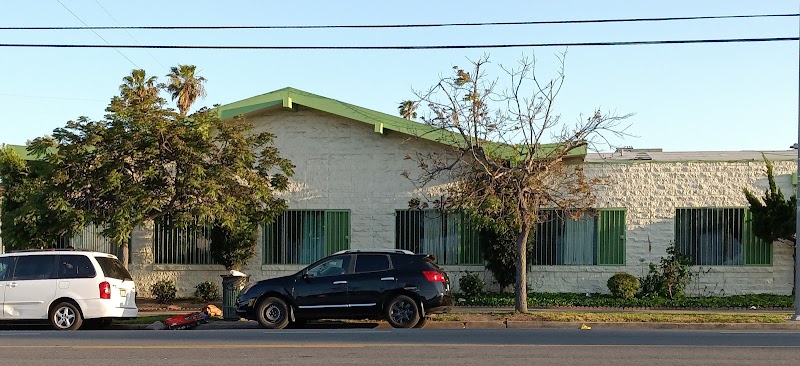
Who Owns and Operates Sunnyview?

SUNNYVIEW CARE CENTER is owned by a for-profit company. For-profit facilities operate as businesses with obligations to shareholders or private owners. The facility is operated by LONGWOOD MANAGEMENT CORPORATION, a chain that manages multiple nursing homes. With 93 certified beds and approximately 88 residents (about 95% occupancy), it is a smaller facility located in LOS ANGELES, California.
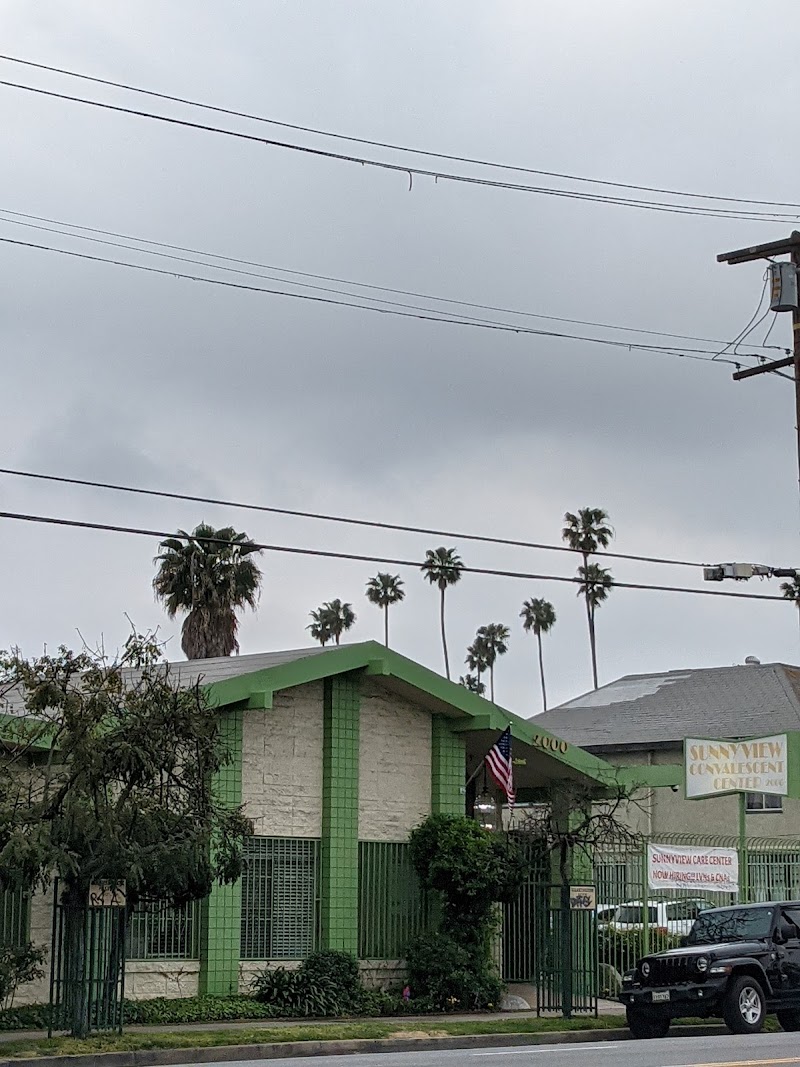
How Does Sunnyview Compare to Other California Nursing Homes?

Compared to the 100 nursing homes in California, SUNNYVIEW CARE CENTER's overall rating (3 stars) is below the state average of 3.1, staff turnover (42%) is near the state average of 46%, and health inspection rating (2 stars) is below the national benchmark.

What Should Families Ask When Visiting Sunnyview?

Based on this facility's data, families visiting should ask: "What safeguards and monitoring systems are in place to protect residents from abuse or neglect?" "Can I visit during a mealtime to observe dining assistance and food quality?" "How do you handle medical emergencies, and what is your hospital transfer rate?" "Can I speak with family members of current residents about their experience?" These questions are particularly relevant given the substantiated abuse finding on record.

Is Sunnyview Safe?

Based on CMS inspection data, SUNNYVIEW CARE CENTER has documented safety concerns. The facility has 1 substantiated abuse finding (meaning confirmed case of resident harm by staff or other residents). The facility has a 3-star overall rating and ranks #100 of 100 nursing homes in California. Families considering this facility should ask detailed questions about what corrective actions have been taken since these incidents.

Do Nurses at Sunnyview Stick Around?

SUNNYVIEW CARE CENTER has a staff turnover rate of 42%, which is about average for California nursing homes (state average: 46%). Moderate turnover is common in nursing homes, but families should still ask about staff tenure and how the facility maintains care continuity when employees leave.

Was Sunnyview Ever Fined?

SUNNYVIEW CARE CENTER has been fined $25,306 across 2 penalty actions. This is below the California average of $33,332. While any fine indicates a compliance issue, fines under $50,000 are relatively common and typically reflect isolated problems that were subsequently corrected. Families should ask what specific issues led to these fines and confirm they've been resolved.

Is Sunnyview on Any Federal Watch List?

SUNNYVIEW CARE CENTER is not on any federal watch list. The most significant is the Special Focus Facility (SFF) program, which identifies the bottom 1% of nursing homes nationally based on persistent, serious quality problems. Not being on this list means the facility has avoided the pattern of deficiencies that triggers enhanced federal oversight. This is a positive indicator, though families should still review the facility's inspection history directly.