THE REHABILITATION CENTER OF LOS ANGELES


340 SOUTH ALVARADO STREET, LOS ANGELES, CA 90057 (213) 484-9730
For profit - Partnership 180 Beds Independent Data: November 2025 2 Immediate Jeopardy citations
Trust Grade
0/100
#1137 of 1155 in CA
Last Inspection: March 2025

Within standard 12-15 month inspection cycle. Federal law requires annual inspections.

Overview

The Rehabilitation Center of Los Angeles has received a Trust Grade of F, indicating significant concerns about their care and operations. Ranking #1137 out of 1155 facilities in California places them in the bottom half, and #356 out of 369 in Los Angeles County means there are only a few local options that are better. Although the facility is trending towards improvement with a reduction in issues from 34 to 19 over the past year, they still reported a concerning $61,054 in fines, which is higher than 75% of California facilities. Staffing is rated as average with a 3 out of 5, and a turnover rate of 37% is slightly better than the state average. However, there have been critical incidents, such as failing to control the spread of scabies among residents and not providing adequate supervision for a resident at high risk of falls, which resulted in injuries. Overall, while there are some positive aspects, families should be cautious given the serious deficiencies and poor ratings.

Trust Score
F
0/100
In California
#1137/1155
Bottom 2%
Safety Record
High Risk
Review needed
Inspections
Getting Better
34 → 19 violations
Staff Stability
○ Average
37% turnover. Near California's 48% average. Typical for the industry.
Penalties
○ Average
$61,054 in fines. Higher than 74% of California facilities. Some compliance issues.
Skilled Nurses
○ Average
Each resident gets 31 minutes of Registered Nurse (RN) attention daily — about average for California. RNs are the most trained staff who monitor for health changes.
Violations
⚠ Watch
71 deficiencies on record. Higher than average. Multiple issues found across inspections.
★☆☆☆☆
1.0
Overall Rating
★★★☆☆
3.0
Staff Levels
★★★★☆
4.0
Care Quality
★☆☆☆☆
1.0
Inspection Score
Stable
2024: 34 issues
2025: 19 issues

The Good

  • 4-Star Quality Measures · Strong clinical quality outcomes
  • Full Sprinkler Coverage · Fire safety systems throughout facility
  • No fines on record
  • Staff turnover below average (37%)

    11 points below California average of 48%

Facility shows strength in quality measures, fire safety.

The Bad

1-Star Overall Rating

Below California average (3.1)

Significant quality concerns identified by CMS

Staff Turnover: 37%

Near California avg (46%)

Typical for the industry

Federal Fines: $61,054

Above median ($33,413)

Moderate penalties - review what triggered them

The Ugly 71 deficiencies on record

2 life-threatening 2 actual harm
Jul 2025 1 deficiency
CONCERN (D) 📢 Someone Reported This

A family member, employee, or ombudsman was alarmed enough to file a formal complaint

Potential for Harm - no one hurt, but risky conditions existed

Deficiency F0675 (Tag F0675)

Could have caused harm · This affected 1 resident

**NOTE- TERMS IN BRACKETS HAVE BEEN EDITED TO PROTECT CONFIDENTIALITY** Based on observation, interview, and record review, the facility failed to ensure two of four sampled residents (Residents 1 and...

Read full inspector narrative →
**NOTE- TERMS IN BRACKETS HAVE BEEN EDITED TO PROTECT CONFIDENTIALITY** Based on observation, interview, and record review, the facility failed to ensure two of four sampled residents (Residents 1 and 2) received care in accordance with the professional standards of practice by failing to answer resident call system in a timely manner. This deficient practice resulted in Resident 1 and Resident 2 feeling neglected, anxious, and helpless. A review of Resident 1's admission record indicated Resident 1 was initially admitted to the facility on [DATE] and readmitted on [DATE] with a diagnosis including chronic respiratory failure (a condition lungs have long-term trouble getting enough oxygen into the blood stream causing difficulty breathing often caused by a disease or injury), unspecified abnormalities of gait and mobility (when the pattern in which you walk and move is not normal), generalized anxiety disorder (a person is often worried or anxious about many things and finds it hard to control).A review of Resident 2's admission record indicated Resident 2 was initially admitted to the facility on [DATE] and readmitted on [DATE] with a diagnosis including metabolic encephalopathy (a problem in the brain caused by a chemical imbalance in the blood), chronic obstructive pulmonary disease (COPD - a lung disease characterized by long term poor airflow), chronic kidney disease (kidneys are damaged and cannot filter blood as well as they should). During a review of Resident 1's Minimum Data Set (MDS, a resident assessment tool) dated 6/21/2025 indicated symptoms of feeling down, depressed, or hopeless for several days. Dependent (helper does all of the effort, Resident does none of the effort to complete the activity) for toileting, shower/bath self, lower body dressing, personal hygiene. During a review of Resident 2's MDS dated [DATE] indicated, needed partial assistance from another person to complete any activities with upper extremities (shoulder, elbow, wrist, hand). Dependent (helper does all of the effort, Resident does none of the effort to complete the activity) for toileting, shower/bath self, lower body dressing, personal hygiene.During an interview on 7/24/2025 at 11:30 AM with Resident 1, Resident 1 stated I can turn myself in bed from side to side but need help with most of my care. When pushing the resident call system, it takes sometimes half an hour, sometimes more. It makes me feel unsafe and frustrated, anxious. The resident had difficulty speaking, typed his response on his phone. During an observation on 7/24/2025 at 11:36 AM on second floor room [ROOM NUMBER], Resident 1 pushed the call system at 11:06 AM. Licensed Vocational Nurse 1 (LVN1) came into the room at 11:13 AM to answer the call system and check on the resident.During an interview on 7/24/2025 at 11:45 AM, Certified Nursing Assistant (CNA) 1 stated, I am the assigned CNA for Resident 1. CNA 1 stated, the residents' call system should be answered immediately. I was not aware of his call at around 11 AM, I was assisting other residents. CNA 1 further stated call light should be answered immediately when possible. If not answered, the residents can feel stressed and feel isolated.During an interview with Licensed Vocational Nurse (LVN) 1, on 7/24/2025 at 12 PM with LVN 1 stated, Resident 1 sometimes makes frequent calls. I usually get out of the nursing office and check on him as I did few minutes ago. LVN 1 stated the call system should be answered immediately and within a few minutes. Ignoring resident calls can make the residents feel neglected and cause a decline in their psychosocial wellbeing. During an interview with Resident 2, on 7/24/2025 at 12:16 PM, Resident 2, stated when I push the call light, it takes an average of couple of hours. Resident 2 stated, the staff always tells me they are short staffed. Resident 2 stated, I feel I am neglected.During an interview with the Director of Nursing (DON), on 7/24/2025 at 3:43 PM, the DON stated, Resident 2 had multiple complaints and have list of staff choices. The DON stated the facility ensures rotating staff assignments to prevent staff burnout resulting in resident neglect. The DON further stated, the residents can benefit from psychosocial support but have been refusing services. The DON stated, not answering resident call systems will result in unwanted outcomes. A review of the facility's Policy and Procedures (P&P) titled Resident Call System revised January 2025, the P&P indicated, The facility is adequately equipped to allow residents to call for staff assistance through a communication system which relays the call directly to a staff member or to a centralized staff work area from the resident's bedside, floor, or toileting facility. Purpose: to provide staff with a method to respond the resident's requests and needs.A review of the facility's P&P titled ADL Care Provided For Dependent Residents revised January 2025, the P&P indicated, Based on the comprehensive assessment of a resident an consistent with the resident's needs and choices, the facility provides care and services needed to assist the resident to maintain or improve his or her ability to carry out activities of daily living, including: hygiene, mobility, toileting, dining-eating, communication.
May 2025 1 deficiency
CONCERN (D) 📢 Someone Reported This

A family member, employee, or ombudsman was alarmed enough to file a formal complaint

Potential for Harm - no one hurt, but risky conditions existed

Deficiency F0726 (Tag F0726)

Could have caused harm · This affected 1 resident

**NOTE- TERMS IN BRACKETS HAVE BEEN EDITED TO PROTECT CONFIDENTIALITY** Based on interview and record review the facility failed to ensure Licensed Vocational Nurse 1 (LVN1) and Certified Nursing Assi...

Read full inspector narrative →
**NOTE- TERMS IN BRACKETS HAVE BEEN EDITED TO PROTECT CONFIDENTIALITY** Based on interview and record review the facility failed to ensure Licensed Vocational Nurse 1 (LVN1) and Certified Nursing Assistant 2 (CNA2) had the competencies necessary to care for two of four sampled residents (Resident 1 and Resident 4) by failing to: 1. Ensure LVN 1, a registry nurse (a staffing agency which provide nursing personnel per shift or temporarily), assigned to Resident 1 had a full skills checklist or performance evaluations in his employee file. 2. Ensure CNA 2, a regular staff member, assigned to Resident 4 had a full skills checklist. This failure had the potential for the employees to have a lack of understanding of their job description and duties and had the potential to neglect (Resident 1 and Resident 4). Findings: During a review of Resident 1's admission Record, the admission Record indicated the facility admitted the resident on 9/24/2019 with diagnoses that included Type 2 Diabetes ((DM-a disorder characterized by difficulty in blood sugar control and poor wound healing), chronic kidney disease (the kidneys, which filter blood, lose their ability to function properly over time), and obesity. During a review of Resident 1's Minimum Data Set (MDS, a resident assessment tool) dated 5/20/2025, the MDS indicated the resident was alert and oriented with good recall. The MDS indicated Resident 1 used a walker (a type of mobility aid that offers stability and support while walking) and needed supervision/partial/substantial for eating, oral hygiene, and toileting. During a review of Resident 4's admission Record, the admission Record indicated the facility admitted the resident on 6/15/2023 with diagnoses that included hemiplegia (total paralysis of the arm, leg, and trunk on the same side of the body), cerebral infarction (a portion of the brain's tissue dies due to a lack of blood supply), and urinary incontinence (loss of bladder control which leads to involuntary leakage of urine). During a review of Resident 4's MDS dated [DATE], the MDS indicated the resident was alert and oriented with some recall. The MDS indicated the resident was dependent for eating, toileting, and upper and lower body dressing. During a concurrent interview and record review on 5/28/2025 at 1 PM with the Director of Staff Development (DSD), employee files were reviewed. The DSD provided LVN1's employee file. The DSD reviewed LVN 1's employee file and stated LVN1's employee file indicated there was no sure date of hire. The DSD stated LVN 1 was on the schedule on 2/2/2025. The DSD stated LVN 1 was from a nurse registry company and was assigned to care for Resident 1. The DSD stated LVN 1 did not have a skills checklist or performance evaluation. The DSD stated LVN1's performance evaluation could be on the registry's website. The DSD stated the Director of Nursing (DON) performed a Nephrostomy (a surgical procedure that creates an opening between the kidney and the skin to drain urine) Training skills checklist on 4/27/25. The DSD stated LVN1's employee file did not have skills checklist . The DSD stated she (DSD) was unsure whether the facility did a facility performance evaluation and/or skills checklist for registry nurses. The DSD stated the risk to Resident 1 with an LVN1 who did not have a performance evaluation and skills checklist could lead to neglect and or lack of understanding of the job description and duties. During an interview on 5/28/2025 at 1:40 PM with LVN 1, LVN 1 stated he (LVN1) started at the facility about two to three months ago (February to April 2025). LVN 1 stated he (LVN1) did not do any abuse training through the facility or the registry website. LVN 1 stated he (LVN1) did not know if a skills checklist or performance evaluation was done through the registry's website. During an interview on 5/28/2025 at 2:56 PM with the Assistant Director of Nursing (ADON), the ADON stated she (ADON) did not know when the performance evaluations and skills checklist were done and how frequently. The ADON stated performance evaluations and skills checklist were not her area. The ADON stated that she (ADON) would have to contact the Director of Nursing (DON, who was not in on 5/28/2025) to get the answer to that question. During a concurrent interview and record review on 5/28/2025 at 3:33 PM with the DSD, an additional employee file was reviewed. The DSD was stated CNA 2 would sleep on the job. The DSD stated CNA 2's employee file indicated CNA 2 (who was assigned to care for Resident 4) and did not have a skills checklist. During an interview on 5/29/2025 at 1:22 PM with the DSD, the DSD provided a skills checklist for LVN 1 dated 1/24/2025, no performance evaluation provided. During an interview on 5/29/2025 at 1:36 PM with DON, the DON stated LVN 1 did not have a skills checklist. The DON would not confirm or deny that the skills checklist and performance evaluation from the facility was needed for LVN 1 to know the expectations of the facility. The DON would not confirm or deny that the skills checklist and performance evaluation should be done in the chart. The DON stated skills checklist should be done for regular staff. During an exit conference on 5/29/2025 at 2:47 PM with the DON, Assistant Administrator (AADM), and the ADON, the DON provided an Agency/Registry Employee Orientation Verifcation of Facility Policies and procedures for LVN 1. The document was dated 5/29/25. The section under Competencies were vague and not specific to the facility. The DON and AADM stated that under the section titled Competencies that it was vague and not specific to the facility. The AADM stated they would make the needed corrections and LVN 1 would have the needed competencies. During a review of the facility's policy and procedure (P&P) titled, Nursing Services dated 1/2025, indicated, the facility had sufficient nursing staff with the appropriate competencies and skills set to provide nursing services to assure resident safety and attain or maintain the highest practicable physical, mental, and psychosocial well-being. The P&P indicated the Administrator shall verify contracts with agency/contract staff including documentation of employees' competencies and skills to care for the facility's resident population and the ability to request and receive a copy of such verification.
Apr 2025 1 deficiency
CONCERN (E) 📢 Someone Reported This

A family member, employee, or ombudsman was alarmed enough to file a formal complaint

Potential for Harm - no one hurt, but risky conditions existed

Deficiency F0691 (Tag F0691)

Could have caused harm · This affected multiple residents

**NOTE- TERMS IN BRACKETS HAVE BEEN EDITED TO PROTECT CONFIDENTIALITY** Based on interview and record review, the facility failed to ensure one of four sampled residents (Resident 1) received the nece...

Read full inspector narrative →
**NOTE- TERMS IN BRACKETS HAVE BEEN EDITED TO PROTECT CONFIDENTIALITY** Based on interview and record review, the facility failed to ensure one of four sampled residents (Resident 1) received the necessary care and nursing services to prevent recurrent dislodgement of a nephrostomy tube (a tube that is placed directly into the kidney to drain urine from the kidney). This deficient practice resulted in Resident 1 ' s recurrent transfers to General Acute Care Hospital (GACH) on 1/9/2025, 3/23/2025, and 4/6/2025 due to a dislodged nephrostomy tube, requiring repeated invasive procedures (medical procedure where the body is entered or invaded through an incision, percutaneous [through the skin] puncture, or insertion of an instrument). Placing the resident at risk for sepsis (a life-threatening condition that arises when the body's response to an infection damages its own tissues and organs, potentially leading to organ failure and death) and death. Findings: A review of Resident 1 ' s admission record indicated the facility initially admitted the resident to the facility on 8/29/2018 and readmitted on [DATE] with a diagnosis that included Chronic respiratory failure (a condition in which your blood doesn't have enough oxygen causing shortness of breath and difficulty breathing, often caused by a disease or injury), Anoxic brain damage (a condition when oxygen is cut off from the brain), cardiac arrest (a condition when heart suddenly stops beating, causing blood flow to the brain and other organs to stop), quadriplegia (paralysis below the neck that affects all of a person's limbs). A review of Resident Minimum Data Set (MDS, standardized assessment) dated 1/29/2025 indicated, cognitive (ability to acquire and understand knowledge severely impaired), dependent on facility staff for rolling left and right (helper does all of the effort. Resident does none of the effort to complete the activity, or the assistance of 2 or more helper is required for the resident to complete the activity), extensive assistance required for all Activities of Daily Living (ADL), had a diagnosis of Obstructive uropathy (a condition in which the flow of urine is blocked). During a review of Resident 1 ' s Care Plan (a document outlining a detailed approach to care customized to an individual resident ' s need) for Nephrostomy date initiated on 2/21/2025, indicated Resident 1 had a right nephrostomy tube to drainage bag for staghorn calculus (a large, branched kidney stone that occupies the kidney collecting system). The goal was for Resident 1 to have minimized risk for complications from nephrostomy [NAME]. The approached interventions were, call medical doctor if right nephrostomy tube was dislodged or pulled out, empty nephrostomy bag every four hours and as needed. The care plan did not indicate interventions to prevent dislodgement. During a review of Resident 1 ' s Situation Background Assessment and Recommendations (SBAR) for Change of Condition (COC) dated 3/31/2025, indicated blood draining on left nephrostomy tube started on 3/31/2025 and stayed the same. Vital signs indicated the following: Blood pressure 107/47, heart rate 107, respiration 19, temperature 97.9, oxygen saturation 97% on ventilator. A review of Resident 1 ' s physician ' s order dated 1/9/2025 indicated, transfer to GACH emergency room due to clogged nephrostomy tube. A Review of Resident 1 ' s GACH admission report dated 1/13/2025 indicated Resident 1 had a recent right nephrostomy tube exchange and malfunction on 11/21/2024. The admission report indicated the resident was to have a nephrostomy tube replacement consultation with interventional radiology (IR). A review of Resident 1 ' s physician ' s order dated 3/23/2025 indicated, transfer patient GACH emergency room for further evaluation of no urine output noted from the right nephrostomy stat (immediately). During a review of Resident 1 ' s GACH Physician Progress Note dated 3/23/2025 indicated, plan right nephrostomy tube removal and placement of left nephrostomy tube on 3/25/2025. Afebrile (without fever and no [NAME] Blood Count (WBC). During a review of Resident 1 ' s Care Plan for Nephrostomy date initiated on 4/4/2025, indicated Resident 1 has nephrostomy tube drainage bag for staghorn calculus (a large, branched kidney stone that occupies the kidney collecting system) at risk for urinary tract infection (UTI). The goal was for Resident 1 will have minimized risk for complications from nephrostomy tube. The approached interventions were, monitor every shift, empty nephrostomy bag every four hours and as needed, monitor temperature and vital signs as ordered or as needed. The care plan did not indicate interventions to prevent dislodgement. A review of resident 1 ' s GACH record titled Physician History and Physical dated 3/29/2025 indicated, indicated Resident 1 was sent from Skilled Nursing Facility (SNF) with report of dislodged nephrostomy tube and fever. A review of Resident 1 ' s H&P dated 3/29/2025 indicated, Resident 1 returned to the facility ' s sub-acute unit after hospitalization to GACH for misplaced nephrostomy tube. A review of Resident 1 ' s GACH Physician H&P dated 3/31/2025 indicated, Skilled Nursing Facility (SNF) found blood in nephrostomy tube, the resident was sent to GACH for further evaluation. Resident 1 was just recently admitted to GACH on 3/23/2025 for sepsis, and dislodged nephrostomy tube. A review of Resident 1 ' s physician ' s order dated 4/6/2025 indicated, transfer to GACH emergency room due to dislodged nephrostomy tube. A review of Resident 1 ' s Care Plan for Nephrostomy Tube Drainage Bag, initiated 4/4/2025 indicated the following: Goal for the care plan, minimized risk for complications from nephrostomy tube with interventions by review date. Interventions indicated, observe extra precautions when handling nephrostomy site during bed mobility, turning, repositioning, bathing and transfers. The care plan did not indicate interventions to prevent dislodgement. A review of Resident 1 ' s Care Plan Resident Nephrostomy Dislodged initiated 4/6/2025 indicated the following: Goal for the care plan, Resident 1 will be free from complications related to nephrostomy dislodgement. Interventions indicated, notify physician/responsible party regarding status changes, transfer to acute. The care plan did not indicate interventions to prevent dislodgement. During an interview on 4/8/2025 at 10:10 AM, Certified Nursing Assistant 1(CNA1) stated on Sunday 4/6/25 around 9 AM in the morning, while I was trying to change her, I saw the nephrostomy tube dislodged, CNA1 did not witness drainage or bleeding from the site. CNA1 was working with a treatment nurse when the nephrostomy tube was found to be dislodged. CNA1 reported the incident to the charge nurse and the resident was transferred to GACH. CNA1 stated a dislodged nephrostomy tube could potentially be harmful to the resident causing infection at the insertion site and the resident not being able to use the nephrostomy tube. During an interview on 4/8/2025 at 10:25 AM, Licensed Vocational Nurse 1(LVN1) stated Resident 1 was totally dependent on staff for activities of daily living (ADL), required at least two persons assist to provide ADL and wound care. It is very unlikely for the resident to remove the nephrostomy tube on her own because she is not mobile. During an interview on 4/8/2025 at 10:38 AM, the Treatment Nurse 1(TN1) stated Resident 1 had a nephrostomy tube on her right side. TN1 stated Resident 1 was in and out of the facility in the last six months to replace the nephrostomy tube and other medical conditions. TN1 was unaware of how the nephrostomy tube was being dislodged. TN1 stated Resident 1 does not have voluntary or involuntary movement, does not even jerk, it is unlikely and impossible for Resident 1 to pull out the nephrostomy tube. TN1 stated infection and complications related to nephrostomy tube were potentially harmful for the resident. During an interview on 4/8/2025 at 11:00 AM, Treatment Nurse 2 (TN2) stated, I care for Resident 1 regularly since she was transferred to my unit. TN2 had witnessed, Resident 1 had nephrostomy tube dislodged at least twice recently. TN2 stated The most likely cause for the nephrostomy tube dislodgement is lack of proper attention and keeping an eye on the tube by staff when providing care. Possibly not securing the nephrostomy tube well while turning and repositioning the resident. The tube is thin and can easily be hidden under the resident ' s skin folds. TN2 stated because Resident 1 was dependent on staff for care and movement, it was impossible for the resident to pull out the nephrostomy tube. During an interview on 4/8/2025 at 12:55 PM, Registered Nurse 1, (RN1) stated Resident 1 is in vegetative state unable to move any part of her body, non-verbal. RN1 had witnessed a dislodged nephrostomy tube at least twice requiring Resident 1 to transfer to the GACH for nephrostomy replacement. RN1 stated the plan for the resident was to have at least two staff assist during care to secure the nephrostomy tube. RN1 stated past interventions to prevent dislodgement did not help. RN1 stated, There is always a potential harm and complications to the resident from nephrostomy dislodgement. During a concurrent interview and record review on 4/8/2025 at 1:45 PM, the Director of Staffing Development (DSD) stated, licensed staff training and skills competency for nephrostomy tube was done by the Director or Nursing (DON) and RN Supervisor. The DSD stated unlicensed staff did not receive nephrostomy tube competency trainings. The DSD stated staff were provided daily verbal reminders and in-service during daily staff stand ups/huddles. During an interview on 4/8/2025 at 2:25 PM, the Director of Nursing (DON) stated Resident 1 was a long-term resident in the facility. The DON stated, Resident 1 had a new nephrostomy tube placed on the left side of the body on April 4/1/2025 and transferred back to the facility on 4/4/2025. The DON stated Resident 1 transferred back to GACH on 4/6/2025 because the new nephrostomy tube was dislodged. The DON stated, Staff is trained and in-serviced on how to care nephrostomy tube. The DON reported having witnessed Resident 1 ' s nephrostomy tube tip dislodged while the suture and tube were still attached to the resident. The DON stated the most likely reason for the nephrostomy tube to be dislodged was improper placement and suturing and the resident ' s body mass could be the factor pushing out the tube. During a review of the facility ' s P&P titled Nephrostomy Care reviewed November 2024, the P&P indicated, Assess the resident for indications of bleeding in the flank area of the nephrostomy tube as ordered, check for placement of the tube and integrity of the tape during assessment.
Mar 2025 13 deficiencies
CONCERN (D)

Potential for Harm - no one hurt, but risky conditions existed

Deficiency F0760 (Tag F0760)

Could have caused harm · This affected 1 resident

**NOTE- TERMS IN BRACKETS HAVE BEEN EDITED TO PROTECT CONFIDENTIALITY** Based on observation, interview, and record review, the facility failed to ensure one of six sampled residents was free of signi...

Read full inspector narrative →
**NOTE- TERMS IN BRACKETS HAVE BEEN EDITED TO PROTECT CONFIDENTIALITY** Based on observation, interview, and record review, the facility failed to ensure one of six sampled residents was free of significant medication error during medication administration (or med pass) observations (Resident 127). This failure had the potential of adverse effect, and/or worsening of resident's health condition. Findings: During an observation and a concurrent interview on 3/27/25 at 9:16 AM, the licensed vocational nurse (LVN 5) was outside Resident 127's room, about to prepare medications for administration. LVN 5 stated Resident 127's blood pressure was 194/86 (normal blood pressure ranges 120-129 / 80-84). LVN 5 proceeded to prepare 9 medications. One of 9 medications was furosemide (generic for Lasix, a diuretic used in the treatment of edema associated with congestive heart failure, and renal disease). LVN 5 stated Resident 127 would have dialysis in the afternoon, therefore LVN 5 held (not giving) the furosemide; then, LVN 5 proceeded to administer the rest of the 9 medications to Resident 127. A review of Resident 127's admission record indicated Resident 127 was admitted on [DATE] with diagnoses including but not limited to hypertensive chronic kidney disease or end stage renal disease. A review of Resident 127's physician's orders dated 10/24/24 at 11:32 AM indicated furosemide oral tablet 40 milligrams (mg, an unit to measure mass) 1 tablet by mouth two times a day for hypertension (high blood pressure). During an interview on 3/27/25 at 10:54 AM, LVN 1 stated Resident 127's had a physician's order (dated 10/23/24) indicated May hold all medications while patient is on dialysis days. LVN 1 stated Resident 127's dialysis days were every Tuesdays, Thursdays, and Saturday. LVN 1 stated [3/27/25] was a Thursday and Resident 127 had dialysis appointment at 4 PM. During an interview on 3/27/25 at 10:57 AM and a concurrent review of Resident 127's physician's orders, LVN 1 stated there was no specification of which meds were to be held and when meds should be held if dialysis was in the afternoon. LVN 1 stated nurses should clarify with supervisor and the physician. During an interview on 3/27/25 at 12:18 PM, DON stated medications that were due should be given if the resident is in the facility. DON stated if there is question on which medications to be held, nurses should call the physician. DON further stated Resident 127's dialysis appt was in the afternoon, then the nurse should give all the morning medications unless outside of the parameter. A review of the facility policy and procedures titled, Administering Medications, dated March 2023, indicated Medications must be administered in accordance with the orders.
CONCERN (D)

Potential for Harm - no one hurt, but risky conditions existed

Deficiency F0761 (Tag F0761)

Could have caused harm · This affected 1 resident

**NOTE- TERMS IN BRACKETS HAVE BEEN EDITED TO PROTECT CONFIDENTIALITY** Based on observation, interview, and record review, the facility failed to ensure keys that provide access to medication (med) c...

Read full inspector narrative →
**NOTE- TERMS IN BRACKETS HAVE BEEN EDITED TO PROTECT CONFIDENTIALITY** Based on observation, interview, and record review, the facility failed to ensure keys that provide access to medication (med) carts would not be left on top of an unattended med cart. This deficient practice had the potential of unsecure drug storage and unauthorized access. Findings: During an observation on 3/26/25 at 9:40 AM, the licensed vocational nurse (LVN 4) used one of the keys on a keychain to unlock the med cart in the Subacute unit (SAU, a nursing unit that provides a level of medical care that is less intensive than acute care but more specialized than typical skilled nursing care). Later, LVN 4 placed the keys on top of the med cart, pushed in a lock to lock the med cart, and headed inside the room to start med pass. At 9:41 AM, LVN 4 was at the bedside of Resident 124. The med cart was parked at the door of the resident's room, unattended. During an observation on 3/27/25 at 9:36 AM in SAU, there was a med cart unattended outside room [ROOM NUMBER]. There was a set of keys on top of the med cart. A housekeeping in the hallway stated the nurse is in the room. During an observation and a concurrent interview on 3/27/25 at 9:37 AM, LVN 4 stepped out of the room. Surveyor asked if LVN 4 always leave the keys on top of the med cart, LVN 4 confirmed affirmatively and stated should have put the keys in the pocket. During an interview on 3/27/25 at 11:52 AM DON stated nurses' keys open the med carts and the narcotic drawers. DON stated nurses should the keys to med carts secure; Keys should not be kept on top of unattended med cart. A review of the facility policy and procedures titled, Pharmaceutical Services - Labeling and Storage, dated December 2024, indicated Controlled Medications: Substances that have an accepted medical use (medications which fall under US Drug Enforcement Agency (DEA) Schedules 11-V), have a potential for abuse, ranging from low to high, and may also lead to physical or psychological dependence. The policy indicated, Drugs shall be accessible only to personnel designated in writing by the licensee. The policy indicated The manner of storage shall prevent access by other patients. Lockable drawers or cabinets need not be used unless alternate procedures, including storage on a patient's person or in an unlocked drawer or cabinet are ineffective.
CONCERN (E)

Potential for Harm - no one hurt, but risky conditions existed

Deficiency F0604 (Tag F0604)

Could have caused harm · This affected multiple residents

**NOTE- TERMS IN BRACKETS HAVE BEEN EDITED TO PROTECT CONFIDENTIALITY** Based on observation, interview, and record review, the facility failed to ensure that two of nine sampled residents (Resident 6...

Read full inspector narrative →
**NOTE- TERMS IN BRACKETS HAVE BEEN EDITED TO PROTECT CONFIDENTIALITY** Based on observation, interview, and record review, the facility failed to ensure that two of nine sampled residents (Resident 64 and Resident 130) were free from physical restraints (any method or device, attached to or near a person's body, that restricts their freedom of movement or access to their body, and which cannot be easily removed) by failing to document the release of the hand mittens (soft, padded mittens used to prevent patients, especially those who are restless, confused, or have cognitive impairments, from pulling out essential lines or tubes), monitoring of skin breakdown (occurs when prolonged pressure on the skin damages the underlying tissues), and monitoring of impaired circulation (a condition where blood flow is reduced or blocked in certain areas of the body) every 2 hours. This deficient practice had the potential for Resident 64 and Resident 130 to develop skin breakdown and injury. Findings: a. During a review of Resident 64's admission Record, the admission Record indicated the facility re-admitted the resident on 12/6/2024 with diagnoses that included acute respiratory failure (a condition in which your blood doesn't have enough oxygen causing shortness of breath and difficulty breathing, often caused by a disease or injury), tracheostomy (an opening created at the front of the neck so a tube can be inserted into the windpipe to help you breathe), gastrostomy (a surgical opening fitted with a device to allow feedings to be administered directly to the stomach common for people with swallowing problems), dependence on ventilator (a medical device to help support or replace breathing). During a review of resident 64's Minimum Data Set (MDS, a resident assessment tool) dated 12/26/2024, the MDS indicated the resident had severely impaired cognitive skills for daily decision making (never/rarely made decisions). The MDS further indicated Resident 64 was dependent on facility staff for help with eating, oral hygiene, toileting hygiene, showering/bathing self, upper/lower body dressing, putting on/taking off footwear, and personal hygiene. During a review of Resident 64's physician order dated 3/7/2025, the physician order indicated to apply a hand mitten on the resident's right hand to prevent the resident from pulling out tubing. The physician order indicated the hand mitten could be released every 2 hours and to monitor Resident 64 for skin breakdown and impaired circulation every shift. During a review of Resident 64's Care Plan (CP) revised 3/7/2025, the CP indicated the resident had physical restraints. The CP indicated Resident 64 was to always have a hand mitted on the right hand to prevent accidental pulling out of the resident's tubing. The CP indicated Resident 64's hand mitten was to be released every 2 hours and the resident's skin was to be monitored for skin breakdown and impaired circulation. During a review of Resident 64's Medication Administration Record (MAR) dated 3/1/2025 - 3/31/2025, the MAR indicated Resident 64 was to always have a hand mitted on the right hand to prevent accidental pulling out of the resident's tubing. The MAR indicated Resident 64's right hand mitten was to be released every 2 hours and the resident's skin was to be monitored for skin breakdown and impaired circulation every shift. The MAR indicated check marks were documented for the day and evening shift on 3/7/2025 - 3/26/2025. The MAR indicated that the documented check marks were a chart code for Administered. The MAR indicated there was no documentation present indicating Resident 64's skin condition or circulation. During a concurrent observation in Resident 64's room and interview on 3/27/2025 at 8:08 AM, the resident's right hand was observed with Treatment Nurse (TN) 1. Resident 64 was observed with a hand mitten secured to the right hand. TN 1 was observed removing Resident 64's hand mitten. TN 1 stated Resident 64 had the hand mitten because the resident tried to pull out his tubing. Resident 64's right hand was observed without any skin breakdown. TN 1 nurse stated Resident 64 had good circulation. TN 1 stated nurses and Certified Nursing Assistants (CNA) were to remove the hand mitten every 2 hours to monitor for skin breakdown and circulation. TN 1 did not know where the nurses documented the releasing of the hand mitten. TN 1 stated the Registered Nurse (RN) Supervisor would know. During a concurrent interview and record review on 3/27/2025 at 8:14 AM, Resident 64's physician orders and MAR dated 3/1/2025 - 3/31/2025 were reviewed with RN 2. RN 2 stated Resident 64 had orders to always apply a hand mitten to the resident's right hand to prevent accidental pulling out of tubing, to release the hand mitten every 2 hours, and to monitor for skin breakdown and impaired circulation. RN 2 stated nurses documented the removal of the hand mitten on the MAR or on the Subacute Licensed Notes (SLN) every shift not every 2 hours. RN 2 reviewed Resident 64's MAR dated 3/1/205 to 3/31/2025 and stated the MAR did not indicate any documentation or description of Resident 64's skin condition or circulation when the hand mitten was removed from the right hand. RN 2 reviewed the SLN documentation dated 3/24/2025, 3/25/2025, and 3/26/2025. RN 2 stated the SLN documentation indicated the physician orders to apply a hand mitten to Resident 64's hand, to release the hand mitten every 2 hours, and to monitor for skin breakdown and circulation. RN 2 stated SLN notes were documented every shift. RN 2 stated the SLN notes were not documented every 2 hours. RN 2 stated the reviewed SLN notes did not indicate or describe Resident 64's skin condition or circulation when the hand mitten was removed from the right hand. RN 2 stated there was no system in place to monitor if the hand mitten was being released or being done every 2 hours, it is only documented every shift. RN 2 stated the hand mitten had to be removed every 2 hours to monitor circulation and skin breakdown of Resident 64's right hand. RN 2 stated there should have been documentation that indicated what Resident 64's skin looked like, and the color and warmth of the hand. RN 2 stated there was a potential for Resident 64 to experience injury if the hand mitten was not released every 2 hours and the resident's skin condition was not monitored. During a concurrent interview and record review on 3/28/2025 at 7:58 AM, Resident 64's physician orders and MAR dated 3/1/2025 - 3/31/2025 was reviewed with the Director of Nursing (DON). The DON stated Resident 64 had physician orders for a right-hand mitten to prevent the resident from accidentally pulling out his tubing. The DON stated the hand mitten should have been removed every 2 hours and the resident's skin to the right hand should have been monitored for skin breakdown and impaired circulation. The DON verified the release of the hand mitten and monitoring of Resident 64's condition was documented every shift and not every 2 hours. The DON stated the documentation on the MAR was an acknowledgement of the physician order. The DON stated the hand mittens had to be released every 2 hours, and skin breakdown and circulation monitored to prevent injury. b. A review of Resident 130's admission record indicated the resident was admitted to the facility on [DATE] with diagnoses including cerebrovascular disease (disorders in which an area of the brain is temporarily or permanently affected by bleeding and one or more of the cerebral blood vessels are involved) and ventilator dependence (a condition where a patient requires a mechanical device to assist or completely take over their breathing). A review of Resident 130's Minimum Data Set (MDS - a resident assessment tool), dated 3/13/2025, indicated the resident had severely impaired cognitive skills and was dependent on staff for self-care. During an observation on 3/25/2025 at 10:44 am in Resident 130's room, Resident 130 was lying in bed with her eyes closed. Resident 130 was on a vented tracheostomy (a surgical procedure that creates an opening [stoma] in the trachea [windpipe] and inserts a tube to provide movement of air or oxygen) on oxygen set at 4L/min. At the bedside was an emergency tracheostomy kit with dressing and new tracheotomy with the obturator (a tube that provides a smooth surface that guides the tracheostomy tube as it is being inserted). Resident 130's husband was at the bedside. During a review of Resident 130's Order Summary Report dated 3/27/2025, the Order Summary Report indicated a right-hand mitten to prevent accidental pulling out of invasive tubing, check every 2 hours for skin integrity and circulation. During a review of Resident 130's Medication Administration Record (MAR) dated 3/2025, the MAR indicated check marks were documented every two hours for skin integrity, circulation and prevention of pulling out of invasive tubing. The check marks indicated administered according to the chart codes on the MAR. During concurrent interview and record review on 3/27/2025 at 9:07 am with the RN Supervisor (RN 2) 2, Resident 130's Sub-Acute Licensed Notes dated 3/26/2025 were reviewed. The RN 2 stated the nurses were to release the right-hand mitten every 2 hours, and document a Change of Condition (COC) if there was any skin breakdown. RN 2 stated the nurses were to check for circulation such as color of skin and pulse. RN 2 stated after reviewing the Sub-Acute Licensed Notes under additional notes; there was no documentation of skin condition and circulation noted. RN 2 stated if there was no documentation of skin condition or circulation, how would the nurses know the status of the Resident 130's skin and circulation. During concurrent interview and record review on 3/27/2025 at 9:55 am with the Director of Nursing (DON), Resident 130's MAR dated 3/2025 and Sub-Acute Licensed Notes dated 3/26/2025 were reviewed. The DON stated if there was a skin integrity or circulation issue a change of condition had to be documented. The DON reviewed the MAR and stated the check marks indicated the nurses were checking. The DON reviewed the Sub-Acute Licensed Notes and stated there needed to be documented acknowledgement of checking for skin integrity and circulation. During a concurrent observation in Resident 130's room and interview on 3/28/2025 at 10:13 am with the Licensed Vocational Nurse (LVN 14) 14, the right hand-mitten was observed. LVN 14 removed the hand mitten from the right hand of Resident 130, no discoloration or skin breakdown was present. Resident 130's fingertips were pink in color. LVN 14 stated the nurses were to assess the skin for breakdown, discoloration, pulse, capillary refill (measures how quickly blood returns to the tissues after pressure is applied) and if the skin is warm to touch. During concurrent interview and record review with RN 2, the Sub-Acute note dated 3/28/2025 was reviewed. RN 2 stated the changes were made due to the surveyor pointing out that skin condition and circulation was not noted on the Sub-Acute Licensed Noted dated 3/26/2025. RN2 stated the 3/28/2025 note was modified and documented skin condition and circulation of the right hand were added. During a review of the facility's Policy and Procedure (P&P) titled, Respect and Dignity - Physical Restraints, reviewed 11/20/2024, the P&P indicated Physical Risks and Psychosocial Impacts Related to Use of Restraints: Physical restraints may increase the risk of one or more of the following .Respiratory complications, skin breakdown around the area where the restraints was applied or skin integrity issues related to the use of the restraint .The licensed nurse shall obtain a physical restraint assessment to identify potential risks associated with the restraint use, specific to the resident. The interdisciplinary team will complete a resident centered care plan, based on the restraint assessment with individualized interventions for care. The interdisciplinary team will provide on-going documentation for the use of the physical restraint; and use the restraint for the least amount of time possible, with ongoing re-evaluation .Staff shall provide ongoing direct monitoring and assessment of the resident's condition during use of the restraint.
CONCERN (E) 📢 Someone Reported This

A family member, employee, or ombudsman was alarmed enough to file a formal complaint

Potential for Harm - no one hurt, but risky conditions existed

Comprehensive Care Plan (Tag F0656)

Could have caused harm · This affected multiple residents

**NOTE- TERMS IN BRACKETS HAVE BEEN EDITED TO PROTECT CONFIDENTIALITY** Based on interview and record review, the facility failed to develop a resident centered comprehensive care plan for two of two ...

Read full inspector narrative →
**NOTE- TERMS IN BRACKETS HAVE BEEN EDITED TO PROTECT CONFIDENTIALITY** Based on interview and record review, the facility failed to develop a resident centered comprehensive care plan for two of two sampled resident (Resident 119 and 122), by failing to: -Develop and implement a care plan for Resident 119's rectal tube (a long, thin tube inserted into the rectum [the lower part of the large intestine] to help with issues like relieving gas buildup or managing fecal incontinence, or for administering medications or fluids rectally). -Develop and implement care plans for Resident 122's edema (swelling caused by too much fluid trapped in the body's tissues) and pressure ulcer (damage to the layers of the skin caused by prolonged pressure on a part of the body; Stage 1: red, warm to touch, stays red when pushed down on, Stage 2: break in top layer of skin, stage 3 crater-like appearance damage to top layers and fat layers, Stage 4: damage to all layers of skin, including muscle, bone may be visible). These deficient practices had the potential to delay and affect the quality of care and services received and result in improper monitoring of both resident's (Resident 119 and Resident 122) medical conditions. Findings: a. A review of Resident 119's admission Record indicated the resident was admitted to the facility on [DATE] with diagnoses including anoxic brain damage (occurs when the brain is deprived of oxygen for an extended period), pressure ulcers of the sacral (area were the spine and pelvis connect) region, and reduced mobility. A review of Resident's 119 Minimum Data Set (MDS - a resident assessment tool) dated 2/22/2025, indicated Resident 119 had severely impaired decision-making skills, and short -term and long-term memory problems. A review of Resident 119's Progress Note dated 3/15/2025, indicated the resident's rectal tube came out with the balloon intact. The note indicated the medical doctor was made aware, gave orders to discontinue the rectal tube, and to monitor Resident 119. A review of Resident 119's Progress Note dated 3/16/2025, indicated Resident 119's representative requested the nursing staff replace the resident's rectal tube. The note indicated the facility did not have a supply of rectal tubes. The note indicated Resident 119's representative wanted the resident to go to the ER to have the rectal tube replaced, the medical doctor gave the order to transfer Resident 119 to the GACH due to dislodged rectal tube. A review of Resident 119's complete care plans indicated the facility failed to develop or implement a care plan for the resident's rectal tube. During an interview on 3/27/2025 at 8:27 am, with the Treatment Nurse (TN) 2, TN 2 was unable to locate a rectal tube care plan for Resident 119. TN 2 stated there should have been a care plan for the rectal tube. TN 2 stated without interventions facility staff could not keep infection contained or provide proper care for the rectal tube. During an interview on 3/27/2025 at 9:27 am, with the Minimum Data Set Nurse (MDSN), the MDSN could not locate rectal tube care plan for Resident 119. The MDSN stated there should have been a care plan developed to implement interventions. The MDSN stated the risk to the resident would be further skin breakdown and incontinence would not be monitored. During an interview on 3/27/2025 at 9:55 am with the Director of Nursing (DON), the DON stated the medical doctor was notified regarding the dislodgement of Resident 119's rectal tube. The DON stated the medical doctor discontinued the rectal tube due to Resident 119 having soft stools. The DON stated Resident 119 had a clostridium difficle (C-diff - bacterium that can cause a range of symptoms, from mild diarrhea to severe colitis [inflammation of the colon]) test that was negative. The DON stated an indication for a rectal tube would be watery stools, diarrhea, and C-diff. The DON stated she did not see a care plan for the rectal tube and there should have been a care plan developed for the rectal tube. b. A review of Resident 122's admission Record indicated the resident was admitted to the facility on [DATE], with diagnoses including anoxic (lack of oxygen) brain damage, chronic kidney disease (a long-term condition where the kidneys gradually lose their ability to filter waste products and excess fluid from the blood), pressure ulcer of the sacral region, and muscle weakness. A review of Resident 122's MDS dated [DATE], indicated the resident had severely impaired decision-making skills, and short -term and long-term memory problems. A review of Resident 122's progress notes for Interdisciplinary Team (IDT, a team of health care professions, which include the facility's medical director, DON, social worker, registered nurse, and other staff as needed who work together to establish plans of care for residents) dated 3/25/25, indicated the resident had a weight loss of 20 lbs / 8% of total body weight in one month. The note indicated the weight loss was from fluid loss through edema. The note indicated the resident had bilateral extremity (both limbs) upper and lower (arms and legs) edema and was on Lasix (medication used to removed excess fluid from the body) 40 mg twice daily. During an interview on 3/27/25 at 8:14 AM, TN 2 stated the edema was resolved because the resident had significant weight loss from the weight loss care plan. TN 2 could not find an edema care plan. Upon further review of the care plans, TN 2 stated he could not locate the pressure ulcer care plan. TN 2 stated Resident 122's pressure ulcer was unstageable on admission [DATE]) and measured 6 x 3 (unit of measurement not stated) with tunneling, and on 3/25/25 the wound measured 7 x 6 x 3. TN 2 stated wound care services arrived at the facility every Tuesday and assessed and updated the weekly assessments, provided order changes and would inform the doctor of any changes. TN 2 stated there should have been a care plan developed and implemented for the resident's pressure ulcer. TN 2 stated the risk to Resident 122 without a care plan would be improper monitoring of the pressure ulcer. During an interview on 3/27/2025 at 9:27 AM, the MDSN stated Resident 122 was transferred out to the hospital on 1/22/2025. The MDSN stated upon readmittance, Resident 122's previous care plans were all closed because someone reopened new care plans instead of updating the old ones which was why there were no edema or pressure ulcer care plans for Resident 122. The MDSN stated she had communicated several times to the nurses and on the dashboard (section in electronic medical record to send notes to nurse) in the electronic charting to update the care plans. The MDSN stated they should have had edema and pressure ulcer care plans. The MDSN stated the risk to Resident 122 without these care plans would be infection, further edema, and fluid retention. During an interview on 3/27/2025 at 9:55 AM, the DON stated the rehabilitation department canceled the old care plans when Resident 122 was readmitted back to the facility. The DON stated the new care plans canceled out the old ones. A review of the facility's policy and procedures titled, Develop-Implement Comprehensive Care Plans, dated 1/2025, indicated the facility develops a person-centered comprehensive care plan that meets each resident's preferences and goals, and address the resident's medical, physical, and psychosocial needs.
CONCERN (E)

Potential for Harm - no one hurt, but risky conditions existed

Quality of Care (Tag F0684)

Could have caused harm · This affected multiple residents

**NOTE- TERMS IN BRACKETS HAVE BEEN EDITED TO PROTECT CONFIDENTIALITY** Based on observation, interview, and record review, the facility failed to ensure three of 32 sampled residents received the car...

Read full inspector narrative →
**NOTE- TERMS IN BRACKETS HAVE BEEN EDITED TO PROTECT CONFIDENTIALITY** Based on observation, interview, and record review, the facility failed to ensure three of 32 sampled residents received the care and services in accordance with professional standards of practice as evidenced by: -Failing to rotate the insulin administration sites for Resident 49 and Resident 121. -Failing to reassess Resident 127's high blood pressure. These deficient practices had the potential for Resident 49 and 121 to experience lipohypertrophy (a condition where lumps of fat and scar tissue form under the skin, often at insulin injection sites, due to repeated injections in the same area that can impair insulin absorption and lead to inconsistent blood sugar levels and difficulty managing diabetes) and lipodystrophy (a complete or partial loss or abnormal distribution of fat tissue); and for Resident 127 to experience uncontrolled high blood pressure. Findings: a. A review of Resident 49's admission Record dated 3/26/2025, indicated the resident was originally admitted to the facility on [DATE] and readmitted on [DATE] with diagnoses including Type II diabetes mellitus (DM-a disorder characterized by difficulty in blood sugar control and poor wound healing). A review of Resident 49's Minimum Data Set (MDS - a resident assessment tool) dated 3/7/2025 indicated the resident had a diagnosis of diabetes mellitus and was receiving insulin injections. The MDS indicated Resident 49 sometime had the ability to understand others and sometimes had the ability to make herself understood. A review of Resident 49's Order Summary Report (OSR), dated 3/26/2025, indicated Resident 49 had orders for: -Humulin N (long-acting insulin - a hormone that lowers blood sugar levels) inject 10 units subcutaneously (under the skin) one time a day for DM before breakfast. Rotate injection sites. -Humulin N inject 2 units subcutaneously one time a day for DM before dinner. Rotate injection sites. -Regular insulin (short-acting insulin) per sliding scale (the dose is based on your blood sugar level) before meals and at bedtime as follows: For blood sugar less than 80 if conscious (awake) give 4 ounces of orange juice and if unconscious (in the state of not being awake) give Glucagon (a hormone that raises blood sugar) 1 gram intramuscularly (in the muscle) once and notify the doctor, For blood sugar 81-199 = 0 units; for blood sugar 200-250 give 2 units; for blood sugar 251-300 give 4 units; for blood sugar 301-350 give 6 units; for blood sugar 351-400 give 8 units; for blood sugar greater than 400 give 10 units and notify the doctor. Rotate injection sites. A review Resident 49's care plan titled At Risk for Hypo (low) / hyperglycemia (high blood sugar) related to diagnosis of DM (diabetes mellitus) dated 1/26/2025, indicated an intervention to give the resident's diabetes medication as ordered by doctor, educate resident / family / caregiver: Diabetes is a chronic disease, and that compliance is essential to prevent complications of the disease. Review complications and prevention with the resident / family / caregiver. The care plan also indicated the facility would educate resident/family/caregivers as to the correct protocol for glucose monitoring and insulin injections and obtain return demonstration. A review of resident 49's Medication Administration Records (MAR) dated 3/26/2025 indicated orders for the following: -Humulin N (long-acting insulin) inject 10 units subcutaneously (under the skin) one time a day for DM before breakfast. Rotate injection sites. -Humulin N inject 2 units subcutaneously one time a day for DM before dinner. Rotate injection sites. -Regular insulin per sliding scale (the dose is based on your blood sugar level) before meals and at bedtime as follows: For blood sugar less than 80 if conscious (awake) give 4 ounces of orange juice and if unconscious (in the state of not being awake) give Glucagon (a hormone that raises blood sugar) 1 gram intramuscularly (in the muscle) once and notify the doctor For blood sugar 81-199 = 0 units; for blood sugar 200-250 give 2 units; for blood sugar 251-300 give 4 units; for blood sugar 301-350 give 6 units; for blood sugar 351-400 give 8 units; for blood sugar greater than 400 give 10 units and notify the doctor. Rotate injection sites. The MAR also indicated the injection, date, time, who administered the injection, and injection sites as follows: 3/2/2025 at 4:17 PM given by Licensed Vocational Nurse 10 (LVN 10) subcutaneously in the left arm 3/3/2025 at 12:30 PM given by LVN 11 subcutaneously in the left arm 3/5/2025 at 12:22 PM given by LVN 5 subcutaneously in the left arm 3/5/2025 at 4:53 PM given by LVN 12 subcutaneously in the left arm 3/6/2025 at 11:35 AM given by LVN 13 subcutaneously in the left arm 3/6/2025 at 4:41 PM given by LVN 12 subcutaneously in the left arm 3/13/2025 at 11:33 AM given by LVN 13 subcutaneously in the left arm 3/14/2025 at 11:30 AM given by LVN 13 subcutaneously in the left arm. During a concurrent interview and record review on 3/27/2025 at 7:44 AM with the Infection Preventionist (IP - is responsible for the facility's activities aimed at preventing healthcare-associated infections) who was acting at station 4's desk nurse, resident 49's MAR dated 3/27/2025 indicating the dates, times, and sites of insulin injections was review. The IP stated facility staff needed to rotate insulin injection sites on Resident 49 so staff would not overload one site and to ensure the staff giving the medication disturbed the medication between different sites. The IP also stated if staff did not rotate insulin sites, the staff could cause an infection to Resident 49. During a concurrent interview and record review on 3/272025 at 7:44 AM with Nurse Consultant 1 (NC 1), Resident 49's OSR dated 3/27/2025 was reviewed. The NC 1 stated Resident 49's physician order indicated staff were to rotate insulin injection sites. During a concurrent interview and record review on 3/28/2025 at 8:44 AM with the Director of Nursing (DON), Resident 49's MAR dated 3/28/2025 was reviewed. The DON acknowledged the staff did not rotate insulin injection sites on 3/2/2025 at 4:17 PM, 3/3/2025 at 12:30 PM, 3/5/2025 at 12:22 PM, 3/5/2025 at 4:53 PM, 3/6/2025 at 11:35 AM, 3/6/2025 at 4:41 PM, 3/13/2025 at 11:33 AM, and 3/14/2025 at 11:30 AM. The DON stated the facility staff should have rotated insulin sites to minimize the risk for lipodystrophy and minimize risk for infection. A review of the facility's Policy and Procedure (P&P) titled, Insulin Administration, dated 11/20/2024, indicated the type of insulin, dosage requirements, strength. and method of administration must be verified before administration, to assure that it corresponds with the order on the medication sheet and the physician's order. The P&P indicated, injection sites should be rotated to reduce the risk of damaging the skin tissue. During a review of Resident 121's admission Record, the admission Record indicated the facility admitted the resident on 12/30/2024 with diagnoses including Type II diabetes. During a review of Resident 121's MDS dated [DATE], the MDS indicated the resident had moderate cognitive impairment and was receiving a hypoglycemic medication (medication used to lower blood sugar levels). A review of the Physician's Orders dated 2/19/2025, indicated Resident 121 was to receive 10 units of Isophane insulin (a medication used to manage type 2 diabetes by lowering blood sugar levels) subcutaneously two times a day for DM. During a review of Resident 121's MAR dated 3/1/2025 - 3/31/2025, the MAR indicated the resident received insulin in right arm on the following dates: 3/3/2025 at 5:54 AM, 3/3/2025 at 6:45 PM, 3/4/2025 at 5:53 AM, 3/10/2025 at 5:59 AM 3/10/2025 at 5:03 PM, 3/11/2025 at 5:42 AM, 3/17/2025 at 5:38 AM, 3/17/2025 at 5:22 PM 3/18/2025 at 5:41 AM, 3/24/2025 at 5:10 AM, 3/24/2025 at 6:06 PM. During a concurrent interview and record review on 3/26/2025 at 3:08 PM Resident 121's MAR dated 3/1/2025 - 3/31/2025 was reviewed with LVN 2. LVN 2 confirmed that Resident 121 did not have his administration sites rotated when insulin was administered on 3/3, 3/4, 3/10, 3/11, 3/17, 3/18, and 3/24/2025. LVN 2 stated administering insulin in the same location could lead to bruising and infection. During a concurrent interview and record review on 3/28/2025 at 7:58 AM, Resident 121's MAR dated 3/1/2025 - 3/31/2025 was reviewed with the Director of Nursing (DON). The DON confirmed that Resident 121 did not have his administration sites rotated when insulin was administered on 3/3, 3/4, 3/10, 3/11, 3/17, 3/18, and 3/24/2025. The DON stated administration sites of insulin should be rotated. The DON further stated administering insulin in the same location could lead to lipodystrophy (a condition characterized by either a complete or partial loss of fat tissue and/or abnormal distribution of fat in certain areas of the body) or infection. During a review of the facility's Policy and Procedure (P&P) titled, Insulin Administration, dated 11/20/2024, the P&P indicated the type of insulin, dosage requirements, strength. and method of administration must be verified before administration, to assure that it corresponds with the order on the medication sheet and the physician's order. The P&P indicated, injection sites should be rotated to reduce the risk of damaging the skin tissue. b. A review of Resident 127's admission Record dated 3/26/2025 indicated Resident 127 was admitted on [DATE] with the diagnoses including dependence on renal (kidney) dialysis (a treatment to cleanse the blood of wastes and extra fluids artificially through a machine when the kidney(s) have failed) and atherosclerosis of the aorta (a buildup of a sticky substance containing fat, cholesterol and other materials on the inner wall of the aorta, the body's largest artery, leading to hardening and narrowing of the artery). A review of Resident 127's MDS dated [DATE] indicated Resident 127 had diagnoses of hypertension, dependence on renal dialysis, and atherosclerosis of the aorta. The MDS indicated Resident 127 could make himself understood and had the ability to understand others. A review of Resident 127's OSR dated 3/26/2025 indicated Resident 127 had a diagnosis of hypertensive chronic kidney disease with Stage 5 chronic disease or end stage renal disease (our kidneys are severely damaged, unable to filter waste, and are at the end stage of kidney failure, requiring dialysis or a transplant to survive, often caused or worsened by high blood pressure). The OSR indicated Resident 127 had orders for the following blood pressure medications: -Amlodipine Besylate (medication that helps lower blood pressure by preventing calcium from entering the heart and blood vessel muscles, causing them to relax and widen, thus easing the flow of blood to help lower blood pressure) 10 mg by mouth one time a day for hypertension. Hold if systolic blood pressure (SBP he upper number in a blood pressure reading, representing the pressure in your arteries when your heart beats and pumps blood out) is less than 100. -Carvedilol (medications that slow down the heart rate and reduce blood pressure) 25 mg by mouth two times a day for hypertension. Hold for SBP less than 100 or heart rate less than 60. -Furosemide (medicine that helps reduce fluid buildup in the body) 40 mg two times a day for hypertension. Hold for SBP less than 100 -Hydralazine HCL (a medication, that causes blood vessels to widen, making it easier for blood to flow through them) 75 mg by mouth three times a day for HTN (hypertension). Hold for SBP less than 100. -Hydralazine HCL 25 mg give 1 tablet by mouth as needed for hypertension with SBP greater than 160 four times a day. -Losartan Potassium (medicines that help lower blood pressure by preventing a hormone called angiotensin II from tightening blood vessels) 50 mg by mouth two times a day for hypertension. Hold if SBP is less than 100. The OSR also indicated Resident 127 had dialysis every Tuesday, Thursday, and Saturday at 4:00 PM. The OSR also indicated the facility needed to check Resident 127's vital signs (measurements of the body's most basic functions such as temperature, pulse rate, rate of breathing, pain levels, and blood pressure) before and after dialysis. A review of Resident 127's MAR dated 3/27/2025, the MAR indicated Resident 127 received his 3/27/2025 9 AM dose of amlodipine 10 mg, Losartan 50 mg and Hydralazine 75 mg. The MAR indicated Resident 127 did not received Hydralazine 25 mg as needed for hypertension with SBP greater than 160 until 3/27/2025 at 11:58 AM. The MAR dated 3/27/2025 supplied by the facility did not have documentation of Resident 127's carvedilol or furosemide medications. A review of Resident 127's MAR dated 4/2/2025, the MAR indicated Resident 127 received carvedilol 25 mg and furosemide 40 mg on 3/27/2025 at 9 AM. A review of Resident 127's care plan titled the resident needs dialysis related to ESRD (end stage renal disease - a condition where your kidneys have permanently stopped working, requiring dialysis or a kidney transplant to survive) dated 10/24/2024 indicated an intervention to report significant changes in pulse, respirations (breathing), and blood pressure immediately. A review of Resident 127's care plan titled the resident has potential for complications of ESRD/Dialysis clinical manifestations of elevated/changes in BP (blood pressure) dated 10/24/2024 indicated the care plan goal was for the resident to be free of complications. The care plan also indicated an intervention to call the nephrologist (kidney doctor) and the resident's physician for any changes in condition. The care plan indicated an intervention to give medications as ordered. A review of Resident 127's care plan titled, the resident has renal failure related to end stage disease dated 10/24/2024, indicated an intervention to monitor/document/report to MD as needed for elevated blood pressure. During a review of Resident 127's vital sign log dated 4/2/2025, the vital sign log indicated Resident 127's blood pressure on 3/27/2025 at 9:20 AM was 194/86. The vital sign log indicted the next time the facility checked Resident 127's blood pressure was on 3/27/2025 at 11:58 AM that read 178/72. On 3/27/2025 at 11:40 AM the surveyor pharmacist consultant notified the surveyor assigned to Resident 127 that Resident 127's SBP was over 190 and the Resident 127 was asking to be transferred to the ER. During a concurrent observation, interview and record review with the Nurse Consultant 2 (NC 2) and Registered Nurse Supervisor 3 (RN 3) at 11:45 AM, Resident 127's vital sign dated 3/272025 at 9:20 AM was reviewed. The vial sign indicated Resident 127's blood pressure was 194/86 on 3/27/2025 at 9:40 AM. The NC 2 stated the blood pressure was 194/86 and verified that Licensed Vocational Nurse 5 (LVN 5) had not reassessed the blood pressure and did not document a change in condition or document calling Resident 127's physician regarding the elevated blood pressure reading on 3/272025 at 9:20 AM. During an interview with LVN 2 and RN 3 on 3/27/2025 at 12:40 PM, both LVN 2 and RN 3 stated they would recheck Resident 127's blood pressure and notify Resident 127's doctor. RN 3 stated the facility would not send Resident 127 to his scheduled dialysis if his blood pressure continued to be elevated. Both LVN 2 and RN 3 stated Resident 127 was at risk for a stroke (a medical emergency that occurs when blood flow to the brain is interrupted) or heart attack due to Resident 127's elevated blood pressure. During a concurrent observation and interview on 3/27/2025 at 12:50 the RN 3 was observed entering Resident 127's room and performed a blood pressure check with the SBP reading 178. The RN 3 was observed speaking with Resident 127 who stated he wanted to be transferred to the emergency room. The RN 3 stated Resident 127's nurse should have reassessed Resident 127's blood pressure after getting a blood pressure reading of 194/86 on 3/27/2025 at 9:20 AM. During an interview on 3/27/2025 at 12:55 PM with LVN 5 and RN 3, LVN 5 stated she was passing out medications. LVN 5 stated she was busy and getting behind giving medications to the rest of her assigned residents. When asked about following up on Resident 127's elevate blood pressure reading on 3/27/2025 at 9:20 AM that read 194/86, LVN 5 stated she gave him his blood pressure medications. LVN 5 stated she did not follow up to recheck Resident 127's blood pressure or call his doctor because she had to give the medications to the other residents assigned to her. RN 3 told LVN 5 she could have notified her about Resident 127's blood pressure issue. RN 3 asked a nursing aid to manually recheck resident 127's blood pressure. During an interview on 3/27/2025 at 12:55 PM with the facility Administrator (ADM), the ADM stated she had relieved LVN of her duties at 11:30 AM on 3/27/2025 for not following up regarding Resident 127's elevated blood pressure. During an interview on 3/27/2025 at 12:58 PM with the DON, the DON stated LVN 5 should have asked for help in managing Resident 127's elevated blood pressure. The DON stated LVN 5 should have rechecked Resident 127's blood pressure reading in half an hour after the initial elevated reading of 194/86 on 3/27/2025 at 9:20 AM. The DON stated LVN 5 should have contacted RN 3 and taken care of Resident 127's blood pressure issue instead of trying to finish passing out her medications to her other assigned residents. The DON stated LVN 5 could have given Resident 127 his hydralazine medication as needed. The DON stated LVN 5 should have notified Resident 127's physician. The DON stated the facility Medical Director (MD) was assessing resident 127. During an interview on 3/27/2025 at 2:12 PM with Resident 127, Resident 127 stated he was feeling better and he was ready to go for his dialysis that was scheduled at 4 PM. During a record review of the MD note dated 3/27/2025, the MD note indicated the following: I interviewed the resident regarding his high blood pressure concern, apparently his blood pressure was high early this morning~ he was given his BP medication which improved his BP, however he was still upset because his BP is not well controlled, I explained to him that sometimes it is very challenging to fully control the BP with some patients especially patients on hemodialysis. meanwhile I had his PCP (primary care physician) on the speaker phone and his nurse LVN 2 and he will review the BP medication with LVN 2 and make some adjustment hopefully we can get better control of his blood pressure, the patient was satisfied with the plan of care. During a review of the facility's policy and procedure (P&P) titled, Nursing Services, dated 1/2025, indicated the P&P's intent was to provide guidelines for required staff competency and skill sets necessary to provide nursing care for each resident's needs based on the facility assessment. The P&P indicated providing care includes but is not limited to assessing, evaluating, planning, and implementing resident care plans and responding to resident's needs. The P&P indicted competency in skills and techniques necessary to care for residents' needs includes but is not limited to competencies in areas such as: Resident Rights, Person centered care, Communication, Basic nursing skills, Basic restorative services, Skin and wound care, Medication management, Pain management, Infection control, Identification of changes in condition: and Cultural competency. The P&P indicated facility staff promptly report when a resident's change in condition is identified, such as a change in the resident's usual behavior or activities which may indicate a change in health status. The P&P indicated nursing staff shall address a change in condition via a short form of identification for the aide and assessment by the nurse. The P&P indicated the physician or resident representative, as applicable shall be notified of resident's changes in condition. During a review of the facility's P&P titled, Notification of Changes, dated 1/2025 the P&P indicated the facility informs the resident, the resident's physician, and the resident's representative when there is an accident resulting in injury, changes involving life threatening conditions, adverse treatment consequences or transfer or discharge the resident. The P&P indicated the facility would notify the resident's physician and representative of a significant change in the resident's physical, mental, or psychosocial status (that is, a deterioration in health, mental, or psychosocial status in either life-threatening conditions or clinical complications).
CONCERN (E)

Potential for Harm - no one hurt, but risky conditions existed

Pharmacy Services (Tag F0755)

Could have caused harm · This affected multiple residents

**NOTE- TERMS IN BRACKETS HAVE BEEN EDITED TO PROTECT CONFIDENTIALITY** Based on observations, interviews, and records review, the facility failed to ensure nurses would rotate insulin (synthetic horm...

Read full inspector narrative →
**NOTE- TERMS IN BRACKETS HAVE BEEN EDITED TO PROTECT CONFIDENTIALITY** Based on observations, interviews, and records review, the facility failed to ensure nurses would rotate insulin (synthetic hormone used to control blood sugar level) injection site as per orders, for two of 43 sampled residents (Residents 49, 86), -Failed to ensure there was no discrepancy between the inventory and accountability record of Resident 85's oxycodone (a potent opioid narcotic used to treat pain). -Failed to ensure the Cubex (a computer-controlled system that automates drug dispensing in a health facility) activity record matched the electronic medication administration record (eMAR) for Resident 89's Norco (a combination of hydrocodone and acetaminophen, a potent narcotic to treat pain) administration. These decent practices had the potentials for medication errors, adverse effects, and drug diversion. Findings: a. A review of Resident 49's admission record indicated the resident was admitted on [DATE] with diagnoses including, but not limited to, type 2 diabetes (a chronic condition that affects how the body uses glucose or sugar for energy). A review of Resident 49's physician order (dated 2/13/25), indicated to inject insulin regular human solution as per sliding scale (the amount of insulin to be injected changes or slides up or down based on the resident's blood sugar level) subcutaneously (under the skin) before meals and at bedtime for diabetes Rotate injection sites. A review of Resident 49's electronic medication administration record (eMAR) of March 2025 indicated the following injection site records: 3/05/25 at 12:22 PM subcutaneously to left arm 3/05/25 at 4:53 PM . to left arm 3/06/25 at 11:35 AM . to left arm 3/06/25 at 4:41 PM . to left arm A review of Resident 86's admission record indicated the resident was admitted on [DATE] with diagnoses including, but not limited to, type 2 diabetes. A review of Resident 86's physician order indicated resident had multiple insulin orders as followed: -Humalog (a type of short acting insulin) inject as per sliding scale . before meals and at bedtime for diabetes. Rotate injection sites (dated 2/14/25 at 6:30 AM and discontinued on 3/5/25 at 2:24 PM) -Humalog inject as per sliding scale . before meals and at bedtime for diabetes. Rotate injection sites (dated 3/5/25 at 4:30 PM and discontinued on 3/17/25 at 11:13 PM). -Humalog inject as per sliding scale . before meals and at bedtime for diabetes. Rotate injection sites (dated 3/18/25 at 6:30 AM) -Humalog inject 14 unit subcutaneously with meals . Rotate injection site (dated 3/18/25 at 7 AM) A review of Resident 86's electronic medication administration record (eMAR) of March 2025 indicated the following injection site records: 3/02/25 4:57 PM subcutaneously Abdomen - LLQ (lower left quadrant) 3/02/25 5:58 PM subcutaneously Abdomen - LLQ 3/03/25 11:30 AM subcutaneously Abdomen - LUQ (lower upper quadrant) 3/03/25 12:41 PM subcutaneously Abdomen - LUQ 3/05/25 5:26 PM subcutaneously Abdomen - RUQ (right upper quadrant) 3/05/25 5:38 PM subcutaneously Abdomen - RUQ 3/07/25 4:32 PM subcutaneously Abdomen - LLQ 3/07/25 4:32 PM subcutaneously Abdomen - LLQ 3/14/25 12:19 PM subcutaneously Abdomen - LLQ 3/14/25 12:19 PM subcutaneously Abdomen - LLQ 3/14/25 5:00 PM subcutaneously Abdomen - LLQ 3/14/25 5:58 PM subcutaneously Abdomen - LLQ 3/15/25 4:37 PM subcutaneously Abdomen - RLQ (right left quadrant) 3/16/25 7:55 AM subcutaneously Abdomen - RLQ 3/16/25 12:30 PM subcutaneously Abdomen - LUQ 3/16/25 12:47 PM subcutaneously Abdomen - LUQ 3/22/25 12:26 PM subcutaneously Abdomen - LLQ 3/22/25 12:27 PM subcutaneously Abdomen - LLQ 3/22/25 4:53 PM subcutaneously Abdomen - LLQ 3/22/25 5:02 PM subcutaneously Abdomen - LLQ During an interview on 3/27/25 at 7:44 AM, the infection preventionist (IP) nurse who was the acting desk nurse at nursing station 4 stated insulin injection sites need to be rotated to not overload the site and reduce potential for infection. IP stated the last injection site was shown on the medication administration screen of the software used by the facility. The clinician should look at the last injection site. During a concurrent review of location administered for insulin, IP acknowledged the aforementioned record indicated there were consecutive injections given on the same sites. A review of the facility policy and procedures, Administering Medications (dated March 2023) indicated . Medications must be administered in accordance with the orders . b. A review of Resident 85's admission record indicated the resident was re-admitted to the facility on [DATE] with diagnoses including, but not limited to, malignant neoplasm (abnormal growth of cancer cells) of larynx (voice box). During an observation on 3/26/25 at 3:11 PM, by the SubAcute unit (SAU, a nursing unit that provides a level of medical care that is less intensive than acute care but more specialized than typical skilled nursing care) medication cart, the licensed vocational nurse (LVN 3) presented Resident 85's oxycodone 10 milligrams (mg, unit to measure mass) bubble pack (a card that packages doses of medication within small, clear plastic bubbles or blisters) and stated there were 15 tablets. During a concurrent review of Resident 85's oxycodone accountability or count sheet, LVN 3 stated there should be 14 tablets remained. A review of Resident 85's physician's order dated 1/4/25 at 7:45 AM indicated to give oxycodone tablet 10 mg 1 tablet . every 12 hours for pain management. During an interview on 3/26/25 at 3:28 PM, the registered nurse (RN 1) stated Resident 85 was alert and would let known if in pain. A concurrent review of Resident 85's oxycodone count sheet and eMAR indicated there were two entries on 3/25/25 at 9 PM. RN 1 stated one of those lines in the count sheet was incorrect. During an interview on 3/27/25 at 11:50 AM, the director of nursing (DON) stated the nurse made a duplication error on Resident 85's oxycodone count sheet and forgot to make a note of the error. c. A review of Resident 89's admission record indicated the resident was re-admitted to the facility on [DATE] with diagnoses including, but not limited to, fracture of right femur (the longest bone located in the thigh). A review of Resident 89's physician's order dated 2/18/25 at 9:34 PM indicated to give Norco tablet 5-325 milligrams (mg, an unit to measuring mass) 1 tablet by mouth every 6 hours as needed for severe pain (pain level 4 to 10, out of 10). A review of the Cubex activity report indicated 1 tablet of Norco 5-325 mg was dispensed for Resident 89 on 3/23/25 at 9:14 PM. During an interview on 3/27/25 at 12:03 PM, and a concurrent review of Resident 89 's eMAR, the director of nursing (DON) stated Resident 89's eMAR did not have a record of the Norco administration on 3/23/25. During an interview on 3/28/25 at 10:40 AM, DON stated the nurse forgot to document in eMAR due to attending a call night of another resident right after the medication administration. A review of the facility's policy and procedures titled, Documentation Policy, dated March 2023, did not mention the procedure of medication administration documentation.
CONCERN (E)

Potential for Harm - no one hurt, but risky conditions existed

Medication Errors (Tag F0758)

Could have caused harm · This affected multiple residents

**NOTE- TERMS IN BRACKETS HAVE BEEN EDITED TO PROTECT CONFIDENTIALITY** Based on interview and record reviews, the facility failed to ensure there were specific behavior documentations and consolidate...

Read full inspector narrative →
**NOTE- TERMS IN BRACKETS HAVE BEEN EDITED TO PROTECT CONFIDENTIALITY** Based on interview and record reviews, the facility failed to ensure there were specific behavior documentations and consolidated monthly data to track progress or decline (documentation needed to make data-driven treatment decisions and adjustments to interventions) for two of two sampled residents (Residents 7 and 92) who received antipsychotic drugs (a class of drugs used to treat psychotic disorders [mental health conditions characterized by a loss of touch with reality, leading to distorted perceptions, thoughts, and behaviors]). -Failed to place a 14-day limit (a measure to prevent over-prescribing and ensure appropriate use, requiring a physician's re-evaluation and documentation for continued use beyond the 14-days) on an as needed order for Ativan (Lorazepam - a medication used to treat anxiety) for one out of 32 sampled residents (Resident 5). These deficient practices had the potential of the residents receiving unnecessary psychotropic medications (a medication that affects the mind and brain, altering mental processes and behaviors) and/or developing adverse (negative) effects. Findings: a. A review of Resident 92's admission record indicated Resident 92 was admitted on [DATE] with diagnoses which included left knee subluxation (dislocation), compression fracture of fourth lumbar vertebra (spine), anxiety disorder, restlessness and agitation, dementia (decline in mental ability that can interfere with daily life in terms of loss of memory, thinking, and behavior) without behavior. A review of Resident 92's physician's order dated [DATE] at 4:08 PM, indicated to give quetiapine (Seroquel, an antipsychotic drug used to treat psychotic disorders) 25 milligrams (mg, unit to measure mass) one tablet by mouth every 12 hours for psychosis (a state where an individual experiences a loss of contact with reality) manifested by delusion (a fixed, false belief that someone holds despite evidence to the contrary). During an observation of Resident 92's room and a concurrent interview on [DATE] at 2:19 PM, Resident 92 was not in the room. The licensed vocational nurse 2(LVN 2) who was working as the desk nurse stated Resident 92 was with family members in the patio. During a concurrent interview and review of Resident's electronic medication administration record (eMAR), LVN 6 stated Resident 92's eMAR indicated there were 3 episodes of behavior on [DATE]. After reviewing nurses' notes on [DATE], LVN 6 stated did not see any note that described what the behaviors were or happened during the episodes. A review of the Psychiatry Consult's assessments dated on [DATE], [DATE], and [DATE] did not indicate a diagnosis of psychosis with delusion. The psychiatrist's assessments and treatment plans had no indication of behavior issues. During an interview and a concurrent review of Resident 92's eMAR in [DATE] on [DATE] 3:02 PM, the assistant director of nursing (ADON 1) indicated there were three behavior episodes noted on [DATE] during the evening shift. The ADON did not know what happened on [DATE] and stated the charge nurse who tallied the behavior episodes should have documented a note on what happened. During an interview on [DATE] at 3:07 PM, when asked about Resident 92's delusion, the ADON stated the resident exhibited general picture of striking out or paranoia (a mental health condition characterized by persistent and irrational beliefs that others are actively trying to harm, deceive, or persecute the individual) and general delusion. When asked to describe Resident 92's delusion and what happened when resident striking out, the ADON stated there was no specific information or documentation of the delusion or paranoia. The ADON stated she conducted interdisciplinary team (IDT, a team of healthcare professionals from different disciplines collaborating to provide comprehensive and patient-centered care) behavioral meetings for all residents and relied on nurses to report and document residents' behavior. The ADON stated documentation of what happened during those behavior episodes could help better understand the circumstances and the triggers of the behavior episodes, which would help the IDT provide interventions that would be tailored to the resident's triggers. The ADON stated the facility did not consolidate residents' monthly behavior data for providers to review. The ADON acknowledged that Resident 92's psychiatry consults indicated no change in plan every month. A review of Resident 7's admission record indicated Resident 7 was re-admitted to the facility on [DATE] with diagnoses which included fracture of shaft of right humerus (right upper arm bone), parkinsonism (a group of movement disorders characterized by symptoms like those of Parkinson's disease, including tremor, rigidity, slow movements, and postural instability), and dementia mild with mood disturbance. A review of Resident 7's physician's order dated [DATE] at 9 PM, indicated an order to give the resident mirtazapine (an atypical antidepressant to treat major depressive disorder) 7.5 mg at bedtime. Then the order was discontinued on [DATE] at 10:24 PM and increased to mirtazapine 15 mg at bedtime for depression. The order was discontinued on [DATE] and increased to mirtazapine 30 mg at bedtime for depression. A review of Resident 7's eMAR indicated the following episodes of depression: [DATE]: 2 episodes of depression [DATE]: 4 episodes of depression [DATE]: 4 episodes of depression [DATE]: 1episode of depression February 2025: 3 episodes of depression During an interview on [DATE] at 10 AM, the director of nursing (DON) stated IDT behavior meetings were performed monthly. During a concurrent review of Resident 92's IDT meeting notes, DON confirmed the facility did not have a record of IDT meeting notes for November and [DATE]. During an interview on [DATE] at10:21 AM and a concurrent review of Residents 7 and 92's IDT meeting notes, the DON confirmed the IDT notes for Residents 7 and 92 did not provide details and the progress of individual resident's behavior assessment. The DON stated the notes were vague and not specific. The DON stated the notes were the same for the past 3 months. During an interview on [DATE] at 10:28 AM, the DON stated the term delusion was vague and there was no documented specific behavior for Resident 92. During an interview on [DATE] at 10:32 AM and a concurrent review of Residents 7's orders and eMAR, the DON stated the behavior tallies did not support the need for increasing the dose of mirtazapine from 7.5 mg to 15mg, and then to 30 mg. The DON stated there should have been a note with each behavior episode and the nurses needed to elaborate on what happened for each tally recorded. A review of the facility policy and procedures titled, Unnecessary Drugs ([DATE]), indicated . The interdisciplinary team, including physician and resident/or their representative evaluates the resident's physical, behavioral, mental, and psychosocial signs and symptoms in order to identify . assessment and the preferences . for initiating, maintaining, or discontinuing medication . IDT ensures that . a medication is not . due to environmental stressors . b. A review of Resident 5's admission record dated [DATE], indicated Resident 5 was originally admitted to the facility on [DATE] and readmitted on [DATE] with diagnoses of generalized anxiety disorder (worry excessively and uncontrollably about daily life events and activities), agoraphobia with panic disorder ( someone experiences intense fear and anxiety, often leading to panic attacks, in situations where they feel they might not be able to escape or get help), and claustrophobia (an intense, irrational fear of being in enclosed or confined spaces, leading to anxiety and panic in such situations). A review of Resident 5's Minimum Data Set (MDS - a resident assessment tool) dated [DATE], indicated Resident 5 had diagnoses of anxiety disorder and agoraphobia with panic disorder. The MDS indicated Resident 5 had the ability to understand others and had the ability to make herself understood. A review of Resident 5's Change of Condition (COC) dated [DATE], indicated Resident 5 was experiencing increased anxiety and sadness. The COC indicated Resident 5's physician, Medical Doctor 1 (MD 1) was at the facility and was notified of Resident 5's increased anxiety and sadness by the facility. MD 1 assessed Resident 5 and ordered to increase Resident 5's Buspar (Buspirone - a medication that treats anxiety) to 15 milligrams (mg- metric unit of measurement, used for medication dosage and/or amount) three times a day and Lexapro (Escitalopram - a medication to treat depression and anxiety) to 20 mg daily. A review of Resident 5's care plan titled Resident has increased anxiety manifested (evident or is clear) by verbalization (expressing your thoughts, feelings, or ideas out loud or in writing) of sadness feeling anxious, dated [DATE], indicated a goal that Resident 5 would be able to effectively cope with her anxiety. The interventions of the care plan included administering medication as ordered, psychology/psychiatry treatment, and encouraging Resident 5 to express feelings and for the facility to provide support. A review of Resident 5's Order Summary Report (OSR) dated [DATE] indicated Resident 5 had an order Ativan (anti-anxiety medication) 1 mg three times a day as needed for anxiety. The OSR indicated the order for Ativan had a start date of [DATE] and indicated the Ativan order did not have an end date. A review of Resident 5's Medication Administration Records (MAR - a daily documentation record used by a licensed nurse to document medications and treatments given to a resident) dated 3/2025 indicated Resident 5's physician increased the resident's Lexapro from 5 mg at bedtime for depression manifested by verbalization of feeling depressed on [DATE] to 20 mg at bedtime for depression manifested by verbalization of feeling depressed on [DATE]. The MAR also indicated Resident 5's physician increased the resident's Buspirone from 10 mg three times a day for anxiety on [DATE] to 15 mg three times a day for anxiety on [DATE]. The MAR indicated Resident 5 was taking Lexapro and Buspirone for the month of 3/2025 as ordered by Resident 5's physician. The MAR indicated the facility staff did not give Ativan to Resident 5 from [DATE] to [DATE]. A review of Resident 5's Medication Regimen Review (MRR -a thorough check-up of a patient's medications by a pharmacist to ensure they are safe, effective, and appropriate, aiming to prevent problems and improve outcomes), dated [DATE], indicated the facility's Pharmacist Consultant (PC) reviewed Resident 5's Ativan order. The PC left a message for Resident 5's physician and the facility's Medical Director (MD) in the MRR indicating: CMS (Centers of Medicare and Medicaid services) guidelines released on 11/2017 indicate PRN (as needed) psychotropic medications are now limited to 14 days. If the PRN psychotropic order needs to be extended beyond 14 days duration, it needs to be justified by MD. - Please evaluate the following for a stop date: Ativan 1 mg TID (three times a day) prn anxiety. The MRR indicated it was signed and dated on [DATE]. The MRR indicated the medical provider who signed the document disagreed with the PC recommendation noting pt (patient) is very anxious. The MRR did not indicate who signed the form because the signature was unrecognizable, and the signer did not print their name next to the signature. During a concurrent interview and record review on [DATE] at 8:47 AM with Licensed Vocational Nurse 1 (LVN 1), Nurse Consultant 1 (NC 1), and Nurse Consultant 2 (NC 2), Resident 5's OSR dated 3/272025 was reviewed. LVN 1, NC 1, and NC 2 verified Resident 5's Ativan 1 mg three time a day as needed for anxiety order written on 2/272025 did not have an end date. NC 1 stated the Ativan order should have been written for only 14 days because it was written as an as needed medication order. NC 1 verified there was no attempt to gradually reduce the order for Ativan because there was no end date to the order. Resident 5's consent for Ativan dated [DATE] was reviewed. LVN 1 verified medical doctor 1 (MD 1) signed the consent for and did not indicate an end date for the Ativan order. During a concurrent interview and record review on 3/272025 at 8:47 AM with LVN 1, NC 1, and NC 2, Resident 5's MAR dated [DATE]. LVN 1 verified the facility did not give Resident 5 any Ativan from [DATE] through [DATE]. When LVN was asked why the Ativan was still on Resident 5's record even though Resident 5 had not taken the medication, LVN stated it was because there was an order for the Ativan and the order did not have an end date. NC 2 stated if Resident 5 was not taking the Ativan, the Ativan would be an unnecessary medication on Resident 5's record. Resident 5's MRR dated [DATE] was reviewed. The NC 1 stated the person who signed the document was the MD. The NC 1 stated Resident 5 was admitted to the facility on [DATE] and the PC reviewed the MRR on [DATE]. During a concurrent interview and record review on 3/272025 at 9:08 AM with LVN 1, Resident 5's electronic medical record was reviewed. LVN 1 stated she could not find any documentation indicating the facility notified Resident 5's physician that Resident 5 did not receive any Ativan from [DATE] to [DATE]. LVN 1 stated Resident 5's physician should have been notified Resident 5 had not been taking the Ativan as needed. During an interview on [DATE] at 9:50 AM with LVN 1, LVN 1 stated the order for Ativan written on [DATE] should have been written for a maximum of 14 days with a consent for 14 days. LVN 1 stated if Resident 5 wanted to continue using Ativan as needed when the 14-day order expired, the facility would need to get a new order and a new consent to continue Ativan as needed for another 14 days and the facility should have updated Resident 5's care plan. During an interview on [DATE] at 9:07 AM with the Director of Nursing (DON), the DON stated Resident 5's Ativan as needed order written on [DATE] should not have been written without an end date and should have been written for a maximum of 14 days. The DON stated there should have been an end date for that as needed Ativan order to enable the facility to review the medication, the medication's effectiveness, and to review if the resident still needed the medication. The DON stated the staff should have communicated with Resident 5's physician to inform him Resident 5 had not been taking the Ativan as needed order. The DON stated the staff would need to speak with the resident after 14 days to discuss the risks and benefits of continuing to take the Ativan and the resident would then need to sign a new consent. A review of the facility's Policy and Procedure (P&P) titled, Psychotropic Medication - Gradual Reduction and PRN (as needed), dated 3/2023, the P&P indicated the facility manages and monitors each resident's drug regimen to promote or maintain the resident's highest practicable mental, physical, and psychosocial well-being. The P&P indicated PRN orders for psychotropic medications are only used when the medication is necessary and PRN use is limited. The P&P indicated PRN orders for psychotropic drugs are limited to 14 days, unless the attending physician or prescribing practitioner believes that it is appropriate for the PRN order to be extended beyond 14 days. The P&P indicated The attending physician or prescribing practitioner shall document their rationale in the resident's medical record and indicate the duration for the PRN psychotropic order when the order extends beyond 14 days. The P&P indicated PRN orders for anti-psychotic drugs are limited to 14 days and shall not be renewed unless the attending physician or prescribing practitioner evaluates the resident for the appropriateness of that medication. A review of the facility's P&P titled, Unnecessary Drug, dated 1/2025, the P&P indicated each resident's drug regimen shall be free from unnecessary drugs. The P&P indicated the intent of these requirements is to ensure each resident's entire drug/medication regimen is managed and monitored to promote or maintain the resident's highest practicable mental, physical, and psychosocial well-being. The P&P guideline indicated unnecessary drugs include but may not be limited to medications used: a. In excessive dose (including duplicate drug therapy); or b. For excessive duration; or c. Without adequate monitoring; or d. Without adequate indications for its use: or e. In the presence of adverse consequences which indicate the dose should be reduced or discontinued. f. Any combinations of the aforementioned reasons.
CONCERN (E)

Potential for Harm - no one hurt, but risky conditions existed

Deficiency F0802 (Tag F0802)

Could have caused harm · This affected multiple residents

Based on observation, interview, and record review, the facility failed to ensure kitchen staff were regularly trained and evaluated for competency skills when staff were unable to demonstrate correct...

Read full inspector narrative →
Based on observation, interview, and record review, the facility failed to ensure kitchen staff were regularly trained and evaluated for competency skills when staff were unable to demonstrate correct dishwashing procedures. -Unable to verbalize and demonstrate the correct process of checking quaternary ammonium compound (QUAT, a chemical that disinfect) sanitizer concentration testing for the red buckets and three compartment sink's (sink for dishwashing that have wash, rinse and sanitize compartments) use. These deficient practices had the potential to result in harmful bacterial growth and cross contamination (transfer of harmful bacteria from one place to another) that could lead to foodborne illness (a disease caused by consuming food or drinks that are contaminated by germs or chemicals) in 133 of 206 medically compromised residents who received food and ice from the kitchen. Findings: a.During an observation on 3/25/2025 at 8:59 AM, of the preparation sink, Dietary Aide 1 (DA 1) was observed rinsing the mixer in the preparation sink (sink designated for food preparation). During an interview on 3/25/2025 at 9:05 AM, DA 1 stated she got the mixer and washed it in the three-compartment sink and followed the wash, rinse and sanitize process then rinsed it with water in the preparation sink. DA 1 stated she went to the three-compartment sink to dry the mixer because the drying area in the three-compartment sink was full. DA 1 stated she sprayed the mixer with water, and it was her mistake because the last process of dishwashing was to air dry. During an interview on 3/25/2025 at 9:15 AM, the Dietary Supervisor (DS) stated she was not sure as to how long DA 1 dipped the mixer in the sanitizing sink and dipping the mixer for 30 seconds in the sanitizer then spraying it with water should be okay as it would already kill the bacteria. The DS stated the last process in manual dishwashing was to air dry to prevent chemical contamination to resident's food. During a review of the facility's P&P titled, Food Contaminants, dated 11/20/2024, the P&P indicated, Chemical contamination: the most common chemicals that can be found in a food system are cleaning agents (such as glass cleaners, soaps, and oven cleaners) and insecticides. Chemicals used by the facility staff, in the course of their duties, may contaminate food. During a review of the facility's P&P titled, Prep Sink-Dietary, dated 11/20/2024, the P&P indicated, (2) The food preparation sink shall be located in the food preparation area, provided exclusively for food preparation, and accessible at all times. (6). The prep sink should not be used to clean equipment (i.e., utensils, cutting boards, knives, etc.). During a review of the facility's job description titled, Dietary Aide, signed and dated by DA 1 and DS dated 11/21/2024, the job description indicated, Performs a variety of food service functions in maintaining clean and sanitary conditions of food service areas, facilities, and equipment. During a review of the facility's checklist titled, Food and Nutrition: Competency Checklist-Food Service Worker, undated, the checklist indicated, DA 1 was deemed competent in correctly utilizing 3-compartment sink but did not specify verification of competency for air-drying procedures. During a review of Food Code 2022, dated 11/18/2023, the Food Code 2022 indicated, 4-901.11 Equipment and Utensils, air-drying required. After cleaning and sanitizing equipment and utensils: (A) Shall be air-dried or used after adequate draining as specified in the first paragraph of 40 CFR 180.940 tolerance exemptions for active and inert ingredients for use in antimicrobial formulations (food-contact surface sanitizing solutions), before contact with food and; (B) May not be cloth dried except that utensils that have been air-dried may be polished with cloths that are maintained clean and dry. b.During a concurrent observation and interview on 3/25/2025 at 9:48 AM, of the QUAT sanitizer concentration testing demonstration with Dietary Aide 3 (DA 3), DA 3 demonstrated checking the QUAT sanitizer and pulled a test strip and dipped it in the red bucket solution for 20 seconds while surveyor monitored the clock then compared it to the color chart. DA 3 stated she dipped the test strip into the sanitizer for 15 seconds and it was 300 parts per million ([ppm], concentration of the solution). DA 3 stated she knew it was 15 seconds as she counted 1,2,3,4, up to 15 in her head. During a concurrent observation and interview on 3/25/2025 at 9:58 AM, of the QUAT sanitizer concentration testing demonstration with the DS, the DS demonstrated checking the QUAT sanitizer concentration and pulled a test strip then dipped the test strip for 20 seconds by counting 1,2,3,4,5 up to 20 seconds. The DS compared the test strip to the color chart and stated the concentration was at 150 ppm which was acceptable. During a concurrent interview and record review on 3/25/2025 at 9:48 AM, with the DS, Hydrion (QT-10) QUAT Dispenser manufacturer's guideline was reviewed. The Q10 manufacturer's guidelines indicated, Product directions: - Dip the strip into the sanitizing solution for 10 seconds, then instantly compare the resulting color with the enclosed color chart which matches concentrations of 0-100-200-300-400ppm. - Test solution should be between 65- and 75-degrees Fahrenheit. The DS stated kitchen staff should have been dipping the test strips for 10 seconds instead of 20 seconds and kitchen staff were not taking the temperature of the solution during testing of the QUAT sanitizer. The DS stated since the kitchen staff were dipping the strips longer than indicated, the QUAT sanitizer concentration reading might not have been accurate. The DS stated kitchen staff were not following the manufacturer's guidelines, and the sanitizer might not be sanitizing surfaces properly causing cross-contamination to residents' food as a potential outcome. During a review of the facility's manufacturer's guidelines titled, Wash, Rinse, Sanitize, Test, undated, the document indicated, Quaternary Ammonium Sanitizers: (1) Tear off a strip of test paper and dip it into room temperature (65-75°F) sanitizing solution for 10 seconds. During a review of the facility's job description titled, Dietary Aide, dated and signed by Dietary Aide 3 on 1/21/2024, the job description indicated, performs a variety of food service functions in maintaining clean and sanitary conditions of food service areas, facilities, and equipment. During a review of the facility's competency checklist titled Food and Nutrition: Competency Checklist-Food Service Worker signed by DA 3 and DS, undated, the checklist indicated, DA 3 was deemed competent to state proper sanitizer range-correctly prepares sanitizer solution, and test concentrations. During a review of Food Code 2022, dated 1/18/2023, the Food Code 2022 indicated, 4-501.114 Manual and Mechanical Warewashing Equipment, Chemical Sanitation- Temperature, pH, Concentration, and Hardness. A chemical sanitizer used in a sanitizing solution for a manual or mechanical operation at contact times specified under 4-703.11 (C) shall meet criteria specified under 7-204.11 Sanitizers, criteria shall be used in accordance with the EPA-registered label use instructions, and shall be used as follows: (C) A quaternary ammonium compound solution shall (1) Have a minimum temperature of 24°C (75°F), (2) Have a concentration as specified under 7-204.11 and as indicated by the manufacturer's use directions included in the labeling. During a review of Food Code 2022, dated 1/18/2023, the Food Code 2022 indicated, 4-501.116 Warewashing Equipment, Determining Chemical Sanitizer Concentration. Concentration of the sanitizing solution shall be accurately determined by using test kit or other device.
CONCERN (E)

Potential for Harm - no one hurt, but risky conditions existed

Menu Adequacy (Tag F0803)

Could have caused harm · This affected multiple residents

Based on observation, interview, and record review, the facility failed to follow the menu and did not meet nutritional needs of 83 of 206 residents on regular texture diets (diet with no texture rest...

Read full inspector narrative →
Based on observation, interview, and record review, the facility failed to follow the menu and did not meet nutritional needs of 83 of 206 residents on regular texture diets (diet with no texture restriction) by serving four (4) ounces ([oz], a unit of measurement) instead of three (3) oz. of pork barbecue (BBQ). This deficient practice had the potential to result in excessive nutrients intake of protein, fat, and sodium causing ineffective therapeutic diet provisions, increase blood pressure, increase fat and cholesterol in the diet and unplanned weight gain. Findings: During a review of the facilities' daily spreadsheet (a list of food, amount of food that each diet would receive) titled Cycle 1 2025 Winter, dated 3/25/2025, the spreadsheet indicated residents on regular texture consistencies would include 3 oz of BBQ pork. During a concurrent observation and interview on 3/25/2025 at 11:55 a.m. of the BBQ pork portion size, [NAME] 1 weighed the BBQ portions using the facility scale and had the following portion sizes: 3.5 oz, 4 oz, 4 oz, 4 oz and 3.9 oz. [NAME] 1 stated the BBQ pork portion size should be 3 oz, but a different staff member portioned and cut the BBQ pork. During an interview on 3/25/2025 at 12:54 p.m. with the Registered Dietitian (RD), the RD stated the staff were to follow the menu spreadsheet for the portion sizes and it was not okay to serve different portions of meat. The RD stated the protein calculations would be bigger changing protein content and other nutrients that would no longer meet the nutrient needs, resulting in ineffective therapeutic diets. The RD stated not serving the correct amount of protein would not meet nutritional recommendations for residents. During a review of the facility's standardized recipe titled BBQ Pork undated, the recipe indicated, BBQ Pork portion size was 3 oz. During a review of the facility's policies and procedures (P&P) titled, Menus, dated 11/20/2024, the P&P indicated, The facility assures menus are developed and prepared to meet resident choices including their nutritional, religious, cultural, and ethnic needs while using established national guidelines. (5) Residents receive food in the amount, type, consistency, and frequency to maintain normal body weight and acceptable nutritional values.
CONCERN (E)

Potential for Harm - no one hurt, but risky conditions existed

Deficiency F0804 (Tag F0804)

Could have caused harm · This affected multiple residents

**NOTE- TERMS IN BRACKETS HAVE BEEN EDITED TO PROTECT CONFIDENTIALITY** Based on observation, interview, and record review, the facility failed to prepare food utilizing methods that conserved flavor ...

Read full inspector narrative →
**NOTE- TERMS IN BRACKETS HAVE BEEN EDITED TO PROTECT CONFIDENTIALITY** Based on observation, interview, and record review, the facility failed to prepare food utilizing methods that conserved flavor and appearance when the pureed cabbage did not hold its shape on the plate. -The pork barbecue (BBQ) served for third and fourth station was dry, and the vegetables were olive green in color. This deficient practice placed 91 of 206 (including Resident 127 and 105) facility residents on regular consistency texture (texture with no restriction) and puree diets (food with soft pudding like consistency) at risk of unplanned weight loss, a consequence of poor food intake. Findings: a. During a review of the facilities' daily spreadsheet (a list of food, amount of food that each diet would receive) titled Cycle 1 2025 Winter, dated 3/25/2025, the spreadsheet indicated residents on regular texture consistencies would include - BBQ pork 3 ounces ([oz] a unit of measurement) - Baked beans ½ cup ([c] household measurement) - Creamy coleslaw ½ c - Biscuit 1 piece - Peach cobbler 1 square - Beverage 4 fluid oz During an observation on 3/25/2025 at 12:13 PM, of trayline (an area where foods were assembled from the steamtable to resident's plate) for lunch service, puree coleslaw was observed, the puree cabbage looked like it did not hold its shape on the plate and looked flat. During a concurrent observation and interview on 3/25/2025 at 1:24 PM, of the test tray (a process of tasting, temping, and evaluating the quality of food) with the Dietary Supervisor (DS), the DS stated the puree cabbage went flat on the plates, and it did not hold it shape. The DS stated puree food could not have grains, and had to be creamy, smooth, hold its shape on the plate. The DS stated the dietary staff did not achieve the presentation of puree food, and it would be hard to scoop causing decreased in resident's appetite leading to weight loss as a potential outcome for the residents. b. During a review of Resident 105's admission Record, the admission record indicated the facility readmitted the resident on 7/9/2024 with diagnoses that included end stage renal disease (ESRD, irreversible kidney failure), dependence on renal dialysis (also known as hemodialysis, a treatment to cleanse the blood of wastes and extra fluids artificially through a machine when the kidney(s) have failed), and type 2 diabetes mellitus (disease that occurs when blood sugar is too high) The admission records indicated Resident 105's room was in station three (3). During a review of Resident 105's Minimum Data Set (MDS, a federally mandated resident assessment tool), dated 1/14/2025, the MDS indicated Resident 105 was able to understand self and understand others. The MDS indicated Resident 105 needed set up and clean up assistance (helper sets up and cleans up, residents complete the activity) when eating. During a review of Resident 105's Order Summary Report, dated 7/9/2024, the order summary report indicated Resident 105 was ordered a consistent carbohydrate (a therapeutic diet with the same amount of carbohydrates per meal that helps control blood sugar levels) renal diet ( a therapeutic diet that maintains fluid level, electrolytes, and minerals balanced by restricting protein, sodium, potassium and phosphorus), 80 grams protein, 2.5 grams sodium and 2.5 grams potassium with regular texture and consistency. During an interview on 3/25/2025 at 8:28 AM, with Resident 105, Resident 105 stated the vegetables served to him were overcooked and fell apart. During a review of Resident 127's admission Record, the admission record indicated the facility admitted Resident 127 on 10/23/2024 with diagnoses that included ESRD, dependence on renal dialysis, and type 2 diabetes mellitus. The admission records further indicated Resident 127's room was in station four (4). During a review of Resident 127's MDS dated [DATE], the MDS indicated Resident 127 was able to understand self and understand others. The MDS indicated Resident 127 needed set up and clean up assistance when eating. During a review of Resident 127's Order Summary Report, dated 10/29/2024, the order summary report indicated Resident 127 was ordered a consistent carbohydrate, renal diet, 80 grams protein, 2.5 grams sodium and 2.5 grams potassium with regular texture and consistency. During an interview on 3/25/2025 at 12:06 PM, with Resident 127, Resident 127 stated the food did not look appetizing and did not taste good. During an observation on 3/25/2025 at 12:30 p.m. of the pork BBQ pan, observed the pork BBQ meats served starting on the third floor up to the fourth floor were dry. During an observation on 3/25/2025 at 12:34 p.m. of the steamed vegetables, observed the vegetables looked overcooked. During a concurrent observation and interview on 3/25/2025 at 1:12 p.m. of the test tray with the DS and [NAME] 1, [NAME] 1 the pork BBQ was dry because the second pan stayed in the oven, so it cooked more. [NAME] 1 stated the pork BBQ needed to be moist as residents might not eat it. The DS stated dry meats could be a choking hazard and if residents would not eat it, it could lead to weight loss for residents as a potential outcome. [NAME] 1 stated the steamed vegetables looked olive green which did not look presentable. [NAME] 1 stated residents would not eat the vegetables because the vegetables did not look presentable. The DS stated weight loss could be potential outcome for residents not eating the food. During a review of the facility's P&P titled, Menus, dated 11/22/2024 the P&P indicated, The facility assures menus are developed and prepared to meet resident choices including their nutritional, religious, cultural, and ethnic needs while using established national guidelines. During a review of the facility's P&P titled, Food and Drink, dated 1/2025, the P&P indicated Policy. The facility assures the nutritive value of food is not compromised and destroyed. Guidelines: -Food shall be prepared in a manner which assures nutritive value and food is not compromised or destroyed related but not limited to: -Food storage, light, and air exposure; or -Cooking of foods in a large volume of water; or -Holding on steam table. The facility prepares palatable, attractive, and at an appetizing temperature as determined by the type of food to ensure resident's satisfaction, while minimizing the risk for scalding and burns. The facility provides palatable, attractive, and appetizing food and drink to residents and can help to encourage residents to increase the amount they eat and drink. During a review of the facility's P&P titled, Vegetable Cookery, dated 11/20/2024, the P&P indicated Purpose: To provide the dietary department with guidelines for vegetable cookery. Policy: Dietary department employees ensure that the food is prepared in a manner that preserves quality, maximizes nutrient retention, and obtain the minimum yield of the product. Vegetables will be prepared as close to time of service as possible to maintain highest quality.
CONCERN (E)

Potential for Harm - no one hurt, but risky conditions existed

Food Safety (Tag F0812)

Could have caused harm · This affected multiple residents

Based on observation, interview, and record review, the facility failed to ensure safe and sanitary food storage and food preparation practices in the kitchen when: 1. Kitchen equipment and kitchen a...

Read full inspector narrative →
Based on observation, interview, and record review, the facility failed to ensure safe and sanitary food storage and food preparation practices in the kitchen when: 1. Kitchen equipment and kitchen areas were not cleaned and sanitized. a. [NAME] reach-in freezer gasket had dirt buildup and dried up ice cream spill on the bottom shelves. b. Reach-in freezer vents had dirt and dust buildup. c. Vegetable reach-in freezer had dirt and food particles on the bottom shelves. 2. Tuna salad was stored at 43.2 degrees Fahrenheit ([°F], a scale of temperature) and turkey slices were stored at at 48°F, instead of the required 41°F of less. 3. Two dented cans were stored with non-dented cans for the emergency supply canned goods. 4. Kitchen equipment and utensils were not maintained in proper condition, smooth and easy to clean. a. Fifty (50) of 50 resident's trays were cracked. b. [NAME] and green chopping boards had chips and scratches. 5. Improper washing of kitchen equipment and utensils a. Pans were stacked wet while air drying and was stored stacked wet. b. Staff rinse the kitchen equipment sanitizer with water before air drying during the three-compartment sink washing process. 6. Staff did not follow manufacturer's guidelines for checking Quaternary ammonium compound (QUAT, a chemical that disinfect) sanitizer concentrations 7. Facility had resident's refrigerator ranges from 36°F to 46°F. These deficient practices had the potential to result in harmful bacterial growth and cross contamination (transfer of harmful bacteria from one place to another) that could lead to foodborne illness (a disease caused by consuming food or drinks that are contaminated by germs or chemicals) in 133 of 206 medically compromised residents who received food and ice from the kitchen. Findings: 1. a. During an observation on 3/24/2025 at 1:29 p.m., of the white reach-in refrigerator by the double exit door, dust buildup was observed in the gasket (the airtight rubber or plastic strip that runs along the perimeter of the refrigerator door, creating a seal when the door is closed) and dried up ice cream spill on the bottom shelves. b. During an observation on 3/24/2025 at 1:32 p.m., of the meat reach-in freezer, three (3) of 3 vents were observed with dirt residue. c. During an observation on 3/24/2025 at 1:36 p.m., of the vegetables reach-in freezer, dirt debris was observed on the bottom shelves. During a concurrent observation and interview on 3/24/2025 at 1:53 p.m., with the Dietary Supervisor (DS), the DS stated the white refrigerator had dirt buildup in the gasket and an ice cream spill on the bottom shelves. The DS stated the freezer vent had dirt build up when wiped with paper towel and the vegetables freezer had dirt debris on the bottom shelves. The DS stated staff cleaned the freezer and refrigerator every Tuesday and it was important to maintain the cleanliness of the refrigerator and freezer to prevent cross-contamination to the food. The DS stated physical contamination, and foodborne illnesses would be the potential outcome to the residents for having dirt in the refrigerator and freezer. During a review of the facility's policies and procedures (P&P) titled Freezer Operation and Cleaning, dated 11/20/2024, the P&P indicated, Purpose: To establish guidelines for the operation and cleaning of the freezer. Policy: the dietary staff will use the freezer according to the manufacturer's guidelines. The freezer will be cleaned periodically, as necessary. During a review of the facility's P&P titled Food Receiving and Storage, dated 1/2025, the P&P indicated, Refrigerators and freezers will be kept clean, free of debris, and mopped with a sanitizing solution on a scheduled basis and more often as necessary. During a review of Food Code 2022, dated 1/18/2023, the Food Code 2022 indicated, 4-601.11 (A) Equipment Food Contact Surfaces and utensils shall be cleaned: (1) Except as specified in (B) of this section, before use with a different type of raw animal food such as beef, fish, lamb, pork or poultry; (2) Each time there is a change from working with raw foods to working with ready-to-eat food; (3) Between uses with raw fruits and vegetables and with time/temperature control for safety food. (4) Before using or storing a food temperature measuring device, and (5) At the time during the operation when contamination may have occurred. During a review of Food Code 2022, dated 1/18/2023, the Food Code 2022 indicated,4-602.13 Nonfood-Contact Surfaces. Nonfood-contact surfaces of equipment shall be cleaned at a frequency necessary to preclude accumulation of soil residues. 2. During an initial kitchen tour observation on 3/24/2025 at 1:41 p.m., of the reach in refrigerator, tuna salad temperature was observed at 43.2°F and turkey slice meat was at 48°F. During a concurrent observation and interview on 3/24/2025 at 2:04 p.m., with the DS, the tuna salad temperature was observed to be at 43°F and sliced turkey was at 47°F. The DS stated any cold food over the temperature of 41°F was not acceptable because it is a potentially hazard food if it was mixed with mayonnaise. The DS stated she needed to toss out the salad and turkey slices because it was on the danger zone ([41°F to 140°F], range of temperature where bacteria started to grow). The DS stated the staff made some sandwiches and took out the turkey slices while making sandwiches but having 43°F and 47°F cold food was not acceptable as residents could have food borne illnesses if they consume the food as a potential outcome. During a review of the facility's P&P titled Food Temperatures, dated 11/20/2024, the P&P indicated, Purpose: To provide the dietary department with guidelines for food preparation and service temperatures. Policy: Food prepared and served in the facility will be served at a proper temperature to ensure food safety. Acceptable Serving Temperatures: hazardous salads, desserts <41°F. During a review of Food Code 2022, the Food Code 2022 indicated, 3-501.16 Time/Temperature for Safety Food, Hot and Cold Holding. (A) Except during preparation, cooking, or cooling, or when time is used as a public health control as specified under 3-501.19, and except as specified under (B) and in (C) of this section, Time/Temperature Control for safety food shall be maintained: (2) At 5°C (41°F) or less. 3. During an observation on 3/24/2025 at 2:50 p.m., of the dry storage shelves in the emergency food supply, two (2) dented cans were observed stored with non-dented cans. During a concurrent observation and interview on 3/24/2025 at 3:05 p.m. with the DS, the DS stated the kitchen had a separate area for dented cans near office outside the dry storage area. The DS stated she and the delivery staff rotated the emergency food supplies but there were 2 dented cans mixed with non-dented cans and it needed to be separated because staff should not use the dented. The DS stated when cans were dented the food inside was exposed to chemicals from the lining inside the can causing residents who would consume the food upset stomach discomfort, cramps and vomiting as a potential outcome. During a review of the facility's P&P titled Food and Nutritional Services Equipment and Supplies, dated 11/20/2024, the P&P indicated, b. All food will be good quality and obtained from sources approved or considered satisfactory by federal, state or local authorities. Food in unlabeled, rusty, leaking, broken containers and cans with side seam dents, rim dents or swells shall not be accepted or retained. During a review of Food Code 2022, dated 1/18/2023, the Food Code 2022 indicated, 3-101.11 Safe Unadulterated, and Honestly Presented. Food shall be safe, unadulterated, and, as specified under 3-601.12, honestly presented. 3-201.11 Compliance with Food Law. A primary line of defense ensuring that food meets the requirements of §3-101.11 is to obtain food from approved sources, the implications of which are discussed below. However, it is also critical to monitor food products to ensure that, after harvesting, processing, they do not fail victim to conditions that endanger their safety, make them adulterated, or compromise their honest presentation. The regulatory community, industry, and consumers should exercise vigilance in controlling the conditions to which foods are subjected and be alert to signs of abuse. FDA considers food in hermetically sealed containers that are swelled or leaking to be adulterated and actionable under the Federal Food, Drug, and Cosmetic Act. Depending on the circumstances, rusted, and pitted or dented cans may also present a serious potential hazard. 4.a. During an observation on 3/24/2025 at 3:15 p.m., of the tray set up, 50 of 50 resident's trays for dinner trayline (an area where foods were assembled from the steamtable to resident's plate) were observed cracked and chipped. During an interview on 3/24/2025 at 3:19 p.m., with the DS, the DS stated she was aware there were cracked and chipped residents' trays they were using in trayline. The DS stated she needed to change all the cracked and chipped trays as it could be a physical hazard for the residents. The DS stated having the residents use chipped and cracked trays would cause dignity issues as a potential outcome for the residents. b. During an observation on 3/24/2025 at 3:18 p.m., of the chopping boards storage area, white and green chopping boards were observed with scratches and chips. During an interview on 3/24/2025 at 3:29 p.m. with the DS, the DS stated the green and white chopping boards had a lot of scratches and chips. The DS stated they just replaced the rest of the chopping boards, but the white one was not disposed. The DS stated it was not okay to have cracked and chipped chopping boards due to cross-contamination to food because it would be hard to clean. During a review of the facility's P&P titled Discarding of Chipped/Cracked Dishes and Single Service Items, dated 11/20/2024, the P&P indicated, Purpose: To establish guidelines for service ware and single service items including China, and glassware safety. Policy: (I). The dietary staff will maintain a sanitary environment in the dietary department by discarding compromised service ware and single service items. (II). Chipped, cracked, or non-sanitizing surfaces on China, and glassware will not be used. Procedure: (I) The dietary staff will discard chipped or cracked dish or glassware. During a review of Food Code 2022, dated 1/18/2023, the Food Code 2022 indicated, 4-202.11 Food-Contact Surfaces. (A) Multiuse Food-contact surfaces shall be (1) Smooth (2) Free of breaks, open seams, cracks, chips, inclusions, pits, and similar imperfections. (3) Free of sharp internal angles, corners, and crevices, (4) Finished to have smooth welds and joints. 5.a. During an observation on 3/24/2025 at 8:48 a.m., of the pots and pans storage area, pans were observed stacked wet. During a concurrent observation and interview on 3/25/2025 at 9:25 a.m., of the three-compartment sink with the DS and [NAME] 1, pans were observed stacked wet while air drying. The DS stated the pans were stacked wet while drying and it were supposed to be drying individually. The DS stated the pans stored in the preparation area were still wet and it was not okay due to contamination. [NAME] 1 stated the staff usually use the dishmachine in the afternoon and the dishes were easily dried after going through the machine. [NAME] 1 stated DA 1 shift was in the afternoon and DA 1 was a new employee and may not have been used in the morning shift operation, and that was why the pans were not air dried. During a review of the facility's P&P titled Manual Washing dated 11/20/2024, the P&P indicated, Three Compartment Sink Method. (5) Wash service ware thoroughly in compartment #1, in hot detergent water, rinse in the clear water of compartment #2, and submerge in the sanitizing compartment (#3) according to the chemical vendor's time requirements. (6) Remove dishes from sanitizer and place on drain board to dry. During a review of the facility's manufacturer's guidelines titled Wash, Rinse, Sanitize, Test undated, the manufacturer's guidelines indicated, Sanitize: sanitize by soaking in a chemical sanitizer. Air dry: let sanitized items dry on a clean dry board (do not towel dry.) b. During an observation on 3/25/2025 at 8:59 a.m., of the preparation sink, Dietary Aide 1 (DA 1) was observed rinsing the mixer in the preparation sink. During an interview on 3/25/2025 at 9:05 a.m. with DA 1, DA 1 stated she got the mixer and washed it in the three-compartment sink and followed the wash, rinse and sanitize process then rinsed it with water in the preparation sink. DA 1 stated she went to the three-compartment sink to dry the mixer because the drying area in the three-compartment sink was full. DA 1 stated she sprayed the mixer with water, and it was her mistake because the last process of dishwashing was to air dry. DA 1 stated she washed out the sanitizer making it ineffective to clean and kill bacteria from the soiled mixer. During an interview on 3/25/2025 at 9:15 a.m. with the DS, the DS stated she was not sure as to how long DA 1 dipped the mixer in the sanitizing sink and dipping the mixer for 30 seconds in the sanitizer then spraying it with water should be okay as it would already kill the bacteria. The DS stated the last process in manual dishwashing was to air dry to prevent chemical contamination to resident's food. During a review of the facility's P&P titled Food Contaminants dated 11/20/2024, the P&P indicated, Chemical contamination: the most common chemicals that can be found in a food system are cleaning agents (such as glass cleaners, soaps, and oven cleaners) and insecticides. Chemicals used by the facility staff, in the course of their duties, may contaminate food. During a review of the facility's P&P titled Prep Sink-Dietary dated 11/20/2024, the P&P indicated, (2) The food preparation sink shall be located in the food preparation area, provided exclusively for food preparation, and accessible at all times. (6). The prep sink should not be used to clean equipment (i.e., utensils, cutting boards, knives, etc.). During a review of Food Code 2022, dated 11/18/2023, the Food Code 2022 indicated, 4-901.11 Equipment and Utensils, air-drying required. After cleaning and sanitizing equipment and utensils: (A) Shall be air-dried or used after adequate draining as specified in the first paragraph of 40 CFR 180.940 tolerance exemptions for active and inert ingredients for use in antimicrobial formulations (food-contact surface sanitizing solutions), before contact with food and; (B) May not be cloth dried except that utensils that have been air-dried may be polished with cloths that are maintained clean and dry. 6. During a concurrent observation and interview on 3/25/2025 at 9:48 a.m. of the QUAT sanitizer concentration testing demonstration with Dietary Aide 3 (DA 3), DA 3 demonstrated checking the QUAT sanitizer and pulled a test strip and dipped it in the red bucket solution for 20 seconds while surveyor monitored the clock and compared it to the color chart. DA 3 stated she dipped the test strip into the sanitizer for 15 seconds and it was 300 parts per million ([ppm], concentration of the solution). DA 3 stated she knew it was 15 seconds as she counted 1,2,3,4 up to 15 in her head. During a concurrent observation and interview on 3/25/2025 at 9:58 a.m., of the QUAT sanitizer concentration testing demonstration with the DS, the DS demonstrated checking the QUAT sanitizer concentration and pulled a test strip then dipped the test strip for 20 seconds by counting 1,2,3,4,5 up to 20 seconds. The DS compared the test strip to the color chart and stated the concentration was at 150 ppm which was acceptable. During a concurrent interview and record review on 3/25/2025 at 9:48 a.m., with the DS, Hydrion (QT-10) QUAT Dispenser manufacturer's guideline was reviewed. The Q10 manufacturer's guidelines indicated, Product directions: - Dip the strip into the sanitizing solution for 10 seconds, then instantly compare the resulting color with the enclosed color chart which matches concentrations of 0-100-200-300-400ppm. - Test solution should be between 65- and 75-degrees Fahrenheit. The DS stated kitchen staff should have been dipping the test strips for 10 seconds instead of 20 seconds and confirmed kitchen staff were not taking the temperature of the solution during testing of the QUAT sanitizer. The DS stated since the kitchen staff were dipping the strips longer, QUAT sanitize concentration might not have been an accurate reading. The DS stated kitchen staff was not following the manufacturer's guidelines, and the sanitizer might not have been sanitizing surfaces properly causing cross-contamination to residents' food as a potential outcome. During a review of the facility's manufacturer's guidelines titled Wash, Rinse, Sanitize, Test undated, the document indicated, Quaternary Ammonium Sanitizers: (1) Tear off a strip of test paper and dip it into room temperature (65-75°F) sanitizing solution for 10 seconds. During a review of Food Code 2022, dated 1/18/2023, the Food Code 2022 indicated, 4-501.114 Manual and Mechanical Warewashing Equipment, Chemical Sanitation- Temperature, pH, Concentration, and Hardness. A chemical sanitizer used in a sanitizing solution for a manual or mechanical operation at contact times specified under 4-703.11 (C) shall meet criteria specified under 7-204.11 Sanitizers, criteria shall be used in accordance with the EPA-registered label use instructions, and shall be used as follows: (C) A quaternary ammonium compound solution shall (1) Have a minimum temperature of 24°C (75°F), (2) Have a concentration as specified under 7-204.11 and as indicated by the manufacturer's use directions included in the labeling. During a review of Food Code 2022, dated 1/18/2023, the Food Code 2022 indicated, 4-501.116 Warewashing Equipment, Determining Chemical Sanitizer Concentration. Concentration of the sanitizing solution shall be accurately determined by using test kit or other device. During a review of Food Code 2022, dated 1/18/2023, the Food Code 2022 indicated, 3-307.11 Miscellaneous Sources of Contamination. Food shall be protected from contamination that may result from a factor or source not specified under Subparts 3-301-3-306. 7. During a concurrent interview and record review on 3/26/2025 at 10:41 a.m. with Licensed Professional Nurse 7 (LVN 7) and LVN 8, Food Fridge Temperature Log, dated March 2025 was reviewed. The Food Fridge Temperature Log on Station 4 indicated, Temperature should be between: 36°F to 46°F. Notify maintenance/DON immediately if out of range. The log further indicated the temperatures on the following dates were at 42°F: 3/1/2025, 3/2/2025, 3/3/2025, 3/7/2025, 3/8/2025, 3/9/2025, 3/10/2025, 3/13/2025, 3/19/2025, 3/20/2025. LVN 7 stated the acceptable range for the food refrigerator was at 36°F to 46°F. LVN 8 stated he knew what the danger zone of food as the temperature the bacteria started growing. LVN 7 stated she was not aware that the danger zone of food was from 41°F to 140 °F and there were refrigerator temperatures that were at 42°F in March indicated in the refrigerator log. LVN 7 stated it was important to maintain the proper temperature of the refrigerator to prevent food from spoiling and if spoiled foods were consumed by the residents, they could have diarrhea and stomach issues as a potential outcome. LVN 7 stated the facility needed to change the log and policy to ensure food safety of resident's food from the outside source. During a review of the facility's P&P titled Refrigerator/Freezer Temperature Records dated 11/20/2024, the P&P indicated Purpose: To establish guidelines to record the temperatures of refrigerated and frozen storage areas. A daily temperature record is to be kept for refrigerated and frozen storage areas. Procedure: The refrigerator temperature must be at 41°F or below. During a review of the facility's P&P titled, Food Receiving and Storage, dated 1/2025, the P&P indicated, Guidelines: Acceptable temperature ranges are 35°f to 41°F for refrigerators and 0°F or less for freezers. During a review of Food Code 2022, dated 1/18/2023 the Food Code 2022 indicated, 3-501.16 Time/Temperature for Safety Food, Hot and Cold Holding. (A) Except during preparation, cooking, or cooling, or when time is used as a public health control as specified under 3-501.19, and except as specified under (B) and in (C) of this section, Time/Temperature Control for safety food shall be maintained: (2) At 5°C (41°F) or less.
CONCERN (E)

Potential for Harm - no one hurt, but risky conditions existed

Deficiency F0813 (Tag F0813)

Could have caused harm · This affected multiple residents

Based on observation, interview, and record review, the facility failed to ensure residents food brought in from outside the facility were stored at safe temperature range of 41 degrees Fahrenheit (&d...

Read full inspector narrative →
Based on observation, interview, and record review, the facility failed to ensure residents food brought in from outside the facility were stored at safe temperature range of 41 degrees Fahrenheit (°F, a scale of temperature) and below. This deficient practice had the potential to result in harmful bacterial growth and cross contamination (transfer of harmful bacteria from one place to another) that could lead to foodborne illness (a disease caused by consuming food or drinks that are contaminated by germs or chemicals) in 133 of 206 medically compromised residents who store food in the resident's refrigerator. Findings: During a review of the facility's Policies and Procedures (P&P), titled, Refrigerator/Freezer Temperature Records, dated 11/20/2024, the P&P indicated The facility has procedures to ensure safe and sanitary storage, handling, and consumption of foods brought to residents by family and other visitors. Note: The facility strives to support each resident's right to safe food storage, handling, and preparation. To ensure safe food practices and the prevention of foodborne illness, the facility shall provide safe and sanitary storage of food brought to resident by family and visitors for a period not to exceed 48 hours, and in accordance with the following guidelines. During a concurrent interview and record review on 3/26/2025 at 10:41 a.m., with Licensed Vocational Nurse (LVN) 7 and LVN 8, Food Fridge Temperature Log, dated March 2025 was reviewed. The Food Fridge Temperature Log on Station 4 indicated, Temperature should be between: 36°F to 46°F. Notify maintenance / DON immediately if out of range. The log indicated the temperatures on the following dates were at 42°F: 3/1 - 3/3/2025, 3/7 - 3/10/2025, 3/13, 3/19, and 3/20/2025. LVN 7 stated the acceptable range for the food refrigerator was at 36°F to 46°F. LVN 8 stated he knew what the danger zone of food as the temperature the bacteria started growing. LVN 7 stated she was not aware that the danger zone of food was at 41°F to 140°F and there were refrigerator temperatures that were at 42°F in March indicated in the refrigerator log. LVN 7 stated it was important to maintain the proper temperature of the refrigerator to prevent food from spoiling and if the spoiled foods were consumed by the residents, they could have diarrhea and stomach issues. LVN 7 stated the facility needed to change the log and policy to ensure food safety of resident's food from the outside source. During a review of the facility's P&P titled, Refrigerator/Freezer Temperature Records, dated 11/20/2024, the P&P indicated Purpose: To establish guidelines to record the temperatures of refrigerated and frozen storage areas. A daily temperature record is to be kept for refrigerated and frozen storage areas. Procedure: The refrigerator temperature must be at 41°F or below. During a review of the facility's P&P titled, Food Receiving and Storage, dated 1/2025, the P&P indicated, Guidelines: Acceptable temperature ranges are 35°f to 41°F for refrigerators and 0°F or less for freezers. During a review of Food Code 2022, dated 1/18/2023 the Food Code 2022 indicated, 3-501.16 Time/Temperature for Safety Food, Hot and Cold Holding. (A) Except during preparation, cooking, or cooling, or when time is used as a public health control as specified under 3-501.19, and except as specified under (B) and in (C) of this section, Time/Temperature Control for safety food shall be maintained: (2) At 5°C (41°F) or less.
CONCERN (E)

Potential for Harm - no one hurt, but risky conditions existed

Garbage Disposal (Tag F0814)

Could have caused harm · This affected multiple residents

Based on observation, interview, and record review, the facility failed to dispose garbage and refuse properly when two of four dumpsters (large trash container designed to be emptied into a truck) we...

Read full inspector narrative →
Based on observation, interview, and record review, the facility failed to dispose garbage and refuse properly when two of four dumpsters (large trash container designed to be emptied into a truck) were not completely closed and covered when not in use, and the surrounding ground was not kept clear of spilled liquids, soiled gloves, and trash. This failure had a potential to result to attracting birds, flies, insects, pest and possibly spread infection to facility residents. Findings: During a concurrent observation of the facility dumpsters and interview on 3/26/2025 at 10:13 am, the Dietary Supervisor (DS) observed 2 of 4 black dumpsters overflowing with trash, not completely covered when not in use and the dumpster grounds had food spillage and other trash such as used gloves and soiled paper cups. The DS stated the dumpsters had to be completely covered because rodents could get into the trash. The DS stated the dumpsters were too close to the kitchen and it would be a potential hazard as birds and other animals could transfer bacteria to residents. The DS further stated there was trash on the ground surrounding the dumpsters and the trash needed to be cleaned to prevent pests in the facility. During a concurrent observation and interview on 3/26/2025 at 10:27 a.m. of the dumpster with the Housekeeping Supervisor (HKS), the HKS stated the trash bin was full, was not closed and the trash grounds had food splatters and used gloves. The HKS stated this was not okay as it could potentially spread infection to the residents as a potential outcome. During a review of the facility's policies and procedures (P&P) titled, Dispose of Garbage and Refuse, dated 11/20/2024, indicated The facility properly disposes of garbage and refuse. Guidelines: (1) Garbage and refuse containers are maintained in good condition (no leaks) and waste is properly contained in dumpsters or compactors with lid covers. (2) Loading docks, hallways, and elevators used for both garbage disposal and clean food transport shall remain clean, free of debris and free of foul odors and waste fat. (3) Garbage storage shall be maintained in a sanitary condition to prevent the harborage and feeding of pests. During a review of Food Code 2022, dated 1/18/2023, the Food Code 2022 indicated, 5-501.113 Covering Receptacles and waste handling units for refuse, recyclables, and returnable shall be kept covered: (A) Inside food establishment if the receptacles and units: (1) Contain food residue and are not in continuous use; or (2) After they are filled; and 174 (B) With tight-fitting lids or doors if kept outside the food establishment. During a review of Food Code 2022, dated 1/18/2023, the Food Code 2022 indicated, 5-501.116 Cleaning Receptacles. Proper storage and disposal of garbage and refused are necessary to minimize the development of odors, prevent such waste from becoming an attractant and harborage of breeding place for insects and rodents, and prevent the soiling of food preparation and food service areas. Improperly handled garbage creates nuisance conditions, makes housekeeping difficult, and may be possible source of contamination of food, equipment, and utensils. Outside receptacles must be constructed with tight-fitting lids or covers to prevent the scattering of the garbage or refuse by birds, the breeding of flies, or the entry of rodents. Proper equipment and supplies must be made available to accomplish thorough and proper cleaning of garbage storage areas and receptacles so that unsanitary conditions can be eliminated. During a review of Food Code 2022, dated 1/18/2023, the Food Code 2022 indicated, A review of Food Code 2017, indicated, 5-501.15 Outside receptacles. (A) Receptacles and waste handling units for REFUSE, recyclables, and returnable used with materials containing FOOD residue and used outside the FOOD ESTABLISHMENT shall be designed and constructed to have tight-fitting lids, doors, or covers.
Feb 2025 1 deficiency 1 Harm
SERIOUS (G) 📢 Someone Reported This

A family member, employee, or ombudsman was alarmed enough to file a formal complaint

Actual Harm - a resident was hurt due to facility failures

Accident Prevention (Tag F0689)

A resident was harmed · This affected 1 resident

**NOTE- TERMS IN BRACKETS HAVE BEEN EDITED TO PROTECT CONFIDENTIALITY** Based on interview and record review, the facility failed to provide a safe and accident-free environment for one of three sampl...

Read full inspector narrative →
**NOTE- TERMS IN BRACKETS HAVE BEEN EDITED TO PROTECT CONFIDENTIALITY** Based on interview and record review, the facility failed to provide a safe and accident-free environment for one of three sampled residents (Resident 2), who was assessed as high fall risk, impaired gait (walking pattern different than normal) and mobility, and had diagnosis of dementia (a chronic condition that causes a gradual decline in cognitive abilities, such as thinking, remembering, and reasoning) by failing to: -Provide Resident 2 supervision to prevent falls, per the facility's policy titled, Fall Management Program. -Develop and implement a person-centered care plan which included supervision to prevent falls and injury. As a result, Resident 2 had a fall on 1/19/2025 at 6:30 AM, in his room, and complained of pain rated at 10 out of 10 (the most severe pain). On 1/19/2025 at 6:03 PM, Resident 2 fell again in his room. Resident 2 received a Stat (immediate) X-ray of the right shoulder on 1/20/2025, which resulted in a minimally displaced acute (fresh fracture, bone shifted slightly but not significantly) acromion fracture (a flattened piece of bone that forms the top of the shoulder, meets the collarbone and a key part for wide range of motion) and was transferred to the General Acute Care Hospital (GACH) for further evaluation. Findings: A review of Resident 2's admission record indicated the resident was admitted to the facility on [DATE] with diagnoses including cerebral infarction (a type of stroke that occurs when an area of brain tissue dies due to a lack of blood flow), dementia), and Parkinson's Disease (a progressive disease of the nervous system marked by tremor, muscular rigidity [muscles become stiff and resistant to movement], and slow, imprecise movements). A review of Resident 2's At Risk for Falls care plan related to confusion and incontinence(having no or insufficient voluntary control over urination or defecation), dated 1/4/2025 indicated interventions to place call light within reach, encourage the resident to use the call bell for assistance, and to anticipate and meet the resident's needs. A review of Resident 2's Fall Risk assessment dated [DATE] indicated with a total score of 10 or greater, the resident should be considered a high risk for potential falls, a fall prevention protocol should be initiated immediately, and documented on the resident's care plan. The fall risk assessment indicated Resident 2 was disoriented times three ([NAME], place time), and under gait / balance / ambulation had decreased muscle coordination and jerking movements. The fall risk assessment indicated Resident 2 had no falls in the past three months, scored a 14, and was considered a high risk for potential falls. A review of the Physician's Orders Summary Report dated 1/4/2025 indicated Resident 2 received an indwelling catheter due to benign prostatic hyperplasia (BPH - a common condition in older men where the prostate gland enlarges, putting pressure on the urethra [the tube that carries urine from the bladder to the outside of the body]). According to a review of Resident 2's History and Physical (H&P) dated 1/6/2025 the resident did not have the capacity to understand and make decisions due to dementia, had right sided weakness, and a history of CVA-stroke. The H&P indicated Resident 2 also had a history of Parkinson's Disease, rigidity (being stiff, inflexible, or unable to bend) in both lower extremities. A review of Resident 2's Minimum Data Set (MDS - a resident assessment tool) dated 1/8/2025, indicated the resident's cognitive skills for daily decision-making skills was severely impaired, had problems with short and long-term memory, and the resident was dependent for hygiene, showering/bathing. The MDS indicated Resident 2 had impairment on both sides for upper and lower extremities, was always incontinent of bowel, and had decreased ability to make himself understood (spoke a different language other than English). The MDS indicated Resident 2 did not have a fall in the last 2-6 months, was at high risk for falls/injuries, had impaired gait and mobility, and sit to stand nor transfer was attempted due to the resident's medical condition and safety. A review of the At Risk for Falls and Injuries care plan dated 1/17/2025 indicated Resident 2 had risk factors including a history of falls, poor safety awareness and poor mobility. The care plan goal indicated Resident 2 would have no injuries related to falls. The interventions indicated to encourage Resident 2 to call for assistance in ambulation. A review of the Post Fall Evaluation / Interdisciplinary Team note (IDT, a team of professionals from various fields who work together toward the goals of the resident) dated 1/19/2025 at 7:30 AM, indicated Resident 2 was found on the floor facing the bathroom. The IDT note indicated Resident 2 wanted to go to the bathroom and his bed had no bowel movement noted. The IDT note indicated Resident 2 pointed to his right shoulder when the facility assessed him for pain. A review of the Physician's Order Summary Report dated 1/19/2025 indicated Resident 2 received a stat X-ray of the right shoulder. Further review of the Physician's Orders indicated there was no order for Resident 2 to receive supervision, padded mats, or a bed alarm (a device that monitors a person's movements in bed and alerts caregivers when the person is trying to get up) prior to 1/19/2025. A review of the Progress Note dated 1/19/2025 at 5:03 PM indicted the physician was informed of the fall and gave an order to transfer Resident 2 to the GACH due to abnormal right shoulder X-ray. A review of the Post Fall Evaluation / Interdisciplinary Team note dated 1/19/2025 at 10:24 PM indicated at 6:03 PM Resident 2 had another fall in his room. A visitor of Resident 2's roommate informed the staff that Resident 2 was on the floor. Resident 2 had no complaints of pain and there were no injuries noted. A review of the facility's X ray report dated 1/20/2025 at 9:14 AM indicated Resident 2 had one view of the right shoulder completed. The X-ray report findings indicated Resident 2 had a minimally displaced acute acromion fracture. According to a review of the fax document from the facility to the Department dated 1/20/2025, Resident 2 was found on the floor on his back next to his bed, with his head facing the restroom on 1/19/2025 at 6:30 AM. The fax document indicated Resident 2 complained of pain rated at 10 out of 10 (most severe pain). A review of the facility's fax document dated 1/20/2025, at around 4:20 PM, the facility was notified by the Physician (MD) that Resident 2's x-ray at the GACH was a confirmed fracture of the acromion. According to the MD, Resident 2 was stable, no surgery would be performed, and Resident 2 would return to the facility. A review of the GACH History and Physical (H&P) dated 1/20/25 indicated Resident 2 was brought in by ambulance due to two unwitnessed falls and an x-ray showed an acromion fracture. The H&P indicated Resident 2 had been very restless/agitated a few days prior to hospitalization to the GACH, pulled his catheter out and was noted to have hematuria (blood in your urine) in the catheter. The GACH Emergency Department Note indicated Resident 2 was admitted to the telemetry unit (continuous cardiac monitoring). A review of Resident 2's GACH Progress Notes dated 1/21/2025 indicated the resident continued to complain about his shoulder pain. The progress notes indicated Resident 2 would need a sling for four weeks for the right acromion fracture and could not bear weight (should not put any weight) on the right upper extremity (right arm) for four weeks. A review of Resident 2's GACH Progress Notes dated 1/22/2025 indicated the physician was called by nursing because Resident 2 had become agitated late in the afternoon and was more agitated than he had been earlier in the day. The progress notes indicated the GACH could not transfer Resident 2 to the skilled nursing facility with restraints, therefore mittens were applied, and Ativan (a medication that can make the user feel calm and physically relaxed) was ordered. A review of the facility's Physician's Order Summary Report dated 1/23/2025 indicated Resident 2 received a right upper arm sling for right acromion fracture, may remove for shower. A review of the facility's post fall evaluation dated 1/24/2024 indicated Resident 2 fell on 1/19/2025 at 6:30 AM (first fall) after he wanted to go to the bathroom and the plan was to transfer Resident 2 to the hospital. Another post fall evaluation indicated Resident 2 fell again on 1/19/2025 at 6:03 PM (second fall) which occurred before the transfer to GACH. According to a review of Resident 2's post fall evaluation dated 1/27/2025, the root cause analysis of the resident was a risk for falls and injuries due to history of falls, incontinence bowel and bladder, poor safety awareness, history of CVA, weakness, dementia, toxic encephalopathy (a condition where the brain becomes inflamed and damaged due to exposure to toxins or other harmful substances), Parkinson's disease, and use of psychoactive drugs (a drug or other substance that affects how the brain works and causes changes in mood, awareness, thoughts, feelings, or behavior). A review of Resident 2's post fall evaluation dated 2/4/2025 indicated Resident 2 fell on 1/31/2025 (third fall) due to agitation and restlessness and was transferred to the GACH again for further evaluation. During an interview on 2/5/2025 at 8:15 am, the Director of Nursing (DON) stated Resident 2's family member visited the day of the fall, and the resident was calm. The DON stated Resident 2 was later found on the floor and this was most likely when he broke his right acromion. The DON stated Family Member 1 left for the day and Resident 2 had another fall around 7 PM the same day (1/19/2025). The DON stated Resident 2 was transferred to the GACH, returned to the facility on 1/23/2025, then was transferred back again to the GACH on 1/31/2025 (approximately one week later) after a third fall. During an interview on 2/5/2025 at 12:40 PM, Family Member 1 stated, via Spanish language line interpreter, that there were some loose bedding at the bottom of Resident 2's bed and she asked the staff to fix it, but staff fixed and changed the mattress and not the bedding. Family Member 1 stated she received a call from the facility on 1/19/2025 around 8 AM that Resident 2 had a fall, so she asked staff to monitor Resident 2 to prevent falls. Family Member 1 stated that Resident 2 was anxious and confused because he wanted to get out of bed. Family Member 1 stated she did not feel that the facility did a good job protecting Resident 2 from falls. She stated the facility did not do enough to prevent the multiple falls, and that, The facility could have been more careful. Family Member 1 stated she did not get education or information on how the staff would prevent future falls. On 2/5/2025 at 2:47 PM, during an interview, Licensed Vocational Nurse (LVN) 4 stated she worked with Resident 2 and was notified by the Certified Nursing Assistant (CNA) 2 that Resident 2 had a fall on 1/19/2025 in the morning. LVN 4 stated there was no floor mat at the time of the fall, that Resident 2 was confused, and she could not remember if Resident 2 was a high fall risk. LVN 4 stated Resident 2 had a urinary catheter (a thin, flexible tube that a doctor inserts into your bladder to drain urine), was trying to go to the bathroom on his own the day before, and the resident was reminded not to get out of bed. LVN 4 stated Resident 2 continued trying to get out of bed. LVN 4 stated that having a care plan lets staff know how to care for a resident. LVN 4 stated fall precautions were important for safety to prevent injury. During the investigation an attempt to call night Registered Nurse Supervisor 3 (RNS 3) was made on 2/5/2025 at 2:57 PM to discuss Resident 2's fall that occurred on 1/19/2025 at 6:30 AM, but the call was not returned. Another call was attempted for CNA 2 on 2/5/2025 at 2:59 PM, but call was not returned. During a telephone interview on 2/7/2025 at 10:39 AM, Family Member 1 stated, via Spanish language line interpreter, that before his first fall on 1/19/2025, Resident 2 was too confused to be oriented to the call light. Family Member 1 stated Resident 2 did not know how to use the call light. A review of the facility's policy and procedure (P&P) titled, Fall Management Program, dated 3/2023, indicated the facility would provide each resident with adequate supervision and assistance devices to minimize fall risks; and would provide an environment free from accident hazards. The P&P indicated the facility was responsible for resident supervision and would prevent avoidable accidents. The P&P defined an avoidable accident as an accident where the facility failed to implement interventions, including adequate supervision and assistive devises consistent with a resident's needs, goals, care plan and professional standards in reducing fall risk. The P&P indicated the facility would monitor the effectiveness of the interventions and modify the care plan as necessary.
Jan 2025 1 deficiency
CONCERN (D) 📢 Someone Reported This

A family member, employee, or ombudsman was alarmed enough to file a formal complaint

Potential for Harm - no one hurt, but risky conditions existed

Safe Transfer (Tag F0626)

Could have caused harm · This affected 1 resident

**NOTE- TERMS IN BRACKETS HAVE BEEN EDITED TO PROTECT CONFIDENTIALITY** Based on interview and record review, the facility failed to allow one sampled resident (Resident 1) to return to the facility f...

Read full inspector narrative →
**NOTE- TERMS IN BRACKETS HAVE BEEN EDITED TO PROTECT CONFIDENTIALITY** Based on interview and record review, the facility failed to allow one sampled resident (Resident 1) to return to the facility following a hospitalization on 11/16/2024, 11/24/2024, and 2/3/2025. Resident 1 was transferred to general acute the acute care hospital (GACH) on 8/24/2024. This deficient practice had the potential to result in psychosocial harm for Resident 1, had caused emotional distress and confusion for Resident 1's decision maker family member (FM). Findings: During a review of Resident 1's admission Records, dated 1/31/2025, the admission record indicated, Resident 1 was initially admitted to the facility on 8/302024 and readmitted on [DATE] with a diagnosis including chronic respiratory failure a condition in which your blood doesn't have enough oxygen causing shortness of breath and difficulty breathing, often caused by a disease or injury) dysphagia (difficulty swallowing) generalized muscle weakness (weakening, shrinking, and loss of muscle), type 2 diabetes (DM-a disorder characterized by difficulty in blood sugar control and poor wound healing). Resident 1's face sheet indicated FM was the emergency contact family member. During a review of Resident 1's Minimum Data Set (MDS- a resident assessment tool), dated 9/5/2024, indicated Resident 1 had severely impaired cognitive skills (mental action or process of acquiring knowledge and understanding) to make daily decision on self-care activities, dependent for mobility to turn left and right (Helper does all of the effort, Resident does none of the effort to complete the activity). During a review of Resident 1's History and Physical (H&P) dated 9/30/2024, the H&P indicated Resident 1 has encephalopathy (a disease damaged the functions of the brain), type 2 diabetes (A long-term condition in which the body has trouble controlling blood sugar and using it for energy), cerebrovascular accident (CVA- stroke, loss of blood flow to a part of the brain) with paraplegia (loss of movement and/or sensation, to some degree, of the legs). During a review of Resident 1's Census list dated 1/31/2025 indicated, Resident 1 was transferred to GACH on 9/16/2024, 10/14/2024, and 10/28/2024. A review of Resident 1 ' s GACH Discharge Planning Needs dated 2/1/2025 indicated, Resident 1 anticipate discharge from GACH to Skilled Nursing Facility (SNF) on 11/16/2024. Social Worker (SW) notes indicated GACH Case Manger (CM) spoke with the SNF facility's admission on [DATE], SNF facility admission informed GACH CM the facility does not have isolation bed at this time. The same Discharge Planning Needs indicated, GACH CM called and spoke to Resident 1's family member, family member agreeable for Resident 1 to go back to the facility. GACH attempetd to discharge Resident 1 to the Skilled Nursing Facility (SNF) on 11/16/2024, 11/24/2024, and 2/3/2025. A review of Resident 1's Discharge Planning Needs dated 2/1/2025 indicated, Resident 1 anticipated discharge date from GACH to SNF 11/24/2024. GACH received a call from the facilities marketer (MKTG) on 11/20/2024, MKTG indicated the facility could not accept Resident 1 due to isolation. A review of Resident 1's Discharge Planning Needs dated 2/1/2025 indicated, Resident 1 anticipated discharge date from GACH to SNF 1/14/2025. The Discharge Planning Needs 1/10/2025 notes indicated; no isolation bed today as stated by the facility ' s admissions intake to GACH discharge planner. A review of Resident 1's Discharge Planning Needs dated 2/1/2025 indicated, Resident 1 anticipated discharge date from GACH to SNF 2/3/2025. Communication notes on 1/30/2025, between GACH discharge coordinator and the facility ' s MKTG, indicated, there is no isolation bed available at this time, Resident 1 is on waiting list number 2. A review of facility's census indicted; the facility has a subacute unit (a medical facility that provides short-term, intensive care for patients who need more care than an assisted living facility but less than a hospital). The census indicated the following: 1/31/2025 capacity of 24 beds with census 18, one female isolation vacant bed. 1/30/2025 capacity 24 beds with census 19, one female isolation vacant bed. 1/29/2025 capacity 24 beds with census 19, one female vacant bed. 1/28/2025 capacity 24 beds with census 19, one female isolation vacant bed and one female vacant bed. 1/27/2025 capacity 24 beds census 21, one female isolation vacant bed. 1/26/2025 capacity 24 beds census 20, one female isolation vacant bed. 1/25/2025 capacity 24 beds census 20, one female isolation vacant bed. 1/24/2025 capacity 24 beds census 21, one female isolation vacant bed. During an interview on 1/31/2025 at 10:26 AM, with the Director of Admissions (DAD), the DAD stated, admissions are referred to the director of nursing (DON), hospital administrator (ADM), and infection prevention nurse (IP) for review and recommendations. Clinical staff makes the final decision for admissions. Stated, I am familiar with Resident 1 and have spoken to many people from GACH. Resident 1 is not admitted back to the facility because the resident requires isolation room, cannot be cohorted with other residents. The plan is to admit Resident 1 when a single isolation room is available. During an interview on 1/31/2025 at 11:34 AM with the facility's admissions marketing (MKTG) stated, I am involved in decision makings for admissions collaborating with clinical staff and ADM. Stated, I am familiar with Resident 1, has spoken with GACH staff and Resident 1's FM. The last conversation with GACH and FM was on 1/30/2025. MKTG stated, the facility is unable to provide a specific date for admissions because Resident 1 requires a single isolation room. The facility does not have a waiting list, admission is based on first come first serve and based on clinical accommodation needs. During an interview on 1/31/2025 at 11:50 AM with the facility administrator (ADM), ADM stated, I am familiar with Resident 1 and involved with DON, IP, and admissions department to make admission decisions. Stated the facility is licensed for 180 beds with 179 bed capacity. The Sub Acute unit has a capacity for 26 beds, 24 beds occupied regularly. Stated, Resident 1 used to stay in a single isolation room, we did not want to compromise other residents and cannot cohort Resident 1. Resident 1's old room is occupied by another resident; we are waiting for available single isolation room to admit Resident 1. During a telephone interview on 2/1/2025 at 12:02 PM with GACH Social Worker (SW), SW stated, we have attempted several times to transfer Resident 1 back to the SNF facility where Resident used to stay. We have an alternate facility booked for the resident but Resident 1's family/decision maker does not want Resident 1 to go to another facility. SW further stated Resident 1's FM has been informed by SNF admission staff named MKTG, Resident 1 can is not returned to the facility because FM has filed a complaint against the facility in the past. During an interview on 2/3/2025 at 4:40 PM with Resident 1's family member/decision maker (FM), FM stated, Resident 1 has been in GACH for three and half months. Has been trying to go back the SNF, but the facility did not accept Resident 1. FM further stated, the whole process was stressful and confusing, I can ' t even keep up with the back and forth between GACH and SNF, I wish I could record the conversations. FM stated when Resident 1 feels better and ready to transfer, I prefer Resident 1 go back to the same facility. During a review of the facility's Policy and Procedure (P&P) titled admission Policy, reviewed November 2024, the P&P indicated, The facility does not request or require residents or potential residents to waive their rights for admission to the facility During a review of the facility 's P&P titled Permitting Resident To Return To Facility, reviewed November 2024, the P&P indicated, The facility permits residents to return to the facility after they are hospitalized or placed on therapeutic leave. When a resident returns to the facility from a hospitalization or therapeutic leave, the resident must be permitted to return to their previous room, if available; or must be permitted to return to an available bed in the location in which he or she previously resided.
Jan 2025 1 deficiency
CONCERN (D) 📢 Someone Reported This

A family member, employee, or ombudsman was alarmed enough to file a formal complaint

Potential for Harm - no one hurt, but risky conditions existed

Accident Prevention (Tag F0689)

Could have caused harm · This affected 1 resident

**NOTE- TERMS IN BRACKETS HAVE BEEN EDITED TO PROTECT CONFIDENTIALITY** Based on observation, interview, and record review the facility failed to implement its ' policy and procedures (P&P) titled Fal...

Read full inspector narrative →
**NOTE- TERMS IN BRACKETS HAVE BEEN EDITED TO PROTECT CONFIDENTIALITY** Based on observation, interview, and record review the facility failed to implement its ' policy and procedures (P&P) titled Fall Management Program, for one of three sampled residents (Resident 1), who was identified as fall risk and was dependent on staff for orientation and ambulation. This deficient practice resulted in Resident 1 ' s having recurrent unwitnessed falls within 30 days (on 12/17/24; 1/2/2025; and 1/21/2025) in the facility and had the potential for a serious injury or harm to Resident 1. Findings: Resident 1 had three unwitnessed falls on 12/17/2024, 1/2/2025, and 1/21/2025. Resident 1 was transferred to acute general care hospital (GACH) for computed tomography (CT scan- a medical diagnostic imaging procedure to produce images of the inside of the body) to rule out a head injury status post fall. On 1/2/2025 Resident 1 had a fall while trying to get out of bed unassisted to go to bathroom, Resident 1 was sent out to GACH for CT scan. On 1/21/2025 Resident 1 was found sitting on the floor mat next the bed. Resident 1 was attempting to go to bathroom and fell, call light was not answered for an hour while Resident 1 ' s family member was on face time phone call. During a review of Resident 1 ' s admission Record, indicated, Resident 1 was initially admitted on [DATE] and readmitted to the facility on [DATE] with a diagnosis including hemiplegia (total paralysis of the arm, leg, and trunk on the same side of the body) and hemiparesis (weakness or inability to move one side of the body), unspecified abnormalities of gait and mobility, unspecified lack of coordination, and benign prostatic hyperplasia (BPH-an enlarged prostate gland that makes it difficult to urinate). During a review of Resident 1 ' s History and Physical (H&P), dated 1/3/2025, the H&P indicated, Resident 1 had altered mental status (a mental function disorientation, confusion). It indicated, Resident 1 was seen earlier in the emergency department for a fall and was cleared by the previous emergency department provider. During a review of Resident 1 ' s Fall Risk Evaluation dated 12/4/2024, the fall risk evaluation indicated, Resident 1 was a high risk for falls with a score of 16 (A score of 10 or higher, the resident should be considered at high risk for potentials falls). The fall risk evaluation indicated, Resident 1 is disoriented, has a history of one to two falls in the past three months, regularly incontinent, and has one to two predisposing diseases such as hypotension (low blood pressure) and cerebrovascular accident (CVA- stroke, loss of blood flow to a part of the brain). During a review of Resident 1 ' s Care Plan, initiated and revised on 1/7/2025, the Care Plan related to resident at risk for fall related to gait/balance problems, the goal for the care plan was the resident will minimize risk of injury from falls until next review date. The care plan interventions indicated, anticipate and meet the resident ' s needs. During the review of Resident 1 ' s Minimum Data Set (MDS, a resident assessment tool) dated 12/10/2024, the MDS indicated, Resident 1 ' s Brief Interview for Mental Status (BIMS- to determine the individual's attention, orientation and ability to register and recall new information) score was 06, indicating Resident 1 was severely impaired (limiting an individual's physical or mental ability to perform basic work activities on a daily basis). The MDS indicated Resident 1 requires walker, wheelchair for mobility, requires substantial/maximal assistance (Helper does more than half the effort. Helper lifts or holds trunk or limbs and provides more than half the effort) to sit and stand and for toilet transfer. The MDS indicated, Resident 1 did not have a fall history prior to admission to the facility. During a review of Resident 1 ' s Order Summary dated 12/17/2024, it indicated, transfer GACH 1 emergency room for CT scan of head status post fall on 12/17/2024 to rule out hematoma (a collection of blood outside of blood vessels/broken blood vessels caused by injury). The CT scan indicated angio Head/Neck indicated Negative exam for acute vascular pathology. During a review of Resident 1 ' s post fall evaluation Interdisciplinary team (IDT) review, dated 1/2/2025, the IDT review indicated, Resident 1 had unwitnessed fall from bed on 1/21/2025, had two falls in the last thirty days. The IDT note further indicated; Resident 1 was trying to get out of bed unassisted to go to the bathroom. Resident 1 was sent to acute care hospital for CT scan. The CT scan indicated angio Head/Neck indicated Negative exam for acute vascular pathology. During a review of Resident 1 ' s post fall evaluation Interdisciplinary team (IDT) review, dated 1/21/2025, the IDT review indicated, Resident 1 had unwitnessed fall from bed, on 1/21/2025 at 9:15 AM, had two falls in the last thirty days. The plan was to continue with low bed, floor mat pad, alarm as restrictive device, new medication ordered for BPH. During a review of Resident 1 ' s Progress Notes, dated 1/21/2025, it indicated Resident 1 was found sitting on the floor mat next to the bed on 1/21/2025 at 9:15am. During a concurrent observation and interview on 1/22/2025 at 10:05 AM, Resident 1 was observed sitting in a wheelchair trying to self-ambulate in a hallway in front of nursing station on second floor. Resident 1 stated, I came to the facility in November, I don ' t remember falling, I did not fall. During an interview on 1/22/2025 at 10:54 AM with certified nursing assistant (CNA 1), CNA 1 stated, I am usually assigned for Resident 1 most of the time. He fell a couple times in the past month, the last fall was yesterday, 1/21/2025. He turns off the bed alarm, he finds a way to reach for it and turn it off. Unless he has a sitter, his falls are unavoidable, even when he was given a urinal, he forgets he has the urinal and gets up to go to bathroom. During an interview with Licensed Vocational Nurse (LVN)1, on 1/22/2025 at 1:19 PM, LVN 1 stated, Resident 1 was admitted to the facility to recover from a stroke. He can be non-compliant, never aggressive but very forgetful, tried to get up all the time. One of the CNAs witnessed Resident 1 turning off his bed alarm earlier today around 11 AM. Resident 1 might benefit from a sitter assigned to him because all measures taken to prevent his fall did not prevent it. During an interview with the Registered Nurse Supervisor (RN), on 1/22/2025 at 1:45 PM, the RN stated, Resident 1 is unstable, has weakness on one side of his body, and wheelchair bound. His last fall was yesterday 1/21/2025 his call light was on, staff found him in a sitting position on the floor in his room. He was on face time, we asked the family member on facetime, the family member said, I think he wants to go to bathroom. The RN further stated the fall could be avoidable and preventable, the resident can benefit from a sitter, we have been discussing it, his doctor has agreed to have a sitter assigned. During an interview with the Director of Nursing (DON), on 1/22/2025 at 2:39 PM, the DON stated, Resident has a history of fall, his first fall occurred in December 2024, second fall occurred first week of January, he was sent out to a GACH for CT scan of the brain. The CT came back negative. DON further stated, Resident 1 is forgetful, his last fall was yesterday (1/21/2025) he was on facetime with his family member, his family member was telling him no to get up and to call for help, but he ended up falling. During a follow up telephone interview, on 2/5/2025 at 10:08 AM with family member (FM) 3, FM 3 stated, on 1/2/2025 I was on a facetime phone call with Resident 1. Resident 1 was calling staff for an hour to go to bathroom. FM 3 stated after an hour, I called the facility front desk and I was put on hold, while I was on hold, Resident 1 put his phone on the table and I lost the visuals, few minutes later I heard a facility staff entering Resident 1 ' s room raising their voices because they were concerned with what happened. FM 3 further stated Resident 1 fell and was on the ground. FM 3 stated I did not see the actual fall; the facility ' s Staff informed me Resident 1 was sitting on the floor. Family 3 further stated, Resident 1 had a fall on December 17, 2024, and January 21, 2025, as well. FM 3 further stated, I understand accidents in Resident 1 ' s medical conditions are expected and happen, but the number of falls Resident 1 had in one month is very concerning. FM 3 further stated, during the last fall, when I spoke to a male nurse if he saw Resident 1 hit his head, the male nurse told me no, I asked how do you know, the male nurse then told me he found Resident 1 on the ground on his side, that is when another family member had to ask to have Resident 1 be transferred to GACH for evaluation. During the review of the facility ' s P&P titled Fall Management Program, reviewed 11/20/2024, the P&P indicated, Supervision/Adequate Supervision: An intervention and means of mitigating the risk of an accident. Facilities are obligated to provide adequate supervision to prevent accidents.
Oct 2024 1 deficiency
CONCERN (D) 📢 Someone Reported This

A family member, employee, or ombudsman was alarmed enough to file a formal complaint

Potential for Harm - no one hurt, but risky conditions existed

Abuse Prevention Policies (Tag F0607)

Could have caused harm · This affected 1 resident

**NOTE- TERMS IN BRACKETS HAVE BEEN EDITED TO PROTECT CONFIDENTIALITY** Based on interview and record review, the facility failed to ensure one of three sampled residents (Resident 4's), assigned staf...

Read full inspector narrative →
**NOTE- TERMS IN BRACKETS HAVE BEEN EDITED TO PROTECT CONFIDENTIALITY** Based on interview and record review, the facility failed to ensure one of three sampled residents (Resident 4's), assigned staff (certified nurse assistant and licensed vocational nurse) had a background check and license information in their employee file. This deficient practice caused an increased risk in abuse to Resident 4. Findings: A review of Residents 4's admission record indicated the resident was admitted to the facility on [DATE], with diagnoses including traumatic subdural hemorrhage (collection of blood between the brain and skull), persistent vegetative state (disorder of consciousness that occurs when someone has severe brain damage and is in a state of partial arousal), tracheostomy (a procedure to create an opening in the neck for airway to the lungs), and chronic respiratory failure (serious condition that makes it difficult to breathe on your own). A review of Resident 4's Minimum Data Set (MDS - a federally mandated resident assessment tool) dated [DATE], indicated the resident had severely impaired cognitive skills, short and long-term memory problems, and was totally dependent with showering, oral care, and toileting. A review of the facility document received to the Department dated [DATE], indicated Resident 4 was noted to have purplish skin discoloration and left upper arm swelling, with an X-ray result of a fracture to the left humerus (upper arm bone) shaft (long middle portion of upper arm that supports the weight of the arm). During an observation on [DATE] at 10:05 a.m., with the Registered Nurse Supervisor (RN) in Resident 4's room, Resident 4 was resting in bed with pillows under the left and right side. Resident 4 had a tracheostomy (a procedure to create an opening in the neck for airway to the lungs), was attached to oxygen, and had a sling on the left arm. The RN Supervisor stated no surgery was scheduled at this time for Resident 4 due to age / medical condition, and that the family was notified. During an interview on [DATE] at 1:58 p.m., Licensed Vocational Nurse (LVN) 1 stated she was assigned to Resident 4 on [DATE] and [DATE]. LVN 1 stated she did not see any bruising of the left arm or shoulder, nor any grimacing of pain from Resident 4 during the shift. A review of the facility's employee files indicated LVN 1 did not have a background check in the file to indicate if any disciplinary actions were in effect against LVN 1's professional license by a state licensure body as a result of a finding of abuse, neglect or mistreatment of residents. Also, LVN 1 did not have a nursing license notification documented in the employee file to indicate if the nursing license was up to date or had expired. During an interview on [DATE] at 2:24 p.m., Certified Nurse Assistant (CNA) 3 stated she was assigned to Resident 4 on 10/8 and [DATE] during the evening shift. CNA 3 stated there were no skin issues or bruising observed during the shift. CNA 3 stated Resident 4's family member comes every day to visit and was very particular with Resident 4's positioning. CNA 3 stated if staff was busy, Resident 4's family member would position the resident herself. A review of the facility's employee files indicated CNA 3 did not have a background check documented in the file to indicate if any findings were entered in the State nurse aide registry concerning abuse, neglect or mistreatment of residents. During an interview on [DATE] at 3:29 p.m., the Administrator (ADM) stated Resident 4 was transferred to the GACH on [DATE] and returned same day with a left arm sling. When asked about CNA 3 and LVN 1 employee files lacking the requested documents, the ADM stated, I could get it for you. A review of the facility's policy and procedure titled, Abuse Prohibition and Prevention Program, dated 4/2024, indicated the facility had policies and procedures for protection of residents and for the prevention of abuse or neglect, including injuries of unknown source. The policy indicated the purpose was to assure the facility was doing all that was within its control to prevent occurrences of abuse and shall identify events, such as suspicious bruising of residents or occurrences that may constitute abuse, and determine the direction of the investigation. The policy indicated the facility would check with the appropriate licensing boards and registries prior to hire and annually thereafter.
Aug 2024 1 deficiency
CONCERN (D) 📢 Someone Reported This

A family member, employee, or ombudsman was alarmed enough to file a formal complaint

Potential for Harm - no one hurt, but risky conditions existed

Comprehensive Care Plan (Tag F0656)

Could have caused harm · This affected 1 resident

**NOTE- TERMS IN BRACKETS HAVE BEEN EDITED TO PROTECT CONFIDENTIALITY** Based on interview and record review, the facility failed to develop and implement a comprehensive care plan that meet the care/...

Read full inspector narrative →
**NOTE- TERMS IN BRACKETS HAVE BEEN EDITED TO PROTECT CONFIDENTIALITY** Based on interview and record review, the facility failed to develop and implement a comprehensive care plan that meet the care/services based on the resident ' s individual assessed needs for one of three sampled residents (Resident 1) by failing to develop a care plan for the antibiotic vancomycin (a strong antibiotic used to treat an infection of the intestines caused by Clostridium difficile, which can cause watery or bloody diarrhea, this medicine may cause some serious side effects, including damage to your hearing and kidneys. These side effects may be more likely to occur in elderly patients). This deficient practice had the potential to result in serious skin reactions, hearing loss, and kidney disfunction. Findings: A review of Resident 1's admission Record indicated Resident 1 was initially admitted on [DATE] and was readmitted on [DATE] with diagnosis that included diabetes mellitus 2 (a condition that happens because of a problem in the way the body regulates and uses sugar as a fuel), anoxic brain damage (occurs when the brain is deprived of oxygen, causing brain cells to die), and myoclonus (a medical sign that describes a sudden, brief, and involuntary muscle contraction or twitching that is difficult or impossible to control). A review Resident 1's Minimum Data Set (MDS- a standardized assessment and care screening tool), dated 5/31/2024, indicated Resident 1 had moderate cognitive impairments (have a very hard time remembering things, making decisions, concentrating, or learning) and was totally dependent on staff for Activities of Daily Living (ADLs- activities related to personal care) such as bed mobility, transfer, locomotion on and off unit, dressing, eating, toilet use, and personal hygiene. During a review of a Situation Background Assessment Recommendation (SBAR - a written or verbal communication tool used to provide essential and concise information, usually during crucial situations) of Resident 1 dated 8/11/2024 at 12:43 am, the SBAR indicated relayed to dr (physician) lab (laboratory) results for c-diff + antigen test and c-diff toxin (both used to detect the presence of Clostridioides difficile [C. diff- a germ that causes diarrhea and colitis (inflammation of the colon) and can be life-threatening] in a stool sample). Physician ordered atb (antibiotic) vancomycin. During a concurrent interview and record review of Resident 1's chart with the Director of Nursing (DON), on 8/21/2024 at 2:21 pm, the DON admitted the facility staff did not initiate a care plan for the medication vancomycin. The DON stated they should have developed a care plan in order to know what kind of care to provide for the Resident 1 and also be alert and notify physician whenever there was a change or any side effects to be reported promptly. During a review of the facility's policy and procedures (P&P) titled Develop-Implement Comprehensive Care Plans, revised 3/2023 indicated, The facility develops a person-centered comprehensive care plans that are culturally competent and trauma-informed, developed and implemented to meet his or her preferences and goals, and address the resident's medical, physical, mental and psychosocial needs. During a review of the facility's P&P titled Nursing Services, revised 3/2023 indicated under guidelines which included: Providing care includes but is not limited to assessing, evaluating, planning and implementing resident care plans and responding to resident's needs.
Jul 2024 2 deficiencies
CONCERN (D) 📢 Someone Reported This

A family member, employee, or ombudsman was alarmed enough to file a formal complaint

Potential for Harm - no one hurt, but risky conditions existed

Pharmacy Services (Tag F0755)

Could have caused harm · This affected 1 resident

Based on interview and record review the facility failed to administer medication as per physician ' s order for one of two sampled residents (Resident 1). By failing to: 1. Follow physician order to ...

Read full inspector narrative →
Based on interview and record review the facility failed to administer medication as per physician ' s order for one of two sampled residents (Resident 1). By failing to: 1. Follow physician order to administer Filgrastim (medication that helps the body make more neutrophils [blood cells that helps the body fight infections] 300 micrograms/0.5 milliliter (mcg. /ml., unit of measurement) to Resident 1. The Filgrastim 300 mcg. /0.5 ml was not given to Resident 1 on 6/22/24 at 9 a.m. or on 7/11/24 at 9 a.m. 2. Ensure there was an adequate supply of the Filgrastim 300 mcg. /0.5 ml. readily available for Resident 1. 3. Notify Resident 1 ' s primary physician or oncologist (a doctor who had special training in diagnosing and treating cancer) when the Filgrastim 300 mcg. /0.5 ml. was not available, and Resident 1 missed the doses of Filgrastim on 6/22/24 at 9 a.m. and 7/11/24 at 9 a.m. These deficient practices had the potential for Resident 1 to have increased risk of contracting infection. Findings: A review of Resident 1 ' s admission Record indicated the facility admitted Resident 1 on 3/22/24 with diagnoses including diffuse large B-cell lymphoma (cancer of the cells that are part of the body ' s immune system [body system that protects that helps the body fight infections and other diseases] and muscle weakness. A review of Resident 1 ' s care plan initiated on 3/26/24 indicated Resident 1 had chemotherapy related to diffuse large B cell lymphoma. The Care Plan goal indicated Resident 1 will remain free of complications related to chemotherapy side effects through the review date. Interventions included to give medications and treatments as ordered. During a review of the Physician Order dated 6/17/24 at 2:48 p.m., indicated an order to give Resident 1, Filgrastim 300 mcg. /0.5 ml. (inject one ml.) subcutaneously (SQ, under the skin) one time a day for neutropenia. The Physician Order indicated to administer the Filgrastim two days after chemotherapy to start on 6/19/24 for five days until 6/23/24. A review of Resident 1 ' s Medication Administration Record (MAR) for June 2024, indicated Resident 1 was given Filgrastim 300mcg/0.5 ml on 6/19/24 at 9 a.m., 6/20/24 at 9 a.m., 6/21/24 at 9 a.m. and was not given the Filgrastim on 6/22/24 at 9 a.m. A review of Resident 1 ' s Minimum Data Set (MDS, standardized screening and health screening tool) dated 6/27/24 indicated Resident 1 had moderately impaired cognitive skills (ability to think, read, learn, remember, reason, express thoughts, and make decisions) and was dependent (helper does all the effort) with personal hygiene, shower, toileting hygiene, substantial assistance (helper does more than half the effort) with putting on/taking off footwear, lower body dressing and moderate assistance (helper does less than half the effort) with oral hygiene, eating and upper body dressing. The MDS indicated Resident 1 was on chemotherapy. During a review of the Physician Order dated 7/8/24 at 5:42 p.m., indicated an order to give Resident 1 Filgrastim 300 mcg/0.5 ml (inject two ml.) SQ, one time a day for neutropenia two days after chemotherapy for five days to start on 7/10/24 until 7/15/24. A review of Resident 1 ' s MAR for July 2024, indicated Resident 1 was given Filgrastim 300mcg/0.5 ml on 7/10/24 at 9 a.m. and missed the dose on 7/11/24 at 9 a.m. The MAR indicated Resident 1 continued to receive the Filgrastim 300 mcg/0.5 ml. on 7/12/24 at 9 am, 7/13/24 at 9 a.m., 7/14/24 at 9 a.m. and 7/15/24 at 9 a.m. A review of Resident 1 ' s Medication Administration Note dated 7/11/24 at 10:45 a.m., indicated the Filgrastim was .was not available in cart . During a concurrent interview and record review on 7/16/24 at 11:22 a.m., Resident 1 ' s MARs for 6/22/24 and 7/11/24 were reviewed with the registered nurse supervisor (RNS 1). RNS 1 stated on 6/22/24 at 9 a.m., and on 7/11/24 at 9 a.m., the Filgrastim was not administered because the Filgrastim was not available. RNS 1 stated when Filgrastim was not available the physician and the oncologist should have been notified. RNS 1 stated Filgrastim was a medication given to increase the neutrophils and if Resident 1 did not receive the Filgrastim Resident 1 was a high risk of getting infection. During an interview on 7/16/24 at 1:02 p.m., the Director of Nursing (DON) stated Filgrastim was not given to Resident 1 on 6/22/24 at 9 a.m. because Filgrastim was a special medication that was supplied from the general acute hospital (GACH 1). The DON confirmed by stating the Filgrastim was not given on 7/11/24 at 9 a.m. The DON stated when the Filgrastim was not available, the primary physician should have been notified to get an order and/or ask what the primary physician wanted to do. A review of the facility ' s Policy and Procedures (P&P) titled Medication Administration-General Guidelines reviewed on 2/21/24, indicated medications were to be administered as prescribed in accordance with good nursing principles and practices. The P&P indicated the medications were to be administered in accordance with written orders of the prescriber. A review of the facility ' s P&P titled Medication Ordering and Receiving from Pharmacy reviewed on 2/21/24, indicated medications and related products were received from the dispensing pharmacy on a timely basis. The P&P indicated medications were to be reordered four days in advance as directed by the pharmacy order and delivery schedule to assure an adequate supply of hand. The P&P indicated medications that required special processing order were to be ordered seven days in advance.
CONCERN (D) 📢 Someone Reported This

A family member, employee, or ombudsman was alarmed enough to file a formal complaint

Potential for Harm - no one hurt, but risky conditions existed

Infection Control (Tag F0880)

Could have caused harm · This affected 1 resident

Based on observation, interview, and record review the facility failed to follow their policy and procedure titled Resident Isolation- Categories of Transmission Based Precautions with a review date o...

Read full inspector narrative →
Based on observation, interview, and record review the facility failed to follow their policy and procedure titled Resident Isolation- Categories of Transmission Based Precautions with a review date of 2/21/24 for one of two sampled residents (Resident 1) who was on contact isolation (prevent transmission of infectious agent which are spread by direct or indirect contact with the resident and the resident ' s environment). On 7/16/24 at 9 a.m., certified nursing assistant 1 (CNA 1) did not use a protective gown while taking Resident 1 ' s vital signs (measure the basic function of the body that included temperature and blood pressure). This deficient practice had the potential to spread infection to staff and residents. Findings: A review of Resident 1 ' s admission Record indicated the facility admitted Resident 1 on 3/22/24 with diagnoses including diffuse large B-cell lymphoma (cancer of the cells that are part of the body ' s immune system [body system that protects that helps the body fight infections and other diseases] and muscle weakness. A review of Resident 1 ' s Minimum Data Set (MDS, standardized screening and health screening tool) dated 6/27/24, indicated Resident 1 had moderately impaired cognitive skills (ability to think, read, learn, remember, reason, express thoughts, and make decisions) and was dependent (helper does all the effort) with personal hygiene, shower, toileting hygiene, substantial assistance (helper does more than half the effort) with putting on/taking off footwear, lower body dressing and moderate assistance (helper does less than half the effort) with oral hygiene, eating and upper body dressing. The MDS indicated Resident 1 was on chemotherapy. A review of Resident 1 ' s care plan initiated on 7/14/24, indicated Resident 1 was on isolation/contact precautions related to Extended Spectrum Beta-Lactamase (ESBL, enzymes produced by some bacteria that may make them resistant to antibiotics and can spread to surfaces that are touched by someone who has the bacteria) in the urine. The care plan goal indicated Resident 1 ' s infection would resolve by the next review date. Interventions included maintain contact precautions as indicated, provide instructions/education to resident/family/visitor and staff regarding contact precautions needed and proper use of personal protective equipment (PPE, specialized clothing or equipment worn for protection against infectious material that includes gloves, protective gown, masks) needed when in direct contact with resident and materials used by Resident 1. During observation on 7/16/24 at 7:47 a.m. a sign was posted outside Resident 1 ' s room (Room A) indicating stop, contact precautions. The sign indicated providers and staff were required to put on a protective gown before room entry and discard the protective gown before room exit. CNA 1 was observed inside Resident 1 ' s room without a protective gown. CNA 1 was observed taking vital signs of Resident 1 and then proceeded to take the vital signs for Resident 1 ' s two other roommates. During interview on 7/16/24 at 7:50 a.m., CNA 1 stated no one is on isolation in room A. CNA 1 stated she did not have to wear a protective gown because she was only taking vital signs. During an interview on 7/16/24 at 9:36 a.m., the infection preventionist (IP) stated Resident 1 was on contact isolation for ESBL in the urine. The IP stated a sign was posted outside Resident 1 ' s room instructing those that entered to wear personal protective equipment (PPE) that included protective gown and gloves. The IP stated CNA 1 should have been wearing a protective gown when taking vital signs to protect herself and other residents from the potential spread of infection. A review of the facility ' s Policy and Procedures (P&P) titled Resident Isolation- Categories of Transmission Based Precautions with a review date of 2/21/24, indicated contact precautions were implemented for residents known or suspected to be infected or colonized (no obvious signs of the disease but can spread microorganisms into the environment through normal day-to-day activities) with microorganism that were transmitted by direct contact with the resident or indirect contact with environmental surfaces or resident-care items in the resident ' s environment. The P&P indicated a clean, non-sterile gown was to be worn for interactions that could involve contact with the resident or potentially contaminated items in the resident ' s environment.
Jul 2024 1 deficiency
CONCERN (D) 📢 Someone Reported This

A family member, employee, or ombudsman was alarmed enough to file a formal complaint

Potential for Harm - no one hurt, but risky conditions existed

Deficiency F0552 (Tag F0552)

Could have caused harm · This affected 1 resident

Based on interview and record review, the facility failed to ensure one sampled resident (Resident 2) psychotherpeutic medication (a drug that changes brain function and results in alterations in perc...

Read full inspector narrative →
Based on interview and record review, the facility failed to ensure one sampled resident (Resident 2) psychotherpeutic medication (a drug that changes brain function and results in alterations in perception, mood, consciousness, or behavior) consent forms were signed by physician prior to administration to the resident. This deficient practice violated the resident's right to make an informed decision regarding the use of psychoactive medications. Findings: A review of Resident 2's admission Record indicated the facility admitted the resident on 5/9/2024 with diagnoses including malignant neoplasm of the colon (cancer develops from polyps in the colon's inner lining), diabetes Type II (a long-term medical condition in which the body does not use insulin [a hormone that lowers the level of sugar in the blood] properly), and schizophrenia (a serious mental illness that affects how a person thinks, feels, and behaves). A review of the History and Physical, dated 5/10/2024, indicated Resident 2 had the capacity to understand and make decisions. A review of Resident 2's Minimum Data Set (MDS - a standardized assessment and care-screening tool), dated 5/15/2024, indicated the resident's cognitive skills (ability to understand and make decisions) were intact, needed supervision with toileting hygiene, eating, and required moderate assistance with walking 10 feet. A review of Resident 2's informed consent form for Benztropine Mesylate (Cogentin, an antipsychotic medication used to treat symptoms of involuntary movements due to the side effects of certain psychotic drugs) 1 milligram (mg -unit of measurement) indicated the consent was verified by phone on 5/17/2024, but did not include the name of the physician who obtained the informed consent prior to the initiation of drug therapy. A review of Resident 2's informed consent for Haloperidol (Haldol, an antipsychotic medication used to treat symptoms of schizophrenia, including hallucinations and delusions) 1 mg, dated 5/17/2024, indicated the consent was verified by phone on 5/17/2024, but did not include the name of the physician who obtained the informed consent prior to the initiation of drug therapy. On 7/8/2024 at 1:11 P.M., during a concurrent interview and record review, the Director of Nursing (DON) reviewed Resident 2's informed consents for Cogentin and Haldol and stated that she was unable to provide documented evidence that Resident 2's informed consents were obtained from the physician prior the initiation of drug therapy. A review of the facility policy and procedure titled, Informed Consent, revised in February 2024 indicated the licensed nurse receiving an order for a restraint or psychotherapeutic medication will not administer the medication until verification of a written informed consent by the prescribed physician was documented in the resident's medical record.
Jul 2024 3 deficiencies
CONCERN (D) 📢 Someone Reported This

A family member, employee, or ombudsman was alarmed enough to file a formal complaint

Potential for Harm - no one hurt, but risky conditions existed

Deficiency F0583 (Tag F0583)

Could have caused harm · This affected 1 resident

**NOTE- TERMS IN BRACKETS HAVE BEEN EDITED TO PROTECT CONFIDENTIALITY** Based on observation, interview, and record review the facility failed to ensure residents are given their right to privacy for ...

Read full inspector narrative →
**NOTE- TERMS IN BRACKETS HAVE BEEN EDITED TO PROTECT CONFIDENTIALITY** Based on observation, interview, and record review the facility failed to ensure residents are given their right to privacy for one of two sampled residents (Resident 1). Resident 1 who had an indwelling catheter (a hollow tube left implanted in the bladder [organ that stores urine] to promote urine drainage), the facility failed to provide a privacy cover for the indwelling catheter drainage bag. This deficient practice resulted in failing to provide Resident 1 the right for personal privacy and dignity. During a review of the admission Record indicated the facility admitted Resident 1 on 8/29/18 and readmitted on [DATE] with diagnoses including chronic respiratory failure (not enough oxygen passes in the breathing organs to the blood), obstructive and reflux uropathy (hindrance of normal urine flow) and retention of urine (inability to empty all the urine from the bladder. During a review of the Minimum Data Set (MDS, standardized care and health screening tool) dated 6/16/24 indicated Resident 1 had severely impaired cognitive skills for daily decision making. Resident 1 was dependent (helper does all the effort) with oral hygiene, toileting hygiene, shower/bathe, upper and lower body dressing, and personal hygiene. The MDS indicated Resident 1 had an indwelling catheter. During observation on 7/1/24 at 7:38 a.m., Resident 1 was observed lying in bed with the indwelling catheter drainage bag hanging on the side of the bed. The drainage bag had no privacy bag. During an interview on 7/1/24 at 8:31 a.m., licensed vocational nurse (LVN) 1 stated Resident 1 does not need the privacy bag for the indwelling catheter because Resident 1 does not leave her room. During an interview on 7/1/24 at 8:51 a.m., LVN 2 stated Resident 1 needed the privacy bag for the indwelling catheter to provide privacy and dignity to Resident 1. A review of the facility's policy titled Urinary Catheter Care reviewed on 2/21/24 indicated the urinary drainage bags should be placed in a privacy bag to preserve resident dignity. A review of the facility's Policy titled Dignity and Respect reviewed on 2/21/24 indicated the facility will make every effort to assist each resident in exercising his/her rights to assure that the resident is always treated with respect, kindness, and dignity.
CONCERN (D) 📢 Someone Reported This

A family member, employee, or ombudsman was alarmed enough to file a formal complaint

Potential for Harm - no one hurt, but risky conditions existed

Deficiency F0657 (Tag F0657)

Could have caused harm · This affected 1 resident

**NOTE- TERMS IN BRACKETS HAVE BEEN EDITED TO PROTECT CONFIDENTIALITY** Based on observation, interview, and record review the facility failed to ensure the care plan was implemented and the effective...

Read full inspector narrative →
**NOTE- TERMS IN BRACKETS HAVE BEEN EDITED TO PROTECT CONFIDENTIALITY** Based on observation, interview, and record review the facility failed to ensure the care plan was implemented and the effectiveness of the interventions were reviewed for one of two sampled residents (Resident 1). For Resident 1, the facility failed to: 1. Review the effectiveness of the care plan interventions and revise the care plan each time Resident 1's nephrostomy tube (thin plastic tube that is passed from the back through the skin into the kidney [pair of organs that take away waste matter from the blood] to help drain the urine) was dislodged. 2. Ensure the nephrostomy tube was anchored and secured to prevent from pulling or being dislodged. 3. Ensure nephrostomy drainage bag was kept below Resident 1's bladder. These deficient practices resulted in Resident 1's nephrostomy tube being dislodged on 1/31/24, 2/22/24, 5/7/24, 6/16/24 and 7/3/24. Resident 1 had to be sent to the general acute hospital (GACH) each time to have the nephrostomy tube re-inserted. Findings: During a review of the admission Record indicated the facility admitted Resident 1 on 8/29/2018 and readmitted on [DATE] with diagnoses including chronic respiratory failure (not enough oxygen passes in the breathing organs to the blood), obstructive and reflux uropathy (hindrance of normal urine flow) and retention of urine (inability to empty all the urine from the bladder [organ that stores the urine in the body]. During a review of the Situation, Background, Assessment and Recommendation (SBAR, communication format used in healthcare to convey important information about the resident) Change of Condition (COC) dated 1/31/24 at 10:59 a.m., indicated Resident 1's nephrostomy tube was dislodged. The COC indicated the primary physician was notified and gave order to transfer Resident 1 to GACH 1 emergency department (ER) for nephrostomy tube replacement. During a review of the Care Plan initiated on 2/2/24 indicated Resident 1 has nephrostomy tube drainage bag for staghorn calculus (kidney stones) with right nephrostomy and at risk for urinary tract infection (UTI, infection of the urinary system [bladder, kidney, ureters [passage that carries the urine from kidney to bladder] and urethra [tube through which the urine leaves the body). The care plan goal indicated Resident 1 will have minimized risk for complications from nephrostomy tube with interventions by review date. Interventions included anchor nephrostomy tube to prevent tension, and to secure the catheter to facilitate urine flow. During a review of the Progress Note dated 2/22/24 at 2:20 p.m., indicated the nephrostomy tube was pulled out and there was no bleeding on nephrostomy site. Resident 1's primary physician was notified and gave order to transfer Resident 1 to GACH 1 for nephrostomy reinsertion. During a review of the Physician Progress Record dated 2/28/24 at 11 p.m., indicated Resident 1's family member was concerned as to why the nephrostomy tube seems to come out frequently . The Record indicated this can occur if tube gets accidentally pulled when patient (Resident 1) is turned. Tube coming out is not a frequent occurrence . During a review of the SBAR COC dated 5/6/24 at 12:33 p.m., indicated Resident 1's nephrostomy tube was dislodged. Resident 1's primary physician was notified and gave order to transfer Resident 1 to GACH 1 for nephrostomy tube replacement. During a review of the Care Plan initiated on 5/9/24 indicated Resident 1 has nephrostomy tube drainage bag for staghorn calculus with right nephrostomy and at risk for UTI. The care plan goal indicated Resident 1 will have minimized risk for complications from nephrostomy tube with interventions by review date. Intervention included to secure the catheter with bordered foam dressing daily and as needed if soiled or dislodged to facilitate urine flow and prevent from pulling out nephrostomy tube. Intervention also included observe extra precautions when handling nephrostomy site during bed mobility, turning, repositioning, bathing, and transfers (initiated on 6/18/24). During a review of the COC dated 6/16/24 at 10 a.m., indicated Resident 1's nephrostomy was dislodged. The primary physician was notified and gave order to transfer Resident 1 to GACH 1 for nephrostomy tube replacement. During a review of the Minimum Data Set (MDS, standardized care and health screening tool) dated 6/16/24 indicated Resident 1 had severely impaired cognitive skills for daily decision making. Resident 1 was dependent (helper does all the effort) with oral hygiene, toileting hygiene, shower/bathe, upper and lower body dressing, and personal hygiene. During a review of the GACH 1 Document Report dated 6/16/24 at 11:12 p.m , indicated Resident 1 presented with dislodged right sided nephrostomy tube in the emergency department. The past medical surgical history indicated Resident 1 had multiple nephrostomy tube placements. During an observation and concurrent interview on 7/1/24 at 9:16 a.m., the LVN 1 changed Resident 1's nephrostomy site dressing. After LVN 1 completed the nephrostomy site dressing change, LVN 1 placed the nephrostomy tubing along Resident 1's right thigh area. LVN 1 also placed the nephrostomy bag on top of the bed at level with Resident 1's right thigh area. During observation and concurrent interview on 7/1/24 at 9:45 a.m., the registered nurse supervisor (RNS 1) stated the nephrostomy tube was not securely anchored. RNS 1 stated the nephrostomy tube should be taped securely to anchor the nephrostomy tube. RNS 1 further stated the nephrostomy drainage bag should be below Resident 1's bladder to keep the urine flow by gravity. During an interview on 7/1/24 at 10:50 a.m., the director of nursing (DON) stated Resident 1 does not move on her own. DON stated when Resident 1 gets turned by two staff, the nephrostomy tube suture becomes undone sometimes, or the nephrostomy tube will come out on its own. DON further stated sometimes the nephrostomy tube is just found dislodged. Stated she asked the physician what can be done to prevent the nephrostomy from becoming frequently dislodged, but the physician had no recommendation. DON stated the nephrostomy tube should be anchored to the skin to make the tube more secure and should be reinforced with gauze and tape daily and as needed . DON further stated the nephrostomy drainage bag should be placed below Resident 1's bladder. During an interview on 7/2/24 at 10:05 a.m., the nursing progress notes dated from 2/22/24 were reviewed with the DON. The DON stated the nephrostomy tube were documented as intact but there was no other documented evidence that the nephrostomy was kept secured to prevent from being dislodged. There was also no documentation found that the facility had investigated the reasons why the nephrostomy keeps being dislodged, update and implement new care plan interventions to prevent the nephrostomy from being dislodged. During a telephone interview 7/10/24 at 2:06 p.m., the complainant stated Resident 1's nephrostomy was again dislodged on 7/3/24. Resident 1 had to be sent to GACH 1 to have the nephrostomy tube replaced. A review of the facility's policy and procedures (P & P) titled Develop-Implement Comprehensive Care Plans, reviewed on 2/21/24 indicated the facility develops a person-centered comprehensive care plans that are culturally competent and trauma-informed, developed and implemented to meet his or her preferences and goals and address the resident's medical, physical, mental, and psychosocial needs. The interdisciplinary team develops the care plan with corresponding interventions for care that is in accordance with professional standards of practice and accounting for resident's experiences and preferences in order to eliminate or mitigate triggers that may cause re-traumatization of the resident. The same Policy indicated the facility must establish, document, and implement the care and services to be provided to each resident to assist in attaining or maintaining his or her highest practicable quality of life. Care plans shall describe the resident's needs and preferences and how the facility will assist in meeting these needs and preferences. A review of the facility's P & P titled Nephrostomy Care, reviewed on 2/21/24 indicated the Policy was to provide staff with guidelines to ensure the resident receives the necessary care and services for care of a nephrostomy tube. The same Policy indicated review the resident's care plan to assess any special needs of the resident. The general guidelines included to check placement of the tubing and integrity of the tape during assessments, drainage should be below the level of the kidney and to secure the tube with tape to prevent tension.
CONCERN (D) 📢 Someone Reported This

A family member, employee, or ombudsman was alarmed enough to file a formal complaint

Potential for Harm - no one hurt, but risky conditions existed

Quality of Care (Tag F0684)

Could have caused harm · This affected 1 resident

**NOTE- TERMS IN BRACKETS HAVE BEEN EDITED TO PROTECT CONFIDENTIALITY** Based on observation, interview, and record review the facility failed to protect the skin of residents from prolonged pressure ...

Read full inspector narrative →
**NOTE- TERMS IN BRACKETS HAVE BEEN EDITED TO PROTECT CONFIDENTIALITY** Based on observation, interview, and record review the facility failed to protect the skin of residents from prolonged pressure caused by medical device for one of two sampled residents (Resident 1). For Resident 1, the facility failed to ensure the nephrostomy (thin plastic tube that is passed from the back through the skin into the kidney [pair of organs that take away waste matter from the blood] to help drain the urine) regulator did not cause prolonged pressure to Resident 1's abdomen. On 7/1/24 at 9:16 a.m., Resident 1 was observed with a mark caused by the nephrostomy regulator on right side of her abdomen. This deficient practice had the potential for Resident 1 to develop pressure ulcer related to the medical device. Findings: During a review of the admission Record indicated the facility admitted Resident 1 on 8/29/2018 and readmitted on [DATE] with diagnoses including chronic respiratory failure (not enough oxygen passes in the breathing organs to the blood), obstructive and reflux uropathy (hindrance of normal urine flow) and retention of urine (inability to empty all the urine from the bladder [organ that stores the urine in the body]. During a review of Resident 1's Care Plan initiated on 5/9/24 indicated Resident 1 has higher risk for pressure ulcer development related to disease process with history of pressure ulcers, immobility, and incontinence. The care plan goal included Resident 1 will have intact skin, free of redness, blisters, or discoloration by review date. The care plan interventions included to monitor dressing every shift and to monitor/document/report to physician as needed that included skin status, appearance, and color. During a review of the Minimum Data Set (MDS, standardized care and health screening tool) dated 6/16/24 indicated Resident 1 had severely impaired cognitive skills for daily decision making. Resident 1 was dependent (helper does all the effort) with oral hygiene, toileting hygiene, shower/bathe, upper and lower body dressing, and personal hygiene. During an observation of Resident 1's nephrostomy site dressing change and concurrent interview on 7/1/24 at 9:16 a.m., the licensed vocational nurse (LVN) 1 removed the nephrostomy regulator that was taped against the right side of Resident 1's lower abdomen. When LVN 1 removed the tape on Resident 1's skin, Resident 1's right side of the abdomen had a mark that had the shape of the nephrostomy regulator. LVN 1 stated the mark was caused by the regulator and should not have been taped against Resident 1's skin. LVN 1 stated the mark can open and cause pressure ulcer. During an interview on 7/1/24 at 10:50 a.m., the director of nursing (DON) stated the nephrostomy regulator caused the mark on Resident 1's skin and can cause pressure injury. A review of the facility's policy and procedures (P & P) titled Treatment Services to Prevent/Heal Pressure Ulcers, reviewed on 2/21/24 indicated the purpose of this guideline is to provide the facility with guidelines to provide care and services consistent with professional standards of practice to promote healing of existing pressure ulcers/injuries, including prevention of infection to the extent possible and prevent the development of additional pressure ulcer/injury. The same policy indicated the medical device related pressure injury result from the use of devices designed and applied for diagnostic or therapeutic purposes. The resultant pressure injury generally conforms to the pattern or shape of the device. The Policy further indicated the first step in the prevention of pressure ulcer/injury is the identification of the resident at risk of developing pressure ulcers. This is followed by implementation of appropriate individualized interventions and monitoring for the effectiveness of the intervention. Because a resident at risk can develop a pressure ulcer/injury within hours of the onset of pressure, the at-risk resident needs to be identified and have interventions implemented promptly to attempt to prevent pressure ulcer/injury.
May 2024 1 deficiency
CONCERN (D) 📢 Someone Reported This

A family member, employee, or ombudsman was alarmed enough to file a formal complaint

Potential for Harm - no one hurt, but risky conditions existed

Report Alleged Abuse (Tag F0609)

Could have caused harm · This affected 1 resident

**NOTE- TERMS IN BRACKETS HAVE BEEN EDITED TO PROTECT CONFIDENTIALITY** Based on interview and record review, the facility failed to implement their policy regarding reporting of an injury of unknown ...

Read full inspector narrative →
**NOTE- TERMS IN BRACKETS HAVE BEEN EDITED TO PROTECT CONFIDENTIALITY** Based on interview and record review, the facility failed to implement their policy regarding reporting of an injury of unknown source in accordance with state or federal law for one of one sampled resident (Resident 1). This resulted in a delay of an onsite inspection by the Department of Public Health to ensure the residents' injury and accidents were investigated and had potential for an ongoing unknown injury. Findings: A review of Resident 1's admission Record indicated the resident was originally admitted to the facility on [DATE] and readmitted on [DATE] with diagnoses including metabolic encephalopathy (a chemical imbalance in the blood affecting the brain), dysphagia (difficulty swallowing food or liquid) following unspecified cerebrovascular disease (a group of conditions that affect blood flow and the blood vessels in the brain), and unspecified dementia (loss of cognitive functioning-thinking, remembering, and reasoning). A review of Resident 1's History and Physical (H&P) dated 5/13/2024 indicated, Resident (1) does not have the capacity to understand and make decisions. A review of the Minimum Data Set (MDS - a comprehensive assessment and care screening tool), dated 5/20/2024, indicated Resident 1 required total dependence from staff for activities of daily livings (ADLs- oral hygiene, personal hygiene and repositioning with rolling left to right). A review of Resident 1's Situation Background Assessment Recommendation (SBAR - a written or verbal communication tool used to provide essential and concise information, usually during crucial situations), dated 5/18/2024 indicated, upon assessing resident with the treatment nurse, (we) noticed scattered discoloration on the left lateral side of the breast extending to the left trunk with dark purplish red colors. Resident (1) is side lying and contracted . During an interview with Certified Nurse Assistant 1 (CNA1) on 5/23/2024 at 1:26 p.m., CNA1 stated, on 5/18/2024, she noticed bruises on the left side of her trunk, resident (1) ' s skin was purple in color, which she notified the charge nurse right away. CNA1 stated, the next day, on 5/19/2024, the bruise had extended to the right side of her trunk, all around under Resident 1 ' s breast, CNA1 stated, it had gotten much bigger, and she couldn ' t believe her eyes. CNA1 stated, Resident 1 is unable to talk, both hands are contracted and unable to move on her own. CNA1 stated, she did not see how Resident 1 obtain the bruise because no one mentioned anything to her on prior days. During an interview with Licensed Vocational Nurse 2 (LVN2) on 5/24/2024 at 11:17 a.m., LVN2 stated, Resident 1 is non-verbal, does not communicate in English, not able to turn herself and requires total assistance with turning and ADL care and Resident 1 ' s both arms are contracted. LVN2 stated, the incident on Saturday was an onset incident and when she assessed Resident 1 upon noticing the purple skin color, Resident 1 was unable to verbalize what happened how she obtained the skin discoloration. LVN2 stated, there was no witness how the incident started. During an interview with Occupational Therapist Assistant 1 (OTA1) on 5/23/224 at 11:27 a.m., OTA1 stated, on 5/17/2024, Resident 1 received OT with an order to put a splint on left elbow for three hours and he did not notice anything out of ordinary with Resident 1. OTA1 stated, Resident 1 is non-verbal, fully dependent and contracted with upper and lower extremities. During an interview with Director of Nursing (DON) on 5/24/2024 at 4:03 p.m., DON stated, she investigated and interviewed the staff who took care of Resident 1 upon knowing the incident that started on 5/18/2024. DON stated, Resident 1 is on an anticoagulant (medicines that help prevent blood clots) medication which puts her at high risk of bleeding. DON stated the incident was not witnessed and Resident 1 was unable to verbalized how the incident happened, DON stated, the location of the injury is not a usual place for someone to have a trauma. DON stated, Resident 1 ' s both hands are contracted and required total assist from staff with ADLs and repositioning. DON stated this incident was not reported to the State Agency and to any other reporting agencies as she did not think this was a case of abuse or injury of unknown source. A review of the facility 's policy and procedure (P&P) titled, Abuse Prohibition and Prevention Program, revised on 4/2024, the P&P indicated that the facility has policies and procedures for screening and training employees, protection of residents and for the prevention, identification, investigation, and reporting of abuse, neglect, exploitation, mistreatment, including injuries of unknown source and misappropriation of resident property. The facility shall ensure that all alleged violations involving abuse, neglect, exploitation or mistreatment, including injuries of unknown source and misappropriation of resident property, are reported immediately, but not later than 2 hours after the allegation is made, if the events that cause the allegation involve abuse or result in serious bodily injury, or not later than 24 hours if the events that cause the allegation do not involve abuse and do not result in serious bodily injury, to the Administrator of the facility and to other officials (including to the State Survey Agency and adult protective services where state law provides for jurisdiction in long-term care facilities) in accordance with State law through established procedures.
Apr 2024 2 deficiencies 2 IJ (1 facility-wide)
CRITICAL (J) 📢 Someone Reported This

A family member, employee, or ombudsman was alarmed enough to file a formal complaint

Immediate Jeopardy (IJ) - the most serious Medicare violation

Quality of Care (Tag F0684)

Someone could have died · This affected 1 resident

**NOTE- TERMS IN BRACKETS HAVE BEEN EDITED TO PROTECT CONFIDENTIALITY** Based on observation, interview, and record review, the facility failed to provide care, treatment, and services for five of fiv...

Read full inspector narrative →
**NOTE- TERMS IN BRACKETS HAVE BEEN EDITED TO PROTECT CONFIDENTIALITY** Based on observation, interview, and record review, the facility failed to provide care, treatment, and services for five of five sampled residents (Residents 1, 2, 3, 4, and 5) in accordance with professional standards of practice in order to meet the residents' physical, mental, and psychosocial needs, by failing to: 1. Conduct proper assessment to identify what was causing generalized and severely itchy skin rashes despite two separate treatments for Resident 1 and generalized dry crusted skin rashes for Resident 5. Resident 1's rash and itching was first identified by the facility on 11/06/2023. 2. Notify a physician that treatment ordered for skin itchy rashes was ineffective according to the resident's care plan. Residents 1, 2, 3, 4, and 5 had no pre-existing skin conditions/rashes upon admission/readmission to the facility. These deficient practices resulted in: 1. Resident 1 experiencing unrelieved generalized and severely itchy body rashes, itchy skin, discomfort despite two separate treatments since 8/10/2023, and inability to sleep. 2. Zoloft (medication to treat mood disorders) was increased from 50 milligrams (mg- unit of measurement) to 100 mg daily for crying for Resident 1. 3. Resident 1 was referred for psychiatry (is the medical specialty devoted to the diagnosis, prevention, and treatment of deleterious mental conditions) services on 1/5/2024 due to intermittent episodes of crying. 4. Residents 2, 3, 4, and 5 were not assessed for generalized itchy skin rashes, and a physician not notified about the generalized itchy skin rashes. These deficient practices placed Residents 1, 2, 3, 4, and 5 at increased risk for significant decline in the residents' physical, mental, or psychosocial well-being, disfigurement, avoidable excruciating pain, and discomfort. On 4/1/2024 at 7:40 p.m., an Immediate Jeopardy (IJ - a situation in which the provider's non-compliance with one or more requirements of participation has caused or is likely to cause serious injury, harm, impairment, or death to a resident) was identified in the presence of the Administrator (ADM) and the Director of Nursing (DON) due to the facility's lack of a system in providing a timely diagnosis, appropriate treatment, care and services to protect all 158 residents, staff, and community. On 4/3/2024 at 2:21 p.m., while onsite at the facility, the IJ was removed in the presence of the ADM and the DON, after the ADM submitted an acceptable IJ Removal Plan (interventions and implementation to correct the deficient practices) which was verified and confirmed through observation, interview, and record review. A review of the IJ removal plan included the following: 1. On 4/1/2024, the licensed nurse contacted Resident 1's physician and obtained orders for a skin scraping (is a bedrock technique in dermatology that is applied in a high proportion of cases. It enables both the full thickness of the epidermis and the contents of the hair follicles to be sampled) to identify the presence of scabies mites (scabies causing parasite), the test was completed and sent the specimen to the laboratory for processing. The licensed nurses began immediate cleaning and disinfection of all multi-use resident care equipment to reduce the potential to transmit contagious skin rashes to the extent possible. 2. On 4/1/2024, The Clinical Consultant inserviced (educated) the DON, Infection Prevention Nurse (IPN), and the Administrator on the facility's policy and procedures (P &P) and the guidelines for Prevention and Control of Scabies in California Healthcare settings. 3. On 4/1/2024, The DON and IPN began in servicing (educating) licensed nurses working in the facility during the 3 pm-11pm shift on the facility's P & P and the guidelines for Prevention and Control of Scabies in California Healthcare settings including weekly assessments of each residents skin, completion of change in condition assessments for all resident rashes identified, notification of the resident's physician and representative and under the direction and guidance of the physician, place the resident on contact precautions (Precautions intended to prevent transmission of infectious agents by use of gloves, gowns, masks), complete a skin scraping to identify the presence of scabies mites, and proper use of PPE (Personal Protective Equipment, protective items or garments worn to protect the body or clothing from hazards that can cause injury and to protect residents from cross-transmission). 4. On 4/1/2024, The licensed nurse completed head to toe body assessments of Residents 2, 3, 4, and 5 to identify the presence of a skin rash. 5. The DON and Registered Nurse (RN) Supervisors reviewed and revised Residents 3 and 4's care plans effective 4/1/24 to address the changes in condition, potential exposure to a resident with possible scabies rash and to ensure continued care and services to maintain their highest practicable outcomes. 6. On 4/2/2024, Physical Plant and Environmental Services Consultants in-serviced housekeeping supervisor and housekeeping staff regarding Housekeeping Disinfection Plan which includes using EPA (Environmental Protection Agency, approved disinfectant for cleaning), wearing gloves and long sleeve gown while conducting disinfection, changing gloves and long-sleeve gown between affected resident rooms, performing handwashing between rooms and tasks, changing water, mop, and rags between resident rooms or between disinfection tasks, and when possible complete cleaning and disinfection of each affected room while the resident is showering. On 4/2/2024, the housekeeping staff deep cleaned Resident l, 2, 3, 4, and 5's room. On 4/2/2024, 3rd and 4th Floor were deep cleaned to reduce potential for transmission of contagious pathogens. 7. On 4/2/2024, the DON and the IPN completed 144 of 158 resident body assessments to identify the presence of rashes on other residents to prevent harm to affected residents. Dermatologist (a medical practitioner specializing in the diagnosis and treatment of skin disorders) also completed an assessment of all 158 residents to identify residents who are likely to suffer, a serious adverse outcome because of the facility's noncompliance. The [NAME] and the dermatologist, identified 17 of 158 residents were identified with rashes. 15 of the 17 residents already had on-going treatment orders for identified skin rashes. Two of the 17 residents are newly identified with diagnosis of unspecified dermatitis (a group of conditions in which the skin becomes inflamed, forms blisters, and becomes crusty, thick, and scaly). The licensed nurses completed change in condition assessments for the 17 residents identified with skin rashes and the roomates for the 17 residents. The residents' physicians and resident representatives were notified.17 residents that were newly identified with unspecified dermatitis, were placed on isolation. Skin scraping was performed on 16 of 17 residents and Elimite (a medicated skin cream that treats scabies) treatments per physician were completed. 8. On 4/2/2024, Clinical Consultant continued evaluation through interview of available staff to identify any staff with skin conditions. To reduce the potential for transmission of contagious rashes, employee interviews were continued in person and via the telephone, prior to staff working with residents during their next assigned shift, to identify any staff members with skin conditions. 149 of 200 staff were contacted and interviewed. Three staff who reported itchiness and identified with rashes were offered Elimite. 9.The IPN revised new employee and annual infection prevention and control training to include education of Scabies prevention in Healthcare Settings and reporting the development of new skin rashes identified to their physician, especially when known to have provided direct care with residents diagnosed with contagious skin rashes effective 4/2/2024. Findings: a. A review of Resident 1's admission record indicated the facility admitted Resident 1 on 2/27/2023, with diagnoses that included hemiplegia (loss of strength in the arm, leg, and sometimes the face on one side of the body) and hemiparesis (loss of use in the arm, leg, and sometimes the face on one side of the body) following cerebral infarction (stroke) affecting right dominant side, aphasia (difficulty speaking), dysphagia (difficulty swallowing), dependence on supplemental oxygen (use of extra oxygen to breathe in), and anxiety. The admission record did not indicate Resident 1 was admitted with any skin rashes and major depression (a mental health disorder characterized by persistently depressed mood or loss of interest in activities, causing significant impairment in daily life.). A review of Resident 1's Minimum Data Set (MDS- standardized assessment and care screening tool) dated 1/4/2024, indicated the resident's cognition (relating to mental ability to make decisions of daily living) was severely impaired. The MDS indicated Resident 1 was dependent on facility staff for oral hygiene, toileting, showers/bathing, dressing, and repositioning. A review of Resident 1's care plan for The resident has multiple body discolorations (any change in your natural skin tone), dated 8/10/2023, did not indicate the location, size, color, or appearance of the multiple discoloration skin discolorations. The care plan interventions included facility staff to carry out to address the discolorations included Educate resident/family/caregiver of causative factors and measures to prevent skin injury. A review of Resident 1's Wound Weekly Monitoring Assessment-Non-Pressure dated 11/2/2023 at 7:59 AM, indicted the resident did not have any skin concerns other than a bump/lymphoma (tumor) on the left shoulder. A review of Resident 1's Assessment Summary dated 11/6/2023 at 1:33 PM, indicated the resident had a change in condition. The change in condition was documented as: skin dermatitis [rash: redness and inflammation of the skin] to Left cheek, right lower chin, and left forearm. Nursing assessment done with no itchiness, pain, or drainage noted to site. A review of Resident 1's situation background assessment and recommendation (SBAR- is a structured communication tool that helps teams share information about the condition of a patient or team member or about another issue the team needs to address) form dated 11/6/2023 at 1:33 PM, indicated the resident had skin dermatitis [rash: redness and inflammation of the skin] to left cheek, right lower chin, and left forearm. The SBAR interventions to improve the skin condition included, Tx [treatment] as ordered, monitoring, and possible derma consult. The SBAR indicated an order received for Triamcinolone (medication used to treat a variety of skin conditions) 0.5% cream for 14 days until healed and reassess and Claritin (medication to treat allergies) 10 milligrams (mg- unit of measurement) daily for one week. A review of Resident 1's complete Medical Records for 11/6/2023, did not indicate the facility conducted a body assessment on Resident 1. A review of Resident 1's SBAR dated 11/6/2023 at 3 PM, indicated on 11/6/2023 at around 3 PM, Resident 1's physician examined the resident's skin and ordered Acyclovir (medication to treat shingles [(also known as herpes zoster, is a viral disease characterized by a painful skin rash with blisters in a localized area], a painful rash caused by a virus, that may appear as a stripe of blisters). The SBAR indicated Resident 1 had no pain but was noted with itchiness (unspecified). The SBAR indicated treatment cream administered to affected areas, and Claritin 10 mg one time (x 1) administered as ordered and same tolerated with no adverse side effect (ASE). A review of Resident 1's care plan for Resident has Left Forearm unspecified skin dermatitis dated 11/6/2023, did not indicate the size, color, or appearance of the dermatitis. The care plan interventions included facility staff to address the dermatitis included apply treatment as ordered, keep skin clean and dry, monitor effectiveness of tx (treatment), monitor any skin changes, inform MD if tx not resolved . A review of Resident 1's Health Status Note dated 11/8/2023 at 11:29 AM, indicated a physician's order to discontinue the Acyclovir. A review of Resident 1's SBAR dated 11/12/2023 at 10:46 AM, indicated, noted resident with left thigh skin scratch with 5-centimeter (cm, unit of measurement) x 0.8 centimeters (cm - unit of measurement). The SBAR interventions included to administer antiviral medications (medications help the body fight off harmful viruses). A review of Resident 1's Interdisciplinary Team (IDT, a team of health care professions who work together to establish plans of care for residents) dated 11/15/2023 at 8:47 PM, indicated, skin care treatment rendered as ordered. However, the IDT notes did not indicate if IDT discussed conducting assessment about the skin rashes for Resident 1. A review of resident 1's Health Status Note dated 11/16/2024 at 2 PM, indicated a physician's order to increase Zoloft (medication to treat depression) from 50 mg to 100 mg via gastrostomy tube (GT- a surgical procedure to insert a tube through the abdomen and into the stomach used to administer nutrition, hydration, and or medication) daily for depression manifested by (M/B) episode of crying. A review of Resident 1's admission record indicated on 11/16/2023, a diagnosis of Major Depressive Disorder (a mental health disorder characterized by persistently depressed mood or loss of interest in activities, causing significant impairment in daily life) was added to Resident 1's medical record. A review of Resident 1's care plan for Resident has left thigh unspecified skin dermatitis dated 12/4/2023, indicated interventions facility staff needed to carry out to address the dermatitis included cleanse with normal saline (wound care solution) and apply Triamcinolone cream 0.05% every (Q) shift x 14 days, keep clean and dry, and monitor for signs and symptoms of infection and adverse changes. The care plan did not indicate the facility reviewed and updated the current interventions, after the 14 days of treatment with Triamcinolone cream 0.05%. A review of Resident 1's Physician Order Note dated 12/13/2023 at 1:26 PM, indicated Resident 1 to continue Zoloft due to episode of crying. A review of Resident1's IDT Progress Note-Behavior Management dated 1/5/2024 at 2:02 PM, indicated Resident 1 was referred to psychiatry services due to use of Zoloft 50 mg daily for depression manifested by (m/b) crying. Pt's (patient's -Resident 1) medication was initiated at the facility due to (d/t) intermittent episodes of crying observed by staff and family. A review of Resident 1's MD Progress Notes dated 1/9/2024 at 12:21 PM., indicated Resident 1 was diagnosed with dermatitis, noted with rashes in armpit area, and started on nystatin (medication to treat fungal infection/s) twice a day and hydrocortisone cream (medication used to reduce pain, itching, and swelling (inflammation) twice a day. The MD progress note indicated Resident 1 did not have decision making capacity. A review of Resident 1's After Visit Summary report from the outpatient clinic Neurologist (a medical doctor with specialized training in diagnosing, treating, and managing disorders of the brain and nervous system) dated 3/5/2024 at 1:15 PM, indicated the reason for the visit was nonspecific paroxysmal spell (alteration in consciousness that look like seizures) and rash, and that on 3/5/2024, the neurologist referred Resident 1 to outpatient dermatologist (doctor who specializes in disorders of the skin). A review of Resident 1's Assessment Summary note dated 3/5/2024 at 9:15 PM, indicated General Skin Conditions: Rash Itching. The note did not indicate the location and size of the rash or if a physician was notified. A review of Resident 1's care plan for The resident has rash trunk, legs, arms, armpit rash, general body rash Thin and fragile skin, initiated on 3/5/2024, indicated interventions included the facility will address the rash, avoid scratching, daily shower as tolerated, derma (dermatologist) consult, and monitor skin for signs and symptoms of infection. A review of Resident 1's Assessment Summary Note, dated 3/12/2024 at 2:04 PM, indicated General Skin Conditions: Rash Itching. The note did not indicate the location and size of the rash, or if the facility notified a physician about the itchy skin rash. A review of Resident 1's Health Status Note, dated 3/27/2024 at 1:30 PM, indicated Resident 1 left the facility to a dermatology appointment. A review of Resident 1's After Visit Summary from the outpatient clinic dated 3/27/2024 at 2 PM, indicated the reason for the visit was Scabies (an infestation of the skin where mites (small bugs) dig its way into the top layer of the skin where it will live and lay eggs). A focal skin examination was performed of the face, head, neck, chest, right upper extremity (RUE-arm), left upper extremity (LUE - arm), right lower extremity (RLE-leg), left lower extremity (LLE -leg) . Pertinent findings: -Bilateral (both) palms with erythematous papules (solid elevation of skin with no visible fluid that is reddish (erythematous) in color), single pustule (a bulging patch of skin that's full of a yellowish fluid called pus), scaly -Few linear (resembling a line) burrows in interdigital (in between fingers and toes) areas -Erythematous papules on bilateral upper and lower extremities The same After-Visit Summary further indicated the Assessment and Plan SCABIES Note: Favor scabies given clinical, also notable scybala (feces) and ovum (eggs) on mineral oil prep scraping . The same After-Visit Summary further indicated the plan included: -Start Permethrin (medication used to treat infestations of small parasites) 5 % Topical (TOP-apply to skin) Cream to entire body (include face since involved) at night today and wash off in morning - REPEAT in 7 days . -Start Ivermectin (medication used to treat diseases caused by parasites like head lice and for skin conditions) 3 mg oral (by mouth) TAB (tablet) -4 pills (12 mg) total once today -Start Triamcinolone Acetonide 0.1 % Topical (TOP) Ointment (OINT) tomorrow to affected areas except face and skin folds -Wash all bedding/clothing -Discussed that may remain itchy for 4-6 weeks after treatment. A review of Resident 1's admission record for 3/27/2023, did not indicate the scabies diagnosis was added to the resident's medical record. A review of Resident 1's care plan for The resident has rash (general body) at risk for recurrent skin problems secondary to diagnosis of diabetes, anxiety, anemia (low blood count), quadriplegia (paralysis from the neck the neck to the legs), incontinent, bedbound status, thin and fragile skin dated 3/27/2024, did not indicate the diagnosis of scabies. The care plan interventions included the facility to Deep clean room (volves cleaning objects or surfaces that may not be routinely cleaned, such as walls, ventilation ducts, curtains, carpets) [Resident 1's] after emilite application. The care plan did not have an indication for the emilite. A review of Resident 1's Infection Note dated 3/28/2024 at 2:54 PM, indicated On 3/27/24, Resident returned from doctor's appointment with orders for Ivermectin and Elimite (medication used to treat scabies). The Infection indicated Resident 1's was explained to that Resident 1 has a history of on and off rashes, and that Resident 1's physician was aware and was actively treating and addressing the resident's skin concerns. b. A review of Resident 2's admission Record indicated the facility readmitted Resident 2 on 9/17/2023 with diagnoses that included hemiplegia and hemiparesis (muscle weakness or partial paralysis on one side of the body that can affect the arms, legs, and facial muscles) following cerebrovascular accident (damage to the brain from interruption of its blood supply), aphasia (A language disorder that affects a person's ability to communicate), dysphagia (swallowing difficulties) and type 2 diabetes (is a condition that happens because of a problem in the way the body regulates and uses sugar as a fuel). The admission record did not indicate Resident 2 was readmitted with any skin rashes. A review of Resident 2's History and Physical (H&P) dated 10/16/2023, indicated the resident did not have the capacity to understand or make decisions. A review of Resident 2's MDS dated [DATE], indicated the resident's skin was intact with no abnormalities, rashes, or sores. A review of Resident 2's Weekly Summary: Nursing note dated 3/25/2024 at 9:49 PM, indicated General skin conditions: normal (Assessment not applicable), dermatitis. The note did not indicate where the dermatitis was located. A review of Resident 2's care plan for The resident is at risk for recurrent skin rashes, itching, skin eruption related to: dermatitis dated 12/27/2023, indicated interventions included to observe Resident 2 for skin irritations, signs and symptoms of infection, and trimming fingernails. The care plan indicated a new problem was identified on 3/26/2024 Xerosis [abnormally dry skin] skin generalized body. A review of Resident 2's Weekly Summary: Nursing note dated 3/4/2024 at 10:42 PM, indicated, General Skin Conditions: Skin Normal (Assessment Not Applicable, Dermatitis. A review of Resident 2's Weekly Summary: Nursing note, dated 3/12/2024 at 3:40 PM, indicated, General Skin Conditions: Skin Normal (Assessment Not Applicable, Dermatitis. A review of Resident 2's Weekly Summary: Nursing note dated 3/25/2024 at 9:49 PM, indicated, General Skin Conditions: Skin Normal (Assessment Not Applicable, Dermatitis. A review of Resident 2's Health Status note, dated 3/27/2024 at 12:35 PM, indicated the resident had an unspecified dermatology follow up at bedside on 3/25/2024. The note indicated new orders were received and carried out. However, the health status note did not indicate what the orders were. c. A review of Resident 3's admission record indicated the facility admitted Resident 3, on 9/9/2022 with diagnoses that included hemiplegia and hemiparesis following cerebrovascular accident and aphasia. The admission record did not indicate Resident 3 was admitted with any skin rashes. A review of Resident 3's H&P dated 7/31/2023, indicated the resident did not have the capacity to understand and make decisions. d. A review of Resident 4's admission record indicated the facility admitted Resident 4 on 7/22/2023 with diagnoses that included right femur (thigh bone) fracture (break in a bone), high blood pressure, and diabetes (elevated blood sugar). The admission record did not indicate Resident 4 was readmitted with any skin rashes. A review of Resident 4's H&P dated 7/31/2023, indicated the resident had the capacity to understand and make decisions. e. A review of Resident 5's admission record indicated the facility admitted Resident 5, on 12/14/2023, with diagnoses that included injury of the blood vessels in the head, history of falling, and muscle weakness. A review of Resident 5's H&P dated 12/15/2023, indicated the resident did not appear to have full decision-making capacity. During observation in Resident 1's room and concurrent interview with Licensed Vocational Nurse 1 (LVN 1) on 3/30/2024 10:51 AM, Resident 1 was observed with multiple tiny red spots around Resident 1's torso, arm pits, bilateral legs, arms, web of fingers, and palm of hands with burrow marks on the hands and was observed scratching areas the resident was able to reach. LVN 1 confirmed and stated Resident 1 had generalized itchy rashes and that the Treatment Nurse (TN) and IPN were the only nurses responsible to assess the resident and determine if the resident had scabies or not. LVN 1 confirmed and stated Resident 1 had all the classic symptoms of scabies (Severe itching, especially at night, is the earliest and most common symptom of scabies. A pimple-like itchy scabies rash of the body or be limited to between the fingers). During a concurrent observation In Resident 2's room and interview with Certified Nurse Assistant 3 (CNA 3) on 3/30/2024 at 11:26 AM, CNA 3 stated Resident 2 has had itchy skin rashes for several months. Resident 2 was observed scratching the resident's abdominal area where the resident could reach. Resident 2 had tiny red spots to chest, back, abdominal area, waist thighs, legs, between webs of feet & hands, and arms. Resident 2 also observed with scarring like marks from scratching as well as burrowing (to make a hole or tunnelling) on the resident's hands and feet. During an interview and concurrent record review with TN 3/30/2024 at 12:11 PM, Resident 1's medical chart was reviewed. TN stated there was a Change in Condition (COC) for generalized body rash on 3/28/2024 for Resident 1. TN stated a dermatologist evaluated Resident 1 on 3/27/2024 and ordered Ivermectin oral medication and Permethrin to be applied on Resident 1. The TN stated that the order indicated to administer to Resident 1per physician's request. TN stated that she (TN) would have questioned the order because every order needs to have an indication/diagnosis. TN stated that that the order should have been questioned because the regimen ordered was for scabies. TN stated contact isolation (are steps that healthcare facility visitors and staff need to follow before going into a patient's room) must be placed as soon as suspicions for scabies arise. TN admitted there were neither prophylactic treatments for Resident 1's roommate nor skin assessments completed. There was no documented evidence of scraping orders for Resident 1 of which TN stated would have increased further spread to other residents not only in Resident 1's roommates, but for other residents though staffing working other unaffected residents. TN stated the treatment nurse should have assessed the other residents because scabies is highly contagious. During a telephone interview with the IPN on 3/30/2024 at 12:54, IPN stated that Resident 1 had an ongoing rash on and off but does not recall how long ago it started. IPN stated that she (IPN) had assessed Resident 1 after the 3/27/2024 appointment and noted that she (Resident 1) had scattered rashes under armpits and back. IPN admitted that she (IPN) had not assessed the hands to check in the web of fingers and hands where the burrowing was mostly located. IPN admitted that every medication ordered must have a diagnosis to be a complete order per nursing professional standards. Stated that Resident 1 should have been isolated right away to prevent further spread to other residents as well as staff. IPN stated that symptoms of scabies included: itching, scattered rashes, crevices, hands, folds, crusting. IPN admitted that the primary physician should have been notified and scrapings ordered. During a telephone interview with Family Member 1 (FM 1) on 4/1/2024 at 9:45 AM, FM 1 stated that FM 1 had noticed the rash to Resident 1's left upper arm and thought the rashes were bug bites. FM 1 stated Resident 1 has been scratching intensely and cried a lot. FM 1 stated that before long, the rashes had spread to Resident 1's whole arm, and that the facility's in house dermatologist had evaluated Resident 1. FM 1 stated that in 11/2023, facility staff (unidentified) contacted FM 1 and told FM 1 that Resident 1 had shingles. FM 1 stated two days later, FM 1 received another call by facility staff (unidentified) notifying FM 1 that the rashes on Resident 1 was not shingles. FM 1 stated the facility staff informed FM 1 that the facility did not know what the rashes were and would start applying hydrocortisone. FM 1 stated, IPN told FM 1 that the facility did not have a dermatologist to evaluate Resident 1. FM 1 stated she was shocked. FM 1 stated that on 3/5/2024, FM 1 brought Resident 1 for neurologist appointment. FM 1 stated the neurologist made a dermatology appointment concerning scabies for Resident 1. FM 1 stated that on 3/7/2024, the dermatologist scraped Resident 1's skin and confirmed that Resident 1 had scabies. FM 1 stated that when Resident 1 returned from the dermatologist appointment, FM 1 gave the Social Services Director (SSD) and IPN copies of Resident 1's positive scabies results as well as the physicians notes, and it was then that the IPN included the diagnosis for scabies on Resident 1's medical chart. During a telephone interview with the facility's MD on 4/1/24 at 5:35 PM, MD stated the facility informed the MD two at 3:35 PM, that Resident 1 had scabies. MD stated nursing staff should have notified Resident 1's Primary Care Physician (PCP) as well as the facility's MD as soon as possible, that Resident 1's generalized itchy skin rashes were not responding despite administering acyclovir and nystatin. MD stated dermatology consults must be made and followed up within a few hours or days to prevent Resident 1 from suffering. During an interview with Registered Nurse Supervisor (RNS) on 4/2/24 at 12:48 PM, RNS stated that scabies is very infectious and serious diagnosis which needs to be reported to the PCP, and properly assessed. RNS stated the signs and symptoms of scabies includes itchiness, red spots on the back, chest areas, web of fingers (covered areas). RNS stated scabies are diagnosed by skin scraping. During an interview with DON on 4/2/24 at 1p.m., DON confirmed and stated that the facility did not implement the skin assessment policy, the facility did not routinely conduct assessment of residents' skin. The facility's P&P titled NOTIFICATION OF CHANGES, revised 3/2023 was reviewed with the DON. The P & P indicated: 1. The facility notifies the physician and resident representative of: b. A significant change in the resident's physical, mental, or psychosocial status (that is, a deterioration in health, mental, or psychosocial status in either life-threatening conditions or clinical complications). The facility's P&P titled DEVELOP-IMPLEMENT COMPREHENSIVE CARE PLANS, revised, 3/2023, was reviewed with the DON. The P & P, indicated, The facility develops a person-centered comprehensive care plans that are culturally competent and trauma-informed, developed and implemented to meet his or her preferences and goals, and address the resident's medical, physical. mental and psychosocial needs. The guidelines included the following: The facility must establish, document and implement the care and services to be provided to each resident to assist in attaining or maintaining his or her highest practicable quality of life. The facility's P&P titled SKIN ASSESSMENT, revised 3/2023, was reviewed with the DON. The P & P indicated, To provide guidelines for routine assessment of residents' skin to maintain skin integrity and promote healing in accordance with standard of care practice guidelines. The same P&P indicated, skin observations may be documented according to facility preference on a Weekly Summary, narrative documentation or an assessment developed specifically for the skin.
CRITICAL (L) 📢 Someone Reported This

A family member, employee, or ombudsman was alarmed enough to file a formal complaint

Immediate Jeopardy (IJ) - the most serious Medicare violation

Infection Control (Tag F0880)

Someone could have died · This affected most or all residents

⚠️ Facility-wide issue

Based on observation, interview, and record review, the facility's staff failed to implement infection control policies and procedures (P &P) for four of five sampled residents (residents 1, 3, 4, and...

Read full inspector narrative →
Based on observation, interview, and record review, the facility's staff failed to implement infection control policies and procedures (P &P) for four of five sampled residents (residents 1, 3, 4, and 5), by failing to: 1. Identify and prevent the spread of infestation of scabies (i.e., a highly contagious skin condition caused by the itch mite) when Resident 1 had a skin rash on 11/6/2023. 2. Placed Resident 1 on transmission-based precautions (isolation precautions, actions taken to prevent the or control infections) when she was diagnosed to have scabies on 3/27/2024. 3.Implement control measures to prevent the transmission of scabies among residents in the facility, staff, and visitors. 4. Assess Resident 1's roommates (Residents 3, 4, and 5) for potential exposure to scabies. 5. Perform contact tracing (the action or process of identifying individuals who have been in the proximity of a person diagnosed with an infectious disease, in order to isolate, test, or treat them) for staff and residents to identify potential scabies exposure. These deficient practices resulted in the staff not adhering to its infection control P &P and had a potential of transmitting scabies to 158 inhouse residents, the staff, and community. On 4/1/2024 at 7:40 p.m., an Immediate Jeopardy (IJ - a situation in which the provider's non-compliance with one or more requirements of participation has caused or is likely to cause serious injury, harm, impairment, or death to a resident) was identified in the presence of the Administrator (ADM) and the Director of Nursing (DON) due to the facility's lack of a system in providing a timely diagnosis, appropriate treatment, care and services to protect all 158 residents, staff, and residents. On 4/3/2024 at 2:21 p.m., while onsite at the facility, the IJ was removed in the presence of the ADM and the DON, after the ADM submitted an acceptable IJ Removal Plan (interventions and implementation to correct the deficient practices) which was verified and confirmed through observation, interview, and record review. A review of the IJ removal plan included the following: 1. On 4/1/2024, the licensed nurse contacted Resident 1's physician and obtained orders for a skin scraping to identify the presence of scabies mites, the test was completed and sent the specimen to the laboratory for processing. The licensed nurses began immediate cleaning and disinfection of all multi-use resident care equipment to reduce the potential to transmit contagious skin rashes to the extent possible. 2. On 4/1/2024, The Clinical Consultant in serviced the DON, Infection Prevention Nurse (IPN), and the Administrator on the facility's P &P and the guidelines for Prevention and Control of Scabies in California Healthcare settings. 3. On 4/1/2024, The DON and IPN began in servicing licensed nurses working in the facility during the 3-11 shift on the facility's P & P and the guidelines for Prevention and Control of Scabies in California Healthcare settings including weekly assessments of each residents skin, completion of change in condition assessments for all resident rashes identified, notification of the resident's physician and representative and under the direction and guidance of the physician, place the resident on contact precautions, complete a skin scraping to identify the presence of scabies mites, and proper use of PPE. 4. On 4/1/2024, The licensed nurse completed head to toe body assessments of Residents 3, 4, and 5 to identify the presence of a skin rash. Residents 3, 4, 5 do not have evidence of skin rash or complaints of itching. 5. The DON and RN Supervisors reviewed and revised Residents 3 and 4's care plans effective 4/1/24 to address the changes in condition, potential exposure to a resident with possible scabies rash and to ensure continued care and services to maintain their highest practicable outcomes. 6. On 4/2/2024, Physical Plant and Environmental Services Consultants in-serviced housekeeping supervisor and housekeeping staff regarding Housekeeping Disinfection Plan which includes using EPA approved disinfectant for cleaning, wearing gloves and long sleeve gown while conducting disinfection, changing gloves and long-sleeve gown between affected resident rooms, performing handwashing between rooms and tasks, changing water, mop, and rags between resident rooms or between disinfection tasks, and when possible complete cleaning and disinfection of each affected room while the resident is showering. On 4/2/2024, the housekeeping staff deep cleaned Resident l, 3, 4, and 5's room. On 4/2/2024, 3rd and 4th Floor were deep cleaned to reduce potential for transmission of contagious pathogens. 7. On 4/2/2024, the DON and the IPN completed 144 of 158 resident body assessments to identify the presence of rashes on other residents to prevent harm to affected residents. Dermatologist (a medical practitioner specializing in the diagnosis and treatment of skin disorders) also completed an assessment of all 158 residents to identify residents who are likely to suffer, a serious adverse outcome because of the facility's noncompliance. 17 of 158 residents were identified with rashes by the DON and the Dermatologist. 15 of the 17 residents already have on-going treatment orders for identified skin rashes. 2 of the 17 residents are newly identified with diagnosis of unspecified dermatitis (skin disorder). The licensed nurses completed change in condition assessments for the 17 residents identified with skin rashes and their roommates, notified their physicians and resident representatives. Placing the 17 newly identified residents with unspecified dermatitis on isolation, performed scraping (collection of the superficial skin cells and further evaluation of the cells under microscope or cultured environment in the laboratory) for 16 out of 17 residents and completion of Elimite (a medicated skin cream that treats scabies) treatments per physician. 8. On 4/2/2024, Clinical Consultant continued evaluation through interview of available staff to identify any staff with skin conditions. To reduce the potential for transmission of contagious rashes, employee interviews continue in person and via the telephone, prior to staff working with residents during their next assigned shift, to identify any staff members with skin conditions. 149 of 200 staff were interviewed and contacted. Three staff who reported itchiness and identified with rashes were offered Elimite. 9. The IPN revised new employee and annual infection prevention and control training to include education of Scabies prevention in Healthcare Settings and reporting the development of new skin rashes identified to their physician, especially when known to have provided direct care with residents diagnosed with contagious skin rashes effective 4/2/2024. Findings: a. A review of Resident 1's admission record indicated the facility admitted Resident 1, on 2/27/2023 with diagnoses that included hemiplegia (loss of strength in the arm, leg, and sometimes the face on one side of the body) and hemiparesis (loss of use in the arm, leg, and sometimes the face on one side of the body) following cerebral infarction (stroke) affecting tight dominant side, aphasia (difficulty speaking), dysphagia (difficulty swallowing), dependence on supplemental oxygen, and anxiety. A review of Resident 1's Minimum Data Set (MDS- standardized data collection tool used to assess cognitive and functional status, and care needs) dated 1/4/2024, indicated the resident was dependent on facility staff for oral hygiene, toileting, showers/bathing, dressing, and repositioning. A review of Resident 1's care plan (a plan of care that summarizes a resident's health conditions, specific care needs, and current treatments) for The resident has multiple body discoloration dated 8/10/2023, did not indicate the location, size, color, or appearance of the multiple discolorations. The care plan indicated interventions facility staff needed to carry out to address the discolorations included Educate resident/family/caregiver of causative factors and measures to prevent skin injury. The care plan did not indicate what the causative factors were. A review of Resident 1's Assessment Summary dated 11/6/2023 at 1:33 p.m., indicated the resident had a change in condition. The change in condition was documented as: skin dermatitis (rash: redness and inflammation of the skin) to left cheek, right lower chin, and left forearm. Nursing assessment done with no itchiness, pain, or drainage noted to site. A review of Resident 1's situation background assessment and recommendation (SBAR or Change in condition [COC]: a form that is a documentation of a complete assessment in response to a change in condition) form dated 11/6/2023 at 1:33 p.m., indicated the resident had skin dermatitis. The SBAR indicated interventions to improve the condition were Treatment (Tx) as ordered, monitoring, and possible derma (dermatologist) consult. The SBAR indicated a new order was received for Triamcinolone (topical steroid, used to treat certain skin diseases and allergies) 0.5% cream for 14 days until healed and reassess and Claritin (used to treat allergy symptoms) 10 milligrams (mg, unit of measurement) daily for one week. A review of Resident 1's SBAR dated 11/6/2023 at 3 p.m., indicated Around 3 p.m., fellow Medical Doctor (MD) of [primary MD] seen and examined the resident's skin; noted with new order of Acyclovir (antiviral, medications that help the body fight off harmful viruses) for shingles (a painful rash caused by a virus, that may appear as a stripe of blisters). No pain at this time but noted itchiness; administered treatment cream and Claritin 10 mg times one as ordered at the affected areas; tolerated with no adverse side effect (ASE ). Not in distress. Provided comfort; kept clean and dry. Body assessment done. Will continue to monitor and endorse. A review of Resident 1's care plan for Resident has left forearm unspecified skin dermatitis dated 11/6/2023, did not indicate the location, size, color, or appearance of the dermatitis. The care plan indicated interventions which include facility staff needed to carry out to address the dermatitis by apply treatment as ordered, keep skin clean and dry, monitor effectiveness of treatment, monitor any skin changes, inform MD if treatment not resolved and to monitor for signs and symptoms of infection and adverse changes. A review of Resident 1's SBAR dated 11/12/2023 at 10:46 a.m., indicated noted resident with left thigh skin scratch with 5-centimeter (cm, unit of measurement) x (times) 8 cm. The SBAR indicated interventions to improve the scratch were treatment as ordered, isolation, and antiviral medications. A review of Resident 1's Interdisciplinary Team (IDT, a team of health care professions, which include the facility's medical director, Director of Nursing (DON), social worker, registered nurse, and other staff as needed) who work together to establish plans of care for residents) dated 11/15/2023 at 8:47 p.m., indicated, skin care treatment rendered as ordered The IDT notes did not indicate the IDT discussed skin rash assessment. A review of resident 1's Health Status Note dated 11/16/2023 at 2 p.m., indicated the primary doctor ordered increased Zoloft (medication used to treat depression) to 100 mg via GT (gastrostomy tube, a surgical procedure to insert a tube through the abdomen and into the stomach used for feeding, usually via a feeding tube) daily for depression manifested by (m/b) episode of crying. A review of Resident 1's Health Status Note dated 11/8/2023 at 11:29 p.m., indicated an order was received by the primary doctor to discontinue the Acyclovir and to discontinue the contact isolation (steps that healthcare facility visitors and staff need to follow before going into a patient's room) due to improved skin condition. A review of Resident 1's care plan for Resident has left thigh unspecified skin dermatitis dated 12/4/2023, indicated interventions facility staff needed to carry out to address the dermatitis included cleanse with normal saline (it is an aqueous solution of electrolytes and other hydrophilic molecules) and apply Triamcinolone cream 0.05% Q (every) shift x 14 days, keep clean and dry, and monitor for signs and symptoms of infection and adverse changes. A review of Resident 1's Physician Order Note dated 12/13/2023 at 1:26 p.m., indicated the resident was to continue Zoloft due to episode of crying. A review of Resident1's IDT Progress Note-Behavior Management dated 1/5/2024 at 2:02 p.m., indicated the resident was referred to psychiatry services due to use of Zoloft 50 mg daily for depression m/b crying. Patient's medication was initiated at the facility due to intermittent episodes of crying observed by staff and family. A review of Resident 1's After Visit Summary from the outpatient clinic Neurologist (a medical specialist in the diagnosis and treatment of disorders of the nervous system) dated 3/5/2024 at 1:15 p.m., indicated the reason for the visit was nonspecific paroxysmal spell (alteration in consciousness that look like seizures) and skin rash since October 2023. The after-visit summary indicated the neurologist ordered a referral to dermatology (doctor who specializes in disorders of the skin). A review of Resident 1's Assessment Summary note dated 3/5/2024 at 9:15 p.m., indicated General Skin Conditions: Rash Itching. The note did not indicate the location and size of the rash or if the doctor was notified. A review of Resident 1's care plan for The resident has rash trunk, legs, arms, armpit rash, general body rash with an initiation date of 3/5/2024, indicated interventions which included facility staff needed to carry out to address the rash included avoid scratching, daily shower as tolerated, derma (dermatologist) consult, and monitor skin for signs and symptoms of infection. A review of Resident 1's Assessment Summary Note dated 3/12/2024 at 2:04 p.m., indicated General Skin Conditions: Rash Itching. The note did not indicate the location and size of the rash or if the doctor was notified. A review of Resident 1's Health Status Note dated 3/27/2024 at 1:30 p.m., indicated Resident 1 left the facility to a dermatology appointment. A review of Resident 1's After Visit Summary from the outpatient clinic dated 3/27/2024 at 2 p.m., indicated the reason for the visit was Scabies. The after-visit summary indicated skin scraping was performed and which has a result of diagnosed of scybala (feces) and ovum (eggs). Resident 1 had a diagnosis of Scabies and new medications were ordered to treat the scabies; Permethrin (medication used to treat infestations of small parasites [an organism that lives off a host]) 5% topical cream apply from neck to soles of feet. Wash off after 8 to 14 hours. Repeat in seven days., Ivermectin (medication used to treat diseases caused by parasites) 3 mg oral tablets take 4 tablets at once today by mouth, and Triamcinolone Acetonide 0.1% Topical Ointment apply to affected area(s) 2 times a day. A review of Resident 1's admission record for 2/27/2023, did not indicate the scabies diagnosis was added to the resident's medical record. A review of Resident 1's care plan for The resident has rash (general body) at risk for recurrent skin problems secondary to diagnosis of diabetes, anxiety, anemia (low blood level), quadriplegia, incontinent (unable to control passage of urine and feces), bedbound status, thin and fragile skin dated 3/27/2024, did not indicate the diagnosis of scabies. The care plan indicated interventions facility staff needed to carry out to address the rash which included Deep clean room after Elimite application. A review of Resident 1's care plan for Resident on contact isolation precautions skin treatment prophylaxis [to prevent] dated 3/27/2024, indicated the resident was in isolation for prophylaxis, but did not indicate the resident had scabies. A review of Resident 1's Infection Note dated 3/28/2024 at 2:54 p.m., indicated On 3/27/24, Resident returned from doctor's appointment with orders for Ivermectin and Elimite. Explained to resident's [FM's] that the resident has history of on and off rashes. [Primary Doctor] is aware and was actively treating and addressing resident's skin concerns. During an interview and a concurrent observation of Resident 1 with Licensed Vocational Nurse 1 (LVN 1) on 3/30/2024 at 10:51 a.m., Resident 1 was observed to have a tiny red spot around her (Resident 1) torso (The main part of the body that contains the chest, abdomen, pelvis, and back), arm pits, bilateral legs, arms, web of fingers, and palm of hands with burrow marks on the hands. Resident was observed to be scratching in areas that she was able to reach. LVN 1 stated Resident 1 was isolated due to generalized body rash. LVN 1 confirmed and stated that Resident 1 had a rash. The Treatment Nurse (TN-caring for critically ill or injured patients, providing medications and treatments, monitoring vital signs, and performing diagnostic tests) and the IPN are only ones that are responsible for assessing the resident to determine if the resident had scabies or not. LVN 1 stated that when a resident has generalized rash, they do not require isolation. LVN 1 further confirmed and stated that Resident 1 had all the classic symptoms of scabies. During an interview and a concurrent record review of Resident 1's chart with the TN on 3/30/2024 at 12:11 p.m., the TN stated there was a COC for generalized body rash on 3/28/2024 for Resident 1. TN stated Resident 1 was seen on 3/27/2024 was seen by an outside dermatologist who ordered Ivermectin oral medication and permethrin to be applied on Resident 1. TN stated that the regimen ordered was for scabies. TN stated contact isolation must be placed as soon as suspicions for scabies arise. TN admitted there were neither prophylactic treatments for Resident 1's roommates (Resident 3,4, and 5) nor skin assessments completed. There was no documented evidence of scraping orders for Resident 1. TN stated without proper diagnosis would have increased further spread to other residents not only in Resident 1's roommates and staff. TN stated that she should have assessed the other residents because scabies is highly contagious. During a telephone interview with the IPN on 3/30/2024 at 12:54 p.m., IPN stated that Resident 1 had an ongoing rash on and off but does not recall how long ago it started. IPN stated that she (IPN) had assessed Resident 1 after the 3/27/2024 appointment and noted that she (Resident 1) had scattered rashes under armpits and back. IPN admitted that she (IPN) had not assessed the hands to check in the web of fingers and hands where the burrowing was mostly located. Stated that Resident 1 should have been isolated right away when she was diagnosed to have scabies to prevent further spread to other residents as well as staff. IPN stated that symptoms of scabies included: itching, scattered rashes, crevices, hands, folds, and crusting. IPN admitted that the primary physician should have been notified and scrapings ordered. On the same interview, the IPN confirmed and stated that Resident 1's roommates (Residents 3, 4, and 5) should have been assessed to make sure that they were not exhibiting signs and symptoms (a symptom is something an individual experiences, while a sign is something a doctor, or other person, notices) of scabies, their physicians notified with prophylactic treatments ordered. IPN stated that the Resident 1 roommates' (Residents 3, 4, and 5) families should have been notified. IPN stated that in addition, contact tracing (the process of quickly identifying, assessing, and managing people who have been exposed to a disease to prevent additional transmission of an infectious disease, to isolate, test, or treat them) should have been initiated right away. IPN confirmed and stated that the case was not reported to the local Department of Public Department (DPH). IPN stated that she (IPN) did not report because it was a suspicion and that a scraping should have confirmed the diagnosis. During a telephone interview with FM 1 on 4/1/2024 at 9:45 a.m., FM stated that she (FM 1) had noticed the rash to Resident 1's left upper arm and thought they were bugbites. FM 1stated Resident 1 was scratching very intensely and cried a lot and could not focus the fact that FM 1 was there which she had done before the rash. Before long, the rash had spread to the whole arm. FM 1 was told that in house dermatologist came to see Resident 1. In November, facility staff called her (FM 1) stating that the resident had shingles (also known as herpes zoster, is a viral disease characterized by a painful skin rash with blisters in a localized area). FM 1 stated she received a call by facility staff two days later notifying her that the rash was not shingles. FM 1 stated that staff informed her (FM 1) that they did know what it was, so they would start applying hydrocortisone. On the same interview, FM 1 stated that she believed that she got infected because she (FM 1) provided personal care for Resident 1 daily because she (FM1) developed an itchy rash herself. FM 1 further stated she (FM 1) was diagnosed with scabies herself. FM 1 stated, IPN told her that the facility did not have a dermatologist to see Resident 1. FM 1 stated she was shocked. FM 1 stated that she had brought her sister to her neurologist appointment on 3/5/2024 who then made a dermatology appointment concerning for scabies. FM 1 was scraped and was confirmed to have scabies on 3/27/2024 at the dermatology appointment. b. A review of Resident 3's (roommate of Resident 1) admission record indicated the facility admitted Resident 3 on 9/9/2022 with diagnoses that included hemiplegia and hemiparesis following cerebrovascular accident and aphasia. A review of Resident 3's H&P dated 7/31/2023, indicated the resident did not have the capacity to understand and make decisions. c. A review of Resident 4's (roommate of Resident 1) admission record indicated the facility admitted Resident 4 on 7/22/2023 with diagnoses that included right femur (thigh bone) fracture, high blood pressure, and diabetes. A review of Resident 4's H&P dated 7/31/2023, indicated the resident had the capacity to understand and make decisions. d. A review of Resident 5's (roommate of Resident 1) admission record indicated the facility admitted Resident 5 on 12/14/2023, with diagnoses that included injury of the blood vessels in the head, history of falling, and muscle weakness. A review of Resident 5's H&P dated 12/15/2023, indicated the resident did not appear to have full decision-making capacity. During a concurrent interview and record review of Residents 1, 3, 4, and 5 medical records with IPN on 4/1/2024 at 10:37 a.m., IPN stated that the TN had assessed Residents 3, 4, and 5 per physician recommendation on 3/27/2024 which indicated to assess resident and staff that may have been in close proximity with Resident 1 and with similar rash, but there was no documented evidence of the skin assessment. IPN admitted that the SBAR/COC should have been completed right away on 3/27/2024 for Resident 1. IPN initiating isolation right away may have prevented potential spread to both residents and staff. During a telephone interview with the Medical Director (MD), on 4/1/24 at 5:35 p.m., MD stated the facility had just made him aware about the clinical presentation of scabies about two hours prior to this phone interview. MD stated that the nursing staff should have notified the Primary Care Physician (PCP) as well as the MD about the condition as soon as possible. MD stated that when treatments are not working such as the acyclovir, nystatin that were used for Resident 1, consults for dermatology must be made and followed up within a few hours or days to prevent the patient from suffering. MD stated that Resident 1 should have been isolated immediately she (Resident 1) was diagnosed with scabies. The resident and roommates must be assessed, linens changed including curtains and rooms deep cleaned. MD stated that when as resident is placed on acyclovir, the treatment must be at least for a week for it to be effective. During an interview with the RN Supervisor (RNS), on 4/2/24 at 12:48 p.m., stated that scabies is very infectious and serious diagnosis which needs to be reported to the PCP, and properly assessed. RNS stated the-signs and symptoms includes itchiness, red spots on the back, chest areas, web of fingers (covered areas). RNS stated scabies are diagnosed by scraping. RNS stated that she (RNS) scraped Resident 1 on 4/1/2024 around 4-4:30 p.m. Resident 1 was scraped to the left palm. RNS stated that she had followed the instructions on the kit provided and that the facility did not have a policy and procedure on scraping. RNS admitted that policy and procedures should guide the nursing staff on how to perform procedures. During an interview with the facility Dermatologist (DMT) 1 on 4/2/24 at 2:12 p.m., DMT 1 stated that they had identified 17 residents with possible scabies, eczema (skin dryness), possible reactions, and dry skin. Scrapings, isolations, and prophylaxis treatment was ordered. DMT 1 stated that a negative test does not necessarily mean a negative test, especially in the presence of signs and symptoms. DMT 1 stated that assessments of the residents identified with scabies as well as contact tracing must be initiated right away. A review of the facility's P&P titled Scabies, Infection Control Manual, revised, 7/2015, indicated, To ensure that the Facility takes the precautions needed to prevent, control and manage a scabies outbreak. The same P&P indicated that the facility worked to prevent scabies by strictly adhering to the standards outlined by the Centers for Disease Control and Prevention (CDC- nation's leading science-based, data-driven, service organization that protects the public's health) and State of California Department of Public Health. The procedure of the same P&P indicated, The Administrator and Infection Control Coordinator will make required reports to agencies as outlined in Policy No. - IC - 09 - Communicable Diseases - Outbreak and Policy No. - IC 10 -Reportable Diseases. A review of the facility's P&P titled Infection Prevention and Control Program, undated, indicated, The ensure the Facility establishes and maintains an Infection Control Program designed to provide a safe, sanitary and comfortable environment and to help prevent the development and transmission of disease and infection in accordance with Federal and State requirements. The same P&P indicated the reasons the facility must establish the program included: 1. Identifies, investigates, controls, and prevents infections in the Facility. 2. Decides what procedures, such as isolation, should be applied to an individual resident; and 3. Maintains a record of incidents and corrective actions related to infections. The same P&P indicated; the surveillance may include a review of the following information to help identify possible root causes of HAIs (Health Care Associated Infections): i. laboratory records ii. Skin check data iii. Infection control rounds or interviews iv. Verbal reports from staff v. Infection surveillance sheets vi. Temperature logs (e.g., Dietary, laundry, Nursing) vii. Pharmacy records viii. Antibiotic review ix. Transfer log/summaries. A review of the facility's P&P titled Resident Isolation - Categories of Transmission-Based Precautions, undated, indicated, To ensure that transmission-based precautions are used when caring for residents with communicable diseases or transmittable infections. The same P&P indicated, transmission-based precautions are used accordingly when staff are caring for residents who are documented or suspected of having contagious diseases or infections that can be transmitted to others. The P&P indicated under contact precautions a list of examples of infections requiring Contact Precautions included: scabies and shingles. The same P&P indicated The Facility also ensures that the resident's care plan indicates the type of precautions implemented for the resident. A review of the facility's P&P titled Resident Isolation - Initiating Transmission-Based Precautions, undated, indicated, To ensure the use of transmission-based precautions when a resident has a communicable infectious disease. The same P&P indicated, In an emergency or case of outbreak, the Infection Control Coordinator, Administrator and/or Medical Director is responsible to: A. Institute all actions necessary to control or prevent infections within the Facility. B. Notify the health department of reportable diseases, as appropriate. C. Initiate isolation precautions. D. Obtain laboratory specimens. E. Restrict or ban admissions. F. Restrict or ban visitation; and G. Implement other measures as necessary to prevent and control infections within the facility.
Mar 2024 18 deficiencies
CONCERN (D)

Potential for Harm - no one hurt, but risky conditions existed

Deficiency F0558 (Tag F0558)

Could have caused harm · This affected 1 resident

Based on observation, interview, and record review the facility failed to provide reasonable accommodations to meet resident needs for one of one sampled resident (Resident 64) by failing to ensure th...

Read full inspector narrative →
Based on observation, interview, and record review the facility failed to provide reasonable accommodations to meet resident needs for one of one sampled resident (Resident 64) by failing to ensure the resident's call light (a device with a button or touch pad a resident uses to set off an alarm that flashes/rings to alert the facility staff the resident needs assistance) was within reach of the resident. This deficient practice had the potential to prevent Resident 1 from using the call light to alert staff for assistance, leading to a delay in care and services. Findings: A review of Resident 64's admission Record indicated the facility admitted the resident on 1/25/2024 with diagnoses that included Type II diabetes mellitus (a chronic condition that affects the way the body processes blood sugar [glucose]), muscle weakness (lack of physical or muscle strength and the feeling that extra effort is required to move your arms, legs, or other muscles), and hypertension (HTN - elevated blood pressure). A review of Resident 64's Minimum Data Set (MDS- a standardized assessment and screening tool) dated 2/16/2024 indicated the resident was cognitively intact (the mental ability to make decisions of daily living). The MDS indicated the resident was dependent on facility staff for toileting, personal hygiene, and chair to bed to chair transfer. A review of Resident 64's care plan titled, Resident is at risk for fall related to deconditioning, gait/balance problems, created 1/30/2024, indicated intervention needed to prevent the resident from falling included keeping the call light within reach of the resident and to encourage the resident to use the call light for assistance as needed. During an observation in Resident 64's room on 3/11/2024 at 12:45 PM, the resident was observed in bed and the call light was observed near the bedside stand drawer out of reach of the resident. During a concurrent observation and interview, on 8/10/2023 at 1:35 PM, with Licensed Vocational Nurse 4 (LVN 4), in Resident 64's room, LVN 4 stated the call light was observed hanging by the bedside drawer and not within reach of the resident. LVN 4 stated the call light was required to be placed near the resident so the resident could call for assistance. During an interview on 8/15/2023 at 3:07 PM, the Director of Nursing (DON) stated Resident 64's call light should have been placed within reach. The DON stated if the resident's call light was next to the bedside drawer and not within reach the facility failed to follow the resident's care plan and there was a potential the resident would not be able to call for assistance, which placed the resident at risk for delayed care and injury. A review of a facility's policy and procedure (P&P) titled, Resident Call System, revised 3/2023, indicated the resident call system shall be accessible to residents while in their bed. Based on observation, interview, and record review the facility failed to provide reasonable accommodations to meet resident needs for one of one sampled resident (Resident 64) by failing to ensure the resident's call light (a device with a button or touch pad a resident uses to set off an alarm that flashes/rings to alert the facility staff the resident needs assistance) was within reach of the resident. This deficient practice had the potential to prevent Resident 1 from using the call light to alert staff for assistance, leading to a delay in care and services. Findings: A review of Resident 64's admission Record indicated the facility admitted the resident on 1/25/2024 with diagnoses that included Type II diabetes mellitus (a chronic condition that affects the way the body processes blood sugar [glucose]), muscle weakness (lack of physical or muscle strength and the feeling that extra effort is required to move your arms, legs, or other muscles), and hypertension (HTN - elevated blood pressure). A review of Resident 64's Minimum Data Set (MDS- a standardized assessment and screening tool) dated 2/16/2024 indicated the resident was cognitively intact (the mental ability to make decisions of daily living). The MDS indicated the resident was dependent on facility staff for toileting, personal hygiene, and chair to bed to chair transfer. A review of Resident 64's care plan titled, Resident is at risk for fall related to deconditioning, gait/balance problems, created 1/30/2024, indicated intervention needed to prevent the resident from falling included keeping the call light within reach of the resident and to encourage the resident to use the call light for assistance as needed. During an observation in Resident 64's room on 3/11/2024 at 12:45 PM, the resident was observed in bed and the call light was observed near the bedside stand drawer out of reach of the resident. During a concurrent observation and interview, on 8/10/2023 at 1:35 PM, with Licensed Vocational Nurse 4 (LVN 4), in Resident 64's room, LVN 4 stated the call light was observed hanging by the bedside drawer and not within reach of the resident. LVN 4 stated the call light was required to be placed near the resident so the resident could call for assistance. During an interview on 8/15/2023 at 3:07 PM, the Director of Nursing (DON) stated Resident 64's call light should have been placed within reach. The DON stated if the resident's call light was next to the bedside drawer and not within reach the facility failed to follow the resident's care plan and there was a potential the resident would not be able to call for assistance, which placed the resident at risk for delayed care and injury. A review of a facility's policy and procedure (P&P) titled, Resident Call System, revised 3/2023, indicated the resident call system shall be accessible to residents while in their bed.
CONCERN (D)

Potential for Harm - no one hurt, but risky conditions existed

Notification of Changes (Tag F0580)

Could have caused harm · This affected 1 resident

**NOTE- TERMS IN BRACKETS HAVE BEEN EDITED TO PROTECT CONFIDENTIALITY** Based on observation, interview, and record review, the facility failed to notify the physician of a change of condition (COC) f...

Read full inspector narrative →
**NOTE- TERMS IN BRACKETS HAVE BEEN EDITED TO PROTECT CONFIDENTIALITY** Based on observation, interview, and record review, the facility failed to notify the physician of a change of condition (COC) for one sampled resident (Resident 128) on 2/29/2024 when the resident was found to have a skin tear to the right elbow. This deficient practice placed Resident 128 at risk for a delay in healing, treatment and medical care needed to prevent pain and infection. Findings: A review of Resident 128's admission Record indicated the facility admitted the resident on 4/6/2023 with diagnoses that included hemiplegia (symptom that involves one-sided paralysis) and hemiparesis (partial paralysis on one side of the body), reduced mobility, and muscle weakness (decrease in muscle strength). A review of Resident 128's History and Physical (H&P) signed and dated 8/9/2023, indicated Resident 128 had the capacity to understand and make decisions. A review of Resident 128's Minimum Data Set (MDS - a standardized resident assessment and care screening tool) dated 12/1/2023, indicated the resident's cognition (the mental ability to make decisions of daily living) was moderately impaired. The MDS indicated the resident required partial/moderate (helper does less than half the effort) assistance from facility staff with oral/toileting/personal hygiene, upper body dressing, and rolling left and right. The MDS indicated the resident required Substantial/maximal assistance (helper does more than half the effort) with lower body dressing and was dependent (helper does all the effort) on facility staff for showering, putting on/taking off footwear, and transfers. A review of Resident 128's SBAR (situation, background, assessment, and recommendation) dated 2/29/2024, indicated the resident had a skin tear on the right elbow. The SBAR indicated the resident's family was notified and the facility was awaiting a call back from the on-call doctor. A review of Resident 128's Care Plan initiated 2/29/2024, indicated the resident had a potential for skin tear related to lying position of the affected arm (right arm). The care plan indicated interventions to prevent skin tears included to inform/instruct staff of causative factors and measures to prevent skin tears. A review of Resident 128's Wound Weekly Monitoring assessment dated [DATE], indicated the resident had a skin tear on the right elbow. The Wound Weekly Monitoring Assessment indicated Resident 128's pain level was a zero (no pain). During a concurrent interview and record review of Resident 128's chart, on 3/13/2024 at 8:52 AM, Licensed Vocational Nurse 10 (LVN 10) stated if there was a change of condition (COC) the staff had to contact the primary medical doctor to obtain orders and not wait for the on-call doctor to call back. LVN 10 confirmed by stating there was no documentation the on-call doctor called back and that was why there was no treatment order for the resident's right elbow skin tear. During a concurrent interview and record review of Resident 128's chart, on 3/13/2024 at 5:51 PM, the Director of Nursing (DON) stated LVN 11 should have endorsed the pending call back from the on-call physician to the incoming shift on 2/29/2024 so the incoming shift could follow up with the doctor. The DON stated all COCs were important, and the lack of treatment orders could have been prevented if the proper endorsement was provided from LVN 11 to the incoming shift on 2/29/2024. During an interview on 3/14/2024 at 5:18 PM, the Assistant Director of Nursing (ADON) stated if the doctor was not available or the doctor did not return a call, the facility staff had to call the medical director. A review of a facility's policy and procedure (P&P) titled, Notification of Changes, revised March 2023, indicated the facility informs the resident, the resident's physician, and the resident's representative when there is an accident resulting in injury.
CONCERN (D)

Potential for Harm - no one hurt, but risky conditions existed

Transfer Notice (Tag F0623)

Could have caused harm · This affected 1 resident

**NOTE- TERMS IN BRACKETS HAVE BEEN EDITED TO PROTECT CONFIDENTIALITY** Based on interview and record review, the facility failed to ensure a resident's written notice of emergency transfer was provid...

Read full inspector narrative →
**NOTE- TERMS IN BRACKETS HAVE BEEN EDITED TO PROTECT CONFIDENTIALITY** Based on interview and record review, the facility failed to ensure a resident's written notice of emergency transfer was provided to the state long-term care Ombudsman (representative appointed by the government who assists residents in long-term care facilities with issues related to day-to-day care, health, safety, and personal preferences) as soon as practicable for one of the six sampled residents (Resident 107), per facility policy and procedures titled Notice of Transfer Discharge dated 3/2023. This deficient practice had the potential to result in the State Long Term Care Ombudsman not being unaware of the resident's status and whereabouts. Findings: A review of Resident 107's admission Record indicated the resident was originally admitted to the facility on [DATE] and was readmitted on [DATE], with diagnoses that included Type II diabetes mellitus (an impairment in the way the body regulates and uses glucose [sugar] as a fuel) with hyperglycemia (abnormally high level of sugar in the blood), dysphagia unspecified (difficulty chewing and swallowing foods or liquids), and generalized muscle weakness (lack of physical or muscle strength and the feeling that extra effort is required to move your arms, legs, or other muscles). A review of Resident 107's Minimum Data Set (MDS- a standardized assessment and care screening tool) dated 8/15/2023, indicated the resident had severe cognitive (the mental ability to make decisions of daily living) impairment. A review of Resident 107's MDS dated [DATE], indicated the resident was dependent on facility staff for dressing, toilet use and personal hygiene. A review of Resident 107's Change of Condition (COC) document, dated 8/2/2023, indicated the resident was unresponsive and was to be transferred to the general acute care hospital. The COC indicated Resident 107's doctor and responsible party were notified. During an interview on 3/14/24 at 6:60 PM, the Director of Nursing (DON) stated the facility did not notify the Ombudsman of Resident 107's hospital transfer on 8/2/2023. The DON stated it was important to notify the Ombudsman of a resident's transfer to the hospital in case there was a care issue. The DON stated it was also important to notify the Ombudsman of a resident's transfer to the hospital because the Ombudsman had to follow the resident to another facility. During a review of the facility's policy and procedure titled, Notice of Transfer Discharge, dated 3/2023 indicated when a resident was temporarily transferred on an emergency basis to an acute care facility, written notice was to be provided as soon as practicable, and copies of the notices were to be sent to the State LTC Ombudsman office.
CONCERN (D)

Potential for Harm - no one hurt, but risky conditions existed

Deficiency F0676 (Tag F0676)

Could have caused harm · This affected 1 resident

**NOTE- TERMS IN BRACKETS HAVE BEEN EDITED TO PROTECT CONFIDENTIALITY** Based on interview and record review, facility failed to provide one sampled Spanish speaking resident (Resident 126) Spanish tr...

Read full inspector narrative →
**NOTE- TERMS IN BRACKETS HAVE BEEN EDITED TO PROTECT CONFIDENTIALITY** Based on interview and record review, facility failed to provide one sampled Spanish speaking resident (Resident 126) Spanish translation needed to ensure the resident understood and was able to communicate health care needs, concerns, and plan of care. This deficient practice denied Resident 126 the right to participate in medical decisions, decisions regarding actives of daily living (ADL's: activities related to personal care. They include bathing or showering, dressing, getting in and out of bed or a chair, walking, using the toilet, and eating) and actively participate in plan of care. Findings: A review of Resident 126's admission Record indicated the facility admitted Resident 126 on 2/23/2023 with diagnoses that included acute respiratory failure (condition in which not enough oxygen passes from the lungs into the blood) with hypoxia (low levels of oxygen in your body), tracheostomy (a procedure to help air and oxygen reach the lungs by creating an opening into the trachea (windpipe) from outside the neck), generalized muscle weakness (lack of muscle strength requiring extra effort to move) and [NAME]-Barre syndrome (a condition in which the immune system attacks the nerves). A review of Resident 126's Minimum Data Set (MDS - a standardized resident assessment care screening tool) dated 1/30/2024, indicated Resident 126's ability to think remember and reason was intact. The MDS also indicated Resident 126 required set up/clean up assistance from facility staff with eating and oral hygiene. The MDs indicated the resident required partial to moderated assistance from facility staff with upper body dressing, toileting, and personal hygiene. The MDS indicated the resident was dependent on facility staff with showering, bathing, and lower body dressing. A review of Resident 70's History and Physical (H&P) dated 3/4/2023, indicated Resident 126 had the capacity to understand and make decisions. During an interview on 3/13/2024 at 8:12 AM with Resident 126 (using a Spanish interpreter), Resident 126 stated he wanted to communicate with his doctor regarding current medical concerns but was not able to because he (Resident 126) did not speak the same language as the doctor (English). Resident 126 stated the doctor completed visits without an interpreter or the use of interpretation services. During a concurrent interview and record review on 3/13/2024 at 9:01 AM Registered Nurse (RN) 3 reviewed Resident 126's Progress Notes from 10/2023 to 03/2024. The notes indicated no use of a translator and/or translation services during meetings with Resident 126 and medical doctor. RN 1 stated the importance of having the meetings conducted in Spanish was to make sure Resident 126 understood the orders and plan of care the doctor implemented as well as allowing the resident to express issues or complaints to his doctor. RN 1 stated the risks of not having the meetings translated in Spanish included the resident and doctor not understanding each other, wrong interpretation and/or unresolved and missed issues in the care received. A review of Resident 126's care plan titled, Risk for Poor Communication related to Speak only Spanish and Status Post Tracheostomy, dated 5/4/2023, the care plan indicated translation would be done by family or anybody in the facility who could speak Spanish. A review of facility's P&P titled, Information and Communication, revised 3/2023 indicated the facility would make the services of an interpreter available as needed. A review of facility's P&P titled, Resident's Rights, revised 3/2023, indicated: -Residents have the right to communication with and access to persons and services inside and outside the facility. -The facility promotes the rights of each resident to participate in decisions and care planning.
CONCERN (D)

Potential for Harm - no one hurt, but risky conditions existed

ADL Care (Tag F0677)

Could have caused harm · This affected 1 resident

Based on observation, interviews, and record reviews, the facility failed to provide necessary services to maintain good health status for one of five sampled residents (Resident 81) dependent on staf...

Read full inspector narrative →
Based on observation, interviews, and record reviews, the facility failed to provide necessary services to maintain good health status for one of five sampled residents (Resident 81) dependent on staff for activities of daily living (ADL's: activities related to personal care, bathing or showering, dressing, getting in and out of bed or a chair, walking, using the toilet, and eating) by failing to provide one to one (1:1) feeding assistance as per physician's order to Resident 81 during breakfast on 3/12/2024. This failure has the potential for the resident at the facility to experience poor oral intake and be at risk for weight loss and aspiration. Findings: A review of Resident 81's admission record indicated the facility admitted Resident 81 on 2/13/2024 with diagnoses including unspecified fall, generalized muscle weakness (lack of physical or muscle strength and the feeling that extra effort is required to move your arms, legs, or other muscles), and unspecified fracture (broken bone) of upper end of left humerus (upper arm). A review of the Minimum Data Set (MDS- a comprehensive assessment and care screening tool) dated 2/19/2024, indicated Resident 81 was cognitively (the mental ability to make decisions of daily living) intact. The MDS indicated the resident required substantial/maximal facility staff assistance for eating, oral hygiene, and upper body dressing. A review of the Physician's Order dated 2/22/2024, indicated Resident 81 to receive a regular textured diet with thin liquids and placed on the 1:1 feeding assistance program. A review of Resident 81's care plan titled, Resident is at nutrition risk secondary to status post fall with left radius (forearm) closed fracture, left humerus (upper arm) closed fracture, initiated on 2/14/2024, indicated an intervention of resident on feeder program 1:1. During a concurrent observation and interview on 3/12/2024 at 8 AM, with Certified Nursing Assistant 3 (CNA 3), in Resident 23's room, Resident 23 was observed eating breakfast without staff supervision or assistance. CNA 3 stated she left Resident 81 while feeding her to get sugar for the roommate. CNA 3 stated Resident 81 was not supposed to be left alone while feeding for resident safety. CNA 3 stated the potential outcome of resident feeding herself was the resident could be injured while eating. During an interview on 3/14/2024 at 9:22 AM, the Director of Nursing (DON), stated the facility protocol was to provide residents who required feeding with 1:1 feeding assistance for resident safety. The DON stated if facility staff failed to supervise Resident 81 and left the resident alone while feeding the resident there was a potential the resident could aspirate (food/water goes into the lungs instead of the stomach). A review of a facility's policy and procedure titled, Activities of Daily Living, revised on 1/1/2020, indicated appropriate assistance had to be provided for residents who were unable to carry out ADLs independently, with the consent of the resident and in accordance with the plan of care, including appropriate support and assistance with dining. Based on observation, interviews, and record reviews, the facility failed to provide necessary services to maintain good health status for one of five sampled residents (Resident 81) dependent on staff for activities of daily living (ADL's: activities related to personal care, bathing or showering, dressing, getting in and out of bed or a chair, walking, using the toilet, and eating) by failing to provide one to one (1:1) feeding assistance as per physician's order to Resident 81 during breakfast on 3/12/2024. This failure has the potential for the resident at the facility to experience poor oral intake and be at risk for weight loss and aspiration. Findings: A review of Resident 81's admission record indicated the facility admitted Resident 81 on 2/13/2024 with diagnoses including unspecified fall, generalized muscle weakness (lack of physical or muscle strength and the feeling that extra effort is required to move your arms, legs, or other muscles), and unspecified fracture (broken bone) of upper end of left humerus (upper arm). A review of the Minimum Data Set (MDS- a comprehensive assessment and care screening tool) dated 2/19/2024, indicated Resident 81 was cognitively (the mental ability to make decisions of daily living) intact. The MDS indicated the resident required substantial/maximal facility staff assistance for eating, oral hygiene, and upper body dressing. A review of the Physician's Order dated 2/22/2024, indicated Resident 81 to receive a regular textured diet with thin liquids and placed on the 1:1 feeding assistance program. A review of Resident 81's care plan titled, Resident is at nutrition risk secondary to status post fall with left radius (forearm) closed fracture, left humerus (upper arm) closed fracture, initiated on 2/14/2024, indicated an intervention of resident on feeder program 1:1. During a concurrent observation and interview on 3/12/2024 at 8 AM, with Certified Nursing Assistant 3 (CNA 3), in Resident 23's room, Resident 23 was observed eating breakfast without staff supervision or assistance. CNA 3 stated she left Resident 81 while feeding her to get sugar for the roommate. CNA 3 stated Resident 81 was not supposed to be left alone while feeding for resident safety. CNA 3 stated the potential outcome of resident feeding herself was the resident could be injured while eating. During an interview on 3/14/2024 at 9:22 AM, the Director of Nursing (DON), stated the facility protocol was to provide residents who required feeding with 1:1 feeding assistance for resident safety. The DON stated if facility staff failed to supervise Resident 81 and left the resident alone while feeding the resident there was a potential the resident could aspirate (food/water goes into the lungs instead of the stomach). A review of a facility's policy and procedure titled, Activities of Daily Living, revised on 1/1/2020, indicated appropriate assistance had to be provided for residents who were unable to carry out ADLs independently, with the consent of the resident and in accordance with the plan of care, including appropriate support and assistance with dining.
CONCERN (D)

Potential for Harm - no one hurt, but risky conditions existed

Accident Prevention (Tag F0689)

Could have caused harm · This affected 1 resident

Based on observation, interview, and record review, the facility failed to ensure one of five sampled residents (Resident 155) identified as at risk for falls was free from accidents by failing to ens...

Read full inspector narrative →
Based on observation, interview, and record review, the facility failed to ensure one of five sampled residents (Resident 155) identified as at risk for falls was free from accidents by failing to ensure a physician's ordered floor mat (padded mats placed on the floor on either side of the bed to cushion a fall) was placed next to bed for Resident 155. This deficient practice placed Resident 155 at increased risk for falls and complications related to fall injuries such as fractures, cuts, and internal bleeding. Findings: A review of Resident 155's admission Record indicated the facility admitted the resident on 2/27/2024 with diagnoses including muscle weakness (lack of physical or muscle strength and the feeling that extra effort is required to move your arms, legs, or other muscles), unspecified fall, and difficulty in walking, A review of Resident 155's Minimum Data Set (MDS- a standardized assessment and screening tool) dated 3/4/2024, indicated the resident was cognitively (the skills your brain uses to think, read, learn, remember, reason, and express thoughts) intact. The MDS indicated the resident was dependent on facility staff for toileting transfer and required partial to moderate assistance for walking 10 feet and lying to sitting on the side of bed. A review of Resident 155's, Fall Risk Evaluation dated 2/27/2024, indicated resident was at high risk for falls. A review of Resident 155's Physician's Order, dated 31/2024, indicated the resident was to have a low bed and floor mats for fall precautions. A review of Resident 155's Care plan titled,The resident is at risk for falls related to gait/balance problems, hypotension, status post fall, deconditioning, muscle weakness, initiated 2/27/2024, indicated interventions to prevent falls included low bed and floor mats. During a concurrent observation and interview on 3/11/2024 at 1:20 PM, with Certified Nursing Assistant 4 (CNA 4), in Resident 155's room, CNA 4 confirmed by stating Resident 155 did not have floor mats next to the bed. CNA 4 stated the resident was a fall risk and was supposed to have floor mats. During an interview on 3/14/2024 at 9:20 AM, the Director of Nursing (DON) stated Resident 155's fall risk assessment indicated the resident was at high risk for falls. The DON stated Resident 155 required floor mats next to her bed. The DON stated if the facility staff failed to ensure fall prevention interventions were in place there would be a potential the resident could suffer injury due to a fall. A review of a facility's policy and procedure (P&P) titled, Falls Prevention - Potential Safety Interventions, revised 3/2023, indicated the facility implements interventions, including adequate supervision and/or assistive devices, to reduce the risks of accident that were consistent with a resident's needs, goals, plan of care, and current stander of practice. The P&P indicated fall reduction methods included low position on beds, chairs, and floor mats placed on floor.
CONCERN (D)

Potential for Harm - no one hurt, but risky conditions existed

Respiratory Care (Tag F0695)

Could have caused harm · This affected 1 resident

**NOTE- TERMS IN BRACKETS HAVE BEEN EDITED TO PROTECT CONFIDENTIALITY** Based on observation, interview, and record review, the facility failed to provide necessary respiratory care services for one s...

Read full inspector narrative →
**NOTE- TERMS IN BRACKETS HAVE BEEN EDITED TO PROTECT CONFIDENTIALITY** Based on observation, interview, and record review, the facility failed to provide necessary respiratory care services for one sampled resident (Resident 70) by failing to administer two liters of continuous (without interruption) oxygen therapy (administration of oxygen at concentrations greater than that in the air with the intent of treating or preventing the symptoms of low oxygen) as per physician's order. This deficient practice placed Resident 70 at risk for hypoxia (insufficient amount of oxygen reaching the body's tissues) and respiratory distress (difficulty breathing). Findings: A review of Resident 70's admission Record indicated Resident 70 was admitted to the facility on [DATE] with diagnoses that included dysphagia (difficulty swallowing), hemiplegia (paralysis of one side of the body) affecting right dominant side, aphasia (an impairment of language affecting the ability to express or understand speech) and seizures (sudden, uncontrolled body movements and changes in behavior that occur because of abnormal electrical activity in the brain). A review of Resident 70's Minimum Data Set (MDS - a standardized resident assessment and care screening tool) dated 2/9/2024, indicated Resident 70 was severely impaired in the ability to make decisions regarding tasks of daily life. A review of Resident 70's History and Physical (H&P) dated 3/6/2024, indicated Resident 70 did not have the ability to understand and make medical decisions. A review of Resident 70's Health Status Note dated 3/4/2024, indicated Resident 70 had a diagnoses of sepsis (a bacterial infection that spreads into the bloodstream), pneumonia (an infection in your lungs caused by bacteria, viruses or fungi) and hypoxia (a deficiency in the amount of oxygen reaching the body's tissues). A review of Resident 70's Order Summary Report dated 3/20/2024, indicated an order for oxygen at 2 liters per minute (LPM) via nasal cannula (NC- a device that delivers extra oxygen through a tube and into your nose) continuous every shift to be started on 3/4/2024. During an observation on 3/11/2024 from 12:45 PM - 1 PM at Resident 70's bedside, no oxygen therapy was observed being administered to Resident 70. There was no nasal cannula or mask was observed connected to Resident 70. During a concurrent observation and interview on 3/11/2024 at 1:09 PM with Licensed Vocational Nurse (LVN) 5 at Resident 70's bedside, there was no oxygen therapy observed being administered to Resident 5 and no nasal cannula or mask was observed connected to Resident 70. LVN 5 stated Resident 70 was not connected to any oxygen therapy and should have been always receiving oxygen per the order for continuous oxygen. LVN 5 stated the risks of Resident 70 not receiving continuous oxygen therapy as ordered include shortness of breath, not getting enough oxygen to his brain and possibly death. During an interview on 3/13/2024 at 10:50 AM, Registered Nurse (RN) 1 stated when there was an order for Resident 70 to always receive continuous oxygen and the oxygen could not be removed, a PRN (whenever necessary) order would be needed from the doctor to remove Resident 70's oxygen therapy. A review of a facility's policy and procedure (P&P) titled, Oxygen Therapy, revision date of 3/2023, indicated a physician's order were to outline the oxygen administration of oxygen therapy. A review of a facility's policy and procedure (P&P) titled, Medication Administration, revision date of 11/2021, indicated medications were to be administered in accordance with the written order of the physician.
CONCERN (D)

Potential for Harm - no one hurt, but risky conditions existed

Pharmacy Services (Tag F0755)

Could have caused harm · This affected 1 resident

**NOTE- TERMS IN BRACKETS HAVE BEEN EDITED TO PROTECT CONFIDENTIALITY** Based on interviews and record reviews, the facility failed to keep accurate records for one sampled resident (Resident 209's) p...

Read full inspector narrative →
**NOTE- TERMS IN BRACKETS HAVE BEEN EDITED TO PROTECT CONFIDENTIALITY** Based on interviews and record reviews, the facility failed to keep accurate records for one sampled resident (Resident 209's) pain medication, Percocet (a combination medication used to help relieve moderate to severe pain which contains an opioid pain reliever [oxycodone] and a non-opioid pain reliever [acetaminophen]), by failing to ensure the Controlled Medication (a drug or substance that is controlled by the government because it may be abused or cause addiction) form matched the information on the medication administration record (MAR, a written record of all medications given to a resident). This deficient practice increased the risk of medications may not be administered as prescribed to Resident 209, increasing the risk for medication errors, uncontrolled pain, which could negatively affect the Resident 209's health and well-being. Findings: A review of Resident 209's admission Record (a document containing medical and demographic information) indicated the resident was initially admitted to the facility on [DATE] and readmitted on [DATE] with diagnoses that included aftercare following joint replacement surgery and unilateral (affecting one side) osteoarthritis (a type if arthritis that can cause pain in the hands, neck, lower back, knees, or hips), left knee. A review of Resident 209's Minimum Data Set (MDS - a standardized assessment and care screening tool) dated 3/6/2024, indicated the resident had moderately impaired cognition (mental action or process of acquiring knowledge and understanding through thought and the senses) and required facility staff supervision for eating and partial to moderate assistance with activities of daily living (dressing, toileting, personal hygiene, transfer in and out of bed and from bed to wheelchair). A review of Resident 209's MAR for the March 2024, indicated there was an active order for Percocet 5 mg/325 mg, order date 3/4/2024. The MAR indicated the resident was to be given one tablet by mouth as needed for moderate pain or two tablets orally every 6 (six) hours as needed for severe pain. The MAR indicated the resident was administered Percocet on 3/9/2024 at 12:50 AM. A review of Resident 209's Controlled Medication Count Sheet ([narcotic count sheet] a document used to document and track the administration of controlled substances, medications with a high potential for misuse or abuse) for March 2024, indicated Percocet 5 mg/ 325 mg was removed for administration to Resident 209 on 3/8/2024 at 12:50 AM. During a concurrent record review and interview on 3/12/2024, at 4:30 PM, with Licensed Vocational Nurse (LVN) 7, at Medication Cart 1 on Nursing Station 3, Resident 209's MAR and Controlled Medication Count Sheet was reviewed for Percocet. LVN 7 stated Resident 209's Controlled Medication Count Sheet indicated the removal of a dose of Percocet Oral Tablet 5 mg/325 mg (5 milligrams [mg, unit of weight] of Oxycodone with 325 mg of Acetaminophen) on 3/8/2024 at 12:50 AM, which conflicted with the administration of the Percocet documented on the MAR as given on 3/9/2024 at 12:50 AM. LVN 7 stated Resident 209's MAR and Controlled Medication Count Sheet should both match. During a concurrent record review and interview on 3/13/2024, at 2:13 PM, with the Director of Nursing (DON), Resident 209's MAR for March 2024 and Controlled Medication Count Sheet for March 2024 was reviewed for Percocet 5 mg/325 mg. The DON stated the nurse mistakenly dated the Controlled Medication Count Sheet as 3/8/2024 and on the MAR documented administration as 3/9/2024, and stated it was a human documentation error. The DON stated the MAR was proof that medication was administered. The DON stated the Controlled Count Sheet was proof of accuracy of the count of the controlled medications. The DON stated the licensed nurse administering Resident 209's Percocet must have been confused when documenting the midnight administration of the medication on the Controlled Medication Count Sheet. A review of the facility's Policy and Procedure titled, Documentation Policy, dated 3/2023, indicated the facility utilizes assessment sheets, flow sheets, progress notes, care plans and other mandated assessments as required by Stated and Federal Regulations . IV therapy, medication administration and treatment can be located on the flow sheets designated for each.
CONCERN (D)

Potential for Harm - no one hurt, but risky conditions existed

Unnecessary Medications (Tag F0759)

Could have caused harm · This affected 1 resident

Based on observation, interview, and record review, the facility failed to maintain a medication error rate of less than 5 % (percent) during medication pass for one of three sampled residents (Reside...

Read full inspector narrative →
Based on observation, interview, and record review, the facility failed to maintain a medication error rate of less than 5 % (percent) during medication pass for one of three sampled residents (Residents 53) observed during medication administration by failing to: -Ensure Resident 53 was administered the entire dose of each medication as ordered and per facility policy and procedures (P&P) titled, Medication Administration-General Guidelines, updated 11/2021. -Ensure facility staff administered medications within 60 minutes of the scheduled time as per facility P&P titled, Medication Administration-General Guidelines, updated 11/2021. These deficient practices resulted in five medication errors out of 25 opportunities resulting in a medication error rate of 20 percent (%), placing Resident 53 at risk for decreasing therapeutic effects, worsening in medical conditions, hospitalization and/or death. Findings: A review of Resident 53's admission Record indicated the facility initially admitted Resident 53 on 7/20/2021 and readmitted the resident on 11/21/2023. Resident 53's diagnoses included Diastolic (the pressure in blood vessels between beats, when the heart is at rest) Congestive Heart Failure (CHF, a condition in which the heart's main pumping chamber, left ventricle, becomes stiff and unable to fill properly), Asthma (difficulty breathing), Systolic (left ventricle loses its ability to contract normally) Congestive Heart Failure, Hypertension (high blood pressure), and Cardiomegaly (an enlargement of the heart). A review of Resident 53's Minimum Data Set (MDS - a standardized assessment and care screening tool) dated 1/25/2024, indicated Resident 53 had intact cognition (thought process) and required supervision for eating and substantial to maximal assistance from facility staff for activities of daily living (tasks of everyday life that include dressing, getting in and out of bed or chair, bathing, and toileting). A review of the Physician's Order Summary Report, dated 3/12/24, included: -Diltiazem Hydrochloride Extended-release (Diltiazem HCL ER, treats high blood pressure and prevents chest pain) Capsules, 120 milligrams (mg, unit of weight), order date, 11/21/2023, instructions indicated, give 120 mg by mouth one time a day for hypertension. Hold if SBP (Systolic Blood Pressure, measures the pressure in the arteries [carry blood away from the heart] when the heart beats) less than (<) 100 millimeters of mercury (mmHg, a measurement of pressure). Hold if HR (Heart Rate, the number of times the heart beats per minute [bpm]) less than (<) 60 bpm. -Metolazone (treats high blood pressure and fluid retention) Oral Tablet 5 mg, order date, 11/21/2023, instructions indicated, give one tablet by mouth one time a day for CHF. -Spironolactone (treats high blood pressure) 50 mg, order date, 11/21/2023, instructions indicated give one tablet by mouth on time a day for CHF. -Megestrol Acetated (used to treat loss of appetite and weight loss) Oral Suspension 400 mg/ 10 milliliter (ml, unit of volume), order date 11/21/2023, indicated give 10 ml (400 mg) by mouth two times a day for appetite stimulant. -Famotidine (reduces the amount of acid in the stomach) Oral Tablet 40 mg, order date 11/21/2023, indicated give one tablet by mouth on time a day for Gastroesophageal reflux disease (GERD, occurs when stomach acid repeatedly flows back into the tube connecting the mouth and stomach). -Wixela Inhub (fluticasone propionate 500 micrograms [mcg], salmeterol 50 mcg) Inhalation Aerosol Powder Breath Activated combination medication, order date 11/21/2023, instructions indicated one inhalation orally two times a day for Asthma, rinse mouth after use. -Cholecalciferol (Vitamin D, Supplement) Oral Capsule 25 mcg, order date 11/21/2023, indicated to give one capsule by mouth one time a day for supplement. -Multivitamin with minerals (Supplement), order date 11/21/2023, indicated to give one tablet by mouth one time a day for supplement. During a concurrent observation and interview on 3/12/2024, between 10:50 AM through 11:16 AM with a Licensed Vocational Nurse (LVN) 6 on Nursing Station 4, Med cart 1 (medication cart used to store resident's medication) the following was observed during medication pass: At 10:57 AM, LVN 6 began preparing Resident 53's scheduled 9 AM medications. At 11:07 AM, LVN 6 stated she prepared eight morning medications for Resident 53 which included: Multivitamins with Mineral, one tablet, crushed and mixed with applesauce. Vitamin D 25 mcg, one tablet, crushed and mixed with applesauce. Wixela Inhub, oral inhaler. Diltiazem 24 Hour ER, 120 mg, one capsule, opened and mixed with applesauce. Spironolactone 50 mg, one tablet, crushed and mixed with applesauce. Famotidine 40 mg, one tablet, crushed and mixed with applesauce. Metolazone 5 mg, one tablet, crushed and mixed with applesauce. Megestrol Oral Suspension 40 mg/ml, 10 ml. At 11:13 AM, LVN 6 entered Resident 53's room and administered the prepared medications by mouth to the resident, using a spoon to scoop out most of the medications, leaving some medication behind in the medication cups. During a concurrent observation and interview, on 3/12/2024, at 11:18 AM, LVN 6 stated she completed the medication administration for Resident 53. LVN 6 was asked about the medication observed remaining inside of the medication cups. LVN 6 stated Resident 53 was not administered 100 % of the medications. LVN 6 stated if Resident 53 did not receive the full dosages of the medications the medications may not have been effective enough to treat the resident's conditions, such as controlling or reducing the resident's blood pressure. LVN 6 stated the resident should have received the full dose of each medication. LVN 6 reviewed the medication cups and stated the following medications had not been fully administered to Resident 53: Diltiazem 24 Hour ER, 120 mg Spironolactone 50 mg Famotidine 40 mg Metolazone 5 mg Megestrol Oral Suspension 40 mg/10 ml During an interview on 3/13/2024, at 11:40 AM, with Registered Nurse (RN) 2, RN 2 stated the medication nurse had to make sure all the medication were scooped out of the medication cup and administered to the resident. RN 2 stated that applesauce served as a binder and LVN 6 should have been able to scoop all the medications out when mixed with the applesauce. RN 2 stated licensed nurses must follow the rights of medication administration that included, the right patient, right drug (medication), right dose, and right time. b. During an interview on 3/12/2024, at 11:26 AM, LVN 6 stated she usually finished passing morning medications pass by 10 AM. LVN 6 acknowledged that Resident 53 was administered her medications over two hours after the 9 AM scheduled administration time. LVN 6 stated morning medication pass was interrupted due to having to help the facility's wound care doctor and as a result the medication pass was started late. LVN 6 stated medications were supposed to be passed one hour (60 minutes) prior and up to one hour after the scheduled administration time. During an interview on 3/13/2024, at 11:34 AM, RN 2 stated that LVN 6 did not talk with RN 2 on 3/12/2024 to report any concerns that may have caused LVN 6 to be late passing morning medications. RN 2 stated there were two charge nurses (LVNs) on the floor and if the medication nurse (LVN 6) was having problems passing medications the LVN could have asked the RN Supervisor, Director of Nursing, or other licensed nurses for help. RN 2 stated the facility had a treatment nurse that could help the wound care doctor. RN 2 stated if the medication administration time was 9 AM the nurse could administer the medications between 8 AM to 10 AM. RN 2 stated administering medications scheduled for 9 AM at 11 AM was outside of the window to administer morning medications. RN 2 stated LVN 6 should have informed Resident 53's doctor the medications were administered late to make sure the resident was in stable condition and LVN 6 had to document that the doctor was informed. During a concurrent interview and record review on 3/12/2024, at 11:57 AM with RN 2, Resident 53's clinical record was reviewed. RN 2 reviewed Resident 53's nursing progress notes and stated there was no documentation in the nursing progress notes of a late medication administration and no documentation that Resident 53's doctor was called on 3/12/2024 regarding the late medication administration. A review of a facility's policy and procedures (P&P) titled, Medication Administration-General Guidelines, updated 11/2021, indicated medications are administered as prescribed in accordance with good principles and practices. For residents able to swallow, tablets which can be appropriately crushed may be ground coarsely and mixed with the appropriate vehicle (such as applesauce) so that the resident receives the entire dose ordered. The resident was always observed after administration to ensure the dose was completely ingested. If only a partial dose was ingested, this was noted on the MAR (Medication Administration Record, a written record of all medications given to a resident), and action is taken as appropriate. A review of the facility's P&P titled, Medication Administration-General Guidelines, updated 11/2021, indicated the facility has sufficient staff and a medication distribution system to ensure safe administration of medications without unnecessary interruptions. Medications are administered within (60 minutes) of scheduled time.
CONCERN (D)

Potential for Harm - no one hurt, but risky conditions existed

Menu Adequacy (Tag F0803)

Could have caused harm · This affected 1 resident

Based on interview and record review, the facility failed to ensure one of six sampled residents (Resident 23's) preferred meal choices were implemented as requested by Resident 23. This failure resul...

Read full inspector narrative →
Based on interview and record review, the facility failed to ensure one of six sampled residents (Resident 23's) preferred meal choices were implemented as requested by Resident 23. This failure resulted in a violation of Resident 23's right to have preferred meal choices, with the potential for decreased food intake and inadequate nutrition. Findings: A review of Resident 23's admission Record indicated the facility admitted Resident 5 on 6/15/2023 with diagnoses including major depressive order (MDD - a mental health disorder characterized by persistently depressed mood or loss of interest in activities, causing significant impairment in daily life), hemiplegia (the total loss of ability to move one side of the body) and hemiparesis (one-sided muscle weakness), Type II diabetes (DM2 - condition that results in too much sugar circulating in the blood), myalgia (muscle aches and pain) of the head and neck, dysphagia (difficulty swallowing), and gastroesophageal reflux disease (GERD- occurs when stomach acid repeatedly flows back into the tube connecting your mouth and stomach. A review of Resident 23's Minimum Data Set (MDS - a standardized resident assessment care screening tool), dated 11/28/2023, indicated Resident 23 had intact ability to think, remember, and reason. The MDS indicated Resident 23 was on a mechanically altered diet (a change in the texture of food or liquids) and therapeutic diet (a meal plan that controls the intake of certain foods or nutrients). During an interview on 3/12/2024 at 9:22 AM, Resident 23 stated she did not receive the meal preference requested of fish daily. Resident 23 stated she (Resident 23) was only getting served fish twice a week. During an interview on 3/13/2024 at 10:29 AM, Licensed Vocational Nurse 5 (LVN5) stated she sent a diet communication form to the kitchen after Resident 23 communicated her preference of fish with meals as much as possible. A review of Resident 23's Diet Communication, dated 3/3/2024, indicated Resident 23's meal preference of fish, veggies and fruits for lunch and dinner every day. During an interview on 3/13/2024 at 11:21 AM, the facility [NAME] stated she was not aware of the diet preferences listed on Resident 23's diet communication form. During a concurrent interview and record review on 3/13/2024 at 11:24 AM with Assistant Dietary Supervisor (ADS), Resident 23's electronic Dietary Profile was reviewed. The profile had no indication of Resident 23's preference of fish for lunch daily. The ADS stated there should be documentation in the profile of fish with lunch daily as indicated on Resident 23's diet communication form. During an interview on 3/13/24 at 11:52 AM the ADS stated the resident's diet preferences should have been entered into the Resident's dietary profile and implemented on 3/3/2024 when the communication form was submitted to the kitchen. The ADS stated it was important to acknowledge and implement Resident 23's food choices because the resident would eat the food she liked. A review of a facility's policy and procedure (P&P) titled, Food and Nutritional Services, revised 3/2023, indicated: -The facility respects the resident's rights to make choices about their diet. -The facility takes into consideration the preferences of each resident. -The facility has ongoing communication and coordination between staff in all departments to ensure food meets resident's dietary needs and choices.
CONCERN (D)

Potential for Harm - no one hurt, but risky conditions existed

Food Safety (Tag F0812)

Could have caused harm · This affected 1 resident

Based on observation, interview, and record review the facility failed to: -Store food in accordance with professional standards of practice for food service safety by not labeling 3 boxes of juice wi...

Read full inspector narrative →
Based on observation, interview, and record review the facility failed to: -Store food in accordance with professional standards of practice for food service safety by not labeling 3 boxes of juice with the open date (date indicating packaging opened; used to determine amount of time food can be safely consumed). -Ensure kitchen staff did not use expired quaternary test strips (test strips dipped in sanitizing solution used to detect if the chemical sanitizing solution is the required concentration to meet local health regulations) to check that the quaternary sanitizing solution (ammonium solution used for sanitizing surfaces) was effective. These deficient practices had the potential to cause food-borne illnesses. Findings: During a concurrent observation and interview on 3/11/2024, at 11:30 AM, the Dietary Supervisor 1 (DS 1) observed 3 boxes of juice base, connected to a juice dispenser, without an open date. DS 1 stated that each of the 3 boxes of juice base should have been labeled with their respective open date. DS 1 stated that the staff should be placing the received date, open date, and best by date for all food products to know when to discard them. During a concurrent observation and interview on 3/11/2024 at 11:30 AM, DS 1 was checking the quaternary sanitizing solution (ammonium solution used for sanitizing surfaces) in the three-sink manual washer with a quaternary test strip according to the manufacturer's instructions. It was observed that the test paper being used to test the sanitizing solution had an expiration date of 2/15/ 2021. DS 1 found another quaternary test strip which showed an expiration date of 7/15/2023. DS 1 stated that the quaternary test strip was used to check that the sanitizing solution was effective. DS 1 stated the strip had to be placed in the solution for at least ten seconds before the result was looked at. During an interview on 3/11/2024 at 11:05 PM, the Assistant Director of Nursing (ADON) stated kitchen staff had to check food and beverage items for expiration dates, open dates, and best by dates to prevent harm the patients from expired food products. The ADON stated the kitchen staff should have removed items that weren't properly dated and labeled. The ADON stated that using expired quaternary test strips had the potential for inaccurate interpretation of the effectiveness of the quaternary solution, which could have led to not adequately sanitizing kitchen surfaces to prevent the outbreak of foodborne illness. A review of a facility policy and procedures titled, Washing and sanitizing -Dietary, revised 3/23, indicated facilities must have appropriate and adequate testing equipment, such as test strips, to ensure adequate washing and sufficient concentration of sanitizing solution is present to effectively clean and sanitize dishware and kitchen equipment. A review of a facility policy and procedure titled, Washing and sanitizing -Dietary, revised 3/23, indicated labeling and dating food, revised March 2024, indicated all food items in the storeroom, refrigerator, freezer need to be labeled and dated. Open food items are labeled and dated.
CONCERN (E)

Potential for Harm - no one hurt, but risky conditions existed

Deficiency F0578 (Tag F0578)

Could have caused harm · This affected multiple residents

**NOTE- TERMS IN BRACKETS HAVE BEEN EDITED TO PROTECT CONFIDENTIALITY** Based on interview and record review, the facility failed to ensure two of 12 sampled residents (Resident 90 and 96) had the Adv...

Read full inspector narrative →
**NOTE- TERMS IN BRACKETS HAVE BEEN EDITED TO PROTECT CONFIDENTIALITY** Based on interview and record review, the facility failed to ensure two of 12 sampled residents (Resident 90 and 96) had the Advance Directives (written statement of a person's wishes regarding medical treatment made to ensure those wishes are carried out should the person be unable to communicate them to a doctor) or Advanced Directives Acknowledgement forms (a signed acknowledgment indicating the resident and/or resident representative were provided with information regarding creating an Advanced Directive) documented in the residents' active medical record. This deficient practice had the potential for Residents 90 and 96 to be denied the right to request or refuse medical care and treatment. Findings: a. A review of Resident 90's admission record indicated the facility admitted Resident 90 on 12/22/2023 with diagnoses that included end stage renal disease (ESRD - a condition in which the kidneys are no longer able to function at a level for day-to-day life), type 2 diabetes mellitus (a chronic condition that affects the way the body processes blood sugar [glucose]), and hypertension (HTN - elevated blood pressure) A review of Resident 90's Minimum Data Set (MDS- a comprehensive assessment and care screening tool) dated 12/26/2023, indicated Resident 90 was cognitively (the mental ability to make decisions of daily living) mildly impaired (some difficulty in new situations only). The MDS indicated resident required partial/moderate assistance from facility staff for oral hygiene, upper body dressing, and walk 10 feet. During a concurrent interview and record review, on 3/13/2024 at 4:25 PM, the Social Services Director (SSD) reviewed Resident 90's active medical record and stated the Advance Directive form, or the Advance Directive Declination Form was provided to the residents or responsible party within seven days of admission. The SSD stated the Advance Directive and/or the Advance Directive Acknowledgement Form was kept in the resident's active medical chart. The SSD stated Resident 90's family member was the responsible party for the resident. The SSD stated the Advance Directive Acknowledgment Form should have been provided to Resident 90's responsible party and confirmed the Advance Directive acknowledgment Form in the active medical chart for Resident 90 was blank and not filled out. b. A review of Resident 96's admission Record indicated the facility admitted the resident on 1/27/2024 with diagnoses that included metabolic encephalopathy (problem in the brain caused by chemical imbalance in the blood), type two diabetes mellitus (a long-term condition in which the body has trouble controlling blood sugar and using it for energy) and end stage renal disease (the final stage of kidney function where kidneys can no longer function on their own). A review of Resident 96's quarterly MDS dated [DATE], indicated the resident was cognitively intact. The MDS indicated the resident required setup or clean-up assistance from facility staff for eating and oral hygiene. The MDS indicated the resident was dependent on staff for chair to bed transfer, toilet transfer, and shower. During a concurrent record review and interview on 3/14/2024 at 10:05 AM, The MDS Coordinator (MDS 1) reviewed Resident 96's active medical chart and stated the resident did not have an Advanced Directive in the active medical chart and stated the Advance Health Care Directive form was blank and not filled out. MDS 1 stated an Advance Directives form was required to be in residents' active medical charts to honor residents' wants and wishes. MDS 1 stated the Advanced Directive form had to be completed upon admission or within seven days. During a concurrent record review and interview on 3/14/2024 at 5:18 PM with the Administrator the facility's policy and procedure (P&P) titled, Advance Directives, dated 8/1/2019 was reviewed. The P&P indicated at the time of admission, admission staff or designee will inquire about the existence of an Advance Directive, including whether the resident has requested or is in possession of an aid-in-dying drug. The admission staff will inform and provide written information to all adult residents concerning the right to accept or refuse medical treatment. If no Advance Directive exists, the facility provides the resident with an opportunity to complete the Advance Directive Form upon resident request. The administrator stated the facility staff did not follow the P&P.
CONCERN (E)

Potential for Harm - no one hurt, but risky conditions existed

Comprehensive Care Plan (Tag F0656)

Could have caused harm · This affected multiple residents

**NOTE- TERMS IN BRACKETS HAVE BEEN EDITED TO PROTECT CONFIDENTIALITY** Based on observation, interview, and record review, the facility failed to develop and/or implement resident specific care plans...

Read full inspector narrative →
**NOTE- TERMS IN BRACKETS HAVE BEEN EDITED TO PROTECT CONFIDENTIALITY** Based on observation, interview, and record review, the facility failed to develop and/or implement resident specific care plans for three of four sampled residents (Resident 9, Resident 31, and Resident 70) by failing to: -Develop and implement a care plan to monitor and provide interventions for Resident 9's weight loss. -Develop and implement a care plan to monitor and provide interventions for Resident 31's urinary tract infection (UTI - an illness in any part of the urinary tract, the system of organs that makes urine). -Implement and administer oxygen therapy (a treatment that provides you with supplemental, or extra, oxygen) as indicated in the care plan for Resident 70. These failures had the potential for Resident 9 to have continued weight loss, Resident 31 to not be provided personalized treatment for UTI, and unnecessary respiratory distress (difficulty breathing) for Resident 70. Findings: a. A review of Resident 9's admission Record indicated the facility admitted the resident on 10/8/2023, with diagnoses including dementia (a condition characterized by progressive or persistent loss of intellectual functioning), muscle weakness (decrease in muscle strength), and dysphagia, oropharyngeal phase (difficulty initiating a swallow). A review of Resident 9's Minimum Data Set (MDS - a standardized resident assessment and care screening tool) dated 12/15/2023, indicated Resident 9 had severe cognitive impairment (problems with a person's ability to think, learn, remember, use judgement, and make decisions). The MDS also indicated Resident 9 was dependent on facility staff (helper does all the effort to complete the activity or two-person assistance is needed) with eating, oral/toileting/personal hygiene, showering, dressing, and transfers. A review of Resident 9's Weights and Vitals Summary dated 9/20/2023, indicated the resident weighed 87 lbs. A review of Resident 9's SBAR (situation, background, assessment, and recommendation) dated 9/20/2023, indicated the resident had an 11-pound (lbs. - unit of measurement) / 11.2% weight loss within 11 days related to fluids and hospitalization. The physician was notified, and the Registered Dietician (RD) provided recommendations. A review of Resident 9's comprehensive (complete) care plan for 9/20/2023, indicated a care plan was not implemented for the 11 lbs. weight loss on 9/20/2023. A review of Resident 9's Care Plan, created on 9/27/2023, indicated Resident 9's 11 lbs. weight loss within 11 days related to fluids and hospitalization was resolved. The care plan's resolved interventions included to contact the physician and dietician immediately if weight decline persists. During an interview on 3/14/2024 at 9:30 AM, the RD stated Resident 9's weight loss was expected because Resident 9's admission weight on 9/9/2024 had a 7.7 lbs. weight gain due to edema. He also stated, since there was a change of condition (COC) that was implemented on 9/20/2024 for the 11 lbs. weight loss, there should have been a care plan updated for the 11 lbs. weight loss. The RD stated there was not a care plan for 9/20/2024. b. A review of Resident 31's admission Record indicated the facility admitted the resident on 8/21/2021, with diagnoses including overactive bladder (a problem with bladder function that causes the sudden need to urinate), difficulty in walking, and obesity (abnormal or excessive fat accumulation that presents a risk to health). A review of Resident 31's Care Plan, initiated on 8/9/2023, indicated the resident had the potential for recurrence of UTI/chronic UTI. The care plans interventions included assess/record/report to the doctor as needed for signs and symptoms of UTI: dysuria (discomfort when urinating), frequency (how often something occurs), foul odor, and sudden behavior or mood changes. A review of Resident 31's MDS dated [DATE], indicated Resident 31's cognition was intact (being able to follow two simple commands). The MDS also indicated Resident 31 required substantial/maximal assistance (helper does more than half the effort) with toileting hygiene, showering, lower body dressing, sitting, lying and transfers; partial/moderate assistance (helper does less than half the effort) with upper body dressing, putting on/taking off footwear, personal hygiene, and walking 50 to 150 feet with two turns; and supervision or touching assistance (helper provides verbal cues and/or contact guard assistance as resident completes activity) with walking 10 feet and requires setup or clean-up assistance with eating and oral hygiene. A review of Resident 31's SBAR dated 2/12/2024, indicated the resident was complaining of painful urination. The physician was notified, and the resident was started on Macrobid 100 milligrams (mg - unit of measurement) twice a day for five days for UTI. A review of Resident 31's comprehensive care plan for 2/12/2024, indicated a care plan for the resident's painful urination on 2/12/2024 was not created. A review of Resident 31's Care plan titled The resident has Urinary Tract Infection dated 3/13/2024, indicated the care plan was created, all interventions carried out, and all concerns resolved on the same day (3/13/2024). A review of Resident 31's H&P signed by the attending physician on 3/14/2024, indicated Resident 31 had full medical decisional capacity (ability of a patient to understand the benefits and risks of, and the alternatives to, a proposed treatment or intervention (including no treatment). During an interview on 3/13/2024 at 8:22 AM, the Licensed Vocational Nurse (LVN) 9 stated there was no care plan right now for Resident 31's UTI from 2/12/2024, and the care plan that was in the residents' chart was for chronic UTI. She stated it was important to have an updated care plan to plan the appropriate care for the resident especially if the treatment requires antibiotics to make sure there was no resistance. LVN 9 also stated if a care plan was not initiated and the staff were unaware, it can lead to adverse reactions or change in level of consciousness for the resident. During a concurrent interview and record review on 3/13/2024 at 5:51 PM, the Director of Nursing (DON) stated once a COC was determined, the licensed nurse must assess the resident, complete a nursing intervention, notify the doctor, notify the family, initiate a COC and they must initiate a care plan regarding the COC. She confirmed it was not okay to create, revise, or resolve a care plan for today's date if the initiation date was from a prior date. The DON stated there was a three-day observation period to monitor the resident after a COC. Resident 31's last day of antibiotics (medicines that fight bacterial infection) was on 2/17/2024. She confirmed the care plan should have been resolved on 2/20/2024. The DON stated if a care plan was not implemented it can have a negative outcome because the staff would not know what the goals or interventions were to improve or resolve the COC. She also stated the care plan must be done as soon as possible, within the shift. During an interview on 3/14/2024 at 5:18 PM, the Assistant Director of Nursing (ADON) stated if a COC must be updated, the specific incident/problem that was affecting the resident was the only thing that must be updated. She also stated, if there was a COC, you update the care plan on the same day. c. A review of Resident 70's admission Record indicated the facility admitted the resident on 8/24/2020 with diagnoses that include dysphagia (difficulty swallowing), hemiplegia (paralysis of one side of the body), aphasia (an impairment of language affecting the ability to express or understand speech) and seizures (sudden, uncontrolled body movements and changes in behavior that occur because of abnormal electrical activity in the brain). A review of Resident 70's MDS dated [DATE], indicated Resident 70 was rarely or never understood when expressing his ideas or wants and that he rarely or never understands verbally. The MDS also indicated Resident 70 had a severely impaired ability to make decisions regarding tasks of daily life. A review of Resident 70's H&P dated 3/6/2024, indicated Resident 70 did not have the ability to understand and make medical decisions. A review of Resident 70's Order Summary Report, dated 3/20/2024, indicated an order for oxygen at 2 liters per minute (LPM) via nasal cannula (NC- a device that delivers extra oxygen through a tube and into your nose) continuous every shift starting 3/4/2024. During a continuous observation on 3/11/2024 from 12:45 PM - 1 PM at Resident 70's bedside, no oxygen therapy was being administered to Resident 70. There was no nasal cannula or mask observed connected to Resident 70. During a concurrent observation and interview on 3/11/2024 at 1:09 PM with Licensed Vocational Nurse (LVN) 5 at Resident 70's bedside, no oxygen therapy was being administered to Resident 5. There was no nasal cannula or mask was observed connected to Resident 70. LVN 5 stated Resident 70 was not connected to any oxygen therapy, and he should be all the time. During a concurrent interview and record review on 3/14/2024 at 8:16 AM with Registered Nurse (RN) 1, Resident 70's Ineffective/Impaired Airway Clearance Care Plan, initiated 3/1/2024 was reviewed. The care plan indicated the intervention to administer oxygen as ordered. RN 1 stated the intervention [oxygen administration] was the solution to the problem [impaired airway clearance] and you cannot solve the problem without completing the interventions. RN 1 also stated oxygen was important and a basic human need. A review of the facility's policy and procedure (P&P) titled, Comprehensive Care Plans - Timing, revised March 2023 was reviewed. The P&P indicated the comprehensive care plan was developed within seven days of the completion of the comprehensive assessment and no more than 21 days after admission. A review of the facility's policy and procedure (P&P) titled, Develop-Implement Comprehensive Care Plans, revision date of 3/2023, indicated the facility develops and implements care plans to address the resident's medical, physical, mental and psychosocial needs. The P&P also indicated comprehensive care plans describe the services done to attain or maintain the resident's highest practicable physical, mental, and psychosocial well-being as well as services that are not provided due to the resident's right to refuse.
CONCERN (E)

Potential for Harm - no one hurt, but risky conditions existed

Pressure Ulcer Prevention (Tag F0686)

Could have caused harm · This affected multiple residents

**NOTE- TERMS IN BRACKETS HAVE BEEN EDITED TO PROTECT CONFIDENTIALITY** Based on observation, interview and record review, the facility failed to provide skin and pressure ulcer (injuries to the skin ...

Read full inspector narrative →
**NOTE- TERMS IN BRACKETS HAVE BEEN EDITED TO PROTECT CONFIDENTIALITY** Based on observation, interview and record review, the facility failed to provide skin and pressure ulcer (injuries to the skin and underlying tissue, primarily caused by prolonged pressure on the skin) care consistent with professional standards of practice and per physician's orders for three of five sampled residents (Resident 259, 54 and 137) on Low Air Loss Mattresses (LALM - a pressure-relieving mattress used to prevent and treat pressure injuries), by failing to ensure the LALM's were set at the appropriate level. This deficient practice had the potential to delay healing, placed Resident 259, 54 and 137 at risk for developing new pressure injuries, worsening of existing ones, and complications resulting from untreated or improperly treated pressure injuries which could result in systemic infections that could lead to death. Findings: a. A review of Resident 259's admission record indicated the facility admitted Resident 259 on 3/8/2024 with diagnoses including Type II diabetes mellitus (a chronic condition that affects the way the body processes blood sugar [glucose]), asthma (a respiratory condition marked by spasms in the airways of the lungs causing difficulty in breathing), and pressure ulcer (pressure injury - localized damage to the skin and/or underlying soft tissue usually over a bony prominence or related to a medical or other device) of left buttock, unstageable (unable to determine depth and degree of tissue damage). A review of Resident 259's Minimum Data Set (MDS- a comprehensive assessment and care screening tool), indicated Resident 259 was cognitively (the skills your brain uses to think, read, learn, remember, reason, and express thoughts) intact. The MDS indicated Resident 259 required substantial/maximal assistance for oral hygiene, toileting, and personal hygiene. The MDS indicated the resident was at risk for developing pressure injuries. A review of Resident 259's skin assessment dated [DATE], indicated the resident had a sacrum (buttocks) deep tissue injury, and left elbow deep tissue injury. A review of Resident 259's Physician Orders dated 3/9/2024, indicated the resident was to have a low air loss mattress for skin integrity management. A review of Resident 259's care plan titled, Resident has actual impairment of skin integrity related to pressure injury (localized damage to the skin and/or underlying soft tissue usually over a bony prominence or related to a medical or other device) initiated 3/10/2024, indicated an intervention to treat the resident's pressure injury was a low air loss mattress. During a concurrent observation and interview on 3/11/2024 at 1:31 PM, with Treatment Nurse 2 (TN 2), in Resident 259's room, the resident's pressure reduction mattress was observed set at 330 lbs. TN 2 stated the low air loss mattress (LALM) was supposed to be set at number 250 lbs. but was set at 330 lbs. TN 2 stated the LALM was an intervention to promote wound healing and prevent further pressure injuries. TN 2 stated if the LALM was not set to the correct setting the LALM would not be effective and there was a potential the resident could develop further pressure injuries. A review of Resident 259's weight log dated 3/12/2024, indicated the resident weighed 238 pounds (lbs.). b. A review of Resident 54's admission Record indicated the facility admitted the resident on 5/13/2022 and readmitted him on 10/7/2022 with diagnoses including chronic respiratory failure (a condition that occurs when the lungs cannot get enough oxygen into the blood or eliminate enough carbon dioxide from the body), a pressure ulcer of sacral region, Stage IV (a full thickness tissue loss with exposed bone and tendon, that occurs in the sacral region of the body [near the lower back and spine]), diabetes Type II (a long-term medical condition in which the body does not use insulin [a hormone that lowers the level of sugar in the blood] properly), and a history of falling. A review of Resident 54's Physician's Orders dated 10/13/2022, indicated the resident was to have a LALM for wound management. A review of Resident 54's Care Plan for actual skin impairment initiated on 10/8/22, indicated the resident had skin impairment to the sacral region related to a pressure injury and was at risk for further skin breakdown due to impaired mobility. The care plan indicated the facility had to provide a LALM to Resident 54 to maintain skin integrity. A review of Resident 54's MDS dated [DATE], indicated the resident had severely impaired cognition and was dependent on the assistance of two or more facility staff with bed mobility, transfer, locomotion on and off the unit, dressing, toilet use, and personal hygiene. The MDS indicated Resident 54 had one Stage IV pressure ulcer and required a pressure reduction device for his bed. During a concurrent observation and interview on 3/14/2024 at 9:04 AM, LVN 3 was observed in Resident 54's room with the resident's LALM set to 130 lbs. LVN 3 stated that Resident 54's weight was 151 lbs. and that it was correct to have the LALM setting lower than the resident's weight. LVN 3 stated that the LALM was used to prevent pressure injuries. During an interview on 3/14/2024 at 10:32 AM, the Assistant Director of Nursing (ADON) stated it was important to maintain the LALM at the correct setting for each resident. The ADON stated if the LALM did not have the resident's exact weight setting, the LALM had to be adjusted to the higher number, so the correct setting for Resident 54 would have been 180 lbs. The ADON stated that if the LALM was not set correctly the LALM would not be effective and there would be the potential that the resident could develop further skin injuries. c. A review of Resident 137's admission Record indicated the facility admitted the resident on 10/25/2023 with diagnoses that included end stage heart failure (heart muscle cannot pump enough blood to meet the body's needs), pulmonary embolism (a sudden blockage of an artery [blood vessel] in the lung), and dysphagia (difficulty swallowing). A review of Resident 137's History and Physical dated 10/26/2023, indicated that the resident did not have the capacity to understand and make decisions. A review of Resident 137's Order Summary Report dated 10/27/2023, indicated the resident was to have a LALM for wound management. A review of Resident 137's care plan for actual impaired skin integrity initiated 10/27/2023, indicated that Resident 137 had an actual impairment of skin integrity related to pressure injury. The care plan indicated the facility had to provide a LALM to Resident 137 to maintain skin integrity. A review of Resident 137's MDS dated [DATE], indicated Resident 137's cognition was severely impaired. The MDS also indicated Resident 137 was totally dependent and required substantial assistance from facility with oral hygiene, toileting hygiene, dressing and personal hygiene. The MDS indicated Resident 137 had three unstageable pressure injuries and required a pressure reduction device for his bed. During a concurrent observation and interview on 3/11/2024 at 1:48 PM, Treatment Nurse 1 (TN 1) was observed in Resident 137's room with the resident's LALM set to 200 lbs. TN 1 stated that the LALM was supposed to be set at 135 lbs. but was currently set at 200 lbs. TN 1 stated the LALM was an intervention to promote wound healing and prevent further pressure injuries. TN 1 stated if the LALM was not set at the correct setting then it would not be effective and there was a potential the resident would develop further pressure injuries. During an interview on 3/14/2024 at 9:21 AM, the Director of Nursing (DON) stated it was important to follow the physician's orders for the correct setting of LALM for each resident. The DON stated if the LALM was not set to the correct setting then it would not be effective and there was a potential the resident would develop further pressure injuries. A review of the facility's policy and procedure titled, Low Air Loss Mattress, reviewed 3/2023, indicated the facility had guidelines to provide residents with low air loss mattress to reduce skin irritation and breakdown.
CONCERN (E)

Potential for Harm - no one hurt, but risky conditions existed

Tube Feeding (Tag F0693)

Could have caused harm · This affected multiple residents

**NOTE- TERMS IN BRACKETS HAVE BEEN EDITED TO PROTECT CONFIDENTIALITY** Based on observation, interview, and record review, the facility failed to ensure one of three sampled residents (Resident 1) re...

Read full inspector narrative →
**NOTE- TERMS IN BRACKETS HAVE BEEN EDITED TO PROTECT CONFIDENTIALITY** Based on observation, interview, and record review, the facility failed to ensure one of three sampled residents (Resident 1) received the appropriate treatment and services outlined in the resident's care plan needed to maintain adequate hydration and nutrition for two of two sampled residents (Residents 109 and 130) receiving enteral nutrition (A form of nutrition that is delivered directly into the digestive system as a liquid) by failing to: -Ensure Resident 109 had an irrigation syringe (a syringe use to flush water into the tubing of a feeding tube [medical device used to provide nutrients and water to the stomach] to prevent clogs) at his bedside. -Ensure Resident 130's water was labeled with the time it was hung as per facility policy and procedures (P&P) titled Enteral Feeding - Safety Precautions last revised on 3/2023. These deficient practices had the potential to result in malnutrition (lack of proper nutrition), dehydration (lack of sufficient water in the body), infection, organ failure, and death. Findings: a. A review of Resident 109's admission Record indicated the facility admitted the resident on 3/24/2022 and readmitted him on 10/18/2023 with diagnoses including chronic respiratory failure (a long-term condition in which your lungs have a hard time loading your blood with oxygen and can leave you with low oxygen), dependence on a respirator (a machine that helps a patient breath when having surgery or cannot breathe on their own due to a critical illness), tracheostomy (a procedure to help air and oxygen reach the lungs by creating an opening into the trachea [windpipe] from outside the neck), and gastrostomy (a surgical procedure to insert a tube through the abdomen and into the stomach used for feeding, usually via a feeding tube). A review of Resident 109's Minimum Data Set (MDS- a standardized assessment and care screening tool) dated 1/4/2024, indicated the resident had severely impaired cognition (mental action or process of acquiring knowledge and understanding) and was totally dependent on staff with all activities of daily living (ADLs - basic tasks that must be accomplished every day for an individual to thrive). A review of Resident 109's Physician's Order dated 10/19/2023 indicated the following: -Every 4 hours flush the feeding tube with 350 milliliters (ml - a unit of measurement) of water. -Every night shift (11pm to 7am) change tube feeding syringe. -Every shift flush the feeding tube with 30 ml of water before and after medication administration. -Every shift infuse Isosource 1.5 (a type of tube feeding formula) at 70 ml/hr. (ml/hr. - a unit of measurement) continuously for 20 hours per day. During a concurrent observation and interview with Licensed Vocational Nurse 9 (LVN 9) on 3/12/2024 at 7:29 AM, Resident 109's feeding pump was observed (pump on and sending feeding into the resident) infusing (delivering) Isosource 1.5 Cal at 70 ml/hr with no irrigation syringe at the bedside. LVN 9 stated she changed the irrigation syringe every shift but forgot to replace the irrigation syringe for Resident 109 today (3/12/2024). LVN 9 stated it was important to have an irrigation syringe at the bedside to take care of Resident 109's feeding tube. b. A review of Resident 130's Record of admission indicated the facility admitted the resident on 4/28/2023 and readmitted him on 5/8/2023 with diagnoses including chronic respiratory failure (a long-term condition in which your lungs have a hard time loading your blood with oxygen and can leave you with low oxygen), resident vegetative state (a condition when a person is awake but showing no signs of awareness of their surroundings), tracheostomy (a procedure to help air and oxygen reach the lungs by creating an opening into the trachea [windpipe] from outside the neck), diabetes (an impairment in the way the body regulates and uses glucose [sugar] as a fuel), and gastrostomy tube (a surgical procedure to insert a tube through the abdomen and into the stomach used for feeding, usually via a feeding tube). A review of Resident 130's MDS dated [DATE], indicated the resident had a persistent vegetative state and was totally dependent on staff for all activities of daily living (ADLs - basic tasks that must be accomplished every day for an individual to thrive). A review of Resident 130's Physician's Order dated 8/10/2023 indicated the following: -G- tube feeding Diabetisource AC (a type of feeding formula specifically for diabetics) at 65 milliliters per hour via pump to provide 1300 ml/1560 kilocalories (kcals - a unit of measurement) for 20 hours per day. -Water flush: set pump at 90 ml/hr. x 20 hours (per day) to provide 1800 ml. During a concurrent observation and interview with Licensed Vocational Nurse 10 (LVN 10) on 3/11/2024 at 2:30 AM, Resident 130's feeding pump was observed infusing Diabetisource AC at 65 ml/hr., dated 3/11/2024, with a bag of sterile water connected to the feeding pump without a label indicating the last time it was changed. LVN 10 confirmed by stating the water bag did not have a label with the date it was last changed. LVN 10 stated it was important to know the date when the water bag was last changed to prevent any risks for gastrointestinal (stomach and intestines) infections. During an interview on 3/13/2024 at 10:32 AM, the Assistant Director of Nursing (ADON) stated the waterbag infused through the G-tube (tube that goes directly into the stomach to deliver liquid feeding and water) should have had a label indicating the time the water bag was last changed. The ADON stated the residents who received G- tube feedings had to have an irrigation syringe at bedside as well. The ADON stated that the missing date on water bag could increase the risks for gastrointestinal infections. A review of a facility's policy and procedure (P&P) titled, Enteral Feeding - Syringe, last revised on 3/2023, indicated enteral feeding syringes are replaced every 24 hours. Staff shall document the change in syringe each 24 hours in the medical record as required by the facility. A review of a facility's P&P titled, Enteral Feeding - Safety Precautions, last revised on 3/2023, indicated the nurse shall verify the enteral nutrition label against the order before administration. To ensure the formula label contains the initial, date and [NAME] the formula was hang/administered.
CONCERN (E)

Potential for Harm - no one hurt, but risky conditions existed

Deficiency F0757 (Tag F0757)

Could have caused harm · This affected multiple residents

**NOTE- TERMS IN BRACKETS HAVE BEEN EDITED TO PROTECT CONFIDENTIALITY** Based on observation, interview and record review, the facility failed to ensure two of two sampled residents (Resident 2 and Re...

Read full inspector narrative →
**NOTE- TERMS IN BRACKETS HAVE BEEN EDITED TO PROTECT CONFIDENTIALITY** Based on observation, interview and record review, the facility failed to ensure two of two sampled residents (Resident 2 and Resident 6) receiving Heparin (anticoagulant: a medication that slows the formation of blood clots) were free from unnecessary medications when the facility failed to ensure Resident 2 and Resident 6's Medical Doctor (MD) ordered prothrombin time (PT- measures the time it takes for the liquid portion of your blood to clot) and international normalized ratio (INR- tells you how long it takes for your blood to clot) monitoring as indicated in the facility's policy and procedures (P&P) titled, Anticoagulant Therapy, dated 3/1/2020. This deficient practice placed Resident 2 and Resident 6 at risk of adverse effects (undesired harmful effects) such as uncontrollable bleeding, organ failure, and death. Findings: a. A review of Resident 2's admission Record indicated the facility admitted the resident on 3/4/2023 with diagnoses that included quadriplegia (inability to move, feel, or control the body from the neck down to the toes), unspecified dementia (impaired ability to remember, think, or make decisions), dysphagia (difficulty swallowing), anemia (not having enough healthy blood cells to carry oxygen to the body's tissues) and heart failure (a condition that develops when your heart doesn't pump enough blood for your body's needs). A review of Resident 2's Minimum Data Set (MDS - a standardized resident assessment care screening tool) dated 2/28/2024, indicated Resident 2 was taking an anticoagulant medication. The MDS indicated Resident 2 was dependent (relied on others) with eating, oral and personal hygiene, toileting, dressing and showering/bathing. A review of Resident 2's History and Physical (H&P) dated 2/7/2024, indicated Resident 2 did not have the capacity to understand and make decisions. A review of Resident 2's Order Summary Report dated 3/14/2024, indicated an active order for heparin 5,000 units injection subcutaneously (below the skin) once a day with an order start date of 7/28/2023. The report did not indicate an active lab order for PT/INR monitoring. During a concurrent interview and record review on 3/14/2024 at 8:16 AM with Registered Nurse (RN) 1, Resident 2's electronic chart was reviewed. The chart indicated Resident 2 was receiving heparin therapy with no active order for labs PT/INR. RN 1 stated residents on heparin had to have an order for labs indicating how often the doctor wanted the labs drawn. RN 1 stated having the PT/INR done while a resident was receiving heparin was important because it would indicate if something was wrong inside of the body and if the medication needed to be adjusted. RN 1 stated the risks of not checking the PT/INR included internal bleeding, confusion, altered thinking and hypovolemic shock (an emergency condition in which severe blood or other fluid loss makes the heart unable to pump enough blood to the body). During a concurrent interview and record review on 3/14/2024 at 4:08 PM with ADON, Resident 2's Order Summary, and the facility's P&P titled, Anticoagulation Therapy, revised on 3/1/2020 were reviewed. The Order summary indicated no active order for lab monitoring or PT/INR and the P&P indicated when a resident was on anticoagulation therapy, the facility had to obtain orders for laboratory monitoring that contained the frequency of PT/INR monitoring. The ADON stated heparin was an anticoagulant and per facility policy (Anticoagulation Therapy), there should have been an order for PT/INR lab monitoring. The ADON stated the PT/INR checked the clotting factor and it was important to monitor the PT/INR to avoid risks of bleeding, cardiac arrest (when the heart stops beating suddenly) and possibly death. b. A review of Resident 6's admission Record indicated the facility admitted the resident on 10/7/2023 with diagnoses including anemia (a condition that develops when your blood produces a lower-than-normal amount of healthy oxygen carrying blood cells), morbid obesity (more than 80 to 100 pounds above their ideal body weight), and muscle weakness (decrease in muscle strength). A review of Resident 6's H&P signed and dated by the attending physician on 10/30/2023, indicated Resident 6 had the capacity to understand and make decisions. A review of Resident 6's Medication Regimen Review (MRR) dated 7/10/2023, indicated recommendations for side effect monitoring: Heparin use can increase risk of bleeding. Please monitor and care plan accordingly. A review of Resident 6's MDS dated [DATE], indicated Resident 6's cognition was intact (being able to follow two simple commands). The MDS indicated Resident 6 required set up/clean up assistance with eating and oral hygiene, supervision or touching assistance with personal hygiene, partial/moderate assistance with upper body dressing, and substantial / maximal assistance with rolling left and right. The MDS indicated Resident 6 was dependent on facility staff for toileting hygiene, showering, lower body dressing, and transfers. A review of the Physician's Order Summary Report printed on 3/14/2024, indicated Heparin was ordered for Resident 6 on 10/29/2023. The Physician's Order Summary Report included laboratory orders for CBC (complete blood count - used to look at overall health and find a wide range of conditions) and CMP (comprehensive metabolic panel - blood test that gives doctors information about the body's fluid balance, levels of electrolytes) every Friday. The Physician's Order Summary Report did not include orders to monitor or obtain laboratory results for PT/INR. A review of Resident 6's Medication Administration Record (MAR) for January 2024, February 2024, and up March 14, 2024, indicated Resident 6 had received Heparin every day in January 2024, February 2024, and daily up to March 14, 2024. During an interview on 3/14/2024 at 5:18 PM, the Assistant Director of Nursing (ADON) stated Heparin was an anticoagulant and residents receiving Heparin had to be monitored for signs and symptoms of bleeding to avoid health associated risks including death. ADON stated Resident 6 was never monitored for PT/INR and there was no standing order for PT/INR to monitor Resident 6's Heparin use. A review of the facility's P&P titled, Anticoagulant Therapy, dated 3/1/2020, indicated when a resident was on anticoagulant therapy, the facility had to obtain a physician's order for laboratory monitoring. The P&P indicated the laboratory monitoring order should contain the frequency of PT/INR laboratory monitoring and MD notification parameters.
CONCERN (E)

Potential for Harm - no one hurt, but risky conditions existed

Deficiency F0760 (Tag F0760)

Could have caused harm · This affected multiple residents

**NOTE- TERMS IN BRACKETS HAVE BEEN EDITED TO PROTECT CONFIDENTIALITY** Based on observation, interview and record review, the facility staff failed to ensure three of 17 sampled residents (Resident 1...

Read full inspector narrative →
**NOTE- TERMS IN BRACKETS HAVE BEEN EDITED TO PROTECT CONFIDENTIALITY** Based on observation, interview and record review, the facility staff failed to ensure three of 17 sampled residents (Resident 135, Resident 1, and Resident 75), were free from significant medication errors by the administration of medications that may have been stored in unstable refrigerator temperatures in the Subacute refrigerator on Nursing Station 2 between 3/11/2024 to 3/13/2024. -For Resident 135, was documented to have been administered 11 doses of Vancomycin (an antibiotic to treat infection) Oral (by mouth) Solution and two doses of Epogen (also known as Retacrit and Procrit, a glycoprotein [proteins with a sugar attached] that stimulates red blood cell production) between 3/11/2024 to 3/13/2024 -For Resident 1, was documented to have been administered eight doses of Gabapentin (a medication that can be used for neuropathy [a condition where there is damage to the nerves] or seizures [sudden, uncontrolled burst of electrical activity in the brain]) Oral Solution and two doses of Epogen between 3/11/2024 to 3/13/2024 -For Resident 75 was documented to have been administered five doses of Pantoprazole (treat heartburn and acid reflux ) Oral Suspension between 3/11/2024 to 3/13/2024 This deficient practice had a potential for Resident 135, Resident 1, and Resident 75 to be at risk for adverse reactions (harmful and undesired effect), exposure to contaminated or deteriorated medications, and/or medications not stored in accordance with manufacturer's specification to maintain effectiveness and potency to treat the condition for which the medication was prescribed. Findings: During a concurrent interview and medication area inspection on 3/13/2024, at 12:12 PM, with Registered Nurse (RN) 2 of the medication room's refrigerator located on Nursing Station 2, RN 2 unlocked and opened the Subacute refrigerator, reviewed the thermometer located on the door inside of the refrigerator and stated the temperature was 50 degrees (°) Fahrenheit ([F], a standard scale used to measure temperature). RN 2 stated the refrigerator temperature should be less than 46°F. RN 2 stated the refrigerator temperature range for medication storage should be between 36°F to 46°F. During a concurrent observation and interview on 3/13/2024, at 12:36 PM, in the presence of RN 1 and Maintenance Director (MAINT) 1, the Subacute Refrigerator temperature was rechecked by MAINT 1 using an UEI infrared thermometer, MAINT 1 stated the Subacute refrigerator temperature reading was 48.1°F inside of the refrigerator. During an interview on 3/13/204, at 4:29 PM, RN 2 stated residents had the potential to be exposed to deteriorated medications when administered medication that was stored in the Subacute refrigerator when the temperature was out of range (when stored outside of 36°F to 46°F parameter). During a concurrent review of the facility's maintenance log on Nursing Station 2 and interview on 3/13/2024, at 4:40 PM in the presence of RN 2, with a Licensed Vocational Nurse (LVN) 3, the maintenance log was reviewed, dated 3/11/2024 and timed at 12:15 PM, documented, check subacute med fridge temp high. LVN 3 stated the Subacute refrigerator temperature was high two days ago on 3/11/2024, and she reported the high temperature to maintenance. LVN 3 stated she did not document what the high temperature reading was but should have. During a concurrent interview and review of the facility's maintenance log on Nursing Station 2, on 3/13/2024, at 4:46 PM, MAINT 1 stated LVN 3 reported that the refrigerator for subacute was out of range on Monday, 3/11/2024. MAINT 1 stated he did not follow-up to make sure the Subacute refrigerator temperature was stable and was in good working order and should have. The subacute refrigerator temperature was readings on 3/13/2024 was as follow, at: 12:16 PM temperature 50°F - manual thermometer by RN 1 12:27 PM temperature 48°F - manual thermometer by RN 2 12:36 PM temperature betw. 48.1°F F to 58°F by MAINT 1 with UEI Infrared temperature gun 6:05 PM temperature 54°F - manual thermometer by RN 2. During medication storage inspection of the Subacute refrigerator on Nursing Station 2 that had the potential for medications to be stored outside of the temperature parameter of 36°F to 46°F between 3/11/2024 when facility's maintenance was first notified of high subacute refrigerator temperature to 3/13/2024 when temperature of 50°F was observed during inspection and had the potential to negatively affected, Resident 135, Resident 1, and Resident 75 by administration of the medications, not stored consistently in accordance with manufacturer's specifications. A review of Resident 135's admission Record indicated the resident was admitted to the facility on [DATE] with diagnoses that included hypertension (high blood pressure), acute respiratory failure (condition in which not enough oxygen passes from the lungs into the blood) with hypoxia (low levels of oxygen in your body), tracheostomy (a procedure to help air and oxygen reach the lungs by creating an opening into the trachea (windpipe) from outside the neck), generalized muscle weakness (lack of muscle strength requiring extra effort to move), and anemia (not having enough healthy red blood cells to carry oxygen to the body's tissues). A review of Resident 135's Minimum Data Set (MDS, a standardized assessment and care screening tool), dated 12/28/2023, indicated Resident 135 was rarely or never understood and was dependent upon facility staff for activities of daily living (ADLs include eating, dressing, getting into or out of a bed or chair, taking a bath or shower, and using the toilet). A review of Resident 135's Order Summary Report with active orders as of 3/13/2024, included physician orders for: a.Vancomycin Oral Solution/Suspension 50 milligrams (mg, unit of measure of weight) per one milliliter (ml, unit of measure of volume), instructions indicated to administer 125 mg (2.5 ml) via gastrostomy tube (G-tube, a tube inserted through the belly that brings nutrition and/or medication directly to the stomach) every six hours for C. diff (also known as Clostridium difficile, a bacterium [germ] that can infect the bowel and cause diarrhea), order date 3/5/2024. According to manufacturer labeling indicated: -Shake the reconstituted solutions of Vancomycin hydrochloride for oral solution well before each use and to use an oral dosing device that measures the appropriate volume of the oral solution in milliliters. -Store the reconstituted solutions of Vancomycin hydrochloride for oral solution at refrigerated conditions 2°Celsius (C, unit of temperature to 8°C) (36°F to 46°F) when not in use. -Discard reconstituted solutions of Vancomycin hydrochloride for oral solution after 14 days, or if it appears hazy or contains particulates. b. Epogen Injection Solution 3000 units/ml, instructions indicated to inject subcutaneously ([SQ] just under the skin) one time a day every Monday, Wednesday, and Friday related to anemia, rotate injection site, order date 3/7/2024 According to manufacturer indicated, store Epogen in the refrigerator between 36°F to 46°F. Keep Epogen away from light. Single-dose vials of Epogen should be used only one time. Throw the vial away after use even if there is medicine left in the vial. During a concurrent interview and review of Resident 135's Medication Administration Record (MAR), on 3/13/2024, at 6:11 PM with RN 2, Resident 135's MAR was reviewed between 3/11 to 3/13/2024 for Vancomycin and Epogen which indicated the resident was documented to have been administered Vancomycin 11 doses (four doses on 3/11/24, five doses on 3/12/24, and two dose on 3/13/2024) and injected two doses of Epogen one dose on 3/11/2024 and one dose on 3/13/2024. RN 2 stated adverse effects of Vancomycin could include, [NAME] Syndrome, generalized redness of the resident, and would need to monitor the resident for shortness of breath. A review of Resident 1's admission Record indicated the resident was admitted to the facility on [DATE] with diagnoses that included anemia, Epilepsy (seizures, a disorder in which nerve cell activity in the brain is disturbed), and polyneuropathy (when multiple peripheral nerves [nerves outside the brain and spinal cord] become damaged). A review of Resident 1's MDS, dated [DATE], indicated Resident 1 was rarely or never understood and was dependent upon facility staff for ADLs. A review of Resident 1's Order Summary Report with active orders as of 3/13/2024, included physician orders for: a. Gabapentin Solution 250 mg/5 ml, instructions to give 600 mg (12 ml) via G-tube every 8 hours related to polyneuropathy, order date 9/30/2021. According to manufacturer indicated, store Gabapentin Oral Solution in the refrigerator between 36°F to 46°F. b. Epogen Injection Solution 10000 units/ml, instructions indicated to inject SQ, one time a day every Monday, Wednesday, and Friday related to anemia, rotate injection site, order date 12/7/2023 During an interview with the Director of Nursing (DON), on 3/13/2024, at 1:34 PM, the DON stated when the refrigerator temperature was off, the licensed nurse must notify the facility's maintenance and document the problem in the maintenance log that is located in each nursing station. The DON stated the maintenance must check if the refrigerator temperature was fixable, by changing the thermometer inside of the refrigerator, adjust the thermostat or change the refrigerator itself. During a concurrent interview and review of Resident 1's MAR on 3/13/2024, at 6:14 PM, with RN 2, Resident 1's MAR was reviewed between 3/11/2024 to 3/13/2024 for Gabapentin and Epogen which indicated the resident was documented to have been administered eight does of Gabapentin (three doses on 3/11/24, three doses on 3/12/24, and two dose on 3/13/2024) and injected two doses of Epogen one dose on 3/11/2024 and one dose on 3/13/2024 between the time facilities maintenance was first notified of the Subacute refrigerator having a high temperature on 3/11/2024 and when the refrigerator was inspected on 3/13/2024 at 12:16 PM and the thermometer indicated a temperature of 50°F (higher than the range of 36°F to 46°F). A review of Resident 75's admission Record indicated the resident was initially admitted to the facility on [DATE] and readmitted on [DATE] with diagnoses that included Gastroesophageal Reflux Disorder (GERD, a condition in which the stomach contents move up into the esophagus). A review of Resident 75's History and Physical, dated 1/11/2024, indicated the resident was non-verbal and not responsive to questions or commands. A review of Resident 75's MDS, dated [DATE], indicated Resident 75 was dependent upon facility staff for ADLs. A review of Resident 75's Order Summary Report with active orders as of 3/13/2024, included physician orders for: a. Pantoprazole Oral Suspension Compounded (the process of combining, mixing, or altering ingredients to create a medication tailored to the needs of an individual) 2 mg/ ml, instructions indicated to give 40 mg (20 ml) via G-tube every 12 hours related to Gastroesophageal Reflux Disease, order date 1/13/2024 According to manufacturer, indicated for Pantoprazole, store final compounded product at refrigerated temperature of 36°F-46°F. During an interview, on 3/13/2024, at 1:34 PM, the DON stated when the refrigerator temperature was off, the licensed nurse must notify the facility's maintenance and document the problem in the maintenance log that is located in each nursing station. The DON stated the maintenance must check if the refrigerator temperature was fixable, by changing the thermometer inside of the refrigerator, adjust the thermostat or change the refrigerator itself. During a concurrent interview and review of Resident 75's MAR on 3/13/2024, at 6:42 PM, with RN 2, Resident 75's MAR was reviewed between 3/11/2024 to 3/13/2024 for Pantoprazole which indicated the resident was documented to have been administered five does of Pantoprazole (two doses on 3/11/24, two doses on 3/12/24, and one dose on 3/13/2024) between the time facilities maintenance was first notified of the Subacute refrigerator on Nursing Station 2, having a high temperature on 3/11/2024 and when the refrigerator was inspected on 3/13/2024 at 12:16 PM and the thermometer indicated a temperature of 50°F (higher than the range of 36°F to 46°F). A review of the facility's policy and procedure (P&P) titled, Medication Storage, dated 8/2019, indicated medications requiring 'refrigeration' or 'temperatures between 2°C (36°F) to 8°C (46°F)' were kept in a refrigerator with a thermometer to allow temperature monitoring. Outdated, contaminated, or deteriorated medications are immediately removed from stock, disposed of according to procedures for medication, and reordered from the pharmacy. Medication storage conditions were monitored on a monthly basis by the consultant pharmacist and corrective action taken if problems are identified.
CONCERN (E)

Potential for Harm - no one hurt, but risky conditions existed

Deficiency F0761 (Tag F0761)

Could have caused harm · This affected multiple residents

**NOTE- TERMS IN BRACKETS HAVE BEEN EDITED TO PROTECT CONFIDENTIALITY** Based on observation, interview, and record review, the facility failed to store, discard, and/or label medications in accordanc...

Read full inspector narrative →
**NOTE- TERMS IN BRACKETS HAVE BEEN EDITED TO PROTECT CONFIDENTIALITY** Based on observation, interview, and record review, the facility failed to store, discard, and/or label medications in accordance with the facility's policy and procedure. The following were observed during inspection of one of five medication carts (MedCart 1) on Nursing Station 3 and one of two medication storage rooms (Subacute Medroom) on Nursing Station 2: 1. One Insulin Glargine Injectable Pen (a long-acting insulin, a hormone that lowers the level of glucose, a type of sugar in the blood) used to treat diabetes (a group of disease that result in too much sugar in the blood) for Resident 117 stored in the MedCart 1 not labeled with an opened date or date when first stored at room temperature. 2. One Humulin N KwikPen (an intermediate-acting insulin used to treat diabetes) for Resident 111 was stored in the MedCart 1 not labeled with an opened date or date when first stored at room temperature. 3. One vial of Humulin N Insulin labeled for Resident 123, which had a sticker attached for a different resident (Resident 117) with the name of a different insulin, Novolin R. 4. One of two medication refrigerators (Subacute Refrigerator) inspected, located on Nursing Station 2 thermometer inside of the refrigerator indicated a temperature of 50 degrees Fahrenheit (F - unit of measurement used to measure temperature) which was outside of the facility's refrigeration parameter for medication storage range of 36 F to 46 F, which had the potential to negatively affect up to 17 different residents whose medications was stored inside of the Subacute refrigerator on Nursing Station 2. These deficient practices had the potential for the residents to be at risk for ineffective medications and/or suffer from adverse effects (a harmful and undesired effect resulting from a medication) of using deteriorated medications. Findings: During a concurrent observation and interview on [DATE], at 3:55 PM, with Licensed Vocation Nurse (LVN) 7, MedCart 1 on Nursing Station 3 was inspected, and the following was observed: 1. For Resident 117, one Insulin Glargine Injectable Pen was stored in the MedCart 1 with no open date or date first stored at room temperature. LVN 7 stated Resident 117's prescription fill date was [DATE] and that there is no open date on the Insulin Glargine Pen. According to the manufacturer's product label for Insulin Glargine indicated, unrefrigerated vials or pens can be used within 28 days; after that time, they must be discarded. Opened pens must be stored at room temperature and may be used for up to 28 days after the first use. 2. For Resident 111, one Humulin N KwikPen was stored in the MedCart 1 not labeled with an opened date or date when first stored at room temperature. LVN 7 stated Resident 111's prescription fill date was [DATE] and that there is no open date on the Humulin N KwikPen. According to a review of the manufacturer's product label for Humulin N, unused Pens were stored in the refrigerator at 36°F to 46°F. In-use Pen, store the Pen you are currently using at room temperature [up to 86°F]. Keep away from heat and light. Throw away the HUMULIN N Pen you are using after 14 days, even if it still had insulin remaining in it. During an interview on [DATE], at 3:57 PM, LVN stated the two insulin pens, Insulin Glargine and Humulin N KwikPen labeled for Residents 117 and 111 respectively should have had open dates written on the pens the first day they were opened or the first day the insulins pens were first stored at room temperature inside of the medication cart. LVN 7 stated the open dates on insulin are needed in order to know when the medication has expired and should no longer be administered to the resident. LVN 7 stated expired insulin administered to a resident could be ineffective and could cause the residents to experience adverse effects that may include uncontrolled blood glucose, which increased the risk for shock (blood glucose level too low), hospitalization, or coma (a life-threatening disorder that causes unconsciousness). During an interview on [DATE], at 4:44 PM, the Director of Nursing (DON) reviewed the Insulin Glargine and Humulin N KwikPen labeled for Resident 117 and 111 respectively and stated insulin pens should be placed in the refrigerator until they were first opened. The DON stated she could not tell when the insulins were first stored at room temperature in the medication cart because there were no open dates on the insulin pens. The DON stated the insulins for Resident 117 and Resident 111 will have to be discarded and reordered. A review of facility's policy and procedure (P&P) titled, Storage of Medications, dated 8/2019, indicated, Medications and biologicals are stored safely, securely, and properly, following manufacturer's recommendations, or those of the supplier. 3. During a concurrent observation and interview on [DATE], at 4:07 PM, with Licensed Vocation Nurse (LVN) 7, at MedCart 1 on Nursing Station 3 was inspected, for Resident 123, one vial of Humulin N placed inside of a prescription bottle labeled for Resident 123. The prescription bottle for Resident 123 had another resident's prescription sticker attached to the same medication bottle and labeled for a different resident, Resident 111 and indicated a different insulin, Novolin R for Resident 111. During an interview on [DATE], at 4:19 PM, LVN 7 stated, Do not know how to explain how two different residents' names ended up on one bottle of insulin. LVN 7 stated there was a risk for the insulin to be administered to the wrong resident and cause the incorrect resident to experience adverse effects. During an interview on [DATE], at 4:37 PM, the DON reviewed the prescription bottle with labels for Resident 123 and Resident 111 and stated, the original label was for Resident 123 and the prescription label was accidentally covered with Resident 111 label. A review of the facility's P&P titled, Storage of Medications, dated 8/2019, indicated the facility's pharmacy dispenses medications in containers that meet legal requirements. Medications are kept in these containers. Transfer of medications from one container to another may be performed only by the pharmacy. 4. During a concurrent medication area inspection and interview on [DATE], at 12:12 PM, of Medication Room's Refrigerators located on Nursing Station 2. RN 2 unlocked and opened the Subacute Refrigerator, reviewed the thermometer located on the door inside of the refrigerator and stated the temperature was 50°F. RN 2 stated the refrigerator temperature should be less than 46°F. RN 2 stated the refrigerator temperature range for medication storage should be between 36°F to 46°F. During a concurrent observation and interview on [DATE], at 12:36 PM, in the presence of RN 1 and Maintenance Director (MAINT) 1, the Subacute Refrigerator inside of the Medication Room on Nursing Station 2 was rechecked by MAINT 1 using a UEI infrared thermometer and the Subacute temperature reading ranged was 48.1°F when the gun was pointed toward the center shelf and 58°F inside of the refrigerator door. MAINT 1 stated the medication storage refrigerator temperature range should be between 36°F to 46°F. MAINT 1 stated the refrigerator was at the highest level of 7 and could not be adjusted any higher. MAINT 1 stated there was ice in the back of the refrigerator that needs to be defrosted or the facility will have to replace the refrigerator. During an interview and observation on [DATE], at 12:44 PM with RN 1, the following medications was observed inside of the Subacute Refrigeration located on Nursing Station 2 included but not limited to the following: a. Multiple pens and vials of insulin (e.g., Insulin Glargine, Insulin Lispro, Humulin R, Lantus Solostar, etc.) b. One vial of Tuberculin skin test (administered to detect the presence of tuberculosis [a disease caused by germs that are spread from person to person through the air]) c. Two refrigerated emergency kits that contained vials of Insulin (Humulin N, Humulin R, Humalog), Lorazepam (a sedative used to treat agitation [restlessness] or anxiety [a mental disorder characterized by persistent feelings of worry, nervousness, or unease strong enough to interfere with daily activities]). d. Pantoprazole (treat heartburn and acid reflux) Oral (by mouth) Suspension e. Gabapentin (a medication that can be used for neuropathy [a condition where there is damage to the nerves] or seizures [sudden, uncontrolled burst of electrical activity in the brain]) Oral Solution f. Vancomycin (antibiotic to treat infection) Oral Solution g. Procrit (also known as Retacrit and Epogen, a glycoprotein [proteins with a sugar attached] that stimulates red blood cell production) During an interview on [DATE], at 12:51 PM, RN 1 stated residents' medications stored in the Subacute Refrigerator can become ineffective when exposed to high temperature. RN 1 stated medications requiring refrigeration should not be exposed to high or low temperatures to maintain strength and effectiveness of the medications for each resident. During an interview on [DATE], at 1:45 PM, the DON stated she did not see a report that showed medication storage room or medication room refrigerator were checked during pharmacist consultant last visit on [DATE] or documented on the nurse consultant medication area inspection report which was last conducted on [DATE]. The subacute refrigerator temperature was rechecked as follow on [DATE] at: 12:16 PM temperature 50°F - manual thermometer by RN 1 12:27 PM temperature 48°F - manual thermometer by RN 2 12:36 PM temperature betw 48.1°F F to 58°F by MAINT 1 with UEI Infrared temperature gun 6:05 PM temperature 54°F - manual thermometer by RN 2. During an interview on [DATE], at 4:29 PM on Nursing Station 2, RN 2 stated 17 residents with medications stored in the Subacute refrigerator had the potential to be exposed to deteriorated medications when the Subacute refrigerator temperature was out of range, over 46°F. During an interview and record review on [DATE], at 4:36 PM with RN 2 on Nursing Station 2, the facility's Maintenance log was reviewed with documentation dated [DATE], at 12:15 PM, which indicated, check subacute med fridge, temp high. RN 2 stated the facility's maintenance was notified on [DATE] that the Subacute Refrigerator temperature was out of range. During an interview on [DATE], at 4:46 PM, MAINT 1 stated a Licensed Vocational Nurse (LVN) 3 documented on the maintenance log that the subacute refrigerator was out of range on [DATE]. MAINT 1 stated he did not document what recommendation was made to the licensed nurses to correct the identified problem with the subacute refrigerator. MAINT 1 stated that he did not follow-up to make sure the temperature in the subacute refrigerator was stable and was in good working order. MAINT 1 stated, I should have followed-up. I forgot or did not have time. A review of the facility's P&P, titled, Storage of Medications, dated, 8/2019, indicated, Medications and biologicals are stored safely, securely, and properly, following manufacturer's recommendations, or those of supplier. Medication storage conditions are monitored on a monthly basis by the consultant pharmacist and corrective action taken if problems are identified.
Feb 2024 1 deficiency
CONCERN (D) 📢 Someone Reported This

A family member, employee, or ombudsman was alarmed enough to file a formal complaint

Potential for Harm - no one hurt, but risky conditions existed

Deficiency F0679 (Tag F0679)

Could have caused harm · This affected 1 resident

**NOTE- TERMS IN BRACKETS HAVE BEEN EDITED TO PROTECT CONFIDENTIALITY** Based on interview and record review, the facility failed to provide consistent and preferred activities of choice for one of th...

Read full inspector narrative →
**NOTE- TERMS IN BRACKETS HAVE BEEN EDITED TO PROTECT CONFIDENTIALITY** Based on interview and record review, the facility failed to provide consistent and preferred activities of choice for one of three sampled residents (Resident 5). This failure resulted in Resident 5 feeling angry and had the potential to decrease Resident ' s 5 ' s psychosocial (physical, emotional and/or mental) well-being. Findings: A review of Resident 5's admission record indicated the resident was admitted to the facility on [DATE] with diagnoses including major depressive order, hemiplegia (the total loss of ability to move one side of the body) and hemiparesis (one-sided muscle weakness), Type II diabetes, myalgia (muscle aches and pain) of the head and neck, and difficulty walking. A review of the Minimum Data Set (MDS – a standardized resident assessment care screening tool) dated 11/28/2023 indicated Resident 5's cognitive status (ability to think, remember and reason) was intact. The MDS dated [DATE] indicated Resident 5's preferences for activities and care were listening to music and keeping up with the news was very important. The MDS dated [DATE] indicated Resident 5's primary language was Chinese. During an interview on 2/7/2024 at 12:11 PM, the Activities Director (AD) stated Resident 5 was receiving activities in English, which include watching TV and listening to soft music (a genre of music known for its soothing and calming effects; characterized by mellow sound, gentle melodies, and often romantic lyrics). During an interview on 2/7/2024 at 1:20 PM Resident 5 stated her choice of activities were to watch the Chinese and Japanese channels on her TV and listen to soft music in Taiwanese and Chinese. Resident 5 also stated she was not offered either activity in her preferred languages since being in the facility and this makes her feel angry. During a concurrent interview and record review on 2/7/2024 at 4:05 PM with AD, the following documents were reviewed: -Resident 5 ' s Activity Participation Review Assessments, dated 6/21/2023 and 1/19/2024. -Resident 5 ' s Activities Task Charting, for the months of 1/2024 and 2/2024 -Resident 5 ' s Activity Progress Notes, from 6/2023 through 2/2024 -Resident 5 ' s Activities Care Plan, dated 6/21/2023 With the following indications: -No assessment of Resident 5 ' s preferred languages for activities. -No indication that activities with Chinese, Japanese or Taiwanese languages offered or given to Resident 5. -Resident 5 did not receive activities 2 to 3 times per week for the months of 6/2023 through 2/2024. -Resident was to be provided activities of her choice or needs 2 to 3 times a week. The AD stated Resident 5 ' s preferred languages of activities should be documented on the assessments and the activity progress notes should indicate that activities offered to Resident 5 were of her preferred language, if done. The AD stated she assumed English activities were enjoyable for Resident 5 because she understood it. The AD also stated activities were used to motivate the residents so they did not become depressed or worsen and if these activities were not offered residents ' cognition may diminish, and they would not be motivated to participate in therapies that make them better and keep them active. During a concurrent interview and record review on 2/7/2024 at 4:31 PM with Assistant Director of Nursing (ADON), Resident 5 ' s Remeron Care Plan, dated 2/5/2024, was reviewed. The care plan indicated facility would provide one to one activities of Resident 5 ' s interests 2 to 3 times per week. The ADON stated following a care plan was what directs the resident ' s care towards their improvements of health and activities of choice (the resident ' s interests) were used to pull Resident 5 out of a depressed state. The ADON also stated Resident 5 ' s activities of choice make a big impact and if they were not implemented, Resident 5 could remain depressed (a persistent feeling of sadness and loss of interest in life), or the depression could worsen. A review of the facility ' s policy and procedure (P&P) titled, Develop-Implement Comprehensive Care Plans, revised 3/2023, indicated care plans were developed and implemented to meet the resident ' s preferences, goals, and psychosocial needs. A review of the facility ' s P&P titled, Activities, revised 3/2023, the P&P indicated: a. The facility provides ongoing activities to support residents in their choices of activities to support their physical, mental, and psychosocial well-being. b. Activities promote self—esteem pleasure, comfort, education, creativity, success, and independence. c. The facility creates opportunities to support each resident ' s area of wellness including their identity (the qualities, beliefs, personality traits, appearance, and/or expressions that characterize a person). d. The interdisciplinary team (IDT- team members from different disciplines working together to manage a resident ' s goals and care) implements ongoing resident centered activities that incorporate the resident ' s interests, hobbies, and cultural preferences.
Jan 2024 4 deficiencies
CONCERN (D) 📢 Someone Reported This

A family member, employee, or ombudsman was alarmed enough to file a formal complaint

Potential for Harm - no one hurt, but risky conditions existed

Deficiency F0578 (Tag F0578)

Could have caused harm · This affected 1 resident

**NOTE- TERMS IN BRACKETS HAVE BEEN EDITED TO PROTECT CONFIDENTIALITY** Based on interview and record review, the facility failed to ensure one of one sampled resident, (Resident 1) ' s clinical recor...

Read full inspector narrative →
**NOTE- TERMS IN BRACKETS HAVE BEEN EDITED TO PROTECT CONFIDENTIALITY** Based on interview and record review, the facility failed to ensure one of one sampled resident, (Resident 1) ' s clinical record was updated per facility ' s policy and procedure by failing to: 1. Ensure Resident 1 ' s clinical records were updated regarding Physician Orders for Life-Sustaining Treatment (POLST - is a form designed to improve patient care by creating a portable medical order form that records patients' treatment wishes so that emergency personnel know what treatments the patient wants in the event of a medical emergency). 2.Ensure Resident 1 ' s medical records were updated to show documentation that advance directives (written statement of a person's wishes regarding medical treatment made to ensure those wishes are carried out should the person be unable to communicate them to a doctor) were discussed and written information were provided to the residents and/or responsible parties. This deficient practice violated resident ' s and/or representatives ' right to be fully informed of the option to formulate (create) an advance directive and POLST and had the potential to cause conflict with resident's wishes regarding health care. Findings: A review of Resident 1 ' s Record of admission indicated Resident 1 was originally admitted to the facility on [DATE] and readmitted on [DATE] with diagnoses including sepsis (a life-threatening condition that arises when the body ' s response to infection causes injury to its own tissues and organs), pneumonia (lung infection that inflames air sacs with fluid or pus), muscle weakness, difficulty in walking, and history of falling. A review of the Minimum Data Set (MDS - a comprehensive assessment and care screening tool), dated 1/10/2024, indicated Resident 1 ' s cognitive (mental action or process of acquiring knowledge and understanding) skills for daily decision-making were intact and required maximum assistance and was dependent on facility staff for activities of daily living (ADLs- toileting hygiene, shower/bathe self, upper and lower body dressing, mobility: sit to lying, sit to stand). During concurrent interview and record review of Resident 1 ' s medical record with Medical Records Director (MRD) on 1/31/2024 at 1:26 p.m., MRD stated there was no POLST or advance directive in the resident ' s paper charting record. MRD stated, she was unable to find any record if the facility had inquired about Resident 1 ' s POLST and Advance Directive. During an interview with Registered Nurse 1 (RN 1) on 1/31/2024 at 1:30 p.m., RN 1 stated staff were required to inquire about residents POLST and advance directives upon admission. RN 1 stated if there was no POLST record, the facility staff would not know what residents ' wishes were regarding health care. During an interview with Social Services Assistant 1 (SSA 1) on 1/31/2024 at 3:08 p.m., SSA 1 stated the facility had an old copy of Resident 1 ' s POLST from a previous admission but Resident 1had changed her mind regarding her wishes. SSA 1 stated the facility staff didn ' t document if Resident 1 ' s was asked about POLST or advance directives during the most recent admission. A review of the facility ' s policy and procedure (P&P) titled, Exercise of Rights, revised March 2023 indicated, the facility ensures that the resident is supported by the facility in the exercise of his or her rights and can exercise his or her rights without interference, coercion, discrimination, or reprisal. A review of the facility ' s P&P titled, Physician Orders for Life Sustaining Treatment (POLST), revised March 2023 indicated, To help ensure that facility honors residents ' treatment wishes concerning resuscitation and life-sustaining treatment . A licensed nurse or social service designee will conduct an initial review of the POLST form with the resident, or if the resident lacks decision-making capacity, with the legally recognized health care decision maker, withing the required 14 days assessment period as part of the comprehensive assessment and care planning process. A review of the facility ' s P&P titled, Advance Directives, revised March 2023 indicated, Patients have the right to make decisions concerning their care, including the right to accept or refuse medical or surgical treatment, and the right to formulate advance directives as permitted under state statutory and case law . In the event that the patient does not have any advance directives but would like additional information, such information will be provided by staff.
CONCERN (D) 📢 Someone Reported This

A family member, employee, or ombudsman was alarmed enough to file a formal complaint

Potential for Harm - no one hurt, but risky conditions existed

Deficiency F0624 (Tag F0624)

Could have caused harm · This affected 1 resident

**NOTE- TERMS IN BRACKETS HAVE BEEN EDITED TO PROTECT CONFIDENTIALITY** Based on interview and record review, the facility failed to sufficiently prepare one of one sampled resident (Resident 1) for a...

Read full inspector narrative →
**NOTE- TERMS IN BRACKETS HAVE BEEN EDITED TO PROTECT CONFIDENTIALITY** Based on interview and record review, the facility failed to sufficiently prepare one of one sampled resident (Resident 1) for a safe and orderly discharge from the facility. This deficient practice resulted in Resident 1 ' s requiring transfer to a general acute care hospital (GACH) one hour after discharge from the facility on 1/29/24. Findings: A review of Resident 1 ' s Record of admission indicated Resident 1 was originally admitted to the facility on [DATE] and readmitted on [DATE] with diagnoses including sepsis (a life-threatening condition that arises when the body ' s response to infection causes injury to its own tissues and organs), pneumonia (lung infection that inflames air sacs with fluid or pus), muscle weakness, difficulty in walking, and history of falling. A review of the Minimum Data Set (MDS - a comprehensive assessment and care screening tool), dated 1/10/2024, indicated Resident 1 ' s cognitive (mental action or process of acquiring knowledge and understanding) skills for daily decision-making were intact and required maximum assistance from facility staff for activities of daily living (ADLs- toileting hygiene, shower/bathe self, upper and lower body dressing, mobility: sit to lying, sit to stand). A review of Resident 1 ' s Interdisciplinary (IDT - a group of dedicated healthcare professionals who work to bring knowledge together to help residents receive the care they need) Discharge summary, dated [DATE] indicated, discharge to home with recommended six to eight hours caregiver. During an interview with Physical Therapist 1 (PT 1) on 1/31/2024 at 1:00 p.m., PT 1 stated Resident 1 required assistance with mobility and needed someone to help the resident get out of bed or up from chair while sitting down. PT 1 stated Resident 1 required a caregiver at home for at least 6-8 hours per day for the resident to be safely discharged home. PT 1 stated the need for a caregiver at home was discussed with the IDT team for discharge planning. During an interview with Occupational Therapist 1 (OT 1) on 1/31/2024 at 1:10 p.m., OT 1 stated Resident 1 needed a caregiver at home for at least 6-8 hours of assistance as Resident 1 needed help with lower body ambulation. During an interview with Social Services Assistant 1 (SSA 1) on 1/31/20024 at 2:03 p.m., SSA 1 stated during discharge planning with Resident 1, social services notified Resident 1 that she required at least 6-8 hours of private caregiver at home. SSA 1 stated Resident 1 had a private caregiver at home who agreed to stay with Resident 1 for 6-8 hours at home daily. SSA 1 stated she did not document that Resident 1 had a private caregiver or that the caregiver agreed with the discharge plan. During an interview with Private Caregiver 1 (PCG 1) on 1/31/2024 at 2:18 p.m., PCG 1 stated Resident 1 was unable to pay privately for 6-8 hours caregiver at home. PCG stated she never agreed on 6-8 hours daily as a care giver for Resident 1. PCG 1 stated she had another job and there is no way she would have agreed to caring for the resident for 6-8 hours a day. PCG stated she told the SSA 1 that she could only do 3 hours per day maximum. During an interview with Case Manager Assistant 1 (CMA 1) on 1/31/2024 at 2:29 p.m., CMA 1 stated she received a call from a Case Manager at GACH 1 regarding Resident 1 on 1/29/2024. CMA 1 stated GACH 1 notified them that Resident 1 was in GACH 1 as she (Resident 1) called 911 (the number to call in the United States to contact the emergency services) because she was unable to get up and was alone after she (Resident 1) was transported to home. CMA 1 stated the GACH asked if the facility could take Resident 1 back in the facility as Resident 1 was not ready to be discharged home. CMA 1 stated she notified the Administrator (ADM) and the ADMIN told SSA1 the facility could not take Resident 1 back. During an interview with Director of Nursing (DON) on 1/31/2024 at 4:13 p.m., DON stated she was not aware that the care giver was not able to provide care for Resident 1 with the recommended 6-8 hours daily care giver. DON stated if the discharge planning was not properly set up, the facility should have planned for an alternative discharge plan and should have not discharge Resident 1 home. A review of the facility ' s policy and procedure (P&P) titled, Provision of Medically Related Social Service, revised March 2023, the P&P indicated the facility provides medically related social services for each resident to attain or maintain the highest practicable physical, mental, and psychosocial well-being. The same P&P also indicated, transitions of care services (example: assisting the resident with identifying community placement options and completion of the application process, arranging intake for home care services for residents returning home, assisting with transfer arrangements to other facilities). A review of the facility ' s policy and procedure (P&P) titled, Develop-Implement Comprehensive Care Plans, revised March 2023, the P&P indicated, the assessment of the resident ' s desire to return to the community and any referrals to local contact agencies and/or other appropriate entities shall be documented in the resident ' s medical record.
CONCERN (D) 📢 Someone Reported This

A family member, employee, or ombudsman was alarmed enough to file a formal complaint

Potential for Harm - no one hurt, but risky conditions existed

Incontinence Care (Tag F0690)

Could have caused harm · This affected 1 resident

**NOTE- TERMS IN BRACKETS HAVE BEEN EDITED TO PROTECT CONFIDENTIALITY** Based on observation, interview and record review, the facility staff failed to ensure one of one sampled residents (Resident 2)...

Read full inspector narrative →
**NOTE- TERMS IN BRACKETS HAVE BEEN EDITED TO PROTECT CONFIDENTIALITY** Based on observation, interview and record review, the facility staff failed to ensure one of one sampled residents (Resident 2) received appropriate treatment and services to prevent urinary tract infections (UTI-an infection in any part of your urinary system your kidneys, ureters, bladder and urethra) by failing to ensure Resident 2 ' s indwelling urinary (foley) catheter (a flexible plastic tube inserted into the bladder that remains there to provide continuous urinary drainage) was placed below the level of the bladder at all times. This deficient practice had the potential to lead to urine backflowing up into Resident 2 ' s bladder resulting in a UTI, systemin infection, organ failure, and death. Findings: A review of Resident 2 ' s admission Record indicated resident was admitted to the facility on [DATE] with diagnoses including pleural effusion (an abnormal collection of fluid between the thin layers of tissue [pleura] lining the lung and the wall of the chest cavity), hypothyroidism (or underactive thyroid, happens when your thyroid gland doesn't make enough thyroid hormones to meet your body's needs), and retention of urine (when the bladder doesn't empty completely or at all). A review of the Minimum Data Set (MDS - a comprehensive assessment and care screening tool), dated 1/27/2024, indicated Resident 2 ' s cognitive (mental action or process of acquiring knowledge and understanding) skills for daily decision-making were severely impaired and required maximum assistance from facility staff for activities of daily living (ADLs- toileting hygiene, shower/bathe self, upper and lower body dressing, mobility: sit to lying, sit to stand). A review of Resident 2 ' s Care Plan for at risk for UTI related to use of indwelling catheter initiated on 1/22/2024, indicated a goal of the resident will be/remain free from catheter-related trauma with interventions including to anchor catheter tubing safely and monitor/record/report to MD for signs and symptoms of UTI. During an observation in Resident 2 ' s room on 1/31/2024 at 11:26 a.m., Resident 2 ' s foley catheter was observed with the drainage bag hanging on the side of the bed, placed in the level of Resident 2 ' s bladder and the dark yellow urine in the catheter tubing was backflowing to her (Resident 2) bladder. During a concurrent observation in Resident 2 ' s room and interview with Licensed Vocational Nurse 1 (LVN 1) on 1/31/2024 at 11:32 a.m., LVN 1 observed Resident 2 ' s foley catheter and stated the foley catheter drainage bag was placed high up. LVN 1 stated the foley catheter drainage bag had to be placed below the resident ' s bladder to prevent backflowing that could cause a UTI. During an interview with the Director of Nursing (DON) on 1/31/2024 at 4:13 p.m., the DON stated the foley catheter drainage bag had to be placed below residents ' bladder or the residents would be at risk of infection because the urine could back up. A review of the facility ' s policy and procedure (P&P) titled, Bowel Bladder Incontinence Catheter UTI, revised March 2023 indicated, The facility ensures a resident, with or without an indwelling catheter, receives the appropriate care and services to prevent urinary tract infections to the extent possible. A review of the facility ' s P&P titled, Catheter – Care of, revised March 2023 indicated, Collection bags should always be kept below the level of the bladder, including during transport.
CONCERN (D) 📢 Someone Reported This

A family member, employee, or ombudsman was alarmed enough to file a formal complaint

Potential for Harm - no one hurt, but risky conditions existed

Respiratory Care (Tag F0695)

Could have caused harm · This affected 1 resident

**NOTE- TERMS IN BRACKETS HAVE BEEN EDITED TO PROTECT CONFIDENTIALITY** Based on observation, interview, and record review, the facility failed to provide necessary respiratory care services for one o...

Read full inspector narrative →
**NOTE- TERMS IN BRACKETS HAVE BEEN EDITED TO PROTECT CONFIDENTIALITY** Based on observation, interview, and record review, the facility failed to provide necessary respiratory care services for one out of one sampled resident (Resident 2) by failing to ensure Resident 2 ' s nasal cannula (NC -a connector attached to oxygen) tubing and humidifier (a device used to make supplemental oxygen moist) were changed weekly as per facility ' s policy and procedure title Oxygen Therapy with a revision date of March 2023. This deficient practice had the potential for the residents to develop respiratory infection. Findings: A review of Resident 2 ' s admission Record indicated resident was admitted to the facility on [DATE] with diagnoses including pleural effusion (an abnormal collection of fluid between the thin layers of tissue [pleura] lining the lung and the wall of the chest cavity), hypothyroidism (or underactive thyroid, happens when your thyroid gland doesn't make enough thyroid hormones to meet your body's needs), and retention of urine (when the bladder doesn't empty completely or at all). A review of the Minimum Data Set (MDS - a comprehensive assessment and care screening tool), dated 1/27/2024, indicated Resident 2 ' s cognitive (mental action or process of acquiring knowledge and understanding) skills for daily decision-making were severely impaired and required maximum assistance from staff for activities of daily living (ADLs- toileting hygiene, shower/bathe self, upper and lower body dressing, mobility: sit to lying, sit to stand). A review of Resident 2 ' s Physician ' s Order Summary Report dated 1/21/2024 indicated an order for Oxygen at 2 liters per minute (Lpm) via NC continuously, monitor and document oxygen saturation every shift. A review of Resident 2 ' s Care Plan for oxygen therapy related to respiratory illness, initiated on 1/22/2024, indicated a goal that the resident would have no signs or symptoms (S/Sx) of poor oxygen absorption (oxygen not entering blood stream), with interventions including to give medications as ordered by physician, and monitor for S/Sx of respiratory distress and report to physician (MD). During a concurrent observation of Resident 2 ' s room and on 1/31/2024 at 11:26 a.m., Resident 2 was observed with an oxygen concentrator (control amount of oxygen delivered to the resident) machine with NC and humidifier at the bedside. Resident 2 ' s NC tubing was observed with no date and the humidifier was dated 1/21/2024. During a concurrent observation in Resident 2 ' s room and interview with Licensed Vocational Nurse 1 (LVN 1) on 1/31/2024 at 11:32 a.m., LVN 1 observed Resident 2 ' s oxygen NC and humidifier and stated the oxygen NC tubing had no label with the date the tubing was changed, and the humidifier was dated 1/31/2024. LVN 1 stated the NC did not have a date and the facility staff could not tell when the tubing was last changed. LVN1 stated the humidifier was dated 1/31/2024 but it should have been changed on 1/30/24. During an interview with Director of Nursing (DON) on 1/31/2024 at 4:13 p.m., DON stated, the oxygen NC tubing and humidifier had to be changed once a week or as needed to prevent infection. A review of the facility ' s policy and procedure (P&P) titled, Oxygen Therapy, revised March 2023, the P&P indicated all oxygen tubing, humidifiers, masks, and cannulas used to deliver oxygen are for single resident use only, will be changed weekly and when visibly soiled, and will be stored in a plastic bag at the resident ' s bedside to protect the equipment from dust and dirt when not in use.
Oct 2023 1 deficiency
CONCERN (D) 📢 Someone Reported This

A family member, employee, or ombudsman was alarmed enough to file a formal complaint

Potential for Harm - no one hurt, but risky conditions existed

Deficiency F0687 (Tag F0687)

Could have caused harm · This affected 1 resident

**NOTE- TERMS IN BRACKETS HAVE BEEN EDITED TO PROTECT CONFIDENTIALITY** Based on observation, interview and record review, the facility failed to ensure two of four sampled residents (Resident 1, Resi...

Read full inspector narrative →
**NOTE- TERMS IN BRACKETS HAVE BEEN EDITED TO PROTECT CONFIDENTIALITY** Based on observation, interview and record review, the facility failed to ensure two of four sampled residents (Resident 1, Resident 2) were provided care and services for toenail care to maintain good grooming and personal hygiene. This deficient practice had the potential to result in a negative impact on Resident 1 ' s and Resident 2 ' s quality of life and self-esteem. Findings: A review of Resident ' 1s admission Record (Face Sheet) indicated Resident 1 was originally admitted to the facility on [DATE] and re-admitted on [DATE] with diagnoses that included hemiplegia and hemiparesis following a cerebrovascular disease affecting his right dominant side (paralysis or weakness of one side of the body following a stroke) and muscle weakness. A review of Resident 1 ' s Minimum Data Set (MDS – a comprehensive screening tool), dated 7/26/2023, indicated Resident 1 needed extensive assistance from staff (resident involved in activity but staff provide weight-bearing support) in personal hygiene. A review of Resident 2 ' s admission Record (Face Sheet) indicated Resident 2 was originally admitted to the facility on [DATE] and re-admitted on [DATE] with diagnoses that included end stage renal disease (medical condition in which a person ' s kidneys stop working) and muscle weakness. A review of Resident 2 ' s MDS, dated [DATE], indicated Resident 2 ' s cognition was intact. The MDS indicated Resident 2 needed limited assistance (resident highly involved in activity but staff provided guided maneuvering) in personal hygiene. During an interview on 10/24/2023 at 1:08 pm, Resident 2 stated his toenails are long and needed to be cut (trimmed). Resident 2 stated his toenails are too long that they sometimes get caught when he put on his socks. Resident 2 stated it has been a while since his toenails have been cut and he would appreciate if someone offered to cut them. During a concurrent observation and interview on 10/24/2023 at 1:13 pm, Certified Nursing Assistant 1 (CNA 1) stated and confirmed Resident 2 ' s toenails were long and needed to be cut. During an interview on 10/24/2023 at 1:45 pm, Licensed Vocational Nurse 2 (LVN 2) stated and confirmed she saw Resident 1 ' s toenails and they were long and curled. LVN 2 stated she placed Resident 1 on the list of residents to be seen by the podiatrist (doctors that specialize in disorders and injuries of the foot, ankle, and lower extremities) three weeks ago because his nails needed to be trimmed. During an interview on 10/24/2023 at 2:00 pm, the Social Services Coordinator 1 (SSC 1) stated and confirmed a podiatrist comes to the facility each month to provide service including trimming the toenails of the residents. SSC 1 stated that between March 2023 (the month Resident 1 was re-admitted to the facility) up to October 2023, Resident 1 was not seen by the podiatrist. SSC 1 stated Resident 1 was only placed on the list of residents to be seen by the podiatrist on October 12, 2023; and although the podiatrist came on October 13, 2023, he was not able to see Resident 1. During an interview on 10/24/2023 at 2:11 pm, the Director of Nursing (DON) stated and confirmed if any toenails are long and unkept, Certified Nursing Assistants are required to report it to the charge nurse and the charge nurse will give the resident ' s name to the social services department to be added to the list of residents that need to be seen by the podiatrist. The DON stated it is important to perform toenail care for the dignity of the resident; the DON also stated toenail care is an integral part of the resident ' s grooming. A review of the facility ' s policy and procedures titled Grooming Care of the Fingernails and Toenails, revised 03/15/2023, indicated that nail care is given to clean and keep the nails trimmed. The policy indicated toenails are trimmed by the certified nursing assistants except for residents with diabetes; ingrown, infected, or painful nails; and nails that are too hard, thick, or difficult to cut easily. The policy indicated high risk residents and residents with hypertrophic, mycotic (toenail with fungal infection) and keratotic toenails will be referred to the podiatrist.
Mar 2023 1 deficiency
CONCERN (D) 📢 Someone Reported This

A family member, employee, or ombudsman was alarmed enough to file a formal complaint

Potential for Harm - no one hurt, but risky conditions existed

Quality of Care (Tag F0684)

Could have caused harm · This affected 1 resident

**NOTE- TERMS IN BRACKETS HAVE BEEN EDITED TO PROTECT CONFIDENTIALITY** Based on interview and record review, the facility failed to provide necessary care and services in accordance with professional...

Read full inspector narrative →
**NOTE- TERMS IN BRACKETS HAVE BEEN EDITED TO PROTECT CONFIDENTIALITY** Based on interview and record review, the facility failed to provide necessary care and services in accordance with professional standards of practice for one of two sampled residents (Resident 1). On 11/25/22 at 3:10 p.m., Resident 1 had a heart rate of 120 beats per minute (bpm, normal heart rate is 60 to 100 bpm), with productive cough and oxygen saturation (O2, amount of oxygen in the blood) of 91 to 92% (normal is 95% and higher) in two liters of oxygen by nasal cannula (nasal prongs), the facility failed to: 1. Follow physician's order to monitor Resident 1's vital signs (clinical measurements, including heart rate, temperature, respiration (breathing) rate and blood pressure that indicate the state of essential body functions) every shift. 2. Monitor shortness of breath and cyanosis (bluish discoloration of the skin resulting from shortage of oxygen in the blood) every shift as indicated in Resident 1's care plan. These deficient practices had the potential for the facility not to determine when Resident 1's continue to have worsening condition. Findings: Review of the admission Record indicated Resident 1 was admitted on [DATE] and readmitted on [DATE] with diagnoses including chronic obstructive pulmonary disease (COPD, group of diseases that cause breathing related problems), dependence on oxygen and heart failure (the heart is unable to pump enough blood to meet the needs of the body). During a review of the Minimum Data Set (MDS, standardized care and screening tool) dated 10/20/22 indicated Resident 1 was oriented to year, month, and day. Resident 1 needed one-person physical assistance with bed mobility, transfer, dressing, eating, toilet use, personal hygiene, and bathing. During a review of the Care Plan initiated on 11/25/22 indicated Resident 1 had abnormal vital signs with heart rate of 120 bpm and oxygen saturation of 91% in two liters of oxygen by nasal cannula. The Care Plan goal indicated Resident 1 will have no complications related to abnormal vital signs through the review date. Interventions included to assess for shortness of breath and cyanosis every shift, monitor/document for the use of accessory muscles (using muscles other than those typically used for breathing in and expelling air) while breathing and to monitor vital signs. During a review of the change of condition (COC) dated 11/25/22 at 10:26 p.m., indicated during the change of shift Resident 1 complained of generalized body pain and had productive cough. The COC indicated Resident 1 had tachycardia (heart rate over 100 bpm) with heart rate of 120 bpm and desaturation (low blood oxygen concentration) of 91-92% on two liters oxygen by nasal cannula. The COC indicated the physician was notified and gave order which included stat (immediately) chest x-ray. During a review of the chest x-ray result dated 11/25/22 indicated no abnormality and the physician was notified on 11/25/23 at 11:10 p.m. During a review of the Physician Telephone Order dated 11/25/22 at 11:27 p.m., indicated the physician gave order to monitor Resident 1's vital signs every shift for three days. During a telephone interview on 2/1/23 at 7:12 p.m., licensed vocational nurse (LVN 1) stated on 11/25/22 at 3 p.m., during the change of shift, Resident 1 complained of generalized body pain. LVN 1 stated Resident 1's heart rate was 120 bpm and oxygen saturation were 91 to 92%. LVN 1 stated the primary physician was notified and gave order that included chest X-ray. LVN 1 stated the physician was notified of the x-ray result and gave order to monitor Resident 1's vital signs every shift. During an interview on 3/3/23 at 11:16 a.m., the director of nursing (DON) stated when Resident 1 had a change of condition on 11/25/22 the physician was notified and gave an order to monitor vital signs every shift. The DON stated the following shift (11 p.m. to 7:30 a.m.) should start to monitor and document vital signs for Resident 1. DON stated Resident 1 needed to be monitored because Resident 1 can deteriorate fast. DON stated she was unable to find documentation of the vital signs or monitoring of Resident 1 on 11/25/22 after 11:36 p.m. during the night shift. During a review of the facility Policy titled Change of Condition Notification revised on 1/1/2017, indicated a licensed nurse will document date, time and pertinent details of the incident and the subsequent assessments in the nursing notes. The same Policy indicated the licensed nurse will document each shift for at least seventy hours. During review of the facility Policy titled Care Planning revised on 10/24/22 indicated the care plan serves as a course of action where the resident (resident's family and/or guardian or other legally authorized representative), resident's attending physician and interdisciplinary team (IDT, team of health professionals from different disciplines who work together to address resident's needs) work to help the resident move toward resident-specific goals that address the resident's medical, nursing, mental and psychosocial needs.
Mar 2023 1 deficiency
CONCERN (D) 📢 Someone Reported This

A family member, employee, or ombudsman was alarmed enough to file a formal complaint

Potential for Harm - no one hurt, but risky conditions existed

Infection Control (Tag F0880)

Could have caused harm · This affected 1 resident

**NOTE- TERMS IN BRACKETS HAVE BEEN EDITED TO PROTECT CONFIDENTIALITY** Based on observation, interview, and record review, the facility failed to implement its policies and procedure on infection con...

Read full inspector narrative →
**NOTE- TERMS IN BRACKETS HAVE BEEN EDITED TO PROTECT CONFIDENTIALITY** Based on observation, interview, and record review, the facility failed to implement its policies and procedure on infection control to prevent the spread of healthcare associated infection (HAI - infections people get while they are receiving health care for another condition, in contrast to those that are acquired prior to entering the healthcare setting) Carbapenemase [NAME] New Delhi [NAME]-Beta Lactamase (CRE NDM- bacteria resistant to a broad range of antibiotics [drug used to treat bacterial infections]) for one of two sampled Residents (Resident 1). This deficient practice had the potential to result in the spread of infections that could lead to serious harm and/or death to all residents and staff. Findings: A review of Resident 1's admission Record indicated the facility admitted the resident on 8/30/2019 and readmitted on [DATE] with diagnoses including chronic respiratory failure (a condition in which not enough oxygen passes from the lungs into the blood), diabetes mellitus Type II (a chronic condition that affects the way the body processes blood sugar [glucose]), and Parkinson ' s Disease (degenerative disorder affecting the motor system with symptoms that included shaking, rigidity, slowness of movement and difficulty with walking and gait). A review of Resident 1 ' s Minimum Data Set (MDS- a standardized assessment and care screening tool) dated 11/16/2022 indicated the resident was cognitively moderately impaired (decisions poor; cues/supervision required) and required total assistance with one person assist for bed mobility, transfer, and toilet use. A review of Resident 1 ' s laboratory test Carbapenemase [NAME] Detection by polymerase chain reaction (PCR - a test to detect genetic material from a specific organism) tested 1/26/2023 indicated NDM resistance gene detected. A review of the facility ' s Census list indicated Resident 1 last left the facility to go to the hospital on 3/11/2021. A review of Resident 1 ' s, Physician Order, (PO), dated 1/27/2023, the PO indicated the resident was to receive contact isolation for Carbapenemase [NAME] New Delhi [NAME]-Beta Lactamase (CRE NDM). A review of Resident 1 Care Plan, initiated 1/27/2023, for resident on isolation/contact precaution indicated contact precaution for CRE NDM. During an interview on 3/2/2023 at 3:36 PM, the Infection Control Preventionist (ICP) stated Resident 1 remained in the facility and only left the facility to go to the hospital on 3/11/2021. The ICP stated CRE NDM was a healthcare associated infection (HAI -infections people get while they are receiving health care for another condition, in contrast to those that are acquired prior to entering the healthcare setting) and Resident 1 did not enter the facility with a diagnosis of CRE NDM. The ICP stated Resident 1 had not left the facility in the past year and it was highly unlikely the resident contracted the infection while out of the facility. The ICP stated it was most probable the resident was infected during her stay at the facility. The facility failed to ensure resident did not acquire a HAI and there was a potential to spread the infection to all residents and staff. During an interview on 3/2/2023 at 3:45 PM, the Administrator (Admin) stated the facility had residents with CRE NDM infections and Resident 1 did not go out of the facility to go to the hospital since 3/11/2021. The Admin stated it would be unlikely for Resident 1 to have been infected with CRE NDM while out of the facility since resident had not been out of the facility since 3/11/2021. The Admin stated there was a potential Resident 1 was infected with CRE NDM while in the facility by another resident or staff failing to follow infection control protocols. He stated the potential of the failure was the spread of infection to all residents and staff. A review of the facility's policy titled, Infection Prevention and Control Program, revised 10/24/2022, indicated the facility establishes and maintains an infection control program to help prevent the development and transmission of disease and infection. The facility works to identify and distinguish healthcare associated infections and prevent the further spread of infections (resident to resident, staff to resident).
Jan 2023 1 deficiency
CONCERN (D) 📢 Someone Reported This

A family member, employee, or ombudsman was alarmed enough to file a formal complaint

Potential for Harm - no one hurt, but risky conditions existed

Pressure Ulcer Prevention (Tag F0686)

Could have caused harm · This affected 1 resident

**NOTE- TERMS IN BRACKETS HAVE BEEN EDITED TO PROTECT CONFIDENTIALITY** Based on interview, and record review, for one of three sampled residents (Resident 1), the facility failed to: 1. Ensure that a...

Read full inspector narrative →
**NOTE- TERMS IN BRACKETS HAVE BEEN EDITED TO PROTECT CONFIDENTIALITY** Based on interview, and record review, for one of three sampled residents (Resident 1), the facility failed to: 1. Ensure that a comprehensive, person-centered care plan with measurable objectives and interventions to prevent pressure ulcer (PU, damage to an area of the skin caused by constant pressure on the area for a long time). Resident 1 ' s care plan did not include the immobilize (a piece of equipment that holds a bone or joint in place) on the left lower extremity intervention. 2. Ensure that necessary orders and services were in place to prevent pressure ulcer These deficient practices placed Resident 1 at increased risk for developing pressure ulcer at his posterior left knee and potential risk for infection or hospitalization. Findings: On 12/22/2022, the California Department of Public Health (CDPH) made an unannounced visit to the facility to investigate a complaint related to a pressure ulcer that developed in the facility. A review of Resident 1 ' s Admissions Record indicated the facility admitted Resident 1 on 12/8/2022, with a medical diagnosis that included hemiplegia (weakness on one side of the body) and hemiparesis (paralysis on one side of the body), left lower leg fracture (break in the bone), Alzheimer ' s disease (a progressing brain disorder that destroys memory and other important mental function) and generalized muscle weakness (muscle weakness throughout the body). A review of Resident 1 ' s Minimum Data Set (MDS - a standard assessment and care screening tool) dated 12/14/2022, indicated Resident 1 had impaired cognition (mental ability to make decisions of daily living). The MDS indicated Resident 1 required extensive assistance for bed mobility, eating and total dependence for transfer, dressing, toilet use and personal hygiene. A review of Resident 1 ' s skin integrity care plan initiated 12/9/2022, indicated Resident 1 was at risk for developing pressure ulcers or skin impairment related to immobilize. The interventions did not include specific care instructions for the immobilize. A review of Resident 1 ' s admission wound weekly monitoring assessment -pressure V3 (tool used to document skin assessment) dated 12/9/2022, indicated Resident 1 had frontal lobe suture number 1, frontal lobe suture number 2 and left ankle fracture with immobilize. A review of Residents 1 ' s weekly monitoring assessment -pressure V1 (tool used to document skin assessment) indicated Resident 1 had had front lobe suture number 1, frontal lobe suture number 2, left ankle fracture with immobilize and left ankle posterior skin irritation. On 12/22/2022, at 12:30 PM., during an interview with Certified Nurse Assistant 1(CNA 1), CNA 1 stated she has been working at the facility for one months and has been a CNA 1 for a year. CNA 1 states Resident 1 had no pressure ulcer upon admission. CNA 1 further said, she only has dry skin to which I applied lotion on. When asked who assess the resident's skin around the immobilize? CNA 1 stated treatment nurse is responsible for assessing the immobilize on Resident 1 ' s leg. On 12/22/2022, at 1:10 PM., during an interview with Licensed Vocational Nurse (LVN) 1 stated she has been working at the facility for seven months and has been an LVN for two years. LVN 1 stated Resident 1 is at risk of developing pressure ulcers as a result, needs to be repositioned every two hours and to provide skin care. LVN 1 stated I believe the pressure injury was caused by the immobilize. LVN 1stated she has not been assessing the immobilize as it is the responsibility of the treatment nurse. LVN1 stated skin assessment is done daily during each shift and documentation is done only when there is a change in the condition of the skin. On 12/22/2022, at 12:30 PM., during a concurrent interview and record review with Licensed Vocational Nurse/Treatment Nurse (LVN/TN), stated he has been working at the facility for three years as a treatment nurse. LVN/TN stated changes in skin conditions are reported to the MD for further orders. LVN/TN stated that Resident 1 has pressure injury to the posterior aspect of her left knee that occurred in the facility. LVN/TN stated a change of condition form was done by the weekend treatment nurse on 12/17/2022. Additionally, during a follow up interview and record review with LVN/TN on 1/18/2023, LVN/TN stated staging of the wound is done as soon as possible, if in doubt of the stage then, they will consult with the wound specialist. If after hours, the doctor is able to assist with the staging of the wound based on the description given. LVN/TN stated after going through Resident 1 ' s chart that I can ' t find the measurement; it should have been done. It is important to have measurement if there is deterioration, so you know. LVN/TN acknowledged that measurements would aid in assessing whether the wound is getting better or worsening. On 12/29/2022, at 12:26 PM., during an interview with Certified Nursing Assistant 2 (CNA2), CNA 2 stated she has been working with the facility for three months and has been a CNA for three years. CNA 2 stated care and assessment of the immobilizer is done by the treatment nurse. On 12/29/2022, at 1:00 PM., during an interview with Licensed Vocational Nurse 2 (LVN2), LVN 2 stated she has been working at the facility for 8 months and has been a LVN for 15 years. LVN 2 stated Resident 1 is at risk for developing pressure ulcers and needed to be positioned every two hours, also making sure the bed had no kinks. LVN2 stated the immobilize assessment is the responsibility of the treatment nurse. LVN2 stated it is important to assess the immobilize to prevent it from touching the posterior knee, to release pressure. LVN 2 stated skin assessment is done once every shift and documentation done only when there is a change in condition. On 12/29/2022, at 1:00 PM., during an interview with Director of Rehab (DOR), DOR stated she has been working at the facility for three years. DOR stated R1 has a cam boot walking boot, the goal for that is when she can ambulate, she would be using the cam boot when she is walking. DOR stated Resident 1 was admitted with the cam boot. DOR stated currently Resident 1 ' s functionality is bed mobility is max, transfer is totally dependent, unable to stand and poor seating balance. Currently treatment from Physical Therapy is providing range of motion and seating balance exercise. During an additional interview on 1/18/2023 at 11:58 AM, DOR stated she is responsible for in-services on immobilize. DOR stated she provided staff with immobilize in service only when we have a resident admitted to the facility with an immobilize ' and that she gave in service to staff on immobilize sometime end of last year. However, DOR was unable to provide any supporting evidence such as lesson plan, sign in sheet of the in service that she stated was given late last year. On 1/5/2022, at 3:00 PM., during an interview with the Director of Nursing (DON), DON stated ' it is the responsibility of all licensed nurses to monitor/assess the immobilize. During an additional interview and record review with DON on 1/17/2023 at 5:10 PM DON stated admission process for a new resident with an immobilize is to verify with the facility doctor orders received from hospital, if there were no orders from hospital then licensed nurses would call the doctor and get orders. DON stated for Resident 1 I don ' t see any instruction from the hospital, there are also no orders in the order summary on admission and I don ' t see that the doctor was called for orders. I see the orders that were ordered on 12/13/2022. DON acknowledged that since Resident 1 ' s (12/8/2020) to 12/12/2022, there were no orders on the care of the left lower extremity immobilize. DON stated facility policy is to obtain resident orders on admission within the shift resident was admitted . DON stated it is important to have orders so the staff can know the instructions to follow. Staff will be lost and potentially harm the patient. DON stated yes, there should be a policy. On 1/18/2022, at 11:00 AM., during an interview with CNA 1, CNA 1 stated she was provided in service on immobilize last week. I went downstairs to the rehab. I signed in. CNA1 stated when asked the topics covered I was unable to attend, I signed in but had to come back up to the floor and take care of a resident. On 1/18/2022, at 11:53 AM., during an interview with Director of Staff Development (DSD), DSD stated she has been working at the facility for three years and six months, DSD stated she is not responsible for in service on immobilize, that would be rehabilitation, [NAME] the director of rehabilitation or [NAME] who is her coverage. On 1/18/2022, at 1:58 PM., during a telephone interview with Medical Doctor (MD), MD stated he was aware from the physician that took care of Resident 1 in the hospital that she has an immobilize however, the facility did not call nor was he aware that Resident 1 did not have care orders for the immobilize on her left lower extremity. MD stated if they had called me for orders, I would have gotten in touch with the orthopedic doctor for assistance on how to care for it. It is easy to find an answer to a question. A review of facility ' s policy and procedure titled Care Planning, dated 10/24/2022, indicated that the purpose is to ensure that a comprehensive person-centered care plan is developed for each resident based on the individual assessed need. The care plan serves as a course of action where the resident (residents ' family and/or guardian or other legally authorized representative), residents Attending physician, and IDT work to help the resident move toward resident-specific goals that address the residents medical, nursing, mental and psychosocial needs. A review of facility ' s policy and procedure titled Pressure Ulcer Prevention, dated 8/13/2019, indicated the purpose is to identify residents at risk for skin breakdown, implement measures to prevent and/or manage pressure ulcers and minimize complications. The facility will identify residents at risk for pressure ulcers and provide care and services to promote the prevention of pressure ulcers development. A review of facility ' s policy and procedure titled admission Assessment, revision dated 8/30/2019, indicated that the purpose is to ensure that residents need, strength, goals, and life history and preferences are identified, and a plan of care and a discharge plan id developed accordingly . As indicated, the licensed Nurse will contact the physician to communicate any identified medication issues and compile all physician prescribed/recommended actions by midnight of the next calendar day.
Jul 2021 14 deficiencies 1 Harm
SERIOUS (G)

Actual Harm - a resident was hurt due to facility failures

Deficiency F0688 (Tag F0688)

A resident was harmed · This affected 1 resident

**NOTE- TERMS IN BRACKETS HAVE BEEN EDITED TO PROTECT CONFIDENTIALITY** Based on observation, interview, and record review, the facility failed to ensure one of one sampled residents (Resident 6) rece...

Read full inspector narrative →
**NOTE- TERMS IN BRACKETS HAVE BEEN EDITED TO PROTECT CONFIDENTIALITY** Based on observation, interview, and record review, the facility failed to ensure one of one sampled residents (Resident 6) received appropriate services to prevent further decline in range of motion to both legs and provided services to prevent decline in range of motion to both arms by failing to: 1) Perform a Rehabilitation (Rehab) Joint Mobility Assessment (brief assessment of a resident's range of motion in both arms and both legs) to assess Resident 6's range of motion upon admission to the facility on 4/13/2020. 2) Accurately assess and monitor Resident 6's range of motion quarterly, since admission to the facility on 4/13/2020, and 3) Provide range of motion services or equipment to ensure Resident 6 did not experience further range of motion decline in both arms and both legs after a Rehab Joint Mobility Screening on 4/23/2021. These deficient practices resulted in Resident 6, who was admitted to the facility on hospice care (specialized care designed to give supportive care to people in the final phase of a terminal illness with a focus on comfort, quality of life rather than cure, and free of pain to live each day as fully as possible), to experience a decline in range of motion, including worsening contractures (deformity and joint stiffness) to both legs and limited range of motion in both arms, resulting in moderate to severe pain in both arms and both legs. Findings: A review of Resident 6's admission Record indicated Resident 6 was admitted to the facility on [DATE] with hospice services (specialized care designed to give supportive care to people in the final phase of a terminal illness with a focus on comfort, quality of life rather than cure, and free of pain to live each day as fully as possible). Resident 6's diagnoses included but was not limited to diffuse large B-cell lymphoma (type of cancer of the lymphatic system, which is a network of tissues and organs that protects the body), Alzheimer's disease (progressive memory loss and progressive decline with self-care), palliative care (improving life and providing comfort with serious, chronic, and life-threatening illnesses), contracture of the right knee, and contracture of the left knee. A review of Resident 6's Minimum Data Set (MDS - an assessment and care screening tool), dated 4/22/2020, indicated Resident 6 had no impairments in range of motion in both arms and both legs. A review of Resident 6's Physician's Order, dated 3/22/2021, indicated to apply a 12 microgram per hour (MCG/HR) fentanyl patch (powerful drug used to treat severe pain) transdermally (application of medicine through the skin) every 72 hours for pain management. A review of Resident 6's MDS, dated [DATE], indicated Resident 6 had no functional range of motion impairments in both arms, but had impairments in both legs. According to a review of the Rehab Joint Mobility Screening, dated 4/23/2021 (over one year after admission), Resident 6's range of motion in both shoulders, elbows, wrist and fingers were within functional limits (sufficient joint movement to functionally complete daily routines). Resident 6 had severe (more than 50% loss of range of motion in that joint) loss of motion in the left hip, moderate (26-50% loss of range of motion in that joint) loss of motion in the right hip, moderate loss of motion in the left knee, and severe loss of motion in the right knee. The Rehab Screening form indicated there were no recommendations for a Physical Therapy Evaluation (PT, profession aimed in the restoration, maintenance, and promotion of optimal physical function), Occupational Therapy Evaluation (OT, profession aimed to increase or maintain a person's capability of participating in everyday life activities [occupations]) or a Restorative Nursing Assistant (RNA - nursing aide program that helps residents to maintain their function and joint mobility) / Functional Maintenance Program. Resident 6's Rehab Joint Mobility Screening form indicated the resident was In hospice and no skilled services needed at this time. Comfort care only. A review of Resident 6's Medication Administration Record for July 2021 indicated Resident 6's fentanyl patch was last applied on 7/27/2021, at 8:58 AM. During an observation on 7/27/2021, at 9:58 AM, in Resident 6's room, Resident 6 was lying in bed with both hips and knees in a bent position. Resident 6's knees were positioned at chest-level. During an interview on 7/27/2021, at 10:22 AM, Occupational Therapist 1 (OT 1) stated Resident 6 did not have any contractures or limited range of motion in either arm during the Rehab Joint Mobility Screening on 4/23/2021. OT 1 stated Resident 6 was very debilitated but could have benefited from skilled therapy services if Resident 6 was not on hospice services. During a telephone interview on 7/27/2021, at 1:36 PM, Physical Therapist 1 (PT 1) stated Resident 6 was on hospice upon admission to the facility which indicated the resident was not appropriate for skilled therapy services. PT 1 stated a RNA was not recommended after the Rehab Joint Mobility Screening on 4/23/2021 since Resident 6 was comfortable in bed. PT 1 stated range of motion and splints (material used to restrict, protect, or immobilize a part of the body to support function, assist and/or increase range of motion) were not recommended because the therapist would need to monitor Resident 6 for pain tolerance due to the contractures in both legs. PT 1 stated there were no documented recommendations to ensure Resident 6 did not continue to experience a decline in range of motion in both legs. On 7/27/2021, at 1:50 PM, during an interview, the Interim Director of Rehabilitation (Interim DOR) stated the rehabilitation staff performed a Rehab Joint Mobility Screening upon any resident's admission to the facility, readmission to the facility, and annually if resident remained at the facility. The Interim DOR stated Resident 6 should have received but did not receive a Rehab Joint Mobility Screening upon admission to the facility on 4/13/2020. The Interim DOR stated Resident 6 did not have a baseline assessment for range of motion in both arms and both legs upon admission to the facility and that nursing would report if Resident 6 had a decline in range of motion, since Physical Therapy and Occupational Therapy did not perform Rehab Joint Mobility Screens quarterly. The Interim DOR then stated nursing was not trained in measuring range of motion for the residents. During an interview and record review on 7/28/2021, at 2:43 PM, in the MDS office, the facility's MDS staff (MDS 1 and MDS 2) stated they did not assess the residents for their range of motion. MDS 1 and MDS 2 stated that they used information from a resident's Joint Mobility Screen, which was performed by the rehabilitation staff, to input the information in the MDS for functional limitation in range of motion. MDS 2 stated Resident 6's MDS assessment, dated 4/22/2020, was inaccurate since Resident 6 had contractures in both legs when admitted to the facility. MDS 2 stated Resident 6's quarterly MDS assessments, dated 7/20/2020 and 10/19/2020, and 1/18/2021, were also inaccurate due to contractures in both legs. During an observation on 7/28/2021, at 9:34 AM, in the resident's room, Resident 6 was observed lying in bed with both hips and knees bent. Resident 6's right knee was at chest-level with an approximately 6-inch space between the resident's chest and knee. OT 1 performed a Rehab Joint Mobility Screen and evaluation with Resident 6. During the observation, OT 1 extended and bent each knee to measure Resident 6's range of motion. Resident 6 verbalized, mucho dolor or severe pain, upon extension of each knee. During the observation, OT 1 also measured the range of motion in both arms. Resident 6 complained of pain in the left shoulder while OT 1 measured the range of motion. During an interview on 7/28/2021, at 9:59 AM, OT 1 stated Resident 6 had contractures in both hips and knees and had limited range of motion in both shoulders and both elbows. OT 1 stated Resident 6 had moderate pain with all motion due to verbalization of pain and resistance with movement but had more pain in the legs than the arms. In a follow-up interview on 7/28/2021, at 10:51 AM, OT 1 stated Resident 6's range of motion had gotten worse in both shoulders and elbows since the Rehab Joint Mobility Screening on 4/23/2021. During an observation on 7/28/2021, at 11:35 AM, in the resident's room, Physical Therapist 2 (PT 2) performed a Rehab Joint Mobility Screen and evaluation with Resident 6. Resident 6 was lying in bed with a small blue pillow in-between the legs. PT 2 measured Resident 6's range of motion in both legs. Resident 6 continued to complain of knee pain with motion and rubbed the left knee when asked if there was any pain. In a follow-up interview on 7/28/2021, at 12:04 PM, PT 2 stated that Resident 6's left knee motion had worsened since the Rehab Joint Mobility Screening on 4/23/2021. PT 2 stated Resident 6 complained of pain upon movement and felt Resident 6 was reluctant to move. On 7/28/2021, at 12:29 PM, during a telephone interview, Family 1 stated Resident 6 had contractures in both knees upon admission to the facility. Family 1 stated the family would not have objected to the facility providing range of motion since Resident 6's knees were positioned up against the resident's body. During an observation and interview on 7/28/2021, at 1:08 PM, in the resident's room, Family 1 stated Resident 6's range of motion in both legs had gotten worse while at the facility. Family 1 stated the facility needed to position a pillow between Resident 6's legs since they tend to seal together, which pushed the knees together at midline. Family 1 stated Resident 6 used to be able to raise her arms but noticed both arms have gotten tighter since being at the facility. A review of the facility's policy titled, Restorative Nursing Program Guidelines, revised 7/1/2015, indicated A resident may be started on a Restorative Nursing Program: A. Upon admission to the Facility with restorative needs, but is not a candidate for formalized rehabilitation therapy; B. When restorative needs arise during the course of a longer-term stay. During an interview and policy review on 7/28/2021, at 3:38 PM, the Director of Nursing (DON) stated contractures were painful due to restrictive movement. The DON stated it was important to address contractures since they can lead to other problems, like circulation, repositioning, and mobility. The DON stated RNA services could maintain functional mobility and prevent contractures with residents and residents with high risk of contractures, including residents who were bed bound, would benefit from RNA services. The DON stated hospice residents were provided the same care as all the other residents in the facility except if there was restriction on care from the family. The DON reviewed the facility's policies titled, Restorative Nursing Program Guidelines, and Range of Motion Exercise Guidelines, revised 7/1/15 and stated the facility policies did not exclude hospice residents from receiving RNA services and/or range of motion. During an interview and record review on 7/28/2021, at 3:58 PM, with the Interim DOR, Regional Rehab Mentor, and DON who agreed that Resident 6 should have been seen for a Rehab Joint Mobility Screen upon admission to the facility, since Resident 6 had contractures to both knees. The Interim DOR, Regional Rehab Mentor, and DON stated if Resident 6 received an initial Rehab Joint Mobility Screen, then Resident 6 could have been provided with splints or range of motion to prevent further contracture. There was no documented evidence that the facility was accurately monitoring Resident 6's range of motion from admission on [DATE] to Rehab Joint Mobility Screen on 4/23/21. The DON reviewed Resident 6's Rehab Joint Mobility Screen, dated 4/23/2021, and stated Resident 6's moderate to severe range of motion limitations to both legs should have been addressed. The DON stated that RNA services should have been recommended, which could have been communicated to the nurse who would then communicate with the hospice company. A review of the Rehab Joint Mobility Screening, dated 7/28/2021, indicated Resident 6 had minimal loss (less than 25% loss) of motion in the both shoulders, minimal loss of motion in both elbows, severe loss of motion in both hips, and severe loss of motion in both knees. Resident 6 had limited range of motion in both arms and worsened range of motion in the right hip and left knee. Recommendations included a PT and OT evaluation and treatment for contracture management, positioning, nursing education and training. During an interview and record review on 7/28/2021, at 3:58 PM, the DON reviewed Resident 6's Rehab Joint Mobility Screening, dated 7/28/2021 and stated Resident 6's range of motion loss in both arm and both legs was avoidable because the facility did not implement proper preventative measures. During an interview on 7/29/2021, at 9:19 AM, in the facility's conference room, Physician 1 stated he was aware of Resident 6's contractures in both arms and both legs. Physician 1 stated Resident 6 screamed in pain from the arm contractures when Physician 1 tried to extend the resident's elbows to perform a physical examination of the chest. During a follow-up telephone interview on 7/29/2021, at 1:37 PM, Physician 1 stated being 100% opposed to Resident 6 having any range of motion services since it would cause pain. Physician 1 was unable to provide a standard of practice regarding the risks of providing range of motion to residents under hospice care.
CONCERN (D)

Potential for Harm - no one hurt, but risky conditions existed

Resident Rights (Tag F0550)

Could have caused harm · This affected 1 resident

**NOTE- TERMS IN BRACKETS HAVE BEEN EDITED TO PROTECT CONFIDENTIALITY** Based on observation, interview and record review, the facility failed to provide care in a manner that maintained or enhanced a...

Read full inspector narrative →
**NOTE- TERMS IN BRACKETS HAVE BEEN EDITED TO PROTECT CONFIDENTIALITY** Based on observation, interview and record review, the facility failed to provide care in a manner that maintained or enhanced a resident's dignity and respect in for one of 14 sampled residents (Resident 418). The facility staff was observed standing over the resident while assisting him during a meal. This deficient practice caused an increased risk in a dignified existence. Findings: A review of Resident 418's admission Record (Facesheet) indicated the resident was admitted to the facility on [DATE] with a diagnoses that included atrial fibrillation (abnormal heart rhythm), spinal stenosis (abnormal narrowing of the spinal canal), benign prostate hyperplasia (prostate gland enlargement), and peripheral neuropathy (disease affecting the peripheral nerves). A review of Resident 418's Minimum Data Set (MDS, a standardized assessment tool and care screening tool) dated 7/14/2021, indicated the resident was severely cognitively impaired. The MDS indicated the resident required extensive assistance from staff for activities of daily living (ADL, transfer, bed mobility, locomotion on unit and off unit, dressing, eating, toilet use, and personal hygiene). A review of Resident 418's care plan, dated 7/9/2021, indicated the resident had activities of daily living self-care performance deficit related to abnormal gait, muscle weakness, pain arthritis, hard palate cancer (a type of head and neck cancer), low back pain, spinal stenosis (abnormal narrowing of the spinal canal), neuropathy (disease affecting peripheral nerves). The resident required assistance with activities of daily living: usually extensive assistance 1 - 2 person dressing, eating, toileting and grooming. The intervention included treating the resident with dignity and respect during activities of daily living. During a dining observation on 7/26/2021 at 11:43 AM in Resident's 418 room, Certified Nurse Assistant 1 (CNA 1) was standing over Resident 418 while feeding him. During a concurrent interview CNA 1 stated he raised Resident 418's bed to assist him with feeding, but he was supposed to be sitting down while feeding the resident. CNA 1 lowered the bed and sat down next to Resident 418 and continued feeding him. During a review of the facility's policy and procedure titled, Restorative Dining Program Nursing Service Manual- Dietary and Dining, dated 7/1/2015, indicated a resident may be included in the restorative dining program if the resident was unable to feed themselves due to physical limitations. Techniques include, but not limited to, position resident comfortably and safely with feet flat on the floor, knees, and hips at 90 degrees. Staff member should sit while assisting or feeding the resident. A non-hurried environment was important.
CONCERN (D)

Potential for Harm - no one hurt, but risky conditions existed

Deficiency F0558 (Tag F0558)

Could have caused harm · This affected 1 resident

Based on observation, interview, and record review, the facility failed to provide one of 25 residents (Resident 3) with an appropriate call light device for Resident 25's ability. This failure had th...

Read full inspector narrative →
Based on observation, interview, and record review, the facility failed to provide one of 25 residents (Resident 3) with an appropriate call light device for Resident 25's ability. This failure had the potential to prevent Resident 3 from obtaining staff assistance. Findings: A review of Resident 3's admission Record indicated Resident 3 was admitted to facility on 4/7/21. Resident 3's diagnoses included but was not limited to hemiplegia and hemiparesis (weakness and paralysis on one side of the body) following cerebral infarction (brain damage due to a loss of oxygen to the area) affecting right dominant side, dependence on a ventilator (machine that mechanically assists with breathing and respiration), dysphagia (difficulty swallowing), and muscle weakness. A review of Resident 3's Minimum Data Set (MDS - a comprehensive assessment used as a care planning tool), dated 7/13/21, indicated Resident 3 had adequate ability to hear and was severely impaired for daily decision making. The MDS indicated Resident 3 was dependent for bed mobility, dressing, eating, and bathing. A review of Resident 3's care plan for self-care deficits due to muscle weakness and cerebral vascular accident (brain damage due to blocked blood flow) with right hemiplegia, initiated on 4/8/21, included interventions to encourage the resident to use bell to call for assistance and to keep call lights within reach at all times. During an observation and interview on 7/26/21, at 10 AM, in the resident's room, Resident 3 was lying in bed and awoke when spoken to. Resident 3 was able to move her left arm spontaneously and raised it upon request. Resident 3 did not have any spontaneous active movement in the right arm. Resident 3's call light was attached to the rear right corner of the bed, out of Resident 3's reach. Resident 3's call light was a push button call light which required the user to hold onto the device and push a button at the top to activate the call light. During an observation on 7/27/21, at 8:05 AM, in the resident's room, Resident 3's push button call light was located on the right side of the bed. Resident 3 was asked to lift both arms. Resident 3 lifted the left arm but was unable to raise the right arm despite verbal cues. During an observation on 7/27/21, at 1:10 PM, in the resident's room, Resident 3's push button call light was moved to the left side of the bed. During an observation and interview on 7/28/21, at 10:10 AM, in the resident's room, Restorative Nursing Assistant 1 (RNA 1) stood on the left side of Resident 3's bed and encouraged Resident 3 to use the push button call light. Resident 3 was unable to grip the push button call light. RNA 1 stated Resident 3 was unable to bend the left fingers to grip the call light and unable to push the call light button. During an observation and interview on 7/8/21, at 10:37 AM, Registered Nurse 1 (RN 1) stated the residents were provided with either a regular, push button call light or a flat, touch call light depending on their movement abilities. RN 1 stated the touch call light was activated with a slight touch. RN 1 went to Resident 3's beside and encouraged Resident 3 to use the push button call light. RN 1 stated Resident 3 had more movement in the left arm but was unable to use the regular, push button call light. RN 1 requested for staff to change Resident 3's call light to the flat, touch call light. A review of the facility's policy titled, Communication - Call System, revised 1/22/16, indicated the facility will provide a call system to enable residents to alert the nursing staff from their rooms. The facility further indicated an adaptive call bell (e.g. flat pad call cord, hand bell, etc.) will be provided to a resident per the resident's needs.
CONCERN (D)

Potential for Harm - no one hurt, but risky conditions existed

Safe Environment (Tag F0584)

Could have caused harm · This affected 1 resident

Based on observation, interview, and record review, the facility failed to maintain a clean, sanitary, and home like environment in two of eight shower rooms. This deficient practice had the potential...

Read full inspector narrative →
Based on observation, interview, and record review, the facility failed to maintain a clean, sanitary, and home like environment in two of eight shower rooms. This deficient practice had the potential for residents to be exposed to dirt, mold, and spread of disease causing organisms. Findings: During an initial tour observation, on 7/26/21 at 10:41 AM, the shower room in station 1 was noted with a black substance around the floor, a hole under the bathroom sink covered by a piece of cardboard exposing the wall and three holes on the ceiling. During an interview on 7/26/21 at 11:03 AM the Maintenance supervisor (MS) stated, the floor needed to be cleaned and scrubbed thoroughly by housekeeping. The hole under the sink and the ceiling was due to a water leakage from the shower room on the second floor, we will fix it today. During observation on 7/29/21 at 9:30 AM, the shower room of station 3 had a black substance on the floor tile. A time log located behind the shower door did not indicate a time or signature between the dates of 7/1/21 to 7/25/21. During interview on 7/29/21 at 11 AM, the Housekeeping Supervisor (HS) stated the shower rooms were cleaned daily and after each resident showers. I did not keep a log indicating the times the showers are cleaned, I posted a new log in each shower room starting 7/26/21 and in serviced the staff to make sure the cleaning times in the shower are recorded. A review of the facility's policy and procedure, titled, Operational Manual- Housekeeping and Laundry, revised on 1/1/17, indicated, all rooms of the facility are kept clean and as free as possible of germs and other contaminating agents at all times, while maintaining a pleasant and homelike environment for our residents. Furthermore, the Housekeeping Department was responsible to completing the daily, weekly, and monthly cleaning procedures.
CONCERN (D)

Potential for Harm - no one hurt, but risky conditions existed

Deficiency F0679 (Tag F0679)

Could have caused harm · This affected 1 resident

**NOTE- TERMS IN BRACKETS HAVE BEEN EDITED TO PROTECT CONFIDENTIALITY** Based on observation, interview and record review, the facility failed to provide activities and an ongoing program to support t...

Read full inspector narrative →
**NOTE- TERMS IN BRACKETS HAVE BEEN EDITED TO PROTECT CONFIDENTIALITY** Based on observation, interview and record review, the facility failed to provide activities and an ongoing program to support the resident in their choice of activities for two of 14 sampled residents (Residents 121 and Resident 122). This deficient practice had the potential to cause psychosocial harm and feelings of isolation for Residents 121 and Resident 122. Findings: A review of Resident 121's admission Record (Face sheet) indicated the resident was initially admitted to the facility on [DATE], with diagnoses that included metabolic encephalopathy (disease that affects the brain), Type II diabetes (high blood sugar), acute kidney failure (a condition in which the kidneys cannot filter waste from the blood), hyperlipemia (high concentration of fats in the blood), and muscle weakness. A review of Resident 121's Minimum Data Set (MDS, a standardized assessment tool and care screening tool) dated 7/22/21, indicated the resident was cognitively intact and was able to make needs known. The MDS indicated the resident required extensive assistance from staff for activities of daily living (ADL, transfer, bed mobility, locomotion on unit and off unit, dressing, eating, toilet use, and personal hygiene). The MDS indicated the resident preferred activities that included (listening to music, keeping up with the news, participating with group of people, participating in favorite activities, be outside to get fresh air, and participate in religious activities). A review of Resident 121's care plan, dated 7/16/21, indicated, Resident 121 was at risk for social isolation impairment related to COVID-19 pandemic, some interventions included: activity visits for interaction, diversional activities and support, as well as room visits with activities and offer room activities of preference such as magazines, TV, radio, board games if able. During an observation and interview with Resident 121 on 7/27/21, at 2:43 PM., Resident 121 was in her bed with a pair of headphones on. Resident 121 stated, she was hard of hearing and used the headphones with a small microphone. No one had come in to ask about doing any activities. Resident 121 stated, I mostly enjoy watching television, but my favorite channels are not working and there is no caption. I reported to the maintenance staff last week, but nothing has been done about it. During an observation and interview with the Maintenance Supervisor (MS) on 7/27/21 in Resident 121's room, at 2:46 PM., Resident 121's television channels appeared without signal. The MS stated, I was aware that the channels were not working last week, and we contacted the cable company, but they take a long time to come. I will make sure to work on this today. During an interview with the Activities Assistant (AS) on 7/28/21, at 10:25 AM., the AS stated, I usually go in and talk to the residents and ask them what they liked to do. Resident 121 is independent. I know that she likes to watch television, but I did not know her television was not working. I have not gone in to see this resident and do not have any documentation that she has been seen daily. A review of Resident 122's admission Record (Face sheet) indicated the resident was initially admitted to the facility on [DATE], with diagnosis that included left total knee replacement, hypertension (elevated blood pressure), and type 2 diabetes (elevated blood sugar). A review of Resident 122's care plan, dated 7/23/21, indicated resident was at risk for social isolation impairment related to COVID-19 pandemic, some interventions included: activity visits for interaction, diversional activities and support, as well as room visits with activities and offer room activities of preference such as magazines, TV, radio, board games if able. During an observation and interview with Resident 122 on 7/27/21, at 3 PM., Resident 122 stated, I have not seen anyone from activities, and I have not been asked what kind of activities I enjoy doing. During an interview with Activities Director (AD) on 7/28/21, at 2:31 PM., the AD stated, We are supposed to see the residents daily, I was not aware resident 122's television was not working and due to the COVID-19 pandemic, we are limited in what we can do. During a review of the facility's policy and procedure titled, Activities Program Operational Manual-Activities, revised 7/1/15, indicated the facility provided an activity program designed to meet the need, interests, and preferences of residents. A variety of activities were offered daily, which includes weekends and evenings. The activity department will maintain accurate records of each resident's participation in group, independent and room visit involvement. Participation will be documented daily.
CONCERN (D)

Potential for Harm - no one hurt, but risky conditions existed

Accident Prevention (Tag F0689)

Could have caused harm · This affected 1 resident

**NOTE- TERMS IN BRACKETS HAVE BEEN EDITED TO PROTECT CONFIDENTIALITY** Based on observation, interview, and record review, the facility failed to provide supervision while resident was smoking to pre...

Read full inspector narrative →
**NOTE- TERMS IN BRACKETS HAVE BEEN EDITED TO PROTECT CONFIDENTIALITY** Based on observation, interview, and record review, the facility failed to provide supervision while resident was smoking to prevent injury and harm related to smoking for one of 25 residents (Resident 78). This deficient practice placed Resident 78 at increased risk for injuries and harm related to smoking. Findings: A review of Resident 78's admission record indicated the facility admitted the resident on 3/13/2020 with hemiplegia (paralysis on one side of the body) and hemiparesis (weakness on one side of the body) following cerebral infarction (lack of blood flow resulting in severe damage to some of the brain tissue) affecting left side, difficulty in walking, and hypertension (HTN - elevated blood pressure). A review of Resident 78's recent quarterly Minimum Data Set (MDS- a standardized assessment and screening tool) dated 6/11/2021 indicated the resident was mildly cognitively impaired (some difficulty in new situations only). The MDS indicated the resident needed extensive assistance with one-person assist for personal hygiene, toileting, and transfer. A review of Resident 78's Smoking assessment dated [DATE], indicated resident was high risk and unsafe to smoke. A review of Resident 78's Careplan for Smoker, indicated provide supervision when resident was smoking. During an observation and concurrent interview with Resident 78 on 7/26/2021 at 8:10 AM Resident 78 was observed smoking unsupervised in the designated smoking area outside on the patio. Resident 78 stated she came to the patio to smoke and she was by herself. During an interview with Activities Director (AD) on 7/26/2021 at 8:50 AM, the AD stated he was just coming in to work and did not know Resident 78 was outside smoking by herself. He further stated Resident 78 must always be supervised while smoking in the patio. During an interview with Activities Director (AD) on 7/29/2021 at 10:52 AM, AD stated he was responsible for monitoring residents while smoking. He stated Resident 78 was high risk for injury related to smoking. The AD stated her Careplan for Smoker indicated provide supervision when resident was smoking and that Resident 78 was smoking outside on the patio unsupervised on 7/26/2021. The AD stated the facility failed to provide supervision for Resident 78 while smoking and the potential outcome was the resident could have suffered harm or injury while smoking. During an interview with Director of Nursing (DON) on 7/29/2021 at 12:36 PM, the DON stated Resident 78's Smoking assessment dated [DATE] indicated a score of 16, high risk for smoking injury. She stated resident Careplan for smoker indicated resident to be supervised during smoking. The don stated the facility failed to ensure supervision for Resident 78 while smoking on 7/26/2021 and the potential outcome was Resident 78 could have suffered harm or injury. A review the facility's policy and procedures titled, Smoking by Residents, revised 1/11/2019 indicated residents who are not able to smoke independently and safely will be accompanied by Facility Staff while smoking. If further indicated all smoking sessions will be supervised by Facility Staff members.
CONCERN (D)

Potential for Harm - no one hurt, but risky conditions existed

Food Safety (Tag F0812)

Could have caused harm · This affected 1 resident

Based on observation, interview, and record review, the facility failed to maintain the proper sanitizing solution concentration of 50 parts per million (PPM - used to describe concentration). This de...

Read full inspector narrative →
Based on observation, interview, and record review, the facility failed to maintain the proper sanitizing solution concentration of 50 parts per million (PPM - used to describe concentration). This deficient practice had the potential to cause all resident's who eat from dishware to develop a foodborne illness. Findings: During an interview on 7/26/21 at 8:24 AM, the Dietary Supervisor (DS 1) stated the PPM of the sanitizing solution for the dish washing machine should be between 50 and 100. During an observation on 7/26/21 at 8:24 AM, DS 1 tested the PPM of the sanitizing solution in the washing machine. DS 1 remove a test strip from the test kit vial and dips it in the sanitizing solution. DS 1 then immediately compares the color of the strip with the color chart on the test kit vial label. The test strip was observed a light purple color. A review of the color chart on the side of the test kit vial compared to the test strip light purple color indicated the PPM was 10. During an interview on 7/26/21 at 8:25 AM, DS 1 stated, Yes, it seems lighter than the purple indicating 50 PPM. A review of the facility's policy and procedures titled, Dish Machine Temperature Recording Operational Manual-Dietary Services, dated 7/1/16, indicated the concentration of the sanitary solution during the rinse cycle was 50 PPM for chlorine sanitizer.
CONCERN (D)

Potential for Harm - no one hurt, but risky conditions existed

Administration (Tag F0835)

Could have caused harm · This affected 1 resident

Based on observation, interview, and record review, the facility failed to revise / update the facility's policy and procedures of Infection Prevention and Control Program while nine resident were in ...

Read full inspector narrative →
Based on observation, interview, and record review, the facility failed to revise / update the facility's policy and procedures of Infection Prevention and Control Program while nine resident were in the facility's Yellow Zone (designated area of residents under suspicion of being infected with Coronavirus 2019 (COVID-19- an illness caused by a virus that can spread from person to person). In addition, Registered Nurse 1 (RN 1) was observed drinking coffee at the nurse's station without a face mask and this concern was not included in the policy. These deficient practices had the potential to expose and spread a highly contagious infections, including COVID-19 to all residents and staff. Findings: During an observation on 9/9/2021 at 8:15 AM, Registered Nurse 1 (RN 1) was observed drinking coffee at the nurse's station without a face mask. During a concurrent interview, RN 1 stated he was drinking coffee at the nurse's station without a facemask on. He stated he was required to wear a face mask while in the facility and only eat and drink in the designated break area. RN 1 stated the nurse's station was not a designed break area and he failed to follow the facility infection control protocol by eating and drinking at the nurse's station. A review of facility's policy and procedure titled, Infection Prevention and Control Program, revised 1/1/2017 did not indicate for facility staff not to eat and drink in work areas where occupational exposure can occur. During an interview on 9/9/2021 at 2:18 PM, the Infection Prevention Nurse (IPN stated she was unable to provide a policy and procedure that indicated staff were not allowed to eat and drink at work areas and it was not indicated in the Infection Prevention and Control Program policy and procedure. The IPN stated the requirement to not eat and drink was part of the Occupational Safety and Health Administration (OSHA- a regulatory agency of the United States Department of Labor that ensure safe and healthful working conditions for workers by setting and enforcing standards) requirement for resident and staff safety to prevent contamination and spread of infection. The IPN stated the facility policy did not indicate for staff to not eat and drink in work areas per OSHA requirement. She stated the potential outcome was the spread of contamination and infection to all residents and staff. During an interview on 9/9/2021 2:31 PM, the Administrator stated there was no policy and procedure that indicated staff were not allowed to eat and drink in work areas. He stated according to the Infection Prevention and Control Program policy and procedure, the facility staff did not violate infection control policy and procedure by drinking coffee at the nurse's station. The Administrator stated the nurse's station was a work area. He stated policy and procedures were reviewed and revised annually. The Administrator then stated the Infection Prevention and Control Program policy and procedure was revised on 1/1/2017 (over four years prior). During an interview on 9/9/2021 at 3 PM, the Director of Nursing (DON) stated the facility was unable to provide a policy and procedure that indicated facility staff were not allowed to eat in work areas where contamination can occur such as patient care areas or work areas. The DON stated the Infection Prevention and Control Program policy and procedure did not indicate facility staff were not allowed to drink or eat in nursing stations and the facility policy and procedure failed to indicate OSHA safety requirements for eating and drinking in work areas. The DON stated the potential outcome was staff may not follow OSHA requirements and eat and drink at work areas such as nurse's station and spread infection to all residents and staff. A review of facility's policy and procedure titled, Review of Policies and Procedures, revised May 25, 2021 indicated the facility's policies and procedures were reviewed no less than annually and updated and revised as necessary when change in local, state, or federal regulation, change in professional standards of practice, and new procedures are necessary to meet resident needs. According to the Occupational Safety and Health Administration (OSHA- a regulatory agency of the United States Department of Labor that ensure safe and healthful working conditions for workers by setting and enforcing standards) no employee shall be allowed to consume food or beverages in a toilet room nor in any area exposed to a toxic material. OSHA further indicated eating, drinking, smoking, applying cosmetics or lip balm, and handling contact lenses were prohibited in work areas where there was a reasonable likelihood of occupational exposure. References: https://www.osha.gov/laws-regs/interlinking/standards/1910.141(g)(2) https://www.osha.gov/laws-regs/regulations/standardnumber/1910/1910.1030
CONCERN (D)

Potential for Harm - no one hurt, but risky conditions existed

Medical Records (Tag F0842)

Could have caused harm · This affected 1 resident

**NOTE- TERMS IN BRACKETS HAVE BEEN EDITED TO PROTECT CONFIDENTIALITY** Based on interview and record review, the facility failed to maintain accurate clinical records for one sampled hospice resident...

Read full inspector narrative →
**NOTE- TERMS IN BRACKETS HAVE BEEN EDITED TO PROTECT CONFIDENTIALITY** Based on interview and record review, the facility failed to maintain accurate clinical records for one sampled hospice residents (Resident 6). This deficient practice had the potential for Resident 6 to receive services inconsistent with the interdisciplinary team's (IDT's) and family's goals. Findings: A review of Resident 6's admission Record indicated Resident 6 was admitted to the facility on [DATE] with hospice services (specialized care designed to give supportive care to people in the final phase of a terminal illness with a focus on comfort, quality of life rather than cure, and free of pain to live each day as fully as possible). Resident 6's diagnoses included but was not limited to diffuse large B-cell lymphoma (type of cancer of the lymphatic system, which is a network of tissues and organs that protects the body), Alzheimer's disease (progressive memory loss and progressive decline with self-care), palliative care (improving life and providing comfort with serious, chronic, and life-threatening illnesses), contracture of the right knee, and contracture of the left knee. A review of the IDT Conference, dated 7/30/2021, indicated the hospice physician, facility, and family agreed against any range of motion intervention while Resident 6 was on hospice care. A review of Resident 6's Hospice Active Care Plan Problems, dated 8/29/2021, indicated care plan interventions included RNA (Restorative Nursing Assistant, nursing aide program that helps residents to maintain their function and joint mobility) to provide AAROM (active assistive range of motion, use of muscles surrounding the joint to perform the exercise but requires some help from the therapist or equipment) to BUE (bilateral upper extremities, both arms) as tolerated, every day, five times per week, every day shift every Monday, Tuesday, Wednesday, Thursday, Friday. During an interview on 9/10/2021, at 10:17 a.m., the Director of Nursing (DON) stated Resident 6's family declined for Resident 6 to receive gentle range of motion. During an interview on 9/10/2021, at 11:29 a.m., the Hospice Registered Nurse (Hospice RN) stated Resident 6's care plan for RNA was entered in error. The Hospice RN stated the care plan was intended for another hospice resident at another facility. A review of the facility's policy titled, Completion and Correction: Medical Records Manual - General, revised 5/1/2019, indicated entries will be complete, legible, descriptive, and accurate.
CONCERN (D)

Potential for Harm - no one hurt, but risky conditions existed

Deficiency F0849 (Tag F0849)

Could have caused harm · This affected 1 resident

**NOTE- TERMS IN BRACKETS HAVE BEEN EDITED TO PROTECT CONFIDENTIALITY** Based on interview and record review, the facility failed to provide appropriate hospice services to one sampled resident (Resid...

Read full inspector narrative →
**NOTE- TERMS IN BRACKETS HAVE BEEN EDITED TO PROTECT CONFIDENTIALITY** Based on interview and record review, the facility failed to provide appropriate hospice services to one sampled resident (Resident 6) receiving hospice care. The facility failed to: a. ensure a designated member of their interdisciplinary team was aware of their role to coordinate and communicate with the hospice company, b. ensure the hospice company was providing timely care and communicating their services, including providing an established calendar which detailed hospice visits in the clinical record, c. ensure the hospice company was providing adequate care, including visits from the certified home health aide (CHHA - nursing aides who are trained specifically for hospice care). These failures prevented Resident 6 from receiving well-coordinated and comprehensive hospice services. Findings: A review of Resident 6's admission Record indicated Resident 6 was admitted to the facility on [DATE] with hospice services (specialized care designed to give supportive care to people in the final phase of a terminal illness with a focus on comfort, quality of life rather than cure, and free of pain to live each day as fully as possible). Resident 6's diagnoses included but was not limited to diffuse large B-cell lymphoma (type of cancer of the lymphatic system, which is a network of tissues and organs that protects the body), Alzheimer's disease (progressive memory loss and progressive decline with self-care), palliative care (improving life and providing comfort with serious, chronic, and life-threatening illnesses), contracture (deformity and joint stiffness) of the right knee, and contracture of the left knee. a.During an interview on 7/28/21, at 8:32 AM, in the nursing station, Director of Nursing stated that the Director of Social Services (DSS) was the main coordinator between the facility and the hospice company. During an interview on 7/28/21, at 9:27 AM, the DSS stated she was not the designated hospice coordinator. The DSS stated that nursing led the hospice care, but hospice coordination was an interdisciplinary effort. A review of the facility's policy titled, End of Life Care, revised 7/1/15, indicated social Services Staff will coordinate with Hospice Staff to ensure that the resident's needs are communicated to the Hospice. b. During an interview and record review on 7/28/21, at 8:32 AM, in the nursing station, the Director of Nursing (DON) stated Resident 6 should have received hospice care at least twice per week from the hospice nursing aide (CHHA), one visit per week from the hospice licensed vocational nurse, and one visit per month from the hospice registered nurse. The DON reviewed Resident 6's hospice calendars for April 2021, May 2021, and June 2021. The DON stated the calendars did not indicate a predetermined and consistent schedule for Resident 6 to receive care from the hospice company since there were signatures on different days each month. The DON was unable to verify who provided care from the hospice company since the signatures did not indicate a professional designation. The DON stated Resident 6's hospice calendar for July and August were blank. The DON stated the hospice schedule should be provided at least a month in advance to ensure Resident 6 was being seen by hospice services. During a follow up interview on 7/29/21, at 1:35 PM, the DON stated the hospice company did not provide an established schedule detailing provided services for Resident 6's care. c. During an interview on 7/27/21, at 9:58 AM, Certified Nursing Assistant 1 (CNA 1) stated Resident 6 received either a bed bath or shower on Tuesdays and Fridays. CNA 1 had never seen a hospice nursing aide (CHHA) working with Resident 6. During an interview and record review on 7/28/21, at 8:32 AM, in the nursing station, Director of Nursing (DON) stated Resident 6 should have received services from the hospice's CHHA at least twice per week from the hospice company. The DON reviewed Resident 6's hospice calendars and progress notes for April 2021, May 2021, June 2021, and July 2021. The DON stated there was no documentation that the CHHA came to provide care to Resident 6. During a follow-up interview on 7/29/21, at 1:35 PM, the DON stated the hospice company reported that the CHHA did not provide services to Resident 6 at the facility due to the Coronavirus-19 (COVID-19 - new highly contagious virus that can affect lungs and airways) pandemic (disease affecting the whole world). DON was not aware that the hospice company was not providing CHHA care to Resident 6.
CONCERN (E)

Potential for Harm - no one hurt, but risky conditions existed

Deficiency F0578 (Tag F0578)

Could have caused harm · This affected multiple residents

**NOTE- TERMS IN BRACKETS HAVE BEEN EDITED TO PROTECT CONFIDENTIALITY** Based on interview and record review, the facility failed to ensure residents had specific choices and treatments communicated t...

Read full inspector narrative →
**NOTE- TERMS IN BRACKETS HAVE BEEN EDITED TO PROTECT CONFIDENTIALITY** Based on interview and record review, the facility failed to ensure residents had specific choices and treatments communicated through an Advance Directives and copies of the Advance Directives (written statement of a person's wishes regarding medical treatment made to ensure those wishes are carried out should the person be unable to communicate them to a doctor) maintained in the Resident's clinical record for four of 25 Residents (Resident 6, 78, 108, 169). This deficient practice had the potential for Residents 6, 78, 108, and 169 not be given the right to accept or refuse specific medical treatments and have those options honored. Findings: a. A review of Resident 6's admission record indicated the facility admitted the resident on 4/13/2020 with dementia (decline in mental ability severe enough to interfere with daily functioning/life), Alzheimer's Disease (a brain disorder that disables a person from performing everyday activities, and Type II diabetes mellitus (a chronic condition that affects the way the body processes blood sugar [glucose]). A review of Resident 6's recent quarterly Minimum Data Set (MDS- a standardized assessment and screening tool) dated 4/19/2021 indicated the resident was cognitively severely impaired (never or rarely made decisions). The MDS indicated the resident needed extensive assistance with one-person assist for personal hygiene, toileting, and bed mobility. A review and concurrent interview with Minimal Data Set Coordinator (MDS 1) on 7/27/2021 at 11:29 AM, MDS 1 stated Resident 6 did not have an Advanced Directives in her medical record. She stated social services was responsible to offer the Advance Directives to residents and that the Advance Directives were required to be in the resident's medical record. During an interview with Director of Social Services (DSS) on 7/28/2021 at 10:25 AM, DSS stated the Advance Directives acknowledgement and choices form was not in the medical chart for Resident 6. She stated the facility failed to provide and complete the Advance Directives and maintain a copy in the resident medical chart. The DSS stated the potential outcome was Resident 6 may not have her choices for medical treatment honored. b. A review of Resident 78's admission record indicated the facility admitted the resident on 3/13/2020 with hemiplegia (paralysis on one side of the body) and hemiparesis (weakness on one side of the body) following cerebral infarction (lack of blood flow resulting in severe damage to some of the brain tissue) affecting left side, difficulty in walking, and hypertension (HTN - elevated blood pressure). A review of Resident 78's recent quarterly MDS dated [DATE] indicated the resident was mildly cognitively impaired (some difficulty in new situations only). The MDS indicated the resident needed extensive assistance with one-person assist for personal hygiene, toileting, and bed mobility. A review and concurrent interview with Minimal Data Set Coordinator (MDS 1) on 7/27/2021 at 10:30 AM, MDS 1 stated Resident 78's Advanced Directive form was incomplete. She stated portions of the form were not checked or filled in. During an interview with Director of Social Services (DSS) on 7/28/2021 at 10:25 AM, DSS stated the facility was required to provide Advance Directives information to all residents or resident representatives. She stated the Advance Directives form for Resident 78 did not indicate resident confirmed she received information regarding Advance Directives and did not indicate Resident 78's choice of medical treatment. The DSS stated the potential outcome was Resident 78's medical choices may not be honored. c. A review of Resident 108's admission records indicated the facility admitted the resident on 6/29/2021 with diagnoses including acute respiratory failure (when airways that carry air to the lungs become narrow and damaged), intracerebral hemorrhage (a condition in which a ruptured blood vessel causes bleeding inside the brain) and dysphagia (difficulty or discomfort swallowing). A review of Resident 108's admission MDS dated [DATE] indicated Resident 108 was comatose (a state of deep unconsciousness because of severe injury or illness). The MDS indicated Resident 108 was totally dependent on staff with two persons physical assist for bed mobility (movement), dressing, eating, toilet use and personal hygiene. d. A review of Resident 169's admission records indicated the facility admitted the resident on 7/6/2021 with diagnoses including epilepsy (a disorder in which nerve cell activity in the brain is disturbed, causing seizures), functional quadriplegia (the complete inability to move due to severe disability without physical injury or damage to the spinal cord), and dysphagia (difficulty or discomfort swallowing). A review Resident 169's admission MDS dated [DATE] indicated Resident 169 had severely impaired cognitive (related to thought process) skills for daily decision-making. The MDS indicated Resident 108 was totally dependent on staff with two persons physical assist for bed mobility (movement), transfer, dressing, eating, toilet use and personal hygiene. During an interview and concurrent record review with the Minimal Data Set Coordinator (MDS1) on 7/27/2021 at 2 PM, MDS 1 stated Advanced Directive forms for Resident 108 and Resident 169 were incomplete. During an interview with the Director of Social Service (DSS) on 7/28/2021 at 10:15 AM, the DSS acknowledged that Resident 108 and 169`s Advanced Directives forms were incomplete. The DSS stated the facility was responsible to maintain completed and accurate Advanced Directive forms in the resident`s chart. The DSS stated that missing or incomplete Advanced Directive forms in a resident`s chart can result in the facility`s inability to honor and consider residents wishes regarding their care. During an interview with Director of Nursing (DON) on 7/29/2021 at 1:10 PM, the DON stated the DSS was responsible to provide information regarding Advance Directives and keep a copy of the Advance Directive in the resident's medical chart. She stated the facility failed to offer information to residents and resident representatives regarding Advance Directives and keep a copy of the Advance Directives in the medical charts for Residents 6, 78, 108, and 169. During an interview with Administrator (Admin) on 7/29/2021 at 1:11 PM, the Admin stated the DSS provided information regarding Advance Directives to residents and resident representatives and keeps a copy in the resident's medical chart. He stated the facility failed to offer information to residents and resident's representatives regarding Advance Directives and keep a copy of the Advance Directive in the medical charts for Residents 6, 78, 108, and 169. A review of facility's policy titled, Advance Directives, revised 8/1/2019 indicated at the time of admission, admission Staff or designee will inquire about the existence of an Advance Directive, including whether the resident had requested or was in possession of an aid-in dying drug. The admission Staff will inform and provide written information to all adult residents concerning the right to accept or refuse medical treatment. The policy indicated a copy of the Advance Directive was maintained as part of the resident's medical record.
CONCERN (E)

Potential for Harm - no one hurt, but risky conditions existed

Assessment Accuracy (Tag F0641)

Could have caused harm · This affected multiple residents

**NOTE- TERMS IN BRACKETS HAVE BEEN EDITED TO PROTECT CONFIDENTIALITY** Based on observation, interview, and record review, the facility failed to accurately complete the Minimum Data Set [MDS - a por...

Read full inspector narrative →
**NOTE- TERMS IN BRACKETS HAVE BEEN EDITED TO PROTECT CONFIDENTIALITY** Based on observation, interview, and record review, the facility failed to accurately complete the Minimum Data Set [MDS - a portion of the Resident Assessment Instrument (RAI), comprehensive assessment used as a care planning tool] for one (Resident 6) of 25 sampled residents. Five of six MDS assessments, dated 4/22/20, 7/20/20, 10/19/20, 1/18/21, and 7/15/21, were inaccurate for Resident 6's functional range of motion limitations. This deficient practice affected the provision of care to increase and/or prevent further decrease in Resident 6's range of motion to both arms and both legs. Findings: A review of Resident 6's admission Record indicated Resident 6 was admitted to the facility on [DATE] with hospice services (specialized care designed to give supportive care to people in the final phase of a terminal illness with a focus on comfort, quality of life rather than cure, and free of pain to live each day as fully as possible). Resident 6's diagnoses included but was not limited to diffuse large B-cell lymphoma (type of cancer of the lymphatic system, which is a network of tissues and organs that protects the body), Alzheimer's disease (progressive memory loss and progressive decline with self-care), palliative care (improving life and providing comfort with serious, chronic, and life-threatening illnesses), contracture (deformity and joint stiffness) of the right knee, and contracture of the left knee. A review of Resident 6's MDS, dated [DATE], indicated Resident 6 had no impairments in range of motion in both arms and both legs. A review of Resident 6's MDS, dated [DATE], was modified on 7/28/21, at 2:55 PM. Resident 6's modified MDS indicated Resident 6 had functional range of motion limitations to both legs. A review of Resident 6's MDS, dated [DATE], indicated Resident 6 had no impairments in range of motion in both arms and both legs. A review of Resident 6's MDS, dated [DATE], was modified on 7/28/21, at 9:24 AM. Resident 6's modified MDS indicated Resident 6 had functional range of motion limitations to both legs. A review of Resident 6's MDS, dated [DATE], indicated Resident 6 had no impairments in range of motion in both arms and both legs. A review of Resident 6's MDS, dated [DATE], was modified on 7/28/21, at 1:58 PM Resident 6's modified MDS indicated Resident 6 had functional range of motion limitations to both legs. A review of Resident 6's MDS, dated [DATE], indicated Resident 6 had no impairments in range of motion in both arms and both legs. A review of Resident 6's MDS, dated [DATE], was modified on 7/28/21, at 9:37 AM. Resident 6's modified MDS indicated Resident 6 had functional range of motion limitations to both legs. A review of Resident 6's MDS, dated [DATE], indicated Resident 6 had no range of motion impairments in both arms but had functional impairments in both legs. During an observation on 7/28/21, at 9:34 AM, in the resident's room, Occupational Therapy 1 (OT 1) performed an evaluation with Resident 6 which included measuring the range of motion in both arms and both legs. Resident 6 was observed with limited range of motion to both shoulders, both elbows, both hips, and both knees. During an interview on 7/28/21, at 9:59 AM, outside Resident 6's room, OT 1 stated and confirmed Resident 6 had limited range of motion in both shoulders, both elbows, and both legs. During an interview and record review on 7/28/21, at 2:43 PM, in the MDS office, the facility's MDS staff (MDS 1 and MDS 2) stated they did not assess the residents for their range of motion. MDS 1 and MDS 2 stated that they used information from a resident's joint mobility screen, which was performed by the rehabilitation staff, to input the information in the MDS for functional limitation in range of motion. MDS 2 stated Resident 6's MDS assessments, dated 4/22/20, 7/20/20, 10/19/20, and 1/18/21, were inaccurate for functional limitation in range of motion in both legs since Resident 6 had contractures in both legs when admitted to the facility. MDS 2 stated Resident 6's MDS assessment, dated 7/15/21, was also incorrect since Resident 6 has range of motion limitations in both arms. MDS 1 and MDS 2 stated that five of six MDS assessments for Resident 6 were inaccurate at the time of the assessments, but all five were corrected on 7/28/21. During an interview on 7/29/21, at 2:48 PM, MDS 1 stated that signing MDS assessments indicated MDS 1 verified the MDS assessments were accurate and complete. A review of the facility's policy titled, RAI Process, revised 10/1/19, indicated the Resident Assessment Instrument (RAI) was used, in accordance with specified format and timeframes, in conducting comprehensive assessments as part of an ongoing process through which the facility identifies each resident's preferences and goals of care, functional and health status, strengths and needs, as well as offering guidance for further assessment once problems have been identified. The facility policy indicated each resident's assessment will be coordinated by and certified as complete by a registered nurse, and all individuals who complete a portion of the assessment will sign and certify to the accuracy of the portion of the assessment he or she completed.
CONCERN (E)

Potential for Harm - no one hurt, but risky conditions existed

Infection Control (Tag F0880)

Could have caused harm · This affected multiple residents

**NOTE- TERMS IN BRACKETS HAVE BEEN EDITED TO PROTECT CONFIDENTIALITY** d. A review of the admission record indicated Resident 269 was admitted to the facility on [DATE], with diagnoses including chro...

Read full inspector narrative →
**NOTE- TERMS IN BRACKETS HAVE BEEN EDITED TO PROTECT CONFIDENTIALITY** d. A review of the admission record indicated Resident 269 was admitted to the facility on [DATE], with diagnoses including chronic kidney disease (gradual loss of kidney function), retention of urine, myocardial infarction (a blockage of blood flow to the heart muscle), hemiplegia (paralysis of one side of the body) and hemiparesis (partial weakness or loss of strength on one side of the body) following cerebral infarction (damage to tissues in the brain) affecting left non dominant side. A review of Resident 269's Care Plan for indwelling catheter, initiated 7/20/21, indicated a goal that the resident will have minimized risk for complications from indwelling catheter. Another care plan dated 7/18/21, indicated the resident had the potential for recurrence for urinary tract infection. However, the care plans did not address keeping the drainage bag from coming in direct contact with potentially infectious area such as the floor. During an observation on 7/27/2021 at 10:55 AM with Resident 269, the resident's indwelling catheter drainage bag anchored to the lower side of the low bed and was touching the floor. The indwelling catheter was not protected from the floor to prevent contamination. During an interview with Licensed Vocational Nurse (LVN 5) on 7/27/2021 at 11 AM, LVN 5 stated, the collection bag should not be touching the floor, I will change the bag right away. A review of the Physician's Order summary report, dated 7/28/2021, indicated Resident 269 received Amoxicillin (antibiotic) tablet 500 mg, one tablet by mouth every 12 hours for enterococcus urinary tract infection (bacterial infection in the urine) for 10 days. A review of the Physician's Order summary report, dated 7/28/2021, indicated Resident 269 received an indwelling catheter to drainage bag due to diagnosis of urinary retention secondary to chronic kidney disease. A review of the facility's policy and procedure titled, Catheter-Care of Nursing Manual, dated, 7/2/2015, indicated a resident, with or without a catheter, receives appropriate care and services to prevent infections to the extent possible. Collection bags do not touch the floor at any time. Based on observation, interview, and record review, the facility failed to ensure facility staff and visitors adhered to facility infection control policy and procedures to help prevent the spread of infections during the Coronavirus ([COVID-19], an illness caused by a virus that can spread from person to person) crisis and placed all the residents and staff at risk for acquiring respiratory illness that could lead to serious harm and or death by failing to: a. Ensure Laundry Worker 1 (LW 1) conducted hand washing prior to handling clean laundry b. Ensure Physician 2 (PHY 2) was wearing a new face mask and face shield, Personal Protective Equipment (PPE - protective clothing, goggles, or other garments or equipment designed to protect the wearer's body from injury or infection) and conduct hand hygiene before entering and after exiting rooms [ROOM NUMBER]. c. Ensure Maintenance Worker (MW 1) washed hands, donned gown, and gloves prior to walking into a transmission-based precaution room for a Patient Under Investigation for COVID-19. These deficient practices had the potential to result in the spread of infections that could lead to serious harm and/or death to all residents and staff. In addition the facility failed to ensure the Resident 269's indwelling catheter (or known as Foley catheter, a tube that allows urine to drain from the bladder into a bag that is usually attached to the thigh) drainage bag was not touching the floor. Findings: a. During an observation and concurrent interview with Laundry Worker 1 (LW 1) on 7/27/2021 at 4:20 PM, LW 1 was observed entering laundry room without hand washing. LW 1 stated she entered the laundry room and did not wash her hands before folding clean laundry. During an interview with Infection Prevention Nurse (IPN) on 7/27/2021 at 4:50 PM, the IPN stated facility laundry staff were required to wash hands before and after performing laundry tasks. She stated LW 1 failed to wash hands before handling clean laundry. She stated the potential outcome was the spread of infection to all residents and staff. b. During an observation and concurrent interview of Physician 2 (PHY 2) on 7/28/2021 at 9:09 AM, PHY 2 was observed without a facility provided new face mask, face shield, and did not conduct hand hygiene before entering and after exiting rooms [ROOM NUMBER]. He stated when he entered the facility at 8:23 AM he was not provided a new face mask and face shield. PHY 2 stated he entered and exited rooms [ROOM NUMBER] without conducting hand hygiene and without a face shield. During an interview with Licensed Vocational Nurse 1 (LVN 1) on 7/28/2021 at 9:15 AM, LVN 1 stated PHY 2 did not conduct hand hygiene before entering and exiting room [ROOM NUMBER]. LVN 1 stated PHY 2 was not wearing a new facility provided face mask and face shield. During an interview with Respiratory Therapy Director (RTD) on 7/28/2021 at 12:25 PM, the RTD stated PHY 2 was not wearing a facility provided face mask and face shield. The RTD stated PHY 2 did not follow facility hand hygiene policy and procedure and did not conduct hand hygiene before entering and after exiting resident rooms [ROOM NUMBER]. A review of the Visitor Screening COVID-19 log on 7/28/2021 at 12:30 PM indicated PHY 2 was screened and entered the facility on 7/28/2021 at 8:23 AM. During an interview with Infection Prevention Nurse (IPN) on 7/28/2021 at 1:05 PM, the IPN stated all staff and visitors including vendors were required to follow facility policy and procedure on infection control and COVID-19. She stated the facility policy and procedure was for all staff and visitors to screen for COVID-19 before entry, be provided a new facility face mask and face shield. The IPN stated all staff and visitors were required to perform hand hygiene before entering and after exiting rooms. She stated PHY 2 failed to follow facility policy and procedure by not conducting hand hygiene before entering and after exiting resident rooms, not have a face shield, and not using a new facility provided face mask. She stated the potential outcome was the spread of infection to all residents and staff. c.During an observation and concurrent interview with Maintenance Worker 1 (MW 1) on 7/26/2021 at 11 AM, MW 1 was observed entering a transmission-based precaution room without hand washing. MW 1 did not put on a gown or gloves prior to walking into the room. MW 1 touched the resident's bed and exited the room without washing his hands. MW 1 stated he was supposed to wash his hands before entering the resident's room and put on a gown and gloves. During an observation and interview with Infection Preventionist (IP) on 7/26/2021 at 11:15 AM. The transmission-based precaution room did not have a signage indicating instructions for donning of personal protective equipment (PPE). The IP stated, I will make sure to place a signage to remind staff to wear PPE prior to walking into the room. A review the facility's policy and procedure titled, Laundry-Safety, revised 8/01/2019 indicated to ensure that all laundry services are provided in a safe manner to prevent injury or spread of infection, hands are washed thoroughly before and after any cleaning or laundry task. A review the facility's policy and procedure titled, Hand Hygiene, revised 6/01/2017 indicated facility staff, visitors, and volunteers must perform hand hygiene procedures in the following circumstances. Immediately upon entering a resident occupied area (single or multiple bedroom) regardless of glove use and immediately upon exiting a resident occupied area (before exiting into a common area such as a corridor). A review of the facility's Mitigation Plan, revised 7/23/2021 indicated facility will use existing policies, and guidance issued by the county, state, and federal agencies to mitigate the risks posed to residents and health care personnel by the spread of COVID-19. In the event that you have a positive/confirmed case of COVID-19 or a Patient Under Investigation (PUI), the following are recommended: wear personal protective equipment while caring for affected or potentially exposed residents. According to the County of Los Angeles Public Health, whenever indoors, physical distancing and universal source control with face masks must again be followed regardless of vaccination status for all individuals, including staff, residents, and visitors. Eye protection, which can be goggles or face shields, should be worn when staff are providing resident care, within 6 ft of residents, or while in resident rooms in all cohorts. Reference: http://publichealth.lacounty.gov/acd/ncorona2019/healthfacilities/snf/prevention/
MINOR (B)

Minor Issue - procedural, no safety impact

Deficiency F0836 (Tag F0836)

Minor procedural issue · This affected multiple residents

Based on observation, interview, and record review, the facility failed to meet State licensure requirements for Physical Therapy and Occupational Therapy to have a hands-free sink in the rehabilitati...

Read full inspector narrative →
Based on observation, interview, and record review, the facility failed to meet State licensure requirements for Physical Therapy and Occupational Therapy to have a hands-free sink in the rehabilitation room as outlined in the California Code of Regulations, Title 22. This deficient practice had the potential to prevent a sanitary environment in the rehabilitation area. Findings: During an observation on 7/26/21, at 8:20 AM, the facility's State license posted at the main entrance indicated the facility was approved for Physical Therapy and Occupational Therapy services. During an observation of the rehabilitation room on 7/26/21, at 8:24 AM, a handwashing sink with clear knobs was in the middle of the room. During an observation and interview on 7/26/21, at 11:24 AM, in the rehabilitation gym, the Interim Director of Rehabilitation (Interim DOR) used her hands to turn the sink's knobs to run the faucet. Interim DOR stated the only way to turn on the sink faucet was to turn the knobs with her hands. A review of California Code of Regulations, Title 22, Division 5, Chapter 3, Section 72411 and Section 72421 indicated the Physical Therapy and Occupational Therapy space requirement indicated a sink shall be provided in the treatment area and shall have controls other than hand controls.
Understanding Severity Codes (click to expand)
Life-Threatening (Immediate Jeopardy)
J - Isolated K - Pattern L - Widespread
Actual Harm
G - Isolated H - Pattern I - Widespread
Potential for Harm
D - Isolated E - Pattern F - Widespread
No Harm (Minor)
A - Isolated B - Pattern C - Widespread

Questions to Ask on Your Visit

  • "What changes have you made since the serious inspection findings?"
  • "Can I speak with families of current residents?"
  • "What's your RN coverage like on weekends and overnight?"

Our Honest Assessment

Strengths
  • • 37% turnover. Below California's 48% average. Good staff retention means consistent care.
Concerns
  • • Multiple safety concerns identified: 2 life-threatening violation(s), 2 harm violation(s), $61,054 in fines. Review inspection reports carefully.
  • • 71 deficiencies on record, including 2 critical (life-threatening) violations. These warrant careful review before choosing this facility.
  • • $61,054 in fines. Extremely high, among the most fined facilities in California. Major compliance failures.
  • • Grade F (0/100). Below average facility with significant concerns.
Bottom line: Trust Score of 0/100 indicates significant concerns. Thoroughly evaluate alternatives.

About This Facility

What is The Rehabilitation Center Of Los Angeles's CMS Rating?

CMS assigns THE REHABILITATION CENTER OF LOS ANGELES an overall rating of 1 out of 5 stars, which is considered much below average nationally. Within California, this rating places the facility higher than 0% of the state's 100 nursing homes. A rating at this level reflects concerns identified through health inspections, staffing assessments, or quality measures that families should carefully consider.

How is The Rehabilitation Center Of Los Angeles Staffed?

CMS rates THE REHABILITATION CENTER OF LOS ANGELES's staffing level at 3 out of 5 stars, which is average compared to other nursing homes. Staff turnover is 37%, compared to the California average of 46%. This relatively stable workforce can support continuity of care.

What Have Inspectors Found at The Rehabilitation Center Of Los Angeles?

State health inspectors documented 71 deficiencies at THE REHABILITATION CENTER OF LOS ANGELES during 2021 to 2025. These included: 2 Immediate Jeopardy (the most serious level, indicating potential for serious harm or death), 2 that caused actual resident harm, 66 with potential for harm, and 1 minor or isolated issues. Immediate Jeopardy findings are rare and represent the most serious regulatory concerns. They require immediate corrective action.
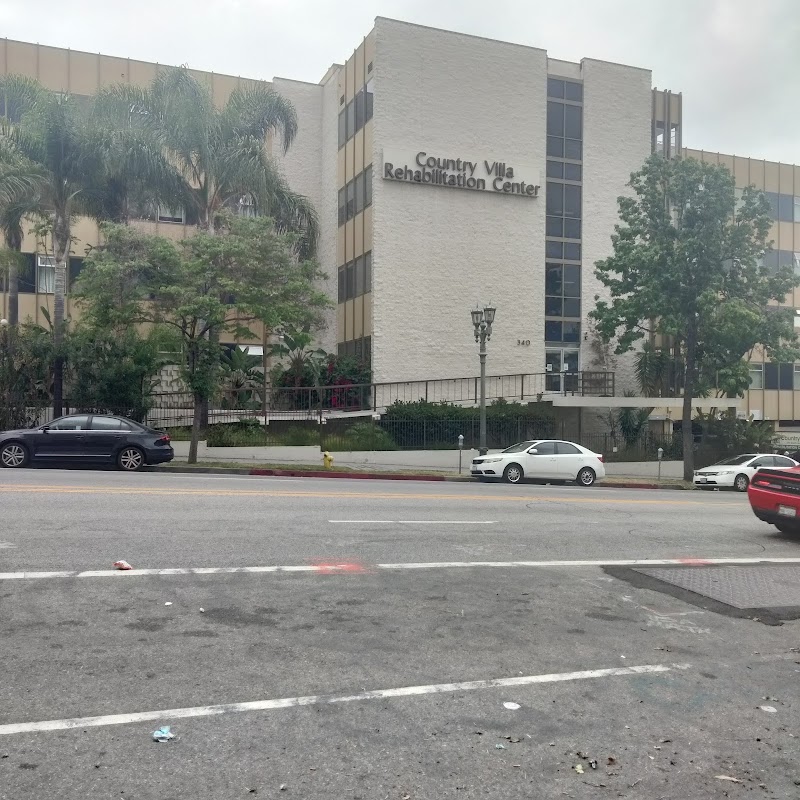
Who Owns and Operates The Rehabilitation Center Of Los Angeles?

THE REHABILITATION CENTER OF LOS ANGELES is owned by a for-profit company. For-profit facilities operate as businesses with obligations to shareholders or private owners. The facility operates independently rather than as part of a larger chain. With 180 certified beds and approximately 160 residents (about 89% occupancy), it is a mid-sized facility located in LOS ANGELES, California.

How Does The Rehabilitation Center Of Los Angeles Compare to Other California Nursing Homes?

Compared to the 100 nursing homes in California, THE REHABILITATION CENTER OF LOS ANGELES's overall rating (1 stars) is below the state average of 3.1, staff turnover (37%) is near the state average of 46%, and health inspection rating (1 stars) is much below the national benchmark.

What Should Families Ask When Visiting The Rehabilitation Center Of Los Angeles?

Based on this facility's data, families visiting should ask: "What changes have been made since the serious inspection findings, and how are you preventing similar issues?" "Can I visit during a mealtime to observe dining assistance and food quality?" "How do you handle medical emergencies, and what is your hospital transfer rate?" "Can I speak with family members of current residents about their experience?" These questions are particularly relevant given the facility's Immediate Jeopardy citations.

Is The Rehabilitation Center Of Los Angeles Safe?

Based on CMS inspection data, THE REHABILITATION CENTER OF LOS ANGELES has documented safety concerns. Inspectors have issued 2 Immediate Jeopardy citations (the most serious violation level indicating risk of serious injury or death). The facility has a 1-star overall rating and ranks #100 of 100 nursing homes in California. Families considering this facility should ask detailed questions about what corrective actions have been taken since these incidents.

Do Nurses at The Rehabilitation Center Of Los Angeles Stick Around?

THE REHABILITATION CENTER OF LOS ANGELES has a staff turnover rate of 37%, which is about average for California nursing homes (state average: 46%). Moderate turnover is common in nursing homes, but families should still ask about staff tenure and how the facility maintains care continuity when employees leave.

Was The Rehabilitation Center Of Los Angeles Ever Fined?

THE REHABILITATION CENTER OF LOS ANGELES has been fined $61,054 across 2 penalty actions. This is above the California average of $33,689. Fines in this range indicate compliance issues significant enough for CMS to impose meaningful financial consequences. Common causes include delayed correction of deficiencies, repeat violations, or care failures affecting resident safety. Families should ask facility leadership what changes have been made since these penalties.

Is The Rehabilitation Center Of Los Angeles on Any Federal Watch List?

THE REHABILITATION CENTER OF LOS ANGELES is not on any federal watch list. The most significant is the Special Focus Facility (SFF) program, which identifies the bottom 1% of nursing homes nationally based on persistent, serious quality problems. Not being on this list means the facility has avoided the pattern of deficiencies that triggers enhanced federal oversight. This is a positive indicator, though families should still review the facility's inspection history directly.