THE REHABILITATION CENTER ON PICO
3233 W. PICO BOULEVARD, LOS ANGELES, CA 90019 (323) 734-9122
For profit - Partnership 99 Beds SHLOMO RECHNITZ Data: November 2025 1 Immediate Jeopardy citation
Trust Grade
0/100
#1140 of 1155 in CA
Last Inspection: February 2025

Within standard 12-15 month inspection cycle. Federal law requires annual inspections.

Overview

The Rehabilitation Center on Pico has received a Trust Grade of F, indicating significant concerns about the care provided, which places it among the lowest-rated facilities in California. It ranks #1140 out of 1155 statewide and #358 out of 369 in Los Angeles County, meaning it is in the bottom tier for both state and county rankings. Although the facility is showing an improving trend with a slight decrease in reported issues from 21 in 2024 to 20 in 2025, the overall situation remains troubling with 68 total deficiencies found, including 1 critical incident related to medication errors that affected multiple residents. Staffing is a relative strength, with a rating of 4 out of 5 stars, but the 44% turnover rate is average and could impact consistency in care. Notably, the facility has incurred $193,710 in fines, which is higher than 97% of California facilities, signaling ongoing compliance issues. Specific incidents of concern include a resident not receiving prescribed medications for eleven days and another resident suffering a fall due to insufficient risk assessment and monitoring. Overall, while there are some strengths in staffing, the facility has serious weaknesses that families should carefully consider.

Trust Score
F
0/100
In California
#1140/1155
Bottom 2%
Safety Record
High Risk
Review needed
Inspections
Getting Better
21 → 20 violations
Staff Stability
○ Average
44% turnover. Near California's 48% average. Typical for the industry.
Penalties
✓ Good
$193,710 in fines. Lower than most California facilities. Relatively clean record.
Skilled Nurses
⚠ Watch
Each resident gets only 24 minutes of Registered Nurse (RN) attention daily — below average for California. Fewer RN minutes means fewer trained eyes watching for problems.
Violations
⚠ Watch
68 deficiencies on record. Higher than average. Multiple issues found across inspections.
★☆☆☆☆
1.0
Overall Rating
★★★★☆
4.0
Staff Levels
★★★☆☆
3.0
Care Quality
★☆☆☆☆
1.0
Inspection Score
Stable
2024: 21 issues
2025: 20 issues

The Good

  • 4-Star Staffing Rating · Above-average nurse staffing levels
  • Full Sprinkler Coverage · Fire safety systems throughout facility
  • No fines on record
  • Staff turnover below average (44%)

    4 points below California average of 48%

Facility shows strength in staffing levels, fire safety.

The Bad

1-Star Overall Rating

Below California average (3.1)

Significant quality concerns identified by CMS

Staff Turnover: 44%

Near California avg (46%)

Typical for the industry

Federal Fines: $193,710

Well above median ($33,413)

Significant penalties indicating serious issues

Chain: SHLOMO RECHNITZ

Part of a multi-facility chain

Ask about local staffing decisions and management

The Ugly 68 deficiencies on record

1 life-threatening 4 actual harm
Jul 2025 2 deficiencies
CONCERN (D) 📢 Someone Reported This

A family member, employee, or ombudsman was alarmed enough to file a formal complaint

Potential for Harm - no one hurt, but risky conditions existed

Deficiency F0558 (Tag F0558)

Could have caused harm · This affected 1 resident

**NOTE- TERMS IN BRACKETS HAVE BEEN EDITED TO PROTECT CONFIDENTIALITY** Based on observation, interview, and record review, the facility failed to ensure one of five sampled residents (Resident 2) had...

Read full inspector narrative →
**NOTE- TERMS IN BRACKETS HAVE BEEN EDITED TO PROTECT CONFIDENTIALITY** Based on observation, interview, and record review, the facility failed to ensure one of five sampled residents (Resident 2) had the call light within reach.This failure resulted in Resident 2's inability to call staff for assistance, since she was unable to reach the call light.During a review of Resident 2's admission Record, dated 7/3/25, indicated Resident 2 was admitted to the facility on [DATE], with a diagnoses including; hemiplegia (muscle weakness on one side of the body) and hemiparesis (paralysis on one side of the body) following cerebral infarction (CVA-stroke, loss of blood flow to a part of the brain) affecting the left dominant side, diabetes mellitus (DM-a disorder characterized by difficulty in blood sugar control and poor wound healing), hypertension (HTN-high blood pressure), and atrial fibrillation (Afib-irregular heart beat which affects the blood pumping mechanism of the heart). During a review of Resident 2's Minimum Data Set (MDS - a standardized assessment and care screening tool) indicated Resident 2 was dependent on staff for Activities of Daily Living (ADLs-routine tasks/activities such as bathing, dressing and toileting a person performs daily to care for themselves).During a review of Resident 2's Care Plan for risk for falls dated 4/10/25 indicated and intervention of Call light is within reach and encourage the resident to use it for assistance as needed. During an observation with concurrent interview on 7/2/25 at 10:10 am in Resident 2's room, with Resident 2, the resident's call light was observed behind on the floor behind the head of the bed on the left side - out of reach. Resident 2 stated if she could find the call light she would use it to call for assistance. During an observation with concurrent interview on 7/2/25 at 1:41 pm in Resident 2's room with CNA 2, the resident's call light was observed attached to the fitted sheet on the left side of the resident out of reach again. CNA 2 verifies and states the resident cannot reach the call light and repositions it on across the residents left arm within reach of the resident's right side. During a review of the facility's policy and procedures titled, Fall Management Program reviewed March 2025, indicated implement intervention, including adequate supervision and assistive devices, consistent with a resident's needs, goals and care plan and current professional standards of practice in order to eliminate the risk. During a review of the facility's policy and procedures titled, Resident Call System reviewed January 2025, indicated When the resident is sitting in his/her chair or confined to his/her bed, be sure to provide resident with call light access.
CONCERN (D) 📢 Someone Reported This

A family member, employee, or ombudsman was alarmed enough to file a formal complaint

Potential for Harm - no one hurt, but risky conditions existed

Respiratory Care (Tag F0695)

Could have caused harm · This affected 1 resident

**NOTE- TERMS IN BRACKETS HAVE BEEN EDITED TO PROTECT CONFIDENTIALITY** Based on interview, and record review, the facility failed to ensure one of five sampled residents (Resident 1) was provided wit...

Read full inspector narrative →
**NOTE- TERMS IN BRACKETS HAVE BEEN EDITED TO PROTECT CONFIDENTIALITY** Based on interview, and record review, the facility failed to ensure one of five sampled residents (Resident 1) was provided with the ordered oxygen therapy. This failure resulted in Resident 1 being left without ordered oxygen therapy after personal hygiene care by Certified Nursing Assistant (CNA) and experiencing a temporary desaturation (decrease in the oxygen level of the blood). During a review of Resident 1's admission Record, dated 7/3/25, indicated the resident was admitted to the facility on [DATE] with diagnoses including dementia (a progressive state of decline in mental abilities), fibromyalgia (a chronic disorder characterized by widespread musculoskeletal pain, fatigue, and sleep disturbances), HTN and muscle weakness. During a review of Resident 1's History & Physical, dated 12/20/24 indicated the resident does not have the capacity to understand and make decisions. During a review of Resident 1's MDS dated [DATE], indicated the resident had severely impaired cognition (the mental process of thinking, learning, and perception). The MDS further indicated Resident 1 was completely dependent on staff for dressing, toilet use, personal hygiene, and bed mobility.During a review of Resident 1's Order Summary Report dated 7/3/25 indicated an order for routine oxygen 2-4 liters per minute via nasal cannula (a medical device used to deliver supplemental oxygen to a patient through small prongs inserted into the nostrils).During record review with Resident 1's Health Status Note dated 6/29/25 at 12:20 pm, the note indicated While attending another resident, another charge nurse was informed Resident 1's oxygen tubing was off. Upon assessment there was no distress, no shortness of breath, but when resident's oxygen level was checked it was 77% (normal level is 95%-100%), then the LVN placed the oxygen back on and the oxygen saturation rose to 95%. During an interview with Licensed Vocational Nurse (LVN) 1 on 7/3/25 at 3:03 pm, LVN 1 verified there was an incident where Resident 1 desaturated to 77%, a few days before, when Certified Nursing Assistant (CNA) 1, was providing care to the resident and had removed the nasal cannula temporarily to reposition the resident forgetting to put it back on. Once the oxygen was back on the oxygen level went up and he called the doctor to have the order for oxygen changed to as needed to routine. During an interview with CNA 1 on 7/3/25 at 3:16 pm, CNA 1 stated she had repositioned Resident 1 and removed the oxygen tubing so it would not pull on her and then forgot to put it back. During a review of the facility's policy and procedures titled Oxygen Therapy, reviewed March 2025, indicated this procedure is to provide guidelines for the administration of oxygen. Oxygen therapy is administered by way of. nasal cannula. The nasal cannula is a tube that is placed approximately one-half inch into the resident's nose.
Apr 2025 1 deficiency
CONCERN (D) 📢 Someone Reported This

A family member, employee, or ombudsman was alarmed enough to file a formal complaint

Potential for Harm - no one hurt, but risky conditions existed

Medical Records (Tag F0842)

Could have caused harm · This affected 1 resident

**NOTE- TERMS IN BRACKETS HAVE BEEN EDITED TO PROTECT CONFIDENTIALITY** Based on interview and record review, the facility failed to ensure medical records were accurately documented and complete for ...

Read full inspector narrative →
**NOTE- TERMS IN BRACKETS HAVE BEEN EDITED TO PROTECT CONFIDENTIALITY** Based on interview and record review, the facility failed to ensure medical records were accurately documented and complete for one of three sampled residents (Resident 2). Resident 2 had a history of depression not a current diagnosis of depression, as indicated on Resident 2's face sheet. This deficient practice had the potential to cause errors in medical treatment, plan of care, and delivery of necessary care and services. Findings: A review of the face sheet indicated Resident 2 was admitted to the facility on [DATE] with diagnosis including dementia (a progressive state of decline in mental abilities) and major depressive disorder (a mood disorder that causes a persistent feeling of sadness and loss of interest). During a review of the Psychiatrist Progress Note dated 8/23/2024, the Psychiatrist Progress Note indicated Resident 2 had a treatment plan that included no psychiatric medication at that time and was encouraged to participate in group activities. A review of the history and physical dated 10/23/2024 indicated Resident 2 was alert and oriented times one (being aware and knows their own name, but may not be aware of their location, time, or the current situation) at baseline and usually answers yes/no with a history of dementia and nonverbal. In addition, Resident 2's past medical history diagnosis included history of cerebrovascular accident (CVA- stroke, loss of blood flow to a part of the brain). A review of the Minimum Data Set Assessment (MDS, an resident assessment tool) dated 3/3/2025, indicated Resident 2 was severely cognitively impaired (problems with a person's ability to think, remember, use judgement, and make decisions). Further review of the MDS did not indicate an active diagnosis of Major Depressive Disorder, Recurrent, Unspecified. During a concurrent interview and record review on 4/4/2025 at 9:40 AM, the Director of Nursing (DON) stated, after review of Resident 2's History and Physical, that the diagnosis of depression was part of the resident's history and was not a current exhibiting symptom. After review of the MDS, the DON stated the diagnosis of depression was not indicated where active diagnoses were listed. During an interview on 4/4/2025 at 11:30 AM, after review of the Psychiatrist Progress Notes dated 8/5/2024, the DON stated the psychiatrist indicated the single depression episode for Resident 2 was based on assessment of the resident. The Progress Note further indicated Resident 2 did not need antidepressant medication at this time. The DON stated the diagnosis of recurrent depression was a typo error and should read 'unspecified depression' as clarified by the psychiatrist. The DON stated the MDS was not coded with diagnosis of Major Depressive Disorder, Recurrent, Unspecified due to Resident 2 not being prescribed any antidepressant medication and solely having a history of depression. During an interview on 4/4/2025 at 3:20 PM, the Administrator (ADM) and DON stated that it was important to document the diagnosis accurately to ensure proper assessment and proper care of Resident 2's needs. A review of the facility's policy and procedure titled, Documentation Policy, dated July 2019 indicated the policy of the facility was to document relevant findings in the clinical record.
Feb 2025 15 deficiencies 1 IJ (1 facility-wide)
CRITICAL (L)

Immediate Jeopardy (IJ) - the most serious Medicare violation

Deficiency F0760 (Tag F0760)

Someone could have died · This affected most or all residents

⚠️ Facility-wide issue

**NOTE- TERMS IN BRACKETS HAVE BEEN EDITED TO PROTECT CONFIDENTIALITY** Based on observation, interview and record review, the facility failed to ensure 11 of 20 sampled residents (Resident 1, 8, 10, ...

Read full inspector narrative →
**NOTE- TERMS IN BRACKETS HAVE BEEN EDITED TO PROTECT CONFIDENTIALITY** Based on observation, interview and record review, the facility failed to ensure 11 of 20 sampled residents (Resident 1, 8, 10, 11, 32, 37, 50, 54, 66, 95, and 99), were free of significant medication error. The facility failed to: -Ensure Resident 50 was administered Eliquis (apixaban, an anticoagulant, a blood thinner), Norvasc (amlodipine, a medication used to treat high blood pressure), and aspirin for myocardial infarction (MI, also known as a heart attack, occurs when blood flow to the heart is blocked) prophylactically (PPX, measures designed to preserve health), in accordance with the physician's orders for eleven days during February 2025. -Ensure Residents 10, 54, 95 and 99 were administered Eliquis in accordance with physician's orders and facility's policy and procedures titled, Medication Administration - General Guidelines to minimize the risk of adverse consequences (an undesired effect of a drug) including an increased risk of bleeding. -Ensure Resident 1 was administered Depakote (valproic acid, a medication used to control seizures [a sudden, uncontrolled burst of electrical activity in the brain that can cause temporary changes in behavior, movement, sensation, or awareness]) on 2/20, 2/22, 2/23, and 2/25/2025 at 9 a.m., and 1 p.m., as ordered and not within 39 minutes to less than two hours of the next scheduled dose. -Ensure Resident 37 was administered Keppra (levetiracetam a medication used to control seizures) on 2/20, 2/22, 2/23, 2/24, and 2/25/2025 at 9 a.m., and 5 p.m. daily as ordered. -Ensure Residents 8, 11, 32 and 66 were administered medications in accordance with physician orders and facility's policy and procedures titled, Medication Administration - General Guidelines to minimize the risk of adverse consequences which could lead to a deterioration in the resident's condition, hospitalization, harm, or death. These deficient practices resulted in: -Residents 10, 50, 54, 95 and 99 were at increased risk of bleeding, including serious bleeding that can be fatal and increased risk of uncontrolled blood pressure, that could lead to stroke, heart attack, hospitalization, or death -Residents 1 and 37 was placed at high risk for hepatotoxicity (liver toxicity, a condition that occurs when the liver is damaged by harmful substances, such as medications, toxins, or chemicals, which can lead to impaired liver function and, in severe cases, liver failure). -Residents 8, 11, 32, and 66 were placed at risk for uncontrolled blood glucose (a type of sugar) levels. On 2/26/2025 at 4:42 PM, an Immediate Jeopardy (IJ, a situation in which the facility's noncompliance with one or more requirements of participation has caused, or is likely to cause, serious injury, harm, impairment, or death to a resident) was identified in the presence of the Administrator (ADM) and Director of Nursing (DON), regarding the facility's failure to identify and ensure Resident 1, 8, 10, 11, 32, 37, 50, 54, 66, 95, and 99, who were at increased risk of bleeding, toxicity or hyperglycemia (increased blood sugar) were free of significant medication error and received necessary care and services in accordance with professional standards of practice. On 2/27/2025 at 4:18 PM, while onsite at the facility, the IJ was removed in the presence of the ADM and DON, after the ADM submitted an acceptable Removal Plan (interventions and implementation to correct the deficient practices) which was verified and confirmed through observation, interview, and record review. The acceptable removal plan was as follows: The Licensed Nurse completed change in condition assessments on 2/26/25 and reported the medication errors for each resident effected with the related medications. The residents would be monitored every shift for adverse reactions. Effected residents were monitored by the DON. Licensed Nurses would be re-educated by the DON before their next Med Pass or on or before 3/15/25 on the standard of practice and facility policy and procedure for administering medications and in accordance with the physician's ordered time to reduce the risk of medication error, serious injury, harm and or death. The DON evaluated the resident medication administration assignments, including evaluation of residents on antiseizure, anticoagulants, hypertensive and anticonvulsant medications, including gastrostomy tubes, dialysis, blood pressure parameter checks, diabetics with insulin administration, controlled pain medications and seizure protocol on 2/26/25. The DON contacted the pharmacy consultant and requested an additional medication cart on 2/26/25, which was verified. The cart would be delivered on 2/26/25. The DON redistributed the resident assignment to ensure the load over four medication carts on 2/26/25. The Interdisciplinary Team met on 2/26/25 and developed and implemented a plan of care to closely monitor effected residents for adverse effects related to receiving medications at the wrong time resulting in a medication error on 2/25/25. The Medical Records staff generated an audit of all in house residents medication administration records including the time of administration for all shifts, identifying any residents who were effected by the medication error. A copy of the audit was provided to the DON for review on 2/27/25. All licensed nurses in the oncoming shifts were prioritized with re-education with the objective to achieve 100% of the licensed nurses before the start of their shift beginning 2/27/25. The Director of Staff Development / designee would complete a medication pass observation skill competency with LVN 1 and 2 prior to the start of their shift. Cross Reference F759 Findings: a. A review of the admission Record indicated Resident 50 was admitted to the facility on [DATE] with diagnoses including hemiplegia (a severe or complete loss of strength or paralysis on one side of the body) and hemiparesis (a mild or partial weakness or loss of strength on one side of the body) following cerebral infarction (a stroke that occurs when blood flow to the brain is blocked) affecting left non-dominant side, hypertension (high blood pressure), cardiomegaly (a condition where the heart is larger than normal), and atrial fibrillation (AF, abnormal heartbeat). During a review of Resident 50's Minimum Data Set (MDS - a resident assessment tool) dated 9/26/24, the MDS indicated Resident 50's cognitive skills (mental activities including thinking, reasoning, understanding, learning, and remembering) for daily decision-making was moderately impaired. Resident 50's MDS indicated the resident required setup for eating and oral hygiene, required substantial assistance for personal hygiene and was dependent on staff physical assistance. During a review of Resident 50's History and physical (H&P) dated 2/29/2024, the H&P indicated Resident 50 had the capacity to understand and make decisions. During a review of Resident 50's Order Summary Report, the Order Summary Report indicated Resident 50's orders included: -Apixaban (Eliquis, an anticoagulant, a blood thinner) 5 (five) milligrams (mg - unit of measure of weight) give one tablet by mouth every 12 hours, scheduled at 9 a.m., and 9 p.m., for AF, order date 4/26/2023. -Amlodipine (Norvasc, a medication used to treat high blood pressure) 5 mg, give one tablet by mouth one time a day, scheduled at 9 a.m., for hypertension, hold if systolic blood pressure (SBP, when the heart beats, top number) is less than 110 millimeters of mercury [mm Hg]), (mmHg - unit of measure), order date 8/28/2024. -Aspirin Enteric Coated (EC) 81 mg, give one tablet by mouth one time a day, scheduled at 9 a.m., for myocardial infarction (MI, also known as a heart attack, occurs when blood flow to the heart is blocked) prophylactically (PPX, measures designed to preserve health), order date 6/17/2020. During a review of Resident 50's, Care Plans, the care plans for Resident 50 indicated the following: -Black Box Warning (is a serious warning given by the Food and Drug Administration [FDA] for drugs or drug classes that may cause serious harm or death) for use of Apixaban (Eliquis), dated 3/27/2020. Resident 50's care plan goal indicated; the resident will not experience side effects/ interactions with the use of Apixaban (Eliquis). -Anticoagulant therapy, Apixaban for atrial fibrillation, at risk for active bleeding, revised 2/6/2025. Resident 50's care plan intervention indicated give Apixaban 5 mg by mouth every 12 hours for AF. Resident/family/caregiver teaching to include the following: take/give medication at the same time each day. -Hypertension (HTN) related to lifestyle and stroke, dated 3/27/2020. The interventions included instructions to give anti-hypertensive medications as ordered. Monitor for side effects such as orthostatic hypotension (a sudden drop in blood pressure when standing) and increased heart rate (tachycardia) and effectiveness. -Risk for repeat Cardiovascular Accident (CVA) as resident had a CVA prior to admission, date revised 2/6/2025, and goal indicated to minimize risk with interventions. Interventions indicated, administer medication(s) as ordered. -Risk for adverse reaction related to polypharmacy (the simultaneous use of multiple drugs by a single patient, for one or more conditions), revision date 2/6/2025. Resident 50's care plan interventions included to review resident's medications with MD/Consultant pharmacist for proper dosing, timing and frequency of administrations. During a concurrent observation and interview on 2/25/2025 at 10:17 a.m., with a Licensed Vocational Nurse (LVN) 3 on Station 2 at Medication Cart (MedCart) 2, LVN 3 stated she was preparing the morning medications for Resident 50 that was scheduled for 9 a.m. During a medication pass observation on 2/25/2025 at 10:20 a.m., with LVN 3, LVN 3 prepared and administered Resident 50's morning medications, scheduled for 9 a.m., administration that included Apixaban 5 mg, one tablet, Amlodipine 5 mg, one tablet, and Aspirin Enteric Coated (EC) 81 mg, one tablet. During an interview on 2/25/2025 at 10:32 a.m., Resident 50 stated she usually gets her medications late, but she knew the nurses were very busy. During an interview on 2/25/2025 at 10:38 a.m., LVN 3 stated she had 17 more residents to administer morning medications to that were scheduled for 9 a.m LVN 3 stated the supervisor and Director of Nursing (DON) was made aware of the heavy load, which included four of her 32 residents received medications through a gastrostomy tube (GT - a tube inserted through the belly that brings nutrition, fluids, and medications directly to the stomach), which takes more time and that she was not able to pass medications to all of residents on time. During an earlier interview on 2/25/2025 at 10:11 a.m., with LVN 1, on Station 2, at MedCart 3, LVN 1 stated he had 12 more residents to pass medications scheduled for 9 a.m., out of a total of 27 residents, and usually finished passing morning medications each day around 11:30 a.m. LVN 1 stated he notified a Registered Nurse Supervisor. LVN 1 stated, It can be overwhelming, especially when you are trying to give the best care, not rush residents, and not make mistakes. During an interview on 2/25/2025 at 1:32 p.m., the DON stated licensed nurses should administer medications within an hour of the scheduled administration time or up to an hour after the scheduled administration time. The DON stated the resident's physician must be notified if resident's medications would be administered outside of the time frame and then following the physician's instructions, if it was okay to administer the medication. During a record review of Resident 50's Medication Administration Audit Report, Resident 50's Medication Audit Report was reviewed between 2/1 to 2/25/2025. The Medication Administration Audit Report indicated Resident 50 was administered apixaban, amlodipine, and aspirin late and for apixaban less than 12 hours from the next scheduled dose as follow on: -2/2/2025 apixaban 5 mg, amlodipine, and aspirin scheduled for administration at 9 a.m., was documented administered at 3:09 p.m. (six hours and nine minutes late). -2/2/2025 apixaban 5 mg scheduled for administration at 9 p.m., was administered at 8:33 p.m., five hours and 24 minutes after the last dose was given at 3:09 p.m., instead of the ordered 12 hours between doses. -2/4/2025 apixaban 5 mg, amlodipine, and aspirin scheduled for administration at 9 a.m., was documented administered at 10:57 a.m. (one hour and 57 minutes late). -2/8/2025 apixaban 5 mg, amlodipine, and aspirin scheduled for administration at 9 a.m., was documented administered at 10:35 a.m. (one hour and 35 minutes late). -2/9/2025 apixaban 5 mg, amlodipine, and aspirin scheduled for administration at 9 a.m., was documented administered at 1:55 p.m. (four hours and 55 minutes late). -2/9/2025 apixaban 5 mg scheduled for administration at 9 p.m., was administered at 8:17 p.m., six hours and 22 minutes after the last dose was given at 1:55 p.m., instead of the ordered 12 hours between doses. -2/12/2025 apixaban 5 mg, amlodipine, and aspirin scheduled for administration at 9 a.m., was documented administered at 10:58 a.m. (one hour and 58 minutes late). -2/13/2025 apixaban 5 mg, amlodipine, and aspirin scheduled for administration at 9 a.m., was documented administered at 11:08 p.m. (two hours and eight minute late). -2/16/2025 apixaban 5 mg, amlodipine, and aspirin scheduled for administration at 9 a.m., was documented administered at 1:02 p.m. (four hours and two minutes late). -2/16/2025 apixaban 5 mg scheduled for administration at 9 p.m., was administered at 8:43 p.m., seven hours and 41 minutes after the last dose was given at 1:02 p.m., instead of the ordered 12 hours between doses. -2/21/2025 apixaban, amlodipine, and aspirin scheduled for administration at 9 a.m., was documented administered at 10:33 a.m. (one hour and 33 minutes late). -2/22/2025 apixaban 5 mg scheduled for administration at 9 a.m., was documented administered at 6:03 p.m. (nine hours and three minutes late). -2/22/2025 apixaban 5 mg scheduled for administration at 9 p.m., was documented administered at 8:51 p.m. two hours and 48 minutes after the last dose was given at 6:03 p.m., instead of the ordered 12 hours between doses. -2/23/2025 apixaban, amlodipine, and aspirin scheduled for administration at 9 a.m., was documented administered at 11:10 a.m. (two hours and 10 minutes late) -2/22/2025 apixaban 5 mg scheduled for administration at 9 p.m., was documented administered at 9:22 p.m., ten hours and 22 minutes after the last dose was given at 11:10 a.m., instead of the ordered 12 hours between doses. b. A review of Resident 10's admission Record indicated the resident was admitted to the facility on [DATE] with diagnoses including Type II diabetes (DM, a condition that occurs when the body does not use insulin properly, leading to high blood sugar levels), hypertension (high blood pressure), myocardial infarction (MI), and AF. During a review of Resident 10's, MDS dated [DATE], the MDS indicated Resident 10's cognitive skills for daily decision-making was moderately impaired. During a review of Resident 10's Order Summary Report, the Order Summary Report indicated Resident 10 had orders for: -Eliquis 2.5 mg, to give one tablet by mouth two times a day scheduled at 9 a.m. and 5 p.m., for AF, with an order date of 3/27/2024. -Eliquis: Monitor for signs and symptoms of bleeding (abnormal or unexplained bruising, petechiae (tiny spots of bleeding under the skin), internal bleeding, nosebleeds, bleeding gums, abnormal bleeding) by (+) Yes or (-) No. Notify MD if (+) every shift (Day shift, Evening Shift, and Night Shift), order date 11/10/2023. -Metformin 500 mg, one tablet by mouth four times a day for DM, give with food, order date 11/2/2023 During a review of Resident 10's, Care Plans, the care plans indicated: -Resident 10 had High Risk for Bleeding, Bruising, and/or Skin Discoloration related to anticoagulant therapy, Eliquis, dated 12/1/2022. Resident 10's care plan goal indicated, the resident will remain free of abnormal bleeding or bruising, and the care plan intervention indicated, administer medications as ordered and monitor for side effects. Observe / record / report to MD as needed, abnormal or unexplained bruising. -Resident 10 had a Black Box Warning for use of Metformin (Glucophage) for diabetes mellitus (DM), revised 2/8/2025. Resident 10's care plan goal indicated the resident will not experience side effect/ interactions with the use of Metformin, and the care plan interventions included, Black Box Warning, post marketing cases of metformin-associated lactic acidosis (lactic acid build up in the bloodstream) have resulted in death, hypothermia (body loses heat faster than it can produce heat), hypotension (low blood pressure), and resistant bradyarrhythmia (an irregular heartbeat that's slower than normal). The onset of metformin-associated lactic acidosis is often subtle, accompanied only by myalgias (muscle pain), respiratory distress (difficulty to breath), somnolence (drowsiness), and abdominal pain. During a review of Resident 10's Nursing Progress Notes dated 2/24/2025 at 8:46 a.m., Resident 10's progress notes indicated, On monitoring for discoloration to right wrist. Resident still noted with discoloration in affected wrist. During a record review of Resident 10's Medication Administration Audit Report, Resident 10's Medication Audit Report was reviewed between 2/1/2025 to 2/25/2025, the Medication Administration Audit Report indicated resident was administered apixaban less than 8 hours from the next scheduled dose as follow on: -2/17/2025 apixaban 2.5 mg, scheduled for administration at 9 a.m., was documented administered at 11:12 a.m. (two hours and 12 minutes late). -2/24/2025 apixaban 2.5 mg, scheduled for administration at 9 a.m., was documented administered at 2:29 p.m. (five hours and 29 minutes late). -2/24/2025 apixaban 2.5 mg scheduled for administration at 5 p.m., was administered at 5:17 p.m., two hours and 48 minutes after the last dose was given at 2:29 p.m., instead of the ordered eight hours between doses. -2/25/2025 apixaban 2.5 mg, scheduled for administration at 9 a.m., was documented administered at 1:34 p.m. (four hours and 34 minutes late). -2/17/2025 metformin 500 mg, scheduled for administration at 7:30 a.m., to be given with food was documented administered at 11:10 a.m. (over three hours late). -2/18/2025 metformin 500 mg, scheduled for administration at 7:30 a.m., to be given with food was documented administered at 10:09 a.m. (over two hours late). -2/17/2025 metformin 500 mg, scheduled for administration at 7:30 a.m., to be given with food was documented administered at 9:57 a.m. (two hours late). -2/20/2025 metformin, scheduled for administration at 5:30 p.m., to be given with food was documented administered at 7:39 p.m. (two hours late). -2/24/2025 metformin, scheduled for administration at 7:30 a.m., to be given with food was documented administered at 2:28 p.m. (almost seven hours late). -2/17/2025 metformin, scheduled for administration at 5:30 p.m., to be given with food was documented administered at 5:17 p.m. (less than three hours since last administration of 2:38 p.m.). c. During a review of Resident 54's admission Record, the admission Record indicated Resident 54 was admitted to the facility on [DATE] with diagnoses that included repeated falls, cardiomegaly, hypertension, and atrial flutter (a condition in which the heart's upper chambers [atria] beat too quickly) During a review of Resident 54's, MDS dated [DATE], the MDS indicated Resident 54's cognitive skills for daily decision-making was severely impaired. A review of Resident 54's H&P dated 6/22/2024 indicated, She has been in ED (emergency department) three times in three days following falls at her SNF (a previous skilled nursing facility). First visit on 6/15/2024 after a witnessed fall while getting up from bed and tempted to use her walker and fell. Resident 54's H&P indicated the resident had persistent atrial fibrillation and was on anticoagulant therapy, Fall Risk Precautions, and did not have medical decision making capacity. During a review of Resident 54's Order Summary Report for February 2025, the Order Summary Report indicated Resident 54 had an order for Eliquis 2.5 mg, to give one tablet by mouth two times a day scheduled at 9 a.m., and 5 p.m., for AF / atrial flutter. During a review of Resident 54's Care Plans revised 1/5/2025, the care plans indicated Resident 54: -was at risk for falls related to gait/balance problems, at risk for fall due to history of repeated falls prior to admission to facility. The most recent fall was on 12/25/2024. -has Black Box Warning for use of apixaban (Eliquis): atrial fibrillation, resident's care plan goal revised 10/14/2024 indicated Resident 54 will not experience side effects/interactions with the use of apixaban (Eliquis). During a record review of Resident 54's Medication Administration Audit Report, Resident 54's Medication Audit Report was reviewed between 2/1/2025 to 2/25/2025, the Medication Administration Audit Report indicated resident was administered apixaban less than 8 hours from the next scheduled dose as follows on: -2/17/2025 apixaban 2.5 mg, scheduled for administration at 9 a.m., was documented administered at 11:48 a.m. (two hours and 48 minutes late). -2/17/2025 apixaban 2.5 mg scheduled for administration at 5 p.m., was administered at 5:42 p.m., five hours and 54 minutes after the last dose was given at 11:48 a.m., instead of the ordered eight hours between doses. -2/18/2025 apixaban 2.5 mg, scheduled for administration at 9 a.m., was documented administered at 11:40 a.m. (two hours and 40 minutes late). -2/18/2025 apixaban 2.5 mg scheduled for administration at 5 p.m., was administered at 5:14 p.m., five hours and 54 minutes after the last dose was given at 11:40 a.m., instead of the ordered eight hours between doses. -2/20/2025 apixaban 2.5 mg, scheduled for administration at 9 a.m., was documented administered at 12:03 p.m. (three hours and three minutes late). During an interview on 2/25/2025 at 3:06 PM with DON, the DON provided a list of 23 residents which included Residents 8, 10, 11, 32, 54, 66, 95, 99. Eleven of the 23 residents were on Station 2, MedCart 2 and 12 of the 23 residents were on Station 2, MedCart 3, that were administered morning medications scheduled for 9 a.m., over 60 minutes pass the scheduled administration time, close to the next scheduled dose, and/ or not in accordance with the physician's orders between 2/17/2025 - 2/25/2025. The DON stated there was no documentation that the physician was called prior to LVN 1 and LVN 2 administering medications late to residents on Station 2 MedCart 2, and to residents on Station 2 MedCart 3 on 2/25/2025. The DON stated the physician should have been called before administering medications late to residents and they were working to notify the physicians now. d. During a review of Resident 1's admission Record indicated the resident was admitted to the facility on [DATE] and readmitted [DATE] with diagnoses including seizures (a sudden, uncontrolled burst of electrical activity in the brain that can cause temporary changes in behavior, movement, sensation, or awareness), cerebral palsy (a brain disorder that affects a person's ability to move and maintain balance and posture), and cerebral infarction (stroke, death of brain tissue caused by a lack of blood flow) due to occlusion or stenosis of right middle cerebral artery (a narrowing or blockage of the blood vessel that supplies blood to the brain). During a review of Resident 1's, MDS dated [DATE], the MDS indicated Resident 1's cognitive skills (mental activities including thinking, reasoning, understanding, learning, and remembering) for daily decision-making was intact. Resident 1's MDS indicated the resident required set up for eating, moderate assistance for oral hygiene and was dependent on staff for physical assistance. During a review of Resident 1's, H&P dated 1/29/23 the H&P indicated Resident 1 had the capacity to understand and make decisions. During a review of Resident 1's Order Summary Report, the Order Summary Report indicated Resident 1 had an order for Depakote (valproic acid) Solution 250 milligrams (mg - unit of measure of weight) per 5 (five) milliliters (ml - unit of measure of volume) 250 mg/5 ml, to give 5 ml by mouth three times a day, scheduled at 9 a.m., 1 p.m., and 5 p.m., for seizure, order date 2/23/2023. During a review of Resident 1's, Care Plan revised 2/7/2025, the care plan indicated Resident 1 had a Black Box Warning (a serious warning given by the Food and Drug Administration (FDA) for drugs or drug classes that may cause serious harm or death) for use of Depakote (valproic acid), indication for seizures, care plan goal indicated the resident will not experience side effects/interactions (when one drug alters the effectiveness of another drug) with the use of Depakote. Resident 1's care plan intervention indicated, Black Box Warning .monitor resident closely . Hepatic failure resulting in fatalities has occurred in patients receiving valproate .Severe or fatal hepatotoxicity may be preceded by nonspecific symptoms such as malaise (a general feeling of being unwell), weakness, lethargy (lack of energy), facial edema (swelling), and vomiting. In patients with epilepsy (a neurological condition that causes unprovoked, recurrent seizures [is a sudden rush of abnormal electrical activity in your brain]), a loss of seizure control may also occur. During a record review on 2/27/25 at 1:30 p.m., with the Director of Nursing (DON), Resident 1's Medication Administration Audit Report was reviewed for 2/17/2025 to 2/26/2025, the Medication Administration Audit Report indicated the following: -Resident 1's scheduled 9 a.m. dose of valproic acid was given at 1:37 p.m., on 2/20/2025, which was four hours and 37 minutes later than scheduled and dose. The valproic acid ordered for 1 p.m. was given at 2:16 p.m. on 2/20/2025, which was 39 minutes after the last dose was given at 1:37 p.m. -Resident 1's scheduled 9 a.m. dose of valproic acid was given at 10:58 a.m., on 2/22/2025, which was one hour and 58 minutes later than scheduled dose and the valproic acid ordered for 1 p.m. was given at 12:12 p.m. on 2/22/2025, which was one hour and 14 minutes after the last dose was given at 10:58 a.m. -Resident 1's scheduled 9 a.m. dose of valproic acid was given at 11:21 a.m., on 2/23/2025, which was two hours and 21 minutes later than scheduled and the valproic acid ordered for 1 p.m. was given at 12:54 p.m. on 2/23/2025, which was one hour and 33 minutes after the last dose was given at 11:21 a.m. -Resident 1's scheduled 9 a.m. dose of valproic acid was given at 12:33 p.m., on 2/25/2025, which was three hours and 33 minutes later than scheduled and the valproic acid ordered for 1 p.m. was given at 2:28 p.m. on 2/25/2025, which was one hour and 55 minutes after the last dose was given at 12:33 p.m. During an interview on 2/27/2025 at 1:38 p.m., the DON stated giving a seizure medication 40 minutes after the first dose or close to the next scheduled dose was not acceptable. The DON stated this would be considered double dosing and could cause Resident 1 to experience adverse reactions (unwanted or harmful effect that can occur when taking a drug or undergoing a medical procedure) and could cause Resident 1 to reach toxic levels of the valproic acid, could trigger a seizure or lead the resident becoming hospitalized for uncontrolled seizures or death. During a review of the facility's Policy and Procedure (P&P) titled, Medication Administration - General Guidelines, dated 10/2012, the P&P indicated the facility had sufficient staff and a medication distribution system to ensure safe administration of medications without unnecessary interruptions. Medications were administered in accordance with written orders of the prescriber. Medications were administered within (60 minutes) of scheduled time, except before or after meal orders, which are administered (based on mealtimes). e. During a review of Resident 37's admission Record, the admission Record indicated Resident 37 was admitted to the facility on [DATE] and readmitted [DATE] with diagnoses including seizures and traumatic subdural hemorrhage (a brain injury that occurs when blood builds up between the brain and the skull) with loss of consciousness of unspecified duration During a review of Resident 37's MDS dated [DATE], the MDS indicated Resident 37's cognitive skills for daily decision-making was moderately impaired. Resident 37's MDS indicated the resident required set up for eating and was dependent on staff for physical assistance with oral hygiene, bathing, and dressing, During a review of Resident 37's, H&P dated 3/31/22, the H&P indicated Resident 37 can make needs known but cannot make medical decisions. During a review of Resident 37's Order Summary Report, the Order Summary Report for February 2025 indicated Resident 37 had an order for Keppra (levetiracetam) 500 mg, to give one tablet by mouth two times a day, scheduled at 9 a.m. and 5 p.m., for seizures. During a review of Resident 37's, Care Plan revised 2/7/2025, the care plan indicated Resident 37 had a seizure disorder and the care plan intervention indicated to give seizure medication as ordered by doctor, to monitor and document side effects and effectiveness. During a record review, Resident 37's Medication Administration Audit Report was reviewed for 2/17/2025 to 2/26/2025, the Medication Administration Audit Report indicated the following: -Resident 37's scheduled 9 a.m. dose of levetiracetam was given at 2:12 p.m., on 2/20/2025, which was five hours and 12 minutes later than scheduled and the levetiracetam ordered for 5 p.m. was given at 5:47 p.m. on 2/20/2025, which was three hours 35 minutes after the last dose was given at 2:12 p.m. -Resident 37's scheduled 9 a.m. dose of levetiracetam was given at 11:01 a.m., on 2/22/2025, two hours later than scheduled. -Resident 37's scheduled 9 a.m. dose of levetiracetam was given at 11:24 a.m., on 2/23/2025, two hours and 24 minutes later than scheduled. -Resident 37's scheduled 9 a.m. dose of levetiracetam was given at 12:11 p.m., on 2/24/2025, over three hours later than scheduled. -Resident 37's scheduled 5 p.m. dose of levetiracetam was given at 10:54 p.m., on 2/24/2025, almost six hours later than scheduled. -Resident 37's scheduled 9 a.m. dose of levetiracetam was given at 12:06 p.m., on 2/25/2025, which was three hours and six minutes later than scheduled and the levetiracetam ordered for 5 p.m. was given at 5:29 p.m. on 2/20/2025, which was four hours 23 minutes after the last dose was given at 12:06 p.m. During an interview on 2/26/2025 at 1:37 p.m., with the facility's Pharmacist Consultant (PC) stated the facility was supposed to have a process in place to have another nurse help to ensure medication administration did not run into the noon or next medication administration time if residents had medications scheduled for two or three times a day. The PC stated he suggested to the facility's Assistant Director of Nursing (ADON) and the DON several months ago, having another nurse to assist with medication pass to prevent late medication administration. The PC stated when medications were administered over three hours late, that was not acceptable practice. The PC stated it was important to give apixaban as ordered because of the pharmacokinetics (the movement of drug into, though, and out of the body) of the medication to maintain therapeutic effects (the response(s) after a treatment of any kind, the results of which were judged to be useful or
CONCERN (D)

Potential for Harm - no one hurt, but risky conditions existed

Safe Environment (Tag F0584)

Could have caused harm · This affected 1 resident

**NOTE- TERMS IN BRACKETS HAVE BEEN EDITED TO PROTECT CONFIDENTIALITY** Based on interview and record review, the facility failed to ensure one of one resident (Resident 12's) grievance (complaint) ab...

Read full inspector narrative →
**NOTE- TERMS IN BRACKETS HAVE BEEN EDITED TO PROTECT CONFIDENTIALITY** Based on interview and record review, the facility failed to ensure one of one resident (Resident 12's) grievance (complaint) about missing items, which included a pair of shorts, a gown, and a brace for his left leg was documented and investigated. This failure led to the resident's grievance being dismissed and had the potential to lead to financial loss, and inability to safely ambulate without the leg brace. Findings: A review of Resident 12's admission record indicated the resident was admitted to the facility on [DATE] with diagnoses including severe obesity (accumulation of body fat that can negatively impact health), hemiplegia (total paralysis of the arm, leg, and trunk on the same side of the body), and gout (causes sudden pain and swelling in the joints). A review of Resident 12's Minimum Data Set (MDS - a resident assessment tool), dated 2/10/25, indicated the resident was alert and oriented with good recall. The MDS indicated Resident 12 had no inattention, disorganized thinking, or altered levels of consciousness. During a concurrent observation in resident 12's room and interview on 2/24/25 at 10:33 am, Resident 12 was lying in bed, the call light was within reach. Resident 12 stated he had experienced missing items which included a pair of shorts, a gown, and a brace for his left leg. Resident 12 stated one of the CNA's took the shorts to the laundry and the shorts went missing. Resident 12 stated he reported the missing items to the Social Services Assistant (SSA), but nothing was done. During a concurrent record review and interview on 2/25/25 at 8:09 am with the Social Services Director (SSD), the SSD stated she did not know anything about the missing shorts and braces. The SSD stated maybe Resident 12 reported the missing items to the Social Services Assistant (SSA). The SSD reviewed Resident 12's inventory list dated 12/21/24. The inventory list indicated Resident 12 had 4 heels boots and 7 pairs of different types of shorts. The SSD stated when resident items go missing, the social services department investigated and looked for the items, and if the items were not found the items were to be listed on the Theft and Loss Report Log. The SSD stated facility would then either reimburse the items in cash or replace the items. The SSD reviewed the Theft and Loss Report Log, and confirmed there was no documentation Resident 12's had missing items. During an interview on 2/25/25 at 8:30 am in Resident 12's room, Resident 12 stated his shorts went missing two days after his initial admission in December. Resident 12 stated the braces went missing two weeks ago. Resident 12 stated he told the SSA about the brace and shorts. During a concurrent interview and record review on 2/25/25 at 2:19 PM, a prescription dated 11/26/24 for the Prafo boot (a medical brace that helps with foot and ankle conditions) was found in Resident 12's electronic chart. The prescription indicated to, Apply PRAFO Boot while in bed for left lower extremity. Resident 12 stated when he left for the hospital, earlier in February, he left the boot at the facility and when he returned to the facility, the brace was missing. During an interview on 2/25/25 at 2:24 PM with the Social Services Assistant (SSA), the SSA confirmed Resident 12 informed her (SSA) of the missing a pair of shorts, a gown, and brace. The SSA stated she looked in Resident 12's closet but did not find anything. The SSA stated when residents went to the hospital, the SSA would pack up the resident's belongings and place them in the Social Service's office for safe keeping and list the items in the inventory list. The SSA stated Resident 12 was in and out of the hospital and was not sure if an inventory list had been created. The SSA stated the process for when resident's items go missing included to write down the missing items and inform the SSD. The SSA stated if those items could not be located, the missing items were then listed in the Theft and Loss Report Log. The SSA was unable to locate Resident 12's missing boots. The SSA would not confirm or agree that there was a break in the process of reporting lost items for Resident 12. The SSA stated, I'm unsure, I would have to ask my director. The SSA stated she documented the resident's initial inventory list upon admission and saw poofy boots. The SSA did not know the medical/technical terms for the boots. During a follow up interview on 2/27/25 at 9:42 am with the SSD, the SSD stated Resident 12's shorts would be replaced, and the therapy department would follow up with the boot. The SSD stated the facility should have acted quicker regarding Resident 12's missing items. The SSD stated the facility should minimize the time looking for missing items and missing items cases should be closed within 24-48 hours. The SSD stated, there was a break in the process. The SSD stated she would feel not heard if she reported items missing and nothing was done. During an interview on 2/27/25 at 2:00 PM with the Director of Nursing (DON), the DON stated when resident items were missing, those items were to be communicated to the charge nurse and placed in communication book. The DON stated the SSD was responsible for locating the missing items and following up. The DON stated if the items were not found, then the facility would replace or reimburse the resident with the item. The DON stated she would feel bad if her items went missing and where not found. During a review of the facility's policy and procedures (P&P) titled, Theft and Loss Policy, dated 1/25, indicated The facility strives to have an established Theft and Loss Program and policies and procedures to ensure reasonable efforts to safeguard the property of the residents. The P&P indicated the Resident Property Loss Report shall include, description of article, estimated value, date and time the theft and loss, the action taken.
CONCERN (D)

Potential for Harm - no one hurt, but risky conditions existed

Comprehensive Care Plan (Tag F0656)

Could have caused harm · This affected 1 resident

Based on interview and record review, the facility failed to develop an individualized person-centered care plan to meet the resident's needs for one of five sampled residents (Resident 66), as eviden...

Read full inspector narrative →
Based on interview and record review, the facility failed to develop an individualized person-centered care plan to meet the resident's needs for one of five sampled residents (Resident 66), as evidenced by failing to create a care plan with goals and interventions for Resident 66's refusal of insulin (a hormone that removes excess sugar from the blood, can be produced by the body or given artificially via medication). This deficient practice had the potential to lead to inadequate and the delay of care for Resident 66. Findings: During a review of Resident 66's admission Record, the admission Record indicated the facility admitted the resident on 4/14/2023 with diagnoses including Type II diabetes (DM, a disorder characterized by difficulty in blood sugar control and poor wound healing) and morbid obesity (a severe form of obesity characterized by an excessive amount of body fat that significantly impacts health and well-being). A review of the Physician's Orders dated 1/23/2024, indicated the resident was to receive Lispro Insulin (a medication used to manage diabetes by lowering blood sugar levels) per sliding scale (a chart with pre-established insulin doses used to determine the dose to be administered to an individual based on blood sugar levels) subcutaneously (a method of administering medication by injecting it into the fatty layer of tissue just beneath the skin) before meals and at bedtime for DM. During a review of Resident 66's Minimum Data Set (MDS, a resident assessment tool) dated 1/3/2025, the MDS indicated the resident had moderate cognitive impairment (some impairment in the ability to think, understand, and reason). The MDS further indicated Resident 66 was receiving a hypoglycemic medication (medication used to lower blood sugar levels). During a review of Resident 66's Medication Administration Review (MAR) dated 1/1/2025 - 1/31/2025, the MAR indicated the resident refused Lispro Insulin 66 times. During a review of Resident 66's MAR dated 2/1/2025 - 2/28/2025, the MAR indicated the resident refused Lispro Insulin 41 times from 2/1/2025 - 2/25/2025. During a review of Resident 66's Care Plan, the Care Plan did not indicate there was a Care Plan created to the resident's refusal of Lispro Insulin. During a concurrent interview and record review on 2/25/2025 at 11:13 AM, Resident 66's Care Plan, MAR for 1/2025, and MAR for 2/2025 were reviewed with Registered Nurse (RN) 2. RN 2 confirmed Resident 66 had pattern and history of refusing insulin. RN 2 confirmed that Resident 66's Care Plan did not indicate a Care Plan was created for the resident refusing insulin. RN 2 stated a Care Plan indicates the problem, goals, and interventions for a resident. RN 2 stated a Care Plan informs the staff of the resident's plan of care. RN 2 stated not having a Care Plan for Resident 66's refusal of insulin had the potential for the resident to have a delay in care. During a interview on 2/27/2025 at 11:19 AM, the Director of Nursing (DON) stated Care Plans were created for resident's who were non-compliant or who refused treatment so the resident can be monitored. The DON stated Resident 66 should have a care plan created for the refusal of insulin. The DON stated not having a care plan for the refusal of insulin could have the potential for Resident 66 to receive inadequate care. During a review of the facility's Policy and Procedure (P&P) titled, Comprehensive Care Plans - Timing, reviewed 11/15/2024, the P&P indicated Each resident shall have a person-centered, comprehensive care plan, developed, reviewed, and revised by the facility interdisciplinary team including the resident and resident representative, if applicable .Each resident has the right to participate in choosing or refusing treatment options and must be given the opportunity to participate in the development, review, and revision of his/her care plan. During a review of the facility's P&P titled, Develop-Implement Comprehensive Care Plans, reviewed 11/15/2024, the P&P indicated The facility develops a person-centered comprehensive care plans that are culturally competent and trauma-informed, developed and implemented to meet his or her preferences and goals, and address the resident's medical, physical, mental and psychosocial needs .Care plans shall describe the resident's needs and preferences and how the facility will assist in meeting these needs and preferences .When a resident's choice to decline care or treatment poses a risk to the resident's health or safety, the comprehensive care plan must identify the care or service being declined, the risk the declination poses to the resident, efforts by the interdisciplinary team to educe the resident and the representative as appropriate, and attempts to find alternative means to address the identified risk.
CONCERN (D)

Potential for Harm - no one hurt, but risky conditions existed

Respiratory Care (Tag F0695)

Could have caused harm · This affected 1 resident

Based on observation, interview, and record review, the facility failed to provide necessary respiratory care services for one of 25 sampled residents (Resident 42), by failing to ensure Resident 42's...

Read full inspector narrative →
Based on observation, interview, and record review, the facility failed to provide necessary respiratory care services for one of 25 sampled residents (Resident 42), by failing to ensure Resident 42's oxygen nasal cannula tubing (a device that gives you additional oxygen through your nose) was not resting on the floor while Resident 42 was using the oxygen nasal cannula. This deficient practice had the potential for Resident 42 to experience respiratory infections (infections of parts of the body involved in breathing) associated with using an unsanitary (dirty, unhealthy, or unclean in a way that could endanger health) oxygen nasal cannula tubing. Findings: During a review of Resident 42's admission Record, the admission Record indicated the facility originally admitted Resident 42 on 1/18/2019 and last admitted the resident on 3/16/2024 with diagnoses that included chronic obstructive pulmonary disease (COPD-a chronic lung disease causing difficulty in breathing), acute and chronic respiratory failure with hypoxia (your lungs suddenly [acute] or gradually [chronic] aren't able to get enough oxygen into your blood, leading to a dangerously low level of oxygen in your body), acute and chronic respiratory failure with hypercapnia (your body cannot get rid of carbon dioxide [gas we naturally produce and need to remove when our bodies use oxygen for energy] causing breathing difficulties due to the build up of carbon dioxide in your system), and anemia (a condition that develops when your blood produces a lower-than-normal amount of healthy red blood cells and your body does not get enough oxygen in your blood). During a review of Resident 42's Minimum Data Set (MDS, a resident assessment tool), dated 12/19/2024, the MDS indicated Resident 42 had the ability to understand others and make himself understood. A review of Resident 42's Order Summary Report (OSR), the OSR indicated the resident had a physician order for oxygen 2 liters per minute (2 liters of oxygen flow into a patient's nose every minute) via nasal cannula as needed (PRN) for oxygen saturation less than 92% (your body is not getting enough oxygen, a condition called hypoxemia). During a review of Resident 42's Care Plan, titled Resident 42 with tendency to remove oxygen nasal cannula and leave hanging off the concentrator (a medical device that gives you extra oxygen) and oxygen tank touching the floor while in bed or w/c (wheelchair) dated 2/202025. The care plan interventions indicated staff were to observe for the nasal cannula not being stored in the nasal cannula bag and to inform the charge nurse or supervisor. The goal of the care plan was for the facility to prevent Resident 42's oxygen nasal cannula from touching the floor. During a concurrent observation in Resident 42's room and interview on 2/24/2025 at 9:43 AM with Certified Nurse Assistant 3 (CNA 3), Resident 42's oxygen nasal cannula tubing was observed on the floor while Resident 42 was using the oxygen nasal cannula tubing to breath supplemental oxygen (giving someone extra oxygen to breathe, usually through a mask or tube, when their body can't get enough oxygen from the air alone, often due to a lung condition, and helps them feel better and be more active). Resident 42 was observed to be sleeping in his bed. CNA 3 stated, the oxygen nasal cannula tubing was on the floor, was dirty, and the staff needed to exchange the dirty oxygen nasal cannula tubing with a clean one. During an interview on 2/27/2025 at 7:45 AM with Licensed Vocational Nurse 2 (LVN 2), LVN 2 stated if the staff left Resident 42's oxygen nasal cannula tubing on the floor, the facility staff would have to exchange the tubing with a new one and place a label with a date on the new tubing. LVN 2 stated if the facility staff left the oxygen nasal cannula tubing on the floor, the staff should consider the oxygen nasal cannula tubing to as contaminated (something has been made impure or unsafe by encountering something dirty or harmful). LVN 2 stated the staff could expose Resident 42 to getting an infection if the staff did not exchange the dirty oxygen nasal cannula tubing for a new, clean one. During an interview on 2/27/2025 at 7:50 AM with the Director of Nursing (DON), the DON stated if the facility staff left a resident's oxygen nasal cannula tubing on the floor, the dirty oxygen nasal cannula tubing would expose Resident 42 to getting an infection. The DON stated the staff had to exchange the oxygen nasal cannula tubing with a new one and date the tubing so the facility staff would know when to change the tubing next. During a review of the facility's polity and procedures (P&P), titled Oxygen Therapy, dated 3/2023, the P&P indicated, the facility would change visibly soiled (dirty) oxygen tubing.
CONCERN (D)

Potential for Harm - no one hurt, but risky conditions existed

Deficiency F0697 (Tag F0697)

Could have caused harm · This affected 1 resident

**NOTE- TERMS IN BRACKETS HAVE BEEN EDITED TO PROTECT CONFIDENTIALITY** Based on observation, interview, and record review, the facility failed to ensure pain management was provided for one of 25 sam...

Read full inspector narrative →
**NOTE- TERMS IN BRACKETS HAVE BEEN EDITED TO PROTECT CONFIDENTIALITY** Based on observation, interview, and record review, the facility failed to ensure pain management was provided for one of 25 sampled residents (Resident 5) that was consistent with professional standards of practice. Resident 5's pain was not reassessed to ensure pain medication was effective. This deficient practice resulted in Resident 5 experiencing uncontrolled pain. Findings: A review of Resident 5's admission record indicated the resident was admitted to the facility on [DATE] with the diagnoses including fibromyalgia (a chronic condition where someone experiences widespread pain and tenderness throughout their body), unspecified arthritis (a disease that causes damage, stillness, and pain in your joints), and migraine (intense throbbing head pain). A review of the Minimum Data Set (MDS - a resident assessment tool) dated 12/11/2024, indicated Resident 5 had the ability to make herself understood and had the ability to understand others. A review of the At Risk for Pain care plan related to Fibromyalgia and migraine, dated 1/22/2025 indicated the goal for Resident 5 was to verbalize adequate pain relief or the ability to cope with incomplete pain relief. The care plan interventions indicated to administer analgesia (medications that relieve different types of pain) as ordered, anticipate Resident 5's need for pain relief and respond immediately to any complaint of pain. The care plan interventions also indicated to evaluate the effectiveness of pain interventions every shift including resident satisfaction of results, Lidocaine External Patch 4% apply to left and right foot at bedtime for pain management, and to monitor effectiveness of pain medication if administered According to a review of Resident 5's pain assessment dated [DATE], the facility documented Resident 5's pain level at 6:02 AM was 7, using the pain scale for 0 being no pain to 10 being the worst possible pain). The pain assessment at 7:28 AM indicated the facility documented Resident 5's pain level was 0, and at 10:34 AM the facility documented Resident 5's pain level was 10. During a concurrent observation and interview on 2/24/2025 at 10:10 AM with Resident 5 in Resident 5's room, Resident 5 was observed rubbing her legs and grimacing when she was describing her pain. Resident 5 stated her pain level was 10 and she had received Norco (hydrocodone-acetaminophen 10-325 mg) around 5 AM and a nurse had not come back to check on her pain level. Resident 5 stated her feet hurt with the pain going up her legs and reported a pain level of 10. A review of the Medication Administration Record (MAR) indicated Resident 5 received Lidocaine External 4% patch on 2/23/2025 at 9 PM and the facility removed the patch on 2/24/2025 at 8:50 AM. The MAR indicated the facility provided Resident 5 with a quiet environment on 2/24/2025. The MAR indicated the facility did not provide Resident 5 with Capsaicin External Cream 1% or Diclofenac Sodium External Gel 1% on 2/24/2025. The MAR indicated Resident 5 received a hydrocodone-acetaminophen 10-325 mg tablet on 2/24/2025 at 6:02 AM for a pain level of 7 and on 2/24/2025 at 10:34 AM for pain level of 10. The MAR indicated the facility did not provide Resident 5 with any ice packs on 2/24/2025. The MAR indicated Resident 5 received a Tramadol tablet on 2/24/2025 at 1:59 PM for pain level 6. The MAR indicated Resident 5 received a Tylenol Extra Strength tablet on 2/24/2025 at 12:40 PM for pain level of 5. During an interview 2/24/2025 at 10:15 AM, Licensed Vocational Nurse (LVN) 1 stated Resident 5 had a pain level rated at an 8. A review of the Physician's Order Summary Report (OSR) dated 2/25/2024, indicated Resident 5 had orders for non-pharmacological interventions (any treatment or approach to managing a health issue that does not involve taking medication), dimming the light / providing a quiet environment, before the facility would give Resident 5 pain medication. The OSR indicated the facility would monitor Resident 5's pain levels. The OSR indicated the facility could give Resident 5 Capsaicin Cream 0.1% (a medication to help relieve a certain type of pain known as neuralgia [shooting or burning pain in the nerves]) to ankle every 8 hours as needed for ankle pain. The OSR indicated the facility could give Resident 5 Diclofenac Sodium External Gel 1% (a medication that treats the tissue around a joint, where two bones meet, becomes swollen and irritated, usually causing pain, stiffness, and redness) every 12 hours as needed for moderate ankle pain. The OSR indicated the facility could give Resident 5 hydrocodone-acetaminophen (used to relieve moderate to severe pain) oral (by mouth) tablet 10-325 milligrams (mg- metric unit of measurement, used for medication dosage and/or amount) one tablet every 6 hours as needed for severe pain. The OSR indicated the facility could give Resident 5 Lidocaine External Patch 4% (a medication used to relieve nerve pain) by applying it to Resident 5's left and right foot at bedtime then take it off after 12 hours. The OSR indicated the facility could give Resident 5 Tramadol (a strong painkiller) 50 mg by mouth every 6 hours as needed for moderate pain. The OSR indicated the facility could give Resident 5 Tylenol Extra Strength 500 mg two tablets by mouth every 8 hours as needed for mild pain. A review of Resident 5's Progress Notes dated 2/24 - 2/25/2025, indicated there was no documentation regarding Resident 5's uncontrolled pain nor the facility contacting Resident 5's doctor. During an interview and record review on 2/24/2025 at 10:15 AM with LVN 1, LVN 1 reviewed Resident 5's MAR dated 2/24/2025. LVN 1 stated Resident 5 received Norco on 2/24/2025 at 6:02 AM and the previous nurse, LVN 7, documented Resident 5's pain level at 0 on 2/24/2025 at 7:28 AM. LVN 1 stated he could not explain the discrepancy in LVN 7's documentation indicating LVN 7 assessed Resident 5's pain was 0 and pain had been relieved on 2/24/2025 at 7:28 AM and Resident 5's statement that her pain had not been relieved, that Resident 5's pain level was 8 on 2/24/204 at 8:00 AM and that Resident 5's pain increased to a pain level of 10 at 2/24/2025 at 10:10 AM. LVN 1 stated that he usually checks on the effectiveness of pain medication given to a resident in 30 minutes to an hour. LVN 1 stated he was not sure about what the facility's policy was regarding checking a resident's pain level after the facility gives a resident a pain medication. LVN 1 stated if the staff did not check on the resident's pain level, the resident could still have pain that the facility did not manage effectively. During an interview and record review on 2/25/2025 at 8:41 AM with Registered Nurse 2 (RN 2), RN 2 reviewed Resident 5's MAR dated 2/25/2025. RN 2 stated if staff gave Resident 5 a pain medication, the staff should follow up in 30 minutes to assess for effectiveness. RN 2 stated on 2/24/2024 Resident 5 received a pain medication at 6:02 AM, and the nurse (LVN 7) did not check Resident 5's pain until 7:28 AM on 2/24/2025. RN 2 stated that an hour and a half was too long before the nurse (LVN 7) checked back with Resident 5 regarding the effectiveness of the pain medication. RN 2 stated if Resident 5's pain medication was not effective, staff could have called Resident 5's doctor to manage Resident 5's pain better. During an interview and record review on 2/25/2025 at 9:07 AM with the Director of Nursing (DON), the DON reviewed Resident 5's MAR and stated the facility staff should follow up in an hour to check the effectiveness of a pain medication given to a resident. The DON stated the facility staff would not be able to evaluate the effectiveness of a pain medication if they did not follow up in a hour. The DON stated the staff should have checked on Resident 5's pain level in an hour after she was given a pain medication by mouth. The DON agreed that the facility's record showed Resident 5 was given a pain medication on 2/24/2025 at 6:02 AM and the nurse did not reassess Resident 5's pain until 2/24/2025 at 7:28 AM which was past the hour time frame. During an interview and record review on 2/25/2025 at 10:44 AM with RN 2, Resident 5's care plan for At Risk of pain related to Fibromyalgia and migraine, dated 1/22/2025 was reviewed. RN 2 stated the evaluation of pain medication effectiveness should be done within 30 minutes to 1 hour. During a concurrent interview and record review on 2/26/2025 at 10:31 AM with the DON, the facility's policy and procedure (P&P) titled, Pain Assessment and Management, dated 3/2023 was reviewed. The P&P indicated the facility staff would reassess a resident pain at least every shift for acute (sudden) pain and significant changes in levels of chronic pain (pain that lasts for a long time, usually more than three months) at least weekly in stable (something is firmly fixed, not likely to change or move suddenly) chronic pain. The DON stated the P&P was for general pain assessment and not for assessment / reassessment after pain medication was given. The facility was asked to provide a policy regarding follow up of pain assessment after a resident was given pain medication and was told this policy was the only policy they had. The DON stated she would look to see if the facility had a different policy. During an interview on 2/26/2025 at 11:04 AM, the DON stated the facility did not have another pain management/assessment policy and the P&P titled Pain Assessment and Management, dated 3/2023, was the facility's only policy. She stated the P&P wording regarding reassessment of pain every shift was not adequate in regard to assessing/reassessing the effectiveness of oral pain medication. The DON stated the P&P should indicate the reassessment of pain should have similar wording to the nursing standard of care (the level of care that a reasonable and responsible nurse would provide to a patient in a similar situation) for pain management and the facility should reassess a resident's pain within an hour of giving an oral pain medication.
CONCERN (D)

Potential for Harm - no one hurt, but risky conditions existed

Unnecessary Medications (Tag F0759)

Could have caused harm · This affected 1 resident

**NOTE- TERMS IN BRACKETS HAVE BEEN EDITED TO PROTECT CONFIDENTIALITY** Based on observation, interview, and record review, the facility failed to ensure the medication error rate was less than five p...

Read full inspector narrative →
**NOTE- TERMS IN BRACKETS HAVE BEEN EDITED TO PROTECT CONFIDENTIALITY** Based on observation, interview, and record review, the facility failed to ensure the medication error rate was less than five percent (%). There were six medication errors out of 30 total opportunities which contributed to an overall medication error rate of 20 % for one of three sampled residents (Resident 50) observed during medication administration (MedPass). The facility failed to have a medication distribution system to ensure safe administration of medications and ensure Resident 50 was administered medication in accordance with the physician's orders and the facility's policy and procedures titled, Medication Administration - General Guidelines. The deficient practice of failing to administer medications in accordance with the physician's orders increased the risk that Resident 50 may experience adverse reactions, complications, that could lead to a decline in the residents' condition, harm, or hospitalization. Cross Reference with F760 Findings: During a review of Resident 50's admission Record indicated the resident was admitted to the facility on [DATE] with diagnoses including hemiplegia (a severe or complete loss of strength or paralysis on one side of the body) and hemiparesis (a mild or partial weakness or loss of strength on one side of the body) following cerebral infarction (a stroke that occurs when blood flow to the brain is blocked) affecting left non-dominant side, hypertension (high blood pressure), cardiomegaly (a condition where the heart is larger than normal), atrial fibrillation (AF, abnormal heartbeat), and major depressive disorder (a mood disorder that causes a persistent feeling of sadness and loss of interest). During a review of the Minimum Data Set (MDS - a resident assessment tool) dated 9/26/24 the MDS indicated Resident 50's cognitive skills (mental activities including thinking, reasoning, understanding, learning, and remembering) for daily decision-making was moderately impaired. Resident 50's MDS indicated the resident required setup for eating and oral hygiene, required substantial assistance for personal hygiene and was dependent on staff physical assistance for bathing or showering, dressing, getting in and out of bed or a wheelchair, and toileting. During a review of the History and Physical (H&P) dated 2/29/2024 the H&P indicated Resident 50 had the capacity to understand and make decisions. A review of Resident 50's Order Summary Report indicated: -Apixaban (Eliquis, an anticoagulant, a blood thinner) 5 (five) milligrams (mg - unit of measure of weight) give one tablet by mouth every 12 hours, scheduled at 9 a.m., and 9 p.m., for AF, order date 4/26/2023. -Amlodipine (Norvasc, a medication used to treat high blood pressure) 5 mg, give one tablet by mouth one time a day, scheduled at 9 a.m., for hypertension, hold if systolic blood pressure (SBP, when the heart beats, top number) is less than 110 millimeters of mercury [mm Hg]), (mmHg - unit of measure), order date 8/28/2024. -Lexapro (used to treat depression, a constant feeling of sadness and loss of interest) 5 mg, give one tablet by mouth one time a day, scheduled at 9 a.m., for depressive disorder manifested by (m/b) verbalization of sadness, order date 10/18/2024. -Aspirin Enteric Coated (EC) 81 mg, give one tablet by mouth one time a day, scheduled at 9 a.m., for myocardial infarction (MI, also known as a heart attack, occurs when blood flow to the heart is blocked) prophylactically (PPX, measures designed to preserve health), order date 6/17/2020. -Docusate Sodium 100 mg, give one capsule by mouth two times a day, scheduled at 9 a.m., and 5 p.m., for constipation, hold for loose bowel movement, order date 10/18/2024. -Calcium 500 mg with Vitamin D 200 units (unit of measure), give one tablet by mouth one time a day, scheduled at 9 a.m., for supplement, order date 10/18/2024 -Acetaminophen (Tylenol, used to treat pain) 325 mg, give two tablets (650 mg) by mouth every six hours as needed for pain management. Not to exceed three grams (gm - a unit measure of weight) from all sources in 24 hours, order date 8/28/2024 During a review of Resident 50's, Care Plans, the care plans for Resident 50 indicated the following: a. Hypertension (HTN) related to lifestyle and stroke, dated 3/27/2020. The interventions included instructions to give anti-hypertensive medications as ordered. Monitor for side effects such as orthostatic hypotension (a sudden drop in blood pressure when standing) and increased heart rate (tachycardia) and effectiveness. b. Black Box Warning (a serious warning given by the Food and Drug Administration [FDA] for drugs or drug classes that may cause serious harm or death) for use of Apixaban (Eliquis), dated 3/27/2020. Resident 50's care plan goal indicated; the resident will not experience side effects/ interactions with the use of Apixaban (Eliquis). c. Risk for repeat Cardiovascular Accident (CVA) as resident had a CVA prior to admission, revision date 2/6/2025, and goal indicated to minimize risk with interventions. Interventions indicated, administer medication(s) as ordered. d. Risk for adverse reaction related to polypharmacy, revision date 2/6/2025. Resident 50's care plan interventions included review resident's medications with MD/Consultant pharmacist for .proper dosing, timing and frequency of administrations . e. Anticoagulant therapy, Apixaban for atrial fibrillation, at risk for active bleeding ., revision date 2/6/2025. Resident 50's care plan intervention indicated give Apixaban 5 mg by mouth every 12 hours for AF .Resident/family/caregiver teaching to include the following: take/give medication at the same time each day. f. On Lexapro related to depression manifested by verbalization of sadness. Resident 50's care plan goal indicated, the resident will experience no adverse side effects from medication use .and resident's care plan intervention indicated, administer medications as ordered During a concurrent observation and interview on 2/25/2025 at 10:17 a.m., with a Licensed Vocational Nurse (LVN) 3 on Station 2 at Medication Cart (MedCart) 2, LVN 3 stated she was preparing the morning medications for Resident 50 that was scheduled for 9 a.m. During a medication pass observation on 2/25/2025 at 10:20 a.m., with LVN 3, LVN 3 prepared the following morning medications, scheduled for 9 a.m., administration for Resident 50. -Apixaban 5 mg, one tablet -Amlodipine 5 mg, one tablet -Lexapro 5 mg, one tablet -Aspirin Enteric Coated (EC) 81 mg, one tablet -Docusate Sodium 100 mg, one capsule -Calcium 500 mg with Vitamin D 200 units, one tablet -Acetaminophen 325 mg, two tablets (650 mg). During a concurrent observation and interview on 2/25/2025 at 10:27 a.m., with LVN 3, LVN 3 stated she prepared for Resident 50 a total of seven medications, one of the seven medications was Tylenol an as needed (PRN) medication for pain. LVN 3 entered Resident 50's room to administer the medications. Resident 50 stated she did not want the stool softener, docusate sodium or the calcium, and stated she will take the rest of the medications. During an interview on 2/25/2025 at 10:38 a.m., LVN 3 stated there were 17 more residents to administer morning medications to, that were scheduled for 9 a.m. administration time. LVN 3 stated the supervisor and Director of Nursing (DON) was made aware of the heavy load that included four out of her 32 residents received medications through a gastrostomy tube (GT - a tube inserted through the belly that brings nutrition, fluids, and medications directly to the stomach) which takes a little more time and that she was not able to pass medications to all of residents on time. During an earlier interview on 2/25/2025 at 10:11 a.m., with LVN 1, on Station 2, at MedCart 3, LVN 1 stated he still had 12 more residents to pass medications scheduled for 9 a.m., out of a total of 27 residents, and he usually finished passing morning medications each day around 11:30 a.m. LVN 1 stated he notified a Registered Nurse Supervisor. LVN 1 stated it can be overwhelming especially when you tried to give the best care, not rush residents, and not make mistakes. During an interview on 2/25/2025 at 1:32 p.m., the DON stated licensed nurses should administer medications within an hour of the scheduled administration time, between an hour before scheduled up to an hour after the scheduled administration time. The DON stated the resident's physician must be notified if resident's medications would be administered outside of the time frame and then following the physician's instructions if it was okay to administer the medication. During an interview on 2/25/2025 at 3:06 PM, the DON stated the physician was not called prior to administering medications late to Resident 50 on Station 2, MedCart 2. The DON stated the physician should have been called before administering medications late to residents. A review of the facility's Policy and Procedure (P&P) titled, Medication Administration - General Guidelines, dated 10/2012, indicated the facility had sufficient staff and a medication distribution system to ensure safe administration of medications without unnecessary interruptions. Medications were administered in accordance with written orders of the prescriber. The P&P indicated medications were administered within (60 minutes) of scheduled time, except before or after meal orders, which are administered (based on mealtimes).
CONCERN (D)

Potential for Harm - no one hurt, but risky conditions existed

Deficiency F0802 (Tag F0802)

Could have caused harm · This affected 1 resident

Based on observation, interview and record review, the facility failed to ensure kitchen staff were routinely trained and evaluated for competency skills when staff were: -Unable to verbalize the cool...

Read full inspector narrative →
Based on observation, interview and record review, the facility failed to ensure kitchen staff were routinely trained and evaluated for competency skills when staff were: -Unable to verbalize the cooling process of food. -Unable to verbalize and demonstrate the correct process of checking quaternary ammonium compound (QUAT, a chemical that disinfect) sanitizer concentration testing for the red buckets and three compartment sink's (sink for dishwashing that have wash, rinse and sanitize compartments) use. These failures had the potential to result in harmful bacterial growth and cross contamination (transfer of harmful bacteria from one place to another) that could lead to foodborne illness (a disease caused by consuming food or drinks that are contaminated by germs or chemicals) in 90 of 92 medically compromised residents who received food and ice from the kitchen. Findings: a. During an observation on 2/24/2025 at 9:33 a.m. in the walk-in refrigerator, observed cooked turkey sausage in a container with prepared date of 2/23/2025 and with the use by date of 2/26/2025. Observed breaded chicken labeled with prepared date 2/23/2025 and with the use by date of 2/26/2025. During a concurrent interview and record review on 2/25/2025 at 10:18 a.m. with the Dietary Supervisor (DS), Cooling Monitoring Form dated 2/2025 was reviewed. The Cooling Monitoring Form indicated, there were no breaded chicken and sausage record times and temperatures monitoring entry on 2/23/2025. The DS stated there was no entry for sausage and breaded chicken on 2/23/2025 and staff were to monitor time and temperature for the sausage and breaded chicken. The DS stated it was important to cool down food safely to prevent bacterial growth in food. The DS stated without proper cool down of food, residents could get food poisoning and foodborne illnesses as a potential outcome. During an interview on 2/25/2025 at 10:25 a.m., [NAME] 1 stated the temperature of cooked food must be above 160 degrees Fahrenheit ([°F], a degree of temperature) and it should go down to 150°F to 140°F after two (2) hours then go down further to 70°F after three (3) to four (4) hours. [NAME] 1 stated properly cooled foods should be at a temperature of 70°F and below. During an interview on 2/25/2025 at 10:29 a.m., the DS stated cooling of food must be below 60°F within 2 hours and cool down further within 4 hours to 41°F. The DS stated staff needed to start the process all over again if the food did not cool down to 60°F in 2 hours to prevent bacterial growth and for food safety. During a review of the facility's P&P titled Hazardous Foods Cooling Monitor dated 11/15/2024, the P&P indicated, Potentially hazardous foods should be cooled from 140°F to 70°F within two hours and cooled from 70°F to 41°F or lower in an additional four hours. (IV.) Record action taken to achieve proper temperature cooling every hour on DS-23-Form A-Cooling Monitor Log, or similar form. During a review of the facility's job description titled Cook Job Description, dated and signed by [NAME] 1 on 8/12/2022, the job description indicated, specific job functions included preparing and cooking food in a safe, efficient, and sanitary manner. During a review of the facility's competency checklist titled Food and Nutrition: Competency Checklist-Cook signed and dated by [NAME] 1 and DS on 4/22/2024, the checklist indicated, [NAME] 1 needed improvements on monitoring and logging time/temperature of food and correctly utilize cool-down procedure/log. During a review of the Food Code 2022, dated 1/18/2023, the Food Code 2022 indicated, 3-501.14 Cooling. (A) Cooked time/temperature control for safety food shall be cooled: (1) Within 2 hours from 57°C (135°F) to 21°C (70°F); P and (2) Within a total of 6 hours from 57°C (135°F) to 5°C (41°F) or less. (B) TIME/TEMPERATURE CONTROL FOR SAFETY FOOD shall be cooled within 4 hours to 5°C (41°F) or less if prepared from ingredients at ambient temperature, such as reconstituted FOODS and canned tuna. b. During a concurrent demonstration and interview on 2/25/2025 at 2:11 p.m., of checking the concentration QUAT sanitizer with Dietary Aide 4 (DA 4) and the DS, DA 4 pulled a sanitizer test strip and dipped it in the third sink for five (5) seconds. DA 4 stated he counted in his head as 1, 2, 3, 4, 5, 6, 7, 8, 9, 10. DA 4 compared the test strip in the color chart and stated it was 200 parts per million ([ppm], described the concentration of the solution and anything above 200 ppm was not acceptable because the chemical was too strong. During a concurrent demonstration and interview on 2/25/2025 at 2:14 p.m. of checking the concentration of the QUAT sanitizer with the DS, the DS stated QUAT sanitizer is the chemical they used for the third compartment sink to sanitize the pots and pans. The DS pulled a test strip and dipped it in the third compartment sink and counted one Mississippi, two Mississippi up to ten (10) Mississippi. The DS stated it had to be 10 seconds because that is what the manufacturer's guidelines wanted them to do. The DS stated they needed to follow the manufacturer's guidelines to make sure the sanitizer was in the right concentration for sanitizing dishes. The DS stated if you counted 1.2.3.4.5 then it was less than 10 seconds, and the reading of the sanitizer concentration may not be accurate. The DS stated if the sanitizer reading was not accurate, it would not sanitize the dishes causing foodborne illnesses as a potential outcome for the residents. The DS stated the acceptable QUAT sanitizer concentration was only 200 ppm as anything higher than that would be harmful for the residents. During a review of the facility's manufacturers guidelines titled, Dishwashing Procedure, undated, the guidelines indicated Test M-C 10 sanitizer solution periodically to assure solution is effective using QUAT test strips. Reading should be between 200 to 400 ppm. During a review of the facility's test strips manufacturer's guidelines titled Quat Sanitizer Test Strips undated, the guidelines indicated, Dip the test strip into the sanitizing solution for 10 seconds, then instantly match the resulting color with the color chart on the package to determine the concentration. The minimum reading properly diluted sanitizer solution is 200 ppm. Acceptable range 200-400 ppm. During a review of the facility's P&P titled Washing and Sanitizing dated 11/15/2024, the P&P indicated, Chemical sanitation requires greater controls than hot water sanitation. (1) Follow manufacturer's guidelines (3) Improper test strips yield inaccurate results when testing for chemical sanitation. During a review of the facility's job description titled Dietary Aide dated and signed by DA 4 on 10/20/2022, the job description indicated, specific job specification included performing dishwashing procedures appropriately with care for sanitizing, water temperatures and drying practices. During a review of the facility's competency checklist titled Food and Nutrition: Competency Checklist- Food Service Worker, dated and signed by DA 4 and the DS on 4/2/2024, the checklist indicated, DA 4 was deemed competent in stating proper sanitizer solution range and correctly prepares sanitizer solution, tests concentrations. During a review of Food Code 2022, dated 1/18/2023, the Food Code 2022 indicated, 4-501.116 Warewashing Equipment, Determining Chemical Sanitizer Concentration. Concentration of the sanitizing solution shall be accurately determined by using test kit or other device. During a review of Food Code 2022, dated 1/18/2023, the Food Code 2022 indicated, 4-501.114 Manual and Mechanical Warewashing Equipment, Chemical Sanitation- Temperature, pH, Concentration, and Hardness. A chemical sanitizer used in a sanitizing solution for a manual or mechanical operation at contact times specified under 4-703.11 (C) shall meet criteria specified under 7-204.11 Sanitizers, criteria shall be used in accordance with the EPA-registered label use instructions, and shall be used as follows: (C) A quaternary ammonium compound solution shall (1) Have a minimum temperature of 24°C (75°F), (2) Have a concentration as specified under 7-204.11 and as indicated by the manufacturer's use directions included in the labeling.
CONCERN (D)

Potential for Harm - no one hurt, but risky conditions existed

Deficiency F0805 (Tag F0805)

Could have caused harm · This affected 1 resident

Based on observation, interview, and record review, the facility failed to prepare foods in a form designed to meet individual needs when puree yellow zucchini did not hold its shape on the plate and ...

Read full inspector narrative →
Based on observation, interview, and record review, the facility failed to prepare foods in a form designed to meet individual needs when puree yellow zucchini did not hold its shape on the plate and the puree Spanish rice had chunks of rice for residents on puree diet (foods that are smooth with pudding like consistency). These failures had the potential to result in difficulty in swallowing, chewing, decreased in food intake and nutrient intake to 9 of 92 residents on puree diet, resulting to unintended (not planned) weight loss and chocking (when food gets stuck in your airway, blocking the flow of air to your lungs). Findings: During a review of the facility's menu spreadsheet (a sheet containing the kind and amount of food each diet would receive) titled Winter Menus, dated 2/24/2025, the spreadsheet indicated residents on puree diet would include the following foods on the tray: Puree cilantro lime chicken number 6 scoop (2/3 cup [c] a household measurement) Gravy or sauce of choice 1 ounce (oz, a unit of measurement) Puree Spanish rice number 8 scoop (1/2 c) Puree zucchini and yellow squash number 10 scoop (3/8 c) Puree bread or roll with butter or margarine number 16 scoop (1/4 c) During an observation on 2/24/2025 at 11:54 a.m. of the puree food preparation, observed [NAME] 1 poured the thickener in the puree foods on the steamtable without measuring it. During an interview on 2/24/2025 at 12:01 p.m. with [NAME] 1, [NAME] 1 stated she did not use a guideline on how puree food should look like and there was no guideline on how much amount of thickener to use. [NAME] 1 stated she just tried to make the puree foods not too watery and too thick and just enough to spread on the plate so the food could be well presented. During an observation on 2/24/2025 at 12:25 p.m. of the trayline (an area where foods were assembled from the steamtable to resident's plate), observed puree yellow zucchini was not holding its shape and was touching other puree food on the plate. During a concurrent test tray (a process of tasting, temping, and evaluating the quality of food) on 2/24/2025 at 1:07 p.m. of puree diet with the Dietary Supervisor (DS), the DS stated the puree yellow zucchini was a little bit flat on the plate and it did not hold its shape as compared to other puree foods that held the scoop shape. The DS stated they have spreadsheets and recipe books that contained recipes and portion sizes of the food, and it included the amount of thickener to use. The DS stated the thickener should be measured to achieve a smooth pudding-like consistency. The DS stated the puree food should hold its shape and not too liquify and not following the recipes could lead to a food products that were too clumpy or too watery. The DS stated the puree Spanish rice had rice particles in it and it should not be. The DS stated puree food that did not hold it shape with thin in consistency and puree Spanish rice with rice particles could potentially cause choking and difficulty in swallowing to residents. The DS further stated the residents might not eat the puree food leading to loss of appetite and weight loss. During an interview on 2/26/2025 at 11:00 a.m., with the Registered Dietitian (RD), the RD stated they used National Dysphagia Diet ([NDD], an old and outdated national guideline for diets used for residents with difficulty swallowing and chewing) instead of the International Dysphagia Diet Standardization Initiative guidelines ([IDDSI], a global standards used for texture modified and thickened liquids for individuals with dysphagia of all ages, in all care settings, and all cultures). The RD stated the plan is to start the in-service next month. The RD stated puree diets are for residents with dysphagia (difficulty swallowing), difficulty chewing and missing teeth. The RD stated puree diet should contain food that are smooth, homogenous (similar) consistency, pudding or mashed potato consistency. The RD stated if the food went flat and spread out on the plate, it might be too thin and grains in puree rice was not okay. The RD stated the puree rice must have no particles and the potential outcome for too thin of a food and rice with particles for residents on puree diets would be risk of aspiration (inhaling something into the airways, usually food, saliva or stomach contents). During a review of the facility's policies and procedures (P&P) titled Menus dated 11/15/2024, the P&P indicated, To ensure that the facility provides meals to residents that meet the requirements of the Food and Nutrition Board of the National Research Council of the National Academy of Sciences. During a review of the facility's P&P titled Standardized Recipes dated 11/15/2024, the P&P indicated, To provide the dietary department with guidelines for the use of standardized recipes. Food products prepared and served by the dietary department will utilize standardized recipes. Procedure: Standardized recipes are provided with the menu cycle. Standardized recipes have adjustments for yields needed. Standardized recipes will have adjustments or separate recipes for therapeutic and consistency modification. Recipes will have diet modifications noted. The dietary manager or designee will monitor and routinely verify the recipes used by the cooks. During a review of the facility's diet manual titled Puree Level 1 dated 11/15/2025, the diet manual indicated, Puree all foods to the consistency of smooth, moist mashed potatoes or pudding-like consistency (use appropriate recipes). No course textures, chunks, lumps or particles are allowed. During a review of the facility's recipe titled Pureed Potatoes, Pasta, Rice, and Other Grains, undated, the recipe indicated, Ingredients: rice cooked drained 2 ½ cup, broth, hot or hot 2% milk 1 ¼ cup, food thickener 1 ½ teaspoon. Directions: (1) Remove portions required from regular prepared recipe and drain, if necessary. Place in food processor or blender and process until smooth. Amount of thickener would vary slightly. Start with 1 ½ teaspoon and add gradually. Ensure mix achieves smooth, lump free, and extremely thick consistency. During a review of the facility's recipe titled Pureed Vegetables, undated, the recipe indicated, Ingredients: seasoned vegetables; cooked and drained 2 ½ cup, food thickener 1 ½ teaspoon. Directions: Remove portions required from regular prepared recipe, drain and reserve cooking liquid. Place in food processor or blender and process until smooth. Amount of thickener would vary slightly. Start with 1 ½ teaspoon and add gradually. Ensure mix achieves smooth, lump free, and extremely thick consistency.
CONCERN (D)

Potential for Harm - no one hurt, but risky conditions existed

Garbage Disposal (Tag F0814)

Could have caused harm · This affected 1 resident

Based on observation, interview, and record review, the facility failed to dispose garbage and refuse properly when three of three dumpsters (large trash container designed to be emptied into a truck)...

Read full inspector narrative →
Based on observation, interview, and record review, the facility failed to dispose garbage and refuse properly when three of three dumpsters (large trash container designed to be emptied into a truck) were not completely closed or covered when not actively used. This failure had a potential to result to attracting birds, flies, insects, pest and possibly spread infection to 90 of 92 facility residents. Findings: During an observation on 2/25/2025 at 9:39 a.m. of the dumpster, two (2) of 3 dumpsters were overflowing with trash and not completely covered when not actively used. During an observation on 2/25/2025 at 2:08 p.m. of the dumpster, 3 of 3 dumpsters were overflowing with trash and not completely covered when not actively used. During an observation on 2/25/2025 at 2:23 p.m. of the dumpster, 3 of 3 dumpsters were overflowing with trash and not completely covered when not actively used. Observed the first dumpster had an uncovered gap in the middle, second dumpster was overflowing with trash and the third dumpster was not completely closed. During a concurrent observation and interview on 2/25/2025 at 2:30 p.m. with the Dietary Supervisor (DS), the DS stated the first dumpster cover was broken causing the middle gap, the second dumpster was overflowing with trash, and it was not okay. The DS stated the third dumpster was not completely closed and it was not okay because it was not actively in use. The DS stated the dumpster needed to be covered to prevent animals going in the trash and getting the trash out that could cause bacterial, and disease spread and infection. The DS stated the boxes of soda were not broken down in the second dumpster causing it to overflow. During an interview on 2/25/2025 at 10:34 a.m. with the Maintenance Director (MND), the MND stated the lids of the dumpsters must be closed after throwing the trash. The MND stated staff could not overfill the trash for infection control as it could attract pest and other animals. During a review of the facility's policies and procedures (P&P) titled Dispose of Garbage and Refuse dated 11/15/2024, indicated The facility properly disposes of garbage and refuse. (1) Garbage and refuse containers are maintained in good condition (no leaks) and waste is properly contained in dumpsters or compactors with lid covered. (3) Garbage storage shall be maintained in a sanitary condition to prevent the harborage and feeding of pests. During a review of Food Code 2022, dated 1/18/2023, the Food Code 2022 indicated, 5-501.113 Covering Receptacles and waste handling units for refuse, recyclables, and returnable shall be kept covered: (A) Inside food establishment if the receptacles and units: (1) Contain food residue and are not in continuous use; or (2) After they are filled; and 174 (B) With tight-fitting lids or doors if kept outside the food establishment. During a review of Food Code 2022, dated 1/18/2023, the Food Code 2022 indicated, 5-501.116 Cleaning Receptacles. Proper storage and disposal of garbage and refused are necessary to minimize the development of odors, prevent such waste from becoming an attractant and harborage of breeding place for insects and rodents, and prevent the soiling of food preparation and food service areas. Improperly handled garbage creates nuisance conditions, makes housekeeping difficult, and may be possible source of contamination of food, equipment, and utensils. Outside receptacles must be constructed with tight-fitting lids or covers to prevent the scattering of the garbage or refuse by birds, the breeding of flies, or the entry of rodents. Proper equipment and supplies must be made available to accomplish thorough and proper cleaning of garbage storage areas and receptacles so that unsanitary conditions can be eliminated. During a review of Food Code 2022, dated 1/18/2023, the Food Code 2022 indicated, A review of Food Code 2017, indicated, 5-501.15 Outside receptacles. (A) Receptacles and waste handling units for REFUSE, recyclables, and returnable used with materials containing FOOD residue and used outside the FOOD ESTABLISHMENT shall be designed and constructed to have tight-fitting lids, doors, or covers.
CONCERN (D)

Potential for Harm - no one hurt, but risky conditions existed

Infection Control (Tag F0880)

Could have caused harm · This affected 1 resident

Based on interview and record review, the facility failed to ensure two of nine sampled facility employees (Licensed Vocational Nurse [LVN] 6 and Restorative Nurse Assistant [RNA] 1) were screened wit...

Read full inspector narrative →
Based on interview and record review, the facility failed to ensure two of nine sampled facility employees (Licensed Vocational Nurse [LVN] 6 and Restorative Nurse Assistant [RNA] 1) were screened with documented evidence for PPD test (a purified protein derivative [PPD] skin test is a test that determines if you have tuberculosis [TB], a serious infection, usually of the lungs) and clearance as required by the facility's policy and procedure. This deficient practice had the potential to place residents, visitors, and facility staff to tuberculosis exposure by allowing staff to work without proof they were either negative for or did not have symptoms of tuberculosis infection. Findings: During a review of LVN 6's employee file, dated 1/12/2025, LVN 6's employee file indicated LVN 6 solely answered the facility's questionnaire for the Healthcare Worker Tuberculosis Symptom Screen. LVN 6's employee file indicated the PPD skin test documentation and chest x-ray documentation were both blank. The employee file did not indicate whether LVN 6 previously had tested positive for tuberculosis. During a review of RNA 1's employee file, dated 9/20/2024, RNA 1's employee file indicated RNA 1 answered the facility's Team Member Health Questionnaire and the facility's Healthcare Worker Tuberculosis Symptom Screen. RNA 1's employee file indicated the PPD skin test documentation and chest x-ray documentation were both blank. The employee file did not indicate whether RNA 1 previously had tested positive for tuberculosis. During an interview on 10/18/2025 at 10:18 AM with Registered Nurse Consultant 1 (RNC-an expert advisor, helping other healthcare facilities and teams improve their nursing practices, patient care quality, and overall systems by offering advice, evaluating current procedures, and teaching new methods), RNC 1 stated she could not explain why the facility allowed an employee who did not have a TB screen and clearance to work. RNC 1 stated an employee without a TB screen and clearance could expose residents to TB if the facility did not screen and clear the employee. During an interview on 2/27/2025 at 12:44 PM with the ADM and the Director of Nursing (DON), the ADM and DON stated if the facility did not have proof of a staff member's PPD test and clearance, the employee would need to have proof of the test and clearance before the facility would allow the employee to work. The ADM and DON stated they would follow their policy for TB testing. During a review of the facility's policy and procedure (P&P) titled, Tuberculosis - Screening of Resident and Healthcare Workers, dated 9/1/2021, the P&P indicated the facility would screen their healthcare worker (HCW) annually. The P&P indicated the facility would perform a single step tuberculosis skin test or IGRA (Interferon Gamma Release Assay, a blood test that detects tuberculosis) unless the HCW was previously positive for tuberculosis. The P&P indicated the HCW was previously positive for tuberculosis, the facility would have the HCW complete the tuberculosis screening questionnaire followed by a chest x-ray if the HCW had symptoms of tuberculosis.
CONCERN (D)

Potential for Harm - no one hurt, but risky conditions existed

Deficiency F0919 (Tag F0919)

Could have caused harm · This affected 1 resident

**NOTE- TERMS IN BRACKETS HAVE BEEN EDITED TO PROTECT CONFIDENTIALITY** Based on observation, interview, and record review, the facility failed to provide a functioning call light for one sampled resi...

Read full inspector narrative →
**NOTE- TERMS IN BRACKETS HAVE BEEN EDITED TO PROTECT CONFIDENTIALITY** Based on observation, interview, and record review, the facility failed to provide a functioning call light for one sampled resident (Resident 86). This deficient practice had the potential to result in a delay in meeting Resident 86's needs for hydration, toileting, and activities of daily living. Findings: A review of the admission Record for Resident 86 indicated the resident was admitted to the facility on [DATE], with diagnoses including Parkinson's disease (a progressive disease of the nervous system marked by tremor, muscular rigidity, and slow, imprecise movements), schizophrenia (a mental illness that is characterized by disturbances in thought), muscle weakness, and gait and mobility abnormalities (change in walking pattern). A review of the quarterly Minimum Data Set (MDS - a resident assessment tool) dated 1/22/2025, indicated Resident 86 had moderate cognitive impairment a decline in thinking and memory that makes it hard to complete complex tasks) and needed assistance for toilet use, personal hygiene, and bathing. During a concurrent observation and interview on 2/24/2025 at 10:48 AM, Resident 86 was observed using the call light. The light above the door was not flashing and there was no audible sound to indicate the call light was activated. The certified nursing assistant (CNA 6), who was outside in the hallway checked Resident 86's call light and stated the call light was not working. CNA 6 stated I will have maintenance fix the call light right away. A review of Resident 86's functional and bed mobility care plan last reviewed on 1/29/2025, indicated multiple interventions including having the call light within reach and to encourage the resident to call for assistance. During an interview on 2/26/2026 at 11:21 AM, the maintenance director (MND) stated the call lights were supposed to be checked monthly and as needed to ensure they were working. The MND stated he was not aware that Resident 86's call light was not functioning until he was informed by CNA 6. MND further stated that he was unsure when the last time Resident 86's call light was checked because they did not keep a log for the checks. A review of the facility's policy and procedure titled, Resident Call System, and last revised March 2023, indicated the facility should be adequately equipped to allow residents to call for staff assistance through a communication system. It further indicated the Environmental Services Department completed routine audits and maintenance to ensure all portions of the system are functioning.
CONCERN (E)

Potential for Harm - no one hurt, but risky conditions existed

Deficiency F0657 (Tag F0657)

Could have caused harm · This affected multiple residents

**NOTE- TERMS IN BRACKETS HAVE BEEN EDITED TO PROTECT CONFIDENTIALITY** Based on interview, and record review, the facility failed to revise (update) the care plan for 3 sampled residents (Resident 82...

Read full inspector narrative →
**NOTE- TERMS IN BRACKETS HAVE BEEN EDITED TO PROTECT CONFIDENTIALITY** Based on interview, and record review, the facility failed to revise (update) the care plan for 3 sampled residents (Resident 82, 84, and 1) by: -Failing to update the elopement (the act of leaving a facility unsupervised and without prior authorization) / wandering care plan quarterly (every 3 months) as per the facility's policy for Resident 82. -Failing to update the activities care plan quarterly to reflect Resident 84's activity preferences. -Failing to update and revise a Pressure Ulcer (damage to the layers of the skin caused by prolonged pressure on a part of the body) Care Plan to meet the individual needs for Resident 1 with a ischium (a bone in the pelvis that forms the lower and back part of the hip bone) pressure ulcer. This deficient practice had the potential to affect the provision of necessary care, treatment, and services for Resident's 82, 84, and 1. Findings: a. A review Resident 82's admission Record indicated the resident was admitted to the facility on [DATE] and readmitted on [DATE] with diagnoses including metabolic encephalopathy (a condition where the brain's function was impaired due to an imbalance in the body's metabolism), Alzheimer's Disease (a disease characterized by a progressive decline in mental abilities), and dementia (a progressive state of decline in mental abilities). A review of the history and physical (H&P) completed on 6/4/2024 indicated Resident 82 did not have the capacity to understand or make decisions. A review of the quarterly Minimum Data Set (MDS - a resident assessment tool) dated 12/6/2024, indicated Resident 82 had moderate cognitive impairment a decline in thinking and memory that makes it hard to complete complex tasks) and did not indicate that wandering behavior was exhibited. A review of Resident 82's Wandering/Elopement Risk evaluation dated on 6/18/2024, indicated the resident wandered aimlessly (randomly) without purpose and had no history of elopement. A review of Resident 82's Wandering/Elopement Risk evaluation dated 12/6/2024, indicated the resident did not wander aimlessly without purpose and had no history of elopement. A review of Resident 82's Devices/Physical Restraint assessment dated [DATE], indicated that a Wander guard device was needed to alert staff if Resident 82 attempted to get out and was close to the exit door. A review of the Physician's Order dated 6/3/2024, indicated use of a Wander guard to alert staff when Resident 82 attempted to get out and was close to the exit door. It indicated to monitor placement of the Wander guard on every shift. A review of Resident 82's elopement/wandering care plan last revised on 6/18/2024, indicated interventions that included a Wander guard alarm (wearable bracelet designed to alert caregivers when a resident or patient at risk of wandering approaches a monitored door or exits a designated safe area) to be always worn due to poor safety awareness, assist in reorientation from opening doors, and provide diversional activities. It further indicated that the resident would not elope/wander out of the facility every shift and will accept redirection when observed near exits thru next review date. b. A review of Resident 84's face sheet, indicated resident was admitted on [DATE] with diagnoses including congestive heart failure (CHF- a heart disorder which causes the heart to not pump the blood efficiently, sometimes resulting in leg swelling), chronic kidney disease (CKD- a condition in which the kidneys are damaged and cannot function properly over a long period of time), and atrial fibrillation (an irregular and rapid heart rhythm). A review of Resident 84's H&P dated on 7/24/2024, indicated that resident had a lack of capacity. A review of Resident 84's MDS dated [DATE], indicated the resident had no cognitive impairment. The MDS further indicated that it was somewhat important for the resident to do their favorite activities and have books, newspapers, and magazines to read. A review of the Resident 84's quarterly Activity Participation Review assessment dated [DATE], indicated the resident was in the room visit sensory stimulation (the use of various stimuli to activate the senses, such as sight, smell, hearing, touch, and taste) program and would participate in group activity when she was able, and that the resident enjoyed her headphones and refused invitation to group activities and special events. It further indicated the interventions / approaches were partially effective in attaining goals and the approaches have been revised. A review of Resident 84's activities care plan last revised on 10/4/2024, indicated interventions that included assisting the resident to and from the activity area in the morning, afternoon, and special events, provide self-directed activity materials such as reading, music, and memory games. The care plan did not mention that resident was in the sensory stimulation program or that resident enjoyed wearing headphones as indicated in Resident 84's Activity Participation Review Assessment. During a concurrent interview and record review on 2/27/2025 at 9:35 AM with the Activities Director (AD), the AD stated that he reviewed and revises the activities care plan quarterly. The AD stated that it was important to review and revise the care plans so that they know what the resident's activity preferences were and to ensure the activities were appropriate for each resident. The AD stated Resident 84's care plan should have been updated to reflect their current interests. The AD further stated that if the care plans were not updated or revised then they would not be resident centered. During an interview on 2/27/2025 at 1:39 PM, the Director of Nursing (DON) stated resident care plans should be updated on a quarterly and when there was a change of condition. The DON stated it was important for the care plans to be updated to ensure the interventions were being implemented, effective, and that the resident's goals were met. A review of the facility's policy and procedure (P&P) titled, Activities, revised 3/2023 indicated resident's individualized activities of interest shall be noted in the assessment, identified in the plan of care, and updated as necessary to reflect the changes in the resident's preferences. A review of the facility's P&P titled, Comprehensive Care Plans-Timing, revised on 3/2023, indicated the interdisciplinary team reviews and revises the comprehensive care plan after each assessment, including both the comprehensive and quarterly review assessment. c. A review of Resident 1's admission record indicated the resident was admitted to the facility on [DATE] with diagnoses including paraplegia (loss of movement and/or sensation, to some degree, of the legs), cerebral palsy (a movement disorder that affects posture and balance), and lumbar spina bifida (a birth defect where the spinal cord does not fully close during fetal development). A review of Resident 1's MDS dated [DATE] indicated the resident was alert and oriented and had good recall. The MDS indicated Resident 1 had impairment on one side of the resident's upper extremity and on both sides of the resident's lower extremity. During a concurrent observation in Resident 1's room and interview on 2/24/25 at 9:26 am, Resident 1 was lying in bed, siderails up x 2, the call light was within reach. Resident 1 stated she was on an alternating pressure bed (bed with an air mattress that changes pressure points) because she had a wound on the left hip and the mattress was used to prevent more pressure ulcers (Stage I: red, warm to touch, stays red when pushed down on, Stage II: break in top layer of skin, Stage III crater-like appearance damage to top layers and fat layers, Stage IV: damage to all layers of skin, including muscle, bone may be visible) . The mattress was set at 3, 20 min alternating pressure. Resident 1 stated the pressure ulcer dressing was changed daily. During a concurrent interview and record review on 2/25/25 at 1:24 PM with the Treatment Nurse (TN), Resident 1's Pressure Ulcer Care Plan dated 10/4/24 was reviewed. The Pressure Ulcer Care Plan indicated the last revision was dated 10/4/24. The TN confirmed the care plan was not revised. The TN stated the care plan was a guide and if not revised then facility staff would not know if the care plan was effective. During a concurrent interview and record review on 2/25/24 at 1:28 PM, with the Minimum Data Set Nurse (MDSN), Resident 1's Pressure Ulcer Care Plan dated 10/4/24 was reviewed. Resident 1's Pressure Ulcer Care Plan indicated last revision date was 10/4/24. The MDSN stated Care plans had to be revised every three months. The MDSN confirmed there was no way to know if the interventions were effective if interventions were not revised. The MDSN stated the risk to the Resident 1 would be ineffective wound healing. During an interview on 2/27/25 at 1:29 PM, the DON stated the care plans had to be updated and reviewed quarterly, if no changes were needed then the same goals and interventions would continue. The DON stated if the care plan was not working the treatments/care plans had to be revised. The DON stated facility staff were not assessing the care plans. The DON stated the interventions were not updated which made it seem like nothing was being done. A review of the facility's P&P titled, Skin Assessment, dated 3/23 indicated quarterly assessments would be completed using the standardized assessment tool in accordance with the RAI guidelines for completion. A review of the facility's P&P titled, Comprehensive Care Plans-Timing, dated 3/23 indicated the interdisciplinary team was to review and revise the comprehensive care plan after each assessment, including both the comprehensive and quarterly review assessments.
CONCERN (E)

Potential for Harm - no one hurt, but risky conditions existed

Quality of Care (Tag F0684)

Could have caused harm · This affected multiple residents

**NOTE- TERMS IN BRACKETS HAVE BEEN EDITED TO PROTECT CONFIDENTIALITY** Based on interview and record review, the facility failed to ensure three of five sampled residents (Resident 66, 31 and Residen...

Read full inspector narrative →
**NOTE- TERMS IN BRACKETS HAVE BEEN EDITED TO PROTECT CONFIDENTIALITY** Based on interview and record review, the facility failed to ensure three of five sampled residents (Resident 66, 31 and Resident 10) received care and services in accordance with professional standards of practice. Resident 66 did not have the administration site rotated when receiving insulin (a hormone that removes excess sugar from the blood, can be produced by the body or given artificially via medication). Resident 31 and Resident 10 did not receive medications in a timely manner. These deficient practices caused an increased risk in the residents reaching their mental, physical and psychosocial needs. Findings: a. During a review of Resident 66's admission Record, the admission Record indicated the facility admitted the resident on 4/14/2023 with diagnoses including Type II diabetes (DM, a disorder characterized by difficulty in blood sugar control and poor wound healing) and morbid obesity (a severe form of obesity characterized by an excessive amount of body fat that significantly impacts health and well-being). A review of the Physician' Orders dated 1/23/2024, indicated Resident 66 was to receive Lispro Insulin (a medication used to manage diabetes by lowering blood sugar levels) per sliding scale (a chart with preestablished insulin doses used to determine the dose to be administered to an individual based on blood sugar levels) subcutaneously (a method of administering medication by injecting it into the fatty layer of tissue just beneath the skin) before meals and at bedtime for DM. During a review of Resident 66's Minimum Data Set (MDS, a resident assessment tool) dated 1/3/2025, the MDS indicated the resident had moderate cognitive impairment (some impairment in the ability to think, understand, and reason). The MDS further indicated Resident 66 was receiving a hypoglycemic medication (medication used to lower blood sugar levels) During a review of Resident 66's MAR dated 2/1/2025 - 2/28/2025, the MAR indicated the resident received insulin in the left arm on 2/10/2025 at 5:34 AM, 4:30 PM, and 8:49 PM. The MAR indicated the resident received insulin in the left lower quadrant of the abdomen on 2/14/2025 at 5:28 PM, and 8:50 PM. During a concurrent interview and record review on 2/25/2025 at 11:13 AM, Resident 66's MAR dated 2/1/2025 - 2/28/2025 was reviewed with Registered Nurse (RN) 2. RN 2 confirmed that Resident 66 did not have her administration sites rotated when insulin was administered on 2/10/2025 and 2/14/2025. RN 2 stated administration sites should be rotated to prevent infection. During an interview on 2/27/2025 at 11:19 AM, the Director of Nursing (DON) stated staff should rotate the administration sites of insulin when the insulin was administered to the resident. The DON stated there was a potential for Resident 66 to develop fatty lumps under the skin when insulin administration sites are not rotated. A review of the facility's Policy and Procedure (P&P) titled, Insulin Administration, effective 2/2024, indicated Procedure .Injection sites should be rotated to reduce the risk of damaging the skin tissue. b. A review of the admission Record indicated Resident 31 was admitted to the facility on [DATE] and readmitted on [DATE] with diagnoses including malignant neoplasm of left breast (breast cancer), rheumatoid arthritis (a chronic progressive disease-causing inflammation in the joints and resulting in painful deformity and immobility), asthma (chronic lung disease that makes breathing difficult), myocardial infarction (heart attack), and cerebral infarction (stroke). A review of the quarterly Minimum Data Set (MDS - a resident assessment tool) dated 12/4/2024, indicated Resident 31 had moderate cognitive impairment (a decline in thinking and memory that makes it hard to complete complex tasks) and needed maximum assistance for toilet use, personal hygiene, and bathing. During an interview on 2/24/2025 at 10:14 AM, Resident 31 stated she had not received her morning medications and she should be getting her medications around 9 AM every day. A review of Resident 31's Order Summary Report on 2/24/2025 indicated the resident had the following medications due for administration every day at 9 AM: -Prednisone (a steroid medication treats conditions associated with inflammation), 5 milligrams (mg) to be given by mouth one time a day. -Anastrozole (hormone-based chemotherapy) 1 mg by mouth one time a day. -Qvar Aerosol Solution (medication to treat asthma) 80 micrograms (mcg) 1 puff inhale by mouth two times a day. -Avapro (medication to treat high blood pressure) 150 mg by mouth one time a day hold for systolic blood pressure (SBP) 100. During an interview on 2/24/2025 at 10:58 AM, the licensed vocational nurse (LVN 1) stated he had not given Resident 31's 9 AM medications yet because he had been, Busy all morning and was falling behind. LVN 1 stated administering medications late placed the health of the residents at risk. A review of Resident 31's Medication Administration Record (MAR) dated 2/24/2025 indicated LVN 1 administered prednisone, anastrozole, qvar aerosol solution, and avapro medications at 11:11 AM, which was two hours and 11 minutes after the scheduled dose. A review of Resident 31's polypharmacy (taking 5 or more medications) care plan reviewed 12/10/2024 indicated the interventions were to monitor for possible signs and symptoms of adverse drug reactions and to review the resident's medications with the MD or pharmacist for proper dosing, timing and frequency of administration and adverse reactions. During an interview and concurrent record review on 2/26/2025 at 11:05 AM, the assistant Director of Nursing (ADON), stated that administering medications on time was important in the management of a resident's condition. The ADON stated that if a resident did not get a breathing treatment on time, for example, the resident could go into respiratory distress. The ADON further stated that if medications were late, they need to inform the MD right away to obtain new orders. After review of the progress notes and MD orders for Resident 31, the ADON could not find a nursing note or orders that indicated the MD was notified regarding the late administration of Resident 31's 9 AM scheduled medications. The ADON stated that it was important to always notify the MD when medications were late because the MD needed to be aware of the condition of the resident and may need to change the schedule of the medications. During an interview on 2/26/2025 at 11:28 AM, LVN 4 stated there was a risk when medications were not given on time because certain medications need to be given at specific times. LVN 4 further stated that if medications were not given timely it increased the chance of the resident to experience side effects. During a telephone interview on 2/26/2025 at 11:50 AM, the pharmacy consultant (PC) stated that medications were given with specific time frames due to the half-life (the time it takes for the amount of a drugs active substance to clear out of the body) of the medications. The PC further stated that if medications were administered too close together it could result in drug toxicity (accumulation of an excessive amount of any medication in the bloodstream). During a telephone interview on 2/26/2025 at 1:59 PM, the Medical Director (MDR) stated her expectations for the facility staff were to ensure the residents were given medications timely and on a consistent basis. The MDR stated that it was necessary to administer medications consistently to control the resident's medical issues and if the resident's medical issues were not controlled, their health can decline. c. A review of the admission Record indicated Resident 10 was admitted to the facility on [DATE] with diagnoses including DM, atrial fibrillation (irregular, fast heartbeat), and Alzheimer's Disease (a disease characterized by a progressive decline in mental abilities). A review of the quarterly MDS dated [DATE], indicated Resident 10 had moderate cognitive impairment and needed maximum assistance for toilet use, personal hygiene, and bathing. A review of Resident 10's Order Summary Report on 2/24/2025 indicated the resident had orders to receive the following medications at 7:30 AM: -Metformin hydrochloride (HCl) 500 MG 1 tablet by mouth two times a day with food. -Jardiance 10 MG 10 mg 1 tablet by mouth one time a day. A review of Resident 31's MAR on 2/24/2025 indicated that LVN 1 administered the Metformin and Jardiance, due at 7:30 AM, at 2:30 PM, which was six hours late. A review of Resident 10's MAR, dated 2/24/2025 indicated the resident had the following medication due to be administered every day at 5:15 PM: -Metformin HCl 500 MG 1 tablet by mouth two times a day with food. A review of Resident 10's MAR on 2/24/2025 indicated that LVN 6 administered the Metformin, due at 5:15 PM, at 5:30 PM, which was two hours and 15 minutes after LVN 6 administered the same medication at 2:30 PM. A review of Resident 10's blood sugar log indicated the last blood sugar was 128 and taken on 2/8/2025 at 7:55 AM. A review of Resident 10's MD orders did not indicate an order to monitor blood sugars. A review of Resident 10's DM care plan last revised on 2/8/2025 indicated interventions that included to monitor resident for hypo/hyperglycemia. During a concurrent interview and record review on 2/27/2025 at 9:46 AM with the Registered Nurse (RN 2), reviewed the MAR of Resident 10 with RN 2 who stated that the resident's Metformin and Jardiance should not have been given six hours late. RN 2 further stated that the second dose of Metformin that was given at 5:30 PM should have been rescheduled with an order by the MD and Resident 10's blood sugar should have been checked. RN 2 stated she could not find any blood sugar results that were taken on 2/24/2025 or find a progress note or MD orders that would indicate that the MD was notified of the late medication administration. RN 2 stated that the blood sugars should be checked before administering any diabetic medications and was not sure why it was not done. RN 2 stated Resident 10 could have experienced hyperglycemia because the Metformin and Jardiance were given late and experienced hypoglycemia because the Metformin doses were given in within two hours of each other. During a concurrent interview and record review on 2/27/2025 at 1:39 PM with the DON, Resident 10's administration details for Metformin 500 mg and Jardiance 10 mg, dated 2/24/2025 were reviewed. The administration details indicated one tablet of Metformin 500 mg and one tablet of Jardiance 10 mg was administered on 2/24/2025 at 2:30 PM and one tablet of Metformin 500 mg was administered at 5:30 PM. The DON stated that not administering Metformin and Jardiance in a timely manner increased Resident 10's risk for hyperglycemia that could progress into coma, hospitalization, and death. The DON further stated that administering the two Metformin doses too close together could overdose (excessive dose of a drug) the resident and cause the resident to become hypoglycemic. Also reviewed the blood sugar log for Resident 10 with the DON and it indicated that Resident 10's blood sugar was not checked on 2/24/2025. The DON stated that routine blood sugar checks are only done if there is an MD order. The DON stated that if the blood sugar was not routinely checked you would not know if the resident's blood sugar was being managed. During an interview on 2/27/2025 at 3:30 PM, the MDR stated if a medication was administered late, she expects the facility staff to notify her so that they can reschedule the dose. The MDR stated that diabetic oral medication should be given at the time they were scheduled because a resident can experience symptoms such as hyperglycemia. The MDR stated that if a diabetic medication that was given more than once a day was given late, she would recommend rescheduling the doses so that it would not be administered closely as the resident could become hypoglycemic. A review of the facility's policy and procedure (P&P) titled, Diabetes Clinical Protocol, effective November 2024 indicated that resident on oral medication(s) who were well controlled: monitor blood glucose levels twice weekly (or more frequently if there is a change in drug or drug dosages); monitor HbA1c on admission or what diabetes is newly diagnosed every 3-6 months or more or less frequently as directed by the physician. This policy indicated discrepancies with the MDR's statement regarding blood sugar checks. A review of the facility's P&P titled, Administering Medications, last revised on March 2023, indicated medications must be administered in accordance with the orders. A review of the facility's P&P titled, Preparation and General Guidelines, last revised on 2/26/2025, indicated medications were administered within 60 minutes of scheduled time, except before, with or after meal orders, which were administered based on mealtime. Unless otherwise specified by the prescriber, routine medications are administered according to the established medication administration schedule for the facility.
CONCERN (E)

Potential for Harm - no one hurt, but risky conditions existed

Food Safety (Tag F0812)

Could have caused harm · This affected multiple residents

Based on observation, interview, and record review, the facility failed to ensure safe and sanitary food storage and food preparation practices in the kitchen when: 1. Kitchen equipment and kitchen ...

Read full inspector narrative →
Based on observation, interview, and record review, the facility failed to ensure safe and sanitary food storage and food preparation practices in the kitchen when: 1. Kitchen equipment and kitchen areas were not cleaned and sanitized. a. Reach in refrigerator vents had dust buildup by the entrance door b. Reach in freezer B bottom shelves had dirt debris c. Reach in freezer shelves had dust buildup. d. Dry storage area shelves had dust buildup. e. Walk-in refrigerator vents had dust buildup. 2. Kitchen equipment and utensils were not maintained in its proper condition, smooth and easy to clean. a. Torn gasket in Freezer A. b. Two racks in the walk-in refrigerator had amber discoloration, rusted, cracked and chipped. c. Ten residents cracked trays. d. Scoop drawer was rusted. 3. Seven (7) dented cans were stored with non-dented cans. 4. Staff did not prevent cross-contamination (transfer of harmful bacteria from one place to another) during food preparation. a. Staff used the same whisk (a kitchen tool made of curve wire that is used to stir or beat such as eggs and cream) for puree chicken, puree zucchini, puree bread and puree Spanish rice without washing it after each use. b. Staff used the same brown chopping board and knife for chopping board and knife for chopping cooked chicken and vegetables without washing it. 5. Staff did not perform handwashing a. After touching their watches during food preparation and food handling. b. Staff did not handwash when touching soiled dishes then putting away clean dishes. 6. Staff failed to cool down turkey sausages and breaded chicken on 2/23/2025 and it was indicated in the cooling log. 7. Pots and pans were stacked wet in the storage area 8. Quaternary ammonium compound (QUAT, a chemical that disinfect) sanitizer concentrations were not checked correctly. These failures had the potential to result in harmful bacterial growth and cross contamination that could lead to foodborne illness (a disease caused by consuming food or drinks that are contaminated by germs or chemicals) in 90 of 92 medically compromised residents who received food and ice from the kitchen. Findings: 1. a. During an observation on 2/24/2025 at 8:51 a.m., of the reach in refrigerator by the entrance door, observed the vent had dust buildup and the bottom shelves had food debris. b. During an observation on 2/24/2025 at 8:54 a.m., of the reach-in freezer B, observed food debris at the bottom shelves. c. During an observation on 2/24/2025 at 8:58 a.m., of the reach in freezer shelves, observed black dust buildup on the freezer walls. During a concurrent observation and interview on 2/24/2025 at 9:08 a.m. with the Dietary Supervisor (DS), the DS stated staff just cleaned the freezer and refrigerator yesterday, but they do a detail clean once a month and the last time it was detailed clean was two (2) weeks ago. The DS stated the freezer vent had dust, there were food debris on the bottom of the freezer shelves and the reach in freezer shelves had dust buildup. The DS stated it was important to have freezers and refrigerators free of dust, dirt and food debris due to cross-contamination to food in the freezer and refrigerator. The DS stated the potential outcome of cross-contamination of food would be foodborne illnesses to residents. During an observation and interview on 2/24/2025 at 9:21 a.m. with the DS, the DS stated the refrigerator vents had dust buildup and maintenance needed to clean it as it was not okay due to cross-contamination. d. During an observation on 2/24/2025 at 9:24 a.m. of the dry storage area rack where paper products were stored, observed rack had dust buildup. During a concurrent observation and interview on 2/24/2025 at 9:45 a.m., of the rack in the dry storage area with the DS, the DS stated the rack had dust buildup and it was not okay because they need to worry about little critters (animal) and cross-contamination of food. The DS stated residents could have foodborne illness from food contamination. e. During an observation on 2/24/2025 at 9:33 a.m., of the walk-in refrigerator, observed refrigerator vents had dust buildup. During a concurrent observation and interview on 2/24/2025 at 10:06 a.m., with the DS, the DS stated there was a dust buildup in the vent of the walk-in refrigerator and it was not okay due to contamination to food. The DS stated the maintenance staff needed to clean more frequently instead of once a month. During a review of the facility's policies and procedures (P&P) titled Sanitation of Reach in Refrigerator, dated 11/15/2024, the P&P indicated, The reach in refrigerator will be maintained in a sanitary condition. During a review of the facility's P&P titled Freezer Operation and Cleaning, dated 11/15/2024, the P&P indicated, The freezer will be cleaned periodically, as necessary. During a review of the facility's P&P titled Food Receiving and Storage, dated 11/15/2024, the P&P indicated, (2) The focus of protection for dry storage is to keep non-refrigerated foods, disposable dishware, and napkins in a clean, dry area, which is free from contaminants. During a review of Food Code 2022, dated 1/18/2023, the Food Code 2022 indicated, 4-601.11 (A) Equipment Food Contact Surfaces and utensils shall be cleaned: (1) Except as specified in (B) of this section, before use with a different type of raw animal food such as beef, fish, lamb, pork or poultry; (2) Each time there is a change from working with raw foods to working with ready-to-eat food; (3) Between uses with raw fruits and vegetables and with time/temperature control for safety food. (4) Before using or storing a food temperature measuring device, and (5) At the time during the operation when contamination may have occurred. During a review of Food Code 2022, dated 1/18/2023, the Food Code 2022 indicated,4-602.13 Nonfood-Contact Surfaces. Nonfood-contact surfaces of equipment shall be cleaned at a frequency necessary to preclude accumulation of soil residues. During a review of Food Code 2022, dated 1/18/2023, the Food Code 2022 indicated, 4-602.12 Cooking and Baking Equipment. (A) The food contact surfaces of cooking and baking equipment shall be cleaned at least every 24 hours. This section does not apply to hot oil cooking and filtering equipment if it is cleaned as specified subparagraph 4-602.11 (D)(6). 2. a. During an initial kitchen tour observation on 2/24/2025 at 9:01 a.m., of the reach in freezer A, observed torn front gasket. During a concurrent observation and interview on 2/24/2025 at 9:16 a.m. with the DS, the DS stated the reach in freezer A bottom gaskets were torn and it was not acceptable because the freezer would not be working efficiently and would not hold temperature for food safety. The DS stated it was important to maintain freezer temperatures to ensure foods are edible and temperatures are in the acceptable range. The DS stated residents could have foodborne illnesses if food becomes inedible due to unacceptable temperatures. b. During an observation on 2/24/2025 at 9:33 a.m., of the walk-in refrigerator, observed the racks had chips, amber discoloration and rust. During a concurrent observation and interview on 2/24/2025 at 10:10 a.m., with the DS, the DS stated the was a brown discoloration on the racks due to condensation and it was not easy to clean. The DS stated the racks had cracks and could cause cross-contamination to food leading to food borne illnesses for the residents as a potential outcome. During a review of the facility's P&P titled Food Storage, dated 11/15/2025, the P&P indicated, (d) Shelving should be sturdy and provided with a surface which is smooth and easily cleaned. c. During a concurrent observation and interview on 2/25/2025 at 10:10 a.m., of the resident's tray with the DS, observed ten resident's tray had cracks, chips and loss its glaze. The DS stated crack trays were not acceptable as the crack particles could go to the food as physical contamination (refers to the presence of any hair, glass, metals, jewelry and dirt in the food) and could injure the residents. During a review of the facility's P&P titled Discarding Chipped/Cracked Dishes and Single Service Items dated 11/15/2025, the P&P indicated, Policy: The dietary staff will maintain a sanitary environment in the dietary department by discarding compromised service ware and single service items. Chipped, cracked, or non-sanitizing surfaces on china and glassware will not be used. The dietary staff will discard chipped or cracked dish or glassware. d. During an observation on 2/25/2025 at 10:34 a.m. of the scoop drawer, observed the scoop drawer was rusted, and scoops were stored in it. During a concurrent observation and interview on 2/25/2025 at 10:36 a.m. of the scoop drawer with the DS, the DS stated the scoop drawer had chips, the paint was coming off and there was brown in color discoloration that looked like rust. The DS stated the scoops should not be stored in there as it could cause food contamination. During a review of the facility's P&P titled Food Contaminants dated 11/15/2024, the P&P indicated, Physical Contamination: are foreign objects that may inadvertently enter the food. Examples include but not limited to, staples, fingernails, jewelry, hair, glass, metal shavings from can openers, and pieces or fragments of bones from fish or chicken for example. During a review of Food Code 2022, dated 1/18/2023, the Food Code 2022 indicated, 4-202.11 Food-Contact Surfaces. (A) Multiuse Food-contact surfaces shall be (1) Smooth (2) Free of breaks, open seams, cracks, chips, inclusions, pits, and similar imperfections. (3) Free of sharp internal angles, corners, and crevices, (4) Finished to have smooth welds and joints. 3. During an observation on 2/24/2025 at 9:24 a.m., of the dry storage shelves, observed two (2) dented cans stored with non-dented cans. During a concurrent observation and interview on 2/24/2025 at 9:48 a.m. with the DS, the DS stated they have a separate area to place all the dented can from non-dented cans as they could not use dented cans due to cross-contamination. The DS stated there were seven (7) dented cans stored with non-dented cans and it was not okay due as it could cause botulism (rare but serious bacterial infection) to the residents as a potential outcome. During a review of the facility's P&P titled Food Storage, dated 11/15/2024, the P&P indicated, (d) Dented or bulging cans should be placed in separate storage area and returned for credit. During a review of Food Code 2022, dated 1/18/2023, the Food Code 2022 indicated, 3-101.11 Safe Unadulterated, and Honestly Presented. Food shall be safe, unadulterated, and, as specified under 3-601.12, honestly presented. 3-201.11 Compliance with Food Law. A primary line of defense ensuring that food meets the requirements of §3-101.11 is to obtain food from approved sources, the implications of which are discussed below. However, it is also critical to monitor food products to ensure that, after harvesting, processing, they do not fail victim to conditions that endanger their safety, make them adulterated, or compromise their honest presentation. The regulatory community, industry, and consumers should exercise vigilance in controlling the conditions to which foods are subjected and be alert to signs of abuse. FDA considers food in hermetically sealed containers that are swelled or leaking to be adulterated and actionable under the Federal Food, Drug, and Cosmetic Act. Depending on the circumstances, rusted, and pitted or dented cans may also present a serious potential hazard. 4. a. During an observation on 2/24/2025 at 11:54 a.m., of [NAME] 1 preparing puree food, observed [NAME] 1 mixed the puree cilantro lime chicken with a whisk. [NAME] 1 rinsed the whisk in the three-compartment sink with water and placed it on trayline (an area where foods were assembled from the steamtable to resident's plate)). During an observation on 2/24/2025 at 12:01 p.m., of [NAME] 1 preparing puree yellow zucchini, observed [NAME] 1 used the same whisk she used for the puree cilantro lime chicken to mix puree yellow zucchini without washing and sanitizing it. During an observation on 2/24/2025 at 12:03 p.m., of [NAME] 1 preparing puree bread, observed [NAME] 1 rinsed the same whisk she used in mixing puree yellow zucchini in the three-compartment sink with water then used it to mix the puree bread. During an observation on 2/24/2025 at 12:06 p.m., of [NAME] 1 preparing puree Spanish rice, observed [NAME] 1 rinse the same whisk she used for mixing puree bread in the three-compartment sink with water then used it to mix puree Spanish rice. During an interview on 2/24/2025 at 1:38 p.m. with the DS, the DS stated he expected staff to use different utensils for each food items during preparation of food or go wash and sanitize it before reusing the utensils. The DS stated it was important to prevent cross contamination of one food to another due to allergy ingredient contamination. The DS stated allergic reaction for residents would be the potential outcome from using the utensil or chopping board with different food and residents could also get hospitalized because of this. During a review of the facility's P&P titled Washing and Sanitizing-Dietary, dated 11/15/2025, the P&P indicated, To provide food and nutritional service employees with guidelines for washing and sanitizing dietary related items and equipment. (3) Low temperature dishwasher (chemical sanitation) (a) Wash - 120 °F; and (b) Final rinse - 50 parts per million (ppm) hypochlorite (chlorine) on dish surface in final rinse. Manual washing and sanitizing: 3-step process is used to manually wash, rinse and sanitize dishware correctly. b. During an observation on 2/24/2025 at 12:59 p.m. of the food preparation, observed [NAME] 2 used the same brown chopping board and knife in chopping cooked chicken and green beans for finely chopped diets. During an interview on 2/25/2025 at 9:41 a.m. with the DS, the DS stated staff used different colors of chopping board to prevent cross-contamination. The DS stated they used white chopping board for cooked vegetables only and brown for cooked meats. The DS stated staff should be using a brown for cooked meats and white for cooked vegetables to prevent allergies contaminants and foodborne illnesses. During a review of the facility's P&P titled Safe Food Preparation, dated 11/15/2024, the P&P indicated, The facility follows proper sanitation and food handling practices to prevent the outbreak of foodborne illness. Safe Food Preparation: (3) Examples of ways to reduce cross-contamination include but not limited to: (d) Clean and sanitize work surfaces, including cutting boards and food-contact equipment (e.g., food processors, blenders, preparation tables, can openers, and slicers), between uses and consistent with applicable code. During a review of Food Code 2022, dated 1/18/2023, the Food Code 2022 indicated, 3-307.11 Miscellaneous Sources of Contamination. Food shall be protected from contamination that may result from a factor or source not specified under Subparts 3-301-3-306. 5. a. During an observation on 2/24/2025 at 9:42 a.m., of the food preparation, [NAME] 1 was wearing a wristwatch while cooking food. During an observation on 2/24/2025 at 12:31 p.m. during trayline, observed [NAME] 1 wearing a wristwatch. During an observation on 2/24/2025 at 12:47 p.m. of the staff dishing out (transferring) food from the steamtable to the resident's plate, observed [NAME] 1 touched her wristwatch then continued dishing out food from the steamtable to the resident's plates. During an observation on 2/24/2025 at 12:49 p.m. of the Dietary Aide 1 (DA 1) in the trayline, DA 1 touched her watch then continued working in trayline. During an interview on 2/242/2025 at 1:42 p.m. with the DS, the DS stated they were not allowed to wear jewelry in the kitchen and watches due to cross-contamination. The DS stated staff should watch their hands after they touched their watches and before they go back to work to prevent food contamination. A review of Food Code 2022, dated 1/18/2023, the Food Code 2022 indicated 2-303.11 Prohibition. Except for a plain ring such as wedding band, while preparing food, food employees may not wear jewelry including medical information jewelry on their arms and hands. b. During an observation on 2/25/2025 at 1:47 p.m. of the dishwashing process, observed Dietary Aide 3 (DA 3) touched the soiled dishes then went back to the cleaned area and touched the clean dishes without washing their hands. During an interview on 2/25/2025 at 1:50 p.m. with the DS, the DS stated DA 3 should be changing her gloves when going from dirty to clean area as it would contaminate the clean dishes with DA 3's contaminated hands. The DS stated this could cause foodborne illness from contaminated dishes as a potential outcome. During a review of the facility's P&P titled Hand Hygiene dated 11/15/2024, the P&P indicated, Facility staff, visitors, and volunteers must perform hand hygiene procedures in the following circumstances: (A) Wash hand with soap and water: Before and after food preparation During a review of Food Code 2022, dated 1/18/2023, the Food Code 2022 indicated 2-301.14 When to Wash. FOOD EMPLOYEES shall clean their hands and exposed portions of their arms as specified under § 2-301.12 immediately before engaging in FOOD preparation including working with exposed FOOD, clean EQUIPMENT and UTENSILS, and unwrapped SINGLE-SERVICE and SINGLE-USE ARTICLESP and: (A) After touching bare human body parts other than clean hands and clean, exposed portions of arms; P (B) After using the toilet room; P (C) After caring for or handling SERVICE ANIMALS or aquatic animals as specified in 2-403.11(B); P (D) Except as specified in 2-401.11(B), after coughing, sneezing, using a handkerchief or disposable tissue, using TOBACCO PRODUCTS, eating, or drinking; P (E) After handling soiled EQUIPMENT or UTENSILS; P (F) During FOOD preparation, as often as necessary to remove soil and contamination and to prevent cross contamination when changing tasks; P (G) When switching between working with raw FOOD and working with READY-TO-EAT FOOD; P (H) Before donning gloves to initiate a task that involves working with FOOD; P and (I) After engaging in other activities that contaminate the hands. 6. During an observation on 2/24/2025 at 9:33 a.m. in the walk-in refrigerator, observed cooked turkey sausage in a container with prepared date 2/23/2025 and with the use by date (last date that a food product can be consumed at its peak quality and safety) of 2/26/2025 and breaded chicken with prepared date 2/23/2025 and with the use by date of 2/26/2025. During a concurrent interview and record review on 2/25/2025 at 10:18 a.m. with the DS, Cooling Monitoring Form dated 2/2025 was reviewed. The Cooling Monitoring Form indicated, there were no breaded chicken and sausage times and temperatures monitoring entry on 2/23/2025. The DS sated, there was no entry for sausage and breaded chicken on 2/23/2025 and staff were to monitor time and temperature for the sausage and breaded chicken. The DS stated it was important to cool down food safely to prevent bacterial growth in food. The DS stated without proper cool down of food, residents could get food poisoning and foodborne illnesses as a potential outcome. During a review of the facility's P&P titled Hazardous Foods Cooling Monitor dated 11/15/2024, the P&P indicated, Potentially hazardous foods should be cooled from 140 degrees Fahrenheit ([°F], a scale of temperature) to 70°F within two hours and cooled from 70°F to 41°F or lower in an additional four hours. (IV.) Record action taken to achieve proper temperature cooling every hour on DS-23-Form A-Cooling Monitor Log, or similar form. During a review of the Food Code 2022, dated 1/18/2023, the Food Code 2022 indicated, 3-501.14 Cooling. (A) Cooked time/temperature control for safety food shall be cooled: (1) Within 2 hours from 57°C (135°F) to 21°C (70°F); P and (2) Within a total of 6 hours from 57°C (135°F) to 5°C (41°F) or less. (B) TIME/TEMPERATURE CONTROL FOR SAFETY FOOD shall be cooled within 4 hours to 5°C (41°F) or less if prepared from ingredients at ambient temperature, such as reconstituted FOODS and canned tuna. 7. During an observation on 2/25/2025 at 2:01 p.m. of the pots and pans washing process, observed employees stacking pots and pans wet. During a concurrent observation and interview on 2/25/2025 at 2:14 p.m. of the pots and pans storage area with the DS, the DS stated the pans were stacked wet and were not completely dry as there were still water droplets. The DS stated they could not stack pans wet because bacteria could grow on the stacked wet pans causing cross-contamination and chemical contamination as a potential outcome. The DS stated, staff needed to air dry pots and pans. During a review of the facility's P&P titled Pot and Pan Cleaning, dated 11/15/2024, the P&P indicated, (IX) Invert the pots and pans and place them on a drying rack or counter. Place small items in a flat bottom dish rack to dry. (X.) Allow items to air dry. Do not use a towel. (XI) When items are dry, store them in the proper storage area. During a review of Food Code 2022, dated 1/18/2023, the Food Code 2022 indicated, 4-901.11 Equipment and Utensils, air-drying required. After cleaning and sanitizing equipment and utensils: (A) Shall be air-dried or used after adequate draining as specified in the first paragraph of 40 CFR 180.940 tolerance exemptions for active and inert ingredients for use in antimicrobial formulations (food-contact surface sanitizing solutions), before contact with food and; (B) May not be cloth dried except that utensils that have been air-dried may be polished with cloths that are maintained clean and dry. 8. During a concurrent demonstration and interview on 2/25/2025 at 2:11 p.m., of checking the concentration QUAT sanitizer with Dietary Aide 4 (DA 4) and the DS, DA 4 pulled a sanitizer test strip and dipped it in the third sink for five seconds. (surveyor counting 1001, 1002, 1003, 1004, 1005). DA 4 stated he counted in his head as 1, 2, 3, 4, 5, 6, 7, 8, 9, 10. During a concurrent demonstration and interview on 2/25/2025 at 2:14 p.m. of checking the concentration of the QUAT sanitizer with the DS, the DS stated QUAT sanitizer is the chemical they used for the third compartment sink to sanitize the pots and pans. The DS pulled a test strip and dipped it in the third compartment sink and counted one Mississippi, two Mississippi up to ten (10) Mississippi. The DS stated it had to be 10 seconds because that is what the manufacturer's guidelines wanted them to do. The DS stated they needed to follow the manufacturer's guidelines to make sure the sanitizer was in the right concentration for sanitizing dishes. The DS stated if you counted 1.2.3.4.5 then it was less than 10 seconds, and the reading of the sanitizer concentration may not be accurate. The DS stated if the sanitizer reading was not accurate, it would not sanitize the dishes causing food borne illnesses as a potential outcome for the residents. During a review of the facility's test strips manufacturer's guidelines titled Quat Sanitizer Test Strips undated, the guidelines indicated, Dip the test strip into the sanitizing solution for 10 seconds, then instantly match the resulting color with the color chart on the package to determine the concentration. During a review of the facility's P&P titled Washing and Sanitizing dated 11/15/2024, the P&P indicated, Chemical sanitation requires greater controls than hot water sanitation. (1) Follow manufacturer's guidelines (3) Improper test strips yield inaccurate results when testing for chemical sanitation. During an interview on 2/26/2025 at 11:00 a.m., with the Registered Dietitian (RD), the RD stated she does monthly sanitation in the kitchen and the last time she did it was 1/2024 to ensure staff follow protocol for food safety and infection control. The RD stated rust and dirt are contaminants to food and residents could get sick from food poisoning due to contaminated foods. During a review of Food Code 2022, dated 1/18/2023, the Food Code 2022 indicated, 4-501.116 Warewashing Equipment, Determining Chemical Sanitizer Concentration. Concentration of the sanitizing solution shall be accurately determined by using test kit or other device.
MINOR (B)

Minor Issue - procedural, no safety impact

Deficiency F0912 (Tag F0912)

Minor procedural issue · This affected multiple residents

**NOTE- TERMS IN BRACKETS HAVE BEEN EDITED TO PROTECT CONFIDENTIALITY** Based on observation, interview and record review the facility failed to ensure 17 of 38 resident rooms (rooms 101, 102, 103, 10...

Read full inspector narrative →
**NOTE- TERMS IN BRACKETS HAVE BEEN EDITED TO PROTECT CONFIDENTIALITY** Based on observation, interview and record review the facility failed to ensure 17 of 38 resident rooms (rooms 101, 102, 103, 104, 111, 112, 113, 214, 215, 216, 217, 218, 219, 220, 221, 222, and 238) met the requirement of that each resident must have at least 80 square feet of useable living space in multiple resident rooms and at least 100 square feet of useable living space for single rooms. This failure had the potential to affect the delivery of care, safety and wellbeing of the residents. Findings: During a concurrent observation and interview on 2/27/25 at 12:54 PM, in Resident 403's room, the room was clean and free from clutter and obstruction. Resident 403 stated the room is clean and she can move freely in the room without any issue. Resident 403 stated the room is not cluttered. During an interview on 2/27/25 at 1:00 PM with Certified Nurse Assistant (CNA) 2, CNA 2 stated he can move freely in his assigned rooms and perform his duties without obstruction. During a review of the Client Accommodations Analysis dated 2/27/25, the Client Accommodations Analysis indicated the room measurements for the following rooms: Room # Room Size Number of Beds 101 236.12 square feet 3 102 243.45 square feet 3 103 237.45 square feet 3 104 231.92 square feet 3 111 230.84 square feet 3 112 228.46 square feet 3 113 228.35 square feet 3 214 229.59 square feet 3 215 228.53 square feet 3 216 229.16 square feet 3 217 229.01 square feet 3 218 543.98 square feet 6 219 228.89 square feet 3 220 228.99 square feet 3 221 229.81 square feet 3 222 227. 76 square feet 3 238 393.41 square feet 3 During a review of the facility's Room Variance Waiver dated 4/28/24 indicated rooms 101, 102, 103, 104, 110, 111, 112, 113, 214, 215, 216, 217, 219, 220, 221, and 238 were less than 80 square feet and were approved for the room waiver. The Room Variance Waiver also indicated room [ROOM NUMBER] had more than four beds and was approved for the room waiver. During multiple observations in the affected rooms during the recertification from 2/24/25 to 2/27/25, the deliveries of care to the residents were affected by the room sizes and there were adequate spaces for residents and staff moving freely. During a review of the facility's policy and procedure (P&P) titled, Bedroom Measurements, dated 3/23, the P&P indicated the facility provides rooms which measure at least 80 square feet per resident in multiple resident bedrooms, and at least 100 square feet in single resident rooms.
Jan 2025 2 deficiencies
CONCERN (D) 📢 Someone Reported This

A family member, employee, or ombudsman was alarmed enough to file a formal complaint

Potential for Harm - no one hurt, but risky conditions existed

Assessment Accuracy (Tag F0641)

Could have caused harm · This affected 1 resident

**NOTE- TERMS IN BRACKETS HAVE BEEN EDITED TO PROTECT CONFIDENTIALITY** Based on observation, interview and record review the facility failed to accurately assess for pressure ulcer/injury (localized,...

Read full inspector narrative →
**NOTE- TERMS IN BRACKETS HAVE BEEN EDITED TO PROTECT CONFIDENTIALITY** Based on observation, interview and record review the facility failed to accurately assess for pressure ulcer/injury (localized, pressure-related damage to the skin and/or underlying tissue usually over a bony prominence) risk and pressure ulcer peri-wound (surrounding skin) for one of two sampled residents (Resident 1). This failure resulted in inaccurate identification and documentation of a pressure ulcer for Resident 1 and had the potential to adversely affect the treatment and interventions for the pressure ulcer. Cross-reference with F686 Findings: During a review of Resident 1's admission Record, dated 1/29/25, the admission record indicated, the resident was admitted to the facility on [DATE] with diagnoses including chronic obstructive pulmonary disease (COPD-a chronic lung disease causing difficulty in breathing), muscle weakness, adult failure to thrive (a decline caused by chronic diseases and functional impairments which can cause weight loss, decreased appetite, poor nutrition and inactivity), dysphagia (difficulty swallowing), dyspnea (difficulty breathing), urinary tract infection (UTI-infection of the urinary tract), and major depressive disorder (a mood disorder that causes a persistent feeling of sadness and loss of interest). During a review or Resident 1's History and Physical (H&P) dated 9/3/24, the H&P indicated Resident 1 had the capacity to understand and make decisions. During a review of Resident 1's Minimum Data Set (MDS-a resident assessment tool), dated 1/3/25, the MDS indicated, Resident 1 had mild memory problems, and required setup or clean-up assistance for eating and oral hygiene, and substantial assistance to dependance on staff for dressing showering, toileting and personal hygiene and partial/moderate assistance where helper does less than half the effort for bed mobility. The same MDS further indicated, Resident 1 was at risk for developing pressure ulcers/ injuries, and was on nutrition or hydration interventions to manage skin problems. During a review of Resident 1's physicians orders dated 1/29/25 indicated the resident had an order for snack three times a day between meals for nutritional supplement. During a review of Resident 1's care plan for has higher risk/potential for pressure ulcer development related to disease process, history of ulcers, immobility, incontinence, risk of weight fluctuation related to congestive heart failure (CHF-a heart disorder which causes the heart to not pump the blood efficiently, sometimes resulting in leg swelling) on fluid restriction (prescription that limits the amount of fluids a patient can consume a day to prevent fluid overload) and diuretic (medication that removes excess fluid from the body via urination) in use, advanced age, spending most of time in bed. Recent significant weight loss related to poor oral intake revised on 7/9/24, indicated interventions of encourage resident to turn/reposition frequently. Float heels in bed. Good personal hygiene. Monitor for risk of edema (swelling). Protect skin from injuries related to edema due to heart condition. During an observation with Certified Nursing Assistant (CNA) 1, on 1/28/25 at 2:17 pm Resident 1's was noted in bed with right leg on a pillow and left leg and heel on the bed, the skin was examined and there was a red area noted on the resident ' s left lateral heel, resident was unable to reposition himself without the assistance of CNA 1, and CNA 1 stated the resident needs assistance in repositioning and needs to have brief changed. During a concurrent observation and interview with Treatment Nurse (TXN) 1 on 1/28/25 at 2:27 pm at Resident 1's bedside, TXN 1 assessed Resident 1 ' s left lateral heel applying pressure to the peri-wound area which was blanchable, the TXN verified and stated it was blanchable, and they should offload (relieve pressure from heels on mattress by floating them on pillows). During a review of Resident 1's Wound Weekly Monitoring assessment dated [DATE], the Assessment indicted a Left lateral heel (non-blanchable redness) (possible deep tissue injury, type of pressure ulcer where the injury develops from the bone out to the skin and shows up as a red/purple non-blanchable area [when the skin is pressed, but the area pressed does not turn white blood pressed out indicating injury to the underlying tissues]) circular/oval in shape and not present on admission with peri-wound/Surrounding Tissue being noted as non-blanchable as well which was not what was observed during the assessment with TXN 1. During a review of Resident 1's Braden Scale for Predicting Pressure Sore risk original - V2 dated 1/28/25, 1/3/25, and 10/3/24, all the forms indicated the resident was at moderate risk for pressure ulcer. Upon further review of the when the most recent assessment done on 1/28/25, the form inaccurately assessed the resident's sensory perception (no impairment vs slightly limited responds to verbal commands but cannot always communication discomfort or the need to be turned. Or has some sensory impairment with limits ability to feel pain or discomfort in 1 or 2 extremities), moisture (occasionally moist vs. very moist linen must be changed at least once a shift), and mobility (slightly limited vs very limited: makes occasional slight changes in body or extremity position but is unable to make frequent or significant changes independently), these differences in assessment would lead to score the resident as being high risk for pressure sore (https://www.omnicalculator.com/health/braden-score) rather than the moderate risk score as assessed. During a review of the facility 's policy and procedure (P&P) titled, Treatment and Services to Prevent/Heal Pressure Ulcers revised March 2023, the P&P indicated Prevention of Pressure Ulcer/Injuries . i. Identify whether the resident is at risk for developing or has a PU (pressure ulcer)/PI (pressure injury) upon admission and thereafter; ii. Evaluate resident specific risk factors and changes in the resident ' s condition that may impact the development and/or healing of a PU/PI . The first step in the prevention of PU/PI, is the identification of the resident at risk of developing PU/PIs. This is followed by implementation of appropriate individualized interventions and monitoring for the effectiveness of the interventions. Based on observation, interview and record review the facility failed to accurately assess for ppressure ulcer/injury (localized, pressure-related damage to the skin and/or underlying tissue usually over a bony prominence) risk and pressure ulcer peri-wound (surrounding skin) for one of two sampled residents (Resident 1). This failure resulted in inaccurate identification and documentation of a pressure ulcer for Resident 1 and had the potential to adversely affect the treatment and interventions for the pressure ulcer. Cross-reference with F686 Findings: During a review of Resident 1's admission Record , dated 1/29/25, the admission record indicated, the resident was admitted to the facility on [DATE] with diagnoses including chronic obstructive pulmonary disease (COPD—a chronic lung disease causing difficulty in breathing), muscle weakness, adult failure to thrive (a decline caused by chronic diseases and functional impairments which can cause weight loss, decreased appetite, poor nutrition and inactivity), dysphagia (difficulty swallowing), dyspnea (difficulty breathing), urinary tract infection (UTI—infection of the urinary tract), and major depressive disorder (a mood disorder that causes a persistent feeling of sadness and loss of interest). During a review or Resident 1's History and Physical (H&P) dated 9/3/24 indicated Resident 1 had the capacity to understand and make decisions. During a review of Resident 1's Minimum Data Set (MDS—a federally mandated resident assessment tool), dated 1/3/25, the MDS indicated, Resident 1 had mild memory problems, and required setup or clean-up assistance for eating and oral hygiene, and substantial assistance to dependance on staff for dressing showering, toileting and personal hygiene and partial/moderate assistance where helper does less than half the effort for bed mobility. The same MDS further indicated, Resident 1 was at risk for developing pressure ulcers/ injuries, and was on nutrition or hydration interventions to manage skin problems. During a review of Resident 1's physicians orders dated 1/29/25 indicated the resident had an order for snack three times a day between meals for nutritional supplement. During a review of Resident 1's care plan for has higher risk/potential for pressure ulcer development related to disease process, history of ulcers, immobility, incontinence, risk of weight fluctuation related to congestive heart failure (CHF-a heart disorder which causes the heart to not pump the blood efficiently, sometimes resulting in leg swelling) on fluid restriction (prescription that limits the amount of fluids a patient can consume a day to prevent fluid overload) and diuretic (medication that removes excess fluid from the body via urination) in use, advanced age, spending most of time in bed. Recent significant weight loss related to poor oral intake revised on 7/9/24, indicated interventions of encourage resident to turn/reposition frequently. Float heels in bed. Good personal hygiene. Monitor for risk of edema (swelling). Protect skin from injuries related to edema due to heart condition. During an observation with Certified Nursing Assistant (CNA) 1, on 1/28/25 at 2:17 pm Resident 1's was noted in bed with right leg on a pillow and left leg and heel on the bed, the skin was examined and there was a red area noted on the resident's left lateral heel, resident was unable to reposition himself without the assistance of CNA 1, and CNA 1 stated the resident needs assistance in repositioning and needs to have brief changed. During a concurrent observation and interview with Treatment Nurse (TXN) 1 on 1/28/25 at 2:27 pm at Resident 1's bedside, TXN 1 assessed Resident 1's left lateral heel applying pressure to the peri-wound area which was blanchable, the TXN verified and stated it was blanchable, and they should offload (relieve pressure from heels on mattress by floating them on pillows). During a review of Resident 1's Wound Weekly Monitoring assessment dated [DATE], the Assessment indicted a Left lateral heel (non-blanchable redness) (possible deep tissue injury, type of pressure ulcer where the injury develops from the bone out to the skin and shows up as a red/purple non-blanchable area [when the skin is pressed, but the area pressed does not turn white blood pressed out indicating injury to the underlying tissues]) circular/oval in shape and not present on admission with peri-wound/Surrounding Tissue being noted as non-blanchable as well which was not what was observed during the assessment with TXN 1. During a review of Resident 1's Braden Scale for Predicting Pressure Sore risk original – V2 dated 1/28/25, 1/3/25, and 10/3/24, all the forms indicated the resident was at moderate risk for pressure ulcer. Upon further review of the when the most recent assessment done on 1/28/25, the form inaccurately assessed the resident's sensory perception (no impairment vs slightly limited responds to verbal commands but cannot always communication discomfort or the need to be turned. Or has some sensory impairment with limits ability to feel pain or discomfort in 1 or 2 extremities), moisture (occasionally moist vs. very moist linen must be changed at least once a shift), and mobility (slightly limited vs very limited: makes occasional slight changes in body or extremity position but is unable to make frequent or significant changes independently), these differences in assessment would lead to score the resident as being high risk for pressure sore (https://www.omnicalculator.com/health/braden-score) rather than the moderate risk score as assessed. During a review of the facility's policy and procedure (P&P) titled, Treatment and Services to Prevent/Heal Pressure Ulcers revised March 2023, the P&P indicated Prevention of Pressure Ulcer/Injuries . i. Identify whether the resident is at risk for developing or has a PU (pressure ulcer)/PI (pressure injury) upon admission and thereafter; ii. Evaluate resident specific risk factors and changes in the resident's condition that may impact the development and/or healing of a PU/PI . The first step in the prevention of PU/PI, is the identification of the resident at risk of developing PU/PIs. This is followed by implementation of appropriate individualized interventions and monitoring for the effectiveness of the interventions .
CONCERN (D) 📢 Someone Reported This

A family member, employee, or ombudsman was alarmed enough to file a formal complaint

Potential for Harm - no one hurt, but risky conditions existed

Pressure Ulcer Prevention (Tag F0686)

Could have caused harm · This affected 1 resident

**NOTE- TERMS IN BRACKETS HAVE BEEN EDITED TO PROTECT CONFIDENTIALITY** Based on observation, interview and record review, the facility failed to 1. ensure one of two sampled residents (Resident 1), h...

Read full inspector narrative →
**NOTE- TERMS IN BRACKETS HAVE BEEN EDITED TO PROTECT CONFIDENTIALITY** Based on observation, interview and record review, the facility failed to 1. ensure one of two sampled residents (Resident 1), had measures in place to prevent pressure ulcer/injury (localized, pressure-related damage to the skin and/or underlying tissue usually over a bony prominence) from developing. 2. follow the care plan for pressure ulcer prevention interventions. This resulted in Resident 1 developing an area of non-blanchable redness (possible deep tissue injury, type of pressure ulcer where the injury develops from the bone out to the skin and shows up as a red/purple non-blanchable area [when the skin is pressed but the area pressed does not turn white blood pressed out indicating injury to the underlying tissues]) to their left lateral (away from the middle of the body) heel. Cross-reference with F641. Findings: 1. During a review of Resident 1's admission Record, dated 1/29/25, the admission record indicated, the resident was admitted to the facility on [DATE] with diagnoses including chronic obstructive pulmonary disease (COPD-a chronic lung disease causing difficulty in breathing), muscle weakness, adult failure to thrive (a decline caused by chronic diseases and functional impairments which can cause weight loss, decreased appetite, poor nutrition and inactivity), dysphagia (difficulty swallowing), dyspnea (difficulty breathing), urinary tract infection (UTI-infection of the urinary tract), and major depressive disorder (a mood disorder that causes a persistent feeling of sadness and loss of interest). During a review or Resident 1's History and Physical (H&P) dated 9/3/24 indicated Resident 1 had the capacity to understand and make decisions. During a review of Resident 1's Minimum Data Set (MDS-a resident assessment tool), dated 1/3/25, the MDS indicated, Resident 1 had mild memory problems, and required set up or clean-up assistance for eating and oral hygiene, and substantial assistance to dependance on staff for dressing showering, toileting and personal hygiene and partial/moderate assistance where helper does less than half the effort for bed mobility. The same MDS further indicated, Resident 1 was at risk for developing pressure ulcers/ injuries, and was on nutrition or hydration interventions to manage skin problems. During a review of Resident 1's physicians orders dated 1/29/25 indicated the resident had an order for snack three times a day between meals for nutritional supplement. During a review of Resident 1's care plan for has higher risk/potential for pressure ulcer development related to disease process, history of ulcers, immobility, incontinence, risk of weight fluctuation related to congestive heart failure (CHF-a heart disorder which causes the heart to not pump the blood efficiently, sometimes resulting in leg swelling) on fluid restriction (prescription that limits the amount of fluids a patient can consume a day to prevent fluid overload) and diuretic (medication that removes excess fluid from the body via urination) in use, advanced age, spending most of time in bed. Recent significant weight loss related to poor oral intake revised on 7/9/24, indicated interventions of encourage resident to turn/reposition frequently. Float heels in bed. Good personal hygiene. Monitor for risk of edema (swelling). Protect skin from injuries related to edema due to heart condition. During a concurrent observation and interview with Certified Nursing Assistant (CNA) 1, on 1/28/25 at 2:17 pm Resident 1's skin was examined and there was a red area noted on the resident 1's left lateral heel. CNA 1 verified the red heel and stated she will have to report it to the charge nurse. During a concurrent observation and interview with Treatment Nurse (TXN) 1 on 1/28/25 at 2:27 pm at Resident 1's bedside, TXN 1 assessed Resident 1's left lateral heel applying pressure to the peri-wound area which was blanchable, the TXN verified and stated it was blanchable and they should offload (relieve pressure from heels on mattress by floating them on pillows). During a concurrent observation and interview with Director of Nursing on 1/28/25 at 3:30 pm at Resident 1's bedside, the DON assessed Resident 1's left lateral heel applying pressure to the entire reddened area, the middle of the reddened area was not blanchable and stated the non-blanchable area is an area of injury and would required offloading the heels, do a change of condition and call the doctor. During a review of the facility 's policy and procedure (P&P) titled, Treatment and Services to Prevent/Heal Pressure Ulcers revised March 2023, the P&P indicated Deep Tissue Pressure Injury (DTPI) 1. Persistent non-blanchable deep red, maroon or purple discoloration. Intake skin with localized are or persistent non-blanchable deep red, maroon, purple discoloration due to damage of underlying tissue. 2. During a review of Resident 1's care plan for has higher risk/potential for pressure ulcer development related to disease process, history of ulcers, immobility, incontinence, risk of weight fluctuation related to CHF on fluid restriction, and diuretic in use, advanced age, spending most of time in bed. Recent significant weight loss related to poor oral intake revised on 7/9/24, indicated interventions of encourage resident to turn/reposition frequently. Float heels in bed. Good personal hygiene. Monitor for risk of edema. Protect skin from injuries related to edema due to heart condition. During a concurrent observation and interview with CNA 1, on 1/28/25 at 2:17 pm Resident 1's was noted in bed with right leg on a pillow and left leg and heel on the bed, the skin was examined and there was a red area noted on the resident's left lateral heel. CNA 1 verified the red heel and stated she will have to report it to the charge nurse. During a concurrent observation and interview with Director of Nursing on 1/28/25 at 3:30 pm at Resident 1's bedside, the DON assessed Resident 1's left lateral heel applying pressure to the entire reddened area, the middle of the reddened area was not blanchable and stated the non-blanchable area is an area of injury and would required offloading the heels, do a change of condition and call the doctor. During a review of the facility's P&P titledTreatment and Services to Prevent/Heal Pressure Ulcers revised March 2023, the P&P indicated, i. identify whether the resident is at risk for developing or has a PU/PI upon admission and thereafter . Prevention and treatment Strategies . redistribute pressure (such as repositioning, protecting and/or offloading heels, etc.) Based on observation, interview and record review, the facility failed to 1. ensure one of two sampled residents (Resident 1), had measures in place to prevent pressure ulcer/injury (localized, pressure-related damage to the skin and/or underlying tissue usually over a bony prominence) from developing. 2. follow the care plan for pressure ulcer prevention interventions. This resulted in Resident 1 developing an area of non-blanchable redness (possible deep tissue injury, type of pressure ulcer where the injury develops from the bone out to the skin and shows up as a red/purple non-blanchable area [when the skin is pressed but the area pressed does not turn white blood pressed out indicating injury to the underlying tissues]) to their left lateral (away from the middle of the body) heel. Cross-reference with F641. Findings: 1. During a review of Resident 1's admission Record, dated 1/29/25, the admission record indicated, the resident was admitted to the facility on [DATE] with diagnoses including chronic obstructive pulmonary disease (COPD-a chronic lung disease causing difficulty in breathing), muscle weakness, adult failure to thrive (a decline caused by chronic diseases and functional impairments which can cause weight loss, decreased appetite, poor nutrition and inactivity), dysphagia (difficulty swallowing), dyspnea (difficulty breathing), urinary tract infection (UTI-infection of the urinary tract), and major depressive disorder (a mood disorder that causes a persistent feeling of sadness and loss of interest). During a review or Resident 1's History and Physical (H&P) dated 9/3/24 indicated Resident 1 had the capacity to understand and make decisions. During a review of Resident 1's Minimum Data Set (MDS-a resident assessment tool), dated 1/3/25, the MDS indicated, Resident 1 had mild memory problems, and required set up or clean-up assistance for eating and oral hygiene, and substantial assistance to dependance on staff for dressing showering, toileting and personal hygiene and partial/moderate assistance where helper does less than half the effort for bed mobility. The same MDS further indicated, Resident 1 was at risk for developing pressure ulcers/ injuries, and was on nutrition or hydration interventions to manage skin problems. During a review of Resident 1's physicians orders dated 1/29/25 indicated the resident had an order for snack three times a day between meals for nutritional supplement. During a review of Resident 1's care plan for has higher risk/potential for pressure ulcer development related to disease process, history of ulcers, immobility, incontinence, risk of weight fluctuation related to congestive heart failure (CHF-a heart disorder which causes the heart to not pump the blood efficiently, sometimes resulting in leg swelling) on fluid restriction (prescription that limits the amount of fluids a patient can consume a day to prevent fluid overload) and diuretic (medication that removes excess fluid from the body via urination) in use, advanced age, spending most of time in bed. Recent significant weight loss related to poor oral intake revised on 7/9/24, indicated interventions of encourage resident to turn/reposition frequently. Float heels in bed. Good personal hygiene. Monitor for risk of edema (swelling). Protect skin from injuries related to edema due to heart condition. During a concurrent observation and interview with Certified Nursing Assistant (CNA) 1, on 1/28/25 at 2:17 pm Resident 1's skin was examined and there was a red area noted on the resident 1's left lateral heel. CNA 1 verified the red heel and stated she will have to report it to the charge nurse. During a concurrent observation and interview with Treatment Nurse (TXN) 1 on 1/28/25 at 2:27 pm at Resident 1's bedside, TXN 1 assessed Resident 1's left lateral heel applying pressure to the peri-wound area which was blanchable, the TXN verified and stated it was blanchable and they should offload (relieve pressure from heels on mattress by floating them on pillows). During a concurrent observation and interview with Director of Nursing on 1/28/25 at 3:30 pm at Resident 1's bedside, the DON assessed Resident 1's left lateral heel applying pressure to the entire reddened area, the middle of the reddened area was not blanchable and stated the non-blanchable area is an area of injury and would required offloading the heels, do a change of condition and call the doctor. During a review of the facility 's policy and procedure (P&P) titled, Treatment and Services to Prevent/Heal Pressure Ulcers revised March 2023, the P&P indicated Deep Tissue Pressure Injury (DTPI) 1. Persistent non-blanchable deep red, maroon or purple discoloration. Intake skin with localized are or persistent non-blanchable deep red, maroon, purple discoloration due to damage of underlying tissue. 2. During a review of Resident 1's care plan for has higher risk/potential for pressure ulcer development related to disease process, history of ulcers, immobility, incontinence, risk of weight fluctuation related to CHF on fluid restriction, and diuretic in use, advanced age, spending most of time in bed. Recent significant weight loss related to poor oral intake revised on 7/9/24, indicated interventions of encourage resident to turn/reposition frequently. Float heels in bed. Good personal hygiene. Monitor for risk of edema. Protect skin from injuries related to edema due to heart condition. During a concurrent observation and interview with CNA 1, on 1/28/25 at 2:17 pm Resident 1's was noted in bed with right leg on a pillow and left leg and heel on the bed, the skin was examined and there was a red area noted on the resident's left lateral heel. CNA 1 verified the red heel and stated she will have to report it to the charge nurse. During a concurrent observation and interview with Director of Nursing on 1/28/25 at 3:30 pm at Resident 1's bedside, the DON assessed Resident 1's left lateral heel applying pressure to the entire reddened area, the middle of the reddened area was not blanchable and stated the non-blanchable area is an area of injury and would required offloading the heels, do a change of condition and call the doctor. During a review of the facility's P&P titledTreatment and Services to Prevent/Heal Pressure Ulcers revised March 2023, the P&P indicated, i. identify whether the resident is at risk for developing or has a PU/PI upon admission and thereafter . Prevention and treatment Strategies . redistribute pressure (such as repositioning, protecting and/or offloading heels, etc.)
Oct 2024 2 deficiencies
CONCERN (D) 📢 Someone Reported This

A family member, employee, or ombudsman was alarmed enough to file a formal complaint

Potential for Harm - no one hurt, but risky conditions existed

Deficiency F0694 (Tag F0694)

Could have caused harm · This affected 1 resident

**NOTE- TERMS IN BRACKETS HAVE BEEN EDITED TO PROTECT CONFIDENTIALITY** Based on observation, interview, and record review, the facility failed to follow its policy and procedures for Intravenous (IV,...

Read full inspector narrative →
**NOTE- TERMS IN BRACKETS HAVE BEEN EDITED TO PROTECT CONFIDENTIALITY** Based on observation, interview, and record review, the facility failed to follow its policy and procedures for Intravenous (IV, small tube inserted directly into vein) catheter care to change the IV site within the 72 to 96 hour window for one of four sampled residents (Resident 2). This failure had the potential to result in Resident 2 being exposed to IV site infection. Findings: A review of Resident 2's admission Record, dated 10/10/24, indicated the resident was admitted to the facility on [DATE] with diagnoses including urinary tract infection (UTI-an infection in the bladder/urinary tract), diabetes mellitus (DM-a disorder characterized by difficulty in blood sugar control and poor wound healing), chronic obstructive pulmonary disease (COPD-a chronic lung disease causing difficulty in breathing), quadriplegia (paralysis from the neck down, including legs and arms, usually due to a spinal cord injury), and muscle weakness. A review of Resident 2's Minimum Data Set (MDS, a federally mandated resident assessment tool), dated 8/27/24, indicated Resident 2 had intact cognition and required substantial/maximal assistance from staff for eating, toileting, bathing, dressing, and personal hygiene. The same MDS further indicated Resident 2 had peripheral (small vein of arms or legs) IV access. A review of Resident 2's care plan for Risk for Infection Related to Peripheral IV site, initiated on 9/12/24, indicated a goal of will remain free of infection as result of IV therapy and interventions of discontinue IV site while not in use. During a review of Resident 2's Medication Administration Record (MAR) dated October 2024, indicated the resident had an order for Ertapenem Sodium (IV antibiotic medication) solution 1 gram (gm, metric unit of measure) intravenously (via the vein) every 24 hours for UTI for seven days, ordered on 9/27/24. The MAR further indicated the last day the IV medication was given was 10/3/24. During a concurrent observation and interview on 10/10/24 at 11:55 am with Resident 2, the resident was observed to have an IV line on the left hand with dressing dated 9/27/24. The resident stated he is no longer receiving the IV medication, and they have not removed the IV line or changed the site since they started the medication. During a concurrent observation and interview on 10/10/24 at 12:03 pm with the Director of Nursing (DON), Resident 2's left hand IV line was observed with a date of 9/27/24. The DON confirmed the date was more than the three to five days the site should be changed and stated it was a risk for infection. During a review of the facility's policy and procedures (P&P) titled Catheter Insertion and Care dated July 2013, indicated peripheral IV dressing will be changed as needed to prevent catheter-related infections . change the dressing at the time of catheter site rotation (every 72 to 96 hours). During a review of the facility's P&P titled, Parenteral IV Fluids, revised in 3/2023, indicated, parenteral (route to receive medications via the circulatory system [vein, artery]) fluids are administered consistent with professional standards of practice . The facility provides care based upon current professional standards of practice for the preparation, insertion, administration, maintenance, and discontinuance of the IV therapy as well as prevention of infection at the site to the extent possible . The facility refers to professional practice resources such as the Centers for Disease Control (CDC) guidelines for the prevention of intravascular catheter related infections. During a review of the Centers for Disease Control (CDC) document titled Guidelines for the Prevention of Intravascular Catheter-Related Infections, dated 2011, indicated Because phlebitis (inflammation of the vein) and catheter colonization (growth of microorganisms) have been associated with an increased risk for catheter-related infection, short peripheral catheter sites commonly are replaced at 72-96 hour intervals to reduce both the risk for infection and patient discomfort associated with phlebitis.
CONCERN (D) 📢 Someone Reported This

A family member, employee, or ombudsman was alarmed enough to file a formal complaint

Potential for Harm - no one hurt, but risky conditions existed

Respiratory Care (Tag F0695)

Could have caused harm · This affected 1 resident

**NOTE- TERMS IN BRACKETS HAVE BEEN EDITED TO PROTECT CONFIDENTIALITY** Based on interview, and record review, the facility failed to ensure one of four sampled residents ' (Resident 1) was provided t...

Read full inspector narrative →
**NOTE- TERMS IN BRACKETS HAVE BEEN EDITED TO PROTECT CONFIDENTIALITY** Based on interview, and record review, the facility failed to ensure one of four sampled residents ' (Resident 1) was provided the appropriate oxygen therapy delivery device. On 10/4/24 at 3:45 am Resident 1 was desaturating (decease in blood oxygen levels), and had trouble breathing. This failure resulted in Resident 1 receiving oxygen via a simple mask (oxygen delivery via a mask placed over nose and mouth that can deliver 40 to 60% oxygen at six to 10 liters per minute (L/min) rather than a non-rebreather mask (oxygen delivery via a mask with a one-way valve and reservoir bag that delivers 100% oxygen during an emergency situation). Findings: During a review of Resident 1 ' s admission Record, dated 10/10/24, indicated the resident was admitted to the facility on [DATE] with diagnoses including hemiplegia (muscle weakness on one side of the body) and hemiparesis (muscle paralysis on one side of the body) following cerebral infarction (blockage of blood flow in the brain) of the left non- dominate side, hypertension (high blood pressure),diabetes mellitus (DM, abnormal blood sugar), and pneumonia (infection/inflammation in the lungs). During a review of Resident 1 ' s Minimum Data Set (MDS, a federally mandated resident assessment tool) dated 9/29/24, indicated the resident had severely impaired cognition (the mental process of thinking, learning, and perception). The MDS further indicated Resident 1 was completely dependent on staff for eating, dressing, toilet use, personal hygiene, and bed mobility. During a concurrent interview and record review on 10/10/24 at 1:10 pm, with the Dircetor of Nursing (DON), Resident 1 ' s change of condition note dated 10/4/24 at 3:45 am was reviewed. The note indicated the resident was found aspirating (accidental inhalation of food or fluid into lungs), fever, elevated respiration (breathing rate), congestion (excessive fluid, swelling of tissues), abnormal lung sounds, desaturation, and trouble breathing, with the resident ' s blood oxygen saturation (amount of oxygen circulating in blood) noted at 78% (normal level 95-100%). The note further indicated the resident was put on oxygen at 10 L/min via mask. The DON confirmed the contents of the note and stated it is not possible to know if the mask was a non-rebreather or simple mask by the documentation, the risk being the resident could have not received the appropriate treatment. During a review of the facility ' s policy and procedures titled Oxygen Therapy, with revision date of March 2023, indicated this procedure is to provide guidelines for the administration of oxygen . Oxygen therapy is administered by way of oxygen mask . the oxygen mask is a device that fits over the resident ' s nose and mouth. It is held in place by an elastic band place around the resident ' s head . record the following information in the medical record as applicable . the rate of oxygen flow, route, and rationale.
Sept 2024 2 deficiencies 1 Harm
SERIOUS (G) 📢 Someone Reported This

A family member, employee, or ombudsman was alarmed enough to file a formal complaint

Actual Harm - a resident was hurt due to facility failures

Free from Abuse/Neglect (Tag F0600)

A resident was harmed · This affected 1 resident

**NOTE- TERMS IN BRACKETS HAVE BEEN EDITED TO PROTECT CONFIDENTIALITY** Based on interview and record review, the facility failed to protect the resident's right to be free from abuse (deliberate, agg...

Read full inspector narrative →
**NOTE- TERMS IN BRACKETS HAVE BEEN EDITED TO PROTECT CONFIDENTIALITY** Based on interview and record review, the facility failed to protect the resident's right to be free from abuse (deliberate, aggressive, or violent behavior with the intention to cause harm) for one of four sampled residents (Resident 1), who had diagnoses of mood affective disorder (a condition that affects a persons emotions) and unspecified psychosis (a condition that makes people lose contact with reality, seeing and hearing things that other people cannot, and believing things that are not true). The facility failed to: -Ensure a complete and adequate comprehensive assessment on 5/29/2024 and 7/24/2024, including cognitive patterns, mood, behaviors, and active diagnoses. -Review and reassess the Mood Impairment care plan interventions quarterly and on a regular basis, per the Abuse Prevention, Agitated or Combative Residents policy. -Develop a comprehensive person-centered care plan for the medical diagnosis psychosis (a mental disorder condition characterized by a disconnection from reality, seeing and hearing things that other people cannot, and believing things that are not true). -Supervise or monitor Resident 2, per the Depression care plan and the facility policy titled, Abuse Prevention, when on 8/25/2024 around 10 PM, Resident 2 was verbally abusive to staff, exhibiting a decline in mood and coping skills. As a result, on 8/25/2024 at around 11:15 PM, a charge nurse yelled for help as Resident 2 pulled the curtain back when the nurse provided care to Resident 2's roommate (Resident 1). Resident 2 continued to scream and yell inappropriately to the charge nurse and Resident 1, then threw a cup of juice which hit Resident 1. Resident 1 stated he was fearful and felt unprotected by being attacked by Resident 2. On 8/26/2024, Resident 2 was transferred to the General Acute Care Hospital (GACH) due to physical and verbal aggression, manifested by abusive behavior, inappropriate behavior, throwing objects, and for psychiatric evaluation. Findings: A review of Resident 2's admission record indicated the resident was admitted to the facility on [DATE] with diagnoses including generalized muscle weakness, unspecified depression (a disease that causes low mood or loss of interest in activities, disrupts sleep patterns, and irritability), mood affective disorder (a condition that affects a persons emotions), and unspecified psychosis (a condition that makes people lose contact with reality, seeing and hearing things that other people cannot, and believing things that are not true). A review of the Psychology Assessment (an evaluation by a mental health professional who studies behavior, knowledge, and mind), dated 4/16/2024 indicated, Resident 2 spoke about his former roommate and an incident that caused him frustration. The assessment goal was to provide a space for Resident 2 to process emotion in order for him to feel calmer. A review of the At Risk for Mood Impairment care plan dated 4/18/2024, indicated Resident 2 was short tempered, easily annoyed, screamed and cursed at others. The goal indicted for Resident 2 not to exhibit a decline in mood and demonstrate coping skills. The care plan interventions indicated a psychological referral and treatment as indicated and to observe for and note decline or improvement since previous mood assessment. Further review indicated this care plan was not reviewed or revised quarterly, last update was 8/29/2024 (after the incident). According to a review of the Progress Note dated 4/21/2024, Resident 2 was being monitored due to an episode of verbal aggression towards his roommate indicating a decline in mood, per the Mood Impairment care plan. The Progress Note dated 4/24/2024 indicated Resident 2 was transferred to the GACH for evaluation of verbally aggressive behavior. A review of Resident 2's Psychiatric Intake Note dated 4/30/2024 indicated Resident 2 was very irritable, increasingly agitated, and dismissive. The note indicated the resident refused for the interview and conversations to continue, and refused taking the prescribed medication Zoloft (a medication that treats depression, anxiety). A review of the Minimum Data Set (MDS, a standardized assessment and care screening tool) dated 5/29/2024 indicated Resident 2's cognitive skills for daily decision making were not assessed and remained blank. The MDS indicated Resident 2 had no symptoms of feeling down and no symptoms of little interest or pleasure in doing things, no hallucinations or delusions and no physical / verbal behaviors directed towards others. The MDS indicated Resident 2 did not reject evaluation of care, which was a discrepancy compared to the Psychiatric Intake Noted dated 4/30/2024. Further review of the MDS indicated the resident's active diagnoses remained blank, and did not have a psychotic disorder. The MDS indicated Resident 2 did not experience social isolation and never felt lonely or isolated from those around him. A review of the History of Depression care plan revised on 6/2/2024 indicated Resident 2 was not on any pharmacological intervention. The care plan interventions indicated to monitor / document / report anxiety, verbalizing negative statements, risk for harming others, increased anger, agitation, feels threatened by others or thoughts of harming someone. A review of the Psychiatrist Progress Note dated 6/10/2024 indicated to refer Resident 2 to psychotherapy, encourage group participation and no psychotropic medications at this time. A review of the Psychiatrist Progress Noted dated 7/19/2024 indicated to refer Resident 2 to psychotherapy, encourage group participation and resident refused any psychotropic medication. Further review of the medical record indicated there was no referral completed for Resident 2 to receive psychotherapy after 6/10/2024. According to a review of the MDS dated [DATE], Resident 2's cognitive patterns had no acute change in mental status from the resident's baseline, no symptoms of feeling down and no symptoms of little interest or pleasure in doing things. The MDS indicated Resident 2 did not feel lonely or isolated and that the resident's cognitive skills for daily decision making were not assessed (remained blank). A review of Resident 1's admission record indicated the resident was admitted to the facility on [DATE] with diagnosis including quadriplegia (injury or disease affecting the spinal cord and brain that causes loss of feeling and function of limbs), muscle weakness, and unspecified disorder of muscle. The medical record indicated Resident 1's cognition was intact (ability to think, remember, use judgement, and make decisions). A review of the Progress Note dated 8/25/2024 indicated at around 10 PM, the charge nurse reported that Resident 2 (bed A) was verbally aggressive to staff. The Registered Nurse checked on Resident 2 and requested the resident calm down, but Resident 2 continued to be verbally aggressive to staff and the doctor was informed. The Progress Note indicated at around 11:15 PM, a charge nurse yelled for help as Resident 2 pulled the curtain back when the nurse provided care to Resident 2's roommate (Resident 1). Resident 2 continued to scream and yell inappropriately to charge nurse and Resident 1, then threw a cup of juice which hit Resident 1. A review of the Progress Note dated 8/26/2024 indicated Resident 2 was transferred to the GACH due to physical and verbal aggression, manifested by abusive behavior, inappropriate behavior, throwing objects, and for psychiatric evaluation. During an interview on 9/4/2024 at 9:43 AM, Resident 1 stated his roommate (Resident 2) was verbally and physically abusive towards him (on 8/25/2024). Resident 1 stated Resident 2 threw items at him hitting him on his arm and right side of his head. Resident 1 stated he was fearful and felt unprotected, as this incident with Resident 2 triggered a prior abuse experience from a different facility. During an interview on 9/4/2024 at 11:17 AM, the facility administrator (ADM) stated Resident 2 was verbally abusive towards staff throughout his stay in the facility. The ADM stated Resident 2 was referred for psychological and psychiatric evaluations with no significant outcomes that showed changes in Resident 2's behavior. During an interview on 9/4/2024 at 12:11 PM, Certified Nursing Assistant (CNA) 2 stated, that on 8/25/2024 around 11 AM, I was assisting a resident in the next room, and I heard Resident 2 screaming. I went to Resident 2's room to check. Resident 2 was verbally abusive cursing at Resident 1, and started throwing things. CNA 2 stated she remained with Resident 1, called for help, and Resident 2 continued being verbally abusive towards staff and Resident 1, throwing cups of juice and pillows hitting Resident 1. On 9/4/2024 at 12:29 PM, during a telephone interview, Licensed Vocational Nurse (LVN) 1 stated that on 8/25/2024 at around 11:15 AM, I witnessed Resident 2 throwing juice containers and pillows at Resident 1 and LVN 1. Resident 2 was verbally abusive and throwing things while LVN 1 was assisting Resident 1. Resident 1 had to be removed from room to ensure Resident 1's safety. During an interview on 9/5/2024 at 2:15 PM, the Director of Nursing (DON) stated Resident 2 had been refusing medications since April 2024, was verbally aggressive, dismissive, and uncooperative with care planning. The DON stated since Resident 2 did not exhibit any behaviors of psychosis that at psychosis care plan was not required. During an interview on 9/5/2024 at 2:31 PM, the MDS Coordinator stated she could not explain Resident 2's inadequate MDS assessment, including the resident's daily decision making and active diagnoses remaining blank. The MDS Coordinator stated the importance of a complete and accurate MDS assessment was to obtain the baseline assessment, prevent decline, and improve outcomes. The MDS Coordinator stated she would review and update the MDS for Resident 2. The MDS Coordinator stated the care plan for Psychosis was supposed to be developed and the importance of having the care plan was to get a resident's baseline, prevent decline, improve outcome of behavior and psychosocial wellbeing for the resident and other residents. A review of the facility's Policy and Procedure titled, Behavioral Health Services, dated March 2023, indicated the facility provides behavioral health care and services which include necessary care and services for person-centered care and reflects the resident's goals for care while maximizing the resident's dignity, autonomy, socialization, independence, choice, and safety. The interdisciplinary team including the resident, their family, or the resident representative ensures residents individualized behavioral health needs are met, through the Resident Assessment Instrument (RAI) process. A review of the facility's Policy and Procedure titled, Abuse Prevention Agitated or Combative Residents, dated March 2023, indicated each resident had the right to be free from mistreatment, neglect, and misappropriation of property. This included the facility's identification of residents' whose personal histories render them at risk for abusing other residents that would trigger abusive behavior, and reassessment of the interventions on a regular basis. The policy indicated the facility takes reasonable precautions, including providing adequate supervision, when the risk of resident-to-resident altercation was identified. A review of the facility's policy and procedure titled, Develop-Implement Comprehensive Care Plans, reviewed 3/2023 indicated the facility developed person-centered comprehensive care plans that were culturally competent and trauma-informed, developed and implemented to meet the resident's preferences and goals, and address the resident's medical, physical, and mental and psychosocial needs. The policy indicated care plans shall include the discipline providing care or services, measurable, objectives and timeframes in order to evaluate the resident's progress towards his/her goals(s). The policy did not indicate the federal requirement to review, revise or update the care plan on a quarterly basis.
CONCERN (D) 📢 Someone Reported This

A family member, employee, or ombudsman was alarmed enough to file a formal complaint

Potential for Harm - no one hurt, but risky conditions existed

Comprehensive Care Plan (Tag F0656)

Could have caused harm · This affected 1 resident

**NOTE- TERMS IN BRACKETS HAVE BEEN EDITED TO PROTECT CONFIDENTIALITY** Based on interview and record review, the facility failed to develop a comprehensive person-centered care planning for a medical...

Read full inspector narrative →
**NOTE- TERMS IN BRACKETS HAVE BEEN EDITED TO PROTECT CONFIDENTIALITY** Based on interview and record review, the facility failed to develop a comprehensive person-centered care planning for a medical diagnosis psychosis (a mental disorder condition characterized by a disconnection from reality, seeing and hearing things that other people cannot, and believing things that are not true) for one of four sampled residents (Resident 2). This deficient practice had the potential to negatively affect the delivery of provision of care necessary during events of psychotic episodes for Resident 2. Findings: A review of Resident 2's admission record indicated the resident was admitted to the facility on [DATE] with diagnoses including generalized muscle weakness, unspecified depression (a disease that causes low mood or loss of interest in activities, disrupts sleep patterns, and irritability), mood affective disorder (a condition that affects a person's emotions), and unspecified psychosis (a mental disorder condition characterized by a disconnection from reality, seeing and hearing things that other people cannot, and believing things that are not true). A review of the Psychology Assessment (an evaluation by a mental health professional who studies behavior, knowledge, and mind), dated 4/16/2024 indicated Resident 2 spoke about his former roommate and an incident that caused him frustration. The assessment indicated the goal was to provide a space for Resident 2 to process emotion in order for him to feel calmer. A review of Resident 2's Psychiatric intake note dated 4/30/2024 indicated Resident 2 was very irritable, increasingly agitated, and dismissive. The note indicated Resident 2 refused for the interview and conversations to continue, and refused to continue taking Zoloft (a medication that treats depression, anxiety) a medication he was prescribed on 2/23/2024. According to a review of the Minimum Data Set (MDS, a standardized assessment and care screening tool) dated 5/29/2024, Resident 2 had no symptoms of hallucinations and delusions. Resident 2's MDS dated [DATE] indicated the resident's cognitive patterns indicated no acute change in mental status, and Section E for behavior was not assessed and remained blank (incomplete). During a telephone interview on 9/4/2024 at 12:29 PM, Licensed Vocational Nurse (LVN) 1 stated that on 8/25/2024 at around 11:15 AM, I witnessed Resident 2 throwing juice containers and pillows at Resident 1 and LVN 1. Resident 2 has been verbally abusive and throwing things while LVN 1 was assisting Resident 1. Resident 1 had to be removed from the room to ensure his safety. During an interview on 9/5/2024 at 2:15 PM, the Director of Nursing (DON) stated Resident 2 has been refusing medications since April 2024, has been verbally aggressive, dismissive, and uncooperative with care planning. The DON stated since Resident 2 did not exhibit any behaviors of psychosis that at psychosis care plan was not required. During an interview on 9/5/2024 at 2:31 PM, the MDS Coordinator stated the care plan for Psychosis was supposed to be developed and the importance of having the care plan was to get a resident's baseline, prevent decline, improve outcome of behavior and psychosocial wellbeing for the resident and other residents. A review of the facility's policy and procedure titled, Develop-Implement Comprehensive Care Plans, reviewed 3/2023 indicated the facility developed person-centered comprehensive care plans that were culturally competent and trauma-informed, developed and implemented to meet the resident's preferences and goals, and address the resident's medical, physical, and mental and psychosocial needs. The policy indicated care plans shall include the discipline providing care or services, measurable, objectives and timeframes in order to evaluate the resident's progress towards his/her goals(s).
Apr 2024 1 deficiency
CONCERN (D) 📢 Someone Reported This

A family member, employee, or ombudsman was alarmed enough to file a formal complaint

Potential for Harm - no one hurt, but risky conditions existed

Free from Abuse/Neglect (Tag F0600)

Could have caused harm · This affected 1 resident

**NOTE- TERMS IN BRACKETS HAVE BEEN EDITED TO PROTECT CONFIDENTIALITY** Based on interview and record review, the facility failed to protect the resident ' s right to be free from physical abuse (deli...

Read full inspector narrative →
**NOTE- TERMS IN BRACKETS HAVE BEEN EDITED TO PROTECT CONFIDENTIALITY** Based on interview and record review, the facility failed to protect the resident ' s right to be free from physical abuse (deliberately aggressive or violent behavior with the intention to cause harm) for one of five sampled residents (Resident 5 ) when on 4/16/2024 Resident 4 slapped Resident 5 with an open hand. This deficient practice caused Resident 5 pain and redness to the cheek. Findings: A review of Resident 5 ' s admission Record indicated the facility admitted Resident 5 on 3/6/2024 with diagnoses including cerebral infarction (a condition that occurs when something blocks blood supply to part of the brain), Down syndrome (a condition in which a person has an extra copy of chromosome 21), and Alzheimer ' s Disease (a brain disorders the slowly destroys memory and thinking skills and eventually, the ability to carry out the simplest tasks). A review of Resident 5's Minimum Data Set (MDS - a standardized assessment and care-screening tool), dated 3/12/2024, indicated the resident ' s cognitive skills (ability to understand and make decisions) were severely impaired (never/rarely made decision). The MDS indicated Resident 5 required maximal assistance with oral and toileting hygiene, upper body dressing, and was dependent on two or more helpers with showering and transferring. The MDS indicated Resident 5 was feeling down, depressed, or hopeless. A review of Resident 5's Situation, Background, Assessment, Recommendation communication form (SBAR), dated 4/16/2024, indicated that around 12:38 PM, Certified Nurse Assistant 3 (CNA 3) witnessed Resident 4 slap Resident 5 with an open hand on the right side of her face. The SBAR indicated Resident 5 ' s right cheek was noted to be red upon assessment. A review of the Physician's Order, dated 4/16/2024, indicated Resident 5 received cold packs for the redness on the right cheek and 500 milligram (mg- unit of measurement) of Tylenol to be given every 8 hours for pain management. According to a review of Resident 5 ' s Medication Administration Record (MAR) indicated that 500 mg of Tylenol were administered on 4/16/2024 at 10 P.M. and on 4/17/2024 at 6 P.M. Further, the MAR indicated that a cold pack was administered to Resident 5 on 4/16/2024 at 4 P.M. and 8 P.M., as well as on 4/17/2024 at midnight, 4 A.M. and 8 A.M. A review of Resident 5 ' s Psychiatrist Progress Note, dated 4/17/2024 at 8:53 A.M., indicated an evaluation via secured teleservice due to the alleged physical abuse. A review of Resident 4 ' s admission Record indicated the facility initially admitted Resident 4 on 6/26/2023 with a readmission date of 1/9/2024, with diagnoses including muscle weakness, ambulatory weakness, essential hypertension (a condition in which blood pressure is higher than normal) and acquired absence of the right leg above the knee. A review of Resident 4 ' s Initial History and Physical, dated 1/12/2024, indicated the resident had the capacity to understand and make decisions. A review of Resident 4's MDS dated [DATE], indicated the resident ' s cognitive skills were intact and required setup and clean-up assistance for oral and personal hygiene, and supervision for dressing, transferring, and showering. The MDS indicated Resident 4 did not have any mood or behavioral issues. A review of Resident 4's Situation, Background, Assessment, Recommendation communication form (SBAR), dated 4/16/2023, indicated Resident 4 wad been educated that physical abuse was unacceptable in the facility. During an observation and interview on 4/16/2024 at 3:37 P.M., Resident 4 was observed in her room in a wheelchair and stated that she did not slap Resident 5. Resident 4 stated that she was coming to Resident 5 to calm her down because she was screaming like a baby. During an interview on 4/16/2024 at 3:47 P.M., CNA 3 stated that around 12:25 P.M., she was charting in front of Resident 5 ' s room when she heard a slap followed by Resident 5 crying really loudly. CNA 3 stated that she went to Resident 5 immediately and saw Resident 4 slap Resident 5 on the right side of her face with an open hand. CNA 3 stated she separated the residents and called for help. During an observation on 4/16/2024 at 3:59 P.M., Resident 5 was observed laying down in bed in her new room, covered with a blanket, well-groomed, calm, and not able to answer questions. During an interview on 4/16/2024 at 4:14 P.M., Registered Nurse 1 (RN 1) stated she went to Resident 5 ' s room and performed a full-body assessment after the physical abuse allegation, when she noticed redness on Resident 5 ' s right cheek with the intact skin. During an interview on 4/17/2024 at 10:13 A.M., the Director of Nursing (DON) stated physical abuse occurred between Resident 4 and Resident 5, and that it should not have happened according to the abuse policy and regulations. A review of the facility ' s current policy and procedure titled, Abuse Prohibition and Prevention Program, revised March 2023, indicated the facility strives to provide an environment which prohibits and prevents abuse.
Apr 2024 2 deficiencies
CONCERN (D) 📢 Someone Reported This

A family member, employee, or ombudsman was alarmed enough to file a formal complaint

Potential for Harm - no one hurt, but risky conditions existed

Quality of Care (Tag F0684)

Could have caused harm · This affected 1 resident

**NOTE- TERMS IN BRACKETS HAVE BEEN EDITED TO PROTECT CONFIDENTIALITY** Based on interview, and record review, the facility failed to ensure one of four sampled residents (Resident 1), had a consult f...

Read full inspector narrative →
**NOTE- TERMS IN BRACKETS HAVE BEEN EDITED TO PROTECT CONFIDENTIALITY** Based on interview, and record review, the facility failed to ensure one of four sampled residents (Resident 1), had a consult for wound care specialist ordered. This deficeint practice resulted in a delay in the wound care specialist evaluating Resident 1's wounds, placing Resident 1 at risk for worsening wounds. Findings: A review of Resident 1's admission Record dated 4/4/24, indicated Resident 1 was admitted to the facility on [DATE], with diagnoses including, acute respiratory failure (a condition where your blood does not have enough oxygen), hypertension (high blood pressure), heart failure (a condition where the hear does not pump as well as it should), cardiomegaly (enlarged heart), and muscle weakness. A review of Resident 1's Minimum Data Set (MDS, a standardized assessment and care screening tool), dated 1/2/24 indicated Resident 1 had severe impaired cognition (ability to think, understand and make daily decisions) and required set up assistance (helper sets up . resident completes activity, helper assists only prior to of following activity) for eating. The same MDS indicated the resident required partial assistance / moderate assistance from staff for oral hygiene, and substantial / maximal assistance to total dependence on staff for toileting, bathing, dressing and personal hygiene. A review of Resident 1's Progress Notes entry for Change in Condition, dated 2/22/24, indicated, resident accidently spilled hot chocolate on abdomen and inner thighs. Resident with redness and blister to the abdomen and inner thighs. MD (Medical Doctor) made aware. Alocane (topical burn treatment gel) Emergency Burn Max External Gel 4% QID (four times a day) ordered. During a concurrent interview and record review on 4/15/24 at 12:30 pm with the Director of Nursing (DON), Resident 1 ' s Order Summary Report dated 3/1/24, was reviewed. The report indicated no order for wound care consult after 2/22/24, with wound specialist doctor. The DON stated the treatment nurse that is no longer working at the facility failed to obtain an order form the physician for consult with the wound care specialist that comes in every Tuesday. The DON further stated if the treatment nurse had not forgotten to get the order for the wound care specialist would have been seen by the specialist the week before on 2/27/24, instead of 3/5/24.
CONCERN (E) 📢 Someone Reported This

A family member, employee, or ombudsman was alarmed enough to file a formal complaint

Potential for Harm - no one hurt, but risky conditions existed

Food Safety (Tag F0812)

Could have caused harm · This affected multiple residents

Based on observation, interview, and record review the facility failed to ensure the facility ' s policy and procedures for proper food handling practices was followed by failing to keep a log for the...

Read full inspector narrative →
Based on observation, interview, and record review the facility failed to ensure the facility ' s policy and procedures for proper food handling practices was followed by failing to keep a log for the temperatures of the snack cart beverages. This deficient practice had the potential to result in compromised food quality or harmful bacteria growth that could lead to foodborne illness. Findings: During an observation with concurrent interview on 4/15/24 at 10:23 am with Dietary Director (DD), in front of the kitchen door, the snack cart two thermoses of hot drinks to be served during snack time in the activities room was observed. The DD stated he checks the temperature for the liquids before they are sent out to the activities room and states the temperature should be above 140 degrees Fahrenheit for food safety and states he temperature was checked right before sending them out and the temperatures were 142 degrees Fahrenheit, the DD further stated he does not have a log for the snack cart thermoses. A review of the facility's policy and procedures titled Food Temperatures, with revised date of 9/1/21, indicated, Foods prepared and served in the facility will be served at proper temperatures to ensure food safety . Measuring Food Temperature . Record the reading on food temperature log . Acceptable serving temperatures for coffee more than 140 degrees Fahrenheit.
Apr 2024 1 deficiency
CONCERN (D) 📢 Someone Reported This

A family member, employee, or ombudsman was alarmed enough to file a formal complaint

Potential for Harm - no one hurt, but risky conditions existed

Comprehensive Care Plan (Tag F0656)

Could have caused harm · This affected 1 resident

**NOTE- TERMS IN BRACKETS HAVE BEEN EDITED TO PROTECT CONFIDENTIALITY** Based on interview and record review, the facility failed to ensure a comprehensive, person centered care plan for one sampled r...

Read full inspector narrative →
**NOTE- TERMS IN BRACKETS HAVE BEEN EDITED TO PROTECT CONFIDENTIALITY** Based on interview and record review, the facility failed to ensure a comprehensive, person centered care plan for one sampled resident (Resident 1). Resident 1 did not have a resident specific care plan for Fall Risk and the care plan was not revised or updated timely. This deficient practice caused an increased risk in falls for Resident 1, who fell on 3/24/2024 with injury. Findings: A review of Resident 1's admission Record indicated the facility originally admitted the resident on 10/10/2023, and was readmitted on [DATE], with diagnoses including generalized anxiety disorder (produces fear, worry, and a constant feeling of being overwhelmed), major depressive disorder (a mental health condition that causes a persistently low or depressed mood and a loss of interest in activities that once brought joy), and muscle weakness (decrease in muscle strength). A review of Resident 1's Fall Risk Evaluation dated 10/10/2023, indicated the resident had a history of one to two falls within the past three months, had a balance problem while standing/walking, and was a high risk for falls. A review of Resident 1's History and Physical (H&P), signed and dated by the attending physician on 10/20/2023, indicated Resident 1 had the capacity to understand and make decisions. According to a review of Resident 1's Risk for Fall Care Plan related to confusion, gait/balance problems, incontinence, unaware of safety needs, and muscle weakness initiated 10/11/2023, the interventions were to educate the resident / family / caregivers about safety reminders and what to do if a fall occurs. A review of Resident 1's Physical Therapy (PT) Discharge summary dated [DATE], indicated to facilitate the resident maintaining current level of performance and to prevent decline in ambulation. The discharge recommendations were for Function Motion Prevention (FMP) / Restorative Nursing Program (RNP) for the resident. A review of Resident 1's Nursing Progress Note dated 1/2/2024, indicated the resident was independent with decision making, was able to be understood, and had clear comprehension. The Nursing Progress Note also indicated Resident 1 did not have a history of falls, which was a discrepancy from the Fall Risk Evaluation dated 10/2023. A review of Resident 1's quarterly Minimum Data Set (MDS - a standardized resident assessment and care screening tool) dated 1/23/2024, indicated Resident 1 required setup with walking 10 to 150 feet and was independent with eating, oral/toileting/personal hygiene, showering, upper/lower body dressing, putting on/taking off footwear, rolling left and right, sit to lying, lying to sitting, sit to stand, and transfers. A review of Resident 1's Fall Risk assessment dated [DATE], indicated the resident was oriented to person, place, and time, did not have a history of falls within the past three months and his gait/balance was normal. According to a review of Resident 1's Risk for Falls Care Plan initiated 2/20/2024, the goal was to minimize risk of injury from falls. The care plan interventions indicated to educate the resident / family / caregivers about safety reminders and what to do if a fall occurred, and to ensure resident was wearing appropriate footwear when ambulating. A review of another Risk for Falls Care Plan initiated 2/20/2024, indicated the interventions included PT evaluate and treat as ordered or as needed (PRN). A review of Resident 1's Situation, Background, Assessment, and Recommendation (SBAR) dated 3/24/2024, indicated the resident had a witnessed fall in another resident's room and was found lying on his right side near the foot part of bed A. The SBAR indicated Resident 1 had a skin laceration to his right forehead and was transferred to GACH for further evaluation and treatment. A review of Resident 1's General Acute Care Hospital (GACH) Internal Medicine Progress Note dated 3/24/2024, indicated Resident 1 presented to GACH after a fall and an episode of syncope (fainting or passing out). The right scalp laceration was clean, dry, intact and Resident 1's X-ray showed a displaced fracture of the lateral aspect of the clavicle (a break in the collarbone). A review of Resident 1's GACH Internal Medicine Progress Note dated 3/25/2024, indicated recommendations from the Orthopedic physician to keep the right arm non-weightbearing and to continue with the sling. Resident 1 was transferred back to facility on 3/26/2024. During an interview on 4/9/2024 at 8:41 AM, Resident 1 stated he did not know what happened on 3/24/2024 when he fell in another resident's room. He stated he remembered going to his bed and then transferring to the hospital. Resident 1 also stated he was not in pain and was fine before the transfer. During an interview on 4/9/2024 at 9:48 AM, Certified Nursing Assistant (CNA) 1 stated he usually cared for Resident 1 and worked with the resident a lot. CNA 1 stated on the day of the fall, Resident 1 was walking in the hallway and CNA 1 started a conversation with him to make sure he was okay. He stated Resident 1 was stable during the conversation but then was confused when they found him in another resident's room because Resident 1 thought he was in his own room. During an interview on 4/9/2024 at 10:13 AM, CNA 2 stated on the day of the fall, she noticed Resident 1 walking fast and stumbling and before she could get out of the room to assist, she heard another resident scream for help. Resident 1 was found lying on his right side in between bed A and bed B with blood coming from the right side of his head. She stated Resident 1 did not have a history of falls because the staff often have meetings discussing residents who have previously fallen, and Resident 1 was not one of them. On 4/9/2024 at 10:40 AM, during an interview the Registered Nurse (RN) Supervisor stated Resident 1 did not have a history of falls. During a concurrent interview and record review on 4/11/2024 at 9:49 AM, with the MDS Coordinator (MDSC), Resident 1's Risk for Fall Care Plan related to confusion, gait/balance problems, incontinence, unaware of safety needs, and muscle weakness initiated 10/11/2023 was reviewed. The MDSC stated Resident 1 did not have family, was self-responsible and the interventions should not have included family. The MDSC stated the care plan was not person centered to Resident 1. During a concurrent interview and record review on 4/11/2024 at 10:38 AM, with the Director of Nursing (DON), Resident 1's Risk for Fall Care Plan related to confusion, gait/balance problems, incontinence, unaware of safety needs, and muscle weakness initiated 10/11/2023 was reviewed. The DON stated there was a leeway of 7 days to complete / update the Care Plan, which should have been done on 1/18/2024. The DON stated the Care Plan revision was late because it was done on 1/26/2024. During a concurrent interview and record review on 4/11/2024 at 12:40 PM, with the DON, Resident 1's Risk for Fall Care Plan related to syncope, gait/balance problems, psychoactive drug use, and muscle weakness initiated 2/20/2024 was reviewed. The DON stated the intervention should have included PT screening or Rehab screening in case of fall not PT evaluation and treat as ordered or as needed. Resident 1 was not receiving PT at the time and was part of the RNA program. A review of the facility's policy and procedure (P&P) titled, Screening, dated August 2023, indicated Quarterly and Annual screens (both Rehabilitation and/or Joint Mobility Screening forms) may be done as per facility policy and in conjunction with the MDS assessment schedule. A review of the facility's P&P titled, Develop-Implement Comprehensive Care Plans, revised March 2023, indicated care plans must be person-centered and reflect the resident's goals for admission and desired outcomes, interventions that reflect the resident's cultural preferences, values and practices.
Mar 2024 1 deficiency 1 Harm
SERIOUS (G) 📢 Someone Reported This

A family member, employee, or ombudsman was alarmed enough to file a formal complaint

Actual Harm - a resident was hurt due to facility failures

Accident Prevention (Tag F0689)

A resident was harmed · This affected 1 resident

**NOTE- TERMS IN BRACKETS HAVE BEEN EDITED TO PROTECT CONFIDENTIALITY** Based on interview, and record review, the facility failed to assure that services being provided meet professional standards of...

Read full inspector narrative →
**NOTE- TERMS IN BRACKETS HAVE BEEN EDITED TO PROTECT CONFIDENTIALITY** Based on interview, and record review, the facility failed to assure that services being provided meet professional standards of practice for two of three sampled residents (Resident 1 and Resident 2). For Resident 1, the facility failed to: a. Evaluate and analyze hazards and risks for Resident 1 who is had multiple falls. b. Monitor for the effectiveness and modify interventions for a resident who is a non-compliant. As a result, on 3/13/2024, Resident 1 had a fall from his wheelchair when attempted to transfer himself to his bed and was found on the floor. Resident 1 was transferred to GACH 1 via 911 and sustained a right ankle fracture. For Resident 2, who had severely impaired vision, the facility failed to: c. Complete an accurate Fall Risk Assessment on 9/4/2024. d. Evaluate and implement individualized, resident-centered interventions to reduce the risk of fall for Resident 2. As a result, on 3/16/2024, Resident 2 had a fall from her bed when she turned abruptly (in a sudden and unexpected way) to her left side and was found on the floor. Resident 2 was transferred to GACH 2 via 911 and sustained rib (a curved bone in a person's chest) fractures. Findings: A review of Resident 1's admission Record (Face Sheet) indicated the facility originally admitted the resident on 11/29/2022, and readmitted on [DATE], with diagnoses including fall, cachexia (loss of body weight and muscle), and muscle weakness. A review of Resident 1's History and Physical dated 12/15/2023, indicated the resident had the capacity to understand and make decisions. A review of Resident 1's Situation-Background-Assessment and Recommendation (SBAR - a written communication tool that helps provide important information) Communication Form dated 1/2/2024, indicated the resident was found sitting on the bathroom floor with a skin tear at his right elbow. The SBAR indicated Resident 1 stated he hit the right side of his head. As a result, a 72- hour neuro-check was initiated. A review of Resident 1's Post Fall Evaluation/Interdisciplinary Team Review (IDT- a group of dedicated healthcare professionals who work together to provide you with the care you need, when you need it) dated 1/2/2024 at 3:57 PM, indicated Resident 1 had unsteady gait and generalized muscle weakness related to the aging process. The IDT Review indicated Resident 1 continued to perform activities beyond his ability and was not compliant with the requirement to call for assistance when using the toilet, despite being educated to do so. A review of Resident 1's Care Plan initiated on 1/2/2024, and resolved on 3/13/2024, indicated that Resident 1 had an actual fall due to poor balance and unsteady gait. The care plan goal for the resident was to resume usual activities minimizing the risk of injury until the next review date. The care plan interventions indicated to check Resident 1's range of motion, encourage the resident to use the bell to call for assistance, keep call lights with reach at all times, monitor/document/report as needed for 72 hours any signs/symptoms of pain, bruises, change in mental status, sleepiness, inability to maintain posture, neuro-checks for 72 hours as ordered, and to start Resident 1 on RNA ambulation (walking with Restorative Nursing Assistant-Assist residents with exercise to improve or maintain mobility and independence) for strength and mobility three times a week. A review of Resident 1's Physician's Progress Notes dated 2/1/2024, indicated the resident was non-compliant with care, did not call for assistance and wants to be independent beyond capacity. The notes indicated Resident 1 had recurrent (happening again) falls, and a diagnosis of osteoporosis (a disease that weakens your bones) which placed him at increased risk for recurrent fracture. A review of Resident 1's Minimum Data Set (MDS - a standardized assessment and care screening tool) dated 3/1/2024, indicated the resident had moderately impaired cognition (decisions poor, cues/supervision required) and required maximum assistance (helper does more than half the effort) with showering. The MDS indicated Resident 1 required partial/moderate assistance (helper does less than half the effort) with toileting hygiene, personal hygiene, dressing upper and lower body, sit to stand (the ability to come to standing position from sitting in a chair, wheelchair and or on the side of the bed), chair/bed to chair transfer (the ability to transfer to and from a bed to chair or wheelchair), and toilet transfer (the ability to get on and off a toilet or commode). A review of Resident 1's SBAR Communication Form dated 3/5/2024, indicated Resident 1 had an assisted fall (when a staff member was with the patient and attempted to minimize the impact of the fall) and was found on the floor with a skin tear at his right elbow and forearm. A review of Resident 1's Fall Risk Evaluation after fall, dated 3/6/2024, indicated a total score of 10. The fall risk evaluation form indicated that if the total score was 10 or greater, the resident should be considered at high risk for potential falls. The form indicated Resident 1 was oriented to person, place, and time, had one to two falls within the last three months, had adequate vision, had balance problem while standing/walking, and had 1-2 predisposing conditions (conditions and activities that can lead to the development of disease). A review of the Physical Therapy (PT) Evaluation and Plan of Treatment dated 3/6/2024, indicated Resident 1 was presented to therapy due to repeated falls in the facility with the most recent occurring on 3/5/2024. The PT evaluation form indicated Resident 1 had soreness to the right shoulder and left hip, the X-ray was negative for fracture and had decreased strength and safety awareness. A review of Resident 1's Post Fall Evaluation/IDT Review dated 3/7/2024 at 12:21 PM, indicated the lost his balance while standing up and using urinal and was assisted to the floor by Certified Nursing Assistant (CNA) staff. The IDT Review indicated Resident 1 had episodes of confusion and forgetfulness and required partial to moderate assistance (helper does less than half the effort) with transfers from his bed to his wheelchair and vice versa (with the order changed). The IDT Review indicated the facility would place a floor mat on the left side of the bed to minimize injury in case of a fall. A review of Resident 1's Care Plan initiated on 3/10/2024, indicated the resident had an assisted fall due to loss of balance while using urinal. The care plan goal for the resident was to resume usual activities minimizing the risk of injury until the next review date. The care plan interventions indicated to assess for pain every shift and medicate as needed, check Resident 1's range of motion, encourage the resident to use the bell to call for assistance, keep call lights with reach at all times, monitor/document/report as needed for 72 hours any signs/symptoms of pain, bruises, change in mental status, sleepiness, inability to maintain posture, place a floor mat on left side of the bed to minimize injury in case of fall reoccurrence and to provide skilled PT and Occupational Therapy (OT-therapy that focuses on helping people do all the things that they want and need to do in their daily lives). A review of Resident 1's Physical Therapy Treatment Encounter Notes dated 3/12/2024, indicated the resident reported pain in his left knee, had difficulty standing due to pain and required moderate verbal and tactile (using the sense of touch) cues (signals) to facilitate proper posture and movement during the treatment. A review of Resident 1's Care Plans initiated before 3/13/2024, did not indicate any care plans developed for Resident 1 regarding his non-compliance with care and calling staff for assistance. A review of Resident 1's SBAR Communication Form dated 3/13/2024, indicated the resident fell from his wheelchair, was heard calling for help. The CNA went inside the resident's room and found Resident 1 on the floor mat, on the left side of his bed. The SBAR form further indicated Resident 1's ankle looked dislocated, and he was transferred to GACH 1 for further evaluation. The SBAR form indicated Resident 1 was trying to transfer himself into his bed without staff assistance and he was non-compliant and not using the call light for assistance. A review of Resident 1's Fall Risk Evaluation after fall, dated 3/13/2024, indicated a total score of 11, and that 10 or greater, the resident should be considered at high risk for potential falls. The form indicated Resident 1 was oriented to person, place, and time, had three or more falls within the last three months, had adequate vision, had balance problem while standing/walking, required use of assistive devices and had 1-2 predisposing conditions. A review of Resident 1's Rehabilitation Screening Form dated 3/13/2024, indicated the resident had a history of falls in the past years with the most recent fall on 3/5/2024. The form indicated Resident 1 was currently on skilled therapy. A review of Resident 1's Post Fall Evaluation/IDT Review dated 3/13/2024 at 4:10 PM, indicated the resident had possible dislocated right ankle, had difficulty walking, osteoporosis, and generalized muscular weakness, and that the fall was due to Resident 1 trying to be independent beyond his ability. The evaluation indicated the resident was non-compliant with calling for staff assistance when help is needed. Per Resident 1's statement, he attempted to transfer himself from his wheelchair to his bed, lost his balance, and he landed on top of the floor mat at the left side of his bed. The IDT Review indicated that 911 was called and Resident 1 was transferred to emergency room (ER) for further evaluation and treatment of the right ankle. A review of Resident 1's ankle X-ray from GACH 1 resulted 3/13/2024, indicated an acute (new) moderately displaced fracture of distal right fibula (bone on the outside of the ankle). A review of Resident 1's GACH 1 Discharge summary dated [DATE], indicated Resident 1 sustained an ankle fracture that was reduced (push or pull the ends of the fractured bone until they line up) in the ER. The discharge summary indicated Resident 1 and his family refused Open Reduction Internal Fixation surgery (ORIF- a surgical procedure for repairing fractured bone) and requested a non-operative management (not involving surgery). The discharge summary indicated Resident 1 had a long cast, would be discharged back to his Skilled Nursing A review of the Physician's Orders dated 3/16/2024, indicated to place tab alarm in his bed and wheelchair to alert staff when the resident was trying to get up from his bed and wheelchair unassisted. The order further stated to monitor the placement of the alarms and their function during every shift. A review of Resident 1's admission Summary notes dated 3/17/2024 at 4:34 AM, indicated the resident was re-admitted from GACH 1 to the facility on 3/16/2024 at 5:33 PM. During an interview on 3/28/2024 at 12:22 PM, Restorative Nursing Assistant 1 (RNA 1) stated, The resident (Resident 1) was alert but if you told him not to do something, he would do it. Resident 1 was able to walk with assistance. When he fell for the first time this year, we educated him to use the call light for assistance, but he would say that he wanted to go to the toilet by himself. RNA 1 stated, On 3/13/2024, when Resident 1 fell, I was present in the facility. The CNA took him to the toilet, brought him back near his bed, and asked him if he wanted to be transferred to his bed. Resident 1 replied that he did not want to be transferred to his bed. RNA 1 stated, I was sitting on the hallway in front of the resident's room when I heard a scream. I went inside the room and found him (Resident 1) on the floor. RNA 1 stated Resident 1 attempted to transfer himself from his wheelchair to his bed and he fell. During an interview on 3/28/2024 at 12:43 PM, Licensed Vocational Nurse 1 (LVN 1) stated Resident 1 was alert and oriented, but was not compliant with his care, and did not use his call light for assistance, thinking he could do it all. LVN 1 stated Resident 1 required assistance with his transfers, as he had three falls in 2024. LVN 1 stated, On 3/13/2024, I was assigned to Resident 1 and around 2:50 PM, the CNA had just taken him to the restroom. Resident 1 stayed on his wheelchair, and he tried to get into his bed without assistance. LVN 1 stated Resident 1 did not have a pad alarm on his wheelchair. During an interview on 3/28/2024 at 1:06 PM, Registered Nurse Supervisor 1 (RN 1) stated, On 3/13/2024, I was present in the facility when Resident 1's fall occurred, as I was passing by the resident's room. I saw that one of the CNAs was inside the bathroom with Resident 1. After I left, the CNA came to me and reported that Resident 1 had fallen. RN 1 stated, The resident fell in less than 5 minutes after I left his room. RN 1 stated Resident 1 did not have a tab alarm on his wheelchair, and if there was a tab alarm it would have alerted the staff to assist him. RN 1 stated that when she went to assess the resident, she observed that Resident 1's right foot appeared to be dislocated. RN 1 stated, When I asked the resident why he did not call for help, he replied I just want to do it myself. During a concurrent interview and record review on 3/28/2024 at 4:15 PM, with the Director of Nursing (DON), Resident 1's care plans were reviewed. The DON stated, Resident 1 was non-compliant and for non-compliant residents, we keep educating them. We provide CNAs they are already familiar with. Resident 1 used to go to the bathroom on his own. The DON stated staff did not initiate a care plan for Resident 1's non-compliance with appropriate interventions. The DON stated there was no documentation that Resident 1's family member was informed about the non-compliance to use the call light for assistance. The DON stated Resident 1's family member was not present at any of the IDT meetings and that the resident was able to use the call light, but only used it whenever he wanted to. The DON stated Resident 1 had dementia. During a telephone interview on 3/28/2024 at 5:40 PM, RN 2 stated when Resident 1 used the call light and if we did not get to him immediately, he would become inpatient and get up on his own. During an interview on 3/29/2024 at 1:42 PM, the Director of Rehab (DOR) stated Resident 1 required assistance with transferring, as he was at high risk for falls. The DOR stated Resident 1 did not have strength in his legs, and he required constant reminders to call for help. In his mind, he thought he could get up on his own. However, his legs did not have the strength for him to get up on his own. The DOR stated Resident 1 did not have a bed alarm or chair alarm and a chair alarm would be a good intervention for Resident 1 which would alarm the staff before he tried to get up on his own. During an interview on 3/29/2024 at 4:08 PM, the DON stated the Falling Star Program (a fall prevention program, that focuses on promoting a safe environment and anticipating the patient's needs to prevent a fall ) included residents with falls within the last three months. The DON stated In the falling star program, we monitor residents closely. In addition to low beds, we have safety devises such as tab alarms, rooms close to the nurses' station, and frequent visual monitoring of the residents. The DON stated Resident 1 was part of the falling star program, but he did not have a tab alarm as part of his fall prevention interventions. The DON stated, The resident was alert and oriented. We don't place a tab alarm for residents who are alert and oriented. The DON stated, I included a tab alarm as a person-centered care plan intervention for Resident 1 after his fall on 3/13/2024, when he came back from hospital on 3/16/2024. 2. A review of Resident 2's admission Record indicated the facility readmitted the resident on 4/29/2022, with diagnoses including end stage renal disease (a medical condition in which a person's kidneys cease functioning on a permanent basis leading), low vision right eye, blindness left eye, glaucoma (a chronic, progressive eye disease caused by damage to the optic nerve, which leads to visual field loss), and dependence on renal dialysis (a procedure to remove waste products and excess fluid from the blood when the kidneys stop working properly). A review of Resident 2's Care Plan initiated on 4/29/2022, indicated the resident had severely impaired visual function related to glaucoma and blindness. The goal for the resident was to use appropriate visual devices to promote participation in Activities of Daily Living (ADLs- activities related to personal care) and other activities. The care plan interventions included to explain surroundings to the resident, keep belongings within her reach and re-orient placement, always provide safety, provide assistance with needs as needed, call light within reach at all times, identify/record factors affecting visual function and to arrange consultation with eye care practitioner as required. A review of Resident 2's History and Physical dated 11/18/2023, indicated the resident had the capacity to understand and make decisions. A review of the SBAR Communication Form dated 7/21/2023, indicated Resident 2 had an alleged unwitnessed fall. The resident stated she fell on the floor next to her wheelchair while ambulating to the restroom. Resident 2 stated that she bumped into the wheelchair, and she fell on the floor. Resident 2 complained of pain at her right leg. The SBAR form further indicated Resident 2 was assessed for injuries and no bruising, discoloration, bleeding, lacerations (cut), or deformities (not the normal shape) were noted to site. A review of Resident 2's Care Plan initiated on 7/21/2023, and revised on 2/8/2024, indicated an alleged fall in the resident's room, but she got up without staff assistance. The care plan goal was to resume usual activities minimizing the risk of injury until the next review date. The care plan interventions indicated to check Resident 2's range of motion, encourage the resident to use the bell to call for assistance, keep call lights within reach at all times, monitor / document / report as needed for 72 hours any signs/symptoms of pain, bruises, change in mental status, sleepiness, inability to maintain posture, neuro-checks for 72 hours as ordered, and pharmacy consult to evaluate medications. A review of Resident 2's Fall Risk Evaluation after fall, dated 7/21/2023, indicated a total score of three (3). The fall risk evaluation form indicated that if the total score was 10 or greater, the resident should be considered at high risk for potential falls. The form indicated Resident 2 did not have any falls within the last three months, was legally blind, had normal gait/balance, and did not have any predisposing conditions (conditions and activities that can lead to the development of disease) such as arthritis (swelling and tenderness of one or more joints), and osteoporosis. A review of Resident 2's Post Fall Evaluation / IDT Review form dated 7/21/2023, indicated Resident 2 alleged the wheelchair was in her way while ambulating to the restroom. A review of the Rehabilitation Joint Mobility Screening Form dated 7/21/2023 at 2:50 PM, indicated that skilled PT and OT therapy was not recommended for Resident 2. The screening form indicated the recommendation was for RNA/ Functional Maintenance program (clinical programs that can be designed to maintain a resident's functional status). A review of Resident 2's Fall Risk Evaluation dated 9/4/2023, indicated a total score of 10. The fall risk evaluation form indicated that if the total score is 10 or greater, the resident should be considered at high risk for potential falls. The form indicated Resident 2 did not have any falls within the last three months, required regular assist with elimination (getting grid of waste from body), was legally blind, had balance problem while standing/walking, had decreased muscular coordination and required use of assistive devices (i.e., cane, wheelchair, walker, or furniture) and did not have predisposing conditions such as arthritis, and osteoporosis. The Fall Risk Evaluation note indicated the resident did not have any falls in the last quarter. A review of Resident 2's History and Physical dated 11/18/2023, indicated the resident had the capacity to understand and make decisions. A review of the SBAR Communication Form dated 3/16/2024, indicated Resident 2 had a fall because she abruptly turned while in bed, was found sitting on the floor beside her bed and complained of pain to left side of her body, rib, hip, and left lower leg. The form indicated the resident was transferred to the hospital due to pain to the left side of her body. A review of the Physician's Orders dated 3/16/2024 at 12:33 PM, indicated to transfer Resident 2 to GACH 2 status post fall due to lower back and left side of the body pain via 911. A review of Resident 2's GACH 2 Computed Tomography (CT- a medical imaging technique used to obtain detailed internal images of the body) of the chest and abdomen report resulted 3/16/2024 at 1:11 PM, indicated the resident had multiple (more than one) fractures of the left 3rd through 9th ribs. A review of the Physician's Orders dated 3/17/2024, indicated to place bilateral floor mats when Resident 2 was in bed to minimize injury in case of fall reoccurrence. A review of Resident 2's Fall Risk Evaluation after fall, dated 3/16/2024, indicated a total score of 5 and that if the total score was 10 or greater, the resident should be considered at high risk for potential falls. The form indicated Resident 2 did not have any falls within the last three months, was legally blind, had normal gait/balance and did not have predisposing conditions such as arthritis, and osteoporosis. A review of Resident 2's Post Fall Evaluation / IDT Review form dated 3/16/2024, indicated the resident had a fall on 3/16/2024, because she abruptly turned to her left side while lying on her bed and ended up on the floor. The IDT review indicated Resident 2 was able to move in and out of bed and ambulate to the toilet on her own and her last fall was on 7/28/2023. The IDT review indicated the resident had history of non-compliance with calling for assistance and wanting to be independent beyond her ability. The IDT review further indicated Resident 2 complained of pain to the left side of her body and was transferred to ER for evaluation. The IDT review further indicated that bilateral (both sides) floor mats were placed at Resident 2`s bedside to minimize the injury in case of fall recurrence. A review of Resident 2's fall care plan initiated on 3/28/2024, after her fall on 3/16/2024, indicated that the resident is at risk for falls related to incontinence, visual problems, history of fall and she gets up to use the bathroom without calling for assistance. The care plan indicated the risk factors as blindness, lower extremities (legs) weakness, and poor transfer balance. The care plan also indicated that the resident had behavior of trying to be independent beyond her ability and was not calling for assistance. The care plan interventions are to orient resident with surroundings, re-educate regarding calling for assistance when needed, remind to use the call light, re-orient placement of call light, room change to be closer to station two for easy visual monitoring, and placement of tab alarm in bed to alert staff when resident is trying to get up unassisted. During an interview on 3/29/2024 at 11:50 AM, RN 3 stated that on 3/16/2024, she was working in the facility. RN 3 stated, It was noon, when the guy who delivers laundry for the residents, started yelling that Resident 2 was on the floor. We went in the room, and Resident 2 was sitting on the floor next to her bed crying. RN 3 stated LVN 1 asked Resident 2 what happened, she stated she was laying on the left side of the bed and fell on the floor when she abruptly turned. RN 3 stated We offered Resident 2 pain medication and asked her where she was feeling pain. At first, she said her lower back, and later stated left hip, leg, and left upper body. RN 3 stated Resident 2's fall on 3/16/2024, was preventable. If a staff member had told Resident 2 that she was not at the center of her bed, she might not have fallen. RN 3 stated staff are required to be more cautious about how residents are laying down on their beds specially for Resident 2 who was blind. RN 2 further stated that Resident 2 required frequent visual checks by staff for safety. During a concurrent interview and record review, on 3/29/2024 at 12:10 PM, with RN 3, Resident 2's Fall Risk Evaluations were reviewed. RN 3 stated fall risk evaluation dated 3/16/2024, with a total score of 5 indicated Resident 2 did not have any falls within the last three months which was incorrect because Resident 2 fell on 3/16/2024 (the same date). RN 3 stated this fall risk assessment indicated Resident 2 did not have any predisposing conditions, which was not correct because Resident 2 had diagnosis of arthritis. RN 3 further stated the fall risk evaluation dated 9/4/2023, indicated Resident 2 did not have any falls within the last three months which was incorrect because Resident 2 fell on 7/21/2023. RN 3 stated this fall risk assessment indicated Resident 2 did not have any predisposing conditions, which was incorrect because Resident 2 had diagnoses of arthritis. RN 3 stated when the fall risk assessment was completed inaccurately, the assessment value was also incorrect. RN 3 stated Resident 2 was not considered a high risk for fall based on the incorrect fall risk assessments. Therefore, appropriate interventions were not implemented to prevent her fall. RN 3 stated, High risk for fall residents are placed close to the nursing station. If the resident is able to ambulate, we need to put the tab alarm on their bed or wheelchair, so when they move, the alarm goes off. RN 3 stated Resident 2 did not have a tab alarm for her bed or wheelchair. RN 3 stated prior to Resident 2's fall on 3/16/2024, it was required that a floor mat was placed next to her bed. A floor mat would have potentially reduced the extend of her injuries. During a concurrent interview and record review, on 3/29/2024 at 12:20 PM, with RN 3, Resident 2's care plans were reviewed. RN 3 stated Resident 2's care plan for fall was initiated on 7/21/2023 and revised on 2/8/2024. RN 3 stated Resident 2 did not have the necessary person - centered interventions for a person who was blind in the care plan. RN 3 stated one of the interventions that could be added for Resident 2 was the placement of a commode at her bedside or a tab alarm on her bed and performing frequent visual checks by the staff. RN 3 stated the potential outcome of not developing a person-centered care plan for a high risk for fall resident was fall and injury which was what happened to Resident 2 on 3/16/2024. During a concurrent interview and record review on 3/29/2024 at 12:41 PM, with LVN 2, Resident 2's fall risk Assessments were reviewed. LVN 2 stated, On 3/16/2024, after Resident 2's fall, I completed the fall risk assessment. I did not enter any falls for the last three months even though Resident 2 had just fallen. Resident 2 had diagnoses of arthritis which was not included in this assessment. LVN 2 stated if a resident was determined to be at high risk for fall, the facility places them in the Falling Star program. LVN 2 stated Resident 2 was high risk for fall because she was blind. However, she was not placed in the falling star program because she did not have any falls prior to this incident. LVN 2 stated there was no floor mats on the floor next to Resident 2's bed. During an interview on 3/29/2024 at 2:19 PM, CNA 1 stated Resident 2 was very stubborn because she was used to always doing stuff on her own. She did not want to ask for help. CNA 1 stated Resident 2 had visual impairments and used to walk without a walker. CNA 1 stated Resident 2 used to go to the bathroom without calling for help. She did not want to be supervised by the staff, and on 3/17/2024, I was assigned to Resident 2. We performed her morning routine. When I came back from lunch, I was told that she fell. CNA 1 stated there was no floor mats at Resident 2's bedside. During an interview on 3/29/2024 at 4:08 PM, the DON stated Resident 2's care plan for fall initiated on 7/21/2023, was not revised quarterly and the licensed staff were required to revise each resident's care plan quarterly or when there was a change of condition to evaluate the effectiveness of the care plan interventions. The DON stated Resident 2 was blind but very independent. The DON stated Resident 2's fall care plan did not indicate person-centered interventions for a blind resident. The DON stated the potential outcome was insufficient care. The DON stated she included floor mat in Resident 2's care plan intervention after her fall on 3/17/2024. The DON stated Resident 2's fall risk assessments dated 7/21/2023, 9/4/2023, and 3/16/2024 were completed incorrectly. A review of the facility's policy and procedure titled, Post Fall Evaluation, revised 3/2023, indicated the purpose of this procedure was to provide guidelines for identifying the cause (s) associated with resident falls. Documentation: the following should be recorded in the resident's medical record, appropriate interventions taken to reduce the potential for future falls. A review of the facility's policy and procedure titled, Fall Management Program, revised 3/2023, indicated the facility strives to provide each resident with adequate supervision and assistance devices to minimize the risks associated with falls; and to provide an environment which remains as free from accident hazards as possible. Avoidable Accident: an accident which occurred because the facility failed to: Identify environmental hazards and/or assess individual resident risk of an accident, including the need for supervision and/or assistive devices; and/or evaluate and analyze the hazards and risk and eliminate them, if possible, or, if not possible, identify and implement measures to reduce the hazards and risks as much as possible; and/or implement interventions, including adequate supervision and assistive devices, consistent with a resident's needs, goals, care plan and current professional standards of practice in order to eliminate the risk, if possible, and if not reduce the risk of an accident; and/or monitor the effectiveness of the interventions and modify the care plan as necessary, in accordance with current professional standards of practice. Residents at risk for falling shall have a care plan that identifies individual risk factors and person-centered interventions, based on the risk factors. The facility nursing staff and/or the interdisciplinary team shall update the resident's plan of care accordingly to reduce the risk for further occurrences of a fall and/or to reduce the risk (s) for significant injury related to falling.
Feb 2024 12 deficiencies 1 Harm
SERIOUS (G)

Actual Harm - a resident was hurt due to facility failures

Accident Prevention (Tag F0689)

A resident was harmed · This affected 1 resident

**NOTE- TERMS IN BRACKETS HAVE BEEN EDITED TO PROTECT CONFIDENTIALITY** Based on interview and record review, the facility failed to ensure one of six sampled residents (Resident 3), who was a high ri...

Read full inspector narrative →
**NOTE- TERMS IN BRACKETS HAVE BEEN EDITED TO PROTECT CONFIDENTIALITY** Based on interview and record review, the facility failed to ensure one of six sampled residents (Resident 3), who was a high risk for falls, had a history of multiple falls, and impairment to both lower extremities, received care and services to prevent accidents and falls by failing to: -Revise / update Resident 3's Risk for Falls care plan after the resident had a fall on 8/3/2023 and 9/17/2023. -Implement the Interdisciplinary Team (IDT, group of health care professionals with various areas of expertise who work together toward the goals of their clients) recommendations for Resident 3 to utilize a Geriatric Chair (Geri chair, a large, padded chair with a wheeled base that can recline. The chair is supportive and designed to assist residents with limited mobility and provide more substantial support and comfort than a traditional wheelchair) when up out of bed to prevent falls. -Collaborate with the Rehabilitation staff in Resident 3's Post Fall / IDT review on 9/17/2023, for an individualized plan of care. As a result, on 11/7/2023, Resident 3 had an unwitnessed fall from a wheelchair and was found on the floor. Resident 3 was transferred to the General Acute Care Hospital (GACH) 1 via 911 and sustained a nasal fracture, a hematoma to the forehead and a laceration to the nose. Findings: A review of Resident 3's admission Record indicated the facility re-admitted the resident on 6/23/2015 with diagnoses including hemiplegia (paralysis of one side of the body), contracture (a fixed tightening of muscle, tendons, ligaments, or skin, causes a deformity and prevents normal movement of the associated body part) of muscle of the right hand, contracture of the right elbow, difficulty in walking, cognitive (ability to think, understand, and reason) impairment, and glaucoma (a chronic, progressive eye disease caused by damage to the optic nerve, which leads to visual field loss). A review of Resident 3's History and Physical dated 4/26/2022, indicated the resident did not have the capacity to understand and make decisions due to a cognitive impairment. A review of the Resident 3's Situation, Background, Assessment, and Recommendation (SBAR) / Change of Condition (COC) documentation dated 8/3/2023, indicated Resident 3 was found in activities lying on the floor. The SBAR indicated a skin assessment was done without any injury noted. The SBAR indicated Resident 3 was able to move all extremities without discomfort. The SBAR further indicated Resident 3 was assisted to sit back in the wheelchair and taken back to bed. A review of Resident 3's Post Fall Evaluation / IDT Review documentation dated 8/3/2023 indicated Resident 3 had a fall on 8/3/2023 at 3:10 PM and slid out of the chair while in activities. The IDT Review indicated Resident 3 did not have any complaints of pain and the Range of Motion (ROM, the extent or limit to which a part of the body can be moved around a joint or a fixed point) remained at baseline for the resident. The IDT Review indicated Resident 3 was to have frequent monitoring while in the wheelchair, physical therapy was to screen the resident, and activities was to provide one-to-one (1:1) room visits as needed. The IDT Review further indicated the facility would continue with the plan of care for risk for falls. The IDT Review indicated The Director of Nursing (DON), Dietary Supervisor (DS), Activities, and Rehab Therapy were present for the IDT meeting. According to a review of the Actual Fall care plan initiated on 8/3/2023 and resolved on 10/17/2023, Resident 3 was found lying on the floor next to her wheelchair. The care plan interventions indicated to check Resident 3's ROM, to continue interventions on the at-risk care plan, encourage the resident to use the bell for assistance, keep the call lights within reach at all times, determine and address causative factors of the fall, monitor/document/report as needed for 72 hours any signs/symptoms of pain, bruises, change in mental status, sleepiness, inability to maintain posture, neuro-checks for 72 hours as ordered, provide 1:1 activities if bed bound, a physical therapy consult for strength and mobility. The care plan did not indicate interventions to have frequent monitoring while in the wheelchair as indicated in the IDT Review documentation dated 8/3/2023 at 4:32 PM. A review of Resident 3's Minimum Data Set (MDS, a standardized assessment and care screening tool) dated 9/14/2023, indicated the resident had severely impaired cognitive skills (never/rarely made decisions) for daily decision making. The MDS indicated Resident 3 required total dependence and one-person physical assistance for eating and toilet use. The MDS indicated Resident 3 required extensive assistance and two-person physical assistance for bed mobility and transferring. The MDS indicated Resident 3 required extensive assistance and one-person physical assistance for dressing and personal hygiene. The MDS indicated Resident 3 was not steady and was only able to stabilize with staff assistance for surface-to-surface transfers (transfer between bed and chair or wheelchair). The MDS indicated Resident 3 had impairment to one side of their upper extremities (shoulder, elbow, wrist, hand); and impairment to both lower extremities (hip, knee, ankle, foot). The MDS indicated Resident 3 utilized a wheelchair and was always incontinent (having no or insufficient voluntary control over urination or defecation) of bowel and urine. A review of Resident 3's Order Listing Report dated 9/1/2023 - 2/23/2024, did not indicate a Geri chair was ordered for the resident after the fall on 9/17/2023. A review of Resident 3's Fall Risk Evaluation dated 9/17/2023 indicated the resident was a high risk for falls due to being disoriented (confused and unable to think clearly), regularly incontinent, having poor vision status (with or without glasses), required use of assistive devices (i.e., cane, wheelchair, walker, or furniture), and 1-2 predisposing diseases. According to a review of the SBAR / COC documentation dated 9/17/2023, Resident 3 slid from the wheelchair onto the floor. The SBAR indicated Resident 3 showed no signs of pain and was able to move the lower extremities and left arm. A review of Resident 3's Post Fall Evaluation/IDT Review dated 9/17/2023 at 6:16 PM, indicated Resident 3 was noted with an unwitnessed fall/slide to the floor from the wheelchair and was noted without injury. The IDT Review indicated the IDT recommended a Geri chair for Resident 3 when the resident was up in the wheelchair. The IDT Review indicated Resident 3 was not appropriate for restraints because the resident was totally dependent with activities of daily living. The IDT Review indicated the Assistant Director of Nursing (ADON), Social Services Director (SSD), DS, and Administrator were part of the IDT, and the plan of care was to continue. The IDT Review did not indicate the Rehab or Therapy was part of the IDT. A review of Resident 3's Actual Fall care plan initiated on 9/17/2023 and resolved on 11/8/2023, indicated a goal for Resident 3 to resume usual activities minimizing the risk of injury until the next review date. The care plan interventions indicated to check Resident 3's range of motion, continue interventions on the at-risk care plan, encourage the resident to use the bell to call for assistance, keep call lights with reach at all times, monitor/document/report as needed for 72 hours any signs/symptoms of pain, bruises, change in mental status, sleepiness, inability to maintain posture, neuro-checks for 72 hours as ordered, and to use extended footrest while up in wheelchair for support/safety. The care plan did not indicate interventions to use a Geri chair for Resident 3 when the resident was up in the wheelchair as indicated in the IDT Review dated 9/17/2023 at 6:16 PM. A review of Resident 3's Progress Notes dated 9/17/2023 - 11/7/2023 did not indicate there was documentation Resident 3 was assessed by staff or physical therapy for the appropriateness of use of a Geri chair. The Progress Notes reviewed did not indicate documentation Resident 3 was utilizing a Geri chair. A review of Resident 3's Rehabilitation Screening Form dated 9/18/2023 indicated the resident had a history of falls in the past years with the most recent fall on 9/17/2023. The form indicated Resident 3 slipped out of the wheelchair, was currently on skilled rehabilitation, but did not indicate the IDT recommendations for a Geri chair. A review of the Physical Therapy Treatment Encounter Notes dated 9/20/2023 - 11/8/2023, did not indicate documentation Resident 3 was assessed for the appropriateness of use of a Geri chair. The Physical Therapy Treatment Encounter Notes did not indicate documentation Resident 3 was utilizing a Geri chair. According to a review of the IDT Progress Notes dated 9/25/2023 at 10:12 AM, due to Resident 3's recent fall, the resident was added to the falling star program for 3 months and then would be reevaluated. The note indicated Resident 3 was to have a yellow wrist band placed and a red star by name identifier on the door. The note indicated safety devices were to be noted in place and the plan of care was to continue. A review of Resident 3's Physical Therapy Recert, Progress Report & Updated Treatment dated 8/31/2023 -9/26/2023, did not indicate documentation of Resident 3 utilizing a Geri chair. A review of Resident 3's IDT Progress Note dated 10/17/2023 at 2:45 PM, indicated the resident had a fall on 9/17/2023, was alert and oriented x1 (oriented to either person, place, time, or event) with a diagnosis of hemiplegia, abnormal posture, and mild cognitive impairment of unknown etiology. The progress note indicated Resident 3 had poor safety awareness at times and needed to be redirected. The note indicated Resident 3 was noted as maximum assistance with Activities of Daily Living (ADLs) and transfers, would remain on the falling star program and will be reassessed at the 3-month mark from the most recent fall. The note indicated the plan of care was to be noted as ongoing per the MD orders. A review of Resident 3's Physical Therapy Recert, Progress Report & Updated Treatment dated 9/27/2023 -10/23/2023, did not indicate documentation of Resident 3 utilizing a Geri chair. A review of Resident 3's SBAR / COC documentation dated 11/7/2023 at 1:22 PM, indicated the resident had an unwitnessed fall from her wheelchair in the hallway. The SBAR indicated at around 12:58 PM, Registered Nurse (RN) was notified by Certified Nursing Assistant (CNA) that Resident 3 was on the floor in the hallway. The SBAR indicated Resident 3 was noted with a hematoma (a pool of mostly clotted blood that forms in an organ, tissue, or body space, usually caused by a broken blood vessel that was damaged by surgery or an injury) to the forehead, a skin tear to the nose and lip with bright red blood. The SBAR indicated Resident 3 had a pain level of 5 out of 10 and was given Tylenol (pain reliever medication) 650 milligrams (mg). The SBAR indicated Resident 3 was assisted back in bed by physical therapy and the treatment nurse, 911 was called, and the resident's physician and the responsible party (RP) were notified. The SBAR indicated at 1:19 PM Resident 3 left the facility to General Acute Care Hospital (GACH) 1. A review of Resident 3's Emergency Documentation from GACH 1 dated 11/7/2023 at 1:44 PM, indicated the resident was brought into the emergency room (ER) by ambulance after being found down at their nursing home. The documentation indicated Resident 3 was eating breakfast in the wheelchair, next thing, staff found the resident on the floor conscious. The documentation indicated Resident 3 was noted to have a hematoma to the forehead and 0.5 centimeters (cm) nasal bridge laceration (a deep cut or tear in skin or flesh). The documentation indicated Resident 3 had a Computed Tomography (CT, a medical imaging technique used to obtain detailed internal images of the body) of the cervical spine (neck), CT of the head, and the maxillofacial (bones of the face) completed. According to a review of Resident 3's CT of the head imaging result dated 11/7/2023, the images of the brain demonstrated there was central frontal and superior nasal (area at the front of the face) soft tissue swelling and hematoma. The result further indicated a focal (focal fracture occurs from a force applied to a small area of the body) comminuted (comminuted fracture occurs when a bone breaks into three or more pieces) and right nasal fracture. A review of Resident 3's CT of the maxillofacial imaging result dated 11/7/2023 at 2:12 PM, indicated frontal and superior nasal soft tissue swelling with focal comminuted nasal bone fracture with foreshortening of the fracture fragments. A review of Resident 3's Emergency Documentation from GACH 1 dated 11/7/2023, indicated the resident had a laceration repair procedure. The documentation indicated Resident's laceration to their nasal bridge measured 1 cm in length. The documentation indicated the laceration was irrigated (flushing of a body part with a stream of liquid) with saline and the skin was closed with derma bond (a sterile, liquid skin adhesive that holds wound edges together). A review of Resident 3's Emergency Documentation from GACH 1 dated 11/7/2023 at 6:11 PM, indicated the resident was cleared by the trauma physician (a physician responsible for treating bone fractures, cuts, internal injuries, burns, and shock) and had physician orders to be discharged back to the nursing facility. A review of Resident 3's Physical Therapy Recert, Progress Report & Updated Treatment dated 10/24/2023 -11/19/2023, did not indicate documentation of Resident 3 utilizing a Geri chair. A review of Resident 3's Health Status Note dated 11/8/2023 at 12:08 AM, indicated the resident's discharge diagnosis was blunt trauma (injury of the body by forceful impact, falls, or physical attack with a dull object), contusion (bruise) of the lip, nasal fracture, nasal laceration, and traumatic hematoma of the forehead. The note indicated Resident 3 had left and right peri-orbital (area around the eyes) area bruises that were a bluish color, nasal area laceration, and glabella (the area of skin between the eyebrows and above the nose) area swelling. A review of Resident 3's Health Status Note dated 11/8/2023 at 5:09 AM, indicated Resident returned to the facility around midnight. During an interview on 2/22/2024 at 11:01 AM, RN 1 stated she was working the day Resident 3 fell on [DATE] and was found face down on the floor. RN 1 stated Resident 3 was bleeding, had a laceration on their nose bridge and had a hematoma on their forehead. RN 1 stated 911 was called and Resident 3 was transferred out to GACH 1. RN 1 stated Resident 3 came back to the facility the next day. RN 1 stated Resident 3 was sitting in their wheelchair and fell out of their wheelchair face down. RN 1 stated Resident 3 can be impulsive and will try to get up on their own. During an interview on 2/22/2024 at 11:30 AM, CNA 2 stated she was working the 7 AM - 3 PM shift on 11/7/2024 when Resident 3 fell. CNA 2 stated Resident 3 was sitting in a wheelchair, states she left the resident for a few minutes and when she came back, she found the resident on the floor. CNA 2 stated Resident 3 was bleeding and had a bump on her forehead. CNA 2 stated when Resident 3 fell, the resident was in a wheelchair. CNA 2 stated, Now she is put in a Geri chair when out of bed, so the resident doesn't fall. On 2/22/2024 at 12:43 PM, during an interview, the Director of Rehab (DOR) stated he assisted Resident 3 back to bed when the resident fell on [DATE]. The DOR stated he was part of the IDT meeting after the fall on 11/7/2023 and indicated the recommendation was for the Resident to utilize a Geri chair when out of bed. The DOR stated Resident 3 was being seen by physical therapy prior to the fall on 11/7/2023, but he was not part of the IDT after Resident 3's fall on 9/17/2023. The DOR stated rehab should be part of the post fall IDT and was usually part of the post fall IDT to help make recommendations. During a concurrent interview and record review on 2/23/2024 at 9:45 AM, Resident 3's risk for falls care plan initiated 2/13/2016 and Resident 3's Post Fall Evaluation/IDT Review dated 9/17/2023 at 6:16 PM were reviewed with RN 1. RN 1 stated the Post Fall Evaluation/IDT Review dated 9/17/2023 indicated recommendations for Resident 3 to utilize a Geri chair when out of bed. RN 1 stated Resident 3 was in a wheelchair when she fell on [DATE]. RN 1 stated Resident 3's risk for falls care plan did not indicate it was revised after the resident's fall on 9/17/2023 to include the IDT recommendation for the resident to use a Geri chair when out of bed. RN 1 stated the care plan interventions were either dated 2/13/2016 or were initiated after Resident 3's fall on 11/7/2023. RN 1 stated the purpose of the IDT meeting was for staff to collaborate and make recommendations to help prevent Resident 3 from future falls. RN 1 stated the recommendations from the IDT meeting should have been added to the care plan because the care plan acts as a guide for the care Resident 3 was to receive. During a concurrent interview and record review on 2/23/2024 at 9:57 AM, Resident 3's SBARs, Post Fall/IDT Reviews, and care plan was reviewed with the DON. The DON stated she was aware of Resident's fall on 11/7/2023. The DON stated the IDT consists of rehab, dietary, and nursing, they analyze the fall and put interventions together. The DON stated Rehab was part of the IDT post fall. The DON stated rehab was usually done for the resident post fall. The DON stated the care plan was the resident's plan for their care; if the care plan was not updated interventions will not be implemented. On 2/23/2024 at 2:37 PM, during a concurrent interview and record review, Resident 3's risk for falls care plan initiated 2/13/2016 and Resident 3's Post Fall Evaluation/IDT Review dated 8/3/2023, 9/17/2023, and 11/7/2023 were reviewed with the Assistant Director of Nursing (ADON). The ADON stated the Post Fall Evaluation/IDT review documentation indicated Resident 3 fell from a wheelchair three times. The ADON stated the Post Fall Evaluation/IDT review documentation dated 9/17/2023 indicated recommendations for Resident 3 to use a Geri-chair when out of bed, but the recommendation were not carried over to the risk for falls care plan initiated on 2/13/2016. The ADON stated the risks for falls care plan initiated on 2/13/2016 was not updated after Resident 3 had a fall on 8/2/2023 or 9/17/2023. The ADON stated the risk for falls care plan should have been reviewed, revised, and updated after each fall and should have included the recommendations from the Post Fall Evaluation/IDT Review. The ADON stated Resident 3 should have been in a Geri-chair when out of bed because it would have helped prevent Resident 3 from falling. A review of the facility's policy and procedure titled, Comprehensive Care Plans-Timing, revised 3/2023 indicated the comprehensive care plan was completed by the Interdisciplinary Team that includes but was not limited to: the attending physician, a registered nurse with responsibility for the resident, a nurse aide with responsibility for the resident, a member of food and nutrition services staff, to the extent practicable, the participation of the resident and the resident's representative, if applicable, and other appropriate staff or professionals in disciplines as determined by the resident's needs or as requested by the resident. The policy indicated the interdisciplinary team reviews and revises the comprehensive care plan after each assessment, including both the comprehensive and quarterly review assessments. A review of the facility's policy and procedure titled, Develop-Implement Comprehensive Care Plans, revised 3/2023 indicated the facility develops a person-centered comprehensive care plans that are culturally competent and trauma informed, developed and implemented to meet his or her preferences and goals, and address the resident's medical, physical, mental and psychosocial needs. The interdisciplinary team develops the care plan with corresponding interventions for care that is in accordance with professional standards of practice and accounting for residents' experiences and preferences in order to eliminate or mitigate triggers that may cause re-traumatization of the resident. The facility must establish, document and implement the care and services to be provided to each resident to assist in attaining and maintaining his or her highest practicable quality of life. Care Plans shall describe the resident's needs and preferences and how the facility will assist in meeting these needs and preferences. A review of the facility's policy and procedure titled, Post Fall Evaluation, revised 3/2023, indicated the purpose of this procedure was to provide guidelines for identifying the cause (s) associated with resident falls. Documentation: the following should be recorded in the resident's medical record, appropriate interventions taken to reduce the potential for future falls. A review of the facility's policy and procedure titled, Fall Management Program, revised 3/2023 indicated the facility strives to provide each resident with adequate supervision and assistance devices to minimize the risks associated with falls; and to provide an environment which remains as free from accident hazards as possible. Avoidable Accident: an accident which occurred because the facility failed to: Identify environmental hazards and/or assess individual resident risk of an accident, including the need for supervision and/or assistive devices; and/or evaluate and analyze the hazards and risk and eliminate them, if possible, or, if not possible, identify and implement measures to reduce the hazards and risks as much as possible; and/or implement interventions, including adequate supervision and assistive devices, consistent with a resident's needs, goals, care plan and current professional standards of practice in order to eliminate the risk, if possible, and if not reduce the risk of an accident; and/or monitor the effectiveness of the interventions and modify the care plan as necessary, in accordance with current professional standards of practice. Assistance Device or Assistive Device: Any item (e.g., fixtures such as handrails, grab bars, and mechanical devices / equipment such as stand-alone or overhead transfer lifts, canes, wheelchairs, and walkers etc.) that is used by, or in the care of a resident to promote, supplement, or enhance the resident's function and/or safety. Residents at risk for falling shall have a care plan that identifies individual risk factors and person-centered interventions, based on the risk factors. The facility nursing staff and/or the interdisciplinary team shall update the resident's plan of care accordingly to reduce the risk for further occurrences of a fall and/or to reduce the risk (s) for significant injury related to falling.
CONCERN (D)

Potential for Harm - no one hurt, but risky conditions existed

Resident Rights (Tag F0550)

Could have caused harm · This affected 1 resident

Based on observation, interview, and record review, the facility failed to provide care in a manner that maintained or enhanced resident's dignity and respect for one of four sampled residents (Reside...

Read full inspector narrative →
Based on observation, interview, and record review, the facility failed to provide care in a manner that maintained or enhanced resident's dignity and respect for one of four sampled residents (Resident 11), by standing over the resident while assisting her during a meal. This deficient practice had the potential to affect Resident 11's sense of self-worth, self-esteem, and psychosocial wellbeing. Findings: A review of Resident 11's admission Record (Face Sheet) indicated the facility readmitted the resident on 6/25/2016, with diagnoses including hemiplegia (weakness of one side of the body), hemiparesis (one-sided muscle weakness), and need for assistance with personal care. A review of Resident 11's Minimum Data Set (MDS - a standardized assessment and care screening tool) dated 1/26/2024, indicated the resident had severely impaired cognition (never/rarely made decisions), was dependent for eating, oral and toileting hygiene, showering / bathing, dressing, and personal hygiene. A review of Resident 11's Dietary Profile dated 2/8/2024, indicated the resident was required total assistance with eating (requires one-on-one assistance for direct feeding). During an observation on 2/20/2024 at 12:48 PM, in Resident 11's room, Certified Nursing Assistant 1 (CNA 1) was standing over Resident 11 while feeding her. CNA1 stated, I prefer to feed the resident while standing, because I have better control over the resident. During a concurrent observation and interview on 2/20/2024 at 12:50 PM, with the Director of Staff Development (DSD), the DSD observed CNA1 standing over Resident 11 while assisting her with her lunch. The DSD stated staff were required to assist residents with feeding in a sitting position so they can maintain their dignity. During an interview on 2/23/2024 at 2:45 PM, the Director of Nursing (DON) stated it was important for the CNAs to sit down when feeding the residents because this provided dignity and respect for the residents. A review of facility's policy and procedure titled, Dignity and Respect, revised March 2023, indicated each resident shall be cared for in manner that promotes and enhances quality of life, dignity, respect, and individuality. Residents shall be treated with dignity and respect at all times.
CONCERN (D)

Potential for Harm - no one hurt, but risky conditions existed

Deficiency F0578 (Tag F0578)

Could have caused harm · This affected 1 resident

**NOTE- TERMS IN BRACKETS HAVE BEEN EDITED TO PROTECT CONFIDENTIALITY** Based on interview, and record review, the facility failed to ensure a current copy of the resident's Advance Directive (AD, a w...

Read full inspector narrative →
**NOTE- TERMS IN BRACKETS HAVE BEEN EDITED TO PROTECT CONFIDENTIALITY** Based on interview, and record review, the facility failed to ensure a current copy of the resident's Advance Directive (AD, a written instruction, recognized under State law, relating to the provision of health care when the individual is unable to make decisions for themselves) was in the resident's medical chart for one of four sampled residents (Resident 80). This deficient practice had the potential for the facility to not honor the resident's medical decisions regarding end-of-life treatment. Findings: A review of Resident 80's admission Record indicated the facility originally admitted the resident on 7/28/2023, and readmitted on [DATE], with diagnoses including anxiety disorder (a mental health disorder that produces fear, worry, and a constant feeling of being overwhelmed), history of falling, and dementia (a group of symptoms affecting memory, thinking and social abilities). A review of Resident 80's Minimum Data Set (MDS, a standardized assessment and care screening tool) dated 2/7/2024, indicated the resident had moderately impaired cognition (decisions poor, cues/supervision required) and required staff supervision with oral and toileting hygiene, showering/bathing, and dressing. A review of Resident 80's Psychosocial Assessment / Social History / Discharge Planning Form dated 1/30/2024, indicated the resident had executed an Advanced Directive. A review of Resident 80's physical chart indicated there was no AD readily available for review. During a concurrent interview and record review on 2/22/2024 at 3 PM, with Social Services Assistant (SSA), Resident 80's physical chart was reviewed. The SSA stated Resident 80's Psychosocial Assessment / Social History / Discharge Planning Form dated 1/30/2024, indicated the resident executed an Advance Directive. The SSA stated there was no Advance Directive readily available in Resident 80's physical chart and stated, It might be in the resident's old chart. The SSA stated a copy of Resident 80's AD was required to be present in the current medical chart. During an interview on 2/23/2024 at 2:50 PM, the facility's Director of Nursing (DON) stated if the resident executed an Advance Directive, a copy of it should be placed in the resident's chart. The DON stated there could be a potential for residents to not receive care per their wishes. A review of the facility's policy and procedure titled, Advanced Directives, revised 2/2017, indicated the facility would respect a resident's advanced directive and would comply with the resident's wishes expressed in an advanced directive. Upon admission, the admission Staff, or designee would obtain a copy of a resident's advanced directive. A copy of the resident's advanced directive would be included in the resident's medical record.
CONCERN (D)

Potential for Harm - no one hurt, but risky conditions existed

Report Alleged Abuse (Tag F0609)

Could have caused harm · This affected 1 resident

**NOTE- TERMS IN BRACKETS HAVE BEEN EDITED TO PROTECT CONFIDENTIALITY** Based on interview and record review, the facility failed to report a fall with injury to the State Survey Agency (SSA) in a tim...

Read full inspector narrative →
**NOTE- TERMS IN BRACKETS HAVE BEEN EDITED TO PROTECT CONFIDENTIALITY** Based on interview and record review, the facility failed to report a fall with injury to the State Survey Agency (SSA) in a timely manner for one of six sampled residents (Resident 3). This deficient practice resulted in a delay of an onsite inspection by the Department of Public Health and had potential for ongoing injuries to Resident 3. Findings: A review of the Resident 3's admission Record indicated the facility re-admitted the resident on 6/23/2015 with diagnoses including hemiplegia (paralysis of one side of the body), contracture (a fixed tightening of muscle, tendons, ligaments, or skin. It causes a deformity and prevents normal movement of the associated body part.) of muscle of the right hand, contracture of the right elbow, difficulty in walking, cognitive (ability to think, understand, and reason) impairment, and glaucoma (a chronic, progressive eye disease caused by damage to the optic nerve, which leads to visual field loss). A review of Resident 3's History and Physical dated 4/26/2022, indicated the resident did not have the capacity to understand and make decisions due to a cognitive impairment. A review of Resident 3's Minimum Data Set (MDS, a standardized assessment and care screening tool) dated 9/14/2023, indicated the resident had severely impaired cognitive skills (never/rarely made decisions) for daily decision making, required total dependence and one-person physical assistance for eating and toilet use. The MDS indicated Resident 3 required extensive assistance and two-person physical assistance for bed mobility and transferring. A review of Resident 3's Situation Background Assessment Response (SBAR) / Change of Condition (COC) documentation dated 11/7/2023 indicated the resident had an unwitnessed fall from her wheelchair in the hallway. The SBAR indicated at around 12:58 PM, Registered Nurse (RN) was notified by Certified Nursing Assistant (CNA) that Resident 3 was on the floor in the hallways. The SBAR indicated Resident 3 was noted with a hematoma (a pool of mostly clotted blood that forms in an organ, tissue, or body space, usually caused by a broken blood vessel that was damaged by surgery or an injury) to the forehead and a skin tear to the nose and lip with bright red blood. The SBAR indicated Resident 3 had a pain level of 5 out of 10 and was given Tylenol (pain reliever medication) 650 milligrams (mg). The SBAR indicated Resident 3 was assisted back in bed by physical therapy and the treatment nurse, called 911 and the resident's physician and the responsible party (RP) were notified. The SBAR indicated at 1:19 PM Resident 3 left the facility to General Acute Care Hospital (GACH) 1. According to a review of Resident 3's Emergency Documentation from GACH 1 dated 11/7/2023, the resident was brought into the emergency room (ER) by ambulance after found down at their nursing home. The documentation indicated Resident 3 was noted to have a hematoma to the forehead, and had a 0.5 centimeters (cm) nasal bridge laceration (a deep cut or tear in skin or flesh). A review of Resident 3's CT of the head imaging result dated 11/7/2023 at 2:12 PM, indicated images of the brain demonstrated there was central fontal and superior nasal (area at the front of the face) soft tissue swelling and hematoma. The result further indicated a focal (focal fracture occurs from a force applied to a small area of the body) comminuted (comminuted fracture occurs when a bone breaks into three or more pieces) and right nasal fracture. A review of Resident 3's Health Status Note dated 11/8/2023 at 5:09 AM, indicated Resident returned to the facility around midnight. During an interview on 2/22/2024 at 11:01 AM, RN 1 stated she was working the day Resident 3 fell on [DATE]. RN 1 stated CNA 2 notified her that Resident 3 was on the floor. RN 1 stated she reported the fall to the Director of Nursing (DON). During an interview on 2/23/2024 at 9:57 AM, the DON stated she was aware of Resident 3's fall on 11/7/2023. The DON stated 911 was called and at the hospital the imaging study indicated Resident 3 had a non-displaced nasal fracture. The DON stated Resident 3 returned to the facility the next day. The DON stated the fall was discussed with the administrator, but the fall was not reported to the SSA. On 2/23/2024 at 2:45 PM, during a concurrent interview and record review, the Assistant Director of Nursing (ADON) stated Resident 3's fall on 11/7/2023 should have been reported to the SSA. The ADON reviewed Resident 3's CT Scan results dated 11/7/2023 and indicated Resident 3 had soft tissue swelling and a nasal fracture after their fall on 11/7/2023. The ADON stated falls with injury should be reported to the SSA. During an interview on 2/23/2024 at 3:17 PM, the Administrator stated Resident 3's fall on 11/7/2023 was not reported to the SSA. The Administrator stated the resident did have a nasal fracture as a result of the fall on 11/7/2023 but indicated they did not report the fall to the SSA. The Administrator stated that maybe in hindsight the fall should have been reported to the SSA, so they could do their investigation. A review of the facility's policy and procedure titled, Reporting Unusual Occurrences, Revised 3/2023, indicated as required by federal or state regulations, our facility reports unusual occurrences or other reportable events which effect the health, safety, or welfare of our residents, employees, or visitors. Our facility will report the following events to appropriate agencies: other occurrences that interfere with facility operations and affect the welfare, safety, or health of residents, employees, or visitors. Unusual occurrences shall be reported via telephone to appropriate agencies as required by current law and/or regulations within 24 hours of such incident or as otherwise required by federal and state regulations.
CONCERN (D)

Potential for Harm - no one hurt, but risky conditions existed

Comprehensive Care Plan (Tag F0656)

Could have caused harm · This affected 1 resident

**NOTE- TERMS IN BRACKETS HAVE BEEN EDITED TO PROTECT CONFIDENTIALITY** Based on observation, interview and record review, the facility failed to develop and/or implement a care plan for two of six sa...

Read full inspector narrative →
**NOTE- TERMS IN BRACKETS HAVE BEEN EDITED TO PROTECT CONFIDENTIALITY** Based on observation, interview and record review, the facility failed to develop and/or implement a care plan for two of six sampled residents (Resident 5 and Resident 30) to address the resident's medical, physical, and psychosocial needs. Resident 5 did not have a communication board which could affect his care., and there was no care plan developed for Resident 30's oral status including missing teeth and chewing deficit. These failures had the potential for Residents 5 and Resident 30 to receive care that was not personalized to meet the specific needs identified above, which could result in decreased quality of care and quality of life. Findings: a. A review of Resident 5's admission Record indicated the resident was admitted to the facility on [DATE] with diagnoses including dysphagia (difficulty swallowing), hemiplegia (paralysis of one side of the body) and hemiparesis (inability to move one side of the body) affecting right dominant side, cerebrovascular accident (CVA - stroke; damage to the brain from interruption of its blood supply) muscle weakness, reduced mobility and adult failure to thrive. A review of Resident 5's Communication Care Plan initiation date of 1/8/2024 indicated the resident rarely understood and was aphasic (an impairment of the ability to use or comprehend words). The care plan goal was for Resident 5 to have improved communication function by using multiple methods including using a communication board. According to a review of the Risk for Impaired Communication Care Plan dated 1/23/2024, Resident 5 was nonverbal and would benefit with a large print communication board with pictures to help with communication during activities of daily living (ADL's- daily self-care activities) and instrumental ADL's (IADL- activities that allow an individual to live independently). The care plan goal was for Resident 5 to be able to communicate ADL needs daily. A review of Resident 5's Minimum Data Set (MDS - a standardized resident assessment and care screening tool) dated 1/26/2024, indicated Resident 5 was sometimes understood when expressing ideas and wants verbally and/or non-verbally, and sometimes understands verbal content. The MDS also indicated Resident 5 had unclear speech (slurred or mumbled words). A review of Resident 5's Psychosocial Assessment / Social History / Discharge Plannings dated 10/27/2023 and 1/29/2024, indicated that Resident 5 made his needs known by pointing out pictures on the communication board. The assessments also indicated Resident 5 was unable to express his wants or needs. During an observation on 2/21/2024 at 8:47 AM, there was no communication board seen at or near the bedside of Resident 5. During an observation on 2/21/2024 at and 9:22 AM, there was no communication board seen at or near the bedside of Resident 5. During a concurrent observation and interview on 2/22/2024 at 11:44 AM with the Social Services Assistant (SSA), at Resident 5's bedside, there was no communication board seen. The SSA stated Resident 5 should have a communication board at the bedside and not having a communication board for Resident 5 could affect his care. The SSA stated if Resident 5 was not understood by staff this could cause Resident 5 to get frustrated. The SSA also stated not having a communication board could affect the quality of Resident 5's care Because if we cannot understand them, we cannot provide the right care for him. During an interview on 2/22/2024 at 12:01 PM, Licensed Vocational Nurse (LVN) 2 stated he worked with Resident 5 for about two years and had not used a communication board to communicate with Resident 5 during care. LVN 2 also stated he did not know what the communication board for Resident 5 looked like and had never seen one at the bedside. b. A review of Resident 30's admission Record indicated Resident 30 was admitted to the facility on [DATE] with diagnoses including End Stage Renal Disease (ESRD - the kidneys can no longer support the body's needs for waste removal and fluid balance), moderate protein-calorie malnutrition, glaucoma (damage to the optic nerve leads to progressive, irreversible vision loss), left eye blindness, low vision right eye, muscle weakness and dependence on renal dialysis (clinical purification of blood as a substitute for the normal function of the kidney). A review of the Nutrition Risk Care Plan dated 4/29/2022, indicated Resident 30 had a chewing deficit (lacking some necessary quality or element), but did not include any interventions related to gum care, denture use or maintenance. A review of the MDS dated [DATE] indicated Resident 30 was moderately impaired (a decline in ability to think and mental abilities). A review of Resident 30's Dietary Profile dated of 2/8/2024, indicated the resident's diet texture was mechanical soft (diet of foods that are smoother and easier to eat; designed for people who have trouble chewing and swallowing) and that the resident refused to wear the top and bottom dentures. During an interview on 2/20/2024 at 1:31 PM, Resident 30 stated she had dentures but refused to wear them because, They are no good. Resident 30 stated she told the doctor that the dentures were not good and that she needs dentures because she cannot eat. During an interview on 2/23/2024 at 9:57 AM, Registered Nurse (RN) 1 stated Resident 30 did not have any teeth and used her gums to chew. RN 1 stated she did not know if Resident 30 had dentures. During an interview on 2/23/2024 at 11:23 AM, the Dietary Supervisor (DS) stated Resident 30 did not wear her upper or lower dentures because she told the DS they hurt her. During a concurrent interview and record review on 2/23/2024 at 12:08 PM with RN 1, Resident 30's electronic chart was reviewed. The chart did not indicate any care plan was developed for Resident 30's oral status including condition of absent teeth, gums or denture use, or refusal. RN 1 stated there was no care plan and that one should have been created. RN 1 stated without a care plan, she did not know how the facility could monitor Resident 30's gum status, dental plans, or denture use. RN 1 also stated having a care plan for Resident 30 was important to be able to follow up with her care, including why she refused the dentures and following up to fix the problem. During an interview on 2/23/2024 at 2:38 PM, the Assistant Director of Nursing (ADON) stated Resident 30 did not have any teeth. During a concurrent interview and record review on 2/23/2024 at 3:01 PM the ADON stated there should be a care plan if the Resident 30 had difficulty chewing, to ensure consistency in the care that staff can structure, follow, and amend. The ADON stated there should be a care plan related to Resident 30's dental health to address having no teeth and the fit of the dentures if causing her pain. A review of the facility's policy and procedure (P&P) titled, Develop-Implement Comprehensive Care Plans, revised 3/2023 indicated the facility will develop and implement care plans to address the resident's medical, physical, mental and psychosocial needs. The P&P indicated the facility must establish, document, and implement the care and services to be provided to assist the resident in attaining or maintaining their highest practicable quality of life and highest practicable physical, mental, and psychosocial well-being. A review of the facility's P&P titled, Quality of Care, revised 3/2023 indicated a resident's highest practicable physical, mental, and psychosocial well-being was the highest possible level of functioning and well-being, only limited by the normal aging process and individual recognized pathology.
CONCERN (D)

Potential for Harm - no one hurt, but risky conditions existed

Deficiency F0657 (Tag F0657)

Could have caused harm · This affected 1 resident

Based on interview and record review, the facility failed to revise the care plan for antidepressant medication (used to treat depression, a mood disorder that causes a persistent feeling of sadness a...

Read full inspector narrative →
Based on interview and record review, the facility failed to revise the care plan for antidepressant medication (used to treat depression, a mood disorder that causes a persistent feeling of sadness and loss of interest that can interfere with daily living) when the medication dosage was increased for one of six sampled residents (Resident 69). This deficient practice had the potential to result in Resident 69 receiving inadequate care and services at the facility. Findings: A review of Resident 69's admission Record indicated the facility admitted the resident on 4/14/2023 with diagnoses including major depressive disorder (a mood disorder that causes a persistent feeling of sadness and loss of interest that can interfere with daily living), psychosis (a collection of symptoms that affect the mind, where there has been some loss of contact with reality), and dementia (impaired ability to remember, think, or make decisions that interferes with doing everyday activities). A review of Resident 69's Minimum Data Set (MDS, a standardized assessment and care screening tool) dated 1/6/2024, indicated the resident had moderately impaired cognition (decisions poor; cues/supervision required), required set up or clean up assistance with eating; supervision or touching assistance with oral hygiene; partial/moderate assistance with personal hygiene; and substantial/moderate assistance for upper and lower body dressing. The MDS indicated Resident 69 was dependent on help for toileting hygiene, showering/bathing self, and putting on/taking off footwear. The MDS further indicated Resident 69 was taking antidepressant medication. A review of the Physician's Order dated 11/7/2023, indicated Resident 69 was to receive Escitalopram Oxalate (Lexapro, an antidepressant medication) 15 milligrams (mg) one time a day for depression, manifested by the verbalization of sadness. A review of the Lexapro Care Plan dated 1/29/2024, indicated Resident 69 had verbalization of sadness and the goals were to be free from discomfort or adverse reactions related to antidepressant therapy and to show decreased episodes of signs/symptoms of depression through the review date. The care plan intervention indicated to give Resident 69 anti-depressant medications as ordered by the physician and to monitor/document side effects and effectiveness. During a concurrent interview and record review on 2/23/2024 at 9:40 AM, Resident 69's antidepressant care plan and physician's order was reviewed with Registered Nurse (RN) 1. RN 1 stated and confirmed that Resident 69's care plan indicated the resident was receiving 5 mg of Lexapro and the care plan should have been revised to reflect the resident's current order for Lexapro 15 mg daily. RN 1 stated care plans should be updated with any changes and quarterly. RN 1 stated the purpose of a care plan was to act as a guide for the care a resident was to receive. RN 1 stated not updating or revising the care plan for Lexapro could potentially lead to the resident not receiving adequate care. During a concurrent interview and record review on 2/23/2024 at 2:37 PM, Resident 69's antidepressant care plan and physician's order was reviewed with the Assistant Director of Nursing (ADON). The ADON confirmed that Resident 69's care plan did not reflect the resident's current order for Lexapro 15 mg. The ADON stated the care plan should be revised when there was a new medication or a change. The ADON stated an increase in the dosage of Lexapro means the resident should be monitored for side effects and if the care plan was not updated the resident could potentially not be monitored and receive the care they need. A review of the facility's policy and procedure titled, Comprehensive Care Plans-Timing, revised 3/2023, indicated each resident shall have a person-centered, comprehensive care plan, developed, reviewed, and revised by the facility interdisciplinary team including the resident and resident representative if applicable. A review of the facility's policy and procedure titled, Develop-Implement Comprehensive Care Plans, revised 3/2023, indicated the facility develops a person-centered comprehensive care plans that are culturally competent and trauma-informed, developed and implemented to meet his or her preferences and goals, and address the resident's medical, physical, mental and psychosocial needs. Care plans shall describe the resident's needs and preferences and how the facility will assist in meeting these needs and preferences. During a concurrent interview and record review on 2/23/2024 at 2:44 PM, the facility's policy and procedures titled, Comprehensive Care Plans-Timing and Develop-Implement Comprehensive Care Plans revised 3/2023, were reviewed with the ADON. The ADON stated neither policy specified when and how often care plans should be reviewed and revised. The ADON stated however, care plans should be reviewed and/or revised whenever there was a change in the resident's condition, quarterly, or as needed to ensure the residents receive appropriate and adequate quality of care.
CONCERN (D)

Potential for Harm - no one hurt, but risky conditions existed

Quality of Care (Tag F0684)

Could have caused harm · This affected 1 resident

**NOTE- TERMS IN BRACKETS HAVE BEEN EDITED TO PROTECT CONFIDENTIALITY** Based on interview and record review, the facility failed to ensure one of six sampled residents (Resident 59) received quality ...

Read full inspector narrative →
**NOTE- TERMS IN BRACKETS HAVE BEEN EDITED TO PROTECT CONFIDENTIALITY** Based on interview and record review, the facility failed to ensure one of six sampled residents (Resident 59) received quality of care according to the standards of practice and facility policy, from 10/23/2023 through 11/29/2023 and 12/6/2023 through 2/17/2024, while receiving the medication Sprycel (generic name of Dasatinib, a kinase inhibitors that works by blocking the action of an abnormal protein that signals cancer cells to multiply) for the treatment of leukemia (cancer of the body's blood-forming tissues). This deficient practice resulted in: -Unsafe self-administration of Sprycel by Resident 59 without a Physician's Order and the Interdisciplinary Teams (IDT) approval. -No monitoring of Resident 59's Sprycel treatment for adverse reactions and/or side effects. -The lack of collaboration from the IDT in the treatment of Resident 59's leukemia. Cross Reference: F711 Findings: A review of Resident 59's admission Record indicated the resident was readmitted to the facility on [DATE] with diagnoses including leukemia, hypertension (high blood pressure), gastro esophageal reflux disease (GERD - chronic digestive disease where the contents of the stomach refluxes and irritates the esophagus) and Type II Diabetes (condition that results in too much sugar circulating in the blood). The record also indicated Resident 59's attending physician was the facility's Medical Director (MD). A review of the Minimum Data Set (MDS - a standardized resident assessment care screening tool) dated 10/27/2023 indicated Resident 59 was moderately impaired (decreased reasoning ability). The MDS indicated luekemia was an active diagnoses for Resident 59, but was in remission. A review of Resident 59's Self-Administration of Medication Assessment, dated 12/7/2023, indicated the IDT's determination that Resident 59 was not able to safely self-administer medications. A review the medical record for resident Resident 59 indicated there was no care plan for the leukemia diagnoses from 10/2023 through 1/6/2024. During an interview on 2/21/2024 at 2:57 PM, Resident 59 stated she was taking a medication called Sprycel on her own (unknown to the facility staff) that was prescribed by her Oncologist (a doctor who treats cancer and provides medical care for a person diagnosed with cancer) once the facility staff stopped giving her the medication [approx. 10/2023]. Resident 59 stated she told a Family Member (FM 1) to bring it to the facility so she can continue taking it and she kept the medication at her bedside. During an interview on 2/22/2024 at 2:28 PM, the Medical Director (MD) stated he was aware that Resident 59 was self-administering Sprycel, brought in by FM 1 and kept at the resident's bedside, without an active physician's order or the facility staff being aware. The MD stated the self-administration of Sprycel by Resident 59 was approved by him even though the IDT and facility staff were not informed or involved. During an interview on 2/22/2024 at 2:46 PM, the Director of Nursing (DON) stated Resident 59 was taking Sprycel without a physician's order and without facility staff knowledge. The DON stated facility staff were made aware for the first time on 2/16/2024, when they saw Resident 59 self-administering Sprycel at bedside. The DON stated per facility policy, there needs to be a physician's order for the medication to be administered to the resident and for Resident 59's self-administration of the medication (Sprycel), and without facility staff's knowledge, was inappropriate treatment. During an interview on 2/23/2024 at 8:28 AM, FM 1 stated she would bring in the monthly prescription of Sprycel into the facility for Resident 59 to take. FM 1 stated, she was never contacted by any facility staff to bring the medication to Resident 59 as a part of the leukemia treatment plan. FM 1 stated facility staff did not know when she would bring the medication to the facility. A review of the Progress Notes dated 2/23/2024, indicated Resident 59 had been taking Sprycel on her own for the past few months, unknown to facility staff. The note indicated facility needed to know all medications being taken to ensure an accurate record of medications, in addition to an order from the physician for Resident 59's safety and monitoring of possible side effects and medication interactions. A review of the Physician's Order Summary indicated there was no active order for Resident 59 to receive the Sprycel 100 milligrams (mg) once a day for leukemia from 10/23/2023 through 11/29/2023 and no physician's order of Sprycel from 12/6/2023 through 2/17/2024. On 2/18/2024, Resident 59 received a Physician's Order for the Sprycel. A review of the facility's policy titled, Medication Ordering and Receiving from Pharmacy, dated 2/2020, indicated the use of medications brought to the facility by resident or family member were used only upon a written order by the resident's attending physician. A review of the facility's policy titled, Resident Self Administer Medications, revised 3/2023, indicated a resident can only self-administer medications after the IDT had determined which medications may be self-administered. A review of the facility's policy titled, Quality of Care, revised 3/2023, indicated: a. The policy is to ensure residents receive treatment and care in accordance with professional standards of practice. b. The facility is to identify and provide needed care and services that will meet each resident's physical, mental and psychosocial needs. c. The IDT will provide needed care or services to improve and/or attain the resident's highest practicable physical, mental and/or psychosocial well-being. d. A resident's highest practicable physical, mental, and psychosocial well-being as the highest possible level of functioning and well-being, only limited by the normal aging process and individual recognized pathology.
CONCERN (D)

Potential for Harm - no one hurt, but risky conditions existed

Respiratory Care (Tag F0695)

Could have caused harm · This affected 1 resident

**NOTE- TERMS IN BRACKETS HAVE BEEN EDITED TO PROTECT CONFIDENTIALITY** Based on observation, interview and record review, the facility failed to administer two liters of continuous oxygen therapy (ad...

Read full inspector narrative →
**NOTE- TERMS IN BRACKETS HAVE BEEN EDITED TO PROTECT CONFIDENTIALITY** Based on observation, interview and record review, the facility failed to administer two liters of continuous oxygen therapy (administration of oxygen at concentrations greater than that in ambient air) as ordered for one sampled resident (Resident 69). This deficient practice resulted in compromised respiratory care for Resident 69 with a potential for preventable hypoxia (decreased amount of oxygen reaching the body's tissues) with respiratory distress (difficulty breathing). Findings: A review of Resident 69's admission Record indicated the resident was readmitted to the facility on [DATE] with diagnoses including chronic respiratory failure (a long-term condition that occurs when the lungs cannot get enough oxygen into the blood or eliminate enough carbon dioxide from the body) with hypoxia, immunodeficiency (failure of the immune system to protect the body adequately from infection), muscle weakness, dementia (a gradual decline in mental ability), morbid obesity (a severe and dangerous level of being overweight that significantly and negatively impacts health and shortens the lifespan) and chronic kidney disease (CKD - longstanding disease of the kidneys leading to renal failure). A review of Resident 69's Minimum Data Set (MDS - a standardized resident assessment and care screening tool) dated 1/6/2024, indicated the resident had moderately impaired cognitive ability (difficulty to think, remember or reason). A review of the Physician's Order Summary Report, dated 4/18/2023, indicated Resident 69 was to receive oxygen at 2 liters per minute (LPM) via nasal cannula (NC- a device that delivers extra oxygen through a tube and into your nose) continuously and may titrate (adjusting oxygen level to achieve the desired effect) to maintain oxygen saturation above 91%. A review of Resident 69's Oxygen Therapy and Breathing Treatments Care Plan, dated 4/17/2023, indicated for medications to be given as ordered by physician. During an observation on the following dates and times, Resident 69 did not receive continuous oxygen therapy per the Physician's Order: -On 2/20/2024 at 11:03 AM in the activity dining room -On 2/20/2024 at 1:17 PM in the hallway in front of resident's room -On 2/20/2024 at 2:21 PM in the activity dining room -On 2/20/2024 at 3:38 PM in the activity dining room -On 2/21/2024 at 2:14 PM at Resident's 69 bedside. During an interview on 2/21/2024 at 2:41 PM, Certified Nurse Assistant (CNA) 3 stated during the entire time Resident 69 was out of bed to participate in activities for the day, no oxygen therapy was provided to the resident. CNA 3 stated this timeframe was approximately 11 AM until 2:30 PM. During an interview on 2/21/2024 at 2:50 PM, the Activities Director (AD) stated Resident 69 attended activities in the activity dining room three times per week and was not receiving oxygen while in the activity dining room. The AD stated the resident would come to activities for a couple of hours and had requested to go back to her room when she wanted to receive her oxygen. During a concurrent interview and record review on 2/22/2024 at 12:50 PM with Assistant Director of Nursing (ADON), Resident 69's Physician's Order Summary Report dated 4/18/2023 and the Ineffective / Impaired Airway Clearance Care Plan, dated 11/18/2023 were reviewed. The ADON stated oxygen therapy was to be given to Resident 69 at all times and not removed. The ADON stated if the resident was not receiving the continuous oxygen as ordered and indicated in the care plan, the resident could have shortness of breath (SOB), difficulty breathing, hypoxia and risk for respiratory failure (a condition in which not enough oxygen passes from the lungs into the blood). A review of the facility's policy and procedure (P&P) titled, Respiratory / Tracheostomy Care and Suctioning, revised 3/2023, indicated the facility will provide residents who need respiratory care (including oxygen therapy) consistent with professional standards of practice. A review of the facility's P&P titled, Administering Medications, revised 3/2023, indicated the purpose was to provide employees with guidelines to administer medications safely and per physician's order. The P&P also indicated medications must be administered in accordance with the order.
CONCERN (D)

Potential for Harm - no one hurt, but risky conditions existed

Deficiency F0711 (Tag F0711)

Could have caused harm · This affected 1 resident

**NOTE- TERMS IN BRACKETS HAVE BEEN EDITED TO PROTECT CONFIDENTIALITY** Based on interview and record review, the facility failed to ensure one of six sampled residents (Resident 59's) total program o...

Read full inspector narrative →
**NOTE- TERMS IN BRACKETS HAVE BEEN EDITED TO PROTECT CONFIDENTIALITY** Based on interview and record review, the facility failed to ensure one of six sampled residents (Resident 59's) total program of care was reviewed, including medications. Resident 59 was taking a luekemia (cancer in the blood) medication for over three months with the Medical Director's knowledge, but without a physician's order or facility staff knowledge. This deficient practice indicated the facility Medical Director and the facility staff did not have an active role in the care of Resident 59. Cross Reference F684 Findings: A review of Resident 59's admission Record indicated the resident was readmitted to the facility on [DATE] with diagnoses including leukemia, hypertension (high blood pressure), gastro esophageal reflux disease (GERD - chronic digestive disease where the contents of the stomach refluxes and irritates the esophagus) and Type II Diabetes (condition that results in too much sugar circulating in the blood). The record also indicated Resident 59's attending physician was the facility's Medical Director (MD). A review of the Self-Administration of Medication Assessment, dated 12/7/2023, indicated the Interdisciplinary Team's (IDT) determination was that Resident 59 was not able to safely self-administer medications. A review of the Minimum Data Set (MDS - a standardized resident assessment care screening tool) dated 1/6/2024, indicated Resident 59's cognition was moderately impaired (decreased reasoning ability). A review of the clinical record indicated Resident 59 did not have a Leukemia Care Plan from 10/2023 through 1/6/2024. During an interview on 2/21/2024 at 2:57 PM, Resident 59 stated she was taking a medication called Sprycel on her own (unknown to the facility staff) which was prescribed by her Oncologist (a doctor who treats cancer and provides medical care for a person diagnosed with cancer) once the facility staff stopped giving her the medication [approx. 10/2023]. Resident 59 stated she told a Family Member (FM 1) to bring it to the facility so she can continue taking it and she kept the medication at her bedside. During an interview on 2/22/2024 at 2:28 PM, the Medical Director (MD) stated he was aware that Resident 59 was self-administering Sprycel, brought in by FM 1 and kept at the resident's bedside, without an active physician's order or the facility staff being aware. The MD stated the self-administration of Sprycel by Resident 59 was approved by him even though the IDT and facility staff were not informed or involved. During an interview on 2/22/2024 at 2:46 PM, the Director of Nursing (DON) stated Resident 59 was taking Sprycel without a physician's order and without facility staff knowledge. The DON stated facility staff were made aware for the first time on 2/16/2024, when they saw Resident 59 self-administering the Sprycel at bedside. The DON stated per facility policy, there needs to be a physician's order for the medication to be administered to the resident and for Resident 59's self-administration of the medication (Sprycel). The DON stated that without facility staff's knowledge, this was inappropriate treatment. A review of the Physician's Order Summary indicated dated from 10/23/2023 through 11/29/2023 there was no order for Resident 59 to receive Sprycel 100 milligrams (mg) once a day for leukemia. In addition, there was no physician's order for Resident 59 to receive Sprycel from 12/6/2023 through 2/17/2024. A review of the facility's policy titled, Medication Ordering and Receiving from Pharmacy, dated 2/2020, indicated the use of medications brought to the facility by resident or family member were used only upon a written order by the resident's attending physician. A review of the facility's policy titled, Resident Self Administer Medications, revised 3/2023, indicated a resident can only self-administer medications after the IDT had determined which medications may be self-administered. A review of the facility's policy titled, Medical Director, revised 3/2023, indicated the following guidelines for the medical director: a. The medical director is responsible helping implement resident care policies (guidelines that direct the delivery of care and services to residents) consistent with current professional standards of practice. b. The medical director shall be knowledgeable about current professional standards of practice in caring for long-term residents. c. The facility ensures the responsibilities of the medical director are effectively performed to ensure residents attain or maintain their highest practicable physical, mental, and psychosocial well-being.
CONCERN (D)

Potential for Harm - no one hurt, but risky conditions existed

Pharmacy Services (Tag F0755)

Could have caused harm · This affected 1 resident

**NOTE- TERMS IN BRACKETS HAVE BEEN EDITED TO PROTECT CONFIDENTIALITY** Based on observation, interview, and record review, the facility failed to administer blood pressure (BP) medications safely and...

Read full inspector narrative →
**NOTE- TERMS IN BRACKETS HAVE BEEN EDITED TO PROTECT CONFIDENTIALITY** Based on observation, interview, and record review, the facility failed to administer blood pressure (BP) medications safely and as ordered for one of four residents (Resident 41) by not checking the heart rate (HR) as indicated prior to administration. This deficient practice had the potential of preventable complications such as bradycardia (a slow heart rate), dizziness, shortness of breath, fatigue or chest pain for Resident 41, negatively impacting Resident 41's health and well-being. Findings: A review of Resident 41's admission Record indicated the resident was admitted to the facility on [DATE] with diagnoses including essential hypertension (abnormally high blood pressure without a known cause), hyperlipidemia (high levels of fat particles in the blood), quadriplegia (paralysis from the neck down, affecting all four limbs), spinal stenosis (the narrowing of one or more spaces within the spine), and dysphagia (difficulty swallowing). A review of Resident 41's Minimum Data Set (MDS - a standardized resident assessment and care screening tool) dated 1/25/2024 indicated the resident's cognition was intact (ability to think, remember and reason). A review of the Physician's Order Summary Report dated 2/22/2024, indicated to hold (not administer) the following medications if Resident 41's systolic blood pressure (SBP- the pressure in your arteries when your heart beats) was less than 110 or HR less than 60 beats per minute (bpm): -Amlodipine (used to treat high blood pressure by relaxing blood vessels and increasing supply of blood and oxygen to the heart) 5 milligrams (mg) twice a day for hypertension. -Benazepril hydrochloride (used to treat high blood pressure by blocking a substance in the body that causes blood vessels to tighten) 40 mg once a day for hypertension. A review of Resident 41's Hypertension Care Plan revised 1/16/2024, indicated the facility was to give anti-hypertensive medications (used to lower BP) as ordered. During an observation and interview on 2/22/2024 at 8:39 AM, Licensed Vocational Nurse (LVN) 1, was observed at Resident 41's bedside taking her blood pressure with a manual blood pressure cuff. LVN 1 administered Amlodipine 5 mg and Benazepril hydrochloride (HCl) 40 mg to Resident 41. LVN 1 stated Resident 41's SBP was 128. During an interview on 2/22/2024 at 9:24 AM, LVN 1 stated she did not check Resident 41's HR as indicated, before administering the Benazepril and the Amlodipine to Resident 41. LVN 1 stated she should have checked Resident 41's HR and it was important to check both parameters (the BP and HR) for the safety of the resident. During a concurrent interview and record review on 2/22/2024 at 1:09 PM, with Assistant Director of Nursing (ADON), Resident 41's Medication Administration Record (MAR), dated 2/22/2024 was reviewed. The ADON stated before passing the medications, the nurse needs to check the BP and the HR to know if the medication needs to be held based on the parameters indicated. The ADON stated giving the medication when not needed could be detrimental to the resident's health. The ADON also stated not checking the HR could affect the resident and cause the resident's heart rate to go down too low or at a level that was unintended and cause bradycardia or lethargy (abnormal drowsiness). A review of the facility's policy and procedure (P&P) titled, Administering Medications, revised 3/2023, indicated vital signs (including BP and HR) must be checked / verified prior to medication administration as indicated. The P&P also indicated the purpose of the policy was for the safe and timely administration of medications per the physician's order. A review of facility's P&P titled, Medication Administration, dated 11/2021, indicated medications were administered as prescribed in accordance with good nursing principles and practices.
CONCERN (E)

Potential for Harm - no one hurt, but risky conditions existed

Food Safety (Tag F0812)

Could have caused harm · This affected multiple residents

Based on observation, interview, and record review, the facility failed to ensure to store food in a sanitary manner to prevent the growth of microorganisms that could cause food borne illness (food p...

Read full inspector narrative →
Based on observation, interview, and record review, the facility failed to ensure to store food in a sanitary manner to prevent the growth of microorganisms that could cause food borne illness (food poisoning, any illness resulting from the food spoilage of contaminated food, pathogenic bacteria, viruses, or parasites that contaminate food) as evidenced by: -Failing to dispose of food items past the use by date. -Failing to ensure to store food with a label, open date, and use by date. These deficient practices had the potential to lead to food borne illness for all residents who received food from the kitchen. Findings: During a concurrent observation and interview on 2/20/2024 at 8:05 AM, an initial kitchen tour was conducted with [NAME] 1. There was a container of food coloring with a use by date of 10/23/2023 in the dry storage area of the kitchen. During observation, four bags of refried beans, four bags of frozen plantains, and two bags of frozen Italian mixed vegetables, all without a label or indication of a received or use by date. Upon further observation, a bag of opened frozen waffle fries was observed without a label, received, or use by date. [NAME] 1 stated. the food coloring was past its use by date, should not be used, and should be disposed of. [NAME] 1 stated the bags of refried beans, frozen plantains, and frozen Italian mixed vegetables were not labeled and should be labeled with the date they were received and a use by date. [NAME] 1 further stated the opened frozen waffle fries should have been labeled and dated when they were opened and with a use by date. [NAME] 1 stated all food stored in the kitchen should be labeled and dated to prevent any food borne illness. During an interview on 2/24/2024, the Dietary Supervisor (DS) stated all food stored in the kitchen should be labeled and dated. The DS stated all opened food should be labeled and dated with an open date and use by date. The DS stated food past the use by date should not be stored but should be disposed of. The DS stated the purpose of labeling and dated food was for the staff to know when food needs to be disposed of. The DS stated not dating food can lead to food borne illness if it was consumed by residents. A review of the facility's policy and procedure titled, Food Storage, revised 9/1/2021, indicated food items will be stored, thawed, and prepared in accordance with good sanitary practice. Food Meat/Poultry and Food Guidelines: Store items promptly at 0 degrees Fahrenheit or below. Foods should be stored in their original containers if designed for freezing. Foods to be frozen should be stored in airtight containers or wrapped in heavy-duty aluminum foil, special laminated papers, or plastics. Label and date all food items. Dry Storage Guidelines: Label and date storage products.
MINOR (B)

Minor Issue - procedural, no safety impact

Deficiency F0912 (Tag F0912)

Minor procedural issue · This affected multiple residents

Based on observation, and record review, the facility failed to ensure 17 of 38 resident rooms (Rooms 101, 102, 103, 104, 111, 112, 113, 214, 215, 216, 217, 219, 220, 221, 222, 238, and 218) met the m...

Read full inspector narrative →
Based on observation, and record review, the facility failed to ensure 17 of 38 resident rooms (Rooms 101, 102, 103, 104, 111, 112, 113, 214, 215, 216, 217, 219, 220, 221, 222, 238, and 218) met the minimum space requirements of 80 square feet for each resident in multiple resident bedrooms. This deficient practice had the potential to result in inadequate space to provide safe nursing care and privacy for the residents in Rooms 101, 102, 103, 104, 111, 112, 113, 214, 215, 216, 217, 219, 220, 221, 222, 238 and 218. Findings: A review of Client Accommodation Analysis dated 2/20/2024 indicated rooms 101, 102, 103, 104, 111, 112, 113, 214, 215, 216, 217, 219, 220, 221, 222, 238, and 218 measurements were as follows: Room # Room Size Number of Beds 101 236.12 square feet 3 102 243.45 square feet 3 103 237.45 square feet 3 104 231.92 square feet 3 111 230.84 square feet 3 112 228.46 square feet 3 113 228.35 square feet 3 214 229.59 square feet 3 215 228.53 square feet 3 216 229.16 square feet 3 217 229.01 square feet 3 218 543.98 square feet 6 219 228.89 square feet 3 220 228.99 square feet 3 221 229.81 square feet 3 222 227. 76 square feet 3 238 393.41 square feet 3 During observations from 2/20/2024 to 2/23/2024, residents were observed to move freely inside rooms 101, 102, 103, 104, 111, 112, 113, 214, 215, 216, 217, 219, 220, 221, 222, 238, and 218. The nursing staff were further observed to have enough space to provide care safely to these residents with space for the beds, side tables, dressers, and resident care equipment in rooms 101, 102, 103, 104, 111, 112, 113, 214, 215, 216, 217, 219, 220, 221, 222, 238, and 218. A review of the facility Room Waiver Request letter dated 2/22/2021, submitted by the Administrator, indicated the facility was requesting a room waiver for 17 Resident rooms (Rooms 101, 102, 103, 104, 111, 112, 113, 214, 215, 216, 217, 219, 220, 221, 222, 238, and 218). The letter indicated that upon measurement the rooms were slightly smaller than required and resident rooms were not allowed to have more than four beds per room. The letter further indicated; however, the rooms had adequate space for the residents in the rooms. The letter indicated the rooms were in accordance with the special needs of residents and would not adversely affect the residents' health and safety or impede the ability of any resident in the room to attain his/her highest practicable well-being. The minimum square footage per each resident is 80 square feet.
Dec 2023 2 deficiencies
CONCERN (D) 📢 Someone Reported This

A family member, employee, or ombudsman was alarmed enough to file a formal complaint

Potential for Harm - no one hurt, but risky conditions existed

Deficiency F0557 (Tag F0557)

Could have caused harm · This affected 1 resident

**NOTE- TERMS IN BRACKETS HAVE BEEN EDITED TO PROTECT CONFIDENTIALITY** Based on interview and record review, the facility failed to ensure that one of three sampled resident (Resident 1) had a right ...

Read full inspector narrative →
**NOTE- TERMS IN BRACKETS HAVE BEEN EDITED TO PROTECT CONFIDENTIALITY** Based on interview and record review, the facility failed to ensure that one of three sampled resident (Resident 1) had a right to retain personal possessions by ensuring that all belongings were accounted for in Resident 1 ' s medical record. This deficient practice had the potential to be misplace or lost in the facility. Findings: A review of Resident 1 ' s admission Record indicated Resident 1 was admitted to the facility on [DATE], with diagnoses including Parkinson ' s Disease (a disorder in the brain that affects movement, often including tremors), dysphagia (difficulty swallowing food or liquid) and protein calorie malnutrition (lack of sufficient nutrients in the body). A review of Resident 1's Minimum Data Set (MDS - a comprehensive standardized assessment and care-screening tool), dated 12/20/2023, indicated Resident 1 has moderately impaired cognition (mental action or process of acquiring knowledge and understanding) for daily decision-making. During a concurrent interview and record review with the Social Service Director (SSD) on 12/20/2023 at 12:55 p.m., Resident 1 ' s inventory list was reviewed. Resident 1 ' s inventory lists indicated missing black and gray blanket accounted in the list. SSD stated that the blanket should be added in the inventory list. During an interview with the Director of Nursing (DON) on 12/20/2023 at 2:45 p.m., DON stated that all belongings that resident came in plus any additional things brought in after the admission should be documented and accounted in the residents ' charts. A review of the facility ' s policy and procedures titled, Respect and Dignity Right to have Personal Property, reviewed on 11/15/2023, P&P indicated that the resident ' s personal belongings and clothing shall be inventoried and documented upon admission and as such items are replenished.
CONCERN (D) 📢 Someone Reported This

A family member, employee, or ombudsman was alarmed enough to file a formal complaint

Potential for Harm - no one hurt, but risky conditions existed

Safe Environment (Tag F0921)

Could have caused harm · This affected 1 resident

Based on interview and record review, the facility failed to provide a safe, and functional environment for residents, and staff by failing to ensure maintenance request log was updated as needed per ...

Read full inspector narrative →
Based on interview and record review, the facility failed to provide a safe, and functional environment for residents, and staff by failing to ensure maintenance request log was updated as needed per facility policy. This deficient practice had the potential to miss any needed maintenance or delay provision of services to the residents. Findings: During a concurrent interview and record review with the Maintenance Director (MND) on 12/20/2023 at 10:56 a.m., facility ' s maintenance request log was reviewed. Log indicated last request was dated on 10/10/2023. MND stated that he (MND) had stopped updating the maintenance request log and was being made aware for any needed maintenance via paging or verbally reporting to him. During a concurrent interview and record review with the Director of Nursing (DON), on 12/20/2023 at 2:45 p.m., facility ' s policy and procedure (P&P), titled, Maintenance-Work Orders, revised on 11/15/2023 was reviewed. The P&P indicated that the Director of Maintenance will maintain completed work orders in a binder in the Director of Maintenance ' s office. The DON confirmed the findings.
Sept 2023 2 deficiencies
CONCERN (D) 📢 Someone Reported This

A family member, employee, or ombudsman was alarmed enough to file a formal complaint

Potential for Harm - no one hurt, but risky conditions existed

Free from Abuse/Neglect (Tag F0600)

Could have caused harm · This affected 1 resident

**NOTE- TERMS IN BRACKETS HAVE BEEN EDITED TO PROTECT CONFIDENTIALITY** Based on interview and record review, the facility failed to ensure one of the three sampled residents (Resident 1) was free fro...

Read full inspector narrative →
**NOTE- TERMS IN BRACKETS HAVE BEEN EDITED TO PROTECT CONFIDENTIALITY** Based on interview and record review, the facility failed to ensure one of the three sampled residents (Resident 1) was free from abuse. CNA student (CS 1) and CS 2 witnessed Certified Nurse Assistant (CNA 1) roughly handling and verbablly demaning towards Resident 1 when providing incontinent (having no or insufficient voluntary control over urination) care. This deficient practice resulted in Resident 1 crying and feeling upset. Findings: During an observation on 9/11/2023 at 12:53 pm, Resident 1 was observed sitting on a wheelchair using both feet to move around the hallway. Resident 1 touched the wall, handrail, own clothing, and wheelchair ' s arm rest repeatedly. Resident 1 was seen mumbling (talking) to self at times. Resident 1 looked around the surroundings several times but did not recognize the staff and residents nearby. During an interview on 9/11/2023 at 1:00 pm with Resident 2, the resident stated Resident 1 was combative during care, but would stop being combative when the staff left the resident alone. During an interview on 9/11/2023 at 2:48 pm with Certified Nurse Assistant (CNA 2), CNA 2 stated Resident 1 sometimes yells at me when Resident needed to be changed due to incontinence. During a telephone interview on 9/12/2023 at 3:57 pm, CNA student (CS 1) stated Resident 1 was sitting on wheelchair while, urine was leaking on the floor. CS 1 stated CS2 helped take Resident 1 the resident ' s room and informed the resident they needed to change her clothes and brief but Resident 1 stated no. CS 1 stated she informed CNA 1 that Resident 1 was wet but declined to be changed. CS 1 stated CNA 1 came into Resident 1 ' s room, picked the resident up from behind under her armpits then abruptly tossed her on the bed. CS 1 added CNA 1 just turned (Resident 1) over abruptly facing the wall, took (Resident 1 ' s) pants off and removed the resident ' s brief. CS1 stated CNA 1 pulled [Resident 1 ' s] pants from the back while Resident 1 was screaming and keeping her legs closed tight. CS 1 further stated CS 2 was translating, what Resident 1 was saying in Spanish, you ' re being too rough but CNA 1 continued to remove the incontinence brief . CS1 stated CNA 1 just ripped it off. CS 1 stated Resident 1 continued to say in Spanish you ' re being too rough over and over but CNA 1 continued to change Resident 1. CS 1 stated CNA 1 was just too rough, CNA 1 pushed Resident 1 to the side of the bed then ripped off the pants - kind of like someone trying to take advantage of somebody, so maybe Resident 1 was thinking what was CNA 1 was doing . During a telephone interview on 9/12/23 at 7:52 pm, CNA student (CS 2) stated Resident 1 was sitting in wheelchair with soiled brief so full it was wetting the floor. CS 2 stated both CS 1 and CS 2 took Resident 1 to the resident ' s room. CS 2 stated CNA 1 laid Resident 1 on the bed, while Resident 1 was crying, and was stating she did not want the pants removed. CS 2 stated CNA 1 pushed the resident slightly on the bed so that the resident will be lying flat on the bed. Resident 1 had closed legs and kept saying no,no. CS 2 stated CNA 1 started removing the resident ' s pants, while the resident clenched legs, then CNA 1 turned the resident to face the wall. CNA 1 snatched the brief off while Resident 1 was crying. CNA 1 said to Resident 1 you stink we have to change you. CS 2 further stated Resident 1 said to CNA 1 in Spanish you are being rough and translated this in English for CNA 1 to understand. CS 2 stated CNA 1 acted like .he did not hear me. CS 2 added CNA 1 took off Resident 1 ' s two shirts because it was wet at the bottom of the shirts by grabbing Resident 1 ' s left arm roughly and grabbing the resident ' s wrist tightly and pried open her fingers so he could get the shirts removed. CS 2 stated when their CNA Instructor (CI) walked into the room, CNA 1 ' s demeanor changed, all of a sudden CNA 1 was showing empathy to Resident 1. CNA 1 was no longer rough towards the resident and CNA 1 spoke to the resident in a low voice. During a telephone interview on 9/13/23 at 4:46 pm, with CNA Instructor (CI), the CI stated when she entered the room she saw CNA 1 pushing Resident 1 on the left side of the resident ' s arm to move the resident to the middle of the bed .like trying to reposition the resident to the center of the bed. CI stated Resident 1 was not crying .CS 2 talked to Resident 1 in Spanish comforting her .I did not see any combative behavior from the resident (while she was being comforted). During a record review of Resident 1 ' s admission Record (face sheet), the face sheet indicated Resident 1 was admitted on [DATE] with diagnoses including dementia (a brain disorder that affects the ability to remember, think clearly, communicate, and perform daily activities and may cause changes in mood and personality), Alzheimer ' s disease (a common type of dementia that affects memory, thinking, and behavior), muscle weakness (when muscles are weak causing difficulty performing normal activities that require strength), and urinary tract infection ([UTI], infection in the bladder or urethra-a tube where urine passes). During a review of Resident 1 ' s History and Physical [H&P] (a physician ' s first complete patient examination) dated 6/16/2023, the H&P indicated Resident 1 was able to make needs known but cannot make medical decisions. During a review of the facility ' s undated Policy and Procedure [P&P] titled Abuse Prevention and Prohibition Program, indicated each resident has the right to be free from mistreatment, neglect, abuse, involuntary seclusion and misappropriation of property. The record also indicated that the facility is committed to protecting residents from abuse by .staff from other agencies serving residents.
CONCERN (D) 📢 Someone Reported This

A family member, employee, or ombudsman was alarmed enough to file a formal complaint

Potential for Harm - no one hurt, but risky conditions existed

Comprehensive Care Plan (Tag F0656)

Could have caused harm · This affected 1 resident

**NOTE- TERMS IN BRACKETS HAVE BEEN EDITED TO PROTECT CONFIDENTIALITY** Based on the interview and record review, the facility failed to ensure one of three samples residents (Resident 1) ' s care pla...

Read full inspector narrative →
**NOTE- TERMS IN BRACKETS HAVE BEEN EDITED TO PROTECT CONFIDENTIALITY** Based on the interview and record review, the facility failed to ensure one of three samples residents (Resident 1) ' s care plans were followed when Certified Nurse Assistant (CNA 1) roughly handled the resident during incontinent care (having no or insufficient voluntary control over urination). This deficient practice resulted in Resident 1 refusing care, crying and being upset. Findings: During an observation on 9/11/2023 at 12:53 pm, Resident 1 was observed sitting on a wheelchair using both feet to move around the hallway. Resident 1 touched the wall, handrail, own clothing, and wheelchair ' s arm rest repeatedly. Resident 1 was seen mumbling (talking) to self at times. Resident 1 looked around the surroundings several times but did not recognize the staff and residents nearby. During an interview on 9/11/2023 at 1:00 pm with Resident 2, the resident stated Resident 1 was combative during care, but would stop being combative when the staff left the resident alone. During an interview on 9/11/2023 at 2:48 pm with Certified Nurse Assistant (CNA 2), CNA 2 stated Resident 1 sometimes yells at me when Resident needed to be changed due to incontinence. During a telephone interview on 9/12/2023 at 3:57 pm, CNA student (CS 1) stated Resident 1 was sitting on wheelchair while, urine was leaking on the floor. CS 1 stated CS2 helped take Resident 1 the resident ' s room and informed the resident they needed to change her clothes and brief but Resident 1 stated no. CS 1 stated she informed CNA 1 that Resident 1 was wet but declined to be changed. CS 1 stated CNA 1 came into Resident 1 ' s room, picked the resident up from behind under her armpits then abruptly tossed her on the bed. CS 1 added CNA 1 just turned (Resident 1) over abruptly facing the wall, took (Resident 1 ' s) pants off and removed the resident ' s brief. CS1 stated CNA 1 pulled [Resident 1 ' s] pants from the back while Resident 1 was screaming and keeping her legs closed tight. CS 1 further stated CS 2 was translating, what Resident 1 was saying in Spanish, you ' re being too rough but CNA 1 continued to remove the incontinence brief . CS1 stated CNA 1 just ripped it off. CS 1 stated Resident 1 continued to say in Spanish you ' re being too rough over and over but CNA 1 continued to change Resident 1. CS 1 stated CNA 1 was just too rough, CNA 1 pushed Resident 1 to the side of the bed then ripped off the pants – kind of like someone trying to take advantage of somebody, so maybe Resident 1 was thinking what was CNA 1 was doing . During a telephone interview on 9/12/23 at 7:52 pm, CNA student (CS 2) stated Resident 1 was sitting in wheelchair with soiled brief so full it was wetting the floor. CS 2 stated both CS 1 and CS 2 took Resident 1 to the resident ' s room. CS 2 stated CNA 1 laid Resident 1 on the bed, while Resident 1 was crying, and was stating she did not want the pants removed. CS 2 stated CNA 1 pushed the resident slightly on the bed so that the resident will be lying flat on the bed. Resident 1 had closed legs and kept saying no,no. CS 2 stated CNA 1 started removing the resident ' s pants, while the resident clenched legs, then CNA 1 turned the resident to face the wall. CNA 1 snatched the brief off while Resident 1 was crying. CNA 1 said to Resident 1 you stink we have to change you. CS 2 further stated Resident 1 said to CNA 1 in Spanish you are being rough and translated this in English for CNA 1 to understand. CS 2 stated CNA 1 acted like .he did not hear me. CS 2 added CNA 1 took off Resident 1 ' s two shirts because it was wet at the bottom of the shirts by grabbing Resident 1 ' s left arm roughly and grabbing the resident ' s wrist tightly and pried open her fingers so he could get the shirts removed. CS 2 stated when their CNA Instructor (CI) walked into the room, CNA 1 ' s demeanor changed, all of a sudden CNA 1 was showing empathy to Resident 1. CNA 1 was no longer rough towards the resident and CNA 1 spoke to the resident in a low voice. During a telephone interview on 9/13/23 at 4:46 pm, with CNA Instructor (CI), the CI stated when she entered the room she saw CNA 1 pushing Resident 1 on the left side of the resident ' s arm to move the resident to the middle of the bed .like trying to reposition the resident to the center of the bed. CI stated Resident 1 was not crying .CS 2 talked to Resident 1 in Spanish comforting her .I did not see any combative behavior from the resident (while she was being comforted). During a record review of Resident 1 ' s admission Record (face sheet), the face sheet indicated Resident 1 was admitted on [DATE] with diagnoses including dementia (a brain disorder that affects the ability to remember, think clearly, communicate, and perform daily activities and may cause changes in mood and personality), Alzheimer ' s disease (a common type of dementia that affects memory, thinking, and behavior), muscle weakness (when muscles are weak causing difficulty performing normal activities that require strength), and urinary tract infection ([UTI], infection in the bladder or urethra–a tube where urine passes). During a review of Resident 1 ' s History and Physical [H&P] (a physician ' s first complete patient examination) dated 6/16/2023, the H&P indicated Resident 1 was able to make needs known but cannot make medical decisions. During a review of the care plan titled The resident has impaired cognitive function/dementia or impaired thought processes r/t (related to) Alzheimer ' s dementia, initiated on 6/09/2023, indicated a goal of engaging Resident 1 in simple structured activities that avoid overly demanding tasks. During a review of the care plan titled The resident is/has potential to demonstrate physical behaviors of striking staff during ADL care and hitting inanimate object d/t (due to) dementia, initiated on 6/12/23, indicated a goal of analyzing key times, places, circumstances, triggers, and what de-escalates behavior. The record indicated assessment and anticipation of resident ' s needs, such as food, thirst, toileting needs, comfort level, body position, and pain. Record further indicated that Resident 1 be given as many choices as possible about care and activities. During a review of the care plan titled following areas with bed mobility, transfers, walk in room/corridor, locomotion on unit/off unit, dressing, eating, toilet use, personal hygiene and bathing, initiated on 6/08/2023, indicated goals of assisting Resident 1 with toileting needs, transfers, explain all procedures and purpose prior to start, and provide with directions such as providing ADL devices with verbal and physical cues for performing each component . During a review of the care plan titled Non-compliance and combative during ADL care and explained risk and benefits of receiving care, initiated on 9/06/2023, indicated goals of explaining to Resident 1 the risk and consequences of refusals and non-compliance, the importance of care, monitor any impact of refusal to resident ' s care, and respect Resident 1 ' s rights and explain consequence of decision. During a review of the care plan titled The resident has cognitive loss/dementia r/t: impaired decision making, neurological symptoms, short and/or long-term memory loss, advanced dementia, initiated on 06/08/23, indicated promotion of dignity for Resident 1 by conversing with resident and ensuring privacy while providing care.
Sept 2023 1 deficiency
CONCERN (D) 📢 Someone Reported This

A family member, employee, or ombudsman was alarmed enough to file a formal complaint

Potential for Harm - no one hurt, but risky conditions existed

Deficiency F0660 (Tag F0660)

Could have caused harm · This affected 1 resident

Based on interview and record review the facility failed to ensure a safe discharge plan for one of three sampled residents (Resident 1) in accordance with the facility ' s policy and procedures title...

Read full inspector narrative →
Based on interview and record review the facility failed to ensure a safe discharge plan for one of three sampled residents (Resident 1) in accordance with the facility ' s policy and procedures titled Transfer and Discharge, dated 10/24/2022, evidenced by not conducting an interdisciplinary (IDT- a group of professional and direct care staff that have primary responsibility for the development of a plan for the care and treatment of a patient)team meeting prior to discharge. As a result, Resident 1 was discharged to a lower level of care facility (a facility that provides less services than a skilled nursing facility) who was not able to care for Resident 1 and was admitted to the General Acute Care Hospital (GACH) on the same day. Findings: A review of Resident 1 ' s admission Record (Face Sheet) dated 7/19/2021, indicated the facility admitted Resident 1 initially on 11/25/2011 and with the most recent readmission to the facility on 7/19/2021 with diagnoses that included amputation (the loss or removal of a body part such as a finger, toe, hand, foot, arm or leg) of the left arm at the left elbow, seizures (a burst of uncontrolled electrical activity between brain cells that causes temporary abnormalities in muscle tone or movements including stiffness, twitching or limpness), dependence on supplemental oxygen (requires extra oxygen for daily living) and muscle weakness. A review of Resident 1 ' s Minimum Data Set (MDS - a standardized assessment and care screening tool) dated 6/22/2023, indicated Resident 1 ' s cognition (a person's mental ability to think, learn, remember, use judgement, and make decisions) is moderately impaired. Resident 1 required one person physical assist with bed mobility, dressing, eating, toilet use, personal hygiene and two person physical assist with transfer. A review of Resident 1 ' s History and Physical (H&P) dated 9/30/2022, indicated Resident 1 had the capacity to understand and make decisions. A review of Resident 1 ' s physician order summary dated 8/30/2023, indicated Resident 1 had a discharge physician order to discharge to a board and care (BC) facility (a facility that provides non-skilled health care services) on 8/31/2023 with home health services (skilled health care services delivered directly to a patient's home) for physical therapy and nursing services (services provided by a licensed nurse for resident needs) for medication management. A review of Resident 1 ' s Discharge Summary document dated 8/31/2023, indicated Resident was dependent (individual needs another person to perform the task completely and totally for the individual) for bed mobility, transfer, eating, toileting, and ambulation. During an interview on 9/7/2023 at 3:26 PM with the Operator (OP) of the BC facility, OP stated Resident 1 arrived at the BC facility on 8/31/2023 in a wheelchair. Upon arrival to the facility, Resident 1 was upset and was complaining but the OP was unable to understand what the Resident 1 was upset about. OP stated Resident 1 threw himself onto the floor from the wheelchair and with the assistance of staff they were able to return Resident 1 back to the wheelchair. Resident 1 then threw himself back onto the floor and was screaming and banging the cabinets. OP stated she was scared for Resident 1 ' s safety, so she called 911 (phone number used to call emergency service personal) for emergency medical services (EMS- ambulance services or paramedic services, are emergency services that provide urgent pre-hospital treatment and stabilization for serious illness and injuries and transport to definitive care) to transfer Resident 1 to the GACH. Upon EMS arrival, Resident 1 refused to be transferred to GACH. EMS personal assisted Resident 1 back into the wheelchair. OP stated that about one hour later Resident 1 threw himself back on to the ground and was concerned that Resident 1 would hurt himself and she called EMS for assistance. OP stated EMS personal arrived at the BC and transferred Resident 1 to GACH for higher level of care. During an interview on 9/7/2023 at 3:40 PM with the Skilled Nursing Facility ' s (SNF ' s) Occupational Therapist Assistant (OTA- an assistant healthcare provider who helps a person improve his/her ability to perform daily tasks), OTA stated Resident 1 was a long term resident in the facility, and he was totally dependent on staff for bed mobility, transferring, eating, dressing and toileting. OTA stated Resident 1 required assistance with transferring from the bed to the wheelchair and used a stand up lift (an assistive device used to assist a person from a laying position to a sitting position). Resident 1 had difficulty balancing himself in a wheelchair. OTA stated Resident 1 required staff assistance with feeding because the resident would get tired and only had use of his right hand. During an interview on 9/7/2023 at 3:50 PM with Social Services Director (SSD), SSD stated that prior to Resident 1 ' s discharge, the facility did not conduct an IDT meeting. SSD stated that an IDT meeting should have been completed prior to discharging Resident 1 to a lower level of care facility. During an interview on 9/7/2023 at 3:58 PM with Licensed Vocational Nurse 1 (LVN 1), LVN 1 stated she has provided care to Resident 1 prior to the resident ' s discharge and that Resident 1 required assistance when taking medications by mouth. During an interview on 9/7/2023 at 4:20 PM during an interview with the Director of Nursing (DON) and the Administrator (ADM), the DON and the ADM confirmed and stated the facility should have conducted an IDT prior to discharging Resident 1 to a lower level of care facility. A review of the facility ' s policy and procedures titled Transfer and Discharge, dated 10/24/2022, indicated, The purpose to ensure that residents are transferred and discharged from the facility in compliance with state and federal laws and to provide complete, safe, and appropriate discharge planning and necessary information to continuing care provider .when the facility anticipates a resident ' s discharge to a lower level of care or to another nursing facility, the IDT with the assistance of the resident and his/her responsible party, will develop a discharge summary and post-discharge plan to assist the resident to adjust to his or new living environment. Appropriate IDT members will educate the resident or his/her responsible party regarding the discharge plan issues and will assist the resident with discharge plans.
Jun 2023 1 deficiency
CONCERN (E) 📢 Someone Reported This

A family member, employee, or ombudsman was alarmed enough to file a formal complaint

Potential for Harm - no one hurt, but risky conditions existed

Infection Control (Tag F0880)

Could have caused harm · This affected multiple residents

**NOTE- TERMS IN BRACKETS HAVE BEEN EDITED TO PROTECT CONFIDENTIALITY** Based on observation, interview, and record review, the facility failed to observe infection control measures for five of six sa...

Read full inspector narrative →
**NOTE- TERMS IN BRACKETS HAVE BEEN EDITED TO PROTECT CONFIDENTIALITY** Based on observation, interview, and record review, the facility failed to observe infection control measures for five of six sampled residents by failing to: 1. Remove and appropriately discard contaminated gloves and perform hand hygiene after direct patient care for Resident 2. 2. Ensure contaminated linens were bagged and secure before placing them to the dirty linen cart for Resident 3. 3. Appropriately store a Nebulizer (piece of medical equipment that can help deliver medication directly to the lungs and the respiratory system) treatment kit after administering breathing treatment for Resident 4. 4. A urinal (device to collect urine) containing urine was not left standing on the bed table for Resident 5. 5. Wear appropriate personal protective equipment (PPE, gown, face mask, gloves, eye protective coverings intended to protect healthcare patients and personnel from the transfer of microorganisms, body fluids and particulate material) on contact precautions measures while providing care to Resident 6. These deficient practices had the potential to result in further spread of diseases and infection among residents and staff in the facility. Findings: 1. A review of Resident 2's admission Record indicated the facility originally admitted Resident 2 on 03/24/2023 with diagnoses of hypertension (high blood pressure), hyperlipidemia (high concentration of fats or lipids in the blood) hemiplegia (paralysis of one side of the body), and cerebral infraction (stroke, disrupted blood flow to the brain due to problems with the blood vessels that supply it) affecting the left non-dominant side. A review of Resident 2's history and physical (H&P) dated 03/27/2023 indicated has the capacity to understand and make decisions. A review of Resident 2's Minimum Date Set (MDS-a standardized assessment and care screening tool) dated 3/28/2023, indicated Resident 2's cognition (the mental action or process of acquiring knowledge and understanding through thought, experience, and the senses) was intact. The MDS indicated Resident 2 required extensive staff assistance for activities of daily living (ADL-bathing, toileting, and dressing). During a facility tour and concurrent interview on 6/10/2023, at 09:45am, Licensed Vocational Nurse 1 (LVN10 was observed walk out of Resident 2's room wearing gloves and with a blood pressure cuff in her hand. LVN1 removed and placed the contaminated gloves and placed the gloves and blood pressure (BP) machine cuff on top of a medication cart parked directly across the Resident 2's Room. LVN1 stated, she was inside Resident 2's room and used the BP machine cuff to check and record Resident 2's BP. LVN1 stated she did not follow the facility infection control policy after attending to Resident 2. LVN1 further stated the facility's policy indicated to remove and discard contaminated gloves and discard and place them in a trash receptacle and then use Alcohol-Based Hand Rub (ABHR, An alcohol-containing preparation designed for application to the hands for reducing the number of viable microorganisms on the hands) to perform hand hygiene used before leaving Resident 2's room. LVN1 further stated the reason for the aforementioned, is to prevent the spread of disease and infection control. 2. A review of Resident 3's admission Record indicated the facility originally admitted Resident 3 on 06/01/2023 with diagnoses of urinary tract infection (UTI, an infection in of the urinary system), chronic obstructive pulmonary disease (COPD, an inflammatory lung disease that causes obstructed airflow from the lungs) and Atrial fibrillation (an irregular and often very rapid heart rhythm). A review of Resident 2's MDS dated [DATE], indicated Resident 2's cognition was intact. During a facility tour and concurrent interview on 06/10/2023 at 09:50am, Certified Nursing Assistant 1 (CNA1) wearing gloves, was observed walkout of Resident 3's room and into the hallway carrying contaminated linen. CNA1 stated she had just finished weighing Resident 3 and was looking for a dirty linen cart to place the contaminated linen. CNA1 stated, the facility's policy is to place dirty linens in a plastic bag ensure it [linen] is securely tied before placing them in a dirty linen cart, perform hand hygiene using ABHR and/or hand washing with soap and water if hands are visibly soiled. CNA1 further stated the reason for the aforementioned, is to prevent the spread of disease and infection control. 3. A review of Resident 4's medical records indicated the facility originally admitted Resident 4 on 11/07/2022 with diagnoses that include COPD, acute respiratory failure (impairment of gas exchange between the lungs and the blood), dyspnea (difficult, painful breathing or shortness of breath.) and dependence on supplemental oxygen (treatment in which a storage tank of oxygen or a machine is used to give oxygen to people with breathing problems). A review of Resident 4's MDS dated [DATE], indicated Resident 4's cognition was intact. The MDS further indicated Resident 4 required extensive staff assistance with ADL (bathing, toileting, and dressing). A review of Resident 4's physician order summary dated 06/12/2023, indicated Resident 4 to receive Ipratropium-Albuterol inhalation (a breathing treatment used to help control the symptoms of lung diseases), 0.5-2.5 (3) milligrams (mg)/3 milliliters (ml, unit dose) four times a day for COPD and an Oxygen 3 liters (L, unit of measurement) per hour as needed for shortness of breath (SOB). During an observation and concurrent interview on 06/10/2023, at 10am a nebulizer kit (a medical device designed to deliver prescribed medication to the lungs) was observed on top of Resident 4's bed. An oxygen delivery machine was also observed by Resident 4's bed and a Nasal Cannula (NC, a device used to deliver supplemental oxygen or increased airflow to a patient or person in need of respiratory help) was observed on the floor. Resident 4 stated the nebulizer kit was for his breathing treatment. Resident 4 further stated his last breathing treatment was one hr ago at 09am. During an interview on 6/10/2023, at 10:05am, LVN2 stated she gave a breathing treatment to Resident 4 at 09am, and that the breathing treatment usually lasts for 15 minutes. LVN2 stated Resident 4 also has an order for oxygen via nasal cannula as needed for SOB. LVN2 stated the nebulizer kit was supposed to be placed in a dry plastic bag and left on top of Resident 4's dresser drawer and the nasal cannula was not supposed to be on the floor. LVN 2 stated the reason for the aforementioned, was to prevent the spread of disease and infection control. 4. A review of Resident 5's medical records indicate the facility originally admitted Resident 5 on 08/10/2022 with diagnoses of osteoarthritis, muscle wasting and atrophy (thinning or loss of muscle tissue), reduced mobility (a disability that affects movement ranging from gross motor skills,) and diverticulitis (the infection or inflammation of pouches that form in the intestines) A review of Resident 5's MDS dated [DATE], indicated Resident 5's cognition (the mental action or process of acquiring knowledge and understanding through thought, experience, and the senses) was cognitively intact. The MDS indicated Resident 5 was totally dependent on staff for ADL (bathing, toileting, and dressing). During an observation and interview on 06/10/2023, at 10:03am with Resident 5, a plastic male urinal (is a bottle for urination frequently used in health care for male patients who find it impossible or difficult to get out of bed) with 400mls of urine was observed on top of his bedside table (a stable surface used to have food when in bed). During an interview Resident 5 stated he had been calling staff to empty the urinal since 08:30am and no one had responded. During an interview on 6/10/2023, at 10:08am with LVN2, LVN2 stated Resident 5's urinal should not be placed on the bedside table and should be emptied immediately upon use then placed on the urinal caddy that is on his (Resident 5's) bed rail. LVN2 stated the purpose is to prevent the spread of disease and infection control. 5. A review of Resident 6's medical records indicate the facility originally admitted Resident 6 on 01/18/2019 with diagnoses of acute osteomyelitis (sudden onset inflammation of bone or bone marrow, usually due to infection) of the left foot, diabetes mellitus (DM, a disease that occurs when your blood glucose, also called blood sugar, is too high), and sepsis ( a serious condition in which the body responds improperly to an infection)due to Methicillin Resistant Staphylococcus Aureus (MRSA, an infection that is difficult to treat because of resistance to some antibiotics) A review of Resident 6's MDS dated [DATE], indicated Resident 6's cognition was moderately impaired. The MDS indicated Resident 6 required limited staff assist for ADL (bathing, toileting, and dressing). A review of Resident 6's Physicians Order Summary dated 6/12,/2023, indicated Resident 6 was on contact precaution (measures intended to prevent transmission of infectious agents which are spread by direct or indirect contact with the patient or the patient's environment) for MRSA of the left foot. During an observation and concurrent interview on 06/10/2023 at 10:20am, CNA2 was observed providing care to Resident 6 who was on contact precaution while wearing a mask, gloves but was not wearing a gown CNA2 stated she did not know why Resident 6 on contact precaution. CNA2 stated the facility's policy and isolation practice, is to wear a face mask, gown, and gloves prior to entering a contact precaution room to deliver care and then to remove the gown and gloves and discard them in the trash receptacle inside the room and perform and hygiene prior to exiting the isolation room. CNA2 apologized and stated she did not follow the infection control practice to prevent the spread of disease and infection prevention. During an interview on 06/10/2023 at 10:32am, Registered Nurse 1 (RN1) stated Resident 6 was on contact precaution for active MRSA of the left foot. RN1 further stated, staff are informed which residents are on isolation and the reason for the contact precaution at the beginning of every shift during huddle. RN1 further stated, CNA2, can also find out the isolation status of Resident 6 by asking the Charge Nurse or Supervisor. A review of facility's (P&P) titled, Standard Precautions dated 11/10/2021, indicated, a) Transporting and processing of used linen soiled with blood, body fluids, secretions is handled in a manner that prevents transfer of microorganisms to other residents and environments, b) Resident-Care equipment with secretions and excretions are handled in a manner that prevents skin and mucous membrane exposures, contamination of clothing and transfer of other microorganisms to other residents and environments. A review of facility's policy and procedures (P&P) titled, hand hygiene and compliance program, dated 12/17/2021, indicated, Hand hygiene will be done by all employee's , indications for hand hygiene are: a) Before and after direct patient care b) Before and after each patient procedure. A review of facility's P&P titled, Resident Isolation-Categories of Transmission-Based Precaution, dated, 10/12/2022, indicated, contact precautions are implemented for residents known or suspected to be infected or colonized with microorganisms that are transmitted by direct contact with the resident such as multi-drug resistant organisms e.g., MRSA. a) A clean non-sterile gown is worn for interaction that may involve contact with the resident or potentially contaminated items in the resident's environment. b) The gown is removed, and hand hygiene is performed before leaving the resident's environment.
Jan 2023 1 deficiency
CONCERN (E) 📢 Someone Reported This

A family member, employee, or ombudsman was alarmed enough to file a formal complaint

Potential for Harm - no one hurt, but risky conditions existed

Deficiency F0760 (Tag F0760)

Could have caused harm · This affected multiple residents

Based on interview and record review the facility failed to follow its policy titled Medication Administration and notify the medical doctor (MD) that one of two sampled residents (Resident 1), refuse...

Read full inspector narrative →
Based on interview and record review the facility failed to follow its policy titled Medication Administration and notify the medical doctor (MD) that one of two sampled residents (Resident 1), refused to take medications on 12/23/2022 and 12/24/2022. This deficient practice had the potential for negative outcome related to Resident 1's over medical conditions, health, wellbeing and treatment plan. Findings: A review of Resident 1's admission record indicated the facility admitted Resident 1 on 10/28/2022 from a General Acute Care Hospital (GACH), with diagnoses that included Cerebrovascular disease (a group of conditions that affect blood flow and the blood vessels in the brain), chronic obstructive pulmonary disease (COPD_ inflammatory lung disease that causes obstructed airflow from the lungs), morbid obesity (severe over weight), severe kidney disease (dysfunction of the kidneys) and hemiplegia (muscle weakness or unable to move one side of the body). A review of Resident 1's History and Physical dated 11/7/2022, indicated Resident 1 had the capacity to understand and make decisions. A review of Resident 1's Minimum Date Set (MDS-a standardized assessment care screening tool) dated 11/2/2022, indicated Resident 1's cognition (mental ability to learn, reason, remember, understand, and make decisions) was mildly impaired. The MDS further indicated Resident 1 required two persons physical assist with bed mobility and surface transfer and required one person assist with dressing, eating, toilet use and personal hygiene. A review of Resident 1's Medication Administration Record (MAR) dated December 2022, indicated Resident 1 refused the following medications on 12/23/2022 and 12/24/2022: - Losartan Potassium 100 mg (milligrams - unit dose measurement) 1 tablet (tab) by mouth (PO) one time a day. - Multivitamin-Minerals (supplement) 1 tab PO one time a day. - Nephro oral liquid 240 mls (milliliters- unit to measure volume) PO one time a day - Lokelma (medication to treat high potassium) 1 packet 10 GM (grams- unit of measurement) PO time a day. - Allopurinol (medication to treat gout [joint inflammation]) 100 mg 1 tab PO one time a day. - Amlodipine Besylate (medication to treat high blood pressure) 10 mg 1 tab PO one time a day. - Aspirin (medication treat pain, fever, prevent CVA [stroke]) 81 mg 1 tab PO one time a day. - Clopidogrel Bisulfate (medication to prevent CVA) 75 mg 1 tab PO one time a day. - Colchicine (medication to treat gout) 0.5 mg 1 tab PO one time a day; and - Finasteride (medication to treat enlarged prostate gland) 5 mg 1 tab PO one time a day. On 1/20/2023 at 10:28 AM., during an interview, Licensed Vocational Nurse 1 (LVN 1) stated she attempted to give Resident 1 his morning medications on 12/23/2022 and 12/24/2022, however, Resident 1 refused both days. LVN 1 stated that she attempted again to give Resident 1 his medications, however, Resident 1 refused again. LVN 1 stated she explained to Resident 1 the risk of not taking his medications and could not remember if she informed Resident 1's MD that the resident had refused his medications on 12/23/2022 and 12/24/2022. On 1/20/2023 at 10:35 AM, during an interview, the Director of Staff Development (DSD) stated when a resident refuses to take medications, the nursing staff should attempt to give the medications three times to the resident. The DSD stated if the resident continues to refuse medications, the licensed nurse must inform the MD. The DSD stated he could not find any documentation in the Resident 1's medical chart that indicated the MD was notified that Resident 1 refused medications. A review of the facility's policy and procedures titled Medication Administration dated 9/02/2021, indicated if a resident is refusing to take medication the Licensed Nurse will re-approach the resident and attempt to give the medications later. If the resident continues to refuse after subsequent attempts the refused medications will be destroyed . If the resident repeatedly refuses medication, the Licensed Nurse will contact the physician to discuss alternative measures for medication administration.
Jan 2023 2 deficiencies 1 Harm
SERIOUS (G) 📢 Someone Reported This

A family member, employee, or ombudsman was alarmed enough to file a formal complaint

Actual Harm - a resident was hurt due to facility failures

Accident Prevention (Tag F0689)

A resident was harmed · This affected 1 resident

**NOTE- TERMS IN BRACKETS HAVE BEEN EDITED TO PROTECT CONFIDENTIALITY** Based on interview and record review the facility failed to follow its fall management program for one of two sampled residents ...

Read full inspector narrative →
**NOTE- TERMS IN BRACKETS HAVE BEEN EDITED TO PROTECT CONFIDENTIALITY** Based on interview and record review the facility failed to follow its fall management program for one of two sampled residents (Resident 1) who was identified as high risk for fall by failing to: 1. Identify hazards and risks of Resident 1 unwitnessed falls on 11/28/2022, 11/29/2022, and 12/2/2022. 2. Ensure revision of the Fall Risk care plan for Resident 1 after the unwitnessed on 11/28/2022 and 11/29/2022. 3. Identify and develop new interventions related to the resident's specific risks and causes to try to prevent further falls after each unwitnessed fall on 11/28/2022 and 11/29/2022. These deficient practices resulted in Resident 1's transfer to a General Acute Care Hospital (GACH) via Emergency Medical Services (EMS) on 12/2/2022 for further evaluation and treatment due to fall. Resident 1 sustained a bilateral (two sides/both) nasal bone fractures (a break, usually in a bone) and abdominal wall contusion (caused by a direct blow to the body that can cause damage to the surface of the skin and to deeper tissue). Findings: A review of Resident 1's admission Record (Face sheet) dated 10/21/2022, indicated the facility originally admitted Resident 1 on 4/22/2021 and was readmitted on [DATE] with diagnoses including osteoarthritis (occurs when the cartilage that cushions the ends of bones in your joints gradually deteriorates), Parkinson's disease (a brain disorder that causes unintended or uncontrollable movements, such as shaking, stiffness, and difficulty with balance and coordination), generalized muscle weakness, lack of coordination (poor muscle control that causes clumsy voluntary movements), morbid obesity (if the body weight is more than 80 to 100 pounds above the ideal body weight), and glaucoma (increase in eye pressure that can cause vision loss and blindness by damaging a nerve in the back of the eye). A review of Resident 1's Minimum Date Set (MDS-a standardized assessment care screening tool), dated 11/3/2022, indicated Resident 1 had moderate mental impairment (mild mental disability to make decisions for activities of daily living). The MDS further indicated Resident 1 was dependent and required one-to-two-person physical assist for bed, surface transfer, locomotion (movement) on/off the unit, dressing, toilet use, and personal hygiene. Resident 1 could not walk, had impairment on both sides of the lower extremities (legs), and used a wheelchair (WC) for mobility. A review of Resident 1's Risk for Fall related to deconditioning, gait (walking)/balance problems, incontinence (loss of bladder control) and history of falls at home care plan dated 10/21/2022, indicated, the goals included Resident 1 will be free of falls and that the resident will be free of minor injury through the review date. The risk for fall care plan intervention indicated, to anticipate and meet resident's needs, place call light within reach and encourage the resident to use if for assistance as needed. The resident needs prompt response to all requests for assistance, educate the resident/family/caregivers about safety reminders and what do if a fall occurs, and encourage and remind to always keep bed in lower position when in bed . A review of Resident 1's care plan titled Risk for Falls and Injuries due to Decline in Functional Status, Diagnoses of Parkinson, and History of Falls initiated on 10/21/2022, indicated the goals included Resident 1 will not have falls and will have no injuries through review date of 12/6/2022. The interventions indicated to educate resident/responsible party for fall preventions, encourage resident to call for assistance in ambulation, wait for assistance to arrive, evaluate possible, medical, physical, cognitive, and psychiatric conditions and report if exhibits decline . keep environment free from obstruction all times and always keep personal items within reach of resident. A review of the Resident 1's History and Physical (H&P), dated 10/23/2022, indicated Resident 1 had no capacity to understand and make decisions. A review of Resident 1's Progress Notes completed by Licensed Vocational Nurse 1 (LVN 1) dated 11/28/2022 at 5:01 PM, indicated Certified Nurse Attendant (CNA) and charge nurse found Resident 1 on the floor next to a bed lying on left side. The note indicated Resident 1 was assessed, vital signs (body temperature, blood pressure, pulse and breathing rate) were within normal limits. The note further indicated No complaints of pain or discomfort noted at present time. The noted indicated the Registered Nurse (RN), the Medical Doctor (MD), and hospice (special care to people who are near the end of life) notified . A review of a Fall Risk assessment dated [DATE], indicated Resident 1 had a fall in the last month and was a high risk for falls. A review of Resident 1's Change of Condition progress notes dated 11/29/2022 at 2:25 AM, completed by RN 1, indicated Resident 1 had unwitnessed fall and was found on the floor on the left side of the bed on 11/29/2022. Resident 1 had a LAL (low air loss - a mattress designed to prevent and treat pressure wounds) for wound management which makes it easy for resident to slip off the bed and that this condition (fall) had occurred before. Resident 1 had small skin abrasion to right hand, left hand, and left elbow. A review of Resident 1's Health Status Notes dated 11/29/2022 at 2:26 AM, indicated Patient (Resident 1) fell yesterday (11/28/2022) and found again today at the side of her bed with a little abrasion to the left arm and right arm. Dressing applied.' A review of Resident 1's Health Status Notes dated 11/29/2022 at 2:30 AM, indicated Resident 1 was repositioned to the center of the bed by unnamed facility staff at 1 AM. The note indicated Resident 1 kept gravitating towards the edge of the bed. The health status note further indicated the CNA Resident 1 was found lying on the left side of the bed at 2:25 AM. Resident 1 had an abrasion to the left elbow, which was cleansed with NS (Normal Saline- sterile salt solution used cleaning and for fluid replacement) and covered with a dry dressing. A review of a Fall Risk assessment dated [DATE], indicated Resident 1 had a fall in the last month and had a fall in the last 2 to 6 months. The Fall Risk Assessment indicated resident was on a low air loss mattress and listed as a high risk for falls. A review of Resident 1's Health Status Note dated 11/30/2022 at 2:28 PM, indicated Resident 1 monitored for s/p (status post) fall . Resident 1 c/o (complained of) 2/10 (numerical pain assessment where zero as no pain and 10 as severe pain) knees pain managed with routine medication. A review of Resident 1's Progress Notes dated 12/2/2022 at 7:03 PM, completed by RN 2, indicated Resident 1 was found on the floor by the CNA when making rounds. The note further indicated Resident 1 hit her face on the floor, was bleeding through her nose, and had sustained a skin tear of the right arm. The note indicated Resident 1 was transferred to emergency room by EMS. A review of Los Angeles City Fire Department (LAFD) Medical Record dated 12/2/2022, indicated, LAPD responded emergency to a convalescent home for a female (Resident 1), who had a ground level fall by rolling off her bed. The medical record indicated upon LAFD arrival, the patient (Resident 1) was alert and oriented times three. Resident 1 had a loss of consciousness about one to two minutes per the roommate. Resident 1 was non-ambulatory and bedbound, was on blood thinners (medication to make blood thinner) and denied any neck or back pain. A head-to-toe examination was completed, and Resident 1 had some bleeding to her nose, and a minor abrasion to her right knee. A review of Resident 1's GACH Emergency Department (ED) Notes dated 12/2/2022, indicated Resident 1 was brought in by ambulance for unwitnessed fall from bed at convalescent home, patient (Resident 1) is agitated and confused, multiple abrasions, bruising and swelling noted to nasal bridge. The ED note indicated Resident 1 fell off her bed with blunt (injury of the body by forceful impact, falls, or physical attack) facial trauma and was admitted for further evaluation and treatment. Diagnosis includes nasal fracture and open knee wound. A review of Resident 1's GACH Trauma History and Physical dated 12/2/2022 at 9:26 PM, indicated Resident 1 was brought to GACH ED as a tier 2 trauma Code (Potentially Life Threatening-a Level of trauma evaluation for a patient who meets mechanism of injury criteria (the sequence of events that results in a particular injury or injuries) with stable vital signs pre-hospital and upon arrival) and complained of pain around her nose and bridge of nose. A review of Resident 1's GACH History and Physical dated 12/3/2022 at 8:57 AM, indicated Resident 1 had a Computerized Tomography (CT-scan combined series of X-ray images taken from different angles around the body), indicated Resident 1 had bilateral nasal bone fractures and abdominal wall contusion. A review of Resident 1's care plan titled Risk for Falls and Injuries due to Decline in Functional Status, Diagnoses of Parkinson, and History of Falls initiated on 10/21/2022 and revised on 12/6/2022. The care plan did not indicate if the facility revised/updated the goals/interventions following Resident 1's falls on 11/28/2022, 11/29/2022, and 12/2/2022. On 12/21/2022 at 11:21 AM, during an interview, LVN 1 stated she was informed by a (unidentified) CNA on 11/28/2022 that she (CNA) found Resident 1 on the floor and that the registered nurse completed/recorded the vital signs (blood pressure, pulse, respirations, and temperature) for Resident 1. LVN 1 stated Resident 1 had no complaints of pain, had no obvious injuries, and was placed back in bed. LVN 1 stated, when I arrived in the room, the resident (Resident 1) was on the floor on the left side. LVN 1 stated Resident 1 had a habit of turning and was unsure if there were floor mats on the floor for Resident 1. LVN 1 stated she was not aware if the facility had updated Resident 1's care plan following the fall. On 1/6/2023 at 11:45 AM, during an interview and concurrent record review, Resident 1's plan of care was reviewed. The Director of Nursing (DON) stated Resident 1 had multiple falls in the facility, and the first fall was on 11/28/2022, the second was on 11/29/2022 and the third fall was on 12/2/2022. The DON stated that on 12/02/2022, Resident 1 was found next to her bed, was bleeding from her nose, and was transported to the GACH on 12/02/2022. The DON stated that when a resident falls in the facility, the facility licensed staff assesses the resident, completes a fall risk assessment, completes/updates the care plan specific to the resident, and conducts an interdisciplinary team (IDT) (a team that comprises of professionals from various disciplines who work in collaboration to address a patient with multiple physical and psychological needs) meeting. The DON further stated a resident specific care plan should have been updated for each fall incident. The DON stated that an IDT should be completed and conducted to identify the cause and to prevent further falls for Resident 1. A review of facility's policy and procedures titled Fall Management Program dated 2/25/2018, indicated following a resident's fall, the licensed nurse will complete an incident report and a fall risk assessment as soon as possible. The licensed nurse will review the circumstances of the fall, review the plan of care, implement new interventions as appropriate and revise the plan as indicated . IV. Post-Fall . The IDT of health professionals will meet within 72 hours of a fall. The IDT will review and document: i. Summary of event following a fall, ii. Root cause analysis; . iv. Interventions to prevent future falls.
CONCERN (D) 📢 Someone Reported This

A family member, employee, or ombudsman was alarmed enough to file a formal complaint

Potential for Harm - no one hurt, but risky conditions existed

Quality of Care (Tag F0684)

Could have caused harm · This affected 1 resident

Based on interviews and record review the facility failed to provide physical therapy (PT- a medical treatment used to restore functional movements, such as standing, walking, and moving different bod...

Read full inspector narrative →
Based on interviews and record review the facility failed to provide physical therapy (PT- a medical treatment used to restore functional movements, such as standing, walking, and moving different body parts) to one of three sampled residents (Resident 2) as per physician's orders.for six ofdays. As a result, Resident 2 missed PT for six days which had the potential to decrease the physical mobility, strength, transfer ability, range of motion (ROM- the extent or limit to which a part of the body can be moved around a joint or a fixed point) and the potential for harm for Resident 2. Findings: A review of Resident 2 ' Face sheet (admission record) indicated the facility originally admitted Resident 2 on 8/31/2022 and was readmitted from a General Acute Care Hospital (GACH) on 11/25/2022 with diagnoses that included, aortic aneurysm, (is a balloon-like bulge in the aorta [the large artery that carries blood from the heart through the chest]), bacteremia (the presence of bacteria in the bloodstream), anemia (lack enough healthy red blood cells to carry adequate oxygen to the body's tissues), hypertension (high blood pressure), abnormal posture(rigid body movements and chronic abnormal positions of the body), and generalized muscle weakness. A review of Resident 2 ' s History and Physical dated 9/6/2022, indicated Resident 2 had the capacity to understand and make decisions. A review of Resident 2 ' s physician order summary, dated 11/28/2022, indicated Resident 2 to have physical therapy (PT- a medical treatment used to restore functional movements, such as standing, walking, and moving different body parts), five times a week, for four weeks, for the diagnosis of muscle weakness. A review of Resident 2 ' s Minimum Data Set (MDS- a standardized assessment and care screening tool), dated 11/30/2022, indicated Resident 2 had intact cognition (mental ability to learn, reason, remember, understand, and make decisions). The MDS also indicated Resident 2 was dependent and required more than two person extensive assist for activities of daily living (ADL- dressing, toilet use, and personal). The MDS further indicated Resident 2 was unable to walk in the room/corridor . A review of the PT notes for Resident 2, indicated Resident 2 completed PT on: 11/28/2022, 11/30/2022, 12/1/2022, 12/6/2022, 12/7/2022, 12/8/2022, 12/9/2022, 12/13/2022, 12/15/2022; and 12/16/2022. However, the PT notes indicated Resident 2 did not have PT on: 11/29/2022, 12/2/2022, 12/5/2022, 12/7/2022, 12/12/2022; and 12/14/2022. On 12/14/2022 at 12:22 PM, during an interview, Physical Therapy Assistant 1 (PTA 1) stated that the physical therapy staff were working with Resident 2 to improve the resident ' s body strength, surface transfers between bed and wheelchair, balance activities and bed mobility. On 12/14/2022 at 12:30 PM, during an interview, Physical Therapist 1 (PT 1) stated the facility ' s PT department recently had staffing shortage due to Covid-19 (contagious disease caused by a virus, the severe acute respiratory syndrome coronavirus 2) and that Resident 2 did not complete for several days due to the staffing shortage. On 12/21/2022 at 11:45 PM, during an interview, the physical therapy regional manager (PTRM) stated that recently the PT department had staffing shortage due to Covid-19. The PTRM further stated Resident 2 missed PT due to staffing shortage on: 11/29/2022, 12/2/2022, 12/5/2022, 12/7/2022, 12/12/2022; and 12/14/2022. The PTRM further stated he was unaware if the facility notified a physician that Resident 2 was not having/missed physical therapy completed as ordered. A review of the facility's policy and procedures titled Physician Orders dated 5/01/2019, indicated the purpose of the policy is this will ensure that all physician orders are complete and accurate . documentation pertaining to physician orders will be maintained in the resident ' s medical record.
Nov 2022 2 deficiencies
CONCERN (D) 📢 Someone Reported This

A family member, employee, or ombudsman was alarmed enough to file a formal complaint

Potential for Harm - no one hurt, but risky conditions existed

Deficiency F0573 (Tag F0573)

Could have caused harm · This affected 1 resident

Based on interview, and record review, the facility failed to provide a copies of requested medical records for one of three sampled residents (Resident 1). This deficient practice resulted in 16 days...

Read full inspector narrative →
Based on interview, and record review, the facility failed to provide a copies of requested medical records for one of three sampled residents (Resident 1). This deficient practice resulted in 16 days to release requested medical records and also violated the rights to obtain copies of medical records for Resident 1. Findings: On 10/24/2022, the California Department of Public Health (CDPH) made an unannounced visit to the facility to investigate a complaint related to a delay in releasing medical records for Resident 1. A review of Resident 1 ' s admission Record indicated the facility admitted Resident 1 on 6/17/2022 with diagnoses including displaced bicondylar fracture of right tibia (a fracture where the bones are broken in several fragments and are not aligned), diabetes mellitus (DM-a chronic condition that affects the way the body processes blood sugar [glucose]), and hypertension (elevated blood pressure). A review of Resident 1 ' s Minimum Data Set (MDS - a standard assessment and care screening tool) dated 6/21/2022, indicated Resident 1 was cognitively (mental ability to make decisions of daily living) intact. The MDS indicated Resident 1 required extensive staff assist with bed mobility, transfers, dressing, toilet use and personal hygiene. A review of the Record Release Form for Resident 1 dated 10/10/2022, indicated the facility received a request to release of the medical records for Resident 1 on 10/10/2022. The Record Release Form did not indicate the facility released the requested medical records for Resident 1. On 10/26/2022 at 2:32 p.m., during a telephone interview, the Medical Records Director (MRD) stated a resident needs to sign the medical records release form, and indicate the specific records requested before the facility can release requested medical records. The MRD stated if a resident does not have the mental capacity to sign/request for medical records, then the person with durable power of attorney may sign it on behalf of a resident. The MRD further stated the turnaround time to release medical records is less than or a maximum of 72 hours or up to one week or longer if the volume requested records is large or if the records are at a storage away from the facility. The MRD stated the facility needs proof from the resident if the medical records request is from a law firm or insurance company. The MRD stated, I will usually ask the entity to have the resident contact me regarding release of medical request information, so I know that it is truly the resident requesting for that information. The MRD stated that on 10/10/2022, she emailed the medical records request form to Resident 1 per the resident ' s request but had not received a signed copy of the form. The MRD also stated after discussing with the ombudsman, she mailed the medical records release form to Resident 1 ' s family member house. The MRD stated she did not have any documented evidence that release of medical record form was mailed to Resident 1. The MRD stated, . I was not aware that I can provide medical records by verbal request . getting the form signed by whoever is requesting medical records and then providing them that is how I did it. Concurrently, a review of the facility policy and procedures titled Resident Access to PHI or Financial Records indicated to provide HP-08-Form A when medical records are requested. The MRD stated she mailed HP-06-Form A to Resident 1. When asked to explain the difference between HP-06-Form A and HP-08-Form A, the MRD stated I was not even aware of the HP-08-Form A. I have always used form HP-06-Form A. I only learnt of it when you (surveyor) showed me the policy so I cannot even be able to explain the difference to you. The MRD stated the delay to release of Resident 1 ' s medical records was preventable one hundred percent if she knew about form HP-08-Form A. A review of the facility ' s policy and procedures titled Resident Access to PHI or Financial records revised on 8/1/2021, indicated if the request if made orally, the facility will provide the resident with a copy of HP-08-Form A completed by the HIPAA Privacy Officer California -if the former resident requests a copy of medical records, the HIPAA privacy officer will provide the former resident with a copy of the medical record within 15 days.
CONCERN (D) 📢 Someone Reported This

A family member, employee, or ombudsman was alarmed enough to file a formal complaint

Potential for Harm - no one hurt, but risky conditions existed

Quality of Care (Tag F0684)

Could have caused harm · This affected 1 resident

Based on interview, and record review the facility failed to follow a physician ' s order to apply a wound vac machine (vacuum assisted closure device that uses negative pressure [suction] to help bri...

Read full inspector narrative →
Based on interview, and record review the facility failed to follow a physician ' s order to apply a wound vac machine (vacuum assisted closure device that uses negative pressure [suction] to help bring the wound edges together and also remove fluid and dead tissue from a wound) for one of three sampled residents (Resident 1). This deficient practice had the potential for delayed wound healing, severe wound infection, pain, and rehospitalization for Resident 1. Findings: On 10/24/2022, the California Department of Public Health (CDPH) made an unannounced visit to the facility to investigate a complaint related to wound vac orders for Resident 1. A review of Resident 1 ' s admission Record indicated the facility admitted Resident 1 on 6/17/2022 with diagnoses including displaced bicondylar fracture of right tibia (a fracture where the bones are broken in several fragments and are not aligned), diabetes mellitus (DM-a chronic condition that affects the way the body processes blood sugar [glucose]), and hypertension (elevated blood pressure). A review of Resident 1 ' s Minimum Data Set (MDS - a standard assessment and care screening tool) dated 6/21/2022, indicated Resident 1 was cognitively (mental ability to make decisions of daily living) intact. The MDS indicated Resident 1 required extensive assistance with bed mobility, transfers, dressing, toilet use and personal hygiene. A review of Physician ' s orders for Resident 1 dated 6/17/2022, indicated Wound vac. Ok to DC (discontinue) on 6/20/2022 for Resident 1. A review of Physician ' s progress Record for Resident 1 dated 6/20/2022, indicated Pt (patient) c/o (complaining) not having wound vac placed . On 10/24/2022 at 9:40 a.m., Resident 1 stated he had surgery at a general acute care hospital 1 (GACH 1) and then was transferred to GACH 2 where they had better equipment for my plastic surgery, after he sustained a fall from a ladder. Resident 1 stated he was at the facility for about ten days and left because they (facility staff) treated me worse than a criminal. On 10/24/2022 at 12:19 p.m., during an interview, Licensed Vocation Nurse 1 (LVN 1) stated she works Monday through Friday, 7:00 a.m. to 3:30 p.m., as the Treatment Nurse since mid-April 2022. LVN 1 stated her responsibilities included ., wound measurements and assessments, and provide wound treatments according to the doctor ' s orders. Concurrently, Resident 1 ' s wound vac order and progress notes were reviewed. LVN 1 stated Resident 1 had a wound vac order upon admission from GACH 2 on 6/17/2022 which was to be discontinued on 6/20/2022. LVN 1 confirmed and stated there was no documented evidence that the facility contacted or notified Resident 1 ' s physician and or applied the wound vac on 6/17/2022 and 6/18/2022 that the wound vac was not placed because there was no opening on Resident 1 ' s left leg. LVN 1 stated it is important to follow doctor ' s orders to provide residents with the right care and acknowledges that the physician need to know when orders have not been carried out. On 10/26/2022 at 2:54p.m., during a telephone interview, Registered Nurse 1 (RN 1) stated Resident 1 did not have all the supplies for the wound vac which included the form dressing and clear sticky plastic dressing, that goes over the form dressing. RN 1 stated he did not notify Resident 1 ' s physician that the wound vac supplies were missing and that the wound vac was not applied on Resident 1. RN 1 stated it was important to notify the physician because he (physician) can give us additional options where to find supplies. May give different treatment orders. RN 1 stated complication of not applying a wound vac on Resident 1 could result in severe infection, maybe even sepsis (a life threatening severe infection). On 10/26/2022 at 3:22 p.m., during a telephone interview, LVN 2 stated Resident 1 had a lot of drainage (body fluid) on the left leg wound on 6/18/2022, and the resident had a physician ' s the order to apply a wound vac. LVN 2 stated she did not see an opening to place a wound vac. I told the RN and the DON about it. LVN states I changed the dressing because there was a lot of drainage, but I did not call the doctor. LVN 2 states complications that may arise from not placing a wound vac or following the doctors ' orders may be infection. On 10/31/2022 at 4:10 p.m., during a telephone interview, the Director of Nursing (DON) stated she was aware that the wound vac was not applied on Resident 1 following admission because there was no charger or port to connect the wound vac and had instructed the treatment nurse and the RN Supervisor to notify the physician the reason the wound vac was not applied on Resident 1. The DON stated, it is important to make sure that nothing happens to the resident. Infection and pain would be an issue. We are nurses we supposed to carry out orders. The DON further stated the nurses did try to call the doctor. They just did not document it. I see a note here from the 19th that they spoke with the doctor. Concurrently, Resident 1 ' s nurses ' and physician ' s progress notes were reviewed with the DON. The DON acknowledged and stated there was no documented evidence that Resident 1 ' s physician was informed/aware that the wound vac was not applied on Resident 1 ' s left leg. A review of the facility ' s policy and procedures titled Change of Condition Notification revised date 1/2017 indicated the facility will promptly . consult with the residents attending physician .when the resident endures a significant change in their condition caused by, but not limited to: a significant change in treatment.
May 2021 16 deficiencies
CONCERN (D)

Potential for Harm - no one hurt, but risky conditions existed

Resident Rights (Tag F0550)

Could have caused harm · This affected 1 resident

**NOTE- TERMS IN BRACKETS HAVE BEEN EDITED TO PROTECT CONFIDENTIALITY** Based on observation, interview, and record review, the facility failed to provide a privacy bag for urinary drainage for one sa...

Read full inspector narrative →
**NOTE- TERMS IN BRACKETS HAVE BEEN EDITED TO PROTECT CONFIDENTIALITY** Based on observation, interview, and record review, the facility failed to provide a privacy bag for urinary drainage for one sampled resident (Resident 59). This deficient practice had the potential for Resident 59's loss of privacy and dignity. Findings: A review of the admission record indicated Resident 59 was admitted to the facility on [DATE] with diagnoses including urinary retention (inability to completely or partially empty the bladder), and Alzheimer's disease (a brain disorder that disables a person from performing everyday activities, and hereditary neuropathy (condition when the peripheral nerves become damaged or disrupted). A review of Resident 59's Quarterly Minimum Data Set (MDS - a standardized assessment and screening tool) dated 4/30/2021 indicated the resident was cognitively severely impaired (never/rarely made decision). The MDS indicated the resident needed total dependence with one person assist for bed mobility, personal hygiene, and dressing. A review of the physician's order dated 5/6/2021 indicated Resident 59 received an indwelling urinary catheter (a hollow flexible tube inserted in the bladder through the urethra [tube that leads from the bladder and transports and discharges urine outside the body] to drain urine) to drainage bag due to diagnosis of Urinary Retention. During an observation on 5/17/2021 at 11 AM, Resident 59's indwelling urinary catheter bag was observed without a privacy bag. During an interview with Director of Nursing (DON) on 5/17/2021 at 11:05 AM, the DON stated all urinary catheter drainage bags must have a privacy bag for dignity and privacy. The DON stated the facility failed to provide dignity for Resident 59 by not providing a privacy bag. During a concurrent observation and interview with Director of Staff Development (DSD) on 5/17/2021 at 11:06 AM, the Director of Staff Development (DSD) stated Resident 59 did not have a privacy bag on the urinary catheter drainage bag. The DSD stated urinary catheter drainage bags must be covered with a privacy bag. A review of facility's policy and procedure titled, Catheter-Care of, revised 7/1/2015 indicated the resident's privacy and dignity will be protected by placing cover over drainage bag.
CONCERN (D)

Potential for Harm - no one hurt, but risky conditions existed

Transfer Notice (Tag F0623)

Could have caused harm · This affected 1 resident

**NOTE- TERMS IN BRACKETS HAVE BEEN EDITED TO PROTECT CONFIDENTIALITY** Based on interview and record review, the facility failed to ensure the family and the ombudsman was notified during a facility ...

Read full inspector narrative →
**NOTE- TERMS IN BRACKETS HAVE BEEN EDITED TO PROTECT CONFIDENTIALITY** Based on interview and record review, the facility failed to ensure the family and the ombudsman was notified during a facility initiated transfer for one of 35 residents (Resident 51). For Resident 51 who was transferred to the general acute hospital (GACH 1) on 5/9/2021, the facility failed to: 1. Notify Resident 51's representative in writing about the reason for transfer 2. Indicate in the Notice of Proposed Discharge/Transfer the reason for the transfer. 3. Send a copy of the Notice to the Office of the State Long Term Care Ombudsman. This deficient practice caused an increased risk for Resident 51 in not providng access to an advocate who can inform them of their options and rights. Findings: A review of the admission Record indicated the facility admitted Resident 51 on 4/21/2021, with diagnoses including diabetes (a group of diseases that result in too much sugar in the blood), malignant neoplasm (abnormal growth that can grow uncontrolled and spread to other parts of the body) of the trachea (windpipe) and end stage renal disease (medical condition in which a person's kidneys [removes waste and extra fluid from the body]cease functioning on a permanent basis leading to the need for regular course of dialysis [process of removing excess water, solutes and toxins from the blood in people whose kidneys can no longer perform these functions naturally]. A review of Resident 51's Minimum Data Set (MDS) dated [DATE], indicated Resident 51 was disoriented to year, month and day. The MDS indicated Resident 51 needed one person physical assistance with activities of daily living (ADLs). A review of the Change of Condition Progress Notes dated 5/9/2021 at 3:47 p.m., indicated Resident 51 had facial edema (facial swelling) and oxygen saturation of 84% (amount of oxygen in the bloodstream, normal range is 95% and higher) with two liters of oxygen by nasal cannula (a flexible tube that is placed underneath the nose with two prongs that are placed inside the nostrils through which the oxygen is delivered). The Notes indicated Resident 51 was given breathing treatment and the oxygen was increased to three liters. Resident 51's oxygen saturation increased to 97-98%. The Notes indicated Resident 51's responsible party was at the bedside and the primary physician was notified. A review of the Physician's Discharge summary, dated [DATE], indicated Resident 51's needs cannot be met in the facility. Resident 51 was transferred to the General Acute Care Hospital (GACH 1) to be dialyzed due to facial swelling and episode of desaturation. A review of Resident 51's Progress Notes dated 5/9/2021 at 6:03 p.m., indicated Resident 51 left the facility by ambulance and Resident 51's family was notified. During an interview and concurrent review on 5/19/2021 at 2:53 p.m., the Notice of Proposed Transfer and discharge date d 5/9/2021 was reviewed with the Director of Nursing (DON). The DON stated the Notice was given to residents that have a planned discharge. The Notice was not given to Resident 51 or Resident 51's family representative because Resident 51's transfer to GACH 1 was an emergency. The DON also stated the Notice was not sent to the Ombudsman. The DON agreed that the Notice did not indicate the reason for transfer. A review of the facility policy titled, Transfer and Discharge, with a revised date of 8/13/2019 indicated the facility may transfer or discharge a resident for the following reasons: -the transfer or discharge is necessary for the resident's welfare and the resident's needs cannot be met in the facility. The policy indicated the facility staff will provide the resident with reasonable advance notice of the transfer or discharge before it occurs. Unless exigent circumstances exist, the notice should be provided 30 days prior to the proposed date of transfer/discharge. Situations that may prevent 30 days' notice include: -the resident is experiencing urgent medical needs or the resident has not resided in the facility for 30 days.Cases in which 30 days' notice is not possible, notice of transfer or discharge should be provided to the resident of her/her responsible party as soon as practicable. The policy indicated the facility will also send a copy of the Notice of Transfer/Discharge to the State Long Term ombudsman for facility initiated discharges.
CONCERN (D)

Potential for Harm - no one hurt, but risky conditions existed

Deficiency F0658 (Tag F0658)

Could have caused harm · This affected 1 resident

**NOTE- TERMS IN BRACKETS HAVE BEEN EDITED TO PROTECT CONFIDENTIALITY** Based on observation, interview, and record review, the facility failed to ensure services provided met professional standard of...

Read full inspector narrative →
**NOTE- TERMS IN BRACKETS HAVE BEEN EDITED TO PROTECT CONFIDENTIALITY** Based on observation, interview, and record review, the facility failed to ensure services provided met professional standard of quality during medication administration for three of 35 residents (Resident 36, Resident 45 and Resident 52). The facility staff did not: -Use identifier prior to administration of medications to the residents -Ensure the medication was taken by the resident prior to signing the medication administration record (MAR) as given. -Accurately document the administration site when insulin was administered to the resident. These deficient practices had the potential for medication errors. Findings: a. On 5/18/2021, at 8:18 a.m. during medication administration observation, LVN 3 called Resident 52 by name and informed him that she will be giving his medications. LVN 3 proceeded to prepare the following medications for Resident 52. 1. Fluoxetine 10 milligrams (mg., used to treat depression) tablet to be given orally one time a day 2. Gabapentin 300 mg (nerve pain medication) tablet orally two times a day 3. Vitamin D 25 mg tablet orally one time a day 4. Rivaroxaban 10 mg (treat and prevent blood clots) tablet orally one time a day. LVN 3 was observed marking each medication as given in the MAR. LVN 3 placed the tablets in the medication cup and gave the medications to Resident 52. LVN 3 did not use an identifier. On 5/18/2021 at 8:26 a.m., during medication administration observation, LVN 3 was observed entering residents room and called Resident 36 by name. LVN 3 informed Resident 36 that she will be giving his medications. LVN 3 proceeded to prepare the following medications: 1. Aspirin 81 mg (treat pain, fever and used a blood thinner) orally one time a day 2. Bicalutamide 50 mg (used to treat prostate [small muscular gland in the male reproductive system] cancer) daily 3. Tamsulosin 0.4. mg (used to treat enlarged prostate) orally daily 4. Isosorbide mononitrate ER (extended release, for high blood pressure) 30 mg orally daily 5. Labetalol 100 mg (treat high blood pressure) orally two times a day 6. Losartan 50 mg (treat high blood pressure) orally every 12 hours 7. Nifedipine ER 60 mg (treat high blood pressure and chest pain) orally two times a day 8. Proscar 5 mg (treat enlarged prostate) orally daily 9. Vitamin D 400 i.u. orally. daily LVN 3 was observed marking off each medication as given in the MAR. LVN 3 went inside Resident 36's room and gave Resident 36 his medications. LVN 3 did not use identifier before giving the medications to Resident 36. On 5/18/2021 at 8:40 a.m., during medication administration observation, LVN 3 was observed entering Resident 45's room and informed Resident 45 that she will give him his medications. LVN 3 prepared the following medications for Resident 45: 1. Insulin glargine 24 units subcutaneously (SQ, used to control high blood sugar) one time a day 2. Vitamin C 500 mg orally two times a day 3. Benztropine 0.5 (control involuntary movements due to the side effects of certain drugs) mg orally one time a day 4. Carvedilol 6.25 mg (treat high blood pressure) orally 5. Docusate sodium 1 tab (stool softener) orally 6. Nifedipine ER 60 mg orally one time a day 7. Nutrisource fiber 1 scoop (supplement) orally one time a day 8. Prostat 30 ml (protein nutritional supplement) orally one time a day 9. Risperidone 2 mg (used to treat certain mental/mood disorder) orally two times a day 10. Thiamine 1 tablet (supplement) orally one time a day 11. Zinc 220 mg (supplement) orally one time a day LVN 3 was observed marking each tablet as given in the MAR and proceeded to Resident 45's room. LVN 3 gave the medications to Resident 45. LVN 3 was observed giving the insulin on the abdominal area. LVN 3 administered the medications without using identifier. On 5/18/21 at 9:16 a.m., during an interview, LVN 3 stated she knew Resident 36, Resident 45 and Resident 52. LVN 3 stated she should have checked the arm bands prior to giving the medication. LVN 3 further stated that when preparing the medications, she would mark the medications as given. LVN 3 stated that she was supposed to administer the medications first before marking the MAR as given. On 5/18/2021, at 1130 a.m., during interview and concurrent record review with LVN 3, Resident 45's MAR for the insulin administration was reviewed. The MAR indicated the insulin was administered in the left arm. LVN 3 stated, she documented that the insulin was given in the left arm but was actually given in the abdomen. LVN 3 stated it was documented wrong. A review of the facility Policy titled, Medication Administration, with a revised date of 7/1/2016, indicated the purpose of the Policy is to provide practice standards for safe administration of medications for residents in the facility. The Policy indicated the nursing staff will keep in mind the seven rights of medication when administering medication: A. The right medication B. The right amount C. The right resident D. The right time E. The right route F. The right indication G. The right outcome The Policy indicated to verify the resident's identity before administering the medication. The licensed nurse will chart the drug, time administered and initial his/her name with each medication administration and sign full name and title on each page of the MAR. If the medication is given by injection, the site will be noted on the MAR. The site of a SQ or intramuscular (IM) injection will be documented by licensed nursing staff giving the medication. A review of the facility Policy titled, Documentation Nursing, with a revised date of 1/8/2016 indicated nursing documentation will be concise, clear, pertinent and accurate. Medication administration records and treatment administration records are completed with each medication or treatment completed. A review of the Nursing Journal dated 8/2016, titled Simple Steps to Reduce Medication Errors indicated to safeguard against medication errors, proper procedures for medication administration including at least these five rights: right patient, drug, dose, route and time. In addition they must complete accurate documentation once the patient receives the medication. Failure to record the medication administered increases the risk that the patient will receive another dose. Nurses should be cautioned not to document the dose before the medication is given because, for one reason or another, the patient may not receive the medication at all or might receive it at a different time than documented. A review of the facility Policy titled, Specific Medication Administration Procedures, updated on 5/2021, indicated to identify resident using two identification methods before administering medication. b. Aeview of the admission Record indicated the facility admitted Resident 45 on 1/24/2020 with diagnoses including diabetes mellitus (group of diseases that result in too much sugar in the blood), schizophrenia (a disorder that affects a person's ability to think, feel and behave clearly) and difficulty in walking. A review of the MDS dated [DATE], indicated Resident 45 was disoriented to year, month and day. Resident 45 needed one person physical assistance with ADLs. A review of Resident 45's Order Summary Report for the month of 5/2021 indicated a physician's order for insulin glargine injection (long acting insulin taken once a day to control high blood sugar) inject 24 units subcutaneously (SQ, under the skin) 24 units one time a day for diabetes and to rotate injection site. The Report also indicated a physician's order for regular insulin solution (short acting insulin with onset of one half hour to one hour and peak effect in two to four hours) inject as per sliding scale (the dose is based on blood sugar level before meals) SQ before meals and at bedtime for diabetes, rotate injection site. According to a review of Resident 45's Administration Record MAR for the month of 5/2021, the insulin glargine was administered on the following dates: 1. 5/6/2021 at 7:37 a.m. given SQ in the right arm 2. 5/7/2021 at 7:32 a.m. given SQ in the right arm 3. 5/12/2021 at 8:33 a.m. given SQ in the left arm 4. 5/13/2021 at 8:15 a.m. given SQ in the left arm A review of Resident 45's Administration Record MAR for the month of 5/2021, indicated the regular insulin was administered on the following dates: 1. 5/4/2021 at 11:00 a.m. given SQ in the abdomen left lower quadrant (LLQ, left side below the umbilicus) 2. 5/4/2021 at 4:30 p.m. given SQ in the abdomen LLQ 3. 5/17/2021 at 12:38 p.m. given SQ in the abdomen LLQ 4. 5/18/2021 at 5:34 a.m. given SQ in the abdomen LLQ During interview and concurrent record review on 5/20/2021 at 9:31 a.m., the Administration Record MAR for the month of 5/2021 of Resident 45 was reviewed with the Infection Preventionist (IP). The IP stated and agreed that there were times the insulin was given at the same site. The IP stated when giving insulin to Resident 45, the site should be rotated to prevent hardeningof the injection site. A review of the facility Policy titled, Subcutaneous Injection/Insulin or Heparin, with a revised date of 7/1/2016, indicated subcutaneous injections will be given as ordered by the attending physician. Injected sites will be rotated to avoid unnecessary trauma to tissues and aid in medication absorption. Hardened or painful areas will not be used for injection. A review of the American Diabetes Association Diabetes Care, dated 1/2003 indicated rotation of the injection site is important to prevent lipohypertrophy (abnormal growth of thickened skin tissue) or lipoarthropy (localized loss of fat tissue). Areas of lipohypertrophy usually show slower absorption.
CONCERN (D)

Potential for Harm - no one hurt, but risky conditions existed

Quality of Care (Tag F0684)

Could have caused harm · This affected 1 resident

**NOTE- TERMS IN BRACKETS HAVE BEEN EDITED TO PROTECT CONFIDENTIALITY** Based on observation, interview and record review, the facility failed to ensure residents received treatment and care in accord...

Read full inspector narrative →
**NOTE- TERMS IN BRACKETS HAVE BEEN EDITED TO PROTECT CONFIDENTIALITY** Based on observation, interview and record review, the facility failed to ensure residents received treatment and care in accordance with the professional standards of practice to meet the resident's physical, mental and psychological needs to one of 39 sampled residents (Resident 17) by failing to administer as needed anti-pruritic (anti-itch) medications to Resident 17. In addition, staff did not document refusal of treatment. This deficient practice caused Resident 17 discomfort and had the potential to place Resident 17 at risk for skin breakdown from constant scratching. Findings: A review of Resident 17's care plan revised on 11/30/2020, indicated that Resident 17 had rashes all over the body, with interventions to give anti-pruritic (anti-itch) medications as ordered by physician. A review of Resident 17's admission record indicated that Resident 17 was re-admitted to the facility on [DATE] with the diagnoses including COVID-19 (a deadly respiratory disease transmitted from person to person), pneumonia (lung infection that inflames air sacs with fluid or pus), cellulitis (bacterial skin infection), and dermatitis (a skin condition that involves itchy, dry skin or a rash on swollen, reddened skin)). A review of Resident 17's care plan revised on 1/4/2021, indicated that Resident 17 had a higher risk/ potential for pressure ulcer related to generalized body itching, with an intervention to administer medications and treatments as ordered and if the resident refuses treatment, confer with the resident's interdisciplinary team and family to determine why and try alternative methods to gain compliance and document alternative methods. A review of Resident 17's Minimum Data Set (MDS- a comprehensive assessment and care screening tool) dated 3/1/2021, indicated Resident 17 had severely impaired cognition and with one person assist on personal hygiene, toilet use and transfer. The MDS also indicated that Resident 17 had an application of ointments/ medications under skin conditions. During an observation and concurrent interview on 5/18/2021 at 8:11 a.m., Resident 17 was observed scratching, complaining of itchiness with facial redness. Certified Nursing Assistant 2 (CNA2) stated that Resident 17 had episodes of skin redness and the assigned nurse was aware. During an observation and concurrent interview, on 5/18/2021 at 2:29 p.m., Resident 17 was still scratching, and complaining of itchiness with redness all over the body. Resident 17 stated that she was waiting for her medication to stop the itching. During an interview on 5/18/2021 at 2:30 p.m., licensed vocational nurse 3 (LVN3) stated the assigned treatment nurse gave the as needed (PRN) medication for anti-itch. During a interview on 5/18/2021 at 2:32 p.m., Registered Nurse 2 (RNS2) stated the PRN medication, Benadryl (medication that treat pain and itching) both orally and topically was not given. She further stated that she was aware that Resident 17 had some itching, dryness, and redness but since Resident 17 did not ask for the medication earlier, PRN medication was not given. RNS2 stated that Resident 17 needed the PRN medication due to her high risk of skin breakdown and for resident's comfort. During an interview on 5/18/2021 at 2:43 p.m., the director of nursing (DON), stated the staff should assess Resident 17 for any needed medication, offer it to the resident at least three times and document if the resident refused. A review of Resident 17's MAR and TAR, indicated on 5/18/2021 at 3:12 p.m., PRN Benadryl was administered by the RNS2. During a concurrent interview and record review with LVN3 on 5/19/2021 at 2:13 p.m., LVN3 stated that Resident 17 refused the PRN medication when she offered on 5/18/2021 and 5/19/2021 during the early mornings. Resident 17's chart indicated no documentation on 5/18/2021 and 5/19/2021 for the PRN medication refusal and LVN3 stated, I did not document Resident 17's PRN anti-itch medication refusal. She also verbalized, It is important to document since if it wasn't documented, it did not happen. LVN3 also stated that Benadryl liquid form will be a better option for Resident 17. A review of Resident 17's chart indicated no documentation regarding attending physician notification. A review of the facility's Licensed Vocational Nurse Job Description, dated 10/2016, indicated the LVN was responsible to make resident rounds to observe and evaluate the resident's physical and emotional status and to consult with attending physician as needed for treatments, medications, etc. A review of facility's policy and procedure titled, Refusal of Treatment, revised 10/1/2017, indicated the charge nurse will document information relating to the refusal/ discontinuance in the resident's medical record and includes documentation of the date and time nursing staff tried to give a medication or treatment was attempted, the medication or treatment refused and the signature and the title of the charge nurse documenting the refusal. A review of facility's policy and procedure titled, Medication Administration, revised 7/1/2016, indicated: -If resident is refusing to take medication, the licensed nurse (LN) will initial and draw a circle around his/her initials in the designated area on the MAR and document stating the reason for the refusal. -The LN will re-approach the resident and attempt to give medication at a later time and if it continues to refuse, the LN will notify attending physician and document in the medical record. -If the resident repeatedly refuses medication, the LN will contact the physician to discuss alternative measures for medication administration.
CONCERN (D)

Potential for Harm - no one hurt, but risky conditions existed

Respiratory Care (Tag F0695)

Could have caused harm · This affected 1 resident

**NOTE- TERMS IN BRACKETS HAVE BEEN EDITED TO PROTECT CONFIDENTIALITY** Based on observation, interview, and record review, the facility failed to ensure one of two sampled residents (Resident 46) rec...

Read full inspector narrative →
**NOTE- TERMS IN BRACKETS HAVE BEEN EDITED TO PROTECT CONFIDENTIALITY** Based on observation, interview, and record review, the facility failed to ensure one of two sampled residents (Resident 46) received oxygen therapy according to the physician's orders. This failure had the potential to result in complications from lack of oxygen in the body. Findings: During a review of Resident 46's Facesheet, dated 5/18/2021, the facesheet indicated, Resident 46 was admitted to the facility on [DATE] with diagnoses of acute respiratory failure and hypoxemia (an abnormally low concentration of oxygen in the blood). During a review of Resident 46's Minimum Data Set (MDS - a comprehensive assessment and care screening tool), dated 4/5/2021, the MDS indicated, Resident 46 had severe cognitive impairment. During a review of Resident 46's Order Summary Report, dated 9/14/2020, the order summary report indicated, oxygen at two liters per minute via nasal cannula (device used to deliver oxygen to the resident through the nostrils) continuously. During a review of Resident 46's Care Plan, dated 9/15/2020, the care plan indicated, Resident 46's oxygen settings indicate oxygen via nasal prongs continuously and humidified. During an observation on 5/19/2021, at 10:28 AM, in Resident 46's room, Resident 46 was observed wearing a nasal cannula with the tubing of the nasal cannula connected to a machine. The machine's power switch was set to the off position and the oxygen gauge indicated zero liters of oxygen were being delivered to the resident. The humidifier bottle attached to the machine was observed empty of liquid. During a concurrent observation and interview on 5/19/2021, at 10:40 AM, with the Director of Nursing (DON), in Resident 46's room, Resident 46 was observed wearing a nasal cannula with the tubing of the nasal cannula connected to a machine. The machine's power switch was set to the off setting and the oxygen gauge indicated zero liters of oxygen were being delivered to the resident. The humidifier bottle attached to the machine was observed empty of liquid. The DON stated, the machine was off and Resident 46 should be on continuous oxygen. The DON further stated, somebody turned it off and did not come back and the humidifier bottle was empty. During a review of the facility's policy and procedure titled Oxygen Administration, dated 7/1/2015, indicated, Turn on the oxygen at the prescribed rate and Check that oxygen is flowing through tubing.
CONCERN (D)

Potential for Harm - no one hurt, but risky conditions existed

Staffing Information (Tag F0732)

Could have caused harm · This affected 1 resident

Based on observation, interview and record review, the facility failed to ensure that staffing information posted was correct, updated and with the actual daily hours per state guidelines on four of f...

Read full inspector narrative →
Based on observation, interview and record review, the facility failed to ensure that staffing information posted was correct, updated and with the actual daily hours per state guidelines on four of four sampled days from 5/17/2021 to 5/20/2021. As a result, the accurate and final Direct Care Services Hours Per Patient Day (DHPPD) was not readily accessible to the residents and visitors. Findings: During an observation on 5/17/2021 at 8:12 a.m., the facility's Daily Nurse Staffing Information was posted in the front entrance, dated 5/14/2021 and with no actual DHPPD. The actual California Department of Public Health (CDPH)-612 form was not posted. During an interview with the director of nursing (DON) on 5/17/2021 at 10:55 a.m., the DON stated the facility used the posted Daily Nurse Staffing Information, and that it was being updated by the payroll coordinator (PC) once daily. She further stated the posting this morning was not updated, and weekend staff were supposed to change it daily to project the nursing hours during the weekends. During an observation on 5/18/2021 at 7:38 a.m., the facility's Daily Nurse Staffing Information was posted in the front entrance, dated 5/18/2021 and with no actual DHPPD. The CDPH 612 form was not posted. During an interview on 5/18/2021 at 12:04 p.m., PC stated that the facility was not using any other form when posting the nursing hours except for the facility's Daily Nurse Staffing Information. She further stated the hours posted were the estimated hours, not the actual nursing hours and verbalized that facility updates the posting twice in a day during the morning and the night shift only. During an observation on 5/19/2021 at 7:59 a.m., the facility's Daily Nurse Staffing Information was posted in the front entrance, dated 5/19/2021 and with no actual DHPPD. The CDPH 612 form was not posted. During an observation on 5/20/2021 at 7:42 a.m., the facility's Daily Nurse Staffing Information was posted in the front entrance, dated 5/20/2021 and with no actual DHPPD. The CDPH 612 form was not posted. A review of facility's Nursing Department-Staffing, Scheduling and Postings Policy and Procedure, revised on 11/1/2017, indicated the facility will post the nurse staffing data specified above, on a daily basis at the beginning of each shift. A review of All Facilities Letter (AFL) 21-11 dated 3/17/2021, indicated that facilities are mandated to use the CDPH 612 to record daily census and The Administrator, DON, or designee must sign the census form verifying that the information is true and accurate and unacceptable documentation includes, but is not limited to: substantially similar or modified versions of CDPH 530 or CDPH 612. In addition, in determining time, the actual time will be based upon the calculation of the actual (not scheduled) time worked by direct caregivers while providing skilled nursing care to patients.
CONCERN (D)

Potential for Harm - no one hurt, but risky conditions existed

Deficiency F0761 (Tag F0761)

Could have caused harm · This affected 1 resident

Based on observation and interview, the facility failed to indicate open dates for drugs and biologicals (medications) in use, in accordance with accepted professional standards. This deficient pract...

Read full inspector narrative →
Based on observation and interview, the facility failed to indicate open dates for drugs and biologicals (medications) in use, in accordance with accepted professional standards. This deficient practice had the potential to administer the medications beyond the recommended days for use. Findings: During an observation with Licensed Vocational Nurse 1 (LVN 1) and LVN 3 on 5/18/21 at 11:53 a.m., and at 1:26 p.m., the following multi (several use) dose medication containers were found in medication cart number three with no open dates: 1. Nutri source fiber powder (supplement) 2. Lactulose (medication to treat/prevent constipation) 3. Sodium Chloride tablets (salt supplement) 4. Melatonin (supplement used for sleep) 5. Loperamide (medication to decrease the frequency of diarrhea) 6. Loratidine (medication to treat allergies) During an interview on 5/18/21 at 1:26 p.m., LVN 1 stated multi dose medications should have a label with open date once opened. During a telephone interview on 5/24/21 at 12:32 p.m., the Director of Nursing (DON) stated multi dose medications should have a label with open date once opened. The DON stated the date opened medication containers are used for three months and then discarded. A review of the facility's policy and procedure titled, Pharmacy Services for Nursing Facilities, dated 5/2021, indicated when opening a multidose container, place the date on the container.
CONCERN (D)

Potential for Harm - no one hurt, but risky conditions existed

Administration (Tag F0835)

Could have caused harm · This affected 1 resident

Based on interview and record review the facility failed to update the facility's policy and procedures titled Feeding Tube -Administration of Medication to include provision for labeling the enteral ...

Read full inspector narrative →
Based on interview and record review the facility failed to update the facility's policy and procedures titled Feeding Tube -Administration of Medication to include provision for labeling the enteral nutrition formula (enteral feeding/nutrition that provides complete, balanced nutrition through a tube inserted through the abdomen that delivers nutrition directly to the stomach) and tubing in accordance with the standards of practice. This failure had the potential for facility nurses to not follow dating and labeling protocols for tube or enteral feeding, placed the residents at risk to develop complications of enteral feeding, and increased the risk for infection. Findings: A record review on 5/20/2021 at 1:00 PM of facility's policy and procedure titled, Feeding Tube -Administration of Medication, revised 7/1/2016, the policy did not indicate to label tube feeding bag and tubing with date and time tube feeding was hung for administration. A review of the American Society for Parenteral and Enteral Nutrition (ASPEN- is a United States based professional organization of dieticians, nurses, pharmacists, physicians and scientists in the science and practice of clinical nutrition and metabolism), Enteral Nutrition Practice Recommendations, dated 2009, ASPEN indicated to date and time the tube or enteral feeding when hung for administration. During an interview with Director of Nursing (DON) on 5/24/2021 at 2 PM, the DON stated the facility's policy and procedure for Feeding Tube did not indicate tube feeding bag and tubing must be labeled with date and time hung for administration. During an interview with Director of Nursing (DON) on 5/25/2021 at 10:35 AM, the DON stated ASPEN recommended to date and time the enteral or tube feeding when hung. She stated the facility policy and procedure for tube feeding should indicate to date and time in accordance with ASPEN recommendation of putting date and time on tube feeding when hung for administration. During an interview with Facility Administrator (FA) on 5/25/2021 at 10:40 AM, FA stated ASPEN recommendation was to date and time tube feeding when hung for administration. She stated the facility's policy and procedure for tube feeding did not reflect the ASPEN recommendation and should indicate to date and time when tube feeding was hung for administration. During an interview with [NAME] Chair of Governing Body (VC) on 5/25/2021 at 10:45 AM, VC stated the ASPEN recommendation was to date and time tube feeding when hung for administration. He stated the facility's policy and procedure for tube feeding did not reflect the ASPEN recommendation and should indicate to date and time when tube feeding was hung for administration. A review on 5/26/2021 at 8 AM of facility's policy and procedure titled, Review of Policies and Procedures, revised May 25, 2021 indicated the facility's policies and procedures were reviewed no less than annually and updated and revised as necessary when change in local, state, or federal regulation, change in professional standards of practice, and new procedures are necessary to meet resident needs.
CONCERN (D)

Potential for Harm - no one hurt, but risky conditions existed

Infection Control (Tag F0880)

Could have caused harm · This affected 1 resident

Based on observation and interview the facility failed to dispose (throw away) used face shields after use during COVID-19 (a highly infectious respiratory disease) pandemic (wide world) for station t...

Read full inspector narrative →
Based on observation and interview the facility failed to dispose (throw away) used face shields after use during COVID-19 (a highly infectious respiratory disease) pandemic (wide world) for station two. This deficient practice had the potential to spread communicable diseases and infections among residents, visitors, and staff. Findings: During an inspection and observation of station two medication room with Licensed Vocational Nurse 3 (LVN 3) on 5/18/2021 from 11:53 a.m., 1. One used face shield (face protection device) with initials was inside a cupboard in station two medication room. In a concurrent interview, LVN 3 stated the face shield with initials and belonged to a staff on the night shift. LVN 3 further stated the face shield was used already and should be discarded after. 2. One used face shield was found inside a cupboard in station two medication storage room 3. One used face shield was found inside medication cart number one drawer. During an observation with LVN 1 on 5/18/2021 at 1:26 p.m., one face shield with initials was found inside the third drawer of medication cart number one. In a concurrent interview, LVN 1 stated the face shield was used and should be discarded. During an interview on 5/19/21 at 8:45 a.m., the infection preventionist (IP) stated face shields are used only once and discarded after each use. A review of the Centers for Disease Control and Prevention Strategies for Optimizing the Supply of Eye Protection updated 12/22/2020, indicated to use eye protection according to product labeling and local, state and federal requirements. In healthcare settings, eye protection is used by healthcare personnel (HCP) to protect their eyes from exposure to splashes, sprays, splatter, and respiratory secretions (e.g., for patients on Droplet Precautions and for all patient encounters when there is moderate to substantial community transmission of SARS-CoV-2). Disposable eye protection should be removed and discarded.
CONCERN (E)

Potential for Harm - no one hurt, but risky conditions existed

Comprehensive Care Plan (Tag F0656)

Could have caused harm · This affected multiple residents

**NOTE- TERMS IN BRACKETS HAVE BEEN EDITED TO PROTECT CONFIDENTIALITY** Based on observation, interview, and record review the facility failed to ensure development and implementation of a person cent...

Read full inspector narrative →
**NOTE- TERMS IN BRACKETS HAVE BEEN EDITED TO PROTECT CONFIDENTIALITY** Based on observation, interview, and record review the facility failed to ensure development and implementation of a person centered comprehensive care plan for two of 35 sampled residents, Resident 26, and Resident 46. Resident 26 did not have a care plan for difficulty hearing and Resident 46 did not have a care plan for oxygen therapy. This failure had the potential to negatively affect the delivery of care and to negatively impact Resident 26 and Resident 46's quality of life and quality of care. Findings: A. A review of the admission record indicated Resident 26 was admitted to the facility on [DATE] with diagnoses including hemiplegia (paralysis on one side of the body) and hemiparesis (weakness on one side of the body) following cerebral infarction (lack of blood flow resulting in severe damage to some of the brain tissue) affecting left dominant side, hypertension (HTN - elevated blood pressure), and generalized muscle weakness. A review of Resident 26's Minimum Data Set (MDS - a care planning and assessment tool), dated 3/9/2021 indicated the resident was cognitively moderately impaired, had capacity to understand and make decisions, and minimal difficulty in ability to hear. The MDS indicated the resident needed total dependence with one person assist for personal hygiene, toilet use, and two people assist with transfer. A review of Resident 26's medical records indicated there was no care planning for the minimal difficulty in ability to hear or need for hearing aid. During an observation and interview on 5/17/2021 at 10:40 AM, Resident 26 was observed without any hearing aid. Resident 26 stated she requested a hearing aid from social services, but had not received them. During an interview with Director of Nursing (DON) on 5/19/2020 at 9:45 AM, the DON stated Resident 26 had hearing difficulty and the MDS assessment indicated she had minimal difficulty in hearing. The DON stated Resident 26 did not have a comprehensive care plan for hearing loss or difficulty in hearing and stated Resident 26 should have a care plan for hearing loss or difficulty in hearing due to her assessment of minimal difficulty in hearing. The DON stated the facility failed to provide a comprehensive care plan for resident hearing difficulty. During an interview with Medical Records Director (MRD) on 5/20/2021 at 8:05 AM, she stated Resident 26 did not have a care plan for hearing loss or impaired hearing. A review of the facility's policies and procedures titled, Care Planning, revised 11/1/2017 indicated a comprehensive, person centered care plan is developed for each resident based on their individual assessed needs. The comprehensive care plan will include measurable objectives and timetables to meet a resident's medical, nursing, mental, and psychosocial needs. B. A review of Resident 46's Facesheet indicated, Resident 46 was admitted to the facility on [DATE] with diagnoses of acute respiratory failure and hypoxemia (an abnormally low concentration of oxygen in the blood). A review of the Order Summary Report, dated 9/14/2020, indicated Resident 46 received oxygen at two liters per minute via nasal cannula (device used to deliver oxygen to the resident through the nostrils) continuously. According to a review of Resident 46's Care Plan, dated 9/15/2020, Resident 46's oxygen settings indicated oxygen via nasal prongs continuously and humidified. A review of the MDS dated [DATE], indicated Resident 46 had severe cognitive impairment. During an observation on 5/19/2021, at 10:28 AM, in Resident 46's room, Resident 46 was observed wearing a nasal cannula with the tubing of the nasal cannula connected to a machine. The machine's power switch was set to the off position and the oxygen gauge indicated zero liters of oxygen were being delivered to the resident. The humidifier bottle attached to the machine was observed empty of liquid. During a concurrent observation and interview on 5/19/2021, at 10:40 AM, with the Director of Nursing (DON), in Resident 46's room, Resident 46 was observed wearing a nasal cannula with the tubing of the nasal cannula connected to a machine. The machine's power switch was set to the off setting and the oxygen gauge indicated zero liters of oxygen were being delivered to the resident. The humidifier bottle attached to the machine was observed empty of liquid. The DON stated, the machine was off and Resident 46 should be on continuous oxygen. The DON further stated, somebody turned it off and did not come back and the humidifier bottle was empty. A review of the facility's policy and procedure titled, Oxygen Administration, dated 7/1/2015, indicated to turn on the oxygen at the prescribed rate and check that oxygen is flowing through tubing.
CONCERN (E)

Potential for Harm - no one hurt, but risky conditions existed

Deficiency F0685 (Tag F0685)

Could have caused harm · This affected multiple residents

**NOTE- TERMS IN BRACKETS HAVE BEEN EDITED TO PROTECT CONFIDENTIALITY** Based on observation, interview, and record review the facility failed to make an appointment for Audiogram exam (A hearing test...

Read full inspector narrative →
**NOTE- TERMS IN BRACKETS HAVE BEEN EDITED TO PROTECT CONFIDENTIALITY** Based on observation, interview, and record review the facility failed to make an appointment for Audiogram exam (A hearing test of the sensitivity of a person's sense of hearing and is most often performed by an audiologist using an audiometer) to maintain hearing abilities for two of two sampled residents (Resident 26 and 27). This deficient practice had the potential for residents' needs not being provided and placed the residents at risk to develop complications of hearing loss. Findings: a. A review of the physician's order dated 3/28/2020 indicated Resident 26 was to recieve an audiology (branch of science that studies hearing, balance, and related disorders) consult. The physician's order dated 10/22/2020 indicated Resident 26 was to receive an Ear, Nose, Throat consult (ENT- Otolaryngologists are physicians trained in the medical and surgical management and treatment of patients with diseases and disorders of the ear, nose, throat). A review of the admission record indicated Resident 26 was re-admitted to the facility on [DATE] with diagnoses of, but not limited to, hemiplegia (paralysis on one side of the body) and hemiparesis (weakness on one side of the body) following cerebral infarction (lack of blood flow resulting in severe damage to some of the brain tissue) affecting left dominant side, hypertension (HTN - elevated blood pressure), and generalized muscle weakness. A review of Resident 26's Quarterly Minimum Data Set (MDS - a standardized assessment and screening tool) dated 3/9/2021 indicated the resident was cognitively moderately impaired, had capacity to understand and make decisions, and minimal difficulty in ability to hear. The MDS indicated the resident needed total dependence with one person assist for personal hygiene, toilet use, and two people assist with transfer. A review of Otolaryngologists consultation and exam progress note dated 5/7/2021 indicated Audiogram exam (A hearing test of the sensitivity of a person's sense of hearing and is most often performed by an audiologist [are health care professionals who identify, assess and manage disorders of hearing and balance problems] using an audiometer) was requested on 10/21/2020 for Resident 26. During an observation and interview with Resident 26 on 5/17/2021 at 10:40 AM, Resident 26 was observed without any hearing aid. Resident 26 stated she requested hearing aid from social services, but had not received them. During an interview with Social Services Director (SSD) on 5/18/2021 at 3:26 PM, SSD stated she was the responsible person in the facility for managing needs for eyeglasses, hearing aids, and dentures for the residents in the facility. The SSD stated Resident 26 required eyeglasses and hearing aid and that the physician placed a consult for ENT on 10/22/2020. The SSD stated the 5/7/2021 ENT consult notes indicated an Audiogram exam order was placed on 10/21/2020. She stated she did not set up an Audiogram exam for Resident 26. During an interview with Director of Nursing (DON) on 5/19/2021 at 9:45 AM, DON stated Resident 26 had hearing difficulty and the MDS assessment indicated the resident had minimal difficulty in hearing. The DON stated the facility failed to provide means for services for Audiogram exam for Resident 26. b. A review of the admission record indicated Resident 27 was admitted to the facility on [DATE] with diagnoses of, but not limited to, plantar fascial fibromatosis (non-malignant thickening in the arch of the foot which can cause pain when walking), atherosclerotic heart disease (build-up of fats, cholesterol, and other substance in and on the arterial walls), dementia (a chronic or persistent disorder of the mental processes caused by brain disease), glaucoma (eye condition that can cause blindness), generalized muscle weakness and hearing loss. A review of the Resident 27's Interdisciplinary team conference done upon admission dated 1/13/2020, indicated that Resident 27 was hard of hearing and had hearing aids in the past but states they did not work. A review of the Care plan, dated 3/3/2020, indicated Resident 27 had a communication problem related to hearing deficit with interventions to ensure availability and functioning of adaptive communication equipment such as hearing aid. No other care planning for inability to hear or hearing loss was indicated in Resident 27's medical record. A review of Resident 27's MDS dated [DATE] indicated the resident had severely impaired cognition, impaired vision, and moderate difficulty in hearing. The MDS also indicated the resident needed assistance with one person assist for personal hygiene, toilet use and transfer. A review of the order summary report, dated 4/12/2020, indicated Resident 27 was to recieve an audiology consult order. The physician's order dated 10/22/2020, also indicated an ENT consult order. According to a review of the Otolaryngologists consultation and exam progress note dated 3/5/2020, 10/21/2020 and 5/7/2021 the Audiogram exams were requested on all the examined days for Resident 27. During an observation and concurrent interview on 5/19/2021 at 8:40 a.m., Resident 27 was observed with no hearing aids, unable to hear and requested the DON to write on a piece of paper as means of communication. The DON stated Resident 27 had difficulty in hearing. During an interview on 5/19/2021 at 8:47 a.m., the SSD stated Resident 27 had a pending audiology exam and consult, but no scheduled appointment at this time. During an interview on 5/25/2021 at 10:39 a.m., the SSD stated that Resident 27 was seen and examined by the ENT in the facility on 3/5/2020, 10/21/2020 and 5/7/2021 with orders for an audiogram exam to be done. The SSD also stated, She should have followed up the audiogram orders, since the first time it was recommended to Resident 27. A review of the facility's policy and procedure titled, Deaf or Hearing Impaired Resident Care, revised 1/22/2016 indicated refer the resident to an audiologist if indicated. A review of facility's policy and procedure titled, Referrals to Outside Services, revised 10/1/2017, indicated the Director of Social Services coordinates the referral of residents to outside agencies/programs to fulfill resident needs for services not offered by the facility. A review of the facility's Director of Social Services Job Description, dated 10/2016, indicated that one of the roles and responsibilities of the Director of Social Services was to refer resident/ families to appropriate social service agencies when the facility does not provide the services and assumes the authority, responsibility and accountability of directing the department.
CONCERN (E)

Potential for Harm - no one hurt, but risky conditions existed

Accident Prevention (Tag F0689)

Could have caused harm · This affected multiple residents

**NOTE- TERMS IN BRACKETS HAVE BEEN EDITED TO PROTECT CONFIDENTIALITY** b. A review of Resident 55's Facesheet, dated 5/18/2021, indicated, Resident 55 was admitted to the facility on [DATE] with diag...

Read full inspector narrative →
**NOTE- TERMS IN BRACKETS HAVE BEEN EDITED TO PROTECT CONFIDENTIALITY** b. A review of Resident 55's Facesheet, dated 5/18/2021, indicated, Resident 55 was admitted to the facility on [DATE] with diagnoses including unspecified dementia without behavioral disturbance, generalized muscle weakness, and seizures (sudden, uncontrolled electrical disturbance in the brain that can cause changes in your behavior, movements or feelings, and in levels of consciousness). A review of Resident 55's MDS, dated [DATE], indicated Resident 55 had severe cognitive impairment, impairment on both upper and lower extremities, was totally dependent on staff for activities of daily living (ADL - daily self-care activities), and was receiving occupational therapy (OT - a form of therapy for those recuperating from physical or mental illness that encourages rehabilitation through the performance of activities required in daily life) and physical therapy (PT - the treatment of disease, injury, or deformity by physical methods such as massage, heat treatment, and exercise rather than by drugs or surgery). A review of Resident 55's Order Summary Report, dated 4/22/2021, indicated Resident 55 had physician's orders for PT and OT. According to a review of the Fall Risk Assessment, dated 4/22/2021, Resident 55 was a risk for fall with diagnoses of cerebrovascular accident (CVA - damage to the brain from interruption of its blood supply), seizures, and dementia. Resident 55's fall risk assessment further indicated Resident 55 was bedbound with slight movements that may lead to sliding off bed. A review of Resident 55's Care Plan, dated 4/30/2021, indicated, Resident 55 was at risk for fall related to dementia and diagnosis of seizures. Resident 55's care plan further indicated, the interventions included Resident 55 needs a safe environment. During an observation and concurrent interview, on 5/18/2021, at 3:14 PM, with Certified Nursing Assistant (CNA) 4, in Resident 55's room, CNA4 was observed pressing the lower button on the bed controls and Resident 55's bed was observed moving lower. CNA4 stated, Resident 55's bed was not in the lowest position and the bed should have been in the lowest position to protect the resident from falls. A review of the facility's policy and procedure titled, Fall Management Program, dated 2/25/2018, indicated universal fall prevention measures for all residents included Place bed in lowest position with brakes locked. Based on observation, interview, and record review, the facility failed to ensure the environment was free of accident hazards for two of 35 sampled residents (Resident 27 and Resident 55). Resident 27 and 55, who had risk for fall, the beds were noted not in the lowest positions. This deficient practice caused an increased risk for falls and injury. Findings: a. A review of the facility's Face sheet, indicated Resident 27 was admitted to the facility on [DATE] with diagnoses of, but not limited to, atherosclerotic heart disease (build-up of fats, cholesterol, and other substance in and on the arterial walls), dementia (the loss of cognitive functioning-thinking, remembering, and reasoning-and behavioral abilities to such an extent that it interferes with a person's daily life and activities), glaucoma (eye condition that can cause blindness), generalized muscle weakness and hearing loss. A review of Resident 27's Order Summary Report, dated 2/3/2021, indicated Resident 27 had a physician's order for pad alarm on bed for safety every shift. A review of Resident 27's Minimum Data Set (MDS - a comprehensive assessment and care screening tool) dated 3/17/2021 indicated the resident had severely impaired cognition, impaired vision, and moderate difficulty in hearing. The MDS also indicated the resident needed assistance with one person assist for personal hygiene, toilet use and transfer. A review of Resident 27's Fall Risk Assessment, dated 3/27/2021, indicated Resident 27 had a high risk for fall. According to a review of the Care Plan, last reviewed on 3/18/2021, Resident 27 was at risk for falls and injuries related to history of falls, dementia with poor safety awareness, unsteady gait and vision/ hearing problems. The care plan indicated on 3/27/2021, Resident 27 had an actual fall due to poor balance, poor communication/ comprehension and unsteady gait. The care plan interventions indicated to place FYI (For Your Information) with yellow star on the head of the bed for the staff to identify that resident was a high risk for fall and check resident's care for fall prevention at the back of FYI paper. During an observation and concurrent interview on 5/18/2021, at 9:49 AM, with Registered Nurse Supervisor 1 (RNS 1), in Resident 27's room, Resident 27 was observed lying in bed with the bed not in the lowest position. RNS 1 stated, Resident 27's bed was not in the lowest position and Resident 27's bed needs to be in the lowest position for fall prevention. RNS 1 was observed setting Resident 27's bed to the lowest position. During an observation on 5/18/2021, at 9:50 AM, in Resident 27's room, an FYI with a yellow star paper was observed behind the head of the bed. The FYI indicated to keep resident's bed in the lowest position, pad alarm, anticipate needs frequently as needed or every two hours, frequent visual check, provide activities when awake, keep bedside table within reach, and keep surrounding environment hazard free. During an observation and concurrent interview on 5/19/2021, at 8:40 AM, with the Director of Nursing (DON), in Resident 27's room, Resident 27 was observed lying in bed with the bed not in the lowest position. The DON stated, Resident 27's bed was not in the lowest position. The DON was observed assisting Resident 27 lower the height of the bed to the lowest position.
CONCERN (E)

Potential for Harm - no one hurt, but risky conditions existed

Tube Feeding (Tag F0693)

Could have caused harm · This affected multiple residents

**NOTE- TERMS IN BRACKETS HAVE BEEN EDITED TO PROTECT CONFIDENTIALITY** Based on observation, interview, and record review, the facility failed to ensure proper labeling of the tube feeding bag and tu...

Read full inspector narrative →
**NOTE- TERMS IN BRACKETS HAVE BEEN EDITED TO PROTECT CONFIDENTIALITY** Based on observation, interview, and record review, the facility failed to ensure proper labeling of the tube feeding bag and tubing with date and time hung for two of five sampled residents (Resident 42 and Resident 50). This deficient practice had the potential for residents' needs not being provided and placed the residents at risk to develop complications of enteral feeding. Findings: a. A review of the admission record indicated Resident 42 was admitted to the facility on [DATE] with diagnoses of, but not limited to, gastrostomy (an opening into the stomach from the abdominal wall, made surgically for the introduction of food), dementia without behavior disturbance (decline in mental ability severe enough to interfere with daily functioning/life), and dysphagia (difficulty swallowing). A review of Resident 42's Quarterly Minimum Data Set (MDS - a standardized assessment and screening tool) dated 4/15/2021 indicated the resident was cognitively severely impaired (never/rarely made decision) and the resident needed total dependence with one person assist for bed mobility, personal hygiene, and dressing. A review of the Physician's Order dated 3/28/2021, indicated Resident 42 was to receive Isosource HN Liquid (a calorically Dense Complete Nutrition Formula) gastric tube feeding (GT- a tube inserted through the abdomen that delivers nutrition directly to the stomach) at 65 milliliters (ml) per hour for feeding for 20 hours. A review of Resident 42's medication administration record indicated gastric tube feeding was hung on 5/17/2021. During an observation on 5/17/2021 at 11:24 AM, Resident 42 was observed with gastric tube feeding with no date and time documented on the tubing. During an interview with Licensed Vocational Nurse 7 (LVN 7) on 5/17/2021 at 11:35 AM, LVN 1 stated the gastric tube feeding did not have date and time on the label provided on the tubing. LVN 1 stated a date and time should be written on the label provided on the tubing. During an interview with the Director of Nursing (DON) on 5/17/2021 at 11:41 AM, the DON stated Resident 42 gastric feeding did not have the date and time it was hung. The DON stated the tubing should have a date and time on the gastric tubing. b. A review of the admission record indicated Resident 50 was admitted to the facility on [DATE] with diagnoses of, but not limited to, gastrostomy (an opening into the stomach from the abdominal wall, made surgically for the introduction of food), dysphagia (difficulty swallowing), and hypertension ((HTN - elevated blood pressure) A review of Resident 50's Quarterly Minimum Data Set (MDS - a standardized assessment and screening tool) dated 4/25/2021 indicated the resident was cognitively severely impaired (never/rarely made decision) and the resident needed total dependence with one person assist for bed mobility, personal hygiene, and dressing. A review of the Physician's Order dated 3/27/2021, indicated Resident 50 received Isosource (a calorically Dense Complete Nutrition Formula) gastric tube feeding (GT- a tube inserted through the abdomen that delivers nutrition directly to the stomach) at 40 milliliters per hour for 20 hours. According to a of Resident 50's medication administration record the gastric tube feeding was hung on 5/17/2021. During an observation on 5/17/2021 at 10:05 AM, Resident 50 was observed receiving the gastric tube feeding with date and time noted as 5/15/2021 at 4 AM. During an interview with Director of Staff Development (DSD) on 5/17/2021 at 10:10 AM, DSD stated the date and time on the tube feeding bag and tubing was 5/15/2021 at 4 AM. The DSD stated the date written on the tube feeding bag and tubing did not match the date recorded on the electronic medication administration record. During an interview with Director of Nursing (DON) on 5/19/2021 at 3:30 PM, the DON stated gastric tube feedings were changed every 24 hours. She stated the night shift hangs a new gastric feeding bag and must write the correct time and date on the bag and on the gastric feeding tubing. The DON stated the medication administration record indicated a gastric feeding was hung on 5/17/2021. She stated the bag for Resident 50 was dated 5/15/2021. The DON stated the facility failed to accurately indicate the date and time the bag was hung. During an interview, on 5/24/2021 at 2 PM, the DON stated the facility's policy and procedure titled, Feeding Tube, did not indicate the tube feeding bag and tubing must be labeled with date and time hung. During an interview with Administrator (Admin) on 5/25/2021 at 10:40 AM, Admin stated the facility's policy and procedure for tube feeding should indicate to label the date and time the tube feeding was hung. A review of facility's policy and procedure titled, Feeding Tube -Administration of Medication, revised 7/1/2016, did not indicate to label tube feeding bag and tubing with date and time hung.
CONCERN (F)

Potential for Harm - no one hurt, but risky conditions existed

Food Safety (Tag F0812)

Could have caused harm · This affected most or all residents

Based on observation, interviews and review, the facility failed to store, prepare, distribute and serve food in accordance with professional standards for food service safety and develop a system to ...

Read full inspector narrative →
Based on observation, interviews and review, the facility failed to store, prepare, distribute and serve food in accordance with professional standards for food service safety and develop a system to identify, report and control unsafe food practices in the Food and Nutrition Service Department when: 1. Nutritional supplements labeled store frozen with Manufacturer's instruction to use within 14 days of thawing, were not monitored for the date they were thawed to ensure expired shakes were discarded after timeframe. One tray with 5 nutritional supplements ready for residents were stored in the fridge with no thaw date. One large container of health shakes were stored in the facility's reach-in refrigerator with no thaw date. Shakes with no thaw date indicated, staff are unable to determine how long the supplement had been thawed. This deficient practice had the potential to result in food borne illness in 6 residents who are on nutrition supplement at the facility. 2. Individual cartons of milk were leaking and stored in the facility reach-in refrigerator. The tray with the individual cartons of whole milk was stored with the bottoms of the milk containers wet, leaking and damaged. This deficient practice had the potential to contaminate the milk contained in the cartons and result in food borne illness in 54 residents who received milk from the facility. 3. a. One bag of sliced ham was stored in the facility's walk-in refrigerator dated 5/13/2021. The date exceeded the storage period for the ready to eat food. There were five ham sandwiches prepared with the sliced ham that exceeded the storage period for the sliced ham. b. One bag of open yellow cake mix with expiration date of 5/6/2021 was stored in the dry storage area exceeding storage period. c. Frozen chicken was stored in plastic bag with visible freezer burn on the chicken and approximately a cup of frost build up inside the bag with the chicken. The plastic bag had visible holes in it. The improper storage of food can result in decrease in quality of food, cross contamination and growth of microorganisms that could cause food borne illness. 4. Two boxes of unpasteurized shell eggs were stored in the facility's walk in refrigerator. Salmonella may be present in raw shell eggs that are not pasteurized. This deficient practice had the potential to cause food borne illness in 8 residents who received the shell eggs. The lack of a system to identify, report, investigate and control these unsafe food handling practices in the dietary services had the potential to result in food borne illness in a population of 54 residents who consume the food prepared by the facility. Findings: 1. During an observation in the kitchen on 5/17/21, at 8:20 AM, there were three vanilla flavored nutrition supplement, one chocolate flavor and one strawberry flavored nutrition supplement stored on a tray with no date. During a concurrent interview with the cook (Cook 1), she stated the nutrition supplements are for residents today. During the same observation in the kitchen there was a large tray with vanilla flavored nutrition supplements stored in the reach in refrigerator with no date. During an interview with [NAME] 1 on 5/17/21, at 8:45 AM, she stated the nutritional supplement arrived last week. [NAME] 1 added that she is not sure of the date. During the same interview with Dietary Aid 1 (DA 1), he stated the nutritional supplement are delivered frozen and are placed in the refrigerator to thaw. DA 1 also stated that the nutritional supplements are good for 14 days after thawing. DA 1 and [NAME] 1 agreed that the nutritional supplements do not have a date. DA 1 further stated that nutritional supplements should have a date to know when they are expired. According to the 2017 U.S. Food and Drug Administration Food Code, Ready-to-eat, Time/Temperature control for safety food should be marked by date or day of preparation, with a procedure to discard the food on or before the last date or day by which the food must be consumed, sold or discarded. 2. During an observation in the kitchen on 5/17/21, at 8:20 AM, one tray of individual milk cartons was stored in the facility's reach in refrigerator. The cartons were wet, and the bottom of the tray was filled with milk. During the same observation the cartons of milk were leaking, and some were lighter in weight than others. During a concurrent observation and interview with [NAME] 1 and DA 1, DA 1 stated they have noticed that the milk cartons come in damaged and sometimes leaking. He also stated they have contacted the food vendor but still they deliver the milk cartons that are damaged. [NAME] 1 and DA 1 agreed that the damaged and leaking milk cartons should not be stored in the refrigerator and be served to residents. [NAME] 1 and DA 1 agreed that damaged milk cartons need to be discarded. A review of the 2017 U.S. Food and Drug Administration Food Code 3-202.15 indicated, damaged or incorrectly applied packaging may allow the entry of bacteria or other contaminants into the contained food. If the integrity of the packaging has been compromised, contaminants find their way into the food. 3. a. During an observation in the kitchen on 5/17/21, at 9:00 AM there was sliced ham in a large plastic bag stored in the facility's walk-in refrigerator with an open date of 5/13/2021. Five sliced ham sandwiches were on a tray with date of 5/18/2021 stored in the walk-in refrigerator. During a concurrent interview with [NAME] 1, she stated the date on the label indicated when the food item was prepared or opened and stored in the refrigerator. She also stated ready to eat food items are kept for 3 days. [NAME] 1 stated the sliced ham in a bag and the sandwiches made from the sliced ham should be discarded because it has been in the refrigerator for more than 3 days. b. During an observation in the dry storage area on 5/17/21, at 9:15 AM there was an open bag of yellow cake mix with an open date of 4/6/21 and expiration date of 5/6/21. During a concurrent observation and interview with [NAME] 1, [NAME] 1 stated once items in the dry storage are open, they are good for a month. [NAME] 1 added the yellow cake mix will be discarded because it is expired. c. During a tour of the kitchen on 5/17/21, at 8:30 AM one bag of frozen chicken was in the reach-in freezer. The bag was noted to have holes in it and raw chicken was exposed to the freezer air. The frozen chicken had freezer burn and the bag was filled with frost. During a concurrent interview with [NAME] 1, she stated the bag had a hole in it and that is the reason for the frost. She also stated the frozen chicken will be discarded because it has been covered with frost and contaminated because the bag had a hole in it. A review of facility policy titled Food Storage, policy No.DS-52 (revised July 01,2015) indicated, Foods should be stored in their original containers if designed for freezing. Foods to be frozen should be store in airtight containers or wrapped in heavy-duty aluminum foil or special laminated papers. 4. During an observation in the kitchen on 5/17/21, at 9:00 AM there were two boxes of raw shell eggs stored in the facility's walk-in refrigerator. The shell eggs were not pasteurized (eggs that received heat treatment to make it safe for consumption and reduce risk of food borne illness in dishes that are lightly cooked) During a concurrent interview with [NAME] 1, [NAME] 1 stated that facility always receives pasteurized eggs but doesn't know why they did not have the pasteurized eggs. [NAME] 1 also stated the facility uses pasteurized eggs for residents who want fried or hard-boiled eggs. [NAME] 1 added that there are 8 residents who do not like the scrambled eggs made with liquid pasteurized eggs and ask for either fried or hard-boiled eggs. During an interview with Administrator (ADM) on 5/17/21 at 3:55 PM, she verified with the food vendor that the eggs delivered to the facility were not pasteurized. She also stated that she had ordered pasteurized eggs and will arrive before the next breakfast meal. ADM stated that unpasteurized eggs are high risk because it can make residents sick. ADM agreed that unpasteurized eggs can be contaminated with salmonella. ADM did not know why they did not have the pasteurized eggs. During an observation and interview with [NAME] (Cook 2) on 5/18/21, at 7:40 AM, he stated that he is cooking with pasteurized eggs. [NAME] 2 was preparing fried eggs. The fried egg was cooked throughout, the yolk was hard, and the whites were solid. A temperature check of the fried egg registered at 172 degrees Fahrenheit (F). During a concurrent interview, [NAME] 2, [NAME] 2 stated that he only uses pasteurized eggs for fried and boiled eggs. [NAME] 2 stated that once he fries the eggs, the eggs are held on the steam table for service. [NAME] 2 also stated that he does not cook the eggs runny. He added that residents have not asked him to prepare runny eggs. (lightly cooked) During an interview with Dietary Technician (RDT) on 5/18/21 at 8:15 AM, RDT stated that she did not know the facility did not have pasteurized egg. She also stated that facility only uses pasteurized eggs for fried and hard boiled because of the high risk of salmonella in unpasteurized eggs. During and interview with Registered Dietitian (RD) on 5/18/21, at 8:30 AM, she stated that she will provide an inservice to kitchen staff regarding the use of pasteurized eggs when cooking shell eggs. During a concurrent interview with ADM and Registered Nurse Consultant (RNC) on 5/18/21, at 8:45 AM, the ADM agreed that they did not have pasteurized shell eggs in the refrigerator. ADM stated that all staff will be in-service, and ADM will monitor food ordering to ensure the correct eggs are ordered. A review of facility policy titled Egg Cookery and Storage policy No.DS-19 (revised 7/1/16), indicated, Dietary department employees serve eggs free of salmonella and in a manner acceptable to the resident. Pasteurized eggs should be substituted for shell eggs for items such as scrambled eggs, omelets, French toast, mousse, and meringue. A review of the 2017 U.S. Food and Drug Administration Food Code 3-302.13 indicated, Raw or undercooked eggs that are used in certain dressings or sauces are particularly hazardous because the virulent organism Salmonella may be present in raw shell eggs. Pasteurized eggs provide an egg product that is free of pathogens and is a ready-to-eat food. The pasteurized product should be substituted in a recipe that requires raw or undercooked eggs. In addition, Food Code 3-401.11 indicates, Raw shell eggs must be cooked thoroughly and be at 145 degrees Fahrenheit or above to be safe and free of Salmonella.
MINOR (B)

Minor Issue - procedural, no safety impact

Deficiency F0911 (Tag F0911)

Minor procedural issue · This affected multiple residents

**NOTE- TERMS IN BRACKETS HAVE BEEN EDITED TO PROTECT CONFIDENTIALITY** Based on observation, interview, and record review, the facility failed to ensure one of 38 resident rooms (room [ROOM NUMBER]) ...

Read full inspector narrative →
**NOTE- TERMS IN BRACKETS HAVE BEEN EDITED TO PROTECT CONFIDENTIALITY** Based on observation, interview, and record review, the facility failed to ensure one of 38 resident rooms (room [ROOM NUMBER]) did not accommodate more than four residents. This failure had the potential to limit space and room for residents and resident care. During the survey five out of the six beds requested for room waiver were occupied. The Department is recommending the room waiver for five beds only. Findings: On 5/17/2021, the Administrator (ADM) submitted a written room waiver request for one resident room, which had five beds. A review of the letter for waiver indicated the following: Room number Number of Beds Square feet (sq. ft.) 218 6 472.80 The room waiver request indicated the residents' needs were accommodated and there were no adverse effects to the health, safety, and welfare to the residents occupying these rooms. The maximum number of beds allowed in a multiple resident bedroom should be no more than four beds per room. During the recertification survey from 5/17/2021 to 5/20/2021, all the residents in the facility did not have difficulty getting in and out of their rooms. The nursing staff had full access to provide treatment, administer medications, and assist residents to perform their individual routine activities of daily living (ADLs, such as transferring, dressing, eating, and toileting). During the survey period from 5/17/2021 to 5/20/2021, residents and family members who were visiting presented no complaints about the room size. During an observation on 5/17/2021, at 9:27 AM, five male residents were in resident room [ROOM NUMBER]. Six resident beds were observed in room [ROOM NUMBER] and bed F was unoccupied. During concurrent observation and interview on 5/20/2021, at 11:03 AM, with the Maintenance Supervisor (Maintenance), verified resident room [ROOM NUMBER] bed F was unoccupied by a resident. The Maintenance stated, all the beds except bed F were occupied by residents. A review of the undated Client Accommodations Analysis form (a form that contains information about resident rooms in the facility), indicated, room [ROOM NUMBER] had six beds and measured 472.8 square feet. During a concurrent interview on 5/20/2021, at 11:03 AM, The Maintenance stated, he filled out the client accommodations analysis form and performed the measurements in the rooms. The Maintenance was notified the Department would submit the room waiver for five beds that were occupied during the Recertification survey.
MINOR (B)

Minor Issue - procedural, no safety impact

Deficiency F0912 (Tag F0912)

Minor procedural issue · This affected multiple residents

Based on observation, interview, and record review, the facility failed to ensure that six of 38 rooms (Rooms 101, 103, 216, 219, 221, and 222) met the square footage of 80 square ft (sq. ft.) per res...

Read full inspector narrative →
Based on observation, interview, and record review, the facility failed to ensure that six of 38 rooms (Rooms 101, 103, 216, 219, 221, and 222) met the square footage of 80 square ft (sq. ft.) per resident in multiple resident rooms. This failure had the potential to compromise provision of care and decrease mobility for residents in Rooms 101, 103, 216, 219, 221, and 222. Findings: A review of the facility's census dated 5/17/2021, indicated three residents occupied one room for Resident Rooms 101, 103, 216, 219, 221, and 222. During an observation on 5/17/2021, at 9:30 AM, Resident rooms 101, 103, 216, 219, 221, and 222 were occupied by three residents each. During concurrent observation and interview with the Maintenance Supervisor (Maintenance) on 5/20/2021 at 11:03 AM, three residents occupied Resident rooms 101, 103, 216, 219, 221, and 222 per room. Maintenance confirmed and stated three residents occupied Resident rooms 101, 103, 216, 219, 221, and 222 per room. During record review with Maintenance on 5/20/2021 at 11:15 AM, undated Client Accommodations Analysis form indicated the following: Resident Room Beds Sq. Ft. 101 3 235.7 102 3 228.9 103 3 232.3 104 3 228.9 111 3 225 112 3 189.8 113 3 189.8 214 3 189.8 215 3 223.3 216 3 223.3 217 3 223.3 219 3 225 220 3 225 221 3 225 222 3 221.6 In a concurrent interview Maintenance confirmed and stated he completed the client accommodations analysis that the minimum square footage for a three-bed room was 240 sq. ft.
Understanding Severity Codes (click to expand)
Life-Threatening (Immediate Jeopardy)
J - Isolated K - Pattern L - Widespread
Actual Harm
G - Isolated H - Pattern I - Widespread
Potential for Harm
D - Isolated E - Pattern F - Widespread
No Harm (Minor)
A - Isolated B - Pattern C - Widespread

Questions to Ask on Your Visit

  • "What changes have you made since the serious inspection findings?"
  • "Can I speak with families of current residents?"
  • "What's your RN coverage like on weekends and overnight?"

Our Honest Assessment

Strengths
  • • 44% turnover. Below California's 48% average. Good staff retention means consistent care.
Concerns
  • • Multiple safety concerns identified: 1 life-threatening violation(s), 4 harm violation(s), $193,710 in fines, Payment denial on record. Review inspection reports carefully.
  • • 68 deficiencies on record, including 1 critical (life-threatening) violation. These warrant careful review before choosing this facility.
  • • $193,710 in fines. Extremely high, among the most fined facilities in California. Major compliance failures.
  • • Grade F (0/100). Below average facility with significant concerns.
Bottom line: Trust Score of 0/100 indicates significant concerns. Thoroughly evaluate alternatives.

About This Facility

What is The Rehabilitation Center On Pico's CMS Rating?

CMS assigns THE REHABILITATION CENTER ON PICO an overall rating of 1 out of 5 stars, which is considered much below average nationally. Within California, this rating places the facility higher than 0% of the state's 100 nursing homes. A rating at this level reflects concerns identified through health inspections, staffing assessments, or quality measures that families should carefully consider.
How is The Rehabilitation Center On Pico Staffed?

CMS rates THE REHABILITATION CENTER ON PICO's staffing level at 4 out of 5 stars, which is above average compared to other nursing homes. Staff turnover is 44%, compared to the California average of 46%. This relatively stable workforce can support continuity of care.

What Have Inspectors Found at The Rehabilitation Center On Pico?

State health inspectors documented 68 deficiencies at THE REHABILITATION CENTER ON PICO during 2021 to 2025. These included: 1 Immediate Jeopardy (the most serious level, indicating potential for serious harm or death), 4 that caused actual resident harm, 59 with potential for harm, and 4 minor or isolated issues. Immediate Jeopardy findings are rare and represent the most serious regulatory concerns. They require immediate corrective action.
Who Owns and Operates The Rehabilitation Center On Pico?

THE REHABILITATION CENTER ON PICO is owned by a for-profit company. For-profit facilities operate as businesses with obligations to shareholders or private owners. The facility is operated by SHLOMO RECHNITZ, a chain that manages multiple nursing homes. With 99 certified beds and approximately 87 residents (about 88% occupancy), it is a smaller facility located in LOS ANGELES, California.
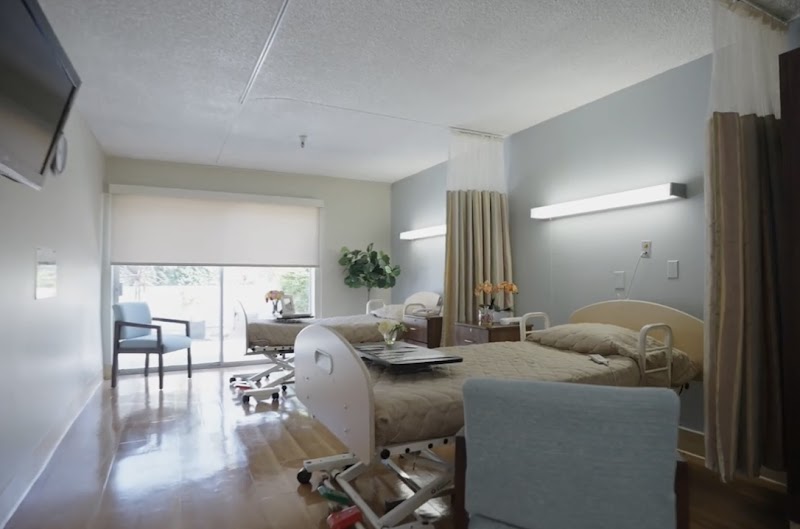
How Does The Rehabilitation Center On Pico Compare to Other California Nursing Homes?

Compared to the 100 nursing homes in California, THE REHABILITATION CENTER ON PICO's overall rating (1 stars) is below the state average of 3.1, staff turnover (44%) is near the state average of 46%, and health inspection rating (1 stars) is much below the national benchmark.

What Should Families Ask When Visiting The Rehabilitation Center On Pico?

Based on this facility's data, families visiting should ask: "What changes have been made since the serious inspection findings, and how are you preventing similar issues?" "Can I visit during a mealtime to observe dining assistance and food quality?" "How do you handle medical emergencies, and what is your hospital transfer rate?" "Can I speak with family members of current residents about their experience?" These questions are particularly relevant given the facility's Immediate Jeopardy citations.

Is The Rehabilitation Center On Pico Safe?

Based on CMS inspection data, THE REHABILITATION CENTER ON PICO has documented safety concerns. Inspectors have issued 1 Immediate Jeopardy citation (the most serious violation level indicating risk of serious injury or death). The facility has a 1-star overall rating and ranks #100 of 100 nursing homes in California. Families considering this facility should ask detailed questions about what corrective actions have been taken since these incidents.

Do Nurses at The Rehabilitation Center On Pico Stick Around?

THE REHABILITATION CENTER ON PICO has a staff turnover rate of 44%, which is about average for California nursing homes (state average: 46%). Moderate turnover is common in nursing homes, but families should still ask about staff tenure and how the facility maintains care continuity when employees leave.

Was The Rehabilitation Center On Pico Ever Fined?

THE REHABILITATION CENTER ON PICO has been fined $193,710 across 4 penalty actions. This is 5.5x the California average of $35,016. Fines at this level are uncommon and typically indicate a pattern of serious deficiencies, repeated violations, or failure to correct problems promptly. CMS reserves penalties of this magnitude for facilities that pose significant, documented risk to resident health or safety. Families should request specific documentation of what issues led to these fines and what systemic changes have been implemented.

Is The Rehabilitation Center On Pico on Any Federal Watch List?

THE REHABILITATION CENTER ON PICO is not on any federal watch list. The most significant is the Special Focus Facility (SFF) program, which identifies the bottom 1% of nursing homes nationally based on persistent, serious quality problems. Not being on this list means the facility has avoided the pattern of deficiencies that triggers enhanced federal oversight. This is a positive indicator, though families should still review the facility's inspection history directly.