VERNON HEALTHCARE CENTER
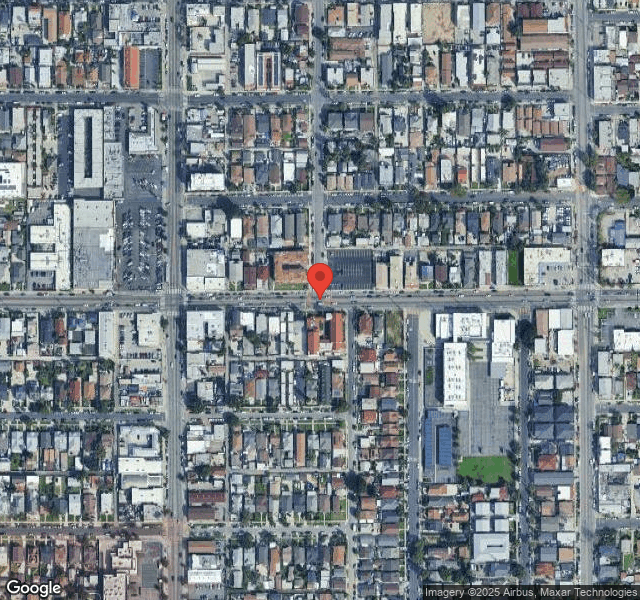
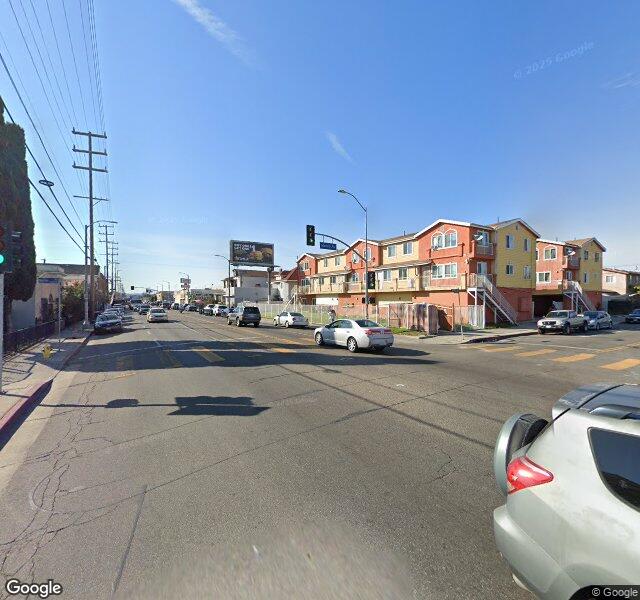
1037 W. VERNON AVENUE, LOS ANGELES, CA 90037 (323) 232-4895
For profit - Corporation 99 Beds PACIFIC HEALTHCARE HOLDINGS Data: November 2025 1 Immediate Jeopardy citation
Trust Grade
0/100
#1148 of 1155 in CA
Last Inspection: January 2025

Within standard 12-15 month inspection cycle. Federal law requires annual inspections.

Overview

Vernon Healthcare Center has received a Trust Grade of F, indicating poor performance with significant concerns about care quality. Ranking #1148 out of 1155 facilities in California places it in the bottom half, and #363 out of 369 in Los Angeles County shows that only a few local options are worse. While the facility is improving, reducing issues from 43 to 32 over the past year, it still faces serious challenges, including $90,099 in fines, which is higher than 90% of California facilities, suggesting ongoing compliance problems. Staffing is rated as average with a 3/5 star rating, but turnover is concerning at 45%, which is close to the state average. Specific incidents of care deficiencies include a resident being improperly discharged to an unlicensed facility that could not meet their medical needs and another resident being neglected in transferring from a chair to bed, highlighting serious gaps in care and oversight.

Trust Score
F
0/100
In California
#1148/1155
Bottom 1%
Safety Record
High Risk
Review needed
Inspections
Getting Better
43 → 32 violations
Staff Stability
⚠ Watch
45% turnover. Above average. Higher turnover means staff may not know residents' routines.
Penalties
✓ Good
$90,099 in fines. Lower than most California facilities. Relatively clean record.
Skilled Nurses
⚠ Watch
Each resident gets only 19 minutes of Registered Nurse (RN) attention daily — below average for California. Fewer RN minutes means fewer trained eyes watching for problems.
Violations
⚠ Watch
107 deficiencies on record. Higher than average. Multiple issues found across inspections.
★☆☆☆☆
1.0
Overall Rating
★★★☆☆
3.0
Staff Levels
★★★☆☆
3.0
Care Quality
★☆☆☆☆
1.0
Inspection Score
Stable
2024: 43 issues
2025: 32 issues

The Good

  • Full Sprinkler Coverage · Fire safety systems throughout facility
  • No fines on record

Facility shows strength in fire safety.

The Bad

1-Star Overall Rating

Below California average (3.1)

Significant quality concerns identified by CMS

Staff Turnover: 45%

Near California avg (46%)

Higher turnover may affect care consistency

Federal Fines: $90,099

Well above median ($33,413)

Moderate penalties - review what triggered them

Chain: PACIFIC HEALTHCARE HOLDINGS

Part of a multi-facility chain

Ask about local staffing decisions and management

The Ugly 107 deficiencies on record

1 life-threatening 4 actual harm
Sept 2025 1 deficiency
CONCERN (D) 📢 Someone Reported This

A family member, employee, or ombudsman was alarmed enough to file a formal complaint

Potential for Harm - no one hurt, but risky conditions existed

Deficiency F0627 (Tag F0627)

Could have caused harm · This affected 1 resident

**NOTE- TERMS IN BRACKETS HAVE BEEN EDITED TO PROTECT CONFIDENTIALITY** Based on interview and record review, the facility failed to:1 1. Ensure one of three sampled residents (Resident 1) who was tra...

Read full inspector narrative →
**NOTE- TERMS IN BRACKETS HAVE BEEN EDITED TO PROTECT CONFIDENTIALITY** Based on interview and record review, the facility failed to:1 1. Ensure one of three sampled residents (Resident 1) who was transferred to a General Acute Care Hospital (GACH) on 8/15/2025 due to altered mental status ([AMS] - a significant change in a person's awareness, consciousness, and cognitive function, such as confusion, disorientation, drowsiness, or unresponsiveness) was readmitted to the facility when the GACH cleared him to return to the facility on 8/29/2025. This deficient practice resulted in Resident 1 remaining in the hospital for 14 days beyond the initial date of discharge. Findings:During a review of Resident 1's admission Record, the admission Record indicated, Resident 1 was initially admitted to the facility on [DATE] and readmitted on [DATE]. Resident 1's diagnoses included liver cirrhosis (a chronic liver disease characterized by the formation of scar tissue in the liver), chronic obstructive pulmonary disease ([COPD] - a chronic lung disease causing difficulty in breathing), and bipolar disorder (mood swings that range from the lows of depression to elevated periods of emotional highs). During a review of Resident 1's History and Physical (H&P), dated 7/7/2025, the H&P indicated, Resident 1 could make needs known but could not make medical decisions. During a review of Resident 1's Social Services Assessment, dated 7/28/2025, The Social Services Assessment indicated, Resident 1 had no active discharge plan to return to the community and to remained as long-term care resident. During a review of Resident 1's Minimum Data Set ([MDS] - a resident assessment tool), dated 8/15/2025, the MDS indicated, Resident 1 had modified independence in cognitive skills (problems with ability to think, use judgment, and reason) for daily decision making. The MDS indicated, Resident 1 was independent (resident completes the activity with no assistance from a helper) with eating, oral hygiene, and personal hygiene. During a review of Resident 1's Progress Notes, dated 8/15/2025 at 4:20 p.m., the Progress Notes indicated, Resident 1 was transferred to the GACH for altered mental status ([AMS] - a significant change in a person's awareness, consciousness, and cognitive function, such as confusion, disorientation, drowsiness, or unresponsiveness). During a review of Resident 1's GACH Discharge Planning Progress Note, dated 8/29/2025, the GACH Discharge Planning Progress Note indicated, Resident 1 had a discharge order to be back to the facility. The GACH Discharge Planning Progress Note, indicated the facility admission Director (AD) denied Resident 1 to be readmitted to the facility because there was no male bed available. During a review of Resident 1's GACH Discharge Planning Progress Note, dated 8/31/2025, the GACH Discharge Planning Progress Note indicated, the facility denied Resident 1 to be readmitted because there was no male bed available. During a review of Resident 1's GACH Discharge Planning Progress Note, dated 9/2/2025, the GACH Discharge Planning Progress Note indicated, the facility AD denied Resident 1 to be readmitted because there was no male bed available.During a review of Resident 1's GACH Discharge Planning Progress Note, dated 9/3/2025, the GACH Discharge Planning Progress Note indicated, the facility AD denied Resident 1 to be readmitted because there was no male bed available.During a review of Resident 1's GACH Discharge Planning Progress Note, dated 9/5/2025, the GACH Discharge Planning Progress Note indicated, the facility AD denied Resident 1 to be readmitted because there was no male bed available.During a review of Resident 1's GACH Discharge Planning Progress Note, dated 9/8/2025, the GACH Discharge Planning Progress Note indicated, the facility AD denied Resident 1 to be readmitted because there was no male bed available.During a concurrent interview and record review on 9/12/2025 at 10:00 a.m. with the AD, the facility's Daily Census Report from 8/29/2025 to 9/11/2025, were reviewed. The AD stated one male bed was available on 8/29/2025, 8/30/2025, 8/31/2025, 9/9/2025, 9/10/2025, and 9/11/2025. The AD stated she acknowledged she received a call from the GACH's discharge planner multiple times inquiring Resident 1's male bed availability. The AD stated Resident 1 was denied by the Administrator (ADM) to be readmitted to the facility. The AD stated she did not have any answer why the ADM denied Resident 1's readmission to the facility. The AD stated Resident 1 remained out of the facility as of 9/11/2025. During an interview on 9/12/2025 at 10:41 a.m., with the Director of Nursing (DON), the DON stated Resident 1 was transferred to the GACH on 8/15/2025 and Resident 1's last day of bed hold (a resident's right to keep a bed vacant and available for seven days after their transfer to the hospital in anticipation of their return to the facility) was 8/21/2025. The DON stated Resident 1 should have been allowed to come back to the facility even after the seven days bed hold for Resident 1's continuity of care and to prevent Resident 1 from feeling abandoned and social isolation. The DON stated the facility could meet the needs of Resident 1 and there was no reason to deny Resident 1's readmission to the facility. During an interview on 9/12/2025 at 11:15 a.m., with the ADM, the ADM stated she accepted the responsibility by not allowing Resident 1's return to the facility. The ADM stated the risk of denying readmission to a resident could result in violation of resident's rights. During a review of the facility's policy and procedure (P&P) titled, Readmission, dated 10/1/2023, the P&P indicated, The facility will allow residents who were previously residents of the facility to be readmitted to the facility.During a review of the facility's P&P titled, Bed Hold, dated 7/2017, the P&P indicated, In the event that the resident is in the hospital for more than seven (7) days, meets the standards for skilled nursing care, and is Medi-Cal/Medicaid eligible, the facility will readmit the resident to his/her previous room or the first available bed in a semi-private room.
Aug 2025 3 deficiencies
CONCERN (D) 📢 Someone Reported This

A family member, employee, or ombudsman was alarmed enough to file a formal complaint

Potential for Harm - no one hurt, but risky conditions existed

Deficiency F0552 (Tag F0552)

Could have caused harm · This affected 1 resident

**NOTE- TERMS IN BRACKETS HAVE BEEN EDITED TO PROTECT CONFIDENTIALITY** Based on observation, interview, and record review, the facility failed to obtain and document informed consent for the use of p...

Read full inspector narrative →
**NOTE- TERMS IN BRACKETS HAVE BEEN EDITED TO PROTECT CONFIDENTIALITY** Based on observation, interview, and record review, the facility failed to obtain and document informed consent for the use of psychotropic medications (drugs that affect mental processes and behaviors) for one of two sampled residents (Resident 1).This deficient practice placed Resident 1 at risk for sustaining adverse effects from the medications and removed Resident 1's right to refuse psychotropic medications at a dose or route (e.g. by mouth, by injection, etc.) he did not want.Findings:During a review of Resident 1's admission Record, dated 7/31/2025, the admission Record indicated Resident 1 was initially admitted to the facility on [DATE] and readmitted on [DATE] with diagnoses including cognitive communication deficit (difficulties in communication), anxiety (intense, excessive, and persistent worry and fear about everyday situations), and dementia (a progressive state of decline in mental abilities). During a review of Resident 1's Minimum Data Set (MDS, a resident assessment tool), dated 4/28/2025, the MDS indicated Resident 1 had severely impaired cognition (a condition where an individual experiences significant difficulty with mental processes like learning, remembering, concentrating, and making decisions, affecting their daily life). The MDS indicated Resident 1 was dependent on staff for all activities of daily living (ADLs, activities such as bathing, dressing and toileting a person performs daily). During a review of Resident 1's discontinued physician order, dated 2/18/2025 to 3/4/2025, the physician order indicated Resident 1 received one (1) milligram (mg, a unit of dose measurement) of lorazepam (an anti-anxiety medication) every 12 hours as needed (PRN) for 14 days. During a review of Resident 1's discontinued physician order, dated 3/9/2025 to 3/13/2025, the physician order indicated Resident 1 received one (1) mg of lorazepam every eight (8) hours PRN for 14 days. The order indicated an increased frequency of administration compared to the previously ordered dose. During a review of Resident 1's discontinued physician order, dated 3/24/2025 to 4/7/2025, the physician order indicated Resident 1 received one (1) mg of lorazepam every eight (8) hours by mouth PRN for 14 days. During a review of Resident 1's discontinued physician order, dated 3/30/2025 to 4/8/2025, the physician order indicated Resident 1 received one (1) mg of lorazepam every six (6) hours PRN via injection for 14 days. The order indicated an increased frequency of administration, and a different administration route, compared to the previously ordered dose. During a review of Resident 1's discontinued physician order, dated 6/15/2025 to 6/16/2025, the physician order indicated Resident 1 received a one-time administration of two (2) mg of lorazepam via injection. During a review of Resident 1's discontinued physician order, dated 7/13/2025 to 7/21/2025, the physician order indicated Resident 1 received one (1) mg of lorazepam every eight (8) hours PRN for 14 days. The order indicated was a new psychotropic order as the previous order was discontinued on 6/16/2025 and no other lorazepam order was in place. During an interview on 7/31/2025 at 2:01 PM, with the Medical Records Director (MRD), the MRD stated there were no informed consents in the medical record for Resident 1's discontinued lorazepam orders dated 6/15/2025 to 6/16/2025 and 7/13/2025 to 7/21/2025. The MRD stated that if informed consents were obtained, they would be in Resident 1's electronic medical record (EMR). During an interview on 8/1/2025 at 11:26 AM, with the MRD, the MRD stated the last informed consents for lorazepam were obtained in 10/2024. The MRD stated the only informed consent obtained in 2025 was for Resident 1's current order dated 7/21/2025 for one (1) mg of lorazepam every 6 hours PRN for 30 days starting 7/22/2025. During an interview on 8/1/2025 at 1:28 PM, with the Director of Nursing (DON), the DON stated informed consents were to be stored in the EMR. The DON stated the purpose of obtaining informed consent was to ensure the resident/responsible party was informed of the indication for the use of a psychotropic medication, and aware of the possible adverse effects associated with it. The DON stated adverse effects of lorazepam included drowsiness, suppressed appetite, and respiratory depression (a condition where breathing slows down or becomes shallow, resulting in inadequate oxygen intake and carbon dioxide buildup in the body). The DON stated a new informed consent was to be obtained when there was a change in the frequency or route the psychotropic medication was administered. During a review of the facility's policy and procedure (P&P) titled Behavior/Psychoactive Medication Management, revised 4/2025, the P&P indicated the facility must obtain a resident's written informed consent for treatment using psychotropic medications, including anti-anxiety medications and the consent needed to be renewed every six months. During a review of the facility's P&P titled Informed Consent, revised 6/2024, the P&P indicated informed consents were to be placed in the resident's medical record.
CONCERN (D) 📢 Someone Reported This

A family member, employee, or ombudsman was alarmed enough to file a formal complaint

Potential for Harm - no one hurt, but risky conditions existed

Deficiency F0605 (Tag F0605)

Could have caused harm · This affected 1 resident

**NOTE- TERMS IN BRACKETS HAVE BEEN EDITED TO PROTECT CONFIDENTIALITY** Based on interview and record review, the facility failed to ensure an as needed (PRN) psychoactive medication (drugs that affec...

Read full inspector narrative →
**NOTE- TERMS IN BRACKETS HAVE BEEN EDITED TO PROTECT CONFIDENTIALITY** Based on interview and record review, the facility failed to ensure an as needed (PRN) psychoactive medication (drugs that affect brain chemistry and alter a person's mental state, mood, or behavior) order for one of two sampled residents (Resident 1) did not exceed 14 days. This deficient practice placed Resident 1 at risk of sustaining adverse effects related to the prolonged use of psychoactive medication without documented indication.Findings:During a review of Resident 1's admission Record, dated 7/31/2025, the admission Record indicated Resident 1 was initially admitted to the facility on [DATE] and readmitted on [DATE] with diagnoses including cognitive communication deficit (difficulties in communication), anxiety (intense, excessive, and persistent worry and fear about everyday situations), and dementia (a progressive state of decline in mental abilities). During a review of Resident 1's Minimum Data Set (MDS, a resident assessment tool), dated 4/28/2025, the MDS indicated Resident 1 had severely impaired cognition (a condition where an individual experiences significant difficulty with mental processes like learning, remembering, concentrating, and making decisions, affecting their daily life). The MDS indicated Resident 1 was dependent on staff for all activities of daily living (ADLs, activities such as bathing, dressing and toileting a person performs daily). During a review of Resident 1's discontinued physician order, dated 7/13/2025, the physician order indicated Resident 1 received one (1) milligram (mg) of lorazepam (a medication used to treat anxiety disorders) every eight (8) hours PRN for 14 days for agitation. The order was discontinued on 7/21/2025. During a review of Resident 1's active physician order, dated 7/21/2025, the physician order indicated Resident 1 was to receive one (1) mg of lorazepam every 6 hours PRN for 30 days starting on 7/22/2025. During a review of Resident 1's Electronic Medication Administration Record (EMAR), dated 7/1/2025 to 7/31/2025, the EMAR indicated Resident 1 displayed a behavior of agitation on four (4) of the 24 shifts between 7/13/2025 and 7/21/2025 (the duration of Resident 1's previous lorazepam order), with no behaviors indicated on any shifts from 7/18/2025 to 7/21/2025 (the date the lorazepam was reordered), or on 7/22/2025 (the date the lorazepam was readministered). During a review of Resident 1's progress notes dated 7/21/2025 to 7/22/2025, there were no progress notes indicating the prescribing provider communicated or documented a rationale for the 30-day administration of lorazepam, instead of the facility's policy of 14 days. During an interview on 7/31/2025 at 2:53 PM, with Licensed Vocational Nurse (LVN) 1, LVN 1 stated the facility's policy for PRN psychoactive medications, including lorazepam, was that the order for administration could not exceed 14 days. LVN 1 stated she was not sure why this was the facility's policy. LVN 1 stated Resident 1's physician order for lorazepam, dated 7/22/2025, was originally ordered by the psychiatric provider for a 14-day duration. LVN 1 stated she requested for the duration to be extended to 30 days. LVN 1 stated the psychiatric provider did not make the request or suggestion. During an interview on 8/1/2025 at 11:11 AM, with the Director of Nursing (DON), the DON stated the purpose of not exceeding a 14-day administration was to prevent the residents' dependence on the medications. The DON stated there were also risks associated with prolonged use of psychoactive medications such as sedation and falls. The DON stated there needed to be documentation from the physician/prescriber indicating the need for administration beyond 14 days, and stated there was no documentation from the provider to indicate a 30-day administration. The DON stated it was not within the LVN's scope of practice to make the determination to exceed the facility's policy of 14-day administration. During an interview on 8/1/2025 at 1:45 PM, with the DON, the DON stated there should be an increase in the indicated behavior (agitation) to justify the 30-day administration of lorazepam. The DON stated it did not make sense for LVN 1 to request a 30-day administration since there was no documented indication/presence of the behavior. During a review of the facility's policy and procedure (P&P) titled Behavior/Psychoactive Medication Management, revised 4/2025, the P&P indicated any psychoactive medication ordered on an as necessary basis not be ordered to exceed 14 days. The P&P indicated that if the physician felt the medication needed to be continued beyond a 14-day limit, they must document the reason(s) for the continued usage.
CONCERN (D) 📢 Someone Reported This

A family member, employee, or ombudsman was alarmed enough to file a formal complaint

Potential for Harm - no one hurt, but risky conditions existed

Accident Prevention (Tag F0689)

Could have caused harm · This affected 1 resident

**NOTE- TERMS IN BRACKETS HAVE BEEN EDITED TO PROTECT CONFIDENTIALITY** Based on interview and record review, the facility failed to ensure an Interdisciplinary Team (IDT, a group of healthcare profes...

Read full inspector narrative →
**NOTE- TERMS IN BRACKETS HAVE BEEN EDITED TO PROTECT CONFIDENTIALITY** Based on interview and record review, the facility failed to ensure an Interdisciplinary Team (IDT, a group of healthcare professionals from various disciplines who collaborate to provide comprehensive care) meeting, a fall risk evaluation, and a post-fall evaluation were conducted for one of two sampled residents (Resident 1) following a fall. This deficient practice placed Resident 1 at risk for sustaining repeat falls and potential injuries.Findings:During a review of Resident 1's admission Record, dated 7/31/2025, the admission Record indicated Resident 1 was initially admitted to the facility on [DATE] and readmitted on [DATE] with diagnoses including cognitive communication deficit (difficulties in communication), anxiety (intense, excessive, and persistent worry and fear about everyday situations), and dementia (a progressive state of decline in mental abilities). During a review of Resident 1's Minimum Data Set (MDS, a resident assessment tool), dated 4/28/2025, the MDS indicated Resident 1 had severely impaired cognition (a condition where an individual experiences significant difficulty with mental processes like learning, remembering, concentrating, and making decisions, affecting their daily life). The MDS indicated Resident 1 was dependent on staff for all activities of daily living (ADLs, activities such as bathing, dressing and toileting a person performs daily). During a review of Resident 1's Change of Condition (COC) assessment, dated 7/27/2025, the assessment indicated Resident 1 had an unwitnessed fall and was found on the side of his bed. The assessment indicated Resident 1 sustained a skin tear (traumatic wound caused by friction when the upper layer of the skin becomes torn from the underlying layers) to his right arm. During an interview on 7/31/2025 at 1:07 PM, with Registered Nurse (RN) 2, RN 2 stated after a resident falls, staff were to conduct a fall risk evaluation for the resident. RN 2 stated any licensed nursing staff could complete the evaluation, and the evaluation had to be completed immediately and documented in the electronic medical record (EMR). RN 2 stated Resident 1 had a fall on 7/27/2025 but a fall risk evaluation was not done following the fall. RN 2 stated the purpose of the fall risk evaluation was to identify risk factors for further falls and to identify necessary revisions to the plan of care. During an interview on 8/1/2025 at 11:05 AM, with the Director of Nursing (DON), the DON stated Resident 1 had a fall on 7/27/2025. The DON stated an IDT meeting and post-fall evaluation were not conducted following Resident 1's fall on 7/27/2025. The DON stated after a fall, the purpose of the post-fall evaluation and the IDT meeting was to identify risk factors for future falls and identify necessary revisions to the plan of care. The DON stated without a fall risk evaluation, post-fall evaluation, and IDT meeting to address the fall, Resident 1 was at risk for repeated falls and potential injury from the fall. During a review of the facility's policy and procedure (P&P) titled Fall Prevention and Management Program, revised 3/2021, the P&P indicated that following a fall, staff were to conduct a new fall risk evaluation. The P&P indicated staff were to complete a post-fall evaluation and update, initiate or revise the resident's care plan. The P&P indicated the IDT was to review the circumstances following a fall and summarize their findings in an IDT note.
Jun 2025 2 deficiencies 1 Harm
SERIOUS (G) 📢 Someone Reported This

A family member, employee, or ombudsman was alarmed enough to file a formal complaint

Actual Harm - a resident was hurt due to facility failures

Free from Abuse/Neglect (Tag F0600)

A resident was harmed · This affected 1 resident

**NOTE- TERMS IN BRACKETS HAVE BEEN EDITED TO PROTECT CONFIDENTIALITY** Based on interview and record review, the facility failed to protect the resident's right to be free from neglect (failure of th...

Read full inspector narrative →
**NOTE- TERMS IN BRACKETS HAVE BEEN EDITED TO PROTECT CONFIDENTIALITY** Based on interview and record review, the facility failed to protect the resident's right to be free from neglect (failure of the facility, its employees or service providers to provide services to a resident that were necessary to avoid pain, mental anguish or emotional distress) and ensure Resident 3, who required assistance from staff with activities of daily living (ADLs - essential and routine activities include eating, dressing, getting into or out of a bed or chair, taking a bath or shower, and using the toilet) received needed care and services. The facility failed to: -Provide Resident 3, who required moderate assistance (the helper lifts, holds, or supports trunk or limbs, but provides less than half the effort) and was dependent on a helper, with transfer from chair-to-bed, per Resident 3's comprehensive assessment dated [DATE]. Resident 3 called for a Certified Nursing Assistant (CNA) to put him in bed from his wheelchair on 5/25/2025. CNA 2 told him to get out of the chair and do it himself, then left the room. -Implement the At Risk for Falls Care Plan related to gait (the way a person walks) and balance problems dated 5/23/2025, to anticipate and meet the resident's needs once Resident 3 called for assistance for transfer. -Implement the facility's policy and procedure titled, Abuse - Prevention, Screening, & Training Program, revised July 2018, regarding neglect and deprivation of goods and services by CNA 2 for Resident 3 to attain or maintain physical, mental, and psychosocial well-being and avoid physical harm, pain, mental anguish, or emotional distress. This deficient practice resulted in Resident 3 being subjected to neglect by CNA 2 while under the care of the facility. Resident 3 fell out of his wheelchair attempting on his own to return to bed. Resident 3 was angry, had pain to his face and was transferred to General Acute Care Hospital (GACH) on 5/27/2025 where he was diagnosed with generalized anxiety disorder. Findings: A review of the admission Record indicated Resident 3 was admitted to the facility on [DATE] and readmitted on [DATE] with diagnoses including hemiplegia and hemiparesis affecting left side (weakness and loss of muscle function resulting in the inability to move), and presence of a pacemaker (a small, electronic device implanted under the skin that helps regulate a person's heartbeat when it is too slow or irregular). A review of Resident 3's Minimum Data Set (MDS -a resident assessment tool), dated 3/27/2025, indicated the resident had no cognitive impairment (problems with a person's ability to think, remember, use judgement, and make decisions), had the ability to express ideas and wants, and had the ability to understand others and be understood. The MDS indicated the resident required use of a manual wheelchair and required moderate assistance from a helper for transfer to and from a bed to a wheelchair, to come to a standing position from sitting in a wheelchair, or on the side of the bed, or the ability to get in and out of a tub/shower. A review of Resident 3's Progress Notes dated 5/23/2025, indicated the resident used a manual wheelchair, required assistance to wheel the chair 50 feet or more and was dependent on a helper to transfer him from chair-to-bed. A review of Resident 3's At Risk for Falls Care Plan related to gait (the way a person walks) and balance problems dated 5/23/2025, indicated the goal was to have Resident 3 free from falls. The care plan interventions indicated to anticipate and meet the resident's needs, ensure the call light was working, within reach, and encourage the resident to use it for assistance as needed. The care plan did not indicate any interventions to provide assistance to Resident 3 during transfers. During a review of Resident 3's Fall Risk Evaluation dated 5/23/2025, the fall risk evaluation indicated Resident 3 had no falls in the past three months and was alert and oriented to person, place and time. The fall risk evaluation indicated under ambulation that Resident 3 was chairbound, required the use of assistive devices (cane, wheelchair, walker), and was not able to perform gait / balance (standing on both feet without holding on to anything). The Fall Risk Evaluation indicated Resident 3 scored a 15, as a score of 10 or higher indicated a high risk of fall. During a review of Resident 3's Change of Condition (COC) dated 5/27/2025 at 2:36 PM, the COC indicated Resident 3 reported to the Social Services Assistant (SSA) that on 5/25/2025 evening shift he was hit on the left side of his face with a call light by the CNA (CNA 2). The COC indicated Resident 3 sustained no visible facial injuries and reported discomfort rated at a 5 out of 10 (using the pain scale 0-10, 10 being the worst possible pain). The COC did not indicate CNA 2 refused to assist Resident 3 with the transfer to bed. A review of Resident 3's COC dated 5/27/2025 at 4:47 PM, indicated Resident 3 reported that he was in his room and fell to the floor from his wheelchair on 5/25/2025. Resident 3 verbalized that he was assisted by a CNA 2 back into his bed (after the fall). During a review of Resident 3's Progress Notes / Skin assessment dated [DATE], the skin assessment indicated Resident 3's left side of face was assessed to be clear and intact, no open areas noted, or abrasions noted. The skin assessment indicated Resident 3 reported pain on left side of face rated at a 5. A review of the Physician's Order dated 5/27/2025 indicated to transfer Resident 3 to the GACH for medical clearance with 7-day bed hold. A review of the GACH face sheet indicated Resident 3's chief complaint and reason for admit was an elevated troponin level (blood test indicates damage to the heart muscle, often associated with heart attack, other related conditions include heart failure and intense exercise), atrial fibrillation (heart condition where heart beats irregularly, rapidly and out of sync), and acute chest pain. A review of the GACH Physician's Order dated 5/27/2025 indicated Resident 3 was admitted to the telemetry unit (specialized area for continuous cardiac monitoring) for two nights for acute chest pain and generalized weakness. A review of Resident 3's GACH Physician Psychiatry Progress Note dated 5/30/2025 at 10:25 pm, indicated Resident 3 was anxious (a mental health condition characterized by excessive and persistent worry that is difficult to control), restless, and irritable. Resident 3 was assigned a new diagnosis of Generalized Anxiety Disorder. A review of Resident 3's GACH Physical exam dated 5/31/2025, indicated Resident 3 had difficulty ambulating due to musculoskeletal weakness. During an interview on 6/5/2025 at 10 am, Resident 3 stated he called for a CNA to put him in bed from his wheelchair. Resident 3 could not recall date or time. CNA 2 told him to get out of the chair and do it himself, then CNA 2 left the room. Resident 3 stated when he tried to get in bed, he fell. Resident 3 stated he then pressed the call light again. CNA 2 came in and snatched the call light and the cord, hit Resident 3 in the face. Resident 3 stated he felt angry and was in pain. During an interview on 6/5/2025 at 10:15 am, the Social Services Assistant (SSA) stated that on 5/27/2025 at 2:45 pm, Resident 3 came to her office and reported the incident with CNA 2. During an interview on 6/6/2025 at 1:55 pm, the Administrator (ADM) stated CNA 2 was terminated on 5/27/2025 for not satisfactorily passing his 90-day probation period. When a copy of CNA2's termination letter was requested, none was provided. A review of the Faxed Document from the facility to the Department dated 6/9/2025 indicated upon receiving a report of an allegation of abuse that occurred on 5/25/2025 during the 3 pm - 11 pm shift, the alleged perpetrator (CNA 2) was placed on administrative leave. A review on the facility's job description titled, Nursing Assistant Job Description, undated, indicated the CNA general duties and responsibilities included performing all duties as assigned and in accordance with facility's established policies and procedures, nursing care procedures and safety rules and regulations. A review of the facility P&P titled, Abuse - Prevention, Screening, & Training Program, revised July 2018, indicated the facility would prevent and did not condone any form of abuse or neglect. The P&P indicated the ADM as the abuse prevention coordinator was responsible for the coordination and implementation of the facility's abuse prevention, program policies and that the facility established a safe environment that reasonably supports residents. The P&P indicated the facility promoted an environment free from abuse, neglect, exploitation, and mistreatment of the residents. The P&P indicated, Neglect and deprivation of goods and services by staff were defined as failure to provide goods and services necessary to attain or maintain physical, mental, and psychosocial well-being and avoid physical harm, pain, mental anguish, or emotional distress. The P&P indicated the facility assured that residents were free from neglect by having the structures and processes to provide needed care and services. The P&P did not indicate any information regarding an employee 90-day probationary period. A review of the facility policy and procedure (P&P) titled, Care Plans, Comprehensive Person-Centered, revised November 2018, indicated the facility would ensure that a comprehensive person-centered care plan was developed for each resident. The P&P indicated the facility would provide care that reflected best practice standards for meeting psychosocial, behavioral and safety needs of residents in order obtain or maintain the highest physical, mental, and psychosocial well-being. The care plan indicated additional changes or updates to the residents' comprehensive care plan would be made on the assessed needs of the resident. The comprehensive care plan would be periodically reviewed and revised after each MDS assessment as required.
CONCERN (D) 📢 Someone Reported This

A family member, employee, or ombudsman was alarmed enough to file a formal complaint

Potential for Harm - no one hurt, but risky conditions existed

Deficiency F0740 (Tag F0740)

Could have caused harm · This affected 1 resident

**NOTE- TERMS IN BRACKETS HAVE BEEN EDITED TO PROTECT CONFIDENTIALITY** Based on interview and record review, the facility failed to ensure one of two sampled residents (Resident 1), who had a diagnos...

Read full inspector narrative →
**NOTE- TERMS IN BRACKETS HAVE BEEN EDITED TO PROTECT CONFIDENTIALITY** Based on interview and record review, the facility failed to ensure one of two sampled residents (Resident 1), who had a diagnosis of schizophrenia (a serious mental disorder in which people interpret reality abnormally, may result in delusions and behavior that impairs daily functioning, may have grandiose delusions [strong beliefs of things that are untrue]), and history of aggressive behavior, was provided with the necessary behavioral health care in accordance with the comprehensive assessment and care plan. The facility failed to: -Ensure an accurate Minimum Data Set (MDS, a comprehensive quarterly resident assessment) to include Resident 1's history of aggressive physical and verbal behavior. -Develop effective and individualized care plan interventions for Resident 1's behaviors including supervision, frequency and re-evaluation. As a result, on 5/27/2025, Resident 1 entered Resident 2's room and was told to leave the room. Resident 1 and Resident 2 began a physical altercation and per the facility's Change in Condition (COC) form, Resident 1 had an outburst of anger and hit Resident 2 in the chest. Resident 2 had no injury and Resident 1 was administered Ativan, Haldol and Benadryl intramuscularly (a method of administering medications directly into the muscle) for aggressive behavior. Findings: A review of the admission Record (face sheet) indicated Resident 1 was originally admitted to the facility on [DATE] with diagnoses including schizophrenia, depression (a mood disorder that causes a persistent feeling of sadness and loss of interest), and anxiety disorder (a group of mental health conditions that cause feelings of fear, dread, and other symptoms that are excessive or out of proportion to the situation). During a review of Resident 1's COC dated 4/7/2025, the COC indicated Resident 1 displayed aggressive behavior, verbally and physically, towards staff. The COC indicated Resident 1 was screaming, yelling aggressively, scratched and grabbed a staff member as the staff member stored away food trays. The COC indicated Resident 1 was unable to be redirected and close visual monitoring was started. During a review of Resident 1's COC dated 4/29/2025, the COC indicated Resident 1 provoked another resident to fight him and asked the resident if he was scared. A review of the Physician's Order Summary Report, dated 4/29/2025, indicated to monitor Resident 1's target behaviors for use of Haldol (an antipsychotic medication used to treat nervous emotional mental health conditions) for schizophrenia manifested by (m/b) yelling and pacing, and to monitor for behaviors for use of Lorazepam (Ativan) due to anxiety m/b agitation, as evidenced by yelling and provoking others. The Physician's Order Summary Report indicated to number the behavior occurrences each shift. A review of the care plan for exhibiting a behavior problem related to schizophrenia, dated 4/29/2025, indicated Resident 1 was being aggressively verbal towards another resident. The care plan interventions indicated to administer medications as prescribed, if resident posed a potential threat to injure self or others notify provider, if safe allow resident personal space, monitor for cognitive, emotional or environmental factors that may contribute to violent behaviors, monitor for signs and symptoms of agitation, and provide verbal feedback to resident regarding behavior. Further review of this care plan indicated the facility canceled the care plan on 5/13/2025. A review of the Resident 1's medical record indicated there was no Behavior or Schizophrenia care plan in place from 5/13 - 5/26/2025. During a review of Resident 1's History and Physical (H&P), dated 5/13/2025, the H&P indicated Resident 1 could not make medical decisions due to impaired judgement. During a review of Resident 1's MDS, dated [DATE], the MDS indicated Resident 1 had the ability to express ideas and wants, and the ability to understand others. The MDS indicated the resident had trouble falling or staying asleep or sleeping too much for about 7-11 days over the last two weeks. The MDS indicated Resident 1 did not exhibit any physical or verbal behaviors directed towards others, which contradicted the April 2025 COC. During a review of Resident 1's COC dated 5/26/2025, the COC indicated Resident 1 was restless, taking trash from the trashcan and throwing it on the floor. The COC indicated Resident 1 was informed that his behavior was inappropriate and unacceptable. The COC indicated Resident 1 laughed hysterically and continued with the disruption. Nurse Practitioner (NP) 1 was notified of Resident 1's behavior. A review of Resident 1's Behavior Management related to New Disruptive behavior care plan dated 5/26/2025 indicated interventions to ensure safety of resident and others and to initiate visual supervision during acute episode. This care plan did not indicate Resident 1's diagnosis of Schizophrenia. A review of Resident 2's admission Record indicated the resident was admitted to the facility on [DATE] with diagnoses including paranoid schizophrenia (a subtype of schizophrenia with prominent delusions and hallucinations often involving false beliefs of being watched or targeted), depression (persistent sadness and loss of interest in activities), and muscle weakness. During a review of Resident 2's MDS, dated [DATE], the MDS indicated Resident 2 had the ability to express ideas and wants, and the ability to understand others. The MDS indicated the resident needed partial assistance from another person to complete activities. During a review of Progress Notes dated 5/27/2025 at 1:46 pm, the progress notes indicated Resident 1 was restless, removing linens off roommates' bed and throwing away card games off tables in the activities room. The progress note indicated Resident 1 was reluctant when redirected. A review of Resident 1's COC dated 5/27/2025 at 10 pm, indicated Resident 1 and Resident 2 had a physical altercation. The COC indicated Resident 1 had an outburst of anger and hit Resident 2 in the chest. Resident 1 was administered Ativan, Haldol and Benadryl intramuscular for aggressive behavior. A review of the facility's Fax Document sent to the Department, dated 5/28/2025, indicated there was an altercation involving Resident 1 and Resident 2 on 5/27/2025 at around 10 pm. The fax document indicated after the residents were separated, Resident 1 was assigned a 1:1 sitter (a care giver who provides one on one constant observation and support, a safety measure for residents at risk of harming themselves or others) and Resident 2 had no injury. A review of the Progress Note dated 5/29/2025 indicated Resident 1 was transferred to the General Acute Care Hospital (GACH) for acute psychiatric care. During an interview on 6/5/2025 at 11:35 am, Certified Nursing Assistant (CNA) 1 stated that on 5/27/2025 during the morning shift (7 am - 3 pm), Resident 1 was behaving erratically (unpredictable), throwing blankets and plates on the floor. During an interview on 6/6/2025 at 12:45 pm, Licensed Vocational Nurse (LVN) 1 stated documentation for Resident 1's behavior should have been done more often because Resident 1 was constantly disruptive and verbally aggressive toward staff. During a concurrent interview and record review on 6/6/2025 at 1:30 pm with the Director of Nursing (DON), Resident 1's care plan dated 5/26/2025 titled Behavior Management related to New Disruptive behavior was reviewed. The care plan did not include any individualized person-centered interventions for Resident 1, such as how or how often staff were to monitor Resident 1. The DON stated the interventions were not appropriate or effective for Resident 1's behaviors and staff were required to evaluate care plan interventions for their effectiveness and update or revise the interventions based on resident's behavior and needs. The DON stated the potential outcome of not developing a person-centered care plan with effective interventions for a resident with aggressive behavior were safety issues and harm. During an interview on 6/6/2025 at 1:55 pm, the Administrator (ADM) stated Resident 1's behavior was mostly outbursts. The ADM stated, He writes on walls and takes down the facility's decorations. To ensure safety of residents and others, we ask people to give him space until he works through his episodes. The ADM stated she was the facility's Abuse Coordinator and did not know what could have been done to keep the residents safe. A review of the facility policy and procedure (P&P) titled, Care Plans, Comprehensive Person-Centered, revised November 2018, indicated the facility would ensure that a comprehensive person-centered care plan was developed for each resident. The P&P indicated the facility would provide care that reflected best practice standards for meeting psychosocial, behavioral and safety needs of residents in order to obtain or maintain the highest physical, mental, and psychosocial well-being. The care plan indicated additional changes or updates to the residents' comprehensive care plan would be made on the assessed needs of the resident. The comprehensive care plan would be periodically reviewed and revised after each MDS assessment as required. A review of the facility P&P titled, Resident To Resident Altercations, Revised November 2015, indicated facility staff observed residents for aggressive or inappropriate behavior toward other residents, family members, visitors, or facility staff. The P&P indicated the facility would act promptly and conscientiously to prevent and address altercations between residents. A review of the facility P&P titled, Behavior/Psychoactive Drug Management, revised November 2018, indicated the facility provided a therapeutic environment to meet the safety and behavioral needs of patients, and to obtain or maintain the highest physical, mental, and psychosocial well-being of the patients. A review of the facility P&P titled, Abuse - Prevention, Screening, & Training Program, revised July 2018, indicated the facility would prevent and did not condone any form of abuse or neglect. The P&P indicated the ADM as the abuse prevention coordinator was responsible for the coordination and implementation of the facility's abuse prevention, program policies and that the facility established a safe environment that reasonably supports residents.
May 2025 1 deficiency 1 IJ
CRITICAL (J) 📢 Someone Reported This

A family member, employee, or ombudsman was alarmed enough to file a formal complaint

Immediate Jeopardy (IJ) - the most serious Medicare violation

Deficiency F0627 (Tag F0627)

Someone could have died · This affected 1 resident

**NOTE- TERMS IN BRACKETS HAVE BEEN EDITED TO PROTECT CONFIDENTIALITY** Based on interview and record review, the facility failed to ensure one of three sampled residents (Resident 1), was safely disc...

Read full inspector narrative →
**NOTE- TERMS IN BRACKETS HAVE BEEN EDITED TO PROTECT CONFIDENTIALITY** Based on interview and record review, the facility failed to ensure one of three sampled residents (Resident 1), was safely discharged to a lower level of care by failing to: 1. Follow its policy and procedure (P&P) titled, Discharge and Transfer of Residents, which indicated the facility may discharge a resident if the services provided by the facility were no longer required, when Resident 1, who required the services provided by the facility was discharged to a Board and Care facility ([B&C] a small residential home that provides lower-level of care and supervision to seniors who need assistance with daily living tasks but do not require 24-hour nursing care). 2. Ensure Resident 1 was safely discharged to B&C 1. B&C 1 was not a licensed B&C and could not provide ambulation (walking) assistance, epilepsy (recurrent seizures) management and response, or assistance with medication administration and storage. 3. Ensure Resident 1 ' s discharge planning was conducted by the Interdisciplinary Team ([IDT] group of healthcare professionals, including resident/ resident representative, working together to provide residents with needed care) prior to discharging the resident to a Board and Care facility on 3/24/2025. 4. Ensure the Board and Care facility was provided with a hand-off report (a structured communication tool used to transfer patient care information from one healthcare provider to another) regarding Resident 1 ' s medical conditions to ensure the facility could meet the resident ' s needs prior to his discharge. 5. Ensure Resident 1 continued receiving prescribed medications at the B&C including Seroquel (medicine for schizophrenia [a mental illness that is characterized by disturbances in thought]), Depakote (medicine for seizures [sudden, uncontrolled electrical disturbances in the brain which can cause uncontrolled jerking, blank stares, and loss of consciousness]), klonopin (antianxiety medicine), and Zonisamide (medicine for epilepsy). 6. Follow-up with the Board and Care to ensure Resident 1 was safe and comfortably settled, post discharge. These deficient practices resulted in Resident 1 falling at B &C 1, sustaining a laceration (a deep cut or tear) on the scalp and was admitted to a general acute care hospital (GACH 1) for evaluation and treatment from 3/30/2025 to 4/10/2025 (a total of 11 days). Resident 1 was discharged back to B&C 1 on 4/10/2025 and on 4/12/2025, Owner 1 transferred Resident 1 to B&C 2, and on 4/13/2025, Resident 1 eloped (to leave without supervision), was found confused and wandering on the street by the law enforcement (Police) and transported to GACH 2 on 4/13/2025. Resident 1 was admitted to GACH 2 from 4/14/2025 to 4/27/2025 and discharged to another facility (facility 2). These failures also had the potential to result in Resident 1 ' s exposure to worsening medical and psychiatric conditions (mental illness), adverse reaction from medication overdose, and elevated risk for serious injuries, elopement (a situation in which a resident leaves the premises or a safe area without the facility ' s knowledge and supervision), seizures and death. On 5/1/2025 at 4:15 p.m., an Immediate Jeopardy ([IJ] a situation in which the facility's noncompliance with one or more requirements of participation has caused, or is likely to cause serious injury, harm, impairment, or death to a resident) was called in the presence of the Director of Nursing (DON) and Administrator (Admin) due to the facility ' s failure to safely discharge Resident 1. On 5/3/2025 at 5:22 p.m., the facility submitted an acceptable IJ removal plan ([IJRP] interventions to immediately correct the deficient practices). After verification of IJRP implementation through observation, interview, and record review, the IJ was removed onsite on 5/3/2025 at 6:55 p.m. in the presence of the Admin and DON. The IJRP included the following immediate actions: 1). On 5/1/2025, the Social Services consultant initiated an educational in-service to licensed nurses and IDT regarding facility Discharge and Transfer policy and procedures. In-service included Surrogate Decision Maker-Informed Consent, Discharge and Transfer of Residents, Personal Representatives of Residents, Resident Rights, Treating Residents Without Decision-Making Capacity, Conducting IDT prior to discharge, and the importance of initiating discharge planning prior to discharge or transfer of a resident. In-service education is ongoing by the facility ' s Director of Nursing (DON)/Director of Staff Development (DSD)/Designee including the new processes implementation related to identified concerns to all active license nurses and IDT members. The facility has 30 licensed nurses and 24 have been provided with in-service and education. Facility does not have a licensed staff on vacation, leave nor FMLA (Family and Medical Leave Act). On 5/1/2025, the Social Services consultant worked 1:1 (one on one) with the Social Services Director (SSD). The SSD completed the Discharge Planning Review form, sections 1 (Discharge Goals/ General Information) A (Discharge Goals/ General Information) & B (Caregiver Responsibilities), 2 (Self Care Evaluation and Equipment) Q (equipment and supplies), Contacts and Sign and Date of the Discharge Summary, for training purposes. On 5/2/2025, the facility DON and Medical Records initiated an audit to residents who have been discharged to a lower level of care in the past 30 days to ensure proper discharge planning was conducted prior to discharge with resident/responsible party, an IDT meeting was conducted prior to discharge, an endorsement of the resident ' s medical history and medication reconciliation was provided to receiving facility. No similar issues were identified. Process: For those residents who lack capacity or with fluctuating capacity, the Office of Public Representative (OPR) will be contacted by the facility ' s SSD/Designee to act as an advocate in the discharge plan IDT prior to the discharge to ensure location is safe and appropriate given the residents ' conditions. If the OPR does not wish to participate, the facility IDT in conjunction with the physician will hold an IDT meeting to review and document appropriateness. Process: For those residents who lack capacity or with fluctuating capacity and have resident representatives, an IDT meeting will be held with the responsible party to review and discuss the discharge location for safety and appropriateness. 2. On 5/1/2025, the Social Services consultant initiated an educational in-service to licensed nurses and IDT regarding facility Discharge and Transfer policy and procedures. In-service included Surrogate Decision Maker-Informed Consent, Discharge and Transfer of Residents, Personal Representatives of Residents, Resident Rights, Treating Residents Without Decision-Making Capacity, Conducting IDT prior to discharge, and the importance of initiating discharge planning prior to discharge or transfer of a resident. In-service education is ongoing by the facility ' s DON/DSD/Designee including the new processes implementation related to identified concerns to all active licensed nurses and IDT members. Discharge planning will begin on the residents ' admission to the facility. The Attending Physician and the IDT will review the residents ' progress and determine a possible discharge date and document in resident ' s health record. On 5/2/2025, the facility Admin notified Resident 1 ' s attending physician, by phone of the concerns related to the resident ' s transfer to the Board and Care, the fall sustained and readmission to the hospital. On 5/2/2025, the facility Admin notified facility Medical Director by phone of the Immediate Jeopardy that was issued, deficient practice and plan to correct. On 5/3/2025, the facility Admin initiated a QAPI (Quality Assurance and Performance Improvement) regarding the Transfer and Discharge of residents. 3. Disposition of Resident ' s Drugs Upon discharge: The facility staff will assist the physician and the resident to obtain medications after discharge from the facility. When discharged , remaining medications that have been administered to the resident while in the facility may be provided to the resident at the time of discharge if the medications were specifically ordered to be sent home with the resident. The Licensed Nurse will assure that the medication orders are reviewed with the resident and/ responsible party and explanation of all discharge medication orders occur at the time of discharge and documented on the resident ' s health record. The facility will ensure that the resident receives adequate follow-up including the ability to have a physician ' s prescription available to procure drug supply immediately after discharged from the facility and conduct a proper endorsement of resident ' s ordered medications and discharge instructions to the receiving facility and documented on the resident ' s health record. 4. On 5/2/2025, the facility ' s SSD and Admin located Resident 1. Resident 1 resided in Skilled Nursing Facility (SNF) 2 and was doing well. The facility ' s SSD/ Designee will conduct a post discharge follow up call within 72 hours to ensure that the resident has transitioned adequately to the new facility/location moving forward. 5. On 5/1/2025, the Social Services consultant initiated an educational in-service to licensed nurses and IDT regarding facility Discharge and Transfer P&P. In-service included Surrogate Decision Maker-Informed Consent, Discharge and Transfer of Residents, Personal Representatives of Residents, Resident Rights, Treating Residents Without Decision-Making Capacity, Conducting IDT prior to discharge, and the importance of initiating discharge planning prior to discharge or transfer of a resident. In-service education is ongoing by the facility ' s DON/ DSD/Designee including the new processes implementation related to identified concerns to all active licensed nurses and IDT members. Newly hired licensed nurses/IDT will be educated by the facility ' s DON/DSD on facility ' s P&P pertaining to Discharge and Transfer of residents during their orientation and as needed. 6. On 5/1/2025, the Social Services consultant initiated an educational in-service to licensed nurses and IDT regarding facility Discharge and Transfer policy and procedures. In-service included Surrogate Decision Maker-Informed Consent, Discharge and Transfer of Residents, Personal Representatives of Residents, Resident Rights, Treating Residents Without Decision-Making Capacity, Conducting IDT prior to discharge, and the importance of initiating discharge planning prior to discharge or transfer of a resident. In-service education is ongoing by the facility ' s DON/ DSD/Designee including the new processes implementation related to identified concerns to all active licensed nurses and IDT members. For those residents who lack capacity or with fluctuating capacity, the OPR will be contacted by the facility ' s SSD/Designee to act as an advocate in the discharge plan IDT prior to the discharge to ensure location is safe and appropriate given the residents ' conditions. If the OPR does not wish to participate, the facility IDT in conjunction with the physician will hold an IDT meeting to review and document appropriateness. For those residents who lack capacity or with fluctuating capacity and have resident representatives, an IDT meeting will be held with the responsible party to review and discuss the discharge location for safety and appropriateness. Findings: During a review of Resident 1 ' s admission Record, the admission Record indicated Resident 1 was admitted to the facility on [DATE]. The admission Record indicated Resident 1 had a history of epilepsy, encephalopathy (group of conditions that cause brain dysfunction), anxiety disorder (excessive and persistent worry, fear, and unease), and schizophrenia. During a review of Resident 1 ' s History and Physical (H&P), dated 10/3/2024, the H&P indicated Resident 1 had fluctuating capacity to make medical decisions. During a review of Resident 1 ' s Fall Risk Assessment, dated 1/9/2025, the Fall Risk Assessment indicated Resident 1 was at risk for falls due to intermittent confusion, incontinence (no control of bowel and bladder elimination), pre-disposing diseases (risk factors), use of assistive devices (mobility aids), instability while making turns, and medications. During a review of Resident 1 ' s Minimum Data Set (MDS - a resident assessment tool), dated 1/9/2025, the MDS indicated Resident 1 was unable to express ideas and wants, and unable to understand others. The MDS indicated Resident 1 required set-up or clean-up assistance with eating and oral hygiene, required partial/ moderate assistance (helper does more than half the effort) with toileting hygiene and with shower/ bathing self. The MDS indicated Resident 2 required supervision or touching assistance (helper provides verbal cues and/or touching/ steadying and/or contact guard assistance as resident completes activity, throughout or intermittently) with personal hygiene. The MDS indicated Resident 1 required supervision or touching assistance with sit to stand, chair/bed-to-chair transfer, toilet transfer, tub/shower transfer and walking 50 feet with two turns. The MDS indicated Resident 1 required setup or clean-up assistance walking 10 feet and 150 feet. During a review of Resident 1 ' s physician orders, dated 3/2025, the physician orders indicated: 1. Seroquel oral tablet 200 mg (milligrams- metric unit of measurement, used for medication dosage and/or amount) by mouth at bedtime for schizophrenia m/b (manifested by) disorganized speech (talking off topic). 2. Depakote oral tablet 750 mg by mouth two times a day for seizures 3. Klonopin oral tablet 1 mg by mouth two times a day, for anxiety m/b inability to relax 4. Zonisamide 100 mg capsule, 1 capsule by mouth, one time a day for epilepsy During a review of Resident 1 ' s care plan, titled Resident wishes to move to lower level of care such as Board and Care facility, dated 3/21/2025, the care plan indicated to coordinate Resident 1 ' s discharge goals with rehabilitative therapies, follow up with resident to assure understanding of plan and make arrangements with required community resources to support independence post-discharge with home health ([HH] medical services provided in a patient's home), Registered Nurse (RN) and physical therapy (PT) services and durable medical equipment (DME - medical devices). During a review of Resident 1 ' s physician orders, dated 3/24/2025, the physician orders indicated Resident 1 may discharge to Board and Care (B&C 1) with HH services for RN/PT treatment and evaluation and a standard wheelchair on 3/24/2025. During a review of Resident 1 ' s physician report for the Residential Care Facilities for the Elderly (RCFE) Report, dated 3/24/2025, the report indicated Resident 1 was confused and disoriented at times and required medication management due to mild cognitive impairment. The report indicated Resident 1 was unable to store or administer his own medications. During a review of Resident 1 ' s Paramedic Report Sheet, dated 3/30/2025, the report sheet indicated paramedics were dispatched to B&C 1 on 3/30/2025, at 3:40 p.m., after Resident 1 fell, hit his head, and sustained a 0.5-inch (unit of measurement) laceration on the top of his head. The report sheet indicated Resident 1 was confused, slow to respond to questions, and had unequal pupils (pupils of the two eyes are not the same size). The report sheet indicated Resident 1 arrived at GACH 1 on 3/30/2025 at 4:05 p.m. During a review of Resident 1 ' s GACH 1 Emergency Department (ED) provider notes, dated 3/30/2025, the ED note indicated Resident 1 was taken into the ED by paramedics. The ED note indicated Resident 1 had a right parietal (top or side of the head) laceration with surrounding hematoma (a collection of blood outside of a blood vessel caused by a broken blood vessel) and anisocoria (unequal pupil size that can indicate brain damage). The ED note indicated Resident 1 was admitted to the GACH for alteration of mental status and blunt head trauma evaluation and treatment, following a fall. During a review of Resident 1 ' s GACH 1 Discharge Planning Note, dated 4/10/2025, the discharge summary note indicated Resident 1 was discharged to B&C 1 on 4/10/2025. During a review of Resident 1 ' s GACH 1 Discharge Summary Note, dated 4/18/2025, the note indicated Resident 1 had a computerized tomography (CT- diagnostic test) scan of his head which indicated some lymphadenopathy (lymph node enlargement) and no acute (sudden onset) intracranial (within the skull) hemorrhage (excessive bleeding). The discharge summary indicated Resident 1 had a magnetic resonance imaging ([MRI] a noninvasive medical imaging test that produces detailed images of almost every internal structure in the human body, including the organs, bones, muscles and blood vessels) scan of the brain which indicated no acute changes. The summary note indicated Resident 1 was evaluated for neurologic and malignancy (cancer-related) illnesses during his admission at GACH 1. During a review of Resident 1 ' s GACH 2 Discharge summary, dated [DATE], the Discharge Summary report indicated Resident 1 was admitted to GACH 2 from 4/14/2025 to 4/27/2025. The Discharge Summary indicated Resident 1 eloped from B&C 2 on 4/13/2025, had two Code Gold (behavioral issues, where a patient's violent or self-destructive behavior poses a threat to their own safety or the safety of others) episodes in the ED, were evaluated, and admitted to GACH 2 for observation and placement. The report indicated B&C 2 was unable to care for Resident 1 ' s high level of needs and was not an appropriate facility for Resident 1. The summary indicated Resident 1 had no capacity to make informed decisions and required long-term skilled nursing facility placement. During an interview on 4/28/2025 at 8:35 a.m., with a Social Worker from GACH 2 (SW), GACH 2 SW stated Resident 1 was discharged from the facility on 3/24/2025 and transferred to B&C 1. GACH 2 SW stated Resident 1 was admitted to GACH 1 on 3/30/2025 from B&C 1 and discharged back to B&C 1 on 4/10/2025. GACH 2 SW stated B&C 1 transferred Resident 1 to B&C 2 on 4/12/2025 because the resident ' s needs could not be met at B&C 1. GACH 2 SW stated Resident 1 eloped from B&C 2 on 4/13/2025 and was found by the Police wandering in the street. GACH 2 SW stated the Police transported Resident 1 to GACH 2 on 4/14/2025 where he was admitted and was discharged on 4/27/2025 to another facility, where his needs could be met. GACH 2 SW stated Resident 1 was not awake or alert when he arrived at GACH 2 on 4/14/2025 and required long-term care due to his behavioral and medical needs. During an interview on 4/28/2025 at 9:21 a.m., with the owner of B&C 2 (Owner 2), Owner 2 stated Owner 1 called a Psychiatric Emergency Team (PET- a mobile team that provides mental health crisis intervention and assessment) on 4/12/2025 who referred Resident 1 to B&C 2 on 4/12/2025. Owner 2 stated within hours of arrival on 4/12/2025, Resident 1 eloped from B&C 2, walked into the street, and had a psychotic episode (a severe mental condition in which thought, and emotions are so affected that contact is lost with reality). Owner 2 stated Resident 1 required a higher level of care than a B&C could provide due to his high level of medical and psychological needs. During a concurrent interview and record review on 4/28/2025 at 12:20 p.m., with the SSD, Resident 1 ' s Discharge Planning Review Form, dated 4/24/2025 was reviewed. The SSD stated the form was initiated prior to Resident 1 ' s discharge from the facility on 3/24/2025 but was incompletely filled. The SSD stated she did not tour (go onsite) the B&C 1 or verify the B&C 1 ' s license prior to discharging Resident 1. The SSD stated she had no documentation about the services B&C 1 provided. During an interview on 4/30/2025 at 10:28 a.m., with the DON, the DON stated he was not present at Resident 1 ' s IDT meeting on 3/21/2025 and was not notified of Resident 1 ' s discharge plan or discharge. The DON stated he must be present for every IDT meeting. The DON stated he discovered that Resident 1 was discharged on 3/25/2025, the day after Resident 1 had left the faciity on 3/24/2025. During an interview on 4/30/2025 at 10:35 a.m., with Owner 1, Owner 1 stated B&C 1 was not a licensed B&C and could not provide ambulation (walking) assistance, epilepsy management and response, or assistance with medication administration and storage. Owner 1 stated the staff from the facility did not inform B&C 1 of Resident 1 ' s medical diagnoses, behavior, and care needs on 3/24/2025. Owner 1 stated Resident 1 was not appropriate for B&C 1 because Resident 1 required more services than B&C 1 could provide. Owner 1 stated B&C 1 did not receive any written or verbal report about Resident 1, prior to his arrival at B&C 1 on 3/24/2025. Owner 1 stated Resident 1 exhibited continuous screaming, sexually inappropriate behavior, and agitation and could not be redirected. Owner 1 stated she observed Resident 1 on the floor, with a head injury and blood dripping from the injured site (scalp) on 3/30/2025. Owner 1 stated she called 911 and Resident 1 was transferred to GACH 1 for evaluation and treatment. Owner 1 stated Resident 1 was at GACH 1 from 3/30/25 to 4/10/2025 and was discharged back to B&C 1. Owner 1 stated Resident 1 ' s high level of needs was not appropriate for B&C 1, but GACH 1 forced her to take Resident 1 back on 4/10/2025. Owner 1 stated she called an emergency PET intervention on 4/12/2025 for Resident 1 ' s uncontrollable behaviors. Owner 1 stated she and the PET transferred Resident 1 to B&C 2, which had more services needed by Resident 1. Owner 1 stated the facility ' s staff did not call B&C 1 to follow-up on Resident 1, after the resident was discharged from the facility. During a concurrent interview and record review on 4/30/2025 at 1:00 p.m., with the facility RN 1, Resident 1 ' s RCFE report dated 3/24/2025, Progress Notes dated 3/24/2025, and Discharge Planning Review Form dated 4/24/2025, were reviewed. The facility RN 1 stated the RCFE report indicated Resident 1 required assistance in storing and administering medications. The facility RN 1 stated the Discharge Planning Review Form indicated Resident 1 ' s medication reconciliation (medication review and comparison), discharge education, and self-care evaluation were not performed and not completed. Facility RN 1 stated the SSD was responsible for completing and documenting the Discharge Planning Review Form. The facility RN 1 stated she was not informed of what B&C 1 ' s services were, did not provide hand-off report to B&C 1, and she would not have discharged Resident 1 if she knew B&C 1 was not equipped to provide the services Resident 1 required. Facility RN 1 stated Resident 1 needed medical services provided by the facility. The facility RN 1 stated Resident 1 was at risk of seizures, psychological instability, elopement, hospitalization, and death, if he did not receive the services to meet his needs. The facility RN 1 stated she was notified of Resident 1 ' s discharge plan on 3/24/2025 around 1:30 p.m. The facility RN 1 stated Resident 1 was transported to the B&C 1 on 3/24/2025 at 3:45 p.m., approximately 2 hours after the nursing department was notified. The facility RN 1 stated the Director of Marketing, and the SSD did not allow time for the nursing department to coordinate services and ensure the B&C 1 was appropriate to meet Resident 1 ' s needs. The facility RN 1 stated the SSD was responsible for coordinating Resident 1 ' s home health services. During a concurrent interview and record review on 4/30/2025 at 2:10 p.m., with the facility SSD, Resident 1 ' s progress notes dated 3/21/2025, H&P dated 10/3/2024, care plan titled Resident wishes to move to lower level of car such as Board and Care facility dated 3/21/2025, Discharge Planning Review Form dated 4/24/2025, and the facility ' s P&P titled Discharge and Transfer of Residents, dated 3/21/2025, were reviewed. The facility SSD stated the progress notes indicated Resident 1 notified her of his request for discharge on [DATE]. The facility SSD stated Resident 1 ' s H&P indicated Resident 1 had fluctuating capacity to make medical decisions and his capacity was not reassessed at the time of the request. The facility SSD stated the progress notes she wrote on 3/21/2025, indicating Resident 1 ' s Discharge Planning IDT, were incorrect. The facility SSD stated the notes were entered in error and no IDT was conducted for Resident 1 ' s discharge planning. The facility SSD stated the P&P indicated every resident must have an IDT to review progress and plan discharges. The facility SSD stated the P&P was not followed because an IDT meeting was not conducted to plan Resident 1 ' s discharge. The facility SSD stated IDT meetings must have representatives from nursing and activities departments present to plan safe discharges and ensure the residents get proper care after discharge. The facility SSD stated the DON, Activity Director (AD), and Director of Rehabilitation (DOR) were not notified of Resident 1 ' s discharge plans prior to the discharge. The facility SSD stated Resident 1 ' s care plan indicated therapy was supposed to coordinate discharge goals. The facility SSD stated therapy was not notified or involved in Resident 1 ' s discharge and the intervention was not performed. The facility SSD stated the Discharge Planning Review Form indicated Resident 1 initiated his discharge to a lower level of care. The facility SSD stated she was not trained or informed about her responsibility to complete the Discharge Planning Review Form, and she expected the nursing department to complete and document Medication Reconciliation, Self Care Evaluation, and Learning Needs sections. The facility SSD stated she did not follow up with the nursing department. The SSD stated she notified RN 1 (Nursing Department) about Resident 1 ' s discharge plan for 3/24/2025 at 1:30 p.m. The facility SSD stated she should have verified B&C 1 ' s license, toured the facility, or received written information about B&C 1 ' s services, but she did not. The facility SSD stated she did not follow up with B&C 1, HH, or Resident 1 after discharge. During a concurrent interview and record review on 5/1/2025 at 1:25 p.m., with the facility DOR, Resident 1 ' s Physical Therapy (PT) Discharge summary dated [DATE], Care Plan, titled Resident wishes to move to lower level of care such as Board and Care facility dated 3/21/2025, and Fall Risk Evaluation dated 1/9/2025 were reviewed. The facility DOR stated Resident 1 ' s Physical Therapy Discharge Summary indicated Resident 1 needed partial to moderate assistance for transfers and ambulation. The facility DOR stated Resident 1 required supervision during ambulation and transfer but had not been evaluated by a therapist since PT services ended on 12/2024. The facility DOR stated the care plan indicated discharge goals will be coordinated with rehabilitative therapies. The facility DOR stated rehabilitative therapy was not involved in Resident 1 ' s discharge planning and the care plan was not performed. The facility DOR stated the therapy department was not involved in Resident 1 ' s discharge planning but should have been notified to assess Resident 1 and plan services after Resident 1 ' s discharge to prevent falls. During a concurrent interview and record review on 5/1/2025 at 2:00 p.m., with the DON, Resident 1 ' s Fall Risk Evaluation dated 1/9/2025 was reviewed. The DON stated the evaluation indicated Resident 1 was at risk for falling due to wheelchair usage and instability while turning. During an interview on 5/1/2025 at 3:40 p.m., with the facility AD, the facility AD stated she was not present during Resident 1 ' s discharge planning IDT meeting on 3/21/2025. The facility AD stated she or a representative of the Activity Department must be present at all IDT meetings for resident safety. The facility AD stated she was not notified or aware of discharge planning IDT for Resident 1 prior to discharge on [DATE]. During a concurrent interview and record review on 5/5/2025 at 8:15 a.m., with GACH 2 SW, Resident 1 ' s GACH 2 Discharge Planning Notes dated 4/14/2025, were reviewed. GACH 2 SW stated the notes indicated, the Police found Resident 1 wandering alone in the street on 4/13/2025 and brought Resident 1 to GACH 2 and was admitted on [DATE] for altered mental status evaluation and treatment. GACH 2 SW stated Resident 1 was confused, only knew his name, and mumbled incoherent words. GACH 2 SW stated Resident 1 was transferred to a locked facility (secured) that could provide appropriate services for his needs. During an interview on 5/2/2025 at 12:40 p.m., with Home Health Registered Nurse (HH RN] home visiting nurse), the HH RN stated HH had never provided services or received a referral for Resident 1. HH RN stated she had never heard of Resident 1 and had not been in contact with the facility. During a concurrent interview and record review on 5/5/2025 at 8:50 a.m., with the facility Medical Doctor (MD), Resident 1 ' s H&P dated 10/3/2024 was reviewed. The facility MD stated Resident 1 ' s H&P indicated Resident 1 was able to make medical decisions sometimes. The facility MD stated, he and the IDT should have worked together to assess if Resident 1 could make medical decisions and plan a safe discharge. The facility MD stated he did not interview or assess Resident 1 to know if the resident had the capacity to make medical decisions when Resident 1 made the decision to discharge. The facility MD stated he trusted RN 1 and the IDT team and did not verify that the IDT team had assessed Resident 1 ' s ability to make medical decisions. The facility MD stated if there was no IDT meeting to assess Resident 1 ' s mental capacity and plan his discharge, Resident 1 ' s safety was placed at risk. The facility MD stated the facility was responsible for coordinating and ensuring safe discharge for Resident 1. During a review of the facility ' s P&P titled, Discharge and Transfer of Residents, dated 3/21/2025, the P&P indicated the facility may discharge a resident if the services provided by the facility were no longer required. The P&P indicated the attending physician, and IDT will review the resident ' s progress and determine a possible discharge date . During a review of the facility ' s P&P titled, Decision Making Capacity, dated 1/1/2012, the P&P indicated the attending physician will interview the resident and review the resident ' s medical record to determine the resident ' s capacity to consent to medical care and to provide informed consent. The P&P indicated the physician would review the resident ' s decision-making capacity and document his/her determination monthly.
Apr 2025 1 deficiency
CONCERN (D) 📢 Someone Reported This

A family member, employee, or ombudsman was alarmed enough to file a formal complaint

Potential for Harm - no one hurt, but risky conditions existed

Accident Prevention (Tag F0689)

Could have caused harm · This affected 1 resident

**NOTE- TERMS IN BRACKETS HAVE BEEN EDITED TO PROTECT CONFIDENTIALITY** Based on interview and record review, the facility failed to implement their policy and procedure titled Fall management Program...

Read full inspector narrative →
**NOTE- TERMS IN BRACKETS HAVE BEEN EDITED TO PROTECT CONFIDENTIALITY** Based on interview and record review, the facility failed to implement their policy and procedure titled Fall management Program to conduct and initiate an Interdisciplinary Team (a group of professionals from various disciplines who collaborate to address a patient's needs) meeting post fall for one of four sampled residents (Resident 1) after sustaining three falls. These failures resulted in Resident 1 continuing to fall and had the potential to cause life threatening injuries. Findings: During a review of Resident 1's admission record dated 4/09/2025, the admissions record indicated Resident 1 was admitted to the facility on [DATE], with diagnosis of muscle weakness, other abnormalities of gait and mobility, and alcoholic cirrhosis of theliver without ascites (a stage of alcohol-related liver disease characterized by scarring and damage to the liver, but without the presence of fluid accumulation in the abdomen). During a review of Resident 1's Minimum Data Set (MDS -a federally mandated resident assessment tool) dated 3/13/2025, the MDS indicated Resident 1 had clear speech, the ability to express needs and wants, and understands. The MDS indicated Resident 1 required partial/moderate assistance (helper does less than half the effort) from staff with oral hygiene, upper body dressing and personal hygiene. During a review of Resident 1's initial Fall Risk Evaluation progress note dated 3/08/2025 at 12:01 a.m., the Fall Risk Evaluation indicated Resident 1 had no falls in the past three months. The Evaluation indicated Resident 1's level of consciousness/mental status showed Resident 1 had intermittent confusion, was chairbound and continent (the ability to control one's bladder and bowel functions, meaning the ability to voluntarily retain urine and feces). The Fall Risk Evaluation indicated Resident 1 had one to two predisposing diseases, a recent hospitalization history in the last 30 days, and had a balance problem with walking. The Fall Risk Evaluation progress note indicated Resident 1 currently takes three to four medications and had a change in medication classes or a change in dosage in the past fivedays. The Fall Risk Evaluation indicated if the total score is above 10 or greater, the resident should be considered at high risk for potential falls. The Prevention protocol should be initiated immediately and documented on the care plan. Resident 1 was at a high risk for falls with a score of 19.0. During a review of Resident 1's care plan titled Moderate Risk For Falls, dated 3/08/2025, indicated Resident 1 was at risk for falls related to mild cognitive (the mental processes involved in thinking, learning, remembering, and understanding) impairment of uncertain or unknown etiology (the cause), and blindness of the right eye. The care plan goals indicated Resident 1 would be free of falls through review date of 6/05/2025. The care plan nursing interventions included to anticipate and meet Resident 1's needs, be sure to place call light within reach and encourage Resident 1 to use it for assistance as needed and follow the fall protocol. During a review of Resident 1's Change of Condition Evaluation , dated 3/14/2025 at 1:10 p.m., theEvaluation indicated Resident 1 had a fall. The Change of Condition Evaluation summarized that Resident 1 was found on the floor on her right side next to her bed. Resident 1 stated she was trying to go to the bathroom; however, she slipped and fell and complained of right shoulder pain. The physician was notified and ordered an X-ray (a type of electromagnetic radiation used in medical imaging to create detailed images of internal structures, such as bones, organs, and blood vessels) of the right shoulder. During a review of Resident 1's Radiology Results Report , dated 3/14/2025 at 7:44 p.m., the report indicated no evidence of acute fracture or dislocation. During a review of Resident 1's Fall Risk Evaluation , progress note dated 3/14/2025 at 1:09 p.m., the Evaluation indicated Resident 1 had a history of 1-2 falls in the past three months, had a mental status of alert (oriented X 3) or comatose, and ambulatory and continent. The Fall Risk Evaluation progress note indicated Resident 1 had a change in gait pattern when walking through a doorway and jerking or unstable when making turns. The Evaluaton further indicated Resident 1 currently takes 3-4 medications and has a high fall risk score of 14.0. During a review of Resident 1's untitledcare plan, dated 3/14/2025, the care plan indicated Resident 1 had an actual fall with minor injury related to the slip and fall incident. The care plan goal indicated Resident 1 will resume usual activities without further incident through the review date of 6/05/2025. The nursing care plan included interventions to continue interventions on the at-risk plan (floor mats, low height bed, etc.), conduct neuro-checks (evaluates brain and nervous system functioning), keep resident floor clean and dry, and carry out physician orders for x-ray to the right shoulder. During a review of Resident 1's Change of Condition Evaluation , dated 3/20/2025, at 12:50 p.m., theEvaluation indicated Resident 1 had a fall. Resident 1 was witnessed by her certified nursing assistant (CNA) standing by her bedroom closet. Resident 1 walked back to her bed and stumbled to the floor, landing on her buttocks. Resident 1 had one slipper on her foot made of rubberymaterial. During a review of the Fall Risk Evaluation progress note dated 3/20/2025 at 3:16 p.m., the Evaluation indicated Resident 1 had no history of falls in the past threemonths, which is incorrect because Resident 1 had an actual fall on 3/14/2025. The Fall Risk Evaluation indicated Resident 1's level of consciousness alert (oriented X 3) or comatose and Resident 1 is ambulatory and continent, and no predisposing (risk factors that make a person more susceptible to developing a disease) disease. The Fall Risk Evaluation progress note indicated Resident 1 had a change in condition in the last 14 days related to anemia and behavior. The evaluation further indicated Resident 1 has a balance problem while walking and currently takes three to four medications. Resident 1 has had a change in medication (or medication classes) or change in dosage in the past five days. Resident 1's fall score is 10.0. On admission, Resident 1 had an initial fall risk score of 19.0, and after the first fall the fall risk score was 14.0, and now after the 2nd fall, the fall risk score was 10.0. During a review of Resident 1's untitledcare plan, dated 3/20/2025, the care plan indicated Resident 1 had an actual fall with no injury, related to poor balance and unsteady gait. Resident 1 was ambulating in her room and stumbled. The care plan goal indicated Resident 1 will resume usual activities without further incident through review date 6/05/2025. The care plan nursing interventions included to perform neuro checks as indicated, monitor/document/report as needed for 72 hours signs and symptoms of pain, bruises, change in mental status, new onset: confusion, sleepiness, inability to maintain posture, agitation. Monitor labs and notify the medical doctor of abnormal results and conduct a physical therapy consult for strength and mobility. During a review of Resident 1's Change of Condition Evaluation , dated 3/22/2025, at 7:55 p.m., the Evaluation indicated Resident 1 had a fall, staff witnessed Resident 1 fall out from her wheelchair landing on the floor with her buttocks. The physician was notified and ordered staff to monitor Resident 1. During a review of the Fall Risk Evaluation progress note, dated 3/22/2025 at 8:44 p.m., the progress noteindicated Resident 1 had one to two falls in the past three months. Resident 1 has had threefalls in nine days. The Fall Risk Evaluation indicated Resident 1's level of consciousness is alert (oriented X 3) or comatose and Resident 1 is ambulatory, continent, and had no predisposing disease. The Fall Risk Evaluation progress note indicated Resident 1 had a change in condition in the last 14 days. Resident 1 had a balance problem while walking and currently takes three to four medications. The Fall Risk Evaluation Progress note indicated Resident 1 has had a change in medication (or medication classes) or change in dosage in the past five days and has a fall risk score of 10.0. During a review of Resident 1's untitled care plan, dated 3/22/2025, indicated Resident 1 had an actual fall with no injury, the fall was related to poor balance, unsteady gait. The care plan further indicated Resident 1 tried to transfer from the wheelchair unsuccessfully. The care plan goal indicated Resident 1 would resume usual activities without further incident through the review date 06/05/2025. The care plan interventions included to continue interventions on the at-risk plan, for no apparent acute injury, determine and address causative (a specific effect or is responsible for a particular event or result) factors of the fall and take blood pressure lying/sitting/standing X 1 in the first 24 hours. During an interview on 4/10/2025 at 2:15 p.m. with the Director of Nursing (DON), the DON acknowledged Resident 1 had 3 falls and IDT meetings were not conducted after each fall. The DON stated failure to conduct an IDT meeting post falls and implement safety measures to prevent falls jeopardizedResident 1's safety. The DON stated the inaccurate fall scores were due to incorrect information documented in the computer and may jeopardize Resident 1's safety. During a review of the facility's policy and procedure titled Fall Management Program , dated March 13, 2021, the policy indicated the purpose of the policy is to provide residents a safe environment that minimizes complications associated with falls. The IDT will initiate, review and update the Resident's fall risk status and care plan at the following intervals: on admission, quarterly, annually, upon identification of a significant change of condition post falls and as needed. The IDT will investigate the fall including a review of the Resident's medical record, post huddle and review of the incident and Accident report. The IDT will review the circumstances surrounding the fall then summarize their conclusions on an IDT note. In an effort to prevent more falls, the IDT will review and revise the care plan as necessary.
Mar 2025 1 deficiency
CONCERN (D) 📢 Someone Reported This

A family member, employee, or ombudsman was alarmed enough to file a formal complaint

Potential for Harm - no one hurt, but risky conditions existed

Medical Records (Tag F0842)

Could have caused harm · This affected 1 resident

**NOTE- TERMS IN BRACKETS HAVE BEEN EDITED TO PROTECT CONFIDENTIALITY** Based on interview, and record review, the facility failed to implement treatment orders for skin lesions for one of six sampled...

Read full inspector narrative →
**NOTE- TERMS IN BRACKETS HAVE BEEN EDITED TO PROTECT CONFIDENTIALITY** Based on interview, and record review, the facility failed to implement treatment orders for skin lesions for one of six sampled residents (Resident 3) by failing to: 1. Ensure physician orders were transcribed (putting data into written or printed form) into Resident 3 ' treatment administration record. 2. Ensure skin treatments were documented when it was performed for Resident 3. These deficient practices had the potential to place Resident 3 at risk of not receiving appropriate skin treatment and a delay in communication between licensed staff due to incomplete medical records. Findings: During a review of Resident 3 ' s Face Sheet (front page of the chart that contains a summary of basic information about the resident), the face sheet indicated Resident 3 was admitted to the facility on [DATE] with diagnoses that included Parkinson ' s Disease (a progressive disease of the nervous system marked by tremor, muscular rigidity, and slow, imprecise movements), paranoid schizophrenia (a mental illness that is characterized by disturbances in thought), and systemic involvement of connective tissue (a group of disorders that affect the body's connective tissues, leading to inflammation and damage in organs and tissues). During a review of Resident 3 ' s Minimum Data Set (MDS – a resident assessment tool), dated 3/3/2025, the MDS indicated Resident 3 had severely impaired cognition (ability to reason, understand, remember, judge, and learn). During a review of Resident 3 ' s Wound Assessment and Plan, dated 3/6/2025, The Wound Assessment and Plan indicated for site 1 of the forehead, the treatment order was to paint with betadine every day and as needed. For wound location on site 2 of the forehead, the treatment order was to cleanse wound with normal saline or sterile water, apply xeroform to wound bed and cover with dry clean dressing. For wound location on site 3 of the right ocular region, it indicated to paint with betadine every day and as needed. During a review of Resident 3 ' s Order Summary Report, dated 2/2025- 3/2025, there were no orders placed related to Resident 3 ' s cancer lesions on the forehead and the right ocular region. During a review of Resident 3 ' s Progress Notes, dated 2/24/2024- 3/13/2024, there was no documentation for any treatment for Resident 3 ' s cancer lesions on the forehead and the right ocular region. During a review of Resident 3 ' s Treatment Administration Record (TAR), dated 2/2025- 3/2025, there was no documentation for Resident 3 ' s cancer lesions on the forehead and the right ocular region. During a concurrent interview and record review on 3/13/2025 at 2:07 p.m. with the Treatment Nurse (TN), Resident 3 ' s TAR was reviewed for the month of February and March, and the Wound Assessment Plan dated 3/6/2025 was reviewed. The TN stated when Resident 3 was admitted , she had lesions on her face, two on the forehead and one around the right eye. The TN stated two of the lesions were being treated by applying betadine and leaving it open to air, and the other lesion was to clean with normal saline and applying a xeroform dressing. The TN stated the treatment done for Resident 3 ' s skin lesions was documented on the TAR. Resident 3 ' s TAR for the month of February and March was both blank and had no orders for any skin treatments. During a concurrent interview and record review on 3/13/2025 at 3:48 p.m. with the TN, Resident 3 ' s Order Summary Report was reviewed. The TN stated when an order is received from the doctor, it would be entered into the electronic medical record (EMR). The TN stated there were no orders seen on the Order Summary Report related to the treatment of the lesions on Resident 3 ' s face. During a concurrent interview and record review on 3/13/2025 at 4:42 p.m. with the Director of Staff Development (DSD), Resident 3 ' s Order Summary Report, and Treatment Administration Record was reviewed. The DSD reviewed the orders for Resident 3 and stated there were no active or discontinued orders for Resident 3 for the treatment of her skin lesions. The DSD stated the licensed nurse who received a physician order would need to put it into the EMR system so the order can be initiated. The DSD stated, if treatments were not documented or cannot be found in the EMR, then it is not done. During a review of the facility ' s policy and procedure (P&P), titled Skin Integrity Management, dated 7/31/2024, the P&P indicated treatments administered will be documented in the resident medical record. During a review of the facility ' s P&P, titled Physician Orders, dated 8/21/2020, the P&P indicated whenever possible, the nurse receiving the order will be responsible for documenting and carrying out the order. The P&P stated medication and treatment orders will be transcribed onto the appropriate resident administration record (medication administration record or treatment administration record).
Feb 2025 2 deficiencies
CONCERN (D) 📢 Someone Reported This

A family member, employee, or ombudsman was alarmed enough to file a formal complaint

Potential for Harm - no one hurt, but risky conditions existed

Free from Abuse/Neglect (Tag F0600)

Could have caused harm · This affected 1 resident

**NOTE- TERMS IN BRACKETS HAVE BEEN EDITED TO PROTECT CONFIDENTIALITY** Based on interview and record review, the facility failed to: 1. Implement its policy and procedure (P&P) titled, Abuse-Preventi...

Read full inspector narrative →
**NOTE- TERMS IN BRACKETS HAVE BEEN EDITED TO PROTECT CONFIDENTIALITY** Based on interview and record review, the facility failed to: 1. Implement its policy and procedure (P&P) titled, Abuse-Prevention, Screening, and Training Program, dated 7/2018, which indicated facility did not condone any form of resident abuse or neglect for one of four sampled residents (Resident 1). 2. Ensure staff followed Resident 2 ' s Care Plan titled, Resident has behavioral problem pacing (the act of walking back and forth) in hallway with increased agitation with intervention a sitter (staff who observes constantly and redirect patient from engaging in a harmful act) and to intervene as necessary to protect the rights and safety of others. This deficient practice resulted in Resident 2 hitting Resident 1 in the face. Findings: During a review of Resident 1 ' s admission Record (front page of the chart that contains a summary of basic information about the resident), the admission Record indicated Resident 1 was initially admitted to the facility on [DATE] and readmitted on [DATE] with diagnoses including schizophrenia (a mental illness that is characterized by disturbances in thought) and anxiety disorder (a mental health condition characterized by excessive and persistent worry, fear, and nervousness that can significantly interfere with daily life). During a review of Resident 1 ' s Minimum Data Set ([MDS] – a resident assessment tool), dated 11/16/2024, the MDS assessment indicated Resident 1 ' s cognitive (ability to think and reason) skills for daily decision making was intact. The MDS indicated Resident 1 was independent (resident completed the activity with no assistance from a helper) with eating, oral hygiene, and personal hygiene. During a review of Resident 1 ' s Situation, Background, Assessment, and Recommendation form ([SBAR] – a communication tool used to communicate a resident ' s change of condition), dated 2/4/2025, at 11:54 p.m., indicated Resident 1 was utilizing the phone when she got hit in the face by another resident. During an interview on 2/19/2025 at 8:40 a.m., with Resident 1, Resident 1 stated she was on the phone and another resident passed by and hit her on the right side of her face. During a review of Resident 2 ' s admission Record, the admission Record indicated Resident 2 was initially to the facility on 8/19/2024 and readmitted on [DATE] with diagnoses including schizophrenia and major depressive disorder ([MDD] – a mood disorder that causes a persistent feeling of sadness and loss of interest). During a review of Resident 2 ' s MDS, dated [DATE], the MDS assessment indicated Resident 2 ' s cognitive skills for daily decision making was moderately impaired (decisions poor, cues/supervision required). The MDS indicated, Resident 2 had wandering behavior (aimlessly roaming around or moving about without a clear purpose). The MDS indicated, Resident 2 required setup assistance (helper sets up or cleans up, resident completes activity) from staff with eating, oral hygiene, and lower body dressing). During a review of Resident 2 ' s care plan, titled Resident has a behavior problem pacing in hallway with increased agitation, dated 1/1/2025, the care plan indicated Resident 2 will have no evidence of behavior problems. The staff interventions included 1:1 sitter and intervene as necessary to protect the rights and safety of others. During a concurrent observation and interview on 2/19/2025 at 11:37 a.m., with Licensed Vocational Nurse 1 (LVN 1), the facility ' s video surveillance footage, dated 2/4/2025 at 7:13 p.m. was reviewed. LVN 1 stated Resident 1 was going back to her room after she used the phone at nurse station then Resident 2 with a sitter hit Resident 1 in the face. LVN 1 stated the sitter could had been a little closer to Resident 2 then it might have been prevented the incident. LVN 1 stated the staff did not provide a close supervision to Resident 2 to avoid the incident. LVN 1 stated the sitter was not able to act and intervene promptly to prevent Resident 2 hitting Resident 1 because he was too far in following Resident 2. LVN 1 stated the sitter should maintain a safe distance with Resident 2 for the safety of the other residents. During an interview on 2/19/2025 at 11:51 a.m., with the Director of Nursing (DON), the DON stated when a resident was on 1:1 monitoring, the staff was supposed to always be close or near to the resident, observe, and redirect resident behavior. The DON stated he had to place Resident 2 on 1:1 supervision because he had the tendency to pace in the hallway with aggressive behavior and steal other residents cigarettes. The DON stated staff was not able to prevent the incident because Resident 2 suddenly displays the aggressive behavior often without any reason. The DON stated the facility must provide appropriate supervision to meet the needs of the residents. The DON stated regardless of any situation, all residents have the right to be free from any type of abuse. During a review of the facility ' s P&P titled, Abuse-Prevention, Screening, and Training Program, dated 7/2018, indicated the facility did not condone any form of resident abuse or neglect. The P&P indicated physical abuse includes hitting, slapping, punching, and/or kicking. The P&P indicated the facility will address the health, safety, welfare, dignity, and respect of residents by preventing abuse.
CONCERN (D) 📢 Someone Reported This

A family member, employee, or ombudsman was alarmed enough to file a formal complaint

Potential for Harm - no one hurt, but risky conditions existed

Medication Errors (Tag F0758)

Could have caused harm · This affected 1 resident

**NOTE- TERMS IN BRACKETS HAVE BEEN EDITED TO PROTECT CONFIDENTIALITY** Based on interview and record review, the facility failed to: 1. Monitor one of five sampled residents (Resident 2) behaviors wh...

Read full inspector narrative →
**NOTE- TERMS IN BRACKETS HAVE BEEN EDITED TO PROTECT CONFIDENTIALITY** Based on interview and record review, the facility failed to: 1. Monitor one of five sampled residents (Resident 2) behaviors while prescribed psychotropic medications (medications that can alter brain chemistry, impact body functions, and modify a person thoughts, moods, feelings, awareness, and perceptions). These failure had the potential to result in inconsistent behavior monitoring and placed Resident 2 at risk for not receiving the necessary interventions for increased psychiatric behaviors. Findings: During a review of Resident 2 ' s admission Record (front page of the chart that contains a summary of basic information about the resident), the admission Record indicated Resident 2 was initially to the facility on 8/19/2024 and readmitted on [DATE] with diagnoses including schizophrenia (a mental illness that is characterized by disturbances in thought), and major depressive disorder ([MDD] – a mood disorder that causes a persistent feeling of sadness and loss of interest). During a review of Resident 2 ' s Minimum Data Set ([MDS] – a resident assessment tool), dated 11/26/2024, the MDS assessment indicated Resident 2 ' s cognitive (ability to think and reason) skills for daily decision making was moderately impaired (decisions poor, cues/supervision required). The MDS indicated, Resident 2 had wandering behavior (aimlessly roaming around or moving about without a clear purpose). The MDS indicated, Resident 2 required setup assistance (helper sets up or cleans up, resident completes activity) from staff with eating, oral hygiene, and lower body dressing). During a review of Resident 2 ' s Order Summary Report (a document containing active orders), dated 2/19/2025, the Order Summary Report indicated the following: 1. Depakote (a mood stabilizer medication, used to treat certain psychiatric conditions) 250 milligrams ([mg] – metric unit of measurement, used for medication dosage/and or amount) two times a day for mood disorder manifested by labile mood. 2. Invega Sustena (a psychotropic medication, used to treat certain mental/mood disorders), 156mg/milliliter ([ml] – metric unit of measurement, used to measure volume) to inject intramuscularly ([IM] – administered into a muscle) every 18th of the month for schizophrenia manifested by aggressive behavior. 3. Risperdal (a psychotropic medication, used to treat certain mental/mood disorders) 2mg two times a day for schizophrenia manifested by auditory hallucination (hearing voices or sounds that are not real). During a concurrent interview and record review on 2/20/2025 at 9:12 a.m., with the Director of Nursing (DON), Resident 2 ' s Medication Administration Record ([MAR] – a daily documentation record used by a licensed nurse to document medications and treatments given to resident), for 1/2025 to 2/2025, were reviewed. The MAR indicated: 1. To monitor target behavior for use of Depakote 250 mg 1 tablet by mouth BID for mood disorder manifested by labile mood. 2. To monitor target behavior for use of Invega Sustena IM for schizophrenia manifested by aggressive behavior. 3. To monitor target behavior for use of Risperdal for auditory hallucination. The DON stated there was no documented evidence of the number of episodes of labile mood, aggressive behavior, and auditory hallucination. The DON stated when residents on psychotropic medications the licensed nursing staff should monitor for behavior manifested by putting a hashmark and document the number of episodes on the MAR. The DON stated the importance of monitoring the behavior was to assess the effectiveness of medication and to evaluate if the behavior was a continuing issue or if the behavior had worsened or subsided. The DON stated by not monitoring the behavior for residents on psychotropic drug, it would be considered as inappropriate medication. During a review of the facility ' s policy and procedure (P&P) titled, Behavior/Psychoactive Medication Management, revised 1/25/2024, the P&P indicated, 5. Evaluation: a. The behavior management/Psychoactive Review Committee will review the following and make recommendations based on resident ' s need: ii) continued use of psychoactive medication, c. Documentation Requirements: i) Monthly. The occurrence of behavior will be tallied and entered on the Monthly Psychoactive Medication Management Form in addition to any occurrence of adverse reaction.
Jan 2025 21 deficiencies
CONCERN (D)

Potential for Harm - no one hurt, but risky conditions existed

Deficiency F0577 (Tag F0577)

Could have caused harm · This affected 1 resident

Based on observation, interview, and record review, the facility failed: 1. To post the recent survey results by California Department of Public Health ([CDPH] - state licensing and certification agen...

Read full inspector narrative →
Based on observation, interview, and record review, the facility failed: 1. To post the recent survey results by California Department of Public Health ([CDPH] - state licensing and certification agency) in the areas of the facility that are prominent and accessible to the residents, resident representative, family members, and visitors. This deficient practice placed the residents, resident representative, family members, and visitors at risk of not knowing the status of the facility non-compliance outcome results and past performance history. Findings: During a concurrent observation and interview on 1/7/2025 at 9:42 a.m., with the Administrator (ADM) at station 1 hallway, the ADM stated the survey binder posted on the wall did not include the recent survey results conducted by CDPH on 12/2023. The ADM stated the survey results placed on the binder was 5/24/2021. The ADM stated the results of the last survey conducted by CDPH was kept at her office. The ADM stated she had no excuse by not posting the recent survey results. The ADM stated it was important to post the survey result in the past three (3) years so the residents, resident representative, family members, and visitors could access and review the findings identified by licensing agency and facility's corrective actions. The ADM stated by not posting the updated survey results it would hinder the rights of the residents. During a review of the facility's policy and procedure (P&P) titled, Residents Rights,' dated 1/1/2012, the P&P indicated, State and federal laws guarantee certain basic rights to all residents of the facility that include to examine survey results. During a review of the facility's admission packet, titled Attachment F Resident [NAME] of Rights, dated 5/2011, the form indicated A resident has the right to examine the results of the most recent survey of the facility conducted by Federal or State surveyors and any plan of correction in effect with respect to the facility. The facility must make the results available for examination in a place readily accessible to residents and must post a notice of their availability.
CONCERN (D)

Potential for Harm - no one hurt, but risky conditions existed

Safe Environment (Tag F0584)

Could have caused harm · This affected 1 resident

**NOTE- TERMS IN BRACKETS HAVE BEEN EDITED TO PROTECT CONFIDENTIALITY** Based on observation, interview, and record review, the facility failed to: 1. Ensure one out of eight sampled residents (Reside...

Read full inspector narrative →
**NOTE- TERMS IN BRACKETS HAVE BEEN EDITED TO PROTECT CONFIDENTIALITY** Based on observation, interview, and record review, the facility failed to: 1. Ensure one out of eight sampled residents (Resident 20) had the trash emptied timely to prevent gnat production. This deficient practice resulted in an unsanitary environment for Resident 20. Findings: During a review of Resident 20's admission Record, the admission Record indicated Resident 20 was admitted to the facility on [DATE] with diagnoses including hypertension (HTN-high blood pressure), schizophrenia (a mental illness that is characterized by disturbances in thought), and depression. During a review of Resident 20's History and Physical (H&P), dated 4/1/2024, the H&P indicated Resident 20 can make needs known, but cannot make medical decisions. During a review of Resident 20's Minimum Data Set ([MDS] a resident assessment tool) dated 10/5/2024, the MDS indicated Resident 20 had moderate cognitive impairment. Resident 20 was independent with dressing, bathing, and eating. During a concurrent observation and interview on 1/7/2025 at 10:10 a.m. with the Infection Preventionist Nurse (IPN) at the bedside of Resident 20, the trash can was overflowing. Gnats were observed crawling on the trash and flying around the trash can. The IPN stated the trash should be emptied. This is a risk of infection. The trash could possibly grow maggots. During a review of the facility's policy and procedure (P&P) titled, Resident Rooms and Environment, dated January 2012, the P&P indicated the facility will provide residents with a safe, clean, comfortable, and home-like environment.
CONCERN (D)

Potential for Harm - no one hurt, but risky conditions existed

MDS Data Transmission (Tag F0640)

Could have caused harm · This affected 1 resident

**NOTE- TERMS IN BRACKETS HAVE BEEN EDITED TO PROTECT CONFIDENTIALITY** Based on interview and record review, the facility failed to: 1. Transmit the discharge Minimum Data Set ([MDS] - a resident ass...

Read full inspector narrative →
**NOTE- TERMS IN BRACKETS HAVE BEEN EDITED TO PROTECT CONFIDENTIALITY** Based on interview and record review, the facility failed to: 1. Transmit the discharge Minimum Data Set ([MDS] - a resident assessment tool) within 14 days after completion to Center of Medicare and Medicaid Services (CMS) for one of 22 sampled residents (Resident 81). This deficient practice had the potential to result in billing error and inaccurate data on resident care needs. Findings: During a review of Resident 81's admission Record (front page of the chart that contains a summary of basic information about the resident), the admission Record indicated, Resident 81 was initially admitted to the facility on [DATE] and readmitted on [DATE]. The admission Record indicated Resident 81's diagnoses included schizophrenia (a mental illness that is characterized by disturbances in thought), chronic obstructive pulmonary disease ([COPD] - a chronic lung disease causing difficulty in breathing), and encephalopathy (a group of conditions that cause brain dysfunction). During a review of Resident 81's History and Physical (H&P), dated 10/5/2024, the H&P indicated, Resident 81 could make needs known but could not make medical decision. During a review of Resident 81's MDS assessment, dated 4/22/2024, the MDS indicated, Resident 81 was not cognitively intact (ability to think and reason). During a review of Resident 81's Physician Order, dated 4/22/2024, the Physician Order indicated, Resident 81 was discharged to General Acute Care Hospital (GACH) on 4/22/2024. During a review of document titled, CMS Submission Report, MDS 3.0 NH Final Validation Report, the CMS Submission Report indicated, Resident 81's MDS assessment was completed more than 14 days after Assessment Reference Date ([ARD] - the specific date used as the end point of the observation period when assessing a resident's condition). During a concurrent interview and record review on 1/8/2025 at 2:07 p.m., with the Minimum Data Set Nurse (MDSN), Resident 81's MDS assessment, dated 4/22/2024 was reviewed. The MDSN stated Resident 81's ARD under A2300 was 4/22/2024. The MDSN stated Resident 81's MDS assessment under Z0500B was completed and transmitted on 5/9/2024. The MDSN stated Resident 81's MDS assessment should had been completed and transmitted before 5/6/2024. The MDSN stated Resident 81's MDS assessment was transmitted late to CMS which was not within the 14 days after the ARD. The MDSN stated it was essential to transmit the discharge MDS assessment in a timely manner so the CMS could keep track the location of the resident. During an interview on 1/8/2025 at 2:18 p.m., with the Director of Nursing (DON), the DON stated by not transmitting the MDS discharge assessment in a timely manner, facility reimbursement and staffing needs would be affected. During a review of the facility's policy and procedure (P&P) titled, RAI Process, dated 10/4/2016, the P&P indicated, To provide resident-assessment that accurately depict and identify resident-specific issues and objectives as required, while meeting state and federal guidelines and data submission requirements.
CONCERN (D)

Potential for Harm - no one hurt, but risky conditions existed

Deficiency F0645 (Tag F0645)

Could have caused harm · This affected 1 resident

**NOTE- TERMS IN BRACKETS HAVE BEEN EDITED TO PROTECT CONFIDENTIALITY** Based on interview and record review, the facility failed to: 1. Ensure one out of eight sampled residents (Resident 40 and Resi...

Read full inspector narrative →
**NOTE- TERMS IN BRACKETS HAVE BEEN EDITED TO PROTECT CONFIDENTIALITY** Based on interview and record review, the facility failed to: 1. Ensure one out of eight sampled residents (Resident 40 and Resident 49) received a Preadmission Screening and Resident Review ([PASARR] - a federal assessment requirement to help ensure that individuals who have a mental disorder or intellectual disabilities are placed in facilities that can provide the appropriate care) Level II evaluation. This deficient practice had the potential to result in Resident 40 not receiving the required mental health care and services. Findings: During a review of Resident 40's admission Record, the admission Record indicated Resident 40 was admitted to the facility on [DATE] with diagnoses including ([DM]-a disorder characterized by difficulty in blood sugar control and poor wound healing), schizophrenia (a mental illness that is characterized by disturbances in thought), and End Stage Renal Disease ([ESRD]-irreversible kidney failure). During a review of Resident 40's History and Physical (H&P), dated 6/13/2024, the H&P indicated Resident 40 did not have capacity for medical decision making. During a review of Resident 40's Minimum Data Set ([MDS] a resident assessment tool) dated 11/20/2024, the MDS indicated Resident 40's cognition was intact. Resident 40 needed supervision with toileting, and showering. Resident 40 used a manual wheelchair. During a concurrent interview and record review on 1/9/2025 at 10:43 a.m. with the Minimum Data Set Nurse (MDSN), Resident 40's Department of Health Care Services ([DHCS]- a state agency responsible for providing health care to low-income individuals and people with disabilities) letter, dated 2/1/2024 was reviewed. The letter indicated a Level II evaluation was not completed because the individual was unable to participate in the evaluation. The MDSN stated the resident might have been out of the facility at the time. The MDSN stated staff should have resubmitted the Level I evaluation so a Level II can be scheduled. If the Level II is not completed, we don't know what the mental health recommendations are. PASRR screening is needed to ensure residents are appropriately placed and their mental health needs are being met. During a review of the facility's policy and procedure (P&P) titled, Pre-admission Screening Resident Review (PASRR), dated July 2018, the P&P indicated the facility MDS Coordinator will be responsible to ensure updates to the PASRR is done.
CONCERN (D)

Potential for Harm - no one hurt, but risky conditions existed

Comprehensive Care Plan (Tag F0656)

Could have caused harm · This affected 1 resident

**NOTE- TERMS IN BRACKETS HAVE BEEN EDITED TO PROTECT CONFIDENTIALITY** Based on interview and record review, the facility failed to: 1. Develop an individualized person-centered plan of care with me...

Read full inspector narrative →
**NOTE- TERMS IN BRACKETS HAVE BEEN EDITED TO PROTECT CONFIDENTIALITY** Based on interview and record review, the facility failed to: 1. Develop an individualized person-centered plan of care with measurable objective, timeframe, and interventions for resident with significant weight loss (5 percent ([%] - unit of measurement) in 1 month for one of three sampled residents (Resident 87). This deficient practice had the potential to place Resident 87 at risk for further weight loss related to not having nutritional interventions. Findings: During a review of Resident 87's admission Record (front page of the chart that contains a summary of basic information about the resident), the admission Record indicated, Resident 87 was initially admitted to the facility on [DATE] and readmitted on [DATE]. The admission Record indicated, Resident 87's diagnoses included dementia (a progressive state of decline in mental abilities), dysphagia (difficulty of swallowing), and unspecified severe protein-calorie malnutrition (a nutritional status in which reduced availability of nutrients leads to changes in body composition and function). During a review of Resident 87's History and Physical (H&P), dated 12/12/2024, the H&P indicated, Resident 87 could make needs known but could not make medical decisions. During a review of Resident 87's Minimum Data Set ([MDS] - a resident assessment tool) assessment, dated 12/18/2024, the MDS indicated, Resident 87 was not cognitively intact (ability to think and reason). The MDS indicated, Resident 87 required supervision (helper provides verbal cues) from staff with eating, oral hygiene, and upper body dressing. The MDS indicated, Resident 87 had a weight loss of 5 % in the last month and not on physician-prescribed weight-loss regimen (a weight reduction plan created by a doctor to help a resident lose weight in a healthy way). During a review of Resident 87's Weights and Vitals Summary from 11/4/2024 to 12/12/2024, the Weights and Vitals Summary indicated the following: 1. On 11/4/2024 - 175 pounds ([lbs.] - unit of measurement for weight) 2. On 12/4/2024 - 172 lbs. 3. On 12/12/2024 - 163 pounds (9 lbs.[5.2%] weight loss in 1 week), (12 lbs. [6.9 %] weight loss in 1 month). During a review of Resident 87's Nutritional Risk Assessment, dated 12/16/2024, the Nutritional Risk Assessment indicated, Resident 87 had a weight loss of 9 lbs. in 1 week and 12 lbs. in 1 month. The Nutritional Risk Assessment indicated, Resident 87's weight changes likely related to post General Acute Care Hospital (GACH) stay. During a concurrent interview and record review on 1/9/2025 at 9:39 a.m., with the Dietary Service Supervisor (DSS), Resident 87's clinical records were reviewed. The DSS stated Resident 87 had a significant weight loss of 9 pounds from 12/4/2024 to 12/12/2024 and 12 pounds from 11/4/2024 to 12/12/2024 and the facility did not formulate a care plan to address his significant weight loss. The DSS stated Resident 87's weight loss was triggered because it was considered as significant, and it would be a good idea to develop a care plan to include interventions to prevent further weight loss. During an interview on 1/9/2025 at 10:17 a.m., with the Minimum Data Set Nurse (MDSN), the MDSN stated anyone from the interdisciplinary team ([IDT] - a group of healthcare professionals working together to plan the care needed for each residents) were responsible in developing a care plan for residents. The MDSN stated it was important to develop a care plan to meet the needs of the residents. During a review of the facility's policy and procedure (P&P) titled, Comprehensive Person-Centered Care Planning, dated 11/2018, the P&P indicated, It is the policy of the facility to provide person-centered, comprehensive and interdisciplinary care that reflects best practice standards for meeting health, safety, psychosocial, behavior, and environmental, needs of residents in order to obtain or maintain the highest physical, mental, and psychosocial well-being. The P&P indicated additional changes or updates to the resident's comprehensive care plan will be made based on the assessed needs of the resident.
CONCERN (D)

Potential for Harm - no one hurt, but risky conditions existed

Deficiency F0658 (Tag F0658)

Could have caused harm · This affected 1 resident

**NOTE- TERMS IN BRACKETS HAVE BEEN EDITED TO PROTECT CONFIDENTIALITY** Based on interview, and record review, the facility failed to: 1. Ensure one out of three sampled residents (Resident 56) had th...

Read full inspector narrative →
**NOTE- TERMS IN BRACKETS HAVE BEEN EDITED TO PROTECT CONFIDENTIALITY** Based on interview, and record review, the facility failed to: 1. Ensure one out of three sampled residents (Resident 56) had their weight taken consistently to monitor for weight changes. This deficient practice had the potential for Resident 56 to experience weight gain and weight loss without knowledge of the facility staff and can cause a delay in interventions. Findings: During a review of Resident 56's Weight Summary, it indicated Resident 56's weight was 180 pounds (lbs) on 6/14/2024, 171 lbs on 7/15/2024, and 171 lbs on 7/22/2024. During a review of Resident 56's admission Record (Face Sheet), the admission Record indicated Resident 56 was originally admitted on [DATE] and readmitted on [DATE] with diagnoses that included Type 2 Diabetes Mellitus (DM-a disorder characterized by difficulty in blood sugar control and poor wound healing), unspecified protein-calorie malnutrition (an imbalance of nutrient requirement and intake), pressure ulcer of sacral region (localized damage to the skin and/or underlying tissue), and anemia (a condition where the body does not have enough healthy red blood cells). During a review of Resident 56's Minimum Data Set ([MDS]- a resident assessment tool), dated 12/21/2024, the MDS indicated Resident 56 was cognitively intact (ability to reason, understand, remember, judge, and learn). During a review of Resident 56's care plan, dated 7/31/2024, it indicated Resident 56 had a risk for potential nutritional problem with goals that included to maintain weight within range and interventions included to monitor, record, and report to the doctor significant weight loss or gain. During an interview on 1/9/2025 at 1:52 p.m. with Registered Nurse (RN) 1, RN 1 stated the weight for the residents should be taken every month unless ordered otherwise. During a concurrent interview and record review on 1/9/2025 at 1:58 p.m. with RN 1, Resident 56's Weight Summary was reviewed. RN 1 stated the last weight for Resident 56 was done on 7/22/2024 and weighed 171 lbs. RN 1 stated it is important for Resident 56 to have her weights checked because she is on an appetite stimulant (a medication taken to increase appetite) and need to determine if she has weight gain or weight loss. During a review of the facility's policy and procedure titled, Evaluation of Weight Nutritional Status, dated 12/28/2022, the P&P indicated weekly weights will be discontinued when the resident's weight has been within a stable range for a period of four weeks. Monthly evaluation will continue for all residents.
CONCERN (D)

Potential for Harm - no one hurt, but risky conditions existed

Deficiency F0685 (Tag F0685)

Could have caused harm · This affected 1 resident

**NOTE- TERMS IN BRACKETS HAVE BEEN EDITED TO PROTECT CONFIDENTIALITY** Based on interview and record review, the facility failed to provide vision care services to one of one sampled resident (Reside...

Read full inspector narrative →
**NOTE- TERMS IN BRACKETS HAVE BEEN EDITED TO PROTECT CONFIDENTIALITY** Based on interview and record review, the facility failed to provide vision care services to one of one sampled resident (Resident 37) by failing to: 1. Arrange for optometry (the profession of examining the eyesight and prescribing corrective lenses to improve vision and of diagnosing and sometimes treating diseases of the eye) consult after Resident 37 reported his missing prescription eyeglasses. This deficient practice had the potential to result in Resident 37's worsening of eye vision that would negatively affect his quality of life and would put him at risk for fall. Findings: During a review of Resident 37's admission Record (front page of the chart that contains a summary of basic information about the resident), the admission Record indicated, Resident 37 was initially admitted to the facility on [DATE] and readmitted on [DATE]. The admission Record indicated, Resident 37's diagnoses included parkinsonism (a progressive disease of the nervous system marked by tremor, muscular rigidity, and slow imprecise movements), schizophrenia (a mental illness that is characterized by disturbances in thought), and dysphagia (difficulty of swallowing). During a review of Resident 37's History and Physical (H&P), dated 12/24/2024, the H&P indicated, Resident 37 was able to make decisions for activities of daily living. During a review of Resident 37's Minimum Data Set ([MDS] - a resident assessment tool) assessment, dated 11/29/2024, the MDS indicated, Resident 37's cognitive (ability to think and reason) skills for daily decision making was modified independent. The MDS indicated, Resident 37 required supervision (helper provides verbal cues) from staff with oral hygiene and upper body dressing. The MDS indicated Resident 37 had corrective lenses. During a review of Resident 37's Advanced Eyecare Consult, dated 9/4/2023, the Advanced Eyecare Consult indicated, Resident 37's current eyeglasses was adequate with goal of treatment of quality of life and improvement of vision. The Advanced Eyecare Consult indicated, Resident 37 next examination in 1 year. During a review of Resident 37's Order Summary Report (a document containing active physician order), dated 1/9/2025, the Order Summary Report indicated, Resident 37 for eye health and vision consult with follow-up treatment. During an interview on 1/7/2025 at 10:22 a.m., with Resident 37 in his room, Resident 37 stated he reported his missing eyeglasses to the facility staff 2 weeks ago and was told they would look into it, but no one had come back to him. Resident 37 stated he needed his eyeglasses so he could see the print in the paper and without his eyeglasses he could not clearly see the screen and the picture when watching TV. During a concurrent interview and record review on 1/8/2025 at 1:40 p.m., with the Social Service Director (SSD), Resident 37's Advanced Eye Care Consult, dated 9/4/2023, was reviewed. The SSD stated Resident 37's last eye consult was 9/4/2023 and there was no further follow-up eye care consult. The SSD acknowledged there was no written report about Resident 37's the missing eyeglasses. The SSD stated it was her responsibility to refer resident to the eye doctor as part of the ancillary services (services that support or supplement primary services) provided by the facility. The SSD stated Resident 37 should had been referred to the eye doctor so they could check his vision since his prescription eyeglasses had been missing. During an interview on 1/9/2025 at 8:44 a.m., with the Director of Staff Development (DSD), the DSD stated the risk of not referring Resident 37's to the eye doctor could result in worsening of his vision that would affect his quality of life since he could not function properly without his eyeglasses. During a review of the facility's policy and procedure (P&P) titled, Referrals to Outside Services, dated 12/1/2013, the P&P indicated, To provide outside services as required by physician orders or the care plan. The P&P indicated the Director of Social Services coordinates the referral of residents to outside agencies/programs to fulfill resident needs for services not offered by the facility. During a review of the facility's P&P titled, Resident Rights - Quality of Life, dated 3/2017, the P&P indicated each resident shall be cared for in a manner that promotes and enhances the quality of life, dignity, respect, individuality and receives services in a person-centered manner, as well as those that support the resident in attaining or maintaining his/her highest practicable well-being.
CONCERN (D)

Potential for Harm - no one hurt, but risky conditions existed

Accident Prevention (Tag F0689)

Could have caused harm · This affected 1 resident

**NOTE- TERMS IN BRACKETS HAVE BEEN EDITED TO PROTECT CONFIDENTIALITY** Based on observation, interview, and record review, the facility failed to: 1. Ensure one out of eight sampled residents (Reside...

Read full inspector narrative →
**NOTE- TERMS IN BRACKETS HAVE BEEN EDITED TO PROTECT CONFIDENTIALITY** Based on observation, interview, and record review, the facility failed to: 1. Ensure one out of eight sampled residents (Resident 52) had a low bed and bilateral floor mats for safety per physician's order. This deficient practice put Resident 52 at risk for injury if she had a fall. Findings: During a review of Resident 52's admission Record, the admission Record indicated Resident 52 was admitted to the facility on [DATE] with diagnoses including hypertension (HTN-high blood pressure), dementia (a progressive state of decline in mental abilities), and cardiomegaly (enlargement of the heart). During a review of Resident 52's History and Physical (H&P), dated 12/4/2024, the H&P indicated Resident 52 can make needs known, but cannot make medical decisions. During a review of Resident 52's Minimum Data Set ([MDS] a resident assessment tool) dated 12/17/2024, the MDS indicated Resident 52 was dependent on staff for toileting, showering, and dressing the lower body. During an observation on 1/8/2025 at 12:45 p.m. at the bedside of Resident 52, Resident 52 was observed in bed. The bed was not low. There were no bilateral floor mats. During a concurrent interview and record review on 1/8/2025 at 1:27 p.m. with Licensed Vocational Nurse (LVN) 2, Resident 52's order summary, dated 1/8/2024 was reviewed. The order summary indicated on 1/1/2025 the physician entered an order for Resident 52 to have the bed in low position with bilateral floor mats for safety. LVN 2 stated Resident 52 does not have a low bed or bilateral floor mats. LVN 2 stated Resident 52 in not safe. The resident could be injured if she falls. During a review of Resident 52's care plan, dated 12/23/2024, the care plan indicated Resident 52 is at risk for falls related to confusion and balance problems. During a review of Resident 52's fall risk evaluation, dated 1/1/2025, the evaluation indicated Resident 52 had balance problems while standing and walking. Resident 52 had decreased muscle coordination. During a review of the facility's policy and procedure (P&P) titled, Fall Management, dated March 2021, the P&P indicated the facility will provide residents with a safe environment that minimizes complications associated with falls. During a review of the facility's policy and procedure (P&P) titled, Resident Safety, dated April 2021, the P&P indicated the facility will provide a safe and hazard free environment.
CONCERN (D)

Potential for Harm - no one hurt, but risky conditions existed

Deficiency F0694 (Tag F0694)

Could have caused harm · This affected 1 resident

**NOTE- TERMS IN BRACKETS HAVE BEEN EDITED TO PROTECT CONFIDENTIALITY** Based on interview, and record review, the facility failed to: 1. Measure the arm circumference and external catheter (a long, t...

Read full inspector narrative →
**NOTE- TERMS IN BRACKETS HAVE BEEN EDITED TO PROTECT CONFIDENTIALITY** Based on interview, and record review, the facility failed to: 1. Measure the arm circumference and external catheter (a long, thin, flexible tube inserted in the vein to deliver medicine) length for one out of two residents (Resident 56) who had a midline catheter (a thin, soft tube that is placed into a vein, usually in the upper arm). This deficient practice had the potential for staff to miss any complications associated with a midline for Resident 56. Findings: During a review of Resident 56's admission Record (Face Sheet), the admission Record indicated Resident 56 was originally admitted on [DATE] and readmitted on [DATE] with diagnoses that included Type 2 Diabetes Mellitus (DM-a disorder characterized by difficulty in blood sugar control and poor wound healing), pressure ulcer of sacral region (localized damage to the skin and/or underlying tissue), and urinary tract infection (UTI- an infection in the bladder/urinary tract). During a review of Resident 56's Minimum Data Set ([MDS]- a resident assessment tool), dated 12/21/2024, the MDS indicated Resident 56 was cognitively intact (ability to reason, understand, remember, judge, and learn). During a review of Resident 56's Order Summary Report, it indicated to monitor, document, report any signs and symptoms of infection at the midline site including drainage, inflammation, swelling, redness and warmth. During a review of Resident 56's Progress Notes, dated 11/22/2024 at 8:56 a.m., it indicated Resident 56 had a midline placed to the right upper arm with a catheter length of 16 centimeters (cm) with 2 cm exposed for a total catheter length of 18cm and the arm circumference was 26cm. During a review of the Resident 56's Progress Notes and Intravenous ([IV]- in the vein) Administration Record dated 11/22/2024 - 12/20/2024, there was no documentation of Resident 56's exposed catheter length and arm circumference. During an interview on 1/10/2025 at 9:41 a.m. with Registered Nurse (RN) 1, RN 1 stated when a resident has a midline, the RN needs to assess and monitor the site of insertion and that would include looking for pain, swelling, discoloration and measuring the arm circumference. RN 1 stated it is important to do so because it can be a sign of infection. RN 1 stated there was no documentation on Resident 56's chart that indicated staff measured the arm circumference or the external catheter length. During an interview on 1/20/2025 at 10:18 a.m. with the Director of Nursing (DON), the DON stated if a resident has a midline, it is the responsibility of the RN to monitor the site to look for any changes. The DON stated the arm circumference and external catheter length should be taken at least once a week. The DON stated these 2 measurements can be documented in the progress notes or in the IV administration record, but there was no documentation done. The DON stated it is important to have document these two measurements so that the staff can keep track of the progress of the insertion site and determine if there are any changes that needs to be addressed. During a review of the facility's policy and procedure titled, Infusion Guidelines & Procedures, dated 1/1/2012, the P&P indicated to document on treatment record the arm circumference, and any amount of exposed catheter.
CONCERN (D)

Potential for Harm - no one hurt, but risky conditions existed

Respiratory Care (Tag F0695)

Could have caused harm · This affected 1 resident

**NOTE- TERMS IN BRACKETS HAVE BEEN EDITED TO PROTECT CONFIDENTIALITY** Based on interview and record review, the facility failed to: 1. Ensure one of eight sampled residents (Resident 41) received mo...

Read full inspector narrative →
**NOTE- TERMS IN BRACKETS HAVE BEEN EDITED TO PROTECT CONFIDENTIALITY** Based on interview and record review, the facility failed to: 1. Ensure one of eight sampled residents (Resident 41) received monitoring for his oxygen saturation (level of oxygen in the blood) to maintain it greater than 92% per physician order. This deficient practice had the potential to result in Resident 41 needing oxygen and not receiving it due to a lack of monitoring. Findings: During a review of Resident 41's admission Record, the admission Record indicated Resident 41 was admitted to the facility on [DATE] with diagnoses including emphysema ( a lung disease that causes shortness of breath), schizophrenia (a mental illness that is characterized by disturbances in thought), and hypertensive heart disease without heart failure (a group of conditions that occur when high blood pressure is left untreated and damages the heart. During a review of Resident 41's History and Physical (H&P), dated 3/2/2024, the H&P indicated Resident 41 had the capacity for medical decision making. During a review of Resident 41's Minimum Data Set ([MDS] a resident assessment tool) dated 11/20/2024, the MDS indicated Resident 41's had severe cognitive impairment. Resident 41 was dependent on staff for toileting, showering, and dressing. During a review of Resident 41's change in condition evaluation (a communication tool used by healthcare workers when there is a change of condition among the residents), dated 12/16/2024, the evaluation indicated on 12/14/2024 Resident 41 had an oxygen saturation of 88%. Resident 41 was placed on 2 liters oxygen as ordered by the physician. During an observation on 1/8/2025 at 12:57 p.m. at the bedside of Resident 41, Resident 41 was noted in bed not wearing oxygen. During a concurrent interview and record review on 1/8/2025 at 1:13 p.m. with Licensed Vocational Nurse (LVN) 1, Resident 41's physician's orders and vital signs were reviewed. The physician orders indicated on 12/14/2024 the physician placed an order for oxygen at 2 liters to keep saturation at or above 92%. LVN 1 stated the physician placed the order because the resident's oxygen saturation dropped to a low level and the physician wanted staff to monitor. Review of Resident 41's vital signs indicated oxygen saturation was last check on 1/6/2024. The oxygen saturation was not checked 12/31/2024-1/5/2024, and 12/24/2024-12/29/2024. LVN 1 stated staff have not been monitoring the oxygen saturation. LVN 1 stated the resident might have needed oxygen and no one would know. The resident can have trouble breathing. During a review of the facility's policy and procedure (P&P) titled, Obtaining Vital Signs, dated August 2019, the P&P indicated vital signs will be taken before initiating treatment when there are conditional parameters.
CONCERN (D)

Potential for Harm - no one hurt, but risky conditions existed

Staffing Information (Tag F0732)

Could have caused harm · This affected 1 resident

Based on observation, interview, and record review, the facility failed to: 1. Post the updated daily nurse staffing information that included facility name, the current date, the total number and the...

Read full inspector narrative →
Based on observation, interview, and record review, the facility failed to: 1. Post the updated daily nurse staffing information that included facility name, the current date, the total number and the actual hours worked by the following categories of licensed and unlicensed nursing staff directly responsible for resident care per shift: Registered Nurses (RN's), Licensed Vocational Nurses (LVN's), and Certified Nurse Aides (CNA's), along with resident census at the beginning of each day. This deficient practice had the potential of not having the information available to the residents and public in a timely manner. Findings: During a concurrent observation and interview on 1/7/2025 at 9:55 a.m., with the Director of Staff Development, the DSD stated the last nurse staffing information posted on the bulletin board by station 1 hallway was 12/18/2024. The DSD stated the nurse staffing information that was posted on the bulletin board was not up to date and current. The DSD stated she was new on her position and still taking time to learn something and getting it right. The DSD stated the nurse staffing information should include the projection and the actual hours worked by licensed nurses and CNA's that would be providing direct care and services to residents and the actual total number of residents living in the facility. The DSD stated it was important to post and update the daily nurse staffing information so everyone would know if the facility were meeting the hours required by California Department of Public Health ([CDPH] - state licensing and certification agency). The DSD stated updated and adequate staffing information was important to meet the needs of the residents. The DSD stated it was a violation of resident rights by not posting the updated daily nurse staffing information. During a review of the facility's policy and procedure (P&P) titled, Nursing Department - Staffing, Scheduling and Posting, dated 7/2018, the P&P indicated, The facility will post the nurse staffing data on a daily basis at the beginning of each shift.
CONCERN (D)

Potential for Harm - no one hurt, but risky conditions existed

Drug Regimen Review (Tag F0756)

Could have caused harm · This affected 1 resident

**NOTE- TERMS IN BRACKETS HAVE BEEN EDITED TO PROTECT CONFIDENTIALITY** Based on interview and record review, the facility failed to: 1. Ensure one out of eight sampled residents (Resident 40) had a M...

Read full inspector narrative →
**NOTE- TERMS IN BRACKETS HAVE BEEN EDITED TO PROTECT CONFIDENTIALITY** Based on interview and record review, the facility failed to: 1. Ensure one out of eight sampled residents (Resident 40) had a Medication Regimen Review ([MRR]- a review of medications to identify problems/errors) completed for the month of November 2024. This deficient practice put Resident 40 at risk of having a drug interaction. Findings: During a review of Resident 40's admission Record, the admission Record indicated Resident 40 was admitted to the facility on [DATE] with diagnoses including ([DM]-a disorder characterized by difficulty in blood sugar control and poor wound healing), schizophrenia (a mental illness that is characterized by disturbances in thought), and End Stage Renal Disease ([ESRD]-irreversible kidney failure). During a review of Resident 40's History and Physical (H&P), dated 6/13/2024, the H&P indicated Resident 40 did not have capacity for medical decision making. During a review of Resident 40's Minimum Data Set ([MDS] a resident assessment tool) dated 11/20/2024, the MDS indicated Resident 40's cognition was intact. Resident 40 needed supervision with toileting, and showering. Resident 40 used a manual wheelchair. During a concurrent interview and record review on 1/8/2025 at 4:37 p.m. with the Registered Nurse Supervisor (RNS), the facility's MRR binder was reviewed. The RNS stated Resident 40 does not have an MRR completed for November 2024. The RNS stated the MRR is needed to check if there are any drug interactions. The review allows the pharmacist to make recommendations. If the review is not completed there may be drug interactions or the resident may be overmedicated. During a review of the facility's policy and procedure (P&P) titled, Drug Regimen Review, dated December 2016, the P&P indicated the facility will ensure the pharmacist reviews each resident's medical chart every month and performs a drug regimen review.
CONCERN (D)

Potential for Harm - no one hurt, but risky conditions existed

Laboratory Services (Tag F0770)

Could have caused harm · This affected 1 resident

**NOTE- TERMS IN BRACKETS HAVE BEEN EDITED TO PROTECT CONFIDENTIALITY** b. During a review of Resident 40's admission Record, the admission Record indicated Resident 40 was admitted to the facility on...

Read full inspector narrative →
**NOTE- TERMS IN BRACKETS HAVE BEEN EDITED TO PROTECT CONFIDENTIALITY** b. During a review of Resident 40's admission Record, the admission Record indicated Resident 40 was admitted to the facility on [DATE] with diagnoses including ([DM]-a disorder characterized by difficulty in blood sugar control and poor wound healing), schizophrenia (a mental illness that is characterized by disturbances in thought), and End Stage Renal Disease ([ESRD]-irreversible kidney failure). During a review of Resident 40's History and Physical (H&P), dated 6/13/2024, the H&P indicated Resident 40 did not have capacity for medical decision making. During a review of Resident 40's Minimum Data Set ([MDS]- a resident assessment tool) dated 11/20/2024, the MDS indicated Resident 40's cognition was intact. Resident 40 needed supervision with toileting, and showering. Resident 40 used a manual wheelchair. During a concurrent interview and record review on 1/8/2025 at 1:23 p.m. with Licensed Vocational Nurse (LVN) 2, Resident 40's physician orders were reviewed. On 11/27/2024 there was a physician order for a CBC and BMP to be completed. There are no results for the tests. LVN 2 stated the lab work was not completed. LVN 2 stated the physician placed the order for monitoring the Resident 40's kidney function. Since labs are not done you don't know what's going on with her health. You can't follow up and provide appropriate care. During a review of Resident 40's care plan, dated 10/07/2024, the care plan indicated the facility would obtain and monitor lab work as ordered. During a review of the facility's policy and procedure (P&P) titled, Laboratory Services, dated 1/2012, the P&P indicated the facility will provide laboratory services in an accurate and timely manner to meet the needs of the resident. Laboratory services will be provided when ordered by the Attending Physician. Nursing staff will monitor to make sure that lab results are received promptly. Based on interview, and record review, the facility failed to: 1. Ensure one of eight sampled residents (Resident 6) had monthly Complete Blood Count ([CBC]- a blood test that measures the number and type of cells in your blood) and Complete Metabolic Panel ([CMP]- a routine blood test that measures 14 substances in your blood to provide information about your metabolism, fluid and electrolyte balance, and how well your liver and kidneys are working) lab work drawn as ordered. 2. Ensure one out of eight sampled residents (Resident 40) had a CBC, and Basic Metabolic Panel ([BMP]- a blood test that measures eight different substances in the blood) completed per physician's orders. This deficient practice had the potential for Resident 6 and 40 to experience a delay in treatment. Findings: a. During a review of Resident 6's admission Record (Face Sheet), the admission Record indicated Resident 6 was originally admitted on [DATE] and readmitted on [DATE] with diagnoses that included hyperlipidemia (high cholesterol), hypernatremia (high blood sodium), and vitamin B12 deficiency anemia (a condition that occurs when the body doesn't have enough vitamin B12 to produce healthy red blood cells). During a review of Resident 6's Minimum Data Set ([MDS]- a resident assessment tool), dated 10/22/2024, the MDS indicated Resident 6 had moderately impaired cognition (ability to reason, understand, remember, judge, and learn). During a review of Resident 6's Order Summary Report, an order was placed on 6/5/2024 to have CBC and CMP labs drawn monthly. During a review of Resident 6's care plan, it indicated Resident 6 had anemia and an intervention stated was to obtain and monitor lab and diagnostic work as ordered and to report the results to the doctor and follow up as indicated. Resident 6's care plan also indicated she required tube feeding and an intervention included to monitor, document, and report abnormal lab values. During a review of Resident 6's lab results, only a CMP was completed on 12/27/2024. During a concurrent interview and record review on 1/9/2025 at 1:59 p.m. with Licensed Vocational Nurse (LVN) 3, Resident 6's order summary report and laboratory results were reviewed. LVN 3 stated Resident 6 had monthly lab work for CBC and CMP which was ordered on 6/5/2024 but stated only results for a CMP was done on 12/27/2024. LVN 3 stated it is important for Resident 6 to have their lab results monitor because she had a diagnosis of Vitamin B12 deficiency anemia. LVN 3 stated when lab work is ordered, the nurse will fill out a lab requisition form (a document used to request services) and place it in the lab binder for the lab to be completed on the resident. LVN 3 stated there was no lab requisition form for the monthly CBC and CMP. During a review of the facility's policy and procedure titled, Laboratory Services, dated 1/1/2012, the P&P indicated the facility will provide laboratory services in an accurate and timely manner to meet the needs of the residents per Attending Physician orders.
CONCERN (D)

Potential for Harm - no one hurt, but risky conditions existed

Garbage Disposal (Tag F0814)

Could have caused harm · This affected 1 resident

Based on observation and interview, the facility failed to ensure: 1. Three out of four dumpsters had the lid closed. This deficient practice had the potential to attract rodents to the trash area. Fi...

Read full inspector narrative →
Based on observation and interview, the facility failed to ensure: 1. Three out of four dumpsters had the lid closed. This deficient practice had the potential to attract rodents to the trash area. Findings: During a concurrent observation and interview on 1/7/2025 at 8:20 a.m. with the Dietary Services Supervisor (DSS), three out of four dumpsters were observed with the lid off. The DSS stated the dumpsters should be closed so you don't attract animals. During a review of the 2022 U.S. Food and Drug Administration Food Code, code number 5-501.116 Cleaning Receptacles indicated, Outside receptacles must be constructed with tight-fitting lids or covers to prevent the scattering of the garbage or refuse by birds, the breeding of flies, or the entry of rodents.
CONCERN (D)

Potential for Harm - no one hurt, but risky conditions existed

Deficiency F0838 (Tag F0838)

Could have caused harm · This affected 1 resident

Based on interview and record review, the facility failed to: 1. Provide the average daily census in the Facility's Assessment (a process for evaluating a facility's resident population and identifyin...

Read full inspector narrative →
Based on interview and record review, the facility failed to: 1. Provide the average daily census in the Facility's Assessment (a process for evaluating a facility's resident population and identifying the resources needed to provide care and services). This deficient practice had the potential to place residents at risk for delay of care and treatment services due to inability of the facility to plan for staffing needs of the resident and to allocate resources. Findings: During a concurrent interview and record review on 1/8/2025 at 8:51 a.m., with the Administrator (ADM), the Facility's Assessment was reviewed. The ADM stated the Facility's Assessment was updated on 7/22/2024 and revised on 11/15/2024. The ADM stated the Facility Assessment was incomplete and did not reflect the average daily census of the residents living in the facility. The ADM stated she was responsible for updating the Facility Assessment. The ADM stated the Facility Assessment should be revised as needed if there was a change in the resident population and operation of the facility. The ADM stated it was important to put the average daily census of resident in the Facility Assessment in order for the facility to plan adequately for staffing needs and to determine what resources are necessary to provide adequate nursing care for residents. The ADM stated our Facility Assessment was not in compliant with the requirement of the regulations. During a review of the facility's policy and procedure (P&P) titled, Facility Assessment, dated 4/15/2021, the P&P indicated, The Administrator will review and update the Facility Assessment annually and as necessary whenever there is, or the facility plans, for any change that would require a substantial modification to any part of the assessment. During a review of Centers for Medicare and Medicaid Services (CMS), reference QSO-24-13-NH, dated 6/18/2024, titled Revised Guidance for Long-Term Care Facility Assessment Requirements, indicated the assessment of the resident population should also contribute to identifying additional needs of the residents, such as the physical space, equipment, assisted technology, individual communication devices, or other material resources that are needed to provide the required care and services to residents.
CONCERN (D)

Potential for Harm - no one hurt, but risky conditions existed

Medical Records (Tag F0842)

Could have caused harm · This affected 1 resident

**NOTE- TERMS IN BRACKETS HAVE BEEN EDITED TO PROTECT CONFIDENTIALITY** Based on interview and record review, the facility failed to: 1. Ensure the pain management consult report for one of three samp...

Read full inspector narrative →
**NOTE- TERMS IN BRACKETS HAVE BEEN EDITED TO PROTECT CONFIDENTIALITY** Based on interview and record review, the facility failed to: 1. Ensure the pain management consult report for one of three sampled residents (Resident 56) was accessible and filed in their medical records. This failure had the potential to place Resident 56 at risk of not receiving appropriate care and delay in communication among staff due to incomplete medical records. 2. Indicate the correct discharge disposition for one of two sampled residents (Resident 97). This failure had the potential to lead to inadequate support services and safety concerns for the resident after discharge. Findings: a. During a review of Resident 56's admission Record (Face Sheet), the admission Record indicated Resident 56 was originally admitted on [DATE] and readmitted on [DATE] with diagnoses that included Type 2 Diabetes Mellitus (DM-a disorder characterized by difficulty in blood sugar control and poor wound healing), pressure ulcer of sacral region (localized damage to the skin and/or underlying tissue), and urinary tract infection (UTI- an infection in the bladder/urinary tract). During a review of Resident 56's Minimum Data Set ([MDS]- a resident assessment tool), dated 12/21/2024, the MDS indicated Resident 56 was cognitively intact (ability to reason, understand, remember, judge, and learn). During a review of Resident 56's Order Summary Report, an order placed on 11/21/2024 indicated for pain management with O'Malley, and on 12/13/2024, an order was also placed for a pain management consult with O'Malley. During a review of Resident 56's care plan dated 11/21/2024, it indicated for pain management with O'Malley for pain related to a pressure injury. During a review of Resident 56's medical chart, no consultation notes or progress notes were seen entered by pain management consult, O'Malley. During an interview on 1/9/2024 at 8:56 a.m. with the Medical Records Director (MRD), MRD stated the previous MRD resigned, and Dr. O'Malley has been emailing the consultation notes and progress notes to her email address and nobody else in the department ever received it. MRD stated the medical chart is currently not complete because of the missing notes and stated if there are missing notes, other doctors or staff would not be able to review what was written. During a review of the facility's policy and procedure titled, Record Retention & Storage, dated 1/1/2012, the P&P indicated the facility maintains complete, accurate, and high-quality records in accordance with all federal and state laws and regulations and this policy. b. During a review of Resident 97's admission summary, dated [DATE], it indicated Resident 97 was admitted to the facility from the hospital on 1/25/23 with the admitting diagnoses of atrial fibrillation (an irregular, rapid heart rate that causes poor blood flow), dehydration (loss of body fluid caused by illness, sweating, or inadequate intake), asthma (a condition in which your airways narrow and swell, which makes it difficult to breathe), and mental and behavioral issues. During a review of Resident 97's social services notes, dated 8/29/24, it indicated the resident wanted to be discharged home, and the discharge address and discharge plans were confirmed with the resident's family member. During a review of Resident 97's physician orders, dated on 10/21/24, it indicated Resident 97's physician ordered to discharge the resident home with medications. During a review of Resident 97's Discharge summary, dated [DATE], it indicated the resident was discharged home and given discharge instructions, medications, and their belongings. During record review of Resident 97's medical records, dated 1/25/23 to 10/25/24, it indicated there were no incidents of hospitalization throughout the stay at the facility. During a concurrent interview and record review on 1/8/25 at 4:23 p.m., with Minimum Data Set (MDS- a resident assessment tool) Nurse, Resident 97's MDS, dated [DATE], was reviewed. The MDS indicated, the resident was discharged to the hospital. The MDS Nurse stated that she documented the resident's discharge status incorrectly.
CONCERN (D)

Potential for Harm - no one hurt, but risky conditions existed

Deficiency F0847 (Tag F0847)

Could have caused harm · This affected 1 resident

**NOTE- TERMS IN BRACKETS HAVE BEEN EDITED TO PROTECT CONFIDENTIALITY** Based on interview and record review, the facility failed to: 1. Ensure a resident who had a diagnosis of Alzheimer's Disease (a...

Read full inspector narrative →
**NOTE- TERMS IN BRACKETS HAVE BEEN EDITED TO PROTECT CONFIDENTIALITY** Based on interview and record review, the facility failed to: 1. Ensure a resident who had a diagnosis of Alzheimer's Disease (a disease characterized by a progressive decline in mental abilities) understand the legal documents (documents affecting the legal rights of any person) including binding arbitration agreement (a binding agreement by the parties to submit to arbitration all or certain disputes which have arisen or may arise between them in respect of a defined legal relationship, whether contractual or not and the decision is final, can be enforced by a court, and can only be appealed on very narrow grounds) she signed during admission to the facility for one of four sampled residents (Resident 32). This deficient practice resulted for Resident 32 signing a facility contractual agreement without her full understanding. Findings: During a review of Resident 32's admission Record (front page of the chart that contains a summary of basic information about the resident), the admission Record indicated, Resident 32 was initially admitted to the facility on [DATE] and readmitted on [DATE]. The admission Record indicated, Resident 32's diagnoses included Alzheimer's Disease, dementia (a progressive state of decline in mental abilities) and schizoaffective disorder (a mental illness that can affect thoughts, mood, and behavior). The admission Record indicated, Resident 32 had a Responsible Party ([RP] - the individual or entity that controls, manages, or directs entity and the disposition of the entity's funds, assets, or healthcare). During a review of Resident 32's History and Physical (H&P), dated 5/9/2024, the H&P indicated, Resident 32 had fluctuating capacity to understand and make decisions. During a review of Resident 32's Minimum Data Set ([MDS] - a resident assessment tool) assessment, dated 12/2/2024, the MDS indicated, Resident 32 was not cognitively intact (ability to think and reason). The MDS indicated, Resident 32 had uncleared speech (slurred or mumbled words) and exhibited continuous behavior of disorganized thinking (rambling or irrelevant conversation, unclear or illogical flow of ideas, or unpredictable switching from subject to subject). During a phone interview on 1/10/2025 at 9:24 a.m., with Resident 32's RP, the RP stated she makes decision for Resident 32 since she had worsening dementia. The RP stated no facility staff ever contacted her and explained binding arbitration agreement. During a concurrent interview and record review on 1/10/2025 at 9:38 a.m., with the admission Coordinator (AC), Resident 32's arbitration agreement was reviewed. The AC stated Resident 32's arbitration agreement was signed electronically by resident on 8/31/2023. The AC stated arbitration agreement is a legal document. The AC stated the facility staff should have not asked Resident 32 to sign the arbitration agreement because resident had a diagnoses of dementia and Alzheimer's Disease. During an interview on 1/10/2025 at 10:15 a.m., with the Social Service Consultant (SSC), the SSC stated Resident 32 had a responsible party listed on the admission Record. The SSC stated the facility staff should have contacted Resident 32's responsible party and explain the arbitration agreement. The SSC stated Resident 32 had no capacity to make sound decision due to her underlying dementia. The SSC stated legal documents such as arbitration agreement should not be signed if resident was not capable of making decision. The SSC stated Resident 32's signed arbitration agreement was not valid. During a review of the facility's policy and procedure (P&P) titled, Informed Consent, dated 7/31/2024, the P&P indicated, If the resident lacks capacity to provide informed consent, the surrogate decision maker will provide informed consent. During a review of the facility's P&P titled, Arbitration Agreements, dated 5/26/2023, the P&P indicated, If the facility presents an arbitration agreement to a resident, the person presenting the arbitration agreement will confirm that the resident understands the agreement.
CONCERN (E)

Potential for Harm - no one hurt, but risky conditions existed

Deficiency F0760 (Tag F0760)

Could have caused harm · This affected multiple residents

Based on observation, interview, and record review, the facility failed to ensure one of 20 sampled residents (Resident 298) was free from significant medication errors by failing to administer medica...

Read full inspector narrative →
Based on observation, interview, and record review, the facility failed to ensure one of 20 sampled residents (Resident 298) was free from significant medication errors by failing to administer medications as ordered from 12/1/2024 to 1/9/2025. 1. Two (2) doses of fluvoxamine maleate (used to treat obsessive-compulsive disorder [bothersome thoughts that will not go away and need to perform certain actions over and over] and social anxiety disorder [extreme fear of interacting with others or performing in front of others that interferes with normal life]) 2. Two (2) doses of pantoprazole sodium (treats conditions that cause too much stomach acid) 3. 10 doses of demeclocycline HCL (used to treat infections caused by bacteria) 4. 14 doses of risperidone (used to treat certain mental disorders) 5. Three (3) doses of Vascepa (used to lower high levels of fats in adults). 6. Five (5) doses of lactulose (used to treat constipation as well as reduce blood ammonia levels) This deficient practice of failing to administer medications in accordance with the physician order, increases the risk that Resident 298 may have experienced medical complications possibly resulting a decline in health and hospitalization. Findings: During a review of Resident 298's admission Record (Face Sheet), dated 12/17/2024, the Face Sheet indicated the facility admitted Resident 298 on 12/17/2024 with diagnoses including parkinsonism (brain conditions that cause slowed movements, stiffness, and tremors), hepatic encephalopathy (a condition that occurs when toxins build up in the brain due to liver disease), diabetes mellitus (a disorder characterized by difficulty in blood sugar control and poor wound healing), schizophrenia (mental illness that is characterized by disturbances in thought), epilepsy (neurological disorder marked by sudden recurrent episodes of sensory disturbance, loss of consciousness, or convulsions associated with abnormal electrical activity in the brain), anxiety (feeling of fear, dread, and uneasiness that can be a normal reaction to stress), depression (mental health condition that involves persistent low mood and loss of interest in activities). During a review of Resident 298's Minimum Data Set (MDS-a resident assessment tool), dated 12/24/2024, indicated the cognitive (the ability to think and process information) skills for daily decisions making was severely impaired. The MDS indicated Resident 298 was dependent for activities of daily living and has been taking antipsychotic (a class of drugs that treat the symptoms of psychosis, such as seeing, hearing, or smelling something that is not there and false or unrealistic beliefs) medications on a routine basis. During a concurrent interview and record review on 1/9/2025 at 11:01 a.m. with the Director of Nursing (DON) and Registered Nurse (RN) 1, Resident 298's Medication Administration Record (MAR) and Progress Notes dated December 1, 2024, and January 9, 2025, were reviewed. The MAR indicated there were 30 of medications documented with 9 (nine) in the MAR box (area which is initialed by the licensed nurse to indicate if the medication was administered or not) for 12/1 to 12/31/2024 and four (4) for 1/1 to 1/9/2025. The DON stated 9 (nine) meant the medications were not given and to check the progress notes for details for reasons why it was not given. Resident 298's MAR indicated: a. Two (2) doses of fluvoxamine maleate 75 milligram (mg-unit of measurement) on 12/17 to 12/18/2024 at 9 p.m. documented with 9 (nine). b. Two (2) doses of pantoprazole sodium 40 mg on 12/18 and 12/20/2024 at 6:30 a.m. documented with 9 (nine). c. 10 doses of demeclocycline HCL 300 mg on 12/18 to 12/22, 12/25 to 12/29/2024 at 5 p.m. documented with 9 (nine). d. 11 doses of risperidone 2 mg on 12/18 to 12/23/2024, 12/25 to 12/29/2024 at 5 p.m. documented with 9 (nine). e. Three (3) doses of risperidone 2 mg on 12/22/2024 at 9 a.m. and on 1/1 and 1/8/2025 at 5 p.m. documented with 9 (nine). f. Three (3) doses of Vascepa one gm on 12/18 to 12/19, 12/27/2024 at 9 a.m. documented with 9 (nine). g. Two (2) doses of lactulose ten gm on 12/18, 12/20/2024 at 6 a.m. documented with 9 (nine). h. Two (2) doses of Lactulose ten gm on 12/19, 25/2024 at 2 p.m. documented with 9 (nine). i. One (1) dose of Lactulose ten gm on 12/18/2024 at 10 p.m. documented with 9 (nine). j. Two (2) doses of Calcium Carbonate (a dietary supplement used when the amount of calcium taken in the diet is not enough) 600 mg on 1/8-9/2025 at 9 a.m. documented with 9 (nine). Resident 298's progress notes indicated: a. On 12/18/2024 to 12/22/2024, 12/25/2024 to 12/29/2024, the demeclocycline HCL 300 mg tablet at 5 p.m. for hyponatremia, medication was not available and awaiting pharmacy delivery. b. On 12/18/2024 to 12/23/2024, the risperidone 2 mg tablet at 5 p.m. was not given and ordered. c. On 12/22/2024, the risperidone 2 mg tablet at 9 a.m. was not available and awaiting pharmacy delivery. d. On 12/25/2024 to 12/29/2024, the risperidone 2 mg tablet was not available and awaiting pharmacy delivery. e. On 1/1/2025 & 1/8/2025, the risperidone 2 mg tablet at 5 p.m. was not available and ordered. f. On 12/17/2024 to 12/18/2024, the fluvoxamine maleate 75 mg tablet at 9 p.m. for depression (a mental health condition that involves a persistent low mood and loss of interest in activities), medication was not given and waiting for pharmacy delivery. g. On 12/18/2024, the lactulose 10 gm solution at 10 p.m. for ammonia reducer, medication was not given and waiting for pharmacy delivery. h. On 12/18/2024, the lactulose 10 gm solution at 6 a.m. for ammonia reducer, medication was not given and waiting for pharmacy delivery. i. On 12/18/2024, the pantoprazole sodium 40 mg tablet at 6:30 a.m. was not given and waiting for pharmacy delivery. j. On 12/18/2024 to 12/19/2024, the Vascepa 1 gm capsule at 5 p.m. was not given and waiting for pharmacy delivery. k. On 12/27/2024, the Vascepa 1 gm capsule at 5 p.m. was not given and waiting for pharmacy delivery. l. On 1/3/2025 at 9:05 a.m., risperidone two mg tablet was not given and waiting for pharmacy delivery. m. On 1/8/2025 to 1/9/2025, the Calcium Carbonate 1000 unit tablet at 9 p.m. daily supplement, medication was not given and waiting to arrive. During a concurrent observation and interview on 1/9/2024 at 11:01 a.m. in the Medication Cart # two with the DON and RN 1, the risperidone medication for Resident 298 was observed available and located in a smaller upper right-hand drawer, above the drawer dedicated to morning shift bubble card medications. The risperidone was in three boxes instead of bubble cards, labeled one (1) out of three (3), with one box being half ripped open while the others were intact. The DON stated, there was one bubble card for medication demeclocycline HCL with a dispense date of 12/26/2024 and had a quantity of 14 for Resident 298. The DON stated he spoke with the pharmacy and was told that the Resident 298 's insurance only allows seven days (14 doses) at a time for demeclocycline HCL - one medication bubble card is to be used for both doses (both shifts). The DON stated the resident should not have missed a dose of medication because the medications were available. The DON stated the nurses should have looked at other drawers for medications when they were not found in their shift's drawer. The DON stated he will educate nurses to check other drawers in the medication cart. The DON stated it was important that the resident receives their medications as ordered by the physician to prevent complications. During an observation on 1/9/2024 at 11:06 a.m. in the Medication Cart #2 with the DON and RN 1, the demeclocycline HCL medication was available and located in a smaller upper left-hand drawer, above the drawer dedicated to the night shift bubble card medications. During a review of Resident 298's Physician Order Summary report, dated 1/10/2025, the Physician Order Summary indicated an order on 12/17/2024, Resident 298 was to receive the following medication: a. Fluvoxamine maleate 75 mg by mouth at bedtime for depression manifested by verbalization of sadness. b. Pantoprazole sodium 40 mg. Give 1 tablet my mouth one time a day for GERD. c. Demeclocycline HCL 300 mg. Give one tablet by mouth two times a day for hyponatremia. d. Risperidone 2 mg. Give 1 tablet by mouth two times a day for schizophrenia manifested by striking out staff. e. Vascepa one gm. Give two capsule by mouth two times a day for elevated triglyceride. f. Lactulose solution 10 gm in 15ml. Give 45 ml (milliliter-unit of measurement) by mouth three times a day for ammonia reducer. During a review of the facility's policy and procedure(P&P) titled, Medication - Administration, dated January 01, 2012, the P&P indicated, Administration of Medications A. Medication of biological orders will be received by a Licensed Nurse prior to administration. ii. Medications and treatments will be administered as prescribed to ensure compliance with dose guidelines.
CONCERN (E)

Potential for Harm - no one hurt, but risky conditions existed

Deficiency F0761 (Tag F0761)

Could have caused harm · This affected multiple residents

Based on observation, interview, and record review, the facility failed to: 1. Ensure the bottom of the drawer on medication cart #3 and a bottle of Pro-Stat liquid (a ready-to-drink concentrated liqu...

Read full inspector narrative →
Based on observation, interview, and record review, the facility failed to: 1. Ensure the bottom of the drawer on medication cart #3 and a bottle of Pro-Stat liquid (a ready-to-drink concentrated liquid protein medical food) was free from sticky residue. This deficient practice had the potential for dust and other particles to adhere to the sticky residue. Findings: During an observation on 1/8/2025 at 2:13 p.m. with Licensed Vocational Nurse (LVN) 1, medication cart #3 was inspected. The bottom drawer on medication cart #3 had sticky residue on the bottom of the drawer. There were some boxes placed on top of the sticky residue which caused the boxes to adhere to the residue. There was also a bottle of Pro-Stat liquid with sticky residue around the cap at the top of the bottle. During an interview on 1/8/2025 at 2:21 p.m. with LVN 1, LVN 1 stated the bottom of the drawer is sticky and it should not be. LVN 1 also stated the bottle of Pro-Stat liquid is sticky around the cap and it is difficult to keep it clean. LVN 1 further stated that the medication cart should be kept clean and free from sticky residue so nothing sticks to it. During a review of the facility's policy and procedure titled, Medication Storage in the Facility, dated 8/2019, the P&P indicated medication storage areas are kept clean, well-lit, and free of clutter and extreme temperatures. The P&P also indicated outdated, contaminated, or deteriorated medications and those in containers that are cracked, soiled, or without secure closures are immediately removed from stock, disposed of according to procedures for medication, and reordered from the pharmacy, if a current order exists.
CONCERN (F)

Potential for Harm - no one hurt, but risky conditions existed

Food Safety (Tag F0812)

Could have caused harm · This affected most or all residents

Based on observation, interview, and record review, the facility failed to: 1. Ensure three tomatoes in the walk-in refrigerator did not contain rotten spots 2. Ensure two pitchers of lemonade and pow...

Read full inspector narrative →
Based on observation, interview, and record review, the facility failed to: 1. Ensure three tomatoes in the walk-in refrigerator did not contain rotten spots 2. Ensure two pitchers of lemonade and powdered lemonade mix was not stored on the sink at the sanitizer/detergent mixing area. 3. Ensure the sight glass tube (transparent area that allows you to check the level of a liquid) on the coffee machine did not contain build up. These deficient practices had the potential to result in food borne illness (sickness from eating food with harmful bacteria) for any resident consuming the tomatoes, residents getting sick from the coffee machine buildup, and illness related to a possible mix up of chemicals with the lemonade. Findings: a. During a concurrent observation and interview on 1/7/2025 at 8:37 a.m. with the Dietary Supervisor (DSS), in the walk-in refrigerator, three tomatoes were noted with rotten spots. The DSS stated you have to throw them out because it has mold. Residents can get sick. b. During a concurrent observation and interview on 1/7/2025 at 8:40 a.m. with the DSS, at the sink where the sanitizer/detergent is mixed, two pitchers of mixed lemonade and a package of powdered lemonade mix was observed on the sink. The DSS stated food should not be stored next to chemicals so you don't mix them up. A resident can get sick. c. During a concurrent observation and interview on 1/7/2025 at 8:45 a.m. with the DSS, the coffee machine was observed with buildup in the sight glass tube. The DSS stated the area could grow mold and make the residents sick. During a review of the facility's policy and procedure (P&P) titled, Food Storage and Handling, dated June 2024, the P&P indicated the facility will store cleaning supplies in a separate area away from food. The facility will check fresh fruit for ripeness. The facility will order fresh fruit to be ordered and delivered frequently to ensure freshness.
MINOR (B)

Minor Issue - procedural, no safety impact

Deficiency F0912 (Tag F0912)

Minor procedural issue · This affected multiple residents

**NOTE- TERMS IN BRACKETS HAVE BEEN EDITED TO PROTECT CONFIDENTIALITY** Based on observation, interview and record review, the facility failed to: 1. Provide at least 80 square feet ([sq. ft.] unit of...

Read full inspector narrative →
**NOTE- TERMS IN BRACKETS HAVE BEEN EDITED TO PROTECT CONFIDENTIALITY** Based on observation, interview and record review, the facility failed to: 1. Provide at least 80 square feet ([sq. ft.] unit of measurement) per resident in multiple resident bedrooms for 31 out of 34 resident rooms. The insufficient space could lead to inadequate nursing care to the residents. Findings: During a facility tour on 1/7/2025 at 3:44 p.m., observed that room [ROOM NUMBER], 3, 4, 5, 6, 7, 8, 9, 10, 11, 12, 14, 15, 16, 17, 18, 21, 22, 23, 24, 25, 26, 27, 28, 29, 30, 31, 32, 33, 34 and 35, residents were able to move in and out of their room, and there was space for the beds, side tables, and resident care equipment. During an interview on 1/7/2025 at 4:00 p.m. with the Maintenance Supervisor (MS), the MS confirmed they had rooms less than the required 80 sq. ft. per resident. During a review of the facility's waiver request for bedrooms to measure at least 80 square feet per resident letter dated 11/4/2024 submitted by the Administrator (ADM) for 31 resident rooms was reviewed. The waiver request letter indicated the granting of the waiver will not adversely affect the resident's health and safety and in accordance with the special needs of the residents at the facility. The following room provided less than 80 sq. ft per resident: Rooms # beds sq. ft. 2 3 221.6 3 3 221.6 4 3 223.2 5 3 221.6 6 3 222.6 7 3 222.6 8 3 223.3 9 3 222.6 10 3 222.6 11 3 226.6 12 3 224.2 14 3 222.6 15 3 222.6 16 3 224.2 17 3 224.2 18 3 224.2 21 3 223.2 22 3 224.2 23 3 222.6 24 3 224.2 25 3 222.6 26 3 224.2 27 3 224.2 28 3 222.6 29 3 224.2 30 3 221.6 31 3 224.2 32 3 224.2 33 3 222.6 34 3 222.6 35 3 222.6 The minimum sq. ft. for a three bedroom is 240 sq. ft.
Dec 2024 2 deficiencies
CONCERN (D) 📢 Someone Reported This

A family member, employee, or ombudsman was alarmed enough to file a formal complaint

Potential for Harm - no one hurt, but risky conditions existed

Abuse Prevention Policies (Tag F0607)

Could have caused harm · This affected 1 resident

**NOTE- TERMS IN BRACKETS HAVE BEEN EDITED TO PROTECT CONFIDENTIALITY** Based on observation, interview, and record review, the facility failed to ensure the facility's abuse prevention policy and pro...

Read full inspector narrative →
**NOTE- TERMS IN BRACKETS HAVE BEEN EDITED TO PROTECT CONFIDENTIALITY** Based on observation, interview, and record review, the facility failed to ensure the facility's abuse prevention policy and procedure (P&P) was implemented for one of four sampled residents (Resident 9) when Certified Nursing Assistant (CNA) 1 failed to immediately report a verbal resident-to-resident altercation on 12/8/2024, between Resident 9 and Resident 10, to the supervising licensed nurse. This deficient practice resulted in Resident 9 being left in Room A with Resident 10, where Resident 10 then repeatedly struck Resident 9 in the face, and Resident 9 sustained pain to her head and face, and verbalized fear of further abuse. Findings: During a review of Resident 9's admission Record, the admission record indicated Resident 9 was admitted to the facility on [DATE]. Resident 9's admitting diagnoses included hemiplegia (total paralysis of the arm, leg, and trunk on the same side of the body) and hemiparesis (one-sided muscle weakness), generalized muscle weakness, and polyosteoarthritis (a progressive disorder of the joints, caused by a gradual loss of cartilage). During a review of Resident 9's Minimum Data Set (MDS, a resident assessment tool), dated 11/12/2024, the MDS indicated Resident 9 had severe cognitive impairment (problems with a person's ability to think, learn, remember, use judgement, and make decisions). The MDS indicated Resident 9 could not move on her own and was dependent on staff for mobility while in and out of bed. During a review of Resident 10's admission Record, the admission record indicated Resident 10 was originally admitted to the facility on [DATE] and was most recently re-admitted on [DATE]. Resident 10's admitting diagnoses included anxiety disorder (a condition that causes excessive worry, fear, dread, and uneasiness), bipolar disorder (sometimes called manic-depressive disorder; mood swings that range from the lows of depression to elevated periods of emotional highs), cognitive communication deficit, schizoaffective disorder (a mental illness that can affect thoughts, mood, and behavior). During a review of Resident 10's MDS, dated [DATE], the MDS indicated Resident 10 had moderate cognitive impairment. The MDS indicated Resident 10 could independently get in and out of bed and could walk around her room and the facility without requiring assistance from staff. During a review of Resident 9's Change of Condition (COC) Assessment, dated 12/8/2024, the COC assessment indicated an unspecified staff member reported to Registered Nurse (RN) 1 that Resident 9 was observed being repeatedly struck in the face by Resident 10. The COC assessment indicated RN 1 separated and assessed Resident 9 and Resident 10. During a review of Resident 9's assessment titled Neurological Flow Sheet , dated 12/8/2024 to 12/11/2024, the assessment indicated Resident 9 had a pain score of 3 (scale 1-10, with 10 being the worst pain) for 45 minutes after the altercation with Resident 10. During an interview on 12/16/2024 at 3:07 PM, with RN 1, RN 1 stated a CNA reported a physical altercation between Resident 9 and Resident 10. RN 1 stated she could not recall which CNA reported the altercation. RN 1 stated she immediately went to Room A after receiving report of the altercation. RN 1 stated upon arrival to Room A, Resident 9 was repeatedly stating she wanted Resident 10 to be kept away from her. RN 1 stated Resident 10 was still in Room A. RN 1 stated she did not recall any staff in Room A when she arrived. RN 1 stated that if a CNA observed or became aware of an incident of verbal or physical resident abuse, it was to be reported to her immediately. RN 1 stated prompt reporting by the CNA would allow necessary interventions to be carried out right away to ensure the safety of the residents. During an interview on 12/16/2024 at 3:33 PM, with Resident 9, Resident 9 stated Resident 10 approached her bedside and verbally threatened to hurt her and yelled at her when she refused to give Resident 10 her television remote. Resident 9 stated Resident 10 then hit her in the head multiple times after Resident 9 continued to refuse to give Resident 10 her television remote. Resident 9 stated Resident 10's hands were closed into fists, and stated it hurt when Resident 10 was hitting her. Resident 9 stated she sustained a headache after the incident occurred. Resident 9 stated the staff were aware Resident 10 was verbally threatened her and hit her, and stated it took a while for staff to remove Resident 10 from Room A. Resident 9 stated Resident 10 was no longer her roommate, but she was still scared Resident 10 would come back to hit her again. During an interview on 12/16/2024 at 2:22 PM, with CNA 1, CNA 1 stated that on 12/8/2024, in the late afternoon, she overheard a verbal altercation from outside Room A, between Resident 9 and Resident 10. CNA 1 stated she entered Room A and Resident 10 told her nothing happened. CNA 1 stated she then left Room A and overheard a second verbal altercation a few minutes later between Resident 9 and Resident 10 from the hallway. CNA 1 stated she entered Room A a second time and observed Resident 10 standing at Resident 9's bedside. CNA 1 stated she observed Resident 10 repeatedly hitting Resident 9 in the face. CNA 1 stated she told Resident 10 to stop hitting Resident 9 and told Resident 10 she was not allowed to hit Resident 9. CNA 1 stated she then left Room A and returned to patient care for another resident. CNA 1 stated she did not immediately report the altercations to her supervising licensed nurse. CNA 1 stated she overheard a third verbal altercation between Resident 9 and Resident 10 a few minutes later. CNA 1 stated she entered Room A a third time and observed Resident 10 at Resident 9's bedside. CNA 1 stated Resident 10 looked threatening and was planning to strike Resident 9 again. CNA 1 stated after the third altercation, she reported the observed abuse to Registered Nurse (RN) 1. CNA 1 stated abuse of any type was to be reported to the Charge Nurse or Registered Nurse immediately for the safety of the residents. CNA 1 stated she did not report immediately because Room A was not assigned to her care on the schedule. During an interview on 12/18/2024 at 9:16 AM, with the Director of Staff Development (DSD), the DSD stated she was responsible for educating and training staff related to abuse prevention, identification, and reporting. The DSD stated all staff were responsible for the safety of all facility residents, regardless of the staff assignments. The DSD stated that if a CNA was aware of or directly witnessed an incident of abuse, the incident was to be reported to the LVN Charge Nurse or RN immediately. The DSD stated the task of reporting should not be delegated to another staff member. The DSD stated delayed reporting created a delay in the implementation of staff interventions to prevent further abuse from occurring. The DSD stated delayed reporting created additional opportunities for the aggressor to continue to hurt or harm the victim. During an interview on 12/18/2024 at 2:09 PM, with the Director of Nursing (DON), the DON stated that all facility staff were mandated reporters and were to report any incidents of abuse immediately. The DON stated it did not matter if the abuse involved residents that were not assigned to the staff member who witnessed the abuse. The DON stated the staff who observed the abuse was the staff member required to report it. The DON stated resident safety was a priority, and stated prompt reporting was important for prevention of further abuse. The DON stated residents involved in a resident-to-resident altercation were not to be left alone together following an incident of abuse. The DON stated that if left alone, another altercation could occur, with potential physical and psychosocial harm to the residents. During a review of the facility's job description titled Certified Nurse Assistant (CNA), undated, the job description indicated CNAs reported to the Charge Nurse. The job description indicated CNAs were to report any resident abuse to the Charge Nurse immediately. During a review of the facility's policy and procedure (P&P) titled Abuse Prevention and Management , dated 6/12/2024, the P&P indicated abuse included verbal and physical abuse. The P&P indicated staff were to identify, correct, and intervene in situations where abuse was likely to occur. During a review of the facility P&P titled Abuse Reporting and Interventions , dated 1/2024, the P&P indicated staff were to ensure that all incidents of resident abuse were reported promptly.
CONCERN (D) 📢 Someone Reported This

A family member, employee, or ombudsman was alarmed enough to file a formal complaint

Potential for Harm - no one hurt, but risky conditions existed

Deficiency F0726 (Tag F0726)

Could have caused harm · This affected 1 resident

**NOTE- TERMS IN BRACKETS HAVE BEEN EDITED TO PROTECT CONFIDENTIALITY** Based on interview and record review, the facility failed to ensure Certified Nursing Assistant (CNA) 1 had the appropriate comp...

Read full inspector narrative →
**NOTE- TERMS IN BRACKETS HAVE BEEN EDITED TO PROTECT CONFIDENTIALITY** Based on interview and record review, the facility failed to ensure Certified Nursing Assistant (CNA) 1 had the appropriate compentencies and skills required when reporting resident abuse immediately after witnessing a resident-to-resident altercation between two of four sampled residents (Resident 9 and Resident 10). This failure placed Resident 9 at risk for continued abuse by Resident 10, and any resulting physical and/or psychosocial harm. Findings: During a review of Resident 9's admission Record, the admission record indicated Resident 9 was admitted to the facility on [DATE]. Resident 9's admitting diagnoses included hemiplegia (total paralysis of the arm, leg, and trunk on the same side of the body) and hemiparesis (one-sided muscle weakness), generalized muscle weakness, and polyosteoarthritis (a progressive disorder of the joints, caused by a gradual loss of cartilage). During a review of Resident 9's Minimum Data Set (MDS, a resident assessment tool), dated 11/12/2024, the MDS indicated Resident 9 had severe cognitive impairment (problems with a person's ability to think, learn, remember, use judgement, and make decisions). The MDS indicated Resident 9 was dependent on staff for mobility while in and out of bed. During a review of Resident 10's admission Record, the admission record indicated Resident 10 was originally admitted to the facility on [DATE] and was most recently re-admitted on [DATE]. Resident 10's admitting diagnoses included anxiety disorder (a condition that causes excessive worry, fear, dread, and uneasiness), bipolar disorder (sometimes called manic-depressive disorder; mood swings that range from the lows of depression to elevated periods of emotional highs), cognitive communication deficit, schizoaffective disorder (a mental illness that can affect thoughts, mood, and behavior). During a review of Resident 10's MDS, dated [DATE], the MDS indicated Resident 10 had moderate cognitive impairment. The MDS indicated Resident 10 could independently get in and out of bed and could walk around her room and the facility without requiring assistance from staff. During an interview on 12/16/2024 at 2:22 PM, with CNA 1, CNA 1 stated that on 12/8/2024, in the late afternoon, she overheard a verbal altercation from outside Room A, between Resident 9 and Resident 10. CNA 1 stated she entered Room A and Resident 10 told her nothing happened. CNA 1 stated she then left Room A and overheard a second verbal altercation a few minutes later between Resident 9 and Resident 10 from the hallway. CNA 1 stated she entered Room A a second time and observed Resident 10 standing at Resident 9's bedside. CNA 1 stated she observed Resident 10 repeatedly hitting Resident 9 in the face. CNA 1 stated she told Resident 10 to stop hitting Resident 9 and told Resident 10 she was not allowed to hit Resident 9. CNA 1 stated she then left Room A and returned to patient care for another resident. CNA 1 stated she did not report this altercation. CNA 1 stated she overheard a third verbal altercation between Resident 9 and Resident 10 a few minutes later. CNA 1 stated she entered Room A a third time and observed Resident 10 at Resident 9's bedside. CNA 1 stated Resident 10 looked threatening and was planning to strike Resident 9 again. CNA 1 stated she reported the observed abuse to Registered Nurse (RN) 1 after the third altercation. CNA 1 stated abuse of any type was to be reported to the Charge Nurse or Registered Nurse immediately for the safety of the residents. CNA 1 stated she did not report immediately because Room A was not assigned to her care on the schedule. During an interview on 12/16/2024 at 3:07 PM, with Registered Nurse (RN) 1, RN 1 stated that if a CNA were to observe or become aware of an incident of resident abuse, it was supposed to be reported to her immediately. RN 1 stated prompt reporting by the CNA would allow necessary interventions to be carried out right away to ensure the safety of the residents. During an interview on 12/18/2024 at 9:16 AM, with the Director of Staff Development (DSD), the DSD stated she was responsible for educating and training staff related to abuse prevention, identification, and reporting. The DSD stated all staff were responsible for the safety of all facility residents, regardless of the staff assignments. The DSD stated that if a CNA witnessed abuse, the incident was to be reported to the Charge Nurse or RN immediately. The DSD stated the task of reporting should not be delegated to another staff member. The DSD stated that delayed reporting created a delay in the implementation of staff interventions to prevent further abuse from occurring. The DSD stated delayed reporting created additional opportunities for the aggressor to continue to hurt or harm the victim. During a review of CNA 1's employee file, the records indicated CNA 1 completed abuse training with a post-test evaluation on 8/12/2024. During a review of CNA 1's employee file record titled [State] Abuse Post-Test, dated 8/12/2024, the record indicated CNA 1 correctly identifed that all incidents of abuse were to be reported immediately. During a review of the facility job description for a Certified Nurse Assistant (CNA), undated, the job description indicated CNAs reported to the Charge Nurse. The job description indicated CNAs were to report any resident abuse to the Charge Nurse immediately. During a review of the facility policy and procedure (P&P) titled Abuse Reporting and Interventions , dated 1/2024, the P&P indicated staff were to ensure that all incidents of resident abuse were reported promptly. During a review of the facility P&P titled Resident-to-Resident Altercations , dated 11/2015, the P&P indicated that to protect the health and safety of facility residents, staff were to observe residents for aggressive or inappropriate behavior toward other residents, and if observed, report the behaviors promptly to the Charge Nurse, Director of Nursing Services, and Administrator. During a review of the facility P&P titled Resident Safety , dated 4/2021, the P&P indicated it was the facility policy to provide a safe and hazard free environment. The P&P indicated any facility staff who identified an unsafe situation was to immediately notify their supervisor or Charge Nurse.
Nov 2024 3 deficiencies
CONCERN (D) 📢 Someone Reported This

A family member, employee, or ombudsman was alarmed enough to file a formal complaint

Potential for Harm - no one hurt, but risky conditions existed

Free from Abuse/Neglect (Tag F0600)

Could have caused harm · This affected 1 resident

**NOTE- TERMS IN BRACKETS HAVE BEEN EDITED TO PROTECT CONFIDENTIALITY** Based on observation, interview, and record review the facility failed to ensure one out of three sample residents (Resident 1) ...

Read full inspector narrative →
**NOTE- TERMS IN BRACKETS HAVE BEEN EDITED TO PROTECT CONFIDENTIALITY** Based on observation, interview, and record review the facility failed to ensure one out of three sample residents (Resident 1) was free from physical abuse when Resident 2 punched Resident 1 in the face. This deficient practice of not monitoring Resident 1 ' s whereabouts resulted in Resident 1 being punched in the face by Resident 2. Findings: a. During a concurrent observation on 11/18/2024 at 10:20 a.m. with Director of Nursing, in the DON office Resident 1 came to the DON office and the DON pointed out a scratch under her right eye after being hit by Resident 2. During a review of Resident 1 ' s Skin Check, dated 11/18/2024, The Skin Check indicated nose discoloration. During a review of Resident 1 ' s admission Record (Face Sheet), the Face Sheet indicated Resident 1 was initially admitted to the facility on [DATE] and readmitted to the facility on [DATE]. Resident 1 ' s diagnoses included schizophrenia s (a chronic mental disorder that affects a person ' s ability to think, perceive, and interact with others), bipolar (sometimes called manic-depressive disorder, mood swings that range from the lows of depression to elevated periods of emotional highs), dementia (a progressive state of decline in mental abilities). During a review of Resident 1 ' s Minimum Data Set ([MDS] a federally mandated resident assessment tool), dated 10/2/2024, the MDS indicated Resident 1 ' s cognition (ability to learn, reason, remember, understand, and make decisions) was able to understand and be understood. The MDS indicated Resident 1 required supervision by staff when walking, dressing, and personal hygiene. During a review of Resident 1 ' s Elopement Evaluation, dated 11/8/2024, the Elopement Evaluation indicated Resident 1 wander aimlessly or non-goal-directed such as being confused, moving with purpose, may enter other ' s room and explore others ' belongings. The Elopement Evaluation indicated Resident 1 ' s wandering behavior likely to affect the privacy of others. During a review of Resident 1 ' s care plan, titled The resident is an elopement risk/wanderer related to history of attempts to leave facility, resident wanders aimlessly, dated 11/11/2024, the care plan indicated the interventions distract resident from wandering by offering pleasant diversions, structured activities, food, conversation, television, and books. During an interview on 11/18/2024 at 3:35 p.m. with Registered Nurse (RN) 1, RN 1 stated Resident 1 was a wanderer, and she does pace up and down the hallways. RN 1 stated Resident 1 required frequent visual checks of her location, due to her attempts to try to leave the facility. RN 1 stated Resident 1 does need to be reminded to go the other way due to the tendency to try to leave the facility. RN 1 stated the frequent visual checks would include to make sure she does not go into other residents ' rooms. During an interview on 11/18/2024 at 4:00 p.m. with Director of Nursing (DON), the DON stated the staff is aware that Resident 1 is a wanderer. The DON stated the staff needed to watch Resident 1 during the night shift when she came out of her room. The DON stated when Resident 1 wondered into Resident 2 room she was hit by Resident 2 and could have been seriously hurt. b. During a review of Resident 2 ' s admission Record (Face Sheet), the Face Sheet indicated Resident 2 was initially admitted to the facility on [DATE] and readmitted to the facility on [DATE]. Resident 2 ' s diagnoses included schizoaffective disorder (a mental illness that can affect thoughts, mood, and behavior), anxiety disorder (a mental disorder characterized by feelings of worry or fear) depression (a mental illness that involves a persistent low mood and loss of interest in activities). During a review of Resident 2 ' s History and Physical (H&P), dated 6/17/2024, the H&P indicated Resident 2 does had fluctuating capacity to understand and make decisions. During a review of Resident 2's Minimum Data Set ([MDS] a federally mandated resident assessment tool), dated 10/6/2024, the MDS indicated Resident 2 ' s cognition (ability to learn, reason, remember, understand, and make decisions) was able to understand and be understood. The MDS indicated Resident 2 was independent when walking, dressing, and personal hygiene. During a review of care plan, titled Resident 2 has a behavior problem related to unpredictable mood changes from calm to anger, by using intimidating body gestures towards other, dated 11/4/2024, the care plan indicated Resident 2 will have no evidence of behavior problems. The staff interventions included frequent visual monitoring for safety of self and others and intervene as necessary to protect the rights and safety of others. During a review of Change of Condition Evaluation, dated 11/18/2024, the Change of Condition Evaluation indicated Resident 2 punched another resident in the nose causing her to fall. The Change in Condition Evaluation indicated Resident 2 stated he hit Resident 1 because she wandered into his room. During an interview on 11/18/2024 at 12:22 p.m. with Resident 2, Resident 2 stated Resident 1 came into his room in during the night and scared him. Resident 2 stated I thought she had a knife in her hand, so I punched her in the face. Resident 2 stated he did not like that she came into his room and wanted her to stay out of his room. During a concurrent interview and record review on 11/18/2024 at 3:45 p.m. with Registered Nurse 1, Resident 2 ' s care plan, titled Resident 2 has a behavior problem related to unpredictable mood changes from calm to anger, by using intimidating body gestures towards others, dated 11/4/2024, the care plan indicated Resident 2 will have no evidence of behavior problems. The staff interventions included frequent visual monitoring for safety of self and others and intervene as necessary to protect the rights and safety of others was reviewed. RN 1 stated Resident 2 had demonstrated gestures such as making a balled-up fist when he gets frustrated and had an altercation with other residents. During an interview on 11/18/2024 at 4:10 p.m. with Director of Nursing (DON), the DON stated Resident 2 thinks that people are trying to harm him. The DON stated Resident 2 had schizophrenia and his behavior had become worse. The DON stated Resident 2 thinks people were going to harm him. The DON stated when Resident 1 went into his room he was shocked (surprise and upset). The DON stated when Resident 1 wandered into Resident 2 room it did not give him the right to hit Resident 1. During an interview on 11/18/2024 at 4:30 p.m. with Administrator (ADM), the ADM stated Resident 2 had the right to be in his room free from someone entering into his room. The ADM stated Resident 1 and Resident 2 were confused and the staff need to keep inconsideration the type of residents they were to monitor. The ADM stated Resident 2 had delusional (having false or unrealistic beliefs) thoughts and when Resident 1 went into his room she could have been hurt. During a review of facility ' s policy and procedure (P&P), titled Wandering and Elopement, dated 2/2023, the P&P indicated the facility will identify residents at risk for elopement upon admission and when there is a change in condition to minimize the risk of elopement. The P&P indicated to enhance the safety of residents of the facility. During a review of facility ' s policy and procedure (P&P), titled Abuse Prevention and Management, dated 6/2024, the P&P indicated physical abuse is defined as but not limit to, hitting, slapping, punching, and/or kicking. The P&P indicated the location of the injury that is located in an area not generally vulnerable to trauma. The P&P indicated the facility maintains adequate staffing on all shifts to ensure that each resident ' s needs are reasonably met.
CONCERN (D) 📢 Someone Reported This

A family member, employee, or ombudsman was alarmed enough to file a formal complaint

Potential for Harm - no one hurt, but risky conditions existed

Comprehensive Care Plan (Tag F0656)

Could have caused harm · This affected 1 resident

**NOTE- TERMS IN BRACKETS HAVE BEEN EDITED TO PROTECT CONFIDENTIALITY** Based on observation, interview, and record review the facility failed to: 1. Ensure one of three sampled residents (Resident 1...

Read full inspector narrative →
**NOTE- TERMS IN BRACKETS HAVE BEEN EDITED TO PROTECT CONFIDENTIALITY** Based on observation, interview, and record review the facility failed to: 1. Ensure one of three sampled residents (Resident 1) had a care plan (the process of identifying a patient ' s needs and how they can be supported) for food brought in from the outside of the facility being left at the bedside. This failure placed Resident 13 at risk of not having his care needs met. Findings: During an observation on 11/15/2024 at 1:30 p.m. in Resident 1 ' s room, there were 2 bags of opened chips and a loaf of bread with an expiration date of 11/13/2024. During a review of Resident 1 ' s admission Record (Face Sheet), the Face Sheet indicated Resident 1 was initially admitted to the facility on [DATE] and readmitted to the facility on [DATE]. Resident 1 ' s diagnoses included major depressive disorder (a mood disorder that causes a persistent feeling of sadness and loss of interest), diabetes mellitus (DM- a disorder characterized by difficulty in blood sugar control and poor wound healing), and schizophrenia (a mental illness that involves a persistent low mood and loss of interest in activities). During a review of Resident 1's Minimum Data Set ([MDS] a resident assessment tool), dated 9/3/2024, the MDS indicated Resident 1 ' s cognition (ability to learn, reason, remember, understand, and make decisions) was able to understand and be understood. The MDS indicated Resident 1 was on a therapeutic diet (a meal plan that modifies the amount of nutrients or foods a person consumes to treat a medical condition). The MDS indicated Resident 1 required staff to set up assistance for eating. During an interview on 11/18/2024 at 9:49 a.m. with Registered Nurse (RN) 1, RN 1 stated Resident 1 should be provided with education about the food from outside of the facility. RN 1 stated the care plan interventions should include education, dietitian, and the physician recommendation about the food from the outside of the facility. RN 1 stated it was important to create a care plan to prevent an adverse reaction (a negative outcome that happens when a patient has been provide with medical care) such as the resident could become sick from expired food or pest can infest the room. During an interview on 11/18/2024 at 10:42 a.m. with Director of Nursing (DON), the DON stated there should have been a care plan regarding the staff marking Resident 1 food in the room. The DON stated it was important to have a care plan so the staff could manage the food that she brings into the facility. The DON stated an Interdisciplinary Team (a group of health care professionals with various areas of expertise who work together toward the goals of their clients) Meeting would need to be conducted so the staff is aware that there is food at the bedside. During a review of policy and procedure (P&P), titled Comprehensive Person-Centered Care Planning, dated 8/2023, the P&P indicated the base line care plan must reflect the resident ' s stated goals and objectives, and include interventions that address his or her needs. The P&P indicated the nurse will use the necessary combination of problem specific care plans to promote continuity of care, communication among nursing, and safe guard against adverse events that are most likely to occur.
CONCERN (D) 📢 Someone Reported This

A family member, employee, or ombudsman was alarmed enough to file a formal complaint

Potential for Harm - no one hurt, but risky conditions existed

Food Safety (Tag F0812)

Could have caused harm · This affected 1 resident

**NOTE- TERMS IN BRACKETS HAVE BEEN EDITED TO PROTECT CONFIDENTIALITY** Based on observation, interview, and record review the facility failed to: 1. Ensure one of three sampled residents (Resident 1)...

Read full inspector narrative →
**NOTE- TERMS IN BRACKETS HAVE BEEN EDITED TO PROTECT CONFIDENTIALITY** Based on observation, interview, and record review the facility failed to: 1. Ensure one of three sampled residents (Resident 1) food items were labeled and dated at Resident 1 bedside. This deficient practice of not keeping track of Resident 1 ' s food items at the bedside had the potential to cause a foodborne illness. Findings: During a concurrent observation and interview, on 11/15/2024 at 1:30 p.m., 2 bags of opened potatoe chips and a loaf of bread was sitting on Resident 1's overhead table. Resident 1 stated she does not know how long she had the items. During a review of Resident 1 ' s admission Record (Face Sheet), the Face Sheet indicated Resident 1 was initially admitted to the facility on [DATE] and readmitted to the facility on [DATE]. Resident 1 ' s diagnoses included major depressive disorder (a mood disorder that causes a persistent feeling of sadness and loss of interest), diabetes mellitus (DM- a disorder characterized by difficulty in blood sugar control and poor wound healing), and schizophrenia (a mental illness that involves a persistent low mood and loss of interest in activities). During a review of Resident 1's Minimum Data Set ([MDS] a resident assessment tool), dated 9/3/2024, the MDS indicated Resident 1 ' s cognition (ability to learn, reason, remember, understand, and make decisions) was able to understand and be understood. The MDS indicated Resident 1 was on a therapeutic diet (a meal plan that modifies the amount of nutrients or foods a person consumes to treat a medical condition). The MDS indicated Resident 1 required staff to set up assistance for eating. During an interview on 11/15/2024 at 2:26 p.m. with Activities Director, the Activities Director stated the staff from activities escorts Resident 1 to the store and she will purchase food items. The Activities Director stated the items were stored in the refrigerator and in the Resident 1 ' s room should have had her name, room number, and dated. The Activities Director stated it was important to keep track of the food items, so it does not get mixed up with the other resident ' s food items. During an interview on 11/18/2024 at 10:42 a.m. with Director of Nursing (DON), the DON stated the staff from activities were the ones to mark Resident 1 ' s food items with her name, room number, and date. The DON stated it was important to put a date on Resident 1 ' s food items to keep track if the food had expired. The DON stated if she was to eat the expired food it could make her sick. During a review of facility ' s policy and procedure (P&P), titled Food Storage and Handling, dated 6/2024, the P&P indicated food items will be stored and all items will be correctly labeled and dated. The P&P indicated to properly store to avoid foodborne illnesses.
Nov 2024 1 deficiency
CONCERN (D) 📢 Someone Reported This

A family member, employee, or ombudsman was alarmed enough to file a formal complaint

Potential for Harm - no one hurt, but risky conditions existed

Assessment Accuracy (Tag F0641)

Could have caused harm · This affected 1 resident

**NOTE- TERMS IN BRACKETS HAVE BEEN EDITED TO PROTECT CONFIDENTIALITY** Based on interview and record review, the facility failed to ensure an accurate Minimum Data Set ([MDS] – a federally mand...

Read full inspector narrative →
**NOTE- TERMS IN BRACKETS HAVE BEEN EDITED TO PROTECT CONFIDENTIALITY** Based on interview and record review, the facility failed to ensure an accurate Minimum Data Set ([MDS] – a federally mandated resident assessment tool) was completed accurately for one of five sampled residents (Resident 1) by failing to: 1. Ensure Resident 1 ' s Depakote (is an anticonvulsant and mood stabilizer medication) medication was coded as anticonvulsant and reflected in the MDS assessment under Section N (N0415-High-Risk Drug Classes) Medications. This deficient practice resulted in incorrect data transmitted to Center for Medicare and Medicaid Services (CMS) related to inappropriate MDS care screening and assessment tool practices. Findings: During a review of Resident 1 ' s admission Record (front page of the chart that contains a summary of basic information about the resident), the admission Record indicated, Resident 1 was initially admitted to the facility on [DATE] and was readmitted on [DATE]. The admission Record indicated Resident 1 ' s diagnoses included schizoaffective disorder (a mental illness that can affect thoughts, mood, and behavior), epilepsy (a disorder of the brain characterized by repeated seizures), and depression (a constant feeling of sadness and loss of interest). During a review of Resident 1 ' s MDS assessment, dated 10/6/2024, the MDS indicated, Resident 1 ' s cognitive (ability to think and reason) skills for daily decision making was moderately impaired. The MDS indicated, Resident 1 was independent (Resident completes the activity with no assistance from a helper) with eating, oral hygiene, and toileting hygiene. During a review of Resident 1 ' s Order Summary Report (a document containing active orders), dated 11/12/2024, the Order Summary Report indicated, Resident 1 has an active order of Depakote 250 milligrams ([mg] – metric unit of measurement, used for medication dosage and/or amount) PO (by mouth/orally) two times a day for mood disorder (a mental health condition that involves a persistent change in a person ' s emotional state). During a concurrent interview and record review on 11/12/2024 at 10:45 a.m., with the MDS Nurse, Resident 1 ' s MDS assessment, dated 10/6/2024 was reviewed. The MDS Nurse stated the MDS assessment was completed inaccurately. The MDS Nurse stated there was a wrong entry on the MDS section N (N0415-High-Risk Drug Classes) Medication. The MDS Nurse stated Resident 1 was taking Depakote medication which is considered as an anticonvulsant medication and was not checked on Resident 1 ' s MDS assessment under Section N. The MDS Nurse stated coding of medications in the MDS assessment under Section N should be based on the pharmacological classification of the medication not based on the reason it was prescribed. The MDS Nurse stated accuracy of assessment in the MDS was important because MDS assessment reflects the whole picture of the resident, and their needs are met, and the facility should adjust the plan of care according to resident centered approach. During an interview on 11/12/2024 at 11:05 a.m., with the Administrator (ADM), the ADM stated in the event of an inaccurate assessment in the MDS it would not compromise resident care. During an interview on 11/12/2024 at 2:00 p.m., with the Director of Nursing (DON), the DON stated inaccuracy of assessment in the MDS could affect the care and services of the resident and payment of CMS to the facility. During a review of the facility ' s policy and procedure (P&P) titled, RAI Process, dated 10/4/2016, the P&P indicated, To provide resident-assessments that accurately depict and identify resident-specific issues and objectives as required, while meeting state and federal guidelines and data submission requirements. The P&P also indicated the facility will utilize the Resident Assessment Instrument (RAI) process as the basis for the accurate assessment of each resident ' s functional capacity and health status, as outlined in the CMS MDS 3.O Manual.
Oct 2024 2 deficiencies
CONCERN (D) 📢 Someone Reported This

A family member, employee, or ombudsman was alarmed enough to file a formal complaint

Potential for Harm - no one hurt, but risky conditions existed

Deficiency F0657 (Tag F0657)

Could have caused harm · This affected 1 resident

**NOTE- TERMS IN BRACKETS HAVE BEEN EDITED TO PROTECT CONFIDENTIALITY** Based on interview and record review, the facility failed to implement and revise the care plan interventions, initiated on 8/27...

Read full inspector narrative →
**NOTE- TERMS IN BRACKETS HAVE BEEN EDITED TO PROTECT CONFIDENTIALITY** Based on interview and record review, the facility failed to implement and revise the care plan interventions, initiated on 8/27/24, for one of eight sampled residents (Resident 2) to address his continued behavior of stealing residents food (Resident 1, Resident 6, and Resident 7). This deficient practice resulted in Resident 2 ' s continued thefts causing psychosocial distress for Resident 1, Resident 6, and Resident 7, and three resident-to-resident altercations that occurred on 10/10/24, 10/11/24, and 10/26/24. Findings: a. During a review of Resident 2 ' s admission Record, the record indicated Resident 2 was admitted to the facility on [DATE]. Resident 2 ' s admitting diagnoses included a cognitive (ability to think and reason) communication deficit and schizophrenia (a mental illness that is characterized by disturbances in thought). During a review of Resident 2 ' s History and Physical (H&P), dated 8/20/24, the H&P indicated Resident 2 could make his needs known, but could not make medical decisions. During a review of Resident 2 ' s Minimum Data Set (MDS, a federally mandated resident assessment tool), dated 8/26/24, the MDS indicated Resident 2 had moderately impaired cognition (problems with a person's ability to think, learn, remember, use judgement, and make decisions). The MDS indicated Resident 2 also displayed inattention and disorganized thinking (unclear or illogical flow of ideas, unpredictable switching from subject to subject). The MDS further indicated Resident 2 could ambulate (walk) independently and needed help from staff to assist with functional cognition (cognitive skills required to complete those meaningful daily activities, directly related to behavior). During a review of Resident 2 ' s care plan titled, [Resident 2] has a behavior problem .increased agitation .attempting to take other residents snack and drinks, dated 8/27/24, the care plan indicated goals of care included Resident 2 having no further episodes of the behavior. Care plan interventions included monitoring behavior episodes and documenting the behaviors and their potential causes. Care plan interventions further included staff interventions as necessary to protect the rights and safety of others. There were no documented revisions to the care plan interventions. During an interview on 10/28/24 at 11:04 AM, with Activity Staff (AS) 1, AS 1 stated Resident 2 had a known history of attempting to steal things from other facility residents and staff. AS 1 stated Resident 2 recently stole drinks from the nurse ' s station, stole other residents ' coffee and water from their rooms, and stole another facility resident ' s instant noodles. During a concurrent interview and record review on 10/28/24 at 11:35 AM, with Registered Nurse (RN) 1, Resident 2 ' s care plan titled, [Resident 2] has a behavior problem .increased agitation .attempting to take other residents snack and drinks, dated 8/27/24, was reviewed. RN 1 stated the care plan interventions indicated Resident 2 ' s behavior was supposed to be monitored and documented. RN 1 stated staff did not document when the behavior occurred. RN 1 stated staff were not keeping record of the frequency of the behavior or interventions taken to address Resident 2 ' s behavior. During an interview on 10/28/2024 at 12:14 PM, with Certified Nursing Assistant (CNA) 1, CNA 1 stated that on 10/11/24, Resident 2 attempted to steal a cannister of hot coffee from a coffee cart. CNA 1 stated that when she attempted to intervene, Resident 2 punched her in the face. During an interview on 10/29/24 at 10:02 AM, with AS 2, AS 2 stated he started working at the facility a week prior and heard from various facility residents and staff that Resident 2 had a habit of stealing from staff and residents. AS 2 further stated facility residents told him they were tired of Resident 2 stealing their belongings. During an interview on 10/29/24 at 10:58 AM, with AS 3, AS 3 stated that on 10/26/24 a physical altercation occurred where multiple facility residents approached Resident 2 and attacked him. AS 3 stated that after the altercation, multiple facility residents stated the altercation happened because they were tired of Resident 2 stealing their belongings and nothing being done about it. AS 3 further stated that housekeeping staff found items that belonged to other facility residents in Resident 2 ' s room while cleaning. During a concurrent interview and record review, on 10/29/24 at 12:40 PM, with the Director of Nursing (DON), Resident 2 ' s care plan titled, [Resident 2] has a behavior problem .increased agitation .attempting to take other residents ' snack and drinks, dated 8/27/24 was reviewed. The DON stated the facility staff were aware of Resident 2 ' s continued behavior of agitation and stealing other residents ' things, and stated the care plan did not have any revisions to address the continued behavior. The DON stated there should have been a care plan meeting to discuss and address Resident 2 ' s continued behavior and revise the care plan. The DON stated the facility was the residents ' home, and they should not have to lock up their food or beverages out of fear of them getting stolen. The DON stated staff were responsible for preventing Resident 2 from stealing. During a concurrent interview and record review on 10/30/24 at 12:38 PM, with the DON, Resident 2 ' s care plan titled, [Resident 2] has a behavior problem .increased agitation .attempting to take other residents ' snack and drinks, dated 8/27/24 was reviewed. The DON stated the care plan indicated staff were supposed to document Resident 2 ' s behavior of agitation and stealing and identify potential causes. The DON stated the purpose was to be able to track the behavior, report to the doctor, and revise care plan and stated staff were not implementing the care plan. The DON further stated it was reasonable for the facility residents to feel frustrated if they felt that their belongings were not safe, and stated their frustration could escalate to a physical altercation. The DON stated that if staff had revised and implemented the care plan to address Resident 2 ' s behaviors, the physical altercations that occurred on 10/10/24, 10/11/24, and 10/26/24 could have been avoided. b. During a review of Resident 1 ' s admission Record, the record indicated Resident 1 was admitted to the facility on [DATE] with admitting diagnoses that included acquired absence of the right and left leg below the knee, and muscle wasting and atrophy (thinning of muscle mass). During a review of Resident 1 ' s H&P, dated 5/21/24, the H&P indicated Resident 1 had the capacity to understand and make decisions. During a review of Resident 1 ' s MDS, dated [DATE], the MDS indicated Resident 1 did not have any cognitive impairment or disorganized thinking. The MDS further indicated Resident 1 required a wheelchair and was dependent on staff to transfer between surfaces. During an interview on 10/29/24 at 11:20 AM, with Resident 1, Resident 1 stated that on multiple occasions Resident 2 came into his room and took food and beverages that belonged to him and his roommate. Resident 1 stated he and his roommate required wheelchairs, and they could not chase after Resident 1. Resident 1 stated staff were aware of Resident 2 ' s stealing and did not do anything about it. Resident 1 stated this made him very frustrated and angry. Resident 1 stated that staff ' s lack of action led him to confront Resident 1 on 10/11/24 when Resident 1 stole a coffee from another resident while on the patio. Resident 1 stated that when he approached Resident 2 on 10/11/24, Resident 2 threw the cup of coffee at him and kicked him, leading to a wound on Resident 1 ' s right hand. c. During a review of Resident 6 ' s admission Record, the record indicated Resident 6 was admitted to the facility on [DATE] with admitting diagnoses including major depressive disorder (a mood disorder that causes a persistent feeling of sadness and loss of interest), generalized muscle weakness, and history of a broken left leg. During a review of Resident 6 ' s H&P, dated 5/28/24, the H&P indicated Resident 6 could make her needs known. During a review of Resident 6 ' s MDS, dated [DATE], indicated Resident 6 did not have cognitive impairments or disorganized thinking. The MDS further indicated Resident 6 required substantial to maximal assistance from staff with mobility while in bed and between surfaces. During an interview on 10/29/24 at 11:36 AM, with Resident 6, Resident 6 stated she had a jar of instant coffee in her room and Resident 2 went into her room to steal it. Resident 6 stated that when she confronted him, Resident 2 emptied the coffee onto her bed. Resident 2 was teary-eyed while recounting the story. Resident 6 stated she told facility staff and was told to lock up her belongings. While crying, Resident 6 stated, Why should I have to lock up my stuff?. Resident 6 stated she did not feel that her belongings were safe in the facility, and stated it happened multiple times. Resident 6 stated she did not feel safe in the facility with Resident 2 walking around. d. During a review of Resident 7 ' s admission Record, the record indicated Resident 7 was admitted on [DATE]. And re-admitted on [DATE]. Resident 7 ' s admitting diagnoses included major depressive disorder, generalized muscle weakness, and lack of coordination. During a review of Resident 7 ' s MDS, dated [DATE], indicated Resident 7 did not have cognitive impairments or disorganized thinking. The MDS further indicated Resident 7 required a wheelchair and was independent with mobility. During an interview on 10/29/24 at 11:45 AM, with Resident 7, Resident 7 stated that on 10/10/24 she entered her room and saw Resident 2 holding her container of instant coffee that was stored in her bedside cabinet. Resident 7 stated Resident 2 ran into her bathroom, and she confronted him. Resident 7 stated she told Resident 2 the coffee belonged to her and Resident 2 replied, Yeah, I took it. So what?. Resident 7 stated this upset her and she hit Resident 2 in the face. Resident 7 stated she confronted Resident 2 again on 10/26/24 and hit him because she was frustrated to know Resident 2 was still in the facility and that staff were not acting on his behavior. During a review of the facility policy and procedure (P&P) titled Comprehensive Person-Centered Care Planning, dated 11/2018, the P&P indicated changes or updates to the resident ' s comprehensive care plan would be made based on the assessed needs of the resident, and indicated the comprehensive care plan was supposed to be reviewed and revised as appropriate or necessary. During a review of the facility P&P titled Personal Property, dated 7/2017, the P&P indicated it was the facility policy that staff take reasonable steps to protect residents ' personal property, and the facility was supposed to make every effort to maintain the security of the residents ' property while helping to create a home-like environment.
CONCERN (E) 📢 Someone Reported This

A family member, employee, or ombudsman was alarmed enough to file a formal complaint

Potential for Harm - no one hurt, but risky conditions existed

Free from Abuse/Neglect (Tag F0600)

Could have caused harm · This affected multiple residents

**NOTE- TERMS IN BRACKETS HAVE BEEN EDITED TO PROTECT CONFIDENTIALITY** Based on observation, interview, and record review, the facility failed to ensure that three of seven sampled residents (Residen...

Read full inspector narrative →
**NOTE- TERMS IN BRACKETS HAVE BEEN EDITED TO PROTECT CONFIDENTIALITY** Based on observation, interview, and record review, the facility failed to ensure that three of seven sampled residents (Residents 1, 2, and 6) were free from physical abuse when the following occurred: 1. Resident 7 punched Resident 2 in the face after Resident 2 entered Resident 7 ' s room and stole a jar of instant coffee without permission on 10/10/24. 2. Resident 2 threw a cup of coffee and kicked Resident 1 on 10/11/2024. 3. Resident 2 kicked Resident 6 in the left leg after Resident 6 confronted Resident 2 for attempting to steal a jar of Resident 6 ' s coffee. These deficient practices resulted in Resident 2 being punched in the face, Resident 1 suffering a left thumb wound, and Resident 6 being kicked causing severe left leg pain. Findings: During a review of Resident 2 ' s admission Record, the admission record indicated Resident 2 was admitted to the facility on [DATE]. Resident 2 ' s admitting diagnoses included a cognitive (ability to think and reason) communication deficit and schizophrenia (a mental illness that is characterized by disturbances in thought). During a review of Resident 2 ' s History and Physical (H&P), dated 8/20/24, the H&P indicated Resident 2 could make his needs known but could not make medical decisions. During a review of Resident 2 ' s Minimum Data Set (MDS, a federally mandated resident assessment tool), dated 8/26/24, the MDS indicated Resident 2 had moderately impaired cognition (problems with a person's ability to think, learn, remember, use judgement, and make decisions). The MDS indicated Resident 2 also displayed inattention and disorganized thinking (unclear or illogical flow of ideas, unpredictable switching from subject to subject). The MDS further indicated Resident 2 could ambulate (walk) independently and needed help from staff to assist with functional cognition (cognitive skills required to complete those meaningful daily activities, directly related to behavior). During a review of Resident 2 ' s care plan titled, [Resident 2] has a behavior problem .increased agitation .attempting to take other residents snacks and drinks, dated 8/27/24, the care plan indicated staff were to intervene as necessary to protect the rights and safety of others. a. During a review of Resident 7 ' s admission Record, the admission record indicated Resident 7 was admitted to the facility on [DATE] and re-admitted on [DATE]. Resident 7 ' s admitting diagnoses included major depressive disorder, generalized muscle weakness, and lack of coordination. During a review of Resident 7 ' s MDS, dated [DATE], the MDS indicated Resident 7 did not have cognitive impairments or disorganized thinking. The MDS further indicated Resident 7 required a wheelchair and was independent with mobility. During an interview on 10/29/24 at 11:45 AM, with Resident 7, Resident 7 stated that on 10/10/24 she entered her room and saw Resident 2 holding her container of instant coffee that she kept in her bedside cabinet. Resident 7 stated Resident 2 ran into her bathroom with the container, and she confronted him. Resident 7 stated she told Resident 2 the coffee belonged to her, and Resident 2 replied, Yeah, I took it. So what?. Resident 7 stated this upset her and she hit Resident 2 in the face. b. During a review of Resident 2 ' s Change of Condition (COC), dated 10/11/24 at 8:06 AM, the COC indicated Resident 2 continued to display aggressive behavior, and staff witnessed Resident 2 throw hot coffee at another resident (Resident 1). The COC indicated Resident 2 was placed on one-to-one (1:1, close monitoring) supervision for his behavior until he was transferred to the hospital for a psychiatric evaluation. During a review of Resident 1 ' s admission Record, the admission record indicated Resident 1 was admitted to the facility on [DATE] with admitting diagnoses that included acquired absence of the right and left leg below the knee, and muscle wasting and atrophy (thinning of muscle mass). During a review of Resident 1 ' s H&P, dated 5/21/24, the H&P indicated Resident 1 had the capacity to understand and make decisions. During a review of Resident 1 ' s MDS, dated [DATE], the MDS indicated Resident 1 did not have any cognitive impairment or disorganized thinking. The MDS further indicated Resident 1 required a wheelchair and was dependent on staff to transfer between surfaces. During an interview on 10/29/24 at 11:20 AM, with Resident 1, Resident 1 stated that on 10/11/24, while out in the smoking patio, Resident 2 took a cup of coffee from another resident. Resident 1 stated Resident 2 had a known history of stealing from other residents, and that staff were aware, but did not doing anything about it. Resident 1 stated that he went to confront Resident 2 for stealing the other resident ' s coffee, and Resident 2 threw the stolen cup at Resident 1 and began to kick him. Resident 1 stated he sustained an injury to his right thumb. During a concurrent observation and interview on 10/30/24 at 12:35 PM, with the Director Of Nursing (DON), the facility ' s camera footage from 10/11/24 was reviewed. The DON stated the camera footage from 10/11/24, at 9:55 AM, displayed Resident 2 throwing a cup of coffee at Resident 1, Resident 2 kicking Resident 1, and staff immediately breaking up the altercation. c. During a review of Resident 6 ' s admission Record, the admission record indicated Resident 6 was admitted to the facility on [DATE] with admitting diagnoses including major depressive disorder (a mood disorder that causes a persistent feeling of sadness and loss of interest), generalized muscle weakness, and history of broken left leg. During a review of Resident 6 ' s H&P, dated 5/28/24, the H&P indicated Resident 6 could make her needs known. During a review of Resident 6 ' s MDS, dated [DATE], the MDS indicated Resident 6 did not have cognitive impairments or disorganized thinking. The MDS further indicated Resident 6 required substantial to maximal assistance from staff with mobility while in bed and between surfaces. During a review of Resident 6 ' s COC, dated 10/26/24, the COC indicated Resident 6 was involved in an altercation with Resident 2 and three other residents. The COC indicated Resident 6 complained of severe pain to her left leg. During a review of Resident 2 ' s COC, dated 10/26/24, the COC indicated Resident 2 was approached and assaulted by four other residents while in the smoking patio. During a concurrent observation and interview on 10/29/24 at 11:36 AM, with Resident 6, Resident 6 stated that on an unspecified date, Resident 2 went into her room to steal her jar of instant coffee. Resident 6 stated that she confronted Resident 2, and Resident 2 emptied the coffee onto her bed. Resident 2 was teary-eyed while recounting the story. Resident 6 stated she told unidentified staff, and the staff told her she should lock up her belongings. While crying, Resident 6 stated, Why should I have to lock up my stuff?. Resident 6 stated she did not feel that her belongings were safe in the facility, and stated it happened multiple times. Resident 6 stated that during the altercation on 10/26/24, Resident 2 kicked her in her left leg causing severe pain. Resident 6 stated she did not feel safe in the facility with Resident 2 walking around. During an interview on 10/29/24 at 10:02 AM, with AS 2, AS 2 stated he was in the smoking patio on 10/26/24 when the resident-to-resident altercation between Resident 1, 2, 6, and 7 occurred. AS 2 stated he was unaware that Resident 1 and Resident 2 had a previous resident-to-resident altercation on 10/11/24, and stated he was not aware they needed to be kept separate from one another to prevent an additional altercation. AS 2 stated that after the resident-to-resident altercation on 10/26/24, Resident 2 was rushing to leave from the patio, and that the other residents involved stated Resident 2 tried to kick them. During an interview on 10/29/24 at 10:58 AM, with AS 3, AS 3 stated on 10/26/24, Resident 1 was attacked, but AS 3 could not recall the names of the residents involved at the time of the interview. AS 3 stated Resident 2 entered the patio by himself and went to lay down on a bench. AS 3 stated he did not know Resident 1 and Resident 2 had a previous altercation on 10/11/24. AS 3 stated that Resident 2 was approached by Resident 1 and other residents, and they began to hit Resident 2 on the arm and body. AS 3 stated that after the residents were separated, the residents told AS 2 the residents confronted Resident 2 because Resident 2 was stealing from them. During an interview on 10/29/24 at 11:20 AM, with Resident 1, Resident 1 stated the altercation on 10/26/24 was a planned confrontation because he and other residents were tired of Resident 2 stealing from them. Resident 1 stated they felt the facility was not doing enough to prevent Resident 2 from continuing to steal from them. Resident 1 stated he hit Resident 2 on the arm and stated Resident 2 kicked Resident 6 in the leg. Resident 1 stated Resident 2 did not have any direct supervision prior to the altercation on 10/26/24, and stated no staff stopped him from approaching Resident 2 before the altercation started. During an interview on 10/29/24 at 11:45 AM, with Resident 7, Resident 7 stated she confronted Resident 2 on 10/26/24 after their previous altercation on 10/10/24. Resident 7 stated she hit Resident 2 again on 10/26/24 because she was frustrated knowing Resident 2 was still in the facility, and that staff were not acting on his behavior of stealing from other residents. During an interview on 10/30/24 at 12:38 AM, with the DON, the DON stated staff were aware of Resident 2 ' s behavior of stealing from other residents, but his care plan had not been revised to address the stealing. The DON stated it was reasonable for the other residents to feel frustrated if they felt that their belongings were not safe, and stated their frustration could escalate to a physical altercation. During a review of the facility ' s P&P titled, Abuse Prevention and Management, dated 6/2024, the P&P indicated abuse included physical abuse (willful, deliberate infliction of injury), as well as misappropriation of resident property (wrongful, temporary, or permanent use of a resident ' s belongings without the resident ' s consent). The P&P indicated the facility was supposed to identify, correct, and intervene in situations where abuse and/or misappropriation of resident property was more likely to occur. The P&P indicated that in the event abuse or misappropriation of property occurred, the Administrator or their designee was supposed to provide a safe environment for the resident as indicated by the situation. The P&P further indicated that in the event the perpetrator was another resident, staff were supposed to separate the residents so that they did not interact with each other.
Oct 2024 1 deficiency
CONCERN (D) 📢 Someone Reported This

A family member, employee, or ombudsman was alarmed enough to file a formal complaint

Potential for Harm - no one hurt, but risky conditions existed

Accident Prevention (Tag F0689)

Could have caused harm · This affected 1 resident

**NOTE- TERMS IN BRACKETS HAVE BEEN EDITED TO PROTECT CONFIDENTIALITY** Based on observation, interview, and record review, the facility failed to ensure landing mats (cushions placed on the ground to...

Read full inspector narrative →
**NOTE- TERMS IN BRACKETS HAVE BEEN EDITED TO PROTECT CONFIDENTIALITY** Based on observation, interview, and record review, the facility failed to ensure landing mats (cushions placed on the ground to minimize injury from a fall) were placed to both sides of the bed for one of six sampled residents (Resident 4). This deficient practice increased the potential for avoidable physical harm to Resident 4 related to possible injury sustained from a repeat fall. Findings: During a review of Resident 4 ' s admission Record, the record indicated Resident 4 was admitted on [DATE]. Resident 4 ' s admitting diagnoses included: schizophrenia (a mental illness that is characterized by disturbances in thought) and anxiety disorder (intense, excessive, and persistent worry and fear about everyday situations). During a review of Resident 4 ' s Minimum Data Set (MDS, a federally mandated resident assessment tool), dated 9/14/2024, the MDS indicated Resident 4 had impaired cognition (when a person has trouble remembering, learning new things, concentrating, or making decisions that affect their everyday life). The MDS further indicated Resident 4 required partial to moderate assistance from staff to transition from a sitting to standing position, and to transfer between surfaces. During a review of Resident 4 ' s progress note, dated 10/7/2024, the progress note indicated Resident 4 was at risk for falls. During a review of Resident 4 ' s active physician orders, dated 8/2/2023, the physician orders indicated Resident 4 was supposed to have landing mats on both sides of his bed. During an observation on 10/8/2024 at 12:29 PM, at Resident 4 ' s bedside, observed Resident 4 lying in bed. There were no landing mats present at Resident 4 ' s bedside or readily visible in Resident 4 ' s room. During an observation on 10/8/2024 at 3:18 PM, at Resident 4 ' s bedside, observed Resident 4 attempting to get out of bed. There were no landing mats present at Resident 4 ' s bedside or readily visible in Resident 4 ' s room. During a concurrent observation and interview, on 10/8/2024 at 3:20 PM, at Resident 4 ' s bedside, with Licensed Vocational Nurse (LVN) 3, LVN 3 stated Resident 4 did not have bilateral landing mats at his bedside and stated she did not know if Resident 4 had orders for landing mats. LVN 3 stated she was not sure if Resident 4 was a fall risk but had observed Resident 4 sliding out of his bed on multiple occasions in the past. During a concurrent interview and record review, on 10/8/2024 at 3:27 PM, with LVN 3, LVN 3 reviewed Resident 4 ' s active physician orders and stated Resident 4 had orders for bilateral landing mats. LVN 3 stated she could not state why Resident 4 did not have landing mats at his bedside as ordered, and stated they should be there. LVN 3 stated the purpose of the landing mats was to prevent or minimize injury if Resident 4 were to fall. During a concurrent interview and record review, on 10/8/2024 at 3:41 PM, with the Director of Nursing (DON), the DON reviewed Resident 4 ' s active physician orders and care plans. The DON stated Resident 4 was at risk for falls and should have a care plan documenting the necessary interventions to prevent him from falling and sustaining injuries from a fall. The DON then stated Resident 4 ' s physician orders indicated he was supposed to have bilateral landing mats. The DON also stated Resident 4 did not have a care plan documenting the need for the landing mats. The DON stated that Resident 4 not having a care plan for his risk for falls, and not having the landing mats at the bedside, increased his risk for repeat falls with injury. During a review of the facility policy and procedure (P&P) titled Fall Management Program dated 3/13/2021, the P&P indicated facility staff were supposed to document fall interventions for all facility residents.
Oct 2024 2 deficiencies
CONCERN (D) 📢 Someone Reported This

A family member, employee, or ombudsman was alarmed enough to file a formal complaint

Potential for Harm - no one hurt, but risky conditions existed

Transfer Notice (Tag F0623)

Could have caused harm · This affected 1 resident

**NOTE- TERMS IN BRACKETS HAVE BEEN EDITED TO PROTECT CONFIDENTIALITY** Based on interview and record review, the facility failed to ensure a written notice of discharge and the right to appeal, was p...

Read full inspector narrative →
**NOTE- TERMS IN BRACKETS HAVE BEEN EDITED TO PROTECT CONFIDENTIALITY** Based on interview and record review, the facility failed to ensure a written notice of discharge and the right to appeal, was provided to one of 3 residents ' (Resident 2) representative, prior to the resident ' s discharge to an assisted living facility (housing that provides nursing care, meals, and laundry services) on 10/2/2024. This failure resulted in Resident 2 ' s representative not knowing about Resident 2 ' s discharge. Findings: During a review of Resident 2 ' s admission Record dated 10/7/2024, the admission Record indicated Resident 2 was admitted to the facility on [DATE] with diagnoses including schizoaffective disorder (mental illness that affects a resident ' s thoughts, mood, and behavior), autistic disorder (a disorder that affects a resident ' s ability to communicate and interact), and anxiety disorder (a condition that causes strong feelings of fear and worry). The admission Record indicated Resident 2 had a designated responsible party (person to make medical decisions for the resident). During a review of Resident 2 ' s History and Physical (H&P) dated 1/30/2024, the H&P indicated Resident 2 could make needs known but could not make medical decisions. During a review of Resident 2 ' s Physician Orders dated 10/2/2024, the Physician Orders indicated Resident 2 could be discharged to an assisted living facility. During an interview on 10/4/2024 at 1:49 p.m. with Resident 2 ' s representative, Resident 2 ' s representative stated he was not notified of Resident 2 ' s discharge in writing or on the phone. Resident 2 ' s representative stated he was not informed of his right to appeal and did not have the opportunity to appeal prior to discharge. During a concurrent interview and record review on 10/4/2024 at 3:05 p.m. with Social Service Assistant (SSA 1), Resident 2 ' s admission Record, Progress Notes dated 10/2024, and Physician Orders dated 10/2024 were reviewed. The SSA 1 stated Resident 2 had a physician order to be discharged on 10/2/2024 to an Assisted Living facility. The SSA 1 stated she (SSA 1) was not notified regarding Resident 2 ' s discharge plan or discharge on [DATE], therefore, Resident 2 ' s responsible party to make decisions was not notified prior to discharge. The SSA 1 stated she was notified two hours after Resident 2 was discharged . During a concurrent interview and record review on 10/7/2024 at 12:16 p.m. with Licensed Vocational Nurse (LVN 2), Resident 2 ' s progress notes dated 10/2024 and Notice of Proposed Transfer and discharge date d 10/2/2024 were reviewed. LVN 2 stated the Notice of Proposed Transfer and Discharge (notice) did not indicate date and signature the resident or resident representative was notified regarding the discharge. The notice indicated a facility ' s representative signature and a note dated 10/2/2024 indicating a message was left. LVN 2 stated Resident 2 ' s progress notes did not indicate Resident 2 ' s representative called back and acknowledged the message. LVN 2 stated she did not call again or provide written notice of the discharge. LVN 2 stated Resident 2 ' s representative was not notified in writing and Resident 2's representative did not acknowledge Resident 2 ' s discharge order, discharge rights, and discharge location. LVN 2 stated a resident could go to a facility unable to care to for their needs, which could result in mental or physical decline if a resident is discharged without their resident representative ' s involvement. During a concurrent interview and record review on 10/7/2024 at 9:27 a.m. with Director of Nursing (DON), Resident 2 ' s progress notes dated 9/2024 and 10/2024 and the undated P&P titled Discharge and Transfer of Residents were reviewed. The DON confirmed Resident 2 ' s progress notes did not indicate Resident 2 ' s representative was notified of the discharge plan or discharge. The DON stated the P&P indicated the Social Service or Nursing Departments should have provided Resident 2 ' s representative with the written Notice of Proposed Transfer and Discharge document prior to discharge. The DON stated the facility did not provide written notification to Resident 2's representative. The DON stated the P&P indicated nursing staff should have obtained and documented Resident 2 representative ' s acknowledgement of the resident ' s discharge and receipt of the Notice of Proposed Transfer or Discharge and Discharge Summary prior to Resident 2 ' s discharge. During a concurrent interview and record review on 10/7/2024 at 12:16 p.m. with the Administrator, Resident 2 ' s progress notes dated 10/2024, and physician orders dated 10/2024 were reviewed. The Administrator stated Resident 2 expressed interest to be discharged on 10/2/2024. The Administrator stated she called Resident 2 ' s doctor and requested an order for discharge. The Administrator stated she did not notify Resident 2 ' s representative of Resident 2's discharge plan or order. During a review of the facility ' s undated P&P titled, Discharge and Transfer of Residents, the P&P indicated nursing staff must provide the resident and their representative a written notice of discharge 30 days prior to discharge or as soon as practicable. The P&P indicated the informed written or telephone acknowledgement of a resident's discharge by the resident's authorized representative must be documented in the resident ' s clinical record prior to discharge. The P&P indicated, when a resident is discharged , nursing staff must document in the resident's medical record, the informed written or telephone acknowledgement of the resident's discharge by the resident's authorized representative, except in an emergency situation.
CONCERN (E) 📢 Someone Reported This

A family member, employee, or ombudsman was alarmed enough to file a formal complaint

Potential for Harm - no one hurt, but risky conditions existed

Deficiency F0660 (Tag F0660)

Could have caused harm · This affected multiple residents

**NOTE- TERMS IN BRACKETS HAVE BEEN EDITED TO PROTECT CONFIDENTIALITY** Based on interview and record review, the facility failed to follow its policy and procedure (P&P) when it did not involve the I...

Read full inspector narrative →
**NOTE- TERMS IN BRACKETS HAVE BEEN EDITED TO PROTECT CONFIDENTIALITY** Based on interview and record review, the facility failed to follow its policy and procedure (P&P) when it did not involve the Interdisciplinary Team (IDT) in discharge planning for two of three (Resident 1 and Resident 2) residents. This failure had the potential to result in resident goals, needs, and preferences to be unmet after discharge. a) During a review of Resident 1 ' s admission Record, the admission Record indicated Resident 1 was admitted to the facility on [DATE] with diagnoses including cerebral infarction (illness affecting blood flow to the brain), psychoactive substance (substance that affects how the brain thinks) abuse-induced psychotic disorder (overuse resulting in mental illness), and insomnia (disorder that affects sleep). During a review of Resident 1 ' s History and Physical (H&P) dated 11/21/2023, the H&P indicated Resident 1 had a history of strokes (disrupted blood flow to the brain) and schizophrenia (mental disorder affecting thought and behavior). The H&P indicated Resident 1 did not have the ability to make medical decisions. During a review of Resident 1 ' s Physician Orders dated 9/30/2024, the Physician Orders indicated Resident 1 may discharge to a senior home (housing that provides nursing care, meals, and laundry services). During a concurrent interview and record review on 10/4/2024 at 3:33 p.m. with Social Service Assistant (SSA) 1, Resident 1 ' s admission Record, Progress Notes dated 10/2024, and Physician Orders dated 10/2024 were reviewed. SSA 1 stated Resident 1 had a Physician Order to be discharged on 9/30/2024. SSA 1 stated there was no progress note indicating an IDT meeting was no conducted to plan Resident 1's discharge. SSA 1 stated SSA 1 ' s Progress Note on 10/2/2024 indicated the Social Service Department was not notified of the discharge plan or order until the day after Resident 1 was discharged . SSA 1 stated SSA 1 did not conduct an IDT meeting prior to discharge because SSA 1 was not notified prior to Resident 1 ' s discharge. During a concurrent interview and record review on 10/7/2024 at 9:15 a.m. with Director of Nursing (DON), Resident 1 ' s Progress Notes dated 9/2024 and 10/2024 were reviewed. The DON stated there were no Progress Notes indicating an IDT meeting was performed for Resident 1 ' s discharge planning and an IDT meeting was not performed. The DON stated resident discharges require IDT meetings for resident safety to ensure residents receive adequate care after discharge. b) During a review of Resident 2 ' s admission Record dated 10/7/2024, the admission Record indicated Resident 2 was admitted to the facility on [DATE] with diagnoses including schizoaffective disorder (mental illness that affects a resident ' s thoughts, mood, and behavior), autistic disorder (a disorder that affects a resident ' s ability to communicate and interact), and anxiety disorder (a condition that causes strong feelings of fear and worry). The admission Record indicated Resident 2 had a designated responsible party (person to make medical decisions for the resident). During a review of Resident 2 ' s History and Physical (H&P) dated 1/30/2024, the H&P indicated Resident 2 could make needs known but could not make medical decisions. During a review of Resident 2 ' s Physician Orders dated 10/2/2024, the Physician Orders indicated Resident 2 may discharge to an assisted living facility (housing that provides nursing care, meals, and laundry services). During an interview on 10/4/2024 at 1:49 p.m. with Resident 2 ' s representative, Resident 2 ' s representative stated he was not invited to an IDT meeting related to Resident 2 ' s discharge. During a concurrent interview and record review on 10/4/2024 at 3:05 p.m. with SSA 1, Resident 2 ' s admission Record, Progress Notes dated 10/2024, and Physician Orders dated 10/2024 were reviewed. SSA 1 stated Resident 2 ' s admission Record indicated Resident 2 had a responsible party to make medical decisions for Resident 2. SSA 1 stated Resident 2 had a Physician Order to be discharged on 10/2/2024. SSA 1 stated SSA 1 ' s Progress Note on 10/2/2024 indicated the Social Service Department was not notified of the discharge plan and order until after Resident 2 was discharged . SSA 1 stated SSA 1 did not notify Resident 2 ' s responsible party prior to discharge because SSA 1 was not aware of Resident 2 ' s discharge plan or discharge order. SSA 1 stated an IDT meeting should occur for every resident discharge and include the resident and their responsible party. SSA 1 stated an IDT meeting is necessary for every discharge for resident safety and to ensure residents receive sufficient care and equipment after discharge. During a concurrent interview and record review on 10/7/2024 at 9:27 a.m. with Director of Nursing (DON), Resident 2 ' s Progress Notes dated 9/2024 and 10/2024 was reviewed. The DON stated the Progress Notes indicated there was not an IDT meeting about discharge planning for Resident 2. The DON stated resident discharges require IDT meetings for resident safety to ensure residents receive adequate care after discharge. During a review of the facility ' s undated P&P titled Social Services Program, the P&P indicated social services would communicate with the residnet and the resident's family members and invite then to participate in care planning meetings. During a review of the facility ' s undated P&P titled Discharge and Transfer of Residents, the P&P indicated each member of the IDT would participate in and document the development of the discharge summary/ post discharge plan of care.
Oct 2024 5 deficiencies
CONCERN (D) 📢 Someone Reported This

A family member, employee, or ombudsman was alarmed enough to file a formal complaint

Potential for Harm - no one hurt, but risky conditions existed

Report Alleged Abuse (Tag F0609)

Could have caused harm · This affected 1 resident

**NOTE- TERMS IN BRACKETS HAVE BEEN EDITED TO PROTECT CONFIDENTIALITY** Based on interview and record review, for one of three sampled residents (Resident 1), the facility staff failed to: 1. Report i...

Read full inspector narrative →
**NOTE- TERMS IN BRACKETS HAVE BEEN EDITED TO PROTECT CONFIDENTIALITY** Based on interview and record review, for one of three sampled residents (Resident 1), the facility staff failed to: 1. Report immediately (right away) to the Administrator (Admin) or designated representative, the allegation of abuse, mistreatment on 5/28/2024, night shift (11p.m. to 7 am.), as indicated in the facility ' s Operational Manual- Abuse & Neglect, titled Abuse-Reporting and Investigations. 2. Report to the California Department of Public Health (CDPH) District Office (DO), allegation of abuse, within two (2) hours, as indicated in the All Facilities Letter ([AFL] a letter from the Center for Health Care Quality (CHCQ), Licensing and Certification (L&C) Program to health facilities that are licensed or certified by L&C with information that include changes in requirements in healthcare, enforcement, new technologies, scope of practice, or general information that affects the health facility) 21-26, which indicated facilities must file a written or electronic report, incidents that involved abuse or result in serious bodily injury, to the DO within two hours. This deficient practice resulted in a delay in investigation by CDPH and had the potential to place Resident 1 at risk for further abuse. Findings: During a review of Resident 1 ' s admission Record, the admission Record indicated Resident 1 was admitted to the facility on [DATE]. Resident 1 ' s diagnoses included Stage 4 pressure ulcer (full thickness skin loss with extensive destruction; tissue necrosis; or damage to muscle, bones) on the sacral (tail bone) region and urinary tract infection ([UTI] an infection in any part of the urinary system). During a review of Resident 1 ' s Minimum Data Set ([MDS] a federally mandated resident assessment tool) dated 6/6/2024, the MDS indicated Resident 1 could understand and be understood by others. The MDS indicated Resident 1 was dependent and required a two or more person ' s assist with activities of daily living (ADLs) such as eating, oral hygiene, toileting hygiene, shower, dressing, personal hygiene, and bed mobility. The MDS indicated Resident 1 had a Stage 4 pressure ulcer. During a review of Resident 1 ' s History and Physical (H&P) dated 8/11/20204 Resident did not have the capacity to understand and make decisions. During a review of Resident 1 ' s clinical records for May 2024, the records did not indicate progress notes, a record of a change of condition documentation regarding Resident 1 ' s bruise on the left cheek near left eye or an incident of Resident 2 being punched by a staff on the night shift of 5/28/2024. During a phone interview on 9/30/2024 at 1:20 p.m. with the caretaker (CT) and Family Member (FM 1), the CT stated she visited Resident 1 on 5/29/2024 (time not indicated) and observed a bruise on Resident 1 ' s left cheek near the left eye. The CT stated Resident 1 told her (CT), a Certified Nurse Assistant (CNA2) punched Resident 1, the night shift on 5/28/2024 (time not specified), leaving a bruise (an area of discolored skin on the body, caused by a blow or impact rupturing underlying blood vessels) on Resident 1 ' s left cheek near the left eye. The CT stated, on 5/29/2024, she called the Social Services Assistant (SSA) to Resident 1 ' s room and reported to SSA that Resident 1 was punched by a CNA on the left side of the face. CT stated she wanted to call the police, but SSA told CT it was not necessary. CT stated SSA told her she was going to take care of it (reporting). FM 1 stated she went to the facility on 6/1/2024 and found out Resident 1 was punched on the face by CNA 2. FM 1 spoke to the Director of Nursing (DON), and the DON told FM 1 that she was not aware of the incident. During an interview on 9/30/2024 at 2:51 p.m. with SSA, the SSA confirmed CT reported to her on 5/29/2024 (time not indicated) that Resident 1 was punched on the face by CNA 2 on the night shift of 5/28/2024. The SSA stated she did not report the incident to the Admin (the Abuse coordinator), Ombudsman, CDPH, and local law enforcement. The SSA stated she was supposed to report the abuse allegation within two hours to ensure proper investigation was conducted and to prevent further abuse. The SSA stated she did not remember if there was a bruise on Resident 1 ' s cheek. The SSA stated she called CT and informed her that Resident 1 stated CNA 2 was rough handling him but did not punch Resident 1. During an interview on 9/30/2024 at 3:15 p.m. with Director of Staff Development (DSD), the DSD stated SSA did not report to him (DSD) that CNA 2 punched Resident 1 on the face on 5/28/2024 night shift. During a phone interview on 10/2/2024 at 9:40 a.m., with the SSA, the SSA stated she reported the incident to the DSD on 5/29/2024 and DSD informed SSA that CNA2 was let go (terminated). SSA stated she then informed CT and FM1. During an interview with the Admin on 10/1/2024 at 2:30 pm., the Admin stated the SSA did not report the 5/28/2024 (night shift) abuse allegation to her. During a review of the facility ' s Operational Manual- Abuse & Neglect titled Abuse-Reporting and Investigations, dated 1/3/2024, the manual indicated all allegations of abuse, neglect, mistreatment or reasonable suspicion of a crime should be reported to the Administrator or designated representative immediately. The manual indicated, when the Administrator or designated representative received report of an incident or suspected incident of resident abuse, mistreatment, neglect, the Administrator, or designated representative, will initiate an investigation immediately. The manual indicated the facility does not inhibit (obstruct) facility staff/ covered individuals from their mandated reporting obligations and will not be disciplined or retaliated against good-faith reporting. The manual indicated if the suspected perpetrator was an employee, remove the employee immediately from the care of the resident and immediately suspend the employee pending the outcome of the investigation on accordance with the facility policies. The manual indicated, the Administrator or designated representative will send a written SOC341(Report of Suspected Dependent Adult/Elder Abuse) to the CDPH Licensing and Certification within 24 hours for all other cases of abuse and provide CDPH results of the investigations within five (5) working days of the reported allegation. During a review of AFL 21-26 dated 7/26/2021, the AFL indicated a reminder to facilities regarding the mandated reporting requirements of abuse, neglect, exploitation, and/or mistreatment of residents, particularly elders or dependent adults. The AFL indicated, Pursuant to Title 42 CFR section 483.12(c)(1) for incidents that involved abuse or result in serious bodily injury, facilities must file a written or electronic report to the District Office (DO) within two hours
CONCERN (D) 📢 Someone Reported This

A family member, employee, or ombudsman was alarmed enough to file a formal complaint

Potential for Harm - no one hurt, but risky conditions existed

Investigate Abuse (Tag F0610)

Could have caused harm · This affected 1 resident

**NOTE- TERMS IN BRACKETS HAVE BEEN EDITED TO PROTECT CONFIDENTIALITY** Based on interview and record review, the facility failed to ensure the allegation of abuse on 5/28/2024, night shift (11p.m. to...

Read full inspector narrative →
**NOTE- TERMS IN BRACKETS HAVE BEEN EDITED TO PROTECT CONFIDENTIALITY** Based on interview and record review, the facility failed to ensure the allegation of abuse on 5/28/2024, night shift (11p.m. to 7 a.m.), for one of three sampled residents (Resident 1), was investigated. This deficient practice placed Resident 1 at risk for further abuse. Findings: During a review of Resident 1 ' s admission Record, the admission Record indicated Resident 1 was admitted to the facility on [DATE]. Resident 1 ' s diagnoses included Stage 4 pressure ulcer (full thickness skin loss with extensive destruction; tissue necrosis; or damage to muscle, bones) on the sacral (tail bone) region and urinary tract infection ([UTI] an infection in any part of the urinary system). During a review of Resident 1 ' s Minimum Data Set ([MDS] a federally mandated resident assessment tool) dated 6/6/2024, the MDS indicated Resident 1 could understand and be understood by others. The MDS indicated Resident 1 was dependent and required a two or more person ' s assist with activities of daily living (ADLs) such as eating, oral hygiene, toileting hygiene, shower, dressing, personal hygiene, and bed mobility. The MDS indicated Resident 1 had a Stage 4 pressure ulcer. During a review of Resident 1 ' s History and Physical (H&P) dated 8/11/20204 Resident did not have the capacity to understand and make decisions. During a review of Resident 1 ' s clinical records for May 2024, the records did not indicate progress notes or any documentation regarding an investigation conducted regarding Resident 1 ' s bruise on the left cheek near left eye or an incident of Resident 2 being punched by a staff on the night shift of 5/28/2024. During a phone interview on 9/30/2024 at 1:20 p.m. with the caretaker (CT) and Family Member (FM 1), the CT stated she visited Resident 1 on 5/29/2024 (time not indicated) and observed a bruise on Resident 1 ' s left cheek near the left eye. The CT stated Resident 1 told her (CT), a Certified Nurse Assistant (CNA2) punched Resident 1, the night shift on 5/28/2024 (time not specified), leaving a bruise (an area of discolored skin on the body, caused by a blow or impact rupturing underlying blood vessels) on Resident 1 ' s left cheek near the left eye. The CT stated, on 5/29/2024, she called the Social Service Assistant (SSA) to Resident 1 ' s room and reported to SSA that Resident 1 was punched on the left side of the face by a CNA. CT stated she wanted to call the police, but SSA told CT it was not necessary. CT stated SSA told her she was going to take care of it (reporting). FM 1 stated she went to the facility on 6/1/2024 and found out Resident 1 was punched on the face by CNA 2. FM 1 spoke to the Director of Nursing (DON), and the DON told FM 1 that she was not aware of the incident. During an interview on 9/30/2024 at 2:51 p.m. with SSA, the SSA confirmed CT reported to her on 5/29/2024 (time not indicated) that Resident 1 was punched on the face by CNA 2 on the night shift of 5/28/2024. The SSA stated she was supposed to report the abuse allegation within two hours to ensure proper investigation was conducted and to prevent further abuse. During a phone interview on 10/2/2024 at 9:40 a.m., with the SSA, the SSA stated she reported the incident to the DSD on 5/29/2024 and DSD informed SSA that CNA2 was let go (terminated). SSA stated she then informed CT and FM1. During an interview with the Admin on 10/1/2024 at 2:30 pm., the Admin stated the SSA did not report the 5/28/2024 (night shift) abuse allegation to her. During a review of the facility ' s Operational Manual- Abuse & Neglect titled Abuse-Reporting and Investigations, dated 1/3/2024, the manual indicated all allegations of abuse, neglect, mistreatment, or reasonable suspicion of a crime should be reported to the Administrator or designated representative immediately (right away). The manual indicated, when the Administrator or designated representative received report of an incident or suspected incident of resident abuse, mistreatment, neglect, the Administrator, or designated representative, will initiate an investigation immediately (right away). The manual indicated the facility does not inhibit (obstruct) facility staff/ covered individuals from their mandated reporting obligations and will not be disciplined or retaliated against good-faith reporting. The manual indicated if the suspected perpetrator was an employee, remove the employee immediately from the care of the resident and immediately suspend the employee pending the outcome of the investigation on accordance with the facility policies. The manual indicated, the Administrator or designated representative will send a written SOC341 to the CDPH Licensing and Certification within 24 hours for all other cases of abuse and provide CDPH results of the investigations within five (5) working days of the reported allegation.
CONCERN (D) 📢 Someone Reported This

A family member, employee, or ombudsman was alarmed enough to file a formal complaint

Potential for Harm - no one hurt, but risky conditions existed

Quality of Care (Tag F0684)

Could have caused harm · This affected 1 resident

**NOTE- TERMS IN BRACKETS HAVE BEEN EDITED TO PROTECT CONFIDENTIALITY** Based on observation, interview and record review, the facility failed to ensure 1 of three sampled residents (Resident 1), indw...

Read full inspector narrative →
**NOTE- TERMS IN BRACKETS HAVE BEEN EDITED TO PROTECT CONFIDENTIALITY** Based on observation, interview and record review, the facility failed to ensure 1 of three sampled residents (Resident 1), indwelling catheter (tube that drain urine from the bladder to a drain bag), was secured with anchoring device (a device to keep catheter tubing in place to prevent pulling, dislodgement). This failure had the potential for the catheter to get accidentally pulled out, causing pain, injury, and possible ([UTI] an infection in any part of the urinary system). Findings: During a review of Resident 1 ' s admission Record, the admission Record indicated Resident 1 was admitted to the facility on [DATE]. Resident 1 ' s diagnoses included pressure ulcer (tissue loss with visible bone, tendon, or muscle) Stage four (4) on the sacral (tail bone) region and UTI . During a review of Resident 1 ' s Minimum Data Set ([MDS], a standardized assessment and care screening tool) dated 6/6/2024, the MDS indicated Resident 1 could understand and be understood by others. The MDS indicated Resident 1 was dependent and required a two or more person ' s assist with activities of daily living (ADLs) such as eating, oral hygiene, toileting hygiene, shower, dressing, personal hygiene, and bed mobility. The MDS indicated Resident 1 had an indwelling catheter and was always incontinent of bowel. The MDS indicated Resident 1 had a Stage 4 pressure ulcer (full thickness skin loss with extensive destruction; tissue necrosis; or damage to muscle, bones). During a review of Resident 1 ' s History and Physical (H&P) dated 8/11/20204 Resident did not have the capacity to understand and make decisions. During an interview and concurrent observation on 9/26/2024 at 9:15 a.m., with Licensed Vocational Nurse (LVN 1) and Certified Nursing Assistant (CNA 1), Resident 1 was on bed. Resident 1 had an indwelling catheter. CNA 1 stated she Resident 1 ' s catheter was not anchored with a device to prevent from being pulled. LVN 1 stated the foley catheter should have been secured with the anchoring device to prevent pulling, dislodgement and injury to Resident 1 ' s urethra. LVN 1 stated accidental pulling of the catheter could lead to serious injury and hospitalization. During a concurrent observation and interview on 9/26/2024 at 12:16 p.m., with CNA 1, CNA 1 verified Resident 1 ' s catheter did not have an anchor device. During a review of the facility ' s undated policy and procedure (P&P) titled Catheter – Care of, the P/P indicated residents with foley catheters will be cared for utilizing the most current CDC guidelines to prevent UTI. The P&P indicated, to prevent catheter associated urinary tract infections, the catheter will be anchored to not touch the floor.
CONCERN (D) 📢 Someone Reported This

A family member, employee, or ombudsman was alarmed enough to file a formal complaint

Potential for Harm - no one hurt, but risky conditions existed

Pressure Ulcer Prevention (Tag F0686)

Could have caused harm · This affected 1 resident

**NOTE- TERMS IN BRACKETS HAVE BEEN EDITED TO PROTECT CONFIDENTIALITY** Based on observation, interview and record review, the facility failed to ensure one of three sampled residents (Resident 1), wa...

Read full inspector narrative →
**NOTE- TERMS IN BRACKETS HAVE BEEN EDITED TO PROTECT CONFIDENTIALITY** Based on observation, interview and record review, the facility failed to ensure one of three sampled residents (Resident 1), was turned, and repositioned every two hours. This failure placed Resident 1 at risk for delay in wound healing, worsening of wound condition and risk for further skin breakdown. Findings: During a review of Resident 1 ' s admission Record, the admission Record indicated Resident 1 was admitted to the facility on [DATE]. Resident 1 ' s diagnoses included Stage 4 pressure ulcer (full thickness skin loss with extensive destruction; tissue necrosis; or damage to muscle, bones) on the sacral (tail bone) region and urinary tract infection ([UTI] an infection in any part of the urinary system). During a review of Resident 1 ' s Minimum Data Set ([MDS] a federally mandated resident assessment tool) dated 6/6/2024, the MDS indicated Resident could understand and be understood by others. The MDS indicated Resident 1 was dependent and required a two or more person ' s assist with activities of daily living (ADLs) such as eating, oral hygiene, toileting hygiene, shower, dressing, personal hygiene, and bed mobility. The MDS indicated Resident 1 had a Stage 4 pressure ulcer. During a review of Resident 1 ' s History and Physical (H&P) dated 8/11/20204 Resident did not have the capacity to understand and make decisions. During a review of Resident 1 ' s Braden Scale for Prediction Pressure Ulcer Risk dated 9/2/2022, the Pressure Sore Risk Assessment indicated Resident 1 was at risk of developing pressure ulcers. During a review of Resident 1 ' s care plan titled, Resident has stage 3 pressure ulcer (deep and painful wounds in the skin) on right buttock related to history of ulcers, dated 9/26/2024, the intervention indicated to educate the caregivers causes of skin breakdown, including transfer/positioning requirements and frequent repositioning. During a concurrent observation on 9/26/2024 at 9:15 a.m., with Licensed Vocational Nurse (LVN 1) and Certified Nursing Assistant (CNA 1), Resident 1 was in his room, lying flat on his back, on his bed. During a concurrent observation on 9/26/2024 at 11:06 a.m., with CNA 1, Resident 1 was in his room, lying flat on his back, on his bed. During a concurrent observation and interview on 9/26/2024 at 2:17 p.m., with LVN 1 and CNA 1, Resident 1 was in his room, lying flat on his back, on his bed. During a concurrent observation and interview on 9/26/2024 at 2:36 p.m., with CNA 1, Resident 1 was in his room, on the same flat-lying position on his back, on bed. CNA 1 stated Resident 1 had not been turned and repositioned today yet because her other residents had took most of her time. During an interview on 9/26/2024 at 3:00 p.m., CNA 1 stated she was supposed to turn Resident 1 every two hours because Resident 1 was bed bound and could not turn himself. CNA 1 stated Resident 1 was at risk of developing more pressure ulcers if not turned. CNA 1 stated Resident 1 was supposed to be turned every two hours. During a concurrent interview and record review on 10/1/2024 at 1:02 p.m., with the Director of Nursing (DON), Resident 1 ' s documented task titled, Roll left and Right (the ability to roll from lying on back, to left and right side, and return to lying on back on the bed) was reviewed. The document was not checked off on 9/26/2024 at 5:21 a.m., checked at 12:09 p.m. and at 10:38 p.m The DON stated staff was supposed to document every two hours after residents are turned. The DON stated if it was not documented it was not done. The DON stated she was not sure if the staff could only document on electronic record only once a shift. During a review of the facility ' s undated lesson plan titled Turning and Repositioning, the lesson plan indicated how to document or chart turning and repositioning every 2 hours/ as needed, as one of the interventions in managing skin integrity.
CONCERN (D) 📢 Someone Reported This

A family member, employee, or ombudsman was alarmed enough to file a formal complaint

Potential for Harm - no one hurt, but risky conditions existed

Infection Control (Tag F0880)

Could have caused harm · This affected 1 resident

**NOTE- TERMS IN BRACKETS HAVE BEEN EDITED TO PROTECT CONFIDENTIALITY** Based on observation, interview and record review, the facility failed to ensure the indwelling foley catheter (catheter tube dr...

Read full inspector narrative →
**NOTE- TERMS IN BRACKETS HAVE BEEN EDITED TO PROTECT CONFIDENTIALITY** Based on observation, interview and record review, the facility failed to ensure the indwelling foley catheter (catheter tube draining urine from bladder into a bag outside the body) bag for one of 3 sampled residents (Resident 1) was not on the floor. This failure placed Resident 1 at risk for cross contamination and urinary tract infection (UTI- urine infection). Findings: During a review of Resident 1 ' s admission Record, the admission Record indicated Resident 1 was admitted to the facility on [DATE]. Resident 1 ' s diagnoses included Stage 4 pressure ulcer (full thickness skin loss with extensive destruction; tissue necrosis; or damage to muscle, bones) on the sacral (tail bone) region and UTI. During a review of Resident 1 ' s Minimum Data Set ([MDS] a federally mandated resident assessment tool) dated 6/6/2024, the MDS indicated Resident 1 could understand and be understood by others. The MDS indicated Resident 1 was dependent and required a two or more person ' s assist with activities of daily living (ADLs) such as eating, oral hygiene, toileting hygiene, shower, dressing, personal hygiene, and bed mobility. The MDS indicated Resident 1 had a Stage 4 pressure ulcer. During a review of Resident 1 ' s History and Physical (H&P) dated 8/11/20204 Resident did not have the capacity to understand and make decisions. During a concurrent observation and interview on 9/26/2024 at 9:15 a.m., with Licensed Vocational Nurse (LVN 1) and Certified Nursing Assistant (CNA 1), Resident 1 was on bed and with the indwelling foley catheter bag flat laying on the floor. LVN 1 stated the foley bag should be off the floor because of the risk of infection. LVN 1 stated bacteria could travel through the urethra (tube that allows urine to pass out of the body and empty from the bladder) into the bladder (hollow, muscular organ that stores urine and is part of the urinary system). During a review of the facility ' undated policy and procedure (P&P) titled, Catheter – Care of, the P&P indicated the facility should ensure the catheter tubing, bag, or spigot (device that controls the flow of a liquid, such as water, from a container or pipe) should be anchored to not touch the floor.
Sept 2024 1 deficiency
CONCERN (E) 📢 Someone Reported This

A family member, employee, or ombudsman was alarmed enough to file a formal complaint

Potential for Harm - no one hurt, but risky conditions existed

Pharmacy Services (Tag F0755)

Could have caused harm · This affected multiple residents

**NOTE- TERMS IN BRACKETS HAVE BEEN EDITED TO PROTECT CONFIDENTIALITY** Based on interview and record review, the facility failed to administer 2 of 5 sampled resident ' s (Residents 2 and 3) medicati...

Read full inspector narrative →
**NOTE- TERMS IN BRACKETS HAVE BEEN EDITED TO PROTECT CONFIDENTIALITY** Based on interview and record review, the facility failed to administer 2 of 5 sampled resident ' s (Residents 2 and 3) medications timely as ordered by the physician. This deficient practice placed Residents 2 and 3 at risk for subtherapeutic drug levels (level too low to produce intended medical effect) and worsening of medical conditions or symptoms. Findings: During a review of Resident 2 admission Record, the admission Record indicated Resident 2 was originally admitted to the facility on [DATE] and readmitted on [DATE] with diagnoses including hypertension (high blood pressure), myocardial infarction (heart attack), atrial fibrillation ([Afib] irregular rapid heart rate that commonly causes poor blood flow) and congestive heart failure ([CHF] a condition where the heart cannot pump enough blood to meet the body ' s need). During a review of Resident ' s 2 Minimum Data Set ([MDS] a comprehensive resident assessment and care-screening tool) dated 6/14/2024. The MDS indicated Resident 2 had the ability to make her needs known. During a review of Resident 2 ' s Physician ' s Order Summary Report dated 9/13/2024, the Report indicated the following: On 5/30/2023, the physician ordered to administer Apixaban (used to treat and prevent blood clots) 5 milligrams (mg) 1 tablet by mouth two times a day for Afib. On 12/21/2023 the physician ordered to administer Furosemide (used to treat fluid retention and swelling caused by illness such as CHF) tablet 40 mg one tablet by mouth one time a day for CHF. During an interview on 9/13/2024 at 10 30 a.m., with Resident 2, Resident 2 stated she did not receive her morning medications on time on 9/12/24 until noon time. During a review of Resident 2 ' s Medication Admin (Administration) Audit Report dated 9/13/2024, the Report indicated Resident 2 was scheduled to receive Apixaban at 8:00 a.m. and Furosemide at 9:00 a.m. on 9/12/2024. The Report indicated Licensed Vocational Nurse (LVN 2) administered Apixaban and Furosemide to Resident 2 on 9/12/2024 at 12:29 p.m. During a review of Resident 3 admission Record, the admission Record indicated Resident 3 was originally admitted to the facility on [DATE] and readmitted on [DATE] with diagnoses including epilepsy (a brain disorder that causes seizure episodes), Parkinsonism (brain condition that causes slowed movements, stiffness, and tremors) and Schizophrenia (disorder that affects a person ' s ability to think, feel and behave clearly). During a review of Resident ' s 3 History and physical (H&P) dated 10/16/23 indicated Resident 3 was able to make decision for the activities of daily living. During a review of Resident 3 ' s MDS dated [DATE], the MDS indicated Resident 2 could understand and be understood by others. During a review of Resident 3 ' s Physician ' s Order Summary Report dated 9/13/2024, the Report indicated the following: On 10/15/2023, the physician ordered to administer Keppra (used to treat seizures) 750 mg. 2 tablets by mouth two times a day for seizure disorder. On 10/25/2023, the physician ordered to administer Amentadine (used to treat Parkinsons) 100 mg. 1 tablet by mouth two times a day for Parkinsons. On 9/26/2023, the physician ordered to administer Risperdal (used to treat Schizophrenia) 2 mg. by mouth two times a day for Schizophrenia. During an interview on 9/13/2024 at 10:58 a.m., with Resident 3, Resident 3 stated he did not receive his medications on time on 9/12/2024. Resident stated his seizure medication (Keppra) he normally received in the morning was given to him at 12:00 p.m. During a review of Resident 3 ' s Medication Admin Audit Report dated 9/13/2024, the Report indicated Resident 3 was scheduled to receive Keppra at 8:00 a.m., Amentadine at 8:00 a.m. and Risperdal at 9:00 a.m. on 9/12/2024. The Report indicated LVN 2 administered Keppra, Amentadine, and Risperdal on 9/12/2024 at 12:22 p.m. During an interview on 9/13/2024 at 12:30 p.m., with Registered Nurse (RN) 1, RN 1 stated the scheduled nurse (LVN 2), who was assigned to resident ' s medication cart one, was out and LVN 3 was assigned to cover. RN 1 stated the expectation was for LVN 3 to administer residents ' medications on time. During a concurrent record review and interview on 9/13/2024 at 1:28 p.m. with RN 1, Residents 2 and 3 ' s Medication Administration Audit Report were reviewed. RN 1 stated Resident 2 received her morning medications (scheduled for 8:00 a.m. and 9:00 a.m.) were administered at 12:29 p.m. and Resident 3 ' s morning medications (scheduled for 8:00 a.m. and 9:00 a.m.) were administered at 12:22 p.m. RN 1 also stated medications should be administered to residents within one hour of the scheduled time according to the facility ' s policy and procedures (P&P). During an interview on 9/16/2024 at 3:38 p.m. with LVN 2, LVN 2 stated Residents in cart 1 did not get their morning medications on time (on 9/12/2024) because he overslept and was late to work. LVN 2 stated he arrived at the facility around 10:00 a.m. and that was the time he started passing medications to residents. During a review of the facility ' s P&P titled, Medication Administration, dated 1/01/2012, the P&P indicated medications and treatments would be administered as prescribed by the physician. The P&P indicated the licensed nurse would prepare medications within one hour of administration and medications may be administered one hour before or after the scheduled medication administration time. The P&P also indicated nursing staff would keep in mind the seven rights of medications when administering medication: 1. The right medication 2. The right amount. 3. The right resident. 4. The right time 5. The right route 6. Resident has right to know what the medication does. 7. Resident has the right to refuse the medication
Aug 2024 2 deficiencies
CONCERN (D) 📢 Someone Reported This

A family member, employee, or ombudsman was alarmed enough to file a formal complaint

Potential for Harm - no one hurt, but risky conditions existed

Notification of Changes (Tag F0580)

Could have caused harm · This affected 1 resident

**NOTE- TERMS IN BRACKETS HAVE BEEN EDITED TO PROTECT CONFIDENTIALITY** Based on interview and record review, the facility failed to ensure the physician was notified regarding one of three residents ...

Read full inspector narrative →
**NOTE- TERMS IN BRACKETS HAVE BEEN EDITED TO PROTECT CONFIDENTIALITY** Based on interview and record review, the facility failed to ensure the physician was notified regarding one of three residents ' (Resident 1) refusal to take medications. This failure placed Resident 1 at risk for medical complications that would lead to hospitalization and/or death. Findings: During a review of Resident 1 ' s admission Record, the admission Record indicated, Resident 1 was originallyadmitted to the facility on [DATE] and readmitted on [DATE]. Resident 1 ' s diagnoses included displaced (removed) comminuted (fragments) fracture (broken bone) of shaft of left femur (thigh) subsequent encounter for closed fracture (dislocation/sprain) with routine healing and Type 2 diabetes mellitus ([DM2] a long-term condition in which the body has trouble controlling blood sugar) with diabetic polyneuropathy (a complication of diabetes that affects the peripheral [away from center] nervous system, causing nerve loss). During a review of Resident 1 ' s Order Summary report dated 8/22/2024, the Order Summary report indicated the following: 1. Cilostazol tablet (medicine for intermittent claudication [hardening of arteries] due to peripheral vascular disease [a disease affecting blood vessels]) 100 milligrams ([mg], a unit of measurement), one tablet by mouth two times a day for symptoms of intermittent claudication. 2. Divalproex Sodium tablet delayed release 500 mg (medicine to treat seizures [sudden, uncontrolled burst of electrical activity in the brain that cause temporary changes in behavior, tone, or awareness]) and bipolar disorder ([a mental illness causing extreme shifts in mood, energy, and activity levels]), one tablet by mouth two times a day for mood disorder manifested by ([m/b], presented by) labile (easily changed) moods. 3. Eliquis tablet 5 mg, one tablet by mouth two times a day for deep vein thrombosis ([DVT], a blood clot that forms in a deep vein [blood vessel] usually in the leg) prophylaxis ([PPX], a measure to prevent disease). 4. Furosemide tablet 40 mg, one tablet by mouth two times a day for edema (swelling caused by too much fluid trapped in the body ' s tissues), hold for systolic blood pressure ([SBP] the pressure in arteries when the heart beats and pumps blood to the rest of the body) less than 110 or heart rate ([HR], the amount of times the heart beats in one minute) less than 60. 5. Humulin R Injection Solution 100 unit/milliliter ([ml] a unit of measurement), inject as per sliding scale, subcutaneously (under the skin) before meals and at bedtime for DM2. 6. Seroquel 50 mg, one tablet by mouth two times a day for schizophrenia (a serious mental illness that affects how a person thinks, feels, and behaves) m/b outburst of anger. During a review of Resident 1 ' s care plan titled, Episodes of refusing medication/insulin coverage, dated 7/9/2024, the intervention indicated to inform Medical Doctor (MD) of resident ' s refusal to take the medicine. During a review of Resident 1 ' s Medication Administration Record (MAR) dated 8/16/2024, the MAR indicated Resident 1 refused morning dose of cliostazol, divalproex, eliquis, furosemide, humulin R, and seroquel. During an interview on 8/22/2024 at 2:29 p.m. with Licensed Vocational Nurse (LVN) 2, LVN 2 stated resident ' s refusal to take medications should have been reported to the doctor and documented a change of condition. During a concurrent interview and record review on 8/26/2024 at 1:59 p.m. with LVN 3, Resident 1 ' s progress notes dated 8/16/2024 were reviewed. Resident 1 ' s progress notes did not indicate physician was notified when Resident 1 refused the medications (dose of cliostazol, divalproex, eliquis, furosemide, humulin R, and seroquel) on 8/16/2024. LVN 3 stated the nurses should have notified the physician of Resident 1 ' s refusal to make him aware. LVN 3 stated if the physician notification was not documented, the physician was not notified. During an interview on 8/26/2024 at 2:31 p.m. with the Director of Nursing (DON), the DON stated the nurses should have notified the physician of the resident ' s refusal to take the medicine so changes with the medication or any other interventions can be implemented. During a review of the facility ' s policy and procedure (P&P) titled, Refusal of Treatment, Operational Manual – Resident Rights, dated 1/1/2012, the P&P indicated the charge nurse or Director of Nursing Services (DNS) should document information related to the refusal of medications in the resident ' s medical record. The P&P indicated, documentation should include the date and time attending physician was notified and his or her response.
CONCERN (D) 📢 Someone Reported This

A family member, employee, or ombudsman was alarmed enough to file a formal complaint

Potential for Harm - no one hurt, but risky conditions existed

Deficiency F0697 (Tag F0697)

Could have caused harm · This affected 1 resident

**NOTE- TERMS IN BRACKETS HAVE BEEN EDITED TO PROTECT CONFIDENTIALITY** Based on interview and record review, the facility failed to reassess a resident ' s pain level after administration of pain med...

Read full inspector narrative →
**NOTE- TERMS IN BRACKETS HAVE BEEN EDITED TO PROTECT CONFIDENTIALITY** Based on interview and record review, the facility failed to reassess a resident ' s pain level after administration of pain medication for one of three sampled residents (Resident 1). This failure resulted in Resident 1 ' s unresolved pain and had the potential to affect Resident 1 ' s highest practicable physical, mental, and psychosocial wellbeing. Findings: During a review of Resident 1 ' s admission Record, the admission Record indicated, Resident 1 was originally admitted to the facility on [DATE] and readmitted on [DATE]. Resident 1 ' s diagnoses included displaced (removed) comminuted (fragments) fracture (broken bone) of shaft of left femur (thigh) subsequent encounter for closed fracture (dislocation/sprain) with routine healing and Type 2 diabetes mellitus ([DM] a long-term condition in which the body has trouble controlling blood sugar) with diabetic polyneuropathy (a complication of diabetes that affects the peripheral [away from center] nervous system, causing nerve loss). During a review of Resident 1 ' s Order Summary report dated 8/22/2024, Resident 1 ' s physician ' s order indicated percocet 5-325 milligrams ([mg] a unit of measurement) tablet, give one tablet by mouth three times a day for chronic (ongoing) for rheumatoid arthritis pain ( [RA] a progressive disease causing inflammation in the joints and resulting in painful deformity and immobility) and osteoarthritis ([OA], degeneration of joint cartilage and the underlying bone causing pain and stiffness especially in the hip, knee and thumb joints). During a review of Resident 1 ' s vital signs (measurements of the body ' s most basic functions) dated 8/3/2024 at 5:55 p.m., the vital signs indicated Resident 1 had seven (7) out of 10 pain level ([a numeric pain scale] 1-3 mild pain; 4-6 moderate pain; 7-10 severe pain). During a review of Resident 1 ' s Medication Administration Record (MAR) dated 8/3/2024, the MAR indicated Resident 1 received routine dose of percocet 5-325 at 6:00 p.m. During a review of Resident 1 ' s Nursing Progress notes dated 8/3/2024, the progress notes did not indicate Resident 1 ' s pain level was reassessed after percocet was administered on 8/3/2024 at 6 p.m. During an interview on 8/28/2024 at 11:49 a.m. with Licensed Vocational Nurse (LVN) 3, LVN 3 stated any residents ' pain level should be reassessed after a pain medication was being administered. LVN 3 stated, if the pain medicine was not effective, we should contact the doctor and obtain other orders. During a concurrent interview and record review on 8/28/2024 at 2:09 p.m. with Director of Nursing (DON), Resident 1 ' s documented pain level of 7/10 on 8/3/2024 at 5:55 p.m. and the MAR dated 8/3/2024 at 6:00 p.m. were reviewed. The DON stated Resident 1 ' s pain level should have been reassessed after the percocet was administered on 8/3/2024 at 6 p.m. for proper pain management. During a review of Resident 1 ' s weights and vital signs summary record and progress notes dated 8/13/2024, the vital signs record indicated Resident 1 had 3/10 pain on 8/13/2024 at 2:49 p.m., however, the progress notes did not indicate pain medication, or other interventions (actions) were provided to address and relieve the pain. During a concurrent interview and record review on 8/28/2024 at 2:56 p.m. with the DON, Resident 1 ' s documented pain level in the weights and vitals summary record, the MAR and progress notes for 8/13/2024 were reviewed. The DON stated Resident 1 ' s MAR indicated on 8/13/2024 at 2 p.m., Resident 1 received percocet at 12:00 noon. The DON stated on 8/13/2024 at 2:49 p.m., the weights and vitals summary record indicated Resident 1 had 3/10 pain level, however, the progress notes and MAR did not indicate Resident 1 had pain interventions implemented for 3/10 pain level on 8/13/2024 at 2:49 p.m. The DON stated if any residents were not reassessed of their pain level after a pain medication was administered, there was a risk pain not properly managed. The DON stated alternative medications should have been offered to Resident 1 to help control breakthrough pain (sudden intense pain). During a review of the facility ' s policy and procedure (P&P) titled, Nursing Manual – Pain, Administration of Pain Medication, dated 11/2016, the P&P indicated residents who receive around the clock (ATC) medication should be reassessed if pain was managed. The P&P indicated the facility should document resident ' s response to and the effectiveness of the pain medication in the resident ' s medical record.
Aug 2024 1 deficiency
CONCERN (E) 📢 Someone Reported This

A family member, employee, or ombudsman was alarmed enough to file a formal complaint

Potential for Harm - no one hurt, but risky conditions existed

Deficiency F0760 (Tag F0760)

Could have caused harm · This affected multiple residents

**NOTE- TERMS IN BRACKETS HAVE BEEN EDITED TO PROTECT CONFIDENTIALITY** Based on interview and record review, the facility failed to check resident's blood sugar ([BS] main sugar found in the blood) l...

Read full inspector narrative →
**NOTE- TERMS IN BRACKETS HAVE BEEN EDITED TO PROTECT CONFIDENTIALITY** Based on interview and record review, the facility failed to check resident's blood sugar ([BS] main sugar found in the blood) levels and failed to administer medications as ordered by the physician for 1 of 4 sampled residents (Resident 1). These failures placed the resident at risk for diabetic reactions and potential life-threatening medical complications requiring hospitalization. Findings: During a concurrent interview and record review on 8/16/2024 at 11:40 a.m. with the Director of Nursing (DON), Resident 1 ' s July and August 2024 Medication Administration Records (MAR) were reviewed. Resident 1 ' s July 2024 MAR indicated the following: -No BS level on 7/5/2024, at 6:30 a.m. -No BS levels on 7/16/2024, at 4:30 p.m., and 9 p.m., -No BS levels on 7/30/2024, at 4:30 p.m. and 9 p.m. -No nurse ' s signature to indicate if Cilostazol tablet (medicine for leg pain) 100 milligrams ([mg] a unit of measurement) was administered to Resident 1 on 7/16/2024 and 7/30/2024 at 9 p.m. -No nurse ' s signature to indicate Divalproex Sodium (medicine to treat seizure and bipolar disorder [mental disorder]) tablet delayed release 500 mg was administered to Resident 1 on 7/16/2024 and 7/30/2024 at 9 p.m. Resident 1 ' s August 2024 MARindicated the following: -No BS level on 8/9/2024 at 9 p.m. -No BS level on 8/15/2024 at 9 p.m. -No nurse ' s signature to indicate Furosemide tablet (medicine to treat fluid retention) 40 mg was administered to Resident 1 on 8/9/2024 at 9 p.m. The DON stated Resident 1 had the potential to suffer from hyperglycemia (high blood glucose) or hypoglycemia (low blood glucose) reaction if the staff had not checked Resident 1 ' s BSlevels. The DON stated staff ' s failure to document if medications were administered was inadequate care and documentation. During a review of Resident 1 ' s admission Record, the admission Record indicated Resident 1 was originally admitted to the facility on [DATE] and readmitted on [DATE]. Resident 1 ' s diagnoses included type 2 diabetes mellitus with hyperglycemia ([DM] a condition that occurs when a person with type 2 diabetes has high blood sugar levels), schizophrenia (mental disorder characterized by disruptions in thought processes, perceptions, emotional responsiveness, and social interactions), and muscle weakness. During a review of Resident 1 ' s Minimum Data Set (MDS-a care planning and assessment tool), dated June 3, 2024, the MDS indicated Resident 1 had clear speech, had the ability to express ideas and wants, and understands. The MDS indicated Resident 1 required substantial/maximal assistance (helper does more than half) with toileting, shower/bathe, and personal hygiene. During a review of Resident 1 ' s Order Summary Report dated August 12, 2024, the Order Summary Report dated 5/28/2024, indicated the following orders: -Humulin R injection solution (medicine for DM) 100 unit/ml., inject as per sliding scale (a diabetes management method where insulin dosage is adjusted based on pre-defined blood glucose ranges). -Cilostazol tablet 100 mg, give1 tablet by mouth two times a day, Divalproex Sodium Tablet Delayed Release 500 mg, give 1 tablet two times a day. -Furosemide tablet 40 mg 1 tablet by mouth two times a day, hold if systolic blood pressure is less than 110 or heart rate less than 60 beats per minute. During a review of Resident 1 ' s care plan titled Diabetes Mellitus, dated 5/28/2024, the care plan indicated Resident 1 was at risk for signs and symptoms related to hypoglycemia and hyperglycemia. The interventions included to give diabetes medication as ordered by the doctor, monitor/document for side effects and effectiveness. During a review of the facility ' s policy and procedure (P&P) titled Blood Glucose Monitoring, dated 5/4/2023, the P&P indicated blood glucose monitoring will be performed as ordered by the Attending Physician. The P&P indicated to document resident ' s blood glucose result in the patient ' s medical records. During a review of the facility ' s P&P titled Medication-Administration, dated 1/1/2012, the P&P indicated the time and dose of the drug or treatment administered to the patient will be recorded in the patient ' s individual medication record by the person who administers the drug or treatment. Whenever a medication is held for any reason, the hour it was held must be initialed and circled in the MAR by the responsible Licensed Nurse. The Licensed Nurse will document on the back of the MAR, noting the time and reason the medication was held.
Aug 2024 5 deficiencies 1 Harm
SERIOUS (G) 📢 Someone Reported This

A family member, employee, or ombudsman was alarmed enough to file a formal complaint

Actual Harm - a resident was hurt due to facility failures

Deficiency F0697 (Tag F0697)

A resident was harmed · This affected 1 resident

**NOTE- TERMS IN BRACKETS HAVE BEEN EDITED TO PROTECT CONFIDENTIALITY** Based on observation, interview and record review, the facility failed to assess residents ' pain and implement its policy and p...

Read full inspector narrative →
**NOTE- TERMS IN BRACKETS HAVE BEEN EDITED TO PROTECT CONFIDENTIALITY** Based on observation, interview and record review, the facility failed to assess residents ' pain and implement its policy and procedure (P&P) titled, Administration of Pain Medication, which indicated Licensed Nurses should administer residents ' pain medications according to the physician's order, for two of three sampled residents (Resident 1, and Resident 3). This deficient practice resulted in Residents 1 and 3 experiencing unresolved pain for extended periods. It also caused Resident 3 to have abnormal vital signs (measurements of the body's most basic functions [blood pressure, heart rate, temperature, respiratory rate, and pain level) from 7/21/2024 to 7/22/2024 which required transfer to a general acute care hospital (GACH) for evaluation and treatment. Findings: 1). During a review of Resident 1 ' s admission Record, the admission Record indicated Resident 1 was admitted to the facility on [DATE]. Resident 1 ' s diagnoses included Stage four (4) pressure ulcer (tissue loss with visible bone, tendon, or muscle) on the sacral (tail bone) and polyneuropathy (weakness and a pins-and-needles sensation, burning pain or loss of sensation to extremities). During a review of Resident 1 ' s Minimum Data Set ([MDS] a standardized care screening and assessment tool) dated 6/20/2024, the MDS indicated Resident could understand and be understood by others. The MDS indicated Resident 1 was dependent and required a two or more person ' s assist with activities of daily living (ADLs) such as dressing, bathing, bed mobility, and personal hygiene. The MDS indicated Resident 1 had a Stage 4 pressure ulcer. During a review of Resident 1 ' s Order Summary Report dated 6/13/2024, the Order Summary Report indicated to assess Resident 1 for pain before treatment, during and after treatment. The Order Summary Report indicated to assess for pain every shift and chart the intensity of pain using 1-10 numeric scale (1-4 = mild pain), (5-7 = moderate pain), (8-10 = severe pain). During a review of Resident 1 ' s Order Summary Report dated 6/17/2024, the Order Summary Report indicated to administer Norco (strong pain medicine)10/325 milligrams ([mg] unit of measurement), 1 tablet by mouth every four (4) hours as needed for moderate to severe pain. The Order Summary Report indicated to hold if Resident 1 was sleepy or if respiratory rate (breaths per minute) was less than (<) 12 breaths per minute (normal respiratory rate is 12-20 breaths per minute). The Order Summary Report dated 6/17/2024 indicated to separate Xanax (anxiety medicine) from Norco administration by at least 4 hours apart. During a review of Resident 1 ' s care plan titled, Acute or chronic pain related to pressure injury (damage to skin and underlying soft tissue) to sacral wound, dated 6/25/2024, the interventions indicated to administer Norco as ordered, half hour before treatments or care. The interventions indicated to anticipate Resident 1 ' s need for pain relief and respond immediately to any complaint of pain, evaluate the effectiveness of pain interventions, monitor, record, and report to the nurse any signs and symptoms of nonverbal pain, the resident ' s complaints of pain or requests for pain treatment. The interventions also indicated to notify the physician if interventions were unsuccessful or if the current complaint was a significant change from the resident ' s experience of pain. During a review of Resident 1 ' s Medication Administration Record (MAR) for the month of July 2024, the MAR did not indicate Resident 1 was assessed for pain before, during and after treatment, on 7/18/2024 and 7/21/2024. During a concurrent observation and interview on 7/30/2024 at 2:36 p.m., with Resident 1 in Resident 1 ' s room, Resident 1 was observed crying as she continued stating she was unhappy, felt helpless, and frustrated because she could not do anything to get her pain relieved. Resident 1 stated on 7/29/2024 at 5:00 p.m., she (Resident 1) requested for pain medication due to a 10/10 pain on her sacral wound. Resident 1 stated Licensed Vocational Nurse (LVN 1) did not give her pain medication when she requested for it. Resident 1 stated LVN 1 told her Norco could not be given because she (Resident 1) had Robaxin (a narcotic muscle relaxant) and she (Resident 1) needed to wait until 9:00 p.m., to be medicated for pain. During an interview on 8/7/2024 at 3:39 p.m. with LVN 1, LVN 1 stated Resident 1 requested for Norco on 7/29/2024 at 5 p.m., an hour after she (Resident 1) was administered Robaxin. LVN 1 stated she told Resident 1 that she was not due for Norco till 9:00 p.m. LVN 1 stated the last time Resident 1 received Norco was on 7/29/2024, at 10:30 a.m. LVN 1 stated the Registered Nurse Supervisor (RNS) had advised her not to give Resident 1 Norco and Robaxin together because the Robaxin could cause respiratory depression (very slow or shallow breathing). LVN 1 stated RNS told her (LVN 1) to wait 4 hours (at 9 p.m.) after the Robaxin was administered, before giving Resident 1 Norco. LVN 1 stated, Resident 1 ' s doctor ' s order did not indicate to hold the Norco when Robaxin was given. LVN 1 stated she followed what the RNS instructed her to do. LVN 1 stated she should have called the Doctor to clarify if Resident 1 could be given Norco or not. LVN 1 stated not managing a resident ' s pain could result in complications like elevated blood pressure, discomfort, increased pain and could affect resident ' s quality of life. During a review of Resident 1 ' s progress notes dated 7/29/2024, the progress notes did not indicate LVN 1 addressed Resident 1 ' s complaint of 10/10 to the sacral wound on 7/29/2024 at 5 p.m. and did not indicate any pain relief interventions were provided to Resident 1. During a concurrent phone interview and record review on 8/13/2024 at 2:58 p.m., with the Director of Nursing (DON), Resident 1 ' s MAR, Change of condition (COC), and progress notes dated 7/29/2024 were reviewed. The DON stated, on 7/29/2023 at 9:01 p.m., Resident 1 had a pain level of 8/10 (site not indicated), and Norco was administered. The DON stated, per the MAR and progress notes, Resident 1 ' s pain level was not reassessed after the medication (Norco) was administered. The DON stated it was important to reassess pain after medication administration to ensure the medication was effective and to prevent worsening pain condition for the residents. 2). During a review of Resident 3 ' s admission Record, the admission Record indicated Resident 3 was originally admitted to the facility on [DATE] and re-admitted on [DATE]. Resident 3 ' s diagnoses included difficulty walking, fracture (broken bone) of one unspecified rib. During a review of Resident 3 ' s MDS dated [DATE], the MDS indicated Resident 3 was able to understand and be understood by others. The MDS indicated Resident 3 was independent with eating, and required set up for oral hygiene, shower/bathing. The MDS indicated Resident 3 required partial assistance for toileting hygiene and putting on/taking off footwear. The MDS indicated Resident 3 was incontinent (unable to control) of bowel and bladder. The MDS indicated Resident 3 had a fracture and was not on a pain medication regimen. During a review of Resident 3 ' s Order Summary Report dated 8/28/2023, the Order Summary Report indicated to assess Resident 3 for pain level every shift and chart intensity of pain using 1-10 numeric scale. During a review of Resident 3 ' s Order Summary Report dated 2/9/2024, the Order Summary Report indicated to administer hydrocodone-acetaminophen (medication to treat pain) 5/325 milligrams, 1 tablet by mouth, every 4 hours as needed for moderate pain (5- 7). During a review of Resident 3 ' s MAR for the month of July 2024, the following dates did not indicate Resident 3 was assessed for pain: 7/15/2024 evening shift (3pm-11pm) and night shift (11pm-7am). 7/16/2024 day shift (7am-3pm) and night shift. During a review of Resident 3 ' s Change of Condition (COC) dated 7/18/2024 at 6:44 a.m., the COC indicated on 7/18/2024 (time not specified), Resident 3 had declined in function (unspecified) due to generalized pain when moved. The COC did not indicate interventions were provided for Resident 3 ' s generalized pain. During a review of Resident 3 ' s COC dated 7/22/2024 at 12:53 p.m., the COC indicated on 7/22/2024 (time not specified), Resident 3 was observed lethargic (sleepy), with facial grimacing (twisting the mouth and face to convey pain, disapproval, or disgust) and yelling ouch (expressed sudden pain) his when vital signs were attempted to be taken. The COC indicated Resident 3 ' s heart rate was 127 beats per minute (normal rate is 60-100 beats per minute). The COC did not indicate any pain interventions provided to Resident 3. The COC indicated Resident 3 ' s physician was notified on 7/22/2024 at 12:00 a.m., and Resident 3 was transferred to a GACH on 7/22/2024 at 7:43 a.m. (seven hours after the physician was notified). During a review of Resident 3 ' s emergency department (ED) notes, dated 7/22/2024 at 8:16 a.m. the ED notes indicated Resident 3 had altered level of consciousness (a change in a person ' s awareness and alertness), and leukocytosis (elevated white cells in the blood occurs when body is fighting inflammation or infection) from the nursing facility. The ED notes indicated a Computerized Tomography ([CT] non-invasive medical imaging procedure that uses X-rays and computers to create detailed pictures of the inside of the body) of the chest, abdomen and pelvis result dated 7/22/2024 at 2:05 p.m. indicated a grade 2 splenic injury (a moderate injury to the spleen [organ that filters the blood to help destroy microorganisms and get rid of old or damaged red blood cells]), likely caused by adjacent (next to) left posterior (back) 10th rib comminuted fracture (broken bone that has more than two pieces). The ED notes indicated Resident 3 was admitted to trauma service on 7/22/2024 due to a splenic laceration (a medical emergency usually caused by trauma to the left side of the upper stomach or lower chest), altered mental status (lethargy), severe sepsis (serious condition resulting from the presence of harmful microorganisms in the blood or other tissues), rapid atrial fibrillation (an irregular, rapid heart rate) and aspiration pneumonia (lung infection that develops after inhalation of food, liquid, or vomit into the lungs). The ED notes indicated Resident 3 received multiple antibiotics due to severe sepsis. During a review of Resident 3 ' s care plan titled, Acute/Chronic Pain related to Left and Right Rib Fracture, dated 8/5/2024, the interventions indicated to anticipate the resident ' s need for pain relief and respond immediately to any complaint of pain, monitor for probable cause of each pain episode and remove/ limit causes where possible, administer analgesia (pain reliever) half hour before treatments or care, as per order, evaluate effectiveness of pain interventions every shift, monitor/ record pain characteristic every shift and as needed (PRN) and monitor/ record/ report to nurses any signs and symptoms of nonverbal pain (vocalization of grunting, moaning, yelling out, silence). During an observation on 8/8/2024 at 3:42 p.m., with Certified Nurse Assistant (CNA) 8 and CNA 9, CNA 8 & CNA 9 were observed on repositioning Resident 3 while the resident was in bed. Resident 3 was observed groaning, grimacing and yelling (signs of pain). CNA 8 & CNA 9 continued to reposition Resident 3 and did not stop to assess or provide pain interventions to the resident. During a concurrent interview and record review on 8/12/2024 at 9:34 a.m., with the DON, the P&P titled Administration of Pain Medication was reviewed. The DON stated according to the P&P, the nurse should have assessed the residents ' pain location, level, and type of pain, using the pain numeric scale. The DON stated the nurse should have checked the MAR to see when the last time pain medication was given. The DON stated, if pain medication was not due, the staff should have tried other interventions. The DON stated if the medication was not effective, the staff should have contacted the doctor to obtain orders. The DON stated, if the resident needed pain management right away, licensed staff should have given the pain medication immediately. The DON stated, not providing pain medication immediately could lead to a seizure (burst of uncontrolled electrical activity in the brain that cause uncontrollable movement) and could be very uncomfortable for the resident physically and emotionally. During a concurrent phone interview and record review on 8/13/2024 at 2:58 p.m., with the DON, Resident 3 ' s MAR, COC, and progress notes dated 7/18/2024, 7/22/2024 and 7/29/2024 were reviewed. The DON stated Resident 3 ' s COC and progress notes dated 7/18/2024 did not indicate assessments were done regarding the resident ' s pain. The DON stated the progress notes did not indicate pain medications were administered on 7/18/2024 when Resident 3 complained of generalized pain and on 7/22/2024 (daytime, time not specified), when Resident 3 had a pain level of 9/10 (site not indicated). The DON stated Resident 3 should have received either acetaminophen 325 mg (pain reliever) for mild pain or Norco 5/325 mg for moderate pain. The DON stated the licensed nurse did not provide interventions for Resident 3 ' s pain. The DON stated it (unrelieved pain) may have caused emotional distress and could affect Resident 3 ' s ADLs. The DON stated the pain caused Resident 3 to be afraid to move or do anything. During a phone interview on 8/13/2024 at 3:46 p.m., with CNA 8, CNA 8 stated on 8/8/2024 at 3:42 p.m., when Resident 3 groaned, grimaced, and yelled when CNA 8 and 9 were repositioning Resident 3, Resident 3 was in severe pain. CNA 8 stated they should have stopped and notified a LVN for medication. CNA 8 stated the LVN (unidentified) had already been in Resident 3 ' s room, and CNA 8 did not think the need to notify the LVN. During a review of the facility ' s P&P titled, Change of Condition, dated 11/18/2021, the P&P indicated COCs were any sudden and marked adverse change in the resident ' s condition manifested by signs and symptoms different than usual. The COC indicated the Licensed Nurse will assess the COC and determine what interventions were appropriate. During a review of the facility ' s P&P titled Administration of Pain Medication, dated 11/2016, the P&P indicated the Licensed Nurse will administer pain medications according to the physician's order. The P&P indicated staff should assess and document the resident's intensity of pain, prior to the administering pain medication. The P&P indicated staff should reassess the intensity of the resident's pain one hour after pain medication was administered and document the resident's response to and the effectiveness of the pain medication in the resident's medical record.
CONCERN (D) 📢 Someone Reported This

A family member, employee, or ombudsman was alarmed enough to file a formal complaint

Potential for Harm - no one hurt, but risky conditions existed

Deficiency F0658 (Tag F0658)

Could have caused harm · This affected 1 resident

**NOTE- TERMS IN BRACKETS HAVE BEEN EDITED TO PROTECT CONFIDENTIALITY** Based on observation, interview, and record review, the facility failed to follow professional standards of practice for two of ...

Read full inspector narrative →
**NOTE- TERMS IN BRACKETS HAVE BEEN EDITED TO PROTECT CONFIDENTIALITY** Based on observation, interview, and record review, the facility failed to follow professional standards of practice for two of three sampled residents (Resident 1 and Resident 5) by failing to: 1. Call the physician when Resident 1 requested for Trazadone (sleeping medication) to assist Resident 1 to sleep on 7/29/2024. 2. Assess and report to the physician to obtain treatment orders when Resident 5 was observed with small scratch and light skin discoloration on the left upper arm on 7/30/2024. This deficient practice had the potential to cause Resident 1 inability to sleep at night, affecting Resident 1 ' s quality of life. The deficient practice had the potential to result in Resident 5 ' s left arm skin issues to become worst and infected when interventions were not provided timely. Findings: a). During a review of Resident 1 ' s admission Record, the admission Record indicated Resident 1 was admitted to the facility on [DATE]. Resident 1 ' s diagnoses included Stage 4 pressure ulcer (Full thickness skin loss with extensive destruction; tissue necrosis; or damage to muscle, bones) on the sacral region and polyneuropathy (weakness and a pins-and-needles sensation, burning pain or loss of sensation to extremities.) During a review of Resident 1 ' s Minimum Data Set ([MDS] a standardize care screening and assessment tool) dated 6/20/2024, the MDS indicated Resident could understand and be understood by others. The MDS indicated Resident 1 required moderate assistance with eating. The MDS indicated Resident 1was dependent and required two or more persons assist with activities of daily living (ADLs) such as dressing, bathing, bed mobility, and personal hygiene. During an interview on 7/30/2024 at 2:36 p.m., with Resident 1, Resident 1 stated on 7/29/2024 at nighttime (time not specified), Resident 1 requested Licensed Vocational Nurse (LVN 1) to give her Trazadone to help Resident 1 sleep. Resident 1 stated LVN 1 told her (Resident 1) she did not have an order for Trazadone and could not administer it. Resident 1 stated she told LVN1 she always took Trazadone, and without the Trazodone, she (Resident 1) could not sleep, she would start shaking and she would become restless. Resident 1 stated LVN 1 refused to call her doctor. During an interview on 7/30/2024 at 3:33 p.m. with LVN 1, LVN1 stated she did not call the doctor when Resident 1 requested because the trazadone order had been discontinued. LVN 1 stated when any resident would request medications requiring doctor ' s order, we (LVN) were supposed to call the doctor. LVN 1 stated it was important to report residents ' needs to maintain their wellbeing. b). During a review of Resident 5 ' s admission Record, the admission Record indicated Resident 5 was admitted to the facility on [DATE]. Resident 5 ' s diagnoses included difficulty walking and hypertension (high blood pressure) During a review of Resident 5 ' s History and Physical (H&P) dated 2/17/2024, the H&P indicated Resident 5 did not have the capacity to understand and make decisions. During a review of Resident 5 ' s MDS dated [DATE], the MDS indicated Resident 5 usually understood and was understood by others. The MDS indicated Resident 5 required supervision or touching assistance with eating. The MDS indicated Resident 5 needed half the effort of a helper for oral hygiene and toileting hygiene. The MDS indicated Resident 5 required the help of one or two persons for shower/baths, putting on/taking off footwear and personal hygiene. The MDS indicated Resident 5 required one person holding trunk or limbs and provides more than half the assistance for lower body dressing. During a concurrent observation and interview on 7/30/2024 at 1:45 p.m., with LVN 2 and Certified Nurse Assistant (CNA1), Resident 5 was observed with a small scratch and light skin discoloration on the left upper arm. CNA 1 stated he (CNA1) did not notice Resident 5 ' s small scratch and light skin discoloration on the left upper arm when he (CNA1) came in the morning and when he provided Resident 5 ' s bed bath. During an interview on 8/5/2024 at 2:12 p.m., with the Treatment Nurse (TN), the TN stated she was not informed of any skin issues for Resident 5 on 7/30/2024. The TN stated it was very common in the facility for CNAs and LVNs not reporting change of conditions (COC) on any new skin problems for their residents. The TN stated it was important to report and create change of condition to treat the residents and to prevent worsening of any skin problem. During an interview on 8/5/2024 at 2:20 p.m., with LVN 2 and CNA 1, CNA 1 stated he did not do a skin check document because LVN 2 was present during the observation. LVN 2 stated she should have done a COC, but she did not. LVN 2 stated she had informed the TN, but she did not document anything about it. LVN2 stated it was important to do COC to ensure treatment and interventions are provided, and monitoring the residents are being conducted. During a review of the facility ' s policy and procedure (P&P) titled, Change of Condition Notification, dated 4/1/2015, the P&P indicated the Licensed Nurse should assess the change of condition and determine what nursing interventions were appropriate. The P&P indicated before notifying the Attending Physician, the Licensed Nurse must observe and assess the overall condition utilizing a physical assessment and chart review. The P&P indicated notification to the Attending Physician will include a summary of the condition change and an assessment of the resident's vital signs and system review focusing on the condition and/or signs and symptoms for which the notification is required.
CONCERN (D) 📢 Someone Reported This

A family member, employee, or ombudsman was alarmed enough to file a formal complaint

Potential for Harm - no one hurt, but risky conditions existed

Quality of Care (Tag F0684)

Could have caused harm · This affected 1 resident

**NOTE- TERMS IN BRACKETS HAVE BEEN EDITED TO PROTECT CONFIDENTIALITY** Based on observation, interview and record review, the facility failed to ensure one of three residents' (Resident 4) feet were ...

Read full inspector narrative →
**NOTE- TERMS IN BRACKETS HAVE BEEN EDITED TO PROTECT CONFIDENTIALITY** Based on observation, interview and record review, the facility failed to ensure one of three residents' (Resident 4) feet were offloaded (off pressure) to prevent pressure injuries (damage to the skin and underlying soft tissue caused by prolonged or severe pressure). This deficient practice of not offloading (minimizing or removing weight placed on the foot to help prevent and heal ulcers) the feet had the potential of causing pressure injuries to the heels of the feet. Findings: During a review of Resident 4 ' s admission Record, the admission Record indicated Resident 4 was originally admitted to the facility on [DATE] and readmitted on [DATE]. Resident 4 ' s diagnoses included encephalopathy (a group of conditions that cause brain dysfunction), cognitive communication deficit (a condition that makes it difficult to communicate), and contractures (a condition of shortening and hardening of muscles, tendons, or other tissue leading to deformity and rigidity of joints). During a review of Resident 4 ' s History and Physical (H&P), dated 5/3/2024, the H&P indicated Resident 4 could make needs known but can not make medical decisions. During a review of Resident 4 ' s Minimum Data Set ([MDS] a comprehensive assessment and care-screening tool), dated 5/18/2024 the MDS indicated, Resident 4 activities of daily living (ADL) was dependent with showering, dressing, personal hygiene, and turning to left and right. During an observation on 7/31/2024 at 8:14 a.m., 10:24 a.m., 12:40 p.m. and 2:40 p.m. in Resident 4's room, Resident 4 was lying in the bed, and feet were not offloaded. During a concurrent observation and interview on 8/9/2024 at 3:00 p.m., with Certified Nursing Assistant (CNA) 9 in Resident 4 ' s room, Resident 4 was lying in the bed on her back and feet were not offloaded. CNA 9 stated there were no pillows offloading the heels of Resident 4 feet. CNA 9 stated if Resident 4 heels are not offloaded, Resident 4 can get pressure sores. CNA 9 stated it was important to offload pressure on Resident 4's heels and provide the necessary care and services to prevent pressure sores. During an interview on 8/9/2024 at 3:30 p.m., with Licensed Vocational Nurse (LVN) 1, LVN 1 stated Resident 4 was at risk for developing pressure sores. LVN 1 stated my role was to do rounds and to make sure that Resident 4 heels are offloaded off the bed. LVN 1 stated pillows should be used to offload the heels to prevent pressure injuries. LVN 1 stated due to medical conditions Resident 4 was unable to fully communicate her needs. LVN 1 stated it was important to provide good quality of care due to Resident 4's vulnerability (in need of special care, support, or protection because of age or disability) as a resident. During an interview on 8/9/2024 at 4:29 p.m., with Director of Nursing (DON), the DON stated the Treatment Nurse and LVNs were in charge of making sure the residents are provided with pillows to offload residents' heels due to the risk of developing pressure injuries. The DON stated Resident 4 was at risk for pressure injuries due to not being able to move on her own. The DON stated the interventions offloading the heels with pillows to prevent pressure injuries should be carried out. During a review of the facility ' s policy and procedure (P&P) titled, Pressure Injury Prevention, dated 7/31/2024, the P&P indicated, the facility should implement interventions identified in the plan of care which may include but are not limited to off-loading pressure from heels with the use of (wedge)pillows for positioning and pressure relief.
CONCERN (D) 📢 Someone Reported This

A family member, employee, or ombudsman was alarmed enough to file a formal complaint

Potential for Harm - no one hurt, but risky conditions existed

Menu Adequacy (Tag F0803)

Could have caused harm · This affected 1 resident

**NOTE- TERMS IN BRACKETS HAVE BEEN EDITED TO PROTECT CONFIDENTIALITY** Based on observation, interview and record review, the facility failed to serve food according to the facility's menu for two of...

Read full inspector narrative →
**NOTE- TERMS IN BRACKETS HAVE BEEN EDITED TO PROTECT CONFIDENTIALITY** Based on observation, interview and record review, the facility failed to serve food according to the facility's menu for two of three sampled residents, (Resident 1 and Resident 6). This resulted in residents not eating food according to the physician's order and had the potential for the residents' nutritional needs not met. Findings: a). During a review of Resident 1's admission Record, the admission Record indicated Resident 1 was admitted to the facility on [DATE]. Resident 1's diagnoses included Stage 4 pressure ulcer (Full thickness skin loss with extensive destruction; tissue necrosis; or damage to muscle, bones) on the sacral region and polyneuropathy (weakness and a pins-and-needles sensation, burning pain or loss of sensation to extremities.) During a review of Resident 1's Minimum Data Set ([MDS] a standardize care screening and assessment tool) dated 6/20/2024, the MDS indicated Resident could understand and be understood by others. The MDS indicated Resident 1 required moderate assistance with eating. The MDS indicated Resident 1was dependent and required a two or more person's assist with activities of daily living (ADLs) such as dressing, bathing, bed mobility, and personal hygiene. During a review of Resident 1's Order Summary Report dated 6/27/2024, the Order Summary Report indicated No Added Salt (NAS), Consistent Carbohydrate (CCHO), regular texture diet. Resident 1 requested for no fish and milk. During an interview on 8/1//2024 at 10:56 a.m., with Resident 1, Resident 1 stated the food is nasty (disgusting). Resident 1 stated the facility did not follow and serve what was stated in the menu. b). During a review of Resident 6's admission Record, the admission Record indicated Resident 6 was admitted to the facility on [DATE]. Resident 6's diagnoses included difficulty walking and hypertension (high blood pressure) During a review of Resident 6's History & Physical (H&P) dated 2/17/2024, the H&P indicated Resident 6 had the capacity to make medical decisions. During a review of Resident 6's Minimum Data Set ([MDS] a standardize care screening and assessment tool) dated 6/20/2024, the MDS indicated Resident could understand and be understood by others. The MDS indicated Resident 6 was independent with eating, oral hygiene, upper body dressing, putting on/taking off footwear and personal hygiene. The MDS indicated Resident 6 was required set up or clean up assistance with toileting hygiene, shower bathing and lower body dressing. During a review of Resident 6's Order Summary Report dated 8/14/202, the Order Summary Report indicated Regular texture- standard portion diet, regular thin consistency, for significant weight loss for 30 days. During an interview on 7/30/2024 at 1:59 p.m., with Resident 6, Resident 6 stated the facility did not serve most of what was on the menu. Resident 6 stated she could not eat what was served in the facility and had to order food outside because she would starve. During a tray test served on a foam plate and plastic utensils, on 8/1/2024 at 1: 07 p.m., the tray had overcooked fried fish, stale (hard, dry), soggy (mushy) fried fries, an orange paste (that once eaten tasted like extra sweetened mashed corn), a red liquid to drink and a cup of milk. During a concurrent interview and record review on 8/1//2024 at 1:14 p.m., with Dietary Supervisor (DS), the facility menu was reviewed. The DS stated the menu dated 8/1/2024 for lunch indicated to serve fish with dill sauce, seasoned fries, herbed corn with tomatoes, wheat roll, and ice cream. The DS stated there were no sauce, no tomatoes, no rolls, and no ice cream on the test tray served. The DS stated she did not know why those items were missing. The DS stated the test tray should have contained sauce, tomatoes, rolls, and ice cream. During an interview on 8/1/2024 at 1:34 p.m., with the Cook, the [NAME] stated she (Cook) used her grandma's recipe and made the corn with sugar, salt, and margarine and nothing else was added. During a review of the facility's policy and procedure (P&P) titled Standardized Recipes, dated 7/1/2014, the P&P indicated food products prepared and served by the dietary department will utilize standardized recipes. The P&P indicated standardized recipes are provided with the menu cycle. The P&P indicated recipes would have diet modifications noted. The policy indicated the Dietary Manager or designee will monitor and routinely verify the recipes used by the cooks.
CONCERN (D) 📢 Someone Reported This

A family member, employee, or ombudsman was alarmed enough to file a formal complaint

Potential for Harm - no one hurt, but risky conditions existed

Deficiency F0804 (Tag F0804)

Could have caused harm · This affected 1 resident

**NOTE- TERMS IN BRACKETS HAVE BEEN EDITED TO PROTECT CONFIDENTIALITY** Based on observation, interview and record review, the facility failed to serve food palatable (appetizing) for two of three sam...

Read full inspector narrative →
**NOTE- TERMS IN BRACKETS HAVE BEEN EDITED TO PROTECT CONFIDENTIALITY** Based on observation, interview and record review, the facility failed to serve food palatable (appetizing) for two of three sampled residents (Resident 1 and Resident 6). This deficient practice had the potential for residents' poor meal intake and weight loss. Findings: a). During a review of Resident 1's admission Record, the admission Record indicated Resident 1 was admitted to the facility on [DATE]. Resident 1's diagnoses included Stage 4 pressure ulcer (Full thickness skin loss with extensive destruction; tissue necrosis; or damage to muscle, bones) on the sacral region and polyneuropathy (weakness and a pins-and-needles sensation, burning pain or loss of sensation to extremities.) During a review of Resident 1's Minimum Data Set ([MDS] a standardize care screening and assessment tool) dated 6/20/2024, the MDS indicated Resident could understand and be understood by others. The MDS indicated Resident 1 required moderate assistance with eating. The MDS indicated Resident 1was dependent and required a two or more person's assist with activities of daily living (ADLs) such as dressing, bathing, bed mobility, and personal hygiene. During a review of Resident 1's Order Summary Report dated 6/27/2024, the Order Summary Report indicated No Added Salt (NAS) Consistent Carbohydrate Diet (CCHO) diet Regular texture. Resident request for no fish, no milk. During an interview on 8/1//2024 at 10:56 a.m., with Resident 1, Resident 1 stated the food is nasty (disgusting). Resident 1 stated she never received fruits or vegetables. Resident 1 stated her roommate and herself would throw up because the food was stale (old/ dry), and it would make them sick. Resident 1 stated even animals could not eat that type of food. b). During a review of Resident 6's admission Record, the admission Record indicated Resident 6 was admitted to the facility on [DATE]. Resident 6's diagnoses included difficulty walking and hypertension (high blood pressure). During a review of Resident 6's History & Physical (H&P) dated 2/17/2024, the H&P indicated Resident 6 had the capacity to make medical decisions. During a review of Resident 6's Minimum Data Set ([MDS] a standardize care screening and assessment tool) dated 6/20/2024, the MDS indicated Resident could understand and be understood by others. The MDS indicated Resident 6 was independent with eating, oral hygiene, upper body dressing, putting on/taking off footwear and personal hygiene. The MDS indicated Resident 6 was required set up or clean up assistance with toileting hygiene, shower bathing and lower body dressing. During a review of Resident 6's Order Summary Report dated 8/14/202, the Order Summary Report indicated Regular texture- standard portion diet, regular thin consistency, for significant weight loss for 30 days. During an interview on 7/30/2024 at 1:59 p.m., with Resident 6, Resident 6 stated the food at the facility was horrible. Resident 6 stated she threw up every time she ate the food from the facility. Resident 6 stated the food was stale especially the bread and the fries. Resident 6 stated she had to buy outside food otherwise she would starve. During a tray test served on a foam plate and plastic utensils, on 8/1/2024 at 1: 07 p.m., the tray had overcooked fried fish, stale (hard, dry), soggy (mushy) fried fries, an orange paste (that once eaten tasted like extra sweetened mashed corn), a red liquid to drink and a cup of milk. During a concurrent interview and record review on 8/1//2024 at 1:14 p.m., with Dietary Supervisor (DS), the facility menu was reviewed. The DS stated Resident 1 had made concerns about the meals she was getting. The DS stated Resident 1 had told her that Resident 1 ate food bought from outside. The DS stated Resident 1 told her (DS) the food in the facility was stale and did not like it. During a review of the facility's policy and procedure (P&P) titled, Dietary Department, dated 6/1/2014, the P&P indicated the dietary department was responsible to establish a program that meets the nutritional needs of the residents. The P&P indicated the primary objectives of the dietary department include preparation and provision of nutritionally adequate, attractive, well-balanced meals that are consistent with physician orders, maintenance of standards for quality of food.
Aug 2024 2 deficiencies
CONCERN (D) 📢 Someone Reported This

A family member, employee, or ombudsman was alarmed enough to file a formal complaint

Potential for Harm - no one hurt, but risky conditions existed

Deficiency F0657 (Tag F0657)

Could have caused harm · This affected 1 resident

**NOTE- TERMS IN BRACKETS HAVE BEEN EDITED TO PROTECT CONFIDENTIALITY** Based on interview and record review the facility failed to ensure one out of three Residents (Resident 5) had a revised care pl...

Read full inspector narrative →
**NOTE- TERMS IN BRACKETS HAVE BEEN EDITED TO PROTECT CONFIDENTIALITY** Based on interview and record review the facility failed to ensure one out of three Residents (Resident 5) had a revised care plan for pressure ulcers. The deficient practice had the potential for repeat occurrences Findings: During a review of Resident 5's admission Record (Face Sheet), the Face Sheet indicated Resident 5 was admitted to the facility on [DATE]. Resident 5's diagnoses included type 2 diabetes mellitus (a disorder that affects the blood sugar and is too high), end stage renal disease (the kidneys can no longer filter waste, excess fluids, and electrolytes from the blood), and chronic obstructive pulmonary disease (lung disease that causes breathing problems and restricted airflow). During a review of Resident 5's History and Physical (H&P), dated 7/3/2024, the H&P indicated Resident 5 has the fluctuating capacity to make decisions. During a review of Resident 5's Minimum Data Set ([MDS] a comprehensive assessment and care-screening tool), dated 7/10/2024, the MDS indicated, Resident 5 activities of daily living (ADL) was dependent with showering, dressing, and personal hygiene. During a concurrent interview and record review on 8/8/2024 at 11:30 a.m. with Treatment Nurse (TN) 1, Resident 5's, Care Plan, initiated on 7/4/2024 and revised on 7/24/2024 was reviewed. The Care Plan indicated, on 7/4/2024 Resident 5 had a stage II pressure ulcer to the sacrococcyx. Resident 5 ' s wound consult indicated, Resident 5 had a stage IV pressure ulcer to the sacrococcyx, dated 7/5/2024. TN 1 stated Resident 5 was admitted to the facility with an open wound. TN 1 stated I created the care plan and identified the open wound as a stage II pressure ulcer. TN 1 stated the wound consultant came the following day on 7/5/2024 and identified the wound as a stage IV pressure ulcer. TN 1 stated when Resident 5 wound was identified as a stage IV pressure ulcer the care plan needed to be revised. TN 1 stated it was important to revise the care plan to set goals and interventions for the pressure ulcer for healing. During a concurrent interview and record review on 8/8/2024 at 11:30 a.m. with Director of Nursing (DON), Resident 5's, Care Plan, initiated on 7/4/2024 and revised on 7/24/2024 was reviewed. The Care Plan indicated, on 7/4/2024 Resident 5 had a stage II pressure ulcer to the sacrococcyx. Resident 5's wound consult indicated, Resident 5 had a stage IV pressure ulcer to the sacrococcyx, dated 7/5/2024. The DON stated the care plan needed to be revised when the wound consultant identified it as a stage iv pressure ulcer. The DON stated the revision of the care plan is important to keep the continuation of care for the nurse to follow. The DON stated if the care plan is not revised the nurse can potentially provide the incorrect wound treatment. During a review of the facility's policy and procedure (P&P) titled, Comprehensive Person-Centered Care Planning, dated 11/2018, the P&P indicated, It is the policy of this facility to provide comprehensive care that reflects best practice standards for meeting health needs of residents in order to obtain or maintain the highest physical, mental, and psychosocial well-being .Additional changes or updates to the resident ' s comprehensive care plan will be reviewed and revised at the onset of new problem.
CONCERN (D) 📢 Someone Reported This

A family member, employee, or ombudsman was alarmed enough to file a formal complaint

Potential for Harm - no one hurt, but risky conditions existed

Pressure Ulcer Prevention (Tag F0686)

Could have caused harm · This affected 1 resident

**NOTE- TERMS IN BRACKETS HAVE BEEN EDITED TO PROTECT CONFIDENTIALITY** Based on interview and record review the facility failed to: 1. Receive the necessary treatment and services related to pressure...

Read full inspector narrative →
**NOTE- TERMS IN BRACKETS HAVE BEEN EDITED TO PROTECT CONFIDENTIALITY** Based on interview and record review the facility failed to: 1. Receive the necessary treatment and services related to pressure ulcers for two of three sampled residents (Resident 5 and 6) that were complete and accurately documented by nursing. This deficient practice had the potential for Resident 5 and 6 to acquire new pressure ulcers and/or worsen current pressure ulcers. Findings: a. During a review of Resident 5's admission Record (Face Sheet), the Face Sheet indicated Resident 5 was admitted to the facility on [DATE]. Resident 5 ' s diagnoses included type 2 diabetes mellitus (a disorder that affects the blood sugar and is too high), end stage renal disease (the kidneys can no longer filter waste, excess fluids, and electrolytes from the blood), and chronic obstructive pulmonary disease (lung disease that causes breathing problems and restricted airflow). During a review of Resident 5's History and Physical (H&P), dated 7/3/2024, the H&P indicated Resident 5 has the fluctuating capacity to make decisions. During a review of Resident 5's Minimum Data Set ([MDS] a comprehensive assessment and care-screening tool), dated 7/10/2024, the MDS indicated, Resident 5 activities of daily living (ADL) was dependent with showering, dressing, and personal hygiene. During a review of Resident 5's Weekly Wound Evaluation, dated 7/12/2024, the Week Wound Evaluation indicated, Resident 5 had a sacrococcyx stage IV measuring length 3.5 centimeters ([cm]a metric unit or length, equal to one hundredth of a meter), width 3.5 cm, and depth of 0.3 cm. During a concurrent interview and record review on 8/8/2024 at 11:30 a.m. with Treatment Nurse (TN) 1, Resident 5's Treatment Administration Record (TAR), dated 7/14/2024 was reviewed. The TAR indicated, on 7/14/2024 was scheduled for Resident 5 to have a wound change and Santyl ointment was to be applied to the sacrococcyx (the tailbone) area. The TAR for 7/14/2024 reflected no wound change was done. TN 1 stated the treatment for sacrococcyx wound for Resident 5 is marked as not being done. TN 1 stated the facility failed to do the wound change for Resident 5. TN 1 stated if the wound is not changed as schedule the wound could get infected. During a concurrent interview and record review on 8/8/2024 at 3:04 p.m. with Director of Nursing (DON), Resident 5's Treatment Administration Record (TAR), dated 7/14/2024 was reviewed. The TAR indicated, on 7/14/2024 was scheduled for Resident 5 to have a wound change and Santyl ointment was to be applied to the sacrococcyx (the tailbone) area daily. The DON stated the wound treatment was not done for Resident 5 on the 7/14/2024. The DON stated wound treatments should be done according to the doctor ' s orders. The DON stated if the wound treatment is not done the wound could get worse. b. During a review of Resident 6's admission Record (Face Sheet), the Face Sheet indicated Resident 6 was admitted to the facility on [DATE]. Resident 6's diagnoses included pressure ulcer (localized injuries to the skin and underlying tissue that occur due to prolonged pressure on the skin), type 2 diabetes mellitus (a disorder that affects the blood sugar and is too high), and chronic obstructive pulmonary disease (lung disease that causes breathing problems and restricted airflow). During a review of Resident 6' s History and Physical (H&P), dated 7/19/2024, the H&P indicated Resident 6 had the capacity to consent. During a review of Resident 6's Minimum Data Set ([MDS] a comprehensive assessment and care-screening tool), dated 8/1/2024 the MDS indicated, Resident 6 activities of daily living (ADL) was dependent with toileting hygiene, showering, and dressing. During a review of Resident 6's Weekly Skin Check, dated 7/15/2024, the Weekly Skin Check indicated, Resident 6 had a sacrococcyx stage IV measuring length 11 centimeters ([cm]a metric unit or length, equal to one hundredth of a meter), width 8 cm, and depth of 2 cm. During a concurrent interview and record review on 8/8/2024 at 11:30 a.m. with Treatment Nurse (TN) 1, Resident 6's Treatment Administration Record (TAR), dated 7/21/2024 was reviewed. The TAR indicated, on 7/21/2024 was scheduled for Resident 6 to have a wound change and collagen matrix-silver to be applied to the sacrococcyx (the tailbone) area daily. TN 1 stated the wound treatment was not done on 7/21/2024 for Resident 6. TN 1 stated the wound treatments are scheduled to be done daily. TN 1 stated when the wound treatments are not done for Resident 6 it placed the resident at risk for infection. During a concurrent interview and record review on 8/8/2024 at 3:04 p.m. with Director of Nursing (DON), Resident 6's Treatment Administration Record (TAR), dated 7/21/2024 was reviewed. The TAR indicated, on 7/21/2024 was scheduled for Resident 6 to have a wound change and collagen matrix-silver to be applied to the sacrococcyx (the tailbone) area daily. The DON stated the wound treatment was not done for Resident 6 on 7/21/2024. The DON stated its important to do the wound treatment daily so the wound can heal. The DON stated if the wound treatment is not done the wound can get infected. A review of the facility's policy and procedure (P&P) titled, Resident Rights, dated 1/2012, the P&P indicated, Residents of skilled nursing facilities to promote and protect the rights of all residents at the facility .Each resident is allowed schedules and health care that are consistent with .health care scheduling, such as times of day for therapies and certain treatments. A review of the facility's policy and procedure (P&P) titled, Skin Integrity Management, dated 11/14/2023, the P&P indicated, The facility identifies, evaluate, and intervene to prevent and/or heal pressure ulcers and any other skin integrity conditions.
Jul 2024 3 deficiencies
CONCERN (D) 📢 Someone Reported This

A family member, employee, or ombudsman was alarmed enough to file a formal complaint

Potential for Harm - no one hurt, but risky conditions existed

Deficiency F0657 (Tag F0657)

Could have caused harm · This affected 1 resident

**NOTE- TERMS IN BRACKETS HAVE BEEN EDITED TO PROTECT CONFIDENTIALITY** Based on interview and record review, the facility failed to ensure one of five sampled residents ' (Resident 1) care plan on el...

Read full inspector narrative →
**NOTE- TERMS IN BRACKETS HAVE BEEN EDITED TO PROTECT CONFIDENTIALITY** Based on interview and record review, the facility failed to ensure one of five sampled residents ' (Resident 1) care plan on elopement (when a resident who is cognitively, physically, mentally, emotionally, and/or chemically impaired leaves a care-giving facility or environment unsupervised, unnoticed, and/or prior to their scheduled discharge) was updated after Resident 1 attempted to elope on 2/24/2024, while out on pass (OOP), with Family Member 1 (FM1). This failure resulted in Resident 1 eloping with FM2 on 7/20/2024 while OOP, exposing Resident 1 to alcohol exposure and placing Resident 1 at risk to alcohol intoxication, accidents, and injuries, leading to hospitalization. Findings: During a review of Resident 1 ' s admission Record, the admission Record indicated Resident 1 was originally admitted to the facility on [DATE] and readmitted on [DATE] with diagnoses including schizophrenia (a disorder that affects a person ' s ability to think, feel, and behave clearly), anxiety disorder (a disorder characterized by feelings of worry or fear that are strong enough to interfere with one ' s daily activities), and cellulitis (a common, potentially serious bacterial skin infection). During a review of Resident 1 ' s History and Physical (H&P), dated 6/1/2024, the H&P indicated Resident 1 was able to make needs known. The H&P indicated Resident 1 was conserved (with a court appointed person for residents who are incapable due to age, physical or mental limitations to manage resident ' s personal or financial affairs). During a review of Resident 1 ' s Minimum Data Set (MDS), a standardized assessment and care screening tool, dated 5/29/2024, the MDS indicated Resident 1 was able to understand and be understood and was independent in all activities of daily living. During a review of Resident 1 ' s care plan, titled, Resident 1 at risk for wandering/elopement, dated 2/24/2024, the care plan indicated the intervention was to engage resident in purposeful activity. During a review of Resident 1 ' s care plan, titled, Resident 1 had history of elopement from previous facility and was homeless, indicated on 2/24/2024, Resident 1 left the facility OOP with FM1. When Resident 1 returned to the facility, Resident 1 was adamant (firm)that he was leaving with his FM1. The FM1 stated Resident 1 was under the influence of alcohol. The FM1 stated Resident 1 left the facility out of the fire gate. The FM1 stated Resident 1 was placed on one to one ([1:1] face to face) for 72 hours minimum. The care plan indicated elopement risk was possibly alcohol related. The interventions indicated to distract the resident from wandering by offering pleasant diversions, structured activities, food, conversation, television, book; identify pattern of wandering and intervene as appropriate. During a review of the change in condition evaluation (COC), dated 7/20/2024, the COC indicated on 7/20/2024 at around 3 p.m., Resident 1 ' s FM2 called the facility to report Resident 1 was missing after Resident 1 went to the restroom at a restaurant The COC indicated Resident 1 had a history of attempted elopement and substance abuse. During a concurrent interview and record review on 7/31/2024 at 4:34 p.m. with the Director of Nursing (DON), Resident 1 ' s care plan, dated 2/26/2024, was reviewed. The DON stated the facility had placed Resident 1 on 1:1 monitoring on 2/26/2024 for 72 hours minimum only. The DON stated the care plan did not indicate 1:1 intervention after. The DON stated since Resident 1 attempted eloping with family members when OOP, Resident 1 ' s family members should have been included in the care planning when Resident 1 goes OOP. The DON stated the care plan should have been revised to include Resident 1 ' s family members and to include frequent monitoring when OOP with a family member. During a review of the facility ' s policy and procedure (P&P) titled, Resident Safety, dated 4/15/2021, the P&P indicated, the interdisciplinary team (IDT) will assess the resident ' s safety risk and develop a resident centered care plan to mitigate safety risk factors. The P&P indicated the Interdisciplinary Team (group of healthcare professionals working together to provide residents with needed care) would establish a person-centered observation or monitoring system for the resident to address the identified risk factors. The P&P indicated, should a safety incident occur, the IDT would review contributing factors to the incident and the care plan would be modified as necessary. During a review of the facility ' s policy and procedure (P&P) titled, Comprehensive Person-Centered Care Planning, dated 8/24/2023, the P&P indicated, the comprehensive care plan will be reviewed and revised at the onset of new problems, change of condition, in preparation for discharge, to address changes in behavior and care, and other times as appropriate or necessary.
CONCERN (D) 📢 Someone Reported This

A family member, employee, or ombudsman was alarmed enough to file a formal complaint

Potential for Harm - no one hurt, but risky conditions existed

Quality of Care (Tag F0684)

Could have caused harm · This affected 1 resident

**NOTE- TERMS IN BRACKETS HAVE BEEN EDITED TO PROTECT CONFIDENTIALITY** Based on interview and record review, the facility failed to ensure one out of five sampled residents (Resident 1), who was at r...

Read full inspector narrative →
**NOTE- TERMS IN BRACKETS HAVE BEEN EDITED TO PROTECT CONFIDENTIALITY** Based on interview and record review, the facility failed to ensure one out of five sampled residents (Resident 1), who was at risk for elopement (when a resident who is cognitively, physically, mentally, emotionally, and/or chemically impaired leaves a care-giving facility or environment unsupervised, unnoticed, and/or prior to their scheduled discharge) and had history of eloping on 2/24/2024, had a physician ' s order to go out on pass ([OOP] request by a resident to leave the hospital for a period of time and returns to continue their treatment that is ordered by physician) on 7/20/2024. This failure resulted in Resident 1 ' s admission to a general acute care hospital (GACH) on 7/21/2024 for evaluation/treatment/drug toxicology screening. This failure had the potential to cause accidents and severe medical complications and possible death. Findings: During a review of Resident 1 ' s admission Record, dated 7/24/2024, the admission Record indicated Resident 1 was originally admitted to the facility on [DATE] and readmitted on [DATE] with diagnoses of schizophrenia (a disorder that affects a person ' s ability to think, feel, and behave clearly), anxiety disorder (a disorder characterized by feelings of worry or fear that are strong enough to interfere with one ' s daily activities), and cellulitis (a bacterial skin infection). During a review of Resident 1 ' s History and Physical (H&P), dated 6/1/2024, the H&P indicated Resident 1 was able to make needs known. The H&P indicated Resident 1 was conserved (with a court appointed person for residents who are incapable due to age, physical or mental limitations to manage resident ' s personal or financial affairs). During a review of Resident 1 ' s Minimum Data Set (MDS), a standardized assessment and care screening tool, dated 5/29/2024, the MDS indicated Resident 1 able to understand and be understood and was independent in all activities of daily living. During a review of Resident 1 ' s Elopement Evaluation, dated 6/1/2024, the evaluation indicated Resident 1 was at risk for elopement. During a review of Resident 1 ' s care plan, titled, Resident 1 had history of elopement from previous facility and was homeless, indicated on 2/24/2024, Resident 1 left the facility OOP with FM1. The care plan indicated, when Resident 1 returned to the facility, Resident 1 was adamant (firm) that he was leaving with his FM1. The FM1 stated Resident 1 was under the influence of alcohol. During a review of the electronic mail (email) between the social services assistant (SSA) and Resident 1 ' s conservator, dated 7/16/2024, the email indicated the SSA requested approval for Resident 1 ' s OOP on 7/20/2024 and the conservator approved Resident 1 ' s out on pass if the treatment team (doctor, nursing, social services) is in approval as well. During a review of Resident 1 ' s progress notes dated 7/20/2024 at 11:15 a.m., the notes indicated Resident 1 left OOP with FM2 for 4 hours that was approved by Resident 1 ' s conservator. During a review of the change in condition evaluation (COC), dated 7/20/2024, the COC indicated Resident 1 ' s FM2 called the facility to on 7/20/2024 at 3 p.m. to report Resident a was missing after Resident 1 went to the restroom at a restaurant on 7/20/2024 in the morning (time not specified). During a review of Resident 1 ' s order summary report for 7/2024, the order did not indicate an OOP order for 7/20/2024. The order indicated Resident 1 was transferred to General Acute Care Hospital (GACH) emergency room (ER) for evaluation/treatment/drug toxicology screen on 7/21/2024. During a review of Resident 1 ' s GACH ER hospital records, dated 7/21/2024, the GACH ER records indicated Resident 1 was in the emergency room with audiovisual hallucinations and friction blisters on both feet. The GACH ER records indicated Resident 1 will be admitted due to leukocytosis (elevated white blood cell) and blister of foot and was started on antibiotics for the leukocytosis. The GACH ER ' s blood test indicated Resident 1 had [NAME] Blood cell count of 17.4 (normal range is 4.5-11.0 k/ul. The toxicology results indicated Resident 2 had ethyl alcohol level of 8 (reference range 0.0-50 mg/dl). The toxicology result indicated Resident 1 had positive amphetamine (stimulant drugs) level in the urine. During a concurrent interview and record review on 7/31/2024 at 2:24 p.m. with the Registered Nurse Supervisor (RN 1), Resident 1 ' s order summary report, dated 7/24/2024 was reviewed. RN1 stated Resident 1 had no OOP order for 7/20/2024. RN 1 stated even if the conservator had approved Resident 1 for OOP, the facility should have obtained OOP order from the physician. RN1 stated Resident 1 ' s physician was not aware Resident was OOP on 7/20/2024. RN 1 stated on 7/20/2024 Resident 1 ' s FM2 called and notified the facility Resident 1 was missing while Resident 1 was OOP with her (FM2). RN 1 stated on 7/21/2024, Resident 1 returned to the facility with FM. RN1 stated FM1 stated he picked Resident 1 from a friend ' s house. FM1 stated Resident 1 could not walk properly. During a review of the facility ' s policy and procedure (P&P) titled, Out on Pass, dated 1/11/2016, the P&P indicated, the attending physician will write/ give an order for the resident to go out on pass if the attending physician determined that the resident could participate in activities outside the facility. The P&P indicated the physician ' s order should include whether the resident should be accompanied or not and should specify the length of time. The P&P indicated if the resident experienced a significant change in condition affecting the resident ' s decision making, physical abilities, the nursing staff will notify the attending physician of the need to review the resident ' s ability to leave the facility on a pass.
CONCERN (D) 📢 Someone Reported This

A family member, employee, or ombudsman was alarmed enough to file a formal complaint

Potential for Harm - no one hurt, but risky conditions existed

Pressure Ulcer Prevention (Tag F0686)

Could have caused harm · This affected 1 resident

**NOTE- TERMS IN BRACKETS HAVE BEEN EDITED TO PROTECT CONFIDENTIALITY** Based on interviews and record review, the facility failed to provide wound care treatment ordered for three out of five sampled...

Read full inspector narrative →
**NOTE- TERMS IN BRACKETS HAVE BEEN EDITED TO PROTECT CONFIDENTIALITY** Based on interviews and record review, the facility failed to provide wound care treatment ordered for three out of five sampled residents (Resident 2, 3, and 4). This failure had the potential to delay wound healing and cause wound infections. Findings: a). During a review of Resident 2 ' s admission Record, dated 7/24/2024, the admission Record indicated Resident 2 was admitted to the facility on [DATE] with diagnoses including quadriplegia (weakness or paralysis of all four limbs), chronic pain syndrome (persistent pain that lasts weeks to years), and cognitive communication deficit (difficulty reasoning and making decisions while communicating). During a review of Resident 2 ' s History and Physical (H&P), dated 6/19/2024, the H&P indicated Resident 2 was able to make needs known with clear speech. During a review of Resident 2 ' s Minimum Data Set ([MDS], a standardized assessment and care screening tool), dated 6/30/2024, the MDS indicated Resident 2 required partial assistance from staff for activities of daily living such as eating and oral hygiene and was dependent on staff for activities of daily living such as toileting, showering, and dressing, and mobility. During a review of Resident 2 ' s order summary report, dated 7/24/2024, the order summary report indicated to apply barrier cream to right and left buttock for every shift for wound prevention. During a review of Resident 2 ' s Treatment Administration Record (TAR), dated 7/24/2024, Resident 2 ' s TAR indicated 11 occasions not signed. b). During a review of Resident 3 ' s admission Record, dated 7/24/2024, the admission Record indicated Resident 3 was originally admitted to the facility on [DATE] and readmitted on [DATE] with diagnoses including metabolic encephalopathy (a brain disease that alters brain function or structure), hemiplegia and hemiparesis (muscle weakness on one side of the body), and pressure ulcer (skin injury). During a review of Resident 3 ' s H&P, dated 7/15/2024, the H&P indicated Resident 3 was able to make decisions for activities of daily living. During a review of Resident 3 ' s MDS, dated [DATE], the MDS indicated Resident 3 was able to understand and be understood. The MDS indicated Resident 3 required substantial assistance from staff for upper body dressing and was dependent on staff for activities of daily living such as eating, hygiene, showering, and dressing. The MDS indicated Resident 3 was dependent on staff for rolling left and right, chair to bed transfer, and tub/shower transfer. During a review of Resident 3 ' s order summary report, dated 7/24/2024, the order summary report indicated to clean the gastrostomy tube ([G-Tube] tube that is inserted through an opening on abdomen to provide nutrition and fluids directly to the stomach) site with normal saline, pat dry, and cover with dry dressing every dayshift. The order summary report indicated to apply collagenase to the sacrococcyx (buttock) and right heel topically every dayshift for pressure injury. During a review of Resident 3 ' s TAR, dated 7/24/2024, the TAR did not indicate signatures on 7/18/2024 and 7/21/2024. c) During a review of Resident 4 ' s admission Record, dated 7/24/2024, the admission Record indicated Resident 4 was originally admitted to the facility on [DATE] and readmitted on [DATE] with diagnoses including anemia (a condition of not having enough healthy red blood cells to carry oxygen to the body ' s tissues), gastrostomy, and chronic obstructive pulmonary disease [(COPD) a group of lung disease that block airflow and make it difficult to breathe]. During a review of Resident 4 ' s H&P, dated 4/2/2024, the H&P indicated Resident 4 did not have the capacity for medical decision making due to cognitive impairment. During a review of Resident 4 ' s MDS dated [DATE], the MDS indicated Resident 4 was able to understand and be understood. The MDS indicated Resident 4 required set up assistance from staff for activities of daily living such as toileting, showering, and dressing and was independent for activities of daily living such as eating, oral hygiene, and personal hygiene. The MDS indicated Resident 4 required partial assistance from staff for tub/shower transfer, supervision for walking 10 feet, and was independent for rolling left and right, sit to lying, lying to sitting on edge of bed, sit to stand, chair to bed transfer, and toilet transfer. During a review of Resident 4 ' s order summary report, dated 7/24/2024, the order summary report indicated to clean the G-tube site with normal saline, pat dry, and cover with dry dressing every day shift. During a review of Resident 4 ' s TAR, dated 7/24/2024, the TAR indicated Resident 4 had an order to clean the G-tube daily. The TAR did not indicate signatures o on 7/18/2024 and 7/21/2024. During a review of the facility ' s nursing assignment for the 7 a.m. to 3 p.m. shift, dated 7/18/2024, the assignment indicated the treatment nurse did not sign in for the day. During a review of the facility ' s nursing assignment for the 7 a.m. to 3 p.m. shift, dated 7/21/2024, the assignment indicated there was no treatment nurse and one charge nurse did not sign in for the day. During an interview on 7/23/2024 at 1:39 p.m. with Licensed Vocational Nurse (LVN 1), LVN 1 stated one LVN did not show up and there was no treatment nurse on 7/21/2024. LVN 1 stated LVN 1 and another LVN had to divide the resident assignments because the facility was unable to find another LVN on 7/21/2024 to work. During an interview on 7/31/2024 at 2:24 p.m. with Registered Nurse (RN 1), RN 1 stated she worked on 7/21/2024 but did not come in until the afternoon. RN 1 stated they were supposed to have a treatment nurse on the weekends but they did not have a treatment nurse every weekend. RN 1 stated when there was no treatment nurse, the charge nurses were supposed to be doing the treatment. During a concurrent interview and record review on 7/31/2024 at 2:59 p.m. with RN 1, the nursing assignment on 7/18/2024 and 7/21/2024 were reviewed. RN 1 stated there was no treatment nurse on 7/18/2024 and 7/21/2024 and licensed nurses should have done the wound care treatments on these days. During a concurrent interview and record review on 7/31/2024 at 3:17 p.m. with RN 1, Resident 2, Resident 3, and Resident 4 ' s TARs were reviewed. RN 1 stated, there were no supporting documentation to indicate the wound care treatments for Residents 2, 3 and 4 were completed on 7/18/2024 and 7/21/2024 RN 1 also stated failing to conduct the wound care on the residents, had to potential to lead to worsening of the wound, skin break down, infection and pain for the residents. During a review of the facility ' s policy and procedure (P&P) titled, Skin Integrity Management, dated 10/26/2023, the P&P indicated, treatments administered will be documented in the resident medical record.
Jul 2024 4 deficiencies
CONCERN (D) 📢 Someone Reported This

A family member, employee, or ombudsman was alarmed enough to file a formal complaint

Potential for Harm - no one hurt, but risky conditions existed

Resident Rights (Tag F0550)

Could have caused harm · This affected 1 resident

**NOTE- TERMS IN BRACKETS HAVE BEEN EDITED TO PROTECT CONFIDENTIALITY** Based on interview and record review, the facility failed to: 1. Provide care in a manner that maintained or enhanced resident's...

Read full inspector narrative →
**NOTE- TERMS IN BRACKETS HAVE BEEN EDITED TO PROTECT CONFIDENTIALITY** Based on interview and record review, the facility failed to: 1. Provide care in a manner that maintained or enhanced resident's dignity and respect in full recognition of his individuality for one of six sampled residents (Resident 2) when Business Office Staff (BOS) yelled at Resident 2. This deficient practice had the potential to negatively affect the psychosocial well-being of Resident 2. Findings: A review of Resident 2's admission Record, indicated Resident 2 was originally admitted to the facility on [DATE] and readmitted on [DATE]. Resident 2 ' s diagnoses included schizoaffective disorder (a mental illness that can affect your thoughts, mood, and behavior) and generalized anxiety disorder (a condition in which a person has excessive worry and feelings of fear, dread, and uneasiness). A review of Resident 2's History and Physical (H&P), dated 12/30/2023, indicated Resident 2 had the fluctuating capacity to understand and make decision. A review of Resident 2's Minimum Data Set ([MDS] a standardized assessment and care screening tool), dated 7/1/2024, indicated Resident 2 was independent in bed mobility, eating, oral hygiene, and personal hygiene. A review of the Report of Suspected Dependent Adult/Elder Abuse (SOC 341), dated 6/27/2024, indicated BOS was overheard yelling and screaming at Resident 2. During an interview on 7/8/2024 at 2:10 p.m., with the Minimum Data Set (MDS) Nurse, the MDS Nurse stated she was in the clinical meeting when she overheard BOS yelling and screaming and told Resident 2 No, I am not giving you any money. The MDS Nurse stated she overheard BOS slammed the door so loudly that it disrupted their entire clinical meeting. The MDS Nurse stated she was in shocked the way the BOS treated Resident 2. The MDS Nurse stated Resident 2 should be treated with respect and dignity. During an interview on 7/8/2024 at 2:40 p.m., with the Social Service Assistant (SSA), the SSA stated if you don ' t treat residents with respect and dignity it could affect their psychosocial well-being. During an interview on 7/8/2024 at 2:50 p.m., with the Director of Staff Development (DSD), the DSD stated he overheard BOS yelled at Resident 2 when he attended the clinical meeting. The DSD stated the tone of the voice of BOS was so loud. The DSD stated the behavior of BOS was unacceptable and unprofessional. During an interview on 7/8/2024 at 3:50 p.m., with the Administrator (ADM), the ADM stated she instructed facility staff to treat all residents with respect and dignity. The ADM stated facility staff should have patience in dealing with their resident population. The ADM stated facility staff should not yell and scream to resident because it was unkind and could escalate resident behavior. The ADM stated it was a customer service to treat all residents with respect and dignity. During an interview on 7/9/2024 at 10:30 a.m., with the Director of Nursing (DON), the DON stated if facility staff would not treat resident with respect and dignity then it would lead to depression, self-isolation, and embarrassment. A review of the facility's Policy and Procedure (P&P) titled, Resident Rights-Quality of Life, revised 3/2017, the P&P indicated, Each resident shall be cared for in a manner that promotes and enhances the quality of life, dignity, respect, individuality and receive services in a person-centered manner, as well as those that support the resident in attaining his/her highest practicable well-being. A review of the facility's P&P titled, Resident Rights, revised 1/1/2012, the P&P indicated, Employees are to treat all residents with kindness, respect, and dignity and honor exercise of resident ' s rights.
CONCERN (D) 📢 Someone Reported This

A family member, employee, or ombudsman was alarmed enough to file a formal complaint

Potential for Harm - no one hurt, but risky conditions existed

Notification of Changes (Tag F0580)

Could have caused harm · This affected 1 resident

**NOTE- TERMS IN BRACKETS HAVE BEEN EDITED TO PROTECT CONFIDENTIALITY** Based on interview and record review, the facility failed to: 1. Ensure the physician was notified for one of six sampled reside...

Read full inspector narrative →
**NOTE- TERMS IN BRACKETS HAVE BEEN EDITED TO PROTECT CONFIDENTIALITY** Based on interview and record review, the facility failed to: 1. Ensure the physician was notified for one of six sampled residents (Resident 1) who had the behavior of refusing medications and activities of daily living ([ADL] daily self-care activities) care. This deficient practice had the potential to result in delayed necessary care and medical intervention. Findings: A review of Resident 1 ' s admission Record, indicated Resident 1 was initially admitted to the facility on [DATE] and readmitted on [DATE]. Resident 1's diagnoses included left femur fracture (a break in the thighbone), major depressive disorder (a mood disorder that causes a persistent feeling of sadness and loss of interest), and schizophrenia (a serious mental illness that affects how a person thinks, feels, and behaves). A review of Resident 1's History and Physical (H&P), dated 5/28/2024, indicated Resident 1 can make needs known but cannot make medical decision. A review of Resident 1's Minimum Data Set ([MDS] a standardized assessment and care screening tool), dated 6/3/2024, indicated Resident 1 required maximal assistance (helper does more than half the effort) on toileting hygiene, personal hygiene, and upper and lower body dressing. A review of Resident 1's Progress Notes, dated 7/5/2024 and 7/6/2024, indicated Resident 1 had refused to take her medications. A review or Resident 1's ADL task, dated 7/4/2024, indicated Resident 1 refused nail care. A review of Resident 1's ADL task, dated 7/5/2024, indicated Resident 1 refused personal hygiene and bathing. During an interview on 7/9/2024 at 9:43 a.m., with Licensed Vocational Nurse (LVN 1), LVN 1 stated Resident 1 had the behavior of refusing medications and ADL care such as change of diaper, perineal care (cleaning the private area of resident) personal hygiene, and bathing. LVN 1 stated Resident 1 ' s refusal to taken medications and refusal of ADL care were considered as change of condition. LVN 1 stated he failed to notify Resident 1 ' s physician regarding her refusal to take medication and ADL care. LVN 1 stated failure to notify Resident 1 ' s physician for change of condition would result in delay of treatment. During a concurrent interview and record review on 7/9/2024 at 10:30 a.m., with the Director of Nursing (DON), Resident 1's clinical records were reviewed. The DON stated there were no documented evidence that Resident 1's physician was notified regarding her behavior of medication refusal and ADL care. The DON stated resident behavior refusal required change of condition documentation and needed physician notification for consultation of treatment and timely intervention. A review of the facility's policy and procedure (P&P) titled, Refusal of Treatment, revised 1/1/2012, the P&P indicated, The attending physician will be notified of refusal of treatment in a timeframe determined by resident ' s condition and potential serious consequences of the refusal. A review of the facility's P&P titled, Medication Administration, revised 1/1/2012, the P&P indicated, The licensed nurse will notify medical doctor and document in the medical record for residents refusing medication. A review of the facility's P&P titled, Change of Condition Notification, revised 4/1/2015, the P&P indicated, To ensure physicians are informed of changes in the resident ' s condition in a timely manner.
CONCERN (D) 📢 Someone Reported This

A family member, employee, or ombudsman was alarmed enough to file a formal complaint

Potential for Harm - no one hurt, but risky conditions existed

Comprehensive Care Plan (Tag F0656)

Could have caused harm · This affected 1 resident

**NOTE- TERMS IN BRACKETS HAVE BEEN EDITED TO PROTECT CONFIDENTIALITY** Based on interview and record review, the facility failed to: 1. Develop a comprehensive and resident-centered care plan (the pr...

Read full inspector narrative →
**NOTE- TERMS IN BRACKETS HAVE BEEN EDITED TO PROTECT CONFIDENTIALITY** Based on interview and record review, the facility failed to: 1. Develop a comprehensive and resident-centered care plan (the process of identifying a patient ' s needs and facilitating holistic care and ensures collaboration among nurses, patients, and other healthcare providers) for one of six sampled residents (Resident 1) who had the behavior of refusing medications and activities of daily living ([ADL] daily self-care activities) care. This deficient practice had the potential to negatively affect the delivery of necessary care and services to Resident 1. Findings: A review of Resident 1 ' s admission Record, indicated Resident 1 was initially admitted to the facility on [DATE] and readmitted on [DATE]. Resident 1 ' s diagnoses included left femur fracture (a break in the thighbone), major depressive disorder (a mood disorder that causes a persistent feeling of sadness and loss of interest), and schizophrenia (a serious mental illness that affects how a person thinks, feels, and behaves). A review of Resident 1 ' s History and Physical (H&P), dated 5/28/2024, indicated Resident 1 can make needs known but cannot make medical decision. A review of Resident 1 ' s Minimum Data Set ([MDS] a standardized assessment and care screening tool), dated 6/3/2024, indicated Resident 1 required maximal assistance (helper does more than half the effort) on toileting hygiene, personal hygiene, and upper and lower body dressing. A review of Resident 1 ' s Progress Notes, dated 7/5/2024 and 7/6/2024, indicated Resident 1 had refused to take her medications. A review or Resident 1 ' s ADL task, dated 7/4/2024, indicated Resident 1 refused nail care. A review of Resident 1 ' s ADL task, dated 7/5/2024, indicated Resident 1 refused personal hygiene and bathing. During an interview on 7/9/2024 at 9:43 a.m., with Licensed Vocational Nurse (LVN 1), LVN 1 stated Resident 1 had the behavior of refusing medications and ADL care such as change of diaper, perineal care (cleaning the private area of resident) personal hygiene, and bathing. LVN 1 stated he did not develop a care plan for Resident 1 ' s behavior of refusal of medications and ADL care. LVN 1 stated all licensed nurses are responsible in making a care plan. LVN 1 stated it was important for every resident to have a care plan so they would know the goals and interventions of each resident. LVN 1 stated failure to develop care plan would result in poor quality of care and would jeopardize resident safety. During a phone interview on 7/9/2024 at 10:18 a.m., with Certified Nursing Assistant (CNA 1), CNA 1 confirmed Resident 1 had the behavior of refusing ADL care. During a concurrent interview and record review on 7/9/2024 at 10:30 a.m., with the Director of Nursing (DON), Resident 1 ' s clinical records were reviewed. The DON stated there was no care plan initiated for Resident 1 ' s behavior of refusing medications and ADL care. The DON stated it was essential to develop care plan in order not to interrupt the care and services of resident. A review of the facility ' s policy and procedure (P&P) titled, Comprehensive Person-Centered Care Planning, revised 11/2018, the P&P indicated, Facility should develop a comprehensive person-centered care plan for each resident that reflects best practice standards for meeting health, safety, psychosocial, behavioral, and environmental needs of resident in order to obtain or maintain the highest, physical, mental, and psychosocial well-being.
CONCERN (D) 📢 Someone Reported This

A family member, employee, or ombudsman was alarmed enough to file a formal complaint

Potential for Harm - no one hurt, but risky conditions existed

Deficiency F0943 (Tag F0943)

Could have caused harm · This affected 1 resident

Based on interview and record review, the facility failed to: 1. Ensure facility staff had mandatory abuse training upon orientation for one of one randomly selected staff. This deficient practice ha...

Read full inspector narrative →
Based on interview and record review, the facility failed to: 1. Ensure facility staff had mandatory abuse training upon orientation for one of one randomly selected staff. This deficient practice had the potential for the facility staff not knowing on how to prevent abuse and the knowledge to minimize the risk of abuse. Findings: During a concurrent interview and record review on 7/8/2024 at 2:50 p.m., with the Director of Staff Development (DSD), employee file of the Business Office Staff (BOS) was reviewed. The DSD stated the BOS was hired on 7/18/2022. The DSD stated the BOS had no abuse training on file upon orientation. The DSD stated it was a facility requirement as well as state and federal that all facility staff should undergo abuse training upon employment. The DSD stated it was important for facility staff to be trained on abuse so they would know what constitutes abuse and the process of abuse reporting. The DSD stated it was his responsibility to provide abuse training to all facility staff. During an interview on 7/8/2024 at 3:50 p.m., with the Administrator (ADM), the ADM stated initial abuse training to all facility staff was essential to educate staff on how to properly interact with residents, know the types of abuse and the process of investigation and reporting. The ADM acknowledged BOS had no initial abuse training upon employment. A review of the facility ' s Policy and Procedure (P&P) titled. Abuse Prevention, Screening and Training Program, revised 7/2018, the P&P indicated, The facility conducts mandatory staff training programs during orientation, annually and as needed. The P&P also indicated the ADM as abuse prevention coordinator is responsible for the coordination and implementation of the Facility ' s abuse prevention, screening, and training program policies.
Jun 2024 1 deficiency
CONCERN (D) 📢 Someone Reported This

A family member, employee, or ombudsman was alarmed enough to file a formal complaint

Potential for Harm - no one hurt, but risky conditions existed

Deficiency F0776 (Tag F0776)

Could have caused harm · This affected 1 resident

**NOTE- TERMS IN BRACKETS HAVE BEEN EDITED TO PROTECT CONFIDENTIALITY** Based on interview and record review, the facility failed to ensure a physician order was implemented timely, for 1 of three res...

Read full inspector narrative →
**NOTE- TERMS IN BRACKETS HAVE BEEN EDITED TO PROTECT CONFIDENTIALITY** Based on interview and record review, the facility failed to ensure a physician order was implemented timely, for 1 of three residents, Resident 2. This failure resulted in the delay in obtaining results and the potential to delay medical care necessary to plan the care for the affected resident. Findings: A review of Resident 2's admission Record dated 6/4/24, indicated Resident 2 was originally admitted to the facility on [DATE] and re-admitted on [DATE] with diagnosis of acute and chronic respiratory failure (caused by conditions or injuries that affect breathing), chronic atrial fibrillation (a type of heart arrhythmia that causes the top chambers of your heart, the atria, to quiver and beat irregularly), and morbid obesity (overweight). A review of Resident 2's Minimum Data Set (MDS-an assessment and care planning tool) dated 4/13/24, indicated Resident 2 had clear speech, had the ability to express ideas and wants, and understands. The MDS indicated Resident 2 required assistance from staff with set up (helper set up or cleans up) for eating, oral hygiene, and personal hygiene. A review of Resident 2's Order Summary Report dated 5/31/2024, indicated a physician order to do a stat (immediately) x-ray (process of taking pictures of tissues and structures inside the body for diagnosis and treatment) on the left hand due to a stab wound. A review of a physician order dated 6/1/2024 indicated a stat x-ray on left hand related to pain/cut. A review of Resident 2's xray result indicated x-ray of the left hand was performed on 6/7/2024, 7 days after the physician order dated 5/31/2024. During an interview on 6/10/2024 at 10:50 a.m., with the Director of Nursing (DON), the DON stated stat x-ray means to get the x-ray done immediately and obtain the results as soon as possible. The DON stated the x-ray was done late and the results were also late. The DON stated nurses were responsible in ensuring physician orders were implemented. The DON stated the delay in having the xray done and in obtaining x-ray results could delay the necessary care the resident would need. A review of the facility's policy and procedure (P&P) titled Physician Orders , dated August 21, 2020, indicated the licensed nurse is responsible to carry out (implement) a physician's order.
Jun 2024 1 deficiency
CONCERN (E) 📢 Someone Reported This

A family member, employee, or ombudsman was alarmed enough to file a formal complaint

Potential for Harm - no one hurt, but risky conditions existed

Food Safety (Tag F0812)

Could have caused harm · This affected multiple residents

Based on observation, interview and record review, the facility failed to observe safe and sanitary food preparation practices in the kitchen by failing to ensure: 1. Dietary Aid (DA 1 and DA 2) prope...

Read full inspector narrative →
Based on observation, interview and record review, the facility failed to observe safe and sanitary food preparation practices in the kitchen by failing to ensure: 1. Dietary Aid (DA 1 and DA 2) properly wore hair restraints (hairnet or caps used to prevent hair from contacting food) while in the kitchen. 2. DA 2 donned (put on) gloves prior to handling food. 3. DA 3 did not store personal bottled water in the resident freezer. 4. Dietary [NAME] (DC) performed handwashing after using her cell phone and prior to touching cooking utensil. These failures had the potential for cross contamination (transfer of harmful bacteria from one place to another) that could lead to foodborne illness to residents who received food from the facility. Findings: During a concurrent observation and interview on 5/20/24 at 1:30 p.m. with the Dietary Supervisor (DS), DA 1 and DA 2 were observed in the kitchen with hairnets not covering all their hair. DA 1 had a bun on top of her head and approximately 4 inches of hair was exposed and not covered by her hairnet. DA 2 had bangs hanging on her forehead and not covered by her hairnet. The DS stated, not properly wearing hairnets could lead to cross contamination of the food and utensils DA 1 and DA 2 were working on. During a concurrent observation and interview on 5/20/24 at 1:55 p.m. with DA 3, D3's bottled water was observed in freezer # 3. DA 3 stated, she placed the water bottle in freezer #3 approximately 1 hour ago and had used the resident freezer rather than the breakroom because it was closer to her while working. DA 3 stated the water bottle had the potential to cross contaminate resident's food. During a concurrent interview and observation on 5/20/24 at 3:45 p.m. with DA 2 in the kitchen, DA 2 was observed, wearing hairnet that did not cover approximately 2 inches of her bangs on her forehead. DA 2 was also observed handling brownies with her bare hands. DA 2 stated, she was in a hurry and did not put on gloves. A review of Dietary Aides 1 and 2 employment files, Appearance Standards , dated 7/19/2023 and 11/17/2023 respectively, indicated Employees working in food service were required to use hairnets or caps and must use plastic gloves. During a concurrent observation and interview on 6/3/2024 at 10:05 a.m. with DC and the Infection Preventionist (IP), DA 4 was observed removing her personal cell phone from her pocket, answering a phone call, placing her cell phone back in her pocket and touched a kitchen utensil without performing handwashing. The IP stated DC should have washed her hands prior to returning to work and had spread germs and contaminated the kitchen utensil. A review of the facilities P&P titled, Dietary Department-Infection Control for Dietary Employees , dated 11/9/ 2016, indicated the purpose of the policy was to ensure the dietary department was maintained in a sanitary condition to prevent food contamination and the growth of disease producing organisms and toxins. The P&P indicated, personal cleanliness was required in sanitary food preparation including, having clean hair-covered with an effective hair restraint while in all kitchen and food storage areas. The P&P also indicated proper handwashing by Personnel would be done upon entering the kitchen, immediately before engaging in food preparation including working with clean equipment and utensils, during food preparation, before initially donning gloves for working with food, as often as necessary to remove soil and contamination and to prevent cross-contamination when changing tasks and after engaging in any other activities that contaminate the hands.
May 2024 3 deficiencies 1 Harm
SERIOUS (G) 📢 Someone Reported This

A family member, employee, or ombudsman was alarmed enough to file a formal complaint

Actual Harm - a resident was hurt due to facility failures

Free from Abuse/Neglect (Tag F0600)

A resident was harmed · This affected 1 resident

**NOTE- TERMS IN BRACKETS HAVE BEEN EDITED TO PROTECT CONFIDENTIALITY** Based on observation, interview, and record review, the facility failed to ensure residents were free from abuse for two of five...

Read full inspector narrative →
**NOTE- TERMS IN BRACKETS HAVE BEEN EDITED TO PROTECT CONFIDENTIALITY** Based on observation, interview, and record review, the facility failed to ensure residents were free from abuse for two of five sampled residents (Resident 1 and Resident 4) when: 1. Certified Nursing Assistant (CNA) 1 struck Resident 1 with latex medical gloves ([gloves] disposable medical gloves used during medical examinations and procedures) on 5/21/2024. 2. CNA 4 held Resident 4's upper extremities to restrain him while Resident 4 was in bed on 5/7/2024. These deficient practices caused Resident 4 to sustain two skin tears (a traumatic wound that is caused by direct contact between the skin and another object) to the right forearm and right wrist, with moderate pain and bleeding. These deficient practices also had the potential to result in physical and psychosocial harm to Resident 1 and 4. Findings: 1. A review of Resident 1's admission Record indicated the facility admitted Resident 1 on 10/25/2022. Resident 1's admitting diagnoses included paranoid schizophrenia (a pattern of behavior where a person feels distrustful and suspicious of other people and acts accordingly), dementia (loss of memory, language, problem-solving and other thinking abilities), major depressive disorder (persistently depressed mood or loss of interest in activities, causing significant impairment in daily life), and anxiety disorder (Intense, excessive, and persistent worry and fear about everyday situations). A review of Resident 1's History and Physical (H&P), dated 10/25/2023, indicated Resident 1 could make her needs known, but could not make medical decisions. A review of Resident 1's Minimum Data Set (MDS- a standardized assessment and care-screening/care-planning tool), dated 5/4/2024, indicated Resident 1 had severe cognitive impairment (inability to navigate to new places, and significant difficulty completing complex tasks). The MDS indicated Resident 1 did not exhibit signs of inattention (difficulty focusing) or disorganized thinking (unclear or illogical flow of ideas). The MDS indicated Resident 1 required supervision (intermittent assistance from staff) to put on footwear. The MDS further indicated Resident 1 was otherwise independent for most activities of daily living (eating, drinking, toileting) and mobility. The MDS indicated Resident 1 used a wheelchair for mobility. A review of Resident 1's care plan, titled Resident has the tendency of being irritable and begins to yell and call staff names [racial slur] saying you don't belong here! Putting her roommate out of the room, dated 11/25/2023, indicated interventions including the staff will redirect Resident 1 in a calm manner, allow the resident time to respond, and encourage her (Resident 1) to express her feelings and needs. A review of an untitled and undated written statement of the incident by CNA 1 on 5/22/2024, indicated on 5/21/2024, CNA 1 took Resident 1 back to her room, and Resident 1 attempted to kick CNA 1. The written statement indicated Resident 1 tried to kick CNA 1 again and in the midst of the resident's kick, CNA 1 blocked the kick with her gloves striking the resident on the forearm. During an interview on 5/23/2024 at 11:25 AM, with Certified Nursing Assistant (CNA) 1, CNA 1 stated on 5/21/2024, Resident 1 was seated in the hallway in a wheelchair. CNA 1 stated Resident 1 was saying racial slurs (an insulting remark pertaining to one's race) within a hearing distance from other residents. CNA 1 stated she pushed Resident 1's wheelchair into Resident 1's room to redirect her away from the other residents, which upset Resident 1. CNA 1 stated Resident 1 attempted to kick her. CNA 1 stated to defend herself, CNA 1 blocked Resident 1's strike with her hand, while holding a pair of latex medical gloves. CNA 1 stated the gloves struck Resident 1's forearm. During an interview on 5/23/2024 at 12:27 PM, with Registered Nurse (RN) 1, RN 1 stated on 5/21/2024 she was walking past Resident 1's room when she witnessed CNA 1 strike Resident 1's hand with a pair of latex medical gloves. RN 1 stated she approached CNA 1 to ask what happened, and CNA 1 told her Resident 1 kicked her. RN 1 stated she did not see Resident 1 kick CNA 1. RN 1 stated she observed Resident 1 talking, then observed CNA 1 strike Resident 1 with gloves she was holding in her hand. RN 1 stated it was a purposeful movement and not reflexive (produced or carried out in reaction to something). During a concurrent observation and interview, on 5/23/2024 at 2:04 PM, with Resident 1, Resident 1 stated she asked CNA 1 a question regarding her shoes. Resident 1 stated CNA 1 did not like to be asked questions. Resident 1 stated, I asked her are these my shoes?' while gesturing to the shoes she was wearing. Resident 1 stated CNA 1 did not respond to her question, then hit her with plastic gloves and told her, Go to bed. Resident 1 was observed holding an adult incontinence brief in her hand and demonstrated the way CNA 1 hit her. Resident 1 struck her own hand with the adult incontinence brief in a swatting motion (to hit something with a sharp slapping blow). Resident 1 stated she did not understand why CNA 1 hit her with the gloves. During an interview on 5/24/2024 at 2:24 PM, with the Administrator (ADM), the ADM stated there were no instances where staff should strike or hit a resident. 2. A review of Resident 4's admission Record indicated the facility admitted Resident 4 on 5/23/2023. Resident 4's admitting diagnoses included major depressive disorder, lack of coordination, and schizoaffective disorder (a mental health disorder comprised of a combination of schizophrenia symptoms [hallucinations or delusions] and mood disorder symptoms [depression or mania (being abnormally upbeat, jumpy, or wired)]). A review of Resident 4's H&P, dated 12/15/2023, indicated Resident 4 was able to make his needs known, but was unable to make medical decisions. A review of Resident 4's MDS, dated [DATE], indicated Resident 4 had moderate cognitive impairment. The MDS indicated Resident 4 did not exhibit any signs of inattention or disorganized thinking. The MDS further indicated Resident 4 was able to independently reposition himself in bed, and transition between lying to sitting positions. The MDS indicated Resident 4 had no impairments (decline or decrease in function) to any of his extremities. A review of Resident 4's active physician orders, dated 12/15/2023, indicated staff were required to monitor Resident 4 for outbursts of anger, and irritable or dismissive behavior. If observed, staff were required to document it in Resident 4's medical record. A review of Resident 4's Change in Condition (COC) Evaluation , dated 5/7/2024, indicated Resident 4 exhibited aggression. The report indicated Resident 4 attempted to punch and kick CNA 4. The report indicated Resident 4 had skin tears (a traumatic wound that is caused by direct contact between the skin and another object) to the right forearm and right wrist, accompanied by significant pain or bleeding . Resident 4's pain was rated a six (6) out of 10, with ten being the worst pain possible. The report did not indicate a statement was directly obtained from Resident 4 as to exactly how the forearm and wrist wounds occurred, or a statement from CNA 4. A review of Resident 4's Weekly Skin/Wound Assessment , dated 5/7/2024, indicated Resident 4 had two skin tears located on his right arm that occurred on 5/7/2024. A review of Resident 4's Medication Administration Record (MAR), dated 5/7/2024, indicated on 5/7/2024, the date of the incident between Resident 4 and CNA 4, there were no outbursts of anger, or irritable or dismissive behavior documented during any shifts. A review of CNA 4 's untitled and undated written statement of the incident, provided to the Administrator on 5/22/2024, indicated on 5/7/2024, Resident 4 attempted to kick CNA 4 and CNA 4 moved away. The document indicated Resident 4 attempted to punch CNA 4, and CNA 4 held his (Resident 4's) hands back . The document also indicated CNA 4 stepped out of the room, Resident 4 followed him, yelling, and CNA 4 hit Resident 4's hand. During an interview on 5/23/2024 at 2:20 PM, with CNA 2, CNA 2 stated she was Resident 4's CNA and was familiar with Resident 4. CNA 2 stated Resident 4 had a history of verbal and physical aggression with staff. CNA 2 stated when Resident 4 displayed these types of behaviors, she removed herself from the situation and did not attempt to restrain him. CNA 2 stated this type of intervention was usually effective. During a concurrent observation and interview, on 5/23/2024 at 2:29 PM, with Resident 4, Resident 4 was observed with two wounds to the right forearm. The wounds were uncovered, dry and pink in color. Resident 4 stated he was in bed one evening (date unknown) and wanted to turn his bedside light on, to read his book and watch television. Resident 4 stated CNA 4 approached his bedside and turned off his bedside light without permission. Resident 4 stated he told CNA 4 he wanted the light on and CNA 4 replied, No . Resident 4 stated, I told him to leave my room and he wouldn't leave . Resident 4 stated CNA 4 grabbed him and held his arms down. Resident 4 stated his arms were red where CNA 4 had grabbed him. Resident 4 further stated he was bleeding and walked to the nurse's station and told the nursing staff (names unknown) on duty what happened, stating I was bleeding and they [nursing staff] wrapped my arm . During an interview on 5/24/2024 at 9:48 AM, with Registered Nurse (RN) 1, RN 1 stated she was the supervisor on duty on 5/7/2024 (the date of the alleged abuse incident). RN 1 stated she spoke with Resident 4 immediately following the incident and Resident 4 stated CNA 4 caused the skin tears. RN 1 stated she also spoke with Resident 4's roommate (Resident 5), and Resident 5 stated Resident 4 was aggressive , and CNA 4 was trying to put [Resident 4] back in bed . RN 1 further stated if a resident attempted to hit a staff member, the staff member was supposed to call for help. RN 1 stated staff were not to physically hit, restrain or fight any resident. RN 1 stated staff were supposed to walk away. A review of Resident 5's admission Record indicated the facility admitted Resident 5 on 1/8/2024. Resident 5's admitting diagnoses included but were not limited to: quadriplegia (inability to move all four limbs) and polyneuropathy (nerve damage). A review of Resident 5's H&P, dated 3/14/2024, indicated Resident 5 had the capacity to make his needs known, and was unable to make medical decisions. A review of Resident 5's MDS, dated [DATE], indicaed Resident 5 had severe cognitive impairment, but did not exhibit any signs of inattention or disorganized thinking. The MDS indicated Resident 5 did not exhibit any hallucinations (the perception of having seen or heard something that was not actually there) or delusions (misconceptions or beliefs that are firmly held, contrary to reality). During an interview on 5/24/2024 at 11:42 AM, with Resident 5, Resident 5 stated he overheard the incident between Resident 4 and CNA 4 but did not see anything directly because the privacy curtain between their beds was drawn. Resident 5 stated he heard CNA 4 tell Resident 4 don't ever kick me again , and then heard Resident 4 say let me go! . Resident 5 stated, The CNA must have grabbed him, stating Resident 4 began screaming bloody murder . Resident 5 then stated it sounded like CNA 4 covered Resident 4's mouth because Resident 4's voice became muffled (a dull or quiet sound produced by wrapping something). Resident 5 stated CNA 4 and Resident 4 both left the room. Resident 5 stated a nurse (name unknown) came in to talk to him (Resident 5) later in the evening on the night the incident occurred. During a concurrent interview and observation, on 5/24/2024 at 12:06 PM, at Resident 4's bedside, Resident 4 was observed in bed, with two round wounds on his right forearm. The wounds were open to air and pink in color. Resident 4 stated both of his arms were red after an incident with a staff (CNA 4) and were now back to their normal color. Resident 4 stated, See my books? I just wanted my light on so I could read. I don't know why he [CNA 4] did that, and then gestured to his arms. During a concurrent interview and record review, on 5/24/2024 at 3:05 PM, with the MDS Nurse (MDSN), Resident 4's Change in Condition Evaluation, dated 5/7/2024, was reviewed. The report indicated Resident 4 had exhibited aggression and had attempted to punch and kick CNA 4. The report did not indicate a statement was directly obtained from Resident 4 as to exactly how the forearm and wrist wounds occurred, or a statement from CNA 4. The MDSN stated the record did not match what was reported by Resident 4. The MDSN stated Resident 4 came to her office on 5/8/2024 and told her CNA 4 beat him up, was rough with him, and grabbed him on 5/7/2024. The MDSN stated she observed Resident 4's arms were dark in color and appeared to be bruised. The MDSN stated she also observed an opening in the skin of Resident 4's right arm. The MDSN stated allegations of abuse should not be taken lightly. During an interview on 5/24/2024 at 2:24 PM, with the ADM, the ADM stated staff were trained to minimize injury to themselves and residents if a resident was exhibiting physical aggression. the ADM stated staff were not supposed to attempt to restrain any resident. Multiple attempts were made to contact CNA 4 on 5/23/2024 and 5/24/2024, but CNA 4's phone number was disconnected. A review of the facility's P&P titled Abuse – Prevention, Screening, & Training Program , revised 7/2018, indicated the facility did not condone any form of resident abuse. The P&P defined abuse as the willful, deliberate infliction of injury .and injuries of unknown source or punishment with resulting physical harm, pain, or mental anguish. The P&P indicated willful meant the individual acted deliberately (not inadvertent or accidental) and not that the individual must have intended to inflict injury or harm. The P&P further defined physical abuse as, but not limited to, hitting, slapping, punching, and/or kicking , and included corporal punishment which is physical punishment used to correct and/or control behavior .
CONCERN (D) 📢 Someone Reported This

A family member, employee, or ombudsman was alarmed enough to file a formal complaint

Potential for Harm - no one hurt, but risky conditions existed

Resident Rights (Tag F0550)

Could have caused harm · This affected 1 resident

**NOTE- TERMS IN BRACKETS HAVE BEEN EDITED TO PROTECT CONFIDENTIALITY** Based on interview and record review, staff failed to allow one of five sampled residents (Resident 4) to exercise their rights ...

Read full inspector narrative →
**NOTE- TERMS IN BRACKETS HAVE BEEN EDITED TO PROTECT CONFIDENTIALITY** Based on interview and record review, staff failed to allow one of five sampled residents (Resident 4) to exercise their rights and preferences for care when Certified Nursing Assistant (CNA 4) turned off Resident 4's bedside light without asking permission to do so, and against Resident 4's wishes. This deficient practice had the potential to cause psychosocial distress and frustration for Resident 4, and removed the resident's autonomy to perform tasks of their choice when and how they wanted. Findings: A review of Resident 4's admission Record indicated the facility admitted Resident 4 on 5/23/2023. Resident 4's admitting diagnoses included major depressive disorder, lack of coordination, and schizoaffective disorder (a mental health disorder comprised of a combination of schizophrenia symptoms [hallucinations or delusions] and mood disorder symptoms [depression or mania (being abnormally upbeat, jumpy or wired)]). A review of Resident 4's H&P, dated 12/15/2023, indicated Resident 4 was able to make his needs known, but was unable to make medical decisions. A review of Resident 4's MDS, dated [DATE], indicated Resident 4 had moderate cognitive impairment, and did not exhibit any signs of inattention (difficulty focusing) or disorganized thinking (unclear or illogical flow of ideas). The MDS indicated Resident 4 was able to independently reposition himself in bed, transition from lying to sitting positions and vice versa, and had no impairments (decline or decrease in function) to any of his extremities. During an interview on 5/23/2024 at 2:29 PM, with Resident 4, Resident 4 stated he was in bed one evening and wanted to turn his bedside light on to read his books and watch television. Resident 4 stated that CNA 4 approached his bedside and turned off his bedside light without permission. Resident 4 stated he told CNA 4 he wanted the light on and CNA 4 replied no . During an interview on 5/24/2024 at 11:42 AM, with Resident 5, Resident 5 stated he was Resident 4's previous roommate. Resident 5 stated he overheard CNA 4 tell Resident 4 he was going to turn off his bedside light. Resident 5 stated Resident 4 informed CNA 4 that he did not want his light turned off, and stated CNA 4 turned off the light anyway because the room dimmed slightly. A review of Resident 5's MDS, dated [DATE], indicated Resident 5 had severe cognitive impairment, but did not exhibit any signs of inattention, disorganized thinking, hallucinations (a perception of having seen, heard, touched, tasted, or smelled something that was not there) or delusions (misconceptions or beliefs that are firmly held, contrary to reality). A review of Resident 5's H&P, dated 3/14/2024, indicated Resident 5 had the capacity to make his needs known, and was unable to make medical decisions. During an interview on 5/23/2024 at 1:57 PM, with the Director of Staff Development (DSD), the DSD stated that facility staff were to accommodate and respect the rights of the residents, including supporting the residents in exercising their preferences and choices for care. The DSD stated staff should not turn off a resident's light without asking for permission, and if a resident wanted to keep the light on, they were permitted to do so. The DSD further stated that residents have a right get in or out of bed at any time, and stated staff should monitor the resident while in bed if they were at risk for falls and should not require the resident to stay in a wheelchair. A review of the facility policy and procedure (P&P) titled Resident Rights , dated 1/2012, indicated Residents have freedom of choice, as much as possible, about how they wish to live their everyday lives and receive care . The P&P further indicated facility staff were supposed to make every effort to assist residents in exercising their rights, including encouraging them to participate in activities of their choice and make choices about aspects of their life in the facility. The P&P indicated Each resident is allowed to choose activities, schedules and health care that are consistent with his or her interests, assessments and plans of care which included sleeping schedules.
CONCERN (D) 📢 Someone Reported This

A family member, employee, or ombudsman was alarmed enough to file a formal complaint

Potential for Harm - no one hurt, but risky conditions existed

Report Alleged Abuse (Tag F0609)

Could have caused harm · This affected 1 resident

**NOTE- TERMS IN BRACKETS HAVE BEEN EDITED TO PROTECT CONFIDENTIALITY** Based on interview and record review, staff failed to report an alleged incident of staff-to-resident abuse for one of five samp...

Read full inspector narrative →
**NOTE- TERMS IN BRACKETS HAVE BEEN EDITED TO PROTECT CONFIDENTIALITY** Based on interview and record review, staff failed to report an alleged incident of staff-to-resident abuse for one of five sampled residents (Resident 4) following an incident between Resident 4 and Certified Nursing Assistant (CNA) 4 on 5/7/2024. This deficient practice had the potential to cause a delay in the notification of necessary State and local agencies and the timeliness of their investigations, and increased the potential for additional staff-to-resident abuse incidents to occur as CNA 4 worked 11 additional shifts until he was suspended pending an investigation into the alleged abuse. Findings: A review of Resident 4's admission Record indicated the facility admitted Resident 4 on 5/23/2023. Resident 4's admitting diagnoses included major depressive disorder (persistently depressed mood or loss of interest in activities, causing significant impairment in daily life), lack of coordination, and schizoaffective disorder (a mental health disorder comprised of a combination of schizophrenia symptoms [hallucinations or delusions] and mood disorder symptoms [depression or mania (being abnormally upbeat, jumpy, or wired)]). A review of Resident 4's History and Physical, dated 12/15/2023, indicated Resident 4 was able to make his needs known, but was unable to make medical decisions. A review of Resident 4's Minimum Data Set (MDS, a standardized assessment and care-screening/care-planning tool), dated 3/1/2024, indicated Resident 4 had moderate cognitive impairment (inability to navigate to new places, and significant difficulty completing complex tasks), and did not exhibit any signs of inattention (difficulty focusing) or disorganized thinking (unclear or illogical flow of ideas). The MDS further indicated Resident 4 was able to independently reposition himself in bed, transition from lying to sitting positions and vice versa, and had no impairments (decline or decrease in function) to any of his extremities. During an interview on 5/23/2024 at 2:29 PM, with Resident 4, Resident 4 stated he was in bed one evening and wanted to turn his bedside light on to read his books and watch television. Resident 4 stated CNA 4 approached his bedside and turned off his light without permission. Resident 4 stated he told CNA 4 he wanted the light on and CNA 4 replied no . Resident 4 stated he told CNA 4 to leave the room but would not leave. Resident 4 stated CNA 4 grabbed him and held his arms down. Resident 4 further stated his arms were red where CNA 4 grabbed him. Resident 4 stated he was bleeding and walked to the nurse's station and told the nursing staff on duty what happened, stating I was bleeding and they (nursing staff) wrapped my arm . A review of Resident 4's medical record titled Change in Condition Evaluation , dated 5/7/2024, indicated Resident 4 exhibited aggression and attempted to punch and kick CNA 4, which resulted in skin tears (a traumatic wound that is caused by direct contact between the skin and another object) to the resident's right forearm and right wrist, and significant pain or bleeding. The record indicated Resident 4's pain was rated a six (6) out of 10, with ten being the worst pain possible. The record did not indicate a statement was directly obtained from Resident 4 as to exactly how the forearm and wrist wounds occurred, or a statement from the CNA [CNA 4] involved. During an interview on 5/24/2024 at 9:48 AM, with Registered Nurse (RN) 1, RN 1 stated she was the supervisor on duty on 5/7/2024, when the alleged abuse incident occurred between Resident 4 and CNA 4. RN 1 stated she spoke with Resident 4 immediately following the incident and Resident 4 stated CNA 4 caused the skin tears. RN 1 stated she also spoke with Resident 4's roommate (Resident 5), and Resident 5 stated Resident 4 was being aggressive, and CNA 4 was trying to put Resident 4 back in bed. RN 1 stated the alleged abuse incident was not reported because CNA 4 was trying to get away and Resident 4's subsequent injuries were not intentional. During an interview on 5/24/2024 at 11:42, with Resident 5, Resident 5 stated he overheard the incident between Resident 4 and CNA 4 but did not see anything directly because the privacy curtain between their beds was drawn. Resident 5 stated he heard CNA 4 tell Resident 4 don't ever kick me again , and then he heard Resident 4 say let me go . Resident 5 stated, CNA 4 must have grabbed Resident 4. Resident 5 stated Resident 4 began screaming bloody murder . Resident 5 stated a nurse came in to talk to him the evening the incident occurred, and that this was the same account he told the nurse that evening. A review of Resident 5's H&P, dated 3/14/2024, indicated Resident 5 had the capacity to make his needs known, and was unable to make medical decisions. A review of Resident 5's MDS, dated [DATE], indicated Resident 5 had severe cognitive impairment, but did not exhibit any signs of inattention (difficulty focusing attention or difficulty keeping track of what was being said) or disorganized thinking (unclear or illogical flow of ideas). The MDS further indicated Resident 5 did not exhibit any hallucinations (the perception of having seen or heard something that was not actually there) or delusions (misconceptions or beliefs that are firmly held, contrary to reality). During an interview on 5/23/2024 at 2:56 PM, with the Director of Nursing (DON), the DON stated Resident 4 reported the incident to the Minimum Data Set Nurse (MDSN) on 5/8/2024, the day after the incident occurred. The DON stated the MDSN did not report the incident to the Administrator (ADM) until 5/22/2024. The DON stated that they had not initiated an investigation or notified any necessary state and local agencies until 5/22/2024. The DON stated all staff were mandated reporters and trained to report all allegations of possible abuse. The DON stated abuse needed to be reported timely to prevent further abuse, and further stated that even if not immediately confirmed as abuse, any incident of possible or suspected abuse should still be reported. During a concurrent interview and record review, on 5/24/2024 at 3:05 PM, with the MDSN, Resident 4's medical record titled Change in Condition (COC) Evaluation , dated 5/7/2024 was reviewed. The MDSN stated Resident 4 had come to her office on 5/8/2024 and told her CNA 4 beat me up last night (5/7/2024) . The MDSN stated Resident 4 stated CNA 4 got rough with him and grabbed him. The MDSN stated Resident 4's arms were discolored, dark in color, and appeared to be bruised when Resident 4 came to talk to her. The MDSN stated she also recalled an opening on Resident 4's right arm. The MDSN stated she reviewed Resident 4's COC evaluation, dated 5/7/2024, after speaking with Resident 4 and stated the record did not match what was reported by Resident 4. The MDSN stated the record did not indicate any bruising or discoloration to Resident 4's arms, or that CNA 4 had been rough with or grabbed Resident 4. The MDSN stated that after identifying the record did not match the story reported to her by Resident 4, she did not follow up with anyone to verify it had been reported. The MDSN stated that based on what Resident 4 told her and what she observed on his arms, it should have been reported. The MDSN stated that allegations of abuse should not be taken lightly. A review of an untitled facility document, dated 5/7/2024 to 5/22/2024, indicated the payroll hours logged by CNA 4. The document indicated CNA 4 worked on 5/7/2024 (the day of the alleged incident involving Resident 4) and worked 11 more shifts on 5/8/2024, 5/11/2024, 5/12/2024, 5/13/2024, 5/14/2024, 5/15/2024, 5/16/2024, 5/19/2024, 5/20/2024, 5/21/2024, and 5/22/2024. A review of the facility document titled Corrective Action Memo , dated 5/22/2024 (15 days later), indicated CNA 4 was placed on administrative leave pending investigation due to abuse allegation . During an interview on 5/23/2024 at 2:24 PM, with the Administrator (ADM), the ADM stated that if staff were unsure of whether what they observed or what was reported was abuse, it should still be reported. The ADM stated that it was not the staff's job to determine whether an allegation of abuse was substantiated or not, it was only their job to report it. The ADM stated that staff were immediately placed on suspension when an allegation of abuse was made for resident safety. During an interview on 5/24/2024 at 12:16 PM, with the Director of Staff Development (DSD), the DSD stated that if there was an allegation of abuse, staff were supposed to report it within two hours. The DSD stated that staff were not supposed to decide or determine whether abuse occurred, and stated that any suspected allegation related to abuse should be reported no matter what. The DSD stated staff are supposed to report right away because there was potential for repeat abuse to occur if reported late or not reported at all. The DSD stated it can affect the safety of the residents. A review of the facility documents titled RN Staff Nurse Job Description , undated, and LVN Staff Nurse Job Description , undated, indicated one of the job responsibilities of the RN and LVN included reporting allegations of abuse or unusual occurrence per State and Federal Regulations and facility policy. A review of the facility policy and procedure (P&P) titled Abuse – Prevention, Screening, & Training Program , revised 7/2018, defined abuse as the willful, deliberate infliction of injury and injuries of unknown source or punishment with resulting physical harm, pain, or mental anguish. The P&P indicated willful was the individual acting deliberately and not that the individual must have intended to inflict injury or harm. A review of the facility P&P titled Abuse – Reporting and Investigations , dated 1/3/2024, indicated it was the facility's policy to report all allegations of abuse required by law and regulations to the appropriate agencies and to promptly report and thoroughly investigate allegations of resident abuse, mistreatment.
Mar 2024 2 deficiencies
CONCERN (D) 📢 Someone Reported This

A family member, employee, or ombudsman was alarmed enough to file a formal complaint

Potential for Harm - no one hurt, but risky conditions existed

Free from Abuse/Neglect (Tag F0600)

Could have caused harm · This affected 1 resident

**NOTE- TERMS IN BRACKETS HAVE BEEN EDITED TO PROTECT CONFIDENTIALITY** Based on observation, interview, and record review the facility failed to ensure one of four sampled residents (Resident 1), was...

Read full inspector narrative →
**NOTE- TERMS IN BRACKETS HAVE BEEN EDITED TO PROTECT CONFIDENTIALITY** Based on observation, interview, and record review the facility failed to ensure one of four sampled residents (Resident 1), was not physically abused by Resident 2 (perpetrator), as evidenced by: 1. Resident 1 was punched in the face with a closed hand by Resident 2, while smoking on the smoking patio. This failure resulted in Resident 1 feeling scared and helpless. Findings: During a review of Resident 1's admission record (Face Sheet), the admission record indicated Resident 1 was admitted to the facility on [DATE], and was readmitted on [DATE], with diagnoses including cellulites (a red, swollen, and painful area of the skin that is warm and tender to touch) of left lower limb, bipolar (a mental illness that can affect the thoughts, mood and behavior), major depressive disorder (a mood disorder that causes a persistent feeling of sadness and loss of interest), and difficulty walking (a loss of balance, where one has difficulty in taking steps). During a review of Resident 1's history and physical (H&P), dated October 2, 2023, the H&P indicated, Resident 1 had the capacity to understand and make decisions. During a review of Resident 1's minimum data set ([MDS] a standardized assessment and care screening tool), dated November 29, 2023, the MDS indicated the cognitive (the ability to think and process information) skills for daily decisions making was cognitively intact, and was independent (resident completes the activity by themselves with no assistance from a helper). During a review of Resident 1's nursing notes, dated February 2, 2024, indicated Resident 1 was noted with discoloration to forehead, bilateral eyes, and bridge of nose. Resident 1 complained about a headache and pain medication was given to subdue the discomfort. During a review of Resident 1's situation, background, assessment, and recommendation ([SBAR] communication form), dated February 20, 2024, indicated Resident 1 was in hallway by patio, Resident 1 had an altercation with another resident was hit in the face, resulting in swelling to the forehead and a small laceration. During a review of Resident 1's care plan, titled Psychosocial Well-being, dated 2/20/2024, indicated Resident 1 has a psychosocial well-being problem related to ineffective coping due to being the victim of abuse. Resident 1 was struck in the face multiple times by another resident. The goal is for Resident 1 to verbalize feelings related to emotional state by review dated target date March 12, 2024. During a review of Resident 1's nursing notes, dated February 21, 2024, indicated Resident 1 complained of a stiff neck and pain medication was given to subdue the pain and discomfort. During an observation on February 28, 2024, at 9:45a.m., Resident 1 had black bruises under both eyes (left and right) and a laceration on the forehead. During an interview on February 28, 2024, at 11:49a.m. with social service director (SSD). The SSD stated she went to see Resident 1 on the day of the incident. SSD stated Resident 1 told her she was in a wheelchair on the patio smoking and Resident 2 asked for a cigarette, then Resident 2 started looking into her backpack on the back of her wheelchair, Resident 1 told Resident 2 no and he started hitting her in the face. During an interview on February 28, 2024, at 12:01p.m., with Administrator (ADM), the ADM stated, her first notification was by phone at 5:30 a.m., on the day of the incident. The admin stated she went to visit Resident 1. The admin further stated it was not okay to hit any residents. During a telephone interview on March 12, 2024, at 10a.m. with Activities Assistant (AA 1). The AA1 stated I did not see the actual hitting, I heard Resident 1 screaming when she was on the patio, Resident 1 told me Resident 2 grabbed the back of her hair and started hitting her in the face. Resident 2 had already struck her many times before I got to her. Resident 1 face was bruised, she had bruises under her eyes, she had bleeding on the left side of her mouth, the nose, lips, and bruises below her left cheek. She was so scared of him. During a telephone interview on March 12, 2024, at 1:45p.m. with the Charge Nurse (CN1). The CN1 stated I heard the commotion on the patio, by the time I got to the patio they had already separated the two residents, I took Resident 2 away to his room. Resident 1 was still on the patio, and I came back to assess her, as I was assessing her, she was telling me that Resident 2 asked for a cigarette and when she said no, he started hitting her in the face. I saw bleeding from the top of her noise, laceration on the top of her forehead and bruises on her face. Resident 1 called the police herself and I told the DON and the abuse coordinator which is the (ADM). The police took Resident 2 away. During a review of the facility's policy and procedure (P&P) titled, Resident-to-Resident Altercation, dated November 1, 2015, indicated the facility acts promptly and conscientiously to prevent and address altercation between residents. During a review of the facility's P&P titled, Abuse-Reporting and Investigations effective date January 3, 2024, indicated, To protect the health, safety, and welfare of facility residents by ensuring that all reports of resident abuse, mistreatment, neglect, exploitation, injuries of an unknown source, and any suspicion of crimes are promptly reported and thoroughly investigated.
CONCERN (D) 📢 Someone Reported This

A family member, employee, or ombudsman was alarmed enough to file a formal complaint

Potential for Harm - no one hurt, but risky conditions existed

Abuse Prevention Policies (Tag F0607)

Could have caused harm · This affected 1 resident

**NOTE- TERMS IN BRACKETS HAVE BEEN EDITED TO PROTECT CONFIDENTIALITY** Based on observation, interview, and record review, the facility failed to implement their abuse policy and procedure (P&P). Th...

Read full inspector narrative →
**NOTE- TERMS IN BRACKETS HAVE BEEN EDITED TO PROTECT CONFIDENTIALITY** Based on observation, interview, and record review, the facility failed to implement their abuse policy and procedure (P&P). This violation put Residents 1 at risk of further physical abuse. Findings: During a review of the facility's P&P titled, Resident-to-Resident Altercation, dated November 1, 2015, indicated the facility acts promptly and conscientiously to prevent and address altercations between residents. During a review of the facility's P&P titled, Abuse-Reporting and Investigations dated 1/3/24 indicated the following to protect the health, safety, and welfare of facility residents by ensuring that all reports of resident abuse, mistreatment, neglect, exploitation, injuries of an unknown source, and any suspicion of crimes are promptly reported and thoroughly investigated. During a review of Resident 1's admission Record (Face Sheet), dated February 29, 2024, the face sheet indicated Resident 1 was admitted to the facility on [DATE], and was readmitted on [DATE] with a diagnoses including cellulites (a red, swollen, and painful area of the skin that is warm and tender to touch) of left lower limb, Disorder, Bipolar type (a mental illness that can affect the thoughts, mood and behavior), Major Depressive Disorder (a mood disorder that causes a persistent feeling of sadness and loss of interest), and difficulty walking (a loss of balance, where one has difficulty in taking steps). During a review of Resident 1's history and physical (H&P), dated 10/2/23, indicated, Resident 1 had the capacity to understand and make all decisions. During a review of Resident 1's minimum data set ([MDS] a standardized assessment and care screening tool), dated 11/29/24, the MDS indicated the cognitive (the ability to think and process information) skills for daily decisions making was cognitively intact, and was independent (resident completes the activity by themselves with no assistance from a helper). During a review of Resident 1's care Plan, titled Psychosocial Well-being, dated 2/20/2024, indicated Resident 1 has a psychosocial well-being problem related to ineffective coping due to being a victim of abuse. During an interview, on 2/6/24 at 2:03 p.m., with the director of nursing (DON), the DON stated staff should be following their abuse prevention policy.
Feb 2024 1 deficiency
CONCERN (D) 📢 Someone Reported This

A family member, employee, or ombudsman was alarmed enough to file a formal complaint

Potential for Harm - no one hurt, but risky conditions existed

Comprehensive Care Plan (Tag F0656)

Could have caused harm · This affected 1 resident

**NOTE- TERMS IN BRACKETS HAVE BEEN EDITED TO PROTECT CONFIDENTIALITY** Based on observation, interview, and record review, the facility failed to develop a comprehensive care plan (a document that ou...

Read full inspector narrative →
**NOTE- TERMS IN BRACKETS HAVE BEEN EDITED TO PROTECT CONFIDENTIALITY** Based on observation, interview, and record review, the facility failed to develop a comprehensive care plan (a document that outlines the facility's plan to provide personalized care to a resident based on the resident's needs) with interventions that included monitoring and follow-up care for four of six residents (Residents 3, 4, 5 and 6) after a resident-to-resident altercation where Resident 3 was hit in the back of the head with a book by Resident 4. This failure had the potential to cause a delay or lack of necessary care for Residents 3, 4, 5, and 6 following a resident-to-resident altercation. Findings: a. During a review of Resident 3's admission Record, dated 2/14/2024, the admission record indicated Resident 3 was admitted to the facility on [DATE] with the following diagnoses which included cerebral infarction (also known as a stroke; refers to damage to the tissues in the brain due to a loss of oxygen to the area), hemiplegia (paralysis [the loss of the ability to move] of one side of the body) and hemiparesis (inability to move one side of the body) effecting right side, chronic kidney disease (CKD - longstanding disease in which the kidneys are damaged and cannot filter blood as well as they should), acute kidney failure (the sudden and rapid loss of kidney's ability to filter waste and balance fluid in blood),hyperlipidemia (an abnormally high concentration of fat particles in the blood), and epilepsy (a disorder in which nerve cell activity in the brain is disturbed, causing seizures [sudden surge of electrical activity in the brain when a person experiences abnormal behavior, symptoms, and sensations, sometimes including loss of consciousness]). During a review of Resident 3's History and Physical (H&P) dated 2/23/2023, the H&P indicated that Resident 3 had the capacity for medical decision making. During a review of Resident 3's Minimum Data Set (MDS - a standardized resident assessment care screening tool), dated 11/30/2023, the MDS indicated Resident 3 had a Brief Interview for Mental Status (BIMS - a screening tool used to identify the cognitive condition of residents upon admission into a long-term care facility) of 15 (cognitively intact - ability to think, remember, and reason, normal BIMS score is 13-15). The MDS also indicated that Resident 3 was capable of performing personal hygiene, eating, and oral hygiene without assistance and required a wheelchair for mobility. During a review of Resident 3's Social Services note on 2/12/2024 at 12:51 p.m., the social services note indicated that Resident 3 was hit in the back of the head, twice with a book by Resident 4 while in the Activities Room on 2/12/2024 at 11:58 a.m. The social services note also indicated that the Resident 3 would continue to be followed up by social services for safety and well-being. During a review of Resident 3's care plan on 2/14/2024, the care plan did not indicate that Resident 3 was a victim in a resident-to-resident altercation with Resident 4 on 2/12/2024. Also, the care plan did not include interventions for monitoring or other interventions to ensure Resident 3's health and well-being did not decline, and that Resident 3 would remain safe after the resident-to-resident altercation. During a review of Resident 3's Interdisciplinary Team (IDT - a group of healthcare professionals from different disciplines who work together to treat a resident's injury or condition) meeting note, dated 2/12/2024, the IDT meeting note indicated that Resident 3 was hit in the head with a book by Resident 4. The IDT notes also indicated that Resident 3 would be provided interventions for his safety and well-being. During a review of Resident 3's Situation-Background-Assessment-Recommendation (SBAR - a technique used to provide a framework for communication between members of the health care team) Communication Form, dated 2/12/2024, the SBAR communication form indicated that the physician was notified at 12:30 p.m., regarding the resident-to-resident altercation and recommended Resident 3 receive neurological checks (questions and tests to check brain, spinal cord, and nerve function) every 24 hours. During a review of Resident 3's Change of Condition (COC) Follow-up Note, dated 2/12/2024, the COC follow-up note indicated that Resident 3 was being monitored after a resident-to-resident altercation and neurological checks were being performed. b. During a review of Resident 4's admission Record, dated 2/14/2024, the admission record indicated Resident 4 was admitted to the facility on [DATE] with the following diagnoses which included osteoarthritis (inflammation and swelling that occurs in the joints when the flexible tissue at the ends of bones begin to wear down over time), epilepsy (a disorder in which nerve cell activity in the brain is disturbed, causing seizures [sudden surge of electrical activity in the brain when a person experiences abnormal behavior, symptoms, and sensations, sometimes including loss of consciousness]), schizophrenia (a severe mental illness that causes disturbed or unusual thinking, loss of interest in life, and strong or inappropriate emotions), hypertension (high blood pressure), CKD, anxiety disorder (a group of mental disorders characterized by significant feelings of fear), and cognitive communication deficit (difficulty paying attention to a conversation, staying on topic, remembering information, responding accurately, understanding jokes or metaphors, or following directions). During a review of Resident 4's H&P dated 1/23/2024, the H&P indicated that Resident 4 had did not have the capacity for medical decision making due to underlying psychiatric disorder. During a review of Resident 4's MDS, dated [DATE], the MDS indicated Resident 4 had a BIMS of seven (severely impaired ability to think, remember, and reason - normal BIMS score is 13-15). The MDS also indicated that Resident 4 had the ability to eat independently and required minimal assistance performing personal hygiene, toileting, and showering. During a review of Resident 4's Social Services note on 2/12/2024 at 12:53 p.m., the social services note indicated that Resident 4 admitted to hitting Resident 3 in the back of the head with a book and while in the activities room. The social services note also indicated that the Resident 4 would continue to be followed up by social services for safety and well-being. During a review of Resident 4's IDT meeting notes, dated 2/12/2024, the IDT meeting note indicated that Resident 4 admitted to hitting Resident 3 in the head with a book. The IDT meeting note also indicated that Resident 4 would be provided with 72-hour visits by social services and a 1:1 caregiver. During a review of Resident 4's care plan on 2/14/2024, the care plan did not indicate that Resident 4 was a victim in a resident-to-resident altercation with Resident 4 on 2/12/2024. Also, the care plan did not include interventions for 72-hour or 1:1 monitoring nor any other interventions to ensure Resident 4 would remain safe after the resident-to-resident altercation. During a review of Resident 4's COC Evaluation, dated 2/12/2024, at 1:59 p.m., the COC evaluation indicated that Resident 4 was observed hitting Resident 3 on the back of the head in the activities room while watching television. During a review of Resident 4's COC Follow-up Note, dated 2/13/2024 at 3:22 p.m., the COC indicated that Resident 4 was being monitored for a resident-to-resident altercation and that the plan of care was ongoing. During an interview on 2/14/2024 at 1:35 p.m. with Registered Nurse (RN) 1 Supervisor, RN 1 stated that the Medical Records Assistant (MRA) informed her that there were care plans notes missing regarding the resident-to-resident altercation between Resident 3 and Resident 4. RN 1 stated that she was not able to find care plans regarding the 2/12/2024 incident between Resident 3 and Resident 4. RN 1 stated that there should have been a care plan initiated for the resident-to-resident altercation. RN 1 stated that care plans are used to provide care, interventions, and a goal for the resident. RN 1 stated that it is normally the facility ' s protocol to do a care plan for resident-to-resident altercations and provide interventions which included 72-hour and one-to-one (1:1, staff assigned to work one-on-one with resident) monitoring. RN 1 stated that the care plan was an important step in the process, because without a care plan the resident can be at risk for the incident happening again. RN 1 stated that the care plan could prevent incidents from occurring again and the care plans hold the facility accountable. RN 1 stated that there should have been a care plan initiated for the incident. RN 1 stated that the care plan was not done due to human error. During an interview on 2/14/2024 at 1:53 p.m., with the Licensed Vocational Nurse (LVN) 1, LVN 1 stated that if there was a Resident-to-Resident altercation in the facility the first thing the staff must do was separate the residents, inform the ADM and DON and call the doctor. LVN 1 also stated that a COC, a neurological check, along with a skin assessment, SBAR and a care plan must be initiated for each resident after a resident-to-resident altercation. LVN 1 stated that she was working on 2/12/2024 during the resident-to-resident altercation between Resident 3 and Resident 4. LVN 1 stated that she was aware that she did not complete a care plan for the resident-to-resident altercation that occurred between Resident 3 and Resident 4 because she was a new nurse and did not remember that a care plan should have been initiated for resident-to-resident altercations. LVN 1 stated that she remembered being overwhelmed on 2/12/2024 because she had two separate resident-to-resident altercations that day. LVN 1 stated that now a care plan must be initiated for all resident-to-resident altercations. LVN 1 stated that care plans were needed to provide continuity of care, monitoring as well as long- and short-term goals for any resident problems. LVN 1 stated that without a care plan, the facility would look like they did nothing regarding the incident and the incident could potentially occur again. LVN 1 stated that having a care plan prevents further incidents from occurring. During an interview on 2/14/2024 at 4:50 p.m., with the Administrator (ADM) and RN 1, the ADM stated that after she viewed the medical records of Resident 3 and 4 it was determined that the care plans had not been initiated regarding the resident-to-resident altercations on 2/12/2024. The ADM stated that care plans should have been initiated for both Resident 3 and 4 after the resident-to-resident altercation. The ADM then stated to RN Supervisor, Let's just admit that we do not have the care plans and that we will make sure to have them next time instead of making excuses. The ADM then asked RN 1 to start working on the missing care plans for Resident 3 and Resident 4. The ADM stated that the care plans were usually reviewed by the director of nursing (DON). The ADM returned to the room and overheard RN Sup stating that she was still attempting to print out the care plans for the residents. The ADM stated to RN Sup, Let's just admit that we don't have the Care plans and that we will make sure to have them next time, instead of making excuses when we know we don't have them. The ADM stated that the facility should initiate care plans for resident-to-resident altercations and that the care plans were not done for the residents. The ADM stated that the DON was out when the these resident to resident altercations occurred and that the DON usually reviewed the documents and made sure everything was included. c. During a review of Resident 5's admission Record, dated 2/14/2024, the admission record indicated Resident 5 was initially admitted to the facility on [DATE] and readmitted on [DATE] with the following diagnoses which included congestive heart failure (CHF - a chronic condition in which a weakness of the heart leads to a buildup of fluid in the lungs), chronic obstructive pulmonary disease (COPD - a lung disease characterized by long-term poor airflow), hypertension (increased blood pressure), hemiplegia (paralysis [the loss of the ability to move] of one side of the body) and hemiparesis (inability to move one side of the body) effecting left side, and atrial fibrillation (an irregular, often rapid heart rate that can cause poor blood flow, leading to blood clots, stroke, or heart failure). During a review of Resident 5's H&P dated 11/11/2023, the H&P indicated that Resident 5 could make needs met but could not make medical decisions. During a review of Resident 5's MDS, dated [DATE], the MDS indicated Resident 5 had a BIMS of 11. The MDS also indicated that Resident 5 was capable of eating and performing oral hygiene independently and required minimal assistance with personal hygiene. Resident 5 also required a wheelchair for mobility. During a review of Resident 5's Social Services note on 2/12/2024 at 4:39 p.m., the social services note indicated that Resident 5 was involved in an incident with another resident while on the patio. The social services note indicated that Resident 5 had no signs of distress or discomfort, and the social service department would continue to follow up for safety and well-being. During a review of Resident 5's care plan on 2/14/2024, the care plan did not indicate that Resident 5 was a victim in a resident-to-resident altercation with Resident 6 on 2/12/2024. Also, the care plan did not include interventions for monitoring or other interventions to ensure Resident 5's health and well-being did not decline, and that Resident 5 would remain safe after the resident-to-resident altercation. During a review of Resident 5's SBAR Communication Form, dated 2/12/2024, the SBAR communication form indicated that the activities monitor witnessed Resident 6 hit Resident 5 in the back of the head during a verbal altercation. The SBAR noted that Resident 5 stated that Resident 6 asked him for some of his food and when Resident 5 declined Resident 6 knocked Resident 5's food out of his hand and hit him in the back of the head with an ashtray while on the patio. The SBAR indicated that the physician was notified at 2:55 p.m., regarding the resident-to-resident altercation and the physician recommended Resident 5 receive 72-hour neurological checks. d. During a review of Resident 6's admission Record, dated 2/14/2024, the admission record indicated Resident 6 was initially admitted to the facility on [DATE] and readmitted on [DATE] with the following diagnoses which included cellulitis (a common bacterial skin infection that causes redness, swelling, and pain in the infected area of the skin) of the left and right lower limbs, dementia (a loss of memory, language, problem-solving and other thinking abilities that are severe enough to interfere with daily life), osteoarthritis (inflammation and swelling that occurs in the joints when the flexible tissue at the ends of bones begin to wear down over time), schizophrenia (a severe mental illness that causes disturbed or unusual thinking, loss of interest in life, and strong or inappropriate emotions), anxiety disorder (a group of mental disorders characterized by significant feelings of fear), and cognitive communication deficit (difficulty paying attention to a conversation, staying on topic, remembering information, responding accurately, understanding jokes or metaphors, or following directions). During a review of Resident 6's H&P dated 1/17/2024, the H&P indicated that Resident 6 had the capacity to make needs known but could not make medical decisions due to her diagnosis of dementia and schizophrenia. During a review of Resident 6's MDS, dated [DATE], the MDS indicated Resident 6 had a BIMS of seven (severely impaired ability to think, remember, and reason - normal BIMS score is 13-15). The MDS also indicated that Resident 6 had the ability to eat and perform oral hygiene with minimal assistance and required moderate assistance with toileting and bathing. The MDS also indicated that the residents needed partial assistance to walk and used a wheelchair for mobility. During a review of Resident 6's Care Plan on 2/14/2024, the care plans did not indicate that Resident 6 was a victim in a resident-to-resident altercation with Resident 6 on 2/12/2024. Also, the care plans did not include interventions for 72-hour or 1:1 monitoring nor any other interventions to ensure Resident 6 would remain safe after the resident-to-resident altercation. During a review of Resident 6's Change in Condition (COC) Evaluation, dated 2/12/2024, at 5:07 p.m., the COC evaluation indicated that Resident 6 was observed hitting Resident 5 on the back of the head during a verbal altercation. The COC also indicated that the physician was notified and recommended 72-hour neurological checks. During a review of Resident 6's IDT meeting notes, dated 2/12/2024, at 4:24 p.m., the IDT Note indicated that social services would provide interventions for safety and well-being of Resident 6 and provide 72-hour visits to the resident. During an interview on 2/14/2024 at 1:35 p.m. with RN 1 Supervisor, RN 1 stated that the MRA informed her that there were care plans notes missing regarding the resident-to-resident altercation between Resident 5 and Resident 6. RN 1 stated that she was not able to find care plans regarding the 2/12/2024 incident between Resident 5 and Resident 6. RN 1 stated that there should have been a care plan initiated for the resident-to-resident altercation. RN 1 stated that care plans were used to provide care, interventions, and a goal for the resident. RN 1 stated that it was normally the facility's protocol to do a care plan for resident-to-resident altercations and provide interventions which included 72-hour and 1:1 monitoring. RN 1 stated that the care plan was an important step in the process, because without a care plan the resident can be at risk for the incident happening again. RN 1 stated that the care plan could prevent incidents from occurring again and the care plans hold the facility accountable. RN 1 stated that there should have been a care plan initiated for the incident. RN 1 stated that the care plan was not done due to human error. During an interview on 2/14/2024 at 1:53 p.m., with LVN 1, LVN 1 stated that if there was a Resident-to-Resident altercation in the facility the first thing the staff must do was separate the residents, inform the ADM and DON and call the doctor. LVN 1 also stated that a COC, a neurological check, along with a skin assessment, SBAR and a care plan must be initiated for each resident after a resident-to-resident altercation. LVN 1 stated that she was working on 2/12/2024 during the resident-to-resident altercation between Resident 5 and Resident 6. LVN 1 stated that she was aware that she did not complete a care plan for the resident-to-resident altercation that occurred between Resident 5 and Resident 6 because she was a new nurse and did not remember that a care plan should have been initiated for resident-to-resident altercations. LVN 1 stated that she remembered being overwhelmed on 2/12/2024 because she had two separate resident-to-resident altercations that day. LVN 1 stated that now a care plan must be initiated for all resident-to-resident altercations. LVN 1 stated that care plans were needed to provide continuity of care, monitoring as well as long- and short-term goals for any resident problems. LVN 1 stated that without a care plan, the facility would look like they did nothing regarding the incident and the incident could potentially occur again. LVN 1 stated that having a care plan prevents further incidents from occurring. During an interview on 2/14/2024 at 4:50 p.m., with the ADM and RN 1, the ADM stated that care plans should have been initiated for both Resident 5 and 6 after the resident-to-resident altercation. The ADM then stated to the RN Sup, Let's just admit that we do not have the care plans and that we will make sure to have them next time instead of making excuses. The ADM then asked RN 1 to start working on the missing care plans for Resident 5 and Resident 6. During a review of the facility's policy and procedure (P&P) titled, Resident-To-Resident Altercations, revised 11/1/2015, the P&P indicated that the purpose of the P&P was to Protect the health and safety of residents by ensuring that altercations between residents are promptly reported, investigated and addressed by the facility. The P&P indicated that the facility would also: 1. Make any changes in the care plan for any and all residents involved in the altercation. 2. Document the interventions and their effectiveness in the resident's medical record, and 3. Consult with psychiatric or psychological services as needed for assistance in assessing the resident, identifying causes, and developing a care plan for interventions and management as necessary or recommended by the attending physician or IDT. During a review of the facility's P&P titled, Change of Condition Notification, revised 4/1/2015 the P&P indicated that the licensed nurse would document the incident and brief details in the 24-hour report and update the care plan to reflect the resident's current status. During a review of the facility's P&P titled, Comprehensive Person-Centered Care Planning, revised November 2018, the P&P indicated that changes and updates to the resident's comprehensive care plan will be made based on the assessed needs of the resident. The P&P also indicated that the comprehensive care plan would be periodically reviewed and revised by the IDT after each assessment and after a change of condition.
Jan 2024 1 deficiency
CONCERN (E) 📢 Someone Reported This

A family member, employee, or ombudsman was alarmed enough to file a formal complaint

Potential for Harm - no one hurt, but risky conditions existed

Accident Prevention (Tag F0689)

Could have caused harm · This affected multiple residents

**NOTE- TERMS IN BRACKETS HAVE BEEN EDITED TO PROTECT CONFIDENTIALITY** Based on observation, interview, and record review, the facility failed to ensure adequate supervision was provided when a resid...

Read full inspector narrative →
**NOTE- TERMS IN BRACKETS HAVE BEEN EDITED TO PROTECT CONFIDENTIALITY** Based on observation, interview, and record review, the facility failed to ensure adequate supervision was provided when a resident, with a known history of striking out at peers and staff, exhibiting unpredictable episodes of verbal and physical aggression, and was arrested and issued a misdemeanor (type of offense punishable under criminal law) on 12/3/2023, was left without one-to-one supervision in the smoking patio with seven other residents for one out of seven sampled residents (Resident 1). This failure had the potential to result in Resident 1 striking out at other residents, visitors, or staff member in the facility. Findings: a. During a review of Resident 1 ' s admission Record, the admission Record indicated Resident 1 was originally admitted to the facility on [DATE], and readmitted on [DATE], with diagnoses that included but not limited to schizophrenia (usually involves delusions [false beliefs], hallucinations [seeing or hearing things that don't exist], unusual physical behavior, and disorganized thinking and speech), and depression (a common mental disorder). During a review of Resident 1 ' s Minimum Data Set ([MDS]- a comprehensive resident assessment and care-screening tool), dated 10/24/2023, the MDS indicated Resident 1 ' s cognition (ability to think and reason) was severely impaired. During a review of Resident 1 ' s care plan for a mood problem, initiated 11/6/2023, the care plan indicated Resident 1 was admitted with a mood problem related to schizoaffective disorder (symptoms that are exhibited with schizophrenia) behavior and manifested by hitting staff at another nursing home. The care plan indicated Resident 1 was admitted with a prior 5150-hold (when an adult is detained for a 72- hour psychiatric [mental] hospitalization when evaluated to be a danger to others, or to himself or herself, or gravely disabled). The staff's interventions indicted to administer medications as ordered. During a review of Resident 1 ' s Social Worker Progress Note, dated 11/17/2023, the progress note indicated Resident 1 had been exhibiting inappropriate behavior towards staff. During a review of Resident 1 ' s Nursing Progress note, dated 11/21/2023, the progress note indicated Resident 1 refused his medications, which included psychotropic [medication used to treat mental disorders] medications. During a review of Resident 1 ' s Change of Condition (COC) Note, dated 12/3/2023, the note indicated Resident 1 smacked Resident 3 in the smoking patio, per a witness ' s statement. The note indicated Resident 1 was issued a battery charge (an unlawful application of force directly or indirectly upon another person, causing bodily injury or offensive contact), arrested, and placed into police custody. The note indicated Resident 1 was released the same day and sent to a general acute care hospital (GACH) on a later date, 12/5/2023. During a review of Resident 1 ' s Nursing Progress Note, dated 12/5/2023, the note indicated Resident 1 was sent out of the facility [to a GACH] for aggressive behavior. During a review of Resident 1 ' s Care Plan for mood problem, dated 12/13/2023, the care plan indicated redirecting was not effective for the management of Resident 1 ' s impulsive behaviors. The staff's interventions indicated to monitor/record mood to determine if problems seem to be related to external causes and refer for psych evaluation and treatment as indicated. During a review of Resident 1 ' s Social Services Progress Note, dated 12/15/2023, the note indicated Resident 1 was readmitted to the facility on [DATE]. During a review of Resident 1 ' s Care Plan, dated 12/29/2023, the care plan indicated Resident 1 exhibited physical aggression related to schizophrenia, had poor impulse control, and an altercation with another resident on 12/26/2023. During a review of Resident 1 ' s current and active care plans, dated 1/2024, there had been no care plans in place to address the resident's history of physical and verbal aggression, past resident to resident altercations, and his diagnosis of schizophrenia. b. During a review of Resident 2 ' s admission Record, the admission Record indicated Resident 2 was admitted to the facility on [DATE] with diagnoses that included but not limited to heart failure (abnormal condition of the heart) and osteoarthritis (disease of the joints). During a review of Resident 2 ' s MDS, dated [DATE], the MDS indicated Resident 2 ' s cognition was moderately impaired. c. During a review of Resident 3 ' s admission Record, the admission Record indicated Resident 3 was admitted to the facility on [DATE], with diagnoses that included fracture of base of neck of left femur (a crack in the thigh bone), type 2 diabetes (a chronic condition that affects the way the body processes blood sugar (glucose) and gastro-esophageal reflux disease (a digestive disease in which stomach acid or bile irritates the food pipe lining). During a review of Resident 3 ' s MDS, dated [DATE], indicated Resident 3 ' s cognition was intact. During an Interview, on 1/4/2024, at 11:55 p.m., with Resident 3, Resident 3 stated, [Resident 1] smacked my face (on 12/3/2023) and tried to take my cigarette out here in the smoking patio. Everyone is scared of [Resident 1]; he even looks scary. He belittles people to get cigarettes. He is intimidating and he is violent since the first week he has been here. He is unpredictable. He even hit [Resident 2], unprovoked, recently. During an interview, on 1/4/2024, at 12:13p.m., with Resident 2, Resident 2 stated that Resident 1 hit the back of his head, unprovoked, in the hallway (on 12/26/2023). During an interview, on 1/4/2024, at 12:57 p.m. with Certified Nursing Assistant (CNA) 1, CNA 1 stated that Resident 1 was very aggressive, and tended to tear down paintings and decorations on the walls. CNA 1 stated, Everyone is scared of him, including staff. CNA 1 stated that when Resident 1 exhibited his psychotic outbursts, Resident 1 would yell and scream down the halls. CNA 1 stated she was worried that he would hit staff or another resident at any given moment. CNA 1 stated Resident 1 needed to have plastic utensils when his food was served because he could possibly use the metals utensils as weapons. CNA 1 stated that Resident 1 was a danger to the facility and residents, and Resident 1 needed to have one-to-one supervision. During an interview, on 1/4/2024, at 2:36 p.m., with Licensed Vocational Nurse (LVN) 1, LVN 1 stated Resident 1 was a noncompliant with nursing care and his medication regimen. LVN 1 stated that Resident 1 tended to be disruptive for the other residents when he had usually yelled and screamed down the hallways. LVN 1 stated that the staff had tried numerous times to redirect and keep Resident 1 ' s surroundings free of other residents when Resident 1 had exhibited episodes of physical aggression. LVN 1 also stated he heard that some of the other staff members and residents were scared of him. LVN 1 stated that Resident 1 was dangerous, labile (liable to change; easily altered), and unpredictable and should have been on one-to-one supervision. LVN 1 stated he did not know why Resident 1 was not currently on one-to-one supervision. During an interview, on 1/4/2024, at 2:48 p.m., with the Social Services Director (SSD), the SSD stated Resident 1 was unpredictable and had been known to tear stuff off the walls, be disruptive and be involved in physical and verbal resident-to-resident altercations. The SSD described Resident 1 as dangerous and stated Resident 1 should have been on one-to-one supervision. During a concurrent observation and interview, on 1/4/2024, from 3:26 p.m. to 3:31 p.m., with the Activities Director (AD), in the smoking patio, Resident 1 was observed sitting in the patio, in his wheelchair, amongst seven other residents. The AD stated Resident 1 had been known to be physically and verbally aggressive and stated that there was a strong possibility that Resident 1 could hit another resident or staff again at any given moment. The AD stated Resident 1 should have been on one-to-one supervision. During an interview, on 1/4/2024, at 3:32 p.m., with Resident 4, Resident 4 stated, [Resident 1] is always hitting people. It is going to happen again. He [is] always hitting the residents and these people [the facility staff] do not care. During an interview, on 1/4/2023, at 4:00 p.m., with the Director of Nursing (DON), the DON stated one- to-one supervision was not in place (for Resident 1) when Resident 2 was hit by Resident 1 (on 12/26/2023) and that it had been discontinued previously because Resident 1 had not displayed episodes of physical aggression or imposed danger amongst the other residents. The DON stated that Resident 1 was not compliant with his psychotropic medications and stated that Resident 1 would be more likely to display aggression or be less redirectable if he had not taken his medications. The DON stated Resident 1 was aggressive in nature. The DON stated Resident 1 was not on one-to-one supervision at this time, and that he should have been on one-to-one supervision to protect and minimize the risk of Resident 1 endangering the other residents and staff within the facility. During a review of the facility's Policy and Procedure (P&P), titled Resident Safety, dated 1/1/2012, the P&P indicated the facility was to maintain and provide a safe environment for residents and facility staff.
Dec 2023 8 deficiencies
CONCERN (D)

Potential for Harm - no one hurt, but risky conditions existed

Assessment Accuracy (Tag F0641)

Could have caused harm · This affected 1 resident

**NOTE- TERMS IN BRACKETS HAVE BEEN EDITED TO PROTECT CONFIDENTIALITY** Based on interview and record review, the facility failed to ensure the Minimum Data Set ([MDS] resident assessment and care scr...

Read full inspector narrative →
**NOTE- TERMS IN BRACKETS HAVE BEEN EDITED TO PROTECT CONFIDENTIALITY** Based on interview and record review, the facility failed to ensure the Minimum Data Set ([MDS] resident assessment and care screening tool) was accurately coded for one of one sampled resident (Resident 86). This failure had the potential to result inaccurate care and services for the residents due to inappropriate MDS care screening and assessment tool practices. Findings: During a review of Resident 86's admission Record, the admission Record indicated Resident 86 was admitted to the facility on [DATE] with diagnoses including schizoaffective disorder (a mental illness that can affect your thoughts, mood, and behavior) and unspecified protein-calorie malnutrition (a nutritional status on which reduced availability of nutrients leads to changes in body composition and function). During a review of Resident 86's History and Physical (H&P) dated 7/22/2023), the H&P indicated Resident 86 can make needs known but can not make medical decisions. During an interview on 12/14/2023 at 8:18 a.m., with the MDS nurse 1 (a nurse that collects and assess information for the health and well-being of residents in Medicare or Medicaid certified nursing homes), MDS nurse 1 stated the MDS five-day assessment of Resident 86 was completed on 7/28/2023 and was transmitted on 8/3/2023 and was modified on 8/18/2023 due to coding error on section A1000 (Race/Ethnicity). MDS nurse 1 stated it is important to submit MDS assessment accurately because an error could affect the care of residents. During an interview and record review on 12/14/2023 at 9:08 a.m. with MDS nurse 2, the CMS (Centers for Medicare and Medicaid Services) submission report MDS 3.0 NH (Nursing Home) Final Validation Report was reviewed. MDS nurse 2 stated the report indicated the first MDS assessment was not accurate because of demographic error. MDS nurse 2 stated she would reach out to informatic of their corporate office so this error won't happen again. MDS stated if the facility did not put the correct assessment in the MDS, there would be a problem with the plan of care and services of resident and facility reimbursement. During a review of the facility's policy and procedure (P&P) titled, Resident Assessment Instrument Process, revised 10/4/2016, the P&P indicated, The facility will utilize the RAI process as the basis for the accurate assessment of each resident's functional capacity and health status, as outlined in the CMS RAI MDS 3.0 Manual.
CONCERN (D) 📢 Someone Reported This

A family member, employee, or ombudsman was alarmed enough to file a formal complaint

Potential for Harm - no one hurt, but risky conditions existed

Deficiency F0657 (Tag F0657)

Could have caused harm · This affected 1 resident

**NOTE- TERMS IN BRACKETS HAVE BEEN EDITED TO PROTECT CONFIDENTIALITY** Based on observation, interview, and record review, the facility failed to implement a fall risk care plan for one of eight samp...

Read full inspector narrative →
**NOTE- TERMS IN BRACKETS HAVE BEEN EDITED TO PROTECT CONFIDENTIALITY** Based on observation, interview, and record review, the facility failed to implement a fall risk care plan for one of eight sampled residents (Resident 42) who was at risk for falls. This deficient practice had the potential to place Resident 42 at risk for fall and injury from a fall. Findings: During a review of Resident 42's admission record, the admission record indicated Resident 42 was originally admitted to the facility on [DATE] and re-admitted on [DATE], with diagnosis that included osteoarthritis (the wearing down of the protective tissue at the ends of bones (cartilage) which occurs gradually and worsens over time), compression of the second lumbar vertebrae (occur when the bony block or vertebral body in the spine collapses) and polyarthritis (a joint disease that involves one or more signs of inflammation, pain, movement restriction, swelling, warmth, and redness). During a review of the Minimum Data Set (MDS- a comprehensive assessment tool) dated 11/28/2023, indicated Resident 42 had moderate impairment of cognitive skills for daily decision making. Resident 42 was dependent on staff for toileting, bathing, and lower body dressing. During a review of the care plan initiated on 12/14/2023, indicated Resident 42 was at risk for falls related to fall risk evaluation score of 12. The goal indicated to minimize the risk for falls for the next 72 days. The care plan interventions indicated to follow facility fall protocol. During a review of the during nursing progress notes dated 5/28/23, indicated Resident 42 had an unwitnessed fall, slid out of bed and obtained a knot with abrasion to the right side of forehead. During an observation, on 12/12/2023, at 9:58 a.m., of Resident 42, Resident 42 was observed lying in bed, watching television with knees bent. Floor mats were observed on the left side of the floor near Resident 42's bed. Resident 42 stated although she had pain in her left knee down to her foot, she did not have any concerns. During a concurrent interview and record review, on 12/14/2023, at 12:50 p.m. with Licensed Vocational Nurse 5 (LVN 5), LVN 5 stated care plans should be completed with any medical diagnosis that a resident has. LVN 5 stated all fall risk residents were to have a care plan regarding falls. LVN 5 stated Resident 42 was a fall risk and did not have a fall risk care plan in chart. LVN 5 stated the risk of not initiating a care plan can result in residents not receiving the appropriate care needed. LVN 5 stated We need to know what is going on with the resident at all times, we need to have a care plan showing how to care for the resident. During an interview, on 12/15/2023, at 9:13 a.m., with the Director of Nursing (DON), DON stated she was not familiar with Resident 42's care. DON stated care plans should be completed on admission and when there is a change of condition. DON stated the risk of not initiating care plans can result in not having the most current picture of the resident. Care plans should give us a clear picture of what to do for our residents and how to care for them. A review of the facility's revised policy, titled Comprehensive Person-Centered Care Planning, dated for 8/24/2023 and effective as of 9/7/2023, indicated that the baseline care plan will be initiated upon admission by the admitting nurse using the necessary combination of problems specific care plans to promote continuity of care and communication among nursing home staff. Increase resident safety and safeguard against adverse events that are more likely to occur right after admission. A review of the facility's policy, titled Resident Safety, dated for 4/15/2021, indicated after a risk evaluation is completed, a resident-centered care plan will be developed to mitigate safety risk factors. A review of the facility's policy, titled Fall Management Program, dated for 3/13/2021, indicated: 1. As part of the admission assessment, the licensed nurse will complete a fall risk evaluation. If a fall risk factor is identified, document interventions on the Resident's care plan. 2. Following every resident fall, the licensed nurse will perform a post-fall evaluation and update, initiate or revise the Resident's care plan as necessary. 3. The residents' care plans will be updated with the IDT's recommendations.
CONCERN (D) 📢 Someone Reported This

A family member, employee, or ombudsman was alarmed enough to file a formal complaint

Potential for Harm - no one hurt, but risky conditions existed

Accident Prevention (Tag F0689)

Could have caused harm · This affected 1 resident

**NOTE- TERMS IN BRACKETS HAVE BEEN EDITED TO PROTECT CONFIDENTIALITY** Based on observation, interview, and record review, the facility failed to provide staff supervision during smoke breaks on the ...

Read full inspector narrative →
**NOTE- TERMS IN BRACKETS HAVE BEEN EDITED TO PROTECT CONFIDENTIALITY** Based on observation, interview, and record review, the facility failed to provide staff supervision during smoke breaks on the outside patio for one out of 8 residents (Resident 92). This deficient practice resulted in Resident 6 hitting Resident 92 over a cigarette while unsupervised. Findings: During a review of Resident 92's admission record, the admission record indicated Resident 92 was admitted to the facility on [DATE], with diagnoses that included fracture of base of neck of left femur (a crack in the thigh bone), Type 2 Diabetes (A chronic condition that affects the way the body processes blood sugar (glucose) and Gastro-Esophageal Reflux Disease (A digestive disease in which stomach acid or bile irritates the food pipe lining). During a review of the Minimum Data Set (MDS- a comprehensive assessment tool) dated 11/14/2023, indicated Resident 92 was cognitively intact with daily decision making and required partial assistance with toileting, bathing and lower body dressing. During review of Resident 92's smoking assessment, dated on 11/13/2023, indicated that Resident 92 required supervision while smoking. The goal indicated Resident 92 will not smoke without supervision through a review date. During an interview, on 12/14/23, at 2:25 p.m., with the Activities Assistant (AA), AA stated his shift on 12/3/23 began at 8:00 a.m. AA stated at 7:40 a.m., he was checking the facility door alarms before starting his shift when a resident informed him that Resident 6 had hit Resident 92. AA stated there was no staff supervision on the patio at the time of the incident with Resident 92 and Resident 6. AA stated there should always be a staff member providing supervision on the smoking patio when residents are smoking. During an interview, on 12/14/23, at 2:50 p.m., with Licensed Vocational Nurse 2 (LVN 2), LVN 2 stated a resident informed her that Resident 6 had hit Resident 92 on the patio while smoking. LVN 2 stated she did not know which staff was supervising the residents on the patio when the incident occurred. LVN 2 stated the activities staff are responsible providing supervision during smoke breaks. LVN stated there are times when residents go out to the smoking patio without staff. LVN 2 stated The residents do not follow the smoking times. We try to tell them, but it is very hard to do so. During an interview, on 12/15/23, at 9:13 a.m., with the Director of Nursing (DON), DON stated she was notified of the incident around 8:19 a.m. DON stated she does not know who was out on the patio supervising the residents while smoking. DON stated staff should always be present when residents are smoking. DON stated the risk of not having supervision when residents are on smoke breaks could result in a resident being harmed. During an interview, on 12/15/23, at 12:15 p.m., with the Administrator (Admin), Admin stated the footage of the incident was reviewed. Admin stated the incident happened between 7:40 a.m. and 8:00 a.m. Admin admitted to no staff being present on the smoking patio when the incident occurred. Admin stated the risk of not providing supervision while smoking could result in not being able to redirect residents if any altercations were to ensue. A review of the facility's revised policy, titled Smoking Residents, dated 7/27/2023 with an effective date of 8/18/2023, indicated the IDT will develop an individualized plan of care for safe storage, use of smoking materials, assistance and/or required supervision, for residents who smoke.
CONCERN (D)

Potential for Harm - no one hurt, but risky conditions existed

Pharmacy Services (Tag F0755)

Could have caused harm · This affected 1 resident

**NOTE- TERMS IN BRACKETS HAVE BEEN EDITED TO PROTECT CONFIDENTIALITY** Based on interview and record review, the facility failed to ensure physician ordered medications were given in a timely manner ...

Read full inspector narrative →
**NOTE- TERMS IN BRACKETS HAVE BEEN EDITED TO PROTECT CONFIDENTIALITY** Based on interview and record review, the facility failed to ensure physician ordered medications were given in a timely manner for one of four sampled residents (56). This failure had the potential for the residents' prescribed treatments to be ineffective. Findings: During an observation, at station one on 12/13/2023, from 9:12 a.m. to 9:30 a.m., of Resident 56's morning medication administration (med pass). At station one medication cart, Licensed Vocational Nurse 1 (LVN 1) did not administer the morning dose of Folic Acid (a water-soluble vitamin belonging to the B-complex group of vitamins important in red blood cell formation and for healthy cell growth and function) tablet, one tablet by mouth. During a review of Resident 56's physician notes dated 8/1/2022, at 9:25 a.m., indicated Folic acid 1mg, give one tablet by mouth one time a day for supplement. During a review of Resident 56's admission record, the admission Record indicated Resident 56 was admitted to the facility on [DATE] with diagnoses including unspecified protein-calorie malnutrition (a nutritional status on which reduced availability of nutrients leads to changes in body composition and function) and alcohol abuse (characterized by excessive and frequent drinking). During a review of Resident 56's history and physical (H&P) dated 4/30/2023, the H&P indicated Resident 56 had the capacity to understand and make decisions. During an interview on 12/13/2023 at 9:25 a.m., with LVN 1, LVN 1 stated, did not give today's folic acid dose, ran out of floor stock, can not find the bubble pack. LVN 1 stated the cycled medication starts on the 15th each month and Resident 56 should have enough floor stock until the next cycled monthly medication. LVN 1 stated the facility changed pharmacy from Premier pharmacy to Polaris pharmacy that started 12/1/2023. During a review of the pharmacy delivery sheets dated 11/10/2023, indicated Resident 56's folic acid medication was delivered to the facility with 30 tablets for cycled medication that covers from 11/15/2023 to 12/15/2023. During a review of the pharmacy delivery sheets dated 12/12/2023, indicated Resident 56's folic acid medication was delivered to the facility with 30 tablets for cycled medication that covers from 12/15/2023 to 1/15/2023. During an interview on 12/14/2023 at 2:39 p.m., with the Director of Nursing (DON), the DON stated there was no reason for Resident 56's to missed any medication even supplements and LVN 1 should have gotten Resident 56's folic acid supply from the next bubble pack cycled medication that was delivered on 12/12/2023. The DON stated it is our goal in this facility that all resident medications are available at all times. A review of the facility's policy and procedure (P&P) titled. Medication Administration-General Guidelines, updated 11/2021, the P&P indicated, Medications are administered in accordance with written orders of the attending physician.
CONCERN (D)

Potential for Harm - no one hurt, but risky conditions existed

Deficiency F0761 (Tag F0761)

Could have caused harm · This affected 1 resident

**NOTE- TERMS IN BRACKETS HAVE BEEN EDITED TO PROTECT CONFIDENTIALITY** Based on observation, interview, and record review, the facility staff failed to: 1. Label four medications with an open date f...

Read full inspector narrative →
**NOTE- TERMS IN BRACKETS HAVE BEEN EDITED TO PROTECT CONFIDENTIALITY** Based on observation, interview, and record review, the facility staff failed to: 1. Label four medications with an open date for a floor stock or house supply in medication cart three. 2. Label Resident 45's Ipratropium-Albuterol Inhalation Solution (a medication that is inhaled, prescribed for conditions that cause difficulty breathing) with an opened date. This deficient practice had the potential to result in the prolonged use and loss of strength of the floor stock medications and inhalation solution and can lead to ineffective treatment of respiratory symptoms. Findings: During a concurrent observation and interview on 12/13/2023 at 10:26 a.m. with Licensed Vocational Nurse 2 (LVN) at medication cart three. LVN 2 stated there was no open date for one bottle of acetaminophen, one bottle of docusate sodium, one bottle of aspirin, and one bottle of sodium chloride tablet. LVN 2 stated she will change the bottle to a new one and put a date. LVN 2 stated it is important to put the date on the bottle once you opened because the medication can lose its potency. During a review of Resident 45's admission Record, the admission Record indicated the facility originally admitted Resident 45 on 10/30/2023 and was readmitted on [DATE] with diagnoses including acute respiratory failure with hypoxia (a condition where you don't have enough oxygen in the tissues in your body or when you have too much carbon dioxide in your blood), and encephalopathy (any brain disease that alters brain function or structure). During a review of Resident 45's History and Physical (H&P) dated 11/19/2023, the H&P indicated Resident 45 can make needs known but can not make medical decisions. During a review of Resident 45's Order Summary Report dated 11/19/2023, indicated an order to give Ipratropium-Albuterol Inhalation Solution 0.5-2.5 (3)mg/3ml one dose inhale orally every four hours as needed for shortness of breath. During a concurrent observation and interview on 12/13/2023 at 10:40 a.m. with Licensed Vocational Nurse 3 (LVN 3) at medication cart two. LVN 3 confirmed she does not see any written label with an opened date of the Ipratropium-Albuterol Inhalation Solution medication. LVN 3 stated it should be dated right away once you removed from the foil pouch so nurses would know the validity and the date to discard the medication. LVN 3 stated the medication is good only for two weeks. LVN 3 stated she will reorder the medication to the pharmacy. During a review of the medication manufacturer guideline printed on the medication box. The storage condition indicated protect from light. unit-dose vials should remain stored in the protective foil pouch at all times. Once removed from the foil pouch, the individual vials should be used within two weeks. Discard if the solution is not colorless. Store between 2 degrees Celsius and 25 degrees Celsius. During an interview on 12/13/2023 at 12:38 p.m. with the Director of Nursing (DON), the DON stated nurses should discard and not use the medication if there is no documented opened date because it is no longer be effective. A review of the facility's policy and procedure (P&P) titled, Medication Labels, dated 8/2020, the P&P indicated, Medications are labeled with facility requirements and state and federal laws.
CONCERN (D)

Potential for Harm - no one hurt, but risky conditions existed

Food Safety (Tag F0812)

Could have caused harm · This affected 1 resident

Based on observation and interview, the facility failed to ensure staff members personal beverages were not stored in one of 2 kitchen refrigerators. This deficient practice had the potential to resul...

Read full inspector narrative →
Based on observation and interview, the facility failed to ensure staff members personal beverages were not stored in one of 2 kitchen refrigerators. This deficient practice had the potential to result in cross contamination. Findings: During an observation of the tour of the kitchen, on 12/12/23, at 8:42 a.m., the following was observed: 1. 1 half empty Evian water bottle. 2. 1 2-liter Crush strawberry soda with ¼ of beverage remaining in the bottle. During a concurrent observation and interview, on 12/12/23, at 8:45 a.m., with the Dietary Supervisor (DS), DS stated there should not be any personal employees' beverages any kitchen refrigerator. DS stated all employees have an employee refrigerator for their designated beverages and food. DS further stated the risk of putting personal beverage items in the kitchen refrigerator could result in cross contamination for the residents. A review of the facility's policy, titled Infection Control- Policies and Procedures, dated on 1/1/2012, indicated to maintain a safe, sanitary and comfortable environment for personnel, residents, visitors and the general public. A review of U.S Food and Drug Administration Food Code 2022, Code 6-305.11, titled Designation indicated, Street clothing and personal belongings can contaminate food, food equipment, and food-contact surfaces. Proper storage facilities are required for articles such as purses, coats, shoes, and personal medications.
CONCERN (E)

Potential for Harm - no one hurt, but risky conditions existed

Deficiency F0726 (Tag F0726)

Could have caused harm · This affected multiple residents

Based on interview and record review, the facility failed to ensure a competency assessment skill (a measurable pattern of knowledge, skills, abilities, behaviors, and other characteristics in perform...

Read full inspector narrative →
Based on interview and record review, the facility failed to ensure a competency assessment skill (a measurable pattern of knowledge, skills, abilities, behaviors, and other characteristics in performing that an individual need to perform work roles or occupational functions successfully) checks were performed upon hire for four of five randomly selected staff. This deficient practice had the potential for the facility not be able to assess the skills necessary to provide nursing services to assure resident safety and to attain or maintain the highest practicable physical, mental, and psychosocial well-being of each resident will not be performed within the acceptable standards of practice. Findings: During a concurrent interview and record review on 12/15/2023 at 2:26 p.m., with the Director of Staff Development (DSD), five random employee files were checked. Registered Nurse 2 (RN 2), Licensed Vocational Nurse 4 (LVN 4), Certified Nursing Assistant 1 (CNA 1), and Certified Nursing Assistant 2 (CNA 2), did not have competency assessment skills done upon hire. DSD stated he was not able to perform competency skills check for RN 2, LVN 4, CNA 1, and CNA 2 upon hire because he was sick for one month. DSD stated if licensed staff were not competent to perform their task it would jeopardize residents safety. During an interview on 12/15/2023 at 3:01 p.m. with the Registered Nurse 1 (RN 1), RN 1 stated competency skills check to be done upon hire, during their 90-day of employment period, yearly, or anytime if there is a new equipment. RN 1 stated licensed nursing staff cannot work on the floor without completing competency skills check. During an interview on 12/15/2023 at 3:20 p.m. with the Director of Nursing (DON), the DON stated DSD was in charge of the competency skills and should be completed within 7 days upon hiring. DON stated licensed nursing personnel must complete competency test to validate that they can do the skill they were hired to do and to ensure resident safety. A review of facility's policy and procedure (P&P) titled, Staff Competency Assessment, revised 3/17/2022, the P&P indicated, The purpose of completing competency assessments is to determine knowledge and/ or performance of assigned responsibilities based on standards of practice, policy and procedure and regulatory requirement.
MINOR (B)

Minor Issue - procedural, no safety impact

Deficiency F0912 (Tag F0912)

Minor procedural issue · This affected multiple residents

**NOTE- TERMS IN BRACKETS HAVE BEEN EDITED TO PROTECT CONFIDENTIALITY** Based on observation, interview and record review, the facility failed to provide at least 80 square feet (sq. ft.) per resident...

Read full inspector narrative →
**NOTE- TERMS IN BRACKETS HAVE BEEN EDITED TO PROTECT CONFIDENTIALITY** Based on observation, interview and record review, the facility failed to provide at least 80 square feet (sq. ft.) per resident in multiple resident bedrooms for 31 out of 31 resident rooms. The insufficient space could [NAME] to inadequate nursing care to the residents. Findings: During a facility tour on 12/13/2023 at 2:00 p.m., observed that room [ROOM NUMBER], 3, 4, 5, 6, 7, 8, 9, 10, 11, 12, 14, 15, 16, 17, 18, 21, 22, 23, 24, 25, 26, 27, 28, 29, 30, 31, 32, 33, 34 and 35, residents were able to move in and out of their room, and there was space for the beds, side tables, and resident care equipment. During an interview on 12/13/2023 at 2:25 p.m. with Maintenance Supervisor (MS), the MS confirmed they had rooms less than the required 80 sq. ft. per resident. During a review of the facility's waiver request for bedrooms to measure at least 80 square feet per resident letter dated 12/14/2023 submitted by the Administrator (ADM) for 31 resident rooms was reviewed. The waiver request letter indicated the granting of the waiver will not adversely affect the resident's health and safety and in accordance with the special needs of the residents at the facility. The following room provided less than 80 sq. ft per resident: Rooms # beds sq. ft. 2 3 221.6 3 3 221.6 4 3 223.2 5 3 221.6 6 3 222.6 7 3 222.6 8 3 223.3 9 3 222.6 10 3 222.6 11 3 226.6 12 3 224.2 14 3 222.6 15 3 222.6 16 3 224.2 17 3 224.2 18 3 224.2 21 3 223.2 22 3 224.2 23 3 222.6 24 3 224.2 25 3 222.6 26 3 224.2 27 3 224.2 28 3 222.6 29 3 224.2 30 3 221.6 31 3 224.2 32 3 224.2 33 3 222.6 34 3 222.6 35 3 222.6 The minimum sq. ft. for a three bedroom is 240 sq. ft.
Sept 2023 1 deficiency
CONCERN (D) 📢 Someone Reported This

A family member, employee, or ombudsman was alarmed enough to file a formal complaint

Potential for Harm - no one hurt, but risky conditions existed

Deficiency F0557 (Tag F0557)

Could have caused harm · This affected 1 resident

Based on observation, interview and record review, the facility failed to treat one of three sampled residents (Resident 1) with respect and dignity when Resident 1's personal possessions and clothing...

Read full inspector narrative →
Based on observation, interview and record review, the facility failed to treat one of three sampled residents (Resident 1) with respect and dignity when Resident 1's personal possessions and clothing were left outside in the open at the back of the facility's building. This failure had the potential for Resident 1's personal possession at risk of being stolen, lost, pest infestation, exposure to rain or sun, and resulted in Resident 1 being upset and having feelings of being treated unfairly. Findings: During an observation on 9/22/2023, at 3:10 p.m., outside of Resident 1's room, Resident 1 was wheeling herself back to her room in a wheelchair. During an interview on 9/22/2023, at 3:10 p.m., Resident 1 stated, her personal possessions and clothes were left outside when she came back from the hospital to the facility. Resident 1 further stated her clothes outside were wet from the rain and the staff have not helped her bring her personal possessions in. During an observation on 9/22/2023, at 3:51 p.m., in another resident's room window with a screen near the activity's storage room, there were two luggage, multiple plastic bags with clothes in it and other personal possessions left on the cement floor or on top of each other outside of facility's building located at the back and near the employee parking lot. During an interview on 9/22/2023, at 4:40 p.m., with Director of Nursing (DON), DON stated, Resident 1 went to the hospital (unable to recall when at time of interview) and she stayed at the hospital past the seven-day-bed-hold (a time periods in which the resident is permitted to return and resume residence in the nursing facility). The DON further stated, the facility removed her belongings from Resident 1's previous room and placed the items outside. During an interview on 9/25/2023, at 10:41 a.m., Resident 1 stated, she felt she was being treated unfairly by the facility. During an interview on 9/25/2023, at 11:28 a.m., with Social Service Director (SSD), SSD stated, if a resident passed the seven-day-bed-hold and has not come back to the facility, the certified nurse assistant (CNA) will pack up the resident's belongings and put in the storage or closet until the hospital or resident ' s family calls the facility for an update where the resident went or if the resident is coming back. SSD stated, the CNA (unknown which CNA) packed up Resident 1's personal possessions and placed it outside at the back of the facility where the employee parking is at. SSD stated the personal possessions were not inside a storage area. SSD stated, the personal possessions should have been inside a storage or closet. SSD stated, if the personal possessions were outside, it can be exposed to moisture, get wet, pests, and it is not sanitary (clean). During a concurrent interview and record review on 9/25/2023, at 3:16 p.m., with Director of Nursing (DON), Resident 1's Census List, dated 9/25/2023, was reviewed. The DON stated, Resident 1's personal possession were removed after her seven-day-bed-hold passed on 8/19/2023. The Census List indicated, Resident 1 was transferred out to the hospital on 8/12/2023 and returned to the facility on 8/24/2023. DON stated, Resident 1's personal possessions and clothes were still outside until surveyors came into the facility on 9/22/2023. A review of Resident 1's Minimum Data Set (MDS, a standardized assessment and care screening tool), dated 7/23/2023, indicated the resident ' s cognition (ability to think and understand) was mildly impaired. During a review of the facility's policy and procedure (P&P) titled, Resident Rights, dated 1/1/2012, the P&P indicated, the resident has the right to retain and use personal possessions to the maximum extent that space and safety permits. During a review of the facility's policy and procedure (P&P) titled, Personal Property, dated 7/14/2017, the P&P indicated, The facility will return inventoried personal items to residents or their representative upon discharge in a timely manner, and take reasonable steps to safeguard the belongings in the (mean time).
Aug 2023 1 deficiency 1 Harm
SERIOUS (G) 📢 Someone Reported This

A family member, employee, or ombudsman was alarmed enough to file a formal complaint

Actual Harm - a resident was hurt due to facility failures

Accident Prevention (Tag F0689)

A resident was harmed · This affected 1 resident

**NOTE- TERMS IN BRACKETS HAVE BEEN EDITED TO PROTECT CONFIDENTIALITY** Based on observation, interview, and record review the facility failed to ensure one of three sampled residents (Resident 1) was...

Read full inspector narrative →
**NOTE- TERMS IN BRACKETS HAVE BEEN EDITED TO PROTECT CONFIDENTIALITY** Based on observation, interview, and record review the facility failed to ensure one of three sampled residents (Resident 1) was free from fall, accident, and injury by ensuring the resident had a call light (remote that resident use to call for assistance) accessible and able to ask for assistance as needed. As a result, Resident 1 fell on 4/27/2023 and 7/25/2023 at the facility and sustained right forearm acute (recent/new) distal radius (bone in the forearm) fracture requiring a sling (a device used to support and immobilize an injured part of the body) and a sugar-tong splint (used to stabilize injuries of the forearm and wrist by preventing forearm rotation and wrist motions) on 7/25/2023. Findings: During a review of Residents 1's admission Record (Face Sheet), dated 4/24/2023, the Face Sheet indicated Resident 1 was admitted to the facility on [DATE]. Resident 1 diagnoses included poly-osteoarthritis (inflammation swelling in five or more joints at the same time), scoliosis (sideways curve of the spine), generalized muscle weakness, and bipolar disorder (mental illness that causes unusual shifts in a person's mood, energy, activity levels, and concentration). During a review of Residents 1's History and Physical (H&P), undated, the H&P indicated, Resident 1 had the capacity to make needs known but cannot make medical decisions. During a review of Resident 1's Minimum Data Set ([MDS] a standardized assessment and care screening tool), dated 5/1/2023, the MDS indicated the cognitive (the ability to think and process information) skills for daily decisions making was mildly impaired, and required total assistance with activities of daily living (ADL) including bed mobility, transfers between surfaces (from bed to chair), toilet use, and personal hygiene. The MDS indicated Resident 1 was not steady, only able to stabilize with staff assistance for moving from seated to standing position and stabilize with staff assistance. The MDS indicated Resident 1 had a history of a fall prior to admission. During a review of Resident 1's document titled, Fall Risk Evaluation, dated 4/24/2023, the Fall Risk Evaluation indicated, Resident 1 had a history of one to two falls in the past three months. Resident 1 had a balance problem while standing, walking, and decreased muscular coordination. During a review of Resident 1's care plan for risk for fall, dated 4/26/2023, the care plan indicated the contributing factors included history of falls, gait/balance problems, ambulates and transfers without assistance despite encouragement not to do so, psychoactive drug (chemical substance that alters the functioning of the brain, causing changes in the way one thinks, feels and behaves) use, poly osteoarthritis, scoliosis, impaired vision, hypertensive heart disease (heart condition caused by high blood pressure). Resident 1's care plan goal was Resident 1 will be free of falls. The care plan intervention included the following: 1. Anticipate and meet the resident's needs. 2. Be sure the resident call light was within reach and encourage the resident to use it for assistance as needed. 3. Prompt response to all requests for assistance. 4. Educate the resident/family care givers about safety reminders and what to do if a fall occurs. 5. Follow facility fall protocol. 6. Hourly visual safety checks. 7. Maintain bed in lowest position. 8. Review information on past falls and attempt to determine cause of falls. Record possible root causes (reasons behind the problem). Alter and remove any potential causes if possible. Educate resident/family/caregivers/Interdisciplinary Team ([IDT] group of different disciplines working together towards a common goal of a resident). During a review of Resident 1's IDT progress note dated 4/28/2023. The IDT note indicated on 4/27/2023, Resident 1 was observed on the floor inside Resident 1's room, at the left side of the bed in kneeling position. The IDT note indicated Resident 1 stated she dropped her call light on the floor and was reaching for it, loss balance and fell. No redness, discoloration and bruise observed at the time of incident. The IDT note indicated that Resident 1 was noted to make frequent movements while in bed and gets up without assistance. The IDT note indicated in service for staff regarding frequent visual monitoring for fall was conducted and the facility interventions were effective at that time. The IDT note indicated the root cause analysis (the process of discovering the root causes of problems to identify appropriate solutions) was the fall was likely caused due to resident getting up from bed without assistance and resident was known to have frequent movement while in bed. The IDT note indicated the fall was unforeseeable as Resident 1 wanted to maintain her independence and obtain her belongings herself without assistance. During a review of Resident 1's care plan for actual fall, dated 4/28/2023, the care plan indicated Resident 1 fell on 4/28/2023 (clarified actual fall date 4/27/2023) at the facility without injury due to poor balance and unsteady gait. The care plan indicated the goal was Resident 1 will resume usual activities without further incident of fall. The care plan interventions included to ensure call light was within reach, determine and address the causative factors of the fall. A review of Resident 1's Change in Condition ([COC] a clinical deviation from a resident's baseline) Evaluation form, dated 6/30/2023, the COC form indicated Resident 1 was observed crawling out of her room to the nurse's station cursing, resisting care, and saying things that does not add up. A review of Resident 1's COC Evaluation form, dated 7/25/2023 at 11:30 a.m., The COC evaluation form indicated Resident 1 had unwitnessed fall on 7/25/2023 at around 11:00 a.m. The COC form indicated Resident 1 informed the nurses she was going to use the restroom. The COC form indicated Resident 1 had abrasion on the right knee, swelling on the right forearm and abrasion to the right elbow. Resident 1 was encouraged to use call light to call staff for assistance. Primary clinician (physician) was notified on 7/25/2023 at 11:15 a.m., with order to transfer to General Acute Care Hospital (GACH) for further evaluation and treatment. During a review of Resident 1's IDT progress note dated 7/25/2023 at 12:15 p.m., the IDT note indicated on 7/25/2023 Resident 1 had unwitnessed fall when Resident 1 was going to the restroom. The COC indicated the fall was likely caused due to resident getting up from bed without assistance. Resident 1 was known to have poor safety awareness and overestimates her abilities. A review of Resident 1's Progress Notes (Nurses notes) dated 7/25/2023 at 9:46 p.m., the progress notes indicated Resident 1 had unwitnessed fall. Resident 1 complained of right arm pain. Resident 1 was transferred to the GACH at 4:00 p.m. on 7/25/2023. A review of Resident 1's GACH records, dated 7/25/2023, the GACH record indicated, Resident 1 stated, she was trying to get out of bed, tripped and fell before she could get to her walker. The GACH record indicated Resident 1 stated, she called out for help, but no one came for a while. The GACH record indicated Resident 1 complained of achy right wrist with pain level of six (6) out 10 (10 being the worst pain). During a review of Resident 1's GACH record, dated 7/25/2023, the GACH record indicated, Resident 1's X-ray (medical imaging that creates pictures of bones and soft tissue) of the right forearm, indicated Resident 1 had acute (recent/new) distal radius fracture. The GACH record indicated, Resident 1 had a sling and a sugar-tong splint (used to stabilize injuries of the forearm and wrist by preventing forearm rotation and wrist motions) was placed. During a concurrent observation and interview on 7/28/2023 at 10:00 a.m., with Resident 1, Resident 1's right arm was observed with cast and sling. Resident 1 stated she tried to get out of the bed on her own, because the nurses were too lazy and does not come when she calls for help. Resident 1 stated she got up went to the restroom and on the way back from the restroom she fell on 7/25/2023. Resident 1 does not recall the incident of falling on 4/27/2023. During a concurrent observation and interview on 8/1/2023 at 11:00 a.m., with Resident 1, inside Resident 1's room, Resident 1 stated she was not able to call for assistance when using the call light. Resident 1 stated no one comes when she pressed the call light. Resident 1 pressed the call light and there was no response from the staff. The call light was observed not completely plugged into the socket. During a concurrent observation and interview on 8/1/2023 at 11:10 a.m., inside Resident 1's room, with the Director of Staff Development (DSD), the DSD pressed the call light, and the call light did not light up outside the door. The DSD inspected the call light and stated the call light was not working because it was not completely plugged into the socket. The DSD stated, if the call light was not working, the resident will not be able to call for help and could climb out of the bed and fall. The DSD stated, Resident 1 was a high risk for fall because she had a history of falls prior to admission. The DSD stated Resident 1 fell on 4/27/2023, 7/25/2023 and it was important to make sure Resident 1 had functional call light to prevent Resident 1 from falling again. During an interview on 8/1/2023 at 1:00 p.m., with Licensed Vocational Nurse (LVN) 1. LVN 1 stated, Resident 1 had an unsteady gait and was confused. LVN 1 stated it was important to answer call light timely and ensure Resident 1 needs were met to prevent Resident 1 from falling. During an interview on 8/1/2023 at 3:00 p.m., with Registered Nurse Supervisor (RNS) 1, RNS 1 stated, Resident 1 fell on 4/27/2023, was found crawling out of the bed on 6/30/2023 and fell on 7/25/2023. RNS 1 stated, Resident 1 was high risk for falls, and needed to be closely monitored, and supervised. RNS 1 stated, the nurses should follow the fall prevention intervention plan, ensure the call light was within reach, and stated Resident 1 should have been closely monitored and moved closer to the nursing station when Resident 1 was found crawling out of bed on 6/30/2023. During a concurrent interview and record review on 8/1/2023 at 3:30 p.m. with the Assistant Director of Nursing (ADON) 1, Resident 1's care plans were reviewed. The ADON stated the care plan indicated Resident 1 fell on 4/28/2023 (clarified actual date of fall was 4/27/2023), crawled out of the bed on 6/30/2023, and fell on 7/25/2023. The ADON stated, Resident 1 fell prior to admission at another facility on 4/21/2023 and fell again on 4/27/2023 at the facility. The ADON stated, Resident 1 was a high risk for falls because of Resident 1's history of multiple falls. The ADON stated, Resident 1 should have been monitored closely since she was a high risk for falls. The ADON stated, the facility failed to follow the facility's Fall Prevention Management Program and did not have a clear intervention on how to prevent falls for Resident 1 after Resident 1 fell on 4/27/2023. The ADON stated, it was important to move Resident 1 closer to the nursing station to keep a closer watch on Resident 1. The ADON stated, the staff should ensure the call light was working, plugged into the socket, and within reach to prevent Resident 1 from falling. During a review of the facility's Policy and Procedure (P&P) titled, Fall Management Program, dated 3/13/2021, indicated, the facility will provide a safe environment that minimize complications associated with falls. The facility will implement a Fall Management Program that supports providing an environment free from fall hazards. The IDT and/or licensed nurse will develop a care plan according to identified risk factors and root causes. The IDT will review the circumstances surrounding the fall then summarize their conclusion on an IDT note. To prevent more falls, the IDT will review and revised the care plan as necessary. A Resident who endures more than one fall in a day, week, or month, will be considered at high risk for falls. During a review of the facility's P&P titled, Resident Safety, dated 4/15/2021, indicated, residents will be evaluated on admission, quarterly and whenever there is a change in condition to identify circumstances that pose a risk for the safety and wellbeing of the resident .The IDT will establish a person-centered observation or monitoring systems for the Resident to address the identified risk factors identified .Should a safety incident occur the IDT will review contributing factors to the incident and the care plan will be modified as necessary. During a review of the facility's P&P titled Communication System, dated January 2012, the P&P indicated the facility will provide a mechanism for residents to promptly communicate with nursing staff. The facility will provide a call system to enable residents to alert the nursing staff from their rooms and toileting/bathing facilities. Call cords will be placed within the resident reach. Nursing staff will answer call bells promptly, in a courteous manner. If a call bell is defective, it will be reported immediately to maintenance and replaced immediately.
May 2023 2 deficiencies
CONCERN (D) 📢 Someone Reported This

A family member, employee, or ombudsman was alarmed enough to file a formal complaint

Potential for Harm - no one hurt, but risky conditions existed

Deficiency F0557 (Tag F0557)

Could have caused harm · This affected 1 resident

**NOTE- TERMS IN BRACKETS HAVE BEEN EDITED TO PROTECT CONFIDENTIALITY** Based on observation, interview and record review, the facility failed to maintain the respect and dignity of one of 3 sampled r...

Read full inspector narrative →
**NOTE- TERMS IN BRACKETS HAVE BEEN EDITED TO PROTECT CONFIDENTIALITY** Based on observation, interview and record review, the facility failed to maintain the respect and dignity of one of 3 sampled residents (Resident 1). This had the potential to result in Resident 1 feeling embarrassed and worthless. Findings: During observations on 5/11/2023 at 11:35 a.m., Resident 6 was observed lying in bed with his eyes closed. Resident 6 was laying on bare mattress without linen, sheets or a pillow. The resident blanket was hanging off the bed. A review of the admission record indicated Resident 6 was originally admitted to the facility on [DATE] with diagnoses that included nontraumatic intracerebral hemorrhage (bleeding into the brain tissue), encephalopathy (damage or disease that affects the brain) and type 2 diabetes mellitus (high blood sugar). A review of the Minimum Data Set (MDS - a comprehensive standardized assessment and screening tool), dated 3/21/2023, indicated Resident 6's cognitive skill (mental action or process of acquiring knowledge and understanding) was moderately impaired. The MDS indicated the resident required one-to-two-person assistance with bed mobility, transfer, dressing, and toilet use. The MDS also indicated the Resident 65 needed one-to-two-person assistance with locomotion off unit, personal hygiene, and bathing. During a concurrent observation and interview on 5/11/2023, at 11:40 a.m., with Certified Nurse ' s Assistant 3 (CNA 3), CNA 3 was asked to observe Resident 6. CNA 3 stated that Resident 6 had just returned to his room from being outside. CNA 3 stated that she did not know why the resident ' s bed was not made and why the call light was not within reach as Resident ' s 6 nurse (CNA 2) went to lunch. CNA 3 stated that bed should be made, and call light should be within reach. During an interview on 5/11/2023, at 12:19 p.m., with Certified Nurses Assistant (CNA 2), CNA 2 confirmed that she was the CNA for Resident 6 for the day. CNA 2 stated that the definition of not providing care to a resident is not attending/neglecting a resident. CAN 2 stated that she forgot to make Resident 6 ' s bed before going to lunch and that she made Resident ' s 6 bed once she returned from lunch. CNA 2 stated, With Resident 6 ' s call light not within reach, he could have fallen, choked or have had any accident and we wouldn't ' t know about it. If the resident ' s family member walked in and saw the bed was ' t made, they would be angry because it is obviously neglect, I ' m sorry. During an interview on 5/11/23, at 12:25 p.m., with Licensed Vocational Nurse 2 (LVN 2), LVN 2 stated that the definition of not providing care for residents are not providing needs, not taking proper safety precautions and neglect. LVN 2 stated that the risk of not having a call light within reach for a resident could result in falling or any other accidents. LVN 2 stated that the risk of not having a resident ' s bed made could result in a resident being uncomfortable, being cold, and feeling neglected and/or be in emotional distress. LVN 2 stated that if family were to visit and see that a resident ' s bed is not made, the family would feel upset, They could feel that the staff doesn't ' t care the resident and that their loved one is not being cared for properly. During an interview on 5/11/23, at 12:51 p.m., with Social Services Director (SSD), SSD explained the definition of not providing care for a resident is neglect. SSD stated that the resident would feel cold and possibly upset if bed is not made and call light is not within reach. SSD stated that the resident ' s family would also feel very upset. SSD stated that the risks of a resident not having blankets, pillows and call light within reach can cause a resident to become sick due to being cold, and if an emergency were to happen, the resident wouldn't ' t be able to call for assistance. During an interview on 5/11/23, at 1:05 p.m., with the Director of Staff Development (DSD), DSD stated if a resident ' s bed was not made and call light is not within reach, the resident would feel uncomfortable and if any emergency were to happen, the resident would not be able to alert staff. DSD stated that not having a bed made and call light within reach would be labeled as abuse/neglect. During an interview on 5/11/23, at 1:16 p.m., with the Assistant Director of Nursing (ADON), ADON stated that the definition of not providing care for a resident included not answering call lights, not providing care for the resident and not meeting resident ' s needs. ADON stated that if a resident ' s bed was not made and call light was not within reach, a resident would feel neglected and feel that staff doesn't ' t care about them. ADON stated that the risk for not having a call light within reach could cause falls, endangerment, further delay of treatment and/or risk for injury. SSD stated, If a resident doesn't ' t have a blanket, pillow or call light within reach, that is neglect. During an interview on 5/11/23, at 1:30 p.m., with the Administrator (Admin), Admin stated that examples of not providing care for a resident is not listening, not addressing concerns, ignoring a resident and not answering call lights. Admin stated the risk of not having call light within reach could result in a medical emergency and a resident would not be able to call staff for assistance. The admin stated, If a resident does not have any linens or pillows on their bed and a call light not within reach, that is neglect. A review of the facility ' s policy and procedures, titled Resident ' s Rights, dated on 1/1/12, indicated, Employees are to treat all residents with kindness, respect, and dignity and honor the exercise of resident ' s rights.
CONCERN (D) 📢 Someone Reported This

A family member, employee, or ombudsman was alarmed enough to file a formal complaint

Potential for Harm - no one hurt, but risky conditions existed

Safe Environment (Tag F0921)

Could have caused harm · This affected 1 resident

Based on observation, interview, and record review, the facility staff failed to provide a safe environment by having 3 residents beds blocking the hallway. This deficient practice had the potential t...

Read full inspector narrative →
Based on observation, interview, and record review, the facility staff failed to provide a safe environment by having 3 residents beds blocking the hallway. This deficient practice had the potential to result in a safety hazard by not providing enough clearance in case of an emergency in the facility. Findings: During an observation on 5/10/2023, at 2:15 p.m., three residents were observed sitting on their beds in the narrow hallway without a safe amount of space for clearance in case of an emergency. During an interview on 5/11/2023, at 11:09 a.m. with the Central Supply Manager (CSM), CSM stated he worked on 5/10/2023 from 7:00 am-3:00 pm, CSM stated the three residents room floor were being waxed and cleaned. CSM stated that when floors are waxed, residents from their rooms are either placed in their wheelchairs, Geri-chairs, are provided other accommodations or are placed in an open bed in another room until their room is finished. He further stated, residents shouldn't have been placed in the hallway due to safety hazards. During an interview on 5/11/2023, at 1:30 p.m., the administrator acknowledged that having resident's beds in the hallway was a potential safety or fire hazard. A review of the facility's policy and procedures titled Resident's Room and Environment, dated 1/1/12, indicated the following: 1. Facility Staff will provide residents with a pleasant environment and person-centered care that emphasizes the resident ' s comfort, independence, and person need and preference.
Mar 2023 1 deficiency
CONCERN (E) 📢 Someone Reported This

A family member, employee, or ombudsman was alarmed enough to file a formal complaint

Potential for Harm - no one hurt, but risky conditions existed

Transfer Notice (Tag F0623)

Could have caused harm · This affected multiple residents

**NOTE- TERMS IN BRACKETS HAVE BEEN EDITED TO PROTECT CONFIDENTIALITY** Based on interview and record review, the facility failed to ensure the Notice of Proposed Transfer and Discharge was completed ...

Read full inspector narrative →
**NOTE- TERMS IN BRACKETS HAVE BEEN EDITED TO PROTECT CONFIDENTIALITY** Based on interview and record review, the facility failed to ensure the Notice of Proposed Transfer and Discharge was completed for three of three sampled residents (Residents 1, 2, 3). This deficient practice had the potential to result in unsafe discharge and or denying the residents the right to appeal their discharge. Findings 1. During a review of Resident 1 ' s face sheet (admission record) dated 3/30/2023, the face sheet indicated Resident 1 was originally admitted to the facility on [DATE] and readmitted on [DATE]. Resident 1 ' s diagnoses included paranoid schizophrenia (a disorder that affects a person ' s ability to think, feel, and behave clearly), chronic obstructive pulmonary disease [(COPD) a group of lung diseases that blocks airflow and make it difficult to breathe], and major depressive disorder (a group of conditions characterized by persistently depressed mood or loss of interest in activities). During a review of Resident 1 ' s History and Physical (H&P), dated 7/16/2022, the H&P indicated Resident 1 had the capacity to understand and make decisions. During a review of Resident 1 ' s Minimum Data Set ([MDS]), a standardized assessment and care planning tool), dated 7/20/2022, the MDS indicated Resident 1 was able to understand and be understood by others. The MDS indicated Resident 1 was independent but required supervision on all activities of daily living (ADLs). During a concurrent interview and record review of Resident 1 ' s Notice of Proposed Transfer and Discharge with the Social Service Assistant (SSA) on 3/31/2023 at 2:50 p.m., the SSA stated the notice was not complete because the reason for discharge was not completed and the resident did not sign the notice. The SSA stated when the notice was not completed or signed, the resident might not know about the discharge or appeal process because the notice might not have been explained to the resident. The SSA stated if it was not documented, it was not done so if it was not complete, then the discharge process was considered incomplete. 2. During a review of Resident 2 ' s face sheet dated 3/30/2023, the face sheet indicated Resident 2 was admitted to the facility on [DATE] with diagnoses including COPD, major depressive disorder, and schizophrenia. During a review of Resident 2 ' s H&P, dated 6/9/2022, the H&P indicated Resident 2 had the capacity to understand and make decisions. During a review of Resident 2 ' s MDS, dated [DATE], the MDS indicated Resident 2 required extensive assistance with ADLs such as toilet use and movement. During a concurrent interview and record review of Resident 2 ' s Notice of Proposed Transfer and Discharge with the SSA on 3/31/2023 at 2:50 p.m., the SSA stated the notice was not complete because the form was blank except for Resident 2 ' s name and signature. The SSA stated she was not sure who didn ' t complete it and why it was not completed and that if it was not documented, it was not done. 3. During a review of Resident 3 ' s face sheet dated 3/30/2023, the face sheet indicated Resident 3 was originally admitted to the facility on [DATE] and readmitted on [DATE] with diagnoses including paranoid schizophrenia, hypertensive heart disease (heart problems caused by high blood pressure), and seizures (a sudden and temporary change in the electrical and chemical activity in the brain that leads to a change in a person ' s movement and behavior). During a review of Resident 3 ' s H&P, dated 5/19/2022, the H&P indicated Resident 3 had the capacity to understand and make decisions. During a review of Resident 3 ' s MDS, dated [DATE], the MDS indicated Resident 3 was able to understand and be understood by others. The MDS indicated Resident 3 required limited assistance for most ADLs and only supervision for eating and personal hygiene. During a concurrent interview and record review of Resident 3 ' s Notice of Proposed Transfer and Discharge with the SSA on 3/31/2023 at 2:50 p.m., the SSA stated the notice was not complete because the notice did not have Resident 3 ' s signature. The SSA stated when the form was missing the signature, it can indicate the resident did not receive the notice or that the resident did not know about the notice. During an interview with the Administrator (Admin) on 3/30/2023 at 2:48 p.m., the Admin stated social services was in charge of making sure the transfer and discharge notice was filled out and given to the residents. 4. During a review of Resident 4 ' s face sheet, dated 3/30/2023, the face sheet indicated Resident 4 was admitted to the facility on [DATE] with diagnoses including seizures, and diabetes mellitus ([DM]) abnormal blood). During a review of Resident 4 ' s H&P, dated 12/2/2022, the H&P indicated Resident 4 had the capacity to understand and make decisions. During a review of Resident 4 ' s MDS, dated [DATE], the MDS indicated Resident 4 was able to understand and be understood by others. The MDS indicated Resident 4 required limited assistance during ADLs such as transferring and dressing. During a concurrent interview and record review of Resident 4 ' s Notice of Proposed Transfer and Discharge with the SSA on 3/31/2023 at 2:50 p.m., the SSA stated the notice was not complete because the notice was missing the discharge reason and the resident ' s signature. During a review of the facility ' s policy and procedures (P&P) titled, Discharge and Transfer of Residents, dated 2/2018, the P&P indicated prior to discharge, the social service staff or nursing will provide the resident/resident representative with the notice of proposed transfer and discharge document. During a review of the facility ' s P&P, titled Notice of Proposed Transfer and Discharge, dated 5/4/2022, the P&P indicated the resident or resident representative had the right to appeal the discharge within 10 calendar days of being notified.
May 2021 19 deficiencies
CONCERN (D)

Potential for Harm - no one hurt, but risky conditions existed

Deficiency F0558 (Tag F0558)

Could have caused harm · This affected 1 resident

**NOTE- TERMS IN BRACKETS HAVE BEEN EDITED TO PROTECT CONFIDENTIALITY** Based on observation, interview and record review the facility failed to ensure one of 18 sampled residents (Resident 23) person...

Read full inspector narrative →
**NOTE- TERMS IN BRACKETS HAVE BEEN EDITED TO PROTECT CONFIDENTIALITY** Based on observation, interview and record review the facility failed to ensure one of 18 sampled residents (Resident 23) personal preferences were accommodated and provided by staff. This deficient practice resulted in Resident 23 not wanting to participate in social activities for not being transferred (moved from one place to another) to the wheelchair (a chair fitted with wheels for use as a means of transport by a person who is unable to walk as a result of illness, injury, or disability) with a mechanical lift (mechanical assistive device used to transfer a person with mobility problems). Findings: During an observation and concurrent interview on 5/18/21, at 9:53a.m., in the room, Resident 23 stated she had a previous fall and had asked the staff to get her out of the bed with the mechanical lift because she was afraid of falling again. Resident 23 stated the last time she went to the patio was on 5/6/21 and that only happen because she was in the wheelchair returning from the doctor's appointment when the staff asked her if she wanted to go to the patio. Resident 23 stated when she asked the staff to use the mechanical lift, the staff told her they wanted her to stand up. Resident 23 stated she used to go to the patio and socialize and she wanted to go to the patio and socialize again, but the staff did not take the time to get her up with the mechanical lift. Resident 23 stated when she asked the licensed staff to take her outside with the mechanical lift, they act like they did not wanted to help her transfer. During an observation and interview on 5/20/21, at 7:53 a.m., in resident 23's room, CNA 5 stated she got Resident 23 out of the bed in the chair because Resident 23 could move and stand up. Resident 23 stated she preferred to use the mechanical lift because she was afraid of falling. CNA 5 stated she knew Resident 23 preferred to use the mechanical lift because she was afraid of falling again. CAN 5 stated she transferred resident 23 with the mechanical lift when Resident 23 requested. CAN 5 stated Resident 23 got up when she wanted to get up. Resident 23 made a face in disagreement to what CNA 5 stated. During an interview on 5/20/21, at 8:04 a.m., in the room, Resident 23 stated the staff did not ask her if she wanted to go outside. Resident 23 stated she wanted to go outside but she wanted to be transferred from the bed to the chair with the mechanical lift. During a concurrent review and interview on 5/20/21, at 8:12 a.m., The Director of Activities (DOA) stated activities help the residents feel good, at home, and prevented depression. DOA stated he assessed the resident's preferred activities, documented, and tried to accommodate their preferences. DOA stated he documented the residents who participated in activities. DOA stated Resident 23 liked to talk and socialize. DOA stated the last time Resident 23 went to the patio was as approximately three weeks ago on 5/6/21. DOA stated resident 23 refused to get up. DOA stated the licensed staff was responsible to transfer Resident 23 from the bed to the wheelchair. During an interview on 5/20/21, at 8:47 a.m., the Director of Staff Development (DSD) she stated the staff should notify the charge nurse of residents who refused an activity and expressed fear of doing the activity. The DSD stated the facility had to investigate the reason why the resident continued to refuse the care, notify the doctor, complete a change of condition form, and continue to monitor, encourage, and provide the resident with a different choice. During a concurrent interview and record review on 5/20/21, at 10:09 a.m., the Assistant of Director of Nursing (ADON) stated Resident 23 liked to stay in bed because she was afraid of falling. ADON stated the staff was aware of her fear of getting up. ADON stated the CNAs should notified the charge nurse when she refuses care to monitor and encourage Resident 23 to get out of bed. The ADON stated if she had one episode of refusing care the facility should monitor, but if she had more episodes the facility had to evaluate. The ADON could not find a care plan or an interdisciplinary team meeting that addressed Resident 23's preference to get up with the mechanical transfer for fear of getting up. The ADON stated the facility should have care plan Residents 23's care refusal, behavior, and preferences. During a review of the Facesheets, indicated Resident 23 was admitted on [DATE]. Diagnosis included anxiety (A condition in which a person has excessive worry and feelings of fear, dread, and uneasiness), major depressive disorder ([MDD] a common but serious mood disorder. It causes severe symptoms that affect how you feel, think, and handle daily activities, such as sleeping, eating, or working), severe obesity (weight gain), muscle weakness, and difficult walking. During a review of the medical records for Resident 23, the Resident Care Plan: Psychosocial dated 3/19/20, indicated Resident 23 had a change in health status and had low energy and lack of interest. The care plan goal disclosed to have Resident 23 participate in social activities and verbalize the residents feelings. The care plan approach included assess resident 23 for negative emotions, encourage participation in social activities, provide and encourage emotional support. During a review of the medical records for Resident 23, the Occupational therapy Evaluation and Plan of Treatment dated 1/23/21, indicated Resident 23 was worried about falling. During a review of the medical records for Resident 23, the History and Physical Examination dated 3/5/21, indicated Resident 23 had the capacity to understand and make decisions. During a review of the medical records for Resident 23, the Activity Attendance Record dated 3/2021, indicated Resident 23 attended activity outside of her room on 3/2/21, 3/3/21, 3/16/21, and 3/23/21. The Activity Attendance Record dated 4/2021, indicated resident 23 did not attended activities outside of her room. the Activity Attendance Record dated 5/2021, indicated resident 23 attended activity outside of her room on 5/6/21. During a review of the medical records for Resident 23, the Activity assessment dated [DATE] and timed 8:52 a.m., indicated Resident 23 activities of interest included socialization activities such as coffee social. The assessment indicated limitation to activity was risk for fall. The assessment observed concern was Resident 23 had little interaction with other residents During a review of the medical records for Resident 23, the Minimum Data Set ([MDS a standardized assessment and care screening tool) dated 3/23/21, indicated Resident 23 had the ability to understand and be understood. During a review of the medical records for Resident 23, the Care Conference dated 4/5/21 and timed 4:14 p.m., indicated Resident 23 refused to get out of bed. During a review of the medical records for Resident 23, the Medication Administration Record dated 5/2021, indicated resident 23 episodes of delusion of grandeur related to lack of initiative of participating in activities of daily living. The facility policy titled Resident's Rights revised 1/1/12, indicated the facility would promote and protect resident's rights. The policy indicated the resident had freedom of choice as much as possible about how they wished to live their everyday lives and receive care. The policy indicated employees were to treat all residents with kindness, respect, and dignity and honor the exercise of the resident's rights. The policy procedure indicated the resident had rights to choose treatment and participate in decisions of care planning and voice grievances. The policy indicated the facility would make every effort to encourage residents to participate in planning their daily care routines (including ADL) and encouraged the residents to participate in activities of their choice. The policy indicated each resident was allowed to choose activities, schedules, and healthcare that was consistent with his or her interest, assessment, and plans of care. The facility policy titled Resident's Rights- Quality of Life 3/2017, indicated the facility would ensure each resident received the necessary care and services to attain or maintain the highest practical physical, mental, and psychosocial well-being, consistent with the resident's comprehensive assessment and care plan. The policy indicate residents would receive care in a person-centered manner. The policy indicated the residents would be assisted in attending the activities of their choice. The facility policy titled Activities program revised 11/1/2013, indicated a purpose to encourage resident's to participate in activities to make life more meaningful, to stimulate, and support physical and mental capabilities to the fullest, and to enable the resident to maintain the highest attainable social, physical, and emotional functioning. The policy indicated the facility would provide an Activity program design to meet the needs, interests, and preferences of residents.
CONCERN (D)

Potential for Harm - no one hurt, but risky conditions existed

Deficiency F0568 (Tag F0568)

Could have caused harm · This affected 1 resident

**NOTE- TERMS IN BRACKETS HAVE BEEN EDITED TO PROTECT CONFIDENTIALITY** Based on interview and record review, the facility failed to provide one of one sampled resident (Resident 56) a record of the f...

Read full inspector narrative →
**NOTE- TERMS IN BRACKETS HAVE BEEN EDITED TO PROTECT CONFIDENTIALITY** Based on interview and record review, the facility failed to provide one of one sampled resident (Resident 56) a record of the funds ($400) being held in the business office (BO). This failure resulted in Resident 56 funds being taken by staff. Findings: During a review of resident 56's admission record indicated that she was admitted on [DATE] and is financially self-responsible. During a review of Resident 56's minimum data set (MDS - a standardized assessment and care planning tool), dated 5/17/21 indicated that resident's cognitive function was intact. During an interview on 5/21/21 at 10:41 a.m. with Resident 56, she stated that she handles her own funds. The resident further stated, she had approximately $400.00 in petty cash that was left with a staff in the business office. The staff member is no longer working here. During a concurrent interview and record review on 5/21/21 at 1:52 p.m., the business office manager (BOM) stated that residents can temporarily keep petty cash in the office until it is put into a trust. When the resident gives the office staff cash, there is a note made which is signed by the office staff and a witness. BOM stated that the signed note is kept with the money. BOM stated that she does not need to be present to receive cash funds from residents and her assistant can take cash. She stated that she understands that if the cash funds and the witnessed note of receipt are kept together, if the money goes, the note goes with it. BOM stated that the facility keeps a record of residents with trusts. A review of the trust record Trial Balance, indicated that Resident 56 does not have a cash trust. BOM stated that she does not keep a log of resident's cash being held by the business office and it is possible that a resident could trust the office with cash and it could disappear (be lost or stolen) without me being aware that it was ever there. During an interview on 5/21/21 at 1:32 p.m., the social services assistant (SSA) stated she remembers Resident 56 told her staff in the business office was holding her cash. During an interview on 5/21/21 at 3:01 p.m. with SSA, the social services director (SSD) and BOM, BOM stated that they do not keep a record of resident's cash kept in the office in the resident's chart but when the resident is given back the money, they are given a voucher. BOM states that she does not have a voucher for Resident 56. A review of the facility's undated policy and procedure titled, Resident Funds, indicated that residents may request for the facility to temporarily hold their funds, without depositing them into a trust account and that the facility will ensure receipt of such funds are: properly authorized in writing to hold monies without depositing in a trust, that there is a written receipt, and that the funds will be safeguarded and accounted.
CONCERN (D)

Potential for Harm - no one hurt, but risky conditions existed

Safe Environment (Tag F0584)

Could have caused harm · This affected 1 resident

Based on observation and interview the facility failed to provide a home like environment in five of five occupied residents' rooms (22, 24, 26 and 30), by not having functional clocks. This deficien...

Read full inspector narrative →
Based on observation and interview the facility failed to provide a home like environment in five of five occupied residents' rooms (22, 24, 26 and 30), by not having functional clocks. This deficient practice had the potential to enhance disorientation by residents not being able to organize their days or sleeping patterns. Findings: During a concurrent observation and interview, on 5/19/21 at 3:50 p.m. the maintenance supervisor (MS) acknowledged Rooms 22, 24, 26 and 30 did not have functional clocks. MS indicated this is the resident's home and facility staff must make sure they have working equipment and furnishing. During a review of the facility policy titled, Resident Rights - Quality of Life, revised 3/2017, indicated that each resident shall be cared for in a manner that promotes and enhances the quality of life, dignity, respect, individuality and receives services in a person-centered manner, as well as those that support the resident in attaining or maintaining his/her highest practicable well-being.
CONCERN (D)

Potential for Harm - no one hurt, but risky conditions existed

Deficiency F0661 (Tag F0661)

Could have caused harm · This affected 1 resident

**NOTE- TERMS IN BRACKETS HAVE BEEN EDITED TO PROTECT CONFIDENTIALITY** Based on interview and record review, the facility failed to ensure the discharge summary included a post-discharge plan of care...

Read full inspector narrative →
**NOTE- TERMS IN BRACKETS HAVE BEEN EDITED TO PROTECT CONFIDENTIALITY** Based on interview and record review, the facility failed to ensure the discharge summary included a post-discharge plan of care and reconciliation of all pre- and post-discharge medications for one out of one (1) sampled residents (Resident 66) upon discharge from the facility. This deficient practice had the potential to place the resident at risk for more than minimal harm due to lack of information on how to care for himself and what medications to take. Findings: During a review of Resident 66 admission Record dated 5/7/21, indicated the resident was admitted to the facility on [DATE] and readmitted [DATE] with diagnoses including muscle weakness and lack of coordination. During a review of Resident 66 Minimum Data Set (MDS - a comprehensive assessment and care-planning tool), dated 4/16/21 indicated the resident has a Brief Interview for Mental Status (BIMS - a tool used to calculate/assess cognition [process of thinking]; scores between 0 and 7 indicate severe cognitive impairment, scores between 8 and 12 indicate moderate impairment, and scores above 13 show little to no impairment) score of 15. The MDS also indicated Resident 66 was receiving antipsychotic, antidepressant, and hypnotic medications. During a review of Resident 66 Physician's Discharge Summary undated, indicated the resident had discharge diagnoses including major depressive disorder and schizoaffective disorder (mental condition characterized by abnormal thought processes and unstable mood). During a review of Resident 66 Discharge Summary/Comprehensive Assessment, dated 4/16/21, indicated instructions to See Post Discharge Plan of Care or Transfer Record for drug therapy. During a review of Resident 66 Medication Administration Record, dated for the month of 4/21, indicated the resident had orders for and was administered the following medications: 1. Multiple vitamin with minerals 1 tablet by mouth daily for supplement; 2. Colace 100mg 1 capsule by mouth every day for bowel management; 3. Lexapro (Escitalpram) 5mg by mouth 1 tablet every day for depression manifested by feelings of sadness; 4. Abilify 5mg tablet by mouth every day for depression manifested by verbalization of feeling sad; 5. Temazepam 15mg 1 tablet by mouth every day at bedtime for inability to sleep 6. Aripiprazole 5mg by mouth every day at bedtime for depression manifested by verbalization of suicidal ideations; 7. Tylenol 325mg 1 tablet by mouth every 4 hours as needed for mild pain; 8. Tylenol 325mg 2 tablets by mouth every 4 hours as needed for moderate pain; and 9. Ativan 1mg tablet by mouth for anxiety manifested by continuous pacing. During a concurrent interview and record review, on 5/20/21, at 11:14 a.m., with Medical Records (MR), of Resident 66's discharge paperwork, MR stated the discharge instructions and medication reconciliation were not in the resident's chart, and that the nurse discharging the resident may have accidentally given the original copies to the resident. MR stated the facility is supposed to keep the original copies of discharge instructions and medication reconciliations, and give a copy to the resident upon discharge from the facility. A review of a nursing note, dated 4/16/21, at 11:27 a.m., signed by Registered Nurse 1 (RN 1), and disclosed the Resident was escorted . to an Uber care. He was carrying a large clear bag of his belongings. Staff placed the paperwork in front seat and verified with the driver the address he was to delivered to. During an interview, on 5/20/21, at 11:32 a.m., with Resident 66, the resident stated did not receive any paperwork - discharge instructions or a list of his medications - upon his discharge from the facility. During an interview, on 5/20/21, at 12:10 p.m., with MR, MR stated if staff completed Resident 66's discharge paperwork, but did not leave the original copy in the resident's medical chart, there is no way to know if the resident actually received the paperwork. During an interview, on 5/20/21, at 1:19 p.m., with the Case Manager (CM), the CM stated the charge nurse is responsible for giving a resident their discharge instructions. The CM stated Resident 66 should have received discharge instructions upon his discharge from the facility to know how to continue his treatments and medications, and to be informed of any follow up care. During an interview, on 5/20/21, at 1:41 p.m., with RN 1, RN 1 stated she discharged Resident 66 from the facility and provided him with a discharge summary, physician discharge summary, and another discharge form (which she could not recall). RN 1 stated she did not give the resident discharge instructions or a medication list. RN 1 stated this was her first time discharging a resident so the DON coached her on how to complete a resident discharge and was present when Resident 66 was discharged from the facility. RN 1 stated she and the DON went through over Resident 66's medication list but did not give him a copy, which she found odd because the resident was going to continue taking medications. RN 1 stated she placed Resident 66's discharge instructions on the front seat of the car in an envelope next to the driver (whom was taking the resident to his destination) because the resident was holding lots of things. RN 1 stated discharge instructions and a medication list are supposed to be provided to residents upon discharge from the facility. RN 1 again stated she did not give the Resident 66 a medication list. During a concurrent interview and record review, on 5/20/21, at 1:59 p.m., with the DON, the DON stated residents discharged from the facility should receive the following documents - physician discharge summary, proposed discharge/transfer, discharge summary form, most recent physician orders, and inventory list. The DON stated the facility keeps one copy of the aforementioned documents, and another copy is given to the resident. The DON stated it is important that residents receive their discharge instructions for safety purposes - to know how to care for themselves, to be informed of home health services, and to continue medications, including what times medications should be taken. The DON stated Resident 66's discharge instructions and medication list should be in his medical chart. The DON reviewed Resident 66's medical chart and stated there was no medication list. The DON stated she was not present at the time when the discharge forms were given to the resident. The DON stated because a copy of the medication list is not in the resident's chart, there is no way to know if it was actually given to the resident. The DON stated it is important for resident to know exactly what medications they are supposed to take and their plan of care when they go home. The DON stated residents are placed at risk for injury or worse if they are not aware of their medications or plan of care. The DON stated every nurse is trained on how to admit and discharge residents, including knowing the difference between various types of discharges (such as to home, the hospital, or a lower level of care) during orientation. During a review of the facility's policy and procedure (P&P), entitled Discharge and Transfer of Residents, revised 2/2018, indicated: B. At a minimum, the Discharge Summary/Post Discharge Plan of Care will contain a summary of the resident's status, including a description of the resident's: . Drug therapy: . o Licensed nurse's discussion with the resident/resident representative regarding his/her pre-SNF [skilled nursing facility] placement medications, and reconciliation to post discharge medication regimen . C. The Discharge Summary/Post Discharge Plan will include . Medications: Including all prescription and over-the-counter medications to be taken by the resident with information on dosage, frequency of administration, and recognition of common significant side effects.
CONCERN (D)

Potential for Harm - no one hurt, but risky conditions existed

Deficiency F0688 (Tag F0688)

Could have caused harm · This affected 1 resident

**NOTE- TERMS IN BRACKETS HAVE BEEN EDITED TO PROTECT CONFIDENTIALITY** Based on observation, Interview, and record review the facility failed to provide one out of 22 sample (resident 47) with restor...

Read full inspector narrative →
**NOTE- TERMS IN BRACKETS HAVE BEEN EDITED TO PROTECT CONFIDENTIALITY** Based on observation, Interview, and record review the facility failed to provide one out of 22 sample (resident 47) with restorative nursing services ([RNA] care that emphasizes the evaluation of residents' underlying capabilities with regard to function and helping them to optimize and maintain functional abilities). Resident 47 who had an amputation (the removal of the whole or part of a limb by cutting through bone or joint) to the left leg. This failure had the potential to result in decline of the resident's ability to perform activities of daily living (ADL). Findings: During an observation and interview on 5/18/21, at 11:13 a.m., Resident 47 stated she had no receive any therapy for a few months. Resident 47 stated she kept on asking the staff to provide her with prosthesis training and the staff told her she did not have insurance. How can a person with prosthesis not have therapy? During an interview on 5/20/21, at 11:22 a.m., Restorative Services Nurse (RNA 1), stated Resident 47 was not receiving RNA services for a few months. RNA 1 stated the process to receive RNA services was done by the Rehab department that assessed the resident and ordered the RNA services when the rehab department felt the resident had to continue to exercise. RNA 1 stated when the residents refused RNA services was documented in the resident medical records. During an interview on 5/20/21, at 11:37 a.m., the Director of Rehab (DOR) stated Resident 47 was referred to RNA services after being discharged from the rehab program. During an interview on 5/20/21, at 2:35 p.m., the DOR stated Resident 47 was discharged from RNA services in August. The DOR stated the Director of Nursing (DON) told her Resident 43 was discharge from RNA services because she was non-compliant with the treatment. DOR stated when a Resident was non-compliant the facility completed a change of condition form and reported to the physician. During an interview on 5/21/21, at 9:02 a.m., RNA 1 stated residents were discharged from RNA services when they were non-compliant with the treatment more than three times in a row. RNA 1 stated she documented non-compliance in the RNA form and the licensed nurse discontinued the order. RNA 1 stated the facility had always discharge residents from RNA services when they were non-compliant. During an interview with LVN 3, on 5/21/21, at 9:10 a.m., she stated residents were discharge from the RNA services when they no longer needed RNA service or when they refused the service. During an observation and interview on 5/24/21, at 7:27 a.m., Resident 47 stated she had asked to receive therapy to train her amputated leg. Resident 47 stated she had been asking the staff to provide her with exercises for months and the staff kept on telling her they were going to ask the director of Nurses and never got back to her. During a concurrent interview and record review on 5/24/21, at 7:43 a.m., Licensed Vocational Nurse (LVN 3) stated Resident 47 medical records did not have documentation for non-compliance with RNA services or that she had refused RNA services. During an interview on 5/24/21, at 9:57 a.m., the Director of Nurses (DON) stated if the resident was constantly refusing the RNA treatment a change of condition and a care plan had to be developed and the physician was notified. The DON stated she did not know what had happened with resident 47 RNA services. The DON stated she was not aware Resident 47 was either refusing RNA services or requested to receive RNA services. The DON stated resident 47 should have had a change of condition and a care plan completed to ensure all staff members were aware that Resident 47 refused to participate in RNA services. During a review of the Facesheets, indicated Resident 47 was admitted on [DATE]. Diagnosis included diabetes mellitus (abnormal blood sugar), absence of the left leg below the knee, obstructive and reflux uropathy (a condition where urine backs up in the kidney). During a review of the medical records for Resident 47, the History Physical dated 1/15/20, indicated Resident 47 had the capacity of understand and be understood During a record review for Resident 47, the Progress Note dated 2/9/21 and timed 1:17 p.m., indicated Resident 47 was discharge from the RNA program. During a record review for Resident 47, the Restorative Nursing Program Referral/Care Plan dated 4/3/21, indicated Resident 47 goal was to maintain joint function. The approach was RNA program for ambulation with the walker and below the knee prosthesis. During a review of the medical records for Resident 47, the Minimum Data Set ([MDS a standardized assessment and care screening tool) dated 4/20/21, indicated Resident 47 had the ability to understand and be understood. The MDS indicated Resident 47 required one-person physical assistance with bed mobility, transfer, dressing, toilet use, and personal hygiene. The facility's policy titled Restorative Nursing program Guidelines revised 9/19/2019, indicated the restorative Nursing Program (RNP) provided nursing interventions that promoted the resident's ability to adapt and adjust to living as independent and safely as possible based on the resident's condition, resources, and desires. The RNP included nursing intervention that promoted the patient's ability to attain and maintain his/her optimal functional potential. The policy indicated the RNP may included transfer training, walking training, and amputation and prosthesis care. The policy indicated the care plan for each resident would be updated with any changes to the RNP when they occurred and reviewed quarterly or as needed.
CONCERN (D)

Potential for Harm - no one hurt, but risky conditions existed

Deficiency F0698 (Tag F0698)

Could have caused harm · This affected 1 resident

**NOTE- TERMS IN BRACKETS HAVE BEEN EDITED TO PROTECT CONFIDENTIALITY** Based on observation, interview, and record review the facility failed to assess and monitor one of 1 resident (21), who was rec...

Read full inspector narrative →
**NOTE- TERMS IN BRACKETS HAVE BEEN EDITED TO PROTECT CONFIDENTIALITY** Based on observation, interview, and record review the facility failed to assess and monitor one of 1 resident (21), who was receiving hemodialysis ([HD] a treatment machine that does some of the things done by healthy kidneys) treatments, did not have an HD emergency kit available in case of an emergency. The deficient practice had the potential to result in Resident 21 not being monitored for HD site complications and not receive lifesaving intervention during an emergencies such as bleeding. Finding: During a concurrent observation, interview and record review on 5/19/21, at 8:27 a.m., Licensed Vocational Nurse (LVN 1) stated Resident 21 had just started to receive hemodialysis. LVN 1 stated the facility had to take the blood pressure measurement for Resident 21 on the opposite arm from her hemodialysis site. LVN 1 went to resident 21's room and stated there was no signage for which arm to use the blood pressure cuff and no dialyses emergency kit at the bed side. LVN 1 stated she did not know if the facility had an emergency kit for hemodialysis residents. LVN 1 stated resident 21 had a shunt in her right chest. LVN 1 stated she assessed Resident 21 hemodialysis site for the bruit (a sound heard over an artery or vascular channel, reflecting turbulence of flow) with a stethoscope ( a medical instrument used for listening to the action of someone's heart or breathing) and the thrill (a vibratory movement or resonance heard through a stethoscope) by touching Resident's 21 hemodialysis site. During an interview on 5/19/21, at 9:05 a.m., Certified Nurse Assistant (CNA 1) stated she had not received any training about the care for residents who were on HD. CNA 1 stated she did not have to do anything special or different and she did not know what could happen to the HD site. CNA 1 stated she had never seen a HD emergency kit in Resident 21's room or at the nurse stations. During an interview on 5/19/21, at 9:28 a.m., CNA 2 stated she had not received any HD training. CAN 2 stated she did not know where the facility kept the HD emergency kit. During an interview on 5/20/21, at 8:47 a.m., the Director of Staff Development (DSD) stated the permacatheter was supposed to be assessed daily for drainage, swelling, redness, bleeding, and to ensure the catheter was intact. DSD stated the staff was not in serviced on the care of a permacatheter site. The DSD stated the hemodialysis shunt (a vascular access created to provide hemodialysis treatment) and the permacatheter were assessed for the same way. DSD stated she was going to look in her inservices as she was not sure what was the difference between the care of a permacatheter and the shunt. During an interview on 5/20/21, at 10:01 a.m., DSD stated the permacatheter site was not assessed for the bruit and thrill. DSD stated the staff should not be assessing a bruit and a thrill for a permacatheter and if they were documenting they assessed the bruit and the thrill they were not really assessing the permacatheter site. During a record review for Resident 21 the Facesheet indicated Resident 21 was admitted on [DATE]. Diagnoses included unspecified kidney failure (Inability of the kidneys to excrete wastes and to help maintain the electrolyte balance), and schizophrenia (a chronic and severe mental disorder that affects how the person thinks, feels, and behaves). During a record review for Resident 21 the Departmental Notes dated 5/12/21 and timed 11:19 p.m., indicated Resident 21 had a permacatheter to the right subclavian (a artery located above the chest area). A note on 5/14/21 at 10:13 p.m., indicated Resident 21 had a shunt in the right chest that was dry with a bruit and thrill present. A note on 5/15/21 at 9 a.m., indicated Resident 21 had a shunt to the right chest, the site was dry, and bruit and thrill were present. A note on 5/15/21 at 7:08 p.m., indicated Resident 21 had a shunt in the right chest that was dry with bruit and thrill present. A note on 5/16/21 at 5:20 p.m., indicated Resident 21 had a shunt in the right chest that was dry with bruit and thrill present. During a record review for Resident 21 the Physician Order dated 5/14/21. indicated Resident 21 had orders to go to HD every Monday, Wednesday, and Friday. The orders indicated to monitor the dialyses site every shift for swelling, pain, bleeding, and itching. During a record review for Resident 21 the Resident Care Plan Need for HD dated 5/14/21, indicated the care plan goal was for Resident 21 to not have signs and symptoms of infection at the dialyses site. The care plan approach was for Resident 21 HD access site to be monitor for redness, pain, signs and symptoms of infection, presence and absence of bruit, bleeding, and notify the physician. If bleeding was apparent, the care plan indicated to apply direct pressure over the HD site and notify the physician. During a record review for Resident 21 the Minimum Data Set ([MDS] a standardized assessment and care screening tool) dated 5/19/21, indicated Resident 21 had the ability to understand and be understood by other. The MDS indicated Resident 21 was receiving dialyses and required one-person limited assistance with bed mobility, transfer, locomotion on and off the unit, and personal hygiene. During a record review of the facility In-service Attendance Sheet dated 5/20/21, indicated the staff receive inservices about central venous catheter management. The facility's policy titled IV Therapy Policies and Procedures updated 12/2007, indicated a dialyses catheter insertion site was a potential entry site for bacteria that could produce an infection. The policy indicated the assessment of the catheter site included the absence or presence of erythema, drainage, swelling, induration, skin temperature at site, or complaint of tenderness at the site. The facility's policy titled LVN Staff Nurse undated, indicated the LVN would provide nursing care in accordance with established standards of care. The policy indicated the LVN would record care information accurately, timely, and concisely. The policy indicated the LVN would initiate emergency procedures and provide emergency patient treatment.
CONCERN (D)

Potential for Harm - no one hurt, but risky conditions existed

Menu Adequacy (Tag F0803)

Could have caused harm · This affected 1 resident

**NOTE- TERMS IN BRACKETS HAVE BEEN EDITED TO PROTECT CONFIDENTIALITY** Based on observation, interview, and record review, the facility failed to ensure the staff followed the specific menu to meet t...

Read full inspector narrative →
**NOTE- TERMS IN BRACKETS HAVE BEEN EDITED TO PROTECT CONFIDENTIALITY** Based on observation, interview, and record review, the facility failed to ensure the staff followed the specific menu to meet the dietary needs for one of 18 residents (42). Resident 42, who was prescribed a mechanical soft diet (a soft food diet intended to reduce or eliminate the need to chew food) due to dysphasia (difficulty swallowing) was served garlic bread that had a hard crust. This deficient practice of not following the spread sheet and the specific menu for mechanical soft diet resulted in Resident 42 receiving garlic bread that had a hard crust, which could potentially cause choking from eating the hard crust. Findings: During a review of Resident 42's admission Records dated 5/7/21, indicated the resident was admitted to the facility on [DATE] with diagnoses including dysphasia (difficulty swallowing). During a review of Resident 42's Minimum Data Set (MDS), a standardized assessment and care-planning tool, dated 2/22/21, indicated the resident wanted an interpreter to communicate with the doctor or healthcare staff, and other were listed as the resident's preferred language. During a review of the facility's Cooks Spreadsheet - Spring Cycle menus dated for 5/19/21, indicated the residents who were prescribed a mechanical soft diet were to receive one soft garlic bread that had no hard crust. During an observation of the meal tray line on 5/19/21 at 11:52 a.m., [NAME] 1 placed a slice of garlic bread with hard crusts on Resident 42's lunch plate after being instructed to serve food items specifically for the residents requiring soft food items. During an interview on 5/19/21 at 2:36 p.m., [NAME] 2 stated the residents who were prescribed a mechanical soft diet should have received garlic bread without any crusts because the bread had to be soft to swallow. [NAME] 2 acknowledged the crust on the garlic bread was hard and was difficult for the residents to chew, which could potentially cause the resident to choke. During an interview on 5/21/21 at 2:31 p.m., with the Dietary Manager (DM) stated it was important the kitchen followed the therapeutic menus. DM stated the specific diets were prescribed by the resident's physician as a result of evaluations confirming certain dietary needs. The DM stated the residents were prescribed certain diets based on how well they could process the food items because they may have difficulty chewing, which could potentially cause harm. A review of the facility's policy and procedure titled Menus, dated 4/1/14, indicated the menus are to be designed in consideration of resident preferences, Dietary Department resources, and seasonal availability of foods and food served should adhere to the written menu.
CONCERN (D)

Potential for Harm - no one hurt, but risky conditions existed

Deficiency F0919 (Tag F0919)

Could have caused harm · This affected 1 resident

**NOTE- TERMS IN BRACKETS HAVE BEEN EDITED TO PROTECT CONFIDENTIALITY** Based on observation, interview, and record review, the facility failed to place two 18 residents (44 & 46) call light within ea...

Read full inspector narrative →
**NOTE- TERMS IN BRACKETS HAVE BEEN EDITED TO PROTECT CONFIDENTIALITY** Based on observation, interview, and record review, the facility failed to place two 18 residents (44 & 46) call light within easy reach. The deficient practice had the potential to delay care and leave Resident 44 and 46 feeling helpless and unsafe. Findings: During a review of Resident 44's admission record indicated the resident was admitted on [DATE], with diagnoses including schizophrenia (a serious mental illness that affects how a person thinks, feels, and behaves), dementia (symptoms of impaired memory, communication, and thinking), bipolar disorder (a mental illness that brings severe high and low moods and changes in sleep, energy, thinking, and behavior), Parkinson's disease (a brain disorder which leads to shaking, stiffness, and difficulty with walking, balance and coordination) and anxiety disorder (persistent fear or worry). During a review of Resident 44's Minimum Data Set (MDS), a standardized assessment and care planning tool, dated 4/12/21 indicated the resident's cognitive function was mildly impaired for daily decision making and the resident was able to walk with assistance from staff members. During a review of Resident 46's admission record indicated the resident was admitted on [DATE], with diagnoses including chronic obstructive pulmonary disease (a chronic inflammatory lung disease that causes obstructed airflow from the lungs), dementia (memory loss), depression (a mental health disorder characterized by persistently depressed mood or loss of interest in activities), anxiety disorder, and toxic encephalopathy (brain dysfunction caused by toxic exposure). During a review of Resident 46's MDS assessment indicated the resident was cognitively intact with daily decision making and was unable to ambulate. During a concurrent observation and interview on 5/18/21 at 1:40 p.m. with licensed vocational nurse (LVN 5), in the hallway both Resident 44 and Resident 46 were yelling for the nurse. During observation the call light for Resident 44 and Resident 46 were placed behind each resident's bed, hung off of a cord that was plugged into the wall. Resident 44 and 46 were not able to reach the call lights. During interview Resident 46 stated he was yelling for the nurse because he did not have a call light to call for assistance. During an interview on 5/21/21 at 11:13 a.m. LVN 6 stated one of his roles was quality assurance. LVN 6 stated that it is very important for the residents to have their call lights within reach because it is their life-line. If the resident pushes the call light too much, we still need to answer it every time. LVN 6 stated if a resident continually uses the call light unnecessarily, he would reassure the resident to ease their anxiety. LVN 6 stated that It would never be okay to take a resident's call light away for pressing it too much. A review of the facility's undated policy and procedure titled Communication - Call System, indicated the call cords will be placed within the resident's reach in the resident's room, and when the resident is out of bed, the call cord will be clipped to the bedspread in such a way as to be available to a wheelchair bound resident.
CONCERN (E)

Potential for Harm - no one hurt, but risky conditions existed

Comprehensive Care Plan (Tag F0656)

Could have caused harm · This affected multiple residents

**NOTE- TERMS IN BRACKETS HAVE BEEN EDITED TO PROTECT CONFIDENTIALITY** Based on observation, interview, and record review the facility failed to develop individualized care plans for two 3 out of 18 ...

Read full inspector narrative →
**NOTE- TERMS IN BRACKETS HAVE BEEN EDITED TO PROTECT CONFIDENTIALITY** Based on observation, interview, and record review the facility failed to develop individualized care plans for two 3 out of 18 sampled residents (23, 37, and 47) to eliminate or decrease the risks by: a. Resident 23, who had a previous fall and expressed fears of getting up without the mechanical lift (mechanical assistive device used to transfer a person with mobility problems) device. b. For resident 47 who had an amputation (the removal of the whole or part of a limb by cutting through bone or joint to the left leg and facility staff stated the Resident 47 refused restorative nursing services ([RNA] care that emphasizes the evaluation of residents' underlying capabilities with regard to function and helping them to optimize and maintain functional abilities). C. For resident 37 who was taking lithium (medication to treat bipolar disorder (a brain disorder that causes unusual shifts in mood, energy, activity levels, and the ability to carry out day-to-day tasks) no care plan was developed to address the medication black box warning (warning of major risk of taking the medication). d. For resident 47 who had a foley catheter (a flexible plastic tube inserted into the bladder to provide continuous urinary drainage) draining urine that was cloudy and had sediment (particles in the urine). The deficient practice had the potential to result in Resident 23, 37, and 47 not receiving individualized care. Findings: a. During an interview on 5/19/21, at 8:27 a.m., Licensed Vocational Nurse (LVN 1) stated the care plan was used to monitor if the resident was reaching the care plan goals and check if the interventions needed to be updated. During an observation and concurrent interview on 5/18/21, at 9:53a.m., in the room, Resident 23 stated she had a previous fall and had asked the staff to get her out of the bed with the mechanical lift because she was afraid of falling again. Resident 23 stated the last time she went to the patio was on 5/6/21 and that only happen because she was in the wheelchair returning from the doctor's appointment when the staff asked her if she wanted to go to the patio. Resident 23 stated when she asked the staff to use the mechanical lift, the staff told her they wanted her to stand up. Resident 23 stated she wanted to go to the patio and socialize again, but the staff did not take the time to get her up with the mechanical lift. Resident 23 stated she had asked the licensed staff to transfer her with the mechanical lift. During a concurrent observation and interview on 5/20/21, at 7:53 a.m., in resident 23's room, CNA 5 stated she got Resident 23 out of the bed in the chair because Resident 23 could move and stand up. Resident 23 stated she preferred to use the mechanical lift because she was afraid of falling. CNA 5 stated she knew Resident 23 preferred to use the mechanical lift because she was afraid of falling. CNA 5 stated she transferred resident 23 with the mechanical lift when Resident 23 requested. CNA 5 stated Resident 23 got up when she wanted to get up. Resident 23 made a face in disagreement to what CAN 5 stated. During an interview on 5/20/21, at 8:04 a.m., in the room, Resident 23 stated the staff did not ask her if she wanted to go outside. Resident 23 stated she wanted to go outside but she wanted to be transferred from the bed to the chair with the mechanical lift. During a concurrent review and interview on 5/20/21, at 8:12 a.m., The Director of Activities (DOA) stated the last time Resident 23 went to the patio was as approximately three weeks ago on 5/6/21. DOA stated resident 23 refused to get up. DOA stated the licensed staff was responsible to transfer Resident 23 from the bed to the wheelchair. During a concurrent interview and record review on 5/20/21, at 10:09 a.m., the Assistant of Director of Nursing (ADON) stated Resident 23 liked to stay in bed because she was afraid of falling. ADON stated the staff was aware of her fear of getting up. The ADON could not find a care plan or an interdisciplinary team meeting that addressed Resident 23's preference to get up with the mechanical transfer for fear of getting up. The ADON stated the facility should have care plan Residents 23's care refusal, behavior, and preferences. During a review of the Facesheet, indicated Resident 23 was admitted on [DATE]. Diagnosis included anxiety (A condition in which a person has excessive worry and feelings of fear, dread, and uneasiness), major depressive disorder ([MDD] a common but serious mood disorder. It causes severe symptoms that affect how you feel, think, and handle daily activities, such as sleeping, eating, or working), severe obesity (weight gain), muscle weakness, and difficult walking During a review of the medical records for Resident 23, the Resident Care Plan: Psychosocial dated 3/19/20, indicated Resident 23 had a change in health status and had low energy and lack of interest. The care plan goal included have Resident 23 participate in social activities and verbalize her feeling. The care plan approach included assess resident 23 for negative emotions, encourage participation in social activities, provide and encourage emotional support. During a review of the medical records for Resident 23, the Occupational therapy Evaluation and Plan of Treatment dated 1/23/21, indicated Resident 23 was worried about falling During a review of the medical records for Resident 23, the History and Physical Examination dated 3/5/21, indicated Resident 23 had the capacity to understand and make decisions. During a review of the medical records for Resident 23, the Activity Attendance Record dated 3/2021, indicated Resident 23 attended activity outside of her room on 3/2/21, 3/3/21, 3/16/21, and 3/23/21. The Activity Attendance Record dated 4/2021, indicated resident 23 did not attended activities outside of her room. the Activity Attendance Record dated 5/2021, indicated resident 23 attended activity outside of her room on 5/6/21. During a review of the medical records for Resident 23, the Activity assessment dated [DATE] and timed 8:52 a.m., indicated Resident 23 activities of interest included socialization activities such as coffee social. The assessment indicated limitation to activity was risk for fall. The assessment observed concern was Resident 23 had little interaction with other residents During a review of the medical records for Resident 23, the Minimum Data Set ([MDS a standardized assessment and care screening tool) dated 3/23/21, indicated Resident 23 had the ability to understand and be understood. During a review of the medical records for Resident 23, the Care Conference dated 4/5/21 and timed 4:14 p.m., indicated Resident 23 refused to get out of bed. The facility's policy titled Comprehensive Person-Centered Care Planning dated 11/2018, indicated the facility provided a person centered, comprehensive and interdisciplinary care that reflected best practice standards for meeting health, safety, psychosocial, behavioral, and environmental needs of residents in order to obtain or maintain the highest physical, mental, and psychosocial wellbeing. The policy indicated the comprehensive care plan would be periodically reviewed and revised by the interdisciplinary team after the onset of a new problem, change of condition, to address changes in behavior and care, and as appropriate or necessary. b. During an observation and interview on 5/18/21, at 11:13 a.m., Resident 47 stated she had no receive any therapy for months. Resident 47 stated she kept on asking the staff to provide her with prosthesis training and the staff told her she did not have insurance. How can a person with prosthesis not have therapy? During an interview on 5/20/21, at 11:22 a.m., Restorative Services Nurse (RNA 1), stated Resident 47 was not receiving RNA services for a few months. RNA 1 stated the process to receive RNA services was done by the Rehab department that assessed the resident and ordered the RNA services when they felt the resident had to continue to exercise. RNA 1 stated when the residents refused RNA services was documented in the resident medical records. During an interview on 5/20/21, at 11:37 a.m., the Director of Rehab (DOR) stated Resident 47 was referred to RNA services after being discharged from the rehab program. During an interview on 5/20/21, at 2:35 p.m., the DOR stated Resident 47 was discharged from RNA services in August. The DOR stated the Director of Nursing (DON) told her Resident 43 was discharge from RNA services because she was non-compliant with the treatment. DOR stated when a Resident was non-compliant the facility completed a change of condition form and reported to the physician. During an interview on 5/21/21, at 9:02 a.m., RNA 1 stated residents were discharged from RNA services when they were non-compliant with the treatment more than three times in a row. RNA 1 stated she documented non-compliance in the RNA form and the licensed nurse discontinued the order. RNA 1 stated the facility had discharge residents from RNA services when they were non-compliant. During an interview with LVN 3, on 5/21/21, at 9:10 a.m., she stated residents were discharge from the RNA services when they no longer needed the service or when they refused. During an observation and interview on 5/24/21, at 7:27 a.m., Resident 47 stated she had asked to receive therapy to train her amputated leg. Resident 47 stated she had been asking the staff to provide her with exercises for months and they kept on telling her they were going to ask the director of Nurses and never got back to her. During a concurrent interview and record review on 5/24/21, at 7:43 a.m., Licensed Vocational Nurse (LVN 3) stated Resident 47 medical records did not have a care plan for non-compliance with RNA services or that she had refused RNA services. During an interview on 5/24/21, at 9:57 a.m., the Director of Nurses (DON) stated if the resident was constantly refusing the RNA treatment a change of condition and a care plan had to be documented, and the physician was notified. The DON stated she did not know what had happened with resident 47 RNA services. The DON stated she was not aware Resident 47 was either refusing RNA services or requester RNA services. The DON stated resident 47 should have had a change of condition and a care plan completed to ensure all staff members were aware she refuse to participate in RNA services. During a review of the Facesheets, indicated Resident 47 was admitted on [DATE]. Diagnosis included diabetes mellitus (abnormal blood sugar), absence of the left leg below the knee, obstructive and reflux uropathy (a condition where urine backs up in the kidney). During a review of the medical records for Resident 47, the History Physical dated 1/15/20, indicated Resident 47 had the capacity of understand and be understood During a record review for Resident 47, the Progress Note dated 2/9/21 and timed 1:17 p.m., indicated Resident 47 was discharge from the RNA program. During a record review for Resident 47, the Restorative Nursing Program Referral/Care Plan dated 4/3/21, indicated Resident 47 goal was to maintain joint function. The approach was RNA program for ambulation with the walker and below the knee prosthesis. During a review of the medical records for Resident 47, the Minimum Data Set ([MDS a standardized assessment and care screening tool) dated 4/20/21, indicated Resident 47 had the ability to understand and be understood. The MDS indicated Resident 47 required one-person physical assistance with bed mobility, transfer, dressing, toilet use, and personal hygiene. The facility's policy titled Comprehensive Person-Centered Care Planning dated 11/2018, indicated the facility provided a person centered, comprehensive and interdisciplinary care that reflected best practice standards for meeting health, safety, psychosocial, behavioral, and environmental needs of residents in order to obtain or maintain the highest physical, mental, and psychosocial wellbeing. The policy indicated the comprehensive care plan would be periodically reviewed and revised by the interdisciplinary team after the onset of a new problem, change of condition, to address changes in behavior and care, and as appropriate or necessary. The facility's policy titled Restorative Nursing program Guidelines revised 9/19/2019, indicated the restorative Nursing Program (RNP) provided nursing interventions that promoted the patient's ability to adapt and adjust to living as independent and safely as possible based on the patient's condition, resources, and desires. The RNP included nursing intervention that promoted the patient's ability to attain and maintain his/her optimal functional potential. The policy indicated the care plan for each resident would be updated with any changes to the RNP when they occurred and reviewed quarterly or as needed. d. During an observation on 5/18/21, at 11:13 a.m., Resident 47 had a foley catheter the urine inside the tube appeared cloudy with a lot of particles inside the tube. During an interview on 5/19/21, at 4:34 p.m., Licensed Vocational Nurse LVN 4, stated foley catheters were monitored for infection by checking the urine for cloudiness as the urine could go back into the patient and cause an infection. During an interview on 5/20/21, at 8:47 a.m., the Director of Staff Development (DSD) stated the foley catheter needed to be checked for sediment and the doctor needed to be notified of sediments in the urine immediately. DSD looked at the picture taken from resident 47's foley catheter and she stated the sediments in the urine were abnormal and could meant Resident 47 had an infection. DSD stated she was not sure the last time the staff was in-serviced about catheter care. During an interview on 5/20/21, at 11:22 a.m., Restorative Services Nurse (RNA 1), stated she assessed the urine of residents with a foley catheter and notified the charge nurse when she saw any different color in the urine because they could have an urinary infection. During an observation and interview on 5/20/21, at 12 p.m., DSD confirmed Resident 47 had sediments in the foley catheter tube and stated she notified the treatment nurse who told her the physician was aware of the sediments. Resident 47 stated the staff changed her catheter a couple of hours ago. During a concurrent interview and record review on 5/20/21, at 12:21 p.m., Licensed Vocational Nurse 3 (LVN 3) stated Resident 47 typically had sediment in her urine because she did not comply with her diet. LVN 3 stated the physician was aware that resident 43 had sediments in the urine and was non-compliant with her diet. LVN 3 stated the physician just had the staff monitor Resident's 43 urine. LVN 3 stated she did not have documentation of the communication with the physician as that had happened more than a year ago. LVN 3 stated she would have to dig deep to find the physician communication. LVN 3 reviewed the Treatment Assessment Record (TAR) for May 2021 and stated she had not documented the presence of sediment in the urine assessment for Resident 47. During an interview on 5/20/21, at 1:06 p.m., LVN 3 stated she was unable to find a physician notification about Resident 47 sediment in the urine in Resident 47 medical records. LVN 3 stated the change of condition for resident 47 should have been documented in the medical records and a care plan should have been developed. During an interview and concurrent record review on 5/21/21, at 6:42 a.m., LVN 5 stated Resident 47 did not have any prior care plan indicating Resident 47 had sediments in her urine. LVN 5 stated Resident 47 should have had a care plan addressing her abnormal urine. During a review of the Facesheets, indicated Resident 47 was admitted on [DATE]. Diagnosis included diabetes mellitus (abnormal blood sugar), absence of the left leg below the knee, obstructive and reflux uropathy (a condition where urine backs up in the kidney). During a review of the medical records for Resident 47, the History Physical dated 1/15/20, indicated Resident 47 had the capacity of understand and be understood During a review of the medical records for Resident 47, the Resident Care Plan dated 12/4/20, indicated Resident 47 had a foley catheter and was at risk to develop a urinary infection. The care plan goal was for the resident to not develop signs and symptoms of urinary infection. The care plan approach included monitor for signs and symptoms of infection. During a review of the medical records for Resident 47, the Minimum Data Set ([MDS a standardized assessment and care screening tool) dated 4/20/21, indicated Resident 47 had the ability to understand and be understood. The MDS indicated Resident 47 required one-person physical assistance with bed mobility, transfer, dressing, toilet use, and personal hygiene. During a review of the medical records for Resident 47, the Treatment Administration Record (TAR) dated 5/2021, indicated Resident 47 urine was assessed as normal from 5/1/21 to 5/19/21. The TAR dated 5/20/21, indicated Resident 47 had abnormal urine During a review of the medical records for Resident 47, the Resident Care Plan: Antibiotic Therapy dated 5/20/21, indicated Resident 47 required antibiotic therapy for the treatment of bacteria. The care plan goal was for resident 47 to be free of infection. During a review of the medical records for Resident 47, the Physician Order dated 5/2021, indicated to monitor for signs and symptoms of urinary infection increased painful urination, elevated temperature, confusion, cloudy urine, and blood in the urine every day. During a review of the medical records for Resident 47, the Physician's Telephone Order dated 5/20/21 and timed 2 p.m., indicated an order to collect a urine sample for culture and sensitivity During a review of the medical records for Resident 47, the Resident had a Change of Condition (COC) dated 5/20/21, timed 2:16 p.m., indicated Resident 43 had significant sediments in the urine and the physician order an urine culture and sensitivity The facility's policy titled Comprehensive Person-Centered Care Planning dated 11/2018, indicated the facility provided a person centered, comprehensive and interdisciplinary care that reflected best practice standards for meeting health, safety, psychosocial, behavioral, and environmental needs of residents in order to obtain or maintain the highest physical, mental, and psychosocial wellbeing. The policy indicated the comprehensive care plan would be periodically reviewed and revised by the interdisciplinary team after the onset of a new problem, change of condition, to address changes in behavior and care, and as appropriate or necessary.
CONCERN (E)

Potential for Harm - no one hurt, but risky conditions existed

ADL Care (Tag F0677)

Could have caused harm · This affected multiple residents

**NOTE- TERMS IN BRACKETS HAVE BEEN EDITED TO PROTECT CONFIDENTIALITY** Based on observation, interview and record review the facility failed to provide two of two sampled residents (4 & 43) assistanc...

Read full inspector narrative →
**NOTE- TERMS IN BRACKETS HAVE BEEN EDITED TO PROTECT CONFIDENTIALITY** Based on observation, interview and record review the facility failed to provide two of two sampled residents (4 & 43) assistance with activities of daily living and grooming to maintain their highest practicable wellbeing by; a. Failing to ensure Resident 4 was showered and wearing clean clothes. b. Failing to address Resident 43's broken walker issue, thereby confining Resident 43 to stay in bed. These deficient practices had the potential for physical and psychosocial decline due to staying unkempt and wearing dirty clothes and being confined to the room and bed. Findings: a. During a review of the admission record indicated Resident 4 was readmitted on [DATE] with diagnoses that included hemiplegia following cerebral infarct off right dominant side (severe right sided weakness due to stroke), hypertension (high blood pressure) and chronic pain syndrome. During a review of the minimum data set (MDS- a standardized assessment and care planning tool) dated 8/15/20 indicated Resident 4 was cognitively (ability to make decisions of daily living) intact, furthermore MDS indicated Resident 4 required a one person physical assist for activities of daily living (ADL) such as getting dressed, toileting and personal hygiene. MDS also indicated choosing what clothes to wear and bathing were very important to Resident 4. During a concurrent observation and interview on 5/18/21 at 9:21 a.m. Resident 4 was sitting up in bed wearing a black t-shirt with thickly scattered white powdery substance, and food crumbs on the shoulders, front, and sleeves of his t-shirt. Resident 4 stated he wants to change but has not been offered a shower or a bed bath. Resident 4 stated this makes him feel bad. During an observation on 5/19/21 at 8:30 a.m. Resident 4 was wearing the same black, soiled t-shirt. During an interview on 5/20/21 at 8:03 a.m. certified nursing assistant (CNA) 4 stated facility staff are responsible for providing care for activities of daily living, including hygiene, and personal care for residents that need assistance. CNA 4 indicated each resident should be given the choice of getting a shower or a bed bath. CNA 4 stated resident's clothes should be changed every day, for cleanliness, leaving residents unclean and wearing dirty clothes could make them feel like they did not matter. b. During a review of the admission record indicated Resident 43 was admitted on [DATE] with diagnoses that included abnormalities of gait and mobility, schizophrenia (a mental illness in which a person loses touch with reality), Parkinson's disease (a chronic and progressive movement disorder, often starts with tremors in one hand slow movement and loss of balance), and lack of coordination. during a review of the MDS dated [DATE] indicated Resident 43 was severely cognitively impaired and required physical assistance with activities of daily living. During a concurrent observation and interview on 05/18/21 at 11:00 a.m. Resident 43 was lying on his bed, and Resident 43's wheeled walker was observed with the right-side hand breaks disconnected/cut. Resident 43 stated that is his walker, but he cannot use it because it is broken. During an interview on 5/18/21 at 4:45 p.m. the conservator (an individual legally placed in charge of the property or personal affairs of a cognitively impaired person), stated Resident 43 cannot safely get around because he has had a broken walker since admission. During an interview on 5/20/21 at 9:43 a.m. Director of Rehab (DOR) acknowledged Resident 43's walker is broken, and he could have fallen if he used it. She stated the facility is responsible for evaluating the resident upon admission and providing them, safe therapy and medical equipment as needed. DOR stated it was important to make sure residents are safe and maintain or improve their quality of life. DOR acknowledged Resident 43 could potentially physically decline if he was restricted to his room on his bed all the time, because his assistive device for walking was broken. A review of the facility policy titled Resident Rights-Quality of Life, revised 3/2017 indicated it was the facilities' purpose to ensure that each resident receives the necessary care and services to attain or maintain the highest practicable physical, mental and psychosocial well-being, consistent with the resident's comprehensive assessment and plan of care.
CONCERN (E)

Potential for Harm - no one hurt, but risky conditions existed

Quality of Care (Tag F0684)

Could have caused harm · This affected multiple residents

**NOTE- TERMS IN BRACKETS HAVE BEEN EDITED TO PROTECT CONFIDENTIALITY** Based on observation, interview and record review the facility failed to: a. Ensure three consent forms (a completed informed c...

Read full inspector narrative →
**NOTE- TERMS IN BRACKETS HAVE BEEN EDITED TO PROTECT CONFIDENTIALITY** Based on observation, interview and record review the facility failed to: a. Ensure three consent forms (a completed informed consent form indicates the patient/resident agrees to receive all the treatment options as explained to the patient/resident by the physician, including the benefits and risks of the medication or treatment. The completed and signed form is a legal document) completed correctly for one of one sampled residents (30). b. Follow-up and implement interventions for one of one resident (43) who had an unplanned nine-pound weight loss during the first month of admission. c. Label oxygen tubing, and place no smoking, oxygen in use signs on the doors of Residents 56 and 46. These deficient practices had the potential, for infections due to prolonged use of the oxygen tubing, excessive weightloss and unauthorized use of pre-signed consent forms for residents. Findings: During a review of the admission record indicated Resident 30 was admitted on [DATE] with diagnoses that included, unspecified dementia with behavioral disturbance (a disease of the brain with symptoms that together affect the memory, normal thinking, communicating and the reasoning ability), chronic kidney disease and unspecified mood disorder. During a review of the minimum data set (MDS) dated [DATE] indicated Resident 30 was severely cognitively (ability to make decisions of daily living) impaired, and required physical assistance with activities of daily living, such as toileting, getting dressed and hygiene. During a concurrent interview and record review on 5/18/21 at 2:43 p.m. assistant director of nursing (ADON) acknowledged that there were three consent forms in resident 30's chart that only had the physician's signature filled out on them. The spaces for the following on each of the three consent forms were not but should have been filled out. 1.I have obtained informed consent from the resident and/or responsible party (RP) for the use of (for psychotropic medications and list dosage, type of restraint or medical device): This space is for the specific medication or treatment. 2. I have obtained informed consent from Resident, Responsible part [name, relationship], interdisciplinary team or other. This space should indicate who the informed consent was obtained from. 3. In accordance with Title 22. Section 72529, (California code of regulations) I have NOT disclosed the risks related to the restraint, psychotropic drug, and /or medical device to the resident based on the following reason: Resident/RP specifically requested not to be informed, or Disclosure would seriously upset the resident and the resident would not be able to rationally weigh the risks of refusing to undergo the recommended treatment. This section was not completed. 4. Name of MD, PA or NP who obtained informed consent. This was signed by the physician. 5. Date: was not indicated 6. Residents Name, Room Number and Medical Record Number were not indicated. During a review of the facility policy titled, Informed Consent, dated July 8, 2016 indicated, it is the policy of the facility to educate and involve residents in the benefits and risk of the proposed care plan, by obtaining consent before the use of psychotropic drugs, physical restraints and medical devices b. During a review of the admission record indicated Resident 43 was admitted on [DATE] with diagnoses that included abnormalities of gait and mobility, schizophrenia (a mental illness in which a person loses touch with reality and morbid obesity. During a review of the MDS dated [DATE] indicated Resident 43 was severely cognitively impaired and required physical assistance with activities of daily living. During a review of the medical record, Initial Nutrition Evaluation dated 4/9/21 indicated upon admission Resident 43 weighed 226 pounds. The following was disclosed: A review of a document titled Weekly Weights indicated Resident 43's weights - 4/5/21 - 226 pounds (admission weight) - 4/12/21 - 223 pounds (-3 pounds) - 4/19/21 - 222 pounds (-1 pound) - 4/26/21 - 219 pounds (-3 pounds) - 5/3/21 - 217 pounds (-2 pounds) During a review of the medical record indicated a nursing progress note dated 5/11/21 that Resident 43 was on monitoring for a weight loss of nine pounds. During a review of the Resident Care Plan dated 5/11/21 indicated a concern of weight loss of nine pounds in one month, and interventions that included to monitor appetite, and continue to monitor weight weekly. During an interview on 5/18/21 at 3:14 p.m. the legal representative (LR) for Resident 43 stated he visits Resident 10 often and brings Resident 43 food. LR stated at those times, Resident 43 eats like he has not eaten in two days. LR stated that was concerning to him. During a concurrent interview and record review on 5/20/21 at 11:55 a.m. Restorative Aide (RNA) stated she was responsible for taking the weekly weights. RNA stated she discontinued weighing Resident 43 weekly because he weighed above his ideal body weight. During an interview on 5/20/21 at 12:14 p.m. assistant director of nursing (ADON) acknowledged that as a standard of care the facility must continue to find out why the resident was continuously losing weight. ADON stated weight loss could be due to many things including an illness that is undetected. During a review of the facility policy titled, Evaluation of Weight and Nutritional Status, revised January 20, 2019 indicated the facility will work to maintain an acceptable nutritional status for residents by analyzing the assessment information to identify the medical conditions, causes and /or problems related to the resident's condition and needs. Defining and implementing interventions for maintaining or improving nutritional status that are consistent with resident needs, goals, and recognized standards of practice. Monitoring and evaluating the resident's response, or the lack of response to the interventions, revising or discontinuing the approaches as appropriate, or justifying the continuation of current approaches. Weekly weights will be discontinued when the resident's weight has been within a stable range for a period of four weeks. Monthly evaluation will continue. c. During a review of Resident 56's admission record indicated that she was admitted on [DATE], with diagnoses including anemia (a condition in which a person does not have enough red blood cells to carry adequate oxygen to the body's tissues) and schizophrenia (a disorder that affects a person's ability to think, feel, and behave clearly). A review of Resident 56's MDS, dated [DATE] indicated that resident's cognitive function was intact. During an observation on 5/18/21 at 10:36 a.m. Resident 56 was in her room receiving supplemental oxygen. Oxygen administration tubing was not dated. No no smoking, oxygen in use signs were observed. During an interview on 5/18/21 at 10:39 a.m. certified nursing assistant (CNA) 6, stated that the oxygen tubing for Resident 56 was not labeled and that oxygen tubing should be labeled for infection control purposes. During a review of Resident 46's admission record indicated that he was admitted on [DATE], with diagnoses including chronic obstructive pulmonary disease (COPD - a chronic inflammatory lung disease that causes obstructed airflow from the lungs), dementia (symptoms of impaired memory, communication, and thinking), depression (a mental health disorder characterized by persistently depressed mood or loss of interest in activities), anxiety disorder (persistent fear or worry), and toxic encephalopathy (brain dysfunction caused by toxic exposure). During a review of Resident 46's MDS indicated that he is cognitively intact and is unable to walk. During an observation on 5/18/21 at 1:55 p.m. in Resident 46's room, he was observed receiving supplemental oxygen. Oxygen administration tubing was not dated. No no smoking, oxygen in use signs were observed. During an interview on 5/21/21 at 11:13 a.m. licensed vocational nurse (LVN) 6, stated that the oxygen administration tubing needs to be dated and that tubing needs to be changed once a week. LVN6 stated that a sign needs to be placed that says no smoking, oxygen in use to ensure resident safety. A review of the facility's undated policy and procedure titled, Oxygen Therapy indicated the administration tubing should be changed every seven days and that it should be labeled with each change, and that no smoking signs will be prominently displayed wherever oxygen is stored or administered.
CONCERN (E)

Potential for Harm - no one hurt, but risky conditions existed

Pressure Ulcer Prevention (Tag F0686)

Could have caused harm · This affected multiple residents

**NOTE- TERMS IN BRACKETS HAVE BEEN EDITED TO PROTECT CONFIDENTIALITY** Based on observation interview and record review the facility failed to ensure the bed designed to prevent and/or treat pressure...

Read full inspector narrative →
**NOTE- TERMS IN BRACKETS HAVE BEEN EDITED TO PROTECT CONFIDENTIALITY** Based on observation interview and record review the facility failed to ensure the bed designed to prevent and/or treat pressure wounds (injury to the skin and its underlying tissue due to prolonged pressure), the low-air loss mattress (LALM) was set at the recommended manufactures setting for one of one Resident (Resident 10). This deficient practices placed the resident at risk for further skin breakdown. Findings: During a review of the admission record indicated Resident 10 was re-admitted on [DATE] with diagnoses that included diabetes mellitus (irregular blood sugar), encephalopathy (a disease that affects brain structure or function), and dysuria (difficulty, pain, or discomfort when urinating). During a review of the MDS dated [DATE] (an assessment completed during the most recent transfer out of the facility) indicated Resident 10 was severely cognitively impaired and needed extensive assistance with activities of daily living. Further review of Resident 10's medical record, indicated a skin assessment dated [DATE] specified that Resident 10 had a stage two pressure ulcer (a shallow injury to the top layer of skin and the underlying layer) in the superior gluteal fold (top of vertical partition which separates buttocks) that measured 1.5 centimeters (cm-a unit of measure) long by 1.5 cm wide and 0.2 cm deep. Resident 10's weight was documented as 122 pounds. During an observation on 05/18/21 at 10:44 a.m. and 5/19/21 at 9:04 a.m. 05/18/21 11:06 AM observation Resident 10's LALM was set to eight which was a setting for a range of 281-315 pounds as indicated on the settings panel at the foot of the bed. During an interview on 5/20/21 at 11:08 a.m. licensed vocational nurse (LVN) 3 stated the settings correspond to the amount of pressure on the resident's pressure points, which could lead to skin breakdown, or pressure ulcer worsening. The more a resident weighs the higher the setting should be as recommended by the manufacture. LVN 3 acknowledged that the LALM should be set between 2 and 3 (105 pounds - 210 pounds), and she would correct and lock-in the setting. During an interview on 5/20/21 at 3:54 p.m. the LALM manufacturer's representative stated if the mattress is set to a lower setting than the resident's weight the resident could bottom out have not pressure relieve from the frame of the bed, and if the pressure was set a lot higher than what the resident weighs it could cause extra pressure on the bony prominence of the resident. A review of the facility policy titled, Mattresses dated 1/1/12 indicated the facility would provide mattresses capable of meeting the needs of residents to provide pressure reduction to residents at risk for skin breakdown, to distribute body weight relieving areas of pressure.
CONCERN (E)

Potential for Harm - no one hurt, but risky conditions existed

Incontinence Care (Tag F0690)

Could have caused harm · This affected multiple residents

**NOTE- TERMS IN BRACKETS HAVE BEEN EDITED TO PROTECT CONFIDENTIALITY** Based on observation, and interview the facility failed to ensure the urinary drainage tubing and bag connected to an indwelling...

Read full inspector narrative →
**NOTE- TERMS IN BRACKETS HAVE BEEN EDITED TO PROTECT CONFIDENTIALITY** Based on observation, and interview the facility failed to ensure the urinary drainage tubing and bag connected to an indwelling catheter (a flexible tube passed through the urethra [part of the urinary system that allows urine to pass from the bladder out of the body] to drain urine, were kept off the floor and clear of particles for two of two residents (10 & 47). This deficient practice put Resident 10 at risk for urinary bladder infections by potentially contaminating the tubing and bag with bacteria found on the floor. Findings: a. During a review of the admission record indicated Resident 10 was re-admitted on [DATE] with diagnoses that included diabetes mellitus (body's inability to process sugar), encephalopathy (a disease that affects brain structure or function), and dysuria (difficulty, pain, or discomfort when urinating). During a review of the minimum data set (MDS- a standardized assessment and care planning tool) dated 4/28/21 (an assessment completed during the most recent transfer out of the facility) indicated Resident 10 was severely cognitively impaired and needed extensive assistance with activities of daily living. Further review of the MDS indicated Resident 10 had an indwelling catheter (foley catheter). During a review of Resident 10's medical record indicated a nursing progress note dated 5/23/21 at 10:47 p.m. that Resident 10 was on monitoring for antibiotics (a medicine that inhibits the growth of or destroys microorganisms) due to a urinary tract infection. During observations on 5/18/21 at 1:20 p.m. and 5/19/21 at 9:03 a.m. Resident 10's foley catheter tubing and bag were on the floor beside the bed. During an interview on 5/19/21 at 4:34 p.m. licensed vocational nurse (LVN) 5 stated one of the interventions required to prevent a urinary tract infection, for residents with foley catheters is to keep the tubing and the bag below the bladder (to prevent backflow) and above or off the ground. According to the Center for Disease Control and Prevention's (CDC- a governmental agency that promotes health by preventing and controlling health threats such as the spread of infections), Guideline for prevention of Catheter-Associated Urinary Tract Infections, updated 6/6/2019 directs to keep the collecting bag below the level of the bladder at all times. Do not rest the bag on the floor. During a review of the facility policy titled Catheter - Care of, revised 1/1/2012 the purpose is to prevent catheter-associated urinary tract infections while ensuring that residents are not given-indwelling catheters unless medical necessary. Residents with foley catheters will be cared for utilizing the most current CDC Guidelines to prevent urinary tract infections. b. During an observation on 5/18/21, at 11:13 a.m., Resident 47 had a foley catheter bag covered and the foley catheter appeared cloudy with a lot of grains inside the tube. During an interview on 5/19/21, at 4:34 p.m., Licensed Vocational Nurse (LVN 4), stated the foley catheter was monitored for infection by checking the urine for cloudiness as the urine could go back into the patient's bladder and cause an infection. During an interview on 5/20/21, at 8:47 a.m., the Director of Staff Development (DSD) stated the foley catheter needed to be checked for sediment and the doctor needed to be notified of sediments in the urine immediately. DSD looked at the picture taken from resident 47's foley catheter and she stated the sediments in the urine were abnormal and could meant Resident 47 had an infection. DSD stated she was not sure the last time the staff was in-serviced about catheter care. During an interview on 5/20/21, at 11:22 a.m., Restorative Services Nurse (RNA 1), stated she assessed the urine of residents with a foley catheter and notified the charge nurse when she saw any different color in the urine because they could have an urinary infection. During an observation and interview on 5/20/21, at 12 p.m., DSD confirmed Resident 47 had sediments in the foley catheter tube and stated she notified the treatment nurse who told her the physician was aware of the sediments. Resident 47 stated the staff changed her foley catheter a couple of hours ago. During a concurrent interview and record review on 5/20/21, at 12:21 p.m., Licensed Vocational Nurse 3 (LVN 3) stated Resident 47 typically had sediment in her urine because she did not comply with her diet. LVN 3 stated the physician was aware that resident 43 had sediments and was non-compliant with her diet and the staff just had to monitor Resident's 43 urine. LVN 3 stated the communication with the physician happen more than a year ago and she would have to dig deep to find the communication. LVN 3 reviewed the Treatment Assessment Record (TAR) for May 2021 and stated she had not documented the presence of sediment in the assessment of resident 47 urine. During an interview on 5/20/21, at 1:06 p.m., LVN 3 stated she could not find a physician notification about resident 47 urine sediment in the medical records. LVN 3 stated the change of condition should have been documented in Resident's 47 medical records and a care plan develop. During an interview and concurrent record review on 5/21/21, at 6:42 a.m., LVN 5 stated Resident 47 did not have any prior care plan indicating sediment in her urine. LVN 5 stated Resident 47 should have had a care plan addressing her abnormal urine color During a review of the Facesheets, indicated Resident 47 was admitted on [DATE]. Diagnosis included diabetes mellitus (abnormal blood sugar), absence of the left leg below the knee, obstructive and reflux uropathy (a condition where urine backs up in the kidney). During a review of the medical records for Resident 47, the History Physical dated 1/15/20, indicated Resident 47 had the capacity of understand and be understood During a review of the medical records for Resident 47, the Resident Care Plan dated 12/4/20, indicated Resident 47 had a foley catheter and was at risk to develop a urinary infection. The care plan goal was for the resident to not develop signs and symptoms of urinary infection. The care plan approach included monitor for signs and symptoms of infection. During a review of the medical records for Resident 47, the Minimum Data Set ([MDS a standardized assessment and care screening tool) dated 4/20/21, indicated Resident 47 had the ability to understand and be understood. The MDS indicated Resident 47 required one-person physical assistance with bed mobility, transfer, dressing, toilet use, and personal hygiene. During a review of the medical records for Resident 47, the Resident Care Plan: Antibiotic Therapy dated 5/20/21, indicated Resident 47 required antibiotic therapy for the treatment of bacteria. The care plan goal was for resident 47 to be free of infection. During a review of the medical records for Resident 47, the Physician Order dated 5/2021, indicated to monitor for signs and symptoms of urinary infection increased painful urination, elevated temperature, confusion, cloudy urine, and hematuria every day. During a review of the medical records for Resident 47, the Treatment Administration Record (TAR) dated 5/2021, indicated Resident 47 urine was assessed as normal from 5/1/21 to 5/19/21. The TAR indicated Resident had abnormal urine on 5/20/21. During a review of the medical records for Resident 47, the Physician's Telephone Order dated 5/20/21 and timed 2 p.m., indicated an order to collect a urine sample for culture and sensitivity (a test to find germs that cause infection) During a review of the medical records for Resident 47, the Resident had a Change of Condition ([COC] internal communication tool) dated 5/20/21, timed 2:16 p.m., indicated Resident 43 had significant sediments in the urine and the physician order an urine culture and sensitivity. The facility's policy titled care of Catheter dated 1/1/2012, indicated the purpose was to prevent infection. The policy indicated the nursing staff would assess the urinary drainage for signs and symptoms of infection, noting cloudiness, color, sediment, blood, odor, and amount of urine and would notify the attending physician of any signs and symptoms of infection for clinical intervention. The policy indicated documentation of catheter care would be maintained in the resident's medical records.
CONCERN (E)

Potential for Harm - no one hurt, but risky conditions existed

Unnecessary Medications (Tag F0759)

Could have caused harm · This affected multiple residents

**NOTE- TERMS IN BRACKETS HAVE BEEN EDITED TO PROTECT CONFIDENTIALITY** Based on observation, interview, and record review, the facility failed to ensure its medication error rate were five percent (%...

Read full inspector narrative →
**NOTE- TERMS IN BRACKETS HAVE BEEN EDITED TO PROTECT CONFIDENTIALITY** Based on observation, interview, and record review, the facility failed to ensure its medication error rate were five percent (%) or less. This deficient practice resulted in 13 medication errors out of 25 total opportunities for error, contributing to an overall medication error rate of 52% observed during medication administration. Findings: During a review of Resident 19's admission Record dated 5/21/21, indicated the resident was admitted to the facility on [DATE], with diagnoses including type 2 diabetes mellitus (abnormal blood sugar levels), hypertensive heart disease (heart problems related to high blood pressure); anemia (low red blood cells), Alzheimer's disease (irreversible, progressive brain disorder that slowly destroys memory and thinking skills), and dysphagia (difficulty swallowing). During a review of Resident 19's Minimum Data Set (MDS), a standardized assessment and care-planning tool, dated April 7, 2021, indicated the resident cognition was severely impaired with daily decision making. The MDS assessment indicated the resident required total dependence from staff for eating. During a review of Resident 19's Physician Order Summary dated for 5/21, indicated the resident was prescribed aspirin 81 milligrams (mg) chewable 1 tablet by mouth every day for cerebrovascular accident prophylaxis (prevention) dated 5/8/21. During a concurrent observation, interview, and record review, on 5/21/21 at 8:17 a.m., with Licensed Vocational Nurse (LVN 5) during medication pass, LVN 5 was observed preparing one tablet of chewable aspirin 81 mg for Resident 19 but the MAR indicated to administer the aspirin DL form. LVN 5 stated the resident's aspirin order had been changed to chewable. LVN 5 reviewed Resident 19's MAR and showed the resident had an order for pureed diet, which indicated the resident had difficulty swallowing. During a review of Resident 19's Medication Administration Records (MARs) dated for 5/21, indicated the resident was prescribed aspirin DL 81 mg 1 tablet by mouth every day for cerebrovascular accident prophylaxis dated 5/8/21. The MARs also indicated the medication was administered to Resident 19 at 9 a.m. on consecutive days from 5/9/21 to 5/21/21. During an interview on 5/21/21 at 9:56 a.m., LVN 5 stated the facility had run out of aspirin DL form and only had a stock of chewable aspirins. LVN 5 stated Resident 19's aspirin order should have been clarified and discontinued on the MAR. LVN 5 stated the nursing staff should have updated the MAR to reflect the new aspirin order. LVN 5 stated it was important to administer medications in their correct (prescribed) form to prevent harm to the residents due to contraindications to different form of medications. LVN 5 confirmed the delivery of a medications vary depending on its type of coating. During an interview, on 5/21/21 at 8:30 a.m., with the Assistant Director of Nursing (ADON) confirmed Resident 19's order for aspirin was clarified with the physician and changed to chewable form, but the problem occurred when it was not updated to reflect in the MAR. During an interview on 5/21/21 at 1:07 p.m., with Registered Nurse (RN 2) stated licensed nursing staff should draw a line through a medication order that was clarified after speaking to the physician, including proposed days of administration, and write clarified after the line so no other entries could be made on the MAR. RN 2 stated the new or clarified order should be written in a blank space of the MAR immediately after receipt in change of order. A review of the facility's policy and procedure titled Preparation and General Guidelines - IIA2: Medication Administration - General Guidelines, dated 2/23/15, indicated prior to administration, the medication and dosage schedule on the resident's medication administration record (MAR) is compared with the medication label. The policy indicated if the label and MAR are different and the container is not flagged indicating a change in directions or if there is any other reason to question the dosage or directions, the physician's orders are check for the correct dosage schedule. A review of the facility's policy and procedures titled Specific Medication Administration Procedures - IIB1: Specific Procedures For All Medications, dated 2/23/15, indicated note any allergies or contraindications the resident may have prior to drug administration . Medications are administered in accordance with written orders of the attending physician . If a dose seems excessive considering the resident's age and condition, or a medication order seems to be unrelated to the resident's current diagnoses or conditions, the nurse calls the provider pharmacy for clarification prior to the administration of the medication or if necessary contacts the prescriber for clarification. This interaction with the pharmacy and/or prescriber and the resulting order clarification are documented in the nursing notes and elsewhere in the medical record as appropriate. A review of the facility's policy and procedures titled Physician Orders, dated 5/21/20, indicated the licensed nurse receiving the order will be responsible for documenting and carrying out the order, and medication and treatment orders will be transcribed onto the appropriate resident administration record (e.g., medication administration record (MAR). A review of the facility's policy and procedures titled Medication - Administration, dated 1/1/12, indicated if the Attending Physician increases or changes a medication order, this is an automatic stop or discontinue order for the original order, and if the resident has difficulty swallowing pills, the Licensed Nurse will notify the physician to discuss the possibility of a different form of the medication.
CONCERN (E)

Potential for Harm - no one hurt, but risky conditions existed

Deficiency F0761 (Tag F0761)

Could have caused harm · This affected multiple residents

**NOTE- TERMS IN BRACKETS HAVE BEEN EDITED TO PROTECT CONFIDENTIALITY** Based on observation, interview, and record review, the facility failed to ensure four of 4 residents (27, 58, 60, 63) medicatio...

Read full inspector narrative →
**NOTE- TERMS IN BRACKETS HAVE BEEN EDITED TO PROTECT CONFIDENTIALITY** Based on observation, interview, and record review, the facility failed to ensure four of 4 residents (27, 58, 60, 63) medications were stored and labeled in accordance with State and Federal laws. These deficient practices had the potential to cause harm to Resident 27, 58, 60, 63, and other residents. Findings: a 1. During a review of Resident 27's admission Records dated 5/21/21, indicated the resident was admitted to the facility on [DATE] and readmitted on [DATE], with diagnoses including anemia (low red bloods cells), schizophrenia (a serious mental illness that affects how a person thinks, feels, and behaves); chronic obstructive pulmonary disease ([COPD] a lung disease that causes airflow obstruction and breathing-related problems), dysphagia (difficulty swallowing) and constipation (hard stools). During a review of Resident 27's Physician Orders dated for 5/2021, indicated the resident was prescribed Actualize (treat constipation) 10 grams (gm)/15 milliliters (ml) to give 30 ml = (20 g) by mouth twice daily for hepatic encephalopathy (loss of brain function when a damaged liver is unable to remove toxins from the blood) dated September 16, 2019. a 2. During a review of Resident 58's admission Records dated 5/21/21, indicated the resident was admitted to the facility on [DATE] and readmitted on [DATE], with diagnoses including type 2 diabetes mellitus (abnormal blood sugar levels), hyperlipidemia (high amount of fat in the bloodstream), hypertension (high blood pressure), and anxiety disorder (mental illness causing persistent fear and/or worry). During a review of Resident 58's Physician Orders dated for 5/2021, indicated the resident was prescribed Amlodipine besylate (to treat high blood pressure) 5 mg 1 tablet by mouth daily for hypertension dated 4/1/21. The order dated 4/1/21 indicated to administer Valsartan 80 mg 1 tablet by mouth daily for hypertension. a 3. During a review of Resident 60's admission Records dated 5/21/21, indicated the resident was admitted to the facility on [DATE] and readmitted on [DATE], with diagnoses including hypertensive heart disease (heart problems related to high blood pressure), chronic kidney disease (lasting damage to the kidneys), hepatic (liver) failure, anxiety disorder, and COPD. During a review of Resident 60's Physician Orders dated for 5/2021, indicated the resident was prescribed Catapres (Clonidine) 0.1 mg tab 1 tablet every eight hours as needed for 30 days dated 4/2/21. a 4. During a review of Resident 63's admission Record dated 5/21/21, indicated the resident was admitted to the facility on [DATE] and readmitted on [DATE], with diagnoses including type 2 diabetes mellitus, angina pectoris (chest pain or discomfort), major depressive disorder (a mental health disorder characterized by persistently depressed mood or loss of interest in activities, causing significant impairment in daily life), COPD, hypertensive heart disease, hyperlipidemia, and anxiety disorder. During a review of Resident 63's Physician Order Summary dated for 5/2021, indicated the resident was prescribed Ventolin/Provent HFA (hydrofluoroalkane - a type of gas) 90 micrograms (mcg) inhaler to give two puffs every 6 hours as needed for COPD dated 3/15/21. b. During a concurrent observation, interview, and record review on 5/18/21 at 12:47 p.m., with Licensed Vocational Nurse (LVN 3), in the Station 1 medication room the refrigerator/room Temperature Log was without documentation of the days morning refrigerator temperature. The log had missing initials of the nurse checking the temperatures and corrective action for 5/18/2021. The log also showed evening refrigerator temperatures that had no corrective actions for the following dates: 1. 32 F (Fahrenheit (F) on 5/1/21; 2. 32.5 F on 5/8/21; 3. 32.5 F on 5/9/21; 4. 32 F on 5/10/21; and 5. 32.5 F on 5/11/21. During interview on 5/18/21 at 12:47 LVN 3 confirmed the documented temperatures and dates, and stated corrective actions should have been performed in response to the low refrigerator temperature readings. LVN 3 stated the refrigerator knob should have been turned to increase the temperatures to stay within the ranges of 35 F to 41 F. LVN 3 stated if the refrigerator temperatures could not be corrected then the Director of Nursing (DON) and maintenance personnel should have been notified and the situation documented in the nursing communication book. LVN 3 stated the morning (AM) refrigerator temperature checks were done by the nursing staff on the night shift (11 p.m. to 7 a.m.) as indicated by facility's policy, but was somehow missed for today. LVN 3 stated it was important the refrigerator temperatures were within the acceptable ranges to ensure the resident's medications were still viable (able to work as intended or able to succeed; able to function properly) for administration. LVN 3 provided an example such as in the case of tuberculosis (to see if a person had been infected with tuberculin bacteria) test kit that was no longer viable. LVN 3 stated the expired tuberculosis test kit would not interact the way it should and could potentially lead to an inaccurate reading. c. During a concurrent observation, and interview on 5/18/21, at 1:19 p.m., with LVN 7 at Station 2 medication room the door (which had a keypad lock) to the medication room was ajar and unlocked. LVN 7 verified the medication room door was open and suggested the door may have gotten caught on something. LVN 7 confirmed the door to the medication room should be closed at all times to maintain medication and resident safety. LVN 7 stated it was the night shift nurses responsibility to check the refrigerator temperatures in the medication rooms, and the nurses of the evening shift's (3 p.m. to 11 p.m.) responsibility to check the refrigerator temperatures during PM shifts. d. During a concurrent observation, interview, and record review on 5/18/21 at 2:57 p.m., with LVN 7 at Station 2 medication cart and Medication Administration Records (MARs) the following were observed: 1. Resident 27, a container of EZ-Kill alcohol wipes were stored next to Actualize (to treat constipation) in the same compartment, the bottom drawer of the medication cart; 2. Resident 58, one pill from Amlodipine and Valsartan were still in the bubble pack but were documented as given on 5/14/21; 3. Resident 60, two pills from Clonidine were not in the bubble pack and not documented in the MAR as given. The bubble pack was not reordered to reflect current dates for administration; and 4. Resident 63's Albuterol HFA did not have an opened date on the inhaler itself but had an opened date of 5/8/21 on the medication box. During a concurrent observation, interview, and record review on 5/18/21 at 2:57 p.m., with LVN 7 stated the alcohol wipes were used to clean equipment such as glucometers (a medical device for determining the approximate concentration of sugar in the blood). LVN 7 acknowledged the disinfectants and medications should not be stored together for safety purposes and to avoid any interactions between the two items. LVN 7 stated contaminated medications should not be given to residents because they could get sick, which could lead to emergencies or death. LVN 7 stated for Resident 58, she was not sure why the medications were still in the bubble pack but it they were held, it should have been indicated by writing the letter H next to the date on the bubble pack. LVN 7 stated for Resident 60, the observed bubble pack should not have been in the cart because it contained medication for the wrong dates, so it should have been reordered. LVN 7 reviewed the MARs and stated whichever nurse popped out the medications did not document the administration. LVN 7 stated for Resident 63, an opened date should have been written on the inhaler so nursing staff would know how long the medication was good for the resident's safety and the medication may not be as effective. During an interview on 5/21/21, at 12:03 p.m., the Director of Nursing (DON) stated medications should be labeled with an opened date on the medication box and on the medication bottle itself. The DON stated the pharmacy sends opened date stickers and the nurses should write the opened date on the sticker, which should be placed on the medication as soon as it was opened. During an interview on 5/21/21, 2021, at 1:07 p.m., with Registered Nurse (RN 2) stated multi-dose medication should have an opened date on the medication bottle to know when the medication was going to expire. RN 2 stated expired medications may not be as effective and lose its potency, therefore it should not be administered to the residents. During an interview on 5/24/21, at 9:49 a.m., the DON stated doors to the medication rooms should be locked at all times to prevent the residents and unlicensed personnel from entering the room. The DON stated if left unlocked, medications could go missing or a resident could accidentally consume the medications. The DON stated medication refrigerators are checked by licensed staff on any shift but are usually performed by night shift. The DON stated the medication refrigerators store the resident's medications, and if the temperatures were out of range the stored medications could expire or lost its effectiveness. The DON stated nursing staff should notify maintenance personnel if a refrigerator was not functioning properly and move the medications to a functioning refrigerator. The DON stated disinfectant should be stored separately form medications when stored in the medication cart to prevent spills and contamination. The DON stated medications contaminated with disinfectant could potentially cause residents to develop adverse side effects such as nausea, vomiting, or diarrhea. The DON stated multi-dose medications should be dated right away once opened and the date written on the bottle to know when they need to be reordered. The DON provided an example such as insulin stating it was good for 28 days upon opening and when not dated no one would know how long the medication was good for, which could cause the staff to use an expired medication. During a review of the facility's Refrigerator/Room Temperature Log dated for 5/2021, for Station 1 indicated the refrigerated and room temperature log had slots for staff to check the temperatures routinely throughout the day. The log indicated if the temperature were not within the range to report the problem to a supervisor on duty immediately or contact the maintenance for correction. The log indicated to document corrective actions taken in appropriate column as necessary. A review of the facility's policy and procedure titled Specific Medication Administration Procedures - IIB1: Specific Procedures for All Medications, dated 2/23/2015, indicated when opening a multi-dose container, place the date opened on the container. A review of the facility's policy and procedure titled Specific Medication Administration Procedures - IIB2: Oral Medication Administration, dated 2/23/2015, indicated the Medication Room was to be kept locked at all times when not occupied or under immediate observation of authorized personnel. A review of the facility's policy and procedure titled Medication Storage in the Facility, dated 2/23/2015, indicated only licensed nurses, pharmacy personnel, and those lawfully authorized to administer medications are allowed access to medications. The policy indicated medication rooms, carts, and medication supplies are locked or attended by persons with authorized access. The policy indicated potentially harmful substance such as . cleaning supplies, disinfectants are clearly identified and stored in a locked area separately from medications. The policy indicated the medications requiring refrigeration or temperatures between 2 C (36 F) and 8 C (46 F) are kept in a refrigerator with a thermometer to allow temperature monitoring. A review of the facility's policy titled Medication - Administration, dated 1/1/2012, indicated the time and dose of the drug or treatment administered to the patient will be recorded in the patient's individual medication record by the person who administers the drug or treatment.
CONCERN (E)

Potential for Harm - no one hurt, but risky conditions existed

Food Safety (Tag F0812)

Could have caused harm · This affected multiple residents

Based on observation, interview, and record review, the facility failed to follow professional standards for food service safety, proper sanitation, and food handling practices to prevent the outbreak...

Read full inspector narrative →
Based on observation, interview, and record review, the facility failed to follow professional standards for food service safety, proper sanitation, and food handling practices to prevent the outbreak of foodborne illness (infectious organisms or their toxins are the most common causes of food poisoning and symptoms may include cramping, nausea, vomiting, or diarrhea) by not: 1. Labeling the food items with opened or use-by dates, 2. Discarding the expired foods, and 2. Ensuring staff personal belongings were stored away from the resident's foods. These deficient practices had the high potential to cause an outbreak of foodborne illnesses among the residents. Findings: a 1. During a concurrent observation and interview on 5/19/21 at 10:15 a.m., with Dietary Aid (DA 1), while in the cold storage room there were ten loaves of bread placed on the top-most rack that was not labeled with use-by or expiration dates. DA 1 stated kitchen staff was supposed to write the expiration date on the packages of bread after defrosting to know when it would expire. a 2. During a concurrent observation, interview, and record review on 5/19/21 at 10:20 a.m., with [NAME] (Cook 1), while in the dry storage room an opened bag of breadcrumbs was observed on a shelf with an opened date of 3/5/20 and a use-by date of 10/18/20, 2020. During interview [NAME] 1 reviewed an undated facility's document titled Dry Goods Storage Guidelines and stated breadcrumbs are only good for six months. [NAME] 1 stated all food items must be labeled with arrival, opened, and use-by dates. a 3. During a concurrent observation and interview on 5/19/21 at 10:25 a.m., with [NAME] 1, while in the dry storage room there were two purses on the bottom shelf of a food cart. [NAME] 1 stated the purses belonged to staff and were placed on the food cart because there were no lockers to store their personal items. However, [NAME] 1 then stated there were personal storage lockers outside the facility that were rusty. [NAME] 1 stated personal belongings were not supposed to be kept in the dry storage room because it could pose a risk of contaminating the foods that were to be served to the residents. a 4. During a concurrent observation, and interview on 5/19/21 at 10:30 a.m., with [NAME] 1, while in the dry storage room a large jug of red cooking wine was observed with a date of 9/16/21. [NAME] 1 stated the date on the jug was the opened date but there was no expiration date. [NAME] 1 examined the red cooking wine and stated there was a best-by date of March 1, 2021. [NAME] 1 stated the wine was expired and should not have been kept in the dry storage room. [NAME] 1 took the expired wine out of the dry storage room for disposal. a 5. During a concurrent observation and interview on 5/19/21 at 10:35 a.m., with the Dietary Manager (DM) in the refrigerator located in the kitchen the following items were observed: 1. There was a large container of Italian salad dressing without an opened date. The DM confirmed the dressing was not labeled with an opened date but pointed out the manufacturing date of 3/16/21. The DM stated that date was the date when the Italian salad dressing was produced. The DM stated it was the facility's policy to date foods immediately upon opening with opened and use-by dates. During observations a large container of relish was dated opened 5/11/21 with no use-by date. The DM confirmed the container of relish was not labeled with a use-by date and proceeded to write on the bottle 11/11/21. 2. There was a container of jelly labeled with dates on a sticker that was illegible. The DM stated if dates become illegible, kitchen staff was supposed to put another sticker to show the dates. 3. There was container of pudding with pa repared date of 3/15/21 and no use-by date. The DM confirmed the pudding did not have a use-by date and stated it should have been written. During an interview on 5/21/21 at 2:31 p.m., the DM stated kitchen staff were supposed to label foods with received, opened, and use-by dates. The DM stated kitchen staff refer to the Dry Goods Storage Guidelines to know when foods expire. The DM stated expired foods should be discarded and not stored with the residents foods. The DM stated if recommended expiration dates are not followed, foods could be stale or unpalatable. The DM stated expired foods can be distasteful to the residents and expiration dates are important to know if food were still fresh and safe for consumption. The DM stated the personal items belonging to the staff should not be stored with the resident's foods. The DM stated the personal items were supposed to be kept in a designated area. The DM stated personal belongings should be stored in the back of the kitchen away from the resident's foods. A review of an undated facility's policy titled Dry Goods Storage Guidelines indicated breadcrumbs expire after six (6) months of opening, and cooking wine expires after one (1) year of opening. A review of the facility's policy and procedure titled Food Storage, revised 1/25/19 indicated food items will be stored, thawed, and prepared in accordance with good sanitary practice. The policy indicated all items will be correctly labeled and dated.
CONCERN (E)

Potential for Harm - no one hurt, but risky conditions existed

Medical Records (Tag F0842)

Could have caused harm · This affected multiple residents

**NOTE- TERMS IN BRACKETS HAVE BEEN EDITED TO PROTECT CONFIDENTIALITY** Based on observation, interview, and record review, the facility failed to ensure the medications were not signed as given befor...

Read full inspector narrative →
**NOTE- TERMS IN BRACKETS HAVE BEEN EDITED TO PROTECT CONFIDENTIALITY** Based on observation, interview, and record review, the facility failed to ensure the medications were not signed as given before the drugs were administered to two of 2 residents (19 & 37) in accordance with accepted professional standards and practices of medication administration. This deficient practice of not following the rules of medication administration, which included pour, pass, and document, and not document without first administering the drugs increased the potential for medication errors for Resident 19, and 37. Findings: a. During a review of Resident 19's admission Records dated 5/21/21, indicated the resident was admitted to the facility on [DATE], with diagnoses including type 2 diabetes mellitus (abnormal blood sugar levels), hypertensive heart disease (heart problems related to high blood pressure), anemia (low red blood cells), Alzheimer's disease (irreversible, progressive brain disorder that slowly destroys memory and thinking skills), and dysphagia (difficulty swallowing). During a review of Resident 19's Minimum Data Set (MDS), a standardized assessment and care-planning tool, dated 4/7/21, indicated the resident was severely impaired in daily decision making. During a review of Resident 19's Physician Order Summary dated for 5/2021, indicated the resident was prescribed the following medications: 1. Duloxetine hydrochloride ([HCL] a compound) delayed release ([DL] oral medicines that do not immediately disintegrate and release the active ingredients into the body) 20 milligram (mg) capsule by mouth (PO) twice a day (BID) for depression dated 5/8/21; 2. Miralax 17 grams PO once a day (QD) for bowel management dated 5/8/21; 3. Multiple vitamin with minerals 1 tablet by mouth daily for supplement (a dietary supplement is a manufactured product intended to supplement one's diet by taking a pill, capsule, tablet, powder or liquid) dated May 8, 2021; 4. Zinc Sulfate 220 mg 1 tablet by mouth every day for supplement dated 5/8/21; and 5. Aspirin 81 mg chewable 1 tablet by mouth every day for cerebrovascular accident (stroke) prophylaxis (prevention) dated 5/8/21. During a concurrent observation, interview, and record review on 5/21/21 at 8:17 a.m., during a medication administration Licensed Vocational Nurse (LVN 5) documented the following medications as given in Resident 19's Medication Administration Record (MAR) while preparing them for administration: 1. One capsule of Duloxetine HCL DR 20 mg; 2. 17 gm of Miralax mixed with water; 3. One tablet of multivitamin with minerals; 4. One tablet of zinc sulfate 220 mg; and 5. One tablet of chewable aspirin 81 mg. b. During a review of Resident 37's admission Records dated 5/21/2121, indicated the resident was admitted to the facility on [DATE] with diagnoses including paranoid schizophrenia (a type of schizophrenia characterized by delusions and hallucinations), bipolar disorder (a mental condition marked by alternating periods of elation [extreme happiness] and depression), insomnia (chronic inability to sleep), and anxiety disorder (mental illness causing persistent fear and/or worry). During a review of Resident 37's Minimum Data Set (MDS), a standardized assessment and care-planning tool, dated 4/7/21, indicated the resident was cognitively intact with daily decision making. During a review of Resident 37's Physician Orders indicated the resident was prescribed the following medications: 1. Colace 100 mg 1 capsule by mouth every day for bowel management dated 3/31/21; 2. Norvasc (Amlodipine) 2.5 mg tablet by mouth daily for hypertension dated 3/31/21; 3. Multivitamin 1 tablet by mouth daily for supplement dated 4/3/21; 4. Folic acid 1 mg 1 tablet by mouth daily for supplement dated 4/3/21; and 5. Lithium 300 mg capsule: give 1 capsule by mouth three times a day for paranoid schizophrenia dated 4/20/21. During a concurrent observation, interview, and record review on 5/21/21 at 8:37 a.m., during a medication administration LVN 5 documented the following medications as given in Resident 37's MAR while preparing them for administration: 1. One capsule of Colace (bowl management) 100 mg; 2. One tablet of Amlodipine (treats high blood pressure and chest pain) 2.5 mg; 3. One tablet of multivitamin; 4. One tablet of folic acid (vitamin) 1 mg; and 5. One capsule of lithium carbonate (mood stabilizer) 330 mg. During a interview on 5/21/21 at 8:37 a.m., LVN 5 confirmed she had documented all the medications for both Residents 19 and 37 as given in their MARs while she was still preparing their medications to be administered. LVN 5 acknowledged she was supposed to have documented the medication administration after Resident 19, and 37 received their medications. LVN 5 stated it was important to document medications correctly to ensure the residents did not receive the same medications from another nurse by accident and not overdose them because that could cause death. During an interview on 5/21/21 at 12:03 p.m., the Director of Nursing (DON) stated licensed nurses needed to pour medications, administer them to the resident, then document the administration afterwards. The DON stated documentation was completed after administration of medications to verify the resident received the medications. The DON stated nurses should not be signing medication administration before giving medication to the residents because of the refusal of the medication from the resident. A review of the facility's policy and procedure titled Specific Medication Administration Procedures - IIB1: Specific Procedures For All Medications, dated 2/23/2015, indicated after administration, return to cart and document administration in the MAR. The policy indicated to return to the Medication Cart and document medication administration with initials in appropriate spaced on the MAR.
CONCERN (E)

Potential for Harm - no one hurt, but risky conditions existed

Infection Control (Tag F0880)

Could have caused harm · This affected multiple residents

b. During an observation of medication pass on 5/19/21 at 8:03 a.m., Licensed Vocational Nurse (LVN 4) had long artificial nails. During an interview on 5/19/21 at 2:40 p.m., LVN 4 stated she had gel ...

Read full inspector narrative →
b. During an observation of medication pass on 5/19/21 at 8:03 a.m., Licensed Vocational Nurse (LVN 4) had long artificial nails. During an interview on 5/19/21 at 2:40 p.m., LVN 4 stated she had gel nails and was not sure what the facility's policy was regarding long artificial nails. LVN 4 stated she was informed the nails had to be a certain length but could not recall how long the nails had to be. LVN 4 stated staff could not have long artificial nails due to infection control purposes and to reduce germs. LVN 4 stated long nails could harbor and carry germs that can spread, which could be harmful to the residents due to their compromised health. During an interview on 5/20/21 at 2:16 p.m., the Infection Prevention Nurse (IPN) stated the facility's policy highly discourages artificial nails. The IPN stated he performed hand hygiene surveillance of the nursing staff including observing nails. The IPN stated nursing staff observed with artificial nails are reminded that they should not have them. The IPN stated it has been proven through the Centers for Disease Control and Prevention and Association for Professionals in Infection Control and Epidemiology that nails harbored bacteria. The IPN stated nails can only be one quarter of an inch long past the finger and nursing staff could not have long nails. The IPN stated long and artificial nails could potentially transmit bacteria to the residents, surfaces, and equipments. The IPN stated depending on residents' health conditions a person may or may not be able to fight the infections. The facility's policy and procedure titled Hand Hygiene, dated 9/1/20, indicated wearing artificial fingernails is strongly discouraged. c. During an observation of medication pass on 5/21/21 at 8:17 a.m., Licensed Vocational Nurse (LVN 5) set the medications down on Resident 19's bedside table without fist cleaning the surface. During an interview on 5/21/21 at 9 a.m., LVN 5 acknowledged the bedside tables should be cleaned prior to using it to place the medications because of infection control issues. LVN 5 stated she was nervous about being observed for medication pass and forgot to clean the table before setting Resident 19's medications on top of the bedside table. During an interview on 5/21/21 at 12:03 p.m., with the Director of Nursing (DON) stated it was important that staff clean the table surfaces prior to using them to hold the medications due to infection control issues. The DON stated nursing staff was expected to wipe down bedside tables before placing the resident's medication on them. Based on observation, interview, and record review, the facility failed to maintain an infection prevention control program designated to provide a safe, sanitary, and comfortable environment and to help prevent the development and transmission of communicable disease and infection for one of 1 resident (19) and four of 4 staff members by: The deficient practice had the potential to increase the risk of transmission of infectious organism to Resident 19, and other residents from the germs harbored in the artificial nails and from the high touch surfaces. Findings: a 1. During a concurrent observation and interview on 5/19/21 at 9:05 a.m., Certified Nurse Assistant (CNA 1) stated her nail should be short. CNA 1 stated a Licensed Vocational Nurse had told all the CNAs they could not have long artificial finger nails because of potential to scratch the residents. CNA 1 stated long artificial nails could trap germs that pass to the residents. CNA 1 acknowledged she should be doing resident care when having long acrylic (type of material used in artificial nail) nails. a 2. During a concurrent observation and interview on 5/19/21, at 9:28 a.m., CNA 2 stated her artificial long nails were made out of gel (type of material used in artificial nails). CNA 2 stated she was under the impression where she could have worked with artificial nails made out of gel. CNA 2 stated she knew she was not supposed to have artificial nails made from acrylic because they harbored bacteria. a 3. During an observation on 5/16/21 at 12:54 p.m., Licensed Vocational Nurse (LVN 5), who was passing medications to the residents had approximately half an inch nails. During an interview on 5/20/21, at 2:40 p.m., the Infection Preventionist (IP) nurse stated the facility policy clearly stated artificial nails were highly discouraged. The IP nurse stated the use of artificial nail or any nails more than one fourth of an inch was proven by the center for disease control and prevention to harboring bacteria. The IP nurse stated he had told the staff the long nails were not allowed in the facility. The IP nurse stated direct care staff with long nails could transmit bacteria to the residents and cause them to get sick as they may or may not be able to fight the illness.
MINOR (B)

Minor Issue - procedural, no safety impact

Deficiency F0912 (Tag F0912)

Minor procedural issue · This affected multiple residents

**NOTE- TERMS IN BRACKETS HAVE BEEN EDITED TO PROTECT CONFIDENTIALITY** Based on observation, interview and record review, the facility failed to provide at least 80 square feet (sq. ft.) per resident...

Read full inspector narrative →
**NOTE- TERMS IN BRACKETS HAVE BEEN EDITED TO PROTECT CONFIDENTIALITY** Based on observation, interview and record review, the facility failed to provide at least 80 square feet (sq. ft.) per resident in multiple resident bedrooms for 30 out of 30 resident rooms. The insufficient space could lead to inadequate nursing care to the residents. Findings: During a facility tour on 5/18/21, at 10:52 a.m., observed that room [ROOM NUMBER], 4, 5, 6, 7, 8, 9, 10, 11, 12, 14, 15, 16, 17, 18, 19, 20, 23, 24, 25, 26, 27, 28, 29, 30, 31, 32, 33, 34 and 35 residents were able to move in and out of their room, and there was space for the beds, side tables, and resident care equipment. During a concurrent interview at 10:52 a.m., a facility staff member confirmed they had rooms less than the required 80 sq. ft. per resident. During a review of the facility's waiver request for bedrooms to measure at least 80 square feet letter dated 5/19/21, submitted by the administrator for 30 resident rooms was reviewed. The waiver request letter indicated these rooms did not met the 80 square foot requirement by federal regulation. The letter indicated that was enough space to provide each resident's care without affecting their health and safety. The following room provided less than 80 sq. ft. per resident: Rooms # beds sq. ft. 2 3 235.48 4 3 235.48 5 3 235.48 6 3 235.48 7 3 235.48 8 3 227.36 9 3 235.48 10 3 227.36 11 3 235.48 14 3 227.36 15 3 235.48 16 3 227.36 17 3 235.48 18 3 235.48 19 3 227.36 20 3 227.36 23 3 227.36 24 3 227.36 25 3 227.36 26 3 227.36 27 3 227.36 28 3 227.36 29 3 227.36 30 3 227.36 31 3 227.36 32 3 227.36 33 3 227.36 34 3 227.36 35 3 227.36 The minimum sq. ft. for a three bedroom is 240 sq. ft.
Understanding Severity Codes (click to expand)
Life-Threatening (Immediate Jeopardy)
J - Isolated K - Pattern L - Widespread
Actual Harm
G - Isolated H - Pattern I - Widespread
Potential for Harm
D - Isolated E - Pattern F - Widespread
No Harm (Minor)
A - Isolated B - Pattern C - Widespread

Questions to Ask on Your Visit

  • "What changes have you made since the serious inspection findings?"
  • "What safeguards are in place to prevent abuse and neglect?"
  • "Can I speak with families of current residents?"
  • "What's your RN coverage like on weekends and overnight?"

Our Honest Assessment

Strengths
  • • Licensed and certified facility. Meets minimum state requirements.
Concerns
  • • Multiple safety concerns identified: Federal abuse finding, 1 life-threatening violation(s), 4 harm violation(s), $90,099 in fines, Payment denial on record. Review inspection reports carefully.
  • • 107 deficiencies on record, including 1 critical (life-threatening) violation. These warrant careful review before choosing this facility.
  • • $90,099 in fines. Extremely high, among the most fined facilities in California. Major compliance failures.
  • • Grade F (0/100). Below average facility with significant concerns.
Bottom line: This facility has a substantiated abuse finding. Extreme caution advised. Explore alternatives.

About This Facility

What is Vernon Healthcare Center's CMS Rating?

CMS assigns VERNON HEALTHCARE CENTER an overall rating of 1 out of 5 stars, which is considered much below average nationally. Within California, this rating places the facility higher than 0% of the state's 100 nursing homes. A rating at this level reflects concerns identified through health inspections, staffing assessments, or quality measures that families should carefully consider.

How is Vernon Healthcare Center Staffed?

CMS rates VERNON HEALTHCARE CENTER's staffing level at 3 out of 5 stars, which is average compared to other nursing homes. Staff turnover is 45%, compared to the California average of 46%. This relatively stable workforce can support continuity of care. RN turnover specifically is 56%, which is notably high. RNs provide skilled clinical oversight, so turnover in this role can affect medical care quality.

What Have Inspectors Found at Vernon Healthcare Center?

State health inspectors documented 107 deficiencies at VERNON HEALTHCARE CENTER during 2021 to 2025. These included: 1 Immediate Jeopardy (the most serious level, indicating potential for serious harm or death), 4 that caused actual resident harm, 99 with potential for harm, and 3 minor or isolated issues. Immediate Jeopardy findings are rare and represent the most serious regulatory concerns. They require immediate corrective action.

Who Owns and Operates Vernon Healthcare Center?

VERNON HEALTHCARE CENTER is owned by a for-profit company. For-profit facilities operate as businesses with obligations to shareholders or private owners. The facility is operated by PACIFIC HEALTHCARE HOLDINGS, a chain that manages multiple nursing homes. With 99 certified beds and approximately 95 residents (about 96% occupancy), it is a smaller facility located in LOS ANGELES, California.

How Does Vernon Healthcare Center Compare to Other California Nursing Homes?

Compared to the 100 nursing homes in California, VERNON HEALTHCARE CENTER's overall rating (1 stars) is below the state average of 3.1, staff turnover (45%) is near the state average of 46%, and health inspection rating (1 stars) is much below the national benchmark.

What Should Families Ask When Visiting Vernon Healthcare Center?

Based on this facility's data, families visiting should ask: "What changes have been made since the serious inspection findings, and how are you preventing similar issues?" "What safeguards and monitoring systems are in place to protect residents from abuse or neglect?" "Can I visit during a mealtime to observe dining assistance and food quality?" "How do you handle medical emergencies, and what is your hospital transfer rate?" These questions are particularly relevant given the facility's Immediate Jeopardy citations and the substantiated abuse finding on record.

Is Vernon Healthcare Center Safe?

Based on CMS inspection data, VERNON HEALTHCARE CENTER has documented safety concerns. The facility has 1 substantiated abuse finding (meaning confirmed case of resident harm by staff or other residents). Inspectors have issued 1 Immediate Jeopardy citation (the most serious violation level indicating risk of serious injury or death). The facility has a 1-star overall rating and ranks #100 of 100 nursing homes in California. Families considering this facility should ask detailed questions about what corrective actions have been taken since these incidents.

Do Nurses at Vernon Healthcare Center Stick Around?

VERNON HEALTHCARE CENTER has a staff turnover rate of 45%, which is about average for California nursing homes (state average: 46%). Moderate turnover is common in nursing homes, but families should still ask about staff tenure and how the facility maintains care continuity when employees leave.

Was Vernon Healthcare Center Ever Fined?

VERNON HEALTHCARE CENTER has been fined $90,099 across 3 penalty actions. This is above the California average of $33,980. Fines in this range indicate compliance issues significant enough for CMS to impose meaningful financial consequences. Common causes include delayed correction of deficiencies, repeat violations, or care failures affecting resident safety. Families should ask facility leadership what changes have been made since these penalties.

Is Vernon Healthcare Center on Any Federal Watch List?

VERNON HEALTHCARE CENTER is not on any federal watch list. The most significant is the Special Focus Facility (SFF) program, which identifies the bottom 1% of nursing homes nationally based on persistent, serious quality problems. Not being on this list means the facility has avoided the pattern of deficiencies that triggers enhanced federal oversight. This is a positive indicator, though families should still review the facility's inspection history directly.