VIEW HEIGHTS CONV HOSP
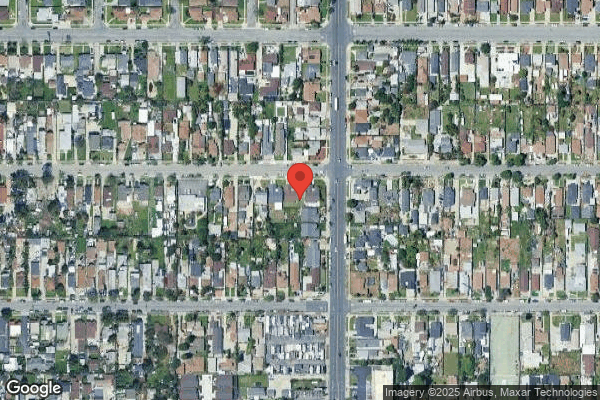
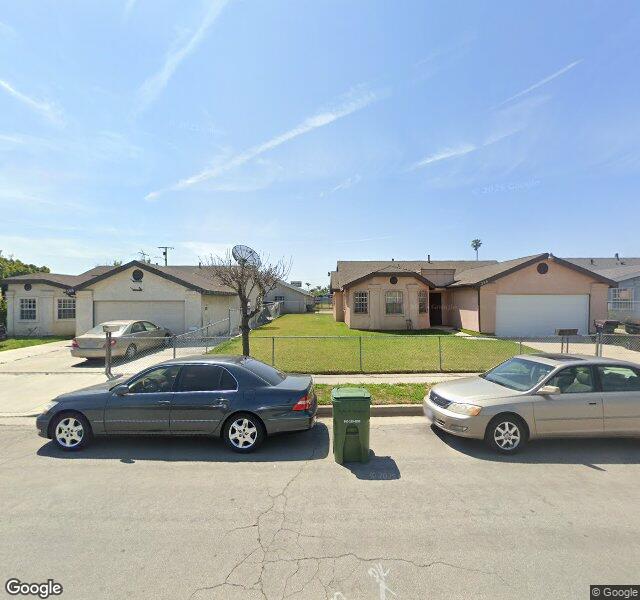
12619 S. AVALON BLVD, LOS ANGELES, CA 90061 (323) 757-1881
For profit - Corporation 163 Beds Independent Data: November 2025 2 Immediate Jeopardy citations
Trust Grade
11/100
#940 of 1155 in CA
Last Inspection: February 2025

Within standard 12-15 month inspection cycle. Federal law requires annual inspections.

Overview

View Heights Convalescent Hospital has received an F grade for its trust score, indicating poor performance with significant concerns. It ranks #940 out of 1155 nursing homes in California, placing it in the bottom half of all facilities in the state, and #255 out of 369 in Los Angeles County, suggesting there are better local options. The facility is worsening, with an increase in reported issues from 21 in 2024 to 24 in 2025. While staffing is a strength with a 4/5 star rating and a low turnover of 23%, the facility has serious weaknesses, including critical incidents such as a resident choking due to a lack of proper supervision during meals, which resulted in a tragic death. Additionally, deficiencies in providing adequate nutrition for residents have been noted, which could negatively impact their health.

Trust Score
F
11/100
In California
#940/1155
Bottom 19%
Safety Record
High Risk
Review needed
Inspections
Getting Worse
21 → 24 violations
Staff Stability
✓ Good
23% annual turnover. Excellent stability, 25 points below California's 48% average. Staff who stay learn residents' needs.
Penalties
✓ Good
$31,450 in fines. Lower than most California facilities. Relatively clean record.
Skilled Nurses
⚠ Watch
Each resident gets only 24 minutes of Registered Nurse (RN) attention daily — below average for California. Fewer RN minutes means fewer trained eyes watching for problems.
Violations
⚠ Watch
56 deficiencies on record. Higher than average. Multiple issues found across inspections.
★★☆☆☆
2.0
Overall Rating
★★★★☆
4.0
Staff Levels
★★★★★
5.0
Care Quality
★☆☆☆☆
1.0
Inspection Score
Stable
2024: 21 issues
2025: 24 issues

The Good

  • 4-Star Staffing Rating · Above-average nurse staffing levels
  • 5-Star Quality Measures · Strong clinical quality outcomes
  • Low Staff Turnover (23%) · Staff stability means consistent care
  • Full Sprinkler Coverage · Fire safety systems throughout facility
  • No fines on record
  • Staff turnover is low (23%)

    25 points below California average of 48%

Facility shows strength in staffing levels, quality measures, staff retention, fire safety.

The Bad

2-Star Overall Rating

Below California average (3.1)

Below average - review inspection findings carefully

Federal Fines: $31,450

Below median ($33,413)

Moderate penalties - review what triggered them

The Ugly 56 deficiencies on record

2 life-threatening
Jul 2025 1 deficiency
CONCERN (D) 📢 Someone Reported This

A family member, employee, or ombudsman was alarmed enough to file a formal complaint

Potential for Harm - no one hurt, but risky conditions existed

Notification of Changes (Tag F0580)

Could have caused harm · This affected 1 resident

**NOTE- TERMS IN BRACKETS HAVE BEEN EDITED TO PROTECT CONFIDENTIALITY** Based on interview and record review, the facility failed to ensure a resident's responsible party (RP 1) was notified following...

Read full inspector narrative →
**NOTE- TERMS IN BRACKETS HAVE BEEN EDITED TO PROTECT CONFIDENTIALITY** Based on interview and record review, the facility failed to ensure a resident's responsible party (RP 1) was notified following the resident's involvement in a physical altercation with another resident and of an interdisciplinary team (IDT) conference for one out of three sampled residents (Resident 1). This deficient practice resulted in RP 1 not being informed of Resident 1's physical altercation with Resident 2 on 7/25/2025 nor informed of an IDT conference following the incident on 7/28/2025, placing Resident 1 at risk for uncoordinated care and decisions without input from RP 1.Findings: During a review of Resident 1's admission Record, the admission Record indicated Resident 1 was originally admitted to the facility on [DATE] and readmitted on [DATE] with diagnoses that included schizoaffective disorder (a mental illness that can affect thoughts, mood, and behavior), hypertension (high blood pressure), and diabetes mellitus (DM- a disorder characterized by difficulty in blood sugar control and poor wound healing). During a review of Resident 1's Minimum Data Set ([MDS], a resident assessment tool), dated 5/5/2025, the MDS indicated Resident 1's cognitive skills (ability to think and reason) for daily decision making were intact. The MDS indicated Resident 1 was independent with activities of daily living (ADLs- routine tasks/activities such as bathing, dressing and toileting a person performs daily to care for themselves). During a review of Resident 2's admission Record, the admission Record indicated Resident 2 was originally admitted to the facility on [DATE] and readmitted on [DATE] with diagnoses that included schizophrenia (a mental illness that is characterized by disturbances in thought) and psychoactive substance abuse (the harmful use of substances that affect mental processes, leading to significant health risks and social consequences). During a review of Resident 2's MDS, dated [DATE], the MDS indicated Resident 2's cognitive skills for daily decision making were intact. The MDS indicated Resident 2 was independent for ADLs. 1. During a review of Resident 1's Change of Condition Note, dated 7/25/2025, the Change of Condition Note indicated on 7/25/2025, Resident 1 walked towards Resident 2 and suddenly hit him on the left side of the face unprovoked. The Change of Condition Note indicated Resident 1's conservator (Responsible Party [RP 1]) was notified on 7/25/2025 at 3:16 p.m. During a review of Resident 1's Progress Notes, dated 7/25, 7/26, 7/27, 7/28, 7/29, and 7/30/2025, the Progress Notes did not indicate a voicemail was left notifying RP 1 of Resident 1's involvement in a physical altercation. There were no notes to indicate attempts to follow up with RP 1 to ensure she was made aware of Resident 1's involvement in a physical altercation. During an interview on 7/30/2025 at 11:41 a.m. with RP 1, RP 1 stated she was never made aware of the physical altercation that involved Resident 1. RP 1 stated that she did not receive any calls or voicemails from the facility regarding the incident that occurred on 7/25/2025. RP 1 stated, To be honest, they (the facility) have not been good at notifying me about any changes or [Resident 1's] plan of care. I always have to call and ask about things. During a concurrent record review and interview on 7/30/2025 at 12:07 p.m. with Registered Nurse (RN) 1, Resident 1's Resident Representative Notification section of the Change of Condition Note, dated 7/25/2025, was reviewed. The Resident Representative Notification section indicated RP 1 was notified of the incident on 7/25/2025 at 3:16 p.m. The Resident Representative Notification section indicated RN 1 signed the completion of the section. RN 1 stated after a change of condition occurred, it was important to notify the resident's RP because it was the RP's right to be aware of any changes that occurred in the resident. RN 1 stated if RP 1 was not successfully contacted, then a voicemail should be left and a follow-up call should occur to ensure the RP was notified. RN 1 stated she recalled, on 7/25/2025, she helped Licensed Vocational Nurse (LVN) 1 with documenting after the incident. RN 1 stated she signed the notification section of the Change of Condition Note because she thought LVN 1 was able to successfully notify RP 1 of the incident. RN 1 stated if LVN 1 was unable to speak to RP 1, then a voicemail should have been left and documented, or LVN 1 should have followed up or endorsed a need for a follow-up for the next shift. RN 1 stated there was no documentation to indicate LVN 1 left a voicemail or followed up. During an interview on 7/30/2025 at 12:21 p.m. with LVN 1, LVN 1 stated the normal process was to notify the resident's RP of any changes of condition. LVN 1 stated she called RP 1's number but was not able to speak with RP 1. LVN 1 stated she left a voicemail, but did not document that a voicemail was left. LVN 1 stated she did not document or follow up to ensure RP 1 was informed of Resident 1's change of condition because the shift was chaotic and that she was very busy. During a concurrent record review and interview on 7/30/2025 12:34 p.m. with the Director of Nursing (DON), Resident 1's Resident Representative Notification section of the Change of Condition Note, dated 7/25/2025, was reviewed. The Resident Representative Notification section indicated RP 1 was notified of the incident on 7/25/2025 at 3:16 p.m. There was no documentation to indicate a voicemail was left or follow-up attempts were made. The DON stated the normal expectation for any change of condition was to document the notification to the physician and RP. The DON stated if RP 1 did not answer her phone, LVN 1 should have continued to follow up or endorse to the following shift to follow up. The DON stated LVN 1 should have left a voicemail and documented that a voicemail was left. The DON stated RP 1 had the right to be made aware of any change of conditions that occurred with Resident 1 and the licensed nursing staff had the responsibility to ensure RP 1 was made aware of Resident 1's physical altercation. The DON stated the lack of documentation and follow-up led to a delay in RP 1's notification of Resident 1's involvement in a physical altercation. 2. During a review of Resident 1's Progress Notes, dated 7/25, 7/26, 7/27, 7/28, 7/29, and 7/30/2025, the Progress Notes did not indicate RP 1 was made aware of Resident 1's Interdisciplinary Team (IDT) conference held on 7/28/2025. During a review of Resident 1's IDT Conference Note, dated 7/28/2025, the IDT Conference Note indicated RP 1 was notified of the IDT conference. During an interview on 7/30/2025 at 11:41 a.m. with RP 1, RP 1 stated she never received notification of an IDT conference. During a concurrent record review and interview on 7/30/2025 at 11:48 a.m. with the Program Director (PD), Resident 1's IDT Conference Note, dated 7/28/2025, was reviewed. The IDT Conference Note indicated RP 1 was notified of the IDT conference. The PD stated the purpose of an IDT was to follow up on an incident to try to see what we can do to make sure it does not happen again and to formulate a plan of care. The PD stated it was important the RP was involved or notified of the IDT conference because the RP [had] the power and the facility had to consult with the RP to ensure he or she was in agreeance with the plan of care. The PD stated he completed and signed the IDT Conference Note that indicated RP 1 was notified of the IDT conference meeting on 7/28/2025. The PD stated he did not personally call and ensure RP 1 was made aware of the IDT conference meeting (on 7/28/2025) or the incident (on 7/25/2025) because he assumed LVN 1 successfully notified RP 1 based on her documentation. The PD stated it was not his practice to call the RP before an IDT conference was scheduled because he relied on the RP to call and follow up with the facility, especially if there was a major injury. The PD stated RP 1 should have been aware of the IDT conference because she is the one that has the power and had the right to be informed of what is happening with the client. During a concurrent interview and record review on 7/30/2025 at 12:34 p.m. with the DON, Resident 1's IDT Conference Note, dated 7/28/2025, was reviewed. The IDT Conference Note indicated RP 1 was notified of the IDT conference. The DON stated an IDT conference was designed to ensure a treatment plan was developed through the involvement of the department heads, the resident, and the RP. The DON stated the RP was usually notified ahead of time so that the RP can meet with the facility staff at a scheduled time and can be a part of the resident's treatment plan. The DON stated RP 1 should have been made aware and notified of the IDT meeting, so RP 1 could have had an opportunity to be a part of the treatment plan. The DON stated the form was inaccurately completed if the PD indicated RP 1 was notified of the IDT meeting based on the notification documentation in Resident 1's Change of Condition Note. During a review of the facility's P&P titled, Resident-Resident Abuse Policy, dated 2023, the P&P indicated the facility was to notify each resident's legal representative should the resident be observed in a physical altercation with another resident.During a review of the facility's Policy and Procedure (P&P) titled, Change in a Resident's Condition, dated 12/2024, the P&P indicated the facility shall promptly notify the resident's Conservator/ Los Angeles Public Guardian of changes in the resident's medical/mental condition. The P&P indicated the nurse supervisor/ charge nurses would notify the resident's representative with the exception of those residents that are conserved in which the conservator would be notified when the resident is involved in any accident or incident that results in an injury including injuries of an unknown source. The P&P indicated notification would be made within the assigned shift of a change occurring in the resident's medical/ mental condition or status. During a review of the facility's P&P titled, Careplan Guidelines, dated 12/2024, indicated the Interdisciplinary Team would work in coordination with private or public guardians, and appropriate family members to develop and maintain a comprehensive care plan for each resident.
Jul 2025 1 deficiency
CONCERN (D) 📢 Someone Reported This

A family member, employee, or ombudsman was alarmed enough to file a formal complaint

Potential for Harm - no one hurt, but risky conditions existed

Comprehensive Assessments (Tag F0636)

Could have caused harm · This affected 1 resident

**NOTE- TERMS IN BRACKETS HAVE BEEN EDITED TO PROTECT CONFIDENTIALITY** Based on observation, interview and record review, the facility failed to ensure the lump (abnormal bumps or swellings on or und...

Read full inspector narrative →
**NOTE- TERMS IN BRACKETS HAVE BEEN EDITED TO PROTECT CONFIDENTIALITY** Based on observation, interview and record review, the facility failed to ensure the lump (abnormal bumps or swellings on or under the skin) at the back of neck of one of four residents (Resident 1), was assessed timely and reported to the resident's physician. This deficient practice had the potential to result in the delay of care and services necessary to treat Resident 1's back of neck lump and had the potential to cause worsening condition of the lump. Findings:During a concurrent observation and interview on 7/17/2025 at 9:30 a.m. with Resident 1, Resident 1 stated he had a lump (mass) at the back of his neck. The lump was observed like the size of a pea, did not look swollen and was not red. Resident 1 stated a family member (FM)1 saw the lump and probably informed the nurse.During a review of Resident 1's admission Record, the admission Record indicated Resident 1 was admitted to the facility on [DATE], with diagnoses including schizoaffective disorder (a mental illness that can affect thoughts, mood, and behavior), alcohol dependence (a chronic disease in which a person craves drinks that contain alcohol and is unable to control his or her drinking), and nicotine dependence (a chronic, compulsive need to use nicotine despite negative consequences.) During a review of Resident 1's Minimum Data Set (MDS - a resident assessment tool), dated 5/14/2025, the MDS indicated Resident 1 had intact cognition. The MDS indicated Resident 1 was independent with activities of daily living (ADLs) such as dressing, toilet use, personal hygiene, and mobility. During a review of the County Case Management (CM) e-mail sent to the facility's Registered Nurse (RN) 2 dated 6/16/2025 timed 2:27 p.m., the County CM email indicated notification to RN 2 regarding FM 1's request to have a nurse check Resident 1's bump on the middle of the neck. During a review of Resident 1's Progress Notes dated 6/16/2025 to 7/15/2025, the progress notes did not indicate a nurse had assessed Resident 1's bump on the middle of the neck when requested by the FM 1 as indicated in the County CM email on 6/16/2025. The progress notes did not indicate RN 2 responded and provided update to the County CM as requested in the email dated 7/15/2025. During a review of the County CM e-mail dated 7/15/2025 timed 10:27 a.m., the County CM email indicated a requested update regarding Resident 1's neck. During an interview on 7/17/2025 at 1:00 p.m. with RN 2, RN 2 stated the County CM's email dated 6/16/2025, with the FM 1's request to assess Resident 1's lump in the middle of neck was received. RN 2 stated Resident 1's neck was checked but there was nothing observed in the resident's front neck. RN 2 stated Resident 1's back side of his neck was not assessed. RN 2 stated she did not document Resident 1's assessment in the resident's progress notes. RN 2 stated she did not notify the doctor nor replied to the County CM's e-mails, because there was nothing in Resident 1's neck. RN 2 acknowledged that the County CM's email was received on 7/15/2025 following up updates about Resident 1's lump on the back of his neck. RN 2 stated she went to Resident 1's room and assessed Resident 1's back of neck and observed a small bump. RN 2 stated the consequence when the resident's skin was not properly assessed, or concerns ignored was putting the resident at risk to sustain skin infections. RN 2 stated Resident 1's FM inquiry was not addressed, and the County CM's email was not replied. During an interview on 7/17/2025 at 2:47 p.m. with the Director of Nursing (DON), the DON stated residents' skin were checked by the Certified Nursing Assistants (CNA) on shower schedules and by the nurses daily. The DON stated when the family representative requested for residents to be assessed, the nurses should go and assess the resident. The DON stated after RN 2 assessed Resident 1's back of neck, RN 2 should have informed the doctor and Resident 1's County CM. The DON stated if there were no documentation in the resident's clinical records about the findings, it meant the nurses did not acknowledge the FM's concerns, and the assessment was never done. The DON stated the risk of Resident 1 not receiving the proper assessment could cause worsening condition of Resident 1's back of neck lump. During a review of the facility's undated policy and procedure (P&P) titled, Resident Assessment, the P&P indicated a registered nurse should conduct and coordinate all comprehensive assessment, to identify the resident's care needs. During a review of the P&P titled Charting and Documentation, dated 1/2025, the P&P indicated all services provided to the residents should be documented in resident's medical record. The P&P indicated treatments or services performed to the resident should be documented on the resident's medical record.
Apr 2025 1 deficiency
CONCERN (D) 📢 Someone Reported This

A family member, employee, or ombudsman was alarmed enough to file a formal complaint

Potential for Harm - no one hurt, but risky conditions existed

Free from Abuse/Neglect (Tag F0600)

Could have caused harm · This affected 1 resident

**NOTE- TERMS IN BRACKETS HAVE BEEN EDITED TO PROTECT CONFIDENTIALITY** Based on interview and record review, facility staff failed to ensure one of four sampled residents (Resident 2) was monitored f...

Read full inspector narrative →
**NOTE- TERMS IN BRACKETS HAVE BEEN EDITED TO PROTECT CONFIDENTIALITY** Based on interview and record review, facility staff failed to ensure one of four sampled residents (Resident 2) was monitored for verbal and physical aggression, as ordered by the physician. This deficient practice created the risk for Resident 2, who hit another resident in the face on 4/16/2025, to commit repeat physical aggression towards other facility residents with possible physical injury and psychosocial harm. Findings: During a review of Resident 1 ' s admission Record, the admission Record indicated Resident 1 was originally admitted to the facility on [DATE], and was most recently readmitted on [DATE]. Resident 1 ' s admitting diagnoses included schizophrenia (a mental illness that is characterized by disturbances in thought). During a review of Resident 1 ' s Minimum Data Set (MDS, a resident assessment tool), dated 3/9/2025, the MDS indicated Resident 1 did not have impaired cognition (difficulties with thinking, learning, remembering, and making decisions). The MDS indicated Resident 1 was independent with mobility while in and out of bed. During a review of Resident 2 ' s admission Record, the admission Record indicated Resident 2 was admitted to the facility on [DATE]. Resident 2 ' s admitting diagnoses included schizoaffective disorder (a mental illness that can affect thoughts, mood, and behavior). During a review of Resident 2 ' s MDS, dated [DATE], the MDS indicated Resident 2 occasionally exhibited hallucinations and delusions, and occasionally exhibited disorganized thinking (e.g., unclear or illogical flow of ideas). The MDS indicated Resident 2 had cognitive impairments. The MDS indicated Resident 2 was independent with mobility while both in and out bed and had no impairments to her upper or lower extremities. During a review of Resident 2 ' s Change of Condition (COC) assessment, dated 4/16/2025, the COC indicated that on 4/16/2025, Resident 2 hit Resident 1 without provocation. The COC further indicated Resident 2 verbalized a desire to hit someone again and was tearing her clothing. During a review of Resident 2 ' s physician order, dated 4/23/2025, the physician order indicated staff were to monitor Resident 2 for verbal and physical aggression and document the number of episodes. During an interview on 4/28/2025 at 9:05 a.m., with Resident 1, Resident 1 stated Resident 2 hit her in the face while they were walking in the hallway, and stated she did not know why Resident 2 hit her. Resident 1 stated she sustained pain after being hit and stated she took pain medication. During an interview on 4/28/2025 at 9:25 a.m., with Certified Nurse Assistant (CNA) 1, CNA 1 stated Resident 2 had a history of aggressive behavior towards others and could become agitated very quickly. During an interview on 4/28/2025 at 10:28 a.m., with CNA 2, CNA 2 stated Resident 2 was aggressive with both staff and residents. CNA 2 stated Resident 2 was a safety risk to others and stated, I even get scared of her sometimes. During a concurrent interview and record review on 4/28/2025 at 12:01 p.m., with the Director of Nursing (DON), Resident 2 ' s physician orders were reviewed. The DON stated Resident 2 had orders to be monitored for verbal and physical aggression, and staff were to document the number of episodes. The DON stated staff were to document on Resident 2 ' s behavior monitoring flowsheet. During a concurrent interview and record review, on 4/28/2025 at 12:04 p.m., with the DON, Resident 2 ' s behavior monitoring flowsheet, dated 4/2025, was reviewed. The DON stated the behavior monitoring flowsheet did not indicate staff were monitoring Resident 2 for verbal and/or physical aggression. The DON stated the purpose of the monitoring was to identify escalating behaviors and prevent additional incidents of aggression and abuse towards other residents. The DON stated monitoring was required to ensure the safety of the other facility residents. During a review of the facility ' s policy and procedure (P&P) titled Preventing Resident Abuse, revised 2023, the P&P indicated staff were to monitor residents with needs and behaviors that may lead to conflict. During a review of the facility ' s P&P titled High Risk Safety Monitoring, revised 2024, the P&P indicated it was the facility ' s policy to monitor the status of residents who are at risk for unsafe behavior. The P&P indicated the licensed nurse was to monitor the resident at frequent intervals for safety and document all actions taken in the clinical record.
Feb 2025 20 deficiencies
CONCERN (D)

Potential for Harm - no one hurt, but risky conditions existed

Deficiency F0552 (Tag F0552)

Could have caused harm · This affected 1 resident

**NOTE- TERMS IN BRACKETS HAVE BEEN EDITED TO PROTECT CONFIDENTIALITY** Based on interview and record review, the facility failed to obtain informed consent (voluntary agreement to accept treatment an...

Read full inspector narrative →
**NOTE- TERMS IN BRACKETS HAVE BEEN EDITED TO PROTECT CONFIDENTIALITY** Based on interview and record review, the facility failed to obtain informed consent (voluntary agreement to accept treatment and/or procedures after receiving education regarding the risks, benefits, and alternatives offered) prior to administration of psychotropic medication (medications that affect the mind, emotions, and behavior) for three of eight sampled residents (Residents 31, 16, and 347) by failing to: 1. Ensure informed consent was obtained from Resident 31's conservator (a person who has been appointed by the court to make decisions for another person who is deemed incompetent) prior to Resident 31's initial administration of Trazodone (an antidepressant [a medication used to treat depression, which is a mood disorder that causes a persistent feeling of sadness and loss of interest] and a sedative [a medication used to help an individual fall asleep]) on 7/30/2024. 2. Ensure Resident 31's Verification of Informed Consent were complete and included the frequency (how often) of administration for haloperidol (an antipsychotic medication [a medication that affects the mind, emotions, and behavior]), Depakote (an anticonvulsant medication, a medication used to prevent or treat seizures and can be used to treat behavioral disorders), and Trazodone. 3. Ensure Resident 16's Verification of Informed Consent were complete and included the frequency of administration for Buspirone (an antianxiety medication [a medication used to treat anxiety, which is characterized by feelings of unease, worry, and fear]), Ativan (an antianxiety medication), and Zyprexa (an antipsychotic medication). 4. Ensure Resident 347's Verification of Informed Consent was complete and included the frequency of administration for Zyprexa. These deficient practices resulted in the removal of Residents 31, 16, and 347's conservators' right to make decisions about the care and treatments the residents received in the facility. Findings: 1. During a review of Resident 31's admission Record (Face Sheet), the Face Sheet indicated Resident 31 was initially admitted to the facility on [DATE] and readmitted to the facility on [DATE] with diagnoses that included schizophrenia (a mental illness that is characterized by disturbances in thought), type 2 diabetes mellitus (a disorder characterized by difficulty in blood sugar control and poor wound healing), and hyperlipidemia (a condition with too many fats in the blood). The Face Sheet indicated Resident 31 has a conservator. During a review of Resident 31's Minimum Data Set ([MDS], a resident assessment tool), dated 11/29/2024, the MDS indicated Resident 31's cognition (process of thinking) was moderately impaired. The MDS indicated Resident 31 had hallucinations (when an individual sees, hears, smells, tastes, or feels something that is not there) and delusions (an unshakable belief in something that is untrue). The MDS indicated Resident 31 was independent with eating, toileting, bathing, and dressing. The MDS indicated Resident 31 took antipsychotic, antidepressant, and anticonvulsant medication. During a review of Resident 31's Order Recap Report, dated 2/1/2024 through 2/28/2025, the Order Recap Report indicated to give Trazodone 50 milligrams (mg, a unit of measurement) by mouth, at bedtime for lack of sleep. The order was initiated on 7/30/2024. During a review of Resident 31's Medication Administration Record ([MAR], a daily documentation record used by a licensed nurse to document medications and treatments given to a resident) dated 7/1/2024 through 7/30/2024, the MAR indicated Resident 31 received the first dose of Trazodone 50mg on 7/30/2024 at 9 p.m. During a concurrent interview and record review on 2/13/2025 at 2:28 p.m., with RN 1, Resident 31's Verification of Informed Consent for Trazodone dated 9/1/2024 at 12/31/2024 were reviewed. RN 1 stated Resident 31 did not have a Verification of Informed Consent for the use of Trazodone prior to Resident 31's initial administration on 7/30/2024. RN 1 stated Resident 31 had two Verification of Informed Consent for Trazodone because the facility was required to renew informed consents for psychotropic medication every six months after the initial informed consent was completed. RN 1 stated the purpose of verifying and obtaining informed consent from Resident 31's conservator prior to the initial administration of Trazodone was to ensure Resident 31's conservator was aware of the indication, risks, and benefits of Trazodone. During an interview on 2/13/2025 at 4:05 p.m., with the Director of Nursing (DON), the DON stated prior to the initial administration of a psychotropic medication, informed consent needed to be obtained and verified. The DON stated without the Verification of Informed Consent for Resident 31's initial administration of Trazodone on 7/30/2024, it would indicate that Resident 31's conservator was not notified of the indication, risks, and benefits. The DON stated without obtaining informed consent, Resident 31's conservator was deprived of the right to ask questions, to request additional education, and to make an informed decision whether Resident 31 should receive Trazodone. 2. During a review of Resident 31's Order Recap Report, dated 2/1/2024 through 2/28/2025, the Order Recap Report indicated to give Trazodone 50 milligrams (mg, a unit of measurement), by mouth, at bedtime for lack of sleep. The initial Order date was 7/30/2024. During a review of Resident 31's Medication Review Report, dated 2/1/2025 through 2/28/2025, the Medication Review Report indicated to: a. Give Depakote Extended Release 1500mg, by mouth, in the evening for mood swings. The Order date was 4/13/2024. b. Inject haloperidol 450mg, intramuscularly (into the muscle), every four weeks, on Thursday, on day shift related to schizophrenia. During an interview on 2/13/2025 at 2:28 p.m., with RN 1, RN 1 stated the facility was required to renew informed consents for psychotropic medication every six months. RN 1 stated when a renewal of informed consent was verified, all aspects of the medication, such as medication name, dosage, frequency, and indication of use, was reviewed with the conservator. During a concurrent interview and record review, on 2/13/2025 at 2:38 p.m., with RN 1, Resident 31's Verification of Informed Consent for haloperidol dated 6/30/2024 at 12/31/2024 were reviewed. RN 1 stated the Verification of Informed Consent was incomplete and did not indicate the frequency of administration of haloperidol. RN 1 stated a complete Verification of Informed Consent included the frequency of the proposed medication. During a concurrent interview and record review, on 2/13/2025 at 2:39 p.m., with RN 1, Resident 31's Verification of Informed Consent for Depakote dated 6/30/2024 at 12/31/2024 were reviewed. RN 1 stated the Verification of Informed Consent was incomplete and did not indicate the frequency of administration of Depakote. RN 1 stated a complete Verification of Informed Consent included the frequency of the proposed medication. During a concurrent interview and record review on 2/13/2025 at 2:40 p.m., with RN 1, Resident 31's Verification of Informed Consent for Trazodone dated 9/1/2024 at 12/31/2024 were reviewed. RN 1 stated the Verification of Informed Consent was incomplete and did not indicate the frequency of administration of Trazodone. RN 1 stated a complete Verification of Informed Consent included the frequency of the proposed medication. During an interview on 2/13/2025 at 3:46 p.m., with the DON, the DON stated the frequency of a psychotropic medication had to be discussed with the residents' conservator prior to the initial administration and during the six-month renewal. The DON stated the licensed nurses were responsible for indicating the frequency of the psychotropic medication to show the details of the psychotropic medication that were discussed with the resident's conservator. The DON stated the residents' conservator should be aware of all aspects of the medication the resident was receiving in the facility. 3. During a review of Resident 16's admission Record, the admission Record indicated Resident 16 was admitted to the facility on [DATE]. Resident 16's diagnoses included schizoaffective disorder (a mental illness that could affect thoughts, mood, and behavior), diabetes mellitus (DM-a disorder characterized by difficulty in blood sugar control and poor wound healing), hypertension (HTN-high blood pressure), and gastroesophageal reflux disease (GERD, a chronic condition that occurred when stomach contents leak into the esophagus [the muscular tube through which food passed from the throat to the stomach]). The admission Record indicated Resident 16 had a public guardian (responsible for the care of individuals who were no longer able to make decisions or care for themselves). During a review of Resident 16's Minimum Data Set (MDS- a resident assessment tool), dated 11/22/2024, the MDS indicated Resident 16 had intact cognitive skills for daily decision making (ability to think, remember and reason). The MDS indicated Resident 16 was independent (resident completed the activity by himself without assistance from a helper) with eating, toileting hygiene, showering/bathing self, chair/bed-to-chair transfer, and walking. The MDS indicated Resident 16 required setup assistance with oral hygiene and personal hygiene. The MDS indicated Resident 16 had hallucinations, delusion, and disorganized thinking (a symptom of some mental health disorders that made it difficult to think clearly and logically). During a review of Resident 16's physician order, dated 8/9/2024, the physician order indicated staff were to give Ativan 1 mg by mouth (PO) every 12 hours as needed (PRN) for agitation for 14 days. During a review of Resident 16's physician orders report, dated 2/1/2025-2/14/2025, the report indicated staff were to give Buspirone HCL 10mg PO three times a day for anxiety. The report indicated a physician order for staff to give Zyprexa 30mg PO at bedtime for paranoia (mental disorder in which a person had an extreme fear and distrust of others). During a review of Resident 16's Ativan 0.25-12mg PO informed consent, dated 8/9/2024, the informed consent did not include the frequency and duration for the Ativan order. During a concurrent record review and interview on 2/14/2025 at 8:45 a.m. with the DON, Resident 16's Ativan 0.25-12mg PO informed consent, dated 8/9/2024, was reviewed. The DON stated there was no frequency of Ativan on the informed consent. During a concurrent record review and interview on 2/14/2025 at 8:45 a.m. with the DON, Resident 16's Buspirone HCL 5-90mg PO informed consent, dated 8/9/2024, was reviewed. The DON stated there was no frequency of Buspirone HCL on the informed consent. During a concurrent record review and interview on 2/14/2025 at 8:45 a.m. with the DON, Resident 16's Zyprexa 1.25-40mg PO informed consent, dated 8/9/2024, was reviewed. The DON stated there was no frequency of Zyprexa on the informed consent. 4. During a review of Resident 347's admission Record, the admission Record indicated Resident 347 was originally admitted to the facility on [DATE] and readmitted on [DATE]. Resident 347's diagnoses included schizoaffective disorder, DM, HTN, and stimulant dependence (a substance use disorder that involved continued use of stimulants [a class of drugs that speeded up messages travelling between the brain and body]). The admission Record indicated Resident 347 had a public guardian. During a review of Resident 347's MDS, dated [DATE], the MDS indicated Resident 347 had intact cognitive skills for daily decision making. The MDS indicated Resident 347 was independent with eating, toileting hygiene, showering/bathing self, chair/bed-to-chair transfer, and walking. The MDS indicated Resident 347 required setup assistance with oral hygiene and personal hygiene. The MDS indicated Resident 347 had hallucinations, delusion, and disorganized thinking. During a review of Resident 347's physician orders report, dated 2/1/2025-2/14/2025, the report indicated staff were to give Zyprexa solution 10mg IM, as needed for psychotic aggression for 14 days. Give 3 times in 24 hours as needed. During a review of Resident 347's Zyprexa solution 1.25-40mg IM PRN informed consent, dated 2/4/2025, the informed consent did not include the frequency and duration for the Zyprexa solution order. During an interview on 2/13/2025 at 10:39 a.m. with Licensed Vocational Nurse (LVN) 5, LVN 5 stated the purpose of informed consent was to get permission from public guardian before administration of medication, to inform public guardian of medication adverse effect (an unwanted or harmful result from a drug, treatment, or procedure), and to obtain approval from public guardian before starting psychotropic medication. LVN 5 stated staff should include the frequency of medication on the informed consent. During a concurrent record review and interview on 2/14/2025 at 8:45 a.m. with the DON, Resident 347's Zyprexa solution 1.25mg-40mg IM PRN informed consent, dated 2/4/2025, was reviewed. The DON stated there was no frequency of Zyprexa IM solution on the informed consent. The DON stated it was not acceptable to have informed consent without the medication's frequency. The DON stated it was important to include the medication frequency, so we were aware of how often to give medication and inform public guardian. During a review of the facility's Policy & Procedure (P&P), titled Informed Consent, approved in 3/2024, the P&P indicated The nature of the procedures to be used in the proposed psychiatric treatment includes their probable frequency and duration. The P&P indicated the facility would verify the resident or his/her representative party has given informed consent to the proposed treatment prior to the administration of psychotherapeutic and antipsychotic medications.
CONCERN (D)

Potential for Harm - no one hurt, but risky conditions existed

Assessment Accuracy (Tag F0641)

Could have caused harm · This affected 1 resident

**NOTE- TERMS IN BRACKETS HAVE BEEN EDITED TO PROTECT CONFIDENTIALITY** Based on interview and record review, the facility failed to ensure the assessment entry on the Minimum Data Set ([MDS], a resid...

Read full inspector narrative →
**NOTE- TERMS IN BRACKETS HAVE BEEN EDITED TO PROTECT CONFIDENTIALITY** Based on interview and record review, the facility failed to ensure the assessment entry on the Minimum Data Set ([MDS], a resident assessment tool) was accurate for one of seven sampled residents (Resident 31) when the MDS did not indicate Resident 31 was on hypoglycemic medication (medication used to lower blood sugar levels). This failure had the potential to negative affect Residents 31's plan of care and delivery of necessary care and services. Findings: During a review of Resident 31's admission Record (Face Sheet), the Face Sheet indicated Resident 31 was initially admitted to the facility on [DATE] and readmitted to the facility on [DATE] with diagnoses that included schizophrenia, type 2 diabetes mellitus (a disorder characterized by difficulty in blood sugar control and poor wound healing), and hyperlipidemia (a condition with too many fats in the blood). During a review of Resident 31's Minimum Data Set ([MDS], a resident assessment tool), dated 11/29/2024, the MDS indicated Resident 31's cognition (process of thinking) was moderately impaired. The MDS indicated Resident 31 was independent with eating, toileting, bathing, and dressing. During a review of Resident 31's Order Recap Report, dated 2/1/2024 through 2/28/2025, the Order Recap indicated to: a. Inject Insulin Glargine (a hormone that removes excess sugar from the blood, can be produced by the body or given artificially via medication) 24 units, subcutaneously (in the fat tissue), in the morning, related to type 2 diabetes mellitus. The order was started 1/6/2023 and discontinued on 2/7/2025. b. Inject Insulin Glargine 12 units, subcutaneously, in the morning, for type 2 diabetes mellitus. The order was started 2/8/2025. During a concurrent interview and record review on 2/13/2025 at 1:27 p.m., with the Minimum Data Set Coordinator (MDSC), Resident 31's MDS, dated [DATE] was reviewed. The MDSC stated the MDS indicated Resident 31 was not on any hypoglycemic medication. The MDSC stated Resident 31 was on Insulin Glargine for many years and the MDS was inaccurate. The MDSC stated accurate assessment on the MDS was important to ensure Resident 31 received the necessary care and treatment related to the administration of Insulin Glargine. During a review of the facility's policy and procedure (P&P) titled, Certifying Accuracy of the Resident Assessment, dated 12/2024, the P&P indicated, All personnel who complete any portion of the Resident Assessment must sign and certify the accuracy of that portion of the assessment.
CONCERN (D)

Potential for Harm - no one hurt, but risky conditions existed

Comprehensive Care Plan (Tag F0656)

Could have caused harm · This affected 1 resident

**NOTE- TERMS IN BRACKETS HAVE BEEN EDITED TO PROTECT CONFIDENTIALITY** Based on interview and record review, the facility failed to ensure a care plan for addressing the behavior of self-isolation, f...

Read full inspector narrative →
**NOTE- TERMS IN BRACKETS HAVE BEEN EDITED TO PROTECT CONFIDENTIALITY** Based on interview and record review, the facility failed to ensure a care plan for addressing the behavior of self-isolation, for which Cymbalta (a medication used to treat depression) was administered, was developed for one of five sampled residents (Resident 3). This deficient practice placed Resident 3 at risk of receiving unnecessary doses of Cymbalta, and subsequent side effects associated with psychotropic medications (a drug or other substance that affects how the brain works) such as nausea, drowsiness, agitation, and headache. Cross-reference F-tag F758. Findings: During a review of Resident 3's admission Record, the admission Record indicated Resident 3 was admitted to the facility on [DATE]. Resident 3's admitting diagnoses included schizoaffective disorder (a mental illness that can affect thoughts, mood, and behavior). Resident 3 did not have diagnoses of depression (a common mental health condition characterized by a persistent low mood, loss of interest or pleasure in activities, and other symptoms that can significantly interfere with daily life) or anxiety (a common emotional state characterized by feelings of unease, worry, fear, and apprehension). During a review of Resident 3's Minimum Data Set (MDS, a resident assessment tool), dated 12/15/2024, the MDS indicated Resident 3 did not have cognitive impairments (problems with thinking, learning, or memory). The MDS indicated Resident 3 did not exhibit physical or verbal behaviors (e.g., physical aggression towards others and/or verbal aggression/threats towards others). The MDS indicated Resident 3 did not reject care. The MDS indicated Resident 3 could eat independently and was independent with mobility while in and out of bed. During a review of Resident 3's physician orders, dated 3/21/2024, the order indicated Resident 3 was to receive Cymbalta 30 milligrams (mg, a unit of dose measurement), every morning, for depression manifested by self-isolative behavior. During an interview, on 2/13/2025 at 11:23 a.m., with the Director of Nursing (DON), DON stated Resident 3 did not have a care plan to address or treat the self-isolative behavior the Cymbalta was ordered for on 3/21/2024. The DON stated there were non-pharmacologic interventions staff could attempt to address self-isolative behavior, prior to initiating psychotropic medications. The DON stated non-pharmacological interventions included counseling, group activities, and outdoor fitness programs. The DON stated non-pharmacological interventions should always be attempted before psychotropic medications, and stated these interventions would be documented in a care plan. The DON stated Resident 3 should have a care plan for self-isolative behavior to monitor if non-pharmacological interventions were effective in addressing the behavior to allow for a decrease or discontinuation of the Cymbalta. During a review of the facility's policy and procedure (P&P) titled Care Plan Guidelines, dated 12/2024, the P&P indicated the purpose of a care plan was to identify needs and develop a comprehensive, standardized plan of care for each resident that includes individualized & measurable objectives and timetables to meet the resident's psychiatric, psychosocial, and medical needs. During a review of the facility's P&P titled Psychotropic Medication Use, dated 12/2024, the P&P indicated facility staff were to take a holistic approach to behavior management that involved a thorough assessment of the underlying causes of behaviors and individualized person-centered non-drug and pharmaceutical interventions. The P&P indicated psychotropic medications would be used to address behaviors only if the nondrug approaches and interventions were attempted prior to their use.
CONCERN (D)

Potential for Harm - no one hurt, but risky conditions existed

Deficiency F0658 (Tag F0658)

Could have caused harm · This affected 1 resident

**NOTE- TERMS IN BRACKETS HAVE BEEN EDITED TO PROTECT CONFIDENTIALITY** Based on observation, interview, and record review, the facility failed to ensure Licensed Vocational Nurse (LVN) 1 documented m...

Read full inspector narrative →
**NOTE- TERMS IN BRACKETS HAVE BEEN EDITED TO PROTECT CONFIDENTIALITY** Based on observation, interview, and record review, the facility failed to ensure Licensed Vocational Nurse (LVN) 1 documented medication administration accurately for one of 18 sampled residents (Resident 56), in accordance with professional standards. This failure had the potential to delay Resident 56 in reaching her care goals due to the documentation of medication that was not given. Findings: During a review of Resident 56's admission Record, the admission Record indicated Resident 56 was originally admitted to the facility on [DATE] and was most recently re-admitted on [DATE]. Resident 56's admitting diagnoses included schizoaffective disorder (a mental illness that can affect thoughts, mood, and behavior). During a review of Resident 56's Minimum Data Set (MDS, a resident assessment tool), dated 11/13/2024, the MDS indicated Resident 56 did not have cognitive impairments (problems with thinking, learning, or memory). The MDS indicated Resident 56 was independent to eat, and independent with mobility. During a review of Resident 56's physician order, dated 10/14/2024, the order indicated Resident 56 was to receive 0.25 milligrams (mg, a unit of measuring medication dosage) of Ozempic (a prescription injectable medication used to treat type 2 diabetes mellitus [a disorder characterized by difficulty in blood sugar control and poor wound healing] in adults) in the morning every 7 days. During a review of Resident 56's Medication Administration Record (MAR), dated 2/1/2025 to 2/28/2025, the MAR indicated Resident 56 received scheduled weekly doses of Ozempic on 2/4/2025 and 2/11/2025. During a concurrent observation and interview, on 2/12/2025 at 11:36 a.m., of the South Station Medication Cart, with LVN 2 Resident 56's Ozempic injection pen was observed. LVN 2 stated the Ozempic injection pen was opened 11/5/2024 and stated the injection pen was empty. During a concurrent observation and interview, on 2/12/2025 at 11:39 a.m., of the South Station Medication fridge, with LVN 2, a sealed and unopened Ozempic injection pen was observed. LVN 2 stated the Ozempic injection pen belonged to Resident 56 and was sealed and unused. During a concurrent observation and interview, on 2/12/2025 at 1:04 p.m., of the South Station Medication Cart, with LVN 1, Resident 56's Ozempic injection pen was observed. LVN 1 stated the Ozempic injection pen in the cart was opened 2/12/2025 but was dated as opened on 2/11/2025. LVN 1 stated she administered Resident 56's Ozempic dose on 2/12/2025 (1 day after the scheduled dose). LVN 1 stated Resident 56 originally refused the medication, then changed her mind and later agreed to receive the scheduled dose. LVN 1 stated she forgot to administer the dose after Resident 56 changed her mind. During a concurrent interview and record review, on 2/12/2025 at 1:07 p.m., with LVN 1, Resident 56's MAR dated 2/1/2025 to 2/28/2025 was reviewed. LVN 1 stated the MAR indicated Resident 56's Ozempic dose was ordered for and documented as administered on 2/11/2025. LVN 1 stated Resident 56's Ozempic dose, scheduled for 2/11/2025, was administered on 2/12/2025. LVN 1 stated medications should not be documented as administered until they are given. During an interview on 2/13/2025 at 11:54 a.m., with the Director of Nursing (DON), the DON stated licensed nursing staff were to document administration of medications on the MAR right after the medication is administered. The DON stated medications should not be documented as administered before they are given. During a review of the facility policy and procedure (P&P) titled Documentation of Medication Administration, dated 2024, the P&P indicated documentation of medication administration was to be done at the time medications are given.
CONCERN (D)

Potential for Harm - no one hurt, but risky conditions existed

Quality of Care (Tag F0684)

Could have caused harm · This affected 1 resident

**NOTE- TERMS IN BRACKETS HAVE BEEN EDITED TO PROTECT CONFIDENTIALITY** Based on observation, interview, and record review, the facility failed to ensure quality of care was provided for two of three ...

Read full inspector narrative →
**NOTE- TERMS IN BRACKETS HAVE BEEN EDITED TO PROTECT CONFIDENTIALITY** Based on observation, interview, and record review, the facility failed to ensure quality of care was provided for two of three sampled residents (Residents 31 and 16) by failing to: 1. Clarify the monitoring of Resident 31's blood glucose (amount of sugar in the blood) prior to the administration of Insulin Glargine (a hormone that removes excess sugar from the blood, can be produced by the body or given artificially via medication). This deficient practice resulted in Resident 31's blood glucose being unmonitored prior to being administered Insulin Glargine on 2/8/2025, 2/9/2025, 2/10/2025, 2/11/2025, and 2/12/2025. This deficient practice also had the potential to result in Resident 31 becoming hypoglycemic (a condition when the blood sugar level drops too low) and symptomatic with dizziness, shakiness, and confusion. 2. Implement Resident 16's physician order for wound treatment to the right scalp. This deficient practice had the potential to increase the risk of infection for Resident 16, and placed the resident at risk for fever, pain, and worsening skin condition. Findings: 1. During a review of Resident 31's admission Record (Face Sheet), the Face Sheet indicated Resident 31 was initially admitted to the facility on [DATE] and readmitted to the facility on [DATE] with diagnoses that included schizophrenia (a mental illness that is characterized by disturbances in thought), type 2 diabetes mellitus (a disorder characterized by difficulty in blood sugar control and poor wound healing), and hyperlipidemia (a condition with too many fats in the blood). During a review of Resident 31's Minimum Data Set ([MDS], a resident assessment tool), dated 11/29/2024, the MDS indicated Resident 31's cognition (process of thinking) was moderately impaired. The MDS indicated Resident 31 was independent with eating, toileting, bathing, and dressing. The MDS indicated Resident 31 was receiving hypoglycemic medication (medication used to lower blood sugar levels). During a review of Resident 31's Order Recap Report, dated 2/1/2024 through 2/28/2025, the Order Recap indicated to: a. Inject Insulin Glargine (a hormone that removes excess sugar from the blood, can be produced by the body or given artificially via medication) 24 units (unit of measurement), subcutaneously (in the fat tissue), in the morning, related to type 2 diabetes mellitus. The order recap indicated the order was started 1/6/2023 and discontinued on 2/7/2025. b. Inject Insulin Glargine 12 units, subcutaneously, in the morning, for type 2 diabetes mellitus. The order recap indicated the order was started 2/8/2025. During an interview on 2/13/2025 at 11:08 a.m., with Licensed Vocational Nurse (LVN) 1, LVN 1 stated prior to administering Insulin Glargine to a resident, the licensed nurse was responsible for checking the resident's blood glucose. LVN 1 stated after checking the resident's blood glucose, Insulin Glargine would immediately be administered. During a concurrent interview and record review on 2/13/2025 at 11:10 a.m., with LVN 1, Resident 31's Medication Administration Record ([MAR], a daily documentation record used by a licensed nurse to document medications and treatments given to a resident), dated 2/1/2025 through 2/28/2025, was reviewed. LVN 1 stated Resident 31's order for Insulin Glargine was decreased from 24 units to 12 units on 2/8/2025. LVN 1 stated the MAR did not prompt LVN 1 to check Resident 31's blood glucose, on 2/8/2025, 2/9/2025, 2/10/2025, 2/11/2025, and 2/12/2025, prior to administering 12 units of Insulin Glargine. LVN 1 stated when Resident 31's Insulin Glargine order was changed, the option to check Resident 31's blood glucose was not included. LVN 1 stated when Resident 31 was receiving 24 units of Insulin Glargine, the MAR always prompted the licensed nurse to check Resident 31's blood glucose level. LVN 1 stated she was confused why Resident 31's order did not include blood glucose monitoring. During a concurrent interview and record review on 2/13/2025 at 11:15 a.m., with LVN 1, Resident 31's Blood Sugars, dated 2/1/2025 through 2/13/2025 were reviewed. LVN 1 stated Resident 31's Insulin Glargine was scheduled for administration at 8 a.m. LVN 1 stated the Blood Sugars did not indicate Resident 31's blood glucose was checked on 2/8/2025, 2/9/2025, 2/10/2025, 2/11/2025, and 2/12/2025 between 7 a.m. and 9 a.m. During an interview on 2/13/2025 at 11:18 a.m., with LVN 1, LVN 1 stated Resident 31's order for Insulin Glargine should have been clarified with Resident 31's physician because the order did not include blood glucose monitoring prior to administering Insulin Glargine. LVN 1 stated Resident 31's order for Insulin Glargine should have been clarified on 2/8/2025 prior to the first administration. LVN 1 stated Insulin Glargine affected Resident 31's blood glucose over a long period of time, however, checking Resident 31's blood glucose on administration was still important. LVN 1 stated if Resident 31's blood glucose was low (normal blood glucose level between 70 milligrams [mg, unit of measurement] per deciliter [dL, unit of measurement] [mg/dL] and 100 mg/dL), administering medication that decreased blood glucose could be very harmful. LVN 1 stated Resident 31 could experience hypoglycemic symptoms such as shakiness, dizziness, and confusion. During a review of the facility's policy and procedure (P&P) titled, Insulin Administration, revised 10/2019, the P&P indicated, [The purpose of the policy is to] provide guidelines for the safe administration of insulin to residents with diabetes . The nurse shall notify the Director of Nursing Services and Attending Physician of any discrepancies, before giving the insulin. During a review of the facility's P&P titled, Physician's (Prescriber's) Orders, revised 12/2022, the P&P indicated, Incomplete, unreadable, ambiguous, or confusing orders will be clarified with the prescriber prior to medication administration by the nurse or prior to pharmacy dispensing. 2. During a review of Resident 16's admission Record, the admission Record indicated Resident 16 was admitted to the facility on [DATE]. Resident 16's diagnoses included schizoaffective disorder (a mental illness that could affect thoughts, mood, and behavior), diabetes mellitus (DM- a disorder characterized by difficulty in blood sugar control and poor wound healing), hypertension (HTN-high blood pressure), and gastroesophageal reflux disease (GERD, a chronic condition that occurred when stomach contents leak into the esophagus [the muscular tube through which food passed from the throat to the stomach]). The admission Record indicated Resident 16 had a public guardian (responsible for the care of individuals who were no longer able to make decisions or care for themselves). During a review of Resident 16's MDS, dated [DATE], the MDS indicated Resident 16 had intact cognitive skills for daily decision making. The MDS indicated Resident 16 was independent with eating, toileting hygiene, showering/bathing self, chair/bed-to-chair transfer, and walking. The MDS indicated Resident 16 required setup assistance with oral hygiene and personal hygiene. The MDS indicated Resident 16 had hallucinations (a false perception of a sight, sound, smell, taste, or touch that seems real but was not), delusion (having false or unrealistic beliefs), and disorganized thinking (a symptom of some mental health disorders that made it difficult to think clearly and logically). During a review of Resident 16's admission Screening/History, dated 2/11/2025, the form indicated Resident 16 was readmitted to facility with diagnosis of closed head injury and scalp laceration (deep cut). The form indicated Resident 16 had four staples to the right side of the scalp. During a review of Resident 16's physician order, dated 2/11/2025, the order indicated staff were to cleanse the wound with soap and water daily. During a review of Resident 16's care plan titled Has head injury with scalp laceration, initiated on 2/11/2025, the care plan indicated the goal was for Resident 16 to remain free of infection. The care plan interventions indicated to assess Resident 16 every shift for any signs of infection. During a concurrent observation and interview on 2/12/2025 at 8:29 a.m. with Resident 16, in Resident 16's room, Resident 16's right scalp was observed with dried blood and four staples. Resident 16 stated he fell on 2/11/2025. Resident 16 stated since his fall no staff had cleansed his scalp. Resident 16 stated his right scalp was only cleansed in the hospital before placing the staples. During a concurrent observation and interview on 2/13/2025 at 10:36 a.m. with Resident 16, in Resident 16's room, Resident 16's right scalp was observed with dried blood and four staples. Resident 16 stated no staff cleansed his scalp. During a concurrent record review and interview on 2/13/2025 at 11:08 a.m. with LVN 4, Resident 16's MAR, dated from 2/1/2025 to 2/28/2025, was reviewed. LVN 4 stated the physician order to cleanse Resident 16's wound was not transcribed to the MAR. LVN 4 stated the order should be on the MAR. LVN 4 stated Resident 16 might have an infection, fever, headache, and pain if the wound was not cleansed per the order. During an interview on 2/13/2025 at 3:06 p.m. with the Infection Preventionist Nurse (IPN), the IPN stated Resident 16 had the potential for an infection, pain, and swelling if the wound was not cleansed according to the physician order. During a review of the facility's P&P, titled Physician (Prescriber's) Orders, approved in 1/2023, the P&P indicated The order will be added to the Medication Administration record or Treatment record. For those facilities with Electronic Medical Records (EMR), the noting and transcription will be done electronically.
CONCERN (D)

Potential for Harm - no one hurt, but risky conditions existed

Accident Prevention (Tag F0689)

Could have caused harm · This affected 1 resident

**NOTE- TERMS IN BRACKETS HAVE BEEN EDITED TO PROTECT CONFIDENTIALITY** Based on observation, interview, and record review, the facility failed to conduct an Interdisciplinary Care Team (IDT, a group ...

Read full inspector narrative →
**NOTE- TERMS IN BRACKETS HAVE BEEN EDITED TO PROTECT CONFIDENTIALITY** Based on observation, interview, and record review, the facility failed to conduct an Interdisciplinary Care Team (IDT, a group of healthcare professionals who worked together to provide care for residents in a nursing home) conference after a witnessed fall on 12/19/2024 for one of seven residents (Resident 112). This deficient practice had the potential to increase the possibility of recurrent falls for Resident 112. Findings: During a review of Resident 112's admission Record, the admission Record indicated Resident 112 was admitted to the facility on [DATE]. Resident 112's diagnoses included schizophrenia (a mental illness that was characterized by disturbances in thought), insomnia (trouble falling asleep or staying asleep), and Post-Traumatic Stress Disorder (PTSD - a disorder in which a person had difficulty recovering after experiencing or witnessing a traumatic event). The admission Record indicated Resident 112 had a public guardian (responsible for the care of individuals who were no longer able to make decisions or care for themselves). During a review of Resident 112's MDS, dated [DATE], the MDS indicated Resident 112 had intact cognitive skills for daily decision making (ability to think, remember and reason). The MDS indicated Resident 112 was independent (resident completed the activity by himself without assistance from a helper) with eating, toileting hygiene, showering/bathing self, and all mobility while in and out of bed. The MDS indicated Resident 112 required setup assistance with oral hygiene and personal hygiene. The MDS indicated Resident 112 experienced hallucinations (a false perception of a sight, sound, smell, taste, or touch that seems real but was not), delusions (having false or unrealistic beliefs), and disorganized thinking (a symptom of some mental health disorders that made it difficult to think clearly and logically). The MDS indicated Resident 112 reported it was very important to have family or a close friend involved in discussions about Resident 112's care while in the facility. During a review of Resident 112's Change in Condition (COC) Evaluation form, dated 12/19/2024, the COC indicated on 12/19/2024 at approximately 7:45 a.m., Resident 112 had a witnessed fall while walking to the dining room for breakfast because he lost balance. During a concurrent record review and interview on 2/14/2025 at 8:45 a.m. with the DON, Resident 112's IDT records, dated from 7/7/2024 to 12/31/2024, was reviewed. The DON stated there was no IDT conference conducted for the fall on 12/19/2024. The DON stated the facility conducted an IDT conference to find out what exactly happened to the resident, the cause of the incident, and the contributing factors to the incident. The DON stated the IDT normally happened within 7 days of an incident to prevent recurrence of the incident. During a concurrent record review and interview on 2/14/2025 at 8:45 a.m. with the DON, the facility's Policy & Procedure (P&P), titled Fall Management System, approved in 4/2023, was reviewed. The P&P indicated When a resident sustains a fall . The investigation and appropriate interventions will be initiated at the time of the fall and reviewed by Nursing Management following the next morning stand-up meeting and QA (quality assurance, a system that evaluated and improved patient care) Meeting. The DON stated facility did not have a specific policy stating when the IDT conference should conduct after a fall, but the QA meeting included the IDT team and was held quarterly and should address Resident 112's fall on 12/19/2024.
CONCERN (D)

Potential for Harm - no one hurt, but risky conditions existed

Pharmacy Services (Tag F0755)

Could have caused harm · This affected 1 resident

**NOTE- TERMS IN BRACKETS HAVE BEEN EDITED TO PROTECT CONFIDENTIALITY** Based on observation, interview, and record review, the facility failed to ensure medications were administered as ordered for t...

Read full inspector narrative →
**NOTE- TERMS IN BRACKETS HAVE BEEN EDITED TO PROTECT CONFIDENTIALITY** Based on observation, interview, and record review, the facility failed to ensure medications were administered as ordered for two of 18 sampled residents (Resident 56 and Resident 49) when: 1. Licensed Vocational Nurse (LVN) 1 administered five doses of Ozempic (a prescription injectable medication used to treat type 2 diabetes mellitus [DM, a disorder characterized by difficulty in blood sugar control and poor wound healing] in adults) to Resident 56 from an Ozempic injection pen that was 35 days beyond its use by date. 2. LVN 1 administered Metformin (a medication used to treat high blood sugar levels caused by DM) to Resident 49 greater than one hour before the scheduled administration time. These failures created the potential for Resident 56 to not achieve the desired weight loss the Ozempic was indicated for, due to decreased effectiveness of the expired medication. These failures also created the potential for Resident 49 to sustain gastric distress (a group of uncomfortable symptoms related to the digestive system, typically characterized by abdominal pain, nausea, vomiting, and/or diarrhea) related to the administration of Metformin on an empty stomach. Findings: 1. During a review of Resident 56's admission Record, the admission Record indicated Resident 56 was originally admitted to the facility on [DATE] and was most recently re-admitted on [DATE]. Resident 56's admitting diagnoses included obesity (a chronic condition characterized by an excessive accumulation of body fat). During a review of Resident 56's Minimum Data Set (MDS, a resident assessment tool), dated [DATE], the MDS indicated Resident 56 did not have cognitive impairments (problems with thinking, learning, or memory). The MDS indicated Resident 56 was independent to eat, and independent with mobility. During a review of Resident 56's physician order, dated [DATE], the order indicated Resident 56 was to receive 0.25 milligrams (mg, a unit of measuring medication dosage) of Ozempic every seven days for obesity. During a concurrent observation and interview, on [DATE] at 11:36 a.m., of the North Station Medication Cart, with LVN 2, Resident 56's Ozempic injection pen was observed. LVN 2 stated the Ozempic injection pen was opened [DATE] and stated the injection pen was empty. LVN 2 stated the Ozempic injection pen originally contained enough medication for eight administrations. LVN 2 stated there were no other Ozempic injection pens indicated for Resident 56 in the cart. During a concurrent observation and interview on [DATE] at 11:39 a.m., of the North Station medication storage room refrigerator, with LVN 2, a sealed Ozempic injection pen was observed. LVN 2 stated the Ozempic injection pen belonged to Resident 56 and had not been opened or used. During a concurrent observation and interview, on [DATE] at 1:04 p.m., with LVN 1, Resident 56's Ozempic injection pen, with open date [DATE], was observed. LVN 1 stated the packaging indicated the injection pen was to be discarded 56 days after opening. LVN 1 stated the injection pen was opened on [DATE], and the injection pen should have been discarded on [DATE]. LVN 2 stated she used Resident 56's new Ozempic injection pen from the South Station refrigerator to administer Resident 56's Ozempic dose on [DATE]. During a review of Resident 56's MAR, dated [DATE] to [DATE], the MAR indicated Resident 56 received four administrations of Ozempic on [DATE], [DATE], [DATE], and [DATE] from the expired Ozempic injection pen opened [DATE]. During a review of Resident 56's MAR, dated [DATE] to [DATE], the MAR indicated Resident 56 received one administration of Ozempic on [DATE] from the expired Ozempic injection pen opened [DATE]. During an interview on [DATE] at 11:54 a.m., with the Director of Nursing (DON), the DON stated the Ozempic injection pen, including any unused doses, were to be discarded after 56 days. The DON stated licensed nursing staff should not administer medication from an injection pen past its use by date. The DON stated a new injection pen should be opened and used. The DON stated using an Ozempic injection pen beyond its use by date created the potential for complications. The DON stated the medication could have lost its potency (the intensity of effect produced for a given drug dose). The DON stated Resident 56's Ozempic was indicated for obesity, and stated administration of Ozempic beyond its use by date could result in Resident 56 not having the desired outcome of weight loss. 2. During a review of Resident 49's admission Record, the admission Record indicated Resident 49 was admitted on [DATE]. Resident 49's admitting diagnoses included DM. During a review of Resident 49's MDS, dated [DATE], the MDS indicated Resident 49 did not have cognitive impairments. The MDS indicated Resident 49 was independent to eat, and independent with mobility. During a review of Resident 49's physician order, dated [DATE], the order indicated Resident 49 was to receive 1000 mg of Metformin two times a day with meals or immediately after meals. During a review of Resident 49's MAR, dated [DATE] to [DATE], the MAR indicated Resident 49 was to receive two scheduled Metformin doses at 8:00 a.m. and 6:00 p.m. every day. During an observation on [DATE] at 4:25 p.m., at the North Nurse's Station, LVN 1 was observed administering 1000 mg of Metformin to Resident 49. Resident 49 took the medication with a cup of water. During an interview on [DATE] a 9:49 a.m., with the DON, the DON stated medications were to be administered at the ordered time but could also be administered up to one hour before or one hour after the ordered time. The DON stated the earliest time Resident 49's scheduled 6:00 p.m. Metformin dose could be administered was 5:00 p.m. The DON stated the Metformin administration on [DATE], at 4:25 p.m., was too early and not acceptable. The DON stated dinner was not served until 5:00 p.m., and the Metformin should have been administered at 5:00 p.m. with dinner, or immediately after Resident 49 ate dinner. The DON stated administration of Metformin with an empty stomach could cause avoidable gastric distress. During a review of the facility's job description for a LVN, titled Charge Nurse Job Description, undated, the job description indicated LVNs were to prepare and administer medications as ordered by the physician. The job description also indicated LVNs were to dispose of drugs as required, and in accordance with established procedures. During a review of the facility's policy and procedure (P&P) titled Administration of Medications - Medication Pass, dated 12/2024, the P&P indicated medications could be administered up to one (1) hour before or up to one (1) hour after the designated administration time.
CONCERN (D)

Potential for Harm - no one hurt, but risky conditions existed

Medication Errors (Tag F0758)

Could have caused harm · This affected 1 resident

**NOTE- TERMS IN BRACKETS HAVE BEEN EDITED TO PROTECT CONFIDENTIALITY** Based on interview and record review, the facility failed to ensure two of five sampled residents (Resident 3 and Resident 31) w...

Read full inspector narrative →
**NOTE- TERMS IN BRACKETS HAVE BEEN EDITED TO PROTECT CONFIDENTIALITY** Based on interview and record review, the facility failed to ensure two of five sampled residents (Resident 3 and Resident 31) were free from unnecessary medications when: 1. Staff failed to monitor for the presence of self-isolating behaviors for Resident 3, and ensure a gradual dose reduction (GDR, stepwise tapering of a medication dose) was attempted for her Cymbalta (a medication used to treat depression and anxiety), which was initiated in March 2024. 2. Staff failed to provide behavior manifestations for hallucinations of Resident 31's use of haloperidol (an antipsychotic medication [a medication that affects the mind, emotions, and behavior]). These deficient practices had the potential for Resident 3 to suffer unwanted adverse effects from continued administration of Cymbalta including excessive sedation, heart problems, and tremors (involuntary, rhythmic shaking movements that can affect various parts of the body, such as the hands, arms, legs, head, or voice), resulted in the facility indicating the use of haloperidol to treat only Resident 31's diagnosis and not behaviors of schizophrenia (a mental illness that is characterized by disturbances in thought) and had the potential to result in the licensed nurses being to monitor Resident 31's behaviors related to schizophrenia. Findings: 1. During a review of Resident 3's admission Record (Face Sheet), the Face Sheet indicated Resident 3 was admitted to the facility on [DATE]. Resident 3's admitting diagnoses included schizoaffective disorder (a mental illness that can affect thoughts, mood, and behavior). Resident 3 did not have diagnoses of depression or anxiety. During a review of Resident 3's Minimum Data Set (MDS, a resident assessment tool), dated 12/15/2024, the MDS indicated Resident 3 did not have cognitive impairments (problems with thinking, learning, or memory). The MDS indicated Resident 3 did not exhibit physical or verbal behaviors (e.g., physical aggression towards others and/or verbal aggression/threats towards others). The MDS indicated Resident 3 did not reject care. The MDS indicated Resident 3 was independent with most activities of daily living (ADLs, activities such as bathing, dressing and toileting a person performs daily) and mobility while in and out of bed. During a review of Resident 3's physician orders, dated 3/21/2024, the order indicated Resident 3 was to receive Cymbalta 30 milligrams (mg, a unit of dose measurement) every morning for depression manifested by self-isolative behavior. During a review of Resident 3's Psychotropic Monthly Summary assessments, dated 6/1/2024, 9/2/2024, 12/1/2024, and 1/2/2025, the assessments indicated Resident 3 was assessed for her use of Cymbalta for depression, for the previous months. The assessments indicated Resident 3 did not exhibit any depression for the months of 5/2024, 8/2024, 11/2024. During a review of Resident 3's Psychotropic Monthly Summary assessments, there were no documented assessments for the months of 3/2024, 4/2024, 7/2024, 9/2024, or 10/2024. During a concurrent interview and record review, on 2/13/2025 at 11:23 a.m., with the Director of Nursing (DON), Resident 3's physician orders and Psychotropic Monthly Summaries dated 3/2024 to current, were reviewed. The DON stated the Psychotropic Monthly Summaries were based on the resident's behaviors from the prior month, and stated it was based on monitoring conducted by staff. The DON stated there was no documentation in Resident 3's electronic medical record (EMR) that indicated staff were monitoring Resident 3 for depression or self-isolation. The DON stated the current documentation present in Resident 3's EMR indicated she was participating in group meetings and activities and was not displaying self-isolative behaviors, and did not indicate a continued need for Cymbalta. The DON stated if the behavior the medication was ordered for was not present, a GDR should be completed to ensure the medication was discontinued if no longer needed. The DON stated a GDR had not been attempted since Resident 3's Cymbalta was started in 3/2024. The DON stated that prolonged administration of Cymbalta, if no longer indicated, could cause Resident 3 to experience unwanted side effects including excessive sedation, heart problems, and tremors. During a review of the facility's policy and procedure (P&P) titled Psychotropic Medication Use, dated 12/2024, the P&P indicated all ordered psychotropic medications (drugs that alter mood, thoughts, emotions, and behavior) were to be used to treat behaviors, and there must be a clinical indication. The P&P indicated the psychotropic medication should be used at the lowest dose possible to achieve the desired effect. The P&P indicated all residents on psychotropic medications were to be monitored for their efficacy. The P&P indicated staff were to monitor the resident's behavior for residents receiving psychotropic medications. 2. During a review of Resident 31's Face Sheet, the Face Sheet indicated Resident 31 was initially admitted to the facility on [DATE] and readmitted to the facility on [DATE] with diagnoses that included schizophrenia, type 2 diabetes mellitus (a disorder characterized by difficulty in blood sugar control and poor wound healing), and hyperlipidemia (a condition with too many fats in the blood). During a review of Resident 31's MDS, dated [DATE], the MDS indicated Resident 31's cognition (process of thinking) was moderately impaired. The MDS indicated Resident 31 had hallucinations (when an individual sees, hears, smells, tastes, or feels something that is not there) and delusions (an unshakable belief in something that is untrue). The MDS indicated Resident 31 was independent with eating, toileting, bathing, and dressing. The MDS indicated Resident 31 took an antipsychotic medication. During a review of Resident 31's Medication Review Report dated 2/1/2025 through 2/28/2025, the Medication Review Report indicated to inject haloperidol 450 mg, intramuscularly (into the muscle) every four weeks on Thursday, on the day shift for schizophrenia. During an interview on 2/13/2025 at 2:36 p.m., with Registered Nurse (RN) 1, RN 1 stated the resident's physician was responsible for providing the indication of use of the psychotropic medications. RN 1 stated indicating the manifested behaviors was important, so the licensed nurses were aware of the behaviors the resident was being treated for. RN 1 stated Resident 31 was treated with haloperidol but without the behavior manifested indicated, it seemed Resident 31 was being treated solely for having schizophrenia, which was not appropriate. RN 1 stated the order should have been clarified over the years with Resident 31's physician so the licensed nurses could better monitor and care for Resident 31. During an interview on 2/13/2025 at 4:08 p.m., with the DON, the DON stated psychotropic medication were used to treat specific behaviors and symptoms manifested by a diagnosis. The DON stated a diagnosis alone was not an appropriate indication to administer psychotropic medication. The DON stated Resident 31's order for haloperidol was active since 1/4/2018 and was not clarified since then. The DON stated although Resident 31 had manifested behaviors due to his schizophrenia, those specific behaviors were not indicated on the order. The DON stated it was important to clarify the manifested behaviors that were being treated, so the licensed nurses were aware of the specific behaviors and to be able to assess if the medication treatment was effective. During a review of the facility's P&P titled, Psychotropic Medication Use, revised 10/2019, the P&P indicated, Psychotropic medications to treat behaviors will be used appropriately to address specific underlying or psychiatric causes of behavioral symptoms . All medications used to treat behaviors must have clinical indication and be used in the lowest possible doses to achieve the desired therapeutic effect.
CONCERN (D)

Potential for Harm - no one hurt, but risky conditions existed

Deficiency F0761 (Tag F0761)

Could have caused harm · This affected 1 resident

**NOTE- TERMS IN BRACKETS HAVE BEEN EDITED TO PROTECT CONFIDENTIALITY** Based on observation, interview, and record review, the facility failed to dispose of medication for one of 18 sampled residents...

Read full inspector narrative →
**NOTE- TERMS IN BRACKETS HAVE BEEN EDITED TO PROTECT CONFIDENTIALITY** Based on observation, interview, and record review, the facility failed to dispose of medication for one of 18 sampled residents (Resident 56) when: 1. An Ozempic (a prescription injectable medication used to treat type 2 diabetes mellitus [DM, a disorder characterized by difficulty in blood sugar control and poor wound healing] in adults) injection pen was kept in the North Station medication cart beyond its use-by date of 12/31/2024. 2. Licensed Vocational Nurse (LVN) 1 failed to label an Ozempic injection pen with the correct open date. These failures created the potential for Resident 56 to receive Ozempic with reduced potency and effectiveness, possibly causing a delay in the effectiveness of the ordered therapy. Findings: During a review of Resident 56's admission Record, the admission Record indicated Resident 56 was originally admitted to the facility on [DATE] and was most recently re-admitted on [DATE]. Resident 56's admitting diagnoses included obesity (a chronic condition characterized by an excessive accumulation of body fat). During a review of Resident 56's Minimum Data Set (MDS, a resident assessment tool), dated 11/13/2024, the MDS indicated Resident 56 did not have cognitive impairments (problems with thinking, learning, or memory). The MDS indicated Resident 56 was independent to eat, and independent with mobility. During a review of Resident 56's physician order, dated 10/14/2024, the order indicated Resident 56 was to receive 0.25 milligrams (mg, a unit of measuring medication dosage) of Ozempic every seven days for obesity. During a concurrent observation and interview, on 2/12/2025 at 11:36 a.m., of the North Station Medication Cart, with LVN 2, Resident 56's Ozempic injection pen was observed. LVN 2 stated the Ozempic injection pen was opened 11/5/2024 and stated the injection pen was empty. LVN 2 stated the Ozempic injection pen originally contained enough medication for eight administrations. LVN 2 stated there were no other Ozempic injection pens indicated for Resident 56 in the cart. During a concurrent observation and interview on 2/12/2025 at 11:39 a.m., of the North Station medication storage room refrigerator, with LVN 2, a sealed Ozempic injection pen was observed. LVN 2 stated the Ozempic injection pen belonged to Resident 56 and had not been opened or used. During a review of Resident 56's Medication Administration Records (MAR), dated 1/1/2025 to 1/31/2025 and 2/1/2025 to 2/28/2025, the MARs indicated Resident 56 received a total of five doses of Ozempic from the Ozempic injection pen opened 11/5/2024. During a concurrent observation and interview, on 2/12/2025 at 1:04 p.m., with LVN 1, Resident 56's Ozempic injection pens, with open dates of 11/5/2024 and 2/11/2025, were observed. LVN 1 stated the packaging indicated the injection pens were to be discarded 56 days after opening. LVN 1 stated the injection pen opened on 11/5/2024 should have been discarded on 12/31/2024. LVN 1 stated the Ozempic injection pen dated 2/11/2025 was opened on 2/12/2025. LVN 1 stated the open date should be accurate and the open date of 2/11/2025 was not correct. During an interview on 2/13/2025 at 11:54 a.m., with the Director of Nursing (DON), the DON stated the Ozempic injection pen, including any unused doses, were to be discarded after 56 days. The DON stated licensed nursing staff should not administer medication from an injection pen past its use by date. The DON stated a new injection pen should be opened and used. The DON stated the medication could have lost its potency (the intensity of effect produced for a given drug dose). The DON stated Resident 56's Ozempic was indicated for obesity, and stated administration of Ozempic beyond its use by date could result in Resident 56 not having the desired outcome of weight loss. During a review of the facility's job description for a LVN, titled Charge Nurse Job Description, undated, the job description indicated LVNs were to dispose of drugs as required, and in accordance with established procedures.
CONCERN (D)

Potential for Harm - no one hurt, but risky conditions existed

Deficiency F0806 (Tag F0806)

Could have caused harm · This affected 1 resident

**NOTE- TERMS IN BRACKETS HAVE BEEN EDITED TO PROTECT CONFIDENTIALITY** Based on observation, interview, and record review, the facility failed to ensure residents' food preferences were respected, al...

Read full inspector narrative →
**NOTE- TERMS IN BRACKETS HAVE BEEN EDITED TO PROTECT CONFIDENTIALITY** Based on observation, interview, and record review, the facility failed to ensure residents' food preferences were respected, alternates were provided, and food allergy was noted on the diet card (a document that listed a resident's dietary needs, including allergies, preferences, and restrictions) for three of 29 sampled residents (Resident 97, Resident 51, and Resident 81) when: 1. Resident 97 was not provided with an alternative lunch substitute on 2/11/2025, and Resident 97's preference for two quesadillas for lunch and dinner was not documented timely in the medical record. 2. Resident 51's preference for a snack of fresh fruit, was documented timely in the medical record from admission. 3. Resident 81's preference of not having beans was not honored on 2/13/2025 during lunch. 4. Resident 81's shrimp allergy was not documented on the diet card on 2/13/2025. These deficient practices had the potential to result in Resident 97 and 81's decreased meal intake, and at risk for weight loss and malnutrition. This deficient practice also had the potential to result in Resident 51 not being able to receive their preferred choice of a healthier snack, and lead to a delay in their desired weight loss. This deficient practice had the potential to result in Resident 81's shrimp allergic reaction (body's immune system overreacted to proteins found in shrimp) resulting in possible itching, swelling, hives, or difficulty breathing. Findings: During an observation on 2/11/2025 at 12:17 p.m., in the dining room, Resident 97 was observed telling Licensed Vocational Nurse (LVN) 3 she did not want the tofu, and Resident 97 was observed asking LVN 3 for a cheese quesadilla. LVN 3 was observed going to the kitchen. 1. During a review of Resident 97's admission Record, the admission Record indicated Resident 97 was admitted to the facility on [DATE]. Resident 97's admitting diagnoses included anemia (a condition where the body does not have enough healthy red blood cells), type 2 diabetes mellitus (a disorder characterized by difficulty in blood sugar control and poor wound healing), and high blood pressure. During a review of Resident 97's Minimum Data Set (MDS, a resident assessment tool), dated 12/26/2024, the MDS indicated Resident 97 did not have cognitive impairments (problems with thinking, learning, or memory). The MDS indicated Resident 97 could eat independently and was independent with mobility while both in and out of bed. During an interview on 2/11/2025 at 10:17 a.m., with Resident 97, Resident 97 stated she did not like the meals she was currently receiving, and stated she preferred to have a cheese quesadilla for lunch and dinner. Resident 97 stated staff only offered substitutes of either a peanut butter sandwich, grilled cheese sandwich, or salad. Resident 97 stated she did not like those options, and stated she requested a cheese quesadilla instead. Resident 97 stated facility staff told her a quesadilla was not an option. During a concurrent observation and interview on 2/11/2025 at 12:15 p.m., with Resident 97 in the dining room, Resident 97's lunch tray was observed. Resident 97's lunch tray had a plate with tofu, sauteed vegetables, and a scoop of white rice. Resident 97 stated she did not want to eat the tofu, stating it did not look appetizing. Resident 97 stated she preferred to have a quesadilla instead. During an observation on 2/11/2025 at 12:19 p.m., in the dining room, LVN 3 was observed telling Resident 97 that the kitchen could not provide a quesadilla, and LVN 3 asked Resident 97 if she wanted a peanut butter sandwich, grilled cheese sandwich, or another salad instead. Resident 97 declined these options, and LVN 3 was observed taking Resident 97's plate, and LVN 3 told Resident 97 she would bring her something different from the tofu. During an observation on 2/11/2025 at 12:21 p.m., in the dining room, LVN 3 was observed placing a new plate onto Resident 97's lunch tray. The new plate had sauteed vegetable and a scoop of rice. There was no quesadilla on the plate as requested by Resident 97. During an interview on 2/11/2025 at 12:23 p.m., with LVN 3, LVN 3 stated the only other alternatives available to the residents were a peanut butter sandwich, a grilled cheese sandwich, or a salad. LVN 3 stated she requested for a quesadilla from the Director of Staff Development (DSD), but it was not available. During an interview on 2/11/2025 at 12:24 p.m., with the DSD, the DSD stated she was assisting to pass out trays, but she did not know if quesadillas were available to residents as a substitute. The DSD directed the surveyor to speak with the Dietary Supervisor (DS). During an interview on 2/11/2025 at 12:25 p.m., with the DS, the DS stated the kitchen had the ingredients needed to make a cheese quesadilla. The DS stated the option to have a cheese quesadilla was not included on the substitute request list, but residents could request one. The DS stated this substitution request would need to be submitted before the lunch trays were served. During an interview on 2/11/2025 at 12:36 p.m., with Certified Nursing Assistant (CNA) 1, CNA 1 stated CNA staff were responsible for completing and submitting the substitute request form to the kitchen if a resident requested something different from what was being served. CNA 1 stated the option for a quesadilla was not provided to residents. During a concurrent observation and interview on 2/12/2025 at 12:18 p.m., in the dining room, Resident 97's lunch tray was observed. Resident 97 had a sandwich with two un-melted slices of cheese, and an assortment of raw vegetables, on a plate. Resident 97 had a side of soup and a bowl of fruit in syrup. Resident 97 stated she requested a quesadilla and did not receive one. During a concurrent observation and interview on 2/12/2025 at 2:10 p.m., with the Registered Dietician (RD), Resident 97's lunch tray, and replacement tray provided by LVN 3, was observed. The RD stated it was not appropriate to remove the tofu and not provide an alternative item. The RD stated she was supposed to be notified whenever kitchen staff were making substitutions to a resident's tray to ensure that the substitute provided was of similar or equal nutritional value. The RD stated LVN 3's actions was not appropriate, and placed Resident 97 at risk of not having her nutrient needs met by the meal. The RD stated this placed Resident 97 at risk for malnourishment and loss of muscle mass. The RD also stated if the kitchen had the ingredients necessary to make an item requested by the resident, it should be prepared and provided to the resident. The RD stated that providing residents with meals of their choice was their right and promoted the resident's autonomy. During a review of Resident 97's diet order on 2/12/2024 at 4:11 p.m., dated 11/14/2024, the diet order did not reflect Resident 97's preference to have cheese quesadillas for lunch and dinner. During an interview on 2/13/2024 at 10:04 a.m., with Resident 97, Resident 97 stated she spoke with staff on 2/12/2025 about her preference to have two quesadillas for lunch and dinner. During a review of Resident 97's diet order on 2/13/2025 at 10:15 a.m., the diet order did not reflect Resident 97's preference to have cheese quesadillas for lunch and dinner. During a concurrent interview and record review on 2/13/2025 at 2:50 p.m., with the RD, Resident 97's diet order was reviewed. The RD stated resident food preferences would be indicated in the resident's diet order, and stated Resident 97's diet order did not reflect the preference for cheese quesadillas. The RD stated she spoke with Resident 97 on 2/12/2025 about her preference cheese quesadillas for lunch and dinner. The RD stated she would change the order after the interview. During a concurrent interview and record review, on 2/14/2025 at 9:24 a.m., with the Director of Nursing (DON), Resident 97's diet order was reviewed. The DON stated Resident 97's diet order was revised on 2/13/2025 at 3:57 p.m. to reflect the preference to have cheese quesadillas for lunch and dinner. The DON stated a resident's dietary preferences were to be reviewed and updated in the electronic medical record (EMR) as needed and stated that if the dietary staff were aware on 2/12/2025 of Resident 97's request for cheese quesadillas for lunch and dinner, the diet order should have been updated on 2/12/2025. The DON stated prompt update of the EMR to reflect those preferences would ensure the kitchen staff could prepare a meal to accommodate the preference. The DON stated that when preferences were not accommodated or respected, and a resident was not eating, it could lead to weight loss and malnutrition. The DON also stated that the trays provided should meet the resident's nutritional needs and stated kitchen staff should be communicating with the RD if substitutes were requested. During a review of the facility document titled Alternative Menu Request - Only One Alternative, undated, the facility document indicated the alternative options available to the facility residents. The document indicated the option of a salad, peanut butter sandwich, or grilled cheese sandwich. The document did not provide nursing staff the option to indicate any other food items the resident might request, including a quesadilla. During a review of the facility policy and procedure (P&P) titled Daily Food Menu Alternative - Food Substitutions for Residents who Refuse the Meal, dated 1/2024, the P&P indicated residents were to be provided a suitable nourishing alternate meal after the planned, served meal was refused. The P&P indicated residents were to be offered food according to their stated preferences and indicated updating of the resident's preferences was to be done as the residents' needs changed. 2. During a review of Resident 51's admission Record, the admission Record indicated Resident 51 was admitted on [DATE]. Resident 51's admitting diagnoses included obesity (the state or condition of being very fat or overweight). During a review of Resident 51's MDS, dated [DATE], the MDS indicated Resident 51 did not have cognitive impairments. The MDS indicated Resident 51 reported it was very important to have snacks available between meals while in the facility and indicated Resident 51 could eat independently. The MDS indicated Resident 51 was independent with all mobility while in and out of bed. During an interview on 2/11/2025 at 10:55 a.m., with Resident 51, Resident 51 stated she received oatmeal cream cookies as a snack between meals but preferred to have a healthier option. Resident 51 stated she preferred to have fresh fruit. Resident 51 stated she did not recall anyone talking to her about her food preferences about what she would like to eat. During an interview on 2/12/2025 at 2:10 p.m., with the RD, the RD stated inquiries about food preferences, diet changes, and or requests were not routinely documented in the resident's progress notes, dietary profiles, or nutritional assessments by nursing staff. The RD stated she and the DS were responsible for conducting reviews of residents' food preferences, and stated the facility did not currently have an official DS, therefore the task of assessing food preferences was currently her responsibility. The RD stated she was onsite at the facility one day a week. The RD stated there was no system in place for her to assure that she spoke with and assessed all residents who had questions or concerns related to their food preferences or diet. During an interview on 2/13/2025 at 2:42 p.m., with the RD, the RD stated she was unaware of Resident 51's stated preference to have fresh fruit as a snack between meals. During a review of Resident 51's physician orders, progress notes, dietary profile, and nutritional assessments, on 2/14/2025 at 8:26 a.m., there were no records indicating Resident 51's preference for fresh fruit as a snack. During an interview on 2/14/2025 at 9:24 a.m., with the DON, Resident 51's physician orders, progress notes, dietary profile, and nutritional assessments since admission, were reviewed. The DON stated that based on the documentation, there was no way for staff to know of Resident 51's preference for fresh fruit as a snack between meals. The DON stated fresh fruit was a nutritious option and was available in the kitchen. The DON stated it was Resident 51's right to be offered and provided with their preferred snack choice. During a review of the facility P&P titled Daily Food Menu Alternative - Food Substitutions for Residents who Refuse the Meal, dated 1/2024, the P&P indicated residents were to be offered food according to their stated preferences and indicated updating of the resident's preferences was to be done as the residents' needs changed. 3. During a review of Resident 81's admission Record, the admission Record indicated Resident 81 was originally admitted on [DATE] and readmitted on [DATE]. Resident 81's admitting diagnoses included schizoaffective disorder (a mental illness that could affect thoughts, mood, and behavior). The admission Record indicated Resident 81 was allergic to shrimp and had a public guardian (responsible for the care of individuals who were no longer able to make decisions or care for themselves). During a review of Resident 81's MDS, dated [DATE], the MDS section F indicated Resident 81 reported it was very important to have snacks available between meals while in the facility. During a review of Resident 81's MDS, dated [DATE], the MDS section C indicated Resident 81 did not have cognitive impairments, and the MDS section GG indicated Resident 81 could eat independently. The MDS section GG indicated Resident 81 was independent with all mobility while in and out of bed. During a review of Resident 81's physician orders report, dated from 2/1/2025 -2/14/2025, the report indicated Resident 81did not want beans and needed protein replacement for beans with all meals. During an observation and interview on 2/13/2025 at 12:42 p.m. with Resident 81, in facility's dining room, black beans were observed on Resident 81's lunch plate. Resident 81's preference of not wanting beans was not on the diet card. Resident 81 used fork to push away the black beans on his lunch plate and stated he did not like beans. During an observation and interview on 2/13/2025 at 12:42 p.m. with Resident 81, in facility's dining room, shrimp allergy was not on Resident 81's diet card. Resident 81 stated he was allergic to shrimp, and the diet card used to have the shrimp allergy on but not anymore. During a review of facility's menu, dated 2/13/2025, the menu indicated black beans was served for lunch. During an interview on 2/13/2025 at 3:19 p.m. with the RD, the RD stated the diet card should have resident's food allergy because it was important to not give food that resident was allergic to. The RD stated resident might receive the food that they were allergy to and have allergic reaction if there was no allergy information on the diet card. The RD stated the DS needed to check resident's diet card every day. The RD stated it was not acceptable to have the diet card without the allergy information if resident had food allergy. During a concurrent picture review and interview on 2/13/2025 at 3:19 p.m. with the DS, Resident 81's diet card picture, dated 2/13/2025 at 1:51 p.m., was reviewed. The picture indicated the diet card did not have Resident 81's preference of not wanting beans. The DS stated Resident 81's diet card did not indicate shrimp allergy. The DS stated resident's food allergy needed to be on the diet card because facility did not want to serve the food resident were allergic to. The DS stated resident might have allergic reaction, such as itchy throat, hives, and closed throat which was life threatening. The DS stated she was responsible to check the diet card against resident's diet list and allergy. The DS stated it was possible to wash off resident's allergy information which was written on the diet cards when sanitizing. The DS stated staff should not put beans on the plate because they need to follow the diet order. The DS stated resident might decrease oral intake and potentially result in weight lost when preference was not respected. During a review of the facility P&P titled Food Allergies, dated 12/2024, the P&P indicated Steps are taken to prevent resident exposure to the allergen(s)(a substance that can cause an allergic reaction) and Severe food allergies are noted on the face of the chart and communicated in writing directly to the dietitian and the director of food and nutrition services. During a review of the facility P&P titled Tray Card System Policy, dated 12/2024, the P&P indicated Each meal tray at breakfast, lunch and dinner will have a tray card which designates the resident's name, diet, food dislikes, food allergies, and portion (serving) size.
CONCERN (D)

Potential for Harm - no one hurt, but risky conditions existed

Deficiency F0809 (Tag F0809)

Could have caused harm · This affected 1 resident

**NOTE- TERMS IN BRACKETS HAVE BEEN EDITED TO PROTECT CONFIDENTIALITY** Based on observation, interview, and record review, the facility failed to follow its policy and procedure (P&P) titled Nourishm...

Read full inspector narrative →
**NOTE- TERMS IN BRACKETS HAVE BEEN EDITED TO PROTECT CONFIDENTIALITY** Based on observation, interview, and record review, the facility failed to follow its policy and procedure (P&P) titled Nourishment Policy for two of two residents (Resident 56 and Resident 81) by failing to: a. Provide Resident 56 snacks when requested. b. Provide Resident 81 snacks. This deficient practice violated Resident 56 and 81's rights to eat as they wanted to. Findings: 1. During a review of Resident 56's admission Record (Face Sheet), the Face Sheet indicated Resident 56 was initially admitted to the facility on [DATE] and readmitted on [DATE] with diagnoses that included schizoaffective disorder (a mental illness that can affect thoughts, mood, and behavior), alcohol dependence (a chronic disease where the individual craves drinks with alcohol and unable to control their drinking), and nicotine dependence (a compulsive need for nicotine, the additive chemical in tobacco products). During a review of Resident 56's Minimum Data Set ([MDS], a resident assessment tool), dated 11/13/2024, the MDS indicated Resident 56's cognition (process of thinking) was intact. The MDS indicated Resident 56 was independent with eating, toileting, bathing, and dressing. During a review of Resident 56's Orders, dated 2/1/2025 through 2/28/2025, the Orders indicated Resident 56 was on a regular diet (a meal plan that allows the individual to eat a variety of foods without restrictions). During an interview on 2/11/2025 at 8:03 a.m., with Resident 56, Resident 56 stated when he asked the nurses for a snack, they would not give him a snack. During an interview on 2/13/2025 at 10:15 a.m., with Certified Nursing Assistant (CNA) 2, CNA 2 stated the scheduled snack times were 10 a.m., 2 p.m., and 8 p.m. CNA 2 stated all the residents received a snack at 2 p.m., but only specific residents on the Nourishments list would receive specific snacks at 10 a.m. and 8 p.m. CNA 2 stated when a resident requests additional snacks, the licensed nurse would have to consult with the Registered Dietician (RD) whether or not the resident could receive additional snacks. During an interview on 2/13/2025 at 10:19 a.m., with Licensed Vocational Nurse (LVN) 1, LVN 1 stated if a resident requested for additional snacks, the resident would have to be weighed and the RD would be consulted to see if the resident was allowed an additional snack. During a concurrent interview and record review at 2/13/2025 at 2:59 p.m., with the RD, the facility's Nourishment and Time, dated 2/13/2025, was reviewed. The RD stated residents were allowed up to three snacks per day. The RD stated every resident received a snack at 2 p.m., however, only specific residents were allowed a snack at 10 a.m. and 8 p.m. based on her clinical assessment if the resident required additional calories. The RD stated Resident 56 was not on the Nourishment list to receive snacks at 10 a.m. and 8 p.m. The RD stated if a resident requested additional snacks, the licensed nurse would inform her, and the additional snacks would not be provided to the resident until she (RD) assessed the resident at the facility. 2. During a review of Resident 81's Face Sheet, the Face Sheet indicated Resident 81 was originally admitted on [DATE] and readmitted on [DATE]. Resident 81's admitting diagnoses included schizoaffective disorder (a mental illness that could affect thoughts, mood, and behavior). The Face Sheet indicated Resident 81 had a public guardian (responsible for the care of individuals who were no longer able to make decisions or care for themselves). During a review of Resident 81's MDS, dated [DATE], the MDS indicated Resident 81 reported it was very important to have snacks available between meals while in the facility. During a review of Resident 81's MDS, dated [DATE], the MDS indicated Resident 81 did not have cognitive impairments. The MDS indicated Resident 81 could eat independently, and was independent with all mobility while in and out of bed. During a review of Resident 81's physician orders report, dated from 2/1/2025 -2/14/2025, the report indicated Resident 81 was on a low fat diet (an eating plan that limited fat to 30 percent (%) or less of your daily calories). During an interview on 2/11/2025 at 10:21 a.m. with Resident 81, in Resident 81's room, Resident 81 stated he was not provided snacks when he asked staff. Resident 81 stated the nurse (unidentified) told him that staff could not provide snacks if it was not on paper. Resident 81 stated he felt inadequate and not as important as other residents. During an interview on 2/13/2025 at 4:17 p.m., with the Director of Nursing (DON), the DON stated residents should be provided additional snacks when requested. The DON stated if a resident was hungry and wanted a snack, outside of the normal snack and mealtimes, the resident should be provided a snack, and the licensed nurse should inform the RD so the RD could assess the resident's needs and preferences. The DON stated snacks should not be withheld from the resident while they wait for the RD to assess them. The DON stated if a resident was hungry, it was the responsibility of the facility to feed them. The DON stated withholding additional snacks from a resident put the resident at risk of hunger and weight loss. During a review of the facility's policy and procedure (P&P) titled, Nourishment Policy, dated 12/2024, the P&P indicated, Snacks must be provided to residents who want to eat at non-traditional times or outside of scheduled snack times. The P&P indicated facility shall provide nourishments up to three times per day.
CONCERN (D)

Potential for Harm - no one hurt, but risky conditions existed

Deficiency F0847 (Tag F0847)

Could have caused harm · This affected 1 resident

**NOTE- TERMS IN BRACKETS HAVE BEEN EDITED TO PROTECT CONFIDENTIALITY** Based on interview and record review, the facility failed to ensure one of three sampled residents' (Resident 21) conservator (a...

Read full inspector narrative →
**NOTE- TERMS IN BRACKETS HAVE BEEN EDITED TO PROTECT CONFIDENTIALITY** Based on interview and record review, the facility failed to ensure one of three sampled residents' (Resident 21) conservator (a person who has been appointed by the court to make decisions for another person who is deemed incompetent) understood the Arbitration Agreement (an agreement between the facility and the resident where they would resolve any disputes through a neutral person rather than going to court) in a language Conservator 1 understood. This deficient practice resulted in Conservator 1 not understanding what entering a binding Arbitration Agreement meant. Findings: During a review of Resident 21's admission Record (Face Sheet), the Face Sheet indicated Resident 21 was admitted to the facility on [DATE] with diagnoses that included schizoaffective disorder (a mental illness that can affect thoughts, mood, and behavior), alcohol dependence (a chronic disease where the individual craves drinks with alcohol and unable to control their drinking), and nicotine dependence (a compulsive need for nicotine, the additive chemical in tobacco products). The Face Sheet indicated Conservator 1 was Resident 21's private conservator and responsible party. During a review of Resident 21's Minimum Data Set ([MDS], a resident assessment tool), dated 1/31/2025, the MDS indicated Resident 21's cognition (process of thinking) was intact. The MDS indicated Resident 21 was independent with eating, toileting, bathing, and dressing. During a review of Resident 21's Resident-Facility Arbitration Agreement, dated 7/15/2024, the Resident-Facility Arbitration Agreement indicated Conservator 1 signed and entered the binding agreement on behalf of Resident 21. The Resident-Facility Arbitration Agreement was in English. During an interview on 2/12/2025 at 4:48 p.m., with Conservator 1, Conservator 1 stated her primary language was Spanish and paperwork from the facility was given to her in English. Conservator 1 stated she spoke very little English and was unable to explain what arbitration was. During an interview on 2/13/2025 at 8:30 a.m., with the Admissions Coordinator (AC), the AC stated the facility only offered the Resident-Facility Arbitration Agreement in English. The AC stated if a resident or their conservator's primary language of Spanish, a translator would explain the Resident-Facility Arbitration Agreement to them in Spanish. The AC stated the facility should have the Resident-Facility Arbitration Agreement in different languages to ensure the resident and their conservator could read and understand the contract before deciding to enter the binding Arbitration Agreement. The AC stated although the contract was translated in Spanish to Conservator 1, if Conservator 1 wanted to refer back to the contract, which was in English, Conservator 1 would not be able to have a full understanding of the Arbitration Agreement.
CONCERN (E)

Potential for Harm - no one hurt, but risky conditions existed

Resident Rights (Tag F0550)

Could have caused harm · This affected multiple residents

Based on observation, interview, and record review, the facility failed to provide a dining experience that maintained or enhanced resident's dignity and respect during mealtimes for facility resident...

Read full inspector narrative →
Based on observation, interview, and record review, the facility failed to provide a dining experience that maintained or enhanced resident's dignity and respect during mealtimes for facility residents by not ensuring: 1. The dining room offered enough space for all residents to sit down at the same time for mealtimes. 2. All residents sitting at the same table were served food at the same time. 3. All residents received their breakfast at the same time. 4. Residents were not served food on disposable plates and bowls. This deficient practice had the potential to affect Resident's self-esteem and self-worth. Findings: 1. During an observation on 2/11/2025 at 12:16 p.m., in the dining room, staff were observed passing out food trays to residents. Not all residents sitting at the same table received their food trays at the same time. Staff passed out food trays to different residents sitting at different tables, skipping residents. During an observation on 2/11/2025 at 12:22 p.m., in the dining room, residents were observed forming a line at the entrance of the dining room. Residents were in line waiting for a seat to become available. During an observation on 2/12/2025 at 12:07 p.m., in the dining room, an unidentified resident was observed walking into the dining room, looked around the room for a place to sit and stayed standing in the middle of the dining room because there were no empty seats. Certified Nursing Assistant (CNA) 3 asked the resident to stand by the door until there was an available seat for him to use. During an observation on 2/13/2025 at 1216 p.m., in the dining room, an unidentified resident came to the dining room but could not find a seat. CNA 3 told the resident to go back to their room and he would call the resident when there was an available chair. The resident stood standing in the middle of the dining room looking around at all the seated residents. CNA 3 told the resident again to go back to her room and the resident left the dining room. During an interview on 2/13/2025 at 12:18 p.m. with CNA 3 in the dining room, CNA 3 stated the dining room did not have enough space for all residents to sit down and eat together. CNA 3 stated residents must wait until there was an available chair for them. CNA 3 stated residents must wait against the wall while other residents were eating. CNA 3 stated the dining room did not have enough chairs for all residents and that was the reason why residents had to wait to eat. During an interview on 2/14/2025 at 10:35 a.m. with the Director of Nursing (DON), the DON stated the north side of the facility housed 50 residents and the dining room only had 40 chairs to accommodate residents during mealtimes. The DON stated staff sent residents back to their rooms to wait for a seat because the facility's dining room could not accommodate all residents. The DON stated it was an acceptable practice to send residents back to their rooms or have them wait in line because the facility could not accommodate all the residents. The DON stated this practice would make residents feel bad because they were sent away and had to wait to eat. 2. During an observation on 2/1/2025 at 12:20 p.m., in the dining room, staff were observed passing out food trays to residents. Not all residents sitting at the same table received their food trays at the same time. Staff passed out food trays to different residents seated at different tables, skipping residents. During an interview at 2/14/2025 at 10:46 a.m. with the DON, the DON stated there was no particular process for passing out food trays. The DON stated there was no particular order staff followed when passing out trays or where residents were seated during mealtimes. The DON stated it was acceptable to skip some residents seated at the same table and have other residents seated at the same table wait for their food. 3. During an observation on 2/13/2025 at 7:54 a.m., in the kitchen, while preparing breakfast there were no more cooked hashbrowns left. Dietary [NAME] (DC) 2 was observed cooking more hashbrowns which caused a delay in residents receiving their food. During an interview on 2/13/2025 at 8:01 a.m. with DC 2, in the kitchen, DC 2 stated some of the residents received their breakfast late because she ran out of hashbrowns and had to cook more. DC 2 stated she cooked one box of hashbrowns and the hashbrowns ran out while she was plating the breakfast trays. DC 2 stated the hashbrown box contained 118 hashbrowns and the facility had 146 residents. DC 2 stated she knew there was not enough hashbrowns to provide for all the residents. DC 2 stated she waited until she ran out of the hashbrowns before she cooked more hashbrowns which caused the delay. DC 2 stated it was not right to have residents wait for their food. DC 2 stated it was important to have all residents eat at the same time to preserve their dignity. During an interview ono 2/13/2025 at 2:10 p.m. with the DS, in the kitchen, the DS stated DC 1 and DC 2 informed her they ran out of hashbrowns while plating the food. The DS stated the cooks should have counted the hashbrowns and should have known it was not enough. The DS stated it was not appropriate for cooks to wait until the last minute to cook additional food because it created a delay in residents receiving their food. The DS stated it was important for all residents to receive their food at the same time to provide a homelike environment and for resident's dignity. The DS stated it could potentially had caused residents to become upset and inpatient while waiting for their food. 4. During an observation 2/13/2025 at 7:56 a.m., in the kitchen, DC 2 used disposable plates to serve food to the residents. During an interview on 2/13/2025 at 12:49 p.m., south dining room, residents received their food on disposable bowls. During an interview on 2/13/2025 at 7:58 a.m. with DC 2, in the kitchen, DC 2 stated she was serving residents food on disposable plates because she did not have any more plates. DC 2 stated it was important to serve food on regular plates because it kept the residents' food warm and for their dignity. During an interview on 2/13/2025 at 1:48 p.m. with the Dietary Supervisor (DS), the DS stated residents were served their meals on disposable plates because the facility did not have enough plates for all residents. The DS stated it was not appropriate to serve food on disposable plates because it was not providing a home like environment during mealtimes. The DS stated serving residents food on disposable plates could potentially cause residents to feel bad, feel less than the other residents and it did not respect residents' dignity. During a review of facility's Policy and Procedure (P&P) titled Dining Room Service dated 12/2024, the P&P indicated food would be delivered promptly to assure quality. The P&P indicated meals would be distributed promptly to maintain adequate temperature and appearance. The P&P indicated all individuals should be encouraged to sit in a dining rom chair. During a review of facility's P&P titled Disposable Dishes and Utensils, dated 12/2024, the P&P indicated the facility will use single-service items only in extenuating circumstances (events or situations that make it difficult to do something), such as machine failure and individual resident needs. The P&P indicated single-service articles may be used to serve residents in emergency or isolation. During a review of facility's P&P titled Dignity, dated 12/2024, the P&P indicated each resident shall be cared for in a manner that promotes and enhances quality of life, dignity and individuality. The P&P indicated treated with dignity meant the resident would be assisted in maintaining and enhancing his or her self-esteem and self-worth.
CONCERN (F)

Potential for Harm - no one hurt, but risky conditions existed

Deficiency F0800 (Tag F0800)

Could have caused harm · This affected most or all residents

Based on observation, interview and record review, the facility did not provide a diet that met the nutritional needs for all facility residents by: 1. Not ensuring residents received a breakfast that...

Read full inspector narrative →
Based on observation, interview and record review, the facility did not provide a diet that met the nutritional needs for all facility residents by: 1. Not ensuring residents received a breakfast that offered a nutritional value. 2. Not ensuring a system was in place to ensure meal substitutes and alternatives provided were of equal or nutritive value for all facility residents. These deficient practices had the potential to impact resident's nutritional status and could result in all residents sustaining undesired weight loss and malnutrition. Findings: 1. During an observation on 2/13/2025 at 7:11 a.m. in the kitchen, a mc muffin sandwich without meat was served to the residents. The mc muffin sandwich contained only scrambled eggs. During an interview on 2/13/2025 at 7:20 a.m. with Dietary Supervisor (DS), the DS stated they were serving a vegetarian mc muffin sandwich for breakfast. The DS stated the mc muffin sandwich did not come with meat and that made it a vegetarian sandwich. During an interview on 2/13/2025 at 7:39 a.m. with Dietary [NAME] (DC) 2, DC 2 stated she was a serving a sandwich with scrambled eggs for breakfast. DC 2 stated the sandwich was supposed to have sausage but she did not have any sausage in the kitchen. DC 2 stated this had happened before where the kitchen did not have any sausage for resident meals. DC 2 stated it was important to serve residents a meal that provided a nutritious value. During a concurrent interview and record review on 2/13/2025 at 8:36 a.m. with DS, Cooks Spreadsheet, dated 2/13/2025 was reviewed. The [NAME] Spreadsheet indicated residents had to receive a mc muffin sandwich with sausage meat. DS stated she did not know the sandwich had to have meat. The DS stated she was supposed to check on the food that was served to the residents but she did not. The DS stated she did not notice the mc muffin sandwiches did not have sausage. The DS stated it was important to provide all residents with the correct nutrition to prevent weight loss. 2. During a concurrent interview and record review, on 2/12/2025 at 1:27 p.m., with the Registered Dietician (RD), the facility document titled Nutritional Breakdown, dated Winter 2024 to 2025, was reviewed. The RD stated the document provided nutritional data for various diets (i.e., regular [no modifications], vegetarian, low-fat, etc.), but did not indicate the nutritional data for any specific menu items, including those being served to facility residents. The RD stated she would need to check if the facility had a nutritional analysis available that provided nutritional data for the menus being served in the facility. During an interview on 2/12/2025 at 2:10 p.m., with the RD, the RD stated the facility did not have a system in place to determine the nutritional values for the menus provided to facility residents. The RD stated every meal served had unique nutrient content, with varying levels of protein, calories, fats, and other key nutrients. The RD stated kitchen staff were to notify her if a resident was refusing the provided meal, and she was responsible for determining if the alternative or substitute being offered was of similar or equal nutritive value. The RD stated there was no system in place to allow her to do that. The RD stated the alternatives provided to residents included peanut butter sandwiches, grilled cheese sandwiches, or a chef's salad. The RD stated she could not state the nutritional content of those items, or if their nutritional content was sufficient to replace the planned menu items. The RD stated all residents had daily nutritional needs and stated that she was responsible to ensure those needs were met. The RD stated an inability to identify the nutritional content of the planned menu, and the alternatives, created the potential for residents to sustain malnourishment and loss of muscle mass. During an interview on 2/14/2025 at 9:24 a.m., with the Director of Nursing (DON), the DON stated all meals provided in the facility should be sufficient in meeting the residents' nutritional needs. The DON stated that if nutritional needs were not met, it placed residents at for undesired weight loss. During a review of facility's Policy and Procedure (P&P) titled Menu Planning, dated 2020, the P&P indicated menus are planned to meet nutritional needs of residents in accordance with national guidelines During a review of the facility's P&P titled Daily Food Menu Alternative, dated 2020, the P&P indicated residents were to be provided a suitable, nourishing alternate meal after the planned, served meal has been refused.
CONCERN (F)

Potential for Harm - no one hurt, but risky conditions existed

Deficiency F0801 (Tag F0801)

Could have caused harm · This affected most or all residents

Based on interview and record review, the facility failed to employ a dietary supervisor (DS) that met the qualifications of having an associate's degree or higher in food service management or in hos...

Read full inspector narrative →
Based on interview and record review, the facility failed to employ a dietary supervisor (DS) that met the qualifications of having an associate's degree or higher in food service management or in hospitality, was a certified dietary manager, certified food service manager or had national certification for food service management and safety. This deficient practice had the potential to affect 146 residents residing in the facility by potentially not receiving the nutritional assistance and guidance they needed to attain their highest practicable well-being. Findings: During a review of the Dietary Supervisor's (DS) Food Card certificate, dated 12/5/2023, the certificate indicated the DS was recognized for successfully completing the food Handler basic course. During a review of the DS's school transcript, dated Spring 2025, the transcript indicated the DS was enrolled in Introduction of food service work and Food production management. During an interview on 2/11/2025 at 8:30 a.m. with Dietary [NAME] (DC) 1, DC 1 stated the DS began working as the facility's dietary supervisor in December 2024. DC 1 stated the DS used to work as a cook for the facility. During an interview on 2/12/2025 at 1:27 p.m. with the Registered Dietician (RD), the RD stated the facility did not have a DS but the facility had a job posting. The RD stated she was physically at the facility on Tuesdays only and on the other days no one was in charge of the kitchen because there was no DS. During an interview on 2/13/2025 at 2:08 p.m. with DS, the DS stated she was in school taking classes to become the DS. The DS stated she had been working as the facility's DS while she was in school. The DS stated she over saw the kitchen activities. During an interview on 2/14/2025 at 11:00 a.m. with the Director of Nursing (DON), the DON stated the DS was interim under the RD's supervision. The DON stated she did not know what education was required to be qualified for the DS position. The DON stated the DS was not qualified to work as a DS because she was still in school. The DON stated the RD was not at the facility everyday and when the RD was not at the facility the DS was in charge of the kitchen and residents' dietary needs. During a review of the facility's job description titled Director of Food Services, undated, the job description indicated the DS must be a graduate of an accredited course in diuretic training approved by the American Dietetic Association (academy committed to improving the nation's health and advancing the profession of dietetics through research, education and advocacy). The job description indicated the DS must have training in cost control, food management and diet therapy. The job description indicated the DS must be registered as a food service director in this state.
CONCERN (F)

Potential for Harm - no one hurt, but risky conditions existed

Menu Adequacy (Tag F0803)

Could have caused harm · This affected most or all residents

Based on observation, interview and record review, the facility did not ensure dietary staff followed the dietary menus for 146 residents out of 146 sampled residents by failing to: 1. Ensure dietary ...

Read full inspector narrative →
Based on observation, interview and record review, the facility did not ensure dietary staff followed the dietary menus for 146 residents out of 146 sampled residents by failing to: 1. Ensure dietary staff provided a breakfast sandwich with sausage. 2. Ensure the Dietary Supervisor (DS) checked the food before it was provided to residents. These deficient practices had the potential to impact resident's nutritional status and placed all residents at risk for unintentional weight loss. Findings: During an observation on 2/13/2025 at 7:11 a.m. in the kitchen, breakfast sandwich without meat was served to the residents. The breakfast sandwich contained only scrambled eggs. During an interview on 2/13/2025 at 7:20 a.m. with the DS, the DS stated they were serving a vegetarian (diet with no meat) breakfast sandwich. The DS stated the breakfast sandwich did not come with meat and that made it a vegetarian sandwich. During a concurrent observation and interview on 2/13/2025 at 7:39 a.m. with Dietary [NAME] (DC) 2, DC 2 stated she was serving residents a sandwich with scrambled eggs for breakfast. DC 2 stated the breakfast sandwich was supposed to have sausage, but she did not have any sausage in the kitchen. DC 2 stated per the menu all residents were supposed to receive sausage on their sandwich. DC 2 stated she notified the DS about not having sausage and she was serving the sandwiches without sausage. DC 2 stated this had happened before when the kitchen did not have any sausage for the resident meals. DC 2 stated it was important to serve residents a meal that provided nutritional value. During a concurrent interview and record review on 2/13/2025 at 8:36 a.m. with the DS, the menu dated 2/13/2025 was reviewed. The [NAME] Spreadsheet indicated residents had to receive a breakfast sandwich with sausage meat. The DS stated cooks must follow the menu when cooking for residents. The DS stated she did not know the breakfast sandwich had to have meat. The DS stated she was supposed to check on the food that was served to the residents, but she did not. The DS stated when she observed food being plated, she did not notice anything wrong with the food. The DS stated she did not notice the breakfast sandwiches did not have sausage. The DS stated it was important to provide all residents with the correct nutrition to prevent weight loss. During a review of facility's Recipe titled Mc muffin Sandwich (breakfast sandwich), dated 2024, the recipe indicated breakfast sandwich needed 1 teaspoon of margarine, 1 fried egg, ½ ounce slice of cheddar cheese and 1 sausage patty. During a review of facility's Policy and Procedure (P&P) titled Menu Planning dated 2020, the P&P indicated menus are planned to meet nutritional needs of residents in accordance with national guidelines. During a review of facility's Job Description titled Cook, undated, the job description indicated cooks' primary purpose was to prepare food in accordance with current applicable federal, state and local standards, guidelines and regulations. The job description indicated cooks must review menus prior to preparation of food and During a review of facility's Job Description titled Director of Food Services, undated, the job description indicated the DS would monitor food services to assure all residents' food services needs were met.
CONCERN (F)

Potential for Harm - no one hurt, but risky conditions existed

Food Safety (Tag F0812)

Could have caused harm · This affected most or all residents

Based on observation, interview, and record review the facility failed to ensure safe and sanitary food storage practices in the kitchen that affected 146 residents out of 146 sampled residents when: ...

Read full inspector narrative →
Based on observation, interview, and record review the facility failed to ensure safe and sanitary food storage practices in the kitchen that affected 146 residents out of 146 sampled residents when: 1. The walk -in refrigerator contained lettuce with no in date (the date when the food was placed in the refrigerator), no use by date (date the food item must be consumed by) and cheese with no use by date. 2. The dry storage room did not have a thermometer to monitor room temperature. 3. The walk-in refrigerator had three bags of expired spinach. These deficient practices had the potential to result in harmful bacteria growth and cross contamination (transfer of harmful bacteria from one place to another) that could lead to food borne illnesses in all residents who received food from the kitchen. Findings: During the initial kitchen tour observation on 2/11/2025 at 8:31 a.m., the walk-in refrigerator was observed with a bag of cheese without a use by date, bags of spinach that were expired and lettuce that was not labeled and undated. During the initial kitchen tour observation on 2/11/2025 at 8:44 a.m., in the dry storage room, the storage room did not have a thermometer. During an interview on 2/11/2025 at 8:51 a.m. with Dietary cook (DC) 1, in the dry storage room, DC 1 stated there must be a thermometer in the dry storage room, but she could not find it. DC 1 stated when the dietary staff added new food items into storage room, they misplaced it. DC 1 stated it was important to have a thermometer in the dry storage room to monitor temperatures daily and without a thermometer there was no way of knowing if temperature was within the required temperature range. During an interview on 2/11/2025 at 8:59 a.m. with DC 1, DC 1 stated the spinach bags were expired and should not be in the refrigerator. DC 1 stated the cheese should have a use by date and the lettuce should be labeled with the correct dates. DC 1 stated all food items placed in the refrigerator should have an in date and a use by date to inform all staff if food item was still good to be used. DC 1 stated it was important to date all food items to inform staff if food item was safe to consume. During an interview on 2/14/2025 at 7:49 a.m. with the Dietary Supervisor (DS), the DS stated all food that goes into a refrigerator must be dated with an in date and a use by date to prevent residents from getting sick. The DS stated if food items were not labeled, they could potentially serve old food to residents. During a review of facility's Policy and Procedure (P&P) titled Dry Storage Areas, dated 12/2024, the P&P indicated storeroom temperature should be 50 degrees to 70 degrees Fahrenheit ([F], scale for temperature). The P&P indicated a thermometer must be present in the storeroom and storeroom must be monitored on a regular basis. During a review of facility's P&P titled Dietary Refrigerated Storage, dated 12/2024, the P&P indicated food items should be arranged so that older items will be used first, by dating food items would facilitate this practice. The P&P indicated all food items are to be stored in the refrigerator for the correct amount of time. The P&P indicated all leftover food would be covered, labeled and dated.
CONCERN (F)

Potential for Harm - no one hurt, but risky conditions existed

Deficiency F0848 (Tag F0848)

Could have caused harm · This affected most or all residents

Based on interview and record review, the facility failed to include the selection of a venue that was convenient to both parties in the Arbitration Agreement (an agreement between the facility and th...

Read full inspector narrative →
Based on interview and record review, the facility failed to include the selection of a venue that was convenient to both parties in the Arbitration Agreement (an agreement between the facility and the resident where they would resolve any disputes through a neutral person rather than going to court). This deficient practice had the potential to cause bias in venue selection process for residents who enter into a binding arbitration agreement and want to resolve a dispute. Findings: During a concurrent interview and record review on 2/13/1015 at 12:57 p.m., with the Administrator (ADM), the facility's Resident-Facility Arbitration Agreement, undated, was reviewed. The ADM stated the facility had updated the Resident-Facility Arbitration Agreement to indicate a section for the selection of a venue that was convenient to both parties, however, the Resident-Facility Arbitration Agreement currently utilized was not the updated version. The ADM stated the facility's administration was responsible for providing the updated Resident-Facility Arbitration Agreement to the Admissions Coordinator (AC), who would review the contract with the resident and their conservator (a person who has been appointed by the court to make decisions for another person who is deemed incompetent). The ADM stated the residents and their conservators who signed on their behalf were given the wrong version of the Resident-Facility Arbitration Agreement.
CONCERN (F)

Potential for Harm - no one hurt, but risky conditions existed

Infection Control (Tag F0880)

Could have caused harm · This affected most or all residents

Based on observation, interview, and record review, the facility failed to follow its policy and procedure (P&P) titled Water Temperature Policy For Facility Laundry and Preventative Maintenance Polic...

Read full inspector narrative →
Based on observation, interview, and record review, the facility failed to follow its policy and procedure (P&P) titled Water Temperature Policy For Facility Laundry and Preventative Maintenance Policy by failing to: 1. Monitor the washer water temperature on 2/14/2025. 2. Clean the dyer lint trap (a mesh filter located inside a dryer that caught lint and fabric fibers from clothes during the drying cycle) on 2/14/2025. This deficient practice had the potential to increase the risk of infection which could increase the morbidity (the amount of disease in a population) and mortality (the state of being subject to death) among 146 residents residing in the facility. Findings: 1. During a concurrent observation and interview on 2/14/2025 at 9:21 a.m. with the Maintenance Supervisor (MS), in the facility's laundry room, there were no monitors on the washer indicating the water temperature. The MS stated the water temperature needed to be between 125-165 degrees Fahrenheit (°F, a measurement of temperature). The MS stated the facility was unable to read the water temperature of the washers because the monitor was broken for the past few days. The MS stated staff checked the water temperature by feeling how hot the outside of the washer viewing glasses was, and the chlorine (a disinfectant that killed germs in water) in the washing solution also disinfected the linen. The MS stated they ordered the new monitors for the washer and waiting for the delivery. The MS stated staff were not certain if the linen was getting cleaned or disinfected properly when they did not know the water temperature. 2. During a concurrent observation and interview on 2/14/2025 at 9:40 a.m. with the MS, in the facility's laundry room, the dryer lint trap had lint. The MS stated staff were supposed to remove the dryer lint twice a shift, starting with the morning shift at 5:30 a.m. During a concurrent interview and record review on 2/14/2025 at 9:42 a.m. with the MS, in the facility's laundry room, the dryer lint removal log, dated 2/2025, was reviewed. The log indicated no documentation on the dryer lint removal on 2/14/2025 at 7 a.m. nor at 9 a.m. The log further indicated staff were to remove lint from the lint trap after every 3rd load or 2 hours of operation per manufacturer requirements. The MS stated staff were supposed to clean the dryer lint trap at 9 a.m. but it was not done. The MS stated the risk was fire, and the dryer temperature would drop and affect the linen sanitizing process. The MS stated if the linen was not dry enough, staff would double dry the linen to make sure they were dry. During an interview on 2/14/2025 at 9:59 a.m. with the Infection Preventionist Nurse (IPN), the IPN stated the dryer might not kill all the bacteria and viruses in the linen if the dryer lint trap was not clean. The IPN stated staff were unsure if the linen were cleaned properly nor if the bacteria was killed when the washer water temperature was not monitored. The IPN stated the linen might not be clean and cause infection among residents. The IPN stated residents might experience signs and symptoms of sickness and cold with cough. During a review of the facility's Policy and Procedure (P&P) titled, Water Temperature Policy For Facility Laundry, dated on 12/2014, the P&P indicated Water temperatures shall be at least maintained at a minimum reading of 160°F for a minimum of 25 minutes for hot water washing. The temperature will be monitored at the beginning, middle and end of shift. During a review of the facility's P&P titled, Preventative Maintenance Policy, dated on 12/2014, the P&P indicated The dryer lint trap or filter will be cleaned after every two dryer loads. Careful records should be kept making sure all cleanings have been recorded noting the time of each cleaning. During a review of the facility's P&P titled, Standard Infection Precaution, dated on 12/2014, the P&P indicated Handle, transport, and process used linen soiled with blood, body fluids, secretions, excretions in a manner that prevents skin and mucous membrane exposures, contamination of clothing, and avoids transfer of microorganisms to other residents and environments.
CONCERN (F)

Potential for Harm - no one hurt, but risky conditions existed

Deficiency F0920 (Tag F0920)

Could have caused harm · This affected most or all residents

Based on observation, interview, and record review, the facility failed to accommodate residents in the dining room during mealtimes by not ensuring: 1. The dining room offered enough space for all re...

Read full inspector narrative →
Based on observation, interview, and record review, the facility failed to accommodate residents in the dining room during mealtimes by not ensuring: 1. The dining room offered enough space for all residents to sit down at the same time for mealtime. 2. Residents were sent to not their rooms to wait until a seat became available. 3. Residents were asked to form a line to wait for a seat to become available. This deficient practice had the potential to affect Resident's self-esteem and self-worth. Findings: During an observation on 2/11/2025 at 12:10 p.m., in the dining room, the dining room was observed having 40 chairs. During an observation on 2/11/2025 at 12:22 p.m., in the dining room, residents were observed forming a line at the entrance of the dining room. Residents were in line waiting for a seat to become available. During an observation on 2/12/2025 at 12:07 p.m., in the dining room, an identified resident walked into the dining room, looked around the room for a place to sit and remained standing in the middle of the dining room because he could not find an empty seat. Certified Nursing Assistant (CNA) 3 asked the resident to go stand by the door until there was an available seat for the resident to use. During an observation on 2/13/2025 at 1216 p.m., in the dining room, an unidentified resident was observed entering the dining room but could not find an available seat. CNA 3 told the resident to go to back to their room and he (CNA 3) would call the resident when there was an available chair. The resident stood standing in the middle of the dining room looking around at all seated residents. CNA 3 told resident again to go back to her room and the resident left the dining room. During an interview on 2/13/2025 at 12:18 p.m. with CNA 3, in the dining room, CNA 3 stated the dining room did not have enough space for all residents to sit down and eat together. CNA 3 stated residents must wait until there was an available chair for them. CNA 3 stated residents must wait against the wall while the other residents seated were eating. CNA 3 stated the dining room did not have enough chairs for all the residents and that was the reason why residents had to wait to eat. During an interview on 2/14/2025 at 10:35 a.m. with the Director of Nursing (DON), the DON stated the north side of the facility housed 50 residents and the dining room had 40 chairs to accommodate residents during mealtimes. The DON stated staff sent residents back to their rooms to wait for a seat because the facility's dining room could not accommodate all residents. The DON stated it was an acceptable practice to send residents back to their rooms or have them wait in line because they could not accommodate all the residents. The DON stated this practice would make residents feel bad because they were sent away and had to wait to eat. During a review of the facility's Policy and Procedure (P&P) titled Dining Room Service dated 12/2024, the P&P indicated meals would be distributed promptly to maintain adequate temperature and appearance. The P&P indicated all individuals should be encouraged to sit in a dining room chair.
Jan 2025 1 deficiency
CONCERN (E) 📢 Someone Reported This

A family member, employee, or ombudsman was alarmed enough to file a formal complaint

Potential for Harm - no one hurt, but risky conditions existed

Infection Control (Tag F0880)

Could have caused harm · This affected multiple residents

**NOTE- TERMS IN BRACKETS HAVE BEEN EDITED TO PROTECT CONFIDENTIALITY** Based on interview, and record review, the facility failed to: 1. Report the facility's 24 Coronavirus Disease 2019 ([COVID-19] ...

Read full inspector narrative →
**NOTE- TERMS IN BRACKETS HAVE BEEN EDITED TO PROTECT CONFIDENTIALITY** Based on interview, and record review, the facility failed to: 1. Report the facility's 24 Coronavirus Disease 2019 ([COVID-19] highly contagious viral infection) positive residents to the California Department of Public Health (CDPH) confirmed cases as indicated in the All facilities Letter 23-08 ([AFL] a letter from the Center for Health Care Quality (CHCQ), Licensing and Certification (L&C) Program to health facilities that are licensed or certified by L&C with information that include changes in requirements in healthcare, enforcement, new technologies, scope of practice, or general information that affects the health facility) dated 1/18/2023, which indicated to report outbreaks (the occurrence of cases of a disease or condition above the expected or baseline level, usually over a given period of time, in a geographic area or facility, or in a specific population) and unusual infectious disease occurrences to the local public health officer and the California Department of Public Health (CDPH) . 2. Implement its policy and procedure (P&P) titled, COVID-19 Facility Mitigation Management Plan, which indicated all Health Care Personnel (HCP) will be provided facemask or N95 masks for use while working in the facility. These failures resulted in the delay of the investigation by the CDPH and had the potential to increase the spread of COVID-19 infections to all the residents, staff, and visitors. Findings: During a review of the Medical Provider Report of Laboratory Results, dated 12/15/2024, the report indicated the facility had reported to the Acute Communicable Disease Control (ACDC) agency that Residents 1, 2, 3, 4, 5, 6, 7, 8, 9, and 10, tested positive for COVID-19 on 12/13/2024 and were symptomatic. During a record review of the Complaint/Incident Intake Report (HS 802) form dated 12/31/2024 at 5:30 p.m., the HS 802 indicated an anonymous (not identified by name) person reported the COVID-19 outbreak to the Licensing and Certification District Office with 24 residents infected with COVID-19. During a review of Resident 1 ' s admission Record, the admission Record indicated Resident 1 was admitted to the facility on [DATE] with diagnosis of paranoid schizophrenia (a pattern of behavior where a person feels distrustful and suspicious of other people and acts accordingly), primary insomnia (a sleep disorder that makes it difficult to fall asleep, stay asleep, or get quality sleep) and low back pain. During a review of Resident1 ' s Minimum Data Set (MDS - a federally mandated resident assessment tool), dated 11/13/2024, indicated Resident 1 had clear speech, the ability to express ideas and wants, and understands. The MDS indicated Resident 1 required set up or clean up assistance with oral hygiene and personal hygiene, and able to eat independently. During a review of Resident 1 ' s COVID-19 test result, dated 12/13/2024, the test result indicated the sample origin was a nasal swab and resulted positive for SARS-COV-2 antigen (a protein found in the SARS-CoV-2 virus that can be detected using a COVID-19 rapid antigen test). During a review of Resident 1 ' s Change of Condition (COC) Evaluation, dated 12/13/2024 at 4:54 p.m., the COC indicated Resident 1 had a Rapid Positive COVID test result and was seen by the physician via Zoom (a brand name for computer software that allows a group of two or more people to see and talk to each other over the internet using their computers, tablets, or smartphones) and there are no new orders at this time. During a review of Resident 2 ' s admission Record, the admission Record indicated Resident 2 was admitted to the facility on [DATE] with diagnosis of schizophrenia disorder (a chronic mental illness that affects how a person thinks, feels, and behaves), primary insomnia, and alcohol dependence. During a review of Resident 2 ' s MDS, dated [DATE], indicated Resident 2 had clear speech, the ability to express ideas and wants, and understands. The MDS indicated Resident 2 was independent with eating, toileting, and personal hygiene. During a review of Resident 2 ' s COVID-19 test result, dated 12/13/2024, the test result indicated the sample origin was a nasal swab and resulted positive for SARS-COV-2 antigen. During a review of Resident 2 ' s COC Evaluation, dated 12/14/2024 at 2:22 p.m., the COC indicated Resident 2 had a Rapid Positive COVID test result and the physician was made aware and gave a new order of Paxlovid (300/100) Oral Tablet therapy. During a review of Resident 2 ' s care plan, dated 12/13/2024, the care plan indicated Resident 2 tested positive for COVID-19. The care plan goal indicated Resident 2 will maintain and comply with infection prevention strategies. The care plan nursing interventions included to encourage Resident 2 to wash hands often, encourage to stay in room, and give prescribed medication as ordered. During a review of Resident 3 ' s admission Record, the admission Record indicated Resident 3 was admitted on [DATE] with diagnosis of schizophrenia, hypertension (high blood pressure), and alcohol dependence. During a review of Resident 3 ' s MDS, dated [DATE], the MDS indicated Resident 3 had clear speech, the ability to express ideas and wants, and understands. The MDS indicated Resident 2 was independent with eating, toileting, and shower/bathe self. During a review of Resident 3 ' s COVID-19 test result, dated 12/13/2024, the test result indicated the sample origin was a nasal swab and resulted positive for SARS-COV-2 antigen. During a review of Resident 3 ' s COC Evaluation, dated 12/13/2024 at 4:10 p.m., the COC indicated Resident 3 was seen by the physician via Zoom after testing positive for COVID-19. Resident 3 has a dry cough and encouraged to increase fluid intake, wash hands often, wear a mask and encouraged to stay in room at this time. During a concurrent observation and interview on 1/6/2025 at 10:20 a.m., in the activities room, an Activity Assistant (unidentified) was observed monitoring residents with an N95 mask below her nose, top strap of mask hanging loose, and a bottle of water. The Activity Assistant stated she was not wearing her mask properly because she was drinking water and failure to wear mask properly may increase the spread of infection among staff and residents. During a concurrent observation and interview on 1/6/2025 at 11:05 a.m. with the Laundry Assistant 2, in the laundry room, the Laundry Assistant 2 was observed wearing a surgical mask below her nose, laundry assistant 2 stated she should wear an N 95 mask covering her nose during the COVID-19 outbreak to prevent the spread of COVID-19 to residents, staff and visitors. During a telephone interview on 1/6/2025 at 3:55 p.m., with the Infection Preventionist (IP), the IP stated she was unaware of COVID-19 outbreak reporting to the district office (DO). The IP stated she thought she was reporting the COVID 19 outbreak correctly. The IP stated failure to report the COVID outbreak to the DO left the DO unaware of the severity of the COVID-19 outbreak. During a telephone interview on 1/14/2025 at 8 :50 a.m., with the Public Health Nurse (PHN), the PHN confirmed a COVID 19 outbreak was reported on 12/16/2024 and the PHN did an onsite visit to the facility and spoke with the IP nurse and made her aware to report the outbreak to the Licensing and Certification district office. During a review of the AFL (All Facilities Letter) 2309, dated 1/18/23, the AFL indicated a reminder to licensed health facilities' requirements to report outbreaks and unusual infectious disease occurrences to the local health department (LHD) and Licensing and Certification District Office. The AFL indicated to provide the DO investigation and reporting thresholds for reporting for COVID-19. The AFL also indicated a reminder to licensed health facilities of the requirements to report outbreaks and unusual infectious disease occurrences to the LHD pursuant to Title 17 CCR sections 2500, 2501, and 2502, and to their Licensing and Certification District Office pursuant to Title 22 CCR sections 70737, 70739, 72523, 72539, and 72541. During a review of the facility ' s policy and procedure (P&P) titled, COVID-19 Facility Mitigation Management Plan, undated, the P&P indicated it is the policy of this facility to protect the residents, staff and others who may be in the facility from harm during emergency events. The P&P indicated, the facility reports data pertaining to COVID-19 to California Department of Public Health no later than 12 p.m. daily via online survey tool. The P&P indicated the reporting includes reporting on Saturday and Sunday, the number of confirmed positive COVID-19 patients, number of suspected COVID-19 patients, facility staffing levels, Personal Protective Equipment (PPE) availability and other needs of the facility. The P&P also indicated all HCP will be provided facemask or N95 masks for use while working in the facility. The P&P indicated while there are positives cases in the facility, all HCP will be required to wear N95 respirators, gowns, face shields/eye goggles and gloves while working directly with residents.
Oct 2024 2 deficiencies
CONCERN (D) 📢 Someone Reported This

A family member, employee, or ombudsman was alarmed enough to file a formal complaint

Potential for Harm - no one hurt, but risky conditions existed

Report Alleged Abuse (Tag F0609)

Could have caused harm · This affected 1 resident

**NOTE- TERMS IN BRACKETS HAVE BEEN EDITED TO PROTECT CONFIDENTIALITY** Based on interview and record review, the facility failed to ensure allegation of physical abuse by a facility staff to one of t...

Read full inspector narrative →
**NOTE- TERMS IN BRACKETS HAVE BEEN EDITED TO PROTECT CONFIDENTIALITY** Based on interview and record review, the facility failed to ensure allegation of physical abuse by a facility staff to one of three sampled residents (Resident 2), was reported to California Department of Public Health (CDPH) within two (2) hours, as indicated in the facility's policy and procedure (P&P) titled, Reporting Abuse. This failure resulted in the delay of investigation by CDPH and placed the resident and other residents at risk for further physical abuse. Findings: During a review of Resident 2 ' s admission Record, the admission Record indicated Resident 2 was admitted to the facility on [DATE], with a diagnosis that included schizoaffective disorder (a mental illness that can affect thoughts, mood, and behavior), nicotine dependence (compulsive craving to use a drug), and homelessness (unhoused or unsheltered). During a review of Resident 2 ' s History and Physical (H&P) dated 7/17/2024, the H&P indicated Resident 2 neurologic was grossly intact and symmetric. During a review of Resident 2 ' s Minimum Data Set ([MDS] a federally mandated resident assessment tool) dated 7/30/2024, the MDS indicated Resident 2 had the capacity to make self-understood and the ability to understand others. The MDS indicated Resident 2 was independent with activities of daily living (ADLs) such as dressing, toilet use, personal hygiene, transfer (moving between surfaces to and from bed, chair, and wheelchair) and bed mobility (how resident moves from lying to turning side to side). During a review of Resident 2 ' s final investigation report dated 9/23/2024, regarding the allegation against facility staff, the final investigation report indicated, on 9/22/2024 at approximately 2:30 p.m., Resident 2 requested a pickle juice and became irritated when another (unidentified) male resident asked for the same (pickle juice), Resident 2 thought was copying and mocking (teasing) him (Resident 2). The notes indicated Resident started pacing the hallway, hitting, and banging the nurse ' s station window. The notes indicated the (unidentified) Nurse Practitioner was made aware and ordered medication. The notes indicated on 9/23/2024 at approximate 3:40 p.m., Resident 2 reported to a staff (unidentified) that he (Resident 2) was hit, kicked, and kneed (pushed) by staff when he lost his temper (mind) and became agitated towards another resident and staff. The report indicated Resident 2 hit and tried to get inside the nurse station on 9/22/2024. During a review of Resident 2 ' s progress notes dated 9/23/2024, the progress notes did not indicate documented evidence Resident 2 ' s allegation was reported to the CDPH. During an interview on 10/4/2024 at 9:20 a.m. with the Registered Nurse (RN), the RN stated, when an employee to resident abuse is observed, we separate the resident and staff immediately. The RN stated, the observed abuse should be reported to the facility Administrator (ADM), Ombudsman and CDPH immediately, within two (2) hours, for investigation and resident safety. During a concurrent interview and record review on 10/4/2024 at 12:53 p.m. with Director of Nursing (DON), the DON stated any allegations of abuse should be reported to the CDPH within two hours for investigation. The DON stated the facility attempted to send a fax report on 9/23/24 at 6: 28 p.m., but the transmission showed error. The DON stated the second fax attempt was on 9/23/2024 at 6:34 p.m., however, the transmission was not completed. The DON stated, we were unaware the fax did not go through. During a review of the facility ' s P&P titled, Reporting Abuse, dated 2023, the P&P indicated the facility should report physical abuse to the Department of Health Services within 2 hours. During a review of the All Facilities Letter ([AFL] a letter from the Center for Health Care Quality (CHCQ), Licensing and Certification (L&C) Program to health facilities that are licensed or certified by L&C with information that include changes in requirements in healthcare, enforcement, new technologies, scope of practice, or general information that affects the health facility) 21-26, dated 7/26/2021, the AFL indicated, the facility must file a written or electronic report to the District Office (DO) within 2 hours, for all incidents involving abuse.
CONCERN (D) 📢 Someone Reported This

A family member, employee, or ombudsman was alarmed enough to file a formal complaint

Potential for Harm - no one hurt, but risky conditions existed

Deficiency F0624 (Tag F0624)

Could have caused harm · This affected 1 resident

**NOTE- TERMS IN BRACKETS HAVE BEEN EDITED TO PROTECT CONFIDENTIALITY** Based on interview and record review, the facility failed to ensure safe planning for transfer and discharge was conducted, foll...

Read full inspector narrative →
**NOTE- TERMS IN BRACKETS HAVE BEEN EDITED TO PROTECT CONFIDENTIALITY** Based on interview and record review, the facility failed to ensure safe planning for transfer and discharge was conducted, followed up and documented for one of five sampled residents (Resident 1). This failure resulted in delayed discharge as requested by the resident and family member, and had the potential to affect Resident 1 ' s psychosocial and emotional weelbeing. Findings: During a review of Resident 1 ' s admission Record, the admission Record indicated Resident 1 was admitted to the facility on [DATE], with a diagnosis that included schizoaffective disorder bipolar type (a mental illness that can affect thoughts, mood, and behavior), tobacco dependence (compulsive craving to use nicotine), and insomnia (trouble falling asleep or staying asleep). During a review of Resident 1 ' s Minimum Data Set ([MDS] a federally mandated resident assessment tool) dated 8/10/2024, the MDS indicated Resident 1 had the capacity to make self-understood and the ability to understand others. The MDS indicated Resident 1 was independent with activities of daily living (ADLs) such as dressing, toilet use, personal hygiene, and transfer. During a review of Resident 1 ' s progress notes dated 8/16/2024 at 11:37 a.m., the progress notes indicated the Interdisciplinary team (group of healthcare professionals, including resident/ resident representative, working together to provide residents with needed care) had a phone meeting with Resident 1 ' s Conservator and discussed plan of action and treatment goals. The progress notes indicated the Conservator expressed concerns and stated that he (Conservator) wanted Resident 1 be transferred (moved to another SNF). The progress notes indicated the Department of Mental health (DMH) liaison and team had informed the Conservator regarding the discharge process, lateral transfers, and referral process. During a review of Resident 1 ' s progress notes dated 8/16/2024 at 1:53 p.m., the progress notes indicated the IDT met with Conservator and Resident 1 and discussed discharge plans of lateral transfer (Skilled Nursing Facility [SNF] to another SNF). During an interview on 10/3/2024 at 12:10 p.m. with Resident 1, Resident 1 stated they (Resident 1 and Family Member 1 [FM1]) had a meeting with the facility to assist FM1 in finding a facility closer to FM 1. Resident 1 stated FM1 lived two and a half (2 ½) hours drive from the current SNF. Resident 1 stated he did not receive any update from the facility on the request in finding a facility closer to FM1. During an interview on 10/3/2024 at 1:50 p.m. with facility ' s Case Manager (CM), the CM stated after the case conference on 8/9/2024 with Resident 1 and conservator and the case conference on 8/16/2024 with the Ombudsman (patient advocate), Resident 1 and Conservator, the CM stated she (CM) did not have any update. The CM stated the referral package should have been sent by the Social Services Director (SSD) to the DMH Liaison. The CM stated, as soon as the DMH liaison received the referral package, the DMH liaison would start looking for a SNF for Resident 1. During an interview on 10/3/2024 at 1:39 p.m. with the SSD, the SSD stated the referral package had been sent to DMH liaison via email, however, the SSD stated I do not have proof of the e-mail because the facility staff who submitted the package does not work at the facility anymore. The SSD stated there was no log to track Resident 1 ' s referral package sent to the DMH liaison. During an interview on 10/4/2024 at 10:33 a.m. with the CM, the CM stated from 8/16/2024 to 9/23/2024, we did not receive e-mailed communication from DMH liaison regarding Resident 1 regarding the referral package. During an interview on 10/4/2024 at 12:53 p.m. with the Director of Nursing (DON), the DON stated Resident 1 ' s conservator had signed the paper for Resident 1 ' s lateral transfer to the same level of care close to FM1. The DON stated the facility should have informed the DMH the Liaison to find a place for Resident 1. The DON stated they do not have a log of the resident referral package requested by the DMH Liaison. The DON stated the facility needs to have a process in place to proof of the discharge planning, the facility is working on. The DON stated having that documentation will be determined where the discharge planning process is. During a review of the facility ' s undated policy and procedure (P&P) titled, Documentation of Transfers/ Discharges, the P&P indicated all documentation concerning the transfer or discharge of a resident must be recorded in the resident ' s medical record.
Aug 2024 2 deficiencies
CONCERN (D) 📢 Someone Reported This

A family member, employee, or ombudsman was alarmed enough to file a formal complaint

Potential for Harm - no one hurt, but risky conditions existed

Comprehensive Care Plan (Tag F0656)

Could have caused harm · This affected 1 resident

**NOTE- TERMS IN BRACKETS HAVE BEEN EDITED TO PROTECT CONFIDENTIALITY** Based on interview and record review, the facility failed to implement the care plan for two of three sampled residents (Residen...

Read full inspector narrative →
**NOTE- TERMS IN BRACKETS HAVE BEEN EDITED TO PROTECT CONFIDENTIALITY** Based on interview and record review, the facility failed to implement the care plan for two of three sampled residents (Resident 1 and Resident 2), when staff did not monitor Resident 1 and Resident 2 after a physical altercation on 8/6/2024. This deficient practice had the potential for residents to not receive appropriate care, treatment, and services. Findings: 1. During a review of Resident 1 ' s admission Record, the admission record indicated Resident 1 was admitted to the facility on [DATE]. Resident 1 ' s diagnoses included schizoaffective disorder (a serious mental illness that affected how a person thought, felt, and behaved), tachycardia (heart was beating faster than normal, usually more than 100 beats per minute), hypertension (high blood pressure), and vitamin D deficiency (having inadequate amounts of vitamin D in body). During a review of Resident 1 ' s History & Physical (H&P), dated 9/8/2023, the H&P indicated Resident 1 was alert and oriented. During a review of Resident 1 ' s Minimum Data Set ([MDS]- a standardized resident assessment and care screening tool), dated 7/5/2024, the MDS indicated Resident 1 ' s cognitive (the ability to think and process information) skills for daily decisions making was moderately impaired. The MDS indicated Resident 1 had disorganized thinking (fragmented or illogical thoughts and speech patterns that make it difficult for the individual to communicate effectively). The MDS indicated Resident 1 had no impairment (a loss of part or all of a physical or mental ability) to all extremities, was independent with mobility, and did not require assistance from a helper in walking. During a review of Resident 1 ' s Psychiatric Progress Note, dated 7/24/2024, the note indicated Resident 1 was alert and oriented to person and place. The note indicated Resident 1 had auditory hallucinations (hearing noises without an external stimulus), poor insight (an awareness of underlying sources of emotional, cognitive, or behavioral responses and difficulties in oneself or another person), and poor judgment. During a review of Resident 1 ' s progress notes, dated 8/7/2024, the notes indicated the following: a. At 6:02 AM, Resident is alert and oriented, but no signs of any distress noted at this time. Resident remains stable post victimization. Resident is compliant (the act of following a medical regimen or schedule correctly and consistently, including taking medicines or following a diet) with medication and no adverse reaction noted. b. At 10:19 AM, Resident is alert and oriented, he medication compliant, ate his meals. He remained in his room most of the day. c. At 10:29 PM, Resident is alert and oriented, he medication compliant, ate his meals. He remained in his room most of the day. The progress notes indicated there was no documented assessment of Resident 1 ' s shoulders. During a review of Resident 1 ' s care plan titled, May be at risk for pain related to (r/t) being victimized by a male peer (Resident 2) m/b (manifested by) being hit on the shoulder initiated on 8/7/2024, the care plan indicated the staff ' s interventions included to monitor for Resident 1 for swelling around the shoulder area. During a concurrent telephone interview and record review on 8/13/2024 at 9:57 AM with Registered Nurse Supervisor 2 (RNS 2), Resident 1 ' s care plan titled, May be at risk for pain r/t being victimized by a male peer m/b being hit on the shoulder initiated on 8/7/2024 was reviewed. RNS 2 stated staff monitored Resident 1 ' s shoulders area by talking and checking on Resident 1. RNS 2 stated monitoring required staff to see and check even if Resident 1 said he was okay or alright. RNS 2 stated all interventions should have been documented. RNS 2 stated documentation should be reflected in the progress notes. RNS 2 stated if it was not documented it meant it was not monitored. 2. During a review of Resident 2 ' s admission Record, the admission record indicated Resident 2 was admitted to the facility on [DATE]. Resident 2 ' s diagnoses included schizoaffective disorder, stimulant dependence (a substance use disorder characterized by developing a tolerance and need for stimulant drugs [drugs made a person feel more awake, alert, confident or energetic]), and nicotine dependence. During a review of Resident 2 ' s MDS dated [DATE], the MDS indicated Resident 2 ' s cognitive skills for daily decisions making was intact. The MDS indicated Resident 2 had serious mental illness. The MDS indicated Resident 2 had no impairment to all extremities, was independent with mobility, and did not require assistance from a helper in walking. During a review of Resident 2 ' s Psychiatric Progress Note, dated 7/25/2024, the note indicated Resident 2 was alert and oriented to person and place. The note indicated Resident 2 had auditory hallucinations, poor insight, and poor judgment. During a record review of Resident 2 ' s care plan titled, Had episode of physical aggression m/b hitting peer on the shoulder, unprovoked ., revised on 8/7/2024, the care plan indicated staff ' s interventions included to administer PRN (as needed) medications as ordered, and monitor/document for side effects (an unwanted or undesirable effect of a drug) and effectiveness. The care plan indicated Resident 2 was placed on 1:1 monitoring for safety precautions. During a record review of Resident 2 ' s care plan titled, At risk for pain r/t hitting a male peer (Resident 2) with a closed fist, revised on 8/7/2024, the care plan indicated staff ' s interventions included to monitor for any swelling on the hand or fist area. During a review of Resident 2 ' s Progress Notes, dated 8/7/2024, the notes indicated the following: a. At 1:49 PM, Resident was calm all day and has not created any commotion. He is medication compliant, and he ate his meals. He was in his room all day with 1:1 employee. b. At 4:55 PM, Resident was calm all day and has not created any commotion. He is medication compliant, and he ate his meals. He was in his room all day with 1:1 employee. c. At 7:04 PM, Resident was calm all day and has not created any commotion. He is medication compliant, and he ate his meals. He was in his room all day with 1:1 employee. d. At 9:53 PM, Resident was calm all day and has not created any commotion. He is medication compliant, and he ate his meals. He was in his room all day with 1:1 employee. e. At 11:13 PM, Resident was calm all day and has not created any commotion. He is medication compliant, and he ate his meals. He was in his room all day with 1:1 employee. The notes indicated no documented monitoring for the side effects of Zyprexa (an antipsychotic medication used to treat several mental health conditions) nor assessment of Resident 2 ' s hand or fist area. During a review of Resident 2 ' s One-to-One (1:1, close supervision) Monitoring sheet, dated 8/7/2024, the 1:1 monitoring sheet indicated there was no documentation on 8/7/2024 at 10 PM. During a concurrent telephone interview and record review with RNS 2 on 8/13/2024 at 9:57 AM, Resident 2 ' s care plan titled, Had episodeof physical aggression m/b hitting peer on the shoulder, unprovoked . revised on 8/7/2024, was reviewed. RNS 2 stated he was unable to see documentation of monitoring and effectiveness for the PRN administration of Zyprexa. RNS 2 stated the monitoring should have been documented in the Medication Administration Record (MAR). RNS 2 stated he was unable to tell if Zyprexa was effective for Resident 2 from the MAR or progress notes. RNS 2 stated the effectiveness of Zyprexa should be documented in the progress notes. RNS 2 stated if it was not documented it meant it was not monitored. RNS 2 stated lack of monitoring affected the quality of care of the resident. RNS 2 stated the facility did not implement what was indicated on the care plan. During a concurrent telephone interview and record review on 8/13/2024 at 11:05 AM with the Director of Nursing (DON), Resident 2 ' s care plan titled, At risk for pain r/t hitting a male peer with a closed fist, revised on 8/7/2024, was reviewed. The DON stated she was unable to locate any documentation regarding Resident 2 ' s hand or fist area in Resident 2 ' s notes. The DON stated it should be documented. The DON stated even if the area was clean, staff still needed to document. During a concurrent telephone interview and record review on 8/13/2024 at 11:05 AM with the DON, Resident 2 ' s care plan titled, Episode of physical aggression m/b hitting peer on the shoulder, unprovoked . revised on 8/7/2024, was reviewed. The DON stated the 1:1 monitoring sheet should be completed and the risk of not completing was a safety hazard. The DON stated if it was not documented it meant it was not done. The DON stated interventions on the care plans should be implemented. During a review of the facility ' s policy and procedure (P&P) titled Care Plans-Comprehensive (of large scope; covering or involving much; inclusive), revised 2020, the P&P indicated each resident's comprehensive care plan has been designed to identify the professional services that are responsible for each element of care and aid in preventing or reducing declines in the resident's functional status and/or functional levels.
CONCERN (E) 📢 Someone Reported This

A family member, employee, or ombudsman was alarmed enough to file a formal complaint

Potential for Harm - no one hurt, but risky conditions existed

Deficiency F0658 (Tag F0658)

Could have caused harm · This affected multiple residents

**NOTE- TERMS IN BRACKETS HAVE BEEN EDITED TO PROTECT CONFIDENTIALITY** Based on interview and record review, the facility failed to provide services that met professional standards of quality for two...

Read full inspector narrative →
**NOTE- TERMS IN BRACKETS HAVE BEEN EDITED TO PROTECT CONFIDENTIALITY** Based on interview and record review, the facility failed to provide services that met professional standards of quality for two of three sampled residents (Resident 1and Resident 2) when: 1. Staff did not document one-to-one (1:1, close supervision) monitoring was performed for Resident 2 at 10 PM on 8/7/2024. 2. Staff documented the same assessments for Resident 2 over different time periods on 8/7/2024 and 8/8/2024. Staff documented the same assessments for Resident 1 over different time periods on 8/7/2024. 3. Staff did not update Resident 1 and Resident 2 ' s vital signs (measurements of the body's most basic functions) when there was a change in the resident ' s condition on 8/6/2024. These deficient practices had the potential to result in serious harm such as another episode of aggression towards others, and a delay of necessary treatments. Findings: 1a. During a review of Resident 2 ' s admission Record, the admission Record indicated Resident 2 was admitted to the facility on [DATE]. Resident 2 ' s diagnoses included schizoaffective disorder (a serious mental illness that affected how a person thought, felt, and behaved), stimulant dependence (a substance use disorder characterized by developing a tolerance and need for stimulant drugs [drugs made a person feel more awake, alert, confident or energetic]), and nicotine dependence. During a review of Resident 2 ' s Minimum Data Set ([MDS]- a standardized resident assessment and care screening tool), dated 5/12/2024, the MDS indicated Resident 2 ' s cognitive (the ability to think and process information) skills for daily decisions making was intact. The MDS indicated Resident 2 had no impairment on all extremities, was independent with mobility, and did not require assistance from a helper in walking. The MDS indicated Resident 2 had serious mental illness. During a review of Resident 2 ' s Psychiatric Progress Note, dated 7/25/2024, the note indicated Resident 2 was alert and oriented to person and place. The note indicated Resident 2 had auditory hallucinations (hearing noises without an external stimulus), poor insight (an awareness of underlying sources of emotional, cognitive, or behavioral responses and difficulties in oneself or another person), and poor judgment. During a review of Resident 2 ' s Change In Condition form dated 8/6/2024, the form indicated on 8/6/2024 at approximately 5:00 PM, Resident 2 was seen (by unidentified staff) hitting a male peer (Resident 1) on the shoulder area unprovoked. During a review of Resident 2 ' s 1:1 monitoring sheet, dated 8/7/2024, the 1:1 monitoring sheet indicated there was no documentation on 8/7/2024 at 10 PM. During an interview with Certified Nurse Assistant (CNA) 1 on 8/8/2024 at 12:06 PM, CNA 1 stated Resident 2 was on 1:1 monitoring because of the resident ' s aggressive behavior toward Resident 1. CNA 1 stated 1:1 monitoring meant staff assigned to the resident needed to be always with the resident. CNA 1 stated the staff assigned for 1:1 monitoring needed to document on 1:1 monitoring sheet. CNA 1 stated assigned staff needed to document every hour where the resident was and what the resident was doing. During a concurrent of interview and record review on 8/8/2024 at 3:23 PM with the Director of Nursing (DON), Resident 2 ' s 1:1 monitoring sheet, dated 8/7/2024 was reviewed. The 1:1 monitoring sheet indicated incomplete documentation at 10:00 PM. The DON stated it should be completed and the risk of not completing was of safety hazard. During a review of the facility ' s policy and procedure (P&P) titled Resident-Resident Abuse Policy, dated 2023, the P&P indicated the facility would document in the resident record all interventions and their effectiveness when a resident was observed in a physical, sexual, or verbal altercation or confrontation with another resident. 1b. During a review of Resident 2 ' s Progress Note, dated 8/7/2024, the note indicated the following: a. At 8:33 AM, Resident was calm all day and has not created any commotion (an agitated disturbance). He is medication compliant (the act of following a medical regimen or schedule correctly and consistently, including taking medicines or following a diet), and he ate his meals. He was in his room all day with 1:1 employee. b. At 10:43 AM, Resident was calm all day and has not created any commotion. He is medication compliant, and he ate his meals. He was in his room all day with 1:1 employee. c. At 11:45 AM, Resident was calm all day and has not created any commotion. He is medication compliant, and he ate his meals. He was in his room all day with 1:1 employee. d. At 1:49 PM, Resident was calm all day and has not created any commotion. He is medication compliant, and he ate his meals. He was in his room all day with 1:1 employee. e. At 4:55 PM, Resident was calm all day and has not created any commotion. He is medication compliant, and he ate his meals. He was in his room all day with 1:1 employee. f. At 7:04 PM, Resident was calm all day and has not created any commotion. He is medication compliant, and he ate his meals. He was in his room all day with 1:1 employee. g. At 9:53 PM, Resident was calm all day and has not created any commotion. He is medication compliant, and he ate his meals. He was in his room all day with 1:1 employee. h. At 11:13 PM, Resident was calm all day and has not created any commotion. He is medication compliant, and he ate his meals. He was in his room all day with 1:1 employee. During a review of Resident 2 ' s Progress Notes, dated 8/8/2024, the notes indicated the following: a. At 4:33 AM, Resident is alert and oriented but no signs of any distress noted and no aggressive or abnormal behavior observed at this time. Resident is compliant with medication regimen and no adverse reaction (harmful effects suspected to be caused by a medicine) noted. b. At 5:47 AM, Resident is alert and oriented but no evidence of any distress noted and no aggressive or abnormal behavior observed at this time. Resident is compliant with medication regimen and no adverse reaction noted. During a concurrent interview and record review on 8/8/2024 at 2:42 PM with the DON, Resident 2 ' Progress Notes dated 8/7/2024 was reviewed. The DON stated it was not appropriate to document the same assessment at different times. The DON stated nurses should document what they observed such as the behaviors the resident presented and any symptoms during the shift. The DON stated it was important to document properly so the facility could identify concerns and be aware of the resident ' s accurate condition. During a concurrent telephone interview and record review on 8/13/2024 at 9:57 AM with Registered Nurse Supervisor (RNS) 2, Resident 2 ' s Progress Notes dated 8/7/2024 were reviewed. RNS 2 stated it was not the right way to document. RNS 2 stated nurses should document the specific assessment of the resident of what the nurse saw. RNS 2 stated the same thing should not be documented repeatedly. RNS 2 stated it affected the resident ' s quality of care negatively. 1c. During a review of Resident 2 ' s Change in Condition form, dated 8/6/2024, the form indicated Resident 2 had a change in condition on 8/6/2024 around 5:00 PM. The form indicated Resident 2 ' s vital signs were as follows: At 7:42 AM, blood pressure of 106/76 millimeters of mercury (mmHg, unit of measurement) (normal reference range [NRR] less than 120/80 mm/Hg). At 7:42 AM, respirations (rate of breathing) of 18 (NRR 12-20 breaths per minute). At 7:42 AM, oxygen saturation (level of oxygen circulating in the blood) was 99 percent (%) (NRR, 92-100%). At 8:08 PM, Resident 2 ' s pulse was 90 beats per minute (NRR 60-100). At 7:44 PM, temperature was 97 degrees Fahrenheit. During a concurrent telephone interview and record review on 8/13/2024 at 11:05 AM with the DON, Resident 2 ' s Change In Condition form dated 8/6/2024 was reviewed. The DON stated vital signs should be taken after the assessment of the residents. The DON stated the nurses should update the vital signs on the form. The DON stated it was important to update the vital signs in the resident ' s chart to assess the resident, and to notify the MD if there were any changes. The DON stated if it was not done properly, it would delay care to residents. During a telephone interview on 8/13/2024 at 9:57 AM, with RNS 2, RNS 2 stated if it was not documented meant it is not monitored. RNS 2 stated it affected the quality of care to the residents. 2a. During a review of Resident 1 ' s admission Record, the admission Record indicated Resident 1 was admitted to the facility on [DATE], with diagnoses including schizoaffective disorder, tachycardia (heart was beating faster than normal, usually more than 100 beats per minute), hypertension (high blood pressure), and vitamin D deficiency (having inadequate amounts of vitamin D in body). During a review of Resident History & Physical (H&P), dated 9/8/2023, the H&P indicated Resident 1 was alert and oriented. During a review of Resident 1 ' s MDS, dated [DATE], the MDS indicated Resident 1 ' s cognitive skills for daily decisions making was moderate impaired. The MDS indicated Resident 1 had disorganized thinking (fragmented or illogical thoughts and speech patterns that make it difficult for the individual to communicate effectively). The MDS indicated Resident 1 had no impairment to all four extremities, was independent with mobility, and did not require assistance from a helper in walking. During a review of Resident 1 ' s Psychiatric Progress Note, dated 7/24/2024, the note indicated Resident 1 was alert and oriented to person and place. The note indicated Resident 1 had auditory hallucinations, poor insight, and poor judgment. During a review of Resident 1 ' s Progress Notes, dated 8/7/2024, the notes indicated the following: a. At 10:19 AM, Resident is alert and oriented, he medication compliant, ate his meals. He remained in his room most of the day. b. At 10:29 PM, Resident is alert and oriented, he medication compliant, ate his meals. He remained in his room most of the day. 2b. During a review of Resident 1 ' s Change In Condition form, dated 8/6/2024, the form indicated had a change in condition on 8/6/2024 around 5:00 PM. The form indicated Resident 1 ' s most recent vital signs were as follows on 8/6/2024 at 8:58 AM: a. Blood pressure 116/72 mmHg. b. Pulse was 96 beats per minute. c. Respiration was 18 breaths per minute. d. Temperature was 96.1 degrees Fahrenheit. e. Oxygen saturation 96%. The form indicated there were no additional documented vital signs taken after 8/6/2024 at 8:58 AM. During a telephone interview on 8/13/2024 at 11:05 AM with the DON, the DON stated vital signs should be taken after the assessment of the residents. The DON stated the nurses should update the vital signs on the form. The DON stated it was important to update the vital signs in the resident ' s chart to assess the resident, and to notify the MD if there were any changes. The DON stated if it was not done properly, it would delay care to residents. During a review of the facility ' s P&P titled Change in a Resident's Condition, dated 1/2022, the P&P indicated the nurse supervisor/charge nurse will record in the resident's medical record information relative to changes in the resident's medical/mental condition or status including all five vital signs. During a review of the facility ' s P&P titled Charting and Documentation, dated 4/2023, the P&P indicated all observations, medications administered, services performed, etc. must be documented in the resident ' s clinical records. During a review of the facility ' s P&P titled Monitoring of Vital Signs, dated 1/2024, the P&P indicated residents with special needs or problems may warrant more frequent monitoring of vital signs. The P&P indicated all vital signs will be documented on the Vital Signs Sheet in the permanent health record.
Aug 2024 3 deficiencies
CONCERN (D) 📢 Someone Reported This

A family member, employee, or ombudsman was alarmed enough to file a formal complaint

Potential for Harm - no one hurt, but risky conditions existed

Notification of Changes (Tag F0580)

Could have caused harm · This affected 1 resident

Based on interview and record review, the facility failed to notify the physician when a resident exhibited an episode of touching himself inappropriately in the hallway for one out of six sampled res...

Read full inspector narrative →
Based on interview and record review, the facility failed to notify the physician when a resident exhibited an episode of touching himself inappropriately in the hallway for one out of six sampled residents (Resident 1). This deficient practice led to a delay in medical evaluation and interventions for Resident 1's hypersexual behaviors. Cross-reference F656 and F600. Findings: During a concurrent interview and record review on, 8/6/2024, at 3:16 p.m., with Registered Nurse (RN) 2, Resident 1's Behavior Plan, dated 2/17/2024, and Resident 1's Change of Condition (COC) Notes, dated 2/2024, were reviewed. The Behavior Plan indicated it was reported that Resident 1 masturbated (to pleasure oneself in a sexual way) in the doorway of his room, in a public setting on 2/17/2024. The COC notes indicated there was no change of condition notification made to the physician, psychiatrist, nor the psychologist for Resident 1's display of inappropriate sexual behavior on 2/17/2024. RN 2 stated for every change of condition, the normal process was to complete a change of condition note, and notify the physician, and conservator or responsible party. RN 2 stated a change of condition note should have been completed on 2/17/2024 so that the physician and the appropriate doctors could place proper orders and interventions for Resident 1. RN 2 stated there was a possibility Resident 1's condition worsened or continued over time if the doctors were not made aware of his behaviors. During an interview, on 8/6/2024, at 3:50 p.m., with the Director of Nursing (DON), the DON stated a change of condition note should have been made for Resident 1's display of inappropriate sexual behavior on 2/17/2024. The DON stated that the social services designee (SSD) did not relay this information to the licensed nursing staff so that the licensed nurses could complete the change of condition note and notify the physician. The DON stated it was expectation of the SSD to communicate any medical or behavioral changes to the nursing staff, and because of this, there was a delay in care for the medical treatment and interventions for Resident 1's hypersexual behaviors. The DON stated that if the doctor were not made aware of changes of condition, then it would be considered negligence . During a review of the facility's Policy and Procedure (P&P), titled, Change of Condition (undated), the P&P indicated the facility shall promptly notify the resident, his or her attending physician, and Conservator (individual who handles the financial or daily life affairs of a conservatee) Los Angeles Public Guardian of changes in the resident's medical/mental condition. During a review of the facility's Social Services Designee Job Description (undated), the job description indicated the SSD was to ensure that all charted progress notes are completed accurately, informative, descriptive, and timely of the services provided and of the resident's response to the service. The job description indicated the SSD was to communicate with the medical staff, nursing service, and other department directors.
CONCERN (D) 📢 Someone Reported This

A family member, employee, or ombudsman was alarmed enough to file a formal complaint

Potential for Harm - no one hurt, but risky conditions existed

Free from Abuse/Neglect (Tag F0600)

Could have caused harm · This affected 1 resident

**NOTE- TERMS IN BRACKETS HAVE BEEN EDITED TO PROTECT CONFIDENTIALITY** Based on observation, interview, and record review, the facility failed to ensure one of six sampled residents (Resident 2) were...

Read full inspector narrative →
**NOTE- TERMS IN BRACKETS HAVE BEEN EDITED TO PROTECT CONFIDENTIALITY** Based on observation, interview, and record review, the facility failed to ensure one of six sampled residents (Resident 2) were free from sexual abuse from Resident 1, who had a known history of hypersexual behaviors (an intense focus on sexual fantasies, urges, or behaviors that can't be controlled), by failing to: 1. Immediately intervene and provide a safe distance between Resident 1 and Resident 2 when Resident 1 began masturbating (to pleasure onself sexually) in public. 2. Ensure the social services designee (SSD) notified and communicated with the licensed nurses when Resident 1 first exhibited hypersexual behaviors on 2/17/2024. These deficient practices resulted in Resident 1 masturbating while standing in close proximity to Resident 2 in the hallway on 7/20/2024. These failures also resulted in Resident 2 exhibiting feelings of anger as evidenced by a furrowed brow and fast breathing when speaking of the incident. Cross reference F656. Findings: 1. During a concurrent observation and interview, on 8/5/2024, at 2:14 p.m., with the Director of Nursing (DON), the camera footage, dated 7/20/2024, timed at approximately 8:00 a.m. to 9:00 a.m., was reviewed. The camera footage showed that Resident 1 stood less than an arm's distance away from Resident 2, for approximately ten to fifteen minutes, while Resident 2 talked on the phone in the hallway. Two nurses (Registered Nurse [RN] 1 and Certified Nursing Assistant [CNA] 1) walked past the two residents. RN 1, stopped, and exchanged words with Resident 1, and proceeded to walk away from the two residents. CNA 1 appeared to look in the direction of the two residents and proceeded to walk past the two residents. Resident 1 proceeded to lower his shorts and insert his left hand and arm into his shorts, and Resident 1's left arm moved in a back-and-forth motion. The DON stated Resident 1 stood less than an arm's distance away from Resident 2, which was an inappropriate and unsafe distance. The DON stated she would have expected the facility staff to immediately, physically separate the residents to ensure safety for both residents. The DON stated that because staff did not intervene to maintain a safe distance between the two residents, there was an increased potential for Resident 1 to exhibit inappropriate sexual behavior in a public setting, in front of Resident 2. The DON stated any display of inappropriate touching, or sexual behavior directed at a specific individual, in a public setting, was classified as sexual abuse. During a review of the facility's Incident Follow-Up Report, dated 7/25/2024, the report indicated Resident 2 reported (on 7/22/2024) the resident sat by the phone in the hallway when Resident 1 approached her and touched her on the back. The report indicated Resident 1 saw Resident 2's left hand inside his shorts when she turned around. During a review of Resident 1's admission Record, the admission Record indicated Resident 1 was initially admitted to the facility on [DATE] and readmitted on [DATE]. The admission Record indicated Resident 1 was admitted with diagnoses that included schizophrenia (a serious mental health condition that affects how people think, feel and behave) and chronic obstructive pulmonary disease (COPD, a group of diseases that cause airflow blockage and breathing-related problems). During a review of Resident 1's Minimum Data Set ([MDS]- a comprehensive resident assessment and care-screening tool), dated 6/14/2024, the MDS indicated Resident 1's cognition (ability to think and reason) was moderately impaired. The MDS indicated Resident 1 was independent with activities of daily living (ADLs, daily self-care activities such as grooming, dressing, toileting, and personal hygiene). During a review of Resident 1's care plan titled, Physical Aggression, dated 3/27/2023, the care plan indicated Resident 1 was to be placed on one-to-one monitoring for safety if necessary. During a review of Resident 1's care plan titled Hypersexual Behavior, dated, 2/17/2024, the care plan indicated the staff's interventions indicated to encourage Resident 1 to attend healthy relationship, symptom management, and impulse control group, and staff were to model and role play appropriate behaviors for Resident 1. The care plan indicated staff were to notify Resident 1's Medical Doctor, Psychiatrist (a doctor who specializes in mental health), Psychologist (a person who specializes in the study of mind and behavior or in the treatment of mental, emotional, and behavioral disorders), and Therapist for additional support and interventions. During a review of Resident 1's Behavior plan dated 2/17/2024, the behavior plan indicated Resident 1 masturbated (to pleasure oneself sexually) in the doorway of his room on 2/17/2024. The behavior plan indicated the plan was placed into effect so that Resident 1 would not have another similar incident while in the facility. The plan indicated staff would intervene immediately and reassess interventions at that time if Resident 1 were to deviate from the plan. 2. During a review of Resident 2's admission Record, the admission Record indicated Resident 2 was admitted to the facility on [DATE] with diagnoses that included schizoaffective disorder (mental health problem where you experience psychosis as well as mood symptoms) and bipolar disorder (a mental illness that causes unusual shifts in a person's mood, energy, activity levels, and concentration). During a review of Resident 2's MDS, dated [DATE], the MDS indicated Resident 2's cognition was intact. The MDS indicated Resident 2 was independent with ADLs. During a concurrent observation and interview, on 8/5/2024, at 9:50 a.m., with Resident 2, Resident 2 stated Resident 1 touched himself inappropriately in front of her while she used the phone on 7/19/2024 . Resident 2 stated that it happened again on 7/20/2024, and staff had knowledge of the incident. Resident 2 stated she was told to just ignore the resident. Resident 2 stated that made her feel mad and upset. Resident 2 was observed with a furrowed brow and fast breathing as she stated the incident made her feel uncomfortable for the duration that she was in the same unit as Resident 1. Resident 2 stated she felt angry when staff did not do anything to prevent Resident 1 from inappropriately touching himself. Resident 2 stated she had known Resident 1 to touch himself inappropriately in the past (in public) and stated that staff had knowledge of his inappropriate sexual behaviors. 3. During a review of Resident 3's admission Record, the admission Record indicated Resident 3 was admitted to the facility on [DATE] with diagnoses that included schizoaffective disorder (mental health problem where you experience psychosis as well as mood symptoms). During a review of Resident 3's MDS, dated [DATE], the MDS indicated Resident 3's cognition was intact. The MDS indicated Resident 3 was independent with ADLs. During an interview, on 8/5/2024, at 10:14 a.m., with Resident 3, Resident 3 stated she witnessed Resident 1 stand by Resident 2 and jack off (the stimulation of private body parts for sexual pleasure) in front of Resident 2 while she used the phone. Resident 3 stated that she tried to get Resident 2 to stop what he was doing but he did not listen. Resident 3 stated staff had knowledge of the incident but did not do anything to stop or prevent Resident 1's actions. Resident 3 stated Resident 1 was known to have similar incidents and display inappropriate sexual behavior in public, but could not identify the names of staff who knew or recall what dates these events transpired. During a concurrent observation and interview, on 8/6/2024, at 1:00 p.m., with the Program Manager (PM), the camera footage, dated 7/20/2024, timed at approximately 8:00 a.m. to 9:00 a.m., was reviewed. The PM stated he would have separated the two residents immediately. The PM stated that staff (based on the camera footage) did not intervene immediately to ensure Resident 2's safety, and due to the lack of intervention and supervision, this led Resident 2 to be subject to Resident 1's inappropriate sexual behavior. The PM stated that staff did not perform everything to keep Resident 2 safe and free from Resident 1's inappropriate sexual behavior. During an interview on 8/6/2024, at 2:59 p.m., with Registered Nurse (RN) 1, RN 1 stated on 7/20/2024 she recalled that Resident 1 stood at an unsafe distance form Resident 2. RN 1 stated that she should have delegated another staff member to supervise the two residents before she proceeded to walk away. RN 1 stated anything could have happened during the times that both residents were left unattended because the two residents were unsupervised and less than six feet from each other. During a concurrent interview and record review on 8/6/2024, at 3:16 p.m., with RN 2, Resident 1's Behavior Plan, dated 2/17/2024, and Resident 1's Change of Condition Notes, dated 2/2024, were reviewed. The Behavior Plan indicated it was reported that Resident 1 masturbated in the doorway of his room, in a public setting on 2/17/2024. The Change of Condition notes indicated there was no change of condition notification made to the physician, psychiatrist, nor the psychologist for Resident 1's display of inappropriate sexual behavior on 2/17/2024. RN 2 stated, for every change of condition, the normal process was to complete a change of condition note, and notify the physician, and conservator or responsible party. RN 2 stated a change of condition note should have been completed on 2/17/2024 so that the physician and the appropriate doctors could place proper orders and interventions for Resident 1. RN 2 stated there was a possibility Resident 1's condition worsened or continued over time if the doctors were not made aware of his behaviors. During an interview on 8/6/2024, at 3:50 p.m., with the Director of Nursing (DON), the DON stated a change of condition note should have been made for Resident 1's display of inappropriate sexual behavior on 2/17/2024. The DON stated the SSD did not relay that information to the licensed nursing staff so that the licensed nurses could complete the change of condition note and notify the physician. The DON stated it was expectation of the SSD to communicate any medical or behavioral changes to the nursing staff, and because of this, there was a delay in care for the medical treatment and interventions for Resident 1's hypersexual behaviors. The DON stated that if the doctor were not made aware of changes of condition, then it would be considered negligence . During a review of the facility's Social Services Designee Job Description (undated), the job description indicated the SSD was to ensure that all charted progress notes are completed accurately, informative, descriptive, and timely of the services provided and of the resident's response to the service. The job description indicated the SSD was to communicate with the medical staff, nursing service, and other department directors. During a review of the facility's Policy and Procedure (P&P) titled, Abuse , dated 2023, the P&P indicated every resident had the right to be free from abuse, the basic responsibility of every employee was to ensure the safety and well-being of the resident, and staff shall promote dignity and assist residents as needed. During a review of the facility's P&P titled, Preventing Resident Abuse , dated 2023, the P&P indicated the facility was to assess residents with signs and symptoms of behavior problems and implementing care plans to address behavioral issues. The P&P indicated the facility was to identify areas within the facility that may make abuse and neglect more likely to occur and monitoring these areas regularly. During a review of the facility's policy and procedure (P&P)titled, High Risk Safety Monitoring , dated 2020, the P&P indicated the following: 1. The facility closely monitored the status of residents who are at risk for unsafe behavior, to observe for a significant change in their behavior or their physical or mental condition. 2. Direct care staff were assigned common areas [throughout the facility] in order to observe resident behavior. 3. Staff was to respond and intervene as necessary to any resident who verbally and non-verbally communicates feeling unsafe or agitated, or is behaving in an unsafe manner. 4. Direct must have been in full view of the resident's rooms or other designated areas in order to observe the residents for safety. 5. The staff member may not leave his/her post until another staff member is present for relief. 6. When there was a significant change noted in the resident's mental status, or the resident is behaving in an unsafe manner, a Licensed Nurse is to be notified immediately. During a review of the facility's P&P titled, Resident Rights , dated 2020, the P&P indicated the residents' rights were to be maintained and utilized to enhance the comfort and well-being of each patient.
CONCERN (D) 📢 Someone Reported This

A family member, employee, or ombudsman was alarmed enough to file a formal complaint

Potential for Harm - no one hurt, but risky conditions existed

Comprehensive Care Plan (Tag F0656)

Could have caused harm · This affected 1 resident

**NOTE- TERMS IN BRACKETS HAVE BEEN EDITED TO PROTECT CONFIDENTIALITY** Based on observation, interview, and record review, the facility failed to effectively implement care plan interventions to addr...

Read full inspector narrative →
**NOTE- TERMS IN BRACKETS HAVE BEEN EDITED TO PROTECT CONFIDENTIALITY** Based on observation, interview, and record review, the facility failed to effectively implement care plan interventions to address a resident's hypersexual (an intense focus on sexual fantasies, urges or behaviors that can't be controlled) behaviors for one out of six sampled residents (Resident 1) when the facility failed to: 1. Document and encourage Resident 1 to attend therapeutic group meetings for healthy relationships, symptom management, and impulse control. 2. Model and role play appropriate behaviors for Resident 1. 3. Notify and communicate with licensed nurses and the physician when Resident 1 exhibited his first episode of publicly and inappropriately touching himself in the hallway on 2/17/2024. These deficient practices resulted in Resident 1 sexually touching himself inappropriately as he stood in close proximity to Resident 2, as she spoke on the telephone, in the hallway (on 7/20/2024). These failures also resulted in Resident 2 exhibiting feelings of anger as evidenced by a furrowed brow and fast breathing. Cross-reference F600. Findings: 1. During an observation on 8/5/2024, at 2:14 p.m., of the facility's camera surveillance footage, dated 7/20/2024, timed at approximately 8:00 a.m. to 9:00 a.m., in the presence of the Administrator and Director of Nursing (DON), the camera footage showed that Resident 1 stood less than an arm's distance away from Resident 2, for approximately ten to fifteen minutes, while Resident 2 talked on the phone in the hallway. Two nurses (Registered Nurse [RN] 1 and Certified Nursing Assistant [CNA] 1) walked past the two residents. RN 1, stopped, and exchanged words with Resident 1, and proceeded to walk away from the two residents. CNA 1 appeared to look in the direction of the two residents and proceeded to walk past the two residents. Resident 1 proceeded to lower his shorts and insert his left hand and arm into his shorts, and Resident 1's left arm moved in a back-and-forth motion. During a review of Resident 1's admission Record, the admission Record indicated Resident 1 was initially admitted to the facility on [DATE] and readmitted on [DATE]. The admission Record indicated Resident 1 was admitted with diagnoses that included schizophrenia (a serious mental health condition that affects how people think, feel and behave) and chronic obstructive pulmonary disease (COPD, a group of diseases that cause airflow blockage and breathing-related problems). During a review of Resident 1's Minimum Data Set ([MDS]- a comprehensive resident assessment and care-screening tool), dated 6/14/2024, the MDS indicated Resident 1's cognition (ability to think and reason) was moderately impaired, and Resident 1 was independent with activities of daily living (ADLs, activities performed daily such as dressing, grooming, toileting, and personal hygiene). During a review of Resident 1's Behavior Plan, dated 2/17/2024, the plan indicated Resident 1 masturbated (to stimulate one's own genitals for sexual pleasure) in the doorway of his room, in a public setting on 2/17/2024. During a review of Resident 1's Hypersexual Behavior Care Plan, dated, 2/17/2024, the care plan indicated the staff's interventions included to encourage Resident 1 to attend the healthy relationship, symptom management, and impulse control group. The care plan indicated staff were to model and role play appropriate behaviors for Resident 1, and notify Resident 1's Medical Doctor (MD), Psychiatrist (a doctor who specializes in mental health), Psychologist (a person who specializes in the study of mind and behavior or in the treatment of mental, emotional, and behavioral disorders), and Therapist for additional support and interventions. 2. During a review of Resident 2's admission Record, the admission Record indicated Resident 2 was admitted to the facility on [DATE] with diagnoses that included schizoaffective disorder (mental health problem where you experience psychosis as well as mood symptoms) and bipolar (a mental illness that causes unusual shifts in a person's mood, energy, activity levels, and concentration). During a review of Resident 2's MDS, dated [DATE], the MDS indicated Resident 2's cognition was intact, and Resident 2 was independent with ADLs. During a concurrent observation and interview, on 8/5/2024, at 9:50 a.m., with Resident 2, Resident 2 stated Resident 1 touched himself inappropriately in front of her while she used the phone on 7/19/2024. Resident 2 stated that it happened again on 7/20/2024, and staff had knowledge of the incident. Resident 2 stated she was told to just ignore [Resident 1] , which made her feel mad and upset, as evidenced by Resident 2's furrowed brow and fast breathing during the interview. Resident 2 stated it made her feel uncomfortable for the duration of the time that she was in the same unit as Resident 1. Resident 2 stated that it made it her feel angry when staff did not do anything to prevent Resident 1 from inappropriately touching himself. Resident 2 stated she had known Resident 1 to touch himself inappropriately in the past (in public) and stated that staff had knowledge of his inappropriate sexual behaviors. 3. During a review of Resident 3's admission Record, the admission Record indicated Resident 3 was admitted to the facility on [DATE] with diagnoses that included schizoaffective disorder (mental health problem where you experience psychosis as well as mood symptoms). During a review of Resident 3's MDS, dated [DATE], the MDS indicated Resident 3's cognition was intact, and Resident 3 was independent with ADLs. During an interview, on 8/5/2024, at 10:14 a.m., with Resident 3, Resident 3 stated she witnessed Resident 1 stand by Resident 2 and jack off (the stimulation of private body parts for sexual pleasure) in front of Resident 2 while she used the phone (on 7/20/2024). Resident 3 stated that she tried to get Resident 2 to stop what he was doing, but he did not listen. Resident 3 stated staff had knowledge of the incident but did not do anything to stop or prevent his actions. Resident 3 stated Resident 2 was known to have similar incidents and display inappropriate sexual behavior in public, but could not identify the names of staff who knew or recall what dates these events transpired. During a concurrent interview and record review, on 8/5/2024, at 11:47 a.m., with Social Services Director (SSD) 1, Resident 1's Psychosocial notes, dated 2/2024 to 8/2024, were reviewed. The notes indicated Resident 1 was encouraged on one occasion (2/17/2024) to attend a healthy relationships group session. The notes did not indicate that Resident 1 was encouraged to attend symptom management and impulse control group sessions. SSD 1 stated that healthy relationship groups were held on a weekly basis. SSD 1 stated there was a lack of documentation that indicated Resident 1 was encouraged to attend all three different types of group meetings. SSD 1 stated Resident 1's care plan was not effectively implemented if Resident 1 was not encouraged to attend these meetings. SSD 1 stated it was important for him to attend these meetings so that Resident 1 could better himself and work on his impulses. SSD 1 stated that it was important to implement care plans because it was important for the overall safety of the resident and so that no other residents would be subject to re-traumatization. During an interview, on 8/5/2024, at 12:17 p.m., with the DON, the DON stated it was important for residents to attend group sessions to gain skills to be better and [develop] proper social skills . The DON stated it was important to implement care plans because it served as the facility's plan on how to address resident-specific concerns. The DON stated the lack of documentation to prove that Resident 1 was encouraged to attend symptom management and impulse control group sessions could have potentially led to Resident 1's display of inappropriate sexual behavior. During a concurrent observation and interview, on 8/6/2024, at 1:00 p.m., with the facility's Program Manager (PM), the camera surveillance footage, dated 7/20/2024, timed at approximately 8:00 a.m. to 9:00 a.m., was reviewed. The PM stated the nursing staff did not take the opportunity to model appropriate behavior for Resident 1 as he stood near Resident 2. The PM stated Resident 1's care plan was not effectively followed. During a concurrent interview and record review on, 8/6/2024, at 3:16 p.m., with Registered Nurse (RN) 2, Resident 1's Behavior Plan, dated 2/17/2024, and Resident 1's Change of Condition (COC) Notes, dated 2/2024, were reviewed. The Behavior Plan indicated it was reported that Resident 1 masturbated in the doorway of his room, in a public setting on 2/17/2024. The COC notes indicated there was no change of condition notification made to the physician, psychiatrist, nor the psychologist for Resident 1's display of inappropriate sexual behavior on 2/17/2024. RN 2 stated for every change of condition, the normal process was to complete a change of condition note, and notify the physician, and conservator or responsible party. RN 2 stated a change of condition note should have been completed on 2/17/2024 so that the physician and the appropriate doctors could place proper orders and interventions for Resident 1. RN 2 stated there was a possibility Resident 1's condition worsened or continued over time if the doctors were not made aware of his behaviors. During an interview, on 8/6/2024, at 3:50 p.m., with the DON, the DON stated a change of condition note should have been made for Resident 1's display of inappropriate sexual behavior on 2/17/2024. The DON stated that the social worker did not relay this information to the licensed nursing staff so that the licensed nurses could complete the change of condition note and notify the physician. The DON stated it was expectation of the social worker to communicate any medical or behavioral changes to the nursing staff, and because of this, there was a delay in care for the medical treatment and interventions for Resident 1's hypersexual behaviors. The DON stated that if the doctor were not made aware of changes of condition, then it would be considered negligence . During a review of the facility's Social Services Designee Job Description (undated), the job description indicated the SSD was to ensure that all charted progress notes are completed accurately, informative, descriptive, and timely of the services provided and of the resident's response to the service. The job description indicated the SSD was to communicate with the medical staff, nursing service, and other department directors. During a review of the facility's policy and procedure (P&P) titled, Care Plans , dated 2020, the P&P indicated the facility was to develop and maintain a comprehensive care plan for each resident that identifies the high level of functioning the resident may be expected to attain. During a review of the facility's P&P titled, High Risk Safety Monitoring , dated 2020, the P&P indicated the following: 1. The facility closely monitored the status of residents who are at risk for unsafe behavior, to observe for a significant change in their behavior or their physical or mental condition. 2. Direct care staff were assigned common areas [throughout the facility] in order to observe resident behavior. 3. Staff was to respond and intervene as necessary, to any resident who verbally and non-verbally communicates feeling unsafe or agitated, or is behaving in an unsafe manner. 4. Direct must have been in full view of the resident's rooms or other designated areas in order to observe the residents for safety. 5. The staff member may not leave his/her post until another staff member is present for relief. 6. When there was a significant change noted in the resident's mental status, or the resident is behaving in an unsafe manner, a Licensed Nurse is to be notified immediately. During a review of the facility's P&P titled, Activities and Social Services Monthly, Quarterly, and Annual Documentation Format (undated), the P&P indicated staff should reference the care plan and describe the approaches the counselor is doing to encourage and involve the resident with the Special Treatment Program. During a review of the facility's P&P titled, Resident Rights , dated 2020, the P&P indicated the residents' rights were to be maintained and utilized to enhance the comfort and well-being of each patient.
Feb 2024 14 deficiencies
CONCERN (D)

Potential for Harm - no one hurt, but risky conditions existed

Deficiency F0552 (Tag F0552)

Could have caused harm · This affected 1 resident

**NOTE- TERMS IN BRACKETS HAVE BEEN EDITED TO PROTECT CONFIDENTIALITY** Based on interview and record review, the facility failed to obtain informed consent (process in which patients are given import...

Read full inspector narrative →
**NOTE- TERMS IN BRACKETS HAVE BEEN EDITED TO PROTECT CONFIDENTIALITY** Based on interview and record review, the facility failed to obtain informed consent (process in which patients are given important information about a medical procedure or treatment including possible risks and benefits) prior to initiation and administration of psychotropic medication (medication that affects the mind, emotions, and behavior) for two of five sampled residents (Resident 3 and 51). This failure resulted in the removal of Resident 3's Public Guardian's (PG, a person who has been appointed by a court to make decisions for another person who is deemed incompetent) and Resident 51's conservator's (a person who has been appointed by the court to make decisions for another person who is deemed incompetent) right to make decisions about the care and treatments the residents received in the facility. Findings: a. During a review of Resident 3's admission Record (Face Sheet), the admission Record indicated Resident 3 was initially admitted to the facility on [DATE] and readmitted to the facility on [DATE] with diagnoses that included but not limited to schizoaffective disorder (mental illness that affects mood and has symptoms of hallucinations [visual, verbal or physical illusion that a person sees, hears or feels and mistakes for reality] and/or delusions [false or unrealistic beliefs]) bipolar type (shifts in mood, energy, and concentration), type 2 diabetes mellitus (condition that results in too much sugar circulating in the blood), and hypertension (elevated blood pressure). The admission Record indicated Resident 3 had a PG. During a review of Resident 3's Minimum Data Set (MDS, a standardized assessment and screening tool), dated 12/17/2023, the MDS indicated Resident 3 was able to understand and be understood by others. The MDS indicated Resident 3's cognition (process of thinking) was intact. The MDS indicated Resident 3 had hallucinations and delusions. The MDS indicated Resident 3 received antipsychotic (medication to treat symptoms of psychosis such as hallucinations and delusions), antianxiety (medication to prevent or relieve anxiety [feelings of fear]), and antidepressant (medication to treat depression [persistent feeling of sadness and loss of interest in life]) medications. During a review of Resident 3's Verification of Informed Consent, dated 12/22/2017, the Verification of Informed Consent indicated informed consent was obtained by Resident 3's PG for the administration of Abilify (n antipsychotic medication) 10 milligrams (mg, unit of measurement), by mouth at bedtime, for psychosis. During a review of Resident 3's Verification of Informed Consent, dated 2/23/2018, the Verification of Informed Consent indicated informed consent was obtained by Resident 3's PG for the administration of Abilify 15 mg, by mouth once a day, for psychosis related to schizoaffective disorder, for one week. During a review of Resident 3's Order Summary Report, dated 4/1/2022 through 4/30/2022, the Order Summary Report indicated the following: 1. Give Abilify 30 mg, by mouth at bedtime for psychosis related to schizoaffective disorder, bipolar type. Start date of medication on 4/17/2022. 2. Give Klonopin (a sedative medication [medication used to calm a person down]) 0.5 mg, by mouth two times a day for anxiety related to schizoaffective disorder, bipolar type. Start date of medication on 4/13/2022. 3. Give Trazodone (an antidepressant and sedative medication) 100 mg, by mouth, at bedtime, related to schizoaffective disorder, bipolar type. Start date of medication on 4/11/2022. During a review of Resident 3's Medication Administration Record (MAR), dated April 2022, the MAR indicated Resident 3 received: 1. Abilify 10 mg, by mouth, at bedtime from 9/28/2021 until 4/17/2022, with the last administration on 4/16/2022. The MAR indicated Resident 3 received Abilify 30 mg, by mouth, at bedtime, beginning on 4/17/2022. 2. Trazodone 50 mg, by mouth, at bedtime from 2/1/2021 until 4/11/2022, with the last administration on 4/10/2022. The MAR indicated Resident 3 received Trazodone 100 mg, by mouth, at bedtime, beginning on 4/10/2022. 3. Klonopin 0.5 mg, by mouth, two times a day beginning on 4/13/2022. During an interview on 2/8/2024 at 9:50 a.m., with Licensed Vocational Nurse (LVN) 2, LVN 2 stated the physician was responsible to inform the resident and their PG or conservator, if they have one, regarding the medication to be administered to the resident. LVN 2 stated once the physician inputted the medication order, the nurse was responsible for calling the resident's PG or conservator to obtain informed consent. LVN 2 stated the nurse was to complete the Verification of Informed Consent form. LVN 2 stated informed consent needed to be obtained for any psychotropic medication, whether it was the first time administering the medication or when the dosage of the medication was increased. During a concurrent interview and record review on 2/8/2024 at 10:06 a.m., with LVN 2, Resident 3's Verification of Informed Consent and the facility's policy & procedure, titled Informed Consent, undated, was reviewed. LVN 2 stated Abilify, trazodone, and Klonopin required an informed consent prior to administration. LVN 2 stated Resident 3 did not have an informed consent obtained when Abilify was increased from 10 mg to 30 mg. LVN 2 stated Resident 3 did not have an informed consent obtained when trazodone was increased from 50 mg to 100 mg. LVN 2 stated Resident 3 did not have an informed consent obtained when Klonopin 0.5 mg was initially ordered. LVN 2 stated Resident 3's PG should have been informed when the dosage was increased for Abilify and trazodone and when Klonopin was newly ordered. LVN 2 stated the PG had the right to be aware of the resident's treatment and be provided all the information before making an informed decision whether the resident would receive the medication or not. During an interview on 2/8/2024 at 10:30 a.m., with Registered Nurse (RN) 1, RN 1 stated all psychotropic medications required informed consent prior to administration to the resident. RN 1 stated once informed consent was obtained from the resident's PG, the nurses would be allowed to administer the medication per the physician's order. RN 1 stated informed consent was required for new psychotropic medications and when the dosage was increased. RN 1 stated if there was no Verification of Informed Consent form in the resident's medical record, that meant the resident's PG was not informed. RN 1 stated many residents at the facility did not have the right to make their own decisions and they required another person to be informed and was responsible to make the decisions. RN 1 stated if the PG was not informed of the medication, they would not be able to make an informed decision for the resident. During an interview on 2/8/2022 at 12:47 p.m., with the Director of Nursing (DON), the DON stated informed consent should have been obtained for the Abilify, trazodone, and Klonopin that Resident 3 was receiving. The DON stated without the documentation that confirmed Resident 3's PG was informed of the medications, there was no way to justify that the physician provided all the information the PG would require to make an informed decision regarding Resident 3's care. b. During a review of Resident 51's admission Record (Face Sheet), the admission Record indicated Resident 51 was admitted to the facility on [DATE] with diagnoses that included but not limited to schizoaffective disorder, hypertension, and hyperlipidemia (an abnormally high concentration of fat particles in the blood). The admission Record indicated Resident 51 had a conservator. During a review of Resident 51's MDS, dated [DATE], the MDS indicated Resident 51 was able to understand able be understood by others. The MDS indicated Resident 51's cognition was intact. The MDS indicated Resident 51 had hallucinations and delusions. The MDS indicated Resident 51 received antipsychotic and antidepressant medication. During a review of Resident 51's Verification of Informed Consent, dated 3/23/2017, the Verification of Informed Consent indicated informed consent was obtained by Resident 51's conservator for the administration of haloperidol decanoate (an antipsychotic medication) 300 mg, intramuscularly (into the muscle), every three weeks. During a review of Resident 51's Order Summary Report, dated 2/24/2022, the Order Summary Report indicated to inject haloperidol decanoate solution 400 mg intramuscularly every four weeks on Thursday for hallucinations and delusions related to schizoaffective disorder. During a review of Resident 51's MAR, dated February 2022, the MAR indicated Resident 51 received haloperidol decanoate solution 400 mg intramuscularly every four weeks on Thursday, beginning 2/24/2022. During a concurrent interview and record review on 2/8/2024 at 9:50 a.m., with LVN 2, Resident 51's Verification of Informed Consent and facility's P&P titled, Informed Consent, undated, was reviewed. LVN 2 stated haloperidol required an informed consent prior to administration. LVN 2 stated Resident 51 did not have an informed consent obtained for the haloperidol 400 mg dosage. LVN 2 stated Resident 51 only had an informed consent obtained for the haloperidol 300 mg dosage and there should have been an informed consent obtained when the dosage was increased. LVN 2 stated if the resident's conservator was not informed of the resident's current treatment and plan of care, they would not be able to make an informed choice. During an interview on 2/8/2024 at 10:30 a.m., with RN 1, RN 1 stated informed consent had to be obtained from the resident's PG or conservator when a new order for the psychotropic medication was placed or when the dosage for the medication was increased. RN 1 stated residents who were placed in conservatorship required a proxy who was granted the responsibility to make decisions for the resident. RN 1 stated if the conservator was not informed, they would be unaware of the resident's treatment and be stripped of their right to make an informed decision regarding the resident's care. During an interview on 2/8/2024 at 12:39 p.m., with the DON, the DON stated when the physician prescribed a psychotropic medication, they would call the PG or conservator to provide education and information on the medication. The DON stated the physician would inform the PG or conservator the side effects, dose, frequency of the medication, and the symptoms the resident was presenting. The DON stated the nurse would then obtain the informed consent prior to the initial administration of medication to the resident. The DON stated the PG or conservator should made aware of the residents' conditions because they were the sole responsible party and need to make informed decisions regarding the residents' care. The DON stated informed consent should have been obtained for Resident 51's haloperidol medication order. During a review of the facility's P&P titled, Informed Consent, dated January 2023, the P&P indicated, The disclosure of material information and obtaining informed consent is the responsibility of the psychiatric provider who, in acting within the scope of his/her professional licensure, performs or orders the procedure or treatment for which informed consent is required. The material information is provided to the resident or surrogate that is material to the resident's decision concerning whether to accept or refuse any proposed treatment or procedure . The facility staff shall verify the resident or his/her surrogate has given informed consent to the proposed treatment or procedure prior to the initiation of psychotherapeutic drugs, antipsychotic drugs, physical restraints, or the prolonged use of device that may lead to the inability to regain use of normal bodily function.
CONCERN (D)

Potential for Harm - no one hurt, but risky conditions existed

Safe Environment (Tag F0584)

Could have caused harm · This affected 1 resident

**NOTE- TERMS IN BRACKETS HAVE BEEN EDITED TO PROTECT CONFIDENTIALITY** Based on observation, interview, and record review, the facility failed to keep resident valuables inside of the social services...

Read full inspector narrative →
**NOTE- TERMS IN BRACKETS HAVE BEEN EDITED TO PROTECT CONFIDENTIALITY** Based on observation, interview, and record review, the facility failed to keep resident valuables inside of the social services office to ensure the accountability and protection of resident valuables for one out of one sampled resident (Resident 34). This failure had the potential to result in the theft, loss, or bartering (exchanging of goods) of Resent 34's pearl necklace and rings. Findings: During a review of Resident 34's admission Record, the admission Record indicated Resident 34 was originally admitted to the facility on [DATE], and readmitted on [DATE], with diagnoses that included but not limited to schizoaffective disorder (mood disorder) and chronic kidney disease (loss of kidney function). During a concurrent observation and interview, on 2/6/2024, at 12:15 p.m., with Licensed Vocational Nurse (LVN) 1, in the medication storage room, the discontinued medication bin was observed. There was an envelope found in the discontinued medication bin. The envelope contained a pearl necklace and two rings, and the envelope indicated the valuables belonged to Resident 34. No date was noted to indicate when the contents were placed in the envelope. LVN 1 stated that Resident 34's jewelry had probably been confiscated as contraband (items not allowed in the facility) and placed in the discontinued medication bin. LVN 1 stated the normal practice was to keep resident belongings and contraband in the Social Services office when possible (during normal business hours). During a concurrent observation and interview, on 2/6/2024, at 12:35 p.m., with Registered Nurse (RN) 1, in the medication storage room, the envelope with Resident 34's valuables was observed. RN 1 stated resident valuables should always be given to social services, and that it was the expectation that the resident provides a signature to indicate that he or she acknowledged that the facility had possession and protection of the resident's valuables. RN 1 stated, This is a [medication] room and resident belongings should not be in here because anyone (the licensed nurses) can take it, and the valuables must be accounted for. RN 1 stated the nurses had probably forgotten to give Resident 34's valuables to Social Services before the end of normal business hours. RN 1 stated that since the envelop was not dated, there was no way to determine how long the valuables had been placed in the medication room. During an interview, on 2/7/2024, at 3:26 p.m., with the Social Services Director (SSD), the SSD stated that the normal practice was to have staff give contraband or resident belongings to the Social Services Department, where it would be secured under lock and key. The SSD stated that this practice was observed so that the residents' belongings were not subject to theft, bartering, or the possible use of a weapon, and because it is the residents' right have belongings secured and free from possible theft. The SSD stated that resident valuables should not be housed in the nurses' medication room for an extended amount of time because there was a possibility for theft because multiple [licensed] nurses have access to the medication room. The SSD stated that it was the expectation of the nursing staff to turn in any resident belongings on the following Monday (if confiscated on the weekend) or the next business day (if confiscated during off hours). During an interview, on 2/08/2024, at 9:09 a.m., with the Director of Nursing (DON), the DON stated that she expected the nurses to secure the contraband at the nurses' station and deliver the items to the SSD or the DON as soon as possible. The DON stated that the resident belongings should be sealed and labeled with the resident's name and the date to indicate when the contraband was confiscated. The DON stated that it was not an acceptable practice to place or mix resident belongings with the discontinued medications in the medication room. The DON stated that there was a potential for Resident 34's jewelry to be subject to theft or loss. During a review of the facility's policy and procedure (P&P), titled Personal Property, dated 1/2020, the P&P indicated the facility was to secure resident property or contraband in Social Services until a family member can take possession of the item.
CONCERN (D)

Potential for Harm - no one hurt, but risky conditions existed

Deficiency F0658 (Tag F0658)

Could have caused harm · This affected 1 resident

**NOTE- TERMS IN BRACKETS HAVE BEEN EDITED TO PROTECT CONFIDENTIALITY** Based on observation, interview, and record review, the facility failed to ensure Licensed Vocational Nurse (LVN) 4 signed the M...

Read full inspector narrative →
**NOTE- TERMS IN BRACKETS HAVE BEEN EDITED TO PROTECT CONFIDENTIALITY** Based on observation, interview, and record review, the facility failed to ensure Licensed Vocational Nurse (LVN) 4 signed the Medication Administration Record (MAR) immediately and accurately after administering medications for two of 18 residents (Residents 52 and 108). This failure resulted in LVN 4 documenting the administration of Atropine (medication that can be used for excessive drooling) when Resident 52 refused. This failure also had the potential to result in double administration of medication to Resident 52 and 108 that could lead to mental or mood changes or excessive sedation (decrease in consciousness where the resident cannot be aroused). Findings: a. During a review of Resident 52's admission Record (Face Sheet), the admission Record indicated Resident 52 was admitted to the facility on [DATE] with diagnoses that included but not limited to schizophrenia (a severe mental illness that causes disturbed or unusual thinking, loss of interest in life, and strong or inappropriate emotions), hyperlipidemia (an abnormally high concentration of fat particles in the blood), and anxiety disorder (a group of mental disorders characterized by significant feelings of fear). During a review of Resident 52's Minimum Data Set (MDS, a standardized assessment and screening tool), dated 1/28/2024, the MDS indicated Resident 52 was able to understand and be understood by others. The MDS indicated Resident 52's cognition (process of thinking) was intact. The MDS indicated Resident 52 experienced hallucinations (visual, verbal, or physical illusion that a person sees, hears, or feels and mistakes for reality) and delusions (false or unrealistic beliefs). The MDS indicated Resident 52 received antipsychotic medication (medication to treat symptoms of psychosis [severe mental disorder in which thought and emotions are so affected that contact is lost with external reality] such as hallucinations and delusions). During a review of Resident 52's Medication Review Report, dated 2/1/2024 to 2/29/2024, the Medication Review Report indicated the following: 1. Give Atropine Sulfate Ophthalmic Solution 1 percent (%) (eye drops), two drops sublingually (under the tongue), three times a day for drooling. 2. Give Benztropine Mesylate (medication used to treat tremors) one (1) milligram (mg, unit of measurement), by mouth, three times a day for extrapyramidal side effects (EPS, side effects of antipsychotic medication that could cause movement and muscle control problems). 3. Give clozapine (an antipsychotic medication) 50 mg, by mouth, every morning and at bedtime, for hallucinations and delusions related to schizophrenia. 4. Give Depakote (medication that stabilizes mood) Extended Release 500 mg, by mouth, two times a day, for mood swings. 5. Give Lopid (medication that lowers fat in the blood) 600 mg, by mouth, two times a day, for hypertriglyceridemia (elevated fat in the blood). During an observation on 2/6/2024 at 9:02 a.m., in the South Back nurses' station, Resident 52 approached the nurses' station door for his medication. LVN 4 asked Resident 52 his name, verified the medication order on the MAR, and administered Benztropine, clozapine, Depakote, and Lopid to Resident 52. Resident 52 refused to receive the Atropine drops. LVN 4 moved on to the next resident in line and did not sign the MAR. During a review of Resident 52's MAR, dated 2/6/2024 and timed at 9:52 a.m., there was no signature under the 2/6/2024 administration for Benztropine, clozapine, Depakote, Lopid, and Atropine. During a concurrent interview and record review on 2/8/2024 at 9:44 a.m., with LVN 2, Resident 52's Administration Details were reviewed. The Administration Details indicated: 1. Atropine Sulfate Ophthalmic Solution 1% was administered on 2/6/2024 at 9:57 a.m. 2. Benztropine Mesylate was administered on 2/6/2024 at 9:57 a.m. 3. Clozapine was administered on 2/6/2024 at 9:57 a.m. 4. Depakote was administered on 2/6/2024 at 9:58 a.m. 5. Lopid was administered on 2/6/2024 at 9:58 a.m. LVN 2 stated after administering medications to a resident, the nurse must sign the MAR to indicate whether the resident received or refused their medications. LVN 2 stated this was important to prevent any confusion whether the resident received their medications and to not get confused with the next resident. LVN 2 stated not signing the MAR immediately after administering medications put the resident at risk for double dosing because if there was no indication on the MAR that the resident received the medication. LVN 2 stated signing the MAR ensured another nurse would not question whether the resident received their medication or not. LVN 2 stated double dosing on medications could affect the resident negatively by bringing down their mood or affecting their balance. LVN 2 stated LVN 4 may have forgotten to sign the MAR after the administered the medication and went back later to sign the MAR. LVN 2 stated although a nurse could enter the administration of medications later, the information inputted may not be fully accurate. LVN 2 stated to prevent mistakes, the best practice was to sign the MAR immediately after administering the medication. b. During a review of Resident 108's admission Record (Face Sheet), the admission Record indicated Resident 108 was initially admitted to the facility on [DATE] and readmitted to the facility on [DATE] with diagnosis of schizoaffective disorder (mental illness that affects mood and has symptoms of hallucinations and/or delusions bipolar type (shifts in mood, energy, and concentration). During a review of Resident 108's MDS, dated [DATE], the MDS indicated Resident 108 was able to understand and be understood by others. The MDS indicated Resident 108's cognition was intact. The MDS indicated Resident 108 experienced hallucinations and delusions. The MDS indicated Resident 108 received antipsychotic and antidepressant (medication to treat depression [persistent feeling of sadness and loss of interest in life]) medication. During a review of Resident 108's Medication Review Report, dated 2/1/2024 to 2/29/2024, the Medication Review Report indicated the following: 1. Give clozapine 100 mg, by mouth, in the morning, for hallucinations and delusions. 2. Give Depakote Extended Release 500 mg, by mouth, in the morning, for mood swings. During an observation on 2/6/2024 at 8:57 a.m., in the South Back nurses' station, Resident 108 approached the nurses' station door for his medication. LVN 4 asked Resident 108 his name, verified the medication order on the MAR, and administered clozapine and Depakote. LVN 4 moved on to the next resident in line and did not sign the MAR. During a review of Resident 108's MAR, dated 2/6/2024 and timed at 9:44 a.m., there was no signature under the 2/6/2024 administration for clozapine and Depakote. During a concurrent interview and record review on 2/8/2024 at 9:44 a.m., with LVN 2, Resident 108's Administration Details were reviewed. The Administration Details indicated: 1. Clozapine was administered on 2/6/2024 at 9:58 a.m. 2. Depakote was administered on 2/6/2024 at 9:58 a.m. LVN 2 stated LVN 2 stated after administering medications to a resident, the nurse must sign the MAR to indicate the resident received their medications. LVN 2 stated LVN 4 may have forgotten to sign the MAR after the administered the medication and went back later to sign the MAR. LVN 2 stated the normal process was to sign the MAR after administering the medications to prevent any confusion. During an interview on 2/8/2024 at 10:21 a.m., with Registered Nurse (RN) 1, RN 1 stated after administering medications to a resident, the nurse must sign on the MAR before moving on to the next resident. RN 1 stated this practice would prevent the nurse from going back to the MAR later to sign whether the resident received their medication or if they refused. RN 1 stated when a resident refused a medication, the nurse would have to indicate that on the MAR that the medication was held. RN 1 stated if a nurse did not sign the MAR at the time of administration, the nurse could be confused whether the resident received their medication or not. RN 1 stated if it [MAR] was not signed, it [medication] was not given. During an interview on 2/8/2024 at 1:03 p.m., with the Director of Nursing (DON), the DON stated after the nurse administered medication to a resident, they were to sign on the MAR that the resident received the medications or refused. The DON stated accurately documenting on the MAR was important because that was the proof the nurse administered or held a resident's medication. The DON stated if a nurse did not sign the MAR immediately after administering a resident's medication and did not realize this mistake, another nurse could review the resident's MAR and see that they did not receive the unsigned medications. The DON stated this could cause confusion and the nurse may think the resident did not receive their medication and potentially administer an additional dose to the resident. The DON stated the nurses must practice signing the MAR after administering medication to prevent confusion and to promote resident safety. During a review of the facility's policy and procedure (P&P) titled, Administering Medications, undated, the P&P indicated, The individual administering the medication must initial the resident's MAR on the appropriate line and date for that specific date before administering the next resident's medication.
CONCERN (D)

Potential for Harm - no one hurt, but risky conditions existed

Deficiency F0685 (Tag F0685)

Could have caused harm · This affected 1 resident

**NOTE- TERMS IN BRACKETS HAVE BEEN EDITED TO PROTECT CONFIDENTIALITY** Based on observation, interview, and record review the facility failed to ensure one resident (Resident 93) out of 7 sampled res...

Read full inspector narrative →
**NOTE- TERMS IN BRACKETS HAVE BEEN EDITED TO PROTECT CONFIDENTIALITY** Based on observation, interview, and record review the facility failed to ensure one resident (Resident 93) out of 7 sampled residents was seen and assessed by an optometrist (healthcare provider that examine, diagnose, and treat diseases and disorders that affect eyes and vision). This deficient practice potentially caused a delay in treatment for Resident 93. Findings: During a review of Resident 93's admission Record, the admission record indicated Resident 93 was originally admitted to the facility on [DATE] with diagnoses including schizophrenia (a mental disorder characterized by disruptions in thought processes, perceptions, emotional responsiveness, and social interactions). During a review of Resident 93's Minimum Data Set (MDS, a standardized assessment and care planning tool), dated 12/10/2023, the MDS indicated Resident 93's cognitive skills (mental action or process of acquiring knowledge and understanding) for daily decision making was moderately impaired. The MDS indicated Resident 93 was independent with dressing, eating and toileting, and required set up assistance for personal and oral hygiene. During a review of Resident 93's progress notes, unable to locate nursing notes and social services progress notes regarding an optometrist referral or optometrist visits for Resident 93. During a review of Resident 93's consultation notes, unable to locate optometrist consultation notes. During an interview on 2/5/2024 at 11:18 a.m. with Resident 93, in Resident 93's room, Resident 93 stated she had been in the facility for almost 3 years and she had not once seen an optometrist. Resident 93 stated she asked a nurse (name unknown) if she could see an optometrist and the nurse told her she had to wait for her turn. During an interview on 2/8/2024 at 8:18 a.m. with Social Services Director (SSD), the SSD stated that a resident should be seen by an optometrist within the first quarter after admission to the facility. The SSD stated that residents were examined by the optometrist throughout the year and if a resident refused to be seen, the doctors must return to the facility and attempt to examine the resident again. The SSD stated if a resident refused to be examined by a doctor, social services must document that the resident refused the exam. The SSD stated it was important for a resident to be examined by an optometrist to better care for the resident, for resident's symptoms not to get worse. The SSD stated if a resident did not get examined the staff would not know if the resident had a vision problem. The SSD stated when the optometrist comes to the facility, he would provide a list of residents that he examined. The SSD stated the optometrist would give that list to social services, nursing, or the front desk staff. The SSD stated social services kept the resident list in a binder. During a concurrent interview and record review on 2/8/2024 at 8:34 a.m. with SSD, Resident 93's medical records were reviewed. The SSD stated there was no documentation regarding an optometrist consultation. The SSD stated there was no documentation from social services indicating Resident 93 refused to be examined by the optometrist. The SSD stated based on the lack of documentation it meant that Resident 93 was not seen by an optometrist since her admission date. During an interview on 2/8/2024 at 1:25 p.m. with Licensed Vocational Nurse (LVN) 3, LVN 3 stated nursing did not deal with ancillary services for residents. LVN 3 stated it was social services that helped the resident with ancillary services. LVN 3 stated she did not know Resident 93 had not been seen by an optometrist. During an interview on 2/8/2024 at 3: 55 p.m. with Director of Nursing (DON, the DON stated it was social services responsibility to arrange appointments for all residents. The DON stated that social services should arrange appointments with optometry annually. During a review of the facility's policy and procedure (P&P) titled, Therapeutic Policy referral, dated 1/2023, the P&P indicated it was the facility's policy to ensure all physical and therapeutic needs of residents were met. The P&P indicated social services personnel shall coordinate most resident referrals with outside agencies. During a review of the facility's P&P titled, Referrals, dated 1/2023, the P&P indicated social services personnel shall coordinate most resident referrals with outside agencies.
CONCERN (D)

Potential for Harm - no one hurt, but risky conditions existed

Dental Services (Tag F0791)

Could have caused harm · This affected 1 resident

**NOTE- TERMS IN BRACKETS HAVE BEEN EDITED TO PROTECT CONFIDENTIALITY** Based on observation, interview, and record review, the facility failed to follow up on a dental referral for one of seven resid...

Read full inspector narrative →
**NOTE- TERMS IN BRACKETS HAVE BEEN EDITED TO PROTECT CONFIDENTIALITY** Based on observation, interview, and record review, the facility failed to follow up on a dental referral for one of seven residents (Resident 90) when Resident 90 had a referral to see an oral surgeon. This failure had the potential to result in the delay in treatment and placed Resident 90 at risk for infection, pain, and degraded self-esteem. Findings: During a review of Resident 90's admission Record (Face Sheet), the admission Record indicated Resident 90 was admitted to the facility on [DATE] with a diagnosis of schizophrenia (a severe mental illness that causes disturbed or unusual thinking, loss of interest in life, and strong or inappropriate emotions). During a review of Resident 90's Minimum Data Set (MDS, a standardized assessment and screening tool), dated 12/7/2023, the MDS indicated Resident 90 was able to understand and be understood by others. The MDS indicated Resident 90's cognition (process of thinking) was intact. During a review of Resident 90's Medication Review Report, dated 2/1/2024 to 2/29/2024, the Medication Review Report indicated the physician's order for a dental consult with follow up care as needed. During a review of Resident 90's Dental Notes, dated 6/15/2023, the Dental Notes indicated Resident 90 needed a referral to see an outpatient oral surgeon. During a review of Resident 90's Dental Notes, dated 11/18/2023, the Dental Notes indicated Resident 90 had generalized discomfort and requested to have dental work in an outside office. The Dental Notes indicated Resident 90 was referred to oral surgeon and a general dentist to complete her dental work. During a review of Resident 90's Progress Notes, dated 2/7/2024, the Progress Notes indicated Resident 90's referral to be seen by an oral surgeon was made by the request of the resident. The Progress note indicated Resident 90 wanted to be seen by an outside provider and a specialty referral was made. During a concurrent observation and interview on 2/5/2024 at 9:25 a.m., in Resident 90's room, Resident 90 had a missing tooth on the top portion of her mouth. Resident 90 stated she would like to see a dentist about replacing the tooth that was missing. Resident 90 stated the missing tooth does not bother her physically but would like to get the tooth replaced because it was very noticeable. Resident 90 stated she was impatiently waiting to see a dentist. Resident 90 stated if she was able to get her tooth replaced, she would feel more confident and smile more.
CONCERN (D)

Potential for Harm - no one hurt, but risky conditions existed

Menu Adequacy (Tag F0803)

Could have caused harm · This affected 1 resident

**NOTE- TERMS IN BRACKETS HAVE BEEN EDITED TO PROTECT CONFIDENTIALITY** Based on observation, interview, and record review, the facility failed to honor the food choices and vegan diet (practice of ab...

Read full inspector narrative →
**NOTE- TERMS IN BRACKETS HAVE BEEN EDITED TO PROTECT CONFIDENTIALITY** Based on observation, interview, and record review, the facility failed to honor the food choices and vegan diet (practice of abstaining from eating any food derived from animals and animal products) preference for one of one sampled resident (Resident 138). This deficient practice had the potential to impact the resident's nutritional status, quality of life and food dissatisfaction and insufficient food intake. Findings: During a review of Resident 138's admission Record, dated 2/7/2024, the admission record indicated Resident 138 was admitted to the facility on [DATE] with the following diagnoses which included schizoaffective disorder (a mental illness that affects mood and has symptoms of hallucinations and/or delusions), diabetes mellitus, (a condition that results in too much sugar circulating in the blood, insomnia (persistent problems falling and staying asleep), and gastro-esophageal reflux disease (GERD - a chronic digestive disease where the contents of the stomach refluxes and irritates the esophagus). During a review of Resident 138's Minimum Data Set (MDS - a standardized resident assessment care screening tool), dated 12/20/2023, the MDS indicated Resident 138 had a Brief Interview for Mental Status (BIMS - a screening tool used to identify the cognitive condition of resident upon admission into a long-term care facility) of 14 (13-15 - normal cognition (the ability to think, remember and reason). The MDS also indicated that Resident 138 was able to complete all activities without assistance and that daily preferences were very important to the resident while in the facility. During a review of Resident 138's Order Summary Report, dated 12/9/2023, the order summary report indicated an active order for a controlled carbohydrate (CCHO - manages the number of carbohydrates to keep blood sugar levels stable) diet, regular texture, was changed to a CCHO diet, regular texture, vegetarian diet (abstaining from eating any food product made from meat, fish, shellfish, or animal by-products, including dairy products and eggs). During an interview with Resident 138 on 2/5/2024 at 11:04 a.m., Resident 138 stated she could not get the type of milk that she preferred. Resident 138 stated that she informed the facility that her preference was a vegan diet. Resident 138 stated that she continues to receive regular milk on her meal tray. Resident 138 stated that she asked for an alternative milk and was told that the facility only offered regular milk and soy milk as options. Resident 138 stated that she chose to drink the regular milk with her breakfast cereal because she did not drink soy milk and felt soy products would cause other health problems. Resident 138 also stated that she was eating yogurt and veggie patties because she was not aware that there was an option to choose something different. Resident 138 stated that she was not offered almond milk or cashew milk which was what she preferred. Resident 138 stated that she would drink any type of milk offered, as long as it was not soy or regular milk. During an observation on 2/7/2024 at 7:45 a.m., while in the dining area, observed Resident 138's breakfast tray had already been eaten. Resident 138 had already left the table. The tray card was still on the tray along with an opened container of peach yogurt that had been eaten by the resident. The tray card indicated that Resident 138 was on a regular, CCHO, vegetarian diet. The lunch tray card also indicated that Resident 138's dislikes were meat, eggs, dairy and cheese, and her likes were yogurt. The tray's contents included an opened container of peach yogurt that had been consumed by the resident. The main ingredient listed on the back of the yogurt container was cultured pasteurized grade A, low fat milk. During a concurrent observation and interview on 2/8/2024 at 7:44 a.m., while in the dining area, Resident 138's breakfast tray was observed. Resident 138 stated that she had just completed her breakfast. Resident 138's breakfast tray had one piece of toast, an unopened container of toasted oats cereal and an unopened container of yogurt and an unopened carton of vitamin D whole milk. The tray card indicated that the resident disliked meat, eggs, dairy and cheese for breakfast. Asked Resident 138 if she knew the difference between a vegan and a vegetarian diet. Resident 138 stated that she knew the difference. Asked Resident 138 if she knew she was on a vegetarian diet and not a vegan diet. Resident 138 stated that she was aware that she was on a vegetarian diet but she would have preferred a vegan diet. Resident 138 stated that she only switched from a vegan to a vegetarian diet because she was told that the facility would not be able to provide her with enough proteins needed if she chose a vegan diet. Resident 138 stated that she was given the information regarding her diet preferences during her admission intake, however she did not remember who she spoke with at that time. During a concurrent interview and record review on 2/8/2024 at 10:20 a.m., with the Dietary Supervisor (DS), Resident 138's Dietary Profile, dated 12/7/2023 was reviewed. The DS stated that Resident 138's dietary profile indicated that the resident was on a regular, CCHO, vegetarian diet and that according to the dietary profile, Resident 138's likes were vegetarian, and her dislikes were eggs, milk, and meat. The DS was shown a picture of Resident 138's morning breakfast tray. The DS observed the Resident 138's breakfast items and tray card. The DS stated that Resident 138 should not have been served milk on her tray because her dietary profile indicated that she dislikes milk. The DS stated that the tray card on Resident 138's tray indicated that her dislikes included dairy and cheese but her like was listed as yogurt. The DS stated that this was confusing since yogurt was a dairy product, but she agreed that Resident 138 should not have been served regular milk. The DS stated that Resident 138 should have been offered an alternative milk if she did not like soy or regular milk. The DS stated the Resident 138 did not have to convert to a vegetarian diet to accommodate protein. The DS stated that the facility could provide Resident 138 with a vegan diet if that was her preference. The DS stated that she was unaware of Resident 138's preference to have a vegan diet and that she was only following the diet order which was written as vegetarian. During a concurrent interview and record review on 2/8/2024 at 10:38 a.m., with Registered Dietician (RD) 1, Resident 138's Nutritional Assessment, dated 12/8/2023 and the Dietary Profile dated 12/7/2024 was reviewed. RD 1 stated that Resident 138 could be accommodated for a vegan diet at the facility. RD 1 stated that the dietary profile done by the DS upon admission on [DATE] and the dietician assessment was done by the RD on 12/8/2023. RD 1 stated that she was not the RD that assessed Resident 138, but she is certain that the RD that assessed Resident 138 knows the difference between a vegan and a vegetarian diet. RD 1 stated that the RD would not have recommended a vegetarian diet if Resident 138 had requested a vegan diet. RD 1 stated that according to the nutritional assessment note, Resident 138 was admitted on a CCHO regular texture diet and requested it to be changed to a vegetarian on 12/8/2023. RD 1 also reviewed the picture of Resident 138's morning breakfast tray and agreed that Resident 138 should not have been served regular milk since her dietary profile stated that she did not like milk. RD 1 also viewed the picture of Resident 183's morning breakfast tray and tray card. RD 1 stated that Resident 138 may be confused about what diet she wants since she stated she did not like milk but loved yogurt or she may have changed her mind about a vegan diet. RD 1 stated that the DS could look the facility's vendors and order a milk that Resident 138 prefers. RD 1 stated that Resident 138 did not have to drink regular milk or soy milk because the facility could have looked at their vendors and ordered her an alternative milk. RD 1 also stated that Resident 138 could have been placed on a vegan diet as she preferred and still received enough protein. RD 1 believes that Resident 138 may be confused about her diet and stated again, she loves yogurt but does not like dairy. RD 1 was asked if Resident's tray card should have stated exactly what was on her diet profile. RD 1 agreed that that the tray card should have stated that Resident 138 disliked milk, not dairy. RD 1 stated that changing the card to read a dislike of dairy instead of a dislike of milk, may have caused some confusion. RD 1 requested that another interview be held with Resident 138 to get some clarifications as to what the resident's diet wishes were. During an interview on 2/08/2024 at 11:13 a.m., with Resident 138 and RD 1, RD 1 explained to Resident 138 that she wanted to review her diet preferences with her to make sure she was getting what she requested. Resident 138 stated, No meat, no cheese, no soy and no dairy. Resident 138 then stated that she prefers a vegan diet with no soy. RD 1 asked if Resident 138 like yogurt. Resident 138 stated, No, yogurt has dairy. Resident also stated that she prefers almond or oat milk. Resident 138 also stated that she did not want anything that contained tofu because it was soy based. Resident 138 was asked if she understood the difference between vegan and vegetarian diet. Resident 138 stated that she stated that she understood the difference because she had worked in couple of vegan restaurants and also had been vegan when she was younger. Resident stated, I feel for the animals. Resident 138 also stated that she chose the options of vegetarian diet with yogurt and regular milk because she didn't feel she and any options. Resident 138 stated that the dietician that took her nutrition assessment told her that she had to pick something to provide protein, so she chose yogurt because there were not many options to choose from. She stated that she informed the dietician that she did not want soy and stated the RD informed her that if she chose a vegan diet, it would be difficult to get the proteins that needed since she did not like soy. Resident 138 reiterated to RD 1 that she does not want a diet that contains meat, cheese, milk, soy, or fish. RD 1 stated that she understood and informed Resident 138 that she would change her diet to a vegan diet with no soy. During an interview on 2/8/2024 at 11:28 a.m., with RD 1 and Certified Nursing Assistant (CNA) 1, CNA 1 stated that she was confused about Resident 138's diet because Resident 138 would ask for health shakes which contain dairy. CNA 1 stated that she would give her the health shakes even though she knew Resident 138 does not like dairy. CNA 1 was asked if Resident 138 was offered an alternative snack. CNA 1 stated that she gives Resident 138 whatever she asks for because she is one of my favorites. CNA 1 also stated that Resident 138 did not have any alternative non-dairy snacks listed. CNA 1 stated that she (CNA 1) followed the diet order that was indicated in Resident 138's notes. CNA 1 stated that Resident 138 should be able to get the food choices that she wants, but she has to follow her diet order. RD 1 was asked if Resident 138 had any non-dairy alternatives listed for snacks. RD 1 stated that she did not. RD 1 then asked CNA 1, But she loves yogurt, right? CNA 1 stated that Resident 1 does ask for yogurt which was very confusing since her tray card indicated a dislike for dairy. RD 1 stated, No. RD 1 then asked CNA 1, The resident drinks regular milk as well, right? Asked RD 1 if she recalled the reason Resident 138 was drinking regular milk and eating yogurt. RD 1 stated that Resident 1 stated that she ate the yogurt and drank the milk because the Resident 138 felt she had no other options. Asked RD 1 if Resident 138 should be able to have options and alternative food items. RD 1 stated that Resident 138 should be able to have alternative choices. During an interview on 2/8/2024 at 3:36 p.m., with the Director of Nursing (DON), the DON stated that residents were encouraged to notify staff, licensed nurses, and CNAs that they could have alternatives food choices. The DON stated that Resident 138 should be offered alternative food items if she (Resident 138) was a vegan and should not have to change her diet or choose between two types of milks that the resident disliked. During a review of the facility's policy and procedure (P&P) titled, Dignity, no date, the P&P indicated Each resident shall be cared for in a manner that promotes and enhances quality of life, dignity, respect and individuality. During a review of the facility's P&P titled, Resident Rights, dated January 2020, the P&P indicated It is the policy of this facility to recognize and respect the individuality of each patient and to encourage expression of he/her capabilities and independence. During a review of the facility's P&P titled, Vegetarian and Vegan Diet, dated 2020, the P&P indicated that The Academy of Nutrition and Dietetics recognizes that well planned vegetarian and vegan diets are consistent with good nutritional status. The P&P also indicated that diet orders need to clarify the correct category and a vegan diet can be planned nutritionally adequate if attention is given to specific nutrients.
CONCERN (D)

Potential for Harm - no one hurt, but risky conditions existed

Deficiency F0868 (Tag F0868)

Could have caused harm · This affected 1 resident

Based on interview and record review, the facility's Quality Assessment and Assurance (QAA - develops and implements appropriate plans of action to correct identified quality deficiencies) Committee f...

Read full inspector narrative →
Based on interview and record review, the facility's Quality Assessment and Assurance (QAA - develops and implements appropriate plans of action to correct identified quality deficiencies) Committee failed to meet at least quarterly. This deficient practice had the potential to increase the risk of an unsafe environment for all residents and staff members. Findings: During a concurrent interview and record review on 2/8/2024 at 5:17 p.m., with the Administrator (ADM) and the Director of Nursing (DON), the facility's last QAA documentation was reviewed. The QAA documentation indicated that the last QAA meeting was held on October 4, 2023. The ADM stated that the QAA meetings should be held quarterly, and that the facility should have had a meeting in January 2024. The ADM stated that the facility was running behind with their quarterly QAPI meetings. During a review of the facility's Quality Assurance Performance Improvement (QAPI - a systematic, interdisciplinary, comprehensive and data-driven approach to maintaining and improving safety and quality in nursing homes while involving residents, families and nursing home caregivers) Plan, dated January 2024, the QAPI Plan indicated that The QAA committee will review data from areas the organization believes it needs to monitor on a monthly basis to assure systems are being monitored and maintained to achieve the highest level of quality for our organization.
CONCERN (D)

Potential for Harm - no one hurt, but risky conditions existed

Infection Control (Tag F0880)

Could have caused harm · This affected 1 resident

**NOTE- TERMS IN BRACKETS HAVE BEEN EDITED TO PROTECT CONFIDENTIALITY** Based on observation, interview, and record review, the facility failed to implement effective infection prevention measures for...

Read full inspector narrative →
**NOTE- TERMS IN BRACKETS HAVE BEEN EDITED TO PROTECT CONFIDENTIALITY** Based on observation, interview, and record review, the facility failed to implement effective infection prevention measures for one of nine residents (Resident 64) when Licensed Vocational Nurse (LVN) 5 did not wear gloves and handled Resident 64's medication with her bare hands. This failure had the potential to result in the transmission of infectious microorganisms and increase the risk of infection. Findings: During a review of Resident 64's admission Record (Face Sheet), the admission Record indicated Resident 64 was admitted to the facility on [DATE] with diagnoses that include but not limited to paranoid (a pattern of behavior where a person feels distrustful and suspicious of other people) schizophrenia (a severe mental illness that causes disturbed or unusual thinking, loss of interest in life, and strong or inappropriate emotions) and hereditary spherocytosis ( an inherited disease that changes the shape of and decreases the life of red blood cells). During a review of Resident 64's Minimum Data Set (MDS, a standardized assessment and screening tool), dated 1/9/2024, the MDS indicated Resident 64 was able to understand and be understood by others. The MDS indicated Resident 64's cognition (process of thinking) was intact. The MDS indicated Resident 64 experienced hallucinations (visual, verbal, or physical illusion that a person sees, hears, or feels and mistakes for reality) and delusions (false or unrealistic beliefs). The MDS indicated Resident 64 received antipsychotic medication (medication to treat symptoms of psychosis such as hallucinations and delusions). During a review of Resident 64's Medication Review Report, dated 2/8/2024, the Medication Review Report indicated to: 1. Give Clozapine (an antipsychotic medication) 150 milligrams (mg), by mouth, in the morning, for psychosis related to paranoid schizophrenia. 2. Give folic acid (medication used to prevent and treat low blood levels) 1 mg, by mouth, in the morning for supplement. During a review of Resident 64's Medication Administration Record (MAR), dated February 2024, the MAR indicated Resident 64 received Clozapine 150 mg and folic acid 1 mg on 2/6/2024. During an observation on 2/6/2024 at 9:03 a.m., in the North nurses' station, Resident 64 approached the nurses' station for her medications. LVN 5 confirmed Resident 64's name and verified the medication order on the MAR. LVN 5 placed the folic acid 1 mg tablet and clozapine 150 mg tablet into a medication cup. LVN 5 stated, [Resident 64] prefers the [clozapine] pill to be split in half, then proceeded to pick up the clozapine tablet with her bare hands from the medication cup and placed the tablet into the pill cutter. LVN 5 placed the two halves of the clozapine tablet into the medication cup. LVN 5 administered the folic acid and clozapine to Resident 64. LVN 5 performed hand hygiene (a way of cleaning one's hands that substantially reduces the potential germs on the hands). During an interview on 2/6/2024 at 10:23 a.m., with LVN 5, LVN 5 stated she split Resident 64's clozapine tablet per the resident's request. LVN 5 stated she did not wear gloves when she picked up Resident 64's medication and instead handled the medication with her bare hands. LVN 5 stated she was supposed to wear gloves if she were to touch a residents' medication with her hands. LVN 5 stated gloves protected the resident so none of the germs on her hands are transmitted to the medication that the resident was to ingest. During an interview on 2/8/2024 at 8:56 a.m., with the Infection Prevention Nurse (IPN), the IPN stated any time a nurse had to touch a resident's medication, for any reason, had to wear gloves. The IPN stated the resident would be placing the medication in their mouth and into their body. The IPN stated wearing gloves would prevent the transmission of germs and bacteria from the nurse to the resident. The IPN stated the transmission of bacteria to the resident could cause the resident to become ill. During an interview on 2/8/2024 at 1:14 p.m., with the Director of Nursing (DON), the DON stated glove use was essential not only for the residents' safety. The DON stated whenever a nurse handled anything, whether it be food or medication, that was to be ingested by the resident, gloves had to be worn. The DON stated the nurse's hands may not be clean and if they touched a resident's medication, they increased the risk of transmitting germs that could cause an infection. During a review of the facility's policy and procedure (P&P) titled, Standard Infection Precautions, undated, the P&P indicated, Standard infection Precautions will be used in the care of all residents regardless of their diagnoses or presumed infection status.
CONCERN (D)

Potential for Harm - no one hurt, but risky conditions existed

Antibiotic Stewardship (Tag F0881)

Could have caused harm · This affected 1 resident

**NOTE- TERMS IN BRACKETS HAVE BEEN EDITED TO PROTECT CONFIDENTIALITY** Based on observation, interview, and record review, the facility failed to monitor prescribed antibiotics (medications used to t...

Read full inspector narrative →
**NOTE- TERMS IN BRACKETS HAVE BEEN EDITED TO PROTECT CONFIDENTIALITY** Based on observation, interview, and record review, the facility failed to monitor prescribed antibiotics (medications used to treat infections) and notate antibiotic usage in the Infection Prevention Control Surveillance Log (a tool used to monitor all antibiotics and infections) for three out of seven sampled residents (Residents 71, 130, and 139). This failure had the potential to result in the continued administration of unnecessary and inappropriate medications (incorrectly prescribed antibiotics for an infection), increased antimicrobial resistance (decrease of antibiotic effectiveness), unmonitored spread of infection, and physician notification delay regarding the worsening of symptoms during antibiotic treatment. Findings: During a review of the facility's Infection Prevention Control Surveillance Log, the following dates and residents were listed: 1. October 2023: Resident 9 and Resident 109 were identified to have an active infection and be prescribed antibiotics. 2. November 2023: No residents were identified to have an active infection or be prescribed antibiotics. 3. December 2023: No residents were identified to have an active infection or be prescribed antibiotics. 4. January 2024: Resident 55 was identified to have an active infection and be prescribed an antibiotic. 5. February 2024: Resident 122 was identified to have an active infection and be prescribed an antibiotic. a. During a review of Resident 71's admission Record, the admission Record indicated Resident 71 was originally admitted to the facility on [DATE], and readmitted on [DATE], with diagnoses that included but not limited to schizoaffective disorder (mood disorder). During a review of Resident 71's Medication Administration Record (MAR), dated 12/2023, the MAR indicated Resident 71 was administered Ciprofloxacin (a medication to treat infection) Oral Tablet 500 milligrams ([MG]- unit of measurement) twice a day from 12/8/2023 to 12/13/2023. During a review of Resident 71's Order Summary, dated 12/8/2023, Resident 71 was ordered to have Ciprofloxacin (a medication to treat infection) Oral Tablet 500 milligrams ([MG]- unit of measurement) twice a day from 12/8/2023 to 12/14/2023 for urinary tract infection (UTI, bladder infection). b. During a review of Resident 130's admission Record, the admission Record indicated Resident 130 was originally admitted to the facility on [DATE] with diagnoses that included but not limited to schizophrenia disorder (mood disorder) and alcohol dependence. During a review of Resident 130's MAR, dated 12/2023, the MAR indicated Resident 130 was administered Clindamycin Oral Capsule 150 MG by mouth every six hours for abscess (infected tissue of the body) on the lower right molar (back tooth) for ten days from 10/30/2023 to 11/9/2023. During a review of Resident 130's Order Summary, dated 10/1/2023 to 2/7/2024, Resident 130 was ordered to have Clindamycin Oral Capsule 150 MG by mouth every six hours for abscess on the lower right molar for ten days from 10/30/2023 to 11/9/2023. c. During a review of Resident 139's admission Record, the admission Record indicated Resident 139 was originally admitted to the facility on [DATE] with diagnoses that included but not limited to schizophrenia disorder and hypertension (high blood pressure). During a review of Resident 139's MAR, dated 12/2023, the MAR indicated Resident 139 was administered Metronidazole (a medication to treat infection) Oral Tablet 500 MG by mouth two times a day for bacterial vaginosis (condition caused by too much of certain bacteria in the vagina) for seven days from 2/2/2024 to 2/9/2024. During a review of Resident 139's Order Summary, dated 2/7/2024, Resident 139 was ordered to have Metronidazole Oral Tablet 500 MG by mouth two times a day for bacterial vaginosis for seven days from 2/2/2024 to 2/9/2024. During a concurrent review and interview, on 2/6/2024, at 2:34 p.m., with the Infection Prevention Nurse (IPN), the Infection Prevention Control Surveillance Log, dated 10/2023 to 2/2024, was reviewed. The IPN confirmed that the following dates and residents were listed: 1. October 2023: Resident 9 and Resident 109 were identified to have an active infection and be prescribed antibiotics. 2. November 2023: No residents were identified to have an active infection or be prescribed antibiotics. 3. December 2023: No residents were identified to have an active infection or be prescribed antibiotics. 4. January 2024: Resident 55 was identified to have an active infection and be prescribed an antibiotic. 5. February 2024: Resident 122 was identified to have an active infection and be prescribed an antibiotic. During a concurrent review and interview, on 2/6/2024, at 2:34 p.m., with the IPN, the following Order Summaries were reviewed: Resident 71's Order Summary, dated 12/8/2023, indicated Resident 71 was ordered to have Ciprofloxacin Oral Tablet MG twice a day from 12/8/2023 to 12/14/2023 for UTI. Resident 130's Order Summary, dated 10/1/2023 to 2/7/2024, indicated Resident 130 was ordered to have Clindamycin Oral Capsule 150 MG by mouth every six hours for abscess on the lower right molar for ten days from 10/30/2023 to 11/9/2023. Resident 139's Order Summary, dated 2/7/2024, indicated Resident 139 was ordered to have Metronidazole Oral Tablet 500 MG by mouth two times a day for bacterial vaginosis for seven days from 2/2/2024 to 2/9/2024. The IPN stated she was usually notified of newly prescribed antibiotics from the nurses through a text or a phone call, and she usually checked the electronic health records system, which highlighted all new orders for antibiotics. The IPN stated that she would notate infections and antibiotics in the Infection Prevention Control Surveillance Log to monitor all antibiotic usage and infections. The IPN stated that the nurses did not make her aware Resident 71 (in 12/2023), 130 (in 10/2023), and 139 (on 2/2/2024) were prescribed new antibiotics and stated that if she did not acknowledge the antibiotic orders (for Resident 71, 130 and 139) in the Infection Prevention Control Surveillance Log, then the antibiotic usage and active infections would not have been effectively monitored. The IPN stated that it was important to keep track of all antibiotics and all infections within the facility so that she could monitor and ensure the appropriateness (if the right antibiotic was prescribed for the right infectious diagnosis) of each antibiotic. The IPN stated that she did not ensure all antibiotics and infections were monitored within the facility and this could have led to the residents taking unnecessary medications and unmonitored effectiveness and appropriateness of the antibiotics. During an interview, on 2/6/2024, at 4:16 p.m., with Registered Nurse (RN) 2, RN 2 stated, It is important to notify the IPN [about newly prescribed antibiotics] so that the IPN can keep track of the how many residents are having the infection and how often the infection occurs within the facility. During an interview, on 2/7/2024, at 9:30 a.m., with RN 1, RN 1 stated, It is important to let the IPN know about the [new] infections and the [newly prescribed] antibiotics so that she can effectively monitor the antibiotics and track the infections that are active within the facility, and to ensure the residents are on the right antibiotics. During an interview, on 2/8/2024, at 8:29 a.m., with the Director of Nursing (DON), the DON stated, It is the expectation of the IPN to closely monitor all infections and all the antibiotics that the residents are taking in order to prevent the continued use of unnecessary medications, prevent the potential of adverse side effects, and to monitor the worsening or improvement of symptoms. The DON stated that she expected the licensed nurses to ensure the antibiotics that are prescribed are evaluated for appropriateness, according to the diagnosis. The DON stated that if the antibiotic was not appropriate, according to McGeer's Criteria (a tool used to identify a true infection), then she would expect the Physician to be notified. During a concurrent review and interview, on 2/8/2024, at 8:31 a.m., with the DON, the Infection Prevention Control Surveillance Log, dated 10/2023 to 2/2024, was reviewed. The Infection Prevention Control Surveillance Log indicated Resident 70, 130, and 139 were not listed. The DON stated the log was a tool that was used to monitor all antibiotic usage and infections within the facility. The DON stated that if residents (Resident 70, 130, and 139) were not listed on the log, then the IPN had not been monitoring all antibiotics and infections within the facility. The DON stated, There is a potential to miss data and not track the infections, or the spread of the infection. If antibiotic usage and the infections not monitored, we cannot monitor the residents closely to determine if there is an improvement or decline, or if the antibiotic is not working, we will not be able notify the doctor. There is also a possibility the residents would be taking unnecessary medications. During a review of the facility's policy and procedure (P&P), titled Antimicrobial Stewardship Program, dated 1/2023, the P&P indicated the facility was to ensure an Antimicrobial Stewardship Program was implemented to promote the appropriate use of antimicrobials while optimizing the treatment of the infection, and while reducing adverse events related to antibiotic use. The P&P indicated the program had the potential to limit antimicrobial resistance, while improving treatment efficacy and reducing treatment-related costs. The P&P also indicated that the IPN was responsible for infection surveillance and MDRO tracking, the collection and evaluation of antibiotics that are ordered within the facility, whether a culture was obtained before ordering the antibiotic, and whether the antibiotic was changed during treatment.
CONCERN (E)

Potential for Harm - no one hurt, but risky conditions existed

Pharmacy Services (Tag F0755)

Could have caused harm · This affected multiple residents

**NOTE- TERMS IN BRACKETS HAVE BEEN EDITED TO PROTECT CONFIDENTIALITY** Based on observation, interview, and record review, the facility failed to provide accurate and safe pharmaceutical services for...

Read full inspector narrative →
**NOTE- TERMS IN BRACKETS HAVE BEEN EDITED TO PROTECT CONFIDENTIALITY** Based on observation, interview, and record review, the facility failed to provide accurate and safe pharmaceutical services for one of three nurses' stations (North) and for one of five residents (Resident 29) when: 1. Prepoured medications (medications prepared prior to administration) in the North nurses' station were not secured and left unattended. 2. Resident 29 was administered medication when his systolic blood pressure ([SBP] maximum blood pressure during contraction of the ventricles) did not meet the medication parameters (when a medication is not administered based on a specific condition). 3. Resident 29's Order Summary Report and Medical Administration Record (MAR) indicated incorrect parameters for medication fludrocortisone acetate (medication for low blood pressure) tablet 0.1 milligrams (mg, unit of measurement) and nursing staff did not correct the order. These failures had the potential for residents in the North nurses' station retrieving and consuming medications not intended for them. These failures also had the potential to cause Resident 29 to suffer complications due to the administration of blood pressure medication Findings: a. During an observation and interview on 2/6/2024 at 7:46 a.m., in the North Nurses' station, with Licensed Vocational Nurse (LVN) 5, LVN 5 and LVN 6 prepared residents' medications by placing each residents' medications into a plastic cup and placed the plastic cup on a labeled slot on a tray. LVN 5 stated the nurses in the North nurses' station would prepare the residents' medications and when the breakfast trays were available, they would leave the nurses' station to ensure the breakfast trays were correct for each resident. LVN 5 stated no one would be in the nurses' station because the nurses would be in the dining room. LVN 5 stated when the prepoured medications were left in the nurses' station, the door would be locked. During an observation on 2/6/2024 at 8 a.m., in the North nurses' station, prepoured medication were on top of the medication cart. No nurses were inside the nurses' station and the door was locked. The door to the nurses' station was not full length and did not reach the ceiling. During an interview on 2/6/2024 at 8:10 a.m., with Registered Nurse (RN) 3, RN 3 stated no one was in the nurses' station because the nurses had to report to the dining room. During an interview on 2/6/2024 at 10:03 a.m., with LVN 5, LVN 5 stated the prepoured medications in the morning were left unattended in the North nurses' station. LVN 5 stated without a nurse present in the nurses' station, there was a possibility that a resident could try to climb over the door to gain access to the unattended medications. LVN 5 stated the door did not provide absolute security and a resident could climb over and take medications that were not intended for them. LVN 5 stated taking medications that did not belong to that person and an excess of medication would be dangerous for the resident. LVN 5 stated if a resident took medications that was not intended, they could experience seizures (sudden, uncontrollable movements and changes in behavior), tremors, cardiac arrest (sudden, unexpected loss of heart function, breathing, and consciousness), or death. During an interview on 2/6/2024 at 10:34 a.m., with LVN 1, LVN 1 stated she was the charge nurse in the South Front nurses' station. LVN 1 stated the common practice in the facility was to prepour the residents' medications prior to the medication administration time. LVN 1 stated prepoured medications were not to be left unattended in the nurses' station and if she had to step away, the medications would be secured and locked inside the medication room. During an interview on 2/6/2024 at 10:49 a.m., with LVN 2, LVN 2 stated he was one of two charge nurses in the South Back nurses' station. LVN 2 stated he would prepour the residents' medications after he was finished in the dining room and after the residents finished eating breakfast. LVN 2 stated once he prepoured the residents' medications, he would not leave the medications unattended. LVN 2 stated if the nurses' station would be left unattended with prepoured medications, he would move the medications into the medication room that was secured and did not allow for resident access. LVN 2 stated if medications were left unattended in the nurses' station, any resident could climb the door to the nurses' station and ingest many different types of medication. LVN 2 stated ingesting the wrong medication could cause an allergic reaction or cause the resident to be weak or drowsy. LVN 2 stated if a resident were to have a severe reaction to a medication that was not intended for that person, they could be sent to the hospital. During an interview on 2/8/2024 at 10:39 a.m., with RN 1, RN 1 stated the nurses were not allowed to leave medications unattended in the nurses' stations. RN 1 stated the door to the nurses' stations were too short and although the door was locked, a resident could climb over and take any medications that were prepoured. RN 1 stated the nurses' stations were not 100 percent (%) secured and someone must always be present in the nurses' stations to ensure absolute security of the medications. During an interview on 2/8/2024 at 12:55 p.m., with the Director of Nursing (DON), the DON stated the nurses are oriented on how to properly prepour residents' medications. The DON stated prepoured medications should be attended to or placed into a secure location if the nurse had to step away. The DON stated unattended prepoured medication was an issue because the residents' safety was put at risk. The DON stated there was the possibility that a resident could enter the nurses' station and take the medication. During a review of the facility's policy and procedure (P&P) titled, Administering Medications, undated, the P&P indicated, Absolute security of medications must be maintained. The nurse must lock the medicine cart if it is to be out of sight/control for even a moment. Medications must not be left on top of the cart if the nurse is not at the cart. Medications may not be left at the medicine stations unsupervised. b. During a review of Resident 29's admission Record, the admission record indicated Resident 29 was admitted to the facility on [DATE] with a diagnosis of Schizoaffective disorder is a mental health disorder that is marked by a combination of schizophrenia symptoms, such as hallucinations or delusions, and mood disorder symptoms, such as depression or mania) and megaloblastic anemia (a form of anemia characterized by very large red blood cells and a decrease in the number of those cells). During a review of Resident 29's History and Physical (H&P) dated 12/21/2023, H&P indicated Resident 29 had a diagnosis of hypotension (low blood pressure, the pressure of blood circulating around the body is lower than normal or lower than expected). During a review of Resident 29's Minimum Data Set (MDS, a standardized assessment and care planning tool), dated 1/4/2024, the MDS indicated that Resident 29's cognitive skills (mental action or process of acquiring knowledge and understanding) for daily decision making was intact. The MDS indicated Resident 28 was independent for dressing, eating and toileting. The MDS indicated Resident 28 needed set up assistance for personal and oral hygiene. The MDs indicated Resident 29 had a diagnosis of gastroesophageal reflux disease ([GERD] a condition in which the stomach contents leak backward from the stomach into the esophagus [food pipe]). During a review of Resident 29's order summary dated 2/6/2024, the order summary indicated on 10/26/2023 the prescriber ordered fludrocortisone acetate tablet 01. mg, give 2 tablets by mouth in the morning for hypotension. The order indicated to hold medication if Resident 29's systolic blood pressure ([SBP] maximum blood pressure during contraction of the ventricles) was less than 100. The order summary indicated Resident 29 was ordered to receive midodrine HCL, 1 tablet 10 milligrams (mg) by mouth three times a day for hypotension. The order indicated to hold medication if SBP was higher than 130. During a review of Resident 29's Medication Administration Record (MAR) dated 2/1/2024 - 2/29/2024, the MAR indicated Resident 29 was ordered to receive midodrine HCL oral tablet 10 mg) for hypotension. The Resident 29's MAR indicated to hold medication if SBP was higher than 130. The Resident 29's MAR indicated on 2/4/2024 at 1:00 p.m., Resident 29's SBP was 134, did not meet medication parameters and the medication was administered to Resident 29. The MAR indicated Resident 29 was ordered to receive fludrocortisone acetate tablet 01. mg. The MAR indicated to hold medication if SBP was less than 110. The MAR indicated on 2/2/2024 - 2/4/2024 and on 2/6/2024 -2/7/2024 Resident 29's SBP was lower than 110 and medication was administered to Resident 29. During a concurrent interview and record review on 2/8/2024 at 1:25 p.m. with Licensed Vocational Nurse (LVN) 3, Resident 29's MAR, dated 2/2024 was reviewed. The MAR indicated for medication fludrocortisone acetate 0.1 mg the medication was to be held if SBP was less than 100. The LVN 3 stated she administered the medication to Resident 29 on 2/2/2024 because she did not know she had to hold the medication if SBP was less than 110. The LVN 3 stated she had not read the medication parameters. The LVN 3 stated Resident 29's blood pressure was 96/74 when she administered the medication and based on the parameters, she should have not given the medication. The LVN 3 stated on 2/4/2024 at 1:00 p.m. Resident 29's SBP did not meet the parameters for medication midodrine HCL 10 mg and the medication was administered to Resident 29. During a concurrent interview and record review on 2/8/2024 at 3:36 p.m. with Director of Nursing (DON), Resident 29's MAR, dated 2/2024 was reviewed. The MAR indicated on 2/4/2024 at 1:00 p.m. Resident 29's SBP was 134 and medication midodrine HCL 10 mg was administered to Resident 29. The DON stated Resident 29 should have not received the medication because it would increase Resident 29's blood pressure. The DON stated it would not be safe for Resident 29 to take the medication because he would develop symptoms of high blood pressure. During a concurrent interview and record review on 2/8/2024 at 3:45 p.m. with DON, Resident 29's MAR, dated 2/2024 was reviewed. The MAR indicated fludrocortisone acetate 0.1 mg medication's parameters was to hold medication if SBP was less than 110. The DON stated those parameters were not correct. The DON stated the correct parameters were to hold the medication if SBP was higher than 130 because the medication was meant to increase low blood pressure. The DON stated nursing staff should have gotten clarification from the doctor before administering medication to Resident 29. The DON stated she did not know that the prescriber had written the wrong parameters for the medication and her nursing staff did not inform her about it. The DON stated if Resident 29's SBP was higher than 130 it should not be administered. The DON stated on 2/5/2024 at 9:00 a.m. Resident 29's SBP was 150 and the medication should have not been administered to Resident 29. The DON stated it was important not to administer the medication to Resident 29 when his SBP is high because it would cause a higher blood pressure. During a review of facility's Policy and Procedure (P&P) titled Physicians (prescriber's) Orders, dated 12/2022, the P&P indicated an incomplete, unreadable, ambiguous, or confusing order will be clarified with the prescriber prior to medication administration by the nurse or prior to pharmacy dispensing. During a review of facility's policy and procedure (P&P) titled Administering Medications, undated, the P&P indicated medications will be administered in a timely manner and as prescribed by the resident's attending physician.
CONCERN (E)

Potential for Harm - no one hurt, but risky conditions existed

Deficiency F0761 (Tag F0761)

Could have caused harm · This affected multiple residents

**NOTE- TERMS IN BRACKETS HAVE BEEN EDITED TO PROTECT CONFIDENTIALITY** Based on observation, interview, and record review, the facility failed to ensure the following when one of two medication rooms...

Read full inspector narrative →
**NOTE- TERMS IN BRACKETS HAVE BEEN EDITED TO PROTECT CONFIDENTIALITY** Based on observation, interview, and record review, the facility failed to ensure the following when one of two medication rooms (Medication Room A) and one of three medication carts (South Front Medication Cart) were inspected: 1. The expired Injectable and Sublingual (medications that dissolve under the tongue) emergency kit ([e-kit]- an emergency supply of medications) was removed from usage and returned to the pharmacy. 2. The Injectable and Sublingual Drugs emergency kit was securely fastened. 3. Ozempic (weekly injection that helps lower blood sugar) was labeled with the open and discard by date for four of four residents (Residents 7, 55, 77, and 111). These failures had the potential to result in the administration of an ineffective dose of Glucagon (a medication used to prevent a resident's blood sugar from dropping too low) in the event of an emergency and the possible loss of the medications stocked in the e-kit. These failures also had the potential to result in the administration of expired Ozempic which would not provide the necessary effect. Findings: 1. During a concurrent observation and interview, on [DATE], at 2:15 p.m., with Licensed Vocational Nurse (LVN) 1, in medication storage room A, the e-kit storage area was observed. The Injectable and Sublingual Drugs e-kit was labeled with an expiration date that read [DATE]. There were two expired vials of glucagon found inside of the e-kit with an expiration date of [DATE]. LVN 1 stated that the e-kit had been expired (since [DATE]) and should have been replaced by the pharmacy that delivered the e-kits. LVN 1 stated that there was a potential for a nurse to use the expired Glucagon. LVN 1 stated that it was important to ensure that the contents of the e-kits were not expired so that the medications can be administered in the event of an emergency. LVN 1 stated that if a medication was expired, it may not work. During a concurrent observation and interview, on [DATE], at 2:35 p.m., with Registered Nurse (RN) 1, in medication storage room A, the e-kit storage area was observed. The Injectable and Sublingual Drugs e-kit was labeled with an expiration date that read [DATE]. RN 1 stated that the e-kits were usually replaced every month or when the nursing staff notify the pharmacy that the e-kit had been used. RN 1 stated that the usual process was to check the expiration dates of the e-kits once a day, notify the pharmacy if the e-kit was close to expiring, and have the pharmacy replace the e-kit if needed. RN 1 stated that this e-kit may have been missed because the nursing staff did not usually use the medication inside of the e-kit. RN 1 stated that if the medications inside the e-kit were expired, the medications may not be as effective due to a decrease in potency (strength of the drug). During an interview, on [DATE], at 9:09 a.m., with the Director of Nursing (DON), the DON stated she expected that the e-kit expiration dates get checked by the nursing staff, and that the nursing staff call the pharmacy to ensure the e-kit gets replaced one week before the expiration date of the e-kit. The DON stated that there was a potential for a nurse to administer an expired dose of a medication if the expired e-kit had remained in the medication room. The DON stated that an expired medication would be less potent and cause adverse side effects if the resident were to receive it. During a review of the facility's policy and procedure (P&P), titled Availability and Use of Emergency Medications Kits, dated 1/2024, the P&P indicated the facility was to review all contents of e-kits for upcoming outdates and recalls by the pharmacist, and to notify the pharmacy when the e-kit needed to be replaced. 2. During a concurrent observation and interview, on [DATE], at 2:15 p.m., with Licensed Vocational Nurse (LVN) 1, in medication storage room A, the emergency kit (e-kit) storage area was observed. The Injectable and Sublingual Drugs e-kit had a broken white fastener affixed to the opening of the e-kit. LVN 1 stated that the white fastener on the e-kit container had indicated that the container was previously opened. LVN 1 stated it was not acceptable to leave the e-kit unsecured or unfastened because it increased the potential for the contents to be removed or stolen by the nursing staff. During an interview, on [DATE], at 9:09 a.m., with the Director of Nursing (DON), the DON stated that the white fastener should be applied to the e-kit to ensure that the e-kit does not open to prevent loss of any medication. During a review of the facility's P&P, titled Availability and Use of Emergency Medications Kits, dated 1/2024, the P&P indicated the facility was to ensure the e-kit was re-sealed using the white numbered seals for secure return to the pharmacy, and to notify the pharmacy when the e-kit needed to be replaced. 3a. During a review of Resident 7's admission Record (Face Sheet), the admission Record indicated Resident 7 was admitted to the facility on [DATE] with diagnoses that included but not limited to schizoaffective disorder (mental illness that affects mood and has symptoms of hallucinations [visual, verbal or physical illusion that a person sees, hears or feels and mistakes for reality] and/or delusions [false or unrealistic beliefs]) bipolar type (shifts in mood, energy, and concentration) and type 2 diabetes mellitus (condition that results in too much sugar circulating in the blood). During a review of Resident 7's Minimum Data Set (MDS, a standardized assessment and screening tool), dated [DATE], the MDS indicated Resident 7 was able to understand and be understood by others. The MDS indicated Resident 7's cognition (process of thinking) was intact. During a review of Resident 7's Medication Review Report, dated [DATE], the Medication Review Report indicated to inject Ozempic Pen-injector 2 milligrams (mg, unit of measurement) subcutaneously (into the fat tissue) in the morning, every seven days for diabetes mellitus type 2. During a review of Resident 7's Medication Administration Record (MAR), dated February 2024, the MAR indicated Resident 7 last received Ozempic on [DATE]. 3b. During a review of Resident 55's admission Record (Face Sheet), the admission Record indicated Resident 55 was initially admitted to the facility on [DATE] and readmitted to the facility on [DATE] with diagnoses that included but not limited to schizoaffective disorder bipolar type, hypothyroidism (condition where the thyroid does not create and release enough thyroid hormone in the blood stream which could cause tiredness and weight gain), and insomnia (persistent problems falling and staying asleep). During a review of Resident 55's MDS, dated [DATE], the MDS indicated Resident 55 was able to understand and be understood by others. The MDS indicated Resident 55's cognition was intact. During a review of Resident 55's Medication Review Report, dated [DATE], the Medication Review Report indicated to inject Ozempic Pen-injector 2 mg subcutaneously in the morning, every seven days for severe obesity. During a review of Resident 55's MAR, dated February 2024, the MAR indicated Resident 55 last received Ozempic on [DATE]. 3c. During a review of Resident 77's admission Record (Face Sheet), the admission Record indicated Resident 77 was admitted to the facility on [DATE] with diagnoses that included but not limited to schizoaffective disorder, cannabis dependence (addiction to marijuana), and opioid dependence (physical and psychological reliance on pain medication). During a review of Resident 77's MDS, dated [DATE], the MDS indicated Resident 77 was able to understand and be understood by others. The MDS indicated Resident 77's cognition was intact. During a review of Resident 77's Medication Review Report, dated [DATE], the Medication Review Report indicated to inject Ozempic Pen-injector 0.25 mg subcutaneously in the morning, every seven days for severe obesity. During a review of Resident 77's MAR, dated February 2024, the MAR indicated Resident 77 last received Ozempic on [DATE]. 3d. During a review of Resident 111's admission Record (Face Sheet), the admission Record indicated Resident 111 was admitted to the facility on [DATE] with diagnoses that included but not limited to schizoaffective disorder bipolar type, type 2 diabetes mellitus, and hypertension (elevated blood pressure). During a review of Resident 111's MDS, dated [DATE], the MDS indicated Resident 111 was able to understand and be understood by others. The MDS indicated Resident 77's cognition was intact. During a review of Resident 111's Medication Review Report, dated [DATE], the Medication Review Report indicated to inject Ozempic Pen-injector 2 mg subcutaneously in the morning, every seven days for type 2 diabetes. During a review of Resident 111's MAR, dated February 2024, the MAR indicated Resident 111 last received Ozempic on [DATE]. During a concurrent observation and interview on [DATE] at 1:03 p.m., at the South Front Medication Cart, with LVN 1, four opened Ozempic Pen-injectors, that were not labeled with the open date and discard date, that belonged to Residents 7, 55, 77, and 111. LVN 1 stated unopened insulin pens were kept in the refrigerator and when they are initially opened, the pen must be labeled with the open date and the discard by date. LVN 1 stated the common practice was to label the insulin pens with the open date and the discard date 28 days from then. LVN 1 stated if the insulin pen was not dated, the administering nurse would not know how long the insulin pen was usable. LVN 1 stated the purpose of dating the insulin pen with the open and discard date was to inform the administering nurse whether the insulin was acceptable to administer. LVN 1 stated after the discard date, the medication may not be as effective and would not provide the necessary effect for the resident. During an interview on [DATE] at 1:07 p.m., with the Director of Nursing (DON), the DON stated when a nurse removes the insulin pen from the refrigerator and opens it for administration, the nurse must label the pen with the open date and discard date. The DON stated the insulin pens have a duration of how long the medication was acceptable for use once it was removed from the refrigerator. The DON stated without an open date, it was unknown how long it had been removed from the refrigerator. The DON stated the insulin pen could potentially be expired and would not produce the same effect. During a review of the facility's P&P titled, Insulin Administration, revised [DATE], the P&P indicated, If opening a new vial, record expiration date and time on the vial (follow manufacturer recommendations for expiration after opening).
CONCERN (F)

Potential for Harm - no one hurt, but risky conditions existed

Food Safety (Tag F0812)

Could have caused harm · This affected most or all residents

Based on observation, interview, and record review the facility failed to ensure a safe and sanitary food storage practice in the kitchen that affected 143 residents out of 143 sampled residents when:...

Read full inspector narrative →
Based on observation, interview, and record review the facility failed to ensure a safe and sanitary food storage practice in the kitchen that affected 143 residents out of 143 sampled residents when: 1. The dry storage room contained opened food items with no use by date (date the food item must be consumed by) and the storage room did not have a temperature gauge to control temperature of the room. 2. The refrigerator contained opened food with no use by date. The refrigerator had bins of beans and salsa that were expired. The refrigerator had a bag of sausages that were expired. 3. The walk-in freezer's water pipe had hard ice buildup and inside of freezer door, over the top part of freezer door walkway, freezer floor, and the freezer's ceiling had ice buildup. The outside of the freezer door had brown rust on it. The freezer's door did not close. The walk-in freezer's floor was covered in ice causing it to be unsafe to walk into freezer. 4. The ice machine was not cleaned per facility's policy. 5. The resident nourishment refrigerator was not cleaned per facility's policy and it contained items that belonged to staff. 6. The facility was unable to provide a cleaning log for refrigerators and ice machine. These failures had the potential to result in harmful bacteria growth and cross contamination that could lead to foodborne illness in residents that are medically compromised residents and that received food and ice from the kitchen. Findings: 1. During an observation during the initial kitchen tour on 2/5/2024 at 9:00 a.m. in the dry storage room, observed two bins of bread that were not labeled. Observed opened food items that did not have a use by date. Observed no temperature gauge in the storage room. During an interview on 2/5/2024 at 10:01 a.m. with the Dietary Supervisor (DS), in the kitchen, the DS stated the opened food in the storage room were not labeled with a use by date because she did not know she had to label those items with a use by date. The DS stated the food storage room did not have a temperature gauge because she did not know she needed one in the storage room. 2. During an observation during the initial kitchen tour on 2/5/2024 at 9:21 a.m. in the walk-in refrigerator, observed a container of left over beans labeled with a date of 1/28/2024. Observed a container of left over salsa labeled with a date of 1/28/2024. Observed an opened container of coleslaw with no use by date. Observed a container of left-over peanut butter and jelly mix labeled with a date of 1/28/2024. Observed a bag of sausages with an open date of 1/24/2024 and an expiration date of 9/2023. During an interview on 2/5/2024 at 10:01 a.m. with the DS, in the kitchen, The DS stated that expired food should have not been in the refrigerator. The DS stated the salsa, beans, and sausages were all expired and should have been thrown out after 3 days in the refrigerator. The DS stated it was important not to serve residents expired food because they might get sick. The DS stated previously opened food in the refrigerator did not have a use by date because she did not know she needed to label opened food with use by date. The DS stated that all food in the freezer should be covered so it is not directly exposed to cold temperature. The DS stated previously opened food in the freezer did not have a use by date because she did not know she needed to label opened food with use by date. During a review of the facility's Policy and Procedure (P&P) titled, Food Storage, dated 1/2020, the P&P indicated all stock must be date marked to indicate the date or day by which a ready-to-eat, potentially hazardous food should be consumed or discarded. The P&P indicated left over food must be stored in a covered container or wrapped carefully or securely and clearly labeled and dated before being refrigerated. The P&P indicated left over food was to be used within 3 days or discarded. The P&P indicated all left over food would be checked to assure that it would be consumed by their safe use by date. The P&P indicated all refrigerators must be cleaned and in working condition. The P&P indicated all freezers units are to be kept clean and in good working condition. The P&P indicated all food in the freezer should be covered, labeled, and dated and all food would be checked to assure that it would be consumed by their safe use by date. During a review of facility's P&P titled, Procedure for Refrigerated Storage, dated 2023, the P&P indicated leftover food would be covered, labeled, and dated. During a review of the facility's P&P titled, Procedure for Freezer Storage, dated 2023, the P&P indicated all food in freezer should be labeled and dated. 3. During an observation during the initial kitchen tour on 2/5/2024 at 9:38 a.m. in the walk-in freezer, observed the outside of the freezer door with areas of rust. Observed the top of the doorway filled with ice, the floor of the freezer had ice, boxes of food had a layer of ice, the ceiling of the freezer was covered in ice and the freezer's water pipe had hard ice buildup. Observed freezer door not close shut when attempted to close freezer. During an interview on 2/5/2024 at 10:01 a.m. with the DS, in the kitchen, the DS stated the freezer had been producing a lot of ice for a while and it caused ice buildup on the ceiling, floor, on food boxes, inside of freezer door and produce hard ice over water pipe. The DS stated the accumulation of ice was acceptable and did not see a problem with it. During a concurrent observation and interview on 2/5/2024 at 10:23 a.m. with the DS, in the walk-in refrigerator, the DS attempted to close the freezer door. The DS attempted to close the door five times before the door closed shut. The DS stated the freezer door did not close easily because of the ice buildup and the door handle did not latch on to lock the door. During an interview on 2/7/2024 12:52 p.m. with the Maintenance Director (MD), in the MD office, the MD indicated she was aware of the issue with the freezer. The MD stated the heating element on the door had not been working but she had gotten it repaired. The MD stated she had to wait for all ice to defrost on its own. The MD stated she did not know how long the freezer would have the ice buildup. The MD stated the freezer door was rusted due to the ice and wetness on the door and that the door should not have any rust. The MD stated the door should close at first try. The MD stated the freezer door did not close because of the ice buildup. During an interview on 2/8/2024 at 11:05 a.m. with Registered Dietician (RD) 2, in the kitchen, RD 2 stated she was aware that there was an accumulation of ice inside the freezer. RD 2 stated the freezer door was hard to close and that was a big concern because it could cause a change in temperature inside the freezer. RD 2 stated if freezer's temperature goes up, the food inside the freezer must be discarded. RD 2 stated if food was not stored in adequate temperatures, they become uneatable and become unsafe to consume. RD 2 stated food in the freezer could potentially get affected due to the ice and water in the food, the food texture and the food taste may change and she wanted all residents to eat good food. RD 2 stated the ice on the floor inside the freezer was a safety issue because staff could slip or slide on it. RD 2 stated open food should have a use by date so staff would know by when to serve that food item. During a review of facility's P&P titled, Procedure for Freezer Storage, dated 2023, the P&P indicated the freezer door should be closed tightly and should be opened as little as possible to prevent storage temperature fluctuations. 4. During an observation during the initial kitchen tour on 2/5/2023 at 9:57 a.m. in the kitchen, observed the ice machine with red stains inside the ice machine. The ice machine clip board did not have an ice machine temperature log form for the month of February. During an interview on 2/5/2024 at 10:01 a.m. with the DS, in the kitchen, the DS stated the ice machine got checked every day but could not provide ice machine temperature log for February because she did not know where it was at. The DS stated the red stains located inside of the ice machine was from the fruit punch they served over the weekend. During an observation on 2/6/2023 at 4:05 p.m. in the kitchen, the ice machine had red stains inside the ice machine. During an observation on 2/7/2024 at 12: 40 p.m. in the kitchen, the ice machine had red stains inside the ice machine. During an interview on 2/8/2024 at 11:05 a.m. with Registered Dietician (RD) 2, in the kitchen, RD 2 stated the ice machine and refrigerators should be cleaned weekly but that they did not keep a log of when the ice machine or refrigerators were cleaned. 5. During a concurrent observation and interview on 2/7/2024 at 1:37 p.m. with Licensed Vocational Nurse (LVN) 7, in the utility room, the resident nourishment refrigerator was observed with a zip lock bag containing graham crackers, a salad, and a bottle of coffee creamer. Observed hard ice buildup on the upper shelf of the refrigerator. LVN 7 stated the residents nourishment refrigerator was meant to keep food for residents and not for staff. LVN 7 stated the salad and coffee creamer should have not been there. LVN 7 stated the refrigerator was cleaned by the housekeeping department and she did not know when the last time was the refrigerator was cleaned. During an interview on 2/7/2024 at 3:17 p.m. with the MD, the MD stated the resident nourishment refrigerator was cleaned by nursing staff and she did not know when the last time was it was cleaned. During an interview on 2/8/2024 at 3:49 p.m. with the Director of Nursing (DON), the DON stated that residents' nourishment refrigerator was cleaned weekly by housekeeping. During a review of the facility's P&P titled, Refrigerator and Freezer Cleaning, dated 2018, the P&P indicated the refrigerator and freezer should be on a weekly cleaning schedule. The P&P indicated to sweep freezer floor and mop with a freezer cleaner product and to not use water to avoid icing up the floor.
CONCERN (F)

Potential for Harm - no one hurt, but risky conditions existed

Deficiency F0848 (Tag F0848)

Could have caused harm · This affected most or all residents

Based on interview and record review, the facility failed to include the selection of a venue that was convenient to both parties in the arbitration agreement (a contract that gives up the right to ha...

Read full inspector narrative →
Based on interview and record review, the facility failed to include the selection of a venue that was convenient to both parties in the arbitration agreement (a contract that gives up the right to have disputes decided in a court of law before a jury and instead both parties agree to a private process where one or several individuals can make a decision about the dispute). This deficiency had the potential to cause bias in the venue selection process for residents who enter into a binding arbitration agreement at the facility. Findings: During a concurrent interview and record review on 2/8/2024 at 5:43 p.m., with the Administrator (ADM) and the Director of Nursing (DON), the facility's Resident-Facility Arbitration Agreement was reviewed. The ADM was asked if the arbitration agreement included a convenient venue selection for both parties involved in the dispute. After the ADM and the DON reviewed the arbitration agreement, both the ADM and DON agreed that the arbitration agreement did not include a convenient venue selection for both parties. The ADM stated that he would have the facility's attorney to add a statement regarding convenient venues to the arbitration agreement. The facility did not have a policy and procedure for review at the time of request regarding arbitration agreements.
CONCERN (F)

Potential for Harm - no one hurt, but risky conditions existed

Room Equipment (Tag F0908)

Could have caused harm · This affected most or all residents

Based on observation, interview, and record review, the facility failed to maintain the kitchen's freezer in a safe operating condition. The walk-in freezer's water pipe had hard ice buildup inside of...

Read full inspector narrative →
Based on observation, interview, and record review, the facility failed to maintain the kitchen's freezer in a safe operating condition. The walk-in freezer's water pipe had hard ice buildup inside of the freezer door, over the top part of the freezer's door walkway, freezer floor, and the freezer's ceiling had ice buildup. The outside of the freezer door had brown rust on it. The freezer's door did not close. The walk-in freezer's floor was covered in ice causing it to be unsafe to walk into freezer. This failure had the potential to result in harmful bacteria growth and cross contamination that could lead to foodborne illness in residents that are medically compromised residents due to the potential of food exposure to fluctuating temperatures. Findings: During an observation during the initial kitchen tour on 2/5/2024 at 9:38 a.m., in the walk-in freezer, observed the outside of the freezer door with areas of rust. Observed the top of the doorway filled with ice, the floor in the freezer had ice, boxes of food had a layer of ice, the ceiling of the freezer was covered in ice and the freezer's water pipe had hard ice buildup. The freezer door did not close shut when attempted to close the freezer. The floor around the outside of the freezer was wet. During an observation on 2/5/2024 at 10:23 a.m. in the walk-in refrigerator, the Dietary Supervisor (DS) attempted to close the freezer door. The DS attempted to close the door five times before the door closed shut. During an interview on 2/5/2024 at 10:56 a.m. with the DS, in the walk-in refrigerator, the DS stated the freezer door did not close easily because of the ice buildup and the door handle did not latch and lock the door. The DS stated she usually had to close the door a couple of times before the door closed shut. The DS stated the floor around the outside of the freezer door was wet because of the freezer's ice buildup. During an interview on 2/7/2024 12:52 p.m. with the Maintenance Director (MD), the MD indicated she was aware of the issue with the freezer. The MD stated the heating element on the door had not been working but she had gotten it repaired. The MD stated she had to wait for the ice to defrost on its own. The MD stated she did not know how long the freezer would have the ice buildup. The MD stated the freezer door was rusted due to the ice and wetness on the door and that the door should not have any rust. The MD stated the door should close at the first try. The MD stated the freezer door did not close because of the ice buildup. During a concurrent observation and interview on 2/7/2024 at 1:23 p.m. with the Dietary Aide (DA), in the walk-in refrigerator, observed the DA attempt to close freezer door 4 times and she was not able to close the freezer door. The DA stated that it was always hard to close the freezer's door because the door did not lock. The DA stated she usually asked the male staff to close the freezer because they were stronger. The DA stated she could not close the door shut and left the freezers door opened. During an interview on 2/8/2024 at 11:05 a.m. with Registered Dietician (RD) 2, in the kitchen, RD 2 stated she was aware that there was an accumulation of ice inside the freezer. RD 2 stated the freezer door was hard to close and that was a big concern because it could cause a change in temperature inside the freezer. RD 2 stated if freezer's temperature goes up, the food inside the freezer must be discarded. RD 2 stated if food was not within adequate temperature, the food becomes uneatable and becomes unsafe to consume. RD 2 stated food in the freezer could potentially get affected due to the ice and water, the foods texture and the foods taste might change and she wanted all residents to eat good food. RD 2 stated the ice on the floor inside the freezer was a safety issue because staff could slip or slide on it. During a review of the facility's policy and procedure (P&P) titled, Refrigerator and Freezer Cleaning, dated 2018, the P&P indicated the refrigerator and freezer should be on a weekly cleaning schedule. The P&P indicated to sweep freezer floor and mop with a freezer cleaner product and to not use water to avoid icing up the floor. During a review of the facility's P&P titled, Procedure for Freezer Storage, dated 2023, the P&P indicated the freezer's door should be closed tightly and should be opened as little as possible to prevent storage temperature fluctuations.
Sept 2023 2 deficiencies 2 IJ
CRITICAL (J) 📢 Someone Reported This

A family member, employee, or ombudsman was alarmed enough to file a formal complaint

Immediate Jeopardy (IJ) - the most serious Medicare violation

Comprehensive Care Plan (Tag F0656)

Someone could have died · This affected 1 resident

**NOTE- TERMS IN BRACKETS HAVE BEEN EDITED TO PROTECT CONFIDENTIALITY** Based on interview and record review, the facility failed to develop and implement a comprehensive care plan addressing eating b...

Read full inspector narrative →
**NOTE- TERMS IN BRACKETS HAVE BEEN EDITED TO PROTECT CONFIDENTIALITY** Based on interview and record review, the facility failed to develop and implement a comprehensive care plan addressing eating behaviors for one of one sampled resident (Resident 1). On 8/7/21, the Registered Dietician (RD) observed Resident 1 eating too quickly and not chewing food items thoroughly. The RD recommended to encourage slower eating, chew foods thoroughly and swallow. On 8/12/2021, the RD observed the resident eating quickly and not clearing her mouth between bites. The RD recommended Resident 1 be placed on mechanically soft finely chopped texture diet and 1:1 supervision during meals. There was no care plan developed for staff to implement the interventions of the RD. As a result of this deficient practice, on 8/26/2023 at approximately 12:15 p.m., LVN 1 found Resident 1 slumped over to her right side, in the dining room, unresponsive with food particles in her mouth. Resident 1 choked, cardiopulmonary resuscitation ([CPR] an emergency procedure to restart a person's heart and breathing after one or both suddenly stop) was performed, and Resident 1 was pronounced dead on 8/26/2023 at approximately 1:02 p.m. On 9/1/2023 at 11:33 a.m., the Administrator (Admin), Director of Nursing (DON), program manager (PM), Infection Preventionist (IP), and Director of Staff Development (DSD) were notified of an Immediate Jeopardy ([IJ] a situation in which the facility's noncompliance with one or more requirements of participation has caused, or is likely to cause serious injury, harm, impairment, or death to a resident) was called for the facility's failure to develop and implement a comprehensive care plan addressing eating behaviors for Resident 1 after the RD identified concerns. The RD recommended to encourage slower eating, chew foods thoroughly and swallow, mechanically soft finely chopped texture diet and 1:1 supervision during meals. The interventions were not care planned and carried out. The facility's Admin, DON, PM, IP, and DSD were notified of the seriousness of all residents' health and safety being threatened by the licensed nurses not developing a care plan for staff to implementing for Resident 1's eating behaviors. An IJ removal plan (an intervention to immediately correct the deficient practices) was requested. On 9/5/2023 at 8:20 a.m., the facility submitted an acceptable IJ Removal Plan. After onsite verification that the IJ Removal Plan was implemented through observations, interviews, and record reviews, the IJ was removed on 9/5/2023 at 1:34 p.m., in the presence of the ADM and the DON. The IJ Removal Plan included the following: a. The DON and RD conducted a review and audit of 155 residents' medical records with emphasis on appropriateness of Nutritional Care Plan. No similar deficient practice identified. The occurrence was isolated and not found to be widespread. b. The DON and RD conducted a review and audit of 22 residents on special diet with emphasis on appropriateness of Nutritional Care Plan. No similar deficient practice identified. The occurrence was isolated and not found to be widespread. c. The DON and DSD initiated in-service and training to nursing staff on 8/31/2023 and completed 75% of training on 9/2//2023 regarding the following: · Development and Implementation of comprehensive care plan to address behaviors per RD recommendation such as residents at risk for choking with meals. · Following resident's Nutritional Care Plan including level of supervision, provision of adequate supervision, etc. · Providing supervision as ordered by MD to residents with impulsive behavior of eating food too quickly. d. The DON and DSD will provide ongoing in-services and training to nursing staff every week for a month, then every quarter for one year. · Nursing staff who are on leave of absence or vacation will be provided with in-service and training upon return to work before start of shift. e. The DON and DSD initiated in-service and training to interdisciplinary team ([IDT] team members from different disciplines working together towards a common goal) regarding the facility's Care Plan Goals and Objectives Policy with emphasis on comprehensive resident-centered care planning. f. A list of high-risk residents, such as those with impulsive behavior of eating food too quickly, will be communicated during safety huddle by Licensed Nurse every shift to ensure that care plan has been developed and implemented. g. IDT will conduct residents care plan review quarterly and as needed to ensure that care plan has been developed and implemented accordingly. Any deficient practice will be corrected as identified and will be reported to the DON. h. MRD (Medical Records Department) will conduct residents' care plan audit five times a week. Any deficient findings will be corrected as identified and will be reported to the DON. i. The DON and/or designee will monitor facility compliance, report findings, and provide a summary trend analysis to Quality Assurance and Performance Improvement (QAPI) committee quarterly for further evaluation and/or recommendation for six months. Findings: During a review of Resident 1's face sheet (admission record), dated 8/29/2023, the face sheet indicated Resident 1 was originally admitted to the facility on [DATE] and readmitted on [DATE], with diagnoses that included schizophrenia (a disorder that affects a person's ability to think, feel, and behave clearly), type 2 diabetes (abnormal blood sugar), and hypertension (high blood pressure). The face sheet indicated Resident 1 expired on 8/26/2023. During a review of Resident 1's Minimum Data Set ([MDS], a standardized assessment and care planning tool), dated 8/11/2023, the MDS indicated Resident 1 usually understood and was usually able to be understood by others. The MDS indicated Resident 1 was independent with eating, locomotion (moving from one location to another), dressing and toileting. During a review of Resident 1's Registered Dietitian's (RD) note dated 8/7/2021, indicated Resident 1 was observed eating too quickly and not chewing meals thoroughly. The RD's note indicated to provide close monitoring at all mealtimes to encourage Resident 1 to chew foods thoroughly before swallowing and provide meals portions in a few small containers to encourage slower eating. During a review of Resident 1's RD's Follow-Up Note dated 8/12/2021, the RD note indicated on 8/12/2021, the RD observed Resident 1 had risky eating behaviors. The resident was observed eating quickly, not clearing mouth between bites, and eating chicken without pulling the meat away from the bones then spitting out the bones. The RD recommendations included 1:1 supervision during meals and a diet order change, small portions with all meals, mechanical soft and finely chopped diet. During a review of Resident 1's medication review report (MD orders), dated 6/14/2023, the MD orders indicated mechanical soft finely chopped textured diet and 1:1 supervision during meals. During a review of Resident 1's change in condition (COC) report, dated 8/26/2023, the COC indicated on 8/26/2023, at approximately 12:15 p.m., Resident 1 was observed unresponsive sitting in a chair in the dining room, leaning to her right side, with no palpable pulse and no breath sounds. The report indicated cardiopulmonary resuscitation ([CPR] an emergency procedure to restart a person's heart and breathing after one or both suddenly stop) was initiated and 911 (an emergency alert system) was called. The report indicated Resident 1 was pronounced dead on 8/26/2023, at 1:02 p.m. During a concurrent interview and record review with Licensed Vocational Nurse (LVN 2) on 8/30/2023 at 2:15 p.m., Resident 1's dietary care plan titled Resident has altered nutritional status related to history of skipping meals, obesity (excess body fat), diabetes, and hypertension, dated 5/25/2023 was reviewed. LVN 2 stated the care plan did not include the RD's recommendations for Resident 1 to be on 1:1 supervision during meals. LVN 2 stated when a resident's diet was changed, licensed nurses were supposed to develop a new care plan based on the current diet order and the RD's recommendations. LVN 2 stated Resident 1 did not have a care plan to address the RD's recommendations dated 8/12/2021, for Resident 1 to be supervised with meals. During a concurrent interview and record review with the DON on 8/30/2023 at 4:19 p.m. of Resident 1's dietary care plan, titled Resident has altered nutritional status related to history of skipping meals, obesity, diabetes, and hypertension, dated 5/25/2023 was reviewed. The DON stated the care plan was too general and it should have indicated 1:1 supervision during mealtimes. The DON stated no care plan was developed to address the RD's recommendations on 8/7/2021, and 8/12/21. During a review of the facility's policy and procedure (P&P) titled, Care Plans-Comprehensive, dated 2020, the P&P indicated an individualized comprehensive care plan that included measurable objectives and timetables to meet the resident's medical, nursing, mental, and psychological needs was developed for each resident. The P&P indicated each resident's care plan had been designed to incorporate risk factors associated with identified problems and aided in preventing or reducing declines in the resident's functional status and or functional levels. During a review of the facility's P&P titled, Care Plan Goals and Objectives, dated 2020, the P&P indicated goals and objectives were reviewed and or revised when there had been a significant change in the resident's condition.
CRITICAL (J) 📢 Someone Reported This

A family member, employee, or ombudsman was alarmed enough to file a formal complaint

Immediate Jeopardy (IJ) - the most serious Medicare violation

Accident Prevention (Tag F0689)

Someone could have died · This affected 1 resident

**NOTE- TERMS IN BRACKETS HAVE BEEN EDITED TO PROTECT CONFIDENTIALITY** Based on observation, interview, and record review, the facility failed to supervise one of one sampled resident (Resident 1) du...

Read full inspector narrative →
**NOTE- TERMS IN BRACKETS HAVE BEEN EDITED TO PROTECT CONFIDENTIALITY** Based on observation, interview, and record review, the facility failed to supervise one of one sampled resident (Resident 1) during meals by failing to: 1. Followthe facility ' s policy and procedure (P&P), titled High Risk Safety Monitoring, which indicated assigned staff for residents on 1:1 monitoring, will be within two feet ([ft] unit of measurement) from the resident. 2. Follow the Registered Dietitian (RD) recommendation, dated 8/12/21, to provide Resident 1 with 1:1 supervision (one staff supervising one resident only) during dining. 3. Follow the Physician ' s Order dated 6/14/23, to provide 1:1 supervision during mealtimes. These deficient practices caused Resident 1 to choke on food, while eating in the dining room without 1:1 supervision, the resident became unresponsive, cardiopulmonary resuscitation ([CPR] an emergency procedure to restart a person ' s heart and breathing after one or both suddenly stop) CPR was initiated, and the resident was pronounced dead on 8/26/2023 at 1:02 p.m. On 9/1/2023 at 11:33 a.m., the Administrator (Admin), Director of Nursing (DON), program manager (PM), Infection Preventionist (IP), and Director of Staff Development (DSD) were notified of an Immediate Jeopardy ([IJ] a situation in which the facility ' s noncompliance with one or more requirements of participation has caused, or is likely to cause serious injury, harm, impairment, or death to a resident) was called for the facility ' s failure to supervise Resident 1 during mealtime. There was no 1:1 supervision provided to Resident 1as ordered by the physician and RD recommendation. The facility ' s Admin, DON, PM, IP, and DSD were notified of the seriousness of all residents ' health and safety were at risk due to staff ' s failure to supervise Resident 1 during mealtime. An IJ removal plan (an intervention to immediately correct the deficient practices) was requested. On 9/5/2023 at 8:20 a.m., the facility submitted an acceptable IJ Removal Plan and was informed the plan was approved. After onsite verification if the IJ Removal plan was implemented through observations, interviews, and record reviews, the IJ was removed on 9/5/2023 at 1:34 p.m., in the presence of the ADM and the DON. The Removal Plan included the following: a. All residents have the potential to be affected. The DON (Director of Nursing) and PD (Program Director) conducted a review and audit of 155 residents ' medical records with emphasis on safety monitoring as ordered by MD to ensure the safety and well-being of residents who are at risk for unsafe behavior, no similar deficient practice identified. This occurrence was isolated and not found to be widespread. b. The DON and DSD (Director of Staff Development) initiated in-service and training to nursing staff on 8/31/2023 and completed 75% of training on 9/2//2023 regarding the following: · Facility's policy and procedure titled, Resident Safety Monitoring with emphasis on assuring the safety and well-being of residents who are at risk for unsafe behavior. · Providing supervision as ordered by MD to residents with impulsive behavior of eating food too quickly. c. The DON and DSD will provide ongoing in-services and skills competency training with return demonstration to nursing staff every week for a month, then every quarter for one year. Any identified issues will be corrected immediately and reported to the DON. Nursing staff who are on leave of absence or vacation will be provided with in-service and training upon return to work before start of shift. d. A list of high-risk residents, such as those with impulsive behavior of eating food too quickly, will be communicated during safety huddle by Licensed Nurse every shift to ensure supervision is provided as ordered by MD. e. The Licensed Nurse will assign staff to provide supervision to resident/s as ordered by MD. f. The RN Supervisor on duty will conduct random checks to ensure appropriate supervision is provided as ordered by MD. Any deficient practice will be corrected as identified and will be reported to the DON. g. The DON and/or designee will monitor facility compliance, report findings, and provide a summary trend analysis to Quality Assurance & Performance Improvement ([QAPI] a proactive approach to quality improvement) committee quarterly for further evaluation and/or recommendation for six months. Findings: During a review of Resident 1 ' s face sheet (admission record), dated 8/29/2023, the face sheet indicated Resident 1 was originally admitted to the facility on [DATE] and readmitted on [DATE], with diagnoses including schizophrenia (a disorder that affects a person ' s ability to think, feel, and behave clearly), type 2 diabetes (abnormal blood sugar), and hypertension (high blood pressure). The face sheet indicated Resident 1 expired on 8/26/2023. During a review of Resident 1 ' s Minimum Data Set ([MDS], a standardized assessment and care planning tool), dated 8/11/2023, the MDS indicated Resident 1 usually understood and was usually able to be understood by others. The MDS indicated Resident 1 was independent with eating, locomotion (moving from one location to another), dressing and toileting. During a review of Resident 1 ' s Medication Review Report (MD orders), dated 6/14/2023, the MD orders indicated mechanical soft finely chopped textured diet and 1:1 supervision during meals. During a review of Resident 1 ' s Registered Dietitian ' s (RD) note dated 8/7/2021, indicated Resident 1 was observed eating too quickly and not chewing meals thoroughly. The RD note indicated to provide close monitoring at all mealtimes to encourage Resident 1 to chew foods thoroughly before swallowing and provide meal portions in a few small containers to encourage slower eating. During a review of Resident 1 ' s RD ' s Follow-Up Note dated 8/12/2021, the RD note indicated on 8/12/2021, the RD observed Resident 1 had risky eating behaviors. The resident was observed eating quickly, not clearing mouth between bites, and eating chicken without pulling the meat away from the bones then spitting out the bones. The RD recommendations included 1:1 supervision during meals and a diet order change to small portions with all meals, mechanical soft and finely chopped diet. During a review of Resident 1 ' s change in condition (COC) report, dated 8/26/2023, the COC indicated on 8/26/2023, at approximately 12:15 p.m., Resident 1 was observed unresponsive sitting in a chair in the dining room, leaning to her right side, with no palpable pulse and no breath sounds. The report indicated CPR was initiated and 911 (an emergency alert system) was called. The report indicated Resident 1 was pronounced dead on 8/26/2023, at 1:02 p.m. During a concurrent interview and record review with the DON on 8/30/2023 at 4:19 p.m., Resident 1 ' s MD orders were reviewed. The DON stated Resident 1 ' s MD orders indicated mechanical soft finely chopped textured diet and 1:1 supervision during meals for safety. The DON stated Resident 1 did not have an assigned staff member for 1:1 supervision when she choked on 8/26/23. During a phone interview on 8/31/2023 at 11:26 a.m. with Licensed Vocational Nurse (LVN 1), LVN 1 stated on 8/26/2023, at approximately 12:15 p.m., she (LVN 1) was busy assisting other residents and not within two feet of Resident 1, when she observed Resident 1 slumped over. LVN 1 stated she did not see a staff member sitting next to Resident 1. LVN 1 stated Resident 1 did not have an order for 1:1 supervision with meals. LVN 1 stated she did not see Resident 1 ' s MD orders dated 6/14/2023 which indicated Resident 1 should be supervised during meals. LVN 1 stated it was her responsibility to verify and carryout all MD orders. LVN 1 stated, she assumed Resident 1 did not require 1:1 supervision and was not supervised during meals when she choked and died. During a concurrent interview and video footage review on 9/2/2023 at 2:27 p.m., with the DON and Admin, the facility ' s video surveillance of the north dining area dated 8/26/2023, was reviewed. The ADM stated, on 8/26/2023 at 12:17:54 p.m., LVN 1 served Resident 1 a lunch tray., and walked away to serve other residents. LVN 1 was observed walking out of the room. The ADM stated 12:24 p.m., while Resident 1 was eating, staff continued to pass meal trays to other residents and Resident 1 was not supervised (1:1). The ADM stated at 12:26 p.m., LVN 1 noticed Resident 1 slumped over and rushed to Resident 1 ' s side. The ADM stated at 12:27 p.m., LVN 1 started the Heimlich maneuver (a method for forcing an object out the airway of a choking person) on Resident 1. During a review of the facility ' s policy and procedure (P&P), titled High Risk Safety Monitoring, dated 2020, the P&P indicated the facility closely monitored the status of residents at risk for unsafe behavior, to observe for a significant change in their behavior or physical or mental condition. The P&P indicated its purpose was to ensure the safety and wellbeing of residents at risk for unsafe behaviors were monitored appropriately. The P&P indicated assigned staff for residents on 1:1 monitoring, will be within two feet from the resident. During a review of the facility ' s P&P titled Mealtime Supervision, dated 2022, the P&P indicated all residents will be observed during mealtime to monitor meal acceptance and safety of the residents. The P&P indicated observations will be noted and referrals made as needed to the appropriate staff, for residents with difficulty chewing, swallowing, using utensils and self-feeding. During a review of the facility ' s P&P titled Physician Orders, dated 2020, the P&P indicated Physician orders must be given and managed in accordance with applicable laws and regulations.
Apr 2023 1 deficiency
CONCERN (D) 📢 Someone Reported This

A family member, employee, or ombudsman was alarmed enough to file a formal complaint

Potential for Harm - no one hurt, but risky conditions existed

Deficiency F0697 (Tag F0697)

Could have caused harm · This affected 1 resident

**NOTE- TERMS IN BRACKETS HAVE BEEN EDITED TO PROTECT CONFIDENTIALITY** Based on interview and record review, the facility failed to effectively manage a resident ' s pain for one of three sampled res...

Read full inspector narrative →
**NOTE- TERMS IN BRACKETS HAVE BEEN EDITED TO PROTECT CONFIDENTIALITY** Based on interview and record review, the facility failed to effectively manage a resident ' s pain for one of three sampled residents (Resident 1) by not: 1. Ensuring Resident 1 ' s pain assessment was thoroughly and accurately completed. 2. Ensuring Resident 1 received pain medication in a timely manner. 3. Developing and implementing individualized resident-centered care plans with measurable objectives, timeframe, and interventions to address the resident's pain. These deficient practices resulted in Resident 1 suffering pain from a fractured (a complete or partial break of a bone) left foot, requiring the resident to have an open reduction and internal fixation ([ORIF]) is a type of surgery used to stabilize and heal a broken bone] in the general acute care hospital (GACH). Findings: During a review of Resident 1's admission Record (face sheet), the face sheet indicated the resident was admitted to the facility on [DATE] with diagnoses including schizoaffective disorder (mental health problem where you experience psychosis as well as mood symptoms), hypokalemia (extremely low potassium levels in the blood) and unspecified injury of the head. During a review of Resident 1's Minimum Data Set (MDS, a comprehensive standardized assessment and care-screening tool), dated 1/3/2023, the MDS indicated Resident 1 had moderately impaired cognition (ability to think and reason). The MDS indicated Resident 1 was independent with all activities of daily living (ADLs, self-care activities performed daily such as grooming, toileting, personal hygiene, and dressing). During a review of Resident 1 ' s Morse fall score (MFS) on 12/20/2022, the MFS indicated Resident 1 has high risk for falling. During an interview with the Director of Nursing (DON) on 3/30/2023 at 11:47 a.m., the DON stated Resident 1 was transferred to the GACH due to swelling of the left foot. The DON stated staff reported Resident 1 was noted limping (action of walking with difficulty, typically because of a damaged or stiff leg or foot) and had swelling on her left foot. The DON stated Resident 1's primary physician was notified, and a radiology examination (x-ray) was done. The DON stated Resident 1's physician ordered to transfer the resident to the GACH due to a fracture of the left foot. During a review of Resident 1's Change of Condition (COC) evaluation dated 3/13/2023 at 8:44 p.m., the COC indicated staff observed Resident 1 with a swollen left ankle and a shuffling gait. Licensed nurse was immediately notified and upon assessment, Resident 1 was noted with swelling of the left foot, ankle joint region with some redness at the heel and at posterior tibialis tendon area (back of the ankle). No warmth or tenderness noted. Physician was immediately notified with an x-ray order of the left lower extremities During a review of Resident 1 ' s Pain Assessment (PS) dated 3/13/2023 at 6:42 p.m., the PS indicated Resident 1 verbalized a pain level of 4 out of 10 on a pain scale (0-10, 0= no pain, 10= worse pain) at the affected left ankle, left big toe, and posterior tibialis tendon. Noted some discoloration and swelling at affected foot. During a review of X-ray on 3/14/2023 from the facility. 1. Foot x-ray indicated that findings: 1st proximal phalanx fracture (broken toe) with mild displacement. Soft tissues appear swollen. Conclusion: Acute appearing 1st proximal phalanx fracture. 2. Ankle x-ray indicated that findings: Posterior dorsal calcaneal fracture (back of the foot) with displacement. Conclusion: Acute appearing calcaneal fracture which may correlate with Achilles injury. During a review of Resident 1 Nurse ' s Notes (NN) written by Licensed Vocational Nurse (LVN) 1 dated 3/14/2023 at 6 a.m., the NN indicated Resident 1 had complaints of pain, swelling and discoloration of the left foot. Resident 1 was noted with swelling of the left foot, big toe, around the ankle joint region with some discoloration at the heel and at posterior tibialis tendon area, however no warmth nor tenderness noted. The NN indicated to monitor for pain and change of condition. Physician was notified. During a review of Resident 1 ' s NN written by Registered Nurse (RN) 1 on 3/14/2023 at 1:42 p.m., the NN indicated Resident 1 was transferred to the GACH at approximately 1:35 p.m. Prior to hospital, Resident 1 was noted with swollen left foot with reddish brownish discoloration, warm to touch. Resident 1 reported mild pain of 2 out of 10 on a pain scale and was noted limping to the left while ambulating (walking). The physician was notified and gave an order for x-ray. The X-ray result indicated acute 1st proximal phalanx fracture and acute calcaneal fracture. Physician was notified and informed Resident 1's responsible party (RP). Physician ordered Ibuprofen (medication used for pain and swelling) 600 milligram (mg, unit of measurement) orally every 6 hours as needed for pain in the left leg and swelling. Order was confirmed and carried out. A review of Resident 1's medical records indicated there was no record pain medication was given. During a review of Resident 1 ' s Physician's Order dated 12/21/2021, the order indicated to assess for pain with pain scale 0-10 every shift, however there was no adequate detail information regarding the pain levels (mild, moderate and severe). During a review of Resident 1 Physician ' s Order dated 3/14/2023, the order indicated to give Ibuprofen 600 mg orally every 6 hours as needed for pain in the left leg and swelling. There was no indication for pain levels. During a review of Resident 1's Medication Administration Record (MAR) for the month of March 2023, the MAR indicated there was no pain medication given. During a review of the X-ray Result dated 3/14/2023 from the GACH, the X-ray indicated that left tibia and fibula and left ankle: Large bony fragment arising from the posterior calcaneus of Achilles tendon insertion with associated soft tissue swelling. This represents avulsion fracture and there may also be underlying I jury of the Achilles tenson itself. Left foot was comminuted fracture of the base of the great toe proximal phalanx with extension to the articular surface. There is likely also a fracture through the distal aspect of the first metatarsal and calcaneal. During a review of Resident 1's GACH Progress Notes dated 3/25/2023, the notes indicated Resident 1 came back from post anesthesia care unit (PACU) status post (S/P) ORIF. During a telephone interview with RN 2 on 4/11/2023 at 3:38 p.m., RN 2 stated Resident 1 was able to communicate verbally, but sometimes talked too fast. RN 2 stated Resident 1 walked waggly (moving with quick short movements from side to side or up and down) since being admitted to the facility. RN 2 stated she learned from Resident 1's notes the resident was transferred to the GACH due to swelling on her left foot. RN 2 stated a change of condition report should be initiated immediately and start 72-hour monitoring to properly manage Resident 1 ' s pain, swelling and discoloration. RN 2 stated the licensed staff should assess Resident 1's pain thoroughly and completely which included pain level, character, location, duration and factors that alleviate or relief pain. During a telephone interview with RP on 4/11/2023 at 5:33 p.m., the RP stated he was notified by the facility Resident 1 was found to have swelling on her left foot. The RP stated this was the first time Resident 1 had a foot injury. The RP stated Resident 1 had no issues with walking and never had a limp. During a review of Resident 1's care plan, nitiated on 3/13/2023, and titled, Acute pain related to swollen left lower extremities, the care plan indicated the goals for Resident 1 was to not have an interruption in normal activities due to pain and the resident would verbalize adequate relief of pain or ability to cope with incompletely relieved pain through the review date. The staff's interventions included the following: 1. Evaluate the effectiveness of pain interventions. Review for compliance , alleviating of symptoms, dosing schedules and resident satisfaction with results, impact on functional ability and impact on cognition. 2. Identify and record previous pain history and management of that pain and impact on function. Identify previous response to analgesia including pain relief , side effects and impact on function. 3. Monitor/document for probable cause of each pain episode. Remove/limit causes where possible. 4. Monitor/document for side effects of pain medication. Observe for constipation; new onset or increased agitation, restlessness, confusion, hallucinations, dysphoria; nausea; vomiting; dizziness and falls. Report occurrences to the physician. During a review of facility ' s policy and procedures (P&P) titled Pain Assessment, revised 1/2020, P&P indicated the purpose of this procedure is for providing care for residents in a manner and in an environment that maintains or enhances each resident's dignity and respect for full recognition of his or her individuality. 1. A licensed nurse shall complete the initial pain assessment for each resident admitted . 2. If the resident expresses pain, a pain management/treatment plan shall be initiated and coordinated with the physician's order for as long as the pain persists. 3. For the residents who indicate presence of pain, the assessment is to include the following seven elements: origin, location, severity, alleviating factors, exacerbating factors, current treatment, and response to treatment 4. It is important that the nursing staff balance the need for adequate time to assess the resident as well as staying within the required time frame to ensure an accurate assessment. 5. Staff members should be aware that several factors such as premedication, culture, depressive state, resident's belief that nothing can be done for the pain, or the residents devalue of pain may be potential problems. 6. Pain shall be assessed at the same time vital signs are taken and is considered the fifth vital sign. 7. The facility shall ensure that pain assessment is performed in a manner that is appropriate to the resident's needs and shall be noted in the resident's health record in a manner consistent with other vital signs. Pain assessment scale: 0-10. 8. The various interdisciplinary staff providing care and treatment to the resident shall recognize all the signs and symptoms of pain, verbal and nonverbal. 9. This includes tense body posture, restlessness, sad or fearful facial expressions, or angry noises may signal pain and should be reported promptly to a licensed nurse. 10. A licensed nurse is to reassess pain as necessary for the effectiveness of the pain control method and shall notify the physician if measures are unsuccessful. 11. Residents shall be encouraged to report pain before it becomes overwhelming. 12. The Medication Administration Record shall be used to document and monitor the pain for residents on a pain management program with medications. 13. The pain management program shall be included in the resident's care plan and shall be updated as condition warrants. 14. Non-pharmacological interventions for pain control may be considered as part of the care plan such as massage, relaxation techniques, the application of hot and cold to an area, warm baths, music, therapeutic exercises, frequent and correct positioning to prevent strain on muscles and joints and talking with others about their pain. 15. As part of the ongoing MDS and care plan updates, the pain assessment shall be a part of this assessment process as the resident's condition warrants.
May 2021 8 deficiencies
CONCERN (E)

Potential for Harm - no one hurt, but risky conditions existed

Resident Rights (Tag F0550)

Could have caused harm · This affected multiple residents

**NOTE- TERMS IN BRACKETS HAVE BEEN EDITED TO PROTECT CONFIDENTIALITY** Based on interview, and record review, the facility failed to respect the rights of 14 of 39 residents (19, 28, 38, 47, 48, 66, ...

Read full inspector narrative →
**NOTE- TERMS IN BRACKETS HAVE BEEN EDITED TO PROTECT CONFIDENTIALITY** Based on interview, and record review, the facility failed to respect the rights of 14 of 39 residents (19, 28, 38, 47, 48, 66, 69, 74, 76, 85, 109, 114, 122, 124) by informing them the facility was transitioning towards becoming a non-smoking facility, allowing them to smoke and or offer an alternative smoking cessation program if smoking was not allowed. This deficient practice had the potential for psychosocial harm to Resident 19, 28, 38, 47, 48, 66, 69, 74, 76, 85, 109, 114, 122, 124, which could cause the residents to feel they had no rights and were powerless. Findings: a. A review of the undated admission records indicated the facility admitted Resident 69 on 3/5/21 with diagnoses that included schizoaffective disorder (a mental disorder in which a person experiences, seeing, hearing and believing things not based in reality), hypothyroidism (a low hormone production disorder that may result in tiredness, fever and dry skin), and nicotine dependence (an addiction to a substance found in tobacco products). A review of Resident 69's minimum data set (MDS), a standardized assessment and care planning tool dated 3/5/21, indicated Resident 69 was cognitively (ability to make decisions of daily living) intact with daily decision makings, and independent with activities of daily living such as getting dressed, toileting, and meals. A review of Resident 69's medical records dated 3/6/21, indicated a physicians order for Nicorette gum (a chewing gum used to control nicotine withdrawal symptoms and cravings) 2 milligrams (mg - a unit of measure) by mouth every four hours as needed for reduction of craving for cigarette smoking. On 5/6/21 at 3:05 p.m., during an interview Resident 69 stated he was informed the facility was a designated smoking facility before he was admitted but found out it was a non-smoking facility after he was admitted . Resident 69 indicated he wanted to smoke cigarettes as he had smoked for years. Resident 69 further indicated himself and 38 other residents had written and signed a letter to the administrator of the facility requesting smoking privileges be reinstated around 6 days ago. However, Resident 69 stated the residents had not heard back from the administrator. Resident 69 stated not being able to smoke cigarettes made him feel like he had no rights. b. A review of the undated admission records indicated the facility admitted Resident 74 on 3/1/21 with diagnoses that included paranoid schizophrenia (a mental illness in which a person loses touch with reality), insomnia (trouble falling or staying asleep), and nicotine dependence. A review of the MDS assessment dated [DATE], indicated Resident 74 was cognitively intact with daily decision makings and was independent with activities of daily living. The MDS assessment also indicated Resident 74 was a tobacco product user. A review of Resident 74's medical records dated 3/3/21, indicated a physicians order for Nicorette gum 2 mg, by mouth every four hours as needed for reduction of craving for cigarette smoking. On 5/4/21 at 1:23 p.m. Resident 74 stated he was told the facility was a smoking facility before he was admitted . Resident 74 stated no one had discussed with him the alternatives to quitting cigarette smoking. Resident 74 stated he got the Nicorette gum as prescribed by the physician instead of going outside to smoke. Resident 74 stated he would rather go outside and smoke. Resident 74 stated he was one of the 39 residents that signed the letter to the Administrator requesting the resident's smoking privileges be reinstated. c. A review of the undated admission records indicated the facility admitted Resident 66 on 2/24/21 with diagnoses that included schizophrenia, tobacco use, and alcohol dependence. A review the MDS assessment dated [DATE], indicated Resident 66 was cognitively intact, and independent with activities of daily living. A review of Resident 66's medical records dated 3/5/21, indicated a physicians order for Nicorette gum 2 mg, by mouth every four hours as needed for reduction of craving for cigarette smoking. On 5/4/21 at 2:54 p.m., during an interview, Resident 66 stated he was told he was coming to a smoking facility prior to being admitted . Resident 66 stated he would very much like to have smoking breaks. Resident 66 stated he wanted to be compliant with the facility's rules, which was why he was one of the 39 residents who signed the request to the administrator. d. A review of the undated admission records indicated the facility admitted Resident 38 on 10/26/18 with diagnoses that included schizoaffective disorder, disease of intestine unspecified, and nicotine dependence. A review of the MDS assessment dated [DATE], indicated Resident 38 was cognitively intact with daily decision makings, and independent with activities of daily living. During an interview on 5/4/21 at 10:15 a.m., Resident 38 stated the facility had not let the residents have smoking breaks for about four months now. Resident 38 stated the residents used to have two smoke breaks a day but not anymore. Resident 38 stated on Christmas eve the facility staff stopped handing out cigarettes to the smokers. Resident 38 stated staff told her they did not know why. Resident 38 also confirmed she did not get any advance notice of the non-smoking policy from the facility. Resident 38 stated she wanted to be transferred to a facility that allowed the smokers to smoke. e. A review of the undated admission records indicated the facility admitted Resident 48 on 2/5/21 with diagnoses that included schizoaffective and tobacco use. A review of Resident 48's MDS assessment dated [DATE], indicated Resident 48 was cognitively intact with daily decision makings, and independent with activities of daily living. During an interview on 5/4/21 at 11:04 a.m., Resident 48 stated she had been in the facility for four months. Resident 48 stated the residents were not been able to smoke since the beginning of the pandemic and that was her only complaint. Resident 48 stated No one has been able to smoke and no one is able to smoke now. I just found out that they give nicotine gum and maybe they can order a patch for me. f. A review of the undated admission records indicated the facility admitted Resident 109 on 6/13/19 with diagnoses that included disorganized schizophrenia (a mental disorder characterized by disorganized behavior and speech and includes disturbance in emotional expression), and nicotine dependence. A review of Resident 109's MDS assessment dated [DATE], indicated Resident 109 was cognitively intact, and independent with activities of daily living. During an interview on 5/4/21 at 2:45 p.m., Resident 109 stated he did not feel like the facility treated him with dignity or respect. Resident 109 stated I am not allowed to smoke. They let me smoke when I came here but then they just changed it. g. A review of the undated admission records indicated the facility admitted Resident 28 on 1/21/21 with diagnoses that included schizophrenia (a mental disorder characterized by incoherent or illogical thoughts, bizarre behavior and speech, and delusions or hallucinations, such as hearing voices), and nicotine dependence. A review of Resident 28's MDS assessment dated [DATE], indicated Resident 28 was cognitively intact with daily decision making, and independent with activities of daily living. During an interview on 5/4/21 at 2:54 p.m., Resident 28 stated he did not feel like he was treated with dignity or respect. Resident 28 stated There is no smoking at the facility and nicotine gum is not given until 10:30 a.m., then I get it every four hours. I was smoking about 10 cigarettes a day previously. I have been here since 1/22/21 and I did not know this was a non-smoking facility. h. A review of the undated admission record indicated the facility admitted Resident 114 on 12/09/11 with diagnoses that included schizophrenia and nicotine dependence. A review of Resident 114's MDS assessment dated [DATE], indicated Resident 114 was cognitively intact with daily decision making, and independent with activities of daily living. i. A review of the undated admission records indicated the facility admitted Resident 85 on 3/07/19 with diagnoses that included schizophrenia. A review of Resident 85's MDS assessment dated [DATE], indicated Resident 85 was cognitively intact with daily decision making, and independent with activities of daily living. j. A review of the undated admission records indicated the facility admitted Resident 47 on 11/02/20 with diagnoses that included schizoaffective disorder, bipolar type (a mental disorder in which a person experiences seeing, hearing and believing things not based on reality as well as manic and or depressive episodes). A review of Resident 47's MDS assessment dated [DATE], indicated Resident 47 was cognitively intact with daily decision making, and independent with activities of daily living. k. A review of the undated admission records indicated the facility admitted Resident 122 on 3/03/14 with diagnoses that included schizoaffective disorder, and nicotine dependence. A review of Resident 122's MDS assessment dated [DATE], indicated Resident 122 was cognitively intact with daily decision making, and independent with activities of daily living. l. A review of the undated admission record indicated the facility admitted Resident 19 on 10/23/20 with diagnoses that included schizophrenia, and nicotine dependence. A review of Resident 19's MDS assessment dated [DATE], indicated Resident 19 was cognitively intact with daily decision making, and independent with activities of daily living. m. A review of the undated admission records indicated the facility admitted Resident 124 on 9/23/20 with diagnoses that included schizoaffective disorder, and nicotine dependence. A review of Resident 124's MDS assessment dated [DATE], indicated Resident 124 was cognitively intact with daily decision making, and independent with activities of daily living. n. A review of the undated admission records indicated the facility admitted Resident 76 on 5/26/16 with diagnoses that included schizoaffective disorder, tobacco use, and nicotine dependence. A review of Resident 76's MDS assessment dated [DATE], indicated Resident 76 was cognitively intact with daily decision making, and independent with activities of daily living. During an interview on 5/5/21 at 9:07 a.m., with the resident council, seven of 8 residents present (19, 47, 76, 85, 114, 122, 124) stated (by a show of hands) they smoked cigarettes and liked to be allowed to smoke in the designated area while in the facility. Resident 76 stated he felt the residents had the right to smoke. Resident 114 stated there was no notification about the facility becoming a designated as non-smoking. Resident 76 stated she was offered nicotine gum but refused because she wanted to smoke, not chew a gum. During an interview on 5/5/21 at 2:30 p.m., the Program Director (PD) stated the facility had suspended smoking privileges at the peak of the facilities' COVID-19 (a highly contagious respiratory disease caused by a virus that can easily spread from person to person) outbreak. The PD stated the facility was moving towards becoming a nonsmoking facility. The PD acknowledged the residents were getting Nicorette gum not to assist them with quitting smoking but to satisfy their cravings for cigarettes. PD acknowledged the residents did have the right to smoke cigarettes. During an interview on 5/5/21 at 3:13 p.m., a certified nurse assistant (CNA 1) stated The residents used to be able to smoke but they don't give them (cigarettes) to the residents anymore. I don't know what happened. A lot of people were questioning why they were not able to smoke anymore and a lot of people were struggling. Smoking is very addictive. During an interview on 5/6/21 at 9:42 a.m., with the Administrator (ADM) and the PD, ADM stated the facility stopped allowing the residents the privilege of smoking in December of 2020. The ADM stated the residents were notified at a resident council meeting. The ADM stated the facility stopped allowing smoking during their COVID-19 outbreak when almost the entire facility was infected. When asked how they held a resident council meeting during a COVID-19 outbreak when many residents were infected, neither ADM nor PD answered the question. The ADM stated the facility was transitioning into a non-smoking facility but had no documentation to show the residents were informed of the changes. When asked how new residents were informed, PD stated they tell them verbally but it was not documented. During an interview on 5/7/21 at 12:28 p.m., the ADM stated he realized the facility was meant to be the residents' home and he was made aware of the petition signed by 39 residents regarding their desire to exercise their right to smoke. A review of an undated facility's policy titled, Residents Rights, indicated the facility recognized and respected the individuality of each patient and his/her expression of capabilities and independence, therefore compliance with the federal and state regulations for patient's rights shall be maintained and utilized to enhance the comfort and well-being of each patient.
CONCERN (E)

Potential for Harm - no one hurt, but risky conditions existed

Report Alleged Abuse (Tag F0609)

Could have caused harm · This affected multiple residents

**NOTE- TERMS IN BRACKETS HAVE BEEN EDITED TO PROTECT CONFIDENTIALITY** Based on interview and record review, the facility failed to follow their own policy and Federal regulations for reporting one o...

Read full inspector narrative →
**NOTE- TERMS IN BRACKETS HAVE BEEN EDITED TO PROTECT CONFIDENTIALITY** Based on interview and record review, the facility failed to follow their own policy and Federal regulations for reporting one of 1 resident (124) who made an allegation of sexual and physical abuse to the local law enforcement, Ombudsman (patient advocate), and to the State Survey Agency (public health licensing agency). The deficient practice had the potential to result in unidentified abuse in the facility and failure to protect Resident 124 and other residents from further abuse. Findings: A review of Resident 124's admission records indicated the resident was admitted on [DATE] with diagnoses including schizoaffective disorder (a mental disorder in which a person experiences seeing, hearing and believing things not based on reality), and stimulant abuse (abuse of a substance that raises levels of physiological or nervous activity in the body). A review of Resident 124's Minimum Data Set (MDS), a standardized assessment and care planning tool dated 4/8/21, indicated the resident was cognitively intact (able to make decisions of daily living), with daily decision making and independent with activities of daily living, such as getting dressed, toileting, and meals. During an interview on 5/04/21 at 10:15 a.m. with Resident 124 stated I have been injured many times since I have been here, and they have not transferred me to a hospital. I have been sexually assaulted by men, residents here, and my ex-boyfriend. It usually happens when I am asleep. They hit me on the spine. During an interview on 5/6/2021 at 1:15 p.m. with Resident 124 stated in September or October she woke up with her underwear ripped. The resident stated she showed the social services director (SSD), the social services personnel (SSP), and licensed vocational nurse (LVN 2) her underwear. The resident stated she woke up smelling weird like cheese or poop. The resident stated she was sore in her private area but there was no blood present. The resident stated SSD and SSP were present in office and LVN 2 gave her pain medications. During an interview on 5/06/21 at 1:24 p.m. with SSD stated Resident 124 complained of being assaulted in October 2020, first on the 12th and again for the same incident on the 19th. SSD stated the resident was given a room change after the alleged abuse incident was reported. SSD stated she was unsure if Resident 124 was assessed by a doctor but spoke to a licensed clinical social worker and a grievance was filed. SSD stated there was no unusual occurrence reported to the public health (licensing agency) but the administrator (ADM) was notified. During an interview 5/06/21 at 2:59 p.m. with the ADM stated grievances and complaints were assigned to the ADM. The ADM stated the protocol for allegations of abuse were to report any abuse incident immediately to authorities, the Ombudsman (patient advocate), and to the public health. The ADM stated he was notified of Resident 124's allegation, which was first reported on 10/12/20. The ADM stated Resident 124 reported the suspected abuse twice. During an interview on 05/06/21 at 3:15 p.m. the ADM acknowledged being the designated abuse coordinator. The ADM stated the process was to initiate an investigation to determine the severity of the allegation of abuse and to report the incident to the various authorities. The ADM stated the criteria for any abuse could be verbal, physical, sexual, or mental abuse. The ADM stated, It would be reported within two hours if we find the incident to be credible. The ADM stated that reporting was mandatory if there was an allegation of abuse that involved a resident. During an interview on 5/07/21 at 1:45 p.m. with the ADM stated the abuse allegations made by Resident 124 was not reported to the local authorities, the Ombudsman, and to the public health agency. A review of the facility's policy titled Abuse Investigation, dated 2015 indicated any allegation of abuse, neglect or any form of behavior that could be construed as a form of abuse or alleged violation and/or report of misappropriation of property received from any source inside or outside of the facility shall be immediately and thoroughly investigated. The policy indicated it will initiate notification to the department of health within 24 hours, and the results of all investigations will be reported to the Administrator or a designated representative or to other officials to include the State Survey and Certification Agency in accordance with State Law within five working days of the incident.
CONCERN (E)

Potential for Harm - no one hurt, but risky conditions existed

Comprehensive Care Plan (Tag F0656)

Could have caused harm · This affected multiple residents

**NOTE- TERMS IN BRACKETS HAVE BEEN EDITED TO PROTECT CONFIDENTIALITY** Based on observation, interview, and record review the facility failed to develop and implement a comprehensive person-centered ...

Read full inspector narrative →
**NOTE- TERMS IN BRACKETS HAVE BEEN EDITED TO PROTECT CONFIDENTIALITY** Based on observation, interview, and record review the facility failed to develop and implement a comprehensive person-centered plan of care with measurable objectives and timeframe to meet five of 5 residents (16, 59, 66, 69, 74) needs. a. Resident 16, did not have a care plan for the behavior of walking with shoelaces untied. This deficient practice exposed Resident 16 to potential accidents. b. Resident 59, who had no care plan for Abilify (a medication used to treat mental illnesses that cause a break from reality). This deficient practice had the potential to expose Resident 59 to risks of unmonitored side effects and adverse reactions. c. Residents 66, 69 and 74 did not have a care plan for Nicorette gum (a chewing gum used to control nicotine withdrawal symptoms and cravings) use. This deficient practice had the potential to expose Resident 66, 69 and 74 for risks of unmonitored side effects and adverse reactions from the Nicorette gum use. Findings: a. A review of the admission records indicated Resident 16 was admitted on [DATE] with diagnoses that included schizoaffective disorder (a mental disorder in which a person experiences, seeing, hearing and believing things not based in reality), disease of intestine, and abnormal weight loss. A review of the Minimum Data Set (MDS), a standardized assessment and care planning tool dated 1/29/21 indicated Resident 16 was cognitively (ability to make decisions of daily living), and independent in activities of daily living such as toileting and eating. The MDS assessment also indicated Resident 16 was receiving antipsychotic (medication used to treat psychosis [a mental illness in which though and emotions a severely impaired and break from reality]). During an observation through out the day on 5/3/21 Resident 16 was walking in the hallways and the dining room area (south side of the building), with shoelaces of the left and right shoes untied and trailing. During an interview on 5/4/21 at 12:41 p.m. Resident 16 stated he fixes his shoelaces, but they keep falling out. Resident 16 stated sometimes he tucked them in his shoes. During an interview on 5/5/21 at 2:30 p.m., Licensed Vocational Nurse (LVN 2) indicated the staff usually tied the shoelaces for Resident 16. LVN 2 stated the shoelace issue was ongoing. During a concurrent interview and record review on 5/5/21 at 3:43 p.m. the MDS Coordinator (MC) acknowledged Resident 16 did not have a care plan formulated for his tendency to walk around with the shoelaces untied. MC indicated Resident 16 needed a personalized intervention and should be monitored for the untied shoelaces, because he could trip and fall. b. During a review of Resident 59's admission Records the record indicated the resident was admitted on [DATE]. The admission Records indicated Resident 59's diagnoses included schizoaffective disorder (a disorder in which the individual suffers from both symptoms that qualify as schizophrenia and symptoms that qualify as a mood disorder such as depression or bipolar disorder), hypertension (high blood pressure), and anemia (low red blood cells). During a review of Resident 59's Minimum Data Set (MDS), a standardized assessment and care screening tool, dated 2/22/2021 indicated Resident 59 had memory problems, disorganized thinking (rambling or irrelevant conversation, unclear or illogical flow of ideas, or unpredictable switching from subject to subject), and hallucinations (perceptual experiences in the absence of real external sensory stimuli). The MDS assessment indicated Resident 59 was independent for transfers, dressing, eating, toileting and required supervision with personal hygiene. The MDS assessment indicated Resident 59 was taking antipsychotics (a class of medication primarily used to manage psychosis (condition that affects the mind, where there has been some loss of contact with reality), principally in schizophrenia [(a chronic and severe mental disorder that affects how a person thinks, feels, and behaves] and bipolar disorder [a brain disorder that causes unusual shifts in mood, energy, and activity levels]) and antidepressants (medication to reduce symptoms of depression [a mental health disorder characterized by persistently depressed mood or loss of interest in activities, causing significant impairment in daily life]). During a review of Resident 59's physician's order dated 3/24/2021, the order indicated to give Abilify (a medication used to treat mental illnesses such as schizophrenia that cause a break from reality) tablet 5 milligrams (mg) by mouth in the morning for psychosis related to schizoaffective disorder. During a concurrent interview and record review on 5/07/21 at 8:03 a.m. with Licensed Vocational Nurse (LVN 1) reviewed Resident 59's electronic medical records and confirmed the resident was taking Abilify for schizoaffective disorder. LVN 1 stated, I don't know why there is not a care plan for Abilify; they are supposed to write a care plan for every medication. LVN 1 continued to look through Resident 59's medical records but was not able to locate a care plan for Abilify. LVN 1 stated, I will do it now; I will make a care plan. During an interview with the Director of Nursing (DON) on 5/5/07/21 at 10:59 a.m. the DON stated if the resident was on a psychotropic medication (a chemical substance that changes brain function and results in alterations in perception, mood, consciousness, cognition, or behavior) there must be noted on a plan of care. The DON stated there should have been a care plan for Resident 59 since the resident was taking Abilify to include the goals, and the interventions. c 1. A review of the admission records indicated Resident 66 was admitted on [DATE] with diagnoses that included schizophrenia, tobacco use, and alcohol dependence. A review of the MDS assessment dated [DATE] indicated Resident 66 was cognitively intact with daily decision making, and was independent with activities of daily living. A review of Resident 66's medical record indicated a physicians order dated 3/5/21 for Nicorette gum 2 milligrams, by mouth every four hours as needed for reduction of craving for cigarette smoking. However, Resident 66's medical record did not indicated a plan of care was formulated for potential side effects for Nicorette gum use such as nausea, sore throat and mouth sores (according to Drugs.com [an independent medicine information website] https://www.drugs.com/sfx/prochlorperazine-side-effects.html) c 2. A review of the admission records indicated Resident 69 was admitted on [DATE] with diagnoses that included schizoaffective disorder (a mental disorder in which a person experiences, seeing, hearing and believing things not based in reality), hypothyroidism (a disorder of low hormone production that may result in tiredness, fever and dry skin), and nicotine dependence (an addiction to a substance found in tobacco products). A review of Resident 69's MDS assessment dated [DATE], indicated the resident was cognitively (ability to make decisions of daily living) intact with daily decision making and independent with activities of daily living such as getting dressed, toileting and meals. A review of Resident 69's medical records indicated a physicians order dated 3/6/21 for Nicorette gum 2 milligrams by mouth every four hours as needed for reduction of craving for cigarette smoking. However, Resident 69's medical records indicated no care plan was formulated for potential side effects of Nicorette gum use such as nausea, sore throat and mouth sores, (according to Drugs.com [an independent medicine information website] https://www.drugs.com/sfx/prochlorperazine-side-effects.html). c 3. A review of the admission records indicated Resident 74 was admitted on [DATE] with diagnoses that included paranoid schizophrenia (a mental illness in which a person loses touch with reality), insomnia (trouble falling or staying asleep), and nicotine dependence. A review of the MDS assessment dated [DATE] indicated Resident 74 was cognitively intact with daily decision making and independent with activities of daily living. The MDS assessment indicated Resident 74 was a current tobacco product user. A review of Resident 74's medical records indicated a physicians order dated 3/3/21 for Nicorette gum 2 milligrams, by mouth every four hours as needed for reduction of craving for cigarette smoking. However, Resident 74's medical record indicated no care plan was formulated for the possible side effects of Nicorette gum use such as nausea, sore throat and mouth sores (according to Drugs.com [an independent medicine information website] https://www.drugs.com/sfx/prochlorperazine-side-effects.html) During an interview on 5/5/21 at 3:50 p.m. Program Director acknowledged each of the residents who are currently using Nicorette gum should have a care plan formulated to address the possible side effects. A review of the facility's undated policy and procedure (P/P) titled Care Planning indicated residents' care plan would clearly delineate the resident's symptoms and presenting behaviors, challenges, and opportunities, personal strengths and resources. The P/P indicated the care plan would clearly describe the approaches/intervention/methods by which the staff would treat the behavioral problems, and clearly indicate the short- and long-term goals with projected timelines and completion dates. A review of the facility's policy and procedure (P/P) titled Care Plan Goals and Objectives, revised 2020, indicated care plan goals and objectives were derived from information contained in the resident's comprehensive assessment. The P/P indicated the goals should be resident oriented, behaviorally stated, measurable, and contain timetable to meet the resident's needs in accordance with the comprehensive assessment. The P/P indicated goals and objectives should be entered on the resident's care plan so that all disciplines would have access to such information and were able to report whether or not the desired outcomes were being achieved.
CONCERN (E)

Potential for Harm - no one hurt, but risky conditions existed

Deficiency F0657 (Tag F0657)

Could have caused harm · This affected multiple residents

**NOTE- TERMS IN BRACKETS HAVE BEEN EDITED TO PROTECT CONFIDENTIALITY** Based on observation, interview, and record review, the facility failed to ensure care plans were reviewed, updated, and/or revi...

Read full inspector narrative →
**NOTE- TERMS IN BRACKETS HAVE BEEN EDITED TO PROTECT CONFIDENTIALITY** Based on observation, interview, and record review, the facility failed to ensure care plans were reviewed, updated, and/or revised for three of 3 residents (40, 47, 59). Residents 40 and 47, who were identified as smokers but were no longer able to smoke due to the facility's non-smoking policy changes implementation in January 2021, did not have a current plan of care for the use of Nicorette gum. Resident 59, whose Risperidone (can treat certain mental illness) was discontinued on August 23, 2020 and did not have a current plan of care for the use of Abilify (a medication used to treat mental illnesses that cause a break from reality) for diagnosis of schizophrenia (affects a person's ability to think, feel, and behave clearly). These deficient practices had the potential to result in Residents 40, 47, and 59 not receive the appropriate care and treatment needed to meet their physical, mental, and psychosocial needs. Findings: a. A review of Resident 40's admission Records dated May 7, 2021, indicated the resident was admitted to the facility on [DATE], with diagnoses including schizoaffective disorder (mental condition characterized by abnormal thought processes and unstable mood; hypertension (high blood pressure); and nicotine dependence. A review of Resident 40's Minimum Data Set (MDS), a standardized assessment and care planning tool indicated the resident had a Brief Interview for Mental Status (a screening tool to assess cognition; 00 - 17 indicates severe impairment; 08 - 12 indicates moderate impairment; and 13 - 15 indicates intact cognition) score of 15. A review of Resident 40's Care Plan dated January 30, 2019, indicated the resident was at risk for smoking related injury or conditions related to being a cigarette smoker with a goal for the resident to smoke safely under supervision in accordance with facility's policy. The Care Plan also indicated interventions to encourage Resident 40 to smoke in designated areas and to observe the resident for unsafe smoking behaviors/practices during social breaks. During an interview on May 4, 2021 at 9:40 a.m., Resident 40 stated she wanted her cigarettes but the staff took them away about a month ago and are now kept in the nurse's station. Resident 40 stated the facility stopped allowing smoking breaks and stopped offering the residents their cigarettes for about one to two months. b. A review of Resident 47's admission Records dated May 7, 2021, indicated the resident was admitted to the facility on [DATE], with diagnoses including schizoaffective disorder, hyperlipidemia (high level of fat in the blood), and type 2 diabetes mellitus (chronic condition that affects how the body processes sugar). A review of Resident 47's Minimum Data Set (MDS), a standardized assessment and care planning tool indicated the resident had a Brief Interview for Mental Status (a screening tool to assess cognition; 00 - 17 indicates severe impairment; 08 - 12 indicates moderate impairment; and 13 - 15 indicates intact cognition) score of 15, which mean the resident was cognitively intact with daily decision making. A review of Resident 47's Care Plan dated November 2, 2020, indicated the resident was at risk for smoking related injury or conditions related to being a cigarette smoker with a goal for the resident to smoke safely or under supervision in accordance with facility policy. The Care Plan also indicated interventions to encourage Resident 47 to smoke in designated areas and to observe the resident for unsafe smoking behaviors/practices during social breaks. During an interview on May 4, 2021 at 10:43 a.m., with Resident 47 stated he would like to smoke and had last smoked at the facility on December 9, 2020. During an interview on May 7, 2021 at 8:28 a.m., with Resident 47 stated the facility was a smoking facility in November 2020 when he was admitted . Resident 47 stated he was informed the facility was now a non-smoking facility about two weeks ago but did not receive a formal notice regarding the said changes. During an interview on May 5, 2021 at 2:08 p.m., with Certified Nursing Assistant (CNA 3) stated the facility became a non-smoking facility in January 2021. CNA 3 stated some of the residents wanted to smoke and asked about smoking breaks but staff informed them the facility was a non-smoking facility. CNA 3 stated instead of smoking the residents were offered tea or hot chocolate after lunch and dinner as a replacement for the previous smoking times. CNA 3 stated there were no postings or signs indicating the facility was now designated to be a non-smoking facility. CNA 3 stated the Program Director or activities personnel had a meeting with the residents to inform them about the non-smoking policy but was not sure. During an interview on May 6, 2021 at 9:29 a.m., with the Administrator (ADM) stated the facility implemented a non-smoking policy in January 2021. The ADM stated staff missed changing the care plans for the residents who were admitted to the facility as smokers and had a care plan allowing them to smoke in designated areas. A review of an undated facility's policy and procedure (P&P) titled Care Planning indicated Care plans are fluid and revised as changes in the resident's condition dictate . Reviews and updates are made at least quarterly. A review of the facility's P&P titled Smoking Cessation, dated December 2020 indicated Smoking cessation is offered to residents that smoke and wish to stop smoking with procedure to care plan cessation plan. c. During a review of Resident 59's admission Records indicated the resident was admitted on [DATE]. The admission Records indicated Resident 59's diagnoses included schizoaffective disorder (a disorder in which the individual suffers from both symptoms that qualify as schizophrenia and symptoms that qualify as a mood disorder such as depression or bipolar disorder), hypertension (high blood pressure), and anemia (low red blood cells). During a review of Resident 59's Minimum Data Set (MDS), a standardized assessment and care screening tool, dated 2/22/2021, indicated Resident 59 had memory problems, disorganized thinking (rambling or irrelevant conversation, unclear or illogical flow of ideas, or unpredictable switching from subject to subject), and hallucinations (perceptual experiences in the absence of real external sensory stimuli). The MDS assessment indicated Resident 59 was independent for transfers, dressing, eating, toileting and required supervision with personal hygiene. The MDS indicated Resident 59 was taking antipsychotics (a class of medication primarily used to manage psychosis (condition that affects the mind, where there has been some loss of contact with reality), principally in schizophrenia [(a chronic and severe mental disorder that affects how a person thinks, feels, and behaves] and bipolar disorder [a brain disorder that causes unusual shifts in mood, energy, and activity levels]) and antidepressants (medication to reduce symptoms of depression [a mental health disorder characterized by persistently depressed mood or loss of interest in activities, causing significant impairment in daily life]). During a review of Resident 59's physician order dated 8/23/18 indicated to administer Risperidone (a medication used to treat schizophrenia) tablet 1 milligram (mg). The order indicated Risperidone was discontinued on 8/23/18. During a review of Resident 59's physician order, dated 3/24/2021 indicated to give Abilify tablet 5 mg by mouth in the morning for psychosis related to schizoaffective disorder. During a review of Resident 59's current care plan, dated revised 6/6/2020, indicated Resident 59 was still receiving Risperidone. The care plan had not been updated to indicate Risperidone had been discontinued on 8/23/18 and the resident had been started on Abilify on 3/24/2021. During a concurrent interview and record review on 5/07/21 at 8:05 a.m. with Licensed Vocational Nurse (LVN 1) reviewed Resident 59's electronic medical record and acknowledged the resident was taking Abilify for schizoaffective disorder. When asked if Resident 59 was still taking Risperidone, LVN 1 stated, No. LVN 1 stated the care plan should have been updated when Risperidone was discontinued and the resident was started on Abilify. During an interview with the Director of Nursing (DON) on 5/5/07/21 at 10:59 a.m. the DON stated if the resident was on a psychotropic medication (a chemical substance that changes brain function and results in alterations in perception, mood, consciousness, cognition, or behavior) the medication should be on the care plan and the care plan should be updated when medications were changed. When asked who was responsible for updating or revising care plans, DON stated the licensed nurse, nursing supervisor, or MDS nurse could make the revisions and update the residents' care plan. The DON stated Resident 59's care plan should have been updated. During a review of the facility's undated policy and procedure (P/P) titled Care Planning indicated residents' care plan would clearly delineate the resident's symptoms and presenting behaviors, challenges, and opportunities, personal strengths and resources. The P/P indicated the care plan would clearly describe the approaches/intervention/methods by which the staff would treat the behavioral problems, and clearly indicate the short- and long-term goals with projected timelines and completion dates. During a review of the facility's policy and procedure (P/P) titled Care Plan Goals and Objectives, revised 2020 indicated care plan goals and objectives were derived from information contained in the resident's comprehensive assessment. The P/P indicated the goals should be resident oriented, behaviorally stated, measurable, and contain timetable to meet the resident's needs in accordance with the comprehensive assessment. The P/P indicated goals and objectives should be entered on the resident's care plan so that all disciplines would have access to such information and were able to report whether or not the desired outcomes were being achieved. During a review of the facility's undated policy and procedure (P/P) titled Quarterly Review of Care Plans, indicated each resident's care plan would be reviewed at least quarterly.
CONCERN (E)

Potential for Harm - no one hurt, but risky conditions existed

Quality of Care (Tag F0684)

Could have caused harm · This affected multiple residents

**NOTE- TERMS IN BRACKETS HAVE BEEN EDITED TO PROTECT CONFIDENTIALITY** Based on observation, interview, and record review, the facility failed to ensure nursing staff were educated on using communica...

Read full inspector narrative →
**NOTE- TERMS IN BRACKETS HAVE BEEN EDITED TO PROTECT CONFIDENTIALITY** Based on observation, interview, and record review, the facility failed to ensure nursing staff were educated on using communication boards and interpreter services for three of three (3) residents (Residents 59, 107, and 112) who do not speak the predominant language of the facility, which is English. This deficient practice had the potential to negatively affect Residents 59, 107, and 112's physical, mental, and psychosocial needs by preventing the residents from communicating with staff, and had a potential to cause delays in or missed care and/or treatment necessary to meet the resident's needs. Findings: A review of Resident 59's admission Record, dated May 7, 2021, indicated the resident was admitted to the facility on [DATE] with diagnoses including anemia (lack of healthy red blood cells needed to deliver oxygen throughout the body); hypertension (high blood pressure); and schizoaffective disorder (mental condition characterized by abnormal thought processes and unstable mood). A review of Resident 59's Minimum Data Set (MDS - a comprehensive assessment and care-planning tool), dated February 22, 2021, indicated the resident needs or wants an interpreter to communicate with a doctor or healthcare staff, and Other was listed as the resident's preferred language. A review of Resident 59's Care Plan, initiated on November 8, 2017 and revised on June 6, 2020, indicated the resident has a communication problem related to a language barrier with Cantonese identified as the resident's primary language. This Care Plan also indicated goals for the resident to make basic needs known by using a communication board and interventions to provide a translator as necessary to communicate with the resident. During an attempted interview, on May 4, 2021, at 10:15 a.m., with Resident 59, in room [ROOM NUMBER]-A, Resident 59 was unable to answer questions and instead waved her hand. Resident 59's roommate in bed B stated Resident 59 does not speak as she is deaf, nor does she speak with the healthcare staff. During an interview, on May 6, 2021, at 1:49 p.m., with Certified Nursing Assistant 4 (CNA4), CNA4 stated Resident 59 does not speak English, but speaks Vietnamese or Chinese. CNA4 stated she gestures actions or the resident to follow. CNA4 stated she had not seen any staff use a translator for the resident and was not sure if the facility had interpreter services. CNA4 stated she did not know what a communication board was, nor if the resident had one at her bedside. During an interview, on May 6, 2021, at 4:05 p.m., with Certified Nursing Assistant 2 (CNA2), CNA2 stated she was not sure what language Resident 59 speaks, nor was she aware of any interpreter services available in the facility. CNA2 stated the resident communicates her needs by going to the nurse's station and pointing to what she needed. CNA2 stated the nursing staff sign gestures to convey actions and point to objects when communicating with the resident. A review of Resident 107's admission Record, dated May 7, 2021, indicated the resident was admitted to the facility on [DATE] and readmitted on [DATE], with diagnoses including hyperglyceridemia (high amount of fat in the bloodstream) and disorganized schizophrenia (a type of schizophrenia - a serious mental illness that affects how a person thinks, feels, and behaves). A review of Resident 107's MDS, dated March 28, 2021, indicated the resident needs or wants an interpreter to communicate with a doctor or healthcare staff, and Other was listed as the resident's preferred language. A review of Resident 107's Care Plan, initiated on March 15, 2019, indicated the resident has a communication problem related to a language barrier with Vietnamese identified as the resident's primary language, and understands and speaks limited English. This Care Plan also indicated the resident prefers to communicate in Vietnamese with interventions including providing a translator as necessary to communicate with the resident. During an interview, on May 6, 2021, at 1:56 p.m., with CNA4, CNA4 stated Resident 107 did not speak English. CNA4 stated she believed the resident spoke Vietnamese or Chinese but does not talk to anyone, just bumps fists with staff members once in a while. CNA4 stated Resident 107 seemed to understand body language, such as when nursing staff points to objects to inform the resident of what activity he is being asked to perform and gave an example of pointing to towels for him to shower. During an attempted interview, on May 7, 2021, at 8:10 a.m., with Resident 107, the resident responded to multiple questions by nodding his head. When asked how he was doing today, Resident 107 responded by nodding his head. When asked what language he spoke, Resident 107 responded by nodding his head. When asked if he spoke English or Vietnamese, Resident 107 responded by nodding his head. During a concurrent interview and record review, on May 7, 2021, at 10:09 a.m., with Licensed Vocational Nurse 1 (LVN1), Resident 107's Care Plan was reviewed. LVN1 stated the resident's care plan indicated that Resident 107 spoke Vietnamese and limited English. LVN1 stated the resident's care plan included interventions to use a communication board to communicate with the resident, and provide a translator as necessary and listed a phone number to use as a communication line. A review of Resident 112's admission Record, dated May 7, 2021, indicated the resident was admitted to the facility on [DATE] and readmitted on [DATE], with diagnoses including anemia, type 2 diabetes mellitus (chronic condition that affects how the body processes sugar), hypertension, and paranoid schizophrenia (a type of schizophrenia characterized by delusions and hallucinations). A review of Resident 112's MDS, dated April 17, 2021, indicated the resident needs or wants an interpreter to communicate with a doctor or healthcare staff, and Spanish was listed as the resident's preferred language. A review of Resident 112's Care Plan, initiated on January 8, 2020, indicated the resident has a communication problem related to a language barrier with Spanish identified as the resident's primary language. This Care Plan also indicated the resident had goals including making basic needs known by using a communication board daily, and interventions indicating the resident prefers to communicate in Spanish; no other interventions documented. During an interview, on May 4, 2021, at 9:16 a.m., with Resident 112, in room [ROOM NUMBER]-B, Resident 112 stated she speaks Spanish. Certified Nursing Assistant 3 (CNA3) acted as an interpreter to translate for the resident. During a concurrent observation and interview, on May 6, 2021, at 3:56 p.m., with CNA2, CNA2 stated Resident 112 speaks Spanish but understands cues such as when nursing staff use their hands to beckon the resident towards the dining room to eat. Upon checking Resident 112's bedside, observed that there was no communication board; CNA2 stated there are no communication boards for non-English speaking residents. During a concurrent interview and record review, on May 7, 2021, at 9:14 a.m., with the Social Services Director (SSD), a document entitled How to Use United Language Group Telephone Interpreting Services, not dated, was reviewed. The SSD stated each nurse's station should have this document, and that she provided an in-service to staff on how to use the interpreter service when it was first implemented but could not recall when. The SSD stated any staff member needing to use an interpreter could use any telephone to dial the service. The SSD stated the facility's interpreter service is important to allow staff to communicate with residents who speak a different language from English. The SSD stated communication boards are placed upon admission in residents' rooms on their nightstand for residents who cannot speak or understand English. The SSD stated there are residents in the facility who speak Spanish and Vietnamese. During a concurrent observation and interview, on May 7, 2021, at 9:24 a.m., with the Director of Nursing (DON), the DON stated in-services on how to use the facility's interpreter service are done by social services but was not sure how often. The DON stated newly hired staff are instructed on how to use the interpreter service upon hire as part of the orientation process. The DON stated nursing staff are supposed to use the interpreter service for residents who are identified with a different primary language other than English. During an observation of the North nurse's station, the document entitled How to Use United Language Group Telephone Interpreting Services was not found; the DON stated maybe social services had borrowed it. During a concurrent interview and record review, on May 7, 2021, at 9:31 a.m., with LVN1, Resident 112's admission Record, dated May 7, 2021, was reviewed. LVN1 stated this record indicated that the resident speaks Spanish. A review of Resident 112's Care Plan related to language indicated the resident has a communication problem related to her primary language of Spanish and included interventions to use a communication board to communicate with the resident. During a concurrent observation and interview, on May 7, 2021, at 10:16 a.m., with Licensed Vocational Nurse 3 (LVN3), LVN3 showed the communication boards for Residents 59, 107, and 112. LVN3 stated communication boards are kept in the top drawer at the resident's bedside. A review of the facility's policy and procedure (P&P), entitled Communication, dated January 2020, indicated, It is the policy of this facility to assure each resident is able to express their needs in the language they are most comfortable utilizing to best meet their needs and wants . Translation services (language line) will be provided as needed.
CONCERN (E)

Potential for Harm - no one hurt, but risky conditions existed

Food Safety (Tag F0812)

Could have caused harm · This affected multiple residents

Based on observation, interviews, and record review the facility failed to store, prepare and serve foods in accordance with professional standards for food service safety when: The frozen ground bee...

Read full inspector narrative →
Based on observation, interviews, and record review the facility failed to store, prepare and serve foods in accordance with professional standards for food service safety when: The frozen ground beef was not stored in a manner to prevent cross contamination. The box of frozen ground beef was on the freezer floor. The staff working in the dish machine area did not wash their hands prior to removing the clean and sanitized dishes from the dish machine. This failure had the potential to cross contaminate dishes and cause foodborne illness (illness caused by food contaminated with bacteria, viruses, parasites, or toxins) to the residents who were served from from the facility's kitchen. The can opener blade had dried brownish residue and was worn and nicked with the potential to harbor harmful bacteria that were not easily cleanable. The ice machine was not maintained in a sanitary manner and proper sanitation practice not followed to prevent growth of microorganism resembling mold. This deficient practice had the potential to cross-contaminate food and put 131 resident and staff at risk for foodborne illness. These deficiencies had the potential to result in foodborne illness in the 131 resident population who consumed the food prepared by the facility kitchen staff. Findings: a. During an observation in the kitchen on May 4, 2021 at 8:32 AM, there was a large box with ground beef stored on the floor of the facility's walk-in freezer. The box was opened and had two large plastic bags of ground beef with a date 5/3/2021. The box of ground beef was on the floor. During a concurrent interview with Dietary Supervisor (DS) stated the box of ground beef was received 5/3/2021. DS stated the box should be stored on the shelves and it must have fallen from the shelf. DS asked Dietary Aid (DA 3) to remove the ground beef from floor and store it on the shelf. A review of facility's policy titled Procedure for refrigerated storage (policy no.6.11) dated 2019 indicated, All food and food containers are to be stored 6 inches off the floor and on clean surfaces in a manner that protects it from contaminations. b. During an observation in the dish machine area on May 4, 2021 at 9:00 AM, Dietary Aid (DA 1) was loading the soiled dishes into the dish machine to wash. When the dish machine stopped DA 1 did not wash hands prior to removing the clean and sanitized dishes from the dish machine. During a concurrent observation and interview, DA 1 stated I was helping DA 2 to load dishes. I forgot to wash my hands before removing the clean and sanitized dishes. During interview DA 1 acknowledged washing hands before touching the clean dishes was important to prevent contamination of clean dishes. During the same observation and interview, DS stated DA 1 should have washed the hands before touching the clean and sanitized dishes. A review of facility's policy titled Hand Washing dated 2021 indicated, Clean hands and exposed portions of arms immediately before engaging in food preparation including working with exposed food, clean equipment and utensils. The policy also indicated, When to wash hands: During food preparations, as often as necessary to remove soil and contamination and to prevent cross contamination when changing tasks. After engaging in other activities that contaminate the hands. A review of the 2017 U.S. Food and Drug Administration Food Code indicated the FDA has identified poor personal Hygiene including hand washing as foodborne illness risk factor. Handwashing is a critical factor in reducing pathogens that can be transmitted from hands to food or to food contact surfaces. It further indicated Food service workers should be careful not to contaminate clean and sanitized food contact-surfaces with unclean hands. c. During an observation in the kitchen food preparation area on May 4, 2021 at 8:45 AM the can opener blade was nicked and had sticky brown residue. The blade was not smooth to touch due to the nicks in the surface of the blade. During a concurrent interview with DS verified the blade had scratches and nicks and stated she will change the blade. A review of the 2017 U.S. Food and Drug Administration Food Code (a model for safeguarding public health and ensuring food is unadulterated and honestly presented when offered to the consumer. It represents FDA's best advice for a uniform system of provisions that address the safety and protection of food offered at retail and in food service) indicated cutting or piercing parts of openers shall be kept sharp to minimize the creation of metal fragments that can contaminate food when the container is opened. The code indicated food-contact surfaces of equipment shall be smooth, free of breaks, open seams, cracks chips, inclusions, pits, and similar imperfections. Surfaces which have imperfections such as cracks, chips, or pits allow microorganisms to attach and form biofilms (a thin, slimy film of bacteria that adheres to a surface). Once established, these biofilms can release pathogens (disease causing organisms) to food. Biofilms are highly resistant to cleaning and sanitizing efforts. d. During an observation of the facility's ice machine located in the kitchen on May 5, 2021 at 8:30 AM, a clean paper towel swipe of the ice storage bin corners produced a black color residue. During a concurrent observation and interview with [NAME] 1 stated the ice machine was cleaned on a daily basis. During an interview with DS on May 5, 2021 at 10 AM stated the dietary staff cleaned the ice machine and the bin (ice storage) on daily basis. DS acknowledged the ice machine was not cleaned well around its corners. DS stated she will provide in service on how to clean and disinfect the ice machine to prevent residue buildup. During an interview with Maintenance Supervisor (MS) on May 5, 2021 at 10:30 AM stated the facility had a contract with an outside ice machine company. MS stated the vendor cleaned and disinfected the ice machine every 6 months. During the same interview Registered Dietitian stated if dietary staff did a good job in daily cleaning of the ice machine and maintenance, there would not be residue buildup in the bin. A review of the 2017 U.S. Food and Drug Administration Food Code indicated Equipment contacting food that was not Time/Temperature control for safety food: such as enclosed components of ice makers shall be cleaned at a frequency specified by manufacturer or if manufacturer specifications are absent then at a frequency necessary to preclude accumulation of mold.
CONCERN (E)

Potential for Harm - no one hurt, but risky conditions existed

Deficiency F0883 (Tag F0883)

Could have caused harm · This affected multiple residents

**NOTE- TERMS IN BRACKETS HAVE BEEN EDITED TO PROTECT CONFIDENTIALITY** Based on interview, and record review, the facility failed to consistently screen five of 5 residents (16, 66, 59, 74, 124) for ...

Read full inspector narrative →
**NOTE- TERMS IN BRACKETS HAVE BEEN EDITED TO PROTECT CONFIDENTIALITY** Based on interview, and record review, the facility failed to consistently screen five of 5 residents (16, 66, 59, 74, 124) for eligibility to receive the influenza (a contagious viral infection that can be deadly, especially in high-risk groups) and/or pneumonia (bacteria that can cause an infection in the lungs) vaccines (a type of medicine that trains the body's immune system so that it can fight a disease it has not come into contact with before) as indicated in the facility's Influenza and Pneumococcal Vaccine policy and procedures that indicated prior to admission, the residents would be assessed for eligibility to receive the pneumococcal vaccine and also pneumococcal vaccination assessment would be concluded within five working days of the resident's admission if not conducted prior to admission. This deficient practice had the potential to place Residents 16, 66, 59, 74, 124, and other residents, staff members, and visitors, at risk of acquiring, transmitting, and or experiencing complications from influenza and/or pneumonia infections. Findings: During a review of the residents' medical records, the following information was missing: Resident 16 (admitted on [DATE]) did not have documentation of screening of eligibility for the pneumonia vaccine. Resident 16 was a cigarette smoker. Resident 66 (admitted [DATE]) did not have documentation of screening of eligibility for the influenza vaccine or pneumonia vaccine. Resident 66 was a cigarette smoker and had a history of alcoholism. Resident 59 (admitted [DATE]) did not have documentation of screening of eligibility for the pneumonia vaccine. Resident 74 (admitted [DATE]) did not have documentation of screening of eligibility for the pneumonia vaccine. Resident 74 was a cigarette smoker. Resident 124 (admitted [DATE]) did not have documentation of screening of eligibility for the pneumonia vaccine. Resident 124 was a cigarette smoker. During a concurrent interview and record review on 5/5/2021 at 4:05 p.m., with the infection prevention (IP) nurse stated she was not aware of anyone at the facility who was assigned to monitor or track residents' eligibility for influenza and pneumonia vaccines. The IP nurse stated the facility did not have a tracking system or methods to follow-up in determining which of the residents had been screened for eligibility and offered the influenza and pneumonia vaccine or which ones still needed the vaccine. During a review of the facility's policy and procedure (P/P) titled Influenza Vaccine dated January 2020 indicated all residents would be offered the influenza vaccine. The P/P indicated appropriate entries would be documented in the residents' medical records indicating the date of the receipt or refusal of the annual influenza vaccination During a review of the facility's policy and procedure (P/P) titled Pneumococcal Vaccine indicated all residents would be offered the pneumococcal vaccine. The P/P indicated prior to admission, the residents would be assessed for eligibility to receive the pneumococcal vaccine and also pneumococcal vaccination assessment would be concluded within five working days of the resident's admission if not conducted prior to admission. The P/P indicated appropriate entries would be documented in the residents' medical records indicating the date of the receipt or refusal of the annual pneumococcal vaccination and administration of the pneumococcal vaccination or revaccinations would be made in accordance with the current Advisory Committee on Immunization Practices (ACIP) recommendations at the time of the vaccination. During a review of the Centers for Disease Control and Prevention's (CDC) ACIP recommendations for pneumococcal vaccines website recommendations indicated adults with chronic health conditions such a alcoholism, chronic heart, liver or lung disease, cigarette smoking, and diabetes mellitus should be screened for administration of the pneumococcal vaccine. https://www.cdc.gov/vaccines/hcp/acip-recs/vacc-specific/pneumo.html
MINOR (C)

Minor Issue - procedural, no safety impact

Safe Environment (Tag F0584)

Minor procedural issue · This affected most or all residents

Based on observation and interview the facility failed to provide a home like environment during dining by serving the residents meals to be consumed off of the serving trays. The facility staff did ...

Read full inspector narrative →
Based on observation and interview the facility failed to provide a home like environment during dining by serving the residents meals to be consumed off of the serving trays. The facility staff did not remove the meal items and individually place them on the table in front of each residents. This deficient practice had the potential for psychosocial harm by reinforcing an institutional (plain or uniform in style) atmosphere. Findings: During a meal observation on 5/4/21 at 11:52 a.m., while in the southside dining room the facility staff placed meal trays in front of the residents who were seated at the table. During observation each of the residents continued to eat their meals off of the trays. When the residents finished their meals the staff took their meal trays back to the soiled dish disposal racks. During an interview on 5/7/21 at 9:33 a.m., the Activities Assistant stated the Activity Department was assigned with creating a home like environment for the residents. The Activities Assistant acknowledged the facility was considered to be the residents' home. The Activities Assistant stated the residents eating their meals directly off the serving trays made it less homelike since people at home did not usually ate their meals off of a meal tray.
Understanding Severity Codes (click to expand)
Life-Threatening (Immediate Jeopardy)
J - Isolated K - Pattern L - Widespread
Actual Harm
G - Isolated H - Pattern I - Widespread
Potential for Harm
D - Isolated E - Pattern F - Widespread
No Harm (Minor)
A - Isolated B - Pattern C - Widespread

Questions to Ask on Your Visit

  • "What changes have you made since the serious inspection findings?"
  • "What safeguards are in place to prevent abuse and neglect?"
  • "Can I speak with families of current residents?"
  • "What's your RN coverage like on weekends and overnight?"

Our Honest Assessment

Strengths
  • • 23% annual turnover. Excellent stability, 25 points below California's 48% average. Staff who stay learn residents' needs.
Concerns
  • • Multiple safety concerns identified: Federal abuse finding, 2 life-threatening violation(s), $31,450 in fines. Review inspection reports carefully.
  • • 56 deficiencies on record, including 2 critical (life-threatening) violations. These warrant careful review before choosing this facility.
  • • $31,450 in fines. Higher than 94% of California facilities, suggesting repeated compliance issues.
  • • Grade F (11/100). Below average facility with significant concerns.
Bottom line: This facility has a substantiated abuse finding. Extreme caution advised. Explore alternatives.

About This Facility

What is View Heights Conv Hosp's CMS Rating?

CMS assigns VIEW HEIGHTS CONV HOSP an overall rating of 2 out of 5 stars, which is considered below average nationally. Within California, this rating places the facility higher than 0% of the state's 100 nursing homes. A rating at this level reflects concerns identified through health inspections, staffing assessments, or quality measures that families should carefully consider.

How is View Heights Conv Hosp Staffed?

CMS rates VIEW HEIGHTS CONV HOSP's staffing level at 4 out of 5 stars, which is above average compared to other nursing homes. Staff turnover is 23%, compared to the California average of 46%. This relatively stable workforce can support continuity of care.

What Have Inspectors Found at View Heights Conv Hosp?

State health inspectors documented 56 deficiencies at VIEW HEIGHTS CONV HOSP during 2021 to 2025. These included: 2 Immediate Jeopardy (the most serious level, indicating potential for serious harm or death), 53 with potential for harm, and 1 minor or isolated issues. Immediate Jeopardy findings are rare and represent the most serious regulatory concerns. They require immediate corrective action.

Who Owns and Operates View Heights Conv Hosp?

VIEW HEIGHTS CONV HOSP is owned by a for-profit company. For-profit facilities operate as businesses with obligations to shareholders or private owners. The facility operates independently rather than as part of a larger chain. With 163 certified beds and approximately 142 residents (about 87% occupancy), it is a mid-sized facility located in LOS ANGELES, California.

How Does View Heights Conv Hosp Compare to Other California Nursing Homes?

Compared to the 100 nursing homes in California, VIEW HEIGHTS CONV HOSP's overall rating (2 stars) is below the state average of 3.1, staff turnover (23%) is significantly lower than the state average of 46%, and health inspection rating (1 stars) is much below the national benchmark.

What Should Families Ask When Visiting View Heights Conv Hosp?

Based on this facility's data, families visiting should ask: "What changes have been made since the serious inspection findings, and how are you preventing similar issues?" "What safeguards and monitoring systems are in place to protect residents from abuse or neglect?" "Can I visit during a mealtime to observe dining assistance and food quality?" "How do you handle medical emergencies, and what is your hospital transfer rate?" These questions are particularly relevant given the facility's Immediate Jeopardy citations and the substantiated abuse finding on record.

Is View Heights Conv Hosp Safe?

Based on CMS inspection data, VIEW HEIGHTS CONV HOSP has documented safety concerns. The facility has 1 substantiated abuse finding (meaning confirmed case of resident harm by staff or other residents). Inspectors have issued 2 Immediate Jeopardy citations (the most serious violation level indicating risk of serious injury or death). The facility has a 2-star overall rating and ranks #100 of 100 nursing homes in California. Families considering this facility should ask detailed questions about what corrective actions have been taken since these incidents.

Do Nurses at View Heights Conv Hosp Stick Around?

Staff at VIEW HEIGHTS CONV HOSP tend to stick around. With a turnover rate of 23%, the facility is 22 percentage points below the California average of 46%. Low turnover is a positive sign. It means caregivers have time to learn each resident's needs, medications, and personal preferences. Consistent staff also notice subtle changes in a resident's condition more quickly.

Was View Heights Conv Hosp Ever Fined?

VIEW HEIGHTS CONV HOSP has been fined $31,450 across 1 penalty action. This is below the California average of $33,393. While any fine indicates a compliance issue, fines under $50,000 are relatively common and typically reflect isolated problems that were subsequently corrected. Families should ask what specific issues led to these fines and confirm they've been resolved.

Is View Heights Conv Hosp on Any Federal Watch List?

VIEW HEIGHTS CONV HOSP is not on any federal watch list. The most significant is the Special Focus Facility (SFF) program, which identifies the bottom 1% of nursing homes nationally based on persistent, serious quality problems. Not being on this list means the facility has avoided the pattern of deficiencies that triggers enhanced federal oversight. This is a positive indicator, though families should still review the facility's inspection history directly.