VIRGIL REHABILITATION & SKILLED NURSING CENTER
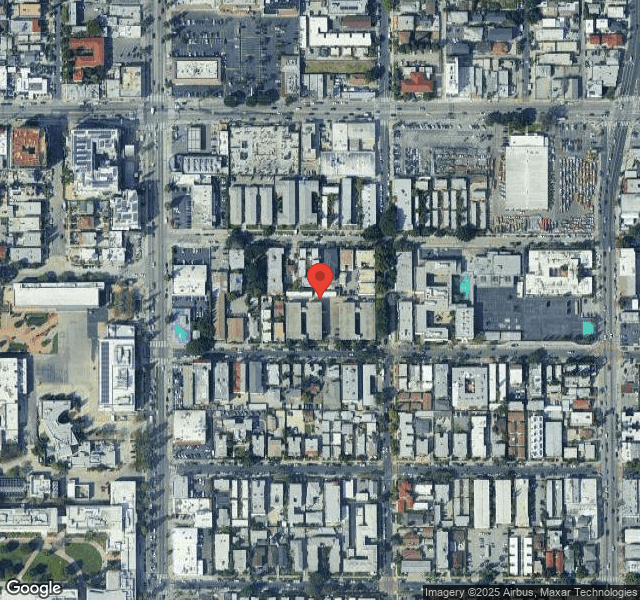
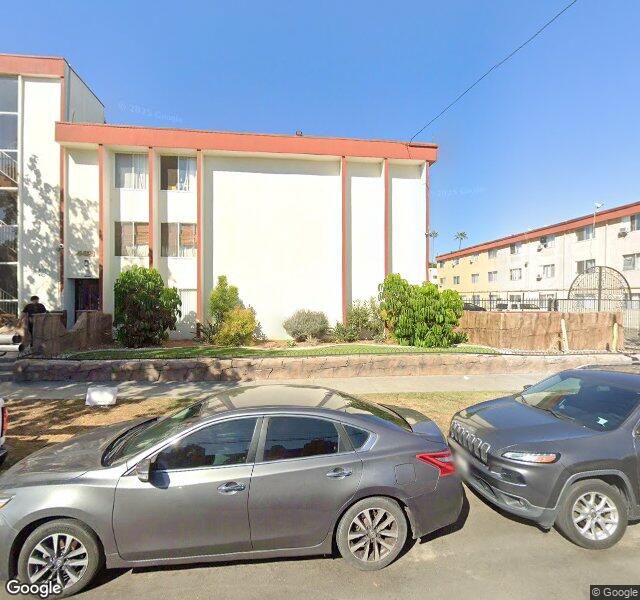
975 NORTH VIRGIL AVENUE, LOS ANGELES, CA 90029 (323) 665-5793
For profit - Corporation 124 Beds Independent Data: November 2025 1 Immediate Jeopardy citation
Trust Grade
43/100
#714 of 1155 in CA
Last Inspection: December 2024

Within standard 12-15 month inspection cycle. Federal law requires annual inspections.

Overview

Virgil Rehabilitation & Skilled Nursing Center has a Trust Grade of D, indicating below-average performance with some concerns about care quality. In California, it ranks #714 out of 1155 facilities, placing it in the bottom half, and #148 out of 369 in Los Angeles County, meaning only a few local options are better. The facility is showing signs of improvement, with issues decreasing from 10 in 2024 to 4 in 2025, but it still has significant weaknesses. While staffing has a decent rating with only 22% turnover, which is better than the state average, there is less RN coverage than 83% of California facilities, raising concerns about the level of oversight. Specific incidents include a resident with dementia eloping from the facility due to insufficient supervision, and another resident who fell and fractured their hip because they weren't closely monitored, highlighting critical areas that need improvement despite a good record of no fines.

Trust Score
D
43/100
In California
#714/1155
Bottom 39%
Safety Record
High Risk
Review needed
Inspections
Getting Better
10 → 4 violations
Staff Stability
✓ Good
22% annual turnover. Excellent stability, 26 points below California's 48% average. Staff who stay learn residents' needs.
Penalties
✓ Good
No fines on record. Clean compliance history, better than most California facilities.
Skilled Nurses
⚠ Watch
Each resident gets only 19 minutes of Registered Nurse (RN) attention daily — below average for California. Fewer RN minutes means fewer trained eyes watching for problems.
Violations
⚠ Watch
55 deficiencies on record. Higher than average. Multiple issues found across inspections.
★★★☆☆
3.0
Overall Rating
★★★☆☆
3.0
Staff Levels
★★★★★
5.0
Care Quality
★★☆☆☆
2.0
Inspection Score
Stable
2024: 10 issues
2025: 4 issues

The Good

  • 5-Star Quality Measures · Strong clinical quality outcomes
  • Low Staff Turnover (22%) · Staff stability means consistent care
  • Full Sprinkler Coverage · Fire safety systems throughout facility
  • No fines on record
  • Staff turnover is low (22%)

    26 points below California average of 48%

Facility shows strength in quality measures, staff retention, fire safety.

The Bad

3-Star Overall Rating

Near California average (3.1)

Meets federal standards, typical of most facilities

The Ugly 55 deficiencies on record

1 life-threatening 2 actual harm
Aug 2025 1 deficiency 1 IJ
CRITICAL (J) 📢 Someone Reported This

A family member, employee, or ombudsman was alarmed enough to file a formal complaint

Immediate Jeopardy (IJ) - the most serious Medicare violation

Accident Prevention (Tag F0689)

Someone could have died · This affected 1 resident

**NOTE- TERMS IN BRACKETS HAVE BEEN EDITED TO PROTECT CONFIDENTIALITY** Based on observation, interview, and record review, the facility failed to ensure one of seven sampled residents (Resident 1) wh...

Read full inspector narrative →
**NOTE- TERMS IN BRACKETS HAVE BEEN EDITED TO PROTECT CONFIDENTIALITY** Based on observation, interview, and record review, the facility failed to ensure one of seven sampled residents (Resident 1) who was confused, had a diagnosis of dementia (a progressive state of decline in mental abilities), and had a history of falls, did not elope (the act of leaving a facility unsupervised and without prior authorization) the facility on 8/20/2025 at approximately 3:45 AM by failing to: -Ensure Registered Nurse 1 (RN1) and other licensed nurses (in general) identified and assessed Resident 1 as a high risk for elopement. -Ensure RN2, Licensed Vocational Nurse3 (LVN3), and LVN2 supervised Resident 1 when Resident 1 tried to leave the facility on 8/20/2025 at 3:20 AM. -Ensure RN supervisors (in general) ensured the facility's door alarms were enabled (on) as indicated in the facility's Audible (able to be heard) Battery-Operated Door Alarm policy and procedure (P&P). On approximately 8/20/2025 at 3:20 AM, RN2 and LVN3 noticed Resident 1 tried to leave the facility and redirected Resident 1 to Resident 1's room. On 8/20/2025 at approximately 3:45 AM, Certified Nursing Assistant 8 (CNA 8) reported to LVN2 Resident 1 disappeared, from the facility. On 8/20/2025 at 4:28 AM, the Emergency Medical Services (EMS-professionals who provide emergency care to people who require medical attention outside of a hospital) arrived with Resident 1 by an ambulance from a public area (unidentified) to the General Acute Care Hospital (GACH) with complaints of unsteady (not firm) gait (how a person walks), left knee pain, and unable to ambulate (walk) witnessed by bystanders (unidentified). The GACH admitted Resident 1 for evaluation of unsteady gait and confusion. These failures resulted in Resident 1's elopement on 8/20/2025 at approximately 3:45 AM, was at high risk for falls, serious harm, and the GACH admitted Resident 1 for evaluation of unsteady gait and confusion. On 8/21/2025 at 5:33 PM, the California Department of Public Health (CDPH, the Department) called an Immediate Jeopardy Situation (IJ, a situation in which the provider's non-compliance with one or more requirements of participation has caused, or likely to cause, serious injury, harm impairment, or death to a patient) in the presence of the facility's Chief Operating Officer (COO), the Administrator (ADM), and the Director of Nursing (DON) related to the failure to ensure Resident 1 did not elope from the facility on 8/20/2025 at approximately 3:45 AM and was at high risk for falls and serious harm, and placed other residents (Resident 2, Resident 3, Resident 4, and Resident 7) at risk for elopement. On 8/23/2025 at 2:51 PM, the facility provided an acceptable IJ Removal Plan (IJRP, a detailed plan that includes interventions to immediately correct the deficient practices in the IJ). While onsite at the facility, the surveyor verified and confirmed the facility's full implementation of the IJRP through observations, interviews, and record review, and determined the IJ situation regarding Resident 1's elopement was no longer present. The surveyor removed the IJ on 8/23/2025 at 3:44 PM in the presence of the ADM, the DON, the Director of Staff Development (DSD), the Infection Preventionist nurse (IP, a healthcare professional who make sure healthcare workers and patients are doing all the things they should to prevent infections), the Social Services Director (SSD), the Minimum Data Set Nurse (MDS Nurse - a nurse to documents using the resident assessment tool), the Social Service Assistant, and the Maintenance Supervisor (MS). The acceptable IJRP included the following summarized actions: On 8/21/2025, the facility readmitted Resident 1 and the admitting nurse (unidentified) updated Resident 1's elopement assessment and diagnoses. The elopement assessment indicated Resident 1 was at high-risk for elopement and the facility placed Resident 1 with one CNA (unidentified) at all times. On 8/21/2025, the DSD provided an in-service regarding elopement prevention and response to fifty-five staff(unidentified) with a plan for the DSD to perform in-services for staff who were on vacation, off schedule, and for new hires. On 8/21/2025, the MDS nurse and the facility's Medical Records (MR) staff identified four residents who were at high-risk for elopement. The facility ensured the care plans and assessments were in place for the four residents. On 8/22/2025, the facility updated Resident 1's care plan to include Resident 1 was at risk for elopement and had a history of elopement. On 8/22/2025, an emergency Quality Assurance and Performance Improvement (QAPI, a program that healthcare providers use to constantly check and improve the quality of their services) meeting was held with the facility's Medical Director, Department Heads (leaders of a specific group of people within a company, who makes sure that team's work gets done smoothly and on time), and the Administrator Consultant (ADMC) to address the facility's systemic issues (the problems with the facility's systems) on elopement. On 8/22/2025, the ADMC and the ADM updated the Audible Battery-Operated Door Alarms Policy and Procedure (P&P). On 8/22/2025, the ADMC provided an in-service to thirty-nine staff including licensed nurses, CNAs, dietary, and housekeeping staff on the Audible Battery-Operated Door Alams P&P to ensure staff were aware of the times the door alarms were to be activated. The facility planned for the DSD or designee (someone who has been officially chosen) to provide an in-service for staff on vacation before the start of the staff's first shift back from vacation. The facility planned to in-service new hires before the first scheduled shift. Current staff, who were not on schedule, would be in-serviced before the start of their first shift back on schedule. On 8/22/2025, the facility created an elopement binder with a list of residents who were at high-risk for elopement and placed the binder in each nursing station. On 8/22/2025, the DON provided a one-on-one in-service to Registered Nurse 1 (RN 1) on the Elopement Prevention and Audible Alarm policies. On 8/22/2025, the DON provided a one-on-one in-service to Registered Nurse 2 (RN 2) regarding elopement prevention.Findings: During a review of Resident 1's admission Record, the admission Record indicated the facility originally admitted Resident 1 on 7/4/2025 and readmitted the resident on 8/21/2025 with diagnoses that included dementia, weakness, hypertension (HTN-high blood pressure), and history of falling. During a review of Resident 1's Risk of Elopement assessment dated [DATE], the Risk of Elopement Assessment indicated RN1 completed the assessment. The Risk of Elopement Assessment indicated Resident 1 was not at risk for elopement. The Risk of Elopement Assessment indicated Resident 1 was ambulatory (able to walk). The Risk of Elopement Assessment indicated Resident 1 did not have any indications of a diagnosis of dementia. The Risk of Elopement Assessment indicated if Resident 1 was ambulatory and had a diagnosis of dementia, the facility was supposed to initiate (start) a care plan for potential elopement. During a review of Resident 1's Care Plan Report dated 7/4/2025, the Care Plan Report indicated Resident 1 was at risk for falls related to the history of falls, dementia, general weakness, and hospice (care for people who are nearing the end-of-life prioritizing comfort and quality of life by reducing pain and suffering). The Care Plan Report indicated the intervention was to implement fall precautions (unidentified). During a review of Resident 1's Minimum Data Set (MDS, a resident assessment tool) dated 7/10/2025, the MDS indicated Resident 1 usually could make himself understood and had the ability to understand others. The MDS indicated Resident 1's had severe cognitive (ability to think and process information) impairment (loss). During a review of Resident 1's History and Physical (H&P) dated 7/27/2025, the H&P indicated Resident 1 did not have the capacity (ability) to understand and make decisions. During a review of Resident 1's Emergency Department (ED) GACH note dated 8/20/2025 at 4:28 AM, the ED GACH note indicated the EMS arrived with Resident 1 from a public area (unidentified) with complaints of unsteady gait, unable to ambulate, and left knee pain, witnessed by bystanders (unidentified). During a review of Resident 1's Progress Notes dated 8/20/2025 at 5 AM, the Progress Notes (documented by LVN2) indicated Resident 1 woke up around 2:40 AM. The Progress Notes indicated at 3:20 AM a charge nurse (LVN 3) found out that Resident 1 tried to go out (unidentified) and he (LVN3) called him (LVN2) to put Resident 1 in Resident 1's room. The Progress Notes indicated RN2 and LVN 2 gave Resident 1 emotional support. The Progress Notes indicated at 3:45 AM a CNA (CNA8) found that Resident 1 had disappeared. The Progress Notes indicated all nurses (unidentified), and CNAs (unidentified) could not find Resident 1 inside or outside the facility. During a review of Resident 1's ED note dated 8/20/2025 at 7:28 AM, the ED note indicated Resident 1 presented to the emergency room with the EMS for evaluation of unsteady gait and confusion. The ED note indicated Resident 1 was found next to a car in a standing position and no other information was known. The ED note indicated Resident 1 was unable to give any additional informationDuring a review of Resident 1's Progress Notes dated 8/20/2025 at 9:32 AM, the Progress Notes indicated the facility received a report from the local police department that Resident 1 was found at the GACH. During a review of Resident 1's Progress Notes dated 8/20/2025 at 10 AM, the Progress Note indicated the facility was able to verify Resident 1 was brought to the GACH via emergency services and the GACH planned to admit Resident 1 to the GACH. During an interview on 8/20/2025 at 1:11 PM with the GACH emergency room (ER ) Registered Nurse (ERRN), the ERRN stated Resident 1 was admitted to the GACH due to a mental status change (when a person's thinking, awareness, or behavior suddenly shifts from their normal state, often described as being confused, disoriented, agitated, or having trouble focusing). During an interview on 8/20/2025 at 3:40 PM with CNA 1, CNA 1 stated Resident 1 would attempt to leave the facility in general (unidentified date and time) and that she (CNA1) notified LVN 1. During a concurrent interview and record review on 8/20/2025 at 3:45 PM with LVN 1 and RN 5, Resident 1's Risk of Elopement dated 7/4/2025 was reviewed. LVN 1 and RN 5 stated Resident 1 had a diagnosis of dementia, and the licensed nurse (RN1) should have identified Resident 1 as a risk for elopement. During a concurrent interview and record review on 8/20/2025 at 4:25 PM with the ADM and the DON, the facility's admission Inquiry form (medical history prior to the facility's admission), dated 7/2/2025 was reviewed. The ADM and DON stated the admission Inquiry form indicated Resident 1 had dementia. The ADM and DON stated the nurse (RN 1) who performed the Risk of Elopement should have identified Resident 1 as an elopement risk. During an interview on 8/20/2025 at 4:42 PM with LVN 2, LVN 2 stated Resident 1 tried to get out of bed on the night of his (Resident 1) elopement (8/20/2025). LVN 2 stated the other charge nurse (unidentified) whose name he (LVN2) did not know, noticed Resident 1 tried to leave the facility. LVN 2 stated a CNA whose name LVN 2 did not know, and a charge nurse whose name LVN 2 did not know, took Resident 1 back to Resident 1's room. LVN 2 stated 30 minutes later the staff (unidentified) could not locate Resident 1. LVN 2 stated he (LVN2) did not hear any door alarms go off. During an interview on 8/20/2025 at 4:46 PM with RN 2, RN 2 stated she (RN2) redirected Resident 1 and LVN 3 brought Resident 1 back to his bed in the early morning of 8/20/2025. RN 2 stated 15 minutes later the facility staff (unidentified) could not locate Resident 1. RN 2 stated she (RN2) could not explain why the alarms did not sound on the morning of 8/20/2025 and Resident 1 eloped from the facility. During an observation on 8/21/2025 at 5:50 AM, CNA3 was observed sitting in front of a room next to one of the exits to the front of the facility. The surveyor knocked and CNA 3 came to the front exit/entrance to the facility facing a street avenue and opened the door from the inside and the door alarm did not sound. There were no staff observed at the front desk. During a concurrent observation and interview on 8/21/2025 at 5:52 AM, with RN 1 and CNA 4, the facility's front door entrance/exit facing a street avenue did not sound. RN 1 stated she (RN1) disarmed the front door entrance/exit at 4 am because the housekeeping staff (unidentified) came in at 4 AM. RN 1 stated the facility would disarm (turn off) the alarm in the front door entrance/exit for a long time, (RN 1 could not give a specific timeframe). Station 1 exit door was open, and the alarm did not sound. RN 1 stated she (RN 1) left station 1 exit door unarmed to let the housekeeping staff (unidentified) inside. RN 1 stated if the front door was not armed, a resident (in general) could leave the facility without the staff (in general) knowing. RN 1 stated the facility's policy (unidentified) allowed her (RN1) to disarm the alarms (in general) at 4 am to let the housekeeping staff inside the facility. During a concurrent interview and record review on 8/21/2025 at 5:52 AM, with RN 1, the facility's policy and procedure (P&P) Audible Battery Operated Door Alarms, dated 1/2023, RN1 stated the P&P indicated the front door alarm should be armed from 10 PM to 7 AM. RN 1 stated the front door was not armed because staff (in general) would go in and out of the facility. During an observation on 8/21/2025 at 5:55 AM, the front door alarm did not sound when the surveyor opened the door. During an observation on 8/21/2025 at 5:57 AM, the station 1 back exit door was wide open without an alarm sound. During an interview on 8/21/2025 at 6:50 AM with CNA 4, CNA 4 stated the RN Supervisors (in general) would disarm the alarms for station 1 back door and the front lobby door alarms around 4 am to let housekeeping staff (in general) inside the facility. CNA 4 stated RN 2 would disarm the alarms around 4 am. During an interview on 8/21/2025 at 7 AM with CNA 5, CNA 6, and the Laundry Aid (LA), CNA 5, CNA 6, and LA, they all stated that the night RN Supervisors (in general) would disarm the facility's alarms (in general). During an interview on 8/21/2025 at 7:05 AM with Housekeeper 1 (HK 1), HK 2, and HK 3, HK 1, HK 2, and HK 3 they all stated the night RN Supervisor (in general) would disarm the alarms (in general) in the early morning to let them (housekeeping staff) into the facility. During an interview on 8/21/2025 at 7:20 AM with the IP, the IP stated he (IP) did not know why the doors were not armed on 8/20/2025 in reference to Resident 1's elopement. During an interview on 8/21/2025 at 9:02 AM with Resident 1's Power of Attorney 1 (POA 1 - a legal document where a trusted person makes healthcare decisions for you if you become unable to make them yourself), POA1 stated Resident 1 had a history of trying to elope from two previous GACHs (unidentified) on two previous occasions. The POA1 stated Resident 1 was very good at escaping. POA 1 stated Resident 1 lived alone and could no longer take care of himself (Resident 1). POA 1 stated the facility did not ask him (POA 1) about Resident 1's history of attempting to elope. During a concurrent interview and record review on 8/21/2025 at 12:05 PM with RN 3, DON, and the ADM, Resident 1's all care plans (in general) were reviewed. RN 3 and the DON stated there was no care plan for elopement for Resident 1. During an interview on 8/21/2025 at 3:44 PM with the ADM, the ADM stated Resident 1 eloped from the facility on 8/20/2025 at 3:45 AM. During an interview on 8/21/2025 at 4:27 PM with the ADM, the ADM stated CNA 8 reported Resident 1went missing from the facility on the morning of 8/20/2025. During a review of the facility's Audible Battery-Operated Door Alarm P&P dated 1/2023, the P&P indicated the facility provides a safe environment for all staff and residents. The P&P indicated the RN supervisor on duty was responsible for ensuring the alarms are enabled. The P&P indicated the nursing staff should be notified if the alarms are not working and to check on resident's who are at high risk for elopement frequently. During a review of the facility's Elopement P&P dated 1/2025, the P&P indicated impaired (decreased) judgment (mental abilities that help a person understand and decide on something), perception (awareness), and thought processes of cognitively impaired persons make the residents at high risk for elopement. The P&P indicated precautions, procedures (unidentified) and staff and visitor education have been put into place to maximize resident safety. The P&P did not indicate how to prevent an elopement.
Aug 2025 1 deficiency
CONCERN (E) 📢 Someone Reported This

A family member, employee, or ombudsman was alarmed enough to file a formal complaint

Potential for Harm - no one hurt, but risky conditions existed

Quality of Care (Tag F0684)

Could have caused harm · This affected multiple residents

**NOTE- TERMS IN BRACKETS HAVE BEEN EDITED TO PROTECT CONFIDENTIALITY** Based on observation, interview, and record review, the facility failed to provide care and services for two of five samples Res...

Read full inspector narrative →
**NOTE- TERMS IN BRACKETS HAVE BEEN EDITED TO PROTECT CONFIDENTIALITY** Based on observation, interview, and record review, the facility failed to provide care and services for two of five samples Residents (Residents 1 and 4) in accordance with professional standards of practice in order to meet resident's physical, mental, and psychosocial needs by failing to:1. Notify the physician about ineffective treatments for a generalized body rash as indicated in the Resident 1 care plan titled, alteration in skin as manifested by generalized body rash, initiated 7/29/2025.2. Implement a care plan for a rash on the left inner thigh for Resident 4 to monitor for effectiveness of the treatment.These deficient practices resulted in significant physical and psychosocial distress for both residents (Residents 1 and 4), including intense itching, insomnia, anxiety, depression, and reduced participation in daily activities. 1. During a review of Resident 1's Record of admission indicated, Resident 1 was admitted to the facility on [DATE] with diagnoses including hemiplegia (paralysis of one side of the body) and hemiparesis (weakness on one side of the body) following cerebral infarction (loss of blood flow to a part of the brain), diabetes mellitus (DM-a disorder characterized by difficulty in blood sugar control and poor wound healing), and hypertension (HTN-high blood pressure). During a review of Resident 1's late entry nursing note dated 5/3/2025 at 7:50 pm indicated, Tx (treatment): Apply Vitamin A&D (primarily used as a skin protectant and moisturizer for treating and preventing a variety of skin irritations. The combination of vitamins A and D, often with petrolatum and lanolin, creates a protective barrier on the skin while also promoting healing) to left upper extremity (arm) due to skin discoloration. During a review of Resident 1's physician orders dated 5/5/2025 at 2:01 pm indicated, trazodone HCl Oral Tablet 50 MG (Trazodone HCl- antidepressant with multiple uses, including Food and Drug Administration-approved treatment for depression and off-label use for insomnia and anxiety), Give one tablet by mouth at bedtime for depression m/b (manifested by) inability to sleep. During a review of Resident 1's Minimum Data Set (MDS - a resident assessment tool), dated 5/9/2025, indicated, Resident 1 was cognitively intact (a person's brain functions related to thinking, learning, and memory are intact, allowing them to effectively manage daily life without significant cognitive impairment or decline). The same MDS indicated Resident 1 required between partial/moderate-to-substantial/maximal assistance for all Activities of Daily Living (ADLs- eating, oral hygiene, toileting hygiene, shower/bathe self, upper & lower body dressing, personal hygiene, putting on/taking off footwear). During a review of Resident 1's physician orders dated 6/19/2025 indicated, Hydroxyzine HCl (an antihistamine used to treat itching, hives, and anxiety) Tablet 25 MG, give two tablets by mouth every eight hours as needed for general itchiness at back side During a review of Resident 1's Situation, Background, Assessment, Recommendation (SBAR, a communication tool used by healthcare workers when there is a change of condition among the residents) progress note dated 7/29/2025, indicated, Noted with generalized body skin rash (Lower extremities, upper extremities, back area) with sites of multiple small, irregular in shape skin redness, with slight skin elevations with periods of itchiness complain. Primary doctor made aware. With treatment order noted and carried out. During a review of a physician's order dated 7/29/2025 indicated an order for hydrocortisone 1% cream to be applied to the affected area every shift until 8/1/2025. During a review of a care plan titled, alteration in skin as manifested by generalized body rash, initiated 7/29/2025 with interventions which included to notify physician if treatments were not effective. During a review of Resident 1's physician orders dated 7/30/2025 at 2:35 pm indicated, dermatology (branch of medicine concerned with the diagnosis and treatment of skin disorders) consult due to generalized body rash. The same orders indicated for skin scrape d/t (due to) generalized body rash and contact precautions due to suspected rash. During an interview with Certified Nursing Assistant (CNA) 1 on 8/12/2025 at 4:13 pm, CNA 1 stated that she had observed that Resident 1 had a generalized itchy rash all over her (Resident 1) body. CNA 1 stated that Resident 1 complained about the intense itch which kept her from sleeping at night. CNA 1 stated that Resident 1 frequently scratched her body throughout the day. During a concurrent observation and interview with Resident 1 on 8/12/2025 at 10:57 am, Resident 1 was observed sitting on stationary equipment in the physical therapy room. Resident 1 was scratching with increasing frequency and intensity throughout the interview and appeared anxious, upset, and agitated stating, I am so sick and tired of being this way. She was observed to have red and grayish scattered, raised rash to her right arm, left arm, and chest. The resident stated that she also had the same rash to her right leg. She stated that even though she was scratching and very uncomfortable right now, it was exponentially worse at night to the point that she was unable to sleep due to the intensity of the itchiness. Resident 1 stated as she started to blink rapidly with red glossy eyes as if preventing her tears from running down her cheeks that she had been begging staff to find a medication/cream that worked. She stated that she felt ignored, anxious and now had insomnia because of the discomfort. She stated that the felt so helpless that she had run out of how to express herself and now just curses. She stated that she was prescribed trazodone for sleep which helped her fall asleep for a couple of hours before the intense itch becomes noticeable again. The resident stated she felt that staff did not do good in listening to her nor did they thoroughly explain what treatments were given, why they continued to give her the same treatments that did not work in the first place. The resident stated that she had felt staff just did things to try and keep her quiet. During an interview with the Treatment Nurse (TN) on 8/13/2025 at 12:10 pm, TN admitted that Resident 1 had a recurrent generalized rash which had just reappeared on 7/29/2025. TN stated that Resident 1 was prescribed an anti-itch cream and confirmed that Resident 1 complained about the intense itching at night. TN stated that Resident 1 was prescribed trazodone which he stated was not as effective because the lack of sleep was due to the itching instead of ordinary insomnia. TN admitted that the current treatments were not effective for Resident 1 but that the physician had not been notified. TN stated that he was aware that it would be hard on the resident and cause lack of sleep and potentially cause the resident to feel depressed. 2. During a review of Resident 4's Record of admission indicated, Resident 4 was originally admitted to the facility on [DATE] and readmitted on [DATE] with diagnoses including hemiplegia (paralysis of one side of the body) and hemiparesis (weakness on one side of the body) following cerebral infarction (loss of blood flow to a part of the brain), DM and HTN. During a review of Resident 4's MDS dated [DATE], indicated, Resident 4 had severe cognitive impairments (a significant loss of the ability to think, learn, remember, concentrate, or make decisions, to the point that the person cannot live independently). The same MDS indicated Resident 4 required between partial/moderate-to-substantial/maximal assistance for ADLs. A review of Resident 4's history and physical (H&P- a formal medical document and assessment process where a healthcare provider gathers information through a patient interview [the history] and a hands-on examination [the physical exam] to understand the patient's health, diagnose illness, and create a treatment plan) dated 6/22/2025, indicated Resident 4 had fluctuating capacity to understand and make decisions. During a review of a care plan for alteration in skin as manifested by rash/redness site to the left inner thigh initiated on 8/7/2025 listed interventions which included give ordered treatment and monitor for effectiveness. During a concurrent observation and interview of Resident 4 on 8/13/2025 at 10:38 am, Resident 4 was dressed in a floral dress, sitting at her bedside watching tv. Resident 4 observed scratching her chest, abdomen, legs, arms, palm of her hands, her flank and her back as she spoke with the surveyor. Resident 4 stated that she had had this rash for several weeks as tears started to run down her face. Resident 4 stated that she had been complaining to the facility staff about the intense itching which has affected how she interacts in the facility. She stated that she is unable to sleep, which made her feel exhausted throughout the day, making it impossible to participate in her daily activities. Resident 4 stated that she felt unheard, anxious, depressed and in a constant state of stress. Resident 4 was observed to have widespread rash of red bumps, small blisters, or scaly patches, often accompanied by tiny, wavy burrows especially on the palms of her hands and the webs of her fingers During an interview with the TN on 8/13/2025 at 12:20 pm, TN stated that Resident 4 complained of itching to her right chest as well as bilateral inner thighs. TN stated that he was not aware that Resident 4 was itchy at night because Resident 4 was mostly Spanish speaking. During an interview with the Director of Nursing (DON), on 8/12/2025 at 4:37 pm, the DON stated that if residents are unable to sleep, they may get restless and possibly depressed. The DON stated the physician must be called if the treatment is not effective. During an interview with the Medical Director (MD), on 8/14/2025 at 4:21 pm, the MD stated that the facility staff are expected to contact the physician whenever there is a change in condition such as rashes. The MD stated that staff must report to the physician's if the ordered treatments are not effective to ensure the resident's quality of life is maintained. The MD stated that treating the underlying cause if insomnia is paramount and must have been investigated further instead of treating a symptom. During a review of the facility's policy and procedures (P&P) titled, Change of Condition Policy, reviewed 1/2025, the P&P indicated, The facility shall notify the resident, his or her attending physician, and representative of changes in the resident's condition and/or status.The Nurse Supervisor shall notify the resident's attending physician, consistent with medical director and physician policies, when:- There is a significant change in the resident's physical, mental, or psychosocial status;- There is a need to alter the resident's treatment significantly.
Jul 2025 1 deficiency 1 Harm
SERIOUS (G) 📢 Someone Reported This

A family member, employee, or ombudsman was alarmed enough to file a formal complaint

Actual Harm - a resident was hurt due to facility failures

Accident Prevention (Tag F0689)

A resident was harmed · This affected 1 resident

Based on interview and record review, the facility failed to ensure one of three sampled residents (Resident 1) was closely monitored (constant observation) to prevent a fall (refers to unintentionall...

Read full inspector narrative →
Based on interview and record review, the facility failed to ensure one of three sampled residents (Resident 1) was closely monitored (constant observation) to prevent a fall (refers to unintentionally coming to rest on the ground, floor, or other lower level, but not because of an overwhelming external force). The facility was aware that Resident 1 was confused (is the inability to think as clearly or quickly as you normally do), legally blind (severe vision loss), at high risk for falls, at risk for elopement (leaving a facility unsupervised and unnoticed), restless (feeling uneasy, agitated, or unable to relax or stay still), and was unable to sit still. As a result, Resident 1 had a fall witnessed by Resident 2 (unidentified date and time) that resulted for Resident 1 to sustain a left hip fracture (broken bone). On 7/22/2025 at 11:30 PM, Resident 1 was transported to the General Acute Care Hospital (GACH) where Resident 1 was admitted and underwent a left femur (thighbone) intramedullary (inside of a bone) rodding (bones or bone fragments are repositioned into their normal positions) surgery with general anesthesia (a temporary loss of feeling and complete loss of awareness that feels like a very deep sleep).Findings: During a review of Resident 1's admission Record, the admission Record indicted the facility admitted Resident 1 on 5/15/2025 with diagnoses that included Alzheimer's disease (a disease characterized by a progressive decline in mental abilities), muscle weakness, dementia (a progressive state of decline in mental abilities), other abnormalities of gait (your pattern of walking) and mobility (the ability to move), abnormal posture (the way you hold your body), age-related osteoporosis (a condition in which bones become weak and brittle), vitamin D deficiency (when the body does not have enough vitamin D and primarily causes issues with your bones and muscles), and sensorineural hearing loss (when the inner ear or the nerve connecting the ear to the brain is damaged, making it hard to hear clearly) bilateral (both ears/sides). During a review of Resident 1's Fall Risk Assessment (a tool to figure out how likely someone is to fall, especially for older adults) dated 5/15/2025, the Fall Risk Assessment indicated Resident 1 was legally blind and at high risk for falls. The Fall Risk Assessment indicated Resident 1 was disoriented (confused) at all times to name, place, and time and had balance (being able to stay upright and/or steady) problems while standing and while walking. The Fall Risk Assessment indicated to provide frequent visual monitoring (monitor by watching) and to anticipate (expecting something to happen and often to prepare for it in advance) needs in a timely manner. During a review of Resident 1's Care Plan Report (a structured and individualized document that spells out how a facility will meet a resident's health or personal care needs), dated 5/15/2025, the Care Plan Report indicated Resident 1 was at risk for fall related to Alzheimer's, dementia, and legally blind. The Care Plan Report indicated the goal was to minimize (limit) the occurrence (something that happens or takes place) of falls and /or injury for Resident 1. The Care Plan Report indicated the nursing interventions (an action taken to prevent, treat, or manage a health problem) were to provide Resident 1 with a safe environment, bilateral (both sides) floor mat (cushioned pad you put on the floor next to a bed in case someone falls to reduce the chance of injury), keep the call light (a device used by a patient to signal his or her need for assistance) within Resident 1's reach and answer the call light promptly (with no delay), and place Resident 1's bed in the low position. During a review of Resident 1's Physical Therapy notes dated 5/15/2025, the Physical Therapy notes indicated Resident 1 needed maximum assistance (the individual receiving care can participate in a task or activity, but requires significant assistance from a caregiver or therapist, typically performing only 25% or less of the work according to healthcare resources) to walk 25 feet (take steps for a distance of 25 feet in a straight line). The Physical Therapy notes indicated Resident 1 had balance deficits (having trouble staying steady on your feet). During a review of Resident 1's Care Plan Report dated 5/16/2025, the Care Plan Report indicated Resident 1 was at risk for elopement risk as evidenced by impaired cognition (someone has difficulty with thinking, learning, remembering, or making decisions), memory impairment (problems with remembering things). The Care Plan Report indicated Resident 1 would ambulate (walk) with assistance, and used medication that could cause confusion and disorientation (lack of awareness). The Care Plan Report indicated the nursing intervention was to monitor Resident 1's location (whereabouts) every __ (blank) min (minute). The Care Plan Report indicated to document wandering (move about aimlessly or without any destination) behavior and attempted diversional interventions (refers to the use of recreational and leisure activities to help patients cope with their medical conditions) in behavior log. The Care Plan Report indicated the nursing intervention was to provide Resident 1 with assistance during ambulation (the ability to walk or move from place to place). The Care Plan Report indicated the goal was to maintain Resident 1's safety. During a review of Resident 1's Interdisciplinary Team Conference Record (IDT - refers to a group of healthcare professionals from different fields who collaborate to provide comprehensive patient care) notes dated 5/16/2025, the IDT Conference Record indicated Resident 1 needed maximum assistance with activities of daily living (ADLs - basic self-care tasks needed to take care of oneself), was a fall risk, and was educated to use call lights. During a review of Resident 1's Order Summary Report dated 5/16/2025, indicated for Resident 1 to have bilateral floor mats. During a review of Resident 1's History and Physical (H&P - comprehensive document that records a resident's medical history and a detailed physical examination performed by a health care professional) dated 5/17/2025, the H&P indicated Resident 1 had fluctuating (changed frequently) capacity (person's ability to understand information and make decisions can change from day to day, or even hour to hour) to understand and make decisions. During a review of Resident 1's Minimum Data Set (MDS - a resident assessment tool) dated 5/21/2025, the MDS Resident 1 had severe cognitive (reasoning) impairment. The MDS indicated Resident 1 needed substantial (at lot)/maximal (maximum) assistance with toileting (using the toilet). The MDS indicated Resident 1 was dependent (someone does all the effort) for showering/bathing. The MDS indicated Resident 1 needed substantial (extensive)/maximal assistance to walk ten feet (a unit of measure) to go from a sitting to standing position, and to transfer from chair/bed to chair. The MDS indicated Resident 1 needed partial/moderate assistance to go from sitting to lying position and to go from lying to sitting on the side of the bed. The MDS indicated Resident 1 did not have a fall prior to admission. During a review of Resident 1's Progress Notes dated 7/15/2025 at 11:44 PM, the Progress Notes indicated Resident 1 was noted to be restless, going from one bed to another (unidentified), standing and trying to walk by herself in the middle of the night. The Progress Notes indicated Resident 1 was unable to sit still, unable to calm herself, disoriented and Resident 1 wanted to walk outside her (Resident 1's) room and unable to determine the time. During a review of Resident 1's Order Summary review dated 7/15/2025, indicated to monitor Resident 1 for restlessness/inability to sleep every shift. During a review of Resident 1's Progress Notes dated 7/17/2025 at 7:14 AM, the Progress Notes indicated Resident 1 was noted to be restless, going from one bed to another (unidentified), standing and trying to walk by herself in the middle of the night. The Progress Notes indicated Resident 1 was unable to sit still, unable to calm herself, disoriented, and Resident 1 wanted to walk outside her (Resident 1's) room and unable to determine time (documented the same as the Progress Notes dated 7/15/2025 at 11:44 PM). During a review of Resident 1's Medication Administration Record dated 7/17/2025 indicated Resident 1 did not have behaviors related to anxiety (nervousness) manifested by sleeplessness on all three shifts.During a review of Resident 1's Change in Condition (Situation Background Appearance Review, SBAR - a communication tool used by healthcare workers when there is a change of condition among the residents) dated 7/22/2025 at 11:45 PM, the SBAR indicated Resident 1 complained of left hip pain, left knee pain, and left foot pain (pain levels unidentified). The SBAR indicated Resident 1 had a left hip x-ray (a medical scan to get pictures of the inside of your body) that showed a fracture (broken bone) of the acetabulum (a cup-shaped socket in the pelvis that forms the hip joint) and was transferred to the ED (emergency department). During a review of Resident 1's GACH Clinical Notes dated 7/26/2025, the Clinical Notes indicated Resident 1 had a mechanical fall (a type of fall that occurs due to an external, physical factor rather than an underlying medical condition) and sustained a left hip intertrochanteric fracture (refers to a break in the upper part of the thigh bone [femur]. The Clinical Notes indicated Resident 1 underwent under general anesthesia and had a left femur intramedullary rodding surgery. During a review of the facility's Summary of Investigation report dated 7/27/2025, the Summary of investigation report indicated Resident 2 could not recall the date when she (Resident 2) saw and witnessed Resident 1 fall from the bed to the floor. The Summary of Investigation report indicated the facility concluded Resident 1 had a fall witnessed by Resident 2. During an interview on 7/28/2025 at 11:15 AM with the Director of Nursing (DON) and the facility's Administrator (ADM), the DON and ADM stated Resident 1 was currently in the GACH. The DON and ADM stated Resident 1's bed was on hold and the facility would accept Resident 1 back once stable for discharge from the GACH. During an interview on 7/28/2025 at 11:54 AM with the General Acute Care Hospital Registered Nurse (GACHRN), the GACHRN stated Resident 1 was still in the general acute care hospital. The GACHRN stated Resident 1 had a left femur intermedullary rodding. The GACHRN stated Resident 1 was confused, and unable to be interviewed. The GACHRN stated Resident 1 would be discharging from the GACH back to the skilled nursing facility on 7/28/2025. During an interview on 7/28/2025 at 12:51 PM with Certified Nursing Assistant 1 (CNA 1), CNA 1 stated she (CNA1) was familiar with Resident 1. CNA 1 stated Resident 1 was confused, sometimes combative (a display of aggression) and sometimes would get agitated (feeling restless, uneasy, or disturbed, often with a strong urge to move around or act out). CNA 1 stated Resident 1 was blind and was unable to use a call light. CNA 1 stated the certified nursing assistants (in general) were required to make rounds (when someone goes to check on a resident) to monitor the resident. CNA 1 stated she (CNA1) did not document when she (CNA1) would make rounds and could not provide proof when she (CNA1) would do her rounds on Resident 1. CNA 1 stated Resident 1 was totally dependent (a person needs complete help from another person to do all or most of their everyday tasks) on the with care. CNA 1 stated Resident 1 was not safe to get up out of bed by herself. During a phone interview on 7/29/2025 at 1:06 PM with Resident 1's Family Member 1 (FAM 1), FAM 1 stated Resident 1 was blind and hard of hearing. FAM 1 stated he (FAM1) thought there was a disconnect between staff members at the facility because he (FAM 1) stated when he communicated something to one staff member, he (FAM 1) felt what he (FAM 1) communicated was not passed along to other staff members (unidentified). FAM 1 stated he (FAM1) thought Resident 1 sustained her injury (fractured left hip) sometime between 7/21/2025 and 7/22/2025. FAM 1 stated the floor mats that were supposed to be placed around Resident 1's bed were not always present when he (FAM 1) would visit (unknown date) Resident 1. FAM 1 stated he (FAM 1) would sometimes noticed Resident 1's floor mats were placed up against the wall instead of around Resident 1's bed. During a concurrent interview and record review on 7/28/2025 at 1:19 PM with the Quality Assurance Nurse (QA - a nurse who works to make sure patients get the best and safest care possible), Resident 1's Care Plan Report dated 5/16/2025 was reviewed. The QA nurse stated Resident 1 was at risk for elopement and required assistance with ambulation. The QA nurse stated the Care Plan Report did not indicate how often the nursing staff (in general) needed to monitor Resident 1's location (whereabouts). The QA nurse stated the Care Plan Report indicated nursing interventions included to monitor Resident 1's location (whereabouts) every __ (blank) min. The QA nurse stated the licensed nurses (in general) needed to add an intervention that indicated how many minutes Resident 1's location should have been monitored instead of leaving the number of minutes blank. The QA nurse stated the facility did not have a tool for documenting Resident 1's locations. The QA nurse stated Resident 1 was blind and confused. The QA nurse stated she (QA nurse) could not produce any documentation that Resident 1 knew how to use her (Resident 1) call light. The QA nurse stated Resident 1's floor mats were sometimes removed by the cleaning/maintenance staff (unidentified) to clean the floor when Resident 1 was up in a chair or out of the room. The QA nurse stated she (QA nurse) could not say how long the floor mats were removed from around Resident 1's bed. The QA nurse stated she (QA nurse) could not explain why the facility's staff (in general) did not see Resident 1 go(by t out of her (Resident 1's) bed and fell even though Resident 1's room was directly in front of the nursing station. During an interview on 7/28/2025 at 1:42 PM with Licensed Vocational Nurse 1 (LVN 1), LVN 1 stated Resident 1 was confused, hard of hearing, and blind. LVN 1 stated Resident 1 did not have the ability to use her call light. LVN 1 stated that even if the staff (in general) would give Resident 1 the call light Resident 1 would not use the call light. LVN 1 stated she (LVN1) could not explain why the facility created a care plan for Resident 1 to use a call light when Resident 1 did not have the ability to use it (call light). LVN 1 stated Resident 1 had a history of trying to get out of bed by herself and required frequent(unspecified) monitoring. LVN 1 stated the facility placed Resident 1 close to the nursing station and she (LVN1) would look inside Resident 1's room but did not document when she (LVN 1) would monitor Resident 1. LVN 1 stated if the facility did not document interventions, there was no proof the facility was monitoring Resident 1. LVN1 stated Resident 2 told her (LVN1) that Resident 1 fell (unspecified date and time). During a phone interview on 7/28/2025 at 2:06 PM with Family Member 1 (FM 1) and Family Member 2 (FM 2), FM 1 stated he (FM1) witness Resident 1's floor mats were not on the floor and were against the wall while Resident 1 was in her room. FM 2 stated she (FM2) had some safety concerns. FM 2 stated when she (FM2) would visit (unknow dates) Resident 1, she (FAM2) would see Resident 1 left alone and did not see the facility staff (in general) making rounds for approximately (about) one hour. FM 2 stated Resident 1's privacy curtains were usually drawn (by unidentified staff) closed around the bed) and Resident 1 was hard to see when the privacy curtains were drawn. During an interview on 7/28/2025 at 2:21 PM with Registered Nurse 1 (RN 1), RN 1 stated the facility gave Resident 1 a call light because it was the facility's standard to place the call light beside her (Resident 1). RN 1 stated giving Resident 1 a call light when she (Resident 1) could not use one was not an effective intervention because Resident 1 had not used the call light. When asked for proof that staff (in general) made rounds on Resident 1, RN 1 stated the facility documented when adult briefs (disposable underwear) were changed for Resident 1. RN 1 stated that documentation of adult briefs was not the same as documentation of rounds being performed to monitor Resident 1 and could not provide documented proof rounds were made. RN 1 stated the facility considered using a bed alarm for Resident 1 but could not provide documented proof. During an interview on 7/28/2025 at 2:37 PM with Resident 2, Resident 2 stated she (Resident 2) could not remember when Resident 1 fell. Resident 2 stated she (Resident 2) saw Resident 1 fall and could not remember the date. Resident 2 preferred not to answer more questions. During an interview on 7/28/2025 at 3:50 PM with the facility's Physical Therapist (PT, is a healthcare provider who helps you improve how your body performs physical movements), the PT stated Resident 1 was at risk for falls due to her poor cognition, lack of balance deficit (difficulty staying steady on your feet), and lack of coordination. The PT stated Resident 1 was discharged from the physical therapy program and placed in the Restorative Nursing Assistant Program (RNA - specially trained certified nursing assistants [CNAs] who help residents in healthcare facilities regain or maintain their ability to perform daily tasks like bathing, dressing, and eating). During an interview on 7/28/2025 at 4 PM with Restorative Nursing Assistant 1 (RNA 1), RNA 1 stated when she (RNA 1) worked with Resident 1, she (RNA 1) required the assistance of another RNA while working with Resident 1 (unknown date) because Resident 1 was sometimes confused and resistive to therapy. RNA 1 stated the last time she worked with Resident 1 was on 7/22/2025 and reported to the charge nurse (unidentified) Resident 1 was resistive to therapy. RNA 1 stated the charge nurse (unidentified) medicated (unidentified medication) Resident 1. RNA 1 stated 40 minutes after the charge nurse (unidentified) medicated Resident 1, RNA 1 try to work with Resident 1 again but Resident 1 did not cooperate. During an interview on 7/28/2025 at 4:07PM with the Social Services Director (SSD), the SSD stated Resident 1 had dementia and was often disoriented and had to work with Resident 1's family (FM 1 and FM 2). During an interview on 7/28/2025 at 4:23 PM with the facility's ADM and DON, the ADM stated she (ADM) could not say if staff (in general) had a line of sight (unobstructed view when looking from one point to another) of Resident 1 when Resident 1's privacy curtain was drawn (by unidentified staff). The DON stated if Resident 1's floor mats were not on the floor; Resident 1 could fall and injure herself. The DON stated the licensed nurse's (in general) rounds were not documented by the facility. The DON stated giving a confused resident (in general) a call light and expecting them to use it was not prudent (sensible) because Resident 1 could not be taught to use it. The DON stated if the facility did not document the facility's monitoring of Resident 1's location, the facility did not have proof that the monitoring was done. During a review of the facility's policy and procedure (P&P) titled Falls and Fall Risk, Managing, dated 1/2025, the P&P indicated the staff will identify interventions related to the resident's specific risks and causes to try to prevent the resident from falling and to try to minimize complications from falling. The P&P indicated the staff, with the input of the Attending Physician, will identify appropriate interventions to reduce the risk of falls. If a systematic (done or acting according to a fixed plan or system) evaluation of a resident's fall risk identifies several possible interventions, the staff may choose to prioritize interventions (i.e to try one or a few at a time, rather than many at once). The P&P indicated in conjunction with the Attending Physician, staff will identify and implement relevant interventions (e.g., hip padding or treatment of osteoporosis as applicable) to try to minimize serious consequences of falling. The P&P indicated the staff will monitor and document each resident's response to interventions intended to reduce falling or the risks of falling. During a review the facility's policy and procedure (P&P) titled Elopement Policy & Procedure, dated 1/2025, the P&P indicated the safety of all residents is the primary care standard at the facility. Impaired judgement, perception, and thought processes of cognitively impaired persons make the residents at a higher risk for elopement into unsupervised or unsafe areas. Precautions, procedures and staff and visitor education have been put into place to maximize resident safety. During a review of the facility policy and procedures (P&P), titled, Routine Resident Checks, revised 1/2025, the P&P indicated, Routine resident checks shall be made to assure that the resident's safety and well-being are maintained.1. To ensure the safety and well-being of our residents, nursing staff shall make a routine resident check on each unit at least every 2 hours throughout each 24-hour shift.2. Routine resident checks involve entering the resident's room and/or identifying the resident elsewhere on the unit to determine if the resident's needs are being met, identify any change in the resident's condition, identify whether the resident has any concerns, and see if the resident is sleeping, needs toileting assistance, etc.3. The person conducting the routine check shall report promptly to the Nurse Supervisor/Charge Nurse any changes in the resident's condition and medical needs.4. The Nursing Supervisor/Charge Nurse shall keep documentation related to these routine checks, including the time, identity of the person making checks, and any outcomes of each checks. (Note: CNAs may also record this information and provide it to the Nurse Supervisor/Charge Nurse.)
Feb 2025 1 deficiency
CONCERN (D) 📢 Someone Reported This

A family member, employee, or ombudsman was alarmed enough to file a formal complaint

Potential for Harm - no one hurt, but risky conditions existed

Deficiency F0582 (Tag F0582)

Could have caused harm · This affected 1 resident

Based on interview and record review the facility failed for one of three sampled residents (Resident 1), to inform about Medicare co pay upon admission. This deficient practice caused the Resident 1'...

Read full inspector narrative →
Based on interview and record review the facility failed for one of three sampled residents (Resident 1), to inform about Medicare co pay upon admission. This deficient practice caused the Resident 1's representative (RR) to be surprised by a bill and violated their right to be informed. Findings: A review of Resident 1's admission record indicated the facility admitted Resident 1 on 1/8/2025 with diagnoses including pneumonia (an infection/inflammation in the lungs), adult failure to thrive (FTT- a decline caused by chronic diseases and functional impairments which can cause weight loss, decreased appetite, poor nutrition, and inactivity), dementia (a progressive state of decline in mental abilities) and anxiety (condition of chronic worry and fear). A review of Resident 1's Minimum Data Set (MDS- a resident assessment) dated 1/15/2025 indicated Resident 1's cognition was not intact. Resident 1 required maximal assist (helper does more than half the effort to complete the activity) with toileting, bathing, dressing. A review of Resident 1's physician order dated 1/24/2025 indicated Resident 1 may be transferred from facility A to facility B. On 1/31/2025 The California Department of Public Health (CDPH) received a complaint alleging the facility sent a bill for Resident 1's Medicare co pay with no warning. During a concurrent interview and record review on 2/12/2025 at 10:31 a.m. with the RR, Resident 1's statement dated 1/24/2025 was reviewed. Resident 1's statement indicated from 1/8/2025-1/23/2025 the facility billed the amount of $209.50 per day for Medicare Co-insurance and the total amount due was $3,352.00. The RR stated this bill was received by mail from the facility after Resident 1 had been transferred to facility B. The RR stated, I went to the facility to sign admission papers about three or four days after Resident 1 was admitted and no one informed me of this copayment. The RR stated, I was under the impression Resident 1's stay was covered. I did not find out about this co payment until I got the bill in the mail after Resident 1 was transferred to facility B . During a concurrent interview and record review on 2/12/2025 at 11:31 a.m. with the business office manager (BOM), Resident 1's Medicare eligibility response dated 1/8/2025 was reviewed. Resident 1's Medicare eligibility response indicated Resident 1used 79/100 days for skilled nursing stay. Resident 1 had 21 days of coverage left with a co pay of $209.50. The BOM stated, Upon admission I run the eligibility report to verify their insurance then we have an interdisciplinary team (IDT) meeting and inform the Resident of their copay and if their insurance will cover their stay . The BOM stated, I did not inform the RR of the Medicare co pay at admission I just sent the bill out after Resident 1 was transferred to facility B. During an interview on 2/12/2025 at 12:34 p.m. with the social services assistant (SSA), The SSA stated, I attended the IDT meeting with the RR (who attended via phone) and the BOM was not a part of this meeting . The SSA stated, During the meeting we talked about the cost for Resident 1, the BOM informed Resident 1 had approximately 21 days of Medicare coverage remaining, so it was my understanding that Resident 1's stay here was completely covered . The SSA further stated, When the RR came into the facility to sign the admission paperwork, we discussed her cots again that her stay would be covered, we did not discuss Resident 1's Medicare co pay nor did we discuss the cost of Resident 1 would have stayed past the 21 days . A review of the facility's policy and procedures titled, admission to the Facility , revised 1/2023, the P&P indicated: Our admission policies apply to all residents admitted to the facility regardless of race, color, creed, national origin, age, sex, religion, handicap, ancestry, marital or veteran status, and/or payment source. 4. The objectives of our admissions policies are to: a. Provide uniform guidelines for admitting residents to the facility; b. Admit residents who can be adequately cared for by the facility; c. Address concerns of residents and families during the admission process; d. Review with the resident, and/or his/her representative (sponsor), the facility's policies and procedures relating to resident rights, resident care, financial obligations, visiting hours, etc.; and e. Assure that the facility receives appropriate medical and financial records prior to or upon the resident's admission.
Dec 2024 10 deficiencies
CONCERN (D)

Potential for Harm - no one hurt, but risky conditions existed

Deficiency F0551 (Tag F0551)

Could have caused harm · This affected 1 resident

**NOTE- TERMS IN BRACKETS HAVE BEEN EDITED TO PROTECT CONFIDENTIALITY** Based on interview and record review, the facility failed to ensure one sampled resident (Resident 21) had proper documented rep...

Read full inspector narrative →
**NOTE- TERMS IN BRACKETS HAVE BEEN EDITED TO PROTECT CONFIDENTIALITY** Based on interview and record review, the facility failed to ensure one sampled resident (Resident 21) had proper documented representation to make medical decisions, as there was no conservatorship application when Resident 21 was deemed non competent. This deficient practice caused an increased risk in the resident receiving care without proper documented representation. Findings: A review of Resident 21's admission record indicated the resident was admitted to the facility on [DATE] with diagnoses including epilepsy (condition involving the brain that makes people more susceptible to having recurrent unprovoked seizures [a burst of uncontrolled signals between brain cells]), Parkinson's disease (condition that causes nerve cells in the brain to die), and dementia (condition that makes someone unable to remember, think clearly, or make decisions while doing everyday activities). A review of a notice of referral receipt from the Department of Mental Health (DMH), provided by the Social Services Assistant (SSA), indicated the facility filed for a probate conservatorship of Resident 21. The receipt indicated a Deputy Public Guardian was assigned to investigate with a visit date of 7/31/2015. A review of the Resident 21's Acknowledgment of Receipt of Advance Directive, dated 11/20/2020, indicated the resident did not have the capacity to understand and make decisions. A review of Resident 21's Minimum Data Set (MDS - a federally mandated resident assessment tool), dated 12/16/2024, indicated the resident had memory problems and severe impairment in decision making. During an interview on 12/26/2024 at 8:45 AM, the Social Services Assistant (SSA) stated Resident 21 was verbal years ago and had no next of kin. The SSA stated a public guardian did initiate a visit to determine if Resident 21 was a candidate for conservatorship. The SSA provided a Notice of Referral Disposition from the DMH which indicated no petition filed; lack of imminent need for conservatorship. A future re-evaluation may be warranted. During an interview on 12/26/2024 at 10:10 AM, Registered Nurse / Nursing Supervisor (RNS) 2 stated Resident 21 was hospitalized in September, October, and November of 2024. RNS 2 stated after the first hospitalization, Resident 21 returned to the facility nonverbal but could open his eyes. RNS 2 stated after the second hospitalization, Resident 21 returned lethargic. RNS 2 stated after the third visit, Resident 21 returned nonverbal and nonresponsive. During a concurrent interview and record review on 12/26/2024 at 10:53 AM with the Social Services Director (SSD), the Notice of Referral Disposition Letter dated 8/5/2015 for Resident 21, a note from the SSD to the medical director regarding Resident 21's DNR status dated 12/12/24, and the Physician's Orders for Life-Sustaining Treatment (POLST) were reviewed. The SSD reviewed her note to the medical director which indicated on the POLST two physician signatures were required due to the resident not having the capacity to make decisions and no known family or friends. The SSD stated she received this information from Resident 21's primary care physician. The SSD stated the new POLST was signed by both physicians dated 12/12/2024. The SSD provided the physician's order from the primary care physician which indicated pt is DNR. The SSD stated the DNR status occurred after Resident 21's last hospital visit. The SSD reviewed the Notice of Referral Disposition Letter and noted the determination that at that time a lack of need for conservatorship, but a future re-evaluation may be warranted. The SSD stated that no new application was filed for conservatorship / public guardian since 2015. The SSD stated a new submission for conservatorship should have been submitted when Resident 21 was deemed noncompetent. During concurrent interview and record review on 12/27/2024 at 11:29 AM with the SSD and SSA, the Advanced Directive (a legal document indicating resident preference on end-of-life treatment decisions) dated 11/20/20 was reviewed. The SSA noted the advance directive indicated Resident 21 did not have the capacity to understand and make decisions. The SSA and SSD indicated that conservatorship or public guardianship should have been submitted in 2020. The SSD reviewed the MDS in 11/2020 which indicated that Resident 21 could not recall and had memory issues. The SSD and SSA stated the potential harm to the resident would be provided care without representation. During an interview on 12/27/2024 at 2:21 PM, the Director of Nursing (DON) stated that two physician's signing Resident 21's POLST, was not the policy for representation. The DON stated a conservatorship should have been applied for when Resident 21 was deemed non competent. A review of the facility's policy and procedure titled, Resident Representative, dated 1/2023, indicated if the resident was an adult a person; legal authority to make health care decision on behalf of the resident included a durable power of attorney for health decision, power of attorney for health decisions, health care decision instructions, court appointed legal guardian, and conservator.
CONCERN (D)

Potential for Harm - no one hurt, but risky conditions existed

Comprehensive Care Plan (Tag F0656)

Could have caused harm · This affected 1 resident

**NOTE- TERMS IN BRACKETS HAVE BEEN EDITED TO PROTECT CONFIDENTIALITY** b. A review of Resident 6's admission Record (Face Sheet) indicated the facility originally admitted the resident on 1/1/2009 wi...

Read full inspector narrative →
**NOTE- TERMS IN BRACKETS HAVE BEEN EDITED TO PROTECT CONFIDENTIALITY** b. A review of Resident 6's admission Record (Face Sheet) indicated the facility originally admitted the resident on 1/1/2009 with diagnoses including chronic kidney disease (CKD - kidneys are gradually damaged over time, unable to filter blood properly, causing waste to build up in the body), renal dialysis (a medical procedure that essentially acts like an artificial kidney, cleaning your blood by removing waste products and excess fluid when your natural kidneys can no longer do so, using a machine to filter your blood outside your body). A review of Resident 6's MDS dated [DATE], indicated the resident was cognitively intact (able to make decisions), was wheelchair bound, and was on renal dialysis. A review of the Renal Insufficiency care plan dated 11/16/2022 indicated Resident 6 had End Stage Renal Disease and was on hemodialysis. The care plan interventions indicated to monitor Resident 6 for weight gain over two pounds a day. During an interview on 12/27/2024 at 10:42 AM, Registered Nurse Supervisor (RNS) 2 stated the facility had monthly weights and post dialysis weights for Resident 6, and did not have the daily weights to monitor weight gain over two pounds per day. The RNS 2 stated the facility was not following the care plan interventions and Resident 6 could have complications related to fluid overload (having too much fluid in your body) if not monitoring Resident 6's weight per the care plan. During an interview on 12/27/2024 at 1:29 PM, the Director of Nursing (DON) stated the care plan was important to help with directing patient care and should be done initially on admission, quarterly, for change in resident condition, and as needed. The DON stated members of the interdisciplinary team (IDT - a team of healthcare professionals from different professional fields) would update the care plan and that Resident 6's Renal Insufficiency care was last revised on 11/15/2022. The DON stated the facility did not update Resident 6's care plan after 11/16/2022 and the facility should have updated it. The DON stated if the care plan was not followed, the resident could be at risk for fluid overload or electrolyte imbalance. A review of the facility's policy and procedure (P&P) titled, Dialysis Documentation, dated 1/2023, indicated the care plan should reflect the end-stage renal disease (kidneys have become so damaged that they can no longer function properly) treatment plan to address the assessment process and treatment plan. A review of the facility's P&P titled, Care Plans- Comprehensive, dated 1/2023, indicated care plans were reviewed at least quarterly, would enhance the function of the resident, and aid in preventing or reducing declines. A review of the facility's P&P titled, Care Plans, Comprehensive Person-Centered, dated 1/2023, indicated the IDT would update the care plan at least quarterly. Based on observation, interview, and record review, the facility failed to develop comprehensive care plans for one of six sampled residents (Resident 35 and Resident 6). For Resident 35, who had a urinary tract infection (UTI-an infection involving any part of the urinary system, including urethra, bladder, ureters, and kidney), there was no care plan developed with individualized approaches. For Resident 6, the renal insufficiency care plan was not reviewed quarterly and the intervention was not implemented. These deficient practices had the potential to result in a delay or lack of delivery of care and services. Findings: a. A review of Resident 35's admission Record indicated that resident was admitted to the facility on [DATE] with diagnoses of, but not limited to benign prostatic hyperplasia (when prostate gland enlarges, putting pressure on the urethra), sepsis (a life-threatening blood infection), and acute kidney failure (a sudden loss of kidney function). A review of Resident 35's Annual Minimum Data Set (MDS - a federally mandated resident assessment tool) dated 12/3/2024, indicated the resident had mild cognitive impairment (some decline in memory and thinking). The MDS further indicated Resident 35 had an indwelling catheter (a thin, flexible tube inserted into a body cavity to collect and drain fluid). A review of the Physician's Order Summary Report dated 12/23/2024 indicated Resident 35 was to receive Macrobid (antibiotic used to treat UTI) Oral Capsule 100 MG, 1 capsule by mouth two times a day for UTI for seven days. A review of the Change of Condition form dated 12/23/2024, indicated Resident 35 was noted to have foul odor in urine and was prescribed Macrobid Oral Capsule 100 MG by the physician. A review of Resident 35's care plans indicated there was no care plan developed after Resident 35 was prescribed the medication Macrobid Oral Capsule 100 MG for UTI or after the change in condition. During an interview on 12/26/2024 at 9:44 AM, the Quality Assurance nurse (QA) stated when there was a change of condition or a new medication order, the staff who received the order was responsible for initiating the care plan. The QA stated that when a new care plan was not developed after a change of condition it could affect the care being provided to the resident. During an interview with the Director of Nursing (DON) on 12/26/2024 at 9:53 AM, the DON stated that when there is a change of condition or new medication order a new care plan should be created. The DON stated that an updated care plan was important because it was used to facilitate the care for residents and provided resident centered care. A review of the facility's policy and procedure (P&P) titled, Care Plans-Comprehensive, reviewed January 2023, indicated care plans were revised as changes in the resident's condition dictate and reviewed at least quarterly.
CONCERN (D)

Potential for Harm - no one hurt, but risky conditions existed

Deficiency F0657 (Tag F0657)

Could have caused harm · This affected 1 resident

**NOTE- TERMS IN BRACKETS HAVE BEEN EDITED TO PROTECT CONFIDENTIALITY** b. A review of Resident 38's admission record indicated the resident was admitted to the facility on [DATE] with diagnoses inclu...

Read full inspector narrative →
**NOTE- TERMS IN BRACKETS HAVE BEEN EDITED TO PROTECT CONFIDENTIALITY** b. A review of Resident 38's admission record indicated the resident was admitted to the facility on [DATE] with diagnoses including history of traumatic brain injury (occurs when an external force impacts the head or body) and acquired deformity of the head. A review of Resident 38's care plan titled, Communication Problem related to Spanish as primary language and the Communication problem related to Impaired Cognition was last revised 4/9/2021. A review of Resident 38's MDS dated [DATE], indicated the resident had poor recall and was unoriented. The MDS indicated the resident did not have psychosis. During an observation on 12/23/2024 at 11:15 am, in Resident 38's room, Resident 38 sat in a wheelchair in his room, with his eyes closed. Certified Nurse Assistant (CNA) 7 interpreted due to Resident 38's primary language was Spanish. Resident 38 indicated by shaking his head yes that he liked the care and the food. Resident 38 indicated by shaking his head yes that he participated in activities. CNA 7 stated the staff check on Resident 38 every 1-2 hours to attend to his needs. During observation on 12/24/2024 at 10:17 am in Resident 38's room, a Spanish communication board was located above the resident's bed and was attached to the wall. During an interview on 12/24/2024 at 1:35 PM the Quality Assurance / Interdisciplinary Team Nurse (QA) reviewed Resident 38's Communication care plans and stated the care plan had been revised on 12/16/2024, but the date did not show the revision in the actual care plan. The QA stated that they needed to speak with the Information Technologist (IT) regarding why the update did not display on the care plan. During a concurrent interview, the MDSN stated, If the care plans were not updated how can we know the intervention for the resident was working and how to take care of them. During an interview on 12/26/2024 at 11:40 AM, after review of Resident 38's Communication care plans, the facility's Information Technologist (IT) stated that on the main page of the care plan task, the date revised would not be the date of revision for a specific care plan. The IT stated a revision date would reflect when there was a change to the care plan such as a doctor's order changing the care plan. During an interview on 12/27/2024 at 11:46 AM with the QA and the MDSN, the QA agreed with the IT's statement regarding changes to the care plan when a doctor's order or a change of condition occurred which would reflect the date of revision. The MDSN and QA stated the potential harm to the resident could be improper care to the resident without an updated care plan. During an interview on 12/27/2024 at 11:56 AM, the Registered Nurse/Nursing Supervisor (RNS) 1 stated the care plans should be updated when there was a change of condition, quarterly and new orders. RNS 1 stated the potential harm to Resident 38 without an updated care plan would be the resident would not be able to communicate properly. During an interview on 12/27/2024 at 2:21 PM, the Director of Nursing (DON) stated care plans were to be revised quarterly, as needed, and when there was a change of condition. The DON stated, We don't know if the resident has improved or not, when asked the importance of updating the care plan timely. A review of the facility's policy and procedure (P&P) titled, Care Plans, Comprehensive Person-Centered, dated 1/2023, indicated the Interdisciplinary Team must review and update the care plan when a change of condition has occurred, the desired outcome is not met, the resident is readmitted to the facility from a hospital stay, and at least quarterly, in conjunction with the required quarterly MDS assessment. Based on interview and record review, the facility failed to ensure the oxygen care plan for two of five sampled residents (Resident 35 and Resident 38), was reviewed and revised quarterly to reflect the resident's current status and interventions being provided to the resident. This deficient practice placed both residents at risk of unrecognized change of condition or delay in necessary intervention. Findings: a. A review of Resident 35's admission Record indicated the resident was admitted to the facility on [DATE] with diagnoses including respiratory failure with hypoxia (low oxygen level in the blood stream), acidosis (a condition in which there is too much acid in the body fluid), and heart failure (when the heart is unable to pump enough blood and oxygen to the body's organs). A review of the At Risk for Difficulty Breathing care plan revised on 12/1/2023, indicated Resident 35 had respiratory failure and the interventions included to elevate the head of the bed and provide oxygen as ordered. A review of the Physician's Order Summary Report dated 1/9/2024 indicated to provide Resident 35 oxygen at two liters per minute via (by) nasal cannula (a small plastic tube, which fits into the person's nostrils for providing supplemental oxygen) continuously every shift. A review of Resident 35's Annual Minimum Data Set (MDS - a federally mandated resident assessment tool) dated 12/3/2024, indicated the resident had mild cognitive impairment (some decline in memory and thinking), was on oxygen therapy while a resident in the facility, and had a diagnosis of respiratory failure. During an interview on 12/26/2024 at 9:53 AM, the Director of Nursing (DON) stated Resident 35's At Risk for Difficulty Breathing care plan should be revised quarterly and as needed. The DON stated that an updated care plan was important because it was used to facilitate the care for residents and provided resident centered care. A review of the facility's policy and procedure titled, Care Plans-Comprehensive, dated January 2023, indicated care plans were revised as changes in the resident's condition dictate and reviewed at least quarterly.
CONCERN (D)

Potential for Harm - no one hurt, but risky conditions existed

ADL Care (Tag F0677)

Could have caused harm · This affected 1 resident

**NOTE- TERMS IN BRACKETS HAVE BEEN EDITED TO PROTECT CONFIDENTIALITY** Based on observation, interview, and record review, the facility failed to ensure one sampled resident (Resident 69) received pr...

Read full inspector narrative →
**NOTE- TERMS IN BRACKETS HAVE BEEN EDITED TO PROTECT CONFIDENTIALITY** Based on observation, interview, and record review, the facility failed to ensure one sampled resident (Resident 69) received proper oral care. The failure had the potential for Resident 69 to experience bad breath, infection, and lack of eating. Findings: A review of Resident 69's admission record indicated the resident was admitted to the facility on [DATE] with a diagnoses including reduced mobility, muscle weakness, and age-related physical debility (quality or state of being weak, feeble, or infirm). A review of Resident 69's Minimum Data Set (MDS - a federally mandated resident assessment tool), dated 11/26/24 indicated the resident was alert and oriented. and required substantial / maximal assistance with eating, oral hygiene, and personal hygiene. During observation on 12/23/24 at 10:22 AM in Resident 69's room, the resident was lying in bed watching TV. Resident 69 indicated by shaking her head yes that she liked the care. Resident 69 indicated by shaking her head yes that she had her call light within reach and communicated by typing on her telephone. During a concurrent observation and interview on 12/23/24 at 12:40 PM, with Restorative Nurse Assistant (RNA) 1 in Resident 69's room, RNA 1 offered to assist Resident 69 with feeding. Resident 69 refused assistance with feeding twice. Before exiting the room, Resident 69 smiled and on the top row of her teeth, there appeared a creamy substance on the resident's teeth. During concurrent interview and record review on 12/26/24 at 10:35 AM with Certified Nurse Assistant (CNA) 2, Resident 69's Oral Care task spreadsheet dated 12/24 was reviewed. The Oral Care task spreadsheet indicated the resident needed either no help, limited assistance, or total dependence. The spreadsheet indicated the resident refused once. CNA 2 stated that she offered oral care assistance to Resident 69, but Resident 69 refused. CNA 2 confirmed that according to the spreadsheet, Resident 69 refused once which indicated that oral care had been performed on the other days. CNA 2 stated when the resident refused, it should be documented in the oral care task spreadsheet. During an interview on 12/26/24 at 1:28 PM Resident 69 indicated by shaking her head yes that she brushed her teeth, and the staff assist with mouth care. Resident 69 showed her teeth which appeared to have cream colored substance present. During concurrent interview and record review on 12/27/24 at 11:34 AM with Licensed Vocational Nurse (LVN) 1, Resident's Oral Care task spreadsheet dated 12/24 was reviewed. LVN 1 stated the CNA's have not reported to her that Resident 69 refused oral care. LVN 1 stated the CNA's need to report any refusal of care. LVN 1 stated the check mark on the Oral Care task spreadsheet, indicated that the task was done, LVN 1 stated if the resident refused the check marks should be marked under Resident Refused. LVN 1 stated without proper oral care, the resident could experience infection, bad breath, and may not eat. During concurrent interview and record review on 12/27/24 at 2:21 PM with the Director of Nursing (DON), the Oral Care Task spreadsheet, dated 12/24 was reviewed. The DON was informed that Resident 69's upper teeth had creamy colored substance and that CNA 2 stated Resident 69 refused oral care. The DON confirmed on the Oral Care task spreadsheet that Resident 69, per the check marks under either no help, limited assistance, or total dependence, received oral care. The DON stated the risk to the resident not receiving oral care would be unsanitary mouth and infection. A review of the facility's policy and procedure titled, Mouth Care, dated 1/24, indicated documentation of mouth care included the date and time provided and name and title of staff providing care. The policy indicated that if the resident refused, the reason and intervention taken should be documented and the supervisor should be notified.
CONCERN (D)

Potential for Harm - no one hurt, but risky conditions existed

Respiratory Care (Tag F0695)

Could have caused harm · This affected 1 resident

**NOTE- TERMS IN BRACKETS HAVE BEEN EDITED TO PROTECT CONFIDENTIALITY** Based on observation, interview, and record review, the facility failed to ensure one of six sampled residents (Resident 35) rec...

Read full inspector narrative →
**NOTE- TERMS IN BRACKETS HAVE BEEN EDITED TO PROTECT CONFIDENTIALITY** Based on observation, interview, and record review, the facility failed to ensure one of six sampled residents (Resident 35) received two liters of oxygen continuously, per the physician's order. This deficient practice had the potential to result in respiratory distress (difficulty breathing) for Resident 35. Findings: A review of Resident 35's admission Record indicated the resident was admitted to the facility on [DATE] with diagnoses including respiratory failure with hypoxia (low oxygen level in the blood stream), acidosis (a condition in which there is too much acid in the body fluid), and heart failure (when the heart is unable to pump enough blood and oxygen to the body's organs). A review of Resident 35's care plan revised on 12/1/2023, indicated the resident was at risk for difficulty breathing related to respiratory failure. The interventions included to elevate the head of the bed and provide oxygen as ordered. A review of the Physician's Order Summary Report dated 1/9/2024, indicated to provide oxygen at two liters per minute via (by) nasal cannula (a small plastic tube, which fits into the person's nostrils for providing supplemental oxygen) continuously every shift. A review of Resident 35's Annual Minimum Data Set (MDS - a federally mandated resident assessment tool) dated 12/3/2024, indicated the resident had mild cognitive impairment (some decline in memory and thinking). The MDS indicated Resident 35 was on oxygen therapy while a resident in the facility and had a diagnosis of respiratory failure. During an observation on 12/23/2024 at 11:05 AM in Resident 35's room, the resident had their head of bed at 45 degrees and was on oxygen via nasal cannula connected to an oxygen concentrator (a medical device that extracts oxygen from the air and delivers it to a patient through a mask or nasal cannula). Upon checking the oxygen concentrator, the oxygen concentrator was not on. Resident 35 then proceeded to press the button to turn on the oxygen concentrator and oxygen concentrator showed two liters of oxygen per minute. During an interview on 12/23/2024 at 11:15 AM, the Licensed Vocational Nurse (LVN) 1 stated Resident 35 should be on continuous oxygen at two liters per minute via nasal cannula. LVN 1 stated the oxygen concentrator should be checked at the beginning of every shift and that Resident 35 could become hypoxic if they did not receive oxygen continuously. During an interview on 12/27/2024 at 1:21 PM, the Director of Nursing (DON) stated the LVN was responsible for checking the resident's oxygen concentrators every shift to ensure that it was working and that Resident 35 received the oxygen as ordered. The DON stated that by not receiving oxygen as ordered the resident was at risk for respiratory distress. A review of the facility's policy and procedure titled, Oxygen Administration, dated January 2023, indicated to observe the resident periodically to be sure oxygen was being tolerated.
CONCERN (D)

Potential for Harm - no one hurt, but risky conditions existed

Pharmacy Services (Tag F0755)

Could have caused harm · This affected 1 resident

**NOTE- TERMS IN BRACKETS HAVE BEEN EDITED TO PROTECT CONFIDENTIALITY** Based on observation, interview, and record review, the facility failed to: -Ensure carvedilol (a medication used to treat high ...

Read full inspector narrative →
**NOTE- TERMS IN BRACKETS HAVE BEEN EDITED TO PROTECT CONFIDENTIALITY** Based on observation, interview, and record review, the facility failed to: -Ensure carvedilol (a medication used to treat high blood pressure) bubble pack (a medication card containing tablets or capsules provided by pharmacy to the facility) hold parameters (parameters instructed by physician to follow to administer or not to administer high blood pressure medication to resident based on blood pressure reading) for blood pressure matched accurately with the hold parameters for blood pressure in facility's physician order, affecting one of four sampled residents (Resident 36) during medication pass observation. -Ensure metformin (a medication used to treat Diabetes Mellitus [DM - a disorder characterized by difficulty in blood sugar control and poor wound healing]) was administered within one hour of the prescribed time of administration, as per facility's policy and procedure (P&P) titled, Administering Medications, dated 1/2023, affecting one of four sampled residents (Resident 8) during medication pass observation. -Ensure availability of Visine - A solution ([generic name - naphazoline-pheniramine eye drops], a medication used to treat irritation and dry eyes) for Resident 8 when needed, affecting one of four sampled residents during medication pass observation. These deficient practices failed to administer and stock medications in accordance with physician orders or professional standards of practice with the potential to cause hyperglycemia (high blood glucose), medication errors, eye complications and hospitalization. Findings: a. A review of Resident 36's admission Record indicated the facility admitted the resident on 6/23/2022 with diagnoses including hypertensive (high blood pressure) heart disease with heart failure (heart disorder which causes the heart to not pump the blood efficiently). A review of the Physician's Order Summary Report dated 11/29/2024, indicated Resident 36 to receive Carvedilol tablet 12.5 milligrams (mg - a unit of measure for mass) 1 tablet by mouth one time a day for HTN (hypertension) hold if systolic blood pressure ([SBP] - the pressure caused by heart while contracting) less than (<) 100 and heart rate (HR) less than 60, give with food, start date 6/25/2022. A review of Resident 36's Minimum Data Set (MDS, a federally mandated assessment tool) dated 12/16/2024, indicated the resident's cognition (mental action or process of acquiring knowledge and understanding through thought and the senses) was intact. The MDS indicated Resident 36 needed maximal assistance from facility staff for showering, and moderate to supervision level of assistance for eating, oral hygiene, toileting, dressing and personal hygiene. A review of the Physician's Order Summary Report, dated 12/26/2024, indicated for Resident 36 to receive Carvedilol tablet 12.5 mg, give 1 tablet by mouth one time a day for HTN hold if SBP less than 110 and HR less than 60 give with food, start date 12/27/2024. Carvedilol tablet 12.5 mg, give 1 tablet by mouth one time a day for HTN hold if SBP less than 100 and HR less than 60 give with food, start date 6/25/2022. During an observation of medication administration on 12/26/2024 between 8:10 AM and 8:25 AM with Licensed Vocational Nurse (LVN) 5, LVN 5 prepared and administered the following medications for Resident 36. -One tablet of aspirin (a medication used to prevent blood clot) 325 mg -One tablet of carvedilol 12.5 mg, indicating hold parameters to be hold if SBP less than 110 or HR less than 60 on medication bubble pack. -One capsule of docusate sodium (a medication used to relieve constipation) 100 mg -One tablet of Entresto ([generic name - combination of sacubitril-valsartan] a medication used to treat high blood pressure and heart failure) 24-26 mg. -One tablet of Farxiga ([generic name - dapagliflozin] a medication used to improve diabetes and heart disease) 10 mg. -One tablet of furosemide (a medication used to treat high blood pressure and fluid buildup in extremities) 20 mg. -Two tablets of vitamin D (a vitamin used to treat lack of vitamin D) 25 micrograms (mcg - a unit of measurement for mass) 1000 international units (IU - a unit of measurement for mass). During a medication reconciliation review on 12/26/2024 at 10:33 AM, Resident 36's order summary report with active physician's orders and medication administration observations were reviewed. The active physician's order for carvedilol 12.5 mg indicated the hold parameters for blood pressure to be hold if SBP less than 100 and HR less than 60. The observed medication bubble pack during administration indicated hold parameters for blood pressure for carvedilol 12.5 mg were hold if SBP less than 110 or HR less than 60. A review of Medication Administration Record (MAR) dated 12/1/2024 to 12/31/2024 indicated the facility administered carvedilol 12.5 mg to Resident 36 on 12/2/2024 for SBP reading of 107. During a concurrent interview and record review on 12/26/2024 at 12:18 PM with LVN 5, Resident 36's carvedilol 12.5 mg medication bubble pack and facility's electronic medication administration record (eMAR) were reviewed. LVN 5 stated Resident 36's carvedilol 12.5 mg medication bubble pack instructions for blood pressure hold parameters hold if SBP less than 110 or HR less than 60 did not match with physician's orders hold if SBP less than 100 and HR less than 60. LVN 5 stated she would contact physician to clarify instructions for hold parameters. LVN 5 stated there was a risk for medication error because the order and bubble pack did not accurately match, and different facility nurses could follow different parameters increasing the risk for medication error and blood pressure abnormalities for Resident 36. During an interview on 12/27/2024 at 10:06 AM, the Director of Nursing (DON) stated facility staff should have clarified the order with the physician before carvedilol was administered to Resident 36. The DON stated if the eMAR and pharmacy label had different hold parameters, the facility staff could follow different orders and would cause medication errors and changes in Resident 36's blood pressure. b. A review of Resident 8's admission record indicated the facility originally admitted the resident on 1/1/2009 and readmitted on [DATE] with diagnoses including Type II Diabetes Mellitus without complications. A review of Resident 8's MDS, dated [DATE], indicated the resident's cognition was intact and needed clean up assistance from facility staff for eating. The MDS indicated Resident 8 needed moderate assistance to supervision assistance from facility staff for toileting, upper body dressing, personal hygiene, and oral hygiene, and needed maximal assistance for lower body dressing and wearing footwear. A review of the Physician's Order Summary Report, dated 12/26/2024, indicated Resident 8 to receive Metformin hydrochloride (HCl) tablet 1000 mg, give 1000 mg by mouth two times a day for DM management takes with food, start date 3/21/2019. Visine-A Solution 0.025-0.3% (naphazoline-pheniramine) instill 1 drop in both eyes every 6 hours as needed for itchiness, start date 5/4/2017. During an observation on 12/26/2024 between 9:09 AM and 9:23 AM with Registered Nurse / Nursing Supervisor (RNS) 1, RNS 1 prepared and administered the following medications for Resident 8: -One tablet of metformin 1000 mg -Two capsules of docusate sodium 100 mg -One capsule of fish oil (a supplement used to improve heart health) 1000 mg -One capsule of gabapentin (a medication used to treat seizures and nerve pain) 300 mg -One tablet of multivitamin with minerals -Two tablets of Vitamin D 25 1000 IU. During an observation on 12/26/2024 at 9:23 AM in Resident 8's room, the resident complained of eye irritation and discomfort to RNS 1. RNS 1 stated she would check Resident 8's physician's orders and follow up with physician if needed regarding Resident 8's eye irritation and discomfort. During a medication reconciliation review on 12/26/2024 at 10:33 AM, Resident 8's metformin 1000 mg order details indicated metformin to be administered as 1000 mg two times a day scheduled at 7:30 AM and 5:30 PM. During a concurrent interview and record review on 12/26/2024 at 12:31 PM with RNS 1, the medication administration details were reviewed. The medication administration details indicated medication scheduled for administration at 7:30 AM and was documented as administered at 9:23 AM. RNS 1 stated Resident 8's metformin was prescribed to be administered at 7:30 AM and facility staff was allowed to administer latest by 8:30 AM. RNS 1 stated she administered metformin for Resident 8 late by at almost one hour. RNS 1 stated there was a risk for Resident 8 to become hyperglycemic and could lead to hospitalization. During an interview on 12/26/2024 at 12:31 PM with RNS 1, RNS 1 stated it was her mistake and apologized for not being able to have Visine eye drops for Resident 8 available when needed and when Resident 8 asked for it. RNS 1 stated although it was an as needed (PRN) medication, facility was supposed to have the medication available to be administered to Resident 8. RNS 1 stated Resident 8 could experience eye irritation and worsening of eye discomfort. During an interview on 12/27/2024 at 10:06 AM, the DON stated metformin for Resident 8 should have been administered within one hour of scheduled medication time according to facility's policy. The DON stated there was a risk of hyperglycemia and hospitalization for Resident 8 if metformin was not given in timely manner. The DON stated Resident 8's Visine eye drops should have been available in stock in medication cart although it was prescribed as needed. The DON stated there was a risk for Resident 8 to experience itchiness and redness in the eyes because facility could not administer Visine eye drops. A review of the facility's policy and procedures (P&P) titled, Administering Medications, dated as reviewed 1/2023, indicated Medications shall be administered in a safe and timely manner, and as prescribed. The individual administering the medication must check the label three (3) times to verify the right resident, right medication, right dosage, right time, and right method (route) of administration before giving the medication. Medications must be administered in accordance with the orders, including any required time frame. The P&P indicated, Medications must be administered within one (1) hour of their prescribed time, unless otherwise specified (for example, before and after meal orders). The P&P indicated, If a resident uses PRN (as needed) medications frequently, the Attending Physician and Interdisciplinary Care Team, with support from the Consultant Pharmacist as needed, shall reevaluate the situation .and consider whether a standing dose of medication is clinically indicated.
CONCERN (D)

Potential for Harm - no one hurt, but risky conditions existed

Unnecessary Medications (Tag F0759)

Could have caused harm · This affected 1 resident

Based on observation, interview, and record review, the facility failed to maintain a medication error rate of less than 5% (percent) during medication pass for one of four sampled residents (Resident...

Read full inspector narrative →
Based on observation, interview, and record review, the facility failed to maintain a medication error rate of less than 5% (percent) during medication pass for one of four sampled residents (Resident 8). Resident 8 was not administered metformin (a medication used to treat Diabetes Mellitus [DM - a disorder characterized by difficulty in blood sugar control and poor wound healing]) within one hour of the prescribed time and was not provided Visine-A solution ([generic name - naphazoline-pheniramine eye drops], a medication used to treat irritation and dry eyes) in accordance with the physician's orders. These deficient practices caused a medication administration error rate of 6.67%, exceeding the five (5) percent threshold. Findings: A review of Resident 8's admission Record indicated the facility originally admitted Resident 8 on 1/1/2009 and readmitted Resident 8 on 7/14/2009 with diagnoses including Type II Diabetes Mellitus without complications. A review of Resident 8's Minimum Data Set (MDS, a federally mandated assessment tool), dated 11/20/2024, indicated the resident's cognition was intact and needed clean up assistance from facility staff for eating. The MDS indicated Resident 8 needed moderate assistance to supervision assistance from facility staff for toileting, upper body dressing, personal hygiene, and oral hygiene, and needed maximal assistance for lower body dressing and wearing footwear. A review of the Physician's Order Summary Report dated 12/26/2024, indicated Resident 8 was to receive Metformin hydrochloride (HCl) tablet 1000 milligrams (mg - a unit of measurement for mass), 1000 mg by mouth two times a day for DM management, start date 3/21/2019 and Visine-A Solution 0.025-0.3% (naphazoline-pheniramine) instill 1 drop in both eyes every 6 hours as needed for itchiness, start date 5/4/2017. During an observation on 12/26/2024 between 9:09 AM and 9:23 AM with Registered Nurse / Nursing Supervisor (RNS) 1, RNS 1 prepared and administered the following medications for Resident 8: -One tablet of metformin 1000 mg -Two capsules of docusate sodium (a medication used to relieve constipation) 100 mg -One capsule of fish oil (a supplement used to improve heart health) 1000 mg -One capsule of gabapentin (a medication used to treat seizures and nerve pain) 300 mg -One tablet of multivitamin with minerals -Two tablets of Vitamin D 25 1000 international units (IU - a unit of measurement for mass). During an observation on 12/26/2024 at 9:23 AM in Resident 8's room, the resident complained of eye irritation and discomfort to RNS 1. RNS 1 stated she would check Resident 8's physician's orders and follow up with physician if needed regarding Resident 8's eye irritation and discomfort. During a medication reconciliation review on 12/26/2024 at 10:33 AM, Resident 8's metformin 1000 mg order details indicated metformin to be administered as 1000 mg two times a day scheduled at 7:30 AM and 5:30 PM. During a concurrent interview and record review on 12/26/2024 at 12:31 PM with RNS 1, the medication administration details were reviewed. The medication administration details indicated medication scheduled for administration at 7:30 AM and was documented as administered at 9:23 AM. RNS 1 stated Resident 8's metformin was prescribed to be administered at 7:30 AM and facility staff was allowed to administer latest by 8:30 AM. RNS 1 stated she administered metformin for Resident 8 late by at almost one hour. RNS 1 stated there was a risk for Resident 8 to become hyperglycemic and could lead to hospitalization. During an interview on 12/26/2024 at 12:31 PM, RNS 1 stated it was her mistake and apologized for not being able to have Visine eye drops for Resident 8 available when needed and when Resident 8 asked for it. RNS 1 stated although it was an as needed (PRN) medication, facility was supposed to have the medication available to be administered to Resident 8. RNS 1 stated Resident 8 could experience eye irritation and worsening of eye discomfort. During an interview on 12/27/2024 at 10:06 AM, the Director of Nursing (DON) stated metformin for Resident 8 should have been administered within one hour of scheduled medication time according to facility's policy. The DON stated there was a risk of hyperglycemia and hospitalization for Resident 8 if metformin was not given in timely manner. The DON stated Resident 8's Visine eye drops should have been available in stock in medication cart although it was prescribed as needed. The DON stated there was a risk for Resident 8 to experience itchiness and redness in the eyes because facility could not administer Visine eye drops. A review of the facility's policy and procedures (P&P) titled, Administering Medications, dated as reviewed 1/2023, indicated Medications shall be administered in a safe and timely manner, and as prescribed. Medications must be administered in accordance with the orders, including any required time frame. The P&P indicated, Medications must be administered within one (1) hour of their prescribed time, unless otherwise specified (for example, before and after meal orders). The P&P indicated, If a resident uses PRN (as needed) medications frequently, the Attending Physician and Interdisciplinary Care Team, with support from the Consultant Pharmacist as needed, shall reevaluate the situation .and consider whether a standing dose of medication is clinically indicated.
CONCERN (D)

Potential for Harm - no one hurt, but risky conditions existed

Deficiency F0761 (Tag F0761)

Could have caused harm · This affected 1 resident

**NOTE- TERMS IN BRACKETS HAVE BEEN EDITED TO PROTECT CONFIDENTIALITY** Based on observation, interview, and record review, the facility failed to ensure storage and/or labeling of Resident 19's loraz...

Read full inspector narrative →
**NOTE- TERMS IN BRACKETS HAVE BEEN EDITED TO PROTECT CONFIDENTIALITY** Based on observation, interview, and record review, the facility failed to ensure storage and/or labeling of Resident 19's lorazepam (a controlled substance [a medication with a high potential for abuse] used to treat anxiety [a medical condition described by feeling of fear or uneasiness]) 2 milligrams (mg - a unit of measurement for mass) per milliliters (mL - a unit of measurement for volume) concentrate per manufacturer's requirements in one of two inspected medication carts (Station 3 Medication Cart). This deficient practice had the potential to result in Resident 19 receiving lorazepam that had become expired, ineffective, or toxic due to improper storage and labeling possibly leading to anxiety and/or hospitalization due to health complications. Findings: A review of Resident 19's admission Record indicated the facility originally admitted the resident on [DATE] and readmitted on [DATE] with diagnoses including encounter for palliative care (a care to provide comfort and improve quality of care for patients and families facing life threatening serious illness) and anxiety disorder, unspecified. A review of Resident 19's History and Physical, dated [DATE] indicated the resident did not have the capacity to understand and make decisions. A review of Resident 19's Minimum Data Set (MDS, a federally mandated assessment tool) dated [DATE] indicated the resident's cognition (mental action or process of acquiring knowledge and understanding through thought and the senses) was severely impaired. The MDS indicated Resident 19 was dependent or needed maximal assistance from facility staff for activities of daily living such as eating, oral hygiene, toileting hygiene, showering, dressing and personal hygiene. A review of the Physician's Order Summary Report dated [DATE], indicated Resident 19 was to receive lorazepam oral concentrate 2 mg/mL, give 0.5 mL sublingually (under the tongue) every 4 hours as needed for anxiety for 14 days manifested by (m/b) mild to moderate agitation, end date [DATE]. and lorazepam oral concentrate 2 mg/mL, give 1 mL sublingually every 4 hours as needed for anxiety m/b severe agitation. A review of the Physician's Order Summary Report, dated [DATE], did not indicate any orders for lorazepam oral concentrate 2 mg/mL for Resident 19. During a concurrent inspection and interview on [DATE] at 2:58 PM with Licensed Vocational Nurse (LVN) 8 of the Station 3 Medication Cart, Resident 19's lorazepam oral concentrate 2 mg/mL in the quantity of 19.5 mL volume was found in the medication cart without an opened date label, which was not in accordance with manufacturer's specifications. According to the manufacturer's product labeling, lorazepam oral concentrate 2 mg/mL should be stored in refrigerator at 2-to 8 degrees Celsius [(°C) a unit of temperature] (36 to 46-degree Fahrenheit [(°F) a unit of temperature] and an opened bottle should be discarded after 90 days. During a concurrent interview, inspection, and record review on [DATE] at 2:58 PM with LVN 8 of the Station 3 Medication Cart, Resident 19's lorazepam oral concentrate 2 mg/mL Controlled Drug Record ([CDR] - a log signed by the nurse with the date and time each time a controlled substance is given to a resident) was reviewed. The CDR indicated and LVN 8 stated the last dose of lorazepam oral concentrate was documented to be administered on [DATE] at 12 PM. During a concurrent interview, LVN 8 stated the lorazepam oral concentrate 2 mg/mL was not labeled with an open date and should have an open date documented on the label otherwise there was no way to determine expiration date of the mediation after it was opened and removed from the refrigerator. LVN 8 stated the lorazepam oral concentrate 2 mg/mL should be stored in the refrigerator. LVN 8 stated due to improper storage, the lorazepam oral concentrate would not be safe and effective to be administered to Resident 19. LVN 8 stated Resident 19 would need to be monitored and assessed for anxiety and agitation. LVN 8 stated she would have to hand over the medication to the Director of Nursing (DON) for disposal and it was important to follow proper storage, labeling and disposal because lorazepam is a controlled substance with high risk of abuse, misuse, and diversion. During an interview on [DATE] at 10:23 AM, the DON stated lorazepam oral concentrate 2 mg/mL should have an open date on the container and stored in refrigerator according to manufacturer's requirements. The DON stated the medication would not be effective and safe to be administered to Resident 19 because the quality of medication could be compromised, and Resident 19 would not be treated for agitation or behavioral symptoms. A review of the facility's policy and procedure (P&P) titled, Medication Storage and Labeling, dated as reviewed 1/2023, indicated All drugs will be labeled and stored in a manner consistent with manufacturer's published specifications, federal and state regulations, and to enhance accurate and safe medication administration by the facility staff. Drugs requiring refrigeration shall be stored in a refrigerator between 2°C (36°F) and 8°C (46°F).
CONCERN (D)

Potential for Harm - no one hurt, but risky conditions existed

Infection Control (Tag F0880)

Could have caused harm · This affected 1 resident

**NOTE- TERMS IN BRACKETS HAVE BEEN EDITED TO PROTECT CONFIDENTIALITY** Based on observation, interview, and record review, the facility failed to maintain infection control practices for one of four ...

Read full inspector narrative →
**NOTE- TERMS IN BRACKETS HAVE BEEN EDITED TO PROTECT CONFIDENTIALITY** Based on observation, interview, and record review, the facility failed to maintain infection control practices for one of four sampled residents (Resident 8) by failing to ensure sanitary environment in resident care areas. Resident 8's male urinal was full of urine and stored on the bedside cart along with other resident's belongings. This deficient practice had the potential to result in transmission of infectious microorganisms and increase the risk of infection for Resident 8. Findings: A review of Resident 8's admission Record indicated the facility originally admitted the resident on 1/1/2009 and readmitted on [DATE] with diagnoses including Type II Diabetes Mellitus ([DM] - a disorder characterized by difficulty in blood sugar control and poor wound healing) without complications and encounter for screening for other viral diseases. A review of Resident 8's Minimum Data Set (MDS, a federally mandated assessment tool), dated 11/20/2024, indicated the resident's cognition was intact and required clean up assistance from facility staff for eating. The MDS indicated Resident 8 needed moderate assistance to supervision assistance from facility staff for toileting, upper body dressing, personal hygiene, and oral hygiene, and needed maximal assistance for lower body dressing and wearing footwear. During an observation on 12/26/2024 between 9:09 AM and 9:23 AM with Registered Nurse / Nursing Supervisor (RNS) 1 in Resident 8's room during medication administration, there was an open male urinal (a portable container that can be used by resident to urinate in) containing yellow liquid placed on the bedside table along with a blue drinking water container, a water bottle, and a mobile phone next to Resident 8's bed. RNS 1 administered the prepared medications to Resident 8. During an interview on 12/26/2024 at 12:31 PM, RNS 1 stated the male urinal should have been emptied out and not stored on the bedside cart along with other resident's belongings. RNS 1 stated there was a risk for infection and cross contamination. RNS 1 stated Resident 8 was not fully mobile, but facility staff should have cleaned out male urinal to prevent spread of infection. During an interview on 12/27/2024 at 10:36 AM the Director of Nursing (DON) stated Certified Nurse Assistant (CNA), housekeeping and Licensed Vocational Nurse (LVN) should have ensured Resident 8's care areas were clean and sanitary. The DON stated by placing the urinal on the bedside table, there was a possibility of infection and risk for medication contamination. The DON stated facility staff should have followed standard precautions to prevent infection that included cleaning the resident care areas, disinfecting, and keeping the areas clear of bodily fluids that could increase the risk of infection. A review of the facility's policy and procedures (P&P) titled, Infection Control Guidelines for All Nursing Procedures, dated 8/2022, indicated Standard precautions will be used in the care of all residents in all situations regardless of suspected or confirmed presence of infectious diseases. Standard Precautions apply to blood, body fluids, secretions, excretions regardless of whether or not they contain visible blood, non-intact skin, and/or mucous membranes. A review of the facility's P&P titled, Standard Precautions, dated 1/2024, indicated Standard precautions are used in the care of all residents regardless of their diagnoses, or suspected or confirmed infection status. Standard Precautions presume that all blood, body fluids, secretions, and excretions (except sweat), non-intact skin and mucous membranes may contain transmissible infectious agents.
CONCERN (D)

Potential for Harm - no one hurt, but risky conditions existed

Deficiency F0911 (Tag F0911)

Could have caused harm · This affected 1 resident

**NOTE- TERMS IN BRACKETS HAVE BEEN EDITED TO PROTECT CONFIDENTIALITY** Based on observation, interview, and record review, the facility failed to ensure rooms meet the requirement of no more than 4 b...

Read full inspector narrative →
**NOTE- TERMS IN BRACKETS HAVE BEEN EDITED TO PROTECT CONFIDENTIALITY** Based on observation, interview, and record review, the facility failed to ensure rooms meet the requirement of no more than 4 beds per room for four sampled resident rooms (room [ROOM NUMBER], 218, 219, and 312). This deficient practice had the potential to affect the delivery of care and safety of the residents. Findings: During observation and interview on 11/27/24 at 3:14 PM with Resident 44, Resident 44 was in a room with 4 beds, stated he had enough space for privacy and family to visit. Resident 44 stated his roommate was not in the room but his roommate was able to come in and out freely. During an interview on 11/27/24 at 3.21 PM, Certified Nurse Assistant (CNA) 1 stated she was assigned to room [ROOM NUMBER] and 308. CNA 1 stated she felt there was enough space for her to perform her duties in each room. CNA 1 stated especially in room [ROOM NUMBER] because she used the Hoyer lift (electronically operated patient lift for the safe lifting of heavier patients) for Resident 44, and she could get the lift in the room without any problems. A review of the room waiver request letter dated 1/30/24, indicated the room waiver was approved for room [ROOM NUMBER], 218, 219, and 312 with more than 4 beds. A review of the facility's policy and procedure (P&P) titled, Resident Room Size, dated 1/2024, indicated the residents would have at a minimum of 80 square feet of living space and no more than 4 residents to a room. Any room not meeting the requirements would require a room waiver from CDPH.
Dec 2023 15 deficiencies
CONCERN (D)

Potential for Harm - no one hurt, but risky conditions existed

Deficiency F0625 (Tag F0625)

Could have caused harm · This affected 1 resident

**NOTE- TERMS IN BRACKETS HAVE BEEN EDITED TO PROTECT CONFIDENTIALITY** Based on interview, and record review, the facility failed to provide a bed hold notification (holding or reserving a resident's...

Read full inspector narrative →
**NOTE- TERMS IN BRACKETS HAVE BEEN EDITED TO PROTECT CONFIDENTIALITY** Based on interview, and record review, the facility failed to provide a bed hold notification (holding or reserving a resident's bed while the resident is absent from the facility for therapeutic leave or hospitalization) at the time of transfer to the hospital for one of three sampled residents (Resident 19). This deficient practice denied Resident 19 or her Responsible Party (RP) of being informed of her right to have the facility hold and reserve her bed while absent from the facility. Findings: A review of Resident 19's admission record indicated the facility originally admitted Resident 19 on 1/1/2009, and readmitted on [DATE], with diagnoses that included type 2 diabetes mellitus (a chronic condition that affects the way the body processes blood sugar [glucose]), and gastrostomy (a tube inserted through the belly that brings nutrition directly to the stomach). A review of Resident 19's Minimum Data Set (MDS - a standardized assessment and screening tool) dated 10/20/2023, indicated Resident 19 had severely impaired cognition (never/rarely made decisions). The MDS indicated Resident 19 is dependent for oral and toileting hygiene, showering, bathing, dressing, and personal hygiene. A review of Resident 19's physician orders dated 12/21/2023, indicated to transfer Resident 19 to the General Acute Care Hospital (GACH) for further evaluation and treatment due to an abdominal distention (a visible increase in abdominal girth). A review of Resident 19's medical records on 12/27/2023 at 12 PM, did not indicate a notification of Resident 19's bed hold on 12/21/2023, when she was transferred to the GACH. During a concurrent interview and record review on 12/27/23 at 12:27 PM, with Registered Nurse Supervisor 1 (RN 1), Resident 19's bed hold notifications were reviewed. RN 1 confirmed that Resident 19 and her Responsible Party was not provided with a bed hold notification upon transfer to the hospital on [DATE]. RN 1 stated the facility is required to provide a bed hold notification upon transfer per the facility's Bed Holds and Returns policy and procedure. During an interview with the facility's Director of Nursing (DON) on 12/29/2023 at 10:17 AM, the DON stated the facility is required to provide a bed hold notification to residents or their RPs upon transfer to the hospital. The DON stated neither Resident 19, or her RP were not provided a bed hold notification when she was transferred to the hospital on [DATE]. The DON stated the potential outcome is the resident's unawareness of the bed hold policy. A review of the facility's policy and procedure titled, Bed-Holds and Returns, reviewed 1/2023, indicated prior to transfers and therapeutic leaves, residents or resident representatives will be informed in writing of the bed-hold and return policy. Residents may return to and resume residence in the facility after hospitalization or therapeutic leave as outlined in this policy. Prior to a transfer, written information will be given to the residents and the resident representatives that explains in detail the rights and limitations of the resident regarding bed-holds, the reserve bed payment policy as indicated by the state plan, bed beyond the state bed-hold period, and the details of the transfer. The resident will be permitted to return to an available bed in the location of the facility that he or she previously resided.
CONCERN (D)

Potential for Harm - no one hurt, but risky conditions existed

Comprehensive Care Plan (Tag F0656)

Could have caused harm · This affected 1 resident

Based on interview, and record review, the facility failed to develop an individualized person-centered care plan to meet the resident's need for one of five sampled residents (Resident 37) by failing...

Read full inspector narrative →
Based on interview, and record review, the facility failed to develop an individualized person-centered care plan to meet the resident's need for one of five sampled residents (Resident 37) by failing to develop a care plan with goals and interventions for colostomy (creating a hole in the abdominal wall allows waste to leave the body) care. This deficient practice had the potential to result in inadequate care of Resident 37. Findings: A review of Resident 37's admission record indicated the facility admitted Resident 37 on 11/29/2023, with diagnoses that included gastrostomy (a tube inserted through the belly that brings nutrition directly to the stomach), and colostomy. A review of Resident 37's physician orders dated 11/29/2023, indicated to perform colostomy bag care during each shift. A review of Resident 37's Minimum Data Set (MDS - a standardized assessment and screening tool) dated 12/6/2023, indicated Resident 37 had moderately impaired cognition (decisions poor, cues/supervision required). The MDS indicated Resident 37 is dependent in eating, oral and toileting hygiene, showering, bathing, dressing, and personal hygiene. A review of Resident 37's care plans on 12/27/2023 at 9 AM, indicated there was no individualized person-centered care plan for a colostomy which includes measurable objectives, monitoring, and a timetable to meet resident's needs. During a concurrent interview and record review on 12/27/2023 at 9:16 AM, with Licensed Vocational Nurse 1 (LVN 1), Resident 37's care plans were reviewed. LVN 1 stated there is no colostomy care plan initiated for Resident 37. LVN 1 stated Staff are required to monitor the colostomy stoma site (the edges of the colon are then stitched to the skin of the abdominal wall to form an opening ), sign and symptoms of infection, bowel movement output and type. These interventions and monitoring are missing because a care plan was not initiated for a colostomy. LVN 1 stated the potential outcome is a lack of sufficient care and monitoring which can lead to infection, skin issues and harm to the resident. During an interview on 12/29/2023 at 10:26 AM, with the Director of Nursing (DON), the DON stated licensed staff are required to develop an individualized person-centered care plan for each resident. The DON stated Resident 37 has a colostomy bag and a care plan is required to monitor, assess, and evaluate the required interventions. The DON stated the potential outcome of not initiating a care plan is the lack of care and inability to deliver necessary interventions and monitoring for a resident. A review of the facility's policy and procedure, titled Care Plans, Comprehensive Person-Centered , reviewed January 2013, indicated a comprehensive care plan that includes measurable objectives and timetables to meet the resident's physical, psychosocial, and functional needs is developed and implemented for each resident. The care planning process will include an assessment of the resident's strengths and needs, incorporate the resident's personal and cultural preferences in developing the goals of care. The Comprehensive person-centered care plan will include measurable objectives and timeframes.
CONCERN (D)

Potential for Harm - no one hurt, but risky conditions existed

Accident Prevention (Tag F0689)

Could have caused harm · This affected 1 resident

**NOTE- TERMS IN BRACKETS HAVE BEEN EDITED TO PROTECT CONFIDENTIALITY** Based on observation, interview, and record review, the facility failed to follow its policy titled Smoking Policy - Residents, ...

Read full inspector narrative →
**NOTE- TERMS IN BRACKETS HAVE BEEN EDITED TO PROTECT CONFIDENTIALITY** Based on observation, interview, and record review, the facility failed to follow its policy titled Smoking Policy - Residents, for one of four sampled residents (Resident 43). This deficient practice placed Resident 43 at increased risk for injuries related to smoking. Findings: A review of the admission record (Face Sheet) indicated the facility admitted Resident 43 on 10/20/2021, with diagnoses that included a history of falling, and bradycardia (a slow heart rate). A review of the Minimum Data Set (MDS - a standardized assessment and care-screening tool) dated 10/19/2023, indicated Resident 43 had intact cognition (decisions consistent and reasonable). The MDS further indicated Resident 43 required moderate assistance for personal hygiene, toileting and oral hygiene, and upper and lower body dressing. During an observation on 12/27/2023 at 8:40 AM, Resident 43 was observed sitting on her wheelchair, wearing a smoking apron and smoking in the smoking patio. The Activity Aid (AA) was observed supervising Resident 43 on the smoking patio. During an interview, the AA stated Resident 43 is a smoker, and smokes at least four times a day. A review of Resident 43's Smoking Risk Management assessment dated [DATE], indicated Resident 43 is a non-smoker. A review of Resident 43's Smoking Risk Management assessment dated [DATE], indicated Resident 43 is a non-smoker. A review of Resident 43's Smoking Risk Management assessment dated [DATE], indicated Resident 43 is a non-smoker. During a concurrent interview and record review on 12/27/2023 at 10:30AM, with the Social Service Assistant (SSA), Resident 43's Smoking Risk Management assessments were reviewed. The SSA stated Resident 43 is a smoker. The SSA stated she is in charge of completing residents smoking assessments. She stated Resident 43's smoking assessments dated 1/28/2023, 6/14/2023, and 7/28/2023, indicated Resident 43 is a non-smoker and that these smoking assessments were incorrect. The SSA stated, I made a mistake with these assessments. I do not know why I put non-smoker for a resident who smokes. The SSA stated the potential outcome is inability to administer safety measures that are required for a resident who smokes. During an interview on 12/29/2023 at 10:35 AM, with the facility's Director of Nursing (DON), the DON stated staff are required to complete an accurate smoking assessment for all residents which correctly reflects their smoking status and data. The DON stated Resident 43 is a smoker and her Smoking Risk Management assessments were completed inaccurately. The DON stated the potential outcome is inability to provide the necessary safety measures for a resident who smokes. A review of the facility's policy and procedure titled Smoking Policy -Residents, reviewed 1/2023 , indicated prior to, and upon admission, residents shall be informed of the facility smoking policy, including designated smoking areas, and the extent to which the facility can accommodate their smoking or nonsmoking preferences. The residents will be evaluated on admission to determine if he or she is a smoker or non-smoker. If a smoker, the evaluation will include a current level of tobacco consumption, methods of tobacco consumption, desire to quit smoking, if a current smoker and ability to smoke safely with or without supervision. A resident's ability to smoke safely will be re-evaluated quarterly, upon a significant change of condition as determined by the staff.
CONCERN (D)

Potential for Harm - no one hurt, but risky conditions existed

Pharmacy Services (Tag F0755)

Could have caused harm · This affected 1 resident

Based on observation, interviews, and record review, the facility failed to ensure discontinued medication was not available in the medication cart for use for one (1) of 39 sampled residents (Residen...

Read full inspector narrative →
Based on observation, interviews, and record review, the facility failed to ensure discontinued medication was not available in the medication cart for use for one (1) of 39 sampled residents (Resident 14), There was a package of 25 tablets of hydrocodone/APAP (Norco, a potent narcotic and controlled substance to treat pain) 10/325 milligrams (mg, a unit to measure weight) in Medication Cart 1. The controlled drug record indicated Resident 14 received 1 dose of Norco on 12/24/23 around 1:30 PM. However, the Norco medication order had been discontinued on 12/21/23. Additonally, the nurse who administered the Norco dose had incorrectly documented the administration as Norco 5/325 mg (which was the active order at the time). This deficient practice had the potential to result in drug diversion and/or medication errors. (cross referrece to F760) Findings: On 12/27/23 at 8:57 AM during an interview, the licensed vocational nurse (LVN 3) stated the facility has 2 nursing stations, 2 medication rooms, and 4 medication carts. On 12/27/23 at 9:26 AM during an observation at the medication cart 1 with LVN 2, there was a pack of Resident 14's hydrocodone/APAP (Norco) 10/325 mg tablets. During a review of Resident 14's electronic medication administration record (eMAR) and a concurrent interview, LVN 2 stated Resident 14's order for Norco 10/325 mg had been discontinued on 12/21/2023 at 9:40 PM. During a concurrent review of Resident 14's eMAR-Medication administration Note dated 12/24/23 at 1:34 PM, LVN 2 stated the nurse who administered the Norco 10/325 mg dose on 12/24/23, had documented the dose as Norco 5/325 mg. A concurrent review of Resident 14's active order indicated an order for Norco 5/325 mg dated 12/23/23 at 11:50 PM to administer 1 tablet every 4 hours as needed for pain. On 12/27/23 at 9:45 AM during an interview, the director of nursing (DON) stated when the nurse performs medication administration, the nurse should check the current order and compare the medication on hand to the order. The DON stated if there is question, the nurse should check the e-kit, call the pharmacy, and/or call the physician. On 12/29/23 at 11:54 AM during an interview, the DON stated nurses should give the discontinued narcotic to the DON and the DON will perform destruction with the facility consultant pharmacy at a later time. A review the facility's policy and procedure, titled Administering Medications dated 1/2023, indicated . Medications must be administered in accordance with the orders . The individual administering the medications must check the label THREE (3) times to verify the right medication, right dosage, . before giving the medication . the individual administering the medication must initial the resident's MAR on the appropriate line after giving each medication and before administering the next ones .
CONCERN (D)

Potential for Harm - no one hurt, but risky conditions existed

Medication Errors (Tag F0758)

Could have caused harm · This affected 1 resident

**NOTE- TERMS IN BRACKETS HAVE BEEN EDITED TO PROTECT CONFIDENTIALITY** Based on interview and record review, the facility failed to ensure there was documentation of the specific behavior exhibited w...

Read full inspector narrative →
**NOTE- TERMS IN BRACKETS HAVE BEEN EDITED TO PROTECT CONFIDENTIALITY** Based on interview and record review, the facility failed to ensure there was documentation of the specific behavior exhibited when an antipsychotic (medication that alter brain chemistry to help reduce psychotic symptoms such as hallucination, delusion, and disordered thinking) was administered, as needed, to one (1) of 39 sampled Resident (65). This deficient practice had the potential to result in administering unnecessary medication, and/or a medication error. Findings: A review of Resident 65's admission record indicated Resident 65 was admitted on [DATE] for Hospice skilled nursing (providing skilled nursing care for the sick or terminally ill) care. Resident 65's diagnosis included malignant neoplasm (cancer) of the brain and malignant melanoma (a form of cancer) of the skin. A review of Resident 65's physician orders indicated an order dated 12/4/23 to administer Haldol (an antipsychotic) intramuscularly (into the muscle) 5 milligrams (mg, an unit of measuring weight) as needed for anxiety manifested by combative behavior. A review of Resident 65's progress notes dated 12/1/23 indicated there were episodes of confusion & restless, and attempts to get out of bed and wander. However, there was no description of combative behavior. On 12/27/23 at 3:46 PM during an interview and concurrent review of Resident 65's progress notes and monitoring notes in the electronic medication administration record (eMAR), the licensed vocational nurse (LVN 6) stated there were entries documented as Was a behavior observed? YES in the eMAR; however, LVN 6 confirmed there were no description of the behavior the nurses observed. A review of Resident 65's psychiatrist progress note dated 12/15/23 did not mention or describe the combative behavior. On 12/28/23 at 2:39 PM during an interview and a concurrent review of Resident 65's eMAR notes dated on 12/19/23 at 1:03 PM, in which a registered nurse noted Haldol 5 mg given for anxiety, combative with staff, the DON stated she did not know what happened on that date. The DON agreed the nurse should document the specific combative behavior. The DON confirmed Resident 65 had brain cancer and was newly admitted to the facility. The DON stated the resident's spouse used to stay at the bedside daily and all the time until recently because the spouse was admitted to a group home. A review of the facility's policy and procedure, titled Psychotropic Drugs dated 1/2023, indicated . Residents do not receive psychotropic drugs pursuant to a PRN [as needed] order unless that medication is necessary to treat a diagnosed specific condition that is documented in the clinical record . PRN antipsychotic drugs are limited to 14 days and cannot be renewed unless the attending physician or prescribing practitioner evaluates the resident for the appropriateness of that medication. The required evaluation entails the attending or prescribing practitioner directly examine the resident and assess the resident's current condition and progress . A review the facility's policy and procedure, titled Behavioral Assessment dated 1/2023, indicated The nursing staff will identify, document, and inform the physician about specific details regarding changes in an individual's mental status, behavior, . any recent precipitating or relevant factors or environmental triggers (e.g. recent transfer from hospital .The interdisciplinary team will thoroughly evaluate new or changing behavioral symptoms in order to identify underlying causes and address any modifiable factors that may have contributed to the resident's change in condition . When medications are prescribed for behavioral symptoms, documentation will include: rationale for use; potential underlying causes of the behavior; other approaches and interventions tried prior to the use of antipsychotic medications .Specific target behaviors and expected outcomes .
CONCERN (D)

Potential for Harm - no one hurt, but risky conditions existed

Deficiency F0760 (Tag F0760)

Could have caused harm · This affected 1 resident

Based on interview and record review, the facility failed to ensure one (1) of 39 sampled residents were free from significant medication errors (an error in medication administration that may jeopard...

Read full inspector narrative →
Based on interview and record review, the facility failed to ensure one (1) of 39 sampled residents were free from significant medication errors (an error in medication administration that may jeopardizes a resident's health and/or safety), as evident by failing to administer the correct dose of hydrocodone/APAP (Norco, a potent narcotic and controlled substance to treat pain) as per order, for Resident 14. (Cross reference to F755) Findings: On 12/27/23 at 9:26 AM during an observation at the medication cart 1 with LVN 2, there was a pack of Resident 14's hydrocodone/APAP (generic name for Norco, a potent narcotic and controlled substance to treat pain) 10/325 mg tablets. The controlled drug record for the Norco medication indicated the last dose given was on 12/24/23 at 1:30 PM. On 12/27/23 at 9:35 AM during a concurrent interview and a review of Resident 14's active orders, LVN 2 stated there was no active order of the Norco 10/325 mg, however, there was an active order of Norco 5/325 mg, dated 12/23/23 at 11:50 PM to give 1 tablet every 4 hours, as needed, for pain. LVN 2 also stated there was no other narcotic in the medication cart for Resident 14. A review of Resident 14's discontinued orders and the eMAR indicated the Norco 10/325 mg had been discontinued on 12/21/2023 at 9:40 PM. A review of Resident 14's eMAR of December 2023 indicated the boxes for documenting the administration of Norco 10/325 mg had X (indicated not to be administered) from 12/22/23 through the end of the month. On 12/27/23 at 9:45 AM during an interview, the director of nursing (DON) stated when the nurse performs medication administration, the nurse should check the current order, compare the med on hand to the order. The DON agreed Resident 14 received a dose of Norco 10/325mg after the medication was discontinued. A review the facility's policy and procedure, titled Administering Medications dated 1/2023, indicated . Medications must be administered in accordance with the orders .
CONCERN (E)

Potential for Harm - no one hurt, but risky conditions existed

Deficiency F0558 (Tag F0558)

Could have caused harm · This affected multiple residents

**NOTE- TERMS IN BRACKETS HAVE BEEN EDITED TO PROTECT CONFIDENTIALITY** Based on observation, interview, and record review, the facility failed to keep the call light (an alerting device for nurses or...

Read full inspector narrative →
**NOTE- TERMS IN BRACKETS HAVE BEEN EDITED TO PROTECT CONFIDENTIALITY** Based on observation, interview, and record review, the facility failed to keep the call light (an alerting device for nurses or other nursing personnel to assist a patient when in need) within reach of the resident for two of the two sampled residents (Resident 12, 39). This deficient practice had the potential to result in the residents not being able to summon a health care worker for help as needed. Findings: A review of Resident 12's admission record indicated Resident 12 was admitted to the facility on [DATE] with diagnoses that included Parkinson's disease (a brain disorder that causes unintended or uncontrollable movements such as shaking, stiffness, and difficulty with balance and coordination), diabetes type 2 (a long-term medical condition in which the body does not use insulin [a hormone that lowers the level of sugar in the blood] properly), and muscle weakness. A review of Resident 12's history and physical, dated 4/27/2023, indicated Resident 12 had fluctuating capacity to understand and make decisions. A review of Resident 12's scheduled Minimum Data Set (MDS - a standardized assessment and screening tool), dated 10/31/2023, indicated Resident 12 had intact cognition (undamaged mental abilities, including remembering things, making decisions, concentrating, or learning). The MDS also indicated Resident 12 needed extensive assistance with bed mobility, shower transfers, dressing, eating, toileting, and personal hygiene. During a concurrent observation and interview on 12/26/2023 at 9:15 A.M., the surveyor observed Resident 12 laying in bed with his call light device above his head, out of reach. The Certified Nurse Assistant 2 (CNA 2), present at Resident 12's bedside, confirmed that Resident 12's call light was not accessible to him and that he was not able to use the call light for assistance. CNA 2 stated the call light should have been clipped to the bed within the resident's reach to facilitate ease of use. b. A review of Resident 39's admission record indicated Resident 39 was admitted to the facility on [DATE] with diagnoses that included Parkinson's Disease (a brain disorder that causes unintended or uncontrollable movements such as shaking, stiffness, and difficulty with balance and coordination), hypertension (a condition in which blood pressure is higher than normal), and dementia (a general term for the impaired ability to remember, think, or makes decision that interferes with doing everyday activities). A review of Resident 39's history and physical, dated 5/12/2023, indicated Resident 39 had fluctuating capacity to understand and make decisions. A review of Resident 39's scheduled Minimum Data Set (MDS - a standardized assessment and screening tool), dated 10/17/2023, indicated Resident 39 had moderately impaired cognition (moderately damaged mental abilities, including trouble remembering things, making decisions, concentrating, or learning). The MDS also indicated Resident 39 needed extensive assistance with bed mobility, shower transfers, dressing, eating, toileting, and personal hygiene. During a concurrent observation and interview on 12/26/2023 at 8:51 AM, the surveyor observed Resident 39 in bed with his call light device hanging down to the floor off the left side of his bed, out of the resident's reach. CNA 2, present at Resident 39's bedside, confirmed Resident 39's call light was not accessible to him and that he was not able to use the call light for assistance. CNA 2 stated this deficient practice had the potential to result in the resident not being able to ask for help when needed. During an interview on 12/29/2023 at 11:05 PM, the Director of Nursing (DON) stated the call lights are required to always be accessible to the residents. The DON stated the potential outcome is the inability of residents to call for help when they need it. A review of the facility's policy and procedure titled Answering the Call Light, revised January 2023, indicated: When resident is in the bed or confined to a chair be sure that the call light is within easy reach of the resident.
CONCERN (E)

Potential for Harm - no one hurt, but risky conditions existed

Deficiency F0576 (Tag F0576)

Could have caused harm · This affected multiple residents

Based on interview, the facility failed to ensure mail was delivered to residents on Saturdays. This had the potential to affect all residents in the facility who received personal mail, including but...

Read full inspector narrative →
Based on interview, the facility failed to ensure mail was delivered to residents on Saturdays. This had the potential to affect all residents in the facility who received personal mail, including but not limited to 4 of 11 residents (Resident 3, Resident 4, Resident 6, Resident 10) at the resident council meeting, who verbally confirmed not receiving mail on Saturdays. Findings include: On 12/26/2023 at 2:09 PM a group of residents met to discuss the resident council. When asked whether residents received their mail on Saturdays, several residents voiced concerns they did not receive mail on Saturdays. Resident 56 stated the Social Services Designee (SSA) gives out the mail and she is not here on Saturdays. During an interview on 12/27/2023 at 2:07 PM, SSA stated the business office receives and sorts the mail. Then the business office delivers the mail to SSA for SSA to dispense. SSA further stated residents are able to get mail Monday through Friday. On Saturday, residents are unable to receive mail because the business office is closed. Mail received over the weekend is held until Monday During an interview on 12/29/2023 at 9:13 AM, Business Office Manager (BOM) stated, We receive the mail here upstairs. We give the mail to SSA to distribute it. On Saturdays, the receptionist keeps it and we pick it up every Monday. Residents are not able to get their mail on Saturdays During an interview on 12/29/2023 at 11:37 AM, the Director of Nursing (DON) stated mail is kept by the receptionist and given to the business office to sort it out and give it to the social service Monday through Friday. The DON further stated the facility doesn't have a process for the residents to receive their mail on Saturday. A review of the facility's policy and procedure titled, Right to forms of communication with Privacy, dated 5/2019, indicated the resident has the right to send and receive mail, and to receive letters, packages and other materials delivered to the facility for the resident.
CONCERN (E)

Potential for Harm - no one hurt, but risky conditions existed

Deficiency F0578 (Tag F0578)

Could have caused harm · This affected multiple residents

**NOTE- TERMS IN BRACKETS HAVE BEEN EDITED TO PROTECT CONFIDENTIALITY** Based on interview and record review, the facility failed to ensure the residents clinical records contained an advance directiv...

Read full inspector narrative →
**NOTE- TERMS IN BRACKETS HAVE BEEN EDITED TO PROTECT CONFIDENTIALITY** Based on interview and record review, the facility failed to ensure the residents clinical records contained an advance directive (written statement of a person's wishes regarding medical treatment made to ensure those wishes are carried out should the person be unable to communicate them to a doctor) acknowledgement form for three out of the three sampled residents (Resident 12, 57, 269). This deficient practice had the potential to cause conflict with a resident's wishes regarding health care. Findings: 1. A review of Resident 12's admission record indicated Resident 12 was admitted to the facility on [DATE] with diagnoses that included Parkinson's Disease (a brain disorder that causes unintended or uncontrollable movements such as shaking, stiffness, and difficulty with balance and coordination), diabetes type 2 (a long-term medical condition in which the body does not use insulin [a hormone that lowers the level of sugar in the blood] properly), and muscle weakness. A review of Resident 12's history and physical, dated 4/27/2023, indicated Resident 12 had fluctuating capacity to understand and make decisions. A review of Resident 12's scheduled Minimum Data Set (MDS - a standardized assessment and screening tool), dated 10/31/2023, indicated Resident 12 had intact cognition (undamaged mental abilities, including remembering things, making decisions, concentrating, or learning). The MDS also indicated Resident 12 needed extensive assistance with bed mobility, shower transfers, dressing, eating, toileting, and personal hygiene. During a concurrent interview and record review on 12/27/2023 at 11:05AM with the Social Service Assistant (SSA), the SSA stated the advance directive acknowledgement form was not found in Resident 12's clinical record. SSA also stated the advance directive acknowledgement form should have been signed by Residents 12's grandson on admission. 2. A review of Resident 57's record of admission indicated the facility admitted Resident 57 on 2/03/2023 with diagnoses that included malignant neoplasm of cervix uteri (cancer [a disease in which some of the body's cells grow uncontrollably and spread to other parts of the body] in the neck of the uterus), kidney failure (a condition in which one or both kidneys no longer work on their own), and schizophrenia (a serious mental illness that affects how a person thinks, feels, and behaves). A review of Resident 57's history and physical, dated 2/6/2023, indicated Resident 57 had the capacity to understand and make decisions. A review of Resident 57's Minimum Data Set (MDS - a standardized assessment and screening tool), dated 11/7/2023, indicated Resident 57 had intact cognition (undamaged mental abilities, including remembering things, making decisions, concentrating, or learning) and required moderate assistance with shower transferring, walking, and dressing. Resident 57 also required supervision with meals, toileting, and personal hygiene. During a concurrent interview and record review on 12/27/2023 at 8:43AM, the Social Service Assistant (SSA) stated the advance directive acknowledgement form was not found in Resident 57's clinical record. The SSA stated the advance directive acknowledgement form should have been signed by Resident 57 on admission. 3. A review of Resident 269's admission record indicated Resident 269 was admitted to the facility on [DATE] with diagnoses that included malignant neoplasm of the colon (colon cancer), diabetes type 2 (a long-term medical condition in which the body does not use insulin [a hormone that lowers the level of sugar in the blood] properly), and seizures (bursts of uncontrolled electrical activity between brain cells that caused temporary abnormalities in muscle tone or movements). A review of Resident 269's scheduled Minimum Data Set (MDS- a standardized assessment and screening tool), dated 12/15/2023, indicated Resident 269 had severely impaired cognition (a very hard time remembering things, making decisions, concentrating, or learning). The MDS also indicated Resident 269 needed extensive assistance with bed mobility, transferring to the shower, dressing, eating, toileting and personal hygiene. A review of Resident 269's history and physical, dated 12/16/2023, indicated Resident 269 did not have the capacity to understand and make decisions. During a concurrent interview and record review on 12/27/2023 at 8:43AM, the Social Service Assistant (SSA) stated the advance directive acknowledgement form was not found in Resident 269's clinical record. The SSA stated the advance directive acknowledgement form should have been signed by Resident 269's daughter on admission. During an interview on 12/29/2023 at 11:05 AM, the Director of Nursing (DON) stated the advance directive acknowledgement form was very important to have in the resident's clinical record because it contains information about the resident's right to accept or refuse medical treatment and the right to formulate an advanced directive. The DON stated the facility should provide written information regarding advanced directives to the resident or the resident's representative at the time of admission. A review of the facility's policies and procedures titled Advance Directives, revised in January 2023, indicated This facility shall provide written information to the resident or resident representative at the time of admission regarding their right to accept or refuse medical treatment and the right to formulate an advanced directive Include documentation in the president's health record at the time of admission that the resident has been provided with written information regarding advance directive and whether the resident has executed such a document.
CONCERN (E)

Potential for Harm - no one hurt, but risky conditions existed

Safe Environment (Tag F0584)

Could have caused harm · This affected multiple residents

**NOTE- TERMS IN BRACKETS HAVE BEEN EDITED TO PROTECT CONFIDENTIALITY** Based on observation, interview, and record review, the facility failed to maintain residents' room temperature level between 71...

Read full inspector narrative →
**NOTE- TERMS IN BRACKETS HAVE BEEN EDITED TO PROTECT CONFIDENTIALITY** Based on observation, interview, and record review, the facility failed to maintain residents' room temperature level between 71- and 81-degree Fahrenheit (° F) as required by the Federal regulation for one of three sampled residents (Resident 1) and three of five rooms checked during an environmental tour. This deficient practice resulted in the resident's increased level of discomfort and had the potential to negatively impact the resident's quality of life. Findings: During an observation on 12/26/2023 at 9:00 AM, Resident 1 and Resident 1's room was observed. Resident 1 was lying flat on her back, fully covered with multiple blankets. The window next to Resident 1's bed was louver styled. Several broken panes and there were gaps despite the louvers being closed were observed. During a concurrent interview, Resident 1 stated the room is too cold in the morning. She can't get out of bed because it is too cold. She likes for the room to warm up before she gets out of bed to start her day. A review of the admission record indicated the facility admitted Resident 1 on 3/28/2014 and the resident was readmitted on [DATE] with diagnoses that included hypothyroidism (condition in which the thyroid doesn't release enough hormone into the blood stream. This can lead to metabolism slow down, feeling tired, weight gain and the inability to tolerate cold temperatures), deep vein thrombosis (a blood clot) and anemia (the body produces a lower-than-normal amount of healthy red blood cells leading to a lack of oxygenation). A review of Resident 1's Minimum Data Set (MDS - a comprehensive assessment and screening tool) dated 12/19/2023, indicated Resident 1 could make herself understood and could understand others. It also indicated the resident required partial to total assistance with toileting, showering, dressing and personal hygiene. During a concurrent observation and interview inside Resident 1's room on 12/28/2023 at 7:57 AM, Maintenance Supervisor (MNT) stated Resident 1's window panes were broken last week. He placed fiberglass to replace the louvers yesterday and the fiberglass doesn't fit properly and there were still gaps in the window. MNT stated last week a ball was kicked over from the school next door. Stated that the glass pane was replaced by fiberglass yesterday and the fiberglass doesn't fit properly. Stated glass will not be in until after the first of the year. MNT checked Resident 1's room temperature. The temperature was 71.2°F. During a general observation of the facility on 12/28/2023 at 8:03 AM to 8:11 AM, MNT checked Resident rooms 218, 220 and 222 temperature using the facility's laser temperature thermometer. The rooms had a temperature ranging from 69.3°F to 70.2°F. During an interview on 12/29/2023 at 11:47 AM, Director of Nursing (DON) stated resident room temperature should be maintained between 71 and 81 degrees per the facility's policy and procedure. A review of the facility's policy and procedure titled, Homelike Environment Policy and Procedure, dated 8/2022 indicated the facility was to maintain comfortable and safe temperature levels. Facilities must maintain a temperature range of 71 to 81°F.
CONCERN (E)

Potential for Harm - no one hurt, but risky conditions existed

Respiratory Care (Tag F0695)

Could have caused harm · This affected multiple residents

**NOTE- TERMS IN BRACKETS HAVE BEEN EDITED TO PROTECT CONFIDENTIALITY** c. A review of Resident 269's admission record indicated Resident 269 was admitted to the facility on [DATE], with diagnoses tha...

Read full inspector narrative →
**NOTE- TERMS IN BRACKETS HAVE BEEN EDITED TO PROTECT CONFIDENTIALITY** c. A review of Resident 269's admission record indicated Resident 269 was admitted to the facility on [DATE], with diagnoses that included malignant neoplasm of colon (colon cancer), diabetes type 2 (a long-term medical condition in which the body does not use insulin [a hormone that lowers the level of sugar in the blood] properly), and seizures (a burst of uncontrolled electrical activity between brain cells that caused temporary abnormalities in muscle tone or movements). A review of Resident 269's MDS, dated [DATE], indicated Resident 269 had severely impaired cognition (a very hard time remembering things, making decisions, concentrating, or learning). The MDS also indicated Resident 269 needed extensive assistance with bed mobility, transfers, walking in corridor, locomotion, dressing, eating, toilet use and personal hygiene. A review of Resident 269's history and physical, dated 12/16/2023, indicated Resident 269 did not have the capacity to understand and make decisions. During a concurrent observation and interview on 12/26/2023 at 10:18 AM, with Registered Nurse Supervisor (RN 1), Resident 269 was observed in the bed receiving seven liters per minute ( LPM- unit of measurement for volume ) of oxygen via a NC from the oxygen concentrator with no humidifier and no label on the oxygen tubing to indicate the date it was changed. RN 1 confirmed there was no humidifier connected to Resident 269`s oxygen and oxygen tubing was not labeled with the date when it was last changed. RN 1 stated oxygen tubing should be changed every seven days and labeled with the date it was changed. RN 1 stated a humidifier is required to be utilized to prevent dryness in the nostrils. RN 1 stated this deficient practice could result in Resident 269 developing a respiratory infection. During an interview on 12/29/2023, at 11:05 AM, with the Director of Nursing (DON), the DON stated licensed staff are required to change oxygen tubing and humidifier bottle every seven days according to the facility`s policy. The DON stated when a resident is on seven liters per minute of oxygen via NC the humidifier is used to prevent dryness in the nostrils. A review of the facility's policy and procedures titled, Oxygen Administration - Resident, reviewed 1/2023, indicated the following connect the humidifier bottle to the flow meter that is attached to the oxygen. Replace cannula, mask disposable humidifier bottle every seven days or as needed. Date and label new equipment. Based on observation, interview, and record review, the facility failed to provide necessary respiratory care services for three of five sampled residents (Resident 45, 65 and Resident 269) by failing to ensure the residents oxygen tubing and humidification bottles were dated per the facility's Oxygen Administration - Resident, policy and procedure. This deficient practice had the potential to result in complications associated with oxygen therapy, including infection or respiratory distress. Findings: a. A review of Resident 45's admission record indicated the facility admitted the resident on 3/19/2022 with diagnoses that included chronic obstructive pulmonary disease (COPD - a lung disease characterized by long term poor airflow), seizures and high blood pressure. A review of Resident 45's physician orders dated 3/19/2022 indicated to administer oxygen at 2 liters per minute (lpm) via nasal canula (NC), as needed, to keep oxygen saturations greater than 92%. A review of Resident 45's oxygen therapy care plan, initiated 3/24/2023 indicated Resident 45 required oxygen therapy due to COPD. The interventions included to provide oxygen as needed at 2lpm via nasal cannula. A review of Resident 45's Minimum Data Set (MDS- a standardized assessment and care screening tool) dated 12/15/2023 indicated Resident 45's cognition was intact and required supervisory assistance with eating, bathing, dressing, toileting and personal hygiene. During an observation on 12/26/2023 at 9:45 AM, Resident 45's oxygen therapy set up was observed. Resident 45's NC and humidifier bottle were not dated. During a concurrent interview, Resident 45 stated his nasal cannula has never been labeled with a date. During a concurrent interview and observation on 12/26/2023 at 11:29 AM, at Resident 45's bedside, Licensed Vocational Nurse 4 (LVN 4) stated Resident 45's nasal cannula and humidifier were not dated. LVN 4 stated the oxygen tubing and humidifier should be dated, labeled, and changed every week to prevent infection. LVN 4 stated this may lead to an infection. b. A review of Resident 65's admission record indicated the facility admitted Resident 65 on 12/1/2023 with diagnoses that included lung cancer, encephalopathy (a disease which damages the functions of the brain) and anemia (the body produces a lower than normal amount of healthy red blood cells leading to a lack of oxygenation). A review of Resident 65's MDS, dated [DATE] indicated Resident 65's cognition was intact but moderately impaired (decisions poor; cues/supervision required) and required substantial assistance with toileting, bathing, dressing his lower body and personal hygiene. The same MDS further indicated the resident required oxygen therapy. A review of Resident 65's physician Orders dated 12/1/2023 indicated to administer oxygen at 2 lpm via NC as needed to keep oxygen saturations greater than 92%. A review of Resident 65's care plan, initiated 12/5/2023 indicated Resident 65 was at risk for alteration in his respiratory status due to COPD and lung cancer. A review of the care plan indicated the goal was for Resident 75 to be free from signs or symptoms of respiratory infection. A further review indicated the interventions included to monitor for signs and symptoms of acute respiratory insufficiency including anxiety, confusion, restless and shortness of breath (SOB) and to give oxygen therapy as ordered by the physician. During a concurrent observation and interview on 12/26/2023 at 11:27 AM, LVN 4 stated she changes and dates the residents' oxygen tubing. LVN 4 stated Resident 65's humidifier and oxygen tubing were not dated. LVN 4 stated this is an infection control issue which could lead to a respiratory infection.
CONCERN (E)

Potential for Harm - no one hurt, but risky conditions existed

Staffing Information (Tag F0732)

Could have caused harm · This affected multiple residents

Based on observation, interview and record review, the facility failed to ensure that staffing information was posted and placed in a visible and prominent place daily. As a result, the total number o...

Read full inspector narrative →
Based on observation, interview and record review, the facility failed to ensure that staffing information was posted and placed in a visible and prominent place daily. As a result, the total number of staff and the actual hours worked by the staff were not readily accessible to residents and visitors. Findings: During an observation on 12/26/12023 at 8:05 A.M., the facility staffing information posted on the facility's bulletin board was from 12/22/2023. During an observation and interview on 12/29/2023 at 9:05 A.M. with the Director of Staff Development (DSD), the DSD stated the facility staffing information posted on the bulletin board was from 12/28/2023. The DSD stated that the daily staffing information for 12/23/23, 12/24/2023, 12/25/2023 and 12/26/2023 was included in the same clear sheet protector as the 12/22/2023 information but was not visible. The DSD stated the daily staffing posting should be visible. The DSD stated he did not post the updated staffing for 12/29/2023 and he will update the information. During an interview on 12/29/2023 at 10:22 A.M., the Director of Nursing (DON) stated the facility staff place the daily staffing posting on the bulletin board. The DON stated the residents and family or visitors can ask the staff about their daily staffing and the staff can assist them. A review of the facility's policy and procedure titled Posting Direct Care Staffing, last reviewed in January 2023, indicated within two hours of the beginning of each shift. The number of Licensed Nurses (RNs, LPNs, and LVNs ) and the number of unlicensed nursing personnel (CNA) directly responsible for resident care will be posted in a prominent location (assessable to residents and visitors and in a clear and readable [format].
CONCERN (E)

Potential for Harm - no one hurt, but risky conditions existed

Food Safety (Tag F0812)

Could have caused harm · This affected multiple residents

Based on observation, interview, and record review the facility failed to: 1. Store food in accordance with professional standards for food service safety by failing to: a. Label four gallons of Sala...

Read full inspector narrative →
Based on observation, interview, and record review the facility failed to: 1. Store food in accordance with professional standards for food service safety by failing to: a. Label four gallons of Salad oil with the receiving date. b. Label ten containers of grits with the receiving date. c. Label two cans of apple juice with the receiving date. 2. Discard open canned mushrooms after three days of storage in the refrigerator. These deficient practices had the potential to result in food-borne illnesses. Findings: During a concurrent observation and interview on 12/26/2023 at 8:25 A.M., the surveyor observed four gallons of Salad Oil, 10 containers of grits, and two cans of apple juice with no receiving dates in the dry storage room. Dietary [NAME] 1 (DC 1) stated the Salad oil, grits, and apple juices should have been labeled with their receiving dates. One container of open canned mushrooms was observed in the refrigerator with an open date of 12/22/2023. DC 1 stated that the mushrooms should have been discarded on 12/25/2023. During an interview on 12/26/2023 at 12:06 P.M. with the Dietary Supervisor (DS), the DS stated the staff should place the label with the received date for all food products transferred from their original containers. The DS stated that, according to facility policy, the open canned mushrooms should have been discarded three days after opening. During an interview on 12/29/2023 at 11:05 P.M., the director of nursing (DON) stated the staff should be checking the food items for expiration dates, open dates, and best by dates so as not to harm the patients with expired food products. The DON stated the kitchen staff should have removed the items that weren't properly dated and labeled. A review of the facility`s policy and procedure titled, Sanitation and Infection Control- Canned and Dry Goods Storage, reviewed 1/2023, indicated new stock must be placed behind the old stock so oldest items will be used first. Products may be dated to assure FIFO - first in - first out. A review of the facility's undated policy and procedure titled, Dry Food Storage Shelf Life indicated canned vegetables had a shelf life of three days.
CONCERN (E)

Potential for Harm - no one hurt, but risky conditions existed

Infection Control (Tag F0880)

Could have caused harm · This affected multiple residents

**NOTE- TERMS IN BRACKETS HAVE BEEN EDITED TO PROTECT CONFIDENTIALITY** Based on observation, interview, and record review, the facility failed to observe infection control measures for two of the two...

Read full inspector narrative →
**NOTE- TERMS IN BRACKETS HAVE BEEN EDITED TO PROTECT CONFIDENTIALITY** Based on observation, interview, and record review, the facility failed to observe infection control measures for two of the two sample residents (Residents 56 and 57) by failing to ensure the residents' urinals (a container used to collect urine) were labeled with residents' names and room numbers. This deficient practice had the potential to result in the contamination of the residents' care equipment and placed the residents at risk for infection. Findings: a. A review of Resident 56's record of admission indicated the facility admitted the resident on 10/27/2021 with a readmission date of 8/30/2022. Resident 56's diagnoses included chronic heart failure (a condition that develops when your heart does not pump enough blood for your body's needs), diabetes type 2 (a long-term medical condition in which the body does not use insulin [a hormone that lowers the level of sugar in the blood] properly), and chronic kidney disease (a condition in which the kidneys are damaged and cannot filter blood well). A review of Resident 56's history and physical, dated 3/22/2023, indicated Resident 56 had the capacity to understand and make decisions. A review of Resident 56's Minimum Data Set (MDS - a standardized assessment and screening tool), dated 12/12/2023, indicated Resident 56 had intact cognition (undamaged mental abilities, including remembering things, making decisions, concentrating, or learning) and required moderate assistance with transferring to the shower, walking and dressing. Resident 56 also required supervision with meals, toileting, and personal hygiene. During a concurrent observation and interview on 12/26/2023 at 9:05 AM with Certified Nurse Assistance 3 (CNA 3), Resident 56 was observed lying in the bed with a urinal on the right side of the resident's bed with no name and room number on it. CNA 3 stated the urinal should be marked with the resident's name and room number to prevent cross contamination. b. A review of Resident 57's record of admission indicated the facility admitted Resident 57 on 2/3/2023 with diagnoses that included malignant neoplasm of the cervix uteri (cancer [a disease in which some of the body's cells grow uncontrollably and spread to other parts of the body] in the neck of the uterus), kidney failure (a condition in which one or both of kidneys no longer work on their own), and schizophrenia (a serious mental illness that affects how a person thinks, feels, and behaves). A review of Resident 57's history and physical, dated 2/6/2023, indicated Resident 57 had the capacity to understand and make decisions. A review of Resident 57's MDS, dated [DATE], indicated Resident 57 had intact cognition (undamaged mental abilities, including remembering things, making decisions, concentrating, or learning) and required moderate assistance with shower, transferring, walking, and dressing. Resident 57 also required supervision with meals, toileting, and personal hygiene. During a concurrent observation and interview on 12/26/2023 at 10:30 AM with Licensed Vocational Nurse 1 (LVN 1), Resident 57 was observed lying down in the bed with a urinal at the foot of the resident's bed with no name and room number on it. LVN 1 stated the urinal should be marked with the resident's name and room number to prevent cross contamination and for infection control. During an interview on 12/29/2023 at 11:05 AM with the director of nursing (DON), the DON stated urinals should be labeled with the resident's name and room number to maintain a clean and hygienic environment for the residents. The DON also stated that this deficient practice of not labeling the urinals had the potential to spread infection. A review of the facility's policy and procedure titled Urinal and Bedpan Change Policy, last reviewed in January 2023, indicated Each disposal urinal . should be labeled with resident's name and room number for identification purposes.
CONCERN (E)

Potential for Harm - no one hurt, but risky conditions existed

Deficiency F0911 (Tag F0911)

Could have caused harm · This affected multiple residents

**NOTE- TERMS IN BRACKETS HAVE BEEN EDITED TO PROTECT CONFIDENTIALITY** Based on observation, interview and record review, the facility failed to ensure three of 38 residents rooms, room [ROOM NUMBER]...

Read full inspector narrative →
**NOTE- TERMS IN BRACKETS HAVE BEEN EDITED TO PROTECT CONFIDENTIALITY** Based on observation, interview and record review, the facility failed to ensure three of 38 residents rooms, room [ROOM NUMBER], 218 and 219 accommodated no more than four residents per room. The three rooms each had 5 residents in the rooms. This deficient practice had the potential to result in inadequate space to provide safe nursing care and privacy for the resident. Findings: On 12/26/2023 at 9 AM during a tour of the facility, rooms [ROOM NUMBER], were observed to have five beds per room and were occupied by interviewable and non-interviewable residents. room [ROOM NUMBER] was being used as storage and was not occupied by residents. During an interview on 12/26/23 at 9:08 AM, Resident 38 stated he has enough space despite there being five beds in the room. During an interview on 12/26/23 at 9:15 AM in room [ROOM NUMBER], Certified Nursing Assistant (CNA 1) stated there's enough room to do her work without obstruction. During the survey on 12/26/2023 to 12/29/2023, the certified nursing assistants and licensed vocational nurses were observed providing care to the residents. The rooms had enough space for the residents beds, over bed tables, bedside tables, and personal belongings. There was sufficient space for provisions or necessary care and services and for the residents to move freely inside the room. During the survey from 12/26/2023 to 12/29/2023, no residents complained about the number of occupants over the size of the rooms 108, 218 and 219. A review of the room waiver letter submitted by the Chief Operating Officer, dated 4/7/2023, indicated rooms 108, 218, 219 and 312 had five beds each. The rooms had no projections or obstructions, which may interfere with free movement of wheelchairs and/or sitting devices. The letter also indicated there is enough space to provide each resident care, dignity and privacy, and would not adversely affect the residents health and safety. A review of the clients client accommodations analysis provided by the facility, dated 4/7/2023, indicated the following room measurements Room Number Bed Number Square Footage 108 5 420.2 218 5 405.132 219 5 405.132 During an interview on 12/28/2023 at 2:35 PM, the administrator (ADM) stated none of the residents have complained about the space of their rooms. The room waiver request was sent in April. The ADM also stated the facility hasn't received approval at this time. A review of the facility's policy and procedure titled, Homelike Environment Policy and Procedure, dated 8/2022, indicated the resident has a right to a safe, clean, comfortable homelike environment including but not limited to receiving treatment and supports daily living safely.
Aug 2023 1 deficiency
CONCERN (E) 📢 Someone Reported This

A family member, employee, or ombudsman was alarmed enough to file a formal complaint

Potential for Harm - no one hurt, but risky conditions existed

Deficiency F0726 (Tag F0726)

Could have caused harm · This affected multiple residents

Based on observation, interview, and record review, the facility failed to ensure Licensed Vocational Nurse 1 (LVN 1) had the initial and/or annual competency for medication administration prior to ad...

Read full inspector narrative →
Based on observation, interview, and record review, the facility failed to ensure Licensed Vocational Nurse 1 (LVN 1) had the initial and/or annual competency for medication administration prior to administering medications to residents in the facility. This deficient practice had the potential for residents not to receive medication administration per physician orders and place the residents at risk for injury and harm. Findings: During an interview on 8/1/2023 at 6:15 AM, with Licensed Vocational Nurse 1 (LVN 1), she stated she has been working at the facility for about two months. LVN 1 stated she did not receive any competencies for medication administration since she has been working at the facility. She stated she can-not recall if she received medication administration competency within the last year. She stated no one in the facility checked to see if she had her competency for medication administration. During a concurrent record review and interview on 8/1/2023 at 10:31 AM, with Minimal Data Set Nurse (MDSN), licensed staff competency documents were reviewed. MDSN stated he was unable to provide medication administration competency documentation for LVN 1. He stated all licensed staff are required to have competency and training for medication administration. He stated if a licensed staff is not checked for competency including medication administration, there is a potential for error in medication administration. During an interview on 8/1/2023 at 10:56 AM, with Director of Nursing (DON), she stated the facility does not have a medication administration competency for LVN 1. She stated all licensed staff are required to have an initial and annual competency, including for medication administration for licensed vocational nurses. She stated if a licensed staff is not checked for medication administration competency, there is a potential for error in medication administration. A review of the facility's policy and procedures titled. Competency of Nursing Staff, revised 1/2023, indicated all nursing staff must meet the specific competency requirements of their respective licensure and certification requirements defined by State law. In addition, licensed nurses and nursing assistants employed (or contracted) by the facility will: participate in a facility-specific, competency-based staff development and training program; and demonstrate specific competencies and skill sets deemed necessary to care for the needs of residents, as identified through resident assessments and described in the plans of care. Competency in skills and techniques necessary to care for residents' needs includes but 1s not limited to competencies in areas such as: Medication management. It further indicated, facility and resident-specific competency evaluations will be conducted upon hire, annually and as deemed necessary based on the facility assessment.
Jun 2023 5 deficiencies
CONCERN (D) 📢 Someone Reported This

A family member, employee, or ombudsman was alarmed enough to file a formal complaint

Potential for Harm - no one hurt, but risky conditions existed

Report Alleged Abuse (Tag F0609)

Could have caused harm · This affected 1 resident

**NOTE- TERMS IN BRACKETS HAVE BEEN EDITED TO PROTECT CONFIDENTIALITY** Based on observation, interview, and record review, the facility failed to report an abuse allegation for two of two sampled res...

Read full inspector narrative →
**NOTE- TERMS IN BRACKETS HAVE BEEN EDITED TO PROTECT CONFIDENTIALITY** Based on observation, interview, and record review, the facility failed to report an abuse allegation for two of two sampled residents (Resident 1 and Resident 2) within two hours after being made aware of the allegation. This deficient practice had the potential to result in unidentified abuse in the facility and a failure to protect residents from abuse. Findings: A review of Resident 1's admission Record indicated the resident was admitted on [DATE] with diagnoses including muscle weakness, reduced mobility, acute pulmonary edema (a condition caused by too much fluid in the lungs, making it difficult to breathe), and blindness in the right eye. A review of Resident 1's Minimum Data Set (MDS, a standardized assessment and care screening tool), dated 5/30/2023, indicated Resident 1 had intact cognition and did not exhibit any signs of disorganized thinking. Resident 1 did not experience any mood abnormalities, such as feeling depressed or having trouble sleeping, and self-reported that it was very important for her to do her favorite activities and participate in religious practices. The MDS indicated Required 1 required extensive, one to two-person staff assistance with bed mobility, transferring between surfaces, and movement within her room and within the facility. During an observation and concurrent interview on 6/6/2023 at 10:50 AM, in Room B, Resident 1 was observed sitting up in bed wearing an oxygen cannula (a medical device with two prongs that sits below the nose and delivers oxygen directly into the nostrils), with supplemental oxygen being administered at a fixed rate. Resident 1 stated she was recently moved into Room B, but was previously assigned to Room A. Resident 1 stated that while in Room A, Resident 2 complained about Resident 1's light being on and went to Resident 1's bed and grabbed the cord used to turn the light on and off. Resident 1 stated, I was so scared of her. I told a nurse that I was scared. Resident 1 further stated that prior to this incident, members from her church were visiting her in Room A to conduct bible readings, and Resident 2 told her, Shut up! Shut Up, telling Resident 1 that they were being too loud. Resident 1 further stated she enjoyed looking out the window because it made her happy, and that while in Room A, Resident 2 would go to the window next to Resident 1's bed and close the window curtains. Resident 1 stated, I'm scared of [Resident 2]. A review of Resident 2's admission Record indicated the resident was admitted on [DATE] with admitting diagnoses including dementia (a general term to describe a group of symptoms related to loss of memory, judgment, language, complex motor skills, and other intellectual function) and cardiomegaly (abnormal enlargement of the heart). A review of Resident 2's MDS, dated [DATE], indicated Resident 2 had intact cognition and did not exhibit any signs of disorganized thinking. Resident 2 self-reported that it was very important for her to choose her own bedtime, and the resident was able to stabilize herself without staff assistance when moving from a seated to a standing position, and when walking with an assistive device. The MDS indicated Resident 2 did not have impaired range of motion in her upper or lower extremities. During an observation and concurrent interview on 6/6/2023 at 11:10 AM, in Room A, Resident 2 was observed in bed doing a word search puzzle with a walker at her bedside. Room A was not within clear view of the nurse's station or the main hallway, and Resident 2 was in the bed furthest from the window. Resident 2 stated she recalled the incident that occurred between herself and Resident 1 on 5/31/2023 and stated, I was jerking the [light] cord out of her hand .I hadn't had any rest. Resident 2 further stated, I asked [Resident 1] why she still wanted the light on. I snatched the cord from her, and we were going back and forth with it. I told her that if she doesn't turn off the light, I was going to call the police and I told her the staff were going to throw her out. Resident 2 then stated, There was someone singing in there .I was sick of it. Resident 2 stated that immediately after the altercation with Resident 1, she reported to the staff that she could not sleep and staff came into Room A to talk to Resident 1, and Resident 1 was moved to another room. Resident 2 stated the altercation occurred around [11 PM or 12 AM] or something. I know it was late. A review of Resident 1's [NAME] of Condition (COC) progress note dated 5/31/2023 at 1:10 AM, documented by CN 1, indicated Resident 1 received physical aggression from another resident, and that Resident 1 reported to Registered Nurse Supervisor (RNS) 1 that [Resident 2] hit her face and [shook] her oxygen cannula. A review of Resident 2's COC progress note, dated 5/31/2023 at 1:10 AM, documented by CN 1, indicated Resident 2 initiated physical aggression to Resident 1. During an interview on 6/6/2023 at 12:28 PM, the Director of Staff Development (DSD) stated that he was responsible for providing training to staff related to identifying and reporting abuse. The DSD stated that all staff in the facility were mandated reporters of abuse, and that once an allegation of abuse was identified, it should be reported to the appropriate agency, which in this case was the California Department of Public Health (CDPH), within two hours. The DSD then stated that per their facility protocol, Registered Nurse Supervisors, the Director of Nursing (DON), or the facility Administrator were responsible for reporting allegations of abuse to CDPH. During an interview on 6/6/2023 at 2:33 PM, the DON stated she was the facility's current Abuse Coordinator because the facility did not have an Administrator. The DON then verified an abuse allegation was reported by Resident 1 to RNS 1 who was on duty on 5/31/2023. The DON then verified the abuse allegation was not reported to CDPH within two hours. The DON stated that late reporting of abuse allegations can cause harm to residents and can lead to a delay in the investigation process. During an interview on 6/7/2023 at 8:04 AM, Charge Nurse (CN) 1 stated that she was the assigned to provide care to both Resident 1 and Resident 2 the night the allegation of abuse was made by Resident 1. CN 1 stated that once she was made aware of the allegation, she notified RNS 1 per facility protocol and completed a COC progress note for both Resident 1 and Resident 2. CN 1 stated, Abuse is reported because what if it's true? We report to prevent anything else that could happen. We have to do something for [the residents]. We do it to prevent potential future harm. During an interview on 6/7/2023 at 8:18 AM, RNS 1 stated, I was just a little confused because there was no physical injury, further stating, I know we call the police, Ombudsman, [CDPH]. But it was just an altercation, so I didn't know if it needed to be reported. We decided it was just a little thing, so maybe we don't need to call the police. RNS 1 then stated that following her shift on 5/31/2023, I came back on [6/1/2023] . I was very busy during my shift. I had forgotten the situation happened. RNS 1 then verified she did not notify the DON of the abuse allegation until late in the afternoon on 6/1/2023, and verified the allegation was not reported within two hours from when it was initially identified. RNS 1 stated that abuse was reported to prevent risk to the residents' safety, regardless of whether it was substantiated or not, and stated that not reporting timely caused a risk to patient safety. A review of the facility document, not dated, indicated the document was faxed to the State Survey Agency on 6/1/2023 at 6:12 PM. The document further indicated, under the section titled Reporting Responsibilities and Time Frames, that facility staff were supposed to send this written report to the appropriate licensing agency (for long-term health care facilities, the California Department of Public Health) within two (2) hours of .obtaining knowledge of or suspecting physical abuse. A review of facility policy and procedure (P&P) titled, Abuse, Neglect, Mistreatment and Misappropriation of Resident Property, dated 1/2023, indicated the Nursing Home Administrator or designee will report abuse to the state agency per State and Federal Requirements. Further review of the P&P, under the section titled Reporting and Response, indicated, the facility will ensure that all alleged violations involving abuse .are reported immediately, but not later than 2 hours after the allegation is made, if the events that cause the allegation involve abuse.
CONCERN (D) 📢 Someone Reported This

A family member, employee, or ombudsman was alarmed enough to file a formal complaint

Potential for Harm - no one hurt, but risky conditions existed

Social Worker (Tag F0850)

Could have caused harm · This affected 1 resident

This is a repeat deficiency from the Recertification survey 3/2023. Based on interview and record review, the facility, with more than 120 beds, failed to employ a qualified social worker on a full-t...

Read full inspector narrative →
This is a repeat deficiency from the Recertification survey 3/2023. Based on interview and record review, the facility, with more than 120 beds, failed to employ a qualified social worker on a full-time basis. This repeat deficient practice from 3/2023 had the potential for the residents not to attain the highest practicable physical, mental, and psychosocial well-being, and delay in the delivery of care and services. Findings: A review of the facility's Centers for Medicare and Medicaid Services- Statement of Deficiencies and Plan of Correction (CMS-2576) form dated 3/16/2023, with completion date of 4/14/2023, indicated the facility would continue to advertise, review applicant resumes, interview candidates, and ultimately hire a qualified individual for the position of Director of Social Services (DSS). The form further indicated the update of the facility hiring efforts shall be provided by the Director of Nursing (DON) to the Department of Public Health (DPH) on a monthly basis until position was filled. During an interview on 6/6/2023 at 10:01 AM, Registered Nurse Supervisor 2 (RNS 2) stated the facility currently did not have a Director of Social Services and the the Social Service Assistant (SSA) was the one performing all social service tasks and responsibilities. During an interview on 6/6/2023 at 1:43 PM, the Social Service Assistant (SSA) stated the facility currently did not have a DSS and the facility had not employed a DSS for over one year (almose two years). The SSA stated the facility was required to have a Director of Social Services and management was in the process of finding candidates. The SSA stated she did not have a bachelor's degree and she had a certificate for social work. The SSA further stated, After the recent annual inspection survey, I have been thinking about going back to school to obtain my bachelor`s degree, but I have not started school yet. The SSA stated that she had a lot of work to do because there was no DSS in the facility and that she received some help from the business office staff. During an interview on 6/6/2023 at 1:28 PM, The Director of Nursing (DON) stated the facility still did not have a Director of Social Services that based on the facility's submitted Plan of Correction (POC) for the recent Recertification Survey (annual inspection survey to evaluate performance and effectiveness in rendering a safe and acceptable quality of care), the facility was required to advertise, recruit, and hire a DSS. The DON stated the facility was required to update DPH on a monthly basis regarding the status of hiring but, The owners of the facility have not employed a DSS yet. I do not remember the last time I called DPH to provide an update on the hiring status. It is my mistake. I did not keep a log of my calls to DPH, and I am not able to prove that I made the calls. The DON confirmed the facility did not successfully implement their POC regarding their efforts to hire a qualified social worker. The DON stated the potential outcome was the inability to maintain the residents` highest physical and mental well-being. During an interview on 6/6/2023 at 2:50 PM, the Chief Operating Officer (COO), stated the facility did not have a qualified DSS and confirmed the facility was licensed for 124 beds and therefore was required to have a qualified social worker with a bachelor`s degree. The COO stated, We did not get any response from the advertisement that we placed. We are spreading the word to help find a DSS but have been unable to find a qualified candidate for the position. The COO agreed that having an SSA without a director was not enough in the facility and the potential outcome was that residents might not receive the appropriate social service care and attention. A review of the Facility Assessment revised on 4/5/2023, indicated the facility's total capacity was 124. A review of the facility's document titled, Social Services, reviewed 1/2023, indicated the facility provided medically related social services to assure that each resident can attain or maintain his/her highest practicable physical, mental, or psychosocial well-being. The policy indicated the Director of Social Service was a qualified social worker and the inquiries concerning social services should be referred to the Director of Social Services. A review of the facility's document titled, Social Services Director Job Description, undated, indicated the Social Service Director was responsible for the planning, organizing, development and direction of the overall operation of the facility's social services department in accordance with current state, federal and local standards, guidelines and regulations, established policies and procedures and as may be directed by the Administrator or Management to assure medically related emotional and social needs of the residents are met/maintained on an individual basis. Possession of a master's degree was preferred, equivalent certification in an appropriate discipline from an accredit program is the minimum requirement. It further indicated a minimum of two years related experience in a supervisory capacity.
CONCERN (D) 📢 Someone Reported This

A family member, employee, or ombudsman was alarmed enough to file a formal complaint

Potential for Harm - no one hurt, but risky conditions existed

Deficiency F0865 (Tag F0865)

Could have caused harm · This affected 1 resident

Based on interview and record review, the facility failed to implement and maintain the effectiveness of the facility's Quality Assurance and Performance Improvement (QAPI) program, including document...

Read full inspector narrative →
Based on interview and record review, the facility failed to implement and maintain the effectiveness of the facility's Quality Assurance and Performance Improvement (QAPI) program, including documentation of the QAPI Committee meeting minutes, and ensure a facility Administrator was employed and available to oversee the facility's QAPI program. This deficient practice caused an increased risk in the quality of care received by the 70 facility residents. Findings: During a concurrent interview and record review on 6/7/23 at 12:13 AM with the Chief Operating Officer (COO) and Director of Nursing (DON), the COO and DON stated they were both members of the QAPI Committee and that the purpose of the QAPI program was to identify areas for improvement, and to implement interventions to better serve the facility's residents and their families. The COO and DON stated they could not provide any documentation to demonstrate their current QAPI measures and did not have any meeting minutes to demonstrate what was discussed during their QAPI Committee quarterly meeting in 4/2023. The COO stated that the previous Administrator was responsible for documenting the meeting minutes and overseeing the QAPI program, but the Administrator resigned in 2/2022 and the facility had not yet hired a new Administrator. The COO further stated that she was the acting Administrator, but she was not licensed. The COO and DON stated their current QAPI system was not effective, and all facility residents had the potential to be negatively affected by an ineffective QAPI program. A review of facility document titled, Job Description - Administrator, not dated, indicated the facility Administrator must be licensed, and was responsible for directing the performance improvement committee to ensure quality care throughout the facility. A review of facility Policy and Procedure (P&P) titled, QAPI Committee, dated 1/2023, indicated the facility shall establish and maintain a QAPI Committee that oversees the implementation of the QAPI program, further indicating that the primary goals of the QAPI Committee were to: -Support the delivery of quality of care and services. -Help identify actual and potential negative outcomes relative to resident care and resolve them appropriately. -Help departments, consultants, and ancillary services implement systems to correct potential and actual issues in quality of care. -Coordinate the development, implementation, monitoring, and evaluation of performance improvement projects to achieve specific goals. Further review of this facility P&P indicated the QAPI committee shall maintain minutes of all meetings, including, a summary of the reports and findings, a summary of approaches and action plans to be implemented and conclusions and recommendations from the committee.
CONCERN (D) 📢 Someone Reported This

A family member, employee, or ombudsman was alarmed enough to file a formal complaint

Potential for Harm - no one hurt, but risky conditions existed

Deficiency F0868 (Tag F0868)

Could have caused harm · This affected 1 resident

Based on interview and record review, the facility failed to provide evidence that the Medical Director, Administrator (or other individual in a leadership role), or Infection Preventionist (IP) atten...

Read full inspector narrative →
Based on interview and record review, the facility failed to provide evidence that the Medical Director, Administrator (or other individual in a leadership role), or Infection Preventionist (IP) attended and actively participated as members of the Quality Assessment and Assurance (QAA) Committee in April 2023. This deficient practice caused an increased risk in the effectiveness of the Quality Assurance and Performance Improvement (QAPI) program and the quality of care received by all facility residents. Findings: A review of facility document titled, QAPI Quarterly Meeting (1st Quarter of 2023), dated 4/20/2023, indicated the Director of Nursing (DON) attended the QAPI Committee meeting, as evidenced by a signature. There were no signatures for the Medical Director, Administrator, Chief Operating Officer (COO), or IP to indicate their attendance as members of the QAA. During an interview and concurrent record review on 6/7/2023 at 9:46 AM, the Minimum Data Set Nurse (MDSN) stated she was a member of the QAA Committee, and usually attends the QAPI committee meetings regularly but did not attend in 4/2023. The MDSN was provided with the facility document titled, QAPI Quarterly Meeting (1st Quarter of 2023), dated 4/20/2023, and the MDSN reviewed it. Following her review of the document, she verified that the space where she would sign was blank, stating the absence of her signature indicated she was not in attendance. The MDSN then stated that the additional missing signatures for the Medical Director, Administrator, COO, and the IP meant those individuals were not in attendance. The MDSN also confirmed that there were no accompanying meeting minutes for the QAPI Committee meeting held in April 2023 to verify who was in attendance. During a concurrent interview and record review on 6/7/2023 at 10:17 AM, the DON was provided with the facility document titled, QAPI Quarterly Meeting (1st Quarter of 2023), dated 4/20/2023. Following a review of the document, the DON stated that based on the document, she could not verify that the Medical Director, Administrator, COO, or the IP attended the QAPI Committee quarterly meeting in 4/2023. The DON also verified that there were no accompanying meeting minutes for the QAPI Committee meeting held in April 2023 to verify who was in attendance, stating she needed to check with the COO, who was currently serving as an acting Administrator. The DON stated the facility had not had a licensed Administrator since 2/2023, and the previous Administrator was responsible for recording the meeting minutes. During aninterview and concurrent record review on 6/7/2023 at 12:13 PM, the COO stated and confirmed the facility did not currently have an Administrator. The COO stated she was serving as the acting Administrator and did not possess an Administrator's license. The COO was provided with the facility document titled, QAPI Quarterly Meeting (1st Quarter of 2023), dated 4/20/2023. Following a review of the document, the DON stated that based on the document, she could not verify that she, the Medical Director, or the IP attended the QAPI Committee quarterly meeting in 4/2023. The COO also stated she was unable to provide any formal meeting minutes for the QAPI Committee meeting held in April 2023 to verify who was in attendance. The COO stated that residents can be negatively affected by an ineffective QAA committe and QAPI program, which included not having the necessary members in attendance. A review of facility Policy and Procedure (P&P) titled, QAPI Committee, dated 1/2023, indicated the facility shall establish and maintain a QAPI Committee that oversees the implementation of the QAPI program, further indicating that the primary goals of the QAPI Committee were to: -Support the delivery of quality of care and services. -Help identify actual and potential negative outcomes relative to resident care and resolve them appropriately. -Help departments, consultants, and ancillary services implement systems to correct potential and actual issues in quality of care. Further review of facility P&P titled, QAPI Committee, dated 1/2023, indicated the facility Administrator and Medical Director will serve on the QAPI Committee, and indicated the committee shall maintain minutes of all meetings that included the names of the committee members present and absent.
CONCERN (E) 📢 Someone Reported This

A family member, employee, or ombudsman was alarmed enough to file a formal complaint

Potential for Harm - no one hurt, but risky conditions existed

Administration (Tag F0835)

Could have caused harm · This affected multiple residents

This is a Repeat Deficiency from 3/16/2023. Based on interview and record review, the facility failed to ensure a licensed Administrator was employed at the facility to ensure the highest quality of ...

Read full inspector narrative →
This is a Repeat Deficiency from 3/16/2023. Based on interview and record review, the facility failed to ensure a licensed Administrator was employed at the facility to ensure the highest quality of care was provided to the residents. The facility did not successfully implement their Plan of Correction (POC) from the deficiency on 3/16/2023 regarding their efforts to hire a licensed Administrator. This repeat deficient practice caused an increased risk in the care of the total resident population (70 residents), effecting resident safety, security, and implementation of operational policies and procedures necessary to remain in compliance with current laws, regulations and guidelines. Findings: A review of the facility's Centers for Medicare and Medicaid Services- Statement of Deficiencies and Plan of Correction (CMS-2576) form dated 3/16/2023, with completion date of 4/14/2023, indicated the facility would continue to advertise, review applicant resumes, interview candidates, and ultimately hire a qualified individual for position of Administrator. The form further indicated that an update of their hiring efforts shall be provided by the Director of Nursing (DON) to the Department of Public Health (DPH) on a monthly basis until the position is filled. A review of the facility's Daily Census Report dated 5/30/2023 indicated a total of 70 residents in house. During an interview on 6/6/2023 at 10:01 AM, the Registered Nurse Supervisor 2 (RNS 2) stated, We do not have an Administrator in the facility and the Chief Operational Officer (COO) is the facility's Acting Administrator. During an interview on 6/6/2023 at 10:23 AM, the Director of Nursing (DON) stated that as of right now the facility did not have a licensed Administrator. She stated the Administrator was responsible for the entire facility and ensured the facility and staff follow policies and procedures. The DON stated based on the facility's Plan of Correction (POC) for the recent Recertification Survey (an annual inspection to evaluate performance and effectiveness in rendering safe and acceptable quality of care), the facility was required to advertise, recruit, and hire an Administrator. The DON further stated the facility was required to update the DPH on a monthly basis regarding the status of hiring. The DON stated, The owners of the facility have not employed an Administrator yet. I do not remember the last time I called DPH to provide an update on the hiring status. It is my mistake. I did not keep a log of my calls to DPH, and I am not able to prove that I made the calls. The DON confirmed that the facility did not successfully implement their POC regarding their efforts to hire a licensed Administrator. The DON stated the potential outcome of not having an Administrator was not having a person responsible to oversee the residents and the staff. The DON further stated that the consequences of not having an Administrator was that the Department of Public Health could take over the facility. During an interview on 6/6/2023 at 2:32 PM, the DON stated that currently she served as the abuse coordinator in the facility because the facility did not have an Administrator. The DON stated if there was an Administrator in the facility, the reporting of alleged resident-to resident abuse to the appropriate agencies would not be delayed. The DON further stated, Being an abuse coordinator is not part of my typical duties. The facility needs to find an Administrator because I am going on vacation. I already told my COO, and she knows that I am leaving soon. The DON stated it was not safe for the facility to not have an Administrator. During an interview on 6/6/2023 at 2:40 PM, the Chief Operating Officer (COO) stated the facility currently did not have a licensed Administrator and the facility was required to have a licensed Administrator per federal regulations. The COO stated the facility placed advertisement seeking an Administrator on multiple websites and, We have received applications from candidates; however, they were newly licensed, and the owners did not accept their applications. The owners have access to review and download the applicants' applications. I have been following up with the owners lately because I know we are required to replace the Administrator position not later than 30 days after the previous Administrator resigned. The previous Administrator resigned on February 16, 2023. The COO stated, It is very stressful for me and the DON not having an Administrator in the facility because we are the ones in the building and dealing with all the responsibilities of an Administrator. The COO stated the absence of an Administrator would potentially affect the staff and residents in the facility. The COO confirmed that the facility did not comply with their previous POC to find a licensed Administrator and there was no excuse for us to not comply and have an Administrator in the facility. During an interview and concurrent record review on 6/7/2023 at 12:13 PM, the COO stated the previous Administrator was responsible for documenting the Quality Assurance and Performance Improvement (QAPI) meeting minutes and overseeing the QAPI program, but the Administrator resigned in 2/2023 and the facility had not yet hired a new Administrator. The COO further stated that she wasy the acting Administrator, but she was not licensed. The COO stated the purpose of the QAPI program was to identify areas for improvement, and to implement interventions to better serve the facility's residents and their families. The COO stated she was not able to provide any documentation to show their current QAPI measures and was not able to provide meeting minutes to show what was discussed during their QAPI Committee quarterly meeting in 4/2023. The COO stated there was no system in place for tracking or monitoring the facility pserformance improvement measures. The COO stated that the facility's current QAPI system was not effective, and all facility residents had the potential to be negatively affected by an ineffective QAPI program due to no Administrator. A review of the facility's policy titled, Administrator, reviewed 1/2023, indicated a licensed Administrator was responsible for the day-to-day functions of the facility and responsible for implementing established resident care, personnel, safety and security, and other operational policies and procedures necessary to remain in compliance with current laws, regulations and guidelines governing long term care facilities. A review of facility undated document titled, Job Description -Administrator, indicated the facility Administrator must be licensed, and was responsible for directing the performance improvement committee to ensure quality care throughout the facility. The Administrator directs and coordinates all the activities of the facility to assure that the highest quality of care was provided to the medically fragile residents it serves.
Mar 2023 14 deficiencies
CONCERN (D)

Potential for Harm - no one hurt, but risky conditions existed

Deficiency F0583 (Tag F0583)

Could have caused harm · This affected 1 resident

Based on observation, interview, and record review, the nursing staff failed to protect the resident's rights by not closing the privacy curtain to ensure a resident would not be visually exposed to t...

Read full inspector narrative →
Based on observation, interview, and record review, the nursing staff failed to protect the resident's rights by not closing the privacy curtain to ensure a resident would not be visually exposed to the roommates while the nurse was performing wound care for one of 31 sampled residents (Resident 5). This deficient practice violated the resident's right for privacy. Findings: A review of Resident 5's admission Record indicated the facility originally re-admitted the resident on 1/23/2020, with the diagnoses including Parkinson's Disease, chronic kidney disease and failure to thrive. A review of the physician's order dated 1/20/2022, indicated continuous GT (gastrostomy tube: feeding tube) feeding of Jevity 1.2 formula at 65 cubic centimeter (cc) per hour, for 20 hours a day. According to a review of the Minimum Data Set (MDS- a comprehensive assessment and care screening tool), dated 1/25/2023, indicated Resident 5 required extensive assistance with two-person physical assist for bed mobility and transferring and one-person physical assist with dressing, eating, toilet use and personal hygiene. A review of Resident 5's alteration in skin care plan dated 3/10/2023, indicated Resident 5's right upper buttock was excoriated. The interventions included to provide treatment as ordered and monitor for effectiveness. A review of Resident 5's physician's order dated 3/10/2023, indicated for right buttock excoriation to cleanse with normal saline, pat dry, apply zinc oxide ointment to affected area and cover daily for 14 days. During an observation on 3/15/2023 at 9:12 AM, inside Resident 5's room, Registered Nurse (RN) 2 provided the treatments for Resident 5's g-tube site and right buttock excoriation. Resident 5's privacy curtain was open on one side and Resident 5 was in the direct view of his roommate. During an interview on 3/15/2023 at 9:36 AM, RN 2 stated, I didn't close the drape. Sorry about that. I usually close it all the way around. I close the drape for privacy. During an interview on 3/16/2023 at 11:31 AM, the Director of Nursing (DON) stated at all times while providing care the privacy drape should be closed especially during ADLs. A review of the facility's policy and procedure titled, Privacy and Dignity, revised 1/2023, indicated it's the facility's policy to ensure all residents were treated with respect and that a resident's right to privacy and dignity was upheld and actively promoted.
CONCERN (D)

Potential for Harm - no one hurt, but risky conditions existed

Safe Environment (Tag F0584)

Could have caused harm · This affected 1 resident

Based on observation, interview, and record review, the facility failed to ensure residents were provided with hot water in the restroom sink for one of 17 sampled residents (Resident 12). This defici...

Read full inspector narrative →
Based on observation, interview, and record review, the facility failed to ensure residents were provided with hot water in the restroom sink for one of 17 sampled residents (Resident 12). This deficient practice resulted in the resident's increased level of discomfort and had the potential to negatively impact the resident's quality of life. Findings: A review of Resident 12's admission Record indicated the facility admitted the resident on 7/14/2009 with diagnoses including diabetes mellitus Type II (a chronic condition that affects the way the body processes blood sugar [glucose]), hypotension (abnormally low blood pressure), and quadriplegia (paralysis of all four limbs). A review of Resident 12's Minimum Data Set (MDS- a standardized assessment and care screening tool) dated 2/27/2023 indicated the resident was cognitively intact (decisions consistent/reasonable). The MDS indicated the resident required extensive assistance with one person assist for bed mobility, toilet use, and limited assistance with one person assist for personal hygiene. During an interview on 3/13/2023 at 9:30 AM, with Resident 12, in Resident 12's room, he stated the bathroom sink water was not hot sometimes and sometimes it takes a very long time to get hot. He stated he dislikes having to wait for hot water or wash his hands with cold water. During an observation and interview on 3/15/2023 at 8:10 AM, with Maintenance Supervisor (MS), stated he checks the water temperatures in resident rooms once a week on Wednesdays with a thermometer. He stated water temperatures should be between 105 Fahrenheit to 120 Fahrenheit (F - a scale of temperature measurement in which water freezes at 32 degrees and boils at 212 degrees). The MS stated the hot water temperature for Resident 12's sink sometimes did not reach 105 F when he checks. He stated the water temperature for the hot water in Resident 12's sink was currently 76.8 F. He stated he must wait more than four or five minutes sometimes for the water temperature to reach 105 F. A review of the facility's policy titled, Water Temperature, Safety of, reviewed 1/2023, indicated tap water in the facility shall be kept within a temperature range. Water heaters that service resident rooms, bathrooms, common areas, and tub/shower areas shall be set to temperatures of no more than (105 -120 F).
CONCERN (D)

Potential for Harm - no one hurt, but risky conditions existed

Deficiency F0676 (Tag F0676)

Could have caused harm · This affected 1 resident

**NOTE- TERMS IN BRACKETS HAVE BEEN EDITED TO PROTECT CONFIDENTIALITY** Based on observation, interview, and record review, the facility failed to ensure a resident was provided a correct communicatio...

Read full inspector narrative →
**NOTE- TERMS IN BRACKETS HAVE BEEN EDITED TO PROTECT CONFIDENTIALITY** Based on observation, interview, and record review, the facility failed to ensure a resident was provided a correct communication device with the language that the resident was able to understand for one of two sampled residents (Resident 61). This deficient practice prevented the resident from communicating with the staff and had a potential to delay receiving appropriate care/treatment the resident needed. Findings: A review of Resident 61's admission Record (Face Sheet) indicated the facility admitted Resident 61 on 6/9/2022, with diagnoses including history of falling and major depressive disorder (a mood disorder that causes a feeling of sadness and loss of interest). A review of Resident 61's Social Service assessment dated [DATE], indicated Resident 61 was born in Vietnam. A review of Resident 61's Activity assessment dated [DATE], indicated Vietnamese as a preferred language to be spoken with. A review of Resident 61's Minimum Data Set (MDS- a standardized assessment and care planning tool) dated 12/15/2022, indicated Resident 61 had intact cognition (decisions consistent/reasonable) and required supervision for personal hygiene, dressing, toilet use, bed mobility, transfer, and walk in the room. During an interview on 3/14/2023 9:15 AM, Resident 61 did not respond to surveyor's questions when spoken to in English. During an observation on 3/14/2023 at 9:20 AM, there was a Tagalog language communication board above Resident 61's bed. During a concurrent interview, Licensed Vocational Nurse (LVN) 3 who was present in the room confirmed that Tagalog language communication board belongs to Resident 61. LVN 3 stated Resident 61 was able to speak some basic words in English. LVN 3 stated Resident 61 was Vietnamese speaking. During an interview on 3/14/2023 at 9:26 AM, the facility's Social Service Assistant (SSA) stated the sign for Tagalog language communication board above Resident 61's bed, did not belong to her. The SSA further stated the current communication board belonged to a resident who was in this room previously and was discharged . The SSA stated Resident 61 required a Vietnamese language communication board for proper communication between staff and resident. A review of the face sheet on 3/14/2023 at 9:36 AM, indicated Resident 61's primary language as Korean. During a concurrent interview, the SSA stated Resident 61 did not speak Korean. The SSA stated, That is a mistake from business office. During an interview on 3/14/2023 at 9:40 AM, the Registered Nurse Supervisor (RN) 1 who speaks Korean fluently stated that Resident 61 did not speak Korean. RN 1 stated the indication of Korean as Resident 61's spoken language on the face sheet was a mistake, and it should have been Vietnamese. RN 1 stated the potential outcome was inability to communicate with the resident in a language that she understands. During an interview on 3/16/2023 at 2:15 PM, the Director of Nursing (DON) stated staff were required to provide residents who do not speak English fluently a communication board consistent with the resident's primary language. The DON stated staff were required to assess residents and collect correct information regarding residents' preferred language and language spoken. The DON stated providing Tagalog communication board for Resident 61 and indicating Korean as her primary language in her face sheet was a deficient practice. The DON stated the potential outcome was inability to communicate with the resident accurately and understand her needs. A review of the facility's policy and procedure titled, Communication with Persons with Limited English Proficiency (LEP), reviewed January 2023, indicated the facility will conduct regular review of the language access needs of our resident population, as well as update and monitor the implementation of this policy. The facility will promptly identify the language and communication needs of LEP person, if necessary, the staff will use a language identification card or posters to determine the language. In addition, when records were kept of past interactions with patients or family members, in the language used to communicate with the LEP person will be included as part of the record.
CONCERN (D)

Potential for Harm - no one hurt, but risky conditions existed

Accident Prevention (Tag F0689)

Could have caused harm · This affected 1 resident

**NOTE- TERMS IN BRACKETS HAVE BEEN EDITED TO PROTECT CONFIDENTIALITY** Based on observation, interview, and record review, the facility failed to implement accident, risks and hazard interventions fo...

Read full inspector narrative →
**NOTE- TERMS IN BRACKETS HAVE BEEN EDITED TO PROTECT CONFIDENTIALITY** Based on observation, interview, and record review, the facility failed to implement accident, risks and hazard interventions for one of three sampled residents (Resident 20) by failing to place a wheelchair pad alarm for Resident 20 as ordered by the physician. This deficient practice had the potential to place Resident 20 at risk for recurrent falls and injuries. Findings: A review of the admission Record (Face Sheet) indicated the facility originally admitted Resident 20 on 9/15/2015 and readmitted on [DATE] with diagnoses including history of falling and dementia (loss of memory , thinking and reasoning). A review of Resident 20's Physician's orders dated 2/23/2021 indicated to apply a wheelchair pad alarm while up in the wheelchair to alert staff when the resident was trying to get up unassisted. A review of the Fall Risk assessment dated [DATE] indicated Resident 20 had intermittent (comes and goes) confusion, 1-2 falls in the past three months, and had a balance problem while walking. The fall risk assessment indicated Resident 20 had a total score of 13 and score of 10 or greater indicated the resident should be considered at high risk for potential falls. A review of the Minimum Data Set (MDS- a standardized assessment and care planning tool) dated 2/3/2023, indicated Resident 20 had severely impaired cognition (never/rarely made decisions). The MDS further indicated Resident 20 required extensive assistance with one-person physical assist for personal hygiene, dressing, and toilet use and required limited assistance with one-person physical assist for transfer, bed mobility, and walk in the room. A review of Resident 20's Care Plan for fall indicated to apply wheelchair pad alarm while up in wheelchair to alert staff when the resident was trying to get up unassisted and to check if wheelchair alarm was properly functioning every shift. During an observation on 3/14/2023 at 1:48 PM, Resident 20 was observed wheeling herself in the hallway. Resident 20's wheelchair did not have any alarm pad. A review of Resident 20's Medication Administration Record (MAR) for March 2023, indicated that staff checked the functioning of wheelchair pad alarm and documented for every shift during the month. During a concurrent observation and record review on 3/14/2023 at 1:50 PM, Licensed Vocational Nurse (LVN) 2 confirmed that Resident 20's wheelchair did not have an alarm pad. LVN 2 stated it was an active physician's order to place wheelchair pad alarm for Resident 20 and it was missing. LVN 2 stated the potential outcome was recurrent fall and injury. During an interview on 3/16/2023 at 2:17 PM, the Director of Nursing (DON) stated staff were required to implement physician's orders for all fall precautions. The DON stated Resident 20 did not have a wheelchair pad alarm which was a deficient practice. The DON stated the potential outcome was recurrent falls and injuries. A review of the facility's policy and procedure titled, Falls- Clinical Protocol, reviewed January 2023, indicated based on the preceding assessment, the staff and physician will identify pertinent interventions to try to prevent subsequent falls and to address risks of serious consequences of falling. The staff and physician will monitor and document the individual's response to interventions intended to reduce falling or the consequences of falling.
CONCERN (D)

Potential for Harm - no one hurt, but risky conditions existed

Deficiency F0697 (Tag F0697)

Could have caused harm · This affected 1 resident

**NOTE- TERMS IN BRACKETS HAVE BEEN EDITED TO PROTECT CONFIDENTIALITY** Based on interview, and record reviews, the facility failed to ensure pain management was provided consistent with professional ...

Read full inspector narrative →
**NOTE- TERMS IN BRACKETS HAVE BEEN EDITED TO PROTECT CONFIDENTIALITY** Based on interview, and record reviews, the facility failed to ensure pain management was provided consistent with professional standards of practice for one of three sampled residents (Resident 55). Resident 55 did not have a care plan and was not assessed for intensity and characteristics of pain prior to administering pain medication. These deficient practices had the potential to negatively affect the resident's physical comfort and psycho-social wellbeing and can place Resident 55 at risk to suffer unnecessary pain. Findings: A review of the admission Record (Face Sheet) indicated the facility originally admitted Resident 55 on 5/20/2021 and readmitted on [DATE] with diagnoses including anxiety disorder (a mental health disorder characterized by feeling of worry or fear) and nicotine dependent (smoker). A review of Resident 55's Physician's orders dated 2/28/2022, indicated to administer Tramadol Hydrochloride 50 mg one tablet by mouth as needed for moderate (4-7/ pain rating scale of zero being no pain and 10 being the worst pain possible) to severe pain (8-10). A review of the Physician's orders dated 5/25/2022, indicated for Resident 55 to receive Hydrocodone-Acetaminophen (a medication used to relieve moderate to severe pain) 5-325 milligram (mg), one tablet by mouth every 12 hours for pain management. A review of the Minimum Data Set (MDS - a standardized assessment and care-screening tool), dated 2/20/2023, indicated Resident 55 had intact cognition (decisions consistent/reasonable) and required supervision for bed mobility, transfer, eating, walk in room and personal hygiene. A review of Resident 55's Care plan for pain initiated on 7/7/2021, indicated to notify the physician if resident's pain was increasing or if pain medications were ineffective. The care plan interventions dated 9/23/2022 , indicated to monitor/record pain characteristics, quality of pain, anatomical location, onset, duration, aggravating factors, and relieving factors. The interventions further indicated to evaluate the effectiveness of pain interventions, review for compliance, alleviating of symptoms, dosing schedule, resident satisfaction with results and the impact on functional ability and cognition. A review of Resident 55's Medication Administration Record (MAR) for March 2023, indicated that Hydrocodone-Acetaminophen tablet 5-325 mg was given twice a day as ordered by the physician at 9 AM and 9 PM. However, the MAR did not indicate Resident 55's pain intensity prior to administration of pain medication and no reassessment of pain was performed after administration of this medication. During an interview on 3/13/2023 at 10:30 AM, Licensed Vocational Nurse 3 (LVN 3) stated Resident 55's Hydrocodone-Acetaminophen was a routine pain medication, and it was not required to reassess resident's pain after administering a routine pain medication. LVN 3 further stated reassessing pain medication after administration is required only for PRN (as needed) pain medications. A review of Resident 55's Care Plans on 3/15/2023 at 10 AM, indicated no care plan was developed for Tramadol. During a concurrent interview and record review on 3/15/2023 at 10:29 PM, LVN 3 stated Resident 55 was required to have a comprehensive person-centered care plan for Tramadol and seems like this care plan was missing. During an interview on 3/15/2023 at 10:35 AM, LVN 1 stated, There is no care plan in Resident 55's chart for Tramadol and Tramadol needs to have a care plan for monitoring side effects. LVN 1 stated the potential outcome of not developing a person-centered care plan for pain medication was the inability to monitor the effectiveness and side effect of the medication. LVN 1 stated residents need to be re-assessed after each administration of pain medication. During an interview and concurrent record review on 3/16/2023 at 2:30 PM, the Director of Nursing (DON) stated staff were required to assess resident's pain including pain quality, intensity, and location prior to administering routine or PRN pain medications. The DON stated staff were required to re-assess and evaluate resident's pain after administering pain medication to monitor the effectiveness of the medication. The DON stated, the licensed nurses failed to assess Resident 55's pain level prior administering Hydrocodone-Acetaminophen and failed to re-assess her pain after administering this medication. The DON stated the potential outcome was inability to monitor the effectiveness of pain medication properly. The DON stated staff were required to develop person-centered care plan for Tramadol to monitor the effectiveness of the medication. A review of the facility's policy and procedure titled, Administering Pain Medication, reviewed January 2023, indicated the purpose of this procedure was to provide guidelines for assessing the resident's level of pain prior to administering non-narcotic or narcotic (a substance used to treat moderate to severe pain) analgesics (acting to relieve pain). The following equipment and supplies will be necessary when performing this procedure: pain assessment tools, personal protective equipment like gowns, gloves, mask etc., obtain objective information from the resident such as location, pain intensity, pain quality, onset and duration, aggravating factors, alleviating factors. Evaluate the effectiveness of non-pharmacologic interventions such as repositioning, warm or cold compress, etc., and administer pain medication as ordered. A review of the facility's policy and procedure titled, Pain Evaluation/Assessment, reviewed January 2023, indicated resident's pain shall be assessed and recorded, using the 0-10 pain scale or the non-verbal scale. A licensed nurse was to reassess resident's pain as necessary and notify the resident's attending physician when the pain control method and measures are unsuccessful.
CONCERN (D)

Potential for Harm - no one hurt, but risky conditions existed

Medication Errors (Tag F0758)

Could have caused harm · This affected 1 resident

Based on record review and interview, the facility failed to ensure for one of five sampled residents (Resident 59), as needed (PRN) Ativan (a medication for anxiety) order, was not limited to 14 days...

Read full inspector narrative →
Based on record review and interview, the facility failed to ensure for one of five sampled residents (Resident 59), as needed (PRN) Ativan (a medication for anxiety) order, was not limited to 14 days per regulation. This deficient practice had the potential to result in the use of unnecessary medication, or non-therapeutic use of psychotropic medication. Findings: A review of the Resident 59's admission record indicated the facility admitted the resident on 2/3/2023 with diagnoses including cervical cancer and colon cancer. A review of Resident 59's Physician's Order dated 2/3/2023 indicated the facility was to administer Ativan 1 milligram (mg) as needed (PRN) every 4 hours by mouth for anxiety manifested by agitation. A review of the physician's order for Resident 59's indicated PRN Ativan was not limited to 14 days use only. A review of Resident 59's Anti-Anxiety Medication Care plan, initiated 2/7/2023, indicated the goal was the resident will have decreased episodes of signs and symptoms of anxiety for three months. The interventions included to monitor/record occurrence of for target behavior symptoms and document per facility protocol. A review of the Minimum Data Set (MDS - a standardized assessment and care planning tool), dated 2/9/2023 indicated Resident 59's cognition (process of acquiring knowledge and understanding) was intact. It also indicated Resident 59 required limited assistance with one-person physical assist with bed mobility and dressing and toilet use. A review of the Consultant Pharmacist's Medication Regimen Review, dated 2/12/2023, indicated the pharmacist made the following recommendation: -The resident is currently on Ativan prn. Clarify with hospice MD and recommend adding 14 days duration of therapy if clinically indicated/appropriate. A review of Resident 59's Note to Attending Physician/Prescriber, dated 2/21/2023 indicated the physician disagreed with the Cosultant Pharmcist recommendation due to the resident receiving hospice care. A review of Resident 59's Psychotropic Summary Sheet for 2/3/2023 through 2/28/2023 indicated the resident had no behavior episodes and no doses of PRN Ativan was given. During an interview on 3/15/2023 at 12:23 PM, Licensed Vocational Nurse (LVN) 2 stated Resident 59 had not taken a dose of Ativan and he had not seen Resident 59 exhibit the behaviors of agitation or anxiety. LVN 2 stated that there was not a 14-day limit for the order and that Resident 59 was on hospice. LVN 2 further stated that usually there was a 14-day limit on psychotropic medications. During an interview on 3/15/2023 12:44 PM, LVN 1 stated, Based on our monitoring, Resident 59 did not manifest any agitation, so we should have called the physician and reported that the patient was not exhibiting any symptoms and the medication should be re-evaluated or discontinued. During an interview on 3/15/2023 at 2:55 PM, Registered Nurse Supervisor (RN 1), stated PRN order has a limit of 14 days. Hospice care is not a good enough reason for the medication to continue. A more complete reason needed to be given why the resident has stayed on Ativan. I believe to d/c (discontinue) the order is better. If I check and there are no behaviors, then the medication should be stopped. During an interview on 3/16/2023 at 11:24 AM, the DON stated Ativan order should be written for only 14 days. If the behavior was ongoing and monitored on our MAR, the doctor and psychologist has to be called and the doctor can extend the order another 14 days or a month. If there are no behaviors exhibited then you have to call the doctor to discontinue the medication. There is no end date for Ativan for hospice residents as far as I know. A review of the facility's policy and procedure, Antipsychotic Medication Use, reviewed 1/2023, indicated the need to continue PRN orders for psychotropic medications beyond 14 days requires that the practitioner document the rationale for the extended order. It also indicated the physician shall respond appropriately by changing or stopping problematic doses or medications, or clearly documenting (based on assessing the situation) why the benefits of the medication outweigh the risks or suspected or confirmed adverse consequences.
CONCERN (D)

Potential for Harm - no one hurt, but risky conditions existed

Food Safety (Tag F0812)

Could have caused harm · This affected 1 resident

Based on observation, interview, and record review, the facility failed to store food in sanitary manner to prevent growth of microorganisms that could cause food borne illness as evidenced by failing...

Read full inspector narrative →
Based on observation, interview, and record review, the facility failed to store food in sanitary manner to prevent growth of microorganisms that could cause food borne illness as evidenced by failing to label and date the frozen chicken in one of two refrigerators. This deficient practice had the potential to place the residents at risk for food borne illness or contamination. Findings: During initial kitchen tour on 3/13/2023 at 7:45 AM, the surveyor observed frozen chicken in the refrigerator to thaw without any dated label. During a concurrent interview, the facility's Dietary Assistant Supervisor (DAS) stated, The frozen chicken was placed in the refrigerator on 3/10/2023 to thaw and it will be cooked today. The DAS stated he was not able to find a label with a date for this batch of chicken and that all frozen meats in the fridge for thawing purpose needs to be labeled and dated. During an interview on 3/13/2023 at 11 AM, the facility's Dietary Supervisor (DS) stated that frozen meats in the refrigerator for thawing need to be properly labeled and dated. The DS further stated the potential outcome of not labeling frozen meat in the refrigerator was unawareness of the use by date. During an interview on 3/16/2023 at 2:10 PM, the Director of Nursing (DON) stated all frozen meats placed in the refrigerator for thawing need to be properly labeled and dated. The DON stated the potential outcome of not labeling and dating frozen chicken in the fridge was confusion for kitchen staff. A review of facility's policy and procedure titled, Sanitation and Infection Control- Refrigerated Storage, reviewed January 2023, indicated all meat, poultry and fish placed in the refrigerator for thawing must be labeled and dated. Date should indicate the day the meat was placed in the refrigerator, not the date the meat was placed in the freezer.
CONCERN (D)

Potential for Harm - no one hurt, but risky conditions existed

Deficiency F0813 (Tag F0813)

Could have caused harm · This affected 1 resident

Based on observation, interview, and record review, the facility failed to maintain an infection prevention and control program to prevent the development and transmission of communicable diseases and...

Read full inspector narrative →
Based on observation, interview, and record review, the facility failed to maintain an infection prevention and control program to prevent the development and transmission of communicable diseases and infections when a staff's personal food item was observed stored in a medication cart. This deficient practice had the potential to increase the risk for contamination for resident's medication and increase risk for infection for residents. Findings: During an observation with Licensed Vocational Nurse (LVN) 2, on 3/14/2023, at 2:24 PM, the assigned medication cart was observed. During review of the medications in the medication cart, a sandwich wrapped in a yellow paper was observed in the drawer labeled 3-11. During a concurrent interview, LVN 2 stated he did not have breakfast in the morning and placed his food in the cart to eat later. LVN 2 further stated that food was not supposed to be stored in the medication cart. During an interview with the Director of Nursing (DON), on 3/16/2023, 12:08 PM, the DON stated personal food items did not belong in the medication cart. The DON stated that the facility staff have their own lockers, a staff refrigerator, and a staff lounge where they can eat and store their own food. The DON further stated that there was possible risk for contamination and increase risk for infection when storing personal food items in the medication cart. A review of the facility's policy and procedure (P&P) titled, Meal Periods, reviewed 1/2023, indicated a dining room was provided for meal periods and an employee may not consume his/her meals at his/her assigned work station unless the employee was specifically required to remain at his/her work area.
CONCERN (D)

Potential for Harm - no one hurt, but risky conditions existed

Administration (Tag F0835)

Could have caused harm · This affected 1 resident

Based on observation, interview, and record review, the facility failed to ensure to have a licensed Administrator employed at the facility to be responsible for the day-to-day functions of the facili...

Read full inspector narrative →
Based on observation, interview, and record review, the facility failed to ensure to have a licensed Administrator employed at the facility to be responsible for the day-to-day functions of the facility. This failure had the potential for insufficient number of personnel and resources were available to meet the resident needs. Findings: A review of Notice of Termination of Employment, dated 2/15/2023, it indicated Administrator (Admin) resigned on 2/15/2023. During a tour of the facility on 3/16/2023 at 11:40 AM, the Administrator's license was displayed in the facility lobby. During an interview on 3/16/2023 at 11:43 AM, the Director of Nursing (DON), she stated it was a requirement to have a licensed qualified Administrator (Admin) in the facility. She stated the Administrator was responsible for the entire facility and ensure the facility and staff follow policy and procedure. She stated the facility had not had a licensed Administrator for over a month. She stated if there was a licensed qualified Administrator, the Admin would be able to assist and ensure the facility had qualified staff such as Social Services Director and resident rooms had hot water. During an interview on 3/16/2023 at 12:22 PM, the Chief Operating Officer (COO) stated the facility currently did not have a licensed Administrator and the facility was required to have a licensed Administrator. She stated the notice of termination for the previous Admin was dated 2/15/2023. She stated the Administrator was responsible to manage the entire facility. The COO stated the Administrator would also be responsible to ensure the facility had sufficient staff to care for the residents, including having a Social Services Director. She stated the facility currently did not have an Administrator to be responsible for the day-to-day functions of the facility. A review of the facility's policy titled, Administrator, reviewed 1/2023, indicated a licensed Administrator was responsible for the day-to-day functions of the facility. The Administrator was responsible for managing the day-to-day functions of the facility and ensuring that an adequate number of personnel were employed to meet resident needs.
CONCERN (D)

Potential for Harm - no one hurt, but risky conditions existed

Deficiency F0838 (Tag F0838)

Could have caused harm · This affected 1 resident

**NOTE- TERMS IN BRACKETS HAVE BEEN EDITED TO PROTECT CONFIDENTIALITY** Based on interview and record review, the facility failed to conduct a facility assessment to reflect the current resident popul...

Read full inspector narrative →
**NOTE- TERMS IN BRACKETS HAVE BEEN EDITED TO PROTECT CONFIDENTIALITY** Based on interview and record review, the facility failed to conduct a facility assessment to reflect the current resident population and staffing required to meet the needs and care of the residents. This deficient practice had the potential for the facility to not provide the resources required to provide care and meet the specific needs of the residents. Findings: A review of the Facility Assessment (FA), dated 5/2/2022, indicated the facility had an Administrator, Therapy Director, and reflected the resident census as 63 residents. A review of Notice of Termination of Employment and employee timecard, dated 9/28/2022, indicated Therapy Director (TD) status changed from full time to per diem on 9/28/202. The employee timecard indicated TD last clocked in for work at the facility on 9/28/2022. A review of Notice of Termination of Employment, dated 2/15/2023, indicated the facility Administrator resigned on 2/15/2023. During an interview on 3/16/2023 at 11:40 AM, the Director of Nursing (DON) stated and confirmed the Facility assessment dated [DATE], indicated total residents noted on the assessment were 63 residents, the facility had a licensed Administrator, and a Therapy Director. The DON stated the current census was 66 residents, and the facility did not have an Administrator or Therapy Director. She stated the Administrator listed on the Facility Assessment resigned on 2/15/2023, and the Therapy Director resigned in 9/2022. The DON stated the Facility Assessment should have reflected the changes of staff and increase of census. She stated the facility failed to conduct a facility reassessment to reflect the new resident population and staff. During an interview on 3/16/2023 at 12:21 PM, the Chief Operating Officer (COO) stated the Facility Assessment was conducted on 5/2/2022 and the facility currently did not have a licensed Administrator and the facility was required to have a licensed Administrator. The COO stated the Facility Assessment should have been updated to reflect the changes in the resident census and staffing. She stated it was important to have an up-to-date facility assessment to get a better idea of the type of residents and the number of staff needed to provide care for the residents. A review of the facility's policy titled, Facility Assessment, reviewed 1/2023, indicated a facility assessment was conducted annually to determine and update our capacity to meet the needs of and competently care for our residents, during day-to-day operations. Once a year, and as needed, a designated team conducts a facility wide assessment to ensure that the resources are available to meet the specific needs of our residents.
CONCERN (D)

Potential for Harm - no one hurt, but risky conditions existed

Social Worker (Tag F0850)

Could have caused harm · This affected 1 resident

Based on interview and record review, the facility failed to employ a qualified social worker on a full-time basis that met the qualifications indicated by the regulation, as the facility did not have...

Read full inspector narrative →
Based on interview and record review, the facility failed to employ a qualified social worker on a full-time basis that met the qualifications indicated by the regulation, as the facility did not have a Social Services Director (SSD). This deficient practice had the potential for the residents in the facility to not be assisted and receive medical related necessary care to attain the highest practicable well-being. Findings: A review of Notice of Termination of Employment and employee timecard, dated 9/14/2021, indicated the Social Services Director (SSD) resigned on 9/14/2021 and the employee timecard indicated the SSD last clocked in for work at the facility on 9/14/2021. During an interview on 3/14/2023 at 2:45 PM, the Social Services Assistant (SSA) stated she did not have a bachelor's degree but had a certificate for social work. She stated she was not qualified to be a Social Services Director and the facility did not have a Social Services Director for over a year. During an interview on 3/16/2023 at 12:22 PM, the Chief Operating Officer (COO) stated the facility was required to have a qualified SSD as the facility had 124 beds. She confirmed the termination letter indicated the SSD last worked on 9/14/2021 and the facility had not had a qualified Social Services Director since the previous SSD resigned. The COO stated a Social Services Director would have helped social services assistant with social services duties such as verifying Power of Attorney (the authority to act for another person in specified or all legal or financial matters) and provide residents with services. A review of the facility's document titled, Social Services, reviewed 1/2023, indicated the Director of Social Service was a qualified social worker. A review of the facility's document titled, Social Services Director Job Description, undated, indicated possession of a master's degree was preferred, equivalent certification in an appropriate discipline from an accredit program was the minimum requirement. It further indicated a minimum of two years related experience in a supervisory capacity. The document indicated in facilities with 120 beds and over, Bachelor's degree from accredited college in social work or related field is required. The document further indicated the SSD meets regularly with clinical social worker to consult, discuss concerns, resources available and regulatory requirements.
CONCERN (D)

Potential for Harm - no one hurt, but risky conditions existed

Deficiency F0911 (Tag F0911)

Could have caused harm · This affected 1 resident

**NOTE- TERMS IN BRACKETS HAVE BEEN EDITED TO PROTECT CONFIDENTIALITY** Based on observation interview and record review, the facility failed to ensure that 4 of 38 residents rooms, including room [RO...

Read full inspector narrative →
**NOTE- TERMS IN BRACKETS HAVE BEEN EDITED TO PROTECT CONFIDENTIALITY** Based on observation interview and record review, the facility failed to ensure that 4 of 38 residents rooms, including room [ROOM NUMBER], 218 and 219 accommodated no more than 4 residents per room. These three rooms each had five residents in the rooms. This deficient practice had the potential to result in inadequate space to provide safe nursing care and privacy for the resident. Findings: On 3/13/2023 at 8:38 AM during a tour of the facility, rooms [ROOM NUMBER], were observed to have five beds per room and were occupied by interviewable and non-interviewable residents. room [ROOM NUMBER] was being used as storage and was not occupied by residents. During the survey on 3/13/2023 to 3/16/2023, the certified nursing assistants and licensed vocational nurses were observed providing care to the residents. The rooms had enough space for the residents beds, over bed tables, bedside tables, and personal belongings. There were sufficient space for provisions or necessary care and services and for the residents to move freely inside the room. During the survey on 3/13/23 to 3/16/23, no residents complained about the number of occupants over the size of the rooms 108, 218 and 219. During an interview on 3/16/2023 at 8:48 AM in room [ROOM NUMBER], Certified Nursing Assistant (CNA) 1 stated she had enough room to provide care to the residents in the room. A review of the room waiver letter submitted by the Director of Nursing (DON), dated 12/15/2018, indicated rooms 108, 218, 219 and 312 provide adequate space for nursing care, wheelchairs and geri-chairs access and do not adversely affect the health and safety of the residents. A review of the clients client accommodations analysis provided by the facility, dated 12/15/2018, indicated the following room measurements Room Number Bed Number Square Footage 108 5 420.2 218 5 105.132 219 5 105.132 During an interview on 3/16/2023 at 11:20 AM, Chief Operating Officer (COO) stated the facility has not received an approval for their room waiver. She also stated the last room waiver request was sent in 2018.
CONCERN (D)

Potential for Harm - no one hurt, but risky conditions existed

Safe Environment (Tag F0921)

Could have caused harm · This affected 1 resident

Based on observation and interview, the facility failed to maintain a safe, clean and homelike environment for one of three sampled residents (Resident 37) by failing to fix a leaking ceiling. This de...

Read full inspector narrative →
Based on observation and interview, the facility failed to maintain a safe, clean and homelike environment for one of three sampled residents (Resident 37) by failing to fix a leaking ceiling. This deficient practice had the potential to cause the resident injury and negatively impact the psychosocial wellbeing of the resident. Findings: A review of Resident 37's admission record indicated the facility admitted the resident on 2/3/2023 with diagnoses including hemiplegia, osteoporosis and high blood pressure. A review of Resident 37's Minimum Data Set (MDS - a comprehensive assessment and care screening tool), dated 2/9/2023, indicated Resident 37's cognition (ability to process knowledge and understanding) was intact and required extensive assistance with on-person physical assist with bed mobility, transferring, toileting and personal hygiene. A review of Resident 37's risk for fall care plan indicated the resident was at risk for fall due to hemiplegia. One of the care plan's goals was to minimize the risk of repeat fall for three months. The interventions included to implement fall precautions and to provide a safe environment; free of clutter and floors kept not-slippery. During an observation on 3/13/2023 at 8:16 AM in Resident 37's room, water was observed leaking from the ceiling between the A and C beds going into a trashcan that looked to have two inches of water inside. During a concurrent interview, Resident 37 stated that the ceiling had been leaking for several days and yesterday her son placed a trashcan under the leak to catch the water. During an observation on 3/15/2023 at 8:11 AM, the previous leak was no longer present. Resident 37 stated that the leak was fixed on Monday and that they had to remove clogged leaves. During an interview on 3/15/2023 at 8:31 AM, the Maintenance Supervisor (MS) stated that the ceiling was leaking due to leaves last week and the facility staff moved Resident 37 to the C bed last week because of the leak. He also stated, I cleaned the drain of leaves and now it is not leaking. The MS further stated that he was unable to fix the leak before because it was raining last week, and he did not to risk slipping on the roof. A review of the facility's policy and procedure titled, Maintenance Service, revised 1/2023, indicated the maintenance department was responsible to maintain the buildings, grounds and equipment in a safe and operable manner at all times. A review of the facility's policy and procedure titled, Quality of Life - Homelike Environment, undated, indicated residents were provided with a safe, clean, comfortable and homelike environment.
CONCERN (E)

Potential for Harm - no one hurt, but risky conditions existed

Deficiency F0578 (Tag F0578)

Could have caused harm · This affected multiple residents

**NOTE- TERMS IN BRACKETS HAVE BEEN EDITED TO PROTECT CONFIDENTIALITY** Based on interview and record review, the facility failed to ensure a current copy of the resident's advance directive and/or ad...

Read full inspector narrative →
**NOTE- TERMS IN BRACKETS HAVE BEEN EDITED TO PROTECT CONFIDENTIALITY** Based on interview and record review, the facility failed to ensure a current copy of the resident's advance directive and/or advance directive acknowledgement form (document provided by the facility that indicates whether a resident has an advance directive, would like information regarding creation of an advance directive, or refusal to create an advance directive) was complete and in the resident's medical chart for three of 17 sampled residents (Resident 21, Resident 54, and Resident 60). This deficient practice had the potential for the facility to not honor the resident's medical decisions regarding end-of-life treatment. Findings: A review of Resident 21's admission Record indicated the facility admitted the resident on 1/10/2022 with diagnoses including hypertension (HTN - elevated blood pressure), Type II diabetes mellitus (a chronic condition that affects the way the body processes blood sugar [glucose]), and schizophrenia (chronic and severe mental disorder that affects how a person thinks, feels, and behaves). A review of Resident 21's Minimum Data Set (MDS- a standardized assessment and care screening tool) dated 1/11/2023 indicated the resident was cognitively mildly impaired (some difficulty in new situations only) and required supervision with set up help for bed mobility, toilet use, and personal hygiene. A review of Resident 21's Advance Directive Acknowledgement form, dated 2/18/2022, indicated the form was incomplete and did not indicate what choice the resident made regarding forming an advance directive. During a concurrent record review and interview on 3/13/2023 at 11:23 AM, the MDS Nurse (MDSN) confirmed the Advance Directive Acknowledgement form for Resident 21 did not indicate the choice the resident made regarding forming an advance directive. During an interview on 3/14/2023 at 1:30 PM with the Social Services Assistant (SSA), she stated she did not ask Resident 21 if he had an advance directive or provide the resident information regarding advanced directive. She stated social services was responsible to ensure residents and responsible party were provided information regarding the advance directive. The SSA stated the Advance Directive Acknowledgement form should be complete with date, signature, and acknowledgement of choice and understanding. During an interview on 3/15/2023 at 1 PM, Family Member (FM) 1 stated she was the responsible party for Resident 21. FM 1 stated the facility did not provide information regarding Advance Directive and she did not recall indicating if she would want an Advance Directive or signing an Advance Directive form. A review of Resident 54's admission Record, dated 3/14/2023, indicated Resident 54 was admitted to the facility on [DATE] with diagnoses including HTN and unspecified schizophrenia. A review of Resident 54's MDS, dated [DATE], indicated Resident 54 had severe cognitive impairment (unable to understand or make decisions) and required supervision to extensive assistance with activities of daily living (ADLs - such as mobility, walking, dressing, toilet use, and personal hygiene). A review of Resident 60's admission Record, dated 3/14/2023, indicated Resident 60 was admitted to the facility on [DATE] with diagnoses including Type II diabetes mellitus and unspecified schizophrenia. A review of Resident 60's MDS, dated [DATE], indicated Resident 60 had severe cognitive impairment and required limited to extensive assistance with ADLs. During a review of Resident 54 and Resident 60's medical record, on 3/14/2023, at 11:46 AM, with Licensed Vocational Nurse (LVN) 1, Resident 54 and Resident 60's medical record did not include an advance directive or advance directive acknowledgement form. During a concurrent interview, LVN 1 confirmed Resident 54 and Resident 60's medical record did not include an advance directive or advance directive acknowledgement form. LVN 1 stated it was important to have the advance directive form in the medical record to be aware of the wishes of the resident and to respect their rights. During an interview on 3/14/2023 at 2:04 PM, the Director of Nursing (DON) stated the facility was required to provide the Advance Directive information upon admission and quarterly (every 3 months), and resident's acknowledgement with signature and date in the Advance Acknowledgement Form must be kept in the resident medical chart. She stated if it was not dated it was unclear when the advance directive was offered. She stated the advance directive, and the Advance Directive acknowledgment form must be kept in the resident's physical medical chart. The DON stated if it was not kept in the chart there was a potential the resident's wishes for life sustaining treatments may not be honored. A review of the facility's policy and procedure (P&P) titled, Advance Directives, reviewed 1/2023, indicated upon admission, the resident will be provided with written information concerning the right to refuse or accept medical or surgical treatment and to formulate an advance directive if he or she chooses to do so. The P&P further indicated information about whether or not the resident had executed an advance directive shall be displayed prominently in the medical record.
Mar 2023 2 deficiencies
CONCERN (D) 📢 Someone Reported This

A family member, employee, or ombudsman was alarmed enough to file a formal complaint

Potential for Harm - no one hurt, but risky conditions existed

Report Alleged Abuse (Tag F0609)

Could have caused harm · This affected 1 resident

Based on observation, interview, and record review, the facility failed to report to the local California Department of Public Health (CDPH) within two hours of the unusual occurrence with major injur...

Read full inspector narrative →
Based on observation, interview, and record review, the facility failed to report to the local California Department of Public Health (CDPH) within two hours of the unusual occurrence with major injury of right tibia and fibula (two long bones located in the lower leg) fracture (broken bone) on 1/16/2023 for one out of two residents (Resident 1). This deficient practice resulted in a delay of an onsite inspection by the California Department of Public Health (CDPH) to ensure Resident 1's circumstance were investigated and the potential to place Resident 1 at further risk for injury. Findings: A review of Resident 1's admission Record indicated the facility readmitted the resident on 3/4/2021 with right tibia and fibula (two long bones located in the lower leg) fracture (broken bone), diabetes mellitus Type II (a chronic condition that affects the way the body processes blood sugar [glucose]), and seizure (sudden surge of electrical activity in the brain when a person experiences involuntary muscle movements, sensory disturbances and altered consciousness). A review of Resident 1's Quarterly Minimum Data Set (MDS- a standardized assessment and care screening tool) dated 12/8/2022 indicated the resident was severely cognitively impaired (never/rarely made decisions) and required total dependence with assistance with one person assists for toileting, personal hygiene, and two people assist for transfer. A review of Resident 1 ' s Change of Condition (COC) Documentation dated 1/6/2023 at 4:30 PM indicated the resident received x-ray (photographic or digital image of the internal composition of the body) result of right knee, tibia, and fibula, noted with acute (abrupt onset) fracture right tibia and fibula. A review of the incident report faxed to local California Department of Public Health (CDPH) indicated it was faxed on 1/16/2022 at 11:57 PM. During an interview on 1/30/2023 at 2:38 PM, Registered Nurse (RN) 1 stated he sent the incident report for potential abuse due to major injury of fracture of right tibia and fibula of potential unknown origin. He stated he was provided training on abuse and abuse reporting. RN 1 stated he was provided training on submitting incident reports and reported the incident to the Ombudsman and local CDPH via fax on 1/16/2023 at 11:57 PM. He stated he was informed of the right tibia and fibula fracture for Resident 1 on 1/16/2023 at 4:30 PM by the radiologist and stated any suspected or alleged or witnessed abuse is required to be reported to the local CDPH and Ombudsman office within two hours. RN 1 stated he failed to report the incident for Resident 1 within the required two hours and the potential outcome of the failure was a delay of an onsite inspection and the potential to place Resident 1 at further risk for injury. During an interview on 2/27/2023 at 2:54 PM, the Director of Nursing (DON) stated the initial fax for Resident 1 ' s incident on 1/16/2023 at 4:30 PM was sent to local CDPH on 1/16/2023 at 11:57 PM. The DON stated the fracture was a major injury of unknown origin and should have been reported within two hours of the incident. The DON stated the facility failed to report the incident for Resident 1 within the required two hours and potentially delayed an onsite inspection and placed Resident 1 at further risk for injury. The Administrator was not in the facility and unable to be interviewed on 2/27/2023 at 3:30 PM. A review of the facility ' s policy and procedure titled, Abuse, Neglect, Mistreatment and Misappropriation of Resident Property, reviewed 1/2023 indicated each covered individual shall repot to the State Agency and one or more law enforcement entitles, the facility and each covered individual shall report immediately, but not more than two hours after forming the suspicion if the events that cause the suspicion result in serious bodily injury.
CONCERN (D) 📢 Someone Reported This

A family member, employee, or ombudsman was alarmed enough to file a formal complaint

Potential for Harm - no one hurt, but risky conditions existed

Deficiency F0637 (Tag F0637)

Could have caused harm · This affected 1 resident

Based on interview, and record review, the facility failed to conduct a comprehensive assessment after a resident had a fall with injury for one of two Residents (Resident 2). This deficient practice ...

Read full inspector narrative →
Based on interview, and record review, the facility failed to conduct a comprehensive assessment after a resident had a fall with injury for one of two Residents (Resident 2). This deficient practice had the potential to negatively affect the delivery of care and services and placed Resident 2 at further risk for injury related to falls. Findings: A review of Resident 2's admission record indicated the facility admitted the resident on 3/9/2022 with diagnoses of history of falling, glaucoma (a condition of increased pressure within the eyeball causing gradual loss of sight), and diabetes mellitus Type II (a chronic condition that affects the way the body processes blood sugar [glucose]). A review of Resident 2's Minimum Data Set (MDS- a standardized assessment and screening tool) dated 12/12/2022 indicated the resident was moderately cognitively impaired (decisions poor; cues/supervision required) and required extensive assistance with one person assist for activities of daily living (ADL - term used in healthcare to refer to daily self-care activities) such as bed mobility, transfer, and toilet use. A review of Resident 2 ' s change of condition, dated 11/1/2022, indicated resident had a fall from wheelchair with multiple abrasion on left knee and left head. A review of Resident 2 ' s x-ray report, dated 11/2/2022, indicated resident was free of fractures and skull normal. A review of Resident 2 ' s fall risk assessment (assessment used to determine resident risk for falls) indicated no assessment was conducted after resident had a fall on 11/1/2022. A review of Resident 2 ' s care plan revised 11/1/2022, indicated resident was at risk for falls related to history of falling and impaired vision. During an interview on 2/27/2023 at 2 PM, Licensed Vocational Nurse (LVN) 1 stated Resident 2 had a fall with noted injury of multiple abrasions on 11/1/2022 and the resident ' s care plan for risk for falls was last revised on 11/1/2022. LVN 1 stated there was no fall risk assessment conducted during 11/2022 after resident had a fall on 11/1/2022. She stated the fall risk assessment would be required to properly revise resident ' s care plan for risk for falls with interventions to prevent further falls. LVN 1 stated the facility failed to conduct a comprehensive assessment for resident's fall risk after he had a fall in 11/1/2022 and could have placed him at further risk for falls. During an interview on 2/27/2023 2:20 PM, the Minimal Data Set Nurse (MDSN) confirmed Resident 2 had a fall on 11/1/2022 and there was no fall risk re-assessment after the fall. She stated Resident 2 should have had a comprehensive fall risk re-assessment immediately after his fall on 11/1/2022. MDSN stated the next fall risk assessment for Resident 2 was on 12/12/2022 and the facility failed to conduct a comprehensive assessment and the resident could potential have suffered another fall. During an interview with on 2/27/2023 at 2:53 PM, the Director of Nursing (DON) stated Resident 2 had a fall on 11/1/2022 and staff did not conduct a comprehensive fall risk re-assessment after the fall on 11/1/2022. She stated the next fall risk assessment was on 12/12/2022 and the fall risk assessment would be required to properly revise resident ' s care plan for risk for falls to prevent further falls. The DON stated the facility failed to conduct a comprehensive re-assessment and the potential outcome was the resident may not receive the appropriate interventions to prevent further falls. A review of the facility's policy and procedure titled, Licensed Nurses Assessments and Notes, reviewed 1/2023, indicated a licensed nurse shall complete the following assessments on admission, with the MDS assessment updates, and as often as resident condition warrants: fall risk.
Feb 2023 2 deficiencies 1 Harm
SERIOUS (G) 📢 Someone Reported This

A family member, employee, or ombudsman was alarmed enough to file a formal complaint

Actual Harm - a resident was hurt due to facility failures

Accident Prevention (Tag F0689)

A resident was harmed · This affected 1 resident

**NOTE- TERMS IN BRACKETS HAVE BEEN EDITED TO PROTECT CONFIDENTIALITY** Based on interview and record review the facility failed to provide a safe environment for one of three sampled residents (Resid...

Read full inspector narrative →
**NOTE- TERMS IN BRACKETS HAVE BEEN EDITED TO PROTECT CONFIDENTIALITY** Based on interview and record review the facility failed to provide a safe environment for one of three sampled residents (Resident 1). The facility failed to: -Develop and implement a person-centered comprehensive Elopement (when a patient who leaves the healthcare facility unnoticed and doing so may present an imminent threat to the patient's health or safety because the patient has been deemed too ill or impaired to make a reasoned decision to leave) care plan upon admission on [DATE]. -Ensure the door in Resident 1's room that led outside the facility had the alarm activated and in working condition. - Implement the facility policy titled, Audible Battery-Operated Door Alarms, to alert staff of all persons exiting the facility, and the policy Safety and Supervision of Residents, to identify risk factor of accident hazards. As a result, on 1/5/2023, at 4 a.m., Resident 1 eloped (leaving the facility without notice or permission) and was found by the police the same day, trying to break into a stranger's house. The police escorted Resident 1 to the general acute hospital (GACH 1) where Resident 1 complained of pain, was given pain medication and had a four centimeters (cm) laceration (deep cut or tear in the skin) on the left thigh requiring stitches. Findings: A review of the admission Record indicated the facility admitted Resident 1 on 10/12/2022 with diagnoses including schizophrenia (a serious mental illness that interferes with a person's ability to think clearly, manage emotions, make decisions, and relate to others), anxiety disorder, and generalized muscle weakness. A review of the Risk of Elopement assessment dated [DATE], indicated Resident 1 scored a two and did not have a risk for elopement. A review of the Physician's Order dated 10/13/2022 indicated Resident 1 received Seroquel (medication used to improve mood, thoughts, and behaviors for people with schizophrenia) 100 milligrams (mg) every 12 hours for schizophrenia, manifested by hearing disturbing voices. According to a review of the History and Physical dated 10/15/2022, Resident 1 had fluctuating capacity to understand and make decisions. A review of the Minimum Data Set (MDS - a standardized assessment and care screening tool) dated 12/29/2022, indicated Resident 1 was oriented to year, month, and day. The MDS indicated Resident 1 needed supervision with bed mobility, transfer, eating, personal hygiene and limited assistance with dressing, toilet use and bathing. According to a review of the Audible Door Alarm Log dated 1/4/2023 and 1/5/2023, all the facility doors were activated and in working condition. A review of the Nursing Note dated 1/5/2023 at 4:50 a.m., indicated at 2 a.m., Resident 1 was in bed sleeping soundly and at 4 a.m., during rounds, Resident 1 was not in her bed and not in the restroom. The Nursing Note indicated the registered nurse supervisor and facility staff searched all rooms, restrooms and facility premises, nearby stores, and gas stations but were unable to locate Resident 1. The Nursing Note indicated at 4:30 a.m., the police, Resident 1's primary physician, the Director of Nursing (DON) and the Administrator (ADM) were all notified. A review of the Nurses Notes dated 1/5/2023 at 6:34 p.m. indicated Resident 1 was found at the GACH 1. During an interview on 1/6/23, at 10:51 a.m., Licensed Vocational Nurse (LVN) 1 stated during Resident 1's admission, the risk for elopement assessment indicated Resident 1 had a score of two, meaning Resident 1 had no risk for elopement. LVN 1 stated there was no care plan created because Resident 1 was not at risk for elopement. During an interview on 1/6/23 at 11:15 a.m., the Social Service Designee (SSD) stated she called several local hospitals on 1/5/2023 to find Resident 1. The SSD stated she called GACH 1 in the afternoon and was informed that an unidentified female fitting Resident 1's description had been admitted . The SSD stated she notified the ADM. During an interview on 1/6/2023 at 11:21 a.m., the ADM stated that on 1/5/2023 at 4 a.m., Resident 1 was missing, and the facility searched for Resident 1. The ADM stated the police found Resident 1 breaking into a stranger's property and took Resident 1 to GACH 1. The ADM stated she went to GACH 1 to identify the resident and Resident 1 would not talk about what happened. On 1/6/2023 at 11:33 a.m., during a telephone interview, the Registered Nurse Supervisor (RNS 1), stated Resident 1's room had a door with an alarm, the alarm was off, and Resident 1 exited through the door. RNS 1 stated the resident turned off the switch due to the alarms used by the facility were accessible by anyone. RNS 1 stated Resident 1 walked towards the facility gate which led to the parking lot and out to the community. RNS 1 further stated the gate also had an alarm that would emit a sound once opened for 30 seconds and after 30 seconds it automatically turned off. RNS 1 stated no one heard the alarm and Resident 1 was able to leave the facility. A review of the GACH 1 Emergency Department (ED) Progress Note dated 1/6/2023 at 4:32 p.m., indicated the police brought Resident 1 to GACH 1 after Resident 1 was found trying to break into a stranger's house. The ED Note indicated while at the GACH, Resident 1 complained of pain on the left hip and was found to have four cm laceration on the left thigh. The notes indicated Resident 1 was given lidocaine (local anesthesia [numb a small area of the body]) to the left lateral thigh and sutures were needed to close the laceration. During a telephone interview on 1/20/2023 at 1:30 p.m., the DON stated when Resident 1 eloped on 1/5/2023, it placed the resident at risk for injury. The DON stated the security alarm emitted a sound, but staff did not acknowledge the alarm. The DON stated there was no excuse for the staff not to hear the alarm and respond to it. The DON stated the alarm should be responded to immediately as soon as staff heard the alarm. During a telephone interview on 1/26/2023 at 4:20 p.m., the Risk for Elopement Assessment form dated 10/13/2022 was reviewed with LVN 2. LVN 2 stated the Risk for Elopement Assessment indicated Resident 1 was ambulatory and was resistant to being placed in the long-term care facility. LVN 2 further stated Resident 1 was taking Seroquel (medication used to improve mood, thoughts, and behaviors for people with schizophrenia) 100 milligrams (mg) every 12 hours, and this medication had the potential to cause confusion. LVN 2 stated these factors made Resident 1 a risk for elopement and this should have been care planned upon admission to the facility. LVN 2 agreed that the Risk for Elopement Assessment was not accurate. During a telephone interview on 1/27/2023 at 1:50 p.m., the DON stated Resident 1 was not identified as at risk for elopement when admitted on [DATE]. The DON stated Resident 1 was ambulatory, was placed in a long-term care facility, and was on psychotropic medications (affecting behavior, mood, thoughts, or perception) that may cause confusion or disorientation. The DON stated and confirmed these factors indicated Resident 1 was indeed a risk for elopement and a care plan should have been created upon facility admission to address the risk of elopement. A review of the facility policy titled, Audible Battery-Operated Door Alarms dated 8/23/2022 indicated it was the policy of the facility to provide a safe environment for all staff and residents. The policy indicated the facility used six audible battery-operated door alarms to alert staff of all persons entering and exiting the facility. In addition, it alerts staff if a resident wanders. A review of the facility policy titled, Mini Audible Battery-Operated Door Alarms, dated 8/23/2022 indicated all residents' rooms have mini audible battery-operated alarms on the exit doors leading outside to alert staff of all persons entering and exiting from resident rooms. A review of the facility policy titled, Policy and Procedure Safety and Supervision of Residents, updated in 2018, indicated resident safety and supervision and assistance to prevent accidents were facility wide priorities. The policy indicated staff shall use various sources to identify risk factors for residents, including information obtained from the medical history, physical examination, observation of the resident and the MDS. The policy further indicated the interdisciplinary team (IDT - a group of healthcare professionals from different disciplines [nurses, social worker, therapist, physician, etc.] that provide care for the residents) shall analyze information obtained from assessments and observations to identify any specific accident hazards or risks for that resident. The care team shall target interventions to reduce the potential for accidents. A review of the facility policy titled, Elopement Policy and Procedure, updated on 12/2020 indicated safety of all residents is the primary care standard of the facility. Impaired judgment, perception and thought processes of cognitively impaired make the residents a higher risk for elopement into unsupervised or unsafe areas. Precautions, procedures and staff and visitor education have been put into place to maximize resident safety.
CONCERN (D) 📢 Someone Reported This

A family member, employee, or ombudsman was alarmed enough to file a formal complaint

Potential for Harm - no one hurt, but risky conditions existed

Assessment Accuracy (Tag F0641)

Could have caused harm · This affected 1 resident

**NOTE- TERMS IN BRACKETS HAVE BEEN EDITED TO PROTECT CONFIDENTIALITY** Based on interview and record review, the facility failed to ensure residents were assessed accurately to reflect their status a...

Read full inspector narrative →
**NOTE- TERMS IN BRACKETS HAVE BEEN EDITED TO PROTECT CONFIDENTIALITY** Based on interview and record review, the facility failed to ensure residents were assessed accurately to reflect their status at the time of the assessment for one of three sampled residents (Resident 1). The facility failed to ensure Resident 1's risk for elopement (when a resident leaves the premises or a safe area without authorization and/or necessary supervision) assessment completed on 10/13/22 was accurate. This deficient practice resulted in Resident 1 eloping from the facility on 1/5/2023 at 4 a.m. Findings: A review of the admission Record indicated the facility admitted Resident 1 on 10/12/22 with diagnoses including schizophrenia (a serious mental illness that interferes with a person's ability to think clearly, manage emotions, make decisions, and relate to others) and anxiety disorder. A review of Resident 1's Risk of Elopement assessment dated [DATE] at 8:15 p.m., indicated the following: -Is the resident ambulatory? Yes, was marked. -Is the resident resistant to being placed in a long-term care facility? Yes, was marked. -Does the resident have a history of elopement? No was marked. -Is the resident taking any medication which may cause confusion or disorientation? No was marked -Are there any indications or diagnosis of dementia? No was marked. The Assessment indicated if Yes marked for #1 and any other questions (#2-5), implement a care plan for potential elopement. The Assessment further indicated is the resident at risk for elopement? The no was marked. The result of the Assessment indicated Resident 1 had a score of two meaning Resident 1 had no risk for elopement. A review of the Physician's Order dated 10/13/22 at 8:15 p.m., indicated an order for Ativan (medication used to treat anxiety) one milligram (mg) by mouth every six hours for 14 days as needed for anxiety manifested by restlessness and agitation and Seroquel (medication used to improve mood, thoughts, and behaviors for people with schizophrenia) 100 mg. orally every 12 hours for schizophrenia manifested by hearing disturbing voices. A review of the Minimum Data Set (MDS, standardized care and screening tool), dated 12/29/22, indicated Resident 1 was oriented to year, month, and day. Resident 1 needed supervision with bed mobility, transfer, eating, personal hygiene and limited assistance with dressing, toilet use and bathing. A review of the Nursing Notes dated 1/5/23 at 4:50 a.m., indicated at 2 a.m., Resident 1 was in bed sleeping soundly and at 4 a.m., during rounds, Resident 1 was not in her bed and not in the restroom. The Notes indicated the registered nurse supervisor, and all facility staff searched all rooms, restrooms and facility premises, nearby stores, and gas stations but unable to locate Resident 1. At 4:30 a.m., the police, Resident 1's primary physician, the director of nursing (DON) and the administrator (ADM) were notified. At around 5 a.m. two police officers came to the facility to help search the area and the facility neighborhood but unable to locate Resident 1. A review of the Nurses Notes dated 1/5/23 at 6:34 p.m. indicated Resident 1 was found at the GACH 1. During an interview on 1/6/23, at 10:51 a.m., LVN 1 stated during Resident 1's admission, the risk for elopement assessment indicated Resident 1 had a score of two, meaning Resident 1 had no risk for elopement. LVN 1 stated there was no care plan created because the assessment indicated Resident 1 had no risk for elopement. During a telephone interview on 1/26/23 at 4:20 p.m., the Risk for Elopement dated 10/13/22 at 8:15 p.m. was reviewed with LVN 2. LVN 2 stated the Risk for Elopement indicated Resident 1 was ambulatory and was resistant to being placed in the long-term care facility. LVN 2 further stated Resident 1 was taking Seroquel (medication used to improve mood, thoughts, and behaviors for people with schizophrenia) 100 milligrams (mg) every 12 hours by mouth. LVN 2 stated Seroquel had the potential to cause confusion. LVN 2 stated these factors made Resident 1 at risk for elopement and should have had a care plan created. LVN 2 agreed that the assessment was not accurate. During a telephone interview on 1/27/23 at 1:50 p.m., the DON stated Resident 1 was not identified as at risk for elopement when admitted on [DATE]. The DON stated Resident 1 was ambulatory, resistant to being placed in a long-term care facility and was on psychotropic medications (medications that affects behavior, mood, thoughts, or perception) that may cause confusion or disorientation. The DON confirmed that these factors indicated that Resident 1 was at risk for elopement and a care plan should have been created to address the risk of elopement. DON stated if the risk for elopement was not identified on assessment, there is the potential for elopement. A review of the undated facility policy titled, Licensed Nurses Assessments and Notes, indicated a nursing assessment shall be completed for each resident by a licensed nurse and coordinated with the Interdisciplinary team. The assessment process shall include completion of various assessment tools. The policy indicated meaningful and informative notes shall be written by a licensed nurse to reflect the care and treatment, observations and assessments and other appropriate entries. A review of the facility policy titled, Elopement Policy and Procedure, updated on 12/2020 indicated safety of all residents is the primary care standard of the facility. Impaired judgment, perception and thought processes of cognitively impaired make the residents a higher risk for elopement into unsupervised or unsafe areas. Precautions, procedures and staff and visitor education have been put into place to maximize resident safety.
Nov 2022 1 deficiency
CONCERN (D) 📢 Someone Reported This

A family member, employee, or ombudsman was alarmed enough to file a formal complaint

Potential for Harm - no one hurt, but risky conditions existed

Infection Control (Tag F0880)

Could have caused harm · This affected 1 resident

**NOTE- TERMS IN BRACKETS HAVE BEEN EDITED TO PROTECT CONFIDENTIALITY** Based on observation, interview, and record review, the facility failed to maintain a system to prevent and control the transmis...

Read full inspector narrative →
**NOTE- TERMS IN BRACKETS HAVE BEEN EDITED TO PROTECT CONFIDENTIALITY** Based on observation, interview, and record review, the facility failed to maintain a system to prevent and control the transmission of COVID -19 (Coronavirus disease 2019 is an infectious disease caused by virus that can result in different symptoms from mild to severe respiratory illnesses and is spread during close contact and through the air from person to person) infection for one of eight sampled residents (Resident 1) when the following occurred: - Certified Nursing Assistant (CNA) 1 was observed inside a yellow zone/cohort room (designated area in the facility for residents under inspection for exposure to COVID-19) not wearing an isolation gown or gloves while pushing Resident 1 in her wheelchair. - CNA 1 was observed donning (to put on) an isolation gown and gloves without performing hand hygiene (washing hands with soap and water or using alcohol-based hand run [ABHR]). These deficient practices have the potential to spread COVID-19 to residents, staff, and the community. Findings: A review of Resident 1 ' s Facesheet (admission record), dated 11/2/2022, and the facility ' s floor plan, dated 11/2/2022, indicated Resident 1 was admitted to the facility on [DATE] and Resident 1 ' s room was designated as part of the yellow zone/cohort. During an interview with the Infection Preventionist (IP), on 11/2/2022, at 1:48 PM., the IP confirmed and stated Resident 1 ' s room was designated as part of the yellow zone/cohort due to exposure to COVID-19. During a concurrent observation and interview with the IP, on 11/2/2022, at 1:53 PM., CNA 1 was observed inside Resident 1 ' s room pushing Resident 1 around the room on her wheelchair while not wearing an isolation gown or gloves. The IP stated that CNA 1 was not wearing an isolation gown or gloves while in Resident 1 ' s room. The IP was observed informing CNA 1 to wear an isolation gown and gloves while inside the room. CNA 1 was observed donning an isolation gown and gloves without performing hand hygiene. During an interview with the IP, on 11/2/2022, at 1:58 PM., IP stated the personal protective equipment (PPE – equipment used to protect staff from exposure to infection) required in the yellow zone/cohort includes an isolation gown, gloves, eye protection (face shield or goggles), and N95 respirator (a respiratory device designed to achieve a very close facial fit and very efficient filtration of airborne particles). The IP stated CNA 1 was observed not wearing an isolation gown and gloves while pushing Resident 1 on her wheelchair inside her room. The IP stated CNA 1 did not perform hand hygiene prior to donning PPE. The IP stated it is important to wear full PPE while inside the yellow zone/cohort or providing care to a resident designated as part of the yellow zone/cohort to protect themselves from infection and to prevent cross contamination. The IP further stated is important to perform hand hygiene prior to donning PPE to prevent contamination of clean PPE. During an interview with CNA 1, on 11/2/2022, at 2:49 PM., CNA 1 stated she was assigned to Resident 1 for monitoring and stated she stays inside the resident ' s room. CNA 1 stated the PPE required in the yellow zone/cohort includes an isolation gown, gloves, a face shield, and an N95 respirator. CNA 1 stated prior to donning PPE, hands need to be sanitized, CNA 1 further stated it is important to perform hand hygiene and wear PPE in the yellow zone/cohort to prevent infection. During an interview with Licensed Vocational Nurse (LVN) 1, on 11/2/2022, at 3:49 PM., LVN 1 stated the PPE required in the yellow zone/cohort includes an isolation gown, gloves, face shield, and an N95 respirator. During an interview with Registered Nurse (RN) 1, on 11/2/2022, at 4:09 PM., RN 1 stated the PPE required in the yellow zone/cohort includes an isolation gown, gloves, face shield, and an N95 respirator. RN 1 stated hand hygiene is required prior to donning PPE. RN 1 further stated it important to wear the correct PPE and perform hand hygiene for employee safety and so germs are not spread to other residents and employees. During an interview with the Social Services Director (SSD), on 11/3/2022, at 3:11 PM., the SSD stated the PPE required in the yellow zone/cohort includes an isolation gown, gloves, face shield, and an N95 respirator. During an interview with the Administrator, on 11/3/2022, at 3:51 PM., the Administrator stated the PPE required in the yellow zone/cohort includes an N95 respirator, isolation gown, gloves, and face shield. The Administrator further stated prior to donning PPE, hand hygiene needs to be performed. A review of the facility document titled, Universal Source Control PPE Guidelines, dated 5/2022, indicated the PPE required in the yellow cohort includes an N95 respirator or higher, face protection, including goggles of face shields, and gowns. A review of the facility ' s policy and procedure (P&P) titled, Personal Protective Equipment (PPE), dated 9/2022, indicated PPE use in the yellow zone includes an isolation gown, N95 respirator, face shield, and gloves. The P&P further indicated to perform hand hygiene using hand sanitizer.
Nov 2022 1 deficiency
CONCERN (D) 📢 Someone Reported This

A family member, employee, or ombudsman was alarmed enough to file a formal complaint

Potential for Harm - no one hurt, but risky conditions existed

Accident Prevention (Tag F0689)

Could have caused harm · This affected 1 resident

**NOTE- TERMS IN BRACKETS HAVE BEEN EDITED TO PROTECT CONFIDENTIALITY** Based on observation, interview, and record review, the facility failed to implement interventions to reduce hazards and risks f...

Read full inspector narrative →
**NOTE- TERMS IN BRACKETS HAVE BEEN EDITED TO PROTECT CONFIDENTIALITY** Based on observation, interview, and record review, the facility failed to implement interventions to reduce hazards and risks for one of three sampled residents (Resident 2), when the following occurred: - Resident 2 ' s bed height was not at the lowest setting. - No floor mats were observed adjacent to Resident 2 ' s bed. These deficient practices had the potential to increase Resident 2 ' s risk for injuries due to fall. Findings: A review of Resident 2 ' s Facesheet (admission Record), dated 11/2/2022, indicated Resident 2 was admitted to the facility on [DATE], with diagnoses including unsteadiness on her feet, syncope (temporary loss of consciousness caused by a fall in blood pressure) and collapse, and history of falling. A review of Resident 2 ' s History & Physical (H&P), dated 6/11/2022, indicated Resident 2 has a history of syncope and history of falls. A review of Resident 2 ' s Minimum Data Set (MDS - an assessment and care screening tool), dated 9/15/2022, indicated Resident 2 is cognitively intact (has the ability to remember, learn new things, concentrate, or make decisions that affect their everyday life), requires supervision to limited assistance with activities of daily living (tasks of everyday life including but not limited to eating, dressing, getting into or out of bed), and her balance during transition and walking is not steady but able to stabilize without staff assistance. A review of Resident 2 ' s Fall Risk Assessment, dated 6/9/2022, indicated Resident 2 was high risk for falls due to intermittent confusion, one to two falls in the past three months, balance problems while walking, taking medications including antihypertensives (medications to treat high blood pressure) and psychotropics (medications that affects how the brain works and causes changes in mood, awareness, thoughts, feelings, or behavior), and the presence of predisposing diseases. A review of Resident 2 ' s Care Plan, dated 6/9/2022, and revised 6/13/2022, indicated Resident 2 was at risk for falls related to her history of falls and diagnosis of syncope. Resident 2 ' s care plan further indicated interventions include to provide a floor mat on both sides to prevent injury if any unwitnessed fall and to provide the low bed. A review of Resident 2 ' s Order Summary Report, dated 6/9/2022, indicated to Provide floor mat on both side to prevent injury if any unwitnessed fall. During an observation, on 11/9/2022, at 3:00 PM, inside Resident 2 ' s room, Resident 2 was observed in bed. Further observation indicated Resident 2 ' s bed measured approximately 24 inches from the ground and no floor mats on both sides of Resident 2 ' s bed. During a concurrent interview and record review with Licensed Vocational Nurse (LVN) 1, on 11/9/2022, at 3:25 PM., Resident 2 ' s Care Plan, dated 6/9/2022, and revised 6/13/2022, was reviewed. Resident 2 ' s Care Plan indicated she was at risk for falls related to her history of falls and diagnosis of syncope. Resident 2 ' s care plan further indicated interventions include to provide floor mats on both sides to prevent injury if any unwitnessed fall and to provide the low bed. LVN 1 confirmed the intervention indicated on Resident 2 ' s care plan. During a concurrent observation and interview with LVN 1, on 11/9/2022, at 3:33 PM., inside 2 ' s room, Resident 2 was observed in bed with the bed height approximately 24 inches from the ground and no floor mats observed on both sides of Resident 2 ' s bed. LVN 1 was asked if Resident 2 ' s bed height could be lowered and LVN 1 was observed using the bed side controls to lower the bed to approximately 19 inches from the ground. LVN 1 stated Resident 2 ' s bed height was not in the lowest position. LVN 1 stated Resident 2 did not have floor mats next to her bed. LVN 1 further stated Resident 2 has a history of syncope and it is important to implement Resident 2 ' s care plan to maintain her safety. A review of the facility ' s policy and procedure (P&P) titled, Falls and Fall Risk, Managing, undated, indicated the staff will identify interventions related to the resident ' s specific risks and causes to try to prevent the resident from falling and to try to minimize complications from falling. The P&P further indicated staff will identify and implement relevant interventions to try to minimize serious consequences of falling. A review of the facility ' s P&P titled, Care Planning, undated, indicated the comprehensive care plan is implemented by the Interdisciplinary Team as indicated to address identified needs of the resident.
Understanding Severity Codes (click to expand)
Life-Threatening (Immediate Jeopardy)
J - Isolated K - Pattern L - Widespread
Actual Harm
G - Isolated H - Pattern I - Widespread
Potential for Harm
D - Isolated E - Pattern F - Widespread
No Harm (Minor)
A - Isolated B - Pattern C - Widespread

Questions to Ask on Your Visit

  • "What changes have you made since the serious inspection findings?"
  • "Can I speak with families of current residents?"
  • "What's your RN coverage like on weekends and overnight?"

Our Honest Assessment

Strengths
  • • No fines on record. Clean compliance history, better than most California facilities.
  • • 22% annual turnover. Excellent stability, 26 points below California's 48% average. Staff who stay learn residents' needs.
Concerns
  • • Multiple safety concerns identified: 1 life-threatening violation(s), 2 harm violation(s). Review inspection reports carefully.
  • • 55 deficiencies on record, including 1 critical (life-threatening) violation. These warrant careful review before choosing this facility.
  • • Grade D (43/100). Below average facility with significant concerns.
Bottom line: Trust Score of 43/100 indicates significant concerns. Thoroughly evaluate alternatives.

About This Facility

What is Virgil Rehabilitation & Skilled Nursing Center's CMS Rating?

CMS assigns VIRGIL REHABILITATION & SKILLED NURSING CENTER an overall rating of 3 out of 5 stars, which is considered average nationally. Within California, this rating places the facility higher than 0% of the state's 100 nursing homes. This mid-range rating indicates the facility meets federal standards but may have areas for improvement.
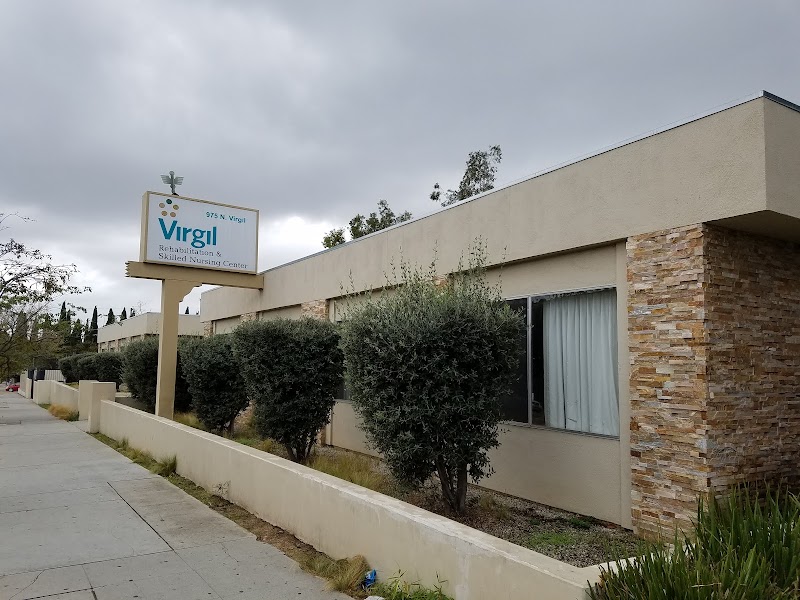
How is Virgil Rehabilitation & Skilled Nursing Center Staffed?

CMS rates VIRGIL REHABILITATION & SKILLED NURSING CENTER's staffing level at 3 out of 5 stars, which is average compared to other nursing homes. Staff turnover is 22%, compared to the California average of 46%. This relatively stable workforce can support continuity of care. RN turnover specifically is 64%, which is notably high. RNs provide skilled clinical oversight, so turnover in this role can affect medical care quality.

What Have Inspectors Found at Virgil Rehabilitation & Skilled Nursing Center?

State health inspectors documented 55 deficiencies at VIRGIL REHABILITATION & SKILLED NURSING CENTER during 2022 to 2025. These included: 1 Immediate Jeopardy (the most serious level, indicating potential for serious harm or death), 2 that caused actual resident harm, and 52 with potential for harm. Immediate Jeopardy findings are rare and represent the most serious regulatory concerns. They require immediate corrective action.

Who Owns and Operates Virgil Rehabilitation & Skilled Nursing Center?

VIRGIL REHABILITATION & SKILLED NURSING CENTER is owned by a for-profit company. For-profit facilities operate as businesses with obligations to shareholders or private owners. The facility operates independently rather than as part of a larger chain. With 124 certified beds and approximately 75 residents (about 60% occupancy), it is a mid-sized facility located in LOS ANGELES, California.
How Does Virgil Rehabilitation & Skilled Nursing Center Compare to Other California Nursing Homes?

Compared to the 100 nursing homes in California, VIRGIL REHABILITATION & SKILLED NURSING CENTER's overall rating (3 stars) is below the state average of 3.1, staff turnover (22%) is significantly lower than the state average of 46%, and health inspection rating (2 stars) is below the national benchmark.

What Should Families Ask When Visiting Virgil Rehabilitation & Skilled Nursing Center?

Based on this facility's data, families visiting should ask: "What changes have been made since the serious inspection findings, and how are you preventing similar issues?" "Can I visit during a mealtime to observe dining assistance and food quality?" "How do you handle medical emergencies, and what is your hospital transfer rate?" "Can I speak with family members of current residents about their experience?" These questions are particularly relevant given the facility's Immediate Jeopardy citations.

Is Virgil Rehabilitation & Skilled Nursing Center Safe?

Based on CMS inspection data, VIRGIL REHABILITATION & SKILLED NURSING CENTER has documented safety concerns. Inspectors have issued 1 Immediate Jeopardy citation (the most serious violation level indicating risk of serious injury or death). The facility has a 3-star overall rating and ranks #100 of 100 nursing homes in California. Families considering this facility should ask detailed questions about what corrective actions have been taken since these incidents.

Do Nurses at Virgil Rehabilitation & Skilled Nursing Center Stick Around?

Staff at VIRGIL REHABILITATION & SKILLED NURSING CENTER tend to stick around. With a turnover rate of 22%, the facility is 24 percentage points below the California average of 46%. Low turnover is a positive sign. It means caregivers have time to learn each resident's needs, medications, and personal preferences. Consistent staff also notice subtle changes in a resident's condition more quickly.

Was Virgil Rehabilitation & Skilled Nursing Center Ever Fined?

VIRGIL REHABILITATION & SKILLED NURSING CENTER has no federal fines on record. CMS issues fines when nursing homes fail to meet care standards or don't correct problems found during inspections. The absence of fines suggests the facility has either maintained compliance or corrected any issues before penalties were assessed. This is a positive indicator, though families should still review recent inspection reports for the full picture.

Is Virgil Rehabilitation & Skilled Nursing Center on Any Federal Watch List?

VIRGIL REHABILITATION & SKILLED NURSING CENTER is not on any federal watch list. The most significant is the Special Focus Facility (SFF) program, which identifies the bottom 1% of nursing homes nationally based on persistent, serious quality problems. Not being on this list means the facility has avoided the pattern of deficiencies that triggers enhanced federal oversight. This is a positive indicator, though families should still review the facility's inspection history directly.