VISTA DEL SOL CARE CENTER
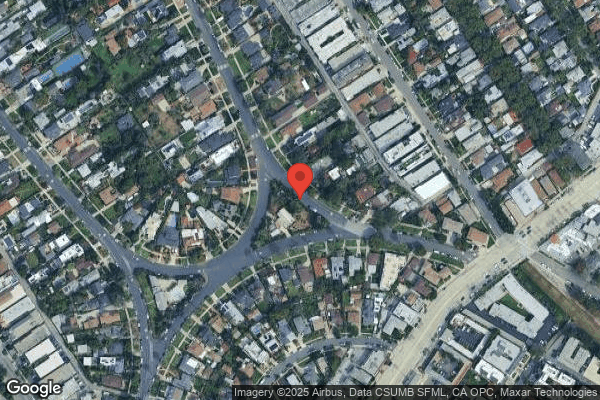
11620 WEST WASHINGTON BLVD, LOS ANGELES, CA 90066 (310) 390-9045
For profit - Limited Liability company 50 Beds Independent Data: November 2025
Trust Grade
18/100
#947 of 1155 in CA
Last Inspection: February 2025

Within standard 12-15 month inspection cycle. Federal law requires annual inspections.

Overview

Vista Del Sol Care Center currently holds a Trust Grade of F, indicating significant concerns and poor performance compared to other facilities. Ranked #947 out of 1155 in California and #258 out of 369 in Los Angeles County, it is clearly in the bottom half for both state and county rankings. While the facility is showing improvement, with issues decreasing from 27 in 2024 to 16 in 2025, the high fines of $116,475 are concerning, as they are higher than 98% of California facilities, suggesting ongoing compliance problems. Staffing is rated average with a 3/5 star rating and a turnover rate of 29%, which is better than the state average, but the RN coverage is below average, being less than 87% of other facilities. Specific incidents include a failure to monitor a resident at risk for dehydration and malnutrition, leading to severe weight loss, and another resident not receiving necessary respiratory treatment, indicating potential gaps in care that families should carefully consider.

Trust Score
F
18/100
In California
#947/1155
Bottom 19%
Safety Record
High Risk
Review needed
Inspections
Getting Better
27 → 16 violations
Staff Stability
✓ Good
29% annual turnover. Excellent stability, 19 points below California's 48% average. Staff who stay learn residents' needs.
Penalties
⚠ Watch
$116,475 in fines. Higher than 94% of California facilities. Major compliance failures.
Skilled Nurses
⚠ Watch
Each resident gets only 19 minutes of Registered Nurse (RN) attention daily — below average for California. Fewer RN minutes means fewer trained eyes watching for problems.
Violations
⚠ Watch
76 deficiencies on record. Higher than average. Multiple issues found across inspections.
★★☆☆☆
2.0
Overall Rating
★★★☆☆
3.0
Staff Levels
★★★★☆
4.0
Care Quality
★★☆☆☆
2.0
Inspection Score
Stable
2024: 27 issues
2025: 16 issues

The Good

  • 4-Star Quality Measures · Strong clinical quality outcomes
  • Low Staff Turnover (29%) · Staff stability means consistent care
  • Full Sprinkler Coverage · Fire safety systems throughout facility
  • No fines on record
  • Staff turnover is low (29%)

    19 points below California average of 48%

Facility shows strength in quality measures, staff retention, fire safety.

The Bad

2-Star Overall Rating

Below California average (3.1)

Below average - review inspection findings carefully

Federal Fines: $116,475

Well above median ($33,413)

Significant penalties indicating serious issues

The Ugly 76 deficiencies on record

4 actual harm
Sept 2025 2 deficiencies
CONCERN (D) 📢 Someone Reported This

A family member, employee, or ombudsman was alarmed enough to file a formal complaint

Potential for Harm - no one hurt, but risky conditions existed

Abuse Prevention Policies (Tag F0607)

Could have caused harm · This affected 1 resident

Based on interview and record review the facility failed to implement its abuse prevention program policy and procedure by failing to verify potential candidate's background check for a history of abu...

Read full inspector narrative →
Based on interview and record review the facility failed to implement its abuse prevention program policy and procedure by failing to verify potential candidate's background check for a history of abuse, neglect, or mistreatment prior to the employee start working in the facility for one Certied Nursing Assistant (CNA 1).This failure had the potential for mistreatment, neglect, misappropriation of property, and abuse of residents.Findings:During a concurrent interview and record review on 9/16/2025 at 2:01 p.m. with the Director of Staff Development (DSD) of CNA 1 file, it indicated CNA 1 was hired on 1/7 2025. CNA 1 had been working with a registered sex offender background record and that did not match the CNA's name or date of birth matching with their California identication card. The DSD stated that the pre-employment verication process should have accurate and stated the CNA's name and date of birth before the employee's start date. The DSD stated, she was unsure how the document indicating a registered sex offender ended up in the CNA's employee le.During an interview with the Director of Nurses (DON) 9/16/2025, at 2:43 PM,DON stated that when there is no employee background check done this puts the residents at risk of abuse, and is a safety concern. The DON stated she did not see the registered sex offender record in the chart and stated she did not recognize the individual's picture on the record.During a review of the facility's policy and procedure (P and P) titled, Abuse Prevention Program, dated 08/2006, the P and P indicated that the facility is committed to conducting thorough employee background checks to ensure the safety and well-being of its residents. The policy clearly states, The facility conducts employee background checks and will not knowingly employ any individual who has been convicted of abusing, neglecting, or mistreating individuals. Furthermore, the policy prohibits the employment of individuals found guilty of exploitation, mistreatment of residents, and misappropriation of their property.
CONCERN (D) 📢 Someone Reported This

A family member, employee, or ombudsman was alarmed enough to file a formal complaint

Potential for Harm - no one hurt, but risky conditions existed

Report Alleged Abuse (Tag F0609)

Could have caused harm · This affected 1 resident

**NOTE- TERMS IN BRACKETS HAVE BEEN EDITED TO PROTECT CONFIDENTIALITY** Based on interview and record review, the facility failed to investigate allegations of sexual abuse (non-consensual sexual cont...

Read full inspector narrative →
**NOTE- TERMS IN BRACKETS HAVE BEEN EDITED TO PROTECT CONFIDENTIALITY** Based on interview and record review, the facility failed to investigate allegations of sexual abuse (non-consensual sexual contact of any type or sexual harassment), for one of three sampled residents (Resident 3) and report to California Department of Public Health (CDPH), Ombudsman (a representative that helps families and residents in long-term care facilities by investigating and resolving complaints and serving as an advocate), and to the local law enforcement within 2 hours, failed to suspend the individual involved in the abuse allegations.This deficient practice had the potential to place other facility residents at risk for abuse, and delay required onsite inspection by CDPH. A review of Resident 3's admission record indicated Resident 3 was admitted to the facility on [DATE] with a diagnosis including reduced mobility (having difficulty moving around easily or freely, affecting your ability to perform daily tasks like walking, standing), unspecified altered mental status (thinking, awareness, or behavior has changed from their normal state), essential primary hypertension (when the pressure in your blood vessels is too high). A review of Resident 3's Minimum Data Set (MDS- a resident assessment tool) dated 9/10/2025 indicated, the resident is cognitively intact (ability to acquire and understand knowledge), does not have change in behavior, dependent on toileting hygiene, (Helper does all of the effort. Resident does none of the effort to complete the activity. Or the assistance of 2 or more helpers is required for the resident to complete the activity. Requires substantial/maximal assistance for shower/bath self (Helper does more than half the effort. Helper lifts or holds trunk or limbs and provides more than half the effort.) During an interview on 9/16/2025 at 10:59 AM with Certified Nursing Assistant (CNA) 1, CNA 1 stated, I have worked with Resident 3 once or twice, he is dependent on staff to transfer and feeding. Resident 3 is alert and oriented, able to express his needs, and recognizes staff. During an interview on 9/16/2025 at 11:56 AM with the social services director (SS), SS stated, a day after Resident 3 was transferred from the facility, I was contacted by a General Acute Care Hospital (GACH) social worker about abuse allegations against Resident 3. SS stated, the facility has not started investigation of the abuse allegations and have not reported to the appropriate agencies. SS stated, abuse allegations should be reported within 2 hours to CDPH, ombudsman, law enforcement, family, and physician. During an interview on 9/16/2025 at 1:40 PM with MDS coordinator, MDS stated, it is known Resident 3 has been aggressive to staff, the care plan and MDS assessment is in progress. Resident 3 did not exhibit signs of abuse. During an interview on 9/16/2025 at 2 PM with the Director of Staffing Development (DSD), the DSD stated, any abuse allegations should be reported to the abuse coordinator. The process for abuse allegations is, report the allegations within 2 hours and follow the facility abuse investigation protocol. During an interview on 9/16/2025 at 2:44 PM with the Director of Nursing (DON), the DON stated, we have a process for abuse allegations. We must report the allegations within 2 hours, suspend involved staff, and update care plans. Report to CDPH, ombudsman, law enforcement, physician and family members, and start investigations. The DON stated, a couple of days ago the facility SS informed me, she has received a call from GACH staff. GACH staff has informed the facility SS, department of health services (DHS) will be called for abuse allegations. DON stated, I told staff to document what took place, I did not start investigation. The employee involved in the abuse allegations is not suspended. During an interview on 9/17/2025 at 10:28 AM with the facility Administrator (ADM), the ADM stated, staff should have followed the abuse allegation protocol. The process for any abuse allegation is for the facility to initiate investigation by calling CDPH, reporting to ombudsman, isolating the victim, calling law enforcement, education, and suspend if the alleged abuser is staff. The ADM stated, the employee involved in the abuse allegations is suspended as of today 9/17/2025, reporting the abuse allegation to the appropriate agencies and investigation has started. A review of the facility's Policies and Procedure (P&P) titled Abuse Investigate/Prevent/Report Alleged Violation reviewed on January 2025 indicated, To ensure resident safety, employees accused of participating in the alleged abuse will be suspended until the findings of the investigation have been reviewed by the administrator. Ensures that all alleged violations involving abuse, neglect, exploitation or mistreatment, including injuries of unknown source and misappropriation of resident property, are reported immediately, but not later than 2 hours after the allegation is made.
Jun 2025 1 deficiency
CONCERN (D) 📢 Someone Reported This

A family member, employee, or ombudsman was alarmed enough to file a formal complaint

Potential for Harm - no one hurt, but risky conditions existed

Accident Prevention (Tag F0689)

Could have caused harm · This affected 1 resident

**NOTE- TERMS IN BRACKETS HAVE BEEN EDITED TO PROTECT CONFIDENTIALITY** Based on observation, interview, and record review, the facility failed to revise fall interventions to prevent repeated falls f...

Read full inspector narrative →
**NOTE- TERMS IN BRACKETS HAVE BEEN EDITED TO PROTECT CONFIDENTIALITY** Based on observation, interview, and record review, the facility failed to revise fall interventions to prevent repeated falls for one of four residents (Resident 1). Resident 1 was at risk for fall. As a result, Resident 1 suffered an unwitnessed fall on 6/07/2025 and was transferred to a general acute care hospital (GACH - a health facility having professional responsibility and an organized medical staff that provides 24-hour inpatient care) for further evaluation and care. The deficient practice also had the potential for Resident 1 to sustain serious injury and death. Findings: During a record review, the admission Record indicated Resident 1 was admitted to the facility on [DATE] and readmitted on [DATE] with diagnoses including unspecified dementia (a condition in which a person loses the ability to think, remember, learn, make decisions, and solve problems), displaced fracture of the neck of the femur (thigh bone), lack of coordination, and difficulty walking. During a record review, Resident 1's Care Plan (CP- a guideline for nurses to help them create and achieve a solid plan of action in the treatment of a patient)) on decline functional mobility and difficulty walking was created on 11/14/2024. The CP had a revision date of 6/06/2025. There CP goals and interventions did not reflect Resident 1 fell again on 6/07/2025. During a record review, Resident 1's Fall Risk Assessment (evaluates a person's likelihood of falling and identifies factors that increase their risks) dated 2/12/2025 indicated, Resident 1's fall risk score was three (a score of 10 or above represents high risk for falls). During a record review, Resident1's CP on actual fall incident initiated on 2/12/2025 and revised on 6/08/2025, indicated Resident 1 had a fall on 6/07/2025. The CP goal indicated Resident 1 will not sustain any injury from actual fall for a month. The CP interventions included to attend to Resident 1's needs immediately, to remind the resident to use the call light (a communication device that allows patients to request assistance from nurses or other healthcare staff), call light within reach, instruct Resident 1 to get up slowly and sit at the edge of the bed then stand up, and all items necessary that Resident 1 needed must be reachable. The CP goals and interventions did not reflect that Resident 1 fell again on 6/07/2025. During a record review, Resident 1's CP on non-compliant with safety initiated on 2/18/2025. The CP goal indicated Resident 1 will have no further fall or injury from fall daily in the next 90 days. The CP did not reflect revised goals and interventions in how the facility would prevent repeated falls. During a record review, Resident 1's Fall Risk assessment dated [DATE] indicated Resident 1's fall risk score was 10. During a record review, Resident 1's Situation-Background-Assessment-Recommendation (SBAR - a communication tool used by healthcare workers when there is a change of condition among the residents) dated 6/07/2025, indicated, Resident 1 was found lying on the floor on her right side with head up .around 5:45 PM. The SBAR indicated Resident 1 was able to move all four extremities (both arms and both legs), denied any pain. A medical doctor (MD) was notified who ordered to transfer Resident 1 to a GACH for further evaluation and treatment related to the unwitnessed fall. Resident 1's family member was also notified. During a record review, Resident 1's GACH's computer tomography (CT - a medical imaging technique that uses x-rays and computer technology to create detailed images of the body) of the neck and spine dated 6/07/2025, indicated no evidence of compression fracture or traumatic subluxation (partial dislocation) of the cervical spine. During a record review, Resident 1's GACH's x-ray of the right forearm (from elbow to the wrist) dated 6/07/2025, indicated no evidence of acute displaced fracture (bone break that has moved out of their normal alignment) or dislocation (a disruption of the normal position of the ends of two or more bones where they meet at a joint). During a record review, Resident 1's GACH's x-ray of the right knee dated 6/07/2025, indicated no evidence of acute displaced fracture or dislocation. During a record review, Resident 1's GACH's x-ray of the tibia (shin bone of the lower leg) and fibula (calf bone of the lower leg) dated 6/07/2025, indicated no evidence of acute displaced fracture or dislocation. During a record review, Resident 1's GACH's CT of the brain dated 6/07/2025, indicated no intracranial hemorrhage (bleeding between the brain and the skull) During a record review, Resident 1's GACH's Inter-Facility Transfer Report dated 6/07/2025, indicated, Resident 1 had precautions in place: high fall risk patient and potential age-related cognitive decline patient. The report also indicated, Resident 1's account of the fall seems to change on repeat questioning. During a record review, Resident 1's GACH's Hospital Classification Declaration, dated 6/07/2025, indicated, Resident 1 was at high risk for additional falls due to Resident 1's age ([AGE] years old), diagnoses including and mild dementia. During a record review of Resident 1's Fall Risk assessment dated [DATE] indicated, Resident 1's fall risk score was 12 (a score of 10 or above represents high risk for falls). During an observation and interview on 6/18/2025 with Resident 1 in the resident's room, Resident 1 was observed to be confused. Resident 1 stated Resident 1 was at home with her children and the current date was September. During an interview on 6/18/2025 at 2 PM with Certified Nurse's Aide (CNA) 1, CNA 1 stated Resident 1's dementia is getting worse. During a concurrent interview and record review on 6/23/2025 at 2:17 PM with Licensed Vocational Nurse (LVN) 1, Resident 1's CP for actual fall incident on 6/07/2025 was reviewed. LVN 1 stated the CP did not indicate any revisions done for the fall of 6/07/2025. LVN 1 stated, the CP does not tell me it was or wasn't done. LVN 1 stated whenever a resident has another fall incident, LVN 1 creates a new care plan rather than revise the initial CP to address a new/repeated fall incident. LVN 1 stated for every fall, there should be another care plan. LVN 1 stated the initial CP interventions of placing the call light within reach and reminding the resident not to get up without assistance were not effective regardless of how many times we educate. LVN 1 stated Resident 1 may continue to have multiple fractures. During a concurrent interview and record review on 6/23/2025 at 2:43 PM with Registered Nurse Supervisor (RNS) 1, Resident 1's CP for actual fall incident on 6/07/2025. RNS 1 stated the interventions of the call light being within reach and reminding the resident not to get up without assistance, were not appropriate given Resident 1 has dementia and forgetfulness. RNS 1 stated I don't' think it's helping [Resident 1] .if we come up with a safety .a better way for [Resident 1] .such as every now and then, visual check. When asked if the stated interventions helped prevent Resident 1 from falling again, RNS 1 no, because 9Resident 1] fell again. RNS 1 stated a new CP should be written for each fall incident. RNS 1 stated only the revision date of 6/07/2025 was updated in the resident's CP and that the CP's goals and interventions were not revised to reflect Resident 1's most recent fall incident. During a concurrent interview and record review on 6/23/2025 at 3:32 PM with Director of Nursing (DON), Resident 1's CP on actual fall incident on 6/07/2025 was reviewed. DON acknowledged and stated that the CP indicated revision date was changed, but the CP goals and interventions were not changed/revised/updated to reflect Resident 1's most recent fall incident. DON stated that the facility expects the licensed nurses to follow the documentation and fall P&P, the in-services on fall risk/management. DON stated, this is what our problem is, they are not listening. During a record review, the facility policy and procedures (P&P - policy explains the rules and presents them in a logical framework while procedures outline the step-by-step implementation of various tasks) titled Care Plans, Comprehensive Person-Centered reviewed date of 12/2016 indicated, Assessments of residents are ongoing and care plans are revised as information about the residents and the residents' condition changes. During a record review, the facility P&P titled Dementia - Clinical Protocol reviewed date of 3/2015 indicated, The IDT (Interdisciplinary Team - a group of different healthcare professionals working together towards a common goal for a resident) will identify and document the resident's condition and level of support needed during care planning and review changing needs as they arise. During a record review, the facility P&P titled Fall and Fall Risk, Managing reviewed date of 12/2007 indicated, The staff will monitor and document each resident's response to interventions intended to reduce falling or the risks of falling. The P&P also indicated, If the resident continues to fall, staff will re-evaluate the situation and whether it is appropriate to continue or change current interventions.
Apr 2025 2 deficiencies
CONCERN (D) 📢 Someone Reported This

A family member, employee, or ombudsman was alarmed enough to file a formal complaint

Potential for Harm - no one hurt, but risky conditions existed

Free from Abuse/Neglect (Tag F0600)

Could have caused harm · This affected 1 resident

**NOTE- TERMS IN BRACKETS HAVE BEEN EDITED TO PROTECT CONFIDENTIALITY** Based on observation, interview, and record review, the facility failed to implement its policy titled Abuse Prevention Program ...

Read full inspector narrative →
**NOTE- TERMS IN BRACKETS HAVE BEEN EDITED TO PROTECT CONFIDENTIALITY** Based on observation, interview, and record review, the facility failed to implement its policy titled Abuse Prevention Program reviewed 8/2024, for one of two sampled residents (Resident 1), when on 4/8/2025 at 11:55 AM Resident 1 accused Certified Nursing Assistant 1 (CNA1) of sexual abuse (non-consensual sexual contact/touching of any type or sexual harassment), CNA1 was not immediately removed from providing direct care (including incontinent care) to residents and continued to have access Resident 1. As a result of this deficiency, Resident 1 was not protected from the potential of further harm or retaliation from CNA1 after being identified as a perpetrator. Findings: A review of Resident 1's admission Record indicated the facility admitted the resident on 11/21/2022 and re-admitted on [DATE] with diagnoses that included functional quadriplegia (someone who has developed paralysis from the neck down, including legs, and arms, usually due to a spinal cord injury but has regained some level of independence or functionality in daily activities), schizophrenia (a mental illness that is characterized by disturbances in thought) and muscle wasting (weakening, shrinking, and loss of muscle). A review of Resident 1's Quarterly Minimum Data Set (MDS- a resident assessment tool) dated 2/12/2025, indicated the resident had adequate hearing could usually make themselves understood and could usually understand others. The MDS indicated the resident had severe cognitive (ability to acquire and understand knowledge) impairment. The MDS indicated Resident 1 was always incontinent of urine and was dependent upon staff for toileting hygiene. A review of Resident 1's Change in Condition (COC - a written communication tool that helps provide important information) Evaluation Communication Form, dated 4/8/2025 at 11:55 AM, indicated Resident 1 accused a staff member (CNA1) of touching the resident's body inappropriately. The COC indicated staff interviewed the resident regarding the allegation and notified the primary physician and the resident's psychiatrist. A review of the facility's assignment sheet, dated 4/8/2025, indicated that on 4/8/2025 from7AM to 3 PM CNA 1 was on duty. The assignment sheet indicated CNA1 signed in at 7:03 AM and signed out at 4 PM. A review of the facility's assignment sheet dated 4/9/2025, indicated that on 4/9/2025 from 7AM to 3 PM CNA 1 was on duty. The assignment sheet indicated CNA1 signed in at 7:05 AM. A review of the facility's Timecard Report for CNA 1 for 4/1/2025 thru 4/15/2025, indicated on 4/8/2025, CNA 1 signed in at 7:08 AM and signed out 3:40 PM (more than four hours after the abuse was alleged). The Timecard Report indicated on 4/9/2025 CNA1 signed in at 7:04 AM and signed out at 3:34 PM (the day after the abuse was alleged). A review Resident 1's care plan for the alleged accusation of being touched, initiated 4/9/2025, indicated the resident was at risk for emotional distress. The care plan indicated the goal was to minimize the resident's emotional distress. The interventions included to suspend CNA 1 until further notice, to protect the resident during abuse investigation and the Social Services Director would monitor resident for three days. A review of Resident 1's Social Services Note, dated 4/9/2025, indicated law enforcement spoke with Resident 1 regarding the abuse allegation. During a concurrent observation in Resident 1's room and interview on 4/10/2025 at 9:56 AM at Resident 1's bedside, Resident 1 was observed lying in bed. Resident 1 stated the week prior CNA1 touched the resident's private area inappropriately and made verbal sexually suggestive comments to Resident 1. Resident 1 stated she notified a nurse and staff interviewed the resident. Resident 1 stated a staff member (unidentified) stated CNA 1 would not work with the resident again. During an interview on 4/10/2025 at 11:10 AM, the Director of Rehabilitation (DOR) stated Certified Occupational Therapy Assistant 1 (COTA 1) notified the DOR about Resident 1's allegation of CNA 1 touching the resident in an unwelcome manner. The DOR then notified the Social Services Director (SSD) and Director of Nursing (DON). The DOR stated the SSD, and the DON then went to speak with the resident. The DOR confirmed by stating CNA 1 continued to work after Resident 1 made the abuse allegation. During an interview on 4/10/2025 at 11:40 AM, COTA 1 stated on 4/9/25, COTA1 was attempting to give Resident 1 therapy when Resident 1 reported not wanting CNA1 changing the resident's incontinence brief. COTA 1 stated Resident 1 did not like the way CNA1 touched the resident. COTA 1 stated after Resident 1 made the abuse allegation, CNA1 was moved from Resident 1's side of the facility and started working on the opposite side of the facility. During an interview on 4/10/2025 at 1:08 PM, Licensed Vocational Nurse 1 (LVN 1) stated on 4/8/2025 upon returning from lunch around 11:30 AM, LVN 1 was notified of Resident 1's abuse allegation toward CNA 1 and at that time LVN 1 wrote a COC regarding Resident 1's abuse allegation. LVN 1 stated Resident 1 reported CNA 1 touched the resident inappropriately. During a concurrent review of the facility assignment sheet dated 4/8/2025, LVN 1 stated per the assignment sheet, CNA 1 signed out of work at 4 PM. LVN 1 stated generally after being accused of abuse, staff were to be suspended immediately, because the facility had to take the word of the resident to protect them from further harm. During a phone interview on 4/10/2025 at 2:03 PM, CNA1 stated the last time CNA1 worked with Resident 1 was a week ago. CNA1 stated they first heard of Resident 1's abuse allegation on 4/9/2025. CNA1 confirmed by stating that CNA1 worked the full shift on 4/8/2025 (the day of the abuse allegation) and came into work the next day as well (4/9/2025). CNA 1 stated the facility suspended CNA1 from work on 4/9/2025 at 12:30 PM. During a concurrent interview and record review on 4/10/2025 at 2:18 PM with Registered Nurse Supervisor 1 (RN 1), RN 1 reported Resident 1's abuse allegations to the mandated entities. RN 1 stated on 4/9/2025 around 12 noon RN 1 and the DSD suspended CNA1. RN 1 stated employees accused of abuse had to be suspended immediately to protect the residents from harm or retaliation. During a phone interview on 4/10/2025 at 3:39 PM, the DSD stated, with RN 1 the DSD suspended CNA 1 on 4/9/2025. The DSD stated staff are to be suspended right away and remain on suspension while the abuse investigation is underway. During an interview on 4/10/2025 at 4:02 PM, the Director of Nursing (DON) stated staff accused of abuse had to be suspended immediately to protect the resident's safety. A review of a facility P7P titled Abuse Prevention with a review date of 8/2024, indicated Our residents have the right to be free from abuse, neglect, misappropriation of resident property and exploitation. This includes but is not limited to freedom from corporal punishment, involuntary seclusion, verbal, mental, sexual or physical abuse, and physical or chemical restraint not required to treat the resident's symptoms. The policy indicated As part of the resident abuse prevention, the administration will . 8. Protect residents during abuse investigations. A review of the facility's P&P titled, Abuse Investigation and Reporting, reviewed 8/2024, indicated the administrator will suspend immediately any employee who has been accused of resident abuse, pending the outcome of the investigation and the administrator will ensure that any further potential abuse, neglect exploitation or mistreatment is prevented.
CONCERN (D) 📢 Someone Reported This

A family member, employee, or ombudsman was alarmed enough to file a formal complaint

Potential for Harm - no one hurt, but risky conditions existed

Report Alleged Abuse (Tag F0609)

Could have caused harm · This affected 1 resident

**NOTE- TERMS IN BRACKETS HAVE BEEN EDITED TO PROTECT CONFIDENTIALITY** Based on interview and record review, the facility failed to investigate and report allegations sexual abuse (non-consensual sex...

Read full inspector narrative →
**NOTE- TERMS IN BRACKETS HAVE BEEN EDITED TO PROTECT CONFIDENTIALITY** Based on interview and record review, the facility failed to investigate and report allegations sexual abuse (non-consensual sexual contact/touching of any type or sexual harassment), for one out of two sampled residents (Resident 1) to the Department of Public Health, Ombudsman (an official appointed to investigate individuals' complaints against maladministration), and to the local law enforcement in accordance with the facility's policy and procedures (P&P) titled Abuse Investigation and Reporting reviewed 8/2024. By failing to report a sexual abuse allegation to the State Survey Agency (SSA) within 2 hours after the allegation occurred on 4/9/2025. This deficient practice had the potential to delay of an onsite inspection by the California Department of Public Health and law enforcement to ensure Resident 1's circumstance were investigated. This deficient practice also had the potential to place Resident 1 at further risk for abuse. Findings: A review of Resident 1's admission Record indicated the facility admitted the resident on 11/21/2022 and re-admitted on [DATE] with diagnoses that included functional quadriplegia (someone who has developed paralysis from the neck down, including legs, and arms, usually due to a spinal cord injury but has regained some level of independence or functionality in daily activities), schizophrenia (a mental illness that is characterized by disturbances in thought) and muscle wasting (weakening, shrinking, and loss of muscle). A review of Resident 1's Quarterly Minimum Data Set (MDS- a resident assessment tool) dated 2/12/2025, indicated the resident had adequate hearing could usually make themselves understood and could usually understand others. The MDS indicated the resident had severe cognitive (ability to acquire and understand knowledge) impairment. The MDS indicated Resident 1 was always incontinent of urine and was dependent upon staff for toileting hygiene. A review of A review of Resident 1's Change in Condition (COC - a written communication tool that helps provide important information) Evaluation Communication Form, dated 4/8/2025 at 11:55 AM, indicated Resident 1 accused a staff member (CNA1) of touching the resident's body inappropriately. The COC indicated staff interviewed the resident regarding the allegation and notified the primary physician and the resident's psychiatrist. A review Resident 1's care plan for the alleged accusation of being touched, initiated 4/9/2025, indicated the resident was at risk for emotional distress. The care plan indicated the goal was to minimize the resident's emotional distress. The interventions included to suspend CNA 1 until further notice, to protect the resident during abuse investigation and the Social Services Director would monitor resident for three days. A review of Resident 1's Social Services Note, dated 4/9/2025, indicated law enforcement spoke with Resident 1 regarding the abuse allegation. During a concurrent observation in Resident 1's room and interview on 4/10/2025 at 9:56 AM at Resident 1's bedside, Resident 1 was observed lying in bed. Resident 1 stated the week prior CNA1 touched the resident's private area inappropriately and made verbal sexually suggestive comments to Resident 1. Resident 1 stated she notified a nurse and staff interviewed the resident. Resident 1 stated a staff member (unidentified) stated CNA 1 would not work with the resident again. During an interview on 4/10/2025 at 11:10 AM, the Director of Rehabilitation (DOR) stated Certified Occupational Therapy Assistant 1 (COTA 1) notified the DOR about Resident 1's allegation of CNA 1 touching the resident in an unwelcome manner. The DOR then notified the Social Services Director (SSD) and the Director of Nursing (DON). The DOR stated the SSD, and the DON then went to speak with the resident. The DOR stated staff had to report allegations of abuse immediately. During an interview on 4/10/2025 at 11:40 AM, COTA 1 stated they were attempting to give therapy to Resident 1 when Resident 1 reported they did not want CNA 1 changing the resident's incontinence brief and Resident 1 stated they did not like the way CNA 1 touched them. During a concurrent review of the facility's Abuse Investigation and Reporting policy and procedure, COTA 1 stated the policy indicated abuse allegations are reported within 2 hours. During an interview on 4/10/2025 at 1:08 PM, Licensed Vocational Nurse 1 (LVN 1) stated on 4/8/2025 upon returning from lunch around 11:30 AM, LVN 1 was notified of Resident 1's abuse allegation toward CNA 1 and at that time LVN 1 wrote a COC regarding Resident 1's abuse allegation. LVN 1 stated Resident 1 reported CNA 1 touched the resident inappropriately. During a concurrent interview and record review on 4/10/2025 at 2:18 PM with Registered Nurse Supervisor 1 (RN 1), the facility fax confirmations of reporting were reviewed. RN 1 stated COTA 1 informed the DON on 4/8/2025 around lunch time of Resident 1's abuse allegation. RN 1 stated RN 1 reported the abuse to the mandated entities. RN 1 confirmed by stating RN1 notified the ombudsman and L&C (licensing and Certification/State Agency) by phone message and fax after 7 PM on 4/8/2025 and reported the resident's allegation of sexual abuse to law enforcement the next day on 4/9/2025. RN 1 confirmed by stating RN 1 did not report the abuse allegation within 2 hours. RN 1 stated abuse allegations had to be reported within 2 hours to L&C, the ombudsman, and law enforcement to prevent a delay in the investigation. During an interview on 4/10/2025 at 4:02 PM, the Director of Nursing (DON) stated the DON was informed of the abuse allegation on 4/8/2025 around 3:30 PM. The DON stated sexual abuse allegations had to be reported within 2 hours. The DON further stated staff alerted the DON late and the facility did not report Resident 1's abuse allegation within 2 hours. A review of the facility's (P&P) titled, Abuse Investigation and Reporting, reviewed 8/2024, indicated any alleged violation of abuse, neglect, exploitation or mistreatment (including injuries of unknown source and misappropriation of resident property closed parentheses will be reported immediately, but not later than: a. Two (2) hours if the alleged violation involves abuse or has resulted in serious bodily injury; or b. Twenty-four (24) hours if the alleged violation does not involve abuse and has not resulted in serious bodily injury.
Feb 2025 11 deficiencies
CONCERN (D)

Potential for Harm - no one hurt, but risky conditions existed

Comprehensive Care Plan (Tag F0656)

Could have caused harm · This affected 1 resident

**NOTE- TERMS IN BRACKETS HAVE BEEN EDITED TO PROTECT CONFIDENTIALITY** Based on interview and record review the facility failed to ensure one of three sampled residents, Resident 10, had a care plan ...

Read full inspector narrative →
**NOTE- TERMS IN BRACKETS HAVE BEEN EDITED TO PROTECT CONFIDENTIALITY** Based on interview and record review the facility failed to ensure one of three sampled residents, Resident 10, had a care plan for Schizophrenia (a mental illness that is characterized by disturbances in thought). This deficient practice placed Resident 10 at risk of receiving inappropriate care. Findings: During record review, Resident 10's admission record indicated the facility originally admitted Resident 10 on 4/9/2024 and most recently on 1/31/2025 with diagnoses including chronic obstructive pulmonary disorder (COPD-a chronic lung disease causing difficulty in breathing), morbid obesity (severely overweight), anemia (a condition where the body does not have enough healthy red blood cells), gout (arthritis), general anxiety disorder (GAD-condition of persistent worrying) asthma (chronic condition that causes shortness of breath) major depressive disorder (a mood disorder that causes a persistent feeling of sadness and loss of interest), schizophrenia and insomnia (trouble falling asleep or staying asleep). During record review, Resident 10's minimum data set (MDS - a resident assessment) dated 2/3/2025 indicated Resident 10's cognition was moderately impaired. Resident 10 required maximal assistance (helper does more than half the effort to complete the activity) with toileting, personal hygiene, and transfers (moving between surfaces) from bed to chair. During a concurrent interview and record review on 2/16/2025 at 3:25 p.m. with Registered Nurse (RN) 2, Resident 10's MDS dated [DATE] was reviewed. Resident 10's MDS indicated Resident 10 had a diagnosis of Schizophrenia. RN 2 stated, There is no care plan for Schizophrenia, it should have triggered but it did not, and I am not sure why it didn't. During record review, the facility policy and procedures titled, Care Plans, Comprehensive Person-Centered, revised 3/2022 indicated: The interdisciplinary team (IDT), in conjunction with the resident and his/her family or legal representative, develops and implements a comprehensive, person-centered care plan for each resident. The comprehensive, person-centered care plan is developed within seven (7) days of the completion of the required MDS assessment (Admission, Annual or Significant Change in Status), and no more than 21 days after admission. The care plan interventions are derived from a thorough analysis of the information gathered as part of the comprehensive assessment.
CONCERN (D)

Potential for Harm - no one hurt, but risky conditions existed

Deficiency F0657 (Tag F0657)

Could have caused harm · This affected 1 resident

Based on interview and record review the facility failed to ensure one of three sampled residents, Resident 10, had care plans revised per policy and procedures titled Care Plans, Comprehensive Person...

Read full inspector narrative →
Based on interview and record review the facility failed to ensure one of three sampled residents, Resident 10, had care plans revised per policy and procedures titled Care Plans, Comprehensive Person-Centered. revised 3/2022. This deficient practice placed Resident 10 at risk of receiving inappropriate care. Findings: During record review, Resident 10's admission record indicated the facility originally admitted Resident 10 on 4/9/2024 and most recently on 1/31/2025 with diagnoses including chronic obstructive pulmonary disorder (COPD-a chronic lung disease causing difficulty in breathing), morbid obesity (severely overweight), anemia (a condition where the body does not have enough healthy red blood cells), gout (arthritis), general anxiety disorder (GAD-condition of persistent worrying) asthma (chronic condition that causes shortness of breath) major depressive disorder (a mood disorder that causes a persistent feeling of sadness and loss of interest), schizoaffective disorder Bipolar type, (a mental illness that can affect thoughts, mood, and behavior; sometimes called manic-depressive disorder; mood swings that range from the lows of depression to elevated periods of emotional highs) and insomnia (trouble falling asleep or staying asleep). During record review, Resident 10's minimum data set (MDS - a resident assessment) dated 2/3/2025 indicated Resident 10's cognition was moderately impaired. Resident required maximal assistance (helper does more than half the effort to complete the activity) with toileting, personal hygiene, and transfers (moving between surfaces) from bed to chair. During record review, Resident 10's physician order dated 1/31/2025 indicated Aripiprazole (psychotropic medication to treat Schizophrenia) 10mg (milligrams), give 1 tablet by mouth two times a day for Schizophrenia manifested by sudden outburst of anger to Resident 10. During record review, Resident 10's physician order dated 1/31/2025 indicated Zolpidem (hypnotic medication used for insomnia) 10mg, give 1 tablet by mouth at bedtime for insomnia to Resident 10. During a concurrent interview and record review on 2/16/2025 at 3:25 p.m. with Registered Nurse (RN) 2, Resident 10's care plans titled, Uses hypnotic medication related to insomnia, Alteration in mood state: r/t bipolar disorder and resident is on psychotropic medication created on 4/16/2024 were reviewed. RN 2 stated, These care plans have not been updated: they should be updated at least quarterly and also with any changes in the resident's condition. During record review, the facility policy and procedures titled, Care Plans, Comprehensive Person-Centered, revised 3/2022, indicated: If the resident is being treated for altered behavior or mood, the IDT (Interdisciplinary Team - a group of healthcare professionals from different disciplines who collaborate to provide comprehensive and coordinated care for a patient) will seek and document any improvements or worsening in the individual's behavior, mood, and function. The IDT will monitor the progress of individuals with impaired cognition and behavior until stable. New or emergent symptoms will be documented and reported. Interventions will be adjusted based on the impact on behavior and other symptoms, including any adverse consequences related to treatment. If antipsychotic medications are used to treat behavioral symptoms, the IDT will monitor their indication and implement a gradual dose reduction, or document why this cannot or should not be done (for example, recurrence of psychotic symptoms after several previous attempts to taper medications). The IDT will monitor for side effects and complications related to psychoactive medications, for example, lethargy, abnormal involuntary movements, anorexia, or recurrent falling. If such symptoms are identified, and some medication is still needed, the IDT will adjust the current regimen to try to minimize side effects while maintaining therapeutic effectiveness.
CONCERN (D) 📢 Someone Reported This

A family member, employee, or ombudsman was alarmed enough to file a formal complaint

Potential for Harm - no one hurt, but risky conditions existed

Deficiency F0713 (Tag F0713)

Could have caused harm · This affected 1 resident

**NOTE- TERMS IN BRACKETS HAVE BEEN EDITED TO PROTECT CONFIDENTIALITY** Based on interview and record review for one of three sampled residents, Resident 1, the facility failed to notify the attending...

Read full inspector narrative →
**NOTE- TERMS IN BRACKETS HAVE BEEN EDITED TO PROTECT CONFIDENTIALITY** Based on interview and record review for one of three sampled residents, Resident 1, the facility failed to notify the attending physician of x-ray results indicating a hip fracture in a timely manner. This deficient practice delayed Resident 1 to receive the definitive (medical treatment that goes beyond emergency care to maximize recovery) care to fix the fracture and had the potential to cause Resident 1 to experience pain longer than necessary. Findings: During record review, Resident 1's admission record indicated the facility admitted on [DATE] and most recently on 1/24/2025 with diagnoses including atrial fibrillation (irregular heart beat), lack of coordination, anemia (a condition where the body does not have enough healthy red blood cells), hypothyroidism(low thyroid function), hyperlipidemia (high fat in the blood), Alzheimer's (a disease characterized by a progressive decline in mental abilities), hypertension (high blood pressure) and gastroesophageal reflux disease (indigestion/heartburn). During record review, Resident 1's care plan titled At risk for falls revised 11/15/2024 indicated Resident 1 had an unsteady gait and did not use any assistive devices. During record review, Resident 1's Minimum Data Set (MDS-a resident assessment) dated 1/27/2025 indicated Resident 1's cognition (mental ability to make decisions for daily living) was mildly impaired. The MDS indicated Resident 1 required supervision or touch assistance (helper provides verbal cues and or touching/steadying and/or contact guard assistance as resident completes the activity) with toileting, transfers (moving between surfaces) from bed to chair and walking. The MDS indicated Resident 1 does not use any assistive devices (cane, walker) to walk. During record review, the Change of Condition (COC-form used to communicate a change in the resident condition) dated 2/12/2025 indicated at 6:45 a.m. Resident 1 was found in the room lying on the floor on the right side. A hematoma (a collection of blood outside of a blood vessel caused by a broken blood vessel) was noted on the right side of Resident 1's head. The Medical doctor (MD) 1 was called and awaiting return call. During record review, Resident 1's Nursing Progress Note dated 2/12/2025 timed at 8:20 a.m. indicated Resident 1 was being monitored after a fall, was noted with swelling, redness and a slight bruise to the right knee, Tylenol (medication) was given for pain and Resident 1 was awaiting x ray. During record review, Resident 1's Physician Oder dated 2/12/2025 timed 10:30 a.m. indicated x ray of right hip stat (immediately). During record review, Resident 1's right hip x-ray result report date 2/12/2025 timed at 7:46 p.m. indicated an acute impacted subcapital femoral neck fracture (a break in the thigh bone where it connects to the hip bone). During record review of Resident 1's Nursing Progress Note dated 2/13/2025 timed at 6:42 a.m. indicated Received Resident 1 at 11 p.m. on 2/12/2025 resting comfortably. Received right hip x-ray result from off-going 3 p.m. to 11 p.m. unnamed nurse. Off-going 3 p.m. to 11 p.m. unnamed nurse faxed x ray result to MD 1 and was awaiting return call. Resident 1 complained of pain at 4:40 a.m. and was given two tablets of Tylenol which was effective at 5:30 a.m. MD 1 was paged at 6:18 a.m. concerning right hip x-ray results and was nurse was awaiting return call. During record review, Resident 1's Nursing Progress Note dated 2/13/2025 timed 7:16 a.m. indicating MD 2 was on call for MD 1 was notified of Resident 1's right hip x ray result and gave order to transfer to the GACH (General Acute Care Hospital) for fracture of right femur (thigh bone). During record review, Resident 1's physician order dated 2/13/2025 indicated transfer to GACH for evaluation of right femur fracture. During an interview on 2/15/2025 at 4:10 p.m. Licensed Vocational Nurse (LVN) 1 stated, Resident 1 was unsteady on her feet but refused to use the walker. Resident 1 was very impulsive with movements and would make sudden turns from standing; we would have to constantly remind [Resident 1] to be careful and take your time when walking. I saw [Resident 1] on 2/12/2025 at 7 a.m., it was endorsed to me that [Resident 1] was found on the ground on the right side to I called [MD 1] to get a stat x ray and an order for Tylenol for pain. Resident 1 had the x ray of the right hip, and the result did not come until 10:20 p.m. that night on 2/12/2025, I was gone home by then. The next morning on 2/13/2025 I came in at 7 a.m. and was told by unnamed night shift nurse that at least three attempts had been made to contact [MD 1] regarding Resident 1's right hip x ray result however [MD 1] never responded. I know that was unacceptable and they should have escalated and called the medical director, but they did not do that. LVN 1 stated, At that point I paged [MD 2] and informed of Resident 1's right hip x ray result and [MD 2] responded back immediately with the order to transfer Resident 1 to GACH. Lastly, LVN 1 stated, Resident 1 had surgery on the right hip yesterday, I am not sure when Resident 1 will return. During an interview on 2/16/2025 at 6:13 p.m., Registered Nurse (RN) 1 stated, The unnamed nurses should have called the medical director after making three attempts to contact MD 1. RN 1 stated the unnamed nurses could have used their clinical judgment and transferred Resident 1 to the GACH via 911 emergency. RN 1 further stated MD 1 does not typically come to the facility even though MD 1 is listed on Resident 1's admission record as the attending physician. RN 1 stated MD 2 works with MD 1 and is the doctor who eventually responded. RN1 sated the unnamed nurses did not have the contact information for MD 2 and that is why MD 2 was not called overnight. RN 1 stated RN 1 and LVN are the only staff members that have MD 2's contact information. RN 1 stated this number was not shared with any other staff members and could not provide a reason why the number was not shared with any other staff members other than LVN 1. During record review of the facility policy and procedures titled, Change in a resident's condition or status, revised 8/22/2024 indicated: The nurse will notify the resident's attending physician or physician on call when there has been a (an): accident or incident involving the resident. b. Discovery of injuries of an unknown source. c. Adverse reaction to medication. d. Significant change in the resident's physical/emotional/mental condition. e. Need to alter the resident's medical treatment significantly. f. Refusal of treatment or medications two (2) or more consecutive times). g. Need to transfer the resident to a hospital/treatment center. h. Discharge without proper medical authority; and/or . During record review, the facility policy and procedures titled, Physician Services revised 8/2024 indicated: The physician will perform pertinent, timely medical assessments; prescribe an appropriate medical regimen; provide adequate, timely information about the resident's condition and medical needs; visit the resident at appropriate intervals; and ensure adequate alternative coverage.
CONCERN (D)

Potential for Harm - no one hurt, but risky conditions existed

Drug Regimen Review (Tag F0756)

Could have caused harm · This affected 1 resident

Based on interview and record review the facility failed to ensure the physician reviewed the monthly medication review recommendation from pharmacy for one of three sampled residents, Resident 14. T...

Read full inspector narrative →
Based on interview and record review the facility failed to ensure the physician reviewed the monthly medication review recommendation from pharmacy for one of three sampled residents, Resident 14. This deficient practice placed Resident 14 at risk of receiving an unnecessary dose of antipsychotic (medication to treat mental health condition) medications. Findings: During record review, Resident 14's admission record indicated the facility originally admitted resident 14 on 2/22/2024 and most recently on 4/11/2024 with diagnoses including low back pain, chronic obstructive pulmonary disease (COPD-a chronic lung disease causing difficulty in breathing), diabetes mellitus (DM-a disorder characterized by difficulty in blood sugar control and poor wound healing), major depressive disorder (a mood disorder that causes a persistent feeling of sadness and loss of interest), and Anxiety (excessive worrying and fear). During record review, Resident 14's minimum data set (MDS - a resident assessment) dated 11/22/2024 indicated Resident 14's cognition (mental ability to make decisions for daily living) was not intact. Resident 14 required maximum assistance (helper does more than half the effort to complete the activity) with toileting, personal hygiene, and transfers (moving between surfaces) from bed to chair. During record review, Resident 14's physician order dated 5/2/2024 indicated Risperdal (medication to treat agitation) 3 mg (milligrams), give 1 tablet by mouth in the evening for psychosis manifested by agitation leading to verbal aggression to Resident 14. During record review, Resident 14's physician order dated 7/11/2024 indicated Xanax 0.5 mg, give 1 tablet by mouth at bedtime for anxiety to Resident 14. During record review, Resident 14's physician order dated 12/30/2024 indicated Nortriptyline (medication to treat depression) 50 mg, give 1 capsule by mouth at bedtime for major depressive disorder to Resident 14. During a concurrent interview and record review on 2/16/2025 at 2:25 p.m. with Registered Nurse (RN) 1, Resident 14's note to attending physician prescriber (pharmacy recommendation to the doctor after a medication review) dated 1/16/2025 was reviewed. The note to attending physician prescriber indicated a gradual dose reduction (a decrease in medication dose) for Risperdal, Xanax and Nortriptyline was clinically contraindicated, resident still having symptoms. The note did not have a date next to the physician signature. RN 1 stated, I called pharmacy yesterday and asked them to send the recommendations for January because we were on survey, and they sent them to me right away. RN 1 stated these recommendations are usually sent to the director of nursing (DON); however, the DON has been off, and we do not have access to them. During record review, the facility medication regimen review policy revised 5/2019, indicated, If the Physician does not provide a timely or adequate response, or the Consultant Pharmacist identifies that no action has been taken, he/she contacts the Medical Director or (if the Medical Director is the physician of record) the Administrator. 12. The attending physician documents in the medical record that the irregularity has been reviewed and what (if any) action was taken to address it. 13. An acute change of condition may prompt a request for an MRR. The staff member who identifies the change of condition follows reporting procedures to notify the physician. The physician may request a MRR be conducted within a specific time frame. 14. The Consultant Pharmacist provides the Director of Nursing Services and Medical Director with a written, signed and dated copy of all medication regimen reports.
CONCERN (D)

Potential for Harm - no one hurt, but risky conditions existed

Medical Records (Tag F0842)

Could have caused harm · This affected 1 resident

**NOTE- TERMS IN BRACKETS HAVE BEEN EDITED TO PROTECT CONFIDENTIALITY** Based on observation, interview, and record review the facility failed to maintain clinical records in accordance with accepted ...

Read full inspector narrative →
**NOTE- TERMS IN BRACKETS HAVE BEEN EDITED TO PROTECT CONFIDENTIALITY** Based on observation, interview, and record review the facility failed to maintain clinical records in accordance with accepted professional standards and practices for one out of 13 sample residents (Resident 20) by failing to accurately document the administration of Aspercreme Lidocaine Patch 4% (a topical pain relief patch) for right knee pain in Resident's electronic medication administration records (eMAR) This deficient practice had the potential to negatively impact the delivery of services. Findings: During record review, Resident 20's admission record indicated Resident 20 was admitted on [DATE] with diagnoses that included joint disorders (a disease or injury that affects a joint) right knee, contracture (scarring soft tissues that causes them to tighten and stiffen.)of the right knee , muscle weakness, Alzheimer's (brain condition that causes a progressive decline in memory, thinking, learning and organizing skills.), dementia (loss of memory, language, problem-solving and other thinking abilities), and myocardial infarction (medical emergency where the heart muscle begins to die because it isn't getting enough blood flow). During record review, the Minimum Data Set (MDS - a resident assessment tool) dated 11/4/2024, indicated Resident 20 cognitive (mental action or process of acquiring knowledge and understanding) skills for daily decisions was moderately impaired. During record review, Resident 20 history and physical (H&P) dated 1/9/2025 indicated, Resident 20 does not have the capacity to understand and make decisions due to dementia. During medication administration observation on 2/15/2025 at 10:19 AM., Licensed Vocational Nurse (LVN) 1 stated the medication cart (equipment used in healthcare facilities to store, transport, and dispense medicines,) did not have Resident 20's Aspercreme Lidocaine 4% patch for right knee pain, LVN1 further stated a refill of the Aspercreme Lidocaine patch was requested from the facility contracted pharmacy, Star pharmacy on 12/13/2025 (2 days ago) and had not yet delivered. During record review, Resident 20s order summary report dated 2/15/2025, indicated to apply Aspercreme Lidocaine patch to right knee topically every 24 hours for right knee pain at 9:00AM and off (remove) at 9:00PM. During a concurrent interview and record review on 2/15/2025 at 10:40 AM Registered Nurse (RN) 1 stated, on the process of requesting medication re-fills as, a licensed staff will send a re-fill request to contracted pharmacy via fax, the ordering licensed staff will then place an immediate telephone call to the pharmacy verifying receipt of fax, then the faxed confirmation of the refill request is placed in a folder titled star pharmacy faxed medication orders. A review of the folder indicated no faxed order was sent and/or confirmed for Resident 20's Aspercreme Lidocaine 4% patch. During a telephone interview on 2/15/2025 at 12:55PM Pharmacy Technician (PTech) from the pharmacy facility uses, PTech stated, the last facility re-fill request order for Resident 20's Aspercreme Lidocaine 4% patch was received via fax on 1/12/2025. PTech stated an authorization for payment was faxed to the facility requesting payment authorization as the medication was not covered by insurance. PTech stated facility did not respond to the payment authorization request and as such the medication was not delivered. PTech further stated the last re-filled and delivered order for Resident 20's Aspercreme Lidocaine 4% patch was on 10/25/2024. PTech stated 2 boxes containing 5 patches each totaling 10 patch for 10 days was delivered to the facility. During record review, Resident 20's eMAR dated 2/15/2025, indicated Aspercreme Lidocaine 4% patch was administered to the Resident in every day in the months of 11/2024, 12/2024, 1/2025 and from 2/1/2025-2/14/2025. During an interview on 12/15/2025 at 1:05 PM, RN 1 stated medication order should be administered at least within one hour per policy and protocol, and an attempt to follow-up with the pharmacy should be made if there is a problem with medication availability. RN 1 further stated documenting the administration of an ordered medication that has not been administered to the Resident is a medical error and is also considered falsification of documentation. During an interview on 12/15/2025 at 1:55 PM, LVN 2 stated she administered the lidocaine patch to Resident 20 and documented on Resident 20's eMAR. LVN 2 was unable to provide and/or explain how she administered medications that had not been delivered by the pharmacy since 10/25/2024. During an interview on 12/15/2025 at 2:20 PM, LVN 3 stated she administered the lidocaine patch per Resident 20's eMAR, LVN 3 was however, unable to prove and/or account for the lidocaine medications she documented as administered to Resident 20 During an 2nd interview on 12/15/2025 at 2:30 PM, LVN 1 who stated had stated that at 10:19 AM that the lidocaine patch was requested 2 days ago and had not been delivered by pharmacy, was unable to provide proof of a Lidocaine re-fill request additionally LVN1 could not account for the days he (LVN 1) documented the Lidocaine was administered by him on Resident 20's eMAR. During record review, the facility's policy and procedures (P&P) titled, Charting and Documentation dated 3/2017, indicated, Documentation in the medical record will be objective complete and accurate, policy further states entries may only be recorded in the resident's clinical record by licensed personnel in accordance with state law and facility policy.
CONCERN (E)

Potential for Harm - no one hurt, but risky conditions existed

Respiratory Care (Tag F0695)

Could have caused harm · This affected multiple residents

**NOTE- TERMS IN BRACKETS HAVE BEEN EDITED TO PROTECT CONFIDENTIALITY** Based on observation, interview, and record review, the facility failed to: 1. Date the nasal canula (N/C- a plastic tube connec...

Read full inspector narrative →
**NOTE- TERMS IN BRACKETS HAVE BEEN EDITED TO PROTECT CONFIDENTIALITY** Based on observation, interview, and record review, the facility failed to: 1. Date the nasal canula (N/C- a plastic tube connected to an oxygen source that delivers 2-6 L/min of oxygen through prongs placed into each nostril) for two of four sampled residents, Residents 23 and 21 2. Date nebulizer (a medical device used to administer medication in the form of a mist inhaled into the lungs) tubing for Residents 23 and 21 3. Cover nebulizer mask after use for Residents 23 and 21 4. Date humidifier for Resident 23 These failures could have resulted in Resident 23 and Resident 21 acquiring an infection. Findings: 1. During record review, the admission Record for Resident 23 indicated the resident was readmitted to the facility on [DATE], with diagnoses that included chronic obstructive pulmonary disease (COPD- a group of lung diseases that block airflow and make it difficult to breathe), dependence on supplemental oxygen, unspecified asthma (a chronic lung disease that causes inflammation in the airways, making it difficult to breathe). During record review, Resident 23's Care Plan Report, with last care plan review completed on 10/17/2024, indicated, focus: Resident 23 is at risk for ineffective airway clearance, chest congestion, SOB (shortness of breath), respiratory distress, and respiratory infections. During record review, Resident 23's Minimum Data Set (MDS - resident assessment tool) dated 12/30/2024, indicated Resident 23's cognition (mental ability to make decisions for daily living) was intact. The MDS indicated Resident 23 required maximal assistance (helper does more than half the effort) with toileting, personal hygiene, and transfers (moving between surfaces) from bed to chair. During record review, Resident 23's physician Order Summary Report order dated 1/13/25 indicated RT (Respiratory Therapist) change nebulizer set for excessive soiling one time a day every Tuesday and as needed. During record review, Resident 23's physician Order Summary Report order dated 4/2/25, indicated to administer oxygen continuously at 3L/min (liters per minute- unit of measurement) via N/C to keep the oxygen saturation (O2 Sat- the amount if oxygen in the blood measured in percentage with a normal range between 92 percent [%]-100% if no history of lung disease) above 95 %. During record review, Resident 23's physician Order Summary Report order dated 4/2/25 and order dated 4/3/25, indicated oxygen-change humidifier bottle (A sealed bottle of water inserted into a breathing circuit to add moisture) on Tuesdays of every week and fill with water PRN (as needed). During record review, Resident 23's physician Order Summary Report order dated 4/3/25 indicated oxygen-change oxygen tubing (A flexible tube that carries oxygen from an oxygen source to a patient) on Tuesdays of every week. During a concurrent observation and interview on 2/14/25 at 6:14 p.m., with Registered Nurse Supervisor/Infection Prevention Nurse (RNS/IPN), Resident 23 was sitting up in the bed watching TV and was on oxygen via NC. Resident 23's NC, nebulizer tubing, and humidifier were not dated, and the nebulizer mask was on top of the nebulizer machine and was uncovered/exposed/stored in a bag. Resident 23 stated she does not remember the last time staff changed her NC, humidifier, or the nebulizer mask. Resident 23 stated the staff never put her nebulizer mask in a bag and that the staff always place the nebulizer mask on top of the nebulizer machine after each use. The Registered Nurse Supervisor/Infection Prevention Nurse stated the nasal canula tubing is supposed to be changed weekly and that the staff are supposed to date the nasal canula tubing. The RNS/IPN stated the humidifier is changed weekly with the nasal canula tubing and as needed. The RNS/IPN stated the humidifiers are supposed to be dated always. The RNS/IPN stated, nebulizer masks are supposed to be changed weekly, dated, and placed in a set up bag designated for the nebulizer mask to prevent infection control issues, and it can fall on the floor, get contaminated, causing the resident to develop a respiratory infection and become hospitalized . 2. During record review, the admission Record for Resident 21's indicated the resident was readmitted to the facility on [DATE], with diagnoses that included COPD, dependence on supplemental oxygen, and chronic respiratory failure (A long-term condition that make it hard to breathe because your lungs can't get enough oxygen into your blood or remove enough carbon dioxide). During record review, Resident 21's physician Order Summary Report order date 12/15/24, indicated to administer oxygen continuously at 2-3L/min (liters per minute- unit of measurement) via N/C to keep the O2 Sat above 92 %, order date 12/15/24, indicated change nebulizer set (Is a mouth piece or a mask that is used to receive medicine through a nebulizer machine every week on Tuesdays and PRN. During record review of Resident 21's Care Plan Report, initiated on 12/16/24, indicated, Focus: Resident 21 is at risk for ineffective airway clearance, chest congestion, SOB (shortness of breath), respiratory distress, and respiratory infections. During record review, Resident 21's MDS dated [DATE], indicated Resident 21's cognition was intact. The MDS indicated Resident 21 required minimal assistance (when the assisting person with 25% of their daily task) with her Activity of Daily Living (ADLs are everyday task that help people take care of themselves). During a concurrent observation and interview on 2/16/25 at 8 a.m., with RNS/IPN, Resident 21 noted to be lying in the bed with her head elevated at approximately at a 65-degree angle. Noted to be watching TV and was on oxygen via NC. Resident 21's NC, nebulizer tubing, and humidifier were not dated, and the nebulizer mask was on top of the nebulizer machine and was uncovered/exposed/stored in a bag. Resident 21 stated she could not remember the last time the staff changed her NC, or the nebulizer tubing or mask. The RNS/IPN stated the NC tubing, and all oxygen set-ups are supposed to be changed weekly. The RNS/IPN stated all staff are supposed to date the tubing at the time they change it. The RNS/IPN stated nebulizer mask are supposed to be changed weekly, dated, and placed in a set up bag designated for the nebulizer mask to prevent infections. The RNS/IPN stated if the oxygen tubbing's, nasal cannulas, and nebulizer set ups are not changed in a timely manner the residents could acquire a respiratory infection causing them to get very sick. During record review, the facility's policy and procedures titled Respiratory Care Routine Equipment Change- Prevention of Infection with a revise date of 12/24, indicated: Purpose: The purpose of this procedure is to guide the prevention of an infection associated with respiratory therapy task and equipment, including ventilators, among residents and staff. Equipment and supplies: 7. Change the oxygen cannula tubing every seven (7) days, or as needed. 8. Keep the oxygen cannula tubing used PRN (as needed) in a plastic bag when not in use.
CONCERN (E)

Potential for Harm - no one hurt, but risky conditions existed

Pharmacy Services (Tag F0755)

Could have caused harm · This affected multiple residents

**NOTE- TERMS IN BRACKETS HAVE BEEN EDITED TO PROTECT CONFIDENTIALITY** Based on observation, interview, and record review the facility's licensed nursing staff failed to ensure one out of 13 sample r...

Read full inspector narrative →
**NOTE- TERMS IN BRACKETS HAVE BEEN EDITED TO PROTECT CONFIDENTIALITY** Based on observation, interview, and record review the facility's licensed nursing staff failed to ensure one out of 13 sample residents (Resident 20) received pain medication as prescribed by his physician by, failing to administer Resident 20's Aspercreme Lidocaine Patch 4% (a topical pain relief patch) for right knee pain as ordered by his physician. This deficient practice had the potential of causing unnecessary pain, mental anguish, and emotional distress by failing to attain or maintain Resident 20s highest practicable physical, mental, and psychosocial well-being. Findings: During record review, Resident 20's admission record indicated Resident 20 was admitted on [DATE] with diagnoses that included joint disorders (a disease or injury that affects a joint) right knee, contracture (scarring soft tissues that causes them to tighten and stiffen.)of the right knee , muscle weakness, Alzheimer's (brain condition that causes a progressive decline in memory, thinking, learning and organizing skills.), dementia (loss of memory, language, problem-solving and other thinking abilities), and myocardial infarction (medical emergency where the heart muscle begins to die because it isn't getting enough blood flow). During record review, the Minimum Data Set (MDS - a resident assessment tool) dated 11/4/2024, indicated Resident 20 cognitive (mental action or process of acquiring knowledge and understanding) skills for daily decisions was moderately impaired. During record review, Resident 20 history and physical (H&P) dated 1/9/2025 indicated, Resident 20 does not have the capacity to understand and make decisions due to dementia. During medication administration observation on 2/15/2025 at 10:19 AM., Licensed Vocational Nurse (LVN) 1 stated the medication cart (equipment used in healthcare facilities to store, transport, and dispense medicines,) did not have Resident 20's Aspercreme Lidocaine 4% patch for right knee pain, LVN1 further stated a refill of the Aspercreme Lidocaine patch was requested from the facility contracted pharmacy, Star pharmacy on 12/13/2025 (2 days ago) and had not yet delivered. During record review, Resident 20s Order Summary Report dated 2/15/2025, indicated to apply Aspercreme Lidocaine patch to right knee topically every 24 hours for right knee pain at 9:00AM and off (remove) at 9:00PM. During a concurrent interview and record review on 2/15/2025 at 10:40 AM, Registered Nurse (RN) 1 stated, on the process of requesting medication re-fills is, a licensed staff will send a re-fill request to contracted pharmacy via fax, the ordering licensed staff will place an immediate telephone call to the pharmacy verifying receipt of fax, then the faxed confirmation of the refill request is placed in a folder titled star pharmacy faxed medication orders reviewed of the folder indicated no faxed order for Resident 20's Aspercreme Lidocaine 4% patch. During a telephone interview on 2/15/2025 at 12:55 PM, Pharmacy Technician (PTech) from star pharmacy, stated, the last facility re-fill request order for Resident 20's Aspercreme Lidocaine 4% patch was received via fax on 1/12/2025, PTech stated an authorization for payment was faxed to the facility requesting payment authorization as the medication was not covered by insurance. PTech stated facility did not respond to the payment authorization request and as such the medication was not delivered. PTech further stated the last re-filled and delivered order for Resident 20's Aspercreme Lidocaine 4% patch was on 10/25/2024, PTech stated 2 boxes containing 5 patches each totaling 10 patch for 10 days was delivered to the facility. During an interview on 12/5/2025 at 1:05 PM, RN 1 stated medication order should be administered at least within one hour per policy and protocol, and an attempt to follow-up with the pharmacy should be made if there is a problem with medication availability. During record review, the facility's policy and procedures (P&P) titled, Administering Medications dated 12/2012 indicated, Medications must be administered I accordance with the orders, including required time frame. Medications must be administered within one (1) hour of their prescribed time, unless otherwise specified (for example, before and after meals).
CONCERN (E)

Potential for Harm - no one hurt, but risky conditions existed

Deficiency F0865 (Tag F0865)

Could have caused harm · This affected multiple residents

Based on interview and concurrent record review the facility failed to: 1. Maintain documentation and evidence of its ongoing Quality Assurance and Performance Improvement (QAPI) program; or 2. Presen...

Read full inspector narrative →
Based on interview and concurrent record review the facility failed to: 1. Maintain documentation and evidence of its ongoing Quality Assurance and Performance Improvement (QAPI) program; or 2. Present its QAPI plan to the Federal and/or State surveyors during recertification survey or upon request; or 3. Present QAPI evidence necessary to demonstrate compliance with these requirements; or 4. Develop, implement, and maintain an effective, comprehensive QAPI program, that addresses the full range of services the facility provides; or 5. Ensure governing body oversight of the facility's QAPI program and activities. Theses failures resulted in facility not having a comprehensive QAPI program and plan, disclosure of records and governance and leadership. Findings: During an interview and concurrent record review to complete the task titled QAPI and QAA on 2/16/2025 at 2/16/2025 at 5:39 pm, Administrator stated the QAPI and QAA contact person is Director of Nursing. During a concurrent record review, the QAPI and Quality Assessment and Assurance (QAA) documents with the Administrator, Registered Nurse Supervisor/Assistant Director of Nursing/Infection Preventionist Nurse (RNS/ADON/IPN), Director of Health Information, and Director of Social Service, there was not binder or documents on hand at the meeting in the Administrators office. The Administrator stated, it is the responsibility of the Director of Health Information to keep up with the QAPI and QAA documents, place them in a binder after each monthly meeting. Administrator stated the last QAPI and QAA meeting was 9/19/2021. The Administrator stated the facility does not have an updated QAPI binder. The Administrator stated he does not have on hand list of reviewed and updated policies from last QAPI meeting. The Administrator stated the QAPI committee meets monthly and quarterly. The Administrator stated he does not have the last monthly QAPI minutes and committee signatures on hand. The Administrator stated the importance of QAPI and QAA meetings is ensure the residents are receiving the best care. During an interview and concurrent record review on 2/16/2025 at 5:59 pm, RNS/ADON/IPN stated she does not have any current Infection control Quarterly Summary Reports. During an interview and concurrent record review on 2/16/2025 at 6:10 pm, Director of Health Information stated she does not have an updated QAPI binder with the documents for 2024, or 2025. Director of Health Information stated the last QAPI binder was in her office for the year of 2023. Director of Health Information stated she does not have any of the QAPI or QAA meeting documents on hand for the surveyor to review. Director of Health Information stated she does not remember the last time the QAPI and QAA committee had a meeting. During an interview with on 2/16/2025 at 6:25 pm, Director of Social Service stated every time the QAPI and QAA committee set a date for the meetings the Medical Director pushes the meeting back because he states he is not able to attend the meetings because he is busy with other things. During record review, the facility policy and procedures titled Quality Assurance and Performance Improvement (QAPI) Plan dated 2/26/24, indicated: Policy Statement: This facility shall develop, implement, and maintain an ongoing, facility wide QAPI Plan designed to monitor and evaluate the quality and safety of resident care, pursue methods to improve care quality, and resolve identified problems. Implementation: 2. This committee shall meet monthly to review reports, evaluate the significance of data, and monitor quality-related activities of all departments, services, or committees. Evaluation: 1. The facility shall evaluate the effectiveness of its QAPI Program at least annually and shall present their conclusion of the owner/governing board for review.
CONCERN (E)

Potential for Harm - no one hurt, but risky conditions existed

QAPI Program (Tag F0867)

Could have caused harm · This affected multiple residents

Based on interview and record review the facility failed to maintain effective systems to obtain and use of feedback and input from direct care staff, other staff, residents, and resident representati...

Read full inspector narrative →
Based on interview and record review the facility failed to maintain effective systems to obtain and use of feedback and input from direct care staff, other staff, residents, and resident representatives, including how such information will be used to identify problems that are high risk, high volume, or problem-prone, and opportunities for improvement b failing to: 1. Conduct monthly and quarterly Quality Assurance and Performance Improvement (QAPI) meetings: 2. Provide proof for concerns related to how the facility obtains feedback, collects data, monitors adverse events, identifies areas for improvement, prioritizes improvement activities, implements corrective and preventive actions, and conducts performance improvement projects during QAPI meeting. These failures had the potential to result in the facility not establishing and implementing writing/revising policies and procedures, developing, and implementing appropriate plans of action to correct identified quality deficiencies, obtaining feedback, collecting, tracking, and analyzing data, monitoring and implement preventive/corrective performance improvement activities that focus on high-risk, high-volume, or problem-prone areas regarding care of the residents. Findings: During an interview and concurrent record review to complete the task titled QAPI and QAA on 2/16/2025 at 2/16/2025 at 5:39 pm, Administrator stated the QAPI and QAA contact person is Director of Nursing. During a concurrent record review, the QAPI and Quality Assessment Assurance (QAA) documents were reviewed with the Administrator, Registered Nurse Supervisor/Assistant Director of Nursing/Infection Preventionist Nurse (RNS/ADON/IPN), Director of Health Information, and Director of Social Service, there was not binder or documents on hand at the meeting in the Administrators office. The Administrator stated it is the responsibility of the Director of Health Information to keep up with the QAPI and QAA documents, place them in a binder after each monthly meeting. The Administrator stated the last QAPI and QAA meeting was 9/19/21. The Administrator stated the facility does not have an updated QAPI binder. The Administrator stated he does not have on hand list of reviewed and updated policies from last QAPI meeting. The Administrator stated the QAPI committee meets monthly and quarterly. The Administrator stated he does not have the last monthly QAPI minutes and committee signatures on hand. The Administrator stated the importance of QAPI and QAA meetings is to ensure the residents are receiving the best care and outcomes. During an interview and concurrent record review on 2/16/2025 at 5:59 pm, RNS/ADON/IPN stated she does not have any current Infection control Quarterly Summary Reports. RNS/ADON/IPN stated not having the reports could cause a delay in tracking infections and outcomes, and resident vaccines in the facility. During an interview and concurrent record review on 2/16/2025 at 6:10 pm, Director of Health Information stated she does not have an updated QAPI binder with the documents for 2024, or 2025. Director of Health Information stated the that last QAPI binder that she has in her office, if was for the year of 2023. Director of Health Information stated she did not have any of the QAPI or QAA meeting documents on hand for the surveyor to review. Director of Health Information sated she does not remember the last time the QAPI and QAA committee had a meeting. During an interview with on 2/16/2025 at 5 pm, Director of Social Service stated every time the QAPI and QAA committee sets a date for the meetings, the Medical Director pushes the meeting back because Medical Director and would attend the meetings (QAPI/QAA) because the Medical Director is busy with other things. During record review, the facility policy and procedures titled Quality Assurance and Performance Improvement (QAPI) Plan dated 2/26/24, indicated: Policy Statement: This facility shall develop, implement, and maintain an ongoing, facility wide QAPI Plan designed to monitor and evaluate the quality and safety of resident care, pursue methods to improve care quality, and resolve identified problems. Implementation: 2. This committee shall meet monthly to review reports, evaluate the significance of data, and monitor quality-related activities of all departments, services, or committees. Evaluation: 1. The facility shall evaluate the effectiveness of its QAPI Program at least annually and shall present their conclusion of the owner/governing board for review.
CONCERN (E)

Potential for Harm - no one hurt, but risky conditions existed

Deficiency F0868 (Tag F0868)

Could have caused harm · This affected multiple residents

Based on interview and concurrent record review, the facility failed to meet quarterly and receive reports from the Infection Prevention and on the Infection Preventionist Control Program This failure...

Read full inspector narrative →
Based on interview and concurrent record review, the facility failed to meet quarterly and receive reports from the Infection Prevention and on the Infection Preventionist Control Program This failure resulted in the Quality Assurance and Performance Improvement (QAPI) committee not in compliance with establishing performance and outcomes for quality of care and services delivered in the facility. Findings: During an interview and concurrent record review on 2/16/2025 at 2/16/2025 at 5:39 pm, the facility document titled QAPI and QAA was reviewed with the Administrator. The Administrator stated the QAPI and QAA contact person is Director of Nursing. During a concurrent record review, the QAPI and Quality Assessment and Assurance (QAA) documents with the Administrator, Registered Nurse Supervisor/Assistant Director of Nursing/Infection Preventionist Nurse (RNS/ADON/IPN), Director of Health Information, and Director of Social Service, there was no binder or documents on hand at the meeting in the Administrator's office. The Administrator stated, it is the responsibility of the Director of Health Information to keep up with the QAPI and QAA documents, place them in a binder after each monthly meeting. The Administrator stated the last QAPI and QAA meeting was 9/19/21. The Administrator stated the facility do not have an updated QAPI binder. Administrator stated he do not have on hand list of reviewed and updated policies from last QAPI meeting. Administrator stated the QAPI committee meets monthly and quarterly. The Administrator stated he does not have the last monthly QAPI minutes and committee signatures on hand. The Administrator stated the importance of QAPI and QAA meetings is ensure the residents are receiving the best care. During an interview and concurrent record review on 2/16/2025 at 5:59 pm, RNS/ADON/IPN stated she does not have any current Infection control Quarterly Summary Reports. During an interview and concurrent record review on 2/16/2025 at 6:10 pm, Director of Health Information stated she does not have an updated QAPI binder with the documents for 2024, or 2025. Director of Health Information stated the last QAPI binder that she has in her office if for the year of 2023. Director of Health Information stated she does not have any of the QAPI or QAA meeting documents on hand for the surveyor to review. Director of Health Information stated she does not remember the last time the QAPI and QAA committee had a meeting. During an interview with on 2/16/2025 at 6:25 pm, Director of Social Service stated every time the QAPI and QAA committee set a date for the meetings the Medical Director pushes the meeting back because the Medical Director is not able to attend the meetings because he is busy with other things. During a review of the facilities policy titled Quality Assurance and Performance Improvement (QAPI) Plan dated 2/26/2024, indicated: Policy Statement: This facility shall develop, implement, and maintain an ongoing, facility wide QAPI Plan designed to monitor and evaluate the quality and safety of resident care, pursue methods to improve care quality, and resolve identified problems. Implementation: 2. This committee shall meet monthly to review reports, evaluate the significance of data, and monitor quality-related activities of all departments, services, or committees. Evaluation: 1. The facility shall evaluate the effectiveness of its QAPI Program at least annually and shall present their conclusion of the owner/governing board for review.
MINOR (B)

Minor Issue - procedural, no safety impact

Deficiency F0912 (Tag F0912)

Minor procedural issue · This affected multiple residents

**NOTE- TERMS IN BRACKETS HAVE BEEN EDITED TO PROTECT CONFIDENTIALITY** Based on observation, interview, and record review, the facility failed to provide at least 80 square feet (sq. ft. -unit of mea...

Read full inspector narrative →
**NOTE- TERMS IN BRACKETS HAVE BEEN EDITED TO PROTECT CONFIDENTIALITY** Based on observation, interview, and record review, the facility failed to provide at least 80 square feet (sq. ft. -unit of measure) per resident in multiple resident bedrooms for 11 out of the 20 resident rooms. The 11 Resident rooms consisted of 3 beds in each room. This deficient practice had the potential to result in inadequate useable living space, adequate space for the residents to safely move around, and working space for the nurses to care for the residents. Findings: During record review, the Request for renewal of Room Size Waiver letter, dated 2/14/2025, submitted by the Administrator, indicated there are 10 rooms not meeting the 80 square feet requirement per resident according to federal regulation. During an observation of room measurements there were 11 rooms not meeting the 80 square feet measurements. The letter indicated that given the available space we feel that staff still has adequate space to provide care and services to each resident. During record review, the Client Accommodations Analysis submitted by the facility on 2/16/2025, indicated the following rooms with corresponding measurements: Rooms # total Sq. Ft/Resident # Beds Floor Area Sq. Ft/Resident. room [ROOM NUMBER] is 235.18 square feet with 3 beds (78.39 square feet per resident) room [ROOM NUMBER] is 198.9 square feet with 3 beds (66.3 square feet per resident) room [ROOM NUMBER] is 198.9 square feet with 3 beds (66.3 square feet per resident) room [ROOM NUMBER] is 198.9 square feet with 3 beds (66.3 square feet per resident) room [ROOM NUMBER] is 198.9 square feet with 3 beds (66.3 square feet per resident) room [ROOM NUMBER] is 198.9 square feet with 3 beds (66.3 square feet per resident) room [ROOM NUMBER] is 198.9 square feet with 2 beds (66.3 square feet per resident) room [ROOM NUMBER] is 224.2 square feet with 2 beds (74.7 square feet per resident) room [ROOM NUMBER] is 218.4 square feet with 2 beds (72.8 square feet per resident) room [ROOM NUMBER] is 206.7 square feet with 3 beds (68.9 square feet per resident) room [ROOM NUMBER] is 212.5 square feet with 3 beds (70.8 square feet per resident) The minimum square footage for a 2-bed room should be 160 sq. ft. per federal regulation. During the general observations of the residents' rooms on 2/14/2025 to 2/16/2025, the residents had ample space to move freely inside the rooms. There were sufficient spaces to provide freedom of movement for the residents and for nursing staff to provide care to the residents. There was also sufficient space for beds, side tables and resident care equipment. The minimum square footage for a 2-bed room should be 160 sq. ft. per federal regulation. During record review, the facility policy titled Residents Rooms, updated 8/22/24, indicated: Intent: It is the policy of the facility to provide areas large enough to comfortably accommodate the needs of the residents who usually occupy this space, in accordance to State and Federal regulations. Procedure: 2. The facility will ensure bedrooms will: b. Measure at least 80 square feet per resident in multiple resident bedrooms, and at least 100 square feet in single resident rooms.
Oct 2024 1 deficiency
CONCERN (E) 📢 Someone Reported This

A family member, employee, or ombudsman was alarmed enough to file a formal complaint

Potential for Harm - no one hurt, but risky conditions existed

Deficiency F0940 (Tag F0940)

Could have caused harm · This affected multiple residents

Based on interview and record review, the facility failed to ensure that the kitchen staff met the annual Inservice training sessions and evaluation requirements on fire prevention for 8 out of 8 Kitc...

Read full inspector narrative →
Based on interview and record review, the facility failed to ensure that the kitchen staff met the annual Inservice training sessions and evaluation requirements on fire prevention for 8 out of 8 Kitchen staff. This deficient practice had the potential for a knowledge, and training deficit among the kitchen staff, leading to inadequate or delayed response to the fire safety of the Residents. Findings: During an interview on 10/9/2024, at 10:18 A.M., with the dietary cook (DC), the DC stated he has been working at the facility for 10 years. The DC stated he received Inservice on fire and safety upon hire and recently on the day of the fire incident that happened on 9/24/2024. The DC stated he does not recall receiving fire and safety training from the dietary supervisor (DS) any other time. During a concurrent interview and record review, on 10/9/2024, at 12:25 P.M., with the DS, the DC employee record and dietary Inservice binder were reviewed. The DS stated DC was trained on fire and safety upon hire, the day of the incident on 9/24/2024 and that there is no documented evidence of any other training in the employee file or Inservice dietary binder. The DS stated there is no other place where DC ' s inservices on fire safety can be found, to be honest, they (Kitchen staff) have not been trained on fire and safety since they got hired. I never did any training for anyone in the kitchen after the training they (Kitchen staff) received when they (kitchen staff) first got hired. I have not done a fire and safety class for the kitchen staff since I have been here, 11 years. During an interview on 10/9/2024, at 2:45 P.M., with the Facility Administrator (FA), the FA stated, competencies for fire and safety in the kitchen should be done at least annually by the department heads to ensure that the staff are capable and knowledgeable to be able to perform their job duties. If not done, we don ' t know they have the training and or if staff are suitable for the position that they are in. A review of facility ' s policy and procedures dated 1/1/2017 title Fire Prevention -Dietary Staff, indicated, All dietary employees will be instructed and work in a manner to reduce the possibility of a fire . 1. Employees attend the annual Inservice sessions of fire prevention.
Mar 2024 25 deficiencies 2 Harm
SERIOUS (G)

Actual Harm - a resident was hurt due to facility failures

Deficiency F0692 (Tag F0692)

A resident was harmed · This affected 1 resident

**NOTE- TERMS IN BRACKETS HAVE BEEN EDITED TO PROTECT CONFIDENTIALITY** Based on observation, interview, and record review, the facility failed to ensure one of two sampled residents, (Resident 9), w...

Read full inspector narrative →
**NOTE- TERMS IN BRACKETS HAVE BEEN EDITED TO PROTECT CONFIDENTIALITY** Based on observation, interview, and record review, the facility failed to ensure one of two sampled residents, (Resident 9), who was at risk for dehydration (lack of drinking sufficient fluids to meet the body's need) and malnutrition (food ingested [eaten]) does not provide enough nutrients or the right balance for optimal health), was offered sufficient food and did not experience unplanned severe weight (wt) loss (a body weight loss of greater than five [5] percent [% - unit of measure] in one month). The facility failed to: 1. Identify interventions related to Resident 9's poor food intake since admission to prevent progressive wt loss. 2. Monitor and document Resident 9's high protein nutrition (HPN - supplement nutritional drink with high protein) intake to determine Resident 9's intake met his nutritional needs. 3. Develop intervention including frequent foods and snacks when Resident 9 yelled or asked for food. 4. Ensure Registered Dietitian 1 (RD 1) promptly evaluated Resident 9 after the resident was identified with severe wt loss of 12 pounds (lbs - unit of measurement) on 2/2/2024. 5. Implement facility's policy and procedures (P&P) on Fortified Food (the process of adding nutrients to foods that are not naturally present or are insufficient in the original food ) Program to provide appropriate and equivalent food substitute for Resident 9 who had intolerance to dairy products. 6. Implement the facility's P&P on Weight Variance Assessment and Interventions when Resident 9 was identified with 12 lbs wt loss on 2/2/2024. 7. Implement Resident 9's care plan interventions related to alteration in nutrition, severe protein-calorie malnutrition, and wt loss. These deficient practices resulted in: 1. Resident 9 experienced 12 lbs severe wt loss in one month from 1/5/2024 to 2/2/2024 (equivalent to 7.8% of Resident 9's body weight). 2. Resident 9 was agitated, complained of being hungry, and kept requesting for more food on multiple occasions. 3. Resident 9 not been assessed and re-evaluated by a Registered Dietician (RD for 20 days after Resident 9 experience 12 lbs wt loss in one month. These deficient practices had the potential for further decline and complications related to Resident 9's: 1. Severe protein-calorie malnutrition (the state of inadequate intake of food [as a source of protein, calories, and other essential nutrients] in the body). 2. Stage four (4) pressure ulcer (severe tissue damage caused by injury to skin and underlying tissue resulting from prolonged pressure on the skin; a stage four is the largest and deepest of all pressure ulcer stages). Findings: A review of Resident 9's admission Record indicated the facility originally admitted Resident 9 on 12/18/2020 with a readmission dated 1/4/2024. Resident 9's diagnoses included unspecified severe protein-calorie malnutrition, type 2 diabetes mellitus (long-term condition in which the body has trouble controlling blood sugar and using it for energy), and recurrent depressive disorder (when a person has experienced depressive symptoms [feelings of sadness and/or a loss of interest in activities you once enjoyed] for most of the day, for more days than not over two years). A review of Resident 9's Minimum Data Set (MDS - a standardized assessment and care-screening tool), dated 1/9/2024, indicated Resident 9 had a severely impaired cognition (ability to comprehend, think, solve problem, process information, and make decisions). The MDS indicated Resident 9 required moderate staff assistance with eating and weighed 154 pounds (lbs). The MDS indicated Resident 9 was on a mechanically altered diet (foods are mechanically altered by whipping, blending, grinding, chopping, or mashing so that they are easy to chew and swallow) and therapeutic diet (meal plan that control and promote the intake of certain foods or nutrients). The MDS also indicated Resident 9 was admitted with a Stage4 pressure ulcer. A review of Resident 9's Physician Order, dated 1/12/2024, indicated: - Puree (foods that have a soft, pudding like consistency), controlled carbohydrate diet (CCHO - same number of carbohydrates every day to help people manage blood sugar levels), fortified (food with extra nutrients added to increase the calories and protein) diet with thin liquids (watery liquids) - Four ounces (oz.) HPN three times daily for poor oral intake (low food /liquids ingestion). A review of Resident 9's Care Plan, revised on 1/6/2024 for Resident 9's risk for dehydration and weight loss fluctuation, had a goal for Resident 9 not having significant weight changes of 5 lbs or more monthly. The interventions included monitoring Resident 9's skin turgor for tenting (very slow to return to normal, or the skin tents up during a check; this can indicate severe dehydration that needs quick treatment), monitoring for dry mouth, muscle cramps, and changes in mental status. A review of Resident 9's Care Plan revised on 1/7/2024 for Resident 9's severe protein-calorie malnutrition, had a goal for Resident 9 to gain one to two lbs per month in the next three months. The care plan interventions included monitoring Resident 9's weight loss and report to the physician and the RD promptly (if any wt loss). A review of Resident 9's Nutritional Care Assessment (NCA) form, documented by RD 1 on 1/12/2024, indicated Resident 9 weighed 154 lbs and was 66 inches tall. Resident 9's usual weight range was 186-193 lbs, the ideal body weight (IBW) range was128-156 lbs, with a desirable BW range of 149-159 lbs. RD 1 assessed Resident 9's daily caloric needs range 25-30 calorie per kilogram of weight cal/kg) equivalent to 1750-2100 calories per day. Resident 9's daily protein needs range from 1.4-1.5 grams (gm -unit of measurement)/kg equivalent to 98-105 gm ER [NAME]. The NCA form indicated Resident 9's Body Mass Index (BMI - a tool used to estimate the amount of body fat; a BMI less than 18.5 falls is considered underweight) was 24.85. The NCA form indicated the goal was to maintain Resident 9's current body wt. A review of Resident 9's Weekly Weights Record indicated: 1/5/2024: 154 lbs. admission wt. 1/12/2024: 151 lbs. Three (3) lbs wt loss in seven (7) days. 1/19/2024: 148 lbs. Six (6) lbs wt loss in 14 days. 1/26/2024: 145 lbs. Nine (9) lbs wt loss in 21 days. 2/2/2024: 142 lbs. 12 lbs wt loss in 28 days and in four weeks (one month). 2/7/2024: 144 lbs. 2 lbs weight gain. A review of Resident 9's meal consumption percentage indicated the following: 1/9/2024 - Breakfast (B) 50%; Lunch (L) 50%; Dinner (D): 60% 1/10/2024 - no meal % recorded. 1/11/2024 - B 75%; L 50%, D 40% 1/12/2024 - B 50%; L 35%, D 30% 1/13/2024 - B 25%; L 40%, D 30% 1/14/2024 - B 25%, L 25%, D 50% 1/15/2024 - B 75%; L no record, D 50% The percentage of the HPN consumed was not recorded. A review of Resident 9's Situation - Background - Assessment - Recommendation (SBAR - a written or verbal communication tool used by the healthcare team to provide essential and concise information, usually during crucial situations), dated 2/7/2024, documented by Licensed Vocational Nurse 2 (LVN 2), indicated, Resident 9 had weight loss of 12 lbs in one month (five days after Resident 9 was weighed and the weight was 142 lbs). The Nurse Practitioner (working for the attending physician) was notified and gave no new orders. The SBAR did not indicate if the RD was notified of Resident 9's 12 lbs wt loss in one month for further recommendation as per the Care Plan. A review of Resident 9's Care Plan, initiated on 1/6/2024 for Resident 9's risk for dehydration and weight loss fluctuation, indicated it was revised on 2/7/2024, to include Resident 9's 12-lbs weight loss in one month. A review of Resident 9's Care Plan revised on 1/7/2024 for Resident 9's severe protein-calorie malnutrition indicated it was revised on 2/7/2024 to include in the interventions to report Resident 9's wt loss to the physician and the RD. A review of Resident 9's Dietary Progress Notes, dated 2/22/2024, indicated Resident 9's wt of 142 lbs was down to 12 lbs in one month (a 7.8% wt loss), the current diet of pureed fortified CCHO, 4 oz HPN three times a day provided 600 calories and 8 gm of protein). RD 1's recommendations included to: - Discontinue (DC-stop) four oz HPN (no dairy) - Give Boost glucose control (a nutritional drink, no dairy, specially formulated for people with diabetes) one can twice daily - 474 millimeter (ml)/380 calories/32 gm protein (supplement) - Change diet to puree CCHO (discontinue the fortified diet due to no dairy for beverage). On 3/23/2024 at 5:20 p.m., during an interview, Licensed Vocational Nurse 2 (LVN 2) stated Resident 9 had 12 lbs wt loss and that LVN 2 had initiated the SBAR dated 2/7/2024. LVN 2 stated not remembering if RD 1 was notified of Resident 9's severe wt loss. On 3/23/2024 at 5:58 p.m., during an interview with RD 1 and concurrent review of Resident 9's Dietary Progress Notes dated 2/22/2024 were reviewed. RD 1 stated Resident 9 had a severe wt loss in a month after admission. RD 1 stated she recommended to discontinue the fortified diet due to Resident 9's digestive (the process of breaking down food into substances the body can use for energy, tissue growth, and repair) issues with dairy products. RD 1 stated, with fortified diet, [Resident 9] is receiving additional 600 calories per day. RD 1 further stated Resident 9 was given Boost Glucose Control twice daily as a substitute which had/contained 380 Cal per day. RD 1 stated the facility did not notify RD of Resident 9's wt loss on 2/2/2024. RD 1 did not provide documented evidence the Interdisciplinary Team (IDT - a group from different healthcare who work together to help residents to receive the care they need) met to address Resident 9's wt loss of more than 5% in one month. A review of Resident 9's Physician Orders, dated 2/22/2024, indicated to give Resident 9 CCHO diet pureed texture, thin liquid consistency, which was changed from Puree CCHO fortified diet, thin liquid, and Boost Glucose twice a day. During a concurrent observation and interview with LVN 3 on 3/24/2024 at 8:45 p.m., Resident 9 was observed yelling from Resident 9's room. LVN 3 stated Resident 9, yells at night because he is hungry and would always ask for more food on a daily basis. LVN 3 walked into the kitchen after Resident 9 asked for more food, but LVN 3 did not provide food to Resident 9. During a concurrent observation in Resident 9's room and interview with Resident 9 on 3/25/2024 at 9:27 a.m., Resident 9 stated, I have not been eating good. I want water, Resident 9 was observed with loose and sagging skin. During an interview with Certified Nursing Assistant 2 (CNA 2) on 3/25/2024 at 11:20 a.m., CNA 2 stated Resident 9 needed assistance with eating and yelled from his room and would always ask for more water and food. CNA 2 stated would yell for food. On 3/25/2024 at 11:47 a.m., during an interview, RD 1 stated, she recommended to discontinue Resident 9's fortified diet and HPN on 2/22/2024. RD 1 stated Resident 9 was receiving 600 Cal per day while on fortified diet and was now receiving 380 Cal per day while on CCHO puree diet and Boost Glucose Control twice a day. When asked the reasons the calories were decreased from 600 Cal to 380 Cal on 2/22/2024 after Resident 9 had a wt loss of 7.8% in one month, RD 1 stated, because [Resident 9] had digestive issues with milk. When asked if milk could be substituted with other non-dairy products when residents were on fortified diet, RD 1 stated, Yes, milk can be substituted with butter or mayonnaise. RD 1 further stated not been aware Resident 9 yelled for more food because Resident 9 was hungry. RD stated, when a resident receives less calories, it can cause them to be hungry and agitated. On 3/25/2024 at 1:07 p.m., Resident 9 was observed in bed assisted by CNA 2 and ate 80 % of his lunch tray. During an interview on 3/25/2024 at 1:11 p.m., the Dietary Supervisor (DS) stated the kitchen provided Resident 9 with mocha mix (non-dairy drink) as a substitute of milk because Resident 9 could not have dairy products. DS stated, Resident 9 was not on any fortified food other than mocha mix. Resident 9 was given the Boost supplement as ordered. On 3/25/2024 at 6:11 p.m., Resident 9 observed in bed assisted with eating and ate 70% of his dinner. During a concurrent observation and interview with Registered Nurse 2 (RN 2) and Resident 9 on 3/25/2024 at 8:12 p.m., Resident 9 was in bed yelling. Resident 9 said, I want ice cream, please. RN 2 stated Resident 9 already ate dinner and that Resident 9 frequently exhibited agitation saying he was hungry. A review of the facility's P&P titled, Weight Variance Assessment and Intervention reviewed by the facility on 2/22/2024, indicated, it is the policy of this facility to identify significant weight variance, assess and intervene using good nursing practice and then utilizing an interdisciplinary weight variance committee. A review of the facility's P&P titled, Fortified Food Program, reviewed by the facility on 2/22/2024, indicated, food preferences are obtained and foods high in calories and protein will be provided to help maintain or gain weight. Milk/dairy intolerant residents there are different options and will need to be individualized per likes and dislikes of specific products . follow the lactose free and the fortified pattern on the menu extension sheets which may be further individualized using the fortified foods program sheet: a minimum of two (2) items need to be served per meal. A review of the facility's P&P titled, Fortified Diets, reviewed by the facility on 2/22/2024, indicated, a fortified diet is available for those residents who are deemed at nutritional risk and in need of increased calories and protein by the registered dietitian or interdisciplinary team. Examples of foods that may be fortified: hot cereal, milk, cream soup, mashed potatoes, pudding, ice cream . If a resident chooses not to eat the items typically served on a fortified diet or is unable to tolerate foods, alternative options to increase calories will be implemented. A review of the facility's P&P titled, Job Description - Consultant Dietitian, reviewed by the facility on 2/22/2024, indicated, primary function to evaluate and monitor food services systems and nutritional status of residents . evaluates and monitors food service systems, making recommendations for a conformance level that will provide nutritionally adequate, acceptable quality food.
SERIOUS (G)

Actual Harm - a resident was hurt due to facility failures

Respiratory Care (Tag F0695)

A resident was harmed · This affected 1 resident

Based on observation, interview, and record review, the facility failed to provide respiratory treatment and care for one of 16 sampled residents (Resident 13), who had chronic obstructive pulmonary d...

Read full inspector narrative →
Based on observation, interview, and record review, the facility failed to provide respiratory treatment and care for one of 16 sampled residents (Resident 13), who had chronic obstructive pulmonary disease (COPD, group of diseases that cause airflow blockage and breathing-related problems) and history of pneumonia (a serious infection of one or both lungs in which the air sacs fill with pus and other liquid). The facility failed to: 1. Closely monitor Resident 13's respiratory condition, including response to treatment after being identified to have a change of condition (COC, a sudden clinically important deviation from a patient's baseline) when Resident 13 develop a cough on 3/20/2024. 2. Perform a complete respiratory assessment (breathing rate, pattern and effort, skin color, chest configuration, and symmetry of expansion of the chest with each breath) as per policies and procedures (P&P) on Residents COC, Pneumonia, Bronchitis [inflammation of the lining of bronchial tubes, which carry air to and from the lungs], and Lower Respiratory Infections -Clinical Protocol, and Resident Examination and Assessment. 3. Monitor and notify the attending physician (Physician 1) about Resident 13's worsening cough. 4. Notify Physician 1, on 3/21/2024, of Resident 13's chest X-ray results and recommendation to repeat X-rays if symptoms persisted or worsened. These deficient practices resulted in: 1. A four-day delay for Resident 13 to receive respiratory care consistent with Resident 13's respiratory symptoms. 2. Resident 13 having inability to sleep, fatigue (extreme sense of tiredness and lack of energy that can interfere with a person's usual daily activities), poor appetite, and loss of ability to taste food/fluids. 3. Transferring Resident 13 to General Acute Care Hospital 1 (GACH 1) on 3/24/2024, because of fever, coughing, and difficulty breathing. At GACH 1, Resident 13 was diagnosed with pneumonia and required intravenous (IV- delivered into a vein) antibiotics (medications used to treat infection). These deficient practices had the potential for further decline and complications related to increased risk for sepsis (a life-threatening infection in the blood that travels throughout the entire body), respiratory failure, organ failure, and death. Findings: A review of Resident 13's admission Record indicated the facility initially admitted Resident 13 on 6/23/2023, and the most recent readmission was dated on 1/6/2024. Resident 13's diagnoses included pneumonia, asthma (chronic [ongoing] disease in which the bronchial [passages in the lungs] that extend from the trachea [windpipe] and airways in the lungs that become narrowed and swollen, making it difficult to breathe), and hypertension (high blood pressure). A review of Resident 13's Physician Order, dated 1/6/2024, indicated to administer Ipratropium-Albuterol Inhalation Solution (combination medication used to help control the symptoms of lung diseases and treat air flow blockage) ipratropium 0.5 milligrams (mg) - albuterol 3 mg (2.5 mg base) in three milliliters (ml) solution, vial inhaler, every four hours as needed for SOB (shortness of breath). A review of Resident 13's Minimum Data Set (MDS - standardized assessment and care screening tool) dated 1/10/2024, indicated Resident 13 had moderate impaired cognition (ability to comprehend, think, solve problem, process information, and make decisions). The MDS indicated, Resident 13 required substantial to maximum assistance for activities of daily living (ADLs such as bathing or showering, dressing, getting in and out of bed or a chair, walking, using the toilet, and eating). A review of Resident 13's History and Physical exam (H&P) completed by Physician 1 on 1/25/2024, indicated that Resident 13 had the capacity to understand and make decisions. A review of Resident 13's COC, dated 3/20/2024 and timed at 9:22 p.m., indicated Resident 13 had nonproductive cough (a cough that is dry and does not produce sputum [mixture of saliva and mucus coughed up]). The COC did not include Resident 13's respiratory assessment. A review of Resident 13's chest X-rays results, dated 3/21/2024, indicated no acute focal consolidation (fluid or other material that consolidates inside the lung) or effusion (buildup of fluid between the chest cavity and the tissue lining the lungs). The x-ray indicated, if Resident 13's symptoms persisted or worsened, then the recommendation was to repeat frontal (front) and lateral (side) chest X-rays. A review of Resident 13's COC, dated 3/23/2024 and timed at 5:37 pm, indicated Resident 13 had productive cough and redness on the eyes, the respiration was even and unlabored (easy/relaxed), there was no shortness of breath, and Resident 13 did not get good sleep in the past two nights (3/21/2024 and 3/22/2024). The COC indicated the Director of Nursing (DON), assessed Resident 13 and the lung sounds were clear and no wheezing (high-pitched whistling sound made while breathing) was noted. The COC indicated Resident 13 did not have fever (high body temperature) or change in level of consciousness. The COC indicated Physician 1 was notified about Resident 13's COC on 3/23/2024 at around 5:15 pm and ordered Robitussin Peak Cold DM (Dextromethorphan-Guaifenesin - a combination medication used to relieve coughs) oral (by mouth) syrup 100 -10 milligrams (mg- unit of measurement) per 5 milliliters (ml- unit of measurement), every four hours as needed for 30 days. A review of Resident 13's nursing Progress Note, dated 3/24/2024 at 6:25 pm, indicated that on 3/24/2024 at 5 pm, Family Member 1 (FM 1) called concerned about Resident 13's difficulty of breathing. The Progress Note indicated Resident 13's oxygen saturation (02 sat - amount of oxygen in the blood) was 94 percent (% - normal range is 95-100%) while Resident 13 was on oxygen at two liters per minute (2 L/min) via nasal cannula (NS- a flexible tube used to deliver oxygen through the nose). The Progress Note indicated Physician 1 was notified regarding Resident 13 having difficulty of breathing with new orders. A review of Resident 13's Physician Order dated 3/24/2024, indicated to administer oxygen inhalation at 2L/min via nasal cannula as needed for shortness of breath/comfort. A review of Resident 13's Physician Progress Note dated 3/24/2024, no time specified, indicated Resident 13's 02 sat was 90%, had cough and rhonchi (coarse, loud sounds caused by constricted larger airways) upon chest assessment. A review of Resident 13's nursing Progress Note, dated 3/24/2024 indicated that at 6:40 pm Resident 13 developed a fever of 100.7 degrees Fahrenheit (F- normal body temperature range is between 97 F and 99 F), Physician 1 was notified and ordered transferring Resident 13 to GACH 1. A review of Resident 13's Transfer to Hospital Summary form, dated 3/24/2024 at 10:40 pm, indicated Resident 13 was transferred to GACH 1 due to fever, coughing, and difficulty breathing. A review of Resident 13's GACH Emergency Department note dated 3/24/2024, untimed, indicated, Resident 13 presented with cough and SOB. GACH Emergency Department note indicated, Resident 13, reported that over the past week, [Resident 13] was having increased congested sounding cough, but unable to bring up any sputum. GACH Emergency Department note indicated, [Resident 13] reported to facility staff associated shortness of breath, with increased wheezing sensation requiring oxygen. GACH ED diagnosed Resident 13 with pneumonia. A review of Resident 13's GACH 1 chest X-ray report dated 3/25/2024 and timed at 12:32 am, indicated, subtle patchy infiltrates (areas filled with fluid, may be a manifestation of aspiration [breathing in food particles in airway]) in the right lower lung zone. A review of Resident 13's GACH 1 Infectious Disease Specialist Progress Note, dated 3/28/2024, indicated Resident 13 was treated for pneumonia with IV Zosyn (a combination of two antibiotics namely piperacillin and tazobactam) 3.375 grams (gm, unit of measurement). The Progress Note indicated to discontinue Zosyn and continue Levaquin (levofloxacin - antibiotic) 500 mg for three more days. On 3/24/2024 at 10:15 a.m., during a concurrent interview with the Director of Nursing (DON) and a review of Resident 13's clinical record, the DON could not find documented evidence that a care plan was developed on 3/20/2024, when Resident 13 was identify to be coughing. On 3/23/2024 at 10:30 am, during an observation, Resident 13 was sitting in a wheelchair outside room, in the hallway and was not receiving oxygen therapy. Upon interview, Resident 13 was observed coughing continuously. Resident 13 stated feeling tired, was unable to sleep because of constantly coughing during the night and was bothering others with the cough. Resident 13 stated feeling that other residents were staring when coughing. Resident 13's eyes appeared watery, red, and sunken. Resident 13 stated having nonproductive cough for a couple days and felt fatigued from not being able to sleep. Resident 13 stated receiving medication (Ipratropium- Albuterol) inhalation (via inhaler, a device that gets medicine directly into a person's lungs. The medicine is a mist or spray that the person breathes in), but the medication was not working. A review of Resident 13's Care Plan developed on 3/23/2024 for Resident 13's having a productive cough, included in the interventions: -Monitoring for any shortness of breath and notify Physician 1. -Administering medication as ordered, Robitussin Peak Gold DM oral syrup every four hours for 30 days. -Monitoring vital signs (measurement of the body's most basic functions such as heartbeat and breathing rates, and body temperature) every shift for the next three days and notify Physician 1 if any significant or any abnormalities. On 3/23/24 at 4:10 pm, a concurrent observation in Resident 13's room and interview with Resident 13 in the presence of the Director of Nursing (DON) was conducted. Resident 13 was in bed and appeared tired. Resident 13's eyes were watery, red, and sunken in. Resident 13 reported coughing for a few days and unable to cough up any sputum. Resident 13 stated feeling fatigued from not sleeping well at night due to constantly coughing. Resident 13 stated having no appetite and unable to taste food since the cough started which the nurses were aware. Resident 13 stated the nurses were giving some type of liquid medication, which did not work at all. The DON auscultated (examine by listening to the sounds of the heart, lungs, arteries, and belly using a stethoscope (a medical instrument used for listening to sounds in the body) Resident 13's lungs and stated Resident 13's lungs were clear (no abnormal sounds). The DON stated the respiratory assessment must be performed when a resident displays any respiratory concerns including coughing. The DON stated Resident 13 should have had a respiratory assessment as soon as Resident 13 started coughing on 3/20/2024, to identify problems and prevent worsening of Resident 13's condition. On 3/23/2024 at 4:30 pm, during an interview Licensed Vocational Nurse 1 (LVN 1) stated that on 3/18/2024, Resident 13 received COVID-19 vaccine and developed a cough approximately two days after. LVN 1 stated Resident 13's cough was a reaction to the vaccine. On 3/23/2024 at 4:43 p.m., during a concurrent interview with the DON and a review of Resident 13's clinical record, the DON stated there was no documentation Physician 1 was notified of the chest X-rays report and the recommendation from the radiologist (a medical doctors that specialize in diagnosing and treating injuries and diseases using medical imaging [radiology] procedures such as X-rays) to repeat the X-rays if cough persisted or worsened. The DON admitted that not notifying Physician 1 led to a delay in Resident 13's care. On 3/23/2024 at 5 pm, during a telephone interview, Physician 1 (who was also the facility's medical director), stated the nurses did not inform him of Resident 13's worsening cough and the recommendations to repeat chest x-ray the if symptoms (cough) persisted or worsened was not implemented. Physician 1 stated not being informed Resident 13 had the eyes red and sunken. MD 1 stated, it was normal part of aging to feel fatigued, be unable to sleep, and have some type of discomfort such as aches. A review of facility's policy and procedures (P&P) titled, Change in a Resident's Condition or Status revised 2/22/2024, indicated, Our facility shall promptly notify the resident, his or her Attending Physician, Attending Licensed Healthcare Practitioner acting within the scope of his or her professional /licensure, representative (sponsor) of changes in the resident's medical/mental condition and/or status (e.g., changes in level of care, billing/payments., resident rights, etc.). Prior to notifying the Physician or healthcare provider, the nurse will make detailed observations and relevant and pertinent information for the provider, including (for example) information prompted by the SBAR [Situation - Background - Assessment - Recommendation, a written or verbal communication tool used by the healthcare team to provide essential and concise information, usually during crucial situations). The P&P also indicated, policy interpretation and implementation included, the nurse will notify the resident's Attending Physician or physician on call when there has been a significant change in the resident's physical/emotional/mental condition. A review of a facility P&P titled, Pneumonia, Bronchitis, and Lower Respiratory Infections -Clinical Protocol revised, 2/22/2024, indicated, as part of assessment and recognition: I. As part of the initial assessment, the physician will help identify residents who have recently had pneumonia or bronchitis and who are at risk for getting respiratory infections (for example, those with COPD or a history of respiratory failure). 2. The staff will identify residents with symptoms that suggest possible bronchitis or pneumonia (for example, dyspnea (at rest and/or on exertion), tachypnea, increased sputum production, chest pain, chronic cough, or hemoptysis [blood in the mucus]). 3. The staff and physician will identify individual risk, such as significant oral or dental disease, presence of a feeding tube, or clinically significant swallowing abnormalities. The P&P also included: Clinical signs suggesting more severe cases may tachypnea (respiratory rate in the upper 20's [breaths per minute]) with labored [difficult] respirations, unstable vital signs, and a substantial and persistent decline in pulse oximetry results of greater than 3% from baseline. A review of a facility P&P titled, Resident Examination and Assessment, with a revision date of 2/2014, indicated, The purpose of this procedure is to examine and assess the resident for any abnormalities in health status, which provides a basis for the care plan. Under respiratory physical exam, it listed: a. Lung sounds (upper and lower lobes) for wheezing, rales (small clicking, bubbling, or rattling sounds in the lungs), rhonchi, or crackles (bubbling or popping sounds). b. Irregular or labored respirations. c. Cough (productive or nonproductive); and d. Consistency and color of sputum.
CONCERN (D)

Potential for Harm - no one hurt, but risky conditions existed

Resident Rights (Tag F0550)

Could have caused harm · This affected 1 resident

**NOTE- TERMS IN BRACKETS HAVE BEEN EDITED TO PROTECT CONFIDENTIALITY** Based on observation, interview, and record review, the facility failed to provide care in a manner that promoted or enhanced re...

Read full inspector narrative →
**NOTE- TERMS IN BRACKETS HAVE BEEN EDITED TO PROTECT CONFIDENTIALITY** Based on observation, interview, and record review, the facility failed to provide care in a manner that promoted or enhanced resident's dignity and respect by failing to ensure staff was not standing over resident while eating for one of seven sampled residents (Resident 90). This deficient practice had the potential to cause psychosocial harm and can resident's right to be treated with dignity for Resident 90. Findings: A review of Resident 9's admission Record indicated, the resident was originally admitted on [DATE] and was readmitted on [DATE], with diagnoses including unspecified severe protein-calorie malnutrition (the state of inadequate intake of food [as a source of protein, calories, and other essential nutrients] in the body), type 2 diabetes mellitus (DM-a chronic condition that affects the way the body processes blood sugar [glucose]), and recurrent depressive disorder (when a person has experienced depressive symptoms for most of the day, for more days than not over two years). A review of Resident 9's Minimum Data Set (MDS-a standardized assessment and care screening tool) dated 1/9/2024, indicated Resident 9 had a severely impaired cognition (ability to think and make decisions). The MDS indicated Resident 9 required moderate assistance on staff for eating. During a meal observation in Resident 9's room, on 3/25/2024 at 5:46 p.m., Resident 9 was observed being fed by Certified Nursing Assistant 3 (CNA 3). CNA 3 was standing over Resident 9 and the resident was extending his neck to look up at CNA 3. During an interview with CNA 3 on 3/25/2024 at 6:12 p.m., CNA 3 stated and confirmed CNA 3 was standing up while feeding Resident 9. CNA 3 stated, CNA 3 should have been sitting down while feeding Resident 9 because it might seem like CNA 3 was rushing the resident while being fed and, it is more comfortable for residents if they are sitting down while feeding them. A review of facility's policy and procedures (P&P), titled, Assistance with Meals, revised on 7/2017, indicated, residents who cannot feed themselves will be fed with attention to safety, comfort and dignity such as not standing over residents while assisting them with meals.
CONCERN (D)

Potential for Harm - no one hurt, but risky conditions existed

Deficiency F0558 (Tag F0558)

Could have caused harm · This affected 1 resident

**NOTE- TERMS IN BRACKETS HAVE BEEN EDITED TO PROTECT CONFIDENTIALITY** Based on observation, interview, and record review, the facility failed to provide reasonable accommodations for resident needs ...

Read full inspector narrative →
**NOTE- TERMS IN BRACKETS HAVE BEEN EDITED TO PROTECT CONFIDENTIALITY** Based on observation, interview, and record review, the facility failed to provide reasonable accommodations for resident needs and preferences for two of 16 sampled residents (Resident 30 and Resident 190) by: a. Failing to ensure Resident 30's preferences on preferences on daily activities. b. Failing to ensure Resident 190's bed and mattress was appropriate for Resident 190's height. This deficient practice had the potential to negatively impact the psychosocial well-being of the residents and may cause physical harm. Findings: A. A review of Resident 30's admission Record indicated Resident 30 was admitted to the facility on [DATE] with diagnoses including toxic encephalopathy (a disease in which the functioning of the brain is affected by some agent or condition-such as viral infection or toxins in the blood), fibromyalgia (a condition that causes pain all over the body, sleep problems, fatigue, and often emotional and mental distress) and generalized anxiety disorder (a mental health disorder characterized by feelings of worry, anxiety or fear that are strong enough to interfere with one's daily activities). A review of Resident 30's Minimum Data Set (MDS - a comprehensive standardized assessment and care screening tool) dated 1/12/2024, indicated Resident 30's cognitive (mental action or process of acquiring knowledge and understanding) skills for daily decisions was intact. The MDS indicated Resident 30 required supervision from staffs for activities of daily living (ADLs - eating, oral hygiene, toileting hygiene, shower/bathe, and personal hygiene). The MDS also indicated, Resident 30's preferences on activities such as listening to music, group activities, keep up with the news while in the facility is very important. During an interview with Resident 30 on 3/23/2024 at 11:16 a.m., Resident 30 stated, they (residents) haven't been doing the scheduled activities in the Activity Room as much. Resident 30 stated, i think it's because of the short staffing of the nurses. Resident 30 further stated, Resident 30 loves playing Bingo with the group and she missed doing it as they haven't been doing it as much. During an interview with Activity Director (AD) on 3/24/2024 at 6:12 p.m., AD stated, the facility has been pulling out AD from activities to work as a Certified Nursing Assistant (CNA) when CNAs call-off. AD stated, there are few times when they (activities staff) can't follow the Activity Calendar because someone else is working in the activity department or there were no staffs to do the activities. AD further stated, AD tries to accommodate the residents but it's hard when she has work as a CNA. During an interview with Director of Nursing (DON) on 3/25/2024 at 10:47 p.m., DON stated, because of the staffs calling off, there were days when the facility has to reschedule AD to work as a CNA since AD has CNA certificate. DON stated, since activities are not being done, residents have not been able to do the activities as scheduled. A review of facility's policy and procedures (P&P) titled, Job Description - Activity Director, reviewed on 2/22/2024, indicated, the primary function of the Activity Director is to develop and conduct an activity program for all residents which is designed to make life more meaningful, to stimulate and support physical and mental capabilities to the fullest extent and to enable the resident to maintain the highest attainable social, physical and emotional functioning. A review of the facility's P&P titled, Activity Calendar, reviewed on 2/22/2024, indicated, it is the policy this facility to provide an ongoing program of activities designed to meet the physical, mental and psychosocial needs of each resident. It is the policy to inform residents of the date and time of group activity programs . Activity programs are provided seven days per week and coordinated with nursing and dietary services. B. A review of Resident 190's admission Record indicated Resident 190 was originally admitted to the facility on [DATE] and was readmitted on [DATE] with diagnoses including hemiplegia and hemiparesis (loss of the ability to move in one side of the body) following cerebral infarction (lack of blood flow resulting in severe damage to some of the brain tissue) affecting left non-dominant side and muscle wasting and atrophy (characterized by a significant shortening of the muscle fibers and a loss of overall muscle mass). A review of Resident 190's MDS, dated [DATE], indicated Resident 190 had an intact cognition (mental action or process of acquiring knowledge and understanding) for daily decision-making and requiring moderate assistance from staff for ADL(roll left and right, sit to lying, lying to sitting on side of bed). The MDS also indicated, Resident 190's height was 78 inches (in - unit of measurement). During the initial tour of the facility on 3/23/2024 at 9:46 a.m., Resident 190 was observed lying laterally sideways on the bed, right arm was contracted, and both feet were hanging off the bottom of the bed. During an observation of Resident 190 on 3/23/2024 at 11:28 a.m., Resident 190 was observed lying lateral sideways on the bed, both feet were hanging off the bed. During a concurrent observation of Resident 190 and interview with Resident 190 on 3/24/2024 at 9:33 a.m., Resident 190 was observed lying lateral sideways in bed, both feet were hanging off the bottom of his bed. Resident 190 stated, Resident 190 was six feet tall. During an observation with Resident 190 on 3/25/2024 at 9:23 a.m., Resident 190 was observed lying lateral sideways on his bed, both feet were hanging off the bottom of his bed. During an interview with Registered Nurse 1 (RN 1) on 3/25/2024 at 10:17 a.m., RN 1 stated, Resident 190, is too tall for [Resident 190's] bed. RN 1 stated, if resident's bed and mattress are not appropriate for their height, it places them at risk of poor body positioning and contractions. During an interview with Maintenance Supervisor (MS) on 3/25/2024 at 10:25 a.m., MS stated, they (facility) can add extension on beds and mattress to accommodate residents who are tall. A review of the facility's policy and procedures (P&P) titled, Resident Bed, reviewed on 2/22/2024 indicated, it is the policy of the facility to maintain essential equipment in a safe operating condition, in accordance to State and Federal regulations . the facility will conduct regular inspection of all bed frames, mattresses, and bed rails, if any, as part of a regular maintenance program to identify areas of possible entrapment. A review of the facility's P&P titled, Bed Safety, reviewed on 2/22/2024 indicated, to try to prevent deaths/injuries from the beds and related equipment, the facility shall promote the following approaches: inspection by maintenance staff of all beds . review the gaps within the bed system are within the dimensions established by the FDA (Food and Drug Administration) . Ensure that bed rails are properly installed using the manufacturer's instructions and other pertinent safety guidance to ensure proper fit (example: avoid bowing, ensure proper distance from the headboard and footboard, etc).
CONCERN (D)

Potential for Harm - no one hurt, but risky conditions existed

Deficiency F0583 (Tag F0583)

Could have caused harm · This affected 1 resident

**NOTE- TERMS IN BRACKETS HAVE BEEN EDITED TO PROTECT CONFIDENTIALITY** Based on observation, interview, and record review, the facility failed to ensure protection of resident's medical record for on...

Read full inspector narrative →
**NOTE- TERMS IN BRACKETS HAVE BEEN EDITED TO PROTECT CONFIDENTIALITY** Based on observation, interview, and record review, the facility failed to ensure protection of resident's medical record for one of three sampled resident (Resident 21). This deficient practice had the potential to violate Resident 21's right to privacy and confidentiality. Findings: A review of Resident 21's admission Record indicated Resident 21 was originally admitted on [DATE] and was readmitted on [DATE] with diagnoses including toxic encephalopathy (a disease in which the functioning of the brain is affected by some agent or condition-such as viral infection or toxins in the blood), chronic obstructive pulmonary disease (COPD - a group of lung diseases that block airflow and make it difficult to breathe), and muscle wasting and atrophy (characterized by a significant shortening of the muscle fibers and a loss of overall muscle mass). A review of the Minimum Data Set (MDS - a comprehensive assessment and care screening tool), dated 2/10/2024, indicated Resident 21's cognitive (mental action or process of acquiring knowledge and understanding) skills for daily decision-making were moderately impaired and required moderate to supervision from staff for activities of daily livings (ADLs- sit to stand, toilet transfer and tub/shower transfer). During an observation of the facility on 3/23/2024 at 3:47 p.m., medication cart laptop screen was open and unattended in the hallway, showing Resident 21's information. During an interview with Licensed Vocational Nurse 1 (LVN 1) on 3/23/2024 at 3:49 p.m., LVN 1 stated, she stepped away from the medication cart because she was talking to a colleague and forgot to close the laptop. LVN 1 stated, she should have closed the laptop so that the screen were not visible for others to see and it violates resident's privacy. During an interview with Registered Nurse 2 (RN 2) on 3/23/2024 at 4:11 p.m., RN 2 stated, staffs should not leave the laptop screen unattended because others may see resident's information and it is against HIPPA (Health Insurance Portability and Accountability Act) law. A review of the facility's policy and procedures (P&P) titled, Confidentiality of Information and Personal Privacy, reviewed on 2/22/2024 indicated, our facility will protect and safeguard resident confidentiality and personal privacy . access to resident personal and medical records will be limited to authorized staff and business associates. A review of the facility's P&P titled, Resident Rights, reviewed on 2/22/2024 indicated, Federal and state laws guarantee certain basic rights to all residents of this facility. These rights include the resident's right to: . access personal and medical records pertaining to him or herself, privacy and confidentiality.
CONCERN (D)

Potential for Harm - no one hurt, but risky conditions existed

Report Alleged Abuse (Tag F0609)

Could have caused harm · This affected 1 resident

**NOTE- TERMS IN BRACKETS HAVE BEEN EDITED TO PROTECT CONFIDENTIALITY** Based on interview and record review, the facility failed to implement its policy regarding reporting of an unusual occurrence a...

Read full inspector narrative →
**NOTE- TERMS IN BRACKETS HAVE BEEN EDITED TO PROTECT CONFIDENTIALITY** Based on interview and record review, the facility failed to implement its policy regarding reporting of an unusual occurrence and injury of unknown source and to submit a conclusion report of investigation within five days or in accordance with state or federal law for one of one sampled resident (Resident 26). This resulted in a delay of an onsite inspection by the Department to ensure the safety of the residents and had the potential to place residents at further risk for injuries. Cross Reference F610 Findings: A review of Resident 26's admission Record indicated the resident was originally admitted on [DATE] and was readmitted on [DATE] with diagnoses including unspecified type 2 diabetes mellitus (DM-a chronic condition that affects the way the body processes blood sugar [glucose]), unspecified sequelae cerebral infarction (lack of blood flow resulting in severe damage to some of the brain tissue), and memory deficit following cerebral infarction and unspecified dementia (loss of cognitive functioning-thinking, remembering, and reasoning). A review of Resident 26's Minimum Data Set (MDS - a comprehensive standardized assessment used as a care-planning tool), dated 12/27/2023, indicated the resident's cognition (ability to think, understand and reason) was moderately impaired. The MDS indicated Resident 26 required maximal assistance from staff with mobility such as changing position from sit to lying, lying to sitting, sit to stand and toilet transfer. A review of Resident 26's Order Summary Report dated 3/3/2024, indicated a physician ordered a x-ray (a form of electromagnetic radiation, similar to visible light) stat (immediately) to the skull and both knees due to s/p (status post - after) fall. A review of Resident 26's Progress Notes dated 3/3/2024 at 12:52 p.m., indicated, Resident 26 was found on the stomach position, unwitnessed fall, the bed was in lower position . upon investigation, noticed a small abrasion on right eye and small abrasion on right knee, Medical Doctor (MD) informed and ordered a stat x-ray on the head and both knees. During an observation of Resident and interview with Resident 26 on 3/23/2024 at 5:55 p.m., Resident 26 was observed with light purple, brown discoloration under the right eye. Resident 26 stated, Resident 26 could not remember what caused the discoloration under the right eye. During an interview with Registered Nurse 2 (RN 2) on 3/25/2024 at 3:58 p.m., RN 2 stated, Resident 26 was found on the floor by one of the staff on 3/3/2024 and found a discoloration on the right eye. RN 2 stated, staff asked Resident 26 what happened and how Resident 26 ended up on the floor, but Resident 26 could not remember. RN 2 stated the injury to Resident 26's right eye, was unknown and that there was no witness how Resident 26 ended up on the floor. RN 2 stated, it should have been investigated further to make sure resident does not have further injury and they should have investigated why resident was found on the floor. RN 2 further stated, the facility should have investigated other cause as it can be a case of an abuse. RN 2 stated the incident was not reported to the Ombudsman, Police, and State department. A review of the facility's policy and procedures (P&P) titled, Unusual Occurrence Reporting reviewed on 2/22/2024 indicated, As required by federal or state regulations, our facility reports unusual occurrences or other reportable events which affect the health, safety, or welfare of our residents, employees or visitors . Unusual occurrences shall be reported via telephone to appropriate agencies as required by current law and/or regulations within twenty-four (24) hours of such incident or as otherwise required by federal and state regulations . A written report detailing the incident and actions taken by the facility after the event shall be sent or delivered to the state agency within 48 hours. A review of the facility's P&P titled, Abuse Investigation and Reporting, reviewed on 2/22/2024, indicated, All reports of residents abuse, neglect, exploitation, misappropriation of resident property, mistreatment and/or injuries of unknown source shall be promptly reported to local, state and federal agencies and thoroughly investigated by facility management . All alleged violation of abuse, neglect, exploitation or mistreatment will be reported immediately within two hours if the alleged violation involves abuse or has resulted in serious bodily injury; or 24 hours if the alleged violation does not involve abuse and has not resulted in serious bodily injury . The Administrator, or his/her designee, will provide the appropriate agencies or individuals listed above with a written report of the findings of the investigation within five (5) working days of the occurrence of the incident.
CONCERN (D)

Potential for Harm - no one hurt, but risky conditions existed

Investigate Abuse (Tag F0610)

Could have caused harm · This affected 1 resident

**NOTE- TERMS IN BRACKETS HAVE BEEN EDITED TO PROTECT CONFIDENTIALITY** Based on interview and record review, the facility failed to implement its policy regarding reporting of an unusual occurrence a...

Read full inspector narrative →
**NOTE- TERMS IN BRACKETS HAVE BEEN EDITED TO PROTECT CONFIDENTIALITY** Based on interview and record review, the facility failed to implement its policy regarding reporting of an unusual occurrence and injury of unknown source within 24 hours in accordance with state or federal law for one of one sampled resident (Resident 26). This resulted in a delay of an onsite inspection by the State Agency to ensure the safety of the residents and had the potential to place residents at further risk for injuries. Cross Reference F609 Findings: A review of Resident 26's admission Record indicated the resident was originally admitted on [DATE] and was readmitted on [DATE] with diagnoses including unspecified type 2 diabetes mellitus (DM-a chronic condition that affects the way the body processes blood sugar [glucose]), unspecified sequelae cerebral infarction (lack of blood flow resulting in severe damage to some of the brain tissue), and memory deficit following cerebral infarction and unspecified dementia (loss of cognitive functioning-thinking, remembering, and reasoning). A review of Resident 26's Minimum Data Set (MDS - a comprehensive standardized assessment used as a care-planning tool), dated 12/27/2023, indicated, the resident's cognition (ability to think, understand and reason) was moderately impaired. The MDS indicated Resident 26 required maximal assistance from staff with mobility such as changing position from sit to lying, lying to sitting, sit to stand and toilet transfer. A review of Resident 26's Order Summary Report dated 3/3/2024, indicated a physician ordered a x-ray (a form of electromagnetic radiation, similar to visible light) stat (immediately) to the skull and both knees due to s/p (status post - after) fall. A review of Resident 26's Progress Notes dated 3/3/2024 at 12:52 p.m., indicated, Resident 26, was found on the stomach position, unwitnessed fall, the bed was in lower position . upon investigation, noticed a small abrasion on right eye and small abrasion on right knee, Medical Doctor (MD) informed and ordered a stat x-ray on the head and both knees. During an observation of Resident 26 on 3/23/2024 at 5:55 p.m., Resident 26 was observed with light purple, brown discoloration under her right eye. Resident 26 stated, she doesn't remember why she had that (discoloration) under her right eye. During an interview with Registered Nurse 2 (RN 2) on 3/25/2024 at 3:58 p.m., RN 2 stated, Resident 26 was found on the floor by one of the staff on 3/3/2024, and Resident 26 had discoloration on the right eye. RN 2 stated, staff asked Resident 26 what happened and how Resident 26 ended up on the floor, in which Resident 26 stated, she doesn't remember. RN 2 stated the injury was unknown as staff did not witness how Resident 26 ended up on the floor. RN 2 stated, it should have been investigated further to make sure resident does not have further injury and they (facility) should have investigated why resident was found on the floor. RN 2 further stated, the facility should have investigated other cause as it can be a case of an abuse. RN 2 stated, this incident (Resident 26 found on the floor) was not reported to the Ombudsman, Police, and State department. A review of facility's policy and procedures (P&P) titled, Unusual Occurrence Reporting reviewed on 2/22/2024 indicated, As required by federal or state regulations, our facility reports unusual occurrences or other reportable events which affect the health, safety, or welfare of our residents, employees or visitors . Unusual occurrences shall be reported via telephone to appropriate agencies as required by current law and/or regulations within twenty-four (24) hours of such incident or as otherwise required by federal and state regulations . A written report detailing the incident and actions taken by the facility after the event shall be sent or delivered to the state agency within 48 hours. A review of the facility's P&P titled, Abuse Investigation and Reporting, reviewed on 2/22/2024 indicated, All reports of residents abuse, neglect, exploitation, misappropriation of resident property, mistreatment and/or injuries of unknown source shall be promptly reported to local, state and federal agencies and thoroughly investigated by facility management . All alleged violation of abuse, neglect, exploitation or mistreatment will be reported immediately within two hours if the alleged violation involves abuse or has resulted in serious bodily injury; or 24 hours if the alleged violation does not involve abuse and has not resulted in serious bodily injury.
CONCERN (D)

Potential for Harm - no one hurt, but risky conditions existed

Pressure Ulcer Prevention (Tag F0686)

Could have caused harm · This affected 1 resident

**NOTE- TERMS IN BRACKETS HAVE BEEN EDITED TO PROTECT CONFIDENTIALITY** 2. A review of Resident 21's admission Record indicated the resident was originally admitted on [DATE] and was readmitted on [DA...

Read full inspector narrative →
**NOTE- TERMS IN BRACKETS HAVE BEEN EDITED TO PROTECT CONFIDENTIALITY** 2. A review of Resident 21's admission Record indicated the resident was originally admitted on [DATE] and was readmitted on [DATE] with diagnoses including toxic encephalopathy (a disease in which the functioning of the brain is affected by some agent or condition-such as viral infection or toxins in the blood), chronic obstructive pulmonary disease (COPD - a group of lung diseases that block airflow and make it difficult to breathe), and muscle wasting and atrophy (characterized by a significant shortening of the muscle fibers and a loss of overall muscle mass). A review of the MDS, dated [DATE], indicated Resident 21's cognitive (mental action or process of acquiring knowledge and understanding) skills for daily decision-making were moderately impaired and required moderate to supervision from staff for ADLs. The same MDS also indicated that Resident 21 has a pressure ulcers/injury and is using a pressure reducing device for bed. A review of Resident 21's Physician Order, dated 3/23/2023 indicated, as of 12/4/2023, low air loss therapy bed for treatment and management of pressure ulcer, settings depending on the patient weight every shift for wound management. A review of Resident 21's care plan for at risk or potential for skin breakdown, initiated on 11/1/2023, indicated a goal of resident will minimize skin impairment. During a concurrent interview and observation of Resident 21 on 3/23/2024 at 9:41 a.m., observed Resident 21 lying on a low air loss mattress at two (2) setting which indicated 105 pounds (lbs.). Resident 21 stated, his mattress feels rough. During a concurrent interview with Licensed Vocational Nurse 1 (LVN 1) and record review of Resident 21's medical chart on 3/23/2024 at 4:09 p.m., LVN 1 stated, Resident 21 has a physician's order for LAL mattress depending on the weight. LVN 1 further stated, Resident 21 most current weight (wt.) was 137 lbs. which was measured on 3/1/2024. During a follow-up interview with LVN 1 and observation of Resident 21 on 2/23/2024 at 4:21 p.m., LVN 1 observed Resident 21's LAL mattress setting and stated, Resident 21's LAL mattress was not in the correct setting as Resident 21 weighs 137 lbs. LVN 1 further stated, this puts resident at risk of delay of wound healing and further pressure ulcer. A review of the facility's P&P titled, Low Air-Loss Mattress/Bed, reviewed on 2/22/2024 indicated, a specialty bed will be obtained upon provider order. Based on observation, interview, and record review, the facility failed to provide preventive care consistent with professional standards of practice to two of two sampled residents (Residents 9 and 21), who was at risk for development of pressure injuries, by failing to: 1. Ensure low air loss mattress (LALM-a mattress designed to prevent and treat pressure wounds) was functioning and was not turned off when Resident 9 was in bed. 2. Ensure the appropriate setting of the LALM was properly set up according to physician's order (MD order) for Resident 21. These deficient practices can place Residents 9 and 21 at risk of poor wound healing of the current pressure ulcer (injury to skin and underlying tissue resulting from prolonged pressure on the skin) and possibly development of a new pressure injury. Findings: 1. A review of Resident 9's admission Record indicated Resident 9 was originally admitted on [DATE] and was readmitted on [DATE] with diagnoses including unspecified severe protein-calorie malnutrition, type 2 diabetes mellitus (DM-a ongoing condition that affects the way the body processes blood sugar [glucose]), and recurrent depressive disorder (when a person has experienced depressive symptoms for most of the day, for more days than not over two years). A review of Resident 9's Minimum Data Set (MDS-a standardized assessment and screening tool) dated 1/9/2024, indicated that Resident 9 had a severely impaired cognition (ability to think and make decisions) and requiring maximal assistance from staff for activities of daily living (ADL-bed mobility, surface transfer, eating, walk in room, dressing, toileting, and personal hygiene).MDS also indicated Resident 9 was admitted with a stage four (4) pressure ulcer. A review of Resident 9's Order Summary Report (OSR) dated 3/23/2024, OSR indicated an order for a LALM for treatment and management of pressure ulcer. During a concurrent observation and interview with Registered Nurse 2 (RN 2) on 3/25/2024 at 8:23 p.m., Resident 9 was heard screaming for help. Resident 9 stated, Being uncomfortable. and Resident 9 was observed sunken from the bed. LALM machine was observed turned off. RN 2 stated that LALM machine should be turned on at all times since Resident 9 has multiple wounds and high risk for pressure injury. A review of facility's policy and procedures (P&P), titled, Low Air-Loss Mattress/Bed, P&P indicated that LALM will be used to maintain skin integrity and to promote healing of existing pressure ulcers.
CONCERN (D)

Potential for Harm - no one hurt, but risky conditions existed

Deficiency F0688 (Tag F0688)

Could have caused harm · This affected 1 resident

**NOTE- TERMS IN BRACKETS HAVE BEEN EDITED TO PROTECT CONFIDENTIALITY** Based on observation, interview, and record review, the facility failed to ensure resident receives appropriate treatment and se...

Read full inspector narrative →
**NOTE- TERMS IN BRACKETS HAVE BEEN EDITED TO PROTECT CONFIDENTIALITY** Based on observation, interview, and record review, the facility failed to ensure resident receives appropriate treatment and services to increase, prevent, or maintain the range of motion (ROM- the extent of movement of a joint) mobility for one of three sampled resident (Resident 190). This deficient practice had the potential to place Resident 190 at risk for further ROM decline and contracture (a condition of shortening and hardening of muscles, tendons, or other tissue, often leading to deformity and rigidity of joints). Findings: A review of Resident 190's admission Record indicated Resident 190 was originally admitted to the facility on [DATE] and readmitted on [DATE] with diagnoses including hemiplegia and hemiparesis (loss of the ability to move in one side of the body) following cerebral infarction (lack of blood flow resulting in severe damage to some of the brain tissue) affecting left non-dominant side and muscle wasting and atrophy (characterized by a significant shortening of the muscle fibers and a loss of overall muscle mass). A review of Resident 190's Minimum Data Set (MDS - a comprehensive standardized assessment and care-screening tool), dated 3/14/2024, indicated Resident 190 has an intact cognition (mental action or process of acquiring knowledge and understanding) for daily decision-making and requiring moderate assistance from staff for activities of daily living (ADL-roll left and right, sit to lying, lying to sitting on side of bed). MDS also indicated that Resident 1 was not on a restorative nursing program (a person-centered nursing care designed to improve or maintain the functional ability of residents). A review of Resident 190's Care Plan for ADL self-care deficit revised on 1/12/2023 and cerebral infarction, revised on 2/1/2023, indicated an intervention to turn and reposition every two hours and as needed and keep body in good alignment. During an initial tour of the facility on 3/23/2024 at 9:46 a.m., Resident 190 was observed lying laterally sideways on the bed, right arm was contracted, and both feet were hanging off the bottom of the bed. During a concurrent observation and interview with Resident 190 on 3/23/2024 at 11:28 a.m., Resident 190 stated, he is unable to use his left side and his left arm is contracted. Resident 190 stated, he does not remember if he gets exercises on his arm, and no one has repositioned him since this morning. Resident 190 was observed lying lateral sideways on the bed, both feet were still hanging off the bed. During an observation with Resident 190 on 3/23/2024 at 3:29 p.m., Resident 190 was observed with eyes closed, lying lateral sideways on the bed. During an observation with Resident 190 on 3/24/2024 at 9:33 a.m., Resident 190 was again observed lying lateral sideways on his bed, both feet were hanging off the bottom of his bed. During a concurrent interview with Licensed Vocational Nurse 3 (LVN 3) and observation of Resident 190 on 3/24/2024 at 5:48 p.m., Resident 190 was observed lying lateral sideways. LVN 3 stated, they reposition resident every 2 hours and Resident 190 tends to refuse care and repositioning. LVN 3 stated, Resident 190's refusal was not documented when asked for the turning and reposition logbook. During an observation with Resident 190 on 3/25/2024 at 9:23 a.m., Resident 190 was observed lying lateral sideways on his bed, both feet were hanging off the bottom of his bed. During an interview with Registered Nurse 1 (RN 1) on 3/25/2024 at 10:17 a.m., RN 1 stated, residents who are dependent on mobility and bed bounds are to be repositioned every two hours. RN 1 stated, Resident 190 tend to refuse to be repositioned. RN 1 stated, they do not document the refusal on the turning and reposition logbook, but it should have been documented. RN 1 stated, if residents are not repositioned frequently, it puts them at risk of further pressure ulcer. A review of the facility's policy and procedures (P&P) titled, Repositioning, reviewed on 2/22/2024 indicated, repositioning is a common, effective intervention for preventing skin breakdown, promoting circulation, and providing pressure relief . repositioning is critical for a resident who is immobile or dependent upon staff for repositioning. The same P&P also indicated, residents who are in bed should be on at least every two hour repositioning schedule.
CONCERN (D)

Potential for Harm - no one hurt, but risky conditions existed

Staffing Information (Tag F0732)

Could have caused harm · This affected 1 resident

Based on observation, interview, and record review, the facility failed to post in a visible and prominent place daily the actual hours worked by licensed and unlicensed nursing staffing directly resp...

Read full inspector narrative →
Based on observation, interview, and record review, the facility failed to post in a visible and prominent place daily the actual hours worked by licensed and unlicensed nursing staffing directly responsible for resident care per shift for three of three sampled days (3/23/2024, 3/24/2024, and 3/25/2024). This deficient practice resulted in the actual staffing information not being readily accessible and available to residents and visitors and had the potential to cause inadequate staffing. Findings: On 3/23/2024 at 8:50 a.m., a projected, not an actual DHPPD (Direct Care Services Hours Per Patient Day) was observed at Nursing Station 1. On 3/24/2024 at 9:32 a.m., a projected, not the actual hours was observed at Nursing Station 1. On 3/24/2024 at 9:29 a.m., a projected, not the actual hours was observed at Nursing Station 1. During an interview with Director of Infection Preventionist Nurse/Director of Staff and Development (IPN/DSD) on 3/24/2024 at 4:28 p.m., IPN/DSD stated, the facility posts and include only projection hours in the DHPPD daily and not the actual hours. DSD stated, I is unsure if the actual hours should also be posted. During a follow-up interview with DSD on 3/25/2024 at 7:06 p.m., DSD stated, DSD checked facilty's policy and procedures and that the actual hours should also be posted on the NHPPD. A review of the facility's policy and procedures (P&P) titled, Posting Direct Care Daily Staffing Numbers reviewed on 2/22/2024, indicated, our facility will post on a daily basis for each shift nurse staffing daily, including the number of nursing personnel responsible for providing direct care to residents . the information recorded on the form shall include the following: the actual time worked during that shift for each category and type of nursing staff.
CONCERN (D)

Potential for Harm - no one hurt, but risky conditions existed

Pharmacy Services (Tag F0755)

Could have caused harm · This affected 1 resident

**NOTE- TERMS IN BRACKETS HAVE BEEN EDITED TO PROTECT CONFIDENTIALITY** 2. A review of Resident 15's admission record indicated Resident 15 was admitted to the facility on [DATE] with diagnoses includ...

Read full inspector narrative →
**NOTE- TERMS IN BRACKETS HAVE BEEN EDITED TO PROTECT CONFIDENTIALITY** 2. A review of Resident 15's admission record indicated Resident 15 was admitted to the facility on [DATE] with diagnoses including Benign Prostatic Hyperplasia (BPH- a condition in men in which the prostate gland is enlarged and not cancerous), secondary hypertension (when the pressure in your blood vessels is too high [140/90 mmHg or higher] and is caused by another medical condition), and hyperlipidemia (also known as dyslipidemia or high cholesterol, means you have too many lipids (fats) in your blood). A review of Resident 15's Minimum Data Set (MDS- a standardized assessment and care screening tool), dated 2/9/2024, indicated Resident 15 was mildly impaired (people have more memory or thinking problems than other people their age) and was depended for most of his (Resident 15's) activities of daily living. During a concurrent observation and interview with Licensed Vocational Nurse (LVN) 4 on 3/24/2024, at 9:28 a.m., LVN 4 was observed crushing the following 5 medications: Apixaban 2.5mg (anticoagulant used to reduce the risk of stroke and blood clots) Proscar 5mg daily metoprolol (used alone or in combination with other medications to treat high blood pressure) 25mg. aspirin (used to treat mild to moderate pain, inflammation, or arthritis. It also lowers your risk of heart attack) 81 mg. Loratadine (used to temporarily relieve the symptoms of hay fever (allergy to pollen, dust, or other substances in the air) and other allergies) 10 mg. LVN 4 placed the 5 pills in a plastic pouch used for medications which was then placed in a pill crusher (a metal tool used to crush pills at the same time). LVN 4 stated that medications had to be crushed one at a time to be sure which medications a resident may or may not have taken. LVN 4 stated that the medication Proscar should not have been crushed per manufacture's guidelines because it was teratogenic (relating to or causing developmental malformations). LVN 4 confirmed that it would be impossible to explain which medications were being administered after being crushed together. During a concurrent observation and interview with the Director of Nursing (DON) on 3/24/24, at 9:30 a.m., the DON confirmed that LVN 4 crushed the 5 medications together. The DON stated that crushing medications together was considered compounding (the process of combining, mixing, or altering ingredients to create a new medication). The DON confirmed that the medication Proscar should not be crushed. The DON stated each medication cart should have had a list of Do not crush medication list, which would work as a point of reference for the nurses' administering medications. A review of a facility's P&P titled Administering Medications, indicated Medications shall be administered in a safe and timely manner, and as prescribed. The P&P indicated, the individual administering the medication had to check the label THREE (3) times to verify the right resident, right medication, right dosage, right time and right method (route) of administration before giving the medication. A review of a facilities lists titled Medications Not To Be Crushed, with a review date of 1/12, indicated Proscar was on the list as one of the medications that could not be crushed. A review of manufacture's guidelines for Proscar indicated under warnings and precautions that the tablets were coated to prevent contact with active ingredients during normal handling, providing the tablets had not been broken or crushed. Based on observation, interview, and record review, the facility failed to ensure: 1.Pharmaceutical services included procedures to ensure the medications used from the emergency kit (e-kit - secured container or secured electronic system containing drugs which are used for either immediate administration to residents or in an emergency or as a starter dose) located in Medication room [ROOM NUMBER] were ordered and replaced as soon as possible per facility's policy. 2.Ensure professional standards of practice for medication administration were used when administering medications to 1 out of 16 sampled residents (Resident 15). On 3/24/2024 at 9:28 a.m., LVN4 was observed crushing Apixaban 2.5mg (anticoagulant used to reduce the risk of stroke and blood clots), Proscar 5mg daily, metoprolol (used alone or in combination with other medications to treat high blood pressure) 25mg, aspirin (used to treat mild to moderate pain, inflammation, or arthritis. It also lowers your risk of heart attack) 81 mg, and Loratadine (used to temporarily relieve the symptoms of hay fever (allergy to pollen, dust, or other substances in the air) and other allergies) 10 mg together. 3.Ensure Resident 15's the medication Proscar was not crushed per manufacturer's guidelines. This deficient practice had the potential for harm to residents due to: 1. Lack of availability of medications leading to delays in the timely administration of medications in the event of an emergency. 2. Physical and chemical incompatibilities between medications, loss of effectiveness, and worsening of medical conditions. Findings: 1. During a concurrent interview and observation of Medication room [ROOM NUMBER] with Registered Nurse 2 (RN 2) on 3/24/2024 at 9:36 a.m., the Refrigerated e-kit, intramuscular injectables (IM) e-kit and IM-oral (PO) e-kit medications were observed opened and unsealed. RN 2 stated medications from the e-kit were used for residents during an emergency but was unable to determined which medications were used. RN 2 was unable to stated when the E-kit was opened and what medications were use because the E-kit pharmacy log was not properly completed. During a follow-up interview with RN 2 on 3/24/2024 at 10:02 a.m., RN 2 stated licensed nurses had to request a replacement of the E-kit from the pharmacy. RN 2 stated if medications and e-kit were not reorder and replaced on time, facility staff would not have medications that residents could need during an emergency. A review of a facility's policy and procedures (P&P) titled Medication Ordering and Receiving from Pharmacy reviewed on 2/22/2024, indicated as soon as possible, the nurse was to record the medication used from the E-kit on the medication order form and the nurse was to call the pharmacy for replacement of the kit/dose and flag the kit with a color-coded lock to indicate the need for replacement.
CONCERN (D)

Potential for Harm - no one hurt, but risky conditions existed

Medication Errors (Tag F0758)

Could have caused harm · This affected 1 resident

**NOTE- TERMS IN BRACKETS HAVE BEEN EDITED TO PROTECT CONFIDENTIALITY** A review of Resident 10's admission Record indicated the resident was admitted to the facility on [DATE] with diagnoses includin...

Read full inspector narrative →
**NOTE- TERMS IN BRACKETS HAVE BEEN EDITED TO PROTECT CONFIDENTIALITY** A review of Resident 10's admission Record indicated the resident was admitted to the facility on [DATE] with diagnoses including schizophrenia (a disorder that affects a person's ability to think, feel, and behave clearly), schizoaffective disorder (a mental health condition with symptoms of both schizophrenia and mood disorders), and secondary hypertension (high blood pressure that's caused by another medical condition). A review of Resident 10's Order Summary Report dated 3/25/2024 indicated the physician ordered the following: i. Clonazepam (medication used for the acute treatment of panic disorder, epilepsy, and nonconvulsive status epilepticus) 0.5 mg, take 1 tablet by mouth at bedtime for anxiety. ii. Fluphenazine (antipsychotic medication used to treat schizophrenia and psychotic symptoms such as hallucinations, delusions, and hostility) 10 mg, give 1 tablet by mouth three times a day for schizophrenia. A review of the facility's Pharmacist Consultant Monthly Regimen Review (MRR) for Resident 10, dated 2/21/2024, indicated the Pharmacist Consultant recommended Resident 10 has been on clonazepam 0.5 mg QHS and fluphenazine 10 mg three times a day and GDR is due if medically warranted. Please evaluate if a dose reduction is warranted at this time. Under Physician/Prescriber Response box option if Physician Agree, Disagree, or Other, there was no check mark if the physician agree or disagree with the Pharmacist recommendation Based on interview and record review, the facility failed to do a Gradual Dose Reduction (GDR, an attempt to decrease or discontinue psychotropic [acting on the mind] medication after no more than three months from the start date of the psychotropic medication, unless clinically contraindicated) for 2 of 16 sampled residents (Residents 10 and 21). These deficient practices had the potential to result in overuse of an antipsychotic medication, without monitoring for the effectiveness and/or ineffective of the medication and can lead to adverse (negative) drug reactions. Findings: A review of Resident 21's admission Record indicated the resident was originally admitted on [DATE] and was readmitted on [DATE] with diagnoses including schizophrenia (a disorder that affects a person's ability to think, feel, and behave clearly), anxiety disorder (a mental health disorder characterized by feelings of worry, anxiety or fear that are strong enough to interfere with one's daily activities), and major depressive disorder (a mental health condition that causes a persistently low or depressed mood and a loss of interest in activities that once brought joy). A review of Resident 21's Minimum Data Set (MDS-a standardized assessment and screening tool) dated 2/10/2024, indicated that Resident 21 had moderately impaired cognition (ability to think and make decisions) and required moderate assistance from facility staff for mobility such as sit to stand, toilet transfer and tub/shower transfer. A review of Resident 21's Order Summary Report dated 12/4/2024, indicated the physician ordered the following: i. Haloperidol (medication used to treat nervous, emotional, and mental conditions) oral tablet 10 milligram (mg - unit of measurement) - give 1 tablet by mouth two times a day (BID) for schizophrenia. ii. Mirtazapine (medication used to treat depression) oral tablet 15 mg - give 1 tablet by mouth at bedtime (HS) for depression. iii. Haloperidol - monitor with hashmark every shift for episodes of schizophrenia manifested by angry outbursts. A review of the facility's Pharmacist Consultant Monthly Regimen Review (MRR) for Resident 21, dated 2/21/2024, indicated the Pharmacist Consultant recommended; Resident (190) has been on Haloperidol 10mg BID and Mirtazapine 15mg QHS and GDR is due if medically warranted. Please evaluate if a dose reduction is warranted at this time. Under Physician/Prescriber Response box option if Physician Agree, Disagree, or Other, (section required to be completed by the physician) there was no check mark if the physician agree or disagree with the Pharmacist recommendation. During an interview on 3/25/2024 at 8:39 p.m., Registered Nurse 2 (RN 2) stated the pharmacist went to the facility monthly and checked on the resident's medications and provided a monthly recommendation. RN 2 stated facility staff was supposed to follow up and that both GDR and MRR recommendations should be done by notifying and clarifying the orders with the physician. RN 2 stated Resident 21's GDR recommendations by the Pharmacist was not followed up with the Physician. RN 2 stated it should have been done since residents were at risk for unnecessary medications and other issues while taking those medications. A review of a facility's policy and procedures (P&P) titled Tapering Medications and Gradual Drug Dose Reduction reviewed on 2/22/2024, indicated Residents who use antipsychotic drugs shall receive gradual dose reductions and behavioral interventions, unless clinically contraindicated, in an effort to discontinue these drugs.
CONCERN (D)

Potential for Harm - no one hurt, but risky conditions existed

Unnecessary Medications (Tag F0759)

Could have caused harm · This affected 1 resident

**NOTE- TERMS IN BRACKETS HAVE BEEN EDITED TO PROTECT CONFIDENTIALITY** Based on observations and record reviews, the facility failed to staff did not crush medications together for five of 31 opportu...

Read full inspector narrative →
**NOTE- TERMS IN BRACKETS HAVE BEEN EDITED TO PROTECT CONFIDENTIALITY** Based on observations and record reviews, the facility failed to staff did not crush medications together for five of 31 opportunities during medication administration for one of 16 sampled residents (Resident 15). This deficient practice resulted in medication error of 16 percent (%). Mmedication error rate should be less than 5%. Cross Reference F755 Findings: A review of Resident 15's admission record indicated Resident 15 was admitted to the facility on [DATE] with diagnoses including Benign Prostatic Hyperplasia (BPH- a condition in men in which the prostate gland is enlarged and not cancerous), secondary hypertension (when the pressure in your blood vessels is too high [140/90 mmHg or higher] and is caused by another medical condition), and hyperlipidemia (also known as dyslipidemia or high cholesterol, means you have too many lipids (fats) in your blood). A review of Resident 15's Minimum Data Set (MDS- a standardized assessment and care screening tool), dated 2/9/2024, indicated, Resident 15 had mildly impaired (people have more memory or thinking problems than other people their age) cognition (ability to make decisions of daily lving) and was dependent for activities of daily living (ADL-- bathing or showering, dressing, getting in and out of bed or a chair, walking, using the toilet, and eating). During a concurrent medication administration observation by Licensed Vocational Nurse 4 (LVN 4) and interview with LVN 4 on 3/24/2024, at 9:28 a.m., LVN 4 was observed crushing the following medications together: 1. Apixaban 2.5mg (anticoagulant used to reduce the risk of stroke and blood clots) 2. Proscar (medication to treat enlarged prostate gland) 5mg daily 3. Metoprolol (used alone or in combination with other medications to treat high blood pressure) 25mg. 4. Aspirin (used to treat mild to moderate pain, inflammation, or arthritis. It also lowers your risk of heart attack) 81 mg. 5. Loratadine (used to temporarily relieve the symptoms of hay fever (allergy to pollen, dust, or other substances in the air) and other allergies) 10 mg. LVN 4 placed all five medications in a clear plastic pouch and crushed the medications using a pill crusher (a metal tool used to crush pills at the same time). LVN 4 stated that medications must be crushed separately and one at a time because one may be unaware which medications a resident has taken or not taken. LVN 4 stated Proscar should not have been crushed per manufacture's guidelines because it was teratogenic (relating to or causing developmental malformations). LVN 4 confirmed that it would be impossible to explain which medications were being administered after being crushed together. During a concurrent observation and interview with Director of Nursing (DON) on 3/24/24, at 9:30 a.m., DON confirmed that LVN 4 crushed the above five medications together. The DON stated crushing together is considered compounding (the process of combining, mixing, or altering ingredients to create a new medication). The DON confirmed that the medication Proscar must not be crushed. The DON admitted that each medication cart should have had a list of Do not crush medication list, which would work as a point of reference for the nurses administering medications. A review of facility's policy and procedures (P&P) titled, Administering Medications, indicated, Medications shall be administered in a safe and timely manner, and as prescribed. The same P&P indicated, the individual administering the medication must check the label THREE (3) times to verify the right resident, right medication, right dosage, right time and right method (route) of administration before giving the medication. A review of facility's list titled Medications Not To Be Crushed, reviewed on of 1/12, indicated, Proscar (Finasteride) medication not to be crushed. A review of manufacturer's guidelines, undated, indicted under warnings and precautions that the tablets are coated and will prevent contact with active ingredients during normal handling, provided the tablets have not been broken or crushed.
CONCERN (D)

Potential for Harm - no one hurt, but risky conditions existed

Deficiency F0761 (Tag F0761)

Could have caused harm · This affected 1 resident

**NOTE- TERMS IN BRACKETS HAVE BEEN EDITED TO PROTECT CONFIDENTIALITY** Based on observation, interview, and record review the facility failed to ensure one of two sampled residents (Resident 34's) Le...

Read full inspector narrative →
**NOTE- TERMS IN BRACKETS HAVE BEEN EDITED TO PROTECT CONFIDENTIALITY** Based on observation, interview, and record review the facility failed to ensure one of two sampled residents (Resident 34's) Levalbuterol hydrochloride (HCL) (Xopenex-medication being given via inhalation [inhaling medication in the form of gas or vapor] used to treat or prevent bronchospasm [when muscles that line the airways in the lungs becomes tighten) Nebulizer was disposed of within two weeks after opening per manufacturer's policy. This deficient practice had the potential to compromise the safety and effectiveness of medication, resulting in medication errors when administered to Resident 34, and placed the resident at risk for respiratory difficulty. Findings: A review of Resident 34's admission Record, indicated the resident was admitted to the facility on [DATE], with diagnoses including encephalopathy (a disease in which the functioning of the brain is affected by some agent or condition-such as viral infection or toxins in the blood), urinary tract infection (UTI-infection in the urinary system [kidneys, bladder, or urethra]) and congestive heart failure (CHF-a chronic condition in which the heart does not pump blood as well as it should). A review of Resident 34's Minimum Data Set (MDS - a comprehensive standardized assessment and care-screening tool) dated 3/5/2024, indicated Resident 34 had severe impairment in cognition (mental action or process of acquiring knowledge and understanding) for daily decision-making and requiring moderate assistance from staff for activities of daily living (ADL-bed mobility, surface transfer, eating, walk in room, dressing, toileting, and personal hygiene). A review of Resident 34's Order Summary Report (OSR) dated 3/1/2024, indicated an order for levalbuterol hcl inhalation nebulization (drug delivery device used to administer medication in the form of a mist inhaled into the lungs) solution 1.25 milligram (mg) per 0.5 milliliter (ml), inhale orally via nebulizer every four hours as needed for CHF, shortness of breath and wheezing (whistling sound when airway is partially blocked during inhalation). During a concurrent observation and interview with Licensed Vocational Nurse 3 (LVN 3) on 3/24/2024 at 7:53 p.m., observed Resident 34's opened foil pouch of levalbuterol hcl, dated 3/8/2024. LVN 3 stated that per manufacturer's policy of levalbuterol hcl vials had to be discarded within two weeks from the time the foil pouch was opened. A review of levalbuterol hcl's package inserts, undated, indicated that per manufacturer's policy, when levalbuterol hcl solution foil pouch was opened, vials had to be used within two weeks. A review of facility's policy and procedure (P&P), titled, Storage of Medications, reviewed on 2/22/2024, P&P indicated that the facility shall not use discontinued, outdated, or deteriorated drugs or biologicals. P&P also indicated that the facility shall store all drugs and biologicals in a safe, secure, and orderly manner.
CONCERN (D)

Potential for Harm - no one hurt, but risky conditions existed

Deficiency F0838 (Tag F0838)

Could have caused harm · This affected 1 resident

Based on interview and record review, the facility failed to update the Facility Assessment (FA) annually to reflect staffing plan to meet the resident care needs by ensuring that Activity Director (A...

Read full inspector narrative →
Based on interview and record review, the facility failed to update the Facility Assessment (FA) annually to reflect staffing plan to meet the resident care needs by ensuring that Activity Director (AD) and Social Service Director (SSD) were included in the facility's staffing plan. This deficient practice may result in the facility failure to identify specific factors that would require a change to the assessment and had the potential to affect the resident care and decline in quality of care. Findings: During a concurrent interview and record review with the Director of Nursing (DON) on 3/25/2024 at 7:33 p.m., FA was reviewed. FA indicated both AD and SSD were not in the staffing plan as a part of assessment. DON stated and verified missing staffing plan for AD and SSD. DON stated it is importance to have both AD and SSD staffing addressed in the FA. DON also stated FA is an overview of what resources that the facility can provide to the residents and both AD and SSD should be in the staffing plan. A review of facility's policy and procedures (P&P), titled, Facility Assessment (FA), reviewed on 2/22/2024, indicated that FA includes a detailed review of the resources available to meet the needs of the resident population. The P&P also indicated the team responsible for conducting, reviewing and updating the FA includes the following: Administrator A representative of the governing body Medical director Director of nursing services and Director or designee from the following department: (4) Social services. (5) Activity services.
CONCERN (D)

Potential for Harm - no one hurt, but risky conditions existed

Antibiotic Stewardship (Tag F0881)

Could have caused harm · This affected 1 resident

Based on interview, and record review, for two of 16 sampled residents (Residents 34 and 139), the facility failed to: 1. Implement its protocol for antibiotic (a substance used to kill bacteria and t...

Read full inspector narrative →
Based on interview, and record review, for two of 16 sampled residents (Residents 34 and 139), the facility failed to: 1. Implement its protocol for antibiotic (a substance used to kill bacteria and to treat infections) use. 2. Monitor actual antibiotic use by failing to initiate a surveillance log These deficient practices had the potential for Residents 34 and 139 to develop resistance (not effective to treat infection) to antibiotics from unnecessary and inappropriate antibiotic use. Findings: During a concurrent interview and record review of the antibiotic stewardship binder with the Infection Preventionist Nurse (IPN) on 3/24/24 4:10 a.m., the IPN confirmed and stated that the antibiotic surveillance log was not initiated to outline the antibiotics Residents 34 and 139 were receiving, including the dose, the frequency and how may times the residents had completed. The IPN stated that having a complete log in place was important because the log shows the trend and will also determine if the antibiotic order is not appropriate. The IPN stated staff may not know if the medication was necessary. The IPN stated the risk of not knowing the appropriateness of the ordered antibiotic had the potential for the resident to develop resistance to the antibiotic(s). During a concurrent interview and record review of the antibiotic stewardship binder with the Director of Nursing (DON) on 3/24/24 8:10 p.m., the DON confirmed and stated that there was no tracking log on file for ordered antibiotics. The DON stated not having antibiotic tracking log could result in administering unnecessary antibiotics to residents. A review of facility's policy and procedures titled Antibiotic Stewardship, revised 2/22/2024, indicated, Antibiotics will be prescribed and administered to residents under the guidance of the facility's Antibiotic Stewardship Program. The same P&P Indicated under Policy Interpretation and Implementation, indicated, if an antibiotic is indicated, prescribers will provide complete antibiotic orders including the following elements: a. Drug name b. Dose c. Frequency of administration d. Duration of treatment (1) Start and stop date, or (2) Number of days of therapy e. Route of administration; and f. Indications for use.
CONCERN (D)

Potential for Harm - no one hurt, but risky conditions existed

Deficiency F0912 (Tag F0912)

Could have caused harm · This affected 1 resident

Based on observation, interview and record review, the facility failed to ensure 10 out of 20 resident rooms met the square footage requirement of 80 square feet (sq. ft.) per resident. This deficient...

Read full inspector narrative →
Based on observation, interview and record review, the facility failed to ensure 10 out of 20 resident rooms met the square footage requirement of 80 square feet (sq. ft.) per resident. This deficient practice had the potential to result in inadequate useable and safe living space for the residents to move freely and for nursing staff to provide care to the residents. Findings: The facility submitted a written request for a continued room waiver on 3/24/2024. On 3/24/2024, the facility administrator (ADM) provided a copy of the Client Accommodation Analysis. A review of the Client Accommodation Analysis indicated 10 out of 20 rooms do not have at least 80 square feet per resident. The room waiver request and Client Accommodation Analysis indicated the following: Room # Beds Sq.Ft. Sq.Ft per resident 104 3 198.9 66.30 105 3 198.9 66.30 106 3 198.9 66.30 107 3 198.9 66.30 108 3 198.9 66.30 109 3 198.9 66.30 116 3 224.2 74.73 117 3 218.4 72.80 119 3 206.7 68.90 120 3 212.5 70.83 The minimum requirement for a 3-bedroom should be at least 240 sq. ft. per federal regulation. During the resident council meeting on 3/24/2024 at 11:29 a.m., the attendees did not voice any issues or concerns regarding the room size. During multiple observations and interviews on 3/23/2024 to 3/25/2024, both residents and staff were observed and stated having enough space to move about freely inside the rooms. The nursing staff had safely provided care to the residents in the rooms with space for the beds, bedside tables, dressers, and resident care equipment. Continuance of room waiver is recommended.
CONCERN (E)

Potential for Harm - no one hurt, but risky conditions existed

Deficiency F0578 (Tag F0578)

Could have caused harm · This affected multiple residents

**NOTE- TERMS IN BRACKETS HAVE BEEN EDITED TO PROTECT CONFIDENTIALITY** Based on interview and record review, the facility failed to ensure eight of 16 sampled residents (Resident 1, 9, 21, 23, 24, 25...

Read full inspector narrative →
**NOTE- TERMS IN BRACKETS HAVE BEEN EDITED TO PROTECT CONFIDENTIALITY** Based on interview and record review, the facility failed to ensure eight of 16 sampled residents (Resident 1, 9, 21, 23, 24, 25, 189, and 190) had Advanced Directives (written statement of a person's wishes regarding medical treatment made to ensure those wishes are carried out should the person be unable to communicate them to a doctor) Acknowledgement forms (a signed acknowledgment indicating the resident and/or resident representative were provided with information regarding creating an Advanced Directive) documented in the residents' active medical record. This deficient practice had the potential for Resident 1, 9, 21, 23, 24, 25, 189, and 190 to be denied the right to request or refuse medical care and treatment. Findings: A review of Resident 1's admission Record, indicated Resident 1 was originally admitted to the facility on [DATE], and was re-admitted on [DATE] with diagnoses including diabetes mellitus (DM-a chronic condition that affects the way the body processes blood sugar [glucose]), urinary tract infection (UTI-infection in the urinary system [kidneys, bladder, or urethra]) and epilepsy (a disorder in which a nerve cell activity in the brain is disturbed causing seizure [a sudden, uncontrolled electrical disturbance in the brain]). A review of Resident 1's Minimum Data Set (MDS - a comprehensive standardized assessment and care-screening tool) dated 3/15/2024, indicated Resident 1 had moderate impairment in cognition (mental action or process of acquiring knowledge and understanding) for daily decision-making and requiring maximal assistance from staff for activities of daily living (ADL-bed mobility, surface transfer, eating, walk in room, dressing, toileting, and personal hygiene). A review of Resident 9's admission Record indicated the resident was originally admitted to the facility on [DATE] and was readmitted on [DATE] with diagnoses including unspecified severe protein-calorie malnutrition, DM, and recurrent depressive disorder (when a person has experienced depressive symptoms for most of the day, for more days than not over two years). A review of Resident 9's MDS dated [DATE], indicated Resident 9 had severely impaired cognition for daily decision-making and required maximum assistance from facility staff for ADLs. A review of Resident 21's admission Record indicated the resident was originally admitted on [DATE] and was readmitted to the facility on [DATE] with diagnoses including encephalopathy (a disease in which the functioning of the brain is affected by some agent or condition-such as viral infection or toxins in the blood), chronic obstructive pulmonary disease (COPD-group of lung diseases that block airflow and make it difficult to breathe) and difficulty in walking. A review of Resident 21's MDS dated [DATE], indicated Resident 21 had moderately impaired cognition for daily decision-making and requiring supervision from facility staff for ADLs. A review of Resident 23's admission Record indicated the resident was admitted to the facility on [DATE] with diagnoses including encephalopathy, DM and dysphagia (difficulty swallowing food or liquid). A review of Resident 23's MDS dated [DATE], indicated Resident 23 had moderately impaired cognition for daily decision-making and requiring maximum assistance from staff for ADLs. A review of Resident 24's admission Record indicated the resident was admitted to the facility on [DATE] with diagnoses including cerebral infarction (lack of blood flow resulting in severe damage to some of the brain tissue), hypertension (HTN-elevated blood pressure) and COPD. A review of Resident 24's MDS dated [DATE], indicated Resident 24 had intact cognition for daily decision-making and requiring moderate assistance from staff for ADLs. A review of Resident 25's admission Record indicated that Resident 25 was admitted to the facility on [DATE] with diagnoses including hemiplegia (paralysis on one side of the body), hemiparesis (weakness on one side of the body) and DM. A review of Resident 25's MDS dated [DATE], indicated Resident 25 had severely impaired cognition for daily decision-making and required maximum assistance from staff for ADLs. A review of Resident 189's admission Record indicated that Resident 189 was admitted to the facility on [DATE] with diagnoses including encephalopathy, UTI, and sepsis (a life-threatening condition that arises when the body's response to infection causes injury to its own tissues and organs). A review of Resident 189's MDS dated [DATE], indicated Resident 189 had severely impaired cognition for daily decision-making and required maximum assistance from staff for ADLs. A review of Resident 190's admission Record indicated that Resident 190 was originally admitted to the facility on [DATE] and was re-admitted on [DATE] with diagnoses including hemiplegia, hemiparesis, and cerebral infarction. A review of Resident 190's MDS dated [DATE], indicated Resident 190 had intact cognition for daily decision-making and required maximum assistance from staff for ADLs. During a concurrent interview and record review with Registered Nurse 1 (RN 1) on 3/24/2024 at 4:14 p.m., Resident 1, 9, 21, 23, 24, 25, 189, and 190's medical charts were reviewed, indicated missing Advance Directive Acknowledgement Forms (ADAF). RN 1 stated that ADAF were supposed to be completed by the facility staff upon admission and be kept in resident's chart. During a concurrent interview and record review with the Social Service Director (SSD) on 3/25/2024 at 4:41 p.m., the SSD provided Resident 1, 9, 21, 23, 24, 25, 189, and 190's ADAFs. The SSD stated that it was all completed and was kept in a binder inside her (SSD's) office. The SSD stated that she (SSD) failed to ensure all ADAFs were easily accessible by not keeping a copy in residents' medical chart. During an interview on 3/25/2024 at 7:45 p.m., the Director of Nursing (DON) stated that ADAF's had to be kept in residents' medical records for easy access when needed. A review of facility's policy and procedure (P&P), titled, Advance Directives, reviewed on 2/22/2024, P&P indicated that information about whether or not the resident has executed an advance directive shall be displayed prominently in the medical record.
CONCERN (E)

Potential for Harm - no one hurt, but risky conditions existed

Deficiency F0604 (Tag F0604)

Could have caused harm · This affected multiple residents

**NOTE- TERMS IN BRACKETS HAVE BEEN EDITED TO PROTECT CONFIDENTIALITY** 2a. A review of Resident 9's admission Record indicated Resident 9 was originally admitted on [DATE] and was readmitted on [DATE...

Read full inspector narrative →
**NOTE- TERMS IN BRACKETS HAVE BEEN EDITED TO PROTECT CONFIDENTIALITY** 2a. A review of Resident 9's admission Record indicated Resident 9 was originally admitted on [DATE] and was readmitted on [DATE] with diagnoses including unspecified severe protein-calorie malnutrition (the state of inadequate intake of food [as a source of protein, calories, and other essential nutrients] in the body), type 2 DM, and recurrent depressive disorder (when a person has experienced depressive symptoms for most of the day, for more days than not over two years). A review of Resident 9's MDS dated [DATE], indicated that Resident 9 had a severely impaired cognition (ability to think and make decisions) and required maximal assistance from staff for mobility such as rolling left to right, sit to lying, sit to stand, and toilet transfer. A review of Resident 9's Side Rail Assessment form effective dated 1/5/2024, entered by Registered Nurse 2 (RN 2) indicated, the assessment has determined the use of side rail for non-restrictive device, with benefits of side rails use for mobility aid, reminder to wait for assistance and to increase sense of security and safety. The Bed Side Rail Permission form indicated the resident was not notified of the use of the bed side rails. During an observation of Resident 9 on 3/23/2024 at 9:28 a.m., observed Resident 9 lying on a bed with a bilateral upper side rail up. Resident 9 observed unable to move or get up on his own and unable to move the siderails down on his own. A review of Resident 9's Physician Order Report as of 3/23/2024, indicated there was no physician order for the use of bilateral bed side rails or any other type of siderails. A review of Resident 9's Care Plan as of 3/23/2024 indicated, there was no comprehensive care plan for the use of bilateral bed side rails. A review of Resident 9's informed consent, indicated, no informed consent for the use of bilateral side rails was given and signed by resident or resident's representative. During an interview with Registered Nurse 1 (RN 1), RN 1 stated, the utilized bed side rails for Resident 9 for mobility. RN 1 stated and confirmed, there was no physician's order in placed and no informed consent for the use of bilateral bed siderails. RN 1 stated, a consent and a physician's order should be in placed because the use of side rails places residents at risk of restraint. 2b. A review of Resident 21's admission Record indicated Resident 21 was originally admitted on [DATE] and was readmitted on [DATE] with diagnoses including toxic encephalopathy (a disease in which the functioning of the brain is affected by some agent or condition-such as viral infection or toxins in the blood), chronic obstructive pulmonary disease (COPD - a group of lung diseases that block airflow and make it difficult to breathe), and muscle wasting and atrophy (characterized by a significant shortening of the muscle fibers and a loss of overall muscle mass). A review of Resident 21's MDS dated [DATE], indicated that Resident 21 had a moderately impaired cognition and required moderate to supervision from staff for mobility such as sit to stand, toilet transfer and tub/shower transfer. A review of Resident 21's Side Rail Assessment form, effective date 1/23/2024 indicated, the assessment has determined the use of side rail for non-restrictive device, with benefits of side rails use for mobility aid, minimize risk for falling or sliding out of bed, reminder to wait for assistance, to increase sense of security and safety and space awareness. A review of Resident 21's Physician Order Report as of 3/23/2024, indicated there was no physician order for the use of bilateral full side rails or any other type of siderails. A review of Resident 21's Care Plan as 3/23/2024 indicated, there was no comprehensive care plan for the use of bilateral full side rails. During an observation of Resident 21 on 3/23/2024 at 9:41 a.m., observed Resident 21 lying on a bed with a bilateral upper side rail up. During a concurrent interview and record review with Licensed Vocational Nurse 1 (LVN 1) on 3/23/2024 at 4:09 p.m., LVN 1 stated, they utilized the bed side rails for Resident 21 due for mobility. LVN 1 reviewed Resident 21's medical chart and confirmed, there was no physician's order for the use of bilateral bed siderails and no informed consent as well. LVN 1 stated, there should be a physician's order in place and a consent for the use of the bilateral side rails. 2c. A review of Resident 189's admission Record indicated the resident was admitted on [DATE] and with diagnoses including toxic encephalopathy, sepsis (a life-threatening condition that arises when the body's response to infection causes injury to its own tissues and organs), acute respiratory failure (condition in which your blood does not get enough oxygen or has too much carbon dioxide), and muscle wasting and atrophy. A review of Resident 189's MDS dated [DATE], indicated that Resident 189 had a moderately impaired cognition and required maximal assistance from staff for mobility such as sit to lying, sit to stand and toilet transfer. A review of Resident 189's Side Rail Assessment form effective date 3/12/2024, entered on 3/23/2024 by RN 2, the assessment has determined the use of side rail for non-restrictive device, with benefits of side rails use for mobility aid, reminder to wait for assistance and to increase sense of security and safety. A review of Resident 189's Physician Order Report as of 3/23/2024, indicated there was no physician order for the use of bilateral full side rails or any other type of siderails. A review of Resident 189's Care Plan as 3/23/2024 indicated, there was no comprehensive care plan for the use of bilateral full side rails. During an observation of Resident 189 on 3/23/2024 at 9:19 a.m., observed Resident 189 lying on a bed with a bilateral full bed siderails up. Resident 189 was observed unable to get up on her own and unable to move the bed siderails down on her own. During a concurrent interview and record review with LVN 2 on 3/23/2024 at 11:08 a.m., LVN 2 stated, they utilized the bed side rails for Resident 189 for mobility. LVN 2 reviewed Resident 189's medical chart and confirmed, there was no physician's order for the use of bilateral bed siderails and no informed consent as well. LVN 2 stated, there should be a physician's order in place and a consent for the use of the bilateral side rails as the side rails are a form of restrain if there is no consent and physician's order in placed. A review of the facility's P & P titled, Side Rails, reviewed on 2/22/2024, the P&P indicated, the side rails will be used to restrict the resident's movement for safety and a non-restrictive method used on a resident who uses the rails to assist in their movement (as an enabler). The same P&P also indicated, have physician get an informed consent from the surrogate decision-maker or resident, and the patient or responsible party will be explained risks and benefits of using side rails, care plan side rail use. A review of the facility's P&P titled, Bed Safety, reviewed on 2/22/2024, the P&P indicated, if side rails are used there shall be an interdisciplinary assessment of the resident, consultation with the Attending Physician, and input from the resident and/or legal representative . the staff shall obtain consent for the use of side rails from the resident or the resident's legal representative . side rails may be used if assessment and consultation will the Attending Physician has determined that they are needed to help manage a medical symptom or condition, or to help the resident reposition or move in bed and transfer, and no other reasonable alternatives can be identified. Based on observation, interview, and record review, the facility failed to ensure that four of 16 sampled residents (Residents 9, 21, 25 and 189) were free from physical restraint (any action or procedure that prevents freedom of a person's body movement) by failing to ensure: 1. Resident 25 was free of unnecessary physical restraint when Resident 25 was found with bilateral full side rails while in bed. 2. That resident was free from physical restraint by failing to ensure the consent was completed and the physician's order for bed siderails were in place for Residents 9, 21 and 189. These deficient practices had the potential to result in entrapment (state of being caught in) and possible injury to Resident 9, 21, 25 and 189. Findings: A review of Resident 25's admission Record, indicated that Resident 25 was admitted to the facility on [DATE] with diagnoses including hemiplegia (paralysis on one side of the body), hemiparesis (weakness on one side of the body) and diabetes mellitus (DM-a chronic condition that affects the way the body processes blood sugar [glucose]). A review of Resident 25's Minimum Data Set (MDS - a comprehensive standardized assessment and care-screening tool), dated 3/8/2024, indicated Resident 25 has severe impairment in cognition (mental action or process of acquiring knowledge and understanding) for daily decision-making and requiring maximal assistance from staff for activities of daily living (ADL-bed mobility, surface transfer, eating, walk in room, dressing, toileting, and personal hygiene). A review of Resident 25's Physician Order dated 3/8/2024, indicated an order for a padded side rails up times two while in bed to prevent skin bruising when in contact with rails. No other orders indicating a less restrictive measures. A review of Resident 25's Side Rails Care Plan dated 3/8/2024, indicated bilateral side rails for as indicated for safety with interventions to assess need for side rails usage and notify physician for reason for use of side rails and obtain order. During an observation on 3/23/2024 at 9:46 a.m., Resident 25 was observed calm and quietly laying in bed with bilateral full side rails up. During a concurrent interview and record review with the Registered Nurse 1 (RN 1) on 3/24/2024 at 4:36 p.m., Resident 25's medical chart (progress notes, care plan, side rail assessments and physician orders) was reviewed. Resident 25's medical chart indicated missing less restrictive measures were provided prior to ordering bilateral full side rails up. RN 1 stated that before ordering bilateral full side rails up, the facility should have exhausted all other less restrictive measures and if those things were still not working, then they can order the full side rails up as the last resort. A review of facility's policy and procedures (P&P), titled, Side Rails, reviewed on 2/22/2024, P&P indicated, Side rails will only be used on residents whose movement should be restricted due to safety, but only after the facility has attempted to use less restrictive alternatives. P&P also indicated that facility will do a restraint assessment with approval of the interdisciplinary team and document less restrictive measures attempted. A review of facility's P&P, titled, Bed Safety, reviewed on 2/22/2024, P&P indicated, if side rails are used, there shall be an interdisciplinary assessment of the resident, consultation with the attending physician and input from the resident and/or legal representative.
CONCERN (E)

Potential for Harm - no one hurt, but risky conditions existed

Comprehensive Care Plan (Tag F0656)

Could have caused harm · This affected multiple residents

**NOTE- TERMS IN BRACKETS HAVE BEEN EDITED TO PROTECT CONFIDENTIALITY** C. A review of Resident 13's admission record indicated Resident 13 was initially admitted the facility on 6/23/2023 and was rea...

Read full inspector narrative →
**NOTE- TERMS IN BRACKETS HAVE BEEN EDITED TO PROTECT CONFIDENTIALITY** C. A review of Resident 13's admission record indicated Resident 13 was initially admitted the facility on 6/23/2023 and was readmitted on [DATE], with diagnoses including, pneumonia, asthma (chronic disease in which the bronchial [passages in the lungs] that extend from the trachea [windpipe] and airways in the lungs that become narrowed and swollen, making it difficult to breathe), and secondary hypertension (high blood pressure that's caused by another medical condition). A review of Resident 13's MDS dated [DATE], indicated Resident 13 had some moderate cognitive impairment (fair communication skills but cannot typically communicate on complex levels) and required substantial to maximum assistance for ADL (bathing or showering, dressing, getting in and out of bed or a chair, walking, using the toilet, and eating). A review of Resident 13's history and physical (H&P- physician's examination of a resident, in which the physician obtains a thorough medical history from the resident or resident representative, performs a physical examination, and then documents the findings) dated 1/25/2024, indicated the resident had the capacity to understand and make decisions. A review of Resident 13's COC dated 3/20/2024 at 9:22 p.m., indicated Resident 13 was observed with a nonproductive cough. The COC did not indicate a complete respiratory assessment was performed. During an observation and interview with Resident 13 on 3/23/2024 at 10:30 am, Resident 13 was observed sitting in a wheelchair outside Resident 13's room in the hallway, coughing continuously during the interview. Resident 13 stated Resident 13 felt tired, was unable to sleep because Resident 13 was constantly coughing during the night. Resident 13 stated Resident 13 felt as if Resident 13 was bothering the other residents in the facility. Resident 13 stated Resident 13, felt their stares whenever I coughed. Resident 13's eyes appeared watery, red, sunken in, and the resident constantly was repositioning herself in bed. Resident 13 stated Resident 13 had been coughing for a couple days and that the cough was non-productive: no sputum. Resident 13 stated the nurses were aware and were giving Resident 13 something for the cough (Ipratropium-Albuterol inhalation solution via inhaler every 4 hour- a medication used to help control the symptoms of lung diseases, such as asthma, chronic bronchitis, and emphysema) but the medication was not working. During an interview Licensed Vocational Nurse 1 (LVN 1) on 3/23/2024 at 4:30 pm, LVN 1 stated Resident 13 developed a cough approximately two days after receiving a COVID vaccination on 3/18/2024. LVN 1 stated the cough was a reaction to the COVID vaccination. LVN 1 confirmed and stated coughing was not one of the symptoms listed as an adverse (negative) effect according to the Centers for Disease Control and Prevention (CDC- national public health agency whose main goal is the protection of public health and safety through the control and prevention of disease, injury, and disability). LVN 1 stated that when a resident has a COC, a COC document needs to be completed, a care plan developed, and a physician and family notified about the COC. LVN 1 admitted that there was no care plan developed for Resident 13's cough. LVN 1 stated that having a care plan helps all the staff working with the resident know what type of care to provide the resident. During a concurrent interview and record review of Resident 13's chart with Director of Nursing (DON) on 3/24/2024 at 10:15 a.m., DON confirmed and stated there was no documented evidence that there was care plan in place for the cough for Resident 13. DON stated a care plan directs what interventions to carryout for a resident and helps show if those interventions are working or not. A review of the facility's policy and procedures (P&P) titled, Side Rails, reviewed on 2/22/2024, indicated, the side rails will be used to restrict the resident's movement for safety and a non-restrictive method used on a resident who uses the rails to assist in their movement (as an enabler). The same P&P also indicated, have physician get an informed consent from the surrogate decision-maker or resident, and the patient or responsible party will be explained risks and benefits of using side rails, care plan side rail use. A review of the facility's P&P titled, Care Plans, Comprehensive Person-Centered, reviewed on 2/22/2024, indicated, a comprehensive, person-centered care plan that includes measurable objectives and timetables to meet the resident's physical, psychosocial and functional needs is developed and implement for each resident. The same P&P indicated, Assessments of residents are ongoing and care plans are revised as information about the residents and the residents' conditions change. 2A. A review of Resident 9's admission Record indicated the resident was originally admitted on [DATE] and was readmitted on [DATE] with diagnoses including unspecified severe protein-calorie malnutrition (the state of inadequate intake of food [as a source of protein, calories, and other essential nutrients] in the body), type 2 diabetes mellitus (DM-a chronic condition that affects the way the body processes blood sugar [glucose]), and recurrent depressive disorder (when a person has experienced depressive symptoms for most of the day, for more days than not over two years). A review of Resident 9's MDS dated [DATE], indicated Resident 9 had severely impaired cognition (ability to think and make decisions) and required maximal assistance from staff for mobility such as rolling left to right, sit to lying, sit to stand, and toilet transfer. A review of Resident 9's Side Rail Assessment form effective dated 1/5/2024, entered by Registered Nurse 2 (RN 2) indicated, the assessment has determined the use of side rail for non-restrictive device, with benefits of side rails use for mobility aid, reminder to wait for assistance and to increase sense of security and safety. The Bed Side Rail Permission form indicated the resident was not notified of the use of the bed side rails. During an observation of Resident 9 on 3/23/2024 at 9:28 a.m., observed Resident 9 lying on a bed with a bilateral upper side rail up. Resident 9 observed unable to move or get up on his own and unable to move the siderails down on his own. A review of Resident 9's Physician Order Report as of 3/23/2024, indicated there was no physician order for the use of bilateral bed side rails or any other type of siderails for Resident 9. A review of Resident 9's Care Plan as of 3/23/2024 indicated, there was no comprehensive care plan for the use of bilateral bed side rails for Resident 9. A review of Resident 9's informed consent, indicated, no informed consent for the use of bilateral side rails was given and signed by resident or resident's representative for Resident 9. During an interview with Registered Nurse 1 (RN 1) on 3/23/24 at 3:59 p.m., RN 1 stated, staff utilize bed side rails for Resident 9 for mobility. RN 1 stated and confirmed, LVN 1 reviewed Resident 9's medical chart and confirmed, there was no comprehensive care plan developed for Resident 9's use of bed side rails. 2B. A review of Resident 21's admission Record indicated the resident was originally admitted on [DATE] and was readmitted on [DATE] with diagnoses including toxic encephalopathy (a disease in which the functioning of the brain is affected by some agent or condition-such as viral infection or toxins in the blood), chronic obstructive pulmonary disease (COPD - a group of lung diseases that block airflow and make it difficult to breathe), and muscle wasting and atrophy (characterized by a significant shortening of the muscle fibers and a loss of overall muscle mass). A review of Resident 21's MDS dated [DATE], indicated Resident 21 had moderately impaired cognition and required moderate to supervision from staff for mobility such as sit to stand, toilet transfer and tub/shower transfer. A review of Resident 21's Side Rail Assessment form, effective date 1/23/2024 indicated, the assessment has determined the use of side rail for non-restrictive device, with benefits of side rails use for mobility aid, minimize risk for falling or sliding out of bed, reminder to wait for assistance, to increase sense of security and safety and space awareness. A review of Resident 21's Physician Order Report as of 3/23/2024, indicated there was no physician order for the use of bilateral full side rails or any other type of siderails for Resident 21. A review of Resident 21's Care Plan as 3/23/2024 indicated, there was no comprehensive care plan for the use of bilateral full side rails for Resident 21. During an observation of Resident 21 on 3/23/2024 at 9:41 a.m., observed Resident 21 lying on a bed with a bilateral upper side rail up. During a concurrent interview and record review with Licensed Vocational Nurse 1 (LVN 1) on 3/23/2024 at 4:09 p.m., LVN 1 stated, staff utilize the bed side rails for Resident 21 due for mobility. LVN 1 reviewed Resident 21's medical chart and confirmed, there was no comprehensive care plan developed for Resident 21's use of bed side rails. 2C. A review of Resident 189's admission Record indicated the resident was admitted on [DATE] and with diagnoses including toxic encephalopathy, sepsis (a life-threatening condition that arises when the body's response to infection causes injury to its own tissues and organs), acute respiratory failure (condition in which your blood does not get enough oxygen or has too much carbon dioxide), and muscle wasting and atrophy. A review of Resident 189's MDS dated [DATE], indicated Resident 189 had moderately impaired cognition and required maximal assistance from staff for mobility such as sit to lying, sit to stand and toilet transfer. A review of Resident 189's Side Rail Assessment form effective date 3/12/2024, entered by RN 2 on 3/23/2024, the assessment has determined the use of side rail for non-restrictive device, with benefits of side rails use for mobility aid, reminder to wait for assistance and to increase sense of security and safety. A review of Resident 189's Physician Order Report as of 3/23/2024, indicated there was no physician order for the use of bilateral full side rails or any other type of siderails for Resident 189. A review of Resident 189's Care Plan as 3/23/2024 indicated, there was no comprehensive care plan for the use of bilateral full side rails for Resident 189. During an observation of Resident 189 on 3/23/2024 at 9:19 a.m., observed Resident 189 lying on a bed with a bilateral full bed siderails up. Resident 189 was observed unable to get up on her own and unable to move the bed siderails down on her own. During a concurrent interview and record review with Licensed Vocational Nurse 2 (LVN 2) on 3/23/2024 at 11:08 a.m., LVN 2 stated, staff utilized the bed side rails for Resident 189 for mobility. LVN 2 reviewed Resident 189's medical chart and confirmed, there was no care plan for the use of bed side rails. A review of the facility's policy and procedures (P&P) titled, Side Rails, reviewed on 2/22/2024, indicated, the side rails will be used to restrict the resident's movement for safety and a non-restrictive method used on a resident who uses the rails to assist in their movement (as an enabler). The same P&P also indicated, have physician get an informed consent from the surrogate decision-maker or resident, and the patient or responsible party will be explained risks and benefits of using side rails, care plan side rail use. A review of the facility's P&P titled, Care Plans, Comprehensive Person-Centered, reviewed on 2/22/2024, indicated, a comprehensive, person-centered care plan that includes measurable objectives and timetables to meet the resident's physical, psychosocial and functional needs is developed and implement for each resident. D. A review of Resident 31's admission Record indicated the resident was admitted on [DATE] with diagnoses including asthma (respiratory condition marked by spasms in the bronchi of the lungs, causing difficulty in breathing), muscle wasting and atrophy, and chronic atrial fibrillation (afib- an irregular and very rapid heart rhythm that and can lead blood clots in the heart). A review of Resident 31's MDS dated [DATE], indicated Resident 31 had moderately impaired cognition and required maximal assistance from staff for ADLs (toileting hygiene, shower/bathe self, upper and lower body dressing). A review of Resident 31's Progress Notes indicated the following: i. On 3/17/2024: Resident 31 started to cough after dinner. ii. On 3/18/2024 at 2:00 a.m., Resident 31 was on monitoring for productive cough and congestion. iii. On 3/18/2024 at 11:24 p.m., Chest x-ray (a type of radiation used to create a picture of the inside of the body) results faxed to MD (medical doctor), very small left effusion (an abnormal collection of fluid in hollow spaces or between tissues of the body) with very mild left lower lung airspace disease, possibly atelectasis (the collapse of a lung or part of a lung, also known as a lobe), though concerning for pneumonia (PNA - lung infection that inflames air sacs with fluid or pus) iv. On 3/19/2024 at 2:14 p.m., Resident 31 had wheezing sounds noted during shift. v. On 3/19/2024 at 2:19 p.m., X-ray result was sent to MD and MD ordered Augmenting (treat infections) 875 milligram (mg) two times a day for 10 days. vi. On 3/20/2024 at 12:50 p.m., Resident 31 was noted with increasing chest congestion and was on monitoring for cough congestion and antibiotic for respiratory infection pneumonia. Medical Doctor (MD) was notified with new order to transfer resident to General Acute Care Hospital 1 (GACH 1). During an interview with Registered Nurse 2 (RN 2) on 3/25/2024 at 5:03 p.m., RN 2 stated Resident 31 had a change of condition on 3/17/2024 due to cough and congestion and with x-ray result of PNA. RN 2 stated, she did not initiate a care plan after Resident 31 had a change of condition. RN 2 further stated, she should have initiated a care plan after Resident 2 developed symptoms of PNA so that they can follow-up if the interventions are effective. A review of the facility's P&P titled, Care Plans, Comprehensive Person-Centered, reviewed on 2/22/2024, indicated, a comprehensive, person-centered care plan that includes measurable objectives and timetables to meet the resident's physical, psychosocial and functional needs is developed and implement for each resident. Based on observation, interview, and record review, the facility failed to develop and implement a comprehensive care plan that meet the care/services based on the resident's individual assessed needs for six of 16 sampled residents (Resident 9, 13, 21, 31, 37, and 189) by failing to: 1. Develop a comprehensive care plan when resident had a change of condition for Residents 31 and 13. 2. Develop a comprehensive care plan for the use of bed side rails for Residents 9, 21, and 189. 3. Develop and implement comfort measure (treatments used to ease pain and distress when life-prolonging options are not available) care plan for Resident 37. These deficient practices had the potential to result negative impact on the health and safety, and the quality of care and services provided to Residents 9, 13, 21, 31, 37, and 189. Cross Reference F604 Findings: 3. A review of Resident 37's admission Record, indicated Resident 37 was originally admitted to the facility on [DATE], and was re-admitted on [DATE] with diagnoses including atrial fibrillation (AF-an irregular rapid heart rate that commonly causes poor blood flow), hyperlipidemia (abnormally high levels of fats in the blood) and dysphagia (difficulty swallowing food or liquid). A review of Resident 37's Minimum Data Set (MDS - a comprehensive standardized assessment and care-screening tool), dated 12/29/2023, indicated Resident 37 had moderate impairment in cognition (mental action or process of acquiring knowledge and understanding) for daily decision-making and requiring maximal assistance from staff for activities of daily living (ADL-bed mobility, surface transfer, eating, walk in room, dressing, toileting, and personal hygiene). A review of Resident 37's Order Summary Report, dated 1/17/2024, indicated an order for Comfort Measure (treatments used to ease pain and distress when life-prolonging options are not available) every shift. During a concurrent interview and record review with Registered Nurse 2 (RN2), on 3/25/2024 at 11:42 a.m., Resident 37's care plans were reviewed. Resident 37's comfort measure care plan was missing. RN2 stated that a comfort measure care plan was supposed to be initiated on 1/17/2024 to be able to provide the proper care for Resident 37. A review of facility's policy and procedures (P&P), titled, Care Plans, Comprehensive Person-Centered, reviewed on 2/22/2024, indicated, that a comprehensive, person-centered care plan that includes measure objectives and timetables to meet the resident's physical, psychosocial and functional needs is developed and implemented for each resident.
CONCERN (E)

Potential for Harm - no one hurt, but risky conditions existed

Accident Prevention (Tag F0689)

Could have caused harm · This affected multiple residents

**NOTE- TERMS IN BRACKETS HAVE BEEN EDITED TO PROTECT CONFIDENTIALITY** Based on observation, interview, and record review, the facility failed to provide an environment that is free from accident haz...

Read full inspector narrative →
**NOTE- TERMS IN BRACKETS HAVE BEEN EDITED TO PROTECT CONFIDENTIALITY** Based on observation, interview, and record review, the facility failed to provide an environment that is free from accident hazards in preventing avoidable accidents to one of five sampled residents (Resident 3) by failing to ensure Resident 3's medications were not left unattended at bedside during medication pass. This deficient practice had the potential to result in an unsafe medication administration to Resident 3. Findings: A review of Resident 3's admission Record, indicated that Resident 1 was originally admitted to the facility on [DATE], and was re-admitted on [DATE] with diagnoses including diabetes mellitus (DM-a chronic condition that affects the way the body processes blood sugar [glucose]), atrial fibrillation (AF-an irregular rapid heart rate that commonly causes poor blood flow) and schizophrenia (mental disorder in which people interpret reality abnormally). A review of Resident 3's Minimum Data Set (MDS - a comprehensive standardized assessment and care-screening tool), dated 1/30/2024, indicated Resident 3 had moderate impairment in cognition (mental action or process of acquiring knowledge and understanding) for daily decision-making and requiring maximal assistance from staff for activities of daily living (ADL-bed mobility, surface transfer, eating, walk in room, dressing, toileting, and personal hygiene). A review of Resident 3's Order Summary Report (OSR), indicated the following medications were ordered for Resident 3: Allopurinol (medication to treat gout [severe pain, swelling and redness in joints]) 300 milligram (mg) one (1) tablet by mouth daily, ordered on 7/30/2023 Amiodarone (medication to treat heart rhythm problems) 200 mg 1 tablet by mouth daily, ordered on 7/29/2023 Eliquis (medication to prevent blood clots) 5 mg 1 tablet by mouth twice a day, ordered on 1/26/2024 Empagliflozin (medication to treat DM) 25 mg 1 tablet by mouth daily, ordered on 7/29/2023 Ferrous Sulfate (supplement) 325 mg 1 tablet by mouth twice a day, ordered on 11/3/2023 Folic Acid (supplement) 1 mg 1 tablet by mouth daily, ordered on 7/29/2023 Levothyroxine (medication to treat hypothyroidism [condition in which gland does not produce enough thyroid hormone]) 100 microgram (mcg) 1 tablet by mouth daily, ordered on 2/1/2024 Magnesium Oxide (supplement) 400 mg 1 tablet by mouth twice a day, ordered on 7/29/2023 Metoprolol Tartrate (medication to treat high blood pressure) 50 mg 1 tablet by mouth twice a day, ordered on 7/30/2023 Midodrine hydrochloride (blood pressure support) 10 mg 1 tablet by mouth three times a day, ordered on 7/30/2023 Multi-vitamins (supplement) 1 tablet by mouth daily, ordered on 8/26/2023 Rosuvastatin Calcium (medication to treat high cholesterol) 20 mg 1 tablet by mouth daily, ordered on 7/29/2023 Seroquel 25 (anti-psychotic medication) mg 1 tablet by mouth twice a day, ordered on 10/25/2023 During a concurrent observation in Residenty 3's room and interview with the Licensed Vocational Nurse 2 (LVN 2) on 3/23/2023 at 10:12 a.m., observed Resident 3's morning medications were left unattended at bedside table. LVN 2 was assisting Resident 3's roommate with curtain closed. LVN 2 stated that she (LVN 2) was not supposed to leave all the morning medications unattended at bedside for safety. During an interview with Registered Nurse 2 (RN 2) on 3/25/2024 at 5:24 p.m., RN 2 stated that during medication pass, resident's medications should not be left unattended due to safety issues. A review of facility's policy and procedures (P&P), titled, Administering Medications, reviewed on 2/22/2024, indicated, medications shall be administered in a safe, timely manner, and as prescribed. A review of facility's P&P, titled, Safety and Supervision of Residents, reviewed on 2/22/2024, indicated, the facility will strives to make the environment as free from accident hazards as possible. P&P also indicated that resident safety and supervision and assistance to prevent accidents are facility-wide priorities.
CONCERN (E)

Potential for Harm - no one hurt, but risky conditions existed

Deficiency F0726 (Tag F0726)

Could have caused harm · This affected multiple residents

**NOTE- TERMS IN BRACKETS HAVE BEEN EDITED TO PROTECT CONFIDENTIALITY** 2. A review of Resident 15's admission record indicated Resident 15 was admitted to the facility on [DATE] with diagnoses includ...

Read full inspector narrative →
**NOTE- TERMS IN BRACKETS HAVE BEEN EDITED TO PROTECT CONFIDENTIALITY** 2. A review of Resident 15's admission record indicated Resident 15 was admitted to the facility on [DATE] with diagnoses including Benign Prostatic Hyperplasia (BPH- a condition in men in which the prostate gland is enlarged and not cancerous), secondary hypertension (when the pressure in your blood vessels is too high [140/90 mmHg or higher] and is caused by another medical condition), and hyperlipidemia (also known as dyslipidemia or high cholesterol, means you have too many lipids (fats) in your blood). A review of Resident 15's Minimum Data Set (MDS- a standardized assessment and care screening tool), dated [DATE], indicated, Resident 15 had mildly impaired cognition (people have more memory or thinking problems than other people their age) cognition (ability to make decisions of daily living) and was dependent for activities of daily living (ADL-- bathing or showering, dressing, getting in and out of bed or a chair, walking, using the toilet, and eating). During a concurrent medication administration observation by Licensed Vocational Nurse 4 (LVN 4) and interview with LVN 4 on [DATE], at 9:28 a.m., LVN 4 was observed crushing the following medications together: 1. Apixaban 2.5mg (anticoagulant used to reduce the risk of stroke and blood clots) 2. Proscar (medication to treat enlarged prostate gland) 5mg daily 3. Metoprolol (used alone or in combination with other medications to treat high blood pressure) 25mg. 4. Aspirin (used to treat mild to moderate pain, inflammation, or arthritis. It also lowers your risk of heart attack) 81 mg. 5. Loratadine (used to temporarily relieve the symptoms of hay fever (allergy to pollen, dust, or other substances in the air) and other allergies) 10 mg. LVN 4 placed all five medications in a clear plastic pouch and crushed the medications using a pill crusher (a metal tool used to crush pills at the same time). LVN 4 stated that medications must be crushed separately and one at a time because one may be unaware which medications a resident has taken or not taken. LVN 4 stated Proscar should not have been crushed per manufacture's guidelines because it was teratogenic (relating to or causing developmental malformations). LVN 4 confirmed that it would be impossible to explain which medications were being administered after being crushed together. During a concurrent observation and interview with Director of Nursing (DON) on [DATE], at 9:30 a.m., DON confirmed that LVN 4 crushed the above five medications together. The DON stated crushing together is considered compounding (the process of combining, mixing, or altering ingredients to create a new medication). The DON confirmed that the medication Proscar must not be crushed. The DON admitted that each medication cart should have had a list of Do not crush medication list, which would work as a point of reference for the nurses administering medications. A review of the facility's P&P titled, Administering Medications, indicated, Medications shall be administered in a safe and timely manner, and as prescribed. The same P&P indicated, the individual administering the medication must check the label THREE (3) times to verify the right resident, right medication, right dosage, right time and right method (route) of administration before giving the medication. A review of facility's list titled Medications Not To Be Crushed, reviewed on of 1/12, indicated, Proscar (Finasteride) medication not to be crushed. A review of manufacturer's guidelines, undated, indicated under warnings and precautions that, tablets (medication) are coated and will prevent contact with active ingredients during normal handling, provided the tablets have not been broken or crushed. A review of facility's Job Description, titled, CHARGE NURSE, reviewed on [DATE], indicated under responsibilities, that charge nurse will: o Maintain an acceptable standard of nursing practice and professional decorum. o Knowledge and implementation of the Facility's policies and procedures. o Maintain department records in a complete and orderly manner. o Prepare, administer, and document medications, tests upon which the administration of the medication are dependent and perform treatments according to the physician 's orders and- as directed by the facility's· policies and procedures when treatment nurse not assigned. Based on interview and record review, the facility failed to ensure staff had the appropriate competencies to provide nursing and related services to assure safety of the residents by failing to: 1. Maintain and update basic life support/Cardiopulmonary Resuscitation (BLS/CPR) certification for two of seven sampled facility staff (Licensed Vocational Nurse 2 [LVN 2] and Certified Nursing Assistant 5 [CNA 5]). 2. Ensure Licensed Vocational Nurse 5 (LVN 5) had the specific competencies and skills sets necessary to perform safe medication administration for Resident 15. This deficient practice had the potential to place resident at risk of not getting proper immediate care in a life-threatening situation. Findings: 1. During a concurrent record review and interview with the Infection Preventionist Nurse/Director of Staff Development (IPN/DSD), on [DATE] at 12:53 p.m., LVN 2 and CNA 5 staff files were reviewed. Staff files indicated not up to date BLS/CPR for LVN 2 and CNA 5. IPN/DSD stated IPN/DSD was supposed to make sure that BLS/CPR are up to date for all the staff. A review of facility's policy and procedures (P&P), titled, Emergency Procedure-CPR, reviewed on [DATE], indicated, Facility personnel have completed training on the initiation of CPR and BLS for victims of sudden cardiac arrest. Staff will obtain and/or maintain American Red Cross or American Heart Association certification in BLS/CPR including non-licensed personnel. A review of facility's job description (JD), titled, DSD, reviewed on [DATE], indicated under responsibilities, that, DSD will: Maintain an acceptable standard of nursing practice and professional decorum. Plan and conduct meaningful in-service education programs according to regulatory requirements for nursing personnel. Maintain department records in a complete and orderly manner.
CONCERN (E)

Potential for Harm - no one hurt, but risky conditions existed

Menu Adequacy (Tag F0803)

Could have caused harm · This affected multiple residents

Based on observation, interview, and record review, the facility failed to ensure the standardized recipes for lunch menu were followed on 3/23/24 when: 1. [NAME] used small scoop size to serve Baked...

Read full inspector narrative →
Based on observation, interview, and record review, the facility failed to ensure the standardized recipes for lunch menu were followed on 3/23/24 when: 1. [NAME] used small scoop size to serve Baked Ziti (pasta with tomato and cheese sauce baked and topped with breadcrumbs) for five residents on mechanical soft finely chopped (Ground) diet (consists of foods that are moist, ground, chopped or easily mashed required little chewing) while five residents were mechanical soft finely chopped diet received ½ cup of Baked Ziti instead of 1 cup. 2. 17 Residents on mechanical soft diet (ground and chopped) did not receive garlic toast bread texture in form that met their needs when they received garlic toast without additional 1-2 tsp (teaspoons) of margarine to adequately moisten the bread. This deficient practice had the potential to result in meal dissatisfaction, decreased nutritional intake and choking in 17 of 38 residents on mechanical soft diet who received food from the kitchen. Findings: According to the facility lunch menu on 3/23/24, the following items would be served on mechanical soft and finely chopped diet: Baked Ziti (chopped and finely chopped/ground) (pasta with tomato and cheese sauce baked and topped with breadcrumbs) (1 cup); Garden Zucchini (½ cup); garlic toast with margarine (1 slice); cut melon; milk, coffee, and beverages of choice. During an observation of the tray line service for lunch on 3/23/24, at 11:40 a.m., for residents who were on mechanical soft finely chopped diet, the cooks served baked ziti using the #8 scoop yielding 4 ounces (oz) or ½ cup instead of 1 cup per menu. During an interview with cook (cook 1) and (cook 2) on 3/23/2024, at 1:00 p.m. cook1 stated he served one scoop of #8 yielding ½ cup instead of double scoop. Cook1 stated he made a mistake. [NAME] 2 stated the residents on finely chopped diet received less food for lunch when they received ½ cup of baked ziti instead of 1 cup. During a concurrent interview and review of the facility menu, cook 2 stated the mechanical soft diet finely chopped is titled as Ground on the daily menu. [NAME] 2 stated we should serve 1 cup of baked ziti. During an interview with Dietary Supervisor (DS) on 3/23/2024 at 1:15 p.m. DS stated the residents on mechanical soft finely chopped diet (ground) received less food. DS stated less intake could cause weight loss in residents. DS stated cooks should always follow the menu and the portion guide when serving food. A review of the recipe for Baked Ziti indicated combine all the cooked pasta, ricotta and mozzarella cheeses with the tomato sauce, transfer into a pan, top with parmesan cheese, breadcrumbs, melted margarine, bake at 350 [degree] and then serve 1 cup (2x #8 scoops). A review of the Daily Cook's Menu - Meal: Noon dated 3/23/2024 indicated, baked ziti for mechanical soft diet finely chopped/ ground to serve 1 cup. 2.During an observation of meal preparation on 3/23/2024 at 11:40 a.m. [NAME] 2 sliced the toasted and seasoned sliced toast in half. During a concurrent interview, cook 2 stated the toast were for today's (3/23/24) lunch, they are flavored with butter, garlic, parsley flakes and toasted in oven. During an observation of the tray line service for lunch on 3/23/2024 at 11:45 a.m., the residents who were on mechanical soft diet received two pieces of the toasted garlic toast. During a concurrent observation and review of menu, the menu indicated to serve garlic toast with margarine for residents on mechanical soft diet. During an interview with cook1 and cook2 on 3/23/2024, at 1:00 p.m., cook2 stated the garlic toast has butter on it. [NAME] 2 said they did not add extra margarine to garlic toast for the residents on mechanical soft diet. During a concurrent interview with DS and review of garlic toast recipe on 3/23/2024 at 1:15 p.m., DS stated the garlic toast had butter on top there was no need for extra margarine. However, after having reviewed the recipe for garlic toast, DS stated the recipe requires additional margarine on the toast for residents on mechanical soft diet to adequately moisten the bread. DS further stated that it is important for the residents on mechanical soft diet to receive toast that is moistened. DS stated dry bread could result in choking of residents. A review of the recipe for Garlic Toast indicated spread garlic butter on each slice of bread, bake until toasted .for chopped/ground diet serve with 1-2 tsp margarine to adequately moisten. A review of the Daily Cook's Menu - Meal: Noon dated 3/23/2024 indicated, for mechanical soft chopped/ground diet, serve garlic toast with margarine.
CONCERN (E)

Potential for Harm - no one hurt, but risky conditions existed

Food Safety (Tag F0812)

Could have caused harm · This affected multiple residents

Based on observation, interview and record review, the facility failed to ensure safe and sanitary food storage and food preparation practices in the kitchen when: 1. One large bowl of vanilla flavor...

Read full inspector narrative →
Based on observation, interview and record review, the facility failed to ensure safe and sanitary food storage and food preparation practices in the kitchen when: 1. One large bowl of vanilla flavored pudding was stored on the same shelf next to raw shelled eggs and three (3) cartons of raw liquid eggs. 2. One small cup stored inside dried chicken base powder container and the cup in contact with the powdered chicken base. 3. Three (3) large containers of Vanilla flavored nutrition supplement with manufactured instruction to use within 3 days once opened were stored in the refrigerator with open dates of 1/23/24, 2/17/24, 2/21/24 exceeding safe storage period for the nutritional supplements. 4. Ice machine was not maintained in sanitary manner and the inside compartment of the ice machine was observed having gray and orange color residue. 5. Food brought to residents from outside of the facility, including leftovers stored in the resident food refrigerator were not labeled and dated. These deficient practices had the potential to result in harmful bacteria growth and cross contamination (transfer of harmful bacteria from one place to another) that could lead to food borne illness in 38 of 38 residents who received food and ice from the facility, six (6) residents who received nutritional supplements and in the residents who had food stored in the resident refrigerator. Findings: 1. During an observation in the kitchen on 3/23/2024 at 8:30 a.m., there was a large bowl of vanilla pudding stored on same shelf next to raw shelled eggs and three cartons of open liquid eggs in the reach in refrigerator. During a concurrent interview with cook (cook1) on 3/23/2024 at 8:45 a.m., cook1 stated the vanilla pudding was prepared yesterday and it should not have been stored on the bottom shelf next to raw eggs. Cook1 removed the pudding and stored it on the top shelf next to ready to eat food. During an interview with Dietary Supervisor (DS) on 3/23/2024 at 9:50 a.m., DS stated ready to eat products should be stored separately from raw food. DS discarded the vanilla pudding. A review of facility policy titled Food Storage (undated), indicated, Cooked foods must be stored above raw foods to prevent contamination. 2. During an observation in the kitchen on 3/24/2024 at 8:30 a.m., there was one bulk dry food storage container with chicken base powder in which a small plastic cup stored in the container was touching the chicken base powder. During an interview with DS on 3/23/2024 at 9:50 a.m., DS stated scoops or cups should not be on the food. DS removed the plastic cup and further stated scoops and cups in the container could result in cross contamination of the food. A review of facility policy titled Food Storage (undated), indicated, scoops must be proved for bulk foods (such as sugar, flour, dried vegetables, and spices). Scoops are not to be stored in food. A review of the 2022 U.S. Food and Drug Administration (FDA) Food Code titled In-Use utensils, Between-Use Storage Code 3-304.12 indicated, During pauses in Food operation or dispensing, Food preparation and dispensing utensils shall be stored: (E) In food that is not time/temperature control for safety food with their handles above the top of the food within containers or equipment that can be closed, such as bins of sugar, flour or cinnamon. 3. During an observation in the kitchen on 3/23/2024 at 8:30 a.m. there were one large container of a sugar free vanilla flavored nutrition supplement (a calorie rich beverage) with an open date of 2/17/2024, one large container of a no sugar added vanilla flavored nutritional supplements with an open date of 2/21/2024 and one large container of regular vanilla flavored nutrition supplements with open date of 1/23/2024 stored in the reach in refrigerator. During a concurrent interview and review of the manufacture's instruction for storage with cook1, the manufactures storage instructions indicated once open to use within 3 days. Cook1 stated the containers have been open more than 3 days ago and they[supplements] are expired. Cook1 stated expired nutritional supplements are not good because they are bad and should be discarded. During an interview with DS on 2/23/2024 at 9:50 a.m., DS stated he did not know about the manufacturer's instructions for storage. DS also stated expired nutritional supplement products should not be used. A review of facility policy titled Food Storage (undated), All foods should be covered, labeled and dated. All foods will be checked to assure that foods (including leftovers) will be consumed by their safe use by dates, or frozen or discarded. A review of the 2022 U.S. FDA Food Code titled Ready to Eat, Time/Temperature control for safety food, Date Marking Code #3-501.17, indicated, Ready to eat, time temperature control for safety food prepared and packaged by food processing plant shall be clearly marked, at the time the original container is opened in a food establishment and if the food is held for more than 24 hours, to indicate the date or day by which the food shall be consumed, sold, or discarded. 4. During an observation of the facility ice machine on 3/23/2024 at 9:30 a.m., located in a small, locked room next to the kitchen, a clean paper towel swipe of the ice storage bin ceiling and behind the plastic covering the ice dispensing area produced a large amount of gray and orange color residue. The residue was located under the baffle (plastic board that hold the ice from falling out of the ice storage bin). The ceiling of the ice machine and where the ice is dispensed in the ice machine were covered with the gray and orange color residue. During a concurrent interview with Dietary Aide (DA 1) on 3/23/2024 at 9:30 a.m., DA 1 stated the maintenance staff clean the ice machine. During a concurrent observation and interview with DS on 3/23/2024 at 10:30 a.m., DS stated the maintenance staff clean the ice machine once a month. During a concurrent review of the ice machine cleaning log on 3/23/2024 at 10:30 a.m., DS said the last time the ice machine was cleaned was 2/1/2024, more than one month ago. During a concurrent observation of the ice machine and interview with maintenance supervisor (MS) on 3/23/2024 at 10:45 a.m., MS verified and stated the inside of the ice machine upper compartment was dirty and the ice not safe for consumption. MS disconnected the ice machine and discarded the ice from the ice machine. A review of facility's policy titled cleaning ice machine (undated) indicted, The ice machine will be cleaned monthly. Purpose: maintenance of the sanitary condition to prevent food contamination and the growth of disease producing organism and toxins. A review of the 2022 U.S. FDA Food Code titled Equipment Food-Contact Surfaces and Utensils Code # 4-602.11, indicated, Surfaces of utensils and equipment contacting food that is not time/temperature control for safety food such as iced tea dispensers, carbonated beverage dispenser nozzles, beverage dispensing circuits or lines, water vending equipment, coffee bean grinders, ice makers, and ice bins must be cleaned on a routine basis to prevent the development of slime, mold, or soil residues that may contribute to an accumulation of microorganisms. 5.During an observation of the food in the resident refrigerator located in the activity/dining room on 3/24/2024 at 9:15 a.m., there were one container of yogurt that was expired with date 2/20/2024, one leftover food on a plate covered with a date of 3/16/2024, a plastic container dated 2/13/2024 that contained a muffin, blueberries, and yogurt in the refrigerator. There was also one leftover sandwich in a sandwich wraps with no label or date, one plastic bag containing fast food with no label or date stored in the refrigerator. There were two boxes of small sandwiches in the freezer with no label or date. During a concurrent interview with Activity Director (AD) on 3/24/2024 at 9:15 a.m., AD stated the maintenance person checks the temperature of the refrigerator and freezer. AD stated when family brings food, the nurses will check the food to see if the diet is right then will label and date and store the food in the refrigerator. AD stated the food in the refrigerator is kept for three (3) days. AD said the food in the refrigerator were expired and no one had discarded them. During an interview with Director nursing (DON) on 2/24/2024 at 10:00 a.m., DON stated when nurses receive food from family, they will date and label the food before storing them in the refrigerator. DON stated food is stored in the refrigerator for three (3) days then discarded. DON verified and stated the food in the refrigerator were stored beyond 3 days and some food did not have dates. A review of facility's policy titled Food Brought in for residents from outside sources, reviewed on 3/24/2024 indicated, food or beverages brought in from outside will be labeled with the resident's name, room number and dated by nursing with the current date the items was brought to the facility for storage. All cooked or prepared food brought in for a resident and stored in the unit's refrigerator will be dated when accepted for storage and discarded after 24hours.
CONCERN (E)

Potential for Harm - no one hurt, but risky conditions existed

Medical Records (Tag F0842)

Could have caused harm · This affected multiple residents

**NOTE- TERMS IN BRACKETS HAVE BEEN EDITED TO PROTECT CONFIDENTIALITY** Based on interview, and record review, the facility failed to maintain accurate medical record in accordance with accepted profe...

Read full inspector narrative →
**NOTE- TERMS IN BRACKETS HAVE BEEN EDITED TO PROTECT CONFIDENTIALITY** Based on interview, and record review, the facility failed to maintain accurate medical record in accordance with accepted professional standards and practices for eight of 16 sampled residents (Resident 1, 9, 21, 23, 24, 25, 189, and 190) by failing to ensure advance directive acknowledgment forms were easily accessible via residents' medical charts. These deficient practices had the potential to negatively impact the delivery of service given to Resident 1, 9, 21, 23, 24, 25, 189, and 190. Findings: 1. A review of Resident 1's admission Record, indicated that Resident 1 was originally admitted to the facility on [DATE], and was re-admitted on [DATE] with diagnoses including diabetes mellitus (DM-a chronic condition that affects the way the body processes blood sugar [glucose]), urinary tract infection (UTI-infection in the urinary system [kidneys, bladder, or urethra]) and epilepsy (a disorder in which a nerve cell activity in the brain is disturbed causing seizure [a sudden, uncontrolled electrical disturbance in the brain]). A review of Resident 1's Minimum Data Set (MDS - a comprehensive standardized assessment and care-screening tool), dated 3/15/2024, indicated Resident 1 has moderate impairment in cognition (mental action or process of acquiring knowledge and understanding) for daily decision-making and requiring maximal assistance from staff for activities of daily living (ADL-bed mobility, surface transfer, eating, walk in room, dressing, toileting, and personal hygiene). 2. A review of Resident 9's admission Record indicated the resident was originally admitted on [DATE] and was readmitted on [DATE] with diagnoses including unspecified severe protein-calorie malnutrition, DM, and recurrent depressive disorder (when a person has experienced depressive symptoms for most of the day, for more days than not over two years). A review of Resident 9's MDS, dated [DATE], indicated Resident 9 has severely impaired cognition for daily decision-making and requiring maximal assistance from staff for ADLs. 3. A review of Resident 21's admission Record indicated the resident was originally admitted on [DATE] and was readmitted on [DATE] with diagnoses including encephalopathy (a disease in which the functioning of the brain is affected by some agent or condition-such as viral infection or toxins in the blood), chronic obstructive pulmonary disease (COPD-group of lung diseases that block airflow and make it difficult to breathe) and difficulty in walking. A review of Resident 21's MDS, dated [DATE], indicated Resident 21 has moderately impaired cognition for daily decision-making and requiring supervision from staff for ADLs. 4. A review of Resident 23's admission Record indicated the resident was admitted on [DATE] with diagnoses including encephalopathy, DM and dysphagia (difficulty swallowing food or liquid). A review of Resident 23's MDS, dated [DATE], indicated Resident 23 has moderately impaired cognition for daily decision-making and requiring maximal assistance from staff for ADLs. 5. A review of Resident 24's admission Record indicated the resident was admitted on [DATE] with diagnoses including cerebral infarction (lack of blood flow resulting in severe damage to some of the brain tissue), hypertension (HTN-elevated blood pressure) and COPD. A review of Resident 24's MDS, dated [DATE], indicated Resident 24 has intact cognition for daily decision-making and requiring moderate assistance from staff for ADLs. 6. A review of Resident 25's admission Record, indicated that Resident 25 was admitted to the facility on [DATE] with diagnoses including hemiplegia (paralysis on one side of the body), hemiparesis (weakness on one side of the body) and DM. A review of Resident 25's MDS, dated [DATE], indicated Resident 25 has severely impaired cognition for daily decision-making and requiring maximal assistance from staff for ADLs. 7. A review of Resident 189's admission Record, indicated that Resident 189 was admitted to the facility on [DATE] with diagnoses including encephalopathy, UTI and sepsis (a life-threatening condition that arises when the body's response to infection causes injury to its own tissues and organs). A review of Resident 189's MDS, dated [DATE], indicated Resident 189 has severely impaired cognition for daily decision-making and requiring maximal assistance from staff for ADLs. 8. A review of Resident 190's admission Record, indicated that Resident 190 was originally admitted to the facility on [DATE] and was re-admitted on [DATE] with diagnoses including hemiplegia, hemiparesis and cerebral infarction. A review of Resident 190's MDS, dated [DATE], indicated Resident 190 has intact cognition for daily decision-making and requiring maximal assistance from staff for ADLs. During a concurrent interview and record review with Registered Nurse 1 (RN 1) on 3/24/2024 at 4:14 p.m., Resident 1, 9, 21, 23, 24, 25, 189, and 190's medical charts were reviewed, indicated missing Advance Directive Acknowledgement Forms (ADAF). RN 1 stated that ADAF was supposed to be completed by the facility upon admission and be kept in resident's chart. During a concurrent interview and record review with the Social Service Director (SSD) on 3/25/2024 at 4:41 p.m., SSD provided Resident 1, 9, 21, 23, 24, 25, 189, and 190's ADAFs. SSD stated that it was all completed and was kept on her (SSD's) binder inside her office. SSD stated that she failed to ensure all ADAFs were easily accessible by not keeping a copy in residents' medical chart. During an interview with the Director of Nursing (DON) on 3/25/2024 at 7:45 p.m., DON stated that ADAF should be kept in resident's medical record for easy access when needed. A review of facility's policy and procedures (P&P), titled, Advance Directives, reviewed on 2/22/2024, P&P indicated that information about whether or not the resident has executed an advance directive shall be displayed prominently in the medical record.
Jan 2024 1 deficiency
CONCERN (D) 📢 Someone Reported This

A family member, employee, or ombudsman was alarmed enough to file a formal complaint

Potential for Harm - no one hurt, but risky conditions existed

Deficiency F0692 (Tag F0692)

Could have caused harm · This affected 1 resident

**NOTE- TERMS IN BRACKETS HAVE BEEN EDITED TO PROTECT CONFIDENTIALITY** Based on interview and record review, the facility failed to provide nutritional care and services to one of two sample resident...

Read full inspector narrative →
**NOTE- TERMS IN BRACKETS HAVE BEEN EDITED TO PROTECT CONFIDENTIALITY** Based on interview and record review, the facility failed to provide nutritional care and services to one of two sample residents (Resident 2) by failing to ensure implementation and modification of interventions consistent with Resident 2 ' s needs and goals per registered dietitian (RD) recommendations. This deficient practice placed Resident 2 at risk for further weight loss. Findings: A review of Resident 2's admission Record indicated Resident 2 was admitted to the facility on [DATE], with diagnoses including left femur fracture (a break, crack or crush injury of the thigh bone), supraventricular tachycardia arrest (SVT-a condition when heart beats rapidly due to a problem with the heart ' s electrical impulse) and malnutrition (lack of sufficient nutrients in the body). A review of Resident 2's Minimum Data Set (MDS - a comprehensive standardized assessment and care-screening tool), dated 11/20/2023, indicated Resident 2 has moderately impaired cognition (mental action or process of acquiring knowledge and understanding) for daily decision-making and needing maximal assistance from staff for activities of daily living (ADLs-bed mobility, surface transfer, eating, walk in room, dressing, toileting, and personal hygiene). A review of Resident 2's nutritional care assessment completed by the RD, dated 12/18/2023, indicated Resident 2 had a potential for nutritional issues due to weight was less than ideal body weight. A review of facility ' s RD recommendations on 12/18/2023, RD recommendations indicated for Resident 2: 1. Add fortified (increasing the content of one or more micronutrients such as vitamins and minerals) to diet order (increase caloric concentration of food due to low body weight) 2. Ice cream (food preferences-lunch and dinner to increase calories) 3. Multivitamin with minerals supplement (variable by mouth intake) A review of Resident 2's order summary report, dated 11/17/2023, order summary report indicated a mechanical soft no added salt, finely chopped meat and vegetables texture with regular liquid consistency diet order for Resident 2. Order summary report indicated no other orders regarding RD recommendations. A review of Resident 2's alteration in nutrition care plan revised on 12/5/2023, indicated interventions for Resident 2 including diet, nutritional supplements and vitamins and minerals as ordered. During a concurrent interview and record review with the Registered Nurse 2 (RN 2) on 1/10/2024 at 1:18 p.m., RN 2 stated and verified missing implementation of the RD recommendations for Resident 2. RN 2 stated that they are supposed to follow through RD recommendations within 1-3 days. During a concurrent interview and record review with the Director of Nursing (DON), on 1/10/2024 at 1:22 p.m., DON validated missing implementation of the RD recommendations for Resident 2 and stated that RD recommendations should be done as soon as possible due to high risk of further weight loss. A review of facility 's policy and procedures (P&P), titled, Medical Nutrition Therapy Recommendations, reviewed 1/12/2024, indicated recommendations from the RD will be implemented or reason for non-implementation will be documented. P&P also indicated that any recommendations that addresses to nursing will be forwarded in writing to the nursing staff while nursing addresses the recommendations, comments regarding the follow through and will be added to the form and completed forms will be returned to the RD for documentation of actions taken, new orders and follow through.
May 2023 2 deficiencies 1 Harm
SERIOUS (G) 📢 Someone Reported This

A family member, employee, or ombudsman was alarmed enough to file a formal complaint

Actual Harm - a resident was hurt due to facility failures

Accident Prevention (Tag F0689)

A resident was harmed · This affected 1 resident

**NOTE- TERMS IN BRACKETS HAVE BEEN EDITED TO PROTECT CONFIDENTIALITY** Based on interview and record review, the facility failed to protect one of four sampled residents (Resident 1) identified as a ...

Read full inspector narrative →
**NOTE- TERMS IN BRACKETS HAVE BEEN EDITED TO PROTECT CONFIDENTIALITY** Based on interview and record review, the facility failed to protect one of four sampled residents (Resident 1) identified as a high risk for fall from repeated falls by failing to: 1. Identify and evaluate hazard(s) and risk(s) related to the resident's specific risk and causes to prevent further falls and injuries. 2. Implement an intervention to address the nature of category of falling in which the resident fell. Resident 1 fell from the wheelchair in the three incidents of falls. 3. Implement Resident 1's care plan for Risk for Fall which indicated that the physician would document the presence of uncorrectable risk factors including reason why an additional search for causes is unlikely to be helpful. These deficient practices resulted in Resident 1 falling three times and sustaining injuries in the facility on the following dates: a. On 3/2/2023, Resident 1 was found on the floor with a bump and laceration (a cut or tear in skin or flesh) on his left forehead after falling out of his wheelchair. b. On 4/12/2023, Resident 1 was found on the floor with a laceration on his left forehead after he stood up from his wheelchair and fell. c. On 5/2/2023, Resident 1 was found on the floor with a skin scrape measuring 1 centimeter (cm, unit of measurement) x 0.3 cm on his forehead after attempting to reach for an object from his wheelchair. Findings: A review of Resident 1's admission Record (Face sheet) indicated Resident 1 was admitted to the facility on [DATE] with diagnoses including rheumatoid arthritis (a chronic inflammatory disease that causes joint inflammation [A normal part of the body's response to injury or infection] and pain), difficulty in walking, muscle wasting and atrophy (loss of muscle tissue), muscle weakness and polyneuropathy (damage in the peripheral nerves). A review of Resident 1's fall assessment, dated 2/22/2023 (day of admission), indicated Resident 1 was a high risk for fall secondary to his balance problem while standing, balance problem while walking, jerking or instability when making turns, required use of assistive devices and use of antiseizure (medication used to treat seizure [uncontrollable shaking caused by abnormal electrical activity in the brain]) and psychotropic medications (medication used to treat mental health disorders). Resident 1 scored a 10 on the fall risk assessment and with any score of 10 or greater, the resident is considered a high risk for potential falls. A review of Resident 1's care plan for At Risk for Fall Injury dated 2/22/2023 indicated to minimize the risk for falls in the next three months. Interventions included to assess resident for propensity for falls, assess current fall precaution interventions, monitor anticipate/intervene for factors causing prior falls, and maintain call light within reach. A review of Resident 1's Change of Condition (COC) completed by Licensed Vocational Nurse 1 (LVN 1), dated 3/2/2023, indicated Resident 1 fell out of his wheelchair on 3/2/2023. The COC indicated Patient (Resident 1) was observed by Physical Therapist (PT) sitting in wheelchair. PT delivered letters to social services and returned to floor. PT heard a thud (a dull, heavy sound, such as that made by an object falling to the ground) in room. PT observed resident on floor face down. Patient (Resident 1) stated only pain on his forehead. CNA (Certified Nursing Assistant) utilized a gait belt to assist resident back to bed. Patient stated he was reaching for the newspaper on the floor when he fell. Patient was instructed to use call light for assistance when he needs help. Patient stated he will try next time. The COC indicated Resident 1 experienced pain on the back of his neck 45 minutes after his fall. A review of Resident 1's Physician Order, dated 3/2/2023, indicated Forehead injury - cleanse area with normal saline (N/S, a solution used to clean wounds), and pat dry. Apply triple antibiotic (an ointment applied to the skin to treat and prevent minor skin infections) to area. Leave open to air. Ice pack as needed for swelling for 10 days. A review of Resident 1's Treatment Record for March 2023 indicated Resident 1 received treatment to his forehead laceration of cleansing with normal saline, pat dry and application of triple antibiotic ointment once a day for 10 days from 3/2/2023 to 3/11/2023. A review of Resident 1's Care Conference Review (CCR), dated 3/2/2023, indicated six staff members (Director of Nursing [DON], Minimum Data Set Nurse [MDS 1], Licensed Vocational Nurse 1 [LVN 1], Dietary Services Supervisor [DSS], Social Services Director [SSD], and Certified Nursing Assistant 1 [CNA 1]) met to discuss Resident 1's incident of fall on 3/2/2023. The CCR indicated Resident 1 was sitting on his wheelchair while reading a newspaper when the newspaper fell, and he tried to pick it up. Resident 1 lost his balance and fell face down and obtained a bump and small laceration in his left forehead. The CCR indicated initial treatment was rendered and ice pack was applied to the bump on the left forehead. The CCR also indicated Resident 1 was observed with a purplish discoloration on the left small finger. A review of the Interview Record written by Physical Therapy Assistant 1 (PTA 1), dated 3/2/2023, indicated PTA 1 observed Resident 1 sitting on his wheelchair when he walked by Resident 1's room. After 30 seconds, he heard a thud come from Resident 1's room. He saw Resident 1 on the floor. The note indicated that according to Resident 1, he was reaching for a newspaper on the floor when he fell from his chair. A record review of Resident 1's care plan for high risk for fall dated 3/2/2023, indicated a goal of reduce the risk of fall times 90 days. Interventions included to provide safety education to the resident, and risk of falling, call light within reach and answered promptly, encourage resident to call for assistance as needed, and keep bed at lowest position and wheels locked. A record review of Resident 1's care plan for high risk for fall related to actual fall on 3/2/2023, dated 3/2/2023, indicated interventions included the following: 1. As needed the physician will document the presence of uncorrectable risk factors including reason why any additional search for causes is unlikely to be helpful. 2. Staff and Physician will re-evaluate the situation and consider other possible reason for falling. 3. If underlying causes cannot be readily identified or corrected, staff will try various relevant interventions, based on assessment of the nature of category of falling until falling reduces or stops or until a reason is identified for its continuation for example if the individual continues to try to get up and walk without waiting for assistance. A review of Resident 1's Minimum Data Set (MDS - an assessment and care screening tool), dated 3/7/2023, indicated Resident 1 has moderate impairment in cognition (thought process). The MDS also indicated Resident 1 needed limited assistance in bed mobility (moving to and from lying position, turning side to side) and eating but needed extensive assistance (resident involved in activity and staff provide weight-bearing support) in transferring, walking, locomotion on and off unit, dressing, toilet use and personal hygiene. A review of Resident 1's post-fall assessment (first fall) dated 3/8/2023, indicated Resident 1 was a high risk for fall secondary to having a history of 1-2 falls in the past 3 months, balance problem while standing, balance problem while waking, change in gait pattern when walking through doorway, jerking or instability when making turns, required use of assistive devices, use of psychotropics and having arthritis. Resident 1 scored 15 on the fall risk assessment and with any score of 10 or greater, the resident is considered a high risk for potential falls. A review of Resident 1's Physician Progress Note by Physician 1, dated 3/10/2023, indicated, under the section History that Resident 1 has generalized weakness. Under the section Assessment of the progress note indicated Resident 1 has a gait disorder. A review of Resident 1's Physician Progress Notes by Physician 1, dated 4/7/2023, indicated, under the section History that Resident 1 has generalized weakness and per Physical Therapist. Resident 1 uses a walker but have episodes of sudden loss of control and is a fall risk. Under the section Assessment of the progress note indicated Resident 1 has rheumatoid arthritis (RA) and a gait disorder. A review of Resident 1's COC, dated 4/12/2023, indicated Resident 1 was Observed lying on floor, curled up in a semi-fetal position (a position where the person's knees are curled inward toward his/her chest) at foot of bed with head pressed against the wall adjacent to bathroom door. The COC further indicated that at 12:05 pm, LVN 1 ran into Resident 1's room and observed Resident 1 lying on his left side in a semi-fetal position at the foot of the bed with his head pressed against the wall adjacent to the bathroom door. Resident 1's wheelchair was two feet away from him. The COC indicated that when Resident 1 was asked what happened, he stated he was organizing his clothes because his wife was coming to pick up laundry. A review of the Physician Order, dated 4/12/2023, indicated Left forehead injury - cleanse area with N/S, pat dry, apply triple antibiotic, and leave open to air. Apply ice pack for swelling for 10 days. A review of Resident 1's Treatment Record for April 2023 indicated Resident 1 received treatment to his left forehead laceration of cleansing with normal saline, pat dry and application of triple antibiotic ointment once a day for 10 days from 4/12/2023 to 4/19/2023 (day of visit). A review of Resident 1's Care Conference Review (CCR), dated 4/12/2023, indicated five (DON, DSS, SSD, Physical Therapy Assistant 1 [PTA 1] and CNA 1) interdisciplinary members met to discuss Resident 1's fall incident on 4/12/2023. The CCR indicated Resident was observed by a licensed nurse (unidentified) that pass by on a fetal position and obtained a scratch to the left forehead. The note further indicated Upon further investigation and medication regimen review (an evaluation of the resident's medications with a goal to promote positive outcomes and minimize adverse consequences related to the medication), resident has gabapentin (medication for nerve pain), bupropion (medication for depression), Paxil (medication for depression) that can cause drowsiness, sedation, dizziness that may cause resident to fall. The diagnosis of the resident is also one of the reasons that resident will fall, such as anemia (a condition in which the blood does not have enough healthy red blood cells), RA, peripheral neuropathy and resident was admitted here with nausea and vomiting. Therefore, it is concluded that the cause of the fall is the medication and resident's anemia, RA and peripheral neuropathy. A review of the updated Resident 1's care plan for high risk for fall related to actual fall on 3/2/2023 and 4/12/2023, dated 4/12/2023, indicated interventions included as needed the physician will document the presence of uncorrectable risk factors including reason why any additional search for causes is unlikely to be helpful. A review of Resident 1's post-fall assessment (second fall), dated 4/14/2023, indicated Resident 1 is a high risk for fall secondary to having a history of 1-2 falls in the past 3 months, balance problem while standing, balance problem while walking, use of psychotropics and having arthritis. Resident 1 scored 10 on the fall risk assessment and with any score of 10 or greater, the resident is considered a high risk for potential falls. A review of Resident 1's fall risk re-assessment, dated 4/24/2023, indicated Resident 1 is a high risk for fall secondary to having a history of 1-2 falls in the past 3 months, balance problem while standing, balance problem while walking, change in gait pattern when walking through doorway, jerking or instability when making turns, required use of assistive devices, use of psychotropics medications and having arthritis. Resident 1 scored 17 on the fall risk assessment and with any score of 10 or greater, the resident is considered a high risk for potential falls. A review of Resident 1's COC, dated 5/2/2023, indicated Resident 1 had an unwitnessed fall. The COC indicated Resident 1 was found on the floor lying on his right side and leaning on his right arm with his legs underneath the wheelchair. Resident 1 was noted with a skin scrape on his mid forehead that measured 1 cm x 0.3 cm (centimeter, unit of measurement) and a slight amount of blood on his forehead. A review of the Order Summary Report, dated 5/2/2023, indicated an order of Mid Forehead skin scrape: Cleanse with NS (normal saline), pat dry applies Triple ATB (antibiotic) ointment and cover with dry dressing every day shift for 14 days. A review of the post-fall assessment, dated 5/3/2023, indicated Resident 1 is a high risk for fall secondary to having three (3) or more falls in the past 3 months, balance problem while standing, balance problem while walking, decreased muscular coordination, jerking or instability when making turns, required use of assistive device (i.e. [that is], cane, wheelchair, walker, or furniture), use of psychotropic medications and having arthritis. Resident 1 scored 19 on the fall risk assessment and with any score of 10 or greater, the resident is considered a high risk for potential falls. A review of the Order Summary Report, dated 5/3/2023, indicated an order for Adding seat belt to patient wheelchair in attempt to prevent falls. Patient will be educated and trained for taking belt on and off. Will have in-service for nursing staff education. During an interview on 5/17/2023 at 1:52 pm, Physical Therapy Assistant (PTA 1) stated and confirmed Resident 1 fell in the facility three times. PTA 1 stated and confirmed for Resident 1's fall on 3/2/2023, he observed Resident 1 reading a newspaper when he passed by his room. After 10 seconds later, he found Resident 1 on the floor, lying on his stomach with his head on the floor. PTA 1 stated Resident 1 fell from his wheelchair. PTA 1 stated Resident 1 told him he (Resident 1) was reaching down for a newspaper from his wheelchair when fell face down. PTA 1 stated he observed Resident 1's forehead bleeding when he found him. During an interview on 5/17/2023 at 2:48 pm, LVN 1 stated Resident 1 fell in the facility three times on 3/2/2023, 4/12/2023 and 5/2/2023. LVN 1 stated Resident 1 sustained a small cut on his forehead after the 1st fall on 3/2/2023, a bump and abrasion on his left forehead after the 2nd fall on 4/12/2023, and a skin scrape on his mid forehead after the 3rd fall on 5/2/2023. LVN 1 stated Resident 1 was reaching for a newspaper on the floor from his wheelchair when he fell on 3/2/2023. LVN 1 stated and confirmed she was the LVN who helped Resident 1 after his second fall on 4/12/2023. LVN 1 stated she found Resident 1 lying on the floor on his left side in a semi-fetal position next to the wall by the bathroom door. LVN 1 stated and confirmed Resident 1 sustained an abrasion that bled a little on his left forehead, which required first aid treatment and ice. LVN 1 stated he learned Resident 1 was on his wheelchair prior to the second fall moving around his room and overreached for his clothes and fell. LVN 1 stated and confirmed she was also the LVN who helped Resident 1 after his third fall on 5/2/2023. LVN 1 stated she found Resident 1 on the floor lying on his right side with his feet underneath the wheelchair. LVN 1 stated Resident 1 sustained a mid-forehead scrape. LVN 1 stated she learned from Resident 1 that he fell after attempting to reach for an object that he dropped on the floor. During an interview on 5/17/2023 at 3:50 pm, the Director of Nursing (DON) stated and confirmed Resident 1 was identified as a high risk for fall based on the fall assessment on 2/22/2023, 3/8/2023, 4/14/2023, 4/24/2023 and 5/3/2023. The DON stated Resident 1 had three falls while in the facility. The DON stated Resident 1's first fall was on 3/2/2023. The DON stated that according to Resident 1, a newspaper that he was reading fell on the floor, so he tried to reach for it while sitting on his wheelchair; when he (Resident 1) reached for the newspaper, he lost balance and fell. The DON stated Resident 1 sustained a cut on his left forehead. The DON stated the facility provided a 1 on 1 sitter to Resident 1 from 3/2/2023 to 3/7/2023 and continued with hourly rounding after 3/7/2023. The DON stated and confirmed Resident 1 fell again on 4/12/2023. The DON stated that according to Resident 1, he stood up from his wheelchair and attempted to reach for the clothes that were hanging at the foot of his bed. The DON stated Resident 1 sustained an abrasion on his left forehead after the 2nd fall. The DON stated and confirmed Resident 1 fell again on 5/2/2023 for the 3rd time. The DON stated she was not in the facility but learned Resident 1 was reaching for something on the floor from his wheelchair before he was found on the floor. The DON stated Resident 1 sustained a scrape on his forehead after the 3rd fall. During a concurrent interview and record review on 5/17/2023 at 3:50 pm of the resident's care plan titled High Risk for Fall, initiated on 2/26/2023, the DON stated and confirmed that the care plan failed to address the nature of all three falls which is Resident 1 falling from his wheelchair or losing balance after standing up from his wheelchair. The DON stated that after Resident 1's 2nd fall on 4/12/2023, there was no new interventions implemented in the care plan. The DON stated the intervention of As needed the physician will document the presence of uncorrectable risk factors including reason why an additional search for causes is unlikely to be helpful that was initiated on 3/2/2023 and re-initiated on 4/12/2023 and 4/19/2023 was not followed since Resident 1's physician (Physician 1) did not document any uncorrectable risk factors in his notes. The DON stated the facility addressed the need for a self-releasing belt belts (a seat belt that has a quick release button or easy release that is used as a fall preventive measure to help remind residents to call for assistance before exiting a chair or wheelchair) only on 5/3/2023, which is after the 3rd fall. A review of the facility's policy and procedures (P & P) tiled Falls and Fall Risk, Managing, revised 12/2007, indicated Based on previous evaluations and current data, the staff will identify interventions related to the resident's specific risks and causes to try to prevent the resident form falling and to try to minimize complications from falling. A review of the facility's P & P titled Fall Risk Assessment, revied 12/2007, indicated The staff and attending physician will collaborate to identify and address modifiable fall risk factors and interventions to try to minimize the consequences of risk factors that are not modifiable. The policy indicated The staff with the support of the Attending Physician, will evaluate functional and psychological factors (factors that concern a person's mind and thoughts) that may increase fall risk, including ambulation, mobility, gait, balance, excessive motor activity, Activities of Daily Living (ADL) capabilities, activity tolerance, continence, and cognition. A review of the facility's P & P titled Falls - Clinical Protocol, revised 12/2012, indicated Based on the preceding assessment, the staff and physician will identify pertinent interventions to try to prevent subsequent falls and to address risks of serious consequences of falling. The policy also indicated If the individual continues to fall, the staff and physician will re-evaluate the situation and consider other possible reasons for the resident's falling (besides those that have already been identified) and will re-evaluate the continued relevance of current interventions. A review of the facility's P & P titled Fall Prevention Program, dated 3/8/2023, indicated that it is the facility's goal to reduce and minimize episodes of falls and injuries. The policy indicated that in the event a resident is determined to be a risk for falls, the facility will initiate fall prevention measures such as, but not limited to, low bed, floor mat, bed / wheelchair alarm, pressure sensitive alarm, transfer pole, assisted devices / transfer aides and nonskid footwear. The same policy further indicated the facility should use least restrictive devices prior to application of physical restraints as it relates to the actual fall including least restrictive devices such as half lap trays (a wheelchair accessory that provide a sturdy surface to temporarily hold items or arms conveniently) and self-releasing belts.
CONCERN (F) 📢 Someone Reported This

A family member, employee, or ombudsman was alarmed enough to file a formal complaint

Potential for Harm - no one hurt, but risky conditions existed

Deficiency F0837 (Tag F0837)

Could have caused harm · This affected most or all residents

Based on interview and record review, the facility failed to ensure that the Administrator (Administrator 1) spent sufficient amount of time in the facility to perform his responsibilities as indicate...

Read full inspector narrative →
Based on interview and record review, the facility failed to ensure that the Administrator (Administrator 1) spent sufficient amount of time in the facility to perform his responsibilities as indicated the facility ' s policy titled Quality Assurance Performance Improvement Plan and the facility ' s Job Description for an Administrator as evidenced by: 1. 8 of 8 sampled facility staff Licensed Vocational Nurses (LVNs 1 and 2), Certified Nursing Assistants (CNAs 1, 2 and 3), the Physical Therapy Assistant (PTA), Director of Nursing (DON), and Registered Nurse 1 (RN 1) indicated it had been a while (from 1 to 5 months) since they last saw Administrator 1 in the facility. 2. 17 of 17 Quality Assurance Performance Improvement meetings (QAPI, a meeting attended by committee members, usually by the departmental heads in the facility, where they develop, implement and maintain ongoing efforts to monitor and evaluate the quality and safety of resident care, pursue methods to improve care quality and resolve identified problems) from 2021 to 2023 were not attended by the facility ' s administrator (Administrator 1). This deficient practice had the potential to affect residents ' care, treatment, and overall management of the facility. Findings: During an interview on 5/17/2023 at 11:30 am, LVN 2 stated and confirmed she worked four times a week in the facility and had not seen the facility ' s administrator (Administrator 1) since the new year (5 months ago). During an interview on 5/17/2023 at 12:08 pm, CNA 2 stated he only saw Administrator 1 once this year. CNA 2 stated the facility ' s abuse coordinator is the Director of Nursing (DON) and not the administrator. During an interview on 5/17/2023 at 1:33 pm, CNA 3 stated she would see Administrator 1 once every three months when he walks by the facility. CNA 3 stated she approaches the DON for any issues and concerns. CNA 3 stated the administrator is supposed to be the abuse coordinator of the facility, but she does not see him in the facility. CNA 3 stated it would help if the administrator is present in the facility more often so if the staff needed help such as questions on patient care, acuity, and workload, he (the administrator) can address it just like before (previous administrator). During an interview on 5/17/2023 at 2:31 pm, LVN 1 stated he last saw Administrator 1 two to three months ago in the facility. During an interview on 5/17/2023 at 3:15 pm, PTA stated he is not sure how often Administrator 1 comes to the facility, but he last saw him two months ago. The PTA stated there was a QAPI meeting last Friday but Administrator 1 did not attend. During an interview on 5/17/2023 at 3:39 pm, the DON stated he last saw Administrator 1 a month ago. The DON stated Administrator 1 does not attend QAPI meetings. The DON stated Administrator 1 has been the facility ' s administrator since 2020 but she does not remember an instance when Administrator 1 attended a QAPI meeting. The DON stated Administrator 1 is the abuse coordinator of the facility but since Administrator 1 is not present, she (DON) handles the abuse investigation in the facility. During an interview on 5/17/2023 at 6:12 pm, CNA 1 stated she works five times a week in the facility, and she last saw Administrator 1 in the facility last January 2023. During an interview on 5/17/2023 at 6:29 pm, RN 1 stated she last saw Administrator 1 in the facility on January 2023. RN 1 stated Administrator 1 goes into his office and then leave. RN 1 stated Administrator 1 is the abuse coordinator in the facility but since he is not here, she reports allegations of abuse to the DON. During a concurrent interview and record review on 5/17/2023 at 6:33 pm of the QAPI meeting sign in sheets from 2021 to 2023, the DON stated and confirmed that eight of the eight QAPI meetings in 2021, five of five QAPI meetings in 2022 and four of four QAPI meetings in 2023 indicated no proof of sign in or attendance from the administrator. The DON stated that per the facility ' s policy, the administrator should be present in QAPI meetings. A review of the facility ' s job description for Administrator indicated that the administrator is responsible for insuring implementation of established policies and procedures governing the facility; direct and conduct an ongoing Quality Assurance program with implementation of corrective actions as required; conduct thorough investigation of reported abuse, notify required agencies and complete documentation of investigation and reports; conduct routine rounds of nursing units and departments to identify any clinical or environment issues which require corrective action; and develop and maintain open effective communication with residents, family members, facility staff, physicians, consultants, providers, governmental agencies and their representatives, and the community. A review of the facility ' s policy and procedures titled Quality Assurance and Performance Improvement (QAPI) Plan, no date, indicated that The Administrator is responsible for assuring that this facility ' s QAPI Program complies with federal, state, and local regulatory agency requirements; The (QAPI) committee shall meet monthly to review reports, evaluate the significance of data, and monitor quality- related activities of all departments, services, or committees; The QAPI Committee, Administrator, and the governing board shall review and approve a summary of problems and corrective measures; and The QAPI coordinator shall attend and/or review minutes of meetings of other committees or departments as needed.
Apr 2023 1 deficiency 1 Harm
SERIOUS (G) 📢 Someone Reported This

A family member, employee, or ombudsman was alarmed enough to file a formal complaint

Actual Harm - a resident was hurt due to facility failures

Accident Prevention (Tag F0689)

A resident was harmed · This affected 1 resident

**NOTE- TERMS IN BRACKETS HAVE BEEN EDITED TO PROTECT CONFIDENTIALITY** Based on observation, interview, and record review, the facility failed to provide one to one supervision monitoring (a sitter),...

Read full inspector narrative →
**NOTE- TERMS IN BRACKETS HAVE BEEN EDITED TO PROTECT CONFIDENTIALITY** Based on observation, interview, and record review, the facility failed to provide one to one supervision monitoring (a sitter), and to ensure that the care plan reflected the actual assessment for one of six sampled residents (Resident 1), who was identified as high risk for fall and have had multiple falls on 2/26/2023 and 3/8/2023. These deficient practices resulted in Resident 1 sustaining a right eyebrow laceration (a deep cut or tear in skin or flesh) on 2/26/2023, where Resident 1 was transferred to General Acute Care Hospital (GACH) for a physical examination, a Computed Tomography (CT, a medical imaging scan used to obtain detailed internal images of the body) of the brain and spine, and laceration repair. Resident 1 sustained an abrasion on the right side of the forehead on 3/8/2023 above the laceration on 2/26/2023. Findings: A review of Resident 1 ' s admission Record (Face Sheet), indicated Resident 1 was admitted to the facility on [DATE] with diagnoses including injuries of abdomen, difficulty in walking, dementia (loss of cognitive functioning such as thinking, remembering, or reasoning to such extent that it interferes with a person ' s daily life and activities) and repeated falls. A review of Resident 1 ' s fall risk assessment, dated 2/26/2023 at 4:43 am, indicated Resident 1 was high risk for fall secondary to his disorientation, history of 1-2 falls in the past three months, being chair bound, poor vision status, balance problem while standing, balance problem while walking, decreased muscular coordination, change in gait pattern when walking through doorway, jerking or unstable when making turns and required use of assistive devices (cane, wheelchair or walker). Resident 1 scored 18 on the fall risk assessment and with any score of 10 or greater, the resident is considered a high risk for potential falls. A review of Resident 1 ' s admission data collection (admission assessment), dated 2/26/2023 at 12:20 pm, indicated Resident 1 was admitted on [DATE] at 7:50 pm with diagnoses that included multiple falls and dementia. A review of Resident 1 ' s Change of Condition (COC), dated 2/26/2023 at 4:52 pm, indicated Resident 1 was admitted to the facility on [DATE] at 7:50 pm and per the hospital report during transfer, resident have history of multiple falls and a diagnosis of dementia. The COC further indicated that on 2/26/2023 at 4:30 pm Resident observed standing by the door of room (deducted) and noted with one inch laceration with blood on his right eyebrow. A review of Resident 1 ' s Physician Order, dated 2/26/2023, indicated to transfer Resident 1 to the nearest hospital via 911 (universal telephone number the gives the public direct access to the Public Safety. Answering point where emergency services such as the fire department, police or paramedics can be dispatched to a location). A review of Resident 1 ' s Progress Notes, dated 2/26/2023, indicated Resident 1 was sent out to GACH via medical emergency transportation for laceration over his right eyebrow at 4:40 pm. A subsequent note indicated Resident 1 came back from the hospital (GACH) at 11:20 pm with five sutures on his right eyebrow. A review of Resident 1 ' s GACH After Visit Summary from the Emergency Room, dated 2/26/2023, indicated Resident 1 was diagnosed with laceration of the forehead. Resident 1 underwent a CT scan of the brain and spine and was treated with a laceration repair. A review of Resident 1 ' s CT of the brain result from the GACH, dated 2/26/2023, indicated a result of Possible small right anterior frontal scalp hematoma (a solid swelling of clotted blood within the tissues). A review of Resident 1 ' s baseline care plan, dated 2/27/2023, indicated Resident 1 ' s initial admission goals is to regain his physical strength and balance due to status post multiple falls. A review of Resident 1 ' s care plan, no title, initiated on 2/27/2023, indicated Resident 1 is at risk for fall due to his cognitive impairment and dementia. The goal of the care plan is to minimize Resident 1 ' s incidence of fall and injury for the next three months. Interventions included in the care plan are one on one monitoring (a sitter). A review of Resident 1 ' s Progress Note, dated 2/27/2023, indicated Resident 1 attempted to stand on several occasions without assistance. A review of Resident 1 ' s Progress Note, dated 2/27/2023 at 6:30 pm, indicated Resident 1 tried to get out of bed by himself and despite explaining risks involved, he continued to try to get out without assistance or pressing the call light. There was no indication that Resident 1 had a sitter. A review of Resident 1 ' s Progress Note, dated 2/28/2023, indicated Resident 1 is getting up and down climbs over the side rails. A review of Resident 1 ' s Minimum Data Set (MDS - an assessment and care screening tool), dated 3/1/2023, indicated Resident 1 has impaired cognition (thought process) and needed extensive assistance (resident involved in activity, staff provide weight-bearing support) in bed mobility, transfer, locomotion on and off unit, dressing, eating, toilet use and personal hygiene. A review of Resident 1 ' s COC, dated 3/8/2023, indicated Patient is observed sitting in bed with new wound injury to right forehead. The same COC indicated that the patient was observed with a new cut on right side of forehead with serosanguineous (contains or relates to both blood and the liquid part of blood) discharge) on side of face. A review of Resident 1 ' s Progress Note, dated 3/8/2023, indicated at 7:15 am this morning during round resident was found in bed aware and alert with purple discoloration and small cut on his right side of upper forehead and above right eyebrow. Resident is confused and was unable to remember what happened or how he has discoloration or cut on forehead . There was no indication that Resident 1 had a sitter. A review of Resident 1 ' s care plan titled Fall Risk, revised dated on 3/8/2023, indicated Resident 1 is at risk for fall related to the alleged falls on 2/26/2023 and 3/8/2023 in addition to his diagnosis of dementia, history of multiple falls, hypertension (high blood pressure) and use of psychotropic (a chemical substance that changes functions of the nervous system, and results in alterations in perception, mood, consciousness, cognition, or behavior) medications. The goals of the care plan are to: 1) Reduce the risk of Resident 1 ' s falls in the next 90 days, 2) Resident 1 will be free from fall related to injuries in the next 90 days. Interventions added into the care plan on 3/8/2023 included 72 hours of one-on-one monitoring due to alleged fall; Anticipate resident ' s needs prior to leaving room; and Provide safety education to the resident and risks of falling. During an interview on 3/20/2023 at 12:08 pm, Certified Nursing Assistant 1 (CNA 1) stated he found Resident 1 on 3/8/2023 at approximately 6:45 am holding a napkin on his forehead. CNA 1 stated the napkin had dried blood and Resident 1 had a bump in his forehead. CNA 1 stated Resident 1 told him he fell. During an interview on 3/20/2023 at 12:29 pm, Licensed Vocational Nurse 1 (LVN 1) stated that on 3/8/2023 at approximately 7 am, after being informed by staff, she went into Resident 1 ' s room and found him to have an abrasion and swelling on his forehead. According to LVN 1, Resident 1 stated he fell. LVN 1 was unable to state if Resident 1 was provided a safety education as indicated in the care plan. LVN 1 stated Resident 1 had no sitter at the time of the fall. During an observation and a concurrent interview on 3/20/2023 at 12:40 pm, Resident 1 was observed with a linear (arranged in or extending along a straight or nearly straight line) scar (an area of fibrous tissue that replaces normal skin after an injury) above his right eyebrow and a small bump above the scar. When asked how he got both the scar and the bump, Resident 1 stated I fell. Resident 1 was not able to expand on how he fell. During an interview on 3/20/2023 at 1:22 pm, the Director of Nursing (DON) stated that on 3/8/2023, Resident 1 was found to have an abrasion on the right forehead just above the laceration from a fall on 2/26/2023. The DON stated she saw blood on the side rail of Resident 1 ' s bed and thought he may have bumped his head on the side rail. The DON stated and confirmed that Resident 1 is a very fall risk, and that she knew Resident 1 had multiple falls from his previous facility when Resident 1 was admitted to the facility. The DON further confirmed and stated that Resident 1 ' s care plan, with no title, initiated on 2/27/2023 was done after the incident on 2/26/2023, indicating Resident 1 was at risk for fall due to his cognitive impairment and dementia. During a phone interview on 3/20/2023 at 1:50 pm, Responsible Party 1 (RP 1) stated Resident 1 have had a history of fall and dementia. RP 1 further stated the facility was aware of Resident 1 ' s high risk for fall from the day Resident 1 was admitted to the facility. During an interview on 4/11/2023 at 11:40 am, the DON stated and confirmed there was a discrepancy on Resident 1 ' s fall risk assessment and some of his fall care plans. The DON stated and confirmed Resident 1 was identified as high fall risk based on his fall risk assessment on 2/26/2023 but three of the fall risk care plans only identified Resident 1 as at risk. The DON further stated it was important to identify resident as high risk versus at risk for accuracy. The DON also stated and confirmed that Resident 1 received 1 on 1 monitoring after the first incident of unknown origin on 2/26/2023 for only 72 hours. A review of the facility ' s policy and procedures (P &P) titled Fall Risk Assessment, revised on 12/2007, indicated The staff and attending physician will collaborate to identify and address modifiable fall risk factors and interventions to try to minimize the consequences of risk factors that are not modifiable. A review of the facility ' s P & P Falls - Clinical Protocol, revised on 12/2012, indicated Based on the preceding assessment, the staff and physician will identify pertinent interventions to try to prevent subsequent falls and to address risks of serious consequences of falling. A review of the facility ' s P & P, titled Falls and Fall Risk, Managing, revised 12/2007, indicated Based on previous evaluations and current data, the staff will identify interventions related to the resident ' s specific risks and causes to try to prevent the resident form falling and to try to minimize complications from falling.
Mar 2023 1 deficiency
CONCERN (D) 📢 Someone Reported This

A family member, employee, or ombudsman was alarmed enough to file a formal complaint

Potential for Harm - no one hurt, but risky conditions existed

Investigate Abuse (Tag F0610)

Could have caused harm · This affected 1 resident

**NOTE- TERMS IN BRACKETS HAVE BEEN EDITED TO PROTECT CONFIDENTIALITY** Based on interview and record review, the facility failed to provide to the State Survey Agency a written report of the findings...

Read full inspector narrative →
**NOTE- TERMS IN BRACKETS HAVE BEEN EDITED TO PROTECT CONFIDENTIALITY** Based on interview and record review, the facility failed to provide to the State Survey Agency a written report of the findings of the investigation of an allegation of: 1.Injury of unknown origin for one of two sampled residents (Resident 2), and 2. Abuse for two of two sampled residents (Residents 2 and 3) within 5 working days as indicated on the facility ' s policy regarding reporting and investigation of abuse. This deficient practice had the potential to result in unidentified abuse in the facility and failure to protect residents from abuse. Findings: 1. A review of Resident 2 ' s admission Record (Face Sheet), indicated Resident 2 was admitted to the facility on [DATE] with diagnoses including injuries of abdomen, difficulty in walking, dementia (loss of cognitive functioning such as thinking, remembering, or reasoning to such extent that it interferes with a person ' s daily life and activities) and repeated falls. A review of Resident 2 ' s Minimum Data Set (MDS – an assessment and care screening tool), dated 3/1/2023, indicated Resident 2 has impaired cognition (thought process) and needed extensive assistance (resident involved in activity, staff provide weight-bearing support) in bed mobility, transfer, locomotion on and off unit, dressing, eating, toilet use and personal hygiene. A review of Resident 2 ' s Change of Condition (COC), dated 2/26/2023, indicated Resident observed standing by the door of room (deducted room number) and noted with 1 inch laceration with blood on his right eyebrow. The same COC indicated Resident 2 was not able to verbalize what happened and he was transferred to a General Acute Care Hospital (GACH) for evaluation. During a concurrent interview and record review on 3/7/2023 at 1:20 pm of the facility ' s policy titled Abuse Investigation and Reporting, the DON stated the policy indicated, The Administrator, or his/her designee, will provide the appropriate agencies or individuals listed above with a written report of the findings of the investigation within five (5) working day of the occurrence of the incident. The DON stated and confirmed she did not write or submit a 5-day investigation report to the State Agency on Resident 2 ' s injury of unknown origin. 2. A review of Resident 2 ' s admission Record indicated Resident 2 was admitted to the facility on [DATE] with diagnoses including injuries of abdomen, difficulty in walking, dementia, and repeated falls. A review of Resident 2 ' s MDS, dated [DATE], indicated Resident 3 had impaired cognition and needed extensive assistance in bed mobility, transfer, locomotion on and off unit, dressing, eating, toilet use and personal hygiene. A review of Resident 3 ' s admission Record indicated Resident 3, a [AGE] year-old male, was admitted to the facility on [DATE] with diagnoses including hypertension (high blood pressure), difficulty in walking and weakness. A review of Resident 3 ' s MDS, dated [DATE], indicated Resident 3 has intact cognition (thought process) and needed extensive assistance with transfers, walking, dressing, and toilet use. A review of Resident 3 ' s COC, dated 3/2/2023, indicated Resident 2 was observed holding Resident 3 ' s arms tightly, which resulted to Resident 3 screaming. Resident 3 was observed with a skin tear on his right forearm. A review of the Physician Order, dated 3/2/2023, indicated an order to cleanse right lower forearm skin team with normal saline, pat dry and apply TAO (triple antibiotic ointment – ointment for wounds) and dressing daily times 10 (ten) days. During a phone interview on 3/16/2023 at 11:50 am, the DON stated and confirmed she did not write or submit a 5-day investigation report to the State Agency on Resident 2 ' s and Resident 3 ' s altercation. The DON stated she forgot to send the report. A review of the facility ' s policy and procedure titled Abuse Investigation and Reporting, revised July 2017, indicated The Administrator, or his/her designee, will provide the appropriate agencies or individuals listed above with a written report of the findings of the investigation within five (5) working days of the occurrence of the incident.
Dec 2022 2 deficiencies
CONCERN (D) 📢 Someone Reported This

A family member, employee, or ombudsman was alarmed enough to file a formal complaint

Potential for Harm - no one hurt, but risky conditions existed

Deficiency F0883 (Tag F0883)

Could have caused harm · This affected 1 resident

**NOTE- TERMS IN BRACKETS HAVE BEEN EDITED TO PROTECT CONFIDENTIALITY** Based on interview and record review, the facility failed to ensure Pneumonia (PNA-infection that inflames air sacs in one or bo...

Read full inspector narrative →
**NOTE- TERMS IN BRACKETS HAVE BEEN EDITED TO PROTECT CONFIDENTIALITY** Based on interview and record review, the facility failed to ensure Pneumonia (PNA-infection that inflames air sacs in one or both lungs and can be life-threatening to anyone but particularly to infants, children, and people over [AGE] years old) vaccine was offered and/or re-offered to three of ten sampled residents (Resident 2, 4 and 5) per facility policy. This deficient practice placed Resident 2, 4 and 5 at a higher risk of possibly acquiring and transmitting pneumonia infection to other residents in the facility. Findings: a. A review of Resident 2's admission Record indicated that Resident 2 was originally admitted to the facility on [DATE], and re-admitted on [DATE] with diagnoses including urinary tract infection (UTI-infection in the urinary system [kidneys, bladder, or urethra]), sepsis (a life-threatening condition that arises when the body's response to infection causes injury to its own tissues and organs) and diabetes mellitus (DM-a chronic condition that affects the way the body processes blood sugar [glucose]). A review of Resident 2's Minimum Data Set (MDS-a standardized assessment and screening tool), dated 11/22/2022, indicated Resident 2 has moderately impaired cognition (mental action or process of acquiring knowledge and understanding) for daily decision-making and requires limited to extensive assistance from staff for activities of daily living (ADLs-bed mobility, surface transfer, dressing, walk in room, eating, toilet use and personal hygiene). A review of Resident 2's chart indicated no documentation that PNA vaccination was assessed and offered if needed per facility policy. b. A review of Resident 4's admission Record indicated Resident 4 was admitted on [DATE] with the diagnoses including hypertension (HTN - elevated blood pressure), COVID-19 (Coronavirus- a deadly respiratory disease transmitted from person to person) and anemia (disorder in which red blood cells [cells that carry oxygen to all parts of body] are destroyed faster than they can be made). A review of Resident 4's MDS, dated [DATE], indicated Resident 4 has an intact cognition with limited assistance from staff for ADLs. A review of Resident 4's chart indicated PNA vaccine was last received on 4/25/2016. Resident 4's chart also indicated missing re-assessment and no documentation if PNA vaccination was re-offered per facility policy. c. A review of Resident 5's admission Record indicated Resident 5 was admitted on [DATE] with the diagnoses including chronic obstructive pulmonary disease (COPD-group of lung diseases that block airflow and make it difficult to breathe), HTN and COVID-19. A review of Resident 5's MDS, dated [DATE], indicated Resident 5 has a moderately impaired cognition with limited to extensive assistance from staff with ADLs. A review of Resident 5's chart indicated no documentation that PNA vaccination was assessed and offered if needed per facility policy. A review of Resident 2's chart indicated no documentation that PNA vaccination was assessed and offered if needed per facility policy. During a concurrent interview and record review with the Infection Preventionist Nurse (IPN) on 12/22/2022 at 1:27 p.m., IPN validated missing PNA vaccine assessment/ re-assessments and any documentation if PNA vaccine was offered to Residents 2, 4 and 5. IPN stated that all residents must be assessed for vaccination status and offer if eligible. IPN also stated that PNA vaccine should be re-assessed and re-offered after 5 years of receiving it due to high risk of infection among staff and residents. A review of facility's policy and procedure (P&P), titled, Pneumococcal Vaccine, revised on 8/2016, indicated that the facility will offer PNA vaccines to all residents to aid in preventing PNA/pneumococcal infections. P&P indicated that prior to or upon admission, residents will be assessed for eligibility to receive PNA vaccine series and when indicated, will be offered and that the administration of the PNA vaccine or revaccinations will be made in accordance with the current Centers for Disease Control and Prevention (CDC) recommendations at the time of the vaccination. A review of CDC's Pneumococcal Vaccine Timing for Adults, revised on 4/1/2022, indicated that for adults [AGE] years old and above who was previously received pneumococcal conjugate 13-valent (PCV13- type of PNA vaccine) vaccine, to administer PCV13 at least one year after the last dose or at least five years after the last dose of pneumococcal polysaccharide 23-valent (PCV23-type of PNA vaccine) vaccine.
CONCERN (D) 📢 Someone Reported This

A family member, employee, or ombudsman was alarmed enough to file a formal complaint

Potential for Harm - no one hurt, but risky conditions existed

Deficiency F0887 (Tag F0887)

Could have caused harm · This affected 1 resident

**NOTE- TERMS IN BRACKETS HAVE BEEN EDITED TO PROTECT CONFIDENTIALITY** Based on interview and record review, the facility failed to ensure that COVID-19 (a viral infection, highly contagious, that ea...

Read full inspector narrative →
**NOTE- TERMS IN BRACKETS HAVE BEEN EDITED TO PROTECT CONFIDENTIALITY** Based on interview and record review, the facility failed to ensure that COVID-19 (a viral infection, highly contagious, that easily transmits from person to person, causing respiratory problems and may cause death) booster vaccination was offered to one of ten sampled resident (Resident 5). This deficient practice resulted COVID-19 infection to Resident 5. Findings: A review of Resident 5's admission Record indicated Resident 5 was admitted on [DATE] with the diagnoses including chronic obstructive pulmonary disease (COPD-group of lung diseases that block airflow and make it difficult to breathe), hypertension (HTN - elevated blood pressure) and COVID-19. A review of Resident 5's Minimum Data Set (MDS - a comprehensive assessment used as a care-planning tool), dated 9/19/2022, indicated Resident 5 has moderately impaired cognition (ability to think, understand and reason) for daily decision-making and requires limited to extensive assistance from staff for activities of daily living (ADLs-bed mobility, surface transfer, dressing, walk in room, eating, toilet use and personal hygiene). A review of Resident 5's COVID-19 Vaccination card indicated Resident 5 received 2 doses of COVID-19 vaccines on 5/28/2021 and 6/22/2021. A review of Resident 5's chart indicated responsible party consented facility to administer COVID-19 booster vaccination to Resident 5 on 12/1/2022. A review of Resident 5's chart, no documentation that COVID-19 booster was administered. A review of Resident 5's chart, Resident 5's COVID-19 laboratory result was confirmed positive on 12/9/2022. During a concurrent interview and record review with the Infection Preventionist Nurse (IPN) on 12/22/2022 at 1:27 p.m., IPN validated missing COVID-19 booster for Resident 5. IPN stated that all residents must be assessed for vaccination status, offer and administer if eligible due to high risk of infection. IPN also stated having no issues in ordering any vaccines from the facility pharmacy. A review of facility's policy and procedures (P&P), titled, P&P for Resident COVID-19 Vaccination, updated on 1/29/2022, indicated that the facility's top priority was to keep resident and staff safe. A review of facility's P&P, titled, COVID-19 Mitigation Plan, updated 12/9/2022, indicated that facility will provide residents and staff available COVID-19 vaccines and that facility will check residents who already received a complete dose of COVID-19 and booster and offer vaccine if they have not receive or completed the doses.
Feb 2022 27 deficiencies
CONCERN (D)

Potential for Harm - no one hurt, but risky conditions existed

Deficiency F0578 (Tag F0578)

Could have caused harm · This affected 1 resident

**NOTE- TERMS IN BRACKETS HAVE BEEN EDITED TO PROTECT CONFIDENTIALITY** Based on interview and record review, the facility failed to ensure residents' medical records were updated to show documentatio...

Read full inspector narrative →
**NOTE- TERMS IN BRACKETS HAVE BEEN EDITED TO PROTECT CONFIDENTIALITY** Based on interview and record review, the facility failed to ensure residents' medical records were updated to show documentation that advance directives (written statement of a person's wishes regarding medical treatment made to ensure those wishes are carried out should the person be unable to communicate them to a doctor) were discussed and written information were provided to the residents and/or responsible parties for one of the 17 sampled residents (Resident 30). This deficient practice violated the residents' and/or the representatives' right to be fully informed of the option to formulate their advance directives and had the potential to cause conflict with the residents' wishes regarding health care. Findings: A review of Resident 30's admission Record indicated the resident was admitted to the facility on [DATE], with diagnoses including hypothyroidism (or underactive thyroid, happens when your thyroid gland doesn't make enough thyroid hormones to meet your body's needs) and paranoid schizophrenia (a disorder that affects a person's ability to think, feel, and behave clearly). A review of Resident 30's Minimum Data Set (MDS - a standardized assessment and care-screening tool), dated 1/10/2022, indicated Resident 30 has intact cognition (mental action or process of acquiring knowledge and understanding) for daily decision-making and independent from assistance from staff for bed mobility, transfer, dressing, toilet use, and personal hygiene. During an interview and a concurrent record review of Resident 30's medical record on 2/5/2022 at 3:47 p.m. the Social Services Director/Licensed Vocational Nurse (SSD/LVN), stated that Resident 30's documentation was not complete as she was unable to obtain a written information regarding the resident`s right to formulate an advance directive from Resident 30's responsible party. The SSD/LVN further stated, it was important to have residents advance directive to know their rights and wishes. A review of the facility`s policy and procedures, titled Advance Directives revised December 2016, indicated, Upon admission, the resident will be provided with written information concerning the right to refuse or accept medical or surgical treatment and to formulate an advance directive if he or she chooses to do so .Information about whether the resident has executed an advance directive shall be displayed prominently in the medical record.
CONCERN (D)

Potential for Harm - no one hurt, but risky conditions existed

Report Alleged Abuse (Tag F0609)

Could have caused harm · This affected 1 resident

**NOTE- TERMS IN BRACKETS HAVE BEEN EDITED TO PROTECT CONFIDENTIALITY** Based on interview, and record review, the facility failed to follow the facility's policy and procedures an unusual occurrence ...

Read full inspector narrative →
**NOTE- TERMS IN BRACKETS HAVE BEEN EDITED TO PROTECT CONFIDENTIALITY** Based on interview, and record review, the facility failed to follow the facility's policy and procedures an unusual occurrence for one of three sampled residents, Resident 10, who had dementia and was found to have a laceration on his forehead and noted with increase confusion as required by federal or state regulations. This resulted in a delay of an onsite inspection by the Department to ensure the safety of the residents and had the potential to place residents at further risk for injuries. Findings: A review of Resident 10's admission Record indicated the facility originally admitted the resident on 5/21/2019 and was readmitted on [DATE] with diagnoses including metabolic encephalopathy (problem in the brain causing chemical imbalance in the blood causing confusion and delirium), dementia (group conditions characterized by impairment of at least two brain functions, such as memory loss and judgement), depression (mental health disorder characterized by persistently depressed mood or loss of interest in activities, causing significant impairment in daily life) and epilepsy (seizure). A review of Resident 10's initial History and Physical dated 11/2021, indicated that resident does not have the capacity to understand and make decisions. A review of Resident 10's Minimum Data Set (MDS - a comprehensive assessment used as a care-planning tool), dated 11/14/2021 indicated the resident's cognition (ability to think, understand and reason) was moderately impaired. The MDS indicated Resident 10 required limited assistance from staff with bed mobility, locomotion on and off the unit, toilet use and personal hygiene. A review of Resident 10's Physician order dated 11/8/2021, indicated an order for resident to be transferred to the emergency room for evaluation due to increase confusion and left forehead cut. A review of Resident 10's Hospital record dated 11/8/2021, indicated Resident was admitted with laceration on top of his scalp and lethargic. During an interview on 2/5/2022 at 10:25 a.m., Director of Nursing (DON) stated that Resident 10 had a cut on his forehead. DON stated that the resident did not fall because the resident said so. DON was unable to provide documentation that there was an investigation regarding Resident 10's laceration on his forehead. DON further stated that this incident considered as an unusual occurrence, and it was not reported to the state survey per policy and procedure. DON also stated that the risk of not investigating the unusual occurrence for Resident 10 place resident at risk for fall, possible abuse and or injuries. A review of facility's policy and procedures titled Unusual occurrence reporting with revised date of 12/2007, indicated that the facility reports unusual occurrences or other reportable events which affect the health, safety or welfare of our residents, employees or visitors as required by federal or state regulations. It also indicated that unusual occurrences shall be reported via telephone to appropriate agencies as required by current law and/or regulations within twenty-four hours of such incident or as otherwise required by federal and state regulation. A review of facility's policy and procedures titled Resident rights indicated that the facility must ensure that all alleged violations involving mistreatment, neglect or abuse, including injuries of unknown source, and misappropriation of resident property are reported immediately to the administrator of the facility and to other officials in accordance with state law through established procedures (including to the state survey and certification agency).
CONCERN (D)

Potential for Harm - no one hurt, but risky conditions existed

Respiratory Care (Tag F0695)

Could have caused harm · This affected 1 resident

**NOTE- TERMS IN BRACKETS HAVE BEEN EDITED TO PROTECT CONFIDENTIALITY** Based on observation, interview, and record review, the facility failed to provide necessary respiratory care services by failin...

Read full inspector narrative →
**NOTE- TERMS IN BRACKETS HAVE BEEN EDITED TO PROTECT CONFIDENTIALITY** Based on observation, interview, and record review, the facility failed to provide necessary respiratory care services by failing to ensure one of 17 sampled residents, Resident 4 received the volume of oxygen ordered by the physician. This deficient practice had the potential to cause complications associated with oxygen therapy, including oxygen poisoning, which could cause lung failure, fluid in the lungs, or seizures. Findings: A review of Resident 4's admission Record indicated the resident was admitted to the facility on [DATE], with diagnoses that included, but were not limited to, chronic obstructive pulmonary disease (COPD-a group of diseases that cause airflow blockage and breathing-related problems), and chronic respiratory failure (condition in which your blood does not get enough oxygen or has too much carbon dioxide). A review of the Minimum Data Set (MDS - a standardized assessment and care screening tool), dated 1/22/2022, indicated Resident 4's cognitive (mental action or process of acquiring knowledge and understanding) skills for daily decision-making were intact. Resident 4 required limited assistance from staff for activities of daily living (ADL-bed mobility, dressing, toilet use and personal hygiene). During an initial tour of the facility on 2/4/2022 at 7:18 p.m., Resident 4 was observed lying on a bed, calm and alert., receiving oxygen via nasal cannula (a small, flexible tube that contains two open prongs intended to sit just inside your nostrils) at the rate of 3 liters per minute (lpm). Resident 4 stated she was always on oxygen because she could not breathe properly without it. Resident 4 further stated she did not know how many liters of oxygen she was supposed to receive. During a concurrent interview and observation of Resident 4 with Registered Nurse 1 (RN 1) on 2/5/2022 at 11:52 a.m., RN 1 confirmed Resident 4's oxygen therapy was at 3 lpm. RN 1 stated Resident 4's physician order for oxygen therapy was at 2 lpm, therefore Resident 4 was not receiving the correct oxygen therapy. RN 1 further stated it is important for residents to receive the correct order from the physician as oxygen is considered medication, RN 1 stated he changed the oxygen setting for Resident 4. A review of Resident 4's Physician Order Report as of 7/14/2021, indicated an active order to give oxygen continuously at 2 liters/min via nasal cannula. A review of the facility's policy and procedure titled Oxygen Administration, revised October 2010, indicated, verify that there is a physician's order for this procedure, review the physician's orders or facility protocol for oxygen administration.
CONCERN (D)

Potential for Harm - no one hurt, but risky conditions existed

Unnecessary Medications (Tag F0759)

Could have caused harm · This affected 1 resident

**NOTE- TERMS IN BRACKETS HAVE BEEN EDITED TO PROTECT CONFIDENTIALITY** Based on observation, interview and record review, the facility failed to ensure the medication error rates were not five percen...

Read full inspector narrative →
**NOTE- TERMS IN BRACKETS HAVE BEEN EDITED TO PROTECT CONFIDENTIALITY** Based on observation, interview and record review, the facility failed to ensure the medication error rates were not five percent (5%) or greater during the medication pass observation by failing to administer five medications appropriately to one of five sampled residents (Resident 13). There were five medication errors out of 27 total opportunities, resulting to a medication error rate of 18.52%. Cross Reference: Ftag 658 Findings: During a medication pass observation on 2/5/2022 at 8:36 a.m., with Licensed Vocational Nurse 1 (LVN 1), LVN 1 prepared and administered Resident 13's medication: a. Norvasc (medication used to treat high blood pressure) b. Vitamin C (a water-soluble vitamin found in various foods and sold as a dietary supplement) c. Multivitamin with minerals (a combination of many different vitamins and minerals that are normally found in foods and other natural sources) d. Vitamin D3 (a supplement that helps your body absorb calcium) e. Colace (a stool softener) LVN 1 did not verify Resident 13's identification prior to administering the medications to the residents. LVN 1 did not look for an identification armband, ask the resident to state her name; LVN 1 did not look at the photo attached in the medical records or ask another staff to confirm resident's identity prior to giving the medications. During an interview on 2/5/2022 at 8:45 a.m., LVN 1 stated, he did not check if Resident 13 had an identification armband, he did not look at them prior to administering medication. When asked what their policy is on verifying resident's identity with medication administration, LVN 2 stated he should have checked for identification armband or ask another staff to confirm Resident 13's identity. LVN 1 also stated there was no photo in the chart for Resident 13 as well. LVN 1 further stated if identification was not checked during medication pass, medication might not be given to the correct resident. A review of Resident 13's admission records indicated the resident was originally admitted to the facility on [DATE] and readmitted on [DATE], with diagnoses including, but not limited to metabolic encephalopathy (a disease in which the functioning of the brain is affected by some agent or condition-such as viral infection or toxins in the blood) hypertension (HTN - elevated blood pressure) and dementia without behavioral disturbance (dementia (loss of cognitive functioning-thinking, remembering, and reasoning). A review of the Minimum Data Set (MDS - a comprehensive assessment and care screening tool), dated 12/8/2021, indicated Resident 13's cognitive (mental action or process of acquiring knowledge and understanding) skills for daily decision-making were moderately impaired. Resident 13 required extensive assistance from staff for activities of daily living (ADL-bed mobility, dressing, toilet use and personal hygiene). A review of the facility's policy and procedure, titled Administering Medications, revised December 2012, indicated the individual administering medications must verify the resident's identity before giving the resident his/her medications. Methods of identifying the resident include: a. checking identification band, b. checking photograph attached to medical records; and c. if necessary, verifying resident identification with other facility personnel.
CONCERN (D)

Potential for Harm - no one hurt, but risky conditions existed

Deficiency F0804 (Tag F0804)

Could have caused harm · This affected 1 resident

**NOTE- TERMS IN BRACKETS HAVE BEEN EDITED TO PROTECT CONFIDENTIALITY** Based on observation, interview and record review, the facility failed to ensure food served was palatable and at the proper tem...

Read full inspector narrative →
**NOTE- TERMS IN BRACKETS HAVE BEEN EDITED TO PROTECT CONFIDENTIALITY** Based on observation, interview and record review, the facility failed to ensure food served was palatable and at the proper temperature for one of 17 sampled residents, Resident 187. The deficient practice resulted in Resident 187 not eating their food and had the potential to result in nutritional requirements not being met. Findings: A review of the admission records indicated Resident 187 was admitted to the facility on [DATE] with diagnoses including, but not limited to chronic obstructive pulmonary disease (COPD-group of lung diseases that block airflow and make it difficult to breathe) and muscle wasting and atrophy (characterized by a significant shortening of the muscle fibers and a loss of overall muscle mass). A review of the Minimum Data Set (MDS - a comprehensive assessment and care screening tool), dated 1/16/2022, indicated Resident 187's cognitive (mental action or process of acquiring knowledge and understanding) skills for daily decision-making intact and required supervision from staff for activities of daily living (ADL-bed mobility, transfer, dressing and personal hygiene). During a concurrent observation and interview of Resident 187 on 2/5/2022 at 10:30 a.m., observed Resident 187's breakfast tray with cereal and milk untouched. Resident 187 stated the milk that was on served on her tray was still frozen, therefore she couldn't eat her cereal and milk. Observed Resident 187's milk frozen. Resident 187 further stated, her breakfast tray of milk was not appetizing at all. During a concurrent interview with observation of Resident 187 with Dietary Supervisor (DS) on 2/5/2022 at 6:37 p.m., DS stated food and drinks temperature are checked at the beginning of trayline and end of trayline before serving the food. DS stated and confirmed Resident 187's milk was frozen and is not in the correct temperature. DS stated milk temperature should be around 41 degrees. A review of facility's policy and procedures titled, Food Temperature, undated, indicated record reading of food temperature chart at beginning of trayline and end of trayline. If temperatures do not meet acceptable serving temperatures, reheat the product or chill the product to the proper temperature. Take the temperature of each pan of product before servicing . Milk, juice less than or equal to 41 degrees Fahrenheit. A review of facility's policy and procedures titled, Food Temperature, undated, indicated record reading of food temperature chart at beginning of trayline and end of trayline. If temperatures do not meet acceptable serving temperatures, reheat the product or chill the product to the proper temperature. Take the temperature of each pan of product before servicing . Milk, juice less than or equal to 41 degrees Fahrenheit. A review of facility's policy and procedures titled, Food Presentation, undated, indicated all foods shall be served in an attractive, appealing manner.
CONCERN (D)

Potential for Harm - no one hurt, but risky conditions existed

Deficiency F0808 (Tag F0808)

Could have caused harm · This affected 1 resident

Based on observation, interview and record review, the facility failed to provide foods as prescribed by a physician by failing to ensure one of three sampled residents (Resident 88) received the righ...

Read full inspector narrative →
Based on observation, interview and record review, the facility failed to provide foods as prescribed by a physician by failing to ensure one of three sampled residents (Resident 88) received the right tray as ordered by his physician. This deficient practice had a potential for the resident to eat a diet not prescribed by the physician, placing the resident at risk for food-related issues such as food allergies. Findings: A review of Resident 88's admission Record indicated the facility admitted the resident on 1/10/2022. Resident 88's diagnoses included hypertension (high blood pressure), glaucoma (eye disease that can cause gradual loss of sight) type 2 diabetes (a chronic condition that affects the way the body processes blood sugar [glucose]). A review of Resident 88's Minimum Data Set (MDS - a standardized assessment and care screening tool), dated 1/14/2022, indicated the resident's cognition (ability to think, understand and reason) was intact. The MDS also indicated Resident 88 required extensive assistance from staff with eating, toilet use and personal hygiene. A review of Resident 88's Physician Order dated 1/10/2022 indicated the resident had an order for regular, no added salt and carbohydrate-controlled diet. During a concurrent observation on 2/5/2022 at 7:33 a.m., Certified Nursing Assistant 1 (CNA 1) brought Resident 88 breakfast tray. CNA 1 did not ask for resident's name and did not check his arm band. During a concurrent observation and interview on 2/5/2022 at 7:35 a.m., Resident 88's was about to eat his breakfast tray. Resident 88 stated that he could not see well because he was partially blind. Surveyor observed that the meal card was not for Resident 88 and immediately stopped the resident from eating the food and called the CNA 1 right away. During a concurrent observation and interview on 2/5/2022 at 7:36 a.m., with CNA 1, Resident 88's breakfast tray was observed. CNA 1 stated that the breakfast tray he brought in was for the resident's roommate. CNA 1 immediately removed the tray. CNA 1 stated that he should have checked the meal card and made sure it was for the right resident. During an interview on 2/5/2022 at 7:42 a.m., the Assistant Director of Nursing (ADON/AIP) and the MDS nurse (MDS 1) both stated that the staff should have checked the meal card and made sure that the food was for the right person. ADON stated that if the resident received a wrong tray, it could place resident at risk for not getting the right diet order prescribed by the doctor. A review of facility's undated policy and procedure titled Meal identification and preference card indicated that a meal identification and food preferences card is used to properly identify each individual's needs and desire for foods. It also indicated that the meal ID cards are used during meal service to ensure the correct diet is being served and food preferences are honored. It also indicated that the meal cards are placed on corresponding meals to ensure delivery to the correct individual.
CONCERN (D)

Potential for Harm - no one hurt, but risky conditions existed

Deficiency F0887 (Tag F0887)

Could have caused harm · This affected 1 resident

Based on interview and record review, the facility failed to provide COVID-19 (a viral infection, highly contagious, that easily transmits from person to person, causing respiratory problems and may c...

Read full inspector narrative →
Based on interview and record review, the facility failed to provide COVID-19 (a viral infection, highly contagious, that easily transmits from person to person, causing respiratory problems and may cause death) booster (help maintain or increase a protective immune response) immunization record or refusal was offered as required or appropriate for one of five sampled residents (Resident 89) This deficient practice placed other resident and staff at risk for COVID-19. Findings: A review of Resident 89's admission Record indicated the facility admitted Resident 89 on 1/20/2022 with diagnoses that included fracture (break in a bone) of left thigh, heart disease and hypertension (high blood pressure). A review of Resident 89's Minimum Data Set (MDS - a standardized assessment and care-planning tool), dated 1/24/2022, indicated Resident 89 had intact cognition (ability to think, understand and reason). During an interview on 2/5/2022 at 5:50 p.m., Resident 89 stated that he was admitted last month and would like to have the COVID 19 booster vaccination shot. Resident 89 stated that the facility did not offer him COVID 19 booster vaccine. During an interview on 2/6/2022 at 6:10 p.m., Infection Preventionist/Director of Staff Development (IP/DSD) stated Resident 89 was fully vaccinated with COVID 19 vaccine and was eligible for a booster dose. The IP stated the facility will offer Resident 89 COVID 19 vaccination including boosters for new admission within a week. The IP stated she was not able to offer Resident 89 the COVID 19 booster at that time. A review of facility's policy and procedures (P&P) titled Resident 19 COVID 19 Vaccination updated on 1/29/2022, indicated the facility's top priority is to keep residents and staff safe. The P&P also indicated that COVID 19 is one of the greatest threats to the public health especially to the elderly and to those with co-morbidities (the simultaneous presence of two or more diseases or medical conditions). The P&P further indicated current COVID19 vaccine and booster eligibility will be determined pursuant to the guidelines of the California Department of Public Health (CDPH). The Infection preventionist is responsible to ensure COVID19 vaccine and booster compliance. A review of Los Angeles County Department of Public Health COVID 19 guidelines for Skilled Nursing Facility last updated on 1/2/2022, indicated that if a resident is not fully vaccinated or they are eligible for an additional dose for those with immunocompromising conditions or treatments or a booster dose, immediately contact the facility's pharmacy to schedule an appointment or delivery of vaccine to get the resident vaccinated. If the resident is unvaccinated, the first dose should be administered within a week of admission. Second dose, additional dose, or booster dose doses should be administered per the Centers for Disease Control and Prevention (CDC) recommended schedule.
CONCERN (E)

Potential for Harm - no one hurt, but risky conditions existed

Deficiency F0552 (Tag F0552)

Could have caused harm · This affected multiple residents

**NOTE- TERMS IN BRACKETS HAVE BEEN EDITED TO PROTECT CONFIDENTIALITY** Based on observation, interview, and record review, the facility failed to ensure the residents and/or responsible party (RP) we...

Read full inspector narrative →
**NOTE- TERMS IN BRACKETS HAVE BEEN EDITED TO PROTECT CONFIDENTIALITY** Based on observation, interview, and record review, the facility failed to ensure the residents and/or responsible party (RP) were informed in advance, of the risks and benefits of bilateral full side rails for four of four sampled residents (Residents 23, 27 28, and 29). This deficient practice violated the residents' right to make an informed decision regarding the use of side rails. Findings: 1. A review of Resident 23 admission Records indicated Resident 23 was originally admitted to the facility on [DATE] and readmitted on [DATE], with diagnoses including chronic obstructive pulmonary disease (COPD-group of lung diseases that block airflow and make it difficult to breathe) and Alzheimer's disease (a progressing brain disorder that destroys memory and other important mental function). A review of Resident 23's Minimum Data Set (MDS - a standardized assessment and care screening tool), dated 12/26/2021, indicated Resident 23's cognitive (mental action or process of acquiring knowledge and understanding) skills for daily decision-making were severely impaired and required total dependence from staff for activities of daily living (ADL-bed mobility, eating, toilet use and personal hygiene). During an initial tour of the facility on 2/4/2022 at 7:12 p.m., observed Resident 23 lying on a bed, eyes closed with bilateral full side rails up. During an interview and a concurrent observation of Resident 23 with Registered Nurse 1 (RN 1) on 2/5/2022 at 9:10 a.m., Resident 23's full bilateral side rails up. The RN 1 stated resident's full siderails are up for safety reason as Resident 23 had tried to get out of bed in the past. RN 1 further confirmed and stated there was no order from the physician regarding having full bilateral siderails to be up. During an observation and a concurrent interview with the Assistant Director of Nursing (ADON/AIP) on 2/5/2022 at 11:29 a.m., the ADON confirmed Resident 23's full bilateral side rails up. The ADON/AIP stated, there should be an order from physician for residents who have their full bedrails up. 2. A review of Resident 27's admission Records indicated Resident 27 was originally admitted to the facility on [DATE] and readmitted on [DATE], with diagnoses including anemia (a condition which the blood does not have enough health red blood cells) and metabolic encephalopathy (a disease in which the functioning of the brain is affected by some agent or condition-such as viral infection or toxins in the blood). A review of Resident 27's MDS, dated [DATE], indicated Resident 27's cognitive skills for daily decision-making were severely impaired and required extensive assistance from staff for ADLs. During an initial tour of the facility on 2/4/2022 at 7:31 p.m., observed Resident 27 lying on a bed, calm but confused with bilateral full side rails up. During an observation and a concurrent interview with RN 1 on 2/5/2022 at 9:10 a.m., RN 1 confirmed Resident 27's full bilateral side rails up. RN 1 stated, Resident 27 had a history of falls and her bilateral side rails are up to prevent fall and injury. RN 1 further stated there was no physician order for the bilateral full side rails up. 3. A review of Resident 28's admission Records indicated Resident 28 was admitted to the facility on [DATE] with diagnoses including atrial fibrillation (irregular heart rate), dementia (loss of cognitive functioning-thinking, remembering, and reasoning) and seizures (sudden uncontrolled electrical disturbance in the brain). A review of Resident 28's MDS, dated [DATE] indicated the resident's cognition was moderately impaired. The same MDS further indicated Resident 28 needed extensive assistance from staff with bed mobility, transferring, toilet use and personal hygiene. During an observation on 2/4/2022 at 7:07 p.m., Resident 28 was observed with bilateral full siderails. During an observation and a concurrent interview on 2/4/2022 at 7:10 p.m., with ADON/AIP, Resident 28 siderails were observed. ADON stated that Resident 28 had bilateral full siderails. ADON also stated that the full bilateral siderails were considered a physical restraint and will need a consent and doctor's order. During an interview and a concurrent record review on 2/4/2022 at 7:12 p.m. ADON/AIP, Resident 28's initial Siderail assessment dated [DATE] was reviewed. The form indicated Resident 29 was at risk for bruising, fracture from inserting limbs between rails and climbing/attempting to climb over rails. ADON/AIP stated that the resident and resident representative notification of risk and benefits explanation was blank. ADON/AIP stated the resident and resident representative was not notified. 4. A review of the admission records indicated Resident 29 was originally admitted to the facility on [DATE] and readmitted on [DATE], with diagnoses including metabolic encephalopathy, and dementia without behavioral disturbance (loss of cognitive functioning-thinking, remembering, and reasoning). A review of the MDS, dated [DATE], indicated Resident 29's cognitive (mental action or process of acquiring knowledge and understanding) skills for daily decision-making were moderately impaired and required extensive assistance from staff for activities of daily living (ADL-bed mobility, dressing, toilet use and personal hygiene). During an initial tour of the facility on 2/4/2022 at 7:12 p.m., observed Resident 29 lying on a bed, calm but confused with bilateral full side rails up. During a concurrent interview and observation of Resident 29 with RN 1 on 2/5/2022 at 9:15 a.m., RN 1 confirmed Resident 29's full bilateral side rails up. DSD stated, Resident 29 had a history of falls and her bilateral side rails are up to prevent fall and injury. During a concurrent interview and observation of Residents 23, 27 and 29 with ADON on 2/5/2022 at 11:29 a.m., the ADON confirmed Residents 23, 27 and 29's full bilateral side rails up. ADON stated, there should be an order from physician for residents who have their full bedrails up. A review of resident's Physician's order report dated 1/1/2022 to 1/31/2022 does not indicate to use bilateral siderails up for Resident 23. A review of facility's policy and procedures titled Proper use of side rails, with revised date of 12/2016 indicated, Side rails are considered a restrain when they are used to limit the resident's freedom of movement (prevent the resident from leaving his/her bed). Facility will ensure the safe use of side rails as resident mobility aids and to prohibit the use of siderails as restraints unless unnecessary to treat a resident's medical symptoms side rails are considered a restraint when they are used to limit the resident's freedom of movement .consent for using restrictive devices will be obtained from the resident or legal representative per facility protocol. A review of the facility's policy and procedures, titled Use of Restraints, revised date of 12/2007, indicated practices that inappropriately utilize equipment to prevent resident mobility are considered restrains and are not permitted, including: using bedrails o keep a resident from voluntarily getting out of bed as opposed to enhancing mobility while in bed; . Restraints shall only be used upon the written order of a physician and after obtaining consent from the resident and/or representative (sponsor). The order shall include the following: a. The specific reason for the restraint (as it relates to the resident's medical symptom); b. How the restraint will be used to benefit the resident's medical symptom; and c. The type of restraint, and period of time for the use of the restraint.
CONCERN (E)

Potential for Harm - no one hurt, but risky conditions existed

Deficiency F0558 (Tag F0558)

Could have caused harm · This affected multiple residents

**NOTE- TERMS IN BRACKETS HAVE BEEN EDITED TO PROTECT CONFIDENTIALITY** Based on observation, interview and record review, the facility failed to 1. Ensure residents' call light (a device used to noti...

Read full inspector narrative →
**NOTE- TERMS IN BRACKETS HAVE BEEN EDITED TO PROTECT CONFIDENTIALITY** Based on observation, interview and record review, the facility failed to 1. Ensure residents' call light (a device used to notify the nurse that the resident needs assistance) was within reach for one of 17 sampled residents (Resident 12). 2. Ensure call light was answered promptly for Resident 1 and Resident 2 These deficient practices had the potential to delay care and emergent service necessary for Residents 1, 2 and 12 in their times of need. Findings: 1. A review of Resident 12's admission Record indicated the resident was originally admitted to the facility on [DATE] and readmitted on [DATE], with diagnoses including respiratory failure (condition in which your blood does not get enough oxygen or has too much carbon dioxide) and type II diabetes (a chronic condition that affects the way the body processes blood sugar [glucose]). A review of Resident 12's Minimum Data Set (MDS - a standardized assessment and care screening tool), dated 12/7/2021, indicated Resident 12's cognitive (mental action or process of acquiring knowledge and understanding) skills for daily decision-making were severely impaired. Resident 12 required limited assistance from staff for activities of daily living (ADL-bed mobility, toilet use and personal hygiene). During an initial tour of the facility on 2/4/2022 at 7:38 p.m., Resident 12 was observed lying on a bed, eyes closed. The call light device was hanging on the side of the bed rails, away from Resident 12's reach. During a concurrent interview with Registered Nurse 1 (RN 1) on 2/5/2022 at 8:38 a.m., Resident 12's call light was still away from the resident's reach. RN 1 stated and confirmed Resident 12's call light was not within her reach. RN 1 further stated, call light should be within resident's reach at all times. RN 1 further stated he would make sure call lights were within reach for all residents. A review of Resident 12's Care Plan: Communication, dated 12/2021 for Communication and Fall Risk, indicated the interventions including to maintain call light within reach. A review of the facility's policy and procedures, titled Building Systems Nurse's Call System, undated, indicated, it is the policy of this facility to maintain building systems in good working order . 2a. A review of Resident 1's admission Record indicated the resident was originally admitted to the facility on [DATE], with diagnoses including, but not limited to encephalopathy a disease in which the functioning of the brain is affected by some agent or condition-such as viral infection or toxins in the blood), COVID-19 (Coronavirus- a deadly respiratory disease transmitted from person to person), and chronic embolism (a sudden blocking of an artery or vein [blood vessels that deliver oxygen-rich blood from the heart to the tissues of the body]), and thrombosis (blood clot in the deep vein, usually in the legs) in bilateral lower extremities. A review of the MDS, dated [DATE], indicated Resident 1's had an intact cognition (mental action or process of acquiring knowledge and understanding) for daily decision-making and required extensive assistance from staff for activities of daily living (ADL-bed mobility, toilet use and personal hygiene). During the resident council meeting on 2/5/2022 at 2:08 p.m., Resident 1 stated she had to wait for about 2 hours before getting any assistance with her ADLs. A review of Resident 1's care plan indicated the facility staff will visibly observe resident frequently and to keep call light within easy reach. 2b. A review of Resident 2 admission Record indicated the resident was admitted to the facility on [DATE], with diagnoses including atrial fibrillation (AF-an irregular rapid heart rate that commonly causes poor blood flow), benign prostatic hyperplasia (BPH-age -associated prostate gland enlargement that can cause urination [release of urine]) and lack of coordination. A review of the MDS, dated [DATE], indicated Resident 2 had an intact cognition for daily decision-making and required extensive and total dependence with ADLs. A review of Resident 2's care plan, revised on 1/2022, indicated that the facility will make sure call light will be within reach and to answer promptly. During an initial tour of the facility on 2/4/2022 at 7:30 p.m., Resident 2 stated that it took a long time for the staff to answer the call light with more than an hour wait. He added that he needed assistance with toileting since he was totally dependent on the staff for help. During an interview with the Minimum Data Set Nurse 1 (MDS 1), on 2/5/2022 at 2:50 p.m., MDS 1 stated that all staff must answer the call light as soon as possible. A review of facility's policy and procedures titled, Resident Rights, undated, under accommodation of needs, indicated a resident has the right to reside and receive services in the facility with reasonable accommodation of individual needs and preferences.
CONCERN (E)

Potential for Harm - no one hurt, but risky conditions existed

Deficiency F0563 (Tag F0563)

Could have caused harm · This affected multiple residents

Based on observation, interview and record review, the facility failed to 1. Ensure indoor and outdoor visitations for all residents 2. Inform each resident or resident representative of his or her v...

Read full inspector narrative →
Based on observation, interview and record review, the facility failed to 1. Ensure indoor and outdoor visitations for all residents 2. Inform each resident or resident representative of his or her visitation rights under the facility's policy and procedure, including any clinical or safety restriction or limitation on such visits. This deficient practice violated residents' rights regarding visitation. Findings: During the resident council meeting on 2/5/2022 at 2:05 p.m., several residents stated they had not had any indoor and outdoor visitations since last month and they would love to see their family. During an interview on 2/6/2022 at 11:24 a.m., Resident 4 stated that there were only window visits and face time calls. Resident 4 also stated that she was not aware that there was outdoor visitation available in the facility. She stated that she would love to see her family outdoor. During an interview on 2/6/2022 at 7:55 a.m., Activity Director (AD), stated that because of the COVID 19 surge, there were no indoor and outdoor visitations until now. During a concurrent interview and record review on 2/6/2022 at 8 a.m., with Activity Director and Social Services Director/ Licensed Vocational Nurse (SSD/LVN), the facility's letter to residents, families and volunteers dated 7/26/2021 was reviewed. The SSD/LVN stated that they were allowing outdoor visitations. During an interview on 2/6/2022 at 10:45 a.m., the AD stated that there were visitations but only outdoor. The AD also stated that she was not able to provide the proof to indicate that the family and visitors had come for outdoor visitations. During an interview on 2/6/2022 at 3:55 p.m., the SSD/LVN stated that she was unable to provide documents to indicate that families and residents were notified of that the facility was open for outdoor visitations. A review of California Department of Public Health (CDPH) All Facilities Letter (AFL) 20-22.9, dated 08/12/2021, indicated, all facilities must comply with state and federal resident's rights requirements pertaining to visitation. Facilities should follow CDPH and local public health department guidance when implementing visitation policies. Failure to facilitate visitation, without adequate reason related to clinical necessity or resident safety, would constitute a violation of resident's rights and the facility would be subject to citation and enforcement actions. A review of the facility's undated policy and procedures titled Visitation right of residents indicated that residents have a right to receive visitors of their choosing at the time of their choosing, subject to the resident's right to deny visits when applicable, and in manner that does not impose on rights of another resident. it also indicated that the facility will inform each resident or resident representative of his or her visitation rights under this policy and procedure, including any clinical or safety restriction or limitation on such visits.
CONCERN (E)

Potential for Harm - no one hurt, but risky conditions existed

Deficiency F0574 (Tag F0574)

Could have caused harm · This affected multiple residents

Based on interview and record review, the facility failed to ensure residents were informed of the name of the current Ombudsman and were given information on how to file a complaint to the state agen...

Read full inspector narrative →
Based on interview and record review, the facility failed to ensure residents were informed of the name of the current Ombudsman and were given information on how to file a complaint to the state agency about the care they received for four of seven sampled residents (Residents 1, 12, 35 and 187) during the resident council meeting. This deficient practice resulted in residents not knowing who to contact about the care they received. Findings: During the resident council meting held by the surveyors on 2/5/2022 at 2:05 p.m., four residents (Residents 1, 12, 35 and 187) stated that they were not aware who the Ombudsman was and how to contact both the Ombudsman and the state agency if needed. A review of facility's policy and procedures, titled, Resident Rights, undated, indicated under notice of rights and services, indicated that the facility must furnish a written description of legal rights which includes a posting of names, addresses, and telephone numbers of all pertinent State Client Advocacy groups such as the State survey and certification agency, the State licensure office, and the State ombudsman program .a statement that the resident may file a complaint with the State survey and certification agency concerning resident abuse, neglect, and misappropriation of resident property in the family, and non-compliance with the advance directive's requirement.
CONCERN (E)

Potential for Harm - no one hurt, but risky conditions existed

Deficiency F0577 (Tag F0577)

Could have caused harm · This affected multiple residents

Based on observation, interview and record review, the facility failed to post the most recent survey results in an area that was readily accessible to residents, families and the general public. Duri...

Read full inspector narrative →
Based on observation, interview and record review, the facility failed to post the most recent survey results in an area that was readily accessible to residents, families and the general public. During the resident council meeting, four of seven sampled residents (Residents 1, 12, 35, and 187) stated they do not know where the most recent survey results were. This deficient practice had the potential to affect all residents, staff and visitors who wished to review the information. Findings: During the resident council meeting held by the surveyors on 2/5/2022 at 2:05 p.m., four residents (Residents 1, 12, 35, and 187) stated that they do not know where the most recent survey results were posted and located. During an observation on 2/5/2022 at 3:57 p.m., the most recent survey binder was seen tucked in the corner wall in the nurse station, including only the mitigation survey dated on 9/29/2020 and the last recertification survey dated 10/8/2018. During an observation and a concurrent interview with the Director of Nursing (DON) on 2/5/2022 at 4:00 p.m., the DON stated the results should be updated constantly and posted in the survey binder with all kinds of survey such as the abbreviated (any complaint and facility reported incident) surveys and the recertification survey for up to 3-5 years. A review of facility's policy and procedures, titled, Required 2567 Posting, undated, indicated that the facility should post the CMS (Centers of Medicare and Medicaid Services) 2567 (official document that communicates the determination of compliance / non-compliance with the state and federal requirements) during the last three years as a minimum includes at least the annual 2567 and CMS last visit and the non-annual CMS visit.
CONCERN (E)

Potential for Harm - no one hurt, but risky conditions existed

Safe Environment (Tag F0584)

Could have caused harm · This affected multiple residents

**NOTE- TERMS IN BRACKETS HAVE BEEN EDITED TO PROTECT CONFIDENTIALITY** Based on observation, interview, and record review, the facility failed to maintain comfortable/appropriate ambient temperature ...

Read full inspector narrative →
**NOTE- TERMS IN BRACKETS HAVE BEEN EDITED TO PROTECT CONFIDENTIALITY** Based on observation, interview, and record review, the facility failed to maintain comfortable/appropriate ambient temperature according to the facility's policy and procedures for 8 of 10 sampled rooms. This failure resulted in a decrease in the residents' comfort level. Findings: During an observation and a concurrent interview with Maintenance Supervisor (MS), on 2/5/2022, at 10:17 a.m., the MS checked thermostat setting and sampled room temperatures with a laser thermometer as follows: a) Setting of the thermostat in room [ROOM NUMBER]: Cool to 74°F. b) MS stated the thermostat located in the hallway adjacent to room [ROOM NUMBER] would control multiple rooms around room [ROOM NUMBER]. The MS further stated that he does not know how to operate the thermostat because the model is too old. c) room [ROOM NUMBER]: 67.9°F d) room [ROOM NUMBER]: 66.2°F e) room [ROOM NUMBER]: 67.7°F f) MS stated the thermostat located in the hallway in front of the nurse's station would control multiple rooms around room [ROOM NUMBER]. The MS further stated that he does not know how to operate the thermostat because the model is too old. g) room [ROOM NUMBER]: 67.4°F h) Setting of the thermostat in room [ROOM NUMBER]: Cool to 67°F i) room [ROOM NUMBER]: 65.9°F j) room [ROOM NUMBER]: 63.6°F k) Setting of the thermostat in room [ROOM NUMBER]: Cool to 64°F l) room [ROOM NUMBER]: 61.4°F m) room [ROOM NUMBER]: 62.5°F During an interview with the MS, on 2/5/2022, at 11:33 a.m., the MS stated he found out that the HVAC (heating, ventilation, and air conditioning) unit that was connected to the dining room had burned fuses. A review of the facility's undated document titled, Continuous Quality Improvement Standards Plant Maintenance, indicated to inspect facility to determine air temperature range is 71 degrees to 81 degrees Fahrenheit. During the resident council meeting on 2/5/2022 at 2:06 p.m., Residents 1, 12 and 187 stated that rooms can be too cold especially during the night, that they needed to request and put extra blankets.
CONCERN (E)

Potential for Harm - no one hurt, but risky conditions existed

Deficiency F0604 (Tag F0604)

Could have caused harm · This affected multiple residents

**NOTE- TERMS IN BRACKETS HAVE BEEN EDITED TO PROTECT CONFIDENTIALITY** Based on observation, interview and record review the facility failed to ensure four of 17 sampled residents (Resident 23, 27, 2...

Read full inspector narrative →
**NOTE- TERMS IN BRACKETS HAVE BEEN EDITED TO PROTECT CONFIDENTIALITY** Based on observation, interview and record review the facility failed to ensure four of 17 sampled residents (Resident 23, 27, 28 and 29) were free from physical restraints by failing to obtain physicians order for the use of bilateral full side rails and obtain consent from responsible party for the use of bilateral full side rails. These deficient practices had the potential to result in entrapment and injury and residents not being treated with respect and dignity with the use of restraints. Findings: 1. A review of Resident 23's admission Records indicated Resident 23 was originally admitted to the facility on [DATE] and readmitted on [DATE], with diagnoses including chronic obstructive pulmonary disease (COPD-group of lung diseases that block airflow and make it difficult to breathe) and Alzheimer's disease (a progressing brain disorder that destroys memory and other important mental function). A review of Resident 23's Minimum Data Set (MDS - a standardized assessment and care screening tool), dated 12/26/2021, indicated Resident 23's cognitive (mental action or process of acquiring knowledge and understanding) skills for daily decision-making were severely impaired and required total dependence from staff for activities of daily living (ADL-bed mobility, eating, toilet use and personal hygiene). During an initial tour of the facility on 2/4/2022 at 7:12 p.m., observed Resident 23 lying on a bed, eyes closed with bilateral full side rails up. During an observation and a concurrent interview with Registered Nurse 1 (RN 1), on 2/5/2022 at 9:10 a.m., Resident 23's full bilateral side rails up. RN 1 stated resident's full siderails are up for safety reason as Resident 23 had tried to get out of bed in the past. RN 1 further stated there was no order from the physician regarding having full bilateral siderails up. During an observation and a concurrent interview with the Assistant Director of Nursing (ADON/AIP), on 2/5/2022 at 11:29 a.m., the ADON/AIP confirmed and stated Resident 23's full bilateral side rails was up. The ADON/AIP stated, there should be an order from physician for residents who have their full bedrails up. A review of resident's Physician's order report dated 1/1/2022 to 1/31/2022 does not indicate the use of bilateral siderails up for Resident 23. 2. A review Resident 27's admission Records indicated Resident 27 was originally admitted to the facility on [DATE] and readmitted on [DATE], with diagnoses including anemia (a condition which the blood does not have enough health red blood cells) and metabolic encephalopathy (a disease in which the functioning of the brain is affected by some agent or condition-such as viral infection or toxins in the blood). A review of Resident 27's MDS, dated [DATE], indicated Resident 27's cognitive skills for daily decision-making were severely impaired and required extensive assistance from staff for ADLs. During an initial tour of the facility on 2/4/2022 at 7:31 p.m., observed Resident 27 lying on a bed, calm with bilateral full side rails up. During a concurrent interview and observation of Resident 27 with RN 1 on 2/5/2022 at 9:10 a.m., RN 1 confirmed Resident 27's full bilateral side rails up. RN 1 stated, Resident 27 had a history of falls and her bilateral side rails are up to prevent fall and injury. 3. A review of Resident 29's admission Records indicated Resident 29 was originally admitted to the facility on [DATE] and readmitted on [DATE], with diagnoses including metabolic encephalopathy, and dementia without behavioral disturbance (loss of cognitive functioning-thinking, remembering, and reasoning). A review of Resident 29's MDS, dated [DATE], indicated Resident 29's cognitive skills for daily decision-making were moderately impaired and required extensive assistance from staff for ADLs. During an initial tour of the facility on 2/4/2022 at 7:12 p.m., observed Resident 29 lying on a bed, calm with bilateral full side rails up. During an observation and a concurrent interview with RN 1 on 2/5/2022 at 9:15 a.m., RN 1 confirmed and stated Resident 29's full bilateral side rails were up. RN 1 stated, Resident 29 had a history of falls and her bilateral side rails are up to prevent fall and injury. During a concurrent interview and observation of Resident 23, 27 and 29 with ADON/AIP on 2/5/2022 at 11:29 a.m., ADON/AIP confirmed Resident 23, 27 and 29's full bilateral side rails were up. The ADON/AIP stated, there should be an order from physician for residents who have their full bedrails up. 4. A review of Resident 28's admission Record indicated the facility admitted the resident on 12/30/2021 with diagnoses including atrial fibrillation (irregular heart rate), dementia (loss of cognitive functioning-thinking, remembering, and reasoning) and seizures (sudden uncontrolled electrical disturbance in the brain). A review of Resident 28's MDS, dated [DATE] indicated Resident 28's cognition was moderately impaired. The same MDS further indicated Resident 28 needed extensive assistance from staff with bed mobility, transferring, toilet use and personal hygiene. During an observation on 2/4/2022 at 7:07 p.m., Resident 28 was observed with bilateral full siderails. During a concurrent observation and interview on 2/4/2022 at 7:10 p.m., with ADON/AIP, Resident 28 siderails were observed. The ADON/AIP stated Resident 28 had bilateral full siderails. The ADON/AIP further stated the full bilateral siderails were considered a physical restraint and needed a consent and doctor's order. A concurrent interview and record review on 2/4/2022 at 7:12 p.m. with ADON/AIP Resident 28's initial Siderail assessment dated [DATE] was reviewed. The form indicated Resident 29 was at risk for bruising, fracture from inserting limbs between rails and climbing/attempting to climb over rails. ADON/AIP stated that the resident and resident representative notification of risk and benefits explanation was blank. ADON/AIP stated the resident and resident representative was not notified. ADON also stated that there was no doctor's order for the full bilateral siderails. During an interview on 2/5/2022 at 3:45 p.m., Certified Nursing Assistant 3 (CNA 3), stated that Resident 28 had the full bilateral siderails because he keeps trying to get out of bed. During an interview on 2/6/2022 at 5:07 p.m., the Director of Nursing (DON) stated the staff should not use the siderails as a restraint and use solely as a fall prevention. A review of the facility's policy and procedures, titled Proper Use of Side Rails, revised on December 2016, indicated Side rails are considered a restrain when they are used to limit the resident's freedom of movement (prevent the resident from leaving his/her bed). A review of the facility's policy and procedures, titled Use of Restraints, revised on December 2007, indicated Practices that inappropriately utilize equipment to prevent resident mobility are considered restrains and are not permitted, including: using bedrails o keep a resident from voluntarily getting our of bed as opposed to enhancing mobility while in bed; .Restraints shall only be used upon the written order of a physician and after obtaining consent from the resident and/or representative (sponsor). The order shall include the following: a. The specific reason for the restraint (as it relates to the resident's medical symptom); b. How the restraint will be used to benefit the resident's medical symptom; and c. The type of restraint, and period of time for the use of the restraint.
CONCERN (E)

Potential for Harm - no one hurt, but risky conditions existed

Comprehensive Care Plan (Tag F0656)

Could have caused harm · This affected multiple residents

**NOTE- TERMS IN BRACKETS HAVE BEEN EDITED TO PROTECT CONFIDENTIALITY** Based on interview and record review, the facility failed to develop and implement a person-centered care plan for three of 29 s...

Read full inspector narrative →
**NOTE- TERMS IN BRACKETS HAVE BEEN EDITED TO PROTECT CONFIDENTIALITY** Based on interview and record review, the facility failed to develop and implement a person-centered care plan for three of 29 sampled residents (Resident 2, 33 and 35) when Resident 33 and 35 started using an anti-depressant medications and Resident 2 started a Restorative Nursing Assistant (RNA) treatment order. These deficient practices had the potential to negatively affect the quality of care for Resident 2, 33 and 35 while individualized care plans not developed to include specific goals and interventions in the delivery of care and services. Findings: a. A review of Resident 2's admission Record indicated the resident was admitted to the facility on [DATE], with diagnoses including, but not limited to atrial fibrillation (AF-an irregular rapid heart rate that commonly causes poor blood flow), benign prostatic hyperplasia (BPH-age -associated prostate gland enlargement that can cause urination [release of urine]) and lack of coordination. A review of the Minimum Data Set (MDS - a standardized assessment and care screening tool), dated 1/7/2022, indicated Resident 2 had an intact cognition (mental action or process of acquiring knowledge and understanding) for daily decision-making and required extensive and total dependence with activities of daily living (ADL-bed mobility, toilet use and personal hygiene). A review of Resident 2's physician order report, dated 12/7/2021, indicated Resident 2 started on the RNA treatments (a program for Restorative Nursing Assistant to help improve resident's level of function and minimize decline) on bilateral upper and lower extremities for 7 days a week/ 3 months. During a concurrent record review and interview with the Minimum Data Set Nurse 2 (MDS 2) on 2/6/2022 at 10:59 a.m., MDS 2 stated that there was no care plan developed for Resident 2 regarding RNA treatment. MDS 2 also stated that Resident 2 should have an RNA care plan individualized for the resident. A review of the facility's policy, RNA meeting, undated, indicated that the facility to review each resident on RNA program by the Interdisciplinary team at a minimum of one per month. A review of the facility's policy, titled, Care Plans-Comprehensive, revised 9/2010, indicated that the facility will ensure an individualized comprehensive care plan will include measurable objectives, and timetables to meet the resident's medical, nursing, mental and psychological needs developed for each resident. b. A review of Resident 33's admission Record indicated the resident was admitted to the facility on [DATE], with diagnoses including, but not limited to encephalopathy (a disease in which the functioning of the brain is affected by some agent or condition-such as viral infection or toxins in the blood), chronic obstructive pulmonary disease (COPD-group of lung diseases that block airflow and make it difficult to breathe) and major depression (a mood disorder that causes persistent feeling of sadness and loss of interest). A review of the MDS, dated [DATE], indicated Resident 33 had an intact cognition for daily decision-making and required limited assistance with ADLs. A review of Resident 33's physician order report, dated 12/7/2021, indicated Resident 33 started on Lithium carbonate (medication that stabilize the mood and reduce extremes in behavior) 300 mg (milligram) by mouth to take three times a day. During a concurrent record review and interview with MDS 2 on 2/6/2022 at 2:58 p.m., MDS 2 stated the use of Lithium carbonate medication was not included in Resident 33's care plan. MDS 2 also stated that Resident 33 should have a care plan specific to the medication being taken. A review of the facility's policy, titled, Depression-Clinical Protocol, revised on 9/2012, indicated under monitoring and follow-up that the staff and physician will monitor the resident carefully for side effects specific to each class of medications as well as interactions between antidepressants and other classes of medication. A review of the facility's policy, titled, Care Plans-Comprehensive, revised 9/2010, indicated that the facility will ensure an individualized comprehensive care plan will include measurable objectives, and timetables to meet the resident's medical, nursing, mental and psychological needs developed for each resident. c. A review of Resident 35's admission Records indicated the resident was re-admitted to the facility on [DATE], with diagnoses including, but not limited to autoimmune (disease in which the body's immune system attacks healthy cells) hemolytic anemia (disorder in which red blood cells [cells that carry oxygen to all parts of body] are destroyed faster than they can be made), encephalopathy, end stage renal disease (ESRD-a medical condition in which a person's kidney function stop functioning on a permanent basis) and major depression. A review of the MDS, dated [DATE], indicated Resident 35 had an intact cognition for daily decision-making and required limited to extensive assistance with ADLs. A review of Resident 35's physician order report, dated 12/5/2021, indicated Resident 33 started Sertraline (medication to treat depression) 50 mg to take by mouth once daily. During a concurrent record review and interview with MDS 2 on 2/6/2022 at 4:43 p.m., MDS 2 stated there were no care plans of using Sertraline in Resident 35's medical records. MDS 2 also stated it was important to have the care plan individualized and specific to the resident. A review of the facility's policy, titled, Depression-Clinical Protocol, revised on 9/2012, indicated under monitoring and follow-up that the staff and physician will monitor the resident carefully for side effects specific to each class of medications as well as interactions between antidepressants and other classes of medication. A review of the facility's policy, titled, Care Plans-Baseline, revised 12/2016, indicated that the facility will develop a baseline care plan to meet the resident's immediate needs to assure that resident's immediate care needs are met and maintained. A review of the facility's policy, titled, Care Plans-Comprehensive, revised 9/2010, indicated that the facility will ensure an individualized comprehensive care plan will include measurable objectives, and timetables to meet the resident's medical, nursing, mental and psychological needs developed for each resident.
CONCERN (E)

Potential for Harm - no one hurt, but risky conditions existed

Deficiency F0658 (Tag F0658)

Could have caused harm · This affected multiple residents

**NOTE- TERMS IN BRACKETS HAVE BEEN EDITED TO PROTECT CONFIDENTIALITY** Based on observation, interview, and record review, the facility failed to meet professional standards of quality for two of 17 ...

Read full inspector narrative →
**NOTE- TERMS IN BRACKETS HAVE BEEN EDITED TO PROTECT CONFIDENTIALITY** Based on observation, interview, and record review, the facility failed to meet professional standards of quality for two of 17 sampled residents (Residents 13 and 30) by failing to: a. Ensure to identify Resident 13 using identifiers such as checking identification band, checking photograph attached to the medical record and verify resident's identity with another staff. b. Ensure Resident 30 had an order to crush medication and mix with apple sauce per facility policy. c. Ensure crash cart (a wheeled container carrying medicine and equipment for use in emergency resuscitations) log was checked and updated every shift per facility policy. These deficient practices had a potential risk for medication errors in medication administration and supply failure in emergency situation when medicine and equipment were needed. Findings: 1. During a medication pass observation on 2/5/2022 at 8:36 a.m., with Licensed Vocational Nurse 1 (LVN 1), LVN 1 prepared and administered Resident 13's medication: a. Norvasc (medication used to treat high blood pressure) b. Vitamin C (a water-soluble vitamin found in various foods and sold as a dietary supplement) c. Multivitamin with minerals (a combination of many different vitamins and minerals that are normally found in foods and other natural sources) d. Vitamin D3 (a supplement that helps your body absorb calcium) e. Colace (a stool softener) LVN 1 did not verify Resident 13's identification prior to administering the medications to the residents. LVN 1 did not look for an identification armband, ask the resident to state her name; LVN 1 did not look at the photo attached in the medical records or ask another staff to confirm resident's identity prior to giving the medications. During an interview on 2/5/2022 at 8:45 a.m., LVN 1 stated, he did not check if Resident 13 had an identification armband, he did not look at them prior to administering medication. When asked what their policy is on verifying resident's identity with medication administration, LVN 2 stated he should have checked for identification armband or ask another staff to confirm Resident 13's identity. LVN 1 also stated there was no photo in the chart for Resident 13 as well. LVN 1 further stated if identification was not checked during medication pass, medication might not be given to the correct resident. A review of Resident 13's admission records indicated the resident was originally admitted to the facility on [DATE] and readmitted on [DATE], with diagnoses including, but not limited to metabolic encephalopathy (a disease in which the functioning of the brain is affected by some agent or condition-such as viral infection or toxins in the blood) hypertension (HTN - elevated blood pressure) and dementia without behavioral disturbance (dementia (loss of cognitive functioning-thinking, remembering, and reasoning). A review of the Minimum Data Set (MDS - a comprehensive assessment and care screening tool), dated 12/8/2021, indicated Resident 13's cognitive (mental action or process of acquiring knowledge and understanding) skills for daily decision-making were moderately impaired. Resident 13 required extensive assistance from staff for activities of daily living (ADL-bed mobility, dressing, toilet use and personal hygiene). A review of the facility's policy and procedure, titled Administering Medications, revised December 2012, indicated the individual administering medications must verify the resident's identity before giving the resident his/her medications. Methods of identifying the resident include: a. checking identification band, b. checking photograph attached to medical records; and c. if necessary, verifying resident identification with other facility personnel. 2. A review of admission Record indicated Resident 30 was admitted to the facility on [DATE], with diagnoses including, but not limited to metabolic encephalopathy (a disease in which the functioning of the brain is affected by some agent or condition-such as viral infection or toxins in the blood), hypertension (HTN-elevated blood pressure) and gastroesophageal reflux disease (GERD-a digestive disease in which stomach acid irritates the flood pipe lining). A review of the Minimum Data Set (MDS - a standardized assessment and care screening tool), dated 1/10/2022, indicated Resident 30 had an intact cognition (mental action or process of acquiring knowledge and understanding) for daily decision-making and required supervision with activities of daily living (ADL-bed mobility, toilet use and personal hygiene). During a concurrent medication administration observation 2/5/2022 at 8:05 a.m., with the Registered Nurse 1 (RN 1). RN 1 was observed crushing a medication and about to mix the medication with apple sauce. RN 1 then verified there was no physician order to crush the medication and mix with apple sauce. RN also stated that they had to have an order for medications to be crushed and mixed with apple sauce since some medications were not supposed to be crushed. A review of facility's policy, titled, Administering Medications, revised on 12/2012, indicated that medications shall be administered in a safe and timely manner and as prescribed. 3. On 2/5/2022 at 7:23 a.m., a crash cart was observed in the hallway locked. A concurrent record review of facility's crash cart log, indicated missing initials on the following days and shifts: 1/19/2022 to 1/31/2022 (3-11 shift) 1/29/2022 to 1/30/2022 (7-3 shift) 2/1/2022 to 2/2/2022 (3-11 shift) During an interview with the Minimum Data Set nurse 1 (MDS 1) on 2/5/2022 at 2:50 p.m., MDS 1 stated and verified that the crash cart log was missing initials. MDS 1 also stated that the log was not being checked and updated per facility policy. A review of facility's policy, titled, Policy for Emergency Cart (E-cart), dated 6/2021, indicated that the facility will organize and maintain the emergency cart to ensure adequate needed equipment for CPR (cardiopulmonary resuscitation-emergency procedure consisting of chest compressions and combined with artificial ventilation) procedures. A review of the facility's log, titled, Crash Cart Checklist, undated, indicated that charge nurse must check the crash cart for each shift.
CONCERN (E)

Potential for Harm - no one hurt, but risky conditions existed

Pressure Ulcer Prevention (Tag F0686)

Could have caused harm · This affected multiple residents

**NOTE- TERMS IN BRACKETS HAVE BEEN EDITED TO PROTECT CONFIDENTIALITY** 2. A review of admission Record indicated Resident 23 was originally admitted to the facility on [DATE] and readmitted on [DATE]...

Read full inspector narrative →
**NOTE- TERMS IN BRACKETS HAVE BEEN EDITED TO PROTECT CONFIDENTIALITY** 2. A review of admission Record indicated Resident 23 was originally admitted to the facility on [DATE] and readmitted on [DATE], with diagnoses including, but not limited to chronic obstructive pulmonary disease (COPD-group of lung diseases that block airflow and make it difficult to breathe) and Alzheimer's disease (a progressing brain disorder that destroys memory and other important mental function). A review of the MDS, dated [DATE], indicated Resident 23's cognitive skills for daily decision-making were severely impaired and required total dependence from staff for ADLs. During an initial tour of the facility on 2/4/2022 at 7:12 p.m., Resident 23 was observed lying on an LAL mattress, eyes closed. The LAL mattress machine setting knob on bed indicated the bed mattress was approximately set for weight of 130 lbs. A review of Resident 23's Vital Signs Record, dated 1/27/2022, indicated, Resident 23's weight was 113 lbs. A review of Resident 23's Physician Order Report, dated 1/1/2022 - 1/31/2022 did not indicate any order from the Physician regarding the use of LAL mattress. During a concurrent interview with observation of Resident 23 with the ADON/AIP on 2/5/2022 at 11:29 a.m., the ADON/AIP confirmed Resident 23's LAL mattress was set for weight of 130 lbs. The ADON/AIP further stated the LAL mattress for Resident 23 was in a wrong setting as Resident 23 did not weigh 130 lbs. 3. A review of admission Records indicated Resident 26 was admitted to the facility on [DATE], with diagnoses including, but not limited to muscle wasting and atrophy (thinning or loss of muscle tissue) and protein calorie malnutrition (lack of sufficient nutrients in the body). A review of the MDS, dated [DATE], indicated Resident 23's cognitive skills for daily decision-making intact and required extensive assistance from staff for activities of daily living (ADL). During an initial tour of the facility on 2/4/2022 at 9:05 p.m., Resident 26 was observed lying on an LAL mattress, alert and calm. The LAL mattress machine setting knob on bed indicated the bed mattress was set for weight of 180 lbs. Resident 26 stated the mattress was not comfortable for her. A review of Resident 26's Vital Signs Record, dated 12/27/2021, indicated, Resident 26's weight was 101 lbs. A review of Resident 26's Physician Order Report, dated 1/1/2022 - 1/31/2022, indicated there were no orders from the Physician for the use of LAL mattress. During a concurrent interview with observation of Resident 26 with the ADON/AIP on 2/5/2022 at 11:29 a.m., the ADON/AIP confirmed Resident 26's LAL mattress was set for weight of 180 lbs. ADON/AIP further stated the LAL mattress for Resident 26 was in a wrong setting as Resident 26 did not weigh 180 lbs. A review of the facility's policy and procedures, titled Low Air-Loss Mattress/Bed, undated, indicated A specialty bed will be obtained upon provider order. The low air-loss mattress / bed will be utilized according to manufacturer's recommendations. A review of facility's Operator Manual, titled Med-Aire Melody Alternating Pressure Low Air Loss Mattress, undated, indicated Low Air-Loss Mattress/Bed, undated, indicated determine the patient's weight and set the control knob to that weight setting on the control unit. Based on observation, interview and record review, the facility failed to: 1). Ensure the appropriate setting of the low air loss mattress (LAL-a mattress designed to prevent and treat pressure wounds) was properly set up for three of three sampled residents (Resident 6, 23 and 26) according to the residents' needs and professional standard of care. 2) Ensure Resident 6, 23 and 26 had physician's order for low air loss mattress per facility policy. This deficient practice placed the residents at risk for poor wound healing of the current pressure sores and with a potential to develop new pressure sores/wounds. Findings: 1. A review of admission Record indicated Resident 6 was originally admitted to the facility on [DATE] and re-admitted on [DATE]. Resident 6's diagnoses included, but were not limited to metabolic encephalopathy (a disease in which the functioning of the brain is affected by some agent or condition-such as viral infection or toxins in the blood), protein-calorie malnutrition (lack of sufficient nutrients in the body), muscle wasting and atrophy (waste away of body tissue or organ), and dysphagia (difficulty swallowing food or liquid). A review of the Minimum Data Set (MDS - a standardized assessment and care screening tool), dated 1/24/2022, indicated Resident 6 had a severely impaired cognition (mental action or process of acquiring knowledge and understanding) for daily decision-making. Resident 6 required extensive to total care from the staff with activities of daily living (ADL-bed mobility, toilet use and personal hygiene). The MDS also indicated Resident 6 weighted 98 lbs (pounds). A review of Resident 6's Physician Order Report, dated 2/1/2022 to 2/28/2022, indicated no order for the use of LAL mattress. A review of Resident 6's risk for further skin breakdown care plan, revised on 10/24/2022, indicated to use pressure reducing device in bed and in wheelchair. During an initial tour of the facility on 2/4/2022 at 7:24 p.m., Resident 6 was observed lying on LAL mattress with setting #9, indicating that the LAL mattress machine was set for a resident with a weight of 350 pounds (lbs.) During an interview with the Licensed Vocational Nurse 2 (LVN 2) on 2/4/2022 at 8:00 p.m., LVN 2 stated she was unsure of Resident 6's LAL mattress setting and needed to verify with the RN (registered nurse) supervisor. During a concurrent observation and interview with Assistant Director of Nursing (ADON/AIP), on 2/4/2022 at 8:08 p.m., the ADON/AIP stated and verified that Resident 9's LAL mattress was on the incorrect setting and the setting should not be at #9. The ADON/AIP stated that LAL mattress should be appropriate to the resident's actual weight which was at #2 setting. During a concurrent record review and interview on 2/6/2022 at 7:52 a.m., the ADON/AIP stated and verified there were no physician order for Resident's LAL mattress. The ADON/AIP also stated that LAL mattress must have an order by the physician. A review of facility's policy, titled, Low Air Loss Mattress/ Bed, undated, indicated that a specialty bed will be obtained upon provider order and will be utilized according to manufacturer's recommendations. It also indicated that the purpose is to maintain skin integrity and to promote healing of existing pressure ulcers.
CONCERN (E)

Potential for Harm - no one hurt, but risky conditions existed

Accident Prevention (Tag F0689)

Could have caused harm · This affected multiple residents

**NOTE- TERMS IN BRACKETS HAVE BEEN EDITED TO PROTECT CONFIDENTIALITY** 2. A review of admission Record indicated Resident 6 was originally admitted to the facility on [DATE] and re-admitted on [DATE]...

Read full inspector narrative →
**NOTE- TERMS IN BRACKETS HAVE BEEN EDITED TO PROTECT CONFIDENTIALITY** 2. A review of admission Record indicated Resident 6 was originally admitted to the facility on [DATE] and re-admitted on [DATE], with diagnoses including, but not limited to metabolic encephalopathy (a disease in which the functioning of the brain is affected by some agent or condition-such as viral infection or toxins in the blood), protein-calorie malnutrition (lack of sufficient nutrients in the body), muscle wasting and atrophy (waste away of body tissue or organ), and dysphagia (difficulty swallowing food or liquid). A review of the MDS, dated [DATE], indicated Resident 6 had a severely impaired cognition (mental action or process of acquiring knowledge and understanding) for daily decision-making. Resident 6 required extensive to total care from the staff with activities of daily living (ADL-bed mobility, toilet use and personal hygiene). A review of Resident 6's latest fall risk assessment dated , 10/21/2021, indicated the resident was at high risk for fall. No other re-assessment was done during or after Resident 6's fall incident dated 2/3/2022. A review of Resident 6's care plan dated, 10/23/2021, indicated resident was at risk for falls/ injuries with an approach to update fall assessment and evaluate current fall precaution interventions. A review of Resident 6's care plan dated 2/3/2021, indicated resident had an actual fall with interventions to assess resident for any injury and follow up on post fall assessment. A concurrent interview with the MDS Nurse 2 (MDS 2) on 2/6/2022 at 10:09 a.m., MDS 2 stated that Resident 6's medical chart did not have the status post (S/P) fall assessment and the fall assessment was not updated in the medical records. MDS 2 also stated that the facility had a fall or possible fall packet with the needed documentation for the licensed nurses to use. During an interview with the Social Services Director/ Licensed Vocational Nurse (SSD/LVN) on 2/6/2022 at 9:28 a.m., SSD/LVN stated and verified that she did not complete the status post fall assessment paper since the resident was in the continuous charting for 72 hours. A review of the facility's policy and procedures, titled, Falls and Fall Risk, Managing, revised on 12/2007, indicated that based on previous evaluations and current data, the staff will identify interventions related to the resident's specific risks and causes to try to prevent the resident from falling and to try to minimize complications from falling. A review of the facility's policy and procedures, titled, Fall Risk Assessment, revised on 12/2007, indicated that facility will seek to identify and document resident risk factors for falls. A review of the facility's policy and procedures, titled, Assessing Falls and their Causes, revised on 10/2010, indicated that the purpose of the policy is to provide guidelines for assessing a resident after a fall. It also indicated that under documentation, the following information should be recorded in the resident's medical record such as completion of the fall risk assessment. Based on interview and record review, the facility failed to: 1. Investigate and identify risk factors for falls and injuries for one of three sampled residents (Resident 10). Resident 10 who had an alleged fall which resulted in increased confusion and laceration on the scalp. 2. Ensure proper assessment was provided per facility policy for one of three sampled residents (Resident 6) during or after a fall. Resident 6 was found sitting on the floor. These deficient practices had a potential for Resident 6 and Resident 10's fall and injuries not properly assessed and investigated, which could place resident at higher risk for further falls or accidents. Findings: 1. A review of Resident 10's admission Record indicated the resident was originally admitted to the facility on [DATE] and readmitted on [DATE]. Resident 10's diagnoses included metabolic encephalopathy (problem in the brain causing chemical imbalance in the blood causing confusion and delirium), dementia (group conditions characterized by impairment of at least two brain functions, such as memory loss and judgement), depression (mental health disorder characterized by persistently depressed mood or loss of interest in activities, causing significant impairment in daily life) and epilepsy (seizure). A review of Resident 10's History and Physical dated 11/2021, indicated the resident did not have the capacity to understand and make decisions. A review of Resident 10's Minimum Data Set (MDS - a standardized assessment and care screening tool), dated 11/14/2021, indicated the resident's cognition (ability to think, understand and reason) was moderately impaired. The MDS also indicated Resident 10 required limited assistance from staff with bed mobility, locomotion on and off the unit, toilet use and personal hygiene. A review of Resident 10's Physician order, dated 11/8/2021, indicated an order for the resident to be transferred to the emergency room for evaluation due to increase confusion and left forehead cut. A review of Resident 10's hospital record dated 11/8/2021, indicated the resident was admitted with laceration on top of his scalp and lethargic. During an interview on 2/5/2022 at 10:25 a.m., the Director of Nursing (DON) stated that Resident 10 had a cut on his forehead. The DON stated she did not investigate the cut on resident's forehead. The DON was unable to provide documentation of an investigation regarding Resident 10's laceration on his forehead. The DON further stated that this incident was considered as an unusual occurrence and the risk of not investigating the unusual occurrence for Resident 10 could place the resident at risk for fall, possible abuse and or injuries. A review of facility's policy and procedure titled Assessing falls and their causes indicated that the facility will assess resident after a fall and to assist staff in identifying causes of the fall. It also indicated that after an observed or probable fall, the staff will clarify the details of the fall, such as when the fall occurred and what the individual was trying to do at the time the fall occurred. It also indicated that within 24 hours of a fall, the nursing staff will begin to try to identify possible or likely causes of the incident.
CONCERN (E)

Potential for Harm - no one hurt, but risky conditions existed

Deficiency F0700 (Tag F0700)

Could have caused harm · This affected multiple residents

**NOTE- TERMS IN BRACKETS HAVE BEEN EDITED TO PROTECT CONFIDENTIALITY** Based on observation, interview and record review the facility failed to ensure proper use of bed rails for four out of 17 sampl...

Read full inspector narrative →
**NOTE- TERMS IN BRACKETS HAVE BEEN EDITED TO PROTECT CONFIDENTIALITY** Based on observation, interview and record review the facility failed to ensure proper use of bed rails for four out of 17 sampled residents (Resident 23, 27, 28 and 29) as indicated in the facility's policy and procedure. These deficient practices had the potential to result in inappropriate use of bed rails for Resident 23, 27, 28 and 29, which could lead to injuries to the residents. Findings: 1. A review of admission Record indicated Resident 23 was originally admitted to the facility on [DATE] and readmitted on [DATE], with diagnoses including, but not limited to chronic obstructive pulmonary disease (COPD-group of lung diseases that block airflow and make it difficult to breathe) and Alzheimer's disease (a progressing brain disorder that destroys memory and other important mental function). A review of the Minimum Data Set (MDS - a standardized assessment and care-screening tool), dated 12/26/2021, indicated Resident 23's cognitive (mental action or process of acquiring knowledge and understanding) skills for daily decision-making were severely impaired. Resident 23 required total dependence from staff for activities of daily living (ADL-bed mobility, eating, toilet use and personal hygiene). During an initial tour of the facility on 2/4/2022 at 7:12 p.m., Resident 23 was observed lying on a bed, eyes closed with bilateral full side rails up. During a concurrent interview with observation of Resident 23 with Registered Nurse 1 (RN 1) on 2/5/2022 at 9:10 a.m., RN 1 confirmed that resident's full side rails were up. RN 1 stated the full side rails were up for safety reason as Resident 23 had tried to get out of bed in the past. When asked if there's an order from the physician regarding having full bilateral side rails up, RN 1 stated no. During a concurrent interview with observation of Resident 23 with Assistant Director of Nursing (ADON/AIP) on 2/5/2022 at 11:29 a.m., ADON/AIP confirmed Resident 23's full bilateral side rails were up. ADON/AIP stated, there should be an order from physician for residents who had their full bedrails up. 2. A review of admission Record indicated Resident 27 was originally admitted to the facility on [DATE] and readmitted on [DATE], with diagnoses including, but not limited to anemia (a condition which the blood does not have enough health red blood cells) and metabolic encephalopathy (a disease in which the functioning of the brain is affected by some agent or condition-such as viral infection or toxins in the blood). A review of MDS, dated [DATE], indicated Resident 27's cognitive (mental action or process of acquiring knowledge and understanding) skills for daily decision-making were severely impaired. Resident 27 required extensive assistance from staff for activities of daily living (ADL-bed mobility, dressing, toilet use and personal hygiene). During an initial tour of the facility on 2/4/2022 at 7:31 p.m., Resident 27 was observed lying on a bed with bilateral full side rails up. During a concurrent interview and observation of Resident 27 with RN 1 on 2/5/2022 at 9:10 a.m., RN 1 confirmed Resident 27's full bilateral side rails were up. RN 1 stated Resident 27 had a history of falls and her bilateral side rails were up to prevent fall and injury. 3. A review of admission Record indicated Resident 28 was admitted to the facility on [DATE] with diagnoses including atrial fibrillation (irregular heart rate), dementia (loss of cognitive functioning-thinking, remembering, and reasoning) and seizures (sudden uncontrolled electrical disturbance in the brain). A review of Resident 28's MDS, dated [DATE], indicated the resident's cognition (ability to think, understand and reason) was moderately impaired. The MDS also indicated that resident needed extensive assistance from staff with bed mobility, transferring, toilet use and personal hygiene. During an observation on 2/4/2022 at 7:07 p.m., Resident 28 was observed with bilateral full side rails. During a concurrent observation and interview on 2/4/2022 at 7:10 p.m., ADON/AIP confirmed and stated that Resident 28 had bilateral full side rails. ADON/AIP also stated that the full bilateral side rails are considered a physical restraint and will need a consent and doctor's order to use. A concurrent interview and record review on 2/4/2022 at 7:12 p.m. with ADON/AIP. Resident 28's initial siderail assessment dated [DATE] was reviewed. The form indicated Resident 29 was at risk for bruising, fracture from inserting limbs between rails and climbing/attempting to climb over rails. ADON/AIP stated that the resident and resident representative notification of risk and benefits explanation was blank. ADON/AIP stated the resident and resident representative were not notified for siderail use. During a concurrent interview and record review on 2/6/2022 at 10:29 a.m. with MDS coordinator 1 (MDS 1), Resident 1's undated Physical restraint assessment was reviewed. MDS 1 stated that the physical restraint assessment did not specify any least restrictive measures and thus the form was incomplete. MDS 1 stated the physical restraint assessment form should be done prior to placing the physical restraint to the resident. MDS 1 also indicated that the resident did not have a care plan regarding risk for injury from using the side rails. 4. A review of admission Record indicated Resident 29 was originally admitted to the facility on [DATE] and readmitted on [DATE], with diagnoses including, but not limited to metabolic encephalopathy, and dementia without behavioral disturbance (loss of cognitive functioning-thinking, remembering, and reasoning). A review of MDS, dated [DATE], indicated Resident 29's cognitive (mental action or process of acquiring knowledge and understanding) skills for daily decision-making were moderately impaired. Resident 29 required extensive assistance from staff for activities of daily living (ADL-bed mobility, dressing, toilet use and personal hygiene). During an initial tour of the facility on 2/4/2022 at 7:12 p.m., Resident 29 was observed lying on a bed with bilateral full side rails up. During a concurrent interview and observation of Resident 29 with RN 1 on 2/5/2022 at 9:15 a.m., RN 1 confirmed Resident 29's full bilateral side rails were up. RN 1 stated, Resident 29 had a history of falls and her bilateral side rails were up to prevent fall and injury. During a concurrent interview and observation of Resident 23, 27 and 29 with ADON/AIP on 2/5/2022 at 11:29 a.m., ADON/AIP confirmed Resident 23, 27 and 29's full bilateral side rails were up. ADON/AIP stated, there should be an order from physician for residents who had their full bedrails up. A review of resident's Physician's order report dated 1/1/2022 to 1/31/2022 did not include an order to have bilateral side rails up for Resident 23. A review of the facility's policy and procedure, titled Proper Use of Side Rails, revised December 2016, indicated side rails are considered a restraint when they are used to limit the resident's freedom of movement (prevent the resident from leaving his/her bed). A review of the facility's policy and procedure, titled Use of Restraints, revised December 2007, indicated practices that inappropriately utilize equipment to prevent resident mobility are considered restraints and are not permitted, including: using bedrails o keep a resident from voluntarily getting our of bed as opposed to enhancing mobility while in bed; . Restraints shall only be used upon the written order of a physician and after obtaining consent from the resident and/or representative (sponsor). The order shall include the following: a. The specific reason for the restraint (as it relates to the resident's medical symptom); b. How the restraint will be used to benefit the resident's medical symptom; and c. The type of restraint, and period of time for the use of the restraint.
CONCERN (E)

Potential for Harm - no one hurt, but risky conditions existed

Drug Regimen Review (Tag F0756)

Could have caused harm · This affected multiple residents

**NOTE- TERMS IN BRACKETS HAVE BEEN EDITED TO PROTECT CONFIDENTIALITY** Based on interview and record review, the facility failed to ensure the attending physician addressed and documented in the resi...

Read full inspector narrative →
**NOTE- TERMS IN BRACKETS HAVE BEEN EDITED TO PROTECT CONFIDENTIALITY** Based on interview and record review, the facility failed to ensure the attending physician addressed and documented in the resident's medical record that an identified drug regimen irregularity had been reviewed and what, if any, action had been taken to address the irregularity in responding to pharmacist's recommendations for one of five sampled residents (Resident 4). This deficient practice had the potential for unnecessary medication use, which could result in adverse medication outcome for the Resident. Findings: A review of Resident 4's admission Record indicated the resident was admitted to the facility on [DATE], with diagnoses that included, but were not limited to, chronic obstructive pulmonary disease (COPD, group of disease that cause airflow blockage and breathing-related problems), and chronic respiratory failure (condition in which your blood does not get enough oxygen or has too much carbon dioxide). A review of the Minimum Data Set (MDS - a comprehensive assessment and care screening tool), dated 1/22/2022, indicated Resident 4's cognitive (mental action or process of acquiring knowledge and understanding) skills for daily decision-making were intact. Resident 4 required limited assistance from staff for activities of daily living (ADL-bed mobility, dressing, toilet use and personal hygiene). A review of Resident 4's Medication Regimen Review (MRR), dated 12/8/2021, indicated Resident 4 was taking Bupropion sustained release (SR) (an antidepressant medication that works in the brain) 100 mg daily and Temazepam (a medication used to treat a certain sleep problem [insomnia]). 15 mg at bedtime The MRR indicated a Gradual Dose Reduction (GDR) is due if medically warranted . GDR must be attempted on psychoactive medications (drugs affect the mind), unless clinically contraindication. However, there were no documentation found from the prescriber in the medical records to address pharmacist's recommendation. During a concurrent interview and record review with Assistant Director of Nursing (ADON/AIP) on 2/5/2022 at 5:55 a.m., ADON/AIP confirmed and stated, there was no follow-up regarding Pharmacist recommendations regarding GDR as Resident 4 was still receiving Buproprion SR 100 mg and Temazepam 15 mg at bedtime. ADON/AIP stated it is the nurses' responsibilities that MRR are communicated to the physicians. During an interview with the Director of Nurses (DON) on 2/6/2022 at 10:46 a.m., the DON was unable to confirm if the physician was contacted regarding not addressing a rationale for issuance of the MRR on December for Resident 4. The DON further stated, she had already contacted the physician regarding pharmacist recommendation and had addressed the recommendation and would do an in-services to the staffs. A review of the facility's policy and procedure titled, Medication Regimen Reviews, revised April 2007, indicated, the primary purpose of this review is to help the facility maintain each resident's practicable level of functioning by helping them utilize medications appropriately and prevent or minimize adverse consequences related to medication therapy to the extent possible. A review of the facility's policy and procedure titled, Antipsychotic (drug helps regulate the functioning of brain circuits that control thinking, mood, and perception) Medication Use revised December 2016, indicated, the physician shall respond appropriately by changing or stopping problematic doses or medications, or clearly documenting (based on assessing the situation) why the benefits of the medication outweigh the risks or suspected or confirmed adverse consequences.
CONCERN (E)

Potential for Harm - no one hurt, but risky conditions existed

Deficiency F0761 (Tag F0761)

Could have caused harm · This affected multiple residents

Based on observation, interview, and record review, the facility failed to label two eye drop medications with resident(s) name and failed to indicate the open dates for three of three medications per...

Read full inspector narrative →
Based on observation, interview, and record review, the facility failed to label two eye drop medications with resident(s) name and failed to indicate the open dates for three of three medications per facility's policy and procedures (P&P) titled labeling of medication containers. This deficient practice had the potential for medication administration error. Findings: During an observation of Medication Cart 1 with Licensed Vocational Nurse 2 (LVN 2) on 2/4/2022 at 7:23 p.m., two eye drop medication bottles was labeled with open dates and a room number. One opened foil of albuterol sulfate (medication that helps prevent shortness of breath) solution (to administer medication to the lungs) was not labelled with an open date. During a concurrent interview, LVN 2 stated that the facility only indicated the room numbers on the eye drop medications bottles because resident do not move to different rooms. LVN 2 further stated that the facility should indicate the open date of albuterol sulfate solution once the medication was opened. During an interview with Minimum Data Set Coordinator 1 (MDS 1) on 2/6/2022 at 2:51 p.m., MDS 1 stated that the eye drop medication bottles should be labelled with the resident/residents's name. MDS 1 continued to state that labelling the eye drop medication bottle with a room number was not enough because residents can move to different rooms. MDS 1 stated that the eye drops can be administered to a wrong resident. A review of facility's undated policy and procedures (P&P) titled Labeling of Medication Containers, indicated that all medications maintained in the facility shall be properly labeled in accordance with current state and federal regulations. The P&P also indicated that labels for over-the-counter drugs shall include all necessary information, such as the original label, resident's name, expiration date when applicable, and directions for use and appropriate accessory/cautionary statements.
CONCERN (E)

Potential for Harm - no one hurt, but risky conditions existed

Deficiency F0802 (Tag F0802)

Could have caused harm · This affected multiple residents

Based on observation, interview and record review, the facility failed to employ sufficient staff with the adequate competence and skill set to carry out the functions of the food and nutrition servic...

Read full inspector narrative →
Based on observation, interview and record review, the facility failed to employ sufficient staff with the adequate competence and skill set to carry out the functions of the food and nutrition services when Dietary Aide 1 and Dietary Supervisor did not know when to discard ReadyCare shakes kept in the refrigerator. This failure had the potential to result in unsafe and unsanitary food preparation and production, and a potential for food-borne illness affecting the residents who received food from the kitchen. Findings: During a concurrent observation and interview on 2/4/2022, at 6:35 p.m., with Dietary Aide 1 (DA 1), in the kitchen, DA 1 stated that dates labeled on all food items indicated either the date that the facility received the food or the date that the food was prepared. DA 1 further stated that the expiration dates were not marked separately because the facility would use the food fast and staff could refer to the expiration date listed on the food product. DA 1 counted 26 ReadyCare shakes that were stored in a plastic container and labeled 2/2/2022 in the refrigerator and stated that the shakes were moved to the refrigerator from the freezer on 2/2/2022. However, DA 1 was unable to confirm when the shakes should be discarded. During a concurrent observation and interview on 2/4/2022, at 7:40 p.m., with Dietary Supervisor (DS), in the kitchen, the DS stated that the 26 ReadyCare shakes were defrosted since 2/2/2022 and their expiration date was not labeled. The DS further stated the shakes should be safe to be kept in the refrigerator until the expiration date marked on the carton. A review of the ReadyCare shake label, undated, indicated the following: Storage and Handling: Store frozen. Thaw under refrigeration. After thawing keep refrigerated. Use within 14 days after thawing. A review of the facility's policy and procedure titled, Food Storage, dated 1/1/2017, indicated that All open food items will have an open date and use-by-date per manufacturer's guidelines. Refer to Food Storage charts for additional guidelines. A review of the facility's policy and procedure titled, Labeling/Date Marking and Safe Storage of Refrigerated & Frozen Foods, dated 1/1/2017, indicated that Health shakes usually have a 14 day refrigerated shelf life once thawed. They must be individually labeled or kept together in a box or container that has a date mark for use by date. Day that they are pulled from freezer is day 1.
CONCERN (E)

Potential for Harm - no one hurt, but risky conditions existed

Menu Adequacy (Tag F0803)

Could have caused harm · This affected multiple residents

Based on observation, interview and record review, the facility failed to follow portion size as written on the menu for residents on pureed and regular diet. Residents on pureed and regular diet rece...

Read full inspector narrative →
Based on observation, interview and record review, the facility failed to follow portion size as written on the menu for residents on pureed and regular diet. Residents on pureed and regular diet received inaccurate portion. This deficient practice had the potential for residents to receive incorrect protein and caloric intake, which could result in undernutrition or overnutrition and further compromise their health status. Findings: A review of the facility's document titled, Daily Cook's Menu, dated 12/11, 1/8, 2/5, 3/5, indicated that the accurate scoop size as follows: a) Spiced pear: #8 scoop serving a 1/2 cup; b) Pureed sausage: #16 scoop serving a 1/4 cup or 8/32 cup; and c) Pureed waffle: #16 scoop serving a 1/4 cup. During a concurrent observation and interview on 2/5/2022, at 07:15 a.m., with Dietary Supervisor (DS), [NAME] 1 was serving food with inaccurate scoops as follows: a) Spiced pear: #12 scoop with a green handle serving a 1/3 cup. b) Pureed sausage: #20 scoop with a yellow handle serving 7/32 cup. c) Pureed waffle: #12 scoop with a green handle serving a 1/3 cup. A review of the facility's policy and procedures titled, Portion Control, undated, indicated that 2. Appropriate portion control tools shall be used according to portion size indicated on recipes, production sheets and menus.
CONCERN (E)

Potential for Harm - no one hurt, but risky conditions existed

Infection Control (Tag F0880)

Could have caused harm · This affected multiple residents

Based on observation, interview and Record review, the facility failed to ensure one of one resident (Resident 35) remained in the yellow zone (unit designated for residents suspected to have COVD-19 ...

Read full inspector narrative →
Based on observation, interview and Record review, the facility failed to ensure one of one resident (Resident 35) remained in the yellow zone (unit designated for residents suspected to have COVD-19 (a viral infection, highly contagious, that easily transmits from person to person, causing respiratory problems and may cause death) and that staff performed hand hygiene after exiting a resident's room These deficient practices had the potential to transmit infectious microorganisms and increase the risk of infection for the residents. Findings: 1. A review of Resident 35's admission records, indicated the facility re-admitted Resident 35 on 12/5/2021, with diagnoses not limited to autoimmune (disease in which the body's immune system attacks healthy cells) hemolytic anemia (disorder in which red blood cells [cells that carry oxygen to all parts of body] are destroyed faster than they can be made), encephalopathy, end stage renal disease (ESRD-a medical condition in which a person's kidney [organ in the body that lifters waste and excess fluid from the blood] function stop functioning on a permanent basis) and major depression. A review of the Minimum Data Set (MDS - a standardized assessment and care screening tool), dated 1/20/2022, indicated Resident 2 has an intact cognition (mental action or process of acquiring knowledge and understanding) for daily decision-making and required limited to extensive assistance with activities of daily living (ADL-bed mobility, toilet use and personal hygiene). A review of Resident 35's care plan on contact isolation dated 1/17/2022, the approach indicated to observe and maintain isolation techniques. During an observation on 2/5/2022 at 4:12 p.m., Resident 35 was wheeling herself down the hallway, and chatting with different staff and residents. During a concurrent interview with Resident 35, the resident stated that she knew that she was in the yellow zone but not aware that she could leave her the room due to isolation. During an interview with the Infection Preventionist/ Director of Staff Development (IP/DSD) on 2/5/2022 at 4:23 p.m., the IP/DSD stated that residents that are in the yellow and red zone (area in the facility for residents confirmed for COVID-19 infection), residents need to be confined inside the room for isolation. A review of facility's COVID-19 Mitigation Plan (MP) updated 2/3/2022, indicated that residents in the yellow zone are treated with standard, contact and droplet precautions. MP also indicated that residents in the yellow zone are restricted to yellow zone until they are cleared to enter the green zone. 2. During an observation on 2/5/2022 at 3:50 p.m., Maintenance Staff (MA 1) was inside a resident's room attaching a pad on the resident's bed side rails. MA 1 then exited the resident's room and walked a hallway without performing hand hygiene. During an interview with MA 1 on 2/5/2022 at 3:52 p.m., MA 1 stated that he touched the resident's bed, exited the resident's room, and did not perform hand hygiene. MA 1 stated that he should use hand sanitizer or perform hand washing upon exiting the resident's room. MA 1 also stated lack of hand hygiene placed the residents and staff at risk for infection. During an interview with the IP/DSD on 2/5/2022 at 4:10 p.m., the IP/DSD stated that all staff should wash hands before exiting a resident's room. A review of facility's policy and procedures titled Infection Control Guidelines for all Nursing procedures revised on 10/2010, indicated that employees must wash their hands for ten to fifteen seconds using antimicrobial or non-antimicrobial soap and water after contact with objects such as medical equipment in the immediate vicinity of the resident.
CONCERN (E)

Potential for Harm - no one hurt, but risky conditions existed

Deficiency F0883 (Tag F0883)

Could have caused harm · This affected multiple residents

**NOTE- TERMS IN BRACKETS HAVE BEEN EDITED TO PROTECT CONFIDENTIALITY** Based on interview and record review, the facility failed to provide influenza (common viral infection that can be deadly, espec...

Read full inspector narrative →
**NOTE- TERMS IN BRACKETS HAVE BEEN EDITED TO PROTECT CONFIDENTIALITY** Based on interview and record review, the facility failed to provide influenza (common viral infection that can be deadly, especially in high-risk groups) and pneumonia (infection that inflames air sacs in one or both lungs and can be life-threatening to anyone but particularly to infants, children, and people over [AGE] years old) vaccination documentation to ensure three of three sampled residents (Residents 24, 32, and 89) were offered vaccination upon admission. This deficient practice placed Residents 24, 32, and 89 at a high risk to acquire and transmit influenza and pneumonia to other residents and staff in the facility. Findings: A review of Resident 24's admission Record indicated the facility admitted Resident 24 on 12/24/2021 with diagnoses not limited to chronic obstructive pulmonary disease (COPD-condition that constrict the airways and caused difficulty or discomfort in breathing), type 2 diabetes (a chronic condition that affects the way the body processes blood sugar [glucose]) and atrial fibrillation (irregular heart rate). A review of Resident 24's Minimum Data Set (MDS - a standardized assessment and care-planning tool), dated 12/28/2021, indicated Resident 24 had severe cognitive (ability to think, understand and reason) impairment. A review of Resident 32's admission Record indicated the facility admitted Resident 32 on 10/12/2021 with diagnoses not limited to prostate cancer, heart failure and dementia. A review of Resident 32's MDS dated [DATE], indicated Resident 32 had severe cognitive impairment. A review of Resident 89's admission Record indicated the facility admitted Resident 89 on 1/20/2022 with diagnoses including fracture of left thigh, heart disease and hypertension (high blood pressure). A review of Resident 89's MDS dated [DATE], indicated Resident 89 cognition was intact. During an interview with the Infection Preventionist/ Director of Staff Development (IP/DSD) on 2/6/2022 at 9:17 a.m., the IP/DSD stated the facility did not administer influenza vaccine to Residents 24, 32 and 89, and was not able to provide any documentation that Residents 24, 32, and 89, nor residents' representative were offered the influenza vaccination. The IP/DSD stated that the annual influenza season is usually around September to March and should be offered in the beginning of the season and throughout the influenza season. The IP/DSD also stated that the facility should screen all residents for Pneumonia and influenza vaccination upon admission and explain the risk and benefits to residents and/or residents' representative. The IP/DSD stated the facility was not able to provide any documentation that Resident 89 was screened and or offered both influenza and Pneumonia vaccination on admission. The IP/DSD stated that the residents were at increased risk for infectious diseases such as influenza and pneumonia when not offered the influenza and pneumonia vaccine. A review of facility's policy and procedures (P&P) titled Influenza vaccine revised on11/2012, indicated that all residents and employees who have no medical contraindications to the vaccine will be offered the influenza vaccine annually to encourage and promote the benefits associated with vaccinations against influenza. A review of facility's P&P titled Pneumonia Vaccine revised on 10/2014, indicated that all residents will be offered pneumococcal vaccines to aid in preventing pneumonia/pneumococcal infections. The P&P also indicated that prior to or upon admission, residents will be assessed for eligibility to receive the pneumococcal vaccine series and when indicated, will be offered the vaccine series within 30 days of admission to the facility unless medically contraindicated or the resident has already been vaccinated. The P&P also indicated that assessments of pneumococcal vaccination status will be conducted within five working days of the resident's admission if not conducted prior to admission.
MINOR (B)

Minor Issue - procedural, no safety impact

Staffing Information (Tag F0732)

Minor procedural issue · This affected multiple residents

Based on observation, interview and record review, the facility failed to ensure that staffing information posted was updated and with the actual hours on a daily basis for each shift per facility pol...

Read full inspector narrative →
Based on observation, interview and record review, the facility failed to ensure that staffing information posted was updated and with the actual hours on a daily basis for each shift per facility policy on 2/4/2022, 2/5/2022 and 2/6/2022. These deficient practices had the potential for residents and visitors not to receive accurate information concerning staff available for direct resident care, which could result in residents' needs to go unmet. Findings: During a concurrent observation and record review on 2/4/2022 at 7:30 p.m., according to the facility's nursing hours paper posted up in the nursing station, dated 2/4/2022, indicated no actual hours for the certified nursing assistant (CNA) and licensed nurses. During a concurrent observation and record review on 2/5/2022 at the following times (7:22 a.m., and 3:09 p.m.), according to the facility's nursing hours paper posted up in the nursing station, dated 2/5/2022, indicated no actual hours for the the CNAs and licensed nurses. During a concurrent observation and record review on 2/6/2022 at the following times (7:25 a.m., and 4:01 p.m.), according to the facility's nursing hours paper posted up in the nursing station, still dated under 2/5/2022, indicated no actual hours for the CNAs and licensed nurses. During an interview with the Infection Preventionist/ Director of Staff Development (IP/DSD) on 2/5/2022 at 3:30 p.m., the ID/DSD stated that she posted the facility nurse hours daily before the end of her shift and only the projected hours for the following day were updated, not the actual hours since the Payroll Department (PD) staff took care of the actual hours posting. She also stated that she did not updates the posting daily. During an interview with the PD on 2/5/2022 at 5:42 p.m., the PD stated she did not handle any nursing postings or updates and post the actual hours of the nurses since it was the IP/DSD's job. A review of the facility's policy, titled, Posting Direct Care Daily Staffing Numbers, dated 7/2016, indicated that within the two hours of the beginning of each shift, the number of Licensed Nurses and the number of the unlicensed nurses (CNAs) directly responsible for the resident care will be computed by the shift supervisor and post the staffing information in the prominent location and in a clear and readable format. It also indicated that the information recorded on the form shall include the following but not limited to the actual time worked during that shift for each category and type of nursing staff.
MINOR (B)

Minor Issue - procedural, no safety impact

Deficiency F0912 (Tag F0912)

Minor procedural issue · This affected multiple residents

Based on observation, interview and record review, the facility failed to provide at least 80 square feet (sq. ft) per resident in multiple resident bedrooms for ten out of 20 resident rooms. This def...

Read full inspector narrative →
Based on observation, interview and record review, the facility failed to provide at least 80 square feet (sq. ft) per resident in multiple resident bedrooms for ten out of 20 resident rooms. This deficient practice had the potential for inadequate space for free movement for the residents and for nursing staff to provide care to the residents. Findings: The facility submitted a written request for a continued waiver. The request for waiver letter dated 2/5/2022, signed by the Director of Nursing for ten rooms was reviewed. The room waiver letter indicated these rooms did not meet the 80 square foot requirement per federal regulation. The letter indicated there is enough space to provide for each resident`s care, dignity and privacy and that these rooms are in accordance with the special needs of the residents, and would not have an adverse effect on the resident's health and safety. The following rooms provided less than 80 square feet (sq. ft.) per resident: ROOM# #OF BED SQ. FEET Sq. Ft/Res. 104 3 230 76.6 105 3 230 76.6 106 3 230 76.6 107 3 230 76.6 108 3 230 76.6 109 3 230 76.6 116 3 230 76.6 117 3 230 76.6 119 3 230 76.6 120 3 230 76.6 The minimum required square footage for a three-resident bedroom is 240 sq. ft. During the general observation of the resident`s rooms on 2/5/2022, the residents had ample space to move freely inside the rooms, and there was sufficient space to provide freedom of movement for the residents and for nursing staff to provide care to the residents and space for beds, side tables and resident care equipment. During a resident council meeting on 2/5/2022 at 2:10 p.m., the attendees did not voice any issues or concerns regarding the room size.
Understanding Severity Codes (click to expand)
Life-Threatening (Immediate Jeopardy)
J - Isolated K - Pattern L - Widespread
Actual Harm
G - Isolated H - Pattern I - Widespread
Potential for Harm
D - Isolated E - Pattern F - Widespread
No Harm (Minor)
A - Isolated B - Pattern C - Widespread

Questions to Ask on Your Visit

  • "Can I speak with families of current residents?"
  • "What's your RN coverage like on weekends and overnight?"

Our Honest Assessment

Strengths
  • • 29% annual turnover. Excellent stability, 19 points below California's 48% average. Staff who stay learn residents' needs.
Concerns
  • • Multiple safety concerns identified: 4 harm violation(s), $116,475 in fines, Payment denial on record. Review inspection reports carefully.
  • • 76 deficiencies on record, including 4 serious (caused harm) violations. Ask about corrective actions taken.
  • • $116,475 in fines. Extremely high, among the most fined facilities in California. Major compliance failures.
  • • Grade F (18/100). Below average facility with significant concerns.
Bottom line: Trust Score of 18/100 indicates significant concerns. Thoroughly evaluate alternatives.

About This Facility

What is Vista Del Sol's CMS Rating?

CMS assigns VISTA DEL SOL CARE CENTER an overall rating of 2 out of 5 stars, which is considered below average nationally. Within California, this rating places the facility higher than 0% of the state's 100 nursing homes. A rating at this level reflects concerns identified through health inspections, staffing assessments, or quality measures that families should carefully consider.
How is Vista Del Sol Staffed?

CMS rates VISTA DEL SOL CARE CENTER's staffing level at 3 out of 5 stars, which is average compared to other nursing homes. Staff turnover is 29%, compared to the California average of 46%. This relatively stable workforce can support continuity of care.

What Have Inspectors Found at Vista Del Sol?

State health inspectors documented 76 deficiencies at VISTA DEL SOL CARE CENTER during 2022 to 2025. These included: 4 that caused actual resident harm, 69 with potential for harm, and 3 minor or isolated issues. Deficiencies causing actual harm indicate documented cases where residents experienced negative health consequences.
Who Owns and Operates Vista Del Sol?

VISTA DEL SOL CARE CENTER is owned by a for-profit company. For-profit facilities operate as businesses with obligations to shareholders or private owners. The facility operates independently rather than as part of a larger chain. With 50 certified beds and approximately 41 residents (about 82% occupancy), it is a smaller facility located in LOS ANGELES, California.
How Does Vista Del Sol Compare to Other California Nursing Homes?

Compared to the 100 nursing homes in California, VISTA DEL SOL CARE CENTER's overall rating (2 stars) is below the state average of 3.1, staff turnover (29%) is significantly lower than the state average of 46%, and health inspection rating (2 stars) is below the national benchmark.

What Should Families Ask When Visiting Vista Del Sol?

Based on this facility's data, families visiting should ask: "Can I visit during a mealtime to observe dining assistance and food quality?" "How do you handle medical emergencies, and what is your hospital transfer rate?" "Can I speak with family members of current residents about their experience?"

Is Vista Del Sol Safe?

Based on CMS inspection data, VISTA DEL SOL CARE CENTER has a clean safety record: no substantiated abuse findings (meaning no confirmed cases of resident harm), no Immediate Jeopardy citations (the most serious violation level indicating risk of serious injury or death), and is not on the Special Focus Facility watch list (a federal program monitoring the lowest-performing 1% of nursing homes). The facility has a 2-star overall rating and ranks #100 of 100 nursing homes in California. While no facility is perfect, families should still ask about staff-to-resident ratios and recent inspection results during their visit.

Do Nurses at Vista Del Sol Stick Around?

Staff at VISTA DEL SOL CARE CENTER tend to stick around. With a turnover rate of 29%, the facility is 16 percentage points below the California average of 46%. Low turnover is a positive sign. It means caregivers have time to learn each resident's needs, medications, and personal preferences. Consistent staff also notice subtle changes in a resident's condition more quickly.

Was Vista Del Sol Ever Fined?

VISTA DEL SOL CARE CENTER has been fined $116,475 across 2 penalty actions. This is 3.4x the California average of $34,244. Fines at this level are uncommon and typically indicate a pattern of serious deficiencies, repeated violations, or failure to correct problems promptly. CMS reserves penalties of this magnitude for facilities that pose significant, documented risk to resident health or safety. Families should request specific documentation of what issues led to these fines and what systemic changes have been implemented.

Is Vista Del Sol on Any Federal Watch List?

VISTA DEL SOL CARE CENTER is not on any federal watch list. The most significant is the Special Focus Facility (SFF) program, which identifies the bottom 1% of nursing homes nationally based on persistent, serious quality problems. Not being on this list means the facility has avoided the pattern of deficiencies that triggers enhanced federal oversight. This is a positive indicator, though families should still review the facility's inspection history directly.