WESTERN CONVALESCENT HOSPITAL
2190 W ADAMS BLVD, LOS ANGELES, CA 90018 (323) 737-7778
For profit - Limited Liability company 129 Beds LONGWOOD MANAGEMENT CORPORATION Data: November 2025 1 Immediate Jeopardy citation
Trust Grade
23/100
#1152 of 1155 in CA
Last Inspection: March 2025

Within standard 12-15 month inspection cycle. Federal law requires annual inspections.

Overview

Western Convalescent Hospital in Los Angeles has received a Trust Grade of F, indicating significant concerns regarding the quality of care provided. It ranks #1152 out of 1155 facilities in California, placing it in the bottom half of all nursing homes in the state and #367 out of 369 in Los Angeles County, meaning there are very few facilities that perform worse. Unfortunately, the facility is worsening, with the number of issues increasing from 17 in 2024 to 32 in 2025, and it has a low staffing rating of 2 out of 5 stars, although the turnover rate of 36% is slightly better than the state average. On a positive note, the facility has not incurred any fines and boasts more RN coverage than 75% of California facilities, which is crucial for catching potential issues. However, there are serious concerns, including a critical finding related to a failure to manage an infection control program for scabies that affected multiple residents, and a serious incident where a resident fell due to inadequate assistance during transfers, resulting in injury. Additionally, there have been issues with hand hygiene practices and food safety that could pose risks to residents' health. Families should weigh these significant weaknesses against the facility's strengths before making a decision.

Trust Score
F
23/100
In California
#1152/1155
Bottom 1%
Safety Record
High Risk
Review needed
Inspections
Getting Worse
17 → 32 violations
Staff Stability
○ Average
36% turnover. Near California's 48% average. Typical for the industry.
Penalties
✓ Good
No fines on record. Clean compliance history, better than most California facilities.
Skilled Nurses
✓ Good
Each resident gets 48 minutes of Registered Nurse (RN) attention daily — more than average for California. RNs are trained to catch health problems early.
Violations
⚠ Watch
82 deficiencies on record. Higher than average. Multiple issues found across inspections.
★☆☆☆☆
1.0
Overall Rating
★★☆☆☆
2.0
Staff Levels
★★★☆☆
3.0
Care Quality
★☆☆☆☆
1.0
Inspection Score
Stable
2024: 17 issues
2025: 32 issues

The Good

  • Full Sprinkler Coverage · Fire safety systems throughout facility
  • No fines on record
  • Staff turnover below average (36%)

    12 points below California average of 48%

Facility shows strength in fire safety.

The Bad

1-Star Overall Rating

Below California average (3.1)

Significant quality concerns identified by CMS

Staff Turnover: 36%

10pts below California avg (46%)

Typical for the industry

Chain: LONGWOOD MANAGEMENT CORPORATION

Part of a multi-facility chain

Ask about local staffing decisions and management

The Ugly 82 deficiencies on record

1 life-threatening 1 actual harm
Sept 2025 5 deficiencies
CONCERN (D) 📢 Someone Reported This

A family member, employee, or ombudsman was alarmed enough to file a formal complaint

Potential for Harm - no one hurt, but risky conditions existed

Report Alleged Abuse (Tag F0609)

Could have caused harm · This affected 1 resident

**NOTE- TERMS IN BRACKETS HAVE BEEN EDITED TO PROTECT CONFIDENTIALITY** Based on interview and record review, the facility failed to report one of three resident's (Resident 7) right thumb fracture (b...

Read full inspector narrative →
**NOTE- TERMS IN BRACKETS HAVE BEEN EDITED TO PROTECT CONFIDENTIALITY** Based on interview and record review, the facility failed to report one of three resident's (Resident 7) right thumb fracture (broken bone) to the California Department of Public Health (CDPH) within two hours, as indicated in the Federal regulations. This failure resulted in the delayed investigation by CDPH, placing the affected resident and other residents at risk for potential abuse and injuries.Findings:During a review of Resident 7's admission Record, the admission Record indicated Resident 7 was admitted to the facility on [DATE] and readmitted on [DATE]. The admission Record indicated Resident 7 had a history tracheostomy (a surgical opening in the neck, fitted with a device to allow air and oxygen to be administered directly to the airway), gastrostomy (a surgical opening fitted with a device to allow feedings to be administered directly to the stomach common for people with swallowing problems), ventilator (a medical device to help support or replace breathing) dependence, and dementia (a progressive state of decline in mental abilities).During a review of Resident 7's Situation, Background, Assessment, and Recommendations Form (SBAR, situation, background, assessment, recommendation-a communication tool used by healthcare workers when there is a change of condition among the residents), dated 6/24/2025, the SBAR indicated Registered Nurse (RN 7) identified redness and swelling on Resident 7's right thumb. The SBAR indicated Resident 7's Medical Doctor (MD 7) was notified and ordered an x-ray (a diagnostic medical imaging technique that uses a small amount of radiation to create detailed images of the inside of the body).During a review of Resident 7's Radiology Report, dated 6/24/2025, the Radiology Report indicated Resident 7 had an acute (short-term) nondisplaced fracture (a break in a bone where the fractured pieces remain in their original, proper alignment) inter-articular (in or near the joint) of the first proximal phalanx (the bone closest to the palm at the beginning of the thumb).During a review of Resident 7's Interdisciplinary Team (IDT) Note, dated 6/25/2025, the IDT Note indicated Resident 7 had a diagnosis of muscle wasting and atrophy.During a review of Resident 7's Minimum Data Set (MDS - a federally mandated resident assessment tool), dated 7/3/25, the MDS indicated Resident 7 had no speech, was rarely or never able to understand others, and was rarely or never able to express ideas and wants. The MDS indicated Resident 7 was dependent (helper does all of the effort, the assistance of 2 or more helpers is required to complete the activity) to roll left and right and maintain personal hygiene (combing hair, shaving, washing/drying face and hands).During a review of Resident 7's History and Physical (H&P), dated 9/1/2025, the H&P indicated Resident 7 did not have the capacity to understand and make decisions.During a concurrent interview and record review with the Administrator on 9/9/2025 at 11:30 a.m., the Administrator stated she was the abuse coordinator and did not report Resident 7's right thumb fracture because Resident 7 did not require hospitalization or surgical intervention. The Administrator stated she did not send the results of the abuse investigation to the State Survey Agency.During a concurrent interview and record review on 9/9/2025 at 1:45 p.m. with RN 7, Resident 7's SBAR dated 6/24/2025, and the facility's undated P&P titled Abuse & Mistreatment of Residents were reviewed. RN 7 stated she wrote Resident 7's SBAR and Radiology Report indicating a right thumb bone fracture while residing in the facility. RN 7 stated that the P&P indicated an unusual occurrence like Resident 7's right thumb bone fracture could be a result of alleged abuse and must be reported to the California Department of Public Health (CDPH) immediately by the facility's nursing staff because there was a possibility of abuse. RN 7 stated the right thumb fracture could have occurred as a result of abuse because it was not witnessed by staff, not explained by the resident, and was a severe injury. During an interview on 9/22/2025 at 2:57 p.m. with MD 7, MD 7 stated Resident 7's fracture could be a result of accidents, mishandling, and abuse. MD 7 stated staff should consider mishandling and abuse any time a resident develops a bone fracture in the facility. During a review of the facility's undated P&P titled Abuse & Mistreatment of Residents, the P&P indicated the facility shall ensure all alleged violations of abuse were reported to the state agency. The P&P indicated any mandated reporter (an individual who holds a professional position that is required by law to report suspected or known instances of abuse to state agencies and local law enforcement) should report suspected instances of abuse to the CDPH by telephone immediately, as soon as practically possible, and within two hours of the knowledge of the incident. The P&P indicated a written report sent to the CDPH within two working days.
CONCERN (D) 📢 Someone Reported This

A family member, employee, or ombudsman was alarmed enough to file a formal complaint

Potential for Harm - no one hurt, but risky conditions existed

Deficiency F0694 (Tag F0694)

Could have caused harm · This affected 1 resident

**NOTE- TERMS IN BRACKETS HAVE BEEN EDITED TO PROTECT CONFIDENTIALITY** Based on observation, interview and record review, for 1of 5 sample residents, Resident 2, the facility failed to:1). Ensure the...

Read full inspector narrative →
**NOTE- TERMS IN BRACKETS HAVE BEEN EDITED TO PROTECT CONFIDENTIALITY** Based on observation, interview and record review, for 1of 5 sample residents, Resident 2, the facility failed to:1). Ensure the intravenous (IV- administration of the medications via a catheter inserted into a vein) medication was administered completely, consistent with professional standards of practice and physician's order.2). Ensure the IV site was securely placed and did not dislodge (pulled out).This failure had the potential for the infection will not be resolved due to an incomplete dose of antibiotic medication administered.This failure had the potential to cause infection on the IV site and the potential for a missed antibiotic dose.Findings:During a review of Resident 2's admission Record, the admission Record indicated Resident 2 was originally admitted to the facility on [DATE] and readmitted on [DATE] with diagnoses including urinary tract infection (UTI-an infection of the urinary tract, which includes the kidneys, ureters, bladder, and urethra), dysphagia following cerebral infarction (difficulty swallowing that occurs after a stroke), and type 2 diabetes mellitus (abnormal blood sugar levels). During a review of Resident 2's Minimum Data Set (MDS-an assessment and care planning tool) dated 5/22/2025, the MDS indicated Resident 2 had no speech, was rarely/never understood and rarely/never understands. The MDS indicated Resident 2 was dependent on staff for toileting hygiene, personal hygiene, and shower/bathe of self. During a review of Resident 2's physician order dated 9/2/2025, the physician's order indicated to give Ertapenem Sodium (an antibiotic medication)1 gram IV every 24 hours for UTI until 9/10/2025. During a review of Resident 2's untitled care plan, dated 9/2/2025, the care plan indicated Resident 2 required IV therapy of Ertapenem 1 gram every 24 hours for UTI. The care plan goal indicated Resident 2's IV access will be maintained and be free of complications for successful completion of therapy until the next assessment. The care plan goals indicated the Registered Nurse (RN) to infuse the fluids and/or medications as ordered, observe the IV site frequently for signs and symptoms of complications such as redness, swelling, pain, drainage and leakage. During a concurrent observation and interview on 9/8/2025 at 11:15 a.m. with the Assistant Director of Nursing (ADON), at Resident 2's bedside, the IV antibiotic medication, Ertapenem 1 gram bag of 100 cubic centimeters (cc- a unit of measurement) was not infusing. The IV Ertapenem antibiotic bag indicated it was hung on 9/8/2025 at 5:30 a.m. and had 40 cc's left to infuse. The ADON stated the medication (IV Ertapenem antibiotic) should have been completely infused by 6:30 a.m. The ADON stated failure to monitor the IV Ertapenem was completely infused and ensure the complete dose was administered will not treat the infection. During a second concurrent observation and interview on 9/9/2025 at 11:05 a.m., with the RN 1, Resident 2's saline lock (a thin, flexible tube placed into a vein) needle tip was observed dislodged out of Resident 2's vein and was lying on the skin of the right back side of hand. RN 1 stated Resident 2 received the IV antibiotic (Ertapenem) last night and there was no report of any problem. RN 1 stated a patent (open and unobstructed) saline lock should be in the vein to administer IV medications.During a review of the facility's policy and procedure (P&P) titled, Continuous Infusion of Medications and Solutions, dated 3/2023, the P&P indicated the RN and IV Certified Licensed Vocational Nurse must perform IV infusions according to state law and facility policy. The P&P indicated the nurse should monitor the venous access site frequently for signs and symptoms of complications, and report if appropriate.
CONCERN (D) 📢 Someone Reported This

A family member, employee, or ombudsman was alarmed enough to file a formal complaint

Potential for Harm - no one hurt, but risky conditions existed

Respiratory Care (Tag F0695)

Could have caused harm · This affected 1 resident

**NOTE- TERMS IN BRACKETS HAVE BEEN EDITED TO PROTECT CONFIDENTIALITY** Based on observation, interview and record review, the facility failed to ensure one of 5 sampled residents (Resident 2) was adm...

Read full inspector narrative →
**NOTE- TERMS IN BRACKETS HAVE BEEN EDITED TO PROTECT CONFIDENTIALITY** Based on observation, interview and record review, the facility failed to ensure one of 5 sampled residents (Resident 2) was administered the correct amount of oxygen (a gas considered as medication essential for life to supplement the body's oxygen supply in conditions), ordered by the physician.This failure had the potential to cause oxygen toxicity (lung damage from breathing in excessive supplemental oxygen [also called oxygen poisoning] causing the resident to cough and trouble breathing and in severe cases, can cause death) to the affected resident.Findings:During a review of Resident 2's admission Record, the admission Record indicated Resident 2 was originally admitted to the facility on [DATE] and readmitted on [DATE] with diagnoses including urinary tract infection (UTI-an infection of the urinary tract, which includes the kidneys, ureters, bladder, and urethra), dysphagia following cerebral infarction (difficulty swallowing that occurs after a stroke), and type 2 diabetes mellitus (abnormal blood sugar levels). During a review of Resident 2's untitled care plan, dated 2/28/2025, the care plan indicated Resident 2 was receiving oxygen (O2) therapy due to chronic obstructive pulmonary disease (COPD- a group of lung diseases that cause long-term breathing problems) and Respiratory Failure. The care plan goal indicated Resident 2 will be free from adverse effects related to the use of oxygen daily until the next assessment. The care plan interventions indicated to provide oxygen as ordered, monitor O2 saturation (amount of oxygen level in the resident's system [normal range is 90-100%) and check the rate of oxygen flow every shift. During a review of Resident 2's Minimum Data Set (MDS-an assessment and care planning tool) dated 5/22/2025, the MDS indicated Resident 2 had no speech, was rarely/never understood and rarely/never understands. The MDS indicated Resident 2 was dependent on staff for toileting hygiene, personal hygiene, and shower/bathe of self. During a review of Resident 2's Order Summary Report dated 9/2/2025 through 9/30/2025, the Order Summary Report indicated a physician order dated 9/9/2025, to administer oxygen at 2 Liters per minute ([L]/min) via nasal cannula (NC- supplemental oxygen delivered to a patient through a flexible tube with two prongs that are placed into the nostrils), as needed. The Order Summary Report indicated to titrate (adjust) oxygen up to 3 L/min if oxygen saturation was less than 92% every shift. During an observation on 9/8/2025 at 11:15 a.m. and 12:40 p.m., Resident 2 was observed lying in bed, with oxygen at 3L/min via NC. During a concurrent observation and interview on 9/9/2025 at 11:05 a.m., with Registered Nurse 1 (RN 1), Resident 2 was observed lying in bed, with O2 at 3L/NC. RN 1 stated when Resident 2 returned from the general acute care hospital, the physician order was for Resident to receive O2 at 2L/min via NC. RN 1 stated Resident 2 could be over oxygenated (excessive amount of oxygen which can lead to oxygen toxicity). During a review of the facility's policy and procedure (P&P) titled, Reconciliation of Medications on Admission, dated 7/2017, the P&P indicated the purpose of Reconciliation of Medications on admission was to ensure medication safety by accurately accounting for the resident's medications dosages upon admission or readmission to the facility to reduce medication errors and enhance resident safety by ensuring medications the resident need be continued without interruption, in the correct dose during the admission/transfer process.
CONCERN (D) 📢 Someone Reported This

A family member, employee, or ombudsman was alarmed enough to file a formal complaint

Potential for Harm - no one hurt, but risky conditions existed

Medical Records (Tag F0842)

Could have caused harm · This affected 1 resident

**NOTE- TERMS IN BRACKETS HAVE BEEN EDITED TO PROTECT CONFIDENTIALITY** Based on interview and record review, the facility failed to ensure one of three residents' (Resident 8) clinical record contain...

Read full inspector narrative →
**NOTE- TERMS IN BRACKETS HAVE BEEN EDITED TO PROTECT CONFIDENTIALITY** Based on interview and record review, the facility failed to ensure one of three residents' (Resident 8) clinical record contained complete and accurate documentation of the services resident did not receive as indicated in its policy and procedure (P&P) titled Charting and Documentation.This failure had the potential for miscommunication and had the potential that the residents would not receive the quality of care and services the resident need. Findings:During a review of Resident 8's admission Record, the admission Record indicated Resident 8 was admitted to the facility on [DATE]. The admission Record indicated Resident 8 had a history of traumatic brain injury (TBI-a disruption in the normal function of the brain that can be caused by a bump, blow, or jolt to the head), tracheostomy (a surgical opening in the neck, fitted with a device to allow air and oxygen to be administered directly to the airway), ventilator (a medical device to help support or replace breathing) dependence, and gastrostomy (a surgical opening fitted with a device to allow feedings to be administered directly to the stomach common for people with swallowing problems).During a review of Resident 8's Physician Orders, dated 5/19/2025, the Physician Orders indicated Resident 8 to receive Restorative Nursing Assistant (RNA) program (a structured nursing intervention, often implemented after formal rehabilitation, that uses specially trained staff and individualized care plans to help residents in long-term care facilities achieve and maintain their highest possible level of physical, mental, and psychosocial functioning and independence), for application of bilateral resting hand splint (an orthopedic device that supports the hand, wrist, and fingers in a neutral, open resting position to prevent or reduce abnormal shortening of soft tissues [contractures]) and bilateral knees extension splint (a device that holds the knee in a straight (extended) position to prevent or treat knee flexion contractures) for four hours or as tolerated, seven times per week.During a review of Resident 8's Documentation Survey Report, dated 5/2025, the Documentation Survey Report indicated Resident 8 received 15 minutes of bilateral resting hand and bilateral knee extension splint assistance and tolerated the splint for four hours on 5/19/2025-5/23/2025 and 5/25/2025-5/29/2025.During a review of the facility's RNA Meeting Minutes, dated 5/22/2025, the RNA Meeting Minutes indicated a recommendation to place a pillow instead of splint for bilateral knees. During a concurrent interview and record review on 9/10/2025 at 12:30 p.m. with RNA 1, Resident 8's Physician Orders dated 5/2025, Documentation Survey Report dated 5/2025 and RNA Meeting Minutes dated 5/22/2025 were reviewed. RNA 1 stated Resident 8's physician's order indicated for Resident 8 to receive bilateral hand and knee splints seven days per week. RNA 1 stated Resident 8 was unable to tolerate any of the hand or knee splints since 5/9/2025 to 5/18/2025. RNA 1 stated the Documentation Survey Report indicated Resident 8 had tolerated the bilateral resting hand and bilateral knee extension splints for four hours on 5/19/2025-5/23/2025 and 5/25/2025-5/29/2025. RNA 1 stated there were no other splint progress notes written because Resident 8 did not receive the splint services. RNA 1 stated she should have written splint progress notes to document Resident 8's inability to tolerate the bilateral hand and knee splints but did not. RNA 1 stated she notified the Director of Rehabilitative Services (DOR) about Resident 8's inability to wear bilateral extension knee splints during the RNA Meeting on 5/22/2025. RNA 1 stated the Documentation Survey Report was inaccurate because it did not reflect Resident 8's tolerance to the splint services provided.During an interview on 9/10/2025 at 1:40 p.m. with the DOR, the DOR stated Resident 8 was unable to tolerate his bilateral resting hand splints and bilateral knee extension splints since he was readmitted on [DATE]. The DOR stated the documentation should have been done accurately reflecting the services provided to Resident 8 and what treatment or services Resident 8 did not tolerate. The DOR stated the DOR was responsible for overseeing RNA services, splint care, and accuracy of documentation.During a concurrent interview and record review on 9/10/2025 at 4:15 p.m. with the Director of Nursing (DON), the facility's P&P titled Charting and Documentation was reviewed. The DON stated the P&P indicated documentation should be objective and should have accurate documentation of the treatment and services provided to the resident. During a concurrent interview and record review on 9/18/2025 at 2:00 p.m. with the DOR, the facility's Job Description - RNA, dated 8/23/2011, was reviewed. The DOR stated RNAs were responsible for documenting daily for residents in the RNA program, and document the significant changes, as per policy and procedure (P&P). During a review of the facility's P&P titled, Charting and Documentation, dated 2001, the P&P indicated treatments and services performed and a resident's tolerance to the treatment must be documented objectively, completely, and accurately in the resident's medical record.
CONCERN (E) 📢 Someone Reported This

A family member, employee, or ombudsman was alarmed enough to file a formal complaint

Potential for Harm - no one hurt, but risky conditions existed

Deficiency F0688 (Tag F0688)

Could have caused harm · This affected multiple residents

**NOTE- TERMS IN BRACKETS HAVE BEEN EDITED TO PROTECT CONFIDENTIALITY** Based on observation, interview, and record review, the facility failed to:1). Implement occupational therapy (OT- a form of the...

Read full inspector narrative →
**NOTE- TERMS IN BRACKETS HAVE BEEN EDITED TO PROTECT CONFIDENTIALITY** Based on observation, interview, and record review, the facility failed to:1). Implement occupational therapy (OT- a form of therapy for those recuperating from physical or mental illness that encourages rehabilitation through the performance of activities required in daily life) recommendations of hand splints and obtain physician orders for 2 of 5 sampled residents (Resident 2 and Resident 3) to prevent contractures (a medical condition where muscles, tendons, or other tissues become permanently shortened or tightened, limiting movement and causing deformity) of hands and fingers to improve joint mobility. 2). Implement the facility's policy and procedure (P&P) titled Screening, when the Physical Therapist (PT 1) did not reassess one of five residents (Resident 8), after readmission to the facility and after Resident 8 could no longer tolerate his physician-ordered services.These failures had the potential to increase the risk of joint disability and had the potential to cause or worsen the pain.Findings: 1). During a review of Resident 2's admission Record, the admission Record indicated Resident 2 was originally admitted to the facility on [DATE] and readmitted on [DATE] with diagnoses including urinary tract infection (UTI-an infection of the urinary tract, which includes the kidneys, ureters, bladder, and urethra), dysphagia following cerebral infarction (difficulty swallowing that occurs after a stroke), and type 2 diabetes mellitus (abnormal blood sugar levels). During a review of Resident 2's Occupational Therapy Evaluation and Plan of Treatment dated 5/17/2025, the Occupational Therapy Evaluation indicated recommendations for Resident 2 to wear a hand roll on right and on left hand for 2 hours on and 2 hours off in order to reduce pain caused by muscle tightening, maintain joint integrity and maintain joint mobility. During a review of Resident 2's Joint Mobility Screen Occupational Therapy (OT), dated 5/19/2025, the Joint Mobility Screening indicated Resident 2's right and left hand/fingers had severe loss (greater than 50%) of passive range of motion. During a review of Resident 2's Minimum Data Set (MDS-an assessment and care planning tool) dated 5/22/2025, the MDS indicated Resident 2 had no speech, was rarely/never understood and rarely/never understands. The MDS indicated Resident 2 was dependent on staff for toileting hygiene, personal hygiene, and shower/bathe of self.During a review of Resident 2's Interdisciplinary Team (IDT, a group of diverse professionals with different areas of expertise who collaborate to address complex problems and achieve shared goals) Mad words form, dated 8/21/2025, the IDT form indicated Resident 2 was non-ambulatory and required total assistance with activities of daily living (ADL) and restorative nursing assistance (RNA) program (a structured nursing intervention, often implemented after formal rehabilitation, that uses specially trained staff and individualized care plans to help residents in long-term care facilities achieve and maintain their highest possible level of physical, mental, and psychosocial functioning and independence). The IDT form indicated that staff would monitor Resident 2 for any significant functional changes and refer to the medical doctor if any is noted. During a concurrent observation and interview on 9/8/2025 at 11:15 a.m., with the Assistant Director of Nursing (ADON) at Resident 2's bedside, Resident 2 was observed in bed with her hands contracted in a fist position. The ADON stated Resident 2 did not have orders for hand splints (a device that help maintain the hand and fingers in a specific, functional position to prevent or treat contractures). During a concurrent observation and interview on 9/8/2025 at 12:40 p.m. with the Lead Occupational Therapist (OT 1), at Resident 2's bedside, Resident 2's contracted both hands was observed balled fist (hand becoming tightly clenched in a fist that the person cannot voluntarily open). OT 1 stated the OT was providing passive range of motion exercises (moving a joint through its full range of motion without the patient's muscle contraction) to her hands and to both upper and lower extremities, but Resident 2 was not assessed for the use of hand splints and was not provided hand splints. OT 1 stated Resident 2's hand contractures could get worse without the hand splints. During a review of Resident 2's Order Summary Report dated 9/2/2025 to 9/30/2025, the Order Summary Report indicated a physician's order dated 9/9/2025 (after the surveyor's visit) to apply hand rolls (a padded device used to prevent or treat the tightening [contracture] of muscles, tendons, ligaments, or skin in the hand), or contracture prevention and management. During a review of Resident 2's untitled care plan, with a target date of 9/14/2025, the care plan indicated Resident 2 had limitations in range of motion related to contractures. The care plan goal indicated complications will be minimized related to decrease mobility or contractures through appropriate interventions through the next assessment. The care plan nursing interventions included calling the medical doctor for any change of condition, RNA to apply and remove bilateral hand rolls with skin checks to maintain skin every day 5 times a week for up to 5 hours as tolerated. 2). During a review of Resident 3's admission Record, the admission Record indicated Resident 3 was admitted to the facility on [DATE] with diagnoses including acute and chronic respiratory failure (a condition where there's not enough oxygen or too much oxygen), encounter for attention to tracheostomy (a procedure that creates an opening in the windpipe to provide an artificial airway), and muscle weakness. During a review of Resident 3's Joint Mobility Screening (OT) -Upper Extremities, dated 8/12/2025, the Joint Mobility Screening indicated Resident 3's right and left hand/fingers had minimal loss (less than 25% loss) of passive range of motion. The Joint Mobility Screen indicated the chart review reveals residents have diagnoses/condition that puts Resident 3 at risk for contracture development.During a review of Resident 3's care plan, no title, dated 8/12/2025, the care plan indicated Resident 3 presented with weakness in bilateral upper extremities, sitting balance deficits, lack of tolerance that may result in bed rest complications, falls, functional limitations and activity participation restrictions, The care plan goal indicated Resident 3 will improve bilateral upper strength, build activity tolerance for increased participation in activities of daily living through the next review date. The care plan interventions indicated Resident 3 had contracture of muscle in multiple sites and muscle weakness. The care plan interventions indicated for Occupational therapy to assist with therapeutic exercises, therapeutic activities, self-care management training and neuro re-education. During a review of Resident 3's MDS, dated [DATE], the MDS indicated Resident 3 had clear speech the ability to express needs and wants, and understands. The MDS indicated Resident 3 was independent with personal hygiene, toileting hygiene and oral hygiene. During a concurrent observation and interview on 9/8/2025 at 11:40 a.m. with Resident 3 at Resident 3's bedside, Resident 3 was observed in bed with right- and left-hand fingers contracted. Resident 3's right hand fingers was observed more contracted than the left-hand fingers. Resident 3 was unable to flex or extend his fingers. Resident 3 stated he had not worn a splint (a custom or prefabricated orthotic device designed to provide continuous, gentle stretching to a joint or muscle that has become shortened and stiff, or a contracture, helping to improve its range of motion and function) for over a month and would like to regain the use of his fingers. Resident 3 denied receiving RNA services to assist with exercising his fingers and promoting the use of his fingers. During a concurrent interview and record review on 9/8/2025 at 1:19 p.m., with OT 1, Resident 3's Occupational Therapy Evaluation and Plan of Treatment, dated 8/11/2025 was reviewed. The Occupational Therapy Evaluation and Plan of Treatment indicated a recommendation for Resident 3 to wear resting hand splint (an orthopedic device that supports the hand, wrist, and fingers in a neutral, open resting position to prevent or reduce abnormal shortening of soft tissues [contractures]) on right and left hand, with a goal for Resident 3 to safely wear a resting hand splint on right and left hand for up to 2 hours with minimal signs/symptoms of redness, swelling, discomfort or pain. OT 1 acknowledged she failed to follow up and obtain a physician order for hand splints for Resident 2 and Resident 3. OT 1 stated failing to implement hand splints would decrease resident's joint mobility and compromise skin integrity.During a review of the facility's policy and procedure (P&P) titled Splinting, dated 5/9/2023, the P&P indicated splinting is a modality involving the use of orthoses to meet the patient's needs. The P&P indicated the purpose of splinting was to prevent deformity caused by muscle tightness or joint contracture, protect weak muscle from overstretching, and prevent increased muscle imbalance. The P&P indicated after the resident had been screened for the appropriateness of splinting, the charge nurse or the therapist will contact the physician to secure an evaluation order and treatment sessions for splint application, the monitoring of wear schedule, splint modifications as needed and instruction for the nursing staff. The P&P indicated the therapist will take care of ordering the splint. The P&P indicated upon receipt of the splint; the therapist will apply the splint and make necessary fitting adjustments. 3.) During a review of Resident 8's admission Record, the admission Record indicated Resident 8 was admitted to the facility on [DATE]. The admission Record indicated Resident 8 had a history of traumatic brain injury (TBI-a disruption in the normal function of the brain that can be caused by a bump, blow, or jolt to the head), tracheostomy (a surgical opening in the neck, fitted with a device to allow air and oxygen to be administered directly to the airway), ventilator (a medical device to help support or replace breathing) dependence, and gastrostomy (a surgical opening fitted with a device to allow feedings to be administered directly to the stomach common for people with swallowing problems).During a review of Resident 8's Joint Mobility Screen - Quarterly, dated 2/17/2025, the Joint Mobility Screen indicated Resident 8 had improved joint mobility with no deterioration indicated.During a review of Resident 8's Rehabilitation Screening, dated 4/30/2025, the Rehabilitation Screening indicated Resident 8 was not a candidate for skilled intervention.During a review of Resident 8's Physician Orders, dated 5/19/2025, the physician's orders indicated Resident 8 to receive RNA program for application of bilateral resting hand splint and bilateral knees extension splint (a device that holds the knee in a straight (extended) position to prevent or treat knee flexion contractures) for four hours or as tolerated, seven times per week.During a review of the facility's RNA Meeting Minutes, dated 6/5/2025, the RNA Meeting minutes indicated Resident 8's bilateral resting hand splints should be discontinued due to severe contractures.During a review of Resident 8's History and Physical (H&P), dated 7/19/2025, the H&P indicated Resident 8 could not understand and make medical decisions.During a concurrent interview and record review on 9/10/2025 at 12:30 p.m. with RNA 1, the facility's RNA Meeting Minutes dated 6/5/2025 was reviewed. RNA 1 stated the RNA Meeting Minutes dated 6/5/2025 indicated RNA 1 notified the Director of Rehabilitative Services (DOR) of Resident 8's inability to tolerate his bilateral hand splints.During an interview on 9/10/2025 at 1:21 p.m. with Registered Nurse (RN) 8, RN 8 stated RNs are responsible for coordinating care and ensuring rehabilitative services are provided. RN 8 stated Resident 8 should have been reassessed after each readmission and services changed according to tolerance. RN 8 stated coordination and reassessment was necessary to prevent decline in mobility and worsening contractures.During a concurrent interview and record review on 9/18/2025 at 2:00 p.m. with the DOR, Resident 8's Physician Orders dated 5/19/2025, RNA meeting notes dated 5/22/2025 and 6/5/2025, and the P&P titled Screening dated 2023, were reviewed. The DOR stated Resident 8 had improved from facility-provided services prior to his hospitalization in 5/2025. The DOR stated Resident 8 was readmitted on [DATE] and was ordered to receive bilateral hand splints and bilateral knee splints seven times per week from 5/19/2025. The DOR stated Resident 8 was not formally assessed by the rehabilitation department prior to resuming splint services. The DOR stated the rehabilitation department should have evaluated Resident 8 prior to ordering services to ensure the orders were appropriate for Resident 8. The DOR stated the RNA meeting notes dated 6/5/2025 indicated Resident 8 could not tolerate his bilateral hand splints with no new recommendations. The DOR stated Resident 8's inability to tolerate his splints is considered a change in condition. The DOR stated Resident 8 was not assessed upon readmission to the facility and after each notification of change in mobility and changes in condition. The DOR stated the policy was not followed when Resident 8 was not screened after readmission and when he was unable to tolerate his splints. The DOR stated Resident 8 could become more contracted and his mobility could worsen if he was not reassessed by the rehabilitation department. During a review of the facility's Physical Therapist Job Description, dated 11/23/2022, the job description indicated the Physical Therapist will evaluate residents promptly and record evaluations per facility policies. During a review of the facility's P&P titled Screening, dated 2023, the P&P indicated a PT and OT may complete a Joint Mobility Screening form for all readmissions and changes of condition. The P&P indicated a change of condition screen may be completed after a suspected change of condition is presented to the rehabilitation department to determine the need for skilled therapy intervention.
Aug 2025 4 deficiencies
CONCERN (D) 📢 Someone Reported This

A family member, employee, or ombudsman was alarmed enough to file a formal complaint

Potential for Harm - no one hurt, but risky conditions existed

Deficiency F0578 (Tag F0578)

Could have caused harm · This affected 1 resident

**NOTE- TERMS IN BRACKETS HAVE BEEN EDITED TO PROTECT CONFIDENTIALITY** Based on interview and record review, the facility failed to complete the Physician Orders for Life-Sustaining Treatments (POLST...

Read full inspector narrative →
**NOTE- TERMS IN BRACKETS HAVE BEEN EDITED TO PROTECT CONFIDENTIALITY** Based on interview and record review, the facility failed to complete the Physician Orders for Life-Sustaining Treatments (POLST - care directive during life threatening situations, an approach to improve end of life care by encouraging providers to speak with patients and create specific medical orders to be honored by healthcare workers during medical crisis) for one of seven sampled residents (Resident 2). This deficient practice placed Resident 2 at risk for delay in treatment or life sustaining procedures during in the event of an emergency.Findings: During a review of Resident 2's admission Record, the admission Record indicated, Resident 2 was initially admitted to the facility on [DATE] with diagnoses including PU Stage 4 (Full-thickness skin and tissue loss with exposed muscle, tendon, ligament, cartilage, or bone), urinary tract infection (UTI - an infection in the bladder/urinary tract), and gastrostomy tube placement (a surgical opening fitted with a device to allow feedings to be administered directly to the stomach for people with swallowing problems). During a review of Resident 2's History and Physical (H&P), dated 6/14/2025, the H&P indicated Resident 2 did not have the capacity to understand and make decisions. During a review of Resident 2's Minimum Data Set (MDS - a resident assessment tool), dated 6/19/2025, the MDS indicated Resident 2 had severely impaired cognitive skills (problems with ability to think, use judgement, and reason) for daily decision making. The MDS indicated Resident 2 was totally dependent (helper does all of the effort) on staff with oral hygiene, toileting hygiene, and upper and lower body dressing. During a review of Resident 2's Interdisciplinary Team (IDT, team members from different disciplines who come together to discuss resident care) Advance Directives For Care (AD - a written instruction such as a living will or durable power of attorney for health care, recognized under State law, relating to the provision of health care when the individual is incapacitated), the IDT-Advance Directives For Care indicated Resident 2 had a POLST that was elected or in place to reflect resident's healthcare choices. During a concurrent interview and record review on 8/27/2025 at 7:23 a.m., with Registered Nurse 1 (RN 1), Resident 2's undated POLST was reviewed. RN 1 stated Resident 2's POLST forms were incomplete. RN 1 stated Resident 2's POLST form under Part A (Cardiopulmonary Resuscitation - an emergency treatment that's done when someone's breathing or heartbeat has stopped), Part B (Medical Interventions), Part C (Artificially Administered Nutrition), and Part D (Information and Signatures) were not checked. RN 1 stated Resident 2's POLST was not signed by the resident's legally recognized decision maker. RN 1 stated Resident 2's POLST was signed solely by the resident's provider. RN 1 stated the provider of Resident 2 should not have signed the POLST since there was missing information on the form. RN 1 stated every section in the POLST should be completely filled out since this was a legal document about the level of care that would be given to Resident 2 in the event of an emergency. During an interview on 8/27/2025 at 12:15 p.m., the Director of Nursing (DON) stated it was the responsibility of the Social Worker and the licensed nursing staff to make sure resident's POLST was completely filled out. The DON stated the POLST was a part of resident's AD and should be followed by the health care staff because this was the medical wishes of the resident or her representative when Resident 2's condition deteriorated and became irreversible (permanent). During a review of the facility's policy and procedure (P&P) titled, Quick Reference Guide on POLST in Nursing Homes, dated 5/2024, the P&P indicated, It should be a standard of practice, before signing the form, for the physician / NP / PA to speak to the resident or, if the resident lacks capacity, the resident's legally recognized decision-maker to confirm that the orders on the POLST are consistent with resident's medical condition and accurately reflect the resident's wishes.
CONCERN (D) 📢 Someone Reported This

A family member, employee, or ombudsman was alarmed enough to file a formal complaint

Potential for Harm - no one hurt, but risky conditions existed

Deficiency F0628 (Tag F0628)

Could have caused harm · This affected 1 resident

**NOTE- TERMS IN BRACKETS HAVE BEEN EDITED TO PROTECT CONFIDENTIALITY** Based on interview and record review, the facility failed to ensure one of two sampled residents (Resident 1's) transfer to the ...

Read full inspector narrative →
**NOTE- TERMS IN BRACKETS HAVE BEEN EDITED TO PROTECT CONFIDENTIALITY** Based on interview and record review, the facility failed to ensure one of two sampled residents (Resident 1's) transfer to the general acute care hospital (GACH) was documented in resident's medical records. This deficient practice had the potential to place Resident 1 at risk of not receiving appropriate care and delay in communication among staff due to incomplete medical records.Findings: During a review of Resident 1's admission Record, the admission Record indicated Resident 1 was initially admitted to the facility on [DATE] and readmitted on [DATE] with diagnoses including chronic respiratory failure with hypoxia (a condition that occurs when the lungs cannot get enough oxygen into the blood or eliminate enough carbon dioxide from the body), tracheostomy (an opening created at the front of the neck so a tube can be inserted into the windpipe [trachea] to help you breathe), and gastrostomy tube placement (a surgical opening fitted with a device to allow feedings to be administered directly to the stomach for people with swallowing problems). During a review of Resident 1's History and Physical (H&P), the H&P indicated Resident 1 did not have the capacity to understand and make decisions. During a review of Resident 1's Minimum Data Set (MDS, a resident assessment tool), dated 7/3/2025, the MDS indicated Resident 1 had severely impaired cognitive skills (problems with ability to think, use judgement and reason) skills for daily decision making. The MDS indicated Resident 1 was totally dependent (helper does all of the effort) on staff with oral hygiene, toileting hygiene, and upper and lower body dressing. During a review of the Physician's Order Summary Report dated 8/16/2025, the Order Summary Report indicated the physician placed a telephone order on 8/15/2025 for Resident 1 to be transferred to the GACH. During a concurrent interview and record review on 8/26/2025 at 12:37 p.m. with the Clinical Manager (CM), Resident 1's medical records were reviewed. The CM stated Resident 1's medical records were incomplete and not accurate. The CM stated there was no documentation by facility staff indicating Resident 1 was transferred to the GACH on 8/15 or 8/16/2025. The CM stated the licensed nurse should have documented Resident 1's clinical condition, vital signs (basic measurements of your body's core functions, including temperature, pulse rate, respiratory rate (breathing), and blood pressure) and other pertinent information at the time of transfer. The CM stated accurate and complete clinical documentation provided better evaluation of the resident for continuity of care. During a review of the facility's undated policy and procedure (P&P) titled, Medical Records, the P&P indicated the facility shall maintain complete, accurate, readily accessible and systematically organized medical records for each resident admitted to the facility. During a review of the facility's undated P&P titled, Charting and Documentation, the P&P indicated, All services provided to the resident, progress toward the care plan goals, or any changes in the resident's medical, physical, functional or psychosocial condition, shall be documented in the resident's medical record.
CONCERN (D) 📢 Someone Reported This

A family member, employee, or ombudsman was alarmed enough to file a formal complaint

Potential for Harm - no one hurt, but risky conditions existed

Comprehensive Care Plan (Tag F0656)

Could have caused harm · This affected 1 resident

**NOTE- TERMS IN BRACKETS HAVE BEEN EDITED TO PROTECT CONFIDENTIALITY** Based on interview and record review, the facility failed to ensure a comprehensive care plan for pressure ulcer/injury (PU/PI] ...

Read full inspector narrative →
**NOTE- TERMS IN BRACKETS HAVE BEEN EDITED TO PROTECT CONFIDENTIALITY** Based on interview and record review, the facility failed to ensure a comprehensive care plan for pressure ulcer/injury (PU/PI] - localized damage to the skin and/or underlying tissue usually over a bony prominence) was developed for one of four sampled residents (Resident 2), who had multiple pressure ulcers. This deficient practice had the potential for Resident 2 not receiving the appropriate wound care interventions which could lead to infection or worsening of the wounds. Findings: During a review of Resident 2's admission Record, the admission Record indicated, Resident 2 was initially admitted to the facility on [DATE] with diagnoses including PU Stage 4 (Full-thickness skin and tissue loss with exposed muscle, tendon, ligament, cartilage, or bone), urinary tract infection (UTI - an infection in the bladder/urinary tract), and gastrostomy tube placement (a surgical opening fitted with a device to allow feedings to be administered directly to the stomach for people with swallowing problems). During a review of Resident 2's History and Physical (H&P), dated 6/14/2025, the H&P indicated Resident 2 did not have the capacity to understand and make decisions. During a review of Resident 2's Minimum Data Set (MDS - a resident assessment tool), dated 6/19/2025, the MDS indicated Resident 2 had severely impaired cognitive skills (problems with ability to think, use judgement, and reason) for daily decision making. The MDS indicated Resident 2 was totally dependent (helper does all of the effort) on staff with oral hygiene, toileting hygiene, and upper and lower body dressing. The MDS indicated Resident 2 was at risk for developing a pressure ulcer and had three stage 4 pressure ulcers and two unstageable pressure ulcers (full-thickness skin and tissue loss in which the extent of tissue damage within the ulcer cannot be confirmed because the wound bed is obscured by slough (dead tissue that is usually yellow, tan, gray, or green in color, usually moist and stringy in texture, that may be found in wounds) or eschar (dead tissue that is hard or soft in texture; usually black, brown, or tan in color, and may appear scab-like, usually firmly attached to the base, sides and/or edges of the wound and over time falls off) that were present upon admission. During a concurrent interview and record review on 8/27/2025 at 2:30 p.m., with the Clinical Manager (CM), Resident 2's care plans were reviewed. The CM stated the facility developed a baseline care plan for Resident 2 upon admission, but no comprehensive care plan was developed (over two months later). The CM stated Resident 2 had no comprehensive care plan addressing her multiple PU's which was important because it served as a guide for monitoring and treatment of pressure ulcers. The CM stated without a comprehensive care plan, there would be no specific guidance for Resident 2's wound care. During an interview on 8/27/2025 at 3 p.m., the Director of Nursing (DON) stated the baseline care plan was good for 14 days. The DON stated the comprehensive care plan should be developed by the interdisciplinary team (IDT, members from different disciplines who come together to discuss resident care) 14 days after admission, quarterly and as needed. The DON stated it was important to develop a comprehensive care plan for PU for Resident 2 to evaluate the effectiveness of wound care treatment and to provide other interventions. During a review of the facility's undated policy and procedure (P&P) titled, Guide to Comprehensive Care Plans, the P&P indicated to ensure a comprehensive care plan was created for skin alterations, pressure ulcers, vascular ulcers, and diabetic ulcers. The P&P also indicated to ensure that care plan goals were realistic, measurable, and included a time frame for re-evaluation.
CONCERN (D) 📢 Someone Reported This

A family member, employee, or ombudsman was alarmed enough to file a formal complaint

Potential for Harm - no one hurt, but risky conditions existed

Pressure Ulcer Prevention (Tag F0686)

Could have caused harm · This affected 1 resident

**NOTE- TERMS IN BRACKETS HAVE BEEN EDITED TO PROTECT CONFIDENTIALITY** Based on interview and record review, the facility failed to ensure one of four sampled residents (Resident 2), who had multiple...

Read full inspector narrative →
**NOTE- TERMS IN BRACKETS HAVE BEEN EDITED TO PROTECT CONFIDENTIALITY** Based on interview and record review, the facility failed to ensure one of four sampled residents (Resident 2), who had multiple pressure ulcers / injury (PU/PI - localized damage to the skin and/or underlying tissue usually over a bony prominence) received care in accordance with professional standards of practice. Resident 2's PU's were not reassessed weekly including the type of the PU, location, measurement and description. This deficient practice caused an increased risk in the worsening of Resident 2's pressure ulcers and inappropriate or delayed treatment.Findings: During a review of Resident 2's admission Record, the admission Record indicated Resident 2 was admitted to the facility on [DATE] with diagnoses including PU Stage 4 (Full-thickness skin and tissue loss with exposed muscle, tendon, ligament, cartilage, or bone), urinary tract infection (UTI - an infection in the bladder/urinary tract), and gastrostomy tube placement (a surgical opening fitted with a device to allow feedings to be administered directly to the stomach for people with swallowing problems). During a review of Resident 2's Baseline Care Plan dated 6/13/2025, the care plan indicated Resident 2 had Impaired Skin Integrity manifested by pressure ulcer sites on the sacrum, right knee (DTI), right foot, right and left toes. The care plan interventions indicated to provide treatment as ordered and monitor for signs and symptoms of infection. During a review of Resident 2's History and Physical (H&P), dated 6/14/2025, the H&P indicated Resident 2 did not have the capacity to understand and make decisions. During a review of Resident 2's Minimum Data Set (MDS - a resident assessment tool), dated 6/19/2025, the MDS indicated Resident 2 had severely impaired cognitive skills (problems with ability to think, use judgement, and reason) for daily decision making. The MDS indicated Resident 2 was totally dependent (helper does all of the effort) on staff with oral hygiene, toileting hygiene, and upper and lower body dressing. The MDS indicated Resident 2 had three Stage 4 pressure ulcers and two unstageable pressure ulcers (full-thickness skin and tissue loss in which the extent of tissue damage within the ulcer cannot be confirmed because the wound bed is obscured by slough [dead tissue that is usually yellow, tan, gray, or green, usually moist and stringy in texture, that may be found in the wounds] or eschar [dead tissue that is hard or soft in texture; usually black, brown, or tan in color, and may appear scab-like, usually firmly attached to the base, sides and/or edges of the wounds]) that were present upon admission. The MDS also indicated Resident 2 was at risk for developing a pressure ulcer. During a concurrent interview and record review on 8/27/2025 at 11:45 a.m., with Treatment Nurse 1 (TN 1), Resident 2's weekly wound report dated 8/14/2025 was reviewed. TN 1 stated he was not able to reassess and document Resident 2's PU's on 8/21/2025 (one week later). TN 1 stated Resident 2's PU's should be reassessed and documented weekly in the skin and wound evaluation report. TN 1 stated weekly PU reassessment should include the type of the PU, location, measurement and the description, to determine the status and progression of the PU and to make necessary adjustments on wound care treatment plan. During a review of the facility's Treatment Nurse Job Description, the Treatment Nurse Job Description indicated to maintain a pressure ulcer profile for every pressure ulcer, update weekly and as needed to reflect accurate measurement and progress, and ensured resident received appropriate prophylaxis and treatment. The Job Description did not indicate the Treatment Nurse would review and revise the resident's pressure ulcer care plan as needed for accurate and specific guidance of wound care and evaluate the effectiveness of the treatment. During a review of the facility's policy and procedure (P&P) titled, Pressure Ulcers / Skin Breakdown Clinical Protocol, dated 4/2018, the P&P indicated The nursing staff and practitioner will assess and document an individual's significant risk factors for developing pressure ulcers. The P&P did not indicate to reassess the pressure ulcer weekly on a scheduled basis to determine the progression of the pressure ulcer.
Apr 2025 2 deficiencies
CONCERN (D) 📢 Someone Reported This

A family member, employee, or ombudsman was alarmed enough to file a formal complaint

Potential for Harm - no one hurt, but risky conditions existed

Comprehensive Care Plan (Tag F0656)

Could have caused harm · This affected 1 resident

**NOTE- TERMS IN BRACKETS HAVE BEEN EDITED TO PROTECT CONFIDENTIALITY** Based on interview and record review, the facility failed to ensure, one of three sampled residents (Resident 1), had a resident...

Read full inspector narrative →
**NOTE- TERMS IN BRACKETS HAVE BEEN EDITED TO PROTECT CONFIDENTIALITY** Based on interview and record review, the facility failed to ensure, one of three sampled residents (Resident 1), had a resident-centered, comprehensive care plan. This deficient practice placed the resident at risk for injuries and had the potential for Resident 1 ' s needs to not be met. Findings: During a review of Resident 1 ' s admission Record, the admission Record indicated, Resident 1 was originally admitted to the facility on [DATE] and readmitted on [DATE]. Resident 1 ' s diagnoses included disorder of bone density (the amount of minerals (primarily calcium and phosphorous) contained within a specific volume of bone, and it's a measure of bone strength and thickness) and structure, contractures (a stiffening/shortening at any joint, that reduces the joint ' s range of motion) of muscles at multiple sites, functional quadriplegia (a complete inability to move due to severe disability or frailty, without any physical injury or damage to the spinal cord), and respiratory failure (the body ' s inability to adequately exchange gases (oxygen and carbon dioxide) in the lungs. During a review of Resident 1 ' s History and Physical (H&P), dated 4/2/2025, the H&P indicated Resident 1 did not have the capacity to understand and make decisions. During a review of Resident 1 ' s Minimum Data Set ([MDS]- a resident assessment tool), dated 1/21/2025, the MDS indicated Resident 1 ' s cognition (ability to learn, reason, remember, understand, and make decisions) rarely/never understood. The MDS indicated Resident 1 was dependent (helper does all of the effort and the assistance of two or more helpers are required for the resident to complete the activity) on staff for showering, dressing, oral hygiene, and personal hygiene. During a review of Resident 1 ' s care plan titled, Resident had self-care deficits related to total bed mobility, transfer, dressing, toileting, personal hygiene, bathing and gastrostomy (a surgical opening fitted with a device to allow feedings to be administered directly to the stomach common for people with swallow problems) dependent, dated 3/17/2025, the care plan interventions indicated to assist with ADLs as needed, if resistive with care, try again later or have another staff to approach resident, allow resident to be active in decision-making process involving care, call light within reach and attend needs promptly . During a concurrent interview and record review on 4/8/2025 at 1:09 p.m. with Director of Nursing (DON), Resident 1 ' s care plan, dated 3/17/2025 was reviewed. The DON stated, care plan interventions indicated to encourage resident to do as much as possible to increase independence, assist with ADLs as needed, praise resident for all self-care attempts to matter how small, if resistive with care, try again later or have another staff to approach resident, allow resident to be active in decision-making process involving care, maintain resident ' s privacy and respect their rights, provide incontinent care as needed, provide with adequate hydration and nutrition, provide a safe environment, call light within reach and attend needs promptly, explain all procedures prior to performing, assess for pain or discomfort and medicate as needed, assist with grooming and trimming of fingernails, dental/oral care two times a day and as needed, rehabilitation screen on admission, quarterly, and as needed, rehabilitation as needed, notify medical doctor as needed, provide assistive device for ADLs as needed and turn resident. The DON stated Resident 1 was total dependent on staff for her care needs. The DON stated the interventions did not specify two persons assist while providing care. The DON stated the ADLs care plan was not person-centered to make sure the resident needs are being met. During a review of facility ' s policy and procedure (P&P) titled, Care Plans, Comprehensive Person-Centered, dated 3/2022, the P&P indicated a comprehensive, person-centered care plan includes measurable objectives and timetables, to meet the resident ' s physical, psychosocial, and functional needs is developed and implement for each resident. The P&P indicated care plan interventions are chosen only after data gathering, proper sequencing of events, careful consideration of the relationship between the resident ' s problem areas and their causes, and relevant clinical decision making.
CONCERN (D) 📢 Someone Reported This

A family member, employee, or ombudsman was alarmed enough to file a formal complaint

Potential for Harm - no one hurt, but risky conditions existed

Accident Prevention (Tag F0689)

Could have caused harm · This affected 1 resident

**NOTE- TERMS IN BRACKETS HAVE BEEN EDITED TO PROTECT CONFIDENTIALITY** Based on interview and record review, the facility failed to ensure, one out of three residents (Resident 1), was provided two-p...

Read full inspector narrative →
**NOTE- TERMS IN BRACKETS HAVE BEEN EDITED TO PROTECT CONFIDENTIALITY** Based on interview and record review, the facility failed to ensure, one out of three residents (Resident 1), was provided two-persons assist (a care technique where two caregivers work together to help a president with mobility, transfers, or other daily living activities) when providing activities of daily living ([ADLs]-routine tasks/activities such as bathing, dressing, and toileting a person performs daily to care for themselves). This deficient practice placed the resident at risk for falls and injuries. Findings: During a review of Resident 1 ' s admission Record, the admission Record indicated, Resident 1 was originally admitted to the facility on [DATE] and readmitted on [DATE]. Resident 1 ' s diagnoses included disorder of bone density (the amount of minerals (primarily calcium and phosphorous) contained within a specific volume of bone, and it's a measure of bone strength and thickness) and structure, contractures (a stiffening/shortening at any joint, that reduces the joint ' s range of motion) of muscles at multiple sites, functional quadriplegia (a complete inability to move due to severe disability or frailty, without any physical injury or damage to the spinal cord), and respiratory failure (the body ' s inability to adequately exchange gases (oxygen and carbon dioxide)in the lungs. During a review of Resident 1 ' s History and Physical (H&P), dated 4/2/2025, the H&P indicated Resident 1 did not have the capacity to understand and make decisions. During a review of Resident 1 ' s Minimum Data Set ([MDS]- a resident assessment tool), dated 1/21/2025, the MDS indicated Resident 1 ' s cognition (ability to learn, reason, remember, understand, and make decisions) rarely/never understood. The MDS indicated Resident 1 was dependent (helper does all of the effort and the assistance of two or more helpers are required for the resident to complete the activity) on staff for showering, dressing, oral hygiene, and personal hygiene. During a review of Resident 1 ' s care plan titled, Low Air Loss Mattress ([LAL]- a medical mattress designed to prevent and treat pressure injuries). At risk for falling from low-air-loss mattress due to 1. involuntary movements 2. Gravity related movements 3. Resident with ADL/ mobility impairment 4. Resident requires head of bed elevated 5. Resident requiring total care for turning and repositioning, dated 3/18/2025, the care plan indicated the intervention was to have two-person assist with transfers, repositioning, and daily care as indicated. During a concurrent interview and record review on 4/8/2025 at 9:00 a.m. with Certified Nursing Assistant (CNA) 1, Resident 1 ' s care plan titled, LAL ., dated 3/18/2025 was reviewed. The intervention indicated to have two-person assist the resident with transfers, repositioning, and daily care, as indicated for Resident 1. CNA 1 stated he did Resident 1 ' s ADL care twice a day, morning and afternoon without assistance from a staff, which included cleaning and turning the resident. CNA 1 stated the care plan indicating two-person assist for daily care, was to perform better quality care, not cause injury to the resident. During a concurrent interview and record review on 4/8/2025 at 1:45 p.m. with the Director of Nursing (DON), Resident 1 ' s care plan, dated 3/18/2025 was reviewed. The DON stated the intervention indicated Resident 1 needed two-person assist with transfers, repositioning, and daily care. The DON stated the staff should ask for assistances to turn the resident while cleaning. The DON stated, it placed the resident at risk for further injuries if two-person assist was not provided to Resident 1. During a review of facility ' s policy and procedure (P&P) titled, Safety and Supervision of Residents, dated 7/2017, the P&P indicated resident safety, supervision, and assistance to prevent accidents are facility-wide priorities. The P&P indicated the care team shall target interventions to reduce individual risks related to hazards in the environment, including adequate supervision and implementing interventions to reduce accidents, including communicating specific interventions to all relevant staff and assigning responsibility for carrying out interventions.
Mar 2025 19 deficiencies
CONCERN (D)

Potential for Harm - no one hurt, but risky conditions existed

Deficiency F0604 (Tag F0604)

Could have caused harm · This affected 1 resident

**NOTE- TERMS IN BRACKETS HAVE BEEN EDITED TO PROTECT CONFIDENTIALITY** Based on observation, interview, and record review, the facility failed to ensure one of two sampled residents (Resident 99) was...

Read full inspector narrative →
**NOTE- TERMS IN BRACKETS HAVE BEEN EDITED TO PROTECT CONFIDENTIALITY** Based on observation, interview, and record review, the facility failed to ensure one of two sampled residents (Resident 99) was afforded the right to be free from physical restraint (Bed rails) by failing to: 1. Ensure Resident 99 had an order for the use of bed rails. 2. Ensure Resident 99 had a signed informed consent for the use of bed rails. 3. Ensure Resident 99 was not restrained by having four siderails up. These deficient practices had the potential to result in Resident 99 to experience restricted movement while in bed, and not fully understanding the risks and benefits associated with the use of bed rails which could lead to injury. Findings: During a concurrent observation and interview on 3/18/2025 at 10:33 a.m., with Resident 99, Resident 99 was observed lying in bed with all four bed rails up around the bed. Resident 99 stated she did not ask to have the four bed rails up and did not remember falling out of bed recently. During a review of Resident 99's Minimum Data Set (MDS - a resident assessment tool), dated 1/18/2025, the MDS indicated Resident 99 did not have any limitations in range of motion (range of flexibility and joint function) in their upper extremities (related to the arms) and lower extremities (related to the legs) and was able to roll left and right. During a review of Resident 99's Face Sheet (front page of the chart that contains a summary of basic information about the resident), the Face Sheet indicated Resident 99 was originally admitted to the facility 10/1/2024 and readmitted on [DATE] with diagnoses that included muscle atrophy (thinning of muscle mass), and muscle weakness. During a review of Resident 99's Order Summary Report, dated 3/16/2025, the Order Summary indicated the facility may use less restricting measures prior to initiating resident with physical restraints. During a review of Resident 99's history and physical (H&P) dated 3/17/2025, the H&P indicated Resident 99 had fluctuating capacity (situations where a person's decision-making ability varies) to understand and make decisions. During a concurrent observation and interview on 3/18/2025 at 10:44 a.m. with physical therapist assistant (PTA) 1, PTA 1 stated Resident 99 required some cueing for safety precautions, but he is currently working with her on strength training. PTA 1 stated he is unsure why Resident 99 had four side rails up in bed. During a review of Resident 99's Side Rail/ Entrapment (being caught or stuck in between something) Assessment/ Care Plan, dated 3/18/2025, it indicated Resident 99 could have half/upper side rails and to educate the resident or representative about the proper use of bed rails. During a concurrent interview and record review on 3/21/2025 at 10:34 a.m. with the Assistant Director of Nursing (ADON), Resident 99's medical chart was reviewed. The ADON stated when a resident needs or would like to use bed rails, an assessment needs to be completed. The facility needs to obtain consent from the resident or their representative and an order would need to be placed. The ADON reviewed Resident 99's medical chart and stated there were no orders seen for the use of siderails and no informed consent was found for the use of bed rails. The ADON stated the informed consent is important because it ensures the resident, or their representative understand the risk and benefits for the use of bed rails. The ADON also stated a doctor's order is needed because it is the standard of practice in the facility and to ensure that all interventions for the resident is accounted for. The ADON reviewed Resident 99's Side Rail Assessment and stated it was appropriate for her to have the upper half side rails in use. The ADON stated if the resident had both the upper and lower side rails in use, it would be inappropriate because that is considered a restraint because it could restrict the movement of their legs and being able to move around freely while in bed. During a review of the facility's policy and procedure (P&P), titled Use of Restraints, dated 3/2023, the P&P indicated a physical restraint is defined as any manual method or physical device or equipment adjacent to the resident's body that the individual cannot remove easily, which restricts the freedom of movement. The P&P indicated the definition of a restraint is based on the functional status of the resident and not the device and if the resident cannot remove the device in the same way the staff applied it given the resident's physical condition and restricts their typical ability to change position or place, that device is considered a restraint. During a review of the facility's policy and procedure (P&P), titled Bed Safety and Bed Rails dated 3/2023, the P&P indicated before the use of bed rails the staff shall inform the resident or representative about the benefits and potential hazards associated with bed rails and obtain informed consent. The P&P stated the use of bed rails are prohibited unless the criteria for use of bed rails have been met
CONCERN (D)

Potential for Harm - no one hurt, but risky conditions existed

Assessment Accuracy (Tag F0641)

Could have caused harm · This affected 1 resident

**NOTE- TERMS IN BRACKETS HAVE BEEN EDITED TO PROTECT CONFIDENTIALITY** Based on interview and record review, the facility failed to ensure one of four sampled residents (Resident 46), had a diagnosis...

Read full inspector narrative →
**NOTE- TERMS IN BRACKETS HAVE BEEN EDITED TO PROTECT CONFIDENTIALITY** Based on interview and record review, the facility failed to ensure one of four sampled residents (Resident 46), had a diagnosis of diabetes mellitus (DM - a condition that leads to high levels of sugar in the blood), entered on the residents' Minimum Data Set (MDS- an assessment and care screening tool). This deficient practice had the potential to negatively affect Resident 46's plan of care and delivery of necessary care and services. Findings: A review of the admission Record indicated Resident 46 was originally admitted to the facility on [DATE] and re-admitted on [DATE], with diagnoses that included polyneuropathy (a condition where nerves, often in the hands and feet, are damaged or dysfunctional, leading to numbness, tingling, pain, and weakness), hypertension (high blood pressure), and fibromyalgia (a condition causing widespread musculoskeletal pain, fatigue, and tenderness). A review of the Physician's Order dated 2/1/2024, indicated to give Resident 46 Metformin HCL oral tablet 500 MG (milligram) one tablet by mouth two times a day for DM. A review of the facility's Minimum Data Set (MDS) Coordinator Job Description, dated 6/20/2024, the MDS Coordinator Job Description indicated essential duties and responsibilities to complete and audit all MDS's for accuracy of information entered. A review of the Minimum Data Set (MDS - a resident assessment tool) dated 12/26/2024, the MDS indicated Resident 46 had the ability to express ideas and wants and had the ability to understand others. The MDS did not indicate Resident 46 had a diagnosis of DM. A review of Resident 46's History and Physical dated 3/3/2025, indicated Resident 46 had a diagnosis of DM. During a concurrent interview and record review on 3/20/2025 at 1:45 pm with the MDS Coordinator (MDSC), Resident 46's MDS dated [DATE] and physician order for Metformin dated 2/1/2024 were reviewed. The MDSC stated there was no diagnosis on the MDS indicating Resident 46 had DM. The MDSC stated the diagnosis on the MDS is important to make the care plan.
CONCERN (D)

Potential for Harm - no one hurt, but risky conditions existed

Accident Prevention (Tag F0689)

Could have caused harm · This affected 1 resident

**NOTE- TERMS IN BRACKETS HAVE BEEN EDITED TO PROTECT CONFIDENTIALITY** Based on observation, interview, and record review, the facility failed to ensure an extension cord was free from safety hazards...

Read full inspector narrative →
**NOTE- TERMS IN BRACKETS HAVE BEEN EDITED TO PROTECT CONFIDENTIALITY** Based on observation, interview, and record review, the facility failed to ensure an extension cord was free from safety hazards for one out of one sampled resident (Resident 96). This deficient practice had the potential to result in an unsafe environment with a fire hazard risk and a risk for fall and injury. Findings: During a review of Resident 96's admission Record, the admission Record indicated, Resident 96 was initially admitted to the facility on [DATE] and was most recently readmitted on [DATE]. Resident 96's diagnoses included pressure ulcer/injury Stage 4 (Full-thickness skin and tissue loss with exposed muscle, tendon, ligament, cartilage, or bone) of the sacrum (large, triangle-shaped bone in the lower spine that forms part of the pelvis), chronic respiratory failure (a long-term condition when the airways that carry air to your lungs become narrow and damaged), and hypotension (low blood pressure). During a review of Resident 96's Minimum Data Set (MDS - a resident assessment tool), dated 1/17/2025, the MDS indicated Resident 96 was assessed to comprehend (the action or capability of understanding something) most conversations. The MDS indicated Resident 96 was dependent on staff for activities of daily living (ADLs) such as toileting, dressing, roll left and right, showering, and personal hygiene. During a review of Resident 96's History and Physical (H&P), dated 3/15/2025, the H&P indicated Resident 96 did have the capacity to understand and make decisions. During a concurrent observation and interview on 3/19/2025 at 9:55 a.m. with Licensed Vocational Nurse (LVN) 3 in Resident 96's room, personal chargers were plugged into an extension cord that ran on the ground along next to the resident's bed and was then plugged into another extension cord which the socket end of the extension cord was lying on the ground under resident's bed. LVN 3 stated the extension cords should not be like that. LVN 3 stated this was a fall and fire risk, which was a safety issue that would harm a resident. During an interview on 3/19/2025 at 10:02 a.m. with Maintenance Aide (MA) 1, MA 1 stated that was the wrong type of extension cord to use. MA 1 stated the extension cord should not be plugged into another extension cord and not lying on the ground. MA 1 stated this was a hazard for falls and fire, a safety issue that would harm the resident. During an interview on 3/21/2025 at 12 p.m. with Director of Nursing (DON), the DON stated that it was an unsafe situation to have an extension cord plugged into another extension cord and lying on the ground. The DON stated it was a fall and fire hazard, this was a safety issue. During a review of the facility's policy and procedure (P&P) titled, Electrical Safety for Residents, dated January 2011, the P&P indicated, the resident will be protected from injury associated with the use of electrical devices including electrocution, burns and fire. Extension cords shall not be used as a substitute for adequate wiring in the facility. When extension cords are used the following precaution must be taken, secure extension cords and do not place overhead, under carpets, or where they can cause trips, calls, or overheat. Connect extension cords to only one device. Ensure that the type of cord used is appropriate of the size and type of electrical load and ensure that cords have proper grounding.
CONCERN (D)

Potential for Harm - no one hurt, but risky conditions existed

Deficiency F0760 (Tag F0760)

Could have caused harm · This affected 1 resident

**NOTE- TERMS IN BRACKETS HAVE BEEN EDITED TO PROTECT CONFIDENTIALITY** Based on interview and record review, the facility failed to ensure its residents were free from significant medication errors b...

Read full inspector narrative →
**NOTE- TERMS IN BRACKETS HAVE BEEN EDITED TO PROTECT CONFIDENTIALITY** Based on interview and record review, the facility failed to ensure its residents were free from significant medication errors by administering amlodipine (a medication used to treat high blood pressure) outside of the hold parameters (instructions in the medication order to hold the medication if the blood pressure reading is too low) a total of 81 times between 4/1/24 and 1/28/25 affecting one of five residents sampled for unnecessary medications (Resident 83.) The deficient practice of failing to administer amlodipine in accordance with hold parameters as specified in the physician order contributed to two falls resulting in injuries to Resident 83's face and hands on 4/10/24 and 6/20/24 and increased the risk that Resident 83 may have experienced other adverse effects of low blood pressure such as dizziness, possibly resulting in a decline in her quality of life. Findings: During a review of Resident 83's admission Record, dated 3/20/25, the admission Record indicated Resident 83 was admitted to the facility on [DATE] with diagnoses including hypertension (high blood pressure.) During a review of Resident 83's available Care Plans, dated 3/13/24, revised 3/27/24, the care plan indicated Resident 83 was at risk for elevated BP (blood pressure) and to monitor pulse rate and BP as ordered. During a review of Resident 83's available Care Plans, dated 3/13/24, the care plan indicated she was as risk of falls/injury related to the use of antihypertensive medications and to assess resident's medication for possible adverse effects . During a review of Resident 83's available Care Plans, dated 4/10/24, the care plan indicated Resident 83 had actual falls on 4/10/24 and 6/20/24 related to antihypertensive medication, cognitive impairment, history of falls, and unsteady gait but contained no interventions specific to antihypertensive medications. During a review of the consultant pharmacist's recommendation, dated 12/30/24, concerning Resident 83's order for amlodipine, the recommendation indicated please consistently acknowledge SBP hold parameter . During a review of Resident 83's Order Audit Report (a report with information about a previous medication order), dated 3/20/25, the order audit report indicated Resident 83 received amlodipine 5 mg by mouth one time a day for hypertension - hold for SBP (systolic blood pressure - the top number in a blood pressure reading) less than 120 between 3/15/24 and 1/28/25. During a review of Resident 83's Medication Administration Record (MAR - a record of all medications administered, and monitoring recorded for a resident), between 4/1/24 and 1/28/25, the MAR indicated licensed staff administered Resident 83's amlodipine when her SBP was less than 120 a total of 81 times including on 4/10/24 and 6/20/24 (the days Resident 83 experienced falls with injuries.) During a review of Resident 83's Change of Condition (COC - a record of a change in a resident's health due to a new illness, fall, unusual behavior, or worsening of an existing condition form, dated 4/10/24, the COC indicated on 4/10/24 at 3:30 PM, Resident 83 was found lying on the floor with a small cut on her forehead and pain in her left wrist. During a review of Resident 83's COC, dated 6/23/24, the COC indicated on 6/20/24 at 10:30 AM, Resident 83 was found on the floor with right side facial swelling. During an interview on 3/20/25 at 12:21 PM with the Director of Nursing (DON), the DON stated hold parameters on blood pressure medications are added so the residents do not receive blood pressure lowering medication when their blood pressure is already too low. The DON stated giving blood pressure medication to a resident with low blood pressure increases the risk of dizziness and falls which may result in injury. The DON stated the facility failed to ensure licensed staff observed the hold parameters for Resident 83's amlodipine 81 times between 4/1/24 and 1/28/25 by administering the medication with a systolic blood pressure reading lower than 120. The DON stated the licensed nurses might not have carefully checked the hold parameter on Resident 83's amlodipine order as it seems like they were usually holding the medication when the SBP was less than 110. The DON stated Resident 83's care plan for falls indicated she was at increased risk of falls related to her use of antihypertensive medication and giving amlodipine outside of the medication's hold parameters could have contributed to her falls on 4/10/24 and 6/20/24. The DON stated on 4/10/24 amlodipine was administered outside of parameters and on 6/19/24, 6/20/24, and 6/21/24 amlodipine was also administered outside of parameters. The DON stated the timing of these administrations could have contributed to Resident 83's falls and injuries around those times. During a review of the facility's policy and procedure (P&P) titled, Medication Administration - General Guidelines, revised October 2017, indicated .Medications are administered in accordance with the written orders of the attending physician . During a review of the facility's P&P titled, Specific Medication Administration Procedures, dated April 2008, indicated To administer medication in a safe and effective manner . read medication label before administering . During a review of the facility's P&P titled, Hypertension - Clinical Protocol, revised March 2023, indicated The staff and physician will monitor for complications of blood pressure treatments such as .dizziness .falling . Over-treating blood pressure may increase the risk of significant side effects and complications, such as falling and fractures, especially in compromised or frail individuals .
CONCERN (E)

Potential for Harm - no one hurt, but risky conditions existed

Deficiency F0552 (Tag F0552)

Could have caused harm · This affected multiple residents

**NOTE- TERMS IN BRACKETS HAVE BEEN EDITED TO PROTECT CONFIDENTIALITY** Based on interview and record review, the facility failed to: 1. Obtain and document informed consent (a process during which re...

Read full inspector narrative →
**NOTE- TERMS IN BRACKETS HAVE BEEN EDITED TO PROTECT CONFIDENTIALITY** Based on interview and record review, the facility failed to: 1. Obtain and document informed consent (a process during which residents or caregivers are educated regarding the potential risks and benefits of medication therapy) from the resident or their responsible party (RP - a person delegated to make medical decisions for the resident in the event they are unable to do so) prior to treatment with lorazepam (a medication used to treat mental illness) and sertraline (a medication used to treat mental illness) in one of five residents sampled for unnecessary medications (Resident 83). This deficient practice have prevented Resident 83 or her RP from exercising their right to decline treatment with psychotropic medications. This increased the risk that Resident 83 could have experienced adverse effects (unwanted, uncomfortable, or dangerous effects that a drug may have) related to psychotropic medications leading to impairment or decline in her mental or physical condition or functional or psychosocial status. 2. Obtain informed consent (agreement from resident for treatment after understanding its nature, potential benefits, risks, and available alternatives) for one of four sampled residents (Residents 46). This deficient practice violated the residents' right to make an informed decision regarding the use of psychoactive medications. Findings: 1). During a review of Resident 83's admission Record (a record containing diagnostic and demographic resident information), dated 3/20/25, indicated Resident 83 was admitted to the facility on [DATE] with diagnoses including vascular dementia (a condition involving memory loss and thinking problems caused by loss of blood flow to the brain) and anxiety (excessive worry about everyday situations strong enough to interfere with daily activities.) During a review of Resident 83's clinical record, the record indicated she was previously receiving the following psychotropic medications: 1. Lorazepam 0.5 milligrams (mg - a unit of measure for mass) by mouth every six hours as needed for anxiety for 14 days between 2/25/25 and 2/28/25. 2. Sertraline 25 mg by mouth in the morning for depression manifested by extreme sadness causing social withdrawal affecting daily living activities between 12/30/24 and 3/10/25. During a review of Resident 83's available informed consent documentation and clinical record indicated there was no documentation that Resident 83 or any responsible party received education regarding the risks and benefits of lorazepam prior to its administration. During a review of Resident 83's available informed consent documentation indicated that informed consent for Resident 83's sertraline was obtained from her RP on 3/20/25, after the medication had been initiated and then subsequently discontinued. During an interview on 3/20/25 at 12:21 PM, with the Director of Nursing (DON), the DON stated the facility failed to obtain informed consent for Resident 83's lorazepam prior to its use and failed to document informed consent completely for Resident 83's sertraline by failing to indicate from whom the consent was obtained. The DON stated failing to obtain informed consent increased the risk that Resident 83 or her representative might not have been able to exercise their right to opt out of treatment with sertraline or lorazepam. The DON stated this increased the risk that Resident 83 could have experienced adverse effects related to the use of sertraline and lorazepam possibly leading to a decline in her quality of life. During a review of the facility's policy Psychotropic Medications, revised March 2023, indicated Residents (and/or representatives) have the right to decline treatment with psychotropic medications. The staff and physician will review with the resident/representative the risks related to not taking the medication as well as appropriate alternatives. During a review of the facility's undated policy Informed Consent, indicated Before initiating the administration of psychotherapeutic drugs . facility staff shall verify that the patient's health record contains documentation that the patient has given informed consent to the proposed treatment . 2). During a review of the admission Record, the admission Record indicated Resident 46 was originally admitted to the facility on [DATE] and re-admitted on [DATE], with diagnoses that included polyneuropathy (a condition where nerves are damaged or dysfunctional, leading to numbness, tingling, pain, and weakness, often in the hands and feet), hypertension (high blood pressure), and fibromyalgia (a condition causing widespread musculoskeletal pain, fatigue, and tenderness). During a review of the Minimum Data Set (MDS - a resident assessment tool) dated 12/26/2024, the MDS indicated Resident 46 had the ability to express ideas and wants and had the ability to understand others. During a review of the Physician's Order dated 9/6/2023, indicated to give Resident 46 Duloxetine HCL Capsule Delayed Release Sprinkle 30 MG (milligrams) Give 30 mg by mouth one time a day for Peripheral Neuropathy. During an interview on 3/20/2025 at 1:08 pm with RN 1, RN 1 stated there should be an informed consent in Resident 46's paper chart for a duloxetine order. RN 1 confirmed the consent was not in the chart and referred to the Assistant Director of Nursing (ADON) for assistance. During an interview on 3/20/2025 at 1:14 pm with the ADON, the ADON confirmed there was no informed consent for Resident 46's duloxetine order. The ADON stated the physician, and a nurse are responsible for getting the informed consent form signed by the resident before initiating therapy to verify the risks are understood. The ADON also stated there should be a signed document in the chart. During a review of the facility's undated, Policy and Procedure (P&P) titled informed Consent the P&P indicated it was the policy of the facility to verify the resident's health record containing documentation that the resident was given informed consent before initiating treatment.
CONCERN (E)

Potential for Harm - no one hurt, but risky conditions existed

Safe Environment (Tag F0584)

Could have caused harm · This affected multiple residents

**NOTE- TERMS IN BRACKETS HAVE BEEN EDITED TO PROTECT CONFIDENTIALITY** Based on observation, interview, and record review, the facility failed to ensure the room windows were able to close in Residen...

Read full inspector narrative →
**NOTE- TERMS IN BRACKETS HAVE BEEN EDITED TO PROTECT CONFIDENTIALITY** Based on observation, interview, and record review, the facility failed to ensure the room windows were able to close in Residents 23, 55, and 102's rooms ensuring the rooms would not be cold. This deficient practice resulted in the residents being cold while in their rooms. Findings: During an initial tour on 3/18/2025 at 11:08 am, in room [ROOM NUMBER], two room windows near Resident 102's bed was open and unable to be closed. One window had a crack in the center from the top to the bottom. During an initial tour on 3/18/2025 at 11:50 am, in room [ROOM NUMBER], the room window near Resident 23's bed had red tape around three of four sides and was open and unable to be closed. During an initial tour on 3/18/2025 at 12:12 pm, in room [ROOM NUMBER], the room window near Resident 55's bed had black tape around three of four sides and was open and unable to be closed. A review of the admission Record indicated Resident 102 was admitted to the facility on [DATE] with diagnoses that included functional quadriplegia (paralysis, without damage to the brain and spinal cord) and chronic kidney disease (the kidneys do not function properly). A review of the Minimum Data Set (MDS - a resident assessment tool) dated 1/9/2025, indicated Resident 102 rarely made herself understood and was sometimes able to understand others. A review of the admission Record indicated Resident 55 was admitted to the facility on [DATE] and readmitted on [DATE] with diagnoses that included cachexia (significant weight and muscle loss) and protein-calorie malnutrition (deficiency in intake of nutrients). A review of the MDS, dated [DATE], indicated Resident 55 had the ability to be understood and was able to understand others. A review of the admission Record indicated Resident 23 was admitted to the facility on [DATE] and readmitted on [DATE] with diagnoses that included diabetes (a disorder characterized by difficulty in blood sugar control and poor wound healing) and pneumonia (an infection/swelling in the lungs). A review of the MDS, dated [DATE], indicated that Resident 23 had the ability to be understood and was able to understand others. During an interview on 3/18/2025 at 11:08 am with Resident102, Resident 102 stated the windows do not close all the way. I wear my husband's sweatshirt at night to stay warm. Resident 102 stated she reported the issue to the Certified Nursing Assistant (CNA) and the Maintenance Aide (MA 1) came to the room to check the window. Resident 102 stated this happened a week ago. During an interview on 3/20/2025 at 1:09 pm with Resident 23, Resident 23 stated, about the windows not closing, I just dress warm. I would be cold if I did not. During a concurrent interview and observation on 3/20/2025 at 2:09 pm in room [ROOM NUMBER] with MA 1, MA 1 stated he was aware of the windows not closing and has requested them to be replaced. MA 1 also stated he is not qualified to replace windows and will need an outside company to replace them. The MA 1 also stated the residents could be cold while the windows do not close. During an interview on 3/2//2025 at 3 pm with the Administrator (Admin), the Admin stated she requested the windows be replaced and is waiting for a work order from the management company. The Admin also stated the windows not being closed could make the residents cold. A review of the facility's policy and procedure revised March 2023, titled Homelike Environment indicated the facility must provide comfortable temperatures.
CONCERN (E)

Potential for Harm - no one hurt, but risky conditions existed

Deficiency F0658 (Tag F0658)

Could have caused harm · This affected multiple residents

**NOTE- TERMS IN BRACKETS HAVE BEEN EDITED TO PROTECT CONFIDENTIALITY** Based on interview, and record review the facility failed to: 1. Ensure one of six sampled residents (Residents 1) received a ...

Read full inspector narrative →
**NOTE- TERMS IN BRACKETS HAVE BEEN EDITED TO PROTECT CONFIDENTIALITY** Based on interview, and record review the facility failed to: 1. Ensure one of six sampled residents (Residents 1) received a weekly weight per the physician's order. This deficient practice resulted in inadequate monitoring of the weight of the Resident 2. Ensure one of one sampled resident (Resident 8) had accurate orthostatic blood pressure (a form of low blood pressure that happens when standing after sitting or lying down) readings obtained to determine if the resident had orthostatic hypotension (low blood pressure). This deficient practice had the potential to result in Resident 8 to experience a delay in interventions, if the resident had been positive, for orthostatic hypotension (low blood pressure). Findings: 1). During a review of Resident 1's admission Record, the admission Record indicated Resident 1 was admitted to the facility on [DATE] with diagnoses including hypotension (low blood pressure), diabetes (DM-a disorder characterized by difficulty in blood sugar control and poor wound healing), and asthma (a chronic lung condition characterized by recurrent episodes of wheezing, shortness of breath, and coughing). During a review of Resident 1's History and Physical (H&P), dated 11/4/2024, the H&P indicated Resident 1 did not have the capacity to understand and make decisions. During a review of Resident 1's Minimum Data Set ([MDS] a resident assessment tool), dated 1/2/2025, the MDS indicated Resident 1 was dependent on staff for toileting, showering, and dressing. During a review of Resident 1's Order Summary Report, dated 3/20/2025, the report indicated on 1/13/2025 the physician ordered Weekly weights x4 every Tuesday for weight management. During a concurrent interview and record review on 3/19/2025 at 12:29 p.m. with Licensed Vocational Nurse (LVN) 2, Resident 1's weights were reviewed. LVN2 stated Resident 1's weight was measured on 2/3/2025 and 3/4/2025. LVN 2 stated the weight should have been measured on 1/14/2025, 1/21/2025, 1/28/2025, and 2/4/2025. LVN 2 stated since the weights were not completed staff wouldn't know if the resident was losing weight. During an interview on 3/20/2025 at 11 a.m. with the Director of Staff Development (DSD), the DSD stated when the physician enters a specific frequency for weights, it is done to monitor for changes in condition. Monitoring is needed to check if the resident is losing or gaining weight. The weights are needed to help with possible changes to the diet order. During a review of the facility's policy and procedure (P&P) titled, Weight Assessment and Intervention, dated March 2022, the P&P indicated residents are weighed upon admission and at intervals established by the interdisciplinary team. Residents are monitored for undesirable or unintended weight loss or gain. 2). During a review of Resident 8's admission Record, the admission Record indicated Resident 8 was originally admitted on [DATE] and readmitted on [DATE] with diagnoses that included hypertension (high blood pressure), muscle weakness, and bipolar disorder (sometimes called manic-depressive disorder; mood swings that range from the lows of depression to elevated periods of emotional highs). During a review of Resident 8's Order Summary Report, dated 10/24/2023, the Order Summary Report indicated to monitor for orthostatic hypotension during the day shift on Wednesday and to call the doctor if there was a 20 millimeters of mercury (mmHg- unit of measurement) drop in systolic (top number of the blood pressure) blood pressure or a drop of 10 mmHg in the diastolic (bottom number of the blood pressure) pressure between the two readings in the lying and sitting position. During a review of Resident 8's History and Physical (H&P), dated 5/15/2024, the H&P indicated Resident 8 did not have the capacity to understand and make decisions. During a review of Resident 8's Minimum Data Set (MDS - a resident assessment tool), dated 2/12/2025, the MDS indicated Resident 8 had no limitations to their upper extremities (related to the arms) and had limitations to their lower extremities (related to the legs). During a review of Resident 8's Medication Administration Record, dated 2/2025, the following blood pressures were obtained on the following days: 2/5/2025 138/88 Lying 138/88 Sitting 2/12/2025 110/64 Lying 110/64 Sitting 2/19/2025 140/78 Lying 140/78 Sitting 2/26/2025 95/69 Lying 95/69 Sitting During an interview on 3/19/2025 at 3:02 p.m. with LVN 4, LVN 4 stated an orthostatic blood pressure is ordered for residents who are taking psychotropic (drugs that affect a person's mental state) medications. LVN 4 stated the purpose is to determine if the resident on psychotropic medication had hypotension (low blood pressure). LVN 4 stated the procedure for taking orthostatic blood pressure is done by taking the resident's blood pressure in the lying position first, and if necessary, the nurse would take the sitting blood pressure immediately after. LVN 4 stated if the blood pressure in the lying position did not show the resident was hypotensive, then they did not have to take another blood pressure reading in the sitting position and can use the blood pressure in the lying position for the sitting. During an interview on 3/20/2025 at 1:54 p.m. with the Director of Staff Development (DSD), the DSD stated the nurses would take an orthostatic blood pressure to determine orthostatic hypotension in the positions it was ordered for. The DSD stated that could be lying to sitting or lying to standing but usually it is just lying to sitting. The DSD stated the procedure is to have the resident lie down first and take the blood pressure in that position, then they would have the resident sit, wait about 5 minutes and then take another blood pressure in that position. The DSD stated that if there was a change of 20 millimeter of mercury (mmHg- unit of measurement) in the systolic (top number in a blood pressure reading) and or 10 mmHG in the diastolic (bottom number in the blood pressure reading) value, that would indicate the resident is positive for orthostatic hypotension and the nurse would need to notify the doctor to see if there are new orders that would need to be done. During a concurrent interview and record review on 3/20/2025 at 2:02 p.m. with the DSD, Resident 99's Medication Administration Record for 2/2025 was reviewed. The DSD reviewed the blood pressure readings for both lying and sitting and stated the blood pressure for both lying and sitting were the same. The DSD stated it is extremely unlikely the two blood pressures after the resident had changed positions was the same and believes it could be due to the fact the nurses used a manual blood pressure cuff to obtain the blood pressure and they could be rounding the numbers instead of recording the exact reading. The DSD stated this method is incorrect and it would not be able to tell you if the resident had orthostatic hypotension or not. During a review of the facility's policy and procedure (P&P) titled Blood Pressure, Measuring, dated 3/2023, the P&P indicated to note the changes in both the systolic and diastolic measurements compared to the reading taken while the resident was in a seated position. Orthostatic hypotension is defined as a 20 mmHg or greater decline in systolic blood pressure or a 10 mmHg or greater decline in diastolic blood pressure upon standing.
CONCERN (E)

Potential for Harm - no one hurt, but risky conditions existed

Pressure Ulcer Prevention (Tag F0686)

Could have caused harm · This affected multiple residents

**NOTE- TERMS IN BRACKETS HAVE BEEN EDITED TO PROTECT CONFIDENTIALITY** Based on observation, interview, and record review the facility failed to: 1. Ensure the low air loss mattress (a pressure reli...

Read full inspector narrative →
**NOTE- TERMS IN BRACKETS HAVE BEEN EDITED TO PROTECT CONFIDENTIALITY** Based on observation, interview, and record review the facility failed to: 1. Ensure the low air loss mattress (a pressure relieving mattress for the management of pressure sores) was at the proper setting to maintain skin integrity for one of 25 sampled residents (Resident 96). 2. Ensure one of six sampled residents (Resident 112) had prevalon boots (cushioned boots used to eliminate pressure on the heels) applied per the physician's order. These deficient practices placed Resident 96 at risk to develop new pressure injury, poor wound healing and deterioration of current pressure ulcers. Resident 112 was at risk for new skin breakdown on the heels of her feet. Findings: a). During a review of Resident 96's admission Record, the admission Record indicated, Resident 96 was initially admitted to the facility on [DATE] and latest readmission was on 3/13/2025. Resident 96's diagnoses included pressure ulcer/injury Stage 4 (Full-thickness skin and tissue loss with exposed muscle, tendon, ligament, cartilage, or bone) of the sacrum (the triangular bone at the base of the spine), chronic respiratory failure (a long-term condition when the airways that carry air to your lungs become narrow and damaged), and hypotension (low blood pressure). During a review of Resident 96's Minimum Data Set (MDS - a resident assessment tool), dated 1/17/ 2025, the MDS indicated Resident 96 was assessed to comprehend (the action or capability of understanding something) most conversations. The MDS indicated Resident 96 was dependent on staff for activities of daily living (ADLs) such as toileting, dressing, roll left and right, showering, and personal hygiene. During a review of Resident 96's Order Summary, an order was placed on 3/13/2025 for Resident 96 to have a low air loss mattress for wound care and management. During a review of Resident 96's History and Physical (H&P), dated 3/15/2025, the H&P indicated Resident 96 did have the capacity to understand and make decisions. During a review of Resident 96's Care plan titled, Wound Management, dated 12/31/2024, indicated resident had a sacrococcyx (the region where the sacrum and the coccyx (the tailbone) meet and join) stage 4 pressure ulcer. The care plan's approach indicated to provide a pressure relieving device as appropriate for size/stage and a low air loss mattress. The care plan's short-term goal indicated the resident's skin ulcer will be kept clean, prevent decline, and free from signs and symptoms of complications daily. During an observation on 3/18/2025 at 10:25 a.m. while in Resident 96's room, the low air loss mattress was set at 400 pounds. Resident 96 was small, framed weighing less than 400 pounds. During an interview on 3/19/2025 at 1:15 p.m. with Licensed Vocational Nurse (LVN) 3, LVN 3 stated the low air loss mattress was used to promote wound healing, if it was on the wrong setting the mattress would be to firm or soft. LVN 3 stated if it was not on the correct setting it would not promote wound healing and not be beneficial to the resident. During an interview on 3/19/2025 at 1:38 p.m. with Wound Care Nurse (WCN) 1, WCN 1 stated if the settings on a low air loss mattress were not correct it would defeat the purpose and be like putting the resident on a regular mattress. WCN 1 stated this would cause the wound to heal slower, get worse or even cause a new pressure ulcer. During an interview on 3/21/2025 at 12 p.m. with Director of Nursing (DON), the DON stated if a resident weighed less than 100 pounds it should not be set at 400 pounds. The DON stated the low air loss mattress would not be effective in wound management due to the firmness of the mattress. During a review of the facility's policy and procedure (P&P) titled, Prevention of Pressure Injuries, dated March 2023, the P&P indicated, the purpose of this procedure is to provide information regarding identification of pressure injury risk factors and interventions for specific risk factors. Review the resident's care plan and identify the risk factors as well as the interventions designed to reduce or eliminate those considered modifiable. Review and select medical devices with consideration to the ability to minimize tissue damage, including size, shape, its application and ability to secure the device. During a review of the facility's P&P titled, Wound Care, dated March 2023, the P&P indicated, the purpose of this procedure is to provide guidelines for the care of wounds to promote healing. Make the resident comfortable. Use supportive devices as instructed. b). During a review of Resident 112's admission Record, the admission Record indicated Resident 112 was admitted to the facility on [DATE] with diagnoses including seizures (a sudden, uncontrolled electrical disturbance in the brain which can cause uncontrolled jerking, blank stares, and loss of consciousness), hypertension (HTN-high blood pressure), and high cholesterol. During a review of Resident 112's History and Physical (H&P), dated 2/19/2025, the H&P indicated Resident 112 did not have the capacity to understand and make decisions. During a review of Resident 112's Minimum Data Set ([MDS] a resident assessment tool), dated 2/25/2025, the MDS indicated Resident 112 was dependent on staff for toileting, showering, and dressing. Resident 112 is unable to walk. The MDS indicated Resident 112 is at risk of developing a pressure injury. During a review of Resident 112's care plan, dated 3/17/2025, the care plan indicated Resident 112 was at risk for developing a pressure injury and other types of skin breakdown. During a review of Resident 112's Order Summary Report, dated 3/20/2025, the report indicated on 2/19/2025 the physician entered an order for Prevalon boots (help reduce the risk of bedsores by keeping the heel floated, relieving pressure) for offloading and for skin integrity management. During a concurrent observation and interview on 3/19/2025 at 12:44 p.m. with Licensed Vocational Nurse (LVN) 2 while at the bedside of Resident 112, Resident 112 was observed with her feet resting on the bed. Resident 112 was not wearing prevalon boots. LVN 2 was not able to provide a response for the intended use of Prevalon boots. During an interview on 3/20/2025 at 11:48 a.m. with the Director of Staff Development (DSD), the DSD stated Prevalon boots are ordered to offload the heels to prevent skin breakdown. The resident is at risk of her skin breaking down since she is not wearing the boots.
CONCERN (E)

Potential for Harm - no one hurt, but risky conditions existed

Deficiency F0688 (Tag F0688)

Could have caused harm · This affected multiple residents

**NOTE- TERMS IN BRACKETS HAVE BEEN EDITED TO PROTECT CONFIDENTIALITY** Based on observations, interviews, and record reviews, the facility failed to provide appropriate services to prevent a decline...

Read full inspector narrative →
**NOTE- TERMS IN BRACKETS HAVE BEEN EDITED TO PROTECT CONFIDENTIALITY** Based on observations, interviews, and record reviews, the facility failed to provide appropriate services to prevent a decline in joint range of motion (ROM, full movement potential of a joint) for six out of 10 sampled residents (Residents 15, 2, 8, 24, 17, and 67) who had limited ROM by failing to: 1) a. Ensure the Restorative Nursing Aide (RNA, nursing aide program that help residents to maintain their function and joint mobility) staff did not put on Resident 15's right elbow splint (rigid material or apparatus used to support and immobilize a broken bone or impaired joint) and right resting hand splint for more than four hours as ordered by the physician. b. Ensure RNA treatment was completed for Resident 15 as ordered by a physician on 2/27/2025, 3/1/2025, 3/8/2025, and 3/16/2025. 2) a. Ensure RNA treatment was completed for Resident 2 as ordered by the physician on 2/27/2025, 3/1/2025, 3/8/2025, and 3/16/2025. b. Ensure Resident 2 received timely annual Rehabilitation Joint Mobility Assessments (JMA) to monitor changes in joint ROM. 3). Ensure Resident 8 received timely annual Rehabilitation JMA to monitor changes in joint ROM. 4)a. Ensure RNA staff did not put on ankle splints on Resident 24's ankle/foot without a physician's order. b. Ensure Resident 24 received timely annual Rehabilitation JMA to monitor changes in joint ROM. 5). Ensure RNA treatment was completed for Resident 17 seven times a week as ordered by a physician on 3/8/2025 and 3/16/2025. 6). Ensure RNA treatment was completed for Resident 67 seven times a week as ordered by the physician on 2/28/2025, 3/1/2025, 3/8/2025, and 3/16/2025. These deficient practices had the potential to cause further decline in Residents 15, 2, 8, 24, 17, and 67's ROM, functional mobility, ability to perform activities of daily living (ADLs, routine tasks/activities such as bathing, dressing and toileting a person performs daily to care for themselves), and overall quality of life. Cross Reference to F725. Findings: During a review of Resident 15's admission Record (AR), the AR indicated Resident 15 was admitted to the facility on [DATE] with diagnoses including but not limited to hemiplegia (weakness to one side of the body) and hemiparesis (inability to move one side of the body) following nontraumatic intracerebral hemorrhage (bleeding in the brain) affecting right dominant side. During a review of Resident 15's CP revised on 8/24/2022, the CP indicated Resident 15 had limitations in bed mobility, ADLs, gait (walking), and balance. The CP goal indicated Resident 15 will develop no complications related to decreased mobility or contractures (loss of motion of a joint). The CP interventions indicated restorative nursing treatment and right UE (RUE) passive range of motion (PROM, movement at a given joint with full assistance from another person) followed by RUE hand and elbow splint two to four hours once a day five times a week or as tolerated. During a review of Resident 15's care plan (CP) revised on 9/4/2023, the CP indicated Resident 15 had an alteration in joint mobility. The CP goal indicated Resident 15 will minimize the risk for further ROM loss daily. The CP interventions indicated to provide RNA program as ordered. During a review of Resident 15's Minimum Data Set (MDS, a resident assessment tool) dated 2/6/2025, the MDS indicated Resident 15 required modified independence for daily decision making. The MDS indicated Resident 15 had functional limitations in ROM on one side of the upper extremity (UE, shoulder, elbow, wrist/hand) and one side of the lower extremity (LE, hip, knee, ankle/foot). The MDS indicated Resident 15 was independent in sit to lying and rolling left and right. The MDS indicated Resident 15 required set up assistance for eating, and personal hygiene. The MDS indicated Resident 15 required supervision assistance for dressing, sit and stand, and chair to bed transfers. During a review of Resident 15's Order Summary Report (OSR) dated 3/19/2025, the OSR indicated the following orders: -RNA to perform ambulation (walking) using hemi walker (type of walking support device used with one hand) with ankle foot orthosis (AFO, an orthotic device designed to correct or address problems with the ankle and foot) on RLE once a day five times a week or as tolerated ordered 12/5/2022. -RNA to perform PROM to RUE in all places as tolerated five times a week ordered 2/6/2025. -RNA program for application of right elbow splint for four hours or as tolerated seven times a week ordered 2/25/2025. -RNA program for application of right resting hand splint for four hours or as tolerated seven times a week ordered 2/25/2025. 1) a. During an observation on 3/19/2025 at 8:23 a.m., Resident 15 was sitting up in a wheelchair in the hallway. Resident 15 was wearing a right resting hand splint and a right elbow splint. During an observation on 3/19/2025 at 2:06 p.m., Resident 15 was sitting up in a wheelchair and was wearing a right resting hand splint and a right elbow splint. During a review of Resident 15's 2/2025 and 3/2025 RNA Documentation Survey Report (DSR), the DSR indicated RNA applied right elbow splint and right resting hand splint for six hours on 2/25/2025, 2/26/2025, 3/3/2025, 3/4/2025, 3/5/2025, 3/6/2025, 3/7/2025, 3/9/2025, 3/10/2025, 3/11/2025, 3/12/2025, 3/13/2025, 3/14/2025, 3/17/2025, 3/18/2025, and 3/19/2025. During an interview on 3/19/2025 at 12:52 p.m., the Director of Rehabilitation (DOR) and the Occupational Therapist (OT 1) stated RNA was a maintenance program to help prevent resident's decline in function, ROM, and prevent worsening of contractures. DOR and OT 1 stated if a resident required a splint or brace, then an RNA order was written for the type of splint and the hours the resident should wear the splint. The DOR and OT 1 stated only therapists had the training to determine the maximum time a resident could safely wear a splint and the risks of wearing a splint for too long. OT 1 stated if a resident wore a splint for longer than the determined maximum and safe wearing time, then the resident could sweat, cause skin issues, and cause pain. OT 1 stated Resident 15 could have decreased sensation on the right upper extremity and if staff allowed Resident 15 to wear the splint for longer than the determined maximum wearing time, then Resident 15 was at risk for harm. DOR and OT 1 stated residents should not wear a splint or brace for longer than the time therapy determined was the maximum safe wearing time. During an interview on 3/20/2025 at 11:09 a.m., the Director of Nursing (DON) stated the RNA program required a specific physician's order and RNAs were to follow the physician's order for RNA as the order was written and ordered. During a review of the facility's undated policy and procedures (P&P) titled, Splinting, the P&P indicated contraindications for splinting included, prolonged immobility from splint can produce limitations in joint ROM and delicate skin that cannot tolerate pressure of a splint without causing skin breakdown. The P&P also indicated when the therapist has determined that the splint has reached maximum benefit to the resident, the therapist will Inservice nursing staff on the proper application and wearing schedule. During a review of the facility's RNA Job Description (JD) dated 8/23/2011, the RNA JD indicated RNA provides residents with routine restorative nursing care and services in accordance with the resident's assessment, care plan and as directed by supervisors. b. During a review of Resident 15's RNA DSR dated 2/2025, the DSR indicated RNA treatment for ambulation using hemi walker five times a week, PROM to RUE in all planes five times a week, application of right elbow splint seven times a week and application of right During a review of Resident 15's RNA DSR dated 3/2025, the DSR indicated RNA treatment for application of right elbow splint and application of right resting hand splint seven times a week was not completed on 3/1/2025, 3/8/2025, and 3/16/2025. During an interview and record review on 3/20/2025 at 9:57 a.m., the Director of Staff Development (DSD) reviewed Resident 15's RNA orders and 2/2025 and 3/2025 RNA DSR and confirmed Resident 15 did not receive RNA treatment as ordered on 2/27/2025, 3/1/2025, 3/8/2025, and 3/16/2025. The DSD stated it was important for residents to receive their RNA treatments as ordered so the resident's contractures did not worsen, or muscles did not weaken. The DSD stated the RNA program was for the residents to improve and thrive and participate in daily activities. During an interview on 3/20/2025 at 11:09 a.m., the Director of Nursing (DON) stated it was important to have sufficient RNA staffing to ensure residents on the RNA programs received their RNA treatments. The DON stated the RNA program was to help prevent contractures and keep the resident's joint mobility stable. During a review of the facility's P&P revised 7/2017 titled, Resident Mobility and Range of Motion, the P&P indicated residents with limited ROM will receive treatment and services to increase and/or prevent further decrease in ROM. During a review of the facility's P&P RNA Job Description (JD), the JD indicated RNAs assists with residents with ROM exercises, and ambulation/transfer exercises per the physician's orders. 2). During a review of Resident 2's admission Record (AR), the AR indicated Resident 2 admitted to the facility on [DATE] with diagnosis including but not limited to hemiplegia and hemiparesis following unspecified cerebrovascular disease (disease of the blood vessels, especially blood vessels to the brain) affecting left non-dominant side and contracture, unspecified joint. During a review of Resident 2's MDS dated [DATE], the MDS indicated Resident 2 was severely impaired in cognitive skills (mental processes involved in gaining knowledge and comprehension, includes thinking, knowing, remembering, judging, problem-solving) for daily decision making. The MDS indicated Resident 2 had functional limitations in ROM on one side of the upper extremity and one side of the lower extremity. The MDS indicated Resident 2 required supervision assistance with eating and was dependent on staff for bathing, oral hygiene, lower body dressing and bed to chair transfers. During a review of Resident 2's care plan (CP) revised 1/9/2022, the CP indicated Resident 2 had alteration in joint mobility. The CP goal indicated Resident 2 will minimize the risk for further loss of ROM daily. The CP interventions indicated initial, quarterly, annual assessment of joint mobility or as needed. During a review of Resident 2's CP revised 1/9/2022, the CP indicated Resident 2 had limitations in ROM and contractures, bed mobility, ADL, gait, balance and swallowing/feeding. The CP goal indicated Resident 2 will develop no complications related to decreased mobility or contractures. The CP interventions included RNA to do PROM of left LE (LLE) followed by splinting of left knee for four to six hours seven times a week as tolerated and RNA to perform LUE PROM followed by left hand splinting for joint integrity two to four hours seven times a week or as tolerated. During a review of Resident 2's Order Summary Report (OSR) dated 3/20/2025, the OSR indicated the following orders: -RNA program for PROM exercises on LUE and LLE in all planes of motion as tolerated five times a week, ordered on 2/25/2025. -RNA program for application of left knee extension splint for four hours or as tolerated seven times a week, ordered on 2/25/2025. -RNA program for application of left resting hand splint for four hours or as tolerated seven times a week, ordered on 2/25/2025. a. During a review of Resident 2's RNA Documentation Survey Report dated 2/2025, the DSR indicated RNA treatment for PROM exercises on LUE and LLE in all planes five times a week, application of left knee extension splint seven times a week, and application of left resting hand splint seven times a week were not completed on 2/27/2025. During a review of Resident 2's RNA Documentation Survey Report dated 3/2025, the DSR indicated RNA treatment for application of left knee extension splint and application of left resting hand splint seven times a week were not completed on the following dates 3/1/2025, 3/8/2025, 3/16/2025. During an interview and record review on 3/20/2025 at 10:01 a.m., the Director of Staff Development (DSD) reviewed Resident 2's RNA orders and 2/2025 and 3/2025 RNA DSR and confirmed Resident 15 did not receive RNA treatment as ordered on 2/27/2025, 3/1/2025, 3/8/2025, 3/16/2025. The DSD stated it was important for residents to receive their RNA treatments as ordered so the resident's contractures did not worsen, or muscles did not weaken. The DSD stated the RNA program was for the residents to improve and thrive and participate in daily activities. During an interview on 3/20/2025 at 11:09 a.m., the Director of Nursing (DON) stated it was important to have sufficient RNA staffing to ensure residents on RNA programs received their RNA treatments. The DON stated the RNA program was to help prevent contractures and keep the resident's joint mobility stable. During a review of the facility's P&P revised 7/2017 titled, Resident Mobility and Range of Motion, the P&P indicated residents with limited ROM will receive treatment and services to increase and/or prevent further decrease in ROM. During a review of the facility's P&P RNA Job Description (JD), the JD indicated RNAs assists with residents with ROM exercises, ambulation/transfer exercises per the physician's orders. b. During a review of Resident 2's Occupational Therapy Joint Mobility Screens (OT JMS), the last OT JMS was completed on 9/13/2021. During a review of Resident 2's Physical Therapy Joint Mobility Screens (PT JMS), the last PT JMS was completed on 2/4/2022. During an interview and record review on 3/19/2025 at 12:52 p.m., the DOR and OT 1 reviewed Resident 2's PT and OT JMS and stated there were no PT JMS completed since 2/4/2022 and no OT JMS completed since 9/13/2021. The DOR and OT 1 stated the PT and OT JMS were not completed annually since 2022 and were very late. The DOR stated therapists completed the JMS upon admission, readmission, annually to track and compare a resident's joint ROM and to compare the ROM from last year to see if there was a decline. The DOR stated if there was a decline in ROM, it was important to catch the decline so that therapy staff could intervene. The DOR stated if therapy staff did not complete the JMS annually or upon admission/readmission, then residents could have worsening contractures and joint instability, and staff would not know. During an interview on 3/20/2025 at 11:09 a.m., the DON stated joint mobility screens are to check if residents had contractures and helped to prevent further contractures. The DON stated it was important to screen the residents when it was scheduled because if staff did not screen residents on time, then staff could not assess the resident and would not know if a resident declined in ROM and provide interventions as needed. During a review of the facility's undated P&P titled, Screening, the P&P indicated the Joint Mobility Screening form annual screens coincide with the MDS assessment schedule and are completed by PT and OT. 3). During a review of Resident 8's admission Record (AR), the AR indicated Resident 8 was admitted to the facility on [DATE] with diagnoses including but not limited to muscle weakness, contracture left ankle, and Alzheimer's disease. During a review of Resident 8's care plan (CP) revised 12/22/2020, the CP indicated Resident 8 had the potential for alteration in joint mobility as evidenced by limitations noted on BLE and BUE. The CP goal indicated Resident 8 will minimize the risk for further loss of ROM daily. The CP interventions indicated initial, quarterly, annual assessment of joint mobility or as needed. During a review of Resident 8's MDS dated [DATE] the MDS indicated Resident 8 had severe cognitive impairments. The MDS indicated Resident 8 had functional limitations in ROM on both sides of the lower extremity and had no impairments in ROM on either side of the upper extremity. The MDS indicated Resident 8 required set up assistance with eating and dependent assistance with dressing, toileting, oral hygiene, and sit to lying. During a review of Resident 8's OT Joint Mobility Screen (JMS), the OT JMS indicated completion dates of 3/7/2022 and 2/5/2025. During a review of Resident 8's PT JMS, the PT JMS indicated completion dates of 3/4/2022 and 2/6/2025. During an interview and record review on 3/19/2025 at 12:52 p.m., the DOR stated therapists completed the JMS upon admission, readmission, annually to track and compare a resident's joint range of motions and to compare the ROM from last year to see if there was a decline. The DOR stated if there was a decline in ROM, it was important to catch the decline so that therapy staff could intervene. The DOR stated if therapy staff did not complete the JMS annually or upon admission/readmission, then residents could have worsening contractures and joint instability, and staff would not know. During an interview and record review on 3/20/2025 at 10:06 a.m., the DOR reviewed Resident 8's OT and PT JMS and stated PT and OT JMS were not completed annually in 2024. DOR stated Resident 8 had contractures and was at risk for further contractures. During an interview on 3/20/2025 at 11:09 a.m., the DON stated joint mobility screens was to check if residents had contractures and helped to prevent further contractures. The DON stated it was important to screen the residents when it was scheduled because if staff did not screen residents on time, then staff could not assess the resident and would not know if a resident declined in ROM and provide interventions as needed. During a review of the facility's undated P&P titled, Screening, the P&P indicated the Joint Mobility Screening form annual screens coincide with the MDS assessment schedule and are completed by PT and OT. 4). During a review of Resident 24's admission Record (AR), the AR indicated Resident 24 was admitted to the facility on [DATE] with diagnoses of chronic respiratory failure (any condition that affects breathing function and result in lungs not functioning properly) with hypoxia (low oxygen level in tissues), hemiplegia and hemiparesis following cerebral infarction affecting right dominant side. During a review of Resident 24's MDS, the MDS indicated Resident 24 had severe cognitive impairments. The MDS indicated Resident 24 had functional limitations in ROM on both sides of the upper extremity and both sides of the lower extremity. The MDS indicated Resident 24 required dependent assistance with oral hygiene, toileting, bathing, dressing, rolling left and right. The MDS indicated the activities of lying to sitting on side of bed, chair to bed transfers were not attempted. During a review of Resident 24's CP revised 7/3/2023, the CP indicated Resident 24 was at risk for further decline in ADLs and development of contractures. The CP goal indicated Resident 24 will maintain joint mobility status. The CP interventions indicated to provide the RNA program as ordered to minimize decline in joint mobility status and/or maintain mobility. During a review of Resident 24's Order Summary Report dated 3/19/2025, the OSR indicated the following: -RNA to perform active assistive range of motion (AAROM, movement at a given joint with a person's own effort and assistance from an external force or another person) of all joints in both UE to maintain current level of function five times a week or as tolerated, ordered 10/6/2023. -RNA to perform PROM of both LE once a week, five times a week or as tolerated, ordered 1/23/2024. a. During an observation and interview on 3/19/2025 at 8:47 a.m. while in Resident 24's room, RNA 1 performed RNA treatment with Resident 24. RNA 1 performed ROM on Resident 24's right elbow, shoulder, wrist, and fingers followed by ROM on Resident 24's left hip, knee, and ankles. After the ROM exercises on the LLE, RNA 1 put on ankle splints on Resident 24's left ankle/foot. RNA 1 then completed ROM exercises on Resident 24's right hip, knee, and ankle and put on ankle splints on the right ankle/foot. RNA 1 completed ROM exercises on Resident 24's left elbow, shoulder, wrist, and fingers. RNA 1 stated there were no orders to put on both ankle splints, but this was documented on the weekly summary. RNA 1 stated we put on the ankle splints for four to six hours because the order stated to put on the splints for four hours or as tolerated. During a review of Resident 24's Restorative Nursing Weekly Summary - Splint Care (RNA WS) dated 2/28/2025, the RNA WS indicated Resident 24 wore both leg ankle splints for four to six hours five times a week. During a review of Resident 24's RNA WS Splint Care dated 3/7/2025, the RNA WS indicated Resident 24 wore both leg ankle splints for four to six hours five times a week. During a review of Resident 24's RNA WS Splint Care dated 3/14/2025, the RNA WS indicated Resident 24 wore both leg ankle splints for four to six hours five times a week. During an interview and record review on 3/19/2025 at 12:52 p.m., the DOR reviewed Resident 24's RNA orders and confirmed Resident 24 did not have an RNA order to put on both ankle splints and stated there were no RNA tasks for RNAs to put on ankle splints. The DOR stated RNAs should not be putting on any ankle splints for Resident 24 because there was no RNA order to put on ankle splints. The DOR stated if RNAs put on a splint without an order, Resident 24 was at risk for skin breakdown and pain because the splint may not be adjusted and appropriate for the resident. During an interview on 3/20/2025 at 11:09 a.m., the DON stated RNA staff should follow the physician's order for RNA as it was written. During a review of the facility's P&P RNA Job Description (JD), the JD indicated RNAs assists residents with ROM exercises, ambulation/transfer exercises per the physician's orders. b. During a review of Resident 24's OT JMS, the OT JMS indicated a completion date of 10/6/2023. During an interview and record review on 3/19/2025 at 12:52 p.m., the DOR and OT 1 reviewed Resident 24's OT JMS and stated there were no OT JMS completed since 10/6/2023. OT 1 stated OT missed the annual OT JMS in 10/2024. The DOR stated therapists completed the JMS upon admission, readmission, annually to track and compare a resident's joint ROM and to compare the ROM from last year to see if there was a decline. The DOR stated if there was a decline in ROM, it was important to catch the decline so that therapy staff could intervene. The DOR stated if therapy staff did not complete the JMS annually or upon admission/readmission, then residents could have worsening contractures and joint instability, and staff would not know. During an interview on 3/20/2025 at 11:09 a.m., the DON stated joint mobility screens are to check if residents had contractures and helped to prevent further contractures. The DON stated it was important to screen the residents when it was scheduled because if staff did not screen residents on time, then staff could not assess the resident and would not know if a resident declined in ROM and provide interventions as needed. During a review of the facility's undated P&P titled, Screening, the P&P indicated the Joint Mobility Screening form annual screen coincides with the MDS assessment schedule and is completed by PT and OT. 5). During a review of Resident 17's admission Record, the admission Record indicated, Resident 17 was initially admitted to the facility on [DATE] and was most recently admitted on [DATE]. Resident 17's diagnoses included chronic respiratory failure (a long-term condition when the airways that carry air to your lungs become narrow and damaged), chronic kidney disease (CKD-condition which the kidneys are damaged and cannot filter blood as well as they should), and seizures (a sudden, uncontrolled electrical disturbance in the brain which can cause uncontrolled jerking, blank stares, and loss of consciousness). During a review of Resident 17's History and Physical (H&P), dated 1/11/2025, the H&P indicated Resident 17 did not have the capacity to understand and make decisions. During a review of Resident 17's MDS dated [DATE], the MDS indicated Resident 17 was assessed to have no comprehension (the action or capability of understanding something) of conversations. The MDS indicated Resident 17 was dependent on staff for ADLs such as toileting, dressing, rolling left and right, showering, and personal hygiene. During a review of Resident 17's Order Summary, an order was placed on 3/4/2025 for Resident 17 to participate in the RNA program for application of bilateral hand roll four hours or as tolerated seven days a week. An order was placed on 3/6/2025 for RNA program for application of right elbow extension splint four hours or as tolerated seven days a week. During a review of Resident 17's RNA documentation for application of right elbow extension splint seven days a week, no services were documented as given on 3/8/2025 and 3/16/2025. During a review of Resident 17's RNA documentation for application of bilateral hand rolls seven days a week, indicated no services were documented as given on 3/8/2025 and 3/16/2025. During an interview on 3/19/2025 at 1:22 p.m. with RNA 1, RNA 1 stated physician orders must be followed. RNA 1 stated RNA treatments that are not done would affect the resident, contractures would worsen, get stiff, and when exercising cause pain. During an interview on 3/21/2025 at 12 p.m. with Director of Nursing (DON), the DON stated if splints and braces were not put on it would result in the contracture getting worse or not resolved. During a review of the facility's P&P revised 7/2017 titled, Resident Mobility and Range of Motion, the P&P indicated residents with limited ROM will receive treatment and services to increase and/or prevent further decrease in ROM. During a review of the facility's P&P RNA Job Description (JD), the JD indicated RNAs assists with residents with ROM exercises, ambulation/transfer exercises per the physician's orders. 6). During a review of Resident 67's admission Record, the admission Record indicated Resident 67 was admitted to the facility on [DATE] with diagnoses including (a sudden, uncontrolled electrical disturbance in the brain which can cause uncontrolled jerking, blank stares, and loss of consciousness), hypertension (HTN-high blood pressure), and right hemiplegia (total paralysis of the arm, leg, and trunk on the same side of the body). During a review of Resident 67's History and Physical (H&P), dated 7/14/2024, the H&P indicated Resident 67 did not have the capacity to understand and make decisions. During a review of Resident 67's care plan, dated 8/7/2024, the care plan indicated Resident 67 was at risk for joint contracture and decline in muscle strength. During a review of Resident 67's Minimum Data Set ([MDS] a resident assessment tool), dated 12/12/2024, the MDS indicated Resident 67 was dependent on staff for toileting, showering, and dressing and was unable to walk. During a review of Resident 67's Order Summary Report, dated 3/20/2025, the report indicated on 2/27/2025 the physician entered an order for the RNA to apply a right pressure relieving ankle foot orthosis ([PRAFO]- a splint applied to keep the ankle/foot aligned and supported) for four hours, seven times a week. During a review of the RNA task form for application of the right PRAFO for four hours, dated 2/27/2025 through 3/18/2025, the task indicated the PRAFO was applied on the following dates: 2/27/2025 3/2/2025 3/3/2025 3/4/2025 3/5/2025 3/6/2025 3/7/2025 3/9/2025 3/10/2025 3/11/2025 3/12/2025 3/14/2025 3/15/2025 3/17/2025 3/18/2025 During an interview on 3/21/2025 at 9:19 a.m. with Restorative Nurse's Aide (RNA) 1, RNA 1 stated she provides RNA services including range of motion, splinting, and walking residents. RNA 1 stated if you don't apply splints as ordered a resident can get a contracture. RNA 1 stated sometimes she is removed from RNA duties to work on the floor as a Certified Nurse's Aide ([CNA]- a healthcare professional who provides basic care to patients). During an interview on 3/21/2025 at 10:12 a.m. with the IPN, the IPN stated if RNA services (range of motion and splinting) are not provided as ordered, a resident can become stiff and contracted. During a review of the Restorative Nursing Assistant job description, dated January 2022, the job description indicated the RNA will monitor placement of restorative devices/equipment to ensure proper utilization. The RNA will provide residents with routine restorative nursing care and services in accordance with the resident's assessment, care plan, and as directed by supervisors. During a review of the facility's policy and procedure (P&P) titled, Activities of Daily Living (ADL's), Supporting, dated March 2023, the P&P indicated the facility will provide care and services to prevent and/or minimize functional decline. During a review of the facility's policy and procedure (P&P) titled, Resident Mobility and Range of Motion, dated July 2017, the P&P indicated residents with limited range of motion will receive treatment and services to increase and/or prevent a further decrease in range of motion.
CONCERN (E)

Potential for Harm - no one hurt, but risky conditions existed

Deficiency F0725 (Tag F0725)

Could have caused harm · This affected multiple residents

Based on observation, interview, and record review, the facility failed to provide adequate and sufficient nursing staff to provide care for residents requiring Restorative Nursing Aide (RNA, nursing ...

Read full inspector narrative →
Based on observation, interview, and record review, the facility failed to provide adequate and sufficient nursing staff to provide care for residents requiring Restorative Nursing Aide (RNA, nursing aide program that helps residents to maintain their function and joint mobility) treatments. This deficient practice had the potential for 81 residents with physician's orders for RNA to experience a decline in range of motion (ROM, full movement potential of a joint), mobility, and activities of daily living (ADL, basic activities such as eating, dressing, toileting) function. CROSS REFERENCE TO F688. Findings: During a review of the active physician's orders for residents on RNA services dated 3/19/2025, the physician's orders indicated 81 residents had physician's orders for the RNA to provide treatments and services including but not limited to, ROM exercises to upper extremities (UE, shoulder, elbow, wrist, hand) and lower extremities (LE, hip, knee, ankle, foot), application of splints (rigid material or apparatus used to support and immobilize a broken bone or impaired joint) or braces (an external device to support, align, or correct a movable part of the body), and ambulation (walking). During a review of the facility's 2/2025 and 3/2025 Nursing Staffing Assignment and Sign-in Sheet for Nurse Assistants, the Sign-in Sheet indicated the following RNA staff assignments for the 7 a.m. to 3:30 p.m. shift: -2/28/2025: one (1) RNA -3/3/2025: two (2) RNAs -3/8/2025: zero (0) RNA -3/16/2025: 0 RNA -3/17/2025: 2 RNAs During an interview on 3/19/2025 at 8:31 a.m., with Restorative Nursing Aide (RNA 1), RNA 1 stated sometimes she was reassigned from RNA duty to have certified nursing assistant (CNA) duties. During an interview on 3/19/2025 at 9:23 a.m., with Restorative Nursing Aide (RNA 2), RNA 2 stated she sometimes was reassigned as a CNA and tried to see as many residents as possible for RNA after her CNA duties. RNA 2 stated if she had CNA assignments, then it was difficult to see all the residents for RNA. During an interview with the Director of Staff Development, and concurrent record review of the Nursing Staff Assignments and Sign-In Sheets on 3/19/2025 at 2:31 p.m., the Director of Staff Development (DSD) stated on weekends, there should be one RNA staffed each day, and on weekdays there should be at least three to four RNAs. The DSD reviewed the daily 2/2025 and 3/2025 Nursing Staff Assignment and Sign-In Sheets and confirmed there were not enough RNA staff on the following days: 2/28/2025, 3/3/2025, 3/8/2025, 3/16/2025, and 3/17/2025. The DSD stated the facility was short of CNA staff, and so many times the RNAs were pulled from their RNA duties and given CNA duties. The DSD stated it was important for residents on RNA to receive their RNA treatments as ordered, because the purpose of RNA was to help residents stay mobile, prevent any more contractures, and restore their strength and ADLs. The DSD stated if residents missed their RNA treatments frequently, then residents could revert back to more contractures and become weaker. During an interview on 3/20/2025 at 11:09 a.m., with the Director of Nursing, the Director of Nursing (DON) stated it was important to have sufficient RNA staffing to ensure residents on RNA programs received their RNA treatments. The DON stated the RNA program was to help prevent contractures and keep the resident's joint mobility stable. During a review of the facility's policies and procedures (P&P) revised 8/2022, titled, Staffing, Sufficient and Competent Nursing, the P&P indicated our facility provides sufficient numbers of nursing staff with the appropriate skills and competency necessary to provide nursing and related care and services for all residents in accordance with resident care plans and facility assessment.
CONCERN (E)

Potential for Harm - no one hurt, but risky conditions existed

Deficiency F0726 (Tag F0726)

Could have caused harm · This affected multiple residents

Based on interview and record review, the facility failed to ensure two Licensed Vocational Nurses (LVN) knew what the purpose of checking orthostatic hypotension (a condition where blood pressure dro...

Read full inspector narrative →
Based on interview and record review, the facility failed to ensure two Licensed Vocational Nurses (LVN) knew what the purpose of checking orthostatic hypotension (a condition where blood pressure drops significantly when a person stands up from a sitting or lying position or sits up from a lying position) was for and how to obtain blood pressure readings, to determine if a resident had orthostatic hypotension. This deficient practice had the potential to place residents at risk for a delay in care and services which could result in falls or injury. Findings: During an interview on 3/19/2025 at 3:02 p.m. with LVN 4, LVN 4 stated orthostatic blood pressure is ordered for residents who are taking psychotropic (drugs that affect a person's mental state) medications. LVN 4 stated the purpose is to determine if the resident on psychotropic medication had hypotension (low blood pressure). LVN 4 stated the procedure for taking orthostatic blood pressure is done by taking the resident's blood pressure in the lying position first, and if necessary, would take the sitting blood pressure immediately after. LVN 4 stated if the blood pressure in the lying position did not show the resident was hypotensive, then they did not have to take another blood pressure reading in the sitting position and can use the blood pressure in the lying position for the sitting. During an interview on 3/20/2025 at 12:51 p.m. with LVN 6, LVN 6 stated orthostatic blood pressures are done for the resident on the day and shift it was ordered for. LVN 6 stated if ordered for lying and sitting, the staff would take it in both of those positions at the resident's convenience. LVN 6 stated if the resident happened to be sitting up in their wheelchair or eating, they could take the blood pressure in the sitting position then and later if they are lying down resting, they could take it then. LVN 6 stated the two blood pressure readings do not need to be taken in a particular timeframe but just that is it done on the shift. During an interview on 3/20/2025 at 1:54 p.m. with the Director of Staff Development (DSD), the DSD stated the nurses would take an orthostatic blood pressure to determine orthostatic hypotension in the positions it was ordered for. The DSD stated that could be lying to sitting or lying to standing but usually it is just lying to sitting. The DSD stated the procedure is to have the resident lie down first and take the blood pressure in that position, then they would have the resident sit, wait about 5 minutes and then taking another blood pressure in that position. The DSD stated that if there was a change of 20 millimeter of mercury (mmHg- unit of measurement) in the systolic (top number in a blood pressure reading) and or 10 mmHG in the diastolic (bottom number in the blood pressure reading) value, that would indicate the resident is positive for orthostatic hypotension and the nurse would need to notify the doctor to see if there are new orders that would need to be done. During a review of the facility's Job Description for LVN, dated 3/7/2024, the Job Description indicated the position is responsible for assuring physicians' orders are followed and quality care is provided on each shift in a skilled care facility.
CONCERN (E)

Potential for Harm - no one hurt, but risky conditions existed

Deficiency F0757 (Tag F0757)

Could have caused harm · This affected multiple residents

**NOTE- TERMS IN BRACKETS HAVE BEEN EDITED TO PROTECT CONFIDENTIALITY** Based on interview and record review, the facility failed to monitor blood pressure related to the use of amlodipine (a medicati...

Read full inspector narrative →
**NOTE- TERMS IN BRACKETS HAVE BEEN EDITED TO PROTECT CONFIDENTIALITY** Based on interview and record review, the facility failed to monitor blood pressure related to the use of amlodipine (a medication used to treat high blood pressure) with hold parameters (instructions in the medication order to hold the medication if the blood pressure reading is too low) between 3/23/24 and 3/31/24. The deficient practice of failing to monitor blood pressure related to the use of amlodipine increased the risk that Resident 83 could have experienced adverse effects related to receiving amlodipine when her blood pressure was too low possibly resulting in dizziness and falls with injury. Findings: During a review of Resident 83's admission Record, dated 3/20/25, the admission Recordindicated she was admitted to the facility on [DATE] with diagnoses including hypertension (high blood pressure.) During a review of Resident 83's available Care Plans (a resident-centered plan of care developed to address a resident's unique health care needs), dated 3/13/24, revised 3/27/24, the care plan indicated Resident 83 was at risk for elevated BP (blood pressure) and to Monitor pulse rate and BP as ordered. During a review of Resident 83's available Care Plans, dated 3/13/24, the care plan indicated she was as risk of falls/injury related to the use of antihypertensive medications and to Assess resident's medication for possible adverse effects . During a review of Resident 83's Order Audit Report (a report with information about a previous medication order), dated 3/20/25, the order summary report indicated Resident 83 received amlodipine 5 mg by mouth one time a day for hypertension - hold for SBP (systolic blood pressure - the top number in a blood pressure reading) less than 120 between 3/15/24 and 1/28/25. During a review of Resident 83's Medication Administration Record (MAR - a record of all medications administered, and monitoring recorded for a resident), for March 2024, the MAR indicated between 3/23/24 and 3/31/24, there were no blood pressure readings documented corresponding to the administrations of amlodipine. During an interview on 3/20/25 at 12:21 PM with the Director of Nursing (DON), the DON stated the facility failed to monitor Resident 83's blood pressure related to her use of amlodipine between 3/23/24 and 3/31/24. The DON stated, although there are some BP readings in the progress notes, the BP would need to be documented consistently in the MAR to be relevant to the hold parameters on Resident 83's order for amlodipine. The DON stated, without the blood pressure readings recorded there, it cannot be determined if the licensed nurses gave Resident 83 the amlodipine within the hold parameters specified by the physician's order. The DON stated this increased the risk that the resident could have consequences of receiving amlodipine when her blood pressure was too low possibly leading to dizziness and falls with injury. During a review of the facility's policy and procedure (P&P) titled, Specific Medication Administration Procedures, dated April 2008, the P&P indicated .Obtain and record any vital signs as necessary prior to medication administration . During a review of the facility's P&P Documentation of Medication Administration, revised March 2023, the P&P indicated The facility shall maintain a medication administration record to document all medication administered .Documentation must include, as a minimum: .specific medication parameters (e.g. blood pressure .).
CONCERN (E)

Potential for Harm - no one hurt, but risky conditions existed

Medication Errors (Tag F0758)

Could have caused harm · This affected multiple residents

**NOTE- TERMS IN BRACKETS HAVE BEEN EDITED TO PROTECT CONFIDENTIALITY** Based on interview and record review, the facility failed to: 1. Ensure one of six sampled residents (Resident 1) was not presc...

Read full inspector narrative →
**NOTE- TERMS IN BRACKETS HAVE BEEN EDITED TO PROTECT CONFIDENTIALITY** Based on interview and record review, the facility failed to: 1. Ensure one of six sampled residents (Resident 1) was not prescribed Seroquel (a drug used to treat a mental health condition) without an appropriate diagnosis. 2. Define and monitor behaviors related to the use with lorazepam (a medication used to treat mental illness) for one of five residents sampled residents (Resident 83). These deficient practices placed Resident 1 and Resident 83 at risk of adverse effects (bad outcome). Findings: A. During a review of Resident 1's admission Record, the admission Record indicated Resident 1 was admitted to the facility on [DATE] with diagnoses including hypotension (low blood pressure), diabetes ([DM] a disorder characterized by difficulty in blood sugar control and poor wound healing), and asthma (a chronic lung condition characterized by recurrent episodes of wheezing, shortness of breath, and coughing). During a review of Resident 1's History and Physical (H&P), dated 11/4/2024, the H&P indicated Resident 1 did not have the capacity to understand and make decisions. The H&P did not indicate Resident 1 had a mental illness. During a review of Resident 1's Minimum Data Set ([MDS] a resident assessment tool), dated 1/2/2025, the MDS indicated Resident 1's cognitive (process of thinking and reasoning) skills for daily decision making were moderately impaired. The MDS indicated Resident 1 did not have a mood disturbance. The MDS indicated Resident 1 did not have potential indicators of psychosis (a severe mental condition in which thought, and emotions are so affected that contact is lost with reality). The MDS indicated Resident 1 did not have a psychiatric/mood disorder. The MDS indicated Resident 1 was dependent on staff for toileting, showering, and dressing. During a review of Resident 1's Psychiatric Evaluation dated 3/10/2025, the evaluation indicated Resident 1 had a diagnosis of Anxiety NOS. Rule out psychosis. During a review of Resident 1's Order Summary Report dated 3/20/2025, the report indicated the physician entered an order on 2/7/2025 to give Seroquel 50 milligrams ([mg] a unit of measure in drug dosing) two times a day for psychosis. During a review of Resident 1's Preadmission Screening and Resident Review ([PASARR] a federal assessment requirement to help ensure that individuals who have a mental disorder or intellectual disabilities are placed in facilities that can provide the appropriate care) dated 3/20/2024, the PASARR indicated Resident 1 did not have a serious mental disorder or symptoms of psychosis. During a concurrent interview and record review on 3/21/2025 at 9:26 a.m. with Registered Nurse (RN) 1, Resident 1's electronic medical record (EMR) was reviewed. RN 1 could not find evidence of a diagnosis of psychosis in the EMR. RN 1 stated a resident should not be taking Seroquel without a mental health diagnosis. RN 1 stated a resident taking Seroquel without an indication could cause drowsiness and decreased function. During a review of the facility's policy and procedure (P&P) titled, Psychotropic (medications that affect brain activities associated with mental process and behavior) Medication Use dated 3/2023, the P&P indicated psychotropic medications are not prescribed or given to residents unless it is determined to be necessary to treat a specific condition that is diagnosed and documented in the medical record. B. During a review of Resident 83's admission Record, the admission Record indicated Resident 83 was admitted to the facility on [DATE] with diagnoses including vascular dementia (a condition involving memory loss and thinking problems caused by loss of blood flow to the brain) and anxiety (excessive worry about everyday situations strong enough to interfere with daily activities). During a review of Resident 83's Order Audit Report dated 3/20/25, the Report indicated Resident 83 received lorazepam 0.5 mg. by mouth every four hours as needed for moderate anxiety between 3/15/24 and 4/19/24. During a review of Resident 83's Care Plan dated 3/27/24, the Care Plan indicated Resident 83 was at risk for adverse effects related to the use of lorazepam to treat anxiety. The Care Plan indicated nursing interventions included to monitor and record episodes of behaviors per psychotropic policy. During a review of Resident 83's Medication Administration Record (MAR) dated 3/2024, the MAR did not indicate behaviors were defined or monitored and documented between 3/23/24 and 3/31/24 related to the administration of lorazepam. During an interview on 3/20/25 at 12:21 p.m. with the Director of Nursing (DON), the DON stated the facility failed to monitor or define Resident 83's behaviors between 3/23/24 and 3/31/24. The DON stated the order indicated lorazepam was for moderate anxiety but did not specify any behavioral manifestation that could be objectively monitored and documented by licensed staff. The DON stated the MAR from 3/2024 indicated there was no monitoring of any behaviors related to the use of lorazepam done during that time. The DON stated monitoring and defining behaviors related to psychotropic medication use was important to help the facility and prescribers to assess whether the medication was effective at controlling behaviors and adequately treating the condition for which they were indicated. The DON stated failing to monitor for behaviors increased the risk that Resident 83 could have experienced adverse effects of lorazepam or experienced untreated symptoms of anxiety possibly leading to a decline in the resident's quality of life. During a review of the facility's P&P titled, Psychotropic Medication Use dated 3/2023, the P&P indicated Residents, families, and/or the representative are involved in the medication management process. Psychotropic medication management includes adequate monitoring for efficacy.
CONCERN (E)

Potential for Harm - no one hurt, but risky conditions existed

Unnecessary Medications (Tag F0759)

Could have caused harm · This affected multiple residents

**NOTE- TERMS IN BRACKETS HAVE BEEN EDITED TO PROTECT CONFIDENTIALITY** Based on observation, interview, and record review, the facility failed to ensure its medication error rate was less than five p...

Read full inspector narrative →
**NOTE- TERMS IN BRACKETS HAVE BEEN EDITED TO PROTECT CONFIDENTIALITY** Based on observation, interview, and record review, the facility failed to ensure its medication error rate was less than five percent (%). Two medication errors out of 33 total opportunities contributed to an overall medication error rate of 6.06 % affecting two of six residents observed for medication administration (Residents 4 and 83). The facility failed to: 1. Administer the correct strength of cranberry (a supplement) supplement to Resident 4. 2. Administer the correct formulation of multivitamins (a vitamin supplement) to Resident 83. The deficient practices of failing to administer medications in accordance with the physician's orders increased the risk that Residents 4 and 83 may have experienced medical complications possibly resulting in hospitalization. Findings: 1). During a review of Resident 4's admission Record, dated 3/20/25, the admission Record indicated she was admitted to the facility on [DATE] and most recently readmitted on [DATE] with diagnoses including personal history of traumatic brain injury (an injury to the head causing difficulty in everyday activities.) During a review of Resident 4's History and Physical (H&P - a record of a comprehensive physician's assessment), dated 9/17/23, the H&P did not indicate whether she had the capacity to understand and make decisions. During a review of Resident 4's Order Audit Report (a report with information about a previous medication order), dated 3/25/25, the order audit report indicated Resident 4 was prescribed cranberry 425 milligrams (mg - a measure of unit for mass) between 3/2/25 and 3/19/25. During an observation on 3/19/25 at 8:05 AM with the Licensed Vocational Nurse (LVN 4), LVN 4 was observed preparing Cranberry 450 mg supplement for Resident 4 by crushing the tablet and mixing it with a small amount of applesauce. During an observation on 3/1/25 at 8:30 AM, Resident 4 was observed taking the Cranberry 450 mg by mouth by spoon feeding herself the crushed medication and applesauce mixture. 2). During a review of Resident 83's admission Record, dated 3/20/25, the admission Record indicated she was admitted to the facility on [DATE] with diagnoses including hypertension (high blood pressure.) During a review of Resident 83's Order Audit Report, dated 3/25/25, rhe order audit report indicated Resident 83 was prescribed Centrum Oral Liquid (a liquid multivitamin formulation) to take 15 milliliters (ml - a unit of measure for volume) by mouth one time a day between 3/15/24 and 3/19/25. During an observation on 3/19/25 at 9:01 AM, LVN 4 was observed preparing one tablet of multivitamins with minerals for Resident 83 by crushing the tablet and mixing with a small amount of applesauce. During an observation on 3/19/25 at 9:17 AM, LVN 4 was observed spoon feeding the crushed multivitamin with minerals tablet and applesauce mixture to Resident 83. During an interview on 3/19/25 at 12:07 PM with LVN 4, LVN 4 stated she failed to give the correct dose of Cranberry to Resident 4 by administering a 450 mg tablet when the order was for 425 mg. LVN 4 stated she failed to ensure the dose of the product she administered matched the physician's order. LVN 4 stated she should have clarified the order with the physician to allow for administering the product on hand before administering a different strength. LVN 4 stated she administered the incorrect formulation of multivitamins to Resident 83 by administering the tablet instead of the liquid formulation specified in the physician's order. LVN 4 stated she thought they were substitutable but didn't realize they contain a completely different formulation and strengths of the vitamins. LVN 4 stated following the physician's order is important to ensure residents received exactly what they were prescribed. LVN 4 stated failing to follow the physician order regarding medication strength or formulation could have increased the risk that Residents 4 and 83 could have experienced medical complications from receiving medications incorrectly. During a review of the facility's policy and procedure (P&P) titled, Medication Administration - General Guidelines, revised October 2017, the P&P indicated .Medications are administered in accordance with the written orders of the attending physician . During a review of the facility's P&P titled, Specific Medication Administration Procedures, dated April 2008, the P&P indicated To administer medication in a safe and effective manner . read medication label before administering .
CONCERN (E)

Potential for Harm - no one hurt, but risky conditions existed

Laboratory Services (Tag F0770)

Could have caused harm · This affected multiple residents

**NOTE- TERMS IN BRACKETS HAVE BEEN EDITED TO PROTECT CONFIDENTIALITY** Based on interview, and record review, the facility failed to ensure one of four sampled residents (Resident 8) had the correct ...

Read full inspector narrative →
**NOTE- TERMS IN BRACKETS HAVE BEEN EDITED TO PROTECT CONFIDENTIALITY** Based on interview, and record review, the facility failed to ensure one of four sampled residents (Resident 8) had the correct laboratory tests done as ordered by the physician. This deficient practice had the potential to result in Resident 8 to experience a delay in services due to incomplete laboratory results. Findings: During a review of Resident 8's Face Sheet (front page of the chart that contains a summary of basic information about the resident), the Face Sheet indicated Resident 8 was originally admitted on [DATE] and readmitted on [DATE] with diagnoses that included hyperlipidemia (high levels of fats in the blood), and bipolar disorder (sometimes called manic-depressive disorder; mood swings that range from the lows of depression to elevated periods of emotional highs). During a review of Resident 8's Care Plan, dated 9/20/2019, the Care Plan indicated Resident 8 was a risk for dehydration due to the use of medications for bipolar disorder and interventions included to perform laboratory tests as ordered and to notify the doctor for abnormal values. During a review of Resident 8's History and Physical (H&P), dated 5/15/2024, the H&P indicated Resident 8 did not have the capacity to understand and make decisions. During a review of Resident 8's Minimum Data Set (MDS - a resident assessment tool), dated 2/12/2025, the MDS indicated Resident 8 had no limitations to their upper extremities (related to the arms) and had limitations to their lower extremities (related to the legs). During a review of Resident 8's Consultant Pharmacist's Medication Regimen Review (CPMRR-an assessment of a patient's current medication list to identify potential drug interactions, adverse effects, and opportunities for optimization ), dated 1/2025, the CPMRR indicated to follow up with the doctor to consider a thyroid panel (a group of blood test to assess the function of the thyroid gland [a gland that makes and releases hormones]) for the next convenient laboratory tests. During a review of Resident 8's Order Summary Report, dated 1/28/2025, the Order Summary Report indicated a thyroid panel was ordered per the pharmacist's recommendation. During a review of Resident 8's Laboratory Results Report, dated 1/30/2025, the Laboratory Results Report indicated that a thyroid peroxidase (an enzyme found in the thyroid gland) and thyroglobulin antibody (an antibody [proteins produced by the immune system in response to foreign substances] that targets a protein produced by the thyroid gland) test was performed. During a concurrent interview and record review on 3/20/2025 at 2:15 p.m. with Registered Nurse (RN) 2, Resident 8's Laboratory Results Report, Order Summary Report, and CPMRR was reviewed. RN 2 stated a thyroid panel laboratory test was recommended by the pharmacist in the CPMRR, and a thyroid panel laboratory test was ordered on 1/28/2025 as indicated on the Order Summary Report. RN 2 stated a thyroid panel was ordered for Resident 8 because she was taking Seroquel (a medication that treats several kinds of mental health conditions such as bipolar disorder), and Seroquel can cause a decrease in thyroid function. Resident 8's Laboratory Test Results were reviewed on 1/30/2025 and RN 2 stated a thyroid peroxidase and thyroglobulin antibody was done and a thyroid panel was not done. RN 2 stated the thyroid panel will test for triiodothyronine (T3- a thyroid hormone that plays a role in growth, and development), thyroxine (T4- another thyroid hormone that plays a role in growth, and development), and thyroid stimulating hormone (TSH- a hormone that regulates the function of the thyroid gland). RN 2 stated a thyroid panel was not done and a thyroid peroxidase and thyroglobulin are not the same as a thyroid panel and therefore would not produce the same results as a thyroid panel. RN 2 stated this could cause the doctor to not know if Resident 8 had issues with the thyroid gland. During a review of the facility's policy and procedure (P&P), titled Lab and Diagnostic Test Results - Clinical Protocol, dated 3/2024, the P&P indicated the physician will identify and order lab testing based on the resident's diagnostic and monitoring needs and the staff will process and arrange for tests to be done. Physician and nurses who have concerns about how test results had been handled or reported should communicate concerns to the Director of Nursing or Medical Director.
CONCERN (E)

Potential for Harm - no one hurt, but risky conditions existed

Menu Adequacy (Tag F0803)

Could have caused harm · This affected multiple residents

Based on observation, interview and record review, the facility failed to ensure the standardized recipes for the lunch menu was followed on 3/18/2025 by failing to: 1. Ensure Eighteen (18) residents...

Read full inspector narrative →
Based on observation, interview and record review, the facility failed to ensure the standardized recipes for the lunch menu was followed on 3/18/2025 by failing to: 1. Ensure Eighteen (18) residents on a soft and bite size diet (Diet for people who are not able to bite off pieces of food safely but are able to chew bite sized pieces down into little pieces that are safe to swallow/Bite sized pieces no bigger than ½ x ½ inches) did not receive whole bread instead of bread that is cut into smaller pieces. 2. Ensure the menu included the texture modified diet (diets that are altered in texture to accommodate resident chewing or swallowing problems includes diets such as Soft and Bite size and Minced and Moist) that was ordered for residents. The menu did not indicate the serving guide for the bread at each meal. These Deficient practices had the potential to result in meal dissatisfaction, decreased nutritional intake and increased choking risk in 18 residents on a soft and bite size diet. Findings: According to the facility lunch menu on 3/18/2025, the following items would be served on a regular diet: BBQ chicken, Potato Salad, Fresh carrots, wheat Roll with Margarine, Strawberry Gelatin and milk. During an observation in the kitchen on 3/18/2025 at 11:42 a.m., Cook1 stated for residents on a soft and bite size diet we serve them a mechanical soft diet per our menu. During an interview with the Dietary Supervisor (DS) on 3/18/2025 at 11:45 a.m., the DS stated our menu is still following old standards for diet textures and the menu does not have Soft and bite size diet, but the physician diet orders are based on new IDDSI (Internation dysphagia Diet standardization Initiative-Standards developed to facilitate safe consumption of food and drinks by people with eating and drinking difficulties (dysphagia). It describes the characteristics of foods and drinks and is accompanied with testing methods to determine if the food or drink conforms to the IDDSI standards). The DS stated for residents who are on a soft and bit size diet we use the mechanical soft diet menu. The DS stated a mechanical soft diet and a soft and bite size diet is the same. During an observation of the tray line service for lunch (a system of food preparation, in which trays move along an assembly line) on 3/18/2025 at 11:50 a.m. Cook1 served residents who were on a soft and bite size diet order, a whole piece of wheat bread roll following the mechanical soft diet menu and serving guide. During a concurrent interview and review of the menu with Cook1, Cook1 stated whole wheat bread roll is ok for the residents on a soft and bite size diet. During an interview with Registered Dietitian (RD1) and (RD2) on 3/18/2025 at 2p.m., RD1 stated the facility menu is transitioning into the new IDDSI menu. RD1 stated diet orders have already transitioned into the IDDSI but not the menu. RD1 stated the facility has a clarification letter that explains the mechanical soft diet (foods that are easily chewed. Foods are modified in texture by chopping, dicing and grinding) is equivalent to the soft and bite size diet. RD1 stated we are following the menu which has not changed yet to include the soft and bite size diet. RD stated the facility does not have the recipe to make the soft and bite size diet bread. RD1 stated the physician diet orders are not matching the diets that are on the menu. RD 1 stated the diet orders should match the diet on the menu to provide the correct food texture. RD stated the diet manual does not have the new IDDSI diets. During an interview with the Speech and Language Therapist (ST) on 3/19/2025 at 12 p.m. the ST stated a soft and bite size diet is for residents who cannot bite but can chew. The ST stated the size is the real importance here. The ST said the food should be cut to about 1.5 centimeters (cm) or ½ inch. The ST stated the facility menu is currently in transition and the menu is still on old dysphagia diet such as the mechanical soft diet. The ST stated the diet orders have changed to reflect the new terminology of IDDSI but menus have not changed. The ST stated he orders diets based on IDDSI. During the same interview the ST stated for a soft and bite size diet the bread has to be cut to smaller pieces. The ST stated the diet order is soft and bite size, and the kitchen should provide the food in the soft and bite size diet texture. The ST stated the diets should be ordered consistent with the approved diet manual and menu. The ST stated the facility diet manual does not include IDDSI terminology. (The Diet manual serves as a guide in prescribing diets, helps in planning regular and therapeutic diet menus, and as a reference for developing recipes and preparing diets. Diet manuals are reviewed annually). During a review of facility's undated policy titled Menu indicated, The menus will be prepared as written using standardized recipes. The Dietary supervisor and cooks are trained and responsible for the preparation and service of therapeutic diets prescribed. During a review of the facility undated policy titled Diet Orders, the policy indicated, The physician will prescribe diets in accordance with the approved Diet Manual. A written order must appear on the medical records before the resident may be served. The physician will be asked to order diets in accordance with the approved diet manual. During a review of the facility's diet manual dated 2020, the diet manual did not have a soft and bite size diet description or plan.
CONCERN (E)

Potential for Harm - no one hurt, but risky conditions existed

Food Safety (Tag F0812)

Could have caused harm · This affected multiple residents

Based on observation, interview and record review, the facility failed to ensure safe and sanitary food preparation practices were followed in the kitchen when one can opener blade was dirty with dry ...

Read full inspector narrative →
Based on observation, interview and record review, the facility failed to ensure safe and sanitary food preparation practices were followed in the kitchen when one can opener blade was dirty with dry brown sticky residue and when the blade was worn with the potential to spread harbor harmful bacteria. This deficient practice had the potential to result in harmful bacteria growth and cross contamination (transfer of harmful bacteria from one place to another) that could lead to food borne illness in 47 out of 109 residents who received food from the facility. Findings: During an observation in the kitchen food preparation area on 3/18/2025 at 9:30 a.m. one can opener blade was noted to be dirty and worn out. The blade was stained, covered with brown residue. During a concurrent observation and interview with the Dietary Supervisor (DS) on 3/18/2025 at 9:35 a.m., the DS verified that there is only one can opener in the kitchen. The DS verified that the blade had brown sticky residue. The DS did not know what the dark brown color residue was. DS stated it could be removed with washing. The DS did not know when the last time the blade was washed. During a review of the facility's undated policy and procedure (P&P) titled, Sanitizing Equipment and surfaces, the P&P indicated, Dietary staff should ensure that all equipment, shelves, serving utensils and surface areas are clean and in good condition. During a review of the 2022 U.S. Food and Drug Administration Food Code titled, Good Repair and proper adjustment Code # 4-501.11(C), indicated, Cutting or piercing parts of Can openers shall be kept sharp to minimize the creation of metal fragments that can contaminate food when the container is opened. During a review of 2022 Food Code titled, Can Openers Code# 4-202.15, indicated, Once can openers become pitted or the surface in any way becomes uncleanable, they must be replaced because they can no longer be adequately cleaned and sanitized.
CONCERN (E)

Potential for Harm - no one hurt, but risky conditions existed

Deficiency F0813 (Tag F0813)

Could have caused harm · This affected multiple residents

Based on observation, interview, and record review, the facility's policy on food from outside and brought by family-visitors did not address how to store and reheat food to ensure safe and sanitary f...

Read full inspector narrative →
Based on observation, interview, and record review, the facility's policy on food from outside and brought by family-visitors did not address how to store and reheat food to ensure safe and sanitary food storage, handling and consumption. For residents who have leftover food brought from outside the facility, the facility policy does not have a procedure for safe food handling. This had the potential to cause food borne illness in residents in the facility who were served the food brought by family or visitors. Findings: During an interview with Dietary Supervisor (DS) on 3/18/2025 at 10:30 a.m. the DS stated resident's families are encouraged not to bring anything that needs to be stored. The DS stated residents can have food from outside for one meal because there is no space to store the resident's leftover food from visitors. The DS stated anything leftover will be discarded per our policy. During an interview with charge nurse (LVN2) on 3/18/2025 at 11a.m., LVN2 stated there is no refrigerator for residents at the nursing station. LVN2 stated there are some residents who receive food from outside but there is no refrigerator for residents to store leftover perishable food. During an interview with the treatment nurse (LVN5) on 3/18/2025 at 11:15 a.m. LVN5 stated she has not seen any resident refrigerator in the facility. During an interview with the DON on 3/19/2025 at 9:34 a.m., the DON stated our policy is that no outside food for residents will be stored. The DON stated the facility does not have a refrigerator to store residents' food from family or visitors. The DON stated the facility only allows family to bring enough food to consume for one meal and the family needs to discard or take leftovers back. The DON stated she is not aware of any residents who request for food to be stored for later consumption or have food from outside. The DON stated if residents want to store the food, the facility does not have the policy and procedure that address how and where to store food safely. During an interview with Adminstrator (ADM) on 3/19/2025 at 10 a.m., the ADM stated the facility policy does not have a procedure on how and where to store resident food brought from outside. During a review of the facility's policy and procedure (P&P) titled, Food From Outside Sources, undated, the P&P indicated, Food from outside sources is discouraged due to concerns with food safety and infection control and maintaining control of therapeutic diet orders .If outside food is brought in, the facility is not liable for any food safety and infection control . The charge nurse must be notified if any outside food is brought in .The staff will discard any leftover.
CONCERN (F)

Potential for Harm - no one hurt, but risky conditions existed

Infection Control (Tag F0880)

Could have caused harm · This affected most or all residents

**NOTE- TERMS IN BRACKETS HAVE BEEN EDITED TO PROTECT CONFIDENTIALITY** Based on observation, interview, and record review, the facility failed to implement its infection control program by failing to...

Read full inspector narrative →
**NOTE- TERMS IN BRACKETS HAVE BEEN EDITED TO PROTECT CONFIDENTIALITY** Based on observation, interview, and record review, the facility failed to implement its infection control program by failing to: 1. Ensure the Laundry Aide (LA) performed hand hygiene, changed gown and gloves after sorting dirty linen and prior to handling clean linen. This deficient practice put all the residents at risk for cross contamination (movement of bacteria from one place to another) and infection. 2. Refrigerate opened food item, as indicated in the bottle container, for one of three sampled residents (Resident 93). This deficient practice had the potential for Resident 93 to experience foodborne illnesses (food poisoning). Findings: 1. During a concurrent observation and interview on 3/19/2025 at 11:54 a.m. with the LA in the laundry room, the LA was observed sorting dirty linen from the laundry chute. The LA then went to the clean area and rolled a large cart containing clean linen to the middle of the floor, without performing hand hygiene and removing contaminated gloves and gown, after sorting the dirty linens. The LA stated she should have changed her gown and gloves after touching the dirty linen. The LA stated touching dirty linen, then clean linen can cause cross contamination and lead to infection. During an interview on 3/19/2025 at 12:49 p.m. with the Infection Prevention Nurse (IPN), the IPN stated after sorting the dirty linen and loading dirty linen in the washer, the LA should have changed her gown/gloves, before touching the clean linen to prevent cross contamination. The IPN stated, urine and feces from the dirty linen can be transferred to the clean linen and can lead to infection. During a review of the facility's undated policy and procedure (P&P) titled, Laundry Route & Process, the P&P indicated staff should wash hands after handling soiled linens. The P&P indicated, infection control techniques should be used to prevent cross-contamination of linen and to protect the spread of infection. 2. During a review of Resident 93's admission Record, the admission Record indicated Resident 93 was admitted to the facility on [DATE] with diagnoses including hyperlipidemia (elevated levels of fats in the blood), and hypertension (high blood pressure). During a review of Resident 93's History and Physical (H&P), dated 6/26/2024, the H&P indicated Resident 93 had the ability to understand and make decisions. During a review of Resident 93's Minimum Data Set (MDS- a resident assessment tool), dated 12/26/2024, the MDS indicated Resident 93 did not have any limitations to the upper and lower extremities (arms and legs). During an observation on 3/18/2025 at 9:38 a.m. in Resident 93's room, Resident 93 had a bottle of opened and halfway used, bottle of strawberry jam on the bedside table. The label on the strawberry jam stated to Refrigerate After Opening. During a concurrent observation and interview on 3/19/2025 at 12:19 p.m. with Licensed Vocational Nurse (LVN) 4, LVN 4 observed Resident 93's used bottle of strawberry jam on the bedside table. LVN 4 stated the facility did not have a refrigerator to store the resident's personal food items. LVN 4 read the label on the bottle of strawberry jam, and LVN 4 stated the label indicated to refrigerate the bottle of strawberry jam after opening. LVN 4 stated it was not known when the strawberry jam was brought in or when it was opened. LVN 4 stated not refrigerating the product after opening and consuming it later, had the potential to cause food poisoning. During a review of the facility's undated P&P, the P&P indicated food from outside sources is discouraged due to concerns with food safety and infection control.
Jan 2025 2 deficiencies
CONCERN (D) 📢 Someone Reported This

A family member, employee, or ombudsman was alarmed enough to file a formal complaint

Potential for Harm - no one hurt, but risky conditions existed

Safe Environment (Tag F0584)

Could have caused harm · This affected 1 resident

**NOTE- TERMS IN BRACKETS HAVE BEEN EDITED TO PROTECT CONFIDENTIALITY** Based on observation and interview, the facility failed to provide a safe, clean, and home like environment for 2 of 4 sampled r...

Read full inspector narrative →
**NOTE- TERMS IN BRACKETS HAVE BEEN EDITED TO PROTECT CONFIDENTIALITY** Based on observation and interview, the facility failed to provide a safe, clean, and home like environment for 2 of 4 sampled residents (Resident 2 and Resident 4). This deficient practice had the potential to result in unsanitary living conditions, illness and could negatively impact Resident 2 and Resident 4 ' s psychosocial well-being. Findings: During a review of Resident 2 ' s admission Record, the admission Record indicated Resident 2 was admitted to the facility on [DATE], with diagnoses including Stage 4 Pressure ulcer (a deep wound that has damaged the skin, muscle, or bone) of the sacral region (located at the lower end of the spine, above the tailbone) unspecified Dementia (a progressive state of decline in mental abilities) and cellulitis (a skin infection that causes swelling and redness) of the buttocks. During a review of Resident 2 ' s History and Physical (H&P) dated 12/31/2024, the H&P indicated Resident 2 did not have the mental capacity to understand and make medical decisions. During a review of Resident 2 ' s Minimum Data Set ([MDS] a resident assessment tool), dated 1/6/2025, the MDS indicated Resident 2 was totally dependent on staff for Activities of Daily Living (ADLs) such as dressing, toilet use, personal hygiene, transfer (moving between surfaces to and from bed, chair, and wheelchair) and bed mobility (how resident moves from lying to turning side to side). During a review of Resident 4 ' s admission Record, the admission Record indicated Resident 4 was originally admitted to the facility on [DATE] and readmitted on [DATE]. Resident 4 ' s diagnoses included Chronic Obstructive Pulmonary Disease ([COPD] a chronic lung disease causing difficulty in breathing), hemiplegia (total paralysis of the arm, leg, and trunk on the same size of the body) and hemiparesis (muscle weakness or partial paralysis on one side of the body) following cerebral infarction (loss of blood flow to part of the brain) and Schizophrenia (a mental illness that is characterized by disturbances in thought). During a review of Resident 4 ' s H&P dated 4/14/2024, the H&P indicated Resident 4 had the capacity to understand and make decisions. During a review of Resident 4 ' s MDS dated [DATE], the MDS indicated Resident 4 was totally dependent on staff for ADLs such as toileting, showering, lower body dressing and personal hygiene. During an observation on 1/29/2025 at 10:20 a.m., in Resident 4 ' s room, the ceiling was observed with multiple dry brown spots. During an observation on 1/29/2025 at 10:30 a.m. in Resident 2 ' s room, the ceiling was observed with multiple dry brown spots. The wall column at the entrance of Resident 2 ' s room was observed with paint peeling off and black dirt in the corner of the walls as well as the floor surrounding the column. During an interview on 1/29/2024 at 2;18 p.m. with Certified Nursing Assistance (CNA) 3, CNA 3 stated she had seen the ceilings with stains in the resident ' s room (unspecified) today. CNA 3 stated she believed they were water stains but was not sure how the stains got there. During an observation and interview on 1/29/2025 at 3:20 p.m. with the Maintenance Supervisor (MS) in Resident 2 and Resident 4 ' s room, the MS stated the resident ' s ceilings had dried brown and black spots. The MS stated, he was not sure what the stains were, and he had not seen the ceiling during his rounds of the facility. The MS stated the walls with paint falling off needed to be painted. The MS stated the facility was the resident ' s home and needed to be well taking care of. The MS stated the residents ' rooms needed to be clean and maintain for resident ' s comfort. During an interview on 1/29/2025 at 3:55 p.m. with Registered Nurse (RN) 1, RN 1 stated staff should round on the residents ' rooms every day. RN 1 stated rounding meant, checking the floors, equipment ' s, residents ' beds, bedside table and ceilings. RN 1 stated staff needed to notify Maintenance if anything needed to be repaired and housekeeping needed to clean the facility daily. RN 1 also stated it was important for residents to have a home like environment and to make sure the facility was cleaned and maintained all year round. During a review of the facility ' s Policies and Procedure (P&P) titled, Homelike Environment, dated, 2023, the P&P indicated, the facility staff and management maximizes, to the extent possible, the characteristics of the facility that reflect a personalized, homelike setting. These characteristics may include clean, sanitary and orderly environment. During a review of the facility P&P titled, Maintenance Services, dated 2001, the P&P indicated, function of maintenance personnel included, but are not limited to maintaining the building in compliance with current federal, state and local laws, regulations, and guidelines. Maintaining the building in good repair and free from hazards.
CONCERN (E) 📢 Someone Reported This

A family member, employee, or ombudsman was alarmed enough to file a formal complaint

Potential for Harm - no one hurt, but risky conditions existed

Infection Control (Tag F0880)

Could have caused harm · This affected multiple residents

**NOTE- TERMS IN BRACKETS HAVE BEEN EDITED TO PROTECT CONFIDENTIALITY** Based on observation, and interview, the facility failed to implement its infection prevention and control measures for two of f...

Read full inspector narrative →
**NOTE- TERMS IN BRACKETS HAVE BEEN EDITED TO PROTECT CONFIDENTIALITY** Based on observation, and interview, the facility failed to implement its infection prevention and control measures for two of four sampled residents (Residents 2 and 3) by failing to: 1.Ensure Resident 2's foley catheter ([FC] a thin, flexible tube inserted into the bladder to drain urine) bag was off the floor. 2. Ensure Licensed Vocational Nurse (LVN) 1 and LVN 2 wore Personal Protective Equipment ([PPE] clothing and equipment that is worn or used to provide protection against hazardous substances and/or environments) while providing wound care to Resident 2, who was on Enhanced Barrier Precautions ([EBP] an approach to the use of PPE to reduce transmission of Multidrug-Resistant Organisms [MDRO] bacteria that are resistant to multiple antibiotics). 3. Ensure LVN 1 performed hand hygiene (washing hands or using an alcohol-based hand sanitizer) during wound care after cleaning stool for Resident 2 and after cleaning the wound, as well as between gloves change for Resident 3. This deficient practice had the potential to result in a Urinary Tract infection ([UTI] an infection in the bladder/urinary tract) for Resident 2, cross contamination (transfer of harmful bacteria or viruses from one place, object or person to another) and increased the risk of transmitting disease-causing organisms leading to illness for Residents 2 and 3. Findings: a. During a review of Resident 2's admission Record, the admission Record indicated Resident 2 was admitted to the facility on [DATE], with diagnoses including Stage 4 Pressure ulcer (a deep wound that has damaged the skin, muscle, or bone) of the sacral region (located at the lower end of the spine, above the tailbone) unspecified Dementia (a progressive state of decline in mental abilities) and cellulitis (a skin infection that causes swelling and redness) of the buttocks. During a review of Resident 2's History and Physical (H&P) dated 12/31/2024, the H&P indicated Resident 2 did not have the mental capacity to understand and make medical decisions. During a review of Resident 2's Physician's Order dated 12/31/2024 the Physician's Order indicated Resident 2 to have a FC Fr 16/10ml (catheter size) attached to bedside drainage bag due to wound management and intractable pain every shift. During a review of Resident 2's Minimum Data Set ([MDS] a resident assessment tool), dated 1/6/2025, the MDS indicated Resident 2 was totally dependent on staff for Activities of Daily Living (ADLs) such as dressing, toilet use, personal hygiene, transfer (moving between surfaces to and from bed, chair, and wheelchair) and bed mobility (how resident moves from lying to turning side to side). During a review of Resident 2's Physician's Order dated 1/27/2025, the Physician's Order indicated to perform wound treatment to Resident 2's Sacro coccyx: cleanse with Dakin's (solution used to treat wounds and prevent infections) air dry, apply Santyl (used to remove damaged tissue from skin ulcers), collagen alginate then cover with dry dressing daily for 30 days. During a concurrent observation on 1/29/2025 at 10:30 a.m. with Registered Nurse (RN) 1, in Residents' 2 room, Resident 2's FC bag was observed on the floor. During a concurrent observation and interview on 1/29/2025 at 10:40 a.m. with LVN 1 in Resident 2's room, an EBP sign was observed outside Resident 1's room. LVN 1 and LVN 2 was observed entering Resident 2 room without donning (putting on) an isolation gown. LVN 1 stated she did not follow the EBP precautions. LVN 1 was also observed to clean small amounts of stool with a gauze and proceeded to clean Resident 2's Sacro coccyx wound with Dakin's solution without changing gloves and performing hand hygiene. During an interview on 1/29/2025 at 3:55 p.m. with RN 1, RN 1 stated Resident 2's FC should have been hanging on the bed and not touching the floor. RN 1 stated, keeping Resident 2's FC bag off the floor was important to reduce the risk of the resident having an infection or UTI. RN 1 stated EBP precautions were used with any direct contact with Resident's 2 body fluids, ADL care, FC care, and wound care. RN 1 stated the nurses must use PPE for EBP to reduce the risk of contact and transmission of MDRO for Resident 2. RN 1 also stated, nurses must perform hand hygiene and while providing wound care to Resident 2. b. During a review of Resident 3's admission Record, the admission Record indicated Resident 3 was admitted to the facility on [DATE], with diagnoses including Stage 4 Pressure ulcer of sacral region, chronic kidney disease (a mild to moderate loss of kidney function) and difficulty walking (gait disturbance). During a review of Resident 3's Physician's Order, dated 10/2/2024 the Physician's Order indicated to perform wound treatment to Resident 3's Sacro coccyx: cleanse and pat dry with Normal Saline ([NS] mixture of sodium chloride and water) and apply Santyl, cover with dry dressing daily. During a review of Resident 3's H&P dated 10/14/2024, the H&P indicated Resident 3 had fluctuating mental capacity to understand and make medical decisions. During a review of Resident 3's MDS dated [DATE], the MDS indicated Resident 3 was dependent on staff for ADLs such as toileting, lower body dressing and personal hygiene. During an observation on 1/29/2025 at 11:10 a.m. in Residents' 3 room, LVN 1 was observed performing wound care for Resident 3. LVN 1 cleaned Resident 3's Sacro coccyx wound with NS, removed old gloves and donned new gloves without performing hand hygiene. LVN 1 then applied Santyl ointment and covered the resident's wound with a dry gauze. During an interview on 1/29/2025 at 2:45 p.m. with LVN 1, LVN 1 stated it was important to change gloves or wash hands to prevent bacteria from entering the residents wound when changing gloves. LVN 1 also stated, nurses needed to promote wound healing by following infection control practice. During an interview on 1/29/2025 at 3:55 p.m. with RN 1, RN 1 stated, nurses must change gloves while providing wound care to Resident 3. RN 1 stated hand hygiene was an infection control practice between changing gloves to avoid transmission of bacteria to the resident. During a review of the facility's Policy and Procedure (P&P) titled, Handwashing/ Hand Hygiene dated 8/2019, the P&P indicated, the facility considers hand hygiene as the primary means to prevent the spread of infections. The P&P indicated the use of an alcohol-based hand rub containing at least 62% alcohol; or, alternatively, soap (antimicrobial or non-antimicrobial) and water for situations including before handling clean or soiled dressing, gauze pads, after handling used dressings, contaminated equipment and after removing gloves. During a review of the facility's P&P titled, Catheter Care, Urinary dated 8/2022, the P&P indicated for infection control, ensure the catheter tubing and drainage bag are kept off the floor. During a review of the facility's P&P titled, Enhance Barrier Precautions dated 6/5/2024, the P&P EBPs employ targeted gown and glove use during high contact resident care activities. The P&P indicated gloves and gown are applied prior to performing the high contact resident care activities as opposed to before entering room.
Dec 2024 1 deficiency
CONCERN (D) 📢 Someone Reported This

A family member, employee, or ombudsman was alarmed enough to file a formal complaint

Potential for Harm - no one hurt, but risky conditions existed

Safe Environment (Tag F0584)

Could have caused harm · This affected 1 resident

**NOTE- TERMS IN BRACKETS HAVE BEEN EDITED TO PROTECT CONFIDENTIALITY** Based on observation, interview, and record review, the facility failed to ensure one of four sampled Residents (Resident 2) was...

Read full inspector narrative →
**NOTE- TERMS IN BRACKETS HAVE BEEN EDITED TO PROTECT CONFIDENTIALITY** Based on observation, interview, and record review, the facility failed to ensure one of four sampled Residents (Resident 2) was provided a clean homelike environment by failing to provide clean bed sheets. This deficient practice placed Resident 2 at risk for an unclean environment and had the potential for the spread of infection and physical discomfort. Findings: During a concurrent observation and interview on 12/11/2024 at 10:00 a.m. in Resident 2's room, with Certified Nurse Assistant (CNA) 1, CNA1 was observed providing activities of daily living ([ADLs] routine tasks/activities such as bathing, dressing and toileting a person performs daily to care for themselves) care to Resident 2. Resident 2's bed was observed with brown dry spots on the bottom sheet, the top sheet with yellow stains and a white blanket dirty with brown spots. CNA 1 provided a bed bath to Resident 2 and did not change the bottom sheet. CNA 1 covered Resident 2 with the stained top sheet and blanket. CNA 1 stated the bed sheets are changed every day if soiled or dirty. CNA 1 stated Resident 2's sheet had brown stains on it. During a review of Resident 2's admission Record, the admission Record indicated Resident 2 was admitted to the facility on [DATE] and re-admitted on [DATE]. Resident 2 diagnosis included Gastrostomy tube (a surgical opening fitted with a device to allow feedings to be administered directly to the stomach common for people with swallowing problems), and anoxic brain damage (occurs when the brain is completely deprived of oxygen). During a review of Resident 2's History and Physical (H&P) dated 10/1/2024, the H&P indicated Resident 2 does not have the mental capacity to understand and make medical decisions. During a review of Resident 2's Minimum Data Set MDS - a resident assessment tool), dated 10/13/2024, the MDS indicated Resident 2 rarely/never makes self-understood and rarely/never can understand others. The MDS indicated Resident 2 required dependent ADL care such as dressing, toilet use, personal hygiene, transfer (moving between surfaces to and from bed, chair, and wheelchair) and bed mobility (how resident moves from lying to turning side to side). During a review of Resident 2's care plan for self-care deficits related to cognitive deficits, communication deficits, functional deficits, dated 9/25/2022, the care plan indicated Resident 2 will be clean, dry, and well-groomed daily. Resident 2's care plan interventions indicated the staff would assist Resident 2 with ADL care. During an interview on 12/11/2024 at 12:23 p.m. with CNA 2, CNA 2 stated when ADL care is provided to residents, the bottom and top sheets must be changed. CNA 2 stated the facility instructed CNAs to change the bed sheets every day. CNA 2 stated if any sheets are stained, it should not be used. CNA 2 stated it was important to change the bed sheets daily to ensure Resident 2 had clean sheets. CNA 2 stated it is the resident right to be in a clean environment. During an interview on 11/12/2024 at 1:20 p.m. with Registered Nurse (RN) 1, RN 1 stated bed sheets must be changed every day and as needed when soiled. RN 1 stated the resident would be at risk for infection with dirty bed linen. RN 1 stated it is the right of Resident 2 to live in a clean environment. RN 1 stated when the sheets have spots, that are visible, it should be changed and sent back to the laundry. During an interview on 12/11/2024 at 3:10 p.m. with Director of Nursing (DON) the DON stated ADL care is done by CNAs which includes bed bath and linen change. The DON stated the nurses should change the bed sheets every day. The DON stated if the sheets have spots, it needed to be sent it to the laundry to be washed for the removal of stains. The DON stated the importance of keeping clean sheets in Resident 2 is to prevent infection. The DON stated residents have the right to be in a clean environment. During a review of the facility's policy and procedures (P&P) titled Certified Nurse Assistant Job Description, dated 8/23/2011, the P&P indicated When making residents beds, provide the necessary measures to ensure safety, comfort, and skin management needs of the residents. During a review of the P&P titled Home Like Environment undated, the P&P indicated This facility will provide a safe, clean, comfortable and homelike environment and provide clean linen.
Oct 2024 3 deficiencies
CONCERN (D) 📢 Someone Reported This

A family member, employee, or ombudsman was alarmed enough to file a formal complaint

Potential for Harm - no one hurt, but risky conditions existed

Report Alleged Abuse (Tag F0609)

Could have caused harm · This affected 1 resident

**NOTE- TERMS IN BRACKETS HAVE BEEN EDITED TO PROTECT CONFIDENTIALITY** Based on interview and record review, the facility failed to report an allegation of abuse, for one of 8 sampled residents, (Res...

Read full inspector narrative →
**NOTE- TERMS IN BRACKETS HAVE BEEN EDITED TO PROTECT CONFIDENTIALITY** Based on interview and record review, the facility failed to report an allegation of abuse, for one of 8 sampled residents, (Resident 1), to the California Department of Public Health (CDPH) within two (2) hours, as indicated in the facility ' s policy and procedure (P&P), titled Abuse and Mistreatment of Residents. This failure resulted in the delayed investigation by CDPH and placed Resident 1 at risk for further abuse. Findings: During a review of Resident 1 ' s admission Record, the admission Record indicated Resident 1 was admitted to the facility on [DATE] with diagnoses including hemiplegia (total paralysis of the arm, leg, and trunk on the same side of the body), hemiparalysis (a condition that causes weakness or paralysis on one side of the body), dysphagia (difficulty swallowing) and osteoarthritis (a progressive disorder of the joints, caused by a gradual loss of cartilage). During a review of Resident 1 ' s Minimum Data Set ([MDS] a federally mandated resident assessment tool), the MDS indicated Resident 1 ' s cognitive skills (thinking skills) was severely impaired (a physical or mental condition that significantly limits a person's ability to function in their daily life). The MDS indicated Resident 1 was dependent on staff with toileting hygiene, showering, and upper/lower body dressing. During a review of Resident 1 ' s progress notes dated 8/2/2024, the progress notes did not indicate documentation regarding Family Member 2 ' s (FM2) report of Resident 1 ' s left wrist skin discoloration. During a review of Resident 1 ' s Change of Condition (COC) assessment for 8/2/2024, there was no COC created for 8/2/2024 regarding Resident 1 ' s left wrist skin discoloration. During a review of Resident 1 ' s Change of Condition (COC) assessment, dated 8/3/2024, the change of condition assessment indicated Resident 1 had yellowish-green skin discoloration on his left wrist. During a review of Resident 1 ' s fax transmission report dated 8/3/2024 at 1:57 p.m., the report indicated the facility faxed the Report of Suspected Dependent Adult/Elder Abuse ([SOC 341] documentation of information given by the reporting party on the suspected incident of abuse or neglect of an elder or dependent adult), dated 8/3/2024 (no time indicated) indicating an allegation of abuse by FM 1, to the CDPH. During an interview on 8/7/2024 at 8:37 a.m. with FM 2, FM 2 stated FM 1 saw Resident 1 on 7/30/2024 (time not specified) and noticed Resident 1 had yellow bruise (skin discoloration) on the left wrist. FM2 stated, on 8/2/2024 when she (FM2) visited Resident 1, Resident 1 ' s left wrist had purplish and yellowish discoloration, like someone held the wrist tight. During an interview on 8/7/2024 at 11:25 a.m., with LVN 4, LVN 4 stated she heard FM reported a skin discoloration on 8/2/2024 on the left wrist. LVN 4 stated, on 8/3/2024, Resident 1 ' s left thumb to the wrist, had a reddish purplish skin discoloration. During an interview, on 10/24/24, at 3:08 p.m., with Licensed Vocational Nurse 1 (LVN 1), LVN 1 stated Resident 1 ' s wife called on 8/2/2024 (time unspecified) and reported that Resident 1 had left wrist skin discoloration. LVN 1 stated, if a resident was observed with bruise (skin discoloration), the abuse coordinator should be notified within 2 hours. LVN 1 stated the resident will be assessed for pain, notify the physician, and do a COC as soon as bruises are observed. LVN 1 stated bruise is an unusual occurrence and should be reported to the CDPH. LVN 1 stated, if the bruise was not reported to CDPH, it placed the resident for further abuse. During an interview, on 10/29/24 at 12:00 pm., with the Director of Nursing (DON), the DON stated licensed staff informed her on 8/3/2024 (time unspecified) that Resident 1 ' s wife called the facility on 8/2/2024 (time unspecified) reporting Resident 1 had a left wrist skin discoloration. The DON stated Resident 1 ' s left wrist skin discoloration was reported to the Administrator on 8/3/2024. The DON stated the risk of not reporting abuse allegations in a timely manner could result in a potential for further abuse. During a review of the facility ' s undated P&P, titled Abuse and Mistreatment of Residents, the P&P indicated the facility should report allegations of abuse to the CDPH within 2 hours.
CONCERN (D) 📢 Someone Reported This

A family member, employee, or ombudsman was alarmed enough to file a formal complaint

Potential for Harm - no one hurt, but risky conditions existed

ADL Care (Tag F0677)

Could have caused harm · This affected 1 resident

**NOTE- TERMS IN BRACKETS HAVE BEEN EDITED TO PROTECT CONFIDENTIALITY** Based on interview and record review, the facility failed to ensure one of 8 sampled residents (Resident 1), received toileting ...

Read full inspector narrative →
**NOTE- TERMS IN BRACKETS HAVE BEEN EDITED TO PROTECT CONFIDENTIALITY** Based on interview and record review, the facility failed to ensure one of 8 sampled residents (Resident 1), received toileting hygiene in a timely manner. This failure had the potential to cause resident discomfort and skin breakdown. Findings: During a review of Resident 1 ' s admission Record, the admission Record indicated Resident 1 was admitted to the facility on [DATE] with diagnoses including hemiplegia (total paralysis of the arm, leg, and trunk on the same side of the body), hemiparalysis (a condition that causes weakness or paralysis on one side of the body), dysphagia (difficulty swallowing) and osteoarthritis (a progressive disorder of the joints, caused by a gradual loss of cartilage). During a review of Resident 1 ' s Minimum Data Set ([MDS] a federally mandated resident assessment tool), the MDS indicated Resident 1 ' s cognitive skills (thinking skills) was severely impaired (a physical or mental condition that significantly limits a person's ability to function in their daily life). The MDS indicated Resident 1 was dependent on staff with toileting hygiene, showering, and upper/lower body dressing. During an interview on 10/29/2024 at 11:36 a.m., with Certified Nurse Assistant 1 (CNA 1), CNA 1 stated Resident 1 was combative when toileting hygiene was provided on 8/2/2024at 4:00 p.m. CNA 1 stated, she stopped and attempted to change Resident 1 and Resident 1 continued to be combative. CNA 1 stated Resident 1 was not changed for at least 30 minutes. CNA 1 stated Resident 1 ' s family member (FM1) came at around 4:30 p.m. and assisted in changing Resident 1. CNA 1 stated the risk of leaving a resident wet could result in skin breakdown. During an interview on 10/29/2024 at 12:00 p.m., with the Director of Nursing (DON), the DON stated there was no documentation indicating Resident 1refused to be changed on 8/2/2024. The DON stated CNA1 should not wait for the wife to assist in changing Resident 1. The DON stated Resident 1 should not have to wait for 30 minutes to be changed until the wife came. The DON stated the risk of not changing Resident 1 timely could result in skin breakdown. During a review of the facility ' s policy and procedures (P&P), titled Perineal Care, dated 3/2023, the purpose of the P&P indicated was to provide cleanliness and comfort, to prevent infections and skin irritation and to observe the resident ' s skin condition. The P&P indicated, if a resident refuses the perineal care, the charge nurse should be notified.
CONCERN (D) 📢 Someone Reported This

A family member, employee, or ombudsman was alarmed enough to file a formal complaint

Potential for Harm - no one hurt, but risky conditions existed

Infection Control (Tag F0880)

Could have caused harm · This affected 1 resident

**NOTE- TERMS IN BRACKETS HAVE BEEN EDITED TO PROTECT CONFIDENTIALITY** Based on observation, interview and record review, the facility failed to implement infection control practices, by failing to e...

Read full inspector narrative →
**NOTE- TERMS IN BRACKETS HAVE BEEN EDITED TO PROTECT CONFIDENTIALITY** Based on observation, interview and record review, the facility failed to implement infection control practices, by failing to ensure: 1. Oxygen nasal cannulas (a small plastic tube, which fits into the person ' s nostrils for providing supplemental oxygen) were properly stored when not used, for two of eight sampled residents, (Resident 1 and Resident 2). 2. The gastrostomy tube ([GT] a surgical opening fitted with a device to allow feedings to be administered directly to the stomach common for people with swallowing problems) site was maintained clean, for two of 8 sampled residents, (Resident 7 and Resident 8). This deficiency had the potential to cause infections to the affected residents. Findings: a. During a review of Resident 1 ' s admission Record, the admission Record indicated Resident 1 was admitted to the facility on [DATE] with diagnoses including hemiplegia (total paralysis of the arm, leg, and trunk on the same side of the body), hemiparalysis (a condition that causes weakness or paralysis on one side of the body), dysphagia (difficulty swallowing) and osteoarthritis (a progressive disorder of the joints, caused by a gradual loss of cartilage). During a review of Resident 1 ' s Minimum Data Set ([MDS] a federally mandated resident assessment tool), the MDS indicated Resident 1 ' s cognitive skills was severely impaired. The MDS also indicated Resident 1 was dependent on staff with toileting hygiene, showering, and upper/lower body dressing. b. During a review of Resident 2 ' s admission Record, the admission Record indicated Resident 2 was admitted to the facility on [DATE]. with diagnoses included epilepsy (a sudden, uncontrolled electrical disturbance in the brain which can cause uncontrolled jerking, blank stares, and loss of consciousness), encephalopathy (any brain disorder or damage that affects the brain's structure or function), hydrocephalus (a condition in which fluid accumulates in the brain, enlarging the head and sometimes causing brain damage) and dysphagia (difficulty swallowing). During a review of Resident 2 ' s MDS, the MDS indicated Resident 2 ' s cognitive skills was severely impaired. The MDS also indicated Resident 2 was dependent on staff with toileting hygiene, showering, and upper/lower body dressing. During an observation on 10/25/2024 at 9:32 am., in Resident 1 and Resident 2 ' s room (roommate), Resident 1 and Resident 2 ' s oxygen concentrators (a medical device that provides a continuous supply of oxygen-enriched air to help residents breathe easier) were turned on. Resident 1 and Resident 2 were observed lying in bed without nasal annual oxygen tubing connected to the residents ' nostrils. Residents 1 and 2 ' s nasal cannulas were observed hanging, uncovered on the GT feeding poles (a pole to hang tube feeding formula). During an observation on 10/25/2024 at 10:14 a.m., in Resident 1 and Resident 2 ' s room, the Certified Nurse Assistant 1 (CNA 1) who just finished providing hygiene care to Resident 1 was observed. CNA 1 placed Resident 1 ' s blankets on him and took Resident 1 ' s nasal cannula from the GT pole and placed the nasal cannula on Resident 1 ' s nostrils to administer the oxygen. During an interview on 10/25/2024 at 1:20 p.m. with CNA 1, CNA 1 stated the oxygen tubing should have been placed in a plastic bag with a resident ' s name and room number when not in use. CNA 1 stated. the nasal cannula should not be hanged on the GT pole, uncovered due to the risk of contamination. During an interview on 10/25/2024, at 3:08 p.m., with Licensed Vocational Nurse 1 (LVN 1), LVN 1 stated Residents 1 and 2 ' s nasal cannula oxygen tubings should not be hanged on the GT pole. LVN stated, the oxygen tubings should have been placed in a bag and should not be touching any surface. LVN 1 stated if tubing was in contact with a surface, the tubings were contaminated, and should not be reapplied to the residents. LVN 1 stated the risk of applying contaminated oxygen tubing to a resident, could result in infection and possible respiratory illnesses. During an interview on 10/29/2024, at 12:00 p.m., with the Director of Nursing (DON), the DON stated if oxygen tubings were not used, it should have been placed in a bag near the concentrator with the resident ' s name and room number. The DON stated the risk of applying dirty oxygen tubing on a resident could result in an infection due to the tubing being contaminated and dirty. During a review of the undated facility ' s policy and procedures (P&P), titled Oxygen Administration, the P&P indicated, when oxygen tubings are not in use, they should be stored in a clean bag, for example, a zip lock bag . c). During a review of Resident 7 ' s admission Record, the admission Record indicated Resident 7 was admitted to the facility on [DATE] with diagnoses including acute respiratory failure (a condition in which your blood doesn't have enough oxygen or has too much carbon dioxide), epilepsy, type 2 diabetes (DM-a disorder characterized by difficulty in blood sugar control and poor wound healing) and parkinson ' s disease (a progressive disease of the nervous system marked by tremor, muscular rigidity, and slow, imprecise movements). During a review of Resident 7 ' s MDS, the MDS indicated Resident 7 ' s cognitive skills was severely impaired. The MDS indicated Resident 7 was dependent on staff with toileting hygiene, showering, and upper/lower body dressing. During an observation on 10/24/2024 at 10:00 a.m., in Resident 7 ' s room, Resident 7 ' s GT site was observed with no dressing and had dried serous sanguineous (a fluid that contains both blood and serum, the liquid part of blood) spots and slight redness around the GT site. d). During a review of Resident 8 ' s admission Record, the admission Record indicated Resident 8 was admitted to the facility on [DATE] with diagnoses including anoxic brain damage (occurs when the brain is deprived of oxygen), chronic obstructive pulmonary disease (COPD-a chronic lung disease causing difficulty in breathing), congestive heart failure (CHF-a heart disorder which causes the heart to not pump the blood efficiently, sometimes resulting in leg swelling) and type 2 DM. During a review of Resident 8 ' s MDS, the MDS indicated Resident 8 ' s cognitive skills was severely impaired. The MDS also indicated Resident 8 was dependent on staff with toileting hygiene, showering, and upper/lower body dressing. During an observation on 10/24/2024 at 10:30 a.m., in Resident 8 ' s room, Resident 8 ' s GT dressing was observed with dried brownish spots on the top, around the tubing and on the bottom of dressing. During an interview and concurrent record review on 10/24/2024, at 3:08 p.m., with Licensed vocational Nurse 1 (LVN 1), Residents 7 and 8 ' s GT site photographs were reviewed. LVN 1 stated Resident 7 and Resident 8 ' s GT sites were dirty and should have been cleaned. LVN 1 stated the risk of not having the GT site and dressings cleaned could result in GT site infections and skin breakdown. LVN 1 stated the treatment nurse was responsible for changing and cleaning the GT sites of the residents. During an interview on 10/29/2024, at 12:00 p.m., with the Director of Nursing (DON), the DON stated GT dressings should have been changed once a day or as needed when dirty. The DON stated licensed staff could also change the GT site dressings when they make rounds and medication pass. The DON stated, the risk of not changing or cleaning the GT site could cause GT site infection. During a review of the facility ' s P&P titled, Gastrostomy/Jejunostomy Tube Site Care, dated 3/2023, the P&P indicated the purpose was to promote cleanliness and to protect the gastrostomy site from irritation, breakdown, and infection. The P&P indicated to clean the area immediately surrounding the tube and to clean under the bolster (button). The P&P indicated to assess the stoma site for signs of redness, pain, or soreness, swelling, or drainage and to report the signs of infection immediately the resident's physician.
Oct 2024 2 deficiencies
CONCERN (D) 📢 Someone Reported This

A family member, employee, or ombudsman was alarmed enough to file a formal complaint

Potential for Harm - no one hurt, but risky conditions existed

Notification of Changes (Tag F0580)

Could have caused harm · This affected 1 resident

**NOTE- TERMS IN BRACKETS HAVE BEEN EDITED TO PROTECT CONFIDENTIALITY** Based on interview and record review, the facility failed to promptly notify the physician of a change of condition (COC) for on...

Read full inspector narrative →
**NOTE- TERMS IN BRACKETS HAVE BEEN EDITED TO PROTECT CONFIDENTIALITY** Based on interview and record review, the facility failed to promptly notify the physician of a change of condition (COC) for one of three residents (Resident 1) who was observed with slurred speech (damage to the brain or nerves that cause the muscles used for speaking to become weak and uncoordinated and can be a symptom of a cerebral infarction ([stroke] loss of blood flow to part of the brain). This deficient practice resulted in delayed medical care and had the potential to result in the physical decline and death for Resident 1. Findings: During a review of Resident 1 ' s admission Record, the admission Record indicated Resident 1 was admitted to the facility on [DATE] and re-admitted on [DATE]. Resident 1 ' s diagnoses included hemiplegia (one-sided weakness) and hemiparesis (one-sided paralysis) following cerebral infarction, presence of cerebrospinal fluid ([CSF] clear, watery fluid that flows in and around the brain and spinal cord) drainage device ([shunt] drain excess CSF from the brain to another part of the body), and intracerebral hemorrhage (hematoma formed within the brain). During a review of Resident 1 ' s Care Plan titled, Self-care deficits related to: history of CVA with left hemiparesis dated 1/25/2024, the Care Plan goal indicated Resident 1 would minimize the risk of decline daily. The care plan interventions indicated nurses would notify the physician for any change in condition and as indicated. During a review of Resident 1 ' s History and Physical (H&P) dated 10/1/2024, the H&P indicated Resident 1 did not have the capacity to understand and make decisions. During a review of Resident 1 ' s Minimum Data Set ([MDS] a federally mandated resident assessment tool), dated 10/8/2024, the MDS indicated Resident 1 was able to understand be understood by others. The MDS indicated Resident 1 was dependent (staff does all the effort) for Activities of Daily Living (ADLs) such as dressing, toilet use, personal hygiene, transfer (moving between surfaces to and from bed, chair, and wheelchair) and bed mobility (how resident moves from lying to turning side to side). During a review of Resident 1 ' s COC dated 10/15/2024 at 1:41 a.m., the COC indicated Resident 1 was noted with an altered level of consciousness (ALOC), weakness on the R (right) arm, hand grip on the R arm weakness and was unable to verbally respond on 10/15/2024 at 12:00 a.m. The COC indicated on 10/15/2024 at 11:30 p.m., a Licensed Vocational Nurse ([LVN] unnamed) notified Registered Nurse (RN) 1, that Resident 1 had an episode (of ALOC) during the day shift and nursing staff called 911 however 911 was cancelled. The COC indicated nursing staff observed Resident 1 to be nonverbal when received during the shift and at 12:00 a.m. Resident 1 was less responsive with fixed gaze, unable to scan his environment, unable to raise his R arm and weak hand grip. The COC indicated Resident 1 ' s had a baseline of having a strong hand grip to R hand and was suspected to have a possible stroke. The COC also indicated at 1:00 a.m., 911 was called. During a review of Resident 1 ' s General Acute Care Hospital (GACH) Discharge Summary Report dated 10/17/2024, the Report indicated Resident 1 was brought to the GACH on 10/15/2024 at 1:49 a.m. with ALOC and was last seen normal and verbal on 10/14/2024 at 9:00 a.m. The Report indicated Resident 1 was found to have an acute subdural hematoma (bleeding in the brain). During an interview on 10/25/2024 at 1:00 p.m., with the Certified Nursing Assistance (CNA) 2, CNA 2 stated Resident 1 was confused but he was able to follow commands. CNA 1 stated Resident 1 usually was slow to respond but his speech was clear and verbally able to communicate his needs. CNA 2 stated on 10/14/2024 (during the 3:00 p.m.- 11:00 p.m. shift), Resident 1 was awake but did not speak the whole shift and was not active which was not usual for the resident. During an interview on 10/25/2024 at 1:50 p.m., with LVN 2, the LVN 2 stated on 10/14/2024 he received report from the morning nurse that Resident 1 was lethargic and called 911 however woke up and 911 was cancelled. LVN 2 stated he observed Resident awake with impaired speech and the resident was gazing to the left side on 10/14/2024 at 3:30 p.m. LVN 2 stated around at 7:00 p.m. on the same day, Resident 1 ' s speech remained slurred, and he continued to have steady gaze. LVN 2 stated he did not call the physician that day because the resident still responded to him and did not know he needed to report the resident ' s condition to the physician. LVN 2 stated resident exhibited signs of a stroke and should have called and notified the physician. During an interview on 10/25/2024 at 5:25 p.m., with the Director of Nursing (DON), the DON stated when Residents had a COC, nurses needed to assess the resident and notify the doctor as well as the family. The DON stated, if LVN 2 noticed something wrong with Resident 1, LVN 2 should have notified the Registered Nurse (RN 2) so the physician could be contacted for possible transfer to the hospital or treatment to be done. The DON stated if Resident 1 started having slurred speech it was considered a COC because that was not the resident ' s baseline. The DON stated, having slurred speech could be a sign of a stroke. The DON also stated, if nurses did not notify the physician at the COC, it placed Resident 1 at risk of worsening condition. During a review of facility ' s undated Policy and Procedures (P&P) titled, Change of Condition, the P&P indicated a change of condition is a sudden or marked difference in resident ' s level of consciousness and level of functioning. The P&P indicated, upon a change of condition for any reason, nursing staff members are to take the following actions: Physician shall be called promptly
CONCERN (D) 📢 Someone Reported This

A family member, employee, or ombudsman was alarmed enough to file a formal complaint

Potential for Harm - no one hurt, but risky conditions existed

Deficiency F0726 (Tag F0726)

Could have caused harm · This affected 1 resident

**NOTE- TERMS IN BRACKETS HAVE BEEN EDITED TO PROTECT CONFIDENTIALITY** Based on interview and record review, the facility failed to ensure Licensed Vocational Nurse (LVN) 2 had the specific competenc...

Read full inspector narrative →
**NOTE- TERMS IN BRACKETS HAVE BEEN EDITED TO PROTECT CONFIDENTIALITY** Based on interview and record review, the facility failed to ensure Licensed Vocational Nurse (LVN) 2 had the specific competencies and skill sets necessary to identify and intervene for a one of three sampled residents who had a change of condition (COC). This deficient practice resulted in delayed care and had the potential to cause harm for Resident 1. Findings: During a review of Resident 1 ' s admission Record, the admission Record indicated Resident 1 was admitted to the facility on [DATE] and re-admitted on [DATE]. Resident 1 ' s diagnoses included hemiplegia (one-sided weakness) and hemiparesis (one-sided paralysis) following cerebral infarction ([stroke] loss of blood flow to a part of the brain), presence of cerebrospinal fluid ([CSF] clear, watery fluid that flows in and around the brain and spinal cord) drainage device ([shunt] drain excess CSF from the brain to another part of the body), and intracerebral hemorrhage (hematoma formed within the brain). During a review of Resident 1 ' s History and Physical (H&P) dated 10/1/2024, the H&P indicated Resident 1 did not have the capacity to understand and make decisions. During a review of Resident 1 ' s Minimum Data Set ([MDS] a federally mandated resident assessment tool), dated 10/8/2024, the MDS indicated Resident 1 was able to understand be understood by others. The MDS indicated Resident 1 was dependent (staff does all the effort) for Activities of Daily Living (ADLs) such as dressing, toilet use, personal hygiene, transfer (moving between surfaces to and from bed, chair, and wheelchair) and bed mobility (how resident moves from lying to turning side to side). During a review of Resident 1 ' s COC dated 10/15/2024 at 1:41 a.m., the COC indicated Resident 1 was noted with an altered level of consciousness (ALOC), weakness on the R (right) arm, hand grip on the R arm weakness and was unable to verbally respond on 10/15/2024 at 12:00 a.m. The COC indicated on 10/15/2024 at 11:30 p.m., a Licensed Vocational Nurse ([LVN] unnamed) notified Registered Nurse (RN) 1, that Resident 1 had an episode (of ALOC) during the day shift and nursing staff called 911 however 911 was cancelled. The COC indicated nursing staff observed Resident 1 to be nonverbal when received during the shift and at 12:00 a.m. Resident 1 was less responsive with fixed gaze, unable to scan his environment, unable to raise his R arm and weak hand grip. The COC indicated Resident 1 ' s had a baseline of having a strong hand grip to R hand and was suspected to have a possible stroke. The COC also indicated at 1:00 a.m., 911 was called. During an interview on 10/25/2024 at 1:50 p.m., with LVN 2, the LVN 2 stated on 10/14/2024 he received report from the morning nurse that Resident 1 was lethargic and called 911 however woke up and 911 was cancelled. LVN 2 stated he observed Resident awake with impaired speech and the resident was gazing to the left side on 10/14/2024 at 3:30 p.m. LVN 2 stated around at 7:00 p.m. on the same day, Resident 1 ' s speech remained slurred, and he continued to have steady gaze. LVN 2 stated he did not call the physician that day because the resident still responded to him and did not know he needed to report the resident ' s condition to the physician. During an interview on 10/25/2024 at 5:00 p.m., with Registered Nurses (RN) 2, RN 2 stated Resident 1 had periods of confusion, but he could verbally communicate his needs without difficulty. RN 2 stated, when he began the shift on 10/14/2024 at 3:00 p.m., Resident 1, was quiet. RN 2 stated LVN 2 never informed him of Resident 1 having slurred speech. RN 2 stated licensed nurses should be capable to identify a COC. RN 2 stated It was a common nursing knowledge that slurred speech could be a sign of a stroke. During an interview on 10/25/2024 at 5:25 p.m., with the Director of Nursing (DON), the DON stated when Residents had a COC, nurses needed to assess the resident and notify the doctor as well as the family. The DON stated, if LVN 2 noticed something wrong with Resident 1, LVN 2 should have notified the Registered Nurse (RN 2) so the physician could be contacted for possible transfer to the hospital or treatment to be done. The DON stated if Resident 1 started having slurred speech it was considered a COC because that was not the resident ' s baseline. The DON stated, having slurred speech could be a sign of a stroke. The DON also stated, if nurses did not notify the physician at the COC, it placed Resident 1 at risk of worsening condition. During a review of facility ' s Policy and Procedures (P&P) titled, Licensed Vocational Nurses–Job Description dated 3/7/2024, the P&P indicated nursing care included monitoring of condition changes, properly documents, follows-up as necessary, reports labs and x-rays results, condition changes, and incidents, in a timely manner to physicians, gathers data and interventions related to change of patient condition: Acute changes in condition: LOC changes, confusion.
Aug 2024 1 deficiency
CONCERN (D) 📢 Someone Reported This

A family member, employee, or ombudsman was alarmed enough to file a formal complaint

Potential for Harm - no one hurt, but risky conditions existed

Deficiency F0658 (Tag F0658)

Could have caused harm · This affected 1 resident

**NOTE- TERMS IN BRACKETS HAVE BEEN EDITED TO PROTECT CONFIDENTIALITY** Based on interview and record review, the facility failed to ensure Midodrine10 mg ([mg] unit of measurement) (medication to tre...

Read full inspector narrative →
**NOTE- TERMS IN BRACKETS HAVE BEEN EDITED TO PROTECT CONFIDENTIALITY** Based on interview and record review, the facility failed to ensure Midodrine10 mg ([mg] unit of measurement) (medication to treat low blood pressure) was held (not administered) in accordance with the written physician's order for one of three sampled residents (Resident 1.) This deficient practice had the potential to increase Resident 1's blood pressure beyond the normal range (normal range: 90/60 millimeters of mercury [mmHg] to 120/80 mmHg) resulting to complications like stroke. Findings: 1). During a review of Resident 1's admission Record, the admission Record indicated Resident 1 was admitted to the facility on [DATE]. Resident 1's diagnoses included type 2 diabetes mellitus (high blood sugar) and hypotension (low blood pressure.) During a review of Resident 1's Minimum Data Set ([MDS] a standardized care screening and assessment tool) dated 7/8/2024, the MDS indicated Resident could rarely or never was able to understand and be understood by others. The MDS indicated Resident 1 was dependent and required a two or more person's assist with activities of daily living (ADLs) such as oral hygiene, toileting hygiene, shower/bathe self, upper/ lower dressing, and personal hygiene. During a review of Resident 1's Order Sheet dated 7/2/2024, the Order Sheet indicated Midodrine HCL (medication to treat low blood pressure) oral tablet 10 mg via gastric tube ([GT] a tube surgically placed into the stomach for medication and nutrition administration) every 8 hours for hypotension. The order sheet indicated to hold the dose if systolic blood pressure ([SBP] pressure in the blood vessels when the heart pumps blood) is greater than (>) 110 mmHg. During a review of Resident 1's Medication Administration Record (MAR) for the month of July 2024, the MAR indicated Resident 1's Midodrine was not held as indicated in the order sheet on: 1. 7/4/2024 at 10:00 p.m. with a systolic blood pressure of 115. 2. 7/5/2024 at 10:00 p.m. with a systolic blood pressure of 114. 3. 7/6/2024 at 10:00 p.m. with a systolic blood pressure of 116. During a concurrent interview and record review on 8/22/2024 at 1:46 p.m., with Licensed Vocational Nurse (LVN 1), the Midodrine MAR on 7/4/2024, 7/5/2024 and 7/6/2024 were reviewed. LVN 1 stated the order for midodrine was to hold if SBP >110 and the nurse administered the midodrine on 7/4/2024 to 7/6/2024 at 10:00 p.m., which should have been held. During an interview on 8/22/2024 at 3:00 p.m., with the Director of Nursing (DON), the DON stated the nursed did not follow the order for midodrine. The DON stated, the Midodrine should have been held when the blood pressure was over 110. The DON stated not holding the Midodrine could cause high blood pressure and possibly stroke. During a review of the facility's policy and procedure (P&P) titled, Medication Administration, dated 4/2008, the P&P indicated medications should be administered as prescribed, in accordance with good nursing principles and practices. The P&P indicated, medication is administered in accordance with the written orders of the attending physician.
Mar 2024 10 deficiencies
CONCERN (D)

Potential for Harm - no one hurt, but risky conditions existed

Comprehensive Care Plan (Tag F0656)

Could have caused harm · This affected 1 resident

**NOTE- TERMS IN BRACKETS HAVE BEEN EDITED TO PROTECT CONFIDENTIALITY** Based on observation, interview, and record review, the facility failed to: 1. Develop a care plan for nasal cannula (a device u...

Read full inspector narrative →
**NOTE- TERMS IN BRACKETS HAVE BEEN EDITED TO PROTECT CONFIDENTIALITY** Based on observation, interview, and record review, the facility failed to: 1. Develop a care plan for nasal cannula (a device used to deliver supplemental oxygen that should be placed directly on the resident's nostrils) for 2 of 3 sampled residents (Resident 3 and Resident 24). This deficient practice had the potential to result in a lack of meeting necessary care goals and addressing medical needs for Resident 3 and Resident 24. Findings: During a record review of Resident 3's admission Record, it indicated Resident 3 was admitted to the facility on [DATE] with diagnoses that included pneumonia (an infection of the lung), chronic obstructive pulmonary disorder ([COPD]- a group of diseases that causes obstruction of airflow from the lungs). During a record review of Resident 3's History and Physical (H&P), dated 1/2/24, the H&P indicated Resident 3 was recently hospitalized due to acute respiratory failure (diseases that affect your breathing) due to bacterial pneumonia (lung infection caused by bacteria). During a record review of Resident 3's MDS ([MDS]- a standardized screening and care assessment tool,) dated 1/5/24, the MDS indicated Resident 3 has COPD. During an observation on 03/19/24 at 11:02 AM, Resident 3 was observed to have a nasal cannula on and is receiving oxygen at 3 liters per minute (lpm). During a record review of Resident 24's admission Record, it indicated Resident 24 was admitted to the facility on [DATE] with diagnoses that included chronic obstructive pulmonary disorder ([COPD]- a group of diseases that causes obstruction of airflow from the lungs). During a record review of Resident 24's MDS, dated [DATE], the MDS indicated Resident 24 has cardiorespiratory conditions including COPD. During an observation on 3/20/24 at 9:31 AM, Resident 24 was observed to have a nasal cannula on and is receiving oxygen at 2 lpm. During a concurrent interview and record review on 3/22/24 at 2:18 PM, with Infection Preventionist (IP) nurse, Resident 24's care plan was reviewed. IP nurse stated there is a care plan to monitor the resident's oxygen but no care plan specifically for nasal cannula. During an interview with Licensed Vocational Nurse (LVN) 2 on 3/22/24 at 7:55 AM, LVN 2 stated Resident 3 is receiving oxygen through a nasal cannula. LVN 2 stated that resident care plans are started upon admission by the nurse who admitted the resident. LVN 2 reviewed Resident 3's care plan and stated resident did not have a care plan for nasal cannula. LVN 2 stated it is important for the residents to have an appropriate care plan to ensure the residents are appropriately monitored, safe, and their goals are met. During a record review of the policy and procedure, titled, The Resident Care Plan, undated, it indicated professionals from each discipline write the portion of the plan that relates to their field, and this should be completed within 7 days of admission and the care plan is updated at the first meeting of the health team. It also indicated the care plan generally includes identification of medical, nursing, and psychosocial (influence of social factors on an individual's mind or behavior) needs, goals in measurable/observable terms; approaches to meet the goals and reassessment and change as needed to reflect current status.
CONCERN (D)

Potential for Harm - no one hurt, but risky conditions existed

Pressure Ulcer Prevention (Tag F0686)

Could have caused harm · This affected 1 resident

**NOTE- TERMS IN BRACKETS HAVE BEEN EDITED TO PROTECT CONFIDENTIALITY** Based on observation, interview, and record review the facility failed to: 1. Ensure the necessary care and services were provid...

Read full inspector narrative →
**NOTE- TERMS IN BRACKETS HAVE BEEN EDITED TO PROTECT CONFIDENTIALITY** Based on observation, interview, and record review the facility failed to: 1. Ensure the necessary care and services were provided to prevent the reopening of a healed pressure ulcer for one of 22 sampled residents (Resident 101). This deficient practice resulted in Resident 101 obtaining a stage 4 pressure ulcer to the sacrococcyx (area of skin over the tailbone). Findings: During a review of Resident 101's admission Record (Face Sheet), the Face Sheet indicated Resident 101 was admitted to the facility on [DATE] with diagnoses of diabetes (high blood sugar), hypertension (high blood pressure), respiratory failure (unable to breath on your own), and stroke. During a review of Resident 101's baseline care plan dated 7/19/23, the care plan indicated the resident will have reduced risk of complications from incontinence. The staff will provide incontinence care every two hours and as needed. During a review of Resident 101's nursing reassessment, dated 7/19/23, the assessment indicated a head to toe assessment was completed and no pressure ulcer was identified. During a review of Resident 101's physical therapy evaluation dated 7/19/23, the evaluation indicated Resident 101 was totally dependent on staff for bed mobility. During a review of Resident 101's admission Reassessment, dated 7/19/23, the assessment indicated a head to toe assessment was completed nurisng did not identify a pressure ulcer. During a review of Resident 101's physical therapy evaluation dated 7/19/23, the evaluation indicated Resident 101 was totally dependent on staff for bed mobility. During a review of Resident 101's History and Physical (H&P) dated 7/20/23, the H&P indicated Resident 101 does not have the capacity to understand and make decisions. During a review of Resident 101's Minimum Data Set [MDS] (a standardized assessment and care screening tool) dated 7/25/23, the MDS indicated Resident 101 did not have a pressure ulcer. The MDS indicated Resident 101 was at risk of developing a pressure ulcer. The MDS indicated Resident 101 is incontinent of urine and bowels. During a review of Resident 101's Change of Condition Assessment (COC), dated 12/19/23, the COC indicated Resident 101 had moisture associated skin damage (MASD) to the sacrococcyx. The COC indicated repositioning and timely changing of diaper will be endorsed to oncoming shift. During a review of Resident 101's COC dated 1/2/24, the COC indicated the sacrococcyx MASD was reclassified as an unstageable pressure ulcer. During a review of Resident 101's Order Summary Report, the orders indicated on 1/2/24 a low air loss mattress was ordered. During a review of Resident 101's Wound assessment dated [DATE], the Wound Assessment indicated the sacrococcyx pressure ulcer measured 2 cm x 2 cm x 0.2 cm. Wound debridement was performed with a curette (instrument used to remove infected tissue). During a review of Resident 101's MDS dated [DATE], the MDS indicated Resident 101 had one unstageable pressure ulcer. During a review of Resident 101's care plan dated 1/30/24, the care plan indicated Resident 101 was at risk for developing a pressure ulcer and the facility would use pressure relieving devices, turn and reposition, and clean after each episode of incontinence. During a review of Resident 101's COC dated 2/26/24, the COC indicated the sacrococcyx unstageable ulcer was reclassified as a stage IV pressure ulcer. During a review of Resident 101's Order Summary Report, the orders indicated on 2/26/24 Santyl (medication used to remove dead tissue from skin) was ordered to be applied daily to the sacrococcyx. During a review of Resident 101's Wound assessment dated [DATE], the Wound Assessment indicated the sacrococcyx pressure ulcer measured 2.5 cm x 4 cm x 1 cm. Wound debridement was performed with a curette. Plan to continue debridement. During a review of Resident 101's Wound assessment dated [DATE], the Wound Assessment indicated the sacrococcyx pressure ulcer measured 2 cm x 3.2 cm x 0.9 cm. Wound debridement was performed with a curette. Plan to continue debridement. During a review of Resident 101's Change of Condition Assessment (COC), dated 12/19/23, the COC indicated Resident 101 had moisture associated skin damage (MASD) to the sacrococcyx. The COC indicated repositioning and timely changing of diaper will be endorsed to oncoming shift. During a review of Resident 101's COC dated 1/2/24, the COC indicated the sacrococcyx MASD was reclassified as an unstageable pressure ulcer. During a review of Resident 101's Order Summary Report, the orders indicated on 1/2/24 a low air loss mattress was ordered. During a review of Resident 101's Wound assessment dated [DATE], the Wound Assessment indicated the sacrococcyx pressure ulcer measured 2 cm x 2 cm x 0.2 cm. Wound debridement was performed with a curette (instrument used to remove infected tissue). During a concurrent observation and interview on 3/22/24 at 8:58 a.m. with RN1 at the bedside of Resident 101, RN1 stated residents receive a skin assessment on the date of admission. If residents are at risk for skin break down they are placed on a low air loss mattress, provided with cushioned boots, and repositioned every two hours. RN1 stated pressure ulcers develop when repositioning or cleansing has not been done. The pressure ulcer doesn't happen right away, so you have to intervene as soon as you see pressure related injury. RN1 stated pressure ulcers are avoidable. A pressure ulcer can result in infection. RN1 stated Resident 101 is not on a low air loss mattress. During an observation on 3/22/24 at 9:35 a.m., LVN 1 was observed performing wound care and measuring the pressure ulcer at the sacrococcyx. The pressure ulcer measured 2 cm x 3.2 cm x 2 cm and assessed as a stage IV pressure ulcer. During an interview on 3/22/24 at 11:45 a.m. with RNA1, RNA1 stated you must reposition residents every two hours to help prevent pressure ulcers and provide comfort. If there is a change in the resident's skin, RNA1 stated she reports it to the Registered Nurse and Wound Care Nurse. RNA1 states a pressure ulcer can cause pain and infection. A pressure ulcer can get worse if the resident in not repositioned and not getting their diaper changed. During an interview on 3/22/24 at 11:50 a.m. with WCN, WCN stated Resident 101 was admitted on [DATE] and has not left the facility for any hospital admissions. WCN stated a pressure ulcer can develop if a resident's diaper is not changed timely or the resident is not repositioned. WCN stated Resident 101 receives weekly debridement. WCN stated he did not take a picture of the stage IV pressure ulcer when it first developed. WCN does not have any pictures of the pressure ulcer. During a concurrent interview and record review on 3/22/24 at 12:18 p.m. with DON, DON stated upon admission residents receive a complete body check. If there is a pressure ulcer the facility notifies the doctor. DON stated to prevent pressure ulcers the resident needs to be repositioned every two hours. DON stated there is no medical reason why Resident 101 cannot be turned. DON was unable to show documentation of specific times Resident 101 was repositioned or what position Resident 101 was placed in. DON stated when a pressure ulcer develops the resident is at risk for infection and pain. During a concurrent interview and record review on 3/22/24 at 12:36 p.m. with CNA2, CNA2 stated to prevent pressure ulcers she keeps the skin clean and repositions residents every two hours. CNA2 is unable to show documentation of what position Resident 101 was in and at what time. During a review of the facility's policy and procedure (P&P) dated 3/23, the P&P indicated for prevention of pressure ulcers residents will be cleaned promptly after episodes of incontinence. During a review of the facility's job description for the nursing, dated 8/18/11, the description indicates the nursing staff will photograph pressure ulcers when initially identified to document improvement or deterioration, and upon admission.
CONCERN (D)

Potential for Harm - no one hurt, but risky conditions existed

Accident Prevention (Tag F0689)

Could have caused harm · This affected 1 resident

**NOTE- TERMS IN BRACKETS HAVE BEEN EDITED TO PROTECT CONFIDENTIALITY** Based on observation, interview, and record review, the facility failed to: 1. Ensure medications were not left at the bedside f...

Read full inspector narrative →
**NOTE- TERMS IN BRACKETS HAVE BEEN EDITED TO PROTECT CONFIDENTIALITY** Based on observation, interview, and record review, the facility failed to: 1. Ensure medications were not left at the bedside for one of one sampled resident (Resident 111). This deficient practice put Resident 111 at risk for health issues related to taking too much medication. Findings: During a concurrent observation and interview on 3/19/24 at 1:28 p.m. with Resident 111, Resident 111 had Pepto Bismol (medication for upset stomach) and Preparation H (medication used to shrink swollen blood vessels) on her nightstand. Resident 111 states her brother brought it to her two to three weeks ago. During an interview on 3/21/24 at 10:17 a.m. with LVN3, LVN3 stated you must have a doctor's order for the resident to take their own medications. Resident medication is kept on the medication cart so the staff can monitor how much they take. The nurse needs to monitor how much the resident takes so they don't overdose. If the resident takes an overdose it can hurt the liver or the heart. During an interview on 3/21/24 at 10:34 a.m. with RN2, RN2 stated the doctor needs to give an order that says the resident is okay to take their own medications. The medication must be kept in the medication cart for safety. During a review of Resident 111's admission Record (Face Sheet), the Face Sheet indicated Resident 111 was admitted to the facility on [DATE] with diagnoses of diabetes (high blood sugar), hypertension (high blood pressure), respiratory failure (unable to breath on your own), muscle weakness, and history of breast cancer. During a review of Resident 111's History and Physical (H&P) dated 11/17/23, the H&P indicated Resident 111 can understand and make decisions. During a review of Resident 111's Order Summary Report, the orders did not indicate the doctor gave an order for Resident 111 to administer her own medications. During a review of Resident 111's Self Administration of Drugs Assessment, dated 11/13/23, the assessment indicated Resident 111 could not read the medication labels or state what the medication was for. The assessment indicated the nurse will do medication administration.
CONCERN (D)

Potential for Harm - no one hurt, but risky conditions existed

Infection Control (Tag F0880)

Could have caused harm · This affected 1 resident

**NOTE- TERMS IN BRACKETS HAVE BEEN EDITED TO PROTECT CONFIDENTIALITY** Based on observation, interview, and record review, the facility failed to: 1. Implement infection control measures for one of f...

Read full inspector narrative →
**NOTE- TERMS IN BRACKETS HAVE BEEN EDITED TO PROTECT CONFIDENTIALITY** Based on observation, interview, and record review, the facility failed to: 1. Implement infection control measures for one of four sampled residents (Resident 68) by failing to wear Personal Protective Equipment ([PPE] gown - specialized clothing or equipment worn by an employee for protection against infectious materials) prior to entering and providing care to Resident 68 on Enhanced Standard Precautions ([ESP] a resident-centered and activity-based approach for preventing Multiple Drug Resistant Organism ([MDRO]-are bacteria that have become resistant to certain antibiotics) transmission in skilled nursing facilities). This deficient practice had the potential to result in cross contamination (physical movement or transfer of harmful bacteria from one person, object, or place to another), spread of infections and placed other residents at risk for infection. Findings: During a review of Resident 68's admission Record, the admission Record indicated, Resident 68 was originally admitted to the facility on [DATE] and was readmitted on [DATE] with diagnoses including dysphagia (difficulty of swallowing), nontraumatic intracranial hemorrhage (bleeding into the substance of the brain in the absence of trauma or surgery), Type 2 diabetes mellitus ([DM] - a disease characterized by an impairment of the body's ability to control blood sugar levels) and gastrostomy tube placement ([GT] tube surgically placed into the stomach for nutrient and medication administration). During a review of Resident 68's Order Summary Report, dated 3/21/2024, the Order Summary Report indicated, Resident 68 has an active order for ESP. During a review of Resident 68's Minimum Data Set ([MDS] resident assessment and care screening tool), dated 1/25/2024, the MDS indicated, Resident 68 had a Brief Interview Mental Status ([BIMS]- tool used to screen and identify the cognitive (ability to think and reason) condition of resident) total score of 9 (moderately impaired). The MDS indicated, Resident 68 was totally dependent in oral hygiene, toileting hygiene, personal hygiene, and lower and upper body dressing. During an observation on 3/21/2024 at 8:35 a.m., observed Certified Nursing Assistant 1 (CNA 1) entered Resident 68's room that was on ESP with a face mask, gloves, and isolation gown. Observed Resident 68's room with ESP, putting on and removing PPE and hand hygiene signage posted on the wall. During a med pass observation on 3/21/2024 at 8:41 a.m., observed Licensed Vocational Nurse 2 (LVN 2) entered Resident 68's room that was on ESP with a face mask and gloves. LVN 2 was observed providing care to Resident 68 by administering medications via GT. During an interview on 3/21/2024 at 8:55 a.m. with LVN 2, LVN 2 acknowledged he did not wear a gown before entering and when providing medication administration to Resident 68. LVN 2 stated Resident 68 has a GT and was considered as medical device. LVN 2 stated wearing a gown was part of infection control and ESP. During an interview on 3/21/2024 at 3:12 p.m. with Infection Preventionist (IP) nurse, the IP nurse stated ESP was a type of protection for residents and staff, but wearing a PPE is expected when you are doing patient care. IP nurse stated it was essential for the staff to observe ESP when you have a direct exposure to bodily fluid such as doing wound care and administering medications via GT because of the risk for body fluids. IP nurse stated wearing PPE's reduces the risk for transmission or exposure, spread of infection and cross contamination. During a review of the facility's undated policy and procedure (P&P) titled, Enhanced Standard Precaution, the P&P indicated, Enhanced Standard Precaution is an infection control intervention designed to reduce transmission of multidrug resistant organisms (MDRO). Enhanced Standard Precautions involve gown and glove use during high contact resident care activities for residents known to be infected or colonized with a MDRO as well as those at increased risk for MDRO acquisition (e.g., residents with wounds or indwelling medical devices).
CONCERN (D)

Potential for Harm - no one hurt, but risky conditions existed

Deficiency F0883 (Tag F0883)

Could have caused harm · This affected 1 resident

**NOTE- TERMS IN BRACKETS HAVE BEEN EDITED TO PROTECT CONFIDENTIALITY** Based on observation, interview, and record review, the facility failed to: 1. Implement infection control measures for one of f...

Read full inspector narrative →
**NOTE- TERMS IN BRACKETS HAVE BEEN EDITED TO PROTECT CONFIDENTIALITY** Based on observation, interview, and record review, the facility failed to: 1. Implement infection control measures for one of four sampled residents (Resident 68) by failing to wear Personal Protective Equipment ([PPE] gown - specialized clothing or equipment worn by an employee for protection against infectious materials) prior to entering and providing care to Resident 68 on Enhanced Standard Precautions ([ESP] a resident-centered and activity-based approach for preventing Multiple Drug Resistant Organism ([MDRO]-are bacteria that have become resistant to certain antibiotics) transmission in skilled nursing facilities). This deficient practice had the potential to result in cross contamination (physical movement or transfer of harmful bacteria from one person, object, or place to another), spread of infections and placed other residents at risk for infection. Findings: During a review of Resident 68's admission Record, the admission Record indicated, Resident 68 was originally admitted to the facility on [DATE] and was readmitted on [DATE] with diagnoses including dysphagia (difficulty of swallowing), nontraumatic intracranial hemorrhage (bleeding into the substance of the brain in the absence of trauma or surgery), Type 2 diabetes mellitus ([DM] - a disease characterized by an impairment of the body's ability to control blood sugar levels) and gastrostomy tube placement ([GT] tube surgically placed into the stomach for nutrient and medication administration). During a review of Resident 68's Order Summary Report, dated 3/21/2024, the Order Summary Report indicated, Resident 68 has an active order for ESP. During a review of Resident 68's Minimum Data Set ([MDS] resident assessment and care screening tool), dated 1/25/2024, the MDS indicated, Resident 68 had a Brief Interview Mental Status ([BIMS]- tool used to screen and identify the cognitive (ability to think and reason) condition of resident) total score of 9 (moderately impaired). The MDS indicated, Resident 68 was totally dependent in oral hygiene, toileting hygiene, personal hygiene, and lower and upper body dressing. During an observation on 3/21/2024 at 8:35 a.m., observed Certified Nursing Assistant 1 (CNA 1) entered Resident 68's room that was on ESP with a face mask, gloves, and isolation gown. Observed Resident 68's room with ESP, putting on and removing PPE and hand hygiene signage posted on the wall. During a med pass observation on 3/21/2024 at 8:41 a.m., observed Licensed Vocational Nurse 2 (LVN 2) entered Resident 68's room that was on ESP with a face mask and gloves. LVN 2 was observed providing care to Resident 68 by administering medications via GT. During an interview on 3/21/2024 at 8:55 a.m. with LVN 2, LVN 2 acknowledged he did not wear a gown before entering and when providing medication administration to Resident 68. LVN 2 stated Resident 68 has a GT and was considered as medical device. LVN 2 stated wearing a gown was part of infection control and ESP. During an interview on 3/21/2024 at 3:12 p.m. with Infection Preventionist (IP) nurse, the IP nurse stated ESP was a type of protection for residents and staff, but wearing a PPE is expected when you are doing patient care. IP nurse stated it was essential for the staff to observe ESP when you have a direct exposure to bodily fluid such as doing wound care and administering medications via GT because of the risk for body fluids. IP nurse stated wearing PPE's reduces the risk for transmission or exposure, spread of infection and cross contamination. During a review of the facility's undated policy and procedure (P&P) titled, Enhanced Standard Precaution, the P&P indicated, Enhanced Standard Precaution is an infection control intervention designed to reduce transmission of multidrug resistant organisms (MDRO). Enhanced Standard Precautions involve gown and glove use during high contact resident care activities for residents known to be infected or colonized with a MDRO as well as those at increased risk for MDRO acquisition (e.g., residents with wounds or indwelling medical devices).
CONCERN (E)

Potential for Harm - no one hurt, but risky conditions existed

Deficiency F0578 (Tag F0578)

Could have caused harm · This affected multiple residents

**NOTE- TERMS IN BRACKETS HAVE BEEN EDITED TO PROTECT CONFIDENTIALITY** c. During a record review of Resident 95's admission Record, it indicated Resident 95 was originally admitted on [DATE], with di...

Read full inspector narrative →
**NOTE- TERMS IN BRACKETS HAVE BEEN EDITED TO PROTECT CONFIDENTIALITY** c. During a record review of Resident 95's admission Record, it indicated Resident 95 was originally admitted on [DATE], with diagnoses that included personal history of traumatic brain injury (brain dysfunction caused by outside force), anxiety, hypertension (high blood pressure), and spondylosis (wear and tear of spinal disc). During a record review of Resident 95's MDS ([MDS]- a standardized screening and care assessment tool,) dated 1/30/2024, the MDS indicated Resident 95 had moderate cognitive impairment (ability to reason, understand, remember, judge, and learn). During a review of Resident 95's medical records on 3/21/24 at 1:30pm, it indicated there is no advance directive formulated for this resident and no documentation that written information regarding the resident's right to formulate an advance directive was provided. During an interview with Social Services Director 1 (SSD 1) and Social Services Designee 2 (SSD 2) on 3/21/24 at 3:28 PM, they stated within five days of a resident being admitted to the facility, an interdisciplinary team ([IDT]- a group of experts from several different fields) meeting is conducted with the resident and/or their representative to discuss their care, and if they have an advanced directive. If they do not have an advance directive, they provide information on an advance directive and if they would like to create one. SSD 1 stated Resident 95, Resident 82, Resident 99, Resident 113, Resident 27, and Resident 40 did not have an advance directive and they did not have an advanced directive acknowledgement form in their medical records. SSD 1 and SSD 2 acknowledged it is important to have that documented so that the resident or their representative are informed of their rights to create an advanced directive so that their care does not conflict with their wishes. During a review of the policy and procedure titled, Lack of Capacity When Medical Intervention(s) Require Informed Consent, undated, it indicated that as soon as possible after admission to the facility, an inquiry should be made to the resident or their representative if they have an advanced directive, if they do, an offer should be made to place one in their medical records. b. During a review of Resident 40's admission Record, the admission Record indicated, Resident 40 was originally admitted to the facility on [DATE] and was readmitted on [DATE] with diagnoses including respiratory failure with hypoxia (a condition where you don't have enough oxygen in the tissues in your body), cerebral infarction (damage to tissues in the brain due to a loss of oxygen to the area) with hemiplegia (loss of strength on one side of the body) and hemiparesis (weakness or the inability to move on one side of the body) and tracheostomy (an opening created at the front the neck so a tube can be inserted into the windpipe [trachea] to help you breathe). During a review of Resident 40's Minimum Data Set ([MDS] resident assessment and care screening tool), dated 1/4/2024, the MDS indicated, Resident 40's cognitive skills for daily decision was severely impaired. The MDS indicated, Resident 40 was totally dependent in oral hygiene, toileting hygiene, upper and lower body dressing, and personal hygiene. During a review of Resident 82's admission Record, the admission Record indicated, Resident 82 was originally admitted to the facility on [DATE] and was readmitted on [DATE] with diagnoses including respiratory failure with hypoxia (a condition where you don't have enough oxygen in the tissues in your body), anemia (a condition that develops when your blood produces a lower-than-normal amount oof healthy red blood cells), and dysphagia (difficulty of swallowing). During a review of Resident 82's History and Physical (H&P), dated 4/10/2023, the H&P indicated, Resident 82 was able to make decisions for activities of daily living. During a review of Resident 82's Minimum Data Set ([MDS] resident assessment and care screening tool), dated 2/15/2024, the MDS indicated, Resident 82 was totally dependent in oral hygiene, toileting hygiene, personal hygiene, and lower and upper body dressing. During a review of Resident 99's admission Record, the admission Record indicated, Resident 99 was admitted to the facility with diagnoses including respiratory failure with hypoxia (a condition where you don't have enough oxygen in the tissues in your body), tracheostomy (an opening created at the front the neck so a tube can be inserted into the windpipe [trachea] to help you breathe), and subarachnoid hemorrhage (type of stroke characterized by bleeding between the brain and the thin tissues that cover the brain). During a review of Resident 99's History and Physical (H&P), dated 9/13/2023, the H&P indicated, Resident 99 does not have the capacity to understand and make decisions. During a review of Resident 99's Minimum Data Set ([MDS] resident assessment and care screening tool), dated 12/14/2023, the MDS indicated, Resident 99 was totally dependent in oral hygiene, toileting hygiene, personal hygiene, and lower and upper body dressing. Based on observation, interview and record review, the facility failed to: 1. Ensure the resident's medical records were updated to show documentation of the advance directives (written statement of a person's wishes regarding medical treatment made to ensure those wishes are carried out should the person be unable to communicate them to a doctor) were discussed and written information were provided to the residents and/or responsible parties for six (6) out of (6) sampled residents (Resident 27, 40, 82, 95, 99, and 113). This deficient practice violated the residents' and/or the representatives' right to be fully informed of the option to formulate their advance directives and had the potential to cause conflict with the residents' wishes regarding health care. Findings: a. During a review of Resident 27's admission Record (Face Sheet), dated 3/21/2024, the Face Sheet indicated Resident 27 was admitted to the facility on [DATE], and was readmitted on [DATE] with a diagnoses including chronic respiratory failure with hypoxia (chronic respiratory failure is a long term condition in which the respiratory system is unable to adequately exchange oxygen and carbon dioxide in the body), Tracheostomy (an incision in the windpipe made to relieve an obstruction to breathing), Dependence on Ventilator (a person is unable to wean off a ventilator and breathe independently), and Gastrostomy (an opening into the stomach from the abdominal wall ). During a review of Resident 27's Minimum Data Set ([MDS]a standardized assessment and care screening tool), dated 2/6/2024, the MDS indicated the cognitive (the ability to think and process information) skills for daily decisions making was not completed. Resident 27's functional abilities and goals were dependent (helper does all the effort. Resident does none of the effort to complete the activity. Or the assistance of 2 or more helpers is required for the resident to complete the activity. During a review of Resident 27's History and Physical (H&P), dated 7/8/2023, the H&P indicated, Resident 27 does not have the capacity to understand and make decisions. During an interview on 3/20/2024 at 10:04a.m. with Social Service Director 1 (SSD1), the SSD stated Resident 27 does not have an advance directive in his chart or in the previous admission chart. During a review of Resident 113's admission Record (Face Sheet), dated 3/21/2024, the Face Sheet indicated Resident 113 was admitted to the facility on [DATE], and was readmitted on [DATE] with the following diagnosis chronic respiratory failure with hypoxia (chronic respiratory failure is a long term condition in which the respiratory system is unable to adequately exchange oxygen and carbon dioxide in the body), Tracheostomy (an incision in the windpipe made to relieve an obstruction to breathing), gastrostomy (an opening into the stomach from the abdominal wall), type 2 diabetes mellitus (a long term condition in which the body has trouble controlling blood sugar and using it for energy). tract). During a review of Resident 113's Minimum Data Set ([MDS]a standardized assessment and care screening tool), dated 2/6/2024, the MDS indicated the cognitive (the ability to think and process information) skills for daily decisions making was not completed. Resident 113's functional abilities and goals were dependent (helper does all the effort. During a review of Resident 113's History and Physical (H&P), dated 7/8/2023, the H&P indicated, Resident 113 is able to make decisions for activities of daily living. During a record review of Resident 113's chart under Advance Directive on 3/20/2024 at 10:04a.m. The chart indicated there was no signed advance directive on or before 2024. During an interview on 3/21/2024 at 11:00a.m. with Social Service Director 1 (SSD1), the SSD stated Resident 113 there was no advance directive in the resident chart in prior admission records. The SSD state the facility has up to 5 days to have a resident or resident responsible party sign the advance directive. The SSD stated we develop a bases line care plan on day one of admission. During a review of the facility's policy and procedure (P&P) titled, Lack of Capacity: When Medical Intervention (s) Require Informed Consent (no date), the P&P indicated a discussion of the desires of the resident, where known. This may include consultation with family members or friends. During a review of the facility's policy and procedure (P&P) titled, Lack of Capacity: When Medical Intervention (s) Require Informed Consent (no date), the P&P indicated Inquire about Advance Directive indicated as soon as reasonably possible during the admission process, an inquiry should be directed to the adult resident or, if the patient is incapacitated, to the patient's surrogate decision maker as to whether or not the patient has completed an advance directive. If an advance directive has been completed, an offer should be extended to place a copy of the directive in the resident's medical record. During a record review of Resident 95's admission Record, it indicated Resident 95 was originally admitted on [DATE], with diagnoses that included personal history of traumatic brain injury (brain dysfunction caused by outside force), anxiety, hypertension (high blood pressure), and spondylosis (wear and tear of spinal disc). During a record review of Resident 95's MDS ([MDS]- a standardized screening and care assessment tool,) dated 1/30/2024, the MDS indicated Resident 95 had moderate cognitive impairment (ability to reason, understand, remember, judge, and learn). During a review of Resident 95's medical records on 3/21/24 at 1:30pm, it indicated there is no advance directive formulated for this resident and no documentation that written information regarding the resident's right to formulate an advance directive was provided. During an interview with Social Services Director 1 (SSD 1) and Social Services Designee 2 (SSD 2) on 3/21/24 at 3:28 PM, they stated within five days of a resident being admitted to the facility, an interdisciplinary team ([IDT]- a group of experts from several different fields) meeting is conducted with the resident and/or their representative to discuss their care, and if they have an advanced directive. If they do not have an advance directive, they provide information on an advance directive and if they would like to create one. During a review of the policy and procedure titled, Lack of Capacity When Medical Intervention(s) Require Informed Consent, undated, it indicated that as soon as possible after admission to the facility, an inquiry should be made to the resident or their representative if they have an advanced directive, if they do, an offer should be made to place one in their medical records. During a review of Resident 40's admission Record, the admission Record indicated, Resident 40 was originally admitted to the facility on [DATE] and was readmitted on [DATE] with diagnoses including respiratory failure with hypoxia (a condition where you don't have enough oxygen in the tissues in your body), cerebral infarction (damage to tissues in the brain due to a loss of oxygen to the area) with hemiplegia (loss of strength on one side of the body) and hemiparesis (weakness or the inability to move on one side of the body) and tracheostomy (an opening created at the front the neck so a tube can be inserted into the windpipe [trachea] to help you breathe). During a review of Resident 40's Minimum Data Set ([MDS] resident assessment and care screening tool), dated 1/4/2024, the MDS indicated, Resident 40's cognitive skills for daily decision was severely impaired. The MDS indicated, Resident 40 was totally dependent in oral hygiene, toileting hygiene, upper and lower body dressing, and personal hygiene. During a review of Resident 82's admission Record, the admission Record indicated, Resident 82 was originally admitted to the facility on [DATE] and was readmitted on [DATE] with diagnoses including respiratory failure with hypoxia (a condition where you don't have enough oxygen in the tissues in your body), anemia (a condition that develops when your blood produces a lower-than-normal amount oof healthy red blood cells), and dysphagia (difficulty of swallowing). During a review of Resident 82's History and Physical (H&P), dated 4/10/2023, the H&P indicated, Resident 82 was able to make decisions for activities of daily living. During a review of Resident 82's Minimum Data Set ([MDS] resident assessment and care screening tool), dated 2/15/2024, the MDS indicated, Resident 82 was totally dependent in oral hygiene, toileting hygiene, personal hygiene, and lower and upper body dressing. During a review of Resident 99's admission Record, the admission Record indicated, Resident 99 was admitted to the facility with diagnoses including respiratory failure with hypoxia (a condition where you don't have enough oxygen in the tissues in your body), tracheostomy (an opening created at the front the neck so a tube can be inserted into the windpipe [trachea] to help you breathe), and subarachnoid hemorrhage (type of stroke characterized by bleeding between the brain and the thin tissues that cover the brain). During a review of Resident 99's History and Physical (H&P), dated 9/13/2023, the H&P indicated, Resident 99 does not have the capacity to understand and make decisions. During a review of Resident 99's Minimum Data Set ([MDS] resident assessment and care screening tool), dated 12/14/2023, the MDS indicated, Resident 99 was totally dependent in oral hygiene, toileting hygiene, personal hygiene, and lower and upper body dressing.
CONCERN (E)

Potential for Harm - no one hurt, but risky conditions existed

Deficiency F0583 (Tag F0583)

Could have caused harm · This affected multiple residents

**NOTE- TERMS IN BRACKETS HAVE BEEN EDITED TO PROTECT CONFIDENTIALITY** Based on observation, interview, and record review, the facility failed to: 1. Keep residents medical records confidential for 3...

Read full inspector narrative →
**NOTE- TERMS IN BRACKETS HAVE BEEN EDITED TO PROTECT CONFIDENTIALITY** Based on observation, interview, and record review, the facility failed to: 1. Keep residents medical records confidential for 3 of 45 residents (Resident 25, 95, and 11). This deficiency violated residents privacy by failing to keep residents' medical records confidential. Findings: During a record review of Resident 95's admission Record, it indicated Resident 95 was originally admitted on [DATE], with diagnoses that included personal history of traumatic brain injury (brain dysfunction caused by outside force). During a record review of Resident 95's Order Summary Report, dated 3/24, it indicated Resident 95 receives a regular diet, puree texture, honey/moderately thick consistency, large portion for weight management, 4 ounces of pudding for lunch for 3 months. During a record review of Resident 24's admission Record, it indicated Resident 24 was admitted to the facility on [DATE] with diagnoses that included type 2 diabetes mellitus (a condition where the body has difficulty controlling blood sugar), hyperlipidemia (high cholesterol), gastroesophageal reflux disease (a condition where stomach contents go up the esophagus). During a record review of Resident 24's Order Summary Report, dated 3/24, it indicated Resident 24 received a diet that included 4 ounces of ice cream for lunch and dinner for 3 months, no added sugar, controlled carbohydrates (a nutrient found in certain foods) with a regular texture and thin consistency. During a record review of Resident 11's admission Record, it indicated Resident 11 was admitted on [DATE] with diagnoses that included type 2 diabetes mellitus, and chronic kidney disease. During a record review of Resident 11's Order Summary Report, it indicated Resident 11 received a diet that included no added salt, controlled carbohydrates, non-fat milk with meals, soft and bite size texture, and thin consistency. During an observation on 3/22/24 at 9:05 AM, the Dietary Order Listing Report was seen posted on a bulletin board outside of the kitchen in the main hallway of the facility. The Dietary Order Listing report contained the full name of the residents, their room number, and their diet order summary. During an interview on 3/22/24 at 9:44 AM, with the Dietary Services Supervisor (DSS), the DSS was shown the Dietary Order Listing Report posted on the bulletin board outside the kitchen. Asked DSS why resident information is posted in a visible area, and DSS stated it was posted there for staff and nurses to refer to if they have any issues regarding diet orders. DSS states this should not have been posted out in the hallway and that it should be kept somewhere private because it contains resident's private medical information and other people who do not need to know this information can see it too. DSS immediately took down the report and stated it will be posted in an area inside the kitchen. During a record review of the facility's policy and procedure titled, Charting and Documentation, revised 7/2017, it indicated that information documented in the resident's clinical record is confidential. During a record review of the facility's policy and procedure titled, Resident Rights, dated 5/2011, it indicated the resident has the right to personal privacy and confidentiality of his or her personal and clinical records.
CONCERN (E)

Potential for Harm - no one hurt, but risky conditions existed

Tube Feeding (Tag F0693)

Could have caused harm · This affected multiple residents

**NOTE- TERMS IN BRACKETS HAVE BEEN EDITED TO PROTECT CONFIDENTIALITY** Based on observation, interview, and record review, the facility failed to: 1. Provide treatment and services for two of five sa...

Read full inspector narrative →
**NOTE- TERMS IN BRACKETS HAVE BEEN EDITED TO PROTECT CONFIDENTIALITY** Based on observation, interview, and record review, the facility failed to: 1. Provide treatment and services for two of five sampled residents (Residents 9 and 82) who received gastrostomy tube feedings ([GT] tube surgically placed into the stomach for nutrient and medication administration) to ensure that feeding formula were completely labeled in accordance with the facility's policy and procedure. This deficient practice had the potential to result in Residents 9 and 82 not getting the right infusion rate of the tube feeding formula as ordered by the physician. Findings: a. During a review of Resident 9's admission Record, the admission Record indicated, Resident 9 was originally admitted to the facility on [DATE] and was readmitted on [DATE] with diagnoses including anemia (a condition that develops when your blood produces a lower-than-normal amount oof healthy red blood cells) and chronic obstructive pulmonary disease ([COPD] - a group of lung disease conditions that causes breathing difficulties). During a review of Resident 9's Order Summary Report, dated 3/21/2024, the Order Summary Report indicated, Resident 9 has an active order of Jevity (type of tube feeding formula) 1.5 at 60 cubic centimeter ([cc] metric unit of volume)/hour for 20 hours via pump (mechanical pump which delivers the tube feeding into the stomach) to provide 1200cc/1800 kilo calories (kcal) per day. During a review of Resident 9's History and Physical (H&P), dated 2/20/2024, the H&P indicated, Resident 9 had fluctuating capacity to understand and make decisions. During a review of Resident 9's Minimum Data Set ([MDS] resident assessment and care screening tool), dated 2/7/2024, the MDS indicated, Resident 9 was totally dependent in oral hygiene, toileting hygiene, personal hygiene, and lower and upper body dressing. During a concurrent observation and interview on 3/19/2024 at 11:20 a.m. with Assistant Director of Nursing (ADON), in Resident 9's room, Resident 9 was observed to have a Jevity 1.5, one liter, with 200 milliliter ([ml] metric unit of volume) remaining in the bottle, with no rate of infusion indicated on the label. ADON confirmed the rate of infusion was missing on the identifying label on the tube feeding formula. ADON stated it was the responsibility of the licensed nurse to make sure the tube feeding formula was completely labeled that includes the name of the resident, room number, date and start the bottle were hung and the rate of the infusion. b. During a review of Resident 82's admission Record, the admission Record indicated, Resident 82 was originally admitted to the facility on [DATE] and was readmitted on [DATE] with diagnoses including respiratory failure with hypoxia (a condition where you don't have enough oxygen in the tissues in your body), anemia (a condition that develops when your blood produces a lower-than-normal amount oof healthy red blood cells), and dysphagia (difficulty of swallowing). During a review of Resident 82's Order Summary Report, dated 3/21/2024, the Order Summary Report indicated, Resident 82 has an active order of Fibersource HN (type of tube feeding formula) 1.2 at 60 cubic centimeter ([cc] metric unit of volume)/hour for 20 hours via pump (mechanical pump which delivers the tube feeding into the stomach) to provide 1200cc/1440 kilo calories (kcal) per day. During a review of Resident 82's History and Physical (H&P), dated 4/10/2023, the H&P indicated, Resident 82 was able to make decisions for activities of daily living. During a review of Resident 82's Minimum Data Set ([MDS] resident assessment and care screening tool), dated 2/15/2024, the MDS indicated, Resident 82 was totally dependent in oral hygiene, toileting hygiene, personal hygiene, and lower and upper body dressing. During a concurrent observation and interview on 3/19/2024 at 10:42 a.m. with Licensed Vocational Nurse 1(LVN 1), in Resident 82's room, Resident 82 was observed to have a Fibersource HN 1.2, 1500 milliliter ([ml] metric unit of volume), with 300 ml remaining in the bottle, with no rate of infusion indicated on the label. LVN 1 stated the tube feeding formula label has missing rate of infusion. LVN 1 stated appropriate labeling of tube feeding formula was important for resident safety. During a review of the facility's undated policy and procedure (P&P) titled, Enteral Feeding Monitoring, the P&P indicated, Licensed nurse will write the time, date, and rate on the formula bottle including initials.
CONCERN (E)

Potential for Harm - no one hurt, but risky conditions existed

Deficiency F0761 (Tag F0761)

Could have caused harm · This affected multiple residents

**NOTE- TERMS IN BRACKETS HAVE BEEN EDITED TO PROTECT CONFIDENTIALITY** Based on observation, interview, and record review, the facility failed to: 1. Provide treatment and services for two of five sa...

Read full inspector narrative →
**NOTE- TERMS IN BRACKETS HAVE BEEN EDITED TO PROTECT CONFIDENTIALITY** Based on observation, interview, and record review, the facility failed to: 1. Provide treatment and services for two of five sampled residents (Residents 9 and 82) who received gastrostomy tube feedings ([GT] tube surgically placed into the stomach for nutrient and medication administration) to ensure that feeding formula were completely labeled in accordance with the facility's policy and procedure. This deficient practice had the potential to result in Residents 9 and 82 not getting the right infusion rate of the tube feeding formula as ordered by the physician. Findings: a. During a review of Resident 9's admission Record, the admission Record indicated, Resident 9 was originally admitted to the facility on [DATE] and was readmitted on [DATE] with diagnoses including anemia (a condition that develops when your blood produces a lower-than-normal amount oof healthy red blood cells) and chronic obstructive pulmonary disease ([COPD] - a group of lung disease conditions that causes breathing difficulties). During a review of Resident 9's Order Summary Report, dated 3/21/2024, the Order Summary Report indicated, Resident 9 has an active order of Jevity (type of tube feeding formula) 1.5 at 60 cubic centimeter ([cc] metric unit of volume)/hour for 20 hours via pump (mechanical pump which delivers the tube feeding into the stomach) to provide 1200cc/1800 kilo calories (kcal) per day. During a review of Resident 9's History and Physical (H&P), dated 2/20/2024, the H&P indicated, Resident 9 had fluctuating capacity to understand and make decisions. During a review of Resident 9's Minimum Data Set ([MDS] resident assessment and care screening tool), dated 2/7/2024, the MDS indicated, Resident 9 was totally dependent in oral hygiene, toileting hygiene, personal hygiene, and lower and upper body dressing. During a concurrent observation and interview on 3/19/2024 at 11:20 a.m. with Assistant Director of Nursing (ADON), in Resident 9's room, Resident 9 was observed to have a Jevity 1.5, one liter, with 200 milliliter ([ml] metric unit of volume) remaining in the bottle, with no rate of infusion indicated on the label. ADON confirmed the rate of infusion was missing on the identifying label on the tube feeding formula. ADON stated it was the responsibility of the licensed nurse to make sure the tube feeding formula was completely labeled that includes the name of the resident, room number, date and start the bottle were hung and the rate of the infusion. b. During a review of Resident 82's admission Record, the admission Record indicated, Resident 82 was originally admitted to the facility on [DATE] and was readmitted on [DATE] with diagnoses including respiratory failure with hypoxia (a condition where you don't have enough oxygen in the tissues in your body), anemia (a condition that develops when your blood produces a lower-than-normal amount oof healthy red blood cells), and dysphagia (difficulty of swallowing). During a review of Resident 82's Order Summary Report, dated 3/21/2024, the Order Summary Report indicated, Resident 82 has an active order of Fibersource HN (type of tube feeding formula) 1.2 at 60 cubic centimeter ([cc] metric unit of volume)/hour for 20 hours via pump (mechanical pump which delivers the tube feeding into the stomach) to provide 1200cc/1440 kilo calories (kcal) per day. During a review of Resident 82's History and Physical (H&P), dated 4/10/2023, the H&P indicated, Resident 82 was able to make decisions for activities of daily living. During a review of Resident 82's Minimum Data Set ([MDS] resident assessment and care screening tool), dated 2/15/2024, the MDS indicated, Resident 82 was totally dependent in oral hygiene, toileting hygiene, personal hygiene, and lower and upper body dressing. During a concurrent observation and interview on 3/19/2024 at 10:42 a.m. with Licensed Vocational Nurse 1(LVN 1), in Resident 82's room, Resident 82 was observed to have a Fibersource HN 1.2, 1500 milliliter ([ml] metric unit of volume), with 300 ml remaining in the bottle, with no rate of infusion indicated on the label. LVN 1 stated the tube feeding formula label has missing rate of infusion. LVN 1 stated appropriate labeling of tube feeding formula was important for resident safety. During a review of the facility's undated policy and procedure (P&P) titled, Enteral Feeding Monitoring, the P&P indicated, Licensed nurse will write the time, date, and rate on the formula bottle including initials.
CONCERN (E)

Potential for Harm - no one hurt, but risky conditions existed

Food Safety (Tag F0812)

Could have caused harm · This affected multiple residents

Based on observation, interview, and record review, the facility failed to: 1. Ensure opened food items are stored in a manner to prevent the growth of microorganisms that can cause food borne illnes...

Read full inspector narrative →
Based on observation, interview, and record review, the facility failed to: 1. Ensure opened food items are stored in a manner to prevent the growth of microorganisms that can cause food borne illnesses (any illness resulting from spoiled or contaminated food). This deficiency had the potential to cause food borne illnesses for resident's in the facility. Findings: On 3/19/24 at 8:20 AM, during an initial tour of the kitchen accompanied by the Dietary Service Supervisor (DSS), the following findings were observed: 1. One box of cinnamon streusel coffee cake mix was opened, with the inner packaging opened, placed into a resealable bag which was left opened, exposing the inner contents. 2. One box of iodized salt was opened and not closed properly. 3. 2 cups of undated orange juice in refrigerator #1. During an interview, on 3/19/24 at 8:50 AM, with the DSS, the DSS stated that opened containers of food need to be properly sealed to ensure the product remains fresh, to avoid contamination, and so pests can't get inside the open packages. The DSS also stated that the cups of undated orange juice need to be dated so the staff know when it was prepared because there is a potential a cup can be given to a resident to drink an expired item. During a record review of the policy and procedure titled, Storage of Canned and Dry Goods, undated, it indicated that plastic or metal containers or resealable plastic bags will be used for staples and opened packages. During a record review of the policy and procedure titled, Refrigerator/Freezer Storage, undated, it indicated that leftover food or unused portions of packaged foods should be covered, dated and labeled to ensure they will be used first and discarded within 72 hours. It also indicated that all items should be properly covered, dated, and labeled.
Aug 2023 1 deficiency
CONCERN (D) 📢 Someone Reported This

A family member, employee, or ombudsman was alarmed enough to file a formal complaint

Potential for Harm - no one hurt, but risky conditions existed

Deficiency F0658 (Tag F0658)

Could have caused harm · This affected 1 resident

**NOTE- TERMS IN BRACKETS HAVE BEEN EDITED TO PROTECT CONFIDENTIALITY** Based on interview and record review, the facility failed to follow its policy and procedures in notifying the physician of an a...

Read full inspector narrative →
**NOTE- TERMS IN BRACKETS HAVE BEEN EDITED TO PROTECT CONFIDENTIALITY** Based on interview and record review, the facility failed to follow its policy and procedures in notifying the physician of an abnormal Blood sugar (BS) level (the main sugar found in blood) results in a timely manner for one of four sampled residents (Resident 1). Resident 1 ' s had blood sugar level of 435 milligrams per deciliter (mg/dl) on 8/20/2023. This deficient practice placed the resident at risk for a delay in treatment and at risk of hyperglycemia (high blood sugar) which can increased thirst, dry mouth, increase in urination, tiredness, blurred vision, and hospitalization. Findings: During a review of Resident 1's admission record, the admission record indicated Resident 1 was admitted on [DATE], with a diagnosis that included anoxic brain damage (brain injuries caused by a complete lack of oxygen to the brain,), diabetes (DM-high blood sugar), and hypertension (HTN-high blood pressure) During a review of Resident 1's history and physical (H&P) dated 8/10/2023, the H&P indicated Resident 1 does not have the capacity to understand and make medical decisions. During a review of Resident 1's minimum data set ([MDS] a standardized care assessment and care screening tool), dated 8/16/2023, the MDS indicated Resident 1's cognitive skills (thought process) was severely impaired and could not understand and be understood by others. The MDS indicated Resident 1 required total dependence with activities of daily living (ADL) such as dressing, toilet use, personal hygiene, transfer (moving between surfaces to and from bed, chair, and wheelchair) and bed mobility (how resident moves from lying to turning side to side). During a review of Resident 1's physician orders dated 8/9/2023, the physician orders indicated Resident 1 had an order for Insulin Lispro Injection Solution 100 unit/ml inject as per sliding scale: if 0-150 = o units, 151 – 200 = 3 units, 201 – 250 = 5 units, 251 – 300 = 7 units, 351 – 400 = 11 units if BS over 400 give 13 units and call Health Care Provider (HCP), subcutaneously every 4 hours for Diabetes. During a review of Resident 1's medication administration record (MAR) dated August 2023, the MAR indicated Resident 1 BS on 8/20/2023 at 9:00 a.m., was 435 mg/dl no insulin cover was given, the MAR documentations shows code 9, which indicates other/see progress notes. During a review of Resident 1's progress notes (PN) dated 8/23/2023, there is no documentations of PN of insulin coverage and notifications to HCP as indicated in physician's order. During an interview on 8/25/2023 at 3:35 p.m. with License Vocational Nurse 1 (LVN 1), LVN 1 stated, the LVNs duties was passing meds, follow doctors' orders, call the doctor, check resident blood pressure, and BS. LVN 1 stated, when BS was checked, the resident received insulin coverage following the sliding scale parameters and doctors' orders. LVN 1 stated, if the BS was too high or low, I need to follow the insulin parameters, call the doctor, and informed my supervisor. LVN 1 stated, resident 1 BS was high, and I informed one of my coworkers. LVN 1 stated, I did not know what the procedure was when the insulin was high. LVN 1 stated, I did cover resident 1 with insulin but I did not document in the PN . LVN 1 stated, I did not call the doctor LVN1 stated, I thought that is the procedure cover with insulin and not calling the doctor. LVN 1 stated, I know the doctors order said to call the doctor, but I did not do it. LVN 1 stated, I must follow doctors' orders; it is important for resident safety and decrease the risk of resident being hyperglycemia and be hospitalized . During a concurrent interview and record review on 8/29/2023 at 11:30 a.m., with Director of Nursing (DON) DON stated, LVNs duties was to pass medications, check vital signs, call the doctor if any change of condition in resident, BS monitor and follow insulin sliding scale if resident need insulin and follow doctors' orders. DON stated, Resident 1 MAR on 8/20/2023 indicated, BS was 435 and only shows code number 9. DON stated, I do not see 13 units for insulin coverage. As per doctors' orders. DON stated, code number 9 means see PN. DON stated, yes there is no PN, nurses notes or doctor notifications on 8/20/2023. DON stated if resident 1 BS is not managed accordingly to the doctor's order, resident 1 can be in danger of hyperglycemia and be at risk of hospitalization. During a review of the facility's policies and procedures (P&P) titled Licensed Vocational Nurse , dated 8/23/2011the P&P indicated prepare and passes medications as indicated. Administrated medications according to policy and pressures. Observed and documented patients respond to pertinent medications. Contact the attending physician for required orders as needed. Adheres to pour, pass and chart method of medications administration.
Apr 2023 4 deficiencies 1 IJ (1 affecting multiple)
CRITICAL (K) 📢 Someone Reported This

A family member, employee, or ombudsman was alarmed enough to file a formal complaint

Immediate Jeopardy (IJ) - the most serious Medicare violation

Infection Control (Tag F0880)

Someone could have died · This affected multiple residents

**NOTE- TERMS IN BRACKETS HAVE BEEN EDITED TO PROTECT CONFIDENTIALITY** Based on observation, interview, and record review, the facility failed to establish and maintain an infection prevention and co...

Read full inspector narrative →
**NOTE- TERMS IN BRACKETS HAVE BEEN EDITED TO PROTECT CONFIDENTIALITY** Based on observation, interview, and record review, the facility failed to establish and maintain an infection prevention and control program for scabies (a contagious, intensely itchy skin condition caused by a tiny, burrowing mite) for eight of eight sampled residents (Resident 1, Resident 2, Resident 3, Resident 7, Resident 8, Resident 19, Resident 21 and Resident 26) afterfacility was informed Resident 1 (who was transferred from the facility to a general acute care hospital [GACH] on 3/25/2023 with rashes) was diagnosed and treated for scabies on 3/26/2023 and returned to the facility on 4/4/2023. The facility failed to: 1. Inform the dermatologist ( [Medical Doctor (MD) 2 ] a medical practitioner specializing in the diagnosis and treatment of skin disorders), to report Resident 1 was diagnosed and treated with scabies on 3/26/2023 at the GACH, to further investigate and treat other six Residents (Resident 1, Resident 3, Resident 7, Resident 8, Resident 19, and Resident 21) who were exhibiting symptoms of scabies. 2. Address the rashes noted for six of six sampled residents (Resident 1, Resident 3, Resident 7, Resident 8, Resident 19, and Resident 21) who were exhibiting symptoms of scabies. 3. Treat Resident 2 (Resident 1' s roommate) prophylactically (a medicine or course of action used to prevent disease), after being exposed to Resident 1, who was treated and diagnosed with scabies. 4. Ensure Certified Nurse Assistant (CNA) 1, (who did not receive prophylactic treatment after exposure to residents who were suspected of having scabies), wore personal protective equipment ([PPE] protective clothing or equipment worn to protect against infectious materials) when providing care to residents, Resident 1 and Resident 26, who were in a contact isolation (precautions taken when a patient has an infectious disease that may be spread by touching either the patient or other objects the patient has handled). CNA 1 placed Resident 1 and 26 at high risk for exposure to scabies. 5. Adhere to the facility's policy and procedure titled, Scabies Prevention and Control, which stipulates to identify possible cases of scabies infection as soon as possible, skin scrapings will be performed as ordered for suspected cases, place all residents and staff suspected of scabies in contact precaution, wear PPE when providing care to residents to prevent the potential spread of scabies. These deficient practices placed 109 Residents, all staff, vendors, and visitors at risk for scabies exposure. On 4/25/2023, at 4:30 p.m., the Department identified an Immediate Jeopardy ([IJ] a situation in which the facility's noncompliance with one or more requirements of participation has caused, or likely to cause, serious injury, harm, impairment, or death to a resident and the situation created a need for an immediate corrective action situation). The Administrator (ADM), the Director of Nursing (DON), and Clinical Manager (CM 1) were notified at this time of the immediate actions that needed to be taken and the seriousness of the residents ' health and safety threatened due to the facility's failure to ensure infection control practices were implemented during scabies outbreak. The facility failed to address the rashes of six residents (Residents 1, Resident 3, Resident 7, Resident 8, Resident 19, and Resident 21) who were exhibiting symptoms of scabies, ensure the facility ' s policy and procedure for scabies was followed, treat Resident 2 prophylactically, and ensure CNA 1 wore PPE while providing care. On 4/27/2023 at 3:05 p.m., the ADM provided an acceptable IJ removal plan. The IJ removal plan included the following: 1. On 4/17/2023, 21 residents with rashes were seen and evaluated by the Dermatologists. 2. On 4/18/2023, all 21 residents with rashes received treatment orders for Permethrin ([Elimite] an insecticide, used to treat scabies). 3. On 4/18/2023, the facility implemented monitoring of facility staff and resident for skin rashes/scabies. Any staff or resident with a new rash will be included in the scabies outbreak line list. 4. On 4/19/2023, Permethrin was applied for residents with rashes, and 8 roommates received prophylactic treatment. 5. On 4/19/2023, all 29 resident's responsible parties were notified of the new orders. 6. On 4/19/2023, all 29 residents were placed on contact precautions during the duration of initial Permethrin. 7. On 4/19/2023, and 4/20/2023 Staff utilized PPE (gowns, gloves, masks) when showering residents. 8. On 4/19/2023, belongings of 29 residents were bagged and kept sealed for seven days. 9. 16 rooms of resident's that received treatment were all deep cleaned, all linens were bagged and washed separately. All beds were disinfected. All curtains were replaced, and all bathrooms were terminally cleaned on 4/19/2023, and 4/20/2023. 10. 21 residents with rashes will continue to be treated with Permethrin once a week for 3 weeks to complete course of treatment. 11. On 4/21/2023, all 21 residents with skin rashes were skin scraped (a test to confirm or rule out scabies). 12. On 4/21/2023, Los Angeles Public Health conducted an on-site visit to the facility giving the facility verbal guidance on the Scabies Toolkit (contains materials to assist health care facilities in managing scabies outbreaks and educating health care workers on identification, transmission, signs and symptoms, and treatment of scabies) to manage rashes at the facility. 13. On 4/21/2023, Resident 2 was offered prophylaxis treatment, after being one of the residents exposed to scabies. 14. On 4/21/2023, CNA 1 was given one on one reeducation by the DON, about following the scabies prevention, control, and managing protocol, and the use of PPE. 15. On 4/18-4/19/2023, 4/21-4/22/2023, 4/25-4/26/2023, the DON, Director of Staff Development (DSD), and Infection Preventionist Nurse (IPN) gave in-services to staff about scabies prevention and management, which included good hand hygiene for residents, hand hygiene for staff, proper PPE use, and contact precaution protocol. PPE training included utilization of gowns, gloves, and masks. 16. On 4/25/2023, the housekeeping supervisor trained four (4) housekeepers about proper infection control, proper cleaning of isolation rooms, room cleaning process, bathroom cleansing process and deep clean process. 17. On 4/19/2023, staff were offered Permethrin cream as prophylaxis. 18. On 4/24/2023, all staff were notified and educated about the use of Permethrin cream as scabies prophylaxis. Permethrin was provided to all staff from 4/24-4/26/2023. 90 staff members received the Permethrin. In the event of refusal, the staff will be required to wear gowns when in the facility. 19. On 4/21/2023, the DON, DSD, IPN, and RN conducted rounds and observed staff donning (to put on) and doffing (to remove) PPE. 20. On 4/25/2023, the DSD, IPN, and RNs completed body check for all residents to ensure that there were no residents with new rashes. 21. On 4/25/2023, the Dermatologist agreed to conduct telehealth consults so residents with rashes will be evaluated timely, and dermatology to follow-up after completion of treatment as needed. 22. On 4/26/2023, monitoring started, the DON and/or designee will conduct clinical meetings daily, for 30 days to review and identify any resident with a new rash and conduct daily rounds to ensure staff adhere to infection prevention precautions and procedures, including hand washing and appropriate use of PPE. 23. On 4/28/2023, the medical records staff will start to conduct weekly audits for medication and treatment for any new residents with rashes for six (6) weeks. The audit will be reviewed by the DON and Clinical Manager weekly to ensure appropriate interventions were in place. 24. The DON and the DSD will present the recapitulation (summary) of the plan of action to the QA (Quality Assurance)/Utilization Group on 4/26/2023. Findings shall be reviewed and discussed monthly for three (3) months to ensure corrections were achieved and sustained during QA/Utilization Group quarterly meetings. The QA/Utilization Group shall thereby decide if further reviews/audits need to be extended for another quarter to ensure compliance. On 4/27/2023, at 3:05 p.m., after an onsite verification of the facility's IJRP implementation through observation, interview, and record review, IJRP was not found implemented, the IJ was not lifted and an exit was conducted for the investigation. The Facility was placed on a 23-day fast track (enforcement action when immediate jeopardy exists where the IJ must be removed no later than 23 days from the last day of the survey or the provider agreement will be terminated). On 4/28/2023, at 3:58 p.m., the IJ Removal Plan was verified as implemented through observation, interviews, and record review. The ADM was notified that the IJ was removed. Findings: 1. During a review of Resident 1's admission Record (Face Sheet), dated 4/25/2023, the Face Sheet indicated Resident 1 was initially admitted to the facility on [DATE], and readmitted on [DATE]. Resident 1's diagnoses included Raynaud ' s syndrome (a condition in which some areas of the body feel numb and cool in certain circumstances), alcoholic liver disease (liver damage caused by excess alcohol intake), chronic obstructive pulmonary disease ([COPD] a group of lung diseases that block airflow and make it difficult to breath) and anemia (a condition in which blood does not have enough healthy red blood cells). During a review of Resident 1's Minimum Data Set ([MDS] a standardized assessment and care screening tool), dated 2/3/2023, the MDS indicated the cognitive (the ability to think and process information) skills for daily decisions making was intact. Resident 1 required extensive assistance in dressing, limited assistance in personal hygiene, and limited assistance in bed mobility. During a review of Resident 1's document, titled Change of Condition ([COC] a clinical deviation from a resident's baseline) Assessment Form, dated 2/20/2023, at 9:30 p.m., indicated, Resident 1 expressed concerns over a new onset rash with redness, scabbing, and extreme itchiness on the trunk of her body, and upper extremities. COC indicated Resident 1 denied being exposed to any known allergens (iodine, and sea food). COC indicated Licensed Vocational Nurse (LVN) 1 notified Resident 1 ' s primary physician (MD) 1. MD 1 ordered Triamcinolone Acetonide Cream (used to treat the itching, redness, dryness, crusting, scaling, inflammation, and discomfort of various skin conditions) for generalized (all over the body) rash. During a review of Resident 1's Physician Order, dated 2/21/2023, indicated an order for Triamcinolone Acetonide Cream 0.1 % topically every morning and evening shift for 30 days for generalized body rash. During a review of Resident 1's Physician Order, dated 2/28/2023, indicated an order for Hydrocortisone External Gel (used to treat skin conditions by suppressing the immune response, relieving itch) every morning and evening shift for generalized body rash for 30 days. During a review of Resident 1's Physician Order, dated 2/28/2023, indicated, a dermatology consult was ordered eight days after onset of rash. During an interview on 4/20/2023, at 12:45 p.m., with Registered Nurse (RN) 2, RN 2 stated, Resident 1 originally had the rash on 2/20/2023, was readmitted to the facility on [DATE] from the GACH, and was treated for scabies (3/26/2023) during her hospitalization, prior to readmission on [DATE]. During a concurrent observation and interview on 4/21/2023, at 11:35 a.m., inside Resident 1 ' s room, Resident 1 was observed with a pimple like red rash and residual scarring on arms, legs, and chest. Resident 1 stated her rash started approximately on 2/20/2023, eight weeks before she was hospitalized on [DATE]. Resident 1 stated that the physician in the hospital told her she had scabies. Resident 1 stated she still felt itchy today (4/21/2023). During a review of Resident 1 ' s Physician Order, dated 4/4/2024, indicated an order for Benadryl (used to treat sneezing, runny nose, watery eyes, hives, skin rash, itching, and other cold or allergy symptoms) 25 mg ([milligram] unit of measurement) every 6 hours as needed for itchiness. During a concurrent interview and record review on 4/21/2023 at 2:15 p.m., with CM 1, Resident 1's Physician Orders, Dermatology Notes, and Nurses Notes from 2/20/2023 to 4/21/2023 were reviewed. CM 1 stated a dermatology consult was ordered for Resident 1 on 2/28/2023. CM 1 stated Resident 1's clinical record indicated she was only seen by MD 2 on 4/17/2023. CM 1 stated there was no dermatology notes from 2/20/2023 up until 4/17/2023 to address Resident 1 ' s new onset rash on 2/20/2023. CM 1 was unable to explain why a dermatology consult was not done for Resident 1 as ordered. During record review of Resident 1's documents from MD 2, Resident 1's dermatology records indicated MD 2 did a consult for Resident 1 was on 4/17/2023. Resident 1 ' s Dermatology Order, dated 4/17/2023, indicated the folowing orders: · Permethrin 5% cream, apply one tube from neck to toes, leave for 12 hours then rinse. Repeat once a week times four weeks. · Ivermectin (an anti-parasite medication used to treat parasitic diseases, and scabies) 12 mg once a week times four weeks. During a review of Resident 1's Medication Administration Record (MAR), dated 4/2023, the MAR indicated, Permethrin 5% cream was administered on 4/19/2023 to Resident 1, by RN 2. During a review of Resident 1's MAR, dated 4/2023, the MAR indicated, Ivermectin 12 mg was administered on 4/20/2023 to Resident 1, by LVN 2. During a review of Resident 1's Physician Order, dated 4/21/2023, indicated an order for a skin scraping (a definitive scabies test that identifies mites, eggs, or eggshell fragments embedded in the skin) for Resident 1. During an interview on 4/20/2023, at 10:50 a.m., with Treatment Nurse (TN) 1, TN 1 stated Resident 1 had a history of the generalized body rash since 2/20/2023. During a review of Resident 1's GACH record, titled Physian History and Physical, dated 3/26/2023, indicated Resident 1 was admitted on [DATE] at 10:54 p.m. Resident 1 ' s history of present illness / chief complaint included a scabies appearing rashes. The Infectious Disease note indicated a diagnosis of Ectoparasitic infestation (condition in which organisms live primarily on the surface of the host) scabies and Permethrin, Ivermectin and contact isolation were ordered. During a review of Resident 1's GACH record, titled, Physician ' s Progress Note Infectious Diseases, dated 3/30/2023, indicated Resident 1 was itching, had scattered diffused papules (a raised, pimple-like growth on the skin that does not produce pus) and burrows (a tunnel made in or under the skin) on upper extremities, chest, abdomen, lower extremities and skin excoriation (linear erosion of skin tissue resulting from mechanical means) of bilateral buttocks. The GACH record indicated Resident 1's diagnosis included Ectoparasitic Infestation, scabies . Resident 1 was treated with Permethrin, Ivermectin on 3/26/2023, and was placed on contact isolation. During a concurrent interview and record review on 4/21/2023, at 2:29 p.m., with CM 1, CM 1 reviewed Resident 1's GACH discharge summary record indicating Resident 1 was treated for scabies at the GACH on 3/26/2023. CM 1 stated she does not know if the hospital informed facility staff, upon readmission, that Resident 1 was treated for scabies during her hospitalization. During an interview on 4/25/2023, at 3:35 p.m., with the DON, the DON stated she screened all residents prior to admission, and reviews the GACH records for the residents ' diagnosis and what kind of treatment residents received from the GACH. The DON stated Resident 1 ' s GACH records indicated Resident 1 was treated for scabies on 3/26/2023. The facility should had initiated an investigation of other residents with skin rashes and scabies exposure upon knowledge of Resident 1's scabies treatment during hospitalization to prevent the potential spread of scabies. 2. During a review of Resident 2's Face Sheet, dated 4/25/2023, the Face Sheet indicated Resident 2 was admitted to the facility on [DATE]. Resident 2 ' s diagnoses included diabetes mellitus (body has high sugar levels for prolonged periods of time), hypertension (blood pressure that is higher than normal), and muscle weakness (lack of muscle strength that affects mobility). During a review of Resident 2's MDS, dated [DATE], the MDS indicated Resident 2 ' s cognitive skills for daily decision making was intact, and Resident 2 required extensive assistance in dressing, toileting, personal hygiene and bed mobility. During an interview on 4/21/2023, at 10:50 a.m., with Resident 2, Resident 2 stated she and Resident 1 were roommates prior to Resident 1's transfer to the GACH on 3/25/2023. They (Resident 1 and Resident 2) were also roommates when Resident 1 returned to the facility on 4/4/2023 until 4/15/2023. Resident 2 stated Resident 1 had told her the doctor in the hospital said she (Resident 1) had scabies. Resident 2 stated she suspected that scabies had been why all the showers have been taking place for other residents the past couple of days, but the facility staff have not communicated anything to her regarding the potential exposure to scabies. Resident 2 stated she did not receive or was offered any creams or treatments for scabies. During a concurrent interview and record review, on 4/21/2023, at 2:15 p.m., with CM 1, the Facility Census dated 3/25/2023 to 4/21/2023 was reviewed. CM 1 stated that Resident 1 and Resident 2 were roommate on 3/25/23, prior to Resident 1 ' s transfer to GACH, where Resident 1 was treated for scabies. CM 1 also stated Resident 1 and Resident 2 were roommates from 4/4/2023 to 4/15/2023. During a review of Resident 2's Dermatology Order, dated 4/17/2023, indicated an order for Permethrin 5% cream, apply one tube from neck to toes, leave for two hours then rinse for prophylactic treatment. During a review of Resident 2's Dermatology Progress note, dated 4/17/2023, MD 2 progress note indicated Resident 2 was seen by MD 2, who determined no skin pathology was seen on general body, and treatment plan was to administer Elimite prophylaxis (precautionary measure taken to prevent the onset of scabies). During review of document, titled, Scabies Outbreak Line List for Healthcare Facilities: Patients, dated 4/18/2023, indicated that Resident 2 who was exposed to Resident 1, was not on the line list. During an interview, on 4/21/2023, at 2:30 p.m., with the DON, the DON stated she was not sure why Resident 2 was not added to the line list and treated prophylactically for scabies. During a review of Resident 2's Change of Condition Assessment Form (COC), dated 4/21/2023, the COC indicated on 4/21/2023 at 4 p.m., RN 2 discussed recommendation from dermatologist with the primary physician (MD1) to treat Resident 2 for dermatitis [sic]prophylactically and obtained an order for prophylactic treatment on 4/21/2023. COC indicated Resident 2 was notified of a new order for prophylactic treatment but refused treatment. COC did not indicate the physician was notified Resident 2 was refusing treatment to determine what other orders could be done to mitigate potential spread of scabies. During a review of Resident 2's Physician Order, dated 4/21/2023, indicated, Permethrin External Cream was ordered on 4/21/2023 at 2:31 p.m., by MD 2. During a review on of Resident 2's MAR, dated 4/2023, indicated, Permethrin External Cream (5%) was administered on 4/24/2023 to Resident 2, by LVN 3. During an interview on 4/25/2023, at 12:57 p.m., with the DON, the DON stated the facility should have identified Resident 2 did not receive prophylactic treatment on 4/17/2023, and Resident 2 could have spread scabies to other staff or residents since she was exposed to Resident 1 on 4/15/2023. The DON was unable to explain why Resident 2 did not receive prophylaxis treatment for scabies when MD 2 ordered Elimite on 4/17/2023. 3. During a review of Resident 3, Resident 7, Resident 8, Resident 19, and Resident 21's clinical records, the records indicated the residents did not receive treatment for scabies when Resident 1 returned to the facility on 4/4/23, with a disgnosis of scabies. The records indicated the following: a. During a review of Resident 3's Face Sheet, dated 4/18/2023, the Face Sheet indicated Resident 3 was initially admitted to the facility on [DATE], and readmitted on [DATE]. Resident 3 ' s diagnoses included functional quadriplegia (complete immobility and inability to move due to severe physical disability), ventilator dependence (inability to breath independent of a machine device), and hypertension. During a review of Resident 3's MDS, dated [DATE], the MDS indicated Resident 3 ' s cognitive skills for daily decision making was severely impaired, and had total dependence (full staff performance) on personal hygiene and bathing. During an observation on 4/21/2023, at 11:40 a.m., inside Resident 3 ' s room, Resident 3 was observed lying in bed, unable to move, and nonverbal. Resident 3 had red skin lesions on her back and left lateral torso (side of trunk of the body), with red scarring, both raised and flat, some of which were greater than 1-centimeter ([cm] unit of measurement) in diameter, with surrounding skin showing darkened discolored, and eczematous (patches of skin become rough and inflamed with blisters that cause itching and bleeding) blotches (irregular patch or unsightly marks on surfaces). During a review of Resident 3's Physician Order dated 4/1/2023, indicated an order for Clobetasol Proprianate External Foam (used to treat the itching, redness, dryness, crusting, scaling, inflammation, and discomfort of various scalp and skin conditions) 0.05%, apply to affected areas topically every day shift for rash. During a review of Resident 3's Dermatology Progress Note, dated 4/17/2023, indicated Resident 3 had generalized body dermatitis. During a review of Resident 3's Dermatology Order, dated 4/17/2023, indicated the following orders: · Permethrin 5 % cream, apply one tube from neck to toes, leave for 12 hours then rinse. Repeat once a week times four weeks. · Ivermectin 12 mg via gastrostomy tube ([g-tube] a tube that allows nutrition and medication to bypass the mouth and go directly into the stomach) every week times four weeks. During a review of Resident 3's MAR, dated 4/2023, the MAR indicated, Permethrin Cream 5% was administered on 4/18/2023. During a review of Resident 3's MAR, dated 4/2023, the MAR indicated, Ivermectin 12 mg was administered on 4/20/2023 to Resident 3. During an interview on 4/20/2023, at 10:50 a.m., with TN 1, TN 1 stated Resident 3 had rashes since 3/13/2023, but was determined by MD 2 to be dermatitis (inflammation of skin), and was treated with topical corticosteroids (a topical immune suppressorant to reduce inflammation of skin). b. During a review of Resident 7's Face Sheet, dated 4/19/2023, the Face Sheet indicated Resident 7 was originally admitted to the facility on [DATE], and was readmitted to the facility on [DATE]. Resident 7's diagnoses included traumatic brain injury (a head injury causing damage to the brain by external force or mechanism)), quadraplegia (whole body paralysis), Urinary Tract Infection (an infection in any part of the urinary system), rash and other nonspecific eruption. During a review of Resident 7's MDS , dated 3/27/2023, the MDS indicated Resident 7 ' s cognitive skills for daily decisions was severely impaired. Resident 7 required total dependence with bed mobility, dressing, eating, toilet use and personal hygiene. During a review of Resident 7's Dermatology Progress note, dated 1/16/2023, indicated Resident 7 has prurigo nodularis (a chronic skin disorder characterized by the presence of hard, extremely itchy bumps known as nodules) on left arm, left flank and left trunk and was treated with topical steroids. During a review of Resident 7's Dermatology Progress Note, dated 2/13/2023 indicated Resident 7 had general body tinea corporis (a rash caused by a fungal infection) and was treated with topical steroids, oral steroids, and oral antifungal. During a review of Resident 7's GACH record, titled Physician H&P General, dated 2/24/2023 (admission date) at 1:12 p.m., indicated physician was concerned about Resident 7 ' s widespread rash and suspecting scabies. The GACH records further indicate he was placed on contact isolation for scabies, and treated with Permethrin twice on 2/24/2023. During a review of Resident 7's admission Reassessment note, dated 3/8/2023, indicated Resident 7 had a generalized body rash. During a review of Resident 7's Dermatology Progress Note, dated 4/17/2023, indicated Resident 7 had a generalized dermatitis. During a review of Resident 7's Dermatology Order, dated 4/17/2023, indicated the following orders: · Permethrin 5 % cream, apply one tube from neck to toes, leave for 12 hours then rinse. Repeat once a week times four weeks. · Ivermectin 12 mg by mouth every week times four weeks. During an interview on 4/20/2023, at 12:25 p.m., with TN 1, TN 1 stated Resident 7 was readmitted to the facility with the generalized body rash on 3/8/2023, and that dermatology visited him on 1/16/2023, 2/13/2023, 3/13/2023, and 4/17/2023. TN 1 stated that prior to 4/17/2023 when MD 2 suspected Resident 7 had scabies, his rash was diagnosed as prurigo (skin condition characterized by multiple nodules on the back of the arms and legs, and was extremely itchy) and tinea corpus. c. During a review of Resident 8's Face Sheet, dated 4/19/2023, the Face Sheet indicated Resident 8 was admitted to the facility on [DATE]. Resident 8 ' s diagnoses included ventilator dependence, dysphagia (difficulty swallowing), and traumatic brain injury. During a review of Resident 8's MDS, dated [DATE], the MDS indicated the cognitive skills for daily decisions was severely impaired, and Resident 8 required total dependence with personal hygiene and bathing. During a review of Resident 8's Physician Order dated 3/18/2023, indicated an order for Clotrimazole Cream 1%, apply to groin topically every morning and evening shift for Tinea Cruris ([Jock itch] a [NAME] infection that causes a red and itchy rash in warm and moist areas of the body). During a review of Resident 8's Physician order dated 4/3/2023, indicated an order for Triamcinolone Acetonide External Cream 0.1%, apply to general body topically every day shift for dermatitis unspecified for 30 days. During a review of Resident 8's Dermatology Progress Note, dated 4/17/2023, indicated Resident 8 had a generalized dermatitis. During a review of Resident 8's Dermatology Order, dated 4/17/2023, indicated the following orders: · Permethrin 5 % cream, apply one tube from neck to toes, leave for 12 hours then rinse. Repeat once a week times four weeks. · Ivermectin 12 mg via gastrostomy tube (g-tube) every week times four weeks. During an interview on 4/20/2023, at 10:51 a.m., with TN 1, TN 1 stated Resident 8 had a rash since 4/4/2023, and antifungal and antiinflammatory creams were ordered for the rash by MD 1. Resident 8 was seen by dermatologist, MD 2, on 4/17/2023 for the first time. During an observation on 4/21/2023, at 11:15 a.m., inside Resident 8 ' s room, Resident 8 was observed lying in bed, unable to move, and nonverbal. Resident 8 had a red rash of raised bumps on his back, abdomen, both arms, and legs. d. During a review of Resident 19's Face Sheet, dated 4/18/2023, the Face Sheet indicated Resident 19 was admitted to the facility on [DATE]. Resident 19 ' s diagnoses included diabetes mellitus, dysphagia, and left-sided hemiplegia (paralysis of the left side of the body). During a review of Resident 19's MDS, dated [DATE], the MDS indicated Resident 19's cognitive skills for daily decisions was intact. Resident 19 required extensive assistance with bed mobility, dressing eating, personal hygiene, and total dependence with toilet use. During an observation on 4/21/2023, at 10:30 a.m., inside Resident 19's room, Resident 19 was awake, alert, and refused observation of rash, and interview. During a review of Physician Order dated 11/9/2022, indicated an order for Triamcinolone Acetonide External Cream 0.1%, apply to left upper thigh topically every morning for dermatitis unspecified for 30 days. During an review of Resident 19's Physician Order dated 12/20/20222, indicated an order for Bethamethasone Diprolonate External Cream 0.05%, apply to general body topically every morning shift for dermatitis unspecified for 30 days. During a review of Dermatology Progress Note dated 1/16/2023, indicated Resident 19 was status post dermatitis unspecified general body and treat for topical steroids. During a review of Resident 19's Physician order dated 1/17/2023 indicated an order for Triamcinalone Acetonide External Cream 0.1%, apply to general body topically every morning shift for status post dermatitis unspecified for 30 days. During a review of Resident 19's progress note dated 2/13/2023 indicated Resident 19 has dermatitis unspecified general body topical steroids. During a review of Resident 19's Physician Order dated 2/16/2023, indicated an order for Clobetasol Propionate External Cream 0.05%, apply to generalized body topically two times a day for dermatitis unspecified for four weeks. During a review of Resident 19's Physician Order dated 3/16/2023, indicated an order for Clobetasol Proprionate External Cream 0.05%, apply to generalized body topically, two times a day for 4 weeks. During review of Resident 19's Treatment Administration Record (TAR), dated 4/2023, the TAR indicated Resident 19 was receiving Clobetasol Propionate 0.05% cream since 4/1/2023 for generalized body rash. During a review of Resident 19's Dermatology Progress Note, dated 4/17/2023, indicated Resident 19 had a generalized dermatitis. During a review of Resident 19's Dermatology Order, dated 4/17/2023, indicated the following orders: · Permethrin 5 % cream, apply one tube from neck to toes, leave for 12 hours then rinse. Repeat once a week times four weeks. · Ivermectin 12 mg by mouth every week times four weeks. f. During a review of Resident 21's Face Sheet, dated 4/18/2023, the Face Sheet indicated Resident 21 was admitted to the facility on [DATE]. Resident 21 ' s diagnoses included dementia (a group of symptoms that affects memory, thinking and interfers with daily life) COPD, and diabetes mellitus. During a review of Resident 21' s MDS, dated [DATE], the MDS indicated Resident 21 was cognitively impaired, and required extensive assistance for personal hygiene and toileting. The MDS indicated Resident 21 did not have any skin issues. During a review of Resident 21 ' s GACH record dated 3/10/2023, indicated, Resident 21 was admitted to the GACH on 3/6/2023 with complaints of itchy rash that she had for the last several months. Resident 21 ' s GACH assessment indicated Resident 21 had possible scabies and plan was to treat with Elimite and Ivermectin trial. Clinical summary indicated Resident 21 received Permethrin 5% topical on 3/7/2023 with discharge summary indicating to continue taking the following medications: · Triamcinolone 0.1% topical cream, apply topically to affected area two times a day. · Triamcinolone 0.5 % topical cream, apply topically to affected area once a day. During an interview on 4/20/2023, at 12:45 a.m., with RN 2, RN 2 stated Resident 21 had a new generalized rash discovered by MD 2 on 4/17/2023. During a [TRUNCATED]
CONCERN (E) 📢 Someone Reported This

A family member, employee, or ombudsman was alarmed enough to file a formal complaint

Potential for Harm - no one hurt, but risky conditions existed

Deficiency F0726 (Tag F0726)

Could have caused harm · This affected multiple residents

**NOTE- TERMS IN BRACKETS HAVE BEEN EDITED TO PROTECT CONFIDENTIALITY** Based on observation, interview and record review the facility failed to ensure one of one Certified Nurse Assistant (CNA) 1 was...

Read full inspector narrative →
**NOTE- TERMS IN BRACKETS HAVE BEEN EDITED TO PROTECT CONFIDENTIALITY** Based on observation, interview and record review the facility failed to ensure one of one Certified Nurse Assistant (CNA) 1 was competent in infection control practices by failing to ensure CNA 1 donned the required personal protective equipment ([PPE] isolation gown and gloves) before entering two out of two resident contact isolation (precautions used when resident has an infection that is spread by touching the resident or objects the residents' handled) rooms (Rooms A and B). Rooms A and B housed residents (Resident 1, 23, 24, and 26) who were on contact isolation for Candida Auris (yeast that is resistant to multiple drugs causing severe illness) and/ or Carbapenem-resistant Enterobacterales ([CRE] germs that can cause serious infection and hard to treat) urine. This failure had the potential to result in the continued spread of infections at the facility and placed 109 residents, all staff, vendors, and visitors at risk of getting infections. Findings: During a review of Resident 1's admission Record (Face Sheet), dated 4/25/2023, the Face Sheet indicated that Resident 1 was initially admitted to the facility on [DATE] and last readmitted on [DATE] to the facility to be treated for surgical aftercare following urogenital stent (tubes placed in the kidneys to help drain urine from the kidney) placements. During a review of Resident 1's's Minimum Data Set (MDS), an assessment and care-screening tool, dated 2/3/2023, the MDS indicated Resident 1's cognitive skills for daily decisions making was intact. The MDS also indicated Resident 1 was independent with eating, required limited assistance with personal hygiene and bed mobility, needed extensive assistance with dressing, and was totally dependent on staff with transfers and toilet use. During a record review on of Resident 1's Physician orders, the physician orders indicated: 1. Starting on 4/5/2023, Resident 1 was placed on contact precaution for Candida Auris. 2. Starting on 4/13/2023, Resident 1 was to be placed on contact isolation precautions for CRE urine. During a review of Resident 23's Face Sheet, dated 4/25/2023, the Face Sheet indicated Resident 23 was admitted to the facility on [DATE] with a diagnoses that included candidiasis, and resistance to multiple antibiotics (when medications that treat infections do not work). During a record review on of Resident 23's physician orders, the physician orders indicated starting on 4/20/2023, Resident 23 was placed on contact precaution for Candida Auris and CRE. c. During a review of Resident 24's Face Sheet, dated 4/25/2023, the Face Sheet indicated that Resident 24 was admitted to the facility on [DATE] with a diagnoses that included type 2 diabetes (disease that affect the way the body process glucose [sugar]). During a review of Resident 24's MDS dated [DATE], the MDS indicated Resident 24's cognitive skills for daily decisions making was severely impaired. The MDS also indicated that Resident 26 required supervision with eating, and was totally dependent on staff with bed mobility, transfer, dressing, personal hygiene, and toilet use. During a record review on of Resident 24's physician orders, the physician orders indicated, starting on 10/14/2022, Resident 24 was placed on contact precaution for Candida Auris. d. During a review of Resident 26's Face Sheet, dated 4/25/2023, the Face Sheet indicated that Resident 26 was admitted to the facility on [DATE] with a diagnoses that included Candidiasis. During a review of Resident 26's MDS dated [DATE], the MDS indicated Resident 26's cognitive skills for daily decisions making was severely impaired. The MDS also indicated that Resident 26 required supervision with eating and personal hygiene and extensive assistance with bed mobility, transfer, dressing, and toilet use. During a record review on of Resident 26's Physician orders, the physician orders indicated starting on 3/20/2023, Resident 26 was placed on contact precaution for Candida Auris. During an observation adjacent to the entryways to Room A and B and record review of the Contact Precautions signage on 4/21/2023 at 11:30 a.m., the Contact Precautions Signage was observed prior to entry to both Rooms A and B. The Contact Precautions signage indicated providers and staff must stop and put on gloves and an isolation gown before room entry. During an observation at Rooms A and B and interview with CNA 1 on 4/21/2023, at 11:30 a.m., CNA 1 went into Residents 1 and 23's room (Room A) without wearing an isolation gown or gloves. CNA 1 then exited Room A and then went into Room B (Residents 24 and 26's room) to turn off a call light without an isolation gown and gloves. While CNA 1 was in Resident 26's room, CNA 1's clothes came into contact of Resident 26's bed and curtains. CNA 1 stated she just went in the rooms to turn off call lights and did not do any patient care. CNA 1 stated she was not aware that Resident 26 was on contact isolation, while looking at the sign surprised. CNA 1 stated that she knows she was supposed to wear a gown for contact isolation. During an interview with the Director of Nursing (DON) on 4/25/2023, at 12:57 p.m., the DON stated CNA 1 should have worn PPE when entering the resident contact isolation rooms because there was a chance CNA 1 could transmit organisms in the room. During a record review of the facility's policy and procedure (P&P) titled Isolation-Categories of Transmission based Precautions (revised 4/2023), the P&P indicated: 1. Contact precautions are implemented for residents known or suspected to be infected with microorganisms that can be transmitted by direct contact with the resident or indirect contact with environment services. 2. Staff and visitors wear gloves and disposable gown when entering the room and remove before leaving the room and avoid touching potentially contaminated surfaces with clothing after the gown is removed.
CONCERN (E) 📢 Someone Reported This

A family member, employee, or ombudsman was alarmed enough to file a formal complaint

Potential for Harm - no one hurt, but risky conditions existed

Deficiency F0838 (Tag F0838)

Could have caused harm · This affected multiple residents

**NOTE- TERMS IN BRACKETS HAVE BEEN EDITED TO PROTECT CONFIDENTIALITY** Based on observation interview and record review, the facility failed to ensure to conduct a facility-wide assessment to determi...

Read full inspector narrative →
**NOTE- TERMS IN BRACKETS HAVE BEEN EDITED TO PROTECT CONFIDENTIALITY** Based on observation interview and record review, the facility failed to ensure to conduct a facility-wide assessment to determine the resources necessary to care for residents competently during both day-to-day operations and emergencies. The facility failed to: 1. Ensure infection control practices were implemented during scabies (a contagious, intensely itchy skin condition caused by a tiny, burrowing mite) outbreak (a sudden or violent increase in activity or currency). The facility failed to address the rashes of six residents (Residents 1, Resident 3, Resident 7, Resident 8, Resident 19, and Resident 21) who were exhibiting symptoms of scabies, ensure the facility ' s policy and procedure for scabies was followed, treat Resident 2 prophylactically (a medicine or course of action used to prevent disease). 2. Ensure Certified Nurse Assistant (CNA)1 who provided care to residents were competent, received ongoing training and evaluations, of their skills and knowledge to ensure to take care of vulnerable residents with contagious skin disease, and prevent the spread among residents. These failures had the potential of the facility not being able to evaluate facility ' s resident population and identify the resources needed to provide the necessary care and services the residents required. Findings: Cross reference F880 1a. During a review of Resident 1 ' s admission Record (Face Sheet), dated 4/25/2023, the Face Sheet indicated Resident 1 was initially admitted to the facility on [DATE], and readmitted on [DATE]. Resident 1 ' s diagnoses included Raynaud ' s syndrome (a condition in which some areas of the body feel numb and cool in certain circumstances), alcoholic liver disease (liver damage caused by excess alcohol intake), chronic obstructive pulmonary disease ([COPD] a group of lung diseases that block airflow and make it difficult to breath) and anemia (a condition in which blood does not have enough healthy red blood cells). During a review of Resident 1 ' s Minimum Data Set ([MDS] a standardized assessment and care screening tool), dated 2/3/2023, the MDS indicated the cognitive (the ability to think and process information) skills for daily decisions making was intact. Resident 1 required extensive assistance in dressing, limited assistance in personal hygiene, and limited assistance in bed mobility. During a review of Resident 1 ' s document, titled Change of Condition ([COC] a clinical deviation from a resident's baseline) Assessment Form, dated 2/20/2023, at 9:30 p.m., indicated, Resident 1 expressed concerns over a new onset rash with redness, scabbing, and extreme itchiness on the trunk of her body, and upper extremities. COC indicated Resident 1 denied being exposed to any known allergens (iodine, and sea food). COC indicated Licensed Vocational Nurse (LVN) 1 notified Resident 1 ' s primary physician (MD) 1. MD 1 ordered Triamcinolone Acetonide Cream (used to treat the itching, redness, dryness, crusting, scaling, inflammation, and discomfort of various skin conditions) for generalized (all over the body) rash. During a review of Resident 1 ' s general acute care hospital (GACH) records, titled, Physician ' s Progress Note, dated 3/30/2023, indicated that resident was being treated for scabies as a part of the Assessment Plan, received Permethrin Cream ([Elimite] an insecticide, used to treat scabies), and Ivermectin (an anti-parasite medication and medication to treat scabies) as part of the medications to treat scabies. Treatment was completed on 3/26/2023. During record review of Resident 1 ' s documents from MD 2, Resident 1 ' s dermatology records indicated MD 2 did a consult for Resident 1 was on 4/17/2023. Resident 1 ' s Dermatology Order, dated 4/17/2023, indicated the folowing orders: · Permethrin 5% cream, apply one tube from neck to toes, leave for 12 hours then rinse. Repeat once a week times four weeks. · Ivermectin (an anti-parasite medication used to treat parasitic diseases, and scabies) 12 mg once a week times four weeks. During a review of Resident 1 ' s Medication Administration Record (MAR), dated 4/2023, the MAR indicated, Permethrin 5% cream was administered on 4/19/2023 to Resident 1, by RN 2. During a review of Resident 1 ' s MAR, dated 4/2023, the MAR indicated, Ivermectin 12 mg was administered on 4/20/2023 to Resident 1, by LVN 2. During a concurrent observation and interview on 4/21/2023, at 11:35 a.m., inside Resident 1 ' s room, Resident 1 was observed with a pimple like red rash and residual scarring on arms, legs, and chest. Resident 1 stated her rash started approximately on 2/20/2023, eight weeks before she was hospitalized on [DATE]. Resident 1 stated that the physician in the hospital told her she had scabies. Resident 1 stated she still felt itchy today (4/21/2023). During a review of Resident 1 ' s Physician Order, dated 4/21/2023, indicated an order for a skin scraping (a definitive scabies test that identifies mites, eggs, or eggshell fragments embedded in the skin) for Resident 1. During an interview on 4/20/2023, at 12:45 p.m., with Registered Nurse (RN) 2, RN 2 stated, Resident 1 originally had the rash on 2/20/2023, was readmitted to the facility on [DATE] from the GACH, and was treated for scabies (3/26/2023) during her hospitalization, prior to readmission on [DATE]. b. During a review of Resident 2 ' s Face Sheet, dated 4/25/2023, the Face Sheet indicated Resident 2 was admitted to the facility on [DATE]. Resident 2 ' s diagnoses included diabetes mellitus (body has high sugar levels for prolonged periods of time), hypertension (blood pressure that is higher than normal), and muscle weakness (lack of muscle strength that affects mobility). During a review of Resident 2 ' s MDS, dated [DATE], the MDS indicated Resident 2 ' s cognitive skills for daily decision making was intact, and Resident 2 required extensive assistance in dressing, toileting, personal hygiene and bed mobility. During an interview on 4/21/2023, at 10:50 a.m., with Resident 2, Resident 2 stated she and Resident 1 were roommates prior to Resident 1 ' s transfer to the GACH on 3/25/2023. They (Resident 1 and Resident 2) were also roommates when Resident 1 returned to the facility on 4/4/2023 until 4/15/2023. Resident 2 stated Resident 1 had told her the doctor in the hospital said she (Resident 1) had scabies. Resident 2 stated she suspected that scabies had been why all the showers have been taking place for other residents the past couple of days, but the facility staff have not communicated anything to her regarding the potential exposure to scabies. Resident 2 stated she did not receive or was offered any creams or treatments for scabies. During a concurrent interview and record review, on 4/21/2023, at 2:15 p.m., with CM 1, the Facility Census dated 3/25/2023 to 4/21/2023 was reviewed. CM 1 stated that Resident 1 and Resident 2 were roommate on 3/25/23, prior to Resident 1 ' s transfer to GACH, where Resident 1 was treated for scabies. CM 1 also stated Resident 1 and Resident 2 were roommates from 4/4/2023 to 4/15/2023. During review of document, titled, Scabies Outbreak Line List for Healthcare Facilities: Patients, dated 4/18/2023, indicated that Resident 2 who was exposed to Resident 1, was not on the line list. During an interview, on 4/21/2023, at 2:30 p.m., with the DON, the DON stated she was not sure why Resident 2 was not added to the line list and treated prophylactically for scabies. During an interview, on 4/24/2023, at 8:46 a.m., with Clinical Manager 1 (CM) 1, CM 1 stated resident skin scrapings (a definitive scabies test that identifies mites, eggs, or eggshell fragments embedded in the skin) were not started until, 4/21/2023, and completed 4/23/2023. During an interview on 4/25/2023, at 3:35 p.m., with the DON, the DON stated she screened all residents prior to admission, and reviews the GACH records for the residents ' diagnosis and what kind of treatment residents received from the GACH. The DON stated Resident 1 ' s GACH records indicated Resident 1 was treated for scabies on 3/26/2023. The facility should had initiated an investigation of other residents with skin rashes and scabies exposure upon knowledge of Resident 1 ' s scabies treatment during hospitalization to prevent the potential spread of scabies and have followed policy for scabies protocols as indicated on the Facility Assessment. 2. Cross reference F 880 and F 726 During a record review on of Resident 1 ' s Physician orders, the physician orders indicated: 1. Starting on 4/5/2023, Resident 1 was placed on contact precaution for Candida Auris (yeast that is resistant to multiple drugs causing severe illness). 2. Starting on 4/13/2023, Resident 1 was to be placed on contact isolation precautions for CRE urine. During a review of Resident 23 ' s Face Sheet, dated 4/25/2023, the Face Sheet indicated Resident 23 was admitted to the facility on [DATE] with a diagnoses that included candidiasis, and resistance to multiple antibiotics (when medications that treat infections do not work). During a record review on of Resident 23 ' s Physician Orders, the Physician Orders indicated starting on 4/20/2023, Resident 23 was placed on contact precaution for Candida Auris and CRE. c. During a review of Resident 24 ' s Face Sheet, dated 4/25/2023, the Face Sheet indicated that Resident 24 was admitted to the facility on [DATE] with a diagnoses that included type 2 diabetes (disease that affect the way the body process glucose [sugar]). During a review of Resident 24 ' s MDS dated [DATE], the MDS indicated Resident 24 ' s cognitive skills for daily decisions making was severely impaired. The MDS also indicated that Resident 26 required supervision with eating, and was totally dependent on staff with bed mobility, transfer, dressing, personal hygiene, and toilet use. During a record review on of Resident 24 ' s Physician Order, the Physician Order indicated on 10/14/2022 Resident 24 was placed on contact precaution for Candida Auris. d. During a review of Resident 26 ' s Face Sheet, dated 4/25/2023, the Face Sheet indicated Resident 26 was admitted to the facility on [DATE] with a diagnoses that included Candidiasis. During a review of Resident 26 ' s MDS dated [DATE], the MDS indicated Resident 26 ' s cognitive skills for daily decisions making was severely impaired. The MDS also indicated that Resident 26 required supervision with eating and personal hygiene and extensive assistance with bed mobility, transfer, dressing, and toilet use. During a record review on of Resident 26 ' s Physician orders, the physician orders indicated starting on 3/20/2023, Resident 26 was placed on contact precaution for Candida Auris. During an observation adjacent to the entryways to Room A and B and record review of the Contact Precautions signage on 4/21/2023 at 11:30 a.m., the Contact Precautions Signage was observed prior to entry to both Rooms A and B. The Contact Precautions signage indicated providers and staff must stop and put on gloves and an isolation gown before room entry. During an observation at Rooms A and B and interview with CNA 1 on 4/21/2023, at 11:30 a.m., CNA 1 went into Residents 1 and 23's room (Room A) without wearing an isolation gown or gloves. CNA 1 then exited Room A and then went into Room B (Residents 24 and 26's room) to turn off a call light without an isolation gown and gloves. While CNA 1 was in Resident 26 ' s room, CNA 1's clothes came into contact of Resident 26 ' s bed and curtains. CNA 1 stated she just went in the rooms to turn off call lights and did not do any patient care. CNA 1 stated she was not aware that Resident 26 was on contact isolation, while looking at the sign surprised. CNA 1 stated that she knows she was supposed to wear a gown for contact isolation. During an interview on 4/25/2023, at 12:57 p.m., with the DON, the DON stated CNA 1 should have worn PPE when entering residents ' rooms because there was a chance CNA 1 could transmit organisms in the room. During an interview on 4/25/2023, at 2:46 p.m., with RN 2, RN 2 stated if staff were exposed to scabies and have not used prophylactic treatment, staff should use PPE when entering all residents ' rooms to prevent exposing residents to scabies. During a review of facilities policies and procedures (P&P), titled, Scabies Prevention and Control, undated, indicated that the facility will identify possible cases of scabies infection as soon as possible, control further transmission, treat symptomatic cases and contacts, assess after treatment, assessment of treatment failures, notify, educate facility employees, family members, and visitors as soon as possible after identification of scabies. P&P indicated that symptomatic residents should be placed on contact isolation precautions. Assessment failures include continued contact with untreated residents or health care workers and continued use of topical steroids during treatment period. During review of Scabies Prevention and Control Guidelines for Healthcare settings utilized by the facility, dated revised July 2019, indicated, incubation period for scabies is usually 2-6 weeks. A policy to screen admitted residents should be placed in contact precautions immediately until examined for scabies. The definition of an outbreak is when 2 or more present scabies clinically in patients, residents, healthcare workers, volunteers, and/or visitors during a 6-week time. Infected people can be contagious for up to 6 weeks before symptoms begin. Healthcare workers who refuse prophylactic treatment must be required to wear gowns and gloves for contact with residents for 6 weeks from date of last exposure. During a record review of document, titled, Facility Assessment, dated 10/1/2022, indicated, scabies was amongst the infectious diseases that the facility is to determine resources and care for in its population, and that residents are to be pre-screened prior to admission, in-service trainings and education be provided, competency be intact, and resources available for such a disease, to identify and prevent infection.
CONCERN (E) 📢 Someone Reported This

A family member, employee, or ombudsman was alarmed enough to file a formal complaint

Potential for Harm - no one hurt, but risky conditions existed

Deficiency F0865 (Tag F0865)

Could have caused harm · This affected multiple residents

**NOTE- TERMS IN BRACKETS HAVE BEEN EDITED TO PROTECT CONFIDENTIALITY** Based on interview, and record review, the facility's Quality Assurance Performance Improvement ([QAPI] takes a systematic, inte...

Read full inspector narrative →
**NOTE- TERMS IN BRACKETS HAVE BEEN EDITED TO PROTECT CONFIDENTIALITY** Based on interview, and record review, the facility's Quality Assurance Performance Improvement ([QAPI] takes a systematic, interdisciplinary, comprehensive, and data-driven approach to maintain and improve safety and quality in nursing homes) committee failed to identify resident care concerns related to infection control, failed to implement corrective action or performance improvement activities: 1. To ensure infection control practices were implemented during scabies (a contagious, intensely itchy skin condition caused by a tiny, burrowing mite) outbreak (a sudden or violent increase in activity or currency). 2. Ensure staff were competent, received ongoing training and evaluations, of their skills and knowledge to ensure to take care of vulnerable residents with contagious skin disease, and prevent the spread among residents. These deficient practices resulted to facility did not identify the resources needed to provide the necessary care and services required during scabies outbreak and placed 109 Residents in the facility and staff at risk for scabies. Findings: Cross reference F880 During an observation, interview, and record review, the facility failed to establish and maintain an infection prevention and control program for scabies for eight of eight sampled residents (Resident 1, Resident 2, Resident 3, Resident 7, Resident 8, Resident 19, Resident 21 and Resident 26) after facility was informed Resident 1 (who was transferred from the facility to a general acute care hospital [GACH] on 3/25/2023 with rashes) was diagnosed and treated for scabies on 3/26/2023 and returned to the facility on 4/4/2023. 1a. During a review of Resident 1 ' s admission Record (Face Sheet), dated 4/25/2023, the Face Sheet indicated Resident 1 was initially admitted to the facility on [DATE], and readmitted on [DATE]. Resident 1 ' s diagnoses included Raynaud ' s syndrome (a condition in which some areas of the body feel numb and cool in certain circumstances), alcoholic liver disease (liver damage caused by excess alcohol intake), chronic obstructive pulmonary disease ([COPD] a group of lung diseases that block airflow and make it difficult to breath) and anemia (a condition in which blood does not have enough healthy red blood cells). During a review of Resident 1 ' s Minimum Data Set ([MDS] a standardized assessment and care screening tool), dated 2/3/2023, the MDS indicated the cognitive (the ability to think and process information) skills for daily decisions making was intact. Resident 1 required extensive assistance in dressing, limited assistance in personal hygiene, and limited assistance in bed mobility. During a review of Resident 1 ' s document, titled Change of Condition ([COC] a clinical deviation from a resident's baseline) Assessment Form, dated 2/20/2023, at 9:30 p.m., indicated, Resident 1 expressed concerns over a new onset rash with redness, scabbing, and extreme itchiness on the trunk of her body, and upper extremities. COC indicated Resident 1 denied being exposed to any known allergens (iodine, and sea food). COC indicated Licensed Vocational Nurse (LVN) 1 notified Resident 1 ' s primary physician (MD) 1. MD 1 ordered Triamcinolone Acetonide Cream (used to treat the itching, redness, dryness, crusting, scaling, inflammation, and discomfort of various skin conditions) for generalized (all over the body) rash. During a review of Resident 1 ' s general acute care hospital (GACH) records, titled, Physician ' s Progress Note, dated 3/30/2023, indicated that resident was being treated for scabies as a part of the Assessment Plan, received Permethrin Cream ([Elimite] an insecticide, used to treat scabies), and Ivermectin (an anti-parasite medication and medication to treat scabies) as part of the medications to treat scabies. Treatment was completed on 3/26/2023. During a concurrent observation and interview on 4/21/2023, at 11:35 a.m., inside Resident 1 ' s room, Resident 1 was observed with a pimple like red rash and residual scarring on arms, legs, and chest. Resident 1 stated her rash started approximately on 2/20/2023, eight weeks before she was hospitalized on [DATE]. Resident 1 stated that the physician in the hospital told her she had scabies. Resident 1 stated she still felt itchy today (4/21/2023). During an interview on 4/20/2023, at 12:45 p.m., with Registered Nurse (RN) 2, RN 2 stated, Resident 1 originally had the rash on 2/20/2023, was readmitted to the facility on [DATE] from the GACH, and was treated for scabies (3/26/2023) during her hospitalization, prior to readmission on [DATE]. b. During a review of Resident 2 ' s Face Sheet, dated 4/25/2023, the Face Sheet indicated Resident 2 was admitted to the facility on [DATE]. Resident 2 ' s diagnoses included diabetes mellitus (body has high sugar levels for prolonged periods of time), hypertension (blood pressure that is higher than normal), and muscle weakness (lack of muscle strength that affects mobility). During a review of Resident 2 ' s MDS, dated [DATE], the MDS indicated Resident 2 ' s cognitive skills for daily decision making was intact, and Resident 2 required extensive assistance in dressing, toileting, personal hygiene and bed mobility. During an interview on 4/21/2023, at 10:50 a.m., with Resident 2, Resident 2 stated she and Resident 1 were roommates prior to Resident 1 ' s transfer to the GACH on 3/25/2023. They (Resident 1 and Resident 2) were also roommates when Resident 1 returned to the facility on 4/4/2023 until 4/15/2023. Resident 2 stated Resident 1 had told her the doctor in the hospital said she (Resident 1) had scabies. Resident 2 stated she suspected that scabies had been why all the showers have been taking place for other residents the past couple of days, but the facility staff have not communicated anything to her regarding the potential exposure to scabies. Resident 2 stated she did not receive or was offered any creams or treatments for scabies. During a concurrent interview and record review, on 4/21/2023, at 2:15 p.m., with CM 1, the Facility Census dated 3/25/2023 to 4/21/2023 was reviewed. CM 1 stated that Resident 1 and Resident 2 were roommate on 3/25/23, prior to Resident 1 ' s transfer to GACH, where Resident 1 was treated for scabies. CM 1 also stated Resident 1 and Resident 2 were roommates from 4/4/2023 to 4/15/2023. During review of document, titled, Scabies Outbreak Line List for Healthcare Facilities: Patients, dated 4/18/2023, indicated that Resident 2 who was exposed to Resident 1, was not on the line list. During an interview, on 4/21/2023, at 2:30 p.m., with the DON, the DON stated she was not sure why Resident 2 was not added to the line list and treated prophylactically for scabies. During an interview, on 4/24/2023, at 8:46 a.m., with Clinical Manager 1 (CM) 1, CM 1 stated resident skin scrapings (a definitive scabies test that identifies mites, eggs, or eggshell fragments embedded in the skin) were not started until, 4/21/2023, and completed 4/23/2023. During an interview, on 4/24/2023, at 1:56 p.m., with MD 2, MD 2 stated, all the rashes he observed on 4/17/2023 could be scabies because nursing home scabies does not clinically manifest like classic scabies, and in nursing homes scabies manifested as a nodular rash (firm papules or lesions that extend into the dermis or subcutaneous tissue) like the ones the residents have when he observed on Resident 1, Resident 3, Resident 7, Resident 8, Resident 19, and Resident 21 on 4/17/2023. During an interview on 4/25/2023, at 3:35 p.m., with the DON, the DON stated she screened all residents prior to admission, and reviews the GACH records for the residents ' diagnosis and what kind of treatment residents received from the GACH. The DON stated Resident 1 ' s GACH records indicated Resident 1 was treated for scabies on 3/26/2023. The facility should had initiated an investigation of other residents with skin rashes and scabies exposure upon knowledge of Resident 1 ' s scabies treatment during hospitalization to prevent the potential spread of scabies and have followed policy for scabies protocols as indicated on the Facility Assessment. During an interview on 4/26/2023, at 10:30 a.m., with ADM, stated the increasing cases of residents with skin rashes, and ruling out scabies have not been identified and discussed on the QAPI meetings. 2. Cross reference 726 and F 880 The facility failed to ensure one of one Certified Nurse Assistant (CNA) 1 (who did not receive prophylactic treatment (treatment or medication to prevent disease) after exposure to residents who were suspected of having scabies), was competent in infection control practices by failing to ensure CNA 1 donned (put on) the required personal protective equipment ([PPE] protective clothing or equipment worn to protect against infectious materials), when providing care to residents. a. During a record review on of Resident 1 ' s Physician orders, the physician orders indicated: 1. Starting on 4/5/2023, Resident 1 was placed on contact precaution for Candida Auris (yeast that is resistant to multiple drugs causing severe illness). 2. Starting on 4/13/2023, Resident 1 was to be placed on contact isolation precautions for CRE urine. During a review of Resident 23 ' s Face Sheet, dated 4/25/2023, the Face Sheet indicated Resident 23 was admitted to the facility on [DATE] with a diagnoses that included candidiasis, and resistance to multiple antibiotics (when medications that treat infections do not work). During a record review on of Resident 23 ' s Physician Orders, the Physician Orders indicated starting on 4/20/2023, Resident 23 was placed on contact precaution for Candida Auris and CRE. b. During a review of Resident 24 ' s Face Sheet, dated 4/25/2023, the Face Sheet indicated that Resident 24 was admitted to the facility on [DATE] with a diagnoses that included type 2 diabetes (disease that affect the way the body process glucose [sugar]). During a review of Resident 24 ' s MDS dated [DATE], the MDS indicated Resident 24 ' s cognitive skills for daily decisions making was severely impaired. The MDS also indicated that Resident 26 required supervision with eating, and was totally dependent on staff with bed mobility, transfer, dressing, personal hygiene, and toilet use. During a record review on of Resident 24 ' s Physician Order, the Physician Order indicated on 10/14/2022 Resident 24 was placed on contact precaution for Candida Auris. c. During a review of Resident 26 ' s Face Sheet, dated 4/25/2023, the Face Sheet indicated Resident 26 was admitted to the facility on [DATE] with a diagnoses that included Candidiasis. During a review of Resident 26 ' s MDS dated [DATE], the MDS indicated Resident 26 ' s cognitive skills for daily decisions making was severely impaired. The MDS also indicated that Resident 26 required supervision with eating and personal hygiene and extensive assistance with bed mobility, transfer, dressing, and toilet use. During a record review on of Resident 26 ' s Physician orders, the physician orders indicated starting on 3/20/2023, Resident 26 was placed on contact precaution for Candida Auris. During an observation adjacent to the entryways to Rooms A and B and record review of the Contact Precautions signage on 4/21/2023 at 11:30 a.m., the Contact Precautions Signage was observed prior to entry to both rooms A and B. The Contact Precautions signage indicated providers and staff must stop and put on gloves and an isolation gown before room entry. During an observation at Rooms A and B and interview with CNA 1 on 4/21/2023, at 11:30 a.m., CNA 1 went into Residents 1 and 23's room (room [ROOM NUMBER]) without wearing an isolation gown or gloves. CNA 1 then exited room [ROOM NUMBER] and then went into room B (Residents 24 and 26's room) to turn off a call light without an isolation gown and gloves. While CNA 1 was in Resident 26 ' s room, CNA 1's clothes came into contact of Resident 26 ' s bed and curtains. CNA 1 stated she just went in the rooms to turn off call lights and did not do any patient care. CNA 1 stated she was not aware that Resident 26 was on contact isolation, while looking at the sign surprised. CNA 1 stated that she knows she was supposed to wear a gown for contact isolation. During an interview on 4/25/2023, at 12:57 p.m., with the DON, the DON stated CNA 1 should have worn PPE when entering residents ' rooms because there was a chance CNA 1 could transmit organisms in the room. During an interview on 4/25/2023, at 2:46 p.m., with RN 2, RN 2 stated if staff were exposed to scabies and have not used prophylactic treatment, staff should use PPE when entering all residents ' rooms to prevent exposing residents to scabies. During an interview on 4/26/2023, at 10:30 a.m., with ADM, stated the lack of staff competencies for infection control have not been identified and discussed on the QAPI meetings. During an interview on 4/26/2023, at 9:04 a.m., with Medical Doctor 1 ([MD 1] also the Medical Director, [a clinical medical director, a medical director is what ensures the business side of health care runs smoothly]), stated, he was informed about the rashes in 4/2023 (unable to say the exact day). MD 1 stated a dermatologist ([Medical Doctor (MD) 2] a medical practitioner specializing in the diagnosis and treatment of skin disorders) followed the residents with skin conditions, and the dermatologist monitoring was sufficient. MD 1 stated he did not think the chronic rashes and dermatitis (inflammation of the skin) were abnormal and was not sure if the rash were infectious. MD 1 stated he does not know the incubation (the time elapsed between exposure to a disease and when signs and symptoms first appear) period of scabies. MD 1 stated he did not know if there was a high probability of spreading scabies in this situation. MD 1 stated that he was not sure what should be done or what facility procedures should take place when residents were suspected of having scabies. MD 1 stated he was not sure if precautions should have been taken when suspecting and treating residents for the possibility of scabies. MD 1 stated he would have to look it up. During a review of facilities Policies and Procedures (P&P), titled, Scabies Prevention and Control, undated, indicated that the facility will identify possible cases of scabies infection as soon as possible, control further transmission, treat symptomatic cases and contacts, assess after treatment, assessment of treatment failures, notify, educate facility employees, family members, and visitors as soon as possible after identification of scabies. P&P indicated that symptomatic residents should be placed on contact isolation precautions. Assessment failures include continued contact with untreated residents or health care workers and continued use of topical steroids during treatment period. During review of Scabies Prevention and Control Guidelines for Healthcare settings utilized by the facility, dated revised July 2019, indicated, incubation period for scabies is usually 2-6 weeks. A policy to screen admitted residents should be placed in contact precautions immediately until examined for scabies. The definition of an outbreak is when 2 or more present scabies clinically in patients, residents, healthcare workers, volunteers, and/or visitors during a 6-week time. Infected people can be contagious for up to 6 weeks before symptoms begin. Healthcare workers who refuse prophylactic treatment must be required to wear gowns and gloves for contact with residents for 6 weeks from date of last exposure. During a review of facility policies and procedures (P&P), titled, QAPI, undated, indicated the facility will focus and prioritize care areas that affect residents ' quality of care, the Medial Director is part of the QAPI structure, who will lead the monthly reports by all departments in the Quality Assurance and Assessment (QAA) meetings. During a review of facility ' s policy and procedures, titled, Facility Administration: Medical Director, undated, indicated, the Medical Director shall be responsible for the overall coordination of medical care in the facility, ensuring adequacy and appropriateness of medical services. Facility Administration policy further indicates that the Medical Director will participate in the development of infection control policies and procedures, including proper implementation. Also included in the Facility Administration policy indicated that the Medical Director would identify health hazards and make recommendations and shall assist in the establishment of health surveillance policies and procedure, including infection control.
Apr 2023 1 deficiency 1 Harm
SERIOUS (G) 📢 Someone Reported This

A family member, employee, or ombudsman was alarmed enough to file a formal complaint

Actual Harm - a resident was hurt due to facility failures

Accident Prevention (Tag F0689)

A resident was harmed · This affected 1 resident

**NOTE- TERMS IN BRACKETS HAVE BEEN EDITED TO PROTECT CONFIDENTIALITY** Based on interview, and record review, the facility failed to prevent one of three sampled residents (Resident 1), who was at ri...

Read full inspector narrative →
**NOTE- TERMS IN BRACKETS HAVE BEEN EDITED TO PROTECT CONFIDENTIALITY** Based on interview, and record review, the facility failed to prevent one of three sampled residents (Resident 1), who was at risk for falls and had a history of involuntary movements from falling off the bed to the floor by failing to: 1. Ensure a Certified Nursing Assistant (CNA) 1, used a two-person assist while providing care to Resident 1 on 3/5/2023. 2. Follow Resident 1's care plan titled At risk for falling from Low Air Loss Mattress ([LAL], a mattress designed to prevent and treat pressure wounds) which indicated Resident 1 required a two-person assist with transfers, repositioning, and daily care. These deficient practices caused Resident 1 to fall and sustain a bump and laceration to the back of the head that required a visit to an General Acute Care Hospital (GACH) for evaluation and treatment. Findings: During a review of Resident 1's Face sheet (admission Record) the face sheet indicated Resident 1 was admitted to the facility on [DATE] with diagnoses including contractures (A permanent tightening of the muscles, tendons, skin, and nearby tissues that causes the joints to shorten and become very stiff) of the right and left knees, dementia (impaired ability to remember, think, or make decisions that interferes with doing everyday activities), seizures (a burst of uncontrolled electrical activity in the brain that causes temporary abnormalities such as stiffness, confusion and involuntary movements), tracheostomy (a small surgical opening that is made through the front of the neck into the windpipe to allow air to flow in and out of the windpipe), and dependence on respiratory ventilator (machine used to provide breathing assistance to patients who have lost the ability to breathe on their own). During a review of Resident 1's History and Physical (H&P), dated 1/20/2022, the H&P indicated Resident 1 did not have the capacity to understand and make decisions. During a review of Resident 1's Physician order summary dated 1/19/2022, the Physician order Summary indicated bilateral upper half side rails up when in bed for safety and protection secondary to involuntary movement. During a review of Resident 1's care plan titled, Side rail use as non-restraint, resident is at risk for movement from bed to floor due to head of bed elevated and gravity-related to involuntary movements and unresponsiveness, initiated on 4/20/2022, the care plan intervention indicated staff will reposition Resident 1 as indicated and use side rails. During a review of Resident 1's care plan, dated contracted 5/4/2022, titled, Resident has self-care deficits: in bed mobility, transfer, total assist, the care plan intervention indicated staff may provide 1-2 staff when performing turning, repositioning, and activities of daily living ([ADL] activities related to personal care such as dressing, and toilet use) care. During a review of Resident 1's care plan initiated on 5/4/2022 titled, At risk for falling from low air loss mattress due to involuntary movements, spontaneous movements, large heavy resident requiring total care, turning and repositioning, the care plan intervention indicated Resident 1 required a two-person assist with transfers, repositioning and daily care, and the use of side rails. During a review of Resident 1's Fall Risk assessment dated [DATE], the fall risk assessment indicated Resident 1 had a high risk for falls. During a review of Resident 1's Minimum Data Set ([MDS], a standardized assessment and care-screening tool), dated 1/17/2023, the MDS indicated Resident 1 was rarely/never able to understand or be understood by others. The MDS indicated Resident 1 required a one person assist for bed mobility, dressing, eating, toilet use, and personal hygiene. During a review of Resident 1's Change of Condition/Interact Assessment Form (COC), dated 3/5/2023 at 10:07a.m., the form indicated Resident 1 fell on 3/5/2023 at 9 a.m., and sustained a head bump, skin abrasion and minimal bleeding. The COC indicated the back of Resident 1's head was cleaned with normal saline (a type of water used to clean wounds) and a pressure dressing applied. The COC indicated Resident 1 was transferred to a GACH. During a review of Resident 1's Physician order summary dated 3/6/2023, the Physician order Summary indicated Resident 1 returned to the facility after a fall with staples on the head. The order summary indicated to remove staples at the back of Resident 1's head in 7-10 day. During a review of the facility's follow up report dated 3/13/2023, the report indicated on 3/5/2023 at 9:43 a.m., during supervised care with a CNA, Resident had a witnessed fall when CNA 1 turned Resident 1 to her right side to finish cleaning Resident 1 while in bed. The report indicated Resident 1 was shaking and jerking, causing her to slide off the bed to the floor. The report indicated Resident 1 sustained a cut to the back of the head with minimal bleeding and was noted to have a spinal fracture (backbone fracture). The follow up report indicated Resident 1's fall was due to the resident's spontaneous movements evidenced by the shaking and jerky movement. During a review of Resident 1's GACH admission record, the admission record indicated Resident 1 was admitted to the GACH on 3/5/2023 and discharged on 3/6/2023. The record indicated Resident 1 was admitted for a closed head injury, scalp laceration (deep cut) and abrasion, after a fall. The report indicated Resident 1 had bilateral upper and lower extremities contractures. The record indicated staff was rolling Resident 1 over without the side rails up and Resident 1 rolled out of the bed and hit her head. The report indicated Resident 1 had a hematoma (a pool of clotted blood) to the occipital region (back of the head) of the scalp with 1.5-centimeter ([cm] unit of measurement) in length and 3 millimeters ([mm] unit of measurement) deep, and laceration that was bleeding in the center of the hematoma. The report also indicated Resident 1 had abrasions to the left hip and lower back. The report indicated two (2) staples were used to close the laceration. During a review of Resident 1's radiology ([Xray] process of taking pictures of body parts to diagnose and treat disorders such as features) of the anterior/posterior ([AP] front and back) and lateral aspects of the thoracic spine (the middle section of the spine, starting at the base of the neck to the bottom of the ribs.) dated 3/5/2023, the Xray report indicated Resident 1 had multiple compression fractures. During a review of Resident 1's readmission assessment dated [DATE] at 1:33 a.m., the admission assessment indicated Resident 1 was readmitted to the facility from the GACH on 3/6/2023. The admission assessment indicated Resident 1 had a laceration with two (2) staples at the back of the head from a fall. During an interview with Resident 1's Family (FM) 1, FM 1 stated on 3/5/2023, during morning care, Resident 1 slid off the bed to the floor. FM 1 stated there were supposed to be two staff assisting Resident 1 during care and not just one staff to prevent Resident 1 from falling and getting injured. FM 1 stated she had always seen two staff changing Resident 1 and did not understand why CNA 1 had to change Resident 1 alone. FM 1 stated, she was informed by the GACH that Resident 1 had two staples on the head to control the bleeding from the back of her head. FM 1 also stated Resident 1 sustained a fracture after the fall. During an interview with CNA 3, on 3/14/2023, at 3 p.m., CNA 3 stated Resident had spasms and jerky movements when repositioned. CNA 3 stated he always asked for help from other staff to reposition or bathe Resident 1. CNA 3 stated it usually required 3 staff members including a Restorative Nursing Assistant (RNA), and a Respiratory Therapist ([RT] certified medical professionals who treat problems with your lungs or breathing), because Resident 1 had a tracheostomy. During an interview with CNA 1, on 3/16/2023, at 11:30 a.m., CNA 1 stated on 3/5/2023 around 9 a.m., during morning care, Resident 1 who was laying on a low air loss mattress, suddenly started to jerk forcefully about two or three times but CNA 1 did not hold Resident 1 while the resident was jerking because she was on the opposite side of Resident 1's bed. CNA 1 stated she noticed Resident 1 was sliding off the bed to the floor. CNA 1 stated there were no floor mats on Resident 1's bedside. CNA 1 stated the side rails at the head of Resident 1's bed was up but there were no side rails at the foot of the bed to prevent Resident 1 from falling and getting injured. CNA 1 stated it was her first time assigned to care for Resident 1 and neither the Registered Nurse (RN) 1, Licensed Vocational Nurse (LVN) 1, nor outgoing CNA 2 gave her report on how to care for Resident 1. CNA 1 stated if she knew Resident 1 had sudden jerky movements, she would have asked for help from another CNA. During an interview with LVN 1, LVN 1 on 3/16/2023 at 11:50 a.m., stated she was not sure whether it was her responsibility to endorse residents' care to CNAs. LVN 1 stated she did not give CNA 1 any report on Resident 1 on 3/5/2023, before Resident 1 fell off the bed. LVN 1 stated if CNA 1 received a report, Resident 1's fall would have been avoided. During an interview with RN 1 on 3/16/2023, at 12:05 p.m., LVNs and RNs were supposed to endorse, update, and report any changes in residents' conditions to CNAs for care continuity. During an interview with the DON on 4/7/2023, at 10:12 a.m., the DON stated Resident 1 had a high risk for falls, was supposed to have a floor mat to ease the fall and prevent injuries in the event of a fall. The DON stated on 3/5/2023, when Resident 1 fell from the bed to the floor, there was no floor mat by the resident's bedside. The DON stated the Charge Nurse was supposed to update CNA 1 of Resident 1's care but the Charge Nurse did not. The DON stated Resident 1 was at risk for falls and require a two-persons assist with ADLs as needed. During an interview with the Clinical Manager (CM), on 3/16/2023, CM stated it was the responsibility of the LVN to orient all CNAs new to any assignment, so the CNAs were aware of how to take care of residents properly. During a review of the facility's undated Initial Fall Risk Assessment, the assessment indicated each resident will be assessed for falls, a plan of care developed, and its interventions implemented to prevent falls. The P&P indicated recommended interventions including the use of side rails, lower bed, and floor mats. During a review of the facility's undated policy and procedure (P&P) titled, Fall Policy and Procedures, the P&P indicated the facility will identify high risk residents for falls and minimize falls through appropriate interventions. The P&P indicated a comprehensive care plan will be developed to meet residents' specific needs. During a review of the facility's undated P&P titled Positioning/Repositioning Residents, the P&P indicated staff will provide repositioning as indicated. The P&P indicated staff will turn the resident onto the side, place the side rail up on one side as needed.
Jan 2023 2 deficiencies
CONCERN (D) 📢 Someone Reported This

A family member, employee, or ombudsman was alarmed enough to file a formal complaint

Potential for Harm - no one hurt, but risky conditions existed

Deficiency F0557 (Tag F0557)

Could have caused harm · This affected 1 resident

**NOTE- TERMS IN BRACKETS HAVE BEEN EDITED TO PROTECT CONFIDENTIALITY** Based on observation, interview and record review, the facility failed to maintain the respect and dignity of one of three sampl...

Read full inspector narrative →
**NOTE- TERMS IN BRACKETS HAVE BEEN EDITED TO PROTECT CONFIDENTIALITY** Based on observation, interview and record review, the facility failed to maintain the respect and dignity of one of three sampled residents (Resident 1). By failing to: Ensure Resident 1's indwelling catheter (a tube that allows urine to drain from the bladder into a bag that is usually attached to the thigh) drainage bag was not touching the floor. This deficient practice had the potential for Resident becoming embarrassed. Findings: On January 18, 2023, at 12:05 p.m., during an observation, Resident 1 was lying in bed. Upon inspection of the resident ' s environment, it was observed that the Resident ' s foley catheter drainage bag was anchored to the lower side of the bed and was touching the floor. During a review of the admission record (Face Sheet), the Face Sheet indicated Resident 1 was admitted to the facility on [DATE], with diagnoses including quadriplegia (paralysis of all four limbs), multiple sclerosis (the immune system mistakenly attacking the brain and nerves), and respiratory failure (is a serious condition that makes it difficult to breathe on your own). During a review of Resident 1 ' s history and physical (H/P) dated 12/17/2022, the H/P indicated Resident 1 was able to make decisions for activities of daily living with the capacity to understand and make decisions. A review of Resident 1 ' s Minimum Data Set ([MDS] a standardized assessment and care-screening tool) dated 12/23/2022, indicated, Resident 1 had rarely/never understood others. The MDS indicated Resident 1 required total dependence (full staff performance every time during entire 7-day period), staff provided guided maneuvering of limbs or other non-weight bearing assistance) for bed mobility. The MDS indicated, Resident 1 required extensive assistance (the resident was involved in activity, staff provided weight bearing support) for transfer, dressing, toilet use, and locomotion (moving between locations). During an interview on January 18, 2023, at 12:36 p.m., CNA 1 stated, the foley catheter bag should d be on the side of the bed and the drainage bag should never touch the floor because the resident could get an infection. During an interview on January 18, 2023, at 1:25 p.m., License Vocational Nurse (LVN 1) stated, the foley catheter drainage bag should be secured to bed frame and never left on the floor. LVN 1 stated, if the bag is on the floor the resident could get a UTI or infection because it is not sanitary. During an interview on January 18, 2023, at 1:40 p.m., Director of Staff Development (DSD) stated, foley catheter drainage bags should be attached to the bed and not touching the floor, because that exposes the residents to different types of bacteria that could cause infection. A review of the facility ' s policy and procedure (P & P) titled, Foley Catheter Maintenance, undated, indicated, To maintain a closed drainage system; to prevent bacterial contamination; to prevent backflow. A review of the facility ' s policy and procedure (P &P) tilted, Certified Nursing Assistant Job Description, dated 2022, the P & P indicated, CNA ' s performs infection control practices during resident care procedures.
CONCERN (D) 📢 Someone Reported This

A family member, employee, or ombudsman was alarmed enough to file a formal complaint

Potential for Harm - no one hurt, but risky conditions existed

Tube Feeding (Tag F0693)

Could have caused harm · This affected 1 resident

**NOTE- TERMS IN BRACKETS HAVE BEEN EDITED TO PROTECT CONFIDENTIALITY** Based on observation, interview and record review the facility failed to maintain one of three sampled sampled residents (Reside...

Read full inspector narrative →
**NOTE- TERMS IN BRACKETS HAVE BEEN EDITED TO PROTECT CONFIDENTIALITY** Based on observation, interview and record review the facility failed to maintain one of three sampled sampled residents (Resident 1) head of bed at a 30-45 degrees angle while providing nutrients and fluids via gastrostomy tube (GT-a tube surgically inserted into the stomach to deliver fluids and nutrients into the stomach) as ordered by the physician. This deficient practice had the potential for the residents to aspirate (choke) which could lead to aspiration pneumonia (a fluid enters into the lungs and lead to severe lung infection). Findings: On January 18, 2023, at 12:05 p.m., during an observation, Resident 1 was lying flat in bed with with the feeding tube infusing. A review of the admission record indicated Resident 1 was admitted to the facility on [DATE], with diagnoses including but not limited to quadriplegia (paralysis of all four limbs), multiple sclerosis (the immune system mistakenly attacking the brain and nerves), and respiratory failure (is a serious condition that makes it difficult to breathe on your own). During a review of Resident 1 ' s History and Physical (H&P), dated 12/17/2022, the H&P indicated, Resident 1 was able to make decisions for activities of daily living. A review of Resident 1 ' s Minimum Data Set ([MDS] a standardized assessment and care-screening tool) dated 12/23/2022, indicated, Resident 1 had rarely/never understood others. The MDS indicated Resident 1 required total dependence (full staff performance every time during entire 7-day period), staff provided guided maneuvering of limbs or other non-weight bearing assistance) for bed mobility. The MDS indicated, Resident 1 required extensive assistance (the resident was involved in activity, staff provided weight bearing support) for transfer, dressing, toilet use, and locomotion (moving between locations). A review of Resident 1 ' s Care Plan dated December 17, 2022, indicated the resident is at risk for aspiration, dehydration, weight fluctuation, weigh gain, weight loss, nausea and vomiting, abdominal distention, diarrhea, constipation, intolerance to feeding and infection at GT site. The intervention included keep head of bed elevated. During an interview on January 18, 2023, at 12:36 p.m., Certified Nursing Assistant (CNA 1) stated, when cleaning or repositioning residents the Gtube should be turned off. CNA stated, the resident could aspirate if the feeding is not turned off. During an interview on January 18, 2023, at 1:25 p.m., License Vocational Nurse (LVN 1) stated, she is responsible for checking gtube placement and if the resident is being cleaned or repositioned the feeding should be placed on hold or turned off. LVN 1 stated, if the resident is flat and the feeding is going the resident is at risk for aspiration and can get aspiration pneumonia. During an interview on January 18, 2023, at 1:40 p.m., Director of Staff Development (DSD) stated, Gtube feedings should be stopped or placed on hold if the resident is going to be lying flat because they could aspirate. During a review of Resident 1 ' s Medication Administration Record (MAR), dated December 2022, the MAR indicated, Resident 1 had aspiration precaution: elevate head of bed at 30-45 degrees at all times during Gtube feeding. During a review of the facility ' s policy and procedure (P &P) titled, Enteral Feeding Administration via Gastrostomy or Nasogastric Tube, [undated], the P & P indicated, Keep HOB elevated 30 to 45 degrees anytime enteral feeding is being administered. During a review of American Association of Critical-Care Nurses Practice Alert titled, Prevention of Aspiration, dated 2011, indicated, There is evidence that a sustained supine position (zero-degree head-of-bed elevation) increases gastroesophageal reflux and the probability for aspiration.
Dec 2022 1 deficiency
CONCERN (D) 📢 Someone Reported This

A family member, employee, or ombudsman was alarmed enough to file a formal complaint

Potential for Harm - no one hurt, but risky conditions existed

Infection Control (Tag F0880)

Could have caused harm · This affected 1 resident

Based on observation, interview, and record review the facility failed to ensure two out of five staff (Certified Nurse Assistant [CNA1] and Activities Director [AD]) properly wore the gown and face s...

Read full inspector narrative →
Based on observation, interview, and record review the facility failed to ensure two out of five staff (Certified Nurse Assistant [CNA1] and Activities Director [AD]) properly wore the gown and face shield personal protective equipment ([PPE] equipment worn to minimize exposure and spread of infectious diseases such as gowns, gloves, face shields) while performing care to residents in the yellow zone (area in the facility designated to house residents who under investigation for COVID-19 (a virus that easily spreads from person to person) rooms. These deficient practices had the potential to spread Covid-19 to the residents, staff, visitors, and the community. Findings: During an observation on 12/13/2022, at 1:55 p.m., in the yellow zone, CNA 1 exited Resident 1's room while wearing a yellow gown and no goggles or a face shield. CNA 1 then walked to a cart, grabbed some linen and briefers (diapers), and entered another resident room with the same gown and no googles or face sheet. During a concurrent observation and interview on 12/13/2022, at 2:05 p.m., CNA 1 had goggles hanging on his neck with a strap. CNA 1 stated in yellow zone he needed to wear PPE while in contact with the residents. CNA 1 stated the PPE helped to prevent the spread of COVID- 19 to the residents. CNA 1 stated every time he entered a resident's room, he needed to put on a new gown. CNA 1 stated he should have worn a new gown before he entered the resident's room. CNA 1 stated he forgot to wear his goggles before entering the resident's rooms. CAN 1 stated his goggles were handing on his neck because he tends to sweat causing the goggles to fall from his face. During an observation on 12/13/2022, at 2:22 p.m., in the yellow zone, the Activity Director (AD) entered Residents 2's room without putting on a gown. The AD gave Resident 2 a cup with what appeared to be juice. AD then came out of the room, poured a more liquid in a cup, returned inside the room, and gave the cup to Resident 2. AD did not wear the gown. During an interview on 12/13/2022, at 2:26 p.m., with AD stated she did not wear a gown when going inside Resident 2's room. AD stated the PPE signage outside Resident 2's room guided the staff when and how use of PPE before entering the room and the guidance should be followed. AD stated the use of the PPE was important to prevent the virus from spreading. During an interview on 12/13/2022, at 4:35 p.m., with Registered Nurse Clinical Manager (RN), RN stated the staff must wear goggles, gowns, N95 mask, and gloves when entering a room in the yellow zone. The RN stated the staff must wear the required yellow zone PPE when delivering water or ice. The RN stated staff could not re-use gowns in between residents. The RN stated the staff must change the gown for each resident encounter. The RN stated the proper use of the PPE prevented the spread of infection. During a review of the facility's Covid-19 Mitigation Plan, dated 10/2/2022, indicated goggles or face shields should be worn when the staff provided resident care, within 6ft of resident, or while in the resident's rooms in all cohorts. The plan indicated gowns should be used for each resident encounter in the yellow zone for COVID-19 precautions. The plan indicated gowns should be change between every resident, including residents in multi-occupancy rooms.
Aug 2021 24 deficiencies
CONCERN (D)

Potential for Harm - no one hurt, but risky conditions existed

Deficiency F0578 (Tag F0578)

Could have caused harm · This affected 1 resident

**NOTE- TERMS IN BRACKETS HAVE BEEN EDITED TO PROTECT CONFIDENTIALITY** Based on interview and record review, the facility failed to provide one of 18 sampled residents (Resident 35) written informati...

Read full inspector narrative →
**NOTE- TERMS IN BRACKETS HAVE BEEN EDITED TO PROTECT CONFIDENTIALITY** Based on interview and record review, the facility failed to provide one of 18 sampled residents (Resident 35) written information on Advanced Directives (a legal document that states your wishes for medical care in an emergency and at the end of life). This deficient practice had the potential for violating Resident 35's choices for medical care. Findings: During a review of Resident 35's medical record, the medical record indicated Resident 35, who was admitted to the facility on [DATE] and re-admitted on [DATE], did not have an advanced directive or a signature declining information on how to get an advanced directive. During an interview on 8/11/21 at 10:30 a.m. with Social Services 1 (SS 1), SS 1 stated residents who were competent and did not have an advanced directive were offered an advanced directive. SS 1 stated the facility documented the advanced directive was offered in the resident medical records. During a concurrent interview and record review on 8/12/21 at 11:30 a.m. with SS 1, SS 1 stated the facility discussed the Physician Order for Life Sustaining Treatment ([POLST] a form designed to improve patient care by creating a portable medical order form that records patients' treatment wishes so that emergency personnel know what treatments the patient wants in the event of a medical emergency) with Resident 35. SS 1 stated she assumed the advanced directive was also discussed with Resident 35, but SS 1 could not find any records that Resident 35 received information on an advanced directive. During an interview 8/12/21 at 2:43 p.m. with SS 1, SS 1 stated he was unable to find any documentation that Resident 35 received information about the advanced directive. SS 1 stated the facility should have documented in the medical records if the information was provided to Resident 35. During a review of the facility's policy and procedure (P/P) titled, Advanced Directive, Preferred Intensity of Treatment, dated 1/2004, the P/P indicated the facility should provide written information to the resident at the time of admission regarding their right to formulate an advanced directive and the facility's policies to implement such decision. The P/P indicated to include documentation in the resident's health record at the time of admission that the resident had been provided with written information regarding advanced directive and whether the resident had executed such document.
CONCERN (D)

Potential for Harm - no one hurt, but risky conditions existed

Deficiency F0645 (Tag F0645)

Could have caused harm · This affected 1 resident

**NOTE- TERMS IN BRACKETS HAVE BEEN EDITED TO PROTECT CONFIDENTIALITY** Based on interview and record review, the facility failed to ensure the initial Preadmission Screening and Resident Review ([PAS...

Read full inspector narrative →
**NOTE- TERMS IN BRACKETS HAVE BEEN EDITED TO PROTECT CONFIDENTIALITY** Based on interview and record review, the facility failed to ensure the initial Preadmission Screening and Resident Review ([PASARR] mandated brief screening completed to determine if there were any indications of mental illness [MI] or Intellectual disability [ID] / developmental disability [DD] assessments were accurately coded for two of two residents (Residents 28 and 65) who had mental disorders. This deficient practice resulted in Residents 28 and 65 being admitted to the facility prior to having a Level II PASRR (evaluation to determine if the related condition needs of the resident can be met in the facility) completed and the potential to result in the residents' decline of function for not adequately receiving required services needed. Findings: a. During a record review of Resident 65's admission Record, the admission Record indicated Resident 65 was admitted to the facility on [DATE]. Resident 65's diagnoses included schizophrenia (serious mental illness that affects how a person thinks, feels, and behaves), and bipolar disorder (mental illness where person is either extremely happy or extremely sad). During a review of Resident 65's Minimum Data Set (MDS), a standardized assessment and care screening tool, dated 6/30/2021, the MDS indicated Resident 65 was cognitively (ability to think and reason) intact. The MDS indicated Resident 65 needed help with setting up for meals, and required extensive to total assistance with activities of daily living ([ADLs] tasks of everyday life, dressing, getting into or out of a bed or chair, taking a bath or shower and using the toilet). The MDS indicated Resident 65 was receiving an antipsychotic (medication to help reduce psychotic symptoms like hallucinations [hearing voices], delusions [believing something that is not real], and disordered thinking [switching from one topic to another with no clear link between the two]). During a concurrent interview and record review on 8/12/2021 at 10:14 a.m. with Licensed Vocational Nurse 8 (LVN 8), LVN 8 stated Resident 65 was diagnosed with schizophrenia. Upon noting that neither yes nor no was marked on the PASRR level 1, Section V item 26 (does the resident have a diagnosed mental disorder such as schizophrenia/ schizoaffective disorder .), LVN 8 stated the PASRR level 1 for Resident 65 should have been marked yes indicating Resident 65 was diagnosed with schizophrenia. During a review of the facility's LVN job duties dated 6/26/2019, the job duties indicated LVN's were to assist with admission and discharges and expected to demonstrate accuracy and thoroughness. b. During a review of Resident 28's admission Record, the admission Record indicated Resident 28 was originally admitted to the facility on [DATE], and last and readmitted on [DATE]. Resident 28's diagnosis included schizoaffective disorder (mental health condition involves both symptoms of schizophrenia, such as hallucinations or delusions, and symptoms of a mood disorder [emotional state is extremely sad or extremely happy or both]). During a concurrent interview and record review on 8/12/21 at 11:55 a.m. with the MDS Consultant, the MDS Consultant stated Resident 28 had a diagnosis of schizoaffective disorder. The MDS Consultant stated the PASRR assessment for Resident 28 did not identify the resident's schizoaffective disorder diagnosis and did not trigger the assessment areas that were usually completed when a mental illness was identified. During a review of Resident 28's PASRR Level I Screening Document dated 9/21/15, the PASRR indicated Resident 28's initial preadmission screening did not have a mental illness. During a review of Resident 28's History and Physical (H/P) dated 8/17/2020, the H/P indicated Resident 28 did not have the capacity to understand and make decisions. During a review of Resident 28's Minimum Data Set ([MDS] a standardized assessment and care screening tool) dated 5/21/21, the MDS indicated Resident 28 was able to understand and make herself understood. The MDS indicated Resident 28 was totally dependent of a one-person assistance with locomotion off the unit, toilet use, and personal hygiene. The MDS indicated Resident 28 had a diagnosis of schizophrenia (a chronic and severe mental disorder that affects how the person thinks, feels, and behaves). The MDS Consultant provided an undated Fact Sheet titled, Notice of Proposed Rulemaking-Medicaid Programs: PASRR, which indicated current PASRR regulation required that all residents be screened for mental illness and if necessary, be provided specialized services. The fact sheet indicated the PASRR should be performed upon significant change in the resident's physical or mental condition. The MDS consultant stated the facility did not have a policy for the PASRR. During a review of the Long-Term Care Facility Resident Assessment Instrument (RAI) User's Manual for Version 3.0 dated 10/2019, the RAI indicated a nursing home needs to have a Level I PASRR completed to screen for possible MI, ID, DD, or related conditions. Individuals who have or are suspected to have MI or ID/DD or related conditions may not be admitted to a Medicaid-certified nursing facility unless approved through Level II PASRR determination. Those residents covered by Level II PASRR process may require certain care and services provided by the nursing home, and/or specialized services provided by the State.
CONCERN (D)

Potential for Harm - no one hurt, but risky conditions existed

Deficiency F0646 (Tag F0646)

Could have caused harm · This affected 1 resident

**NOTE- TERMS IN BRACKETS HAVE BEEN EDITED TO PROTECT CONFIDENTIALITY** Based on interview and record review, the facility did not ensure accurate assessment data was entered for one of 18 sampled res...

Read full inspector narrative →
**NOTE- TERMS IN BRACKETS HAVE BEEN EDITED TO PROTECT CONFIDENTIALITY** Based on interview and record review, the facility did not ensure accurate assessment data was entered for one of 18 sampled residents (Resident 65) by failing to reassess Resident 65's pre-admission screening and resident review (PASRR) to determine if there were any indications of mental illness (MI) or Intellectual disability (ID) / developmental disability (DD) after having a significant change assessment on the minimum data set ([MDS] a standardized assessment and care screening tool) dated 5/10/2021 and on 6/30/2021. This deficient practice had the potential to result in Resident 65 not receiving the required services needed. Findings: During a review of Resident 65's admission Record, the admission Record indicated Resident 65 was admitted to the facility on [DATE]. Resident 65 diagnoses included acute respiratory failure (individual can't breathe and the lungs can't deliver enough oxygen [air] to the body) , type 2 diabetes (high blood sugar), chronic obstructive pulmonary disease ([COPD lung disease that causes obstructed air flow), gastrostomy tube ([g-tube] surgically inserted tube connected to the stomach to supply food for the body), tracheostomy tube (tube placed on the neck to keep a hole open for breathing), schizophrenia and bipolar disorder (mental illness where person is either extremely happy or extremely sad). During a review of Resident 65's Minimum Data Set (MDS), a resident assessment and care-screening tool, dated 6/30/2021, the MDS indicated Resident 65 was cognitively intact (capable of thinking, reasoning, and remembering). The MDS indicated Resident 65 required help with set up of meals, and extensive to total assistance with activities of daily living ([ADLs] tasks of everyday life, dressing, taking a bath or shower and using the toilet). The MDS indicated Resident 65 was receiving an antipsychotic (medication to help reduce psychotic symptoms like hallucinations [hearing voices], delusions [believing something that is not real], and disordered thinking [switching from one topic to another with no clear link between the two]). During a concurrent interview and record review of Resident 65's MDS records on 8/12/2021 at 11 a.m. with the MDS Consultant, the MDS Consultant verified Resident 65 had two significant change in status assessments (a comprehensive assessment done on the MDS when there is a significant change in status [SCSA]) on 5/10/2021 and 6/30/2021. Resident 65's COC records indicated on 5/10/2021 Residents 65's g-tube was removed, and a regular diet was being tolerated. Resident 65's COC, dated 6/29/2021, indicated Resident 65 was decannulated (process whereby a tracheostomy tube [tube that keeps an opening through the neck to allow direct access to the breathing tube] was removed) on 6/19/2021 with no significant changes in respiratory status. The MDS Consultant further stated that a PASARR reassessment in May and June was not completed for Resident 65. During a review of the facility's Licensed Vocational Nurse (LVN) job duties (reviewed 6/26/2019) indicated LVN's are to assist with admission and discharges. They are expected to demonstrate accuracy and thoroughness. During a review of an undated fact sheet titled, Fact sheet: Notice of proposed rulemaking- Medicaid programs: Preadmission Screening and resident review (CMS-2418-P), the fact sheet indicated residents of Medicaid-certified nursing facilities (NFs) will be screened for mental illness (MI). During a review of the Long-Term Care Facility Resident Assessment Instrument (RAI) User's Manual for Version 3.0 dated 10/2019, the RAI indicated that all individuals who are admitted to a Medicaid certified nursing facility, regardless of the individual's payment source, must have a Level I PASRR completed to screen for possible MI, ID/ DD, or related conditions. Individuals who have or are suspected to have MI or ID/DD or related conditions may not be admitted to a Medicaid-certified NF unless approved through Level II PASRR (evaluation to determine if the related condition needs of the resident can be met in the facility) determination. Those residents covered by Level II PASRR process may require certain care and services provided by the nursing home, and/or specialized services provided by the State.
CONCERN (D)

Potential for Harm - no one hurt, but risky conditions existed

Comprehensive Care Plan (Tag F0656)

Could have caused harm · This affected 1 resident

**NOTE- TERMS IN BRACKETS HAVE BEEN EDITED TO PROTECT CONFIDENTIALITY** Based on observation, interview, and record review, the facility failed to implement the plan of care for two of 18 sampled resi...

Read full inspector narrative →
**NOTE- TERMS IN BRACKETS HAVE BEEN EDITED TO PROTECT CONFIDENTIALITY** Based on observation, interview, and record review, the facility failed to implement the plan of care for two of 18 sampled residents (Residents 17 and 28), who were assessed as high risk for falls, by not ensuring the use of floor mats to prevent injuries from falls. This deficient practice resulted in Residents 17 and 28 not receiving individualized care which had the potential to result in injuries, such as fractures (broken bone) from a fall. Findings: a. During a record review of Resident 17's admission Record, the admission Record indicated Resident 17 was originally admitted to the facility on [DATE], and last readmitted on [DATE]. Resident 17's diagnoses included hemiplegia (total or partial paralysis [inability to move] of one side of the body) and encounter for attention to gastrostomy ([g-tube] a tube that is placed directly into the stomach through an abdominal wall incision for administration of food, fluids, and medication). During a review of Resident 17's Minimum Data Set ([MDS] a standardized assessment and care screening tool) dated 5/10/21, the MDS indicated Resident 17 sometimes was able to make himself understood and usually understand others. The MDS indicated Resident 17 was totally dependent of one-person assistance with locomotion on and off the unit, and personal hygiene. During a review of Resident 17's Fall Risk assessment dated [DATE], the Fall Risk Assessment indicated Resident 17 was a high risk for falls. During a review of Resident 17's care plan, titled Super Star Program, revised 5/14/21, the care plan indicated Resident 17 was at risk for falls. The care plan goal was to decrease risk of falls and injury. The staff's interventions included to provide a low bed and floor mat. During a review of Resident 17's History and Physical (H/P) dated 7/30/21, the H/P indicated Resident 17 did not have the capacity to understand and make decisions. During a record review for Resident 17, the Order Summary report dated 8/1/21, indicated Resident 17 had an order for low bed with floor mat to decrease potential injury in bed. During a concurrent observation and interview on 8/11/21 at 7:34 a.m., Resident 17 did not have a floor mat by the bedside. Certified Nursing Assistant 1 (CNA 1) stated the floor mat should be next to Resident 17's bed. CNA 1 stated the floor mat was used to prevent a fall. During a concurrent observation and interview on 8/11/21 at 7:48 a.m., CNA 1 placed the floor mat next to Resident 17's bed. CNA 1 stated Resident 17 could fall and hurt himself without the mat next to the bed. During an interview on 8/11/21 at 1:08 p.m. with Licensed Vocational Nurse 1 (LVN 1), LVN 1 stated the care plan was used to guide the resident's care. During an interview and concurrent record review on 8/11/21 at 2:42 p.m., LVN 4 stated Resident 17 had a care plan to have a floor mat next to the bed. LVN 4 stated the care plan should have been carried out to ensure Resident 17 did not suffer an injury. b. During a review of Resident 28's admission Record, the admission Record indicated Resident 28 was originally admitted to the facility on [DATE], and last readmitted on [DATE]. Resident 28's diagnosis included hemiplegia, epilepsy (is a burst of uncontrolled electrical activity between brain cells [also called neurons or nerve cells] that causes temporary abnormalities in muscle tone or movements [stiffness, twitching or limpness]), behaviors, sensations or states of awareness), schizoaffective disorder (chronic mental health condition characterized primarily by symptoms such as hallucinations or delusions, and symptoms of a mood disorder, such as mania and depression), and chronic obstructive pulmonary disease ([COPD] a long term lung disease that make it hard to breath). During a review Resident 28's care plan titled, Falling Star Program, revised 6/11/20, the care plan indicated Resident 28 was at risk for falls. The care plan goal was to reduce the risk of falls through appropriate interventions. The care plan interventions included a low bed and mats. During a review of Resident 28's care plan titled, Low Bed with Floor Mat, revised 6/11/20, the care plan indicated the goal for Resident 28 was to prevent or reduce incidents of injury and fall. During a review of Resident 28's H/P dated 8/17/20, the H/P indicated Resident 28 did not have the capacity to understand and make decisions. During a review of Resident 28's MDS dated [DATE], the MDS indicated Resident 28 was able to understand and make herself understood. The MDS indicated Resident 28 required extensive one person assistance with locomotion off the unit, toilet use, and personal hygiene. During a review of Resident 28's Fall Risk assessment dated [DATE], the Fall Risk Assessment indicated Resident 28 was at high risk for falls. During a review of Resident 28's Order Summary dated 8/1/21, the Order Summary indicated on 6/22/21, Resident 28 was prescribed an order for floor mat to decrease potential injury. During a concurrent observation and interview on 8/11/21 at 8:03 a.m., Resident 28 stated she used to have a mat next to her bed. CNA 3 confirmed Resident 28 used to have a mat at the bedside. CNA 3 left Resident 28's room and returned a few minutes later with a floor mat. CNA 3 placed the mat on the floor next to Resident 28's bed. CNA 3 stated the mat was used to avoid injury if Resident 28 fell from the bed. During an interview on 8/11/21 at 1:08 p.m. with LVN 1, LVN 1 stated the care plan was used to guide the resident's care. During an observation and concurrent record review on 8/11/21 at 2:42 p.m., LVN 4 stated Resident 28 had a care plan to have a mat on the side of the bed and the care plan should have been carried out. During a review of the facility's undated policy and procedure (P/P) titled, The Resident Care Plan, the P/P indicated the care plan should be implemented for each resident and developed throughout the assessment process. The P/P indicated the facility would ensure that each professional involved in the care of the resident was aware of the written plan of care including the goals and objectives of the plan. The P/P indicated it was the responsibility of the licensed nurse to ensure the plan of care was initiated. The P/P indicated the objective of the care plan was to provide individualized nursing care plan and provide continuity of care and would include procedures directly ordered by the physician.
CONCERN (D)

Potential for Harm - no one hurt, but risky conditions existed

Deficiency F0657 (Tag F0657)

Could have caused harm · This affected 1 resident

**NOTE- TERMS IN BRACKETS HAVE BEEN EDITED TO PROTECT CONFIDENTIALITY** Based on observation, interview, and record review, the facility failed to update a resident's care plan for one of 18 residents...

Read full inspector narrative →
**NOTE- TERMS IN BRACKETS HAVE BEEN EDITED TO PROTECT CONFIDENTIALITY** Based on observation, interview, and record review, the facility failed to update a resident's care plan for one of 18 residents (Resident 28) regarding her preference of watching television and watching religious services on television. This deficient practice resulted in Resident 28 not receiving her preferred activities and had the potential to result in a psychosocial decline. Findings: During a review of Resident 28's admission Record, the admission Record indicated Resident 28 was originally admitted to the facility on [DATE], and last and readmitted on [DATE]. Resident 28's diagnosis included hemiplegia (total or partial paralysis [inability to move] of one side of the body), epilepsy (is a burst of uncontrolled electrical activity between brain cells [also called neurons or nerve cells] that causes temporary abnormalities in muscle tone or movements [stiffness, twitching or limpness], behaviors, sensations or states of awareness), schizoaffective disorder (chronic mental health condition characterized primarily by symptoms such as hallucinations or delusions, and symptoms of a mood disorder, such as mania and depression), and chronic obstructive pulmonary disease ([COPD] a long term lung disease that make it hard to breath). During a review of Resident 28's care plan revised 11/2020, the care plan indicated the goal for Resident 28 included to participate in activities of her choice daily. The care plan approach included conducting rounds to monitor activity needs, offer appropriate interventions, and encourage participation in spiritual activities and television. During a review of Resident 28's History and Physical (H/P) dated 8/17/20, the H/P indicated Resident 28 did not have the capacity to understand and make decisions. During a review of Resident 28's Minimum Data Set ([MDS] a standardized assessment and care screening tool) dated 5/21/21, the MDS indicated Resident 28 was able to understand and make herself understood. The MDS indicated it was very important for Resident 28 to participate in religious services or practices. During a review of Resident 28's Activity assessment dated [DATE], the Activity Assessment indicated Resident 28's preferred activity was to watch television and church in her room. The activity assessment for staff assessment of daily activity preference included participating in religious activities or practices. During a review of Resident 28's care plan titled, Required Assistance and Encouragement in Attending and Participating with Planned and Preferred Activities, dated 8/13/21, the care plan indicated the staff's interventions included to provide room visits and church on television, and offer television for sensory stimulation. During a concurrent observation and interview on 8/10/21 at 10:09 a.m., Resident 28 stated she was unable to watch television. Resident 28's television was observed close to the entrance of the room out of Resident 28's field of vision. The room had three beds and Resident 28 was next to the window opposite of the room's entrance. Resident 28 stated she asked multiple staff for a television and the staff did not provide her with one. During a concurrent observation and interview on 8/11/21 at 2:08 p.m., Resident 28 asked MDS Nurse 1 to have the television turned on the religious channel. MDS Nurse 1 stated the facility no longer offered the religious channel. Resident 28 stated religious services were important for her healing and that was the specific reason she had chosen to stay at the facility. During a concurrent interview and record review on 8/13/21 at 8:55 a.m., the Director of Activities (DOA) stated residents were interviewed and provided with their preferred activities. The DOA stated the residents were evaluated quarterly for their preferences of activities and a care plan was developed for the residents. The DOA stated the activity assessment for Resident 28 dated 6/2/21, indicated her preferred activities were to watch television and religious services. The DOA stated Resident 28 used to have her own television in her previous room where she used to watch the religious channel. The DOA stated the facility provided religious services channels to the residents. The DOA stated Resident 28's care plan should have been updated, checked for any new preferences, and documented in the electronic record to ensure every staff could see and know Resident 28's preferred activities. During a concurrent interview and record review on 8/13/21 at 9:38 a.m., the DOA stated Resident 28 activities care plan was last updated on 5/2020. The DOA stated she made a mistake by not updating Resident 28 care plan of activity preferences. During a review of the facility's undated policy and procedure (P/P) titled, Care Plan, the P/P indicated an individual activity care plan was developed and maintained for each resident. The P/P indicated the activity care plan was individualized with activities the resident enjoyed, and reviewed quarterly. During a review of the facility's undated P/P titled, The Resident Care Plan, the P/P indicated the care plan should be implemented for each resident and developed throughout the assessment process. The P/P indicated the facility would ensure that each professional involved in the care of the resident was aware of the written plan of care including the goals and objectives of the plan. The P/P indicated the objective of the care plan was to provide individualized nursing care plan and provide continuity of care and would include care necessitated by the resident's individual needs such as religious services. The P/P indicated personnel on all tours of duty were responsible for developing and updating the care plan every three months, or more often if necessary and new entries should be dated.
CONCERN (D)

Potential for Harm - no one hurt, but risky conditions existed

ADL Care (Tag F0677)

Could have caused harm · This affected 1 resident

**NOTE- TERMS IN BRACKETS HAVE BEEN EDITED TO PROTECT CONFIDENTIALITY** Based on observation, interview, and record review, the facility failed to ensure one of one sampled residents (Resident 4) rece...

Read full inspector narrative →
**NOTE- TERMS IN BRACKETS HAVE BEEN EDITED TO PROTECT CONFIDENTIALITY** Based on observation, interview, and record review, the facility failed to ensure one of one sampled residents (Resident 4) received incontinence (inability to control bowel and/or bladder) care in a timely manner. This deficient practice had the potential to result in skin breakdown and promote the formation of decubitus ulcers (bed sores from prolonged pressure on the skin). Findings: During a record review of Resident 4's admission Record, the admission Record indicated Resident 4 was admitted to the facility on [DATE]. Resident 4's diagnoses included respiratory failure (individual can not breathe and the lungs can not deliver enough oxygen [air] to the body), dependence on ventilator (machine that helps put oxygen into the body), epilepsy (tendency to have seizures [sudden, uncontrolled electrical activity in the brain]) , gastrostomy tube ([G-tube] surgically inserted tube connected to the stomach to supply food for the body), and tracheostomy tube (tube placed on the neck to keep a hole open for breathing). During a review of Resident 4's Minimum Data Set ([MDS] a standardized assessment and care screening tool, dated 6/30/2021, the MDS indicated Resident 4 was usually able to verbally and non-verbally express ideas and wants, and was usually able to understand others. The MDS indicated Resident 4 needed help with setting up for eating, and required extensive to total assistance with activities of daily living ([ADLs] tasks of everyday life, dressing, taking a bath or shower and using the toilet). During a review of Resident 4's care plan titled, Incontinence (having no voluntary control over urination or defecation), indicated the staff's interventions included monitoring incontinent episodes, assisting the resident with changing briefs with each incontinent episode, ensure Resident 4's briefs (type of disposable undergarment designed to absorb urine) were clean, dry, and odor free, and to observe good peri-care (involves cleaning the private areas of the resident) for Resident 4. During an interview on 8/11/2021 at 7:22 a.m. with Resident 4, Resident 4 stated on one evening during the week of 8/9/2021 and again on the night of 8/10/2021, Resident 4 was soaking wet with urine and the staff did not come to change her incontinence brief. Resident 4 stated it made her feel mad. During a concurrent observation and interview 8/11/21 at 9:48 a.m., Resident 4 stated her incontinence briefs were soiled with urine. Resident 4 stated she requested assistance from staff (unidentified) and the staff informed Resident 4 that Certified Nursing Assistant 5 (CNA 5) was unavailable and was with another resident. CNA 4 entered the resident's room and stated Resident 4 was not her assigned resident. CNA 4 preceded to do morning care (refers to personal care rendered to prepare the resident for the day which includes bathing, shaving, dressing, grooming and oral care) for Resident 4's roommate (Resident 47). During a concurrent observation and interview on 8/11/2021 at 10:05 a.m., Restorative Nurse Assistant 1 (RNA 1) entered the room to prepare Resident 4 for ambulation (walking). RNA 1 left the room and stated Resident 4 needed to be cleaned. RNA 1 stated after CNA 5 cleaned Resident 4, RNA 1 would return to ambulate Resident 4. RNA 1 stated she would go on a break (a short period of time during work hours to allow employee to rest) then return. During a subsequent observation on 8/11/2021 at 10:16 a.m., CNA 4 completed morning (AM) care on Resident 47 and went to another room to take care of another one of CNA 4's assigned residents. During a concurrent observation and interview on 8/11/21 10:22 a.m., CNA 5 entered Resident 4's room and informed the resident CNA 5 would change the resident's soiled brief. Resident 4 smiled and gave CNA 5 a thumbs up. During an interview on 8/11/21 at 2:14 p.m. with Licensed Vocational Nurse 8 (LVN 8), LVN 8 stated if LVN 8 was notified that a resident was dirty, then LVN 8 would inform the assigned nurse the resident needed help. LVN 8 stated if the resident's assigned nurse was not available, then LVN 8 would assist the resident by changing their incontinence brief. During a subsequent interview on 8/11/21 at 2:14 p.m. with LVN 3, LVN 3 stated if a resident informed LVN 3 they needed help with changing their incontinence brief, LVN 3 would inform the assigned CNA for that resident. LVN 3 stated if the assigned CNA was unavailable, LVN 3 would look for another CNA that was available to attend to the resident. LVN 3 stated if LVN 3 cannot find any available CNAs to help a resident change their incontinence briefs then LVN 3 would ask the CNA assigned to the resident how long it would take her to be able to attend to the resident in need. LVN 3 stated if the assigned CNA would take a long time, then LVN 3 would ask the resident if they were willing to wait for a long time. According to LVN 3, 30 minutes was a long time to wait for assistance in changing soiled incontinence briefs. During an interview on 8/12/21 at 12:47 p.m. with the Director of Nursing (DON), the DON stated all nursing staff (CNAs, RNAs, LVNs, Registered Nurses [RNs]) had the responsibility of making sure an incontinent resident was clean and dry. The DON stated if the assigned CNA was unavailable to assist the resident who needed help with incontinence care, the DON would be available to change their incontinence briefs. During a record review of the facility's job description dated 8/23/2011 and titled, Certified Nursing Assistants (CNA), the job description indicated that CNAs are expected to maintain incontinent residents clean, dry, free of odor, and appropriately clothed. During a record review of the facility's undated policy and procedure (P/P) titled, Incontinent Care, the P/P indicated that staff will keep incontinent residents clean, dry, free, of odor and to prevent skin breakdown. During a record review of the facility's document titled, Facility Assessment, dated 8/9/2021, the document indicated that incontinence care was part of the general care rendered to residents of the facility.
CONCERN (D)

Potential for Harm - no one hurt, but risky conditions existed

Deficiency F0679 (Tag F0679)

Could have caused harm · This affected 1 resident

**NOTE- TERMS IN BRACKETS HAVE BEEN EDITED TO PROTECT CONFIDENTIALITY** Based on observation, interview, and record review, the facility failed to provide one of three residents (Resident 28) her pref...

Read full inspector narrative →
**NOTE- TERMS IN BRACKETS HAVE BEEN EDITED TO PROTECT CONFIDENTIALITY** Based on observation, interview, and record review, the facility failed to provide one of three residents (Resident 28) her preferred activity to watch television and religious services. This deficient practice resulted in Resident 28 not receiving her preferred activities and had the potential to result in psychosocial decline and frustration. Findings: During a record review of Resident 28's admission Record, the admission Record indicated Resident 28 was originally admitted to the facility on [DATE], and last readmitted on [DATE]. Resident 28's diagnosis included hemiplegia (total or partial paralysis [inability to move] of one side of the body), epilepsy (sudden, uncontrolled electrical activity between brain cells), schizoaffective disorder (chronic mental health condition characterized primarily by symptoms such as hallucinations or delusions, and symptoms of a mood disorder, such as mania and depression), and chronic obstructive pulmonary disease ([COPD] a long term lung disease that make it hard to breath). During a record review of Resident 28's Activities Care Plan revised 11/2020, the care plan indicated the goal for Resident 28 included to participate in activities of her choice daily. The approach included conducting rounds to monitor activity needs, offer appropriate interventions, and encourage participation in spiritual activities and television. During a record review of Resident 28's History and Physical (H/P) dated 8/17/20, the H/P indicated Resident 28 did not have the capacity to understand and make decisions. During a record review of Resident 28's Minimum Data Set ([MDS] a standardized assessment and care screening tool) dated 5/21/21, the MDS indicated Resident 28 was able to understand and make herself understood. The MDS indicated it was very important for Resident 28 to participate in religious services or practices. During a record review of Resident 28's Activity assessment dated [DATE], the Activity Assessment indicated Resident 28 preferred activity was to watch television and church in her room. The activity assessment for staff assessment of daily activity preference included participating in religious activities or practices. During a concurrent observation and interview on 8/10/21 at 10:09 a.m., Resident 28 stated she was unable to watch television. The room had three beds and Resident 28 was by the window. The television was observed located next to the room's entrance out of Resident 28's field of vision. Resident 28 stated she asked multiple staff for a television and the staff did not provide her with a television. During an interview on 8/11/21 at 8:06 a.m. with Certified Nursing Assistant 3 (CNA 3), CNA 3 stated Resident 28 mentioned she wanted a television. CNA 3 stated Resident 28 told one of the supervisor's she wanted a television. During an interview on 8/11/21 at 8:09 a.m. with the Maintenance Supervisor (MS), MS stated Resident 28's room was located on the first floor and the residents on the first floor had one television for the entire room. The MS stated the facility had extra televisions and could add a television to Resident 28's room. During a concurrent observation and interview on 8/11/21 at 2:08 p.m., Resident 28 asked MDS Nurse 1 to turn the television on the religious channel. MDS Nurse 1 stated the facility no longer offered the religious channel. Resident 28 stated religious services were important for her healing and that was the specific reason she had chosen to stay at the facility. During a concurrent interview and record review on 8/13/21 at 8:55 a.m. with the Director of Activities (DOA), the DOA stated residents were interviewed and provided with their preferred activities. The DOA verified Resident 28's activity assessment dated [DATE], indicated her preferred activities were to watch television and religious services. The DOA stated Resident 28 used to have her own television in her previous room where she used to watch the spiritual channel. The DOA stated Resident 28 had asked for a television when she was moved to the first floor. The DOA stated the facility had religious services channels available to the residents and she was going to educate the nurses about this service. During a review of the facility's undated policy and procedure (P/P) titled, Accommodation of Needs, the P/P indicated residents would receive services in the facility with reasonable accommodation of individual needs and preferences. The P/P indicated efforts would be made to individualize the resident's environment. The P/P indicated the staff would assist the resident in maintaining/or achieving independent functioning, dignity, and well-being in accordance with the resident's own needs and preferences, and adaptations of the resident's bedroom and furniture that was reasonable for resident care needs. During a review of the facility's undated P/P titled, Spiritual and Religious Activities, the P/P indicated spiritual and religious activities were provided for the residents. The P/P indicated residents were encouraged to attend religious activities of their choice, and various types of spiritual and religious activities were available The facility's policy titled Scheduling of Activities undated, indicated the activity program must be coordinated with nursing, therapy, and housekeeping activities The facility's policy titled Activity Program-Staffing undated, indicated the activity program would meet the needs and interests of each resident.
CONCERN (D)

Potential for Harm - no one hurt, but risky conditions existed

Accident Prevention (Tag F0689)

Could have caused harm · This affected 1 resident

**NOTE- TERMS IN BRACKETS HAVE BEEN EDITED TO PROTECT CONFIDENTIALITY** Based on observation, interview, and record review, the facility failed to ensure one of one sampled residents (Resident 35), wh...

Read full inspector narrative →
**NOTE- TERMS IN BRACKETS HAVE BEEN EDITED TO PROTECT CONFIDENTIALITY** Based on observation, interview, and record review, the facility failed to ensure one of one sampled residents (Resident 35), who was a smoker, did not have a lighter in his possession. The deficient practice had the potential to result in Resident 35 smoking in non-designated smoking areas unsupervised and could result in burns and fires to Resident 35, other residents, and staff. Findings: During an interview on 8/11/21 at 12:01 p.m. with the Director of Activities (DOA), DOA stated residents were permitted to smoke in the patio with supervision from an activity staff or social services. The DOA stated the residents did not keep lighters and the facility provided residents with a lighter when they smoked. During a concurrent observation and interview on 8/11/21 at 12:10 p.m. Resident 35 showed me his lighter and stated the DOA told him he could keep his own lighter. The Activity Assistant (AA) saw the lighter and did not respond if Resident 35 could keep his own lighter. e DOA stated the facility had to keep Resident 35's lighter for safety but the resident could keep his cigarettes. The DOA stated social services kept the lighter for the smoking residents. The DOA stated residents could not have their own lighters. During an interview on 8/11/21 at 12:20 p.m. with the Social Services Designee (SSD), the SSD stated the nurses monitored the residents in the smoking patio. The SSD stated the residents could not keep their lighter because it was dangerous. The SSD stated he did not know that Resident 35 had his own lighter. During a record review of Resident 35's admission Record, the admission Record indicated Resident 35 was originally admitted to the facility on [DATE], and last readmitted on [DATE]. Resident 35's diagnosis included ataxia (inability to control muscle function and coordination), bipolar disorder (a brain disorder that causes unusual shifts in mood, energy, activity levels, and the ability to carry out day-to-day tasks), and nicotine dependence. During a record review of Resident 35's Interdisciplinary Team ([IDT] a group of health care professionals from diverse fields who work in a coordinated fashion toward a common goal for the resident) Conference Record dated 7/30/21, the IDT Conference Record indicated Resident 35 was educated regarding the facility's smoking policy and the need for supervision. The IDT record indicated the purpose was to enhance the resident's awareness of the facility's smoking policy and included smoking under supervision, possibility of limiting the accessibility of matches and lighters, advice that non-compliance with smoke policy may endanger resident and others, and lead to unexpected burns, property damage, and/or death. During a review of the facility's undated policy and procedure (P/P) titled, Smoking, the P/P indicated the purpose was to ensure the safety of all residents. The P/P indicated the facility would comply with local, State, and Federal smoking regulations to ensure the safety of residents. The P/P indicated the designated smoking areas ashtrays would be of non-combustible material and metal containers would have self-closing devices into which ashtrays could be emptied, and the IDT conference would be schedule for residents explaining the risks of smoking and included a review of the smoking policy.
CONCERN (D)

Potential for Harm - no one hurt, but risky conditions existed

Deficiency F0726 (Tag F0726)

Could have caused harm · This affected 1 resident

**NOTE- TERMS IN BRACKETS HAVE BEEN EDITED TO PROTECT CONFIDENTIALITY** Based on interview and record review the facility failed to ensure the Infection Control Nurse(IP) was able to demonstrate appro...

Read full inspector narrative →
**NOTE- TERMS IN BRACKETS HAVE BEEN EDITED TO PROTECT CONFIDENTIALITY** Based on interview and record review the facility failed to ensure the Infection Control Nurse(IP) was able to demonstrate appropriate competencies and skills sets to perform antibiotic stewardship(effort to measure and improve how antibiotics are prescribed by physicians and used by residents) for three out of three sampled Residents (Resident 3,73 &12). The IP nurse could not explain or demonstrate the proper use of the McGeer Criteria (minimum set of signs and symptoms which, when met, indicate that a resident likely has an infection and that an antibiotic might be needed). This deficient practice had the potential to result in the improper use of antibiotics and lead to prolonged illness and ineffective treatment of infections. Findings: a. During a review of Resident 3's Face Sheet (admission Record) indicated Resident 3 was admitted to the facility on [DATE] and was readmitted on [DATE]. Resident 3's diagnoses included chronic respiratory failure (condition that reduces ability to breathe and causes low oxygen levels), cerebral infarction(damage to tissues in the brain due to loss of oxygen to the area), hypertension (high blood pressure), and encephalopathy (brain disease that alters brain function or structure). During a review of Resident 3's Minimum Data Set ([MDS] a resident assessment and care-screening tool), dated 4/20/2021 indicated the resident was severely impaired of cognition (ability to acquire knowledge and understanding) and was rarely/never understood. During a review of Resident 3's physician orders dated 8/10/2021, the orders indicated Vancomycin HCI (antibiotic[medication used to fight infection]) Powder Use 1 gram(gm) intravenously (administer through vein) every 12 hours for elevated white blood cell (WBC[cells that are part of the body's immune system which helps fight infection]) 25.2(normal reference range 4.0-10.0) until 8/18/2021. During a review of Resident 3's TridentCare lab results dated 8/9/2021, the lab results indicated a WBC of 24.8 (normal reference range 4.0-10.0) During a review of the Surveillance Data Collection Form dated 8/10/2021, the form indicated Vancomycin IV 1gm every 12 hours(hrs) and Zosyn IV 3.375gm every 6 hrs to be administered to Resident 3 beginning 6/15/2021 for a diagnosis of WBC of 24.8. b. During a review of Resident 73's Face Sheet (admission Record) indicated Resident 73 was admitted to the facility on [DATE] and was readmitted on [DATE]. Resident 73's diagnoses included sepsis (results when chemicals released in blood stream to fight infection trigger inflammation throughout the body) chronic respiratory failure, pressure ulcer(injury to skin and underlying tissue from prolonged pressure on the skin)cerebral infarction(damage to tissues in the brain due to loss of oxygen to the area), and hypertension. During a review of Resident 3's physician orders dated 8/11/2021, the orders indicated Bactrim DS (antibiotic) tablet [PHONE NUMBER] milligrams (mg) (sulfamethoxazole-trimethoprim) give 1 tablet via G-tube(gastric tube[tube inserted into stomach to allow direct access for feeding and medication administration) two times a day for pneumonia (infection that inflames air sacs in one or both lungs, which may fill with fluid) for seven days. During a review of Resident 3's Radiology Results Report dated 8/11/2021, the report indicated a slight right middle lobe(part of the lung) infiltrate (substance such as pus ,blood, or protein in the lungs associated with pneumonia) b. During a review of Resident 73's Minimum Data Set ([MDS] a resident assessment and care-screening tool), dated 7/12/2021 indicated the resident was severely impaired of cognition (ability to acquire knowledge and understanding) and was rarely/never understood. During a review of the Surveillance Data Collection Form dated 8/11/2021, the form indicated Bactrim DS two times a day for 7 days be administered to Resident 73 to treat a health associated infection. c. During a review of Resident 12's Face Sheet (admission Record) indicated Resident 12 was admitted to the facility on [DATE] and was readmitted on [DATE]. Resident 12's diagnoses included acute(sudden) respiratory failure, gastritis (inflammation of the stomach lining), hypertension, and encephalopathy. During a review of Resident 12's Minimum Data Set ([MDS] a resident assessment and care-screening tool), dated 5/2/2021 indicated the resident was severely impaired of cognition (ability to acquire knowledge and understanding) and was rarely/never understood. During a review of Resident 12's physician orders dated 8/9/2021, the orders indicated Ertapenem(antibiotic) Sodium Solution 1 gm Use 1 gm intravenously every 24 hours for sputum(mucus coughed up from lower airways) infection for seven days. The orders also indicated Vancomycin 1 gm IV every 12 hours times seven days for elevated WBC's until 8/12/2021. During a review of Resident 12's lab results dated 8/3/2021, the lab results indicated moderate WBC's and a growth of Serratia marcescens (bacteria that is associated with respiratory infections) During a review of the Surveillance Data Collection Form dated 8/9/2021, the form indicated Ertapenem sodium solution be administered to Resident 12 beginning 8/12/2021 for a diagnosis of sputum infection. During an interview on 8/12/2021 at 8:42 a.m., the IP nurse acknowledged the facility uses the McGreer criteria and she is responsible for antibiotic stewardship at the facility. The IP stated for these Resident's (Resident's 3,73,and 12) I used the McGreer criteria to determine if antibiotic used was appropriate. The IP acknowledged she was not able to determine if these Residents met the criteria to receive antibiotics by using the McGeer criteria because she was unfamiliar with how to use it. The IP stated I use the labs to determine if Resident's meet the criteria for antibiotic use. I will download a copy of the criteria from the internet and use it. I think the facility has a copy, but I want my own. The reason we have an antibiotic stewardship program is to prevent outbreaks and infections. Without proper stewardship, residents can become resistant to antibiotic treatment. During an interview on 8/12/2021 at 3:49 p.m., the Director of Staff Development (DSD) stated The IP should receive training from our corporate office and training from Center for Disease Control(CDC) to continue to be competent at her job. During an interview on 8/12/2021 at 3:57 p.m., the IP stated I received my training for this position from a CDC online training class. I attend California Department of Pubic Health classes online, but this is not for training it's for information. I am still in the process of completing infection control classes online. The facility has not administered any competency tests on me to evaluate my performance. The facility does not know how much knowledge I possess regarding my position. During a review of the facility's Infection Control Preventionist job description approved 11/28/2016, the job description indicated the IP is responsible for the antibiotic stewardship program and will support the safe and appropriate use of antibiotics. The job description also indicated the IP is responsible for communicating with physicians regarding the appropriate use of antibiotics, and ensuring each medication has the proper indication for use. The job description also indicated to perform this job successfully, the IP must be able to perform each duty satisfactorily.
CONCERN (D)

Potential for Harm - no one hurt, but risky conditions existed

Deficiency F0757 (Tag F0757)

Could have caused harm · This affected 1 resident

**NOTE- TERMS IN BRACKETS HAVE BEEN EDITED TO PROTECT CONFIDENTIALITY** Based on interview and record review, the facility failed to follow up on the pharmacist recommendations to provide the duration...

Read full inspector narrative →
**NOTE- TERMS IN BRACKETS HAVE BEEN EDITED TO PROTECT CONFIDENTIALITY** Based on interview and record review, the facility failed to follow up on the pharmacist recommendations to provide the duration for enrapturing sodium (blood thinning medication) and to document the physician's rational for not providing a duration for the medication for one out of 6 sampled residents (Resident 179). The deficient practice had the potential to result in adverse consequences (unwanted, uncomfortable, or dangerous effects that a drug may have, such as impairment or decline in an individual's mental or physical condition or functional and psychosocial status) such as bleeding for Resident 179. Findings: During a concurrent interview and record review on 8/13/21, at 10:29 a.m., the Director of Nurses (DON) stated after the pharmacist checked the medication regimen review (MRR) of the residents, the pharmacist provided a report to the facility. The DON stated the report was given to the licensed vocational nurses (LVN) and/or the Registered Nurses (RN) who were responsible notify the physician the pharmacist's medication recommendation as soon as they receive the report. The DON stated when the physician did not agree with the pharmacist recommendation the LVN and/or RN wrote a note in the progress note and when the physician agreed with the recommendations the order was carried out. The DON reviewed the MRR dated 8/30/21 for Resident 179 and stated the pharmacist recommended to add a duration to the enrapturing sodium. The DON review the records for Resident 179 and was unable to find any changes to the enrapturing medication order and any notes about the physician being notified about the pharmacist recommendation. The DON stated the nurse should have written a note in the medical records if the physician did not agree with the pharmacist recommendation for Resident 179. The DON stated the pharmacist recommendation should have been followed up because this medication had a risk to cause bleeding for Resident 179. During the facility exit conference on 8/13/21 at 2:01 p.m., the DON stated the nurse forgot to document that the physician had disagreed with the pharmacist recommendation for Resident 179. The DON stated the nurse added a late entry documentation. During a record review of Resident 179's admission Record, the admission Record indicated Resident 179 was admitted to the facility on [DATE]. Resident 179's diagnosis included presence of other specified functional implants and history of falls. During a record review of Resident 179's History and Physical (H/P) dated 7/17/21, the H/P indicated Resident 179 had the capacity to understand and make decisions. During a record review of Resident 179's Minimum Data Set ([MDS] a standardized assessment and care screening tool) dated 7/21/21, the MDS indicated Resident 179 was able to understand and make himself understood. The MDS indicated Resident 179 required extensive two-person assistance with bed mobility and toilet use. The MDS indicated Resident 179 received anticoagulant (medication used to thin the blood) medication. During a record review of Resident 179's Phone Order dated 7/23/21, the Phone Order indicated Resident 179 was prescribed enrapturing sodium injection 40 milligrams ([mg] unit of measurement) subcutaneously ([sq] under the skin) one time a day for deep venous thrombosis ([DVT] a blood clot that forms in a vein deep in the body) prevention. During a record review of Resident 179's care plan titled, Anticoagulant at risk for bleeding, dated 7/23/21, the care plan indicated the staff's interventions included administration of enrapturing sodium injection, assess for other possible causes of bruising, and handle resident gently. During a record review of Resident 179's Medication Administration Record (MAR) dated 8/2021, the MAR indicated Resident 179 had enrapturing sodium injection 40 mg, sq, for DVT daily. The MAR indicated Resident 179 received enrapturing sodium from 8/1/21 till 8/13/21 During a record review of Resident 179's Order Summary report dated 8/1/21, the Order Summary Report indicated Resident 179 on 7/23/21 was prescribed enrapturing sodium injection 40 mg, sq, one time a day for DVT prevention. During a record review of Resident 179's Consultant Pharmacist's Medication Regimen Review (MRR) dated 8/3/21, the MRR indicated Resident 179 had an order for enrapturing sodium for DVT prevention. The MRR indicated to consider a term therapy or document the risks versus benefits for continuation. During a record review of Resident 179's the Progress Note - late entry for 8/5/21 at 10:45 a.m., the Progress Note indicated the physician disagreed with the enrapturing pharmacist recommendation. The note did not provide a reason for the physician disagreement with recommendation. During a review of the facility's policy and procedure (P/P) titled, Consultant Pharmacist Reports, dated 8/2014, the P/P indicated the MRR procedure the consultant pharmacist reviewed the medication regimen of each resident, the findings were phoned, faxed, or emailed to the DON, and the physician was notified. The P/P indicated resident specific irregularities and/or clinically significant risks from an associated medication were documented and reported to the DON, and/or prescriber. The P/P indicated recommendations were acted upon and documented by the facility staff and or the prescriber who accepted and acted upon the suggestion or rejected and provided an explanation for disagreeing.
CONCERN (D)

Potential for Harm - no one hurt, but risky conditions existed

Deficiency F0806 (Tag F0806)

Could have caused harm · This affected 1 resident

**NOTE- TERMS IN BRACKETS HAVE BEEN EDITED TO PROTECT CONFIDENTIALITY** Based on observation, interview, and record review, the facility failed to identify and implement the proper allergy precautions...

Read full inspector narrative →
**NOTE- TERMS IN BRACKETS HAVE BEEN EDITED TO PROTECT CONFIDENTIALITY** Based on observation, interview, and record review, the facility failed to identify and implement the proper allergy precautions (ways to manage or prevent allergies [a body's response, like itching, breathing problems, skin redness ) for one of one resident (Resident 4). This deficient practice had the potential to result in a serious illness that can be caused by the identified allergen (source of allergy). Findings: During a record review of Resident 4's admission Record (printed 8/12/2021), the admission Record indicated Resident 4 was admitted to the facility on [DATE]. Resident 4's diagnoses included respiratory failure (individual can't breathe and the lungs can't deliver enough oxygen [air] to the body), dependence on ventilator (machine that helps put oxygen into the body), epilepsy (tendency to have seizures [muscle moves and twitches]), gastrostomy tube (surgically inserted tube connected to the stomach to supply food for the body), tracheostomy tube (tube placed on the neck to keep a hole open for breathing), major depressive disorder (mental illness where person is extremely or persistently sad). During a review of the Resident 4's Minimum Data Set (MDS), a standardized assessment and care screening tool, dated 6/30/2021, the MDS indicated Resident 4 was usually able to verbally and non-verbally express ideas and wants and usually able to understand others. The MDS indicated although Resident 4 needed help with setting up for eating, Resident 4 required extensive to total assistance with activities of daily living ([ADLs] tasks of everyday life, dressing, getting into or out of a bed or chair, taking a bath or shower and using the toilet). During a record review of the facility's menu for the week of August 9- August 15,2021, the menu indicated that for breakfast on 8/11/2021, the residents with a regular diet will be served bacon and scrambled eggs. During a concurrent observation and interview on 8/11/21 at 7:22 a.m., Certified Nursing Assistant 4 (CNA 4) was observed placing Resident 4's food tray at the bedside table. The tray was noted that Resident 4 was served eggs, bacon and wheat bread. The diet profile card on the breakfast tray indicated that Resident 4 disliked eggs. Resident 4 stated she did not like eggs, but the staff kept serving her eggs every day. Resident 4 stated she was allergic to eggs because it gave her rashes and made her itch. During a follow up interview on 8/11/2021 at 9:44 a.m., Resident 4 stated she notified the staff of her egg allergy since being admitted to the facility and per Resident 4 she just kept sending the eggs back to the kitchen. During a concurrent interview and record review of Resident 4's admission Record (face sheet) on 8/11/21 at 10:14 a.m., Registered Nurse 2 (RN 2) stated Resident 4's allergy information was received from the resident's endorsing facility, hospital records, family and patient interviews. RN 2 stated allergies were assessed upon admission and readmission to the facility. According to RN 2, Resident 4's admission records indicated the resident was allergic to penicillin (medicine to treat infection), aspirin (medication to reduce pain and blood thinner) and Tylenol (medication to reduce pain or fever). There were no documents showing any food allergies for Resident 4. During an interview on 8/11/2021 at 10:16 a.m., CNA 4 stated they knew a resident had a food allergy by looking at the diet profile card that came with the resident's tray. During a concurrent interview and record review of Resident 4's admission records on 8/11/21 at 2:14 p.m. with Licensed Vocational Nurse 3 (LVN 3), LVN 3 stated Resident 4's allergy records could be found in the medication administration record (MAR) and face sheet. Resident 4's MAR and face sheet indicated Resident 4 was allergic to penicillin, aspirin, and Tylenol. Per LVN 3, it was important to identify and document resident's allergies because avoiding those allergens was the key to properly managing allergies. During a concurrent observation, interview, and record review on 8/11/21 2:21 p.m., Resident 4 reported to LVN 3 she was allergic to eggs. Resident 4 stated she had previously reported to the staff about her allergy to egg and that it caused itching. LVN 3 stated Resident 4 should not have any eggs and that Resident 4's medical records need to be updated to reflect the egg allergy. During a review of Resident 4's medical records on 8/12/2021, Resident 4's admission record did not reflect an allergy to eggs. During an interview on 8/12/2021 at 12:45 p.m. with the Director of Nursing (DON), the DON stated that resident allergy information could be obtained from hospital records, family, and the resident. The DON stated staff was supposed to document all allergies including food allergies. Per DON, if a resident reported a food allergy then staff needed to document and notify the physician and family regarding the allergy. During a record review of the facility's undated policy and procedure (P/P) titled, Procedure: The resident care plan, the P/P indicated nursing needs to record all allergies. During a record review of the facility's P/P titled, Menu (revised 2019), the P/P indicated individual resident trays will have a tray card which identifies residents name, room number, diet order, food preferences and allergies. The P/P indicated tray cards are periodically checked by the dietary services supervisor and/ or consultant dietician for accuracy. During a record review of the facility's undated P/P titled, Allergies, the P/P indicated that upon admission, licensed nursing staff shall obtain all information regarding resident's allergies and monitor residents for allergic reactions. Staff will then document allergies in the medical record and notify the dietary department of food allergies.
CONCERN (E)

Potential for Harm - no one hurt, but risky conditions existed

Resident Rights (Tag F0550)

Could have caused harm · This affected multiple residents

**NOTE- TERMS IN BRACKETS HAVE BEEN EDITED TO PROTECT CONFIDENTIALITY** Based on observation, interview and record review, the facility failed to maintain and/or enhance a resident's dignity and respe...

Read full inspector narrative →
**NOTE- TERMS IN BRACKETS HAVE BEEN EDITED TO PROTECT CONFIDENTIALITY** Based on observation, interview and record review, the facility failed to maintain and/or enhance a resident's dignity and respect in full recognition of their individuality for three of 18 sampled residents (Residents 17, 47, and 72) by failing to respond to Residents 47's call light in a timely manner, the resident was left soiled for three hours after having a loose bowel movement. The facility failed to ensure Resident 17's call light was within reach and accessible and respond to Resident 72's needs and requests for assistance with toileting in a timely manner. These deficient practices resulted in Residents 17, 47, and 72 feeling uncomfortable, sad, frustrated and neglected, upset, and had the potential to result in the residents needs not being met. Findings: a. During a review of Resident 47's admission Record, the admission Record indicated Resident 47 was admitted to the facility on [DATE]. Resident 47's diagnoses included respiratory failure (not enough oxygen in the blood), cardiac arrest (the abrupt loss of heart function, breathing and consciousness), atherosclerosis of aorta (narrowing of the arteries caused by a buildup of plaque), presence of a cardiac pacemaker (a device to control the heart beat), gastroesophageal reflux disease ([GERD] stomach acid frequently flows back into the tube connecting your mouth and stomach), diabetes mellitus type 2 ( high blood sugar), and pressure-induced deep tissue damage of the sacral region (a serious form of pressure ulcer caused by direct pressure to the skin and soft tissue that causes ischemia.) During a review of Resident 47's Minimum Data Set (MDS), an assessment and care-planning tool, dated 6/22/2021, the MDS indicated Resident 47 was moderately impaired with cognitive (thought process) skills for daily decision-making and required total dependence from staff for activities of daily living ([ADL] such as eating, toileting and grooming). During an interview on 8/12/21 at 6:45 a.m. with Resident 47, Resident 47 stated around the 3rd and 4th week of July, she was only cleaned one time during the night shift when she was having diarrhea (loose stools three or more times in one day). Resident 47 stated she pressed the call light because she needed to be cleaned again and no one came to clean her and the resident was left uncleaned for three hours. Resident 47 stated sometimes staff answered the call light and say they would come back but they do not come back until after an hour or longer. Resident 47 stated not being cleaned on time made her feel uncomfortable, sad, frustrated and neglected. Resident 47 stated she felt like staff did not come when they needed help and will not get help during an emergency. During an interview on 8/11/21 at 2:26 p.m. with Certified Nurse Assistant 4 (CNA 4), CNA 4 stated Resident 47 verbalized the night shift did not respond to the resident 's call light on time. CNA 4 stated Resident 47 stated staff did not check on the residents regularly and did not listen to resident needs and they were left uncleaned at night time. CNA 4 stated they were supposed to answer resident call lights promptly within five (5) to 10 minutes because if residents were not changed on time there could be skin break down, redness, open wounds, they would feel uncomfortable, feel bad and neglected, and it could affect their dignity. During an interview on 8/12/21 at 10:49 a.m. with the Director of Nursing (DON), the DON stated resident call lights should be answered between 5 to 10 minutes and stated if staff cannot attend to the resident's need, they need to find someone to clean the resident. The DON stated that not answering the call light timely could affect resident's skin integrity, dignity and the resident might feel neglected. b. During a review of Resident 17's admission Record, the admission Record indicated Resident 17 was originally admitted to the facility on [DATE], and last readmitted on [DATE]. Resident 17's diagnoses included hemiplegia (total or partial paralysis [inability to move] of one side of the body) and encounter for attention to gastrostomy (a tube that is placed directly into the stomach through an abdominal wall incision for administration of food, fluids, and medication). During a review of Resident 17's MDS dated [DATE], the MDS indicated Resident 17 sometimes was able to make himself understood and usually understand others. The MDS indicated Resident 17 required limited one-person assistance with eating, toilet use, and required extensive one-person assistance with bed mobility, and dressing. During a review of Resident 17's Care Plan Super Star Program revised 5/14/21, the care plan indicated Resident 17 had a goal to reduce the risk for falls. The staff's interventions included to attach the call light to the bed within access of Resident 17. During a review of Resident 17's History and Physical (H/P) dated 7/30/21, the H/P indicated Resident 17 did not have the capacity to understand and make decisions. During an observation on 8/11/21 at 7:38 a.m., Resident 17's call light was observed hanging on the side of the bed while Certified Nursing Assistant 1 (CNA 1) repositioned Resident 17 for breakfast. CNA 1 left the room without ensuring the call light was within reach of Resident 17. During an observation on 8/11/21 at 7:43 a.m., an unidentified staff went into Resident 17's room and left without ensuring Resident 17's call light was within reach. During an observation and concurrent interview on 8/11/21 at 7:48 a.m., CNA 1 stated Resident 17 could not reach his call light. CNA 1 stated it was important to ensure the call light was within reach of Resident 17 to ensure the resident could call the staff for any needs and emergencies. During an interview on 8/11/21 at 2:42 p.m. with Licensed Vocational Nurse 4 (LVN 4), LVN 4 stated the call light should be within reach of the resident's hands to ensure the staff answered to the residents needs immediately. LVN 4 stated all staff was responsible for checking if the residents had their call lights within reach. During a review of the facility's Job Description titled Certified Nurse Assistant revised 2/6/13, the Job Description indicated essential CNA duties and responsibilities included leaving the resident's room with the call light accessible and answering the call light promptly. During a review of the facility's undated policy and procedure (P/P) titled, Call light, the P/P indicated Nursing staff duties were to monitor the lights and making sure that lights are answered promptly, regardless of who is assigned to each resident. c. During the resident council meeting on 8/10/21 at 2 p.m., Resident 72 stated, I called for someone to clean me up. I waited one hour and 40 minutes to get cleaned up, this happened about a week ago. I know the staff is short. Many staff are working a double shift. Resident 72 stated he was upset but understands the nurses are short staffed. Resident 72 stated he noticed staff walking by his room but they did not stop. Resident 72 mentioned his concerns to the charge nurse and stated nothing changed. During a review of Resident 72's admission Record, the admission Record indicated Resident 72 was admitted to the facility on [DATE]. Resident 72's diagnoses included chronic respiratory failure with hypoxia (not enough oxygen in the blood), cerebral infarction due to occlusion or stenosis of small artery (stroke because of a blockage in the blood vessels) generalized weakness, and lack of coordination. During a review of Resident 72's MDS dated [DATE], the MDS indicated Resident 72 was cognitively intact and was totally dependent on staff assistance for toileting, dressing, and personal hygiene needs. During an interview on 8/12/21 at 10:49 a.m. with the Director of Nursing (DON), the DON stated the residents call light should be answered between 5 to 10 minutes. The [NAME] stated if staff cannot attend to resident at that time, staff should find another person to clean the resident. The DON stated not answering a call light timely could affect the resident's dignity and resident might felt neglected. During a review of the facility's job description titled, Certified Nursing Assistant (CNA), approved August 18, 2011, the job description indicated the essential duties and responsibilities include: Answers call light promptly. Timely response to call lights.
CONCERN (E)

Potential for Harm - no one hurt, but risky conditions existed

Notification of Changes (Tag F0580)

Could have caused harm · This affected multiple residents

**NOTE- TERMS IN BRACKETS HAVE BEEN EDITED TO PROTECT CONFIDENTIALITY** Based on interview and record review, the facility failed to inform and consult with a residents' physician when a resident expe...

Read full inspector narrative →
**NOTE- TERMS IN BRACKETS HAVE BEEN EDITED TO PROTECT CONFIDENTIALITY** Based on interview and record review, the facility failed to inform and consult with a residents' physician when a resident experienced a change of condition ([COC] a clinical deviation from a resident's baseline) for one of 18 sampled residents (Residents 47), when Resident 47 complained of upset stomach, not feeling well and feeling nauseated (discomfort in the stomach usually accompanied by an urge to vomit) intermittently from 7/29/2021 to 8/8/2021 (10 days). This deficient practice of not notifying Resident 47's physician of the COC resulted in a delay of evaluation, care, and treatment for Resident 47. Resident 47 refused to participate in activities of daily living ([ADLs] daily self-care activities such as eating, personal hygiene, and grooming), gait training, and did not want to see her family and did not enjoy visitation time when the resident's family came to visit. Findings: During a review of Resident 47's admission Record, the admission Record indicated Resident 47 was admitted to the facility on [DATE]. Resident 47's diagnoses included respiratory failure (not enough oxygen in the blood), cardiac arrest (the abrupt loss of heart function, breathing and consciousness), atherosclerosis of aorta (narrowing of the arteries caused by a buildup of plaque), presence of a cardiac pacemaker (a device to control the heart beat), gastroesophageal reflux disease ([GERD] stomach acid frequently flows back into the tube connecting your mouth and stomach), diabetes mellitus type 2 ( high blood sugar), and pressure-induced deep tissue damage of the sacral region (a serious form of pressure ulcer caused by direct pressure to the skin and soft tissue that causes ischemia.) During a review of Resident 47's Minimum Data Set (MDS), an assessment and care-planning tool, dated 6/22/2021, the MDS indicated Resident 47 was moderately impaired with cognitive (thought process) skills for daily decision-making and required total dependence from staff for activities of daily living ([ADL] such as eating, toileting and grooming). During an observation on 8/12/21 at 6:40 a.m., Resident 47 was observed with Jevity 1.2 tube feeding infusing at 60 millimeters ([ml] unit of measurement) per hour via gastrostomy tube ([g-tube] tube inserted through the belly that delivers nutrition, hydration, and medication directly to the stomach). During a concurrent observation and interview on 8/12/21 at 6:45 a.m. with Resident 47, Resident 47 was observed tearful and stated she had been feeling nauseous, had upset stomach and felt sick the past few days but the staff were not listening to her. Resident 47 stated on 8/8/21 at approximately 9 a.m., she was nauseated and told Licensed Vocational Nurse 11 (LVN 11) she needed medication but was told by LVN 11 the resident did not have an order for nausea medication and would call the physician. Resident 47 stated LVN 11 did not return to let her know if LVN 11 was able to speak with the resident's physician. Resident 47 stated she did not receive her medication until 9 p.m. Resident 47 stated she did not understand why she needed to suffer and was kept waiting when all they needed to do was give her medication. Resident 47 stated she was very nauseated when her family came to visit on 8/8/2021 because she did not receive medication for nausea and was very sad that she needed to cut the visitation time short because she missed her family. During an interview on 8/11/2021 at 2:26 p.m. with Certified Nursing Assistant 4 (CNA 4), CNA 4 stated around the 3rd and 4th week of July, Resident 47 looked like she was not feeling well, guarding her stomach and stated she was feeling nauseous and asked to hold off with ADL care until she felt better. CNA 4 recalled giving Resident 47 hot tea to help settle the resident's stomach which sometimes worked but sometimes not. CNA 4 stated she informed Resident 47's charge nurse but was unable to recall the charge nurse's name and assumed the charge nurse gave Resident 47 something for nausea. During a review of Resident 47's Medication Administration Record (MAR) for the month of August 2021, the MAR indicated an order for Protonix (medication for acid reflux) 40 milligram ([mg]unit of mass) once daily via g-tube, ordered on 6/21/2021 for GERD. The MAR indicated Resident 47 received the medication daily. During a review of Resident 47's MAR for the month of August 2021, the MAR indicated an order for Enteral feeding (tube feeding). The order indicated to turn the pump on at 12:00 p.m. and turn off at 8:00 a.m. During a review of Resident 47's MAR for the month of August 2021, the MAR indicated an order for Enteral feeding of Jevity 1.2 at 60 ml per hour via pump to provide 1200 ml/ 1440 kcal per day. During a review of Resident 47's MAR for the month of August 2021, the MAR indicated an order on 6/16/2021 to monitor for signs and symptoms of COVID (an acute respiratory illness caused by coronavirus, capable of producing severe symptoms, and in some cases death including diarrhea, nausea or vomiting) and document in the nurse's note and call the physician. There was no documentation indicating staff were documenting when Resident 47 had nausea, vomiting or diarrhea. During a concurrent interview and review of Resident 47's Medical Record on 8/11/2021 at 2:45 p.m. with LVN 3, LVN 3 stated Resident 47 did not have episodes of nausea on her shift but complained her stomach hurt and had loose bowel movement once around late July or early August. LVN 3 stated Resident 47 asked her to turn off the feeding. LVN 3 stated they only monitored if the resident had further episodes of pain in the stomach or diarrhea. LVN 3 was unable to find documentation for assessment, change of condition, notification of physician or intervention provided to address Resident 47's nausea and vomiting, stomach upset or diarrhea. During an interview with Resident 47's family member (FM 1) on 8/13/2011 at 8:06 a.m., FM 1 stated she and family visited Resident 47 on 8/8/2021 at approximately 1:30 p.m. and observed Resident 47's head on the table the majority of the visit. FM 1 stated Resident 47 verbalized she was nauseated and was so sick the resident needed to go back to bed. FM 1 stated the same thing happened on 8/6/2021, when Resident 47 told FM 1 she was feeling extremely nauseous, and verbalized she was not feeling well since 8/6/2021. FM 1 stated Physical Therapist 1 (PT 1) spoke to FM 1 on 8/5/21 and said that Resident 47 was doing good, walking 20 to 40 feet but sometimes the resident did not want to walk and participate when her stomach hurt and when the resident felt nauseous. During a review of Resident 47's Order Summary Report dated 7/14/2021, the Order Summary Report indicated an order for occupational therapy ([OT] a form of therapy for those recuperating from physical or mental illness that encourages rehabilitation through the performance of activities required in daily life) five times a week times four weeks for lack of coordination. During an interview and concurrent review of Resident 47's Medical Record on 8/12/2021 at 8:31 a.m. with Certified Occupational Therapy Aide 1 (COTA 1), COTA 1 stated there were days the prior week when Resident 47 was not feeling well because she needed to go to the bathroom frequently and had an upset stomach. COTA 1 stated Resident 47 would ask COTA 1 to come back when she was feeling better. COTA 1 stated Resident 47 verbalized she did not want to see her family as well because she was not feeling well. COTA 1 stated CNA 4 was in the room at the time and was aware. During a review of Resident 47's OT Treatment Encounter Note dated 7/29/2021, the OT Treatment Encounter Note indicated Resident 47 was cooperative with treatment but the resident stated she was not feeling well and nursing staff was made aware. During a review of Resident 47's OT Treatment Encounter Note dated 7/30/2021, the OT Treatment Encounter Note indicated Resident 47 complained of not feeling well, and nursing was made aware. During a concurrent interview and review of resident 47's Medical Record on 8/12/2021 at 8:45 a.m. with Physical Therapy Aide 1 (PTA 1), PTA 1 stated Resident 47 had an order for gait training five times a week. PTA 1 stated sometimes Resident 47 had upset an stomach and did not participate and needed encouragement. PTA 1 stated if Resident 47 was feeling well she was able to ambulate (walk) 20 to 40 feet. During a concurrent interview and review of Resident 47's Medical Record on 8/12/2021 at 8:54 a.m. with PT 1, PT 1 stated there were days Resident 47 did not participate with gait training because the resident had an upset stomach and would ask for ice chips to help with the upset stomach. PT 1 stated Resident 47 would normally make 20 to 40 feet of walking if she was feeling well but would refuse to participate in gait training if her stomach was upset. PT 1 stated he notified LVN 8 regarding Resident's 47 upset stomach. PT 1 stated that if Resident 47's upset stomach was taken care of, the resident would normally participate with gait training and would do 20 to 40 feet of ambulation. During a review of Resident 47's PT Treatment Encounter Note dated 7/29/2021, the PT Treatment Encounter Note indicated Resident 47 complained of stomach upset, and nursing was made aware. Comfortable in bed after therapy. During a review of Resident 47's PT Treatment Encounter Note dated 7/30/2021, the PT Treatment Encounter Note indicated Resident 47 needed frequent rest breaks with noted complaints of stomach upset, nursing made aware. During a concurrent interview and record review on 8/12/2021 at 9:19 a.m. with LVN 8, LVN 8 stated no one reported to her and was not aware that Resident 47 had any episodes of nausea, vomiting, stomach upset, stomach discomfort, or diarrhea. LVN 8 stated she was not able to find any nursing documentation for Resident 47's change of condition (COC) and the resident's physician was not notified until 8/8/2021. During a review of Resident 47's MAR for the month of August 2021, the MAR indicated an order for Geri-Lanta (medication used to treat the symptoms of too much stomach acid such as stomach upset, heartburn, and acid indigestion) 30 ml via g-tube every 6 hours as needed for heartburn. The MAR indicated the medication was first given on 8/8/2021 at 8:00 p.m. During a concurrent interview and review of Resident 47's Medical Record on 8/13/2021 at 7:18 a.m. with LVN 11, LVN 11 stated on 8/8/2021, she was Resident 47's charge nurse from 7 a.m. to 11 p.m., and remembered turning off the resident's tube feeding at 8:00 a.m. as scheduled. LVN 11 stated at 9:30 a.m., Resident 47 complained she was nauseated and was asking for nausea medication. LVN 11 stated she elevated Resident 47's head of bed and notified Registered Nurse 2 (RN 2) the resident was not feeling well, and was nauseated and vomited a little bit. LVN 11 stated she was not able to provide medication for nausea because there was no order in the medical record and the Geri-Lanta was not given until 8:00 p.m. because she was waiting for the physician to call back. LVN 11 stated Resident 47 ate only 40 percent of her lunch when she usually ate 100 percent and refused the tube feeding from 12 p.m. to 5 p.m., but ate 100 percent of her dinner. During a concurrent interview and review of Resident 47's Medical Record on 8/13/2021 at 7:30 a.m. with LVN 11, LVN 11 was unable to provide documentation where she assessed Resident 47 when she was complaining of nausea and stated that RN 2 was supposed to create a COC form and update and revise the care plan when Resident 47 was complaining of nausea and when the tube feeding was turned off. During an interview on 8/12/2021 at 10:20 a.m. with RN 2, RN 2 stated she was informed by FM 1 on 8/8/2021, Resident 47 was having heart burn for the past two or three days. RN 2 stated she was not aware Resident 47 had any nausea, vomiting or upset stomach and did not receive any report until FM 1 mentioned on 8/8/2021 that Resident 47 was having heart burn. RN 2 stated she assessed Resident 47 prior to calling the physician and the resident was grimacing and guarding her stomach and had complaints of intermittent (on and off) stomach pain. RN 2 stated she notified Resident 47's physician on 8/8/2021 prior to 3:40 p.m. and received an order for Mylanta (used to treat digestive problems) and endorsed the order to the charge nurse to administer the medication. RN 2 stated Mylanta was a housed medication and should be available to give to residents as soon as they received the order. During a concurrent interview and review of Resident 47's Medical Record on 8/12/2021 at 10:49 a.m. with the Director of Nursing (DON), the DON stated nausea, vomiting, stomach ache, and stomach discomfort required COC documentation and needed physician notification for consultation of treatment and timely intervention. The DON stated a plan of care should have been initiated on the first incident of symptoms. The DON stated there was no COC found and no assessment record found that Resident 47 was having nausea or upset stomach. During an interview on 8/12/2021 at 10:49 a.m. with the DON, the DON stated as soon as the medication was available the medication should have been given. The DON stated Mylanta was a house supply medication and should be readily available to give to the resident. The DON stated the nurses should have given the Mylanta between one to two hours from receiving the order. During a review of the facility's undated policy and procedure (P/P) titled, Change of Condition, the P/P indicated to ensure proper assessment and follow through for any resident with a change of condition. The P/P indicated a change of condition is a sudden or marked difference in resident's: Behavior (example a change to lethargic, agitated anxiety, non-responsive; Output (example low urine output, stool, diarrhea, constipation, impaction vomiting), resident complaints (example nausea, vomiting, dizziness.). All change of condition in a resident shall be handled promptly. The P/P indicated upon a change of condition for any reason, nursing staff members are to take the following actions. Nursing 24-hour report form shall be completed. Physician shall be called promptly. Daily assessment of condition change shall be handled by Nurse supervisor under the direction of the DON, with follow up provided as necessary. Documentation of change in condition shall be performed by the Licensed Nurse accordingly. Documentation for at least 72 hours or longer if condition change warrants. Using appropriate form for daily charting. Care plan evident. Reassess resident condition as needed. COC/SBAR (Situation, background, Assessment, Response) will be completed as indicated.
CONCERN (E)

Potential for Harm - no one hurt, but risky conditions existed

Free from Abuse/Neglect (Tag F0600)

Could have caused harm · This affected multiple residents

**NOTE- TERMS IN BRACKETS HAVE BEEN EDITED TO PROTECT CONFIDENTIALITY** Based on observation, interview, and record review, the facility failed to provide timely intervention when Resident 47 was exhi...

Read full inspector narrative →
**NOTE- TERMS IN BRACKETS HAVE BEEN EDITED TO PROTECT CONFIDENTIALITY** Based on observation, interview, and record review, the facility failed to provide timely intervention when Resident 47 was exhibiting a change of condition ([COC] a clinical deviation from a resident's baseline) of upset stomach, not feeling well and being nauseated intermittently for 10 days (from 7/29/2021 to 8/8/2021) before the physician was notified. These deficient practice resulted in Resident 47 feeling sad, tearful, and neglected. Findings: During a review of Resident 47's admission Record, the admission Record indicated Resident 47 was admitted to the facility on [DATE]. Resident 47's diagnoses included respiratory failure (not enough oxygen in the blood), cardiac arrest (the abrupt loss of heart function, breathing and consciousness), atherosclerosis of aorta (narrowing of the arteries caused by a buildup of plaque), presence of a cardiac pacemaker (a device to control the heart beat), gastroesophageal reflux disease ([GERD] stomach acid frequently flows back into the tube connecting your mouth and stomach), diabetes mellitus type 2 ( high blood sugar), and pressure-induced deep tissue damage of the sacral region (a serious form of pressure ulcer caused by direct pressure to the skin and soft tissue that causes ischemia.) During a review of Resident 47's Minimum Data Set (MDS), an assessment and care-planning tool, dated 6/22/2021, the MDS indicated Resident 47 was moderately impaired with cognitive (thought process) skills for daily decision-making and required total dependence from staff for activities of daily living ([ADL] self-care activities performed daily such as eating, toileting and grooming). During an observation on 8/12/21 at 6:40 a.m., Resident 47 was observed with Jevity 1.2 tube feeding infusing at 60 milliliters ([ml] unit of measurement) per hour via gastrostomy tube ([g-tube] a tube inserted through the belly that delivers nutrition, hydration, and medication directly to the stomach). During a concurrent observation and interview on 8/12/21 at 6:45 a.m. with Resident 47, Resident 47 was observed to be tearful and stated she had been feeling nauseous, had upset stomach and felt sick the past few days but the staff were not listening to her. Resident 47 stated on 8/8/2021 at approximately 9 a.m., she told Licensed Vocational Nurse 11 (LVN 11) she was nauseated and needed medication but was told she did not have medication for nausea and would call the physician. Resident 47 stated no one came back to inform her if they were able to speak with the physician and did not receive her medication until 9 p.m. Resident 47 stated she did not understand why she was kept waiting and needed to suffer without medication. Resident 47 stated she felt neglected when staff did not come when she needed help and was afraid that she would not get help during an emergency. Resident 47 stated she could not participate with activities and she was very nauseated when her family came to visit on 8/8/2021, because she did not receive medication for nausea and was very sad that she needed to cut the visitation time short because she missed her family. During an interview on 8/11/2021 at 2:26 p.m. with Certified Nursing Assistant 4 (CNA 4), CNA 4 stated around the 3rd and 4th week of July, Resident 47 looked like she was not feeling well, guarding her stomach and stated she was feeling nauseous and asked to hold off with ADL care until she felt much better. CNA 4 recalled giving Resident 47 some hot tea to settle her stomach which sometimes worked but sometimes did not. CNA 4 stated she informed Resident 47's charge nurse but was unable to recall the charge nurse's name and assumed the charge nurse gave Resident 47 something for nausea. During a review of Resident 47's Medication Administration Record (MAR) for the month of August 2021, the MAR indicated an order for Protonix (medication for acid reflux) 40 milligrams ([mg] unit of mass) once daily via g-tube, ordered on 6/21/2021 for GERD. The MAR indicated the medication was administered daily. During a review of Resident 47's MAR for the month of August 2021, the MAR indicated an order dated 6/16/2021 to monitor for signs and symptoms of COVID (an acute respiratory illness caused by coronavirus, capable of producing severe symptoms and in some cases death including diarrhea, nausea or vomiting) and document and in the nurse's note and call the physician. There was no documentation found indicating staff were documenting Resident 47's nausea, vomiting, and diarrhea. During a concurrent interview and review of Resident 47's Medical Record on 8/11/2021 at 2:45 p.m. with LVN 3, LVN 3 stated Resident 47 did not have episodes of nausea during her shift but complained her stomach hurt and had loose bowel movement once late July or early August. LVN 3 stated Resident 47 asked her to turn off the tube feeding at that time. LVN 3 stated they only monitored if the resident had further episodes of pain in the stomach or diarrhea. LVN 3 was unable to find documentation an assessment, change of condition, the physician was notified or intervention provided to address nausea and vomiting, stomach upset or diarrhea. During an interview with Resident 47's family member (FM 1) on 8/13/2011 at 8:06 a.m., FM 1 stated she and other family members visited Resident 47 on 8/8/2021 at approximately 1:30 p.m. and observed Resident 47's head on the table during the majority of the visit. FM 1 stated Resident 47 verbalized she was nauseated and so sick she needed to go back to bed. FM 1 stated the same thing happened on 8/6/2021, when Resident 47 told FM 1 she was feeling extremely nauseous, and verbalized she was not feeling well. During an interview on 8/12/2021 at 8:31 a.m. with Certified Occupational Therapy Aide 1 (COTA 1), COTA 1 stated there were days last week were Resident 47 was not feeling well because she needed to go to the bathroom frequently and had upset stomach and would ask COTA 1 to just come back when she was feeling better. COTA 1 stated that Resident 47 verbalized she did not even want to see her family as well because she was not feeling well. COTA 1 stated CNA 4 was in the room at the time and was aware. During a record review of Resident 47's OT Treatment Encounter Note dated 7/29/2021, the OT Treatment Encounter Note indicated Resident 47 was cooperative but stated she did not feel well today, nursing was aware. During a concurrent interview and record review of Resident 47's Clinical Record on 8/12/2021 at 8:45 a.m. with Physical Therapy Aide 1 (PTA 1), PTA 1 stated Resident 47 had an order for gait training five times a week. PTA 1 stated Resident 47 had an upset stomach sometimes did not participate and needed encouragement. During an interview on 8/12/2021 at 8:54 a.m. with PT 1, PT 1 stated Resident 47 did not participate with gait training because she had an upset stomach and would ask for ice chips to help with her upset stomach. PT 1 stated Resident 47 was able to walk 20 to 40 feet if she was feeling well but would refuse to participate with gait training if her stomach was upset. PT 1 stated he notified LVN 8 regarding Resident's 47 upset stomach. PT 1 stated that if Resident 47's upset stomach was taken care of, she would participate with activities. During a review of Resident 47's PT Treatment Encounter Note dated 7/29/2021, the PT Treatment Encounter Note indicated Resident 47 complained of stomach upset, nursing made aware. Comfortable in bed after therapy. During a record review of Resident 47's PT Treatment Encounter Note dated 7/30/2021, the PT Treatment Encounter Note indicated Resident 47 needed frequent rest breaks with noted complaints of stomach upset, nursing made aware. During an interview on 8/12/2021 at 9:19 a.m. with LVN 8, LVN 8 stated no one reported to her and she was not aware Resident 47 had any episodes of nausea, vomiting, stomach upset, stomach discomfort, or diarrhea. LVN 8 stated she was not able to find any nursing documentation of Resident 47's COC, and the resident's physician was not notified until 8/8/2021. During a review of Resident 47's Medication Administration (MAR) for the month of August 2021, the MAR indicated on 8/8/21, Resident 47 had an order for Geri-Lanta (medication used to treat the symptoms of too much stomach acid such as stomach upset, heartburn, and acid indigestion) 30 ml via g-tube every 6 hours as needed for heartburn. The MAR indicated the medication was first given on 8/8/2021 at 8:00 p.m. During a concurrent interview and record review of Resident 47 Medical Record on 8/13/2021 at 7:18 a.m., LVN 11 stated on 8/8/2021 she was Resident 47's assigned charge nurse from 7 a.m. until 11 p.m. Resident 47 complained she was nauseated and was asking for medication for nausea. LVN 11 stated she elevated Resident 47's head of bed and stated she notified Registered Nurse 2 (RN 2) the resident was not feeling well, was nauseated and vomited a little bit. LVN 11 stated she was not able to provide medication for nausea because there was no order in Resident 47's chart and the Geri-Lanta was not given until 8 p.m. because she was waiting for the physician to call back. LVN 11 stated Resident 47 ate only 40 percent of her lunch when she usually eats 100 percent and refused the tube feeding from 12 p.m. to 5 p.m., but ate 100 percent of her dinner. During a concurrent interview and record review of Resident 47's Medical Record on 8/13/2021 at 7:30 a.m., LVN 11 was unable to provide documentation she assessed Resident 47 when she complained of nausea. LVN 11 stated RN 2 was supposed to create a COC and update and revise the care plan when Resident 47 was complaining of nausea and when the tube feeding was turned off. During an interview on 8/12/2021 at 10:20 a.m. with RN 2, RN 2 stated she was informed by FM 1 on 8/8/2021 that Resident 47 was having heart burn for the past two or three days. RN 2 stated she was not aware Resident 47 had any nausea, vomiting or upset stomach and did not receive any reports until FM 1 mentioned on 8/8/2021 that Resident 47 was having heart burn. RN 2 stated she assessed Resident 47 prior to calling the physician and the resident was grimacing and guarding her stomach. RN 2 stated Resident 47 complained of intermittent on and off stomach pain. RN 2 stated she notified Resident 47's physician on 8/8/2021 prior to 3:40 p.m. and received an order for Mylanta (used to treat digestive problems) and endorsed to LVN 11 to give the medication. RN 2 stated Mylanta was a house medication and should be available to give to the resident as soon as they received the order. During a concurrent interview and record review of Resident 47's Medical Record on 8/12/2021 at 10:49 a.m. with the Director of Nursing (DON), the DON stated nausea, vomiting, stomach ache, and stomach discomfort required COC documentation and needed physician notification for consultation of treatment and timely intervention. The DON stated that not providing timely intervention was a neglect of care and a plan of care should have been initiated on the first incident of symptoms. The DON stated because the RN was not informed of the incident there was no COC, assessment record found that Resident 47 was having nausea or upset stomach. The DON stated as soon as the medication was available the medication should have been given within one to two hours. The DON stated Geri-Lanta was a house supply medication and should be readily available to give to the resident. During a review of the facility's undated policy and procedure (P/P) titled, Change of Condition, the P/P indicated to ensure proper assessment and follow through for any resident with a change of condition. The P/P indicated a change of condition is a sudden or marked difference in resident's: Behavior (example a change to lethargic, agitated anxiety, non-responsive; Output (example low urine output, stool, diarrhea, constipation, impaction vomiting), resident complaints (example nausea, vomiting, dizziness.). All change of condition in a resident shall be handled promptly.
CONCERN (E)

Potential for Harm - no one hurt, but risky conditions existed

Assessment Accuracy (Tag F0641)

Could have caused harm · This affected multiple residents

**NOTE- TERMS IN BRACKETS HAVE BEEN EDITED TO PROTECT CONFIDENTIALITY** Based on observation, interview, and record review, the facility failed to ensure the Minimum Data Set ([MDS] a standardized ass...

Read full inspector narrative →
**NOTE- TERMS IN BRACKETS HAVE BEEN EDITED TO PROTECT CONFIDENTIALITY** Based on observation, interview, and record review, the facility failed to ensure the Minimum Data Set ([MDS] a standardized assessment and care screening tool) assessment accurately reflected the health status of three of 18 sampled residents (Residents 28, 35, and 43). a. Resident 28, who was able to eat, was assessed as receiving nutrition via a tube feeding (refers to the delivery of nutrients through a feeding tube directly into the stomach). b. Resident 35, who was a smoker, was not identified as a smoker. c. Resident 43, who was edentulous (without teeth), was not identified as not having any teeth. These deficient practices had the potential to cause Residents 28, 35, and 43 to not receive optimal care from the nursing staff. Findings: a. During a concurrent observation and interview on 8/10/21 at 10:09 a.m. with Resident 28, Resident 28 was observed eating a cookie. Resident 28 stated she used to have a tube feeding and had not had the tube feeding in a long time. During a concurrent observation, interview, and record review on 8/11/21 at 2:08 p.m. with MDS Nurse 1 (MDS 1), MDS 1 stated the MDS assessment was developed to collect accurate information about the resident, and used to develop a plan of care. MDS 1 stated Resident 28's MDS dated [DATE], indicated Resident 28 had a tube feeding. MDS 1 assessed Resident 28's stomach and verified Resident 28 did not have a tube feeding. MDS 1 stated the MDS for Resident 28 was inaccurate. During a review of Resident 28's admission Record, the admission Record indicated Resident 28 was originally admitted to the facility on [DATE], and last readmitted on [DATE]. Resident 28's diagnosis included hemiplegia (total or partial paralysis [inability to move] of one side of the body), epilepsy (burst of uncontrolled electrical activity between brain cells [also called neurons or nerve cells] that causes temporary abnormalities in muscle tone or movements [stiffness, twitching or limpness], behaviors, sensations or states of awareness), and chronic obstructive pulmonary disease ([COPD] a long term lung disease that makes it hard to breath). During a review of Resident 28's History and Physical (H/P) dated 8/17/20, the H/P indicated Resident 28 did not have the capacity to understand and make decisions. During a review of Resident 28's Minimum Data Set (MDS), a standardized assessment and care screening tool, dated 5/21/21, indicated Resident 28 had a feeding tube. During a review of Resident 28's Order Summary dated 8/1/21, the Order Summary indicated on 3/17/2020 Resident 28 was prescribed a diet with regular texture. b. During a review of Resident 35's admission Record, the admission Record indicated Resident 35 was originally admitted to the facility on [DATE], and readmitted on [DATE]. Resident 35's diagnosis included ataxia (inability to control muscle function and coordination), bipolar disorder (a brain disorder that causes unusual shifts in mood, energy, activity levels, and the ability to carry out day-to-day tasks), and nicotine dependence. During an interview on 8/11/21 at 12:10 p.m. with Resident 35, Resident 35 stated he was a smoker. During a concurrent interview and record review on 8/11/21 at 2:08 p.m. with MDS 1, MDS 1 stated Resident 35's annual MDS dated [DATE], did not indicate Resident 35 smoked. MDS 1 confirmed Resident 35 was a smoker and Resident 35's MDS was inaccurate. During a review of Resident 35's Interdisciplinary Team ([IDT] a group of health care professionals from diverse fields who work in a coordinated fashion toward a common goal for the resident) Conference Record dated 7/30/21, the IDT Conference Record indicated Resident 35 was educated regarding the facility's smoking policy and the need for supervision. The IDT Conference Record indicated the purpose was to enhance the resident's awareness of the facility's smoking policy which included smoking under supervision, possibility of limiting the accessibility of matches and lighters, advice that non-compliance with the smoking policy may endanger the resident and others, and lead to unexpected burns, property damage, and/or death. c. During a review of Resident 43's admission Record, the admission Record indicated Resident 43 was originally admitted to the facility on [DATE], and readmitted on [DATE]. Resident 43's diagnosis included diabetes mellitus (abnormal blood sugar), hemiplegia, and absence of the right leg above the knee. During a concurrent observation and interview on 8/10/21 at 12:03 p.m. with Resident 43, Resident 43 stated she needed to see a dentist. Resident 43 opened her mouth and was observed without any teeth. Resident 43 stated she did not have dentures. During a concurrent interview and record review on 8/12/21 at 10:23 a.m. with the MDS Consultant stated Resident 43's MDS dated [DATE], did not identify the resident as not having natural teeth. The MDS Consultant stated Resident 43 had a care plan for not having teeth. During a review of Resident 43's care plan titled, Alteration in oral dental status secondary to the resident not having teeth, the care plan indicated Resident 43 was receiving a therapeutic diet. During a review of Resident 43's MDS dated [DATE], the MDS indicated the section indicating whether or not Resident 43 had absence of natural teeth was not selected. During a review of the facility's policy and procedure (P/P) titled, Resident Assessment, dated 4/2014, the P/P indicated the MDS should be completed for each resident with the input from appropriate health professionals, and should be used to develop a comprehensive care plan that allowed the residents to reach their highest level of physical, mental, and psychosocial functioning. During a review of the Centers for Medicare and Medicaid ([CMS] part of the department of health and human services) MDS guidance titled, The Long-Term Care Facility Resident Assessment Instrument 3.0 User's Manual, dated 10/19, the CMS MDS guidance indicated the MDS assessment should accurately reflects the resident's status.
CONCERN (E)

Potential for Harm - no one hurt, but risky conditions existed

Deficiency F0658 (Tag F0658)

Could have caused harm · This affected multiple residents

**NOTE- TERMS IN BRACKETS HAVE BEEN EDITED TO PROTECT CONFIDENTIALITY** Based on observation, interview, and record review, the facility failed to meet professional standards by failing to follow phys...

Read full inspector narrative →
**NOTE- TERMS IN BRACKETS HAVE BEEN EDITED TO PROTECT CONFIDENTIALITY** Based on observation, interview, and record review, the facility failed to meet professional standards by failing to follow physician's orders for three of 18 sampled residents (Residents 1, 17, and 28), and by failing to ensure the licensed nurse did not crush, mix with apple sauce, and individually dispense four (4) medications, each without a physician's order, for one of four residents observed during the morning medication administration. These deficient practices had the potential to result in injury from entrapment, falls, and seizures (sudden, uncontrolled electrical disturbance in the brain), and aspiration (when food or liquids enters into your lungs or airway by accident) for Residents 1, 17, and 28, and the deficient practice of a medication administration error rate of sixteen percent (16 %) exceeded the five (5) percent threshold, which did not meet professional standards of quality. Findings: a. During a review of Resident 17's admission Record, the admission Record indicated Resident 17 was originally admitted to the facility on [DATE], and last readmitted on [DATE]. Resident 17's diagnosis included hemiplegia (total or partial paralysis [inability to move] of one side of the body), dyphagia (difficulty swallowing) and encounter for attention to gastrostomy ([G-tube] a tube that is placed directly into the stomach through an abdominal wall incision for administration of food, fluids, and medication). During a review of Resident 17's Fall Risk assessment dated [DATE], the Fall Risk Assessment indicated Resident 17 was at high risk for falls. During a review of Resident 17's Minimum Data Set ([MDS] a standardized assessment and care screening tool) dated 5/10/21, the MDS indicated Resident 17 was sometimes able to make himself understood and usually understands others. The MDS indicated Resident 17 was total dependent of a one-person physical assistance with locomotion on and off the unit, and personal hygiene, and required limited one person assistance with eating. During a record review of Resident 17's care plan titled, Dysphagia, revised 5/26/20, the care plan indicated Resident 17 was at risk for aspiration (when food or liquids enters into your lungs or airway by accident) of foods and liquids. The goal was to prevent aspiration. The staff's interventions included to reposition Resident 17 with the head of the bed elevated when in bed during meals. During a review of Resident 17's care plan titled, Super Star Program, revised 5/14/21, the care plan indicated Resident 17 was at risk for falls. The goal was to decrease Resident 17's risk of falls and injury. The staff's interventions included low bed and floor mat. During a record review of Resident 17's History and Physical (H/P) dated 7/30/21, the H/P indicated Resident 17 did not have the capacity to understand and make decisions. During a record review of Resident 17's Order Summary report dated 8/1/21, the Order Summary report indicated Resident 17 had an order for a regular soft diet with bite size texture, and tube feeding formula every night. The order indicated to maintain aspiration precautions. During a record review of Resident 17's the Order Summary report dated 8/1/21, the Order Summary report indicated Resident 17 had an order for low bed with floor mat to decrease potential injury in bed. During an observation on 8/10/21 at 12:56 p.m., Resident 17 was observed having lunch on the bed, the head of the bed was at a 35-degree angle. During a concurrent observation and concurrent interview on 8/10/21 at 1:03 p.m., Certified Nursing Assistant 1 (CNA 1) stated Resident 17's head of the bed should be elevated and CNA 1 repositioned Resident 17 by elevating the head of the bed. During a concurrent observation and interview on 8/11/21 at 7:34 a.m., Resident 17 did not have a floor mat at the bedside. CNA 1 stated the floor mat should be next to Resident 17's bed. CNA 1 stated the floor mat was used to prevent injuries from falls. During a concurrent observation and interview on 8/11/21 at 7:48 a.m., CNA 1 was observed placing a floor mat next to Resident 17's bed. CNA 1 stated Resident 17 could fall and hurt himself without the mat by the bed side. During a concurrent observation and interview on 8/11/21 at 1:08 a.m., licensed vocational nurse (LVN 1) stated Resident 17 was at risk for aspiration and should be in the upright position during meals to prevent him from suffering from aspiration to prevent Resident 17 from stop breathing. During an interview and concurrent record review on 8/11/21 at 2:42 p.m., Licensed Vocational Nurse 4 (LVN 4) stated Resident 17 had a physician order to have a floor mat next to the bed. LVN 4 stated the order should have been carried out to ensure Resident 17 did not suffer an injury. During a review of the facility's Job description titled, Certified Nurse Assistant, revised 2/6/13, the Job description indicated essential CNA duties and responsibility included proper positioning of all residents during meal-times, and assisting residents with tray pass to ensure appropriate positioning. During a review of the facility's undated policy and procedure (P/P) titled, Feeding Residents, the P/P indicated the staff should ensure the resident was in an upright position to facilitate safe swallowing. The P/P indicated safety tips on feeding, indicated to position the resident with the head slightly flexed and chin down to reduce the risk of chocking. b. During a record review of Resident 28's admission Record, the admission Record indicated Resident 28 was originally admitted to the facility on [DATE], and last readmitted on [DATE]. Resident 28's diagnosis included hemiplegia, epilepsy ([seizure] sudden, uncontrolled electrical activity in the brain), schizoaffective disorder (chronic mental health condition characterized primarily by symptoms such as hallucinations or delusions, and symptoms of a mood disorder, such as mania and depression), and chronic obstructive pulmonary disease ([COPD] a long term lung disease that make it hard to breath). During a record review of Resident 28's MDS dated [DATE], the MDS indicated Resident 28 was able to understand and make herself understood. The MDS indicated Resident 28 required extensive one-person assistance with locomotion off the unit, toilet use, and personal hygiene. During a record review of Resident 28's care plan titled, Falling Star Program, revised 6/11/20, the care plan indicated Resident 28 was at risk for falls. The goal was to reduce the risk of falls through appropriate interventions. The staff's interventions included a low bed and mats. During a record review of Resident 28's care plan titled, Low Bed with Floor Mat, revised 6/11/20, the care plan indicated the goal for Resident 28 was to prevent or reduce incidents of injury and fall. During a record review of Resident 28's care plan titled, Seizure Disorder, revised 6/11/20, the care plan indicated the goal for Resident 28 was to not have any injury from seizure disorder. The staff's interventions included to determine safety needs, provide a safe environment, and safety hazards. During a record review of Resident 28's H/P dated 8/17/20, the H/P indicated Resident 28 did not have the capacity to understand and make decisions. During a record review of Resident 28's Fall Risk assessment dated [DATE], the Fall Risk Assessment indicated Resident 28 was at high risk for falls. During a record review of Resident 28's Order Summary dated 8/1/21, the Order Summary indicated on 6/22/21 Resident 28 was prescribed an order for floor mat to decrease potential injury. During a record review of Resident 28's Order Summary dated 8/1/21, the Order Summary indicated on 6/22/21, Resident 28 was prescribed an order for padded bilateral (both) upper side rails to decrease potential injury. During a concurrent observation and interview on 8/11/21 at 8:03 a.m., Resident 28 stated she used to have a mat next to her bed. CNA 3 confirmed Resident 28 used to have a floor mat at the bedside. CNA 3 left the room and returned a few minutes later with a floor mat. CNA 3 placed the mat on the floor next to Resident 28's bed. CNA 3 stated the mat was used to avoid injury if Resident 28 fell from the bed. During an observation and concurrent record review on 8/11/21 at 2:42 p.m., LVN 4 stated Resident 28 had orders to have a floor mat at the side of the bed and the order should have been carried out. LVN 4 stated residents who had a history of seizures had two upper side rails covered, and the mat on the floor to protect the resident from suffering an injury. LVN 4 stated Resident 28 had a history of seizures and the floor mat was part of her intervention to prevent body injury. LVN 4 stated if Resident 28 suffered a fall the mat would prevent her from having an injury such as a bruise or fracture (broken bone). LVN 4 stated Resident 28 had orders to have the bed side rails padded. LVN 4 stated the rails were not padded and they should have been padded. During a review of the facility's policy and procedure (P/P) titled, Physician Orders and Telephone Orders, dated 1/2004, the P/P indicated that all orders must be specific and complete with all necessary details to carry out the prescribed order without any questions. c. During a review of Resident 1's admission Record, the admission Record indicated Resident 1 was admitted to the facility on [DATE]. Resident 1's diagnoses included hemiplegia (severe or complete loss of strength on one side of the body), hemiparesis (mild loss of strength of one side of body), and dementia (general term for the impaired ability to remember, think, or make decisions that interferes with doing everyday activities). During a review of Resident 1's MDS dated [DATE], the MDS indicated Resident 1 required limited assistance with eating, extensive assist with bed mobility, and personal hygiene, and total dependence on transferring, toilet use, and dressing with physical assist from nursing staff. During an observation on 8/10/21 at 3:40 p.m., Resident 1 ws observed with four side rails in the up position while lying in bed. During an observation on 8/11/21 at 9:10 a.m., Resident 1 was observed with bilateral (both) upper side rails up and the right-side lower side rail in the up position. During a subsequent interview with CNA 7, CNA 7 stated Resident 1 needed the side rails up for her protection. CNA 7 was observed putting the left lower side rail up to make all four side rails up. During a concurrent observation and interview on 8/11/21 at 9:15 a.m. with LVN 4, LVN 4 verified and stated Resident 1 had all four side rails in the up position. During a subsequent concurrent interview and record review of Resident 1's Order Summary Report dated 7/27/21 with LVN 4, the order indicated bilateral upper ½ side rails up and locked with rails pads when in bed for safety, balance, and positioning secondary to seizure. LVN 4 stated that if residents are high risk for fall or restless, they may have side rails up but everyone should have orders for using side rails. During an interview on 8/11/21 at 3:04 p.m. with Physical Therapist 1 (PT 1), PT 1 stated Resident 1 had no recent falls. During an interview on 8/11/21 at 3:17 p.m. with CNA 8, CNA 8 stated Resident 1 attempted to get out of bed without assistance. CNA 8 stated Resident 1 was able to use the call light to call for assistance. During an interview on 8/12/21 at 11:46 a.m. with LVN 10, LVN 10 stated it was her second day taking care of Resident 1. LVN 10 stated staff were not supposed to use restraints to restrain the resident's movements and staff were not supposed to use restraints without an indication. LVN 10 stated it was not right to have four restraints and there needed to be a physician's order. LVN 10 stated as far as her assessment, Resident 1 did not need four side rails up. During a subsequent interview and record review, LVN 10 stated Resident 1's orders indicated bilateral uppers side rails up only for safety and positioning. LVN 10 stated she was unable to find any care plans for side rails in Resident 1's medical records. During an interview on 8/12/21 at 1:26 p.m. with Medical Records Director (MR), MR stated she was unable to find consent for Resident 1's bed rails. During an interview on 8/12/21 at 2:11 p.m. with the Director of Nursing (DON), when asked why a resident would have four side rails up, the DON stated the nurse might have forgotten to put it down after giving care. The DON stated side rails were needed if a resident was actively moving, and side rails were used for turning and positioning only. The DON stated there needed to be an assessment for the use of side rails, an attempt of less restrictive restraints, physician and family notification, and a consent from the resident's family. During a concurrent interview and record review on 8/12/21 at 4:15 p.m., both MR and the DON stated they were unable to find the form for attempt to downgrade Resident 1's side rails and was unable to find consent from the resident's family for side rails. During a review of the facility's P/P titled, Physician Orders and Telephone Orders, dated 1/2004, the P/P indicated that all orders must be specific and complete with all necessary details to carry out the prescribed order without any questions. d. During an observation, on 8/10/21 at 8:33 a.m., at the Station 1 Medication Cart, of the morning medication administration (med pass), LVN 1, crushed four (4) medications individually, mixed each medication in apple sauce, and individually administered them to Resident 1. The four medications were Calcium (dietary supplement, a mineral that builds and maintains strong bones and teeth, and for important physical functions such as muscle control and blood circulation) 500 mg (strength in milligram units) + Vitamin D (dietary supplement, allows the body to absorb calcium) 5 mcg (strength in microgram units, equivalent to 200 units) Tablet, one (1) tablet by mouth; Cranberry Supplement (used to reduce the risk of urinary tract infections or bladder infections) 450 mg Tablet, 1 tablet by mouth; Docusate Sodium (a stool softener medication that makes stools easier to pass) 100 mg Tablet, 1 tablet by mouth; and, Levitiracetam (Keppra, a medication used alone or with other medications to control partial onset seizures, seizures that involve only one part of the brain, in adults, children, and infants one month of age or older) 750 mg Tablet, 1 tablet by mouth. During a review of Resident 1's admission Record (face sheet), dated 8/1/20, indicated diagnoses of epilepsy (seizures), disorders of bone density and structure, age-related osteoporosis (a condition in which bones become brittle and fragile from loss of tissue, typically as a result of hormonal changes, or deficiency of calcium or Vitamin D), among other diagnoses. During a review of the facility's P/P titled, Medication Administration-General Guidelines, effective date April 2008, the P/P indicated, Policy .Medications are administered as prescribed .Procedures .Medications are administered in accordance with written orders of the attending physician. The medication error rate was calculated as four (4) medication errors divided by twenty-five (25) opportunities, multiplied by one-hundred (100), that resulted in a medication error rate of sixteen percent (16%), which exceeded the five percent (5%) threshold.
CONCERN (E)

Potential for Harm - no one hurt, but risky conditions existed

Deficiency F0725 (Tag F0725)

Could have caused harm · This affected multiple residents

**NOTE- TERMS IN BRACKETS HAVE BEEN EDITED TO PROTECT CONFIDENTIALITY** Based on observation, interview, and record review, the facility failed to ensure enough staff was available to provide personal...

Read full inspector narrative →
**NOTE- TERMS IN BRACKETS HAVE BEEN EDITED TO PROTECT CONFIDENTIALITY** Based on observation, interview, and record review, the facility failed to ensure enough staff was available to provide personal care for two of two residents (Residents 4 and 72) in a timely manner. This deficient practice had the potential to negatively affect the residents' quality of life and feeling of self-worth. Findings: a. During a record review of Resident 4's admission Record, the admission Record indicated Resident 4 was admitted to the facility on [DATE]. Resident 4's diagnoses included respiratory failure (individual can not breathe and the lungs can not deliver enough oxygen [air] to the body), dependence on ventilator (machine that helps put oxygen into the body), epilepsy (tendency to have seizures [muscle moves and twitches]), presence of a gastrostomy tube (surgically inserted tube connected to the stomach to supply food for the body), tracheostomy tube (tube placed on the neck to keep a hole open for breathing), and major depressive disorder (mental illness where person is extremely or persistently sad). During a review of Resident 4's Minimum Data Set ([MDS] a standardized assessment and care screening tool), dated 6/30/2021, the MDS indicated Resident 4 was usually able to verbally and non-verbally express ideas and wants and usually able to understand others. The MDS indicated Resident 4 required help with setting up for eating, and required extensive to total assistance with activities of daily living ([ADLs] tasks of everyday life, dressing, getting into or out of a bed or chair, taking a bath or shower and using the toilet). During a record review of Resident 4's care plan titled, Incontinence (having no voluntary control over urination or defecation), the care plan indicated the staff's interventions included to monitor incontinent episodes, assist Resident 4 with changing briefs with each incontinent episode, ensure Resident 4's briefs were clean, dry, and odor free, and to observe good peri-care (involves cleaning the private areas of the resident) for Resident 4. During an interview on 8/10/2021 at 9:32 a.m., Resident 4 stated the staff did not answer the call lights promptly. According to Resident 4, staff took 30 minutes at times before answering the call lights. During an interview on 8/11/2021 at 7:22 a.m., Resident 4 stated she waited for her call light to be answered for an hour before. Resident 4 stated that she has lodged daily complaints about the call lights to staff. Resident 4 stated she also informed the ombudsman (resident representative) about the call light issue to no avail. During an interview on 8/11/21 at 9:48 a.m., Resident 4 stated her incontinence briefs were soiled with urine. Resident 4 stated she already requested staff for assistance, and the staff member informed Resident 4 that Certified Nursing Assistant 5 (CNA 5) was unavailable and was with another resident. During a concurrent observation and interview on 8/11/21 at 10:22 a.m., CNA 5 entered Resident 4's room and informed the resident CNA 5 would change Resident 4's soiled brief. During an interview on 8/12/21 at 12:47 p.m. with the Director of Nursing (DON), the DON stated call lights should be answered as soon as possible. The DON stated staff needs to attend to resident needs regardless of staff assignment. During a record review of the facility's CNA job description dated 8/23/2011, the job description indicated CNAs were expected to answer resident call lights promptly. During a record review of the facility's Licensed Vocational Nurse (LVN) job duties, reviewed 6/26/2019, the job duties indicated LVN's were to maintain awareness of comfort and safety needs of each resident and that LVNs were also expected to answer call lights promptly to determine resident's needs. During a record review of the facility's undated policy and procedure (P/P) titled, Policy: Call Lights, the P/P indicated that the purpose of the policy was to ensure residents receive prompt assistance. It further stated that the facility will monitor lights and make sure that lights are answered promptly, regardless of who is assigned to the resident. During a record review of facility's undated P/P titled, Abuse and mistreatment of residents, the P/P indicated that as part of Prevention guidelines: Staffing: facility administrator and/or designee shall ensure provision of adequate staff on each shift to meet residents' needs.
CONCERN (E)

Potential for Harm - no one hurt, but risky conditions existed

Pharmacy Services (Tag F0755)

Could have caused harm · This affected multiple residents

Based on observations, interviews, and record reviews, the facility failed to: 1. Ensure that the licensed nurse did not crush, mix with apple sauce, and individually dispense four (4) medications, ea...

Read full inspector narrative →
Based on observations, interviews, and record reviews, the facility failed to: 1. Ensure that the licensed nurse did not crush, mix with apple sauce, and individually dispense four (4) medications, each without a physician's order, for one (1) out of four (4) residents observed during the morning medication administration. This deficient practice had the potential for harm to the resident due to potential drug interactions. 2. Ensure that the change of shift narcotics reconciliation records, for one (1) out of six (6) medication carts at the facility, were not missing a total of nine (9) licensed nurse signatures in the designated nurse signature boxes over a four (4) month period. This deficient practice had the potential for loss of accountability, which affected the controls against drug loss, diversion, or theft. 3. Ensure that the controlled drug record for a resident was not missing a licensed nurse signature for a narcotic medication that was removed from the medication card. This deficient practice had the potential for loss of accountability, which affected monitoring of medication administration and behaviors, and the controls against narcotic drug loss, diversion, or theft. Findings: 1. During an observation, on 8/10/21 at 8:33 a.m., at the Station 1 Medication Cart, of the morning medication administration (med pass), the licensed vocational nurse, LVN 1, crushed four (4) medications individually, mixed each medication in apple sauce, and individually administered them to Resident 1. The four medications were Calcium (dietary supplement, a mineral that builds and maintains strong bones and teeth, and for important physical functions such as muscle control and blood circulation) 500 mg (strength in milligram units) + Vitamin D (dietary supplement, allows the body to absorb calcium) 5 mcg (strength in microgram units, equivalent to 200 units) Tablet, one (1) tablet by mouth; Cranberry Supplement (used to reduce the risk of urinary tract infections or bladder infections) 450 mg Tablet, 1 tablet by mouth; Docusate Sodium (a stool softener medication that makes stools easier to pass) 100 mg Tablet, 1 tablet by mouth; and, Levitiracetam (Keppra, a medication used alone or with other medications to control partial onset seizures, seizures that involve only one part of the brain, in adults, children, and infants one month of age or older) 750 mg Tablet, 1 tablet by mouth. During a review of Resident 1's admission Record (face sheet), dated 8/1/20, the admission Record indicated diagnoses of epilepsy (seizures), disorders of bone density and structure, age-related osteoporosis (a condition in which bones become brittle and fragile from loss of tissue, typically as a result of hormonal changes, or deficiency of calcium or Vitamin D), among other diagnoses. During a review of the facility's policy and procedures (P/P) titled, Medication Administration-General Guidelines, effective date April 2008, the P/P indicated, Policy .Medications are administered as prescribed .Procedures .Medications are administered in accordance with written orders of the attending physician. 2. During an observation, on 8/11/21 at 3:15 p.m., at Station 2 Medication Cart 3, the shift change narcotic reconciliation sheets, titled, Narcotic Check Sheets, dated from 5/1/21, 7 a.m. to 8/11/21, 3 p.m. shift changes, indicated nine (9) missing signatures. During an interview on 8/11/21, at 3:17 p.m. with Licensed Vocational Nurse 3 (LVN 3), regarding the missing nurse signatures, LVN 3 stated, That's not good. We count and sign with another nurse from the next shift. During a review of the Narcotic Check Sheet, from 5/1/21 to 8/11/21 3 PM shift change, indicated missing nurse signatures in the signature boxes shown by date/shift change/names of nurses on-coming and leaving: 5/2/21, 3 p.m., leaving; 5/15/21, 11 p.m., leaving; 5/22/21, 11 p.m., on-coming; 5/23/21, 11 p.m., leaving; 6/21/21, 3 p.m., on-coming; 7/28/21, 11 p.m., leaving; 8/2/21, 3 p.m., leaving; 8/4/21, 11 p.m., leaving; and, 8/6/21, 3 p.m., leaving. During a review of the facility's pharmacy policy and procedures (P/P), titled, Controlled Medication Storage, effective date August 2014, the P/P indicated, Policy .Medications included in the Drug Enforcement Administration (DEA) classification as controlled substances are subject to special handling, storage, disposal and record keeping in the facility in accordance with federal, state, and other applicable laws and regulations .Procedures .at each shift change, a physical inventory of all controlled medications, including the emergency supply is conducted by two licensed nurses and is documented on the controlled medication accountability record. 3. During an observation, on 8/11/21, at 1:14 p.m., the controlled drug record, titled, Antibiotic or Controlled Drug Record, for Resident 28, for the narcotic medication Lorazepam (Ativan, a medication that helps reduce many of the common symptoms of anxiety, including panic attacks, unjustified fears, sleeplessness, agitation, and restlessness. In addition to treating anxiety, Ativan is prescribed for seizures, spasms, alcohol withdrawal, or insomnia) 0.5 mg (strength in milligrams) Tablet, indicated twenty-seven (27) blank spaces. Resident 28's PRN (as needed) medication card for Lorazepam 0.5 mg Tablet indicated a physical count of twenty-six (26) tablets in the unused blisters. The directions on the label indicated, Take 1 tablet by mouth every 6 hours as needed for anxiety for 14 days. During an interview on 8/11/21 at 1:12 p.m. with LVN 4, when the surveyor found the discrepancy, LVN 4 stated, I have to sign for [Resident 28]. During an interview on 8/11/21 at 1:26 p.m. with LVN 4, when surveyor asked why the documentation of narcotic removal was not done at the time, LVN 4 stated, I was doing treatment and helping LVN 1. Patient was yelling and I just wanted to contain her. During a review of Resident 28's admission Record (face sheet) dated 6/11/20, the admission Record indicated diagnoses of mood (affective) disorder, post-traumatic stress disorder, and panic disorder, among other diagnoses. The facility did not provide a policy and procedure on documentation of narcotic removal on the controlled drug record of a resident.
CONCERN (E)

Potential for Harm - no one hurt, but risky conditions existed

Unnecessary Medications (Tag F0759)

Could have caused harm · This affected multiple residents

Based on observations, interviews, and record reviews, the facility failed to ensure that the medication error rate of less than five (5) percent, due to four (4) medication administration errors invo...

Read full inspector narrative →
Based on observations, interviews, and record reviews, the facility failed to ensure that the medication error rate of less than five (5) percent, due to four (4) medication administration errors involving one (1) resident out of four (4) residents observed during medication administration (med pass). This deficient practice of a medication administration error rate of sixteen percent (16 %) exceeded the five (5) percent threshold. Findings: During an observation, on 8/10/21 at 8:33 a.m., at the Station 1 Medication Cart, of the morning medication administration (med pass) with Licensed Vocational Nurse 1 (LVN 1), LVN 1, crushed four (4) medications individually, mixed each medication in apple sauce, and individually administered them to Resident 1. The four medications were Calcium (dietary supplement, a mineral that builds and maintains strong bones and teeth, and for important physical functions such as muscle control and blood circulation) 500 mg (strength in milligram units) + Vitamin D (dietary supplement, allows the body to absorb calcium) 5 mcg (strength in microgram units, equivalent to 200 units) Tablet, one (1) tablet by mouth; Cranberry Supplement (used to reduce the risk of urinary tract infections or bladder infections) 450 mg Tablet, 1 tablet by mouth; Docusate Sodium (a stool softener medication that makes stools easier to pass) 100 mg Tablet, 1 tablet by mouth; and, Levitiracetam (Keppra, a medication used alone or with other medications to control partial onset seizures, seizures that involve only one part of the brain, in adults, children, and infants one month of age or older) 750 mg Tablet, 1 tablet by mouth. During a review of Resident 1's admission Record (face sheet), dated 8/1/20, the admission Record indicated diagnoses of epilepsy (seizures), disorders of bone density and structure, age-related osteoporosis (a condition in which bones become brittle and fragile from loss of tissue, typically as a result of hormonal changes, or deficiency of calcium or Vitamin D), among other diagnoses. During a review of the facility's policy and procedures (P/P), titled, Medication Administration-General Guidelines, effective date April 2008, the P/P indicated, Policy .Medications are administered as prescribed .Procedures .Medications are administered in accordance with written orders of the attending physician. The medication error rate was calculated as four (4) medication errors divided by twenty-five (25) opportunities, multiplied by one-hundred (100), that resulted in a medication error rate of sixteen percent (16%), which exceeded the five percent (5%) threshold.
CONCERN (E)

Potential for Harm - no one hurt, but risky conditions existed

Deficiency F0761 (Tag F0761)

Could have caused harm · This affected multiple residents

Based on observations, interviews, and record reviews, the facility failed to: 1. Ensure that it maintained a temperature log for routine monitoring of medications requiring storage at room temperatur...

Read full inspector narrative →
Based on observations, interviews, and record reviews, the facility failed to: 1. Ensure that it maintained a temperature log for routine monitoring of medications requiring storage at room temperature, in one (1) of two (2) observed medication storage rooms, out of three (3) total medication storage rooms at the facility. This deficient practice had the potential for harm to residents due to the potential loss of strength of the medications, and the potential for the residents to receive ineffective medication dosages. 2. Ensure that seven (7) bottles of over-the-counter medications were not expired, in two (2) out of (3) observed medication carts, out of six (6) total medication carts at the facility. This deficient practice had the potential for harm to residents due to the potential loss of strength of the medications, and the potential for the residents to receive ineffective medication dosages. 3. Ensure that one (1) container of an external medication was stored separately from two internal medications in one (1) out of (3) observed medication carts, out of six (6) total medication carts at the facility. This deficient practice had the potential for cross contamination of external medications with the oral medications, and for the potential for the residents to receive contaminated oral medications. 4. Ensure that a container of hazardous material was stored separately from an oral medication card, in one (1) out of three (3) observed medication carts, out of six (6) total medication carts at the facility. This deficient practice had the potential for cross contamination of hazardous materials with the medications, and for the potential for the residents to receive contaminated medications. Findings: 1. During an observation, on 8/11/21 at 9:35 a.m., an inspection of the Director of Nursing office, which had an over-the-counter medication storage cabinet, indicated a room thermometer temperature reading of sixty-eight (68) degrees F. However, no temperature monitoring log was kept for the medications. During an interview, on 8/11/21 at 9:35 a.m., the Director of Nursing (DON), the DON confirmed the room thermometer reading of 68 degrees F. Regarding the temperature monitoring log, the DON stated, We don't keep a temperature log. During a review of the facility's policy and procedure (P/P) titled, Storage of Medications, effective date April 2008, the P/P indicated, Procedures .Medications requiring storage at 'room temperature' are kept at temperatures ranging from .59 degrees to .86 degrees F (Fahrenheit) .Medication storage conditions are monitored on a routine basis and corrective action taken if problems are identified. 2a. During an observation, on 8/11/21 at 9:44 a.m., of the DON office over-the-counter medication storage cabinet, an inspection of the medication containers indicated one (1) bottle of expired Vitamin D3 (dietary supplement, allows the body to absorb calcium) 5000 IU (strength in International Units), with an expiration date of 04/21 (April 2021). During an observation, on 8/11/21, at 9:58 a.m., an inspection of the medication containers indicated four (4) bottles of expired medication, Enteric Coated Aspirin Tablets, 81 mg (strength in milligram units), quantity of 120 tablets per bottle, with an expiration date of EXP06/21 (June 2021). During an observation, on 8/11/21, at 10:24 a.m., an inspection of the medication containers indicated one bottle (1) of expired medication, Calcium Citrate 250 mg of elemental calcium Caplets, quantity of 100 caplets per bottle, with an expiration date of Exp 12/20 (expiration December 2020). During an interview with the DON on 8/11/21 at 9:48 a.m., regarding expired medications, the DON stated, Expired. Before I give the medication (bottle to the staff), I check the expiration dates. During a review of the facility's P/P titled, Storage of Medications, effective date April 2008, the P/P indicated, Procedures .Outdated, contaminated, or deteriorated medications .are immediately removed from stock, disposed of according to procedures for medication disposal . 2b. During an observation, on 8/11/21 at 12:38 p.m., of the Station 1 Medication Cart, an inspection of the over-the-counter medication containers indicated one (1) expired bottle of Enteric Coated Aspirin 81 mg (strength in milligram units) Tablets, with expiration date of EXP06/21 (June 2021). During an interview, on 8/11/21, at 12:41 p.m., Licensed Vocational Nurse 1 (LVN 1), regarding expired Enteric Coated Aspirin 81 mg Tablets, LVN 1 acknowledged the June 2021 expiration date and stated, Yes. During a review of the facility's P/P titled, Storage of Medications, effective date April 2008,the P/P indicated, Procedures .Outdated, contaminated, or deteriorated medications .are immediately removed from stock, disposed of according to procedures for medication disposal . 3. During an observation, on 8/11/21, at 12:49 p.m., at the Station 1 Medication Cart, an inspection of the medication storage compartments indicated one (1) bottle of external medication, Nystatin Topical Powder, USP, 100,000 Units Per Gram, Net Weight 30 grams, was stored and co-located in the same compartment with one (1) box of an oral product, Metamucil Psyllium Fiber Packet, and one (1) box of an inhaler medication, Arnuity Ellipta (fluticasone furoate inhalation powder) 100 mcg (strength in microgram units), containing one (1) Ellipta inhaler with the enclosed one (1) Foil Strip of thirty (30) Blisters. During an interview, on 8/11/21, at 1:01 p.m., with LVN 1, regarding storage of an external medication with two internal medications, LVN 1 acknowledged it and stated, OK, thank you. During a review of the facility's P/P titled, Storage of Medications, effective date April 2008, the P/P indicated, Procedures .Orally administered medications are kept separate from externally used medications . 4. During an observation, on 8/11/21, at 2:04 p.m., at the Station 2 Medication Cart 1, an inspection of the medication storage compartments indicated one (1) container of disinfectant, Micro-Kill Bleach, 1:10 bleach solution, sodium hypochlorite 0.65 % (strength as percentage concentration) containing 150 pre-saturated wipes, was stored and co-located in the same compartment of the medication cart, and in direct physical contact with Resident 36's medication card containing Sucralfate (Carafate, a medication used to treat gastric and duodenal ulcers) 1 GM (strength in gram units), with directions, Take 1 tablet via G-tube (a tube inserted through the wall of the abdomen directly into stomach that can be used to give drugs and liquids, including food) 3 times a day, for GERD (gastroesophageal reflux disease, a digestive disease in which stomach acid or bile irritates the food pipe lining). During an interview, on 8/11/21, at 2:23 p.m. with LVN 2, regarding a container of disinfectant stored next to and physically touching an oral medication card in the same compartment of the medication cart, LVN 2 acknowledged it and stated, OK. Thank you, they (the facility's consultant pharmacists) haven't told us that. They usually come in once a month, but because of COVID, they have been coming in about every six (6) months. During a review of Resident 36's admission Record (face sheet), dated 8/9/12, indicated a diagnosis of gastro-esophageal reflux disease (GERD), among other diagnoses. During a review of the facility's P/P titled, Storage of Medications, effective date April 2008, the P/P indicated Procedures .Potentially harmful substances, such as urine test reagent tablets, household poisons, cleaning supplies; disinfectants are clearly identified and stored in a locked area separately from medications.
CONCERN (E)

Potential for Harm - no one hurt, but risky conditions existed

Food Safety (Tag F0812)

Could have caused harm · This affected multiple residents

Based on observation, interview, and record review, the facility failed to ensure the storage, preparation and distribution of food was done under sanitary conditions by: a. Not labeling and identifyi...

Read full inspector narrative →
Based on observation, interview, and record review, the facility failed to ensure the storage, preparation and distribution of food was done under sanitary conditions by: a. Not labeling and identifying open frozen food items in the walk-in freezer with the name of the item and open date. b. Not checking and separating dented cans These deficient practices had the potential to cause food-borne illnesses. Findings: During an observation of the kitchen on 8/10/2021 at 8:35 a.m., the following were observed: 1. Two covered frozen food items were not identifiable and not labeled with an open date or use by date. 2. The following cans had dents on the seam (where the lid and body of the can meet): a. Three quart can (#10) of yellow peaches dated 7/22/21 and 7/29/21 b. #10 can of spaghetti sauce dated 8/9/21 c. #10 can of pork and beans dated 7/20/21 d. #10 can of apple grape jelly, with no written date During an interview on 8/10/21 at 8:35 a.m. with the Nutrition Services Director (NSS), the NSS stated the frozen items in the freezer were possibly vanilla and chocolate ice cream, but was not sure . The NSS also stated she cannot answer when ice creams were placed in the freezer. During an interview on 8/10/21 at 8:35 a.m. with the NSS regarding dented cans, the NSS stated air can go inside the cans, which can cause bulging and bacteria can go inside. NSS also stated it was not good. NSS stated that the process when dented cans are identified was to call the vendor right away to return and exchange dented cans. NSS stated that if the dented cans were found, they were separated and place in a return to vendor slot on the shelf. During a review of Food and Drug Administration (FDA) Food Code 2017, under Ready-to-Eat, Time/Temperature Control for Safety Food, Date Marking, the FDA Food Code 2017 indicated refrigerated, ready-to-eat, time-temperature control for safety food prepared and held in a food establishment for more than 24 hours shall be clearly marked to indicate the date or day by which the food shall be consumed on the premises. During a review of the facility's undated policy and procedures (P/P) titled, Storage of Canned and Dry Goods the P/P indicated: New stock must be placed behind the old stock so the oldest items will be used first. Products should be dated to ensure FIFO- First-in-First out. All food will be dated according to -month, day, and year. Canned items should be inspected for damage such as dented, leaking or bulging cans. These items will be stored separately in the designated area. Dented cans for return to the vendor or disposed of properly.
CONCERN (E)

Potential for Harm - no one hurt, but risky conditions existed

QAPI Program (Tag F0867)

Could have caused harm · This affected multiple residents

Based on interview and record review, the facility's Quality Assessment and Assurance ([QAA] develop and implement appropriate plans of action to correct identified quality deficiencies) and Quality A...

Read full inspector narrative →
Based on interview and record review, the facility's Quality Assessment and Assurance ([QAA] develop and implement appropriate plans of action to correct identified quality deficiencies) and Quality Assurance Performance Improvement committee ([QAPI] takes a systematic, interdisciplinary, comprehensive, and data-driven approach to maintaining and improving safety and quality in nursing homes while involving residents and families, and all nursing home caregivers in practical and creative problem solving) failed to develop and implement appropriate plans of action, by not: 1. Ensuring the QAA/QAPI committee systematically monitored the provisions of care by developing and implementing plans of action to ensure staff inform and consult with the residents' physician when a resident experienced a change of condition ([COC] a clinical deviation from a resident's baseline) for one of one sampled residents (Residents 47) when Resident 47 complained of upset stomach, not feeling well and feeling nauseated intermittently from 7/29/2021 to 8/8/2021. This deficient practice of not notifying the physician of Resident 47's COC resulted in a delay of evaluation, care, and treatment for Residents 47, who was exhibiting a change of condition for ten days before the physician was notified resulted in Resident 47 refused to participate with activities of daily living such as during provision of care, gait training, not wanting to see her family and did not enjoy family time when family came to visit. 2. Ensuring the QAA/QAPI committee systematically implemented and evaluated the plan of action facility wide to ensure Infection Preventionist (IP) had the knowledge, capability, and capacity to perform Antibiotic Stewardship ( the effort to measure and improve how antibiotics are prescribed by clinicians and used by patients), able to verbalized and demonstrate policy for McGeer criteria (used for retrospectively counting true infections), ensure to communicate and provide feedback to the physician according to facility's policy. 3. Ensuring the QAA/QAPI committee systematically implemented and evaluated the plan of action facility wide to ensure house keepers were following manufacturer's recommendation for use of disinfectant product when cleaning the facility. These deficient practices could result in residents not receiving the quality treatments necessary to meet their highest potential well-being. Findings: a. The QAA/QAPI committee failed to ensure the staff inform and consult with the residents' physician when a resident experienced a change of condition ([COC] a clinical deviation from a resident's baseline) for one of one sampled residents (Residents 47). On 7/28/2021 to 7/29/2021, Resident 47 had upset stomach and unable to participate with ambulating (walking). On 8/6/2021, Resident 47 was not feeling well and unable to enjoy family time because she was not feeling well due to nausea. On 8/8/2021, Resident 47 was not feeling well and needed to cut family visit because she was not feeling well due to nausea. During a concurrent interview and record review of Resident 47's Clinical Record on 8/12/2021 at 10:49 a.m., Director of Nursing (DON) stated that nausea, vomiting, stomach ache, stomach discomfort requires a change of condition documentation and needed physician notification for consultation of treatment and timely intervention. DON stated a plan of care should have been initiated on the first incident of symptoms. DON stated that there was no COC found and no assessment record found that Resident 47 was having nausea or upset stomach. During a QAPI interview on 08/13/21 at 11:15 a.m. with Administrator (ADM), The Administrator acknowledged QAPI was a tool to identify and monitor issues and find a solution but they had not identified a concern that staff did not notify Physician in a timely manner. b. The QAA /QAPI committee failed to monitor the provisions of care to ensure Infection Preventionist (IP) knew how to use McGeer Criteria for Antibiotic stewardship. During a QAPI interview on 08/13/21 at 11:15 a.m. with Administrator (ADM), The Administrator stated that the IP was new and just started last February 2021 and not quite there yet so facility hired another IP to assist and train the current IP. c. The QAA/QAPI committee failed to ensure housekeeper were following manufacturer's recommendation for use of disinfectant product when cleaning the facility. During a QAPI interview on 08/13/21 at 11:15 a.m. with Administrator (ADM), The ADM stated facility gave the housekeepers training on chemical dilution and following the manufactures training, but house keepers were contracted, and they have their own training record. ADM acknowledged QAPI was a tool to identify and monitor issues and find a solution, but they had not identified these concerns on QAPI. According to the facility's undated policy and procedure (P/P) titled, Quality Assurance and Performance Improvement (QAPI) Plan, the P/P indicated the facility is to take a proactive approach to continually provide the best services to all residents in accordance with the state and federal regulations. The P/P indicated the facility has a Performance Improvement Program which systematically monitors, analyzes and improves performance to improve resident/patient outcomes.
CONCERN (E)

Potential for Harm - no one hurt, but risky conditions existed

Infection Control (Tag F0880)

Could have caused harm · This affected multiple residents

**NOTE- TERMS IN BRACKETS HAVE BEEN EDITED TO PROTECT CONFIDENTIALITY** Based on observation, interview, and record review, the facility failed to maintain an infection prevention and control program ...

Read full inspector narrative →
**NOTE- TERMS IN BRACKETS HAVE BEEN EDITED TO PROTECT CONFIDENTIALITY** Based on observation, interview, and record review, the facility failed to maintain an infection prevention and control program designated to provide a safe, sanitary, and comfortable environment, and implement an infection control plan as part of their infection control program to help prevent the development of diseases and infections, by not ensuring: a. The disinfectant manufacture's guideline was followed when disinfecting the high touch surfaces two out of two mornings. b. Hand hygiene was performed after removing gloves during a tube feeing dressing change for one of one residents (Resident 17). c. Proper handling of soiled linen and hand hygiene was performed after handling soiled linen for one out of one certified nurse assistant (CNA 6). d. One out of two refrigerator gaskets (a rubber or other material sealing the junction between two surfaces in an engine or other device) did not have a black substance. e. A new dressing that was applied was labeled with the date, time, and initials for one of one residents (Resident 17). f. The tube feeding tube was closed when disconnected from one of one residents (Resident 17). These deficient practices had the potential to expose residents, staff, and the community to an outbreak of COVID-19 (a highly contagious infection, caused by a virus that can easily spread from person to person) and exposed Resident 17 to an infection. Findings: a. During an observation on 8/11/21 at 7:22 a.m., a housekeeping staff sprayed a cleaning product on a cloth and wiped the hallway rails on the first floor. During an observation on 8/12/21 at 6:49 a.m., housekeeping (HK 1) sprayed the cleaning product on a cloth and wiped the high touch surfaces on the first floor- hallway. During a concurrent observation and interview on 8/12/21 at 6:52 a.m., HK 1 stated the product he used was a bleach germicidal cleaner. HK 1 stated when he disinfected high touch surfaces, he sprayed the product on the cloth to wiped the high touch surfaces. During a concurrent observation and interview on 8/12/21 at 6:59 a.m., the Housekeeping Housekeeping Supervisor (SHK) stated the facility cleaned the high touch surfaces by spraying the bleach germicidal cleaner on a cloth followed by wiping the surface. The SHK read the product manufacture's instruction which indicated to disinfect the product was sprayed on the surface and remained wet for one minute and then wipe with a clean damp cloth. SHK stated not properly disinfecting the high touch surfaces could cause other areas of the facility to become contaminated. During an interview on 8/12/21 at 9:15 a.m. with the Infection Preventionist Nurse ([IP] nurse in charge of infection prevention for the facility), the IP stated high touch surfaces were disinfected according to the manufacture instructions. During a review of the Bleach Germicidal Cleaner product label, the label indicated it was a violation of federal law to use the product in a manner inconsistent with its labeling. The label indicated to always refer to the manufacturer's care instructions before using on equipment. The product label indicated to clean and disinfect sprayed six to eight inches from the surface until surface was thoroughly wet; remain wet for one minute; and wipe with a clean damp cloth. The label indicated for a heavily soiled area; a pre-cleaning was required. The Clorox Company website dated 2021, indicated the bleach germicidal cleaner spray user directions to disinfect included remove gross soil, sprayed six to eight inches from the surface until thoroughly wet, wait one minute before wiping, and wipe with a clean damp cloth. b. During an observation on 8/11/21 at 9:51 a.m., Licensed Vocational Nurse 4 (LVN 4) was performing a tube feeding dressing change for Resident 17. LVN 4 prepared the area, washed her hands, and donned (to put on) gloves. LVN 4 removed the dirty dressing from Resident 17, took her gloves off and donned a new pair of gloves without performing hand hygiene. LVN 4 cleaned Resident 17's skin, took her gloves off and added a new pair of gloves without performing hand hygiene. LVN 4 put a new gauze on Resident 17's skin, taped and washed her hands. During an interview on 8/11/21 at 2:42 p.m., LVN 4 stated she should have performed hand hygiene after removing the gloves during the dressing change for Resident 17 to prevent spreading bacteria and the spread of infection. During an interview on 8/12/21 at 9:15 a.m., the IP stated hand hygiene should be performed after removing a dirty dressing, applying a new dressing, and changing gloves to prevent infection transmission to the resident that could lead to resident death. During a review of the facility's undated policy and procedure (P/P) titled, Hand Hygiene, the P/P indicated all staff members would wash their hands before and after direct resident care and after contact with potentially contaminated substances to prevent, to the extent possible, the spread of infection. The P/P indicated hand hygiene continued to be the primary means of preventing the transmission of infection. The P/P indicated some situations that required hand hygiene included before and after resident contact, before and after dressing changes, when coming in contact with and after contact with a resident's intact skin, after handling dressings, and after removing gloves. C. During an observation on 8/10/21 at 8:57 a.m., Certified Nursing Assistant (CNA) 6 was observed cleaning Resident 479 and changing the resident's disposable brief. Linen was on the floor next to the bed. CNA 6 walked out of room [ROOM NUMBER] to place the dirty linen in the laundry basket outside the room wearing personal protective equipment (PPE) and gloves. CNA 6 grabbed clean linen from the laundry cart outside of room [ROOM NUMBER] and walked into the room wearing the same gown and gloves. No hand hygiene performed. CNA 6 was observed a second time exiting room [ROOM NUMBER] to retrieve another item from the clean cart and reentering room. CNA 6 did not change, remove gloves or perform hand hygiene. During an observation on 8/10/21 at 9:19 a.m., CNA 6 placed two bottles of soap and lotion on top of dirty linen cart outside Resident 479's room. During an observation on 8/10/21 at 9:25 a.m., CNA 6 exited room [ROOM NUMBER] with a clear plastic bag which contained disposable briefs, absorbent pads, a bottle of lotion and soap. CNA 6 placed the clear plastic bag on an isolation cart in front of room [ROOM NUMBER]. The IP questioned CNA 6 about the bag and stated you cannot put them here. CNA 6 attempted to placed the bag in a clean linen cart outside room [ROOM NUMBER] but the bag did not fit. During an interview 8/10/21 at 9:29 a.m. with CNA 6, CNA 6 stated she was cleaning Resident 479's entire body. CNA 6 stated she changed the diaper that had urine but no stool. CNA 6 admitted she went to the linen cart to get a fitted sheet and a second time to get a bib. CNA 6 stated she forgot to change her gloves and perform hand hygiene prior to getting new supplies. During an observation on 8/10/21 at 9:45 a.m., CNA 6 was observed taking a clear plastic bag and its contents from the clean linen cart into room [ROOM NUMBER]. CNA 6 removed the items from the clear plastic bag and placed some items into the drawers in room [ROOM NUMBER]. No hand hygiene was performed prior to CNA 6 entering the room. During an interview on 8/11/21 at 12:18 p.m. with the IP, the IP stated per policy, staff must remove gloves and perform hand hygiene prior to gathering new clean linen. The IP stated staff can gather toiletries and supplies for multiple residents and put them in a clean linen cart to distribute. The IP stated an entire bag of toiletries does not go from room to room. During a review of the facility's staff education calendar provided by the IP for 2021, indicated staff were education on infection control and enhanced standard precautions/PPE selection. During a review of the facility's undated policy titled, Infection Control -MDRO, the policy indicated the following: A. Standard Precautions including Contact Precautions 1. Handwashing-before and after resident contact, and after removing gloves is the single most effective infection control measure known to reduce the potential for transmission of microorganisms, including MDRO. 2. Protective Barriers: a. Gloves: put gloves on immediately prior to anticipated contact with blood and other bodily fluids or when touching surfaces soiled with blood or other body fluids. Remove gloves when the specific task is completed and wash hands. b. Gowns: Wear gowns when it is anticipated that clothing will become soiled with blood or other body fluids or when contact with soiled surfaces (such as side rails or bed linens of an infected resident) is anticipated. Remove gowns when the procedure is complete and prior to leaving the resident's room. D. Linens: Contaminated linens should be handled appropriately whether their source was an isolation room or non-isolation room. All linen should be handled as if it were highly infectious. During a review of the facility's job description of Certified Nursing Assistant (CNA) , approved August 18, 2011, the job description indicated the essential duties and responsibilities include: Performs infection control practices during resident care procedures. During a review of the facility's policy titled, Hand Hygiene, not dated, the policy indicated All staff will wash their hands before and after direct resident care and after contact with potentially contaminated substances to prevent, to the extent possible, the spread of infections. d. During an observation of the kitchen on 8/10/21 at 8:12 a.m., the three-door refrigerator gasket (a flexible elastic strip attached to the outer edge of a refrigerator or freezer compartment) had visible black, grayish colored substance was observed around the top, bottom and sides of the doors. During an observation on 8/11/21 at 10:17 a.m., visible black colored substance that was observed from the previous day remained on the refrigerator gaskets. During an interview with Dietary Staff 3 (DS3) on 8/11/21 at 10:17 a.m., DS3 stated she had been employed with the facility for two weeks and cleaned the refrigerator for the first time on 8/11/21 . When DS3 was asked about the process of cleaning the refrigerator, DS3 stated she cleaned the inside with soap and water and cleaned the handle bleach and water. DS3 stated gaskets are cleaned with soap and water . During a concurrent observation and interview on 8/11/21 at 10:22 a.m., DS2 stated they did not clean the refrigerator's gasket this morning. DS2 was observed running her index finger on the gasket, and stated it's dirty while showing her finger with black colored substance. DS2 stated that food can get contaminated with bacteria and germs if refrigerator was dirty and residents can have diarrhea (loose water stool) and stomach pain. During an interview on 8/12/21 1:46 p.m. with the Nutrition Services Supervisor (NSS), NSS stated the refrigerator was cleaned every day. The NSS stated cleaning was assigned to AM (day) and PM (afternoon) dishwashers. NSS stated dietary staff need to always sanitize the refrigerator for infection control to avoid contamination of food served to residents. During a review of facility's undated policy and procedure (P/P) titled, Cleaning Schedule, the P/P indicated the dietary staff will maintain a clean and sanitary kitchen through compliance with a written cleaning schedule. All areas and equipment in the kitchen will be cleaned and sanitized on a daily or weekly basis. e. During an observation on 8/11/21 at 9:51 a.m., Licensed Vocational Nurse 4 (LVN 4) was performing a tube feeding dressing change for Resident 17. LVN 4 put a new gauze on Resident 17's skin, taped the gauze and washed her hands, LVN 4 did not label the dressing. During an interview on 8/11/21 at 2:42 p.m., LVN 4 stated she forgot to label the dressing for Resident 17. LVN 4 stated was important to label the dressing to track when was the last time the dressing was changed and to ensure the dressing was changed daily to prevent infection to Resident 17. During an interview on 8/12/21 at 9:15 a.m., the IP stated after changing a dressing the nurse should label the dressing to ensure the dressing was changed daily and prevent infection to the residents f. During a concurrent observation and concurrent interview on 8/11/21 at 1:08 p.m., the tube feeding connector for Resident 17 was sitting on top of the tube feeding machine uncovered. LVN 1 stated the connector should be covered to prevent the spread of germs that could cause an infection for Resident 17. During an interview on 8/11/21 at 12:32 p.m., the Director of Nurses (DON) stated the tube feeding line should have a cap when disconnected from the resident. During a review of the facility's undated policy and procedure titled, Enteral Feeding Equipment Maintenance, the P/P indicated the purpose was to ensure that enteral feeding equipment was maintained in a clean manner, including the disposal of used equipment, that was consistent with infection control guidelines. The P/P indicated cleanliness was basic to ensure that appropriate infection control procedures were maintained when the residents received enteral feeding. The P/P indicated feeding tube should be changed when new formula was hung and kept at bedside in original plastic container.
CONCERN (F)

Potential for Harm - no one hurt, but risky conditions existed

Menu Adequacy (Tag F0803)

Could have caused harm · This affected most or all residents

Based on observation, interview, and record review, the facility failed to use the correct scoop size for ground meat, regular starch, puree potatoes and mechanical soft meat during lunch service for ...

Read full inspector narrative →
Based on observation, interview, and record review, the facility failed to use the correct scoop size for ground meat, regular starch, puree potatoes and mechanical soft meat during lunch service for 41 of 41 residents who were ordered regular, mechanical soft, chopped and pureed diet. These deficient practice had the potential to result in inadequate calories and protein to residents who did not receive the correct amount of food. Findings: During an observation on 8/10/21 at 11:45 a.m. in the kitchen during serving of the lunch trays (trayline), the cook (Cook 1) was observed using the following: 1. Scoop size number 16 [equal to one fourth (1/4) cup or 2 ounces] for regular ground meat 2. Scoop size number 10 [equal to three-eights (3/8) cup] for roasted red potatoes (regular starch) 3. Scoop size number 12 [equal to one-third (1/3) cup] for pureed potatoes 4. Scoop size number 16 [equal to one fourth (1/4) cup] for soft meat/chopped During an interview on 8/10/21 at 12:15 p.m., [NAME] 1 stated he used scoop size 16 for ground meat, used scoop size number 10 for roasted red potatoes (regular starch), used scoop number 12 for puree potatoes, and used scoop number 16 for mechanical soft meat/chopped. During a concurrent interview with the Nutrition Services Supervisor (NSS), stated the ground meat scoop size used should have been number 10, which was larger than scoop number 16, the scoop used for roasted red potatoes should have been a number 8 which was larger than scoop number 10, the scoop used for puree potatoes should have been number 10 which was larger than scoop number 12, and scoop used for mechanical soft meat/chopped should have been scoop number 10, which was larger than scoop number 16. The NSS stated using incorrect scoop sizes meant residents are getting less portions to meet recommended dietary allowances according to therapeutic diet orders. A review of the facility's summer menu dated 8/9/21 to 8/15/21, indicated the folllowing: 1. Ground meat required the use of scoop number 10 [equal to three-eights (3/8) cup or 3.25 ounces] for regular diets. 2. Roasted red potatoes required the use of scoop number 8 [equal to one-half (1/2) cup or 4 ounces] 3. Pureed potatoes required the use of scoop number 12 [equalt to one-third (1/3) cup or 2.875 ounces] 4. Mechanical soft/ meat chopped required the use of scoop number 10. A review of the facility list of residents there were 14 residents on regular diet, 22 residents were on mechanical soft/ chopped diet, and 3 residents were on pureed diet. The facility's policy titled Menu indicated Individual resident menus are made as necessary to comply with physician orders and /or resident preferences. The standard menu will ensure nutritional adequacy of all diets, offer a variety of food in adequate amounts at each meal, and standardized food production. The procedures indicated: The menus will be prepared as written using standardized recipes. The Dietary Services Supervisor and cooks are trained and responsible for the preparation and service of therapeutic diets prescribed. Individual resident trays will have a tray card which identifies the residents name, room number, diet order. Also stated on the card: portion size, food and beverage preferences, allergies, nourishment order if applicable. Tray cards are periodically checked by the Dietary Services Supervisor and/or Consultant Dietitian for accuracy.
Understanding Severity Codes (click to expand)
Life-Threatening (Immediate Jeopardy)
J - Isolated K - Pattern L - Widespread
Actual Harm
G - Isolated H - Pattern I - Widespread
Potential for Harm
D - Isolated E - Pattern F - Widespread
No Harm (Minor)
A - Isolated B - Pattern C - Widespread

Questions to Ask on Your Visit

  • "What changes have you made since the serious inspection findings?"
  • "Can I speak with families of current residents?"
  • "What's your RN coverage like on weekends and overnight?"

Our Honest Assessment

Strengths
  • • No fines on record. Clean compliance history, better than most California facilities.
  • • 36% turnover. Below California's 48% average. Good staff retention means consistent care.
Concerns
  • • Multiple safety concerns identified: 1 life-threatening violation(s), 1 harm violation(s). Review inspection reports carefully.
  • • 82 deficiencies on record, including 1 critical (life-threatening) violation. These warrant careful review before choosing this facility.
  • • Grade F (23/100). Below average facility with significant concerns.
Bottom line: Trust Score of 23/100 indicates significant concerns. Thoroughly evaluate alternatives.

About This Facility

What is Western Convalescent Hospital's CMS Rating?

CMS assigns WESTERN CONVALESCENT HOSPITAL an overall rating of 1 out of 5 stars, which is considered much below average nationally. Within California, this rating places the facility higher than 0% of the state's 100 nursing homes. A rating at this level reflects concerns identified through health inspections, staffing assessments, or quality measures that families should carefully consider.
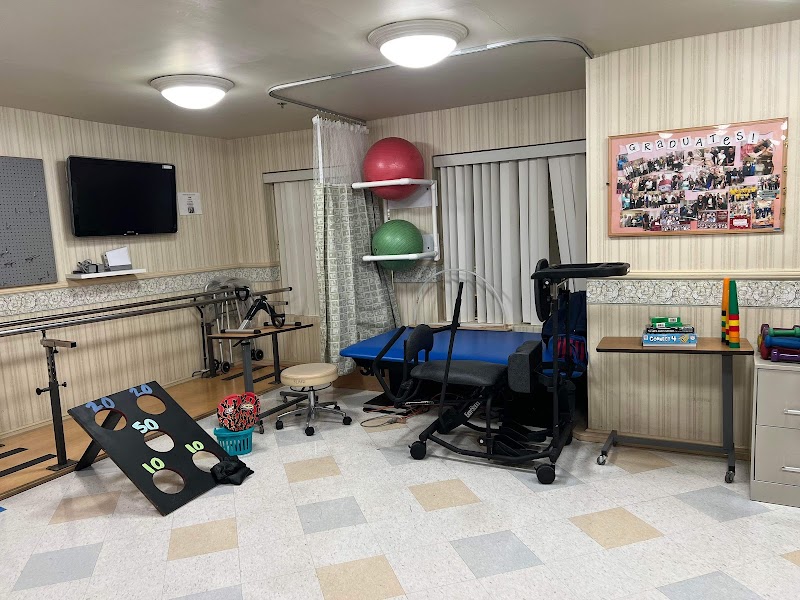
How is Western Convalescent Hospital Staffed?

CMS rates WESTERN CONVALESCENT HOSPITAL's staffing level at 2 out of 5 stars, which is below average compared to other nursing homes. Staff turnover is 36%, compared to the California average of 46%. This relatively stable workforce can support continuity of care.

What Have Inspectors Found at Western Convalescent Hospital?

State health inspectors documented 82 deficiencies at WESTERN CONVALESCENT HOSPITAL during 2021 to 2025. These included: 1 Immediate Jeopardy (the most serious level, indicating potential for serious harm or death), 1 that caused actual resident harm, and 80 with potential for harm. Immediate Jeopardy findings are rare and represent the most serious regulatory concerns. They require immediate corrective action.
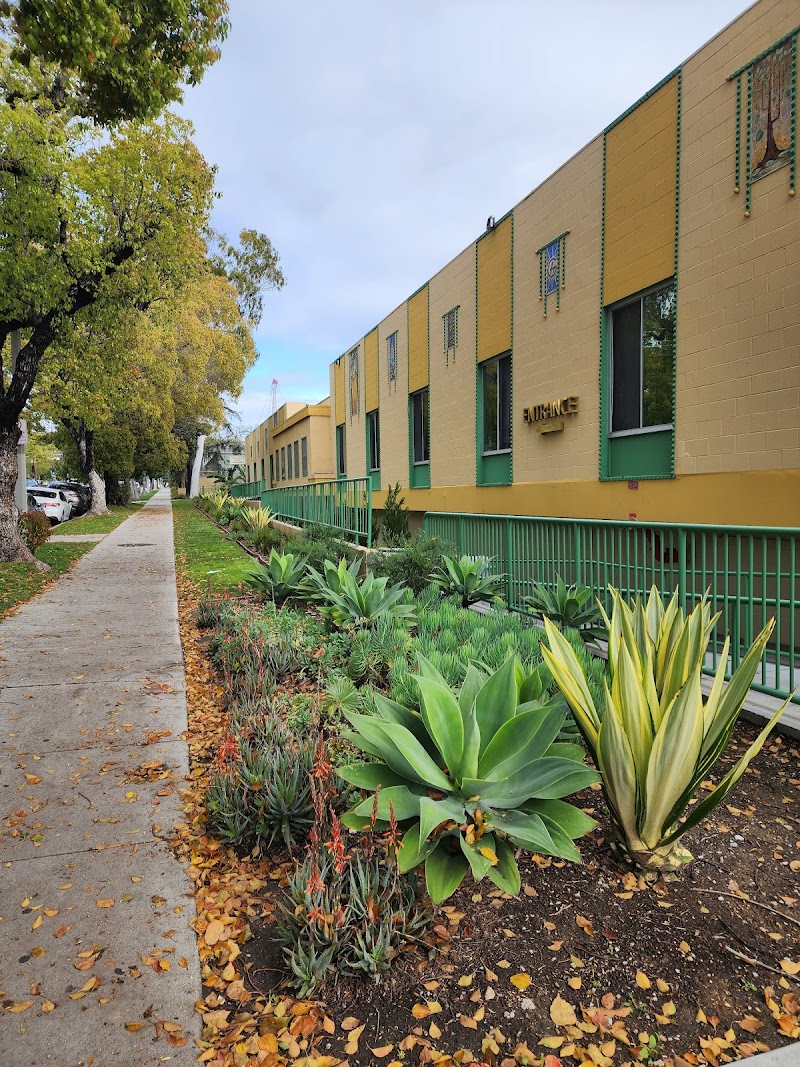
Who Owns and Operates Western Convalescent Hospital?

WESTERN CONVALESCENT HOSPITAL is owned by a for-profit company. For-profit facilities operate as businesses with obligations to shareholders or private owners. The facility is operated by LONGWOOD MANAGEMENT CORPORATION, a chain that manages multiple nursing homes. With 129 certified beds and approximately 113 residents (about 88% occupancy), it is a mid-sized facility located in LOS ANGELES, California.
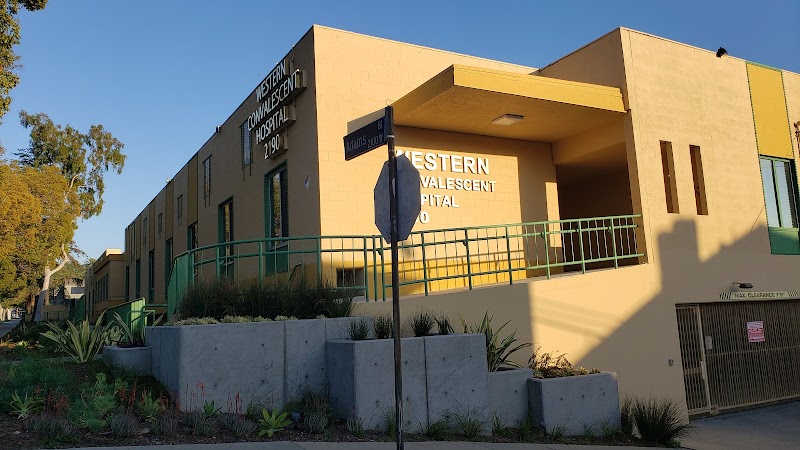
How Does Western Convalescent Hospital Compare to Other California Nursing Homes?

Compared to the 100 nursing homes in California, WESTERN CONVALESCENT HOSPITAL's overall rating (1 stars) is below the state average of 3.1, staff turnover (36%) is significantly lower than the state average of 46%, and health inspection rating (1 stars) is much below the national benchmark.

What Should Families Ask When Visiting Western Convalescent Hospital?

Based on this facility's data, families visiting should ask: "What changes have been made since the serious inspection findings, and how are you preventing similar issues?" "Can you walk me through typical staffing levels on day, evening, and night shifts?" "Can I visit during a mealtime to observe dining assistance and food quality?" "How do you handle medical emergencies, and what is your hospital transfer rate?" These questions are particularly relevant given the facility's Immediate Jeopardy citations and the below-average staffing rating.

Is Western Convalescent Hospital Safe?

Based on CMS inspection data, WESTERN CONVALESCENT HOSPITAL has documented safety concerns. Inspectors have issued 1 Immediate Jeopardy citation (the most serious violation level indicating risk of serious injury or death). The facility has a 1-star overall rating and ranks #100 of 100 nursing homes in California. Families considering this facility should ask detailed questions about what corrective actions have been taken since these incidents.

Do Nurses at Western Convalescent Hospital Stick Around?

WESTERN CONVALESCENT HOSPITAL has a staff turnover rate of 36%, which is about average for California nursing homes (state average: 46%). Moderate turnover is common in nursing homes, but families should still ask about staff tenure and how the facility maintains care continuity when employees leave.

Was Western Convalescent Hospital Ever Fined?

WESTERN CONVALESCENT HOSPITAL has no federal fines on record. CMS issues fines when nursing homes fail to meet care standards or don't correct problems found during inspections. The absence of fines suggests the facility has either maintained compliance or corrected any issues before penalties were assessed. This is a positive indicator, though families should still review recent inspection reports for the full picture.

Is Western Convalescent Hospital on Any Federal Watch List?

WESTERN CONVALESCENT HOSPITAL is not on any federal watch list. The most significant is the Special Focus Facility (SFF) program, which identifies the bottom 1% of nursing homes nationally based on persistent, serious quality problems. Not being on this list means the facility has avoided the pattern of deficiencies that triggers enhanced federal oversight. This is a positive indicator, though families should still review the facility's inspection history directly.