WESTLAKE CONVALESCENT HOSPITAL
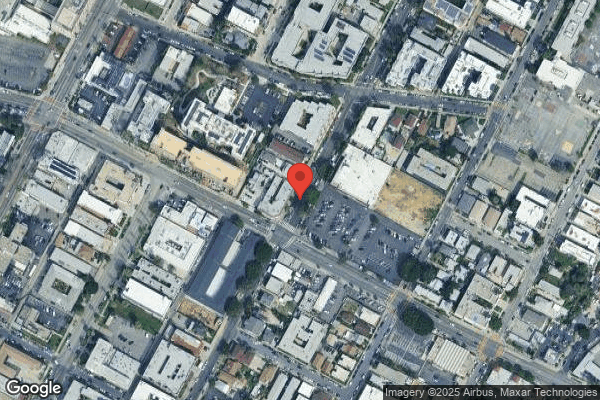
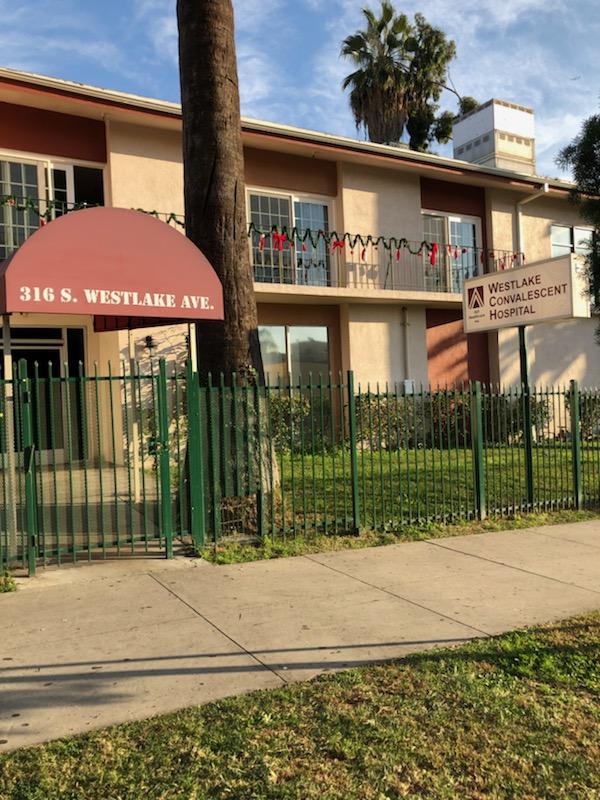
316 S WESTLAKE AVENUE, LOS ANGELES, CA 90057 (213) 484-0510
For profit - Corporation 114 Beds Independent Data: November 2025
Trust Grade
73/100
#508 of 1155 in CA
Last Inspection: June 2024

Within standard 12-15 month inspection cycle. Federal law requires annual inspections.

Overview

Westlake Convalescent Hospital has a Trust Grade of B, which indicates it is a good but not exceptional choice among nursing homes. It ranks #508 out of 1,155 facilities in California, placing it in the top half of the state, and #84 out of 369 in Los Angeles County, meaning only a few local options are better. Unfortunately, the facility is worsening, with issues increasing from 3 in 2023 to 13 in 2024. Staffing is a relative strength, with a turnover rate of 22%, which is below the California average, but the staffing rating is average at 3 out of 5 stars. However, the facility did incur $9,750 in fines, which is a concern as it indicates potential compliance problems. Recent inspections found several specific issues, such as residents with indwelling catheters not receiving proper care, which could lead to infections. Additionally, there were problems with medication storage that could affect their efficacy and failures to serve meals according to dietary guidelines, potentially impacting residents' nutritional intake. These findings highlight significant areas for improvement, indicating that while there are some strengths, there are also pressing concerns that families should consider.

Trust Score
B
73/100
In California
#508/1155
Top 43%
Safety Record
Low Risk
No red flags
Inspections
Getting Worse
3 → 13 violations
Staff Stability
✓ Good
22% annual turnover. Excellent stability, 26 points below California's 48% average. Staff who stay learn residents' needs.
Penalties
✓ Good
$9,750 in fines. Lower than most California facilities. Relatively clean record.
Skilled Nurses
○ Average
Each resident gets 37 minutes of Registered Nurse (RN) attention daily — about average for California. RNs are the most trained staff who monitor for health changes.
Violations
⚠ Watch
39 deficiencies on record. Higher than average. Multiple issues found across inspections.
★★★★☆
4.0
Overall Rating
★★★☆☆
3.0
Staff Levels
★★★★★
5.0
Care Quality
★★★☆☆
3.0
Inspection Score
Stable
2023: 3 issues
2024: 13 issues

The Good

  • 5-Star Quality Measures · Strong clinical quality outcomes
  • Low Staff Turnover (22%) · Staff stability means consistent care
  • Full Sprinkler Coverage · Fire safety systems throughout facility
  • No fines on record
  • Staff turnover is low (22%)

    26 points below California average of 48%

Facility shows strength in quality measures, staff retention, fire safety.

The Bad

Federal Fines: $9,750

Below median ($33,413)

Minor penalties assessed

The Ugly 39 deficiencies on record

Jun 2024 12 deficiencies
CONCERN (D)

Potential for Harm - no one hurt, but risky conditions existed

Deficiency F0558 (Tag F0558)

Could have caused harm · This affected 1 resident

Based on observation, interview, and record review the facility failed to ensure the call light was within reach for one of five sampled residents (Resident 22). This deficient practice had the potent...

Read full inspector narrative →
Based on observation, interview, and record review the facility failed to ensure the call light was within reach for one of five sampled residents (Resident 22). This deficient practice had the potential to result in the resident not being able to call nursing staff for assistance when needed. Findings: A review of the admission Record indicated the facility admitted Resident 22 on 5/25/2016, with diagnoses including hemiplegia (paralysis of one side of the body), blindness of the left eye, dependence on the wheelchair, type 2 diabetes (a long-term condition in which the body has trouble controlling blood sugar and using it for energy), and schizophrenia (a disorder that affects a person's ability to think, feel, and behave clearly). A review of Resident 22's Minimum Data Set (MDS, a standardized assessment and care screening tool) dated 6/9/2024, indicated the resident had moderately impaired cognition (a person's ability to think, learn, remember, use judgement, and make decisions) skills for daily decision making. The MDS indicated Resident 22 required supervision or touching assistance with eating. The MDS indicated Resident 22 required substantial/maximal assistance for oral hygiene, was dependent on help for toileting hygiene, showering/bathing self, upper body dressing, lower body dressing, putting on/taking off footwear, and personal hygiene. A review of Resident 22's Care Plan revised 6/20/2024, indicated the resident had a self-care deficit for toileting related to physical mobility, weakness, contractures and needed extensive assistance. The care plan indicated a goal for Resident 22 to maintain their current level of function if possible, and for the resident to be clean and dry after each episode of incontinence (inability to control the bladder or bowel). The care further indicated interventions that included answering the call light properly and keeping the call light close and within reach. During a concurrent observation and interview on 6/21/2024 at 7:29 PM, Resident 22 was observed sitting up in bed. Resident 22 was observed with their call light hanging off the bed on the floor, not within the resident's reach. Resident 22 was observed looking around his bed. Resident 22 indicated he knew how to call for help from staff. Resident was observed looking for the call light and unable to locate the call light. During a concurrent observation and interview on 6/21/2024 at 7:31 PM, Certified Nursing Assistant (CNA) 3 confirmed Resident 22's call light was hanging off the bed not within the resident's reach. CNA 3 stated the call light should be on the bed within the resident's reach. CNA 3 stated there was a potential for Resident 22 to not be able to call staff when needed. During an interview on 6/23/2024 at 1:58 PM, the Director of Nursing (DON) stated the call light should be within the reach of the resident at all times. The DON stated there was a potential for residents to not be able to call out for help when needed if call lights were not available for the resident. A review of the facility's policy and procedure reviewed 1/19/2024, indicated when the resident was in bed or confined to a chair be sure the call light was within easy reach of the resident.
CONCERN (D)

Potential for Harm - no one hurt, but risky conditions existed

Deficiency F0578 (Tag F0578)

Could have caused harm · This affected 1 resident

Based on interview and record review, the facility failed to ensure a current copy of the resident's advance directive (AD, a written instruction, recognized under State law, relating to the provision...

Read full inspector narrative →
Based on interview and record review, the facility failed to ensure a current copy of the resident's advance directive (AD, a written instruction, recognized under State law, relating to the provision of health care when the individual is unable to make decisions for themselves) was in the resident's medical chart for one of three sampled residents (Resident 40). This deficient practice had the potential for the facility to not honor the resident's medical decisions regarding end-of-life treatment. Findings: A review of Resident 40's admission Record indicated the facility admitted the resident on 12/15/2023, with diagnoses including chronic respiratory failure (a condition that occurs when the lungs cannot get enough oxygen into the blood or eliminate enough carbon dioxide from the body), end stage of renal disease (final , permanent stage of chronic kidney disease, where kidney function has declined to the point that the kidneys can no longer function on their own), and dementia (decline in mental ability severe enough to interfere with daily functioning/life). A review of Resident 40's physician History and Physical (H&P) dated 12/16/2023, indicated the resident did not have the capacity to understand and make decisions. A review of Resident 40's Minimum Data Set (MDS- a standardized assessment and screening tool) dated 12/20/2023, indicated the resident had moderately impaired cognition (moderately damaged mental abilities, including remembering things, making decisions, concentrating, or learning) The MDS also indicated the resident was dependent on two or more helpers for assistance with bed mobility, transfer, locomotion, dressing, eating, toilet use and personal hygiene. During an interview with the Director of Social Services (SSD), on 6/21/2024 at 8:43 PM, and a concurrent review of Resident 40's clinical record, the SSD stated the resident's Advance Directive acknowledgement form indicated that Resident 40 had an advance directive. The advance directive was not found in Resident 40's clinical record. The SSD stated the advance directive was not in the chart, and she would check in her office. During an interview with SSD on 6/22/2024 at 11:53 AM, the SSD stated that she was not able to find Resident 40's advance directive in her office. The SSD stated a copy of Resident 40's advance directive should have been kept in the resident's chart to provide guidance to the facility staff about the resident's wishes. During an interview with the Director of Nursing (DON) on 6/23/2024 at 11:53 AM, the DON stated that a copy of Resident 40's advance directive should have been kept in the resident's chart to ensure the resident's wishes would be carried out, and to provide guidance to the facility staff about the resident's wishes. A review of the facility's policies and procedures titled, Advance Directives, revised 1/19/2024, indicated to comply with state and federal law regarding the development and implementation of a resident's advance directives. If there was an advanced directive, then this information shall be placed in the clinical record when provided by the resident or their representative.
CONCERN (D)

Potential for Harm - no one hurt, but risky conditions existed

Deficiency F0676 (Tag F0676)

Could have caused harm · This affected 1 resident

Based on observation, interview, and record review, the facility failed to accommodate communication needs for one of five sampled residents (Resident 59) by failing to keep a Korean communication boa...

Read full inspector narrative →
Based on observation, interview, and record review, the facility failed to accommodate communication needs for one of five sampled residents (Resident 59) by failing to keep a Korean communication board (a tool that includes pictures that help residents communicate their healthcare and every-day needs to facility staff) that help residents at bedside within the resident's reach. This deficient practice had the potential for Resident 59 to not be able to communicate their needs to the facility staff. Findings: A review of Resident 59's admission Record indicated the facility admitted the resident on 7/20/2023, with diagnoses that included osteomyelitis (an infection in the bone), type 2 diabetes (a long-term condition in which the body has trouble controlling blood sugar and using it for energy), hyperlipidemia (high levels of cholesterol in the blood), muscle weakness, and metabolic encephalopathy (a problem in the brain caused by a chemical imbalance in the blood). A review of Resident 59's Minimum Data Set (MDS, a standardized assessment and care screening tool) dated 4/30/2024, indicated the resident had modified independence (some difficulty in new situations only) cognitive skills for daily decision making. The MDS indicated Resident 59 required set up to clean up assistance for eating and oral hygiene. The MDS indicated Resident 59 required supervision or touching assistance for personal hygiene and required partial/moderate assistance for toileting hygiene, upper body dressing, lower body dressing, putting on/taking off footwear. The MDS further indicated Resident 59 required substantial/moderate assistance for showering/bathing self. A review of Resident 59's Care Plan revised 4/19/2024, indicated the resident's primary language was Korean. The care plan indicated a goal for staff to anticipate Resident 59's needs and indicated the language barrier would not affect the resident's ability to communicate. The care plan intervention was to attempt to work out communication for yes/no answer, encourage the use of gestures as needed, provide an interpreter as needed, provide room visits, and provide a visual communication board. During an observation on 6/21/2024 at 7:13 PM, Resident 59 was observed sitting in bed. A Korean communication board was observed in a folder placed in a bin secured to the wall by the entrance of the resident's room. There was no communication board observed at bedside or near Resident 59's reach. During an interview on 6/21/2024 at 7:20 PM, Licensed Vocational Nurse (LVN) 5 stated Resident 59 spoke Korean. LVN 5 stated staff communicate with the resident though gestures and stated there was also a Korean speaking nurse. LVN 5 stated sometimes Resident 59 got upset when you talked to him because they could not understand you. During a concurrent observation, interview, and record review, with Social Services Director (SSD), Resident 59's Korean communication board was observed in a folder placed in a bin secured to the wall by the entrance of the resident's room. The SSD stated there was no Korean communication board observed at Resident 59's bedside. Resident 59's care plan was reviewed with SSD. The SSD stated Resident 59's care plan indicated the resident's primary language was Korean and indicated to provide the resident with a visual communication board. The SSD stated the communication board was used to facilitate communication between Resident 59 and the staff, and it would be difficult for Resident 59 to communicate their needs if they did not have easy access to the communication board. The SSD stated it would be beneficial for Resident 59 to have a Korean communication board at bedside to facilitate easier communication with staff. During an interview using translation services on 6/22/2024 at 1:17 PM, Resident 59 stated sometimes they have difficulty speaking to staff. Resident 59 stated it's hard to talk to staff because they do not speak Korean. Resident 59 further stated they try to talk to staff using gestures and stated they were not sure if they understood but stated I think they understand. During an interview on 6/23/2024 at 1:58 PM, the Director of Nursing (DON) stated. Resident 59 had a communication board in their room on the wall and one with activities. The DON stated Resident 59 was Korean speaking and the communication board should be near the resident at bedside for easy access. The DON stated there was a potential for Resident 59 to not be able to relay their needs to staff and have difficulty communicating with staff if there was no communication board at bedside. A review of the facility's policy and procedure titled, Accommodation of Needs Related to Communication Deficits, reviewed 1/19/2024, indicated communication needs will be identified and appropriate interventions, including care planning, will be developed in order to accommodate the communication needs of the resident. Care plan will be developed, updated quarterly and as indicated to reflect accurate, current assessments related to communication needs.
CONCERN (D)

Potential for Harm - no one hurt, but risky conditions existed

ADL Care (Tag F0677)

Could have caused harm · This affected 1 resident

**NOTE- TERMS IN BRACKETS HAVE BEEN EDITED TO PROTECT CONFIDENTIALITY** Based on observation, interview, and record review, the facility failed to provide oral care for one of three sampled residents ...

Read full inspector narrative →
**NOTE- TERMS IN BRACKETS HAVE BEEN EDITED TO PROTECT CONFIDENTIALITY** Based on observation, interview, and record review, the facility failed to provide oral care for one of three sampled residents (Resident 2), who was totally dependent upon staff for all activities of daily living (ADLs - essential and routine activities include eating, dressing, getting into or out of a bed or chair, taking a bath or shower, and using the toilet), was unable to breathe independently and was ventilator (a machine that helps one breathe) dependent. This deficient practice had the potential to place Resident 39 at risk for ventilator associated infection. Findings: A review of Resident 2's admission Record indicated the facility admitted Resident 2 on 6/20/2018 and readmitted on [DATE], with diagnoses including epilepsy (a brain condition that causes recurring seizures[a sudden, uncontrolled burst of electrical activity in the brain]), and chronic respiratory failure ( a condition in which your lungs have a hard time loading your blood with oxygen or removing carbon dioxide). A review of the Physician's Order dated 4/23/2024, indicated Resident 2 was to receive oral care every shift to prevent infection. A review of the Minimum Data Set (MDS - a standardized assessment and care screening tool) dated 5/2/2024, indicated Resident 2's cognition was severely impaired (never/rarely made decisions). The MDS further indicated Resident 2 was totally dependent upon staff for all activities of daily living (ADLs -essential and routine activities include eating, dressing, getting into or out of a bed or chair, taking a bath or shower, and using the toilet). The MDS also indicated Resident 2 was receiving oxygen therapy, required suctioning, tracheostomy care and required an invasive mechanical ventilator. A review of the humidity deficit care plan, initiated 5/1/2024, indicated Resident 2 was prone to humidity deficit due to the presence of a tracheostomy, and oxygen dependence. The review of the care plan also indicated the goal was for Resident 2 to remain free from respiratory infection. A further review of the care plan indicated the interventions included to provide oral care every shift, check the resident's oxygen saturation every shift, to titrate the resident's oxygen administration to maintain his oxygen saturation greater than 92 percent and to change oxygen devices such as the nasal cannula and mask every week. A review of the Dental Care care plan, initiated 4/23/2024, indicated Resident 2 was totally dependent upon staff for oral care and the goal was for Resident 2 to maintain oral hygiene daily. The care plan interventions included for staff to assist with oral hygiene as needed and to provide good oral hygiene every shift and as needed. A review of Resident 2's Order Summary Report, dated 6/22/2024, indicated on 4/23/2024, the physician ordered the facility was to change the oxygen device (nasal cannula (NC)/mask/T-bar/oxygen tubing) every Friday and as needed (prn). During an observation on 6/21/2024 at 6:05 PM, Resident 2 was observed lying in bed, with dry flaky lips and off-white crusty patches on his tongue. During an observation on 6/22/2024 at 10:44 AM, with Certified Nursing Assistant 1 (CNA 1) Resident 2's mouth was observed at the resident's bedside. During a concurrent interview, CNA 1 stated Resident 2's tongue was dry and crusty. CNA 1 stated it appeared it had been a while since staff had provided oral care to Resident 2. CNA 1 also stated the CNAs or Respiratory therapists provide oral care to the subacute residents. During a concurrent interview and observation on 6/22/2024 at 11:14 AM, at Resident 2's bedside, Respiratory Therapist 1 (RT 1) stated the respiratory therapists provide mouthcare using a sponge and mouthwash. RT 1 stated Resident 2 had white patches on his tongue and maybe RT 1 could suction it off. During an interview on 6/23/2024 at 9:28 AM, Director of Staff Development (DSD) stated CNAs, licensed nurses and respiratory therapist can all perform mouth care on subacute residents. The DSD stated Resident 2 required mouth care every shift. The DSD stated the white patchy crust on Resident 2's tongue indicated he had not received mouthcare in a while. The DSD stated it was important for residents to maintain a clean mouth in order to prevent infection as it can lead to ventilator associated pneumonia for residents on a ventilator. During an interview on 6/23/2024 at 2:05 PM, the Director of Nursing (DON) stated RTs, licensed nurses and CNAs can provide mouth care in subacute unit. Looks like it had been a minute. The DON stated for Resident 2 who has a tracheostomy and used a ventilator, good mouth care was important to prevent ventilator associated pneumonia. A review of the facility's policy and procedure titled, Mouth Care, dated 1/13/2023, indicated to provide mouth (oral) care, as the purposes of this procedure were to keep the resident's lips and oral tissues moist, to cleanse and freshen the resident's mouth, and to prevent infections of the mouth. A review of the facility's policy and procedure titled, Activities of Daily Living (ADLs) / Maintain Abilities, dated 1/13/2023, indicated a resident who was unable to carry out activities of daily living will receive the necessary services to maintain good nutrition, grooming, and personal and oral hygiene.
CONCERN (D)

Potential for Harm - no one hurt, but risky conditions existed

Accident Prevention (Tag F0689)

Could have caused harm · This affected 1 resident

**NOTE- TERMS IN BRACKETS HAVE BEEN EDITED TO PROTECT CONFIDENTIALITY** b. A review of Resident 20's admission Record indicated the facility originally admitted the resident on 9/3/2015, and readmitte...

Read full inspector narrative →
**NOTE- TERMS IN BRACKETS HAVE BEEN EDITED TO PROTECT CONFIDENTIALITY** b. A review of Resident 20's admission Record indicated the facility originally admitted the resident on 9/3/2015, and readmitted on [DATE], with diagnoses including epilepsy, and encephalopathy (a change in your brain function due to injury or disease). A review of Resident 20's MDS dated [DATE], indicated the resident's cognitive skills (brain's ability to think, read, learn, remember, reason, express thoughts, and make decisions) for daily decision making was moderately impaired (decisions poor, cues/supervision required). The MDS indicated Resident 20 was dependent to staff (helper does all of the effort) for toileting hygiene, upper and lower body dressing, personal hygiene, and showering and bathing. The MDS further indicated Resident 20 required substantial / maximal assistance (helper does more than half the effort) for oral hygiene. A review of the Physician's Orders dated 6/18/2024, indicated to apply seizure precautions during every shift such as application of pillows or wedge pillow and to provide frequent visual checks. A review of the seizure care plan initiated on 6/19/2024, indicated to keep Resident 20's environment safe by padding the resident's siderails if permitted by the resident. During an observation on 6/22/2024 at 10:02 AM, Resident 20 was observed in his bed, the bedrails did not have any padding as a precaution for seizure. There were no pillows or wedge pillows placed next to Resident 20's bedrails. During a concurrent observation and interview on 6/22/2024 at 10:07 AM, with the Licensed Vocational Nurse 1 (LVN 1), LVN 1 stated Resident 20's bedrails were not padded. LVN 1 stated Resident 20 had a diagnosis for seizure and it was required to pad and cover his bed side rails to protect him from injury caused by seizure. A review of Resident 20's Medication Administration Record (MAR) for June 2024, indicated that LVN 1 checked off the padded side rails for seizure precaution as in place for June 22, 2024, during 7 AM-3 PM shift. During an interview on 6/23/2024 at 2 PM with the facility's Director of Nursing (DON), the DON stated staff were required to follow physician's orders for seizure precautions. The DON stated Resident 20 had an order for padded sided rails and it was not implemented by the staff. The DON stated the potential outcome was injuries during seizure activity. A review of the facility's policy and procedure titled, Safety and Supervision of Residents, revised 1/19/2024, indicated the facility strives to make the environment as free from accident hazards as possible. Resident safety and supervision and assistance to prevent accidents were facility-wide priorities. The P&P also indicated the facility's Resident-Oriented Approach to Safety by Implementing interventions to reduce accident risks and hazards shall include implementing all interventions and ensuring that interventions are implemented correctly and consistently. Based on observation, interview, and record review, the facility failed to implement accident risk and hazard interventions for two of five sampled residents (Residents 2 and 20). These deficient practices had the potential to place Residents 2 and 20 at risk for injuries. Findings: a. A review of Resident 2's admission Record (Face Sheet) indicated the facility admitted the resident on 6/20/2018, and readmitted on [DATE], with diagnoses including epilepsy (a brain condition that causes recurring seizures[a sudden, uncontrolled burst of electrical activity in the brain]), and chronic respiratory failure ( a condition in which your lungs have a hard time loading your blood with oxygen or removing carbon dioxide). A review of the Minimum Data Set (MDS - a standardized assessment and care screening tool) dated 5/2/2024, indicated Resident 2's cognition was severely impaired (never/rarely made decisions) and was totally dependent upon staff for all activities of daily living (ADLs -essential and routine activities include eating, dressing, getting into or out of a bed or chair, taking a bath or shower, and using the toilet). The MDS also indicated Resident 2 had a seizure disorder or epilepsy. A review of Resident 2's Seizure Disorder care plan, initiated 4/23/2024, indicated at risk for injury due to epilepsy. The interventions included to provide a safe environment at all times and for facility staff to provide padded side rails. A review of Resident 2's Order Summary Report, dated 6/22/2024, indicated on 4/23/2024, the physician ordered the facility to apply pillows or wedge pillow and frequent visual checks every shift for seizure precautions for Resident 2. The order summary report further indicated to not leave the resident alone during a seizure activity, to protect from injury, if resident was out of bed, help to the floor to prevent injury, remove, or loosen tight clothing, and not to attempt to restrain resident during a seizure as this could make the convulsions more severe. During an observation on 6/22/2024 at 10:44 AM, Resident 2 was observed in bed. Resident 2's bedrails did not have any padding as a precaution for seizure. During a concurrent observation and interview on 6/22/2024 at 1:26 PM with Licensed Vocational Nurse 4 (LVN 4), Resident 2's bed rails were observed. LVN 4 stated Resident 2's side rails were not padded. LVN 4 stated Resident 2 was supposed to have padded side rails in place because Resident 2 was on seizure precautions. LVN 4 stated the side rails protect the resident from harm and to prevent injury.
CONCERN (D)

Potential for Harm - no one hurt, but risky conditions existed

Respiratory Care (Tag F0695)

Could have caused harm · This affected 1 resident

**NOTE- TERMS IN BRACKETS HAVE BEEN EDITED TO PROTECT CONFIDENTIALITY** Based on observation, interview, and record review, the facility failed to change Resident 2's oxygen tubing every seven days pe...

Read full inspector narrative →
**NOTE- TERMS IN BRACKETS HAVE BEEN EDITED TO PROTECT CONFIDENTIALITY** Based on observation, interview, and record review, the facility failed to change Resident 2's oxygen tubing every seven days per the residents care plan and physician order for one of three sampled residents (Resident 2). This deficient practice had the potential to cause complications associated with oxygen and mechanical ventilation therapy including infection or respiratory distress. Findings: A review of the admission Record indicated the facility admitted Resident 2 on 6/20/2018, and readmitted on [DATE], with diagnoses including epilepsy (a brain condition that causes recurring seizures [a sudden, uncontrolled burst of electrical activity in the brain]), and chronic respiratory failure (a condition in which your lungs have a hard time loading your blood with oxygen or removing carbon dioxide). A review of the Minimum Data Set (MDS - a standardized assessment and screening tool) dated 5/2/2024, indicated Resident 2's cognition was severely impaired (never/rarely made decisions) and was totally dependent upon staff for all activities of daily living (ADLs -essential and routine activities include eating, dressing, getting into or out of a bed or chair, taking a bath or shower, and using the toilet). The MDS also indicated Resident 2 was receiving oxygen therapy, required suctioning, tracheostomy care and required an invasive mechanical ventilator. A review of the Humidity Deficit care plan, initiated 5/1/2024, indicated Resident 2 was prone to humidity deficit due to the presence of a tracheostomy, and oxygen dependence. The review of the care plan also indicated the goal was for Resident 2 to remain free from respiratory infection. The interventions included to check the resident's oxygen saturation every shift, to titrate the resident's oxygen administration to maintain his oxygen saturation greater than 92 percent and to change oxygen devices such as the nasal cannula and mask every week. A review of Resident 2's Order Summary Report, dated 6/22/2024, indicated on 4/23/2024, the physician ordered the facility was to change the oxygen device (nasal cannula (NC)/mask/T-bar/oxygen tubing) every Friday and as needed (prn). During an observation on 6/21/2024 at 6:05 PM, Resident 2 was observed lying in bed with oxygen tubing attached from an oxygen concentrator (medical device used for delivering oxygen) to the resident's tracheostomy tube infusing at 3 liters per minute (PM). The oxygen tubing was dated 6/14/2024. During an observation inside Resident 2's room on 6/22/2024 at 11:14 AM, Resident 2's ventilator/oxygen tubing was observed with Respiratory Therapist 1 (RT 1). During a concurrent interview RT 1 stated Resident 2's oxygen tubing was dated 6/14/2024. RT 1 stated the oxygen was to be changed once a week on Friday. RT 1 stated Resident 2's oxygen tubing should have been changed yesterday. RT 1 stated the oxygen tubing was changed weekly to ensure the tubing remains clean and for infection control purposes. During an interview on 6/23/2024 at 2:07 PM, the Director of Nursing (DON) stated the respiratory therapist change the residents' oxygen tubing weekly. The DON stated there was a potential for developing an infection when the tubing was not changed weekly. A review of the facility's Policy and Procedure (P&P) titled, Care Plan - Comprehensive, dated 1/19/2024, indicated our facility's Care Planning/Interdisciplinary Team, in coordination with the resident, his/her family or representative (sponsor), develops and maintains a comprehensive care plan for each resident that identifies the highest level of functioning the resident may be expected to attain. A review of the facility policy and procedure titled, Physician Medication Orders, dated 1/19/2024, indicated Medications shall be administered only upon the written order of a person duly licensed and authorized to prescribe such medications in this state.
CONCERN (D)

Potential for Harm - no one hurt, but risky conditions existed

Deficiency F0712 (Tag F0712)

Could have caused harm · This affected 1 resident

**NOTE- TERMS IN BRACKETS HAVE BEEN EDITED TO PROTECT CONFIDENTIALITY** Based on interview and record review, the facility failed to ensure the physician completed in person visits in a timely manner ...

Read full inspector narrative →
**NOTE- TERMS IN BRACKETS HAVE BEEN EDITED TO PROTECT CONFIDENTIALITY** Based on interview and record review, the facility failed to ensure the physician completed in person visits in a timely manner for one of three sampled residents (Resident 3), by failing to: -Ensure the physician initial face-to-face visit was made by a physician within 30 days after Resident 3s admission. -Ensure Physician visits were alternated with a Nurse Practitioner visits (NP- a nurse who is qualified to treat certain medical conditions without the direct supervision of a doctor) every 60 days after the first 90 days of Resident 3`s admission. These deficient practices had the potential to result in an undetected decline in medical, health, or psychosocial condition and can lead to a delay in necessary care, treatment, and services. Findings: A review of Resident 3's admission Record (Face Sheet) indicated the facility originally admitted the resident on 5/16/2023, and readmitted on [DATE], with diagnoses including epilepsy (a brain condition that causes recurring seizures [a sudden, uncontrolled burst of electrical activity in the brain]), and dementia (a general term for loss of memory, language, problem-solving and other thinking abilities that are severe enough to interfere with daily life). A review of Resident 3's Minimum Data Set (MDS - a standardized assessment and care screening tool) dated 2/27/2024, indicated the resident's cognitive skills (brain's ability to think, read, learn, remember, reason, express thoughts, and make decisions) for daily decision making was moderately impaired (decisions poor, cues/supervision required). The MDS indicated Resident 3 was dependent to staff (helper does all of the effort) for toileting hygiene, upper and lower body dressing, personal hygiene, oral hygiene, and showering and bathing. A review of Resident 3's physician History and Physical (H&P) dated 3/24/2024, after Resident 3's readmission to the facility, indicated Resident 3 was able to make his needs known, but cannot make medical decisions. Further review of the H&P indicated it was completed by an NP. During a concurrent interview and record review on 6/22/2024 at 6:40 PM, with the Director of Nursing (DON) Resident 3's physical chart was reviewed. The DON stated the admission H&P dated 3/24/2024 was completed by an NP and not Resident 3's attending physician (PHY 1). The DON stated resident's attending physician was required to conduct an initial comprehensive visit personally within the first 30 days after resident's admission to the facility. The DON stated Resident 3's physician did not visit him personally after his readmission, instead PHY 1's Nurse Practitioner visited the resident and completed the H&P. During a concurrent interview and record review on 6/23/2024 at 1 PM, with the DON, Resident 3's physician progress notes were reviewed. The DON stated Resident 3's physician progress notes dated 11/1/2023, 12/3/2023, 1/6/2024, 2/10/2024, and 3/3/2024 were written, signed, and dated by an NP. The DON stated resident's attending physician was required to alternate monthly visits with the NP after the first 90 days of admission. The DON stated, Seems like PHY 1 has not visited Resident 3 since November 2023. The DON stated the potential outcome was incomplete care of the resident. The surveyor attempted to call and interview PHY 1 on 6/23/2024 at 10:30 AM and 2:18 PM. However, the calls were not answered, and no return call was received by the surveyor. A review of the facility's policy and procedure titled, Physician Visits, dated 1/19/2024, indicated the attending physician must make visits in accordance with applicable state and federal regulations. The attending physician must visit his/her patients at least once every thirty (30) days for the first ninety (90) days following the resident's admission, and then at least every sixty (60) days thereafter. After the first ninety day, if the attending physician determines that a resident need not be seen by him/her every thirty days, an alternate schedule of visits may be established, but not to exceed every sixty days. A physician assistant or nurse practitioner may make alternate visits after the initial ninety days following admission, unless restricted by law or regulation.
CONCERN (D)

Potential for Harm - no one hurt, but risky conditions existed

Infection Control (Tag F0880)

Could have caused harm · This affected 1 resident

**NOTE- TERMS IN BRACKETS HAVE BEEN EDITED TO PROTECT CONFIDENTIALITY** b. A review of Resident 10's admission Record indicated the facility admitted the resident on 2/22/2024, and readmitted on [DATE...

Read full inspector narrative →
**NOTE- TERMS IN BRACKETS HAVE BEEN EDITED TO PROTECT CONFIDENTIALITY** b. A review of Resident 10's admission Record indicated the facility admitted the resident on 2/22/2024, and readmitted on [DATE], with diagnoses including chronic respiratory failure (a condition that occurs when the lungs cannot get enough oxygen into the blood or eliminate enough carbon dioxide from the body), tracheostomy (a procedure to help air and oxygen reach the lungs by creating an opening into the trachea [windpipe] from outside the neck), and end stage of renal disease (the final, permanent stage of chronic kidney disease, where kidney function has declined to the point that the kidneys can no longer function on their own). A review of Resident 10's History and Physical dated 4/30/2024, indicated Resident 10 had the capacity to understand and make decisions. A review of Resident 10's MDS dated [DATE], indicated the resident had intact cognition (undamaged mental abilities, including remembering things, making decisions, concentrating, or learning) and required 1-2-person assistance with eating, toileting and personal hygiene, showering, and dressing. A review of the Care Plan initiated on 6/17/2024, indicated Resident 10 was on an Intravenous (IV- a thin plastic tube inserted into a vein using a needle) Catheter antibiotic. The care plan interventions indicated to manage an IV catheter per policy and procedure. A review of a Progress note dated 6/19/2024, indicated a peripheral IV line was started on 6/19/2024, to the left hand and covered with a transparent dressing. A review of Resident 10's Order Summary Report, dated 6/22/2024, indicated an order to: -Insert a peripheral Intravenous Catheter and connect to a needless lock system (a device that does not use needles for administration of medication or fluid) and document per facility protocol. -Check the IV site every 8 hours. -Vancomycin intravenous solution 500 milligram/100 milliliter (mg/ ml- unit of measurements) given at bedtime on 5/21/2024 and 5/24/2024. During a concurrent observation and interview, on 6/21/2024 at 7:30 PM, Registered Nurse 1 (RN 1) verified Resident 10's needleless lock system was not clamped and there was no label to indicate the date of insertion for the IV. RN 1 stated the needless lock system should be clamped when not in use because an open needless lock system increases the chances of cross contamination. RN 1 stated the licensed nurses should label the needless lock system with the date and time when it was inserted. During an interview on 6/23/2024 at 4:30 PM, the Director of Nursing (DON) stated that after IV insertion the registered nurses were required to attach a label to indicate the date and time of insertion. The DON stated the needless lock system should be clamped when not in use, otherwise microorganisms could go into the IV line, and the line could be contaminated. A review of the facility's policy and procedure titled, Handwashing/Hand Hygiene, dated 1/19/2024, indicated this facility's Infection prevention and control policies and practices were intended to facilitate maintaining a safe, sanitary environment and to help prevent and manage transmission of infections. The facility considers hand hygiene the primary means to prevent the spread of infections. All personnel shall follow the handwashing/hand hygiene procedures to help prevent the spread of infections to other personnel, residents, and visitors. The P&P also indicated the use of gloves did not replace handwashing/hand hygiene and in most situations, the preferred method of hand hygiene was with an alcohol-based hand rub. If hands were not visibly soiled, use an alcohol-based hand rub: -before moving from a contaminated body site to a clean body site during resident care. -After contact with a resident's intact skin. -After handling used dressings, contaminated equipment, etc. -After contact with objects (e.g., medical equipment) in the immediate vicinity of the resident; and -After removing gloves. Based on interview and record review, the facility failed to enforce its own policy related to a safe, sanitary environment and infection control for two of five sampled residents (Resident 10 and 29) by failing to: -Ensure staff members perform hand hygiene between glove changes for Resident 29. -Ensure to label Resident 10's Intravenous catheter (a thin plastic tube inserted into a vein using a needle) and to lock the needleless system after completion of antibiotic infusion. These deficient practices had the potential to transmit infectious microorganisms and increase the risk of infection for Residents 10 and 29. Findings: a. A review of the admission Record indicated the facility admitted Resident 29 on 2/23/2024, and re-admitted the resident on 3/28/2024, with diagnoses including sepsis (a life-threatening condition in which the body responds improperly to an infection. The infection-fighting processes turns on the body, causing the organs to work poorly), chronic kidney disease (kidneys are damaged and cannot filter blood as well as they should), and chronic respiratory failure (a condition in which your lungs have a hard time loading your blood with oxygen or removing carbon dioxide). A review of Resident 29's Contact Isolation Care plan initiated 3/29/2024, indicated the resident required contact isolation due to Candida auris (C. auris, an emerging multi-drug resistant organism [MDRO] that presents a serious global health threat due to its resistance to multiple antifungal drugs). The care plan interventions indicated staff were to encourage all staff and visitors to wash hands before entering and upon leaving the isolated area, inform resident, family and visitors about infection control precautions and procedures and staff were to use aseptic technique for all procedures and storage of all equipment. A review of Resident 29's Moisture Associated Skin Damage (MASD, inflammation of the skin caused by sources of moisture such as urine, perspiration, stool or mucus) care plan initiated on 3/29/2024, indicated the goal was for the resident's skin to be free from further development of skin excoriation. The interventions included to monitor for signs of infection, monitor effectiveness of treatment and to notify the physician as needed. A review of Resident 29's Minimum Data Set (MDS-comprehensive assessment and care screening tool) dated 5/31/2024, indicated Resident 29's cognition was severely impaired (never/rarely made decisions) and was totally dependent upon staff for all activities of daily living (ADLs -essential and routine activities include eating, dressing, getting into or out of a bed or chair, taking a bath or shower, and using the toilet). The MDS indicated Resident 29 had a MASD and the facility applied ointments/medications for skin treatments. A review of Resident 29's Order Summary Report, dated 6/22/2024, indicated on the physician ordered Resident 29 to be placed in contact isolation (steps that healthcare facility staff and visitors need to follow before going into a patient's room in order to stop germ from spreading) for C. auris on 4/4/2024. The order summary report also indicated the physician ordered the facility to administer the following treatments to Resident 29: - Apply A & D ointment to right heel resolved pressure injury daily for skin maintenance on 5/9/2024. - Apply A & D ointment to left heel resolved pressure injury daily for skin maintenance on 5/10/2024. -Apply A & D ointment to sacrococcyx resolved pressure injury daily for skin maintenance on 5/23/2024. - To perineal extending to bilateral groin MASD, cleanse with normal saline, pat dry, apply zinc oxide daily for 30 days on 5/29/2024. - Apply A and D ointment (skin protectant) to peri wound resolved fungal rash every day for skin maintenance on 6/15/2024. During an observation at Resident 29's bedside on 6/22/2024 at 10:13 AM, Licensed Vocational Nurse 2 (LVN 2) performance of Resident 29's skin maintenance treatment was observed. During the care, LVN 2 was observed applying with A and D (skin protectant) ointment with gloved hands to Resident 29's buttock area. LVN 2 then changed gloves without performing hand hygiene and applied zinc oxide to Resident 29's genital area in the front. LVN 2 then changed gloves for a third time without performing hand hygiene and applied A & D ointment to both of Resident 29's heels. During an interview on 6/22/2024 at 10:39 AM, LVN 2 stated she did not perform hand hygiene between glove changes during Resident 29's skin care. LVN 2 stated hand hygiene should be performed when gloves were changed for infection control and to not spread organisms from one area to the other. During an interview on 6/23/2024 at 11:32 AM, the Infection Preventionist (IP) stated hand hygiene was performed between glove changes and that hygiene between glove changes was done to prevent infection and control contamination. During an interview on 6/23/2024 at 2:08 PM, the Director of Nursing (DON) stated staff were to complete hand washing or hand hygiene between glove changes. The DON stated hand hygiene between glove changes ensured one did not contaminate other parts of the resident's body.
CONCERN (E)

Potential for Harm - no one hurt, but risky conditions existed

Incontinence Care (Tag F0690)

Could have caused harm · This affected multiple residents

**NOTE- TERMS IN BRACKETS HAVE BEEN EDITED TO PROTECT CONFIDENTIALITY** Based on observation, interview and record review, the facility failed to ensure that a resident with an indwelling catheter (a ...

Read full inspector narrative →
**NOTE- TERMS IN BRACKETS HAVE BEEN EDITED TO PROTECT CONFIDENTIALITY** Based on observation, interview and record review, the facility failed to ensure that a resident with an indwelling catheter (a flexible plastic tube inserted into the bladder that remains there to provide continuous urinary drainage) received proper care and services for three of five sampled residents (Resident 20, 57, and 64) as evidenced by: -For Resident 20 the facility staff did not empty the indwelling catheter urinary collection bag (designed to collect urine drained from the bladder via a catheter) as ordered by the physician. -For Resident 57 the facility failed to maintain the resident's urinary catheter bag below the level of the bladder. -Fore Resident 64, there was no assessment for indwelling catheter removal. These deficient practices had the potential to result in urinary tract infection (UTI-an infection involving any part of the urinary system, including urethra, bladder, ureters, and kidney) and had a potential to lead to urosepsis (a potentially life-threatening complication of urinary tract infection). Findings: a. A review of Resident 20's admission Record indicated the facility originally admitted the resident on 9/3/2015, and readmitted on [DATE], with diagnoses including epilepsy (a brain condition that causes recurring seizures[a sudden, uncontrolled burst of electrical activity in the brain]), encephalopathy (a change in your brain function due to injury or disease), and urinary tract infection (an infection in any part of the urinary system). A review of Resident 20's Minimum Data Set (MDS, an assessment and care screening tool) dated 6/3/2024, indicated the resident's cognitive skills (brain's ability to think, read, learn, remember, reason, express thoughts, and make decisions) for daily decision making was moderately impaired (decisions poor, cues/supervision required). The MDS indicated Resident 20 was dependent to staff (helper does all of the effort) for toileting hygiene, upper and lower body dressing, personal hygiene, and showering and bathing. The MDS further indicated Resident 20 had indwelling catheter. A review of Resident 20's Physician's Orders dated 6/18/2024, indicated to empty indwelling catheter drainage bag during every shift or when 3/4th full. A review of the History and Physical (H&P) dated 6/19/2024, indicated the resident had the capacity to understand and make decisions. A review of Resident 20's Care Plan initiated on 6/19/2024, indicated the resident had an indwelling catheter due to urine retention (a condition in which you are unable to empty all the urine from your bladder). Resident 20 was readmitted to the facility with an indwelling catheter for urinary retention as diagnosed in acute hospital. The care plan interventions indicated to empty indwelling catheter drainage bag every shift or when 3/4th full. During a concurrent observation and interview on 6/22/2024 at 9:30 AM, inside Resident 20's room, the resident was observed in his bed watching TV. An indwelling catheter was observed with the urinary collection bag inside a privacy bag secured to the resident's bed. Resident 20 stated that his urinary collection bag had not been emptied since yesterday. During a concurrent observation and interview on 6/22/2024 at 9:37 AM with the Certified Nursing Assistant (CNA 2), Resident 20's urinary collection bag was observed. CNA 2 stated This bag is full and seems like night shift staff did not empty the bag. CNA 2 further stated that she started her shift today at 7 AM and she had not checked or emptied Resident 20's urinary collection bag. During an interview on 6/22/2024 at 10 AM, Licensed Vocational Nurse 1 (LVN 1) stated urinary collection bag of an indwelling catheter was required to be emptied during every shift or when its half full. LVN 1 stated the potential outcome of not emptying the collection bag when its full was infection. During an interview on 6/22/2024 at 10:15 AM, the facility's Director of Nursing (DON) stated staff were required to empty urinary collection bag during every shift or when it was 3/4th full as ordered by the physician. The DON stated Resident 20's urinary collection bag was full, and it was a deficient practice. The DON stated the potential outcome was infection. c. A review of the admission Record indicated the facility admitted Resident 64 on 12/15/2023 and readmitted on [DATE] with diagnoses including pressure induced deep tissue damage of sacral region, acute kidney failure (kidneys are damaged and cannot filter blood as well as they should) and chronic respiratory failure (a condition in which your lungs have a hard time loading your blood with oxygen or removing carbon dioxide). A review of the Minimum Data Set, dated [DATE], indicated Resident 64's cognition was severely impaired (never/rarely made decisions) and was totally dependent upon staff for all activities of daily living (ADLs -essential and routine activities include eating, dressing, getting into or out of a bed or chair, taking a bath or shower, and using the toilet). The MDS also indicated Resident 64 did not have an indwelling urinary catheter, was always incontinent of bladder and did not have any pressure injuries. A review of Resident 64's History and Physical, dated 6/6/2024, indicated the resident did not have the capacity to understand and make decisions. A review of the Wound evaluation flow sheet for the resident's Sacro-coccyx (tailbone) wound indicated on 6/20/2024, Resident 64's Sacro-coccyx was intact. A review of Resident 64's Order Summary Report, dated 6/22/2024, indicated on 6/6/2024, the physician ordered the facility to place a urinary catheter attached to bedside drainage due to wound management. A review of Resident 64's urinary incontinence / indwelling catheter care plan, initiated 6/6/2024, indicated the goal was for Resident 64 to not have signs or symptoms of urinary tract infection. The interventions included for the facility staff to perform a bladder assessment initially on admission then quarterly thereafter and to provide catheter care per protocol. During an observation on 6/21/2024 at 5:50 PM, Resident 64 was observed lying in bed with a Foley catheter draining clear yellow urine. During an interview on 6/22/2024 at 1:33 PM, Licensed Vocational Nurse (LVN) 4 stated Resident 64 was admitted with pressure sores on her bottom and on 6/6/2024, the physician ordered Resident 64 to receive a urinary catheter for wound management. LVN 4 stated the urinary catheter was used so that urine would not go into Resident 64's wounds. During an interview on 6/22/2024 at 2:20 PM, Licensed Vocational Nurse (LVN) 2 stated Resident 64 was admitted with a stage 3 pressure sore on her Sacro-coccyx. LVN 2 stated Resident 64's stage 3 (skin injury due to pressure that extend through the skin into deeper tissue and fat but do not reach muscle, tendon, or bone) Sacro-coccyx wound had been resolved and Resident 64 now had a stage 1 (a reddened, discolored, or darkened area where Skin is not broken due to pressure ) redness on her sacrum. LVN 2 stated Resident 64's urinary catheter was placed for wound management and now the catheter was no longer appropriate. LVN 2 stated urinary catheters were to be used for wound management for stage 3 and above pressure ulcers. LVN 2 stated keeping the catheter in leaves Resident 64 at risk for an infection. During an interview on 6/23/2024 at 2:10 PM, the Director of Nursing (DON) stated once Resident 64's stage 3 pressure injury was resolved, the resident should have been assessed for Foley catheter removal. The DON stated we should have attempted to remove the catheter because it was an unnecessary device, and its presence could lead to a urinary tract infection (UTI). A review of the facility's policy and procedure titled,Indwelling Catheter Care, reviewed 1/19/2024, indicated the purpose was to ensure the care of urinary catheter was carried out in a manner that minimizes trauma and infection risks. The maintenance includes keep drainage bag below the level of bladder at all times. Be sure tubing was not kinked, twisted, obstructed, or caught on side rails, keep drainage bag off the floor. Tubing should be secured with a securement device. Empty bag at the end of each shift. Change catheter and drainage as needed for any signs of infection and obstructions. The policy indicated to ensure Foley catheter insertion will be performed by the Licensed Nurse only when ordered by a physician with appropriate diagnosis, such as stage 3 & 4 decubitus ulcer, neurogenic bladder, urinary retention and monitoring of intake and output. b. A review of Resident 57's admission Record indicated the facility admitted the resident on 1/26/2024 with diagnoses that included adult failure to thrive (a decline in older adults that manifests as a downward spiral of health and ability), retention of urine (difficulty urinating and completely emptying the bladder), and other disorders of the urinary system. A review of Resident 57's MDS dated [DATE] severely impaired cognitive skills for daily decision making. The MDS indicated Resident 57 was dependent on help for eating, oral hygiene, toileting hygiene, showering/bathing self, upper body dressing, lower body dressing, putting on/taking off footwear, and personal hygiene. The MDS indicated Resident 57 was always incontinent of bowel and urine. The MDS further indicated Resident 57 had an indwelling catheter. A review of Resident 57's Physician's Orders dated 1/26/2024, indicated the resident had a Foley catheter (a type of indwelling catheter) attached to bedside drainage bag due to urinary retention; and was to receive Foley catheter care every shift. A review of Resident 57's care plan revised on 4/3/2024, indicated the resident had an alteration in urinary elimination (difficulty urinating) as manifested by actual Foley catheter use for the purpose of urinary retention. The care plan indicated goals for Resident 57's bladder to be adequately emptied without any complications as evidenced by no bladder distention, no pain, and no fever daily for 90 days; to prevent the occurrence/recurrence of urinary tract infection daily for 90 days; and for the resident to not have any further skin breakdown and complications daily for 90 days. The care plan indicated interventions that included to maintain proper alignment of the Foley catheter to promote proper drainage. During an observation on 6/21/2024 at 6:24 PM, Resident 57 was observed lying in bed. Hanging on Resident 57's bedframe a urinary drainage bag was observed connected to a clear tube that led from the resident. The urinary drainage bag was observed hanging above the level of the bladder slightly above Resident 57's waist covered in a privacy bag. During a concurrent observation and interview with Licensed Vocational Nurse (LVN) 5, on 6/22/2023, Resident 57's urinary drainage bag was observed. LVN 5 stated Resident 57 had a Foley catheter and verified that the resident's catheter was placed on the resident's bedframe at waist level. LVN 5 stated the catheter bag should be hanging below Resident 57's waist and should not be touching the ground. LVN 5 stated placing the urinary drainage bag for the Foley catheter at Resident 57's waist has the potential for the resident to have UTI. During an interview on 6/23/2024 at 1:58 PM, the Director of Nursing (DON) stated Foley catheters should be placed below level of bladder. The DON stated if the Foley catheter drainage bag was hung at the waist level above the level of the bladder there was a potential for infection control, due to backflow of urine which could cause a UTI.
CONCERN (E)

Potential for Harm - no one hurt, but risky conditions existed

Deficiency F0761 (Tag F0761)

Could have caused harm · This affected multiple residents

Based on observation and interview, the facility failed to store Tuberculin purified protein derivative (Tuberculin PPD- used in skin test to help diagnose tuberculosis [ infection caused by bacteria ...

Read full inspector narrative →
Based on observation and interview, the facility failed to store Tuberculin purified protein derivative (Tuberculin PPD- used in skin test to help diagnose tuberculosis [ infection caused by bacteria Mycobacterium tuberculosis]), according to manufacturer's recommendation. -Label Latanoprost (eye drops used to increase the outflow of fluid from the eye) with an open date. -Discard multi-dose of Clearlax (a medication used to treat occasional constipation) and Reguloid (a medication used to treat constipation) after 60 days of opening. This deficient practice had a potential for the residents to receive medications with improper efficacy due to improper storage condition of medications. Findings: During medication storage observation and concurrent interview on 6/21/2024 at 12:29 PM, with Registered Nurse (RN) 2, one open vial of Tuberculin PPD with expiration date 12/2025, and open date 5/29/2024, was observed in the medication refrigerator. RN 2 stated the label on the vial indicated to refrigerate until opened. RN 2 stated Tuberculin PPD medication had to be stored in the refrigerator only until vial was opened. RN 2 stated the vial was opened on 5/29/2024, and had to be stored under room temperature according to the manufacturer's recommendation. During medication storage observation and concurrent interview, with Licensed Nurse (LVN) 5 on 6/22/2024 at 4:51 PM, the following were observed in medication cart 3: -One open vial of Latanoprost with expiration date of 1/2026 and no open date. -One open plastic container of multidose Clearlax with expiration date of 2/2026, and open date of 3/29/2024. LVN 5 stated Latanoprost had to be labeled with the date when it was opened to ensure that the medication would be used according to the facility's policy. LVN 5 stated multidose medications like Clearlax had to be used in 60 days after the opening date. During medication storage observation and concurrent interview with LVN 6, on 6/23/2024 at 8:30 AM, one open container of multidose Reguloid with expiration date of 6/2026 and open date of 4/2/2024 was observed in medication cart 3. LVN 6 stated multidose medications had to be used 60 days after the opened date. During an interview on 6/23/2024 at 4:30 PM, the Director of Nursing (DON) stated all medication had to be stored according to the facility policy and manufacturer's recommendations. The DON stated the container or vial should be dated after opening, multi-dose packing had to be discarded within 60 days of opening, and Tuberculin had to be stored at room temperature after opening to ensure the effectiveness of the medication. A review of the facility's policy and procedure titled, Medication Storage in the Facility, last revised on 1/2018, indicated medication in multi - dose packaging will have beyond-use dating 60 days or manufacturer's expiration date if less than 60 days. When the original seal of a manufacturer's container or vial is initially broken, the container or vial will be dated. The nurse shall place a date open sticker on the medication and enter the new date of expiration.
CONCERN (E)

Potential for Harm - no one hurt, but risky conditions existed

Menu Adequacy (Tag F0803)

Could have caused harm · This affected multiple residents

Based on observation, interview and record review, the facility failed to ensure staff followed food production recipes and fortified diet (diet to increase caloric intake) guidelines during lunch ser...

Read full inspector narrative →
Based on observation, interview and record review, the facility failed to ensure staff followed food production recipes and fortified diet (diet to increase caloric intake) guidelines during lunch service when: -Fortified diets (diet enriched to increase caloric content) were not prepared and were not served to 10 residents who were on fortified diet. -Six residents on pureed diet (foods that do not require chewing and are easily swallowed. All foods should be smooth and pureed to the consistency of pudding) did not receive the pureed lettuce, tomato, and pickles with their meal per the menu. This deficient practice had the potential to result in meal dissatisfaction for residents on puree diet, decrease caloric intake and unintentional weight loss for residents who were on fortified diet. Findings: a. During the tray line observation on 6/22/2024 at 11:35 AM, residents who were on fortified diet the Dietary Aide (DA) 1 communicated the fortified diet orders during lunch service but [NAME] 1 who was serving the food did not add any additional food items per fortified menu. During a concurrent interview with [NAME] 1 and DA 1 on 6/22/2024 at 12:20 PM, [NAME] 1 stated residents on fortified diet receive extra gravy or butter on vegetables and starch during lunch. [NAME] 1 stated he did not add gravy or butter on the hamburger sandwich for lunch. [NAME] 1 stated fortified foods was for residents who were losing weight and fortified diet would help to increase the weight with more calories. During the same interview DA 1 stated residents on fortified diet get extra butter and gravy. DA 1 stated today there was no gravy or butter on the food. During an interview on 6/22/2024 at 12:30 PM, the Dietary Supervisor (DS) stated facility did not have a written fortified diet menu, he stated extra butter or gravy was not added to the food today. A review of facility policy titled, Fortified Diet, dated 2023, indicated fortified diet was designed for residents who cannot consume adequate amount of calories and or protein to maintain their weight or nutritional status. The goal was to increase calorie density of the food. Example of adding calories may include extra mayonnaise added to sandwich. b. According to the facility lunch menu for regular and pureed diet on 6/22/2024, the following items would be served on the Regular Diet: Hamburger on a Hamburger Bun and Mayonnaise; Lettuce, Pickle and tomato, Ketchup; Corn on the cob; Potato salad; Frozen peach Pie and Milk. According to the facility lunch menu on 6/22/2024, the following items would be served on the Puree Diet: Hamburger pureed ½ cup; bun pureed, Lettuce, pickle and tomato pureed, creamed corn pureed and pureed potato salad ½ cup. During the tray line observation for lunch service on 6/22/2024 at 11:35 AM, resident who were on pureed diet the [NAME] 1 served pureed hamburger, pureed bread, and pureed corn. The residents on puree diet did not receive pureed lettuce, tomato, and pickles per menu. During an interview on 6/22/2024 at 12:20 PM, [NAME] 1 stated the resident on puree diet did not receive pureed pickles, lettuce, and tomato. During a concurrent review of the menu and interview with DS and [NAME] 1, the DS stated there was a mistake and we forgot to prepare the pureed pickles, lettuce, and tomato for the resident on the pureed diet per menu. [NAME] 1 stated residents can become unhappy with food when they did not receive the food on the menu. The DS stated that cooks should always review the menu and follow the menu when preparing and serving food.
CONCERN (E)

Potential for Harm - no one hurt, but risky conditions existed

Food Safety (Tag F0812)

Could have caused harm · This affected multiple residents

Based on observation, interview and record review, the facility failed to ensure safe and sanitary food storage practices when: -Two previously cooked and frozen roast pork was thawing in the walk-in...

Read full inspector narrative →
Based on observation, interview and record review, the facility failed to ensure safe and sanitary food storage practices when: -Two previously cooked and frozen roast pork was thawing in the walk-in refrigerator with no pull out or thaw date. -One large turkey thawing in the walk-in refrigerator labeled with the wrong thaw date. -The walk-in freezer had ice buildup on the freezer ceiling, condenser, and pipes. Icicles hanging from the ceiling above food. There was a large deep pan in the freezer filled with solid ice and water leaking from above. These deficiencies had the potential to result in harmful bacteria growth, cross contamination (transfer of harmful bacteria form one place to another) and inappropriate storage of food and had the potential to affect 30 out 63 residents who eat food from facility kitchen. Findings: During an observation in the kitchen on 6/21/2024 at 5:15 PM, there was one previously cooked and frozen roast pork wrapped in foil with date of 6/13/2024 stored in the walk-in refrigerator. There was another previously cooked and frozen roast pork with dates 6/9/2024 and use by date of 7/9/2024 stored in the walk-in refrigerator. During a concurrent observation and interview with Dietary Supervisor (DS), he stated the roast pork was previously cooked and frozen, and the roast pork was removed from the freezer to thaw. The DS stated staff forgot to date the roast pork with the pull out of the freezer date and all food was thawed for 3 days and then cooked or used. During the same observation in the kitchen there was a large turkey thawing in the Walk-in refrigerator with a date of 6/21/2024, the turkey was soft to the touch and completely thawed. During a concurrent observation and interview with the DS, the DS verified the turkey was removed from the freezer yesterday and stated that the turkey was mislabeled and had the wrong thawing date. A review of facility policy titled, Food Receiving and Storage, dated 1/19/2024, indicated All foods stored in the refrigerator or freezer will be covered, labeled and dated. b. During an observation in the kitchen on 6/21/2024 at 5:30 PM, there was large amount of ice buildup inside the walk-in freezer ceiling, on the condenser and the pipes above the food. there was a large deep pan filled with solid ice and water dripping from the ceiling above. The floor of the walk-in freezer was slippery with ice. During a concurrent interview with DS, he stated the freezer recently had started to leak water and he is waiting for outside company to come in to fix it. During an interview with Maintenance Supervisor (MS) on 6/22/2024 at 1 PM, he stated when there was something broken in the kitchen the Dietary Supervisor would let him know so he can either fix it or call the outside company for repairs. The MS stated he was informed yesterday about the freezer and the water leaking from the ceiling or compressor can contaminate the food in the freezer. The MS stated he was going to fix it today. A review of facility policy titled, Sanitation, dated 2023, indicated the FNS Director will report any equipment needing repair to the maintenance and the maintenance department will assist food and nutrition services as necessary in maintaining equipment. All utensils, counters, shelves, and equipment shall be kept clean, maintained in good repair and shall be free from breaks, corrosions, open seam, cracks, and chipped areas.
Mar 2024 1 deficiency
CONCERN (D) 📢 Someone Reported This

A family member, employee, or ombudsman was alarmed enough to file a formal complaint

Potential for Harm - no one hurt, but risky conditions existed

Deficiency F0776 (Tag F0776)

Could have caused harm · This affected 1 resident

**NOTE- TERMS IN BRACKETS HAVE BEEN EDITED TO PROTECT CONFIDENTIALITY** Based on observation, interview, and record review the facility failed to follow up on insurance authorization to have a modifie...

Read full inspector narrative →
**NOTE- TERMS IN BRACKETS HAVE BEEN EDITED TO PROTECT CONFIDENTIALITY** Based on observation, interview, and record review the facility failed to follow up on insurance authorization to have a modified barium swallow study (MBSS- an exam that looks at how you swallow different liquids and foods using real time x-ray called fluoroscopy) in a timely manner for one of three sampled residents (Resident 1). This deficient practice may have caused a delay in service subsequently causing Resident 1 to become angry and refuse meals. Findings: A review of the facility admission Record indicated Resident 1 was admitted on [DATE] with diagnoses including Hemiplegia and Hemiparesis following Cerebral Infarction affecting the left side (weakness on the left side of the body after a stroke), Chronic Obstructive Pulmonary Disorder (COPD-condition involving constriction of the airways and or difficulty breathing), Dysphagia (difficulty swallowing), Encounter for Attention to Gastrostomy (g-tube: surgically inserted tube into the stomach through the abdominal wall for feeding), Unspecified severe protein-calorie malnutrition (the lack of sufficient energy or protein to meet the body ' s metabolic demands), Candidiasis Unspecified (fungal infection), Bilateral inguinal hernia with obstruction without gangrene (a condition in which soft tissue bulges through a weak point in the abdominal muscles), Congestive Heart Failure (a condition in which the heart does not pump blood efficiently),, Coronary heart Disease (damage or disease to the hearts major blood vessels), Atrial Fibrillation (irregular heart beat), Hyperlipidemia (high cholesterol), Hypertension (high blood pressure), Metabolic Encephalopathy (an acute condition of global cerebral dysfunction in the absence of primary structural brain disease), Gastro-Esophageal Reflux (GERD- indigestion) and Anemia (low red blood cells). A review of Resident 1 ' s Minimum Data Set (MDS – a standardized assessment and care screening tool), dated 2/13/2024, indicated Resident 1 ' s cognition (the mental ability to make decisions of daily living)was moderately impaired. The assessment also indicated Resident 1 had a feeding tube, weighed 127 lbs. (pounds) and received 51% or more of calories through the feeding. Lastly, Resident 1 had no natural teeth and was dependent (helper does all the effort to complete the activity) for eating, toileting, showering and dressing. A review of Resident 1 ' s physician order dated 2/4/2024 indicated enteral tube feeding bolus for g tube, 1 can Fiber source HH 7x a day to provide 1750 ml/2100calories per day to be given at 6am, 9am,12nn,3pm,6pm,12am. A review of Resident 1 ' s physician order dated 2/4/2024 indicated psychiatric evaluation and treatment by consult as ordered. A review of Resident 1 ' s physician order dated 2/5/2024 indicated an appointment for a MBSS on 2/8/2024 arranged by the previous facility. A review of Resident 1 ' s physician order dated 2/6/2024 indicated a speech therapy (ST) evaluation. A review of Resident 1 ' s nursing progress noted dated 2/7/2024 timed at 12:23 p.m. indicated the director of social services (DSS) 1 was informed by LVN 1 about Resident 1 ' s appointment for MBSS. DSS 1 then called insurance to arrange transport; was told a specialty care transport had already been arranged with a pickup time of 9:15 a.m. The note does not indicate DSS 1 informed the transportation of Resident 1 ' s new location. A review of Resident 1 ' s nursing progress note dated 2/7/2024 timed at 3:00p.m. indicated the licensed vocational nurse (LVN) 1 called to confirm appointment for MBSS at 10:00 a.m. on 2/8/2024. LVN 1 informed Resident 1 of appointment time and Resident 1 became angry stating, this was already done why are we doing this again. Resident 1 became verbally abusive yet agreed to the appointment. A review of Resident 1 ' s nursing progress note dated 2/8/2024 timed at 9:15 a.m. indicated LVN 1 called to follow up transportation because they had not arrived. LVN 1 was told transportation went to the previous facility for pick up and the new arrival time was 10:30 a.m. Resident 1 ' s appointment was scheduled for 10:00 a.m. A review of Resident 1 ' s nursing progress note dated 2/8/2024 timed at 9:50 a.m. indicated LVN 1 called scheduling center to inform them Resident 1 would be late; the scheduling center informed LVN 1 they do not perform MBSS only regular swallow study. LVN 1 informed scheduling center the appointment was confirmed just the day prior, and the scheduling center apologized and cancelled the appointment. LVN 1 informed the medical doctor (MD) 1 who instructed LVN 1 to call the general acute care hospital (GACH) and re-schedule MBSS. A review of Resident 1 ' nursing progress note dated 2/8/2024 timed at 10:30 a.m. indicated LVN 1 called the GACH to schedule appointment for MBSS and faxed over necessary paperwork. The GACH informed LVN 1 paperwork would be reviewed, and they would give them a call back the next day. LVN 1 called the resident representative (RR)1 to inform and left a message. The note does not say Resident 1 was informed. A review of Resident 1 ' s nursing progress note dated 2/9/2024 timed at 11:30 a.m. indicated LVN 1 was informed by the GACH they would need prior authorization from Resident 1 ' s insurance before the appointment for MBSS could be scheduled. LVN 1 then notified the business office assistant (BOA) , Resident 1 and the MD . A review of Resident 1 ' s physician order dated 2/26/2024 indicated a diet puree texture (soft pudding-like texture) with thin liquids at lunch only, small portion. A review of Resident 1 ' s nursing progress note dated 2/27/2024 timed at 12:00 p.m. indicated Resident 1 was served a puree diet for lunch and resident became extremely upset using profanity instructing staff to take it away and attempted to throw tray on the floor. Resident 1 stated the previous facility should have removed the g tube and threatened to file a complaint with the California Department of Public health (CDPH). Resident 1 stated he wanted to eat regular food and would not be eating the puree food and to tell that expletive doctor. MD 1 was made aware. On 2/28/2024 at 4:59 p.m. CDPH received a complaint indicated Resident 1 wanted the g tube removed and the facility refused to remove it due to no coverage from the insurance. A review of Resident 1 ' s nursing progress note dated 3/13/2024 timed at 12:05 p.m. indicated Resident 1 refused puree diet and began yelling at the nurse as the risks and benefits of refusing meal were being explained stating, take that tray and stop explaining I know what ' s good for me, if you want it you can eat it. During a concurrent interview and record review on 3/13/2024 at 12:36 p.m. with the BOA (employed at the facility for three months), Resident 1 ' s authorization fax request form dated 2/12/2024 was reviewed. The authorization indicated the request for approval of MBSS at the GACH was sent to Resident 1 ' s insurance company. The BOA stated LVN 1 notified her of the need for authorization and this was the initial request. A concurrent record review of Resident 1 ' s authorization fax request form dated 2/13/2024was reviewed. The authorization fax request form indicated please re-direct this request to Resident 1 ' s medical group for authorization. The BOA stated, I made a follow up call to Resident 1 ' s insurance and they told me the medical group would be responsible for the authorization for the MBSS at the GACH and to re-fax request directly to Resident 1 ' s medical group so I did that on 2/14/2024. A concurrent record review of Resident 1 ' s authorization fax request form dated 2/14/2024 was reviewed. Resident 1 ' s authorization fax request form indicated the medical group was not responsible for authorization and instructed the BOA to resubmit request for authorization of MBSS at the GACH back to insurance company. The BOA stated, at this point I am getting the runaround from the insurance company, so I followed their instruction and re-submitted the original request back to the insurance company as I did initially so at this point, we are back to square one. During a concurrent record review of the BOA ' s note dated 2/20/2024 was reviewed. The BOA ' s note indicated the BOA called the insurance company and verified they were indeed responsible for authorization for MBSS at the GACH; left a message with a known connection to get assistance with expediting the authorization. The BOA stated she had not heard from the insurance company, so she called one of her known contacts within the company to get assistance and left a message. A concurrent record review of Resident 1 ' s fax cover sheet dated 2/28/2024was reviewed. Resident 1 ' s fax cover sheet indicated the authorization request form was marked urgent and re-faxed to the insurance company. The BOA stated, I did a follow up call and spoke with my known contact within the insurance company who instructed me to re-fax the request and mark it as urgent to expedite the process, So I refaxed the request that day. The BOA was asked the process for follow up on authorizations and stated, I usually do authorizations for room and board and for those I follow up weekly, we do not get a lot of these types of authorizations for procedures. I am not aware of any policies stating the time frame in which to follow up on procedural authorizations; it really depends on my workload on how often I follow up. A concurrent record review of Resident 1 ' s nursing progress note dated 2/26/2024 3/1/2024, 3/4/2024, 3/8/2024 and 3/11/2024 was reviewed. Resident 1 ' s nursing progress notes indicated LVN 1 followed up with the BOA regarding status of authorization for MBSS at the GACH and was told it was still pending. The BOA stated, I don ' t ' recall nursing following up with me on these dates let me see if I have any additional notes. The BOA returned and stated, I do not have any further notes on this honestly I don ' t know what happened, usually when the nurses call, I follow up right away, I should have followed up, I will be sure to follow up today if the authorization is not received by 5:00p.m. During a concurrent observation and telephone interview on 3/13/2024 at 1:00 p.m. with the resident representative (RR), at Resident 1 ' s bedside, Resident 1 was very upset with flushed face yelling at top of his lungs, grabbed g- tube stating, I will tie a knot in this damn thing and rip it out. Surveyor and RR discouraged Resident 1 from pulling at g tube and Resident 1 stopped but was still upset and yelling. Surveyor stepped outside of room to finish conversation with RR and allow Resident 1 to calm down. The RR stated, I did sign for the insertion of the g tube at the previous facility when he was on the breathing machine, and he was there for about nine months. I was under the impression the g tube was supposed to be removed three months ago however no one from the previous facility discussed that with me but I know he has been asking to have it removed before they sent him there. The previous facility did not speak to me about removing the g-tube but when Resident 1 brought it up, all of a sudden he was transferred to this facility and he is very upset and feels like he is being bounced around an no one is listening to him. During a concurrent observation and interview on 3/13/2024 at 2:12 p.m. with Resident 1, g tube noted in left upper abdomen and clamped currently eating small spoons full of ice cream tolerating well with no choking and able to speak clearly. Appears visibly upset with flushed face and yelling while talking. Resident 1 stated, they told me I had that appointment when I first got here and then the next thing, I know it ' s cancelled because the (f word) ambulance went to the other facility. They tell lies about the insurance company; The doctor comes here and listens to my heart and lungs then leaves and does not say anything else. I ' m sorry about yelling but I am so (f word) pissed off and I ' m tired of fighting to get this tube out. Resident 1 stated, at the previous facility they removed my tracheostomy (tube surgically inserted into the windpipe to assist with breathing) three months ago and they were supposed to remove the g tube at the same time. They had me on a feeding machine and I told them then I wanted the tube out and I want to eat solid foods. That facility never discussed removing the tube with me and instead they passed me off to this place and nothing is getting done, I WANT THE TUBE OUT. During a concurrent interview and record review on 3/14/2024 at 11:23 a.m. with LVN 1, Resident 1 ' s nursing progress note dated 2/8/2024 timed at 9:15 a.m. was reviewed. The progress note indicated LVN 1 called to follow up transportation because they had not arrived and found out they went to the previous facility. LVN 1 stated, I told the DSS about the appointment after I confirmed it on 2/7/2024 and she asked me if he could go by gurney and if he needed a respiratory therapist (RT) and I told her RT was not required. I called the insurance transportation to find out how they ended up at the previous facility and I gave them the address to this facility and told them the Resident was here now, I am not sure if they had the address here before I gave it to them. I was not aware the DSS ordered a specialty transport for him, he did not need that. During an interview on 3/14/2024 at 11:47 a.m. LVN 2 stated, he does allow me to give the bolus feedings but he refuses the puree lunch tray and gets upset saying, I am supposed to be able to eat regular food you need to call the doctor and the speech therapist and tell them I want to eat regular food and then yells at us for giving him puree diet. I informed the MD, and he would say to follow the recommendation of the speech therapist so that is what we do. I have seen him refuse his lunch twice. During an observation on 3/14/2024 at 12:11p.m. in Resident 1 ' s room, the certified nursing assistant (CNA) 1, donned personal protective equipment (PPE), entered room, and served a disposable tray of 4 puree textured items and 2 scoops of ice cream. The diet card did not indicate the name of the food items, Resident 1 refused the entire tray including the ice cream and CNA 1 threw entire lunch tray into the trash can. During an interview on 3/14/2024 at 2:50 p.m. the MD stated, I requested a psychiatric evaluation for Resident 1 because it was reported to me that he was aggressive with staff and harmed a staff member. I was trying to protect the staff members. I know he had the evaluation, but I was not made aware of the results. it was reported to me that he was unpolite but I have not received any further calls from the facility about escalating behavior. My observation is he seems extremely anxious and demanding, that is not a diagnosis just my observation that he is unhappy because of the food. During a concurrent interview and record review on 3/14/2024 at 3:07 p.m. with the psychiatrist (PSY), Resident 1 ' s psychiatric progress note dated 2/12/2024 was reviewed. The psychiatric progress note indicated Resident 1was a new admission referred for an initial psychiatric evaluation and follow up. Resident 1 had a history of major depressive disorder (MDD- a mental health disorder characterized by persistently depressed mood, or loss of interest in activities causing significant impairment in daily life), sad facial expressions and mood instability (abrupt changes in mood or emotional state). Resident 1 was not currently on any psychotropic medications for any psychotropic diagnoses. Recommendations included cognitive behavioral therapy to improve behaviors and or prevent regression. The Psy stated, he did not display any behaviors during the evaluation but that is common, I will continue to see him as my assessment is ongoing. He does not have a history of MDD or any psychiatric disorders, that is my diagnosis and what I will be evaluating him for. A review of Resident 1 ' s notice of authorization of services dated 3/14/2024 indicated Resident 1 was approved for MBSS at the GACH. A review of Resident 1 ' s fax cover sheet dated 3/14/2024 indicated authorization for MBSS was faxed to the GACH. A review of Resident 1 ' s nursing progress note dated 3/18/2024 timed at 9:30 a.m. indicated LVN 1 called the GACH to follow up on appointment Resident 1 was scheduled for MBSS on 3/25/2024, Resident 1 was informed. During an interview on 3/18/2024 at 10:30 a.m. the business office manager (BOM) stated, we follow up weekly for authorizations for room and board because the MDS assessment takes 14 days to complete, and we need the first week of the assessment to determine the needs of the resident. We don ' t process authorizations for procedures very often but when we do nursing will inform of the order for the procedure and we will fax the request to the insurance and initially follow up in 3-5 days to give them time to receive and clear their faxes. After that we should be following up daily because the resident needs the procedure, and we don ' t want to delay any care. It is not ok to follow up weekly for these types of requests especially if they are marked as urgent. During an interview on 3/18/2024 at 12:14 p.m. the director of nursing (DON) stated, when we send requests for insurance authorizations to the business office, we usually follow up regularly or three times a week. If the request is urgent, we will follow up with the business office daily. We follow up frequently to ensure the resident gets the procedure they need timely. If we do not follow up, we can cause a delay in access to the care for the resident. We know he wants the g tube out and a delay in access to this procedure could possibly make the resident more upset. A review of the facility's policy and procedures titled, The Prior Authorization Process Flow indicated: 1. A healthcare provider must determine if a patient needs a medical procedure. The attending physician shall give the order to the facility nursing staff who then provided a copy to the business office personnel for processing. 2. Immediately upon receipt of the physician ' s order, the business of office personnel much check insurance and health plan ' s policy to see if Prior Authorization is needed for the prescribed treatment. 3. If Prior Authorization is not required, business office will notify the Nursing and or social services department to proceed in setting the appointment. 4. If Prior Authorization is required, the facility business office personnel must immediately complete a Prior Authorization request form with copies of the physician order and face sheet to be submitted to the insurance. 5. A log for Authorizations for Procedures shal be kept in the business office and updated daily for timely follow up to be able to provide patient care promptly. This log shall be available to the designated facility staff for monitoring. Business office assigned personnel shall inform the designated facility staff in writing of any development or problems incurred during the authorization process. 6. Business office manager shall review log for Authorizations for Procedures on a weekly basis to ensure timely approval.
Oct 2023 1 deficiency
CONCERN (D) 📢 Someone Reported This

A family member, employee, or ombudsman was alarmed enough to file a formal complaint

Potential for Harm - no one hurt, but risky conditions existed

Pressure Ulcer Prevention (Tag F0686)

Could have caused harm · This affected 1 resident

**NOTE- TERMS IN BRACKETS HAVE BEEN EDITED TO PROTECT CONFIDENTIALITY** Based on interview and record review, the facility failed to conduct a weekly skin evaluation and assessment follow up of the sa...

Read full inspector narrative →
**NOTE- TERMS IN BRACKETS HAVE BEEN EDITED TO PROTECT CONFIDENTIALITY** Based on interview and record review, the facility failed to conduct a weekly skin evaluation and assessment follow up of the sacrococcyx and left lower leg pressure injury (bedsore, the breakdown of skin integrity due to pressure, occurs when a bony prominence is under persistent contact with an external surface) for one sampled resident (Resident 1). Resident 1 did not receive a weekly assessment follow up and debridement on 8/31/2023 to evaluate the pressure injuries. This deficient practice caused an increased risk in harm to the resident. Findings: A review of the medical record indicated Resident 1 was admitted to the facility on [DATE] and readmitted on [DATE] with diagnoses including chronic respiratory failure, dependence on ventilator, end stage renal disease, gastrostomy, anemia in chronic kidney disease, dependence on renal dialysis and diabetes mellitus, dysphagia, and unstageable and peripheral vascular disease (PVD). According to a review of the Minimum Data Set (MDS - a standardized assessment and care screening tool) dated 8/29/2023, Resident 1 was severely impaired cognitively and was totally dependent in bed mobility, transfers, locomotion on and off unit, dressing, eating toilet use, personal hygiene, and bathing. The MDS further indicated Resident 1 had a Stage II pressure injury (usually open wounds with swelling, discoloration, and pain), a Stage IV pressure injury (the largest and deepest of all bedsores, characterized by severe tissue damage, may look like a reddish crater on the skin. Muscles, bones, and/or tendons may also be visible at the bottom of the pressure injury) and an unstageable pressure injury (when the stage is not clear, the base of the wound is covered by a layer of dead tissue that may be yellow, grey, green, brown, or black). A review of the wound consultant/surgical consult note for Resident 1, dated 8/24/2023 indicated Resident 1 would require ongoing surveillance, weekly debridement, and follow-up at an interval of one week. On 8/24/2023, the wound consultant note indicated Resident 1 had a sacrococcyx wound that extended to the right and left buttocks and left lateral lower leg of Resident 1. According to the documentation a 17-point comprehensive skin examination was performed. The sacrococcyx buttocks was documented as having no signs of infection and the wound area was evaluated and measured 14.5 cenitmeters (cm) x 15.0 cm x 1.9 cm. with undermining at 2.3 cm at 2 o'clock and 1.7 cm at 3 o'clock with a moderate amount of serosanguineous drainage (the most common type of wound drainage secreted by an open wound in response to tissue damage. It is a thin and watery fluid that is pink in color), 95% granulation (the development of new tissue and blood vessels in a wound during the healing process) and 5% epithelial tissue, with no odor present. The wound had increased in size from the last assessment and debrided. Additionally, the wound/surgical note indicated Resident 1 had a left lateral lower leg pressure injury which had no signs infection and measured 10 cm x 1cm x . (unable to decipher other measurement). The wound had moderate serosanguineous drainage with no odor and had decreased in size from the last weekly assessment. A review of the weekly surgical notes revealed there had been no weekly assessment follow up and debridement conducted on 8/31/2023 to evaluate Resident 1's pressure injuries to the sacrococcyx and left lateral leg or debridement. An evaluation and debridement of Resident 1's pressure injuries should have been conducted on 8/31/2023, but there was no documentation to indicate an evaluation had been done. A review of Resident 1's transfer record indicated on 9/2/2023 the resident was transferred to the general acute care hospital (GACH) and diagnosed with hypotension, sepsis, and aspiration pneumonia. Additionally, the GACH interdisciplinary adult assessment (IDT) note dated 9/2/2023, indicated Resident 1 had a Stage IV sacrum and coccyx pressure injury with brownish drainage (brownish drainage indicates infection). The brownish drainage was not present on 8/24/2023. Resident 1 was also assessed by the GACH to have two left shin deep tissue injuries (DTI), which were not present on 8/24/2023 per the surgical note and the left calf pressure injury measured as a 15 cm open wound and was a possible Stage III (full thickness tissue loss, subcutaneous fat may be visible). During an interview on 9/26/2023 at 8:35 AM, the Certified Nursing Assistant (CNA) stated Resident 1 was totally dependent for activities of daily living care and that the resident used briefs. During an interview on 9/28/2023 at 12 PM, the Wound Specialist stated due to Resident 1's medical condition and existing comorbidities, the prognosis for wound healing was poor. When asked about Resident 1's left leg the Wound Specialist stated the left lower leg PVD was almost closed and improving. A review of the facility policy titled, Prevention of Pressure Ulcers, undated indicated the facility should have a system / procedure to ensure assessments are timely and appropriate, and that changes in condition are recognized, evaluated and reported to the physician, family and are addressed.
Mar 2023 2 deficiencies
CONCERN (D) 📢 Someone Reported This

A family member, employee, or ombudsman was alarmed enough to file a formal complaint

Potential for Harm - no one hurt, but risky conditions existed

Pressure Ulcer Prevention (Tag F0686)

Could have caused harm · This affected 1 resident

**NOTE- TERMS IN BRACKETS HAVE BEEN EDITED TO PROTECT CONFIDENTIALITY** Based on observation, interview, and record review, the facility failed to ensure one of three sampled residents (Resident 2) re...

Read full inspector narrative →
**NOTE- TERMS IN BRACKETS HAVE BEEN EDITED TO PROTECT CONFIDENTIALITY** Based on observation, interview, and record review, the facility failed to ensure one of three sampled residents (Resident 2) received necessary treatment and services to promote healing, prevent infection, and prevent new pressure ulcers (localized damage to the skin and/or underlying soft tissue as a result of intense and/or prolonged pressure or pressure in combination of shear) from developing when Resident 2 was observed in the same position for three hours. This deficient practice had the potential for Resident 2 develop pressure ulcers. Findings: A review of Resident 2's admission Record indicated Resident 2 was originally admitted to the facility on [DATE] and re-admitted to the facility on [DATE] with diagnoses including pressure ulcer of the left heel and pressure ulcer of other site. A review of Resident 2's History and Physical (H&P), dated 11/17/2022, indicated Resident 2 did not have the capacity to understand and make decisions and her plan included frequent repositioning to prevent pressure ulcers, wound care, and skin care. A review of Resident 2's Minimum Data Set (MDS - an assessment and care screening tool), dated 11/17/2022, indicated Resident 2 was rarely or never understood, was totally dependent on staff for bed mobility, had impairment with range of motion for both upper and lower extremities (i.e., arms, hands, legs, and/or feet), and had unstageable pressure injuries that were present on admission. The MDS further indicated skin and ulcer treatments included pressure reducing device for bed, turning/repositioning program, pressure ulcer/injury care, application of nonsurgical dressings, and applications of ointments/medications. A review of Resident 2's Body Assessment, dated 11/17/2022, indicated Resident 2 had an unstageable pressure ulcer on the right elbow, a suspected deep tissue injury (SDTI - a type of pressure ulcer/injury) on the left first metatarsal head (area on the foot below the toes, also known as the balls of the foot), a SDTI of the right fifth metatarsal head, and a stage four pressure ulcer (deep wound reaching the muscles, ligaments, or bones) of the left ear. A review of Resident 2's Wound - Interdisciplinary Team (IDT) Notes, dated 11/17/2022, indicated Resident 2 was high risk for developing pressure ulcers and admitted with wound/sores. The Wound - IDT Noted indicated Resident 2's wound status upon admission included a right first metatarsal head deep tissue injury, an unstageable pressure injury of the right elbow, a left first metatarsal head deep tissue injury, and a stage four pressure injury of the left ear. The Wound - IDT Notes indicated recommendations include apply pressure reducing/relieving mattress (LAL - low airloss mattress) and encourage to be compliant with care (reposition and medications). The Wound - IDT Notes further indicated Resident 2 was currently on LAL mattress, turn and reposition every two hours and as needed, and off-loading of both heels. A review of Resident 2's Care Plans, dated 11/17/2022, indicated care plans were created for each of Resident 2's pressure injury sites. Resident 2 ' s care plans further indicated interventions included reposition every two hours or as often as necessary or indicated. During an observation on 2/8/2023, at 11:03 AM, Resident 2 was observed in bed facing the door, lying on her left side. During an observation on 2/8/2023, at 12:12 PM, Resident 2 was observed in bed facing the door, lying on her left side. During an observation on 2/8/2023, at 12:43 PM, Resident 2 was observed in bed facing the door, lying on her left side. During an interview with the Treatment Nurse (TN) 1 on 2/8/2023, at 12:45 PM, TN 1 stated she performed the treatments for Resident 2 in the morning. TN 1 stated preventative measures for Resident 2's skin included repositioning and turning the resident every two hours and rendering treatments as ordered. During an observation on 2/8/2023, at 1 PM, Resident 2 was observed facing the door, lying on her left side. During an observation on 2/8/2023, at 1:37 PM, outside Resident 2's room, an announcement using the facility's speaker system announced to reposition residents to the left. Resident 2 was observed facing the doorway, lying on her left side. During an observation on 2/8/2023, at 2:04 PM, Resident 2 was observed facing the door, lying on her left side. During an interview with Certified Nursing Assistant (CNA) 2 on 2/8/2023, at 2:09 PM, CNA 2 stated he was assigned to Resident 2. CNA 2 stated Resident 2 had to be repositioned every two hours. CNA 2 stated it was important to reposition residents every two hours to relieve pressure on residents ' skin and to prevent sores from forming. During an interview with the Director of Nursing (DON) on 2/8/2023, at 2:24 PM, the DON stated residents need to be turned as much as possible with turning every two hours as the minimum. The DON stated it was important to reposition residents every two hours to relieve pressure from bony prominences and to prevent the formation of pressure that can lead to pressure ulcers or skin openings. A review of the facility's policy and procedure (P&P) titled, Prevention of Pressure Ulcers, revised 1/13/2023, indicated general interventions and preventive measures for a person in bed include change reposition at least every two hours or more frequently if needed. The P&P further indicated residents with risk factors, including being bed-fast (unable to leave the bed), interventions include changing position at least every two hours and more frequently as needed.
CONCERN (D) 📢 Someone Reported This

A family member, employee, or ombudsman was alarmed enough to file a formal complaint

Potential for Harm - no one hurt, but risky conditions existed

Infection Control (Tag F0880)

Could have caused harm · This affected 1 resident

**NOTE- TERMS IN BRACKETS HAVE BEEN EDITED TO PROTECT CONFIDENTIALITY** Based on observation, interview, and record review, the facility failed to maintain an infection prevention and control program ...

Read full inspector narrative →
**NOTE- TERMS IN BRACKETS HAVE BEEN EDITED TO PROTECT CONFIDENTIALITY** Based on observation, interview, and record review, the facility failed to maintain an infection prevention and control program to help prevent the development and transmission of communicable diseases and infections for one of three sampled residents (Resident 1). Registered Nurse (RN) 1) provided care to Resident (a resident on isolation precautions), without wearing the proper personal protective equipment (PPE - protective clothing to protect the wearer from infection). This deficient practice had the potential to spread infection to staff and residents. Findings: A review of Resident 1's admission Record indicated Resident 1 was admitted to the facility on [DATE], with diagnoses including candidiasis (a type of fungal infection), resistance to multiple antimicrobial drugs, and dependence on renal dialysis (procedure that removes excess water, solutes, and toxins from the blood in residents whose kidneys no longer perform these functions naturally). A review of Resident 1's History and Physical (H&P), dated 2/4/2023, indicated Resident 1 did not have the capacity to understand and make decisions. A review of Resident 1's Infectious Organism Transfer Form, dated 2/3/2023, indicated Resident 1 had Candida auris (C. auris - a type of fungus that can cause severe infections) of the axilla (relating to the armpit) and groin and Methicillin-resistant Staphylococcus aureus (MRSA - a type of infection that is difficult to treat due to antibiotic resistance) from tracheal aspirate (secretions collected from the windpipe). A review of Resident 1's Physician's Order Summary Report, dated 2/3/2023, indicated Resident 1 was to recieve bedside hemodialysis (dialysis that occurs inside the facility) every Monday, Wednesday, and Friday. A review of Resident 1's Care Plans, dated 2/3/2023, indicated Resident 1 required contact isolation precautions (required PPE includes isolation gown and gloves) due to multi drug resistant organisms (MDRO, MRSA is a type of MDRO) of the trachea (windpipe) and C. auris. Resident 1's care plan indicated interventions included PPE will be available and used as required. During an observation with the Infection Preventionist (IP) on 2/8/2023, at 11:03 AM, Resident 1 was observed inside his room with signage posted on the doorway indicating contact precautions. Outside Resident 1's room, a container was observed with isolation gowns and gloves inside. During a concurrent interview the IP stated Resident 1 was admitted from another facility with C. auris. During an observation with the IP on 2/8/2023, at 12 PM, Resident 1 was observed inside a room dedicated to resident's receiving dialysis inside the facility. RN 1 was observed inside the dedicated dialysis room interacting and touching Resident 1 and the dialysis equipment attached to Resident 1. RN 1 was observed not wearing an isolation gown. During a concurrent interview the IP stated RN 1 was not wearing an isolation gown and that Resident 1 was on contact isolation precautions for C. auris. The IP further stated it was important for staff to wear the correct PPE to prevent the spread of C. auris in the facility. During an interview with the Treatment Nurse (TN) 1 on 2/8/2023, at 12:45 PM, TN 1 stated Resident 1 was on isolation precautions for C. auris and MDRO of the trachea. TN 1 stated the PPE required when taking care of Resident 1 included isolation gown, gloves, mask, and goggles. TN 1 further stated it was important to wear the correct PPE because the organisms can spread on the skin, and it was possible to spread to herself and others. During an interview with RN 1 on 2/8/2023, at 1:04 PM, RN 1 stated she was not wearing the correct PPE when she was observed earlier. RN 1 stated she was aware that Resident 1 was on isolation for C. auris. RN 1 stated the PPE required when working with Resident 1 included an isolation gown, gloves, mask, and face shield. RN 1 further stated it was important to wear the correct PPE to prevent the spread of infection. During an interview with the Director of Nursing (DON) on 2/8/2023, at 2:24 PM, the DON stated Resident 1 was on contact isolation precautions for C. auris. The DON stated the PPE required included a mask, isolation gown, gloves, and eye protection. The DON stated it was important to wear the correct PPE to prevent the spread of infection and prevent contamination. A review of the facility's policy and procedure (P&P) titled, Isolation - Categories of Transmission-Based Precautions, revised 1/13/2023, indicated to implement contact precautions for residents known or suspected to be infected or colonized with microorganisms that can be transmitted by direct contact with the resident or indirect contact with environmental surfaces or resident-care items in the resident ' s environment. The P&P indicated examples of infections requiring contact precautions include MRSA and C. auris. The P&P further indicated isolation gowns and gloves were required for all interactions that may involve contact with the resident or potentially contaminated items in the resident's environment.
Apr 2022 12 deficiencies
CONCERN (D)

Potential for Harm - no one hurt, but risky conditions existed

Resident Rights (Tag F0550)

Could have caused harm · This affected 1 resident

Based on observation, interview, and record review, the facility failed to provide resident with dignity and respect by not sitting when assisting the resident with meal and eating at eye-level for on...

Read full inspector narrative →
Based on observation, interview, and record review, the facility failed to provide resident with dignity and respect by not sitting when assisting the resident with meal and eating at eye-level for one of 28 sampled residents (Resident 22). This deficient practice had the potential for Resident 22 to feel less respected as a person, which could negatively impact the resident's sense of dignity. Findings: A review of Resident 22's admission Record indicated the facility re-admitted Resident 22 on 11/18/2021, with diagnoses including seizure disorder (burst of uncontrolled electrical activity between brain cells that causes temporary abnormalities in muscle tone or movements like stiffness, twitching or limpness) and gastroesophageal reflux disease (digestive disorder that occurs when acidic stomach juices, or food and fluids back up from the stomach into the throat). A review of the Minimum Data Set (MDS, a standardized assessment and care screening tool), dated 1/12/2022, indicated Resident 22's cognitive skills of daily decision making were moderately impaired but required limited assistance (resident highly involved in activity, staff provided guided assistance of limbs) with one person's physical assistance with eating. A review of the Physician's Orders, dated 3/22/2022, indicated for Resident 22 to receive a Restorative Nursing Aide (RNA, nursing aide program that helps residents to maintain their function and joint mobility) to assist with feeding during breakfast and lunch, two times a day. On 3/30/2022, at 7:38 AM, during observation in the resident's room, Resident 22 was lying in bed with the head-of-bed fully elevated. Restorative Nursing Aide 1 (RNA 1) stood on the right side of the bed when assisting Resident 22 with his breakfast. RNA 1's face was approximately two-feet above Resident 22's face. On 3/30/2022, at 8 AM, during an interview, RNA 1 stated since there was no chair in the room, she had to stand when assisting the resident with his meal during breakfast. RNA 1 further stated she should have sat on a chair when feeding the resident to maintain eye contact and maintain resident's dignity. On 3/30/2021, at 8:24 AM, during an interview, the Director of Staff Development stated RNA 1 was supposed to sit at eye-level while assisting residents with meals to show mutual respect for the resident. A review of the facility's undated policy titled, Assistance with Meals, indicated residents shall receive assistance with meals in a manner that meets the individual needs of each resident. The policy indicated residents will be fed with attention to safety, comfort and dignity, for example, not standing over residents while assisting them with meals.
CONCERN (D)

Potential for Harm - no one hurt, but risky conditions existed

Deficiency F0583 (Tag F0583)

Could have caused harm · This affected 1 resident

**NOTE- TERMS IN BRACKETS HAVE BEEN EDITED TO PROTECT CONFIDENTIALITY** Based on observation, interview and record review, the facility failed to ensure the residents health information was protected ...

Read full inspector narrative →
**NOTE- TERMS IN BRACKETS HAVE BEEN EDITED TO PROTECT CONFIDENTIALITY** Based on observation, interview and record review, the facility failed to ensure the residents health information was protected by not posting a sign above each resident's bed disclosing medical information regarding their dialysis access for two of three sampled residents (Resident 18 and Resident 42). This deficient practice had the potential of exposing residents medical information to staff who were not providing care to these resident and to visitors. Findings: a. A review of Resident 18's admission Record (Face Sheet) indicated the facility originally admitted the resident on 12/14/2021, and readmitted on [DATE], with diagnoses including chronic respiratory failure (inability to breath effectively) and end stage renal (inability of the kidney to remove waste product from the blood stream) disease. A review of Resident 18's Minimum Data Set (MDS - a standardized assessment and care screening tool), dated 3/20/2022, indicated Resident 18's cognitive skills of daily decision making were severely impaired and was in a persistent vegetative state (has no discernible consciousness). A review of the Physician's Order dated 1/20/2022, indicated Resident 18 was to have no IV, no blood draw, no BP, no injection on left arm due to arteriovenous (AV) shunt (an artery that is surgically sutured to a vein for use in dialysis in people with severe kidney disease). On 3/29/2022, at 10:15 AM, and at 1:04 PM, and on 3/30/2022, at 9:30 AM, a sign was observed above Resident 42's bed which indicated no blood pressure (BP), no injection on right arm due to AV shunt. b. A review of Resident 42's admission Record (Face Sheet) indicated the facility originally admitted the resident, on 11/15/2021, with diagnoses including chronic respiratory failure and end stage renal disease and encephalopathy (a disease in which the functioning of the brain is affected by some agent or condition). A review of Resident 42's MDS dated [DATE], indicated Resident 42 had severely impaired cognition (never/rarely made decisions), was totally dependent in all activities of daily living (essential and routine activities include eating, dressing, getting into or out of a bed or chair, taking a bath or shower, and using the toilet). On 3/29/2022, at 10:28 AM and 2:53 PM and on 3/31/2022, at 12:08 PM observed a sign above Resident 18's bed which indicated No IV, no blood draw, no blood pressure (BP), no injection on left arm due to presence of AV shunt. The sign is viewable from the open doorway by visitors and staff who were not assigned to both residents. On 03/31/22, at 12:44 PM, LVN 3 during an observation and interview in the resident's room with Licensed Vocational Nurse (LVN) 3 stated she could see the sign above Resident 18's bed and stated that it was visible from the doorway. LVN 3 proceeded to read the sign aloud. LVN 3 further stated the signs were there to inform the phlebotomist or any other healthcare worker (HCW) of the resident's medical needs but should have been protected. A review of Resident 42's Physician's Order dated 11/15/2021, indicated there was to be no IV, no blood draw, no BP, no injection on right arm due to AV shunt. On 3/31/2022, at 12:51 PM, during an interview, LVN 3 stated it was the facility's responsibility to safeguard a resident/s health information and to make sure it remained private. On 3/31/2022, at 2:19 PM, during an interview, the Director of Nurses (DON) stated she was not aware of the signs above the beds regarding no BP, etc. and that it was just an extra reminder. The same information was documented in the progress notes and on the medication administration record (MAR). When asked was the family asked before the sign was posted, she stated that she was not sure. The DON then stated we should remove the signs because they are a Health Insurance Portability and Accountability Act of 1996 (HIPAA - a federal law that required the creation of national standards to protect sensitive patient health information from being disclosed without the patient's consent or knowledge) violation. A review of the facility's policy and procedure titled, Confidentiality of Information, undated, indicated, the facility will safeguard all resident records, whether medical, financial, or social in nature to protect the confidentiality of the information. A review of the facility's policy and procedure titled, Resident Rights, undated, indicated that the unauthorized disclosure of resident information was prohibited.
CONCERN (D)

Potential for Harm - no one hurt, but risky conditions existed

Safe Environment (Tag F0584)

Could have caused harm · This affected 1 resident

**NOTE- TERMS IN BRACKETS HAVE BEEN EDITED TO PROTECT CONFIDENTIALITY** Based on observation, interview, and record review, the facility failed to provide a homelike environment with adequate lighting...

Read full inspector narrative →
**NOTE- TERMS IN BRACKETS HAVE BEEN EDITED TO PROTECT CONFIDENTIALITY** Based on observation, interview, and record review, the facility failed to provide a homelike environment with adequate lighting for two of 28 sampled residents (Resident 22 and 32). This deficient practice had the potential to place Resident 22 and 32 at risk for choking hazards while being assisted with meals and decreased the residents' alertness to adequately eat, which increases their potential for weight loss. Findings: a. A review of Resident 32's admission Record indicated the facility re-admitted Resident 32 on 4/24/2019. Resident 32's diagnoses included but was not limited to gastroesophageal reflux disease [digestive disorder that occurs when acidic stomach juices, or food and fluids back up from the stomach into the throat), acute embolism and thrombosis (types of blood vessel blockage) of deep veins in the lower extremity (leg), and dependence on wheelchair. A review of Resident 32's Minimum Data Set (MDS, a standardized assessment and care -screening took), dated 1/30/2022, indicated Resident 32's cognitive skills of daily decision making were moderately. The MDS also indicated Resident 32 required extensive assistance (resident involved in activity while staff provided weight-bearing support) with one person's physical assistance for bed mobility, dressing, and eating. On 3/29/2022, at 12:33 PM, during an observation in the resident's room, Resident 32 was lying in bed with the head-of-bed (HOB) fully elevated. Certified Nursing Assistant 3 (CNA 3) sat in a chair on the right side of the bed while feeding Resident 32 lunch. The lights were not on in the room or around Resident 32's bed. During another lunch time observation on 3/30/2022, at 12:27 PM, CNA 3 assisted Resident 32 with feeding again without any lights around Resident 32's bed or in the room. On 3/31/2022, at 12:14 PM, during an observation and interview in the resident's room, Resident 32 was lying asleep in bed. CNA 3 fully elevated Resident 32's HOB in preparation for lunch. The lights were turned off around Resident 32's bed. CNA 3 attempted to wake Resident 32, who appeared drowsy with eyes closed. CNA 3 continued to feed Resident 32 lunch without any lights in the room or around Resident 32's bed. CNA 3 responded, I don't know, when asked the reason for keeping the lights off during mealtimes. On 3/31/2022, at 12:24 PM, during an observation and interview with Director of Nursing (DON) observed Resident 32's room and requested for CNA 3 to turn on the lights around Resident 32's bed. The DON stated the lights needed to be turned on while eating to create a homelike environment since it was not typical to eat without adequate lighting. The DON also stated having the lights on was important for safety to ensure the resident received the correct diet and to remove any hazardous items in the food, like bones. A review of the facility's undated policy titled, Quality of Life - Homelike Environment, indicated the facility staff and management shall maximize, to the extent possible, the characteristics of the facility that reflect a personalized, homelike setting. These characteristics include .Comfortable (minimum glare) yet adequate (suitable to task) lighting. b. A review of Resident 22's admission Record indicated the facility re-admitted Resident 22 on 11/18/2021 with diagnoses including seizures (burst of uncontrolled electrical activity between brain cells that causes temporary abnormalities in muscle tone or movements like stiffness, twitching or limpness) and gastroesophageal reflux disease (digestive disorder that occurs when acidic stomach juices, or food and fluids back up from the stomach into the throat). A review of Resident 22's MDS dated [DATE], indicated Resident 22 required limited assistance (resident highly involved in activity, staff provide guided assistance of limbs) with one person's physical assistance for eating. On 3/31/2022, at 12:14 PM, during an observation in the resident's room, Resident 22 was lying in the bed with the head-of-bed (HOB) fully elevated. The Restorative Nursing Aide 1 (RNA 1) assisted Resident 22 with eating lunch and the lights were turned off in the room and around Resident 22's bed. On 3/31/2022, at 12:24 PM, during an observation and interview the Director of Nursing (DON) observed Resident 22's room and requested for RNA 1 to turn on the lights around Resident 22's bed. The DON stated the lights needed to be turned on while eating to create a homelike environment since it was not typical to eat without adequate lighting. The DON also stated having the lights on was important for safety to ensure the resident received the correct diet and to remove any hazardous items in the food, like bones. A review of the facility's undated policy and procedures titled, Quality of Life - Homelike Environment, indicated the facility staff and management shall maximize, to the extent possible, the characteristics of the facility that reflect a personalized, homelike setting. These characteristics include .Comfortable (minimum glare) yet adequate (suitable to task) lighting.
CONCERN (D)

Potential for Harm - no one hurt, but risky conditions existed

Deficiency F0676 (Tag F0676)

Could have caused harm · This affected 1 resident

Based on observation, interview, and record review, the facility failed to provide one of 28 sampled residents (Resident 32) with care and services to maintain the ability to perform activities of dai...

Read full inspector narrative →
Based on observation, interview, and record review, the facility failed to provide one of 28 sampled residents (Resident 32) with care and services to maintain the ability to perform activities of daily living (ADLs, tasks related to personal care) by failing to: -dress Resident 32 in appropriate clothes and assist Resident 32 out-of-bed daily in accordance with the care plan and the facility's policy, and -provide Resident 32 with a Restorative Nursing Aide (RNA, nursing aide program that helps residents to maintain their function and joint mobility) feeding program in accordance with the physician's order. These deficient practices had the potential for Resident 32 to experience a decline in overall function, endurance, strength, and mental health, which affects the resident's quality of life. Cross reference F805 Findings: A review of Resident 32's admission Record indicated the facility re-admitted Resident 32 on 4/24/2019 with diagnoses including gastroesophageal reflux disease (digestive disorder that occurs when acidic stomach juices, or food and fluids back up from the stomach into the throat), acute embolism and thrombosis (types of blood vessel blockage) of deep veins in the lower extremity (leg), and dependence on wheelchair. a. A review of Resident 32's care plan for ADL Maintenance, initiated on 4/24/2019, indicated to dress the resident daily, encourage increased participation with ADLs and assist as needed, and assist to the wheelchair or gerichair (reclining chair that allows a person to get out of bed and sit comfortably in different positions while fully supported) daily as tolerated. A review of Resident 32's Minimum Data Set (MDS, a comprehensive assessment used as a care planning took), dated 1/30/2022, indicated Resident 32 was moderately impaired for daily decision making (unable to make decisions) and required extensive assistance (resident involved in activity while staff provided weight-bearing support) with two person's physical assistance for transfers between surfaces. The MDS also indicated Resident 32 required extensive assistance with one person's physical assistance for bed mobility, dressing, and eating. During an observation on 3/29/2022, at 12:33 PM, in the resident's room, Resident 32 wore a hospital gown while lying in bed with the head-of-bed (HOB) fully elevated to eat lunch. On 3/29/2022, at 2:30 PM, Resident 32 continued to lay in bed wearing a hospital gown. During an observation on 3/30/2022, at 7:38 AM, in the resident's room, Resident 32 wore a hospital gown while lying with the HOB fully elevated. Resident 32 was yelling unintelligible words. Restorative Nursing Assistant 1 (RNA 1) lowered the HOB into a flat position and turned off the lights. Resident 32 fell asleep. On 3/30/2022, at 9:35 AM, Resident 32 continued to sleep while lying flat in bed wearing a hospital gown. During an interview on 3/30/2022, at 10:35 AM, Certified Nursing Assistant 3 (CNA 3) stated that Resident 32 received a shower yesterday morning. CNA 3 stated she assisted Resident 32 with breakfast in the morning, changed the bed linen, and changed the incontinence brief. In the afternoon, CNA 3 anticipated that CNA 3 would assist Resident 32 with lunch and will change the incontinence brief after lunch. During an observation on 3/30/2022, at 12:27 PM, in the resident's room, Resident 32 was sleeping flat on his back in bed wearing hospital gown. CNA 3 fully elevated the HOB in preparation for lunch. After lunch, CNA 3 informed Resident 32 to remain in bed with the HOB elevated for at least 20 minutes after the meal. On 3/30/2022, at 2:30 PM, Resident 32 continued to lay in bed wearing a hospital gown. During an observation on 3/31/2022, at 8:06 AM, in the resident's room, Resident 32 laid flat on his back wearing a hospital gown. Resident 32 was awake and mumbling unintelligible speech. A review of Resident 32's Activity Attendance Record for March 2022 indicated the facility brought Resident 32 to the activity room three times on 3/1/2022, 3/7/2022, and 3/8/2022. Resident 32 received room visits 27 times from 3/2/2022 to 3/6/2022 and 3/9/2022 to 3/30/2022. During an interview and record review on 3/31/2022, at 8:08 AM, the Activity Director (AD) reviewed Resident 32's Activity Attendance Record for March 2022 and stated Resident 32 received mainly room visits for the entire month. The AD stated staff was encouraged to bring residents to the activity room and did not know the reason for staff not assisting Resident 32 to the activity room daily. During an interview on 3/31/2022, at 12:43 PM, the Director of Nursing (DON) stated residents should be out of bed daily or as tolerated for their mental health, to maintain their ADL ability, and to maintain their mobility. The DON stated that residents should be dressed in regular clothes to provide a home-like environment. A review of the facility's undated policy titled, Quality of Life - Dignity, indicated residents shall be encouraged and assisted to dress in their own clothes rather than in hospital gowns. A review of the facility's undated policy titled, Activities of Daily Living (ADL), indicated residents will be out of bed (OOB) and dressed appropriately each day. b. A review of Resident 32's Physician's Order, dated 4/24/2019, indicated to provide an RNA feeding program for breakfast and lunch. A review of Resident 32's care plan for ADL Maintenance, initiated on 4/24/2019, indicated to encourage independence in eating and assist as needed. A review of Resident 32's care plan for weight loss, initiated on 3/14/2020, to monitor for signs or symptoms of choking or aspiration (when food or liquid goes into the airway) and report to the physician. A review of Resident 32's care plan for poor oral intake, initiated on 7/27/2020, indicated to provide the feeding program as ordered. During an observation and interview on 3/29/2022, at 12:33 PM, in the resident's room, Resident 32 laid in bed with the head-of-bed (HOB) fully elevated. Certified Nursing Assistant 3 (CNA 3) sat in a chair on the right side of the bed while feeding Resident 32. Resident 32 mumbled and coughed while chewing the meal and did not attempt to feed himself. Resident 32 drank chocolate milk from a straw and immediately coughed loudly multiple times. CNA 3 stated Resident 32 coughed loudly, all the time during meals. During an observation on 3/30/2022, at 12:27 PM, in the resident's room, Resident 32 was sleeping flat on his back in bed. CNA 3 fully elevated the HOB for lunch. Resident 32 coughed as CNA 3 elevated the HOB. CNA 3 sat in a chair on the right side of the bed to feed Resident 32. Resident 32 did not attempt to feed himself. Resident 32 ate steamed vegetables and potatoes but began to cough loudly. Resident 32 forcefully coughed up steamed vegetables onto a towel placed on the chest. CNA 3 continued to feed Resident 32 steamed vegetables, potatoes, and ice cream. CNA 3 then offered warm milk at the end of the meal which caused Resident 32 to cough immediately. During an observation on 3/31/2022, at 12:14 PM, in the resident's room, Resident 32 was sleeping flat on his back when CNA 3 fully elevated the HOB for lunch. Resident 32 began coughing while CNA 3 elevated the HOB, continued to cough when the HOB was fully elevated, but finally cleared the throat prior to eating. CNA 3 sat in a chair to feed Resident 32. Resident 32 did not attempt to feed himself. During an observation and interview on 3/31/2022, at 12:24 PM, with the Director of Nursing (DON) in the resident's room, CNA 3 fed Resident 32 chocolate milk, causing the resident to cough immediately. The DON stated coughing while eating or drinking could indicate problems with swallowing. The DON stated Resident 32's coughing was not reported to nursing, who could have contacted the physician for a Speech Therapy (SLP, profession aimed in the prevention, assessment, and treatment of speech, language, communicative, and swallowing disorders) evaluation. DON stated it was important to report to nursing any resident who coughed consistently while eating as the resident could be choking or could develop aspiration pneumonia (occurs when food, saliva, liquids, or vomit is breathed into the lungs or airways leading to the lungs, instead of being swallowed into the stomach). During a follow-up interview on 3/31/2022, at 12:43 PM, the DON stated the RNA feeding program provided assistance and cueing to residents while eating. The DON stated an RNA should have assisted Resident 32 with feeding since there was a physician's order for the RNA feeding program. The DON stated the RNAs had specific training in feeding and would have reported Resident 32's coughing to the nurses. A review of the facility's undated policy titled, Restorative Nursing Program, indicated the Restorative Nursing Program was a service provided by the facility generally under nursing, to ensure maintenance of a patient's optimum level of function. The patients on this program are encouraged or assisted to achieve and maintain their highest level of self-care and independence. These services must be performed daily. The policy indicated feeding was a component of the RNA program.
CONCERN (D)

Potential for Harm - no one hurt, but risky conditions existed

Quality of Care (Tag F0684)

Could have caused harm · This affected 1 resident

**NOTE- TERMS IN BRACKETS HAVE BEEN EDITED TO PROTECT CONFIDENTIALITY** Based on observation, interview and record review, the facility failed to endure residents received treatment and care in accord...

Read full inspector narrative →
**NOTE- TERMS IN BRACKETS HAVE BEEN EDITED TO PROTECT CONFIDENTIALITY** Based on observation, interview and record review, the facility failed to endure residents received treatment and care in accordance with professional standards for three of eight sampled residents (Residents 2, 11, and 58). The physician's orders were not followed these residents causing an increased risk in worsening pressure related skin injuries and the potential for increased harm and infection. Findings: A review of Resident 2's Face sheet indicated Resident 2 was admitted to the facility on [DATE] with diagnoses including Chronic Respiratory Failure (condition that results in the inability to effectively exchange carbon dioxide and oxygen, and induces chronically low oxygen levels or chronically high carbon dioxide levels), Tracheostomy (opening surgically created through the neck into the trachea (windpipe) to allow direct access to the breathing tube) status, Pressure induced deep tissue damage (serious form of pressure ulcer caused by direct pressure to the skin and soft tissue that causes ischemia) of the right heel and Contracture of muscle (occurs when your muscles, tendons, joints, or other tissues tighten or shorten causing a deformity). A review of the Physician's Orders dated 12/26/2021 indicated Resident 2 was to receive a low air loss mattress with comfort control set between #3 - #4 for wound management every shift. A review of Resident 11's Face sheet indicated Resident 11 was admitted to the facility on [DATE] and readmitted to the facility on [DATE] with diagnoses including Chronic respiratory failure, Tracheostomy status, Pressure ulcer (localized damage to the skin and/or underlying tissue that usually occur over a bony prominence as a result of usually long-term pressure, or pressure in combination with shear or friction) of the right and left heel and Contracture of muscle. A review of the Physician's Order summary dated 1/3/2022 indicated Resident 11 was to receive a low air loss mattress with comfort control set between #3 - #4 for wound management every shift. A review of Resident 58's Face sheet indicated Resident 58 was admitted to the facility on [DATE] with a readmission on [DATE] with diagnoses including Chronic Respiratory Failure, Tracheostomy status, Pressure ulcer of the sacral region (bottom of the spine and lies between the fifth segment of the lumbar spine (L5) and the coccyx (tailbone), Pressure induced deep tissue damage of the right and left heel and non-pressure chronic ulcer of buttock limited to breakdown of skin. A review of the Physician's Order summary dated 3/22/2022 indicated Resident 58 was to receive a low air loss mattress with comfort control set between #3 - #4 for wound management every shift. During an observation and initial tour of the facility on 3/29/2022, Resident's 2, 11, and 58's low air loss mattresses was noted set in the static mode setting. During an interview with Licensed Vocational Nurse (LVN) 6 on 3/29/2022 at 8:45 AM, LVN 6 stated and confirmed Resident 2's low air loss mattress was set in static mode. LVN 6 stated that it should be in alternating pressure mode and that static mode was to be used when the resident was receiving care. During a concurrent observation LVN 6 changed the setting to alternating pressure mode, as Resident 2 was not currently receiving resident care at the time. During an interview with Treatment Nurse (TN) 1 on 3/29/2022 at 9 AM, TN 1 stated and confirmed Resident 58's low air loss mattress was set in static mode and that it should be in alternating pressure mode. During a concurrent observation, TN 1 changed the setting to alternating pressure mode, as Resident 58 was not currently receiving resident care at the time. During an interview with LVN 7 on 3/29/2022 at 9:20 AM, LVN 7 stated and confirmed Resident 11's low air loss mattress was set in static mode and that it should be in alternating pressure mode. LVN 7 stated she was unsure why it was currently in static mode and would change to alternating pressure mode, as Resident 11 was not currently receiving resident care at the time. During an interview with the Director of Nursing (DON) on 3/31/2022 at 9:45 AM, the DON stated the low air loss mattress static mode setting was used for when residents were receiving resident care. The low air loss mattress should remain in the alternating pressure mode per the physician's orders, when resident was not receiving care. A review of the facility policy and procedure titled, Mattress, low air loss, undated, indicated the purpose was to reduce the mechanical forces of pressure, shear, friction and moisture, which contribute to skin breakdown and to promote wound healing. A review of the facility policy and procedure titled, Physician Orders, undated, indicated the Physician's Orders were obtained to provide a clear direction in the care of the resident.
CONCERN (D)

Potential for Harm - no one hurt, but risky conditions existed

Deficiency F0688 (Tag F0688)

Could have caused harm · This affected 1 resident

Based on observation, interview, and record review, the facility failed to provide one of 16 sampled residents (Resident 42) with: -appropriate passive range of motion exercises (PROM, movement of a ...

Read full inspector narrative →
Based on observation, interview, and record review, the facility failed to provide one of 16 sampled residents (Resident 42) with: -appropriate passive range of motion exercises (PROM, movement of a joint through the range of motion with no effort from resident) and -equipment to prevent further range of motion (ROM, full movement potential of a joint) loss in the left leg. These deficient practices placed Resident 42 at increased risk for the development of contractures (chronic loss of joint motion associated with deformity and joint stiffness), which could lead to increased pain. Cross reference F726 Findings: a. A review of Resident 42's admission Record indicated the facility admitted Resident 42 on 11/15/2021 with diagnoses including chronic respiratory failure (airways carrying air to lungs become narrow and damaged, limiting air movement in the body), dependence on ventilator (machine that mechanically assists with breathing), dependent on renal dialysis (process of filtering blood), dysphagia (difficulty swallowing), encounter for attention to gastrostomy (G-tube, tube placed directly into the stomach for long-term feeding), and seizures (burst of uncontrolled electrical activity between brain cells that causes temporary abnormalities in muscle tone or movements like stiffness, twitching or limpness). A review of the Physician's Order, dated 11/16/2021, indicated to provide Resident 42 with RNA for PROM exercises for both arms and legs, every day, seven times per week as tolerated. A review of Resident 42's Joint Mobility Assessment (brief assessment of a resident's range of motion in both arms and both legs), dated 11/16/2021, indicated the ROM in both arms and both legs were within function limits (WFL, sufficient joint movement to functionally complete daily routines). Recommendations included a Restorative Nursing Aide (RNA, nursing aide program that helps residents to maintain their function and joint mobility) program for PROM to maintain Resident 42's ROM. A review of the quarterly Joint Mobility Assessment, dated 2/26/2022, indicated Resident 42 maintained WFL ROM in both arms and both legs. The recommendations included to continue with RNA services for PROM exercises to both arms and both legs. A review of the Minimum Data Set (MDS, a comprehensive assessment used as a care planning tool), dated 2/26/2022, indicated Resident 42 was severely impaired for daily decision making and totally dependent for bed mobility, transfers between surfaces, dressing, eating, personal hygiene, and bathing. The MDS indicated Resident 42 did not have any functional ROM limitations to both arms and both legs. During an interview on 3/30/2022, at 9:25 AM, the Director of Rehabilitation (DOR) stated it was important to provide residents with RNA services to prevent stiffness and contractures. The DOR stated the therapy staff did not train the RNAs when a resident was referred to RNA services. A review of the facility's undated policy titled, Resident Mobility and Range of Motion, indicated residents with limited mobility will receive appropriate services, equipment and assistance to maintain or improve mobility unless reduction in mobility is unavoidable. During an observation on 3/31/2022, at 8:50 AM, in the resident's room, Restorative Nursing Aide 2 (RNA 2) performed PROM exercises to Resident 42's arms and legs while Resident 42 laid in bed. RNA 2 did not fully straighten and bend the elbows, did not lift either arm overhead at the shoulder joints, did not fully bend both knees, and did not fully bend both hips. During an observation and interview on 3/31/2022, at 9:51 AM, in the resident's room, the DOR performed a PROM assessment to Resident 42's arms and legs while Resident 42 laid in bed. The DOR lifted each of Resident 42's arms at the shoulder joint and bent the elbow to bring Resident 42's hand to the forehead and to the mouth. The DOR also bent each of Resident 42's legs, starting from a completely straightened leg and then bent the knee and hip together toward the torso. The DOR stated Resident 42's arms and legs PROM were WFL. During an interview on 3/31/2022, at 12:43 PM with the Director of Staff Development (DSD) and Director of Nursing (DON), the DON stated the facility did not evaluate the RNAs for the provision of ROM exercises. The DON stated there was no way to ensure the RNAs were providing the appropriate ROM exercises. b. During an observation on 3/30/2022, at 2:12 PM, Resident 42's left ankle was positioned into plantarflexion (bent away from body). During an observation and interview on 3/31/2022, at 8:50 AM, in the resident's room, Restorative Nursing Aide 2 (RNA 2) performed PROM exercises to Resident 42's arms and legs. Resident 42's left ankle continued to be positioned into plantarflexion. RNA 2 attempted to bend the left ankle toward the body but had difficulty. RNA 2 stated, The ankle is a little bit stiff. During an interview on 3/31/2022, at 9:03 AM, RNA 2 stated Resident 42's ankle had been stiff since Resident 42's admission to the facility. During an observation and interview on 3/31/2022, at 9:51 AM, in the resident's room, the DOR performed a PROM assessment to Resident 42's arms and legs while Resident 42 laid in bed. The DOR initially stated Resident 42's PROM in both arms and legs were WFL. During another observation and interview on 3/31/2022, at 9:56 AM, in the resident's room, the DOR further evaluated Resident 42's left ankle. The DOR stated that Resident 42's left ankle was positioned in plantarflexion and was unable to completely bend the ankle to neutral (the ankle's position when standing). The DOR stated Resident 42 had tightness to the back of the left lower leg, which could lead to increased plantarflexion if not positioned appropriately. The DOR stated Resident 42 would benefit from an ankle foot orthosis (AFO, brace applied to the leg to hold the foot and ankle in the correct position) to the left foot to prevent further ankle contracture. The DOR stated the RNA staff did not inform the DOR that Resident 42's ankle had worsened into plantarflexion and it was important for the RNAs to inform the DOR of worsening ROM to provide equipment that could prevent further contractures. A review of the facility's undated policy titled, Restorative Nursing Program, indicated the RNA will report any change in the patient's status to the therapist, DON, Dietitian, etc., in a timely manner.
CONCERN (D)

Potential for Harm - no one hurt, but risky conditions existed

Deficiency F0761 (Tag F0761)

Could have caused harm · This affected 1 resident

**NOTE- TERMS IN BRACKETS HAVE BEEN EDITED TO PROTECT CONFIDENTIALITY** Based on observation, interview, and record review the facility failed to: -Ensure unopened insulin (a medication used to contro...

Read full inspector narrative →
**NOTE- TERMS IN BRACKETS HAVE BEEN EDITED TO PROTECT CONFIDENTIALITY** Based on observation, interview, and record review the facility failed to: -Ensure unopened insulin (a medication used to control high blood sugar) was stored in the refrigerator per the manufacturer's requirements for one of three inspected medication carts (Sub-Acute Medication Cart 3) affecting Resident 57. -Remove expired insulin from one of three inspected medication carts (Sub-Acute Medication Cart 4) affecting Resident 18. These deficient practices increased the risk that Residents 18 and Resident 57 could have received medication that had become ineffective or toxic due to improper storage possibly leading to health complications resulting in hospitalization or death. Findings: During an observation on [DATE] at 2:11 PM of the Sub-Acute Medication Cart 3, with the Licensed Vocational Nurse (LVN 5), the following medications were found either expired, stored in a manner contrary to their respective manufacturer's requirements, or not labeled with an open date as required by their respective manufacturer's specifications: -One unopened insulin lispro pen (a type of insulin) for Resident 57 was found stored at room temperature. During a concurrent interview, LVN 5 stated the unopened insulin lispro for Resident 57 should be stored in the refrigerator because it was unopened. LVN 5 stated, Once opened, this insulin is only good for 28 days. LVN 5 stated that if insulin was unopened and not stored in the refrigerator, there was a risk that it may be kept longer than the 28 days allowed by the manufacturer. LVN 5 stated administering insulin that was stored at room temperature longer than allowed by the manufacturer could result in it being ineffective to control blood sugar and could result in medical complication to the resident. A review of the manufacturer's product labeling indicated, unopened insulin lispro pens should be stored in the refrigerator. During an observation on [DATE] at 2:17 PM of Sub-Acute Medication Cart 4 with the LVN 4, the following medications were found either expired, stored in a manner contrary to their respective manufacturer's requirements, or not labeled with an open date as required by their respective manufacturer's specifications: -One opened insulin lispro pen for Resident 18 was found labeled with an open date on [DATE]. During a concurrent interview, LVN 4 stated Resident 18's insulin was good for 28 days once opened. LVN 4 stated, This insulin pen is expired since it has been opened since [DATE] and giving expired insulin to the resident could result in the medication being ineffective. LVN 4 stated that if insulin in ineffective, the resident could develop complications from diabetes (a medical condition characterized by impaired blood sugar control.) A review of the manufacturer's product labeling indicated, insulin lispro pens should used or discarded within 28 days of opening. A review of the facility's undated policy titled, Storage of Medications, indicated the facility shall not use discontinued, outdated, or deteriorated drugs. All such drugs shall be returned to the dispensing pharmacy or destroyed. Medications requiring refrigeration must be stored in a refrigerator located in the drug room at the nurses' station.
CONCERN (D)

Potential for Harm - no one hurt, but risky conditions existed

Deficiency F0805 (Tag F0805)

Could have caused harm · This affected 1 resident

Based observation, interview, and record review, the facility failed to provide an appropriate meal for one of 28 sampled residents (Resident 32). Resident 32 consistently coughed during three meal ob...

Read full inspector narrative →
Based observation, interview, and record review, the facility failed to provide an appropriate meal for one of 28 sampled residents (Resident 32). Resident 32 consistently coughed during three meal observations which was not reported to nursing. This deficient practice placed Resident 32 at increased risk for aspiration. Cross reference F676 Findings: A review of Resident 32's admission Record indicated the facility re-admitted Resident 32 on 4/24/2019 with diagnoses including dysphagia (difficulty swallowing) gastroesophageal reflux disease (digestive disorder that occurs when acidic stomach juices, or food and fluids back up from the stomach into the throat), acute embolism and thrombosis (types of blood vessel blockage) of deep veins in the lower extremity (leg) and dependence on wheelchair. A review of Resident 32's Physician's Order, dated 4/24/2019, indicated to provide a regular, mechanical soft (texture modified for people with chewing or swallowing difficulties) fortified diet (diet enhanced to increase caloric intake), with hot chocolate at breakfast and lunch. A review of Resident 32's care plan for weight loss, initiated on 3/14/2020, indicated to monitor for signs or symptoms of choking or aspiration (when food or liquid goes into your airway) and report to the physician. A review of the Minimum Data Set (MDS, a comprehensive assessment used as a care planning tool), dated 1/30/2022, indicated Resident 32 was moderately impaired for daily decision making (unable to make decisions). The MDS also indicated Resident 32 required extensive assistance with one person's physical assistance for bed mobility, dressing, and eating. During an observation on 3/29/2022, at 12:33 PM, in the resident's room, Resident 32 laid in bed with the head-of-bed (HOB) fully elevated. Certified Nursing Assistant 3 (CNA 3) sat in a chair on the right side of the bed while feeding Resident 32. Resident 32 mumbled and coughed while chewing the meal. Resident 32 drank chocolate milk from a straw and immediately coughed loudly multiple times. During a concurrent interview, CNA 3 stated Resident 32 coughed loudly, all the time during meals. During an observation on 3/30/2022, at 12:27 PM, in the resident's room, Resident 32 was sleeping flat on his back in bed. CNA 3 fully elevated the HOB for lunch. Resident 32 coughed as CNA 3 elevated the HOB. CNA 3 sat in a chair on the right side of the bed to feed Resident 32 and the resident ate steamed vegetables and potatoes but began to cough loudly. Resident 32 forcefully coughed up steamed vegetables onto a towel placed on the chest. CNA 3 continued to feed Resident 32 steamed vegetables, potatoes, and ice cream. CNA 3 then offered warm milk at the end of the meal which caused Resident 32 to cough immediately. During a telephone interview on 3/31/2022, at 12:03 PM, the Speech Therapist (SLP 1, professional trained in the prevention, assessment, and treatment of speech, language, communicative, and swallowing disorders) stated coughing while eating was a sign and symptom of aspiration. SLP 1 stated SLP 1 would need to perform an assessment to determine the appropriate diet for a resident who coughed consistently during meals. SLP 1 denied receiving any consultations to assess any resident at the facility. During an observation on 3/31/2022, at 12:14 PM, in the resident's room, Resident 32 was sleeping flat on his back when CNA 3 fully elevated the HOB for lunch. Resident 32 began coughing while CNA 3 elevated the HOB, continued to cough when the HOB was fully elevated, but finally cleared the throat prior to eating. CNA 3 sat in a chair to feed Resident 32. During an observation on 3/31/2022, at 12:24 PM, with the Director of Nursing (DON) in the resident's room, CNA 3 fed Resident 32 chocolate milk, causing the resident to cough immediately. During a concurrent interview, the DON stated coughing while eating or drinking could indicate problems with swallowing. The DON stated Resident 32's coughing during meals was not reported to nursing, who could have contacted the physician for a Speech Therapy evaluation. The DON stated it was important to report to nursing any resident coughing consistently while eating as the resident could be choking or could develop aspiration pneumonia (occurs when food, saliva, liquids, or vomit is breathed into the lungs or airways leading to the lungs, instead of being swallowed into the stomach). A review of the Speech Therapy SLP Evaluation and Plan of Treatment, dated 3/31/2022, indicated Resident 32 had moderate swallowing abilities due to difficulties maintaining lip closure and chewing. SLP 1 recommended treatment three times per week for four weeks to improve Resident 32's ability to eat. A review of the facility's undated policy titled, Dysphagia (difficulty swallowing) - Clinical Protocol, indicated staff will identify individuals who have difficulty swallowing or chewing food. Any staff member observing an incident or situation will document details of the circumstances or have a nurse observe and document those details. The policy further indicated if dysphagia was suspected, an appropriately trained practitioner, nurse, or speech therapist will perform a screening clinical evaluation of swallowing.
CONCERN (E)

Potential for Harm - no one hurt, but risky conditions existed

Accident Prevention (Tag F0689)

Could have caused harm · This affected multiple residents

**NOTE- TERMS IN BRACKETS HAVE BEEN EDITED TO PROTECT CONFIDENTIALITY** Based on observation, interview, and record review, the facility failed to ensure the environment remained free of accident haza...

Read full inspector narrative →
**NOTE- TERMS IN BRACKETS HAVE BEEN EDITED TO PROTECT CONFIDENTIALITY** Based on observation, interview, and record review, the facility failed to ensure the environment remained free of accident hazards for four of 28 sampled residents (Resident 32, 46, 108, and 56) by failing to: -Ensure the wheelchair brakes were locked while assisting Resident 46 with transfers from standing to sitting in the wheelchair. -Prevent Resident 32 from slipping out of the wheelchair while wearing ankle foot orthoses (AFO, brace applied to the leg to hold the foot and ankle in the correct position). -Remove an unsecured television from Resident 108's rolling bedside table. -Post appropriate signage outside Resident 56's doorway to indicate the presence of oxygen in accordance with the facility's policy. These deficient practices had the potential to result in injury to the residents and place the facility at risk for fire hazards. Findings: a. A review of Resident 46's Facesheet (admission record), dated 3/30/2022, indicated Resident 46 was originally admitted to the facility on [DATE] with diagnoses including dependence on wheelchair. A review of Resident 46's Minimum Data Set (MDS - a standardized assessment and care screening tool), dated 2/26/2022, indicated Resident 46 required limited assistance or was totally dependent on staff for activities of daily living (ADL - surface transfer, bed mobility, locomotion on and off the unit, dressing, eating, toilet use, personal hygiene, bathing). The MDS indicated Resident 46 used a wheelchair and Resident 46's balance during transitions was not steady, only able to stabilize with staff assistance for surface-to-surface transfer. A review of Resident 46's Fall Risk Assessment, dated 2/23/2022, indicated Resident 46 had balance problems while standing and walking, and required the use of assistive devices, such as a wheelchair. The fall risk assessment indicated Resident 46 was a high risk for falls with a risk assessment score of 14. A score of 10 or higher indicated a high fall risk. A review of Resident 46's Care Plan, dated 2/23/2022, indicated Resident 46 was at risk for falls as manifested by poor safety awareness. The care plan further indicated interventions include to assist Resident 46 with all transfers or ambulation and out of bed as tolerated. During an observation on 3/29/2022, at 10 AM, CNA 1 was observed assisting Resident 46 with hand hygiene in Resident 46's bathroom. After assisting Resident 46, CNA 1 was observed transferring Resident 46 to their wheelchair. Resident 46's wheelchair was observed with unlocked wheels. As Resident 46 was placed on the wheelchair by CNA 1, Resident 46's wheelchair moved back a couple of inches. During an interview with CNA 1 on 3/29/2022, at 10:08 AM, CNA 1 stated she did not lock the wheels on the wheelchair prior to transferring Resident 46 from standing to sitting on the wheelchair. CNA 1 stated the wheelchair should have been locked when placing Resident 46 onto the wheelchair. CNA 1 further stated the reason the wheelchair should be locked prior to transfer onto the wheelchair was to protect the resident from falls and injury. During an interview with the Infection Preventionist (IP) on 3/31/2022, at 9 AM, the IP stated wheelchairs should be locked prior to transfer from standing to sitting. The IP further stated the reason wheelchairs should be locked prior to transferring from standing to sitting was for resident safety and so the wheelchair would not move while transferring the resident. During an interview with the Director of Nursing (DON) on 3/31/2022, at 9:12 AM, the DON stated wheelchairs should be locked before and after transfers. The DON further stated wheelchairs should be locked for safety and to prevent resident falls from occurring. During an interview with Licensed Vocational Nurse (LVN) 1 on 3/31/2022, at 9:16 AM, LVN 1 stated wheelchairs should be locked prior to transferring a resident to the wheelchair. LVN 1 further stated wheelchairs should be locked to prevent the wheelchair from rolling, prevent accidents, and prevent falls from occurring with residents. A review of the facility's policy and procedure (P&P) titled, Transfer of Residents, undated, indicated residents must be lifted or transferred according to the determined procedure and members of the nursing staff were trained to use good body mechanics, knowing the proper procedures and properly operating assistive devices. The P&P further indicated if using a wheelchair, make sure the footrests were not in the way and the wheels were locked. b. A review of Resident 32's admission Record indicated the facility re-admitted Resident 32 on 4/24/2019 with diagnoses including gastroesophageal reflux disease (digestive disorder that occurs when acidic stomach juices, or food and fluids back up from the stomach into the throat), acute embolism and thrombosis (types of blood vessel blockage) of deep veins in the lower extremity (leg), and dependence on wheelchair. A review of Resident 32's MDS dated [DATE], indicated Resident 32 was moderately impaired for daily decision making and required extensive assistance (resident involved in activity while staff provided weight-bearing support) with two person's physical assistance for transfers between surfaces. The MDS indicated Resident 32 required extensive assistance with one person's physical assistance for bed mobility, dressing, and eating. A review of Resident 32's Fall Risk Assessment, dated 1/20/22, indicated Resident 32 was a high risk for fall. During an observation on 3/31/2022, at 9:06 AM, in the resident's room, Resident 32 was seated in a wheelchair. A transfer sling (fabric placed underneath a person for use with a mechanical lift to safely transfer the person from one surface to another) was positioned between Resident 32's body and the wheelchair. Resident 32 wore a T-shirt and pants with AFOs placed to both feet. Resident 32's legs were resting on a pillow, which was positioned over the wheelchair's leg rest and footplate. Resident 32's AFOs were dangling over the pillow while seated in the chair. During an interview on 3/31/2022, at 9:23 AM, Restorative Nursing Assistant 1 (RNA 1) stated RNA 1 will bring Resident 32 to the activity room. During an observation on 3/31/2022, at 10:11 AM, Certified Nursing Assistant 3 (CNA 3) asked Licensed Vocational Nurse 5 (LVN 5) for assistance with Resident 32 in the activity room. Resident 32 was observed in the activity room. Resident 32's hips slid forward in wheelchair and the torso was positioned toward the bottom of the wheelchair's backrest. CNA 3 and LVN 5 attempted to lift Resident 32 back into the chair using the transfer sling positioned between Resident 32's body and the wheelchair but were unsuccessful. RNA 1, RNA 3, CNA 3, and LVN 5 manually lifted Resident 32 back into the wheelchair. During an interview on 3/31/2022, at 10:19 AM, the Activity Director (AD) stated Resident 32 slid down from the wheelchair while the AD was passing out cakes to the other residents in the activity room. The AD stated there was a pillow underneath Resident 32's feet which stopped Resident 32 from sliding to the ground. During an interview on 3/31/2022, at 10:24 AM, the Director of Rehabilitation (DOR) stated the leg rests and footplates on the wheelchair optimize a person's sitting position, posture, and alignment. The DOR stated residents wearing AFOs while seated in the wheelchair should have both feet on the leg rests and footplates since AFOs could be heavy. The DOR was informed that Resident 32's AFOs were dangling over a pillow placed on top of the wheelchair's leg rest and footplate. The DOR stated there was nothing under Resident 32's AFOs to prevent the resident from slipping out of the chair. A review of the facility's undated policy titled, Transfer of Residents, indicated to utilize postural supports and/or positioning devices per .resident need after transferring residents to the wheelchair. c. During an observation on 3/29/2022, at 9:21 AM, in the resident's room, a 13-inch television was on top of Resident 108's moveable bedside table. The television was unplugged and not bolted down to the bedside table. During an interview on 3/29/2022, at 9:25 AM, Registered Nurse 2 (RN 2) stated the facility used the television with residents confined to the bed for sensory stimulation. RN 2 stated the television was a safety hazard since it could fall off the rolling bedside table. d. During an observation on 3/29/2022, at 12:18 PM, in the resident's room, Resident 56 was lying in bed wearing a nasal cannula (tube placed in nostrils to deliver oxygen), which was connected to an oxygen concentrator (medical device used for delivering oxygen) at bedside. There was no sign in front of Resident 56's room indicating the presence of oxygen. During an interview on 3/29/2022, at 12:18 PM, Licensed Vocational Nurse 1 (LVN 1) confirmed Resident 56 was receiving three liters of oxygen through the nasal cannula. LVN 1 confirmed there was no sign at the doorway to indicate the presence of oxygen in Resident 56's room. LVN 1 stated it was important to post a sign for the residents who smoked to prevent an explosion. A review of the facility's policy titled, Oxygen Administration, revised 10/2010, indicated steps for oxygen administration which included to place an 'Oxygen in Use' sign on the outside of the room entrance door.
CONCERN (E)

Potential for Harm - no one hurt, but risky conditions existed

Deficiency F0726 (Tag F0726)

Could have caused harm · This affected multiple residents

Based on observation, interview, and record review, the facility failed to ensure six of six Restorative Nursing Aides (RNA, nursing aide program that helps residents to maintain their function and jo...

Read full inspector narrative →
Based on observation, interview, and record review, the facility failed to ensure six of six Restorative Nursing Aides (RNA, nursing aide program that helps residents to maintain their function and joint mobility) demonstrated competency for the provision of range of motion (ROM, full movement potential of a joint) exercises. One of six RNAs did not provide adequate passive range of motion (PROM, movement of a joint through the range of motion with no effort from resident) exercises to one of 16 sampled residents (Resident 42). This deficient practice had the potential for 47 residents with physician's orders for RNA services to receive ROM exercises to experience a decline in ROM, which increased the likelihood of developing contractures (chronic loss of joint motion associated with deformity and joint stiffness). Cross reference F688 Findings: A review of Resident 42's admission Record indicated the facility admitted Resident 42 on 11/15/2021 with diagnoses including chronic respiratory failure (airways carrying air to lungs become narrow and damaged, limiting air movement in the body), dependence on ventilator (machine that mechanically assists with breathing), dependent on renal dialysis (process of filtering blood), dysphagia (difficulty swallowing), encounter for attention to gastrostomy (G-tube, tube placed directly into the stomach for long-term feeding), and seizures (burst of uncontrolled electrical activity between brain cells that causes temporary abnormalities in muscle tone or movements like stiffness, twitching or limpness). A review of Resident 42's Minimum Data Set (MDS, a comprehensive assessment used as a care planning tool), dated 2/26/2022, indicated Resident 42 did not have any functional ROM limitations in both arms and both legs. A review of Resident 42's Joint Mobility Assessment (brief assessment of a resident's range of motion in both arms and both legs), dated 11/16/2021, indicated the ROM in both arms and legs were within function limits (WFL, sufficient joint movement to functionally complete daily routines). Recommendations included an RNA program for PROM to maintain Resident 42's ROM. A review of the quarterly Joint Mobility Assessment, dated 2/26/2022, indicated Resident 42 maintained WFL ROM in both arms and both legs. Recommendations included to continue with RNA services for PROM exercises to both arms and both legs. A review of Resident 42's Physician's Order, dated 11/16/2021, indicated RNA for PROM exercise for both arms and legs, every day, seven times per week as tolerated. A review of Resident 42's care plan, initiated on 11/16/2021, indicated the resident was at risk for decline in ROM and the development of contractures. The care plan interventions included to provide RNA services for PROM exercises to both arms and legs, every day, seven times per week as tolerated. During an interview on 3/30/2022, at 9:25 AM, the Director of Rehabilitation (DOR) stated it was important to provide residents with RNA services to prevent stiffness and contractures. The DOR stated that the therapy staff did not train the RNAs when a resident was referred to RNA services. During an observation on 3/31/2022, at 8:50 AM, in the resident's room, Restorative Nursing Aide 2 (RNA 2) performed PROM exercises to Resident 42's arms and legs while Resident 42 laid in bed. RNA 2 did not fully straighten and bend the elbows, did not lift either arm overhead at the shoulder joints, did not fully bend both knees, and did not fully bend both hips. During an observation and interview on 3/31/2022, at 9:51 AM, in the resident's room, the DOR performed a PROM assessment to Resident 42's arms and legs while Resident 42 laid in bed. The DOR lifted each of Resident 42's arms at the shoulder joint and bent the elbow to bring Resident 42's hand to the forehead and to the mouth. The DOR also bent each of Resident 42's legs, starting from a completely straightened leg and then bent the knee and hip together toward the head. The DOR stated Resident 42's arms and legs PROM were WFL. During an interview on 3/31/2022, at 12:43 PM, the Director of Staff Development (DSD) and Director of Nursing (DON) stated RNA services were important to ensure residents did not experience a decline in ROM, prevent contractures, and maintain mobility. The DON stated qualifications for an RNA included experience as a Certified Nursing Assistant and an RNA training certification. The DSD stated there were six (6) RNAs on staff. RNA 2's personnel file, was provided which included an RNA training certification from 11/2002 (20 years ago). The DON stated there was no documentation in the RNA employee files, including RNA 2, that they received any recent training in the provision of RNA services, including ROM exercises. The DON stated the facility did not have a specific competency skills evaluation for the RNA staff. The DON stated there was no way to ensure the RNAs were providing the appropriate services since the facility did not evaluate each RNA's skills for the provision of RNA services and the therapy staff did not train the RNAs when a resident was referred to RNA services. During a follow-up interview on 4/1/2022, at 11:03 AM, the DON stated it was important for RNAs to provide a correct return demonstration of their skills to ensure the RNAs were providing the exercises and services according to the physician's orders. A review of the facility's undated policy titled, Restorative Nursing Program, indicated Restorative Nurse's Aides (RNA) will be responsible for administering the restorative program on a daily basis and will assure that each patient is treated according to the therapist guidelines.
CONCERN (E)

Potential for Harm - no one hurt, but risky conditions existed

Food Safety (Tag F0812)

Could have caused harm · This affected multiple residents

Based on observation, interview, and record review, the facility failed to store food under sanitary conditions and maintain the kitchen in a sanitary manner as evidenced by: -Food products stored pa...

Read full inspector narrative →
Based on observation, interview, and record review, the facility failed to store food under sanitary conditions and maintain the kitchen in a sanitary manner as evidenced by: -Food products stored past labeled use by dates. -Unlabeled plastic bag with hot dogs in kitchen freezer. -Kitchen floor with dirty particles, dust, and white substance. These deficient practices caused an increased risk to cross-contaminate food with pathogens (germs) that could expose residents receiving food from the kitchen; and place them at risk for developing food borne illness (food poisoning) leading to symptoms including an upset stomach, stomach cramps, nausea, vomiting, diarrhea, and fever which can lead to hospitalization and/or death. Findings: During an observation of the kitchen's walk-in refrigerator, on 3/29/2022 at 8:53 a.m., during the initial tour of the kitchen, a plastic jar of 1/8 Crinkle-Cut thin dill chips was labeled with an open date of 5/3/2021. The use by date indicated 10/29/2021 was observed. During a concurrent interview, the Dietary Supervisor (DS) confirmed the use by date was 10/29/2021, and stated, I'll throw that away. During an observation of the kitchen's walk-in freezer, on 3/29/2022 at 9:02 a.m., during the initial tour of the kitchen, an open plastic bag with hotdogs was observed unlabeled. During a concurrent interview the DS confirmed the plastic bag with hotdogs was unlabeled and stated he did not know when the hotdogs were opened. The DS stated, I don't know why those are there, I'll throw them away. During a observation of the kitchen shelf, on 3/29/2022 at 9:05 a.m., during the initial tour of the kitchen, an open container of spice curry powder had an open date of 7/17/2021 and a use by date of 8/17/2021. There was a plastic container of low sodium beef flavored soup base observed with an open date of 10/3/2021 and a use by date of 3/3/2022. During a concurrent interview, the DS stated both items should be disposed of, We'll get rid of it. During an interview on 3/29/2022 at 3:42 p.m., the DS stated unlabeled food and food past its use by date and expiration date should be discarded. The DS stated the proper practice would be to label all food items with the date it was opened and their use by date. The DS stated the proper practice would be to discard of the food once it was past its use by date, and properly label the food to prevent residents from becoming sick with food borne illness. During an observation on 3/30/2022 at 9:08 a.m., during a follow up visit to the kitchen, the floor and walls underneath the sink area used for the washing of vegetables were observed dirty. The floor was observed with a dry white substance, the wall was observed with dirt particles, and the top of the pest control contraption placed underneath the sink was observed dusty. During a concurrent interview, the DC stated the floor and area look dirty, covered with white substance. The DC stated, It looks dirty and dusty, and should be cleaned. The DC stated it was important to keep the kitchen area clean and sanitized to prevent infection and illness of the residents and staff. During an interview on 3/30/2022 at 9:55 a.m. regarding the area underneath the kitchen sink used for the washing of vegetables, the DS stated, Yes, the area looks dirty, it looks white probably because of the hard water, we will try to clean it. The DS stated all areas of the kitchen should be kept clean to prevent illness of the residents and staff. A review of the facility's undated policy and procedure titled, Refrigerators and Freezers, indicated all food shall be appropriately dated to ensure proper rotation by expiration dates. Received dates (dates of service) will be marked on cases and on individual items removed from cases for storage. Use by dates will be completed with the expiration dates on all prepared food in refrigerators. Expiration dates on unopened food will be observed and use by date indicated once food was opened. A review of the facility's undated policy and procedure titled, Sanitation, indicated all kitchens, kitchen areas, and dining areas shall be kept clean, free from litter and rubbish and protected from rodents, roaches, flies, and other insects. Kitchen and dining room surfaces not in contact with food shall be cleaned on a regular schedule and frequently enough to prevent accumulation of grime. A review of the Food and Drug Administration Food Code, dated 2017, indicated, foodborne illness in the United States is a major cause of personal distress, preventable illness and death, and avoidable economic burden . foodborne diseases cause approximately 48 million illnesses, 128,000 hospitalizations, and 3,000 deaths in the United States each year . For some, especially preschool age children, older adults in health care facilities, and those with impaired immune systems, foodborne illness is more serious and may be life threatening.
CONCERN (E)

Potential for Harm - no one hurt, but risky conditions existed

Infection Control (Tag F0880)

Could have caused harm · This affected multiple residents

**NOTE- TERMS IN BRACKETS HAVE BEEN EDITED TO PROTECT CONFIDENTIALITY** Based on observation, interview and record review, the facility did not implement appropriate infection control practices to pre...

Read full inspector narrative →
**NOTE- TERMS IN BRACKETS HAVE BEEN EDITED TO PROTECT CONFIDENTIALITY** Based on observation, interview and record review, the facility did not implement appropriate infection control practices to prevent the transmission of communicable diseases by failing to: a. Ensure staff had access to a handwashing station in Resident 58 room, who was currently under transmission-based precautions (the second tier of basic infection control and are to be used in addition to Standard Precautions for patients who may be infected or colonized with certain infectious agents for which additional precautions are needed to prevent infection transmission). b. Properly disinfect a cloth gait belt (assistive device placed around a person's waist to assist with safe transferring between surfaces or while walking) and front wheeled walker (FWW, an assistive device with two front wheels used for stability when walking) between residents' use for Resident 53, 26, and 46. These deficient practices had the potential to transmit infectious microorganisms and increase the risk of infection for residents and staff. Findings: a. A review of the face-sheet indicated Resident 58 was admitted to the facility on [DATE] with a readmission to the facility on 3/22/2022 with diagnoses including Chronic Respiratory Failure (condition that results in the inability to effectively exchange carbon dioxide and oxygen, and induces chronically low oxygen levels or chronically high carbon dioxide levels), tracheostomy (opening surgically created through the neck into the trachea (windpipe) to allow direct access to the breathing tube), and pressure ulcers (localized damage to the skin and/or underlying tissue that usually occur over a bony prominence as a result of usually long-term pressure, or pressure in combination with shear or friction). A review of the Medication admission Record, dated March 2022, indicated Resident 58 to remain in contact isolation for Clostridioides difficile (germ (bacterium) that causes severe diarrhea and colitis), from 3/23/2022 until 4/5/2022. During an observation of the facility on 4/1/2022 at 8 AM Resident 58's restroom door locked. There was no other sink located within this room to complete hand washing. Resident 58 was currently in this room alone, for contact isolation precautions. During an observation and concurrent interview with the Director of Nursing (DON) of Resident 58's room on 4/1/2022 at 8:05 AM, it was confirmed the restroom door was locked from inside the room with no one inside the restroom. The DON showed the surveyor that the restroom had two entrances, one being from the hallway of the facility, located outside of the resident's room and one from inside the resident's room. The DON showed surveyor the restroom door was locked from the inside of Resident 58's room and that the hallway entrance was open. The DON stated that Resident 58's room entrance should not be locked, and staff needs to have access to the restroom to complete handwashing before and after providing resident care. The DON stated that a padlock would be placed on the hallway entrance to the restroom, providing a single access to the restroom from Resident 58's room. During an interview, on 4/1/2022 at 8:15 AM. the Infection Control Preventionist (IP) stated Resident 58 was on transmission-based precautions for Clostridioides difficile following admission to the hospital and that the staff needed to wash their hands prior to and after providing care to the resident. A review of the facility policy and procedure titled, Infection Prevention and Control, undated, indicated this facility's infection and prevention and control policies and practices were intended to facilities maintaining a safe, sanitary and comfortable environment and help to prevent and manage transmission of communicable diseases and infections. A review of the facility policy and procedure titled, Handwashing/Hand Hygiene, undated, indicated this facility considers hand hygiene the primary means to prevent the spread of infections. Employees must perform hand hygiene with either hand washing or using alcohol based hand rubs, unless otherwise specified, under the following conditions. After contact with a resident with diarrhea, infectious or not, including but not limited to infections caused by norovirus (very contagious virus that causes vomiting and diarrhea), Salmonella (type of bacteria that's the most frequently reported cause of food-related illness in the United States), Shigella (bacterium that causes a diarrheal illness) and Clostridioides difficile .The following equipment and supplies will be necessary when performing this procedure (handwashing), Running water, Soap (liquid or bar; anti-microbial or non-antimicrobial), Paper towels, and Trash Can. b. During an observation on 3/29/2022, at 9:56 AM, Resident 26 walked in the hallway with Restorative Nursing Assistant 1 (RNA 1), who held onto a white cloth gait belt that was fastened around Resident 26's waist. Resident 26 sat in a wheelchair after walking. RNA 1 removed the cloth gait belt from around Resident 26's waist and rolled it up without cleaning it. During an observation on 3/30/2022, at 8:51 AM, Resident 53 sat in a wheelchair while RNA 1 fastened a white cloth gait belt around Resident 53's waist. Resident 53 stood up from the wheelchair and held onto a FWW to walk down the hallway. RNA 1 was immediately next to Resident 53 holding onto the cloth gait belt as Resident 53 walked with the FWW. Resident 53 walked approximately 150 feet and sat down in the wheelchair. RNA 1 removed the cloth gait belt from around Resident 53's waist and rolled it up. The cloth gait belt and FWW were not disinfected after Resident 53's use. During an observation on 3/30/2022, at 9:11 AM, Resident 26 was seated in a wheelchair when RNA 1 fastened the white cloth gait belt around Resident 26's waist. Resident 26 stood from the wheelchair and held onto the FWW to walk down the hallway. RNA 1 was immediately next to Resident 26 holding onto the cloth gait belt as Resident 26 walked with the FWW. Resident 26 walked approximately 50 feet and sat down in the wheelchair. RNA 1 removed the cloth gait belt from around Resident 26's waist and rolled it up. The cloth gait belt and FWW were not disinfected after Resident 26's use. RNA 1 stored the FWW in a space between the wall and the refrigerator in a storage room. During an observation on 3/30/2022, at 1:02 PM, Resident 46 sat in a wheelchair while RNA 1 fastened a [NAME] rainbow-colored cloth gait belt around Resident 46's waist. RNA 1 placed the FWW, which was the same FWW used with Resident 53 and Resident 26, in front of Resident 46. Resident 46 stood from the wheelchair and held onto the FWW to walk down the hallway. RNA 1 was immediately next to Resident 46 and held onto the cloth gait belt as Resident 46 walked using the FWW. Resident 46 walked the hallways of the entire facility and then sat down in the wheelchair. RNA 1 removed the cloth gait belt from around Resident 46's waist and rolled it up. RNA 1 placed the FWW in the same space between the wall and the refrigerator in a storage room. The cloth gait belt and FWW were not disinfected after Resident 46's use. During an interview on 3/30/2022, at 1:12 PM, RNA 1 stated that the cloth gait belts were placed in the laundry for cleaning once per week. During an interview and a review of manufacturer's instructions, on 3/30/2022, at 2:18 PM, the IP stated the FWW shared between residents should be cleaned after every use and that cloth gait belts were made of porous material and should be disinfected after every use with disinfectant wipes. The IP reviewed the manufacturer's instructions located on the disinfectant wipes, then stated the instructions indicated the disinfectant wipes should be used with hard, non-porous surfaces. The IP stated that the facility should use another type of gait belt that can be easily cleaned between residents and that it was important to sanitize equipment between residents to prevent the spread of infection. A review of the facility's policy titled, Cleaning and Disinfection of Resident-Care Items and Equipment, dated July 2014, indicated durable medical equipment, like the FWW must be cleaned and disinfected before reuse by another resident. The policy indicated reusable resident care equipment will be decontaminated and/or sterilized between residents according to manufacturer's instructions.
Apr 2019 11 deficiencies
CONCERN (D)

Potential for Harm - no one hurt, but risky conditions existed

MDS Data Transmission (Tag F0640)

Could have caused harm · This affected 1 resident

**NOTE- TERMS IN BRACKETS HAVE BEEN EDITED TO PROTECT CONFIDENTIALITY** Based on interview and record review, the facility failed to ensure the completed minimum data set (MDS, a comprehensive assessm...

Read full inspector narrative →
**NOTE- TERMS IN BRACKETS HAVE BEEN EDITED TO PROTECT CONFIDENTIALITY** Based on interview and record review, the facility failed to ensure the completed minimum data set (MDS, a comprehensive assessment and care planning tool), for one of 22 sampled residents (Resident 2) was transmitted to the Center for Medicare and Medicaid Services (CMS, a federal agency within the United States Department of Health and Human Services [HHS] that administers the Medicare program) for payment and quality measure purposes. This deficient practice placed the resident of improper billing information by the facility. Findings: A review of Resident 2's admission record (face sheet) indicated the resident was admitted to the facility on [DATE], with diagnoses that included End Stage Renal Disease (ESRD, final stage of chronic kidney disease), dependence on dialysis (clinical purification of blood as a substitute for the normal function of the kidney), and chronic obstructive pulmonary disease (a lung disease that gets worse over time and makes it hard to breathe). A review of Resident 2's latest MDS, dated [DATE], indicated the resident had the ability to make self understood and understand others. The MDS indicated Resident 2 required extensive assistance from staff for bed mobility, transfer to or from bed, chair or wheelchair, and personal hygiene. The MDS also indicated Resident 2 was totally dependent from staff for locomotion on and off the unit, dressing, and toilet use. Further review of the MDS indicated it was completed on 2/12/19, but was not transmitted to the CMS database. During an interview with MDS Nurse on 4/18/19 at 12:53 p.m., she stated that the February 2019 Quarterly MDS was completed but was not transmitted because a mistake of selecting the do not submit button on the system was selected instead of the submit button. She stated that it should have been transmitted back in February when it was completed. She stated it would be transmitted today.
CONCERN (D)

Potential for Harm - no one hurt, but risky conditions existed

Deficiency F0676 (Tag F0676)

Could have caused harm · This affected 1 resident

**NOTE- TERMS IN BRACKETS HAVE BEEN EDITED TO PROTECT CONFIDENTIALITY** Based on observation, interview, and record review, the facility staff failed to use a communication tool to communicate with Re...

Read full inspector narrative →
**NOTE- TERMS IN BRACKETS HAVE BEEN EDITED TO PROTECT CONFIDENTIALITY** Based on observation, interview, and record review, the facility staff failed to use a communication tool to communicate with Resident 87 who was not able to communicate in full sentences with the staff. As a result, the resident was not able to communicate with the staff his basic needs. Findings: A review of Resident 87's admission record indicated the resident was admitted to the facility on [DATE] and was readmitted on [DATE] with diagnoses that included cerebral vascular accident (CVA- stroke), chronic respiratory failure ( permanent inability of the respiratory system to oxygenate the blood and/or remove carbon dioxide, resulting in shortness of breath, fatigue, and accelerated heart rate) and tracheostomy (an opening surgically created through the neck into the trachea [windpipe)] ). A review of Resident 87's Minimum Data Set (MDS), a standardized assessment and care-screening tool, dated 3/19/19, indicated the resident's speech pattern was unclear; speech was slurred or mumbled words. The resident was sometimes understood (ability is limited to making concrete requests) and sometimes understands (responds adequately to simple, direct communication only). According to the MDS, Resident 87 was totally dependent on the staff with one-person physical assist for bed mobility (how the resident moves to and from lying position, turns side to side, and positions body while in bed or alternate sleep furniture, dressing) and personal hygiene (how resident maintains personal hygiene, including combing hair, brushing teeth, shaving, and washing/drying face and hands). On 4/15/19 at 12:30 p.m., during an observation, Resident 87 was observed awake, resting in bed. During a concurrent interview, when asked if the facility staff used a communication tool to communicate with him, Resident 87 nodded no. On 4/17/19 at 12:45 p.m., during an observation of Resident 87 with Licensed Vocational Nurse 5 (LVN 5), the resident was moving his lips and was heard mumbling words. There was no communication tool observed by the resident's bed side and none was used by the staff. According to LVN 5, there were three different communication tools in the room but she was not aware what tool to use with the resident. LVN 5 showed the resident the different communication tools only after the surveyor pointed out to LVN5 to use for the resident to communicate. Resident 87 picked the communication tool with letters on it and started pointing to the different letters and was able to indicate to LVN 5 that his whole body was itching. LVN 5 stated it was important to know and use the communication tool with the resident so he could express his needs to the staff. A review of Resident 87's care plan dated 3/10/19, titled Communication/Hearing as manifested by tracheostomy, indicated the resident was able to mouth words, shake and nodded head to yes/no questions. The care plan indicated the resident would be able to interact with family/staff and other resident. In addition, the resident would have all needs met daily. Identified interventions included to provide communication devices as needed, such as a communication board.
CONCERN (D)

Potential for Harm - no one hurt, but risky conditions existed

ADL Care (Tag F0677)

Could have caused harm · This affected 1 resident

**NOTE- TERMS IN BRACKETS HAVE BEEN EDITED TO PROTECT CONFIDENTIALITY** Based on observation, interview, and record review, the facility failed to ensure one of one sampled resident (Resident 87) was ...

Read full inspector narrative →
**NOTE- TERMS IN BRACKETS HAVE BEEN EDITED TO PROTECT CONFIDENTIALITY** Based on observation, interview, and record review, the facility failed to ensure one of one sampled resident (Resident 87) was provided assistance with activities of daily living, ensuring the resident had clean blankets. Resident 87's white blankets were observed soiled with brown dry stains. This deficient practice had the potential to result in a decline in the resident's well-being. Findings: A review of Resident 87's admission record indicated the resident was admitted to the facility on [DATE] and was readmitted on [DATE] with diagnoses that included cerebral vascular accident (CVA- stroke), chronic respiratory failure ( permanent inability of the respiratory system to oxygenate the blood and/or remove carbon dioxide, resulting in shortness of breath, fatigue, and accelerated heart rate) and tracheostomy (an opening surgically created through the neck into the trachea [windpipe)] ). A review of Resident 87's Minimum Data Set (MDS), a standardized assessment and care-screening tool, dated 3/19/19, indicated the resident's speech pattern was unclear; speech was slurred or mumbled words. The resident was sometimes understood (ability is limited to making concrete requests) and sometimes understands (responds adequately to simple, direct communication only). According to the MDS, Resident 87 was totally dependent on the staff with one person physical assist for bed mobility (how the resident moves to and from lying position, turns side to side, and positions body while in bed or alternate sleep furniture, dressing) and personal hygiene(how resident maintains personal hygiene, including combing hair, brushing teeth, shaving, and washing/drying face and hands). On 4/15/19 at 12:45 p.m., during an observation of Resident 87 with licensed vocational nurse (LVN 4), the resident's white blankets were observed soiled with brown dry stains. During a concurrent interview, LVN 4 confirmed the resident's blankets had dry, brown stains on them. According to LVN 4, the resident's blankets did not look clean and said the resident should have clean blankets. A review of the Resident 87's Care Plan, titled Activities of Daily Living Maintenance, such as personal hygiene, indicated interventions were to dress daily and change as needed.
CONCERN (D)

Potential for Harm - no one hurt, but risky conditions existed

Pressure Ulcer Prevention (Tag F0686)

Could have caused harm · This affected 1 resident

**NOTE- TERMS IN BRACKETS HAVE BEEN EDITED TO PROTECT CONFIDENTIALITY** Based on observation, interview, and record review the facility failed to provide treatment and services to prevent the developm...

Read full inspector narrative →
**NOTE- TERMS IN BRACKETS HAVE BEEN EDITED TO PROTECT CONFIDENTIALITY** Based on observation, interview, and record review the facility failed to provide treatment and services to prevent the development of a pressure sore (localized injury to the skin and or underlying tissue usually over a bony prominence as a result of pressure or pressure in combination with shear and/or friction) for one of three sample residents (Resident 87). a. For Resident 87, the facility failed to ensure the resident was not positioned on the resident's back. The resident had a healing stage three pressure sore in the sacral area (a triangular-shaped bone at the bottom of the spine). Per facility practice, residents with pressure sores should not be positioned on their pressure sore sites. This deficient practice could result in the worsening or delayed healing of Resident 87's pressure sore. b. For Resident 87, facility failed to ensure the resident's bilateral heels were offloaded (to suspend or take pressure from the heels) as indicated in the resident's care plan. This deficient practice had the potential to result in the development of pressure sores on the resident's heels. Findings: a. A review of Resident 87's admission record indicated the resident was admitted to the facility on [DATE] and readmitted on [DATE] with diagnoses that included cerebral vascular accident (CVA- stroke) and pressure ulcer (bed sore) of sacral (large, triangular bone at the base of the spine) region. A review of Resident 87's Minimum Data Set (MDS), a standardized assessment and care screening tool, dated 3/19/19, indicated the resident was sometimes able to understand and make himself understood. According to the MDS, Resident 87 required extensive assistance with one person physical assist for bed mobility, dressing, and eating. A review of Resident 87's physician's orders dated 4/1/19, indicated to cleanse sacral area pressure injury with normal saline, pat dry, and apply triple antibiotic ointment and to cover it with dry dressing for 30 days, until 5/1/19. On 4/15/19 at 12:50 p.m., during the initial tour of the facility, Resident 87 was observed resting in bed, on the resident's back. During a concurrent interview, Certified Nursing Assistant 3 (CNA3) stated the resident should not be resting on his back because the resident has a pressure sore on the back and resting on his back would put pressure and would not aid in the healing process. On 4/15/19 at 1:00 p.m., during an interview, licensed vocational nurse 4 (LVN 4) stated that it is the facility's protocol not to position residents with bed sores/pressure sores on the sore sites. According to LVN 4, the facility follows a different turning schedule for the residents with bed sores . During concurrent review of the turning and repositioning schedule for residents with bed sores on their back, indicated side to side turning schedule, indicating that at 12:00 p.m., the resident should be looking at the window. On 4/17/19 at 2:26 p.m., during an interview, the facility's director of nursing (DON) stated it was the facility's practice not to position residents on the affected areas. According to the DON, the residents who have pressure sores on their back area should be positioned side to side. On 4/17/19 at 2:33 p.m., during an interview, certified nursing assistant 2 (CNA 2) stated, if a resident has a pressure sore on the back, she would reposition them from side to side to prevent putting pressure on the affected site. b. A review of Resident 87's admission record indicated the resident was admitted to the facility on [DATE] and readmitted on [DATE] with diagnoses that included cerebral vascular accident (CVA- stroke) and pressure ulcer (bed sore) of sacral (large, triangular bone at the base of the spine) region. A review of Resident 87's Minimum Data Set (MDS), a standardized assessment and care screening tool, dated 3/19/19, indicated the resident was sometimes able to understand and make himself understood. According to the MDS, Resident 87 required extensive assistance with one person physical assist for bed mobility, dressing, and eating. On 4/17/19 at 11:50 a.m., during an observation of Resident 87 with licensed vocational nurse 5 (LVN 5), the resident's bilateral heels were observed resting on the footboard. Upon further observation, the resident's bilateral feet were covered with gauze. During a concurrent interview, LVN 5 indicated the resident received treatment to prevent the development of pressure sores on the heels. LVN 5 stated the resident was a tall man and it appeared that the bed was too small for him. LVN 5 stated that it seemed every time the head of the bed was elevated about 30 degrees, the resident would slide down in bed due to the low air low mattress (a low air loss mattress is a mattress designed to prevent and treat pressure sores) and so the feet rested on the footboard. LVN 5 said it was important to make sure the resident's heels were not resting on the footboard because the pressure from the footboard could cause the resident to develop pressure sores on the heels. On 4/17/19 at 11:52 a.m., a review of Resident 87's clinical record with LVN 5, indicated Resident 87's height measured 5 feet and 9 inches. On 4/17/19 at 12:00 p.m., during an observation with the facility's maintenance supervisor (MS), the resident's bed measured seven feet. A review of Resident 87's care plan, dated 3/10/19, indicated the resident was at risk for unavoidable/new development of pressure ulcers/ further skin breakdown/ non healing or impaired skin integrity due to multiple complex medical diagnoses. Identified interventions included to turn and reposition the resident every two hours and as needed. In addition, to float heels for off-loading every shift.
CONCERN (D)

Potential for Harm - no one hurt, but risky conditions existed

Deficiency F0687 (Tag F0687)

Could have caused harm · This affected 1 resident

**NOTE- TERMS IN BRACKETS HAVE BEEN EDITED TO PROTECT CONFIDENTIALITY** Based on observation, interview, and record review, the facility failed to provide foot care and services to one of one sampled ...

Read full inspector narrative →
**NOTE- TERMS IN BRACKETS HAVE BEEN EDITED TO PROTECT CONFIDENTIALITY** Based on observation, interview, and record review, the facility failed to provide foot care and services to one of one sampled residents (Resident 87). This deficient practice had the potential to result in complications related to long toe nails that could break or result in infection placing the resident at risk for unnecessary treatments. Findings: A review of Resident 87's admission record indicated the resident was admitted to the facility on [DATE] and was readmitted on [DATE] with diagnoses that included cerebral vascular accident (CVA- stroke) and chronic respiratory failure (permanent inability of the respiratory system to oxygenate the blood and/or remove carbon dioxide, resulting in shortness of breath, fatigue, and accelerated heart rate). A review of Resident 87's Minimum Data Set (MDS), a standardized assessment and care screening tool, dated 3/19/19, indicated the resident was sometimes able to understand and make himself understood. According to the MDS, Resident 87 was totally dependent on staff with one person physical assist for bed mobility (how the resident moves to and from lying position, turns side to side, and positions body while in bed or alternate sleep furniture), dressing, and personal hygiene (how resident maintains personal hygiene, including combing hair, brushing teeth, shaving, and washing/drying face and hands). On 4/17/19 at 12:00 p.m, during an observation of Resident 87 with licensed vocational nurse 5 (LVN 5), the resident's toe nails on both feet were observed thick and long. During a concurrent interview, LVN 5 indicated the resident's long toe nails could break or could get infected with fungus because they were too long. LVN 5 stated the resident's toe nails should have been trimmed to prevent any complications for the resident. On 4/17/19 at 2:30 p.m., during an interview with the director of nursing (DON), DON stated the resident would be placed on a list to be seen by the podiatrist (a physician specialized in the diagnosis and care of foot disorders, including their medical and surgical treatment).
CONCERN (D)

Potential for Harm - no one hurt, but risky conditions existed

Deficiency F0730 (Tag F0730)

Could have caused harm · This affected 1 resident

Based on interview and record review, the facility failed to ensure one of four certified nursing assistants (CNA 1), whose employee file was reviewed, completed the yearly dementia (a decline in ment...

Read full inspector narrative →
Based on interview and record review, the facility failed to ensure one of four certified nursing assistants (CNA 1), whose employee file was reviewed, completed the yearly dementia (a decline in mental ability severe enough to interfere with daily life) in-service training (ensure staffs' competency in caring for residents with dementia). This had the potential for the residents with dementia to not receive adequate care and services. Findings: A review of the employee file for certified nursing assistant 1 (CNA 1) indicated CNA 1 was hired on 8/2/16 and works on the night shift. The employee file indicated the last time CNA 1 attended the in-service training for dementia was on 2/20/18. During an interview with the (Director for Staff Development) DSD on 4/18/19 at 11: 47 a.m. , she stated that CNA 1 missed the last scheduled yearly in-service on dementia because she works during the night shift. The DSD stated that CNA 1 works two to three days a week; the last time she worked was on 4/17/19. DSD indicated a one on one in-service with CNA1 will be conducted this week. A review of the facility's undated policy and procedure on staff development in-service training indicated tall personnel must attend and participate in regularly scheduled in-service training programs. The facility's policy indicated that the primary purpose of the in-service training program is to provide the staff with an in-depth review of methods and procedures to follow in implementing assigned duties, and to provide up to date information that will assist in providing quality care.
CONCERN (D)

Potential for Harm - no one hurt, but risky conditions existed

Drug Regimen Review (Tag F0756)

Could have caused harm · This affected 1 resident

**NOTE- TERMS IN BRACKETS HAVE BEEN EDITED TO PROTECT CONFIDENTIALITY** Based on interview and record review, the facility failed to ensure the attending physician acted upon the pharmacist's drug reg...

Read full inspector narrative →
**NOTE- TERMS IN BRACKETS HAVE BEEN EDITED TO PROTECT CONFIDENTIALITY** Based on interview and record review, the facility failed to ensure the attending physician acted upon the pharmacist's drug regimen review recommendation for one of 22 total sampled residents (Resident 73). This deficient practice had the potential to result in resident's blood sugar not properly regulated and may cause complications. Findings: A review of the admission record indicated Resident 73 was admitted to the facility on [DATE] and readmitted on [DATE] with diagnoses that included: type 2 diabetes mellitus (a chronic condition that affects the way your body metabolizes sugar), pneumonia (infection of the lungs) and pressure ulcer (injuries to skin and underlying tissue resulting from prolonged pressure on the skin) of right heel. A review of Resident 73's Minimum Data Set, a resident assessment and screening tool dated 3/8/19 indicated Resident 73 had intact cognitive (ability to think and reasoning) status. Resident 73 required limited assistance (resident highly involved in activity; staff provide guided maneuvering of limbs or other non-weight-bearing assistance) in bed mobility and extensive assistance (resident involved in activity, staff provide weight-bearing support) in toilet use and personal hygiene with one person assistance. A review of the facility's consultant pharmacist's medication regimen review (MRR) recommendations created between 3/1/19 to 3/22/19 indicated Resident 73's finger stick readings show very high blood sugar readings, sometimes over 300; contact MD to adjust diabetic therapy. A review of Resident 73's progress notes dated 3/25/19 indicated that the nurse informed the physician of the pharmacist's recommendation. The physician did not give new orders. During an interview and concurrent record review on 4/18/19 at 11:19 a.m., Assistant Director of Nursing (ADON) confirmed that there was no documentation from physician to address the recommendations from the pharmacist's MRR and no pharmacist's notes for the follow up of the recommendations. A review of the facility's policy and procedures titled Medication Regimen Reviews indicated the consultant pharmacist will provide a written report for each resident with an identified irregularity. If the situation is serious enough to represent a risk to a person's life, health, or safety, the consultant pharmacist will contact the physician directly to report the information to the physician, and will document such contacts. If the physician does not provide a pertinent response, or the consultant pharmacist identifies that no action has been taken, he/she will them contact the Medical Director, or-if the Medical Director is the physician of record-the Administrator.
CONCERN (D)

Potential for Harm - no one hurt, but risky conditions existed

Medication Errors (Tag F0758)

Could have caused harm · This affected 1 resident

**NOTE- TERMS IN BRACKETS HAVE BEEN EDITED TO PROTECT CONFIDENTIALITY** Based on interview and record review, the facility failed to properly assess the use of psychotropic medications (psychiatric me...

Read full inspector narrative →
**NOTE- TERMS IN BRACKETS HAVE BEEN EDITED TO PROTECT CONFIDENTIALITY** Based on interview and record review, the facility failed to properly assess the use of psychotropic medications (psychiatric medicines that alter chemical levels in the brain which impact mood and behavior) for one of five sampled residents (Resident 3). For Resident 3, the facility failed to monitor behaviors for anxiety for the use of ativan( anti anxiety medication). This deficient practice placed the resident at risk for unnecessary medication administration which could result in harm and other adverse side effects associated with the medication use. Findings: A review of Resident 3's admission record indicated the resident was admitted to the facility on [DATE] and readmitted on [DATE] with diagnoses that included chronic respiratory failure (permanent inability of the respiratory system to oxygenate the blood and/or remove carbon dioxide, resulting in shortness of breath, fatigue, and accelerated heart rate) and anxiety disorder (a chronic condition characterized by an excessive and persistent sense of apprehension, with physical symptoms such as sweating, palpitations, and feelings of stress). A review of Resident 3's physician's orders dated 4/10/18 with stop date on 4/24/19, indicated to give ativan one milligram (1mg) by mouth, every 12 hours as needed for anxiety manifested of hyperventilation leading to shortness of breath for 14 days. The physician's order indicated an additional order dated 4/25/19 with stop date of 5/24/19 for ativan, 1 mg by mouth, as needed for manifestations of shortness of breath for 30 days. On 4/18/19 at 2:00 p.m., during a review of Resident 3's medical record with the director of nursing (DON), there was no behavior monitoring for the use of ativan. During a concurrent interview, the DON stated that it was important to monitor the behaviors for the use of ativan to ensure the effectiveness of the medication. In addition, the DON stated she was not sure why the ativan had been extended on the recapitulation of the physician's order for 30 more days and stated she would clarify the order.
CONCERN (D)

Potential for Harm - no one hurt, but risky conditions existed

Infection Control (Tag F0880)

Could have caused harm · This affected 1 resident

**NOTE- TERMS IN BRACKETS HAVE BEEN EDITED TO PROTECT CONFIDENTIALITY** Based on observation, interview, and record review, the facility failed to maintain an infection control program designed to pro...

Read full inspector narrative →
**NOTE- TERMS IN BRACKETS HAVE BEEN EDITED TO PROTECT CONFIDENTIALITY** Based on observation, interview, and record review, the facility failed to maintain an infection control program designed to provide safe, sanitary environment and prevent the development and transmission of disease and infection by failing to follow infection control practices during the provision of care for one of one sampled residents (Resident 87). This deficient practice had the potential to spread disease or infection. Findings: A review of Resident 87's admission record indicated the resident was admitted to the facility on [DATE] and readmitted on [DATE] with diagnoses that included cerebral vascular accident (CVA- stroke) and chronic respiratory failure (permanent inability of the respiratory system to oxygenate the blood and/or remove carbon dioxide, resulting in shortness of breath, fatigue, and accelerated heart rate). A review of Resident 87's Minimum Data Set (MDS), a standardized assessment and care screening tool, dated 3/19/19, indicated the resident was sometimes able to understand and make himself understood. According to the MDS, Resident 87 required extensive assistance with one person physical assist for bed mobility, dressing, and eating. On 4/15/19 at 12:45 p.m., during an observation of Resident 87 with licensed vocational nurse 4 (LVN 4), the resident's blankets were observed with dry brown stains. LVN 4 touched the resident's soiled blankets with gloved hands, then proceeded by closing the resident's privacy curtains without removing the soiled gloves. During a concurrent interview, LVN 4 stated she should have removed the gloves and sanitized her hands after coming in contact with Resident 87's soiled blankets before touching the privacy curtains in order to prevent any spread of infection. A review of the facility's undated policy and procedures titled Hand washing/Hand Hygiene, indicated that in most situations, the preferred method of hand hygiene is with an alcohol-based hand rub. If hands are not visibly soiled, use an alcohol-based hand rub containing 60-69% ethanol or isopropanol in situations such as after removing gloves.
CONCERN (E)

Potential for Harm - no one hurt, but risky conditions existed

Accident Prevention (Tag F0689)

Could have caused harm · This affected multiple residents

**NOTE- TERMS IN BRACKETS HAVE BEEN EDITED TO PROTECT CONFIDENTIALITY** Based on observation, interview and record review, the facility failed to ensure an environment free of accidents and hazards fo...

Read full inspector narrative →
**NOTE- TERMS IN BRACKETS HAVE BEEN EDITED TO PROTECT CONFIDENTIALITY** Based on observation, interview and record review, the facility failed to ensure an environment free of accidents and hazards for three of 22 sampled residents (Resident 21, 87 and 241). a. For Resident 21, the call light was not within reach while the resident was in bed. b. For Resident 241, the tab alarm ( device for fall prevention and will give a loud sound whenever detached from the resident) was not applied to the resident's clothing while in bed, as indicated in the plan of care. 3. For Resident 87, the resident was not positioned in the center of the bed as indicated in the plan of care. These deficient practices had the potential for residents to fall and sustain an injury. Findings: 1. A review of an admission record indicated Resident 21 was readmitted to the facility on [DATE] with diagnoses that included chronic respiratory failure (inadequate gas exchange in the respiratory system), type 2 diabetes mellitus (a chronic condition that affects the way the body processes blood sugar) and schizophrenia (mental disorder characterized by abnormal social behavior and failure to understand what is real). A review of the Minimum Data Set, a resident assessment and screening tool, dated 1/23/19 indicated Resident 21 had cognitive (ability to think and reason) impairment, sometimes makes self understood and sometimes understands others. Resident 21 required extensive assistance (resident involved in activity, staff provide weight-bearing support) for bed mobility and total dependence (full staff performance) for transfer with one person assistance. On 4/15/16 at 1:38 p.m., during an observation and concurrent interview, Resident 21 was observed lying in bed, awake, moving legs, knocking padded bedrails with arms and hands. The resident's call light button was observed on the bedside table next to the head of bed of the resident. Licensed Vocational Nurse 1 (LVN 1) stated staff forgot to put back the call light within reach of Resident 21 after the resident was transferred from geri chair (a medical clinical recliner designed to allow someone to get out the confines of their bed and be able to sit comfortably in a variety of positions while being fully supported) back to bed. LVN 1 stated the call light should be within reach of Resident 21 while in bed. A review of Resident 21's care plan initiated 4/3/18 indicated bed to the lowest level, call light in reach, floor mat beside bed for safety. A review of the facility's policy and procedure titled Answering Call Lights with no date indicated: when the resident is in bed or confined to a chair be sure the call lights is within easy reach of the resident. b. A review of an admission record indicated Resident 241 was readmitted on [DATE] with diagnoses that included: chronic respiratory failure ((inadequate gas exchange in the respiratory system), type 2 diabetes mellitus (a chronic condition that affects the way the body processes blood sugar) and dysphagia (difficulty swallowing). A review of Resident 241's Minimum Data Set (MDS), a resident assessment and screening tool, dated 4/12/19 indicated Resident 241 had moderate cognitive (ability to think and reason) impairment and required total dependence (full staff performance) for bed mobility, transfer and personal hygiene. During an observation and concurrent interview on 4/15/19 at 2:23 p.m., Resident 241 was observed lying in bed sleeping. Resident 241's tab alarm was not applied to the resident's clothing. Licensed Vocational Nurse 2 (LVN 2) confirmed the finding and stated that whoever placed the resident back to bed should attach the tab alarm to the resident's clothing since Resident 241 had a tendency to move a lot when awake and sometimes tries to get out of bed, unassisted. A review of Resident 241's care plan initiated 4/9/19 indicated apply tab alarm to alert staff when resident is trying to get OOB (out of bed) unassisted and apply tab alarm at all times when in bed. A review of the facility's policy and procedures titled Use of Bed/Chair Alarm indicated: a resident alarm may be used for a resident as a non-restraining device that alerts staff to a resident rising from a bed or chair without assistance and clip that will not detach from the resident's clothing. c. A review of Resident 87's admission record indicated the resident was admitted to the facility on [DATE] and readmitted on [DATE] with diagnoses that included cerebral vascular accident (CVA- stroke) and chronic respiratory failure (inadequate gas exchange in the respiratory system). A review of Resident 87's Minimum Data Set (MDS), a standardized assessment and care-screening tool, dated 3/19/19, indicated the resident was sometimes able to understand and make himself understood. According to the MDS, Resident 87 required extensive assistance with one person physical assist for bed mobility, dressing, and eating. A review of Resident 87's Fall Risk Assessment, dated 3/9/19, indicated the resident was high risk for falling. On 4/15/19 at 12:50 p.m., during an observation of Resident 87 with Licensed Vocational Nurse 4 (LVN 4), the resident was observed resting in bed, with the head of the bed elevated 30-45 degrees and low air low mattress (LAL- a mattress composed of inflatable air cushions that is used to relieve pressure on body parts to prevent skin breakdown) was in place. During a concurrent interview, LVN 4 stated Resident 87 was not in the middle of the bed and that the resident should be positioned in the middle of the bed to prevent any risk of falling. A review of Resident 87's Care Plan, titled Risk For Fall, dated 3/10/19, indicated the resident had risk for falling due to multiple complex medical diagnoses as manifested by poor safety awareness, poor trunk control/weakness, and history of falling. In addition, the resident is on a low air loss mattress, not firm and with unstable surface. Identified interventions included to position the resident on the center of the bed.
CONCERN (E)

Potential for Harm - no one hurt, but risky conditions existed

Safe Environment (Tag F0921)

Could have caused harm · This affected multiple residents

Based on observation, interview, and record review, the facility failed to maintain all mechanical equipment in safe, sanitary,operating condition. In the facility's laundry room, two of two dryers we...

Read full inspector narrative →
Based on observation, interview, and record review, the facility failed to maintain all mechanical equipment in safe, sanitary,operating condition. In the facility's laundry room, two of two dryers were not clean and cleared from debris that adhered to the inside of the drum, leading to debris build up. This deficient practice had the potential to cause mechanical failure or fire hazard. Findings: On 4/17/19 at 1:28 p.m., a general observation of the laundry department was conducted with the Laundry Supervisor (LS). During the observation, two of two facility's dryers were observed that both dryer drums were partially covered by blackish/brownish debris without a pattern. A pair of used glove (one glove inside another) was found in one of the dryers. A concurrent interview was conducted with LS who stated he did not know what has caused the debris that adhered to the drum of the dryer and it had been there for three weeks now. LS stated there should be no gloves in the dryer. LS stated the issue will be reported to maintenance department. During an interview on 4/18/19 at 11:51 a.m., the Maintenance Supervisor (MS) stated the debris that adhered to the dryer drum may be from the plastic part of the linen or from gloves left inside that melted down. MS indicated, if not taken care of, it could be a potential fire hazard because heat can not vent out and will accumulate inside the dryer. A review of the facility's undated policy and procedures titled Clothes and Linen Dryers Cleaning Policy Statement indicated laundry staff to vacuum and sweep inside and outside of dryers and surrounding area per cleaning schedule per day and hour to prevent the development of potential fire hazard.
Understanding Severity Codes (click to expand)
Life-Threatening (Immediate Jeopardy)
J - Isolated K - Pattern L - Widespread
Actual Harm
G - Isolated H - Pattern I - Widespread
Potential for Harm
D - Isolated E - Pattern F - Widespread
No Harm (Minor)
A - Isolated B - Pattern C - Widespread

Questions to Ask on Your Visit

  • "Can I speak with families of current residents?"
  • "What's your RN coverage like on weekends and overnight?"

Our Honest Assessment

Strengths
  • • No major safety red flags. No abuse findings, life-threatening violations, or SFF status.
  • • 22% annual turnover. Excellent stability, 26 points below California's 48% average. Staff who stay learn residents' needs.
Concerns
  • • 39 deficiencies on record. Higher than average. Multiple issues found across inspections.
Bottom line: Mixed indicators with Trust Score of 73/100. Visit in person and ask pointed questions.

About This Facility

What is Westlake Convalescent Hospital's CMS Rating?

CMS assigns WESTLAKE CONVALESCENT HOSPITAL an overall rating of 4 out of 5 stars, which is considered above average nationally. Within California, this rating places the facility higher than 99% of the state's 100 nursing homes. This rating reflects solid performance across the metrics CMS uses to evaluate nursing home quality.

How is Westlake Convalescent Hospital Staffed?

CMS rates WESTLAKE CONVALESCENT HOSPITAL's staffing level at 3 out of 5 stars, which is average compared to other nursing homes. Staff turnover is 22%, compared to the California average of 46%. This relatively stable workforce can support continuity of care.

What Have Inspectors Found at Westlake Convalescent Hospital?

State health inspectors documented 39 deficiencies at WESTLAKE CONVALESCENT HOSPITAL during 2019 to 2024. These included: 39 with potential for harm.

Who Owns and Operates Westlake Convalescent Hospital?

WESTLAKE CONVALESCENT HOSPITAL is owned by a for-profit company. For-profit facilities operate as businesses with obligations to shareholders or private owners. The facility operates independently rather than as part of a larger chain. With 114 certified beds and approximately 71 residents (about 62% occupancy), it is a mid-sized facility located in LOS ANGELES, California.

How Does Westlake Convalescent Hospital Compare to Other California Nursing Homes?

Compared to the 100 nursing homes in California, WESTLAKE CONVALESCENT HOSPITAL's overall rating (4 stars) is above the state average of 3.2, staff turnover (22%) is significantly lower than the state average of 46%, and health inspection rating (3 stars) is at the national benchmark.

What Should Families Ask When Visiting Westlake Convalescent Hospital?

Based on this facility's data, families visiting should ask: "Can I visit during a mealtime to observe dining assistance and food quality?" "How do you handle medical emergencies, and what is your hospital transfer rate?" "Can I speak with family members of current residents about their experience?"

Is Westlake Convalescent Hospital Safe?

Based on CMS inspection data, WESTLAKE CONVALESCENT HOSPITAL has a clean safety record: no substantiated abuse findings (meaning no confirmed cases of resident harm), no Immediate Jeopardy citations (the most serious violation level indicating risk of serious injury or death), and is not on the Special Focus Facility watch list (a federal program monitoring the lowest-performing 1% of nursing homes). The facility has a 4-star overall rating and ranks #1 of 100 nursing homes in California. While no facility is perfect, families should still ask about staff-to-resident ratios and recent inspection results during their visit.

Do Nurses at Westlake Convalescent Hospital Stick Around?

Staff at WESTLAKE CONVALESCENT HOSPITAL tend to stick around. With a turnover rate of 22%, the facility is 24 percentage points below the California average of 46%. Low turnover is a positive sign. It means caregivers have time to learn each resident's needs, medications, and personal preferences. Consistent staff also notice subtle changes in a resident's condition more quickly. Registered Nurse turnover is also low at 12%, meaning experienced RNs are available to handle complex medical needs.

Was Westlake Convalescent Hospital Ever Fined?

WESTLAKE CONVALESCENT HOSPITAL has been fined $9,750 across 1 penalty action. This is below the California average of $33,176. While any fine indicates a compliance issue, fines under $50,000 are relatively common and typically reflect isolated problems that were subsequently corrected. Families should ask what specific issues led to these fines and confirm they've been resolved.

Is Westlake Convalescent Hospital on Any Federal Watch List?

WESTLAKE CONVALESCENT HOSPITAL is not on any federal watch list. The most significant is the Special Focus Facility (SFF) program, which identifies the bottom 1% of nursing homes nationally based on persistent, serious quality problems. Not being on this list means the facility has avoided the pattern of deficiencies that triggers enhanced federal oversight. This is a positive indicator, though families should still review the facility's inspection history directly.