WESTWOOD POST ACUTE CARE
12121 SANTA MONICA BOULEVARD, LOS ANGELES, CA 90025 (310) 826-0821
For profit - Limited Liability company 93 Beds COUNTRY VILLA HEALTH SERVICES Data: November 2025 3 Immediate Jeopardy citations
Trust Grade
0/100
#1153 of 1155 in CA
Last Inspection: March 2024

Within standard 12-15 month inspection cycle. Federal law requires annual inspections.

Overview

Westwood Post Acute Care has received a Trust Grade of F, indicating significant concerns about the facility's quality of care. It ranks #1153 out of 1155 in California, placing it among the bottom tier of nursing homes in the state, and #368 out of 369 in Los Angeles County, meaning there is only one local option that is worse. While the facility shows an improving trend with a reduction in issues from 35 to 8 over the past year, it still has a troubling history, including critical failures in medication management that jeopardized resident safety. Staffing is below average with a rating of 2 out of 5 stars, but the turnover rate of 36% is slightly better than the state average. Notably, while there have been no fines, past inspections revealed serious medication errors, including instances where medications were not administered as prescribed, putting residents at risk. Overall, while there are some improvements and strengths, families should be cautious given the facility's poor ratings and history of critical incidents.

Trust Score
F
0/100
In California
#1153/1155
Bottom 1%
Safety Record
High Risk
Review needed
Inspections
Getting Better
35 → 8 violations
Staff Stability
○ Average
36% turnover. Near California's 48% average. Typical for the industry.
Penalties
✓ Good
No fines on record. Clean compliance history, better than most California facilities.
Skilled Nurses
⚠ Watch
Each resident gets only 21 minutes of Registered Nurse (RN) attention daily — below average for California. Fewer RN minutes means fewer trained eyes watching for problems.
Violations
⚠ Watch
86 deficiencies on record. Higher than average. Multiple issues found across inspections.
★☆☆☆☆
1.0
Overall Rating
★★☆☆☆
2.0
Staff Levels
★★★★☆
4.0
Care Quality
★☆☆☆☆
1.0
Inspection Score
Stable
2024: 35 issues
2025: 8 issues

The Good

  • 4-Star Quality Measures · Strong clinical quality outcomes
  • Full Sprinkler Coverage · Fire safety systems throughout facility
  • No fines on record
  • Staff turnover below average (36%)

    12 points below California average of 48%

Facility shows strength in quality measures, fire safety.

The Bad

1-Star Overall Rating

Below California average (3.1)

Significant quality concerns identified by CMS

Staff Turnover: 36%

Near California avg (46%)

Typical for the industry

Chain: COUNTRY VILLA HEALTH SERVICES

Part of a multi-facility chain

Ask about local staffing decisions and management

The Ugly 86 deficiencies on record

3 life-threatening 2 actual harm
Sept 2025 1 deficiency
CONCERN (D) 📢 Someone Reported This

A family member, employee, or ombudsman was alarmed enough to file a formal complaint

Potential for Harm - no one hurt, but risky conditions existed

Deficiency F0675 (Tag F0675)

Could have caused harm · This affected 1 resident

**NOTE- TERMS IN BRACKETS HAVE BEEN EDITED TO PROTECT CONFIDENTIALITY** Based on observation and interview, the facility failed to ensure one of three sample residents, Resident 3, had call lights (a ...

Read full inspector narrative →
**NOTE- TERMS IN BRACKETS HAVE BEEN EDITED TO PROTECT CONFIDENTIALITY** Based on observation and interview, the facility failed to ensure one of three sample residents, Resident 3, had call lights (a call system a resident uses to call for help from staff) within reach while in bed as required to maintain immediate access to staff assistance. This deficient practice had the potential to place Resident 3 at risk for unmet care needs and delayed response by staff to emergencies. Findings: A review of Resident 3's admission records indicated Resident 3 was admitted to the facility on [DATE] with a diagnosis including blindness in the right and left eye, hypertension (when the pressure in your blood vessels is too high), generalized muscle weakness (a lack of strength in the muscles). A review of Resident 3's progress notes dated 9/23/2025 at 6:45 PM indicated, resident 3 was admitted to the facility from a General Acute Care Hospital (GACH) with muscle weakness (a lack of strength in the muscles), dysphagia (difficulty swallowing), Alzheimer's disease (a progressive disease that destroys memory and other important metal functions), and Resident 3 is bed bound (when someone is unable to leave their bed due to physical issue, injury, or illness and spend the majority of their bed in bed). During a concurrent observation and interview on 9/24/2025 at 11 AM Resident 3 was lying in bed, the resident call light was not visible for the surveyor. Resident 3 stated, I don't know what a call light is no one told me about it. Resident 3 is unaware and did not have access to call staff for help. During an observation on 9/24/2025 at 11:14 AM, the call light was not near Resident 3. It took several seconds for CNA 1 to locate the call light which was found on a nightstand under a pillow. The call light was out of Resident 3's reach at least by more than an arm's length. During an interview on 9/24/2025 at 11:14 AM, Certified Nursing Assistant (CAN) 1 stated, I was in Resident 3's room few minutes ago. I must have forgotten to check if the call light was within the resident's reach before I left the room. CNA 1 stated, call lights are important to residents because it is their means of communication for routine care and during an emergency. Not having a call light withing reach can lead to delayed response and it can make them feel neglected. During an interview on 9/24/2025 at 11:39 AM, Licensed Vocational Nurse (LVN) 1 stated, Resident 3 is newly admitted , primarily Spanish speaking, bed bound, and with impaired vision. Call lights must be accessible and within reach of each resident. LVN 1 stated, call lights use education should be provided during admission and frequent reminder for residents who are forgetful. When a resident can't access a call light, they can be at risk for accidents and delayed response during emergencies.During an interview on 9/24/2025 at 1:11 PM, the Director of Staffing Development (DSD) stated, the admitting nurse is responsible to educate newly admitted residents about use of call lights and accessibility. DSD stated, psychosocial and physical decline, accidents, delay of response for emergency care are the outcomes of not having a call light within reach of a resident. A review of the facility's Policy and Procedures (P&P) titled Communication - Call System revised on 3/21/2025 indicated, The facility will provide a call system to enable residents to alert the nursing staff from their room and toileting/bathing facilities. Upon admission, each resident will be instructed on how to use the call bell system.
Aug 2025 1 deficiency 1 Harm
SERIOUS (G) 📢 Someone Reported This

A family member, employee, or ombudsman was alarmed enough to file a formal complaint

Actual Harm - a resident was hurt due to facility failures

Deficiency F0678 (Tag F0678)

A resident was harmed · This affected 1 resident

**NOTE- TERMS IN BRACKETS HAVE BEEN EDITED TO PROTECT CONFIDENTIALITY** Based on interview and record review, the facility failed to immediately initiate cardiopulmonary resuscitation (CPR - an emerge...

Read full inspector narrative →
**NOTE- TERMS IN BRACKETS HAVE BEEN EDITED TO PROTECT CONFIDENTIALITY** Based on interview and record review, the facility failed to immediately initiate cardiopulmonary resuscitation (CPR - an emergency treatment that's done when someone's breathing or heartbeat has stopped) in accordance with the American Heart Association (AHA - organization dedicated to fighting heart disease and stroke) guideline for one of three sampled residents (Resident 1). On [DATE] at 4:08 P.M., Resident 1 was found unresponsive (when a person is not reacting to shaking, touch, sound, or verbal commands and may or may not continue breathing) in the patio, facility staff transferred Resident 1 to his room to start the CPR. As a result, Los Angeles Fire Department (LAFD) paramedics (healthcare professional/s trained to provide advanced emergency medical care, often in pre-hospital settings) pronounced Resident 1 dead in the facility on [DATE] at 4:34 P.M. Findings: During a review of Resident 1’s admission Record, the admission record indicated the facility admitted Resident 1 on [DATE] and readmitted Resident 1 on [DATE] with diagnoses including chronic (on going) systolic heart failure (a specific type of heart failure that occurs in the heart's left ventricle [chamber which are responsible for pumping blood out of the heart]), generalized muscle weakness (when muscles aren't as strong as they should be), and acute embolism (a blockage of a pulmonary [lung] artery). During a review of Resident 1’s Physician Orders for Life -Sustaining Treatment (POLST - is a medical order that helps give people with serious illness more control over their care during a medical emergency) dated and signed by Resident 1 on [DATE], indicated Resident 1 wanted the facility to attempt resuscitation (bring back to life)/CPR and provide full treatment with the primary goal of prolonging life by all medically effective means. During a review of Resident 1’s Minimum Data Set (MDS - a resident assessment tool) dated [DATE], indicated Resident 1 was cognitive intact (when a person has no trouble remembering, learning new things, concentrating, or making decisions that affect their everyday life). The MDS indicated Resident 1 required partial/moderate to substantial/maximal assistance from staff with activities of daily living (ADL - routine tasks/activities such as bathing, dressing and toileting a person performs daily to care for themselves) During a review of Resident 1’s Advance Healthcare Directive (AHCD -is a legal document that outlines a person's wishes for medical treatment, especially in situations where they can no longer make their own decisions) dated and signed by Resident 1 on [DATE] indicated that Resident 1 did not have AHCD and did not want AHCD information. During a review of Resident 1’s Change of Condition (COC - a sudden, clinically important deviation from a patient's baseline in physical, cognitive, behavioral, or functional domains) dated [DATE] at 4:31 P.M., indicated Registered Nurse Supervisor (RNS) 1 documented that Resident 1 was seen unresponsive on the patio on [DATE] at 4:08 P.M. During a review of Resident 1’s Situation Background Assessment and Recommendation (SBAR-a communication tool used by healthcare workers when there is a change of condition among the residents) dated [DATE] at 4:31 P.M., indicated that RNS 1 indicated that on [DATE] at around 4:08 P.M., Resident 1 was seated in a wheelchair (WC) in the patio and was unresponsive … Resident 1’s vital (not limited to blood pressure [BP], Pulse [HR-heart rate], respirations (RR-breathing], temperature (temp-T), oxygen saturation [O2-amount of oxygen present in the blood) signs were unappreciated (not able to record). The SBAR further indicated Resident 1 … was wheeled back to Resident 1’s room … and another nurse called 911 (telephone number used to reach emergency medical, fire, and police services) on [DATE] at around 4:09 P.M. The SBAR further indicated multiple staff (unidentified) help transfer Resident 1 back to bed and that Resident 1 did not have a BP, pulse, or respirations … During a review of Resident 1’s LAFD Patient Care Report dated [DATE], the LAFD Patient Care Report indicated the facility contacted LAFD on [DATE] at 4:07 P.M., that Resident 1 was unconscious and had suffered a cardiac arrest (a sudden and unexpected cessation of the heart's pumping action, leading to a complete or near-complete loss of blood flow to the vital organs, including the brain). The LAFD Patient Care Report indicated that paramedics were dispatched to the facility on [DATE] at 4:08 P.M., paramedics were at the scene (facility) on [DATE] at 4:11 P.M., and by Resident 1 on [DATE] at 4:12 P.M. The LAFD Patient Care Report indicated that on [DATE] at 4:18 P.M., upon arrival, Resident 1 was found in bed in the facility, pulseless (no heart beat), was unresponsive, had apnea (cessation of breathing), was pale (pallor - refers to an abnormal loss of color in the skin or mucous membranes, often indicating reduced blood flow), and both pupils (eyes) were fixed and dilated (a condition where the pupils of the eyes are enlarged and unresponsive to changes in light or focus), and Resident 1’s downtime (collapse) was unknown. The LAFD Patient Care Report indicated CPR was initiated prior to arrival, and that upon the paramedics arrival, Resident 1’s initial rhythm (the sequence and regularity of the heart's electrical activity and contractions) was Pulseless Electrical Activity (PEA - is a type of cardiac arrest where the heart muscle exhibits electrical activity but is unable to contract effectively enough to produce a palpable pulse, meaning no blood is being pumped to the body). Resident 1 remained in asystole (when your heart's electrical system fails, causing your heart to stop pumping) for 20 minutes. The LAFD team pronounced Resident 1 dead in the facility on [DATE] at 4:34 P.M. During a review of Resident 4’s admission Record, the admission record indicated the facility admitted Resident 4 on [DATE] with diagnoses that included diabetes mellitus (DM- inappropriately elevated blood glucose levels). During a review of Resident 4’s History and Physical (H&P- a term used to describe a physician's examination of a patient) dated [DATE], the H&P indicated Resident 4 did not have memory loss and had the capacity to make medical decisions. During a review of Resident 4’s MDS dated [DATE], the MDS indicated Resident cognition was intact. During an interview on [DATE], at 2:22 P.M., with Certified Nursing Assistant (CNA) 1, CNA 1 stated that a few minutes before or maybe after 4 P.M., on [DATE], she (CNA 1) saw facility staff (unknown) wheeling Resident 1 in a WC. CNA 1 stated Resident 1’s head was leaning on the left side and resting on the resident’s left shoulder, the resident’s eyes were closed, and the resident was unconscious. CNA 1 stated she was in a resident’s room across from Resident 1’s room and was providing care/changing incontinent brief (an absorbent garments worn to manage urinary or fecal incontinence [inability to control the passage of urine and or feces was done providing care to the resident, resident she (CNA 1) went to Resident 1’s room and found Resident 1 still sitting in the WC. CNA 1 stated she then assisted the facility staff (unknown staff were already at Resident 1’s bedside) to transfer Resident 1 back to bed and then the staff started performing CPR on Resident 1. CNA 1 was able to recall how long she took to provide care to the resident before going to assist with Resident 1. During interview on [DATE], at 2:50 P.M., with RNS 1, RNS 1 stated that while making rounds on [DATE] at around 4 P.M., an unknown CNA told him that there was a patient that was not well on the patio. RNS 1 stated he immediately went to the patio area and saw Resident 1 and Resident 4. RNS 1 stated he saw Resident 4 asking Resident 1 if Resident 1 was okay, however, Resident 1 did not respond. RNS 1 stated that he also tapped Resident 1 on the shoulder, called the resident by name, but Resident 1 did not respond. RNS 1 stated Resident 1 was sitting in a WC, saliva was drooling (the excessive flow of saliva from the mouth) from the mouth and onto the chin. RNS 1 stated that Resident 1’s vital signs were checked and none were appreciated. RNS 1 stated that he asked the facility staff around him to assist place Resident 1 in bed. RNS 1 stated he and the facility staff then opened the emergency doors to another resident's room and wheeled Resident 1 through that room and then wheeled Resident 1 to Resident 1’s room. RNS 1 stated that it took six to seven people (facility staff) to place Resident 1 in bed so as to begin CPR. RNS 1 stated CPR should be started immediately (right away) on an unresponsive resident because the heart is not pumping, the heart needs to be pumped to help the blood flow. RNS 1 stated if CPR is not done immediately, there is a big chance that the patient will die. During an interview on [DATE], at 3:39 P.M., Resident 4 stated that she was wheeling herself in front of Resident 1 and when she and Resident 1 got to the patio, Resident 4 noticed that Resident 1 was lagging way behind Resident 4, “and when I looked back he (Resident 4) had stopped, had his head slumped down, so I rolled my wheelchair backwards to where he was. I called his name, I rubbed his head, you know he had a bald head to stimulate him but he did not wake up, I yelled I need help here that’s when all the staff came right away and took him to his room.” Resident 4 stated the paramedics came right after, they did not take time they were here and that the facility staff did not start the CPR on the patio. During an interview on [DATE], at 11A.M., with the medical doctor (MD), the MD stated, “We are not sure why staff moved him [Resident 1] to the room.” MD stated CPR should be started immediately on an unresponsive patient. MD stated that in order for chest compressions to be adequate, residents need to have a board placed underneath them. MD stated When they find a resident unresponsive they need to get him flat as well because from what I understand I think he was he wasn't like he was leaning up against this other resident’s shoulder so obviously they had to lay him flat anyways and then start CPR. MD stated that the patio floor is a flat surface and appropriate to start CPR. MD stated that when a person is pulseless, the heart is not contracting therefore blood floor and perfusion to organs are not occurring so the process of CPR is to put in place that function of the heart, you are literally pumping the chest to pump the heart, to pump the blood to try and perfuse the tissues. MD stated that the sooner CPR is started the better the outcome for the resident/person not performing CPR may lead to end organ damage, because tissue without oxygenation and perfusion can start to die. During a review of the facility Part 3: Adult Basic and Advanced Life Support 2020 American Heart Association Guidelines for Cardiopulmonary Resuscitation and Emergency Cardiovascular Care indicates, “1. On recognition of a cardiac arrest event, a layperson should simultaneously and promptly activate the emergency response system and initiate cardiopul­monary resuscitation (CPR)”. During a review of the facility policy and procedures (P&P) titled Cardiopulmonary Resuscitation revised on [DATE], indicated, “Policy: 1. The facility shall ensure that properly trained personnel (and certified in CPR for Healthcare Providers) are available immediately (24 hours per day) to provide basic life support, including cardiopulmonary resuscitation (CPR). a. The facility’s procedure for administering CPR shall incorporate the guidance from the current standards established by the American Heart Association Guidelines for Cardiopulmonary Resuscitation and Emergency Cardiovascular Care or facility Basic Life Support (BLS) training material. 2. If an individual is found unresponsive and not breathing normally, a staff member who is certified in CPR/BLS shall initiate CPR. PURPOSE: To provide basic life support, including CPR, to a resident requiring such emergency care prior to the arrival of emergency medical personnel and subject to related physician orders and the resident’s advance directives/expressed wishes. Based on interview and record review, the facility failed to immediately initiate cardiopulmonary resuscitation (CPR - an emergency treatment that's done when someone's breathing or heartbeat has stopped) in accordance with the American Heart Association (AHA - organization dedicated to fighting heart disease and stroke) guideline for one of three sampled residents (Resident 1). On [DATE] at 4:08 P.M., Resident 1 was found unresponsive (when a person is not reacting to shaking, touch, sound, or verbal commands and may or may not continue breathing) in the patio, facility staff transferred Resident 1 to his room to start the CPR. As a result, Los Angeles Fire Department (LAFD) paramedics (healthcare professional/s trained to provide advanced emergency medical care, often in pre-hospital settings) pronounced Resident 1 dead in the facility on [DATE] at 4:34 P.M. Findings: During a review of Resident 1’s admission Record, the admission record indicated the facility admitted Resident 1 on [DATE] and readmitted Resident 1 on [DATE] with diagnoses including chronic (on going) systolic heart failure (a specific type of heart failure that occurs in the heart's left ventricle [chamber which are responsible for pumping blood out of the heart]), generalized muscle weakness (when muscles aren't as strong as they should be), and acute embolism (a blockage of a pulmonary [lung] artery). During a review of Resident 1’s Physician Orders for Life -Sustaining Treatment (POLST - is a medical order that helps give people with serious illness more control over their care during a medical emergency) dated and signed by Resident 1 on [DATE], indicated Resident 1 wanted the facility to attempt resuscitation (bring back to life)/CPR and provide full treatment with the primary goal of prolonging life by all medically effective means. During a review of Resident 1’s Minimum Data Set (MDS - a resident assessment tool) dated [DATE], indicated Resident 1 was cognitive intact (when a person has no trouble remembering, learning new things, concentrating, or making decisions that affect their everyday life). The MDS indicated Resident 1 required partial/moderate to substantial/maximal assistance from staff with activities of daily living (ADL - routine tasks/activities such as bathing, dressing and toileting a person performs daily to care for themselves) During a review of Resident 1’s Advance Healthcare Directive (AHCD -is a legal document that outlines a person's wishes for medical treatment, especially in situations where they can no longer make their own decisions) dated and signed by Resident 1 on [DATE] indicated that Resident 1 did not have AHCD and did not want AHCD information. During a review of Resident 1’s Change of Condition (COC - a sudden, clinically important deviation from a patient's baseline in physical, cognitive, behavioral, or functional domains) dated [DATE] at 4:31 P.M., indicated Registered Nurse Supervisor (RNS) 1 documented that Resident 1 was seen unresponsive on the patio on [DATE] at 4:08 P.M. During a review of Resident 1’s Situation Background Assessment and Recommendation (SBAR-a communication tool used by healthcare workers when there is a change of condition among the residents) dated [DATE] at 4:31 P.M., indicated that RNS 1 indicated that on [DATE] at around 4:08 P.M., Resident 1 was seated in a wheelchair (WC) in the patio and was unresponsive … Resident 1’s vital (not limited to blood pressure [BP], Pulse [HR-heart rate], respirations (RR-breathing], temperature (temp-T), oxygen saturation [O2-amount of oxygen present in the blood) signs were unappreciated (not able to record). The SBAR further indicated Resident 1 … was wheeled back to Resident 1’s room … and another nurse called 911 (telephone number used to reach emergency medical, fire, and police services) on [DATE] at around 4:09 P.M. The SBAR further indicated multiple staff (unidentified) help transfer Resident 1 back to bed and that Resident 1 did not have a BP, pulse, or respirations … During a review of Resident 1’s LAFD Patient Care Report dated [DATE], the LAFD Patient Care Report indicated the facility contacted LAFD on [DATE] at 4:07 P.M., that Resident 1 was unconscious and had suffered a cardiac arrest (a sudden and unexpected cessation of the heart's pumping action, leading to a complete or near-complete loss of blood flow to the vital organs, including the brain). The LAFD Patient Care Report indicated that paramedics were dispatched to the facility on [DATE] at 4:08 P.M., paramedics were at the scene (facility) on [DATE] at 4:11 P.M., and by Resident 1 on [DATE] at 4:12 P.M. The LAFD Patient Care Report indicated that on [DATE] at 4:18 P.M., upon arrival, Resident 1 was found in bed in the facility, pulseless (no heart beat), was unresponsive, had apnea (cessation of breathing), was pale (pallor - refers to an abnormal loss of color in the skin or mucous membranes, often indicating reduced blood flow), and both pupils (eyes) were fixed and dilated (a condition where the pupils of the eyes are enlarged and unresponsive to changes in light or focus), and Resident 1’s downtime (collapse) was unknown. The LAFD Patient Care Report indicated CPR was initiated prior to arrival (time not indicated), and that upon the paramedics arrival, Resident 1’s initial rhythm (the sequence and regularity of the heart's electrical activity and contractions) was Pulseless Electrical Activity (PEA - is a type of cardiac arrest where the heart muscle exhibits electrical activity but is unable to contract effectively enough to produce a palpable pulse, meaning no blood is being pumped to the body). Resident 1 remained in asystole (when your heart's electrical system fails, causing your heart to stop pumping) for 20 minutes. The LAFD team pronounced Resident 1 dead in the facility on [DATE] at 4:34 P.M. During a review of Resident 4’s admission Record, the admission record indicated the facility admitted Resident 4 on [DATE] with diagnoses that included diabetes mellitus (DM- inappropriately elevated blood glucose levels). During a review of Resident 4’s History and Physical (H&P- a term used to describe a physician's examination of a patient) dated [DATE], the H&P indicated Resident 4 did not have memory loss and had the capacity to make medical decisions. During a review of Resident 4’s MDS dated [DATE], the MDS indicated Resident cognition was intact. During an interview on [DATE], at 2:22 P.M., with Certified Nursing Assistant (CNA) 1, CNA 1 stated that a few minutes before or maybe after 4 P.M., on [DATE], she (CNA 1) saw facility staff (unknown) wheeling Resident 1 in a WC. CNA 1 stated Resident 1’s head was leaning on the left side and resting on the resident’s left shoulder, the resident’s eyes were closed, and the resident was unconscious. CNA 1 stated she was in a resident’s room across from Resident 1’s room and was providing care to another resident and then went to Resident 1’s room and found Resident 1 still sitting in the WC. CNA 1 stated she then assisted the facility staff (unknown staff were already at Resident 1’s bedside) to transfer Resident 1 back to bed and then the staff started performing CPR on Resident 1. CNA 1 was able to recall when the staff started CPR on Resident 1. During interview on [DATE], at 2:50 P.M., with RNS 1, RNS 1 stated that while making rounds on [DATE] at around 4 P.M., an unknown CNA told him that there was a patient that was not well on the patio. RNS 1 stated he immediately went to the patio area and saw Resident 1 and Resident 4. RNS 1 stated he saw Resident 4 asking Resident 1 if Resident 1 was okay, however, Resident 1 did not respond. RNS 1 stated that he also tapped Resident 1 on the shoulder, called the resident by name, but Resident 1 did not respond. RNS 1 stated Resident 1 was sitting in a WC, saliva was drooling (the excessive flow of saliva from the mouth) from the mouth and onto the chin. RNS 1 stated that Resident 1’s vital signs were checked and none were appreciated (no pulse, no blood pressure, and no breaths). RNS 1 stated that he asked the facility staff around him to assist place Resident 1 in bed. RNS 1 stated he and the facility staff then opened the emergency doors to resident room [ROOM NUMBER] and wheeled Resident 1 through room [ROOM NUMBER] and then to Resident 1’s room. RNS 1 stated that it took six to seven people (facility staff) to place Resident 1 in bed so as to begin CPR. RNS 1 did not state how long it took to place Resident 1 in bed before starting CPR. RNS 1 stated CPR should be started immediately (right away) on an unresponsive resident because the heart is not pumping, the heart needs to be pumped to help the blood flow. RNS 1 stated if CPR is not done immediately, there is a big chance that the patient will die. During an interview on [DATE], at 3:39 P.M., Resident 4 stated that she was wheeling herself in front of Resident 1 and when she and Resident 1 got to the patio, Resident 4 noticed that Resident 1 was lagging way behind Resident 4, “and when I looked back he (Resident 1) had stopped, had his head slumped down, so I rolled my wheelchair backwards to where he was. I called his name, I rubbed his head, you know he had a bald head to stimulate him but he did not wake up, I yelled I need help here that’s when all the staff came right away and took him to his room.” Resident 4 stated the paramedics came right after, they did not take time they were here and that the facility staff did not start the CPR on the patio. During an interview on [DATE], at 11A.M., with the medical doctor (MD), the MD stated, “We are not sure why staff moved him [Resident 1] to the room.” MD stated CPR should be started immediately on an unresponsive patient. MD stated that in order for chest compressions to be adequate, residents need to have a board placed underneath them. MD stated When they find a resident unresponsive they need to get him flat as well because from what I understand I think he was he was leaning up against this other resident’s shoulder so obviously they had to lay him flat anyways and then start CPR. MD stated that the patio floor is a flat surface and appropriate to start CPR. MD stated that when a person is pulseless, the heart is not contracting therefore blood floor and perfusion to organs are not occurring so the process of CPR is to put in place that function of the heart, you are literally pumping the chest to pump the heart, to pump the blood to try and perfuse the tissues. MD stated that the sooner CPR is started the better the outcome for the resident/person not performing CPR may lead to end organ damage, because tissue without oxygenation and perfusion can start to die. During a review of the facility Part 3: Adult Basic and Advanced Life Support 2020 American Heart Association Guidelines for Cardiopulmonary Resuscitation and Emergency Cardiovascular Care indicates, “1. On recognition of a cardiac arrest event, a layperson should simultaneously and promptly activate the emergency response system and initiate cardiopulmonary resuscitation (CPR)”. During a review of the facility policy and procedures (P&P) titled Cardiopulmonary Resuscitation revised on [DATE], indicated, “Policy: 1. The facility shall ensure that properly trained personnel (and certified in CPR for Healthcare Providers) are available immediately (24 hours per day) to provide basic life support, including cardiopulmonary resuscitation (CPR). a. The facility’s procedure for administering CPR shall incorporate the guidance from the current standards established by the American Heart Association Guidelines for Cardiopulmonary Resuscitation and Emergency Cardiovascular Care or facility Basic Life Support (BLS) training material. 2. If an individual is found unresponsive and not breathing normally, a staff member who is certified in CPR/BLS shall initiate CPR. PURPOSE: To provide basic life support, including CPR, to a resident requiring such emergency care prior to the arrival of emergency medical personnel and subject to related physician orders and the resident’s advance directives/expressed wishes.
May 2025 2 deficiencies
CONCERN (D) 📢 Someone Reported This

A family member, employee, or ombudsman was alarmed enough to file a formal complaint

Potential for Harm - no one hurt, but risky conditions existed

Deficiency F0628 (Tag F0628)

Could have caused harm · This affected 1 resident

**NOTE- TERMS IN BRACKETS HAVE BEEN EDITED TO PROTECT CONFIDENTIALITY** Based on record review and interview for one of three sampled residents, Resident 1. The facility failed to: 1. Ensure regular r...

Read full inspector narrative →
**NOTE- TERMS IN BRACKETS HAVE BEEN EDITED TO PROTECT CONFIDENTIALITY** Based on record review and interview for one of three sampled residents, Resident 1. The facility failed to: 1. Ensure regular re-evaluation of discharge plan. 2. Coordinate with resident representative (RR) in the discharge planning process. 3. Ensure Resident 1 was discharge with supply of hydroxyzine (medication given for itching). 4. Ensure the assisted living facility (ALF- a residential care facility the provides non-medical care and supervision for senior who need assistance with daily living activities but don ' t require 24-hour nursing care) was notified that Resident 1 had a gastrostomy tube (g-tube: a surgical opening fitted with a device to allow feedings to be administered directly to the stomach common for people with swallowing problems) during discharge planning process. 5. Ensure Resident 1 was set up with home health. 6. Follow up with Resident 1 post discharge. These deficient practices lead to the discharge of Resident 1 to the ALF with a g-tube in place, no home health set up and no supply of hydroxyzine. Findings: A review of Resident 1 ' s admission record indicated the facility admitted this [AGE] year-old male on 12/28/2024 with diagnoses including, Hemiplegia (paralysis) and hemiparesis (total weakness of the arm, leg, and trunk on the same side of the body) following cerebral infarction (CI-stroke, loss of blood flow to a part of the brain) affecting the right dominant side, primary thrombophilia (a condition that increases the likelihood of blood clots forming), depression (mental health condition characterized by persistent sadness), aphasia (a disorder that makes it difficult to speak), seborrheic dermatitis (dry patchy skin), dysphagia (difficulty swallowing), gastrostomy, hyperlipidemia (high fat in the blood), glaucoma (damage to the eye nerve) and occlusion (blockage) and stenosis (narrowing) of right coronary artery. A review of Resident 1 ' s care plan titled, Discharge Planning initiated 12/31/2024 indicated per family uncertain at this time. The goal indicated appropriate placement will be available, family choice. Interventions included the facility will assist in transitioning to place of choice, will discuss options with family, will follow up with rehabilitation services and nursing regarding update. A review of Resident 1 ' s Minimum Data Set (MDS-a resident assessment) dated 1/4/2025 indicated Resident 1 ' s cognition (mental ability to make decisions for daily living) was not intact. The MDS indicated Resident 1 was dependent (helper does all the effort. Resident does none of the effort to complete the activity. Or the assistance of 2 or more helpers is required for the resident to complete the activity) with toileting, personal hygiene, and transfers (moving between surfaces) from bed to chair. The assessment indicated Resident ' s legal guardian participated in goal setting for discharge. Resident 1 ' s overall discharge goal was unknown. No referrals were made to local contact agency because the discharge date was 3 or fewer months away. A review of Resident 1 ' s physician order dated 2/7/2025 indicated to discharge Resident 1 to ALF; pick up time at 2:00pm via gurney (bed). During an interview on 5/28/2025 at 3:50 p.m. with the family member (FM), the FM stated, Resident 1 was placed with care coordination agency (CCA 2-responsible for assessing participants in the ALW program needs, developing individualized service plans and ensuring they receive the necessary services). The DSS told the FM the DSS would coordinate Resident 1 ' s discharge with CCA 2 but it never happened. Resident 1 had a managed health plan (MHCP-type of insurance plan that uses a limited network of contracted doctors, hospitals and other healthcare providers requiring the individual to choose a primary doctor within their network who makes referrals to specialist) and did not qualify for Medicare (federal insurance program for people 65 years and older). The DSS was supposed to assist with this, and it was never done. Resident 1 has not needed the g tube since 10/2024, Resident 1 has been eating since then. When we first arrived at the facility I tried to schedule a care meeting with the DSS, but the DSS kept rescheduling. When we finally had the meeting, that ' s when the DSS told me CCA 2 would be taking over the discharge planning and the DSS never got back to me and did not return any of my calls. I have a hearing with Medi-Cal now to get Resident 1 approved for straight Medi-Cal (state issued insurance for low-income individuals and families with disabilities and certain health conditions). This is a process I knew nothing about, and it was very frustrating having to learn how the system works, and I am fed up. I am trying to get Resident 1 straight Medi-Cal so Resident 1 can qualify for home health and continue with physical therapy because he was not getting any while at the facility. I would have never agreed to transfer Resident 1 out of the facility had I known I would have to do all of this to get home health, the DSS should have assisted, or returned any of my calls. During an interview on 5/28/2025 at 4:00 p.m. with care coordinator (CC 2-individual responsible for performing assessment of participant in the ALW program needs, developing individualized service plans and ensuring they receive the necessary services). The CC2 stated, we were not informed about any home health arrangements for Resident 1, there was a lack of communication from the DSS, and we had trouble trying to get any documentation. We felt like the facility just threw Resident 1 out; Resident 1 was not established with a primary care doctor, so we had to do that. Resident 1 was not prepared to be discharged to the community. When we do the assessment, we ensure there are no ineligible conditions like g tubes because we do not provide skilled care (care provided by a licensed professional). Typically, a resident is established with a primary doctor prior to discharge in case there are issues with the medications. Upon discharge the facility did not provide all of Resident 1 ' s medication and usually it is the DSS that will assist to ensure this is done. I had to set up transportation for Resident 1 to get to the ALF which is something I do not normally do. I set up transportation because the DSS told me it depended on the type of insurance Resident 1 had on what would be covered and the facility would not cover any private pay transportation. I spoke with the DSS a few days before the discharge date and the DSS told me the family was going to arrange the transportation but when I called the next day to follow up (did not provide specific dates) because we did not want to lose the bed, there was still no transportation set up so that it why I tried to set it up. I told the DSS the ALF would be ready to take Resident 1 the next day and to please make sure home health or any needed durable medical equipment (DME-reusable medical devices and equipment prescribed by a health care provider) was arranged. We had to set him up with a new primary care doctor with the help of the FM; this is usually done by the DSS prior to discharge. I followed up with the DSS after Resident 1 was discharged but did not get a response. Resident 1 was sent to the ALF with the g tube, and they had to take Resident 1 to the general acute care hospital (GACH) to have it removed. During an interview on 5/29/2025 at 10:00 a.m. with CC2, CC2 stated, Resident 1 was placed on the ALW waiting list while at a different facility a long time ago and was about to fall off the list on 12/10/2024 so I reached out to the last known facility where Resident 1 was located and was told Resident had been discharged . The is when I reached out to FM and the FM informed me where Resident 1 was currently living. I conducted the assessment for Resident 1 with the FM over the phone, Resident 1 was not involved in the process. Typically, when I do these assessments I contact the facility, I asked the FM if the FM wanted me to contact the facility to complete the assessment and the FM stated no you can do the assessment for Resident 1 with me. We gave the FM a list of facilities to choose from and the FM chose the ALF. After this, Adm 1 from the ALF went to the facility on 2/3/2025 to evaluate Resident 1 and {unnamed staff} told Adm 1 Resident 1 was eating regular food and never mentioned a g tube. Adm 1 then contacted CC2 and gave approval to admit Resident 1 to the ALF. The DSS became very difficult to reach after this, so the FM and myself found and arranged an appointment with a primary doctor for Resident 1 prior to discharge. During an interview on 5/29/2025 at 10:21 a.m. with the Director of Social Services (DSS), The DSS stated, If a resident is not going to return home, we can offer (ALW-a state funded program that allows eligible individuals to receive care in assisted living facilities instead of nursing home), to those residents who need minimal assistance. The Resident and or family will sign a consent and then we submit the referral to the ALW. The ALW will come and do an assessment on the resident, and I help to coordinate with the resident. We can do a video call and a registered nurse (RN) assessment from the facility. After the assessment we are in a waiting period again to hear from the state to let us know we can start looking for placement at an ALF in their preferred area. Then someone from the ALF can come to the facility to assess the resident. My role is to submit the signed consent by the resident, or we talk to the family to confirm they want the ALW. The next step is an interview with the ALW agency to determine the level of care the resident will need. My role in that process is to connect them when they call or facilitate their visit with the resident. After the ALF has assessed the resident and accepted them, we do a discharge care plan meeting and nursing will inform the assigned doctor to obtain a discharge order. I will then reach out to the accepting facility to inquire if they will arrange home health or are we going to arrange home health. If we arrange, we will get the order from the physician prior to discharge and send it to the home health agency. During a concurrent Interview and record review on 5/29/2025 at 11:05 a.m. with the DSS, Resident 1 ' s Multidisciplinary Care Conference form dated 12/30/2024 was reviewed. The Multidisciplinary Care Conference form indicated Resident 1 was non-verbal and admitted to the facility with (g-tube for medication administration, on no added salt (NAS) diet, mechanical soft chopped texture diet with nectar thick consistency liquids. Resident 1 was currently admitted under long term care until further notice. The DSS stated, The meeting was very brief, and the FM wanted Resident 1 to be sent somewhere close to where the FM lives. No other details regarding discharge planning were discussed other than that. During a concurrent Interview and record review on 5/29/2025 at 11:05 a.m. with the DSS, Resident 1 ' s case manager note dated 2/4/2025 was reviewed. Resident 1 ' s case manager note indicated Resident 1 ' s FM stated Resident 1 was in the ALW program consented to sending referral and referral was accepted. The FM and ALW found an ALF that accepted Resident 1 and wanted Resident 1 transferred to the ALF ASAP. Will assist and work on FM request. The DSS stated, I did not give the FM any referrals or consents for the ALW program, The FM is the one who informed us it had been done. The DSS stated, CC1 then called and informed the DSS of receiving a call from the Administrator (Adm 1) informing CC1 that Resident 1 was scheduled for a discharge date of 2/7/2025 and transportation was going to be arranged by the FM. The DSS could not remember if the DSS followed up with the FM after receiving this phone call to confirm the arrangement and offer any assistance. The DSS stated, Adm 1 called the DSS and informed the DSS that home health had been arranged for Resident 1 with HH 1. The DSS stated, there was no order for home health included in Resident 1 ' s orders, I do not know what doctor wrote the order for home health; that was arranged between the FM and the Adm 1. I did not work with the FM, CC1 nor Adm 1 to make any of these arrangements. Lastly, The DSS stated, no one from ALW or any ALF came to evaluate Resident 1, Resident 1 must have been evaluated at a previous facility because the ALW program will not accept Resident ' s without an evaluation. During an interview on 5/29/2025 at 11:43 a.m. The DSS initially stated, I did not do a follow up call post discharge, and I don ' t normally do discharge follow up calls on Residents in the ALW program because they go to ALF ' s where they have staff, and they are not alone so there is no need to do follow up. We do follow up post discharge on residents who went home to ensure they get there safely. During a concurrent Interview and record review on 5/29/2025 at 11:45 a.m. with the DSS, Resident 1 ' s post discharge follow-up evaluation dated 2/12/2025 was reviewed. Resident 1 ' s post discharge follow-up evaluation indicated Resident 1 was discharged to the ALF on 2/7/2025. The first attempted call to follow up was made on 2/11/2025 to CCA 1 and CC1 informed the DSS that Resident 1 was happy being closer to the FM. Additionally, no appointment with Resident 1 ' s primary doctor was scheduled because Resident 1 went to an ALF where they had a contracted physician and home health available for Resident 1 so Resident 1 would not have to leave the facility. The DSS stated, I called CCA 1to follow up because they are the ones that arranged Resident 1 ' s transfer to the ALF. I did not call the ALF directly and speak with any staff where Resident 1 was physically located. The DSS stated, I did not follow up and ask about home health because it was my understanding CC 1 had it arranged, and it was covered through the ALW program so there was nothing for me to arrange or follow up on. During an interview on 5/29/2025 at 12:01 p.m. with the director of nursing (DON), The DON stated, the discharge planning process starts at admission, we meet with residents and or family within the first 72 hours of admission to identify any potential barriers to discharge and continue to assess the resident ' s needs for discharge during their stay. If a resident is on the ALW program our social worker should be sending that referral and coordinating a visit by a representative from the ALW to come to the facility and evaluate the resident to ensure there are no barriers to placement. Some barriers include if the resident is on hospice (compassionate care for people who are near the end of life provided at the person ' s home or within a health care facility), has wounds that require treatments or has a g tube. After they have evaluated the resident, then we can do discharge planning to find out when they can accept the resident and discharge them with their remaining supply of medications. If at the time of discharge, the resident does not have an appointment with their primary doctor to obtain medication refills and depending upon the type of assistance they will have to get to their primary doctor, we can discharge them with up to 30-day supply of medication. If a resident is going to an ALF, we discharge them with the medications they have on hand because the ALF will have their own supply or let us know what medications they don ' t have on hand. Our DSS should assist with the ALW referrals, it doesn ' t matter if the family picks the place; the DSS should be calling the ALF and giving them a summary of the resident and providing rehabilitation notes, face sheets, orders and other information for the resident. We do a post discharge follow up call within 30 days of discharge whether they went home or to an ALF. During a concurrent interview and record review on 5/29/2025 at 3:15 p.m. with The Adm 1, Resident 1 ' s physician order summary report dated 2/7/2025 was reviewed. Resident 1 ' s physician order summary report indicated a zero handwritten next to hydroxyzine 25 mg (milligrams, unit of measurement) give 1 tablet via g-tube every 6 hours as needed for itching. Adm 1 stated, I went to the facility to see Resident 1 back in February 2025, I don ' t remember who I spoke to, but they did not inform me he had a g tube. We were surprised to see the g tube when Resident 1 arrived on 2/7/2025. When we reviewed the medication list and the medication that were sent with Resident 1, we noticed there was no hydroxyzine and Resident 1 did not have any primary doctor to call for a refill. I saw that Resident 1 was eating regular food when I visited Resident 1. When the facility sent the face sheet I saw gastrostomy, but I thought it was just a history of g-tube because Resident 1 was eating regular food. The FM found a doctor for Resident 1 and I made the appointment and took Resident 1 there to have the g tube removed. We are still trying to arrange home health, we called several companies, and none will accept Resident 1 because Resident 1 is so young the current insurance does not cover. The FM has been trying to get the Resident 1 ' s qualified for disability insurance so we can arrange home health. We do not have any doctors or licensed staff here at this facility, we have care givers that assist with bathing, toileting, medication administration and activities. We did not receive any follow calls from anyone at the facility Resident 1 was transferred from. A review of the facility's policy and procedures (P&P) titled, Discharge and Transfer of Residents reviewed 3/21/2025, the P&P indicated Disposition of Resident's Drugs Upon Discharge A. Drugs which have been dispensed for individual resident use and are labeled in conformance with State and Federal law for outpatient use will be furnished to a resident by the Licensed Nurse upon discharge according to the orders of the resident's Attending Physician. B. If the Attending Physician's discharge orders do not include provisions for drug dispositions, drugs will be furnished to residents unless: · The Attending Physician specifies otherwise; · The resident leaves or is discharged without an Attending Physician's order or approval; · The resident is discharged to a general acute care hospital, acute psychiatric hospital, or acute care rehabilitation hospital; · The drug was discontinued prior to discharge; or · The labeled directions for use are not substantially the same as most current orders for the drug in the resident's health record. A review of the facility's P&P titled, Transfer and Discharge, reviewed 3/21/2025, the P&P indicated I. Discharge Planning A. Discharge planning will begin on the residents' admission to the Facility. B. The resident's overall expectation related to discharge will be documented in Section Qof the MDS. C. An initial discharge assessment will be completed by Social Services Staff or designee within seven (7) days of admission. D. Referrals made to local contact agencies will be documented in the medical record. Preparations for and assistance with discharge planning will be documented in the medical record as well. E. The MDS will be updated to reflect resident's improvement in status quarterly, annually and with significant changes in the resident's condition. F. If the IDT team and the Attending Physician determine that the resident may be appropriate for discharge, Social Services Staff will coordinate the discussion of discharge with IDT, the resident, and the responsible party. G. Social Services Staff will communicate with Facility Staff, the resident and responsible party as the time for discharge approaches. H. Social Services Staff will document the discharge planning, preparation, and the resident's post discharge needs. I. Social Services Staff will orient the resident to the impending discharge. J. Social Service Staff may coordinate a care conference to discuss discharge needs, plans, and teaching, and will involve other IDT members as appropriate.
CONCERN (D) 📢 Someone Reported This

A family member, employee, or ombudsman was alarmed enough to file a formal complaint

Potential for Harm - no one hurt, but risky conditions existed

Comprehensive Care Plan (Tag F0656)

Could have caused harm · This affected 1 resident

**NOTE- TERMS IN BRACKETS HAVE BEEN EDITED TO PROTECT CONFIDENTIALITY** Based on interview and record review for two of three sampled residents (Resident 1 and Resident 3). The facility failed to: 1. ...

Read full inspector narrative →
**NOTE- TERMS IN BRACKETS HAVE BEEN EDITED TO PROTECT CONFIDENTIALITY** Based on interview and record review for two of three sampled residents (Resident 1 and Resident 3). The facility failed to: 1. Develop a care plan for the gastrostomy tube (g-tube: a surgical opening fitted with a device to allow feedings to be administered directly to the stomach common for people with swallowing problems) for Resident 1. 2. Develop a discharge care plan for Resident 3. This deficient practice placed Resident 1 at risk of infection and placed Resident 3 at risk of inaccurate discharge plan. Findings: A review of Resident 1 ' s admission record indicated the facility admitted this [AGE] year-old male on 12/28/2024 with diagnoses including, Hemiplegia (paralysis) and hemiparesis (total weakness of the arm, leg, and trunk on the same side of the body) following cerebral infarction (CI-stroke, loss of blood flow to a part of the brain) affecting the right dominant side, primary thrombophilia (a condition that increases the likelihood of blood clots forming), depression (mental health condition characterized by persistent sadness), aphasia (a disorder that makes it difficult to speak), seborrheic dermatitis (dry patchy skin), dysphagia (difficulty swallowing), gastrostomy, hyperlipidemia (high fat in the blood), glaucoma (damage to the eye nerve) and occlusion (blockage) and stenosis (narrowing) of right coronary artery. A review of Resident 1 ' s Minimum Data Set (MDS-a resident assessment) dated 1/4/2025 indicated Resident 1 ' s cognition (mental ability to make decisions for daily living) was not intact. The MDS indicated Resident 1 was dependent (helper does all the effort. Resident does none of the effort to complete the activity. Or the assistance of 2 or more helpers is required for the resident to complete the activity) with toileting, personal hygiene, and transfers (moving between surfaces) from bed to chair. The assessment indicated Resident 1 had a g tube. A review of Resident 1 ' s physician order dated 12/28/2024 indicated no added salt (NAS) diet: mechanical soft chopped texture, nectar thick consistency liquids. A review of Resident 1 ' s physician order dated 1/1/2025 indicated enteral (specifies how nutrients will be delivered by g-tube) order: 250 cc (cubic centimeter: unit of measurement) free water every shift. A review of Resident 1 ' s speech therapy Discharge summary dated [DATE] indicated Mechanical soft/chopped texture diet with nectar thick liquids. Resident should alternate between liquids and solids when eating, upright posture during and 30 minutes after meals. During a concurrent interview and record review on 5/29/2025 at 1:47 p.m. with the director of nursing (DON), Resident 1 ' s care plan titled, the resident has a nutritional problem or potential nutritional problem related to diet restrictions. The care plan indicated mechanical soft, NAS diet; dysphagia. The care plan does not indicate resident 1 had a g tube. The DON stated, I do not see a care plan for the g tube; it was coded on the MDS we should have a care plan. The Resident ate by mouth and did not receive any feeding through the tube, only water; there should be a care plan. A review of Resident 3 ' s admission record indicated the facility admitted this [AGE] year old female on 4/21/2025 with diagnoses including monoplegia (paralysis of one limb) of the right upper limb, dysphagia (difficulty swallowing), essential hypertension (high blood pressure), hyperlipidemia (high fat in the blood), depression (mental condition with persistent low mood), cognitive communication deficit, emphysema (long term lung disease). A review of Resident 3 ' s MDS dated [DATE] indicated Resident 3 ' s cognition (mental ability to make decisions for daily living) was not intact. Resident 3 required moderate assistance (helper does less than half the effort to complete the task) with toileting, bathing and dressing. During an interview on 5/29/2025 at 1:47 p.m. with the DON, The DON stated, discharge starts at admission, the discharge care plan should be initiated at admission and updated as needed. A review of the facility's policy and procedure (P&P) titled, Comprehensive person-centered care planning revised 11/2018, the P&P indicated a comprehensive care plan should be developed within 7 days from the completion of the comprehensive MDS assessment, the comprehensive care plan will be developed. All goals, objectives, interventions, etc. from the current baseline care plan will be included in the resident's comprehensive care plan.
Apr 2025 3 deficiencies
CONCERN (D) 📢 Someone Reported This

A family member, employee, or ombudsman was alarmed enough to file a formal complaint

Potential for Harm - no one hurt, but risky conditions existed

Deficiency F0558 (Tag F0558)

Could have caused harm · This affected 1 resident

**NOTE- TERMS IN BRACKETS HAVE BEEN EDITED TO PROTECT CONFIDENTIALITY** Based on observation, interview, and record review, the facility failed to ensure one of five sampled residents (Resident 5) had...

Read full inspector narrative →
**NOTE- TERMS IN BRACKETS HAVE BEEN EDITED TO PROTECT CONFIDENTIALITY** Based on observation, interview, and record review, the facility failed to ensure one of five sampled residents (Resident 5) had a call light the resident was able to use within reach. This failure resulted in Resident 5's inability to call staff for assistance due to inability to push the call light button. Findings: During a review of Resident 5's admission Record , dated 4/18/25, indicated Resident 5 was admitted to the facility on [DATE], with a diagnoses including Parkinson's disease (a progressive disease of the nervous system marked by tremor, muscular rigidity, and slow, imprecise movements), abnormal posture, muscle wasting and atrophy (thinning of muscle mass), generalized osteoarthritis (a progressive disorder of the joints, caused by a gradual loss of cartilage), and muscle weakness. During a review of Resident 5's Minimum Data Set (MDS-resident assessment tool) dated 2/13/25 indicated Resident 5 had intact cognitive (thinking, reasoning, judgement and learning) function and required maximal assistance for eating and was completely dependent on staff for bathing toileting, oral and personal hygiene, dressing, transferring and bed mobility. During an observation with concurrent interview on 4/18/25 at 10:23 am with Resident 5, the resident was observed attempting to find and use the call light but was unsuccessful. The resident stated she was calling for help because she could not find the call light, and the movement in her hands is not strong enough to push the button to call down. During an observation with concurrent interview on 4/18/25 at 10:28 am with Certified Nurse Assistant (CNA) 6, the CNA agreed the resident was unable to press the call light button and suggested they could change it to a tap call light for ease of use.
CONCERN (D) 📢 Someone Reported This

A family member, employee, or ombudsman was alarmed enough to file a formal complaint

Potential for Harm - no one hurt, but risky conditions existed

Pressure Ulcer Prevention (Tag F0686)

Could have caused harm · This affected 1 resident

**NOTE- TERMS IN BRACKETS HAVE BEEN EDITED TO PROTECT CONFIDENTIALITY** Based on interview, and record review, the facility failed to ensure one of five sampled residents (Resident 1) their care plan ...

Read full inspector narrative →
**NOTE- TERMS IN BRACKETS HAVE BEEN EDITED TO PROTECT CONFIDENTIALITY** Based on interview, and record review, the facility failed to ensure one of five sampled residents (Resident 1) their care plan intervention of Low Air Loss (LAL-mattress designed to prevent and treat pressure injuries by reducing moisture and heat buildup using a system of inflated air cells that continuously circulate air) mattress was implemented. This failure resulted in a decline in Resident 1's pressure ulcer (localized, pressure-related damage to the skin and/or underlying tissue usually over a bony prominence). Findings: During a review of Resident 1's admission Record , dated 4/18/25, indicated Resident 1 was admitted to the facility on [DATE], with a diagnoses including diabetes mellitus (DM-a disorder characterized by difficulty in blood sugar control and poor wound healing), abnormal posture, muscle weakness, generalized osteoarthritis (a progressive disorder of the joints, caused by a gradual loss of cartilage), heart failure (a condition where the heart cannot pump enough blood to meet the body's needs), hypertension (high blood pressure) and dementia (a progressive state of decline in mental abilities). During a review of Resident 1's Minimum Data Set (MDS-resident assessment tool) dated 2/2/25 indicated Resident 1 had severe cognitive (thinking, reasoning, judgement and learning) problems and required setup or clean-up assistance for eating and was completely dependent on staff for bathing toileting, oral and personal hygiene, dressing, oral and personal hygiene, and transferring and required substantial/maximal assistance with bed mobility. The same MDS further indicated the resident rejected care (e.g., bloodwork, Activities of Daily Living [ADLs-- a set of basic self-care tasks that individuals perform to maintain their independence and well-being], medications) one to three times in a week. During a concurrent interview and record review with Director of Nursing (DON) on 4/18/25 at 3:00 pm Resident 1's care plan for pressure ulcer decline dated 2/6/25 was reviewed. The record indicated intervention of Low Air Loss mattress. Ensure LAL mattress is on correct setting . The DON verified the record. Further review of Resident 1's records indicated an order for Low Air Loss mattress entered on 2/10/25, 2/12/25 and 2/14/25, with a note indicating the LAL mattress was installed on 2/14/25. The DON verified the records and stated the mattress was not put on the resident until later because the family were concerned for the resident would fall from the bed with the mattress (it makes the bed higher). The DON further stated they put the LAL mattress on the date indicated in the charting a few days after the decline on 2/6/24. During a review of the facility's policy and procedures (P&P) titled Mattresses, reviewed 3/21/25, the P&P indicated provide a mattress appropriate to the residents' needs . provide pressure reduction to residents at risk for skin breakdown . relief to residents at risk for skin breakdown . under the direction of an Attending Physician's order or when the resident's clinical condition warrants pressure reducing devices.
CONCERN (D) 📢 Someone Reported This

A family member, employee, or ombudsman was alarmed enough to file a formal complaint

Potential for Harm - no one hurt, but risky conditions existed

Medical Records (Tag F0842)

Could have caused harm · This affected 1 resident

**NOTE- TERMS IN BRACKETS HAVE BEEN EDITED TO PROTECT CONFIDENTIALITY** Based on interview, and record review, the facility failed to ensure the medical record documentation of ADLs was accurate and c...

Read full inspector narrative →
**NOTE- TERMS IN BRACKETS HAVE BEEN EDITED TO PROTECT CONFIDENTIALITY** Based on interview, and record review, the facility failed to ensure the medical record documentation of ADLs was accurate and complete for one of five sampled residents (Resident 1). This failure resulted in an inaccurate and incomplete medical record for the resident. Findings: During a review of Resident 1's admission Record , dated 4/18/25, indicated Resident 1 was admitted to the facility on [DATE], with a diagnoses including diabetes mellitus (DM-a disorder characterized by difficulty in blood sugar control and poor wound healing), abnormal posture, muscle weakness, generalized osteoarthritis (a progressive disorder of the joints, caused by a gradual loss of cartilage), heart failure (a condition where the heart cannot pump enough blood to meet the body's needs), hypertension (high blood pressure) and dementia (a progressive state of decline in mental abilities). During a review of Resident 1's Minimum Data Set (MDS-resident assessment tool) dated 2/2/25 indicated Resident 1 had severe cognitive (thinking, reasoning, judgement and learning) problems and required setup or clean-up assistance for eating and was completely dependent on staff for bathing toileting, oral and personal hygiene, dressing, oral and personal hygiene, and transferring and required substantial/maximal assistance with bed mobility. The same MDS further indicated the resident rejected care (e.g., bloodwork, Activities of Daily Living [ADLs-- a set of basic self-care tasks that individuals perform to maintain their independence and well-being], medications) one to three times in a week. A review of Resident 1's ADL record from 1/27/25-2/6/25 indicated the following missing documentation: Eating: 1/27/25 night shift, 1/28/25 evening and nigh shift, 1/29/25 all shifts, 1/30/25 day and night shifts, 1/31/25 day and night shifts, 2/1/25 evening and night shifts, 2/2/25 night shift, 2/4/25 night shift, 2/5/25 night shift, 2/6/25 day and night shifts. Roll left to right: 1/28/25 evening and night shift, 1/29/25 evening and night shift, 1/30/25 evening and night shift, 1/31/25 night shift, 2/1/25 night shift, 2/2/25 night shift, 2/4/25 night shift, 2/5/25 night shift, 2/6/25 night shift. Personal hygiene: 1/27/25 night shift, 1/28/25 evening and night shift, 1/29/25 day, evening and night shift, 1/30/25 evening and night shift, 1/31/25 night shift, 2/1/25 night shift, 2/2/25 night shift, 2/4/25 night shift, 2/5/25 night shift, 2/6/25 night shift. Toilet hygiene: 1/28/25 evening and night shift, 1/29/25 evening and night shift, 1/30/25 evening and night shift, 1/31/25 night shift, 2/1/25 night shift, 2/2/25 night shift, 2/4/25 night shift, 2/5/25 night shift, 2/6/25 night shift. Oral hygiene: 1/28/25 evening, 1/29/25 evening shift, 1/30/25 day and evening shift, 1/31/25 evening shift, 2/1/25 evening shift. During a concurrent interview and record review on 4/18/25 and 3:00 pm with the DON, Resident 1's ADL documents were reviewed as indicated above. The DON verified the missing documentation and stated there was an issue with the documentation before, because the facility had the Ipads used for documentation by the CNAs stolen and they had not replaced them so the CNAs had only the computers to share with the nurses and they would leave without documenting, because there would be a line to use the computers. During a review of the facility's policy and procedures (P&P) titled Completion & Correction Medical Records Manual - General , reviewed 3/21/25, the P&P indicated The facility will work to complete and correct medical records in a standardized manner to provide the highest quality and accuracy in documentation . Entries will be recorded promptly as events or observations occur . Entries will be complete . descriptive and accurate.
Apr 2025 1 deficiency
CONCERN (D) 📢 Someone Reported This

A family member, employee, or ombudsman was alarmed enough to file a formal complaint

Potential for Harm - no one hurt, but risky conditions existed

Deficiency F0760 (Tag F0760)

Could have caused harm · This affected 1 resident

**NOTE- TERMS IN BRACKETS HAVE BEEN EDITED TO PROTECT CONFIDENTIALITY** Based on interview, and record review, the facility failed to ensure one of three sampled residents Resident 1 was free from med...

Read full inspector narrative →
**NOTE- TERMS IN BRACKETS HAVE BEEN EDITED TO PROTECT CONFIDENTIALITY** Based on interview, and record review, the facility failed to ensure one of three sampled residents Resident 1 was free from medication errors: 1. By failing to follow physician ' s order to hold the medication Empagliflozin (brand name Jardiance- medication that treats type 2 diabetes by helping kidneys remove sugar from blood), LVN1 attempted to administer the medication on 4/8/2024 am shift. 2. LVN1 left the medication Empagliflozin/Jardiance unattended. This deficient practice had the potential harm by putting Resident 1 at risk of low blood sugar level. Findings: A review of Admissions Record indicated, Resident 1 was admitted to the facility on [DATE] from General Acute Care Hospital (GACH) with a diagnosis of not limited to specified diabetes mellitus (a disease in when your body does not produce enough insulin needed to control sugar levels in the blood), hypertension (when the pressure in your blood vessels is too high), Atherosclerotic heart disease (a condition where plaque builds up in the arteries that supply blood to the heart). A review of Minimum Data Set (MDS- a comprehensive assessment and care screening tool) dated 3/5/2025 indicated, Resident 1had moderately impaired cognitive skills for daily living decision making, active diagnosis for Diabetes Mellitus (a disease in when your body does not produce enough insulin needed to control sugar levels in the blood). A review of Charts/Clinical Notes effective date 3/31/2025 indicated, Discontinuing Jardiance (medication that treats type 2 diabetes by helping kidneys remove sugar from blood) due to decreased food intake and anticipated lower blood sugar levels. A review of Order Summary Report dated 4/14/2025 indicated, Resident 1 was scheduled for Insulin Glargine (long-acting insulin [a medication used to treat abnormal blood sugar level] used to manage blood sugar levels in people with diabetes) Subcutaneous Solution 100 Unit/ml, inject 10 unit subcutaneously at bedtime for Diabetes hold if blood sugar is less than 100. A review of Medication Administration Record (MAR) schedule for April 2025 indicated the following: Empagliflozin (brand name Jardiance- medication that treats type 2 diabetes by helping kidneys remove sugar from blood) Oral Tablet 25 mg give 1 tablet by mouth in the morning for diabetes mellitus start date 2/13/2025 at 9 AM. Hold date from 4/4/2025 3:31 pm to 4/8/2025 11:31 AM. Discontinue date 4/8/2025 11:31 AM. A review of physician ' s order summary communication dated 4/4/2025 indicated, Empagliflozin (brand name Jardiance- medication that treats type 2 diabetes by helping kidneys remove sugar from blood) Oral Tablet 25 mg give 1 tablet by mouth in the morning for diabetes mellitus. Hold 4/4/2025 3:21 PM to 4/8/2025 11:31 AM. Hold reason, per POA (Power of Attorney) request. A review of physician ' s order summary communication dated 4/4/2025 indicated, Empagliflozin (brand name Jardiance- medication that treats type 2 diabetes by helping kidneys remove sugar from blood) Oral Tablet 25 mg give 1 tablet by mouth in the morning for diabetes mellitus. Discontinue 4/8/2025 11:31 AM. Discontinue reason, per hospice (care focuses on providing comfort and support to patients with a terminal illness when medical treatment is no longer intended to cure) order. During an interview on 4/14/2025 at 11:25 AM with Licensed Vocational Nurse 1(LVN1). LVN1 stated, about a week ago I was assigned to Resident 1. Resident 1 ' s family member asked me to leave the medication Jardiance /Empagliflozin at Resident 1 ' s bed side table so the family member can administer it after completing brushing Resident 1 ' s teeth. I left the medication while I was charging the computer. I was not supposed to leave the medication with the family because it is not the nursing standard practice. LVN1 was not supposed to attempt to administer the medication Jardiance/Empagliflozin because the medication was on hold from 4/4/2025. LVN1 acknowledged there is a potential harm from administering a medication placed on hold or discontinued. During a concurrent interview and record review on 4/14/2025 at 11:57 AM with Registered Nurse Supervisor (RN), RN stated, on the date the medication error took place (unable to recall date), RN recalls reviewing the medication Jardiance/Empagliflozin with LVN1 and Resident 1 ' s family members/complainant. The complainant does not want Resident 1 to take the medication. Medication error was discussed and acknowledged with LVN1 and complainant. The medication Jardiance/Empagliflozin was on hold on 4/4/2025 and discontinued on 4/8/2025. The medication was removed once the discontinue order was placed. LVN1 had acknowledged the honest mistake. Failing to review and follow medication orders is a deficiency and potential harm to a Resident. Licensed staff should remain with a resident and ensure a medication administration. During an interview on 4/14/2025 at 3:15 PM with Assistant- Director of Nursing (ADON), ADON stated, medication administration should be witnessed by a licensed staff. Checking the right person, right medication order, right dose, right time, right reason and documentation should be followed and is the standard practice. Medication hold or discontinue orders are visible and easily identifiable in the medication administration record. DON agreed it is a deficiency and potential harm to leave a medication unattended and to administer a medication that has been placed on hold or discontinued. A review of the facility ' s Policy and Procedure (P&P) titled Medication Administration, revised 3/21/2025, the P&P indicated, Medication will be administered directed by a Licensed Nurse and upon the order of a physician or licensed independent practitioner. Medication and biological orders will be received by a Licensed Nurse prior to administration. Orders will be reviewed for allergies, food/drug interaction. Medications and treatments will be administered as prescribed to ensure compliance with dose guidelines. A review of the facility ' s P&P titled Medication Administration, revised 3/21/2025, the P&P indicated, Medication Error means the administration of medication: E. Which is not currently prescribed.
Dec 2024 5 deficiencies
CONCERN (D) 📢 Someone Reported This

A family member, employee, or ombudsman was alarmed enough to file a formal complaint

Potential for Harm - no one hurt, but risky conditions existed

Resident Rights (Tag F0550)

Could have caused harm · This affected 1 resident

**NOTE- TERMS IN BRACKETS HAVE BEEN EDITED TO PROTECT CONFIDENTIALITY** Based on observation, interview and record review, the facility failed to provide care in a manner that promote or enhanced resi...

Read full inspector narrative →
**NOTE- TERMS IN BRACKETS HAVE BEEN EDITED TO PROTECT CONFIDENTIALITY** Based on observation, interview and record review, the facility failed to provide care in a manner that promote or enhanced resident ' s dignity and respect by failing to ensure staff was not standing over resident while feeding for two out of two sampled residents (Resident 5 and Resident 8). This deficient practice had the potential to cause psychosocial harm to the resident and could violate resident ' s right to be treated with dignity and respect. Findings: 1. A review of the admission Record indicated Resident 5 was admitted to the facility on [DATE] with diagnoses including type II diabetes mellitus (DM-a disorder characterized by difficulty in blood sugar control and poor wound healing), dysphagia (difficulty swallowing) and dementia (a progressive state of decline in mental abilities). A review of the Minimum Data Set (MDS - resident assessment tool) dated 10/30/2024, indicated Resident 5 ' s cognitive (mental action or process of acquiring knowledge and understanding) skills for daily decisions were severely impaired. The MDS indicated Resident 3 required maximal assistance to total dependent from staff for activities of daily living (ADLs- routine tasks/activities such as bathing, dressing and toileting a person performs daily to care for themselves). During a concurrent observation with Resident 5 on 12/17/2024 at 12:33 p.m., Resident 5 was observed being fed by Certified Nursing Assistant 1 (CNA1). CNA1 was observed standing over Resident 5 while Resident 5 was raising her neck and looking up at CNA1. Observed a folding chair inside Resident 5 ' s room. During an interview with CNA1 on 12/17/2024 at 12:38 p.m., CNA1 stated, Resident 5 was a feeder and required assistance with feeding. CNA1 stated, she needed to sit down while feeding resident so that it would be comfortable for the residents. CNA1 was then observed grabbing the chair and sat down. 2. A review of the admission Record indicated Resident 8 was admitted to the facility on [DATE] with diagnoses including metabolic encephalopathy (a chemical imbalance in the blood affecting the brain) and dysphagia. A review of the MDS dated [DATE], indicated Resident 8 ' s cognitive skills for daily decisions were severely impaired. The MDS indicated Resident 3 required total dependent from staff for ADLs. During a concurrent observation with Resident 8 on 12/17/2024 at 12:36 p.m., Resident 8 was observed being fed by Certified Nursing Assistant 2 (CNA2). CNA2 was observed standing over Resident 8 while Resident 8 was raising his neck and looking up at CNA2. During an interview with CNA2 on 12/17/2024 at 12:40 p.m., CNA2 stated, he needed to ensure to keep the head of bed up while feeding resident and to sit down so that it will be comfortable for them. CNA2 stated, he did not sit down on a chair while feeding Resident 8 because there ' s was no available chair around. During an interview with Licensed Vocational Nurse 2 (LVN 2) on 12/17/2024 at 12:43 p.m., LVN 2 stated, staff should be sitting down while feeding residents as this is for their dignity and respect. LVN 2 stated, staff should be on eye-to-eye level with residents as it was more comfortable for residents as well. A review of facility ' s policy and procedure (P&P), titled, Restorative Dining Program, reviewed on 11/21/2024, the P&P indicated, Staff member should sit while assisting or feeding resident. A review of facility ' s P&P titled, Feeding the Resident, reviewed on 11/21/2024, the P&P indicated, Residents able to receive oral feedings are properly positioned to facilitate eating.
CONCERN (D) 📢 Someone Reported This

A family member, employee, or ombudsman was alarmed enough to file a formal complaint

Potential for Harm - no one hurt, but risky conditions existed

Deficiency F0558 (Tag F0558)

Could have caused harm · This affected 1 resident

**NOTE- TERMS IN BRACKETS HAVE BEEN EDITED TO PROTECT CONFIDENTIALITY** Based on observation, interview and record review, the facility failed to ensure resident ' s call light (a device used to notif...

Read full inspector narrative →
**NOTE- TERMS IN BRACKETS HAVE BEEN EDITED TO PROTECT CONFIDENTIALITY** Based on observation, interview and record review, the facility failed to ensure resident ' s call light (a device used to notify the nurse that the resident needs assistance) were answered promptly for one of three sampled residents (Resident 4). This deficient practice had the potential to result in the residents not being able to summon staff for assistance for care and services as needed, which could lead to accidents such as falls with injuries. Findings: A review of the admission Record indicated Resident 4 was admitted to the facility on [DATE] with diagnoses including atrial fibrillation (afib- an irregular and very rapid heart rhythm that and can lead blood clots in the heart), muscle weakness and polyneuropathy (a condition in which a person's peripheral nerves are damaged). A review of the Minimum Data Set (MDS – resident assessment tool) dated 12/16/2024, indicated Resident 4 ' s cognitive (mental action or process of acquiring knowledge and understanding) skills for daily decisions was intact. The MDS indicated Resident 4 required moderate assistance from staff for activities of daily living (ADLs- routine tasks/activities such as bathing, dressing and toileting a person performs daily to care for themselves). During a concurrent observation and interview with Resident 4 on 12/17/2024 at 11:54 a.m., Resident 4 was observed pressing the call light for help. Resident 4 stated, staff took a while to answer call lights and sometimes, staff would turn off the call light and never returned to assist the resident. Resident 4 ' s call light was observed on outside Resident 4 ' s door. At 12:05 p.m., Resident 4 ' s call light was still on, and staff were observed walking in the hallway, three staff were observed in the Nursing Station 1 and a sound alarm was heard in the Nursing Station 1. During an interview with Licensed Vocational Nurse 3 (LVN 3) on 12/17/2024 at 12:06 p.m. at the Nursing Station 1, LVN 3 stated, call lights had to be answered right away, and any staff could answer the call light. LVN 3 stated, nurses heard the alarm sound in the nursing station when a resident pressed their call light. LVN 3 stated, there was an alarm sound, and a call light was on for Resident 4. When asked why the call light had not been answered which had been on for more than 10 minutes, LVN 3 was not able to answer. A review of facility ' s policy and procedure (P&P), titled, Communication – Call System, reviewed on 11/21/2024, the P&P indicated that, The call alert device will be placed within the resident ' s reach. Facility staff will answer call alerts promptly and in a courteous manner.
CONCERN (D) 📢 Someone Reported This

A family member, employee, or ombudsman was alarmed enough to file a formal complaint

Potential for Harm - no one hurt, but risky conditions existed

Comprehensive Care Plan (Tag F0656)

Could have caused harm · This affected 1 resident

**NOTE- TERMS IN BRACKETS HAVE BEEN EDITED TO PROTECT CONFIDENTIALITY** Based on interview and record review, the facility failed to implement a comprehensive care plan that met the care/services base...

Read full inspector narrative →
**NOTE- TERMS IN BRACKETS HAVE BEEN EDITED TO PROTECT CONFIDENTIALITY** Based on interview and record review, the facility failed to implement a comprehensive care plan that met the care/services based on the resident's individual assessed needs for one of three sampled residents (Resident 1) by failing to ensure that a comprehensive (CP) was developed after Resident 1 had a fall incident with injury on 12/5/24. This deficient practice had the potential to result negative impact on residents ' health and safety, as well as the quality of care and services received. Findings: A review of the admission Record indicated Resident 1 was originally admitted to the facility on [DATE] and readmitted on [DATE] with diagnoses including hemiplegia (total paralysis of the arm, leg, and trunk on the same side of the body) and hemiparesis (loss of the ability to move in one side of the body) following nontraumatic subarachnoid hemorrhage (lack of blood flow resulting in severe damage to some of the brain tissue) affecting left dominant side, difficulty in walking and congestive heart failure (CHF-a heart disorder which causes the heart to not pump the blood efficiently, sometimes resulting in leg swelling). A review of the Minimum Data Set (MDS – resident assessment tool) dated 10/30/2024, indicated Resident 1 ' s cognitive (mental action or process of acquiring knowledge and understanding) skills for daily decisions were mildly impaired. The MDS indicated Resident 1 required moderate to maximal assistance from staff for activities of daily living (ADLs- routine tasks/activities such as bathing, dressing and toileting a person performs daily to care for themselves). A review of Resident 1 ' s SBAR (situation, background, assessment, recommendation-a communication tool used by healthcare workers when there is a change of condition among the residents), dated 12/5/2024 indicated, Falls, transferred to General Acute Care Hospital 1 (GACH 1). A review of Resident 1 ' s Progress Notes dated 12/5/2024 indicated, During 7 p.m. rounds, resident (1) resting in bed, at around 8:55 p.m., patient (Resident 1) was sitting on his bed, claimed that he fell off the bed. Per resident (1), I want to go down the stairs to the first floor. Skin/body check initiated and noted a 3 centimeter (cm – unit of measurement) by 5 cm by 0.5 cm bump on left forehead, no laceration/bleeding noted, complained of headache . A review of Resident 1 ' s electronic health record and paper health record indicated, there was no CP developed with a goal and interventions for the actual fall incident on 12/5/2024. During a record review and interview with Medical Record Director (MRD) on 12/17/2024 at 12:40 p.m., MRD stated, there are no care plan in the medical record for Resident 1 after Resident 1 had a fall incident with a bump on his forehead. A review of the facility ' s policy and procedure (P&P) titled, Fall Management Program, reviewed on 11/21/2024 indicated, Interventions will be documented on the resident ' s plan of care in the resident ' s clinical record.
CONCERN (D) 📢 Someone Reported This

A family member, employee, or ombudsman was alarmed enough to file a formal complaint

Potential for Harm - no one hurt, but risky conditions existed

Quality of Care (Tag F0684)

Could have caused harm · This affected 1 resident

**NOTE- TERMS IN BRACKETS HAVE BEEN EDITED TO PROTECT CONFIDENTIALITY** Based on interview and record review, the facility failed to ensure resident received treatment and care in accordance with prof...

Read full inspector narrative →
**NOTE- TERMS IN BRACKETS HAVE BEEN EDITED TO PROTECT CONFIDENTIALITY** Based on interview and record review, the facility failed to ensure resident received treatment and care in accordance with professional standards of practice for one of three sampled residents, Resident 1 by failing to implement facility ' s policy and procedure (P&P) titled, Death of a Resident when Resident 1 expired on [DATE]. This deficient practice resulted in incomplete assessment and documentation required per facility ' s policy and procedure upon death. Findings: A review of the admission Record indicated Resident 1 was originally admitted to the facility on [DATE] and readmitted on [DATE] with diagnoses including hemiplegia (total paralysis of the arm, leg, and trunk on the same side of the body) and hemiparesis (loss of the ability to move in one side of the body) following nontraumatic subarachnoid hemorrhage (lack of blood flow resulting in severe damage to some of the brain tissue) affecting left dominant side, difficulty in walking and congestive heart failure (CHF-a heart disorder which causes the heart to not pump the blood efficiently, sometimes resulting in leg swelling). A review of the Minimum Data Set (MDS – resident assessment tool) dated [DATE], indicated Resident 1 ' s cognitive (mental action or process of acquiring knowledge and understanding) skills for daily decisions were moderately impaired. The MDS indicated Resident 1 required moderate to maximal assistance from staff for activities of daily living (ADLs- routine tasks/activities such as bathing, dressing and toileting a person performs daily to care for themselves). A review of Resident 1 ' s Progress Notes dated [DATE] indicated, At 6:50 a.m., Certified Nursing Assistant noticed resident not responsive . Resident (1) not responsive to verbal commands, no pulse, no rise and fall of the chest . Paramedics (a healthcare professional trained in the medical model, whose main role has historically been to respond to emergency calls for medical help outside of a hospital) pronounce time of death. A review of Resident 1 ' s electronic medical record and paper medical record as of [DATE], indicated there was no physician ' s progress notes that was completed, and no record of death was filed. During an interview with Medical Record Director (MRD) on [DATE] at 2:05 p.m., MRD stated, there are no physician ' s progress notes on Resident 1 ' s death and no death certificate on file. A review of facility ' s policy and procedure (P&P) titled, Death of a Resident, revised on [DATE], the P&P indicated, Only a Licensed Physician may declare a resident dead. i. The Licensed Nurse will report the resident's symptoms to the Attending Physician so the Attending Physician can make an official determination of death . All documentation pertaining to the resident ' s death, including the official pronouncement of death, communication with the resident ' s family/surrogate, communication with state agencies, and communication with the funeral home will be maintained in the medical record. Document on the licensed progress notes when the Coroner's office was notified, the name of the officer, the deceased assigned case number and the disposition of the case.
CONCERN (D) 📢 Someone Reported This

A family member, employee, or ombudsman was alarmed enough to file a formal complaint

Potential for Harm - no one hurt, but risky conditions existed

Respiratory Care (Tag F0695)

Could have caused harm · This affected 1 resident

**NOTE- TERMS IN BRACKETS HAVE BEEN EDITED TO PROTECT CONFIDENTIALITY** Based on observation, interview, and record review, the facility failed to provide necessary respiratory care services for two o...

Read full inspector narrative →
**NOTE- TERMS IN BRACKETS HAVE BEEN EDITED TO PROTECT CONFIDENTIALITY** Based on observation, interview, and record review, the facility failed to provide necessary respiratory care services for two of two sampled residents (Resident 2 and Resident 4) by failing to ensure a physician ' s order was in place for oxygen (O2) therapy for Resident 4 and the nasal cannula (NC -a connector attached to oxygen) tubing and humidifier (a device used to make supplemental oxygen moist) was changed for Resident 2 and Resident 4 per facility ' s policy. These deficient practices had the potential to cause complications associated with oxygen therapy. Findings: 1. A review of the admission Record indicated Resident 4 was admitted to the facility on [DATE] with diagnoses including atrial fibrillation (afib- an irregular and very rapid heart rhythm that and can lead blood clots in the heart), muscle weakness and polyneuropathy (a condition in which a person's peripheral nerves are damaged). A review of the Minimum Data Set (MDS – resident assessment tool) dated 12/16/2024, indicated Resident 4 ' s cognitive (mental action or process of acquiring knowledge and understanding) skills for daily decisions were intact. The MDS indicated Resident 3 required moderate assistance from staff for activities of daily living (ADLs- routine tasks/activities such as bathing, dressing and toileting a person performs daily to care for themselves). A review of Resident 4 ' s Order Summary Report as of 12/17/2024, the Order summary indicated, there were no physician ' s orders for supplemental oxygen therapy. During a concurrent interview and observation with Resident 4 on 12/17/2024 at 11:54 a.m., Resident 4 stated, he was on oxygen therapy since admission to the facility (12/9/24). Resident 4 was observed with an oxygen concentrator machine with NC and humidifier at the bedside. Resident 4 ' s NC tubing and humidifier were observed to have no label date. The humidifier was also observed empty, and no bubbling was observed. During a concurrent observation and interview with Licensed Vocational Nurse 3 (LVN 3) on 12/17/2024 at 12:08 p.m., LVN 3 observed Resident 4 ' s NC and humidifier and confirmed by stating, Resident 4 ' s NC tubing and humidifier had no label date. LVN 3 stated, the NC had to be dated and had to be changed weekly and as needed to prevent risk of infection. LVN 3 further stated, the humidifier bottle was empty and needed to be changed as well. 2. A review of the admission Record indicated Resident 2 was admitted to the facility on [DATE] with diagnoses including type II diabetes mellitus (DM-a disorder characterized by difficulty in blood sugar control and poor wound healing), afib, and heart failure (a condition in which the heart does not pump blood as well as it should). A review of the MDS dated [DATE], indicated Resident 2 ' s cognitive skills for daily decisions were intact. The MDS indicated Resident 2 required supervision from staff for ADLs. A review of Resident 2 ' s Order Summary Report dated 12/9/2024 indicated, O2 via nasal cannula at 2 liters per minute (lpm – unit of measurement), may administer with humidifier every shift. During a concurrent interview and observation with Resident 2 on 12/17/2024 at 11:33 a.m., Resident 2 stated, the NC tubing has not been changed since he got admitted from the hospital. Resident 2 was observed with an oxygen concentrator machine with NC and humidifier at the bedside. Observed Resident 2 ' s NC tubing and humidifier did not have a label date. The humidifier bottle was also observed at more than halfway empty and no bubbling was observed. During a concurrent observation and interview with Licensed Vocational Nurse 2 (LVN 2) on 12/17/2024 at 11:41 a.m., LVN 2 observed Resident 2 ' s NC and humidifier confirmed by stating, Resident 2 ' s NC tubing and humidifier have no label date. LVN 2 stated, the NC and humidifier should have been dated and should have been changed weekly. When asked why it needed to be changed weekly and as needed, LVN 2 answered, she did not know. A review of the facility ' s policy and procedure (P&P) titled, Oxygen Therapy, reviewed on 11/21/2024, the P&P indicated, Administer oxygen per physician ' s orders . The humidifier and tubing should be changed no more than every 7 days and labeled with the date of change.
Dec 2024 1 deficiency
CONCERN (D) 📢 Someone Reported This

A family member, employee, or ombudsman was alarmed enough to file a formal complaint

Potential for Harm - no one hurt, but risky conditions existed

Deficiency F0602 (Tag F0602)

Could have caused harm · This affected 1 resident

**NOTE- TERMS IN BRACKETS HAVE BEEN EDITED TO PROTECT CONFIDENTIALITY** Based on interview and record review the facility failed to protect two of four sampled residents (Resident 1 and Resident 2) fr...

Read full inspector narrative →
**NOTE- TERMS IN BRACKETS HAVE BEEN EDITED TO PROTECT CONFIDENTIALITY** Based on interview and record review the facility failed to protect two of four sampled residents (Resident 1 and Resident 2) from misappropriation (the unauthorized, improper, or unlawful use of funds or other property for purposes other than that for which intended) of property and personal belongings. This deficient practice resulted in Resident 1 ' s missing clothes and Resident 2 ' s missing neck pillows. Findings: A. A review of Resident 1 ' s admission Record indicated Resident 1 was admitted to the facility on [DATE] with diagnoses that included left femur fracture (a break, crack or crush injury of the thigh bone), bipolar disorder (sometimes called manic-depressive disorder; mood swings that range from the lows of depression to elevated periods of emotional highs) and -depression (a mood disorder that causes persistent feeling of sadness and loss of interest). A review of the Resident 1's Minimum Data Set (MDS – resident assessment tool) dated 9/5/2024, indicated Resident 1's cognitive (mental action or process of acquiring knowledge and understanding) was intact. The MDS indicated Resident 1 required setup assistance from staffs for activities of daily living (ADLs- routine tasks/activities such as bathing, dressing and toileting a person performs daily to care for themselves). During an interview with Resident 1 on 12/12/2024 at 10:46 a.m., Resident 1 stated, there was a scabies (a parasitic infestation caused by tiny mites that burrow into the skin and lay eggs, causing intense itching and a rash) outbreak and the staff took all her clothes to laundry and was kept in the laundry room for a while. After it was returned, she did not get all her clothes back and only received one bag of clothes. Resident 1 stated she talked to the staff about it, and they still have not returned and found her clothes. Resident 1 stated, they took a list of all her clothes when they took it, but she never got that list back. Resident 1 further stated, they ended up giving her clothes from the donation stock and was wearing mismatched clothes and clothes that she did not like. During an interview with Certified Nursing Assistant (CNA ) 1 on 12/12/2024 at 11:04 p.m., CNA 1 stated, there was a scabies outbreak in the facility about two months ago and Resident 1 was one of the residents who were isolated due to scabies. CNA 1 stated Resident 1 ' s clothes were laundered and kept in the basement for about two weeks, but she does not know where it went. CNA 1 stated, Resident 1 told her about the missing clothes and there were staff who looked for it in the basement and around the laundry room, but they could not find it. During an interview with CNA 2 on 12/12/2024 at 1:06 p.m., CNA 2 stated, Resident 1 ' s clothes were sent in the laundry, and she took a list of all her clothes and kept the list in the bag. CNA 2 stated, there were about three full bags of clothes that were sent in the laundry. During an interview with Social Services Director (SSD) on 12/12/2024 at 12:00 p.m., SSD stated, when a resident reported missing belongings, they need to initiate a theft and loss investigation to find the missing items. SSD stated, they have not initiated a theft and loss report for Resident 1. SSD stated, any staff can initiate a theft and loss report and the social services have to follow-up with the resident. During an interview with Assistant Director of Nursing (ADON) on 12/12/2024 at 1:41 p.m., ADON stated, they should have initiated a theft and loss report for Resident 1 upon reporting that her clothes were missing. ADON stated, the clothes should be returned or replaced. A review of the facility ' s policy and procedures (P&P) titled, Theft and Loss, reviewed on 11/21/2024, the P&P indicated, The facility is committed to preventing the misappropriation of resident property. The Facility investigates all reports of stolen items, reports to authorities as required by law, and maintains documentation of all reports of lost or stolen property . When personal property is reported missing, the staff will immediately begin a search for the missing property. A Theft and Loss report is to be initiated . The completed Theft and Loss report should be given to Social Services Staff for further investigation and resolution. The Administrator notifies local law enforcement withing 36 hours of an incident involving theft of resident property with a value of one hundred dollars ($100) or more. B. A review of Resident 2 ' s admission Record indicated Resident 2 was admitted to the facility on [DATE] with diagnoses that included hemiplegia (total paralysis of the arm, leg, and trunk on the same side of the body) and hemiparesis following cerebral infarction (lack of blood flow resulting in severe damage to some of the brain tissue) affecting left dominant side. A review of the Resident 2's MDS dated [DATE], indicated Resident 2's cognition was intact. The MDS indicated Resident 2 required maximal assistance from staffs for ADLs. A review of Resident 2 ' s paper and electronic medical chart indicated, there was no Inventory of belongings documentation. During an interview with Resident 2 on 12/12/2024 at 10:55 a.m., Resident 2 stated, she is missing some of her clothes and two neck pillows that were sent to the laundry back in the beginning of November 2024. Resident 2 stated, she uses those neck pillows as it helps her be more comfortable in bed. Resident 2 also stated, she is missing some of her clothes as well. Resident 2 stated staff are aware of her missing clothes and neck pillows. During a concurrent observation and interview with CNA 1 on 12/12/2024 at 11:17 a.m., CNA 1 stated, residents ' clothes are to label with a sharpie so that they may identify the belongings. Observed Resident 2 ' s clothes in Resident 2 ' s room and observed the clothes with no label of name and room number. During an interview with ADON on 12/12/2024 at 1:41 p.m., ADON stated and confirmed, there is no Inventory list of Resident 2 ' s belongings upon admission. ADON stated, they need to record and document resident ' s belongings upon admission and every time there are new belongings for the residents. ADON further stated, residents ' clothes should be labeled with names in case it went missing. A review of the facility ' s P&P titled, Theft and Loss, reviewed on 11/21/2024, the P&P indicated, At the time of admission and discharge, Facility staff complete a Resident Inventory . Items brought into the Facility after admission, are added to the Resident Inventory at the request of the resident or his/her representative .
Nov 2024 1 deficiency
CONCERN (D) 📢 Someone Reported This

A family member, employee, or ombudsman was alarmed enough to file a formal complaint

Potential for Harm - no one hurt, but risky conditions existed

Accident Prevention (Tag F0689)

Could have caused harm · This affected 1 resident

**NOTE- TERMS IN BRACKETS HAVE BEEN EDITED TO PROTECT CONFIDENTIALITY** Based on observation, interview, and record review, the facility failed to supervise and monitor one out of three sampled Reside...

Read full inspector narrative →
**NOTE- TERMS IN BRACKETS HAVE BEEN EDITED TO PROTECT CONFIDENTIALITY** Based on observation, interview, and record review, the facility failed to supervise and monitor one out of three sampled Residents (Resident 1) to prevent falls. Resident 1 had a history of recurrent falls and was assessed as a high risk for falls. As a result, on 11/08/2024 at 8pm, Resident 1's suffered a fall from a wheelchair and sustained a left eyebrow laceration (skin tear) with bleeding and swelling. Resident 1 was transferred to a general acute care hospital (GACH) for further evaluation and management. GACH applied three sutures (a stitch or row of stitches holding together the edges of a wound or surgical incision) on Resident 1's laceration. The fall placed Resident at increased risk for severe injury and or death. Findings: During a review of Resident 1s admission record indicated Resident 1 was originally admitted to the facility on [DATE], with diagnoses that included lack of coordination (poor muscle control that causes clumsy movements), hypertension (HTN - high blood pressure), repeated falls, difficulty walking, and cognitive communication deficit (Difficulty with language comprehension and expression reasoning, attention, memory, organization, and planning). During a review of Resident 1's Fall Risk Evaluation form dated 9/09/2024 at 8:13pm, the fall risk evaluation indicated Resident 1 scored 12 (total score of 10 or higher is considered at high risk for potential falls). The fall risk evaluation form indicated Resident 1 had three or more falls in the past three months and that the resident was disoriented x3 at all times. During a review of Resident 1's care plan (CP) titled The Resident is at Risk for Falls r/t (related to) Confusion . gait/balance problems initiated 09/09/2024 and revised on 11/09/2024, the CP goal indicated the resident will be free of falls through review date, and that the resident will be free of minor injury through the review date The CP interventions included to anticipate and meet the resident's need and to provide a safe environment. During a review of Resident 1's History and Physical report completed on 9/10/2024, indicated Resident 1 could not make her own medical decisions but could make needs known. During a review of Resident 1s Minimum Data Set (MDS - resident assessment tool) dated 9/16/2024, indicated Resident 1s cognition (the mental action or process of acquiring knowledge and understanding through thought, experience, and the senses) was severely impaired. The MDS indicated Resident 1 required partial to moderate assistance with eating and oral hygiene, required substantial to maximum assistance for toileting hygiene, upper and lower body dressing and putting on/taking off footwear, and was non-ambulatory. During a review of Resident 1's Situation-Background-Assessment-Recommendation (SBAR - is a technique used to provide a framework for communication between members of the health care team) form and progress notes dated 11/08/2024, indicated that on 11/08/2024 at around 8pm Resident 1 was found on the floor by the doorway of room [ROOM NUMBER] in a prone (face down) position. The SBAR indicated Resident 1 sustained a skin tear on the left eyebrow with minimum bleeding and swelling. During a review of Resident 1's Change in Condition (CIC) Evaluation notes dated 11/08/2024 at 8:20pm, the CIC indicated that on 11/08/2024 at around 8pm, Resident 1 was found on the floor across the resident's (Resident 1) by the doorway in prone position. Resident 1 sustained skin tear on the left eyebrow with minimal bleeding; Ice pack was placed on the left eyebrow; and 911 paramedics called. During a review of Resident 1's Progress Notes New dated 11/25/2024 at 10:46am, the progress notes indicated that on 11/08/2024 at 8pm, Resident 1 had unwitnessed fall and that the resident sustained a skin tear on the left eyebrow with minimal bleeding and swelling . Wheelchair was involved in the fall. During a review of Resident 1's Progress Note New dated 11/25/2024 at 11:23pm, indicated Resident 1Skin Issues Note: Left (L) eye (eyelid) laceration with 3 sutures . During an interview with Licensed Vocational Nurse 1 (LVN1) on 11/25/2024 at 11:45am, LVN1 stated Resident 1 was alert and oriented to name, with confusion that increased in the afternoon. LVN1 stated Resident1 lacks situational awareness, needs constant re-direction, and has limited mobility. During a telephone interview with LVN2 on 11/08/2024 at 1;49pm, LVN2 that on 11/08/2024 at7:30pm, she went downstairs to warm up her (LVN2) food. LVN2 stated that on the way up she heard someone fall and then ran towards the fall and found Resident 1 on the floor. LVN2 stated Resident 1 had a laceration to the left eyebrow. During an interview with Registered Nurse 1 (RN1) and Certified Nursing Assistant 1(CNA1) on 11/08/2024 at 1:58pm, RN1 stated Resident 1 was seated in a wheelchair across form room [ROOM NUMBER] when RN1 heard Resident 1 calling for help. RN1 stated RN1 observed Resident 1 with a laceration to the left eyebrow and rendered first aid to Resident 1. CNA1 stated CNA1 went on break and that the charge nurse (LVN2) also went to heat up her food downstairs. CNA1 stated that on her way back from break, she heard a fall like noise and found Resident 1 on the floor with a laceration. CNA1 stated Resident 1 was transferred to GACH. During an interview with LVN3 on 11/25/2024 at 2:33pm, LVN3 stated leaving a resident who has a history of repeated falls who has been assessed as high risk for falls unattended puts the resident at risk for fall which could result in severe injury such as fractures and even death. During an interview the Assistant Director of Nursing (ADON) and RN1 on 11/25/2024 at 2:36 pm, when asked what the risks are for leaving a Resident with a history of recurrent falls on a wheelchair unattended, both the ADON and RN1 refused to answer. During a review of the facility's policy and procedures (P&P) titled Fall management Program dated 11/7/2016 indicated, a resident who sustains multiple falls as defined as more than 1 fall .will be considered a high risk to for and as a result may sustain a major injury. These Residents may: I. require more frequent observation of activities and whereabouts. II. require a structured environment or routine.
Oct 2024 1 deficiency
CONCERN (D) 📢 Someone Reported This

A family member, employee, or ombudsman was alarmed enough to file a formal complaint

Potential for Harm - no one hurt, but risky conditions existed

Infection Control (Tag F0880)

Could have caused harm · This affected 1 resident

**NOTE- TERMS IN BRACKETS HAVE BEEN EDITED TO PROTECT CONFIDENTIALITY** Based on observation, interviews, and record review the facility failed provide a safe, sanitary, and comfortable environment an...

Read full inspector narrative →
**NOTE- TERMS IN BRACKETS HAVE BEEN EDITED TO PROTECT CONFIDENTIALITY** Based on observation, interviews, and record review the facility failed provide a safe, sanitary, and comfortable environment and help prevent the development and transmission of diseases for three out of four residents (Residents 1, 3, and 4) by failing to ensure: 1. To assess Residents 1, 3 and 4 ' s skin rash. 2. To place Residents 1, 3, and 4 on contact precautions due to the presence of an unidentified rash. 3. Failing to notify Resident 3's physician that the treatments ordered were not effective. These deficient practices had the potential to spread infection to the residents, visitors, and the community. Findings: During a review of Resident 1 ' s admission record indicated Resident 1 was admitted to the facility on [DATE] with diagnoses that included dysphagia (difficulty swallowing), encephalopathy (a disease in which the functioning of the brain is affected by some agent or condition-such as viral infection or toxins in the blood), and cognitive communication deficit (occurs when a person has communication problems caused by issues with a cognitive process, rather than issues with speech or language. Some examples of cognitive processes include attention and concentration, memory, executive functioning, problem-solving, and reasoning). During a review of Resident 1 ' s Minimum Data Set (MDS- a federally mandated resident assessment tool) dated 10/10/2024, indicated the resident 1 had severe cognitive impairment (a condition where a person has difficulty with memory, learning, concentration, and decision-making that affects their daily life). The MDS indicated Resident 1 required between partial/moderate assistance and dependent for Activities of Daily Living such as toileting hygiene, shower/bathe self, putting and taking off footwear, personal hygiene, and upper and lower body dressing. During a review of Resident 1 ' s History and physical (a term used to describe a physician's examination of a patient. In an H&P, the physician obtains a thorough medical history from the patient, performs a physical examination, and then documents their findings) dated 6/4/2024 indicated Resident 1 had memory loss and lacked capacity to make medical decisions. During a concurrent observation of Resident 1 and interview with Certified Nursing Assistant (CNA) 2 on 10/21/24 at 9:15 am, CNA 2 confirmed Resident 1 was scratching her arms and thighs and had healed scars to both her arms. Resident 1 had red, raised scaly rashes to both her lower legs. During a review of Resident 3 ' s admission record indicated Resident 3 was originally admitted to the facility on [DATE] and readmitted on [DATE] with diagnoses that included Diabetes Mellitus (DM-a disorder characterized by difficulty in blood sugar control and poor wound healing), hemiplegia & hemiparesis (total paralysis of the arm, leg, and trunk on the same side of the body), and hyperlipidemia (abnormally high levels of fats in the blood). During a concurrent observation and interview with Resident 3 on 10/21/2024 at 10:20 am, Resident 3 was observed to be constantly scratching his arms, chest, abdomen and attempting to scratch his back and thighs but was unable to reach. Resident 3 was observed to have red raised, scaly rashes all over his chest, abdomen, arms hands, thighs, legs, feet, and back. There was burrowing (refers to the tunnels created by mites such as scabiei var hominis when they dig into the top layer of the skin to lay eggs) noted to Resident 3 ' s hands and feet. Resident 3 stated that the itching was very bad as he continuously scratched all over his torso and arms. Resident 3 looked at this surveyor with a sad face and stated, please help me get some sort of medication to stop this itching. During a review of the dermatologist (MD 1- a medical practitioner specializing in the diagnosis and treatment of skin disorders) noted dated 10/25/2024 indicated, Resident 3 was seen for an itchy rash that was located throughout his body. The rash was described as nodular, red, scaly, moderate in severity and had it for months. The same note indicated Resident 3 had a history of not sleeping due to the itching. The same note indicated the impression/Plan included, erythematous eczematous patches (red, itchy skin lesions that are a characteristic of eczema), linear burrows (tiny, raised, grayish-white, or flesh-colored lines on your body. They're caused by the mites digging their way into your skin), and scabietic nodules (rare, severe form of scabies that appear as firm, itchy, red bumps on the skin) located on the body throughout. During a review of Resident 4 ' s admission record indicated Resident 4 was admitted to the facility on [DATE] with diagnoses that included Acute Respiratory Failure (a condition where there's not enough oxygen or too much carbon dioxide in your body) with hypoxia (low levels of oxygen in your body tissues), hypertension (HTN - elevated blood pressure), and dysphagia. During a review of Resident 4 ' s MDS dated [DATE] indicated Resident 4 had severe cognitive impairment. The MDS indicated Resident 4 required between supervision or touching assistance to partial/moderate assistance for toileting hygiene, shower, upper and lower body dressing, personal hygiene, and upper & lower body dressing. During a concurrent observation and interview with Resident 4 on 10/21/24 at 9:09 am, Resident 4 was observed sitting in his wheelchair as he was slowly wheeling himself from the bathroom where Certified Nursing Assistant (CNA) 1 had just finished assisting him. Resident 4 was observed to have red, raised, nodular rashes with some healed scars all over his torso, arms, hands, thighs, legs, and feet. Resident was observed continuously scratching and stated that he could not even remember when he developed the rash. Resident 4 stated that he might have been given a special bath but could not remember what the special bath consisted of but that it had not helped at all. During a review of Resident 4 ' s COC dated 10/21/2024 at 6:05 pm indicated, Resident 4 complained about itching and was noted to have a rash to his abdomen, hips, and left buttocks. During a review of MD 1 note dated 10/25/2024 indicated, Resident 4 was seen for an itchy rash that was located throughout his body. The rash was described as nodular, red, scaly, moderate in severity and had it for months. The same note indicated Resident 4 had a history of not sleeping due to the itching. The same note indicated the impression/Plan included, erythematous eczematous patches, linear burrows, and scabietic nodules located on the body throughout. During a concurrent interview and record review of Resident 3 ' s chart with the Director of Nursing (DON) on 10/21/24 1:16 pm, the DON stated that Resident 3 was thought to have an allergic reaction in early September and admitted that facility staff had not reassessed to evaluate if the treatment given was effective or not. The DON confirmed that the nursing staff should have noted that Resident 3 ' s skin was not clear as documented in his weekly skin assessment but that he had an itchy rash all over his body. During a concurrent interview and record review of Resident 4 ' s chart with the DON on 10/21/24 1:20 pm, the DON confirmed that the nursing staff had not identified Resident 4 ' s itchy rash which resulted in the delay of his care. The DON stated that this delay resulted in the worsening of the rash and itching. During a review of a review of a P&P titled Prevention and Management of Scabies, revised 7/25/2024 indicated the purpose was to, Provide guidelines for the prevention of scabies and management of scabies infestation or outbreak. The same P&P indicated under procedure for prevention of scabies infestation and outbreak When the weekly progress note is written, the resident's skin will be examined for problems including rash. If a new undiagnosed rash is identified the resident will be placed on contact isolation until a diagnosis is made. The P&P indicated: Confirmation of Scabies Diagnosis or Outbreak - Place any resident with signs and symptoms of scabies on contact isolation until scabies has been ruled out or treated. -Prepare line listings of symptomatic residents and health care personnel with a separate line list of their contacts. Evaluate the contacts for scabies. -On suspect cases, a dermatologist (or attending physician or other designee) will perform skin-Scrapings to confirm the presence of scabies.
Oct 2024 1 deficiency
CONCERN (D) 📢 Someone Reported This

A family member, employee, or ombudsman was alarmed enough to file a formal complaint

Potential for Harm - no one hurt, but risky conditions existed

Deficiency F0658 (Tag F0658)

Could have caused harm · This affected 1 resident

**NOTE- TERMS IN BRACKETS HAVE BEEN EDITED TO PROTECT CONFIDENTIALITY** Based on observation, interview and record review, the facility failed to meet professional standards of quality by failing to: ...

Read full inspector narrative →
**NOTE- TERMS IN BRACKETS HAVE BEEN EDITED TO PROTECT CONFIDENTIALITY** Based on observation, interview and record review, the facility failed to meet professional standards of quality by failing to: 1. Ensure Resident 1 had an abdominal binder to prevent her Gastrostomy Tube (often called a G tube, is a surgically placed device used to give direct access to the stomach for supplemental feeding, hydration, or medicine) from frequently being dislodged. 2. Ensure that Resident 1 was sent to General Acute Care Hospital (GACH) timely after her G tube was dislodged. 3. Ensure Resident 1 ' s abdominal assessment (a physical examination of the abdomen that includes inspection, auscultation, percussion, and palpation. It's a key part of a patient's physical exam and can help determine the cause of gastrointestinal or genitourinary issues) was performed 3 times a week. 4. ensure staff were trained or in-serviced on the signs and symptoms of bowel impaction. These deficient practiced placed residents at a risk for unnecessary hospitalizations, malnutrition, dehydration, and bowel impactions (a large, hard mass of stool that is stuck in the colon or rectum and can't be passed during a normal bowel movement). Findings: A review of Resident 1 ' s admission Record indicated the resident was originally admitted to the facility on [DATE] and readmitted on [DATE] with diagnoses that included anoxic brain damage (a type of brain damage that occurs when the brain is completely deprived of oxygen), cirrhosis of the liver (a chronic disease that occurs when the liver is permanently damaged by scar tissue, making it difficult for the liver to function properly), and coagulation defect (disruptions in the body's ability to control blood clotting). A review of the Minimum Data Set (MDS - a comprehensive assessment and screening tool), dated 8/8/2024, indicated Resident 1's cognitive skill (mental action or process of acquiring knowledge and understanding) for daily decision-making were severely impaired. The MDS indicated Resident 1 was dependent for all Activities of Daily Living (ADL-eating, oral hygiene, toilet hygiene, shower/bathe self, dressing, and personal hygiene). During a review of a physician ' s order dated 5/21/2024 at 10:57 am., indicated, transfer Resident 1 to GACH via non-emergency transport for further evaluation (G Tube replacement). During a review of a physician ' s order dated 5/25/2024 at 3:51 pm., indicated, transfer Resident 1 to GACH via non-emergency transport for further evaluation (G Tube replacement). During a review of Situation, Background, Assessment, and Recommendation (SBAR - a communication tool used in nursing to help healthcare professionals share information about a patient's condition or other issues) dated 5/25/2024 at 2:57 pm, indicated, Gastrostomy tube blockage or displacement. During a review of the GACH encounter summary dated 5/27/2024 at 12:10 am to 5/28/2024 at 2:34 pm indicated Resident 1 ' s diagnoses description included: Abdominal pain. During a review of the GACH discharge summaries dated 5/28/2024 at 9:59 am, indicated under hospital course including complications, indicated Resident 1 was sent to the Emergency Department (ED) for evaluation of rectosigmoid dilation as seen on Kidney Ureter Bladder (KUB x-ray [a type of radiation called electromagnetic waves. X-ray imaging creates pictures of the inside of your body]. The same summaries indicated Resident 1 had gaseous distention of the colon and rectum and a large amount of stool in the rectum and was to be discharged back to the facility on an aggressive bowel regimen. The same documented indicated Resident 1 had a fecal impaction before probably from colonic inertia (a condition where the colon is unable to move stool efficiently to the rectum, resulting in severe constipation) and being bedbound. During a review of a physician ' s order dated 5/28/2024 at 3:08 pm., indicated, transfer Resident 1 to GACH via non-emergency transport for further evaluation (G Tube replacement). During a review of a physician ' s order dated 5/28/2024, indicated, Enteral Feed (also known as enteral nutrition, are a way to deliver nutrition and calories to the body through the G Tube) Order every shift Jevity (a high-protein, fiber-fortified liquid nutritional supplement that is used as a tube feeding formula) 1.5 at 60 milliliters (ml) per (/) hr x 20 hours to provide 1200ml/1800 calories(kcal)/day and Flush (the process of using a syringe to add water to the tube to keep it clean and prevent clogging) with 50 ml/hr X20 hours to provide 1000 ml/day. Until volumetric dose is complete. During a review of an SBAR dated 9/3/2024 at 1:30 pm, indicated, G tube malfunctioning, unable to flush. The SBAR indicated physician had recommended for Resident 1 to be transferred to GACH via non-emergency transportation. During a review of the GACH ED Discharge summary dated [DATE] indicated the reason for Resident 1 ' s visit included abdominal pain, feeding tube problem, and fecal impaction. The same summary indicated Resident 1 was seen because of an x-ray which indicated abnormal dilation of large bowel (an abnormal dilation of the colon [large intestines] that is not caused by mechanical obstruction. It is usually accompanied by symptoms such as abdominal discomfort, but may result in serious complications (colonic perforation [medical emergency where the digestive tract has a hole in it], peritonitis [a life-threatening inflammation of the peritoneum, the tissue that lines the abdominal cavity and covers most of the abdominal organs], and/or sepsis [ a life-threatening medical emergency that occurs when the body's immune system has an extreme response to an infection or injury]) if left untreated) and colonic ileus ( a condition in which the bowel does not work correctly, but there is no structural problem). Pt c/o right upper abd (abdomen) pain10/10 (scales used to rate pain from 0 to 10, 10 being the worst). Pt (patient) is anxious (feeling or showing uncomfortable feelings of uncertainty). The same document indicated the primary diagnosis as fecal impaction (a serious condition that occurs when a large, hardened mass of stool blocks the colon or rectum, making it difficult or impossible to pass stool). During a review of Resident 1 ' s abdominal-pelvis (The bones between the lower abdomen and upper thighs that connect the spine to the legs) Computed Tomography (CT) scan, is a noninvasive medical imaging procedure that uses X-rays and a computer to create detailed images of the inside of the body dated 9/4/2024 at 1:34 pm indicated, Fecal impaction in the rectum with severe distention of the sigmoid colon measuring up to 14 centimeters [cm] (non-distended colon is generally considered to be less than 6 cm in diameter). During a review of the ED notes dated 9/4/2024 at 4:20 pm under Emergency Department Course, indicated Resident 1 had a large bowel movement. The same note indicated to perform an additional soap suds enema given extensive fecal impaction. During a review of a physician ' s order dated 9/19/2024 at 11:21 am., indicated, transfer Resident 1 to GACH via non-emergency transport for further evaluation (G Tube replacement). During a concurrent observation of Resident 1 and interview with Licensed Vocational Nurse (LVN) 1 on 9/23/24 at 1:15 pm, LVN 1 admitted that Resident 1 had a history of G Tube multiple dislodgments. LVN 1 stated that an abdominal binder (a wide, elastic, or non-elastic belt that is wrapped around the lower torso to provide support and compression to the abdomen) should have been used to prevent frequent G Tube dislodgements. During a concurrent record review and interview of Resident 1 ' medical records with Treatment Nurse (TxN) 1 on 9/23/24 at 2:01 pm, TxN admitted that Resident 1 had a history of G Tube dislodgments which was why a care plan was initiated to place an abdominal binder to prevent Resident 1 from pulling it out. TxN stated that potential of not placing the abdominal binder could result in the continued frequent dislodgements of Resident 1 ' s G Tube. During an interview with the Assistant Director of Nursing Director (ADON) on 9/23/24 at 2:33 pm admitted that having an abdominal binder placed on Resident 1 may have helped prevent Resident 1 from pulling it out do many times and avoid the frequent GACH transfers. The ADON confirmed that there was a delay in the transfer of Resident 1 when the G Tube malfunctioned on 9/3/2024 at 1:30 pm to the time that she was transferred to GACH on 9/4/2024 at 10:55 pm and that the physician should have been notified when Resident 1 was still in the facility 3 hours later. The ADON admitted that Resident 1 received her nutrition and hydration via the G-Tube and the potential of not sending her timely to GACH could result in Resident 1 being malnourished and dehydrated. During an interview with the Medical Doctor (MD) 1 on 10/1/2024 at 11:44 am, MD 1 stated that Resident needed to wear the abdominal binder to prevent the G Tube from getting dislodged and did not understand why facility staff stopped using it. MD 1 stated that Resident 1 is at a risk for getting dehydrated and malnourished if G Tube access is lost and must therefore be transferred to GACH within three to four hours of the dislodgement. During an interview with Licensed Vocational Nurse (LVN) 1, at 10/4/2024 at 9:58 am, LVN 1 stated that the facility had no policy and procedure on constipation. LVN 1 stated that she had never performed a manual disimpaction on any Residents and stated, I am not a professional, so I ask the treatment nurse to perform it or watch me perform the procedure. LVN 1 stated that the procedure was within her scope of practice and admitted that having a policy and procedure may enhance her confidence in performing the procedure. During an interview with the DON, on 10/4/24 at 10 am, the DON stated that abdominal assessments are done quarterly (every 3 months) of which she admitted was too long and must be done at least three to four times a week to track if a resident is constipated or not. The DON stated that it was possible for someone to have a small bowel movement when they were impacted. she admitted that the facility had no policy and procedure on constipation and that the people responsible for ensuring the facility had sufficient and necessary policies were herself and the administrator. The DON was unable to provide documented evidence of staff training or in services on constipation. During a review of the facility's policy and procedure (P&P) titled Change of Condition Notification, reviewed 7/25/2024, the P&P indicated, To ensure residents, family, legal representatives, and physicians are informed of changes in the resident's condition in a timely manner. The same P&P indicated under procedure which included: - The Licensed Nurse will assess the change of condition and determine what nursing interventions are appropriate. A. Before notifying the Attending Physician, the Licensed Nurse must observe and assess the overall condition utilizing a physical assessment and chart review. i. Notification to the Attending Physician will include a summary of the condition change and an assessment of the resident ' s vital signs and system review focusing on the condition and/or signs and symptoms for which the notification is required. During a review of the facility's P&P titled Hydration Program, reviewed 7/25/2024, the P&P indicated, The Facility will provide residents with fluids to minimize episodes of dehydration or over hydration. The same P&P indicated, the Licensed Nurse will notify the DON or designee, Dietary Department, Attending Physician, and resident ' s responsible party if the resident refuses fluids for 24 hours, and/or if the resident shows any signs and symptoms of fluid deficit or fluid overload. During a review of the facility's P&P titled Evaluation of Weight Nutritional Status Copyright, reviewed 7/25/2024, the P&P indicated the following: - The Facility will work to maintain an acceptable nutritional status for residents by: a. Assessing the resident ' s nutritional status and the factors that put the resident at risk of not maintaining acceptable parameters of nutritional status. b. Analyzing the assessment information to identify the medical conditions, causes and/or problems related to the resident ' s condition and needs. c. Defining and implementing interventions for maintaining, or improving nutritional status that are consistent with resident needs, goals, and recognized standards of practice. d. Monitoring and evaluating the resident ' s response, or the lack of response to the interventions. e. Revising or discontinuing the approaches as appropriate, or justifying the continuation of current approaches. During a review of an article at https://www.ncbi.nlm.nih.gov/books/NBK448094/, titled Fecal Impaction, dated 7/4/2023, the article indicated Fecal impaction occurs because of hardened fecal matter retained in the large bowel which cannot be evacuated by regular peristaltic activity. If this is not recognized and treated early, it can give rise to the formation of fecoliths, or stone-like feces. Fecal impaction is a cause for increased morbidity and a significant cause of a decrease in quality of life among the elderly. The article indicated an associated history of progressive abdominal distention with increasing abdominal discomfort are present in most instances.
Oct 2024 2 deficiencies
CONCERN (D) 📢 Someone Reported This

A family member, employee, or ombudsman was alarmed enough to file a formal complaint

Potential for Harm - no one hurt, but risky conditions existed

Grievances (Tag F0585)

Could have caused harm · This affected 1 resident

**NOTE- TERMS IN BRACKETS HAVE BEEN EDITED TO PROTECT CONFIDENTIALITY** Based on interview and record review, the facility failed to ensure prompt attempt was made to resolve grievances for one of six...

Read full inspector narrative →
**NOTE- TERMS IN BRACKETS HAVE BEEN EDITED TO PROTECT CONFIDENTIALITY** Based on interview and record review, the facility failed to ensure prompt attempt was made to resolve grievances for one of six sampled residents (Resident 6). This deficient practice violated Resident 6 ' s right to have grievances addressed. Findings: A review of Resident 6 ' s admission Record indicated Resident 6 was admitted to the facility on [DATE] and readmitted on [DATE] with diagnoses including hemiplegia (total paralysis of the arm, leg, and trunk on the same side of the body) and hemiparesis (muscle weakness or partial paralysis on one side of the body that can affect the arms, legs, and facial muscles) following cerebral infarction (also called ischemic stroke, a cerebral infarction occurs as a result of disrupted blood flow to the brain due to problems with the blood vessels that supply it) affecting right non-dominant side and major depressive disorder (a mood disorder that causes a persistent feeling of sadness and loss of interest). A review of Resident 6 ' s History and Physical (H&P) dated 6/20/2024 indicated, Resident 6 cannot make own decisions but can make needs known. During a review of the Minimum Data Set (MDS - a federally mandated resident assessment tool) dated 9/27/2024, indicated Resident 6's cognitive skill (mental action or process of acquiring knowledge and understanding) for daily decision-making were intact and required moderate assistance from staff for activities of daily living (ADL-sit to lying, sit to stand, toilet transfer and walking 10 feet). A review of Resident 6 ' s Care Plan (CP) for limited physical mobility (r/t) weakness, initiated on 9/20/2024 indicated a goal of resident (6) will maintain current level of mobility: able to walk with walker unassisted, 1 person assist for 15 feet (ft - unit of measurement) through review date. A review of Resident 6 ' s Inventory List, indicated there was a red (color) walker that was included on the list, the Inventory List does not have a date when it was initiated and no signature of Resident 6 and/or Resident 6 ' s Representative on the form. During an interview with Resident 6 on 10/1/2024 at 1:15 a.m., Resident 6 stated, she was sent to the hospital on and was readmitted on [DATE]. Resident 6 stated, when she came back, her own walker was not in her room anymore. Resident 6 stated, she has her own walker that has a pocket and inside the pockets, it has her personal documents and blank checks. Resident 6 stated, she told the nurses about it, and she had not heard what happened to her own walker. A review of the facility ' s Grievances Form as of 10/1/2024 indicated, there was no Grievance Form initiated and completed for Resident 6. A review of Resident 6 ' s Progress Notes as of 10/1/2024 indicated, there was no nursing notes and social services notes regarding Resident 6 ' s report of missing or stolen walker. During an interview with Licensed Vocational Nurse 1 (LVN 1) on 10/1/2024 at 12:20 p.m., LVN 1 stated, Resident 6 mentioned to her that her own walker was missing upon readmission from hospital on 9/24/2024. During an interview with Social Services Director (SSD) on 10/1/2024 at 11:51 a.m., SSD stated, she was aware of Resident 6 ' s report of missing walker during readmission on [DATE]. SSD stated, she asked the rehabilitation department if there was any walker that belong to Resident 6. SSD stated, she has not looked into Resident 6 ' s inventory list and had not started the theft and loss report because she is still waiting for the rehabilitation department if they find Resident 6 ' s walker. SSD stated, she would only initiate the theft and loss report once they identify that Resident 6 brought her own walker. SSD further stated grievance form was not completed as well and she does not have to do grievance report for any theft and loss report from residents and/or family members. SSD stated, she did not document that Resident 6 ' s reported her missing walker. During an interview with Director of Nursing (DON) on 10/1/2024 at 4:08 p.m., DON any theft and loss report should be investigated as soon as possible once report was received. DON stated, the inventory list should have been completed with date and signature upon admission so that they can ensure that residents ' belongings are listed and documented. DON further stated, a grievance and theft and loss report should have initiated upon Resident 6 report of missing or stolen walker. During a review of the facility ' s policy and procedure (P&P) titled, Grievances and Complaints, reviewed on 9/26/2024, the P&P indicated, Any resident, representative, family member, or appointed advocate may file a grievance or complaint concerning treatment, medical care, behavior of other residents, facility staff, etc., without fear of threat or reprisal in any form .Upon receiving a grievance/complaint report, the Grievance Official or designee provides a copy of the grievance/complaint report to the appropriate department manager to begin the investigation, and subsequent resolution . Social Services department will maintain copies of resident grievance/complaint reports for three years from the date of grievance decision. During a review of the facility ' s P&P titled, Theft and Loss, reviewed on 9/26/2024, the P&P indicated, The facility investigated all reports of stolen items, reports to authorities as required by law, and maintains documentation of all reports of lost or stolen property . At the time of admission and discharge, Facility staff complete a Resident Inventory . Items brought into the Facility after admission, are added to the Resident Inventory at the request of the resident or his/her representative . When property is reported missing, the staff will immediately begin a search for the missing property. A theft and Loss report is to be initiated. The forms are available at the nurse ' s station and in Social Services office. The completed Theft and Loss report should be given to Social Services staff for further investigation and resolution.
CONCERN (D) 📢 Someone Reported This

A family member, employee, or ombudsman was alarmed enough to file a formal complaint

Potential for Harm - no one hurt, but risky conditions existed

Deficiency F0697 (Tag F0697)

Could have caused harm · This affected 1 resident

**NOTE- TERMS IN BRACKETS HAVE BEEN EDITED TO PROTECT CONFIDENTIALITY** Based on interview and record review, the facility failed to effectively manage a resident's pain by not following physician ' s...

Read full inspector narrative →
**NOTE- TERMS IN BRACKETS HAVE BEEN EDITED TO PROTECT CONFIDENTIALITY** Based on interview and record review, the facility failed to effectively manage a resident's pain by not following physician ' s order for one of two sampled residents (Resident 2). This deficient practice resulted in Resident 2 experienced unnecessary pain. Findings: A review of Resident 2's admission Record indicated resident was originally admitted to the facility on [DATE] and readmitted on [DATE] with diagnosis including malignant neoplasm of stomach (a tumor that has developed from unhealthy cells in the stomach lining), muscle weakness and dysphagia (difficulty swallowing). A review of Resident 2 ' s History and Physical (H&P), dated 9/23/2024, indicated, physician plan is for Resident (2) to continue Norco (is used to relieve moderate to severe pain) every six hours as needed for pain and Resident 2 has a potential negative impact on therapy due to pain. A review of the Minimum Data Set (MDS – a federally mandated resident assessment tool), dated 9/12/2024, indicated Resident 2's cognitive (mental action or process of acquiring knowledge and understanding) skills for daily decision-making were intact and required moderate assistance from staff for activities of daily livings (ADLs- toileting hygiene, shower/bathing self, upper and lower body dressing, and personal hygiene). A review of Resident 2 ' s Order Summary Report, dated 9/25/2024, indicated physician ordered the following: i. Assess for pain every shift and chart intensity of pain using 1-10 numeric pain scale (0= no pain, 1-4= mild pain, 5-7= moderate pain, 8-9=severe pain, 10= excruciating pain. Non-Pharmacological Interventions: A-Heat, B-Re-positioning, C-Relaxation Breathing, D-Food/Fluids, E-Massage, F-Exercise, G-Immobilization of Joints, H-Other (Document in Nurses note) N-Not Needed, every shift. ii. Norco Oral Tablet 5-325 milligram (MG – unit of measurement) - Give 1 tablet by mouth every 6 hours as needed for Moderate to Severe Pain (5-9/10 Pain Scale). During an interview with Resident 2 on 10/1/2024 at 10:33 a.m., Resident 2 stated, he had a recent surgery, and they removed his stomach due to cancer and he experiences pain throughout the day. Resident 2 stated, he would request his Norco every six hours as ordered by his physician, but the nurses has not been administering his pain medications on time. Resident 2 stated, he has a hard time doing his rehabilitation therapy due to pain. A review of Resident 2 ' s medication administration records (MAR - a daily documentation record used by a licensed nurse to document medications given to a resident) for the month of September indicated to assess for pain every shift and chart intensity of pain and intervention documented as: i. 9/16/2024 at night shift –pain level was 8/10: intervention indicated, N/A (not applicable) ii. 9/22/2024 at night shift – pain level of 8/10: intervention indicated, N/A (not applicable). During a concurrent interview with Assistant Director of Nursing (ADON) and record review of Resident 2 MAR on 10/1/2024 at 3:02 p.m., ADON stated, Resident 2 ' s MAR indicated, Resident 2 ' s pain level of 8/10 indicated severe pain and the licensed nurse should have indicated what type of intervention was provided to resident when he reported 8/10 pain level. ADON reviewed Resident 2 ' s MAR for Norco and indicated, Norco was not given to Resident 2 during the night shift on 9/16/2024 at 9/22/2024. ADON stated, when Resident 2 reported a pain level of 8/10, the nurse should have administered Norco. During an interview with Director of Nursing (DON) on 10/1/2024 at 4:19 p.m., DON stated, pain level of 8/10 indicated severe pain and when a resident reported severe pain, the licensed nurse should provide interventions according to physician ' s order. During a review of the facility ' s policy and procedure (P&P) titled, Pain Management, reviewed on 9/26/2024, the P&P indicated, The licensed nurse will administer pain medication as ordered and document medication administered on the MAR . The Licensed Nurse will document resident's pain level and response to interventions in the medical record.
Sept 2024 2 deficiencies
CONCERN (D) 📢 Someone Reported This

A family member, employee, or ombudsman was alarmed enough to file a formal complaint

Potential for Harm - no one hurt, but risky conditions existed

Quality of Care (Tag F0684)

Could have caused harm · This affected 1 resident

**NOTE- TERMS IN BRACKETS HAVE BEEN EDITED TO PROTECT CONFIDENTIALITY** Based on interview and record review, the facility failed to ensure resident received treatment and care in accordance with prof...

Read full inspector narrative →
**NOTE- TERMS IN BRACKETS HAVE BEEN EDITED TO PROTECT CONFIDENTIALITY** Based on interview and record review, the facility failed to ensure resident received treatment and care in accordance with professional standards of practice for one of three sampled residents, Resident 1 by failing to implement facility ' s policy and procedures (P&P) titled, Death of a Resident when Resident 1 expired on [DATE]. This deficient practice placed Resident 1 in incomplete assessment and documentation required per facility ' s policy and procedure upon death. Findings: A review of Resident 1 ' s admission Record indicated resident was admitted to the facility on [DATE] with diagnoses including hypertension (HTN - elevated blood pressure), diabetes mellitus (DM-a chronic condition that affects the way the body processes blood sugar [glucose]) and dementia (loss of cognitive functioning-thinking, remembering, and reasoning). A review of Record of Death, indicated, Resident 1 passed away on [DATE] at 9:48 a.m. A review of Resident 1 ' s Medical Record (electronic and paper charting) as of [DATE] indicated, there was no Nurse ' s notes regarding Resident 1 ' s death. A concurrent interview and record review of Resident 1 ' s medical record with Director of Nursing (DON) on [DATE] at 1:54 p.m., DON stated and confirmed, there was no notes when Resident 1 passed away on [DATE]. DON stated, there should be documentation recorded what happened on that day. DON further stated, Resident 1 was admitted on hospice care but there should still be receiving the proper care and treatment including a complete documentation should be recorded. During a review of the facility ' s policy and procedures (P&P) titled, Death of a Resident, reviewed on [DATE], the P & P indicated, All documentation pertaining to the resident ' s death, including the official pronouncement of death, communication with the resident ' s family/surrogate, communication with state agencies, and communication with the funeral home will be maintained in the medical record.
CONCERN (D) 📢 Someone Reported This

A family member, employee, or ombudsman was alarmed enough to file a formal complaint

Potential for Harm - no one hurt, but risky conditions existed

Infection Control (Tag F0880)

Could have caused harm · This affected 1 resident

**NOTE- TERMS IN BRACKETS HAVE BEEN EDITED TO PROTECT CONFIDENTIALITY** Based on observation, interview, and record review, the facility failed to follow their infection control policy and procedure (...

Read full inspector narrative →
**NOTE- TERMS IN BRACKETS HAVE BEEN EDITED TO PROTECT CONFIDENTIALITY** Based on observation, interview, and record review, the facility failed to follow their infection control policy and procedure (P&P) and implement the comprehensive care plan for one of two sampled resident (Resident 4) by failing to provide education about transmission-based precaution and offer personal protective equipment (PPE-a barrier precaution which includes the use of gloves, gown, mask, face shield, when anticipating coming in contact with blood, body fluids or other communicable toxins or agents) use to the visitor of Resident 4. This deficient practice had the potential to spread infection to the residents, visitors, and the community. Findings: A review of Resident 4 admission Record indicated the resident was initially admitted to the facility on [DATE] and readmitted on [DATE] with diagnoses that included hemiplegia (loss of strength in the arm, leg, and sometimes the face on one side of the body) and hemiparesis (loss of use in the arm, leg, and sometimes the face on one side of the body) following cerebral infarction (stroke), chronic obstructive pulmonary disease (COPD - a group of lung diseases that block airflow and make it difficult to breathe) and type II diabetes mellitus (DM-a chronic condition that affects the way the body processes blood sugar [glucose]). A review of Resident 4's Minimum Data Set (MDS - a comprehensive standardized assessment and care-screening tool) dated 8/26/2024, indicated Resident 4 ' s cognition (the mental action or process of acquiring knowledge and understanding through thought, experience, and the senses) was mildly impaired for daily decision-making. A review of Resident 4 ' s Care Plan for at risk for COVID-19 infection related to exposure to corona virus (COVID-19: an infectious disease that can cause respiratory illness in humans), initiated on 9/11/2024 indicated an intervention that include, to provide education to resident/responsible party regarding special care needs. During an observation with Resident 4 on 9/17/2024 at 11:32 a.m., Resident 4 ' s room/door was observed with a droplet precaution signage (necessary when a patient infected with a pathogen, such as influenza, is within three to six feet of the patient. Infections are transmittable through air droplets by coughing, sneezing, talking, and close contact with an infected patient's breathing). Resident 4 ' s family member 1 (FM 1) was observed inside Resident 4 ' s room now wearing any PPE. During an interview with FM 1 on 9/17/2024 at 11:40 a.m., FM 1 stated, Resident 4 was moved to another room because she (Resident 4) was exposed with COVID-19 infection. FM 1 was not wearing any PPE while assisting Resident 4 inside the room. FM 1 stated, she was not provided with any PPE, and no one told her that she needed to wear PPE while inside Resident 4 ' s room. FM 1 further stated, she does not know the reason why PPE is required inside the room. During an interview with Licensed Vocational Nurse 1 (LVN 1) on 9/17/2024 at 11:42 p.m., LVN 1 stated, Resident 4 was exposed to COVID-19 and therefore, is under droplet precaution while on monitoring for any signs and symptoms of COVID-19. LVN 1 stated, all staff and visitors must wear PPE before going in the room, including visitors and they must be educated on the importance of wearing PPE. LVN 1 stated, if not following infection precaution guidelines, this put risk of spreading infection to others. During an interview with the Infection Preventionist Nurse (IPN) on 9/17/2024 at 1:36 p.m., IPN stated, visitors must be educated about COVID-19 and wearing PPE when visiting residents who are on isolation precaution room. During a review of the facility's policy and procedures (P&P) titled, Management of COVID-19, reviewed on 8/22/2024, the P & P indicated, Transmission Based Precautions may include wearing an N95 respirator upon entry into the patient ' s room or while in a designated area for isolation or quarantine, in addition to the recommended personal protective equipment and keeping the door to the patient ' s room closed . For those permitted entry, the visitor must pass all self-screening criteria: Instruct visitor to frequently perform hand hygiene, minimize interactions with others in the facility and surfaces touched, restrict the visit to the patient ' s room or other location designated by the Center . must wear a facemask while in the facility .
Aug 2024 2 deficiencies
CONCERN (D) 📢 Someone Reported This

A family member, employee, or ombudsman was alarmed enough to file a formal complaint

Potential for Harm - no one hurt, but risky conditions existed

Deficiency F0692 (Tag F0692)

Could have caused harm · This affected 1 resident

**NOTE- TERMS IN BRACKETS HAVE BEEN EDITED TO PROTECT CONFIDENTIALITY** Based on observation, interview, and record review, the facility failed to ensure to change and update to a menu to meet the nut...

Read full inspector narrative →
**NOTE- TERMS IN BRACKETS HAVE BEEN EDITED TO PROTECT CONFIDENTIALITY** Based on observation, interview, and record review, the facility failed to ensure to change and update to a menu to meet the nutritional needs for one of the three sampled residents (Resident 1) who was identified as being at a risk for unplanned weight loss. This deficient practice resulted in Resident 1 experiencing significant weight loss (unplanned weight loss) and was transferred to General Acute Care Hospital (GACH) for further evaluation and treatment. Cross reference F755. Findings: During a review of Resident 1 ' s admission Record indicated the resident was admitted to the facility on [DATE] with diagnoses including prostate cancer, encephalopathy (a general term for a group of conditions that cause brain dysfunction. It can be caused by many different things, including disease, injury, drugs, or chemical), and obstruction of bile duct (a blockage in the tubes that carry bile from the liver to the gallbladder and small intestine. The biliary system is comprised of the organs and duct system that create, transport, store, and release bile into the duodenum for digestion). During a review of the physician ' s order dated 8/7/2024 indicated, RD (Registered Dietician) consult to evaluate and treat as needed. During a review of the weight log indicated the following weights: 8/10/2024 3:42 pm 172 Lbs. (abbreviated measurements for pounds). 8/19/2024 8:59 am 167 Lbs. During a review of the Minimum Data Set (MDS - a comprehensive assessment and screening tool), dated 8/14/2024, indicated Resident 1, moderate cognitive impairment (a condition in which people have more memory or thinking problems than other people their age) and required between supervision or touching assistance and substantial/maximal assistance for Activities of Daily Living (ADLs) such as toilet transfer and chair/beds-to-chair transfer; toilet hygiene, shower/bathe self, upper and lower body dressing, and putting on/taking off footwear. During a review of the initial dietary profile dated 8/14/2024 at 11:54 am indicated, Resident 1 ' s weight was at 172 lbs. and that he like to eat ice cream and had requested it (ice cream). The note indicated ice cream to be provided at lunch and dinner and snacks at 2 pm and 8 pm. During a review of the nutrition/dietary note dated 8/21/2024 at 10:01 am indicated, Resident 1 had a weight loss of 5 lbs. which was 3% of his body weight in one week. The note indicated Resident 1 ' s weight was low for age. The note indicated the previous RD review was on 8/14/2024 with recommendations to receiving ice cream with lunch, dinner, 2pm and 8 pm snacks. The note indicate these recommendations were pending. During a review of a history and physical (a term used to describe a physician's examination of a patient. In an H&P, the physician obtains a thorough medical history from the patient, performs a physical examination, and then documents their findings) dated 8/21/20024 indicated Resident 1 was having memory loss and that he had fluctuating capacity to make decisions. During a review of the physician ' s order dated 8/22/2024 indicated, Transfer GACH ER (Emergency Department) due to failure to thrive (happens when an older adult has a loss of appetite, eats and drinks less than usual, loses weight, and is less active than normal)/ Poor oral intake for further evaluation and treatment via nonemergent ambulance transport. During an interview with the RD on 8/26/24 at 4:03 pm, RD stated that she had initially evaluated Resident 1 on 8/14/2024 and identified him to be at a risk for weight loss. RD stated that she had made some recommendations based on Resident 1 ' s likes to help improve his appetite. On 8/21/2024 during a weight variance meeting, it was noted that Resident 1 had significant weight loss of 5 bls in one week. As RD was reviewing Resident 1 ' s chart, she noted that her previous recommendations were not carried out. RD admitted that it was possible that the weight loss may have not been significant if the recommendations had been carried out. The potential effect if not eating or dehydrate then the resident will have malnutrition which is serious medical condition. During an interview with the Director of Nursing (DON) on 8/26/24 at 4:46 pm, the DON stated that she had been worried about Resident 1 not eating. DON stated that is was important to carry out the dietary recommendations as it may have prevented Resident 1 from having significant weight loss. DON stated that the potential of not eating may result in significant weight loss and worsen other medical health conditions. During a review of the facility's policy and procedures (P&P) titled, Evaluation of Weight & Nutritional Status revised 4/21/2022, the P & P indicated, to ensure the residents maintain acceptable parameters of nutritional status through evaluation of weight and diet. The P&P indicated the facility will work to maintain an acceptable nutritional status for residents by analyzing the assessment information to identify the medical conditions, causes and/or problems related to the residents condition. The P&P indicate defining and implementing interventions for maintaining or improving nutritional status that are consistent with residents needs, goals, and recognized standards of practice.
CONCERN (D) 📢 Someone Reported This

A family member, employee, or ombudsman was alarmed enough to file a formal complaint

Potential for Harm - no one hurt, but risky conditions existed

Pharmacy Services (Tag F0755)

Could have caused harm · This affected 1 resident

**NOTE- TERMS IN BRACKETS HAVE BEEN EDITED TO PROTECT CONFIDENTIALITY** Based on observation, interviews, and record reviews the facility failed to implement its own policies and procedure by failing ...

Read full inspector narrative →
**NOTE- TERMS IN BRACKETS HAVE BEEN EDITED TO PROTECT CONFIDENTIALITY** Based on observation, interviews, and record reviews the facility failed to implement its own policies and procedure by failing to ensure the accurate administration of a medication Darolutamide 300 milligrams [mg] (Nubeqa- a prescription medicine used to treat adults with prostate cancer that has spread to other parts of the body and responds to medical or surgical treatment that lowers testosterone (metastatic hormone-sensitive prostate cancer [a disease that occurs when malignant cells grow in the prostate gland, which is located below the bladder in the male reproductive system] or mHSPC), for one out of three sampled residents (Resident 1) for . This deficient practice had the potential to result in Resident 1 ' s prostate cancer worsening. Findings: During a review of Resident 1 ' s admission Record indicated the resident was admitted to the facility on [DATE] with diagnoses including prostate cancer, encephalopathy (a general term for a group of conditions that cause brain dysfunction. It can be caused by many different things, including disease, injury, drugs, or chemical), and obstruction of bile duct (a blockage in the tubes that carry bile from the liver to the gallbladder and small intestine. The biliary system is comprised of the organs and duct system that create, transport, store and release bile into the duodenum for digestion). During a review of a physician ' s order dated 8/7/2024 indicated, Darolutamide Oral Tablet 300 MG (Darolutamide) Give 2 tablet by mouth two times a day for Prostate Cancer. During a review of the nursing progress notes dated: 8/9/2024 5:27 pm; 8/10/2024 8:05 am; 8/10/2024 5:41 pm; 8/11/2024 10:47 am; 8/11/2024 5 pm; 8/12/2024 2:51 pm; 8/13/2024 7:32 pm; 8/15/2024 10:17 am; 8/15/2024 6:12 pm; 8/16/2024 5:33 pm; 8/17/2024 9:55 am; 8/17/2024 8:16 pm; 8/18/2024 9:57 am; 8/18/2024 5:21 pm; 8/19/2024 8:57 am; 8/19/2024 5:05 pm; 8/20/2024 9:31 am; 8/20/2024 5:22 pm; 8/21/2024 9:36 am; and 8/22/2024 9:11 am. Indicated that medication Darolutamide Oral Tablets 300 mg was not administered and was pending delivery. There was no documented evidence that the physician was notified. During a review of the Minimum Data Set (MDS - a comprehensive assessment and screening tool), dated 8/14/2024, indicated Resident 1, moderate cognitive impairment (a condition in which people have more memory or thinking problems than other people their age) and required between supervision or touching assistance and substantial/maximal assistance for Activities of Daily Living (ADLs) such as toilet transfer and chair/beds-to-chair transfer; toilet hygiene, shower/bathe self, upper and lower body dressing, and putting on/taking off footwear. During a review of a history and physical (a term used to describe a physician's examination of a patient. In an H&P, the physician obtains a thorough medical history from the patient, performs a physical examination, and then documents their findings) dated 8/21/20024 indicated Resident 1 was having memory loss and that he had fluctuating capacity to make decisions. During a concurrent interview and record review of Resident 1 with Licensed Vocational Nurse (LVN) 2 on 8/26/24 at 12:53 pm, LVN confirmed that the pharmacy had not delivered medication Darolutamide since his admission on [DATE] because it was it was so expensive, and insurance would not be able to cover it. LVN 2 stated when a resident does not have ordered medications on hand, the physician must be informed so that they can order an alternative or reevaluate. She stated that she had informed Resident 1 ' s attending physician Medical Doctor (MD)1 but was unable to provide documented evidence. LVN 2 admitted that Resident 1 ' s oncologist was not notified that Resident one had not received his medication. LVN 2 stated that it was important for the resident to take it because he had prostate cancer medication. The potential effect of not taking it would be that the cancer would be worse. During an interview with LVN 1 on 8/27/24 at 11:54 am, LVN 1 confirmed that she (LVN 1) had not called the MD regarding Resident 1 ' s missing medication because she (LVN 1) believed that LVN 1 had called. LVN 1 stated that she had did not speak with LVN 2 directly but had overheard another nurse say LVN 2 may have spoken with MD 1. During an interview with the Pharmacy Consultant (PharmD) on 8/27/24 at 2:58 pm, PharmD stated the medication Darolutamide was classified as an antineoplastic drug (medications used to treat cancer by preventing or disrupting cell division) and was important to take daily as ordered to slow the progression of the disease. If not taken as ordered, the situation could get worse. The Facility must do whatever is reasonable to make sure that medications are available to residents. During an interview with the Director of Nursing (DON) on 8/27/24 at 1:47 pm, the DON acknowledged that Resident 1 had not received any of his prostate cancer medication Darolutamide since he had moved in to the facility on 8/7/2024. The DON admitted that the facility should have made sure that they would be able to provide the appropriate medications the Resident 1 needed. The DON acknowledged that the missed medication is a medication error, and that the facility should have called and informed not only the attending physician, but also Resident 1 ' s Oncologist for orders for alternatives or medication adjustments as needed. The DON stated that the potential effect of not taking the Darolutamide could be worsening of his (Resident 1) cancer. During an interview with the Administrator (AD) on 8/27/24 at 2:40 pm, the AD admitted that when Resident 1 was admitted to the facility, the facility should have ensured that all his medications including the Darolutamide should have been purchased by the facility. During an interview with the MD 2 on 8/27/24 at 3:07 pm, MD 1 stated that he was not aware that the Resident 1 was not taking his medication Darolutamide, and that the facility should have informed him. During a review of the facility's policy and procedure (P&P) titled Medication – Administration, reviewed 7/25/2024, indicated To ensure the accurate administration of medications for residents in the Facility.
Aug 2024 1 deficiency
CONCERN (D) 📢 Someone Reported This

A family member, employee, or ombudsman was alarmed enough to file a formal complaint

Potential for Harm - no one hurt, but risky conditions existed

Notification of Changes (Tag F0580)

Could have caused harm · This affected 1 resident

**NOTE- TERMS IN BRACKETS HAVE BEEN EDITED TO PROTECT CONFIDENTIALITY** Based on observation, interview, and record review, facility failed to ensure the licensed nurse notified the physician about th...

Read full inspector narrative →
**NOTE- TERMS IN BRACKETS HAVE BEEN EDITED TO PROTECT CONFIDENTIALITY** Based on observation, interview, and record review, facility failed to ensure the licensed nurse notified the physician about the change of condition (COC- a sudden or acute deviation from a patient's baseline that may lead to complications or death if left untreated) for one out of three sampled residents (Resident 1) by: - Failing to report to the physician about resident 1 ' s abdominal distention (when the abdomen is abnormally swollen outward and can be caused by a buildup of fluid, tissue, or digestive contents, or by gas and may be related to constipation) on [DATE]. - Failing report the inconsistent bowel movement (BM). This deficient practice had the potential to result in Resident 1 being constipated and lead to bowel obstruction (occurs when the lumen of the bowel becomes either partially or completely blocked. Obstruction frequently causes abdominal pain, nausea, vomiting, constipation-to-obstipation [severe or complete constipation], and distention). Findings: During a review of a care plane with a focus that indicated The resident has bowel and bladder incontinence, initiated on [DATE] and revised on 7/25.2024 had interventions which indicated to report Resident 1 ' s changes In bowel and bladder status to MD (Medical Doctor). During a review of Resident 1 ' s admission Record (FS) indicated Resident 1 was initially admitted to the facility on [DATE] and readmitted on [DATE] with diagnoses including complete paraplegia (paralysis of the legs and lower body, typically caused by spinal injury or disease), essential hypertension (high blood pressure not caused by another disease), and [NAME] ' s encephalopathy (an unusual type of memory disorder due to a lack of thiamin [vitamin B1]). During a review of Resident 1 ' s Minimum Data Set (MDS- a standardized assessment and care screening tool), dated [DATE], indicated Resident 1 had some severe cognitive impairment (people with severe cognitive impairment have a very hard time remembering things, making decisions, concentrating, or learning) and was depended on staff for all activities of daily living such as eating, personal hygiene, toilet transfers, shower/bathing, and dressing. During a review of the nurse progress notes for Resident 1 dated [DATE] at 8:18 pm indicated, Certified Nursing Assistant (CNA) was service dinner at 4:43 pm and noted Resident was unresponsive. Other staff responded to the CNAs cry for help and Cardiopulmonary Resuscitation (CPR- a medical procedure involving repeated compression of a patient's chest, performed to restore the blood circulation and breathing of a person who has suffered cardiac arrest) was initiated, 911 called and the paramedics arrived on scene and took over CPR. Resident 1 was pronounced dead at 5:15 pm. During an interview on [DATE] at 11:07 am., CNA 1 stated that Resident 1 was observed to be pale (light in color or having little color), had abdominal distention and was refusing to eat on [DATE] in the morning. CNA 1 stated she reported the observation to LVN 2. During an interview with Licensed Vocational Nurse (LVN) 2, on [DATE] at 11:16 am, LVN 2 stated that CNA 1 notified her around 11:30 to 12 pm that Resident 1 ' s abdomen was distended (swollen) and that she (Resident 1) had not had a bowel movement. LVN 2 stated that she brought the medication MiraLAX (a medication that is used in the management and treatment of constipation). LVN 2 observed that Resident 1 ' s abdomen was more distended than usual. LVN 2 then administered the MiraLAX at that time because she (Resident 1) had refused to take it as prescribed in the morning. LVN admitted that the abdominal distention was a COC and should have immediately notified the physician and initiated a COC form. LVN 1 stated that the physician must know about the COC and prescribe some necessary medications if needed. During an interview with CNA 2, on [DATE] at 3 pm, CNA 2 stated that Resident 1 did not have a BM on [DATE] and did not know if Resident 1 had had a BM that morning because she had not received report from the CNA that worked with Resident 1 during the day. CNA 2 stated that at 5:30 pm, She (CNA 2) went to feed Resident 1 and found her (Resident 1) in supine position. There were no movement and was paralyzed. She called Resident 1 ' s name and got no response. She walked out of the room to call for help and two charge nurses came in to the room. They began CPR and immediately after they started CPR, the resident began to throw up a very large amount of black liquid. The Charge nurses asked if I fed her, and I replied that I did not. They turned her to the side, let liquid come out then began CPR again. During an interview with the Director of Nursing (DON), on [DATE] at 3:56 pm, the DON stated Resident 1 had a history of abdominal distention due to her diagnosis of alcohol-induced chronic pancreatitis (inflammation of the pancreas often associated with long-term alcohol consumption). DON admitted that assessments for Resident 1 should have included abdominal girth measurements daily to determine even the smallest changes. The DON stated that when there is a COC, the physician must be made aware as soon as possible to ensure timely assessments and orders. During a review of the facility's policy and procedures titled Change of Condition Notification, reviewed on [DATE], indicated the following: I. The Facility will promptly inform the resident, consult with the resident's Attending Physician, and notify the resident's legal representative or an interested family member, if known, when the resident endures a significant change in their condition caused by, but not limited to: A. An accident. B. A significant change in the resident ' s physical, mental or psychosocial status; and/or C. A significant change in treatment. II. Change of Condition related to Attending Physician notification is defined as when the Attending Physician must be notified when any sudden and marked adverse change in the resident ' s condition which is manifested by signs and symptoms different than usual denote a new problem, complication or permanent change in status and require a medical assessment, coordination and consultation with the Attending Physician and a change in the treatment plan.
Jun 2024 1 deficiency 1 Harm
SERIOUS (G) 📢 Someone Reported This

A family member, employee, or ombudsman was alarmed enough to file a formal complaint

Actual Harm - a resident was hurt due to facility failures

Accident Prevention (Tag F0689)

A resident was harmed · This affected 1 resident

Based on interview and record review, the facility failed to ensure, the resident who was assessed as high risk for falls, did not fall four times and sustained injuries for one of three sampled resid...

Read full inspector narrative →
Based on interview and record review, the facility failed to ensure, the resident who was assessed as high risk for falls, did not fall four times and sustained injuries for one of three sampled residents (Resident 1). The facility failed to: 1. Provide Resident 1 with a full-time 1:1 sitter (one to one staff that is immediately at hand to help prevent a fall or redirect a patient from engaging in a harmful act) per a care plan titled, High Risk for Injury/Accidents and Falls, dated 11/24/23, to prevent the resident from falling on 1/25/2024, 4/11/24, 4/28/24, and 5/7/2024 and sustain injuries. Resident 1 was provided with the 1:1 sitter only after Resident fall on 5/7/2024. 2. Ensure after Resident 1's first fall on 1/25/2024, the resident's care plan titled High Risk for Injury/Accidents and Falls, interventions for the prevention of falls, were evaluated for effectiveness and other effective interventions were considered to prevent Resident 1 from future falls on 4/11/2024, 4/28/24, and 5/7/2024. 3. Ensure staff provided Resident 1 with 1:1 sitter to assist the resident with supervision in accordance with the facility policy and procedure (P&P) titled, Sitters. These deficient practices resulted in Resident 1 sustaining a fall on 1/25/2024 with dislocated (a separation of two bones where they meet at a joint) left hand 5th finger and left arm ulna (a bone in the forearm (the region of the upper limb between the elbow and the wrist) shaft (a long structure) fracture (brake in bone), and subsequent falls on 4/11/24, 4/28/24 without the injuries, and another fall on 5/7/2024 when the resident sustained a hematoma on the right eyebrow requiring transfer to the acute care hospital (GACH) for evaluation and treatment. Findings: A review of Resident 1's admission Record (Face Sheet) indicated Resident 1 was admitted to the facility, on 8/29/23, with diagnoses including an unspecified injury of the head, repeated falls, and an unspecified psychosis (a severe mental condition in which thought, and emotions are so affected that contact is lost with external reality). A review of Resident 1's Care Plan (CP) titled High Risk for Injury/Accidents and Falls, dated 9/18/23, indicated Resident 1 was a high risk for falls and injuries, with a history of falls and an actual fall on 9/18/23.The CP goals included resident 1 would have no injury/accidents or falls in the next three months. The CP interventions (specific care and services facility staff needed to provide a resident to promote healing and prevent a worsening of a condition) included the following interventions for Resident 1: 1. Maintain the resident's environment safe and hazard free. 2. Monitor residents' whereabouts often. 3. Keep the resident's bed in the lowest position. 4. Place a floor mat at the resident's bed. 5. Keep the resident's call light in reach. A review of Resident 1's Fall Risk Evaluation dated 9/28/23 at 6:36 AM, indicated Resident 1 had one to two falls (actual number falls not specified) in the past three months. Fall Risk Evaluation indicated Resident 1 was transferred to a general acute care hospital (GACH) on 9/28/23 for evaluation due to fall on 9/28/23 and suffered a laceration on the forehead. The Fall Risk Evaluation did not indicate if a physician was notified about the fall with injury. A review of Resident 1's CP titled, High Risk for Injury/Accidents and Falls, dated 11/24/23, indicated Resident 1 was a high risk for falls and injuries, with a history of falls. The CP goal indicated Resident 1 would not have injury/accidents or falls in the next three months. The CP interventions included the following interventions to prevent repeated falls for Resident 1: 1. Provide Resident 1 with 1:1 sitter as necessary for safety. 2. Frequent visual checks. 3. Keep the resident's bed in lowest position. 4. Keep floor mat at the resident's bed side. 5. Keep a call light in resident's reach. 6. Maintain environment safe and hazard free A review of Resident 1's Progress Notes for the months of 4/2023, 5/2023, and 6/2023, indicated there was no documentation Resident 1 was provided with a 1:1 sitter for safety and to prevent Resident 1 from falls. A review of Resident 1's Progress Notes dated 1/25/24 and timed at 10:10 AM indicated, Resident 1 was found by staff on the floor mat by her bed on 1/25/24 at around 9 AM. Resident 1 complained of mild (pain level not documented) left hand and right hip pain. A review of Resident 1's Progress Notes dated 1/25/24 at 2:13 PM indicated, Resident 1 had swelling of the left hand and right hip pain. A review of Resident 1's Progress Notes dated 1/25/24 at 9:42 PM, indicated, Resident 1 was noted to have left hand swelling. A review of Resident 1's untitled CP , initiated on 1/25/24, indicated Resident 1 was noted with swelling on the left hand and pain and right hip pain. Medical doctor (MD) was present and assessed with order. The CP indicated Resident 1 had a dislocated (a separation of two bones where they meet at a joint) left 5th digit as evidenced by x-ray of left hand (date not indicated). The CP goal for Resident 1 was to have no further decline and increase in pain level for the next three months. The CP interventions included: 1. Provide Resident 1 with sitter 1:1 around the clock (initiated on 1/28/24). 2. Inform MD and responsible party that Resident 1's left 5th finger was dislocated. 3. Resident 1 was sent to emergency room (ER) for further evaluation. The same CP indicated that on 1/27/2024, Resident 1 returned to the facility from ER with a splint ( a medical device to support and immobilize a joint/body part). The CP did not indicate if Resident 1 was provided with a sitter. A review of Resident 1's Progress Notes dated 1/27/24 at 4:30 PM, indicated, Resident 1 was readmitted from a GACH and that at the GACH it was confirmed Resident 1 had a dislocated left 5th finger. Resident 1's Progress Notes indicated the GACH's physician (MD) was unable to put Resident 1's finger back in place and a splint (a medical device that stabilizes a part of your body and holds it in place) was applied. A review of Resident 1's Progress Notes dated 1/29/24 at 5:41 PM, indicated, the facility's social worker discussed with Resident 1's conservator (a court appointed person or organization to be legally responsible for someone who cannot manage alone) regarding the conservator providing a 1:1 siter for Resident 1. The progress notes indicated the conservator could only provide a 1:1 sitter for Resident 1 from 10 AM to 1 PM. The progress notes did not indicate Resident 1 was provided a 1:1 sitter for safety to prevent repeated falls. A review of Resident 1's Progress Notes dated 1/30/24 at 1:13 PM, indicated, Resident 1 was arguing with staff, trying to kick and bite them. A review of Resident 1's Progress Notes dated 1/30/24 at 3:52 PM, indicated, Resident 1 was trying to throw herself on to the floor and was scratching and trying to hit staff. Resident 1 was also twisting her (Resident 1's) body and arms while in bed. A review of Resident 1's Progress Notes dated 1/30/24 at 4:10 PM, indicated Resident 1 was getting out of bed to her wheelchair all night and staff had to prevent Resident 1 from falling. The progress notes indicated staff tried to redirect Resident 1 to stay in bed, but Resident 1 was kicking, biting, and moving upside down in bed. A review of Resident 1's untitled CP dated 1/30/24, indicated Resident 1 was physically aggressive toward staff and was trying to throw self on the floor. The CP goals indicated Resident 1 would not harm self or others through review date of 4/30/24. The CP included the following interventions: 1. Continue 1:1 sitter at the bedside. 2. Give the resident choices about care. 3. Assess the resident sensory (relating to sensation or to the senses) deficits. 4. Redirect resident. The same CP did not indicate if a sitter was provided to Resident 1. A review of Resident 1's History and Physical (H&P) from a general acute care hospital (GACH) dated 1/31/24 at 11:17 AM, indicated, Resident 1 was in the emergency department to be evaluated for aggressive behavior at the facility. The H&P indicated Resident 1 was observed to be combative, agitated, and aggressive both physically and verbally with lashing out at staff. A review of Resident 1's Physician's Progress Notes from the GACH dated 2/11/24 at 1:48 PM, indicated Resident 1 was noted to be confused and was trying to get out of bed. The Physician's Progress Note's indicated Resident 1 was on fall precaution and that Resident 1 was noted to have significant swelling of a left-hand 5th digit. The physician progress notes indicated GACH admitted Resident 1 for dehydration (excessive loss of body water), metabolic encephalopathy (a group of conditions that cause brain dysfunction), urinary tract infection ([UTI] - infection of any part of the urinary system), and impaired balance (unsteadiness), strength, and mobility. Resident remained at GACH from 2/11/24 and was discharged back to the facility on 2/13/24. A review of Resident 1's Physician's Progress Notes from the GACH dated 2/12/24 at 4 PM, indicated Resident 1's assessment included left ulna shaft fracture and dislocated left 5th finger with an open wound. A review of Resident 1's H&P from the facility dated 2/14/24, indicated Resident 1 did not have the capacity to understand and make decisions. A review of Resident 1's CP titled, Resident is high risk for fall related to (r/t) repeated falls, revised 3/15/24, indicated the goal for Resident 1 was to be free of falls and injuries through the review date of 8/28/24. The CP interventions included the following: 1. Evaluate the resident for the risk for falls on admission and as necessary (PRN). 2. Provide 1:1 sitter as deemed necessary for safety. 3. Initiate fall risk precautions. 4. Review information on past falls and attempt to determine the cause of falls and record possible root causes. A review of Resident 1's CP titled The Resident had an actual fall. Fall Risk score:13, dated 1/25/24, indicated the resident had an assisted fall on 4/11/24 with no injury or pain. The CP did not indicate where the resident fell from or the circumstances of the fall. The same CP indicated Resident 1 had a witnessed fall on 5/7/24 and was transferred to a GACH via 911 for further evaluation. The CP interventions indicated Resident 1 to have 1:1 sitter at all times and to conduct frequent room visit. A review of Resident 1's Progress Notes dated 4/11/24 at 5:46 AM, indicated Resident 1 slid to the floor from her wheelchair in the hallway. A review of Resident 1's CP (untitled) dated 4/15/24, indicated Resident 1 was at risk for falls with the following interventions to achieve a goal for Resident 1 to be free of falls: 1. 1:1 Sitter (initiated on 5/7/24). 2. Assist with ambulation and transfers. 3. Evaluate fall risk as needed. A review of Resident 1's CP dated 4/28/24, indicated Resident 1 had a witnessed/assisted fall on 4/28/24. The CP interventions included to determine and address causative factors of fall. A review of Resident 1's Progress Notes dated 4/28/24 at 6:22 AM, indicated Resident 1 was trying to get out of bed and a Certified Nursing Assistant (CNA) helped her to slide to the floor in an assisted fall. A review of Resident 1's Progress Notes dated 4/30/24 at 10:58 AM, indicated Resident 1 stood up and tried to walk. Resident 1 bit CNA that tried to assist Resident 1 back to bed. A review of Resident 1's Progress Notes dated 5/7/24 at 9:50 AM, indicated that during an interview with Resident 1, the resident stated she rolled out of bed and fell on her face. The Progress Notes indicated Resident 1's roommate stated the resident's roommate heard a loud thump and saw Resident 1 on the floor face down. The Progress Notes indicated Resident 1 developed a bump on her forehead and complained of pain, 911 was called, and Resident 1 was transferred to a hospital for further evaluations. A review of Resident 1's Progress Notes dated 5/7/24 at 10:23 AM indicated, Resident 1 was observed with hematoma (when an injury causes blood to collect and pool under the skin) on her right eyebrow and was transferred to the GACH 1 for evaluation. A review of Resident 1's Progress Notes dated 5/7/24 at 3:44 PM indicated, Resident 1 was treated at a GACH 1's Emergency Department (ED) after falling from bed and sustaining an injury to the head. The Progress Notes indicated Resident 1's ED's evaluation included a physical exam, laboratory tests and diagnostic imaging of head and face. The Progress Notes indicated Resident 1 had a Computed Tomography ([CT] a computerized x-ray imaging procedure) exam on 5/7/24 of the spine, face, and brain. The CT of the resident's brain results dated 5/7/24 indicated a small anterior (front) midline (middle) scalp (the skin on top of the head) hematoma. A review of Resident 1's Minimum Data Set ([MDS] a standardized assessment and care screening tool) dated 6/1/24 indicated Resident 1 had sever impairment of cognitive (capable of remembering, learning new things, concentrating, or making decisions that affect everyday life) skills for daily decision making and required maximal assistance form staff with oral hygiene, toileting, showering, dressing and personal hygiene. During an interview on 6/21/24 at 10:50 AM a Certified Nursing Assistant (CNA 3) stated Resident 1 gets violent when staff try to get her back in bed. CNA 3 stated Resident 1 tries to kick and slap her (CNA 3). During a concurrent interview and record review on 6/21/24 at 11:01 AM with the Licensed Vocational Nurse (LVN 2) Resident 1's CPs history was reviewed. The CP history indicated the resident had to be provided with 1:1 sitter at all times in accordance with the CP dated 11/24/23, 1/25/24, 1/30/24, 3/15/24, and 4/15/24. LVN 2 stated, Resident 1 did not have a full-time sitter before Resident 1's most recent fall on 5/7/24. LVN 2 stated, the CP interventions after Resident 1's first fall on 1/25/24 were not effective because Resident 1 was continuing falling. During a concurrent interview and record review on 6/21/24 at 11:57 AM the Director of Nursing (DON), Resident 1's Fall Incidents were reviewed on the Facility Fall Incidents List. Resident 1's Fall Incidents indicated Resident 1 experienced four falls on the following dates 1/25/24, 4/11/24, 4/28/24, and 5/07/24. The DON stated Resident 1 was transferred to the hospital after sustaining an injury to the hand from the first fall on 1/25/24. The DON stated Resident 1 was transferred back to this facility. The DON stated Resident 1 was sent on a 5150 (danger to others) hold after biting a staff member. The DON stated this facility is not appropriate for Resident 1 but we had to readmit the resident back from the hospital because no other facility will accept her. The DON stated Resident 1 did not have a full-time sitter before the resident's most recent fall (on 5/7/24). The DON stated the facility could have prevented further falls if Resident 1 had a full-time sitter. A review of the facility's policy and procedures (P&P) titled, Sitters dated 1/1/12, indicated, Purpose: to assist residents who need additional supervision. Sitter responsibilities: 1. Notifying facility staff if and/or when resident attempts to get out of bed unassisted. 2. Notifying facility staff of any resident needs. A review of the facility's P&P titled, Fall Prevention and Management Program dated 8/1/14, indicated, residents will be provided with a safe environment that minimizes complications associated with falls. The facility will provide an environment free from the hazards that the facility has control over. The interdisciplinary team ([IDT] - a group of health care professionals with various areas of expertise who work together toward the goals of their clients) will initiate, review and update resident fall risks and plan of care upon significant change of condition and post fall.
Mar 2024 1 deficiency
CONCERN (E) 📢 Someone Reported This

A family member, employee, or ombudsman was alarmed enough to file a formal complaint

Potential for Harm - no one hurt, but risky conditions existed

Safe Environment (Tag F0921)

Could have caused harm · This affected multiple residents

Based on observation, interview, and record review the facility failed to maintain safe and functional area to prevent the infestation of roaches and provide a clean environment in one of one staff ' ...

Read full inspector narrative →
Based on observation, interview, and record review the facility failed to maintain safe and functional area to prevent the infestation of roaches and provide a clean environment in one of one staff ' s breakroom in the facility. This deficient practice had the potential to negatively impact the psychosocial wellbeing of the staffs. Findings: During a concurrent observation and interview with Maintenance Supervisor (MS) on 3/29/2024 at 9:35 a.m. in the staff ' s breakroom on the lower level, observed multiple dead roaches under the sink. Observed dirty ground, dusty floors with the dead roaches with baits under the sink. MS stated, it appears that the roaches has been dead for quite a long time, and it has not been cleaned. MS stated, it should have been cleaned and they should remove the dead roaches. During an interview with Administrator (ADM) on 3/29/2024 at 12:06 p.m., ADM stated, he will make sure that the Maintenance Staffs and Housekeeping staffs will clean the staff ' s breakroom and remove the dead roaches. A review of the facility ' s policy and procedures (P&P) titled, Pest Control, reviewed on 1/26/2024 indicated, To ensure the facility is free of insects, rodents, and other pests that could compromise the health, safety, and comfort of residents, facility staffs and visitors. A review of the facility ' s P&P titled, Housekeeping – General, reviewed on 1/26/2024 indicated, To ensure that the facility is clean, sanitary, and in good repair at all times so as to promote the health and safety of residents, staff, and visitors . Floor cleaning procedures are as follows: vacuum or sweep floor thoroughly, paying close attention to corners and areas near or under furniture.
Mar 2024 13 deficiencies
CONCERN (D)

Potential for Harm - no one hurt, but risky conditions existed

Resident Rights (Tag F0550)

Could have caused harm · This affected 1 resident

**NOTE- TERMS IN BRACKETS HAVE BEEN EDITED TO PROTECT CONFIDENTIALITY** Based on observation, interview, and record review, the facility failed to protect residents' rights for one of one sampled resi...

Read full inspector narrative →
**NOTE- TERMS IN BRACKETS HAVE BEEN EDITED TO PROTECT CONFIDENTIALITY** Based on observation, interview, and record review, the facility failed to protect residents' rights for one of one sampled resident (Resident 60) by failing to obtain an out on pass physician's order for Resident 60. This deficient practice had the potential to affect Resident 60's psychosocial well-being, optimal functioning leading to low sense of self-worth and self-esteem. Findings: A review of Resident 60's admission record indicated Resident 60 was originally admitted to the facility on [DATE] with diagnoses that included muscle weakness, diabetes mellitus (elevated blood sugar), hypertension (HTN- elevated blood pressure) and morbid obesity (when a person weighs more than 100 pounds [lbs - unit of measurement] above ideal body weight). A review of Resident 60's Minimum Date Set (MDS-a standardized assessment and care screening tool) dated 1/12/2024, indicated Resident 60's cognition (the mental action or process of acquiring knowledge and understanding through thought, experience, and the senses) was intact. Resident 60 required supervision for sitting to lying, lying to sitting to standing, chair/bed to chair transfer and moderate assistance for walking 150 feet once standing. During an interview with Resident 60 in the hallways on 3/21/24 at 10:50 AM, Resident 60 complained that the facility was denying Resident 60 to go out on pass. Resident 60 stated Resident 60 had a doctor's order allowing Resident 60 to leave the facility on a pass for 4 hours a day if needed. A review of Resident 60's out on pass sign sheet titled Release of Responsibility for Leave of Absence, indicated Resident 60 went out of the facility on 2/3/24, 2/9/24, 2/12/24, 2/13/24, and 3/13/24. During an interview with Registered Nurse (RNS) on 3/21/24 at 11:15 AM, RNS stated that on 12/16/23, Resident 60's doctor issued a one-day order for Resident 60 to go out on pass. During an interview on 3/21/24 at 12:04 PM, Director of Nursing (DON) stated Resident 60 did not have a physician's order to go out on pass. DON stated Resident 60 had been threatening staff saying that Resident 60 would blow up the facility if the facility did not allow Resident 60 to go out on pass. DON stated the staff had let Resident 60 out on pass without a doctor's order because of Resident 60 continuously threatened staff. DON further stated Resident 60 qualifies to go out on pass. A review of facility's policy and procedures (P&P) titled Accommodation of Needs dated 1/1/2012, indicated, in order to accommodate residents' individual needs and preferences, facility staff attitude and behavior are directed towards assisting the residents in maintaining independence, dignity and well-being to the extent possible according to the residents' wishes. A review of facility's P&P titled Out on Pass dated, 1/11/2016, indicated, if a Resident's attending physician and psychiatrist (if applicable) determine that the Resident may participate in activities outside the facility, the attending physician will write/give an order for a resident to go out on pass on the physician order sheet.
CONCERN (D)

Potential for Harm - no one hurt, but risky conditions existed

Comprehensive Assessments (Tag F0636)

Could have caused harm · This affected 1 resident

**NOTE- TERMS IN BRACKETS HAVE BEEN EDITED TO PROTECT CONFIDENTIALITY** Based on interview, and record review, the facility failed to ensure a comprehensive assessment for pre-admission screening Resi...

Read full inspector narrative →
**NOTE- TERMS IN BRACKETS HAVE BEEN EDITED TO PROTECT CONFIDENTIALITY** Based on interview, and record review, the facility failed to ensure a comprehensive assessment for pre-admission screening Resident Review (PASRR -an evaluation to determine if an induvial has a serious mental illness, intellectual disability, developmental disability, or related condition) for one of three sampled residents (Resident 33). This deficient practice had the potential to negatively affect the provision of necessary care and services for Resident 33. Findings: A review of Resident 33's admission record indicated the resident was admitted to the facility on [DATE] and readmitted on [DATE] with medical diagnoses including major depressive disorder (constant feeling of sadness and loss of interest), anxiety disorder (excessive worry about everyday issues and situations) and post-traumatic stress disorder (PTSD -when a person has experienced or witnesses a scary, shocking, terrifying, or dangerous event). A review of Resident 33's PASRR level 1 screening dated 8/19/2020 section V- Mental illness -suspected mental illness question 27 was blank. A review of Resident 's Minimum Data Set (MDS - a standardized assessment and care-screening tool), dated 2/28/2024, indicated Resident 33 had intact cognition (capable of remembering, learning new things, concentrating, or making decisions that affect everyday life). The MDS indicated Resident 33 was independent with eating and was dependent on staff for activities of daily living such as, toilet use, oral hygiene, and personal hygiene. During a concurrent interview and record review with Assistant Director of Nursing (ADON), on 3/20/2024 at 10:52 AM, Resident 33's PASRR level 1, dated 8/19/2020 was reviewed. ADON stated, staff responsible for PASRR's are medical records, Administrator, and the Business office manager. The PASRR is done to determine the mental capacity of the resident. When a PASRR is incomplete, the resident cannot be treated the way they need to be treated and their needs cannot be met. ADON further stated question 27 on Resident 33's PASRR level 1 screening is empty. It is not an accurate assessment. ADON stated the blank on question 27 of the PASRR could lead to, not having a satisfactory and proper level of care regarding behavior for [Resident 33]. During an interview with Administrator (ADM) on 3/20/2024, at 11:52 AM, ADM stated, the, facility has only one staff, a Registered Nurse, who has access to the PASRR, we are working on getting more people to have the access. PASRR's need to be completed for quality of care and provision of services needed. A review of facility's policy and procedures titled, Pre-admission Screening Resident Review (PASRR) revised 7/2018, indicated, purpose . To ensure that all facility applicants are screened for mental illness and intellectual disability (ID) or a related condition (RC) prior to admission .The facility administrator will ensure any incomplete PASRR(s) are completed that day. If the person who initiated the PASRR is not there following day to complete, it must be completed by a PASRR Administrator. A review of facility's policy and procedures, titled, Completion & Correction, revised 1/1/2012, indicated, the purpose of this policy is to ensure that medical records are complete and accurate . Documentation will reflect medically relevant information concerning the resident and will be documented in a professional manner .No blank spaces are to be left on forms .
CONCERN (D)

Potential for Harm - no one hurt, but risky conditions existed

Assessment Accuracy (Tag F0641)

Could have caused harm · This affected 1 resident

**NOTE- TERMS IN BRACKETS HAVE BEEN EDITED TO PROTECT CONFIDENTIALITY** Based on interview and record review, the facility failed to ensure the assessment entries on the Minimum Data Set (MDS- an asse...

Read full inspector narrative →
**NOTE- TERMS IN BRACKETS HAVE BEEN EDITED TO PROTECT CONFIDENTIALITY** Based on interview and record review, the facility failed to ensure the assessment entries on the Minimum Data Set (MDS- an assessment and care screening tool) related to active diagnoses, were accurately documented to reflect the resident's psychiatric/mood disorder (related to mental illness and its treatment) for one of three sampled residents (Resident 12). This deficient practice had the potential to negatively affect the plan of care and delivery of necessary care and services for Resident 12. Findings: A review of Resident 12's admission record indicated the resident was admitted to the facility on [DATE] and readmitted on [DATE], with diagnoses including anxiety disorder (excessive worry about everyday issues and situations), dementia (loss of cognitive function- thinking, remembering, and reasoning interfering with individuals' daily life and activities), and hypertension (HTN - elevated blood pressure). A review of Resident 12's MDS dated [DATE], indicated the resident was cognitively (relating to thought processes) impaired for daily decision making and required some help with self-care, supervision from staff for activities of daily living (ADLs-shower/bath, dressing and toileting hygiene). The MDS further indicated Resident 12 did not have a psychiatric/mood disorder. During a concurrent interview and record review with Director of Nursing (DON) on 3/22/2024 at 6:51 AM, Resident 12's MDS dated [DATE] section I-Active diagnoses was reviewed. DON stated Resident 12's MDS indicated Resident 12 did not have a psychiatric/mood disorder. DON stated the MDS was, missing the diagnosis of anxiety disorder; it (anxiety disorder) was not triggered. DON stated accurate documentation on the MDS, is imperative for the plan of care for the resident to be reflected. If not reflected there may be a possibility of not fully providing the proper care to the resident. A review of facility's policy and procedures, titled, Completion & Correction, revised 1/1/2012, indicated, the purpose of this policy is to ensure that medical records are complete and accurate . Documentation will reflect medically relevant information concerning the resident and will be documented in a professional manner .No blank spaces are to be left on forms. A review of facility's policy and procedures titled, Comprehensive Person-Centered Care planning revised 11/2028, indicated, It is the policy of this facility to provide person centered, comprehensive and interdisciplinary care that reflects best practice standing for meeting health, safety, psychosocial, behavioral, and environmental needs of residents in order to obtain or maintain the highest physical, mental, and psychosocial well-being.
CONCERN (D)

Potential for Harm - no one hurt, but risky conditions existed

Deficiency F0676 (Tag F0676)

Could have caused harm · This affected 1 resident

**NOTE- TERMS IN BRACKETS HAVE BEEN EDITED TO PROTECT CONFIDENTIALITY** Based on observation, interview, and record review, the facility failed to ensure one of 23 sampled residents (Resident 22), who...

Read full inspector narrative →
**NOTE- TERMS IN BRACKETS HAVE BEEN EDITED TO PROTECT CONFIDENTIALITY** Based on observation, interview, and record review, the facility failed to ensure one of 23 sampled residents (Resident 22), who was unable to carry out activities of daily living (ADL's: activities related to personal care. They include bathing or showering, dressing, getting in and out of bed or a chair, walking, using the toilet, and eating), received the necessary services to maintain good personal oral hygiene. This deficient practice resulted in Resident 22 having dry and cracked lips and had the potential to cause dental caries (tooth decay), bleeding, thrush (overgrowth of yeast in mouth), oral infection, leading to unnecessary hospitalization. Findings: A review of Resident 22's admission record indicated Resident 22 was originally admitted to the facility on [DATE] and was re-admitted on [DATE] with diagnoses including hepatic encephalopathy (dysfunction caused by liver when toxins that are normally cleared from the body by the liver accumulate in the blood), anoxic brain damage (caused by a complete lack of oxygen to the brain, which results in the death of brain cells), cirrhosis of the liver (a condition in which the liver is scarred and permanently damaged), and generalized muscle weakness. A review of Resident 22's Minimum Date Set (MDS-a standardized assessment care screening tool) dated 3/8/2024, indicated Resident 22's cognition (the mental action or process of acquiring knowledge and understanding through thought, experience, and the senses) was severely impaired. The MDS indicated Resident 22 was totally dependent on staff for eating, oral hygiene, dressing, toileting, and personal hygiene. During an observation in Resident 22's room on 3/18/24 at 10:05AM, Resident 22 was observed having food like particles stuck on the resident's teeth, and the resident had dry cracked and peeling lips. During an interview with Registered Nurse (RNS) on 3/18/24 10:15 AM, when asked the reason Resident 22 had cracked, dry and peeling lips, RNS was unable to answer. RNS stated if Resident 22 continued to not receive oral hygiene, the resident could develop oral thrush, have worsening of dry cracked lips and lips could bleed. RNS stated Resident 22 could develop dental caries which could lead to infections and/or unnecessary hospitalizations. During an interview with Assistant Director of Nursing (ADON) on 3/21/24 06:38 PM, ADON stated totally dependent residents like Resident 22 need to receive oral care at least daily. ADON stated if oral care oral was not provided, residents could develop dental caries, dry, cracked lips that could lead to bleeding and infection, dry mouth and oral thrush which could lead to serious Infection, and unnecessary hospitalization. A review of facility policy and procedures titled, Oral Care dated, 1/1/2012 indicated, it is the responsibility of each staff member within the nursing department to ensure good oral care for each resident. If the Resident is unable to perform self-oral care, .proceed to brush teeth. Policy further states the procedures above apply to debilitated residents, taking care to position resident on side to avoid aspiration.
CONCERN (D)

Potential for Harm - no one hurt, but risky conditions existed

Pressure Ulcer Prevention (Tag F0686)

Could have caused harm · This affected 1 resident

**NOTE- TERMS IN BRACKETS HAVE BEEN EDITED TO PROTECT CONFIDENTIALITY** Based on observation, interview and record review, the facility failed to provide skin care and pressure ulcer (injuries to the ...

Read full inspector narrative →
**NOTE- TERMS IN BRACKETS HAVE BEEN EDITED TO PROTECT CONFIDENTIALITY** Based on observation, interview and record review, the facility failed to provide skin care and pressure ulcer (injuries to the skin and underlying tissue, primarily caused by prolonged pressure on the skin) care consistent with professional standards of practice and per physician's orders for one of three sampled residents (Resident 89) on Low Air Loss Mattresses (LALM - a pressure-relieving mattress used to prevent and treat pressure injuries) by failing to ensure the LALM was set to Resident 89's weight. This deficient practice had the potential to delay healing and increased the risk of developing new pressure injuries, worsening of existing pressure injuries, and complications related to pressure injuries for Resident 89. Findings: A review of Resident 89's admission record indicated the resident was admitted to the facility on [DATE] with diagnoses including Type 2 Diabetes (elevated blood sugar) and Morbid Obesity (when the body weight is more than 80 to 100 pounds above the ideal body weight) due to excess calories and muscle weakness. A review of Resident 89's History and Physical (H&P) Examination dated 2/26/24, indicated the resident had the capacity to understand and make decisions. A review of Resident 89's Minimum Data Set (MDS - a standardized assessment and care screening tool) dated 3/4/24, indicated the resident was cognitively (relating to mental ability to make decisions of daily living) intact. The MDS indicated the resident had impaired movement to bilateral lower extremities (lower legs from hip down). A review of Resident 89's MDS Section M Skin Conditions, dated 3/5/24, indicated, Resident 89 was at risk of developing pressure ulcers/injuries and was admitted with two unstageable (bed sore that occurs due to prolonged pressure on a specific area of the skin, resulting in the lack of blood flow and oxygen to the tissue) pressure ulcers. A review of Resident 89's Order Listing Report dated 3/19/24, indicated Resident 89 had an order for LAL mattress for wound management. The order indicated facility staff to verify the functioning of LAL mattress every shift. A review of Resident 89's Care Plan initiated and revised on 2/27/2024, indicated Resident 89 had pressure ulcer or had a potential for pressure ulcer development related to immobility. The care plan interventions included LALM to prevent worsening or development of new pressure ulcers. During a concurrent observation and interview with Licensed Vocational Nurse 2 (LVN 2) in Resident 89's room on 3/18/24 at 2:05 PM, Resident 89's LALM weight setting was set at 400 pounds (lbs). LVN 2 stated Resident 89 had not been weighed since admission [DATE]) because the resident's weight exceeded the facility's scale capacity of 400 lbs. LVN 2 stated the resident weighed 440 lbs according to the transferring hospital's report on 2/26/2024. LVN 2 stated if an air mattress settings were wrong, existing pressure ulcers could get worse. During an interview with Assistant Director of Nursing (ADON) on 3/20/24 at 12:30 PM, ADON stated Resident 89 had refused to be weighed since the admission to the facility. ADON stated Resident 89 weighed 400 lbs in general acute care hospital (GACH), so that's what I documented in [Resident 89's] chart. During an interview Interim Director of Nursing (IDON) on 3/20/24 at 12:45 PM, IDON stated, Residents need to be weighed to have an accurate value and have appropriate care provided. It is not acceptable to document a resident's weight without weighing [Resident 89] first. A review of LAL mattress User's Manual dated 2019, indicated, According to the weight and height of the patient, adjust the pressure setting to the most suitable level without bottoming out. A review of facility's policy and procedures titled, Mattress dated 1/12/12, indicated, The facility will provide mattress capable of meeting the following needs of the residents: A. To provide pressure reduction to residents at risk for skin breakdown. To distribute body weight relieving areas of pressure.
CONCERN (D)

Potential for Harm - no one hurt, but risky conditions existed

Incontinence Care (Tag F0690)

Could have caused harm · This affected 1 resident

**NOTE- TERMS IN BRACKETS HAVE BEEN EDITED TO PROTECT CONFIDENTIALITY** Based on observation, interview and record review, the facility failed implement its policy and procedure in accordance with the...

Read full inspector narrative →
**NOTE- TERMS IN BRACKETS HAVE BEEN EDITED TO PROTECT CONFIDENTIALITY** Based on observation, interview and record review, the facility failed implement its policy and procedure in accordance with the care plan of the resident to monitor signs and symptoms of urinary tract infection (UTI- an infection involving any part of the urinary system, including urethra, bladder, and kidney) for one of six sampled residents (Resident 35). This deficient practice resulted in Resident 35 developing sediment (matter that settles to the bottom of a liquid) in urine and a UTI. Findings: A review of Resident 35's admission record (Face Sheet) indicated the resident was admitted to the facility on [DATE], with diagnoses that included neuromuscular dysfunction of bladder (bladder is not functioning normally), quadriplegia (person cannot move arms and legs), muscle weakness and dependence on wheelchair. A review of Resident 35's History and Physical (H&P) dated 11/28/23, indicated Resident 35 had the capacity to understand and make decisions for daily living. A review of Resident 35's Minimum Data Set (MDS-a standardized assessment and care screening tool) dated 4/6/24, indicated Resident 35 had intact cognition (capable of remembering, learning new things, concentrating, or making decisions that affect everyday life). The MDS also indicated Resident 35 was dependent on staff for eating, hygiene (oral and physical), and toileting. A review of Resident 35's Care Plan, initiated and revised on 2/3/2024, indicated the resident has indwelling catheter for neurogenic bladder with the goals including the resident will show no signs and symptoms of urinary infection. During a concurrent observation and interview on 3/18/24 at 11:32 AM with licensed vocational nurse 2 (LVN 2), Resident 35's indwelling catheter was observed. LVN 2 confirmed and stated, there's a lot of sediment in the Foley (type of indwelling catheter) tubing. Foleys are supposed to be checked every day by morning shift. Infection is possible if sediment in urine is not reported. A review of Resident 35s Order Listing Report, dated 3/19/24, indicated an order for indwelling foley for neurogenic bladder and (to) assess urinary drainage for signs and symptoms of infection, noting cloudiness, color, sediment, blood, odor, and amount of urine output every shift. During an interview on 3/21/24 at 12:43 PM with Assisted Director of Nursing (ADON). ADON stated, Foley Catheters are checked as needed, if there is a leakage, sedimentation. If there is sedimentation, we call MD (medical doctor), get sample to check for infection . Consequences are UTI if it not assessed, if there is sedimentation. During a concurrent interview and record review on 3/21/2024 at 4:46 PM with registered nurse 1 (RN 1), Laboratory Urinalysis Results dated 3/19/24 were reviewed. RN stated, The elevated WBC (white blood cell count) and presence of bacteria in the urine indicate (an) infection. A review of facility policy and procedures (P&P) titled, Catheter Care of dated 6/10/21, indicated, Nursing staff will assess urinary drainage for signs and symptoms of infection, noting cloudiness, color, sediment, blood, odor, and amount of urine. A licensed nurse will notify the attending physician of any signs and symptoms of infection for clinical interventions.
CONCERN (D)

Potential for Harm - no one hurt, but risky conditions existed

Deficiency F0726 (Tag F0726)

Could have caused harm · This affected 1 resident

Based on interview and record review, the facility failed to ensure nursing staff met the skills and staff competency evaluation requirements. This deficient practice had the potential for a knowledg...

Read full inspector narrative →
Based on interview and record review, the facility failed to ensure nursing staff met the skills and staff competency evaluation requirements. This deficient practice had the potential for a knowledge, training, and certification deficit among the nursing staff, leading to inadequate or delayed resident care. Findings: A review of employee file for licensed vocational nurse 1 (LVN 1), indicated there was no skills competency check list or a completed staff competency assessment in the employee file. The N95 (the most common particulate-filtering facepiece respirator) fit testing validation was incomplete. A review of employee file for LVN 2 indicated there was no skills competency check list or a completed staff competency assessment in the employee file. The N95 fit testing validation was incomplete. A review of employee file for certified nursing assistant 2 (CNA 2) indicated there was no skills competency check list or a completed staff competency assessment in the employee file. The N95 fit testing validation was incomplete. During an interview with LVN 1 on 03/20/24 10:18 AM, LVN 1 stated it is important to complete annual skills check list and annual staff competency assessment because it is a refresher for the nurses so that the nurses don't forget how to do certain task. LVN 1 also stated the competency assessment is to prevent delaying care for the residents, and to provide safe care for the residents. During an interview on 03/20/24 10:41 AM, with Director of Staff Developing (DSD). DSD stated, if the staff did not complete their annual skill and competency assessments yearly, the nurses could forget how to complete certain tasks which could result in the nurses providing poor care to the residents. DSD also stated, if nurses are not properly fitted for N95 mask, the nurses could be exposed to airborne pathogens that could make them very sick. During an interview on 03/21/24 12:37 PM, CNA 2 stated she could not remember the last time she completed the annual competency assessment, annual skills assessment, or the last time she was fit tested for N95 mask. CNA 2 stated she could forget how to do certain task for the residents which could delay care for them if the annual skills check, annual competency assessment, and fit testing for N95 mask were not completed. A review of facility policy and procedures (P&P) titled Staff Competency Assessment, with a revised date of 3/17/2022, indicated the purpose of completing competency assessments is to determine knowledge and/or performance of assigned responsibilities based on standard of practice, policy and procedure and regulatory requirement. It further indicated competency assessments will be performed upon hire during the employee's 90-day employment period, annually, or anytime new equipment or a procedure is introduced.
CONCERN (D)

Potential for Harm - no one hurt, but risky conditions existed

Deficiency F0761 (Tag F0761)

Could have caused harm · This affected 1 resident

**NOTE- TERMS IN BRACKETS HAVE BEEN EDITED TO PROTECT CONFIDENTIALITY** Based on observation, interviews and record reviews, The facility failed to label medications for one of six sampled residents (...

Read full inspector narrative →
**NOTE- TERMS IN BRACKETS HAVE BEEN EDITED TO PROTECT CONFIDENTIALITY** Based on observation, interviews and record reviews, The facility failed to label medications for one of six sampled residents (Resident 89). This deficient practice had the potential to result in unsafe medication administration. in Resident 89 ingesting unlabeled medication, use expired medications and cause confusion about what the medication is. Findings: A review of Resident 89's admission record indicated the resident was admitted to the facility on [DATE] with diagnoses that included type 2 diabetes (a chronic condition with high blood sugar) and morbid obesity (severe overweight) due to excess calories and muscle weakness. A review of Resident 89's History and Physical (H&P) Examination dated 2/26/24, indicated Resident 89 had the capacity to understand and make decisions for daily living. A review of Resident 89's Minimum Data Set (MDS- a care assessment and screening tool), dated 3/4/24, indicated the resident was cognitively (relating to mental process such as thinking, reasoning, and remembering) intact. The MDS indicated Resident 89 had impaired movement to bilateral lower extremities (hip, knee, ankle, foot). The MDS also indicated Resident 89 was admitted to the facility with two unstageable pressure ulcers (bedsores whose severity cannot be determined with a visual exam). A review of Resident 89's Treatment Administration Report (TAR) dated 3/1/24 to 3/31/24, indicated Resident 89 had an order for Nystatin-Triamcinolone Cream (medication is used to treat fungal skin infections) to be applied every shift. A review of Resident 89's Care Plan, initiated and revised on 2/27/2024, indicated Resident has pressure ulcer or potential for pressure ulcer development related to immobility. The interventions in the care plan included to administer medications as ordered and to monitor/document for side effects and effectiveness. During a concurrent observation and interview on 3/18/24 at 2:10 PM with Licensed Vocational Nurse 2 (LVN 2), several cups with topical (applied on skin) cream medication were observed at Resident 89's bedside. LVN 2 confirmed and stated, creams are at bedside unlabeled, this is not acceptable to leave (medication) at bedside unlabeled because the resident can ingest the creams and it is not known how old the creams are. This can harm the resident. During an interview on 3/21/24 at 12:45 PM with Interim Director of Nursing (IDON), IDON stated, the process of administering topical medication is: check order, check site, cream comes in a tube, the tube has resident name, name of the medication, dose, strength, indication, frequency. (Medication) should not be left at bedside unlabeled. Patient may eat the medication, can be confused for something else; (Medication) should be administered by a licensed staff; It (leaving medication at bedside unlabeled) would be a safety hazard for resident. A review of facility's policy and procedures (P&P) titled, Medication Ordering and Receiving from Pharmacy: Medication Labels, dated 8/20, indicated, each prescription medication label includes: resident's name, directions for use, medication name, strength of medication, date dispensed, and expiration date.
CONCERN (E)

Potential for Harm - no one hurt, but risky conditions existed

Deficiency F0557 (Tag F0557)

Could have caused harm · This affected multiple residents

**NOTE- TERMS IN BRACKETS HAVE BEEN EDITED TO PROTECT CONFIDENTIALITY** Based on interview and record review, the facility failed to promote dignity and respect for two of seven sampled residents (Res...

Read full inspector narrative →
**NOTE- TERMS IN BRACKETS HAVE BEEN EDITED TO PROTECT CONFIDENTIALITY** Based on interview and record review, the facility failed to promote dignity and respect for two of seven sampled residents (Residents 200 and 21) by failing to: 1. Conduct a personal property inventory upon admission for Resident 200. 2. Ensure staff did not speak in a language not understood by Resident 21 in the presence of the resident. These deficient practices had the potential to decrease self-worth, create anxiety and powerlessness, and affect the physical, mental, and psychological wellbeing of Residents 200 and 21. Findings: a. A review of Resident 200's admission record indicated Resident 200 was originally admitted to the facility on [DATE] with diagnoses including supra ventricular tachycardia (an irregularly fast or erratic heartbeat), muscle weakness, cognitive communication deficit (difficulty with thinking and how someone uses language), and end stage regional disease (ESRD- a medical condition in which a person's kidneys cease functioning on a permanent basis leading to the need for a regular course of long-term dialysis [a process of filtering the blood when the kidneys are not able to cleanse it] or a kidney transplant to maintain life). A review of Resident 200's Minimum Date Set (MDS-a standardized assessment and care screening tool) dated 3/17/2024, indicated Resident 200's cognition (the mental action or process of acquiring knowledge and understanding through thought, experience, and the senses) was intact. Resident 200 required set-up f for eating, moderate assistance for oral hygiene, substantial maximum assistance for toileting hygiene, shower/bathing, upper and lower body dressing, putting on or taking off footwear and personal hygiene. During an interview with Resident 200 on 3/18/2024 at 10:45AM, Resident 200 stated Resident 200's belongings were missing and did not know where they were. Resident 200 further stated, prior to admission to the facility, Resident 200 surrendered Resident 200's personal belongings including clothes, dentures, and cash in the amount of $700.00 to a general acute care hospital (GACH) where Resident 200 was admitted following a fall. During an observation and interview with Social Worker (SW) on 3/20/2024 at 10:55AM, the writer requested SW for Resident 200's completed personal property inventory list for when the facility admitted Resident 200. The writer further observed SW in Resident 200's room, with a plastic bag and a belongings check list, and was attempting to go over the belongings list with Resident 200. Resident 200's unsigned belongings list indicated cash listing of $220.00. SW stated additional items belonging to Resident were in a belongings bag but had not been added to the belonging list, so SW just added them. SW provided a signed inventory list from GACH that indicated Resident 200 had $220.00 listed. Resident 200 stated the facility staff (name unknown) brought Resident 200 dentures (artificial teeth) yesterday (3/19/2024). Resident 200 thanked surveyor for following up on Resident 200's belongings and dentures because Resident 200 had been having difficulty eating food. During an interview with Registered Nurse (RNS) on 3/25/2024 at 5:20 PM, RNS stated upon admission of a new resident into the facility, attending certified nurse assistant (CNA) verifies the resident's belongings at bedside and completes the belongings lists and the CNA asks the resident to sign the belongings list. RNS stated if the resident was unable to sign, the CNA and another licensed staff would witness and sign the resident's belongings list. RNS stated withholding a resident's denture could cause the Resident to have a difficult time chewing and eating food which could lead to malnutrition and subsequent unnecessary weight loss. During an interview with Assistant Director of Nursing (ADON) on 3/25/2024 at 6:15 PM, ADON stated, if the facility admits a resident with money, two licensed nurses are required to count the money and bear witness to the amount counted. ADON stated if the resident is admitted after business hours, the cash is placed in a facility locked box and given to SW on the next business day. ADON further stated failing to complete a resident's belongings list upon admission was a big mistake because a resident may lose irreplaceable valuables making the facility liable for any missing belongings because of no documented evidence (belongings list). A review of facility's policy and procedures titled Personal Property dated 7/14/2017, indicated, upon admission, the CNA/designee will conduct a personal property inventory of the resident's property and place in the medical record. The policy further states Money and other valuables should be taken to the office for safe keeping. b. A review of Resident 21's admission record indicated Resident 21 was admitted to the facility on [DATE], with a diagnoses including cellulitis (skin infection/inflammation) to the right and left lower limbs (a common potentially serious bacterial skin infection) and chronic kidney disease (a condition in which the kidneys are damaged and cannot filter blood as well as they should). A review of Resident 21's History and Physical indicated Resident 21 had the capacity to understand and make decisions for daily living (ADL). A review of Resident 21's MDS dated [DATE], indicated the resident was cognitively intact, and required moderate assistance for ADL. During an interview on 3/19/24 at 2:25 PM, Resident 21 complained that facility staff spoke in a language not understood by the resident, and in the presence of Resident 21. Resident 21 stated Resident 21 believed the staff spoke the language not understood by the resident to keep Resident 21, from knowing what the staff are talking about or if the staff are talking about me. Resident 21 stated staff speaking a language not understood by the resident, made Resident 21 very angry. During an interview with ADON on 3/19/24 at 2:55 p.m., ADON stated according to the facility's policy, the staff is not supposed to talk in any other language than English on the floor unless they are talking to a resident that does not speak English. ADON stated staff speaking in a language other than English, I would think that maybe they are talking about me, and I would not like it. A review of facility's policy and procedures (P&P) titled Resident Rights revised on 1/1/2012, indicated, the facility's environment is designed to assist the resident in achieving independent functioning and maintaining the resident's dignity and well-being. A review of facility's P&P titled Use of English Policy dated 1/2017, indicated, staff conversing with co-workers in the presence of residents/patients must confine themselves to the English language.
CONCERN (E)

Potential for Harm - no one hurt, but risky conditions existed

Safe Environment (Tag F0584)

Could have caused harm · This affected multiple residents

**NOTE- TERMS IN BRACKETS HAVE BEEN EDITED TO PROTECT CONFIDENTIALITY** Based on observation, interview, and record review, the facility failed to ensure comfortable sound levels at night for three of...

Read full inspector narrative →
**NOTE- TERMS IN BRACKETS HAVE BEEN EDITED TO PROTECT CONFIDENTIALITY** Based on observation, interview, and record review, the facility failed to ensure comfortable sound levels at night for three of eight sampled residents (Residents 52, 246, and 83). This deficient practice resulted in Residents 52, 83 and 246 not being able to sleep undisturbed through the night, compromising the health, safety, psychosocial, behavioral, and environmental needs of residents to obtain or maintain the highest physical, mental, and psychosocial well-being. Findings: A review of Resident 52's admission record indicated the resident was admitted to the facility on [DATE] with medical diagnoses including atrial fibrillation (A fib- abnormal heartbeat), subdural hemorrhage (bleeding between the brain and the skull), and hypertension (HTN - elevated blood pressure). A review of Resident 52's Minimum Data Set (MDS - a standardized assessment and care-screening tool), dated 12/31/2023, indicated Resident 52 had intact cognition (capable of remembering, learning new things, concentrating, or making decisions that affect everyday life) and required partial/moderate to touch supervision staff assistance with eating, toilet use, oral hygiene, and personal hygiene. A review of Resident 246's admission record indicated the resident was admitted to the facility on [DATE] with medical diagnoses including generalized muscle weakness (decreased muscle strength), schizophrenia (mental illness that affects how a person thinks, feels, and behaves), and HTN. A review of Resident 246's MDS, dated [DATE], indicated Resident 246 had intact cognition and was dependent on staff for eating, toilet use, oral hygiene, and personal hygiene. A review of Resident 83's admission record indicated the resident was admitted to the facility on [DATE] with medical diagnoses including bipolar disorder (a mental illness that causes unusual shifts in a person's mood, energy, activity levels, and concentration), depression (constant feeling of sadness and loss of interest), and generalized muscle weakness. A review of Resident 83's MDS, dated [DATE], indicated that Resident 83 had intact cognition and required set up or clean up assistance from staff for eating, toilet use, oral hygiene, and personal hygiene. During an initial tour and an interview with Resident 52 on 3/18/2024 at 10:04 AM, Resident 52 complained that there were high noise levels in the facility especially at night, I have to close the door in order for me to get some sleep. During an initial tour and an interview with Resident 246 on 3/18/2023 at 10:08 AM, Resident 246 complained that there were high noise levels during the day as well as during the night, At night I just try to sleep through it. During an initial tour and an interview with Resident 83 on 3/18/2024 at 10:25 AM, Resident 83 stated, the night shift is very loud. It's hard to get any sleep even. The staff come in at night, open the closet doors so loudly. I am not sure what they are getting from there. When the door is open, there is a breeze that also comes in that causes the window shutters to make noise as well. During an interview with Certified Nursing Assistant 1 (CNA 1) on 3/21/2024, at 3:15 PM, CNA 1 stated during the night shift when residents are sleeping, the lights should be turned off, nurses should not be loud especially at the nursing station so that the residents can be able to sleep. During an interview with Director of Nursing (DON) on 3/21/2024, at 5:15 PM, DON stated noise levels in the facility should be minimal especially at the nursing station, to make sure that the residents are able to sleep because noises can cause residents not to be able to sleep. A review of facility's policy and procedures (P&P) titled, Resident Rooms and Environment, revised 1/1/2012, indicated, purpose . To provide residents with a safe, clean, comfortable, and homelike environment . Facility staff aim to create a personalized, homelike atmosphere, paying close attention to the following: . comfortable noise levels. A review of facility's policy and procedures titled, comprehensive Person-Centered Care planning revised 11/2028, indicated, It is the policy of this facility to provide person centered, comprehensive and interdisciplinary care that reflects best practice standing for meeting health, safety, psychosocial, behavioral, and environmental needs of residents in order to obtain or maintain the highest physical, mental, and psychosocial well-being.
CONCERN (E)

Potential for Harm - no one hurt, but risky conditions existed

Deficiency F0645 (Tag F0645)

Could have caused harm · This affected multiple residents

**NOTE- TERMS IN BRACKETS HAVE BEEN EDITED TO PROTECT CONFIDENTIALITY** b. A review of Resident 60's admission record indicated the resident was admitted to the facility on [DATE] with diagnoses inclu...

Read full inspector narrative →
**NOTE- TERMS IN BRACKETS HAVE BEEN EDITED TO PROTECT CONFIDENTIALITY** b. A review of Resident 60's admission record indicated the resident was admitted to the facility on [DATE] with diagnoses including unspecified psychosis (a severe mental condition in which thought, and emotions are so affected that contact is lost with external reality), dementia, and cognitive communication deficit. A review of Resident 60's History and Physical Examination dated 9/10/23 indicated, Resident 60 did not have the capacity to understand and make decisions. A review of Resident 60's MDS Section C Cognitive Patterns, dated 1/31/24, indicated the resident was not cognitively intact. During a concurrent interview and record review with ADON on 3/20/24 at 10:47 AM, Resident 60's PASRR dated 3/18/24 was reviewed. ADON stated, The resident was admitted on [DATE], PASSR start date is 3/18/24. PASSR determines the level of need of the resident. What he needs mentally and physically. If PASSR is not done the resident can get inappropriate care which can result in harm. A review of Resident 60's Care Plan titled The resident has impaired cognitive function/dementia or impaired thought processes dated 10/4/23, indicated, discuss concerns about confusion, disease process with resident. A review of facility's policy and procedures (P&P) titled, PASRR dated 7/18, indicated, All facilities must complete the PASRR by midnight of the date of admission. The Admissions Coordinator/Case Manager will ensure the PASRR is part of the admissions mini packet. The facility administrator will ensure any incomplete PASRR are completed that day. Based on interview and record review, the facility failed to conduct Pre-admission Screening Resident Review (PASRR -an evaluation to determine if an individual has a serious mental illness, intellectual disability, developmental disability, or related condition) for two of three sampled residents (Residents 33 and 60). This deficient practice had the potential to result in inappropriate care and services necessary for Residents 33 and 60. Findings: a. A review of Resident 33's admission record indicated the resident was admitted to the facility on [DATE] and readmitted on [DATE] with medical diagnoses including major depressive disorder (constant feeling of sadness and loss of interest), anxiety disorder (excessive worry about everyday issues and situations), and post-traumatic stress disorder (PTSD -when a person has experienced or witnesses a scary, shocking, terrifying, or dangerous event). A review of Resident 33's PASRR level 1 screening dated 8/19/2020 section V- Mental illness -suspected mental illness question 27 was blank. A review of Resident 33's Minimum Data Set (MDS - a standardized assessment and care-screening tool), dated 2/28/2024, indicated that Resident 33 had intact cognition (the ability to remember, learn new things, concentrate, or make decisions that affect everyday life). The MDS indicated Resident 33 was independent with eating and was dependent on staff for activities of daily living (ADL- toilet use, oral hygiene, and personal hygiene). During a concurrent interview and record review with Assistant Director of Nursing (ADON), on 3/20/2024 at 10:52 AM, Resident 33's PASRR level 1 screening form, dated 8/19/2020 was reviewed. ADON stated, staff responsible for PASRR's are medical records, Administrator, and the Business office manager. ADON stated PASRR is done to determine the mental capacity of a resident. ADON stated, When a PASRR is incomplete, the resident cannot be treated the way they need to be treated and their needs cannot be met. ADON further stated question 27 on Resident 33's PASRR level 1 screening, is empty (blank). It is not an accurate assessment. ADON stated a blank on question 27 of the PASRR may lead to Resident 33 not having a satisfactory and proper level of care regarding behavior. During an interview with Administrator (ADM) on 3/20/2024 at 11:52 AM, ADM stated, the facility has only one staff, a Registered Nurse, who has access to the PASRR. We are working on getting more people to have the access. PASRR's need to be completed for quality of care and provision of services needed. A review of facility's policy and procedures titled, Pre-admission Screening Resident Review (PASRR), revised 7/2018, indicated, purpose . To ensure that all facility applicants are screened for mental illness and intellectual disability (ID) or a related condition (RC) prior to admission .The facility administrator will ensure any incomplete PASRR(s) are completed that day. If the person who initiated the PASRR is not there following day to complete, it must be completed by a PASRR Administrator. A review of facility's policy and procedures titled, Comprehensive Person-Centered Care Planning revised 11/2028, indicated, It is the policy of this facility to provide person centered, comprehensive and interdisciplinary care that reflects best practice standing for meeting health, safety, psychosocial, behavioral, and environmental needs of residents in order to obtain or maintain the highest physical, mental, and psychosocial well-being.
CONCERN (E)

Potential for Harm - no one hurt, but risky conditions existed

Food Safety (Tag F0812)

Could have caused harm · This affected multiple residents

Based on observation, interview, and record review the facility failed to store and label food in accordance with professional standards and facility policy to ensure the safety of food service by fai...

Read full inspector narrative →
Based on observation, interview, and record review the facility failed to store and label food in accordance with professional standards and facility policy to ensure the safety of food service by failing to: 1. Label and date food items stored in the kitchen refrigerator. 2. Discard expired food stored in the resident's refrigerator. 3. Provide a refrigerator for the residents to store food brought in from the outside. 4. Label and date food items stored on the shelves in the kitchen. 5. Discard expired food items stored on the kitchen shelves. 6. Label and date food items stored in the resident's refrigerator. Those deficient practices placed residents with compromised health status at risk for foodborne illnesses. Findings: During the initial tour of the Kitchen on 3/18/24 at 8:46 AM, with Dietary Supervisor (DS). There were seven (7) food items in the refrigerator with past expiration dates and eight (8) food items on the shelves with no expiration dates on them. During a concurrent interview on 3/18/24 at 8:46 AM, DS stated it is all of the kitchen staff's responsibility to check for expired foods and discard them. SD stated the residents could get sick if they (residents) consumed expired foods. DS also stated she would remind the kitchen staff every morning in the stand-up meeting to check for expired foods and discard them. During an observation on 03/21/24 9:53 AM, of the refrigerator for the residents' food brought from outside, there were 15 food items in the refrigerator that were not labeled or dated. During a concurrent interview on 3/21/24 9:53 AM, DS stated residents' outside food is stored in the refrigerator with the facility staff food. DS also stated the refrigerator in the staff lounge is the only refrigerator in the facility that is used for residents outside food storage. DS stated she did not know how the staff knew what food in the refrigerator belonged to the residents. DS stated housekeeping is responsible for cleaning the refrigerator in the staff lounge and to discard all expired food and all food that is not dated and labeled. During an interview on 3/21/24 10:17 AM, Maintenance Assistant (MA) stated he is responsible for cleaning the refrigerator in the staff lounge every Thursday. MA stated the facility did not have a no separate refrigerator to store residents' food brought from outside. MA stated if the residents or staff consumed expired food they can get sick from the bacteria. A review of facility policy and procedures (P&P) titled Food brought in by Visitors, revised 6/2018, indicated when food is brought into a nursing home prepared by others, the nursing home is responsible for ensuring that the food container is clearly labeled with the resident's name and date received and stored in a refrigerator designated for this purpose. A review of facility P&P titled Food Storage and Handling, with a revised date of 2/29/2024, indicated food items will be stored, thawed, and prepared in accordance with standard sanitary practices. All items will be correctly labeled and dated. It further indicated Purpose: To properly store, thaw, and prepare food to avoid any foodborne illnesses.
MINOR (B)

Minor Issue - procedural, no safety impact

Deficiency F0912 (Tag F0912)

Minor procedural issue · This affected multiple residents

**NOTE- TERMS IN BRACKETS HAVE BEEN EDITED TO PROTECT CONFIDENTIALITY** Based on observation, interview and record review, the facility failed to provide at least 80 square feet (sq. ft. -unit of meas...

Read full inspector narrative →
**NOTE- TERMS IN BRACKETS HAVE BEEN EDITED TO PROTECT CONFIDENTIALITY** Based on observation, interview and record review, the facility failed to provide at least 80 square feet (sq. ft. -unit of measure) per resident in multiple resident bedrooms for 33 out of the 36 resident rooms. Those 33 rooms consist of two beds each. This deficient practice had the potential to result in inadequate safe and useable living space for the residents and working space for the health caregivers. Findings: A review of the Request for Room Size Waiver letter, dated 3/21/2024, submitted by the Administrator, indicated there are 33 rooms not meeting the 80 square feet requirement per resident according to federal regulation. The letter indicated that the room sizes would not interfere with the daily nursing care or safety of the residents. The letter also indicated there would be enough space to provide for each resident's care, dignity and privacy in those rooms which are in accordance with the special needs of the residents. The letter indicated the spaces would not have an adverse effect on the residents' health and safety or impede the ability of any resident in the rooms to attain his or her highest practicable well-being. A review of the undated Client Accommodations Analysis submitted by the facility indicated the following rooms with their corresponding measurements: Rooms # Total Sq. Ft/Resident # Beds Floor Area Sq. Ft/Resident. room [ROOM NUMBER] 209 square feet with 3 beds (69 square feet per resident) room [ROOM NUMBER] 270 square feet with 4 beds (67 square feet per resident) room [ROOM NUMBER] 209 square feet with 3 beds (69 square feet per resident) room [ROOM NUMBER] 209 square feet with 3 beds (69 square feet per resident) room [ROOM NUMBER] 209 square feet with 3 beds (69 square feet per resident) room [ROOM NUMBER] 209 square feet with 3 beds (69 square feet per resident) room [ROOM NUMBER] 209 square feet with 3 beds (69 square feet per resident) room [ROOM NUMBER] 209 square feet with 3 beds (69 square feet per resident) room [ROOM NUMBER] 154 square feet with 2 beds (77 square feet per resident) room [ROOM NUMBER] 154 square feet with 2 beds (77 square feet per resident) room [ROOM NUMBER] 154 square feet with 2 beds (77 square feet per resident) room [ROOM NUMBER] 154 square feet with 2 beds (77 square feet per resident) room [ROOM NUMBER] 154 square feet with 2 beds (77 square feet per resident) room [ROOM NUMBER] 154 square feet with 2 beds (77 square feet per resident) room [ROOM NUMBER] 154 square feet with 2 beds (77 square feet per resident) room [ROOM NUMBER] 228 square feet with 3 beds (76 square feet per resident) room [ROOM NUMBER] 272 square feet with 4 beds (68 square feet per resident) room [ROOM NUMBER] 154 square feet with 2 beds (77 square feet per resident) room [ROOM NUMBER] 154 square feet with 2 beds (77 square feet per resident) room [ROOM NUMBER] 154 square feet with 2 beds (77 square feet per resident) room [ROOM NUMBER] 209 square feet with 3 beds (69 square feet per resident) room [ROOM NUMBER] 209 square feet with 3 beds (69 square feet per resident) room [ROOM NUMBER] 209 square feet with 3 beds (69 square feet per resident) room [ROOM NUMBER] 154 square feet with 2 beds (77 square feet per resident) room [ROOM NUMBER] 209 square. feet with 3 beds (69 square feet per resident) room [ROOM NUMBER] 154 square feet with 2 beds (77 square feet per resident) room [ROOM NUMBER] 290 square feet with 3 beds (69 square feet per resident) room [ROOM NUMBER] 154 square feet with 2 beds (77 square feet per resident) room [ROOM NUMBER] 154 square feet with 2 beds (77 square feet per resident) room [ROOM NUMBER] 154 square feet with 2 beds (77 square feet per resident) room [ROOM NUMBER] 209 square feet with 3 beds (69 square feet per resident) room [ROOM NUMBER] 209 square feet with 3 beds (69 square feet per resident) The minimum square footage for a 2-bed room should be 160 sq. ft. per federal regulation. During the multiple observations of the residents' rooms on 3/20/2024 to 3/21/2024, the residents had ample space to move freely inside the rooms. There were sufficient spaces for the residents to more freely and for nursing staff to provide care to the residents. There was also sufficient space for beds, side tables and resident care equipment. The minimum square footage for a 2-bed room should be 160 sq. ft. per federal regulation.
Mar 2024 1 deficiency
CONCERN (D) 📢 Someone Reported This

A family member, employee, or ombudsman was alarmed enough to file a formal complaint

Potential for Harm - no one hurt, but risky conditions existed

Deficiency F0552 (Tag F0552)

Could have caused harm · This affected 1 resident

**NOTE- TERMS IN BRACKETS HAVE BEEN EDITED TO PROTECT CONFIDENTIALITY** Based on interview, and record review, the facility failed to ensure resident ' s right were honored and implemented accordingly...

Read full inspector narrative →
**NOTE- TERMS IN BRACKETS HAVE BEEN EDITED TO PROTECT CONFIDENTIALITY** Based on interview, and record review, the facility failed to ensure resident ' s right were honored and implemented accordingly to his decision on health care treatment for one of five sampled residents, Resident 1. This deficient practice violated resident ' s right to make an informed decision and resulted to failure in the delivery of necessary care and services for Resident 1. Findings: During a review of Resident 1 ' s admission Record, indicated the facility admitted Resident 1 on [DATE] with diagnoses including hemiplegia and hemiparesis (loss of the ability to move in one side of the body) following cerebral infarction (lack of blood flow resulting in severe damage to some of the brain tissue) affecting right dominant side, type 2 diabetes mellitus (DM-a chronic condition that affects the way the body processes blood sugar [glucose]), and peripheral vascular disease (PVD - a circulatory condition in which narrowed blood vessels reduce blood flow to the limbs). During a review of Resident 1 ' s Minimum Data Set (MDS - a standardized assessment and care-screening tool) dated [DATE], the MDS indicated Resident 1's cognitive skill for daily decision-making was intact and required supervision for activities of daily livings (ADLs- eating, oral hygiene, toileting hygiene). A review of Resident 1 ' s Advance Healthcare Directive (ACHD - a written instruction, such as a living will or durable power of attorney for health care, recognized under State law relating to the provision of health care when the individual is incapacitated) Acknowledgment Form dated [DATE], the ACHD form indicated, Resident 1 wrote, DNR, (do-not-resuscitate order, or DNR instructs health care providers not to do cardiopulmonary resuscitation (CPR) if a patient's breathing stops or if the patient's heart stops beating). A review of Resident 1 ' s Physician Orders for Life-Sustaining Treatment (POLST) paradigm form (a form designed to improve patient care by creating a portable medical order form that records patients ' treatment wishes so that emergency personnel know what treatments the patient wants in the event of a medical emergency, taking the patient's current medical condition into consideration), dated [DATE] indicated Do Not Attempt Resuscitation/DNR, the POLST form did not have a physician ' s name and no physician ' s signature. A review of Resident 1 ' s Progress Notes dated [DATE] at 10:51 a.m., the Progress Notes indicated during morning medication pass, charge nurse entered room at 9:50 a.m. to get resident ' s blood pressure and resident (1) was found unresponsive. Resident (1) identified as a full code . immediately began CPR. During an interview with Social Services Director/Case Manager (SSD/CM) on [DATE] at 3:17 p.m., SSD/CM stated, Resident 1 communicated using a writing board. SSD/CM stated, she provided the ACHD acknowledgement form to Resident 1 on [DATE] where Resident 1 wrote, DNR on the form per his request. SSD/CM stated, she did not follow-up with the physician and nursing staffs to initiate a DNR protocol. SSD/CM further stated, she did not document Resident 1 ' s request of DNR which is the resident ' s right. During an interview with Licensed Vocational Nurse 1 (LVN 1) on [DATE] at 3:36 p.m., LVN 1 stated, Resident 1 was found unresponsive on [DATE]. LVN 1 stated, they provided CPR on Resident 1 when they found him unresponsive. During an interview with Registered Nurse 1 (RN1) on [DATE] at 3:47 p.m., RN 1 stated, Resident 1 was found unresponsive, had no pulse and no rise and fall of the chest. RN 1 stated, they identified Resident 1 was a full code (if a person ' s heart stopped beating or breathing, the person will allow all medical measures to be taken to maintain and resuscitate life) and provided CPR. RN 1 further stated, she doesn ' t remember seeing the actual POLST form in the medical chart. During an interview with Director of Nursing (DON) on [DATE] at 5:33 p.m., DON stated, it is resident ' s right to make their own decision with their health treatment and should be properly implemented. DON stated, the POLST form should also be completed by ensuring the physician sign the POLST form. A review of the facility ' s policy and procedure (P&P) titled, Resident Rights, reviewed date [DATE], the P&P indicated, the facility will promote and protect resident ' s rights. Residents have freedom of choice, as much as possible, about how they wish to live their everyday lives and receive are, subject to the Facility ' s rules and regulations and applicable state and federal laws governing the protection of resident health and safety. A review of the facility ' s P&P titled, Physician Orders for Life-Sustaining Treatment (POLST), reviewed date [DATE], the P&P indicated, this policy defines a process for the facility to follow when a resident is admitted with Physician Orders for Life-Sustaining Treatment (POLST) and the procedures for completing or revising the POLST form. The same P&P also indicated, must be signed by a physician, physician assistant or nurse practitioner, acting under the supervision of the physician and within the scope of practice authorized by law in order to be legally effective.
Feb 2024 2 deficiencies
CONCERN (D) 📢 Someone Reported This

A family member, employee, or ombudsman was alarmed enough to file a formal complaint

Potential for Harm - no one hurt, but risky conditions existed

Resident Rights (Tag F0550)

Could have caused harm · This affected 1 resident

Based on interview and record review, the facility failed to protect residents ' rights for one of three residents (Resident 1). As a result, the facility discontinued a physician for Resident 1 ' s t...

Read full inspector narrative →
Based on interview and record review, the facility failed to protect residents ' rights for one of three residents (Resident 1). As a result, the facility discontinued a physician for Resident 1 ' s to go out on pass (permission of a patient to leave the hospital in a specified time). Cross Reference F689 Findings: A review of Resident 1 ' s admission Record (Face sheet), indicated the facility admitted Resident 1 on 11/28/2023 with diagnoses including, difficulty in walking, history of falls, and intertrochanteric (hip) fracture (a partial or complete break in the bone) of the left femur (thigh bone). A review of Resident 1 ' s Minimum Date Set (MDS-a standardized assessment care screening tool), dated 12/5/23, indicated Resident 1 was cognitively intact (mental ability to make decisions of daily living) and required between partial/moderate to supervision or touching assistance for his activities of daily living (ADL). A review of Resident 1 ' s undated care plan titled The resident has had an actual fall with no injury, unsteady, indicated the goals included Resident 1 will resume usual activities without further incident through review date (not indicated). The care plan interventions included to determine and address causative factors for fall. However, the intervention did not specify what had caused Resident 1 ' s falls. During an interview with Resident 1 on 2/23/24 at 11 a.m., Resident 1 stated that he had two falls while in the facility but could not remember exactly when. Resident 1 stated that the first time was very early in the morning and unwitnessed, and staff assisted him (Resident 1) to get up. Resident 1 stated that the second fall was unwitnessed as well and was able to get himself up. During an interview with Certified Nursing Assistance 1 (CNA 1) on 2/23/23 at 11:31 a.m., CNA 1 stated that on 1/27/23 while in Resident ' s room, Resident 1 had alcohol distinct like smell of alcohol and Resident 1 appeared intoxicated. CNA 1 stated that while making Resident 1 ' s bed, CNA 1 found a bottle vodka with under quarter pint of alcohol remaining in the bottle. CNA 1 stated she notified the Social Worker (SW) and showed the SW the vodka bottle. During a concurrent interview and record review of Resident 1 ' s chart with the Director of Nursing (DON) on 2/24/24 at 11:55 p.m., the DON confirmed and stated that on 1/27/24 at 3:10 a.m., Resident 1 had an unwitnessed fall, was found on the floor without injuries. The DON confirmed and stated that Resident 1 appeared visible intoxicated with the alcohol like breath. The DON confirmed that Resident 1 was a high fall risk and that being intoxicated could increase the chances of falling even more. During an interview with SW on 2/24/24 at 3 p.m., SW stated that on 1/27/24 morning, SW went to Resident 1 ' s room and observed the vodka (alcohol) bottle that was almost empty and did not remove the bottle. SW stated that on 1/27/24 morning, SW informed the facility administration during the facility ' s all-heads meeting. Resident 1 ' s out on pass order was discontinued. SW stated the facility considers alcohol as a contraband (any item that is banned from the hospital and/or is of harm to the patient or others). SW stated leaving the Vodka bottle at Resident 1 ' s bedside/bed could encourage Resident 1 to consume contents of the Vodka bottle. SW stated Resident 1 was frequently intoxicated. SW stated that the risk of allowing Resident 1 to consume alcohol could adversely (influence or change in a negative or harmful way) impact Resident 1 ' s health, interact with Resident 1 ' s medications, and increase the chances of falls. A review of facility ' s policy and procedures (P&P) titled Resident Drug & Alcohol Abuse revised 12/1/13, under Policy IV., indicated, The facility has a zero policy for the use of alcohol in the facility or on the grounds of the facility without a physician ' s order. Under IV. Violations D., indicated, If a resident violates this policy, the resident may be asked to submit to drug screening to test for the presence of any illegal substances in their body. i. If the drug screening is positive, the resident will be discharged to a more appropriate setting according to facility discharge procedures. A review of facility P&P titled Out on Pass revised 1/11/16, indicated, . If the resident experiences a significant change in condition affecting the resident ' s decision-making capacity, physical abilities, . the nursing staff will notify the attending physician and psychiatrist (if applicable) of the need to review the resident ' s ability to leave the facility on a pass. A review of the facility ' s P&P titled Fall Management Program, revised 3/13/21, indicated The Facility will implement a Fall Management Program that supports providing an environment free from fall hazards. The same P&P indicated the following fall risk evaluation steps which included the following: A. As part of the admission Assessment, the licensed nurse will complete a fall risk evaluation. If a fall risk factor is identified, document interventions on the Resident ' s care plan. Document interventions for every Resident regardless of fall risk evaluation score B. A licensed nurse will conduct a new fall risk evaluation quarterly, annually, upon identification of a significant change of condition, post fall and as needed. C. The Interdisciplinary Team (IDT) and/or the licensed nurse will develop a care plan according to the identified risk factors and root cause(s) per Care Area Assessment (CAA) guidelines. D. The IDT will initiate, review, and update the Resident ' s fall risk status and care plan at the following intervals: on admission, quarterly, annually, upon identification of a significant change of condition, post fall and as needed. E. The licensed nurse will evaluate the Resident ' s response to the interventions on the Weekly Summary and update the Resident ' s care plan as necessary.
CONCERN (D) 📢 Someone Reported This

A family member, employee, or ombudsman was alarmed enough to file a formal complaint

Potential for Harm - no one hurt, but risky conditions existed

Accident Prevention (Tag F0689)

Could have caused harm · This affected 1 resident

Based on interview and record review, for one of three residents (Resident 1), the facility failed to conduct a root cause analysis for falls for Resident 1. As a result, Resident 1 suffered two falls...

Read full inspector narrative →
Based on interview and record review, for one of three residents (Resident 1), the facility failed to conduct a root cause analysis for falls for Resident 1. As a result, Resident 1 suffered two falls and had the potential to experience additional falls and injuries. Cross Reference F550 Findings: A review of Resident 1 ' s admission Record (Face sheet), indicated the facility admitted Resident 1 on 11/28/2023 with diagnoses including, difficulty in walking, history of falls, and intertrochanteric (hip) fracture (a partial or complete break in the bone) of the left femur (thigh bone). A review of Resident 1 ' s Minimum Date Set (MDS-a standardized assessment care screening tool), dated 12/5/23, indicated Resident 1 was cognitively intact (mental ability to make decisions of daily living) and required between partial/moderate to supervision or touching assistance for his activities of daily living (ADL). A review of Resident 1 ' s undated care plan titled The resident has had an actual fall with no injury, unsteady, indicated the goals included Resident 1 will resume usual activities without further incident through review date (not indicated). The care plan interventions included to determine and address causative factors for fall. However, the intervention did not specify what had caused Resident 1 ' s falls. During an interview with Resident 1 on 2/23/24 at 11 a.m., Resident 1 stated that he had two falls while in the facility but could not remember exactly when. Resident 1 stated that the first time was very early in the morning and unwitnessed, and staff assisted him (Resident 1) to get up. Resident 1 stated that the second fall was unwitnessed as well and was able to get himself up. During an interview with Certified Nursing Assistance 1 (CNA 1) on 2/23/23 at 11:31 a.m., CNA 1 stated that on 1/27/23 while in Resident ' s room, Resident 1 had alcohol distinct like smell of alcohol and Resident 1 appeared intoxicated. CNA 1 stated that while making Resident 1 ' s bed, CNA 1 found a bottle vodka with under quarter pint of alcohol remaining in the bottle. CNA 1 stated she notified the Social Worker (SW) and showed the SW the vodka bottle. CNA 1 stated Resident 1 gets very aggressive if the resident does not have his way. During a concurrent interview and record review of Resident 1 ' s chart with the Director of Nursing (DON) on 2/24/24 at 11:55 p.m., the DON confirmed and stated that on 1/27/24 at 3:10 a.m., Resident 1 had an unwitnessed fall, was found on the floor without injuries. The DON confirmed and stated that Resident 1 appeared visible intoxicated with the alcohol like breath. The DON confirmed that Resident 1 was a high fall risk and that being intoxicated could increase the chances of falling even more. During an interview with SW on 2/24/24 at 3 p.m., SW stated that on 1/27/24 morning, SW went to Resident 1 ' s room and observed the vodka (alcohol) bottle that was almost empty and did not remove the bottle. SW stated that on 1/27/24 morning, SW informed the facility administration during the facility ' s all-heads meeting. Resident 1 ' s out on pass (permission of a patient to leave the hospital in a specified time) order was discontinued. SW stated the facility considers alcohol as a contraband (any item that is banned from the hospital and/or is of harm to the patient or others). SW stated leaving the Vodka bottle at Resident 1 ' s bedside/bed could encourage Resident 1 to consume contents of the Vodka bottle. SW stated Resident 1 was frequently intoxicated. SW stated that the risk of allowing Resident 1 to consume alcohol could adversely (influence or change in a negative or harmful way) impact Resident 1 ' s health, interact with Resident 1 ' s medications, and increase the chances of falls. A review of facility ' s policy and procedures (P&P) titled Resident Drug & Alcohol Abuse revised 12/1/13, under Policy IV., indicated, The facility has a zero policy for the use of alcohol in the facility or on the grounds of the facility without a physician ' s order. Under IV. Violations D., indicated, If a resident violates this policy, the resident may be asked to submit to drug screening to test for the presence of any illegal substances in their body. i. If the drug screening is positive, the resident will be discharged to a more appropriate setting according to facility discharge procedures. A review of the facility ' s policy and procedures (P&P) revised 3/13/21, titled Fall Management Program, indicated The Facility will implement a Fall Management Program that supports providing an environment free from fall hazards. The same P&P indicated the following fall risk evaluation steps which included the following: A. As part of the admission Assessment, the licensed nurse will complete a fall risk evaluation. If a fall risk factor is identified, document interventions on the Resident ' s care plan. Document interventions for every Resident regardless of fall risk evaluation score B. A licensed nurse will conduct a new fall risk evaluation quarterly, annually, upon identification of a significant change of condition, post fall and as needed. C. The Interdisciplinary Team (IDT) and/or the licensed nurse will develop a care plan according to the identified risk factors and root cause(s) per Care Area Assessment (CAA) guidelines. D. The IDT will initiate, review, and update the Resident ' s fall risk status and care plan at the following intervals: on admission, quarterly, annually, upon identification of a significant change of condition, post fall and as needed. E. The licensed nurse will evaluate the Resident ' s response to the interventions on the Weekly Summary and update the Resident ' s care plan as necessary.
Jan 2024 1 deficiency
CONCERN (D) 📢 Someone Reported This

A family member, employee, or ombudsman was alarmed enough to file a formal complaint

Potential for Harm - no one hurt, but risky conditions existed

Deficiency F0692 (Tag F0692)

Could have caused harm · This affected 1 resident

**NOTE- TERMS IN BRACKETS HAVE BEEN EDITED TO PROTECT CONFIDENTIALITY** Based on interview and record review, the facility failed to ensure one of five sampled residents (Resident 1) had a change of c...

Read full inspector narrative →
**NOTE- TERMS IN BRACKETS HAVE BEEN EDITED TO PROTECT CONFIDENTIALITY** Based on interview and record review, the facility failed to ensure one of five sampled residents (Resident 1) had a change of condition (COC, a change in a resident's mental, psychosocial, or physical functioning that requires a change in the resident's comprehensive plan of care) for significant weight loss completed timely. This failure resulted in Resident 1 not being referred to the Registered Dietician (RD) for possible new weight loss interventions and delayed the monitoring of the weight loss or gain for three weeks. Findings: During a review of Resident 1's admission Record dated 1/25/24, indicated Resident 1 was admitted to the facility on [DATE], with diagnoses including essential (primary) hypertension (high blood pressure), muscle weakness, protein-calorie malnutrition (a condition where not enough protein and calories are consumed resulting in muscle loss), and dysphagia (difficulty swallowing). During a review of Resident 1's Minimum Data Set (MDS, a standardized assessment and screening tool), dated 12/12/23, the MDS indicated, Resident 1 had severe cognitive (ability to remember, understand, make decisions, and learn) problems, and required partial / moderate assistance from staff for eating, and was dependent on staff for bed mobility, toileting, bathing, and personal hygiene. During an interview with concurrent record review on 1/25/24 at 12:10 pm with the Assistant Director of Nursing (ADON), Resident 1's monthly weight report from August 2023 through January 2024 was reviewed. The ADON confirmed Resident 1's weight was documented as 121 pounds in December and 115 pounds in January and stated a significant weight loss is considered three pounds in a month. During an interview with concurrent record review on 1/25/24 at 12:10 pm with the ADON, Resident 1's Change Condition (COC) form was reviewed. The COC indicated the Resident 1's weight loss was documented on 1/2/24 and the ADON stated the COC was done today (1/25/24, 23 days after the significant weight loss was documented), as well as new orders added for weekly weight monitoring and snacks three times a day. During a telephone interview with Registered Dietician (RD) on 1/25/24 at 9:51 am, the RD states they have a meeting for weight loss on Tuesdays at the facility, and the weight loss for Resident 1 was not mentioned for the on 1/9/24 or 1/16/24 it was not brought to their attention until this week (1/22/24). RD further stated interventions that were added for the weight loss were weekly weight monitoring and snacks three times a day. A review of the facility's policy and procedures titled Change of Condition Notification, revised 4/1/15, indicated, 'To ensure residents, family, legal representatives, and physicians are informed of changes in the resident's condition in a timely manner . Attending physician must be notified when any sudden and marked adverse change in the resident's condition which is manifested by signs and symptoms different than usual denote a new problem, complication, or permanent change in status . A licensed nurse will document the following: date time and pertinent details of the incident and the subsequent assessment in the nursing notes.
Nov 2023 1 deficiency
CONCERN (E) 📢 Someone Reported This

A family member, employee, or ombudsman was alarmed enough to file a formal complaint

Potential for Harm - no one hurt, but risky conditions existed

Accident Prevention (Tag F0689)

Could have caused harm · This affected multiple residents

**NOTE- TERMS IN BRACKETS HAVE BEEN EDITED TO PROTECT CONFIDENTIALITY** Based on observation, interview, and record review, the facility failed to ensure four of six sampled residents (Residents 2, 3,...

Read full inspector narrative →
**NOTE- TERMS IN BRACKETS HAVE BEEN EDITED TO PROTECT CONFIDENTIALITY** Based on observation, interview, and record review, the facility failed to ensure four of six sampled residents (Residents 2, 3, 4, & 5) who were smokers were supervised when smoking. The facility was aware Resident 2, 3, 4 and 5 used a personal lighter to light a cigarette unattended. This deficient practice had the potential for fire related accidents in the facility among residents, staffs and visitors. Findings: A. A review of Resident 2's admission Record indicated Resident 2 was originally admitted to the facility on [DATE] and readmitted on [DATE] with diagnoses including alcoholic cirrhosis of liver (permanent scarring that damages the liver and interferes with its functioning), muscle weakness, difficulty in walking, and major depressive disorder (a mood disorder that causes persistent feeling of sadness and loss of interest). A record review of Resident 2's Minimum Data Set (MDS - a standardized assessment and screening tool), dated 9/25/2023, indicated Resident 2's cognitive skill (mental action or process of acquiring knowledge and understanding) for daily decision-making were moderately impaired. The MDS indicated Resident 2 required limited to extensive assistance from staffs for activities of daily living (ADL – bed mobility, surface to surface transfer, dressing, toilet use and personal hygiene). The MDS indicated Resident 2 was not steady (ability to balance) for surface-to-surface transfers, walking, and seated to standing position. The MDS indicated Resident 2 used a wheelchair for mobility devices. A review of Resident 2's Smoking and Safety (assessment) , dated 9/25/2023 indicated, Resident 2 has balance problems while sitting or standing and unable to light tobacco or marijuana safely. A review of Resident 2's Smoking Care Plan, initiated on 8/23/2023, indicated, a goal of resident will not suffer injury from unsafe smoking practices with interventions that included, to instruct resident about smoking risks and hazards . instruct resident about the facility policy on smoking: locations, times, safety concerns. During a concurrent observation and interview with Resident 2 on 11/3/2023 at 11:14 a.m., Resident 2 was observed with a box of cigarette and 2 lighters on top of his bedside table inside his room. Resident 2 stated, he smokes anytime he wants to, and he always keeps his cigarettes and lighters with him. Resident 2 further stated, he goes to the smoking area in the patio on his own, light his own cigarette and no staffs were present whenever they go for smoke. B. A review of Resident 3's admission Record indicated Resident 3 was originally admitted to the facility on [DATE] and readmitted on [DATE] with diagnoses including hemiplegia and hemiparesis (loss of the ability to move in one side of the body) following cerebral infarction (lack of blood flow resulting in severe damage to some of the brain tissue) affecting left dominant side, unspecified convulsions (sudden, involuntary muscle spasms that can affect the whole body or a part of it), repeated falls and scoliosis (sideway curvature of the spine [back bone]). A record review of Resident 3's MDS, dated [DATE], indicated Resident 3's cognitive skill for daily decision-making were intact. The MDS indicated Resident 3 required limited assistance from staffs for ADLs – bed mobility, surface to surface transfer, dressing, toilet use and personal hygiene. The MDS indicated Resident 2 was not steady for surface-to-surface transfers, walking, and seated to standing position. The MDS indicated Resident 2 used a wheelchair for mobility devices. A review of Resident 3's Smoking and Safety (assessment) , dated 8/20/2023 indicated, Resident 3 has balance problems while sitting or standing and limited or no range of motion in arms or hands. A review of Resident 3's Smoking Care Plan, initiated on 11/13/2022, indicated, a goal of resident will not suffer injury from unsafe smoking practices with interventions that included, to instruct resident about smoking risks and hazards . instruct resident about the facility policy on smoking: locations, times, safety concerns. During a concurrent observation and interview with Resident 3 on 11/3/2023 at 12:48 p.m., Resident 3 was observed with 2 boxes of cigarette inside his bedside table drawer and 1 lighter on his hand that he took from his pocket. Resident 3 stated, he can smoke anytime he wants to, and he always keep his cigarettes and lighters with him. Resident 3 further stated, he is independent when he goes to the patio to smoke, and no staffs were present when they go for smoke. C. A review of Resident 4's admission Record indicated Resident 4 was originally admitted to the facility on [DATE] with diagnoses including traumatic subdural hemorrhage (the bleeding in the area between the brain and the skull), atrial fibrillation (afib- an irregular and very rapid heart rhythm that and can lead blood clots in the heart), and difficulty in walking. A record review of Resident 4's MDS, dated [DATE], indicated Resident 4's cognitive skill for daily decision-making were moderately impaired. The MDS indicated Resident 4 required limited assistance from staffs for ADL – surface transfer, walk in corridor, dressing, toilet use and personal hygiene. The MDS indicated Resident 4 was not steady for surface-to-surface transfers, walking, and moving on and off toilet. The MDS indicated Resident 4 used a walker for mobility devices. A review of Resident 4's Smoking and Safety (assessment) , dated 9/30/2023 indicated, Resident 4 smokes tobacco and follows the facility's policy on location and time of smoking. A review of Resident 4's Smoking Care Plan, initiated on 11/13/2022, indicated, a goal of resident will not suffer injury from unsafe smoking practices with interventions that included, to instruct resident about smoking risks and hazards . instruct resident about the facility policy on smoking: locations, times, safety concerns. During an interview with Resident 4 on 11/3/2023 at 12:52 p.m., Resident 4 stated he smokes, and he keep his cigarettes and lighters with him. Resident 4 stated, he can smoke anytime he wants to, and he lights his own cigarettes without any assistance from the staffs. D. A review of Resident 5's admission Record indicated Resident 4 was originally admitted to the facility on [DATE] with diagnoses including hemiplegia and hemiparesis following cerebral infarction affecting left non-dominant side, schizophrenia (a disorder that affects a person's ability to think, feel, and behave clearly), unspecified asthma (respiratory condition marked by spasms in the bronchi of the lungs, causing difficulty in breathing), difficulty in walking, and contracture left hand. A record review of Resident 5's MDS, dated [DATE], indicated Resident 5's cognitive skill for daily decision-making were moderately impaired. The MDS indicated Resident 5 required maximal assistance from staffs for ADL – toileting hygiene, shower/bathe, upper body and lower body dressing, and putting on/taking off footwear. The MDS indicated Resident 4 was not steady for surface-to-surface transfers, walking, and moving on and off toilet. A review of Resident 5's Smoking Care Plan, initiated on 11/3/2023, indicated, a goal of resident will not suffer injury from unsafe smoking practices with interventions that included, to instruct resident about smoking risks and hazards . instruct resident about the facility policy on smoking: locations, times, safety concerns. No care plan on Smoking that was initiated upon admission. During an interview with Resident 5 on 11/3/2023 at 12:55 p.m., Resident 5 stated he smokes with other residents in the patio, unattended by any of staffs in the facility. Resident 5 stated, he asked other residents for cigarettes and lighters which they keep with themselves. Resident 5 stated, they can smoke anytime they want to and they don't wear any protective apron when they go for smokes. During an interview with Licensed Vocational Nurse 2 (LVN 2) on 11/3/2023 at 11:20 a.m., LVN 2 stated, Residents there is a smoking schedule for the residents who are smokers. LVN 2 stated, residents who smokes are assisted by the staffs in the Activity department and they also keep their cigarettes and lighters. During an interview with Activity Assistant 1 (AA 1) on 11/3/2023 at 12:04 p.m., AA 1 stated, they have a list of the residents who smokes in the facility and the residents should be assisted during smoking times but he is unsure who attends and supervised the residents when they smoke in the patio. AA 1 stated, he had never assisted or supervised the residents in the smoking area. AA 1 further stated, he doesn't know who keeps residents' cigarettes and lighters but they [Activity department] don't keep it with them. During an interview with Registered Nurse 1 (RN 1) on 11/3/2023 at 12:24 p.m., RN 1 stated, residents who smokes are allowed to smoke on their own in the patio. RN 1 stated residents' cigarettes and lighters are kept with the Activity department. During an interview with Assistant Director of Nursing (ADON) on 11/3/2023 at 1:45 p.m., ADON stated, she's aware that some residents keep their cigarettes and lighters with them. ADON stated, she had seen Resident 2's cigarettes and lighters in his room and residents are allowed to keep it with them. ADON further stated, she doesn't get involved with the smoking program in the facility as it is the Activity department's responsibilities. A review of the facility's document titled, Smoking Hours , updated on 4/27/2023 indicated, All smokers will be supervised . residents must wear smoking apron if needed and be assisted by a staff in the patio at all times. Smoking hours: 8:30 a.m. - 9:00 am; 10:00 a.m. – 10:30 a.m., 1:00 p.m. – 1:30 p.m., 3:30 p.m. – 4:00 p.m., 6:00 p.m. – 6:30 p.m., 8:30 p.m. – 9:00 p.m. A review of the facility's policy and procedures (P&P) titled, Smoking Residents , effective date 8/18/2023 indicated, Residents and their families/responsible parties are informed of policy to or during the admission process and care conferences . using the Resident Smoking Assessment, the Licensed Nurses will assess residents who express a desire to smoke, upon admission, quarterly, annually and upon significant change of condition, and present it to the Interdisciplinary Team (IDT) for review . A review of the facility's P&P titled, Resident Safety , reviewed on 7/20/2023 indicated, to provide a safe and hazard free environment . any facility staff member who identifies an unsafe situation, practice or environmental risk factors should immediately notify their supervisor or charge nurse.
Sept 2023 1 deficiency
CONCERN (D) 📢 Someone Reported This

A family member, employee, or ombudsman was alarmed enough to file a formal complaint

Potential for Harm - no one hurt, but risky conditions existed

Deficiency F0919 (Tag F0919)

Could have caused harm · This affected 1 resident

**NOTE- TERMS IN BRACKETS HAVE BEEN EDITED TO PROTECT CONFIDENTIALITY** Based on observation, interview and record review, the facility failed to provide a functioning call light for one of three samp...

Read full inspector narrative →
**NOTE- TERMS IN BRACKETS HAVE BEEN EDITED TO PROTECT CONFIDENTIALITY** Based on observation, interview and record review, the facility failed to provide a functioning call light for one of three sampled residents (Resident 3). This deficient practice had the potential to result in a delay in meeting the resident 's need for assistance and treatment including the resident 's pain management. Findings: A review of the admission Record (Face Sheet) indicated Resident 3 was admitted on [DATE] with diagnoses that included amputation (removal of a body part) of the right great toe, seizures, muscle weakness, diabetes (high blood sugar) and hypertension (high blood pressure). A review of Resident 1's Minimum Data Set (MDS, a comprehensive assessment tool) indicated Resident 3 's cognition (mental action or process of acquiring knowledge and understanding through thought, experience, and the senses) was intact. A review of the Physician Orders, dated 9/8/2023, indicated Resident 3 has an order for oxycodone 10 mg 1 tablet by mouth every four (4) hours as needed for severe pain. During a concurrent observation and interview on 9/18/2023 at 12:15 pm, Resident 3 stated and confirmed that his call lights up inside his room indicating he called for help, but it does not light up outside the room, so the nurses are not made aware he is calling for help. Resident 3 stated his malfunctioned call light has caused him to get up from his bed, walk to the door and then verbally call for the nurse every time he needed his pain medication for his right toe amputation. Resident 3 stated he told a couple of nurses at least three times about his malfunctioning call light in the last three days but no one came to fix it. During a concurrent observation and interview on 9/18/2023 at 12:27 pm, Treatment Licensed Vocational Nurse 1 (Treatment LVN 1) stated and confirmed Resident 3 ' s call light lit up inside Resident 3's room after being pressed but it did not light up outside of the room. Writer and Treatment LVN 1 went to the nursing station and the number corresponding to Resident 3 ' s room also did not light up in the nursing station even though Resident 3 pressed his call light. Treatment LVN 1 stated it is important for the call light to function properly so it can alert the nurses which resident needed help and they (nurses) can respond immediately. A review of the facility 's policy and procedures titled Communication - Call System, reviewed on 7/20/2023, indicated that the facility will provide a call system to enable residents to alert the nursing staff from their rooms and toileting/bathing facilities. The policy also indicated that if a call bell is defective, it will be reported immediately to maintenance and replaced immediately.
Aug 2023 1 deficiency
CONCERN (D) 📢 Someone Reported This

A family member, employee, or ombudsman was alarmed enough to file a formal complaint

Potential for Harm - no one hurt, but risky conditions existed

Safe Transfer (Tag F0626)

Could have caused harm · This affected 1 resident

**NOTE- TERMS IN BRACKETS HAVE BEEN EDITED TO PROTECT CONFIDENTIALITY** Based on interview and record review, the facility failed to ensure one of two sample residents (Resident 1) was allowed to retu...

Read full inspector narrative →
**NOTE- TERMS IN BRACKETS HAVE BEEN EDITED TO PROTECT CONFIDENTIALITY** Based on interview and record review, the facility failed to ensure one of two sample residents (Resident 1) was allowed to return to the facility after therapeutic leave essentially initiating an involuntary discharge. As a result of this deficient practice, Resident 1 ' s Responsible Party (RP) 1 hadto appeal the involuntary discharge which delayed Resident 1 ' s readmission to the facility. Findings: During a review of Resident 1's admission Record, dated 8/9/23, the admission record indicated, the resident was admitted to the facility originally on 6/14/23 and readmitted on [DATE] with diagnoses including hemiplegia (paralysis) and hemiparesis (weakness) following cerebral infarction (stroke), hypertensive (high blood pressure) heart disease and respiratory failure (condition where it is difficult to breath on your own). The admission record further indicated RP 1 was to make care decisions for Resident 1. During a review of Resident 1 ' s History and Physical (H&P) dated 8/9/23, the H&P indicated the resident does not have the capacity to understand or make decisions. During a review of Resident 1 ' s Minimum Data Set (MDS, a standardized assessment and screening tool), dated 6/21/23, the MDS indicated, Resident 1 had severe cognitive (relating to decision making, thinking, reasoning, memory) problems, and was completely dependent on staff for bed mobility, transfers, dressing, eating, toilet use and personal hygiene. During a review of Resident 1 ' s Order Summary Report, dated 8/9/23, the order summary report indicated, an order entry on 8/8/23 for admission to the facility. During a review of Resident 1 ' s Department of Health Care Services Office of Administrative Hearings and Appeals Decision and Order, dated 7/31/23, indicated the issue for the hearing as being Whether Facility must readmit Resident. Timeline of events per review of decision and order: · On 6/30/23 Resident 1 was transferred to General Acute Care Hospital (GACH), · On 7/1/23 GACH requested Resident 1 be readmitted to Facility, · On 7/1/23 Facility notified RP 1 they would not readmit Resident 1, · On 7/12/23 RP 1 filed an appeal for the facility ' s refusal to readmit Resident 1, · On 7/31/23 RP1 ' s appeal was granted for Resident 1 to return to the facility. The decision and order further indicated, The refusal of a facility to readmit a resident following a period of hospitalization is treated as an involuntary discharge. Before discharging a resident, a long term care facility must provide proper notice, identify, and establish a legally permissible reason for the discharge . Failure to meet these requirements makes the involuntary discharge improper . the transfer and discharge requirements have not been met . permitting Resident to return after the period of hospitalization. During an interview with the Director of Nursing (DON) on 8/9/23 at 1:25 pm, the DON stated they did not initially readmit the resident because RP 1 had not paid the shared cost balance due for Resident 1 ' s stays at the Facility. The DON further stated this was discussed with the Hearing Officer during the appeal hearing. The DON stated the appeal went through and the resident was readmitted on [DATE]. During a review of the facility ' s policy and procedures (P&P) titled, Readmission, revised 10/3/13, the P&P indicated, The Facility will provide for the readmission of residents who require services provided by the Facility. The Facility will allow residents who were previously residents for the Facility to be readmitted to the Facility.
May 2023 1 deficiency
CONCERN (D) 📢 Someone Reported This

A family member, employee, or ombudsman was alarmed enough to file a formal complaint

Potential for Harm - no one hurt, but risky conditions existed

Transfer Requirements (Tag F0622)

Could have caused harm · This affected 1 resident

**NOTE- TERMS IN BRACKETS HAVE BEEN EDITED TO PROTECT CONFIDENTIALITY** Based on interview and record review the facility failed to ensure one of three sample residents (Resident 1) had documentation ...

Read full inspector narrative →
**NOTE- TERMS IN BRACKETS HAVE BEEN EDITED TO PROTECT CONFIDENTIALITY** Based on interview and record review the facility failed to ensure one of three sample residents (Resident 1) had documentation in the medical record by physician supporting the reasons for involuntary resident discharge. This deficient practice resulted in Resident 1 having to appeal the involuntary discharge. Findings: During a review of Resident 1's admission Record, dated 5/7/2023, the admission record indicated, the resident was admitted to the facility on [DATE] with diagnoses including repeated falls, difficulty in walking, hypertension (high blood pressure), and atrial fibrillation (a condition where the heart beats irregularly). During a review of Resident 1 ' s Minimum Data Set (MDS, a standardized assessment and screening tool), dated 4/7/2023, the MDS indicated, Resident 1 had mild memory problems, and required limited assistance with one-person physical assist (staff provide guided maneuvering of limbs and non-weight-bearing assistance) with transfer, walking in room, corridor and locomotion on unit, locomotion off unit, dressing, toilet use and personal hygiene. During a review of Resident 1 ' s Physicians ' Orders, dated 5/17/2023, the physician ' s orders indicated, an order for discharge patient to lower level of care entered on 4/13/2023. During a review of Resident 1 ' s Decision and Order for the appeal for involuntary discharge from the facility, dated 5/10/2023, the decision and order indicated, The appeal is GRANTED. Facility may not conduct an involuntary discharge of Resident. Further review of the document indicated Facility personnel failed to submit documentation to demonstrate that the reasons for the discharge are properly documented in the Resident ' s medical record. Specifically, there is no documentation of the Resident ' s specific need(s) that cannot be met, the Facility ' s attempt to meet those needs, and the services available at the receiving facility to meet the needs. There is also no documentation by a physician to indicate that Resident ' s clinical or behavioral status endangers the safety of individuals in the Facility. During an interview with Social Services Director (SSD) on 5/17/2023 at 2:05 pm, SSD stated Resident 1 had been given the Notice of discharge, appealed his discharge and won the appeal. During a concurrent interview and record review, on 5/17/2023, at 3:50 pm, with Director of Nursing (DON), Resident 1 ' s Notice of Proposed Transfer and Discharge form, dated 3/30/2023 was reviewed. The notice indicated, reasons for discharge as: necessary for your welfare and your needs cannot be met in the facility, the discharge is appropriate because your health has improved sufficiently so that you no longer require services provided by this Facility, and the safety of individuals in the Facility is endangered by your presence due to clinical/behavioral status. The DON confirmed and stated the reasons for the involuntary discharge, as well as the appeal for involuntary discharge appeal was granted to Resident 1 was due to the lack of physician ' s notes supporting the reasons for discharge. A review of the facility ' s policy and procedures (P&P) titled, Discharge and Transfer of Residents, revised February 2018, indicated, The medical record will contain documentation from the resident ' s Attending Physician regarding the resident ' s discharge plan of care if the resident is discharged because: It is necessary for the resident ' s welfare and the resident ' s needs cannot be met in the Facility.
May 2023 2 deficiencies
CONCERN (D) 📢 Someone Reported This

A family member, employee, or ombudsman was alarmed enough to file a formal complaint

Potential for Harm - no one hurt, but risky conditions existed

Report Alleged Abuse (Tag F0609)

Could have caused harm · This affected 1 resident

**NOTE- TERMS IN BRACKETS HAVE BEEN EDITED TO PROTECT CONFIDENTIALITY** Based on interview and record review, the facility failed to implement it policy regarding Abuse-Reporting & Investigations and ...

Read full inspector narrative →
**NOTE- TERMS IN BRACKETS HAVE BEEN EDITED TO PROTECT CONFIDENTIALITY** Based on interview and record review, the facility failed to implement it policy regarding Abuse-Reporting & Investigations and report to the State Survey Agency (SSA-Department of Public Health) an allegaed resident-to-resident altercation that occurred on 4/22/2023 for two of two sampled residents (Residents 1 and 2). This deficient practice, resulted in a delay of an onsite inspection by the SSA to rule out abuse placing Residents 1 and 2 at risk for further abuse and to ensure the safety of all residents. Findings: a. A review of Resident 1 ' s admission Record indicated Resident 1, was originally admitted to the facility on [DATE] and was re-admitted on [DATE] with diagnoses including neoplasm (a new and abnormal growth of tissues) of the bone, diabetes mellitus (DM-a chronic condition that affects the way the body processes blood sugar [glucose]), and generalized muscle weakness. A review of Resident 1 ' s Minimum Data Set (MDS-a standardized assessment and care screening tool), dated 2/7/2023, indicated Resident 1 was moderately impaired in cognitive skill (thought processes) for daily decision making and one-person assistance with staff on activities of daily living (ADLs-bed mobility, transfers, locomotion on and off the unit, dressing, eating, toilet use, and personal hygiene). b. A review of Resident 2 ' s admission Record indicated Resident 2, was originally admitted to the facility on [DATE] with diagnoses including metabolic encephalopathy (a disease in which the functioning of the brain is affected by some agent or condition-such as viral infection or toxins in the blood), atrial fibrillation (AF-an irregular rapid heart rate that commonly causes poor blood flow) and protein-calorie malnutrition (lack of sufficient nutrients in the body). A review of Resident 1 ' s MDS, dated [DATE], indicated Resident 2 was moderately impaired in cognitive skill for daily decision making and one-person assistance with staff on ADLs. During an interview with the Licensed Vocational Nurse 6 (LVN6) on 5/9/2023 at 1:45 p.m., LVN6 stated that there was a report from the outgoing night shift nurse that Resident 2 had thrown water to Resident 1 during the night. During an interview with the Certified Nursing Assistant 4 (CNA4) on 5/9/2023 at 2:06 p.m., CNA4 stated that it was endorsed by the outgoing night shift CNA that Resident 2 got up and pour a pitcher of water to Resident 1. CNA4 also stated that it was verified by the terrified Resident 1. During a concurrent interview and record review with Registered Nurse 3 (RN3) on 5/9/2023 at 2:49 p.m., RN3 stated that the incoming nurse (Licensed Vocational Nurse 4 [LVN4]) reported to RN3 that the outgoing night shift nurse endorsed to LVN4 that Resident 2 poured water on Resident 1 ' s face. RN3 stated that Resident 1 was interviewed and stated that Resident 1 did not feel comfortable and safe being with Resident 2. RN3 also stated that there was no documentation was done by the night shift nurse regarding the incident. During an interview with the LVN4 on 5/9/2023 at 3:01 p.m., LVN4 stated that there was an altercation between Resident 1 and Resident 2 that was endorsed to her by the outgoing night shift nurse. LVN 4 also verified that incident was not documented at that time. LVN4 stated that the night shift nurse and LVN4 should have documented regarding the issue to be able to monitor residents. During an interview with Resident 1 on 5/10/2023 at 10:50 a.m., Resident 1 stated that she remembered it around 3:00 a.m., Resident 2 was hiding in the bed then started screaming that she owns the place and all of Resident 1 ' s belongings were hers (Resident 2 ' s). Resident 1 stated that Resident 2 threw water all over her since there was water everywhere. Resident 1 also stated that she felt helpless and still worries at times since she was screaming for help for a long time. During a concurrent interview and record review with the Director of Nursing (DON), on 5/10/2023 at 12:16 p.m., the DON stated that any suspected abuse or neglect issues should be documented and reported as soon as possible to him and/or the administrator so they can immediately investigate and notify the incident to the SSA, Ombudsman and police if applicable. DON stated that he was not made aware of the incident between Resident 1 and Resident 2. DON also stated and verified that no documentation was done regarding the incident. A review of the facility ' s policy and procedures (P&P), titled, Abuse-Reporting & Investigations, revised 3/2018, indicated that the facility will protect the health, safety, and welfare of Facility residents by ensuring that all reports of resident abuse, mistreatment, neglect, exploitation or injuries of an unknown source and suspicion of crimes are promptly reported and thoroughly investigated. A review of the facility's P&P, titled, Resident Safety, revised 4/15/2021, indicated Facility will provide a safe and hazard free environment. A review of the facility ' s Job Descriptions (JD), titled, Charge Nurse (CN), undated, indicated that CN will initiate investigation of accidents and unusual occurrences and make necessary written report to the DON as established in the facility ' s P&P. A review of the facility ' s JD, titled, Certified Nursing Assistant (CNA), undated, indicated that CNA will report any resident abuse immediately.
CONCERN (D) 📢 Someone Reported This

A family member, employee, or ombudsman was alarmed enough to file a formal complaint

Potential for Harm - no one hurt, but risky conditions existed

Deficiency F0658 (Tag F0658)

Could have caused harm · This affected 1 resident

**NOTE- TERMS IN BRACKETS HAVE BEEN EDITED TO PROTECT CONFIDENTIALITY** Based on interview and record review, the facility failed to meet professional standards of practice to two of five sampled resi...

Read full inspector narrative →
**NOTE- TERMS IN BRACKETS HAVE BEEN EDITED TO PROTECT CONFIDENTIALITY** Based on interview and record review, the facility failed to meet professional standards of practice to two of five sampled residents (Residents 1 and 3) by failing to ensure: 1. Resident 1 was transferred to the hospital via 911 (emergency number for any police, fire or medic) for decreased heart rate and complain of chest pressure. 2. An SBAR (situation, background, appearance and review/notify- structured tool for healthcare provider that provides communication between members. Also, being used as documentation for any changes of condition) was completed when Resident 3 was observed with moisture-associated skin damage (MASD) to bilateral under the breast skin areas. These deficient practices resulted in Resident 1 to have cardiac arrest upon arriving to the emergency room and had the potential to negatively impact the delivery of care service provided to Resident 1 and Resident 3. Findings: 1. A review of Resident 1 ' s admission Record indicated Resident 1, was originally admitted to the facility on [DATE] and was re-admitted on [DATE] with diagnoses including neoplasm (a new and abnormal growth of tissues) of the bone, diabetes mellitus (DM-a chronic condition that affects the way the body processes blood sugar [glucose]), and generalized muscle weakness. A review of Resident 1 ' s Minimum Data Set (MDS-a standardized assessment and care screening tool), dated [DATE], indicated Resident 1 was moderately impaired in cognitive skill (thought processes) for daily decision making and one-person assistance with staff on activities of daily living (ADLs-bed mobility, transfers, locomotion on and off the unit, dressing, eating, toilet use, and personal hygiene). A review of Resident 1 ' s chart, titled, Change in Condition Evaluation (CIC), dated [DATE] at 12:00 p.m., indicated that Resident 1 had an episode of decreased heart rate of 42 beats per min and complained of pressure on chest area. A review of Resident 1 ' s chart, indicated no documentation that Resident 1 ' s preferred means of transportation was via regular ambulance; and no documentation indicated education of risk and consequences of the preferred non-emergent transportation. A review of Resident 1 ' s progress notes dated [DATE] at 5:37 p.m., indicated Resident 1 was transferred to the hospital via gurney by the ambulance personnel. A review of General Acute Hospital (GACH) Record, titled, History and Physical, dated, [DATE], indicated that upon arriving to the emergency room (ER), Resident 1 went into Ventricular Tachycardia arrest (VT-a condition when heart beats quickly due to a problem with the heart ' s electrical impulse) and was pulseless and was revived after CPR (cardiopulmonary resuscitation-emergency procedure consisting of chest compressions and combined with artificial ventilation) procedures. A concurrent interview and record review with the Assistant Director of Nursing (ADON) on [DATE] at 1:26 p.m., ADON stated and verified CIC that for any issues such as low heart rate and chest pain, they will need to call 911 and not use a regular ambulance for the transfer. A concurrent interview and record review with the Registered Nurse 1 (RN1) on [DATE] at 3:24 p.m., RN1 stated that Resident 1 was transported via non-emergent ambulance per Resident 1 ' s request. RN1 stated and verified no documentation that education for the risk and consequences was given to Resident 1. RN1 also stated that it is important to document education given to the resident. A review of the facility ' s policy and procedures (P&P), titled, Emergency Care-General, revised [DATE], indicated that facility will give emergency treatment to residents, staff, or visitors while in the facility. A review of the facility ' s P&P, titled, Change of Condition Notification, revised [DATE], indicated that during an emergency situation, if the resident deteriorated, the symptoms are serious, and the most rapid intervention available by a physician would place the resident in great jeopardy, call 911 for transport to hospital. It also indicated to that the Licensed Nurse will document pertinent details of the incident and subsequent assessment in the Nursing Notes. 2. A review of Resident 3 ' s admission Record indicated Resident 3, was originally admitted to the facility on [DATE] with diagnoses including urinary tract infection (UTI), B-cell lymphoma (cancer [a disease in which abnormal cells divide uncontrollably and destroy body tissue] of the lymphatic system [body ' s disease fighting network]) and generalized muscle weakness. A review of Resident 3 ' s MDS, dated [DATE], indicated Resident 3 has an intact cognitive skill for daily decision making and one-person assistance with staff on ADLs. A review of Resident 3 ' s Order Summary Report, dated [DATE], indicated an order to cleanse bilateral under breast MASD with normal saline, pat dry, apply antifungal powder every shift and as needed. A review of Resident 3 ' s Skin Assessment completed upon admission on [DATE], indicated Resident 3 was noted with MASD on the groin, Sacro coccyx (pertaining to sacral [area at the bottom of the spine] and the coccyx [tailbone]) extending to bilateral buttocks. A review of Resident 3 ' s Wound Progress Notes, dated [DATE], indicated Resident 3 had a new MASD on the bilateral under breasts. A review of Resident 3 ' s chart, indicated no SBAR documentation was done when Resident 3 was with newly observed MASD on bilateral under breasts. A review of Resident 3 ' s Care Plan, revised on [DATE], indicated Resident 3 has MASD to bilateral buttocks, bilateral under breasts and bilateral groin with interventions to monitor MASD for increased spread or signs of infection. During a concurrent interview and record review with the Licensed Vocational Nurse 1 (LVN1) on [DATE] at 10:06 a.m., LVN1 stated and verified missing SBAR and stated that it is important to start an SBAR documentation for proper monitoring and involvement of the staff. A review of the facility ' s P&P, titled, Change of Condition Notification,, revised [DATE], indicated that Licensed Nurse will document the date, time and pertinent detail of the incident and subsequent assessment in the nursing notes. A review of the facility ' s P&P, titled, Alert Charting Documentation, revised [DATE], indicated that facility will ensure the timely, ongoing assessments and documents of residents who have had a change in condition while at the facility.
Mar 2023 2 deficiencies
CONCERN (D) 📢 Someone Reported This

A family member, employee, or ombudsman was alarmed enough to file a formal complaint

Potential for Harm - no one hurt, but risky conditions existed

Deficiency F0558 (Tag F0558)

Could have caused harm · This affected 1 resident

**NOTE- TERMS IN BRACKETS HAVE BEEN EDITED TO PROTECT CONFIDENTIALITY** Based on observation, interview and record review, the facility failed to ensure that the call light (A device used by a patient...

Read full inspector narrative →
**NOTE- TERMS IN BRACKETS HAVE BEEN EDITED TO PROTECT CONFIDENTIALITY** Based on observation, interview and record review, the facility failed to ensure that the call light (A device used by a patient to signal his or her need for assistance from professional staff) for one of four sampled residents (Resident 3) was answered in a timely manner while he was in the bathroom. This deficient practice had the potential to place Resident 3, who was already a high for risk at risk for injuries such as falls. Findings: A record review Resident 3's admission record (Facesheet) indicated Resident 3 was admitted to the facility on [DATE] with diagnoses including unspecified convulsions (rapid, involuntary muscle contractions that cause uncontrollable shaking and limb movement), repeated falls, and hemiparesis (weakness or inability to move on one side of the body) and hemiplegia (one-sided muscle paralysis or weakness) following cerebral infarction (occurs as a result of disrupted blood flow to the brain due to problems with the blood vessels that supply it). A review of Resident 3's Minimum Data Set (MDS- a standardized assessment and care screening tool) dated 2/19/23, indicated the resident was cognitively intact. It further indicated that the resident required 1-person limited assistance for most of his Activities of Daily Living (ADLs- Bed mobility, transfer, walk in room, locomotion on & off unit, dressing, toilet use, and personal hygiene). Resident was independent for eating. During an initial tour on an unannounced visit to the facility on 3/8/23 at 11:50 am, a light outside Room A was flashing and Resident 3 was heard from the bathroom saying Hello! I am ready to come out! Certified Nursing Assistant (CNA 1) was observed rushing and walked past the room. When CNA 1 was asked to check on Resident 3 who was still in the bathroom, CNA 1 stated she was working with another resident. At 11:51 am, Licensed Vocational Nurse (LVN 1) came by Room A, LVN 1 stated and confirmed CNA 1 was assigned to Resident 3. LVN 1 stated she was going to look for CNA 1 to attend to Resident 3. During an interview with LVN 1, on 3/8/23 at 11:52 am, LVN 1 stated that when CNAs are busy then she would step in to help with personal care needs such as assisting Resident 3 from the bathroom. LVN 1 confirmed and stated Resident 3 was a high fall risk and would potentially fall and get injured if not assisted timely when he requests for help. LVN 1 further stated that she should have gone into the bathroom to assist or let Resident 3 know to wait for assistance. A review of Resident 3's care plan dated 5/12/22, indicated that Resident 3 was a high risk for falls related to deconditioning, gait/balance problems and poor safety awareness. The facility's goals for the resident were to minimize falls, keep resident free of minor injury, and not sustaining serious injury. The staff's interventions were to: -Anticipate and meet the resident's needs. -Be sure the resident's call light was within reach and encourage the resident to use it for assistance as needed. The resident needs prompt response to all requests for assistance -Educate the resident/family/caregivers about safety reminders and what to do if a fall occurs. -Follow facility fall protocol. -Review information on past falls and attempt to determine cause of falls. Record possible root causes. Alter remove any potential causes if possible. Educate resident/family/caregivers/IDT as to causes. During an interview with the Assistant Director of Nursing (ADON), on 3/8/23 at 1:22 pm, the ADON stated that everyone was required to answer the call lights regardless of position or assignments. The ADON further stated that it is not okay for a resident to wait for help for a long time because they would be at risk for falls. A review of the facility's policy and procedures titled Communication - Call System, revised 1/1/2012 indicated the purpose was to provide a mechanism for residents to promptly communicate with nursing staff. It also indicated that the facility will provide a call system to enable residents to alert the nursing staff from their rooms and toileting/bathing facilities. It further indicated that If call bell is defective, it will be reported immediately to maintenance and replaced immediately.
CONCERN (D) 📢 Someone Reported This

A family member, employee, or ombudsman was alarmed enough to file a formal complaint

Potential for Harm - no one hurt, but risky conditions existed

Deficiency F0919 (Tag F0919)

Could have caused harm · This affected 1 resident

**NOTE- TERMS IN BRACKETS HAVE BEEN EDITED TO PROTECT CONFIDENTIALITY** Based on observation, interview, and record review, the facility failed to provide a functioning call light (A device used by a ...

Read full inspector narrative →
**NOTE- TERMS IN BRACKETS HAVE BEEN EDITED TO PROTECT CONFIDENTIALITY** Based on observation, interview, and record review, the facility failed to provide a functioning call light (A device used by a patient to signal his or her need for assistance from professional staff) for one of three sampled residents (Resident 4). This deficient practice had the potential in delay of meeting Resident 4's needs for assistance and could lead to frustration, falls and accidents. Findings: A review of Resident 4 admission record (Facesheet) indicated Resident 4 was admitted to the facility on [DATE] with diagnoses including, angioplasty implant and graft (temporary insertion of a tiny balloon to widen the clogged artery and insertion of a wire to keep it open), difficulty walking, and hypotension (occurs when blood pressure is much lower than normal). A review of Resident 4's Minimum Data Set (MDS- a standardized assessment and care screening tool) dated 2/20/23, indicated the resident was cognitively intact. It further indicated that the resident required 1-person limited assistance for all her Activities of Daily Living (ADLs- Bed mobility, transfer, walk in room, walk in corridor, locomotion on & off unit, dressing, eating, toilet use, and personal hygiene). During an observation and concurrent interview on 3/8/23 at 12:25 pm, Resident 4 stated that the light outside her room does not light up whenever she pushes her call light. She stated that this had been going on since she had been in the facility for about three weeks and had made facility staff aware. The surveyor pushed the call light and observed that the light outside the room was not lit. No staff had responded to the call light. During an observation and concurrent interview on 3/8/23 at 12:40 pm, an Environmental Services engineering (EVS) was observed working on a bed next to Resident 4's bed. EVS confirmed that he had been aware about the nonfunctioning call light for about 2 weeks. The EVS further stated he had attempted to fix it on multiple occasions, but it did not work. The EVS further stated that he ended up providing a bell for Resident 4. The EVS confirmed and stated that the bell was not in the room. The EVS further stated that a call light was very important for the resident's wellbeing and the potential effects are accidents such as falls. During an interview with the Assistant Director of Nursing (ADON), on 3/8/23 at 1:22 pm, the ADON stated the light must always be flashing outside the resident's rooms when the call light was pushed. The ADON further stated that not having a functioning call light was dangerous because resident might fall, might be having chest pain and there would be no way for the resident to communicate with the staff. A review of the facility's policy and procedures (P &P) titled Communication - Call System, revised 1/1/2012 indicated the purpose was to provide a mechanism for residents to promptly communicate with nursing staff. The same P & P further indicated that the facility will provide a call system to enable residents to alert the nursing staff from their rooms and toileting/bathing facilities. The same P &P further indicated that If call bell is defective, it will be reported immediately to maintenance and replaced immediately. A review of the facility's P & P titled Maintenance Service Operation Manual-Physical Environment, revised 1/1/2012 indicated the purpose was to protect the health and safety of residents, visitors, and facility staff. It further indicated that the maintenance department maintains all areas of the building, grounds, and equipment.
Dec 2022 1 deficiency
CONCERN (D) 📢 Someone Reported This

A family member, employee, or ombudsman was alarmed enough to file a formal complaint

Potential for Harm - no one hurt, but risky conditions existed

Report Alleged Abuse (Tag F0609)

Could have caused harm · This affected 1 resident

**NOTE- TERMS IN BRACKETS HAVE BEEN EDITED TO PROTECT CONFIDENTIALITY** Based on interview and record review, the facility failed to report to the state agency (Department of Health) a hip fracture of...

Read full inspector narrative →
**NOTE- TERMS IN BRACKETS HAVE BEEN EDITED TO PROTECT CONFIDENTIALITY** Based on interview and record review, the facility failed to report to the state agency (Department of Health) a hip fracture of unknown cause for one of two sampled residents (Resident 1). This deficient practice resulted in the delay of an onsite inspection by the Department of Health. Findings: A review of Resident 1's admission Record (face sheet) indicated Resident 1, who is a 95 years-old female resident, was originally admitted to the facility on [DATE] and readmitted on [DATE] with diagnoses including sepsis (a life threatening complication of an infection), muscled weakness, difficulty in walking, cognitive communication deficient, hypertension (high blood pressure), osteoarthritis (a degenerative joint disease in which the tissues in the joint break down over time), and a history of falling. A record review of Resident 1's Fall Risk Evaluation, dated 8/25/2022, indicated Resident 1 was a risk for fall secondary to her disorientation, history of 1-2 falls the past 3 months, being ambulatory, poor vision status, problems with balance while standing and walking and decreased muscular coordination. A record review of the Physician Order, dated 9/21/2022, indicated an order of may have sitter every shift. A record review of the Minimum Data Set (MDS - a standardized assessment and care planning tool) dated 10/31/2022, indicated Resident 1's cognitive skills for daily decision making was moderately impaired (decisions are poor and cues / supervision by staff is required). The MDS also indicated Resident 1 needed extensive assistance with bed mobility, dressing, eating, toilet use and pd personal hygiene. A record review of facility's document titled, The Early Warning Tool Stop and Watch, dated 10/31/2022 at 9:00 am, indicated Certified Nursing Assistant 3 reported to Licensed Vocational Nurse 2 that Resident 1 had right leg swelling and painful. A record review of Resident 1's Change in Condition Evaluation form completed by Licensed Vocational Nurse 2, dated 10/31/2022 at 9:04 am, indicated Resident 1's right leg has edema and was painful to movement. The form also indicated that the doctor was notified (of the edema) and Resident 1 was being transferred to the hospital. A record review of Resident 1's Transfer Form, dated 10/31/2022, indicated Resident 1 was transferred to the hospital on [DATE]. A record review of Resident 1's X ray of the Right Femur and Bilateral hip from the General Acute Care Hospital (GACH), dated 11/1/2022, indicated Resident 1 had a right distal to the intertrochanteric fracture (hip fracture). A record review of Resident 1's GACH's Operative Report, dated 11/7/2022, indicated Resident 1 underwent an open reduction internal fixation of the right hip because of a displaced right hip intertrochanteric fracture (hip fracture). During an interview on 11/22/2022 at 12:25 pm, Certified Nursing Assistant 3 (CNA 3) stated and confirmed she was the assigned CNA for Resident 1 the day she was transferred to the hospital (10/31/2022 AM shift). CNA 3 stated and confirmed she saw resident's leg was swollen on 10/31/2022 and immediately did a Stop and Watch (an early warning communication tool that CAN's use to alert a nurse if they notice something different in a resident's daily routine) and informed the charge nurse. CNA 3 stated she does not remember which leg was swollen. During a phone interview on 12/14/2022 at 9:06 am, Case Manager 1 stated and confirmed she received an email from Emergency Contact 2 on 11/7/2022 asking if Resident 1 fell in the facility because Resident 1 was admitted to the hospital from the facility with a broken hip. Case Manager 1 stated she informed the Administrator and the Director of Nursing during shift huddle of Emergency Contact 2's email and the nursing department informed her Resident 1 did not fall in the facility. During a phone interview on 12/14/2022 at 12:33 pm, Licensed Vocational Nurse 2 (LVN 2) stated and confirmed she was the Licensed Vocational Nurse who assessed Resident 1's leg on the morning of 10/31/2022. LVN 2 stated Resident 1's CNA informed her that Resident 1's right leg was swollen. LVN 2 stated she assessed Resident 1 and observed Resident 1 with upper and lower leg swelling. LVN 2 stated she informed Resident 1's physician and was ordered to transfer Resident 1 to the hospital. LVN 2 stated Resident 1 was a fall risk and always had a sitter. During a phone interview on 12/14/2022 at 9:42 pm, the Director of Nursing stated and confirmed the facility did not follow up with the GACH after Resident 1 was transferred to GACH because the facility was in transition between the old and new admissions coordinator. The DON denied knoweldge of Resident 1's broken hip from Case Manager 1. During a phone interview on 12/16/2022 at 10:49 am, Emergency Contact 2 stated and confirmed the GACH called and informed her that Resident 1 arrived to the GACH from the facility with a broken hip. Emergency Contact 2 stated and confirmed she informed and emailed the facility's Case Manager about Resident 1's broken hip. Emergency Contact 2 stated she visited Resident 1 on 10/27/2022 for 30 minutes and she (Resident 1) had no sitter. A record review of the email sent by Emergency Contact 2 to Case Manager 1, dated 11/7/2022 at 11:42 am, indicated Emergency Contact 2 asking When (insert Resident 1's name) was sent to the hospital, did she have a fall? She arrived at the hospital with a broken hip. A review of the facility's policy and procedures titled Unusual Occurrence Reporting, revised 7/1/2012, indicated the facility reports the following events by phone and in writing to the appropriate State or Federal agencies for occurrence of death of a resident, employee or visitor due to unnatural causes, allegations of abuse or neglect, allegations of misappropriation of resident property and other occurrences that interfere with facility operations and affect the welfare, safety, or health of residents, employees or visitor. The policy also indicated the administrator is notified of all events that require a report to a state or federal agency and any unusual occurrences are reported to the appropriate agency within 24 hours by telephone and then confirmed in writing. A review of the facility's policy and procedures titled Injuries of Unknown Origin – Investigation, revised 11/18/2015, indicated the facility will protect the health and safety of residents by ensure that all unexplained injuries are promptly and thoroughly investigated and addressed. The policy indicated an injury of unknown source is defined as an injury that meets both of the following conditions: 1. The source of the injury was not observed by any person or the source of the injury could not be explained by the resident; and 2. The injury is suspicious because of the extent of the injury; the location of the injury (e.g., the injury is located in an area not generally vulnerable to trauma; the number of injuries observed at one particular point in time; or the incidence of injury over time.
Jun 2021 21 deficiencies 3 IJ (2 affecting multiple)
CRITICAL (J)

Immediate Jeopardy (IJ) - the most serious Medicare violation

Unnecessary Medications (Tag F0759)

Someone could have died · This affected 1 resident

**NOTE- TERMS IN BRACKETS HAVE BEEN EDITED TO PROTECT CONFIDENTIALITY** Based on observation, interview, and record review, the facility failed to ensure its medication error rate was less than five p...

Read full inspector narrative →
**NOTE- TERMS IN BRACKETS HAVE BEEN EDITED TO PROTECT CONFIDENTIALITY** Based on observation, interview, and record review, the facility failed to ensure its medication error rate was less than five percent (5%). During the medication pass observation on 5/27/2021, eight medication errors were observed of a total of 30 opportunities for error (a total of 30 medications were observed administered or missed [omitted] for one of four sampled residents (Residents 10). Eight medications were not given within one hour from the scheduled 9 a.m. time (considered medication error), and two medications were omitted (Gabapentin [Neurontin] medication to treat nerve pain and Basaglar KwikPen Pen Injector [Insulin pen to control blood sugar]) for a total of 10 medication errors. This deficient practice resulted in an overall medication error rate of 33.33% placing Resident 10 at risk of complications including not maintaining therapeutic range levels (the amount of drug levels in the blood in which a drug has the desired effects upon the body) and had the potential to result in Resident 10 experiencing increase in anxiety, depression, uncontrolled blood pressure and elevated blood sugar, and heart attack, or death. On 5/26/2021, at 5:57 p.m., the Director of Nurses (DON), Assistant Director of Nursing (ADON), and the Administrator (ADM) were verbally notified of an Immediate Jeopardy (IJ: a situation in which the provider's noncompliance with one or more requirements of participation has caused or is likely to cause serious injury, harm, impairment, or death of a resident) situation. The IJ situation was declared due to delayed in administering the medication as per scheduled time and omitting two medications, placing the resident at risk for high blood pressure, heart disease, pain, and high or low blood sugar levels. On 5/28/2021 at 2:20 p.m., the facility's Plan of Action (POA) was accepted after an onsite validation through observations, interviews, and record reviews and the IJ was lifted in the presence of DON and ADM. The POA included the following: 1. Assessed Resident 10 for any adverse effects related to the missed or late medication administration. All medications administered late were documented and physicians were notified. 2. DON and Regional Nurse Consultant (RNC), and Pharmacy Nurse Consultants (PNC), provided in-service to licensed nurses regarding facility's policy and procedures on medication administration followed by medication administration competency validation. DON and Director of Staff Development (DSD) provided skilled competency validation, observation, and return demonstration for medication administration for current licensed nursing staff. 3. DON, ADON, and PNC reviewed the remaining 72 residents for timely medication administration. 4. Pharmacy Consultant/Licensed Nurse Designee will continue to conduct Medication Pass Observations with return demonstration for Licensed Nursing staff. Findings: A review of the admission Record indicated the facility originally admitted the resident on 4/2/2013 and readmitted on [DATE], with diagnoses including, heart failure, hypertension (a condition in which the force of the blood against the artery walls is too high), atrial fibrillation (an irregular, often rapid heart rate that commonly causes poor blood flow), diabetes (a group of diseases that result in too much sugar in the blood [high blood glucose], depression (a mood disorder that causes a persistent feeling of sadness and loss of interest and can interfere with daily functioning), muscle weakness, and dysphagia (difficulty swallowing). On 5/25/2021, at 11:06 a.m., a Medication Pass (MedPass) observation of Licensed Vocational Nurse 3 (LVN 3) at the East Nursing Station was initiated. LVN 3 was preparing and administering the following medications for Resident 10 orally (by mouth): 1. Aspirin low dose enteric coated 81 mg (milligrams - unit of measure) one tablet (for prevention of heart attack). 2. Digoxin 0.125 mg one tablet (for irregular heartbeat). 3. Metoprolol Succinate ER 50 mg one tablet (white round tablet with drug imprint 565 [pill imprint code is used to uniquely identify all solid oral dosage forms such as tablets, capsules, and pills]) for hypertension. 4. Multiple Vitamin One Daily one tablet (red tablet) as supplement. 5. Vitamin C 500 mg one tablet as supplement. 6. Zinc Sulfate 220 mg one tablet as supplement. 7. Sertraline (Zoloft) 50 mg one tablet for depression(a common and serious medical illness that negatively affects how the person feels, the way they think and how they act). 8. Famotidine (Pepcid) 20 mg one tablet for GERD (gastroesophageal reflux disease - a digestive disorder, occurs when stomach acid flows back into the tube [esophagus] connecting the mouth and stomach). On 5/25/2021, at 11:18 a.m., during interview and concurrent review of the Medication Administration Record (MAR) for the medications above listed and LVN 3 stated Resident 10 was administered eight medications, which was all were scheduled 9:00 a.m. (morning medications for 5/25/2021). A review of Resident 10's Medication Administration Record (MAR) for 5/2021, included the following prescribed orders: 1. Ordered start date 2/19/2021 - Aspirin 81 one time a day by mouth for. Take with food, scheduled administration time 9:00 a.m. However, Aspirin 81 mg medication was observed administered on 5/25/2021, at 11:06 a.m., two hours after scheduled administration time of 9 a.m. and not observed administered with food as ordered. 2. Ordered start date 3/28/2021 - Digoxin 0.125 mg one time a day by mouth for atrial fibrillation (irregular heartbeat) related to heart failure. Hold if apical pulse (pulse taken on the left side of the chest over the heart) is less than 60 heartbeats per minute, scheduled administration time 9:00 a.m. However, Digoxin 0.125 mg medication was observed administered on 5/25/2021, at 11:06 a.m., two hours after scheduled administration time of 9 a.m. 3. Ordered start date 2/19/2021 - Metoprolol-Hydrochlorothiazide (combined antihypertensive medications metoprolol and hydrochlorothiazide [diuretic, water pill]) ER (Extended Release) 24 Hour 50 mg/12.5 mg one tablet by mouth one time a day, scheduled administration time 9:00 a.m. Metoprolol Succinate 50 mg ER without Hydrochlorothiazide 12.5 mg (wrong medication) was administered on 5/25/2021, at 11:06 a.m., two hours after scheduled administration time of 9 a.m. 4. Ordered start date 2/19/2021- multi-vitamin with minerals one tablet by mouth one time a day for supplement, scheduled administration time 9:00 a.m. Multivitamin without minerals (wrong medication) was observed administered on 5/25/2021, at 11:06 a.m., two hours after scheduled administration time of 9 a.m. 5. Ordered start date 2/28/2021 - Vitamin C 500 mg one tablet by mouth in the morning for supplement, scheduled administration time 9:00 a.m. Vitamin C 500 mg was observed administered on 5/25/2021, at 11:06 a.m., two hours after scheduled administration time of 9 a.m. 6. Ordered start date 2/28/2021 - Zinc Sulfate 220 mg one tablet by mouth in the morning for supplement, scheduled administration time 9:00 a.m. Zinc Sulfate 220 mg medication was observed administered on 5/25/2021, at 11:06 a.m., two hours after scheduled administration time of 9 a.m. 7. Ordered start date 2/19/2021 - Sertraline (Zoloft) 50 mg one tablet by mouth one time a day for depression manifested by verbalization of sadness, scheduled administration time 9:00 a.m. Sertraline 50 mg medication was observed administered on 5/25/2021, at 11:06 a.m., two hours after scheduled administration time of 9 a.m. 8. Ordered start date 2/19/2021 - Famotidine (Pepcid) 20 mg one tablet by mouth two times a day for GERD, scheduled administration times 9:00 a.m. and 9 p.m. However, Famotidine 20 mg medication was observed administered on 5/25/2021, at 11:06 a.m., two hours after scheduled administration time of 9 a.m. 9. Ordered start date 2/19/2021 - Gabapentin (Neurontin) 600 mg one tablet by mouth three times a day for Neuropathy (weakness, numbness, and pain from nerve damage, usually in the hands and feet) scheduled administration time 9:00 a.m., 1:00 p.m., and 5:00 p.m. Gabapentin 600 mg was not observed administered during morning medication pass observation to Resident 10 on 5/25/2021, for the 9 a.m. administration time. 10. Ordered start date 5/14/2021 - Basaglar KwikPen Pen Injector 100 units per ml, Inject 40 units subcutaneously (just under the skin) two times a day for diabetes. Hold if blood sugar less than 100 mg per deciliters (mg/Dl). Rotate site, scheduled administration times 9:00 a.m. and 5:00 p.m. Basaglar Kwikpen Pen Injector 40 units was not observed administered during morning medication pass observation to Resident 10 on 5/25/2021, for the 9 a.m. administration time. On 5/25/2021, at 11:30 a.m., during an interview, LVN 3 stated, the eight medications (Aspirin 81 mg, Digoxin 0.125 mg, Metoprolol Succinate ER 50 mg [imprint on tablet 565, white round tablet], Multiple Vitamin One Daily, one tablet [red tablet], Vitamin C 500 mg, Zinc Sulfate 220 mg, Sertraline (Zoloft) 50 mg, and Famotidine (Pepcid) 20 mg) administered to Resident 10 starting at 11:06 a.m. on 5/25/2021, were the resident's morning medications scheduled for 9 a.m. administration. LVN 3 stated, he was late passing medications to Resident 10, and he had five more residents' rooms to go to complete the 9 a.m. scheduled medication administrations. On 5/26/2021, at 2:29 p.m., during an interview with LVN 3 and concurrent MAR review for Resident 10's 9 a.m. scheduled medications, there were no licensed staff initials (indicating the medication administration) in the boxes for Resident 10's Basaglar Kwikpen or Gabapentin 600 mg tablet. LVN 3 stated Resident 10's Gabapentin was unavailable for administration on 5/25/2021 and again on 5/26/2021. LVN 3 confirmed he had not administered resident's Basaglar Kwikpen injection. On 5/26/2021 at 12:17 p.m., during an interview, DON stated the facility's licensed nurses were supposed to pass medication to the residents within one hour before or within one hour after the scheduled time for medication administration. DON stated medication scheduled for administration to a resident at 9 a.m., the nurse may pass medications starting at 8 a.m. until 10 a.m. A review of the facility's policy and procedures titled, Medication - Verification, revision date 1/2012, indicated, Medications are administered safely and appropriately as ordered. A review of the facility's P&P titled, Medication Administration, revision date 1/2012, indicated, To ensure accurate administration of medications for residents in the Facility. Medications and treatments will be administered as prescribed to ensure compliance with dose guidelines. The Licensed Nurse will prepare medications within one hour of administration. Medications may be administered one hour before or after the scheduled medication administration time. The seven rights of medication are: i. The right medication ii. The right amount iii. The right resident iv. The right time v. The right route vi. Resident has right to know what the medication does .
CRITICAL (K)

Immediate Jeopardy (IJ) - the most serious Medicare violation

Pharmacy Services (Tag F0755)

Someone could have died · This affected multiple residents

**NOTE- TERMS IN BRACKETS HAVE BEEN EDITED TO PROTECT CONFIDENTIALITY** Based on observation, interview, and record review, the facility failed to ensure pharmaceutical services were provided accurate...

Read full inspector narrative →
**NOTE- TERMS IN BRACKETS HAVE BEEN EDITED TO PROTECT CONFIDENTIALITY** Based on observation, interview, and record review, the facility failed to ensure pharmaceutical services were provided accurately and safely for 10 of 11 sampled residents (Residents 10, 11, 13, 15, 23, 31, 45, 56, 61, and 269). The facility failed to: 1. Verify the residents' identity prior to administering medications to Residents 10, 11, 13 and 269 2. Ensure residents' medications ordered by the physician were available in the medication cart for administration to Residents 10, 11, 13, and 269, and the physician was notified timely if the medication was unavailable or the resident refused to take it. 3. Ensure medication administration for Residents 15, 23, 31, 45, 56, and 61 was documented per facility's policy on medication administration when medication was administered more than one hour before or after the scheduled medication administration time on the Medication Administration Record (MAR) and the nursing progress notes. The facility did not notify promptly the attending physician of Residents 15, 23, 31, 45, 56, and 61 for late or missed medication administration and did not document the notification in the residents' medical records. 4. Ensure Residents 15, 23, 31, 45, 56, and 61 received their medications as prescribed by the physician. There was no documentation (licensed nurses initials) on the MAR the medications were administered, the initials of the licensed nursing staff on the MAR. 5. Ensure medications removed from the emergency medication kit (E-kit) stored in the Medication Cart (MedCart) of the Yellow Zone (an area designated for resident with Coronavirus Disease 2019 [COVID-19 a highly contagious viral infection that affects the respiratory system] status not determined yet waiting for laboratory results) were accurately accounted for and were documented including the name of the resident, name of the medication removed, and date of the medication removal from the E-kit for resident administration. The licensed nurses did not document the removal of Furosemide (water pill) from the E-kit, the date of the medication removal and the name of the resident. These deficient practices increased the risk for adverse effects due to the residents not receiving medications necessary to treat and/or control potentially life-threatening medical conditions, including, high blood pressure for Residents 10, 11, 15, 23, 31, 45, 61, and 269; heart disease including atrial fibrillation (an irregular heartbeat) or heart failure for Residents 10 and 269; diabetes (A chronic condition that affects the way the body processes blood sugar [glucose]) for Residents 10, 31, and 15; prevention of blood clots including pulmonary embolism (a blood clot that travels to the lungs) for Residents 23 and 269; sleep disorders for Residents 11 and 23; and pain for Residents 11, 45, 61, and 269; thyroid deficiency (a condition in which the thyroid gland does not produce enough thyroid hormone) for Residents 10, 13, 15, 45, and 56; dementia (is a general term for loss of memory, language, problem-solving and other thinking abilities that are severe enough to interfere with daily life) for Residents 13 and 61; and urinary tract infection prevention for Residents 10, 11, and 13. These deficient practices could result in Residents 10,11, 13, 15, 23, 31, 45, 56, 61, and 269 not maintaining therapeutic range levels (the amount of drug levels in the blood in which a drug has the desired effects upon the body) for medications including but not limited to digoxin (medication used to treat heart failure) for Resident 10, and had the potential to result in residents experiencing an increased in anxiety, depression, unnecessary pain, shortness of breath, uncontrolled blood pressure and blood sugar, heart attack, stroke or death. On 5/26/2021, at 5:57 p.m., the Director of Nurses (DON), Assistant Director of Nursing (ADON), and the Administrator (ADM) were verbally notified of an Immediate Jeopardy (IJ: a situation in which the provider's noncompliance with one or more requirements of participation has caused or is likely to cause serious injury, harm, impairment, or death of a resident) situation. The IJ situation was declared due to facility not identifying residents prior to medication administration, not administering resident medications as ordered by the physician for, high blood pressure, heart disease, heart failure, diabetes, blood clots, thyroid deficiency, dementia, pain, anxiety, depression, and schizophrenia (a serious mental illness that affects how a person thinks, feels, and behaves). The facility failed to provide documentation to verify residents' physicians were notified prior to late medication administration and timely for refused medication administrations or concerns related to missing initials on the MAR, medication error over 5%, medication not given within time frame, no documentation supporting held medication, medication signed in MAR but observed not administered, incomplete documentation, instructions of medication administration not followed, and no pain assessment. On 5/28/2021 at 2:20 p.m., the facility provided a complete POA, which was accepted after an onsite validation through observations, interviews, and record reviews. The IJ was lifted in the presence of DON and ADM. The POA included the following: 1. Assessed the 10 residents affected for any adverse effects related to the missed or late medication administration. All medications administered late were documented and physicians were notified. 2. Residents involved assessed for pain and pain assessment documented in the resident's medical record. 3. DON and Regional Nurse Consultant (RNC), and Pharmacy Nurse Consultants (PNC), provided in-service to licensed nurses regarding facility's policy and procedures on medication administration followed by medication administration competency validation. DON and Director of Staff Development (DSD) provided skilled competency validation, observation, and return demonstration for medication administration for current licensed nursing staff. 4. DON, ADON, and PNC reviewed the remaining 72 residents for timely medication administration. 5. ADM and Assistant Administrator (AADM) conducted rounds on all current residents with a facility census of 82 for identification bands (bracelets). Residents that refused to wear bands, photos were taken and placed in the MAR as mean of identification. 6. Pharmacy Consultant/Licensed Nurse Designee will continue to conduct Medication Pass Observations with return demonstration for Licensed Nursing staff. Findings: 1a. During a medication pass observation on 5/25/2021 at 9:38 a.m., on [NAME] Nursing Station with Licensed Vocational Nurse (LVN 6), LVN 6 prepared and administered morning medications for Resident 11. LVN 6 failed to verify Resident 11's identity prior to administering the morning medications. 1b. During a medication pass observation on 5/25/2021 at 9:58 a.m., on [NAME] Nursing Station with LVN 6, LVN 6 prepared morning medication and offered the medications to Resident 269. LVN 6 failed to verify Resident 269's identity prior to offering the morning medications. Resident 269 requested Tylenol for a headache and did not take the morning medications when she did not see Tylenol among the medications offered. During an interview on 5/25/2021 at 10:04 a.m., with LVN 6, LVN 6 stated for Residents 11 and 269, I did not look at the residents (Residents 11 and 269) armbands or ask the residents to state their names. I did not look at them because I know the residents (Residents 11 and 269) by face because I have worked with them for some time. For new admission I will verify identity by looking at the resident identification (ID) on the armband, asking the resident to state their name or have another staff verify the resident's identity. LVN 6 further stated I should have verified the residents' (Residents 11 and 269) identity before administering medication to (Resident 11) or offering to administer the medications to (Resident 269). LVN 6 further stated had to administer medications to 37 residents. 1c. During a medication pass observation on 5/25/2021 at 10:25 a.m., on East Nursing Station with LVN 3, LVN 3 entered the shared residents' room and stated, Which resident is asking for pain medication? The resident (Resident 10) next to the window raised her hand. LVN 3 called Resident 10 by her roommate's name (Resident 13). LVN 3 did not verify Resident 10's identity, ask the resident to state her name, or ask what her pain level was. LVN 3 went back to the medication cart to look for pain medication for Resident 13. Resident 13 whose bed was next to the door observed sleeping in her bed. LVN 3 stated the incorrect resident's (Resident 13) name again stating she (Resident 13, the incorrect resident) has an order for Morphine (medication for pain) for pain. LVN 3 was unable to locate the pain medication in the [NAME] MedCart or the refrigerator in the medication storage room. During an interview with LVN 3 and Director of Staff Development/ Infection Preventionist (DSD/IP), on 5/25/2021 at 10:50 a.m., LVN 3 asked the DSD/IP to assist him in looking for the pain medication for the incorrect resident (Resident 13). DSD/IP and LVN 3 were both unable to locate the pain medication Morphine. DSD/IP realized LVN 3 was reviewing the incorrect resident's clinical record and stated Resident 10's bed was close to the window and Resident 13's bed was next to the door. DSD/IP found Resident 10 had an order for the controlled pain medication Norco and not an order for Morphine. During an interview with the DSD/IP, on 5/25/2021 at 10:55 a.m., the DSD/IP stated, I think he (LVN 3) got confused with the beds. The A bed is listed first and then the B, middle bed, and C, the bed next to the window. 1d. During a medication pass observation on 5/25/2021 at 11:20 a.m., on East Nursing Station with LVN 3, LVN 3 prepared morning medications for Resident 13. During an observation on 5/25/2021 at 11:27 a.m., LVN 3 entered Resident 13's room and awaken her to administer the morning medications. LVN 3 failed to use any identifiers to verify the resident's identity. LVN 3 did not look for an ID armband ask the resident to state her name, and there was no resident picture observed on Resident 13's MAR. During an interview with LVN 3, on 5/25/2021 at 11:30 a.m., LVN 3 stated, I called Resident 10 by another resident's name (Resident 13). I did not ask the resident (Resident 10 or Resident 13) to state their names. I thought Resident 13 was Resident 10. I did not know which resident was in which bed. I should have asked another staff that knew the resident to identify the resident when the resident is not wearing an identifying armband or have a picture on file. LVN 3 stated he was still passing medication that had a morning administration time of 9 a.m. and had five more residents' rooms to go to complete the morning medication pass. A review of the facility's policy and procedures (P&P) titled, Medication Administration, revision dated 1/2012, indicated, No medication will be used for any patient other than the patient for whom it was prescribed .The Licensed Nurse will verify the resident's identity before administering the medication .Nursing Staff will keep in mind the seven rights of medication when administering medication. The seven rights of medication are. The right resident. The right time . 2a. During a concurrent observation and interview on 5/25/2021, at 9:38 a.m., with LVN 6, of the [NAME] Nursing Station Medication Cart (West MedCart), LVN 6 prepared and administered morning medications to Resident 11. LVN 6 stated he prepared all but one of Resident 11 morning medication that total seven and it should have been eight medications. LVN 6 stated Resident 11 was supposed to receive an antibiotic medication Levofloxacin (used to treat urinary tract infection) which was unavailable. LVN 6 stated the levofloxacin (medications to treat infections) was unavailable and not administered to Resident 11. LVN 6 did not document the antibiotic was not given at the back of the MAR sheet. LVN 6 did not give Resident 11 Celebrex (for paint) and Pro-Stat liquid (protein supplement). A review of Resident 11's admission Record indicated Resident 11 was readmitted to the facility on [DATE] with diagnoses including hypertension, history of urinary tract infections, insomnia (difficulty falling or staying asleep), and depression. A review of Resident 11's History and Physical (H&P) Examination (the initial clinical evaluation and examination of the resident) dated 4/25/2021 indicated Resident 11 had the capacity to understand and make decisions. A review of Resident 11's clinical records were inconsistent to determine if the resident had an active order for the antibiotic levofloxacin. A review of Resident 11's Physician's Order indicated to give levofloxacin 500 milligrams (mg), one tablet by mouth one time a day for UTI (urinary tract infection) with an order date of 4/24/2021. A review of Resident 11's Care Plan indicated under Focus: The resident is on antibiotic therapy for UTI, date created 5/26/2021 and a target date of 4/14/2021, a date in the past. A review of the MAR for the month of May 2021 indicated levofloxacin 500 mg, one tablet by mouth one time a day for UTI, with an order date of 4/25/2021 and a scheduled administration time of 9:00 a.m. daily. LVN 6 initialed the MAR on 5/25/2021 and levofloxacin was marked as administered to Resident 11 at 9 a.m. On 5/26/2021 at 4:07 p.m., Medical Records Supervisor (MRS) provided the original written physician's order for Resident 11 which indicated levofloxacin 500 mg, one tablet by mouth daily for seven days, dated 3/17/2021 and signed by the prescriber on 3/17/2021. MRS stated there was no other levofloxacin order found for Resident 11. A review of the MAR for Resident 11 on 5/25/2021 for medications scheduled for 9 a.m. medication administration indicated LVN 6 documented with his initial the administration of Celebrex and was not administered Pro-Stat a liquid on 5/25/2021 at 9 a.m. During an interview with Resident 11, on 5/27/2021 at 3:54 p.m., Resident 11 stated she was not administered an antibiotic levofloxacin, Celebrex, or Pro-Stat on 5/25/2021. Resident 11 stated the morning medications received on 5/25/2021 from LVN 6 were the medications administered while observed by the surveyor and LVN 6 did not return to give additional morning medications. During a review of the facility's policy and procedures titled, Medication - Verification,' revision date 1/2012, indicated, Medications are administered safely and appropriately as ordered. A review of the facility's policy and procedures titled, Medication Administration, revision date 1/2012, indicated, Medications and treatments will be administered as prescribed to ensure compliance with dose guidelines. The Licensed Nurse will prepare medications within one hour of administration. Medications may be administered one hour before or after the scheduled medication administration time. 2b. A review of Resident 269's admission Record indicated Resident 269 was admitted to the facility on [DATE] with diagnoses including heart failure, hypertension, atrial fibrillation, pulmonary embolism, depression, schizophrenia (A disorder that affects a person's ability to think, feel, and behave clearly), and mild cognitive impairment. A review of Resident 269's H&P, dated 4/24/2021, indicated, resident did not have the capacity to understand and make decisions. During a concurrent observation and interview on 5/25/2021, at 9:43 a.m., with LVN 6, of the [NAME] Nursing Station Medication Cart (West MedCart), LVN 6 took Resident 269's blood pressure and stated it measured 160 millimeters of mercury (mmHg) (SBP, systolic blood pressure, the pressure of the blood in the arteries when the heart pumps) over 89 mmHg (DBP, diastolic blood pressure, the pressure between heartbeats). According to the American Heart Association website Hypertension Stage 2 is when blood pressure consistently ranges at 140/90 mm Hg or higher. At this stage of high blood pressure, doctors are likely to prescribe a combination of blood pressure medications and lifestyle changes. During a continued observation and interview with LVN 6, on 5/25/2021, at 10:04 a.m., LVN 6 stated Resident 269 was asking for Tylenol, but does not have an order for Tylenol in the MAR. LVN 6 was not observed assessing Resident 269 for pain or asking for resident's pain level. LVN 6 stated Resident 269 refused all the morning medications because the Tylenol she requested was not added. LVN 6 stated Resident 269 always refuse medications and he will change the MAR to resident refused and will waste the seven prepared medications. LVN 6 stated he would circle his initial, which means the resident did not take the medications. LVN 6 was observed placing Resident 269's medications in a sharps container for disposal that was in the bottom of his medication cart. LVN 6 stated Resident 269's blood pressure was high (160/89) and acknowledged the medications disposed included blood pressure medications and blood thinners to prevent clots. LVN 6 stated Resident 269 physician was not notified resident frequently refuses morning medications and that he would call the doctor later today to regarding the Resident 269's request for Tylenol for pain. LVN 6 further stated Resident 269's was supposed to receive one more morning medication, but the medication was unavailable in the [NAME] MedCart. LVN 6 showed an empty bubble pack (a medication pack with each tablet or capsule individually sealed and labeled with date) labeled for Resident 269 that indicated the order was for Divalproex Sodium 125 mg capsule. During a review of the facility's policies and procedures titled, Medication - Verification,' revision date 1/2012, indicated, Medications are administered safely and appropriately as ordered. During a review of the facility's policies and procedures titled, Medication Administration, revision date 1/2012, indicated, If resident is refusing to take medication, time of refusal must be circled in the Medication Administration Record (MAR) and initialed by the Licensed Nurse who is passing meds (medications) and documentation will be entered on the back of the MAR stating the reason for the refusal. The Licensed Nurse will attempt to give the medications several times, but if resident continues to refuse after one hour, the refused medications will be destroyed. Licensed Nurse will notify M.D. (physician) and document in the medical record. 2c. A review of Resident 10's admission Record indicated Resident 10 was readmitted on [DATE] with diagnoses including heart failure, hypertension, atrial fibrillation, diabetes, depression, muscle weakness, and dysphagia (difficulty swallowing). A review of Resident 10's H&P, dated 5/19/2021, indicated, resident has the capacity to understand and make decisions. During concurrent interview and record review on 5/26/2021, at 2:29 p.m., with LVN 3, Resident 10's MAR, dated May 2021 was reviewed. The MAR indicated, on 5/25/2021, for the 9 a.m. administration time, there were no licensed staff initials in the boxes for Resident 10's Basaglar KwikPen (insulin pen to control blood sugar) Solution Pen-injector 100 units per milliliter (units/ml), Pro-Stat Sugar Free Liquid (supplement), Gabapentin (medication to treat nerve pain) tablet 600 mg, to demonstrate the medications were administered and Pain Assessment Flow Sheet was missing documentation for Resident 10's Norco administration on 5/25/2021 at 11:00 a.m. LVN 3 stated, there was no documentation on the MAR for 5/2021 indicating Resident 10 received Basaglar KwikPen, Gabapentin and the Pro-stat was unavailable for administration on 5/25/2021 and again on 5/26/2021. LVN 3 stated, I did not document anywhere the medicines were not given. Gabapentin was not given yesterday (5/25/2021). The medicine was not in the MedCart. If I did not sign the MAR, the medicine was not given. I did not document, notify the physician or let anyone know the resident (Resident 10) did not receive the medications (Gabapentin, Basaglar KwikPen, or Pro-stat). Gabapentin is for pain. Yesterday (5/25/2021) the resident (Resident 10) was complaining about pain that is why I gave her the Norco. The Gabapentin may have helped reduce her pain. LVN 3 stated he forgot to document on the Pain Assessment Flowsheet, and he should have documented on the Pain Assessment Flow Sheet as well as on the back of the MAR for the administration of Norco to Resident 10 on 5/25/2021. The back of Resident 10's MAR for Norco was blank, missing documentation to indicate Resident 10 was assessed and reassessed to determine the effectiveness of the pain medication of Norco, after administration. A review of the facility's P&P titled, Medication Ordering and Receiving - Ordering and Receiving Medications from the Dispensing Pharmacy, effective date 2/2015, indicated, Reorder medications three days in advance of need to assure an adequate supply is on hand. 2d. During concurrent interview and record review on 5/26/2021, at 2:41 p.m., with LVN 3, Resident 13's MAR, dated May 2021 was reviewed. The MAR indicated, on 5/25/2021, for the 9 a.m. administration time, there were no licensed staff initials in the boxes for Resident 13's Simbrinza (Brinzolamide 1 % [percentage]-Brimonidine 0.2%, medication to treat primary open-angle glaucoma [[NAME]] a leading cause of blindness) Suspension 1-0.2%, eye drop, to demonstrate the medication was administered. LVN 3 stated, The eye drop was not offered to the resident (Resident 13). I should have documented an attempt to offer the eye drop to the resident. I did not notify the physician or another nurse that the medication was not administered. LVN 3's initial was observed on the MAR to demonstrate the medication was administered to Resident 13 on 5/25/2021, for the 9 a.m. administration time. LVN 3 stated Resident 13 refused medications on 5/25/2021 for the 9 a.m. administration time and he should have circled his initial to indicate the resident refused the medications and the documentation of the medication administration was incorrect. LVN 3 stated the following medications was offered, and Resident 13 refused on 5/25/2021 for the 9 a.m.: i. Cranberry Supplement 450 mg, one tablet (to assist with prevention of UTI) ii. ClearLax (Miralax - a laxative to treat constipation) one capful 17 grams (gm) in 4 ounces (oz) water iii Multiple Vitamins (supplement), one tablet iv. Vitamin D 25 (supplement) micrograms (mcg) one tablet v. Docusate Sodium (stool softener) 100 mg, one capsule During concurrent interview and record review on 5/26/2021, at 4:07 p.m., with Medical Records Supervisor (MRS), Nursing Progress Notes were reviewed for Residents 10, 11, 13, and 269 for 5/2021. MRS stated there was no documentation the physician was notified of the refused medications for Resident 269 and Resident 13. MRS stated there was no documentation to clarify the discrepancy on Resident 11's antibiotic medication levofloxacin, the omitted morning medications for Residents 10 and 13, or the request for Tylenol pain medication for Resident 269 on 5/25/2021 during the 9 a.m. morning medication pass. A review of the facility's P&P titled, Medication Ordering and Receiving: Ordering and Receiving Medications from the Dispensing Pharmacy, effective date 2/2015, indicated, Reorder medication three days in advance of need to ensure adequate supply is on hand. A review of the facility's P&P titled, Medication Administration, revision date 1/2012, indicated, Medications and treatments will be administered as prescribed to ensure compliance with dose guidelines. The Licensed Nurse will chart the drug, time administered and initial his/her name with each medication administered and sign full name and title on each page of the Medication Administration Record (MAR). Whenever a medication is held for any reason, the hour it was held must be initialed and circled in the Medication Administration Record (MAR) by the responsible Licensed Nurse. The Licensed Nurse will document on the back of the MAR, noting the time and reason the medication was held. If the PRN (as needed) is for complaint of pain, the Nurse will document the pain score prior to giving the medication and after administration of the pain medication. If resident is refusing to take medication, time of refusal must be circled in the Medication Administration Record (MAR) and initialed by the Licensed Nurse who is passing meds (medications) and documentation will be entered on the back of the MAR stating the reason for the refusal. The Licensed Nurse will attempt to give the medications several times, but if resident continues to refuse after one hour, the refused medications will be destroyed. Licensed Nurse will notify M.D. (physician) and document in the medical record. 3. During an observation and concurrent interview on 5/26/2021, at 12:17 p.m., with DON, on the East Nursing Station, the DON stated licensed nurses are supposed to pass medication to residents within one hour of the scheduled medication administration time. DON stated if the administration time is 9 a.m. the Licensed Nurse may pass medications starting at 8 a.m. until 10 a.m., DON stated if medications are passed outside that time frame, the responsible nurse must notify the physician before administering a late medication to get prior approval from the physician. DON stated if a blood pressure medication is late for administration the resident's vital signs (reflect essential body functions, including heartbeat, breathing rate, temperature, and blood pressure) may need to be taken and documented on a change of condition (COC) form. DON stated the Licensed Nurse must document the date and time of the late administration on the resident's MAR, notify the physician and document in the nursing progress notes that the physician was made aware including details related to the late administration and physician orders. While interviewing the DON LVN 3 was observed in the hallway passing medications. Upon interview, LVN 3 stated he was passing medications for Resident 61 which were scheduled for 9 a.m. with the medications scheduled at 12 p.m. DON asked LVN 3 if he had notified the physician and received approval to administer the medications late. DON stated she was not notified by the licensed nurses that residents' medications were being administered late, outside the one hour before or one hour after scheduled administration time. DON stated residents not receiving their medications as ordered could experience a change of condition, loss of control of blood pressure, blood sugar, potential to experience more anxiety or depression depending on which medication is not administered timely and could lead to resident harm, hospitalization or death. During an interview with the DSD/IP, on 5/26/2021, at 2:22 p.m., the DSD/IP stated after 10 a.m. Residents 15, 23, 31, 45, 56, and 61 were identified to have been administered the 9 a.m. medications late on the East Nursing Station. A review of the facility's policies and procedures titled, Medication Administration, revision date 1/2012, indicated, Medications and treatments will be administered as prescribed to ensure compliance with dose guidelines. The Licensed Nurse will prepare medications within one hour of administration. Medications may be administered one hour before or after the scheduled medication administration time. 4. During a Medication Cart Inspection on the Middle Nursing Station, MedCart 1, on 5/27/2021, at 10:48 a.m., with LVN 2, LVN 2 stated the Middle MedCart is shared with another nurse that has residents on the East Nursing Station. LVN 2 stated they each have a key to the shared Middle MedCart. LVN 2 stated she had completed her morning medication pass before 10 a.m. but did not know if the other nurse who shared her MedCart had completed her morning medication administrations for the 9 a.m., administration time. During a concurrent interview and record review, on 5/27/2021, at 10:55 a.m., with LVN 2, Residents (56, 15, 45, 61, 31, and 23) Medication Administration Record (MAR), dated May 2021 was reviewed. 4a. The MAR indicated, on 5/26/2021 and 5/27/2021, for the 9 a.m. administration time, there were no licensed staff initials in the box for Resident 56's Aspirin 81 mg, Magnesium Oxide (supplement) Tablet 400 mg, Artificial Tears (treat dry eyes) Solution 1.4%, Docusate Sodium (stool softener) 100 mg capsule, and Oscal 500mg/ 200 mg Vitamin D (supplement) Tablet to demonstrate the medications were administered. LVN 2 stated there was no documentation on the MAR for 5/2021, that indicated Resident 56 received the Aspirin, Magnesium Oxide, Artificial Tears, Docusate Sodium, or Oscal with Vitamin D on 5/26/2021 and on 5/27/2021 at 9 a.m. A review of Resident 56's admission Record indicated Resident 56 was admitted to the facility on [DATE] with diagnoses including dementia. A review of Resident 56's H&P, dated 4/27/2021, indicated, resident can make needs know but cannot make medical decisions. A review of the facility's P&P titled, Medication - Verification,' revision date 1/2012, indicated, Medications are administered safely and appropriately as ordered. 4b. A review of the MAR indicated, on 5/27/2021, for the 9 a.m. administration time, there were no licensed staff initials in the box for Resident 15's Aspirin 81 mg, Benazepril (medication used to treat high blood pressure) 20 mg, Docusate Sodium 200 mg, Fenofibrate (medication used to treat high cholesterol) 160 mg, Vitamin B-12 (supplement) 1000 micrograms (mcg), Vitamin D3 (supplement) 25 mcg, to demonstrate the medications were administered on 5/27/2021 at 9 a.m. LVN 2 stated, there was no documentation on the MAR for 5/2021 that indicated Resident 15 received the above medications on 5/26/2021 and on 5/27/2021 at 9 a.m. A review of Resident 15's admission Record indicated Resident 15 was admitted to the facility on [DATE] with diagnoses including history of falling, diabetes, schizophrenia, hypertension, and muscle weakness. A review of Resident 15's H&P, dated 5/19/2021, indicated, resident can make needs known but cannot make medical decisions. A review of the facility's P&P titled, Medication -Verification,' revision date 1/2012, indicated, Medications are administered safely and appropriately as ordered. 4c. A review of Resident 45's admission Record indicated Resident 45 was readmitted to the facility on [DATE] with diagnoses including chronic pain, muscle weakness, cognitive communication deficit, hypertension, neuralgia (chronic nerve pain) and neuritis (Inflammation of nerves). A review of Resident 45's H&P, dated 11/16/2020, indicated, resident can make needs known but cannot make medical decisions. On 5/27/2021 at 10:55 a.m., during an interview with LVN 2 and concurrent review of Resident 45' MAR for 5/26/2021 and 5/27/2021, indicated that a total of 12 medication scheduled for 9 a.m., did not have documentation (licensed nurses' initials) to indicate the medications were given as order. The medication were: Aspirin 81 mg, cholecalciferol (Vitamin D3 supplement) 3000 units, Cymbalta (treatment for depression) 90 mg, capsule, Donepezil (treatment for dementia) 10 mg, Losartan Potassium (treatment for high blood pressure) 50 mg, Lumigan Solution (treatment for Glaucoma, an eye conditions that can cause blindness) 0.01 %, Artificial Tears Solution (for dry eyes) 1 %, Divalproex Sodium (treatment for mental disorder), 250 mg, Docusate Sodium 100 mg, Fluticasone-Salmeterol Aerosol (treatment for difficulty breathing) 100-50 mcg/dose, PreserVision Areds (vitamin supplement to support vision health),
CRITICAL (K)

Immediate Jeopardy (IJ) - the most serious Medicare violation

Deficiency F0760 (Tag F0760)

Someone could have died · This affected multiple residents

**NOTE- TERMS IN BRACKETS HAVE BEEN EDITED TO PROTECT CONFIDENTIALITY** Based on observation, interview, and record review, the facility failed to ensure three of five sampled residents' medication re...

Read full inspector narrative →
**NOTE- TERMS IN BRACKETS HAVE BEEN EDITED TO PROTECT CONFIDENTIALITY** Based on observation, interview, and record review, the facility failed to ensure three of five sampled residents' medication regimen was free from significant medication errors (Residents 10, 11, and 269). This deficient practice jeopardized Residents 10, 11, and 269's health and safety by failing to administer necessary medications in accordance with the physician order and notifying physician when medications were not administered or unavailable to meet the needs of the residents. On 5/26/2021, at 5:57 p.m., the Director of Nurses (DON), Assistant Director of Nursing (ADON), and the Administrator (ADM) were verbally notified of an Immediate Jeopardy (IJ: a situation in which the provider's noncompliance with one or more requirements of participation has caused or is likely to cause serious injury, harm, impairment, or death of a resident) situation. The IJ situation was declared due to facility not administering resident medications as ordered by the physician for, high blood pressure, heart disease, heart failure, diabetes mellitus (A group of diseases that result in too much sugar in the blood), blood clots, thyroid deficiency (A condition in which the thyroid gland doesn't produce enough thyroid hormone), dementia (A group of thinking and social symptoms that interferes with daily functioning), pain, anxiety, depression (a mood disorder that causes a persistent feeling of sadness and loss of interest and can interfere with your daily functioning), and schizophrenia (A mental disorder that affects a person's ability to think, feel, and behave clearly). The facility failed to provide documentation to verify residents' physicians were notified prior to late medication administration and timely for refused medication administrations or concerns related to missing initials on the Medication Administration Record (MAR- a legal record of drug administered to a resident), medication error over 5%, medication not given within time frame, no documentation supporting held medication, medication signed in MAR but observed not administered, incomplete documentation, instructions of medication administration not followed, and no pain assessment. On 5/28/2021 at 2:20 p.m., the third Plan of Action (POA) was accepted after an onsite validation of the POA through observations, interviews, and record reviews, the IJ lifted in the presence of DON and ADM notified the IJ was lifted. The POA included the following: 1. Assessed all the three residents involved for any adverse effects related to the missed or late medication administration. All medications administered late were documented and physicians were notified. 2. Residents involved assessed for pain and pain assessment documented in the resident's medical record. 3. DON and Regional Nurse Consultant (RNC), and Pharmacy Nurse Consultants (PNC), provided in-service to licensed nurses regarding facility's policy and procedures on medication administration followed by medication administration competency validation. DON and Director of Staff Development (DSD) provided skilled competency validation, observation, and return demonstration for medication administration for current licensed nursing staff. 4. DON, ADON, and PNC reviewed the remaining80 residents for timely medication administration. 5. Pharmacy Consultant/Licensed Nurse Designee will continue to conduct Medication Pass Observations with return demonstration for Licensed Nursing staff. Findings: 1. During a concurrent observation on 5/25/2021, at 9:21 a.m., with Licensed Vocational Nurse (LVN 6), at the [NAME] Nursing Station Medication Cart, LVN 6 prepared and administered seven morning medications on 5/25/201, scheduled for 9:00 a.m. administration time to Resident 11 including: i. Vitamin C (supplement) 500 milligrams (mg- unit of measure), one tablet ii. Folic Acid (medication used to treat low blood cells) 1 mg - one tablet iii. Furosemide (used to reduce extra fluid in the body (edema) caused by conditions such as heart failure) 20 mg, one-half tablet (10 mg) iv Magnesium Oxide (supplement) 400 mg, two tablets (800 mg) v. Bupropion hydrochloride (HCL) sustained release (SR) (medication used to treat depression) 150 mg, one tablet vi. Zinc Sulfate (supplement) 220 mg, one tablet vii. Gabapentin (medication to treat nerve pain and seizures [sudden episodes of uncontrollable muscle tone or movements that includes stiffness, twitching or limpness]) 300 mg, three capsules (900 mg). During an interview with LVN 6, on 5/25/2021, at 9:38 a.m., LVN 6 stated he administered seven morning medications for Resident 11. LVN 6 stated Resident 11 was scheduled to have an antibiotic, Levofloxacin (Medication used to treat a variety of bacterial infections), but it was unavailable. A review of Resident 11's admission Record indicated an original admission dated 11/6/2020 and a readmission on [DATE] with diagnoses including hypertension (high blood pressure, a condition in which the force of the blood against the artery walls is too high), history of urinary tract infections, insomnia (difficulty falling or staying asleep), and depression. A review of Resident 11's Health and Physical (H&P) Examination (the initial clinical evaluation and examination of the resident) dated 4/25/2021 indicated Resident 11 had the capacity to understand and make decisions. A review of Resident 11's May 2021 MAR was conducted. The MAR for Resident 11 was initialed by a licensed nurse to indicated Resident 11 was administered Levofloxacin and Celebrex (medication to treat moderate pain) on 5/25/2021, at 9 a.m. administration time. During a concurrent interview and record review, on 5/26/2021, at 4:09 p.m., with Medical Records Supervisor (MRS), MRS provided Resident 11's prescription order for Levaquin (Medication used to treat a variety of bacterial infections) 500 mg, one tablet by mouth daily for seven days, dated 3/17/2021. The MRS stated she had reviewed Resident 11's clinical records and nursing notes and this was the last Levaquin order she could locate for Resident 11. The MRS further stated there were no nursing notes to indicate Resident 11's physician was called to clarify the Levofloxacin order or determined if the medication was still needed for the resident. During an interview with Resident 11, on 5/27/2021 at 3:54 p.m., Resident 11 stated she was not administered an antibiotic Levofloxacin or Celebrex on 5/25/2021, at 9:00 a.m. administration time. Resident 11 further stated the morning medications received on 5/25/2021 at 9:38 a.m., from LVN 6 were the medications administered while observed by the surveyor and LVN 6 did not return to give additional morning medications. Resident 11 further stated her antibiotic therapy had ended in 4/2021. 2. During Medication Pass (MedPass) observation on 5/25/2021, at 11:06 a.m., with LVN 3 at the East Nursing Station, LVN 3 was observed preparing and administering the following medications for Resident 10: i. Aspirin (Medication used to treat pain, fever, headache, and inflammation. It can also reduce the risk of heart attack) low dose enteric coated 81 mg, one tablet ii. Digoxin (Medication used to treat heart failure and heart rhythm problems) 0.125 mg one tablet iii. Metoprolol Succinate (Medication used to treat angina [chest pain] and high blood pressure) Extended Release (ER) 50 mg one tablet iv. Multiple Vitamin One Daily one tablet (red tablet) v. Vitamin C 500 mg one tablet vi. Zinc Sulfate (It is used as a dietary supplement to treat zinc deficiency) 220 mg one tablet vii. Sertraline (Zoloft) (Medication used to treat depression, social anxiety disorder, and panic disorder) 50 mg one tablet viii. Famotidine (Pepcid) (Medication that can be used to treat ulcers, gastroesophageal reflux disease [GERD- A digestive disease in which stomach acid or bile irritates the food pipe lining], and conditions that cause excess stomach acid) 20 mg one tablet During an interview with LVN 3, on 5/25/2021, at 11:18 a.m., LVN 3 stated Resident 10 was administered eight medications, which was all her scheduled 9:00 a.m., morning medications for 5/25/2021. During a review of Resident 10's MAR dated May 2021, the MAR including, not limited to the following prescribed orders was not observed administered to Resident 10 on 5/25/2021, for 9 a.m. administration time: i. Ordered start date 2/19/2021 - Gabapentin 600 mg one tablet by mouth three times a day for Neuropathy (Weakness, numbness, and pain from nerve damage, usually in the hands and feet), scheduled administration time 9:00 a.m., 1:00 p.m., and 5:00 p.m. Gabapentin 600 mg was not observed administered during morning medication pass observation to Resident 10 on 5/25/2021, for the 9 a.m. administration time. ii. Ordered start date 5/14/2021 - Basaglar (insulin, to control blood sugar) KwikPen Pen Injector 100 units per milliliter (units/ml- unit of measure), Inject 40 units subcutaneously (just under the skin) two times a day for Diabetes Mellitus. Hold if blood sugar less than 100. Rotate site, scheduled administration times 9:00 a.m. and 5:00 p.m. Basaglar KwikPen Pen Injector 40 units was not observed administered during morning medication pass observation to Resident 10 on 5/25/2021, for the 9 a.m. administration time. During concurrent interview and record review on 5/26/2021, at 2:29 p.m., with LVN 3, Resident 10's May 2021 MAR was reviewed. The May 2021 MAR indicated, on 5/25/2021, for the 9 a.m. administration time, there were no licensed staff initials in the boxes for Resident 10's Basaglar KwikPen Pen-injector 100 units/ml or Gabapentin 600 mg tablet, to demonstrate the medications were administered to Resident 10. LVN 3 stated Resident 10's Gabapentin was unavailable for administration on 5/25/2021 and on 5/26/2021. LVN 3 further stated he had not administered Resident 10's Basaglar KwikPen on 5/25/2021 at 9:00 a.m. administration time. LVN 3 further stated, he did not document anywhere the medicines were not give to Resident 10. LVN 3 further stated he did not sign the MAR and the medicines was not given. LVN 3 stated he did not document, notify the physician or let anyone know Resident 10 did not receive the medications (Gabapentin or Basaglar). LVN 3 stated the Gabapentin was for pain and Resident 10 complained about pain and the medication might have helped reduced her pain. During a review of Resident 10's 5/2021 MAR, blood sugar reading between 5/20/2021 through 5/25/2021, indicated Resident 10's blood sugar levels were high and not well controlled with the following blood sugar (BS) readings: On 5/20/2021 at 9:00 a.m., BS 212 and at 5:00 p.m., BS 319 On 5/21/2021 at 9:00 a.m., BS unclear documentation and at 5:00 p.m., BS 362 On 5/22/2021 at 9:00 a.m., BS 240 and at 5:00 p.m., BS 300 On 5/23/2021 at 9:00 a.m., BS 200 and at 5:00 p.m., BS 299 On 5/24/2021 at 9:00 a.m., BS 250 and at 5:00 p.m., BS 375 On 5/25/2021 at 9:00 a.m., BS not documented According to the World Health Organization, hyperglycemia, the term for expressing high blood sugar, has been defined as the blood glucose (blood sugar) levels greater than 126 milligram/deciliter (mg/dl- unit of measurement) when fasting (on an empty stomach); and blood glucose levels greater than 200 mg/dl, two hours after meals. 3. A review of Resident 269's admission Record indicated Resident 269 was admitted to the facility on [DATE] with diagnoses including heart failure, hypertension, atrial fibrillation (irregular heartbeat), pulmonary embolism( a blood clot that travels to the lungs), depression, and schizophrenia. A review of Resident 269's H&P, dated 4/24/2021, indicated, Resident 269 did not have the capacity to understand and make decisions. During a medication pass observation on 5/25/2021 at 9:43 a.m., LVN 6 took Resident 269's blood pressure and stated it measured 160 millimeters of mercury (mmHg- unit of measurement) (SBP, systolic blood pressure, the pressure of the blood in the arteries when the heart pumps) over 89 mmHg (DBP, diastolic blood pressure, the pressure between heat beats). According to the American Heart Association Hypertension Stage 2 is when blood pressure consistently ranges at 140/90 mm Hg or higher. At this stage of high blood pressure, doctors are likely to prescribe a combination of blood pressure medications and lifestyle changes. During a concurrent observation and interview with LVN 6, on 5/25/2021, at 10:04 a.m., LVN 6 stated Resident 269 refused all the morning medications because the Tylenol she requested was not added. LVN 6 further stated Resident 269 always refuse medications and he will change the MAR to resident refused and will waste the seven prepared medications. LVN 6 stated he would circle his initial, which means the resident did not take the medications. LVN 6 was observed placing Resident 269's medications in a sharps container for disposal was in the bottom of his medication cart. LVN 6 stated Resident 269's blood pressure was high (160/89) and acknowledged the medications disposed included blood pressure medications and blood thinners to prevent clots. LVN 6 further stated another medication (Divalproex Sodium [Medication is used to treat certain types of seizures (uncontrollable movement)] 125 mg) scheduled for 9:00 a.m. administration for Resident 269 was unavailable. LVN 6 stated Resident 269 physician was not notified Resident 269 frequently refused morning medications or Divalproex was unavailable for administration to Resident 269. LVN 6 further stated Resident 269's was supposed to receive one more morning medication, however, the medication was unavailable in the medication cart. LVN 6 showed an empty bubble pack (a medication pack with each tablet or capsule individually sealed and labeled with date) labeled for Resident 269 indicated the order was for Divalproex Sodium 125 mg capsule. Medications observed prepared for Resident 269 and wasted by LVN 6 included: i. Furosemide (Medication used to treat fluid retention (edema) and swelling) 20 mg, one tablet ii. Lisinopril (medication to control high blood pressure) 20 mg, one tablet iii. Multiple vitamins (supplement) - One Daily, one tablet iv. Sennosides (used to treat constipation) 8.6 mg, one tablet v. Eliquis (Apixaban, indicated for the prevention of deep vein thrombosis [DVT, blood clot in the leg], which may lead to pulmonary embolism [PE]) 5 mg, one tablet vi. Carvedilol (medication to control high blood pressure) 25 mg, one tablet vii. Tums (Calcium Carbonate, use to treat heartburn or upset stomach) 750 mg, one tablet chewable. A review of Resident 269's 5/2021 Physician's Order Summary Report, indicated an order for Divalproex Sodium Capsule Delayed Release Sprinkle 125 mg, give two capsules (250 mg) by mouth in the morning for schizophrenia. A review of Resident 269's 5/2021 MAR indicated LVN 6 initialed and circled his initial to indicate Resident 269 had refused the Divalproex Sodium medication administration on 5/25/2021, for 9:00 a.m. administration time. During an interview with LVN 6 on 5/25/2021, at 10:04 a.m., LVN 6 stated Divalproex medication was unavailable during 9 a.m., administration time. During an interview with the DON, on 5/26/2021, at 12:36 p.m., the DON stated she was not notified by the LVN that residents' medications were being administered late, outside the one hour before or one hour after scheduled administration time. The DON further stated residents not receiving their medications as ordered could experience a change of condition, loss of control of blood pressure, blood sugar, potential to experience more anxiety or depression depending on which medication is not administered timely and could lead to resident harm, hospitalization or death. A review of the facility's policy and procedures (P&P) titled, Medication Administration - Refusing Medication, with revised of 1/2012, indicated, The Licensed Nurse will attempt to give the medications several times, but if resident continues to refuse after one hour, the refused medications will be destroyed. Licensed Nurse will notify M.D. (physician) and document in the medical record. A review of the facility's P&P titled, Medication-Verification,' with revision date of 1/2012, indicated, Medications are administered safely and appropriately as ordered. A review of the facility's P&P titled, Medication Administration, with revision date of 1/2012, indicated, Medications and treatments will be administered as prescribed to ensure compliance with dose guidelines. The Licensed Nurse will prepare medications within one hour of administration. Medications may be administered one hour before or after the scheduled medication administration time. A review of the facility's P&P titled, Medication Ordering and Receiving - Ordering and Receiving Medications from the Dispensing Pharmacy, effective date 2/2015, indicated, Reorder medications three days in advance of need to assure an adequate supply is on hand.
CONCERN (D)

Potential for Harm - no one hurt, but risky conditions existed

Resident Rights (Tag F0550)

Could have caused harm · This affected 1 resident

**NOTE- TERMS IN BRACKETS HAVE BEEN EDITED TO PROTECT CONFIDENTIALITY** Based on observation, interview, and record review, the facility failed to: 1. Ensure one of 19 sampled residents (Resident 64) ...

Read full inspector narrative →
**NOTE- TERMS IN BRACKETS HAVE BEEN EDITED TO PROTECT CONFIDENTIALITY** Based on observation, interview, and record review, the facility failed to: 1. Ensure one of 19 sampled residents (Resident 64) was treated with respect and dignity by failing to close the privacy curtain to provide visual privacy while staff was rendering care and giving bed bath, and 2. Protect the residents' privacy and dignity by not placing a covering over the urinary catheter (a soft hollow tube which is passed into the bladder to drain urine, for persons who cannot empty their bladder in the usual way) drainage bag for two of 19 sampled residents (Residents 64, 67 and 118). These deficient practices had the potential to affect Residents 64, 67, and 118's sense of self-worth and self-esteem. Findings: 1. A review of Resident 64's Face Sheet (admission Record) indicated Resident 64 was readmitted to the facility on [DATE], with diagnoses including metabolic encephalopathy (a condition in which brain function is disturbed either temporarily or permanently due to different diseases or toxins in the body) and heart disease. A review of Resident 64's Minimum Data Set (MDS - a comprehensive assessment and care screening tool) dated 05/11/2021, indicated Resident 64 had severe impairment in cognition for daily decision making. During an observation on 05/25/2021 at 10:35 a.m., the Caregiver (CG 1) was observed at bedside providing resident care and bed bath to Resident 64, privacy curtain was not pulled and Resident 64's upper thigh to waist was exposed. During an interview with CG 1, on 05/25/2021 at 10:50 a.m., stated she closed privacy curtain when she came in, but someone opened it up again. When asked what the facility's policy regarding privacy curtain, CG 1 stated curtain was supposed to be close when providing care to residents to provide privacy. During an interview with the Director of Staff and Development/Infection Preventionist (DSD/IP), The DSD/IP stated that caregivers in the facility are instructed to provide privacy while providing care by closing the curtain to all residents. A review of the facility's policies and procedures titled, Resident Rights, with revised date of 01/01/2012, indicated employees are to treat all residents with kindness, respect and dignity and honor the exercise of residents' rights. 2. A review of Resident 67 's Face Sheet indicated Resident 67 was admitted to the facility on [DATE], with diagnoses including paraplegia (complete or partial loss of movement or feeling in the lower half of the body), muscle weakness, and retention of urine. A review of the Resident 67's MDS, dated [DATE], indicated Resident 67's cognition was intact. Resident 67 used a manual wheelchair for mobility, required limited assistance with bed mobility, eating and personal hygiene, and total dependence for transfers, dressing, toilet use, and bathing. During an observation on 05/24/2021, at 10:35 a.m., Resident 67 's catheter drainage bag was not covered with a privacy covering. During a concurrent observation, a privacy covering was attached to Resident 67's bed, not being used. During an observation and a concurrent interview with the Director of Nursing (DON), on 5/24/2021, at 5:40 p.m., the DON confirmed the findings and stated catheter drainage bag was not covered with a privacy covering. The DON further stated the catheter drainage bag should be covered with the privacy covering for dignity. A review of Resident 118's Face Sheet indicated Resident 118 was admitted to the facility on [DATE], with diagnoses including hemiplegia (a severe or complete loss of strength or paralysis on one side of the body) following cerebral infarction (also known as a stroke- damage to tissues in the brain due to a loss of oxygen to the area) affecting right dominant side, urogenital implants (injections of material into the urethra [a tube that drains urine from the bladder out of the body] to help control urine leakage [urinary incontinence] caused by a weak urinary sphincter [The sphincter is a muscle that allows your body to hold urine in the bladder]) and muscle weakness. A review of Resident 118's History and Physical Form, dated 05/20/2021 indicated Resident 118's cognition was intact and had the capacity to understand and make decisions. During an observation on 05/24/2021, at 9:05 a.m. Resident 118 's catheter drainage bag was not covered with a privacy covering. During a concurrent observation, privacy covering was attached to Resident 118's bed, not being used. During an observation and a concurrent interview with Licensed Vocational Nurse 5 (LVN 5), on 05/24/2021, at 9:13 a.m., LVN 5 confirmed the findings and stated Resident 118's catheter drainage bag should be covered with the privacy covering for dignity. A review of the facility's policy and procedures titled Indwelling Catheter, Nursing Manual - Bowel & Bladder, with revised date of 09/01/2014, indicated, Catheter care .the resident's privacy and dignity will be protected by placing cover over drainage bag. A review of the facility's policy and procedures titled Resident Rights, with revised date of 01/01/2012, indicated, The purpose was to promote and protect the rights of all residents at the facility .Employees are to treat all residents with .dignity .privacy and confidentiality.
CONCERN (D)

Potential for Harm - no one hurt, but risky conditions existed

Deficiency F0583 (Tag F0583)

Could have caused harm · This affected 1 resident

**NOTE- TERMS IN BRACKETS HAVE BEEN EDITED TO PROTECT CONFIDENTIALITY** Based on observation, interview and record review the facility failed to protect confidential information for one of 19 sampled ...

Read full inspector narrative →
**NOTE- TERMS IN BRACKETS HAVE BEEN EDITED TO PROTECT CONFIDENTIALITY** Based on observation, interview and record review the facility failed to protect confidential information for one of 19 sampled residents (Resident 17). This deficient practice had the potential to result in the unauthorized release of Resident 17's personal information. Findings: A review of Resident 17's Face Sheet indicated Resident 17 was admitted to the facility on [DATE] with diagnoses including major depressive disorder (depressed mood) and diabetes mellitus ( uncontrolled high blood sugar) During an observation on 05/27/2021 at 2:43 p.m., in nurses' station, the Minimum Data Set (MDS)/Licensed Vocational Nurse (LVN) left nurses station with Resident 17's computer chart open to Resident 17's care plan. During an observation on 05/27/2021 at 2:45 p.m., in nurses' station, the Physical Therapist Assistant (PTA) went to nurses' station over to nurses station phone next to open computer with Resident 17's care plan visible. During an observation on 05/27/2021 at 2:48 p.m., in nurses station, the MDS/LVN returned to nurses station and computer remains open with Resident 17's care plan visible. During an observation on 05/27/2021 at 2:52 p.m., in nurses station, the Certified Nurse Assistant (CNA) 6 was washing hands with Resident 17's care plan visible. During a concurrent observation and interview with the Administrator, on 05/27/2021 at 2:55PM in nurses' station , the Administrator stated computer has resident information protected by Health Information Protection and Portability Act (HIPPA) visible. The Administrator confirmed the findings and stated sorry and turned off the computer screen. During an interview with MDS/LVN, on 05/28/2021 at 9:17AM, the MDS/LVN stated he was in-serviced regarding HIPPA at the time of hire. The MDS/LVN further stated he not been in-serviced on HIPPA since last year. The MDS/LVN further stated he should have minimized or covered the resident information because that was personal information. The MDS/LVN further stated leaving the computer open with Resident 17's personal information visible to others can result in others seeing resident private information. During an interview with the Director of Nursing (DON), on 05/28/2021 at 12:10PM, the DON stated it was not appropriate for Resident 17 's care plan to be left visible in the nurse's station. The DON further stated it was against HIPPA regulations as it was Resident 17's private information that was visible. During an interview with the Director of Staff Development (DSD), on 06/01/2021, at 1:25PM, the DSD stated HIPPA in-service was done annually. The DSD further stated MDS/LVN had not done his annual HIPPA in-service. A review of facility's policy and procedures titled, Notice of Privacy Practices, revised on 12/01/2012, indicated facility staff will be trained on the privacy practices of the facility upon hire and annually. A review of facility's in-service sign in sheet for Confidentiality of Patient's information from 03/22/2021 to 03/24/2021 did not include MDS/LVN name.
CONCERN (D)

Potential for Harm - no one hurt, but risky conditions existed

Transfer Notice (Tag F0623)

Could have caused harm · This affected 1 resident

2. A review of the admission Record indicated the facility admitted Resident 68 on 05/06/2021, with diagnoses that including Hypertension (a condition in which the long-term force of the blood against...

Read full inspector narrative →
2. A review of the admission Record indicated the facility admitted Resident 68 on 05/06/2021, with diagnoses that including Hypertension (a condition in which the long-term force of the blood against artery walls is high enough that it may eventually cause health problems, such as heart disease), and Chronic Kidney Disease (or the gradual loss of kidney function. In an advanced stage, dangerous levels of fluid, electrolytes and wastes can build up in one's body) A review of the Admission/Discharge Report indicated the facility discharged Resident 68 on 05/09/2021. On 06/01/2021 at 2:12 p.m., during a concurrent interview and record review, the Assistant Director of Nursing (ADON) stated there was no copy of written notice of Proposed Transfer/Discharge sent to the Ombudsman in Resident 68's medical chart. A review of the facility's policy and procedure titled Discharge and Transfer of Residents, revised on 02/2018, did not indicate the facility should notify the Ombudsman prior to a resident's transfer/discharge from the facility. Based on interview and record review, the facility failed to ensure residents' proposed transfer/discharge notifications were sent to the Office of the State Long-Term Care Ombudsman (an advocacy group for residents in the nursing homes) for two of three sample residents (Residents 3 and 68). This deficient practice had the potential to result in unsafe discharges and denied the residents the right to appeal discharges. Findings: 1. A review Resident 3's admission Record, indicated the facility admitted the resident on 11/03/2020, with diagnoses including of Hypertension and Acute Myocardial Infarction (or heart attack. A heart attack is a life-threatening condition that occurs when blood flow to the heart muscle is abruptly cut off, causing tissue damage). A review of the Admission/Discharge Report indicated the facility discharged Resident 3 on 03/05/2021. On 05/27/2021 at 11:38 a.m., during an interview, the Director of Nursing (DON) stated there was no copy of written notice of Proposed Transfer/Discharge sent to the Ombudsman found in Resident 3 medical chart. The DON stated the facility will send from now on.
CONCERN (D)

Potential for Harm - no one hurt, but risky conditions existed

Comprehensive Care Plan (Tag F0656)

Could have caused harm · This affected 1 resident

**NOTE- TERMS IN BRACKETS HAVE BEEN EDITED TO PROTECT CONFIDENTIALITY** Based on observation, interview, and record review, the facility failed to develop or implement a careplan for safe storage of c...

Read full inspector narrative →
**NOTE- TERMS IN BRACKETS HAVE BEEN EDITED TO PROTECT CONFIDENTIALITY** Based on observation, interview, and record review, the facility failed to develop or implement a careplan for safe storage of cigarettes, lighter, and or crafting materials for two of three sampled residents (Residents 4 and 130). This deficient practice had the potential to not address resident-specific health and safety concerns, prevent decline or injury, and identify the need for supervision for Residents 4 and 130. Findings: a. A review of the Face Sheet (admission Record) indicated the facility initially admitted Resident 4 on 08/20/2017, and readmitted on [DATE], with diagnoses including atherosclerotic (narrowing of arteries due to plaque buildup on the artery walls) heart disease of native coronary (relating to the arteries which surround and supply the heart) artery without angina pectoris (chest pain). A review of the Resident 4's Minimum Data Set (MDS, a standardized resident assessment and care-screening tool) dated 05/11/2021, indicated Resident 4's cognition (ability to learn, remember, understand, and make decisions of daily living) was intact, required supervision for bed mobility, transfer, walking, eating, toilet use, personal hygiene, and limited assistance with dressing, and extensive assistance with bathing. During an observation on 05/24/2021 at 11:18 a.m., observed Resident 4 sitting on the patio, had a pack of cigarettes, and a lighter, and was smoking without supervision. During an observation on 05/24/2021 at 12:02 p.m., observed Resident 4 with a crafted miniature raft like object made of popsicle sticks, popsicle sticks, different color paint bottles, a metal pipe, needle nose pliers, scissors, and lighter on patio outside of Resident 4's room, and smoking a cigarette without supervision. In a concurrent interview, Resident 4 stated he made crafts using the items observed. Resident 4 lit the bowl of the metal pipe with his lighter and rounded the corners of a popsicle stick using the ember in the bowl of the metal pipe, stating it was the method he used to round the corners of the crafted raft like object. Resident 4 further stated staff were aware he used the items to make crafts. Resident 4 also stated he did not require supervision when making the crafts or when smoking. During an observation with the Director of Staff Development/Infection Preventionist Nurse (DSD/IP) on 05/24/2021, at 4:30 p.m., observed Resident 4 smoking a cigarette on the patio. Resident 4 was also observed with the aforementioned crafting materials and a box cutter without supervision. In a concurrent interview, the DSD/IP confirmed and stated Resident 4 had crafting materials, a box cutter and was smoking and not supervised. During an interview and a concurrent review with Licensed Vocational Nurse 8 (LVN 8) on 05/26/2021, at 1 p.m., LVN 8 stated Resident 4's clinical record did not have a care plan that indicated Resident 4's preference to keep cigarettes, lighter and crafting items with him at all times, and a care plan developed to indicate the resident's preference, and to ensure safe monitoring. b. A review of the Face Sheet indicated the facility admitted Resident 130 on 05/19/2021, with diagnoses including lateral malleolus (a bony projection with a shape likened to a hammer head, especially each of those on either side of the ankle) fracture of left fibula (the outer and usually smaller of the two bones between the knee and ankle), generalized muscle weakness, and nicotine dependence, cigarettes. A review of the Resident 130's History and Physical form dated 05/20/2021, indicated Resident 130's cognition was intact and, had the capacity to understand and make decisions. During an interview on 05/24/2021 at 1:17 p.m., Resident 130 stated he was always able to keep his cigarettes and lighter with him at all times. During an observation on 5/24/2021 at 4:27 p.m. observed Resident 130 sitting in his wheelchair smoking a cigarette on the patio without supervision. During an observation with DSD/IP on 05/24/2021, at 4:30 p.m., Resident 130 was smoking a cigarette on the patio without supervision. Resident 130 had a pack of cigarettes and a lighter on his lap. In a concurrent interview, the DSD/IP confirmed and stated Resident 130 was smoking, had a pack of cigarettes and a lighter, and not supervised. During an interview and concurrent review with LVN 8 on 05/26/2021, at 1:07 p.m., LVN 8 stated Resident 130's clinical record did not have a care plan developed for Resident 130's preference to keep his cigarettes and lighter with him at all times, and that a care plan to indicate the resident's preference, and developed to ensure safe monitoring of Resident 130. A review of the facility's policy and procedures titled Comprehensive Person-Centered Care Planning, revised date, 11/2018, indicated to ensure that a comprehensive person centered care plan is developed for each resident. It is the policy of this facility to provide person-centered, comprehensive, and interdisciplinary care that reflects best practice standards for meeting . safety . needs of residents in to obtain or maintain the highest physical, mental, and psychosocial well-being. Baseline care plan must include the minimum healthcare information necessary to properly care for each resident immediately upon their admission. It should address resident-specific health and safety concerns to prevent decline or injury, and would identify needs for supervision, behavioral interventions. The baseline care plan must reflect the resident's stated goals and objectives and include interventions that address his or her needs. The baseline care plan will be initiated upon admission by the admitting nurse using the necessary combination of problem specific care plans to promote continuity of care and communication among nursing home staff, increase resident safety, and safeguard against adverse events that are most likely to occur right after admission. A review of the facility's policy and procedures titled Smoking by Residents, revised date, 01/2017, indicated to provide a safe environment for residents, staff, and visitors. Interdisciplinary team (IDT) will develop an individualized plan for safe storage, use of smoking materials, assistance and required supervision, if necessary, of residents who smoke. This is documented on . the resident's plan of care, and discussed with the resident .
CONCERN (D)

Potential for Harm - no one hurt, but risky conditions existed

Incontinence Care (Tag F0690)

Could have caused harm · This affected 1 resident

Based on observation, interview, and record review, the facility failed to monitor and identify signs of urinary tract infection (UTI) and report to the physician for one of two residents (Resident 67...

Read full inspector narrative →
Based on observation, interview, and record review, the facility failed to monitor and identify signs of urinary tract infection (UTI) and report to the physician for one of two residents (Resident 67). Resident 67, who had an indwelling urinary catheter (a soft hollow tube which is passed into the bladder to drain urine, for persons who cannot empty their bladder in the usual way), the urine was cloudy (not clear) urine and with sediments (substances present in urine) and the abnormal urine was not reported to the physician as a possible UTI. This deficient practice resulted in delayed diagnosis and treatment for a possible UTI Findings: A review of Resident 67's Face Sheet (admission Record), indicated the facility admitted Resident 67 on 5/5/2021, with diagnoses including paraplegia (complete or partial loss of movement or feeling in the lower half of the body), retention of urine, and personal history of urinary tract infections. A review of the Resident 67's Minimum Data Set (MDS, a standardized resident assessment and care-screening tool) dated 5/12/2021, indicated Resident 67's cognition (ability to understand, learn, remember, and make decisions of daily living) was intact. The MDS indicated resident 67 used a manual wheelchair for mobility, required limited assistance with bed mobility, eating and personal hygiene, and was totally dependent on staff for transfers, dressing, toilet use, and bathing. During an observation on 5/24/2021 at 10:35 a.m., Resident 67's catheter tubing had cloudy urine with sediments. During an observation of Resident 67's catheter and concurrent interview on 5/24/2021, at 5:40 p.m., Director of Nursing (DON) stated Resident 67's catheter tubing had cloudy urine with sediments. DON further stated Resident 67 should be monitored for signs and symptoms of UTI, and the resident's physician should be informed of the change in condition. During an interview and concurrent review of Resident 67's clinical record on 05/26/2021, at 11:49 a.m., Assistant Director of Nursing (ADON) stated there was no record of an assessment or change of condition for cloudy urine with sediments for Resident 67 on 5/24/2021. ADON further stated an assessment or change of condition should have been conducted, physician should have been notified, and a change of condition should have been documented for timely treatment and monitoring. During an observation and concurrent interview with Licensed Vocational Nurse/Minimum Data Set Nurse 3 (MDS/LVN 3) on 5/26/2021, at 12:15 p.m., LVN 3 stated Resident 67's catheter tubing had cloudy urine with sediments. During an interview and concurrent review with LVN 8 on 5/26/2021, at 12:44 p.m., LVN 8 stated Resident 67's care plan indicated to call physician for urinary status changes. LVN 8 further stated there was no record of change of condition or a call was made to Resident 67's physician. LVN 8 stated the licensed nurses should have notified the attending physician of Resident 67's change of condition due to cloudy urine with sediments to ensure timely monitoring and treatment. A review of the facility's policy and procedures titled Change of Condition Notification, revised date 4/1/2017, indicated to ensure . physicians are informed of changes in the resident's condition in a timely manner. The facility will promptly inform the resident's attending physician . when the resident endures a significant change in their condition caused by, but not limited to . a significant change in the resident's physical . status. change in condition related to attending physician notification is defined as when the attending physician must be notified when any sudden and marked adverse change in the resident's condition which is manifested by signs and symptoms different than usual denote a new problem . in status and require a medical assessment, coordination and consultation with the attending physician and a change in treatment plan. It is the responsibility of the person who observes the change to report the change to the to the licensed nurse. The licensed nurse will assess the change of condition and determine what nursing interventions are appropriate. Before notifying the attending physician, the license nurse must observe and asses the overall condition utilizing a physical assessment and chart review. Notification to the attending physician will include a summary of the condition change and an assessment of the resident's vital signs and system review focusing on the condition and/or signs and symptoms for which the notification is required. A licensed nurse will notify the resident's attending physician . when there is a significant change in the resident's physical . status .
CONCERN (D)

Potential for Harm - no one hurt, but risky conditions existed

Deficiency F0698 (Tag F0698)

Could have caused harm · This affected 1 resident

**NOTE- TERMS IN BRACKETS HAVE BEEN EDITED TO PROTECT CONFIDENTIALITY** Based on observation, interview, and record review, the facility failed to: 1. Arrange for a reliable and timely transportation ...

Read full inspector narrative →
**NOTE- TERMS IN BRACKETS HAVE BEEN EDITED TO PROTECT CONFIDENTIALITY** Based on observation, interview, and record review, the facility failed to: 1. Arrange for a reliable and timely transportation services to a hemodialysis (also known as dialysis - a treatment that filters and purifies the blood using a machine. Dialysis allows patients with kidney failure a chance to live productive lives) treatment center 2. Notify the physician of missed dialysis appointments 3. Maintain accurate SNF (Skilled Nursing Facility) pre (before) dialysis assessment forms 4. Arrange for dialysis treatment with one dialysis service center for one of 61 sampled residents (Resident 4). These deficient practices resulted in Resident 4 missing several (approximately six) dialysis treatments, placed Resident 4 at risk of health complications related to missed and or duplicate dialysis treatment, and Resident 4 to not attain or maintain the highest practical level of physical, mental and psychosocial well-being. Findings: A review of the Facesheet (admission Record) indicated the facility initially admitted Resident 4 on 08/20/2017, and was readmitted on [DATE], with diagnoses including end stage renal (kidney) disease, diabetes mellitus (high levels of sugar in the blood) with diabetic chronic (long-term) kidney disease, dependence on renal dialysis, disorder of kidney and ureter (tube that carries urine from the kidneys to the bladder), hypertensive (pertaining to high blood pressure) chronic kidney disease. A review of the Resident 4's Minimum Data Set (MDS, a standardized resident assessment and care-screening tool) dated 05/11/2021, indicated Resident 4's cognition was intact, required supervision for bed mobility, transfer, walking, eating, toilet use, personal hygiene, and limited assistance with dressing, and extensive assistance with bathing. A review of the Facesheet indicated the facility admitted Resident 126 (Resident 4's roommate) on 05/18/2021, with diagnoses including hyperlipidemia (high levels of fats (lipids) in the blood), difficulty in walking, duodenitis (inflammation occurring in the duodenum, the beginning of the small intestine) without bleeding, pain in knee. A review of the Resident 126's MDS dated [DATE], indicated Resident 126's cognition was intact, was independent for bed mobility and eating, required supervision for transfer, walking, dressing, toilet use, personal hygiene, and bathing. During an interview on 05/24/2021 at 11:53 a.m., Resident 126, stated Resident 4 missed dialysis appointment on 05/24/2021. During an interview on 05/24/21 at 12 p.m., Resident 4 stated he was not picked up for dialysis appointment on 05/24/2021. Resident 4 further stated he had missed other dialysis appointments because transportation failed to pick him up. During an interview and concurrent review of the Resident 4's clinical record with Licensed Vocational Nurse 8 (LVN 8) on 05/26/2021, at 1:15 p.m., LVN 8 stated Resident 4 missed dialysis appointment because transportation did not pick the resident on 05/24/2021. LVN 8 further stated she did not notify the Resident'4 physician of missed dialysis appointment, nor and call the dialysis center to reschedule a new dialysis appointment. During an interview and concurrent review of the Resident 4's clinical record on 05/26/2021, at 1:24 p.m., LVN 8 stated she was unaware of a system in place for back up transportation to dialysis appointments during the night shift to ensure dialysis residents arrive timely and did not miss dialysis appointments. LVN 8 further stated the facility should have a system in place for missed transportation, and ensure residents arrived for dialysis treatment appointments in a timely manner to prevent any health complications. During an interview and concurrent review with Social Services Director (SSD) of Resident 4's clinical record on 05/27/2021 at 12:21 p.m., the SSD stated Resident 4 missed dialysis treatment appointment on 5/24/2021. SSD further stated Resident 4 has missed other scheduled dialysis appointments because scheduled transportation did not pick up Resident 4. During an interview and record review with Licensed Vocational Nurse/Minimum Data Set Nurse (LVN/MDS) of Resident 4's clinical record on 06/01/2021, at 10:54 a.m., the LVN/MDS stated, physician order for dialysis found on titled summary report form indicated dialysis order on 02/24/2021, and for hemodialysis three times a week every Monday, Wednesday, and Friday at 4:00 a.m. The order further indicated the dialysis center address, transportation company name and 24 hours a day, 7 (seven) days a week contact information, and nephrologist's (a doctor who specializes in kidney disease) name and contact phone number. LVN/MDS further stated the contact information for the transportation company, nephrologist, and dialysis center were on Resident's 4 order summary report. During an interview and record with LVN/MDS review of Resident 4's clinical record on 06/01/2021 at 11:10 a.m., the LVN/MDS stated the facility's document titled skilled nursing facility (SNF) pre (before) dialysis assessment form, dated 05/12/2021 indicated Resident 4 left the facility for his dialysis appointment at 12:20 p.m. LVN/MDS further stated there was no recorded reason why Resident 4 left the facility for dialysis on 05/12/2021 at 12:20 p.m. instead of ordered time at 4:00 a.m. as per dialysis appointment scheduled. LVN/MDS stated accurate documentation should have been done to ensure coordination of care. During an interview and record review of Resident 4's clinical record on 06/01/2021, at 11:21 a.m., LVN/MDS stated nursing note dated 05/24/2021 timed 11:59 p.m., indicated the Assistant Director of Nursing (ADON), wrote an order for extra dialysis appointment for 05/25/2021 at 4:00 a.m., for Resident 4. The LVN/MDS stated, nursing also informs the Administrator to ensure back up transportation is provided for timely dialysis appointment when a resident misses dialysis treatment appointment. The LVN/MDS further stated the contact information was included on the physician order, and there was no documented order for dialysis after 05/24/2021. During an interview and record review with LVN/MDS of Resident 4's clinical record on 06/01/2021, at 11:26 a.m., the LVN/MDS stated that on 05/05/2021, 05/07/2021, 05/10/2021, 05/17/2021, 05/19/2021, and 05/28/2021 SNF pre dialysis assessment forms were missing from Resident 4's clinical record. LVN/MDS further stated the documents should be in Resident 4's clinical record for accurate coordination of care. During an interview and record review with the Director of Nursing (DON) of Resident 4's clinical record on 06/01/2021, at 3:15 p.m., the DON stated the night nurse should have contacted the nephrologist, the dialysis center and schedule a new chair time and arrange for transportation in a timely manner to prevent any health complications. The DON further stated two SNF pre-dialysis forms dated 05/12/2021, indicated time left was 4:00 a.m. and 12:20 p.m. The DON stated documentation should reflect Resident's accurate information. The DON confirmed and stated no record of SNF pre-dialysis forms were found in Resident 4's clinical record for the dates 5/5/2021, 05/07/2021, 05/10/2021, 05/17/2021, 05/19/2021, and 05/28/2021. During an interview and record review with the ADON of Resident 4's clinical record on 06/02/2021 at 10:09 a.m., the ADON stated no documentation for dialysis for 05/5/2021, 05/7/2021, and 05/11/2021 were in Resident 4's clinical record. The ADON further stated Resident 4 missed dialysis on 05/10/2021 and Resident 4's clinical record, had two SNF pre-dialysis forms for 05/12/2021, and did not know the reason why there were two forms dated 05/12/2021with the different times that indicated Resident 4 left the facility for dialysis at 4:00 a.m. and 12:20 p.m. During an interview and record review with the ADON of Resident 4's clinical record on 06/02/2021 at10:30 a.m., the ADON stated there were no records for Resident 4's dialysis appointments from 05/12/2021 to 05/18/2021. The ADON stated no documentation regarding dialysis on 05/19/2021 for Resident 4 in clinical record. The ADON further stated Resident 4 missed dialysis on 05/24/2021, no documentation for change of condition, or follow-up call to the physician, Administrator or to the dialysis center for a new chair time by the attending nurse when Resident 4 was not picked up for dialysis appointment on 05/24/2021. During a concurrent interview and record review with the ADON of Resident 4's clinical record on 06/02/2021 at 10:31 a.m., the ADON stated there was no dialysis record for Resident 4 on 05/28/2021. The ADON further stated there should be records on file for Resident 4's dialysis for dates 05/05/20, 05/07/2021, 05/10/21, 05/17/2021, 05/19/2021, and 05/28/2021. The ADON stated if the information is not documented in Resident 4's clinical record, then the services and care were not provided. During an interview and record review with the ADON of Resident 4's clinical record on 06/02/2021 at 1:30 p.m., the ADON stated Resident 4 receives dialysis at two locations. The ADON further stated Resident 4 had four dialysis make-up days on 05/06/2021, 05/11/2021, 05/18/2021, and 05/25/2021 at the second location to make-up for 05/05/2021, 05/10/2021, 5/17/2021, and 05/25/2021. During an interview on 06/02/2021 at 3:00 p.m., DON stated no record of pre/post dialysis assessments for Resident 4 dialysis treatment appointments on 05/06/2021, 05/07/2021, 05/11/2021, 05/18/2021, 05/19/2021, and 05/28/2021. A review of the facility's policy and procedures titled Dialysis Care revised on 10/01/2018, indicated to provide dialysis care for residents in renal failure and those residents who require ongoing dialysis treatment. The facility will arrange for dialysis care as ordered by the attending physician.The nursing staff will communicate the following information in writing to the dialysis staff; the resident's current vital signs; weight; and any changes of conditions specific to the resident with each treatment . Nursing staff will keep the attending physician, the resident and the residents family informed of any change in conditions. All documentation concerning dialysis services and care of the dialysis resident will maintained in the resident's medical record. Documentation may include . pre/post dialysis assessment . The nursing staff will sed a dialysis communication form to the dialysis center every time a resident is scheduled for off-site dialysis. The provider's dialysis nurse will be resopnsie.be for documentation of dialysis treatment. Documentation will be maintained in the residents' medical record.
CONCERN (D)

Potential for Harm - no one hurt, but risky conditions existed

QAPI Program (Tag F0867)

Could have caused harm · This affected 1 resident

**NOTE- TERMS IN BRACKETS HAVE BEEN EDITED TO PROTECT CONFIDENTIALITY** Based on interview and record review, the facility's QAA (quality assessment and assurance) committee failed to develop and impl...

Read full inspector narrative →
**NOTE- TERMS IN BRACKETS HAVE BEEN EDITED TO PROTECT CONFIDENTIALITY** Based on interview and record review, the facility's QAA (quality assessment and assurance) committee failed to develop and implement appropriate actions to correct identified quality deficiencies for pharmaceutical services, medication pass error rate and comprehensive care plan (cross referenced to F656, F755 and F759). These ongoing deficient practices of the facility not identifying quality concerns and correcting, as stipulated in the facility's plan of correction (CMS [Centers for Medicare and Medicaid Services] 2567), and the facility's policy, dated 7/16/21, for F656, F755, and F759, resulted in ongoing identified deficient practices and put the residents at risk for adverse consequences. Findings: A review of the facility's last survey CMS 2567 with a plan of correction (POC) dated 7/16/21, indicated the facility was cited for pharmaceutical services, medication pass error rate and comprehensive care plan. A review of the CMS 2567 (POC), dated 7/16/21, indicated the interdisciplinary ([IDT] coordinated group of experts from several different fields who work together toward a common resident goal) included the following: 1. The Director of Nursing (DON) or designee completed education with Licensed Staff regarding the policy of Comprehensive Care Plans . The facility's POC also indicated audit tool findings will be reviewed by the Director of Nursing/Assistant Director of Nursing (DON)/(ADON) during the morning stand-up meeting (Monday thru Friday) for 3 months (F656). 2. The Resource Nurse and specialist provided education on the staffs on Medication Administration Policy and Procedures emphasizing following the rights of Medication Administration, properly identifying patients prior to administration, timely administration, properly assessing patients pain levels, medication refusals, properly documenting late administration and refusals, and notifying the attending physician promptly prior to medication administration when medications are anticipated to be administered late or omitted. The POC also audit tool findings will be reviewed by the DON/ADON during morning stand-up meeting (Monday thru Friday) for 3 months. Administrator will report any findings to the QAPI Committee for further recommendation if needed monthly x3 months (F755). 3. The DON & Regional Nurse Consultants provided in-service to 3-11 charge nurses regarding facility policy and procedure on medication administration followed by a medication administration competency validation and the evidence of completion was submitted (F759). On 8/26/17 at 1:55 p.m., during an interview the administrator and the director of nursing (DON) stated they had worked on all the deficiencies and thought they were corrected. The DON stated that in-service and education for the staffs are ongoing and they keep track of identified issues during their standup and standdown meeting with clinical educators. The DON further stated they have corrected the deficiencies with the set target date and goals. A review of the facility's policy and procedure, undated and titled, 2021 Quality Assurance & Performance Improvement (QAPI) Plan for Country Villa [NAME], indicated Country Villa [NAME] uses a systematic approach to determine when in-depth analysis is needed to fully understand the problem, its causes, and implications of a change. Country Villa [NAME] applies a thorough and highly organized/structured approach to determine whether and how identified problems may be caused or exacerbated by the way care and services are organized or delivered. The QAA committee has the full authority to oversee the implementation of the QAA programs, including, but not limited to: 1. Our organization uses quality assurance and performance improvement to make decisions and guide our day-to-day operation; 2. The outcome of QAPI in our organization is to improve the quality of care and the quality of life of our residents; and 3. Our organization sets goals for performance and measures progress toward those goals.
CONCERN (D)

Potential for Harm - no one hurt, but risky conditions existed

Deficiency F0883 (Tag F0883)

Could have caused harm · This affected 1 resident

**NOTE- TERMS IN BRACKETS HAVE BEEN EDITED TO PROTECT CONFIDENTIALITY** Based on interview and record review, the facility failed to administer the pneumococcal (bacterial infections that can affect t...

Read full inspector narrative →
**NOTE- TERMS IN BRACKETS HAVE BEEN EDITED TO PROTECT CONFIDENTIALITY** Based on interview and record review, the facility failed to administer the pneumococcal (bacterial infections that can affect the lungs and other parts of the body) vaccine (a biological substance designed to protect humans from infections caused by bacteria and viruses) as appropriate for three of five sampled residents (Residents 17, 30, and 61). This deficient practice placed the residents at risk to not attain or maintain their highest practical level of physical, mental and psychosocial well-being. Findings: A review of Resident 17's Facesheet (admission Record) indicated Resident 17 was admitted to the facility on [DATE], with diagnoses including diabetes mellitus (high levels of sugars in the blood), and major depressive disorder. During an interview and a concurrent record review of Resident 17's clinical record on 5/28/2021, at 1:33 p.m., the Infection Preventionist Nurse (IP) stated Resident 17 consented for the pneumococcal vaccine, as indicated on the signed pneumococcal vaccination, informed consent or refusal form dated 10/5/2020. The IP further stated no record was found in Resident 17's clinical record of the pneumococcal vaccine being offered or administered at that time. The IP further stated the pneumococcal vaccine should have been offered or administered timely, and the refusal or administration of the pneumococcal vaccine should have been documented to prevent pneumococcal infections. A review of Resident 30's Facesheet indicated Resident 30 was readmitted to the facility on [DATE] with diagnoses including diabetes mellitus, heart failure, and hemiplegia (a severe or complete loss of strength or paralysis on one side of the body) following cerebral infarction (also known as a stroke- damage to tissues in the brain due to a loss of oxygen to the area) affecting right dominant side. During an interview and concurrent record review of Resident 30's clinical record on 5/28/2021, at 1:47 p.m., the IP stated no record of pneumococcal vaccine consent or refusal or administration of the pneumococcal vaccine found in Resident 30's clinical record in 10/2020 when Resident 30 was offered the influenza vaccine. The IP further stated the pneumococcal vaccine should have been offered or administered to Resident 30 in 10/2020 when the influenza vaccine was offered to Resident 30. IP further stated the pneumococcal vaccine should have been offered or administered timely, and the refusal or administration of the pneumococcal vaccine should have been documented to prevent pneumococcal infections. A review of Resident 61's Facesheet indicated Resident 61 was readmitted to the facility on [DATE] with diagnoses including dislocations or right hip, dislocation of internal right hip prosthesis (an artificial body part, such as a leg), and anemia (a condition when there are not enough healthy red blood cells to carry oxygen to your body's organs). During an interview and concurrent record review of Resident 61's clinical record with the IP, on 5/28/2021, at 1:54 p.m., the IP stated Resident 61 consented for the pneumococcal vaccine, as indicated on the signed pneumococcal vaccination, informed consent or refusal form dated 10/5/2020. IP further stated no record was found in Resident 61's clinical record of the pneumococcal vaccine being offered or administered at that time. The IP further stated the pneumococcal vaccine should have been offered or administered timely, and the refusal or administration of the pneumococcal vaccine should have been documented to prevent pneumococcal infections. A review of the facility's policy and procedures titled Pneumococcal Disease Prevention, revised date 2/28/2021, indicated, to minimize the risk of residents acquiring, transmitting or experiencing complications from pneumococcal disease. The facility will offer pneumococcal immunizations to each resident, according to Centers for Disease Control and Prevention (CDC) recommendations, unless it is medically contraindicated or the resident has already been immunized. Documentation . the resident's medical record shall include documentation that indicates, at a minimum, the following: . a completed copy of IC-20-Form B - Pneumococcal Vaccination, Informed Consent or Refusal placed in the resident's medical record. Whether the resident received the Pneumococcal Conjugate Vaccine (PCV13) or the ( Pneumococcal Polysaccharide Vaccine (PPSV23) vaccine, or did not receive whether because of medication contraindications or refusal.
CONCERN (E)

Potential for Harm - no one hurt, but risky conditions existed

Notification of Changes (Tag F0580)

Could have caused harm · This affected multiple residents

Based on observation, interview and record review the facility failed to ensure staff notify the attending physician, and document treatment refusal for one of five sampled residents (Resident 1). Thi...

Read full inspector narrative →
Based on observation, interview and record review the facility failed to ensure staff notify the attending physician, and document treatment refusal for one of five sampled residents (Resident 1). This deficient practice, resulted in Resident 1 not receiving treatment ordered for nine days and had the potential for impaired and or worsening skin integrity, and a delay in physician treatment orders and or interventions. Findings: A review of the Face Sheet (admission Record), indicated the facility admitted Resident 1 on 10/26/2020 with diagnoses including diabetes (a chronic condition that affects (a condition that occurs when the body can't use glucose [sugar] normally), and sepsis (a life-threatening complication of an infection). A review of Resident 1's Minimum Data Set (MDS - a standardized assessment and care screening tool) dated 03/03/2021, indicated Resident 1 had moderate cognitive (ability to learn, remember, understand, and make decisions of daily living) impairment. During record review with LVN 5 on 05/25/2021 at 7:40 a.m., Resident 1's Treatment Administration Record (TAR) order section to cleanse the upper abdomen and periumbilical was blank from 05/19/2021 to 05/22/2021. In a concurrent interview LVN 5 was not able to explain the meaning of blank on Resident1's TAR, nor state how to document if Resident 1 refused treatment. However, LVN 5 stated it must have been overlooked. During record review of the Resident 1's Progress notes, there was no documentation to indicate the charge nurse or DON, notified the attending physician that Resident 1 refused treatment from 5/19/2021 to 5/28/2021. A review of the facility's policy and procedures titled, Refusal of Treatment revised on 01/01/2012, indicated the Charge Nurse or DNS will document information relating to the refusal in the resident's medical record . with the date and time the attending physician was notified and his or her response.
CONCERN (E)

Potential for Harm - no one hurt, but risky conditions existed

Safe Environment (Tag F0584)

Could have caused harm · This affected multiple residents

**NOTE- TERMS IN BRACKETS HAVE BEEN EDITED TO PROTECT CONFIDENTIALITY** Based on observation, interview, and record review, the facility failed to provide a comfortable sound level per facility's poli...

Read full inspector narrative →
**NOTE- TERMS IN BRACKETS HAVE BEEN EDITED TO PROTECT CONFIDENTIALITY** Based on observation, interview, and record review, the facility failed to provide a comfortable sound level per facility's policy for three of three sampled residents (Residents 34, 16 and 38). Residents 34, 16, and 38, were affected by the ongoing sound of the door alarms. This deficiency resulted in residents being exposed to loud and annoying alarms. Findings: 1. A review of Resident 16's admission Record indicated the facility readmitted the resident on 10/13/2020 with diagnoses that included fibromyalgia (a disorder characterized by widespread musculoskeletal pain accompanied by fatigue, sleep, memory and mood issues) and insomnia (a sleep disorder in which the person has trouble falling and/or staying asleep). A review of Resident 16's Minimum Data Set (MDS - a standardized assessment and care-screening tool) dated 3/2/2021, indicated the resident had intact cognitive skills for daily decision-making. During an interview on 05/24/2021 at 11:10 a.m., Resident 16 stated the alarm is loud and it goes on all day even at night and she is unable to sleep. On 05/24/2021 at 10:16 a.m., the door alarm sounded after a staff opened the door for about one minute and was not turned off. On 05/27/2021 at 6:18 a.m., the door alarm went off after each staff opens the door. On 06/01/2021 at 10:13 a.m., during an interview, Resident 16 stated the alarm was non-stop and drove her crazy. Resident 16 stated she complained to the staff many times but they do not do anything about it. 2. A review of Resident 34's admission Record indicated the facility admitted the resident on 09/17/2019 with diagnosis including muscle weakness and nicotine dependence. A review of Resident 34's MDS dated [DATE], indicated the resident was able to communicate and make decisions. On 05/25/2021 at 6:48 a.m., outside Resident 34's room, a loud alarm could be heard each time the door was opened. On 05/27/2021 at 6:50 a.m., during an interview, Licensed Vocational Nurse 4 (LVN 4) stated the exit doors were alarmed and went off each time the door was opened. LVN 4 stated staff use the door to take out the soiled linen, but the staff was supposed to turn off the alarm right away. On 05/27/2021 at 6:52 a.m., during an interview, LVN 4 stated the residents stated the alarms were annoying but it was morning and breakfast was coming anyways so they had to get up regardless. On 05/27/2021 at 8:59 a.m., Resident 34 stated exit alarms were annoying, loud, and rang since 5 a.m. interrupting her sleep. 3. On 05/25/2021 at 1:37 p.m., during an interview, Resident 27 stated alarms kept her up all night. A review of Resident 27's admission Record indicated the facility admitted the resident on 11/30/2020 with diagnoses including of weakness and bradycardia (slow heart rate). A review Resident 27's MDS, dated [DATE], indicated the resident could understand and make decisions. A review of the facility's policy and procedures titled, Resident Rights revised 01/01/2012, indicated each resident was allowed to choose activities, schedules, and health care consistent with his or her interests, assessments, and plan of care, including: sleeping, eating schedules. A review of the facility's policy and procedures titled, Resident Rooms and Environment revised 01/01/2012, indicated the facility would provide residents with a personalized, homelike atmosphere, paying close attention to .comfortable noise levels.
CONCERN (E)

Potential for Harm - no one hurt, but risky conditions existed

ADL Care (Tag F0677)

Could have caused harm · This affected multiple residents

**NOTE- TERMS IN BRACKETS HAVE BEEN EDITED TO PROTECT CONFIDENTIALITY** Based on observation, interview, and record review, the facility failed to ensure staff assisted dependent residents with activi...

Read full inspector narrative →
**NOTE- TERMS IN BRACKETS HAVE BEEN EDITED TO PROTECT CONFIDENTIALITY** Based on observation, interview, and record review, the facility failed to ensure staff assisted dependent residents with activities of daily living (ADL), and unable to carry out personal hygiene and grooming, and were incontinent of bladder and bowel functions (inability to control urination and bowel movements, were not left lying in urine and or bowel (stool) movement for seven of 19 sampled residents (Residents 1, 10, 11, 21, 27, 34, and 318). Thess deficient practices, resulted in Residents 1, 10, 11, 21, 27, 34, and or 318, left lying/sitting in wet/soiled linen and briefs for extended period of time, bed linen dripping urine on the floor, and placed Residents 1, 10, 11, 21, 27, 34, and 318, at risk for lowered self-esteem, urinary tract infection (UTI, infection in any part of the urinary system), hypothermia (a significant and potentially dangerous drop in body temperature), and skin breakdown. Findings: 1. A review of Resident 1's Face Sheet (admission Record), indicated Resident 1 was admitted to the facility on [DATE] with diagnoses including diabetes mellitus (DM- a chronic condition that occurs when the body cannot use glucose [sugar] normally), and sepsis (a life-threatening complication of an infection). A review of Resident 1's Minimum Data Set (MDS - a standardized assessment and care-screening tool) dated 03/03/2021, indicated Resident 1 had moderate cognitive (ability to learn, remember, understand, and make decisions of daily living) impairment and needed assistance with personal hygiene, toilet use, and bathing. During the initial tour on 05/24/2021 at 9:18 a.m., Resident 1was not groomed and the resident's room had pungent urine smell. Observed underneath Resident 1's bed, was a wet puddle of opaque (not clear) like fluid dripping from Resident 1's blanket and linen, and onto the floor. During an interview with Resident 1, on 05/24/2021 at 1:06 p.m., Resident 1 stated staff did not clean him when wet and would sit in his urine and stools for hours. Resident 1 further stated he was allergic to disposable incontinent brief and did not wear one. Resident 1 stated he used the call light for staff to come and assist him with changing the bed linen and clean him, but staff take a long time to respond to his call for assistance. On 05/25/2021 at 7:18 a.m., during an observation of Resident 1's floor under the bed and concurrent interview with Licensed Vocational Nurse 1 (LVN 1), LVN 1 acknowledged there was a wet puddle underneath Resident 1's bed. LVN 1 stated incontinent residents should be checked frequently. LVN 1 did not know the last time Resident 1 was checked or changed. During an observation on 05/26/2021 at 7:52 a.m., Resident 1's call light was on outside the Resident 1's room above the door. CNA 2 passed by Resident 1's room at 7:54 a.m., did not enter the room to respond to the call light. Restorative Nursing Assistant (RNA)/CNA 2 and CNA 7 passed by Resident 1's room at 7:58 a.m. and did not respond to Resident 1's call light. During an interview on 05/26/2021 at 8:03 a.m., RNA/CNA 2 stated call lights should be answered immediately, and residents should be the priority. 2. A review of Resident 10's Face Sheet, indicated the facility admitted Resident 10 on 04/02/2013, and was readmitted [DATE], with diagnoses including heart failure (a progressive condition in which the heart muscle is unable to pump enough blood to meet the body's needs for blood and oxygen), and chronic obstructive pulmonary disease (COPD - long term breathing problem). A review of Resident 10's MDS dated [DATE], indicated Resident 10 had severe cognitive impairment. During an interview with Resident 10 on 05/25/2021 at 10:09 a.m., Resident 10 stated staff took a long time to respond to call lights. A review of facility policy titled Communication - Call System revised 01/01/2012, indicated nursing staff will answer call light promptly. 2. A review of Resident 11's Face Sheet indicated Resident 11 was admitted to the facility on [DATE], with diagnoses including Hypertension (a condition in which the long-term force of the blood against artery walls is high enough that it may eventually cause health problems, such as heart disease) and muscle weakness. A review of Resident 11's MDS, dated [DATE] indicated Resident 11 had no cognitive impairment (no confusion, memory problems or problems with judgement). During an observation on 05/24/2021, at 7:00 a.m., Resident 11 activated the call light at 7:00a.m., nurse answered and was told about soiled incontinence brief. The Nurse turned call light off and brief was not changed. During an interview with Resident 11, on 05/24/2021, at 10:45a.m., Resident 11 stated I waited forever, they finally changed me 3 hours later. 3. A review of Resident 21's Face Sheet indicated Resident 21 was admitted to the facility on [DATE], with diagnoses including muscle weakness and DM. A review of Resident 21's MDS dated [DATE], indicated Resident 21's cognition was intact and required assistance with personal hygiene, toilet use, and bathing. On 05/24/2021 at 2:17 p.m., during an observation, Resident 21's call light was on outside Resident 21's room. At 2:25 p.m., the call light outside Resident 21's room remained on. CNA 2 walked past Resident 21's room. During an interview with Resident 21, on 05/24/2021, at 2:25 p.m., Resident 21 stated she had passed urine and had a bowel (stool) movement in the incontinent brief and wanted to be cleaned up but was waiting for some time for someone to clean and change her. Resident 21 further stated I thought they would be here by now. Someone came in and I asked to be assisted but they said they were not assigned to me and that they would get someone. Resident 21 stated, I just want someone to come change me. During an observation on 05/24/2021, at 2:32 p.m., CNA 3 entered Resident 21's room and turned off the call light and told Resident 21 another CNA is assigned to you and I have my residents to clean up. CNA 3 left the room. During an interview with CNA 2, on 05/24/2021 at 2:40 p.m., CNA 2 stated he was busy, and Resident 21 was not assigned him. During an observation on 05/24/2021 at 2:49 p.m., the call light was still on outside Resident 21's room. At 2:54 p.m., CNA 2 entered Resident 21's room, turned off call light and left. At 2:56 p.m., Director of Staff Development/Assistant Infection Preventionist (DSD/AIP) entered Resident 21's room to clean Resident 21. During concurrent interview and record review of the facility's Call Light policy revised 01/01/12, with Director of Nursing (DON) on 5/24/2021 at 1:02PM, the DON stated, promptly means to answer call lights in less than 5 minutes. During an observation on 05/24/2021 at 2:17 p.m., a call light was on outside Resident 21's room. During an observation on 05/24/2021 at 2:25 p.m., a call light was on outside Resident 21's room. CNA 2 walked past Resident 21's room. In a concurrent interview, Resident 21 stated she had passed urine and had a bowel (stool) movement in incontinent brief, wanted to be cleaned up, and had been waiting for some time for someone to help clean and change her. Resident 21 further stated I thought they would be here by now. Someone came in and I asked to be assisted but they said they were not assigned to me and that they would get someone. Resident 21 stated, I just want someone to come change me. During an observation on 05/24/2021 at 2:32 p.m., in Resident 21's room, CNA 3 entered Resident 21's room and turned off Resident 21's call light. CNA 3 told Resident 21 that another CNA is assigned to you and I have my residents to clean up. CNA 3 left the room and called CNA 2. During an interview with CNA 2 on 05/24/2021 at 2:40 p.m., CNA 2 stated he was busy, and that Resident 21 was not assigned him. During an interview with RNA/CNA on 05/24/2021 at 2:42 p.m., RNA/CNA stated, even if it is not our assigned resident, we are supposed to answer the call light. RNA/CNA further stated the CNA who answered the call light was supposed to help the resident if the assigned CNA was busy. RNA/CNA further stated Resident 21 should have been changed because resident could get a sore (wound) from sitting in stool and urine. During an observation on 05/24/2021 at 2:49 p.m., the call light was on outside Resident 21's room. During an interview with the DON on 5/24/2021 at 2:52 p.m., the DON stated CNA 3 should have assisted Resident 21, and that it was not appropriate for CNA 3 to tell Resident 21 that she is not the resident's CNA and not assist resident. The DON further stated Resident 21 could get skin breakdown and UTI because resident was left soiled. DON observed ask CNA 2 to answer call light. During an observation on 05/24/2021 at 2:54 p.m., CNA 2 entered Resident 21's room, turned off call light, and left. During an observation on 05/24/2021 at 2:56 p.m., the Director of Staff Development/Assistant Infection Preventionist (DSD/AIP) entered Resident 21's room. The DSD/AIP stated she would clean up resident. 4. A review of Resident 27's Face Sheet indicated Resident 27 was admitted to the facility, on 11/30/2020, with diagnoses including difficulty walking and muscle weakness. A review of Resident 27's MDS, dated [DATE] indicated Resident 27 had no cognitive impairment. A review of the Resident council meeting minutes dated 05/05/2021, at 1:37p.m. indicated, during Resident Council, Resident 27 stated Staff will come when a call light is activated but then will not attend to Resident needs. They just turn off the call light. During an Interview with Certified Nurse Assistant (CNA 1), on 05/24/2021 at 11:00 a.m., CNA 1 stated I cancelled the call light and just left because it was change of shift. I was so busy. CNA 1 further stated But I know this was wrong we need to address the patient's request and change her diaper right away. On 05/24/2021 at 1:02 p.m., during an interview and a concurrent record review with Director of Nursing (DON), of the Call Light policy and procedure revised date on 01/01/2012, the DON stated, promptly means to answer call lights in less than 5 minutes. During an interview with RNA/CNA, on 05/24/2021 at 2:42 p.m., RNA/CNA stated, Even if it is not our assigned resident, we are supposed to answer the call light. RNA/CNA further stated the CNA who answered the call light was supposed to help the resident if the assigned CNA was busy. RNA/CNA further stated Resident 21 should have been changed because resident could get a sore (wound) from sitting in stool and urine. During an interview with RNA/CNA 2, on 05/26/2021 at 8:03 a.m., RNA/CNA 2 stated call lights should be answered immediately, and residents should be the priority. 5. A review of Resident 34's Face Sheet indicated resident was admitted [DATE] with diagnosis of muscle weakness and nicotine dependence. A review of Resident 34's MDS, dated [DATE], indicated Resident 34's cognition was intact. During an interview on 05/25/2021 at 8:59 a.m., Resident 34 stated staff took half an hour to one hour to respond to call light. Resident 34 further stated the call light response delay was worse in the morning and in the afternoon. Resident 34 continued to state that sometimes the staff just shut off the call light without asking me what I want. 6. A review of Resident 318's Face Sheet, indicated the facility admitted Resident 318 on 05/20/2021, with diagnoses including anxiety (a feeling of apprehension and fear, characterized by physical symptoms such as palpitations, sweating, and feelings of stress), and asthma (breathing problem). During an interview with Resident 318 on 05/24/2021 at 9:24 a.m., Resident 318 stated staff don't respond to the call light, I press the call light, but no one comes. During an observation on 05/24/2021 at 10:40 a.m., the call light was on outside Resident 318's room. During observation on 05/24/2021 at 10:42 a.m., the call light was on outside Resident 318's room. LVN 3 pushed the medication cart by and past Resident 318's room. LVN 3 did not answer the call light. During observation on 05/24/2021 at 10:50 a.m., the call light was on outside Resident 318's room. Resident 318 was observed walk outside the room. A review of the facility's policy and procedures titled Communication Call System with revised date of 01/01/2012, indicated Nursing Staff will answer call bells promptly . In answering the request, Nursing Staff will return to resident with the item or reply promptly. Assistance will be offered before leaving.
CONCERN (E)

Potential for Harm - no one hurt, but risky conditions existed

Accident Prevention (Tag F0689)

Could have caused harm · This affected multiple residents

**NOTE- TERMS IN BRACKETS HAVE BEEN EDITED TO PROTECT CONFIDENTIALITY** Based on observation, interview and record review, the facility failed to provide supervision for eight of 61 sampled residents ...

Read full inspector narrative →
**NOTE- TERMS IN BRACKETS HAVE BEEN EDITED TO PROTECT CONFIDENTIALITY** Based on observation, interview and record review, the facility failed to provide supervision for eight of 61 sampled residents (Residents 4, 32, 34, 121, 122, 129, 130, and 131 when smoking. The facility was aware Resident 4 used a personal lighter to light a fire when crafting, had crafting tools including (a boxcutter, scissors, and long-nosed gripping hand tool), and did not supervise Resident 4. This deficient practice had the potential for fire related accidents in the facility among residents, staff, and or guests. Findings: 1. A review of the Facesheet (admission Record), indicated the facility initially admitted Resident 4 on 08/20/2017, and was readmitted on [DATE], with diagnoses including end stage renal disease (ESRD, is the final, permanent stage of chronic kidney disease, where kidney function has declined and can no longer function), diabetes mellitus (high levels of sugar in the blood) with diabetic chronic (long-term) kidney disease, dependence on renal dialysis, disorder of kidney and ureter (tube that carries urine from the kidneys to the bladder), atherosclerotic (narrowing of arteries due to plaque buildup on the artery walls) heart disease of native coronary (relating to the arteries which surround and supply the heart) artery without angina pectoris (chest pain), and hypertensive (pertaining to high blood pressure) chronic kidney disease. 2. A review of the Facesheet, indicated the facility admitted Resident 32 on 05/09/2021, with diagnoses including hypertensive heart disease, diabetes mellitus, epilepsy (a disorder in which nerve cell activity in the brain is disturbed, causing seizures (uncontrolled electrical activity in the brain, which may produce a physical convulsion), and generalize muscle weakness. 3. A review of the Facesheet, indicated the facility admitted Resident 34 on 09/17/2021, with diagnoses including anoxic (when the body or brain completely loses oxygen supply) brain damage, nicotine dependence, intermittent (stopping and starting over a period of time) asthma (a condition in which a person's airways become inflamed, narrow and swell, and produce extra mucus, which makes it difficult to breathe), and epilepsy (a disorder in which nerve cell activity in the brain is disturbed, causing seizures (uncontrolled electrical activity in the brain, which may produce a physical convulsion). 4. A review of the Facesheet, indicated the facility admitted Resident 121 on 05/09/2021, with diagnoses including chronic obstructive pulmonary disease (COPD - a long-term lung disease that blocks airflow and makes it difficult to breathe), hypertensive heart disease, nicotine dependence, and malignant neoplasm (uncontrolled cancer growth that spreads to other parts of the body) of bronchus or lung. 5. A review of the Facesheet, indicated the facility admitted Resident 122 on 05/14/2021, with diagnoses including asthma, COPD, diabetes mellitus with diabetic chronic kidney disease, and seizures. 6. A review of the Facesheet, indicated the facility admitted Resident 129 on 05/21/2021, for short term skilled rehabilitation and nursing care. A review of the undated History and Physical, indicated Resident 129 had diagnoses including seizures. 7. A review of the Facesheet, indicated the facility admitted Resident 130 on 05/19/2021, with diagnoses including lateral malleolus (a bony projection with a shape likened to a hammer head, especially each of those on either side of the ankle) fracture of left fibula (the outer and usually smaller of the two bones between the knee and ankle), generalized muscle weakness, and nicotine dependence, cigarettes. 8. A review of the Facesheet, indicated the facility admitted Resident 131 on 05/11/2021, with diagnoses including aphasia (a language disorder that affects a person's ability to communicate), cerebral infarction (stroke), and hypertensive heart disease (heart problems that occur because of high blood pressure that is present over a long time). During an observation on 05/24/2021 at 11:18 a.m., Resident 4 and 122, were smoking on the patio without supervision. In a concurrent interview, Resident 122 stated staff did not supervise Residents 4 and 122 while smoking on the patio, were able to keep their cigarettes and lighters on their person, had access the patio from their room using the sliding door, and could smoke at any given time without supervision. Resident 121 confirmed Resident 122's statement. Residents 121 and 122 denied awareness of a smoking schedule. During an observation on 05/24/2021, at 11:24 a.m., Residents 4 and 121 were smoking on the patio without supervision. In a concurrent interview, Residents 4 and 121 stated they were able to keep their cigarettes and lighter and access the patio using their room's sliding door to smoke at any given time without supervision. During an observation on 05/24/21, at 12:02 p.m., Resident 4 had a crafted miniature raft like object made of popsicle sticks, different color paint bottles, a metal pipe, needle nose pliers, scissors, and lighter on patio smoking a cigarette without supervision. In a concurrent interview, Resident 4 stated he made crafts using the tools observed. Resident 4 lit the bowl of the metal pipe with his lighter and rounded the corners of a popsicle stick using the ember (a small piece of burning or glowing coal or wood in a dying fire) in the bowl of the metal pipe, stating it was the method he used to round the corners of the crafted raft like object. Resident 4 further stated staff were aware he used the items to make crafts. Resident 4 also stated he did not require supervision when making the crafts or when smoking. During an interview on 05/24/2021, at 1:17 p.m., Resident 130 stated he was always able to keep his cigarettes and lighter with him at all times. During an observation on 05/24/2021, at 4:27 p.m. Residents 4, 32, 34, 121, 122, 129, 130, and 131 sitting and smoking cigarettes on the patio smoking unsupervised. During an observation with the Director of Staff Development/Infection Preventionist Nurse (DSD/IP) on 05/24/2021 at 4:30 p.m., Residents 4, 32, 34, 121, 122, 129, and 131 sitting and smoking cigarettes on patio unsupervised. Resident 4 was further observed with the previously mentioned crafting tools and a box cutter. Resident 130 was observed with a pack of cigarettes and a lighter on his lap without supervision. In a concurrent interview, the DSD/IP confirmed and stated Resident 4 had crafting materials, including a box cutter, and Resident 4, 32, 34, 121, 122, 129, 130, and 131 smoking without supervision. The DSD/IP further stated Residents 4, 32, 34, 121, 122, 129, 130, and 131, should not be smoking, sharing cigarettes and lighters, or using crafting materials without supervision for safety. During an interview on 05/27/2021 at 12:07 p.m., the Assistant Administrator (AADM) confirmed and stated that facility staff were not supervising the residents who smoked on a consistent basis. A review of the facility's untitled and undated smoking schedule indicated smoking hours of 8:30 a.m. to 9:00 p.m., included 8:30 a.m. to 9:00 a.m., 10:00 a.m. to 10:30 a.m., 1:00 p.m. to 1:30 p.m., 3:30 p.m. to 4:00 p.m., 6:00 p.m. to 6:30 p.m., and 8:30 p.m. to 9:00 p.m. The smoking schedule indicated all smokers will be supervised and be assisted by a staff in the patio at all times. A review of the facility's policy and procedures titled Smoking by Residents revised on 01/2017, indicated to provide a safe environment for residents, staff, and visitors. It is the policy of this facility to accommodate residents who desire to smoke by taking reasonable precautions, providing a safe environment for them, and protecting the non-smoking residents. Smoking whether it is traditional tobacco . smoked in cigarettes, pipes . are governed by this policy. Smoking by residents is allowed outside of the facility in designated, marked smoking areas . The facility may develop a smoking scheduled to ensure a safe environment.
CONCERN (E)

Potential for Harm - no one hurt, but risky conditions existed

Deficiency F0726 (Tag F0726)

Could have caused harm · This affected multiple residents

**NOTE- TERMS IN BRACKETS HAVE BEEN EDITED TO PROTECT CONFIDENTIALITY** Based on observation, interview, and record review, the facility failed to ensure two of two licensed staff nurses (Licensed Voc...

Read full inspector narrative →
**NOTE- TERMS IN BRACKETS HAVE BEEN EDITED TO PROTECT CONFIDENTIALITY** Based on observation, interview, and record review, the facility failed to ensure two of two licensed staff nurses (Licensed Vocational Nurse 6 [LVN 6] and LVN 3) were evaluated for competence with medication pass and assessment skills. This deficient practice resulted to significant medication error. Cross reference F755 Findings: 1. During a medication pass observation on 5/25/2021 at 9:38 a.m., on [NAME] Nursing Station, LVN 6 failed to verify Resident 11's identity prior to administering the morning medications. During a medication pass observation on 5/25/2021 at 9:58 a.m., on [NAME] Nursing Station, LVN 6 failed to verify Resident 269's identity prior to offering the morning medications. During an interview on 5/25/2021 at 10:04 a.m., LVN 6 stated for Residents 11 and 269, I did not look at the residents (Residents 11 and 269) armbands or ask the residents to state their names. I did not look at them because I know the residents (Residents 11 and 269) by face because I have worked with them for some time. For new admission I will verify identity by looking at the resident identification (ID) on the armband, asking the resident to state their name or have another staff verify the resident's identity. LVN 6 further stated I should have verified the residents' (Residents 11 and 269) identity before administering medication to (Resident 11) or offering to administer the medications to (Resident 269). During a medication pass observation on 5/25/2021 at 10:25 a.m., on East Nursing Station, LVN 3 entered the shared residents' room and stated, Which resident is asking for pain medication? The resident (Resident 10) next to the window raised her hand. LVN 3 called Resident 10 by her roommate's name (Resident 13). LVN 3 did not verify Resident 10's identity, ask the resident to state her name, or ask what her pain level was. LVN 3 went back to the medication cart to look for pain medication for Resident 13. Resident 13 whose bed was next to the door observed sleeping in her bed. LVN 3 stated the incorrect resident's (Resident 13) name again stating she (Resident 13, the incorrect resident) has an order for Morphine (medication for pain) for pain. LVN 3 was unable to locate the pain medication in the [NAME] MedCart or the refrigerator in the medication storage room. During an observation on 5/25/2021 at 11:27 a.m., LVN 3 entered Resident 13's room and awaken her to administer the morning medications. LVN 3 failed to use any identifiers to verify the resident's identity. LVN 3 did not look for an ID armband ask the resident to state her name, and there was no resident picture observed on Resident 13's MAR. During an interview with LVN 3, on 5/25/2021 at 11:30 a.m., LVN 3 stated, I called Resident 10 by another resident's name (Resident 13). I did not ask the resident (Resident 10 or Resident 13) to state their names. I thought Resident 13 was Resident 10. I did not know which resident was in which bed. I should have asked another staff that knew the resident to identify the resident when the resident is not wearing an identifying armband or have a picture on file. A review of the facility's policy and procedures (P&P) titled, Medication Administration, revision dated 1/2012, indicated, No medication will be used for any patient other than the patient for whom it was prescribed .The Licensed Nurse will verify the resident's identity before administering the medication .Nursing Staff will keep in mind the seven rights of medication when administering medication. The seven rights of medication are. The right resident. The right time . 2. During a concurrent observation and interview on 5/25/2021, at 9:38 a.m., at the [NAME] Nursing Station Medication Cart (West MedCart), LVN 6 stated he prepared all but one of Resident 11's morning medication that totalled seven and it should have been eight medications. LVN 6 stated Resident 11 was supposed to receive an antibiotic medication Levofloxacin (used to treat urinary tract infection) which was unavailable. LVN 6 stated the levofloxacin (medications to treat infections) was unavailable and not administered to Resident 11. LVN 6 did not document the antibiotic was not given at the back of the MAR sheet. LVN 6 did not give Resident 11 Celebrex (for pain) and Pro-Stat liquid (protein supplement). During a concurrent observation and interview, on 5/25/2021, at 10:04 a.m., LVN 6 stated Resident 269 was asking for Tylenol, but does not have an order for Tylenol in the MAR. LVN 6 was not observed assessing Resident 269 for pain or asking for resident's pain level. During concurrent interview and record review on 5/26/2021, at 2:29 p.m., Resident 10's MAR, dated May 2021 was reviewed and the Pain Assessment Flow Sheet had missing documentation for Resident 10's Norco administration on 5/25/2021 at 11:00 a.m. Yesterday (5/25/2021) the resident (Resident 10) was complaining about pain that is why I gave her the Norco. LVN 3 stated he forgot to document on the Pain Assessment Flowsheet, and he should have documented on the Pain Assessment Flow Sheet as well as on the back of the MAR for the administration of Norco to Resident 10 on 5/25/2021. The back of Resident 10's MAR for Norco was blank, missing documentation to indicate Resident 10 was assessed and reassessed to determine the effectiveness of the pain medication of Norco, after administration. During concurrent interview and record review on 5/26/2021, at 2:41 p.m., with LVN 3, Resident 13's MAR, dated May 2021 was reviewed. The MAR indicated, on 5/25/2021, for the 9 a.m. administration time, there were no licensed staff initials in the boxes for Resident 13's Simbrinza (Brinzolamide 1 % [percentage]-Brimonidine 0.2%, medication to treat primary open-angle glaucoma [[NAME]] a leading cause of blindness) Suspension 1-0.2%, eye drop, to demonstrate the medication was administered. LVN 3 stated, The eye drop was not offered to the resident (Resident 13). I should have documented an attempt to offer the eye drop to the resident. I did not notify the physician or another nurse that the medication was not administered. LVN 3's initial was observed on the MAR to demonstrate the medication was administered to Resident 13 on 5/25/2021, for the 9 a.m. administration time. LVN 3 stated Resident 13 refused medications on 5/25/2021 for the 9 a.m. administration time and he should have circled his initial to indicate the resident refused the medications and the documentation of the medication administration was incorrect. During an interview with the Director of Staff Development (DSD), on 5/26/2021 at 8:28 a.m., the DSD stated registry staffs are to be evaluated for competence with medication pass and assessment skills. The DSD stated there was no time to go over competency check list because there was not enough time to check those details with registry. The DSD further stated registry staff are for emergency for licensed staff. The DSD further stated the registry staff do not stay that long therefore there are times she was unable to verify if they are competent. The DSD further stated registry staffs are not as thorough as regular staffs. A review of the facility's policy and procedure titled, Staff Competency or Skills Checks, revised on 8/22/2019, indicated, The purpose of completing competency evaluations or skills checks is to determine knowledge and/or performance of assigned responsibilities based on standard of practice, policy and procedure and regulatory requirement.
CONCERN (E)

Potential for Harm - no one hurt, but risky conditions existed

Medication Errors (Tag F0758)

Could have caused harm · This affected multiple residents

**NOTE- TERMS IN BRACKETS HAVE BEEN EDITED TO PROTECT CONFIDENTIALITY** Based on interview and record review, the facility failed to ensure one of five sampled residents, (Resident 4), investigated ad...

Read full inspector narrative →
**NOTE- TERMS IN BRACKETS HAVE BEEN EDITED TO PROTECT CONFIDENTIALITY** Based on interview and record review, the facility failed to ensure one of five sampled residents, (Resident 4), investigated addressing unnecessary psychotropic (any drug capable of affecting mood, emotions, behavior), medications were adequately monitored. The facility failed to: 1. Ensure Resident 4 did not received duplicate sedative therapy at bedtime on 05/06/2021, 05/07/2021, 05/08/2021, 05/11/2021, 05/12/2021, 05/13/2021, 05/14/2021, 05/21/2021, 05/28/2021, 05/29/2021, and 05/30/2021 when Klonopin (Clonazepam, a psychotropic medication used for anxiety disorder [an intense, excessive, and persistent worry and fear about everyday situations]) and Ambien (a sedative-hypnotic medication indicated for sleep) were administered nightly at the same time. 2. Document nonpharmacological interventions prior to and in addition to as needed medication administration of Ambien for inability to sleep for Resident 4 to include effectiveness or ineffectiveness of the interventions prior to the administration of Ambien to Resident 4. 3. Ensure a gradual dose reduction ([GDR] a periodic attempt to reduce the dosage of a medication to the lowest effective dose or to discontinue the medication) was performed on Ambien for Resident 4. These deficient practices had the potential to result in Resident 4 experiencing adverse side effects related to antipsychotic medication use including sedation (drowsiness), dizziness, blurred vision, restlessness, muscle spasms, and confusion. Use of antipsychotic medication can increase the risk of stroke and can lead to fall and injuries, that are associated with higher rates in death in the elderly. Findings: A review of Resident 4's Face Sheet (admission Record) indicated Resident 4 was readmitted to the facility on [DATE], with diagnoses including anxiety disorder and dependence on renal dialysis (the process of removing excess water, solutes, and toxins from the blood in people whose kidneys can no longer perform these functions naturally). A review of Resident 4's Health and Physical (H&P) Examination (the initial clinical evaluation and examination of the resident) dated 05/19/2021 indicated Resident 4 had the capacity to understand and make decisions. A review of Resident 4's Order Summary Report, dated 06/01/2021, indicated that resident was ordered by his physician: a. Ambien 10 mg (Milligrams - unit of measure) by mouth every 24 hours as needed for insomnia manifested by inability to sleep at bedtime, order date of 02/02/2020 b. Clonazepam 1 mg by mouth at bedtime for anxiety manifested by verbalization of anxiousness (an Intense, excessive and persistent worry and fear about everyday situations), order date of 01/03/2020 A review of Resident 4's May 2021 Medication Administration Record (MAR, a legal record of the drugs administered to a patient at a facility by a health care professional), indicated that resident received Clonazepam 1 mg and Ambien 10 mg (two sedating medications) nightly at 9 p.m. eleven times during the month of May 2021. On the following dates, 05/06/2021, 05/07/2021, 05/08/2021, 05/11/2021, 05/12/2021, 05/13/2021, 05/14/2021, 05/21/2021, 05/28/2021, 05/29/2021, and 05/30/2021. During a concurrent interview and record review on 06/01/2021, at 12 p.m., with Director of Staff Development/Infection Preventionist (DSD/IP), Resident 4's May 2021 MAR was reviewed. Resident 4's May 2021 MAR indicated the number of hours the resident slept nightly and the number of episodes when the resident verbalized anxiety during the month of May 2021. The DSD/IP stated Resident 4's May 2021 MAR indicated the resident slept two to three hours during the 3 p.m. to 11 p.m. shift daily and averaged 7 hours of sleep during the 11 p.m. to 7 a.m. shift nightly. The May 2021 MAR indicated zero episodes of verbalization of anxiety by Resident 4 across the three different nursing shifts (7 a.m. to 3 p.m., 3 p.m. to 11 p.m., and 11 p.m., to 7 a.m.). During a concurrent interview and record review with DSD/IP, on 06/01/2021, at 12:07 p.m., the DSD/IP stated there was no documentation on that back of Resident 4's May 2021 MAR of what nonpharmacological interventions tried or effectiveness of any interventions prior to administering Ambien to the resident. DSD/IP stated the Resident 4's nursing progress notes did not document any non-drug interventions to assist resident in falling asleep prior to administering the resident's as needed order of Ambien. During an interview with the Minimum Data Set Nurse/Licensed Vocational Nurse (MDS/LVN), on 06/01/2021, at 12:40 p.m., the MDS/LVN stated Resident 4's overflow clinical records was reviewed. The MDS/LVN stated, there was no order to decrease Resident 4's Ambien ordered on 2/2/2020 by the physician with instructions to administer Ambien 10 mg by mouth every 24 hours as needed for Resident 4. During a review of facility's Pharmacist Consultant Monthly Medication Regimen Review for Resident 4, dated 03/27/2021, Pharmacist Consultant recommendation indicated, Resident (4) has an order for Ambien 10 mg nightly at bedtime as needed (caution for high dose of 10 mg). Per CMS regulations, PRN (as needed) psychotropic orders are limited to 14 days. If longer duration of this PRN antipsychotic order is required, please include the documentation in the clinical record. Under Physician/Prescriber Response the box indicating disagree was marked and the received provided was, Patient refuse any GDR (gradual dose reduction). The form signed and dated 04/02/2021. During an interview with Resident 4, on 06/01/2021, at 12:45 p.m., Resident 4 walked independently to the nursing station. Resident 4 stated he sleeps well except when his roommate screams and yells at night keeping him up. Resident 4 stated he leaves early for Dialysis three times a week on Monday, Wednesday, and Friday and his appointment time is 4 a.m. Resident 4 stated he sleeps well when his roommate is quiet. Resident 4 stated he has not refused to change any of his medications. Resident 4 stated, I follow whatever order the physician prescribes. I am taking so many medications I cannot remember all the names of the medications. I just follow the orders of the prescriber. During an interview on 06/01/2021, at 2:37 p.m., with Director of Nursing (DON), DON stated there was not order for a GDR for Resident 4's Ambien, it looked more like a suggestion than an attempt to reduce the Ambien dose. DON stated the licensed nurses should do nonpharmacological intervention first prior to administering the PRN medication Ambien. DON stated nonpharmacological intervention should include turning down the lights and creating a quiet environment for Resident 4. A review of Resident 4's Care Plan for Ambien, dated 05/24/2021, indicated, Monitor for dose reduction. Use non-pharmacological approaches: Prove a quiet and calm environment. A review of Resident 4's Care Plan for Clonazepam, dated 05/24/2021, indicated, The resident is taking anti-anxiety medications which are associated with an increased risk of confusion, amnesia (inability to remember), loss of balance, and cognitive impairment that looks like dementia, falls, broken hips and leg. Monitor every shift for safety. Use non-pharmacological approaches .Teach resident relaxation techniques or deep breathing exercises. During an interview on 06/02/2021, at 11:52 a.m., with Nurse Practitioner (NP 1) for Resident 4, NP 1 stated Resident 4 for was seen by him for the first time on 04/02/2021. NP 1 stated the facility's nursing staff should know to separate the Clonazepam and Ambien by three hours. NP 1 stated Clonazepam and Ambien should not be administered at the same time. NP 1 stated the facility should evaluate and provide nonpharmacological interventions and the environment may be a factor for Resident 4 not sleeping well. NP 1 stated Resident 4 could develop a dependency on the medications and should not be on these medications for a long time. NP 1 stated the input of the nurses are very important. NP 1 stated the reason why we do GDR is because controlled medication have inherent side effects and can lead to tolerance and dependence. NP 1 stated Resident 4 has been at the facility for years with no GDR done and this was the first time NP 1 saw the resident. NP 1 stated Resident 4 is on dialysis, which is another concern for resident safety, and he (NP 1) will have to see the Resident 4 again to reevaluate the resident's use and time of the medication administrations of Klonopin and Ambien. During an interview with DON, on 06/02/2021, at 1:03 p.m., the DON stated Ambien and Clonazepam administration time should have been separated and the licensed nurses should have documented nonpharmacological intervention attempts and included if the interventions were effective based on the Resident 4's care plan. A review of the facility's policy and procedures titled, Behavior/Psychoactive Drug Management, with revised date of 11/2018, indicated, Hypnotic medications - These medications are used to help residents sleep if there is no other way they can sleep. The Licensed Nurse will notify and collaborate with the Attending Physician/Prescriber, family, resident, Responsible Party, and/or IDT (Interdisciplinary Team) members regarding identified contributing factors to the resident's mood/behavior problems and the non-drug interventions taken to address the problems, as well as to evaluate the effectiveness of the non-drug interventions for further recommendations. The Licensed Nurse will document the interventions taken and recommendations in the resident's Care Plan. Dose reduction or re-evaluation are provided according to OBRA (Omnibus Budget Reconciliation Act) regulations: Anti-anxiety medications - every 4 months of continuous use. Hypnotics - after 14 days of continuous use. These medications should be used short-term unless prescribed for endogenous (having an internal cause or origin) insomnia.
CONCERN (E)

Potential for Harm - no one hurt, but risky conditions existed

Deficiency F0761 (Tag F0761)

Could have caused harm · This affected multiple residents

**NOTE- TERMS IN BRACKETS HAVE BEEN EDITED TO PROTECT CONFIDENTIALITY** Based on observation, interview, and record review, the facility failed to: 1. Maintain medication storage cabinet locked or un...

Read full inspector narrative →
**NOTE- TERMS IN BRACKETS HAVE BEEN EDITED TO PROTECT CONFIDENTIALITY** Based on observation, interview, and record review, the facility failed to: 1. Maintain medication storage cabinet locked or under direct observation of authorized staff in an area where residents can access the medications, 2. Store orally administered medications separately from externally used medications, 3. Store medication labeled for individual resident (Resident 134) separately from floor stock medication, 4. Ensure vaccine medications for three residents (Residents 130, 126, and 127) Pneumovax (used to help prevent infections caused by certain types of germs or bacteria called pneumococcus) vaccine were stored at the correct temperature as required by the manufacturer's specification to maintain the integrity and effectiveness of the medication for residents use, 5. Ensure the removal of discontinued, expired, or medications not approved for resident administration for two current residents (Residents 130 and 268, and two discharged residents (Residents 418 and 419) from the medication carts, so they would not be available for use, and 6. Ensure medications were properly disposed according to the facility's policy and procedures. These deficient practices had the potential for medication diversion and potential for harm to other residents and of administrating a medication that is not potent to the residents. Findings: 1. During an observation on [DATE], at 8:00 a.m., observed medication storage double door cabinet located in the Yellow Zone (area in the facility where residents are observed for signs and symptoms of Coronavirus 2019 [COVID-2019, a severe respiratory illness caused by a virus and spread from person to person] COVID-19) staff charting room was unlocked and unattended. 2. During an observation on [DATE], at 8:07 a.m., observed one of the double doors of the medication storage cabinet located in the yellow zone staff charting room was wide open and unattended. During a concurrent observation, contents in the medication storage cabinet included Lovenox (Enoxaparin), an anticoagulant (blood thinner) that helps prevent the formation of blood clots) prescription medication labeled for Resident 134 was stored on the same shelf as over the counter (OTC) medications and Lactulose (medication taken to treat constipation) liquid oral solution. During a concurrent observation, the Lactulose oral solution was stored in the same bin and on top of the OTC medications, and several bottles of liquid nourishment and other supplies were also observed stored in the medication cabinet. During an observation and a concurrent interview with Licensed Vocational Nurse 5 (LVN 5), on [DATE], at 8:08 a.m., LVN 5 entered the Yellow Zone staff charting room and walked past the medication cabinet to the desk located on the other side of the room. During, LVN 5 stated he left the medication cabinet open. During an observation on [DATE], at 11:37 a.m., observed yellow zone staff charting room medication storage cabinet storing Resident 134's Lovenox prescription medication, OTC medication, Lactulose oral solution, and bottles of liquid nourishment was unlocked and unattended. During an observation and concurrent interview on [DATE], at 2:44 p.m., LVN/Minimum Data Set Nurse (LVN/MDS) stated the medication storage cabinet must be locked. LVN/MDS further stated the medications must be stored separately. 3. A review of Resident 134's Facesheet (admission Record) indicated Resident 134 was admitted to the facility on [DATE] with diagnoses including left foot cellulitis (a bacterial infection in the deeper layers of skin and the fat and soft tissue underneath) and normocytic anemia (a blood problem. It means you have normal-sized red blood cells, but you have a low number of them). A review of Resident 134's History and Physical Examination form, dated [DATE], indicated Resident 134's cognition was intact. A review of Resident 134's Detail Admission/Discharge Report, dated [DATE]-[DATE], indicated Resident 134 was discharged from the facility against medical advice (AMA) on [DATE]. During an observation, interview, and a concurrent record review with the Director of Staff Development/Infection Preventionist Nurse (DSD/IP), of Resident 134's box of Lovenox prescription medication located in the yellow zone staff charting room on [DATE], at 12:41 p.m., the DSD/IP stated Resident 134's Lovenox prescription medication, Lactulose liquid solution, and OTC medications must be stored separately. The DSD/IP stated Resident 134 was no longer at the facility. The DSD/IP further stated Resident 134's prescription medication should have been discarded when he was discharged from the facility. A review of the facility's policy and procedures titled Medication Storage in the Facility, dated [DATE], indicated medications and biologicals are stored safely, securely, and properly, following manufacturer's recommendations or those of the supplier. The medication supply is accessible only to licensed nursing personnel, pharmacy personnel , or staff members lawfully authorized to administer medications .Orally administered medications are kept separate form externally used medications, such as liquids . Medications labeled for individual residents are stored separately from floor stock medications when not in the medication cart. 4. During a concurrent observation and interview on [DATE], at 11:14 a.m., with Licensed Vocational Nurse (LVN 2) of the Middle Nursing Station Medication Cart 1, bottles of medications were observed inside the Medication Cart labeled for individual residents. LVN 2 stated the bottles were residents medication brought in with the residents from home (Home Medications) upon admission to the facility, but not approved by the physician or reviewed by the facility's pharmacy for resident use. LVN 2 stated the Home Medications, discontinued medications, and medications left behind after resident discharge was mixed in the medication cart with current resident's medications. The following issues with medication storage were identified: a. Three bottles of home medications labeled for Resident 268 was observed inside the medication cart that include: i. Gabapentin (medication used to treat nerve pain) 300 mg (Milligrams - unit of measure) ii. Methocarbamol (a muscle relaxant medication) 500 mg iii. Acetaminophen (an over-the-counter medication for pain) 500 mg b. A Semglee (insulin, a medication used to control blood sugar) Solution for Injection 100 units/ milliliter insulin pen labeled for a discharged resident (Resident 418) was observed in the bottom drawer of the medication cart mixed with topical creams, rectal suppositories, oral powder, and under disinfectant cleaning wipes. c. A 60 milliliter (ml) bottle of Morphine Sulfate (a controlled substance with a high potential for abuse or addiction, used for moderate to severe pain) 10 mg/ 5 ml labeled for a discharged resident (Resident 419). A review of the Resident 268's Facesheet (admission Record) indicated the facility admitted the resident on [DATE]. During a concurrent interview and record review, on [DATE], at 11:20 a.m., with LVN 2, Resident 268's [DATE] Medication Administration Record ([MAR] - a legal record of drug administered to a resident) was reviewed. LVN 2 stated Resident 268 current orders did not include orders for Acetaminophen 500 mg or Methocarbamol. LVN 2 stated current directions for Resident 268's Gabapentin order was different from the Home Medications that indicated give Gabapentin 300 mg every 4 hours from the current physician order that indicated give Gabapentin 300 mg twice a day dosing. LVN 2 stated, Resident 268's Home Medications for should have been removed from the medication cart and destroyed. A review of Resident 418's admission Record indicated the facility originally admitted the resident on [DATE], readmitted the resident on [DATE], and the resident was discharged to an acute care hospital on [DATE]. During an interview on [DATE]at 11:43 a.m., with LVN 2, LVN 2 stated Resident 418's Semglee Insulin Pen should have been stored removed from the medication cart stored separately until destroyed and not stored in the overflow drawer of the medication cart. LVN 2 stated Resident 418 discharged from the facility and had not returned. A review of Resident 419's admission Record indicated the facility originally admitted the resident on [DATE], readmitted the resident on [DATE], and the resident expired at the facility on [DATE]. During an interview on [DATE] at 11:50 a.m., with LVN 2, LVN 2 stated Resident 419 expired in the facility and the controlled medication Morphine should have been removed from the medication cart given to the Director of Nursing (DON) to be stored separately until destroyed by the DON. LVN 2 stated there was no Controlled Substance Count Sheet for the Morphine Sulfate liquid. LVN 2 stated the medication was not included in the daily controlled shift change audit to account for controlled medications before handing the medication cart key the next nurse. LVN 2 acknowledged the lack of accountability could lead to controlled medication drug diversion, loss, or misuse. 5. During a concurrent observation and interview on [DATE], at 12:10 p.m., with Director of Staff Development/Infection Preventionist (DSD/IP) of the Yellow Zone Medication Cart, The following issues with medication storage was identified: a. Four bottles of home medications labeled for Resident 130 observed inside the medication cart mixed with current residents non-controlled medications that included: i. Hydrocodone (a controlled substance with a high potential for abuse or addiction, used for moderate to severe pain) 5 mg/Acetaminophen (an over-the-counter pain relief medication) 325 mg ii. Topiramate (treat and prevent seizures [sudden episode of involuntary muscle movement] and prevent migraine headaches) 200 mg iii. Cyclobenzaprine (muscle relaxant, used to treat pain and stiffness) 10 mg iv. Ibuprofen (pain medication) 400 mg. During an interview on [DATE], at 12:14 p.m., with DSD/IP, DSD/IP stated, the bag of medications in the medication cart are Resident 130's Home Medications and not approved to administer to the resident. DSD/IP stated Resident 130's Home Medications should have been removed from the medication cart and given to the DON. DSD/IP stated there was no documentation to compare the original quantity of Resident 130 controlled medication upon admission to the quantity in the medication cart today. DSD/IP state she could not verify if all controlled medication Hydrocodone/Acetaminophen 5 mg/325 mg could be accurately accounted for the controlled substance was not included in the facility's daily controlled substance shift change audit. A review of Resident 130's admission Record indicated the facility admitted the resident on [DATE] b. During a concurrent observation and interview on [DATE], at 12:27 p.m., with DSD/IP, observed in the top drawer of the Yellow Zone Medication Cart was three vials of Pneumovax Vaccines stored unrefrigerated in the medication cart and individually labeled for Resident 130, Resident 126, and Resident 127. The label on each vial indicated, Keep Refrigerated. DSD/IP stated the Pneumovax should have been stored upon delivery from the pharmacy immediately in the refrigerator. DSD/IP stated we will have to destroy the Pneumovax because the medications may no longer be effective if administered to the residents to prevent and protect Resident 130, Resident 126, and Resident 127 from contracting Pneumococcal disease, if contracted can place older adults at greatest risk of serious illness and death. On [DATE], the DON provided invoices from the facility's dispensing pharmacy that indicated the Pneumovax Vaccine was delivered for Resident 126, Resident 130, and Resident 127 and signed for at the facility on [DATE] at 9:36 a.m. During a review of the facility's policy and procedure (P&P) titled, Pneumococcal Disease Prevention, undated, indicated, To minimize the risk of Residents acquiring, transmitting or experiencing complications from pneumococcal disease. The facility will offer pneumococcal immunization to each Resident. During a review of the facility's P&P titled, Medication Storage in the Facility - Storage of Medications, effective date 2/2015, indicated, Medications and biologicals are stored safely, securely, and properly, following manufacturer's recommendation .Medications requiring refrigeration or temperatures between 36 degree Fahrenheit and 46 degree Fahrenheit are kept in a refrigerator with a thermometer to allow temperature monitoring. Oral Medications are kept separate from externally used medications, such as suppositories, liquids and lotions. Discontinued or expired controlled medication (Schedule II - V) will be stored under double lock in the Director of Nurses' Office. Outdated, contaminated, or deteriorated medications and those in containers that are cracked, soiled, or without secure closures are immediately removed from stock, disposed of according to procedures for medication disposal. A review of the facility's policy titled, Discontinued Medication, effective date 1/2018, indicated, When medications are discontinued by a prescriber, a resident is transferred or discharged and does not take medications with him/her, or in the event of a resident's death, the medications are marked as 'discontinued' and destroyed. Medications awaiting disposal are stored in a locked secure area designated for that purpose until destroyed. Medications are removed from the medication cart immediately upon receipt of an order to discontinue (to avoid inadvertent administration). 6. During a concurrent interview and record review, on [DATE] at 11:36 a.m. with the DON, the non-controlled disposition logs reviewed between 11/2020 through 5/2021. DON acknowledge there was no documentation of non-controlled drug disposal between 1/2021 through 4/2021. The non-controlled disposal log for the month of 5/2021 indicated one licensed nurse initial the disposition log. The DON stated the form indicated two nurses are required to dispose of discontinued medications. The facility's P&P titled, Medication Destruction, effective date 2/2015, indicated, Non-controlled medication occurs only in the presence of two individuals, including, two licensed nurses .A pharmacist does not have to be there for the destruction, (2 LVN's or 1 LVN and 1 RN [Registered Nurse], etc.).
CONCERN (F)

Potential for Harm - no one hurt, but risky conditions existed

Food Safety (Tag F0812)

Could have caused harm · This affected most or all residents

Based on observation, interview, and record review, the facility failed to ensure cold, potentially hazardous foods were maintained at or below 41 degrees Fahrenheit (F) in a refrigerator in the kitch...

Read full inspector narrative →
Based on observation, interview, and record review, the facility failed to ensure cold, potentially hazardous foods were maintained at or below 41 degrees Fahrenheit (F) in a refrigerator in the kitchen. This deficient practice had the potential to result in rapid growth of bacteria that can cause foodborne illness (food poisoning) in 82 of 82 residents who consumed the food prepared in the kitchen. Findings: A review of the facility's document titled, Refrigerator/Freezer Temperature Log, dated May 2021, indicated the Continental 3-door refrigerator placed next to a coffee brewing machine's PM Temp (temperature measured in the evening) was measured at 43°F on 5/24/2021. During an observation and a concurrent interview with Dietary Supervisors 1 and 2 (DSs 1 and 2), on 5/25/2021, at 10:14 a.m., in the kitchen, DS 2 checked ambient temperature (air temperature) inside the Continental 3-door refrigerator, and it was measured at 46°F. The DS 1 stated staff would check PM Temp around 7:30 p.m. everyday. During an observation and a concurrent interview with DSs 1 and 2, on 5/25/2021, at 10:20 a.m., in the kitchen, DS 2 selected two random samples from the Continental 3-door refrigerator. DS stated the two samples were in the refrigerator overnight and untouched today. A cup of 4 oz of milk was measured at 46.4°F and a container full of soft cottage cheese was measured at 50.6°F. The refrigerator was mainly used for dairy products such as milk, yogurt, cheese, etc. During an interview with the DSs 1 and 2, on 5/25/2021, at 10:45 a.m., DS 2 stated they would discontinue using the Continental 3-door refrigerator until it was repaired. A review of the facility's policy and procedures titled, Refrigerator/Freezer Temperature Records, dated 11/1/2014, indicated The refrigerator temperature must be 41°F or below.
CONCERN (F)

Potential for Harm - no one hurt, but risky conditions existed

Infection Control (Tag F0880)

Could have caused harm · This affected most or all residents

**NOTE- TERMS IN BRACKETS HAVE BEEN EDITED TO PROTECT CONFIDENTIALITY** Based on observation, interview, and record review, the facility failed to ensure: 1. Staff secured isolation gowns before enter...

Read full inspector narrative →
**NOTE- TERMS IN BRACKETS HAVE BEEN EDITED TO PROTECT CONFIDENTIALITY** Based on observation, interview, and record review, the facility failed to ensure: 1. Staff secured isolation gowns before entering the yellow zone. 2. Maintain proper infection control measures for 18 of sixty-one sampled residents (Residents 4, 32, 34, 58, 119, 121, 122, 123, 124, 125, 126, 127, 128, 129, 130, 131, 132, 133) during COVID-19 (a severe respiratory illness caused by a virus and spread from person to person) pandemic (worldwide). 3. Used approved EPA (Environmental Protection Agency (EPA - an agency of the United States federal government whose mission is to protect human and environmental health approved) to disinfect surfaces/equipments/containers. This deficient practice had the potential for further spread of COVID-19 and other infections among residents, staff, and guests. Findings: 1. During an observation on 05/24/2021 at 7:53 a.m., Receptionist 2 (RC 2) and Central Supply 1 (CS 1) entered the facility without face masks (face covering), walked past the receptionist desk to the personal protective equipment (PPE - protective clothing, goggles, head/shoe covers, mask, gown, gloves or other garments or equipment designed to protect the wearer's body from infection) cart located in the lobby area, and donned (put on) masks without performing hand hygiene. Concurrently, RC 2 walked behind the reception counter located in the lobby, and CS 1 entered the facility basement area through a door located in the lobby without checking their temperature or screening for signs and symptoms of Coronavirus 2019. During a concurrent interview, CS 1 stated he would return to the lobby to take his temperature and screen for signs and symptoms of COVID-19 later. During an interview on 05/24/2021 at 7:54 a.m., Receptionist 1 (RC 1) stated, CS 1 should have checked his temperature, screened for signs and symptoms of COVID-19, and sanitized his hands prior to donning on a mask and entering the facility. During an observation on 05/24/2021 at 7:56 a.m., the Maintenance Supervisor 1 (MP 1) wore a mask under his nose while donning on a face shield and speaking with RC 1 in the lobby. During an observation on 05/24/2021 at 8:06 a.m., Certified Nursing Assistant 7 (CNA 7) did not tie and secure his isolation gown at the waist when entering a yellow zone (area in the facility where residents are observed for signs and symptoms of COVID-19) room to pass breakfast tray to Residents 125 and 132. During an observation on 05/25/2021 at 6:08 a.m., the Activity Assistant (AA) entered the facility, measured her temperature and, screened herself for signs and symptoms of COVID-19, did not sanitize the thermometer, or performed hand sanitizing prior to donning a mask or face shield. During an interview on 05/26/2021 at 7:55 a.m., AA stated she took her temperature and screened self for signs and symptoms of COVID-19 on 5/25/2021 without disinfecting the thermometer or sanitizing her hands prior to donning a mask or face shield. During an observation on 05/27/2021 at 7:48 a.m., CNA 5 entered the facility not wearing a mask, walked past the receptionist desk to PPE cart located in the lobby, and donned a mask without performing hand hygiene. During an observation on 05/27/2021 at 1:44 p.m., Laundry Services Attendant (LSA) was pushing contaminated laundry bin without wearing gloves. During an observation on 05/27/2021, at 1:46 p.m., LSA reentered facility after taking soiled linens outside the building, closed facility door, and began pushing dirty linen bin through the hallway without performing hand hygiene or wearing gloves. During an observation on 05/27/2021 at 2:26 p.m., LSA was observed with a plastic spray bottle labeled Sprayer Aspersor with unidentified clear liquid inside. The spray bottle did not have an EPA number on the label. During a concurrent interview, LSA further stated the unidentified clear liquid was an all-purpose cleaner, and uses the cleaning liquid labeled Sprayer Aspersor (not an cleaner to clean the laundry counters, bins and bibs instead of the provided germicide (substance or process that kills germs (bacteria, viruses, and other microorganisms that can cause infection and disease) bleach wipes. LSA further stated we should use a disinfectant that is EPA approved to disinfect the laundry counters, bins, and bibs for infection control. During an interview on 05/28/2021, at 9:05 AM., IP stated staff should be wearing surgical masks to enter the facility, perform hand hygiene before donning PPE, staff should take their temperature and screen prior to entering the facility for infection control. IP further stated staff should be donning their PPE properly, performing hand hygiene when indicated, wearing gloves when touching dirty bins, using EPA approved cleaners to disinfect, yellow and green residents should be smoking in their designated yellow and green zone areas, and not sharing cigarettes and lighters, or going through each other's rooms, and all residents, including yellow zone residents, should not be in the dining area at the same time staff are eating to prevent the spread of infection. During an interview on 06/02/2021, at 9:27 a.m., MP 1 stated the facility no longer used the Sprayer Aspersor) cleaner because the cleaner was not EPA approved. MP 1 further stated the facility uses bleach or the germicidal bleach wipes to prevent the spread of infection. 2. A review of the Facesheet indicated the facility initially admitted Resident 4 on 08/20/2017, and was readmitted on [DATE] with diagnoses including end stage renal (kidney) disease, diabetes mellitus (high levels of sugar in the blood) with diabetic chronic (long-term) kidney disease, dependence on renal dialysis, disorder of kidney and ureter (tube that carries urine from the kidneys to the bladder), atherosclerotic (narrowing of arteries due to plaque buildup on the artery walls) heart disease of native coronary (relating to the arteries which surround and supply the heart) artery without angina pectoris (chest pain), and hypertensive (pertaining to high blood pressure) chronic kidney disease. During an observation on 05/24/2021 at 12:14 p.m., MP 1 put his right arm around Resident 4 in yellow zone hallway while carrying a plastic bag of clean isolation gowns with his left hand and did not perform hand hygiene. MP 1 then put his right hand inside the plastic bag and removed clean isolation gowns and placed the isolation gowns into the PPE cart located outside Residents 123 and 124's room in the yellow zone and did not perform hand hygiene. In a concurrent interview at 12:15 p.m., MP 1 stated he did not perform hand hygiene after touching yellow zone Resident 4 and prior to restocking Resident 123 and 124's PPE cart with clean isolation gowns in the yellow zone. MP 1 further stated he should have performed hand hygiene after touching Resident 4 and prior to stocking PPE cart with clean isolation gowns to prevent spread of infection. 3. A review of the Facesheet indicated the facility admitted Resident 32 on 05/09/2021 with diagnoses including hypertensive heart disease, diabetes mellitus, epilepsy (a disorder in which nerve cell activity in the brain is disturbed, causing seizures (uncontrolled electrical activity in the brain, which may produce a physical convulsion), and generalized muscle weakness. 4. A review of the Facesheet indicated the facility admitted Resident 34 on 09/17/2021 with diagnoses including anoxic when your body or brain completely loses its oxygen supply) brain damage, nicotine dependence, intermittent (stopping and starting over a period of time) asthma (a condition in which a person's airways become inflamed, narrow and swell, and produce extra mucus, which makes it difficult to breathe).and epilepsy (a disorder in which nerve cell activity in the brain is disturbed, causing seizures (uncontrolled electrical activity in the brain, which may produce a physical convulsion). 5. A review of the Facesheet, indicated the facility admitted Resident 58 on 04/30/2021 with diagnoses including Fournier gangrene (a rapidly progressing, tissue-destroying infection on the genitals and nearby areas), herpes simplex myelitis (a rare nervous system disease), human immunodeficiency virus (HIV - a virus that attacks the body's immune system) disease, and anogenital (venereal) warts (small lumps on the genitals caused by a common sexually transmitted infection). During an observation on 05/24/2021 at 8:43 a.m., CNA 8 did not tie her isolation gown when entering the yellow zone room, picked up Resident 58's meal tray, and the tray to CNA 7. 6. A review of the Facesheet (admission Record) indicated the facility admitted Resident 125 on 05/10/2021. A review of the History and Physical (H&P) dated 05/12/2021, indicated Resident 125 had diagnoses including obesity (a disorder involving excessive body fat that increases the risk of health problems), coronary artery disease (CAD - damage or disease in the heart's major blood vessels), Cardiomyopathy (a disease of the heart muscle that makes it harder for your heart to pump blood to the rest of your body) with automatic implantable cardioverter defibrillator (AICD - a device that monitors a person's heart rate), and generalized muscle weakness. 7. A review of the Facesheet indicated the facility admitted Resident 127 on 05/16/2021 with diagnoses including seizures (uncontrolled electrical activity in the brain, which may produce a physical convulsion), encephalopathy (damage or disease that affects the brain), and thrombocytopenia (when a person does not have enough platelets, cells in your blood that stick together to help it clot). During an observation on 05/24/2021 at 8:43 a.m., CNA 8 did not tie her isolation gown when entering the yellow zone room to pick up trays for Resident127. 8. A review of the Facesheet indicated the facility admitted Resident 128 on 05/8/2021 with diagnoses including asthma, COPD, hypertensive heart disease with heart failure, and cellulitis (a common and potentially serious bacterial skin infection) of lower limb. During an observation on 05/24/2021 at 8:43 a.m., CNA 8 did not tie her isolation gown when entering the yellow zone room to pick up trays for Resident 128. 9. A review of the Facesheet indicated the facility admitted Resident 132 on 05/17/2021, with diagnoses including diabetes mellitus (high levels of sugar in the blood), hypertensive (pertaining to high blood pressure) heart disease with heart failure, anemia (a condition in which you lack enough healthy red blood cells to carry adequate oxygen to your body's tissues), and generalized muscle weakness. 10. A review of the Facesheet indicated the facility admitted Resident 119 on 05/20/2021, with diagnoses including seizures, cerebral edema (swelling in the brain caused by trapped fluid, multiple fractures of ribs, left side, fracture of left tibia (the main bone of the leg, forming what is more commonly known as the shin), fracture of lower end of the left femur (also called thighbone, upper bone of the leg), fracture of lower end of left ulna (a long bone in the forearm), and generalized muscle weakness. During an observation on 05/24/2021 at 9:13 a.m., observed socks, food particles, and trash items, including soiled gauze on the floor of Resident 119's room located in yellow zone. During a concurrent interview with Licensed Vocational Nurse 5 (LVN 5) stated the trash and other items should not be on the floor because of infection control. 11. A review of the Facesheet indicated the facility admitted Resident 121 on 05/9/2021, with diagnoses including chronic obstructive pulmonary disease (COPD - a long-term lung disease that blocks airflow and makes it difficult to breathe), hypertensive heart disease, nicotine dependence, and malignant neoplasm a cancerous tumor, an abnormal growth that can grow uncontrolled and spread to other parts of the body) of bronchus or lung. 12. A review of the Facesheet indicated the facility admitted Resident 122 on 05/14/2021, with diagnoses including asthma, COPD, diabetes mellitus with diabetic chronic kidney disease, and seizures. 13. A review of the Facesheet indicated the facility admitted Resident 123 on 05/13/2021 with diagnoses including respiratory failure, hypertensive heart disease, sepsis due to streptococcus pneumoniae (bacterial infections that can affect the lungs and other organs), and COPD. A review of the Facesheet (admission Record) indicated the facility admitted Resident 124 on 05/12/2021 with diagnoses including fracture of one rib, left side, fracture of mandible (the jaw or jawbone), contusion (blood or bleeding under the skin due to trauma of any kind) of lung, and major depressive disorder. During an observation with LVN 8 on 05/25/2021 at 6:21 a.m., CNA 8 did not wear a face shield when providing care to Residents 123 and 124 in the yellow zone. During a concurrent observation, LVN 8 provide CNA 8 with a face shield and informed CNA 8 to donn the face shield while working with Residents 123 and 124 in the yellow zone. During a concurrent interview, IP stated CNA 8 should always be wearing a face shield at all times in yellow zone for infection control. 14. A review of the Resident 125's H&P dated 05/12/2021, indicated diagnoses for Resident 125 included obesity (a disorder involving excessive body fat that increases the risk of health problems), coronary artery disease (CAD - damage or disease in the heart's major blood vessels), cardiomyopathy (a disease of the heart muscle that makes it harder for your heart to pump blood to the rest of your body) with Automatic Implantable Cardioverter Defibrillator (AICD - a device that monitors a person's heart rate), and generalized muscle weakness. 15. During an observation with Assistant Director of Nursing (ADON), on 05/27/2021, at 5:23 p.m., yellow zone Resident 126 was talking to AA in the green zone dining room area while AA was eating. During a concurrent interview, ADON stated yellow zone Resident 126 should not be in the green zone dining room area speaking to AA when AA is eating for infection control. 16. A review of the Facesheet indicated the facility admitted Resident 127 on 05/16/2021, with diagnoses including seizures (uncontrolled electrical activity in the brain, which may produce a physical convulsion), encephalopathy (damage or disease that affects the brain), and thrombocytopenia (when a person does not have enough platelets, cells in your blood that stick together to help it clot). 17. A review of the Facesheet indicated the facility admitted Resident 128 on 05/8/2021, with diagnoses including asthma, COPD, hypertensive heart disease with heart failure, and cellulitis (a common and potentially serious bacterial skin infection) of lower limb. 18. A review of the Facesheet indicated the facility admitted Resident 129 on 05/21/2021, for short term skilled rehabilitation and nursing care. A review of undated History and Physical, indicated Resident 129 diagnosis included seizures. 19. A review of the Facesheet, indicated the facility admitted Resident 132 on 05/17/2021, with diagnoses including diabetes mellitus (high levels of sugar in the blood), hypertensive (pertaining to high blood pressure) heart disease with heart failure, anemia (a condition in which you lack enough healthy red blood cells to carry adequate oxygen to your body's tissues), and generalized muscle weakness. 20. A review of the Facesheet indicated the facility admitted Resident 130 on 05/19/2021, with diagnoses including lateral malleolus (a bony projection with a shape likened to a hammer head, especially each of those on either side of the ankle) fracture of left fibula (the outer and usually smaller of the two bones between the knee and ankle), generalized muscle weakness, and nicotine dependence, cigarettes. During an observation on 05/24/2021 at 10:18 a.m., Infection Preventionist Nurse (IP) did not perform hand hygiene prior to donning isolation gown and gloves to assist Resident 130 in the yellow zone to the restroom. During an interview on 05/24/2021 at 10:20 a.m. IP stated she did not hand sanitize prior to donning isolation gown or gloves to assist Resident 130. IP further stated she should have performed hand hygiene prior to donning isolation gown and gloves because of infection control. 21. A review of the Facesheet indicated the facility admitted Resident 131 on 05/11/2021, with diagnoses including aphasia (a language disorder that affects a person's ability to communicate after a stroke (damage to the brain from interruption of its blood supply) or head injury), cerebral infarction (also known as stroke), and hypertensive heart disease. 22. A review of the Facesheet indicated the facility admitted Resident 133 on 05/21/2021, with diagnoses including enterocolitis due to clostridium difficile (also called C. difficile, is bacteria that can cause swelling and irritation of the large intestine, or colon), urinary tract infection, anemia, hypertensive heart disease, and chronic (long-term) kidney disease). During an observation on 05/24/2021 at 10:14 a.m., Medical Doctor 1 (MD 1) donned isolation gown in the hallway outside Resident 133's room in the yellow zone. MD 1 did not tie the isolation gown at the waist, did not perform hand hygiene, donned clean gloves, walked to medication cart to speak with LVN 5 at medication cart located in the yellow zone hallway. MD 1's isolation gown touched the medication cart when speaking to LVN 5. MD 1 touching her glasses, touched the facility's census (an official count of the residents in the facility) form, and checked her phone with donned gloves. At 10:17 a.m., MD 1 turned and entered the room to assess Residents 125 and 132 in the yellow zone. introduced herself as MD 1. During an observation on 05/24/2021 at 10:31 a.m., observed MD 1 donned isolation gown without tying the gown, donned gloves without hand hygiene and entered Resident 133's yellow zone room. (What did MD 1 do in the room?) During an observation on 05/24/2021 at 12:40 p.m., MD 1 donned gown and gloves without performing hand hygiene or tying her isolation gown at the waist and entered Resident 124's yellow zone room to work with Resident 124. Observed no hand sanitizer in the room. During an observation with Housekeeper 1 (HK 1) on 05/24/2021 at 2:34, p.m., Residents 130 and 131, both entered Residents 121 and 122's room in the yellow zone, and stated they were going to smoke the on patio. During an interview on 05/24/2021 at 2:35 p.m., confirmed and stated observation of Residents 130 and 131 entered Resident 121 and 122's yellow zone to go smoke on the patio. HK 1 further stated Resident 121 and 122 should not go through each other's rooms to the smoking patio because of infection control. During an observation on 05/24/2021 at 4:27 p.m., Residents 4, 121, 122, 129, 130, and 131 from the yellow zone, and Residents 32 and 34 from the green zone were smoking cigarettes together unsupervised, sharing lighters, not social distancing, and passing cigarettes among each other. During an interview on 05/24/2021, at 4:29 p.m., the Director of Staff Development/Infection Preventionist Nurse (DSD/IP) stated yellow zone residents should not be going through each other's rooms to get through to the patio area to smoke for infection control. During an observation with the DSD/IP, on 05/24/2021 at 4:30 p.m., Residents 4, 121, 122, 129, 130, and 131 from the yellow zone, and residents 32 and 34 from the green zone were smoking cigarettes together on the patio unsupervised. Concurrently, there was no signage posted for designated yellow zone or green zones noted on the patio. Concurrently, at 4:33 p.m., Resident 4 give from the yellow zone, gave a cigarette to Resident 34 from the green zone his cigarette. The DSD/IP informed Residents 4, 32, 34, 121, 122, 129, 130, 131 from the yellow zone, they must not smoke together for their safety and for infection control. The DSD/IP further stated yellow zone residents should smoke separately from the residents from the green zone, should not share cigarettes and or lighters, and should be supervised on the patio for safety and infection control. During an interview on 05/25/2021, at 8:47 a.m., Licensed Vocational Nurse/ Minimum Data Set Nurse (LVN/MDS) stated yellow zone residents, including Residents 130 and 131 should not be going through each other's rooms to get to the smoking patio for infection control. A review of the facility's policy and procedures titled Infection Control, revised date, 01/2012, indicated to provide infection control policies and procedures required for a safe and sanitary environment. The facility's infection control policies and procedures are intended to facility maintaining a safe, sanitary, and comfortable environment and to help prevent and manage transmission of diseases and infections. The facility's infection control policies and procedures apply equally to all facility staff consultants, contractors, residents . A review of the facility's policy and procedures titled COVID-19 (Coronavirus Disease 2019), revised date, 03/26/2021, indicated the facility's policy is to follow the California Department of Public Health (CDPH), Centers for Disease Control and Prevention (CDC) and/or local health department (LHD) guidelines in the recognition and management of COVID-19. The most recent guidance from the CDC, All Facilities Letters (CDPH) and LHD directives will be used for any practices not outlined in this document. Diligent hand hygiene practices are an important step in prevention and Alcohol-based hand rubs (i.e., hand sanitizer) should be used between hand washing). Wearing the appropriate face masks and coverings for the situation. Strict adherence to screening, hand hygiene, cough etiquette and personal protective equipment (PPE) shall be followed. Products with EPA-approved emerging viral pathogens claims are recommended for use against SARS-CoV-2 (COVID-19). A review of Centers for Disease Control and Prevention (CDC) document titled Use Personal Protective Equipment (PPE) When Caring for Patients with Confirmed or Suspected COVID-19 dated 03/30/2020, included PPE must: a. Be donned correctly before entering the resident area (e.g., isolation room, unit if cohorting) b. Performing hand hygiene using hand sanitizer c. Put on NIOSH-approved N95 filtering mask facepiece respirator d. Put on face shield or goggles e. Perform hand hygiene before putting on gloves f. Put on isolation gown. Tie all ties on the gown g. Remain in place and be worn correctly for the duration of work in potentially contaminated areas h. Not be adjusted (e.g., retying gown, adjusting respirator/facemask) during patient care.
MINOR (B)

Minor Issue - procedural, no safety impact

Deficiency F0912 (Tag F0912)

Minor procedural issue · This affected multiple residents

**NOTE- TERMS IN BRACKETS HAVE BEEN EDITED TO PROTECT CONFIDENTIALITY** Based on observation and record review, the facility failed to provide at least 80 square feet (sq. ft.) per resident in multipl...

Read full inspector narrative →
**NOTE- TERMS IN BRACKETS HAVE BEEN EDITED TO PROTECT CONFIDENTIALITY** Based on observation and record review, the facility failed to provide at least 80 square feet (sq. ft.) per resident in multiple resident bedrooms for two of 34 resident rooms (rooms [ROOM NUMBERS]). The two rooms each hold 4 beds. Findings: During the general observation of room [ROOM NUMBER] and room [ROOM NUMBER], on 5/24/2021, the residents were observed to have ample space to move freely inside the rooms, and there was sufficient space to provide freedom of movement for the residents and for nursing staff to provide care to the residents and space for beds, side tables, and resident care equipment. A review of the Room Size Waiver request letter, dated 5/24/2021, submitted by the Administrator for two rooms, indicated there was enough space to provide for each resident's care, dignity, and privacy. The letter also indicated that the rooms were in accordance with the special needs of the residents and would not have an adverse effect on the residents' health and safety or impede the ability of any resident in the rooms to attain or maintain his or her highest practicable well-being. The following rooms provided less than 80 square feet per resident: Rooms # Beds Sq. Ft. Sq. Ft/Bed 106 4 304 76 204 4 304 76 The minimum square footage for a 4-bed room is 320 sq. ft. The facility submitted a written request for continued waiver. The room waiver was recommended to continue and is contingent with federal regulations at accommodation of needs (483.15 e) and Resident Rights (483.10).
Feb 2020 13 deficiencies
CONCERN (D)

Potential for Harm - no one hurt, but risky conditions existed

Deficiency F0657 (Tag F0657)

Could have caused harm · This affected 1 resident

**NOTE- TERMS IN BRACKETS HAVE BEEN EDITED TO PROTECT CONFIDENTIALITY** Based on interview and record review, the facility failed to update or revise the resident care plan after a change in condition...

Read full inspector narrative →
**NOTE- TERMS IN BRACKETS HAVE BEEN EDITED TO PROTECT CONFIDENTIALITY** Based on interview and record review, the facility failed to update or revise the resident care plan after a change in condition for one out of 46 residents (Resident 29) investigated addressing care plan revisions. This deficient practice had the potential to result in lack of reassessment addressed on care plan and new interventions not being performed. Findings: A review of Resident 29's admission Record (face sheet) indicated the resident was admitted to the facility on [DATE] with diagnoses that included difficulty in walking, muscle weakness, cognitive communication deficit (these deficits result in difficulty with thinking and how someone uses language), anemia (a condition in which the blood doesn't have enough healthy red blood cells), and major depressive disorder (depressed mood or loss of interest in activities, causing impairment in daily life). A review of Resident 29's Minimum Data Set (MDS- a standardized assessment and care screening tool) dated 08/22/2019, indicated the resident has intact cognition (mental action or process of acquiring knowledge and understanding). The MDS also indicated the resident needed supervision (oversight, encouragement or cueing) with activities of daily living (ADLs- basic tasks that must be accomplished every day for an individual to thrive), such as bed mobility (how resident moves to and from lying position, turns side to side, and positions body while in bed or alternate sleep furniture), transfers, walking, and personal hygiene. The MDS indicated the resident needed physical help in part of bathing activity and used a cane/crutch, walker, and wheelchair for mobility. The MDS also indicated the resident is at risk of developing pressure ulcers and did not have one or more unhealed pressure ulcers. A review of Resident 29's Initial History and Physical, dated 09/13/2018, indicated the resident has the capacity to understand and make decisions. A review of the SBAR Communication Form- Change of Condition Progress Note dated 02/13/2020, indicated moisture associated skin damage was noted to peri area. The physician was informed, skin barrier cream daily and as needed was recommended and the nursing notes stated will encourage patient to verbalize assistance, cleanse peri-area, dry well and monitor for any unusual changes. A review of Resident 29's Care Plan dated 08/16/2018 and revised 08/18/2018, identified the resident has high risk/or at risk for pressure ulcer development or skin impairment related to co-morbid conditions of impaired/decreased mobility and functional ability. The goals of the plan of care included skin integrity will be maintained until next review date and will identify and provide treatment intervention as new skin integrity impairment is noted until next review. The target date was 11/23/2019. The intervention indicated to reposition every two hours or as determined turning/repositioning plan when in bed/chair. There was no revision of the interventions to address the resident's skin damage on the peri area which was noted on 2/13/2020. During a concurrent interview and record review on 02/21/2020 at 1:02 p.m., DON indicated Care Plan reviewed with DON regarding high risk to develop pressure ulcers dated 06/16/2018, DON indicated the care plan should have been revised and the resident should have been repositioned every two hours as it indicates in the intervention section. A review of the facility's policy and procedures titled, Comprehensive Person-Centered Care Planning revised 11/2018, indicated additional changes or updates to the resident's comprehensive care plan will be made based on the assessed needs of the resident. Also, the comprehensive care plan will be reviewed and revised at the onset of new problems and for a change of condition.
CONCERN (D)

Potential for Harm - no one hurt, but risky conditions existed

Accident Prevention (Tag F0689)

Could have caused harm · This affected 1 resident

**NOTE- TERMS IN BRACKETS HAVE BEEN EDITED TO PROTECT CONFIDENTIALITY** Based on observation, interview, and record review, the facility failed to place a floor mat by the resident's bed for one resid...

Read full inspector narrative →
**NOTE- TERMS IN BRACKETS HAVE BEEN EDITED TO PROTECT CONFIDENTIALITY** Based on observation, interview, and record review, the facility failed to place a floor mat by the resident's bed for one resident out of four residents (Resident 336) reviewed under the care area of accidents. This deficient practice had a potential to place Resident 336 at risk for injury from falls. Findings: A review of the admission record indicated Resident 336 was originally admitted to the facility on [DATE] and readmitted on [DATE] with diagnoses that included muscle weakness (reduction in the muscle exerted to perform a given task) and cognitive communication deficit (an inclusive term to describe any characteristic that acts as a barrier to the normal mental process). A review of Resident 336's Brief Interview for Mental Status (BIMS- used to assess cognitive status in elderly residents) completed on 10/21/2019, indicated the resident had severely impaired cognition. A review of the History and Physical Examination note dated 04/18/2019 indicated Resident 336 does not the capacity to understand and make decisions. A review of the fall risk assessment dated [DATE], indicated Resident 336 had a history of 1-2 falls during the past six months and required total assistance with elimination and ambulation. The assessment outcome indicated Resident 336 was a high fall risk with a total score of 20 (the category was indicated as high risk with score 20). A review of the care plan for falls dated 04/17/2019 indicated that the resident is at risk for falls related to confusion, poor communication/comprehension. The interventions to anticipate and meet the resident's needs and ensure that the resident's call light was within reach; educate resident/family/caregivers about safety reminders and follow the facility fall protocol. A review of the Physician's Order Summary Report indicated an order dated 08/17/2019 for low bed with floor mat to decrease potential injury. On 02/19/2020 at 08:31 a.m., during an observation, Resident 336 was lying in bed. There was no floor mat placed next to the bed. On 02/20/2020 at 07:47 a.m., during a concurrent interview and record review, the Assistant Director of Nursing (ADON) stated Resident 336 had an order to place the bed low position with floor mat to decrease potential injury. The ADON stated the staff should have followed the physician's order to place the floor mat. The ADON was not able to provide the reason for Resident 336 not having a floor mat by the bed. A review of the facility's policy dated November 2016 and titled Falls Management Program indicated the purpose of fall management program was to provide a safe environment that minimizes complications associated with falls. It was indicated that the facility will implement a fall management program that supports providing an environment free from the hazards.
CONCERN (D)

Potential for Harm - no one hurt, but risky conditions existed

Deficiency F0692 (Tag F0692)

Could have caused harm · This affected 1 resident

**NOTE- TERMS IN BRACKETS HAVE BEEN EDITED TO PROTECT CONFIDENTIALITY** b. A review of Resident 334's Face Sheet (admission record) indicated the resident was originally admitted to the facility on [D...

Read full inspector narrative →
**NOTE- TERMS IN BRACKETS HAVE BEEN EDITED TO PROTECT CONFIDENTIALITY** b. A review of Resident 334's Face Sheet (admission record) indicated the resident was originally admitted to the facility on [DATE] and re-admitted on [DATE] from General Acute Care Hospital (GACH), with diagnoses that included major depressive disorder (mood disorder that causes a persistent feeling of sadness and loss of interest), unspecified dementia without behavioral disturbance (mental disorder in which a person loses the ability to think, remember, learn, make decisions and solve problems) and Parkinson's disease (a progressive nervous system disorder that affects movement). A review of Resident 334's Minimum Data Set (MDS - a standardized assessment and care screening tool), dated 01/28/2020, indicated the resident had moderately impaired cognition (mental action or process of acquiring knowledge and understanding). The MDS indicated the resident was 72 inches tall and weighed 190 pounds. A review of Resident 334's Weights Summary indicated the following: December 1, 2019 - 186 pounds January 4, 2020 - 190 pounds January 25, 2020 - 190 pounds February 01, 2020 - 184 pounds February 09, 2020 - 181 pounds February 19, 2020 - 180 pounds The resident had an unplanned weight loss of 6 pounds (from 190 lb to 184 lb) in one week from January 25, 2020 to February 01, 2020. A review of Resident 334's laboratory result dated 02/17/2020, indicated the resident's albumin level (indicator of nutrient deficiency) was 3.3 grams per deciliter (g/dL, a metric unit of capacity) low in a Reference range 3.5 - 5.7 g/dL. A review of Resident 334's care plan dated 02/17/2020, indicated the resident is at nutrition risk for weight gain/loss fluctuation due to weakness and poor PO (oral) intake. The interventions were to assist with meals and encourage intake more than 75 percentage (%) each meal dated. A review of Resident 334's care plan dated 02/18/2020, indicated the resident has dehydration or potential fluid deficit related to poor intake. The interventions were to encourage the resident to drink fluids of choice and monitor vital signs as ordered. A review of Resident 334's meal consumption flow sheet undated, indicated the resident had consumed from 0-100 percentages (%) documented by nursing staff. On 02/18/2020 at 12:15 p.m., during an observation, Resident 334 was assisted by a staff to sit at the table for lunch. The resident was observed eating two spoons of soup before he stopped eating. The resident sat at the table for ten minutes and was then wheeled by a staff to his room. On 02/19/2020 at 12:31 p.m., during an observation, Resident 334 was wheeled by a staff to have lunch. The resident was observed eating three bites of food on the ray and stopped eating. A review of Resident 334's Progress Notes dated 02/20/2020 completed by the Registered Dietitian (RD) indicated that the resident was noted with weight fluctuations in the past month. The dietician's recommendations included adding a snack in the morning with cheese sandwich with juice and water for hydration. On 02/20/2020 at 02:17 p.m., during a concurrent review of Resident 334's clinical record (weights, dietician's progress notes, and policy and procedure on Evaluation of Weight and Nutritional Status) and interview with the RD, the RD was not unable to provide for the cause of delay of notification when there was the resident's weight loss of six pound in one week on 02/01/2020. The RD stated she was not aware of the weight loss until 02/20/2020 (when the resident had a weight of 10 lb from 190 to 180 lb). The RD stated that the facility's policy indicated that a 2% weight loss in one week was considered a significant weight loss and that she should have been notified so she can re-assess the resident and implement for new interventions. The RD stated that the resident's weight loss was not reported and re-assessed in a timely manner. The facility's revised January 2019 policy and procedure titled, Evaluation of Weight & Nutritional Status, indicated The facility will work to maintain an acceptable nutritional status for residents by assessing the resident's nutritional status and the factors that put the resident at risk of not maintaining acceptable parameters of nutritional status. It indicated the definitions of significant weight loss when there is 2% loss in one week. Based on observation, interview, and record review, the facility failed to ensure: a. Water pitcher was in cup at bedside for one out of one resident (Resident 34) investigated addressing the care area of hydration. This deficient practice had the potential to result in insufficient fluid intake leading to dehydration. b. A resident's nutritional needs were assessed in a timely manner to address a weight loss of six pounds in one week for one out of four residents (Resident 334) reviewed under the care area of nutrition. This deficient practice had resulted in further weight loss of 10 pounds in four weeks and placed the resident at risk for complications related to nutritional and hydration status. Findings: a. A review of Resident 34's admission Record (face sheet) indicated the resident was admitted to the facility on [DATE] with diagnoses that included hemiplegia (muscle weakness or partial paralysis on one side of the body), muscle weakness, cognitive communication deficit (these deficits result in difficulty with thinking and how someone uses language), unspecified dementia (a group of thinking and social symptoms that interferes with daily functioning), need for assistance with personal care. A review of Resident 34's Minimum Data Set (MDS- a standardized assessment and care screening tool) dated 01/17/2020, indicated the resident had severely impaired cognition (mental action or process of acquiring knowledge and understanding). The MDS also indicated the resident was totally dependent on staff with most activities of daily living (ADLs- basic tasks that must be accomplished every day for an individual to thrive) and requires limited assistance with eating. A review of Resident 34's Initial History and Physical, dated 04/17/2018, indicated the resident does not have the capacity to understand and make decisions. During an observation, on 02/18/2020 at 10:03 a.m., Resident 34's bedside table was by the foot of the resident's bed. The bedside table had a water pitcher and an upside down cup. During an observation, on 02/19/2020 at 2:56 p.m., observed Resident 34's bedside table at waist height against the wall. The bedside table had a water pitcher and an upside down cup. During an observation, on 02/20/2020 at 7:43 a.m., observed Resident 34's bed in the lowest position, with a bedside table at a waist height next to the bed. There was a water pitcher present on the table with no cup. During an observation, on 02/20/2020 at 8:46 a.m., observed a water pitcher with no cup on Resident 34's bedside table. During a concurrent observation and interview, on 02/20/2020 at 8:59 a.m., Certified Nursing Assistant 2 (CNA 2) indicated Resident 34 is able to take water off of the bedside table and drink it herself. CNA 2 confirmed there was no cup present on the bedside table and stated someone must have removed it and she would replace it later. CNA 2 stated they do not put bedside table too close to Resident 34 because the resident might spill the liquids. During an interview and a concurrent record review, on 02/20/2020 at 10:48 a.m., Registered Dietician 1 (RD 1) stated the Registered Dieticians complete an initial and annual assessment that includes calorie, protein and fluid needs, change of diet, and a review of lab work. RD 1 indicated every resident should have a fluid assessment. A review of Resident 34's Dietary/Nutritional Progress Notes, dated 05/08/2019, indicated the resident's fluid needs were 1590 -1855 milliliters ( unit of measure) per kilocalories (a unit of energy) (ml/kcal). A review of Resident 34's Physician's Order, dated 10/04/2018 at 2:00 p.m., indicated to encourage fluids by mouth. During an interview and a concurrent record review, on 02/21/2020 at 2:39 p.m., the Director of Nurses (DON) stated Resident 34's Care Plan, indicating the resident has dehydration or potential fluid deficit related to poor intake, was created on 05/12/2018. The Care Plan goal indicated the resident will drink a minimum of 1500- 2000 milliliters (ml - a unit of measure) each 24 hour period. The DON stated the bedside table should be within reach of the resident so they do not have to stretch to get it or get out of bed. Fluids should be available to a resident if resident is able to drink water and particular diet doesn't restrict it per the DON. The DON stated a cup would be best practice for a resident to drink and encouraging fluids could be done by having water in the cup within reach. A review of Resident 34's Fluid Intake, beginning on 01/22/2020, indicated the resident consumed less than 1500 ml of fluid in a 24 hour period for the last 30 days. A review of the facility's policy and procedure titled, Nutritional Assessment revised 02/01/2014, indicated the dietician will provide a narrative of recommendations in the assessment section and identify any weight loss or dehydration risk factors. Also, to ensure that residents are properly assessed for dietary needs.
CONCERN (D)

Potential for Harm - no one hurt, but risky conditions existed

Deficiency F0744 (Tag F0744)

Could have caused harm · This affected 1 resident

**NOTE- TERMS IN BRACKETS HAVE BEEN EDITED TO PROTECT CONFIDENTIALITY** Based on interview and record review, the facility failed to develop and implement a comprehensive person-centered care plan (wr...

Read full inspector narrative →
**NOTE- TERMS IN BRACKETS HAVE BEEN EDITED TO PROTECT CONFIDENTIALITY** Based on interview and record review, the facility failed to develop and implement a comprehensive person-centered care plan (written guide that organizes information about the resident's care) with measurable objectives and time frames; and person-centered interventions for two out of two residents (Residents 69 and 334) reviewed under the care area of dementia (decline in memory, language, problem-solving and thinking skills that affect a person's ability to perform everyday activities). These deficient practices had the potential to negatively affect the delivery of services to the residents and may result in the residents' inability to achieve their highest level of functioning. Findings: a. A review of Resident 69's Face Sheet (admission record) indicated the resident was originally admitted to the facility on [DATE] and re-admitted on [DATE], with diagnoses that included major depressive disorder (mood disorder that causes a persistent feeling of sadness and loss of interest), unspecified psychosis (mental disorder characterized by a loss of contact with reality), and cognitive (mental action or process of acquiring knowledge and understanding) communication deficit. A review of Resident 69's Minimum Data Set (MDS - a standardized assessment and care screening tool), dated 01/21/2020, indicated the resident had moderately impaired cognition (mental action or process of acquiring knowledge and understanding). The MDS also indicated the resident has an active diagnosis of Non-Alzheimer's dementia (Dementia not related to Alzheimer's disease (Alzheimer's disease is an irreversible, progressive brain disorder that slowly destroys memory and thinking skills and, eventually, the ability to carry out the simplest tasks). The MDS indicated the resident received antipsychotic (medication used to manage abnormal condition of the mind described as involving a loss of contact with reality) and antidepressant (medication that can help relieve symptoms of depression [persistent feeling of sadness and loss of interest]) medications. A review of Resident 69's Physician's Orders dated 01/14/2020, indicated to administer the following: 1. Mirtazapine (medication used to treat depression) 7.5 milligrams (mg - a unit of measurement) one tablet by mouth for depression manifested by poor meal intake. 2. Quetiapine Fumarate (medication used to manage abnormal condition of the mind described as involving a loss of contact with reality) 12.5 mg by mouth at bedtime for psychosis manifested by aggressive (violent and unpredictable) behavior During a concurrent interview and a review of Resident 69's care plans (written guide that organizes information about the resident's care), on 02/21/2020 at 09:06 AM, there was no documented evidence that care plan was developed for dementia care. The Assistant Director of Nursing (Asst DON) confirmed there was no care plan developed for dementia care. He stated care plan for dementia should have been developed and implemented for the resident. He also stated care plans are important because these are guidance for resident's care. During an interview, on 02/21/2020 at 11:47AM, the Director of Nursing (DON) stated having a care plan for dementia care is important to advice the care team about the resident's care. Non-pharmacological interventions are important for a resident with dementia and it should be communicated through the care plan. A review of the facility's undated Policy and Procedures titled Dementia Care, indicated the dementia care process includes development of care plan. The resident's plan of care will reflect a baseline of common behaviors exhibited by the resident, interventions and specific goals. The care plan reflects the non-drug interventions attempted prior to the use of psychoactive medications (medications used to treat changes in perception, mood, consciousness, or behavior), use of psychoactive medications, and possible side effects of psychoactive medications. If the resident experiences any side effects, the Licensed Nurse documents the occurrence in the resident's record and notifies Attending Physician or Psychiatrist. The interdisciplinary team (IDT - a coordinated group of experts from several different fields who work together toward a common resident goal) will develop plans of care and interventions in an attempt to understand and address behaviors as a form of communication and modify the environment and daily routines to meet the resident's needs/preferences. b. A review of Resident 334's Face Sheet (admission record) indicated the resident was originally admitted to the facility on [DATE] and re-admitted on [DATE] from General Acute Care Hospital (GACH), with diagnoses that included major depressive disorder (mood disorder that causes a persistent feeling of sadness and loss of interest), unspecified dementia without behavioral disturbance (mental disorder in which a person loses the ability to think, remember, learn, make decisions and solve problems) and Parkinson's disease (a progressive nervous system disorder that affects movement). The MDS indicated the resident received antipsychotic (medication used to manage abnormal condition of the mind described as involving a loss of contact with reality) and antidepressant (medication that can help relieve symptoms of depression [persistent feeling of sadness and loss of interest]) medications. A review of Resident 334's Physician's Orders dated 01/31/2020, indicated to administer the following: 1. Escitalopram Oxalate (medication used to treat depression) 2.5 milligrams (mg - a unit of measurement) one tablet by mouth at bedtime for depression manifested by lack of interest in activities. 2. Quetiapine Fumarate (medication used to manage abnormal condition of the mind described as involving a loss of contact with reality) 50 mg by mouth two times a day for psychosis manifested by striking out (hitting at someone). On 02/21/2020 at 11:32 a.m., during a concurrent interview and a review of Resident 334's care plans (written guide that organizes information about the resident's care), there was no documented evidence that care plan was developed for dementia care. The Director of Nursing (DON) stated there should be resident-centered care plan for dementia resident and it should have developed and implemented. On 02/21/2020 at 11:47 a.m., during a concurrent interview and a record review with the Director of Staff Development (DSD), she stated having a care plan for dementia care is crucial to provide the care team about the resident centered care. Interviewed DSD if they provided dementia training for staff and provided copies of dementia training orientation that all direct resident care employees are training for dementia care.
CONCERN (D)

Potential for Harm - no one hurt, but risky conditions existed

Pharmacy Services (Tag F0755)

Could have caused harm · This affected 1 resident

**NOTE- TERMS IN BRACKETS HAVE BEEN EDITED TO PROTECT CONFIDENTIALITY** Based on observation, interview, and record review, the facility failed to ensure that a licensed nursing staff administered a c...

Read full inspector narrative →
**NOTE- TERMS IN BRACKETS HAVE BEEN EDITED TO PROTECT CONFIDENTIALITY** Based on observation, interview, and record review, the facility failed to ensure that a licensed nursing staff administered a correct dosage of Haldol (antipsychotic - medication used to manage psychosis [severe mental disorder in which thoughts and emotions are so impaired that contact is lost with external reality]) medication to one out of six residents (Resident 336) observed during the Medication Administration facility task. This deficient practice had the potential to inadequately manage Resident 336's psychosis and had the potential for increased symptoms of psychosis such as anxiety (a feeling of worry and nervousness), delusions (a false personal belief that is not subject to reason), hallucinations (an experience in which you see, hear, feel, or smell something that does not exist), depression (persistent feeling of sadness), and suicidal thoughts (the intentional thought of taking of one's own life). Findings: A review of Resident 336's Face Sheet (admission record) indicated the resident was originally admitted to the facility on [DATE] and was re-admitted on [DATE], with diagnosis that included unspecified psychosis (severe mental disorder in which thoughts and emotions are so impaired that contact is lost with external reality. A review of Resident 336's Minimum Data Set (MDS - a standardized assessment and screening tool), dated 10/21/2019, indicated the resident had severely impaired cognition (mental action or process of acquiring knowledge and understanding). The MDS also indicated the resident is total dependent with activities of daily living (ADLs - routine activities people do every day). The MDS indicated the resident received antipsychotic (medication used to manage psychosis [severe mental disorder in which thoughts and emotions are so impaired that contact is lost with external reality]). A review of Resident 336's Order Summary Report indicated a physician's order dated 04/30/2019 to administer Haloperidol Lactate (Haldol - antipsychotic) two milligrams (mg - unit of measurement of mass) through gastric tube (G-tube - a tube inserted through the abdominal wall that brings nutrition directly to the stomach) two times a day for psychosis manifested by paranoid (being suspicious) ideation as evidenced by repeating words have we completed the application pieces? During a medication administration observation, on 02/20/2020 at 8:28 AM, observed Licensed Vocational Nurse 4 (LVN 4) preparing Haldol 1 mg (0.5 milliliter) for Resident 336 for G-tube administration. LVN4 brought the cup to the resident's room and stated she was ready to administer the medication. Surveyor stopped LVN4 and asked to step out of the room with the medication. Surveyor and LVN 4 went to verify Haldol dosage which indicated in the medication's bottle and Medication Administration Record (MAR). The order indicated to administer two mgs which is equivalent to one milliliter (ml-unit for measurement). LVN 4 stated that she prepared one mg instead of two mgs. LVN 4 added one mg more in the medication's cup and went back to the room to administer the medication to the resident 336. During an interview, on 02/20/2020 at 8:40 AM, LVN 4 stated the dosage was too little and she should have measured it right. She stated the importance of measuring the correct therapeutic dosage is to assure the medication will be effective. A review of the facility's policy and procedures titled Specific Medication Administration Procedures, dated on 02/23/2015 indicated procedures for liquid medications include, pour correct amount directly onto a graduated medication cup or measuring device or pull up correct amount into an oral syringe. It is recommended when pouring liquid medication into graduate or measuring cup, to do so at eye level on flat surface. Pour liquid medication on the opposite side of the container from the label. Compare the following on information on the medication label with the medication administration record (MAR- record of the medications administered to a patient at a facility by a health care professional): 1. When removing from storage 2. When removing from container 3. When returning to storage A review of the facility's undated policy and procedures titled Medication - Administration, indicated the nursing staff will keep in mind the seven rights of medication when administering medication. The seven rights of medication are the right medication, the right amount, the right resident, the right time, the right route, resident has right to know what the medication does, and resident has the right to refuse the medication (unless court ordered).
CONCERN (D)

Potential for Harm - no one hurt, but risky conditions existed

Drug Regimen Review (Tag F0756)

Could have caused harm · This affected 1 resident

**NOTE- TERMS IN BRACKETS HAVE BEEN EDITED TO PROTECT CONFIDENTIALITY** Based on interview and record review, the facility failed to ensure the physician acted upon the consultant pharmacist's monthly...

Read full inspector narrative →
**NOTE- TERMS IN BRACKETS HAVE BEEN EDITED TO PROTECT CONFIDENTIALITY** Based on interview and record review, the facility failed to ensure the physician acted upon the consultant pharmacist's monthly Medication Regimen Review (MRR - review of a resident's drug therapy to assure appropriateness of medication usage) recommendations in a timely manner for one out of nine residents (Residents 69) investigated addressing unnecessary medications. This deficient practice had the potential to place the resident at risk for adverse side effects (undesired harmful effect) such as dizziness, weight gain, increased appetite, dry mouth, vision changes, muscle stiffness, constipation, and mood or behavior changes. Findings: A review of Resident 69's Face Sheet (admission record) indicated the resident was originally admitted to the facility on [DATE] and re-admitted on [DATE], with diagnoses that included major depressive disorder (mood disorder that causes a persistent feeling of sadness and loss of interest), unspecified psychosis (mental disorder characterized by a loss of contact with reality), and cognitive (mental action or process of acquiring knowledge and understanding) communication deficit. A review of Resident 69's Minimum Data Set (MDS - a standardized assessment and care screening tool), dated 01/21/2020, indicated the resident had moderately impaired cognition (mental action or process of acquiring knowledge and understanding). The MDS also indicated the resident needed supervision to limited assistance with activities of daily living (ADLs - routine activities people do every day). The MDS indicated the resident received antipsychotic (medication used to manage abnormal condition of the mind described as involving a loss of contact with reality) and antidepressant (medications that can help relieve symptoms of depression [persistent feeling of sadness and loss of interest]) medications. A review of Resident 69's Physician's Orders, dated 01/14/2020, indicated to administer the following: 1. Mirtazapine (Remeron - antidepressant) 7.5 milligrams (mg - a unit of measurement) one tablet by mouth for depression manifested by poor meal intake. 2. Quetiapine Fumarate (Seroquel - antipsychotic)12.5 mg by mouth at bedtime for psychosis manifested by aggressive (violent and unpredictable) behavior. A review of Resident 69's record titled Note to Attending Physician/Prescriber (this document includes the consultant pharmacist's recommendations about the resident's medication regimen), dated 01/03/2020, indicated the resident continues on Seroquel 12.5 mg every night and Remeron 7.5 mg every night from 09/25/2019. The Federal nursing facility regulations require that a gradual dose reduction (GDR is the stepwise tapering [decrease down] of a medication dose) be attempted in two separate quarters (with at least one month between attempts) within first year in which a resident receives a psychopharmacologic medication (medications used to treat mental disorders). Please assess if clinically appropriate at this time to consider a gradual dose reduction. If dose to continue, please include documentation describing a dose reduction as clinically not indicated in your progress notes or on this form. During a concurrent interview and record review, on 02/21/2020 at 06:53 AM, Assistant Director of Nursing (ADON) confirmed there was no documented evidence in Resident 69's medical records indicating the physician was notified and acted upon the consultant pharmacist's recommendation. The ADON stated the consultant pharmacist usually e-mails the recommendations within one to two days to the Director of Nursing (DON) upon completion of the Medication Regimen Review (MRR - review of a resident's drug therapy to assure appropriateness of medication usage). The DON then hands it over to the designated licensed vocational nurse (LVN) on the same day or next day. The ADON further stated the LVN then notifies the physician who should respond within 24 hours upon notification. The ADON stated the designated LVN should document the physician's response and the physician should document his response to the pharmacist's recommendation. During an interview, on 02/21/2020 at 11:45AM, the DON stated it is important to carry out the MRR recommendations because it affects the resident's quality of care. She also stated the physician should consider the recommendation by the pharmacist and it should be properly communicated. She stated any positive changes are beneficial for the resident. A review of the facility's policy and procedures titled, Pharmacist Medication Regimen Review, dated 02/23/2015, indicated the consultant pharmacist documents potential or actual medication therapy problems and communicates them to the responsible physician and the director of nursing. A written report is provided to the physician within seven working days, with a copy to the facility. The consultant pharmacist medication regimen review and nursing medication documentation review reports are processed as follows: a. Medication regimen recommendations to physician. b. The consultant pharmacist or facility provides the report to the responsible physician and the director of nursing within seven working days of review. c. The physician provides a written response to the report to the facility within two weeks after the report is sent. d. A copy of the report is kept by the facility until the physician's signed response is returned. e. The facility maintains copies of signed reports on file for at least one year f. The consultant pharmacist provides the report within seven working days of review. Nursing personnel provide a written response to the review within two weeks after the report is received.
CONCERN (D)

Potential for Harm - no one hurt, but risky conditions existed

Deficiency F0761 (Tag F0761)

Could have caused harm · This affected 1 resident

**NOTE- TERMS IN BRACKETS HAVE BEEN EDITED TO PROTECT CONFIDENTIALITY** Based on observation, interview, and record review, the facility failed to provide pharmaceutical services that assure labeling ...

Read full inspector narrative →
**NOTE- TERMS IN BRACKETS HAVE BEEN EDITED TO PROTECT CONFIDENTIALITY** Based on observation, interview, and record review, the facility failed to provide pharmaceutical services that assure labeling of drugs and biological's accordance with currently accepted professional principles, that include expiration date, for multi-dose vials to be used for more than one resident. The facility also failed to separately lock, permanently affixed compartments for storage of controlled drugs. This deficient practice increased the risk of residents receiving medications which may have become ineffective or toxic, resulting in a negative impact to their health and well-being. Findings: a. On February 18, 2020 at 3:30 p.m., during an medication refrigerator inspection, the following was observed: - one undated and open (e.g. needle-punctured) multi-dose vial of Tuberculin Purified Protein Derivative (for Mantoux testing), Diluted 5 tuberculin units (TU) dose TU/0.1 milliliter (mL) (10 tests) APLISOL® diluted Tuberculin PPD diagnostic antigen for intradermal (under the skin) Injection, sterile solution intradermal administration as an aid in the diagnosis of tuberculosis (TB). On February 18, 2020 at 3:35 p.m., during an interview, registered nurse (RN 1) could not explain why there was no open date for the multidose vial of Tuberculin medication. Multi-dose vial should which have been opened or accessed according to the manufacturer's expiration date, and monitored according to national guidelines (e.g., see CDC vaccine storage and handling). b. On February 18, 2020 at 3:57 p.m., during the facility's medications and biological in medication room cabinet the following was observed: -Four Orange Glucose tablets, with 4 grams of sugar per 10 tablets count tubes (container), did not have an expiration date. -According to the Manufacture's Safety Data Sheets (SDS), dated [DATE], the medication is provides orally carbohydrate calories emergency first aid measures, due to hypoglycemia [a low blood sugar (glucose), most often in diabetics]. However, the facility did not have the ability to check the expiration date on the medicine label each time, before using the glucose tablets. If the medicine had been stored for a long time, the expiration date may have passed, and the glucose may not work as well. On February 18, 2020 at 4:07 p.m., during an interview, the Director of Nursing stated, Yes, they need an expiration date and an open date tracking. c. On February 18, 2020 at 4:11 p.m., during an observation of the DON's discontinued or expired controlled PRN (as needed), controlled medication (ll-V) medication stored in the Director of Nurses's office, the facility's Schedule ll controlled narcotic medications were not stored in a permanently affixed compartment. The facility did not provide separately locked permanently affixed compartment for storage of their controlled drugs listed, in Schedule II of the Comprehensive Drug Abuse Prevention and Control Act of 1976, and other drugs subject to abuse. On February 18, 2020 at 4:20 p.m., during an subsequent Schedule ll controlled medications interview and observation of the DON's office, the DON stated, But we have a double lock. However, the CN ll compartment was not affixed, and movable. A review of the facility's policy and procedures titled, Medication Storage in the Facility, dated February 23, 2015, indicated under Policy:The medication supply is accessible only to licensed nursing personnel, pharmacy personnel, or staff. A review of the facility's policy and procedures titled, Disposal of Medications and Medication-Related Supplies:Controlled Medication Disposal, dated February 23, 2015, indicated under Policy: Medications included in the Drug Enforcement Administration (DEA) classification as controlled substances are subject to special handling, disposal, reordering and storage in the facility in accordance with federal and state laws and regulations. A review of the facility's policy and procedures titled, Medication Storage in the Facility:Controlled Medication Storage, dated February 23, 2015, indicated under Procedures:Safety of facility personnel and residents is to be assured in the event of entry to the facility for the purpose of stealing controlled medications. The local public safety agency, the administrator, and the director of nursing are immediately notified, in that order, once the intruder has gone.
CONCERN (D)

Potential for Harm - no one hurt, but risky conditions existed

Menu Adequacy (Tag F0803)

Could have caused harm · This affected 1 resident

**NOTE- TERMS IN BRACKETS HAVE BEEN EDITED TO PROTECT CONFIDENTIALITY** Based on observation, interview and record review, the facility failed to provide: 1. Lunch according to a planned weekly meal f...

Read full inspector narrative →
**NOTE- TERMS IN BRACKETS HAVE BEEN EDITED TO PROTECT CONFIDENTIALITY** Based on observation, interview and record review, the facility failed to provide: 1. Lunch according to a planned weekly meal for one out of three residents (Resident 49) investigated addressing food. 2. Meals according to resident's food preferences for one out of three residents (Resident 283) investigated addressing food. These deficient practices had the potential to result in inadequate caloric or protein intake and negative psychosocial outcomes. Findings: a. A review of Resident 49's admission Record (face sheet) indicated the resident was admitted to the facility on [DATE] with diagnoses that included end stage renal disease (ESRD- longstanding disease of the kidneys leading to kidney failure), type 2 diabetes (a chronic condition that affects the way the body processes blood sugar), and legal blindness. A review of Resident 49's Minimum Data Set (MDS- a standardized assessment and care screening tool) dated 11/22/2019, indicated the resident has intact cognition (mental action or process of acquiring knowledge and understanding). The MDS also indicated the resident needed supervision (oversight, encouragement or cueing) with activities of daily living (ADLs- basic tasks that must be accomplished every day for an individual to thrive). A review of Resident 49's Initial History and Physical, dated 01/29/2020, indicated the resident has the capacity to understand and make decisions. During a concurrent observation and interview, on 02/18/2020 at 3:20 p.m., Resident 49 stated he goes to dialysis center outside of the facility on Tuesdays, Thursdays, and Saturdays. The resident stated when he returns from dialysis treatment, he has to wait for his lunch and has to ask multiple times before receiving it. Observed Licensed Vocational Nurse 3 (LVN 3) brought lunch into Resident 49's room consisting of a quesadilla, fruit plate of green and orange melon, and cottage cheese. A review of Resident 49's Physician's Orders indicates resident is on a renal (kidney), controlled carbohydrate (CCHO), regular texture, thin liquid diet ordered 01/22/2020. A review of Resident 49's Care Plan, dated 07/03/2019, indicated the resident is at nutrition risk secondary to end stage renal disease (ESRD - longstanding disease of the kidneys leading to kidney failure) on dialysis (the process of removing excess water and toxins from the blood in people whose kidneys can no longer perform these functions naturally), abnormal labs (expected with dialysis), weight fluctuations expected during fluid shifts. The interventions included: diet as ordered, encourage compliance with diet restriction. A review of Resident 49's Care Plan, dated 09/05/2019, indicated the resident has nutritional problems or potential nutritional problem related to dialysis time during lunch; resident's preference is to have meal trays waiting for him after dialysis. The intervention included to provide and serve diet as ordered. During an interview, on 02/20/2020 at 11:09 a.m., Registered Dietician 1 (RD 1) indicated Resident 49 has increased caloric and protein needs due to him requiring dialysis. RD 1 continued to indicate the diet orders are placed, dietary staff have criteria and provide what the specific resident needs. During a concurrent interview and record review, on 02/20/2020 at 3:42 p.m., Resident 49 indicated he had just returned from dialysis center and had to ask for his lunch. Resident 49 indicated he is usually told the kitchen is busy making dinner so he is served something fast such as a turkey sandwich or quesadilla. Licensed Vocational Nurse 3 (LVN 3) confirms that Resident 49 had chicken, rice, carrots, grapes, and milk on his lunch tray. During a concurrent interview and record review, on 02/21/2020 at 7:49 a.m., Dietary Supervisor (DS) indicated the meal served, according to the Winter Menu, for residents on a renal (kidney) and controlled carbohydrate (CCHO) diet should have received turkey meatballs with gravy, wheat pasta with margarine, broccoli and garlic bread for lunch on 02/18/2020. DS indicated there should be no change in lunch received, even after dialysis. A review of the Winter Menu dated 02/20/2020 indicated the lunch received for a renal and CCHO diet should have been beef stew meat with gravy, wheat pasta with margarine, carrots with margarine, biscuit, and berry cheese bars. DS indicated a charge nurse had informed kitchen staff Resident 49 requested chicken, rice, and carrots for lunch instead. During an interview on 02/21/2020 at 8:01 a.m., Resident 49 indicated he did not request chicken, rice and carrots for lunch on 02/20/2020 and that was the first time he had had that for lunch. During an interview on 02/21/2020 at 8:18 a.m., DS indicated the kitchen staff had prepared the correct tray for 02/18/2020 and it went out with the rest of the lunch trays around 12:30 p.m. The tray was then returned to the kitchen and held there for when Resident 49 returned from dialysis. DS indicated they would have not served the fruit plate to a dialysis resident and she did not know how it got there. Confirmed that if fruit plate would not have been on the tray, it would have only been a quesadilla on the lunch tray, which would have been an incomplete tray. DS continued to indicate the resident received a tray that he shouldn't have. During an interview and a concurrent review of the Winter Menus, on 02/21/2020 at 2:30 p.m., the Director of Nurses (DON) indicated the meals residents receive should be the same as indicated on the weekly meal plan and if there is a change, the residents should be notified. The DON indicated Resident 49 should have received the planned meals for 02/18/2020 and 02/20/2020. When asked if resident should still receive planned meals if not present during lunchtime, the DON stated yes, definitely. A review of the facility's policy and procedure titled Dialysis Care revised 10/01/2018, indicated the diet will be served according to the facility policy and procedure. A review of the facility's policy and procedure titled Therapeutic Diets revised 06/01/2014, indicated the facility provides therapeutic diets to residents that meet nutritional guidelines and physician orders. b. A review of Resident 283's admission Record (face sheet) indicated the resident was admitted to the facility on [DATE] with diagnoses that included malignant neoplasm of bilateral breasts (breast cancer- a disease in which abnormal cells divide uncontrollably and destroy body tissue.), gastroesophageal reflux disease (GERD - stomach acid irritates the food pipe lining), mild protein-calorie malnutrition (process where the body is not getting enough calories or protein), and noninfective gastroenteritis and colitis (can cause nausea, vomiting, diarrhea, and cramping in the belly. This may occur from food sensitivity, inflammation of your gastrointestinal tract, medicines, stress). A review of Resident 283's Minimum Data Set, dated [DATE], indicated the resident has moderately impaired cognition (mental action or process of acquiring knowledge and understanding). The MDS also indicated the resident needed limited assistance with activities of daily living (ADLs- basic tasks that must be accomplished every day for an individual to thrive). A review of Resident 283's Initial History and Physical, dated 02/16/2020, indicated the resident has the capacity to understand and make decisions. A review of the Baseline Care Plan Summary, dated 02/17/2020, indicated Resident 283 is on a fiber restricted diet. Interventions included to encourage adherence to prescribed diet with a goal of more than seventy-five percent of most meals consumed. It also indicated the facility will follow all physician's orders and resident's preferences per facility protocols. A review of Resident 283's Resident Care Plan Nutrition and Hydration, dated 02/17/2020, indicated the following in the problems category: risk of weight loss, decreased food intake, and malnutrition. The goal indicated the resident will achieve adequate nutritional intake of at least 75% each meal. One of the approaches indicated to encourage oral fluids and eating at each meal. During an interview on 02/18/2020 at 9:56 a.m., Resident 283 indicated she hadn't had much to eat because the food she had been receiving since admission had not been compliant with her preferences. When asked if staff had addressed her preferences, Resident 283 stated I was told this weekend that someone would be coming in Monday to help with my food preferences but no one came. She indicated this morning she had received milk and cereal so she did not eat it. During an interview on 02/18/2020 at 12:58 p.m., Resident 283 indicated she received a lunch tray with food she could not eat so the staff took her tray away from her and told her they could not provide her with what she was requesting, such as two hamburger patties for each meal. During an observation and interview, on 02/18/2020 at 1:17 p.m., Director of Staff Development (DSD) brought a tray that was compliant with Resident 283's preferences. DSD indicated the dietary supervisor would be coming to speak with resident. During an interview on 02/18/2020 at 2:21 p.m., Dietary Supervisor (DS) indicated she makes a note of food preferences and adds it to the resident's profile. The document from the nurse after the admission listed low fiber but no preferences. DS indicated nurses also ask residents if they have food preferences. Per DS, she is not here on weekends; she has not seen the resident yet but tried to see her yesterday. DS stated they now have Resident 283's food preferences. During an interview on 02/18/2020 at 3:33 p.m., Registered Nurse 1 (RN 1) indicated he is responsible for the new admissions on the 3:00 p.m. - 11:00 p.m. shift. When specifically asked about food preferences, RN 1 indicated the food order generally comes from the hospital and the kitchen staff will usually ask the resident within 24 hours after being admitted regarding food preferences. RN 1 stated he was not sure what happens on weekends in regards to food preferences. During an interview on 02/19/2020 at 8:34 a.m., Registered Nurse 2 (RN 2) indicated during the admission of a resident to the facility, the admissions nurse asks about food preferences during the assessment. Food preferences are documented in the progress notes and admission assessment and a dietary communication form is given to the dietary supervisor if there are food preferences. During an interview on 02/19/2020 at 8:21 a.m., Assistant Director of Nursing (ADON) indicated that residents will generally tell Certified Nursing Assistants (CNAs) about their food preferences and the CNAs will inform the charge nurse. Charge nurses then talk to the residents and fill out a diet form to give to the kitchen staff. ADON indicated if residents are not eating much, CNAs will follow up with resident and find out why and report it to the charge nurse so they can further evaluate. ADON also stated admission nurses ask about food preferences. During a concurrent interview and record review, on 02/19/2020 at 9:48 a.m., ADON reviewed the meal intakes for Resident 283 from the Activities of Daily Living (ADL) Flowsheet and the Point of Care (POC) Response History for amounts eaten. ADON indicated the following: 1. On 02/15/2020, the food intake at 9:00 a.m., was documented between 0-25%. At 1:00 p.m., the meal intake was documented as 0-25%. 2. On 02/16/2020, the meal intake for 6:00 p.m. was documented as 0-25%. 3. On 02/17/2020, the meal intake for 8:25 a.m. was documented as 26%-50%, the meal intake for 1:00 p.m. was documented as 26%-50%, and at 10:09 p.m., was documented as 51%-75%. ADON stated, Based on documents, a staff member should have addressed her intake. ADON also indicated a staff member should have documented breakfast and lunch intake on 02/16/2020. During an interview on 02/20/2020 at 7:45 a.m., Certified Nursing Assistant 1 (CNA 1) indicated if a resident isn't eating much, she offers an alternative and reports it to the charge nurse. During an interview on 02/20/2020 at 9:11 a.m., the Director of Nurses (DON) indicated if the dietary staff or designee is not available on the weekends to find out food preferences, the admitting nurse or any other nurse can ask about food preferences. Staff can get alternative food choices for residents per DON. When asked what should happen if food intake is low for 1-3 days, the DON indicated CNAs should notify the nurse or offer an alternative and see what their food preference is. The DON also indicated if a resident continues to have low food intake, malnutrition (not enough nutrients for the body) and weight loss can take place which would be unacceptable if those were to take place due to food preferences not being addressed. The DON indicated that Dietary Supervisor attempted to meet with Resident 283 on Monday but the resident was out of the facility for treatment. When asked what should have taken place regarding Resident 283's food preferences, the DON indicated the admitting nurse could have asked the resident's food preference. The DON also stated the CNA should have identified that the resident wasn't eating much and notified the charge nurse to figure out the preferences. The DON stated she understands there was a couple of days gap that the resident did not have her food preferences met. During an interview on 02/21/2020 at 12:33 p.m., Registered Nurse 3 (RN 3) indicated that during an admission, diet preferences are not necessarily asked. RN 3 stated diet preferences would be addressed after a shift or two because it depends on what shift the resident is admitted on and if there is time to fill out the Diet Order and Communication Form. RN 3 indicated she is not aware of a Dietary Questionnaire (a document that addresses a resident's food preferences). During a concurrent interview and record review, on 02/21/2020 at 8:51 a.m., Dietary Supervisor (DS) confirmed the facility policy and procedure titled Resident Preference Interview, revised on 04/01/2014, indicated a Dietary Questionnaire will be completed upon admission. DS indicated she uses the Diet Order and Communication Form and is not sure what the Dietary Questionnaire is, and knows it is not in the resident's medical record. A review of Resident 283's Diet Order and Communication Form, completed on 02/14/2020, indicated a section for food/beverage preferences which was left blank. When reviewing the resident's Diet Order and Communication Form, DS indicated staff filled out the form and she added to it on 02/19/2020 to include the preferences. During an interview on 02/21/2020 at 3:00 p.m., Director of Nurses (DON) indicated that nurses, Dietary Supervisor or designee should be filling out the food/beverage preferences on the Diet Order and Communication Form. A review of the facility's policy and procedure titled Resident Preference Interview, revised 04/01/2014, indicated Dietary Questionnaire will be completed upon admission, readmission and no less than annually to capture the resident's dietary preferences. The Dietary Questionnaire will be kept in the medical record.
CONCERN (D)

Potential for Harm - no one hurt, but risky conditions existed

Food Safety (Tag F0812)

Could have caused harm · This affected 1 resident

Based on observation, interview, and record review, the facility failed to follow proper sanitation and food handling practices for one out of the three refrigerators observed during the facility task...

Read full inspector narrative →
Based on observation, interview, and record review, the facility failed to follow proper sanitation and food handling practices for one out of the three refrigerators observed during the facility task of Kitchen by failing to ensure: 1. Foods kept in the refrigerator are not beyond the expiration date (previously determined date after which something should no longer be used). 2. Vegetables kept in the refrigerator are fresh and safe for resident consumption (using, buying or eating something). These deficient practices had the potential to result in foodborne illnesses (also called food poisoning caused by eating contaminated food) for 81 out of the 87 residents living in the facility. Findings: a. During the initial kitchen observation and a concurrent interview, on 02/18/2020 at 7:13 AM, observed a tray containing chopped fresh fruits with label indicating a 'use by date' (last date of a product with maximum quality) of 02/17/2020 and two small containers of ketchup with label indicating a 'use by date' of 2/15/2020 in the refrigerator. Dietary Supervisor (DS) stated the fresh fruits and ketchups are beyond their expiration dates (previously determined date after which something should no longer be used). DS stated these food items should not be stored in the refrigerator and should have been discarded. During an interview, on 02/18/2020 at 8:15 AM, DS stated the expired food items should not be stored in the refrigerator. She also stated the cook or herself check all the refrigerators on daily basis to make sure all the food items are fresh and good for use. DS stated the expired food items will harm the residents because they are vulnerable population. A review of the facility's undated policies and procedures titled Food Storage, indicated fresh fruits and vegetables should be checked and sorted for ripeness. Rotate fruits and vegetables so the oldest produce is used first. Fresh vegetables should be ordered and delivered frequently to ensure freshness. Vegetables should be left in cartons, bags, or paper wrapping because it retards spoilage and loss of moisture. b. During the initial kitchen observation and a concurrent interview, on 02/18/2020 at 7:25AM, observed a big box of sweet potatoes with 'filled date' (date the item was actually filled in the refrigerator) of 02/05/2020 and 'use by date' (last date of a product with maximum quality) of 03/04/2020 in the refrigerator. Also observed multiple sweet potatoes with white spots. Dietary Supervisor (DS) stated the white spotted sweet potatoes are 'rotten' and should have been discarded. On further observation, noted a box of small tomatoes with white spots, with 'filled date' of 01/22/2020 and 'use by date' of 02/21/2020. DS stated the white spotted tomatoes are 'rotten' and should have been discarded. During an interview, on 02/18/2020 at 8:15AM, DS stated the dietary staff inspect the vegetables for freshness and store in the refrigerator as soon as received from the produce company. The staff then label the vegetable box with 'use by date' by adding 30 days from the received date. DS also stated the cook or herself check all the refrigerators on daily basis to make sure all the food items are fresh and good for use. She further stated rotten food items will harm the residents because they are vulnerable population. A review of the facility's undated policies and procedures titled Food Storage, indicated fresh fruits and vegetables should be checked and sorted for ripeness. Rotate fruits and vegetables so the oldest produce is used first. Fresh vegetables should be ordered and delivered frequently to ensure freshness. Vegetables should be left in cartons, bags, or paper wrapping because it retards spoilage and loss of moisture. A review of the facility's undated policies and procedures titled Produce Storage Guidelines, indicated sweet potatoes can be stored in the refrigerator for two to three weeks and tomatoes can be stored in the refrigerator for one to two weeks.
CONCERN (D)

Potential for Harm - no one hurt, but risky conditions existed

Deficiency F0883 (Tag F0883)

Could have caused harm · This affected 1 resident

**NOTE- TERMS IN BRACKETS HAVE BEEN EDITED TO PROTECT CONFIDENTIALITY** Based on interview and record review, the facility failed to ensure pneumonia vaccination history was obtained and documented to...

Read full inspector narrative →
**NOTE- TERMS IN BRACKETS HAVE BEEN EDITED TO PROTECT CONFIDENTIALITY** Based on interview and record review, the facility failed to ensure pneumonia vaccination history was obtained and documented to ensure that 4 out of 5 residents (Residents 29, 48, 34, and 65) received their vaccinations timely. This deficient practice had the potential to leave residents unprotected from pneumonia leading to antibiotic use, hospitalizations and even death. Findings: a. A review of Resident 34's admission Record (face sheet) indicated the resident was admitted to the facility on [DATE] with diagnoses that included hemiplegia (muscle weakness or partial paralysis on one side of the body), muscle weakness, cognitive communication deficit (these deficits result in difficulty with thinking and how someone uses language), unspecified dementia (a group of thinking and social symptoms that interferes with daily functioning), need for assistance with personal care. A review of Resident 34's Minimum Data Set (MDS- a standardized assessment and screening tool) dated 01/17/2020, indicated the resident has severely impaired cognition (mental action or process of acquiring knowledge and understanding). The MDS also indicated the resident is totally dependent on staff with activities of daily living (ADLs- basic tasks that must be accomplished every day for an individual to thrive). The MDS also indicated the Pneumococcal vaccination is not up to date because it wasn't offered to resident. A review of Resident 34's Initial History and Physical, dated 04/17/2018, indicated the resident does not have the capacity to understand and make decisions. During a concurrent interview and record review on 02/21/2020 at 10:07 a.m., DSD was unable to find documentation in the computer charting or paper medical chart regarding receiving or declining the pneumococcal vaccination. During an interview on 02/21/2020 at 2:36 p.m., DSD indicated she left a message for the resident representative for Resident 34 to discuss pneumococcal vaccination. DSD indicated that if the pneumococcal vaccination was not given, the resident could potentially contract pneumonia and information regarding pneumococcal vaccinations is usually obtained during resident's admission to facility. A review of the facility's policy and procedure titled Pneumococcal Disease Prevention revised 07/14/2017, indicated Adults [AGE] years of age and older who have not previously received pneumococcal vaccine or whose previous vaccination status is unknown should receive a dose of PCV13 first, followed by a dose of PPSV23. 6-twelve months later. The resident's medical record includes documentation that indicates, at a minimum, the following: that the resident or resident's legal representative was provided education regarding the benefits and potential side effects of the pneumococcal conjugate vaccine (PCV13) and the pneumococcal polysaccharide vaccine (PPSV23); that the resident was given a copy of Pnuemococcal Vaccination, Informed Consent or Refusal which is to be placed in the residents medical record; and that the resident either received the PCV13 and the pneumococcal polysaccharide (PPSV23) vaccine or did not receive the vaccinations due to medical contraindications or refusal. b. A review of Resident 48's admission Record (face sheet) indicated the resident was admitted to the facility on [DATE] with diagnoses that included end stage renal disease (longstanding disease of the kidneys leading to kidney failure), type 2 diabetes (a chronic condition that affects the way the body processes blood sugar), and muscle weakness. A review of Resident 48's Minimum Data Set, dated [DATE], indicated the resident has intact cognition (mental action or process of acquiring knowledge and understanding). The MDS also indicated the resident needs supervision with activities of daily living (ADLs- basic tasks that must be accomplished every day for an individual to thrive). The MDS also indicated the Pneumococcal vaccination is not up to date because it wasn't offered to resident. A review of Resident 48's Initial History and Physical, dated 01/05/2020, indicated the resident has the capacity to understand and make decisions. During a concurrent interview and record review on 02/21/2020 at 10:07 a.m., DSD was unable to find documentation in the computer charting or paper medical chart regarding receiving or declining the pneumococcal vaccination. During an interview on 02/21/2020 at 2:36 p.m., DSD indicated she spoke with Resident 48, who has the capacity to make his own decisions, and he agreed to receive the PVC13 and PPSV23 and Pneumococcal Vaccination, Informed Consent or Refusal had been placed in medical chart. DSD explained the vaccinations were going to be ordered. DSD indicated that if the pneumococcal vaccination was not given, the resident could potentially contract pneumonia and information regarding pneumococcal vaccinations is usually obtained during resident's admission to facility. c. A review of Resident 65's admission Record (face sheet) indicated the resident was admitted to the facility on [DATE] with diagnoses that included bipolar disorder (a disorder associated with episodes of mood swings ranging from depressive lows to manic highs), major depressive disorder (a persistently depressed mood or loss of interest in activities, causing significant impairment in daily life), and schizophrenia (a disorder that affects a person's ability to think, feel, and behave clearly). A review of Resident 65's Minimum Data Set, dated [DATE], indicated the resident has intact cognition (mental action or process of acquiring knowledge and understanding). The MDS also indicated the resident needs supervision with activities of daily living (ADLs- basic tasks that must be accomplished every day for an individual to thrive). The MDS also indicated the Pneumococcal vaccination is not up to date because it was declined by the resident. A review of Resident 65's Initial History and Physical, dated 02/09/2020, indicated the resident has the capacity to understand and make decisions. During a concurrent interview and record review on 02/21/2020 at 10:07 a.m., DSD was unable to find documentation in the computer charting or paper medical chart regarding receiving or declining the pneumococcal vaccination. During an interview on 02/21/2020 at 2:36 p.m., DSD indicated she spoke with Resident 65, who has the capacity to make his own decisions, and refused the PVC13 and PPSV23 and the Pneumococcal Vaccination, Informed Consent or Refusal had been placed in medical chart. DSD indicated that if the pneumococcal vaccination was not given, the resident could potentially contract pneumonia and information regarding pneumococcal vaccinations is usually obtained during resident's admission to facility. d. A review of Resident 29's admission Record (face sheet) indicated the resident was admitted to the facility on [DATE] with diagnoses that included difficulty in walking, muscle weakness, cognitive communication deficit (these deficits result in difficulty with thinking and how someone uses language), anemia (a condition in which the blood doesn't have enough healthy red blood cells), and major depressive disorder (depressed mood or loss of interest in activities, causing impairment in daily life). A review of Resident 29's Minimum Data Set, dated [DATE], indicated the resident has intact cognition (mental action or process of acquiring knowledge and understanding). The MDS also indicated the resident required limited assistance with activities of daily living (ADLs- basic tasks that must be accomplished every day for an individual to thrive). The MDS also indicated the Pneumococcal vaccination is up to date. A review of Resident 29's Initial History and Physical, dated 09/13/2018, indicated the resident has the capacity to understand and make decisions. During a concurrent interview and record review on 02/21/2020 at 10:07 a.m., DSD was unable to find documentation in the computer charting or paper medical chart regarding receiving or declining the pneumococcal vaccination. During an interview on 02/21/2020 at 2:36 p.m., DSD found additional records indicating Resident 29 received pneumococcal conjugate vaccine 13-valnet (Prevnar) on 06/15/2015 from a hospital stay. DSD indicated since Resident 29 received PVC13, she should have received PPSV23 but there was no follow up to ensure this was done. Follow up was completed that day according to DSD and Resident 29 agreed to receive PPSV23 and the Pneumococcal Vaccination, Informed Consent or Refusal had been placed in medical chart. DSD indicated that if the pneumococcal vaccination was not given, the resident could potentially contract pneumonia and information regarding pneumococcal vaccinations is usually obtained during resident's admission to facility.
CONCERN (D)

Potential for Harm - no one hurt, but risky conditions existed

Deficiency F0925 (Tag F0925)

Could have caused harm · This affected 1 resident

**NOTE- TERMS IN BRACKETS HAVE BEEN EDITED TO PROTECT CONFIDENTIALITY** Based on observation, interview and record review, the facility failed to maintain an effective pest control in program for 87 r...

Read full inspector narrative →
**NOTE- TERMS IN BRACKETS HAVE BEEN EDITED TO PROTECT CONFIDENTIALITY** Based on observation, interview and record review, the facility failed to maintain an effective pest control in program for 87 residents in-house and 3 bed hold. This deficient practice resulted in observing a live German cockroach in the basement, across from the main kitchen. Findings: On February 19, 2020 at 2:42 p.m., one live German cockroach was seen walking across, from the facility's main kitchen in the basement. At 2:43 p.m., the facility's Administrator killed the live German cockroach with his hands using a facial tissue, under a table/desk. The Administrator, did not immediately wash his hands, with hot soap and water. On February 20, 2020 at 12:33 p.m., a black roach killing bait repellent disc was observed stuck on the wall next to Resident 48's bed. Resident 48 stated the Administrator and Maintenance Supervisor (MS) placed the roach killing bait repellent disc next to his bed, after he complained to the Administrator, about roaches found in his personal belongings. A review of Resident 48's admission Record (face sheet), indicated Resident 48 was originally admitted on [DATE], and readmitted on [DATE], with diagnoses that included, hypertension (high blood pressure) with chronic kidney disease, diabetes mellitus (high blood sugars), and osteomyelitis (inflammation of the bone and muscles) of the left ankle and foot. A review of Resident 48's Minimum Data Set (MDS) a standard assessment tool, dated February 10, 2020, indicated Resident 48 was cognitively intact, and able to make his needs known. Resident 48 required only supervision from staff to support his activities of daily living (ADLs), such as personal hygiene, bathing and walking around the hallways. On February 20, 2020 at 12:34 p.m., during a concurrent interview and bathroom observation at approximately the same time, Resident 48 stated, He told the Administrator about the roaches in this bedroom, and bathroom. Resident 48 indicated, the Administrator recently replaced his old toothbrush, with a new toothbrush, and gave the resident a new hair brush, due to live roaches crawling over them. Resident 48 stated, the Administrator re-sealed his bathroom's towel dispenser and hand-washing sink, due to live cockroaches in his bathroom. Resident 48 stated, that he had two roommates, in Bed A and Bed B, and a total of three residents shared the same room. A review of the facility's policy and procedures titled, Pest Control:Operational Manual-Physical Environment, revised dated January 1, 2012, indicated Under Purpose:To ensure the Facility is free of insects, rodents, and other pest that could compromise the health, safety, and comfort of Residents, Facility Staff, and visitors. The Policy: The Facility's maintains an ongoing pest control program to ensure the building and grounds are kept free of insects, rodents and other pest. Under Pest Control Provider: A. The Administrator arranges for a pest control company (Company) to visit and inspect the facility at least once a year. Under Staff Role: A. The facility Staff will report to the Housekeeping Supervisor any sign of rodents or insects, including ants, in the facility. If necessary, after informing the Administrator, the Housekeeping Supervisor will call the extermination company for assistance.
CONCERN (E)

Potential for Harm - no one hurt, but risky conditions existed

Pressure Ulcer Prevention (Tag F0686)

Could have caused harm · This affected multiple residents

**NOTE- TERMS IN BRACKETS HAVE BEEN EDITED TO PROTECT CONFIDENTIALITY** Based on interview and record review, the facility failed to ensure: 1. Skin assessments were done weekly by the licensed nurse ...

Read full inspector narrative →
**NOTE- TERMS IN BRACKETS HAVE BEEN EDITED TO PROTECT CONFIDENTIALITY** Based on interview and record review, the facility failed to ensure: 1. Skin assessments were done weekly by the licensed nurse in order to determine the development of a pressure ulcer or change in the skin's condition for one of two sampled residents (Resident 29). 2. Head to toe body checks were documented on form SK-04 Form C (Head to toe body check form) by certified nurse assistants (CNAs) weekly per policy, to ensure there were no changes in the skin's condition for one of two sampled residents (Resident 29). 3. Staff completed the Braden Scale (assessment tool) form per facility policy to identify the risk of developing a pressure sore for one of two sampled residents (Resident 29). These deficient practices placed the residents at risk for discomfort, development of pressure ulcers/injuries, and delayed wound healing. The resident was not with skin damage to peri area on 2/13/2020. Findings: A. A review of Resident 29's admission Record (face sheet) indicated the resident was admitted to the facility on [DATE] with diagnoses that included difficulty in walking, muscle weakness, cognitive communication deficit (these deficits result in difficulty with thinking and how someone uses language), anemia (a condition in which the blood doesn't have enough healthy red blood cells), and major depressive disorder (depressed mood or loss of interest in activities, causing impairment in daily life). A review of Resident 29's Initial History and Physical, dated 09/13/2018, indicated the resident has the capacity to understand and make decisions. A review of Resident 29's Minimum Data Set (MDS - a standardized assessment and care screening tool) dated 11/21/19, indicated the resident had intact cognition (mental action or process of acquiring knowledge and understanding). The MDS also indicated the resident needed supervision (oversight, encouragement or cueing) with bed mobility (how resident moves to and from lying position, turns side to side, and positions body while in bed or alternate sleep furniture), transfers, walking, dressing, eating, toilet use, and personal hygiene. The MDS indicated the resident needed physical help in part of bathing activity and used a cane/crutch, walker, and wheelchair for mobility. The MDS also indicated the resident was at risk of developing pressure ulcers (or pressure sore/pressure injury, an injury to the skin and underlying tissue from prolonged pressure on the skin) and did not have one or more unhealed pressure ulcers. A review of Resident 29's record titled, SBAR Communication Form - Change of Condition Progress Note dated 02/13/2020, indicated moisture associated skin damage was noted to peri area. The physician was informed, skin barrier cream daily and as needed was recommended and the nursing notes stated will encourage patient to verbalize assistance, cleanse peri-area, dry well and monitor for any unusual changes. During an interview and a concurrent record review of Resident 29's Weekly summary on 02/21/20 at 1:02 p.m., the Director of Nursing (DON) stated the licensed nurses should complete the Weekly Summary (a weekly documentation form that addresses the resident as a whole) which includes a skin assessment. The DON verified that the Nurses Weekly Summary is to be completed every Saturday for Resident 29. The DON confirmed the nurses Weekly Summary for Resident 29 was not completed for the following dates: Week of 1/5/20-1/11/20 Week of 1/12/20-1/18/20 Week of 1/19/20-1/25/20 Week of 2/2/20-2/8/20 Week of 2/9/20-2/15/20 A review of the facility's policy and procedures titled, Pressure Injury and Skin Integrity Treatment, revised on 08/12/2016, indicated The Licensed Nurse will document the status of all skin conditions at least weekly or as otherwise indicated in the resident's Care Plan. B. During an interview, on 02/20/20 10:34 a.m., Licensed Vocational Nurse 1 (LVN 1) stated certified nursing assistants (CNAs) assist residents with bathing which allow them the opportunity to do skin assessments. LVN 1 stated the CNAs would have reported to the licensed nurses if they noticed any skin issues. A review of Resident 29's Point of Care - Activities of Daily Living (ADL - basic tasks that must be accomplished every day for an individual to thrive) Task document indicated Resident 29 had a shower on the following dates: 1. 01/07/2020 2. 01/10/2020 3. 01/14/2020 4. 01/16/2020 to 01/19/2020 5. 01/21/2020 6. 01/23/2020 to 01/25/2020 7. 01/28/2020 8. 01/31/2020 9. 02/04/2020 10. 02/07/2020 11. 02/09/2020 12. 02/11/2020 13. 02/14/2020 14. 02/18/2020 to 02/19/2020 15. 02/21/2020 There were no documented evidence of skin assessments done during those shower dates. During an interview, on 02/20/20 at 11:23 a.m., Certified Nursing Assistant 1 (CNA 1) stated she noticed redness on Resident 29's bottom two weeks ago and notified LVN 1. CNA 1 stated she did not document about the redness or of her notifying LVN 1. During an interview and a concurrent record review, on 02/24/20 at 9:47 a.m., the Director of Staff Development (DSD) stated the facility's policy and procedures titled Pressure Injury Prevention, revised on 08/12/2016, indicated weekly, during the scheduled showers, the CNA staff will complete a head to toe body check (SK- 04 Form C) to look for signs of potential or actual pressure injury and other skin conditions and report observations to the Licensed Nurse. DSD confirmed there was no weekly form for CNAs to fill out regarding skin assessments in the shower. C. During an interview and a concurrent record review, on 02/21/20 at 1:02 p.m., the DON stated Braden Scales are done on admission, every quarter, and when residents are identified as at risk for skin breakdown. The DON stated the last Braden Scale for Resident 29 was completed on 05/18/2019. The DON stated there should have been another one completed in 11/2019. A review of the facility's policy and procedures titled, Pressure Injury Prevention, revised on 08/12/2016, indicated a risk assessment (Braden Scale) for developing pressure injuries will be completed upon admission and weekly for four consecutive weeks after admission, quarterly and when there is a significant change in condition.
MINOR (B)

Minor Issue - procedural, no safety impact

Deficiency F0577 (Tag F0577)

Minor procedural issue · This affected multiple residents

Based on observation, interview and record review, the facility failed to post prominently, accessible in public, in a place readily accessible to the wheelchair bounded residents, to review the resul...

Read full inspector narrative →
Based on observation, interview and record review, the facility failed to post prominently, accessible in public, in a place readily accessible to the wheelchair bounded residents, to review the result of the most recent standard survey with any plan of corrections (Form CMS-2567) This deficient practice resulted in the survey report not being accessible to the residents who using wheelchair as primary mode of locomotion. Findings: On February 18, 2020 at 8:57 a.m., during the East Nursing Station initial tour observation, the facility's survey binder was observed posted on the wall not at wheelchair level. On February 18, 2020 at 9:02 a.m., during an interview, the facility's Director of Nursing (DON) stated, I will check and see if we have a policy for you (regarding posting of the survey report). On February 18, 2020 at 11:06 a.m., during an observation and interview, the Maintenance Supervisor, stated The Administrator told me to lower (physically) it (the Survey Binder). The Maintenance Supervisor, indicated I don't see any Survey sign posted. Just the word CDPH on the survey binder cover. On February 18, 2020, at 2:43 p.m., during an interview, the Administrator stated, I thought it (the Survey Binder) should be been higher because the Paramedic gurneys. The Administrator stated, Sorry I don't have a policy. A record review of the facility's Annual Review Operational Manual, Medical Records Manual, Infection Control Manual and Nursing Manual, titled Acknowledgement of Review of Policies and Procedures:Operational Manual-Administrative Policies, indicated on January 16, 2020, the following facility staff signed: Medical Director, Director of Nursing Service, Infection Control Coordinator, and Chairman, Quality Assessment and Assurance Committee, the Administrator, that they were in-serviced on the adoption of/or changes to policies and procedures.
Understanding Severity Codes (click to expand)
Life-Threatening (Immediate Jeopardy)
J - Isolated K - Pattern L - Widespread
Actual Harm
G - Isolated H - Pattern I - Widespread
Potential for Harm
D - Isolated E - Pattern F - Widespread
No Harm (Minor)
A - Isolated B - Pattern C - Widespread

Questions to Ask on Your Visit

  • "What changes have you made since the serious inspection findings?"
  • "Can I speak with families of current residents?"
  • "What's your RN coverage like on weekends and overnight?"

Our Honest Assessment

Strengths
  • • No fines on record. Clean compliance history, better than most California facilities.
  • • 36% turnover. Below California's 48% average. Good staff retention means consistent care.
Concerns
  • • Multiple safety concerns identified: 3 life-threatening violation(s), 2 harm violation(s). Review inspection reports carefully.
  • • 86 deficiencies on record, including 3 critical (life-threatening) violations. These warrant careful review before choosing this facility.
  • • Grade F (0/100). Below average facility with significant concerns.
Bottom line: This facility has 3 Immediate Jeopardy findings. Serious concerns require careful evaluation.

About This Facility

What is Westwood Post Acute Care's CMS Rating?

CMS assigns WESTWOOD POST ACUTE CARE an overall rating of 1 out of 5 stars, which is considered much below average nationally. Within California, this rating places the facility higher than 0% of the state's 100 nursing homes. A rating at this level reflects concerns identified through health inspections, staffing assessments, or quality measures that families should carefully consider.
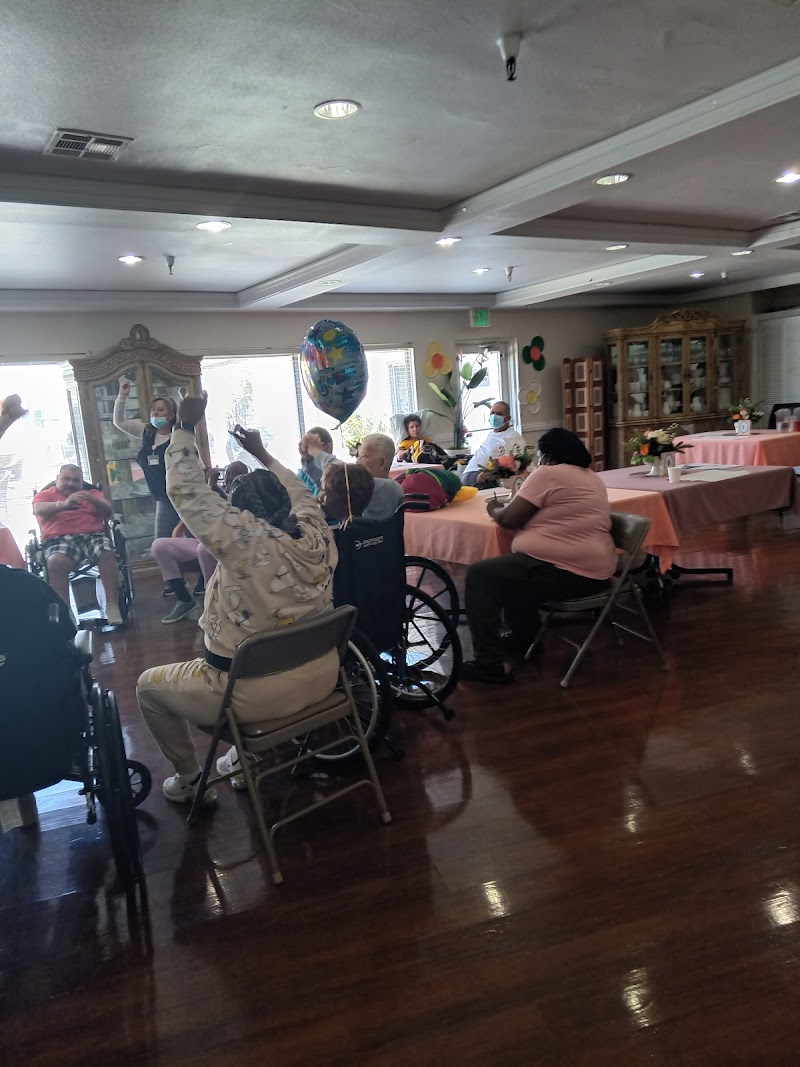
How is Westwood Post Acute Care Staffed?

CMS rates WESTWOOD POST ACUTE CARE's staffing level at 2 out of 5 stars, which is below average compared to other nursing homes. Staff turnover is 36%, compared to the California average of 46%. This relatively stable workforce can support continuity of care.

What Have Inspectors Found at Westwood Post Acute Care?

State health inspectors documented 86 deficiencies at WESTWOOD POST ACUTE CARE during 2020 to 2025. These included: 3 Immediate Jeopardy (the most serious level, indicating potential for serious harm or death), 2 that caused actual resident harm, 78 with potential for harm, and 3 minor or isolated issues. Immediate Jeopardy findings are rare and represent the most serious regulatory concerns. They require immediate corrective action.
Who Owns and Operates Westwood Post Acute Care?

WESTWOOD POST ACUTE CARE is owned by a for-profit company. For-profit facilities operate as businesses with obligations to shareholders or private owners. The facility is operated by COUNTRY VILLA HEALTH SERVICES, a chain that manages multiple nursing homes. With 93 certified beds and approximately 86 residents (about 92% occupancy), it is a smaller facility located in LOS ANGELES, California.

How Does Westwood Post Acute Care Compare to Other California Nursing Homes?

Compared to the 100 nursing homes in California, WESTWOOD POST ACUTE CARE's overall rating (1 stars) is below the state average of 3.1, staff turnover (36%) is near the state average of 46%, and health inspection rating (1 stars) is much below the national benchmark.

What Should Families Ask When Visiting Westwood Post Acute Care?

Based on this facility's data, families visiting should ask: "What changes have been made since the serious inspection findings, and how are you preventing similar issues?" "Can you walk me through typical staffing levels on day, evening, and night shifts?" "Can I visit during a mealtime to observe dining assistance and food quality?" "How do you handle medical emergencies, and what is your hospital transfer rate?" These questions are particularly relevant given the facility's Immediate Jeopardy citations and the below-average staffing rating.

Is Westwood Post Acute Care Safe?

Based on CMS inspection data, WESTWOOD POST ACUTE CARE has documented safety concerns. Inspectors have issued 3 Immediate Jeopardy citations (the most serious violation level indicating risk of serious injury or death). The facility has a 1-star overall rating and ranks #100 of 100 nursing homes in California. Families considering this facility should ask detailed questions about what corrective actions have been taken since these incidents.

Do Nurses at Westwood Post Acute Care Stick Around?

WESTWOOD POST ACUTE CARE has a staff turnover rate of 36%, which is about average for California nursing homes (state average: 46%). Moderate turnover is common in nursing homes, but families should still ask about staff tenure and how the facility maintains care continuity when employees leave.

Was Westwood Post Acute Care Ever Fined?

WESTWOOD POST ACUTE CARE has no federal fines on record. CMS issues fines when nursing homes fail to meet care standards or don't correct problems found during inspections. The absence of fines suggests the facility has either maintained compliance or corrected any issues before penalties were assessed. This is a positive indicator, though families should still review recent inspection reports for the full picture.

Is Westwood Post Acute Care on Any Federal Watch List?

WESTWOOD POST ACUTE CARE is not on any federal watch list. The most significant is the Special Focus Facility (SFF) program, which identifies the bottom 1% of nursing homes nationally based on persistent, serious quality problems. Not being on this list means the facility has avoided the pattern of deficiencies that triggers enhanced federal oversight. This is a positive indicator, though families should still review the facility's inspection history directly.